This is a copy of our weekly email newsletter. Subscribe here to receive the newsletter.
Was another famous tusker hunted? + Journey into Pendjari & W
Life in a conservation brand is changing rapidly. Yes, we earn our living as a travel company – handcrafted experiential SAFARIS – but at the root of brandAG is our conservation media, and we are passionate about telling Africa’s stories – warts and all.
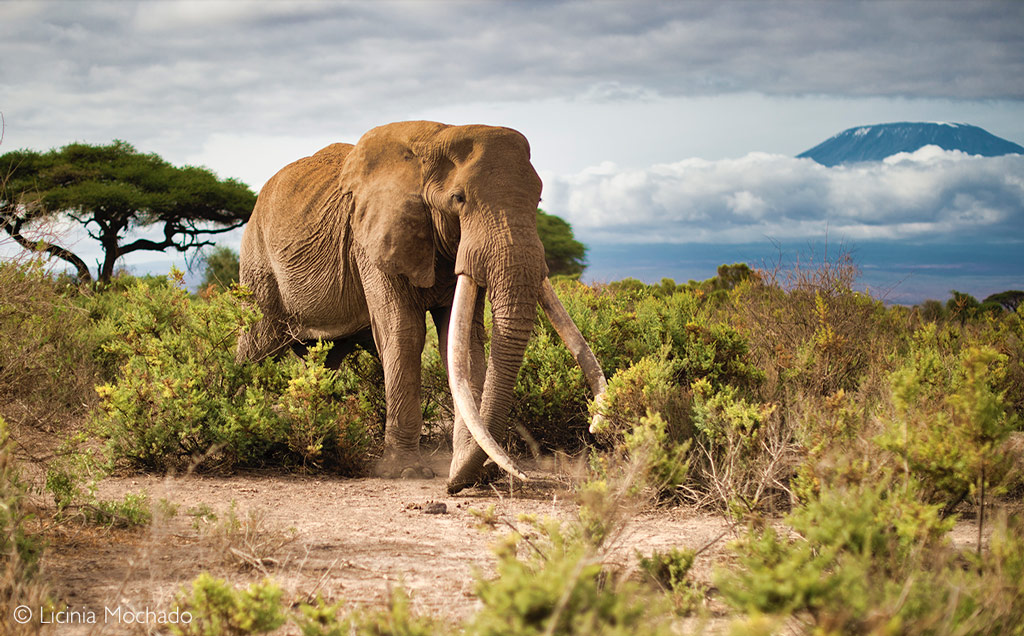
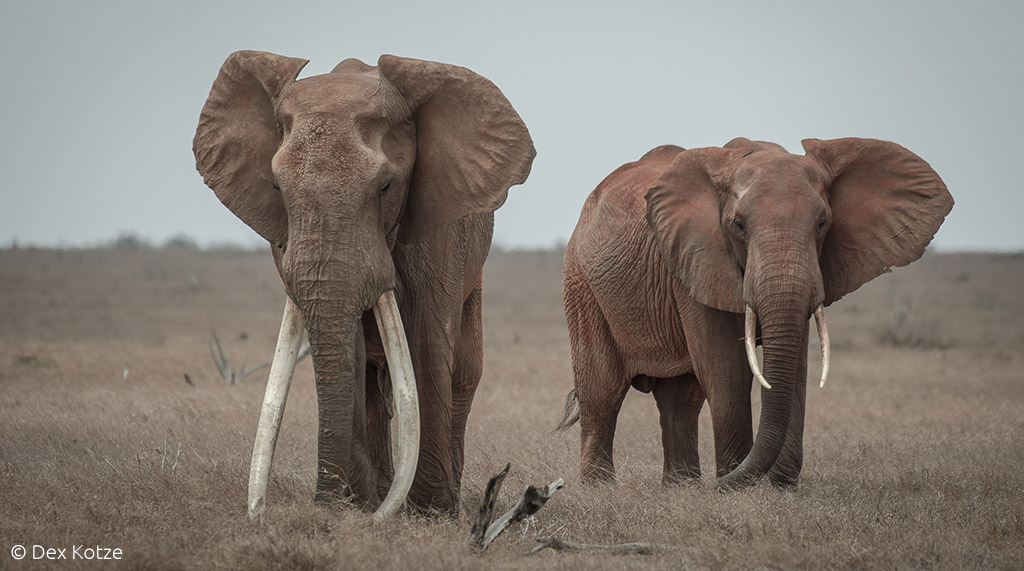
The request for more information below about yet another giant elephant allegedly killed by trophy hunters is a classic case in point. For trophy hunters, the personal risk of bragging about their trophies online has increased significantly because of vigilantism, which sometimes spills over into a physical safety threat. Perhaps because of this, these bastions of transparency, ethics and ‘fair chase’ now burn carcasses and no longer share trophy images in the public online space. Silent assassins. And, without facts, the vacuum is filled by speculation on social media. And this makes our role as purveyors of fact more complicated.
Have no fear, though; we have ways and means of rooting out the facts behind this latest tragic example of the plunder of Africa’s biodiversity, and when we do, we will let you know. Because facts matter. A luta continua.
Simon Espley – CEO, Africa Geographic
From our Editor – Taryn van Jaarsveld
Did you know that gorillas hum while they eat? Yes, that’s right: gorillas have meal soundtracks. According to primatologist Eva Luef, who spent hours observing western lowland gorillas in Congo-Brazzaville, gorillas make two distinct noises while dining: a low hum, like a contented sigh, and a more melodic “song” that sounds like someone testing out a new tune. Moreover, these tunes may have an evolutionary purpose: it’s the dominant silverback male’s way of signalling to others that it’s time to dig in.
This week, we are seeking more info on the possible trophy hunting of another super tusker in Tanzania. The jury is still out on the identity of the elephant. Plus, we follow Kingsley Holgate’s Afrika Odyssey adventure through Benin’s W and Pendjari National Parks. See more below.
More sad news: the African penguin has been uplisted as critically endangered. But hope is not lost. You can help by calling on the South African government to save these penguins and the marine ecosystems they anchor. See more info in the video at the end of our newsletter.
DID YOU KNOW?
We donate a portion of the revenue from every safari sold to carefully selected conservation projects that make a significant difference at ground level. YOUR safari choice does make a difference – thank you!
Story 1 TROPHY HUNTED?
Africa Geographic is seeking more information on the possible trophy hunting of another super tusker in Tanzania
Story 2 W & PENDJARI
Kingsley Holgate & the Afrika Odyssey team are connecting 22 African Parks areas. Read about their trips to Pendjari & W in Benin
TRAVEL DESK:
Don’t miss out on our two exclusive safaris – a thrilling introduction to Southern Africa’s most coveted destinations, or a journey to the heart of Zambia’s secret wilderness: Liuwa Plain National Park. Explore our options below or click here for free safari planning.
Discover Liuwa Plain’s vast horizons, thriving lion population, and Africa’s second-largest wildebeest migration – without the crowds. From bird-filled wetlands to predator-packed plains, this exclusive safari offers unforgettable wildlife encounters. Now is the time to experience a rare journey into Africa’s untouched wilderness!
Southern Africa mega safari – 19 days – from US$9,145pps
Be swept off your feet with wall-to-wall wildlife action on this iconic Southern African safari. You’ll visit Greater Kruger, Cape Town and the Winelands in South Africa. And you’ll also visit Khwai Community Concession and Chobe National Park in Botswana. Top this all off with a trip to magnificent Victoria Falls in Zimbabwe – for a once-in-a-lifetime adventure.
Colin and Sara Taylor from the United Kingdom recently spent 10 days on a quintessential Kenyan safari with AG. Here is what they had to say about their experience:
Kenyan Safari Adventure: We took a day flight to Nairobi, spent one night there and took a light aircraft to Saruni Samburu the next morning. We were met at the airstrip and our Samburu driver was our guide on all trips from the camp. He was outstanding, and incredibly knowledgeable on all the animals, and especially the birds – of which there are so many stunning varieties. Saruni Samburu, a luxury camp, is situated at the top of a rocky hill in the Kalama Conservancy. It has an adjacent waterhole and offers incredible views for miles around. After three nights, we flew down to the Mara North Conservancy to visit Saruni Mara, which is tucked away in a secluded and wooded area along a long bumpy road! In the conservancy, safari vehicles are allowed off the tracks so we were able to get very close to many beautiful animals. This is not the case in the Maasai Mara itself. There are also strict rules which prevent too many vehicles being at one sighting at a time. We had many wonderful experiences there and the best were normally on the early morning game drives – well worth getting up for! After four nights, we boarded a light aircraft flight back to Nairobi and then went for lunch in a beautiful garden restaurant near the Karen Blixen Museum, before taking our night flight back to London. Thank you Christian from AG for arranging our safari – everything went like clockwork!
WATCH: The African penguin has just been uplisted to critically endangered. Breeding pairs have dropped below 10,000 – an alarmingly low number. This shows the rapid decline of African penguins – which could face extinction within a decade. Learn more about the plight facing African penguins, and what you can do to help. (04:17) Click here to watch
People often ask us what the most important item is to have on an expedition. The expected answer is usually things like a well-stocked medical kit, fuel jerry cans, 4×4 recovery equipment, the basics (Nando’s sauce, Mrs Balls chutney, marmite), extra spare tyres, a big camp kettle and a bottle or two of your favourite plonk. But they’re a wee bit surprised when we give our answer. Over the years, one of the most important things we’ve found is, wherever possible, to have an empty seat so you can load up a local character who’s got the language, knows the culture and can bring your journey alive with homegrown knowledge and contacts.
After back-tracking from Ennedi in northern Chad to the busy Kousseri border with Cameroon and facing a daunting route into Nigeria to reach Benin, we load up a confident young fellow by the name of Barka Abani – a cross-border trader who knows the badlands and backroads of this region well. What a bonus Barka turns out to be: he easily handles the tricky paperwork of remote border crossings, and guides us along rutted sand tracks pockmarked with deep washaways and fuel smugglers in overloaded, swaying trucks going flat-out. He takes to camping wild in deserted quarries like an old-timer, and is a wizard at negotiating our way through countless military roadblocks in the volatile north-eastern territories of Nigeria.
Barka Abani takes up the empty seat in the Expedition vehicle
Further south, Nigeria’s traffic is mindboggling: tuk-tuks and motorbikes weaving in and out at crazy speeds with not a crash helmet in sight, crabbing busses and trucks with names like ‘God Rules’, ‘Triumphant Child’, ‘God Knows Better’ and ‘Masha Allah’ coming at you on the wrong side of the road, and speedsters with a death wish. Some days later, a smiling policeman drops the rope at the last roadblock, shouting, “White man – how are you? God bless Nigeria!” One must admire the Nigerians’ good humour and zest for life.
Renowned African explorer Kingsley Holgate and his expedition team from the Kingsley Holgate Foundation recently set off on the Afrika Odyssey expedition – an 18-month journey through 12 African countries to connect 22 national parks managed by African Parks. The expedition’s journey of purpose is to raise awareness about conservation, highlight the importance of national parks and the work done by African Parks, and provide support to local communities. Follow the journey: see stories and more info from the Afrika Odyssey expedition here.
Amazons, slaves, voodoo and insurgency
At African Parks Benin HQ in Cotonou on the Atlantic coast, we receive a hearty welcome from regional manager Hugues Akpona and his team; it seems they’ve been looking forward to the expedition’s arrival for days and are relieved we’ve made it from Chad in one piece.
Benin is laid-back and calm after the energetic chaos of crossing Nigeria. It has an extraordinary history dating back to the 11th century, including a vast empire known for its gold, ivory and trading savvy; the sophisticated but now lost medieval city of Edo that had earthworks longer than the Great Wall of China; the world’s only all-female army – so ruthless that European colonists called them ‘Amazons’ after the merciless warrior-women of Greek mythology; and the exquisitely crafted Benin Bronzes – sculptures that date back to the 1500s.
We first explored this small, fascinating West African country some 15 years ago as part of a Land Rover journey to track the entire outline of Africa through 33 countries in 449 days. In our book from that expedition, ‘Dispatches from the Outside Edge’, we told the story of Benin’s voodoo king endorsing that expedition’s Scroll of Peace and Goodwill, the eerie Sacred Forest at Kpasse with its voodoo god statues, the ancient Python Temple and the heartbreaking sight of the Door of No Return on the beach at Ouidah, which stands at the place where a million slaves clad in chains were sent into the shallows to board slaving ships, to be carried away forever across the Atlantic to the Caribbean and Americas.
The Door of No Return
Now we’re back again with a different objective: to reach Pendjari and W National Parks, numbers 20 and 21 of this conservation, community and culture-themed Afrika Odyssey Expedition. But after more than a year of zigzagging across the continent to connect all 22 African Parks-managed protected areas, we’re starting to feel the pace. The grub boxes are near-empty, our clothes are stiff with dried sweat and dirt, we’re down a couple of belt notches, and everything is coated in thick dust.
DID YOU KNOW that African Parks offers safari lodges and campsites where 100% of tourism revenue goes to conservation and local communities? You can view and book accommodation to various African Parks destinations by clicking here.
Still, the expedition Defender 130s gamely grind on, now with 60,000 kilometres on the clock and redolent with that typical expedition smell of unwashed socks, over-ripe bananas and pungent curry powder from a spilt bottle somewhere. Graeme Madsen, who joined the team in Chad, says they’re the best he’s ever driven; he can’t believe their capabilities.
Into the ‘red zone’ en route to Pendjari
To complete this penultimate chapter, we must travel to the far north of Benin to reach the last strongholds of West Africa’s most endangered wildlife. However, there are plenty of travel warnings about jihadist threats spilling over from neighbouring Burkina Faso, which is, according to some security advisories, now high on the global terrorism index. Pendjari and Park W are currently off-limits to tourists. Still, Jaques Kougbadi, African Parks’ energetic head of communications for Benin, who’s travelling in the lead Defender as our interpreter, guide and cameraman, assures us that all will be OK.
We take a deep breath and tackle the long road north. Jacques arranges for us to overnight at a small, homely lodge called Le Bélier in the town of Natitingou, where Sammy Kassim, the friendly owner, tells us he is risking all in the belief that tourism to Benin’s national parks will soon return. “This place used to be full,” he says sadly, waving a hand across his empty restaurant whilst praising the conservation and community work being done by African Parks. “Now, the government and the military will secure the area; we have hope.”
Early the following morning, under the watchful eye of six well-armed military vehicles, we’re told to keep close – no more than four metres apart – as we push on in intense heat and dust through the thickly wooded country, following the base of the Atacora Mountains. Much to our surprise, a motorbike procession suddenly appears and, with loud chanting and singing, joins the convoy to lead us to the opening of a community water point constructed by African Parks.
A motorbike convoy suddenly appears
Hundreds of colourfully dressed villagers are milling around the new solar pump borehole, storage tanks, livestock water troughs and a long line of taps for domestic drinking water. There’s frenetic drum beating, dancing, joyful singing and congratulatory speeches. At that moment, the seriousness of our military protection is forgotten as we join the celebrations. It’s also a reminder of how important it is for conservation to work with neighbouring communities, even in difficult and sometimes dangerous circumstances like these.
Pendjari
Back in the convoy, we reach the main gate of Pendjari National Park. Jacques explains we’re the first visitors in many months following an IED attack in 2022 that tragically killed a group of African Parks personnel, one of whom we knew. More recently, some villagers were brutally beheaded.
Reaching the gate of Pendjari National Park
A small team of armed rangers on motorbikes ride slowly ahead of the expedition Defenders, carefully scanning the road and verges for any sign of IEDs that might have been recently planted. “It’s standard procedure; we grade the roads regularly to make it easier to identify human tracks and activities,” Jacques tells us. Our cheerful radio chatter fades to silence as the magnitude of what the park’s staff face daily hits home.
At Pendjari’s HQ, we meet the instantly likeable park manager Habte Tadesse – tough, stocky and full of fun. Over small cups of Ethiopian coffee, 42-year-old Habte tells us that he grew up in southern Ethiopia, where his father and grandfather had both been game rangers in the Omo National Park and learned his English at the South African Wildlife College.
Sitting up on a hill in an open-sided rondavel that serves as a canteen with forever views, Habte explains that both Pendjari and W National Parks form part of the 26,361-square-kilometre transnational W-Arly-Pendjari complex that spans Benin, Burkina Faso and Niger. It’s the largest intact ecosystem remaining in West Africa and a UNESCO World Heritage Site.
A giant welcome at Park W
“This is the last refuge for the region’s elephants – we’ve recently collared a number of them – and some of the remaining critically endangered West African lion population, not to mention the korrigum antelope (looks like a topi) and the western hartebeest – species that you’ve probably not seen before,” explains Habte.
West African lions in Pendjari
“We must continue to protect and safeguard this area, not just for the wildlife but also for the people,” he continues. “The government of Benin is 100% supportive; they even help fund the conservation work in both parks, which with other important partners, helps us to keep our promises to the communities. We can win this war against the jihadists; theirs is a fight for ideology – ours is for conservation and communities. If the north falls to jihadists, it will be the beginning of the end for Benin, and the government knows that. That’s why we have such commitment with more than 3,000 soldiers deployed along the border. Their job is to protect; ours is to conserve for the future.”
The sky goes dark. Pendjari’s camp cook is a genius, producing the best crispy chips and sunny-side-up, soft-fried eggs we’ve had in months. That night, we resort to sleeping under wet sarongs to get some relief from the unrelenting heat and humidity. The following day, after the coffee ceremony with Habte (three or four small cups each Ethiopian-style), we explore the Park HQ; the infrastructure is impressive: graded roads, airstrip and hangers, neatly thatched accommodation units, offices, ranger quarters, a training centre and a state-of-the-art boma including a strong-walled quarantine pen – “For when the black rhinos arrive,” says Habte with a grin. “Everything you see is built by local labour,” he adds proudly.
After a night sleeping out under the stars at the Mare Bai waterhole, with an alert ranger team standing guard and Habte adding water to the expedition’s symbolic calabash, we fly by helicopter over Pendjari, spotting lots of wildlife and, in the distance, a military camp close to the border with Burkina Faso.
Pendjari park manager Habte Tadessa grins with Kingsley after adding water to the calabash
Later, at a flag-raising ceremony in the parade ground with the ranger corps, Habte thanks us for the immense journey we’ve undertaken to reach Pendjari despite it being in a ‘red zone’ and for assisting with their community work: Rite to Sight-reading glasses for the poor-sighted, malaria prevention for mums and children and the Wildlife Art competition for schoolkids at Pendjari’s environmental clubs.
Ross hands out mosquito netsThe winner of the Wildlife Art competition
“Our appreciation for your monumental effort to visit Pendjari is shown in the many messages from rangers, staff and government officials that have now been added to your Scroll of Hope for Conservation…what a great book for the future!” he exclaims.
Elephants in Pendjari reach up to the rain with their trunks during a downpour
Park W
Bidding the Pendjari team farewell, we turn the expedition Defenders towards Park W, so named for the w-shaped meanderings that the Niger River has carved in this border region. It’s a winding road that takes us through the lands of the Batammariba or Tata people; animists who, surrounded by ancient baobabs, live in tall, conical, thatched and mud-built fortified village complexes called ‘sombas’. They resemble miniature castles built on different levels with beautiful granaries and entrances protected by fetishes and shared by both people and livestock.
But Kingsley isn’t doing well. He’s been battling to shake off a nasty bout of malaria that surfaced as the expedition left Chad. Despite two courses of malaria treatment, the heat and unrelenting expedition pace have taken their toll. Arriving at Park W, he’s swaying on his feet like a big baobab about to crash. Still, he insists on participating in the energetic, traditional dance welcome ceremony, meeting the local Chief and Abdel-Aziz, the very professional park manager, who hustles our team into a waiting helicopter with well-armed protection on board, to fly to the centre of Park W.
Park manager Abdel Aziz adds water to the calabash
At a beautiful river setting, Abdel-Aziz adds water to the symbolic expedition calabash, which has collected thimblefuls of water from all African Parks-managed areas across Africa. This is ceremony number 21 – the last but one of this Afrika Odyssey Expedition.
The “w” carved through the landscape by the Niger River
Picking up the story in Kingsley’s words:
“Back at base camp, we’re surrounded by elephants, who’ve come down at sunset to drink from the beautiful natural pools. These are some of the last remaining elephant herds in West Africa. Abdel-Aziz comes over to me, where I’m sitting alone, touches me on the shoulder and says quietly, ‘These elephants are safe here. Thank you for coming to Park W and allowing us to share them with you.’ Despite feeling as sick as a dog, this moment makes it all worthwhile. But next morning, I wake to see Ross, Abdel-Aziz and Dr Samuel Mvuyekure (the AP camp doctor) gathered around my bed and discussing ‘The Patient’. Last night hadn’t gone well: my heart rate was all over the place, and I struggled to breathe; Dr Samuel had to put me on oxygen.”
“These elephants are safe here”
“I’ve radioed for the plane – we’re medevac’ing you to hospital. When it lands, the pilot isn’t going to cut the engine,” Abdel-Aziz tells Kingsley. “Dad, I’m not taking no for an answer,” says Ross firmly. Twenty minutes later, Kingsley is bundled into the front seat of AP’s Cessna 206, with the smaller Dr Samuel squeezed into the back and on a three-hour flight south to a busy government hospital in Cotonou.
Dr Samuel finds the last available bed for Kingsley and, refusing to leave his side, sleeps on the floor using Kingsley’s well-travelled, 20-year-old Melvill & Moon bag as a pillow and a Maasai shuka as a blanket. Dr Sam is from Bujumbura in Burundi and served with AMISON, the peace-keeping force in Somalia, where he had his fair share of challenging medical situations. What a good man. He is another example of the committed, quality characters that African Parks attracts, and he is very determined to ensure that the ‘Beard’ in his care isn’t going to breathe his last in Benin.
“The Beninese people are wonderfully kind and friendly,” says Kingsley in a ragged voice note a couple of days later. “They excelled themselves; a constant stream of doctors and nurses (I think curiosity was a driving factor), chest x-rays, every blood test, drip, painkiller and antibiotic imaginable. It got me breathing properly again; it seems it could be a double-whammy of complicated malaria and a pneumonia-type thing. Frightening experience, but I’m on the mend!”
Meanwhile, the expedition team are in a race against time to complete the community work at Park W. Jacques whisks Ross and Graeme off to meet the celebrated Bariba Horsemen of the Banikoara Commune. “Their equestrian skills are incredible,” reports Ross. “The colourfully dressed horsemen on their richly harnessed mounts put on a great show to the accompaniment of sacred drums and blaring, hand-crafted two-metre-long trumpets. With great dignity, they also wrote messages in the Scroll to show their support for the conservation and community work being done in this border region.”
A Bariba Horseman demonstrates his skill
Constantly aware that we’re in a high-risk security area, the humanitarian work is conducted at an intense pace: malaria prevention with women, Rite to Sight for the elderly and Park W’s Wildlife Art competition for community kids; their joy at being singled out for their efforts is priceless to watch.
Our time in Benin’s northern national parks ends with a sobering event. With Abdul-Azziz and park rangers, we line up on either side of a simple, stone memorial for a moving ceremony to remember those who’ve died in the line of duty here, many of them from cross-border insurgent attacks.
A stone memorial honours those who have died in service of the park
Pendjari and Park W are the last conservation strongholds in this part of West Africa. More than 50 large mammal species rely on these two African Parks-managed areas for their continued existence, including elephant, buffalo, a dozen antelope species, hippo, spotted and striped hyena, leopard and the critically endangered West African lion and Northwest African cheetah.
Elephants in W at the water’s edge
Threats to their survival aren’t just from insurgents; habitat destruction from overgrazing, illegal hunting and fishing are just as severe as the pressure from cotton cultivation, Benin’s largest cash crop. But what a great conservation and community job the African Parks team does under these challenging circumstances; their resilience, passion and commitment make us proud to share their stories – well done, African Parks, for refusing to give up.
And so, we point the travelled-hardened Defenders back south to Cotonou and meet a cheerful but few-kilograms-lighter Kingsley. Over a few cold La Béninoise (Benin’s national beer), we discuss the final challenge: to reach Chinko in the eastern region of the Central African Republic, surely the most remote wildlife reserve in Africa and the very last of the 22 African Parks-managed areas we must visit to successfully complete the mission of this Afrika Odyssey Expedition. We can smell victory – but it’s not over yet.
This is a copy of our weekly email newsletter. Subscribe here to receive the newsletter.
Chimps mirror human discourse + Budongo Forest + bush to vineyards safari
I have just returned from an insightful elephant workshop in the stunning Tembe Elephant Park in northeastern KwaZulu Natal, near the Mozambique border. This popular annual event, presented by respected wildlife vet Johan Marais, attracts people from all over the globe, and I have wanted to attend for many years.
Johan shared his passion for tuskers, supplemented by interesting information and a trip down memory lane with photos of the giant elephants he has photographed over several decades. He shared that male elephants hit their tusk growth spurt at 40–50 years when they are also in their prime breeding years. Compare this to the shooting last year of super tusker Gilgil, who, at 35 years, was described by Michel Mantheakis – chairman of the Tanzanian Hunting Operators Association – as a “very old and past breeding bull elephant”.
About 40 enthusiasts were enthralled by his presentations, interspersed with game drives to seek out the Tembe elephants, which have some of the biggest remaining tusk genes. During these game drives, I saw more large-tusked bulls than I have seen elsewhere, barring Kenya’s Tsavo and Amboseli. Email the Tembe team to book your spot for next year’s elephant workshop.
You will hear more from teamAG about Tembe Elephant Park, which hosts exceptional sand forests, open woodland and wetlands. The park, owned by the local Tembe community, was established in 1983 to protect elephants migrating between Maputaland and southern Mozambique.
Meanwhile, here in the Greater Kruger Lowveld, we had our first early-season rains last night – a decent downpour accompanied by thunder and lightning. This has been a torrid dry season, so I hope with all my soul that more good rains will follow to break the drought’s vice-like grip.
Simon Espley – CEO, Africa Geographic
From our Editor – Taryn van Jaarsveld
Africa’s elusive wildcats may be a tree’s best friend. It turns out that leopards and golden cats are the secret gardeners of some of Africa’s forests. In Congo-Brazzaville and Cameroon, the nightly prowls of these predators are helping the forest grow, according to the early findings by a researcher working in the forests. How? By scaring the living daylights out of, and eating, the small animals that munch on seeds. Just the scent of a leopard nearby is enough to create a landscape of fear for these prey animals, which eat less when the cats are about. This leaves the seeds in the cats’ territories to sprout in peace. In short, the wildcats help the forest regenerate. So, next time you stroll through a lush African forest, remember: its success may, in part, be thanks to a stealthy feline gardener lurking in the shadows.
This week, we take you deep into the heart of Uganda’s Budongo Central Forest Reserve, and explore new research that reveals striking similarities between chimpanzee and human communication. Check out our stories below.
DID YOU KNOW?
We donate a portion of the revenue from every safari sold to carefully selected conservation projects that make a significant difference at ground level. YOUR safari choice does make a difference – thank you!
Story 1 BUDONGO FOREST
Budongo Central Forest Reserve is Uganda’s hidden gem – home to stunning biodiversity, chimpanzees & an unforgettable forest
Story 2 CHIMPANZEE SPEAK
New research reveals similarities between chimpanzee and human communication, deepening our understanding of primates
Dreaming of visiting South Africa? Enjoy this iconic bush & beach 12-day safari, the best that South Africa has to offer. Be prepared to be swept off your feet with wall-to-wall wildlife action – with exceptional Greater Kruger Big 5 game viewing. This safari also includes a full-day road trip taking in the stunning scenery and cultural delights of the Lowveld. And then, head on to vibey, sophisticated Cape Town & the nearby winelands.
Mumbo Island escape – Lake Malawi – 6 days – from US$1,530pps
Escape, unwind & detox on the uninhabited island paradise of Mumbo Island in the middle of Lake Malawi. This heavenly tropical retreat is perfect for everyone, from adventuring families to honeymooning couples. Take to the waters of the lake and explore the cerulean world below or opt for a hammock in the shade, book and cocktail in hand. On the privacy of Mumbo Island, your time is your own – you decide!
Not sure when to go on safari? No worries, here is our month-by-month guide to help you decide when to have that next ultimate safari experience
What our safari clients say
Another week of five-star reviews from our happy clients. John and Hester spent 15 days traversing Namibia, starting their journey in Spitzkoppe and ending off at Epupa Falls. Here is what they had to say:
“Our third African safari arranged by Africa Geographic. The meticulous planning and care taken by our consultant, Stefan, came up to our expectations. Stefan kept close contact with us throughout the planning stage as well as during the journey itself. He was clearly concerned about our well-being on a memorable, if arduous, expedition to celebrate our 60th anniversary. Excellent accommodation arrangements at Doro Nawas and Serra Cafema, as well as at other venues (Okahandja Country Hotel, Spitzkoppe Tented Camp, Giardino Boutique Hotel, Khowarib Lodge, Epupa Falls Lodge and Oppi-Koppie Rest Camp). Stefan’s agent in Swakopmund, Pepi, was most friendly and helpful. In short, another excellent Africa Geographic experience, with our thanks to Stefan and Pepi for their professional and friendly support.” – John, South Africa
WATCH: Kenya’s coastline is dotted with thick hedges of mangroves, which are crucial to biodiversity, offer carbon sequestration, reduce poverty, and build economic resilience. See how mangrove restoration projects in Mida Creek support wildlife and local communities. (05:56) Click here to watch
Uganda is often called the “Pearl of Africa” but within this gem lies a real nugget: Budongo Central Forest Reserve. This enchanting forest reserve offers a blend of biodiversity, rich history, and natural beauty. Nestled in the heart of Uganda, where the equator crosses the African continent, Budongo Central Forest Reserve offers a sanctuary for nature lovers and adventurers.
Often overshadowed by the country’s more famous attractions, this remarkable reserve is a place where biodiversity thrives and history whispers through the trees. As part of the larger Murchison Falls Conservation Area, Budongo is a testament to nature’s resilience and the perfect destination for those seeking the tranquillity of forests, the thrill of wildlife encounters, and the beauty of cascading waterfalls.
Budongo Central Forest Reserve: where history and wildlife meet
A 4–5-hour drive northwest of Kampala, Budongo Central Forest Reserve offers an enticing blend of natural wonders. All who venture here are captivated by its landscapes and vibrant ecology. This forest reserve first received conservation attention in the late nineteenth century because of its importance in the area’s water provision and natural resources.
Nestled in western Uganda, Budongo is a sanctuary within the larger Murchison Falls Conservation Area. It once served as a royal hunting ground for Bunyoro kings, a tradition that harkens back long before the days when protection of special areas became a necessity. Today, the reserve comprises six distinct forest blocks: Siba, Waibira, Busaju, Kaniyo-Pabidi, Biiso, and Nyakafunjo, all managed by the Uganda National Forestry Authority (NFA).
Located where seven of Africa’s biogeographical regions converge, Uganda is a tiny landlocked country with enormous potential. Despite its small size, Uganda has an extraordinary diversity in both terrestrial and aquatic habitats. Among these is Budongo, whose expanse spans 825km2, and unfolds across a landscape of two main vegetation types. About half of the conservation area comprises moist, medium-altitude, semi-deciduous forest, the other half is a mosaic of savannah and woodland patches. This lends greatly to the biodiversity of the region.
The forest undulates westward and down towards the East African Rift Valley, and four life-giving streams – the Waisoke, Sonso, Wake, and Bubwa crisscross the forest. These streams flow into Lake Albert, the northernmost chain of lakes in the Albertine Rift. In the northeast, on the border with Murchison Falls National Park, Kaniyo Pabidi Waterfall adds to the picturesque scenery.
As moist air rises above the Rift Valley mountains, it condenses, cools, and falls on the verdant Budongo region, amassing between 1200–2200mm annually in two rainy cycles. March to May and September to November are wet, while the forest receives a respite from the rain from December to February.
Dominating the Budongo Forest is a canopy of Uganda ironwoods, which provide a sanctuary for a rich tapestry of flora and fauna – and the habitat of some of the region’s special birds. The towering East African mahogany trees prevail physically, with some old specimens standing eighty metres tall. Other important forest species of conservation concern are the drum tree, wild mango, African teak and the vulnerable tiama. Reaching for the skies, these combine to create an enchanting and mystical atmosphere below. Sunlight gently filters through the dense canopy, casting dappled light on the forest floor.
Whether you seek the serenity of a tropical forest stroll, the thrill of wildlife encounters, or the mesmerising beauty of cascading waterfalls, Budongo offers an unforgettable destination.
A dirt road cuts through the forest
Budongo’s birds
The reserve is a haven for an astonishing variety of wildlife, with birds being one of Budongo’s top drawcards. Around 366 bird species grace Budongo, including sixty West or Central African bird species known from fewer than five locations in East Africa.
Birding along Budongo Forest’s Royal Mile
Specials that are found nowhere else in East Africa include Puvel’s illadopsis and the yellow-footed flycatcher. Other regional specials include Ituri batis, lemon-bellied crombec, white-thighed and piping hornbills, black-eared ground thrush, rufous-sided broadbill, Cassin’s spinetail, green-breasted pitta, Woodhouse’s antpecker, blue-breasted and chocolate-backed kingfishers, little green sunbird, Sabine’s spinetail, white-spotted flufftail and yellow-crested woodpecker. More regular sightings include great blue, Ross’s, black-billed and white-crested turaco, African pied wagtails, lemon-throated and Cameroon sombre greenbul, and various species of eagles, camaropteras, cuckoos and sunbirds.
A blue-breasted kingfisher surveys its prospectsSome of Budongo’s specials: chocolate-backed kingfisher, rufous-sided broadbill, Puvel’s illadopsis and piping hornbill
Birders will do well to visit Busingiro Eco Tourism Site, which is a good departure point for birding. The site includes the Royal Mile which is lined by giant trees representing many species found in the reserve.
Budongo is not a season-dependent destination, and birding is good year-round. However, it is advisable to consider the rainy and dry seasons based on your goals. The best birding is to be had from February to April and again from June to September when the trees are fruiting abundantly and birds are in their breeding plumage. Heavy rains in April and May and again in September and October may hamper your activities with slippery trails and impassable roads.
Great blue turacos in Budongo Forest
The primates and other wildlife of Budongo
Thriving in the forest habitat are good populations of eastern chimpanzees, black and white colobus monkeys, red-tailed monkeys, blue monkeys, grey-cheeked mangabeys, olive baboons, and potto and galago species.
On the forest floor, one may catch a fleeting glimpse of the chequered elephant shrew or perhaps a gaboon adder. The forest giant squirrel, the largest tree squirrel species in Africa, is high in the canopy overhead. Leopards reside in the forest but these are difficult to spot, and occasionally, lions may wander into the forest, though are very rarely seen here. Heading out of the forest into the savannah area of the reserve, elephants and buffaloes are occasionally spotted. Antelope are of the more regularly seen mammals in the forest, including waterbuck, duiker and bushbuck.
Chimpanzee trekking in Budongo
Within the forest confines are several wild chimpanzee troops, totalling upwards of 600 individuals, each with differing levels of exposure to human activity. Of these, three troops are being continuously studied and monitored by the Budongo Conservation Field Station – the Waibira, Sonso and Kaniyo-Pabidi communities. Currently, chimpanzee treks focus on visiting the Kaniyo-Pabidi community.
The Sonso community (consisting of upwards of 85 chimpanzees) were the first of Budongo’s chimpanzees to be habituated, and this painstaking and delicate work started in 1990. To reduce pressure on the Sonso clan and to gain comparative information, researchers first approached another troop, the Waibira, for habituation in 2011. Today, the Waibira consists of between 100 and 120 individuals, of which 76 are known by name. The Sonso and Waibira communities are subjects of various research projects and are therefore not currently visited by tourists.
Visitors can instead go on a chimpanzee trek to see the Kaniyo-Pabidi chimpanzee community, consisting of 100 individuals, which roams the area between Budongo Forest and Murchison Falls National Park. This community was initially habituated by The Jane Goodall Institute. Since 2009, the program has been adopted by Budongo Eco Lodge, which manages it today. Visitors trek with guides to find these chimpanzees, and once they are located (which may take between 30 minutes and 4 hours and up to 8km), trekkers spend an hour in close proximity to the troop, observing them playing, feeding, and napping.
A chimpanzee watches from above
Beyond the Sonso, Waibira and Kaniyo-Pabidi communities, at least three other chimpanzee communities are found in Budongo. These are the Busingiro, Nature Reserve and Waisoke communities. These three troops remain unhabituated.
Budongo offers the unique opportunity of a chimpanzee habituation experience, which allows visitors to assist in the process of acclimating chimps to the presence of people. The experience entails following one of the unhabituated troops for a few hours under the guidance of professional guides, and observing and recording their behaviour. The troops are much more difficult to find than the habituated ones as they move deeper in the forest (and the experience may sometimes last for a whole day due to the time spent finding the chimps). Still, the challenge lies in the thrill of tracking and encountering one of the world’s most iconic species while immersed in their forest world. The process of chimpanzee habituation can take 2–3 years at a time, and these habituation experiences assist in the process.
This experience is recommended for those who wish to spend more time observing the interactions and behaviour of chimpanzees. Permits for the habituation experience are more expensive and are not issued during the peak tourism season from July to September when trekking adventures are given priority. With this permit, you may spend up to four hours with the chimpanzees, gaining a deeper understanding of their daily routines and lives in the forest. This unparalleled experience allows you to move with these incredible creatures, observing how they feed, rest, and communicate.
All chimpanzee experiences are expertly managed by operators working under the authorisation of the Uganda Wildlife Authority and the National Forestry Authority, and obtaining permits is essential.
A young chimp keeps occupied in the treetops
As you prepare for your adventure in Budongo, remember that heading out on an experience to see chimpanzees can be physically demanding, with varying conditions and terrain. The forest is often steep, and there are no marked paths. Be sure to take good walking shoes, plenty of water, a camera and binoculars.
Explore and stay: Planning your visit
The nearest central town to Budongo is Masindi, located approximately 20km east of the forest region. You can get there easily by bus or private car. For those that prefer to fly, though, flying to Pakuba and Bugungu airfields in Murchison Falls from Entebbe International Airport is an option, which will reduce your travel time to Budongo to around an hour. Murchison Falls is a worthwhile stop for wildlife enthusiasts and could yield exciting sightings – such as of lions and elephants – so be sure to spend some time here if possible.
A stopover in Murchison Falls before heading to Budongo will reveal its own exciting wildlife experiences – even possibly sightings of lions.
For those seeking a more immersive experience, eco-lodges and tented camps on the outskirts of the reserve offer a chance to stay much closer to nature. While visiting Budongo, make the most of your visit, and consider arranging a guided tour with experienced guides familiar with the forest’s flora and fauna. They will enhance your experience by sharing their knowledge and ensuring safety during activities like chimpanzee tracking. Securing a permit is a must before you embark on your trip.
The dry season, from December to February and June to August, is generally a good time to visit Budongo (unless searching for specific bird species – see above). During these months, the weather is more predictable, and wildlife is often easier to spot as they congregate around water sources.
As you explore Budongo, remember to adhere to responsible tourism practices. Be sure to minimise your impact on the environment and wildlife. Respect the forest’s tranquillity and fragility, stay on designated trails, and tread lightly in this special place so all coming after you may enjoy it, too.
A drenched white-browed coucal tries to dry off after a downpour
With its blend of wildlife, scenic landscapes, and conservation success stories, Budongo Forest stands as a testament to the importance of preserving our natural world for future generations. For anyone seeking an unforgettable adventure in the heart of Africa, Budongo is where the whispers of the wild truly come to life.
Further reading
Uganda’s Murchison Falls NP is home to a smorgasbord of wildlife and diversity set against the backdrop of the spectacular Nile River. Read more about Murchison Falls National Park here.
What are the 10 best birding spots in Uganda? The country hosts 1065 species – the ideal place to improve your life bird species list. Read more about Uganda’s top birding spots here.
Chimpanzees live in western and central African primary and secondary woodlands and forests, farmland and fallow oil palm plantations. They are the smallest of the great apes and our closest living relative. Read more about chimpanzees, our forest kin, here.
In the vast tapestry of the animal kingdom, few creatures mirror our own existence as closely as chimpanzees. Chimpanzees have long been known for their sophisticated social structures and behavioural traits. However, until now, the nuances of their communicative practices remained largely unexplored. New findings from a groundbreaking study illuminate the striking similarities between chimpanzee and human interactions, revealing that the conversational dynamics that define our species may extend far into the primate lineage. Rene de Klerk considers recent research findings.
Chimpanzees, as our closest living evolutionary cousins, have long offered a unique window into humankind’s ancestral nature and origins. Sharing over 98% of our DNA, these intelligent primates exhibit brain structures, behaviours and social aptitudes closely resembling our own. However, one domain seemingly separating the two species is communication – with chimpanzees lacking human language’s complexity and the ability to communicate through language.
New research now reveals our links to chimpanzees may run even deeper than previously thought. In the largest-ever study of chimpanzee conversation, scientists monitored and analysed thousands of gestures exchanged between individuals across multiple populations. What they found showed that interactions between chimpanzees are not that much different from interactions between humans.
One aspect that drew interesting conclusions is the examination of conversational structure. In most cases across many different cultures, humans take turns to communicate during social situations, typically leaving an average of 200 milliseconds between the end of a sentence and a response to the statement. The transition time between these responses also differs between different cultures. A study published by the Max Planck Institute for Psycholinguistics in 2009 confirmed that the Danish took 469 milliseconds to respond while Japanese speakers respond very fast, only waiting seven milliseconds before answering.
The researchers from the University of St Andrews in Scotland and colleagues have found that chimpanzees communicate similarly, showing the same conversational structures as humans between their gestures. While chimpanzees do not use spoken language, they use gestures. The team found that, on average, chimpanzees responded to each other with gestures within 120 milliseconds.
The team also wanted to know whether there were differences in communication patterns between different groups, like in human cultures. As a result, they conducted the research across various communities. The study observed five wild East African chimpanzee communities in Uganda and Tanzania. Data collection involved extensive video recording to capture a comprehensive view of gestural communication. Some communities studied were from Uganda – the Sonso and Waibira chimpanzee communities from Budongo Central Forest Reserve, and the Kanyawara community from Kibale National Park. Chimpanzees in the Kalinzu and Issa communities represented Tanzania.
Contemplating the treetops in Kibale National Park
They found that the timing was largely consistent and overlapping across various chimpanzee communities but showed some group differences, just like the cultural variation shown in response timing across human languages.
Collection periods and methods varied depending on the specific community. For Sonso, Waibira and Issa, an ad libitum or naturalistic approach aimed to capture any gestural exchanges observed. When it came to the Kalinzu community, the team focused on following one individual chimpanzee for 30-minute targeted periods to witness gestures. The longest video clips for the study came from the Kanyawara chimpanzee community, where researchers prioritised 15-minute sessions focused on one chimp, seeking to document multimodal forms of communication.
According to Dr. Gal Badihi from the School of Biology at St Andrew’s, who was also the research paper’s lead author, the results were not entirely unexpected. “We already know that animals, including chimpanzees, can take turns. Given that they are so closely related to humans and they have to communicate in similar social contexts it makes sense that the same strategy would evolve in both species,” he explained.
However, for Badihi, the biggest surprise was just how quickly the turn-transitions were and that they were so consistent between groups and close to human timing. He said it was also interesting that the researchers found some minor variation between groups, with the Sonso community in Uganda being a little slower to respond than the other groups. This also matches cultural variation between human groups who speak different languages.
The research was relatively extensive and time-consuming, involving more than 250 chimpanzees across different communities. The team collected more than 8,500 recorded gestures. All of this information required analysis, which was a challenge in itself. “This took years and many people to collect enough video data that recorded the gestural interactions and more years to code all the necessary information to compare the different groups. It was a massive collaborative effort,” explained Badihi.
Some key findings included that 14% of interactions involved a back-and-forth exchange of gestures between two chimps. Many of these sequences contained two or more turns at quick intervals, similar to the rapid-fire structure of conversational exchange seen in human language.
The study presents fascinating new insights into primate communication and behaviour, suggesting that chimpanzee interactions share evolutionary roots and mechanisms with human language development.
As a chimpanzee lover, Badihi says there could definitely be further studies on the chimpanzees.
“We hope to see exactly when chimpanzees exchange gestures instead of just responding with a behaviour. This is interesting because, in most gestural interactions, only one individual uses gestures to make a request.” As an example, requests made through gestures, such as “give me food”, “let’s groom”, and “go away” would be met by the other individual (the recipient) responding with the requested behaviour. Badihi says their findings did not confirm if the recorded gesture-to-gesture exchanges are a type of negotiation clarification or if these indicate conflicting requests.
This groundbreaking study enhances our understanding of chimpanzee communication and bridges the evolutionary gap between humans and our closest relatives. By recognising the intricacies of gesture-based interactions among chimpanzees, we gain valuable insights into the evolutionary origins of our own social behaviours. As we continue to explore the depths of primate communication, we may uncover even more parallels that highlight the rich tapestry of life shared by humans and chimpanzees, emphasizing the importance of conserving these remarkable creatures and their habitats for future generations.
Chimpanzees live in western and central African primary and secondary woodlands and forests, farmland and fallow oil palm plantations. They are the smallest of the great apes and our closest living relative. Read more about chimpanzees, our forest kin, here.
A gallery of fantastic images of chimpanzees – in honour of our fellow great ape. Images submitted by our Photographer of the Year entrants. Check out our gallery celebrating chimpanzees here
This is a copy of our weekly email newsletter. Subscribe here to receive the newsletter.
Mashatu’s giants + East Africa’s flamingos in peril
I have lost count of the times I have heard moaning from online ‘experts’ that elephants have devastated the Rhodesian teak (Baikiaea plurijuga) forests of Chobe and Hwange.This is a common claim that is factually bereft.
To demonstrate the point: While in the remote southern portion of Zimbabwe’s Hwange National Park recently, I was driving down a cutline separating a ridge of sandy soil on my right (with teak being the dominant deciduous woodland) and clay soil (mopane) on my left. The mopane trees had been heavily pruned over the years by elephants, each year coming back with fresh leaves from stunted shrubs – the miracle tree! On my right, the equally short teak shrubs showed no signs of having been pruned. Their slow recovery after being harvested for timber was due to fire and frost, according to my guide.
Large portions of Southern Africa’s teak forests (including some in and bordering national parks) were felled to supply railway sleepers, mine shaft support and parquet flooring. Older, mature trees are now scarce because of the over-exploitation over the last half-century. Teak is exceptionally slow-growing at the best of times (saplings reach only 15cm in several years), with the aforementioned fire and frost slowing the process further.
Elephants do hammer woodland and riparian forests, where they congregate in large numbers during the dry seasons when other food is scarce. But the devastation of our teak forests? That’s on us.
Simon Espley – CEO, Africa Geographic
From our Editor – Taryn van Jaarsveld
Does an elephant really never forget? Well, the gentle giants do possess memory superpowers when it comes to details that are key to survival.
For a wise, elderly matriarch leading her herd to greener pastures in the midst of a drought, memories of even the smallest details – such as where to find a hidden water source – can mean the difference between life and death. Elephants don’t wander aimlessly. They remember migration routes, elephants they’ve met before, the smells and sounds of predators, and even the voices of human threats. Elephants with seasoned matriarchs who’ve been through it all lead their herds safely through droughts, while youngsters without wisdom don’t fare as well. In one case, a younger matriarch, not knowing the migration routes of the previous generation, opted to stay put during a drought. Her herd’s calves suffered a 63% mortality rate – as opposed to the usual rate of 2% during drought. Older elephants are important repositories of knowledge, and their memories could mean the survival of their herds. Elephants have the largest brains of any land mammal, and they put them to good use. Their memories aren’t just impressive, they’re essential – helping their entire herd survive and thrive.
This week, we celebrate the magic and giants of Mashatu through the photography of Roger and Pat de la Harpe, and examine how the lake habitats of East Africa’s flamingos are being pushed to the brink. Check out these stories below.
DID YOU KNOW?
We donate a portion of the revenue from every safari sold to carefully selected conservation projects that make a significant difference at ground level. YOUR safari choice does make a difference – thank you!
Story 1 MASHATU GIANTS
Botswana’s Mashatu is home to giant vistas, elephants, cats & birdlife. Discover the magic through the pics of Roger & Pat de la Harpe
Story 2 FLAMINGOS IN PERIL
Rising lake levels caused by climate change are threatening East Africa’s flamingos, pushing their iconic soda-lake habitats to the brink
TRAVEL DESK:
Let us romance you with a safari to South Africa’s Mother City and Botswana’s Okavango Delta. Or how about a holiday that combines wildlife and an island-style escape? Check out these safaris below, or click here for free safari planning.
The best of both worlds! Be immersed in the exquisite natural beauty and beaches, edgy urban delights and colourful history of Cape Town. Then head to the heart of Botswana’s Khwai wilderness, where you’ll encounter iconic wildlife. Explore this magnificent landscape on game drives, guided walks and mokoro trips before returning to the comfort of your luxury accommodation.
South Luangwa, Victoria Falls & Lake Malawi safari – 12 days – from US$ 7,895pps
Explore the majesty of the mighty Zambezi River and Victoria Falls, and then head into the heart of the wilderness of South Luangwa National Park, Zambia – the birthplace of walking safaris and one of Africa’s leopard hotspots. Your last stop is Nankoma Island on Lake Malawi, where you’ll enjoy sun-soaked adventure and relaxation.
Bernat has just returned from an exceptional nine-day photographic safari to Mana Pools, Zimbabwe with guides Villiers Steyn and Carl Nicholson. From elephants, wild dogs, lions and leopards to a myriad of bird species and much more, this safari was pure magic! This was Bernat’s third safari with AG, for which he once again gave us a five-star review.
“Great photo expert safari to Mana Pools with Villiers Steyn and Africa Geographic. I’ve never done walking safaris before and it was the greatest experience!” – Bernat, United Kingdom
WATCH: Six young lion cubs in MalaMala Game Reserve, South Africa, are overjoyed to reunite with their mother – bounding towards her as they hear her calls. One minute of pure African joy. (01:06) Click here to watch
East Africa’s dazzling flamingo populations have long enchanted visitors with their vibrant pink plumage and spectacular gatherings on the region’s soda lakes. But as climate change transforms these delicate ecosystems, scientists warn that these iconic birds face an uncertain future. New research reveals that rising rainfall levels and shifting lake conditions are threatening the flamingos’ feeding and breeding grounds, forcing populations into a precarious situation where their survival hangs in the balance.
Vibrant splashes of pink dot sparkling lakes, a lively contrast against the deep blue waters. Large, flamboyant flocks of lesser flamingos gather along the shores and shallows, their vibrant feathers catching the sun’s rays. It is a breathtaking spectacle with thousands of elegant pink birds socialising, feeding, and enjoying Africa’s beautiful soda lakes. Scenes like these are often seen in nature documentaries and are synonymous with East Africa’s lakes. However, things are slowly changing, and it is not necessarily a good thing for the lesser flamingos that call these salty lakes home.
The soda lake ecosystems are rich in nutrients and usually an excellent habitat for lesser flamingos. Unlike most other freshwater ecosystems, the unique alkaline and salty lakes provide a vital habitat. Specialised algal and microbial communities that form the foundation of these productive aquatic environments thrive in these conditions. Various organisms, from tiny invertebrates to fish, have evolved here and occur nowhere else. However, few depend on these landscapes more than the iconic lesser flamingo, with over three-quarters of the global population (with a total population of 2-3 million birds) residing within the soda lakes stretching across East Africa.
Lesser flamingos take flight over Lake Nakuru, Kenya
Lesser flamingos filter feed on plankton and cyanobacteria in the dense flocks for which they are famous. These flamboyances depend on the specialised soda lake habitats found mainly in Ethiopia, Kenya, and Tanzania, such as Lake Bogoria and Lake Nakuru (both in Kenya), which supported more than 1 million birds until recently. Tanzania’s Lake Natron is the only consistent regular breeding site for lesser flamingos.
Aidan Byrnes, PhD candidate at King’s College in London explains that the extreme water chemistry in soda lakes is due to natural geological, climatic and geographic processes. “High levels of nutrients, salinity and pH accumulate because the lakes often lie in closed basins with no surface outflow and water levels are determined by the balance between rainfall and evaporation. Salts and nutrients from rocks, underground hot springs and lake catchments accumulate in the water bodies.”
Flamingos fly over Lake Natron
New research conducted by Byrnes and his team suggests that these iconic birds, already listed as near threatened according to the IUCN Red List of Threatened Species, have reached a conservation crossroads. Scientists are sounding the alarm that rising lake levels linked to climate change could push some populations past the point of no return.
This study used more than two decades’ worth of satellite data (1999–2022) to determine that these critical habitats are transforming in ways that could threaten these flamingo strongholds. Analysing 22 key lakes, they discovered that rainfall is increasing in these areas. Because of this, only about half of the lakes that were ideal for feeding in the year 2000 were still suitable for flamingos two years later.
While increased rainfall might not sound like a problem in a water-scarce continent as it increases the surface areas of these lakes, there are negative consequences. The additional waters dilute the existing water, decreasing the minerals and the phytoplankton. Land use changes such as deforestation could also lead to more water in these lakes. While water levels have always fluctuated and have even been higher in the past, there is renewed reason for concern.
Flamingos in Lake Bagoria
“The concern is the rate of change in these lakes due to anthropogenic climate change and land-use intensification, as well as growing human populations and the increased pressures on lakes that the birds might have moved to previously,” explains Byrne. He says their ability to adapt to these changes is constrained. This decrease in food availability will push flamingos to different feeding grounds, potentially moving them into regions without protective status, putting them more at risk.
Kenya’s famed ‘flamingo cities’ are hardest hit. “The International Waterbird Census counts show that flamingo numbers are declining at the historically important feeding lakes Bogoria and Nakuru in response to declines in food availability,” according to Byrne. “More regular and widespread counts are required to determine declines and population shifts across their home range accurately.”
Lake Nakuru, a prime feeding ground historically supporting over a million birds, saw phytoplankton decline by 50% as the lake size increased by 91%. It used to be home to nearly a million birds in the recent past. Lake Natron also bordered precariously low algal biomass as it expanded.
The news is not all bad, though. Six of the 22 lakes surveyed in the study were more suitable for flamingos in 2022 compared to 22 years prior. However, some of these lakes are not protected.
With projections of amplified rainfall worrisome for sensitive soda ecosystems, researchers warn they need action to safeguard specialised species like lesser flamingos and their habitats. Failure could see nature’s most spectacular natural ballet reduced to an empty page in geographic history.
Mashatu Game Reserve in Botswana’s Northern Tuli Game Reserve, known as the “land of giants”, is where vast landscapes and magnificent wildlife come together in a breathtaking wilderness showcase. The rugged Tuli Block is a place of iconic elephants, big cats, and rich biodiversity. It is no wonder that this place so enamoured photographer duo Roger and Pat de la Harpe, that they embarked on a journey to capture Mashatu’s spirit in their latest book project, Mashatu: Land of the Giants. Here, they share their inspiration for the project and some of the fascinating images captured in the heart of Mashatu.
It feels just like yesterday when we first embarked on what was to be our favourite coffee-table book – Tuli: Land of Giants – some 20 years ago. We have returned to the reserve several times since then, and each time, we have felt emotional at our first glimpse of those dry khaki-coloured plains that stretch as far as the eye can see. Just a few minutes in the area, it becomes apparent that the name of this vast and fantastic place could not be more fitting. Tuli is, after all, the Tswana word for dust, and there is plenty of that about, along with everything that is huge, large and giant – vistas, history, legend, trees, elephants, Africa’s big cats, plains game and bird life.
It is beyond exciting that Steve and Maggie Lansdown, the new owners of Mashatu Game Reserve in the south-central part of Tuli, welcomed us as we set out to produce a new edition of our book, published all those years ago. And so it is that, once again, we find ourselves back in this legendary place, full of enthusiasm, fresh ideas, skills, state-of-the-art cameras and software, and with a superb publishing team, to shoot this new, updated, re-conceptualised book entitled Mashatu: Land of the Giants. The project is all the more rewarding because Steve and Maggie are totally committed to the ongoing conservation of the area – a whopping 42,000 hectares now in Mashatu’s care – while at the same time providing a premier tourism destination with a low carbon footprint. What more could one ask?
Our endeavours highlight the unique past, remote wilderness, and astounding diversity of wildlife in the Mashatu Game Reserve in eastern Botswana. In a selection of some of our favourite pics below, we share what makes Mashatu special.
Like cats everywhere, a leopard has special receptor cells at the base of its whiskers that act as a sensor to help it avoid obstacles. It has particularly long whiskers and eyebrow hairs, which it puts to good use when stalking its prey, especially at night when it is most active. This leopard cub was playing around in a pile of old logsThe elephants of Mashatu do not have large, heavy tusks; some herds are completely tusk-less. It is not known whether this is a genetic tendency or the result of breeding bulls with large tusks being shot out over timeMassive in every way, the Northern Tuli Game Reserve is not for the faint-hearted. It is a harsh and untamed land, baked by a remorseless sun, with searing summer temperatures reaching over 40° C. The reserve forms part of the core of the Greater Mapungubwe Transfrontier Park, a significant wildlife sanctuary of about 5,900 square kilometresWhen startled, zebras are nervous animals and will gallop off, starting a dusty stampede across the veld. Interestingly, the zebra is Botswana’s national animal and appears in the country’s coat of arms. Here, something spooked the zebras, and all the animals took offThe African green pigeon’s plumage, while startling against the dark brown mud here, provides excellent camouflage amongst the leaves and branches of trees. They favour riverine woodland areas, eat mainly fruit and are especially fond of figsThe ultimate bush feminist, the spotted hyena lives in a world controlled by female clan members. They form a formidable sisterhood that leads the hunt, patrols their territory and defends it against other marauding clans. Hyena females are larger and heavier than the males and completely dominate them, even during mating. We had just arrived at Matebole Hide when this hyena trotted in for a drinkAt 4 or 5 years old, wildebeest become very territorial and will aggressively defend their range against other bulls. Despite their rather awkward appearance, the wildebeest is one of the most successful herbivores in eastern and southern Africa. They prefer open grasslands and woodland savannahs and are constantly searching for sweet grasses to eat and water to drink. These two bulls had been going at each other for a while but always with the rear end of one towards us. Then they turned side on, the shutter was pressed, and a second later, they galloped offLion cubs stay close to the pride for protection, and the family’s collective mothering provides security for their offspring. A cub is vulnerable to predation if separated from the rest, particularly by hyenas, lions from other prides, and even leopards. The youngsters are weaned at the age of about eight months but remain dependent on their mother for almost two years, and it is only when they approach three years that they have sufficient skill to participate in a hunt. We loved how this young lion peeped out from amongst the wild sageA leopard crosses the dry Mojale riverbed, beautifully backlit by the early morning light. A morning game drive at Mashatu is well worth getting up early for. The reserve’s game drives are in the care of experienced rangers and trackers, their knowledge of the area adding considerably to the enjoyment of the occasion. Timing is everything though: here, the leopard started walking across the riverbed as a game drive vehicle arrivedAt the end of a long, hot day, a waterhole at Fig Tree Crossing in the Majale River attracts a marvellous diversity of animals and birds. The Majale River is particularly prolific for game sightings and is a favourite with rangers and trackers, who call it, rather appropriately, ‘the mother of Mashatu’. There was plenty happening at this waterhole in the late afternoon lightLion cubs play endlessly, and their constant need for attention can wear even the most patient lioness down after a long day of continuous activity. The females are not slow to discipline their offspring with a snarl or a cuff about the ears if they become too tiresomeThe last rays of the sun picked out this leopard in a thick bush. Despite first appearances, no two leopards are alike. A leopard has dark spots on the legs, shoulders and head and rosettes on the remainder of the body, which provide excellent camouflage against its tawny coat, making it hardly discernible from the surrounding undergrowthThe central Limpopo Valley elephant herds roam freely between Botswana, South Africa and Zimbabwe. There are 1,400 elephants in the area, and the population is divided into four subgroups that vary in size with the seasons and the availability of waterSwirling waves of red-billed queleas regularly arrive to drink at the Matebole waterhole. Here, an eland peers through a flock of these little birds, known as ‘Africa’s feathered locusts’ because they are so destructive to cropsWhen a water source begins to dry up and becomes unpalatable, elephants often dig holes close by to access cool, fresh water that seeps through the sand. At the height of summer, water becomes all the more vital for Mashatu’s wildlife, and other animals often use these wells to slake their thirst. We crept to this lovely viewpoint overlooking the Majale River—what a sight!
Are you keen to embark on your own trip to this epic safari destination? Check out our safaris to Tuli Block here. You can choose from ready-made safaris or ask us to build one just for you.
About the authors
Roger and Pat de la Harpe are freelance photographers and writers based in South Africa. They are passionate about conservation, natural history, travel, and wild places. They make frequent excursions into various regions of Africa in pursuit of great stories and imagery, and their work has been featured in numerous local and international publications. They have published 28 coffee table books, many of which are a celebration of nature and the environment. As part of their commitment to using their photographic and writing skills to more significant effect, several of Roger and Pat’s books have a strong conservation emphasis to increase public awareness of the natural world.
Botswana’s Tuli Block is a place where the wind carries stories of the past, whispering over rocks, around baobabs and across the vast wilderness. Read more about Tuli here.
This is a copy of our weekly email newsletter. Subscribe here to receive the newsletter.
Wondrous Ennedi + the great giraffe debate + our wild Hwange conservation safari
I have just returned from an epic Hwange conservation safari with our 2024 Photographer of the Year winners.
We handed over three sponsored lion collars to a team of dedicated predator researchers and learned how these collars keep local villagers safe from roaming lions that threaten lives and livelihoods. We discussed elephant politics with a local village headman, attended a school assembly, chatted with young learners and toured a village clinic paid for by an innovative rhino project.
We marvelled at herds of elephants and buffaloes emerging from the dust, craggy male lions patrolling their kingdoms and warrior lionesses nursing tiny furry bundles. We ogled sable antelope with sweeping horns and watched striding ground-hornbills and secretary birds.
After saying goodbye to our photographer winners, I journeyed on to the remote wilderness of southern Hwange – guided by a local legend with Hwange soil in his veins. He educated me about conservation issues beyond the realm of photo tourism, of a rapidly growing elephant population that is impacting heavily on woodland, of broken national park fences and desperately poor communities whose daily struggle to find water and food defines their relationship with wildlife.
Watch out in the coming months for my travel diary and photo gallery from our photographers as we celebrate this incredible place called Hwange. Also expect a Hwange safari package that combines epic wildlife sightings with conservation learnings and impact.
I also got to ponder the meaning of modern human life with master photographer guide Greg du Toit as we watched desperately thirsty buffaloes and elephants crowding artificial waterholes as the drought tightens its grip. Predators feast on stricken elephants, baby antelope die agonising deaths, and dust devils whirl through naked trees. Yet, humankind increasingly distances itself from our biological home and reality – distracted by technology, ideological constructs and fantasy digital worlds.
Of course, this drought will end – and the bushveld will recover. Real life is about seasons and cycles, feast and famine. I love this place – Hwange, Zimbabwe, Africa.
Simon Espley – CEO, Africa Geographic
From our Editor – Taryn van Jaarsveld
Drive through the Karoo on a summer evening and you may spot a swirling apparition in the sky. Bats? A whirlwind of debris? Or kestrel manoeuvres in the dark? Every South African summer, thousands of lesser kestrels leave their Eurasian breeding sites on cliffs and rooftops for the plains of the Karoo. Before settling down into their evening roosting spots in tall trees in the farming towns of the Karoo, these feathered fighter jets electrify the sky in their hundreds while foraging, swooping and soaring in formation. They’ve been performing this epic display for years – until recently.
Daily Maverick recently published a piece on how fewer kestrels are arriving in the Karoo, and the exact reason is unclear. In De Aar alone, the number of roosting kestrels dropped from 12,000 in 2012 to 180 in 2024. On their transoceanic journeys, kestrels face power lines, wind farms, and storms. Add in predators, humans with guns, skyscrapers covered in glass, and the war-torn sites of artillery conflict along their routes, and it’s a wonder they can navigate the skies at all. Thankfully, these little warriors haven’t vanished completely, with sightings – albeit fewer – still reported around their Karoo roosting areas. Perhaps the rest have simply found somewhere better to settle for summer? But, it’s clear that the skies aren’t as packed with these avian acrobats as they used to be.
This week we delve further into the great giraffe “necks-for-sex-or-food” debate, with ecologist Rob Simmons exploring the evolutionary biology behind the giraffe’s iconic neck. And we follow the final leg of Kingsley Holgate’s Afrika Odyssey expedition, where he and the team journeyed to the mystical Ennedi Natural and Culture Reserve in Chad. Check these stories out below.
DID YOU KNOW?
We donate a portion of the revenue from every safari sold to carefully selected conservation projects that make a significant difference at ground level. YOUR safari choice does make a difference – thank you!
Story 1 ENNEDI ENERGY
Kingsley Holgate & the Afrika Odyssey expedition are connecting 22 African Parks protected areas. Read about their trip to Ennedi, Chad
Story 2 FEEDING OR FIGHTING?
Is the giraffe’s long neck for feeding or sex? The giraffe necks-for-sex-or-food dispute continues, with new findings re-kindling debate
This short but iconic safari delivers two of Zimbabwe’s most popular destinations – Victoria Falls and Hwange National Park. Experience the iconic falls and all the activities the raging Zambezi River has to offer, before heading to Hwange for rewarding wildlife viewing in Zim’s largest national park.
Okavango Delta safari – 4 days – from US$2,045pps
A wilderness experience to get you hooked on the Okavango Delta and an excellent introduction to this watery paradise. Glide down the waterways on a mokoro, and encounter big cats, elephants, cheetahs, hyenas, and wild dogs. Not to mention over 400 bird species that call the delta home!
Our Photographer of the Year 2024 winners have just returned from a conservation safari in Hwange National Park, Zimbabwe, sponsored by Imvelo Safari lodges and in Association with Southern African Conservation Trust (SACT) and WILDCRU.
In addition to their safari prize, each winner became a proud sponsor of a lion research collar to help the conservation of Hwange’s wild lions. Africa Geographic has paid for these sponsorships – to the value of $2,500 each. SACT chairperson Brian Courtenay presented these collars during the safari.
These GPS satellite collars allow SACT, WILDCRU (Oxford University), the Trans-Kalahari Predator Programme (TKPP), and Nelson Mandela University to track the natural movement of lions between protected areas and develop lion management plans. They also provide an early-warning system to local communities should lions be in the vicinity, allowing them to prepare, protect livestock and prevent incidents of human-lion conflict.
WATCH: Gorongosa National Park, Mozambique is a thriving, biodiversity-rich conservation landscape. This short film showcases the wonders of Gorongosa through the eyes of Dadiva David Salomão, the youngest safari guide in Mozambique. See how responsible tourism supports the ongoing transformation and conservation efforts within Gorongosa. (01:47) Click here to watch
The giraffe, with its towering neck and elegant stature, has always fascinated both the casual observer and the scientific community. While traditional theories credit the long neck of the giraffe to natural selection – allowing them to reach food in tall trees – a persisting theory challenges this view. Did the giraffe evolve its long neck as a weapon in mating battles rather than just to survive food competition? This provocative “necks-for-sex” theory has sparked much debate. Rob Simmons dives deeper into the evolutionary biology behind the giraffe’s iconic neck.
Giraffes are constantly in the news – either because they are under severe threat or because they are just too interesting to ignore. So, it’s no surprise that the “necks-for-sex” idea has garnered much attention in recent years and has seen pushback and support from diverse sources. Is the “necks-for-sex” idea just another tall story? Or is the giraffe’s neck long so that it can outcompete competitors for food?
The extraordinary shape of adult giraffes demands an evolutionary explanation. Charles Darwin, and many who have followed him, proposed a simple and enduring explanation: that the extra 1.8m of neck allotted to giraffes will benefit them by allowing them to out-reach shorter-necked competitors to feed on succulent green leaves in tall trees. By surviving better in times of hardship, they will pass on the long-necked genes to their offspring and facilitate the evolution of the trait. It has become a classic trope of “survival of the fittest” through natural selection.
In 1996, I went looking for data to support Darwin’s feeding competition idea, and the cupboard proved surprisingly bare. Contrary to Darwin’s theories, research from East Africa showed that tall giraffes frequently fed from low-growing grewia bushes in winter (females especially so) and ate faster and more regularly at low heights. This was a surprise for such a well-oiled idea, and it set me on a journey searching for alternative data after I was struck by an idea while watching three young males sparring (“necking”) in the Sabi Sands Game Reserve in South Africa.
Unlike other species, they were clubbing each other with their heads, using their long necks to gain momentum and speed. Could giraffes have evolved a long neck as a club-like tool? When my friend and colleague Lue Scheepers told me that he had measured giraffe head and neck mass from culled giraffes in Etosha National Park, it allowed me to analyse their growth unprecedentedly, and I uncovered an unexpected relationship. Males continued to grow their necks and heads in terms of mass well past the time females stopped – around the age of eight. This continued into old age (about 28 years for the massive, black-coated males).
They were continuing to invest in the very section of their bodies one would expect them to if the neck was a sexually selected “club” used by males to beat their rivals. Indeed, this continued investment (about 4kg per year for necks and an astonishing 1kg per year for their heads) is predicted by sexual selection and is called allometric growth. This describes a process when a trait grows disproportionately in relation to other body proportions. And so the “necks-for-sex” idea was born. And it’s had growing pains ever since!
A mother giraffe lowers her neck to her calf, which starts its life with a regular neck-to-body proportion, before growth increases as it ages
Science proceeds apace when new ideas emerge and we are bombarded with new angles and new data. It is both exciting and challenging as each new angle is re-examined. That is what several groups of researchers have done. Data from Zimbabwean giraffes that had also been culled were weighed and measured by researchers from the Mammal Research Institute in Pretoria. They, too, looked for allometric growth patterns in the necks and heads of male and female giraffes and found, contrary to the large Etosha sample, that there was only isometric growth (i.e. necks in proportion to other body parts). Once their paper was published with the provocative title “Sexual selection is not the origin of long necks in giraffes”, it became clear that there was a contradiction in our relative observations of the males.
Statistical ecologist Res Altwegg’s independent analysis indicated that the findings in this paper showed that the growth patterns for males were allometric and not isometric, and the findings supported the necks-for-sex idea, contrary to what was concluded in the paper. We published our analysis in a 2010 paper and took the debate forward by suggesting that palaeontologists could help the debate by looking for a simultaneous change in neck length with a change in the “headgear” of giraffids in the fossil record.
Why is this important? Giraffids, of all hoofed animals, have a wider diversity of antlers, horns and headgear (14 to be precise) than any other group of ruminants, alive or dead. These range from singles ‘bosses’ (one reinforced keratinous mass placed on top of the head – similar to the base of a buffalo’s horns), to short forward-facing horns, sideways-pointing horns, backwards-facing racks and antlers, and even animals with four horns. We suggested that the change to the small blunt horns (or ossicones) we see today would have coincided with a longer neck (to aid the transition from wrestling or head butting to the clubbing of modern giraffes). If this is indeed the case, then a sexual selection origin would be supported.
In 2022, unexpected support for this theory came from the Junggar Basin of northern China, where a group of palaeontologists led by Shi-Qui Wang uncovered one of the smallest known giraffids ever found. This little animal (Discokeryx xiezhi), standing about 1.2 m at the shoulder, was a giraffid based on its dentition, cervical vertebrae and a curious semicircular canal unique to giraffids. Importantly, Discokeryx showed all the hallmarks of an elaborately strengthened neck, with massive vertebrae, a reinforced skull and a disc-like helmet, all beautifully designed for hitting opponents with huge forces. Their detailed analysis suggested that ancient giraffes were already on a sexually-selected pathway of promoting a “necks for sex” lineage some 16.9 million years ago!
The most recent assessment of the size and shape of extant giraffes comes from Doug Cavener in Pennsylvania, USA. Cavener and fellow researchers combined data from live zoo animals with photographic measurements of wild males and females in Tanzania. By measuring neck, leg and torso lengths from zoo animals of known age, they found that adult females surprisingly have longer necks for their body size than males (the female’s bodies were still smaller than males’, but their necks were proportionately longer). Cavener et al. suggested this offered no support for the necks-for-sex idea and instead promoted the original feeding competition idea because females could use longer necks to feed deeper inside bushes.
However, I argue that this is not a test of the necks-for-sex idea because that hypothesis does not make any predictions about the length of female necks. Their necks can be shorter or longer as far as sexual selection is concerned. The hypothesis concentrates on males having long, strong necks for beating rivals to gain access to females on oestrus. This theory posits that female necks are long because they were “dragged along” by the well-known genetic correlation between the sexes, experimentally shown in many lab experiments with fruit flies and other species. This genetic correlation also explains other non-adaptive traits like nipples on human males and tusks on female elephants. Thus, Cavener et al.’s results provide interesting insights but do not constitute a test of the necks-for-sex idea.
Ever since Darwin proposed sexual selection as an explanation for gaudy tails, elaborate songs and bizarre appendages, a sceptical audience has doubted the simple explanation that females prefer males for traits offering no survival advantages. But these traits keep popping up, and at least in animals that can be tested, there is strong experimental evidence that mates prefer long tails and elaborate songs. These are passed onto sons and daughters, who will outcompete rivals directly or indirectly for mates.
It is important to note, as did the genius Charles Darwin, that traits or behaviours can rarely be assigned to one selection pressure or another but are more often due to the sum of numerous drivers, including predators, mates, food and climate. In proposing the necks-for-sex idea, we have provided an alternative to natural selection. Longer necks may have started with a slightly longer neck in the giraffe’s short-necked ancestors, allowing individuals to survive lean times by reaching into tall trees. If that precluded the incipient giraffe from head-butting or wrestling its rivals, then a head-clubbing (necking) method of fighting would have arisen. Thus, both natural and sexual selection can be said to have shaped the bizarre animals we see today.
Science moves forward in leaps and bounds and does so by questioning our perceptions and theories. As we researchers continue to question, giraffes will continue elegantly browsing and gracefully fighting, oblivious to the brouhaha they cause for curious naturalists and evolutionary biologists.
Crossing Chad, you get the feeling of distance, time and space. It’s the fifth largest country in Africa, with much of its northern part lying in the Sahara. Bordered by Sudan in the east, the Central African Republic in the south, Cameroon, Nigeria and Niger in the west and Libya in the north, Chad is sometimes referred to as ‘the dead heart of Africa’. This not only refers to its central position but also to the reality that it is simply so dry and, at this time of the year, brutally hot; all of us are careful to add electrolytes to our water bottles daily.
And so, our Afrika Odyssey expedition to link all 22 African Parks-managed wildlife areas across the continent grinds northwards towards the Chad/Libyan border, the three overloaded Defenders one behind the other. Ross and Anna upfront, Shova Mike and Fiona next in line with Mike’s Evo bike tied down on the roof rack, and the Beard and me bringing up the rear on a gruelling traverse of the Sahel. In Arabic, ‘Sahel’ means ‘shore’ – a figurative description of the arid, southern flank of the Sahara that stretches across six countries from Senegal to Chad. Here, we’re not hassled by military or police roadblocks, and when we are stopped, the letter of invitation from African Parks paves the way forward with a salute and a smile.
Renowned African explorer Kingsley Holgate and his expedition team from the Kingsley Holgate Foundation recently set off on the Afrika Odyssey expedition – an 18-month journey through 12 African countries to connect 22 national parks managed by African Parks. The expedition’s journey of purpose is to raise awareness about conservation, highlight the importance of national parks and the work done by African Parks, and provide support to local communities. Follow the journey: see stories and more info from the Afrika Odyssey expedition here.
Our stomachs rumble with hunger; the heat beats down with a vengeance. We stop at a remote market town with milling herds of camels, goats and sheep for sale, roadside stalls filled with goods from Nigeria and Cameroon, big six-wheel-drive desert trucks loaded high with smuggled drums of fuel from Libya vying for space, and fierce-looking desert nomads in turbans and robes choking the narrow alleyways. Sizzling on the coals of a desert shisanyama café are roughly chopped pieces of fat-tailed sheep. We choose a large leg and soon, using thumbs and forefingers, we’re digging into chunks of roasted mutton served on a large, round tin tray with red-hot chilli powder and salt, and using flat, round loaves of bread called ‘mapa’ to soak up the juices. This gastronomic adventure washed down with big mugs of hot, sweet ginger tea. It’s like we’ve died and gone to heaven!
Trucks loaded high with goods cross the Sahel
The sand track to the Sahara outpost of Fada seems never-ending and is tough on the Defenders. To avoid the thick, billowing powder dust, each Landy takes its path, knowing that all roads eventually lead to Fada, but at the same time, we have to keep sight of each other – it’s easy to get lost out here. After too much mutton and bread, we’d do anything to throw out our bedrolls under a stunted thorn tree for an afternoon nap, but we must push on in a race against the setting sun. We don’t want to travel this winding route in the dark; already, we’re battling to follow the windblown tracks of Issakha Daoussa, the African Parks driver now guiding us to their base camp.
Suddenly, Issakha veers off the track; we hurriedly hit the Defenders’ sand mode and high-lift buttons, speeding up and over-dilating dunes. On the other side is a surprise opening in a massive, free-standing rock formation – a natural tunnel large enough to drive the Landies through. Beyond, a mindboggling sunset vista turns the rocky outcrops and desert sands into an other-worldly, red-gold picture of beauty, the likes of which none of us have ever seen before. We’re all speechless – and this is just the beginning.
A mindboggling sunset over the rocky outcrops
What a welcome to the Ennedi Natural and Cultural Reserve. Co-managed by African Parks and the Chadian government, it spans 40,000 square kilometres of natural, sculpted landscapes marked by sandstone cliffs, giant labyrinths, rippling dunes dotted with scrubby grasses and water catchments. Known as the Eden of the Sahara, the reserve lies within the Ennedi Massif, a mountainous refuge declared a World Heritage Site in 2016 for its unique natural formations and globally significant rock art.
Astonishing rock art found in Ennedi’s sandstone caves
Following each other’s taillights, we finally reach African Parks’ HQ outside Fada, where a line of paraffin lanterns guide us into the newly built Oundoubah Camp. Set in a small theatre of sandstone cliffs, the simple canvas tents are clad in traditional, hand-woven palm-frond mats, each with an outdoor bathroom fashioned from stone. The units are so beautifully crafted that they blend into the surrounding sea of sand and rock. We’re told that our expedition team are the camp’s first visitors.
Ennedi is park number 19 of this quest, and what a privilege to meet up with Erik Mararv (African Parks’ regional manager for Central Africa), together with Jonas Eriksson and Manon Jampy, whom we last saw a few weeks ago at Odzala-Kakoua National Park in Congo-Brazzaville. Around the campfire, we’re joined by Ennedi park manager Issakha Guirki, Jean Didier Akpona (head of logistics) and a visiting scientist from Austria. As always with African Parks, it’s an interesting bunch of people, all with a common goal of preserving Africa’s wild spaces and supporting local communities.
Ennedi team member Angele Assiam and Ennedi park manager Issakja Duirki page through the expedition scroll
It’s also an excellent opportunity to discuss logistics for Shova Mike’s long-awaited traverse of Ennedi by bicycle. “Mike, you are aware of the heat? Today was 49°C – you’ll need lots of water,” says Erik between mouthfuls of delicious food served by the two jolly lady cooks in charge of the camp kitchen. We explain that Shova Mike has cycled much of the way here through intense heat, so he is well-salted by now. We add that his many adventurous exploits include every Cape Epic mountain bike race and climbing Mt Everest twice as part of completing the Seven Summits of the World mountaineering challenge. We all agree he’s completely crazy! But for Mike’s safety, an African Parks vehicle with rangers and armed soldiers will accompany us on our journey through Ennedi.
A dry riverbed running through Ennedi
It turns out to be a truly magnificent adventure. One day rolls into the next, and we camp wild every night with a canopy of desert stars glittering overhead, surrounded by the wondrous solitude and grandeur of the most beautiful part of the nine million-square-kilometre Sahara, the largest hot desert in the world. Ennedi is like nowhere else on Earth; we feel like Lilliputians dwarfed by the 80-metre-high Arch of Aloba, the second-highest natural arch in the world, that defies gravity.
Further out in the desert, we come across the shattered, abandoned remnants of Gaddafi’s tanks, destroyed in the 1987 Battle of Fada between Chad and Libya, now burnished bronze by sun, wind and sand. At the Guelta d’Archei (‘guelta’ is a small desert pond fed by natural drainage or springs), Ross and Anna walk beneath towering sandstone cliffs and through grunting, gurgling, thirst-quenching camels for a sighting of the tiny, relic population of West African crocodiles that amazingly still survive here.
Old tanks abandoned by Gaddafi’s army
In his book The life of my choice, Wilfred Thesinger – one of the greatest explorers of the 20th century known for his pioneering journeys through the deserts of Arabia and North Africa – describes his visit to Ennedi in 1938. He wrote, “Beyond the Wadi Hauash; we followed the western edge of the Ennedi Massif where a series of plateaus, weathered peaks and pinnacles rose 5,000 feet and were intercepted by sheer-sided gorges. In their rock faces were many caves, in some of which I found paintings in different colours, depicting hunting scenes, horsemen, camels, long-horned cattle, and human figures clothed and naked…”
Camels line the water
That was 86 years ago, and today, African Parks and a team of archaeologists are finding and mapping undiscovered caves of prehistoric art, shards of pottery, grinding stones and human remains dating back 7,000 years. Some 30,000 people of the nomadic Toubou and Bideyat tribes still traverse this harshly beautiful region, following their age-old cultural traditions.
In a wire-bound notebook, Kingsley sketches some of the sandstone rock formations that seem to grow out of the Saharan sands of this Star Wars-like landscape. Around the campfire, it’s a game of words to try and describe their incredible shapes: crocodiles and turtles, dynasties of dinosaurs, skeletal fingers reaching for the sky, sentinels guarding desert passageways, jumbles of juggernauts, minarets, chess pieces and fallen dominoes. Our imaginations flow… mushrooms and organ flutes, chimney stacks, beer bottles and wine goblets, calabashes, camels, obelisks, towering plum puddings, dragons and Easter Island-type heads.
Expedition leader Ross Holgate dwarfed by a mushroom-shaped rock formationKingsley describes the expedition journey to Ennedi rangers
And so it goes on into the starlit night – not forgetting all the rock paintings we’ve seen dating back to when the Saraha was once verdant and shimmered with lakes. The fantastical art depicts elephants, rhinos, giraffes and ostriches, cows of every shape and colour, hunting parties, men on horseback, dancers with tall, plumed headdresses and elongated figures. It’s good that African Parks is not only educating communities about the historical importance of preserving these ancient paintings but also reintroducing wildlife species, including red-necked ostriches, scimitar-horned oryx and critically endangered addax antelope, which once roamed this region in abundance. Ennedi is also home to 500 plant species, huge Arabian bustards and iconic desert-dwelling mammals such as Barbary sheep, Dorcas gazelle, honey badgers, desert hedgehogs, striped hyenas, porcupines and rock hyrax.
Critically endangered addax antelope
Shova Mike on his Evo bike is doing great. Up well before sunrise to beat the heat, he gets to experience this incredible terrain on two wheels, but it’s increasingly tough going as the temperature rises into the mid-50s. One day, we meet him at a small, isolated village called Bachekelé, the residents living in huts simply crafted from handwoven grass mats and where African Parks has built a school. In typical fashion, Mike’s enlisted the help of an interpreter and gathered poor-sighted elderly people for eye tests and reading glasses. Mike completes his two-wheel journey across Ennedi – another ‘first’ in his long line of adventures.
Shova Mike battling the Ennedi elements on the Evo bikeShova Mike helping conduct eye tests for residents of Ennedi
Back in Fada and working with the Ennedi community team, we visit La Patience Primary School. Animated children, primarily girls in pretty headscarves, get busy with the Wildlife Art competition, their polite voices sounding like a chattering flock of weaver birds, and the history of the Sahara written on their faces. Then, in the shade of a nearby neem tree, despite the heat, a large group of elderly, poor-sighted people gather patiently for eye tests and reading glasses. We’re deeply touched by the respect, patience and care shown to these old folk. As always, these events remind us that conservation’s future, even in a remote desert landscape like this, lies with neighbouring communities.
Enjoying the Wildlife Art competition
Thanks to the work of African Parks and the Chad government, Ennedi’s energy is incredible. Tormented and shaped by heat, wind, weathering, erosion and aeons of time, it remains a story of hope for conservation. Only a fortunate few get to experience its magic; hopefully, like us, some of you will too.
The Ennedi management team
Saying farewell to the Ennedi team who’ve added Fada oasis water to the expedition calabash and written messages of hope in the Scroll for Conservation, we turn the battered expedition Defenders towards West Africa. Ahead lies an arduous journey through the badlands of northern Cameroon and across Nigeria to reach Benin and two of Africa’s most remote and somewhat unknown national parks, which are right on the edge of extremism and insurgency. We trust that the Zen of Travel will continue to ride with us.
Further reading
Camels, nomads, and an oasis in Ennedi: Australian photographers, Kym and Tonya Illman, explore the towering rock formations of the Ennedi Plateau alongside Toubou nomads and their camels. Read more here.
Make some room, Big Five – there’s a new star in South Africa’s wildlife scene, and it’s a tiny amphibian with a big story. The newly discovered Cederberg dainty frog (Cacosternum cederbergense) has been hiding in plain sight for decades, mistaken for years for its distant cousin, the Karoo dainty frog. But after years of research, including many road trips through the Cederberg mountains, scientists have officially confirmed it’s an entirely new species. Even more exciting? It’s the first frog to be exclusively found in these mountains. This little frog can be distinguished from its close relatives by heart-shaped bumps on its hands, the lack of a dark streak from the eye to the iris, and its low-pitched call.
This discovery is a big conservation win, highlighting the significance of the Cederberg’s unique biodiversity. Amphibians such as frogs play vital roles in their ecosystems and are important indicators of environmental health. The discovery of Cacosternum cederbergense is a reminder of how important it is to protect Africa’s natural heritage and the creatures that call it home from habitat destruction.
This week, we look into why the lions of Zakouma NP, Chad, seem to be developing fussier appetites and why their prides are getting bigger. Also, check out the second part of Izak Smit’s Zambian photo travel diary, which showcases the wide open spaces and magnificent lions of Liuwa Plain NP.
Taryn van Jaarsveld – Editor
DID YOU KNOW?
We donate a portion of the revenue from every safari sold to carefully selected conservation projects that make a significant difference at ground level. YOUR safari choice does make a difference – thank you!
Story 1 LIUWA PLAIN
Photo travel diary: Liuwa Plain NP is another Zambian hidden gem, where thunderstorms transform plains into lush landscapes dense with wildlife
Story 2 CHANGING TASTES
Improved management in Zakouma, Chad, has led to healthier prey populations. Lions now favour larger species & prides are getting bigger
TRAVEL DESK:
Care to be tempted by two unforgettable safaris? Check out the luxurious honeymoon safari below, or our enticing exploration of Botswana’s vast ecosystems and Victoria Falls, Zimbabwe. Let our experts start planning your safari today
Honeymoon bliss – South Africa – from Winelands to wildlife – 8 days – from ZAR207,580 per couple
This safari is an intimate and romantic honeymoon adventure, blending the elegance of Cape Town with the wild allure of Sabi Sands in Greater Kruger. Start off exploring Cape Town’s vibrant culture, stunning beaches, and acclaimed wine routes. Then move on to a Big 5 adventure in Sabi Sands in lavish luxury whilst enjoying thrilling game drives and bush walks, encountering Africa’s iconic wildlife and creating memories that will last a lifetime.
We love hearing happy tales from our clients. Gail and Roy spent four weeks exploring Namibia, and Rocco went on an unforgettable safari to Uganda and Kenya in search of chimps, gorillas and shoebills:
“This was an epic trip to Namibia over four weeks. From initial planning through to ongoing support, Christian from Africa Geographic was outstanding. Every day, there were highlights, but our favourites included Fish River Canyon, kayaking near seals, driving over dunes near Walvis Bay, rafting in the Kunene River and incredible game viewing in Etosha. Our driver/guide was excellent, as were all accommodations.” – Gail
“My trip to Uganda and Kenyawas one of my best experiences so far. The planning went smoothly – everything was arranged exactly as I had imagined. The accommodations were excellent and met all my expectations. The diversity of landscapes and wildlife was impressive, with new highlights every day. Overall, this was my best trip yet – perfectly organised and unforgettable.” – Rocco
WATCH: Is October the best safari month? Many of our safari experts view October as the best time to safari in Africa. With predators easy to spot at waterholes in southern Africa, fewer crowds at Mara River wildebeest crossings and warm weather at the beach, there are plenty of reasons to start planning next year’s October safari now. (02:00) Click here to watch
In Chad’s Zakouma National Park, improved conservation efforts have transformed the lions’ menu from small antelope to towering giraffes and hefty buffalo. And that’s not the only thing that’s changing: lions are forming larger prides. Can a well-stocked pantry turn even the fiercest predators into discerning diners? Discover how effective park management is reshaping the dietary preferences of Africa’s apex predator in Central Africa.
What is on the menu for Zakouma National Park’s lions? The answer to this is not as simple as saying, “springbok steaks”. Lions, like many other species, eat what’s available to them. If there is a bigger selection of antelope available, then lions might become more picky and choose the tastiest and most convenient option. Prey availability is a key consideration for maintaining a healthy lion population.
But lion populations are sadly declining, especially so in West and Central Africa, where lions have gone extinct or near-extinct in 61% of the protected areas where they previously occurred. It has been speculated that this decline is due to a lack of prey availability. Lions in West and Central Africa kill on average less large prey compared to southern and East Africa . This, however is explained by the lower numbers of large prey species in these areas. Large mammals in West Africa’s protected areas declined by 85%. In Central Africa the decline of wildlife has accelerated in the last 20 years. Consequently, more lions are taking smaller prey and living in smaller prides.
Compared with lions in West and Central Africa, lions in the South and East African regions eat larger prey. In Southern Africa, lions prefer large, non-mega-herbivore prey (92–632 kg) such as blue wildebeest, gemsbok and buffalo – taking high proportions of these species compared to what is available. But the most taken prey weighs between 40 and 251 kg.
Lions devouring a Defassa waterbuck taken down in Zakouma. Male waterbuck can weigh between 200kg and 260kg
Bearing this typical feeding behaviour in mind, a group of researchers decided to compare the lion preferences in Zakouma National Park (Chad) before and after a change in management. It is the only savannah park in Central Africa where large herbivore biomass has not declined but rather showed an exponential increase for many species in the last decade. In 2010, the Government of Chad signed a public-private partnership agreement with African Parks for the management of Zakouma NP. The budget increased, and the partnership led to improved security, decreased poaching and increased abundance of prey.
DID YOU KNOW that African Parks offers safari camps (lodges and campsites) where 100% of tourism revenue goes to conservation and local communities? Find out more and book your African Parks safari.
The researchers had data on lion prey preference from 2003 to 2006. During this time, elephant calves were reported as the most frequent carcasses, followed by buffalo, waterbuck and hartebeest, but only waterbuck was significantly preferred. The researchers then conducted a new study using similar methods between January 2010 and June 2023. They collected lion-feeding data through opportunistic observations of lions on kills and GPS clusters from collared lions. They found that the lions were selecting larger (>250 kg) prey species (61% of kills). Buffalos and giraffes were by far the preferred species, comprising 86% of the lion’s diet.
The earlier study found that smaller antelope, like kobs, were killed proportional to availability, whilst, in the recent research, lions mostly avoided them. This contrasts other protected areas of West and Central Africa, where kobs form a large proportion of lion kills and are usually eaten proportionally to availability.
What about the elephant calves that lions were seen eating in the historical study? Elephants are generally not considered typical lion prey species (and instances where this occurs frequently in specific areas are an anomaly). Still, the older study recorded 12 instances of lions feeding on juvenile and sub-adult elephants, while none were recorded in the present study except in a single instance of scavenging. This uncommon behaviour has been observed in other parts of Africa and is speculated to be due to low numbers of ungulate species during migration seasons. Another factor is the vulnerability of dependent calves during low rainfall years when herds need to move longer distances in search of food or as a consequence of poaching.
Chasing off a pesky raptor from a kill
Zakouma’s lions chose bigger prey when more prey species returned to the park. Lions’ group sizes also increased. In fact, lions’ prey selection in Zakouma NP is now consistent with that of other intact, protected areas, with larger foraging groups hunting larger prey. The conclusion is clear: a healthy, diverse prey population in an adequately protected and resourced reserve leads to fussier, happier lions.
Zakouma – a park returned to vibrant wilderness teeming with life, is a once-in-a-lifetime journey for travellers looking for safari adventure. Read more about travelling to Zakouma National Park, jewel of the Sahel, here.
A visit to Zakouma, central Africa’s last wildlife stronghold, means going back to old-school, authentic safari values. Read more about a safari to Zakouma here.
Kingsley Holgate & the Afrika Odyssey expedition are connecting 22 African Parks protected areas. Read about their trip to Zakouma, Chad.
Africa’s lions are disappearing. New research shows that lion populations across the continent have declined by 75% in just five decades. Read about Africa’s vanishing lions here.
There is another hidden gem in Africa, where dusty plains are transformed into a dense oasis of wildflowers after being kissed by thunderstorms, and graduate into woodland islands trapped by wetlands. Liuwa Plain National Park, this remote wilderness, is also home to the second-largest wildebeest migration on the continent. On these lush, picturesque plains, lions rule, and scavengers reap the benefits, creating ample opportunities for photographic splendour. Izak Smit and Inki Mandt, fortunate travellers who know this hidden Zambian gem well, embarked on a safari to celebrate the wildlife of this lush destination. Izak tells us of their journey in the second of a two-part travel diary.
Our first visit to Liuwa Plain years ago allowed us to witness Lady Liuwa, the “Last Lioness” (immortalised in the documentary by Herbert Brauer), enjoying the company of lions reintroduced into the park before she passed away in 2016 at the remarkable age of 17. Since then, our visits have become a sort of pilgrimage, marvelling at the wildebeest migration and the magic that unfolds after the first rains in November each year.
The changes in the park have been remarkable since 2016, with our visits in 2018, 2021, and 2023 revealing both the challenges of drought and the positive impact of excellent management.
In 2016, we timed our visit perfectly: good rains filled the pans, attracting migratory birds and creating a vibrant display of red, pink, and white sand lilies (Crinum buphanoides). New growth sprouted everywhere, drawing around 30,000 wildebeests from the northwest. Almost overnight, wildebeest calves appeared, along with large numbers of hyenas, a few cheetahs, and a handful of lions. After some thundershowers, bullfrogs would appear almost as if on command, attracting numerous waterbirds, Anchieta’s cobras, and predatory birds, providing fantastic photographic opportunities.
Pregnant wildebeest and pregnant clouds on the plains of Liuwa
We have not been as fortunate with the weather on subsequent visits; the rains have been later and less abundant. However, predator numbers have increased dramatically, thanks to the efforts of African Parks. Predators are our passion and the primary focus of Inki’s cameras.
Over the past eight years, we’ve observed a sharp, yet inexplicable, decline in the hyena population, an increase in the lion population (now around 25, including eight small cubs), about 14 cheetahs, and 12 wild dogs. Although this has shifted the balance among the predators, the decline in hyena numbers remains a mystery. With the pans mostly dry during our last three visits, the previously abundant waterbirds have also become scarcer. Nevertheless, the predators continue to offer excellent opportunities for photography.
The camps were well maintained by friendly staff, and a beautiful new lodge, Liuwa Camp, has been built. The new bridge over the Luanginga River at Kalabo is a welcome change, replacing the old pontoon crossing. We were among the first to use this nearly completed bridge.
A new park office has been built near the southern boundary, where we had the privilege of meeting the park manager, Deon Joubert, and his wife, Anel, and tapping into their vast knowledge of the park and its inhabitants.
Bon Jovi panting in the heat
For self-drivers, the sandy roads in the southern part of the park can deplete your fuel reserves quickly, so carrying enough fuel is essential. While the park may seem small, daily game drives can easily cover 80km, leading to high fuel consumption.
On a few occasions, we saw fishermen visiting the few water-filled pans, spearing at the ponds’ bottoms in the hopes of capturing food. (Editorial note: African Parks has implemented a traditional fishing permit system in Liuwa Plain, allowing local people to fish in the park’s waters. In this way, illegal fishing is curbed, and resources are protected for the local communities. Finding a balance between the needs of local communities and wildlife conservation is still a work in progress, as it is in many parks across Africa). Controlled fishing permits, anti-poaching efforts, and research patrols are all helping manage impacts on the park, and snaring and poaching continue to be addressed.
Find out about Liuwa Plain for your next African safari. We have ready-made safaris to choose from, or we can build one just for you.
We spent 11 days at Katoyana Campsite without a single disappointing day. We were treated to marvellous lion sightings, including eight tiny cubs, their father with a rock-star mane, aptly named Bon Jovi (pictured in the cover image of this article), as well as a cheetah and her sub-adult cub, among many other sightings.
In the immortal words of Arnold Schwarzenegger, “We’ll be back!”
Special bonding among pride membersTaking a dip in the heat of the dayStretching after a good napAn evasive aviator on the Liuwa airfield: a hyena shows his displeasure with a white-backed vultureWildebeest splash about in the waters near King’s PoolIn the absence of siblings that are awake, a lion cub explores his surroundingsA mother cheetah with her sub-adult cubA Liuwa bouquet boasting the pink lily, Crinum BuphanoidesGolden light, golden flight. A grey crowned crane comes into land on the planesThose annoying young siblings… a larger hyena cub shows its sibling who is bossWhen opportunity knocks! A young cub suckles at its mother’s teatThe cheetahs of Liuwa Plain. Numbers are reportedly up to 14 from a founder population of only threeLet’s get you cleaned up, Junior! Calling it a day after frolicking in the muddy wetlandsA side-striped jackal assesses its surroundingsCubs snuggle within the safety of their mother’s paws
Further reading
Busanga Plains, Kafue, is one of Zambia’s hidden gems. Lush landscapes, abundant wildlife & stunning photo ops await. Read the first part of this travel diary on Zambia’s hidden gems here.
Liuwa Plain National Park in Zambia – a conservation success story – is home to precious wetlands, new lion prides & remote wilderness. Read more about Liuwa Plain National Park here
Kingsley Holgate & his Afrika Odyssey expedition team are connecting 22 parks managed by African Parks. Read about their trip to Liuwa Plain. Read more about the Afrika Odyssey Expedition to Liuwa Plain here
This is a copy of our weekly email newsletter. Subscribe here to receive the newsletter.
Raw Africa in Zakouma, Chad + Sua Pan’s 500K flamingos
Would you use Artificial intelligence (AI) exclusively to plan a safari? Please let me know – this is a fascinating topic.
We all know that most online services are managed by software and that it’s almost impossible to get in touch with a human being when you need one. I remember when that problem only related to social media platforms, where support services have always been vacuous human-free zones – but now, most large companies have gone the same route. Will MOST of the safari planning industry also go that way? Yes, it most certainly will. Is this a good thing when planning experience-rich safaris, which requires deep personal knowledge and awareness of what’s happening in Africa right now? No, it’s not. Brace yourself for a proliferation of software-driven travel businesses scraping content from respected websites such as ours and offering homogenous itineraries devoid of character and riddled with factual inaccuracy and misleading pricing.
According to Sainsbury’s Bank, “There are dangers if consumers do not undertake due diligence to verify the results provided by AI with other sources, including talking to people in the know, such as … travel agents.” No kidding!
Rest assured that AG will not replace humans with software when it comes to working with you to craft your dream safari. Our safari consultants have rich experience, deep passion and a total dedication to you. They thrive on engagement via phone calls, emails, and WhatsApp chats. Replacing them with software would be stupid and commercial suicide. We already use technology – including AI – to ensure a seamless planning journey and will continue our quest for perfection. BUT teamAG will always be powered by flesh-and-blood humans who LOVE what they do and have an unusually deep commitment to Africa’s wild places.
Simon Espley – CEO, Africa Geographic
From our Editor – Taryn van Jaarsveld
Meet Brookesia nofy, the newly discovered miniature chameleon that just proved that being small doesn’t mean you can’t make a big splash. Found in Madagascar’s threatened forests, this pint-sized reptile is as long as a child’s pinky finger, making it tricky to spot. But thanks to some eagle-eyed tourists spotting the chameleon and posting their pics on social media, this tiny creature was discovered, sending scientists scrambling to find it.
At 33 millimetres long, B. nofy isn’t the smallest in its family. B. nana holds that title, along with some impressively proportioned anatomy (making its name all the more appropriate). But what B. nofy lacks in flair, it makes up in habitat choice. It’s the only tiny chameleon in Madagascar’s littoral forests, which are vanishing fast. B. nofy teaches us that small things matter. This little chameleon can help raise awareness for the conservation of Madagascar’s fragile forests. We can all take a lesson from it: sometimes, making a big difference means staying hidden and blending in just right.
This week, check out our celebration of Zakouma National Park, as seen through the eyes of Kingsley Holgate’s expedition team. And read about the remarkable number of flamingos counted in Botswana’s Sua Pan, and the critical role of the Makgadikgadi Pans in conserving these birds.
DID YOU KNOW?
We donate a portion of the revenue from every safari sold to carefully selected conservation projects that make a significant difference at ground level. YOUR safari choice does make a difference – thank you!
Story 1 RAW ZAKOUMA
Kingsley Holgate & the Afrika Odyssey expedition are connecting 22 African Parks protected areas. Read about their trip to Zakouma National Park, Chad
Story 2 COUNTING FLAMINGOS
Over 500,000 flamingos counted in Botswana’s Sua Pan, Makgadikgadi, through the use of AI, reveal vital conservation needs and the impact of climate change
TRAVEL DESK:
Looking for the ultimate luxury safari to three of Southern Africa’s most popular destinations? Or how about a unique desert flying safari in Namibia? Browse our handcrafted safaris below or click here for free safari planning
Experience the adventure, landscapes and wildlife of vibrant Cape Town. Then, explore the nearby Franschhoek Winelands before a short flight to Sabi Sands Game Reserve for guided game drives, gourmet meals, sundowners and relaxation. Finish your adventure at Victoria Falls with thrilling wildlife, river cruises, stunning views and so much more!
Namibia desert flying safari – 7 days – from N$138,505pps
Take to the skies on this unique desert flying safari. You’ll explore Namibia’s awe-inspiring landscapes on a journey above the dramatic Skeleton Coast and the great Atlantic coastline. On the ground, you’ll encounter desert-adapted lions, elephants and rhinos and delve into the iconic dunes of Sossusvlei and the vibrant culture of the Himba people. This safari is for those looking to fuel their adventurous spirit!
How are people living around Hwange National Park helping to prevent human-wildlife conflict? The Long Shields Guardian Programme employs and trains local community members to protect villages from lions, safeguard cattle, and aid in wildlife management. GPS collars fitted on lions provide an early warning system to the guardians, who are able to act quickly to prevent incidents of conflict from happening. Guardians patrol daily, alerting villagers through a WhatsApp group when lions approach, and deterring the lions from community lands. Plus, the innovative ‘mobile boma’ concept safeguards livestock, enhances food security, and reduces lion killings. The programme’s expansion has led to an increase in crop yields, a reduction in predation, and fewer retaliatory lion deaths. Find out more about the programme and donate to support peaceful human-lion coexistence
WATCH: Find magic in Nyungwe NP, Rwanda. This national park hosts Africa’s most extensive protected tract of montane forest. Nyungwe is a verdant oasis and a biodiversity hotspot bursting with life. (01:02) Click here to watch
It’s 47°C at 5pm as we stand to attention alongside hundreds of other cross-border travellers as the Chadian flag is lowered for the day. The border post is strangely still and quiet for a moment, save for the rumble of scores of stationary, diesel-belching vehicle engines and the bleating of a herd of goats making a run for it across the sandy riverbed of the Logone, which marks the boundary between Cameroon and Chad.
Behind us is a 10-day trek through the length of Cameroon, marked by winching fallen trees off little-used, muddy forest tracks, bug-infested wild camping nights, and Ross going down with a bad case of malaria as we reached the northern frontier town of Merowe. That was followed by a bone-rattling, 250-kilometre, truck, bike and ancient Peugeot taxi-dodging hell-run, which took six hours driving more off-road than on; the last scrapings of tar littered with enormous potholes and wash-aways so deep that we had to drive the big Defender 130s in permanent high-lift mode to stop the jagged edges scraping their axles. Also behind us is a four-hour, pillar-to-post border crossing that would’ve been funny if we weren’t so hot, hungry and tired. The last thing we ate was a few freshly made, early morning mandazis (small doughnuts) that Sheelagh bought from a beautiful Cameroon lady swathed all in red as we lurched past her roadside stall after yet another gendarmerie (police) roadblock and all that goes with it.
After much paperwork-shuffling and passport-scrutinizing, we’re finally released from the clutches of customs officials to shouts of “Bienvenue au Tchad!” Ndjamena, the capital, appears like a mirage in the Sahel heat haze; modern glass-fronted buildings reflect the setting sun as thousands of commuters clog the roads, roundabouts and pavements – the noise is deafening and we get lost in the chaos. A friendly soldier flags down a motorbike taxi and leads our expedition convoy the rest of the way; it’s full dark and a massive relief when we finally roll to a stop in the relative quiet of a hotel’s grounds on the banks of the Chari River that flows into Lake Chad. We attack the menu like ravenous hyenas, swallow a couple of cold Galas and head for bed: showers, clean sheets and a struggling air conditioner – luxury after weeks of sweaty and dusty camping. Halala – we’ve made it to Chad!
Renowned African explorer Kingsley Holgate and his expedition team from the Kingsley Holgate Foundation recently set off on the Afrika Odyssey expedition – an 18-month journey through 12 African countries to connect 22 national parks managed by African Parks. The expedition’s journey of purpose is to raise awareness about conservation, highlight the importance of national parks and the work done by African Parks, and provide support to local communities. Follow the journey: see stories and more info from the Afrika Odyssey expedition here.
Early the following day at African Parks’ country HQ, we’re greeted like long-lost friends by Cyril Pélissier, park manager for the Greater Zakouma Ecosystem and country director Monsieur Ahmat Siam. After a quick logistics briefing and shopping for much-needed supplies, we hit the road again – three dusty Defenders in a row with Shova Mike typically ahead on his bike (he’d left at dawn) – en route to one of this year-long journey’s most highly anticipated wildlife regions.
Greeted like long-last friends at Zakouma’s headquarters
Who would have thought that just south of the Sahara, west of the Nile and north of the Congo rainforests, in a remote corner of Chad close to the borders with South Sudan and the Central African Republic, would exist one of the most inspirational conservation success stories to come out of Africa, and the 17th destination of this Afrika Odyssey expedition?
Zakouma – jewel of the Sahel
Characterised by perennial river systems, floodplains and marshes, savannah, woodlands and seasonal wildlife migrations, the 350,000ha Zakouma National Park is a conservation miracle and something out of Olde Africa. Proclaimed in 1963, it is an essential water source in this harsh environment and home to an incredible array of wildlife. More than half of the world’s critically endangered Kordofan giraffe are found here, along with thousands of buffalo, tiang, Lelwel’s hartebeest, northern greater kudu, oribi, kob, Defassa waterbuck, roan antelope, Bohor reedbuck, lion, leopard, cheetah and hyena and many more species. Recently, black rhinos have been reintroduced, but Zakouma is most famous for its elephants’ story.
Once a stronghold for well over 4,000 elephants, by 2010, Zakouma had lost 90% to ivory poachers – many coming across the border from Sudan on horseback. Driven by the upsurge in demand for ivory and fuelled by civil wars, the gangs would often take out multiple family units at the same time; in just eight years, Zakouma’s elephants plummeted to around 450. Not only were they decimating the elephants and other wildlife, but the Janjaweed (‘devils on horseback’ as they were known) were also wreaking havoc on local communities. Traumatised and terrified, the ellies stopped breeding and bunched into a single mega-herd, their ears torn and ragged from racing through thorn scrub to escape the poachers, many of them still with AK47 bullets embedded in their bodies.
That same year, the Government of Chad invited African Parks into a long-term agreement to manage Zakouma, protect its remaining wildlife and re-establish stability for surrounding communities. In four years, poaching was virtually eliminated, and Zakouma became known as a place of safety, a source of employment and a service provider for residents. Best of all, the ellies started breeding again; once on the brink of local extinction, their numbers are expected to surpass 1,000 soon, and there hasn’t been a single elephant lost to poaching in the past seven years. What an incredible story of hope!
Zakouma’s elephant population will soon surpass 1,000
It hasn’t been easy, though. At Zakouma’s HQ, there are 13 framed photographs of Zakouma rangers who were killed by the Janjaweed, some shot whilst at morning prayers. It’s a sombre reminder of how tough the early years were.
But it’s not just about the mammals. Zakouma is a vital stopover and breeding ground for migrating birds. Tens of thousands of spur-winged geese, black crowned cranes, pelicans, Abyssinian ground hornbills, herons, storks, ibis and carmine bee-eaters congregate here, along with hundreds of birds of prey that at this time of year dive into the swooping, charcoal-coloured clouds of millions of red-billed queleas.
Spur-winged geese, knob-billed ducks, black crowned cranes, herons and egrets gather on Zakouma’s waters
Zakouma is also home to the largest number of North African ostriches, a subspecies that’s all but extinct in most of its historic range. It truly is a birders’ paradise – 398 recorded species, to be exact – and one of the largest RAMSAR sites in the world.
Zakouma rangers sign the expedition scroll
Heading for Camp Nomade, Zakouma’s eclectically simple but wonderfully exclusive tented camp on the edge of the Rigueik Pan, it’s fiercely hot. Brahim Arabi, the head guide, welcomes us with big bearhugs, saying, “Ah, Kingsley, you’re back! It’s a good time before the wet season begins; animals everywhere – this place is cooking! The red-billed queleas are here and the black-crowned cranes, the highest numbers ever. The Kordofan giraffe is multiplying, buffalo are in their thousands, and you’ll see lions.”
Kingsley and Zakouma head guide Brahim Arabi
Brahim can’t contain his excitement; he’s a great example of how African Parks has touched so many lives in such a positive way. “When I started here in 2016, I was just the tailor helping to sew tablecloths, napkins and uniforms for the tourism staff,” he continues. “Then, after two years, I shifted to become a waiter, and during the next three years, after I’d finished doing my table set-ups, I would read through the books in the stretch-canvas dining area and learn about the mammals and birds. African Parks saw my interest, so they sent me to Cameroon to learn English and then to South Africa for guiding and animal tracking training. Back in Zakouma, I developed good relations with many professional South African guides who brought guests. I am now one of the few accredited guides in Chad, and I thank African Parks for everything they’ve done for us; if not for them, we would have lost Zakouma and all our biodiversity.”
At this time of the year, at the end of ‘the dry’, the cracked, black-cotton soil and parched landscape sigh out for the rains. Drying river pools and pans like this one are the only water source for miles. As we’re greeted by the effervescent camp manager, Alice Paghera-Messager, we witness one of the most extraordinary spectacles we’ve ever seen. Bursting with biodiversity, it’s raw, wild Africa in all her glory, and this expedition is a once-in-a-lifetime opportunity to visit where few people go.
Just a few metres away, an ever-weaving tapestry of mammals and birds unfolds as far as the eye can see. Hundreds of antelope of every type graze placidly, a journey of at least 50 Kordofan giraffes seem to float through a vast haze of swooping queleas, and the air is filled with honking and hooting from thousands of cranes and geese, a trio of big bull elephants glisten with black mud and what appears to be 1,000 buffalo or more appear in the treeline and stroll down to the water’s edge, as marabou storks stalk about like undertakers. Behind camp, there’s the murmur of doves, barking baboons and the distant roar of lions.
Kordofan giraffe standing tall in Zakouma’s landscape
Under a brilliant star-filled sky that night, we reflect that this is where the dream of this conservation, community and culture-themed Afrika Odyssey journey first began. We’d been talking about it for years; Sheelagh and Kingsley walking and talking on the beaches of Zinkwazi about searching out stories of hope from across the continent for Africa’s remaining wild spaces and using a stick to scribble expedition names and mission statements in the sand. Then we met Leon Lamprecht, the then park manager of Zakouma, who introduced us to African Parks, and so the story grew and took shape. We are on our most excellent conservation-linked adventure seven years later.
Next morning, in the shade of a huge sausage tree overhanging the open-air dining area, we ask Alice, who’s spent three years running this remote, iconic camp, to list her five special memories: “First, it’s the people and how they quickly adopted me into the Zakouma family. Then the sounds: the mornings filled with the murmuration of millions of queleas literally like waves on the ocean; the hooting of thousands of black-crowned cranes flying in squadrons over the tents; the flapping sound of flamingo wings, the buzzing of bees in the kigelia (sausage) trees, the ever-present cry of the fish eagles and at night, the roaring of lions – sometimes right next to the tents. And the sounds of buffalo, hundreds of them passing close by. I’ll also always remember the musty mud smell of the Salamat River as it begins to dry up, the smell of the elephants and buffalo, the smell of life and death, the unmistakable sweet smell of the Kordofan giraffe, and the smell of the first rains bringing life to this vast floodplain. Fourth – the history and resilience of this beautiful place, the elephants feeling safe enough to breed again and bringing their calves to drink on the pan – a miracle of hope after so much persecution by the Janjaweed. Lastly, every single day, I’m reminded of what an incredible privilege it’s been to be part of this circle of life, not governed by the clock but by the nature that surrounds us, realising just how important ‘wilderness’ is for our inner happiness and contentment, uncontaminated by human voices and mechanical sounds. This reminds me of how lucky I am to have spent time in this pristine and unspoilt part of Africa.”
We are entranced by the spectacle of what we’re calling ‘Africa in the Raw’. Despite the unrelenting heat, there’s no doubt that we’re here at the best time of the year; as Zakouma dries up, the wildlife intensifies around the shrinking pans and pools. There’s much more to do, so we move our expedition base to Tinga Camp, a 1960s-style safari camp from where we explore the riverine bush and countless pools of the game-rich Salamat River and spend time with the Zakouma team at their earth-coloured, fortress-style HQ that harks back to the French colonial years.
The Zakouma team gather for a photo with the expedition members
Siniaka Minia – Chad’s newest park
However, to remain true to our mission to link all 22 African Parks-managed wildlife areas across the continent, we must also visit nearby Siniaka Minia, just west of Zakouma – number 18 of this expedition. It’s the youngest national park in Chad, with adjoining wildlife corridors and the Bahr Salamat Wildlife Reserve. It now makes up the massive 28,162km² Greater Zakouma Ecosystem, which African Parks has been mandated to manage.
It’s a long, dusty road for the hard-working expedition Defenders, winding through awe-inspiring inselbergs and mud-built villages with steeply thatched conical roofs, each with a top-notch that makes them look like a witch’s hat. Outside each homestead stands a gigantic, beautifully handcrafted clay-pot granary to store the sorghum and maize that make up the staple diet of this region. Men on horseback drive vast herds of cattle, goats and fat-tailed sheep, whilst groups of colourfully dressed, laughing women enjoy the daily chore of walking their donkeys ladened with containers to fetch water.
At the village of Malfi, whilst sitting with Yves Holma and his Siniaka Minia community team, the expedition map spread before us; the unbelievable happens – something we’ve been dreaming about after weeks of mind-numbing heat and sweat. A huge dust storm suddenly rises several hundred metres into the air, there’s a massive crack of thunder, the skies darken, the temperature drops, and soon we’re enveloped in wind-blown, ice-cold rain that has everybody sprinting for cover. “Run for it! Get in your cars now!” shouts Yves as he pushes Ahmat Youssoup, one of the community liaison officers, into the Defender’s passenger seat. “He’ll show you the way to the Samer basecamp in the middle of the Park. Go quickly before the road gets too wet.”
The excitement of the village camels is palpable as they frolic, kick up their back legs and rush to drink from quickly forming puddles in the road. A horse-and-cart driver strips off his tunic and stands with arms outstretched, a big smile on his upturned face. But just as suddenly as it starts, the storm is over. “Still too early for the big rains,” remarks Ahmet as we race into the dark, twisting and turning through the endless bush country to reach the Park’s HQ, where under a simple stretch of canvas near a small waterhole, we meet Guy Mbone, the instantly likeable Ops Manager and experienced conservationist, who speaks the local dialects and hails from Bangui in the Central African Republic.
He explains that Siniaka Minia was officially declared a national park six months ago, making it Chad’s fifth and largest national park and securing this region’s important wildlife migration corridors. When the rains come and Zakouma floods, this new park becomes their haven. Darren Potgieter, a South African bush pilot who played a role in the translocation of 900 buffalo to Siniaka Minia from Zakouma, adds, “You can see the encroachment from the air; if we don’t protect these wildlife areas, they will soon be lost to livestock and sorghum fields.”
Northern carmine bee-eaters gather in their hundreds at Zakouma
Later, Darren writes these words in the giant African Parks’ Scroll of Hope for Conservation that the expedition carries across Africa: ‘Welcome to the hot embrace of Siniaka Minia! May your footsteps echo with the resilience of the wilderness, and may your encounters with wildlife and communities inspire shared passion and commitment to preserve and protect.’
This Afrika Odyssey journey is not just about the wildlife; it’s also about joining forces with the community liaison teams, who are putting tremendous effort into assisting the villagers living alongside both Zakouma and Siniaka Minia. It’s not just about jobs – although they are now the largest employer in the region – it’s also about income generation and commercial community projects. Twenty-nine farmers’ organisations now produce vegetables, fruit, chickens, chebe (a natural hair moisturiser used by women of the Basara people in Chad and further afield), shea butter, desert date oil and honey.
The expedition team with community leaders from around Zakouma
Twenty-six schools attended by more than 2,400 children are supported with educational materials, stationery, furniture and school supplies. African Parks has also built three new schools, and as part of the environmental awareness programme, over 6,800 children visited Camp Dari last year, which has been set up in Zakouma for school groups. In the words of 13-year-old Ahamat Aradi from Goz-Djarat primary school, ‘Zakouma must keep the animals safe. We need them for future generations because if the animals disappear, humans will also disappear. And if we cut the trees, we will bring the desert here. If there is no rain, people will die because we will have nothing to eat.’
Anna Holgate hands out mosquito nets to momsSheelagh conducts an eye test using coloured beads and a needleChildren participate in the wildlife art competition
As it’s been throughout this expedition, we get involved in a chunk of community work at both Zakouma and Siniaka Minia: educational wildlife art competitions with the kids, malaria prevention education and life-saving mosquito nets for village mums, and eye tests and reading glasses for the elderly.
Later that day, there’s the symbolism of collecting water in the expedition calabash; at Zakouma, Cyril Pélissier is given the honour; at Siniaka Minia, it’s Guy Mbone’s turn.
Zakouma park manager Cyril Pélissier collects water for the expedition calabash
On our last night, Alice asks the expedition team who’ve travelled so hard and far to get to this distant, wild corner of Chad to list their favourite Zakouma memories. “It’s mindboggling; thousands of catfish in the bubbling pools of the Salamat, buffalo stuck in the drying mud with lions lazing on the banks just biding their time, Kordofan giraffe at every corner… this is a once-in-a-lifetime experience,” says expedition leader Ross.
Sheelagh, who flew doors-off in the small Savanna aircraft with pilot Nicolene de Beer on a black rhino monitoring flight, is amazed by the endless vistas of wilderness, especially the vast woodlands of Acacia Sayel (red-barked gum arabic trees) stretching to the horizon, and a birds’ eye view of the winding, luminous-green Salamat River, with thousands of crocodiles pockmarking its surface glowing yellow in the sunlight, and vast herds of buffalo and elephant with not a human being in sight. “Seen from the air, Zakouma is a giant, almost primaeval landscape,” she tries to explain.
One of Zakouma’s lions spot something intriguing in the distance
“For me, it’s the lions,” muses Shova Mike, who’s cycled much of the expedition’s route to Chad. “I’ve never seen such unusual sightings, plus the incredible bird life, and I want to see firsthand the great work being done here by African Parks. It’s been well worth the miles of pedalling.” Anna agrees: she’s astonished by the abundant bird life, especially the brilliant-coloured carmine bee-eaters in their hundreds diving and swooping from condominiums of nesting holes in the banks of the Salamat. Fiona loved the isolation and uniqueness of Camp Nomade. “It was as if we were the only people in the world, surrounded by a kaleidoscope of nature – roan antelope, reedbuck, waterbuck, kob, giraffe, hartebeest – and birds, birds, birds!”
Zakouma’s elephants are once again thriving
For Kingsley, of course, it’s the elephants, which are his favourite animal. “It’s inspiring that after all the years of suffering and killing for their ivory, Zakouma’s elephants are thriving again; a wonderful story of hope that makes this journey all the more worthwhile,” he concludes.
Too soon, our time in this extraordinary landscape that retains a powerful sense of what Africa must have been like a few centuries ago has to end. Cheerful workshop staff help fill up the Defenders’ jerry cans and drinking water tanks, check tyres, scrape the worst of the mud, and dust off the windows and headlights. Ahead lies a long journey deep into the Sahara to reach the next expedition destination, which we’re all extremely curious about, and the unbelievable Ennedi Cultural and Wildlife Reserve close to the border with Libya.
Further reading
Zakouma – a park returned to vibrant wilderness teeming with life, is a once-in-a-lifetime journey for travellers looking for safari adventure. Read more about travelling to Zakouma National Park, jewel of the Sahel, here.
A visit to Zakouma, central Africa’s last wildlife stronghold, means going back to old-school, authentic safari values. Read more about a safari to Zakouma here.
In 2019, over half a million flamingos were counted in Botswana’s Sua Pan. This is a remarkable increase from the last recorded count in 2009. This new tally, made possible by innovative use of aerial photography and machine learning, underscores the critical role of Sua Pan as a habitat for both greater and lesser flamingos. But the findings also highlight the need for better conservation efforts, particularly around maintaining adequate water supplies, as climate change poses a growing threat to these vital ecosystems. Christy Bragg explains.
Over 500,000 flamingos were gathered in the Sua Pan, the eastern pan in the Makgadikgadi Pans in Botswana, in 2019. How do we know this, since there has not been a published count of flamingos from the pan in the last decade, and the last count (in 2009) registered only 163,434? In June 2019, civilian scientist Mike Holding mounted a camera on his Cessna plane, jumped in and then flew transects systematically across the pan, capturing over 3700 photographs of little pink dots (which is what flamingos look like from 600m high up in the sky).
So, who was the poor soul who poured over the 3715 photographs and counted all the tiny pink dots? The counting was not done by some unfortunate postgrad trying to earn extra beer money. It was done by machine learning. According to a team of researchers from the University of NSW Sydney’s Centre for Ecosystem Science, machine learning was an accurate and far quicker way to count the dots. They found that machine learning was just as good as doing it manually, and confirmed this by comparing a small sample of photographs one of the researchers counted to the machine-learning counts. The results differed by only 1.4%.
Flamingos gathered in the Makgadikgadi Pans
The significance of the Sua Pan
The high numbers of feeding flamingos highlight the importance of Sua Pan as a critical feeding site for flamingos in southern Africa, for both greater flamingos and lesser flamingos (listed as Near Threatened by the IUCN). The Makgadikgadi Pans also rank in the top ten largest breeding sites in Africa, Europe and Asia for flamingos and form one of only five sites worldwide where lesser flamingos regularly breed. It also likely supports the largest breeding population of greater flamingos in Africa. In 1975, there were an estimated 1.7 million flamingos in these pans, so there is some concern about a decline in the population. We simply don’t know enough about flamingo population numbers. We need transparent and rigorous methods for estimating populations, and these need to be repeated regularly to detect trends.
The findings highlight that the Makgadikgadi system is of international significance for flamingos, which means that this system needs to be adequately protected. The area has some formal conservation status – the Makgadikgadi Pans are an Important Bird Area (IBA), and 44.7% of the area is protected as a wildlife management area. There is also a Nata Bird Sanctuary, a community-protected reserve at the mouth of the Nata River, and a flamingo sanctuary south of Sua Pan, protecting core breeding habitat. However, the authors point out a missing piece in the conservation puzzle – water.
The findings highlight the international significance of the Makgadikgadi system for flamingos
Conserving flamingos requires more than just a protected area
Flamingos need water. Their feeding and breeding depend heavily on the seasonal flooding of their habitat. Breeding is only triggered with sufficient flooding, and the flamingos rely on the emerging islands of mud and salt for nesting. Therefore, breeding success depends on rivers upstream of their breeding sites being in good condition and not being overutilised. This is something that is frequently overlooked, according to Professor Kingsford from the USNW University. There needs to be a recognition that sustaining river flows is very important and that currently, a lot of decisions around water management are made on an ad hoc basis, not considering the whole catchment. Even though it’s a national park, it takes more than protected area status to make the Makgadikgadi system function – it fundamentally relies on water.
Climate change is another burning concern for the flamingos. The models are not accurate enough to predict how rainfall will change. Higher temperatures might lead to increased evapotranspiration of the pans, reducing their habitat suitability for flamingos. This makes it even more crucial to ensure we buffer water supplies in rivers to help mitigate the looming impacts of this threat. Prof Kingsford even goes so far as to say it is more important to keep a closer focus on the water supply than to keep regular counts of the flamingos.
A lesser flamingo in the pans
AI for wildlife monitoring
Australia is already using drones and Artificial Intelligence (AI) to count waterbird colonies. AI is more accurate and saves resources, although it does require the capacity to store and analyse massive data sets. The next stage is to teach AI to detect more cryptic species in the environment. Since there has been such an advancement in AI training (take for example, the ability of AI to identify melanoma cells in skin tissue samples), it should only be a matter of time before it learns to distinguish and count other wildlife species within the background noise of more diverse habitats. Given the high rates of global biodiversity and habitat loss, the better we can understand how species respond to changes in the environment, the more empowered we will be to address these changes.
My upcoming Hwange safari with our Photographer of the Year winners has several layers of relevance for our mission to celebrate Africa and do good. One such layer is well-illustrated in our story below – the tenuous relationship between free-roaming male lions and those who kill them for fun and ego.
Each of our photographer winners gets to sponsor a research collar and follow the progress of that specific lion (via recent data, not a live feed). How awesome is that?
The collars are an essential tool to keep local rural people and their livestock safe from lions and to collect valuable research data to understand these magnificent creatures better. BUT collars cannot keep these big, craggy males safe from trophy hunters. The best way to do that is to blast that abhorrent industry off the planet by increasing tourism revenue so that trophy hunting loses relevance for local people. There are a few landholders in Hwange working towards this goal – read more in our story below.
Hwange safari, anyone? Or how about planning your next holiday by working with our safari experts (our advice is free). By choosing AG for your next safari, you fund our conservation media and so help us educate the world about the intricacies of life in wild Africa. Also, did you know that we donate a portion of the revenue from every safari sold to carefully selected conservation projects that make a significant difference at ground level? YOUR safari choice does make a difference – thank you!
Simon Espley – CEO, Africa Geographic
From our Editor – Taryn van Jaarsveld
We can learn a lot from penguins: unrequited love and devotion to our partners, teamwork, enduring the toughest storms while foraging in the harshest conditions, and shared parenting (from incubation to chick rearing and feeding). However, the Southern African Foundation for the Conservation of Coastal Birds (SANCCOB) warns that food shortages are forcing penguins to venture farther for sustenance. Typically, parents alternate between foraging and babysitting, but the extended travel time now causes overlaps, leaving nests unattended and exposing eggs and chicks to predators and starvation. Scientists predict African penguins could face extinction by 2035 if we don’t act to protect the anchovies and sardines they depend on. Fortunately, SANCCOB is helping by artificially incubating and hatching eggs and hand-rearing chicks for release into the wild. And they, together with BirdLife SA, are working hard to put protections in place for these birds. But, if we don’t save their food, we’ll lose the penguins – and the lessons they teach us.
This week, we celebrate Hwange’s lion dynasties and highlight the threats to their legacy – see below. And we journey with Izak Smit to the heart of Busanga Plains. Check out the stunning gallery of pics from Ingrid Mandt in this travel diary – the first in a two-part series celebrating Zambia’s hidden gems.
Story 1 LION DYNASTIES
Hwange is a top safari spot for seeing lions. Read about some of Hwange’s lion legends & their challenges
This walking safari tracks the wise old elephant herds as they follow the Galana River through Tsavo National Park, Kenya. Sharing the elephants’ home on equal footing and encountering the famous maneless lions, gerenuks and hirolas of Tsavo will supersede any previous game-viewing experiences you’ve had. Stay in beautiful camps harking back to a bygone era, and explore the surroundings on game drives in the afternoons. The perfect balance between comfort and adventure.
Ethiopia – the Cradle of Humankind – 8 days – from US$2,475pps
This historic tour takes you on a journey to discover churches hewn from rock, World Heritage Sites, castles, ancient tombs, art, and archaeological artefacts. You’ll enjoy historical city sites, boat trips to see monasteries, Ethiopian cuisine and traditional entertainment.
Explore the historical sites of Axum, the ancient capital believed to be the resting place of the Ark of the Covenant, as well as Gondar and Lalibela.
Meet KM2: a magnificent super tusker of Tsavo, Kenya. KM2 was first identified as a tusker in August 2015 (although he was seen from the air many times before that). KM2 can be identified by the tear in his left ear and the scars on his lower right flank.
We have partnered with Tsavo Trust to save some of Africa’s last remaining tuskers. Tsavo Trust monitors and conserves the elephant populations of the Tsavo Conservation Area, specifically focusing on tuskers. An estimated 50–100 tuskers remain in Africa, of which at least eight reside in Tsavo.
Elephants with tusks that touch the ground are a natural rarity and they are under constant threat from poachers seeking ivory, and trophy hunters actively targeting tuskers (outside of Kenya).
We invite you to support Tsavo Trust by donating to their aerial and ground monitoring teams, who protect these magnificent elephants.
WATCH: 26 seconds of pure Kalahari bliss, as a litter of wild dog pups frolic and tumble while discovering the big wide world – and a few fortunate safari goers look on in wonder. Focus on a different pup each time you watch! (0:26) Click here to watch
There is a hidden gem in Africa that quietly beckons wildlife enthusiasts searching for an experience out of the ordinary. Busanga Plains, a vast mosaic of grassy plains in Kafue National Park, transforms into floodplains dotted with papyrus and lilies after the annual rains. The lush grazing lands that erupt attract diverse antelope species and large lion prides, delighting the travellers who have learnt this secret. Izak Smit and Inki Mandt, fortunate travellers who know this Zambian jewel well, embarked on a safari to celebrate the wildlife of this lush destination. Izak tells us of their journey in the first of a two-part travel diary.
A visit to the Busanga Plains – while not our first sojourn to this wonderland, which is familiar to us – met our wildest photographic expectations and satisfied our bush cravings.
Setting out on our journey from Namibia, we crossed into Zambia at the Katima Mulilo border post, navigating a swift but bureaucratic process filled with levies, taxes, and heaps of paperwork. Arriving at the bustling town of Mongu at sunset, we were briefly led astray by our GPS. Inki was less than amused when I had to engage 4×4 low range to get us back on track. We finally reached our overnight stop on Lake Makapaela, about 20 km north of Mongu, in the dark and rain. Lake Makapaela was a charming find with its white sandy beaches. We left early the next morning, en route to Kafue, after navigating a route notorious for its potholes, which cover about a third of the route between Mongu and Hook Bridge on the Lusaka road.
Returning to Kafue’s Busanga Plains brought back fond memories of my time as a helicopter bush pilot here from 2009 to 2011. I was delighted to find many old friends still in the area. Enroute to Busanga Plains, we camped at Mapunga Campsite and Mozhi/Bongololo Campsite, where we were fortunate to encounter some well-known male lions and a leopard. The Kafwala Rapids were a sight to behold, and the forests, with their magnificent trees, were mesmerising.
Having had our fill of tsetse flies, we headed to Busanga Plains. Reuniting with old friends and exchanging stories made my day. The guides and lodge managers, among the best in the world, shared a wealth of knowledge that made our trip truly special. We were fortunate to see almost all the lions that roam the plains during our stay. The first rains and overcast skies made the temperature pleasantly cool, and the lack of tsetse flies on the plains (they stick to woodlands) was a welcome relief. Visiting familiar spots like Kapinga Island and various lodges in the area evoked many cherished memories.
Leopard near Mapunga Camp, satiating its thirst
We spotted numerous lions, some with colourful names like Yaya, Savannah, Killing Machine, Princess, Nala, Vegga, and the Shumba Boys, all affectionately named by the guides and management.
The plains appeared much drier and more accessible than in my earlier days there. Back then, the wetlands required helicopter transfers between lodges; now, these transfers can be easily done by road. The stunning landscape, teeming with predators, trees, water channels, and diverse wildlife and birds, possesses a unique character and rhythm. Words cannot capture the feeling of becoming part of the plains’ all-encompassing biorhythm.
The lions enjoy a high prey density, often “wasting” kills by regularly abandoning them. This is a boon for the spotted hyenas, side-striped jackals, and vultures, including Cape Vulture, which are rare in the area.
Poaching and snaring were common back in 2009-2011, visible from the low-level flights I took over the park. However, since African Parks took over management of Kafue, positive changes are evident.
DID YOU KNOW that African Parks offers safari lodges and campsites where 100% of tourism revenue goes to conservation and local communities? African Parks has been responsible for the management of Kafue National Park since 2022. Kafue became the 20th park in African Parks’ portfolio of stabilised and rehabilitated protected areas across the continent. Find out more and book your African Parks safari.
Kafue has the potential to become a prime destination and a haven for the highly threatened wildlife in this region.
We left the Busanga Plains reluctantly, taking the well-maintained Western Bypass Road, and were surprised by a group of twelve wild dogs in hunting mode—a parting gift from Kafue as we made our way to Liuwa Plain.
The lion Yaya’s sub-adult daughter contemplates murder on those pesky horsefliesThe Lufupa Channel near MusanzaLion Yaya’s son, George discovers that lechwe still taste better than car tyresA hyena feels peckishA lechwe was killed by the lion known as Killing Machine’s prideBusanga Plain’s future rulersAn older cub unleashes its fearsome power on the vultures of the plainsThanking mom for the mealA puku sentinel is always a good idea when on the plainsAn older cub being disciplined at the dinner tableA fitting send-off by Busanga Plain’s wild dogs just off the Western Bypass of Kafue
Further reading
Kafue National Park is Zambia’s oldest and largest national park – known for its sweeping plains and wetlands and for abundant, unique wildlife. Read more about Kafue National Park here
Busanga Plains, Kafue, is brimming with wildlife, yet not overwhelmed by tourists. Read Irene Amiet’s travel diary from this Zambian safari spot. Read more about Busanga Plains, the jewel of Kafue here
This travel diary to Busanga Plains in Kafue National Park (Zambia) will have you contacting Africa Geographic to arrange your next safari. Read the travel diary here
Kingsley Holgate & his Afrika Odyssey expedition team are connecting 22 parks managed by African Parks. Read about their trip to Kafue NP. Read more about the Afrika Odyssey Expedition to Kafue here
Hwange National Park – Zimbabwe’s wild land of vast elephant herds and a haven for one of Africa’s largest populations of African wild dogs – is high on the list of must-visit safari destinations. But possibly Hwange’s most astounding drawcard is its charismatic lions, whose prides and coalitions play out an ongoing soap opera of power politics, warring factions, territory negotiations and legacy fortification.
Hwange is considered a Lion Conservation Unit by the IUCN, and its lions form part of a long-running lion monitoring project that aims to understand and conserve the lion population. For this reason, Hwange is known as one of the best areas in Africa to see lions in the wild. These lions are also well known for regularly preying on elephants.
Hwange is part of a massive open system stretching to Victoria Falls in the northwest and the Okavango Delta (and beyond) in the west. But as Hwange is an unfenced reserve, its free-roaming lions face many challenges. Illegal snaring, poaching, human-wildlife conflict arising from predation on livestock, the train passing through their territories and a glut of trophy hunting concessions bordering the national park all form part of the gauntlet run by these lions daily.
Hwange was also the home of Cecil the Lion – whose death by trophy hunting on Hwange’s neighbouring Antoinette Farm in 2015 became an irreversible blight on Zimbabwe’s tourism history. Two years later, Cecil’s six-year-old son, Xanda, was also trophy hunted on the border of Hwange. Zimbabwe’s trophy hunting industry again made headlines when dominant male Kakori was shot in 2018, and dominant male Mopane was baited and shot by a bowhunter in 2021 – both on Antoinette Farm. (Read more about how trophy hunting of lions has wrought tremendous changes on Hwange’s lion demographics and reduced their numbers here).
However, there is a light on the horizon. Several landholders in a former portion of Antoinette Farm are trying to change the fate of these lions. These properties have partnered with stakeholders to create the Silwane Conservation Area, and hope to transform the area’s focus from trophy hunting to photographic tourism. This conservation area will serve as a buffer zone for these iconic lions, and provide safe passage for animals moving in and out of Hwange.
Although the targeting of Hwange’s lions by trophy hunters cast a long shadow over the national park, it is still regarded as a top destination for seeing and photographing lions. Today, many of Cecil and Xanda’s descendants live on in the park, continuing their legacy and legend.
We look back at some of Hwange’s legendary past and present lions below.
Cecil, the former king of Hwange
Cecil, the regal lion of Hwange, who ruled over the Ngweshla area of Hwange
After trophy hunters killed the resident pride male, Cecil and his brother Leander formed a coalition that moved into the much sought-after area of Ngweshla in the national park. Ngweshla is prime real estate for Hwange’s lions as the grasslands hosts good numbers of buffalo, kudu, zebra and elephant. The area can support a pride of 20 or more lions. Cecil and Leander took over the pride known as the Spice Girls in 2008. After Leander was killed by the Askari coalition of males (a coalition including lions Judah and Jericho), Cecil was pushed out. Judah was later trophy hunted. Jericho and Cecil, both having lost their coalitions, formed a coalition, and the two took over the Ngweshla area.
Jericho, who formed a coalition with Cecil, is pictured here with collared lioness Kathy
In 2015, Cecil was shot by trophy hunter Walter Palmer with an arrow from a compound bow, wounding him. Palmer then tracked and killed Cecil the following morning – 10–12 hours later. Cecil was killed on Antoinette Farm, which is separated from Hwange by only a railway line. Before his death, Cecil had been much loved by visitors to Hwange for many years, and was a major drawcard for those visiting the area. After Cecil’s death, Jericho moved to the area around Hwange’s Kennedy Campsite, before dying of natural causes in 2016.
Cecil reads the wind
Mopane, ruler of Somadada and Guvalala
Mopane striding over his territory in the East of Hwange
Mopane was another dominant male of Hwange, who was dominant over two prides at the time of his death by trophy hunting. He was well known for his disdain for vehicles. Visitors were warned to keep their distance, and photographs of fleeing vehicles followed by a determined Mopane chasing them are plentiful. Mopane was dominant in the East of Hwange, ruling over the Somadada and Guvalala prides. He was in a coalition with another male lion, Seduli, and both lions were frequently seen by visitors to photographic lodges in Hwange. In August 2019, Seduli was lured from Hwange and trophy hunted. After Seduli’s death, Mopane mated with the two lionesses of the Somodada pride, producing 8 cubs. Sadly, two of these cubs were killed by a train while trying to cross the tracks.
Interestingly, Mopane appeared to have tolerated two sub-adult males in the Guvalala pride who were not his descendants. It would have been interesting to see how this dynamic would play out over the years. Mopane included Antoinette across the railway in his territory. Mopane was trophy hunted by a bowhunter in August 2021.
Mopane and his pride on a buffalo kill
Humba and Netsai – blood brothers of Hwange
Humba and Netsai
Well known to tourists to Hwange National Park, Humba and Netsai were brothers of the Nora pride, fathered by Seduli. Born one year apart (Humba in 2013 and Netsai in 2014), they later formed a coalition and were very fond of one another. The photogenic pair had been spotted together since 2018 and were well known for their tolerance of vehicles. The magnetic duo quickly became popular with tourists, for their bold demeanours and brotherly bond. They were unofficially dubbed “Zimbabwe’s National Treasures”.
They moved in after the formerly dominant male Bhubezi was displaced in 2018, and Humba mated with Cecil’s daughters. Humba and Netsai both sired several litters. In 2022 a trio known as The Baggage Handlers began making moves on the prized Ngweshla territory and, four months later, Humba and Netsai were ousted from their territory. They moved to a new area near Kennedy Campsite. They included the area where Silwane Conservation Area is situated today in their territory, as well as the greater Antoinette area and neighbouring trophy hunting concessions. They also chased Thys, a famous lion of the Guvalala pride, out of the Kennedy area. Netsai and Humba later killed all of Thys’s cubs.
The Baggage Handlers – a trio of lions, so named as they once raided the luggage of guests on the runway. The Baggage Handlers pushed Humba and Netsai out of the Ngweshla area
These handsome males delighted visitors in the area until late 2023, when Netsai disappeared. After his disappearance, news that Netsai had been trophy hunted began to filter to lodges in the area. The news of the breeding lion’s death devastated those who had admired him for such a long time.
Netsai catching some sunshine
After losing his partner Netsai, Humba showed a marked change in behaviour. Usually relaxed around people, he started keeping to thickets and often remained out of sight. As the only male protecting a pride with two sets of cubs, his situation remained precarious. He continued to patrol his territory, including Kennedy and Silwane.
In total, 20 of Humba’s cubs have survived. This includes 12 cubs sired with Cecil’s daughters and litters with Nobuhle, a lioness of the Spice Girls pride. Nobuhle’s progeny went on to join the Beks pride.
Humba, who until recent months, had been mating with females, had played a key role in maintaining the strong prides in this area of Hwange. However, he has not been seen for months. Sources on the ground say that Humba was trophy hunted in June 2024, and that his satellite tracking collar was handed in. No further information is forthcoming. The loss of Humba will likely devastate his pride, cubs and wards – who have also not been seen for some time. There is concern that, without Humba around, encroaching males (such as The Baggage Handlers, who have extended their territory) may kill his youngest cubs (five of his cubs are currently 11 months old – making them too young to disperse in Humba’s absence). There is also a fear that the lionesses of his pride could move out of the park into communal lands where they are vulnerable to human-wildlife conflict.
Humba became more of a loner after losing his partner NetsaiOne of the lionesses of Humba’s pride, along with a cub, on the railway line that separates Hwange from neighbouring concessions. Many lion cubs have been hit and killed by trains on this railway lineNetsai and Humba. The pair were popular with tourists who often sought out these photogenic males
The future of Hwange’s lions
Stumpy Tail, a lion of The Baggage Handlers coalition. The coalition has reportedly extended their territory into the space previously occupied by Humba and Netsai
Despite the challenges and hardships facing Hwange’s lions, their resilience and the efforts of conservationists offer a beacon of hope. The park remains a sanctuary where these magnificent creatures can continue their legacy, captivating visitors. Through ongoing conservation initiatives and a growing focus on sustainable tourism, such as this Hwange conservation safari, Hwange National Park stands as a testament to the power of collective efforts in preserving one of Africa’s most iconic species for generations to come.
A lioness crosses the railway line between Hwange and a neighbouring concession to meet her cubsTwo young males of Hwange
Can an African safari bring healing? Aaron Gekoski heads to Zimbabwe to explore Hwange and Matobo National Parks to find out. Read more here.
Trophy hunters killed breeding lion Mopane – from Zimbabwe’s Hwange National Park – in a mirror of the Cecil tragedy. Here’s how we told it when it happened
This is a copy of our weekly email newsletter. Subscribe here to receive the newsletter.
Grass vs trees + Odzala, Africa’s 💚 + Big 5/apes in 1 safari
Shortly after the turn of the century, I and a group of adventurers boated the Zambezi River from source to mouth to raise funds for anti-malaria efforts in the region. It was one helluva adventure! During my research and preparation, I sought guidance from the legendary gent featured in our story below.
Kingsley shared sage advice with me, suitably camouflaged by the tongue-in-cheek banter I have come to love from this inspirational explorer. We never did find that promised calabash he stashed away in an island tree with greetings from fellow adventurers. Perhaps high waters washed it away, or maybe Kingsley’s GPS coordinates were impaired by technological bloopers. A while back, he proffered that his readings may have been tainted by a rum-fuelled celebration of life in Africa :-). Keep exploring my friend, thank you for being our pathfinder!
Our article below about grasses may interest those who judge elephants for threatening their personal ideology of an African landscape dominated by trees. “In Kruger National Park, for example, the expansion of trees is visibly impacting some animal populations.“
Simon Espley – CEO, Africa Geographic
From our Editor – Taryn van Jaarsveld
Have you ever heard of an ant “death spiral”? This mesmerising yet grim spectacle occurs, amongst others, within super colonies of driver ants found in East and Central Africa. Picture this: a troop of millions, marching with military precision, reliant on the pheremone trail of their leader. The leader falters, loses a scent and veers off course, or perhaps an unexpected obstacle separates a portion of the colony from the rest of the troop. Chaos ensues. The followers double back and begin to loop endlessly, following the scent of the directionless ants in front of them, spiralling into a tight circle – and eventually entering into a hypnotic dance of death. Unable to find a way out, the ants keep circling until they finally collapse from exhaustion. An entire colony can be lost to this case of misled determination. For insects with such sophisticated social structures, it is baffling that one wrong turn can lead to a dizzying demise. The lesson I’ll take from this? Next time I find myself in a flat spin – I’ll take a step back, away from a spiral of chaos!
Below, check out the magnificent story from Kingsley Holgate’s Afrika Odyssey team on their journey through Odzala-Kokoua NP, and read our story on the incredible value of grasses in sequestering carbon.
Also, don’t miss the incredible footage from Kierran Allen of a Verraux’s eagle pair ‘herding’ a leopard through the Cederberg mountains in South Africa – at the bottom of our newsletter.
DID YOU KNOW?
We donate a portion of the revenue from every safari sold to carefully selected conservation projects that make a significant difference at ground level. YOUR safari choice does make a difference – thank you!
Story 1 EXPEDITION ODZALA
Kingsley Holgate & the Afrika Odyssey expedition are connecting 22 African Parks protected areas. Read about their trip to Odzala-Kokoua, Congo-Brazzaville
Story 2 TREES VS GRASSLANDS
Grasslands sequester carbon faster than trees & are crucial in combatting climate change. Is an obsession with trees harming our grasslands?
Go beyond the safari norm to explore remote areas off the beaten path. Join us to find western lowland gorillas, forest elephants, forest buffalos, bongos, dwarf crocodiles, huge flocks of grey parrots and green pigeons, and other iconic wildlife species. See all of these specials in the forests, baïs and rivers of Odzala-Kokoua NP in the remote northwest of Congo-Brazzaville.
Big 5 + chimps + gorillas in Rwanda – 10 days – from US$6,860pps
This safari flattens three bucket-list items in one epic trip – in one country! From searching for the Big 5 in Akagera NP – one of Africa’s conservation success stories – to the forests of Nyungwe National Park for chimpanzees and Volcanoes NP for mountain gorillas. What more could you ask for? Aside from seeing rare golden monkeys, a visit to the Kigali Genocide Memorial and more – all of which are also on offer during this safari.
We are always thrilled to hear happy tales from our clients! Recently, a father-and-son duo embarked on an unforgettable five-day adventure through Chobe National Park, Botswana and Victoria Falls, Zimbabwe. From a breathtaking boat trip on the Chobe River, where they watched herds of elephants gather by the water, to exciting game drives with lion sightings and even more elephants – the trip was a thrill a minute. To top it off, the duo even took the plunge with an exhilarating bungee jump over magnificent Victoria Falls!
“We travelled to Chobe and Vic Falls and had a fantastic and well-organised experience. All pre-trip organisation from Nadia at AG was fantastic, and communication was smooth and aligned with our needs. All activities at Chobe were very enjoyable with very professional guides. And all the lodges we visited were very nice, with very competent and professional teams always ready to help.” – Joao and Miguel
WATCH: Incredible drone footage from photographer Kierran Allen of two Verraux’s eagles chasing a Cape leopard through Sandberg, in the foothills of South Africa’s Cederberg Mountains. (01:14) Click here to watch
When we picture efforts to combat climate change, trees often steal the spotlight. But what if the real climate heroes are right under our noses – or rather, under our feet? Enter grasslands, the overlooked powerhouses of carbon sequestration. Research reveals that these sprawling landscapes store carbon far more efficiently than trees, challenging the widespread belief that forests are always the best option for restoration. Should we be better prioitising the conservation of grasslands?
“They kind of look like caterpillars in the landscape,” says SANParks ecologist Corli Coetsee, describing the research plots near the Pretoriuskop Rest Camp in the southwest of Kruger National Park, South Africa.
These plots, each around 7 hectares (17 acres), are surrounded by firebreaks and are strung together so that, when viewed via satellite, they resemble giant segmented worms wriggling across the savannah. These plots are used to explore the effects of fire on the ecosystem. Some plots are burned annually, others every two to three years, and some during different seasons. One plot in each “string,” as the researchers call them, has not been burned in 70 years. The unburned plots and those burned during cooler conditions are increasingly encroached by trees.
Kruger’s research plots, surrounded by firebreaks, seen from above
Coetsee recently published a study in the Journal of Ecology that reveals a surprising finding: although the trees on these unburned plots do contribute to stored soil carbon, it has taken them 70 years to achieve the same levels as the grassy plots.
“What we showed is that it takes a very long time for tree-derived soil carbon to start equalling the soil carbon contributed by grasses,” she explains.
Comparison of two plots within the study site, at Shabeni, north-west of Pretoriuskop. The plot on the left shows a plot that undergoes annual burns, and the plot on the right shows a plot that has not been burnt.
This research highlights a critical yet often overlooked fact: undisturbed grasslands are vital in combating global heating. They sequester carbon not in towering trees, but in the roots of grasses and herbaceous plants known as forbs, which lock carbon within the topsoil.
Despite this, grasslands are frequently seen as empty spaces ripe for tree planting to meet global reforestation targets. However, not all spaces are suitable for forests. Earlier this year, University of Oxford ecologist Nicola Stevens and her colleagues published an article in Science warning that, of the more than 133 million hectares (328 million acres) planned for forest restoration in 35 countries under the African Forest Landscape Restoration Initiative (AFR100), 70.1 million hectares (more than 173 million acres) are located in ecosystems that are not naturally forested – primarily lightly wooded savannahs and pure grasslands.
Clumps of savannah grasses photographed during Uganda’s wet season
“This is greater than the area of France, indicating that tree-based restoration in Africa could cover vast areas of non-forest habitat,” they cautioned.
Coetsee echoes this concern. “People should be much more reluctant to plant trees in systems that are supposed to be open,” she argues. “These grassland systems are ancient; they evolved to be open, with sun-loving vegetation that effectively stores carbon underground where it’s safe from fires.”
The complexity and value of grasslands are often misunderstood. Many grassland plant species are long-lived but reproduce infrequently and are poor colonisers, says Susanne Vetter, an ecologist at Rhodes University. “Once you’ve destroyed grassland biodiversity, for example, through ploughing, planting trees, or similar actions, it’s really hard to get it back,” Vetter warns.
Fire plays an essential role in maintaining this biodiversity while also contributing to the accumulation of soil carbon, adds Vetter, describing how the roots of grasses and forbs die back after each burning, adding organic matter to the topsoil and increasing carbon storage. Charcoal fragments from fires also contribute to stable forms of carbon within the soil.
“Grasslands that are healthy keep incorporating more carbon,” she says. Fire also prevents the encroachment of woody plants—a growing threat as atmospheric CO2 levels rise.
Researchers like Coetsee refer to the latter as “CO2 fertilisation,” which accelerates the growth of native trees, turning them into “super trees” with larger roots and faster growth rates. This shift has tangible effects on wildlife. In Kruger National Park, for example, the expansion of trees is visibly impacting some animal populations.
“We’ve seen large changes in Kruger; some of the rare antelope like sable (Hippotragus niger) and reedbuck (Redunca arundinum) have seen their numbers decrease hugely,” Coetsee notes. “My gut feeling is that it has something to do with this shift from grassy landscapes to more closed, tree-dominated landscapes.”
Sable antelope numbers have decreased drastically in Kruger National Park, a possible side effect of increasing tree numbers
The impact extends beyond mammals. Chevonne Reynolds, an associate professor in the School of Animal, Plant, and Environmental Sciences at Wits University, has studied the effects of woody plant encroachment on common bird species in grassy ecosystems in South Africa, Eswatini, and Lesotho. She and colleagues, who recently published their findings in Global Change Biology, discovered that nearly 20% of the 191 species surveyed experienced population declines over 10 years.
Among the most affected were birds – vividly-coloured Orange River francolin (Scleroptila levaillantoides), and the tawny eagle (Aquila rapax), which is already listed as Vulnerable by the International Union for Conservation of Nature.
Reynolds and her colleagues predict that tawny eagle populations could decline by a further 50% within the next 20 years due to the loss of suitable habitat.
Since 2016, Reynolds has returned regularly to Eswatini’s eastern lowveld region, near the Lebombo Mountains, to measure bird diversity. While carrying equipment through the bush to do fieldwork was difficult back then, it’s now nearly impossible due to the increase in thick, woody vegetation.
“Just seeing the shift in the amount of woody biomass that now exists in those landscapes is really striking,” she says.
The 2018 National Biodiversity Assessment found that only 59% of South Africa’s grasslands now remain, but the condition of these surviving areas is unclear. In addition to being undervalued as carbon stores, most grasslands lie outside protected areas, making them vulnerable to conversion for agriculture and other land uses. Some conservation groups are working to change this.
Damian Walters, the Endangered Wildlife Trust’s regional manager for the African Crane Conservation Programme, works with landowners in the eastern Free State and other regions of South Africa to protect grasslands on their farms.
Vast grasslands on a cattle farm in the Free State of South Africa
These areas are vital not only for biodiversity, supporting species like South Africa’s three crane species, the wattled (Grus carunculata), blue (G. paradise), and grey-crowned (Balearica regulorum) cranes, but also for carbon sequestration.
Under South Africa’s national biodiversity stewardship programme, the Endangered Wildlife Trust has helped incorporate around 130,000 hectares (321,000 acres) of grasslands into the protected areas network. The organisation is also partnering with other conservation groups and landowners to develop carbon offset projects that leverage the carbon stored in grassland soils.
“In our grasslands, we don’t focus on above-ground carbon storage; our grasslands often burn, and they’re supposed to,” Walters explains. “So, we’re really focusing on the below-ground carbon stocks and seeing if we can enhance the amount of carbon stored in the soils through improved management, and then rewarding the landowner for that additional carbon in a way that aligns with the best ecological management of those systems.”
Grasslands support species such as grey-crowned cranes
The benefits of this approach are manifold.
“You’ve got livestock grazing, carbon being sequestered, and water catchments being secured,” says Walters. “It’s a way of funding [grassland conservation] work that would never happen without it.”
Grasslands may not have the towering presence of forests, but their impact on our planet is just as profound. As the world rushes to plant trees, we must not overlook the grasslands that have been storing carbon and maintaining biodiversity for millennia. By recognising and preserving these vital ecosystems, we can better protect our planet and ensure a balanced approach to conservation. It’s time to shift our focus from what’s above ground to what lies beneath.
With 15 African Parks-managed wildlife areas done and dusted, the sturdy expedition Defender 130s haven’t missed a beat. Moyo (Swahili for ‘heart’) and Isibindi (isiZulu for ‘courage’) have each clocked up 40,000km on this Afrika Odyssey expedition, tackling sand tracks, mud tracks, goat tracks and no tracks, ferry crossings, remote border posts in areas where few overlanders venture, torrential rain and record floods in the DRC. Now, it’s onwards to Odzala-Kokoua National Park in Congo-Brazzaville.
The humanitarian work in communities bordering these magnificent parks has made this adventure even more worthwhile: 23,000 moms and children are now safe from malaria; eye tests and 1,800 reading glasses have been distributed to mostly elderly people, and thousands of children have added fun and laughter through the expedition’s educational Wildlife Art campaign.
Ahead lies Chapter 3 of this quest to connect all 22 African Parks-managed national parks (20 million hectares under conservation across 12 countries) and uncover stories of hope for Africa’s wildlife, wild spaces and communities. We aim to reach the final seven in Congo-Brazzaville, Chad, Benin and Central African Republic. It will be the trickiest, most adventurous and somewhat risky chapter of this fascinating journey.
Renowned African explorer Kingsley Holgate and his expedition team from the Kingsley Holgate Foundation recently set off on the Afrika Odyssey expedition – an 18-month journey through 12 African countries to connect 22 national parks managed by African Parks. The expedition’s journey of purpose is to raise awareness about conservation, highlight the importance of national parks and the work done by African Parks, and provide support to local communities. Follow the journey: see stories and more info from the Afrika Odyssey expedition here.
A sting in the tale
Veteran expedition members Mike and Fiona Nixon have joined this final stage. ‘Shova Mike’ as he’s known, is one of the Last Lions of the Cape Epic mountain bike race and will at a later stage attempt to cycle a specially-adapted Evo-bike across Chad’s Sahel and Sahara Desert to reach the World Heritage Site of Ennedi Natural and Cultural Reserve near the Libyan border.
But the first leg of our journey to Congo-Brazzaville through Botswana, Namibia and Angola is marred by a frightening event. Early one morning, whilst packing up the tent on the banks of the Cunene River that marks Namibia’s northern border, Sheelagh is stung by a Parabuthus Granulatus, a genus of large and highly venomous African scorpion that inhabits areas of low rainfall. Chillingly, ‘its stings are medically important and human fatalities have been recorded’. Her reaction is instantaneous and scary.
What unfolds is a nightmare of extreme pain, convulsions, paralysis and a host of other life-threatening conditions, a crazy 50km dash along broken dirt roads to seek medical help at Ruacana, and the unwelcome news that anti-venom is urgently needed. That’s followed by a high-speed 165km ambulance medevac to the Medipark hospital in Ongwediva, as expedition leader Ross races off in another direction to collect the anti-venom, which is miraculously located thanks to a network of friends and strangers who rally around to help. Thirty-six hours later, Sheelagh is out of immediate danger but unable to travel further north into areas where medical facilities will be scarce; she’s flown back to South Africa for further treatment and rest.
The rest of the expedition team head north through Angola, as always taking roads less travelled and wild camping each night. The expedition crosses the mighty Congo River at Matadi and a sliver of the DRC, dashes across the oil-rich enclave of Cabinda, up the coast to bustling Pointe Noire, then follows a zigzag road through the Dimonika Forest and savannahs to laid-back Brazzaville, so different from sprawling Kinshasa on the opposite side of the giant river.
A great, green barrier looms ahead – the vast tropical rainforests of the Congo Basin, the second largest in the world after the Amazon and spanning more than two million square kilometres across six countries. It’s one of Earth’s most biologically diverse and species-rich areas, delivering clean water, food and shelter to more than 75 million people.
Odzala-Kokoua is one of Earth’s most biodiverse regions
Finding the heart of Africa
This is not the expedition team’s first journey into the vast green lungs of Africa, and around the campfire one night, we get to talk about one of the craziest expeditions we’ve ever undertaken. Back in 2015, we set off to discover the geographic centre point of the continent and place a beacon at the very ‘heart’ of Africa deep in the rainforests of Congo-Brazzaville, close to the borders with Cameroon and the Central African Republic – a quest we grandly called the Heart of Africa Expedition. To make sure we got it right, the International Geographical Union (IGU) and the Department of Environmental & Geographical Science at the University of Cape Town applied the ‘centre of gravity’ method to determine Africa’s centre point, the same method used to determine the geographical centres of Australia and the United States of America.
It was a world-first discovery that nearly killed us. After a challenging 9,000km route, it turned into a physical and emotional nightmare of endurance to complete the final 17km on foot – and the longest seven days of our lives. Grabbing roots to pull ourselves on our bellies through muddy goo, pushing and pulling each other over and under giant, fallen trees with towering buttress roots, constant deep mud wading, falling into camouflaged holes, and building pole bridges to cross innumerable streams. Endless backtracking and detours to skirt impassable swamps, keeping an eye out for gaboon vipers, lowland gorillas, leopards and forest elephants. Continually wet, swatting, cursing and scratching, sweat bees crawling up our noses and into the corners of our eyes, enduring the pain from countless bee stings and army ant bites. Running out of food and barely sleeping, our exposed skin was shredded by razor-sharp vines that quickly became infected in the intense heat and humidity.
Kingsley Holgate with the Heart of Africa Expedition team, upon reaching the geographical heart of Africa in 2015
Then, with just 2km to go, our Ba’aka pygmy guides decided we’d bitten off more than we could chew and began turning back. It took considerable persuasion to convince them to continue, and in a daze of pain and exhaustion, we finally arrived at the GPS coordinates. The hands of the Ba’aka and the expedition team slowly screwed the Heart of Africa beacon into the roots of an ancient tree and, with lots of emotion, poured out the symbolic water carried from the Cradle of Humankind in South Africa. On the beacon was printed the flag of the Republic of Congo, the GPS coordinates, a small engraving of an elephant and the words, ’Geographic Heart of Africa – a tribute to Africa’s Elephants’.
We’re back in these beautiful, impenetrable rainforests nine years later. We wonder if the ‘Heart’ beacon is still where we placed it or whether it’s now been swallowed by the roots of the giant tree that became its home.
A magnificent leopard in Odzala-Kokoua
The rainforest wonderland of Odzala-Kokoua
Close to the border with Cameroon, we finally reach Parc National Odzala-Kokoua. It’s a great milestone – number 16 – of this conservation, community and cultural-themed expedition. Climbing wearily out of the mud-spattered Defenders, we’re instantly enveloped in clouds of butterflies – thousands of them like whirling, colourful confetti – and a cacophony of bird and monkey calls reverberate amongst the giant trees, assaulting our ears.
A rangy figure in mud-spattered jeans lopes towards us. It’s Jonas Eriksson, the very likeable park manager, who, along with his team, is responsible for Odzala-Kokoua, one of Africa’s oldest national parks designated in 1935. It spans a massive 13,546km2 of pristine rainforest in the Congo Basin and is recognised as one of the most botanically diverse areas in the world – on par with Uganda’s Bwindi Impenetrable National Park.
Finally arriving at Odzala-Kokoua NP
Ross’s godson Joshua Duffus and Jonas, knowing that we’d been living rough for weeks and that Fiona is just coming out of a bout of malaria, arrange a special surprise for us: a night of comfort at the beautiful Lango Lodge and even better, we have it all to ourselves. Fluffy towels, big mozzie net-covered beds with cotton-count sheets to die for, wooden decks overlooking the baï (forest clearing) for sundowners, and – can you believe it – Sanjay, the chef who we’d first met in St Tomé many years ago, is there to welcome us. In this isolated spot in the middle of the Congo rainforest, he serves up a sumptuous three-course meal, including a perfectly cooked rack of lamb! Early the following day, we’re greeted by the sight of huge herds of forest buffalo coming down to the baï to drink, reminiscent of scenes from a classic African safari. Unlike the Cape buffalo we know so well, the forest buffalo of the Congo basin are smaller, with swept-back horns to help them navigate the dense undergrowth. Their reddish-brown colouring is beautiful in the early light of dawn.
A platform overlooking one of Odzala-Kokoua’s baïs
The travel fatigue is banished, and we’re eager to explore the park’s forests, swamps, and patchworks of savannah, which we’re told are home to around 100 mammal species. On a forest walk, we catch sight of a family of forest elephants feeding and rumbling contentedly in the dappled green light. Sometimes referred to as pygmy elephants, these critically endangered, smaller cousins of Africa’s savannah elephants only grow to around 2.5 metres at the shoulder – savannah elephants are almost 50% taller. But sadly, Josh tells us that ivory poachers highly prize their slender, straight tusks as they’re considered more valuable and better to carve into trinkets and ornaments for the Asian market.
But, as always on this Afrika Odyssey journey, there are stories of hope. Odzala-Kokoua protects the largest forest elephant population in Central Africa. Thanks to excellent African Parks management since partnering with the Congo-Brazzaville government in 2010, their numbers are stable and growing as new individuals take sanctuary in the park again.
A forest elephant in Odzala-Kokoua
Returning to our simple expedition base camp – dusty tents and bedrolls, dented enamel plates and battered chairs around the campfire – it’s back to tuna pasta and braai meat bought in Brazzaville as Jonas shares his life story with us. He’s a true man of the forest, and with his Scandinavian roots, we nickname him the ‘Forest Viking’.
“I was just one-and-a-half years old when my Swedish missionary parents brought us to a remote mission station in the Congo – it was still Zaire in those days,” Jonas recalls. “Those were some of the best years of my life. We lived with a tribe called the Lolongo, and at a young age, I learned to speak perfect Lingala. My twin brother Micael and I hunted, fished and camped in the forest with our African friends – wild, carefree and full of adventure! It was a great occasion when, every few months, the riverboat would bring letters from home; my dad would read them aloud, and every night, our mum made us lie on our backs to show her the soles of our feet so that she could check for Jigger worms. When we were a little older, our parents realised that us two boys had ‘gone bush’, so they sent us to a small, very strict mission school of only about 50 kids, some 3,5 hours away by plane.”
Then it was off to Stockholm University in Sweden where, quite naturally, Jonas studied biology and, in particular, the bonobo (pygmy chimpanzee) of which little was known. Once qualified, he was soon back in the Congo, where he took to living in the rainforests he loved while researching bonobos. “It was a tough life, and during the war years, my only means of transport to and from my study site was an ancient 1950s Swedish bicycle with a big back wheel hub with ball bearings, which I had to lubricate through a grease nipple. I only had a kit bag and small tent; it was a fascinating life and would take days of riding on my own and camping wild to get to HQ to hand in my reports.”
Jonas’s fluency in Lingala was of great help during the expedition’s Rite to Sight outreach workChildren take part in the wildlife art competition
The Forest Viking and his rangers join in the expedition’s community work, starting with malaria prevention education and long-lasting mosquito nets for pregnant women and mums with children under five years of age – the ‘silent killer’ is rife here. The school kids love the educational Wildlife Art programme, and of course, there’s the expedition’s Rite to Sight work, which provides eye tests and reading glasses to the elderly. It’s a lot of fun and so worthwhile, and Jonas’s vast knowledge of local languages and cultures proves indispensable. We also learn that the park has initiated six successful income-generating projects alongside vegetable gardening and bee farming, and education, healthcare, infrastructure and apprenticeships support over 12,500 community residents every year.
Later back in the rainforest, Jonas explains that the narrow, single-plank walkway we’re on is better than a broader path, as the ellies step over it rather than on it. And so, ‘walking the plank’ one behind the other, with little forest elephant tracks visible in the mud alongside, we reach a small, crystal-clear stream. “This is where I pitched my tent and slept last night – it’s one of my favourite places,” says the Forest Viking with a grin as he adds rainforest water to the symbolic expedition calabash.
Dubbed the ‘Forest Viking’, park manager Jonas adds water to the expedition calabash
Just a short distance away in the Imbalanga Baï, we see what we’ve been hoping for – a young silverback western lowland gorilla. Odzala is home to around 7,500 of this critically endangered species, which is under severe threat from diseases such as Ebola as well as the illegal wildlife trade for pets and bushmeat. In 2020, the Congo government reaffirmed their partnership with African Parks and incorporated the Lossi Gorilla Sanctuary; more good news is the gorilla and chimpanzee populations have stabilised after the last Ebola outbreak and are now growing thanks to effective security and lots of community engagement. “They’re totally wild and unhabituated – that’s why adventurous travellers so love this place,” Jonas tells us. “That, plus the other wildlife – bongos, the tiny Bates pygmy antelope, giant forest hog, forest-adapted spotted hyena, golden cat, Guereza colobus and other primates, and of course the forest elephants, buffalo and other species. And twitchers love it too; over 440 bird species are found here.”
Guereza colobuses in the parkA slender-snouted crocodile perches over the inky watersOdzala-Kokoua is home to 7,500 western lowland gorillas
Walking through a shady canopy of giant trees, we reach Camp Imbalanga – the park’s ecotourism lodge – wonderfully intimate with just four safari tents and an elevated chilling area overlooking the forest. The super-friendly staff from nearby communities endorse the expedition’s Scroll for Conservation, as does South African Grant Leaity, who’s staying at the camp with his family. He writes: ‘What a surprise to visit this remote park and discover the phenomenal conservation and community development work, especially bringing communities into the programme’s centre, not only through training and employment but also by direct contributions to community projects. This is one of the cornerstones of Odzala’s success and gold dust in a remote location, where national development projects often don’t reach.’
Odzala-Kokoua’s team
We’d love to stay longer exploring the rainforest magnificence of Odzala-Kokoua but this Afrika Odyssey expedition needs to be forever on the move. Then we receive a message from Sheelagh; she’s recovering well from her near-fatal Parabuthus scorpion encounter and is itching to rejoin the expedition.
So, in the three Defenders, we continue north, cross the Sangha River on the logging ferry, and then travel by boat into the Central African Republic as Sheelagh flies in from South Africa. The Zen of Travel is on our side, and the moving parts all come together. We meet up at old friend Rod Cassidy’s Sangha Lodge. It’s excellent having Sheelagh back with the team – still a bit battered but all smiles again. It also allows us to spend more time with forest elephants at Dzangha Baï, one of their favourite haunts.
Forests elephants in Dzangha Baï
It’s a huge privilege and a magnificent experience to observe nearly 100 of these lovely creatures at close quarters; their hides are a kaleidoscope of colours from the multi-hued mud of the rainforest, ranging from chocolate brown to red, orange, pink and white. There’s lots of trumpeting and squeals, the calves play boisterous games of tag and we laugh at the comical sight of ellies on their elbows with bums in the air, burying their trunks deep in the watery pools to suck up vital minerals. But it wasn’t always such a peaceful scene; during the height of CAR’s civil war in 2013, 26 forest elephants were gunned down in Dzangha Baï in just two days by a heavily armed gang of poachers. Thankfully, those days are over.
Ahead lies a long push through Cameroon’s forests and northern badlands to reach Chad, where African Parks manages Zakouma National Park, Siniaka Minia Wildlife Reserve and Ennedi Natural and Cultural Reserve in the Sahara Desert. There’s a palpable mind shift in the expedition team; the going will be even tougher from now on, along unknown routes into the heat and volatility of North Africa.
The expedition team gather on the Sangha River
Further reading
A sojourn in Odzala-Kokoua NP brings Simon Espley face to face with a paradise of forest elephants, western lowland gorillas & forest baïs. Read about Simon’s journey here.
This is a copy of our weekly email newsletter. Subscribe here to receive the newsletter.
Namibia’s controversial cull + Bazaruto’s dugongs + see Rwanda’s gorillas
The report below about the decision by the Namibian government to cull 723 animals (including 83 elephants) is packed with the complexities of life at ground level here in Africa.
The drought in Southern Africa is real, folks – we all feel it to some extent after years of poor rainfall. Against the grain of the report, I congratulate the Namibian government for being prepared to make tough decisions in the interests of their people, ecosystems and wildlife.
BUT …
Together with the report’s compilers, we raise serious concerns about the decisions made and the absence of scientific justifications. Our article contains details challenging the feedback we received directly from both the Namibian government and the report’s compilers. We understand that our stance may invite criticism from both sides, but we stand by our pursuit of scientific evidence.
Meanwhile, our safari clients report excellent wildlife sightings across Africa. Wildlife movements are predictable as animals seek water, and the lack of cover means visibility is good. We will ensure that the donations from all of our safaris go to causes that lessen the impact of the drought and support other conservation issues. Last week, I said I would let you know when our epic safari to find lowland gorillas and much more is ready for you. Find out more here (check out that cantering gorilla video at the top of the page!).
Simon Espley – CEO, Africa Geographic
From our Editor – Taryn van Jaarsveld
Can hippos fly? Hippos are well-built for water, where they spend the majority of their time. However, not much was known about the locomotion that allows hippos, weighing up to 1,400kg, to move so fast when sprinting on land – until now.
A recent study has found that hippos trot (with diagonal limbs moving in near unison) at both slow AND fast speeds. Researchers observed that they become airborne at high speeds, with all four feet off the ground. Mid-trot hippos are airborne for up to 0.3 seconds at a time – longer than the 0.2-second periods that each foot spends on the ground when running. A gravity-defying feat for an animal of that size! This aerial ability means they are more athletic than elephants and unashamedly risk the slow recovery – due to the sensorimotor delays associated with their hefty size – that could accompany stumbles. So, while hippos don’t necessarily fly, they can indeed become airborne when launching themselves into a charge.
Below, read about the incredible work being done to save dugongs in the island paradise of Bazaruto, and also check out our article on Namibia’s planned cull of wildlife.
DID YOU KNOW?
We donate a portion of the revenue from every safari sold to carefully selected conservation projects that make a significant difference at ground level. YOUR safari choice does make a difference – thank you!
Story 1 NAMIBIA’S WILDLIFE CULL
Namibia’s plan to cull 723 wild animals amid drought has sparked global outrage. Conservationists say the cull is politically motivated & unnecessary. MEFT responds
Story 2 SAVING DUGONGS
How do we save Bazaruto’s last dugong population? Mozambique and African Parks are building a local understanding of Bazaruto’s dugongs. Lorena Matos reports
Gorilla-trekking safari in Rwanda – 3 days – from US$2,415pps
This Rwandan gorilla-trekking adventure will take you through pristine afro-montane forests packed with golden monkeys, colourful Rwenzori turacos and prehistoric three-horned chameleons. And, of course, the star of your safari is a silverback mountain gorilla, accompanied by his family – spotted in the depths of paradise.
Kenya Highlights – Samburu + Laikipia + Maasai Mara & Giraffe Manor – 8 days – from US$8,315pps
This luxury safari offers an introduction to the beauty of Kenya’s diverse landscapes and endangered species. Encounter rare Nubian/Rothschild’s giraffes up close, find the Big 5, and unwind in luxurious accommodations amidst breathtaking landscapes.
This was the third experience I booked with Africa Geographic, and I am working on another one. My stay at Madikwe Game Reserve was very special. A couple of highlights were seeing five tiny cheetah cubs twice, a pack of four wild dogs, many elephants and a huge variety of other wildlife. I stayed at two lodges, Madikwe Hills and Buffalo Ridge. Both were wonderful, although quite different from each other. Guides, trackers and lodge staff were so friendly and helpful. I didn’t want to leave when my visit ended. – Barbara
Four locations: Cape Town, Marrick Private Game Reserve, Tswalu Kalahari Reserve and Timbavati Private Nature Reserve. We had great birding at Strandfontein near Cape Town, plus penguins at Boulders Beach. Elusive and nocturnal species were targeted at Marrick and we hit the jackpot: 14 aardvarks, five aardwolves, numerous porcupines and other nocturnal animals. Even though the windy weather at Tswalu caused the animals to seek shelter, it didn’t disappoint. A daylight sighting of a pangolin and also an aardvark were the highlights. Tanda Tula in Timbavati always provides great sightings. A leopard and its young cub in a tree, and also a rhino and a young calf were top of the list. As usual, Christian from AG has delivered another brilliant trip. – Roger
WATCH: An oldie but a goodie… Watch this incredible video of a wildebeest fleeing a pride of hunting lions in the Kruger National Park, captured by Laura Hughes. (0:29) Click here to watch
African Parks and the government of Mozambique are taking steps to conserve the last-known viable population of dugongs on Africa’s east coast. However, a deeper local understanding of the elusive lives of these marine mammals is necessary if a strategic and informed conservation approach is to be rolled out in the Bazaruto Archipelago seascape. Lorena Matos, Assistant Research and Monitoring Coordinator for African Parks, explains the project.
Since 2017, aerial surveys have confirmed that just a few hundred dugongs remain along the Inhambane coastline, which includes the 1,430km² and five islands that make up Mozambique’s Bazaruto Archipelago National Park.
With such low numbers, losing any individuals could devastate the population’s future survival. After leading efforts to have this subpopulation listed as critically endangered on the IUCN red list in 2022 and identifying key risks to the species, Bazaruto’s research team is now focused on the next phase in preventing the disappearance of Africa’s dugongs.
To do this, African Parks and the Mozambican government launched Africa’s first-ever dugong satellite tagging project. Coupled with aerial survey data, the detailed information from satellite tagging will generate a better understanding of individual dugong movements and habitat use. It will inform our approach to conservation, community development and future management of the protected area.
Most importantly, for this to have long-term success, partnerships with government and communities and the upskilling of local researchers and technical support are required to protect this incredible animal – both on Africa’s east coast and around the world.
An aerial view of one of the islands of the Bazaruto Archipelago
Conserving dugongs
As signatories to the High Ambition Coalition, Mozambique’s government has committed to protecting 10% –12% of its marine and terrestrial areas by 2030 (in efforts to walk towards the Global Biodiversity Framework’s 30×30 goal – a worldwide initiative for governments to designate 30% of Earth’s land and ocean area as protected areas by 2030). Efforts to protect the dugong in Bazaruto are a key part of this strategy.
Dugong conservation efforts are strongest in geographic areas where there is already community awareness and support.
This type of large-scale marine conservation requires a solution that benefits all who depend on the seascape, protects Mozambique’s marine and terrestrial biodiversity, and supports the needs of local communities.
A dugong feeds on seagrasses
Tagging dugongs allows the gathering of data that plays a crucial role in developing a workable conservation strategy.
After receiving initial technical training from Dr Christophe Cleguer – an Australian dugong tagging expert and senior research officer at James Cook University, Bazaruto’s research and monitoring coordinator, Evan Trotzuk, invited the university to help deliver the first-ever tagging operation for Bazaruto. With their support, six of the park’s locally employed staff were trained to capture, tag, and sample dugong.
The team tags a dugong in the Bazaruto Archipelago
Threats to dugongs and community buy-in
Dugongs play a vital role in supporting marine biodiversity. As they graze seagrass, these solitary creatures improve the health and resilience of important underwater habitats, supporting many other fish, turtle, mollusc and crustacean species. Along with strengthening ecosystems, a healthier ocean benefits the local fishing trade, providing economic opportunities and increased food security for thousands of coastal communities.
In turn, improving fishing practices can help protect sensitive marine habitats. Illegal gill nets represent the biggest threat to the species – indiscriminately entangling and drowning dugongs. Seine nets also threaten dugongs as they destroy seagrass meadows and, when left unattended, can entangle and drown the mammals. The Bazaruto Archipelago National Park management team has been working with local fishing communities to reduce the use of gill nets and improve the management of seine netting.
Despite some misconceptions amongst local anglers about marine conservation efforts and regulations, these efforts are beginning to pay off. Having seen the value of protecting aquatic life for healthy ecosystems, fish stocks, and tourism (island communities receive 16% of the revenue earned in the national park), local anglers are beginning to avoid using gill nets. In recent meetings to raise awareness ahead of the dugong tagging initiative, communities were enthusiastic and in favour of the project.
Conservation data
The dugong range extends from the east coast of Africa to the Pacific islands of New Caledonia and Vanuatu, with significant numbers occurring in Northern Australia and throughout the Arabian Gulf. However, the status of dugongs has yet to be discovered in about 50% of its range. Since dugong movements are predominantly individualistic, at least 10% of a dugong population count must be tagged to gain reliable data and to obtain the big picture of habitat use to identify movement corridors.
During the tagging operation, which took three weeks, 11 dugongs (seven males and four females) were successfully tagged. These specially designed satellite transmitters are attached to the dugong’s tails. These are designed to corrode and break off over six months naturally (and also easily break off if the animal becomes entangled).
The team work very carefully to ensure dugongs are gently handled during the tagging operationThe satellite transmitter tag is attached to the dugong’s tail. These are designed to corrode and break off over six months
The data received so far has been extremely valuable. While some individuals are relatively sedentary, some have moved further north, and others have moved south, out of the Bazaruto MPA.
The area in the north towards Mozambique’s Save River is mainly focused on further protection measures as it has previously been noted as a dugong hotspot. Discussions between African Parks and the Mozambican government are exploring extending conservation management activities further north of Bazaruto Archipelago National Park, where active ranger patrols can be carried out to mitigate illegal fishing practices. The data from the tags will go a long way in determining the extent of the area that needs to be included in the MPA.
The journey to safeguard the last-surviving dugongs on Africa’s east coast is fraught with challenges, yet we can make significant progress thanks to initiatives like the satellite tagging project. However, long-term success hinges on sustained collaboration with local communities and the Mozambican government. By nurturing local expertise and prioritising community engagement, a resilient conservation framework can be created that protects the dugongs of the Bazaruto Archipelago. These initiatives will also safeguard the broader marine biodiversity that dugongs support and bring greater prosperity and stability to the communities that depend on this unique marine environment.
A dugong swims along the ocean floor in the Bazaruto Archipelago
Mozambique’s Bazaruto Archipelago has fascinating creatures, breathtaking scenery & amazing biodiversity. Read more about Bazaruto Archipelago National Park here
As the Namibian drought worsens and grazing land for cattle becomes scarce, the Namibian government last week announced a plan to cull 723 wild animals. The Ministry of Environment, Forestry and Tourism (MEFT) asserts the cull will relieve drought by contributing game meat to communities. In the wake of the announcement, a group of conservationists has released a response that raises concerns about the initiative. The report challenges the government’s motives, suggesting the move is politically driven and timed to influence upcoming elections. But MEFT insists the primary goal of the cull is to benefit wildlife and ecosystems amidst the drought.
A group of 14 conservationists, researchers and scientists is challenging the Namibian government’s plan to cull 723 wild animals, including endangered species. The conservationists, many of whom wish to remain anonymous for fear of reprisal, suggest the cull is politically motivated and lacks necessary environmental or food security assessments. The group released a report critiquing the government’s plan, announced last week, which will see 83 elephants, 300 zebras, 30 hippos, 60 buffaloes, 50 impalas, 100 eland and 100 wildebeest shot, primarily within Namibia’s national parks. Details from the report are included below.
MEFT spokesperson Romeo Muyunda announced in a press release that the meat from these animals will support Namibia’s drought relief programme. The shooting of these animals will take place in Namib Naukluft Park, Mangetti National Park, Bwabwata National Park, Mudumu National Park and Nkasa Rupara National Park, and several areas outside of national parks. The culling is being conducted by professional hunters and safari outfitters contracted by MEFT, and 262 animals have already been killed.
In response to the report, Muyunda says MEFT stands by their statement on the benefits of the cull. “The arguments included in the report are mere assumptions,” he says, reiterating that the decision to cull was not “primarily made to feed people but as a conservation measure… Wildlife culling is a conservation measure taken by the wildlife authority in the country.”
A risky conservation precedent
The conservationists’ report states that allowing the cull to proceed will set a worrying precedent, paving the way for other African governments to engage in similar practices under the guise of humanitarian relief. The authors highlight the decline in African elephant numbers – from over 5 million in 1900 to just over 400,000 today – as a blunt reminder of the fragility of the continent’s wildlife.
“We are calling upon the Namibian government to desist from attacking our wildlife and instead to embrace their resources and expertise to solve their challenges in a way which assists local people, without destroying their natural heritage,” says John Grobler, Namibian environmental journalist who is quoted in the report.
In response, MEFT’s Muyunda says Namibia’s wildlife numbers continue to increase despite the concerns often expressed by critics: “Our laws and policies provide for sustainable utilisation in a well-regulated system. What our critics don’t realise is that our wildlife populations increase because we have chosen a people-centred approach. We have advanced benefits from utilisation of wildlife to communities and people. This way, people see the need for a peaceful co-existence as opposed to when there are no benefits – they would kill the animals uncontrollably.”
Editorial note: Muyunda’s response about Namibia’s increasing wildlife numbers contradicts data gathered by NACSO which states that trends over the last decade for north-west Namibia reflect a drastic decline in various animal populations since 2014, including kudu, gemsbok, zebra, springbok, and ostrich. NACSO further states that wildlife population health has declined sharply in recent years as a result of the drought.
Zebras and eland are on the list of wildlife to be targeted by the cull
Timing and politics
The conservationists raise questions about the timing of the cull, which coincides with the lead-up to Namibia’s elections. The report alleges the culling targets rural areas, particularly Kavango and Caprivi, where the ruling party needs to boost its support base.
“The latest move by the government is an election ploy where meat seems to be earmarked for contested constituencies,” says Izak Smit of Namibia’s Desert Lions Human Relations Aid, who is quoted in the report.
Muyunda, however, says that the drought is a natural phenomenon that happens to coincide with an election year. “The drought is not manufactured – its impact is tangible in Namibia, and ignoring that… would be catastrophic for conservation.” Muyunda continues, “The culling is happening across the country – not only in the two regions mentioned [in the report].”
The conservationists also suggest MEFT has not conducted comprehensive environmental impact assessments, stakeholder consultations, game counts, or food insecurity evaluations in the targeted areas, further fuelling suspicions about the government’s motives. The group has questioned the government’s claims that the cull is necessary to alleviate food insecurity or drought impacts.
Muyunda says this is inaccurate. “We have undertaken an assessment in all our national parks and found that some need intervention. The culling will take place in six national parks, which were found to have been affected the most.”
MEFT’s original statement says the cull will “assist in reducing the negative impact of drought on the conservation of wild animals in both our national parks and communal areas.” The statement continues, “This will assist in managing the current grazing pressure and water availability by reducing wildlife numbers in some parks and communal areas where we feel numbers exceed available grazing and water.”
However, the report’s authors suggest that livestock, rather than wildlife, should be the focus of any drought-relief efforts, as livestock cannot survive prolonged droughts while wildlife is more adapted to the harsh Namibian climate.
“If meat supply is the only solution, a bonafide scheme would involve livestock,” the report argues. The report suggests a livestock-purchase programme would provide more meaningful assistance to farmers and communities, who could sell their animals before they die from starvation and increase the available water for people and grass for remaining livestock.
But Muyunda argues the decision to cull was taken as a conservation measure. “Our assessment has indicated that in selected national parks, there are currently limited grazing and water resources for wild animals. This is the basis for these decisions. If we do not reduce wildlife numbers, these resources will finish before the rainy season, which may potentially lead to mass mortalities from hunger or thirst.”
Muyunda says meat derived from the cull is a secondary benefit. “We are where we are because people have accepted living with wild animals primarily because they derive benefits from this. In this time of need, we are happy to contribute to the food security of Namibians.”
MEFT’s Muyunda argues that the Fishrot scandal was an isolated incident. “We will not stop working just because of previous cases. There is no motive beyond conservation.”
Potential negative impact of a cull on tourism & ecosystem balance
The report underscores the potential negative consequences of the cull on Namibia’s tourism industry, which contributes N$14.2 billion to the economy and employs 58,000 people. The authors warn that graphic images and videos of the culling process may surface on social media and provoke international tourism boycotts, leading to significant economic losses.
Adam Cruise, investigative journalist and academic, is quoted in the report, saying, “One of the most concerning aspects is that wildlife is being culled in national parks, which ought to be safe havens for wildlife populations. Photographic tourism is a major sector in the Namibian economy, with most visitors flocking to national parks to view wildlife. It may not sit well with tourists if they know the elephant or the zebra they are photographing one day will be butchered for meat production the next.”
The report also notes that elephants, which are endangered (although Namibian populations are stable), offer immense value to the tourism sector. “Over the course of an elephant’s long life it is worth over $1.6m to communities from its contribution to poverty-alleviation through tourism income and its critical role in ecosystem services,” states the report.
Muyunda responds that wildlife species are important to Namibia, which is why MEFT is doing everything possible to protect them. “Sometimes this includes taking the most unpopular decisions. Our interventions over the years have shown tangible results while others just criticise.”
MEFT’s statement says, “elephant numbers need to be reduced as a measure to assist in reducing prevailing cases of human-wildlife conflict,” and that conflicts are expected to increase if no interventions are made during the drought. However, the report by conservationists warns that culling could exacerbate human-wildlife conflict in the region. “Elephants are highly intelligent, socially complex, have long memories and show a documented increase in aggressiveness toward humans, following the loss of individuals through culling or trophy hunting.”
But Muyunda says the cull of animals by professional hunters will be guided by the Namibia’s hunting Code of Conduct, and ethics. “We will not hunt elephants in herds, obviously.”
Editorial note: Namibia has a track record of questionable behaviour by the trophy hunting industry, which is usually shielded from prosecution by MEFT. Two examples include legalities and due process surrounding the killing of a desert-adapted lion and an iconic desert-adapted elephant.
And while Muyunda says that “83 elephants represent 0.3% of Namibia’s total population,” and that the impact should be minimal, the authors also raise concerns that hunters could cull trans-national elephant herds passing through the country, or rare desert-adapted elephants.
Editorial note: MEFT fails to acknowledge that many of the areas earmarked for elephant culling are within Namibia’s north-west regions, home to desert-adapted elephants, which are uniquely adapted to living in arid areas. These desert-adapted elephants are low in number, but MEFT’s statements do not provide the portion of that population to be culled.
The report highlights that desert-adapted elephants are able to survive droughts by digging for water and help other animals by creating pools for other animals to drink from.
Muyunda says MEFT has already considered this. “No desert-adapted animals will be culled – only resident elephants in the identified areas will be culled,” he says.
Adam Cruise, however, challenges whether this will be the case. “The area earmarked for the cull includes the range of desert-adapted elephants. They are not genetically different from other elephants and there is certainly an overlap in breeding between desert-adapted elephants and others, which means any elephants targeted in that area are problematic.” He continues, “There is little chance that MEFT-employed hunters will be able to distinguish between the two, unless monitors from Elephant-Human Relations Aid are on hand to point them out. Will MEFT guarantee that is the case?”
The report further highlights the potential disruption to the delicate balance of Namibia’s ecosystems. Aside from affecting only the targeted species, such as elephants, zebras, and antelope, the cull could also affect predators like lions, leopards, cheetahs and hyenas, and scavengers such as vultures, all of which depend on weakened prey during droughts. But Muyunda says the number of animals targeted by the cull will not affect ecosystems. “We will have sufficient animals after the cull to maintain ecological processes.”
Conservationists have expressed concern that desert-adapted elephants will be targeted by the cull, but MEFT says they will not do so
Legal action against the cull
The report states the conservation community is exploring legal avenues to challenge the Namibian government’s proposal. Calling for international solidarity in opposing the cull, the authors argue Namibia’s actions could set a dangerous example for other African countries facing food insecurity, leading to widespread exploitation of national parks and protected species. It expresses particular concern at the monetisation of Africa’s endangered elephants – and big tuskers – through international sales and trophy hunting. Trophy hunts for the cull are already on sale.
Government’s alleged misuse of data
The report accuses some African governments, including Namibia, of inflating elephant population figures. The conservationists suggest this could be to justify controversial wildlife management practices, such as higher hunting quotas, zoo sales, and culling. However, the report shows how an official data analysis indicates Namibian elephant populations have remained stable for years.
In response, MEFT’s Muyunda says Namibia has grown its elephant population from 7,000 in 1990 to more than 24,000 today.
The authors denounce media for uncritically accepting these figures, often used to support government narratives that downplay public sympathy for elephant conservation. “The pro-government bias in conservation reporting is exacerbated by African conservationists’ fear of speaking out due to potential repercussions like permit revocation, deportation, or legal action,” the report states.
Editorial note: Namibia does, in fact, have an ongoing elephant population survey process which we reported on here.
A call to action
The report concludes with a call for the Namibian government to desist from compromising wildlife and find alternative solutions that do not compromise the country’s natural heritage.
Stephan Scholvin, a Namibian professional guide and conservationist, echoes this sentiment, and is quoted in the report, stating, “Conservationists here in Namibia have proven solutions to the government’s claimed human-wildlife-conflict – including moving water points away from villages and electric fencing – but the government are ignoring them all. Despite their claims, it’s clear that their plans are about money, not wildlife.”
Outside of the report, other organisations have critiqued the government’s proposal. Mary Rice, the Environmental Investigation Agency’s executive director, says: “We are deeply disturbed by the Namibian Government’s cynical decision to cull hundreds of animals, including elephants and hippos, under the pretext of needing meat to feed people following a drought. Official figures show that Namibia has a human population of just over 2.5 million, with 2.5 million cattle, 2.4 million sheep, and 1.8 million goats. It is important to prioritise using livestock to feed the population rather than resorting to culling wildlife, especially when some of these species are endangered.”
Media outlets have also decried Namibia’s targeting of elephants. Writing on behalf of AllAfrica, Adam Cruise suggests that targeting elephants, which are not mass grazers and are mainly browsers, is being done for their high meat yield rather than to eliminate grazing competition with livestock.
In AllAfrica’s response, elephant biologist Dr Keith Lindsay says the cull will hurt the entire arid ecosystem. “Destructive interventions of removing animals at random from wildlife populations,” he says, “are likely to reduce the resilience of the ecosystems of northern Namibia in the longer term.” He also says the cull sets a dangerous precedent of reliance on wildlife populations to solve human problems. “This practice, if adopted and normalised, is very likely to create a continuing demand on vulnerable wildlife populations that would be unsustainable in the dwindling areas of natural habitat. There is also the risk that it will give neighbouring nations a strong case for doing so as well, triggering a colossal disaster,” says Lindsay.
“Wildlife cannot become a replacement for domestic livestock production,” continues Lindsay, “as its productivity is much more susceptible to the effects of variable seasonal conditions than livestock populations under human husbandry and protection.”
As the world watches, the Namibian government’s next steps could have far-reaching consequences for Africa’s wildlife and the future of conservation on the continent.
This is a copy of our weekly email newsletter. Subscribe here to receive the newsletter.
Rare leopard/gorilla sighting + Kahuzi-Biega + new hyena menu
Is this the most astonishing wildlife sighting ever? Guests at Camp Imbalanga in Odzala-Kokoua National Park were watching a silverback western lowland gorilla forage in a forest clearing (known as a baï) a mere 3-minute walk from camp when a movement at the forest edge caught their attention.
Further binocular investigation revealed a leopard keenly watching red-fronted duikers and birds in the clearing. I wonder if that’s a first-ever sighting – a lowland gorilla and leopard in one place? There is a photo, albeit a bit murky, as it was taken from a mobile phone through binoculars.
Other recent guests were lucky enough to see lowland gorillas, forest elephants, forest buffaloes, and bongos during one treehouse session at Moba Pool Baï – another fantastic location to watch for wildlife from the safety of a treehouse on the edge of the clearing.
Of course, these are wild animals, and no sightings are ever guaranteed. Note also that these are not habituated gorillas – encounters follow a natural rhythm as they wander between feeding sites – ‘Africa time’.
We will soon release a new safari package to this new frontier of great ape conservation for those interested in unusual safari experiences. Watch this space.
Simon Espley – CEO, Africa Geographic
From our Editor – Taryn van Jaarsveld
Do animals wage war like humans? While interspecies battles are common – lions, leopards, orcas, wolves, bears, and even ants fight over territory or mates – these skirmishes are usually more about intimidation than lethal conflict. Attacks are spontaneous rather than strategic. But there is an exception.
Did you know that chimpanzees engage in violent, organised warfare? Jane Goodall famously bore witness to a brutal four-year conflict between rival chimp groups in the 1970s (known as the Gombe Chimpanzee War). This war saw murders, forced exiles, and violent beatings. Researchers have even observed chimps using elevated positions to plan attacks on rival groups. Chimp wars have also been documented to involve methodical patrols, cannibalism, infanticide, corpse mutilation and coordinated attacks. Some researchers even use the “chimpanzee model” to understand human warfare. Grizzly stuff!
This week, we explore the Democratic Republic of the Congo’s magical land of primates, Kahuzi-Biega National Park – check it out below. Plus, researchers have observed hyenas systematically snacking on queleas – read why this is an exciting find.
DID YOU KNOW?
We donate a portion of the revenue from every safari sold to carefully selected conservation projects that make a significant difference at ground level. YOUR safari choice does make a difference – thank you!
Story 1 QUELEAS FOR LUNCH
Queleas have become an unexpected addition to the diet of spotted hyenas, showing hyenas’ adaptability and opportunism
Story 2 KAHUZI-BIEGA NP
Explore Kahuzi-Biega NP, the DRC’s biodiversity haven and sanctuary for critically endangered gorillas
Visit Kenya and explore the northernmost limits of the Maasai Mara-Serengeti ecosystem while skipping the migration-season crowds. With Sentinel Mara Camp as your base, you’ll go in search of resident lion prides, cheetahs, and leopards. You’ll also find elephants, plains game, and exceptionally gorgeous sunsets – all critical ingredients to the quintessential Maasai Mara experience.
Classic Tanzania: bush & beach safari – 10 days – from US$6,509pps
Discover Tanzania’s popular northern safari circuit, including Ngorongoro Crater and Serengeti NP, and the idyllic serene beaches of Zanzibar. This safari offers you a seamless introduction to the wonders of a Tanzanian bush and island retreat. Immerse yourself in these iconic locations whilst exploring diverse landscapes and rich culture.
Mallory and party travelled with AG to Namibia, Botswana and Victoria Falls. She says: We spent just over three weeks in Namibia, Botswana and Vic Falls this summer. Holidays like this don’t come around every summer for us, so we wanted it to be the absolute best it could be. Delivering the holiday of a lifetime starts with imagination and expert planning by someone who really knows where you are going and thoughtfully adds in all the little extras to make it more than just an ‘off-the-shelf’ holiday. This requires warm, professional and highly skilled people on the ground to deliver on what’s expected, to manage the unexpected, and to bring a place to life. This also needs continued interest and follow-through should you need to be in touch, once all is paid for and the holiday is actually happening. Africa Geographic, Christian, Joram and the many other people involved in making our dreams come true ticked all the boxes.”
Delores travelled with AG across Africa. Delores and party went gorilla trekking in Rwanda and Uganda, visited Victoria Falls in Zimbabwe, saw the elephant orphans of Sheldrick Wildlife Trust in Kenya, and enjoyed a sojourn in Cape Town, South Africa. She says: Christian from AG provided an exceptional travel experience from start to finish. He created a custom itinerary that perfectly matched our preferences, making all reservations and ensuring every detail was handled with precision. At each location, we were met with quality drivers, which made our travels seamless and enjoyable. Christian delivered a full itinerary for our phones, which was incredibly convenient. Throughout the trip, he was always available, promptly addressing any issues that arose and making us feel supported every step of the way. His dedication and attention to detail made our trip truly unforgettable.
WATCH: Looking for something different? Check out Ukuri – safari camps for responsible travellers. Ukuri brings you lodges and campsites managed by African Parks that offer tangible, measurable benefits for conservation & communities. 100% of tourism revenue earned by African Parks goes to conservation and local communities. (0:33) Click here to watch
There is a land where towering ancient volcanoes serve as the playground of critically endangered eastern lowland gorillas, where a heroic drive for preservation overcomes war & tragedy, and where hope drives cautious concord in the name of conservation. Set near the western bank of Lake Kivu and the Rwandan border, Kahuzi-Biega National Park emerges as a biodiversity bonanza and a testament to the resilience of conservation efforts in the Democratic Republic of the Congo.
Kahuzi-Biega plays a crucial role as a haven for the largest of the gorilla species – the critically endangered eastern lowland gorilla (also known as Grauer’s gorilla), which, together with its unique biodiversity, earned it the designation as a UNESCO World Heritage Site in 1980. Kahuzi-Biega officially opened its gates to tourism in 2015, revealing the hidden treasures within its lush tropical heart. Today, it is steadily earning its stripes as a destination for gorilla trekking, and conservationists are working hard to quell the status the park earned in 1997 as a region on the List of World Heritage in Danger. Though political instability remains a challenge to tourism growth, Kahuzi-Biega is a realm of giants and songbirds, where visitors, under the watchful eye of guides, can explore the untouched. Kahuzi-Biega’s allure lies in its hidden corners, where biodiversity and adventure converge.
Kahuzi-Biega’s past challenges and present treasures
Established in 1970 by the visionary Belgian photographer and conservationist Adrien Deschryver, Kahuzi-Biega was a response to the urgent need for the preservation of the eastern lowland gorilla or Grauer’s gorilla (Gorilla beringei graueri), a subspecies classified as Critically Endangered on the IUCN Red List since 2016.
Deschryver proved to be a dedicated and successful primate specialist, and he pioneered and developed many of the ideas and methods used in primate habituation. Interestingly, without knowing or ever meeting one another, the world-renowned Dian Fossey was developing her approach to studying gorillas at the same time. While the two had very different approaches to habituation, they both enjoyed tremendous success in the field and paved the way for subsequent primate studies. This adds an intriguing historical layer to the park’s origins.
An eastern lowland gorilla (Grauer’s gorilla) – the largest of the gorilla species – in Kahuzi-Biega
In the 1990s, armed conflict threatened the integrity of the park, and an influx of refugees to the area and political instability spiked while wildlife exploitation escalated. Rebel forces took control of the region, and rangers operating in the park had to forge working relationships with rebels in order to continue their conservation work.
By 2015, due to various efforts by conservation organisations, security forces, the governing party and UNESCO, the situation in the park had improved and it was opened to tourism. The Democratic Forces for the Liberation of Rwanda (FDLR) rebel group was no longer active in Kahuzi-Biega, several local rebel groups had surrendered, many illegal mining quarries were closed down, and a census of the park’s wildlife was underway.
Mother and baby gorilla spotted through the forest foliage
While political instability continues in the region today, the park is closely monitored under the watchful eye of Congolais pour la Conservation de la Nature (ICCN) and the Wildlife Conservation Society. The eastern parts of the DRC remain tumultuous, and rebel activities, illegal mining and lumbering activities are challenges to tourism growth in the park. Against all odds, however, gorilla trekking continues in Kahuzi-Biega, and security agencies collaborate with ranger guides to keep law and order around the forest. For this reason, working with a trusted and experienced safari company is imperative when considering travelling to the park.
Rangers and security forces around Kahuzi-Biega collaborate to keep the park safe
The park remains a living testament to the persistence of conservation endeavours, symbolised by the dormant volcanoes that grace its landscape. Despite the challenges it has faced over the years, including a tumultuous political climate, the park remains a beacon of hope for the preservation of both its unique rainforest habitat and the enigmatic eastern lowland gorillas.
Of volcanoes and other-worldly vegetation
Spanning a vast 6,000km2, Kahuzi-Biega is one of the largest national parks in the DRC. It is revered as one of Africa’s (and the world’s) foremost diverse regions. The lush expanse seamlessly transitions between lowland and highland ecosystems, offering an immersive experience into the heart of the Albertine Rift, with a corridor connecting the mountainous and lowland terrains.
The park encompasses two dormant volcanoes – Mount Kahuzi, soaring to 3,308m, and Mount Biega, at 2,790m. The park is divided into two distinct regions: the accessible highland sector in the east and the untouched lowland sector in the west, which is closed to visitors. The eastern mountainous region spans 600km2, while the vast western lowland region, stretching from Bukavu to Kisangani, covers 5,400km2.
On the Tshibati Waterfalls Trail, hikers can see three of the park’s magnificent waterfalls
With six distinct primary vegetation types, the park encapsulates a spectrum of ecological diversity from the steamy swamp and peat bogs to the grandeur of high-altitude mountain rainforests, bamboo forests, and subalpine heather. Notably, alien-looking giant groundsels (Dendrosenecio erici-rosenii), flowering plants adapted to high-altitude living, stand tall on the summits of Mount Kahuzi and Mount Biega, reaching 9m tall and proudly piercing the summit clouds.
The highland region alone boasts over 1,178 plant species, establishing the park as a hotspot of plant endemism. Even more remarkable is that it showcases a complete and unbroken transition from lowland through highland vegetation, something very rare anywhere in the world today.
For those with an appetite for adventure, the peaks of Mount Kahuzi and Mount Biega stand tall as hiking destinations, offering panoramic views and perspective on the park’s vegetation, wildlife, neighbouring communities, and even neighbouring countries. However, the hiking trails along these mountains are quite primitive, and they are mostly used by rangers patrolling the park.
The wild things of Kahuzi-Biega
Embarking on a journey through Kahuzi-Biega National Park allows one to explore a mosaic of experiences, from the enchanting world of birding to encounters with majestic lowland gorilla families. As you navigate this ecological wonderland, be prepared to be captivated by the diverse attractions that unfold at every turn.
Gorilla trekking in Kahuzi-Biega
Surveys conducted by the Wildlife Conservation Society over the years revealed that at least 349 bird species and 136 mammal species call Kahuzi-Biega home. In every leaf, every rustle, and every glimpse of a rare species, Kahuzi-Biega National Park unfolds as a living testament to the intricate interplay of ecology and life. For avid bird enthusiasts, Kahuzi-Biega beckons with a year-round avian spectacle. The optimal time for birding aligns with the rainy months from March to early May and October to November. During these months, the park is alive with an array of resident and migratory bird species drawn by the abundance of food. While the trails will be challenging at this time, with mud and slippery paths making progress difficult, the reward is to experience the full diversity the habitat offers.
Exploring the forests of the biodiverse national park
Alternatively, the dry season, spanning June to September and December to February, unveils a different charm. With reduced rainfall, dry trails, and sparser vegetation, this season offers clear views of bird species against the backdrop of the park’s verdant landscape. The roads to the park become more accessible, providing an opportunity for unhurried exploration.
While the diversity of flora and fauna is incredible, the park’s flagship species is clearly the elusive eastern lowland gorilla, which captivates visitors’ imaginations. Exact numbers are difficult to estimate, but the highland region alone is a crucial stronghold for conserving these endangered primates. Distinguished by their thick bodies, large hands, and short muzzles, eastern lowland gorillas are often overshadowed by their mountain gorilla relatives. But Kahuzi-Biega’s gorillas play a crucial role in maintaining the ecological balance of their habitat. Recognising the significance of eastern lowland and mountain gorillas adds depth to our understanding of these incredible creatures, emphasising the importance of comprehensive conservation efforts across their diverse habitats.
The habituation work that Deschryver started paid off as early as 1973 when the first limited gorilla treks took place in the park. Since then, several groups have become accustomed to humans, allowing intimate glimpses into their family lives. Trekkers will be charmed by individual personalities, etching lasting memories amidst the dense forest vegetation. In the interests of exemplary conservation, many families have been left strictly alone and are still wild and unapproachable.
Gorilla treks traverse various trails, depending on where the groups slept the previous evening. This means a trek can take anything between 30 minutes and five hours, culminating in a precious hour spent in the presence of these magnificent creatures. As you stand in their midst, time seems to pause, allowing you to absorb the profound connection between humans and the giants of Kahuzi-Biega National Park.
Photographing a gorilla on a trek into the forest
Among the other primates that grace the park are eastern chimpanzees, Angolan (black and white) colobus, blue monkeys, Dent’s mona monkeys, red-tailed monkeys, Hamlyn’s (owl-faced) monkeys, and olive baboons. After the sun sets, Bosman’s potto and the eastern needle-clawed bush babies emerge, adding a touch of nocturnal mystery to the park’s ambience.
Kahuzi-Biega surpasses any other national park in the Albertine Rift for mammal diversity. The dense forest vegetation may also reveal glimpses of the elusive bongo and the giant forest hog for the fortunate traveller. In the realm of the unique, Alexander’s and Thomas’ squirrels, the enigmatic aquatic civet, giant forest genet, Maclaud’s horseshoe bat, and Rwenzori otter shrew call Kahuzi-Biega their home.
Resonating through the park is a chorus of at least 349 identified bird species, of which at least 42 are endemic to the region. While the intelligent grey parrot may be spotted among the forested canopies, and the elusive Shelley’s crimsonwing may bless very lucky seekers with a sighting, the Congo peafowl steals the spotlight with its vibrant plumage, adding a touch of avian flair to the panorama.
A dormant volcano emerges from swamp and bamboo forest
Some treasures you may tick off here are Grauer’s and African green broadbill, Grauer’s swamp warbler, Rockefeller’s sunbird, yellow-crested helmetshrike, Albertine owlet, and the white-naped pigeon. The list of captivating species is long, with black-billed, Rwenzori, and Ross’s turacos, blue-headed coucal, blue malkoha, bar-tailed trogon, white-headed wood hoopoe, Petit’s cuckooshrike, Lühder’s, Doherty’s, and Lagden’s bushshrikes, mountain illadopsis, and multiple resplendent sunbird species all adding to the excitement of birding in this remarkable region.
Delving into the pages of bird books, one quickly realises the incredible diversity that graces Kahuzi-Biega’s skies – a testament to the park’s commitment to preserving not only the charismatic megafauna but also the delicate and vibrant ecosystems that support this remarkable array of life.
Explore & stay in Kahuzi-Biega
As you prepare to immerse yourself in the untamed beauty of Kahuzi-Biega National Park, a journey that promises encounters with rare wildlife and breathtaking landscapes, a thoughtful exploration plan ensures a seamless experience.
If it’s gorilla trekking you seek when visiting Kahuzi-Biega, it’s important to secure a place on a gorilla trek before travelling. It is crucial first to obtain a trekking permit, which is best applied for at least a month before arrival. When planning a visit to the area, remember to consult reliable travel sources for the latest information on safety, logistics, travel, visa and health advisories, and the status of accommodations.
“Goodbye”, reads the sign in Kahuzi-Biega National Park – a popular spot for visitors to capture selfies in the park
The optimal window to experience Kahuzi-Biega’s wonders is during the dry season, which extends from late May to September. July and June mark the driest months, accompanied by a slight drop in temperature. While January and February offer shorter dry periods, worry not about avoiding ‘peak tourist season’ in the DRC; crowds are not a concern in this pristine haven.
The journey to Kahuzi-Biega National Park unfolds as an adventure in itself. For those arriving from the Rwandan side of the Rusizi border, the park’s headquarters are approximately 230km away from Kigali International Airport, entailing a 5–7 hour drive. Roads in the area are challenging, and one may expect some exciting moments along the way! Alternatively, for luxury and efficiency, travellers can charter a light aircraft from Kavuma Airfield or Entebbe, Uganda.
A tea plantation in the region of Kahuzi-Biega
Bukavu is the closest town to the park, where accommodation is available, ranging from basic to luxuriously comfortable, and catering to diverse preferences and budgets. These accommodations provide a pleasant base for your explorations and offer glimpses into the local culture and hospitality.
The journey to Kahuzi-Biega transcends a mere visit – it becomes a holistic experience where the thrill of exploration blends with moments of relaxation and rejuvenation. Kahuzi-Biega National Park welcomes you not just as a spectator but as a participant in its ongoing narrative of conservation and appreciation for the wonders of the natural world.
Further reading
Discover more about Virunga National Park, a gorilla-trekking destination and UNESCO World Heritage Site, renowned for its unparalleled biodiversity. Rainforests, gorillas, endemic birds, bubbling volcanoes, and safari favourites await. Read more about Virunga here.
Volcanoes National Park is another leading gorilla trekking destination in Africa. This volcanic landscape offers stunning scenery & biodiversity. Read more about Volcanoes NP here.
New research in Namibia’s Etosha National Park has uncovered an unexpected addition to the diet of spotted hyenas: red-billed queleas. These pint-sized passerines have become the latest item on the hyena menu. This discovery highlights hyenas’ opportunistic hunting tactics and their adaptability to exploit new food sources, showcasing their dietary flexibility and ecological resilience.
If you asked any naturalist about the diet of spotted hyenas, they would probably answer that hyenas are generalist scavengers that will devour anything left behind by other predators, and they would be correct. In addition, we know these resilient animals are also adept hunters, capable of taking down wildebeest and antelope if they have to.
However, recent studies in the Etosha National Park in Namibia showed an unexpected new addition to the diet of spotted hyenas: small birds. A team of researchers from the Leibniz Institute for Zoo and Wildlife Research in Germany and the University of Ljubljana in Slovenia were at a waterhole in Namibia’s Etosha National Park when they witnessed hyenas hunting tiny birds.
On two separate occasions, Ruben Portas and Dr Miha Krofel documented hyenas chasing and eating red-billed queleas. These small songbirds, part of the passerine order, are known for their flocking behaviour. Red-billed queleas often congregate in large numbers of a few thousand – and estimated flock sizes regularly exceed hundreds of thousands. Information on bird predation by spotted hyenas is rare, though they have been known to predate on large birds such as flamingos and ostriches. These latest findings, detailed and published in the scientific journal Food Webs, show that their diets may extend even further.
Portas and Krofel watched the hyenas chasing and grabbing flying queleas in flight, picking them up from the ground and the water’s surface and swallowing them whole. Through their observations, they estimated that an individual hyena was capable of catching approximately one bird every three minutes. They observed this at the Aus waterhole in Etosha. In total, four spotted hyenas participated in this behaviour.
The duo observed 38 successful captures, with an average individual capture rate of 3.5 birds per 10-minute period. Thousands of queleas flocked together to drink, and some would fall in the water or occasionally to the ground, potentially from colliding with other birds in the flock. In addition to grabbing the easy prey, the hyenas also grabbed birds from the air. Photographic and video evidence captured the unique predatory behaviour, representing the first documented accounts of spotted hyenas feeding on small passerine birds.
“It adds to the known variety of the spotted hyena diet and hunting tactics, since this behaviour has not been reported before,” said Portas. “It confirms their flexibility and ability to exploit foraging opportunities from unusual food sources.” Between May and August, thousands of red-billed queleas gather at Namibian waterholes during winter migration, providing an abundant potential food source, and hyenas seem to capitalise on this.
The observations took place on two different days in May 2022. The research team visited the same waterhole on three occasions in June but saw no hyenas or red-billed queleas. They also visited other waterholes during the study period, and while there were queleas present, no hyenas capitalised on the opportunity.
Since observations were limited to a single waterhole, it is possible that only some hyenas, or a specific group, exhibited the described foraging behaviour. This behaviour may have occurred as an opportunistic response to an abundant food source. It suggests hyenas can adapt their foraging strategy in response to an abundant food source, in this case the large quelea flocks congregating at Namibian watering holes in the autumn months.
Watch a video of the hyenas hunting below:
The researchers visit Etosha regularly to research predators like lion, leopard and hyena. They will continue to investigate carnivore-scavenger interactions and information transfer in the scavenger community in Etosha National Park. This long-term research aims to better understand species interactions and ecosystem functioning.
The ability to snack on small birds provides spotted hyenas with an opportunistic new protein source, adding nutritional variety to their diets. It remains to be seen if this is a learned behaviour of a single hyena clan or if it could be a widespread interaction across Africa, where red-billed queleas and hyenas co-occur.
Future studies might reveal whether this behaviour is unique to the Etosha hyenas or a broader adaptation among hyenas in regions overlapping with quelea populations. The discovery highlights the dynamic nature of predator-prey interactions and the importance of continuous observation to fully understand the complexities of wildlife ecology.
New research using camera traps has measured spotted hyena population density in southern Tanzania – the first study of its kind for Tanzania. Read more about spotting spotted hyena’s here.
Unravelling the elaborate sex lives of spotted hyenas: High-ranked male spotted hyenas are more reproductively successful than their low-ranked rivals – hormone and behaviour analysis reveals why.
It’s time to give you a rare glimpse behind the scenes of African Parks’ outrageously audacious plan to rewild 2,000 farmed white rhinos.
It’s no secret that their plan is well underway and that several hundred of these chubby unicorns are now thriving in the bushveld. Press releases by African Parks have provided the details, but no one that I know of has provided a personal account of the capture and release process. Until now.
My story below describes an incredible journey I took a few months back. Amongst other contextual information, I also explore why southern white rhino populations dropped below 100 in the first place. Spoiler alert: it was not due to poaching to supply rhino horn to the Far East markets.
Thanks to Mongabay for co-publishing my story – although our story below includes a few more personal anecdotes for our AG tribe to enjoy!
Simon Espley – CEO, Africa Geographic
From our Editor – Taryn van Jaarsveld
Seals have been behaving very badly in the Western Cape of South Africa.
In the past few months, there have been many reports of Cape fur seals chasing beachgoers, biting swimmers, terrorising surfers and being uncharacteristically aggressive. A few weeks ago, scientists finally confirmed the cause: an outbreak of rabies amongst the region’s Cape fur seal population. This is the first ever documented rabies outbreak in marine mammals. The latest report confirms seals continue to wash ashore and that seventeen seals have tested positive for rabies.
With seals living in dense colonies, the chance of transmission between animals is high. Now, scientists are trying to mitigate the risk of seals spreading the disease onto other marine mammals further afield, such as to the Subantarctic and the Southern Ocean regions, through visiting elephant seals and Subantarctic fur seals. Procedures for vaccinating seals are being developed. The outbreak has, needless to say, shocked the experts. Watch this space.
You’ll find Simon’s story on African Parks’ bold rhino project below, and don’t miss our exploration of Uganda’s unique Kidepo Valley National Park – a birder’s paradise.
DID YOU KNOW?
We donate a portion of the revenue from every safari sold to carefully selected conservation projects that make a significant difference at ground level. YOUR safari choice does make a difference – thank you!
Story 1 RHINO REWILD
Simon Espley attended the pioneer stage of a visionary project to translocate 2,000 farmed rhinos into the wild. Here’s his story
Story 2 KIDEPO VALLEY
Discover Uganda’s Kidepo Valley NP: a birder’s paradise & home to diverse wildlife, unique landscapes & rich culture
TRAVEL DESK:
Looking for a relaxing beach retreat on the island paradise of Zanzibar? Or how about the ultimate luxury safari to three of Southern Africa’s most popular tourist destinations? Browse our handcrafted safaris below or click here for free safari planning.
Chilling out on the island paradise of Zanzibar (Tanzania) is the perfect finale to your East or Southern African safari. Spend a few days in Jambiani relaxing on pristine beaches, swimming in crystal clear waters and enjoying various activities – from paddleboarding, kayaking and snorkelling to exploring the ocean on a dhow. Then, head on to Stone Town to immerse yourself in fascinating history and culture – including a spice tour.
Experience the adventure, landscapes and wildlife of vibrant Cape Town. Then, explore the nearby Franschhoek Winelands before a short flight to Sabi Sands Game Reserve for guided game drives, gourmet meals, sundowners and relaxation. Finish your adventure at Victoria Falls with thrilling game drives, river cruises, stunning views and so much more!
Balguda the elephant was first recorded as an emerging tusker in 2014, in Tsavo East National Park Today, he is most likely Tsavo’s largest elephant.
We have partnered with Tsavo Trust to save some of Africa’s last remaining tuskers. Tsavo Trust monitors and conserves the elephant populations of the Tsavo Conservation Area, specifically focusing on tuskers. An estimated 50–100 tuskers remain in Africa, of which at least eight reside in Tsavo.
Elephants with tusks that touch the ground are a natural rarity and they are under constant threat from poachers seeking ivory, and trophy hunters actively targeting tuskers (outside of Kenya).
We invite you to support Tsavo Trust by donating via our Guarding Tuskers campaign. Your generous donation will allow their aerial and ground monitoring teams to continue protecting these magnificent elephants.
WATCH: August and September are Africa’s most popular safari months, with good reason – book early! Watch this video for a taste of your August/September safari. (02:09) Click here to watch
As I scraped the early morning winter frost from my tent, I could not help but wonder if this was a suitable place for white rhinos. And yet, here, in the bitter cold of winter on the Highveld of South Africa, a short drive from Johannesburg, resides the world’s largest private white rhino herd. The 2,000-strong herd of Ceratotherium simum represents 12% of the remaining wild population. Also published onMongabay.
One hour later, I was staggering backwards across a tussocked grass paddock, hauling on a thick rope attached to a blindfolded 2.2-ton rhino, which had been darted with a sedative half an hour earlier. Muscles screaming and short of breath, I kept a keen eye on this beast as he tottered unsteadily a few meters away, lest his sporadic speed increases result in my demise.
Thirty minutes earlier, our team of eight had watched from the back of a bakkie (pickup truck) as a vet darted the rhino with an immobilising drug cocktail from a hovering helicopter. Then, a horseback rider herded the rhino to a clear area while the tranquiliser took effect. The rhino’s indignant trot turned to a slow, determined walk with comical goosesteps before he stumbled onto his side. Then it was “Go, go, go!” as we sped to the scene and clambered out.
The vet skillfully darts rhinos with tranquilisers from a helicopter
I watched as the experienced team sprang into action, administered a partial antidote, tested vitals, lubricated his eyes, and wrapped a blindfold over that massive head. Clipboards were rapidly filled up with data specific to our rhino. Within minutes, the horns (one large and one small) were removed with a chainsaw and signed for by an armed guard for safekeeping and subsequent secure offsite storage.
Why the rhino population crash?
It’s worth spending a few moments contextualising the worldwide rhino population crash at the hands of humankind, the backstory to my tale. Following the publication of naturalist William John Burchell’s drawings of the southern white rhino in 1817, European hunters, armed with increasingly effective rifles, decimated the species across Southern Africa. “That the mortality due to man was not negligible is made quite clear by the very few hunters who put pen to paper recording, for instance, the destruction of eighty animals by two men in one hunting season alone, or the slaughter of eight at a water hole in a single day,” celebrated rhino conservationist Ian Player wrote for the Natal Parks Service magazine in 1960. By the early 1900s, there were fewer than 100 left.
In 1895, Umfolozi Junction Reserve, today known as Hluhluwe-iMfolozi Park, was established specifically to save the white rhino from hunting. By the 1950s, the population had grown to more than 400. In 1960, Player began translocating groups of white rhinos to protected areas throughout their historic Southern African range. “Operation Rhino” was a spectacular success, seeing the population grow to about 20,000 by 2010.
But by 2012, a new wave of poaching threatened the species. Rhinos living in national parks were worst affected, with private landowners better resourced to protect their rhinos. Rhino deaths started outnumbering births, and the current population estimate of white rhinos is 16,803.
The killings are driven by rhino horn being considered a status symbol by wealthy Vietnamese and Chinese citizens, leading to hyped-up prices and stockpiling. Black market dealers use misleading campaigns via social media gossip linking rhino horn to nonsense cures for cancer and other life-threatening diseases. Lest you judge, this is no different to believing that diamonds (also extracted at high environmental cost) represent forever love. The use of rhino horn in Chinese Traditional Medicine to supposedly reduce fever and stop nose bleeds (amongst other ailments) provides the convenient cloak under which some of this skullduggery festers, and criticism is often dismissed as being culturally insensitive. Rhino horn consists of keratin – the same stuff as nails and hair.
A coterie of underground criminal syndicates (drugs, terrorism, weapons and human trafficking) have jumped on the bandwagon to benefit from the poaching and trafficking operations. The inevitable result of this is the eradication of rhinos over much of their historic range and the significant reduction in recent years of the stronghold populations in Southern Africa.
The growing role of private rhino owners, who likely now conserve more than 50% of Africa’s rhinos, is an important one. A supportive policy and economic environment have enabled their contribution, but this arrangement is becoming more difficult to sustain as costs associated with protecting rhinos against poaching skyrocket and revenue-generating options become insufficient.
The translocation team leads a rhino towards the transport crate
The world’s largest rhino breeding farm
The precarious status of rhinos prompted wealthy property developer John Hume to establish a large rhino-breeding operation on a Highveld farm. He planned to sell their horns (which can be regularly harvested without harming the animal), with the hope that this would displace the demand for poached rhino horn.
This extremely successful breeding operation had a few flaws that ultimately drove Hume to financial ruin. The straight-line logic of Hume’s model was naive in the face of today’s rampant illegal wildlife trafficking industry that uses legal channels to launder animal parts. But Hume’s biggest gamble was that CITES, the global wildlife trade convention, would permit international sales of rhino horn. This didn’t happen, despite enormous pressure being brought to bear on CITES by his legal team, alongside an active “sustainable use” lobby and rhino owners who have faced mounting security costs directly as a result of poaching. After hanging in there for as long as possible, Hume sold his farm and rhinos to African Parks, a nonprofit that manages protected areas across the continent. Under the deal, Hume retains ownership of a large store of harvested horns.
African Parks has now launched a project to rewild the farmed rhinos. Some will go to reserves managed by African Parks itself, and others will go to other well-managed reserves, such as those in the Greater Kruger region of South Africa.
Back to my first rhino of that day: the next procedure was to notch his ears to make it easier to identify him. Of course, blood was involved, but I was assured the procedure is relatively painless — a bit like human ear piercing. Finally, small tracking devices were attached to his ears to monitor his movement.
Then we attached ropes to his neck and back leg and cajoled him to stand up — not an easy task for the drugged behemoth. That done, we marched him some 500 meters, about a third of a mile, across the savannah to one of 32 crates before removing the blindfold and ropes and administering the final round of drugs: an antidote to the immobilising drug and a long-acting tranquiliser for the transport portion of this rhino’s journey that day. Then, it was back to the pickup to wait for the call that the next rhino was ready.
GKEPF vet, Günter Nowak, and CEO, Sharon-Haussmann, inspect the ear of a tranquilised rhino prior to attaching a tracking-device
At one stage, I retreated to the central capture area to gain a top-down perspective on this mind-boggling logistical undertaking from atop one of the transport crates. I saw the helicopter hovering above a rhino and her baby, numerous pickups delivering crew and supplies to capture sites, three groggy rhinos being frog-marched toward transport crates, rhino camp masters on horseback galloping after their next target, and cranes lifting transport crates and the precious cargo onto trucks. This is conservation at scale: an impressive collaboration of skilled professionals working under stressful, exhausting conditions, overseen by a management team obsessed with detail.
Of course, problems can arise when operating at this scale with such enormous creatures. I watched as one rhino shook off her blindfold and powered away from the transport crates, dragging four men with her. Within minutes, though, backup arrived, and the snorting giant was led to her crate. At the heart of the operation is data about every rhino on the farm. Each farm paddock has an attendant camp master who knows every rhino in their care. The choice of which rhinos to translocate on the day was made beforehand based on age and physical condition. Mothers with calves younger than two years old were left behind, while those with older calves moved on. The rhino camp master would spend the day on horseback, communicating via radio the identification of their next target to the vet in the helicopter, who would refer to a data set about that rhino to work out tranquiliser dosage levels.
Transport crates ready to load rhinos
It soon became clear to me that every decision made was based on the well-being of the rhinos. This operation was planned for a Monday morning, resulting in the large team gathering at the farm that Sunday night. However, nature had a different plan, and we ended up being delayed by three days due to a cold front, which brought lower-than-normal temperatures and increased the risk of pneumonia during the transport leg of the operation when the wind chill is a factor. And so we hung around on the farm for three days, although some of the contracted vets and security personnel took the gap to attend to other matters before returning the night before the operation took place. Once all 32 rhinos were successfully crated that day, ownership was transferred from African Parks to the new owners for the road trip of a lifetime: to freedom in the wild. The new owners fund the rhino translocation, with African Parks donating the rhinos. In this case, the rhinos were destined for the Greater Kruger, a coalition of private nature reserves sharing the unfenced western border of the massive Kruger National Park.
Will the rhinos be safe in their new home?
The predictable question for these rhinos is: Will they be safe from poaching? These private nature reserves maintain expensive and effective anti-poaching operations with excellent results.
Rhinos usually don’t move far from a good source of food and water, so most of these translocated rhinos aren’t expected to wander too far into the adjoining Kruger National Park, which has a higher poaching rate. Despite immense dedication from the rangers and management of the national park, this vast wilderness has multiple entry points, making it challenging to secure. Also, arrested poachers often walk free due to endemic corruption at all levels, including in South Africa’s law enforcement agencies. The white rhino population in Kruger has declined from an estimated 10,621 in 2011 to 1,850 in 2022 – a massive crash of 83% in 11 years. There’s little doubt that some of these translocated rhinos will be poached; it’s a reality that stares us all in the face as pragmatic conservation decisions are made in the interest of the species.
The journey home
So we headed out in convoy from the farm: four large trucks carrying 32 rhinos and several escort vehicles with contracted security personnel bristling with weapons. Seventeen hours later, we reached a private nature reserve in the stunning Greater Kruger bushveld with an excellent antipoaching record and a suitable white rhino habitat.
I have done many road trips across Africa, but this one takes the cake and will forever be etched into my memory. We all communicated via two-way radios – and the constant updates were an eye-opening insight into how seriously the security personnel took their roles. Our escorts often identified suspicious driving behaviour by third parties and positioned their vehicles to prevent their engagement with the trucks. Multiple stops were made so that the onboard vet could check on the rhinos. At about midnight, our convoy pulled into a deserted area for four hours of much-needed sleep – often disturbed by probing torch lights as our security team patrolled the area non-stop. Many nostril-quivering coffees and energy drinks later, we crawled into the Greater Kruger release site an hour after sunrise – exhausted but elated to have completed the most dangerous leg of the journey.
But our task was far from complete. It took the team another seven hours of back-breaking work to hoist the crates into a boma. This small, fenced-off area would serve as the rhinos’ home for a period of recovery and habituation while a team monitored their health. After that close surveillance period, the boma walls would be dropped, and the rhinos would be released into the wild. As the last rhino left its crate and explored the boma in the warm Lowveld, there was a collective sigh of relief and appreciation by all present at the sight of 32 content rhinos ambling around.
A rewilded rhino taking its first steps into the boma from a transport crate
Will farmed rhinos survive in the wild?
“Our aim is to de-risk rhinos by establishing up to 20 subpopulations across the continent, each with no fewer than 50 rhinos,” says Don Jooste, manager of African Parks’ Rhino Rewild project, whose framework was developed with external rhino specialists to determine the requirements for potential recipient areas.
“To be rhino-ready, potential recipient areas submit a proposal that is reviewed by African Parks and the Rhino Rewild Advisory Committee. The proposal has to cover habitat assessment, security measures and assessment, country regulatory support, and the recipient’s financial and management ability. Approved areas are subjected to a site visit, after which translocation logistics are planned and implemented.”
Representing one of these new rhino owners was Sharon Haussmann, CEO of Greater Kruger Environmental Protection Foundation (GKEPF), and a headstrong but gentle soul who has carved out her role in this male-dominated wildlife industry. Sharon, a longtime friend and sometimes travel companion when we seek out spectacular wild areas and inspirational conservationists, lives in my hometown. She’s the driving force securing some of African Parks’ rhinos for the Greater Kruger and the person who assumed custodianship of the precious cargo that day. During our many hours together on this sojourn, Sharon and I discussed the risks of introducing farmed rhinos to the harsh realities of predation, disease, malnutrition and dehydration in the wild.
Lions and hyenas represent a real threat to these naive rhinos. These apex predators quickly identify vulnerability and go in for the kill. Another threat is dominant wild rhino bulls, who may not take kindly to newcomers in “their” domain. A rhino bull can tip the scales at more than 2.5 tons and inflict severe damage and even death. Then there’s the threat of bushveld diseases that don’t occur in the cooler climes of the Highveld. The tick load is higher in the Lowveld, and related diseases are a concern. Further afield, trypanosomosis, or sleeping sickness, is a life-threatening vector-borne parasitic disease that affects vertebrates, including rhinos. Tryps, as it’s known, is carried by tsetse flies that don’t occur in the Kruger area but are found in other regions that will receive these rhinos.
African Parks has successfully translocated other rhinos to areas with high disease risks, such as Akagera National Park in Rwanda, and the organisation’s meticulous planning caters for disease risk. To add to the threats these rhinos face, their farm diet consists of a guaranteed supply of paddock grasses, supplementary crops, and concentrate pellets, with a drinking trough just a brief stroll away. In the bushveld, they make do with seasonally fluctuating quality and quantity of grass and water resources.
“Of course, some of the introduced rhinos will die from one or more of the above threats. But the majority will survive and, in so doing, play a vital role in ensuring the ongoing survival of white rhinos in the wild,” Haussmann says.
“From my perspective, Rhino Rewild satisfies two different objectives with vastly different implications and requirements. Firstly, the welfare of these farmed rhinos is important. It’s no secret that funding for the farm had dried up and that the previous owner was cutting corners. When African Parks took over this farm, its experts assessed each rhino and had to implement strict measures to improve the herd’s health.”
“Secondly,” continues Sharon, “this private herd represents vital genetics and significant numbers to bolster the wild rhino population. I see Rhino Rewild as marrying those two objectives. Yes, there will be deaths once these rhinos are released into the harsh world governed by Mother Nature, but the benefits far outweigh the risks. It’s the same with all rewilding projects. Lessons will be learned from this pioneering project that will power African conservation. This is about hope. Hope for open ecosystems, rhino populations and these individual rhinos.”
DID YOU KNOW that African Parks offers safari lodges and campsites where 100% of tourism revenue goes to conservation and local communities? You can plan and book your African Parks safari by clicking here.
The tale of one of the younger rhinos released into the Greater Kruger a few weeks earlier demonstrates the seriousness with which Greater Kruger and African Parks treat the welfare of the rhinos in their new destinations. During the final inspection before release, she was found to have lacerations around her eyes. The vets were not sure of the cause of the damage, but they stitched her up shortly before her release. Within days, she was separated from her mother, cornered and attacked by a clan of hyenas, and then subsequently also attacked by a dominant wild rhino bull.
It soon became apparent that this young rhino needed further assistance. She was again darted and found to be dehydrated, and her eye condition had deteriorated. Vets immediately moved her to an intensive care facility to recover from the trauma and regain her condition. The latest update is that her eye condition has cleared up, and she has put on weight. Once deemed stable, this young rhino will be transferred to another facility to join a small herd of young rhinos that will be released into the wild. This story encapsulates what my sense of Rhino Rewild is about: the application of rigorous science in the interests of the rhino population, combined with the ethical treatment of individual rhinos.
Recent status updates on the rhinos rewilded into Greater Kruger include a pregnant cow giving birth to a healthy baby, several sightings of rhinos integrating into the existing wild population, and mating between a wild territorial bull and a rewilded cow.
During a rare quiet moment amid this epic mission, Haussmann showed me how they keep track of every released rhino from earlier Greater Kruger translocations via a mobile app. Watching a livestream of locations and routes as these precious creatures explored their new home gave me goosebumps.
Northern white rhinos are extinct in the wild because of poaching and the illegal horn trade to feed humankind’s self-obsession. Their southern counterparts stand a better chance, partly because of this brave, visionary project. A luta continua!
About African Parks
African Parksis a non-profit conservation organisation that takes on direct responsibility for rehabilitating and managing protected areas in partnership with governments and local communities. They manage 22 parks across 12 countries, encompassing over 20 million hectares – the most area under protection for an NGO in Africa, with the largest counter-poaching force.
About Greater Kruger Environmental Protection Foundation
GKEPF is a not-for-profit organisation that assists with the cooperation and coordination necessary to combat environmental crime in the Greater Kruger region. Its area of focus includes the middle portion of Kruger National Park and the private reserves on the eastern and western borders of the park.
About Simon Espley
Simon is the CEO of Africa Geographic and founder of Ukuri – safari camps for responsible travellers. His African travels are in search of wilderness, elusive birds and real people with interesting stories. A qualified chartered accountant, he lives in South Africa with his wife Lizz and 2 Jack Russells.
Uganda has an incredible variety of animal, bird, and plant species, making it one of the most biodiverse countries in the world. Widely known as the Pearl of Africa, the country is estimated to hold 40% of Africa’s mammal species and 10% of the world’s bird species. Known as a birder’s paradise, Kidepo Valley National Park is the third-largest National Park in Uganda, brimming with this abundance of Ugandan wildlife.
Tucked away in the northeastern corner of Uganda, bordered by South Sudan and Kenya, Kidepo Valley National Park is not exactly on the beaten path. Despite a turbulent history, the park today welcomes adventurous travellers seeking an untamed and uncharted African experience, far from the usual safari crowds. It is a reasonably gruelling ten-hour drive from Uganda’s capital city, Kampala, but as a consequence, the park has the charm of a hidden gem. The 1,444km2 extent of this national park is composed of river valleys, undulating plains and forested mountains supporting a breathtaking array of wildlife. CNN dubbed it as “possibly the most picturesque park in Africa”.
The Narus River, bisecting the park, and the Kidepo River, prone to flash floods, attract large herds of buffalos, crocodiles, and birds. These rivers offer excellent opportunities for wildlife and bird spotting. To the west and southeast of the park, forested mountains rising to over 2740m rim the park. The landscape is best described as open savannahs of both long and short grasses, reminiscent of Kenya’s Maasai Mara, dotted with borassus palms and sausage trees. Adding to the abundance of this diverse landscape are several vegetation types, from the iconic acacia-dominated plains to fire-climax grasslands, wetlands, tree- and shrub-steppe, thickets, and forests. The savannah is further interrupted by scattered rocky granite outcrops. To the west, the terrain transitions entirely into the Napore Nyagia Hills, while in the east, the two valleys are divided by the Lokayot and Natira Hills.
The lifeblood of Kidepo’s cultural heritage lies in the local communities around the park, which are made up of the cattle-herding Karamojong people, believed to have migrated from Ethiopia in 1600AD, and the hunter-gatherer Ik tribe, a small tribe living on the slopes of Mount Morungole.
Elephants gather around a stream in Kidepo Valley
Where the wild things are
While Kidepo is known for the variety of birds it offers birding enthusiasts, including some spectacular endemics, it also offers breathtaking, vast and rolling landscapes and abundant wildlife. If experiencing the colours of Africa is high on your bucket list, then Kidepo is the place to visit. The amber of a lion lying in the long, pink grasses at sunset, the patchy chess-boards of brown and green as Rothschild giraffes sway through the thorn trees, and the multi-hued feathery splendour of 470 bird species create a vibrant palette.
Four of the Big 5 are present in Kidepo Valley (rhinos are absent)A lion strides across the open veld in Kidepo
With over 86 mammal species, you will never get bored on game drives in the Kidepo Valley NP, with a choice from buffalo to bat-eared foxes, from aardvark to zebra. Four of the Big 5 can be found here (rhinos are absent), and there are plans to re-introduce white rhinos into the park. It’s a haven for predators, too, both the mammalian and feathered variety. Side-striped jackals are the most common carnivores, while their less frequently seen black-backed counterparts reside in the drier regions. Lions, leopards, and spotted hyenas might give you an eyeful of a kill in action, particularly in the dry season when the animals tend to gather at the few remaining pools along the riverbeds. The open savannahs, scattered with termite mounds and rocky outcrops, provide the perfect habitat for cheetahs to stalk their preferred prey, the oribi. Birds of prey include the pygmy falcon, Verreaux’s eagle, Egyptian vulture, the grey kestrel, the lesser kestrel, the fox kestrel, the pallid harrier and white-faced scops owl.
The birds of Kidepo are a significant drawcard, as it hosts the second-highest bird record of any Ugandan protected area and is considered an Important Bird Area, supporting Somali-Maasai and Sudan-Guinea biome endemics. Many specials are even spotted at the park’s campsites. Interesting ‘specials’ include the Karamoja apalis, Jackson’s hornbill and the black-breasted barbet, which get birders glassy-eyed. Amongst the feathery delights are the golden pipit flitting like a comet, the silverbird flycatcher, the superb starling flashing iridescent feathers, the scarlet-chested sunbird, and the aptly named beautiful sunbird, a rainbow on wings. Clapperton’s spurfowl, yellow-necked spurfowl, white-headed buffalo weaver, steel-blue whydah, rose-ringed parakeet and large herds of ostriches can also be found here.
Antelope abound and include Jackson’s hartebeest, eland, bushbuck, Defassa waterbuck, kudu, Chandler’s mountain reedbuck, bohor reedbuck, oribi, Guenther’s dik-dik, Uganda kob, and if you are lucky, Bright’s gazelle, a subspecies of Grant’s.
Dozens of antelope species thrive in Kidepo Valley, including Defassa waterbuck
Kidepo also hosts a recently discovered crocodile species (discovered in 2012) – the West African crocodile (Crocodylus suchus) – which was initially thought to be a subspecies of the Nile crocodile but turned out to be genetically distinct. An interesting fact about this species is that it was used by the temple priests in Ancient Egypt, who mummified these crocodiles and placed them in the tombs of pharaohs to act as offerings to deities or accompany the pharaohs into the afterlife.
The park supports over 690 plant species, and visitors will be charmed by the occurrence of iconic and beautiful tree species, such as the buffalo thorn, red thorn acacias, whistling thorn acacias, the fan palm, the sausage tree, and the drumstick tree.
A red-cheeked cordon-bleu (left) and grey-backed camaroptera in Kidepo. The park is an exciting birding safari destination
History of Kidepo Valley
The area was gazetted in 1958 as a game reserve, primarily to prevent hunting and poaching and to protect this natural area from bush clearing in the name of tsetse fly control. It was converted into a national park in 1962. From the 1970s to the 2000s, it went through a turbulent period due to political tensions when resistance movements and armies crisscrossing the park. During this time, increased grazing and poaching occurred, which the under-resourced park staff could not curb. As a result, several species, such as wild dogs, rhinos and roan antelope, were locally extirpated. The park currently has plans to reintroduce some of these species.
Since 2006, Kidepo has been safely accessible. The Uganda Wildlife Authority has delineated the park into four management zones, including a collaborative management zone, where community residents can harvest resources through collaborative management agreements.
Rains are abundant in the park between April and September
When to visit Kidepo
The park has two seasons. The scorching dry season is from October to March when the rivers (except Narus) dry out, and the grasses are shorter (there is a brief rainy period between October and November). This is the best time to see wildlife, as the animals are attracted to the few remaining waterholes and are visible in the short grass. In the wet season, from April to September, rain falls (up to 890mm in the season alone), making the roads difficult to navigate. During this time, animals retreat into the thicker woodlands.
Kidepo is known for its large herds of buffalos
Explore and stay in Kidepo
Visitors to Kidepo have numerous accommodation options. There are campsites in the park (with ablution facilities) where guests can set up their own tents, a rest camp featuring self-contained chalets and a camp featuring smaller bandas with external ablution facilities. There are also mid-range and luxury lodges available in the park. In terms of activities, guided walks and drives offer the opportunity to explore. Visitors who want to walk in the park should visit in the dry season, as paths become muddy and slippery in the rainy season.
Exploring Kidepo on a guided game drive
The park has some exceptional viewing points, such as Mount Morungole, at a height of 2,750m. From here, it feels as if one can see into the deepest Africa. The Namamukweny Valley in the northwest of the park offers beautiful views and excellent birding, with white-crested turaco, Abyssinian roller, and green woodhoopoe often spotted here (although ironically, the name means “place with no birds”). There are also idyllic opportunities to view the park from a bird’s eye view from a hot air balloon.
The Kanagorok Hot Springs, located in Lotukei on the South Sudanese boundary of the park, are also worth a visit. Local tribes consider the springs a sacred place for healing.
Visitors can also get a taste of the local culture by visiting the villages of the Karamojong tribe. They can witness their dancing traditions, partake in regional cuisine, and hear about their customs and history through storytelling.
Guided walks offer the opportunity to explore lesser-visited spots in the park
How to get there
Visitors might not want to take the tiresome 10-hour driving route from Kampala via Karuma, Gulu, and Kitgum, which includes both tarmac and gravel roads. In that case, charter flights from Entebbe International Airport or Kampala Aero Club can be taken to the Apoka airstrip. These flights only operate on certain days of the week and require a minimum number of passengers.
Alternatively, one can make a road trip and go via a longer route. Visitors frequently drive from Murchison Falls, which takes 7 hours or less. Some visitors break up the journey by spending a night near Sipi Falls.
Yellow-billed shrikes photographed in Kidepo Valley, a popular birding safari hotspot
The charm of the light
The park’s ambience is often described with a mention of the “soft, glowing light” that characterises the vistas of the Kidepo Valley National Park. This gentle light, its high conservation value, its attraction as a birding safari destination, its unique fauna and crocodile species, multiple habitat types, endemic plants and animal species, beautiful landscape, and rivers means that the Kidepo Valley deserves a spot on your travel bucket list.
A Uganda birding safari offers amazing bucket-list sightings, with over 1,065 species on offer. Col Roberts visited Uganda on an AG safari, and included Kidepo Valley in his travels. Read more about his Ugandan birding bonanza here.
Landscape: Niassa Special Reserve in northern Mozambique. Miles and miles of woodland, winding sandy riverbeds and iconic inselbergs that reach for the stars. Niassa is connected to the Selous Game Reserve and Nyerere National Park in southern Tanzania by the Selous-Niassa corridor and to Quirimbas National Park to its east. This remains one of Africa’s largest contiguous wilderness areas. I have visited this Jurassic landscape several times and wrote this story after my last sojourn.
Creature: Shelley’s crimsonwing Cryptospiza shelleyi from the Albertine Rift area of East Africa. I have tried to catch a glimpse of this elusive montane forest finch on many occasions, but it has eluded me so far. Aside from a few photos taken during biodiversity netting projects, there is no known photo of this bird in the wild.
Tree: OK, the baobab Adansonia digitata is a succulent, but they identify as trees ;-). These iconic giants dominate landscapes and speak of ancient knowledge, patience and wisdom.
Safaris:
Big 5 + chimps + gorillas in Rwanda – Smash that bucket list! Explore Rwanda’s three most popular national parks – Akagera (Big 5), Nyungwe (chimp trekking) and Volcanoes (mountain gorilla and golden monkey trekking).
Finding wild dogs – Visit Hwange, Mana Pools and Victoria Falls in Zimbabwe, and Linyanti and Khwai in Botswana. Enjoy guided bush walks, game drives, mokoro excursions and canoe trips – all in search of Africa’s charismatic painted wolves.
Safari njema!
Simon Espley – CEO, Africa Geographic
From our Editor – Taryn van Jaarsveld
Have you ever heard of a sand cat? I hadn’t until a few years ago, when AG published Grégory Breton of Panthera’s tale of finding tiny sand cat kittens in the Moroccan Sahara. Not much is known about these desert cats: finding them is near impossible. They don’t leave tracks, devour prey without a trace, and vocalise silently. They are excellent hiders, and their brown fur is the perfect desert camouflage. Plus, they can travel large distances in short periods. In fact, they have the widest-ranging territory of all the small wild cats. Very little is known about how they mate, relate, and migrate – a gap in the literature Panthera is trying to fill.
But one of the most fascinating things about these cats is that their hunting efficiency (they have excellent hearing and an incredible ability to dig for prey) has inspired a global optimisation algorithm. Sand Cat Swarm Optimisation is applied in engineering design, energy systems, designing models for artificial intelligence and machine learning, and even in drug formulation. Not bad for a cat that, at <6 pounds, weighs less than a bag of apples!
And still on the point of seeking nocturnal animals… Check out our excellent guide on Africa’s nocturnal animals, and where to find them, below. Also, don’t miss the new research on giraffe necks, which questions whether feeding or mating played the bigger role in giraffe neck evolution.
DID YOU KNOW?
We donate a portion of the revenue from every safari sold to carefully selected conservation projects that make a significant difference at ground level. YOUR safari choice does make a difference – thank you!
Story 1 NOCTURNAL ANIMALS
Experiencing nocturnal animals is a highlight of any African safari. Here are the top 12 nocturnal animals to seek, and where to find them.
Story 2 GIRAFFE NECKS
Why do giraffes have long necks? A new study adds to the debate on whether feeding or mating played the bigger role in giraffe evolution
TRAVEL DESK:
Fancy a safari that combines exceptional wildlife encounters, natural wonders, and an island-style break? Or how about unlocking your creativity on an art safari?Check out these safaris below, orclick here for free safari planning.
Explore the majesty of the Zambezi River and Victoria Falls, and then head into the heart of the wilderness of South Luangwa National Park, Zambia – the birthplace of walking safaris and one of Africa’s leopard hotspots. Your last stop is Nankoma Island on Lake Malawi, where you’ll enjoy sun-soaked adventure and relaxation.
Experience the bushveld while unlocking your creativity. Join professional wildlife artist Alison Nicholls on this art safari in Big 5, malaria-free Madikwe Game Reserve. Enjoy game drives, attend art workshops, and hone your wildlife-sketching skills in the best setting possible. Artists of all levels are welcome! Only 1 spot left.
Here’s what traveller Hannah had to say about her safari with AG to Timbavati Private Nature Reserve in Greater Kruger, South Africa:
An amazing adventure from start to finish: “Seven unforgettable safari days that were perfectly organised from the beginning. We received excellent advice and felt well taken care of the whole time. We stayed in two incredible lodges. The transfers and overnight stays were also perfect. We saw tons of amazing animals and learned so much from the rangers. It really was the trip of a lifetime! We’ll be spreading the word about AG. Thanks so much for making our dream trip come true!”
WATCH: Odzala-Kokoua NP in the remote northwest of Congo-Brazzaville is one of Africa’s oldest national parks and the ideal destination for lowland gorilla trekking. For a taste of what you’ll find in Odzala-Kokoua, click here to watch. (0:52)
Did giraffes evolve their iconic long necks for sex or food? A new study explores whether these majestic features evolved more for foraging or mating, offering fresh insights into giraffe evolution.
Giraffes are among the most iconic and instantly recognisable animals on the planet, thanks to their extraordinarily long necks. Towering over Africa’s savannah, these majestic creatures can reach heights of up to 5.5 metres, with their necks alone accounting for about 1.8 metres of that stature. But why did giraffes evolve such a unique and seemingly cumbersome feature? This question has fascinated curious minds for centuries.
For many years, scientists argued that giraffes’ elongated necks developed due to the environmental pressures of browsing for food high in the tree canopy. Early evolutionary biologists like Jean-Baptiste Lamarck and Charles Darwin proposed that this adaptation allowed giraffes to minimise competition with other herbivores by accessing leaves that were unreachable to most.
Others suggested that giraffes developed long necks for competition related to mating, as male giraffes often engage in aggressive necking interactions to assert social dominance within their breeding herds. These neck sparring matches provided an advantage to males with longer and stronger necks, leading to more reproductive success over different generations.
Neither side of the camp was wrong because the future of a species will always depend on food for survival and sex to continue the species, but what was the most important factor in the evolution of their long necks? The necks-for-sex hypothesis always overshadowed the hypothesis that they developed long necks for nutritional purposes.
A team of biologists from Penn State University in Pennsylvania is adding to the debate with some new findings published in the journal Mammalian Biology. To come to their conclusions, they studied Masai giraffes (Giraffa tippelskirchi) in captivity and the Tanzanian wilderness.
Two adults and a calf Masai giraffe photographed by the study leader
One interesting finding arising from the study showed that, surprisingly, female giraffes have proportionally longer necks than males. They indicated that the female giraffe’s longer necks might allow them to access difficult-to-reach leaves deeper in the crowns of trees, to satisfy higher nutritional demands. A longer neck could give females an edge in finding sufficient nutrients during pregnancy and lactation, making longer necks a feature crucial for successfully carrying and nursing their young. Differing nutritional requirements between males and females mean that they feed at different points in the tree.
“Males and females will browse at all heights, but females predominately feed at lower heights, and males higher. Note that this is not just because males are taller; males hold their necks closer to perpendicular whereas females will typically feed holding their necks near horizontal,” explains Douglas Cavener, Distinguished Chair in Evolutionary Genetics at Penn State University.
A female giraffe targeting succulent leaves
Their study also revealed how the proportional lengths of a giraffe’s neck, legs, and torso differ between males and females. Male and female giraffes look almost identical at birth. Their neck length, leg length, and other proportions are very similar in the first few years of life. However, as they age, their body shapes start to diverge based on their sex.
The study found that male giraffes develop proportionally longer forelegs compared to their hind legs and trunks than females. This may be connected to their behaviours of leg kicking, and foreleg pushes used in physical fights with other males. Longer front legs could help males push with more force in competitions for dominance and access to mates.
This was an unexpected find, even for those involved in the study. “I was surprised to see that females have proportionally longer necks. I was also surprised that other body components, including the trunk, neck thickness, and foreleg lengths, showed sexual dimorphisms in body proportions,” explained Cavener. He said it was surprising that none of these differences existed in newborn calves. It takes almost three years to start seeing these differences between the sexes.
How do you conduct a study like this without capturing giraffes and using a measuring tape? Researchers collected over 350 images of Masai giraffes from North American zoos, and giraffes in the wild. Some giraffes were photographed multiple times at different ages, allowing analysis of body proportion changes. Only those where giraffes stood perpendicular to the camera were useful.
Since it is challenging to establish exact measurements such as total height from a photograph without a known reference point, the researchers concentrated on relative measurements or body proportions, like the neck length compared to the animal’s overall height.
They also knew the ages of the captive giraffes, which allowed them to analyse proportion changes from birth to maturity. They estimated wild giraffe ages but only used giraffes over a certain age. Statistical modelling then revealed age-related sexual dimorphism patterns, validated by similarities in both captive and wild populations.
The Masai giraffes studied within North American zoos and parks can trace their ancestry to a founding population-based in southeastern Kenya and northeastern Tanzania. This original group lived east of the cliffs formed by the Gregory Rift Valley, a notable geological feature of the region.
In 2023, scientists from the same university classified these giraffes as a subpopulation known as Eastern Masai giraffes. Comparing the captive and wild subgroups provided valuable data for the study, as their ancestral origins overlap within the geographic borders of East Africa.
While competition among males and female preference for larger mates may have driven the size differences between the sexes, the study’s conclusion sheds light on how neck length evolved due to the foraging needs of female giraffes. And with habitat loss and poaching leading to a declining giraffe gene pool, innovative conservation solutions that factor in ecology and genetics are more important than ever.
Giraffe social structure is as complex as elephants’ – consisting of intricate communication, stable kinship groups and supportive mothering. Read more here.
Under pressure – genetic research on giraffes reveals evolutionary secrets of how they cope with high blood pressure and maintain bone density. Read more about giraffe evolution here.
This is a copy of our weekly email newsletter. Subscribe here to receive the newsletter.
Are fenced lions happy? + Badingilo & Boma + finding wild dogs on safari
It hit me like a ton of bricks as I stepped off the bus – and changed my life. My first excursion to the bushveld was as a young man shortly after beginning my university education. Having grown up in Cape Town, which has a Mediterranean climate and domesticated landscape, my holiday to Pilanesberg National Park near Johannesburg was an exciting sojourn into the unknown. After a two-hour flight and three-hour road trip in an air-conditioned bus, I had arrived.
Shortly before entering the park, our bus shuddered to a halt because a massive African rock python was blocking the way. Of course, we all clambered out to get a better look as the 4m stunner made its way slowly across the road.
As I exited the bus, I was overwhelmed by the very scent of Africa – the humid, fecund air so laden with expectation and promise. Africa wrapped around me like a warm embrace, stirring an electrifying sense of anticipation deep within. Every sound seemed amplified, my skin tingled, and my heart quickened. A hormonal supercharging of sorts that has remained with me ever since.
As I write this on my veranda in a bushveld town bordering the Greater Kruger, the early morning heralds an unadulterated joy of being alive. When and where were you infected by mal d’afrique?
Finally for this week, a well-written Daily Maverick article that highlights the hard work by teamAG to reveal the facts behind trophy hunting Africa’s remaining big-tusked elephants.
Simon Espley – CEO, Africa Geographic
From our Editor – Taryn van Jaarsveld
Could South Africa’s most endangered terrestrial bird go extinct within a year? Scientists believe that, without aggressive conservation efforts, Botha’s lark may be lost by 2025.
A rapid 90% decline in the Botha’s lark population over the past decade is a symptomatic indication of the declining grassland habitat in South Africa. There are only 340 of these petite brown birds left in the wild. Scientists from Birdlife South Africa are warning that loss of habitat and lack of funding to mitigate threats may lead to their demise. Learn more about how you can help these little larks here.
Are lions living in fenced reserves happy? Find out more below. Also, read about the Afrika Odyssey expedition team’s journey to South Sudan’s Badingilo and Boma NPs to learn more about what conserving the world’s largest land-mammal migration looks like on the ground.
DID YOU KNOW?
We donate a portion of the revenue from every safari sold to carefully selected conservation projects that make a significant difference at ground level. YOUR safari choice does make a difference – thank you!
Story 1 BADINGILO & BOMA
Kingsley Holgate & his team are connecting 22 African Parks protected areas. Read about their trip to Badingilo and Boma NPs, South Sudan
Story 2 FENCED LIONS
Does lion pride behaviour change between fenced & open systems? Researchers monitoring lions in Kruger, Pilanesberg & more aim to find out
This unforgettable 14-day journey through Southern Africa, led by expert guides, will take you to all the best spots to see endangered African wild dogs. Visit Hwange, Mana Pools, Linyanti and Khwai, and stop over in Victoria Falls. Experience guided bush walks, game drives and mokoro excursions – all in search of painted wolves.
This safari in the Okavango Delta, Botswana, is a great introduction to this watery paradise. The Okavango is a lush wilderness of grassy floodplains, islands and water channels, which are engineered and maintained by hippos and elephants.
Don’t miss out on exploring one of the most fascinating ecosystems on the planet.
Remember the pangolin brought into Provet Animal Hospital almost a year ago? She was confiscated from the illegal wildlife trade when she was found clutching her 230-gram newborn premature pup.
Thanks to Provet Wildlife Services and Umoya Khulula Wildlife Centre, her pangolin pup is now a very lively and feisty teenager, weighing over 5kg. The pup is due to be released back into the wild this spring. He recently became a hero and donated blood to another very sick pangolin, giving another in need a second chance at life.
The cost of rescuing a pangolin and hospitalising it for ONE week is about US$800 (ZAR15,000). You can help with this process by donating and lending your support to the hard-working teams who are dedicated to saving Africa’s pangolins.
Note that all pangolins are housed at offsite locations for security purposes.
WATCH: Nyungwe National Park, Rwanda, hosts Africa’s most extensive protected tract of montane forest. Take a minute to experience the magic of this verdant oasis. (01:02). Click here to watch
How does lion pride behaviour differ between fenced and open systems? Research teams monitoring lions in Kruger National Park, Pilanesberg National Park and Savé Valley Conservancy aim to find out. By collecting GPS, genetic-stress and behavioural data in a set of fenced reserves researchers are able to study how aggressiveness and territoriality regarding kinship between prides are affected by management practices.
Are fenced lions happy? This is not as far-fetched a question as one might think. A lion has needs not dissimilar to humans – access to shelter, food, company, space and not too much stress. In lion terms, this would equate to issues around territory, prey availability, mates, and pride dynamics.
You may ask, what are the stresses that the king of the savannah faces? Aside, that is, from needing to fill his belly with antelope filet and finding a suitable spot in the sun to sleep it off? Nowadays, it boils down to the threats lions face, such as the consequences of human-wildlife conflict, habitat loss and decreased prey availability. These pressures are frequently ‘solved’ by fencing lions into protected areas. This often works well, as lion numbers tend to increase when protected. But what are the long-term effects on lions caused by fencing these wide-ranging creatures into closed areas?
What happens when lions are stuck in one place? Professor Jan Venter, his research team at Nelson Mandela University, the Southern African Conservation Trust and other project partners are working on this question in various reserves, including the Pilanesberg National Park and the Kruger National Park in South Africa. Of course, the answer is likely to be complex and knotty, as most conservation issues are, but it is relevant to the future of African lion populations.
Why do we want to know what happens to lions in reserves?
Lions used to roam freely across the great plains of Africa. With all its associated infrastructural and agricultural expansion, a burgeoning human population is putting more and more pressure on Africa’s wild spaces. The consequent increases in human-lion conflict and the need to keep human pressures off the land means that it is increasingly likely that protected areas will be fenced. Ideally, it would be great to find ways to integrate humans and wildlife across conservation areas, but we need to be realistic, too – this is not the answer for every landscape. If we want healthy ecosystem processes, we must protect some of the integrity of the last remaining ecosystems.
The African lion is listed as vulnerable on the IUCN Red List of threatened species, and its population has decreased by 75% in just five decades. In a nutshell, lions need protection, and this has played out as lions are increasingly confined to fenced reserves. Research shows that prides in fenced parks generally tend to have equal numbers of male and female lions, whereas those in more open areas have more females than males. In the more open landscapes, young males have space to disperse to start their pride, and this is an essential part of preventing inbreeding and keeping lion genetic diversity healthy. What happens when there is no space for more prides? The males stay at home. Ensuring genetic diversity requires a lot of intensive management in fenced reserves. Lion populations proliferate, and managers find it challenging to find new areas where young dispersing animals can be translocated. However, lions are unpredictable creatures, and sometimes, young males survive by staying in their pride. The question is – what then? Does the pride struggle to maintain integrity with competitive males? Do the closely packed prides get more or less territorial and aggressive with their neighbours? And what if those neighbours are closely related (as would happen in a closed area)? Or do they get stressed because they are living right next door to their mother-in-law, so to speak?
How to find the answers
Before one can understand lion behaviour in these situations, one first needs to find out how many lions are in the selected reserves and which lions are in each pride. Counting lions is not as easy as one might think. Besides the manes, they tend to look alike and move about. If reserves don’t have a person dedicated to lion monitoring, and many don’t because of the expense, they can quickly lose count of their lions. This is why the researchers decided to go into Pilanesberg National Park and work out the minimum sampling method needed to keep track of lion numbers. Their strategy was simple: drive along the roads, and photograph and count lions. Using spatially explicit count-recount methods, they did 7,000km of surveys by road and discovered that 4,000km was the minimum sampling level needed for the model to perform well. They estimated that there are 8,8 lions per 100km2, which was lower than anticipated by park management.
However, not all parks contain a network of roads, so the team are also investigating different options to count lions. This is a bit like attempting a puzzle with some missing pieces. To accurately identify different individual lions (so you don’t count the same lion twice), you need to find recognisable and discernible features on the lions. The researchers used lion whisker patterns. This means they needed to take up close and personal images of the whiskers. On lions’ faces. In fine detail… So, if driving to take high-definition photos is not an option, one will need high-quality remote cameras in the survey area. The logistics are the fly in the ointment here – remote cameras need a cellphone signal to download the data and battery solutions, are exposed to theft, and are costly. It’s a project in progress.
A lion pride in Kruger National ParkLions being collared in Kruger National Park
Currently, the team is busy counting lions in the Kruger National Park in South Africa, an area of nearly 2 million hectares. Considered a more open system, Kruger is being used as a control reference to which the closed/fenced systems can be compared. But counting lions in a vast area like Kruger presents its unique challenges: Kruger is a very large space – creating a challenge for those trying to find tawny bodies lolling in lion-coloured grass. The team is using the same methodology to count lions used in the Pilanesberg (Bayesian Spatial Capture-Recapture methods). Hopefully, in a few months, the team will have a lion headcount, with robust statistical confidence in these numbers. They will also undertake lion counts later in the year in the Savé Valley Conservancy in Zimbabwe, and other reserves. They will then put GPS collars on a lion from each of about 20 prides and use the data to answer applied management questions.
What will be measured?
Study team coordinatior Prof Jan Venter (the team coordinator) hopes to find out what adjacent or neighbouring prides do in closed, confined reserves – and how they interact. Usually, when the male lions in a litter grow to a certain age, they leave because the older, dominant male pushes them out, and then they disperse, usually to other places where they are safe from these dominant males. So far, the collar data, although not scientifically analysed yet, shows that prides might become unstable in confined spaces. Some preliminary data shows that the lion territories shift spatially, and prides split up and restructure very differently.
You can help in this important study by sponsoring a collar in full or by donating any amount—large or small—to support this critical conservation project. These collars collect GPS, genetic stress, and behavioural data. Learn more here.
So, how do we know if these pride shifts stress them? Does fenced-area management effectively protect declining lion populations’ resilience? It is vital to know how the dynamic shifts of prides might influence their stress levels. The fenced lions might not be facing human aggression or stressors, but they might be under more pressure from prides that are operating in close proximity to one another. They might be facing more aggression from their own species.
The research team collaring lions in Pilanesberg National Park
To answer this, the lion GPS collars will have accelerometers, which measure speed and direction of movement. The team might be able to work out lions’ energy budgets, how much the animals are moving, and how much effort they are putting into this. Movement data can tell you, for example, whether a large pride, which is a stronger pride, is infringing on the territory of a small pride. They will also measure cortisol levels to test the lions’ stress levels.
To test whether lions might be more tolerant of infringing prides if the lions are closely related, they will be taking blood samples to identify levels of relatedness. In addition, they will use playback experiments to test the reactions of lions to calls from related versus non-related prides. This involves playing lion-territorial calls back to lions. Once a playback is applied, researchers will record how the lions react to the playback. They may respond aggressively, and head towards the sound. Or they can react by running away. Or, they could remain indifferent – lying around, not reacting, and simply twitching an ear. Some of the possible predictions are that they should be less aggressive if they are all more related. If one pride is stronger, they are likely to be more aggressive than a pride that is not as confident and strong.
All’s fair in lion love and war
Lions are territorial, and fight to defend their territories. They may be red in tooth and claw, but how might these social felines react to prides that are close in kin? And do they perform differently in fenced reserves? In natural, open areas, new males joining a pride will often kill young cubs, to make sure lionesses go into oestrus sooner. What changes in fenced areas? And do fences hamper the resilience of lions? Watch this space to hear more about what the researchers find.
The shabby customs and immigration post at Nimule still stands from when we first visited South Sudan in 2011 by boat and Landrovers to join the colourful independence celebrations of the newest country on Earth. It was still the same in April 2022, when as part of the Defender Transcontinental Expedition from Cape Agulhas to Nordkapp in Norway’s Arctic Circle, we’d had to divert around the civil war in Ethiopia and cross South Sudan to reach the Republic of Sudan, as part of that 30-country journey. This time, however, we are bound for Badingilo and Boma National Parks, as part of the Afrika Odyssey expedition.
Nothing’s changed, except that, 20 months later, the road to Juba has disintegrated even further into a nightmare of big aid-delivering trucks, ditches, potholes, troughs and worn pieces of string stretched across the dusty track at bribe-hungry roadblocks. Fortunately, two armed soldiers are squeezed into the heavily loaded Defenders to pave the way.
Renowned African explorer Kingsley Holgate and his expedition team from the Kingsley Holgate Foundation recently set off on the Afrika Odyssey expedition – an 18-month journey through 12 African countries to connect 22 national parks managed by African Parks. The expedition’s journey of purpose is to raise awareness about conservation, highlight the importance of national parks and the work done by African Parks, and provide support to local communities. Follow the journey: see stories and more info from the Afrika Odyssey expedition here.
Five hours later, we squeeze through swarms of tuk-tuks, motorbikes and water tankers to cross the old Bailey bridge and enter the heaving chaos of Juba, the capital of South Sudan. Like before, we head for Afex River Camp on the banks of the Nile. The ancient, rusting steamer wreck is still marooned in the middle of the mighty river, racing in flood from heavy rains in Uganda towards the Sudd and through the civil war chaos of the Republic of Sudan to reach Egypt and its delta on the Mediterranean coast. As big metal gates clang shut on the squalor and chaos of Juba, we’re welcomed like long-lost friends by Carrie and her team, who warn us to watch out for over-ripe mangoes falling like missiles from the enormous trees that shade the camp. The giant rhino statue still stands in the grounds, reminiscent of when the famed northern white rhino became extinct.
Crossing the Nile into JubaTaking a moment to photograph cattle and their Dinka herder
Early next morning, we meet David Simpson, park manager for Badingilo and Boma National Parks – numbers 14 and 15 of this Afrika Odyssey journey to reach all 22 African Parks-managed protected areas across Africa. David is recently transferred after 12 years at Chinko in the Central African Republic – still to be reached by this expedition. “When I arrived at Chinko, preserving its primates, giant eland and bongo, 100-pound Goliath tiger and Nile perch, and savannah and forest elephants were African Parks’ biggest challenge. I never thought I’d be here in South Sudan, tackling an even greater task,” says David.
DID YOU KNOW that African Parks offers safari lodges and campsites where 100% of tourism revenue goes to conservation and local communities? You can plan and book your African Parks safari by clicking here.
We’re dumbfounded by the size, scale and complexity of what David and his team are taking on. Badingilo and Boma National Parks make up nearly three million hectares. Still, they’re only the beginning of a greater 200,000 square-kilometre ecosystem, which stretches northwest through the Jonglei corridor to the White Nile and is home to the world’s largest land mammal migration. Millions of antelope, including white-eared kob, Mongalla gazelle, tiang and Bohor reedbuck merge in Badingilo during the wet season for breeding before migrating in a vast semi-circle north to the Sudd and east towards Boma and into Gambella National Park in Ethiopia.
Sitting in front of computer screens in the data room, a team of young students from Juba University are meticulously studying thousands of aerial photographs, their movements a blur as they record every single animal in each image. It’s the first comprehensive aerial survey of South Sudan’s annual migration. David tells us the students are also training an AI system to do future counts – harnessing the power of 21st-century tech for conservation needs.
An aerial view of Boma National Park
Stepping into the Ops Room, David and control room operator Biar Monychol tell us they’ve collared a number of the animals, including elephant and lion, so their movements can be monitored on the EarthRanger programme. “This could be the biggest wildlife story of our time,” David says. “This migration is bigger than the Serengeti’s wildebeest migration. At times, the animal density is so great that children from the Dinka, Murle and other tribes who’ve lived in this landscape for centuries can spear them from the doorways of their tukels (homesteads). But can you imagine the challenge of preserving this migration from the ever-increasing danger of commercial, large-scale, organised poaching – alongside growing threats of illegal logging and charcoal production?”
Decades of instability in South Sudan have severely impacted the lives of local people living in and around Badingilo and Boma National Parks. So, in 2022, to ensure the long-term ecological, social, and economic sustainability of this globally important landscape, the South Sudan government signed a 10-year agreement with African Parks with the mandate to protect this vast area for both wildlife and communities.
The colourful tribes of Badingilo and Boma
David continues: “Bizarrely, it’s because of the years of conflict in South Sudan that this mammal migration, along with millions of birds, fish and other species, has survived to the present day. The Sudd also has the biggest elephant and buffalo herds left in South Sudan. You could say this is the most exciting wildlife landscape left in the world – where else does abundance like this still exist?”
“It’s a positive, good news story for South Sudan, and the government is extremely supportive. But we will have to do things differently; half a million people live in and alongside the migration; we must preserve their traditions but also deal with their nomadic lifestyle and the ferocious tribal conflicts. This conservation project is going to test every system, every thought process and all our collective experience to the limit.”
After a quick stop for basic supplies, we head to Badingilo National Park’s new HQ. “We’ve only just started construction, so don’t expect anything fancy,” warns David in farewell. The tall, lanky frame of Brigadier Zacharia Aleardo, long-standing warden of Badingilo, squeezes into Ross’ Defender. We last met in 2022, so it’s great to reconnect with him again as we negotiate more roadblocks on a newly built four-lane highway that follows the Nile. “Things have changed drastically in just one year since African Parks arrived,” the Brigadier tells us. “The aerial census shows us things we never knew, good management systems are now in place, and the rangers are being retrained and re-equipped – their motivation is much better.”
Rough expedition campsite at Badingilo National Park’s HQ construction site
We arrive to a rough-and-tough welcome from Ops manager Thomas Barnes from the Western Cape and specialist ranger-trainer Aussie Jake Hickey, who, along with the Badingilo rangers, are living rough in a small bush camp as they construct the new park HQ. Already, they’ve hacked a 1,000-metre airstrip out of the scrub and built two massive aircraft hangers with 40-foot containers that will serve as the park’s offices and storerooms.
Kingsley with Badingilo rangers and Afrika Odyssey expedition route map
“We’ve slaughtered a cow for the rangers, and Jake, with his Oz outback experience, has removed the back-strap fillets for us,” says Thomas with a grin. Cooked over the coals, they’re delicious. Vultures flap and argue in trees surrounding the camp, launching raiding sorties to steal what they can. In between showing off his braaiing skills, Jake puts on his medic hat and doctors a nasty veld sore on Kingsley’s leg, as two orphaned baby banded mongoose – the camp’s loveable little mascots – scuttle between the mess tent and ranger camp begging for treats and tummy tickles.
Braaing in camp
Mozzies arrive in squadrons as the sun goes down—it’s punishingly hot. The only respite is a 12v fan wired to a solar-powered battery or a dunk in a bucket of lukewarm water. We wet our kikois (Swahili cloth towels) to cool down, but we still sweat, toss, and turn all night and wake up at dawn to the buzzing sound of an aircraft coming in to land.
Flying over Boma National Park
As it’s the rainy season, the plains that stretch between Badingilo and Boma have become vast swampy tracts – impassable by vehicle – the only way to see the migration is from the air. Ross squeezes into the loaded Cessna next to pilot Wim, who’s on a resupply 180-nautical-mile flight to Boma National Park near the Ethiopian border, for an overnight sortie, now weighed down by the expedition’s heavy Scroll for Conservation and a tiny backpack.
The only way to see the migration is from the air
Another aircraft flies in; this time, it’s the park’s new two-seater Savannah single-prop plane. “These little planes have become important conservation tools all over Africa, and here, they’re the only way we can manage the vast distances of this region,” says Johandre, the pilot. “This conservation work with African Parks is a life’s dream, helping in my small way to preserve Africa’s wildlife – and it’s also a great adventure.”
The Savannah single-prop plane comes into land
Early next morning, Kingsley is shoe-horned into the tiny plane, zips down the airstrip with doors off, and heads east into the rising sun. The endless, verdant green landscape dotted with thousands of glittering pools of water reveals itself. It’s breathtakingly beautiful – all the more so because it’s so unexpected. Then the migration comes into view: hundreds of Mongalla gazelle, tiang, Bohor reedbuck, Nubian giraffe and countless white-eared kob in family herds stretching as far as the eye can see.
Only from the air can we begin to understand the immensity of this magnificent landscape and why African Parks took on this mammoth challenge. But then the wind picks up to 25 knots, and the heat and thermals begin to bounce the little plane around – time to head back to base camp.
The heat and humidity are mind-numbing as we scribble first-hand stories from the Badingilo rangers in the battered expedition notebook and sort out the junk piled up in the expedition Defenders. Ross returns late in the day, full of tales from his time at Boma National Park. From a rudimentary bush kitchen, Richard, the Kenyan-born camp chef, produces delicious hamburger patties, homemade bread rolls and the best chips we’ve tasted in months – the starry sky is magnificent as we chew the fat with the Badingilo team.
Boma National Park rangers salute the Afrika Odyssey expedition
5am next morning, it’s Shee’s turn in the little Savannah – this time flying a circuitous route that flips over the migration and then follows the braided channels of the Nile to reach huge swamps and papyrus beds on the fringes of the Sudd. Friendly waves come from scatterings of people in wooden canoes threading through the wanderings of this, the longest and most historic river in the world that’s been our constant companion on this second chapter of the Afrika Odyssey expedition.
Brigadier Zacharia adds Badingilo water to the expedition calabash
Touching down, the Badingilo rangers gather on the airstrip for a farewell team pic; Brigadier Zacharia is given the honour of adding symbolic South Sudan water to the expedition calabash, and then Johandre takes off again for a special flypast over the Defenders.
Our journey to South Sudan is nearly complete; we return to Juba, say our farewells to David and his tiny head office team, and pay a visit to the Department of Wildlife for the Director General to add his message for conservation to the expedition’s Scroll.
Park Manager David Simson signs the expedition Scroll for ConservationBadingilo rangers sign the Scroll for Conservation
Diesel is cheaper here than in Uganda, so we pull into a petrol station to fuel our car. The 20-foot-high Dinka attendant with tribal scarifications on his face is fascinated by the new Defender 130s displaying the flags of the expedition countries. “Are you many in South Africa?” he asks Kingsley. “You mean Mzungus (white people)? Yup, we’re a tribe – like you,” the Beard replies. The attendant briefly studies Kingsley, then says respectfully, “You must be the tribal leader because only the most senior chief in our culture is allowed to have such a beard!”
We inch through a tuk-tuk traffic jam and cross the old Bailey bridge over the Nile for the final time. Rearmed with two soldiers back in the Defenders and new letters of permission to travel, we tackle the torturous road back to the Ugandan border. The military and police roadblocks are as belligerent as ever. Then, down comes the exit stamp – we’ve reached the expedition’s South Sudan turnaround point.
Ahead lies a long road – more malaria, torrential rains and mud – as we now turn westwards to complete the final seven African Parks-managed protected areas on the list. But for now, it’s Mission Accomplished for Chapter 2 of this fascinating conservation, culture and community-themed journey across Africa – we wouldn’t be anywhere else.
This is a copy of our weekly email newsletter. Subscribe here to receive the newsletter.
Boundless Bangweulu + the Mara question + saving rollers
This week’s hot topic among our safari experts was what we can do to help solve the peak season overcrowding problem in the Maasai Mara/Serengeti ecosystem (read my previous rant here). Right now, the dramatic Mara River crossings are in full swing, and our clients are reporting epic sightings. But there is also disquiet amongst some clients about the volume of tourists and resultant vehicular chaos each time a hoof hits the water. Central Serengeti and the Ngorongoro Crater – far from the river crossings – are also packed at this time of year, leading to traffic jams and stress on wildlife.
The Kenyan authorities have announced a significant increase in park fees, which will go some way to reducing volume in the Maasai Mara. Is that increase fair on not-so-well-heeled international and regional travellers (Kenyan citizens pay far less), and is ‘fair’ even relevant when protecting an entire ecosystem? Increasing park fees is probably not enough to tilt the scale, and boycotts by well-meaning tourists have never helped any industry. So, what else can be done to safeguard the migration process and the ecosystem dependent on that process? So many questions.
One solution is to visit outside of the peak season. OK, you will miss the drama of the Mara River crossings, but there is far more to the region than river crossings. This verdant ecosystem is packed with wildlife throughout the year. Rest assured that we take this issue seriously and that your safari with us goes some way to helping bring about change – no matter when you choose to travel. Safari njema!
Simon Espley – CEO, Africa Geographic
From our Editor – Taryn van Jaarsveld
Wanted – solitary cycad seeks soulmate, AI matchmakers welcome
Looking for a female cycad, 6.5(m), green fronds… Scientists are searching for a female mate for the “world’s loneliest plant”. The plant in question is a cycad – the oldest plant group alive on the planet, as well as the most endangered. Wood’s cycad (Encephalartos woodii) is one of Earth’s rarest plants: only one has ever been found in the wild – a lone male found in Ngoye Forest, South Africa, in 1895. Quests to find a female partner for the cycad have been in vain. Today, Wood’s cycad is extinct in the wild, and all living plants are clones propagated from the lone Ngoye specimen. However, without a female plant, the cycads will never be able to reproduce naturally. Now, scientists are training AI software to study drone images of Ngoye Forest to try to identify any more specimens – hopefully female – of E. woodii. Finding a female Wood’s cycad would bring this species back from the brink and be a significant conservation victory.
Below, check out a stunning trip report on Zambia’s Bangweulu Wetlands and read about the need to secure the future of European rollers.
DID YOU KNOW?
We donate a portion of the revenue from every safari sold to carefully selected conservation projects that make a significant difference at ground level. YOUR safari choice does make a difference – thank you!
Story 1 BOUNDLESS BANGWEULU
Zambia’s Bangweulu Wetlands are a land of plenty: shoebills, black lechwes, swamps, plains, waters and skies. Sarah Kingdom explores this safari haven
Story 2 SAVING ROLLERS
A decline in European rollers has ignited the conservation of these birds & their flyways, boosting the protection of rollers & other species
Experience the best of Namibia, from the red dunes of Sossusvlei and the iconic wildlife of Etosha to the rock art of Twyfelfontein and the exploits of the country’s adventure capital, Walvis Bay. Over 13 days, your private guide will reveal the majesty of Namibia, its phenomenal wildlife and compelling historical and cultural diversity.
Gorilla trekking is one of the most exhilarating safari experiences. There can be no better place to see mountain gorillas than Uganda’s Bwindi Impenetrable Forest. This safari also allows you to seek out the tree-climbing lions of Queen Elizabeth National Park, explore the biodiversity of Entebbe Botanical Gardens, and get to know Batwa culture.
Here’s what AG safari client Holger Froemerhad to say about his family safarito Tanzania’s Tarangire National Park, Lake Natron and Empakai Crater:
“My last trip to Tanzania was 26 years ago, and I travelled by myself with a backpack and a tent. A quarter of a century later, with a family of four, including two teenagers, I decided that [roughing it] might not be the perfect choice this time. Instead, thanks to a friend’s recommendation, we went on a two-week tour organised by Nadia from Africa Geographic.
It was the PERFECT decision. Nadia helped (very patiently) to plan and design the trip in a way that the entire family would be thrilled by this adventure. We had a fantastic guide/driver (thank you, Prosper!), and we had very comfortable accommodation: Maweninga Camp in Tarangire NP has spectacular views, and Leonotis Camp is near Lake Natron – a bird watchers’ paradise. We also had a two-day walking safari around the magical Empakai Crater and a spectacular balloon safari to round off a perfect vacation. The only downside? It went by way too fast.
Thank you again to Nadia and the Africa Geographic team for making dreams come true.”
WATCH: Meet Jesca – one of the few female rangers specialising in chimpanzee trekking in Kibale National Park, Uganda. Witness Jesca’s expertise in tracking and observing the park’s habituated chimpanzees. (02:44) Click here to watch
European rollers are a flagship species for migratory birds. But their population has declined by more than 30% in 15 years. New efforts to save these rollers – and their migratory paths – will benefit a wide variety of species
Last year, there was a cold snap in the Highveld of South Africa, and during this time, the public reported a sad phenomenon – a high number of deaths of a small, blue-coloured bird, the European roller (Coracias garrulus). Conservationists are not sure why this happened, but these migratory birds probably arrived in South Africa, hungry and tired, after their journey of over 10,000km from European and Asian breeding sites. The cold spell that greeted their arrival would have limited the availability of aerial insects, which European rollers rely on as a primary food source. Equally concerning, sightings of the European roller in the greater Kruger region have dropped. Could this be due to the presence of El Niño conditions in the sub-Saharan countries, which the roller flies through on its way to the dry, wooded savannah plains of South Africa? These dry conditions might have meant these feathered travellers could not sufficiently refuel during their journey. Conservationists are worried: where are these birds? Are they stopping off in other countries now to reduce their journey time? Have they encountered the wrong end of a rifle in countries which practice bird-hunting?
Birdlife South Africa has started a conservation programme to find answers to these questions, as well as others, about the European roller and its worrying decline in some countries. Although it was downlisted from ‘near threatened’ to ‘least concern’ in 2015, there are indications that its populations are in decline. In Europe, between 1990 and 2000, the European roller population declined by 25%; in Poland, only 30 pairs remain. The question hovers – if this is the European roller, isn’t this the Europeans’ problem? Not so – migratory species require conservation measures across their range, as what happens in one country has ramifications for the population dynamics in the other countries through which the rollers roll. It defeats the purpose of spending many resources to create protected areas in one country but not protect the species on its flyway (migratory flight path) through Africa and Europe. The migration chain is only as strong as its weakest link. Without every link being secure, these turquoise twitterers will eventually be no more to protect.
A European roller makes a meal of a spider in Kruger National Park, South Africa
The concept of conserving flyways has taken off in the conservation sector. A flyway is the entire range of a migratory bird species (or groups of related species or distinct populations of a single species) through which it moves on an annual basis – from breeding grounds to non-breeding areas, including intermediate resting and feeding places as well as the area within which the birds migrate. The European roller has a new role – a flagship for the EAFI (East Africa Flyway Initiative). Many species migrate along broadly similar, well-established routes, and as the European roller uses the East Africa flyway, taking measures to protect the flyway for rollers is likely to protect the other species that use this flyway, too.
The European roller faces different threats across different countries. In Europe, increasing land-use change for agriculture has left large parts of the countryside treeless, thus reducing breeding habitat for this tree-nesting species. Worse still, the birds have to run the gamut of being shot, trapped or poisoned in some areas in the Mediterranean, Northern Europe and the Caucasus. Habitat loss and pollution are also significant threats, and as for climate change, this is a severe concern for species that fly across continents to track resources. What happens if insects emerge earlier? What happens if the seasons stay colder for longer?
To counteract these threats, conservationists need to know more. This means they need to identify the habitat requirements of the roller in Africa and Europe and along the migration route it uses. The only way to know where they go is to track them. So, in March 2024, the Birdlife South Africa team tagged two European roller individuals with tiny satellite trackers. This costly solar-powered technology has the potential to be a game changer in understanding how birds use their flyways and where conservation efforts should be prioritised. The tags have already shown the Birdlife team that one of their rollers covered 2,000km in just 4 days! The team are holding their breath that the tags work for their entire expected lifespan and that nothing happens to the tagged birds during this time. Ideally, they need more tags to capture the variety of birds’ choices during their epic travels.
Blood samples were also taken while fixing the tags for the birds. This is because the European roller has two recognised subspecies, both of which occur within its overwintering sites in southern Africa, namely C. g. garrulus (from the Western Palearctic) and the C. g. semenowi (from western and central Asia). To gather data on the population trends of these subspecies, it is first necessary to identify the different subspecies (and the different colouration between the subspecies is not always distinct) and then track their different migration routes.
The striking colours of a European roller, spotted in Victoria Falls, Zimbabwe
The Birdlife team has also started a monitoring programme. By ringing 50 European rollers with special, easily identifiable rings, they hope to understand how the population changes over time. This method relies on regular checks by dedicated volunteers and ad hoc reporting from the general public. So, if you spot a roller sporting a nifty, shiny ring on its leg, do not hesitate to report this sighting to Birdlife (see contact details at the end of the article). Sightings are essential data points, so your participation is critical to the success of this programme. The monitoring is currently taking place in Kruger National Park, two private nature reserves in KwaZulu-Natal and several additional reserves across South Africa.
Besides tracking the birds’ progress across thousands of kilometers, the conservationists intend to work with partners in all the countries in the flyway. This is the magic of migratory bird species – they have the potential to catalyse collaborative conservation across borders and boundaries. The fate of this iconic blue bird is hanging in the balance, along with many other birds that use these flyways, including waterbirds.
We all have a role to play in helping the roller get to where it’s going. If you want to know more about how you can make a difference, learn more about Birdlife’s project here. You can also contact Jessica Wilmot, from Birdlife South Africa’s European Roller Monitoring Project.
It’s early in the morning, long before sunrise. My bed is cosy and warm. The morning air outside is cold. Our tent on Shoebill Island, a tiny islet in Bangweulu Wetlands, Zambia, is nestled in a grove of quinine trees (Rauvolfia caffra), and I’m reluctant to leave it and go out into the cold. We’re awake early because we plan to paddle through the narrow, reed-lined channels from camp to the floodplains to see the endemic black lechwes that call this unique wetland home. Bangweulu means ‘where the water meets the sky’, which perfectly describes this extraordinary wetland in northeastern Zambia.
We reach the floodplains just as the sun peeks over the horizon. The sky turns from grey to a delicate shade of pink. We stand shivering on the causeway that runs through the floodplains, surrounded by thousands of black lechwe, barely visible in the thick morning mist. Having spent the night in the shallow water for safety, the lechwe, hindquarters characteristically higher than their shoulders and elongated, splayed hooves preventing them from sinking into the swampy ground, are now slowly splashing their way back towards the tree line, grazing as they go.
Black lechwe are listed as vulnerable on the IUCN Red List, and their numbers have declined drastically. Numbering more than 250,000 in the 1930s, by the 1970s their numbers had plummeted to around 16,000. Fortunately, in 2008, conservation NGO African Parks began working in these wetlands, when they signed a long-term agreement with Zambia’s Department of National Parks and Wildlife (DNPW) and Community Resource Boards in the area. Tigether, they committed to sustainably managing the wetlands to benefit wildlife and people. Since then, black lechwe numbers have slowly but steadily increased, currently standing at over 42,000 (though still classified as vulnerable on the IUCN Red List).
Find out about Zambia for your next African safari. We have ready-made safaris to choose from, or ask us to build one just for you.
I’ve travelled here with a long-time friend and professional wildlife photographer, Patrick Bentley, who was assigned to photograph the swamps and their inhabitants. Patrick is also the reason we are up before sunrise. As we will learn on this trip, lighting and timing are everything to a photographer, and if that means getting up before dawn because that’s the best time to photograph something, then that’s when we’ll be getting up! We spend several hours watching and photographing the lechwe, but once the sky is light and they’ve all but disappeared, it’s time to paddle the 40-minute canoe trip back to camp and breakfast.
Vast herds of black lechwe in the wetlands
The Bangweulu swamps spread across 6,000km² and consist of an extraordinary, community-owned protected wetland with a rich and diverse ecosystem of floodplains, seasonally flooded grasslands, miombo woodlands and permanent swamps, making it one of Africa’s most important wetlands. The area floods during the wet season (November–March), and it receives an average annual rainfall of about 1200mls. The resultant effect is that the water line advances and retreats by as much as 45km. The flood waters’ seasonal rise and fall dictate life in the swamps.
Mokoros are the preferred mode of transport across the wetlands
Bangweulu comprises around 60,000 local villagers who migrate seasonally with water levels and depend on the marshlands to sustain their traditional way of life. They are permitted to live here seasonally and to harvest natural resources sustainably. However, this sustainable approach has not always been the case. Relentless poaching exterminated most of the area’s large mammal species, decimated the black lechwe population and left only a handful of buffalos, elephants and tsessebes. Overpopulation, overfishing, and unsustainable pressure on wildlife ultimately led the local Community Resource Boards and the Zambian DNPW to enter into the long-term agreement with African Parks to manage and protect the area sustainably.
Black lechwe on the plains
Aside from black lechwe, we are also out to see the wetland’s two other flagship species during our sojourn here: the rare and critically endangered shoebill and the vulnerable wattled cranes. Bangweulu Wetlands is home to an abundance of birds; over 680 species are found here, and paddling back to camp, we see many of them! We see kingfishers (malachite, pygmy and pied), ibis (sacred and glossy), geese (spurwing and Egyptian), bee-eaters (blue-cheeked and blue-breasted), black-winged terns, grey-headed gulls, Hottentot teals, woolly necked storks, African golden weavers, whistling ducks, egrets, herons, bitterns and more. The jewel in Bangweulu’s ornithological crown, though, is the shoebill.
Shoebills are of the most sought-after residents in Bangweulu Wetlands
Shoebills are endangered. The IUCN estimates the global population of these incredible birds to be between 3,300 and 5,300, and their numbers are decreasing. Shoebills are classified as vulnerable, and people worldwide come to Bangweulu to glimpse these tall, blue-grey birds with their shaggy crests and piercing yellow eyes.
Shoebills are in a family of their own (Balaenicipitidae). Once classified as storks, shoebills are now considered closer to pelicans (from anatomical comparisons) or herons (from biochemical evidence). However, they share some traits with storks and herons, like long necks and the characteristic legs of wading birds; their closest living relatives are pelicans and hamerkops. The prehistoric-looking shoebills are threatened by the illegal live-bird trade – particularly through the sale of chicks as pets, for which the demand seems to be increasing.
For birdwatchers, shoebills are one of the most sought-after birds in Africa. Here in the wetlands, local communities recognise the tourism value of shoebills and the economic benefits they bring. Community members guard nests, ensure chicks can fledge, and generally keep a watchful eye on the birds. The protected area within Bangweulu Wetlands is currently home to between 300–500 of these birds, and seeing one was our plan for the afternoon.
Transporting goods to the settlements within the wetlands
Bangweulu Wetlands is a successful example of community-driven conservation, the ultimate goal being to ensure both people and wildlife will benefit equally from the area’s incredible natural resources. When African Parks began working here, overpopulation became a colossal problem. With approximately 60,000 people living legally within its boundaries and 100,000 more living in the surrounding areas, poaching, overfishing, cutting of trees, and limited educational opportunities meant the future looked bleak. The entry of African Parks saw the implementation of wildlife education, reproductive health programmes and beekeeping programmes.
African Parks also developed the Shoebill Nest Protection Programme in 2012, to ensure the protection of Bangweulu’s shoebills. Community members are employed as guardians to protect the shoebills round the clock during peak nesting season (June–November). In May 2022, the Shoebill Captive Rearing and Rehabilitation Facility was established, a facility designed to rear chicks in captivity and increase breeding success. The facility is the first of its kind in the world, with state-of-the-art incubators and brooders to care for shoebill chicks at every stage of their development, with all chicks to be released back into the wild.
DID YOU KNOW that African Parks offers safari lodges and campsites where 100% of tourism revenue goes to conservation and local communities? You can plan and book your African Parks safari to Bangweulu Wetlands and other parks by clicking here.
The employment of over 100 rangers, who patrol, remove snares and confiscate illegally caught fish and poached game meat, has also positively impacted conservation. African Parks have also successfully translocated many animals into Bangweulu, including zebra, impala and buffalo. Tourism has been another focus, with two community camps being opened, as well as the fabulous Shoebill Island Camp, where we stayed.
Shoebill Island Camp
For our first shoebill sighting, we searched for a rescued, habituated shoebill we’d heard about. As a chick, the shoebill had been removed from its nest in the swamps. The poachers were actively trying to sell the chick when they were apprehended. The chick was confiscated and returned to the wetlands, where rangers nurtured it until it was ready to return to the wild. Having become somewhat used to humans, he is now often easy to find in the vicinity of a local fishing village. Heading to where the rescued chick had last been seen, our guide stands at the front of the canoe, long pole in hand, propelling us through the narrow channels between the thick reeds and papyrus.
Heading out to spot shoebills, as the guide steers the canoe with a pole
Many people live seasonally in the swamps, and we pass several small mud and thatch-hut settlements. Music blares, children laugh and play, men talk, and women do ‘chores’ around their temporary dwellings surrounded by water. Our guide calls to a man on the bank, and he shouts back. Before we know it, he’s jumped aboard our canoe. Taking the guide’s pole, he steers us towards where he’d seen the shoebill that morning.
Several thatch hut settlements are built in the wetlands
Then we see it – lying on top of an ant hill on the outskirts of a fishing settlement. Anchoring our canoe at the edge of the channel, we remove our shoes and clamber overboard. Wading through knee-deep water, we get a bit closer, and the shoebill casts his enormous eyes on us, seemingly unperturbed. We don’t get too close, though we could have if we’d wanted to. Seeing us, the shoebill, in a fit of exhibitionism, stands up, preens a little, flaps his wings experimentally, and displays some fancy footwork before lying down again and appearing to fall fast asleep. We splash back to the canoe and head back to camp, stopping en route to drop off our new ‘guide’. In the coming days, we will see several more shoebills and get just as close to some, but the sight of my first shoebill will always be a wonderful memory.
The first shoebill spotted on the trip – perching atop an anthill
As we return to camp, the sun sinks in the sky. Hundreds of glossy ibis, silhouetted like necklaces against the sunset, fly out of the swamps to roost for the night. Great white and pink-backed pelicans circle overhead, and a hippo surfaces to voice his irritation as we pass through his territory. We reach camp just after dark and sit by the fire. Millions of stars sparkle overhead, and countless fireflies flit in the shadows outside the circle of firelight, glimmering like fallen stars. We hear music and chatter from a fishing village across the water, and a hyena calls in the distance.
A hippo surfaces to voice his irritation
The following day, we’re off to look for shoebills again. Anticipating a long day of paddling and scrambling through reeds and undergrowth, we’ve packed lunch. We needn’t have bothered. Barely 20 minutes from camp, we find our first shoebill of the day. A little older than yesterday’s but equally undisturbed by our presence, he stands and watches us, looking like a child who’s raided the dress-up box and chosen an outfit of old-fashioned pantaloons and coat. With his large, splotchy, sharp-edged bill, he forages in a channel opened by local fishermen, ready to decapitate or skewer any fish, frog or reptile he sees. A teenage boy arrives to repair some fishing nets that have been damaged by a hippo overnight. The shoebill stands watching the boy, too. Only once the boy has finished repairs and starts walking a little closer does the shoebill, with a mighty leap and a few heavy wing beats, take to the air and fly away.
On a canoe through the wetlands in search of wattled cranes and shoebills
It’s only 8am, and as we’d planned a much longer day out, we carry on paddling. After a few more bends, we find several wattled cranes and settle down to watch them.
Wattled cranes are the sole inhabitants of the genus Bugeranus. This is the rarest of Africa’s crane species, and its numbers are in decline, primarily due to the disappearance of wetlands. The future of wattled cranes in Africa may well depend on Zambia. The country is home to more than half the world’s wattled cranes, with Bangweulu holding 10% of the global population of these incredible birds. Classified as vulnerable, there are only an estimated 7,700 individuals worldwide. Even in Zambia, the continent’s stronghold, wattled crane numbers only stand at 4,000-4,500.
Wattled cranes take to the sky
The apparent reason for the scarcity of wattled cranes is the disappearance of wetlands. Still, other factors contribute to the decline of the second-tallest flying bird in the world. Wattled cranes are highly territorial during breeding season, defending an area of approximately 1km², meaning breeding densities are relatively low. In addition, wattled cranes have the lowest recorded ‘recruitment rate’ of any wild crane species (successfully raising young to the stage of joining the adult population). Only around 13% of breeding pairs will successfully fledge a young bird, which is particularly worrying given that paired birds generally only lay one egg per breeding attempt, and their breeding cycle is highly irregular. The future looks a little bleak for these birds, though this was easy to forget as we saw pair after pair of the long-legged, bare-faced, black-capped birds, with their distinctive long white necks and white wattles dangling at their throats.
Having had such early success with our shoebill search and exhausting the wattled crane watching, we take our lunch back to camp. On our way back, we locate yet more shoebills. The first uses its long legs and toes to traverse the sodden marsh. We don’t fancy negotiating the wet, floating islands of vegetation, so paddle on. Children playing nearby shout to get our attention, pointing out yet another shoebill. We paddle closer. This one stands patiently as we photograph him, looking left and right as if trying to decide his most photogenic side. Eating lunch back at camp, we see yet another shoebill, this time soaring high overhead, its long legs and distinctive large bill silhouetted against the bright sky.
Visiting Bangweulu and all its special creatures is the best way to support the conservation and long-term sustainability of this truly special water wonderland. It is, without a doubt, a place worth conserving and visiting.
Black lechwes cross the wetlandsA zebra on the plainsBangweulu is the only place in the world where black lechwe are found
All in a day’s work. Savuti, Chobe National Park, Botswana.
This is a copy of our weekly email newsletter. Subscribe here to receive the newsletter.
3-legged lion’s epic swim + expedition Garamba
The ‘amphibian apocalypse’ has reached Africa. A few years ago, scientists raised the alarm when a deadly disease, known as chytridiomycosis, wiped out scores of frogs in Australia and the Americas, causing “the worst loss of biodiversity of any disease ever recorded”.
Now, scientists have found that the disease, caused by a fungus that disrupts the way amphibians breathe, thickening their skin, causing dehydration and stopping hearts from beating, is spreading. Chytridiomycosis is spreading especially quickly in Kenya and Cameroon, and has been recorded in a number of African countries. Amphibians are an important part of many ecosystems, feeding on disease-causing mosquitoes and other insects and providing food for other animals.
The good news is that researchers in Australia have found that setting up little ‘frog saunas’ can save certain species of frogs from the fungal pandemic. Watch this space.
Why did the 3-legged lion swim the 1.5km croc-infested channel? Check out our story below to find out. And also check in with Kingsley Holgate’s expedition team, who visited DRC’s incredible Garamba National Park to discover an extraordinary tale of peace and recovery.
Taryn van Jaarsveld – Editor
DID YOU KNOW?
We donate a portion of the revenue from every safari sold to carefully selected conservation projects that make a significant difference at ground level. YOUR safari choice does make a difference – thank you!
Story 1 3-LEGGED LION SWIM
Researchers have filmed lions swimming 1.5km through crocodile-infested waters, as they search for new mates & territory
Story 2 EXPEDITION GARAMBA
Kingsley Holgate & his Afrika Odyssey team are connecting 22 African Parks protected areas. Read about their trip to Garamba NP, DRC
This safari visits central and northern Kafue National Park, Zambia. You’ll explore the Kafue River, vast stretches of river valleys, and the swampy floodplains of Busanga Plains, which are brimful of predators, prey, and prolific bird life. Enjoy daily guided activities, including game drives, walking safaris, and boating.
Fancy a guided photographic safari in Kenya’s Maasai Mara National Reserve? Join award-winning photographer Arnfinn Johansen on this exclusive safari for four guests. Highlights include guided game drives with an experienced Maasai guide in a modified photographic vehicle, and accommodation at Oltepesi Tented Safari Camp. Departure Dates: 24 October-01 November 2025
Tsavo Conservation Area has one of the last stronghold populations of super tuskers on the continent, and protecting these elephants, and the viable gene pool they represent, is essential to the proliferation of tuskers in Africa. What can you do to help?
Educate yourself and others by learning more and sharing our Guarding Tuskers campaign with your networks
Donate $10 to pay for 8 kilometres of vehicle patrols – or multiples thereof to keep Tsavo Trust’s wheels on the ground.
Donate $50 to keep an aircraft in the air for 9 minutes – or multiples thereof to keep Tsavo Trust’s eyes in the sky.
WATCH: Check out the trailer for Rhino Man, which follows the courageous field rangers who risk their lives every day to protect South Africa’s rhinos from being poached to extinction. Rhino Man is available for streaming this week. See where to stream here. (02:36) Click here to watch
Author: Alex Braczkowski, with Luke Ochse, Bosco Atukwatse, Orin Cornille, and Duan Biggs
Jacob and Tibu, members of the lion coalition that are known to make the 1.5km swim across Kazinga Channel
Researchers had long suspected that lions were swimming across the Kazinga Channel, joining Lakes Edward and George, in Queen Elizabeth National Park, Uganda. But could they prove it, and could they figure out why?
“You might want to think about bringing the drone back, or you’ll have nothing but a good story and a sunken drone,” I softly whisper to drone operator Luke Ochse. My team has just witnessed something truly incredible – a coalition of African lions swimming across a nearly 2km-wide channel connecting two lake systems in western Uganda, a never-before-seen behaviour by the species. This extraordinary event not only demonstrates the adaptability of these majestic creatures but also raises intriguing questions about their behaviour and survival strategies.
Watching a few Derek and Beverley Joubert lion documentaries filmed in the Okavango Delta [the delta itself ironically is an impassable barrier to lions in Botswana] reveals that African lions can make short swims across narrow rivers and swamplands to hunt and patrol territory. However, lions don’t seem to share the same affinity for water as crocodile-hunting jaguars, or swimming tigers, and our team of researchers could find no evidence online of long-distance swimming by African lions, making our discovery even more remarkable and unprecedented.
After nearly two years of intensive monitoring of this lion coalition, we know they have swum across this channel at least six other times. But these swims beg the question: Why would a coalition of male lions risk getting killed by crocodiles and hippos or drowning in a 6-meter-deep channel of water? This high-risk behaviour suggests compelling reasons driving them to undertake such dangerous journeys.
Drone footage showing two lions crossing Kazinga Channel
Our scientific paper postulates that two interconnected phenomena are occurring: the male lions are searching for lionesses, and when they fight fiercely with established males, they swim back to their own territory. Our long-term research on this lion population shows that it has declined significantly over the past decade and now features an unnatural surplus of male lions, making lionesses a hot commodity for mating rights. We suspect that finding mates is more important than prioritising their own lives against the dangers of hippos or crocodiles. The only other explanation we could come up with is that the lions are avoiding the one narrow connection point, a small 40-meter-long bridge between the northern and southern parts of the park, where there is a strong human presence in the form of a community.
Drone pilot and cameraman Luke Ochse, who captured the footage, sets up thermal equipment along with the scientists from the Volcanoes Safaris Partnership Trust and Ugandan Wildlife Authority rangers to film the lions at night
Even more stunning about the near half-Ironman-distance swim the lions made is that one – a male lion affectionately known to rangers and scientists as Jacob – has only three legs. Although slower than his brother Tibu, he made the swim several times over the two years we followed him. Jacob’s resilience and determination add a poignant layer to our observations, highlighting the extraordinary lengths these animals will go to in their quest for survival and companionship. “We’d speculated for a long time that lions in Queen Elizabeth [National Park] were swimming across the Kazinga, but no one had ever captured this behaviour visually, ” says Orin Cornille, a Volcanoes Safaris Partnership Trust Lion Monitoring team member. “It was only with the help of a DJI Matrice 300 drone and H20T thermal camera that we could confirm this”.
Jacob the three-legged lion
The swimming behaviour we observed and documented as part of our study highlights an increasing global trend: animals are going to more extraordinary lengths to move and find homes and mates. In India, it is common to see leopards making long-distance treks through populated cities like Mumbai and Bangalore, even hiding in warehouses along the way. P22, Los Angeles’ most famous mountain lion, crossed the USA’s 101 Freeway – one of Earth’s most expansive 10-lane traffic highways. A herd of Asian elephants was recently documented crossing nearly 500km across farms and rural towns in southern China. These examples underscore a critical reality: wildlife is increasingly navigating human-dominated landscapes in search of resources and survival.
Over many years, around countless campfires, we’ve dreamed of reaching Parc National de la Garamba. This vast, remote wildlife sanctuary is in almost the exact centre of the African continent, tucked into the northeast corner of the Democratic Republic of Congo, with Uganda to the east and the CAR and South Sudan to the north.
Renowned African explorer Kingsley Holgate and his expedition team from the Kingsley Holgate Foundation recently set off on the Afrika Odyssey expedition – an 18-month journey through 12 African countries to connect 22 national parks managed by African Parks. The expedition’s journey of purpose is to raise awareness about conservation, highlight the importance of national parks and the work done by African Parks, and provide support to local communities. Follow the journey: see stories and more info from the Afrika Odyssey expedition here.
Made up of an open savannah and surrounded by dense equatorial rainforests, Garamba is the third-oldest national park in Africa, proclaimed in 1938. But like much of the DRC’s ravaged past, the park has endured decades of civil war, armed conflict, rampant poaching, and tragic loss of human life. For years, it’s been virtually unreachable for adventurers like us. Finally, the opportunity is here.
But our previous overland and river journeys in the DRC have been anything but easy. So, it’s with a gnawing, rat-in-the-stomach feeling that we leave Rwanda’s Akagera and Nyungwe National Parks and head for ‘La Garamba‘ – number 13 of this journey to showcase stories of hope from 22 African Parks-managed wildlife areas across the continent.
Kingsley, fireside while camping
Garamba, here we come
Trekking across Uganda, the expedition Defenders make short work of summer storms and flooded muddy tracks, and we throw out our tents at the Murchison Falls Lodge campsite to a great ‘welcome back!’ from manager Paul and staff. It’s a memory lane experience; upstream, the mighty Nile compresses into the 10-meter-wide Murchison Falls, where giant crocs feed on fish stunned by the turbulence. Watching the churning fury flowing westward into Lake Albert, we can’t help but think of the trickle we saw seeping out of Nyungwe’s high plateau just a few weeks ago, which marks the furthest source of the Nile – and here we are again, on the banks of the world’s longest and most historic river.
Camping in Murchison Falls
As we pore over well-thumbed maps in search of a route-less-travelled to reach the Arua border with the DRC, a friendly staffer asks, “Why don’t you take the ferry across the lake to Panyimur?” Now, that sounds like an adventure! But long experience has taught us that whilst there might be a ferry, it doesn’t always mean it’s working, and a long shot that it is taking vehicles! So, some calls are made: “Yes, the ferry is running. Yes, it can take your Defenders. Be there at 6am to ensure you get on – market days are very busy.”
The heat builds through the night alongside huge thunderheads amassing over the distant Blue Mountains of the DRC. The mozzies are thick this time of year; we toss and turn in our tents – sleep almost impossible – and are up early to head for the Waseku ferry point.
At dawn, Lake Albert (called Lake Mabuto Sese Seko on the DRC side) is like a mirror; there’s not a breath of wind, and we’re sweating buckets by the time the ferry arrives. Hundreds of passengers carrying bales of second-hand clothes jostle for space as the two expedition Defenders squeeze on board between taxi-bikes and trucks crammed with giant bunches of bananas, dried fish and who-knows-what.
As the ferry casts off, we look over the passenger balcony: scores of ladies have already made themselves comfortable on colourful pieces of cloth underneath the vehicles and are fast asleep!
A drunk man leans over Kingsley’s shoulder as we page through Andrew Robert’s excellent ‘Ugandan Great Rift Valley’ book to reacquaint ourselves with stories connected to this historic part of Africa’s geography. He comically repeats everything in a loud, beery voice – we become the ferry’s floating audiobook! The book also mentions the huge storms that brew up without warning over Lake Albert, ‘taking boats and men to their deaths in numbers’.
Nearing the Panyimur port, we look up to find 15 pairs of eyes avidly awaiting the next instalment. But behind them, there’s a massive thundercloud with curtains of rain bearing down on the ferry. A howling wind comes from nowhere, the lake turns into a seething froth, and the sky goes black. There are a few tense minutes as the ferry battles to the dock, and we slowly inch the Defenders through the crowd of passengers running for cover onto terra firma. Just another of Lake Albert’s legendary storms; 30 minutes later, everything is calm again – it could have been very different.
We later reach the frontier Ugandan town of Arua. To our shock, it’s transformed from a small, non-descript border post into a major transport route. We can’t believe the scene: scores of fuel tankers and 18-wheelers carrying colossal mining equipment and containers clog the road – street vendors are doing a roaring trade. As we wait our turn, four young dudes in baggy hip-hop jeans expertly roller-skate past, dodging water-filled potholes and weaving through the melee to the sounds of pounding rap music. Only in Africa!
In this colourful chaos, we meet the short, rotund, and very jovial Odra Gaston, a delightful character who assists African Parks as a trans-border facilitator; once again, we’re reminded of AP’s extensive network across Africa. Odra disappears into the customs and immigration post. A faded, limp DRC flag struggles to flutter in the still air thick as syrup with humidity as we watch a passing parade of cross-border travellers and traders on foot, by bike, boda-boda and truck.
The DRC border in Arua
We breathe a sigh of relief as Odra marches out of the building with our paperwork and stamped passports. The straggly muddy string stretched across the road is let down, and we’re through. “Remember, drive on the right!” shouts Odra as we take a wet, red mud road into the DRC and reach the small town of Arua, where at an old Belgian colonial building that serves as African Parks’ logistics hub, we meet our Garamba escort team. In true Congolese style, we’re greeted with friendly smiles, shouts of “Bienvenue!” handshakes and selfies as they gather around the mud-splattered expedition map on the bonnet.
Waving farewell to Odra, our convoy sets off, the Defenders in the middle with two heavily loaded Garamba escort vehicles in front and behind. In charge are the cheerful and smartly uniformed ranger duo of Matu and Innocent – Matu with an earpiece and in constant comms with HQ.
After a long, wet eight-hour slog through mud and rain and close to the park, a brilliant double rainbow appears ahead in the dark grey skies. “That’s a good omen,” says Shee, leaning forward to rub ‘Congo’, the expedition’s little bronze rhino talisman on the dashboard we bought in the Kinshasa market years ago. “You’re back home again,” she says with a smile. Garamba National Park, here we come.
War and peace
The expedition Defenders are thick with red-brown mud as we arrive, waving torches in the dark. Out of the rain and gloom steps a tall figure wearing a wide-brimmed Aussie-style hat under which are friendly eyes, a broad smile and a firm handshake. “Welcome to Garamba – I’m Philippe Decoop, the new park manager,” he says in French-accented English. “I’ve only been here a week myself but how fortunate to have you as my first guests. And Kingsley, you’ve brought the rain – a great deal of it! The Dungu River is rising, and the bridge into the park is already underwater. But don’t worry – as you South Africans say, we’ll make a plan!”
Better than camping in the rain again, our base becomes Camp Dungu, a charming lodge with small cabins built some years ago on the banks of the now-rising Dungu but sadly, because of the conflicts in this part of the DRC, the lodge has hardly seen a visitor. On a hardwood table is a beautifully crafted book titled ‘Garamba – Conservation in Peace and War’, which immediately becomes our reference for this part of the expedition. On the opening page is a paragraph from Peter Fearnhead, AP’s CEO:
“Garamba National Park is at the nexus of Africa’s conservation challenges. Poverty, war and civil unrest within and across the eastern DRC’s borders have bred a proliferation of armed insurgents who see rich pickings in the park’s wildlife resources, creating a level of security threat to the park’s wildlife and human inhabitants that is almost without equal in Africa. Operating in Garamba requires extreme dedication, resilience and endurance, and we’re proud of the teams on the ground, past and present, who have dedicated their lives to preserving Garamba.”
African Parks joined forces with the DRC’s Congolese Institute for Nature Conservation (ICCN) in 2005 to manage and restore this 5,900km² park after years of decline, but it hasn’t been easy. In 2008, a brutal armed conflict erupted. Garamba became the epicentre of a battle against the notorious Joseph Kony and his Lord’s Resistance Army (LRA), one of the most vicious rebel forces in Africa, who moved across the Ugandan border and into Garamba, setting up permanent bases and entering the illegal ivory trade in a big way to fund their guerilla war – a single tusk buys a lot of firepower.
DID YOU KNOW that African Parks offers safari lodges and campsites where 100% of tourism revenue goes to conservation and local communities? You can plan and book your African Parks safari by clicking here.
The LRA launched a series of attacks on Garamba’s rangers and surrounding villages – attacking the Park’s Nagera HQ, killing 15 rangers and wounding 13 others – massacring thousands of community members and abducting hundreds of children; using the girls as sex slaves, turning the boys into child soldiers.
This galvanised the Ugandan army to join forces with the US in ‘Operation Lightning Thunder’—the aim: to root the LRA out of Garamba and capture Joseph Kony. US-backed air strikes destroyed LRA camps inside the Park, but the mission was a failure; most LRA fighters and Kony vanished into the vast rainforests that straddle the DRC/CAR border. The LRA took revenge in another series of brutal attacks, with civilians, rangers and wildlife paying a heavy price. In one day alone, 50 elephants were killed in a hail of lead.
Other militia groups and poaching syndicates took advantage of the years of mayhem, and by 2014, only 1,000 elephants remained in Garamba – down from 22,000 in the 1970s. The northern white rhino – for which the park had been made a World Heritage Site – was wiped out. Garamba was in the headlines for all the wrong reasons, recognised worldwide at the time as ‘Ground Zero’ in Africa’s poaching wars. Then, a public campaign against Joseph Kony and the LRA captured global attention, with millions worldwide staging mass protests, highlighting the plight of Garamba’s last elephants.
Garamba is slowly being restored thanks to conservation efforts, international support and the work of its rangers
The good news is that Garamba is steadily clawing its way back thanks to international support and the tenacious, tireless work of its rangers. It now employs 500 permanent staff and serves as an anchor of stability for the entire region. Wildlife numbers are slowly increasing, too, and last year, only one elephant was lost to poaching. Our humble expedition is another story of hope and heroic human resilience for Africa’s iconic wilderness areas.
The following morning, up at dawn, we head deep into the surrounding forests, travelling north. It’s the sort of adventure that 4×4 enthusiasts would love. Through the lost-in-time town of Nagero with its colonial-style buildings dating back to the Belgian days, then slipping and sliding along narrow bush tracks with dense palm groves and thick elephant grass taller than the Defenders, through swamps and black-cotton-soil mudholes scattering wallowing pigs, ducks and chickens, crossing rivers on rickety plank bridges, passing shaggy-thatched, low-roofed mud huts with small patches of maize, cassava, bananas and millet, and colourful wash-day laundry spread out to dry in the sweltering humidity, which soon has us adding Rehydrate to our water bottles.
Hours later, we’re waved down by a small crowd who’ve cleared a track through the bush. Following them, we dodge tyre-puncturing stumps to be welcomed by excited, flag-waving farmers loudly singing and dancing to the rhythmic sounds of a Congolese ‘adumgu’ (traditional handmade guitar). This agri-project is one of the best we’ve seen; water from a nearby swamp is being channelled into a large, hand-dug tilapia fishpond, below which is a vegetable garden full of cabbages, tomatoes, eggplants and onions. Garamba’s agri-trainer, Carl Moumbogou, explains that the project has over 260 farmer-leaders, each working with ten other trainee farmers. “That’s 2,600 new farmers now providing fish protein and vegetables to Garamba’s neighbouring communities,” he says proudly.
Garamba’s community farmers greet the expedition team with flags waving
Still, further north, the heat burns down, and the humidity is as thick as cassava porridge. In a forest clearing, we meet up as planned with the park’s mobile clinic run by medical orderly Timothy Lupay and nurse Ruth Tcheka, who are clearly popular with the mums and babies who’ve gathered for check-ups and the malaria prevention nets we’ve brought. It’s a hugely colourful event; the ladies singing and laughing and so appreciative, and the elderly giving toothy grins as they patiently wait for eye tests and reading glasses. All the mud and sweat are truly worthwhile – adding soul to this Afrika Odyssey journey to connect all 22 African Parks-managed conservation areas across Africa.
Running the Rite to Sight campaign at Garamba’s mobile clinic
It’s nearly dark when we return to the Park’s HQ, hot, dehydrated and crusted in mud. Garamba’s community manager, Josiane, is relieved to see us and confesses she’s never done that road in the rainy season. After the intense heat of the day, a colossal storm brews again and lets forth a deluge that continues all night.
The next morning, Ross isn’t looking good and goes down like a tonne of bricks. He immediately begins malaria treatment, but it gets worse. The park’s Dr Diyo does blood tests: it seems Ross has a double-whammy – malaria and typhoid. Massive doses of antibiotics are added to his treatment. “You guys carry on,” Ross says stoically, pouring sweat and shaking as tummy gripes and fever take hold. Thank goodness this has happened here where there’s medical support, and we’re not somewhere deep in the bush.
With assurances that the camp staff and Dr Diyo will keep checking on the patient, Philippe, armed with the expedition calabash, has us racing for the helicopter. “We must move quickly – more rain’s coming,” says Oggie, the funny, charismatic pilot sporting a badge on his flight suit that reads: ‘Stop screaming, I’m scared too.’
Pilot Oggie, Kingsley, and park manager Philippe
To the clatter of rotor blades, we sweep over waterlogged plains, spotting a herd of elephants, wallowing buffalo, hippo and a pride of lions. We land on the summit of Bagunda Hill, Garamba’s highest point, which serves as an observation post with forever views across a mosaic of beautiful open savannah grasslands, rocky outcrops and riverine gallery forests that stretch to the South Sudan border. The rangers help us select pebbles for the symbolic stone cairn (Isivivane) we’ll build at the end of this fascinating journey.
Hippos wallowing in Garamba
Back in the chopper, Oggie’s excited voice comes over the headphones. “Look – there they are – the rhinos! Let’s land.”
Four months before we reached Garamba, 16 southern white rhinos were flown from Zululand in South Africa to this remote northeastern corner of the DRC – a considerable task undertaken by teams of conservationists in both SA and the DRC. It’s an emotional experience for Shee, who’s given years of her life to rhino conservation. On spying on them, she lets forth a loud ‘HALALA!’ Zulu-style ululation that startles the rangers. For her and us all, it’s a special moment to see rhinos back in Garamba, monitored 24/7 by a specialised ranger team; it’s clear what a massive commitment this has – and will – entail.
A trio of Garamba’s new southern white rhinos
And so, the decision is made – the symbolic calabash filling will happen at the rhinos’ drinking spot. We follow their muddy tracks to reach a swampy pool dominated by a large sausage tree laden with heavy fruit hanging on long stalks. As the new park manager, Philippe is given the honour and receives directions in French and English: ‘Go over there – non-non, pas ici – go further – ARRET!’
At the top of a small bank, Philippe launches himself onto what looks like a firm bank of sand on the pool’s edge – and with a sludgy-sounding plop! sinks deep into soft mud, desperately hanging onto the calabash as his Aussie-style hat falls over his eyes. His efforts to extricate himself are too funny for words. An armed ranger comes to the rescue and also sinks into the mire as he digs like a honey badger to extricate Philippe’s large boots. By this time, everyone is reduced to hysterical fits of mirth!
Philippe, initiated in the mud of a rhino pool, holds onto the expedition calabash
Philippe takes it all in his stride and heroically captures a trickle of rhino water in the expedition calabash from under the sausage tree – narrowly missing getting decked by one of the large fruits. It’s a hilarious initiation for Garamba’s new park manager.
Then Oggie shouts: “Sorry folks – have to cut this short. Another storm is blowing in.” As rain spatters against the chopper’s windshield, we lift off and head back to base, only to find that the Dungu River is overflowing its banks; it could mean trouble and Ross, poor bloke, is no better.
Flooding in Garamba
Sometime later, we have good news. Ross survived his double-whammy and is back on his feet but down two belt notches and a few kgs lighter. Bad news: the Dungu River is in full flood – it’s getting serious.
Still, there’s work to be done. We splash along waterlogged roads to the park’s environmental centre for a vibrant Umuganda Day. Phillipe and most of the HQ team are there and, despite worries about the rising waters, determined to embrace African Parks’ 10th value: have fun. Garamba regularly hosts children to teach them about wildlife and their environment, including kids from refugee camps close to the South Sudan border. It is great fun – full of happy smiles and laughter.
The Garamba team
Then, a special surprise: a sprightly 92-year-old arrives on the back of a boda-boda (motorbike taxi). It’s Mibolinabiko “Mzee” Bazigbiu, proudly wearing his old Garamba park uniform. He’s the last surviving elephant handler from a time when the Congo domesticated elephants to work in agriculture.
Strange to hear in these modern times, but domesticating African elephants goes back more than 2,000 years. From the ancient Kingdom of Kush at Meroë in what is now the Republic of Sudan, stone-carved hieroglyphics detail how African elephants were caught and transported up the Nile in specially-built barges, then across the Mediterranean Sea to Rome. They participated in ceremonies, parades and war; known as ‘breakers of walls’, African elephants were the tanks of many Roman conquests. They were used to terrify the enemy’s horses and flatten fortifications – their prowess is celebrated in mosaics and paintings that still survive today. In 218BC, the famous Carthage general Hannibal set out from modern-day Spain to attack Rome, and his army included some 40 trained-for-war African elephants. In the old city of Axum in northern Ethiopia, some texts that pre-date Christianity depict African elephants harnessed in teams to raise the giant granite stellae. But for the next 1,800 years, there’s no mention of domesticating African elephants and the methods used died out with the demise of these ancient civilisations.
Now, with Matu translating into English, we learn from the ‘Elephant Man’ that in 1899, King Leopold II of Belgium (he of Heart of Darkness infamy) issued a royal decree: ‘Catch some African elephants and domesticate them’. By the 1940s, 80 elephants were being used for agricultural and forestry work, cared for by a team of ‘cornacs’ (mahouts); one of them was Mzee Bazigbiu’s father.
Domesticated elephants in Garamba circa 1930
“I, too, became a cornac and in the 1960s, we celebrated our independence from Belgium but within months, the army rebelled and our country went up in flames,” he tells us. “Those were terrible years, and the Simbas, a fierce rebel group, came to Garamba to kill for ivory. So, I and the other cornacs swam with our elephants across the Dungu River and hid for eight months in forests and swamps where the poachers’ trucks couldn’t go.”
“Things got better and the elephants were busy with conservation work in Garamba and other jobs. They starred in films! But many of them aged and poaching became a big problem again. Then in 1984, Madame Kes (Hillman-Smith) arrived with her husband Fraser and with a few rangers, worked so hard to rebuild Garamba. But then, people didn’t like to mix with elephants anymore. Kiko, the last one, died of old age. And that was the end. I loved our elephants, and I miss my brave friends.” The old man heaves a great sigh and wipes his eyes.
Today, Garamba is home to both savannah and forest elephants, the endangered Kordofan giraffe, buffalo, and hippo, 14 antelope species, lion, leopard, spotted hyena, golden cat, and 13 primate species—to name a few.
Kingsley and 92-year-old Mibolinabiko Bazigbiu
It’s humbling to hear Mzee Bazigbiu’s story in his own words – it brings the past to life. With a new pair of +2,5 reading glasses, he animatedly gets involved in the kids’ Wildlife Art competition. What’s incredibly heartwarming is the respect he receives from both children and the Garamba team, as more pages in the expedition’s Scroll for Conservation are filled with powerful stories of life amid conservation and war, written in Congolese and French.
Children participate in the wildlife art competition
But by evening, streams of water are snaking through the tall elephant grass and trees – the roads now submerged. The expedition’s heavily loaded Defenders make heavy progress back to Camp Dungu, at times breaching the one-metre wading depth even on high-lift. We’re told this is the highest floodwater in 20 years, and evacuation plans are made. As a precaution, we reverse the Defenders onto a giant anthill, store passports, vehicle papers and important kit in waterproof bags and join the Garamba team for a Congolese-style braai. Then the heavens open yet again – all part of this great adventure!
Heading back to Camp Dungu through the floodwaters
We’re woken by shouts at dawn – Camp Dungu has become an island in a sea of water, and the roads have completely disappeared. But there’s an important event we can’t miss. Help arrives in the form of the park’s huge, old, 6-wheel-drive military truck. We’re hauled on board, joining Philippe and other staff members whose houses have flooded during the night. We pass the Defenders – still OK but not for long – and churn through the coffee-coloured water to the Park’s HQ for Garamba’s ‘reveille’, a 100-year-old tradition. It’s a special weekly ceremony that everyone attends: the DRC and Garamba flags are solemnly raised, rangers parade and salute smartly, the park manager gives words of encouragement and tribute, and the national anthem is sung loudly.
Then it’s action stations – all hands on deck, the evacuation plan goes into overdrive – orders are barked, and staff scatter in all directions. A boat is dispatched to rescue equipment and belongings from Camp Dungu and the flooded houses. A warning goes out – crocodiles have been sighted cruising between the buildings. Still, with a vast amount of good humour, the now homeless staff are squeezed into every space available. But there’s still the problem of the expedition Defenders stuck on their lonely anthill.
We’re now apprehensive – how the heck will we get them out? Kingsley whispers that he’s mentally crafting a message to Land Rover along the lines of: ‘We regret to inform you that the new Defender 130s, the best expedition and humanitarian vehicles we’ve ever driven, have vanished in record floods in the remote north-eastern corner of the DRC….’
An urgent escape route is needed; otherwise, we’ll be in big trouble. Ross goes into a huddle with Philippe and some of the ranger corps. “What are the chances of cutting a path to higher ground? It’s our only option.” A gang of workers quickly get to work, attacking the thick, thorny scrub with razor-sharp machetes. In no time, they hack out a narrow 2km track. But it’s not over yet; fording a fast-flowing stream to reach the escape route, Ross’ Defender bogs down and has to be winched to safety. Jagged, tyre-puncturing tree stumps and big rocks lie hidden in long grass; it’s a tense, low-ratio crawl as rangers walk ahead, shouting warnings and heaving obstacles out of the way. The heat and humidity is unrelenting.
Hacking out a path for the expedition team
Spattered with sticky black muck, we finally reach the Park’s HQ and start setting up a temporary camp – only to hear more ominous news from Matu. “We must leave now. A bridge on the road to the border is about to go under. If we delay, you could be stuck here for days.”
It’s a mad dash to say farewell to Philippe and the Garamba team, who have become firm friends in a few action-packed days – we’re deeply sorry to leave. With Matu and Innocent again leading the convoy, we tackle the long, churned-up road back to the Ugandan border, crossing the drowning bridge and passing scores of folk pushing their motorbikes and bicycles through thick mud. In low-lying areas, the road disappears into great pools of water; we see a flotilla of quacking ducks paddling past a group of men trying to shove a swamped car onto drier ground. It’s slow going, and by early evening, we’ll still be hours away from the border. Help comes from an unexpected source: the Kibali gold mine, which helped finance the recent return of rhinos to Garamba, welcomes us with warm hospitality for the night – never has a cold Tusker beer, chicken and chips tasted so good!
At the border, it’s a jolly reunion with Odra, the fixer who helps us easily cross back into Uganda. We point the Defenders north; our next objective is to reach the next parks on our parks 14 and 15 of this Afrika Odyssey journey – Badingilo and Boma National Parks in South Sudan – which mark the turnaround point for this chapter.
PS: We later heard from the Garamba team that after we left, the floodwaters kept rising for over a week—we got out just in time!
This is a copy of our weekly email newsletter. Subscribe here to receive the newsletter.
Magical Liuwa Plain + rhino climate woes
Have you noticed how difficult it is to find stimulating and informative nature-based content on most cable and streaming channels?
It’s usually hidden somewhere under ‘lifestyle’ or ‘documentaries’ and fights for attention with celebrities on staged ‘wilderness’ immersions, psychopaths out to kill the largest ‘killer fish’ or drama queen wranglers harassing snakes. Seems like there has to be a focus on humans, with nature as a prop.
There are some gems out there (like WaterBear and BBC Earth), but for the rest we have to subscribe to eight or ten channels and mine each for thought-provoking content. Any other channel suggestions where the clutter and distractions are not so disruptive?
Meanwhile, in my hometown bordering the Greater Kruger, the flowering aloes are a source of important nourishment for bushbabies, squirrels, and nectar-loving birds – and the bright flashes of yellow, orange, and red against the drab background are a wondrous sight. The bushveld looks as barren as it usually is at the tail end of the dry season in October. Poor summer rains for a few years mean this will be a challenging year for wildlife.
Simon Espley – CEO, Africa Geographic
From our Editor – Taryn van Jaarsveld
Don’t mess with a meerkat on a mission. Especially if that meerkat is the dominant female. Known to maintain their positions of power by killing female relatives and any offspring they may bear, meerkat matriarchs are fierce.
But a recent study has found that dominant females have a secret ingredient that helps them gain their social status, and stay on top: super immunity. Scientists studying meerkats in Kuruman River Reserve, South Africa, found that dominant females possess “immunity genes”, as well as a stronger response to inflammatory stimulus – both lacking in their peers. These allow the meerkats to better fight infection and maintain their social standing. The discovery shows that meerkat’s social lives impact molecular processes happening in their cells. Social interactions matter more than we think!
This week, we delve into the wonders of Zambia’s Liuwa Plain National Park, and examine the negative effect climate change may have on rhinos. See below.
DID YOU KNOW?
We donate a portion of the revenue from every safari sold to carefully selected conservation projects that make a significant difference at ground level. YOUR safari choice does make a difference – thank you!
Story 1 LIUWA PLAIN
Liuwa Plain National Park in Zambia – a conservation success story – is home to precious wetlands, new lion prides & remote wilderness. How about a safari to Liuwa Plain National Park?
Story 2 RHINO CLIMATE WOES
Unable to cope well with prolonged periods of extreme temperatures, rhinos are particularly vulnerable to the increasing heat associated with climate change
This safari delivers two of Africa’s most popular safari meccas: the iconic Victoria Falls in Zimbabwe and Chobe – Botswana’s most popular national park. Enjoy an activity every day, from river cruises to game drives, a helicopter flip above Victoria Falls and, for the more adventurous, bungee jumping and river rafting – and so much more!
This is the glamping safari that dreams are made of: six days in Botswana’s intoxicating Okavango Delta on a fully catered mobile safari. You’ll be led by experienced guides while exploring Khwai Community Concession and Moremi Game Reserve. Go in search of the big cats and wild dogs, and glide silently down waterways in a mokoro while viewing hippos, elephants and avian candy.
Five lionesses in Kruger National Park will become part of an exciting project aiming to provide insight into how lion pride behaviour differs in fenced and open systems. In August, teams from Nelson Mandela University (NMU) and the Southern African Conservation Trust (SACT) will set out to fit satellite-tracking collars on the lionesses.
This exciting project aims to compare various behaviours between open and fenced systems by:
Testing the effect of pride strength on territory size;
Measuring territory infringement;
Testing the pride’s aggressive response during territory infringements;
Comparing stress levels of prides; and
Comparing the ratio of prey resource availability to home-range size.
You can help in this important study by sponsoring a collar in full or by donating any amount – large or small – to support this critical conservation project. Learn more here.
WATCH: June-July marks the best wildlife-viewing in Africa. There is very little rain expected (the dry season prevails) and temperatures are moderate – perfect safari weather. Here’s what you can expect from your June-July safari. (01:38) Click here to watch
Nothing compares to the roars of a lion pride in full throaty flight. This has to be one of the most electrifying sounds in Africa, one which raises goosebumps and vibrates through the ribcage. And when those voices are silent, their absence is deafening. For the longest time, the vast grasslands of Liuwa Plain National Park echoed with the calls of one lonely lioness until others joined their voices with hers. She is silent now, but her legacy lives on in the roars of her pride reverberating through the night air. Theirs is a song of hope and celebration, an ode to Liuwa Plain’s miraculous journey as a vast unfenced national park.
Liuwa Plain National Park
As the name suggests, Liuwa Plain National Park encompasses a significant portion of the Barotse Floodplain in western Zambia, one of Africa’s great wetlands and a designated Ramsar site. The park is bounded by the Luambimba River to the north and the Luanginga River to the south, with some 3,369km2 (336,900 ha) of grassland stretching between them.
Every year, the park floods, leaving small islands of woodland and becoming largely inaccessible before the retreating waters see the return of wildlife and visitors alike. With seemingly boundless horizons, the open landscape is not unlike that of some of East Africa’s most renowned safari destinations – minus the crowds. It also happens to be home to the second-largest wildebeest migration on the continent.
Liuwa Plain encompasses a portion of the Barotse Floodplain in western Zambia, one of Africa’s great wetlands
Liuwa’s conservation history is intertwined with the cultural identity of the Lozi people of Barotseland. In the late 19th century, the plains were the hunting grounds of Lubosi Lewanika, the Litunga (king) at the time. He designated Liuwa Plain as a protected area and tasked the Lozi people as the custodians of the land and its creatures. Today, the relationship between Liuwa Plain and its people remains tight-knit, with an estimated 10,000 people (legally) living in the park – a prime example of possible co-existence.
However, like any protected space faced with mankind’s influence, Liuwa’s history is chequered. By the early 2000s, the vast herds of wildebeest and zebras had been depleted, and rice fields were spreading further into the park. All but the canniest of predators vanished, leaving just one lioness – the last of her kind, destined to symbolise Liuwa’s future.
In 2003, Liuwa Plains National Park became one of the first protected areas managed by the non-profit organisation African Parks. In partnership with the Zambia Department of National Parks and Wildlife (DNPW) and the Barotse Royal Establishment, African Parks set about improving the park’s security while working with the community to implement sustainable land-use plans. Some two decades later, 95% of the park’s staff contingent are local community members, and representatives of the Barotse Royal Establishment are on the African Parks Zambia board to ensure a voice for the people in managing the park.
Through emergency support, educational programmes, development schemes, and carefully controlled fishing permits, African Parks has ensured that local communities are vested in the park’s survival.
A hyena stalks the watery plains
The legacy of Lady Liuwa
For nine years, Lady Liuwa stalked the plains alone and eventually became the star of her own documentary. Lions are profoundly social animals with deep bonds between individuals. Given our inherent sociality, the plight of the last lioness of Liuwa struck a deep emotional chord across the globe. Even her proclivity for seeking out human habitation and the company of people seemed a desperate cry of loneliness.
Fortunately, Lady Liuwa was not destined to live out her years alone. Though the African Parks process of reintroducing lions to Liuwa Plains was not without its challenges, Lady Liuwa was eventually placed in a boma with another lioness named Sepo. The two bonded and were released back into the park, where they established a pride with a translocated male. The two lionesses were inseparable, and though Lady Liuwa never had cubs of her own, she cared for Sepo’s cubs as her own.
DID YOU KNOW that African Parks offers safari camps (lodges and campsites) where 100% of tourism revenue goes to conservation and local communities? Find out more and book your African Parks safari.
Lady Liuwa died of natural causes in 2017 – she was believed to be over 17 years old. She leaves behind a legacy of resilience and a growing pride of lions to repopulate Liuwa Plain National Park.
Liuwa Plain’s lion population is steadily growing
In plain sight
In the (almost) absence of lions, Liuwa Plain became the land of spotted hyenas, dominated by a population of over 350 of these apex predators. Hyenas are everywhere in the park – trotting across the plains, wallowing in the puddles, and whooping their way through the night. A small number of cheetahs test their acceleration skills on the plains, and, in 2022, a pack of 11 African wild dogs (painted wolves) from Kafue National Park in Zambia and South Africa were introduced to the park.
Not for nothing is Liuwa Plain sometimes referred to as “little Serengeti”, and every year at the start of the rainy season in November, over 30,000 wildebeest begin to converge in herds that can extend over 5km. This is the second-largest wildebeest migration in Africa, and the wildebeests will give birth and disperse away from rising flood waters. Zebra, tsessebe and lechwe join them in their annual circuit of Liuwa and the Mussuma region of neighbouring Angola, often with hungry predators hot on their collective heels.
A lone wildebeest awaits the incoming storm
The labyrinth of waterways, strewn with beautiful lilies, is a paradise for the flocks of pelicans, storks, geese and cranes that inhabit them. Liuwa Plain boasts an impressive species total of over 335 birds, and it is very easy to while away hours in a good spot, watching the antics of the various avian characters. For true enthusiasts, slaty egrets and whiskered terns will most certainly be highlights, and the arrival of thousands of black-winged pratincoles in November is cause for great excitement.
Liuwa Plain is home to over 335 bird species, including spectacular flocks of wattled cranes
Explore & stay
There are four campsites to choose from in Liuwa Plain
Most of the park is inaccessible during the height of the wet season, from around January, when the mighty Zambezi River reclaims the land for a few months. Depending on rainfall levels, the park usually reopens to self-drive visitors again around May or June, and wildlife sightings improve as the dry season progresses. The pulse of the seasons is best felt with the arrival of the first thunderstorms towards the end of the year, when the landscape transforms from a veritable dustbowl to a verdant oasis decorated by a sudden profusion of wildflowers.
The park offers four remote campsites for self-sufficient campers with their own 4×4 vehicles. Sibika Camp is a self-catering lodge offering basic creature comforts, while Liuwa Camp offers guests a fully catered lodge experience.
You can see more on Liuwa Camp here:
In keeping with the deep connection between the land and her people (and in the interests of dry feet), the Lozi people also move to higher ground during the floods, marking the occasion with the Kuomboka festival. Translated, ‘Kuomboka’ means “to get out of the water”, and the heavy beating of the royal Maoma drums precedes the ceremony. The next day, the Litunga proceeds upriver in his black-and-white royal barge paddled by 50 oarsmen.
A spotted hyena walks through a field of Liuwa’s distinctive sand lilies
The repercussions of escalating climate for the natural world are becoming increasingly dire. While discussions often spotlight the broad implications of climate change, it is essential to zoom in on the specific vulnerabilities of Africa’s iconic megafauna, including elephants and rhinos. Unable to cope well with prolonged periods of extreme temperatures, rhinos are particularly vulnerable to the increasing temperatures associated with climate change.
Among Africa’s majestic megafauna, rhinos stand out as particularly vulnerable. While elephants can regulate their body temperature by flapping their ears, rhinos rely on alternative cooling methods, such as consuming more water, wallowing, or seeking shade. Bearing in mind that rhinos do not cope well with prolonged periods of extreme temperatures, these strategies may prove insufficient in the face of escalating temperatures, a trend predicted to continue according to climate models.
A new study sought to gain valuable insights into the future suitability of rhino habitats by integrating species-presence data with climate projections. It delineated rhino tolerance thresholds for temperature and precipitation, providing a basis for assessing habitat suitability under different climate scenarios.
Researchers, including Timothy Randhir from the Department of Environmental Conservation at the University of Massachusetts, used the Intergovernmental Panel on Climate Change’s Representative Concentration Pathways (RCPs) 4.5 and 8.5 to forecast future climate scenarios. These pathways are the standard for predicting climate change based on human actions. RCP 4.5 represents a scenario where moderate efforts are made to reduce the impacts of climate change, whereas RCP 8.5 represents a future where little effort is made to counteract the impacts of climate change.
Under the 4.5 RCP model, which predicts a moderate rise in carbon dioxide levels, global temperatures are expected to increase by an average of 2.4°C by the year 2100. On the other hand, the 8.5 RCP model predicts the worst-case scenario, where the human population continues growing, coal burning does not slow down, and greenhouse gasses do not reduce.
Over the past century, temperatures across Africa have increased by 0.5–2°C. Apart from increased mean temperatures, models have shown that the effects of climate change in Africa will lead to an increased frequency of El Niño Southern Oscillation in southern Africa, an increased frequency of severe weather anomalies, and lower mean rainfall in most areas.
A black rhino takes a drink of water in Hwange National Park
The study took historical baseline data from 1975 (averaged from 1961–1990), providing a reference point for the changes in temperature and precipitation expected in the study parks in the mid-and late century under the two modelled scenarios, RCPs 4.5 and 8.5. Using this model, all parks showed increasing temperatures, though this varied between parks.
The parks with the most significant temperature increases combined with decreasing rainfall are Etosha and Hwange National Parks. Etosha may even become inhabitable for rhino populations.Temperature projections by the mid-century under RCP 4.5 show increases of 2.4°C (for both Etosh and Hwange), and 5.2°C and 5.1°C respectively by the late century under RCP 8.5. Conversely, Hlane and Tsavo West National Parks show more modest rises of 1.9°C and 2 °C by mid-century under RCP 4.5, and 4.1°C and 4 °C, respectively, by the late century under the RCP 8.5 scenario. Models also show that Tsavo West will become wetter, particularly under RCP 8.5 conditions, by the late century.
Kruger National Park’s average temperature is set to rise by 2.1°C (RCP 4.5) and 4.5°C under the worst-case scenario by the mid-century, respectively. Precipitation in most of southern Africa’s parks is expected to decrease as CO2 levels rise.
The study suggests this poses a real risk to rhino populations and their habitats. It shows that rhinos might be extinct in southern Africa by 2085 if the worst-case scenario becomes a reality. There might not be any southern white rhinos left in the Kruger National Park by 2036. For the black rhino to thrive in a given habitat, the ideal mean annual temperature is between 17 and 22°C, with sufficient precipitation to ensure the growth of shrubs, grasses and other foraging materials. In addition, a 1994 study by DJ Pienaar of habitat preferences of the white rhino in Kruger National Park suggested that regions with less than 400mm of rain per year were not conducive habitats for white rhinos.
Understanding climate change and land-use influences on biodiversity is crucial for developing effective conservation strategies. Studies like these show the importance of macroecological assessments in evaluating habitat suitability for endangered species like the black and white rhino. By analysing the impact of climate and land-use change on rhino habitats, researchers can implement adaptive management strategies tailored to future climate scenarios.
Climate change poses a formidable threat to rhino populations and their habitats, necessitating urgent action. Researchers have shed light on the complex interactions between climate change and rhino habitat suitability by leveraging climate models and spatial analyses. Targeted conservation efforts are essential to secure the future of these iconic species in the face of escalating environmental challenges.
A white rhino in Etosha National Park
Editorial note: It is widely known that rhinos occur in the national parks mentioned above. Information about the presence of rhinos in protected areas comes from within – staff, third-party contractors, pseudo-tourists, relevant government departments, etc. There is no way to prevent poaching syndicates from accessing this information. Successful poaching syndicates find out exactly where in the reserve the target rhino is at any specific time – so that they can get in and out quickly. None of the information in this article is news to the syndicates, and it is also not specific enough for their purposes.
Announcing… the winners, runners-up and highly commended images for Photographer of the Year 2024
This is a copy of our weekly email newsletter. Subscribe here to receive the newsletter.
And the winner is…
Let the trumpets blare… we have a victor! This week, we reveal the winner, runners-up and highly commended images from Photographer of the Year 2024. Thank you for journeying with us through this celebration of Africa’s epic wins and painful losses. You’ve experienced with us the decay and the growth, the doomed and the new, the beastly and the holy, the survival, the rites and the rituals portrayed by these images. And thank you to all the photographers who entered – for bringing Africa to all the world. This year we received a staggering 6,796 entries, and selected 414 photos for our weekly galleries. No easy feat…
I look forward to hearing your thoughts on our winners featured in the gallery below. Also check out the Blood Lions photo series on the exploitation of predators behind bars.
Happy celebrating Africa to you!
Taryn van Jaarsveld – Editor
Story 1 WINNERS GALLERY
We have a winner! Announcing the winner, runners-up and highly commended images from Photographer of the Year 2024!
Story 2 CAPTIVE CATS
South Africa hosts almost 400 captive wildlife facilities. This Blood Lions photo gallery explores the exploitation of predators behind bars
TRAVEL DESK:
Longing for a getaway? If these safaris have you itching to travel, tell us about your ideal trip here, or hop on a call with our experts and let’s start crafting your unique safari experience.
Take to the skies on this unique desert flying safari. You’ll explore Namibia’s awe-inspiring desert landscapes on a journey above the dramatic Skeleton Coast and the great Atlantic coastline.
You’ll also encounter desert-adapted lions, elephants and rhinos and delve into Namibia’s iconic dunes of Sossusvlei and the vibrant culture of the Himba people. This safari is for those looking to fuel their adventurous spirit!
This extraordinary journey will take you on an eight-day primate quest to meet some of the most iconic ape and monkey species of East and Central Africa. From the critically endangered Grauer’s gorilla in the DRC and the fabled mountain gorillas in the Virungas, to the charismatic golden monkeys and primal pant-hooting chimpanzees of Nyungwe (Rwanda), this safari is a celebration of all things primate. The spectacular scenery and enthralling birding are bonuses!
“Two fabulous lodges: Enkewa and Saruni Samburu. Wonderful service, and great guides. Breathtaking accommodation and scenery at Saruni. New, unusual mammals for us and dozens of new birds. Teenage grandchildren loved the whole adventure. Well arranged by Africa Geographic as usual.” – Lex, from South Africa, travelled with AG to Maasai Mara and Samburu National Reserves in Kenya.
“Christian developed a thorough itinerary that covered all of our areas of interest. Shortly before departing on our trip, there was a major political crisis that necessitated a change to two days of our schedule. Christian managed those changes effectively and ensured that our adventures were still amazing. Our driver/guide, Lucky, anticipated all of our needs and managed every moment of our trip. I recommend AG without hesitation.” – Juan, from the USA, travelled with AG on our ultimate primate safari, visiting Mgahinga Gorilla National Park (Uganda), and Volcanoes and Nyungwe National Parks (Rwanda).
WATCH: Looking for something different? Nkhotakota Wildlife Reserve is Malawi’s oldest and largest reserve – encompassing 1,800km2 (180,000 hectares) of wild and rugged terrain. Nkhotakota is Africa at her most raw and beautiful, removed from the indignities of mass commercial tourism. Learn more here. (06:03) Click here to watch
And the winner is…. After careful consideration and much deliberation, we are pleased to announce the results for Photographer of the Year 2024. These talented photographers have captured the essence of Africa through their lenses, resulting in a powerful mix of photographs.
Each of the three winners (the overall winner and two runners-up) will become a personal sponsor of a wild Hwange lion research collar. Winners and their partners will join our CEO Simon Espley on a conservation safari in Botswana. Read more about the Photographer of the Year 2024 prizes here.
A note from our CEO
How we agonised over this final selection!
What truly stood out for us this year was the unique and diverse biodiversity reflected in the entries – from grand landscapes and iconic mammals that rule their kingdoms to avian candy and fascinating insects. This year’s winners and highly commended photos are a stunning reflection of the incredible beauty of this continent we call home and a testament to their exceptional skills.
For some reason, this year, more leopard and lion photos made it into the final selection. Every year brings a new theme – this is an organic process that we have no influence over. What a joy it was to watch these outstanding entries fill our inbox every day!
Of course, artificial intelligence (AI) is now commonplace during post-production editing, and we can see that beneficial impact when comparing the RAW photographic files to these photos. Importantly, we do not permit any images generated via AI.
Congratulations to every entrant who made it through thousands of entries to appear in our weekly selections, Top 105, Finalists, and these Winners. Thanks for sharing your beautiful work with us and trusting us to honour and recognise you. In this modern world of cheap imitations and instant gratification, these entries stand out as reflecting our core value system, which is driven by authenticity and time invested.
This gorilla’s beckoning gesture and relaxed demeanour invite a rare glimpse into his world. Dewald’s winning photograph captures a unique and significant moment of intimacy between two great apes. The silverback’s initiation of the close encounter adds a distinct and impactful element to this moment. Dewald would’ve needed to keep his composure in the midst of an unnerving moment. Maintaining his focus on the gorilla’s eyes, while allowing its hand to dominate the photograph, gives an added dimension to the photograph.
Photographer and photo details – read more
Dewald says: “Conservation of the critically endangered mountain gorillas in Rwanda is one of the rare success stories in Africa and serves as a beacon of hope for the rest of the continent. More than 1,000 individuals remain in the rainforests bordering Rwanda, Uganda and the DRC. While I was trekking for mountain gorillas in Volcanoes National Park, the dominant silverback casually flopped down directly in front of me, observing his reflection in the lens of my camera. Surrounded by thick vegetation, I had nowhere else to go. I kept a submissive posture with my eyes downcast. He stretched out his hand to touch his reflection in the lens, and for the briefest moment, I imagined him extending his hand to greet me as an old friend. A moment in time that will stay with me for the rest of my life.”
About photographer Dewald Tromp
Originally from Windhoek, Namibia, Dewald grew up in the small rural town of Belfast, Mpumalanga. As a child, all his family holidays were spent camping or hiking in the Kruger National Park. This is where his love for nature was cultivated. Although he works in the medical field, wildlife photography has been his passion for the last 20 years. Dewald and his wife have travelled extensively around the globe to photograph rare and exciting wildlife. Through his images, he wants to influence people to start thinking about conservation and protecting the last remaining wild places on Earth.
Ivan’s patience resulted in this exceptional capture of an exhilarating moment as the mother leopard ferries her tiny bundle across the river. We can only speculate why she would run the crocodile gauntlet of a river crossing – adding to the allure of this intimate image. Maintaining a well composed image in a moment that took mere seconds requires skill and a steady hand.
Photographer and photo details – read more
Ivan says: “I waited 10 hours to get this shot while in Maasai Mara National Reserve, Kenya. My guide, Shaddy Tira from Oltepesi Tented Safari Camp, and I knew the leopard known as Bahati had hidden her cubs in a den alongside a river a few days before. We felt there was a high chance she would be moving them to a new den soon. We also knew that Bahati was not in the den with the cubs and that she would at least have to return to the den soon to nurse them. We parked in the river crossing about 70m from the den and waited. Seven hours passed, but Bahati never appeared. We had to return to camp as it was getting dark. We returned first thing the next morning and determined through listening to the cubs calling that they were still in the den, and that Bahati had not yet returned. We waited another three hours before Bahati suddenly appeared, jumping across the river from the other side to get to the den. After briefly nursing her cubs, she gently picked them up in her mouth and carried them across the river, one by one. It was a moment I will never forget.”
About photographer Ivan Glaser
Ivan was born into a family of wildlife and photography enthusiasts in South Africa, where his deep passion for African wildlife and wildlife photography took root at an early age. Sharing this passion through his photography has always brought him joy. In his mid-twenties, Ivan emigrated to Australia and began his corporate career. During those years, his focus shifted away from wildlife and photography as his professional responsibilities and family took precedence. However, in 2019, an extraordinary opportunity presented itself when Ivan joined an Africa Geographic photo safari to the Maasai Mara National Reserve. Under the expert guidance of renowned Norwegian wildlife photographer Arnfinn Johansen and in the welcoming embrace of Oltepesi Tented Safari Camp, Ivan’s wildlife photography skills were radically transformed, and his love for Africa was reaffirmed. Now in retirement, he is wholeheartedly pursuing his lifelong passion for wildlife and wildlife photography by making regular trips back to the Maasai Mara, hosting guided photo safaris for small groups of fellow wildlife and photography enthusiasts who share his love for the natural world.
Greg’s capture inspires a sense of awe at the bulk and power of this male leopard as he patrols his territory. The mosaic of multiple elements – dust, water vapour & backlighting – complement each other perfectly to inspire an other-worldly, spiritual feeling in this epic photo. Greg allowed the backlit halo of dust to add a new dimension to his image, rather than detract from it.
Photographer and photo details – read more
Greg says: “It was a cold and nippy night in South Africa’s MalaMala Game Reserve, within Sabi Sands Game Reserve, when our safari guide received a radio call to say that one of the dominant male leopards was on his nightly patrol and heading our way. We pulled off the road slightly, switched off and waited in a dip. It was pitch dark, and it took ages for our subject to appear out of the night. When he finally did, he stood there, a vision before us, his outline made visible by another safari truck’s lights shining from behind. Frantically selecting the correct settings in manual mode and pressing my shutter button, I could only hope that the steam and dust had been recorded in my exposure. Leopards are Africa’s most enigmatic predators, and by silhouetting just the outline and the exhaled breath, I hoped to pay homage to my beautiful and mysterious subject. There are some photographs that you never forget taking – this is one of mine.”
About photographer Greg du Toit
For over two decades, South African-born Greg du Toit has been solely devoted to photographing Africa’s wildlife. His fine art collections have been shown from New York to Singapore, and his work has hung in natural history museums from Canada to Australia. His solo exhibition, ‘Authentic Africa’, hosted by the National Geographic gallery on London’s Regent Street, was a sell-out. The BBC Wildlife Magazine featured the article, ‘A waiting game’, detailing his 270 hours spent sitting inside a Kenyan waterhole. He is the author of three books: AWE, a coffee-table book containing a decade’s worth of imagery and Getting it right in camera, a how-to book for wildlife photographers. Wilderness dreaming is the title of his African memoir, filled with wild bush adventures in his search of lost Africa. The BBC World Service has interviewed him, he has appeared on NBC’s TODAY show and has, as a guest speaker, delivered presentations as far afield as northern Finland. Through his online galleries, his limited-edition prints bring Africa to the walls of homes worldwide. Greg donates some of his prints to both humanitarian and wildlife charities.
This lonely penguin’s seemingly forlorn posture speaks to the species’ rapidly diminishing status and uncertain future. The choice of black-and-white and moody post-production elements emphasise this uncertainty. The African penguin population is believed to be less than 2% of what it was at the start of the 20th century, and the slide continues. Declining fish stocks drive the reduction of the penguin population – caused by overfishing and climate change-induced warmer water, which drives the fish shoals further away from the penguins’ breeding grounds.
Photo details – read more
Andries says: “On a cold and rainy morning, I visited the penguin colony at Boulders Beach in Simon’s Town, in Cape Town, South Africa. The clouds were dark, and I was the only person on the beach in the SANParks-run area where a colony of African penguins are protected. I walked around with my camera and wide-angle lens in search of that one special moment to capture. I managed to capture a series of images of penguins on the day, but this specific one where the penguin’s bent head seemed to convey grief as if he were the only one left, with no other penguins around, stood out to me. On this dark, cloudy day, the natural decision for me was a black-and-white conversion of the image, which contributes to the story depicted in the scene of an endangered breed alone.”
The joyful exuberance of this moment brings a smile to the eyes. So much rhino imagery these days focuses on their status as prime poaching targets, so this happy capture is a breath of fresh air. The sight of a complete set of horns is rare these days, adding to how special this capture is. The lower angle of the shot serves to empower the rhino subject, adding an element of awe and wonderment for these otherwise vulnerable beasts.
Photo details – read more
Amish says: “This photo depicts two southern white rhinos seemingly playing a game of tag. It provides a sense of place that is spacious, free and with no threats. The small rhino running in the back provides an additional layer for the photo. The rhino conservancy where this image was taken plays a central role in rehabilitating the species in East Africa and helps to facilitate reintroduction of rhinos all over Africa. Talk about the recovery of a species!”
Who does not enjoy a lineup of big cats drinking – especially when they are all facing you? The uncertain, feral look in the eyes of these young lions adds to the sense of rugged wilderness. Keith captured this moment with clarity, despite the challenges of difficult lighting and multiple moving subjects.
Photo details – read more
Keith says: “This shot was taken at Dinaka, at the northern edge of the Central Kalahari Game Reserve, in mid-November, on the last day of a two-week South African safari. The lion pride, including two males, several females and eight cubs, occasionally visited the waterhole where this image was taken. I received information the previous evening that the pride were there and hoped they would still be there in the morning. I set off early, at 5am, before sunrise, with a guide to check it out. The air was still and relatively cool for the time of year. We got to the waterhole in 15 minutes, and to our delight, the pride was still there, all resting at the time. I got my camera set up and waited for the lions to become more active, and it wasn’t long before they started moving, followed by a loud morning call from the pride. That is a sight and sound to behold. Shortly afterwards, the cubs made their way to the water’s edge, looking around whilst they got in position to drink. I was amazed that they all lined up next to each other as if it were rehearsed. It is common to find lions group together when drinking, but cubs tend to have adults with them or do it in smaller groups. So, I was fortunate that all the cubs came together for that moment. This was a challenging shot as the sun still hadn’t risen, and despite the high-low light performance in modern cameras, I had to quickly decide to balance my ISO with a fast enough shutter speed to get a usable shot. My camera was rested on a bean bag, and I was on manual with a 400mm lens at 1/40 sec, F4, with an ISO of 5000. Recognising that this would create some image blur if any of the cubs moved, I trusted that with my camera set at 30 frames-per-second, at least one would be sharp. So I fired away, knowing this was one of those special moments that rarely happen in wildlife photography. When returning to the lodge later that morning, after reviewing the shots I had taken, I was so happy that I had that one sharp image that perfectly captured that magical moment.”
Tea and biscuits, anybody? The likeness to an old gent relaxing in his favourite chair and watching the grandchildren play makes this an endearing capture. Anthropomorphism aside, the pondering gaze emphasises that chimps are our closest relatives. While Zenya also had the opportunity to capture multiple busy chimpanzees in action during her time with the troop, she instead set her focus and attention on this chimp, taking the time to capture this pensive moment.
Photo details – read more
Zenya says: “Walking through the Kibale Forest in Uganda was like stepping into a dream. Where the line between man and animal fades away, and you realise just how similar we are to our close relative, the chimpanzee. When first entering the forest, the only sound was rumbling thunder and crunching leaves under our feet. A chorus of calls split the air, guiding us to the chimpanzees. We picked up our pace, following the new sound that brought the forest to life. Minutes later, we encountered a trio of males sitting on the ground, watching our approach. I was so excited to be with these males, that I didn’t realise we were in the middle of a large family – until my guide tapped me on the shoulder and quietly pointed behind me. My eyes then started to wander and slowly take in my surroundings. This wondrous world soon expanded, showing a mother holding a young baby, adolescents swinging in the trees, napping adults scattered about on the ground, and a chimpanzee sitting on a fallen limb just as a person might sit. I carefully made my way to the sitting chimpanzee, who never shifted or looked in my direction, his gaze transfixed on a distant spot as if lost in a daydream. It is incredible how similar we are to chimpanzees; they watched me as I watched them, communicated with each other as I communicated with my guide, and walked through the forest as I walked through the forest. As the hour ended, I took one last look at the sitting chimpanzee, still lost in thought, and silently thanked the family who had briefly accepted me into their home.”
The backstory of planning and patience makes this capture worthy of recognition. And the unusual bottom-up perspective, as this leopard propels itself up the tree, emphasises the power of these big cats. There was plenty that could’ve (and did) go wrong when trying to take this image – from focal points and falling leaves, to the unpredictable habits of the leopard, but Thomas perservered to capture an awesome shot.
Photo details – read more
Thomas says: “Captured during the midday, this striking photograph, taken in Maasai Mara, reveals the exceptional tree-climbing prowess of leopards. Known for their agility in scaling trees, leopards use this skill to safeguard their prey from scavengers and predators and ambush their prey from above. Their robust necks and shoulders enable them to haul prey much heavier than themselves up into the safety of lofty branches. In this scene, I positioned my camera beneath the tree where the leopard had stashed its food, anticipating its return. The setup was fraught with challenges, from the constant threat of dry leaves obscuring the lens to unpredictable elements like rain, and the possibility of the leopard approaching from an unexpected direction. Despite numerous setbacks and failed attempts, perseverance paid off as I finally captured this rare and unique angle of the leopard. The image captures the leopard in a moment of careful inspection, poised amid its strategic behaviour. Its tail balances expertly as it ascends, illustrating the elegance and adaptability of this magnificent predator in its natural environment.”
This arresting image bursts through and grabs the eye for its stark portrayal of Mother Nature in all her brutality. The impala’s apparent look of surprise adds to the drama, and the wild dog’s casual gaze emphasises that this is business as usual for any predator (including humanity). Anyone who has spent time with wild dogs knows the frenzy of the hunt and the ensuing feed – which requires constant adjustment and divided attention in choosing the right subject. Michael chose his subject perfectly, while photographing from the best possible angle.
Photo details – read more
Michael says: “A dramatic and rare wildlife moment in South Luangwa National Park, Zambia, on the Kulandila Plain. The impalas and pukus were scattering, indicating the presence of predators. The resident pack of African wild dogs (painted wolves) had successfully hunted down a young impala ram. By the time I reached the action, the wild dogs had consumed most of the impala and were carrying away parts of the carcass. I spotted one dog carrying the impala’s head towards a grassy bank. I strategically positioned the vehicle in a gulley next to the bank, hoping to capture a low-angle shot. Patience is vital, and when a dog finally climbed the bank, I took advantage of a brief but incredible photographic opportunity. It is truly a once-in-a-lifetime sighting, highlighting the unpredictability and excitement of wildlife photography.”
The chameleon’s luminous green contrasts with the dry leaves’ drab brown as it scans the photographer from its nighttime hideaway. Of all the photos in this final stage, this one required the least post-production editing and is the most similar to the raw file version – demonstrating the photographer’s skill in painting with the limited light available.
Photo details – read more
Matthias says: “I found this Knysna dwarf chameleon while nightspotting in Diepwalle Forest, Western Cape, South Africa. I saw a few of them that night, but this young one caught my eye because it had found shelter between two dead leaves. This precarious position and the contrast of colours and textures underlined its vulnerability. Dwarf chameleons are endemic to Southern Africa and comprise twenty species with restricted distributions. The Knysna-Tsitsikamma area holds the largest remnant of afrotemperate forest upon which this chameleon depends.”
This extraordinary action shot grabs the attention and tells an epic story. Warthogs are formidable gladiators – none more so than a mother. Each of the three combatants shows the moment’s stress in their facial expressions – especially the leopard, which has just been barged into from behind. Capturing the pinnacle of the hunt, with each subject portrayed crisply and clearly, was no mean feat on the photographer’s part.
Photo details – read more
Aidan says: “We had just arrived on the scene when we found that Faulu, a leopard we had been following, was beginning to hunt a family of warthogs. There were three piglets in the family of six warthogs, and Faulu separated them. After initially attempting to run away, the mother warthog’s maternal instincts took over, and she swivelled around to defend her piglet as Faulu was gaining ground on it. Faulu caught the piglet and was in the process of attempting to kill it when the brave mother warthog attacked the right side of Faulu’s pelvis with her tusks. The leopard was caught off guard by the attack as she hadn’t seen the mother and jumped into the air with the wounded piglet flying out of her mouth. As the piglet landed, it scampered under its mother’s body, petrified of Faulu’s oncoming pursuit. The attempt was swiftly abandoned as the furious mother warthog chased the leopard away down the hill, with the other warthogs looking on gleefully. Everybody at the scene was astonished by what we had just witnessed, and even our Maasai guide, John, was quietly muttering, ‘Wow…wow…wow.’ It was an unforgettable magical moment in the Maasai Mara.”
This evocative image resembles last year’s winning photo of a lion shaking off the early morning dew. The choice of black & white adds to the halo impression caused by the movement. Lower lighting following the storm and the leopard’s rapid movement would’ve been challenges for most photographers, but Andrea was able to overcome these to create a remarkable portrait.
Photo details – read more
Andrea says: “Captured in the afternoon following a brief summer shower in Maasai Mara, I captured a majestic leopard shaking off the water from its sleek coat. The composition is framed to showcase the leopard in mid-shake, its powerful muscles and dripping fur frozen in exquisite detail against the lush green backdrop of the savannah. This fleeting moment captures the essence of wild beauty, offering a rare glimpse into the intimate life of one of Africa`s most elusive and iconic predators. The choice of black and white is to emphasise the water droplets forming a circle around the leopard, reminding me of a planet surrounded by the universe.”
This stunning capture makes us feel like the prey as this young lion locks onto his target. The photographer found himself in the ideal vantage point to capture a unique view of the stalk, not often shown. The shallow depth of the field contrasts with a sharp focus on the lion’s face to accentuate the effect.
Photo details – read more
Hannes says: “A young lion, full of ambition and hunger, faces a daunting challenge that stands in the way of his success as a predator. Despite his best efforts, his lack of experience is a significant obstacle in his attempt to stalk a herd of gemsbok. His youthful exuberance and determination are not enough to compensate for his inexperience, which becomes evident as the gemsbok quickly detects his approach long before he emerges over the dune. The primary giveaway is his scant, fluffy mane, a telltale sign of his youth and inexperience. This small tuft of fur on his head betrays his presence to the vigilant gemsbok – antelopes that are always looking for potential threats. As a result, the gemsbok can spot him from a distance, well before his eyes even break the horizon. This premature detection prevents the young lion from getting close to his intended prey, leaving him frustrated and hungry. For this aspiring hunter, the growth of his mane is not just a matter of appearance but a crucial factor in his ability to conduct a successful ambush. A fully developed mane cascading down the sides of his head would help him blend into his surroundings more effectively, providing the necessary camouflage to approach his prey undetected. This natural progression in his physical development is essential for his transformation into a skilled and effective predator. This experience serves as a pivotal lesson for the young lion. He learns that patience and time are as important as ambition and energy. The evolution of his mane represents a significant step in his journey towards becoming a proficient hunter. As he matures and his mane grows, he will gain the tools and experience to succeed in the wild. This critical lesson underscores the importance of growth and development in the life of a predator, reminding the young lion that each challenge he faces is a stepping stone towards achieving his ultimate goal of mastering the art of the hunt.”
The backlit cub and soft colours accentuate the moment’s tenderness as this lioness carries her cub to safety, and the tight crop emphasises the moment’s intimacy. This is a beautiful capture, accentuated by the styling choices made by the photographer.
Photo details – read more
Irena says: “This was taken in the breathtaking landscape of Ngorongoro, Tanzania, during a nature photography expedition. We witnessed the lioness’s unwavering commitment to her offspring, showing that even the most powerful creatures possess an innate capacity for tenderness and love. This photograph captures a rare and intimate wildlife moment and serves as a metaphor for the strength and gentleness that coexist within all of us. As a mother of two young boys, this moment struck a deep chord within me, evoking a profound sense of connection and empathy. ”
We receive many photo entries of Amboseli’s giants with Mount Kilimanjaro looming in the background, so it takes a really special version of this photograph to capture our imaginations. The eye-level perspective in Karthick’s image emphasises this giant elephant in his domain, and the low clouds and snow-capped Kili peaking out above, as well as the bird inflight, all add to the sense of drama. Add to this the choice of black and white, and the angle of the elephant’s gaze, and you have an excellent capture.
Photo details – read more
Karthick says: “Amboseli National Park is a haven for wildlife, making it a prime spot for photography. Amboseli is known for its large elephant population, many of which are often photographed with Mount Kilimanjaro in the background. I dreamed of capturing an elephant with Mount Kilimanjaro in the background on every visit to the area. Usually, one was visible, but not the other. This hide-and-seek went on for years. On the day this photograph was taken, I felt like God smiled on me. One peaceful morning, my dream came true. A majestic elephant walked towards me with elegance. The tusker stood prominently as Mount Kilimanjaro loomed behind, its snow-capped peak piercing the azure sky. Clouds hung halfway, adding mystery. Nature’s grandeur was captured in a fleeting moment. I stayed calm, knowing I had only seconds before the elephant moved on. Looking through my camera, I cherished the view. The juxtaposition of the elephant against Mount Kilimanjaro was powerful and peaceful. In that instant, I felt a profound bond with nature. This picture speaks volumes about Amboseli’s beauty and wildlife, showcasing an extraordinary perspective and stunning scenery.
We can all imagine ourselves setting up this capture with our toes in the cold Atlantic Ocean waters and that endless night sky beckoning. That sense of being drawn into the experience makes this a great image. While we receive many photos capturing the Milky Way, this photo, with its silky waters, the stars reflecting on the water, and the added apparition of the Shawnee shipwreck that seems to be aglow on the inside, is an epic shot.
Photo details – read more
Lucy says: “Last year in July, some friends and I went wild camping along the Namibian skeleton coast for six days. I love wild camping, as one can get to the most remote places and see not too many people. We made camp on the dunes way above the Shawnee shipwreck. It’s remarkable how high some of these dunes are. My friends and I all went down to the shore with our cameras, tripods and lack of shoes. The sand was beautifully warm from the last of the sun’s rays. The Atlantic Ocean, on the other hand, was utterly freezing. I was unsure how my feet would cope later that night, as we decided that we would paddle into the water to take images of the Shawnee wreck with the Milky Way and billions of twinkling stars reflecting in the wet sand. I woke up at 2am and walked carefully down to the shoreline. The sky was void of clouds and there was not even a hint of sea mist. Funnily enough, the ocean temperature wasn’t as Baltic as I thought it would be. The tide was slowly coming in. I managed to capture one of my most beloved images that morning, with the reflection of the stars in the wet sand as the waves were pulling in and out and the Milky Way hung over the Shawnee wreck. While on the slow walk back up to the campfire, and later while defrosting my feet whilst sipping my first cup of coffee of the day, I appreciated every second of how lucky I was to experience this. I look forward to my next adventure!”
This evocative image transports us all to a moment of quiet contemplation, no matter our choice of spiritual comfort. The moment transcends all belief systems and religions to speak to our inner soul. The moody highlighting of the Hieroglyphs add to the sense of passing time and fleeting history, and the photographer’s choice of subject help us to envision ourselves in this sacred space.
Photo details – read more
Rachelle says: “An overnight train and sunrise boat across the Nile had me standing at the gates of Karnak Temple in Luxor, Egypt. I stared in awe as I entered a true wonder of the world. Workers and guides started arriving, and we all started our day in silence. I soon found myself engulfed in a grand hall of magnificently massive columns, lavishly decorated in carvings and hard to comprehend. A smiling man appeared, and I couldn’t help but notice that everyone had gone out of their way to greet and chat him up. I could see why; his energy was grand, and he seemed a master of this environment. I introduced myself and explained my quest. I was here to work on a project about Egypt and showed him a portfolio of my work. He loved the work, and we shared a lot of kind words. Setting off, we were soon deep in a maze of unbelievable wonder. Mahmoud was his name, and he had worked here for over 50 years. He started as a young boy working alongside his father, a man who also spent his life here at Karnak. Mahmoud has spent his entire life working here, surrounded by secrets and ancient artefacts; how could I be so lucky to become friends with him? We walked and talked as he imparted knowledge and pointed out ancient feats of human achievement. But, when we entered a temple on the far side of the complex, we shared what I can only call a spiritual experience. We entered a closed room; I was greeted by deafening silence and the smell of sand. A singular beam of light sliced through the darkness and illuminated a portion of the room. Thousands of years after this temple was built, I stood there as the unknown viewer, gazing at the hand of the unknown artist. It was breathtaking. He told me that, throughout the day, different parts of the room were revealed. I was awestruck. He cupped the light beam with his hands, and I captured his portrait. The moment was brief as we soon had to leave; very few people were allowed in this room. As we walked away, I understood how lucky I was; his contribution to my project, ‘Winds of the Nile’, would be something I would need to ponder for many years.”
The shallow depth of field and sharp focus seem to transport the tussle between the eagle and prey to that critical moment when all else stands still, and all that matters is what is happening right here, right now. Capturing a moment like this at eye-level is a rare opportunity, that was expertly seized by the photographer.
Photo details – read more
Thomas says: “In this captivating image, a martial eagle dominates the scene as it captures and kills a leguaan. Initially focused on photographing lions, I spotted the eagle in the distance, its wings unfurled in a dramatic display. Intrigued, I approached and realised it was amidst a fierce hunt. The martial eagle, Africa’s largest eagle, is an imposing creature known for its strength. With a wingspan reaching over 2m and weighing nearly 6.5kg, it possesses formidable power and is capable of astonishing feats like breaking bones with its talons. Its dark brown upperparts contrast sharply with a white belly adorned with black streaks, while its legs are white with enormous talons that ensure its prowess in hunting. In this shot, the eagle’s wings are fully extended, showcasing its impressive size and the moment’s intensity. The posture of the eagle exudes a sense of triumph, capturing the essence of its victorious battle with the monitor lizard.”
In South Africa, almost 400 captive wildlife facilities exist across the country. Keeping animals in captivity has increasingly been acknowledged as exploitative and profit-driven despite claims by those in the industry about its educational and conservation value. Stephanie Klarmann, Blood Lions campaign coordinator takes a closer look.
This photo series critically examines life behind bars and asks the question: are we actually comfortable with exploiting captive wildlife for profit and entertainment?
As a burgeoning industry, it solely exists to feed an insatiable demand for entertainment, live wildlife trade, hunting trophies, and big-cat body parts. According to Blood Lions research* conducted between 2017 and 2020:
Captivity permits were issued for at least 5,508 lions, 496 cheetahs, 198 leopards, 382 tigers, and a staggering 804 other wild cats.
Over this same period, at least 1,707 hunting permits were issued for 1,572 captive lion hunts in addition to cheetah and leopard hunts.
The data gathered regarding CITES permits show that 6,380 export permits were issued for 1,366 lions and 294 other captive wild cat species. This included 456 lion skeletons and live exports for 188 lions and 76 other cat species.
The commercial captive wildlife industry is big business. But the commercial captive-predator industry is fighting harder than ever to stay alive, and it has turned into a voracious sector built on exploitation.
More than ever, we need to scrutinise the greenwashing claims of environmental education, community upliftment, and conservation benefits made by those most invested in keeping wild animals captive.
We also need to ask ourselves how comfortable we are in allowing the exploitation to continue. Public advocacy can help inform policy decision-makers to prioritise animal well-being and genuine wild conservation.
Urgent action is required to prevent further exploitation of captive wildlife by closing down the commercial captive predator industry.
Unfortunately, commercial captive wildlife facilities do not provide valuable lessons about wildlife species and their conservation needs. They teach us about dominating the natural world and caging it for entertainment. Is this a lesson worthy of passing on to children?
Still more worrying, facilities hurt genuine conservation efforts. The resources and finances that go into visitor fees for predator parks, environmental management inspectorates, steep volunteer fees, and criminal enforcement could all be directed into the genuine conservation of land and species in the wild and functioning ecosystems. The entry fees for many commercial captive facilities exceed the entrance to our richly biodiverse Kruger National Park. Furthermore, the legal commercial captive industry further contributes to a dark, illegal industry in which live and dead animals enter black markets.
Following former Minister Barbara Creecy’s promise in 2021 to take steps towards closing the commercial captive lion industry, a Ministerial Task Team was appointed in December 2022 to spearhead a phase-out process. The task team included a panel of wildlife and welfare experts to devise voluntary phase-out options for captive breeders, owners, and traders. In March 2024, we finally saw the release of this extensive report.
Whilst reaching this point is certainly a small victory, the government still has to make significant progress in implementing this phase-out process. Organisations like Blood Lions strongly advocate that the first port of call needs to be a moratorium on all commercial captive breeding to halt the industry’s ever-growing growth before it continues to grow beyond control.
* The animals in this photo series are commercial commodities in the larger captive lifecycle. The images were taken at popular tourist facilities, some even claiming to be sanctuaries. These animals will remain within small enclosures for the entirety of their lives. They may be sold on, used for breeding, or killed in a captive hunt or for body parts. None of these outcomes are favourable for them.
Black-footed cats desperately gather at the fence of their enclosure. They were skittish and showed distress behaviours. Usually solitary in the wild and able to roam 4 to 16km in search of food, these cats were grouped together in a small enclosure of only several square metresThe Eurasian lynx inhabits the temperate and boreal forests extending across Europe and Central Asia. Here he inhabits a more desolate space, looking out onto a caracal enclosure even smaller than his ownLeopard territories often exceed 10 square kilometres in the wild. This leopard continued to pace up and down an enclosure fence of only about 8 metres in length. She stood directly opposite a tiger enclosure. Such close proximity between big cats in the wild would cause stress and conflict. In captivity, the constant forced contact is immensely stressfulStereotypic behaviours like pacing are common in captive animalsPacing behaviour is a clear indication of stress and boredomA male lion (on the right) has a severe case of sarcoptic mange, a serious skin condition caused by mites burrowing under the skin. The lion’s stressful and unhygienic living conditions, coupled with a poor diet of chicken carcasses, have likely caused this contagious disease, which is extremely itchy and painful. The park manager, however, misrepresented the lion’s illness, calling it a ‘lesser maned lion’. It was clear no treatment had been providedA tiny enclosure of no more than 20 square metres holds three leopards, including a black leopardThe three leopards took turns trying to force their paws and heads through a small hole in the fenceUsually solitary in the wild, three leopards in such a confined space suffer high stress levelsAn overweight lioness paces her enclosure. Although she is a proud animal in the wild, this lioness is alone. Untreated mange has started to appear on her noseA tiger cub seeks out its mother, pacing and intermittently calling to try and get her attention – but she’s kept separate so she can be raised by handThe tiger cub sits at attention as it hears its mother calling back only metres away
This is a copy of our weekly email newsletter. Subscribe here to receive the newsletter.
Will we regret this?
This week, I followed a Facebook discussion about the trophy hunting of the remaining Amboseli GIANT ELEPHANTS by Tanzanian operators. ‘Super tuskers’ are the few magnificent specimens left with tusks that touch the ground. There are 50–100 individuals left across the continent and about ten in Kenya’s Amboseli area – some of whom regularly wander across the border into Tanzania to run the gauntlet of guns.
The gladiators in this discussion consisted of normal people versus the usual hardliners who believe it is their right (and conservation duty) to kill diminishing populations of free-roaming wildlife already under threat from poaching and habitat loss.
Of course, the thought of killing these sentient icons for fun and ego is abhorrent for those of us who have been in their company. But there are enough nutters and pliable government decision-makers out there to threaten the few that remain.
When trophy hunters have killed every last super tusker, will we look back with regret and yearning as we do with woolly mammoths? Will we also try to genetically re-engineer super tuskers at great expense? Time will tell.
MEANWHILE, our safari clients continue to journey to this great place, savouring amazing encounters and doing their bit to keep Africa wild. Did you know that we now donate a portion of every safari sold to impactful charities? Thank you to every client and future client for helping us do what we do!
Simon Espley – CEO, Africa Geographic
From our Editor – Taryn van Jaarsveld
An ode to the photograph – a simple image empowering us to boost conservation, document rare species, support anti-poaching and keep ecosystems in check.
Through camera trap photographs, we’ve seen genets hitchhiking on the backs of rhinos, documented climate change’s effect on birds, confirmed the existence of the mythical Knysna elephant, discovered lowland bongos in Uganda, studied the behaviour of elusive forest elephants, monitored predators without habituating them to human presence, tracked down poachers, and identified spotted hyena in Gabon’s Batéké Plateau NP and lion in Chad’s Sena Oura NP – both after 20-year absences. Photos from citizen scientists have allowed us to capture the extraordinary movements of Southern Africa’s wild dogs, yellow-billed oxpeckers and southern ground-hornbills, monitor the behaviour of Africa’s rarest bats, and document changes in landscapes and ecosystems over decades. All because nature lovers have taken cameras along for their adventures.
Next week, we reveal the winners of Photographer of the Year 2024. Your photographs have given us glimpses into the continent like never before, shown us intimate rituals, altered our understanding of the natural world, and inspired introspection. Through the lenses of your cameras, you’ve become guardians of nature, your images serving as compelling evidence that inspires research, galvanises public support, and inspires global action to protect the continent’s natural wealth. We can’t wait to celebrate your winning photos with the AG tribe.
In the meantime… Izak Smit explores solutions to challenges facing desert-adapted lions in Namibia, and we share Kingsley Holgate’s journey to the source of the Nile in Nyungwe.
Story 1 EXPEDITION NYUNGWE
Kingsley Holgate & his Afrika Odyssey team visited Nyungwe, Rwanda, during their journey to connect protected areas managed by African Parks. Read about their trek to the source of the Nile
Story 2 SAVING LIONS
Opinion Editorial: Izak Smit explores solutions to human-wildlife conflict in Kunene, Namibia, focusing on the ethical conservation of desert-adapted lions
TRAVEL DESK:
Ready to book your next bucket-list safari to Uganda or Tanzania? Check out our options below, and start planning your safari for free here. Let’s get you out into Africa… adventure awaits!
Mountain-gorilla trekking is one of the most exhilarating safari experiences out there. There is no better place to see the gorillas than Uganda’s Bwindi Impenetrable Forest. On this safari, you’ll also seek out the tree-climbing lions of Queen Elizabeth NP, explore the biodiversity of Entebbe Botanical Gardens, and learn about Batwa culture.
The Great Wildebeest Migration in Serengeti NP, Tanzania, is a breathtaking spectacle. This safari offers a front-row seat as vast herds of wildebeest make their way through the open plains of the Serengeti. Witness thrilling river crossings with predation by crocodiles, lions, leopards, and hyenas.
Don’t miss your chance to witness this epic wildlife bonanza.
Big news! We have partnered with Tsavo Trust to save some of Africa’s last remaining tuskers.
Tsavo Trust monitors and conserves the elephant populations of the Tsavo Conservation Area, specifically focusing on tuskers. An estimated 50–100 tuskers remain in Africa, of which at least eight reside in Tsavo. Elephants with tusks that touch the ground are a natural rarity, and they are under constant threat from poachers seeking ivory and trophy hunters actively targeting tuskers (outside of Kenya).
We invite you to support Tsavo Trust by donating to their aerial and ground monitoring teams, who protect these magnificent elephants. Find out more and lend your support here.
WATCH: In this short video, Tsavo Trust’s Nicholas Haller explains why he is so passionate about his job. Tsavo is essential for cross-border migration. The Tanzania-Kenya border region is a pivotal piece of the migration route of elephants and other wildlife from Eastern to Southern Africa. Safeguarding Tsavo means preserving a crucial link in the chain of African wildlife migration. (01:16) Click here to watch
Travel in Africa is about knowing when and where to go, and with whom. A few weeks too early/late or a few kilometres off course, and you could miss the greatest show on Earth. And wouldn’t that be a pity?
Trust & Safety
Guest payments are processed through Flywire, a leading international payment gateway known for its high safety and security standards. Also, we are members of SATSA, who attest to our integrity, legal compliance, and financial stability.
We donate a portion of the revenue from every safari sold to carefully selected conservation projects that make a significant difference at ground level.
YOUR safari choice does make a difference - thank you!






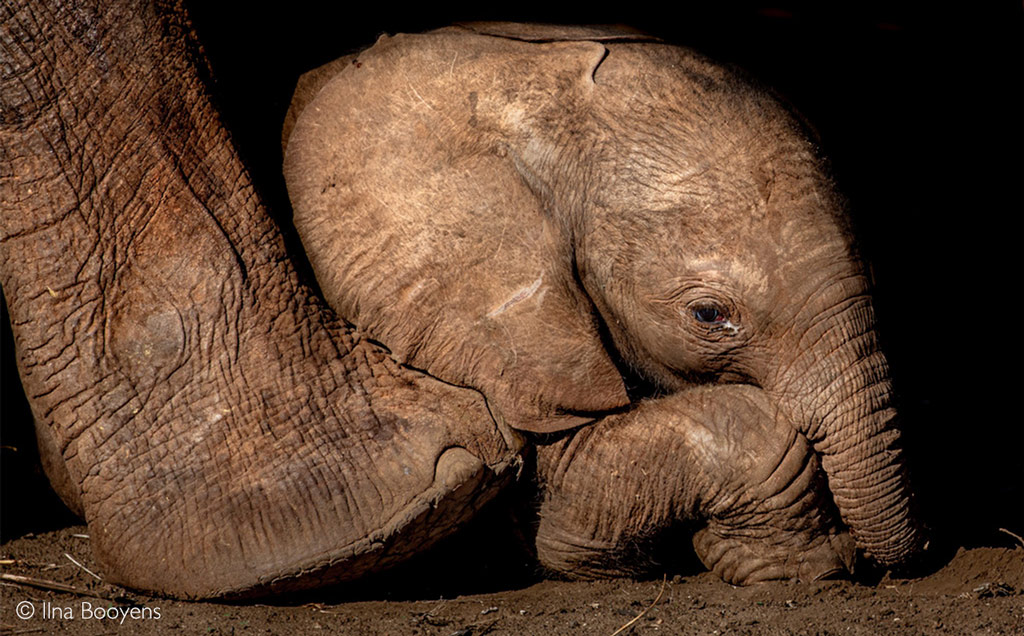



 TRAVEL DESK:
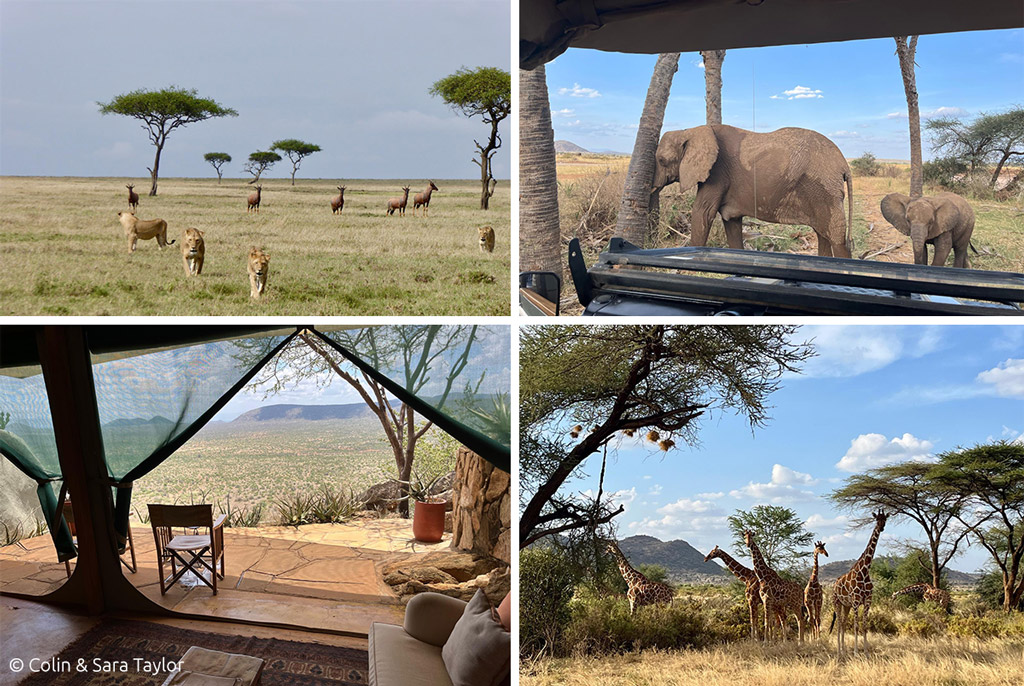
 WATCH: The African penguin has just been uplisted to critically endangered. Breeding pairs have dropped below 10,000 – an alarmingly low number. This shows the rapid decline of African penguins – which could face extinction within a decade. Learn more about the plight facing African penguins, and what you can do to help. (04:17) Click here to watch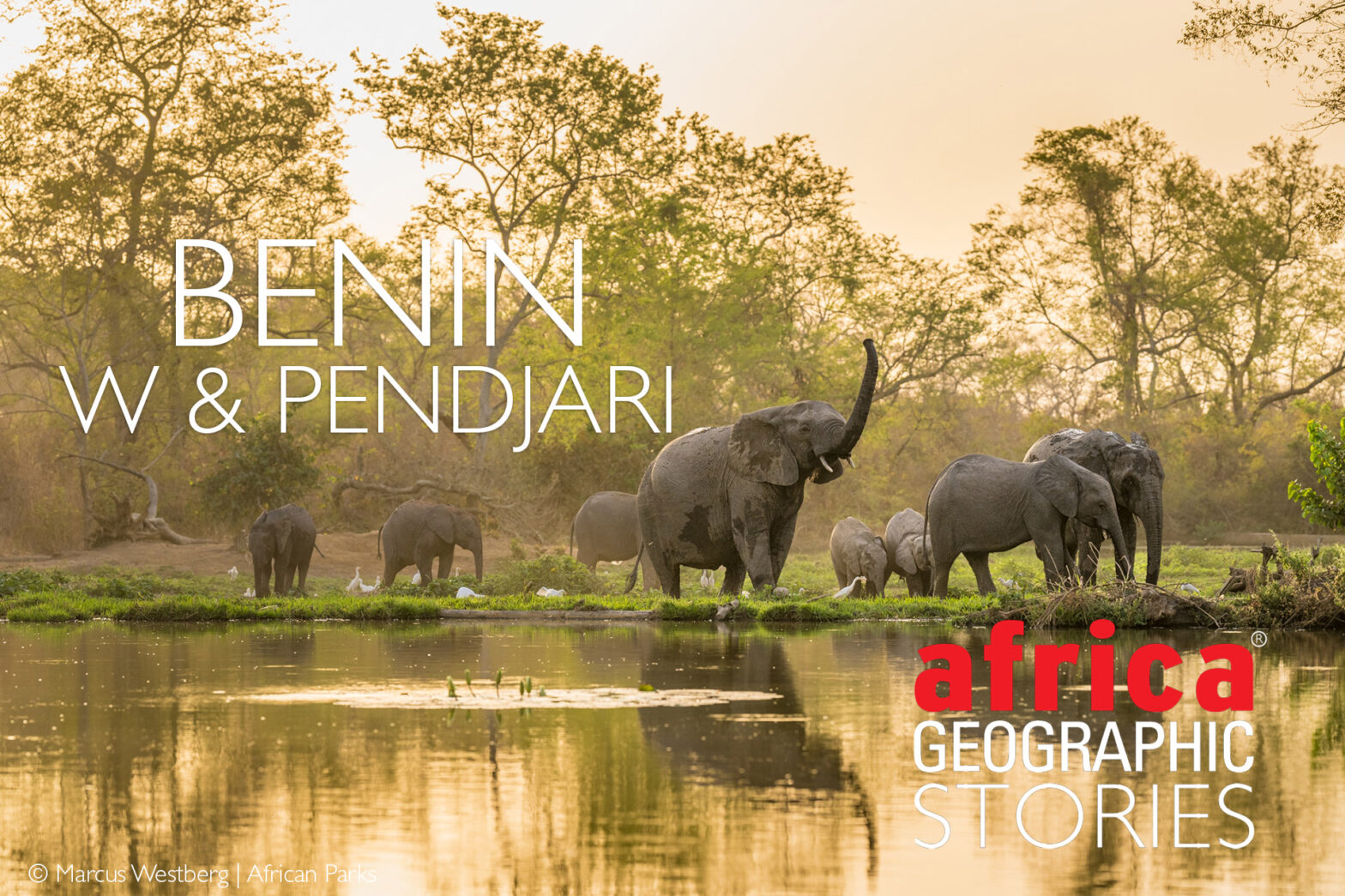
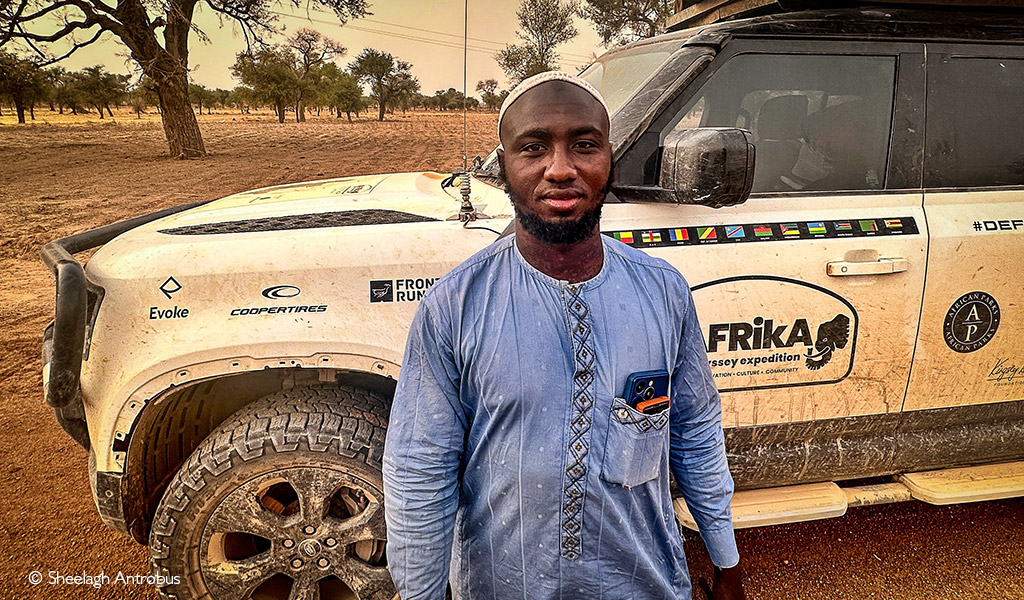
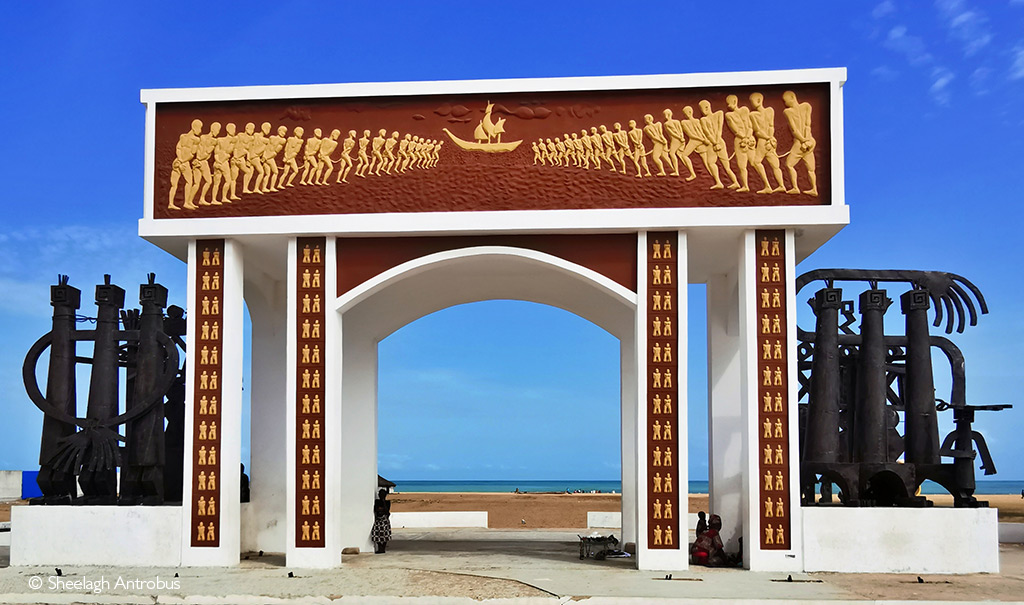
 DID YOU KNOW that African Parks offers safari lodges and campsites where 100% of tourism revenue goes to conservation and local communities? You can view and book accommodation to various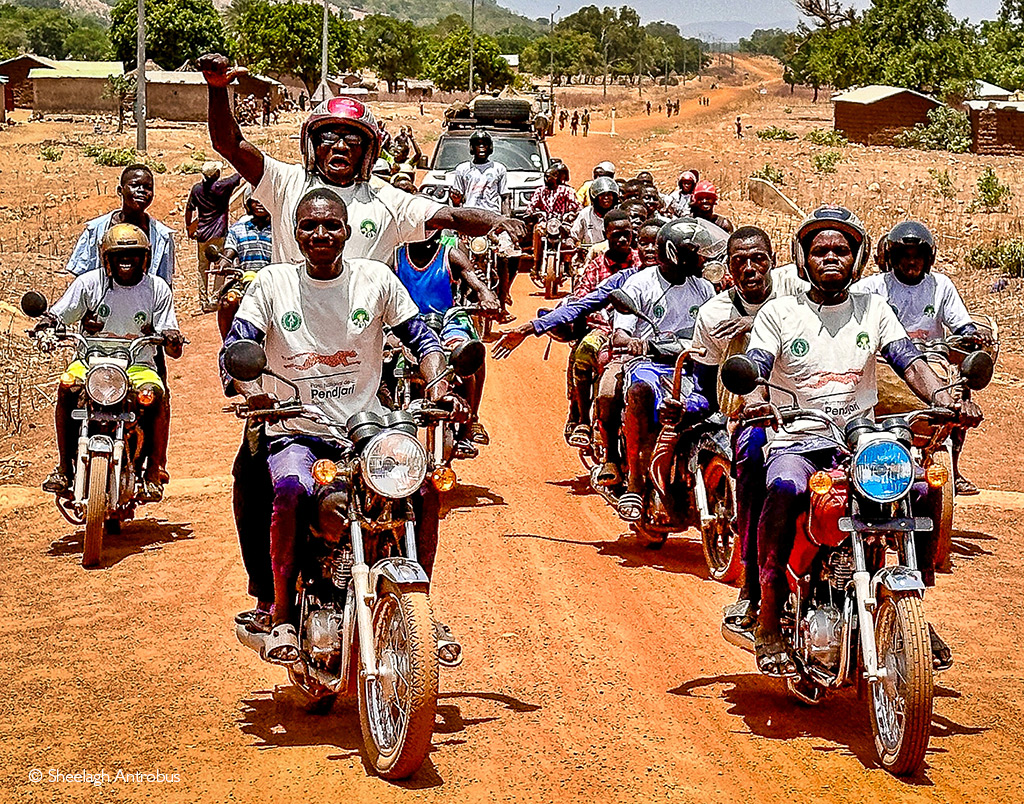
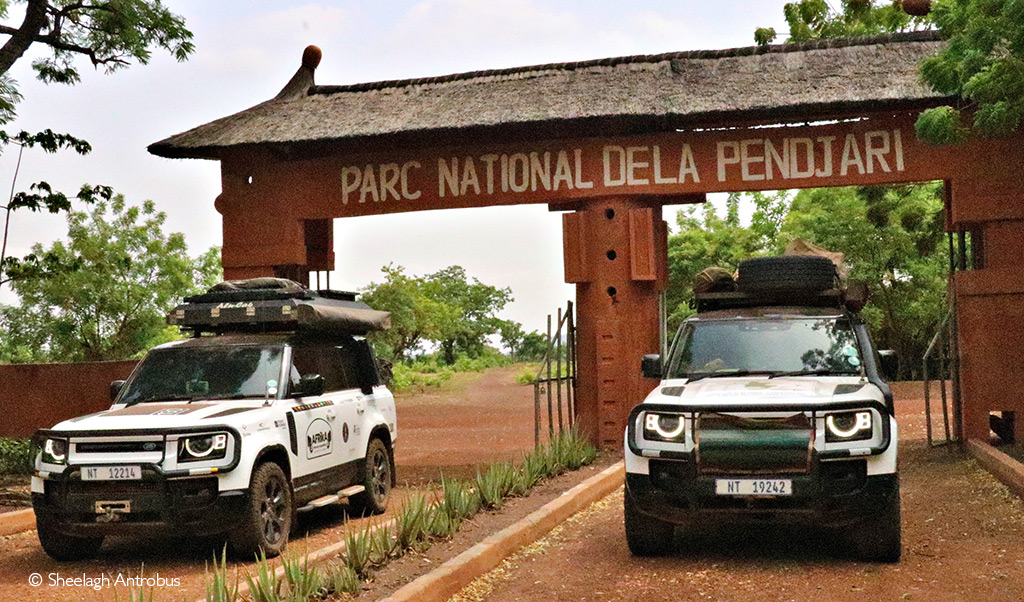
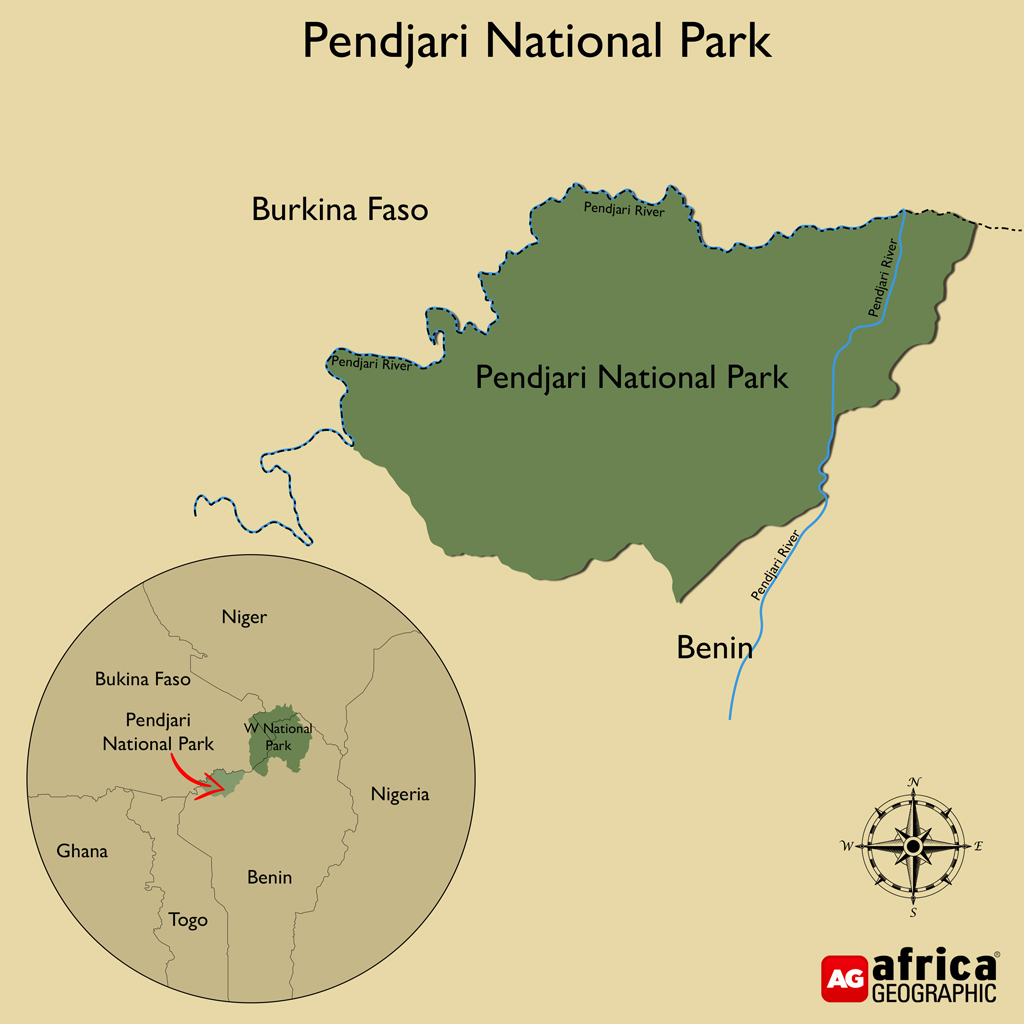
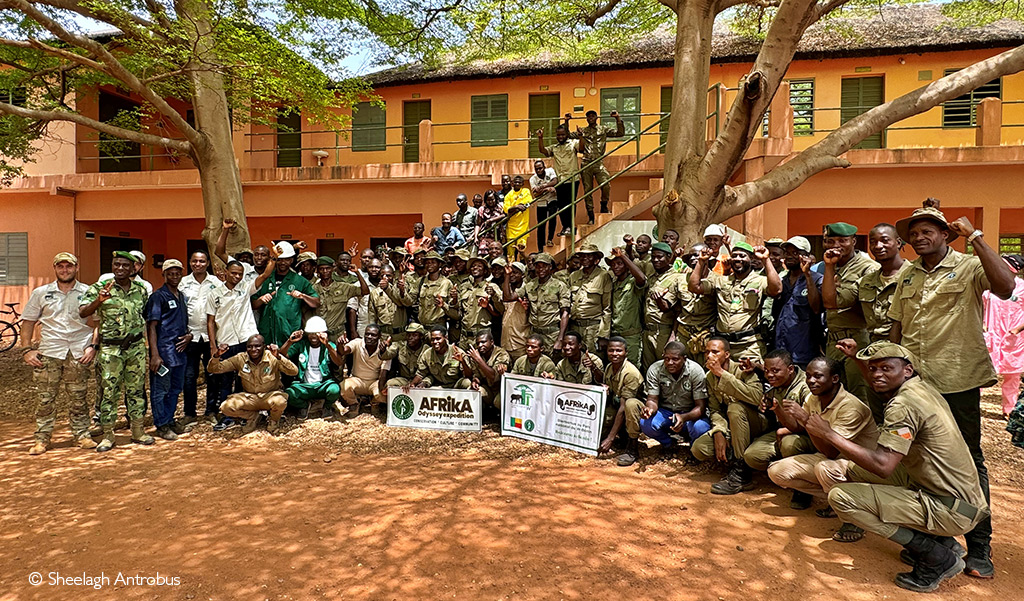
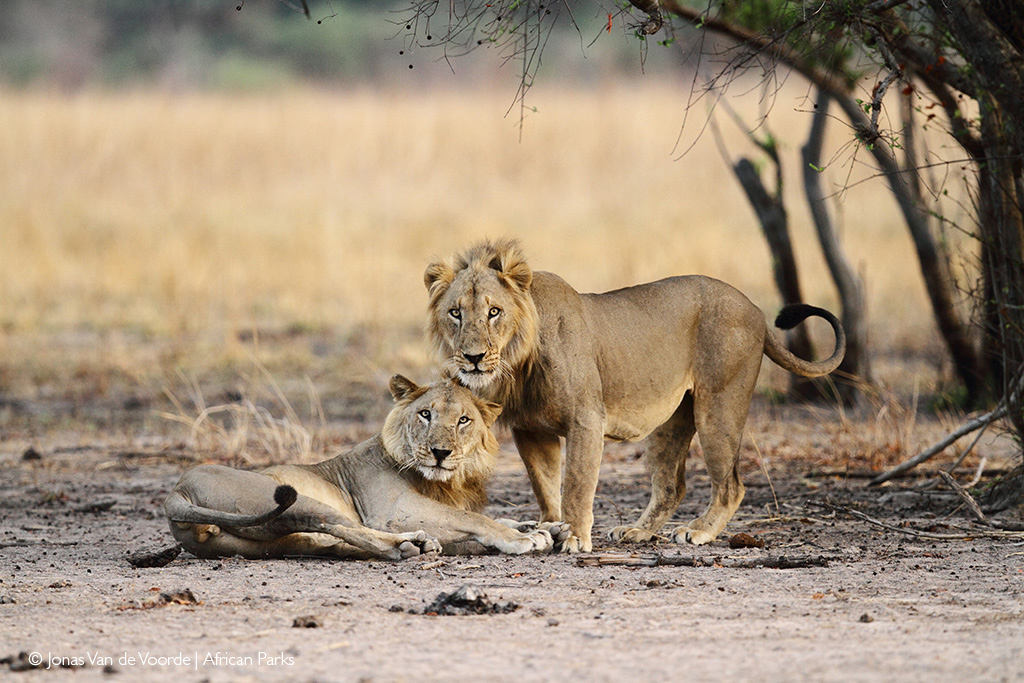
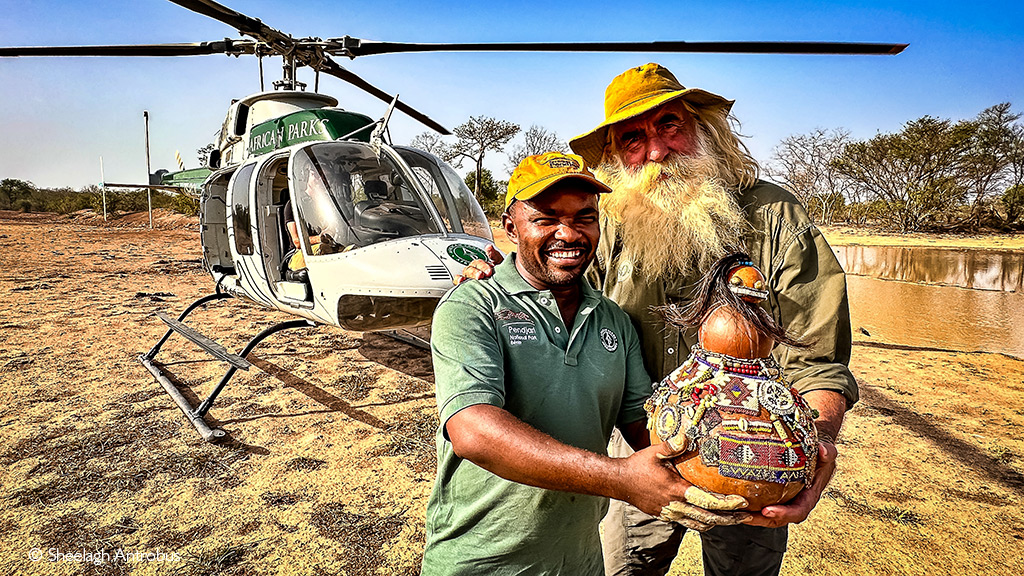
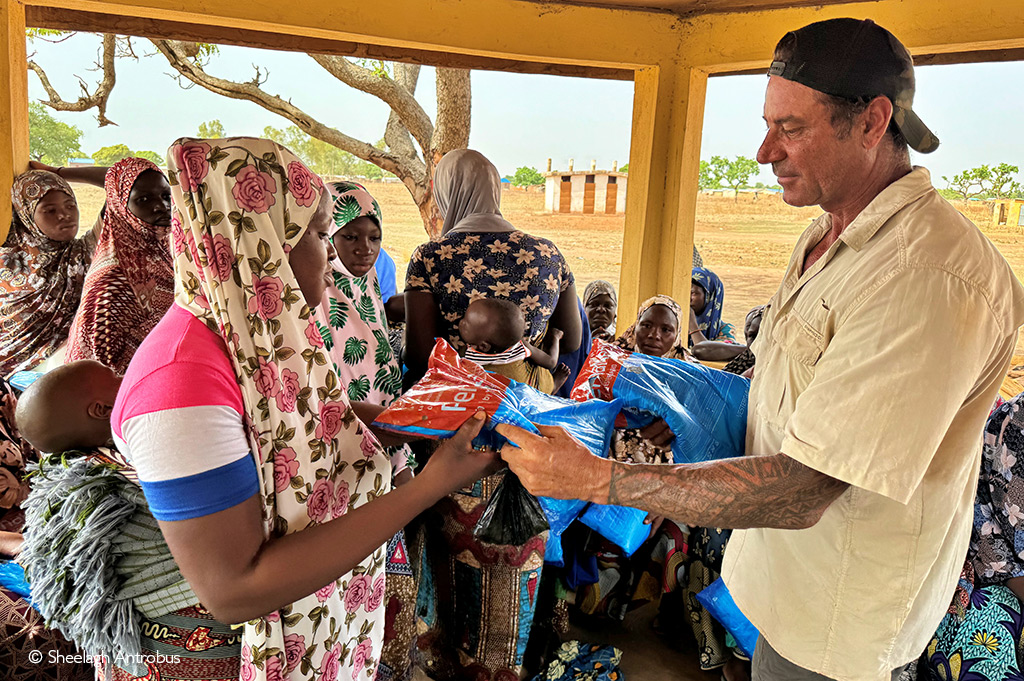
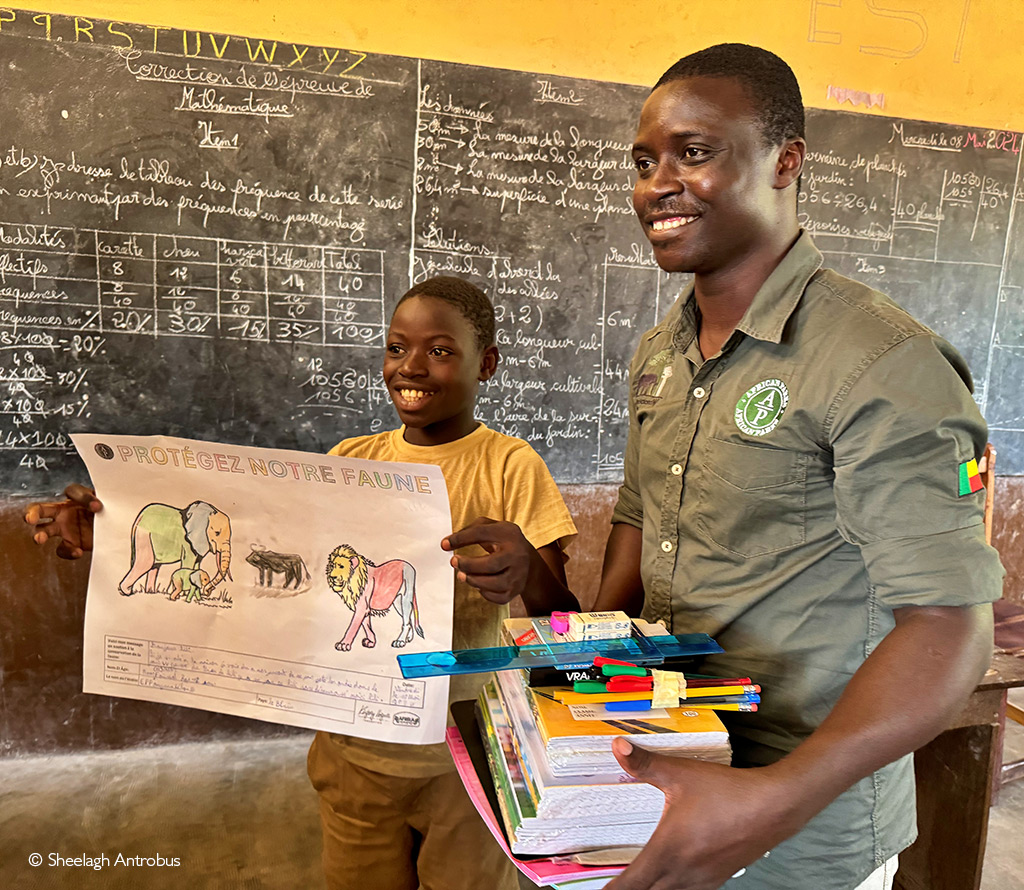
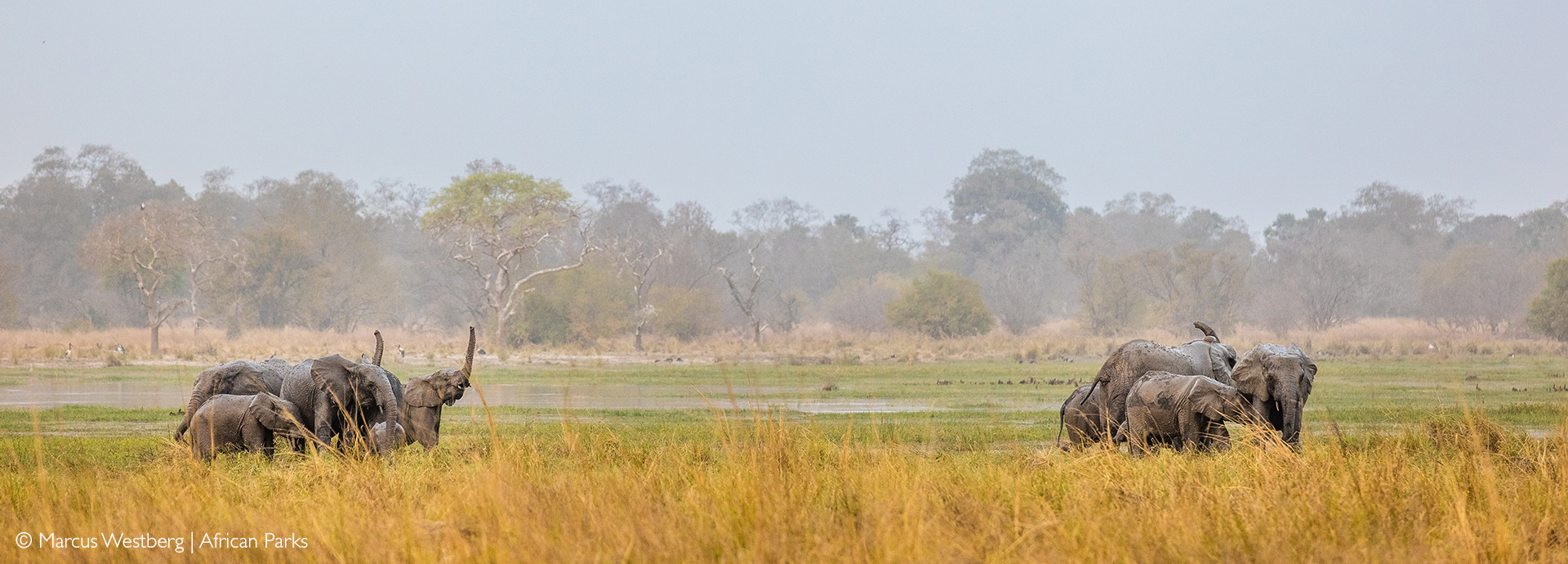
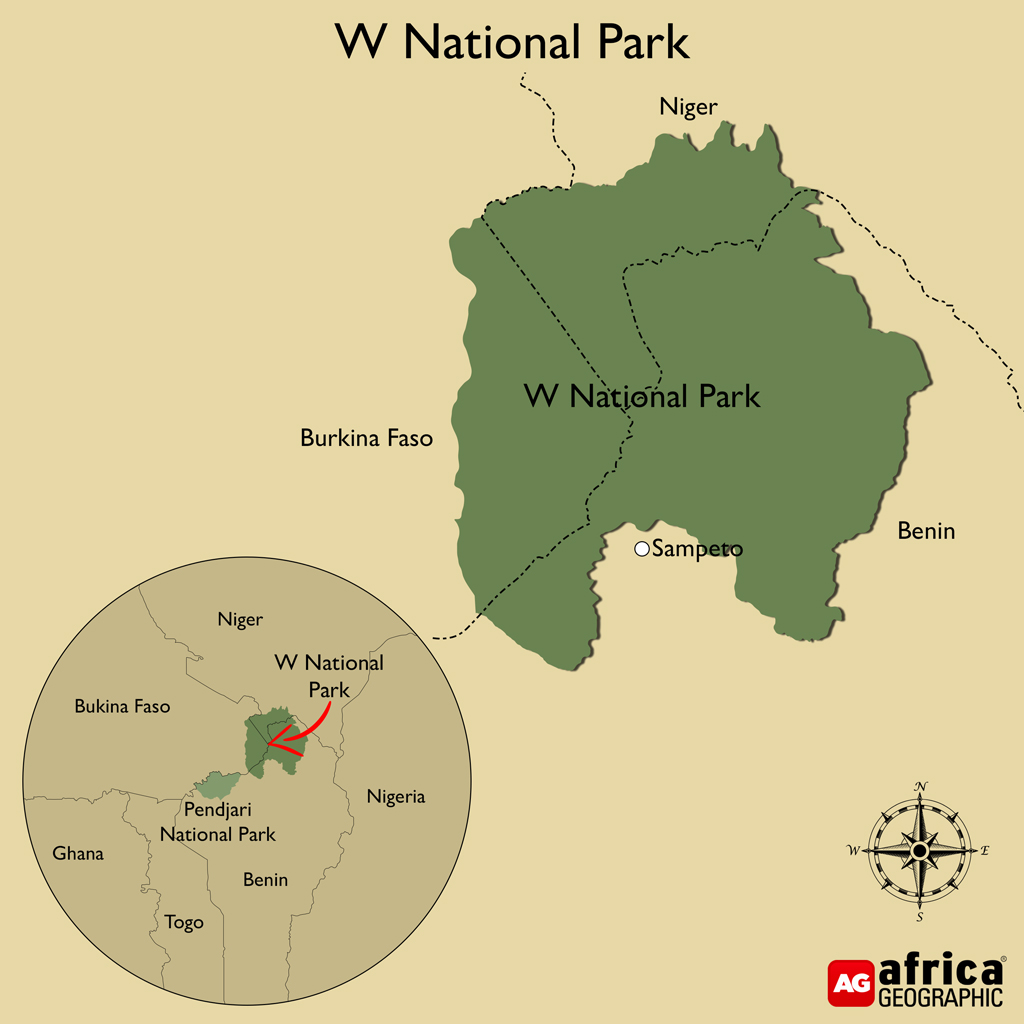
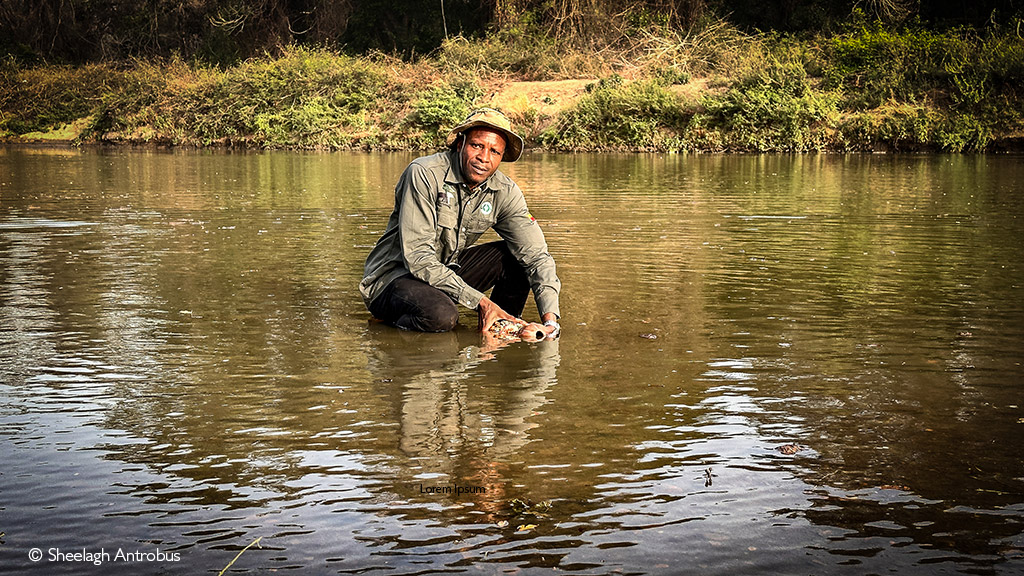
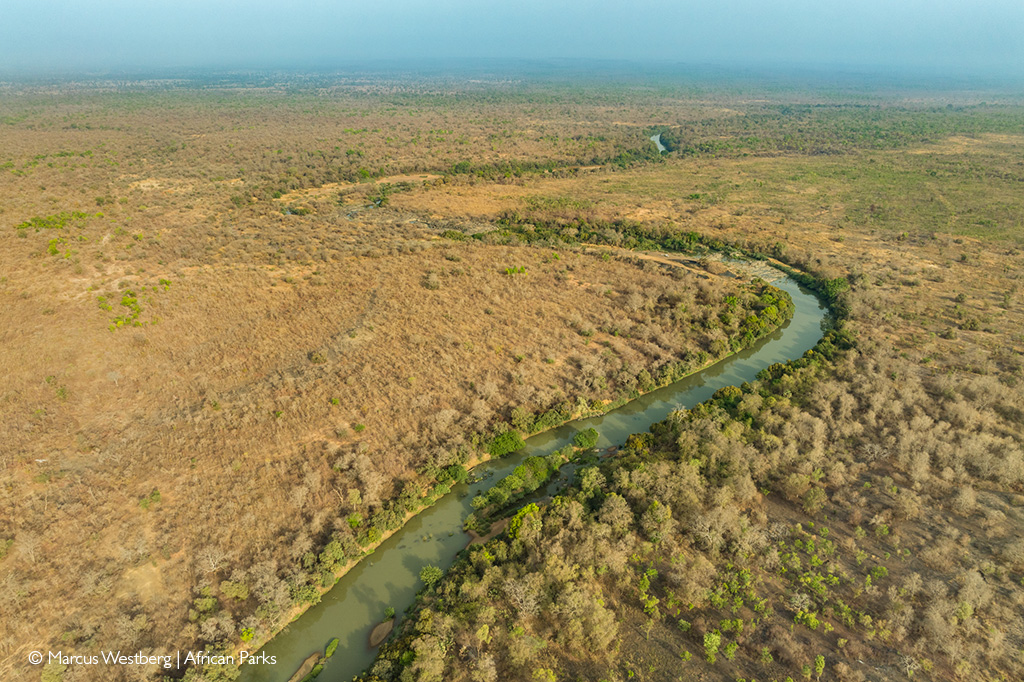
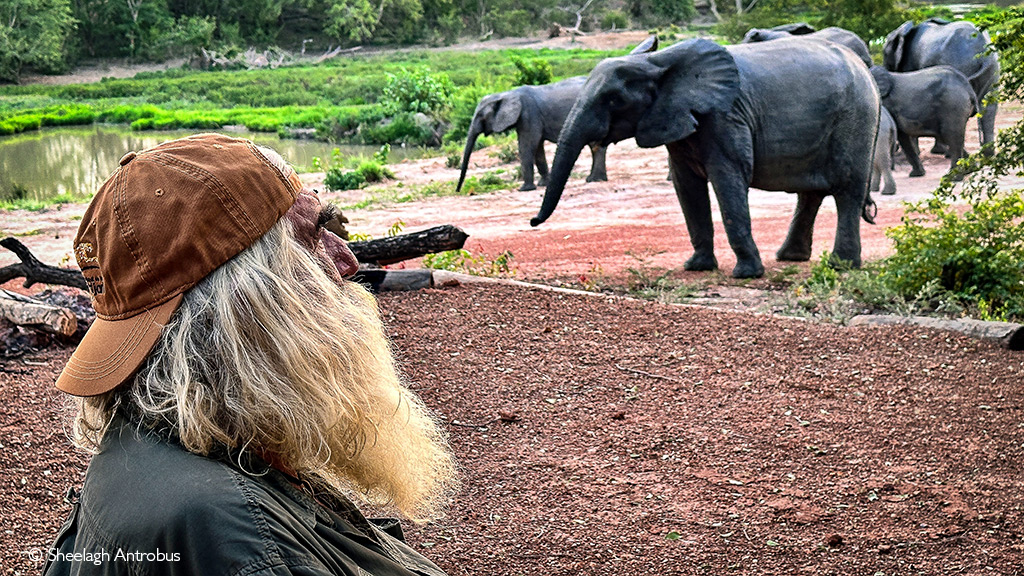
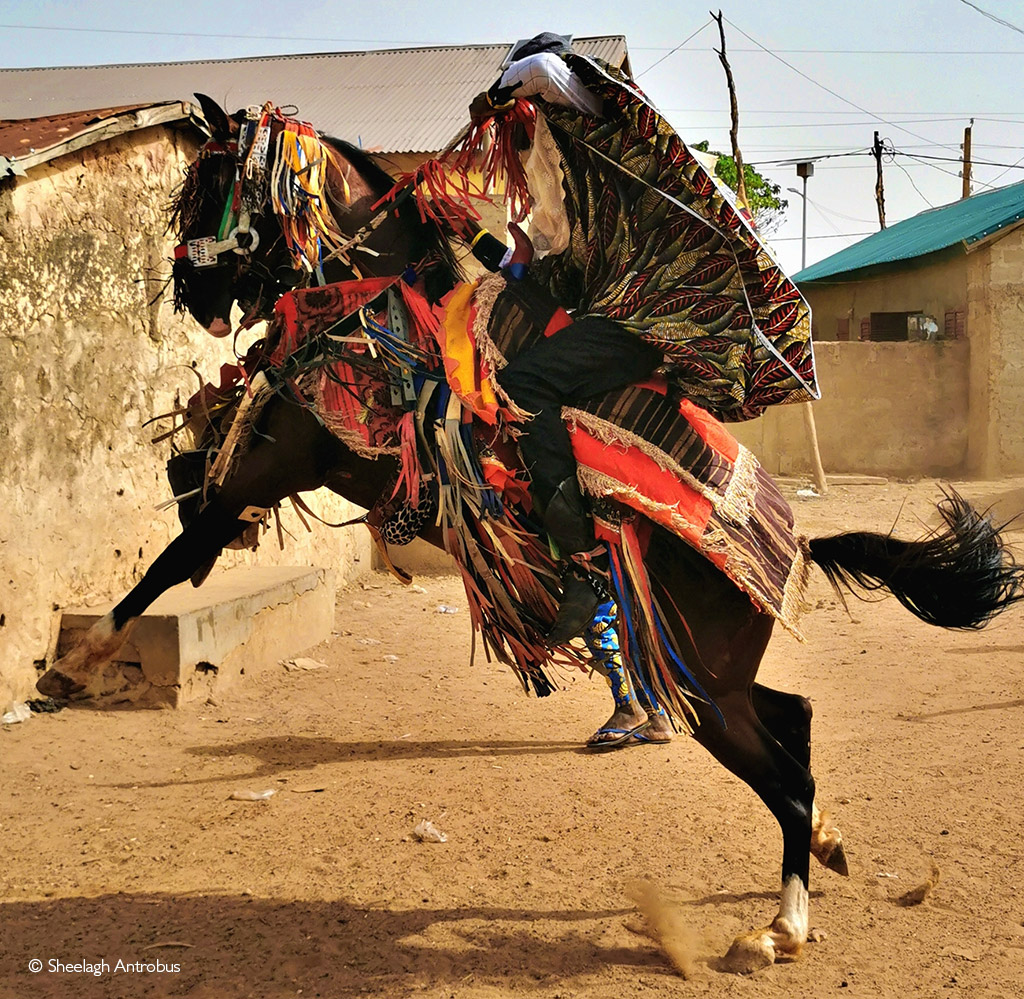
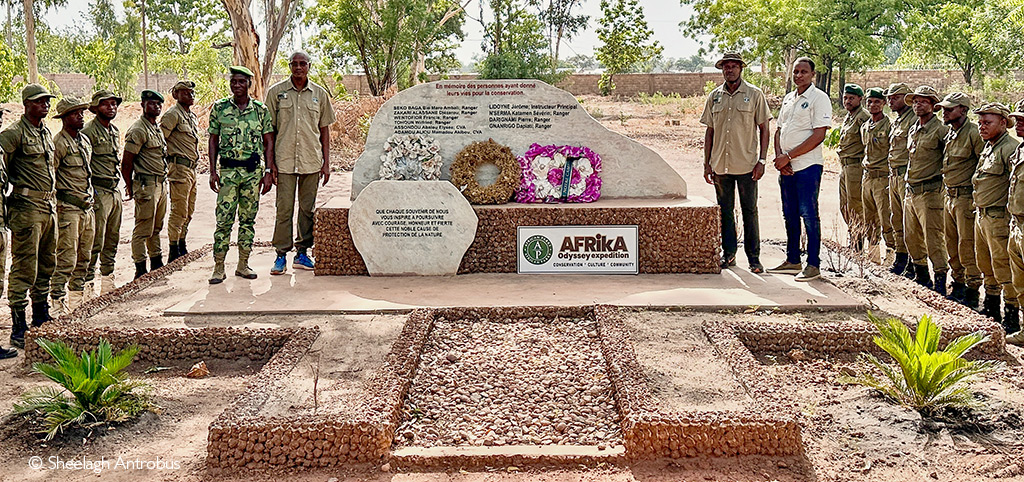
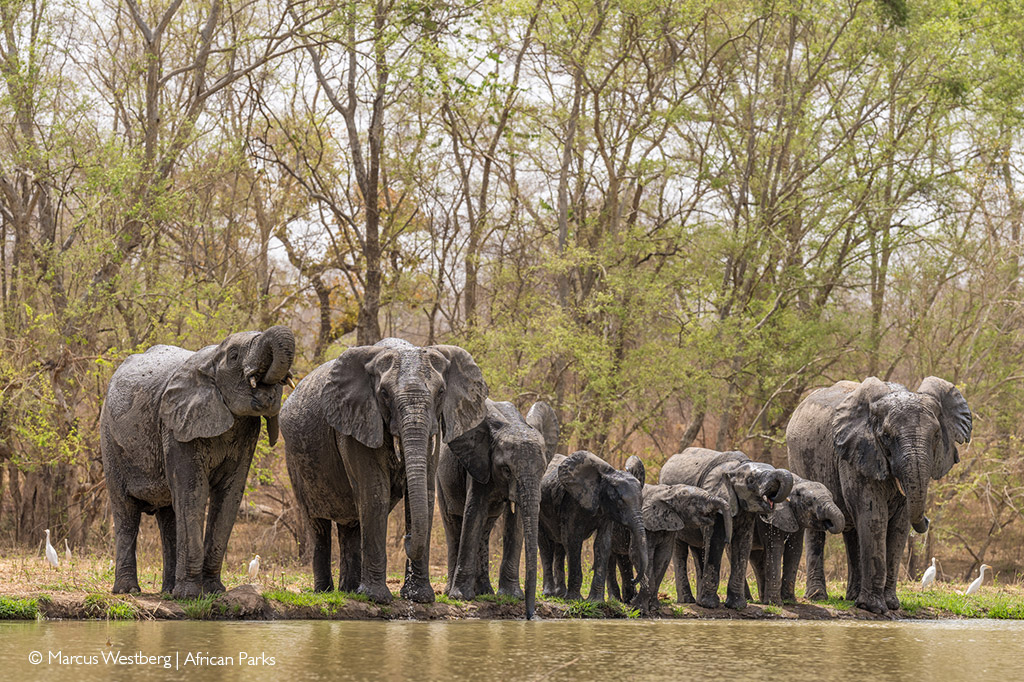
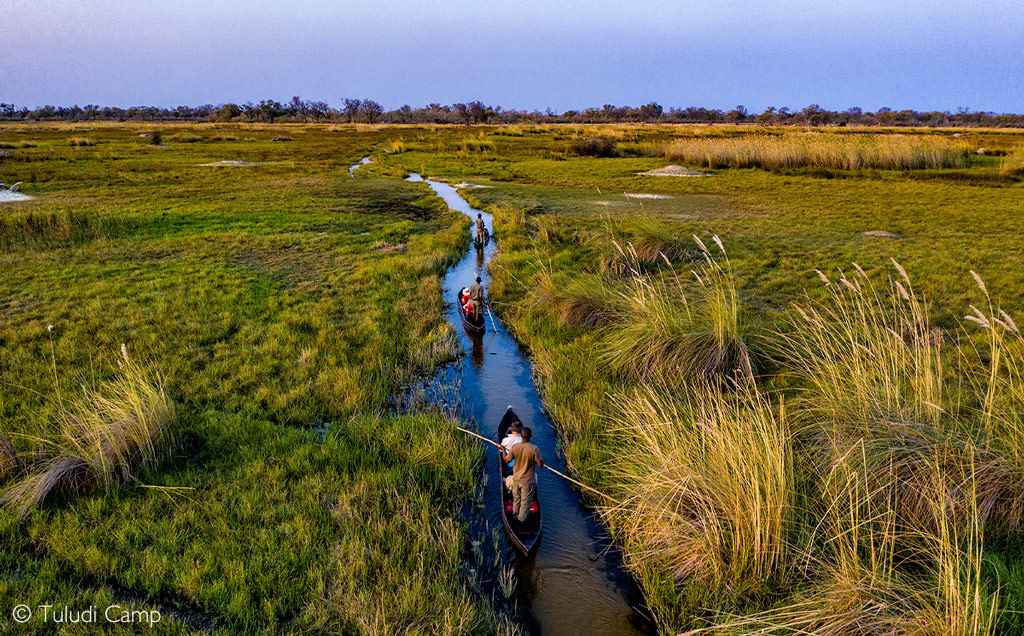
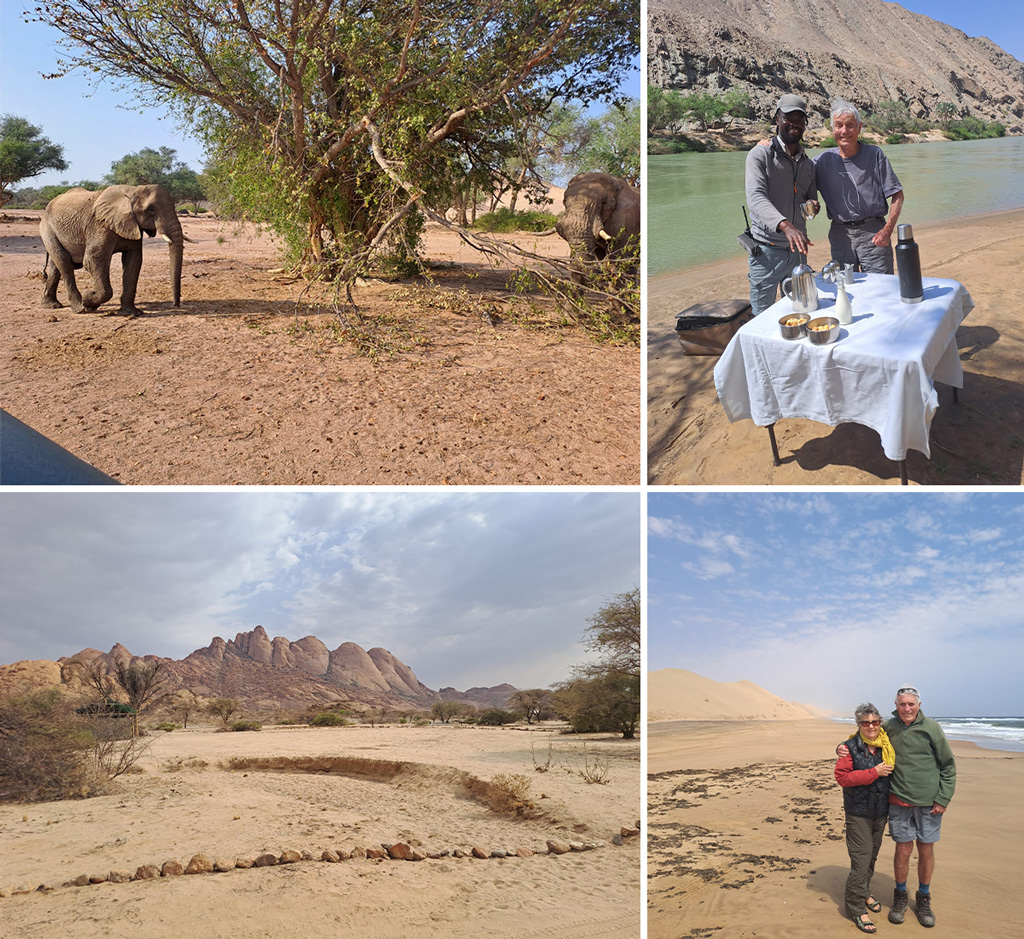

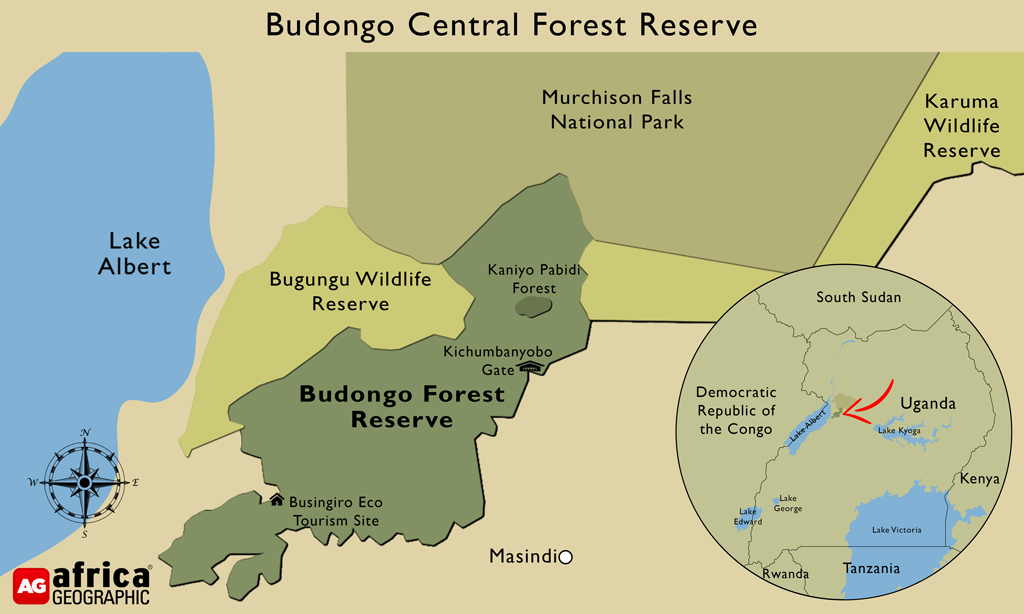
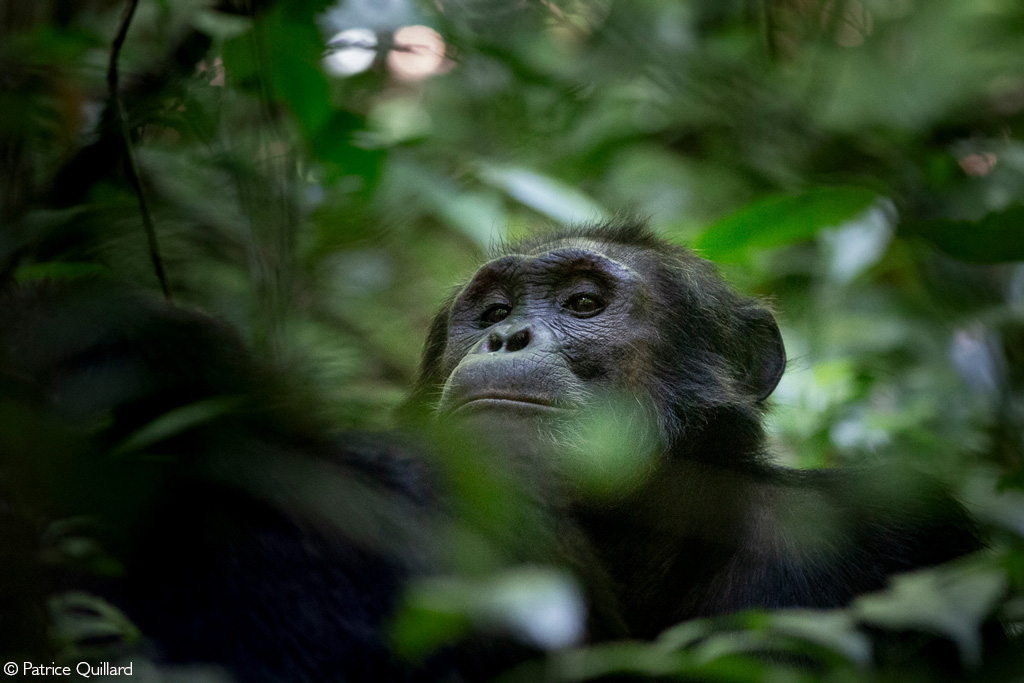
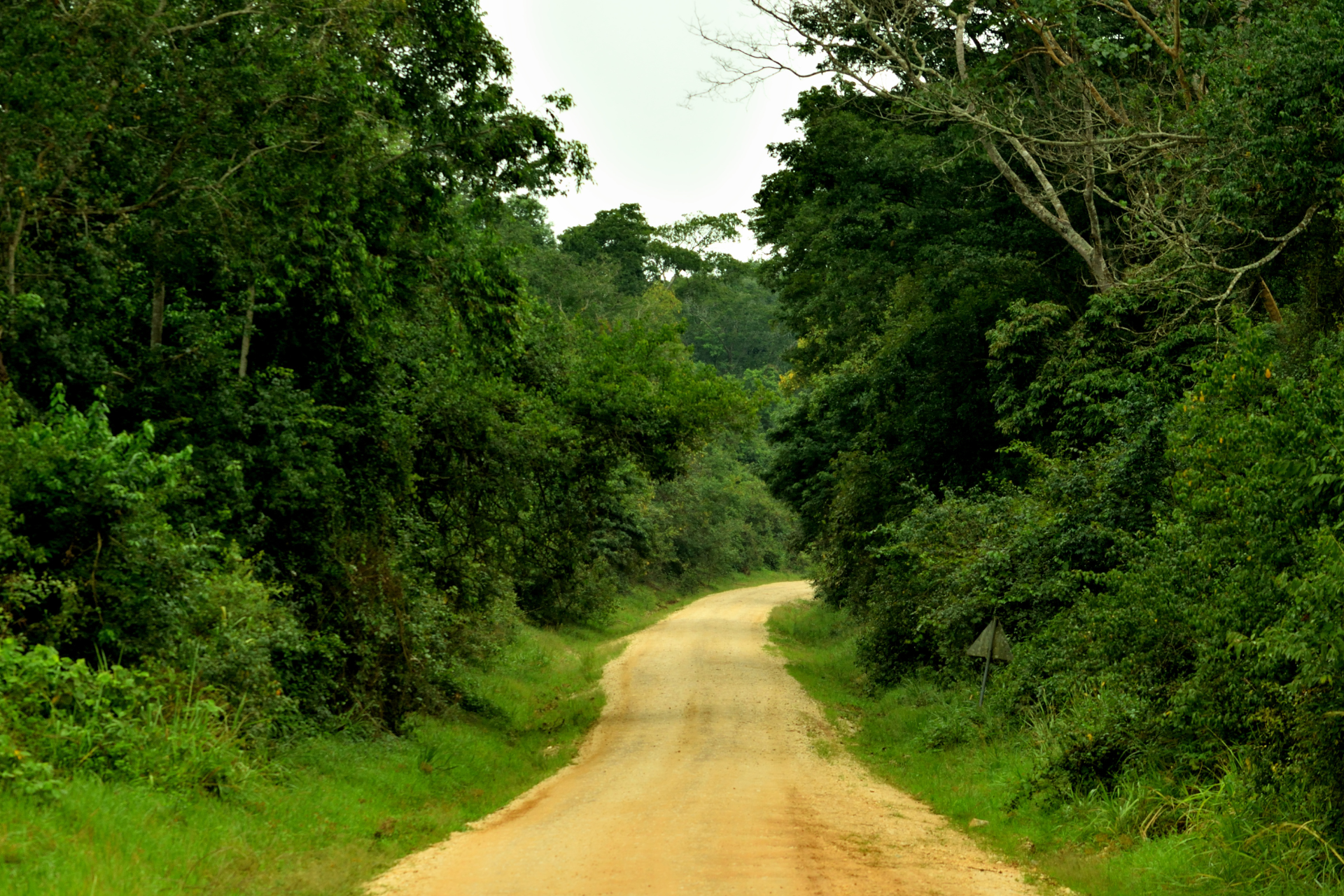
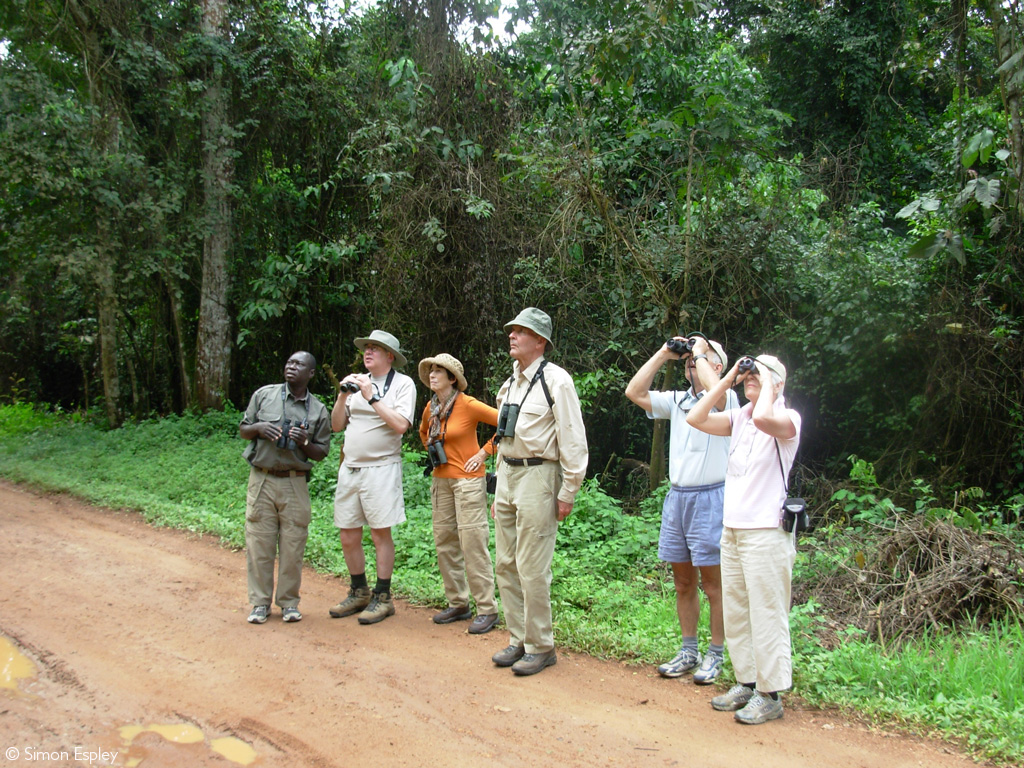
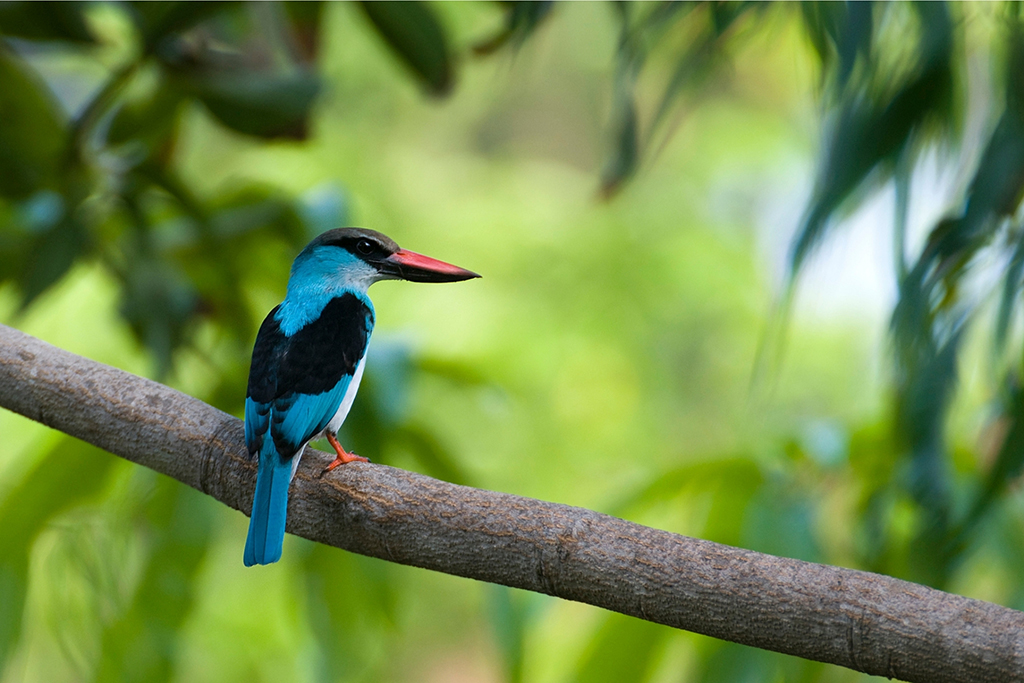
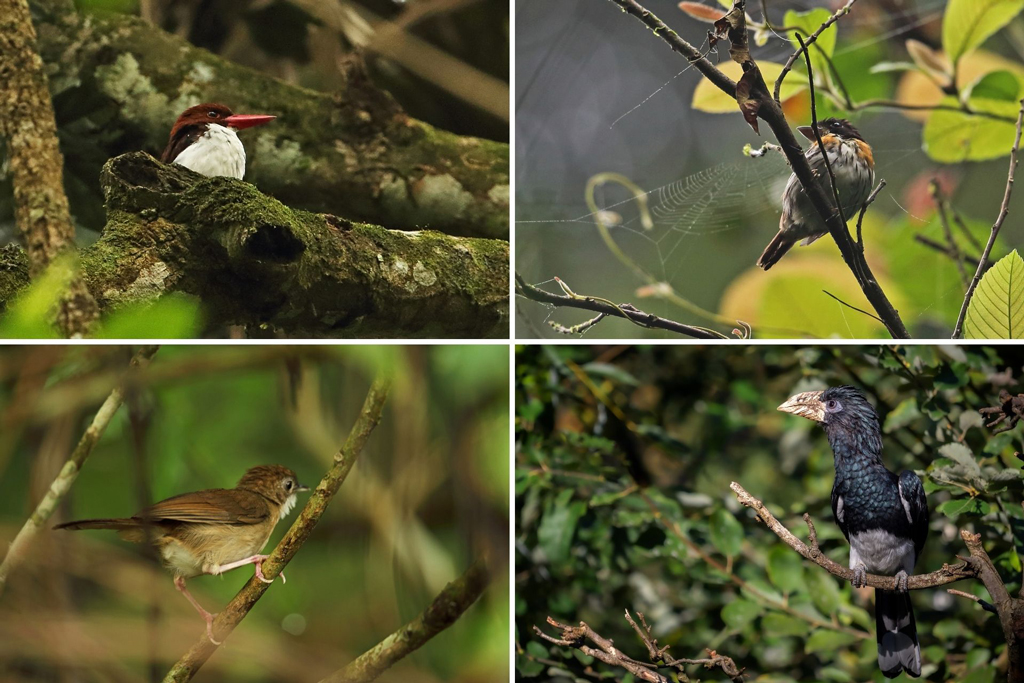
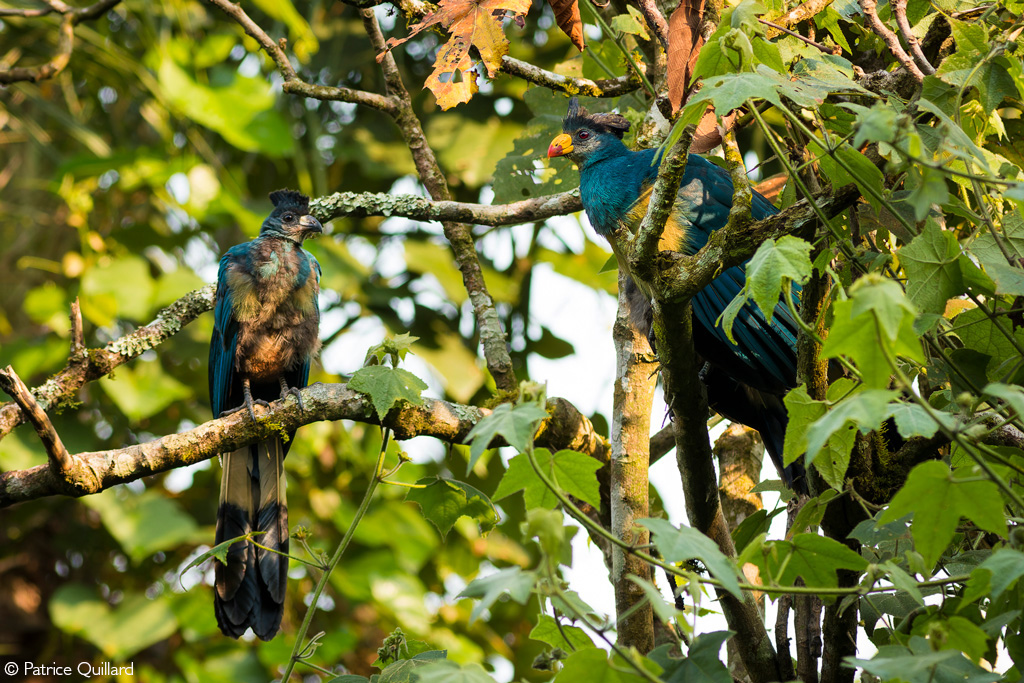
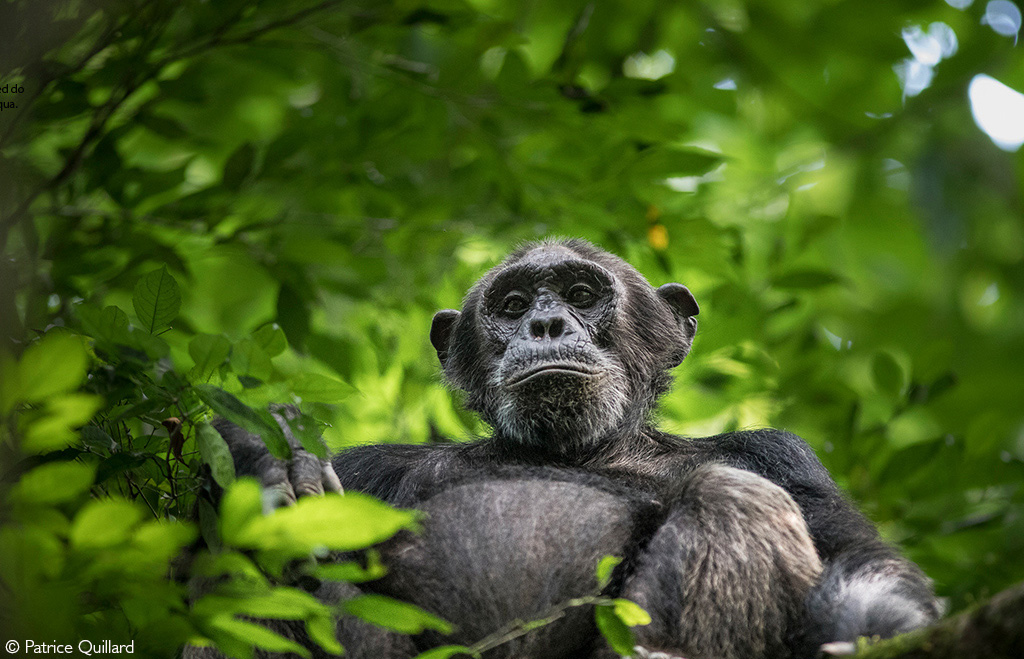
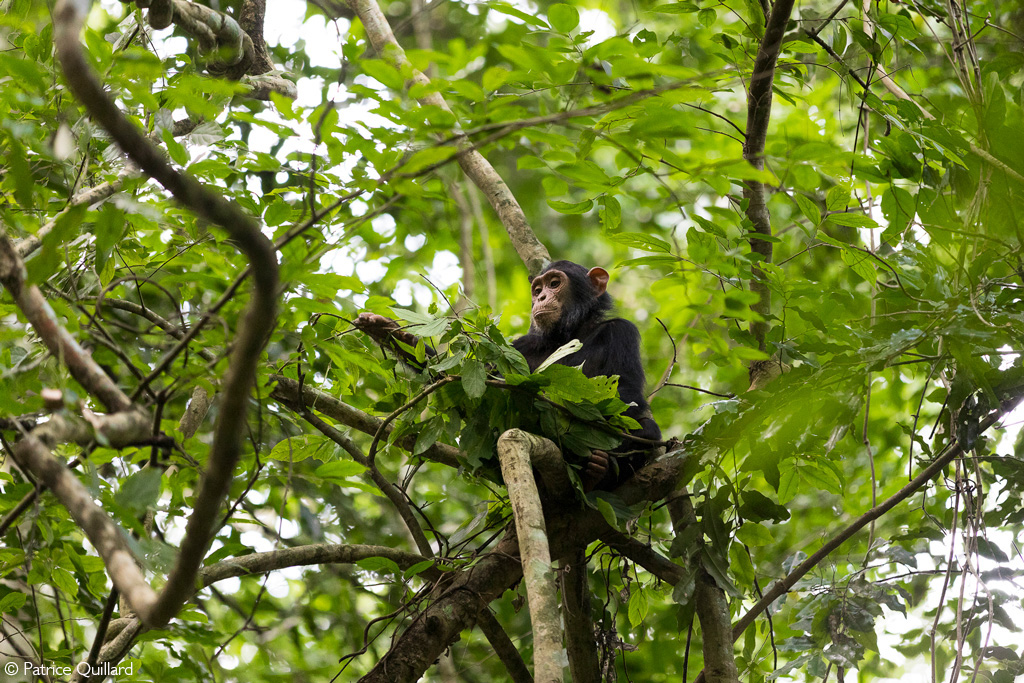
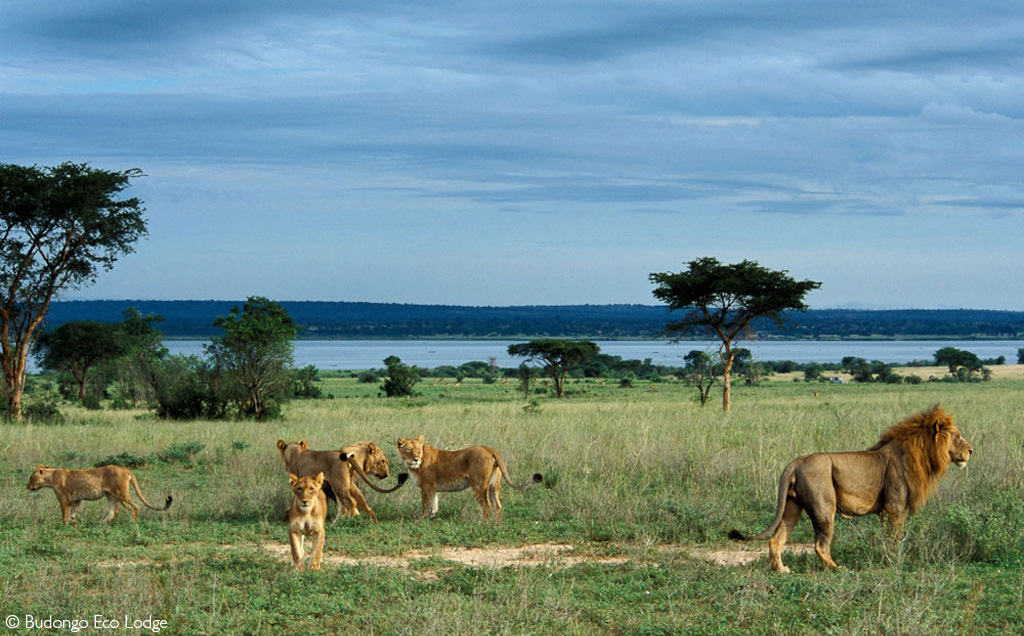
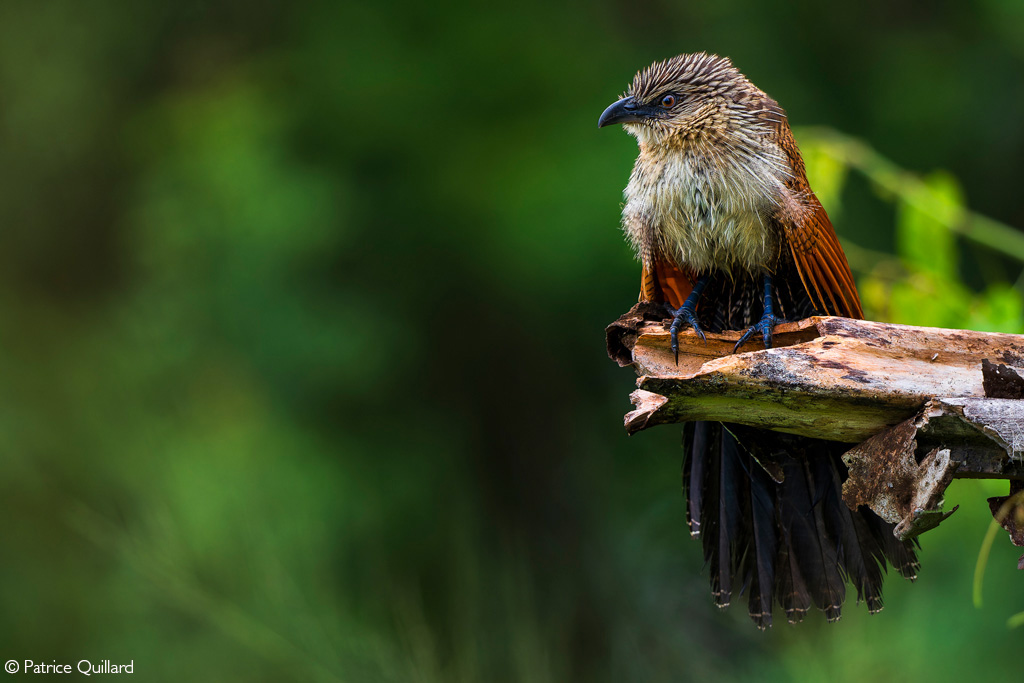
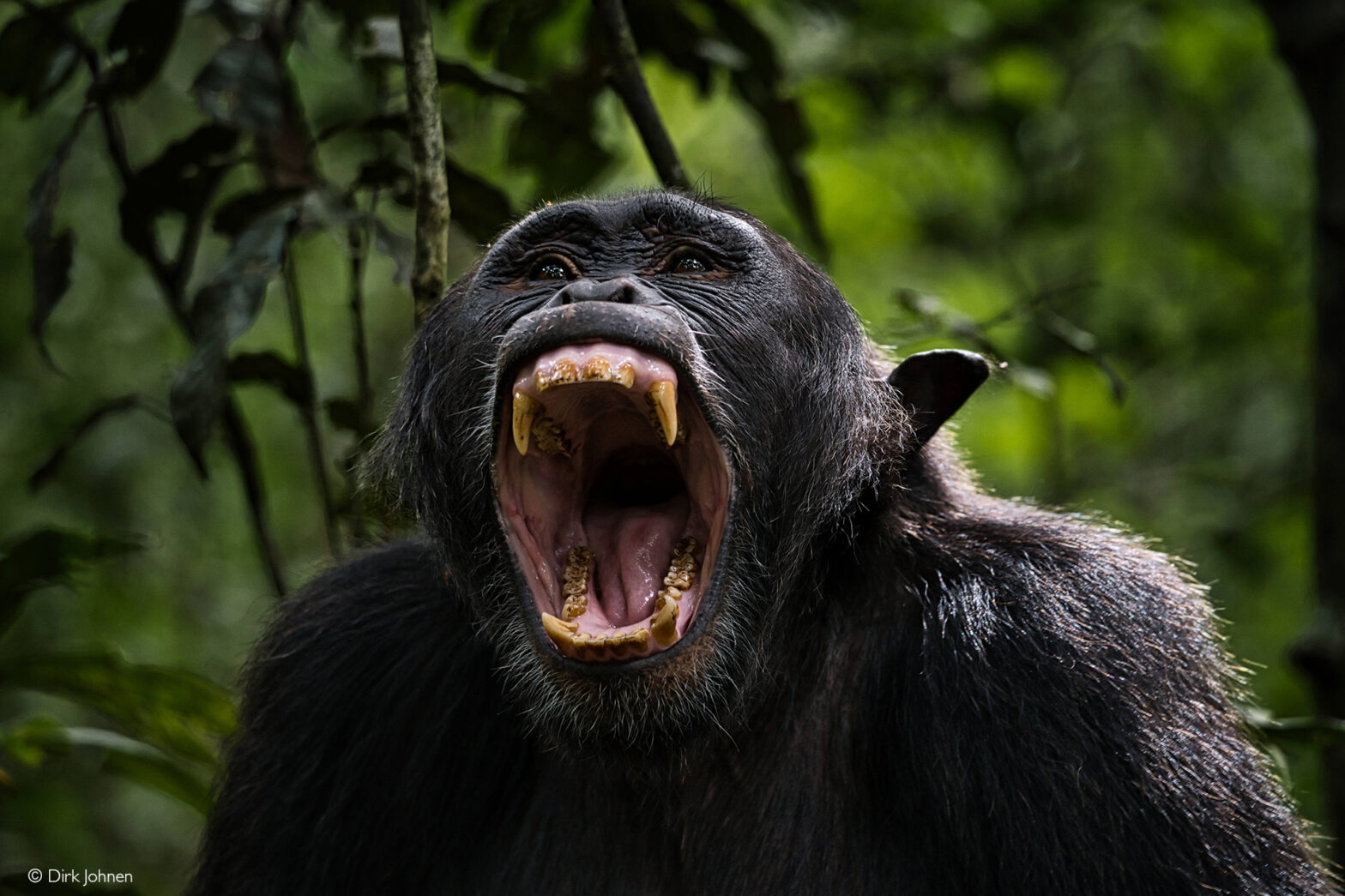
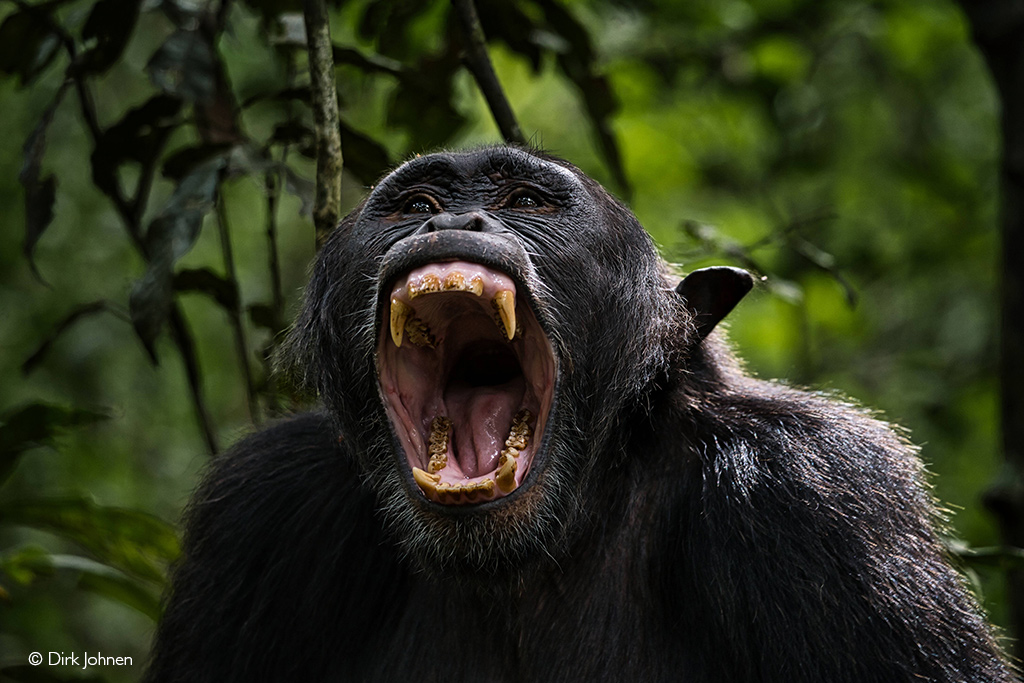
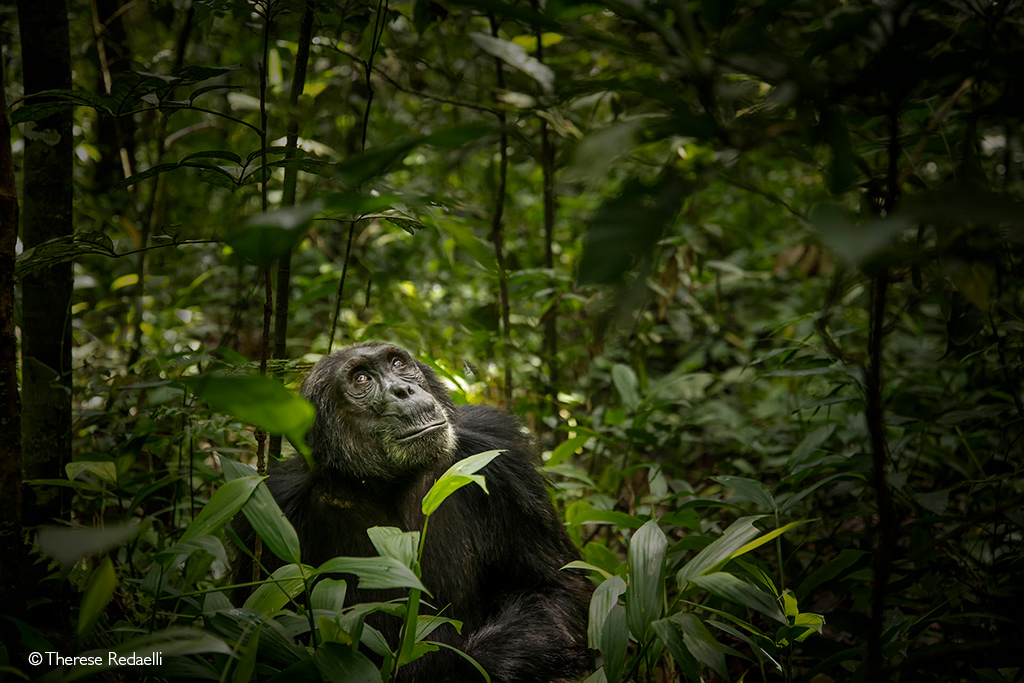
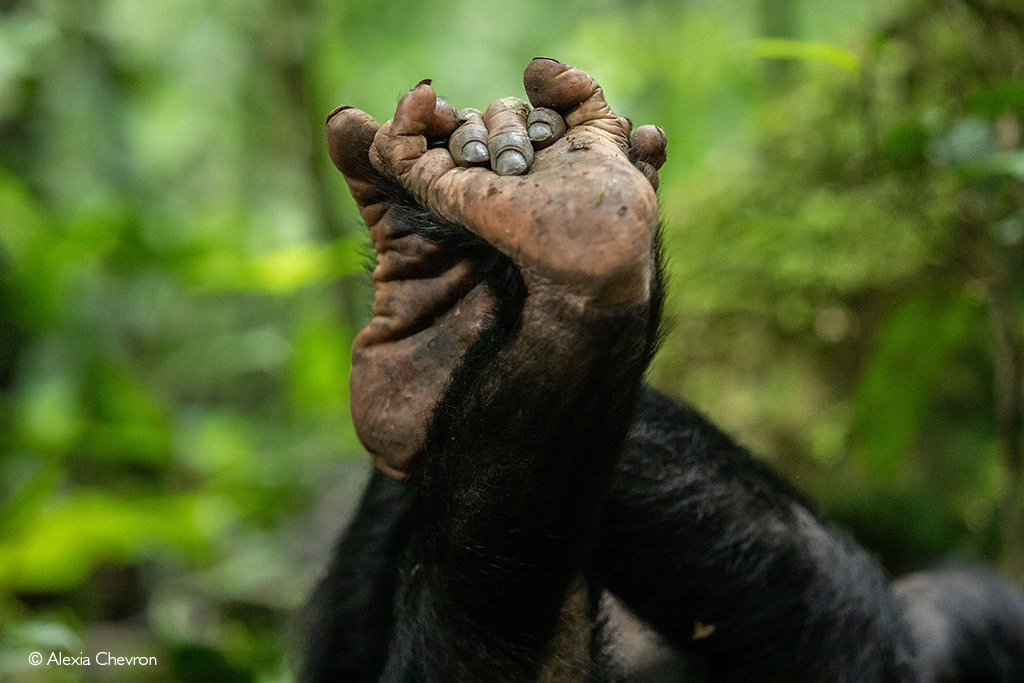
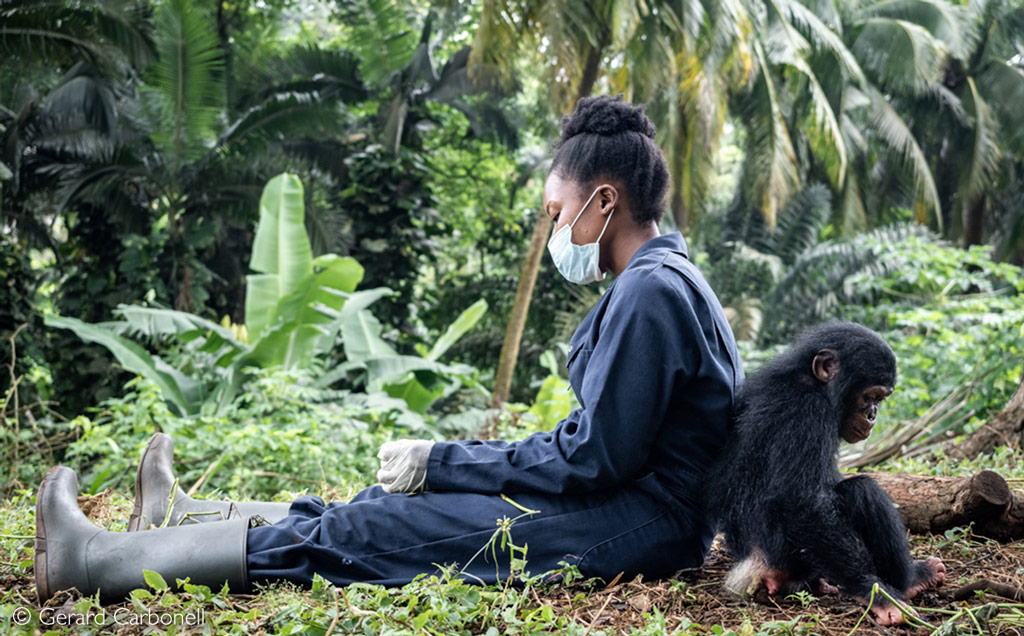
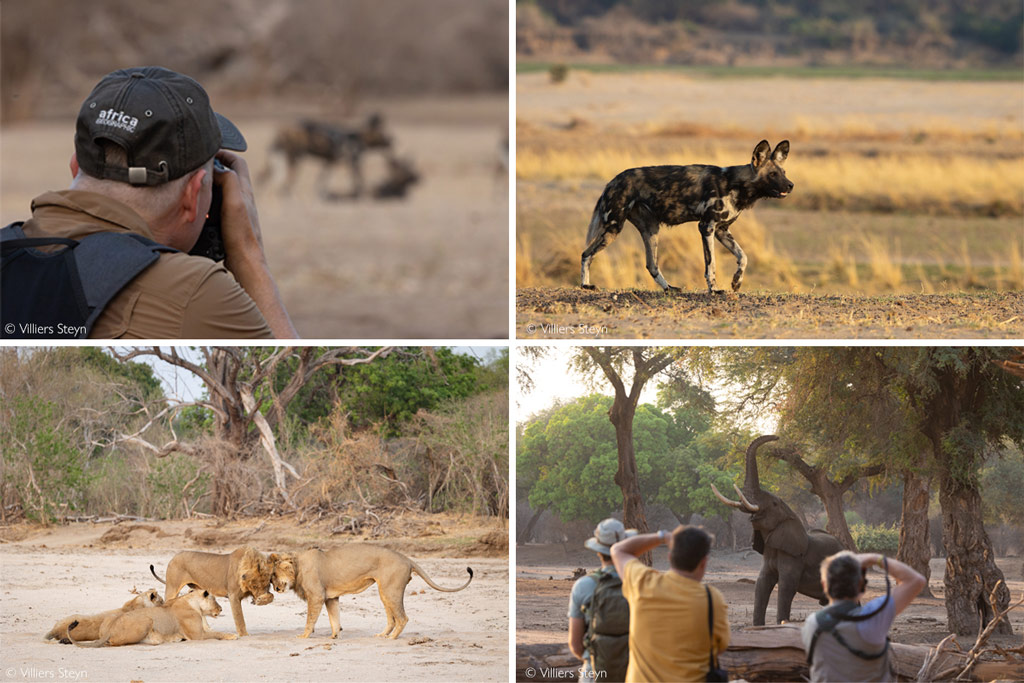
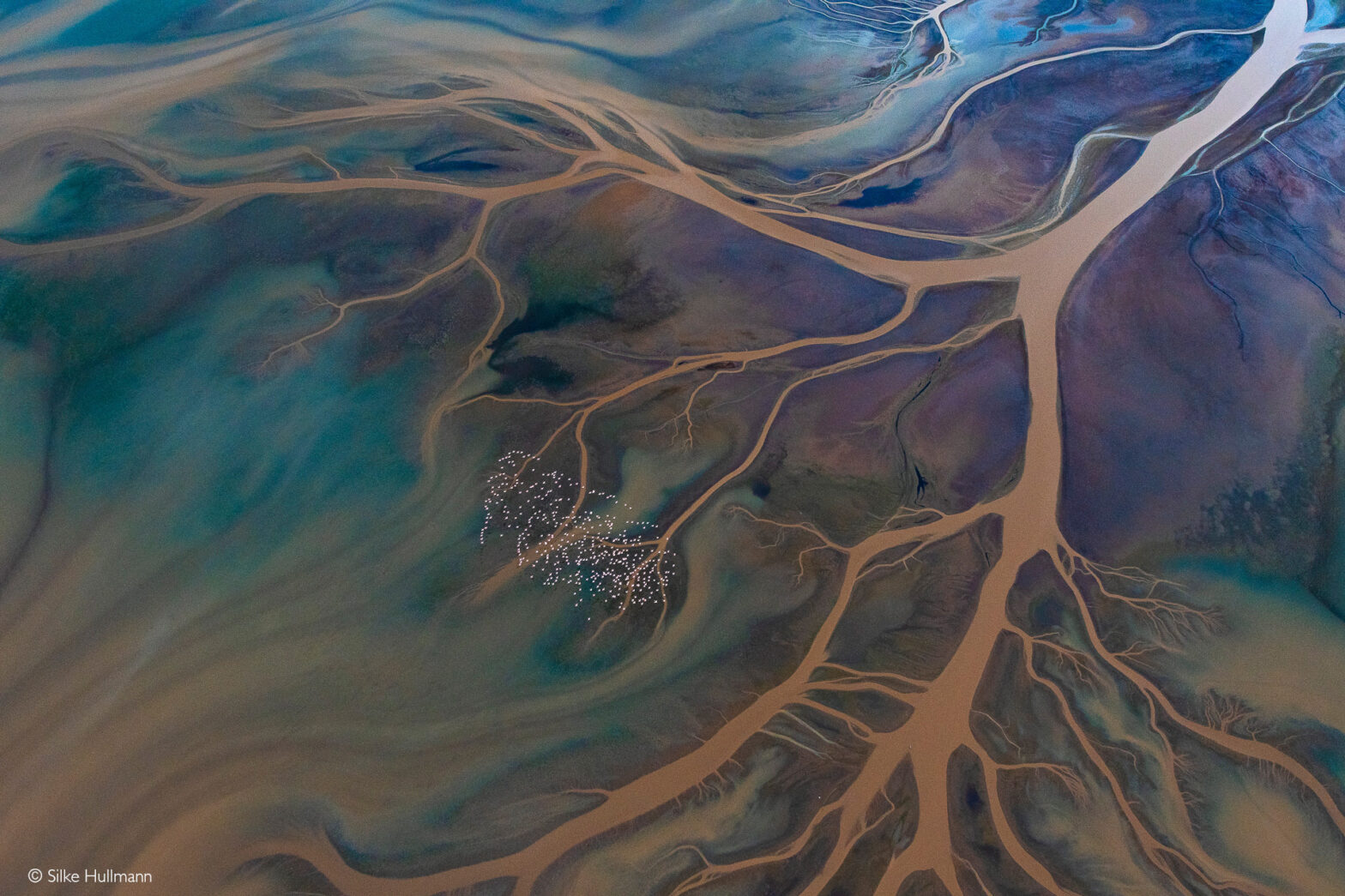
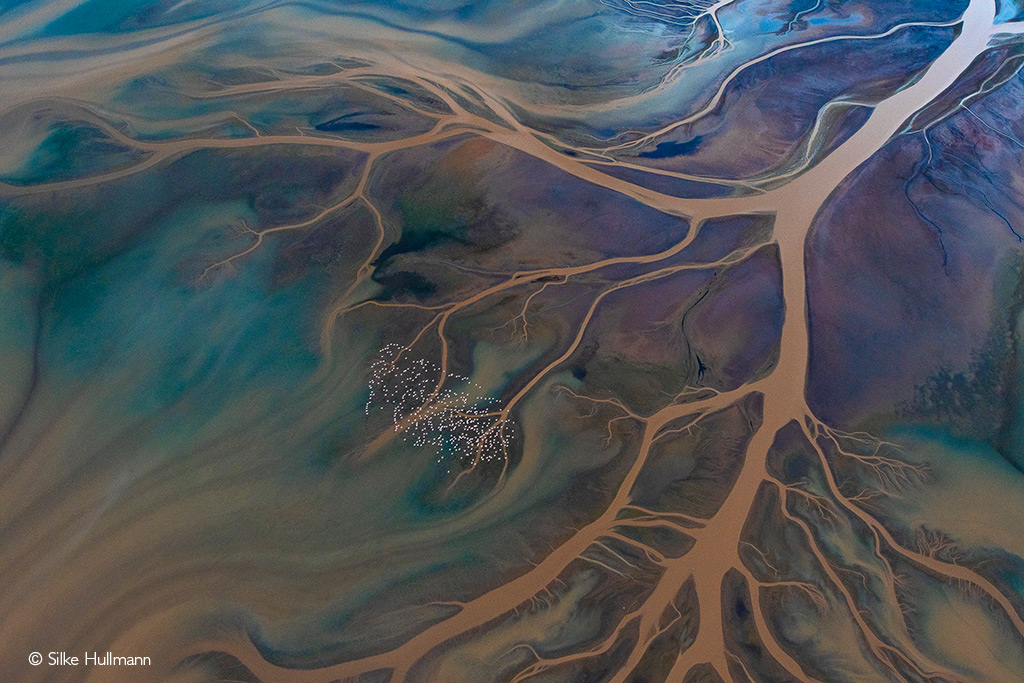 East Africa’s dazzling flamingo populations have long enchanted visitors with their vibrant pink plumage and spectacular gatherings on the region’s soda lakes. But as climate change transforms these delicate ecosystems, scientists warn that these iconic birds face an uncertain future. New research reveals that rising rainfall levels and shifting lake conditions are threatening the flamingos’ feeding and breeding grounds, forcing populations into a precarious situation where their survival hangs in the balance.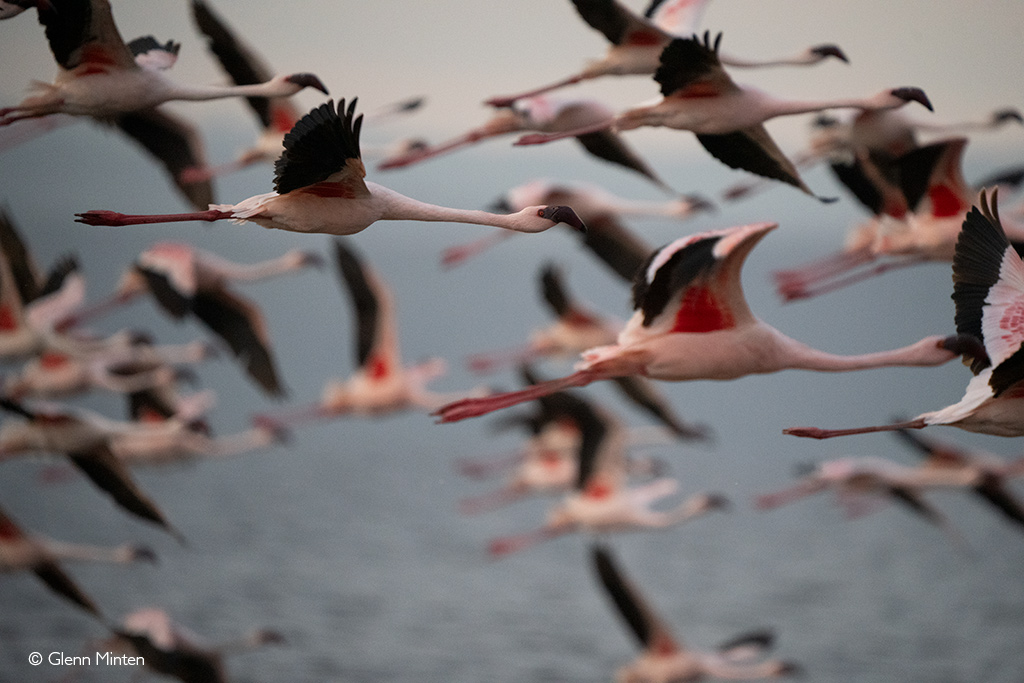
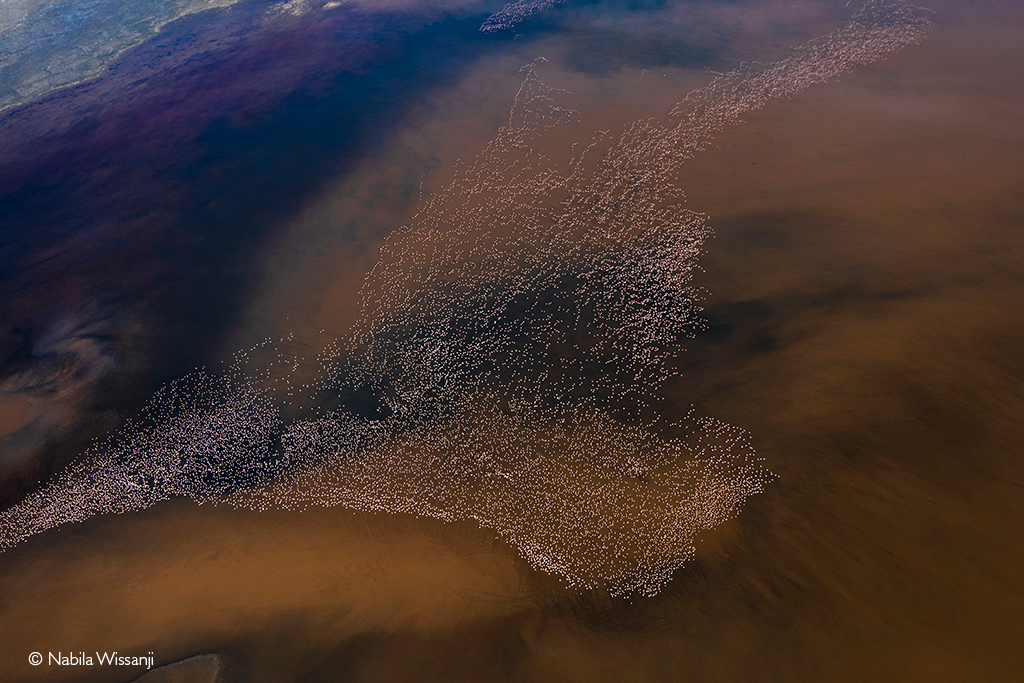
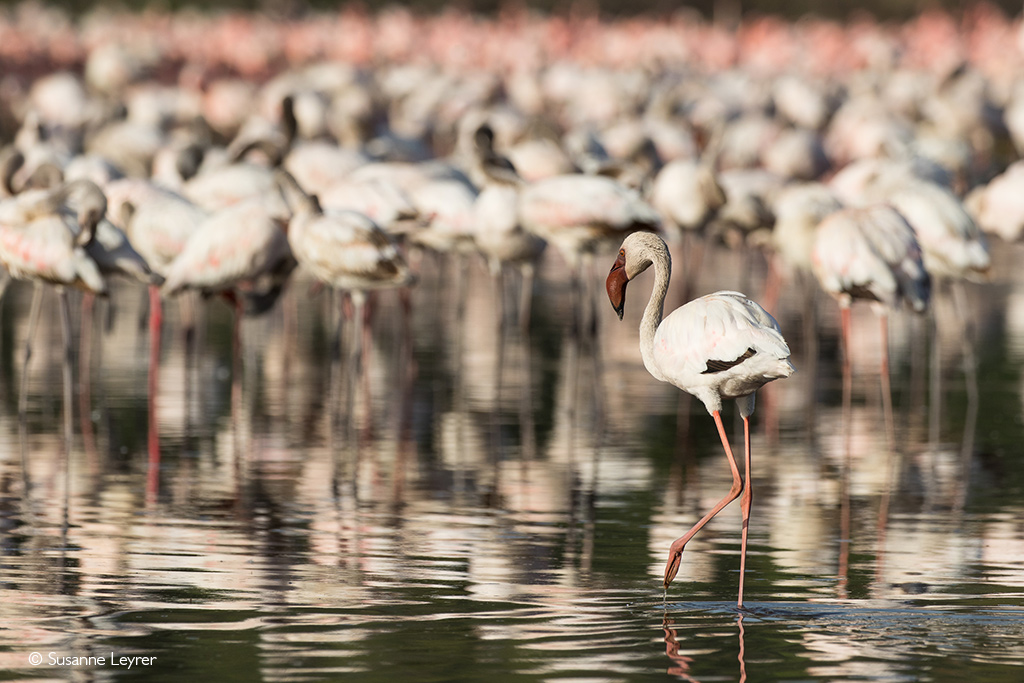
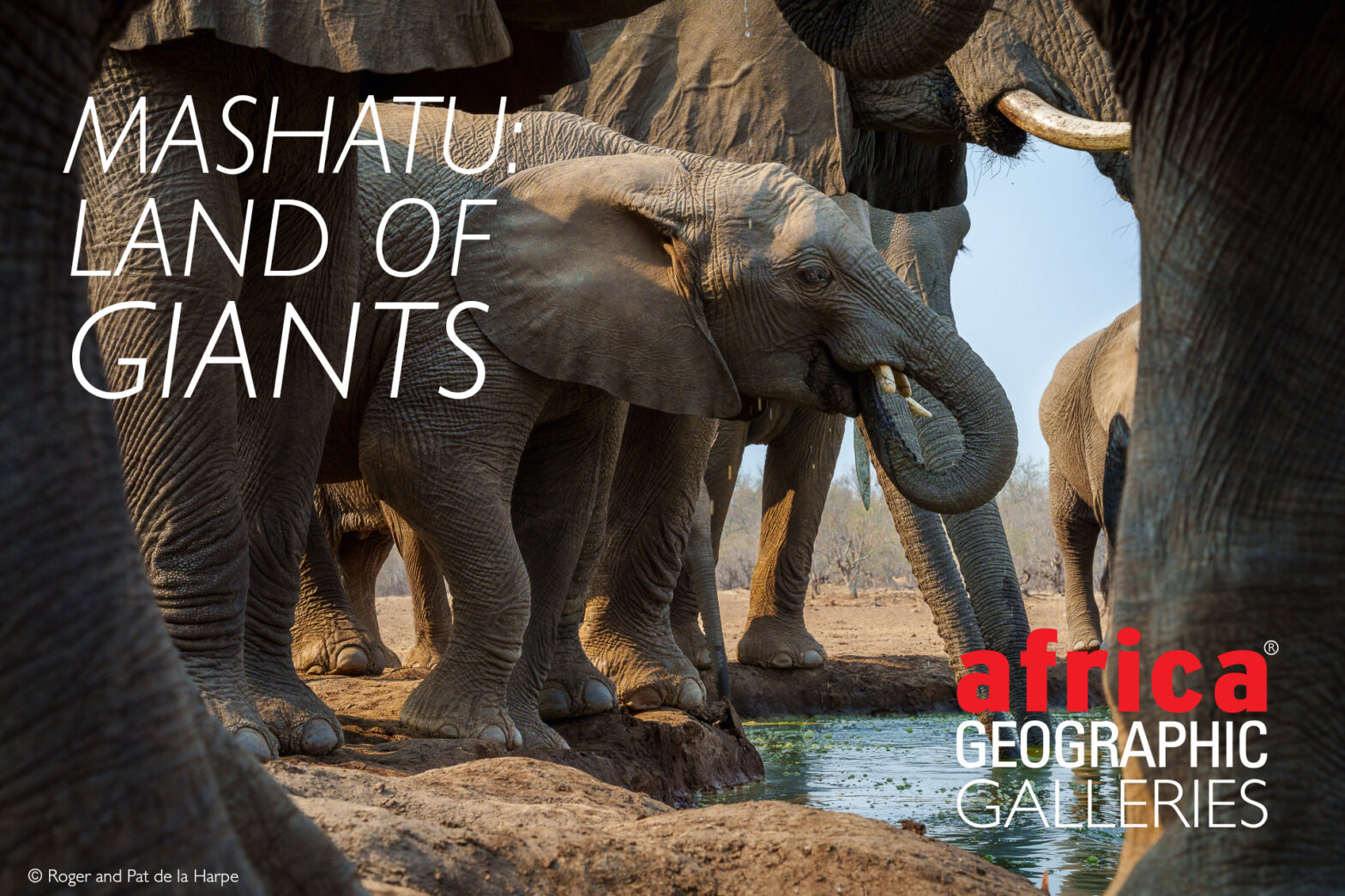
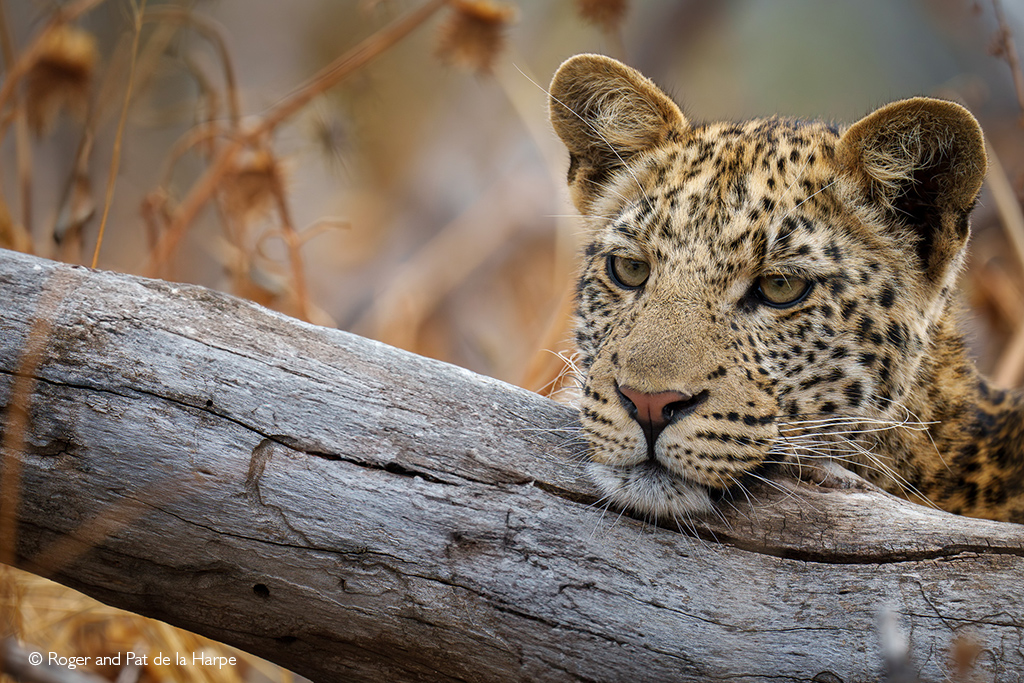
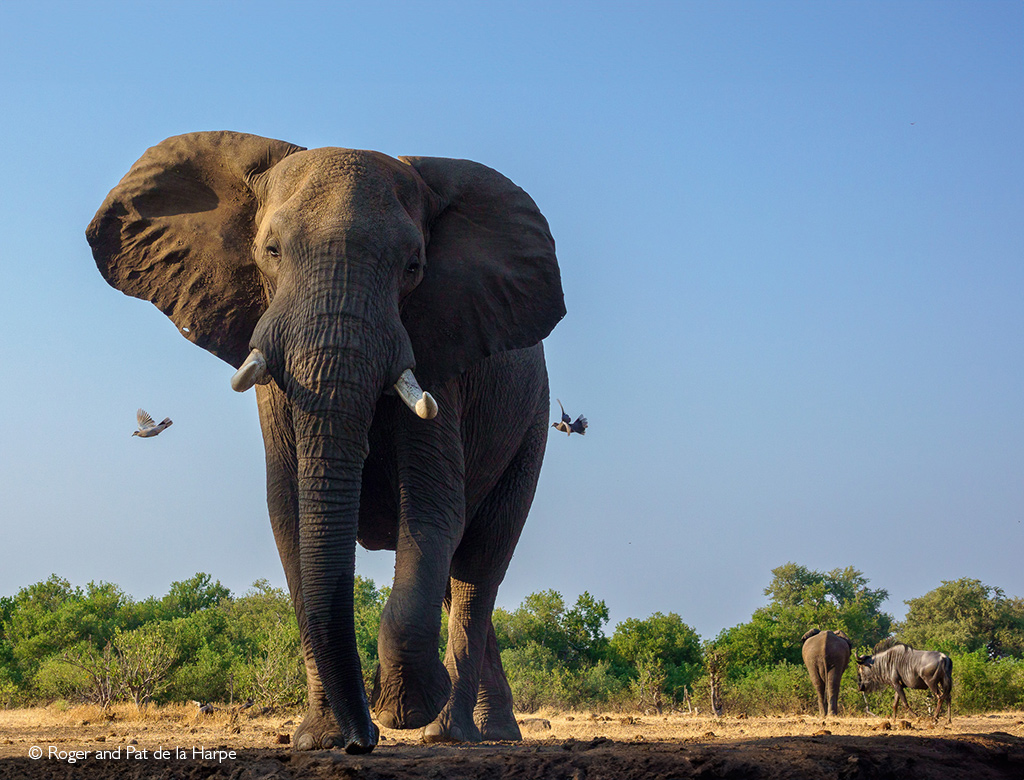
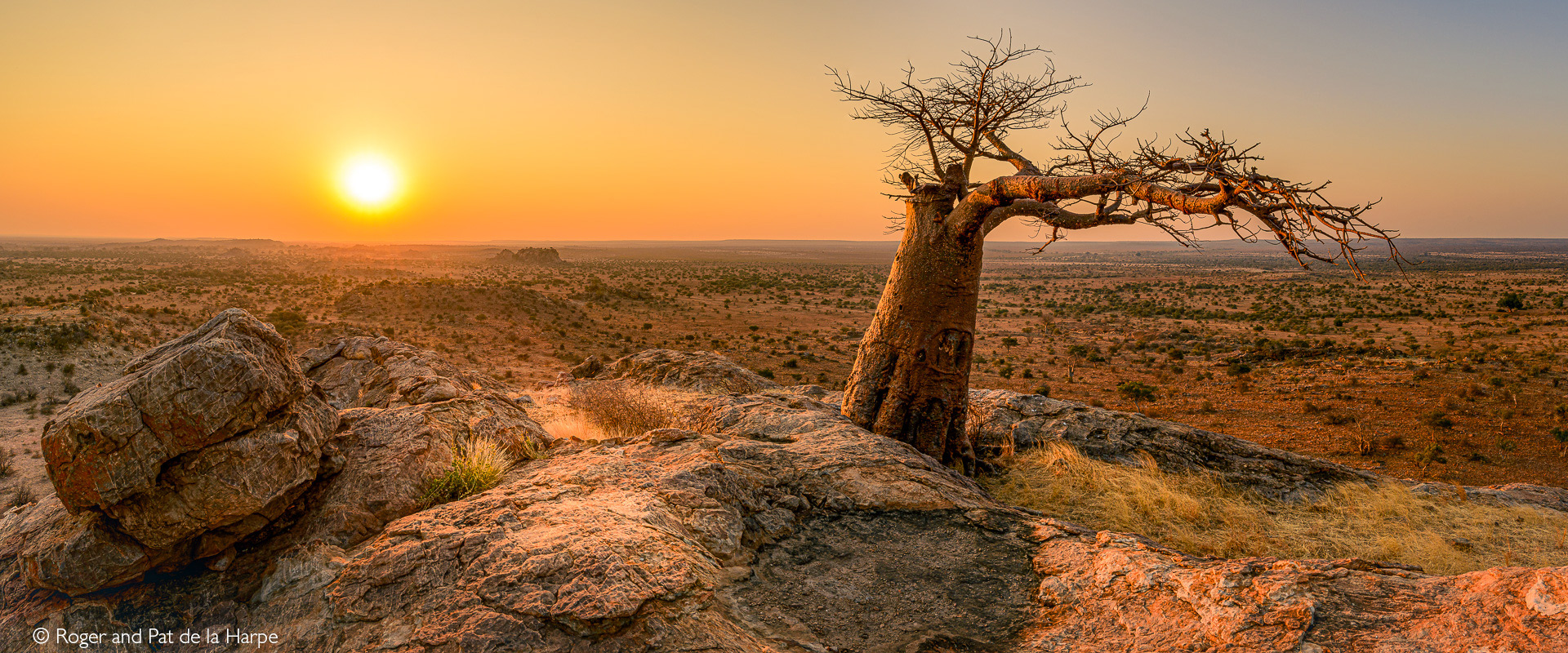
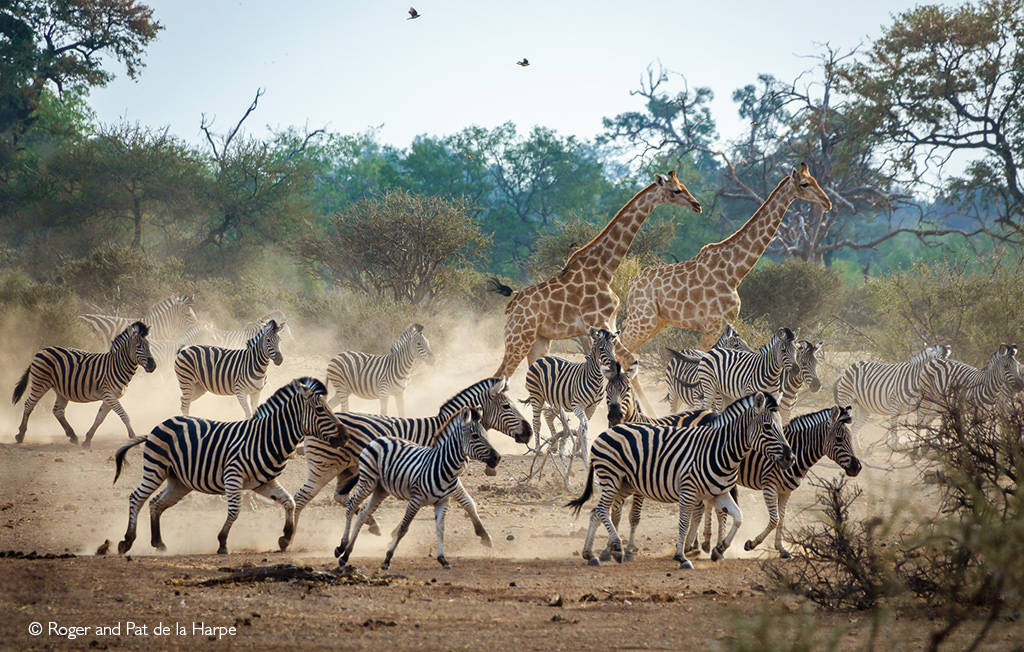
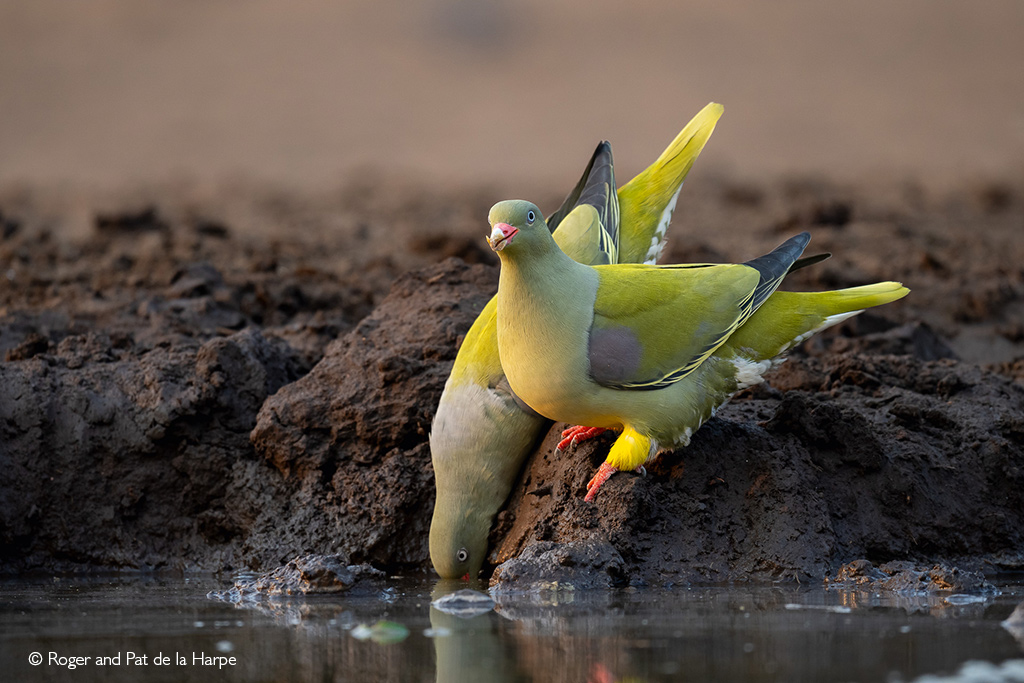
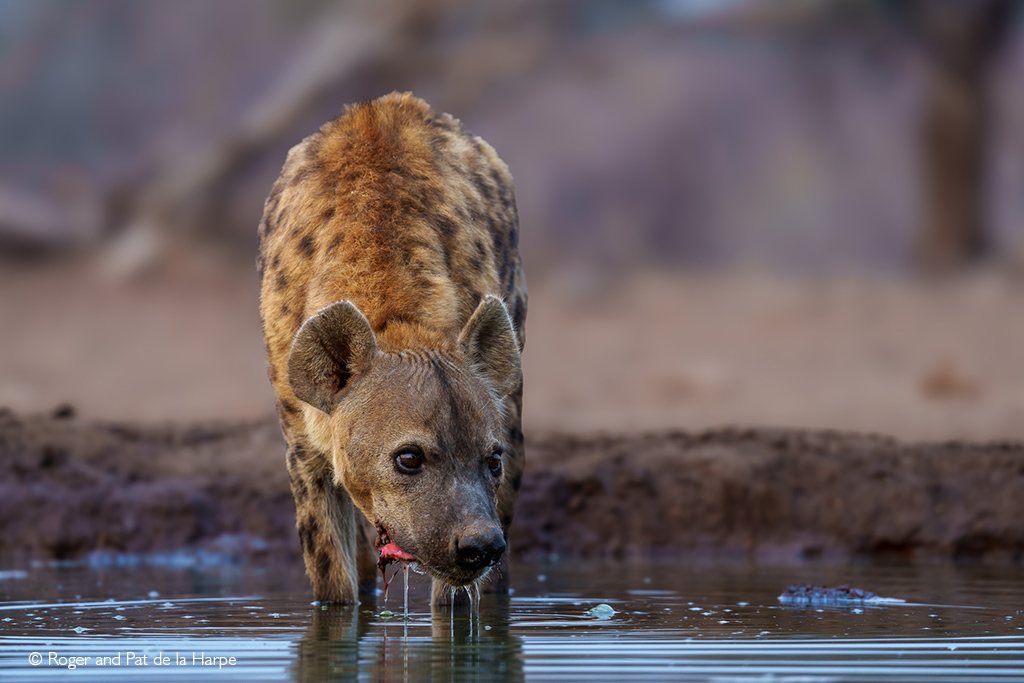
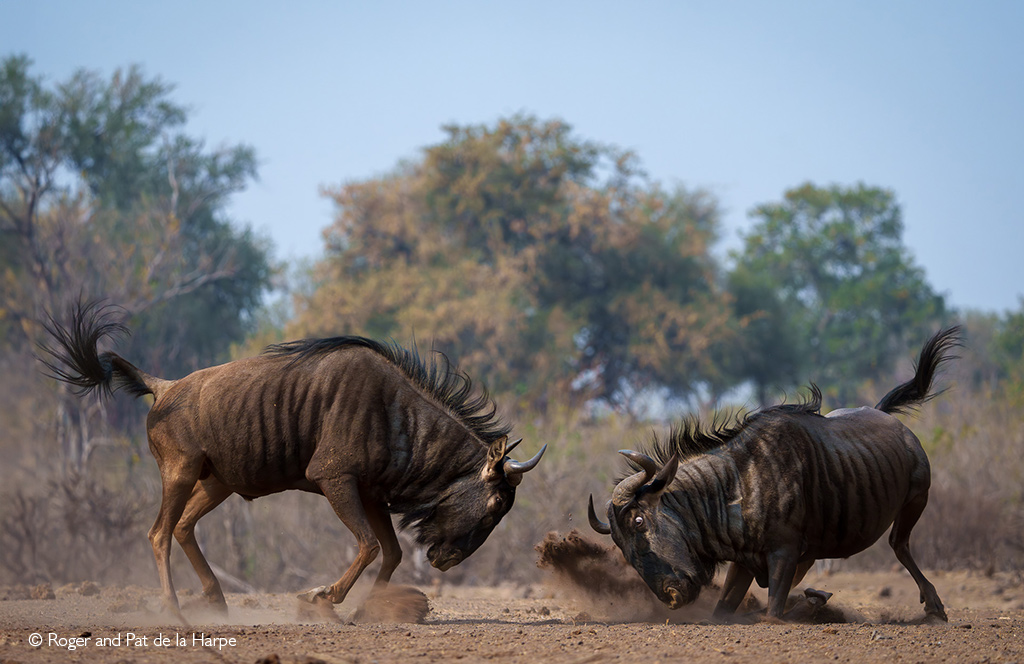
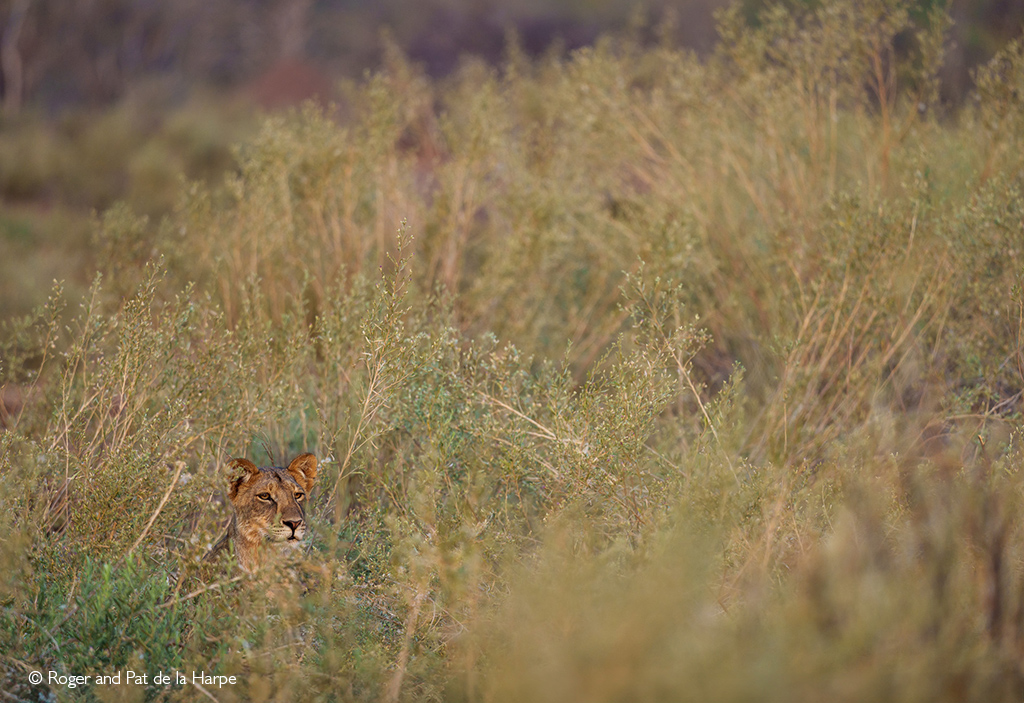
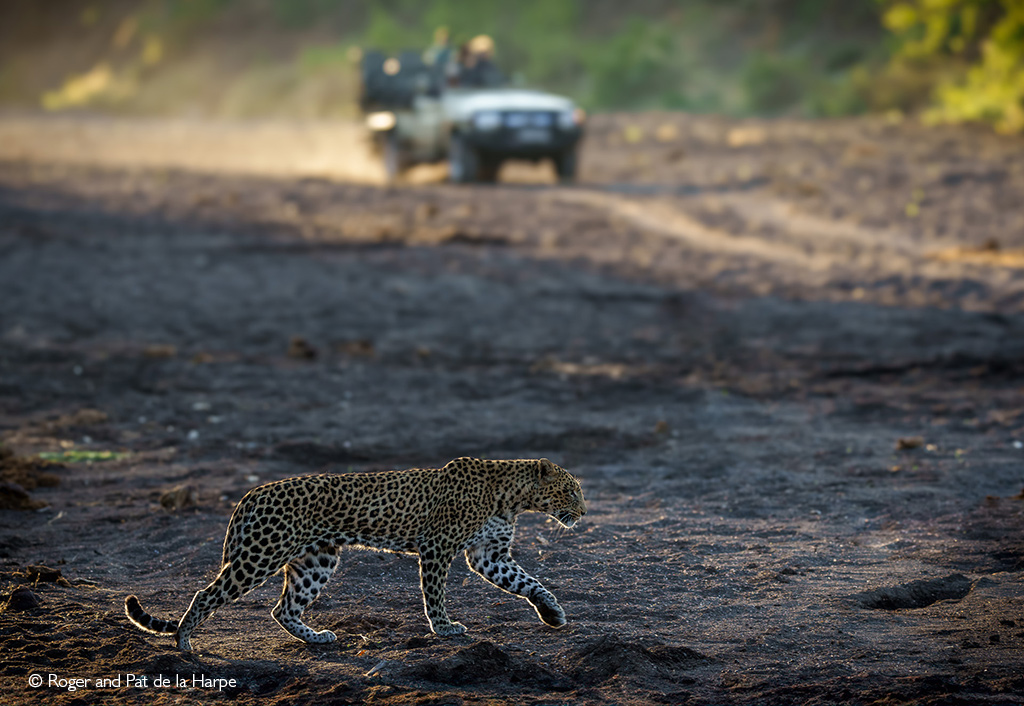
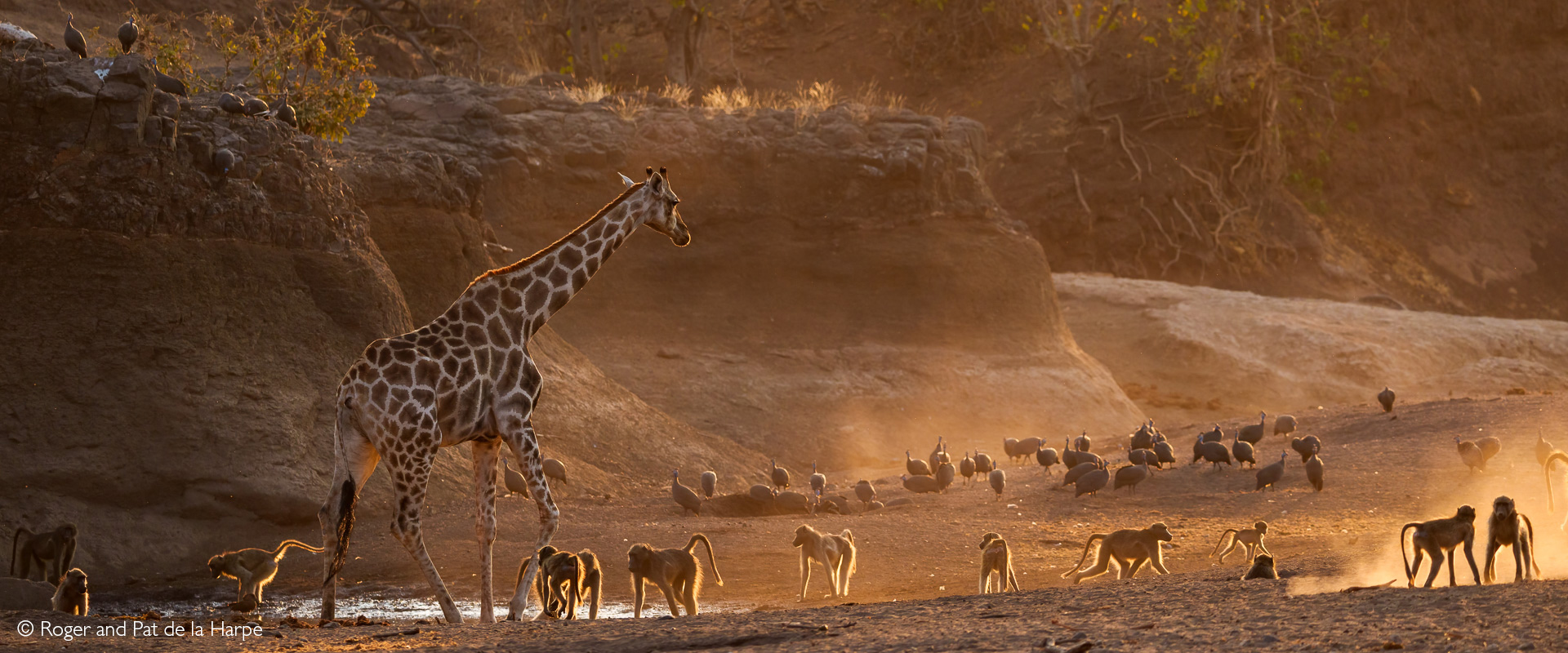
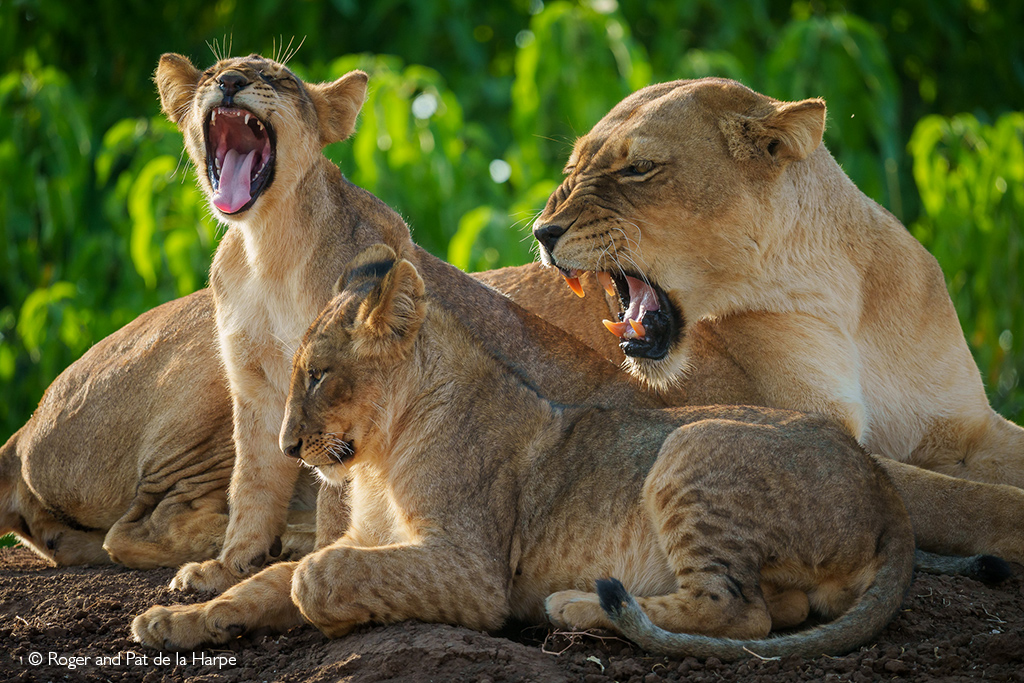
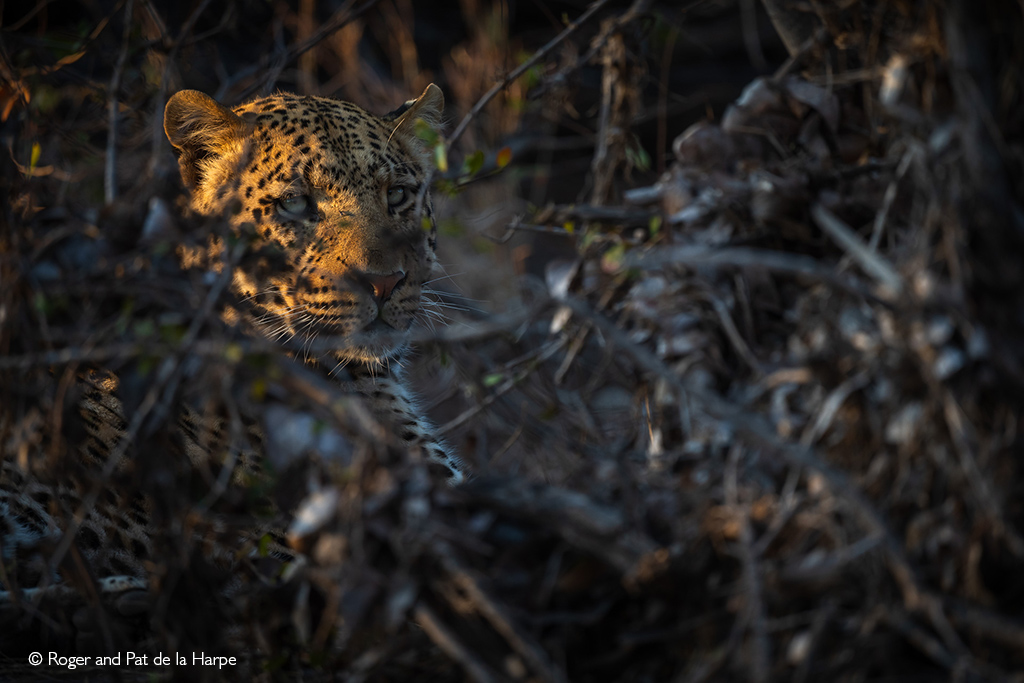
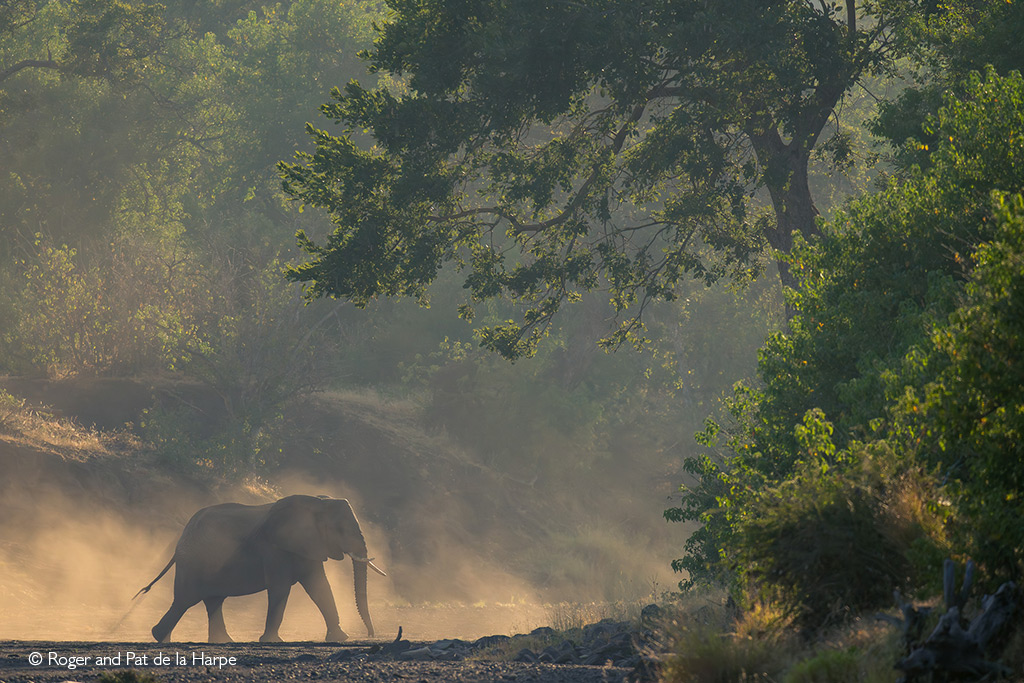
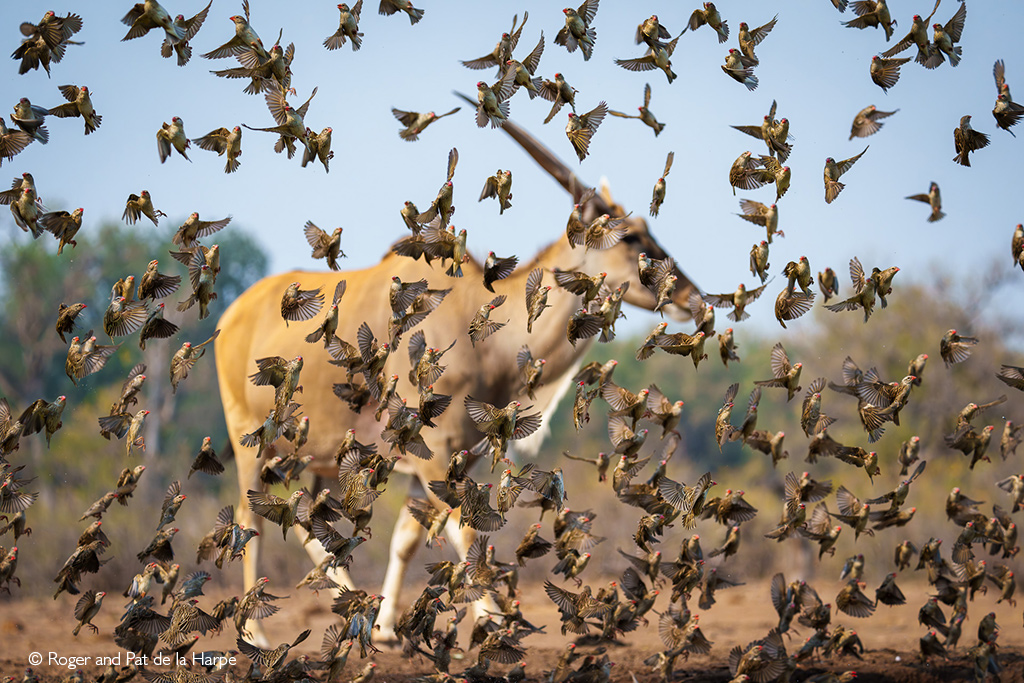
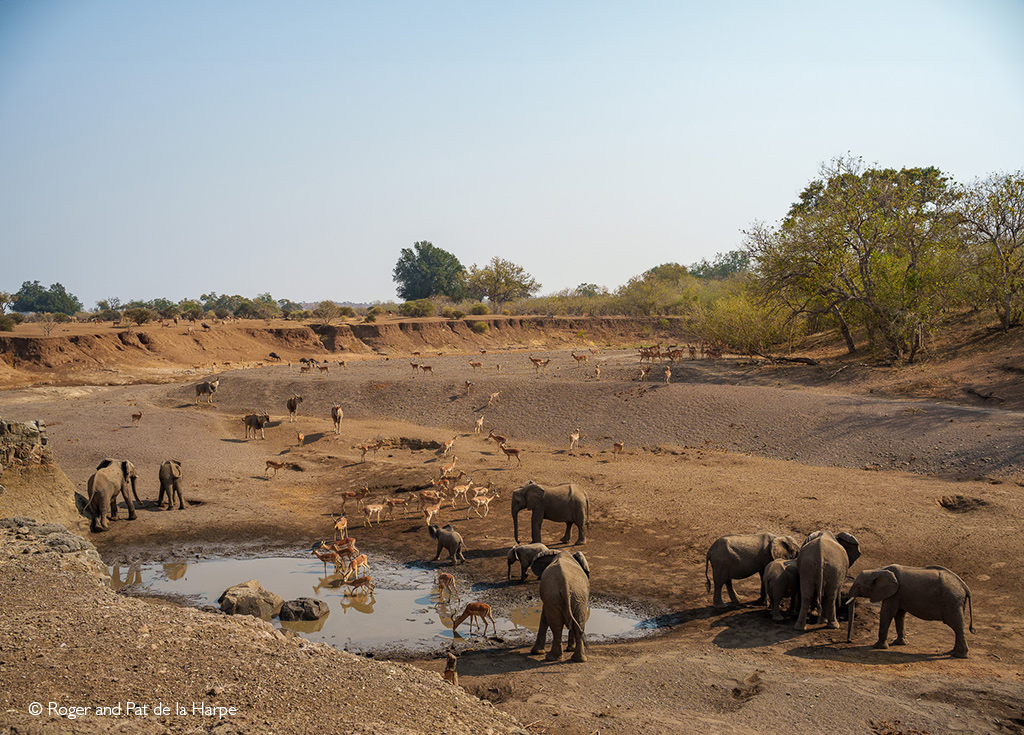
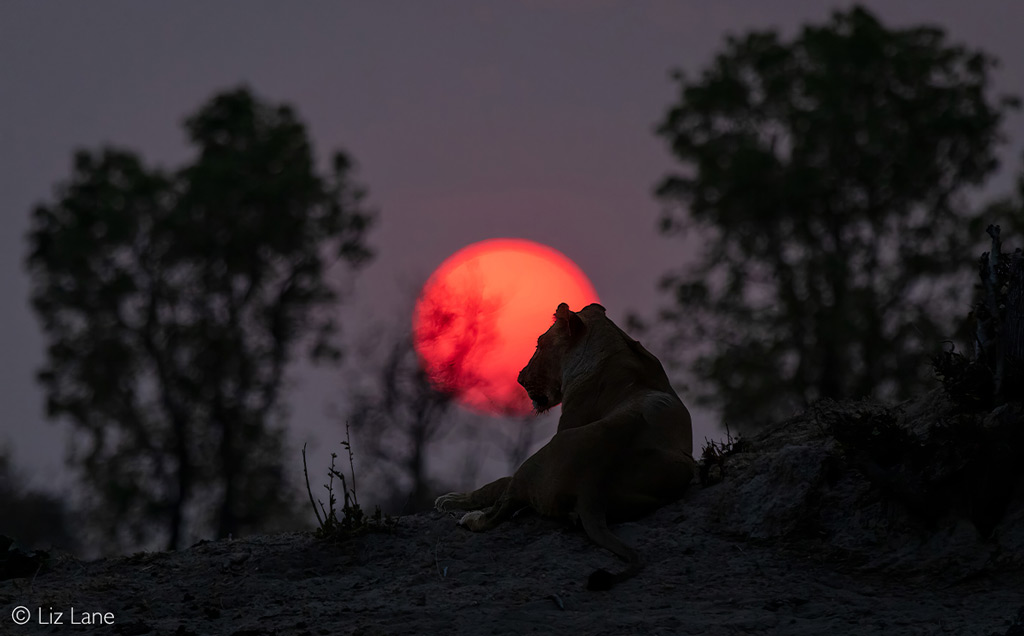
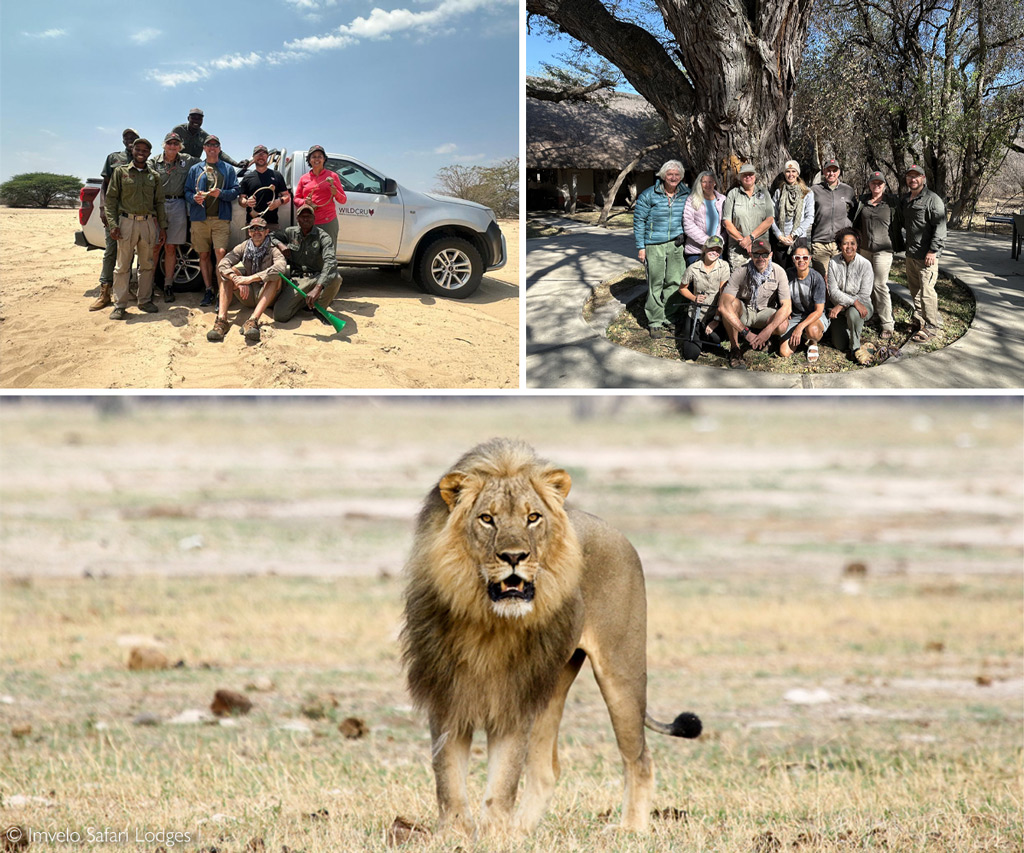
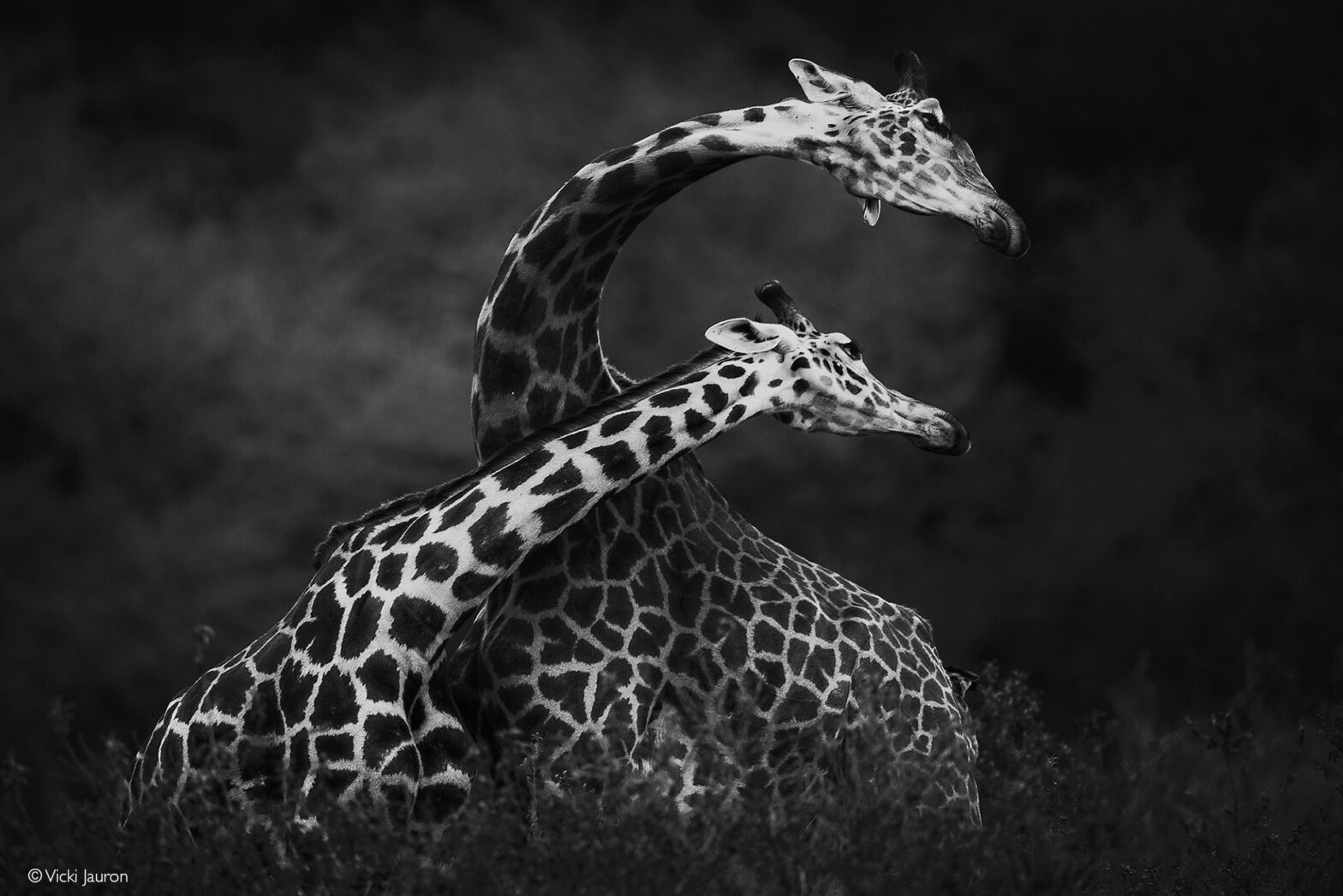
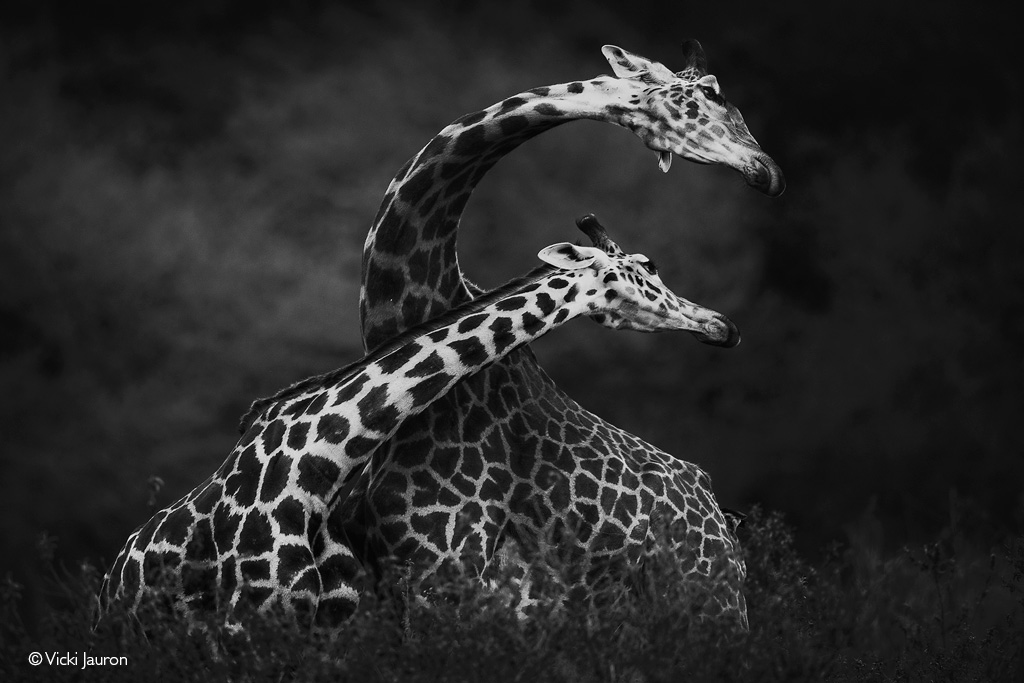
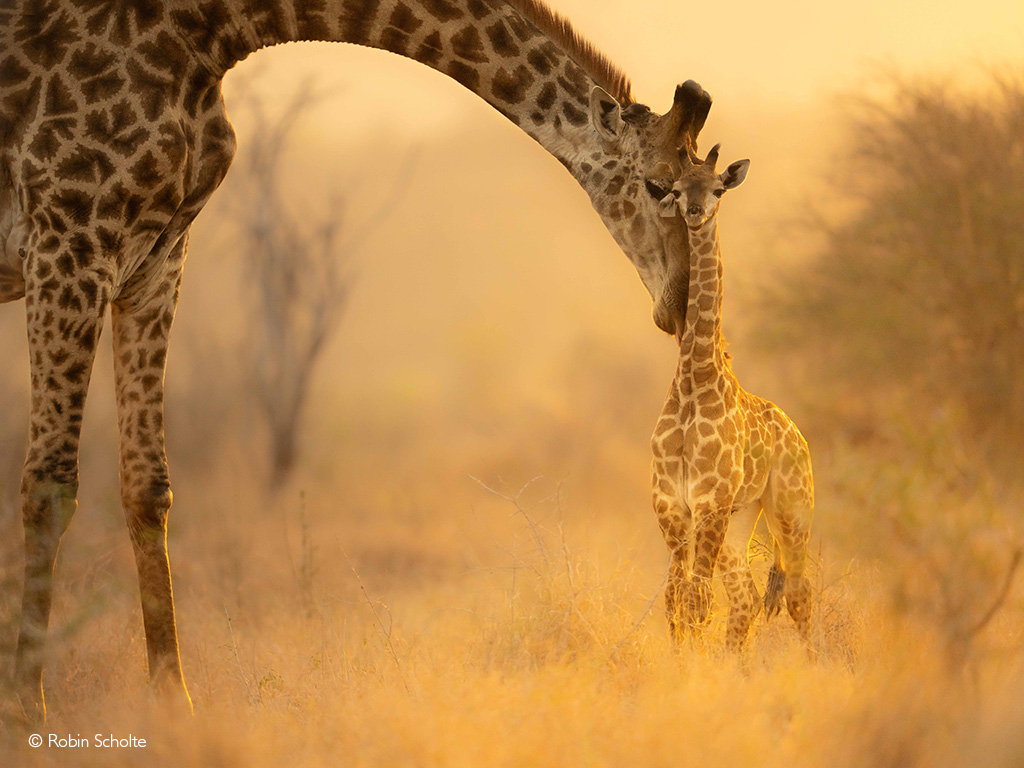
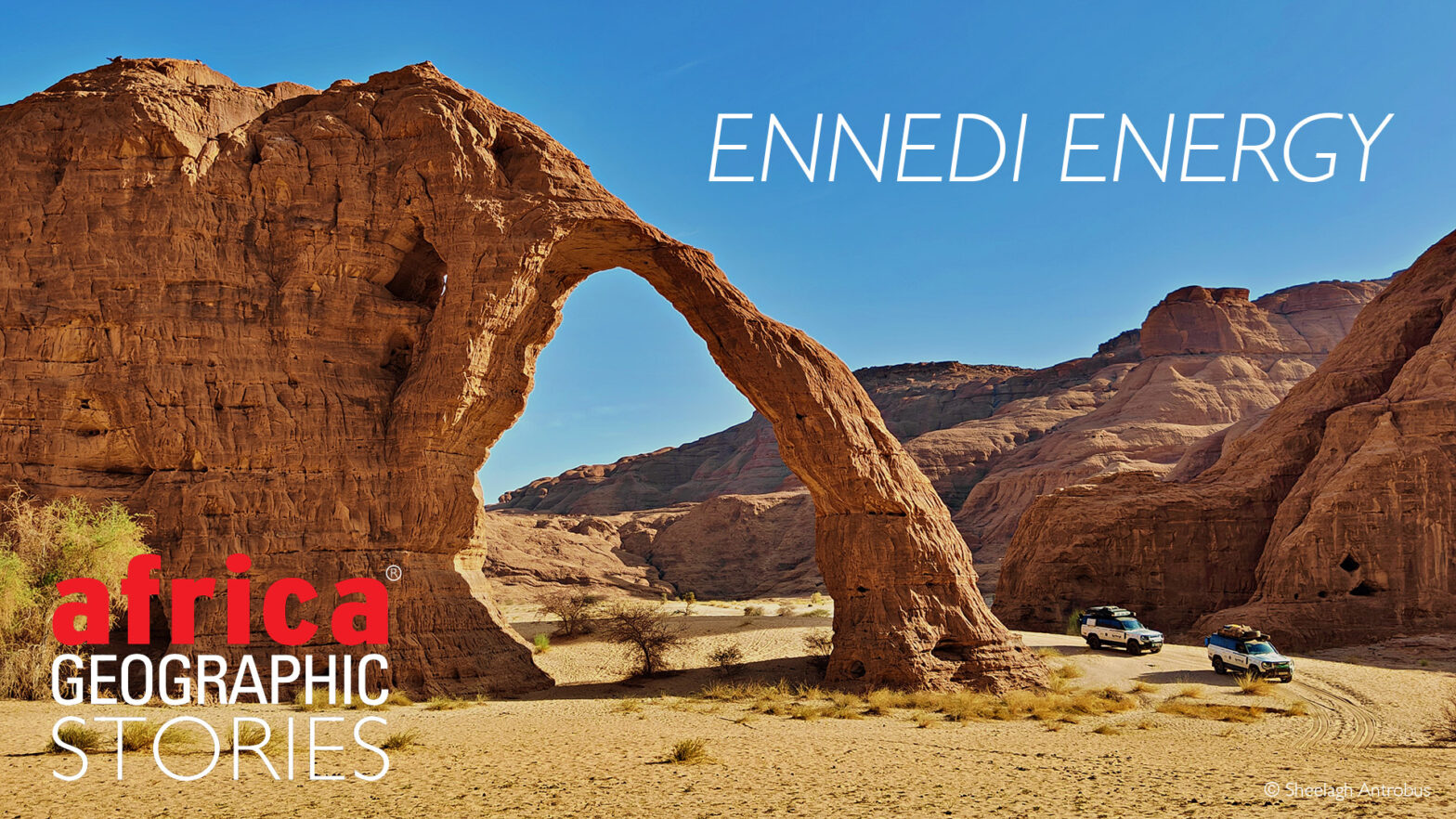
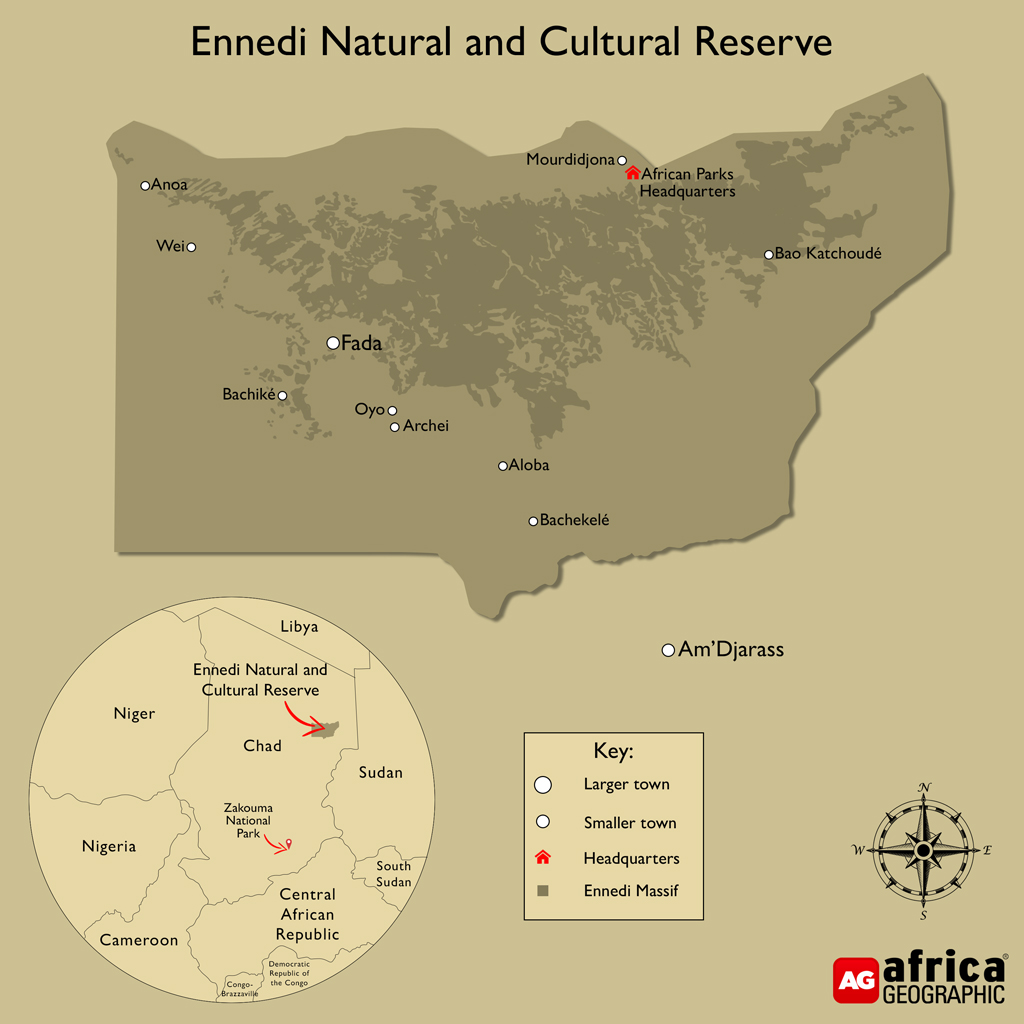
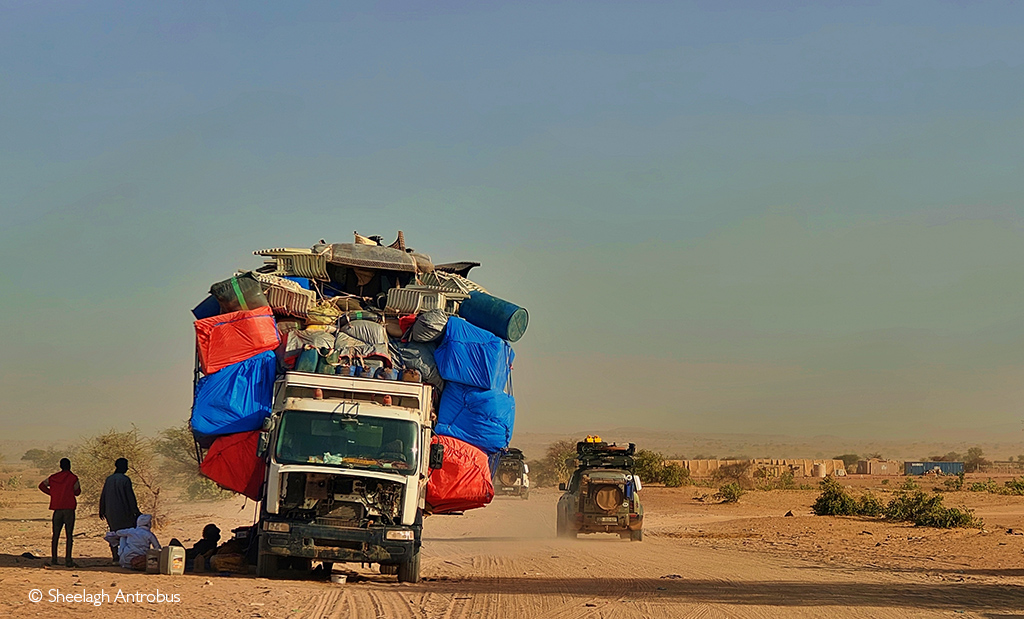
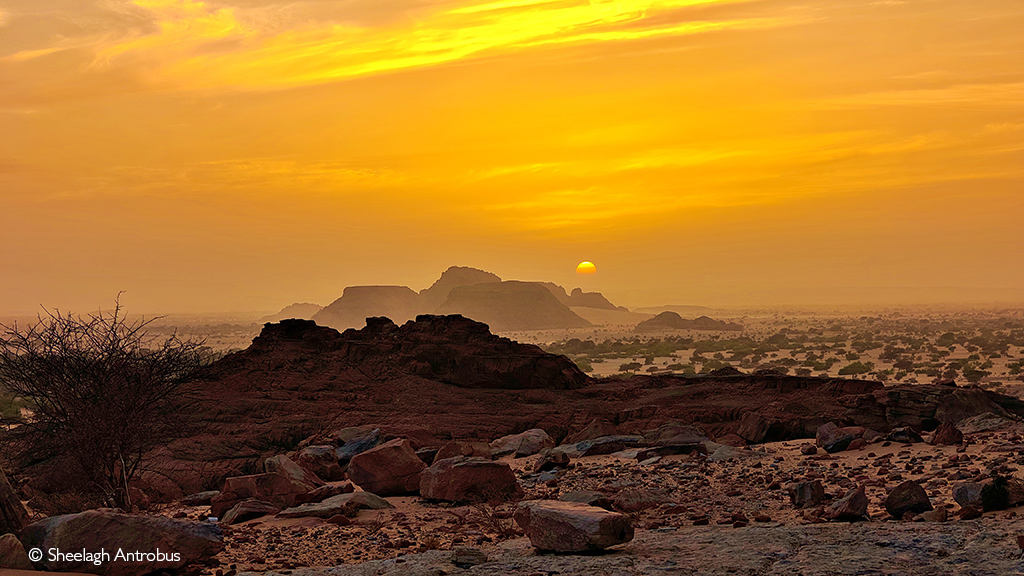
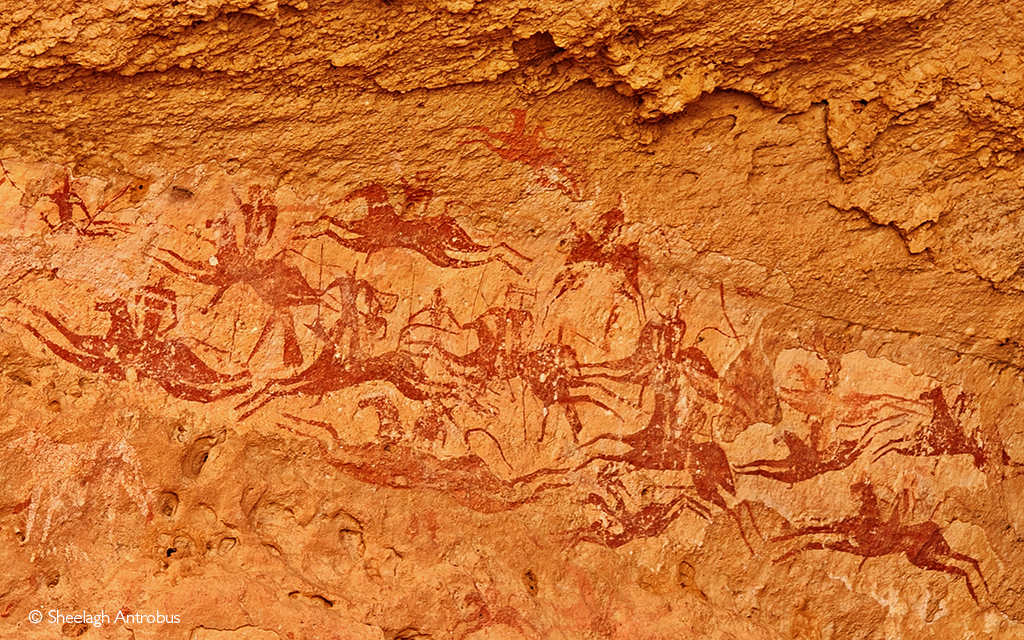
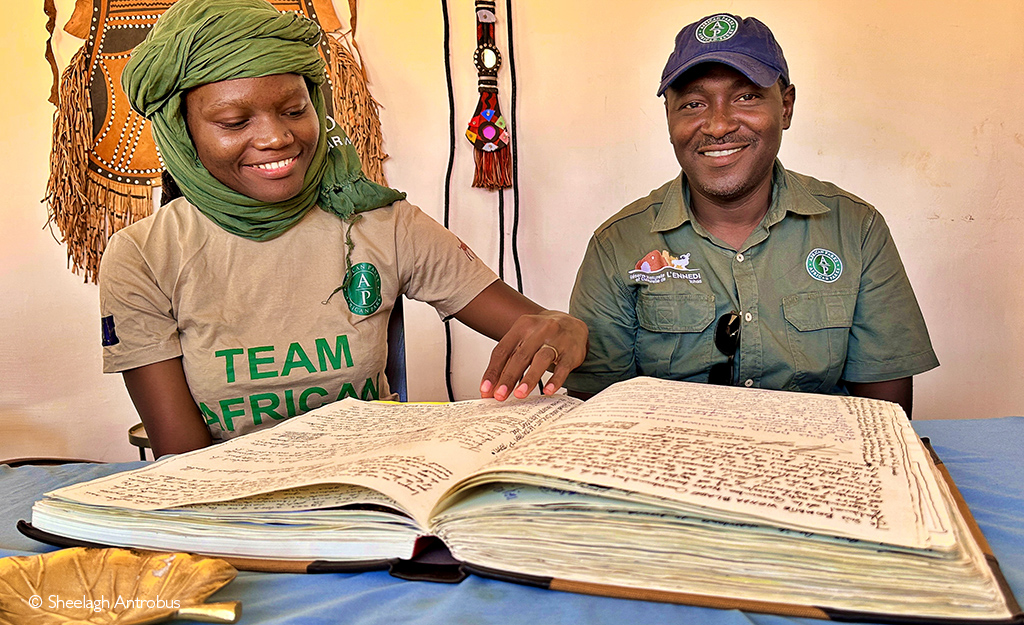
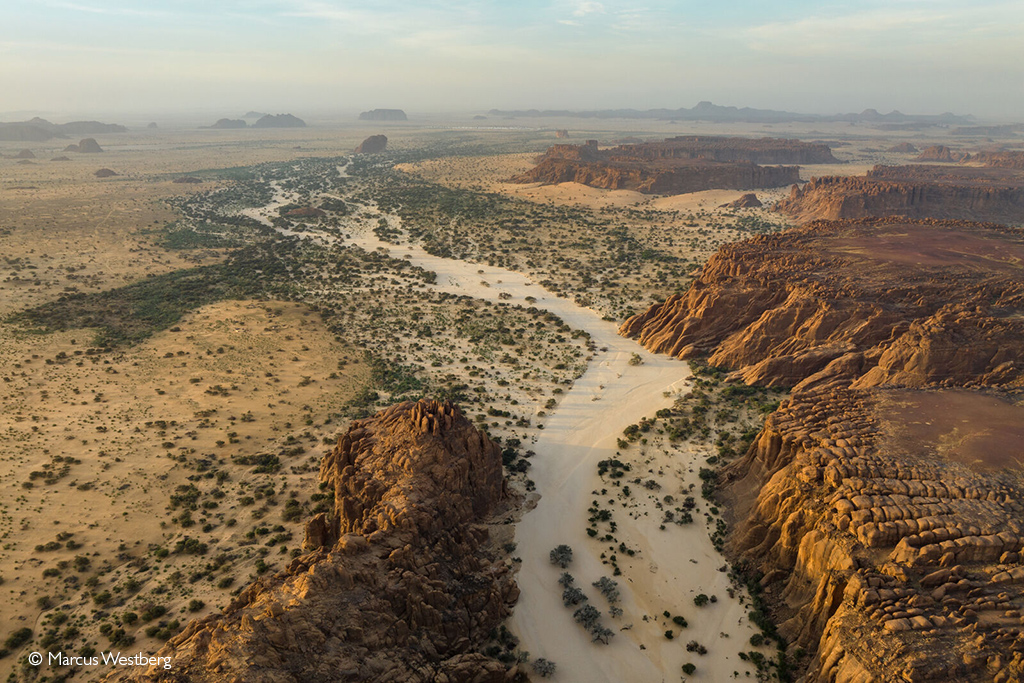
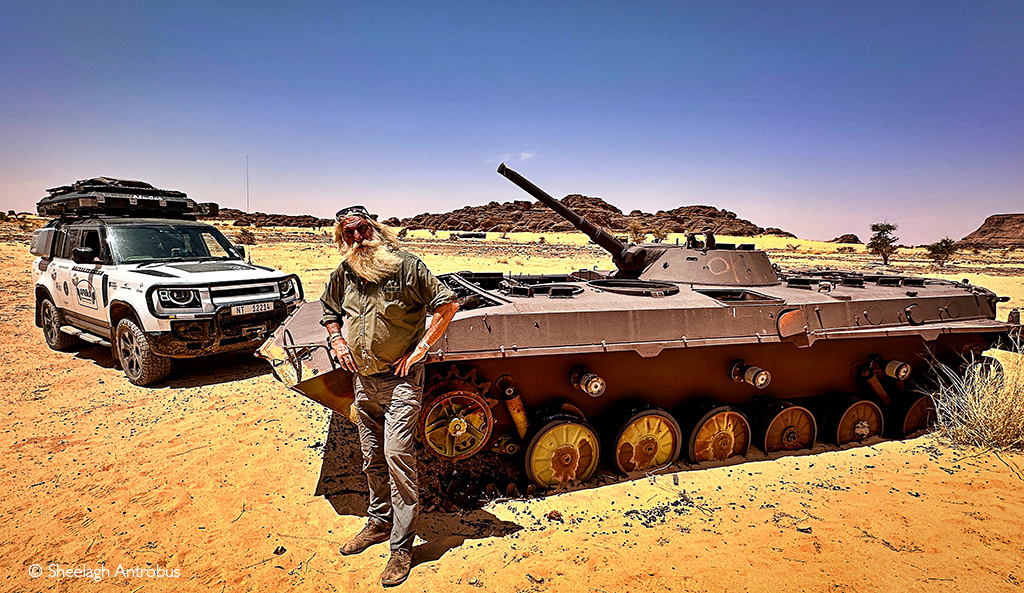
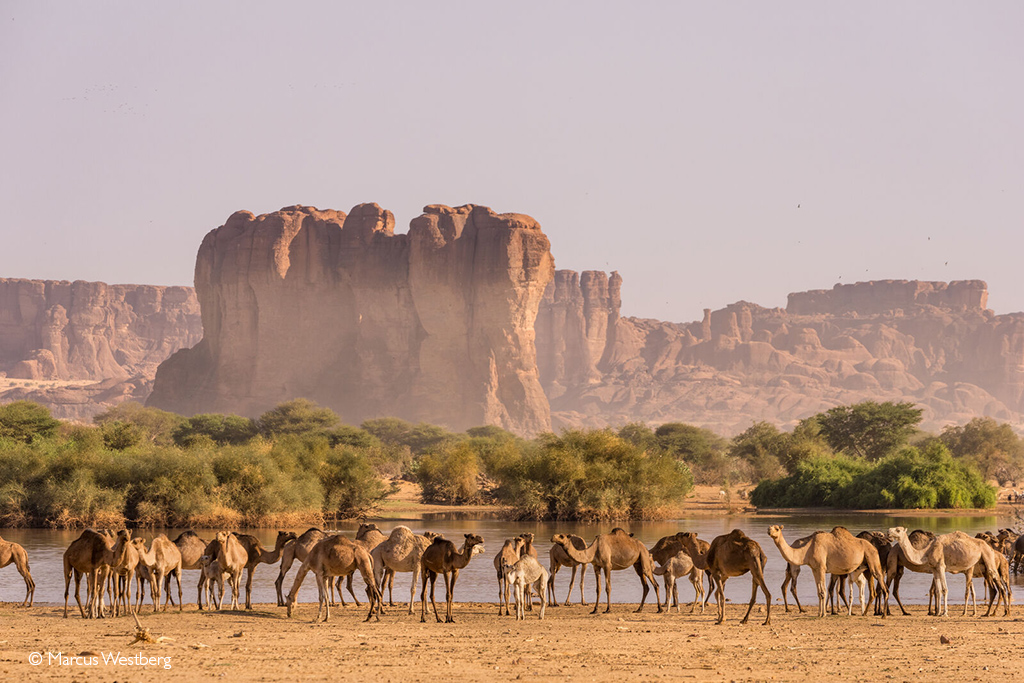
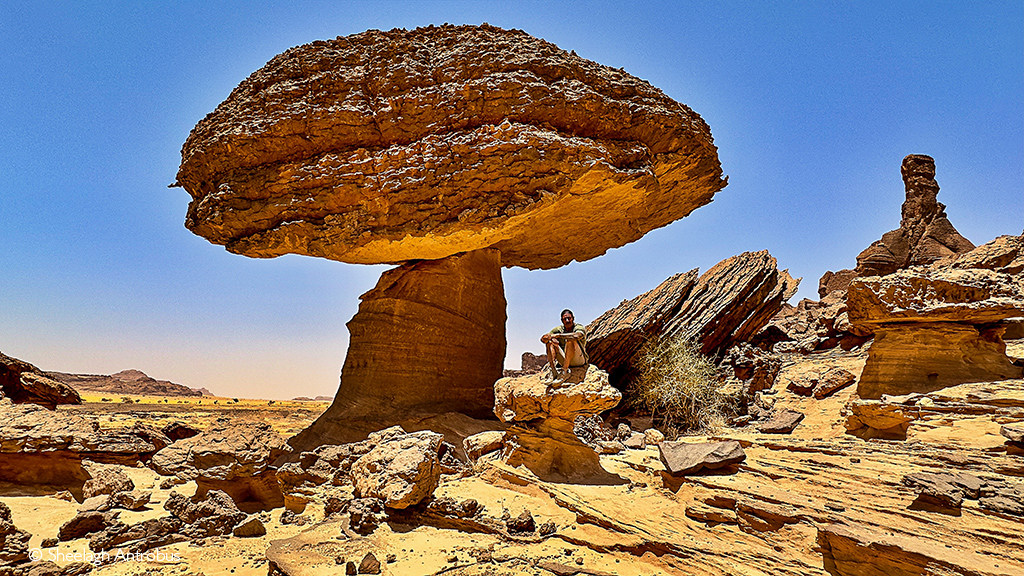
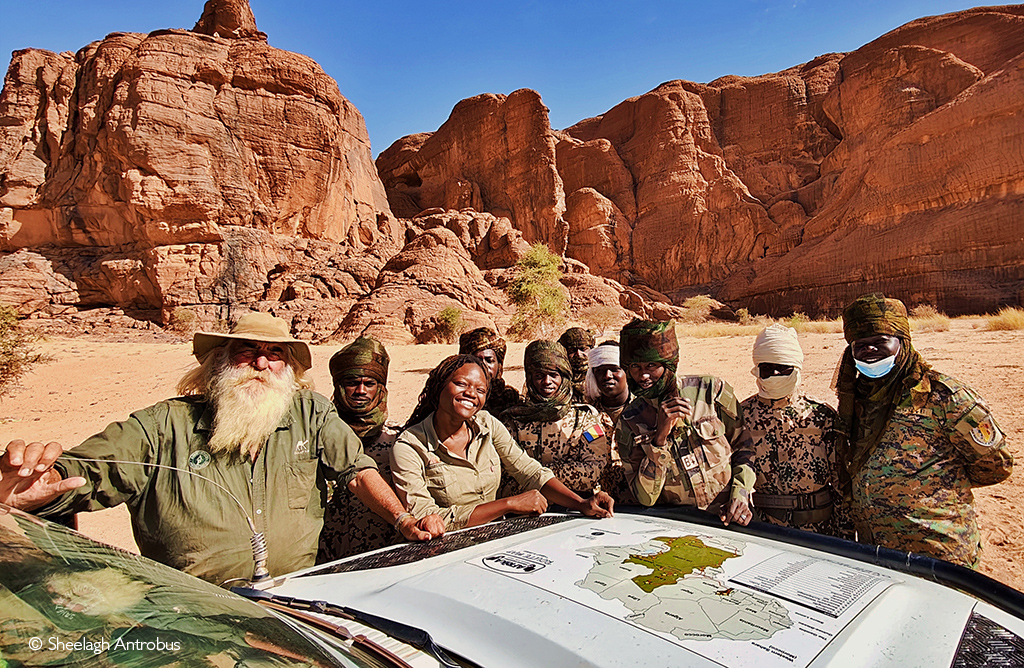
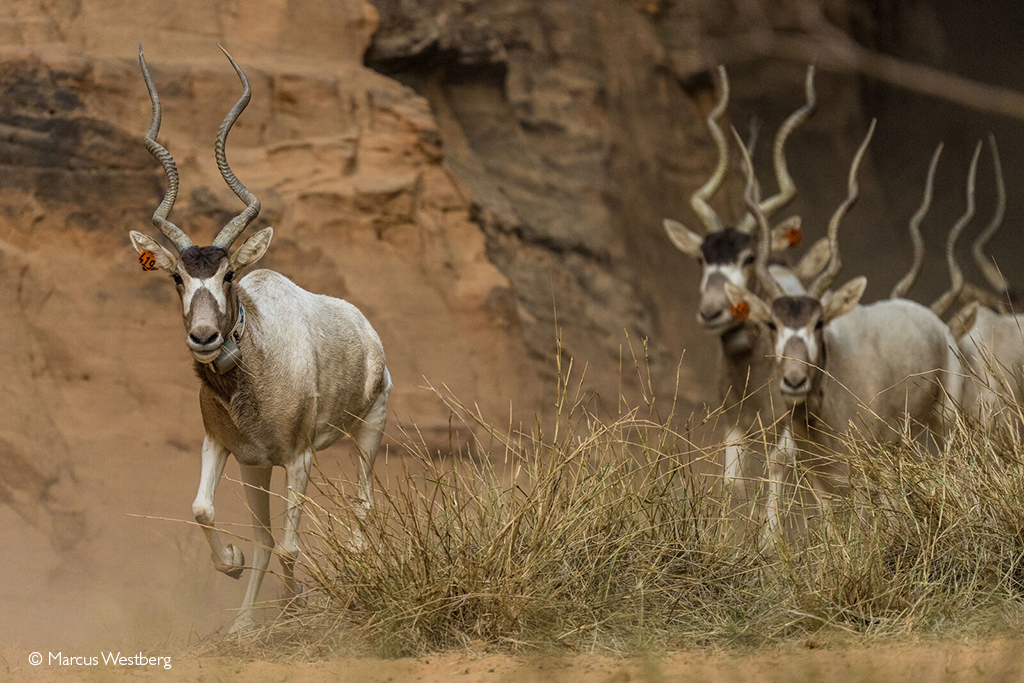
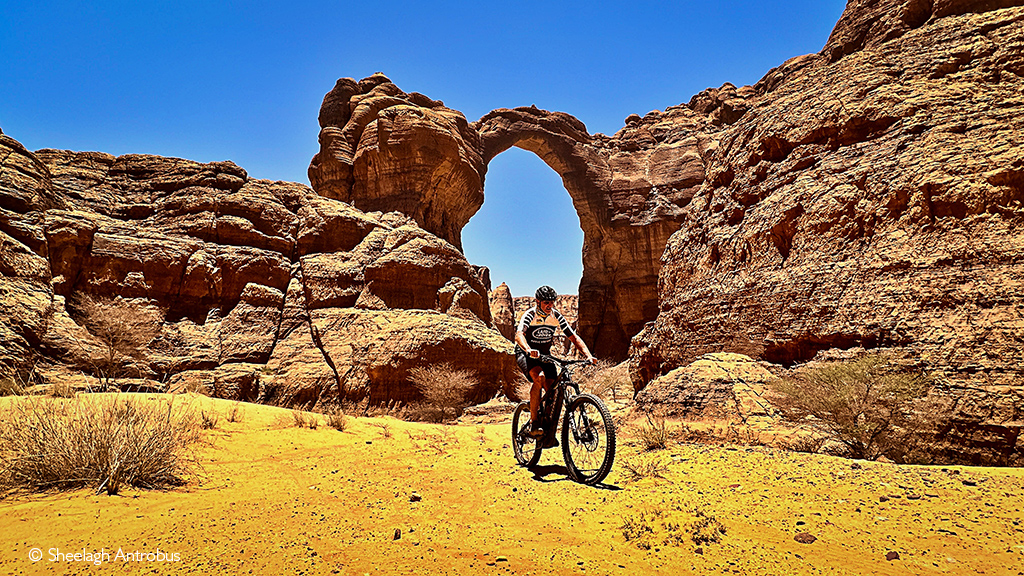
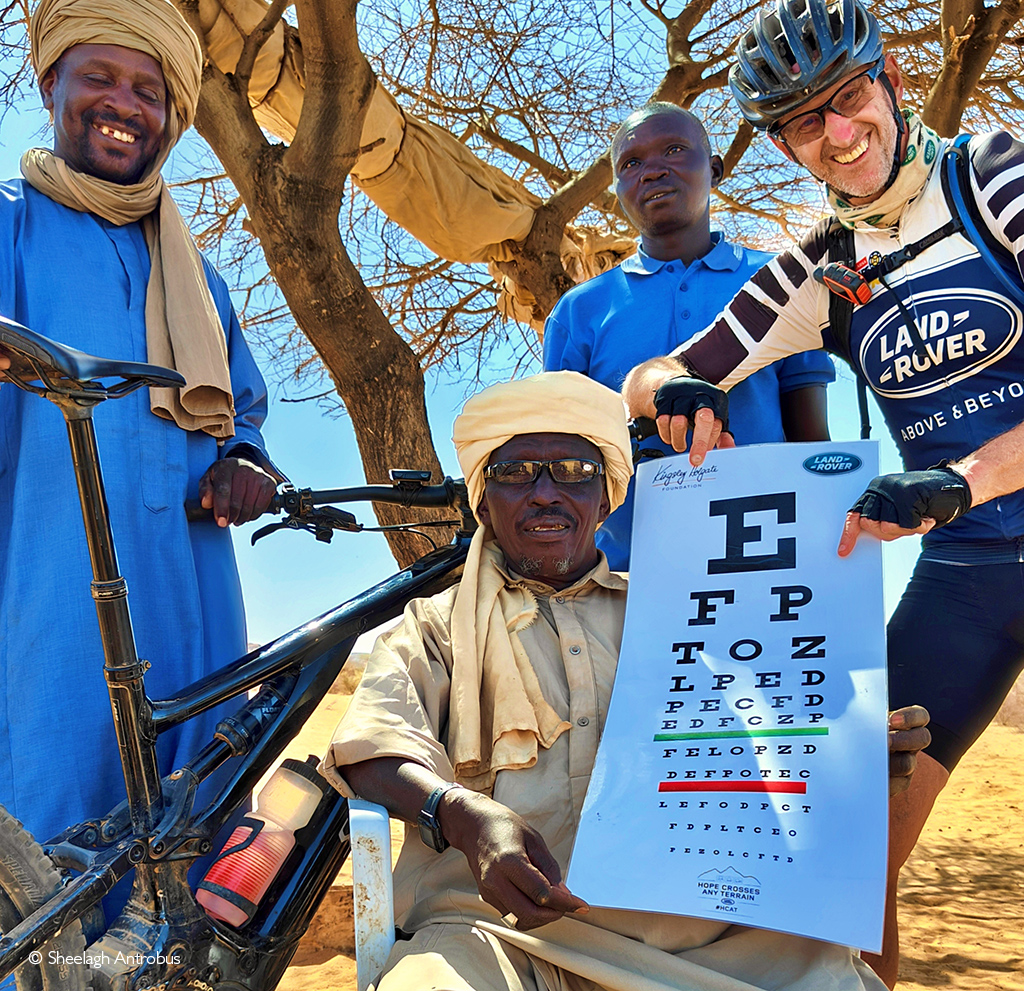
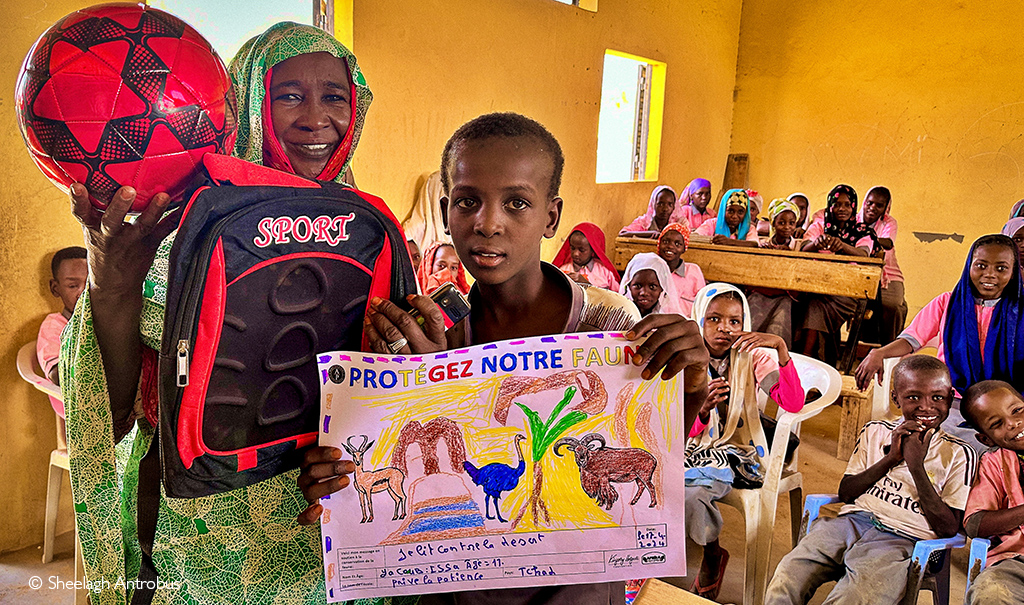
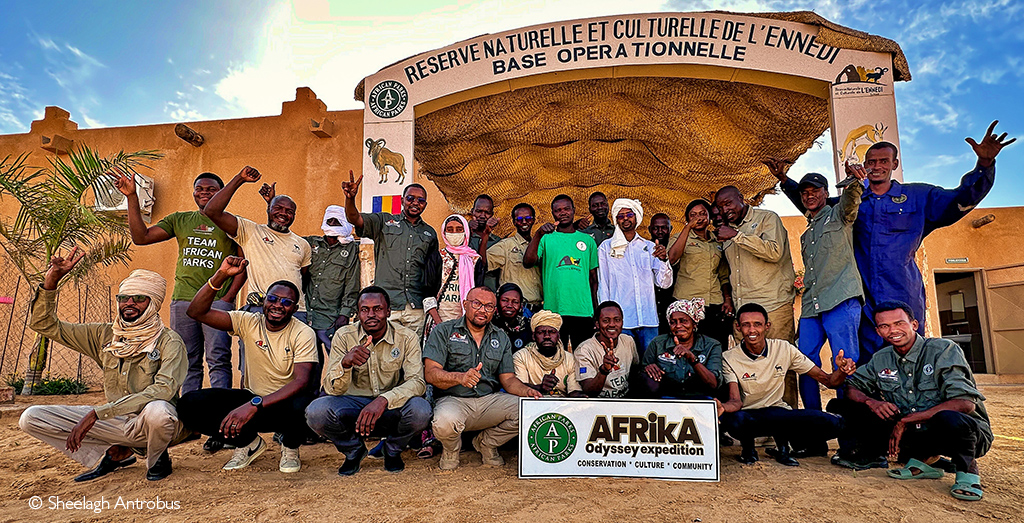
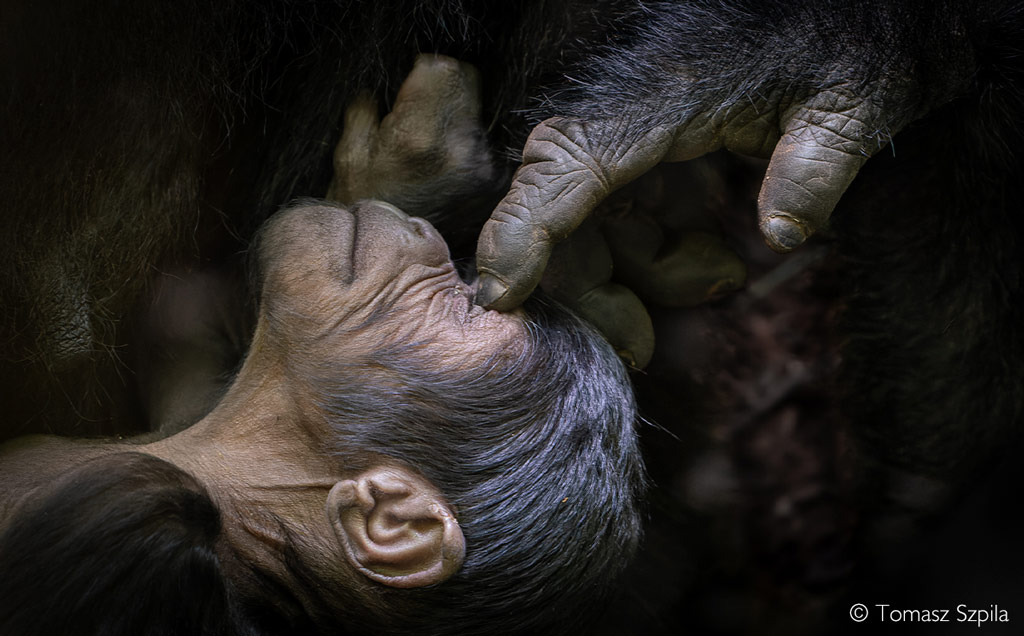
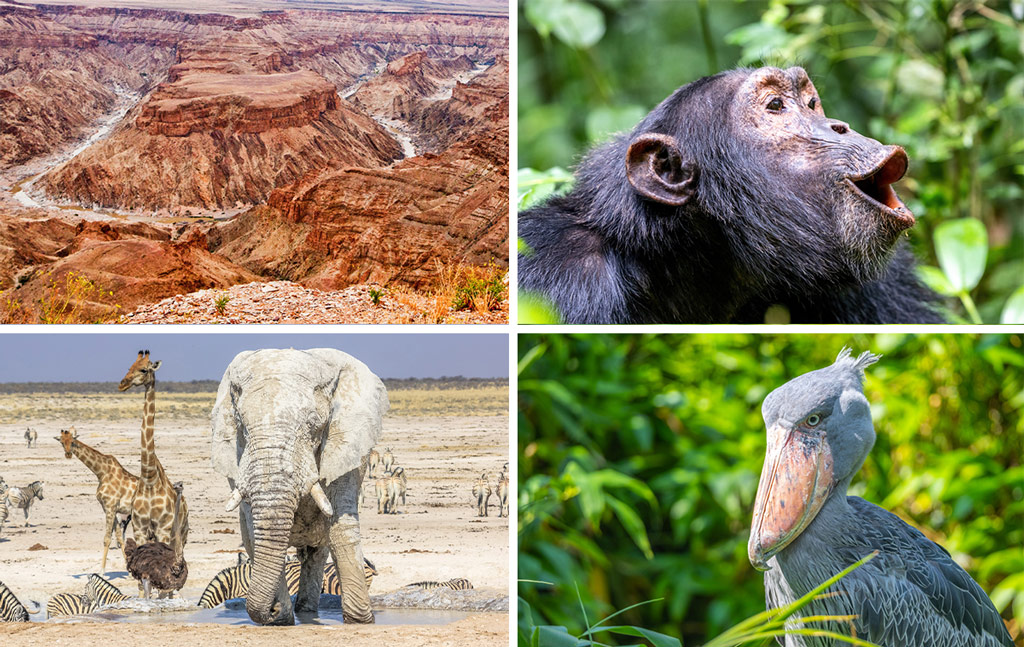
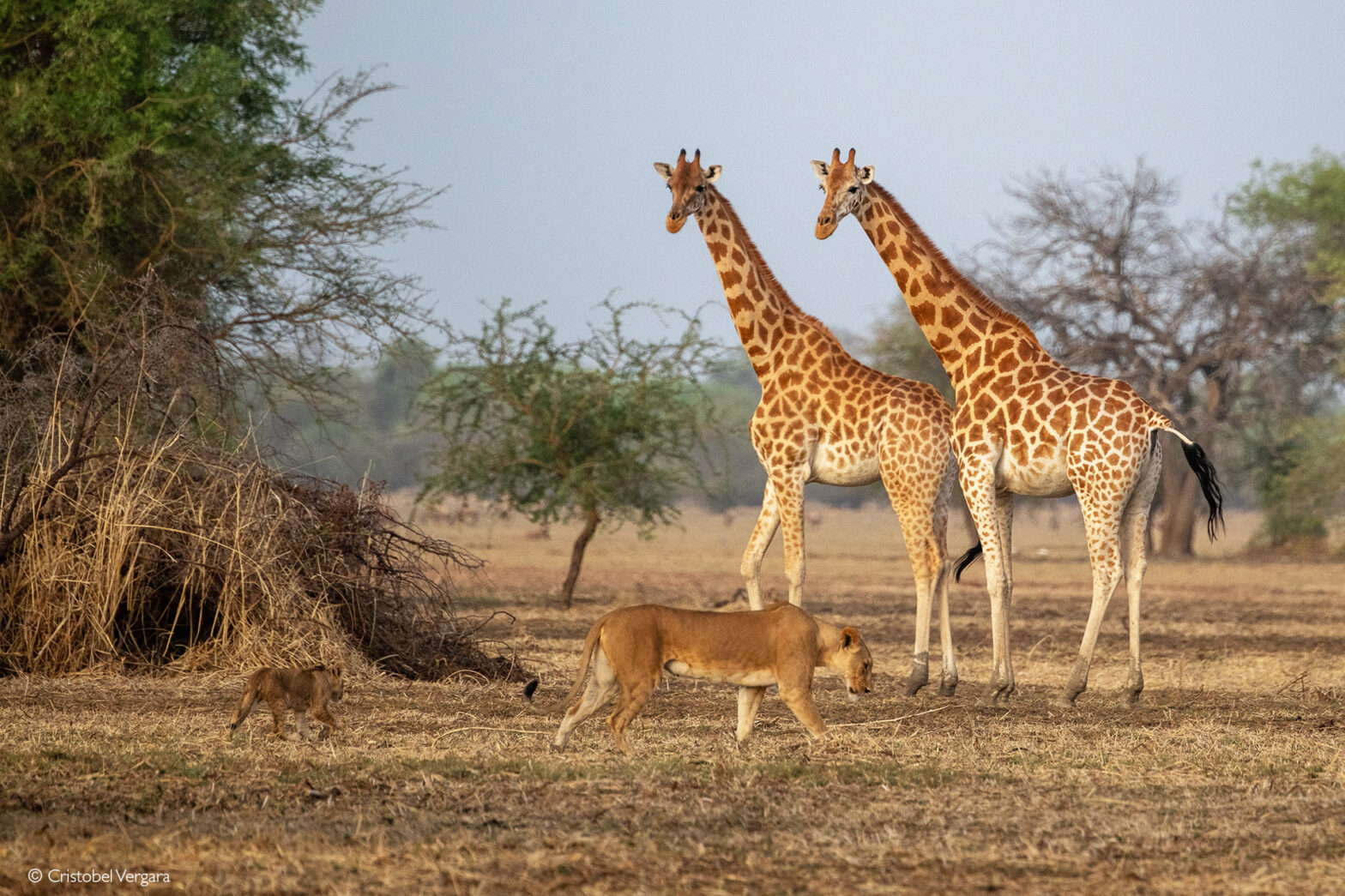
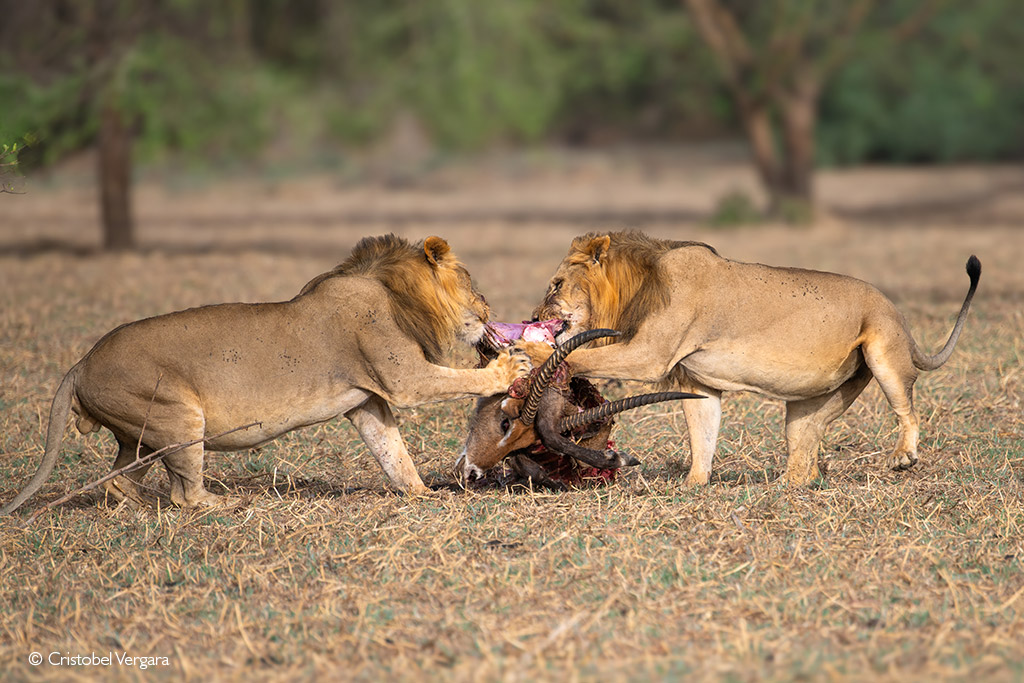
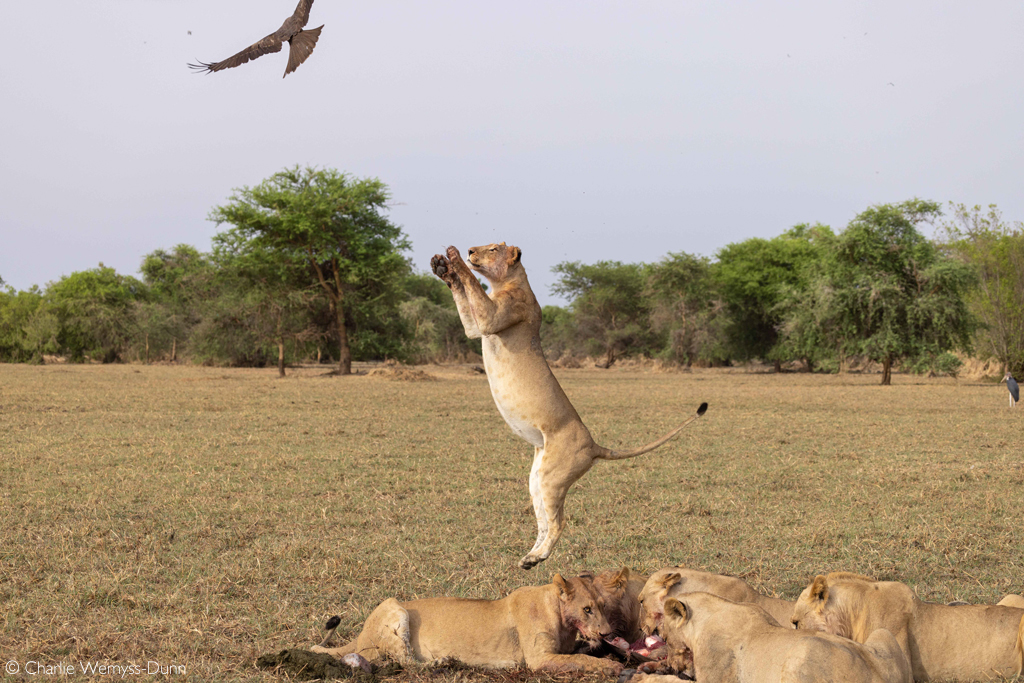
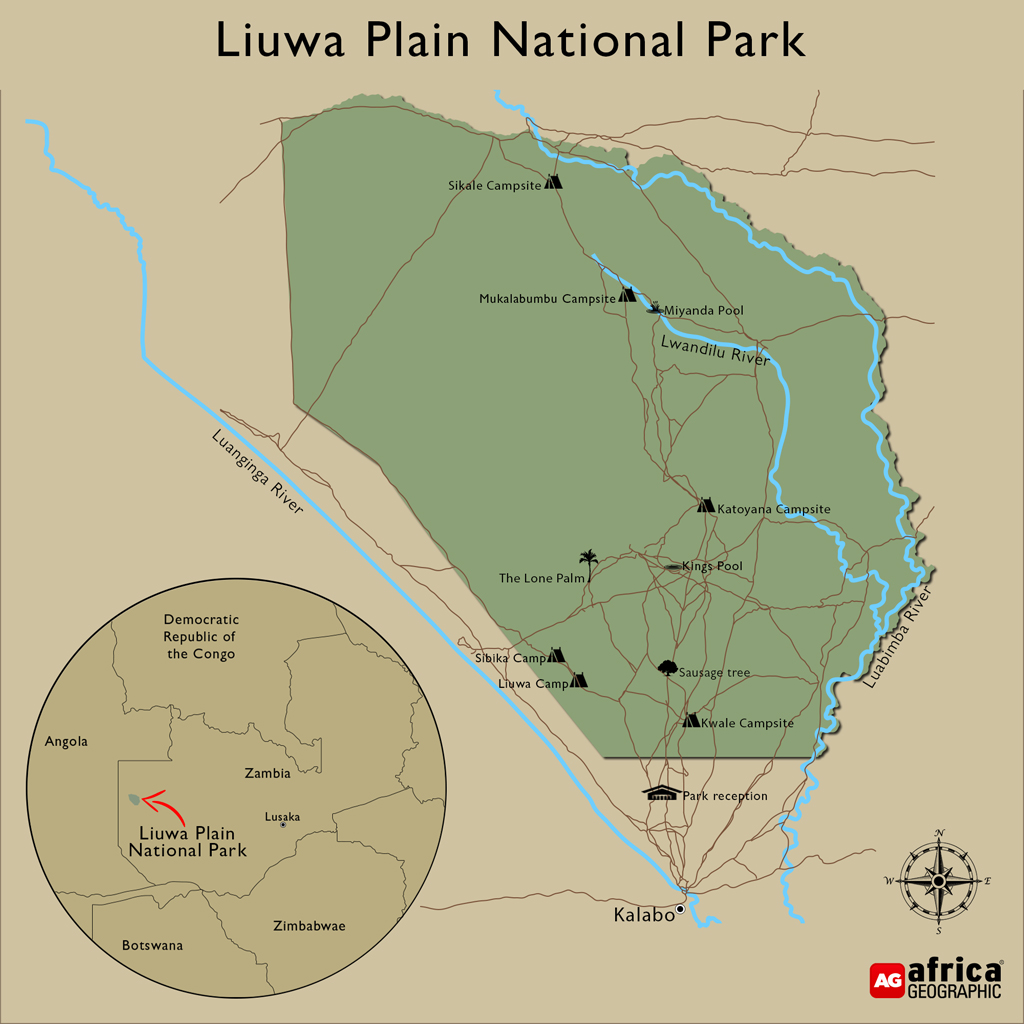
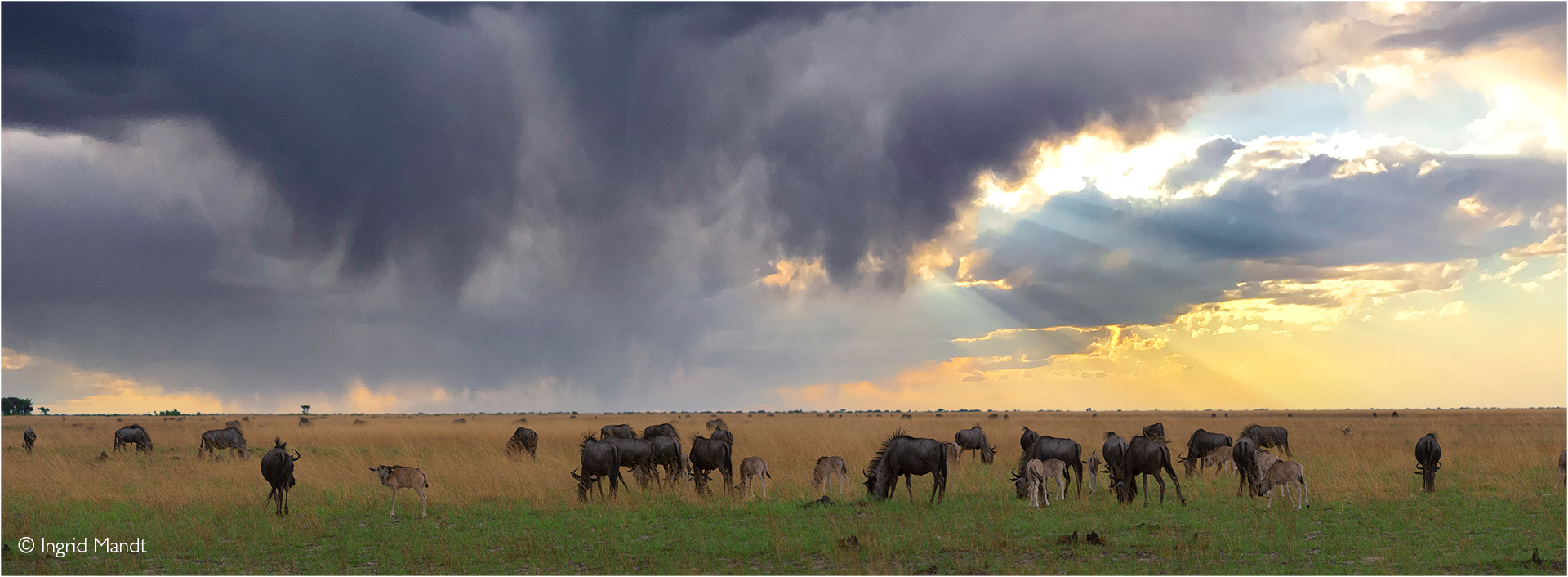
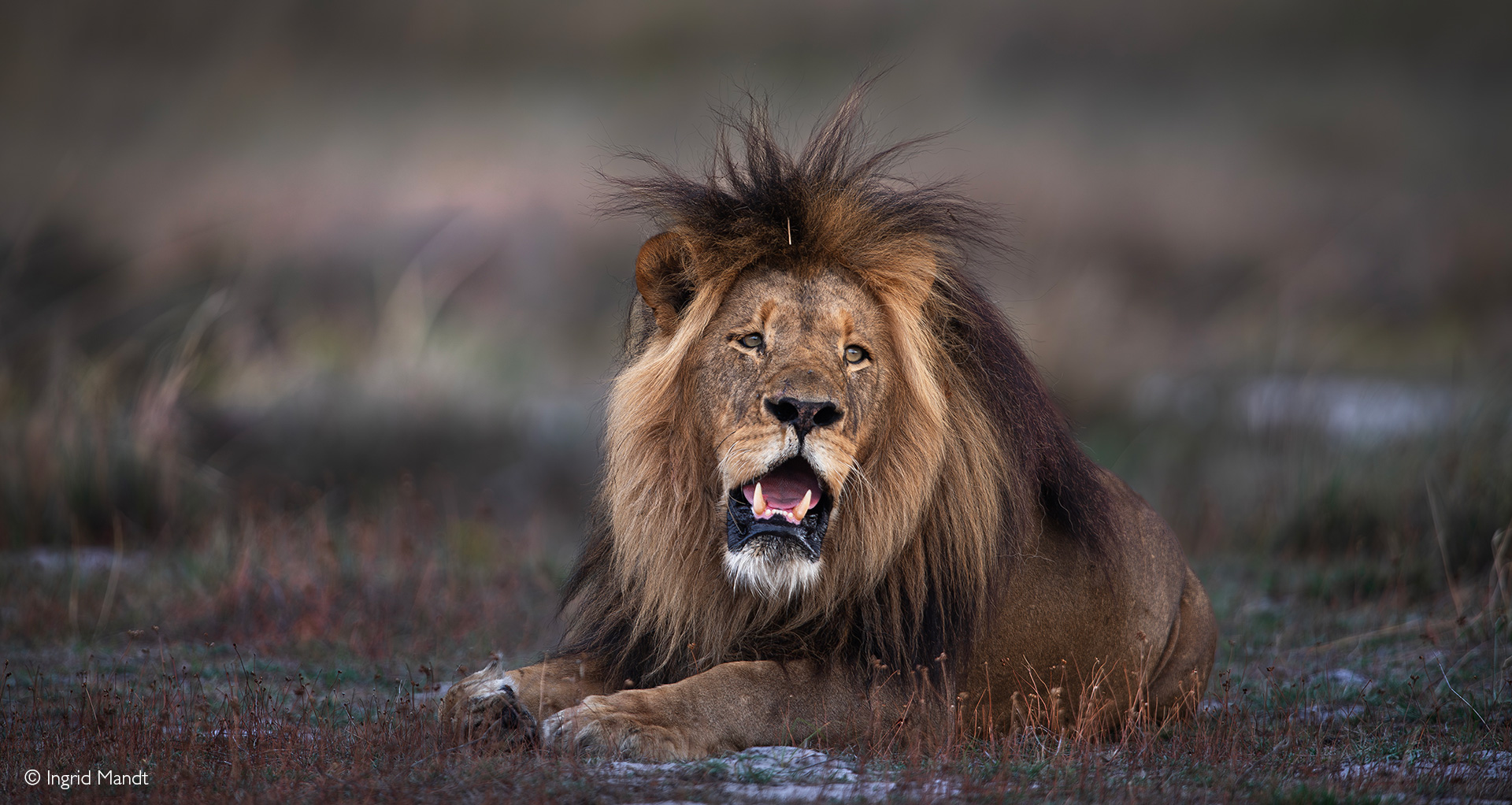
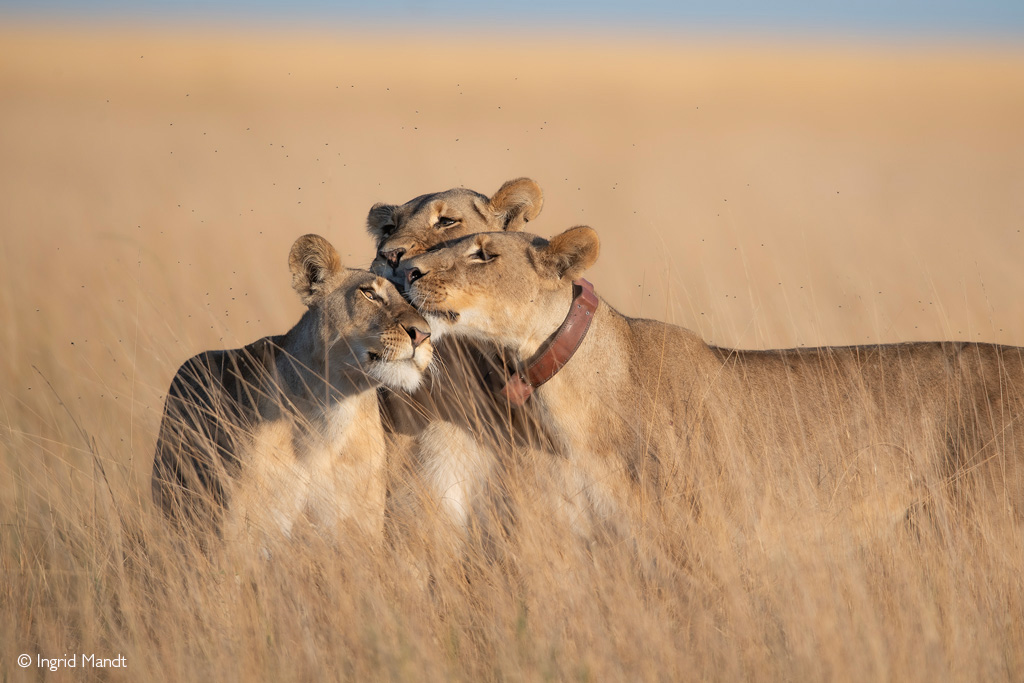
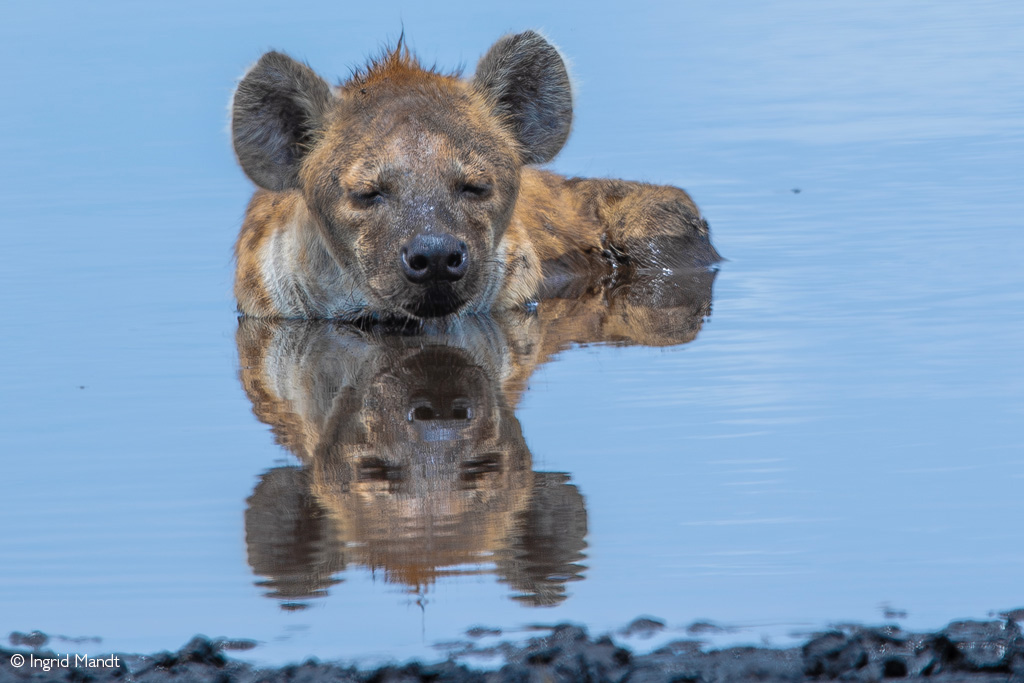
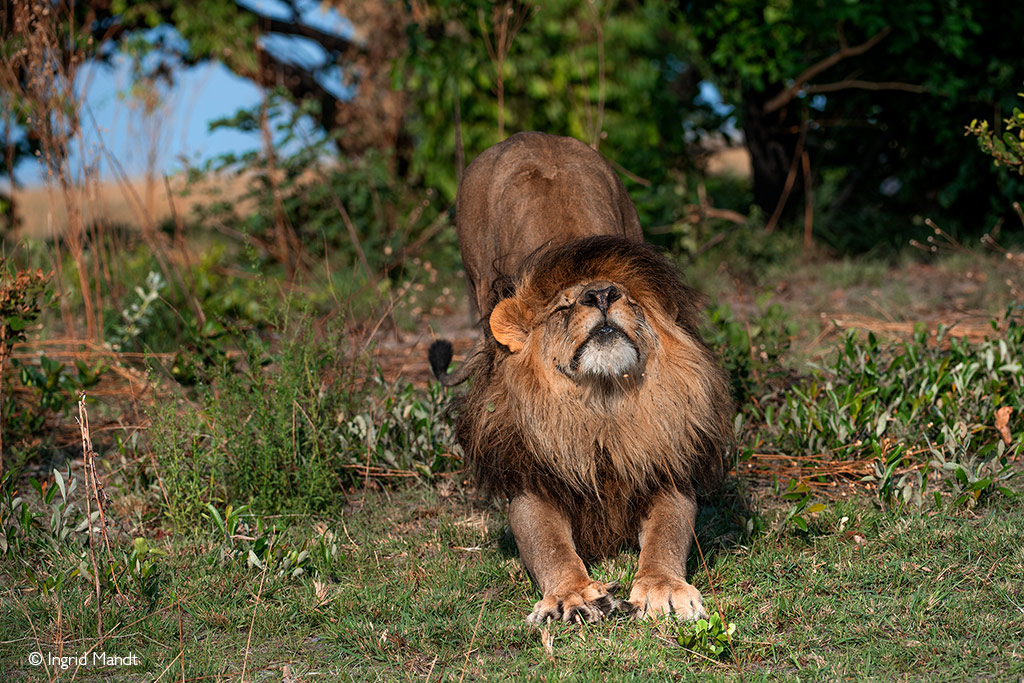
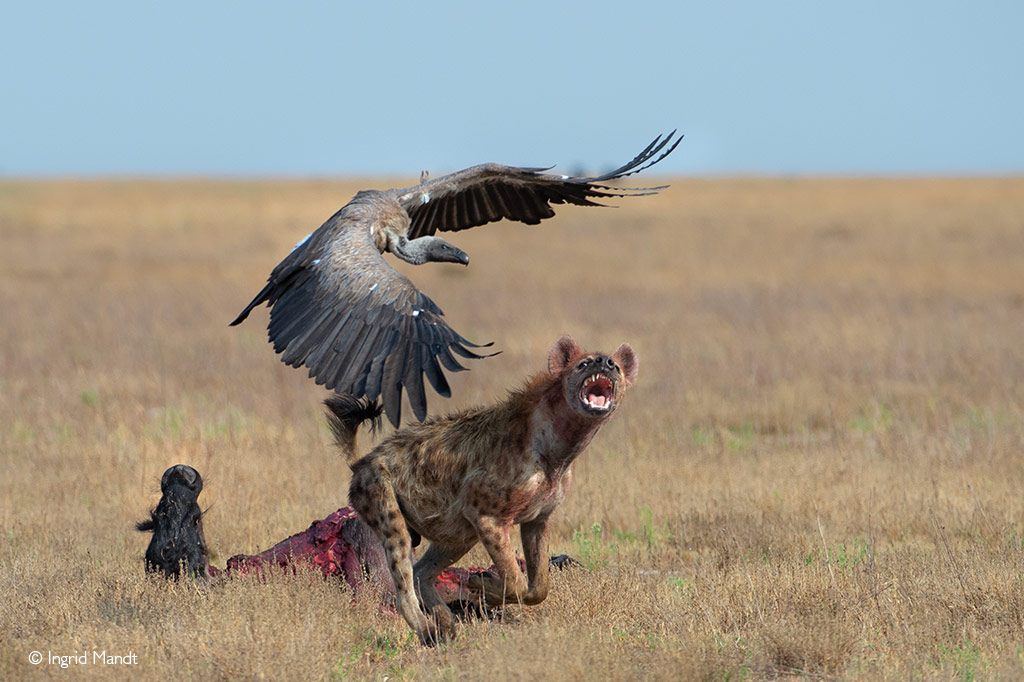
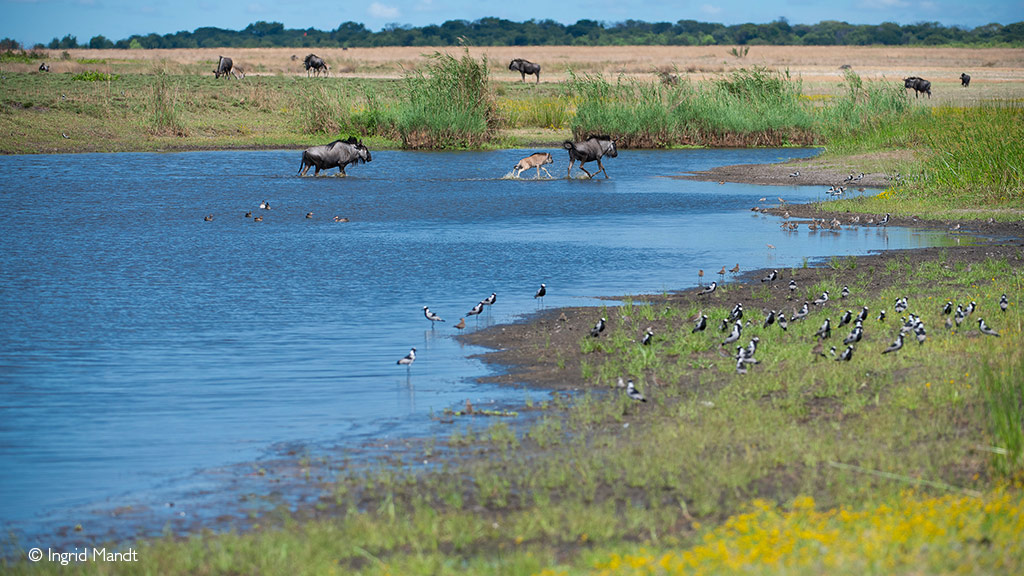
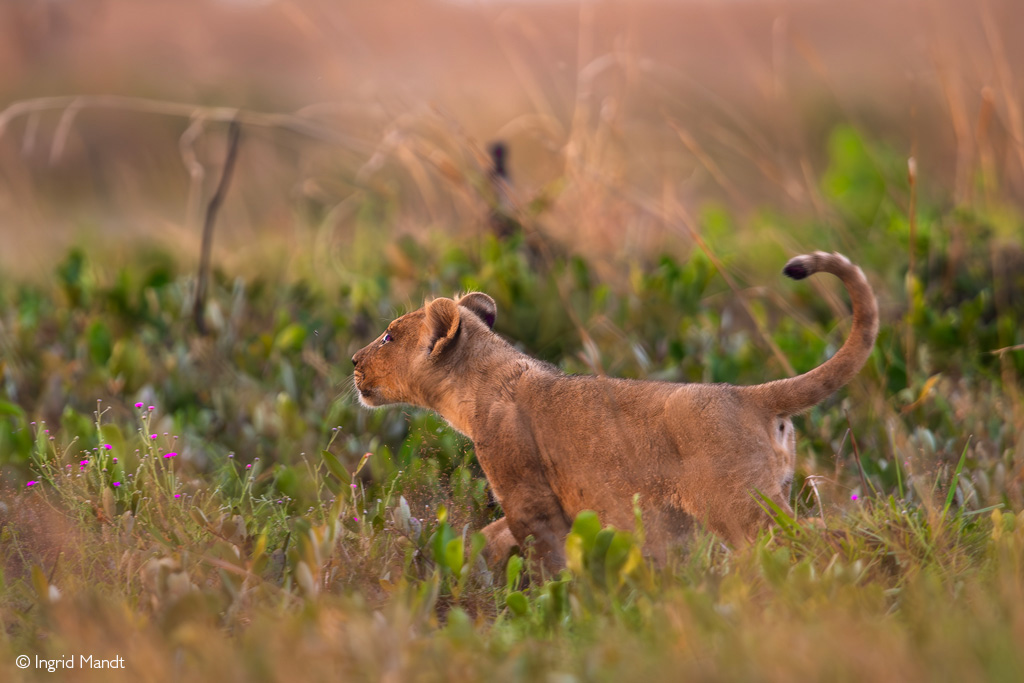
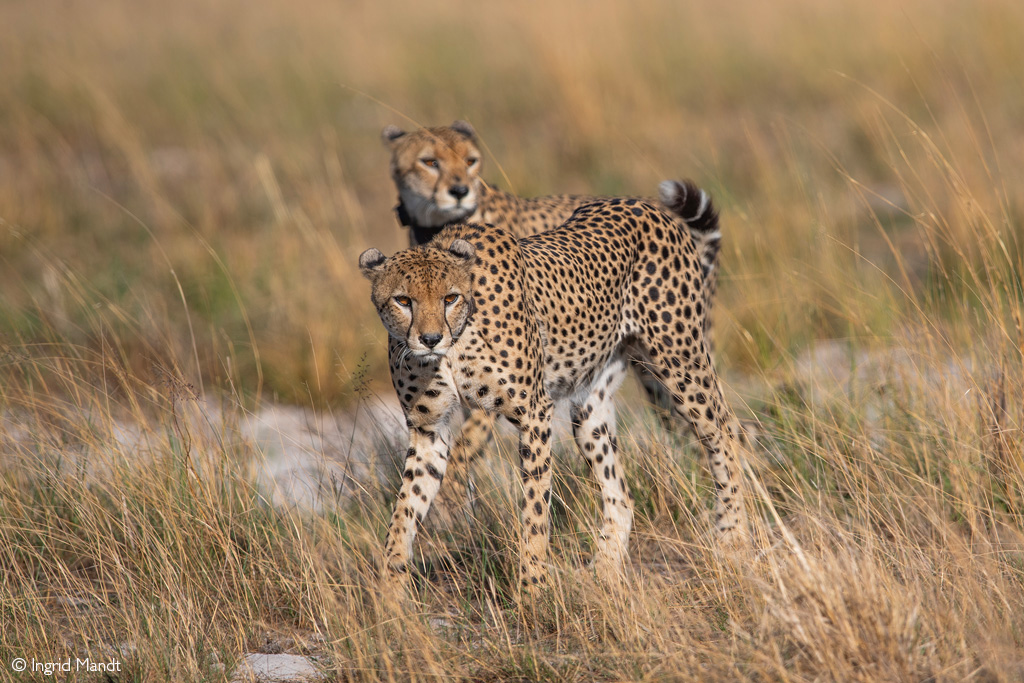
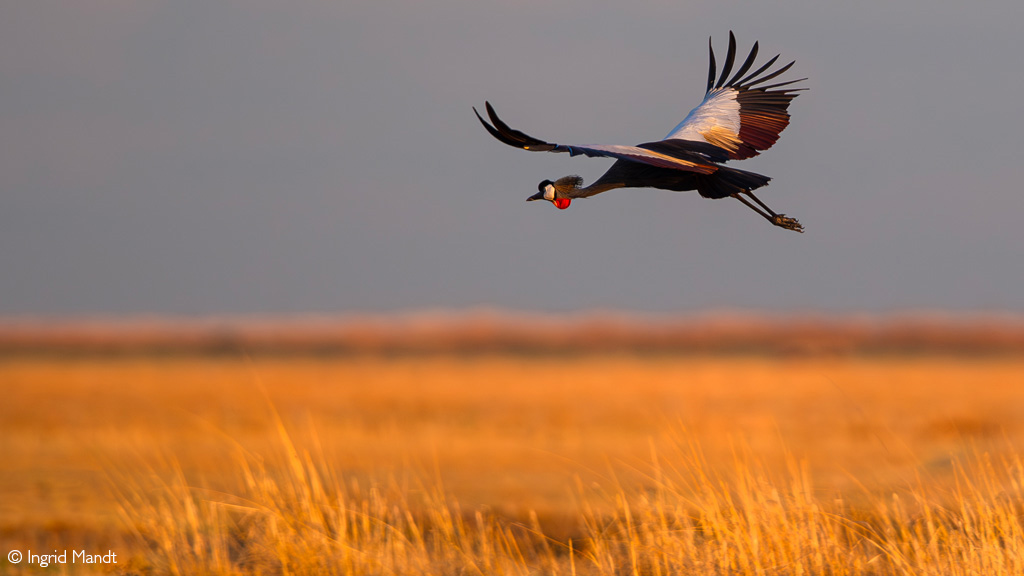
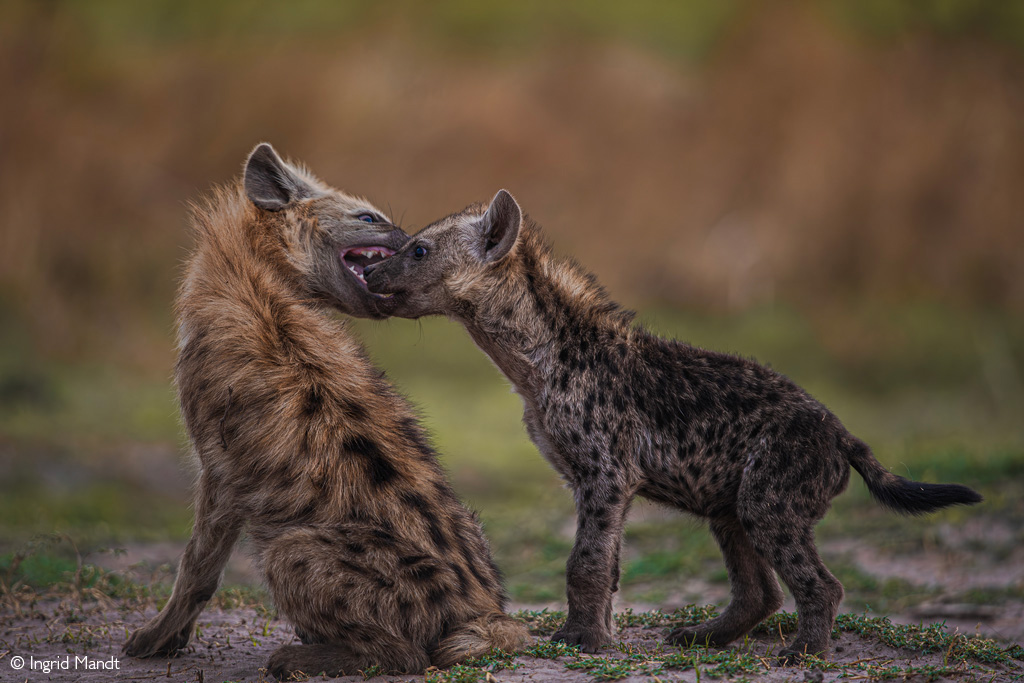
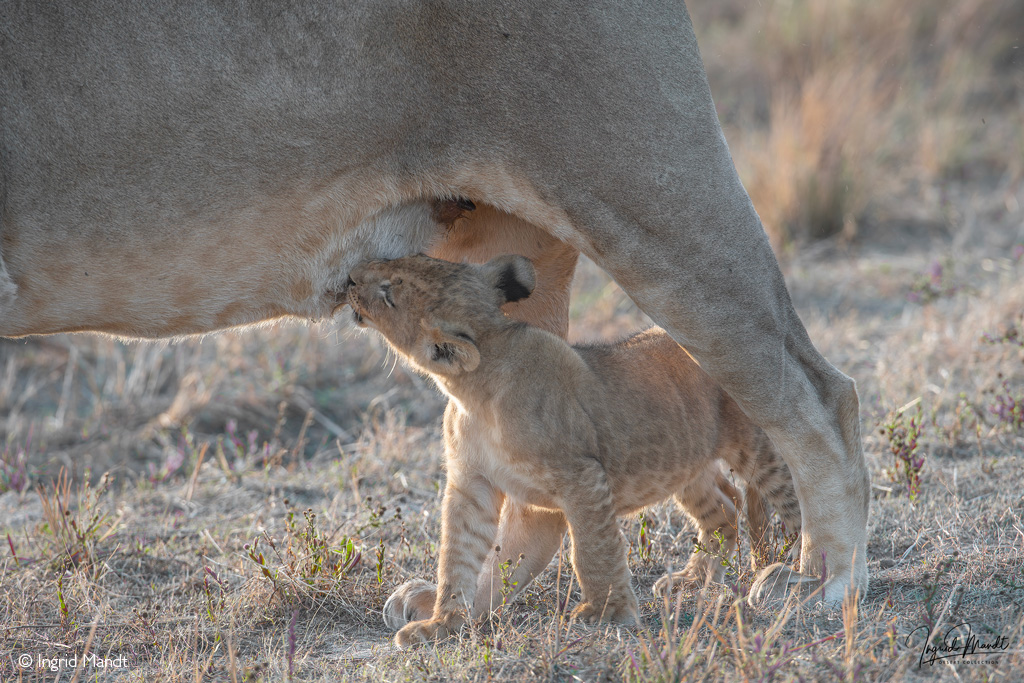
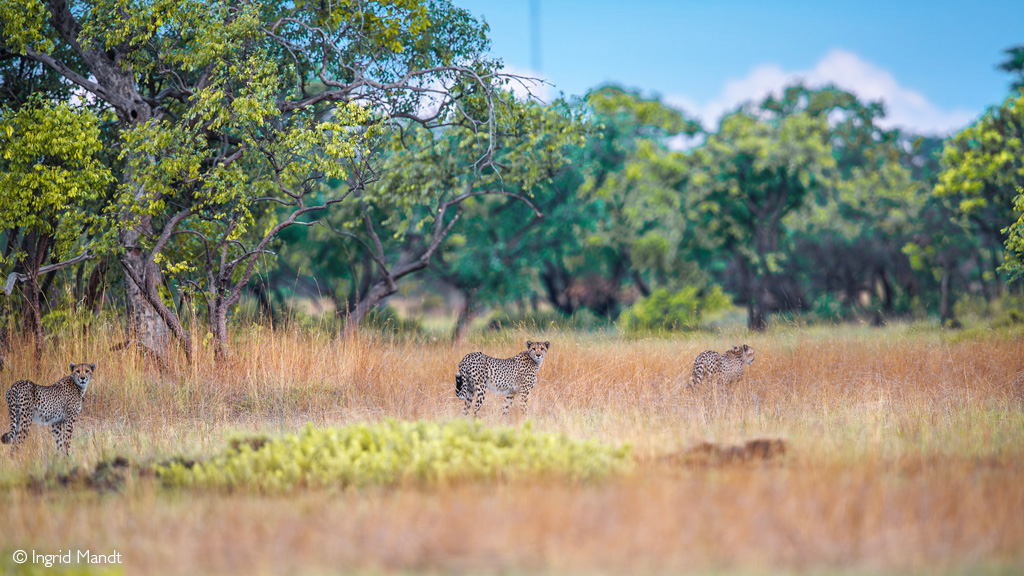
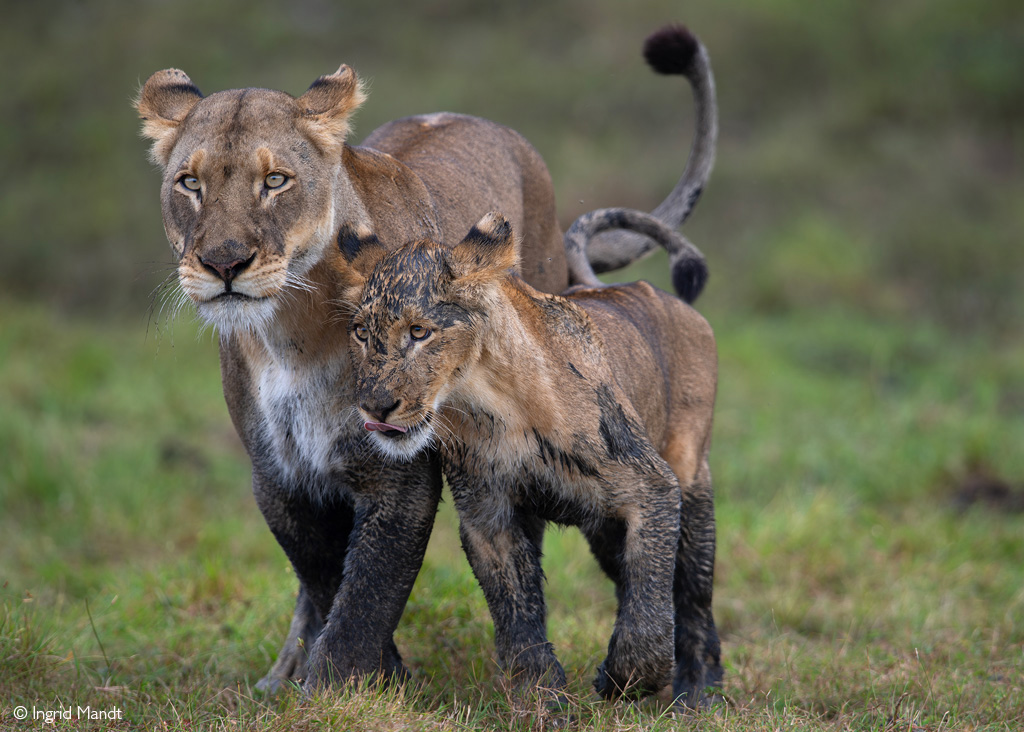
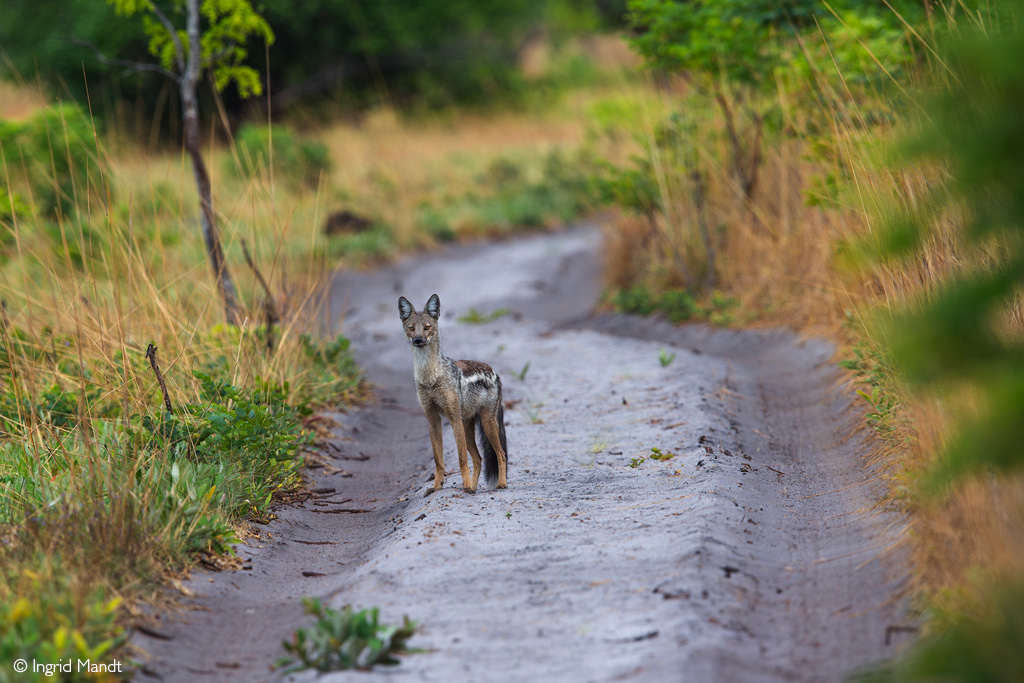
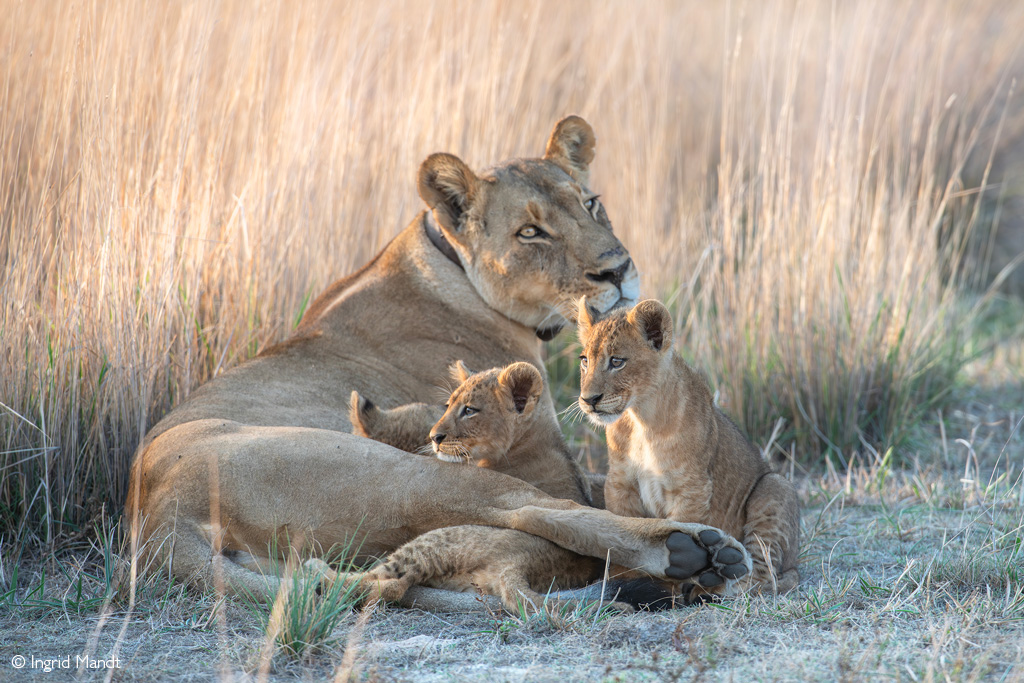
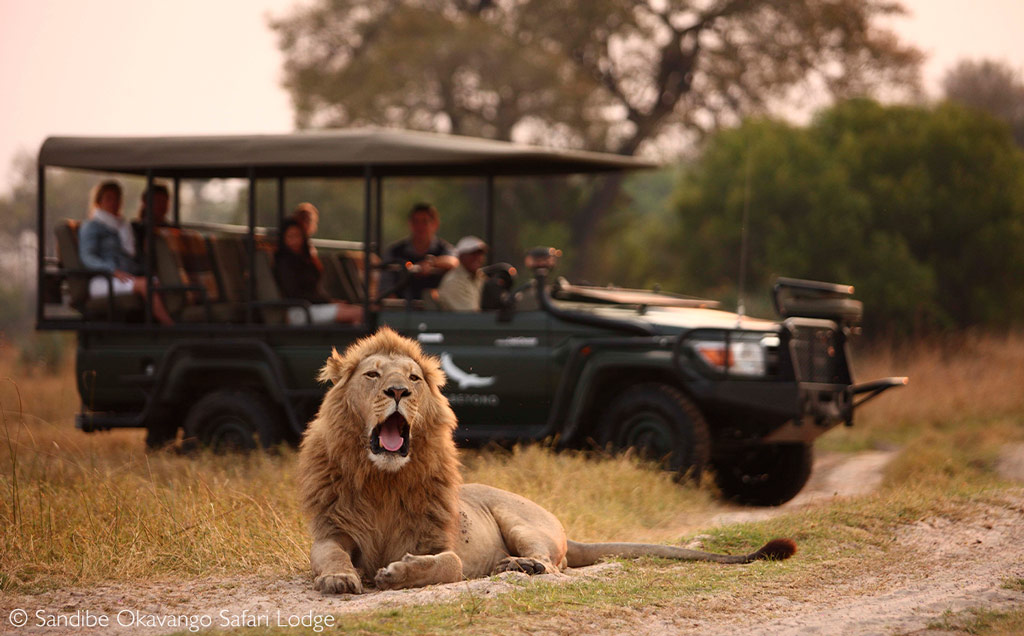
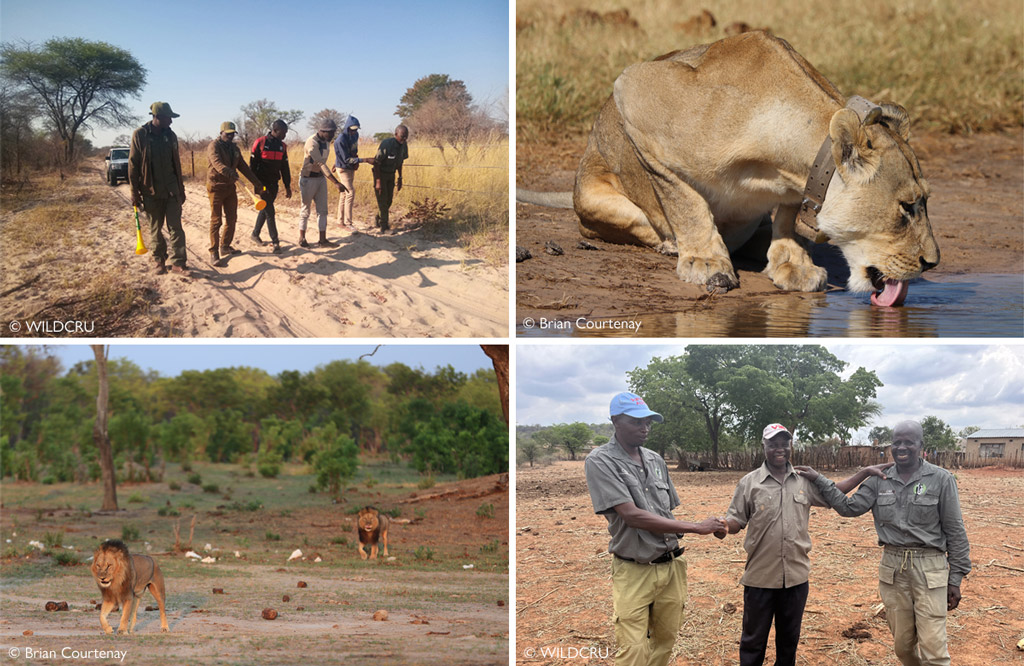
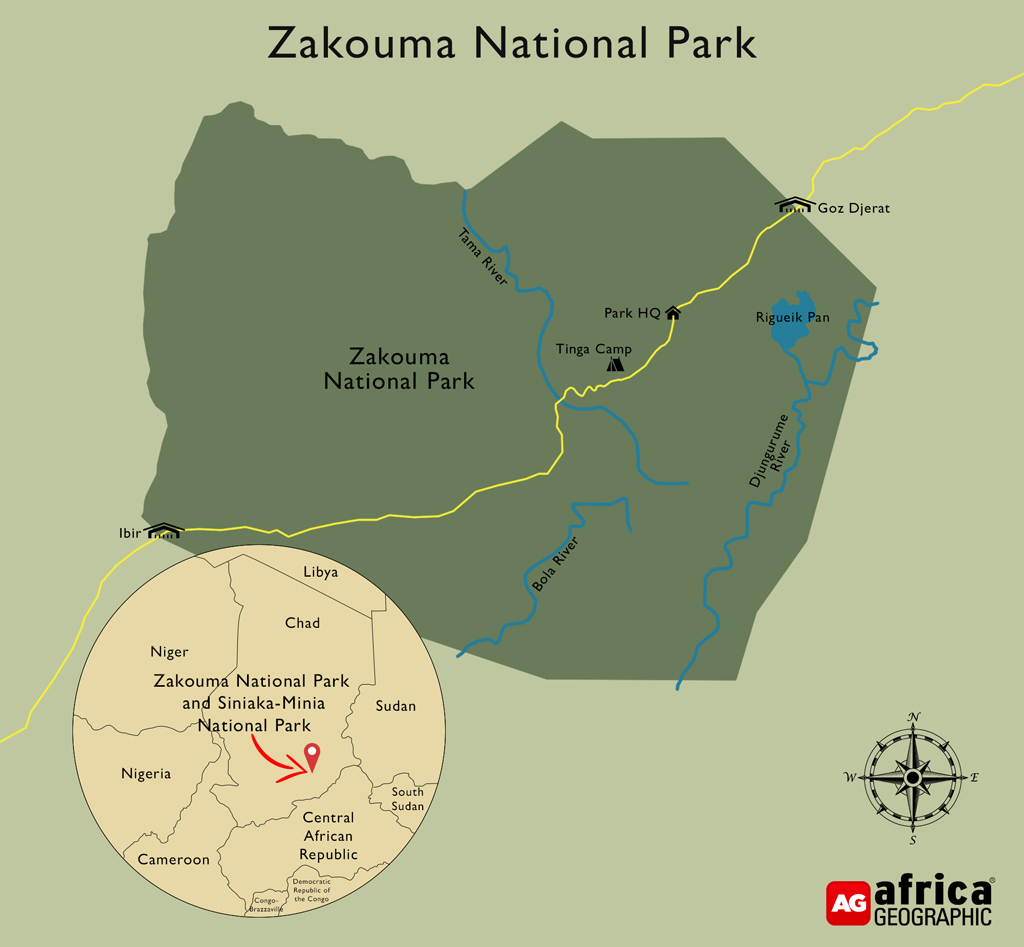
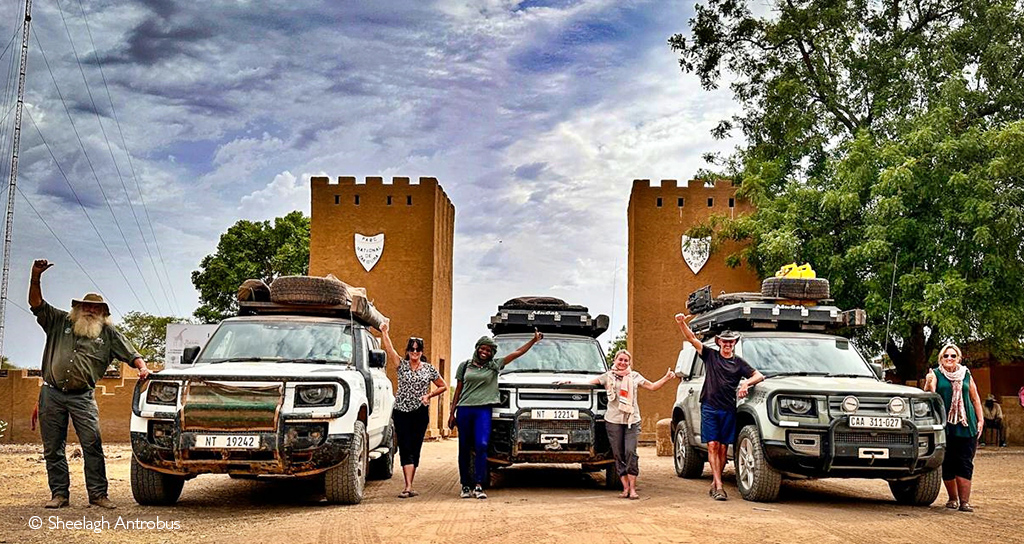

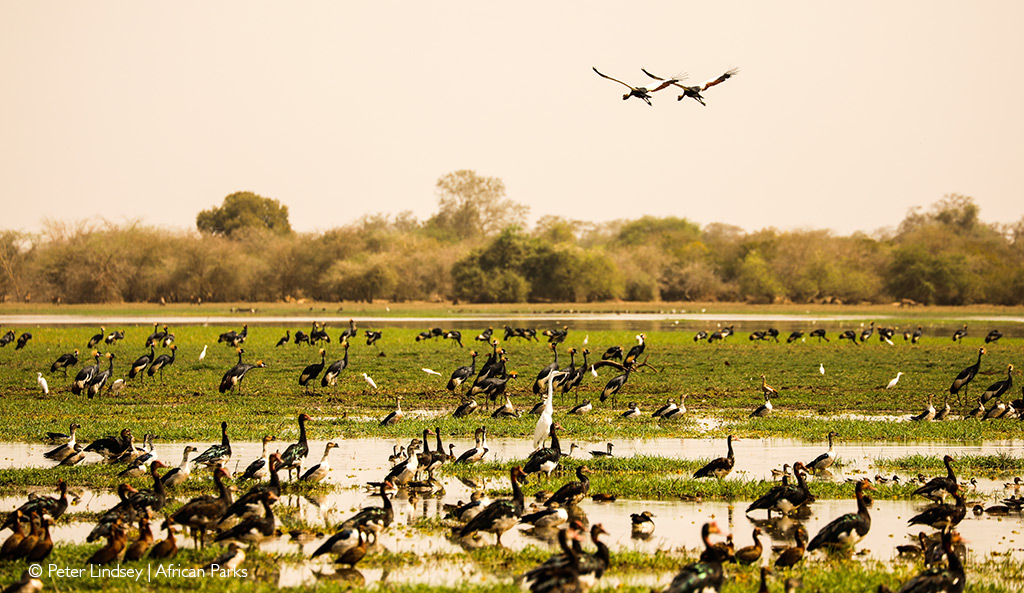
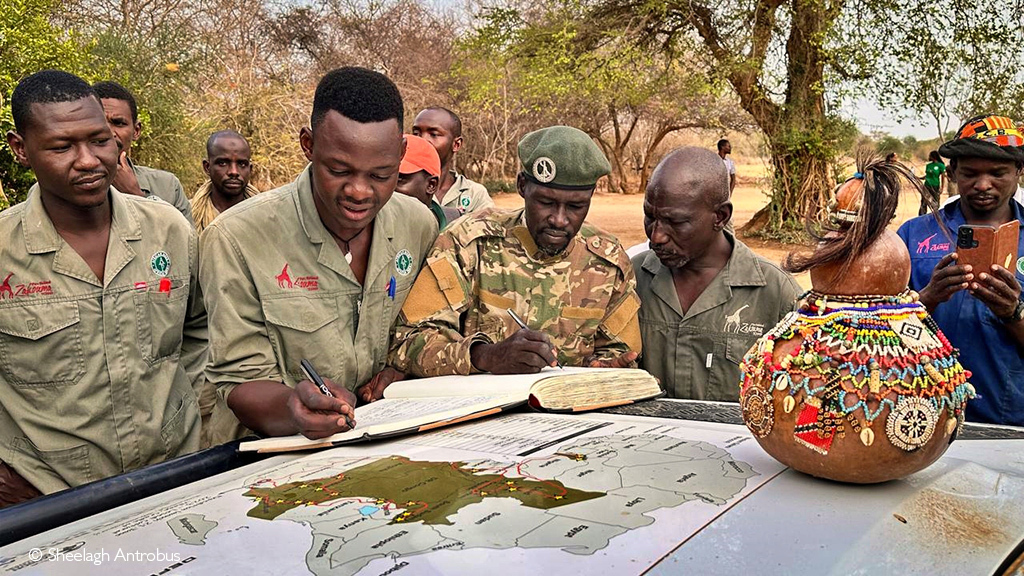
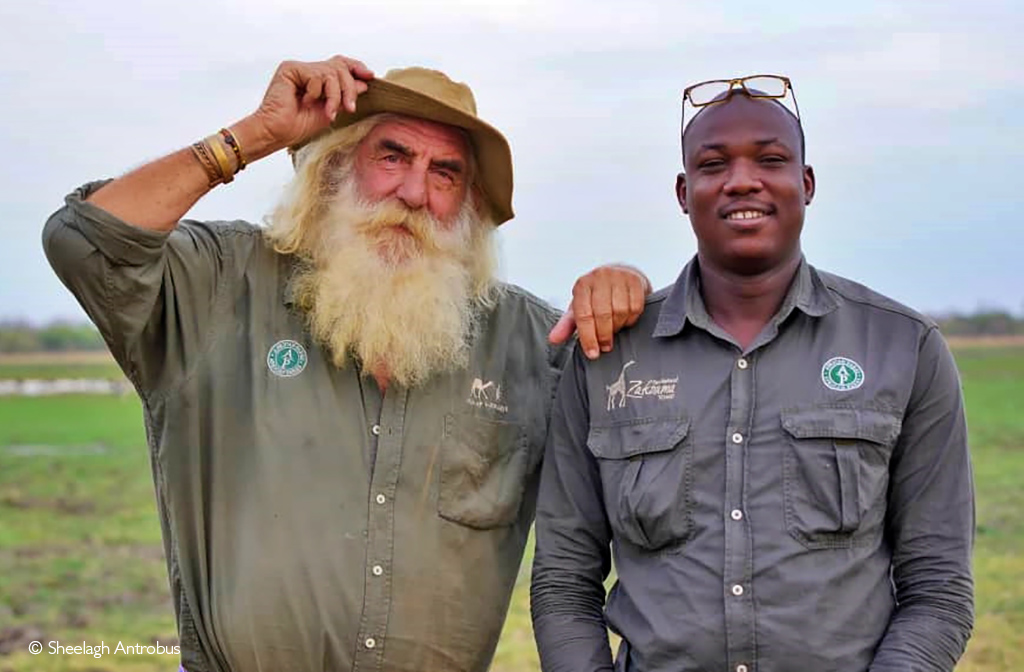

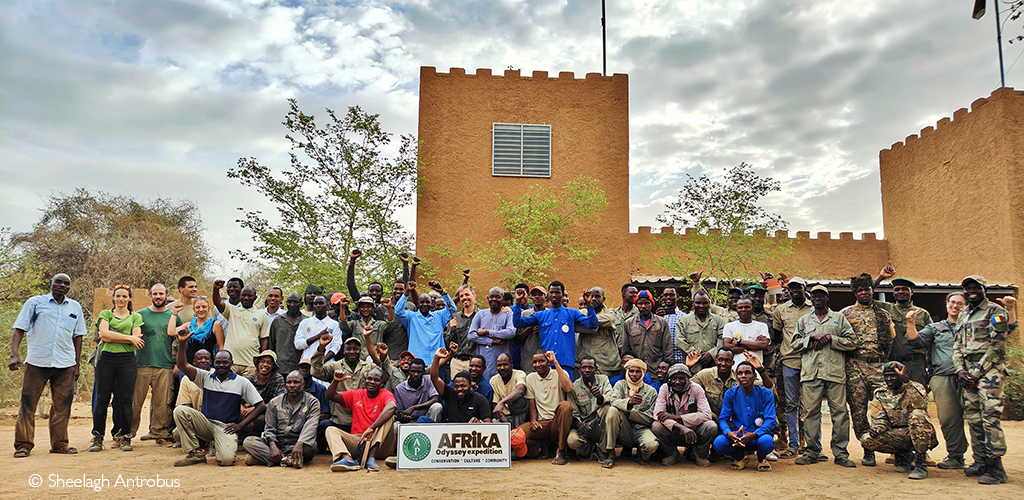
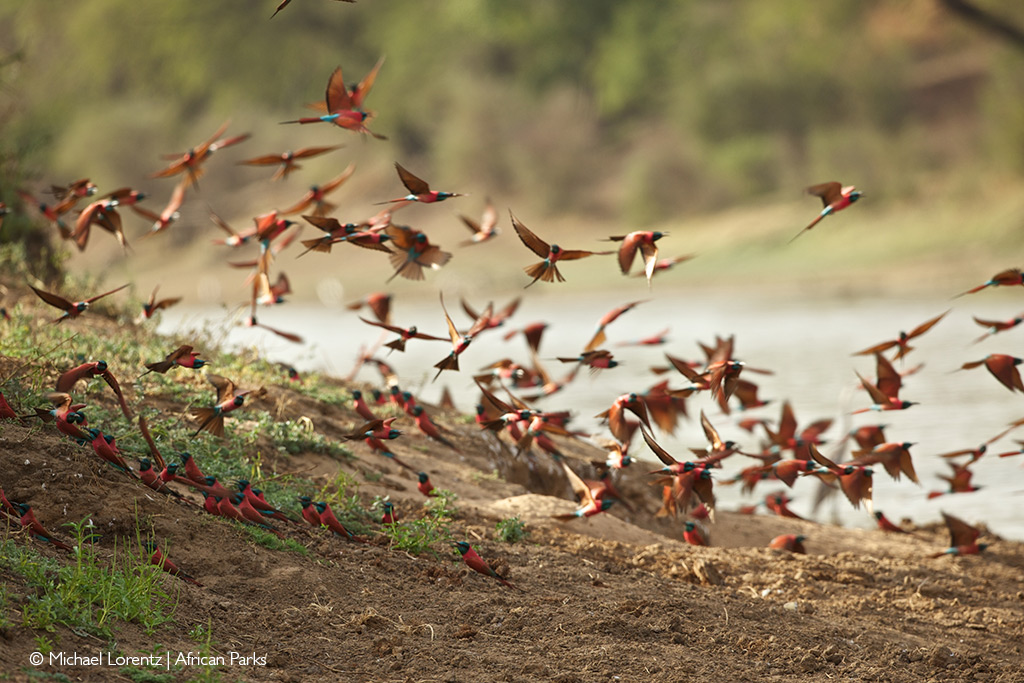
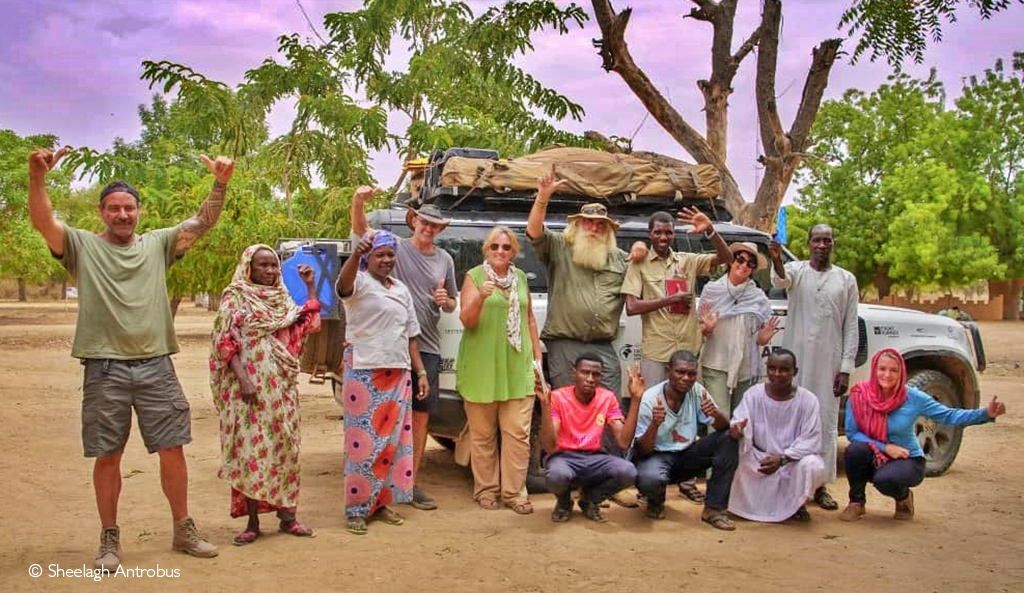
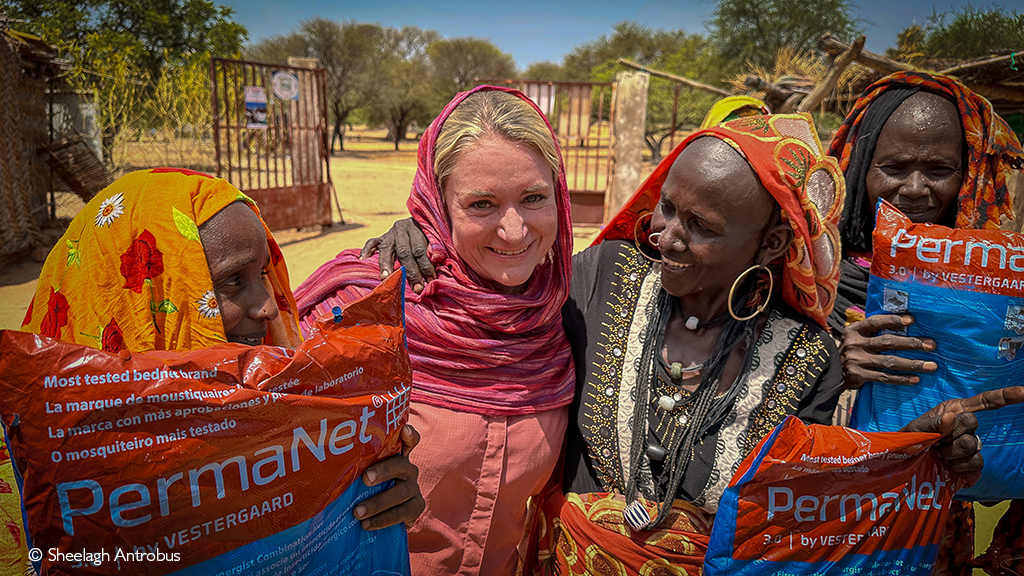
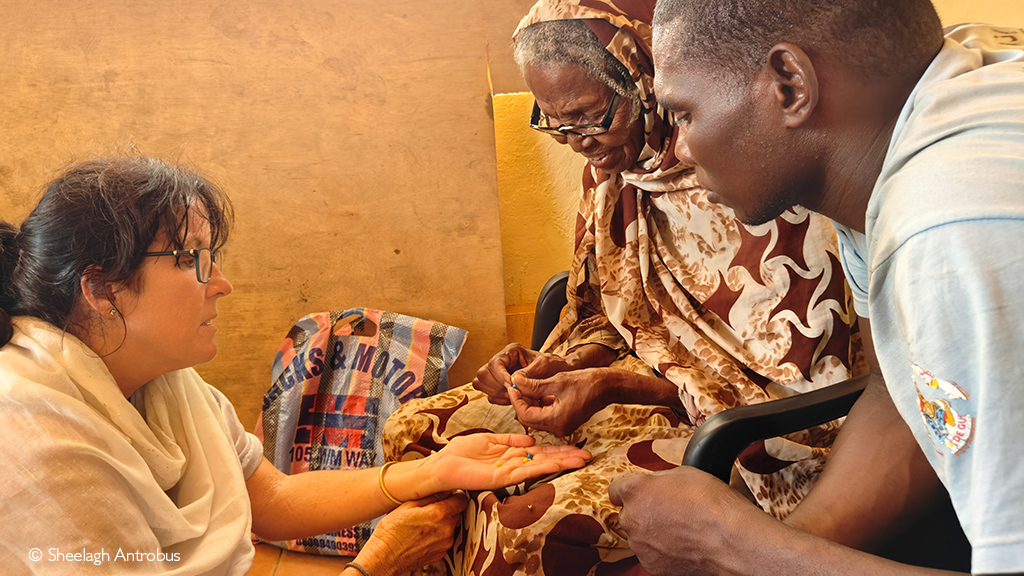
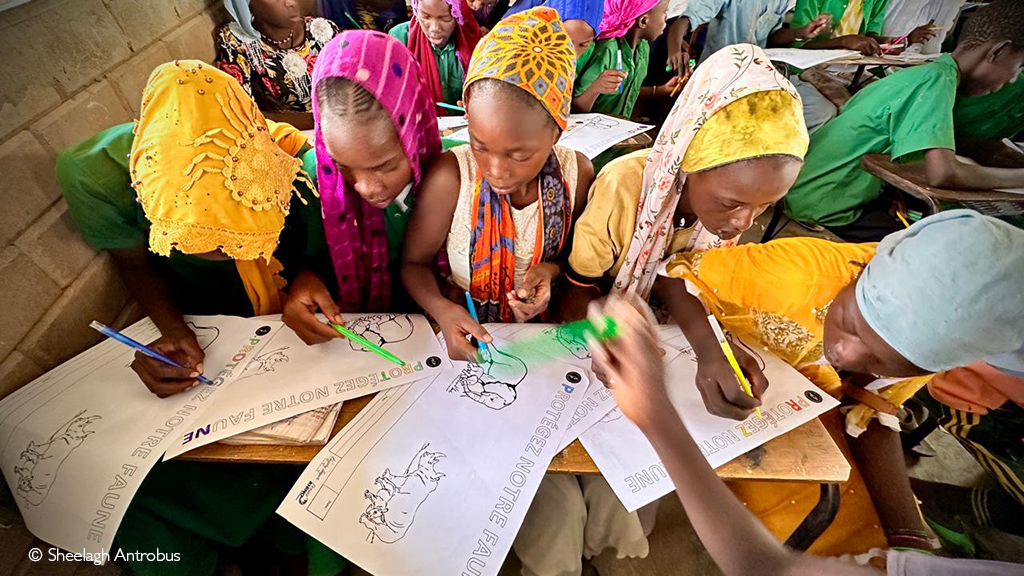
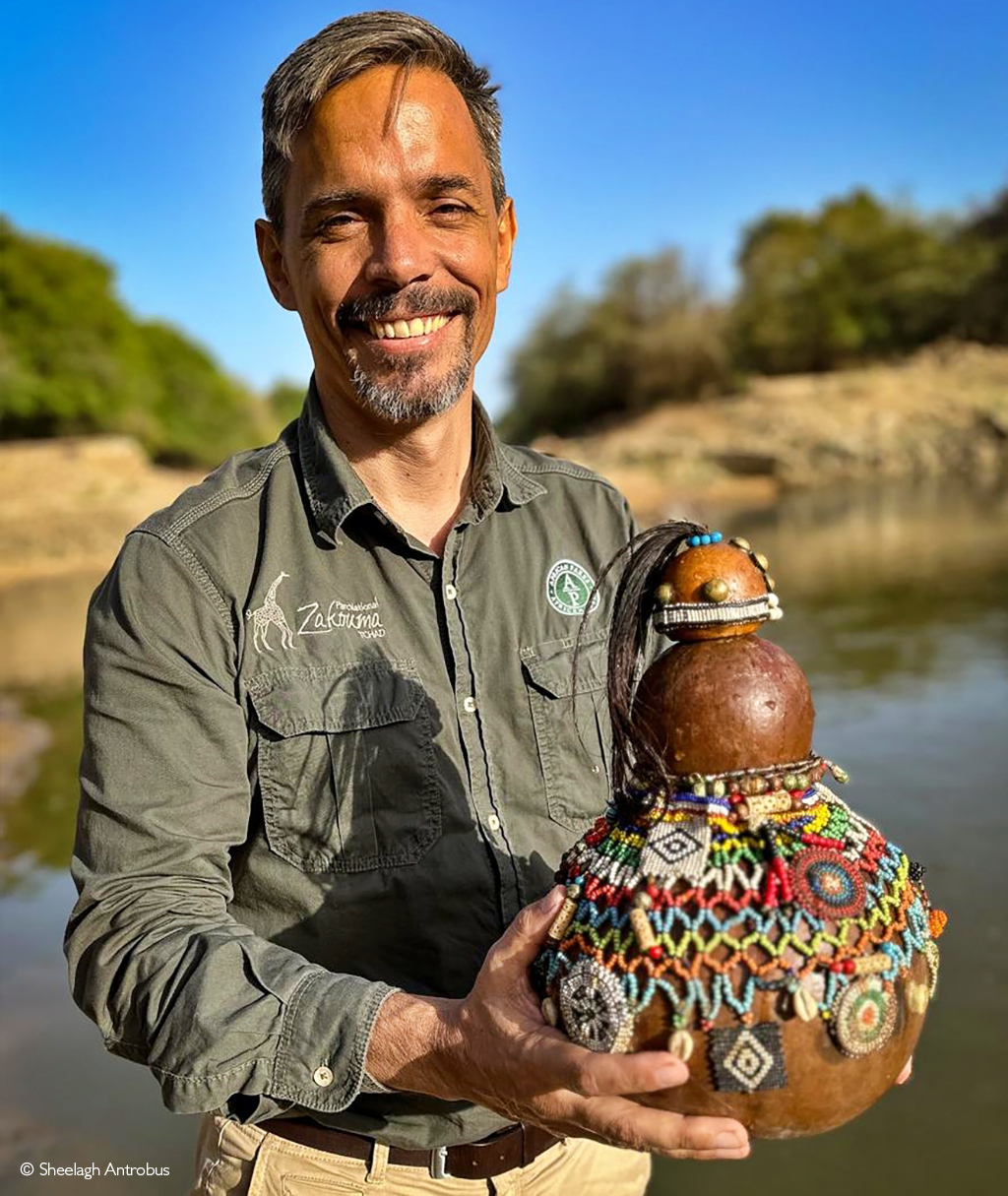

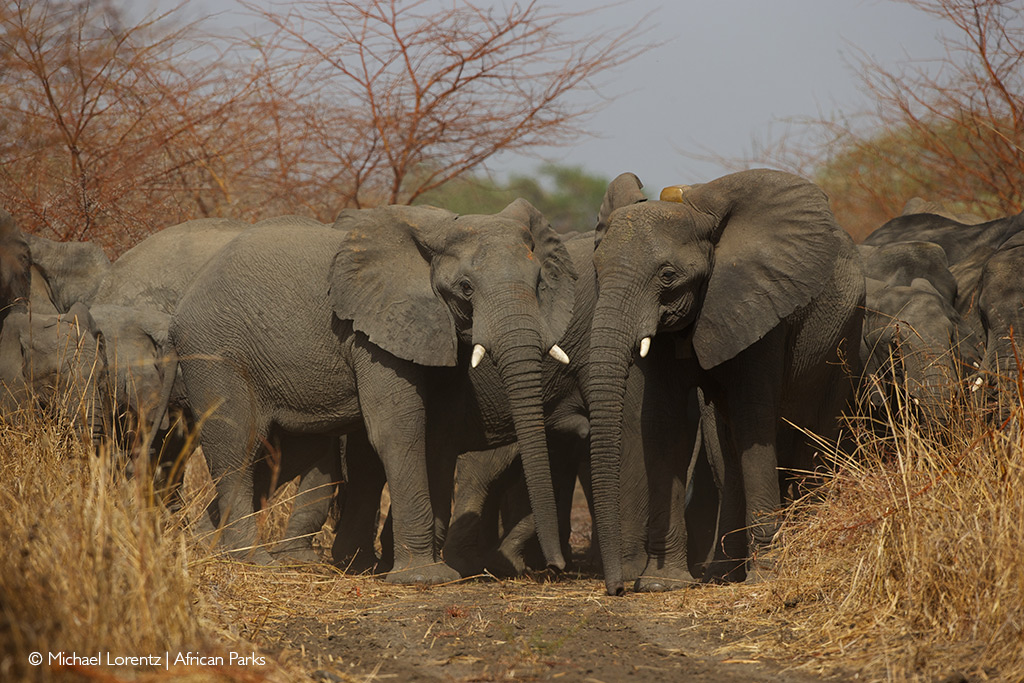
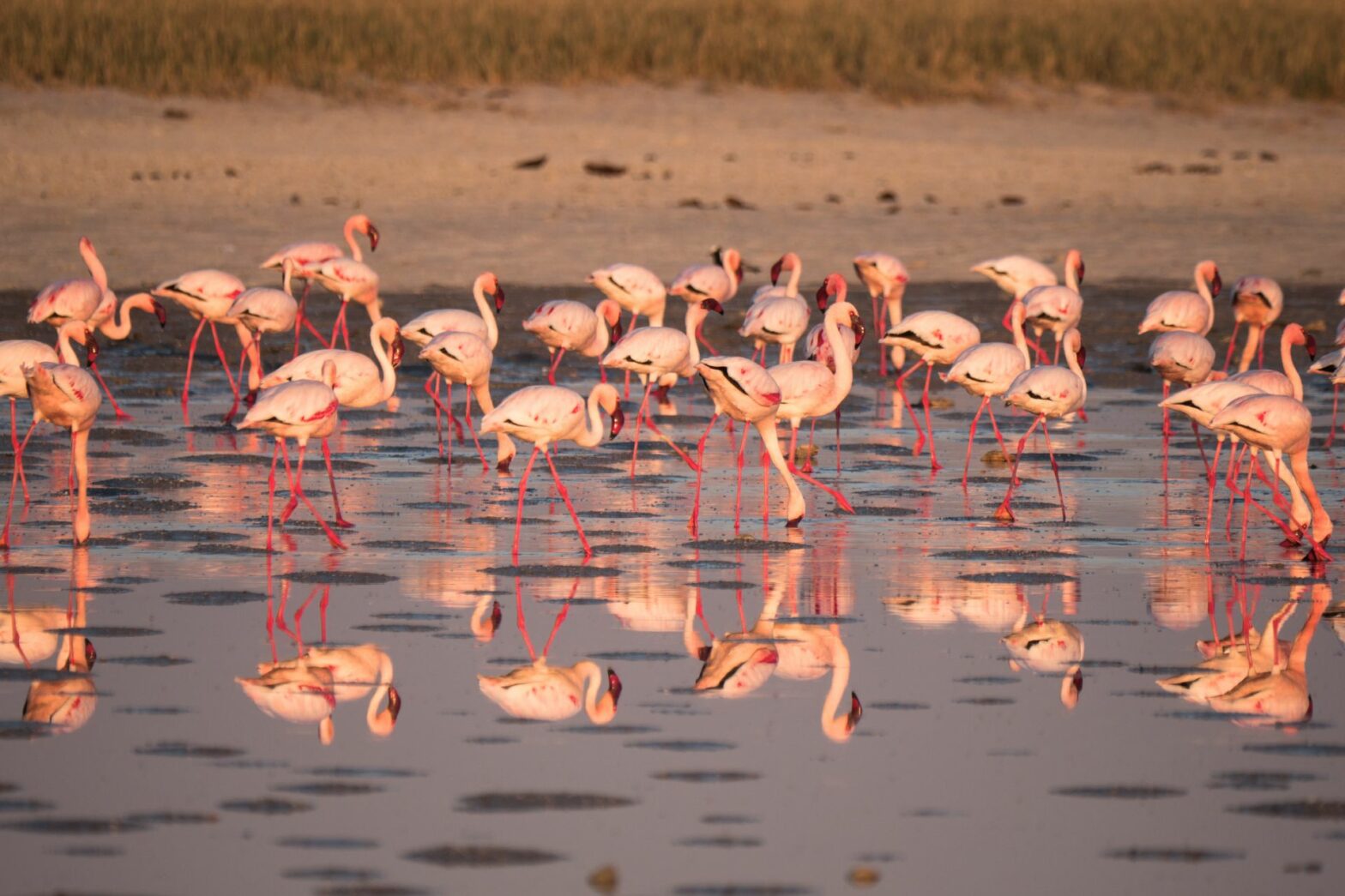
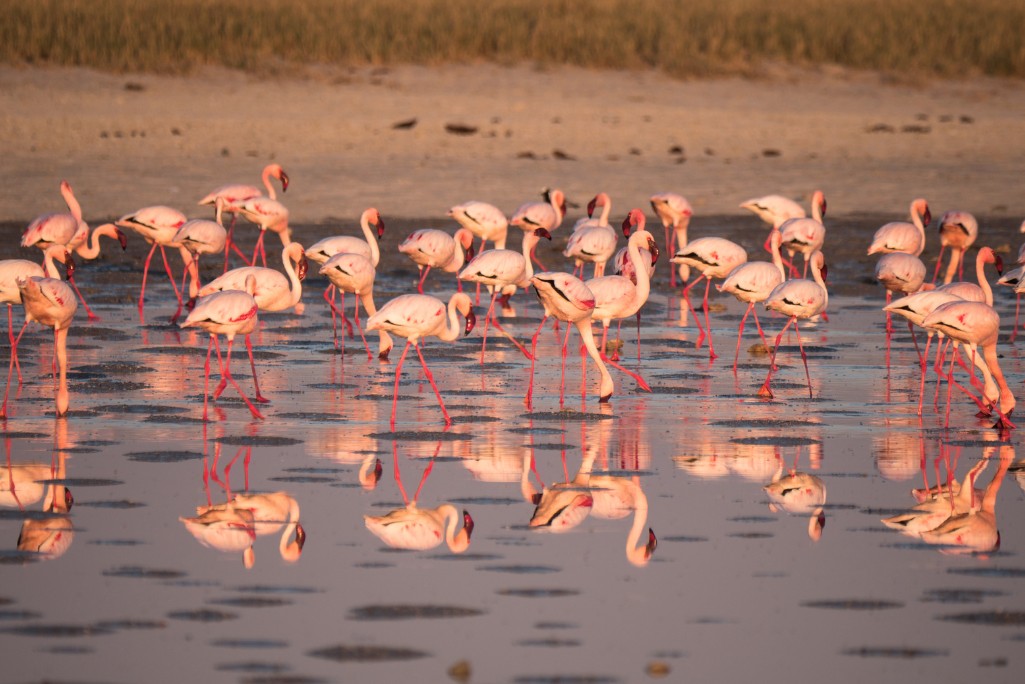
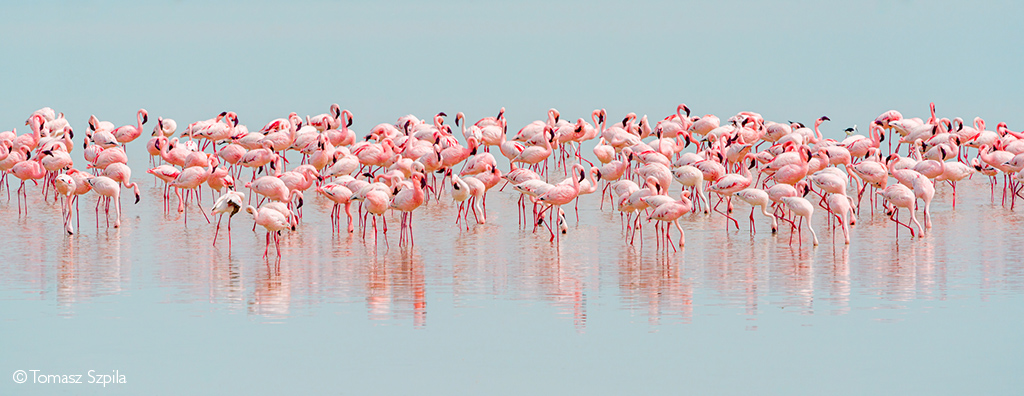
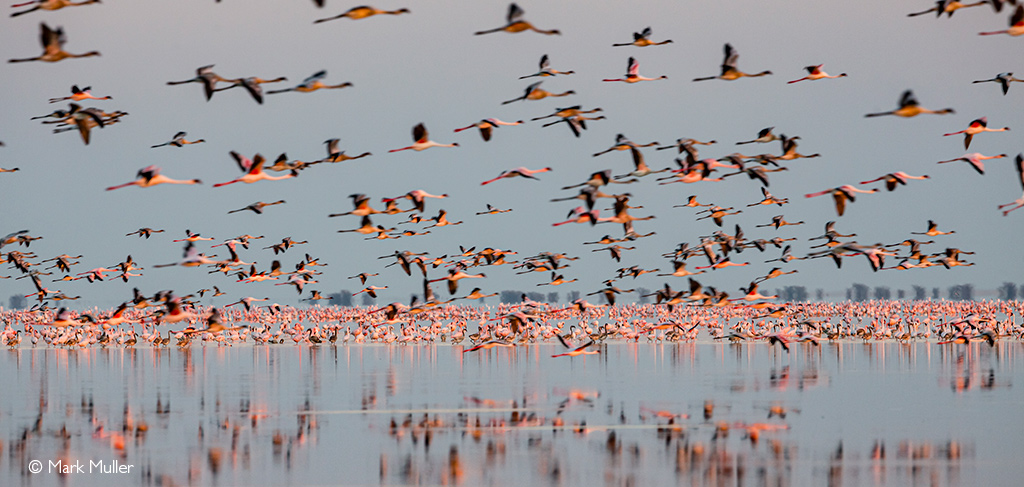
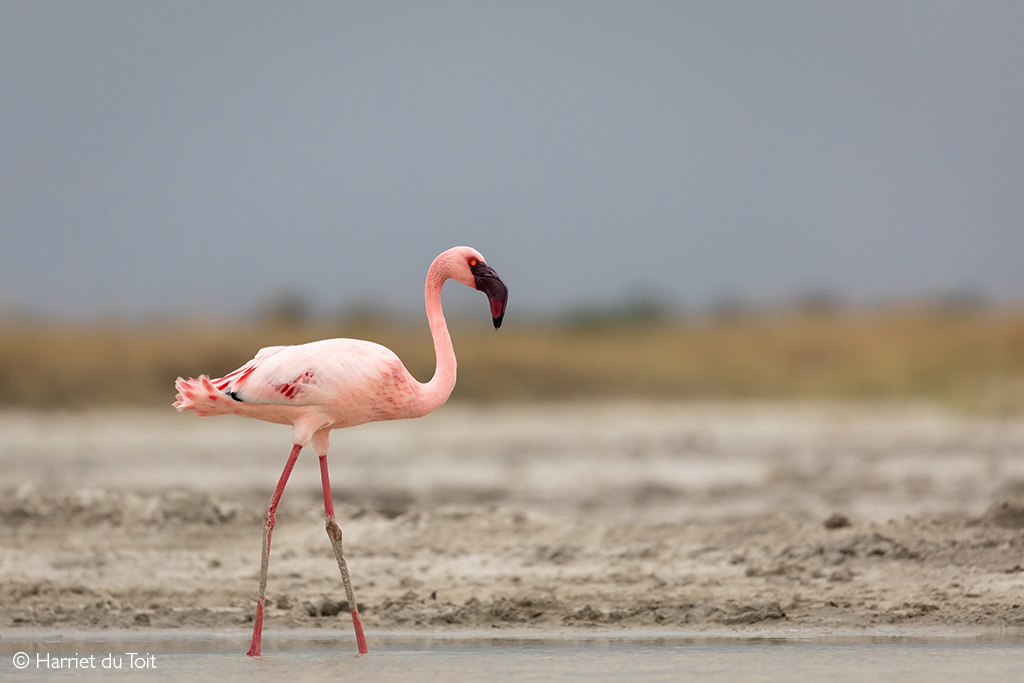
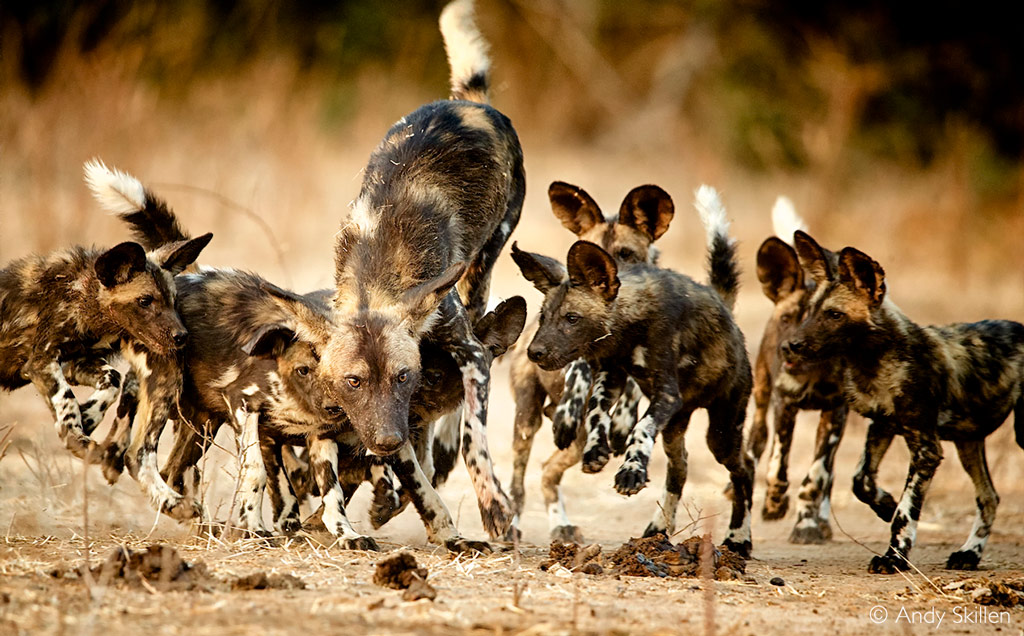
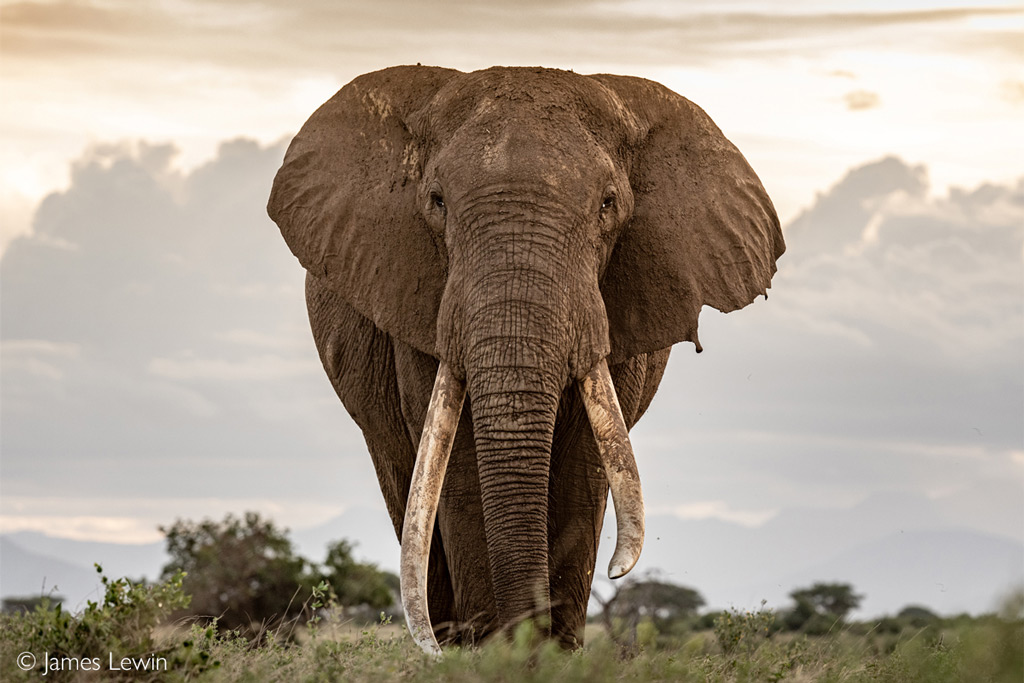
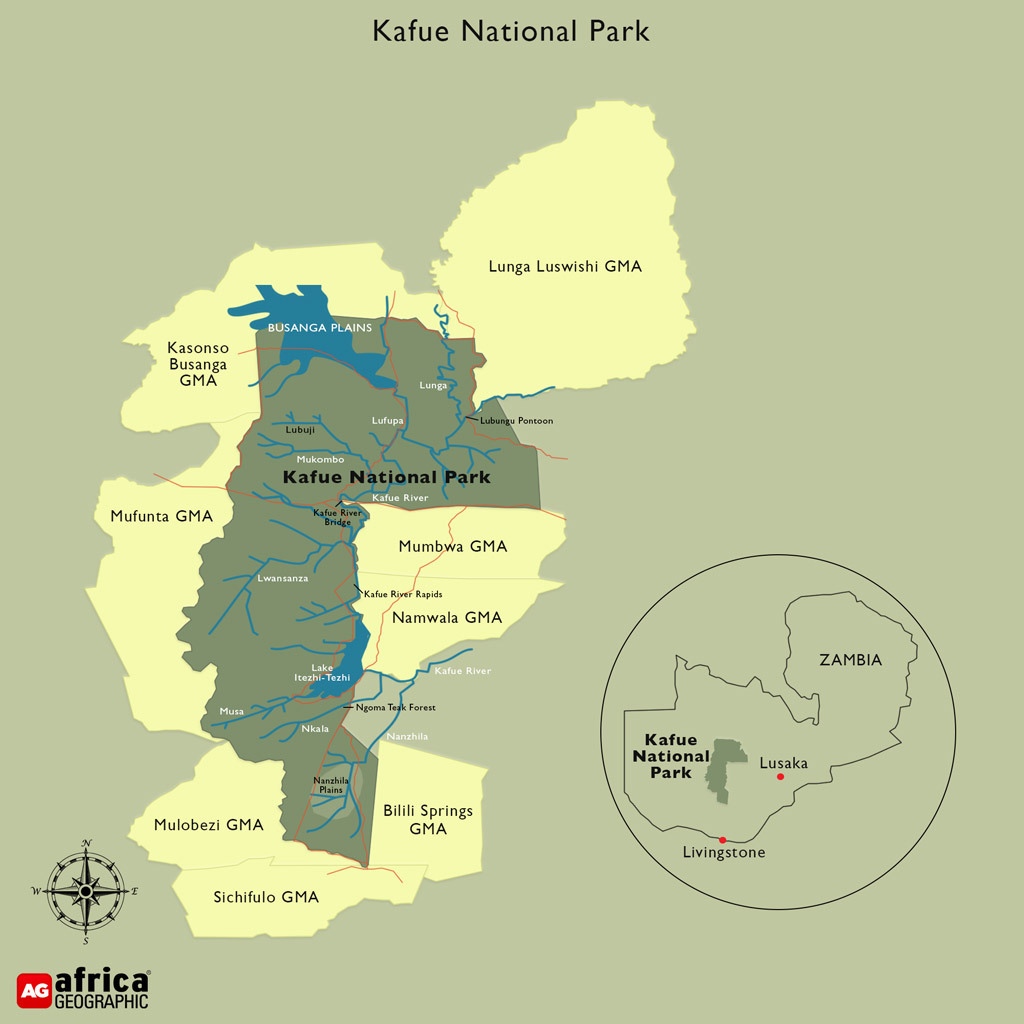
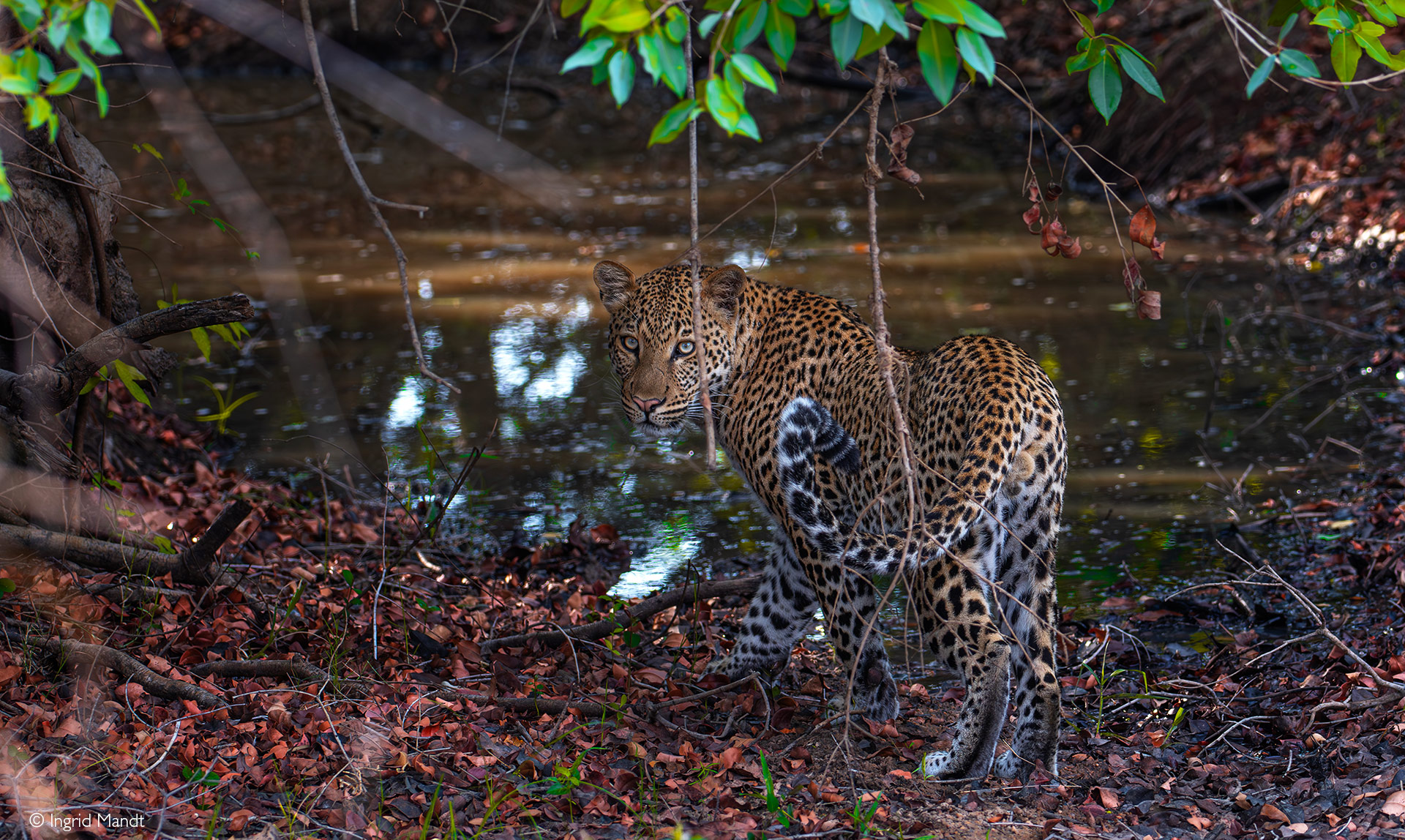
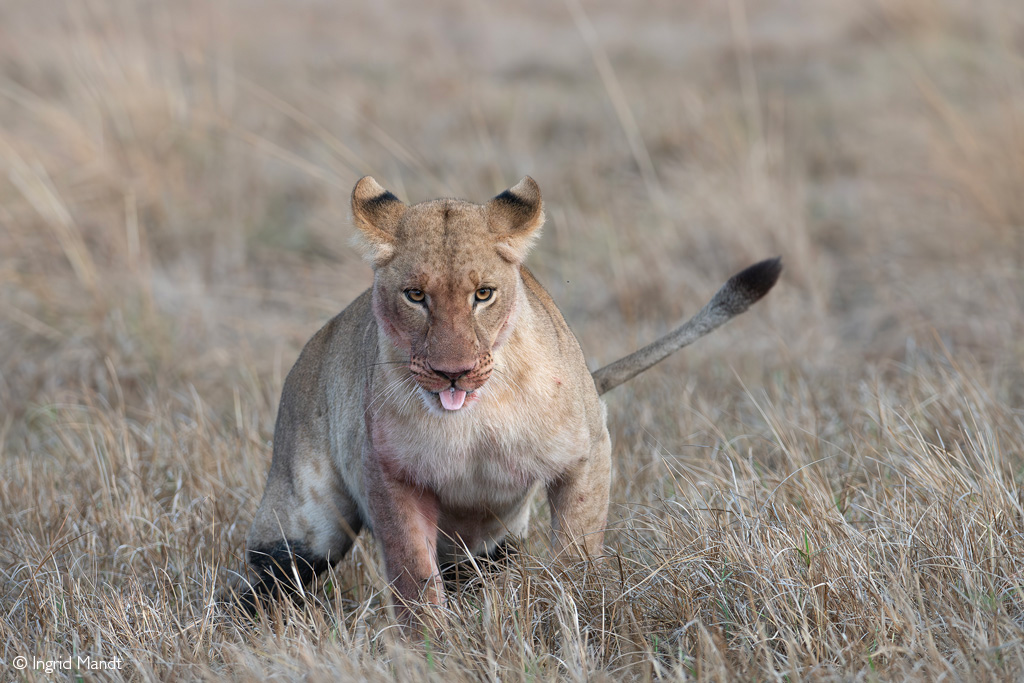
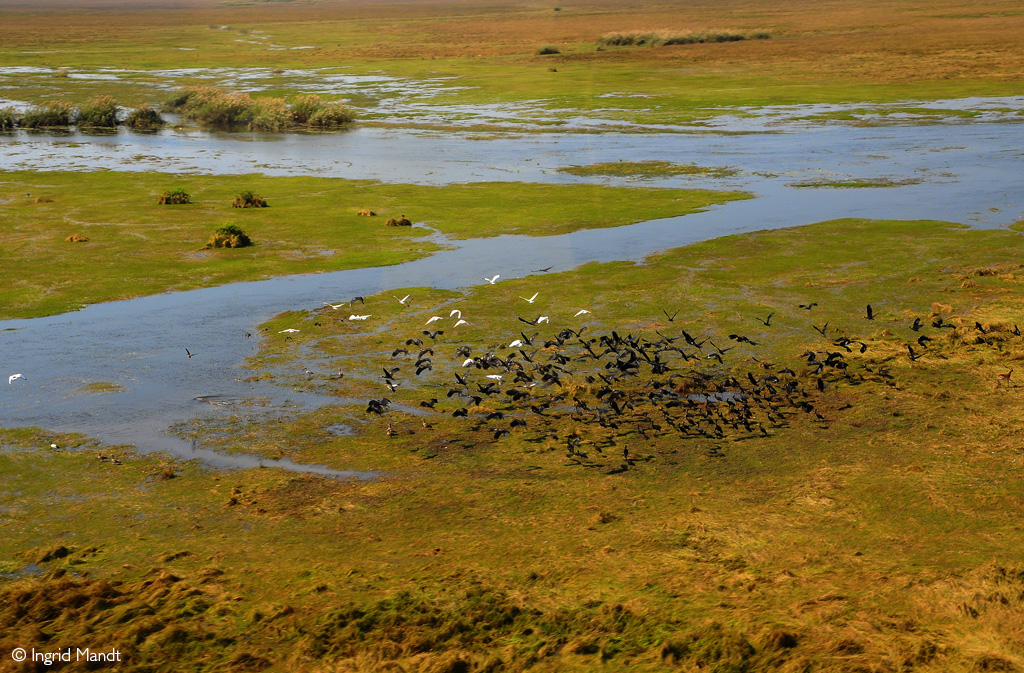
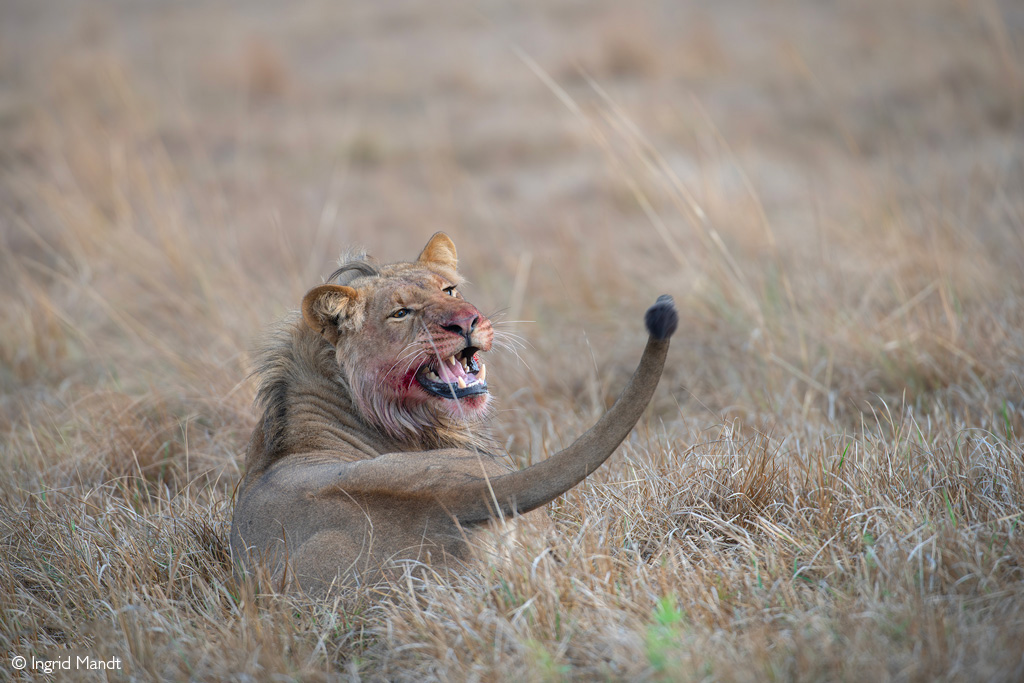
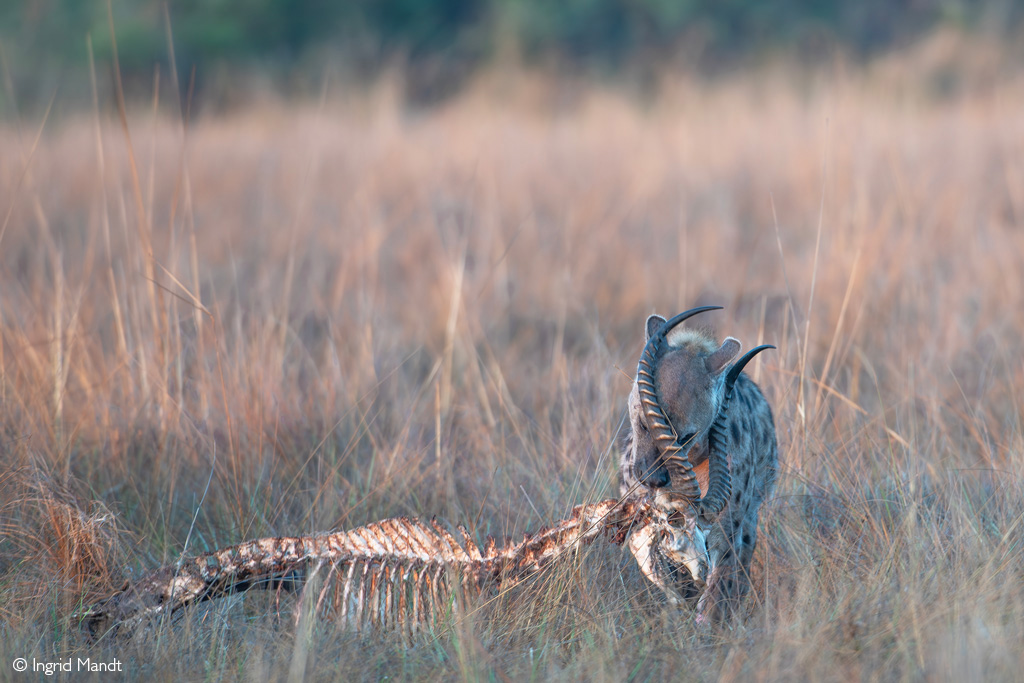
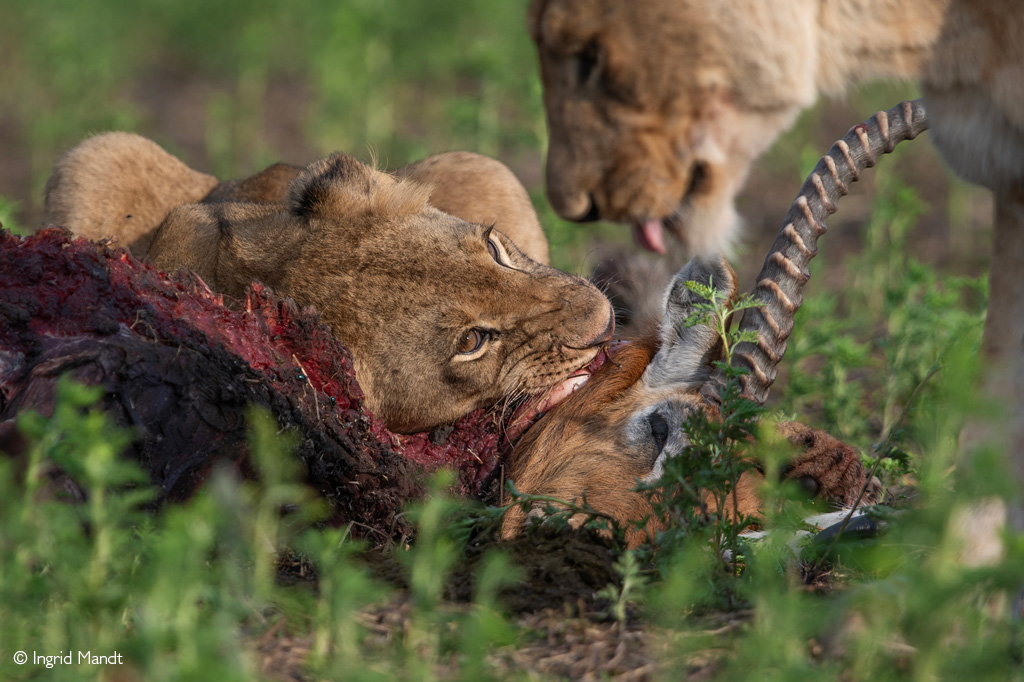
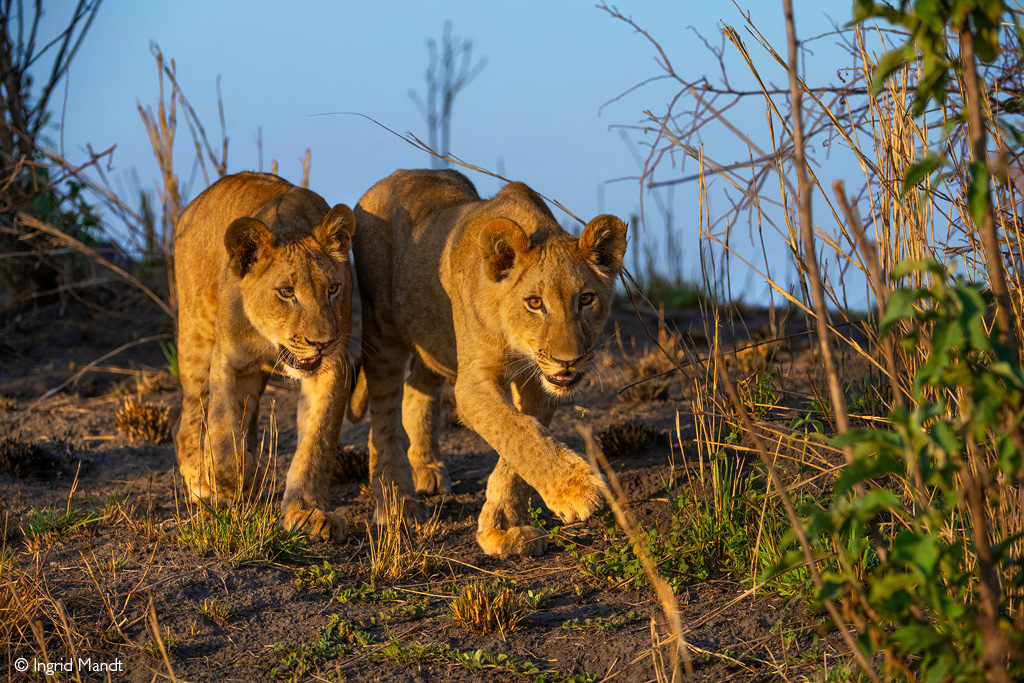
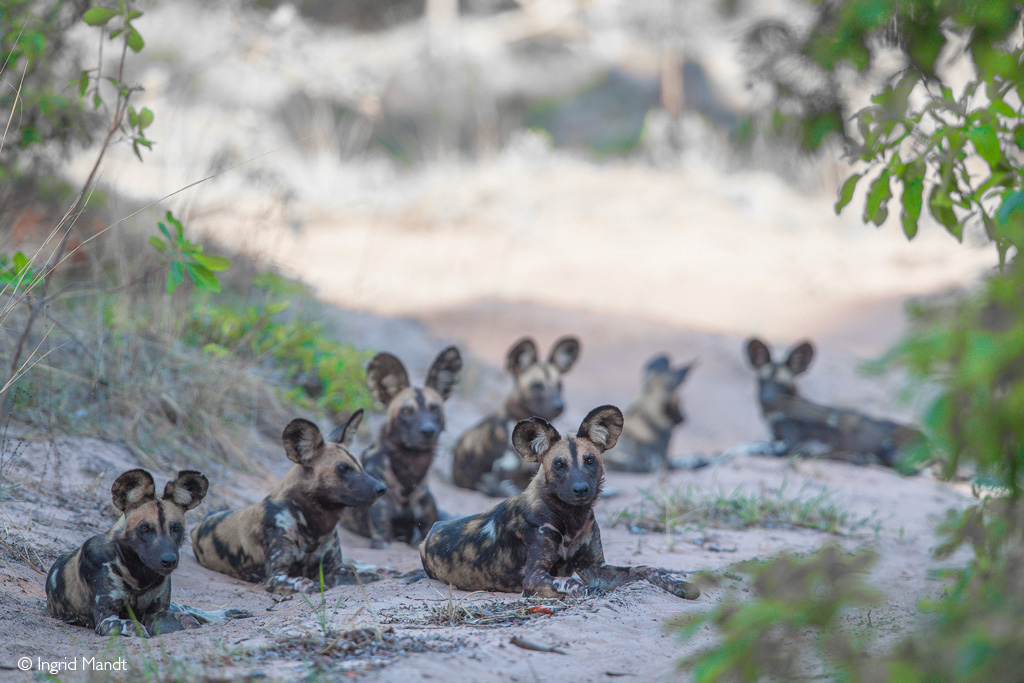
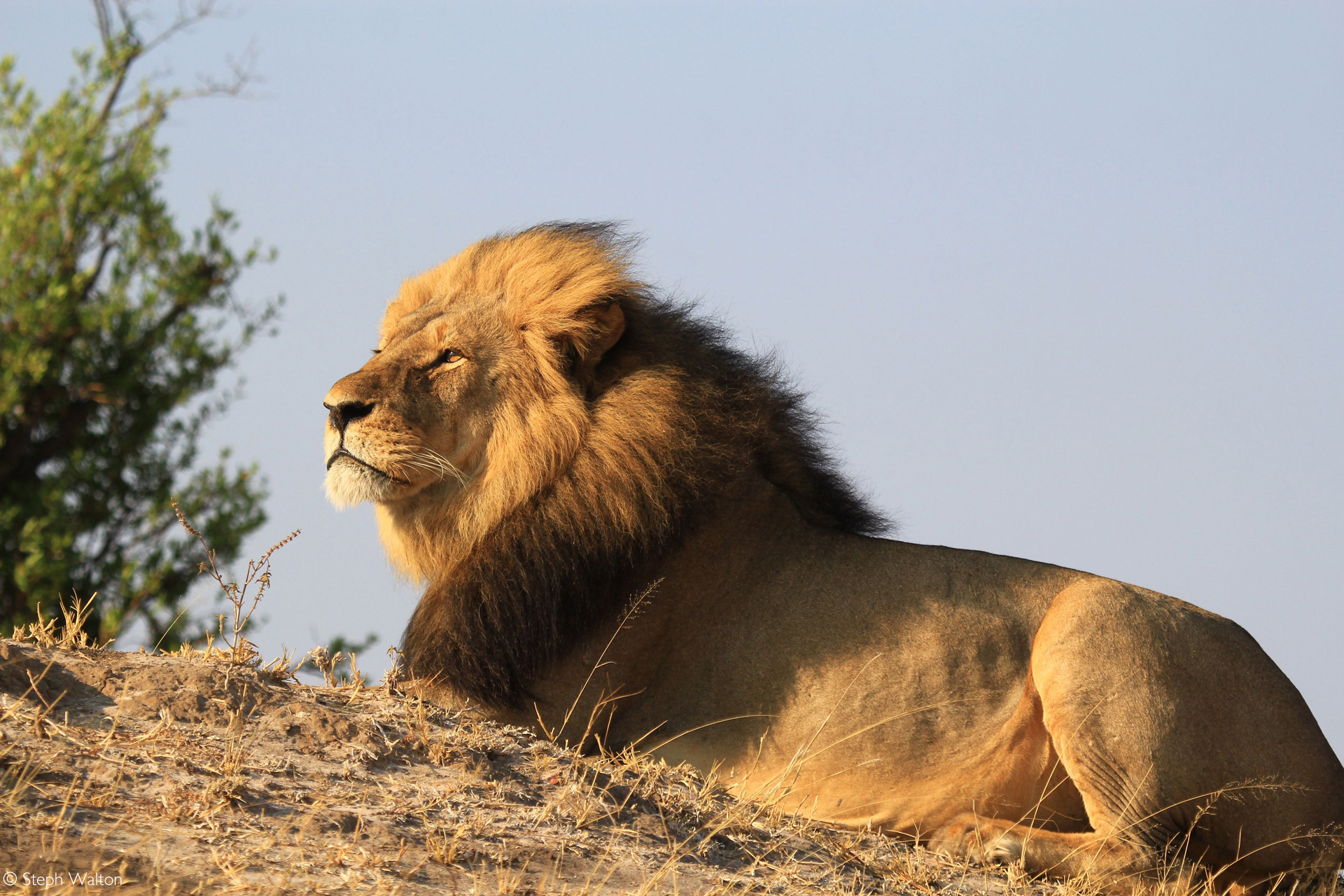
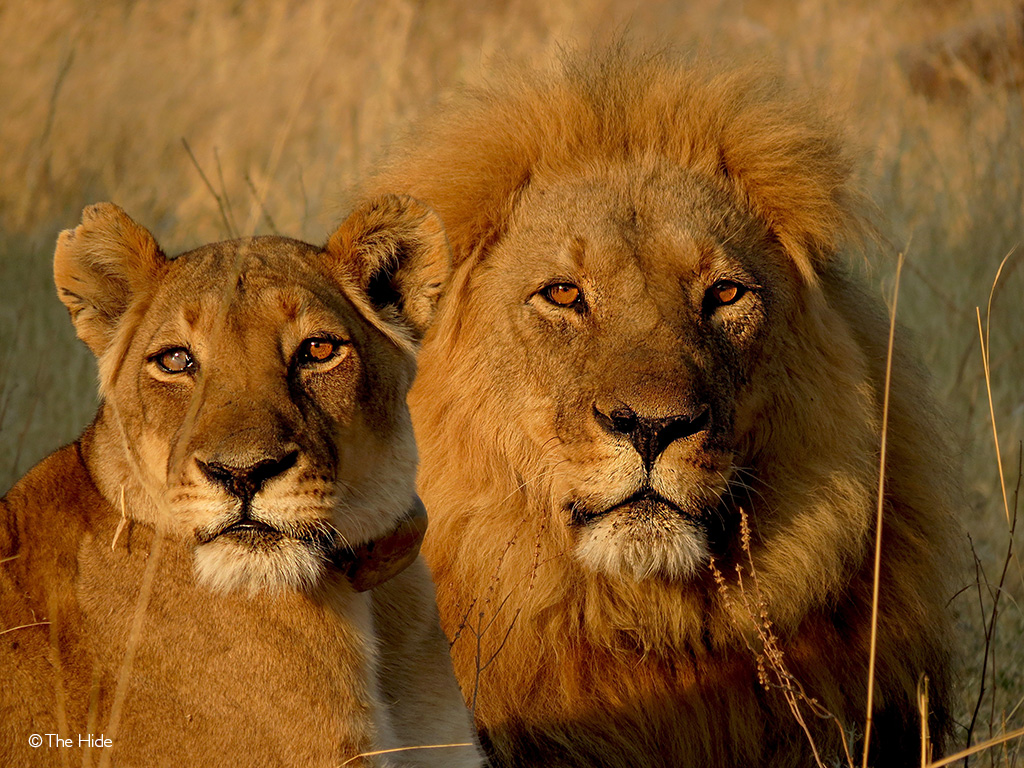
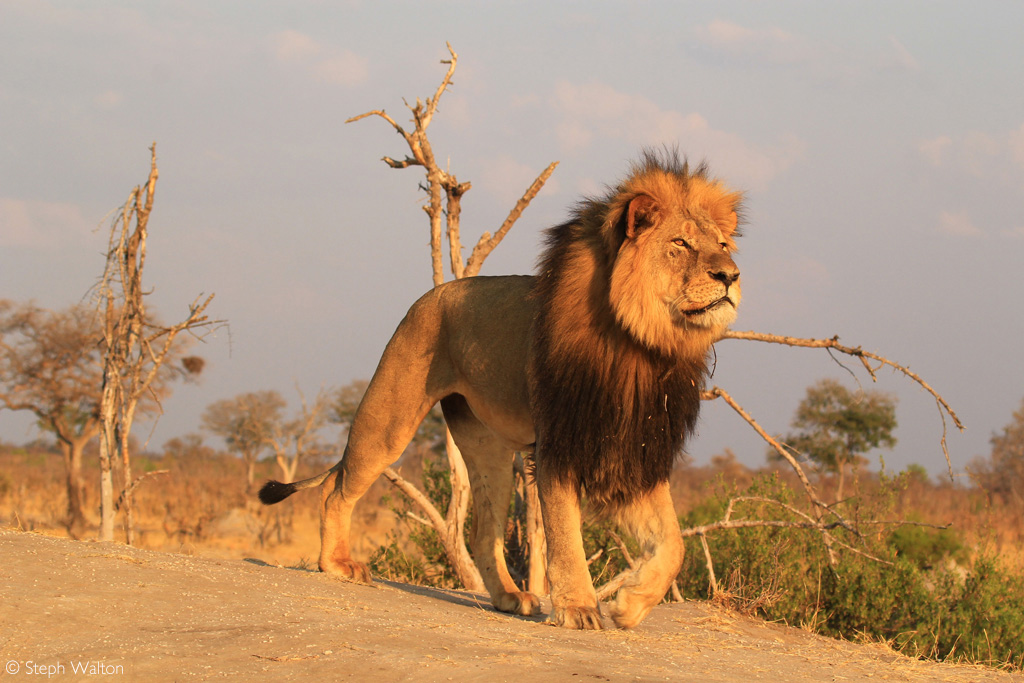
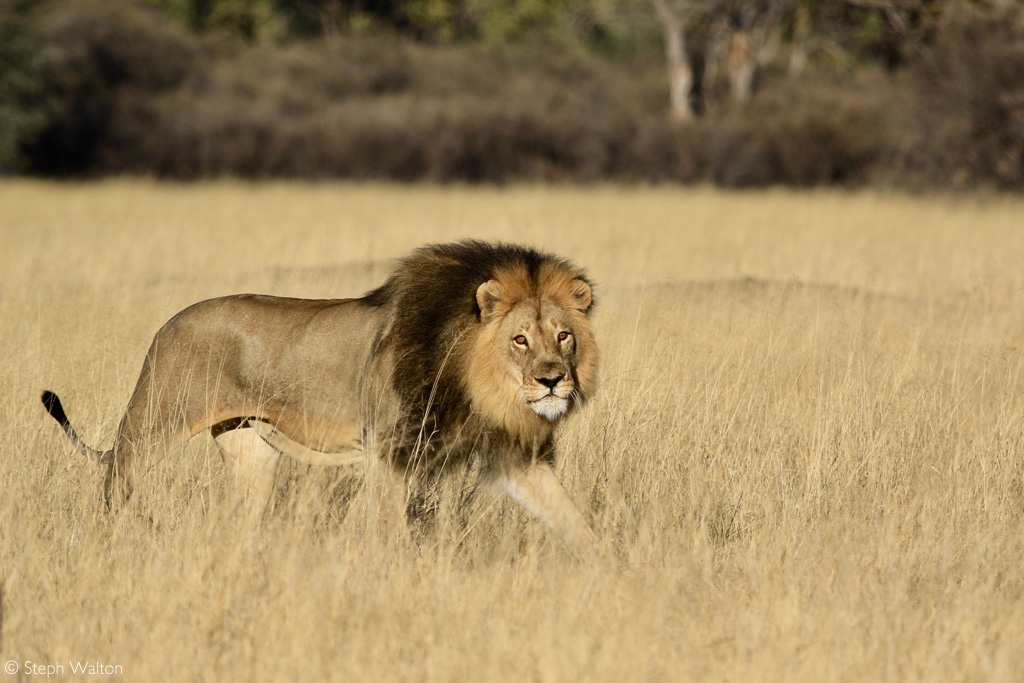
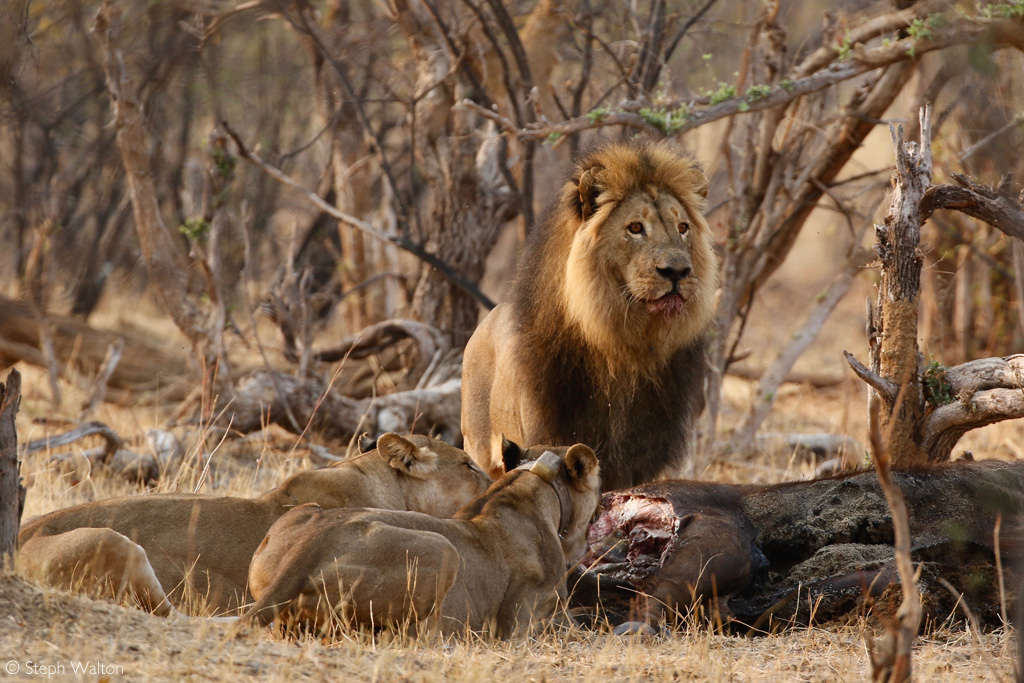
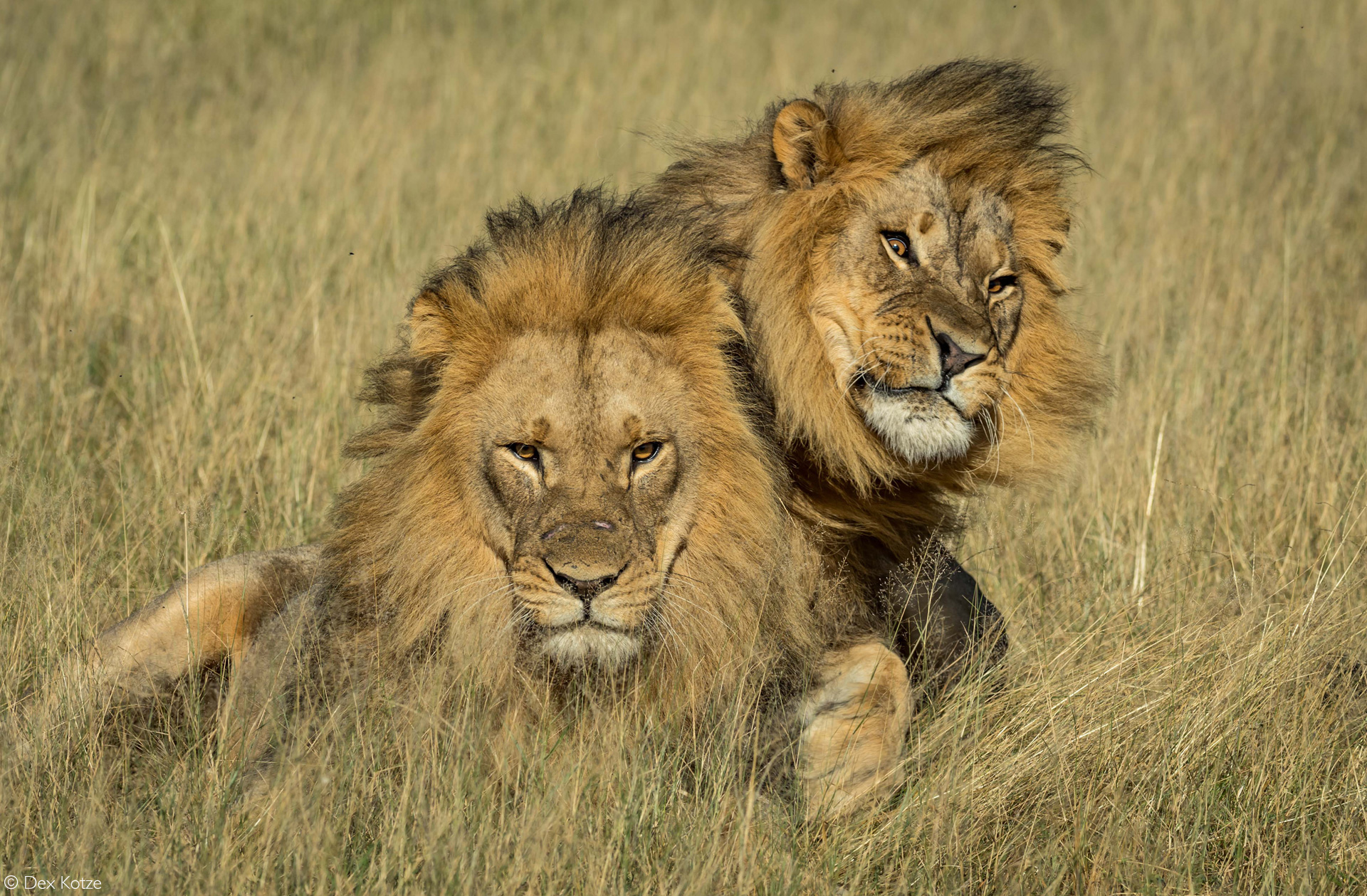
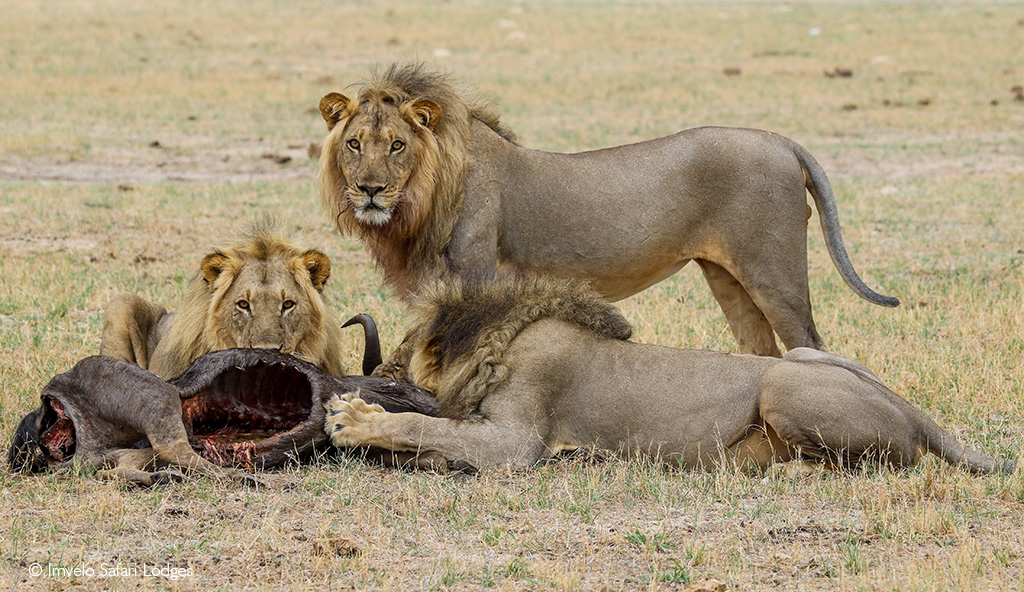
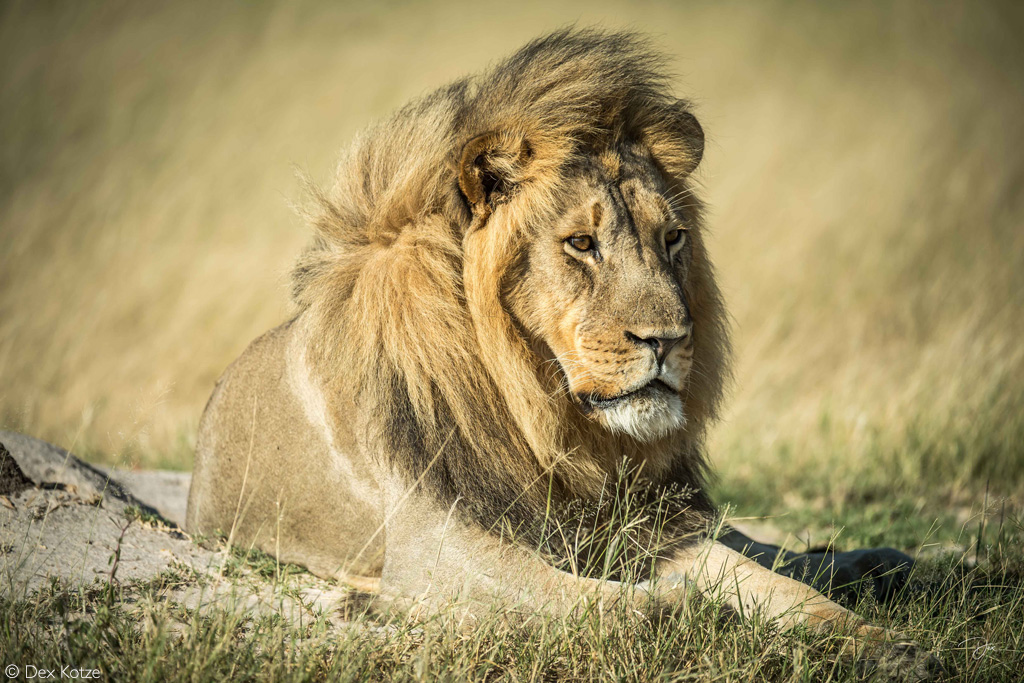
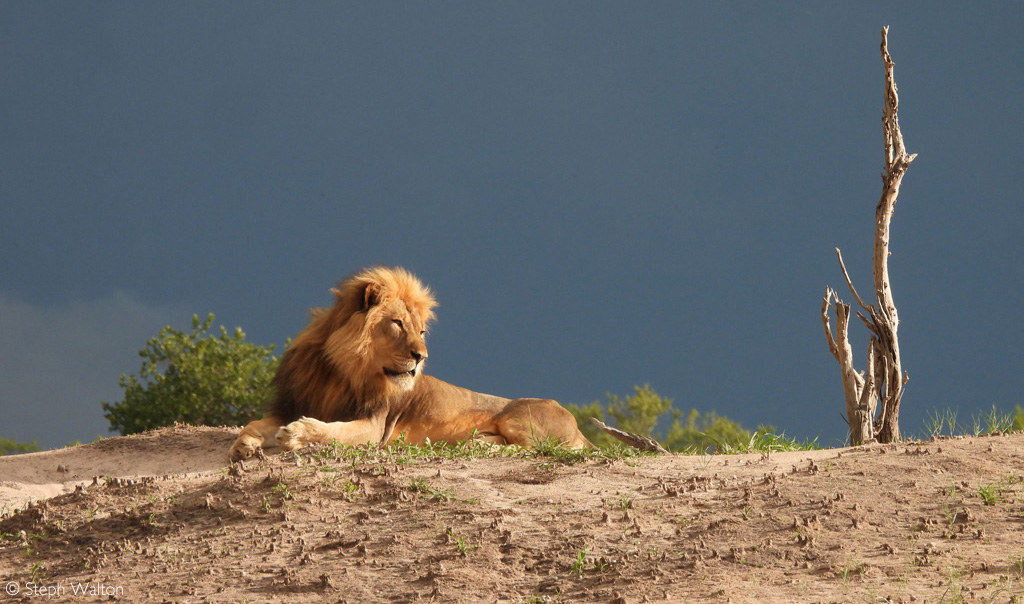
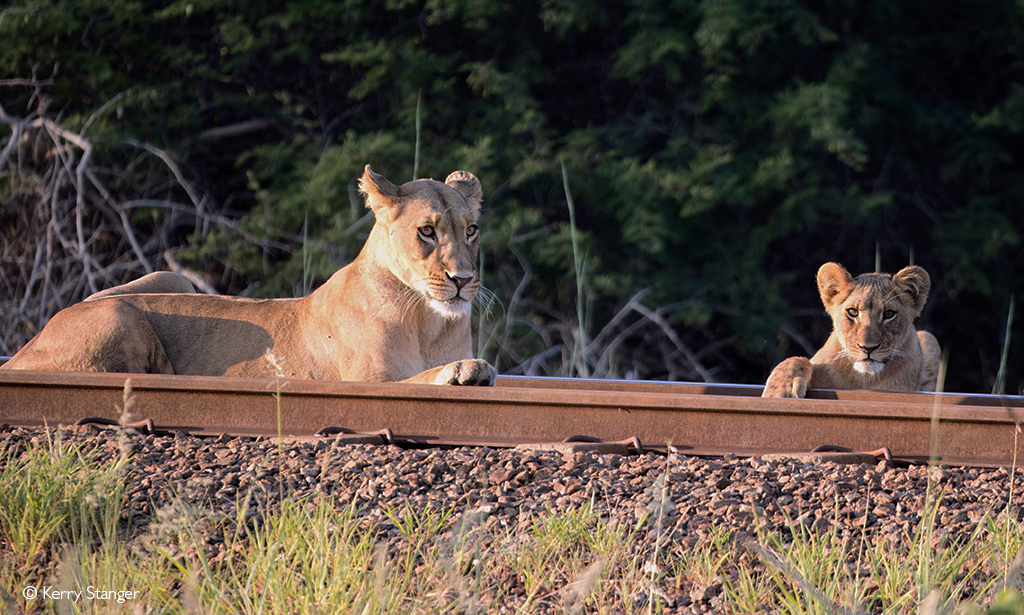
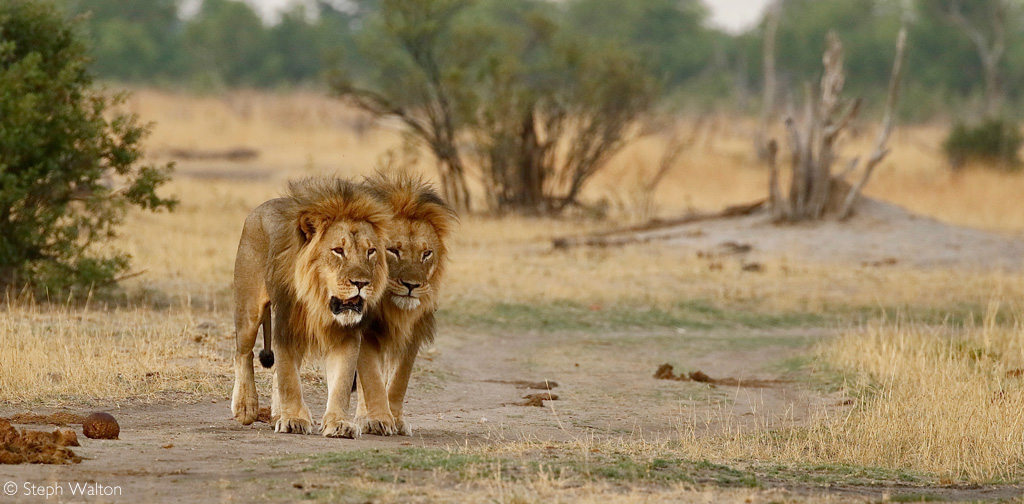
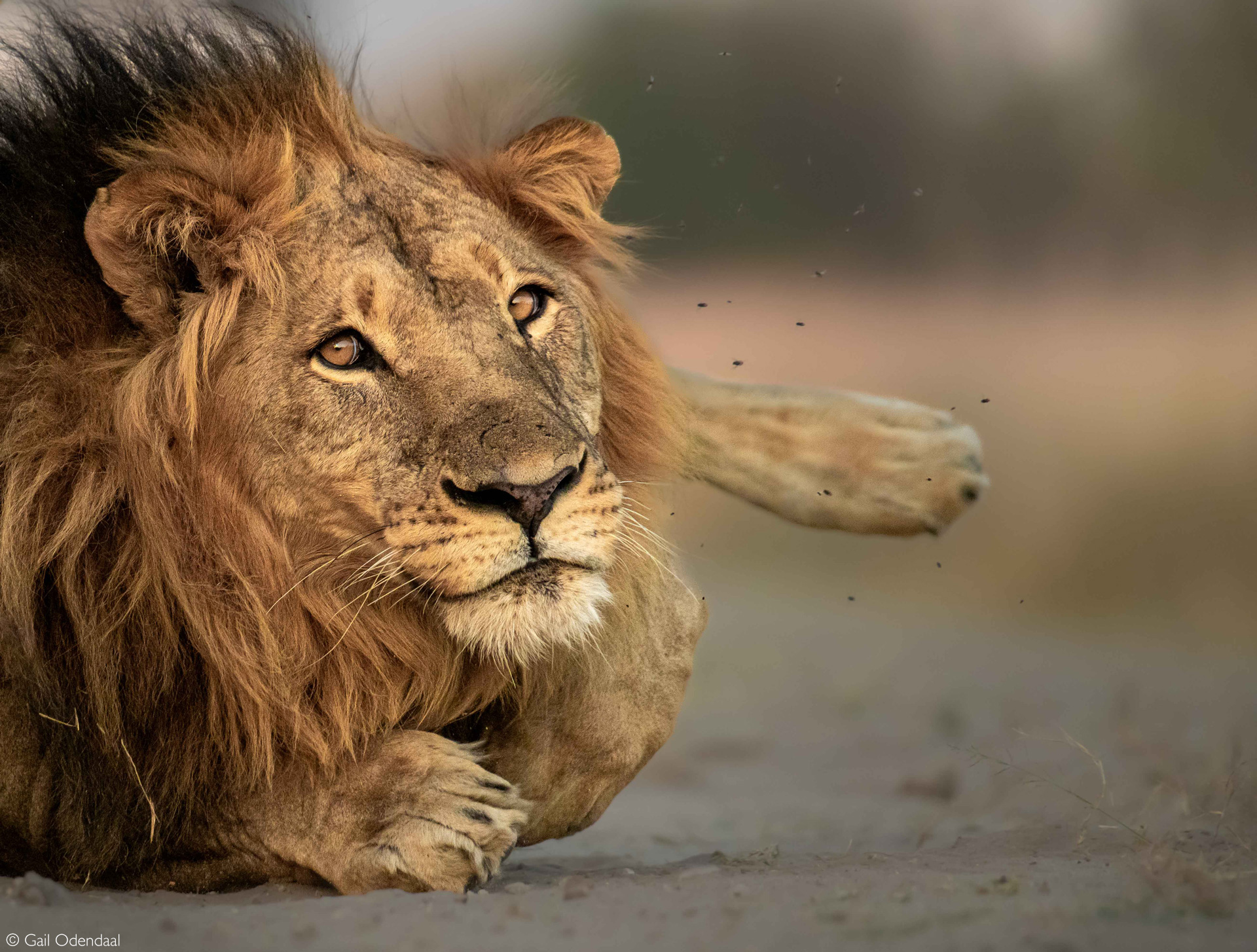
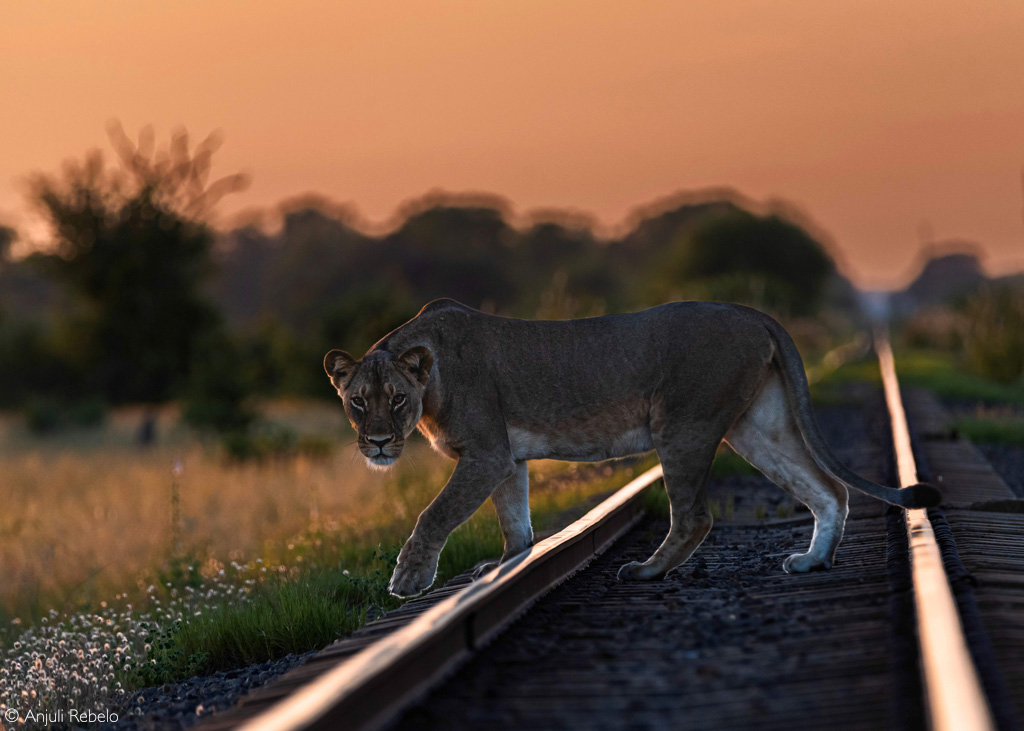
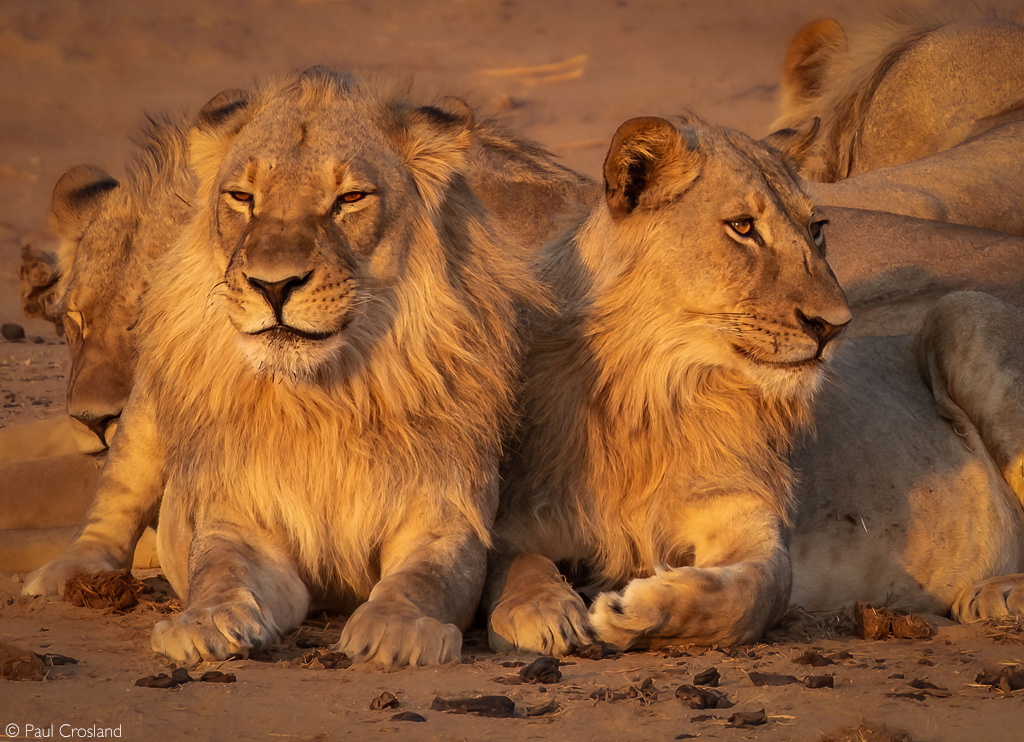
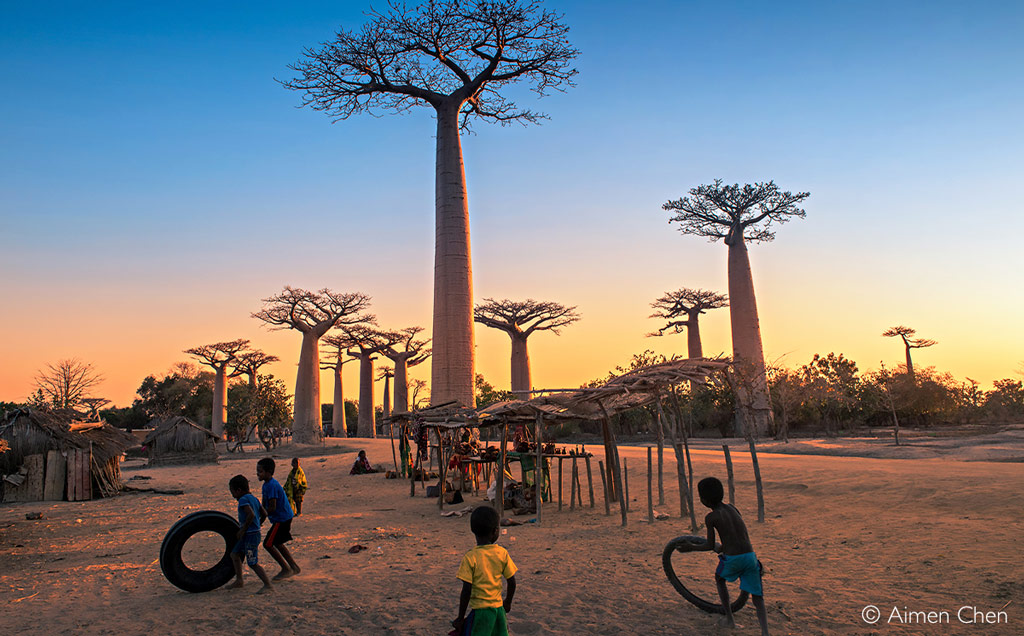
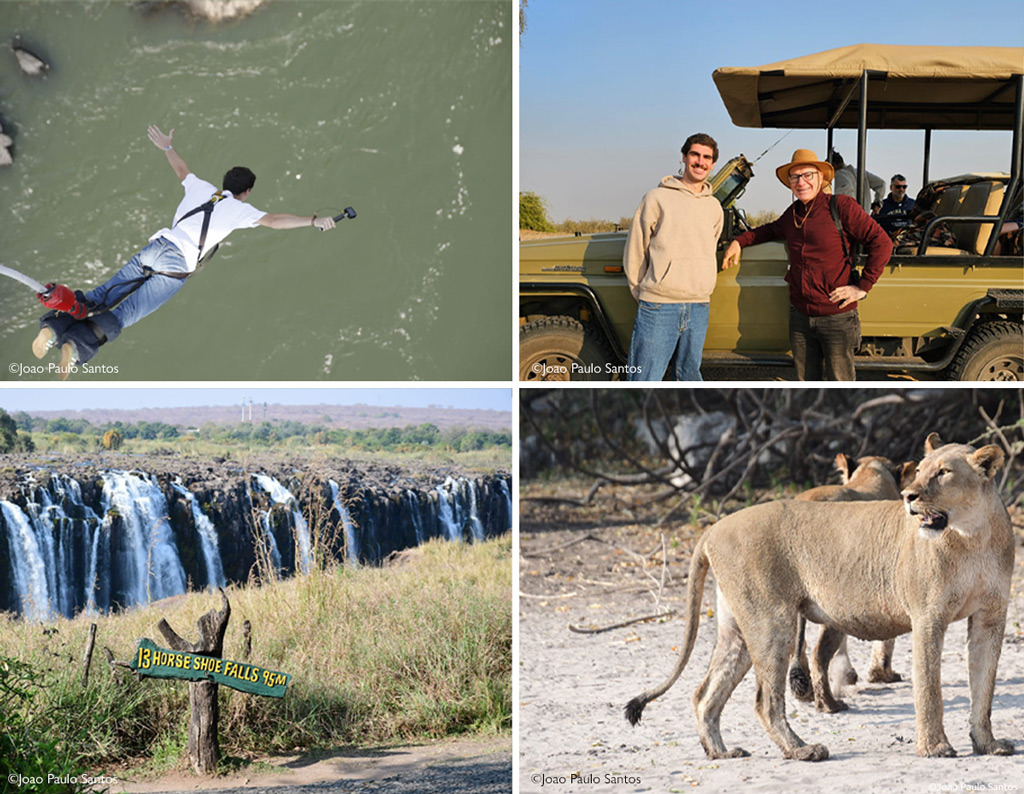
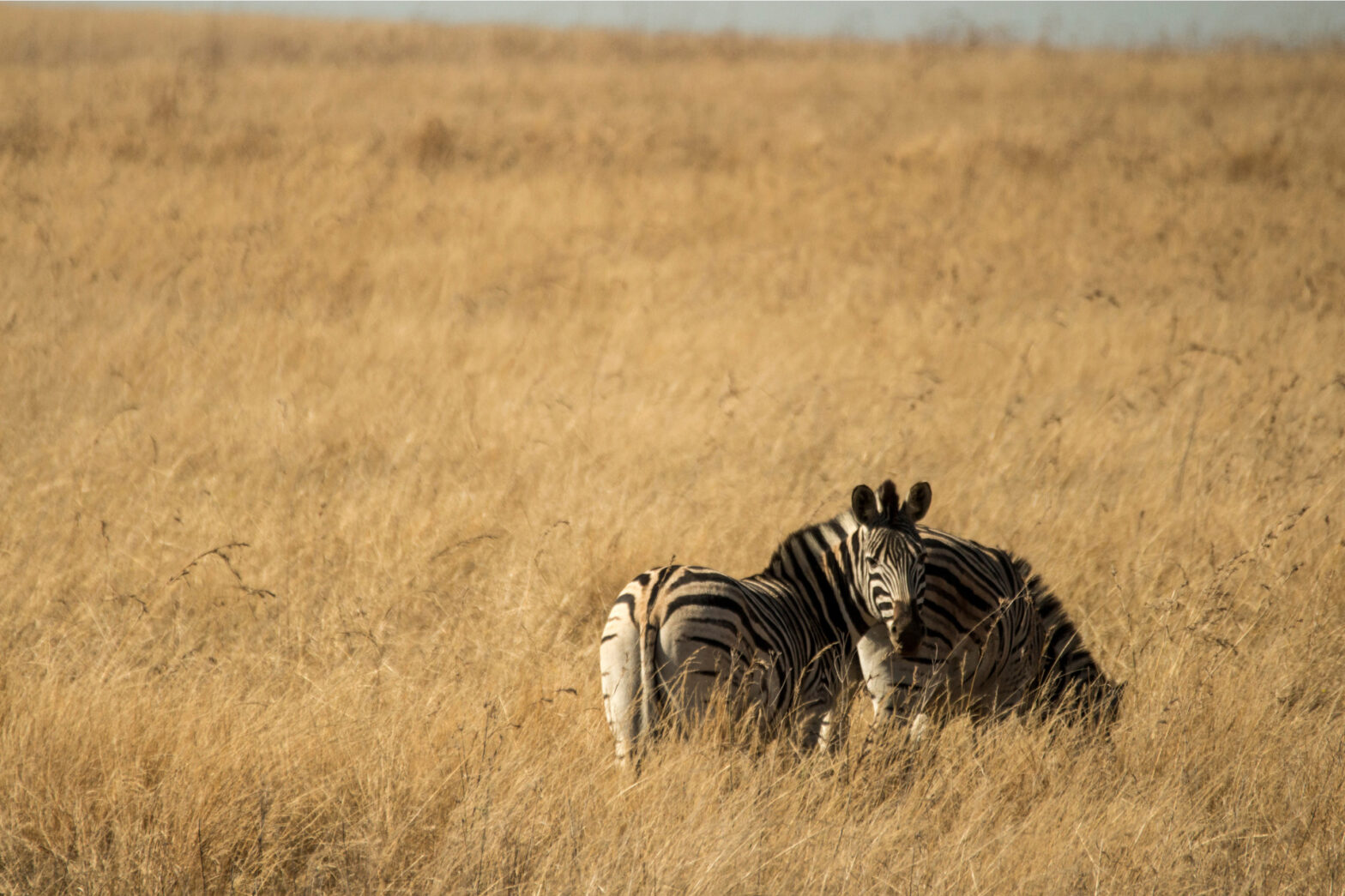
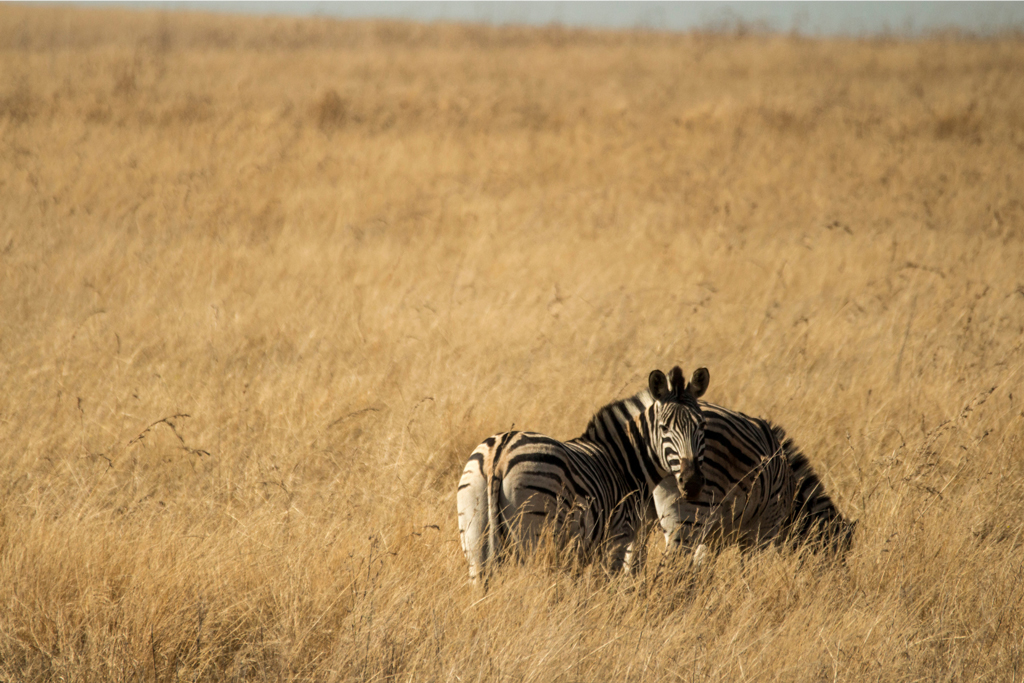
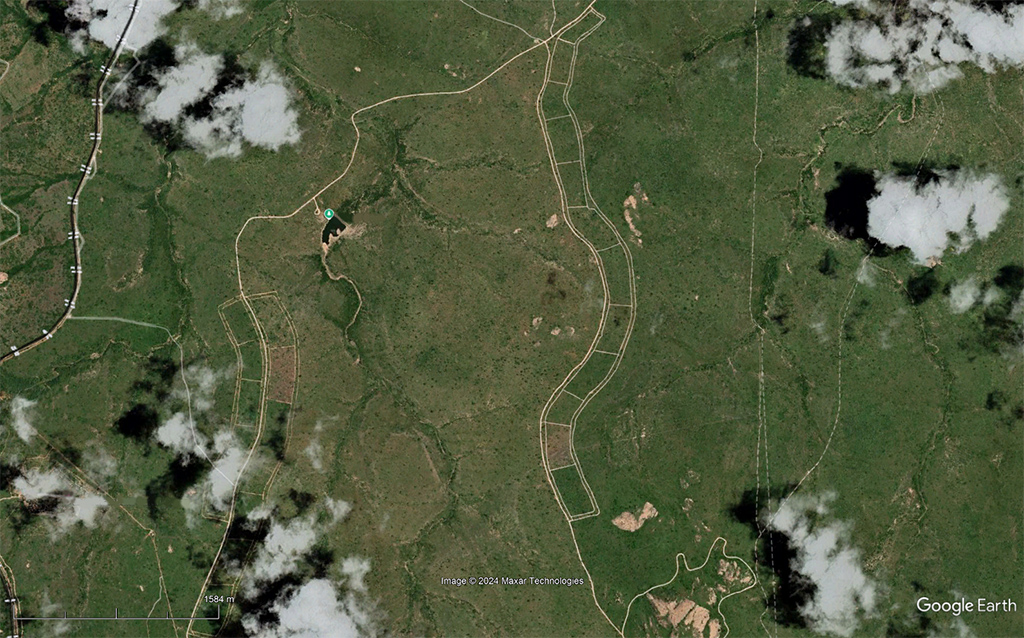
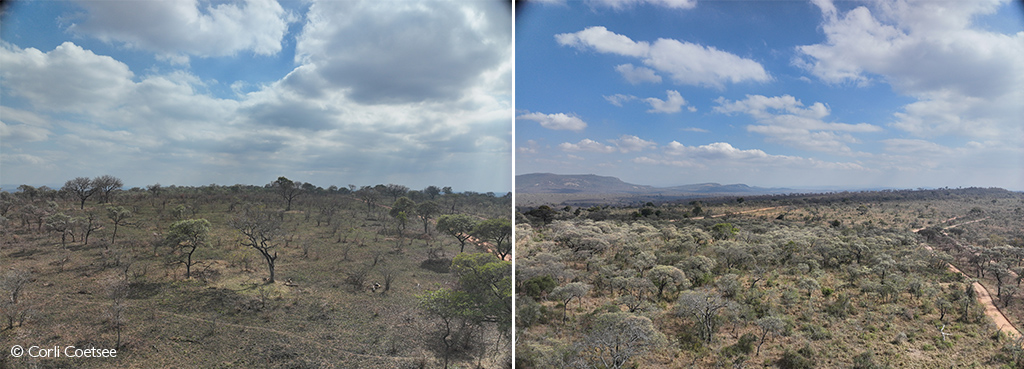
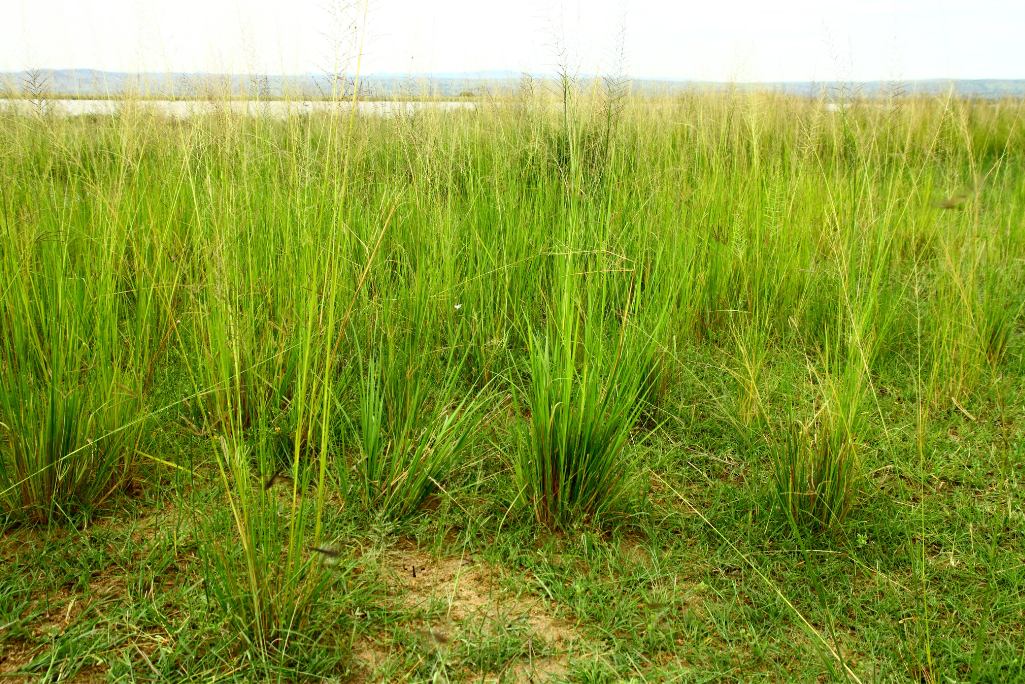
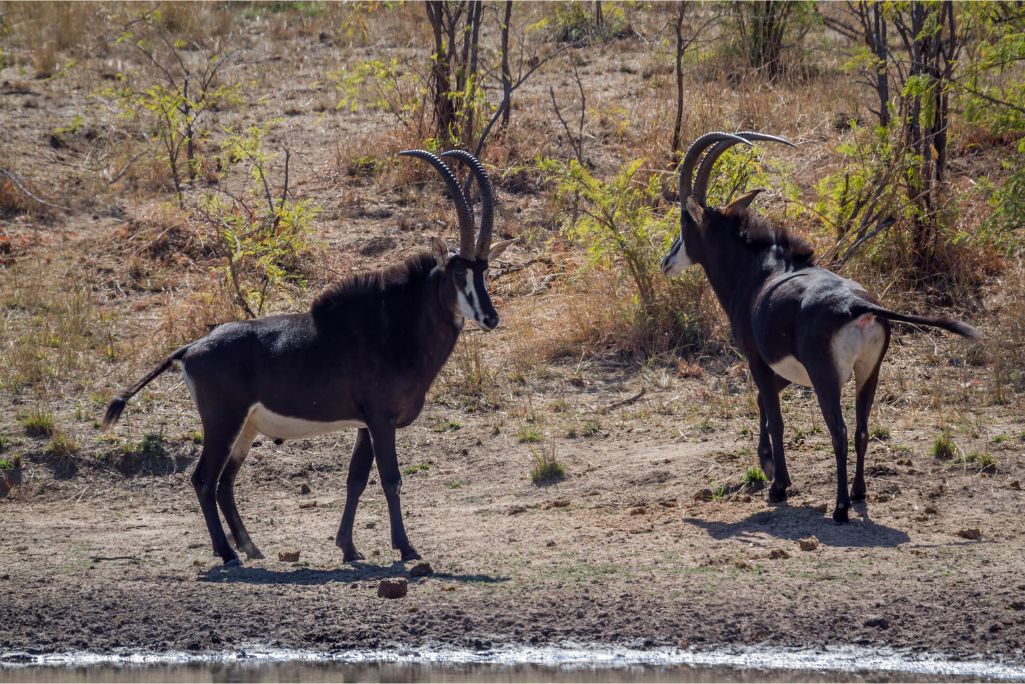
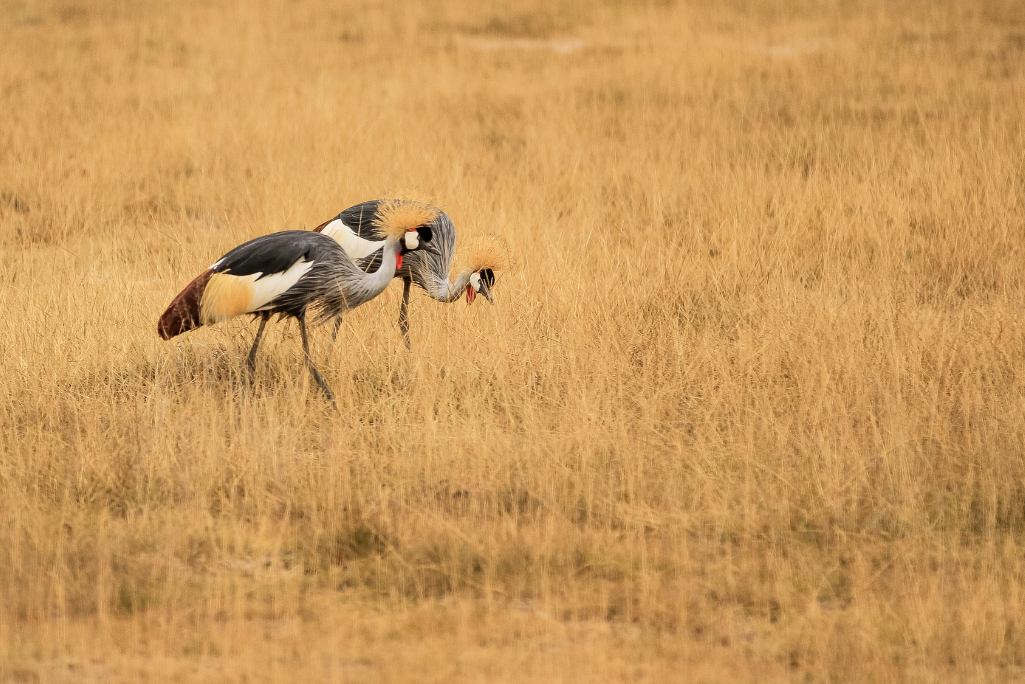
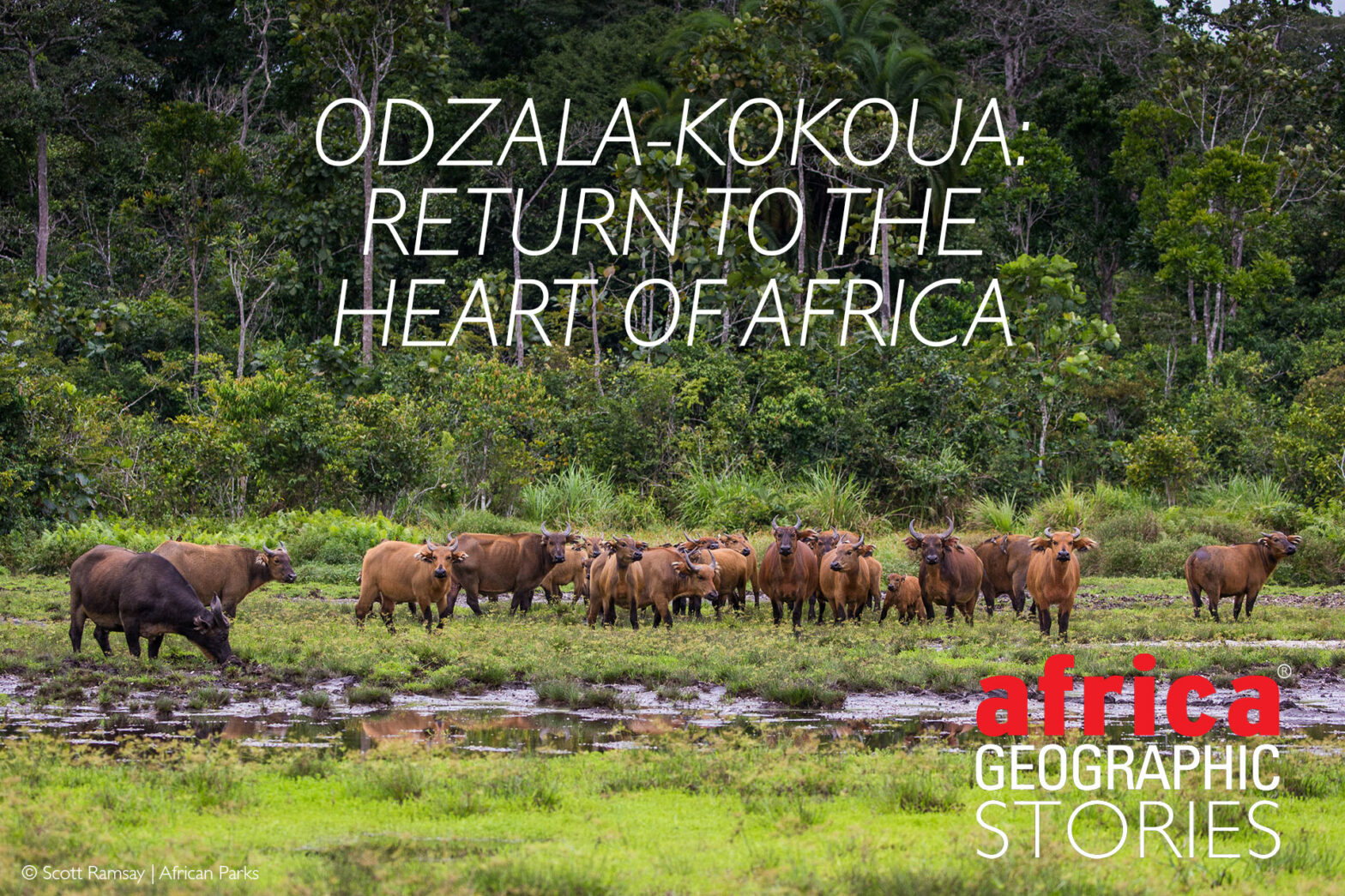
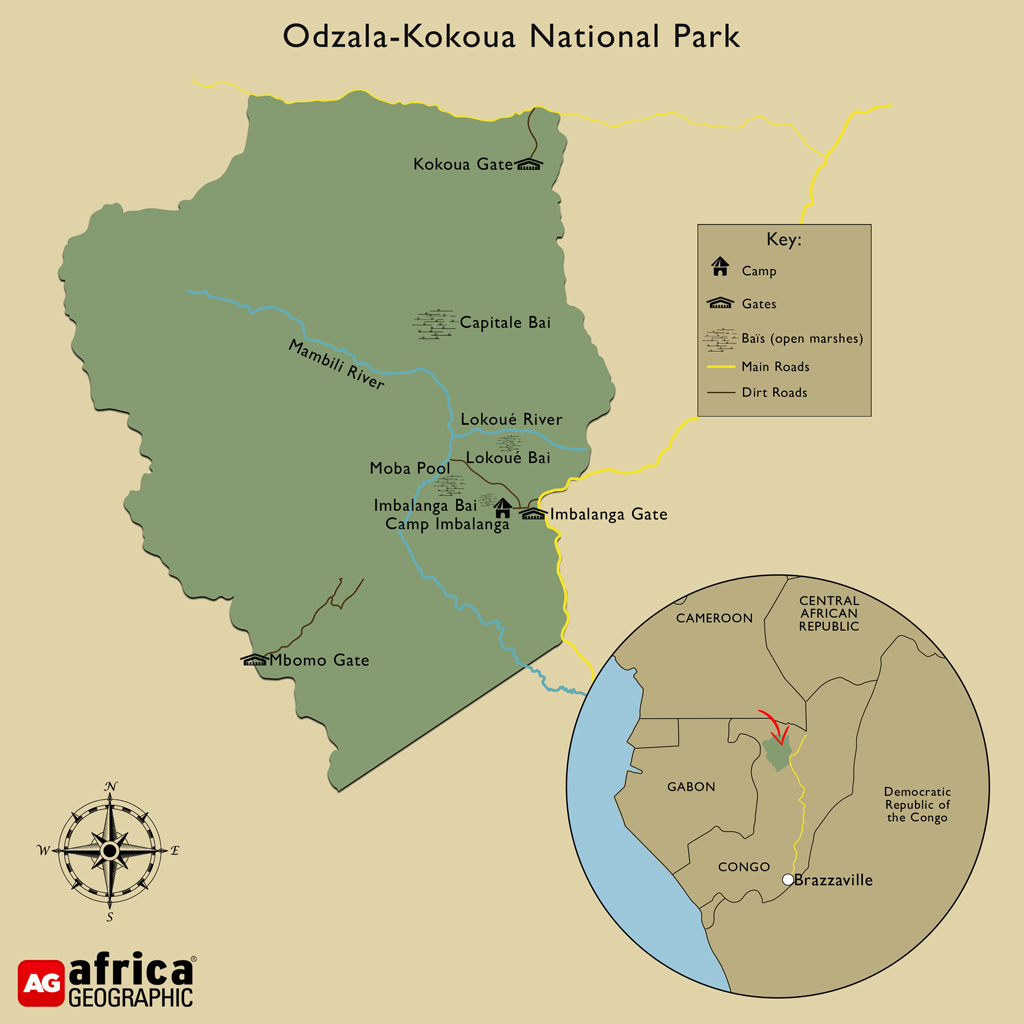
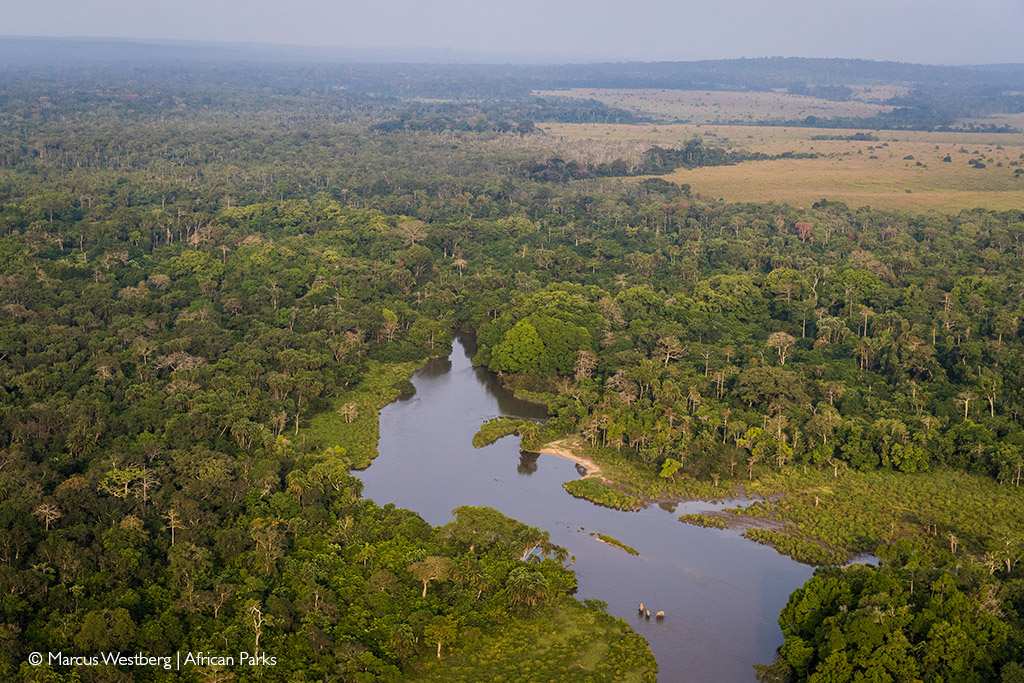
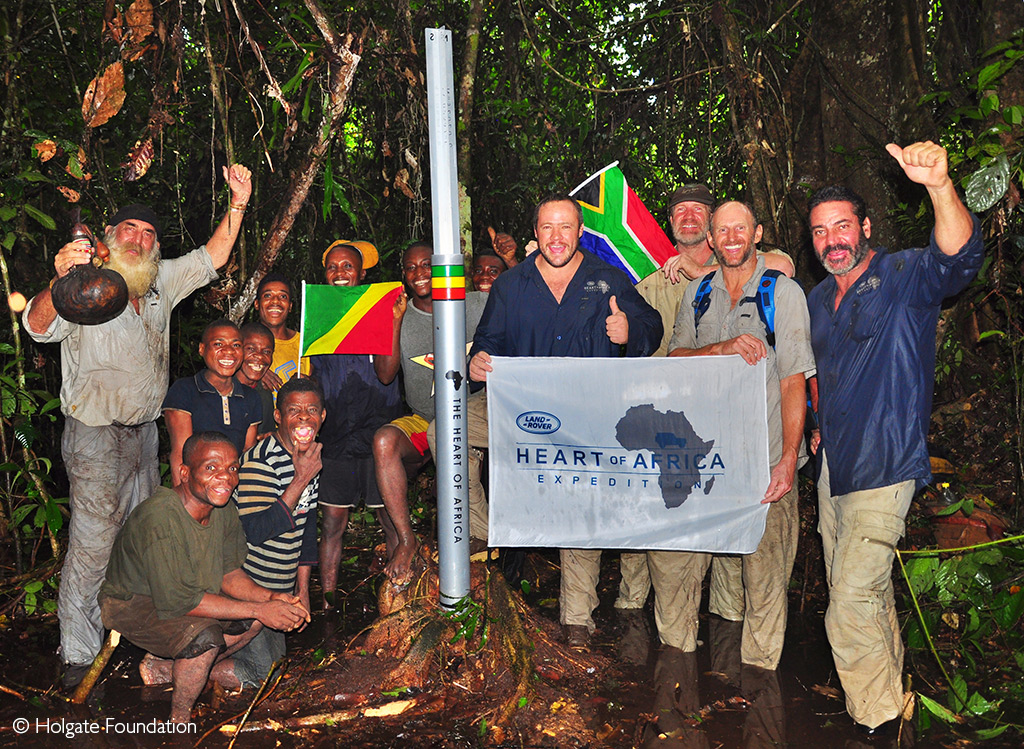
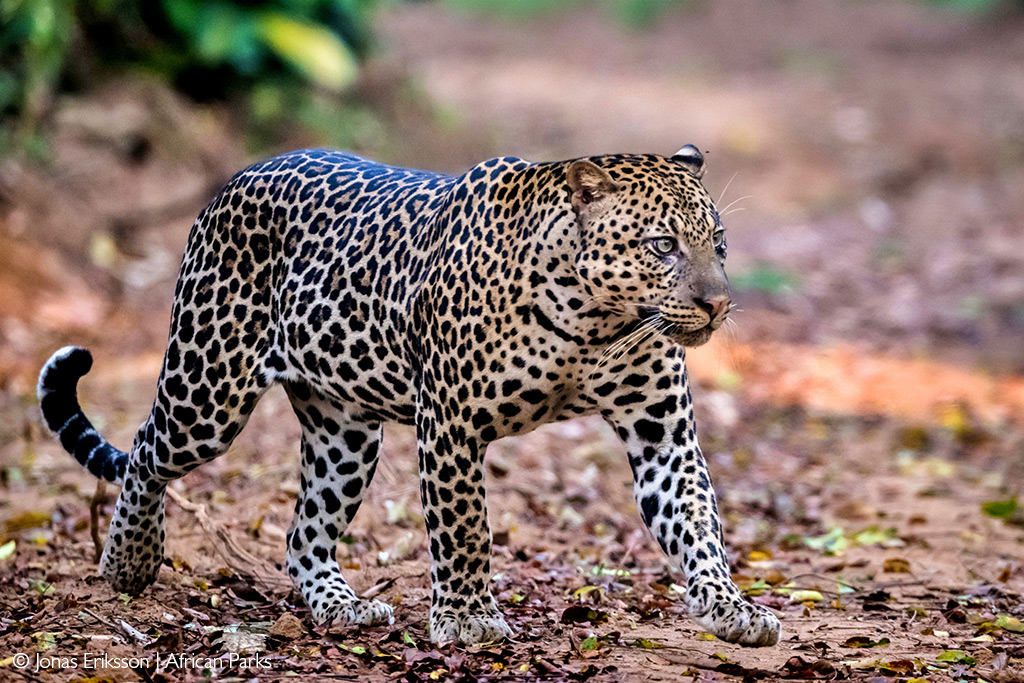
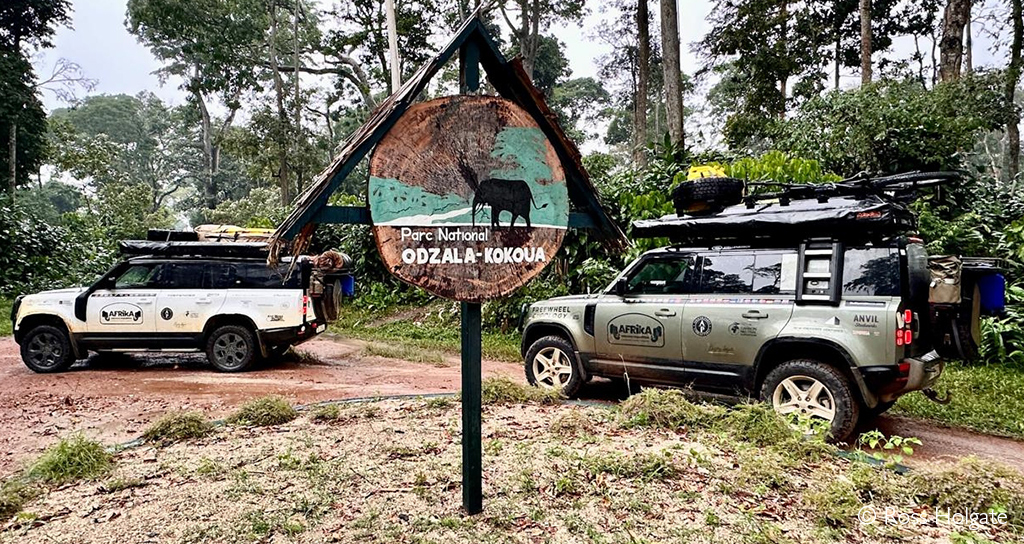
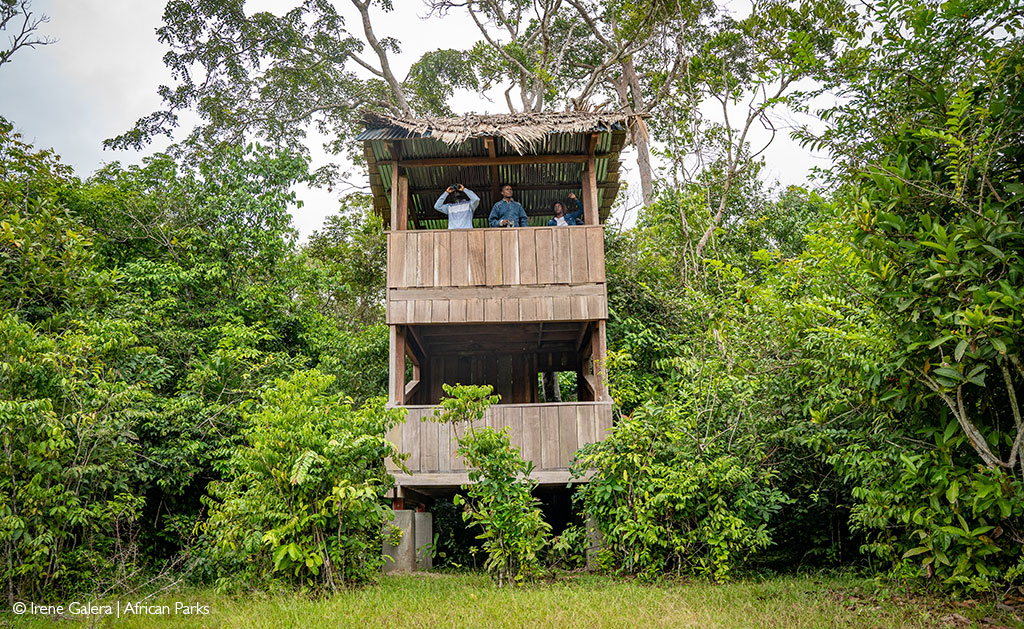
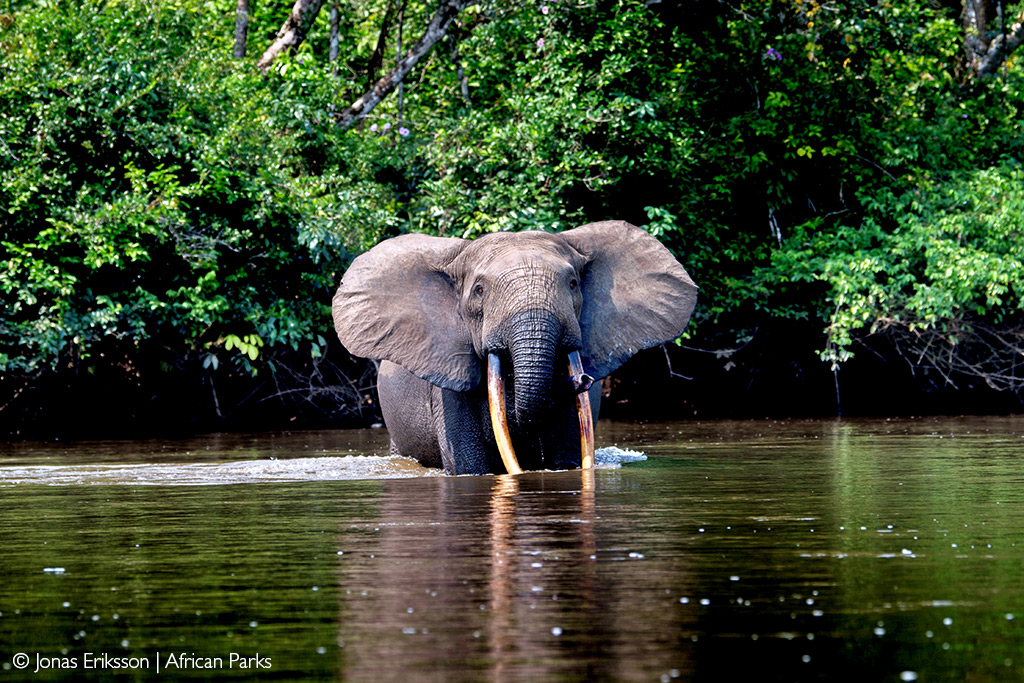
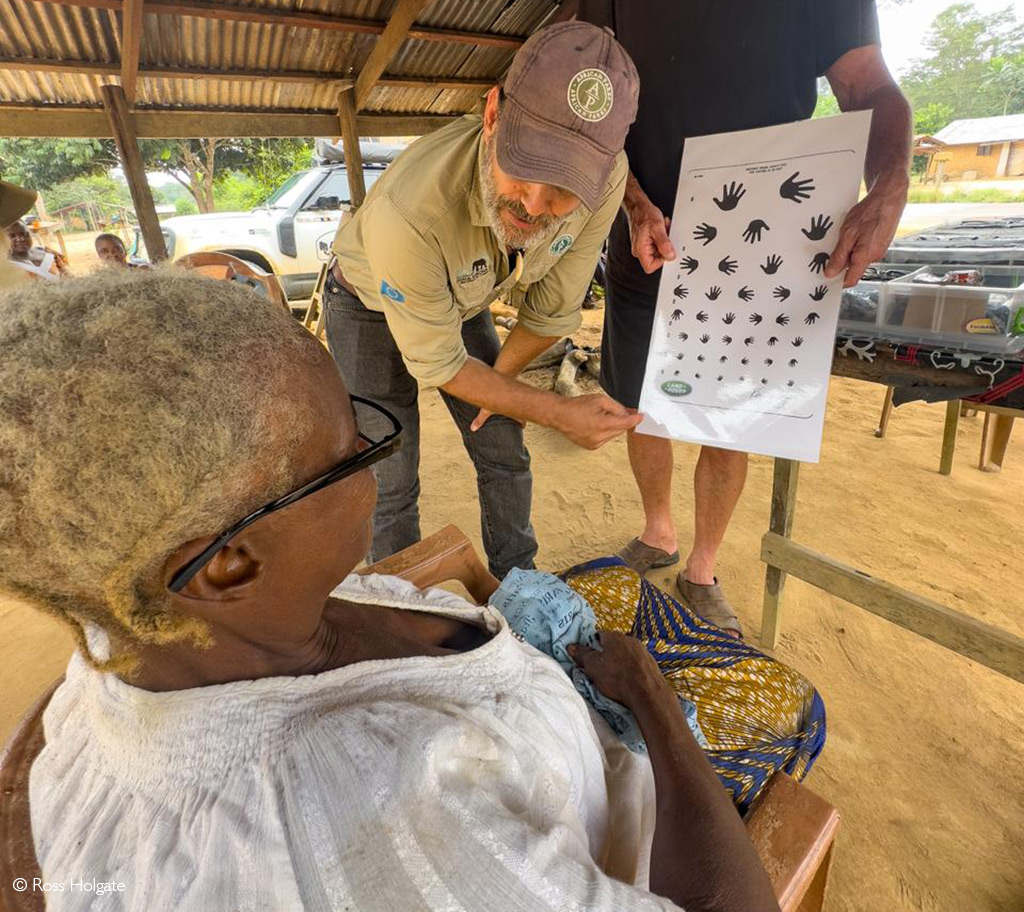
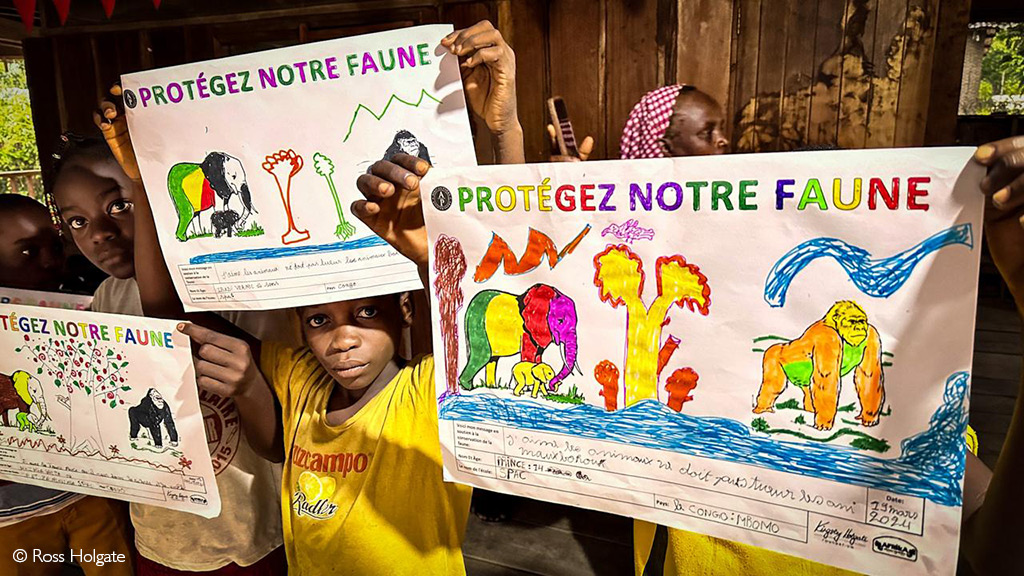
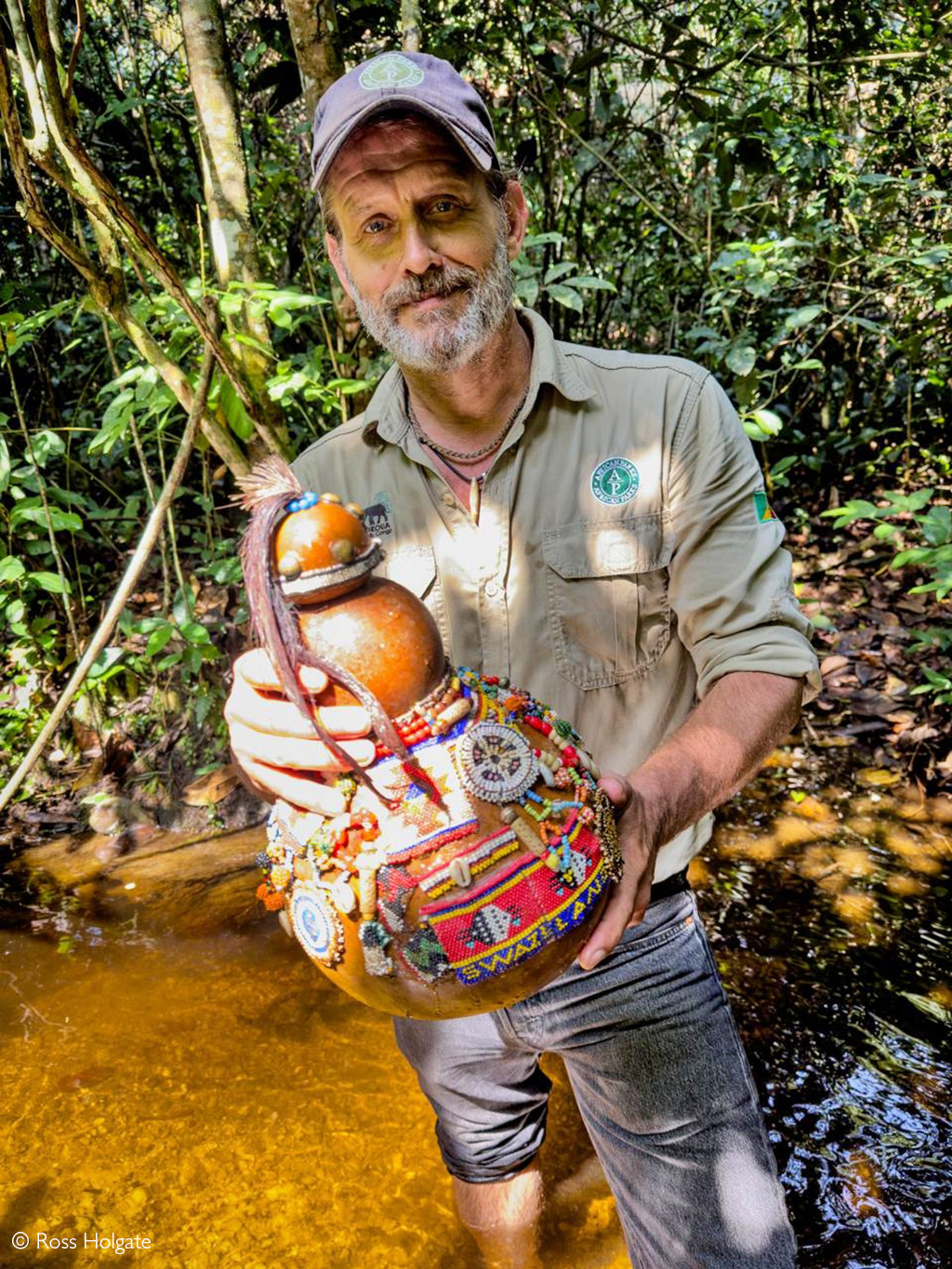
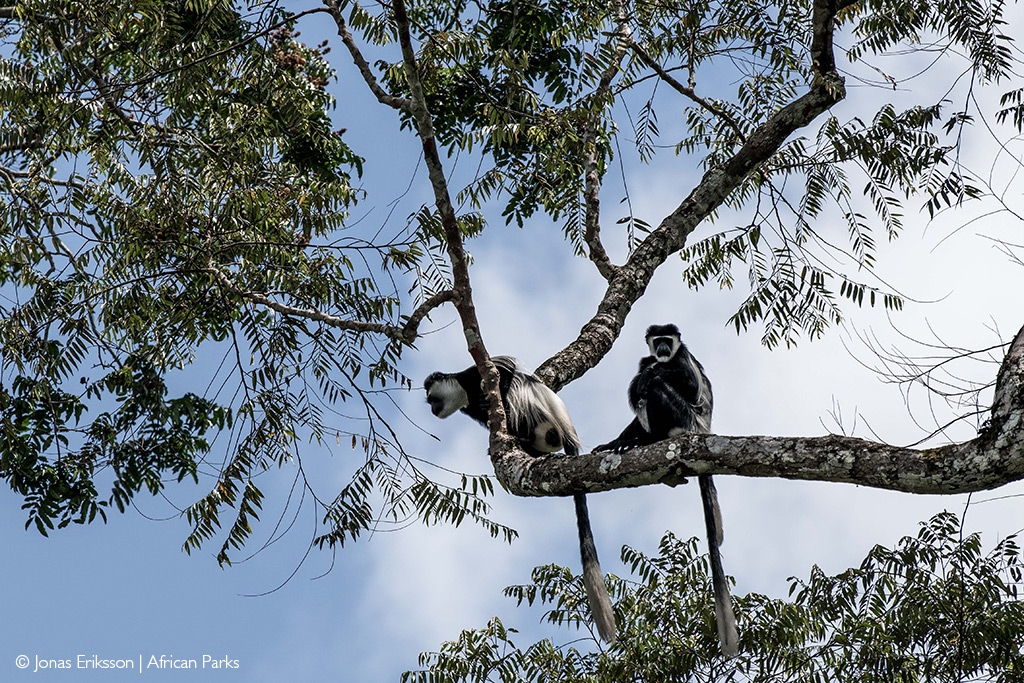
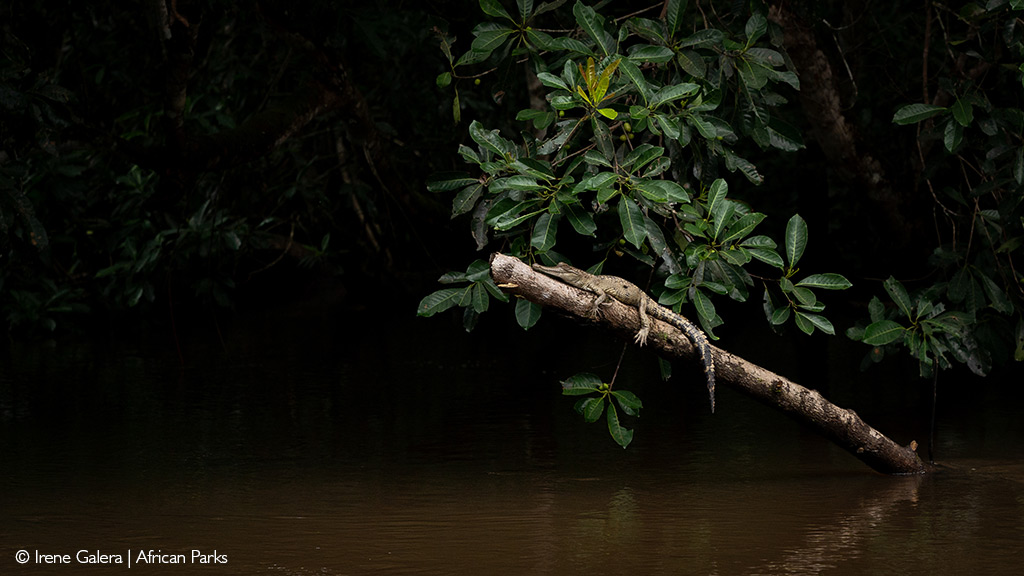
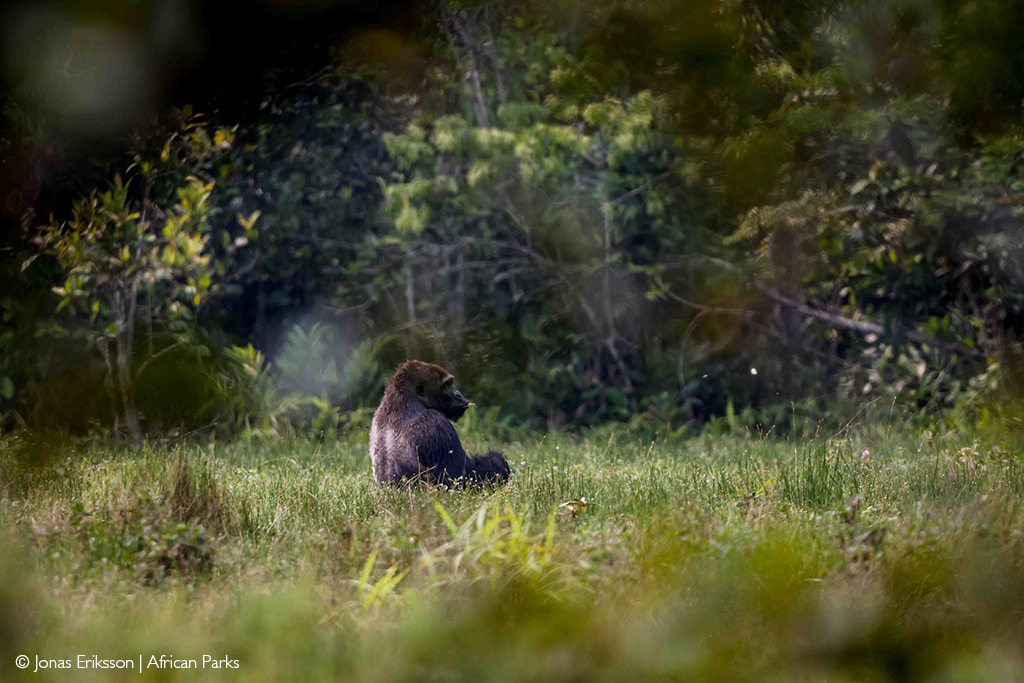
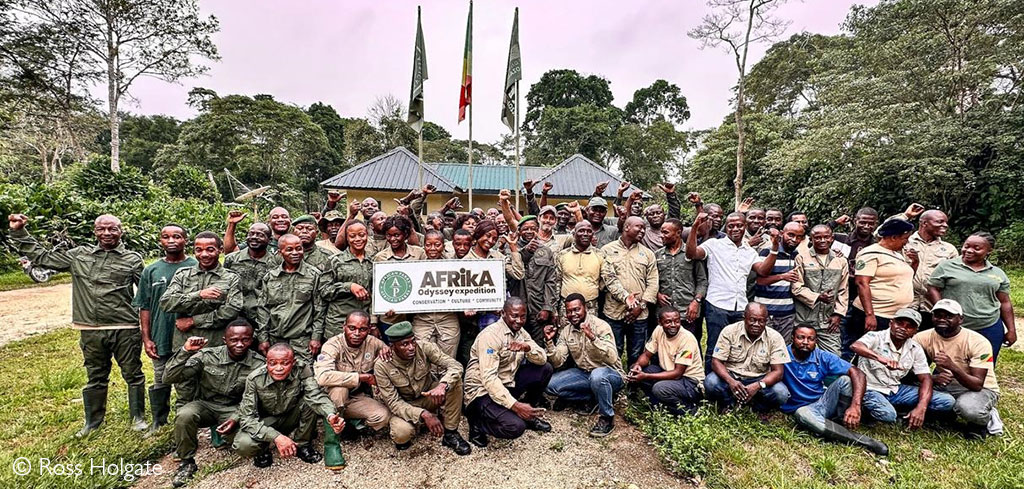
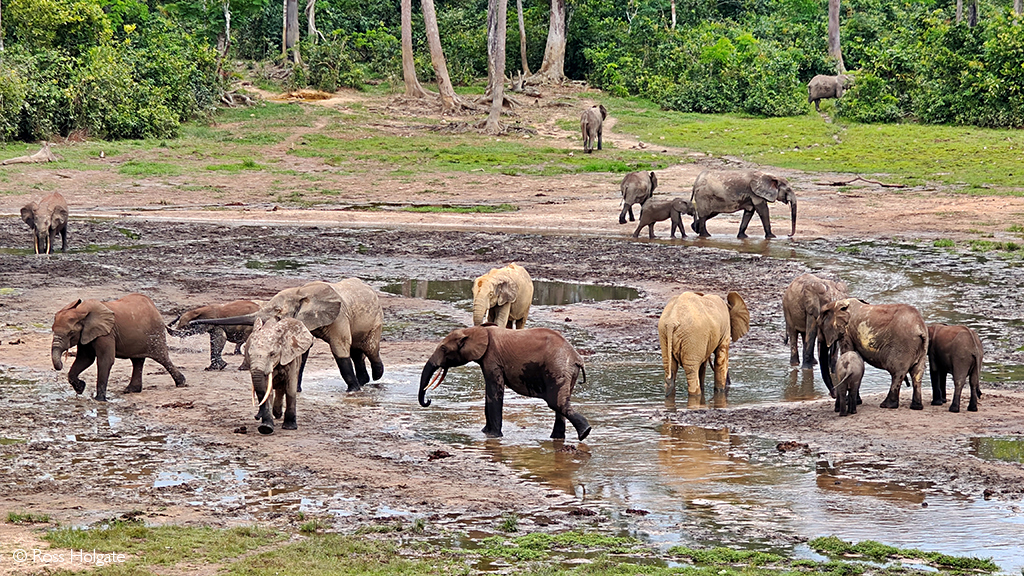
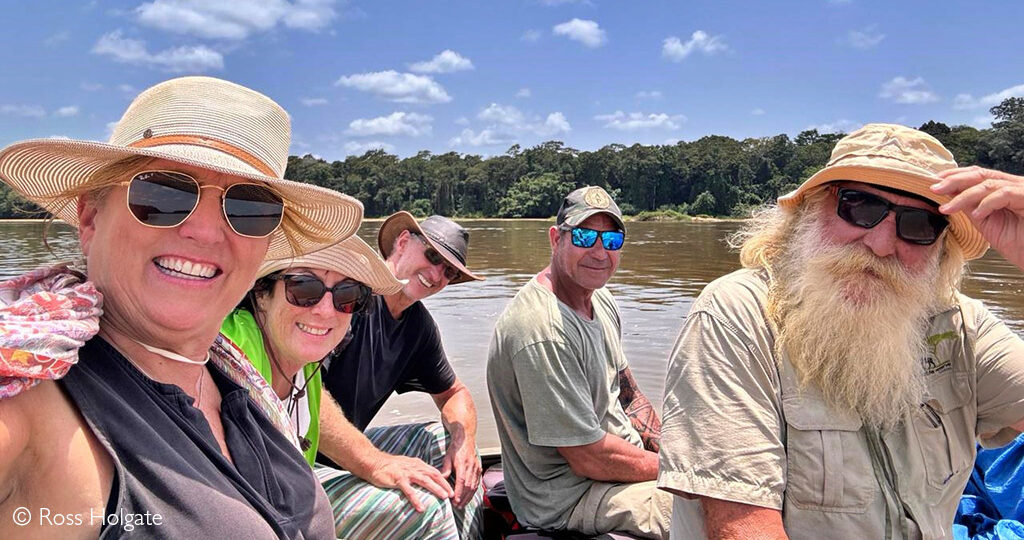
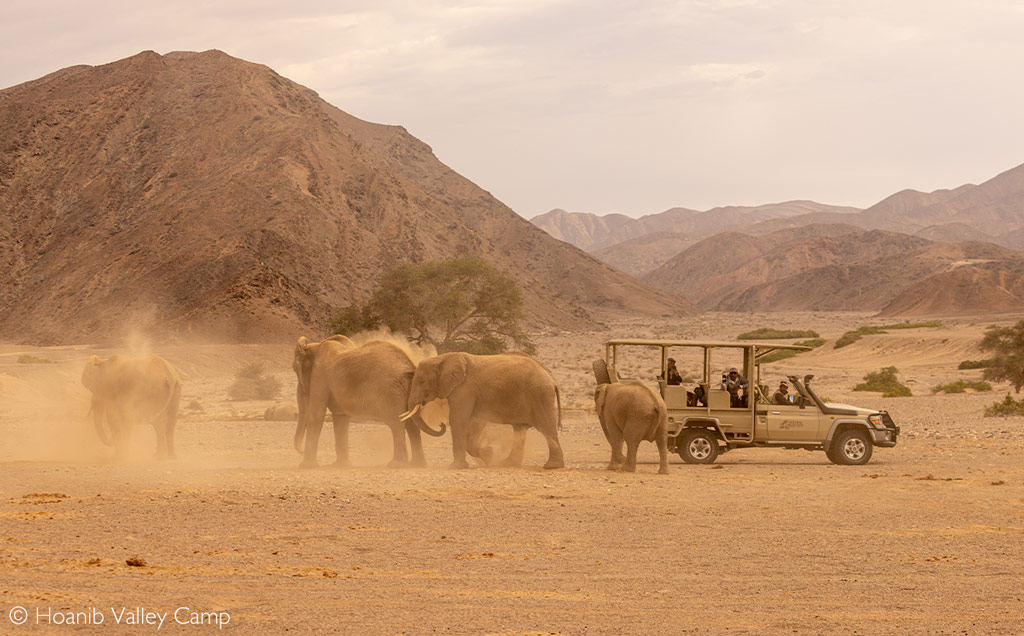

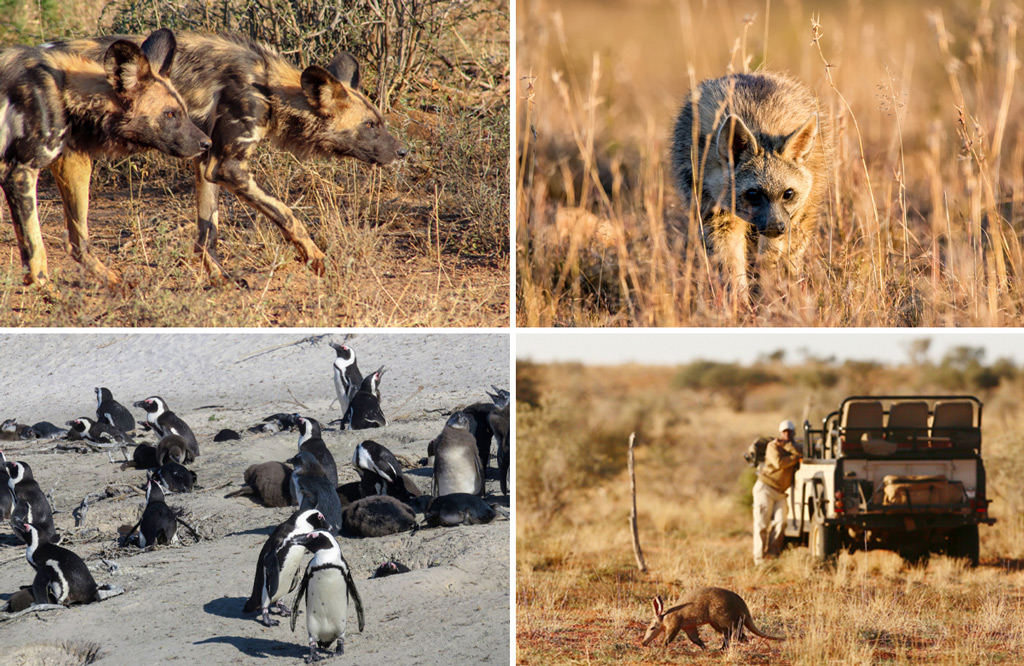
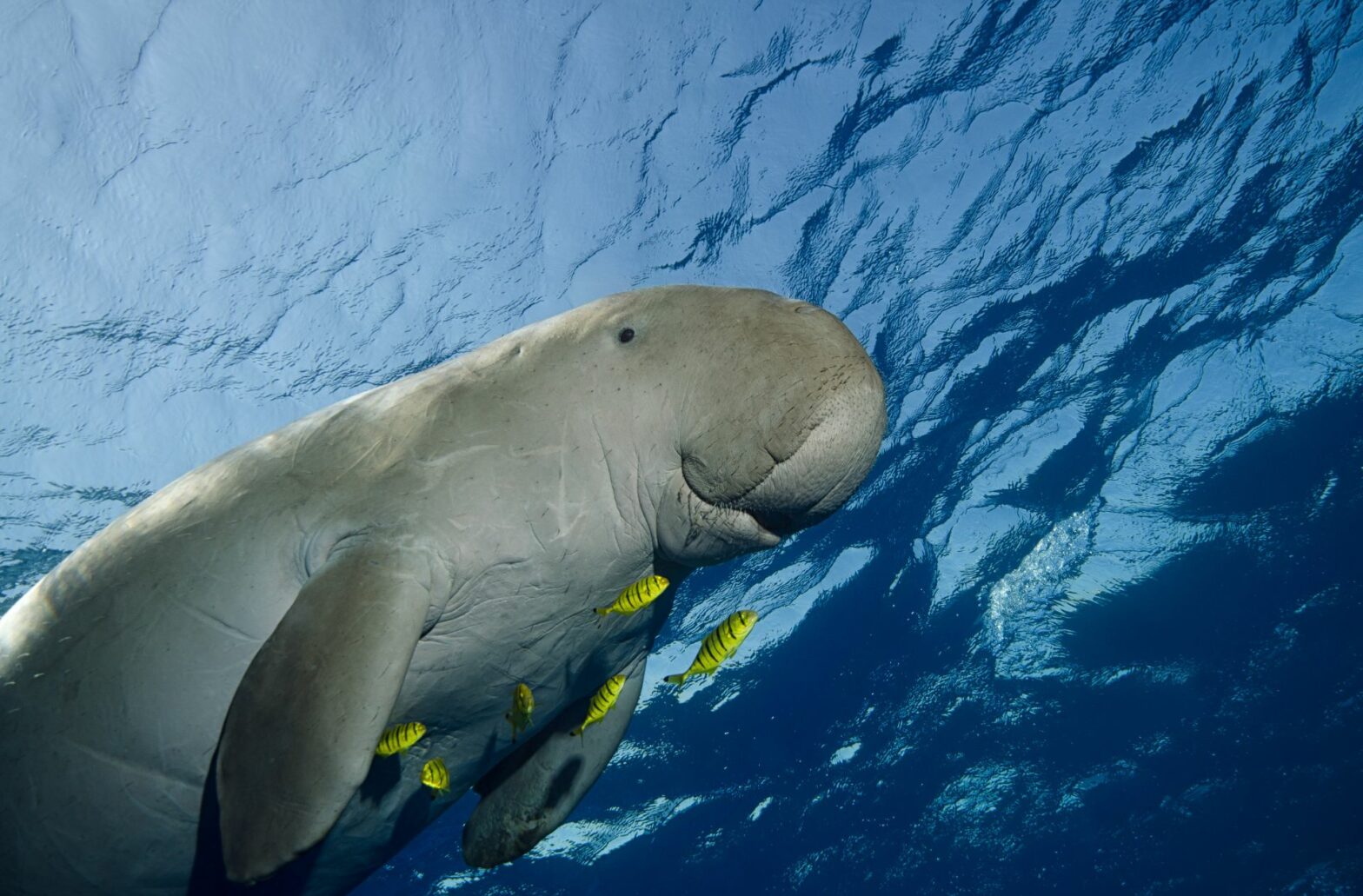
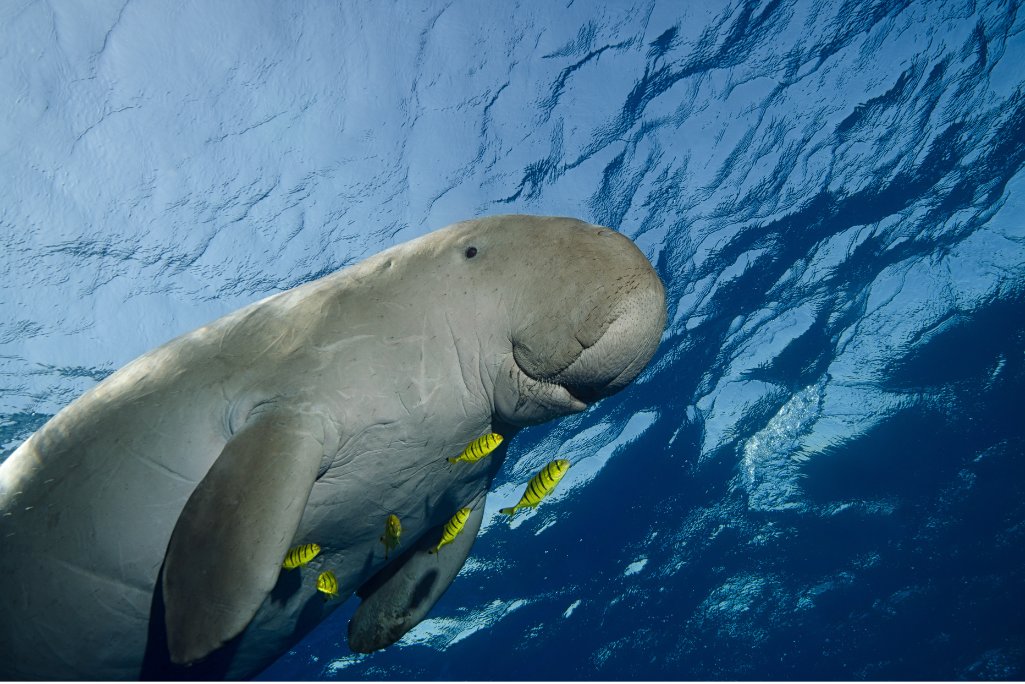
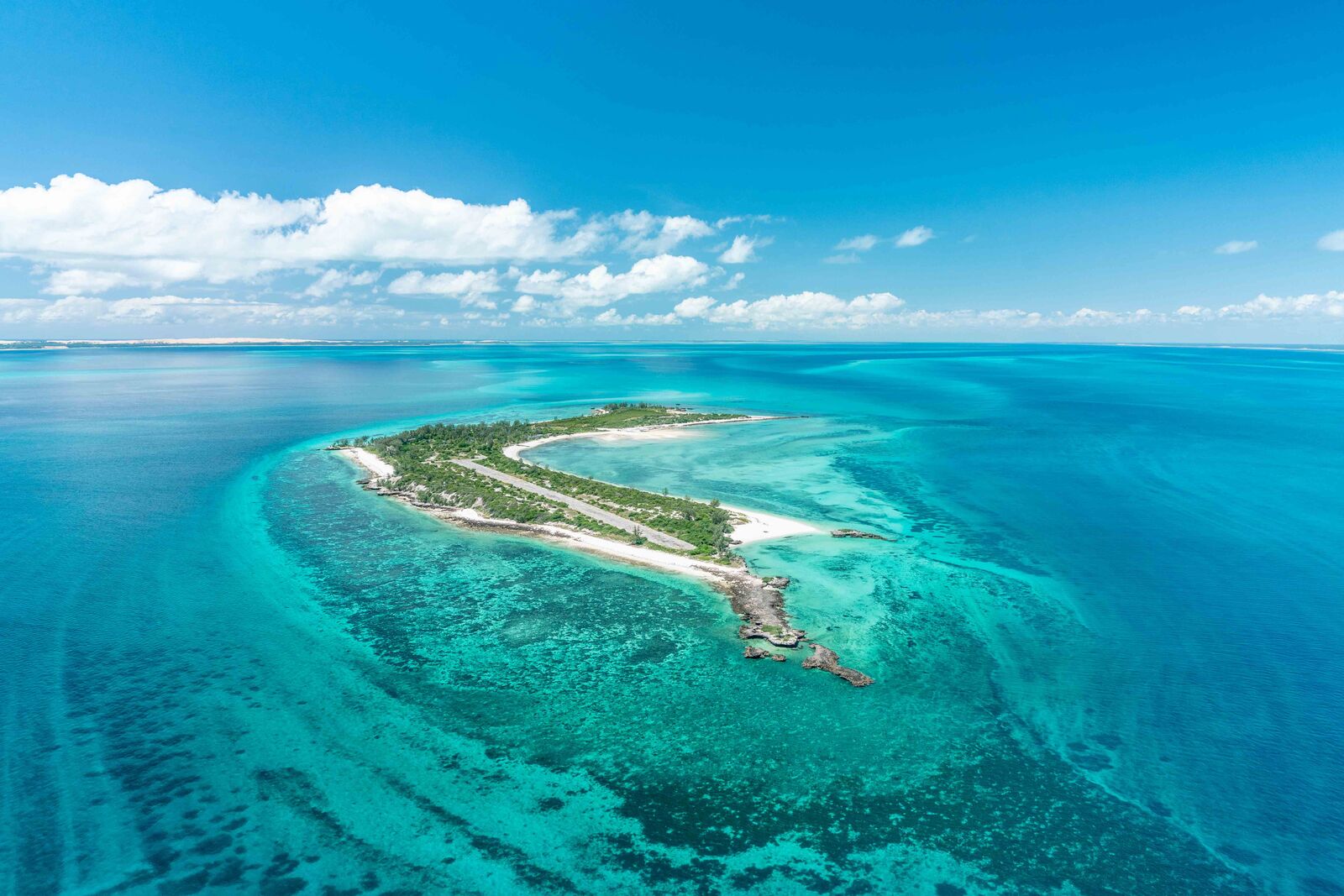
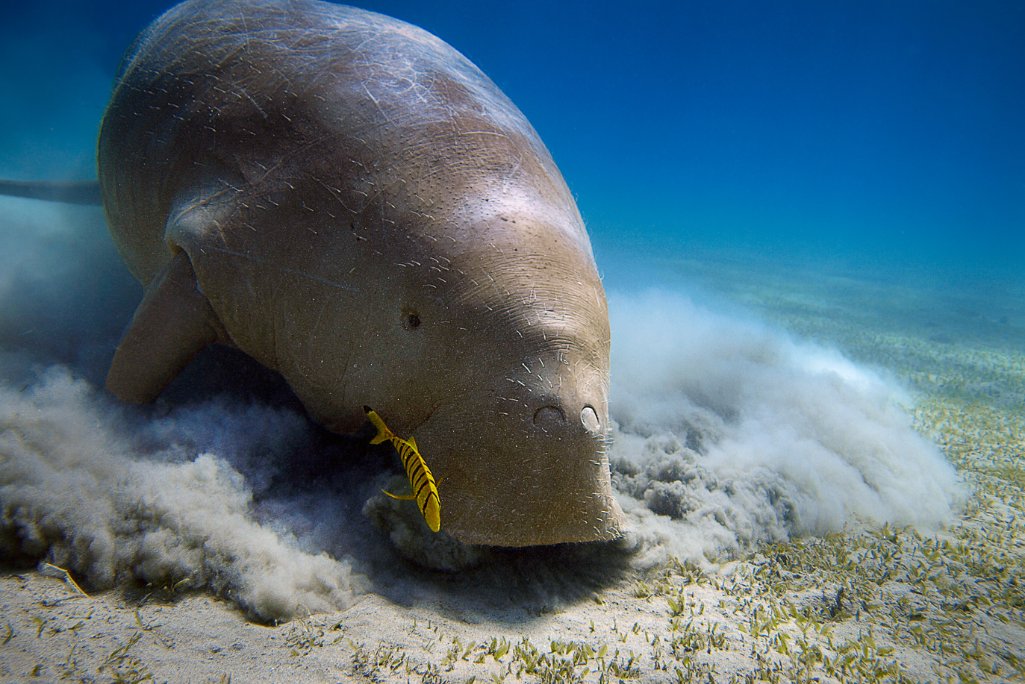
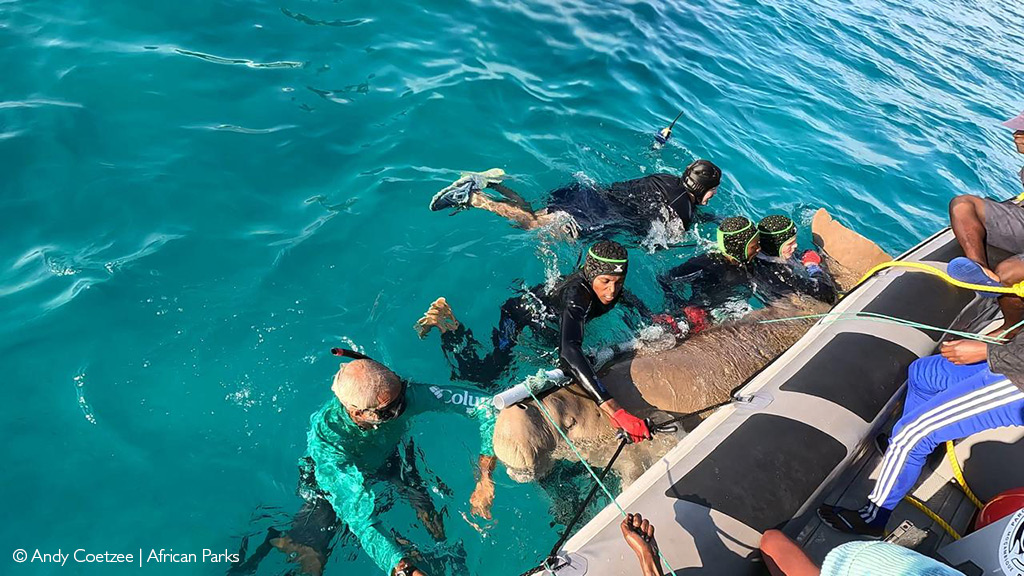
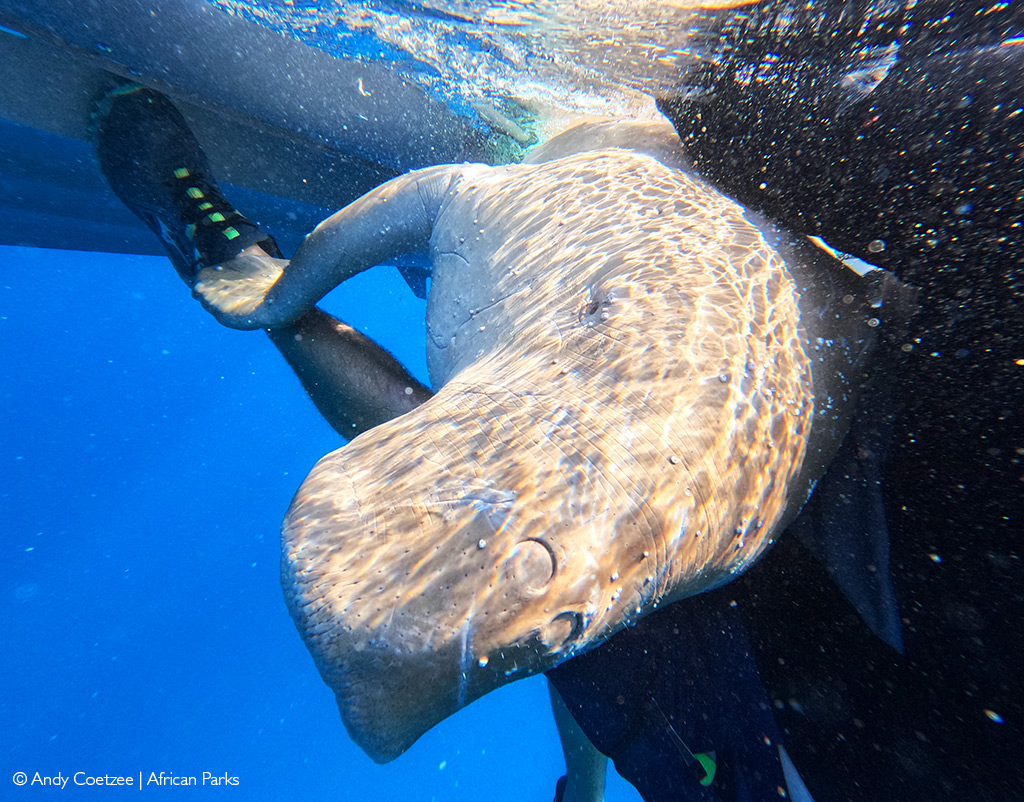
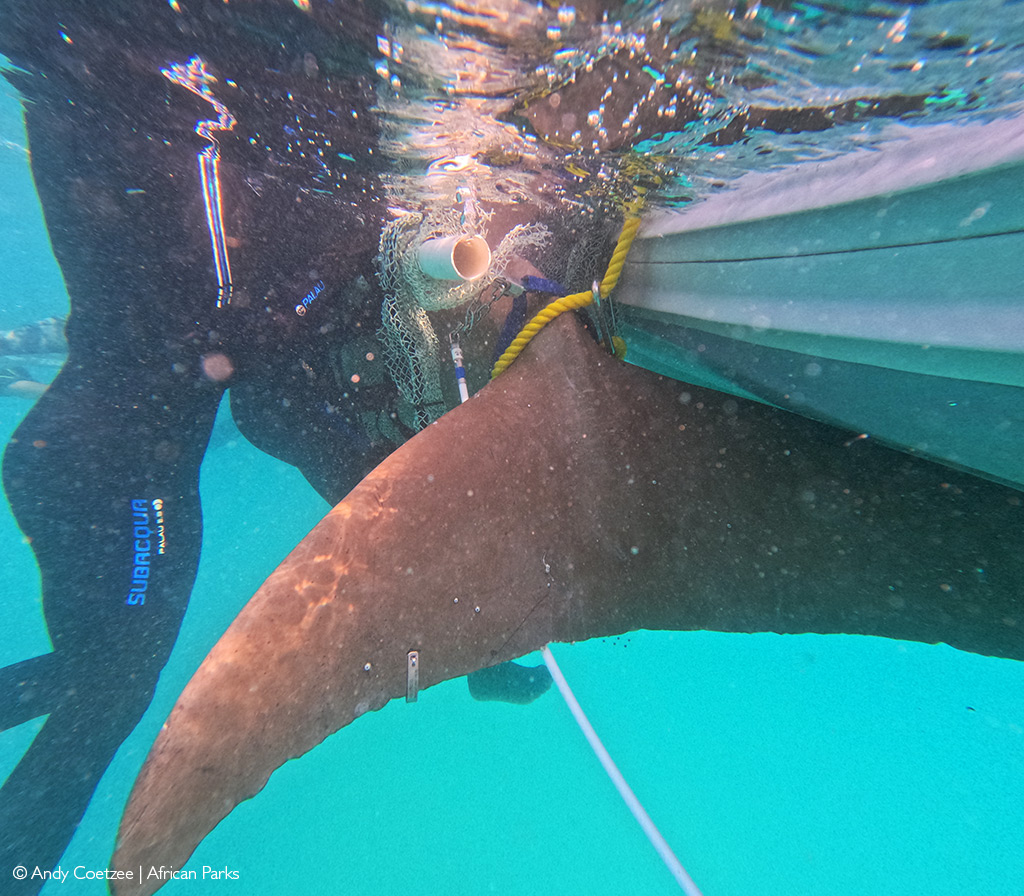
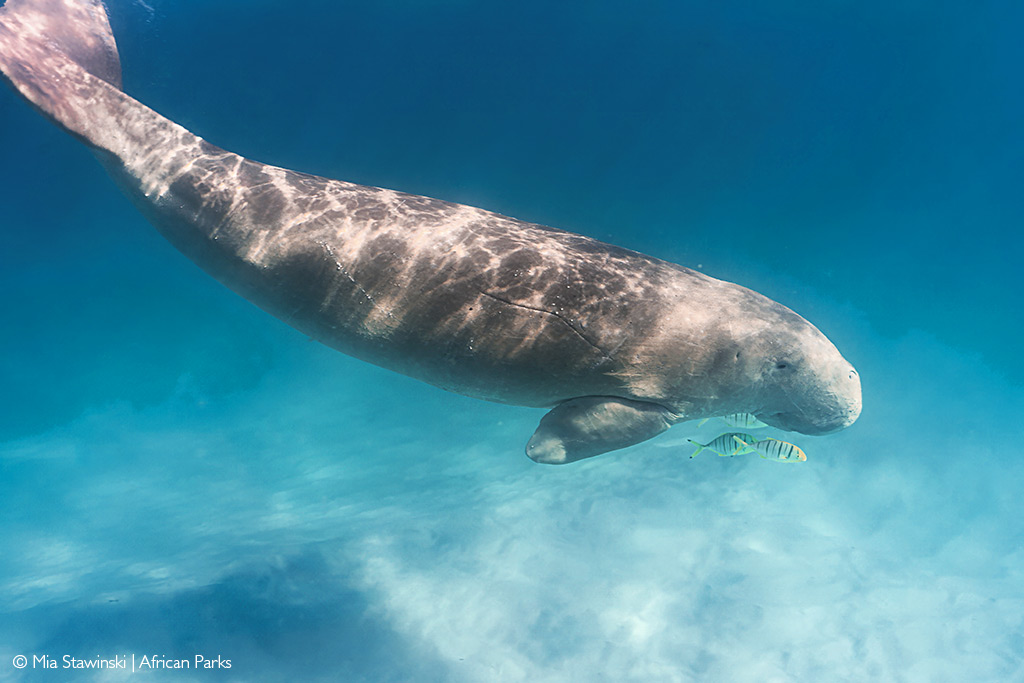
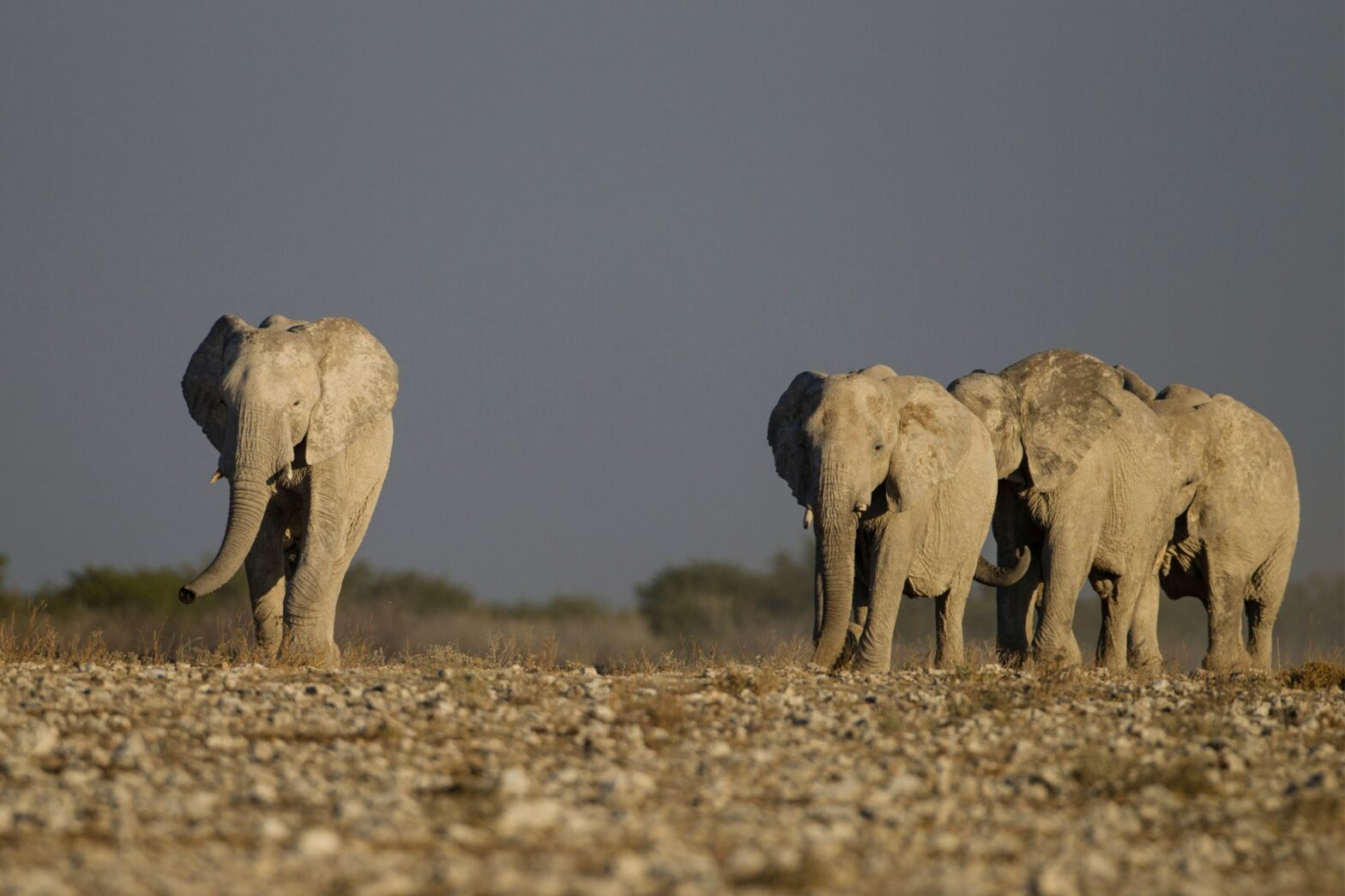
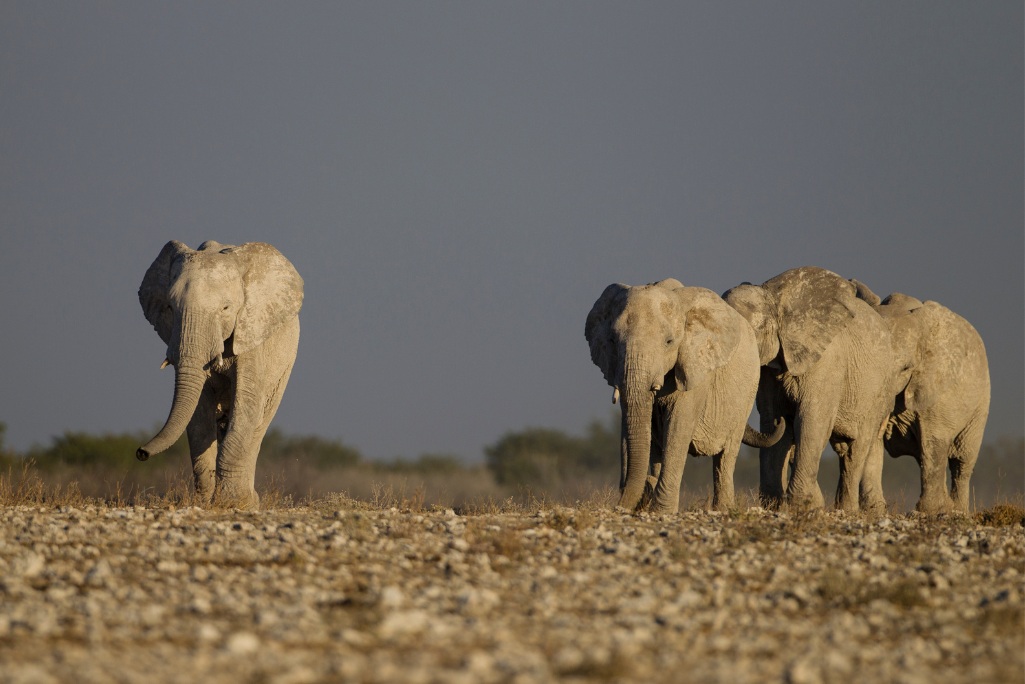
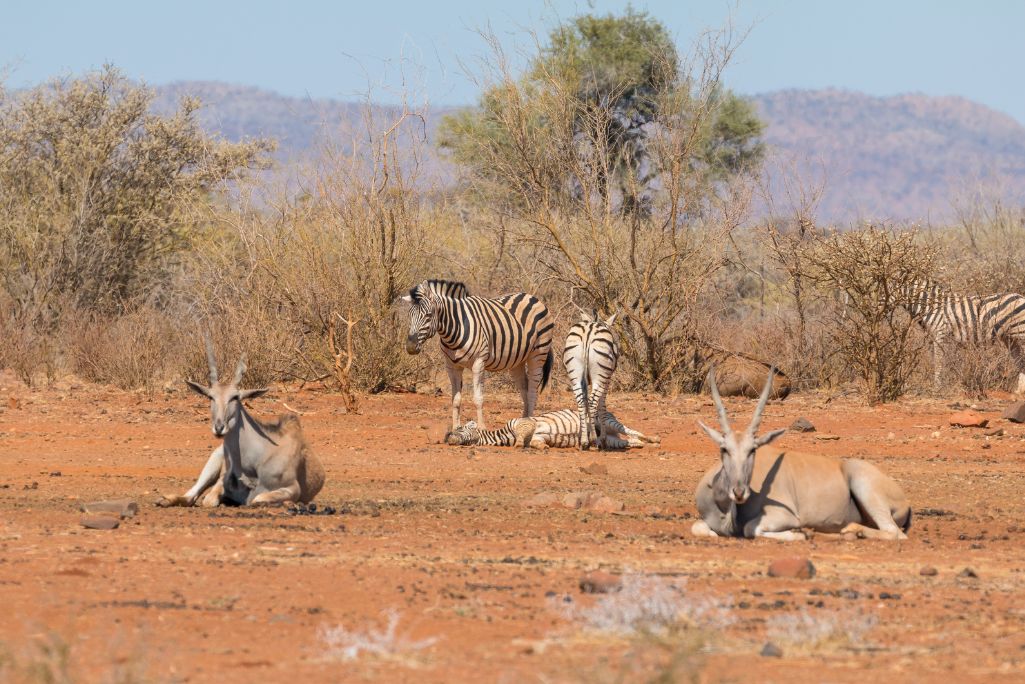
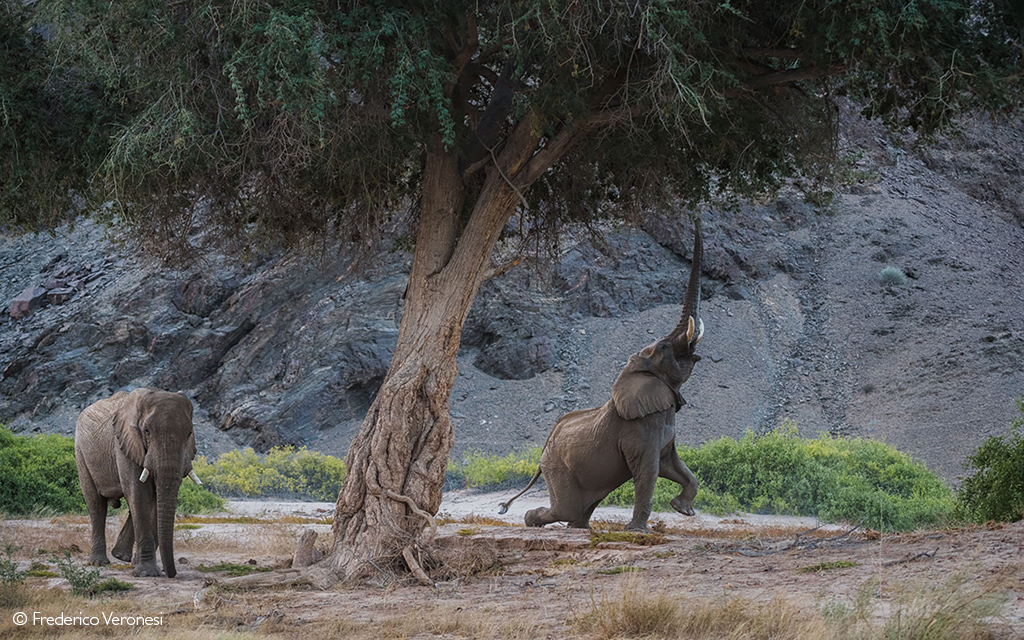
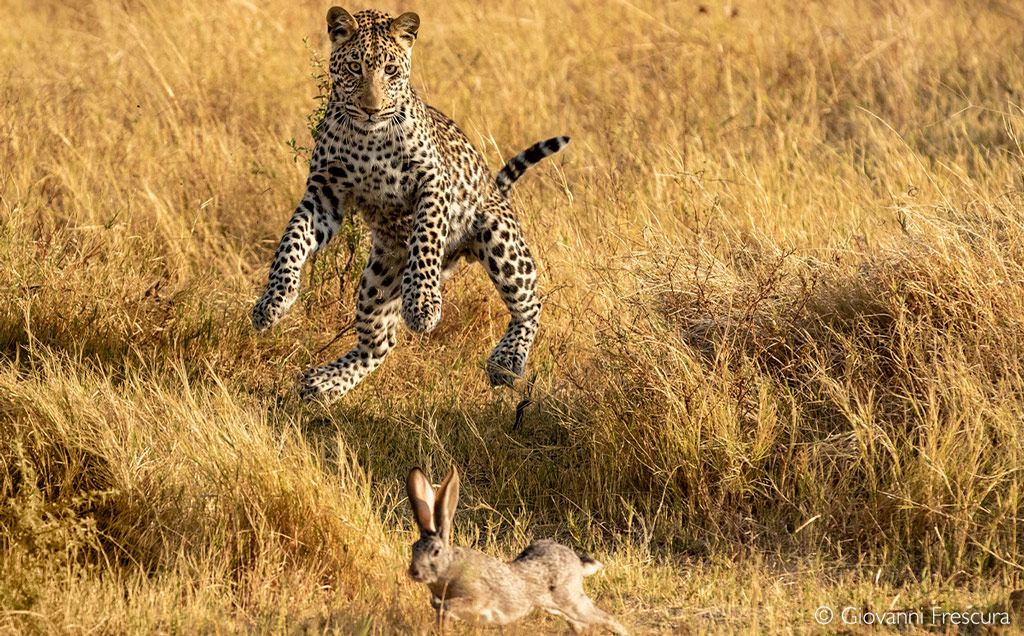
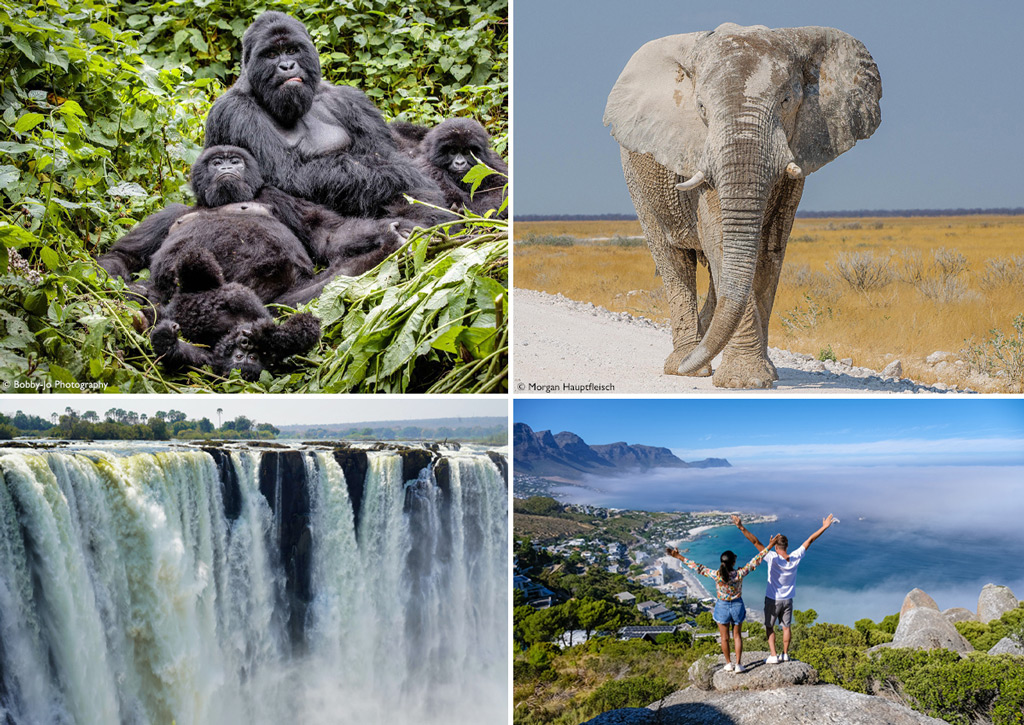
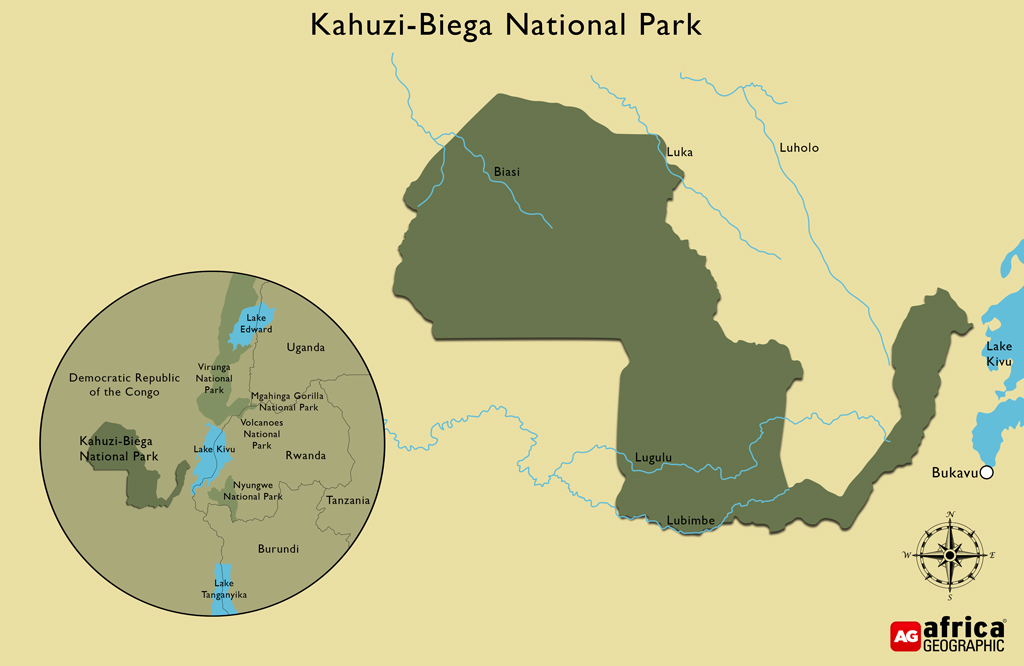
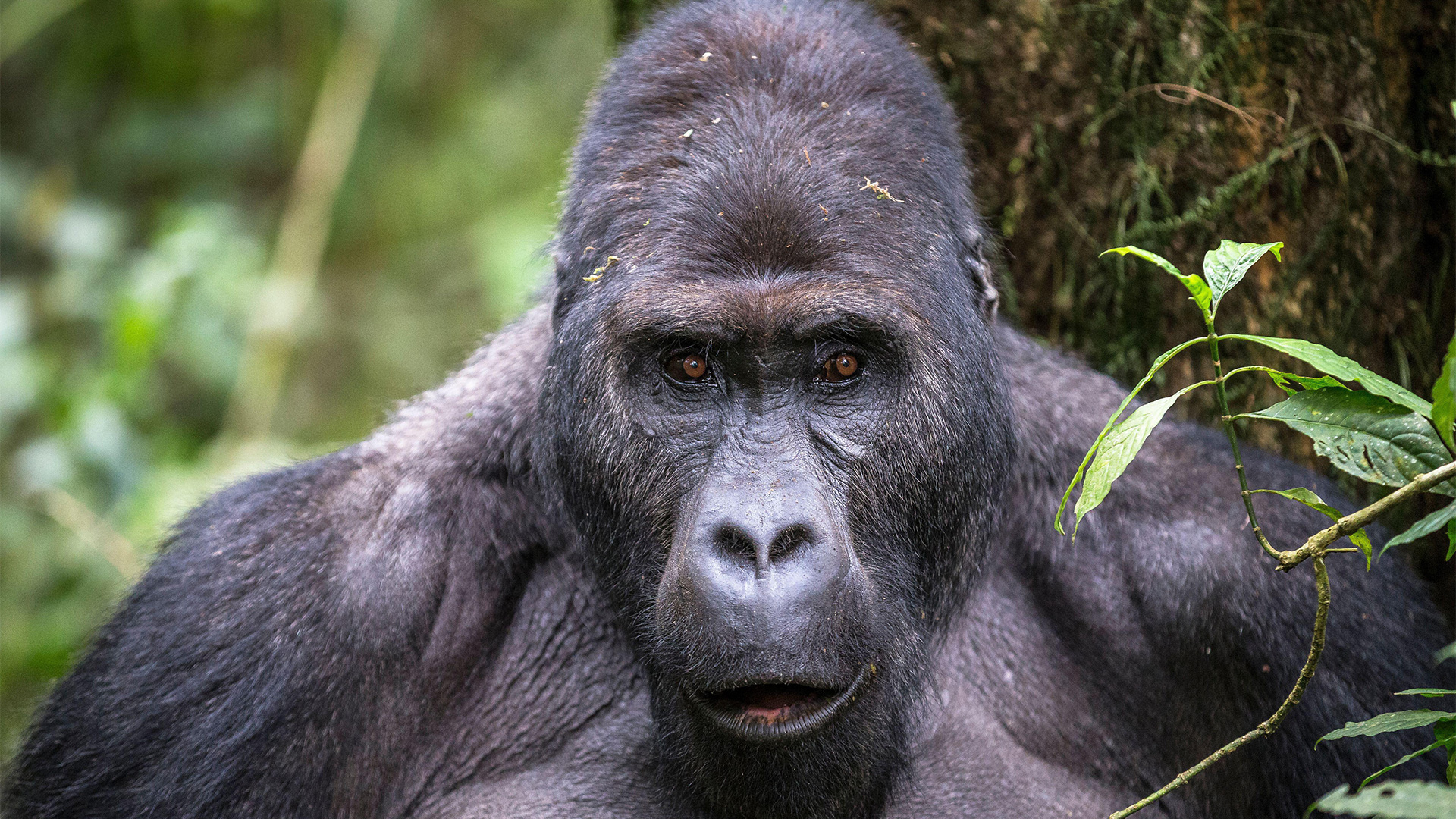
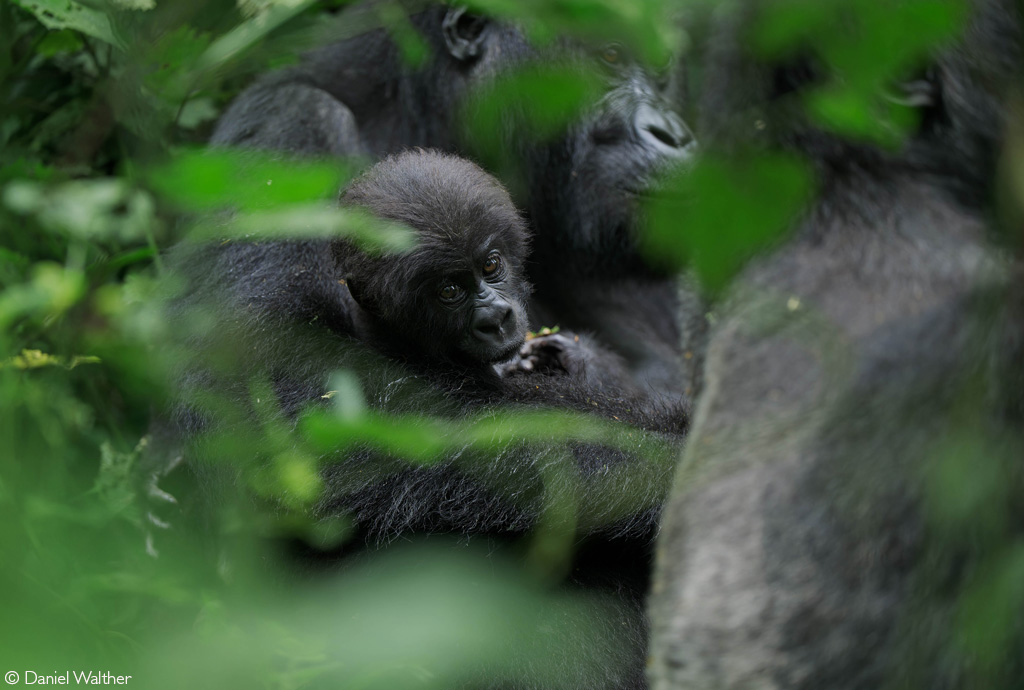
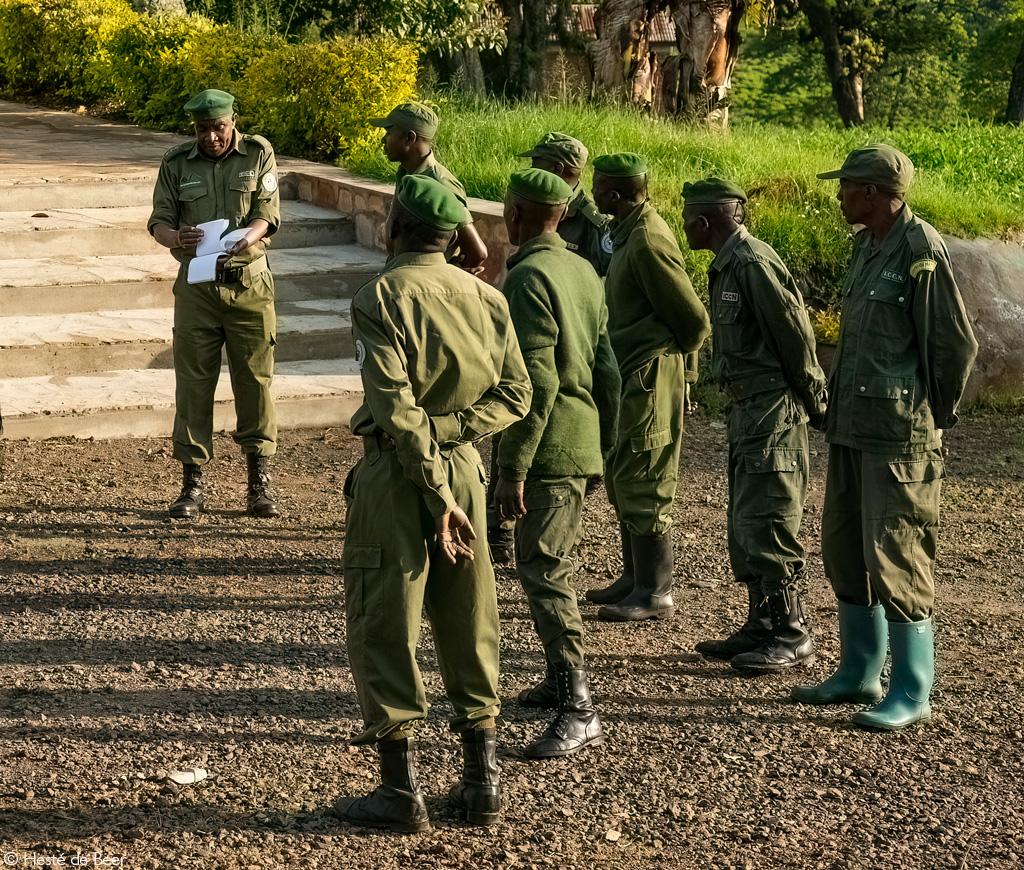
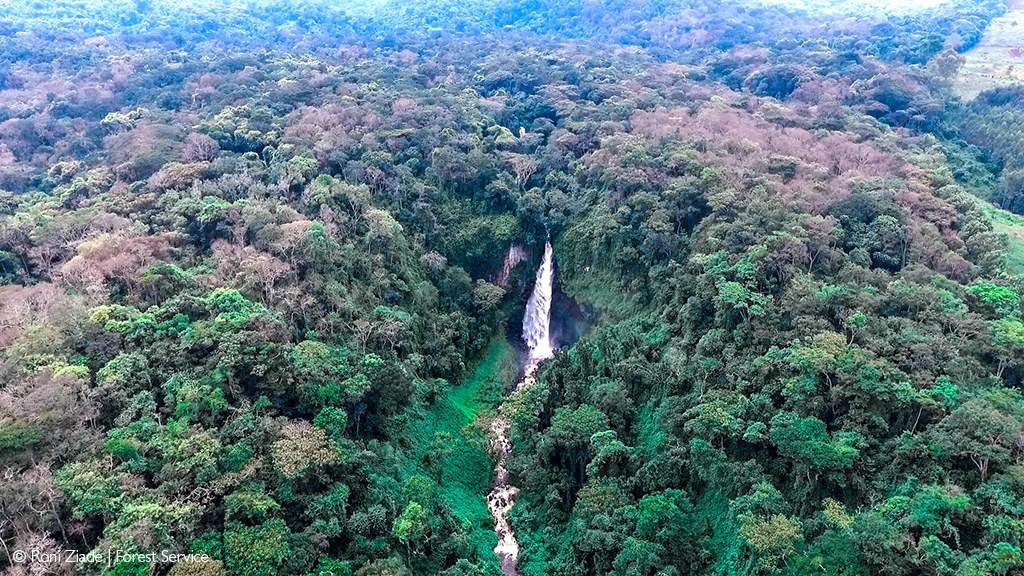
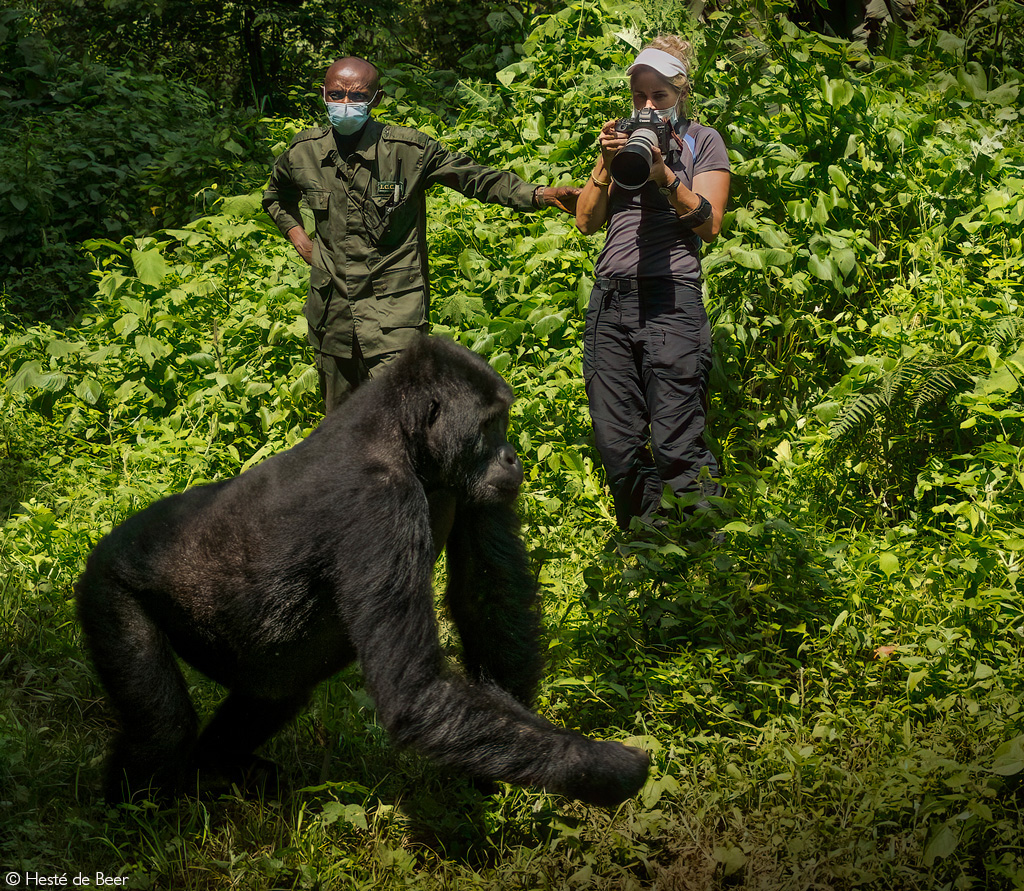
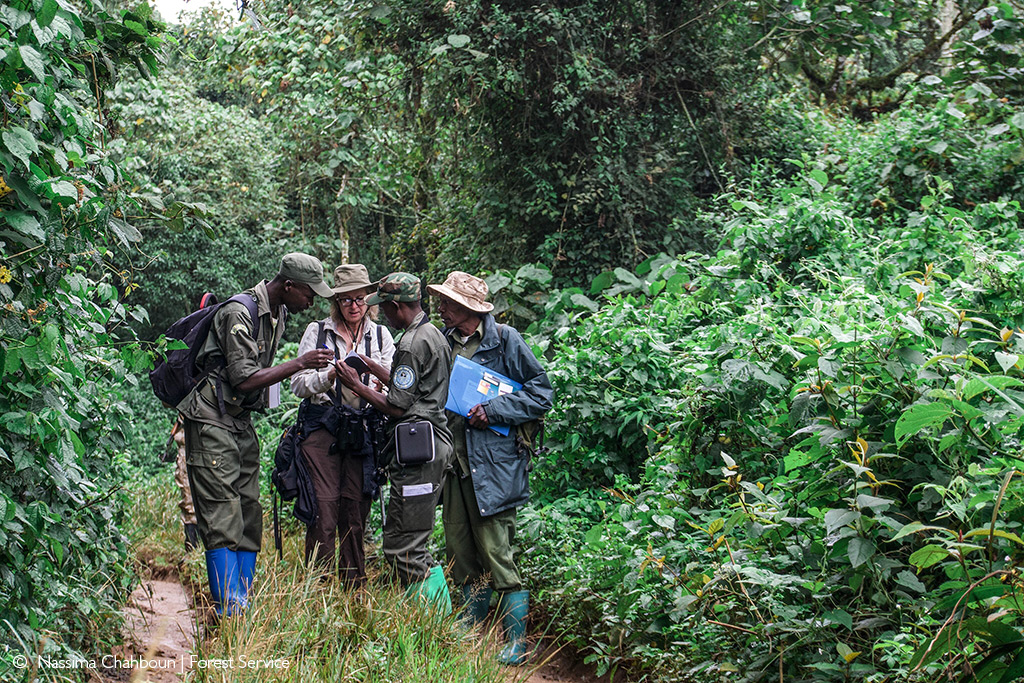
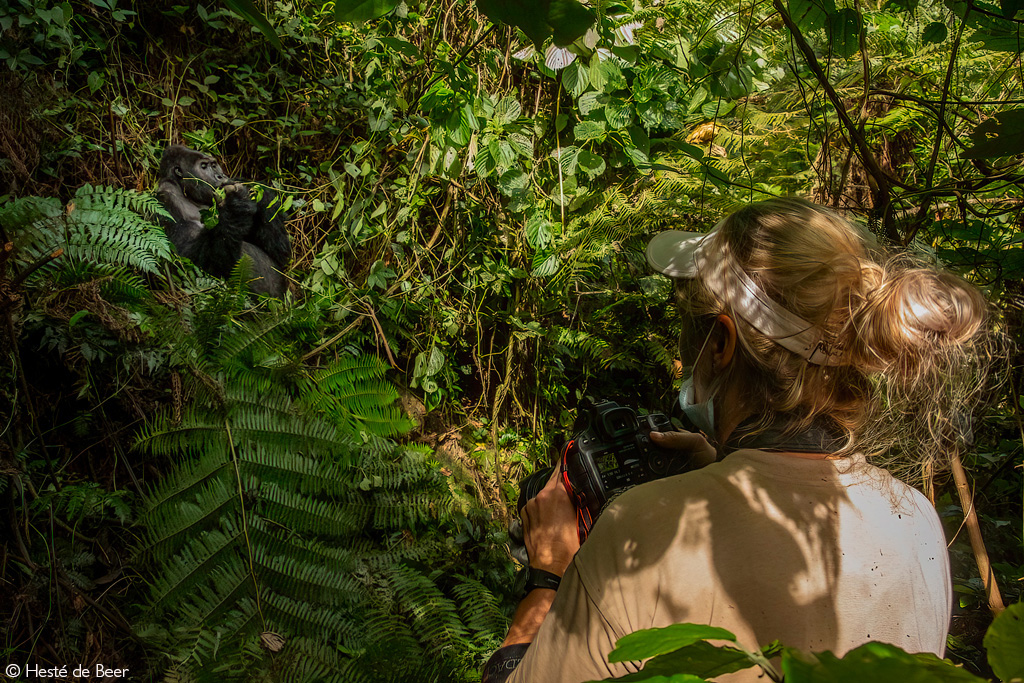
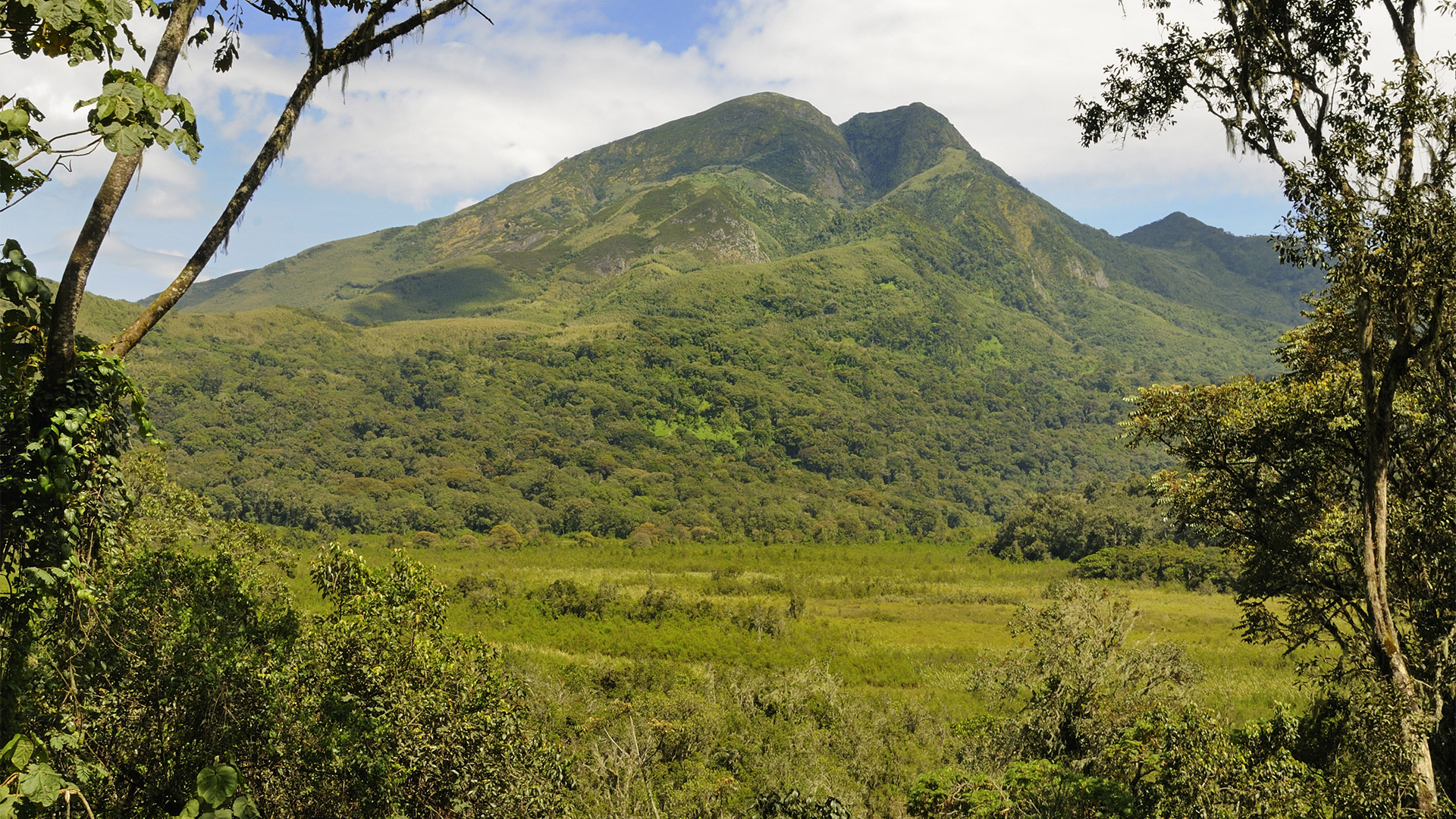
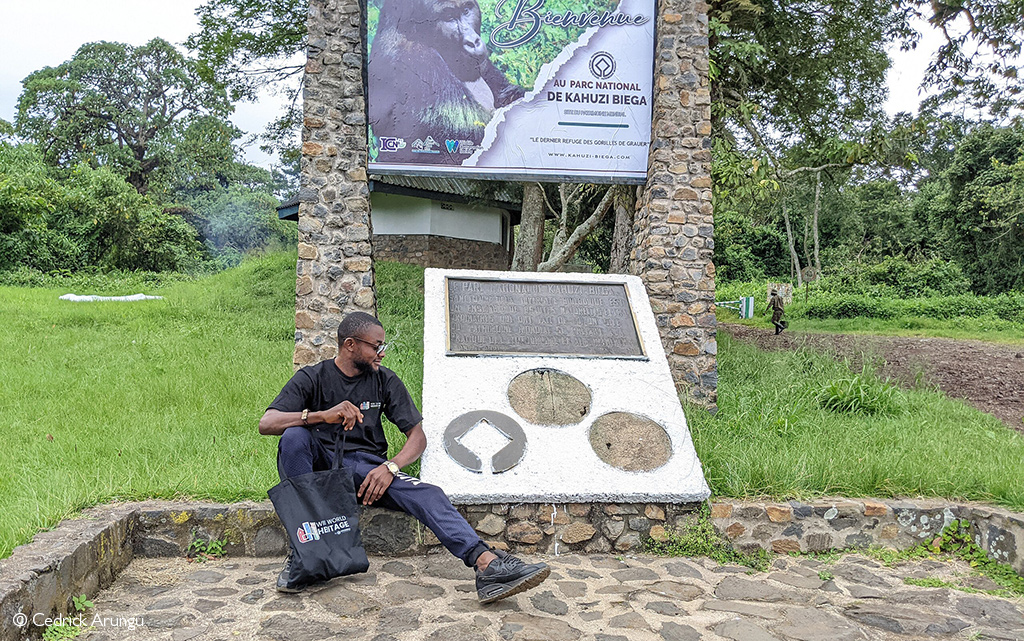
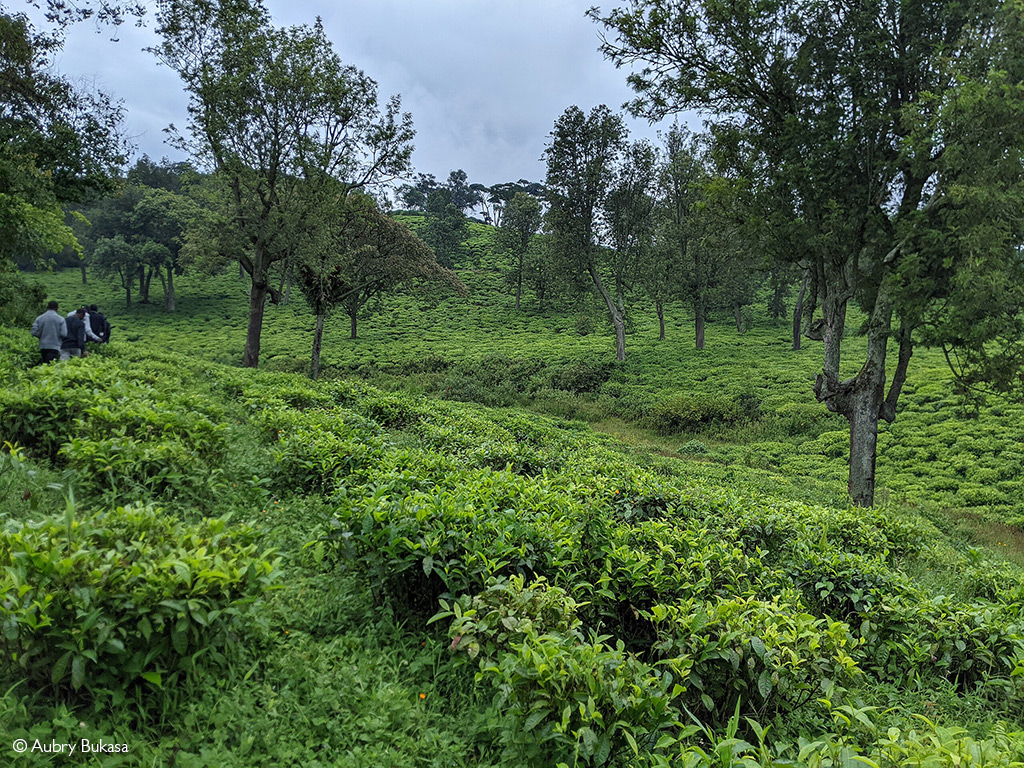
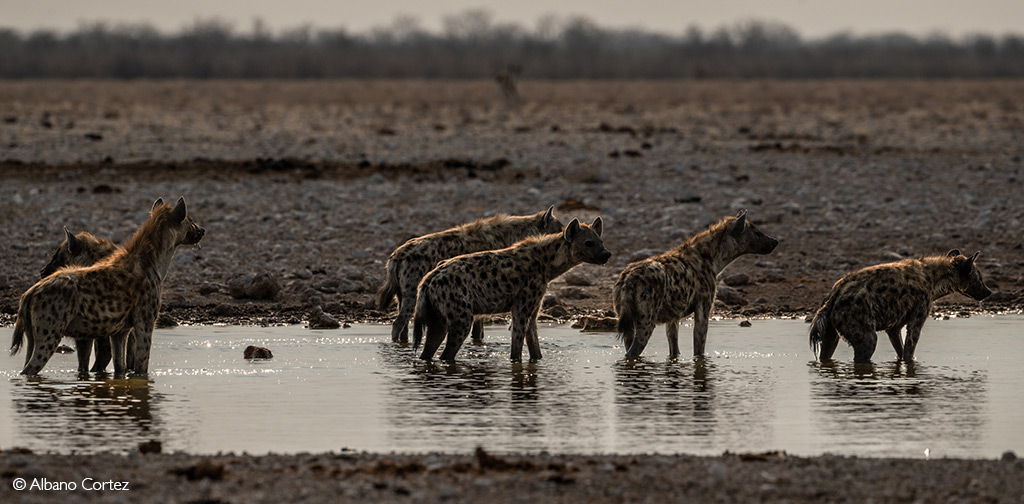
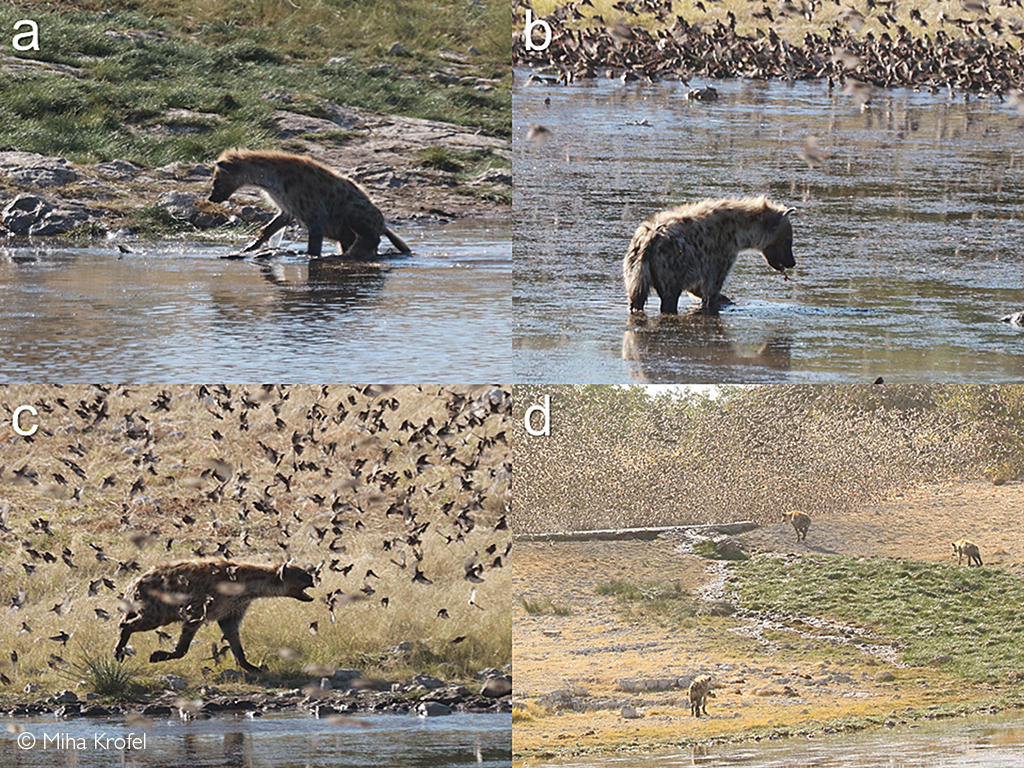
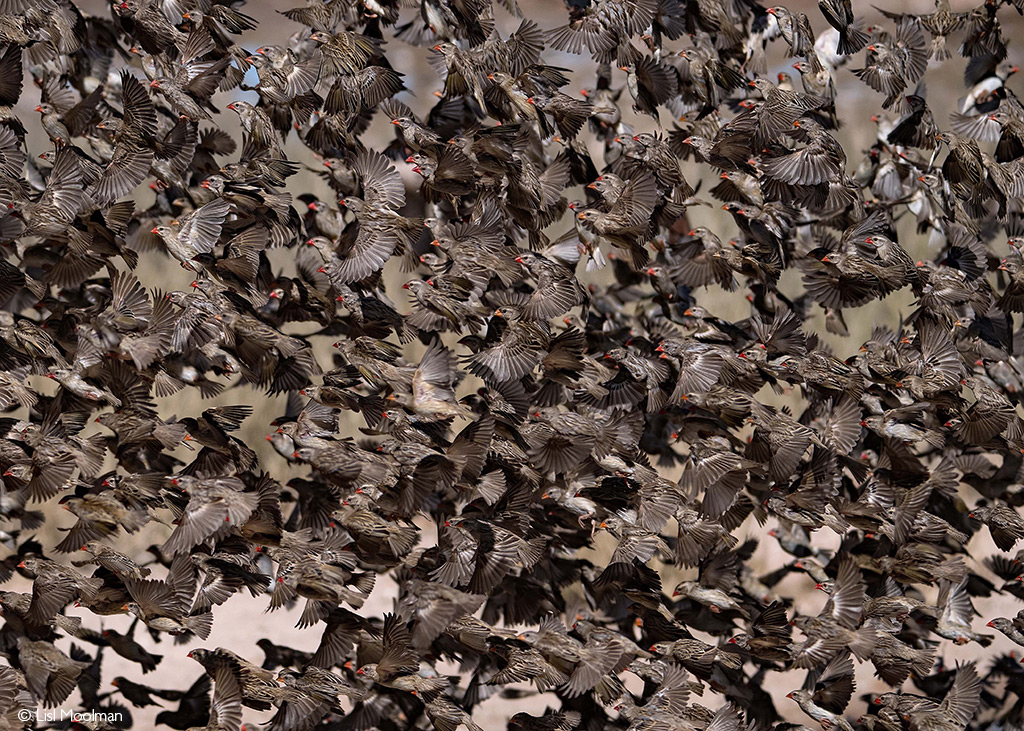
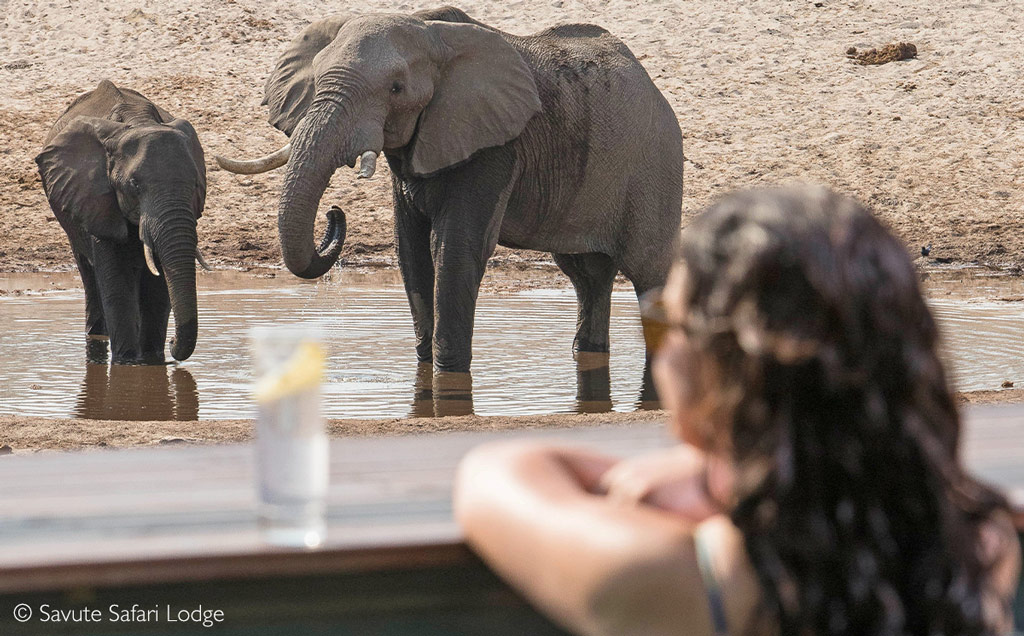
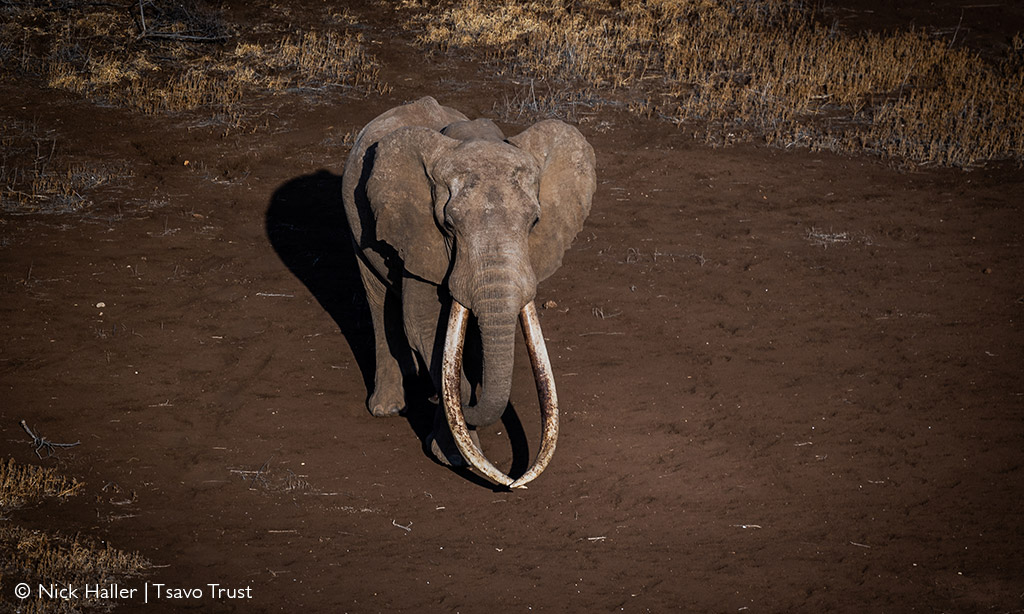
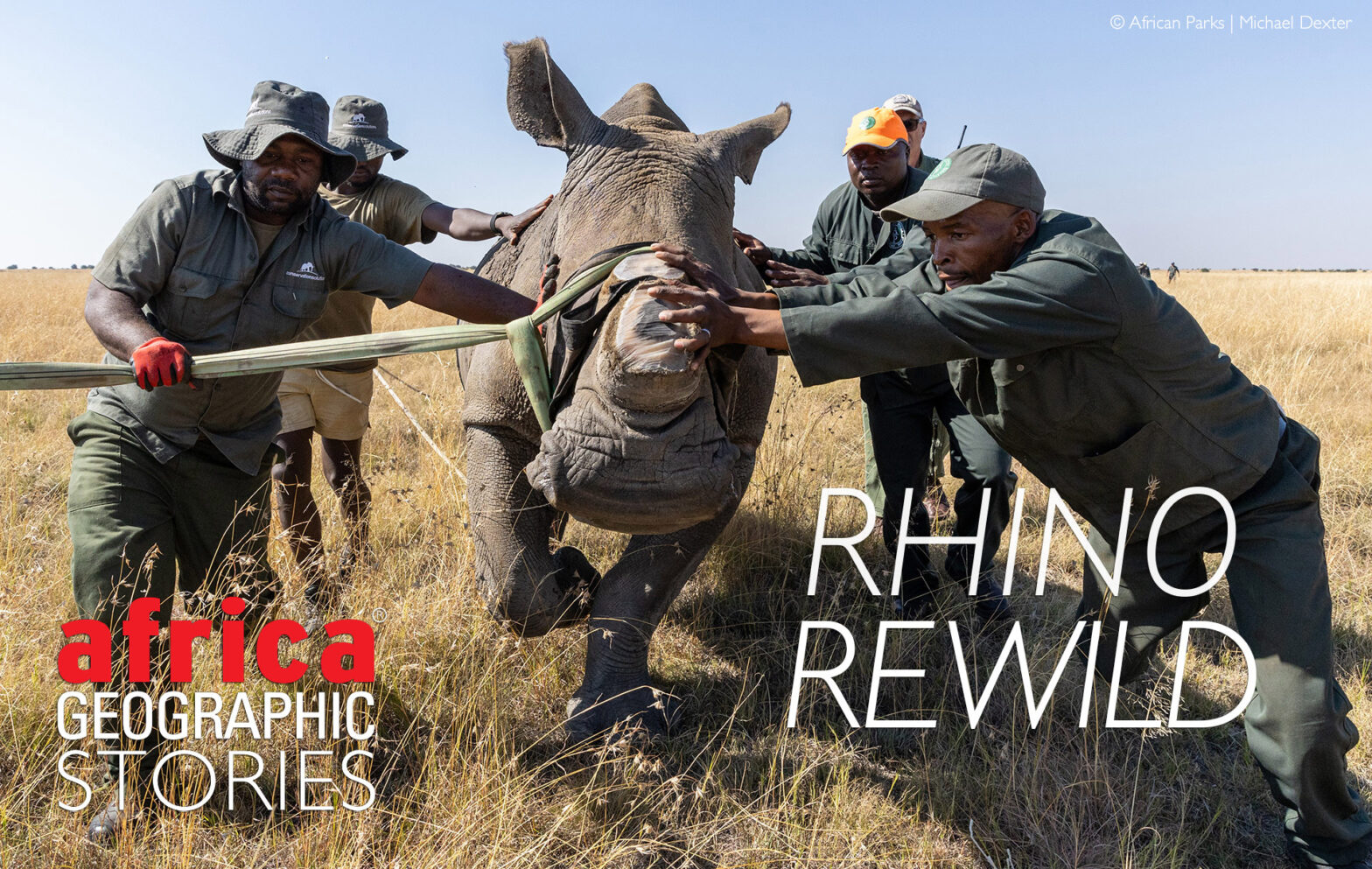
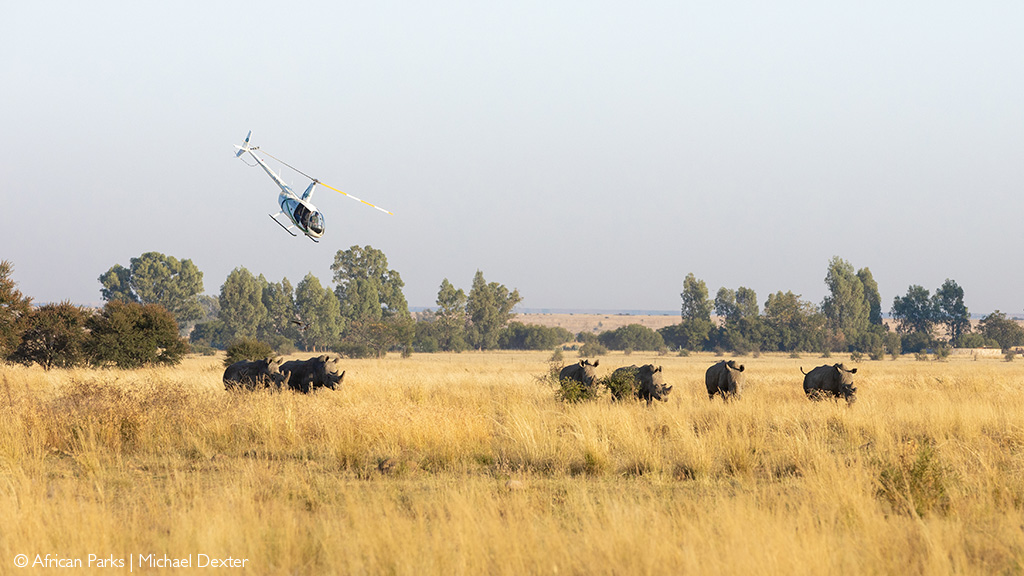
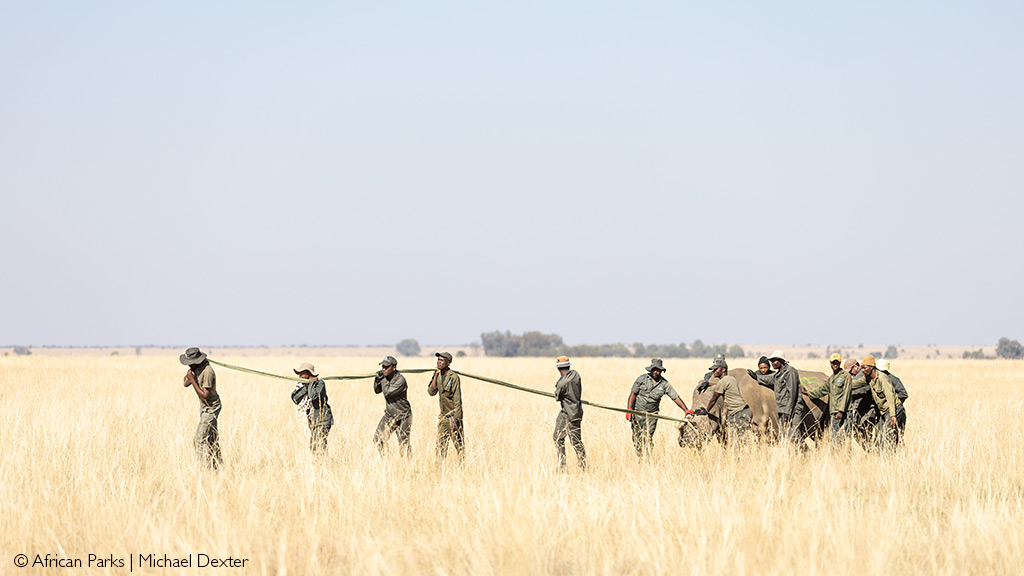

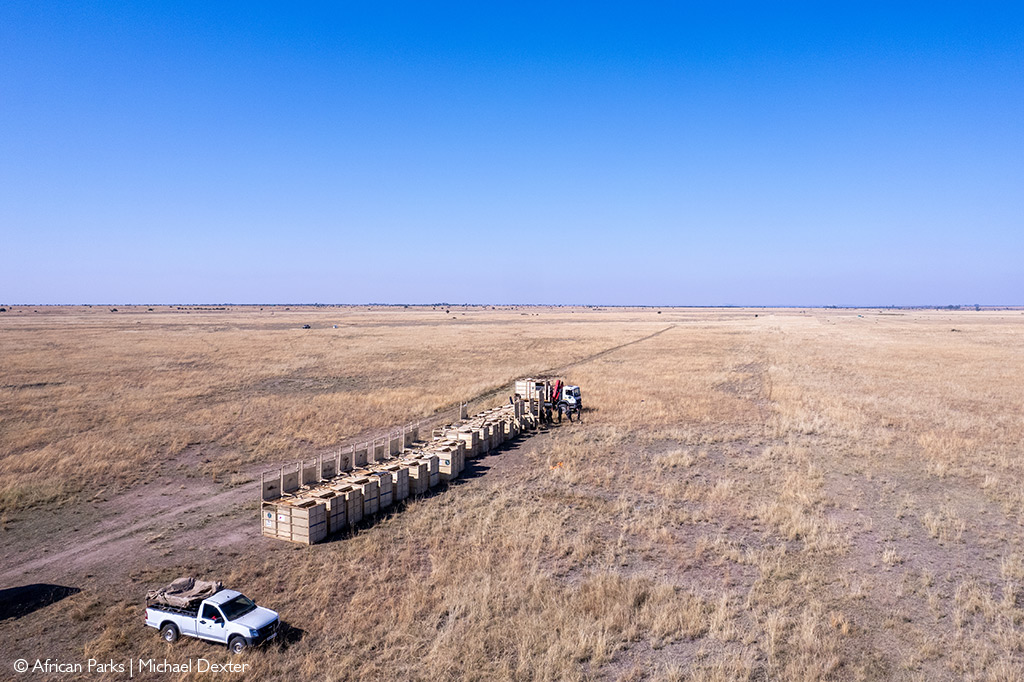
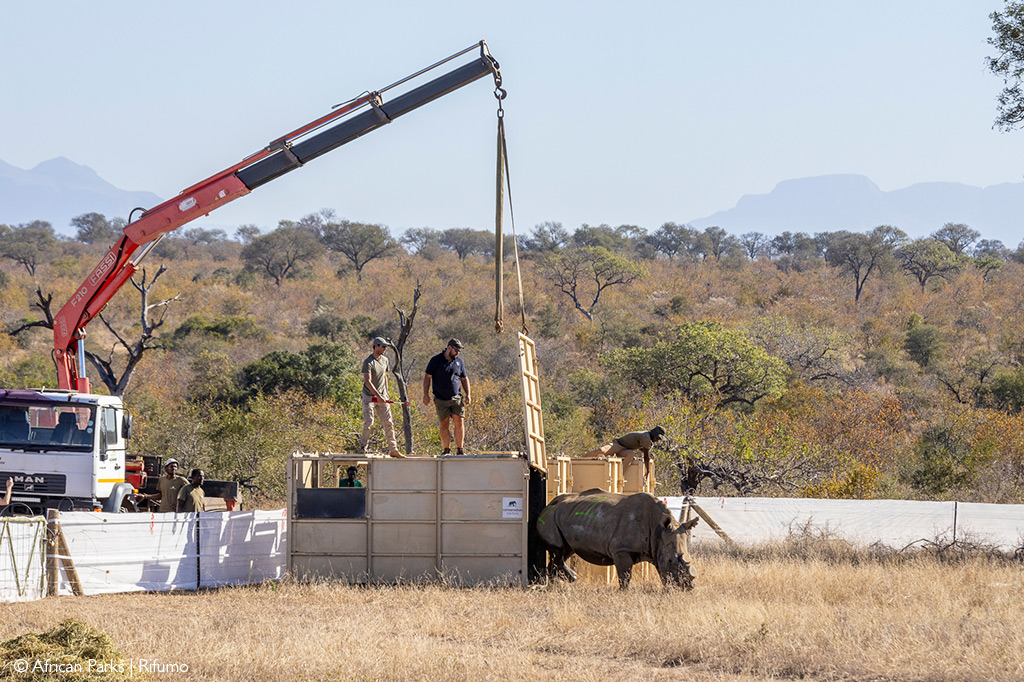
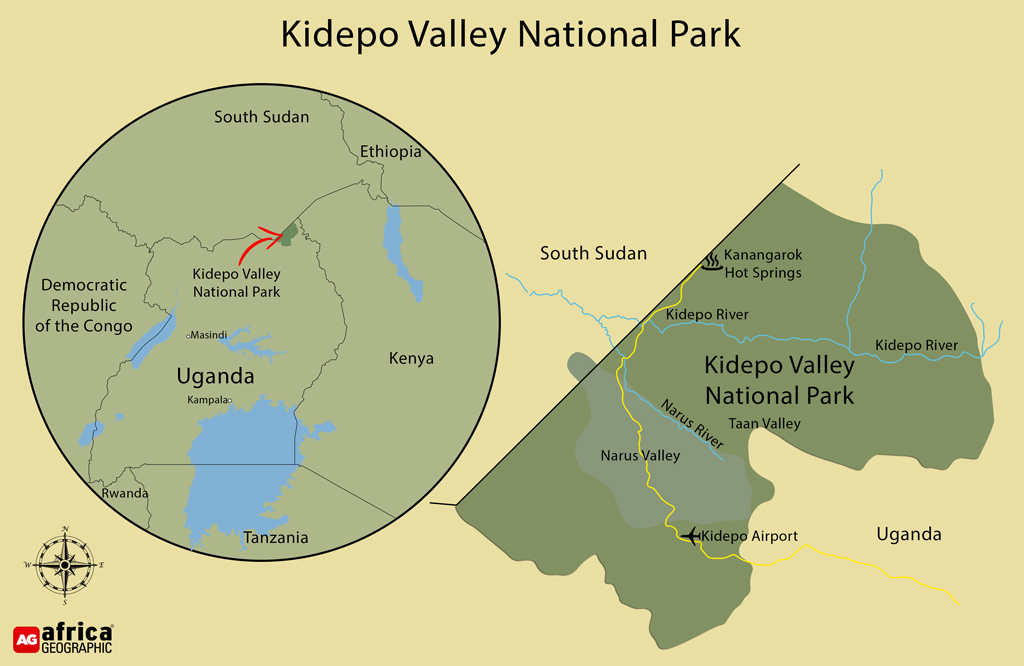
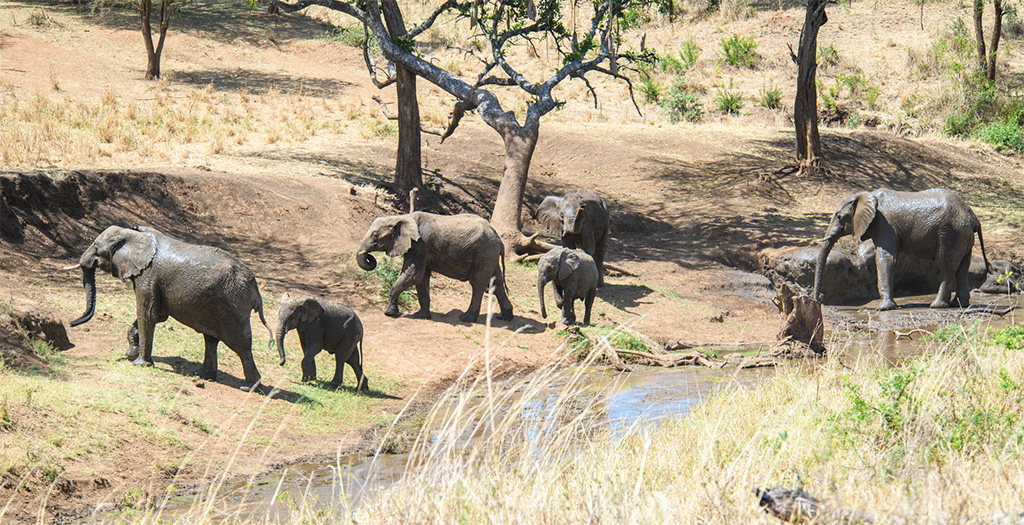
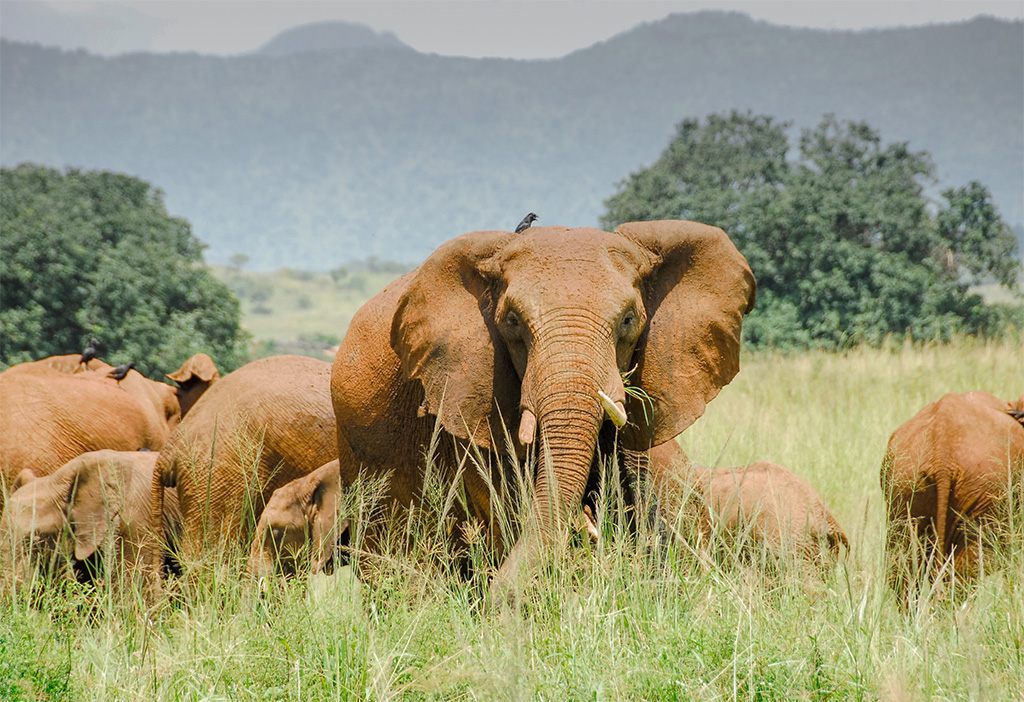
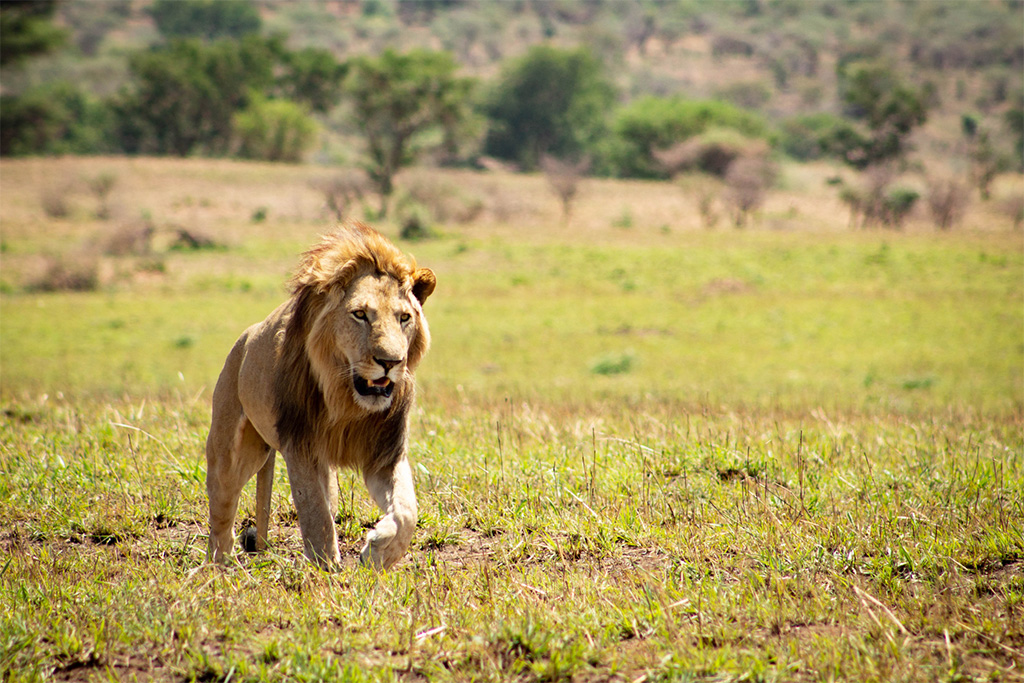
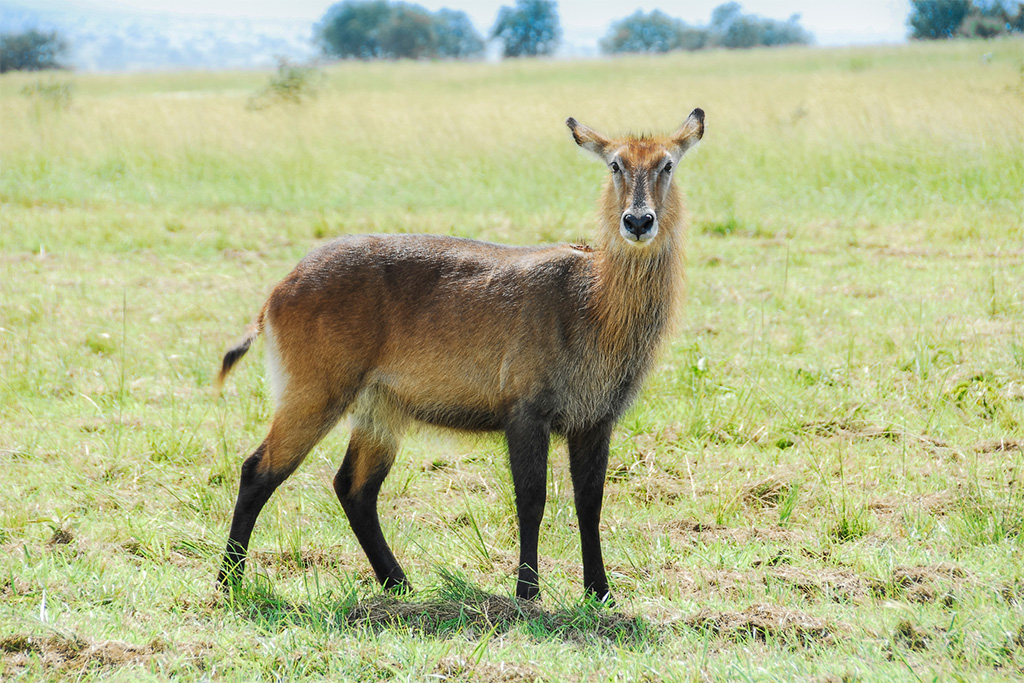
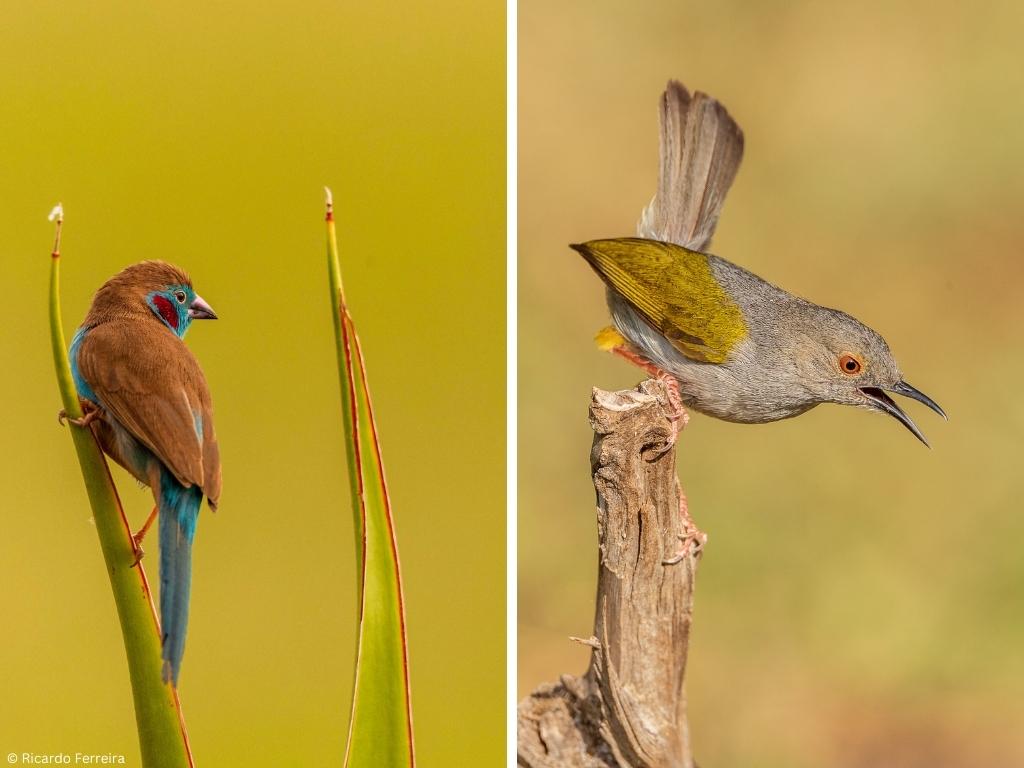
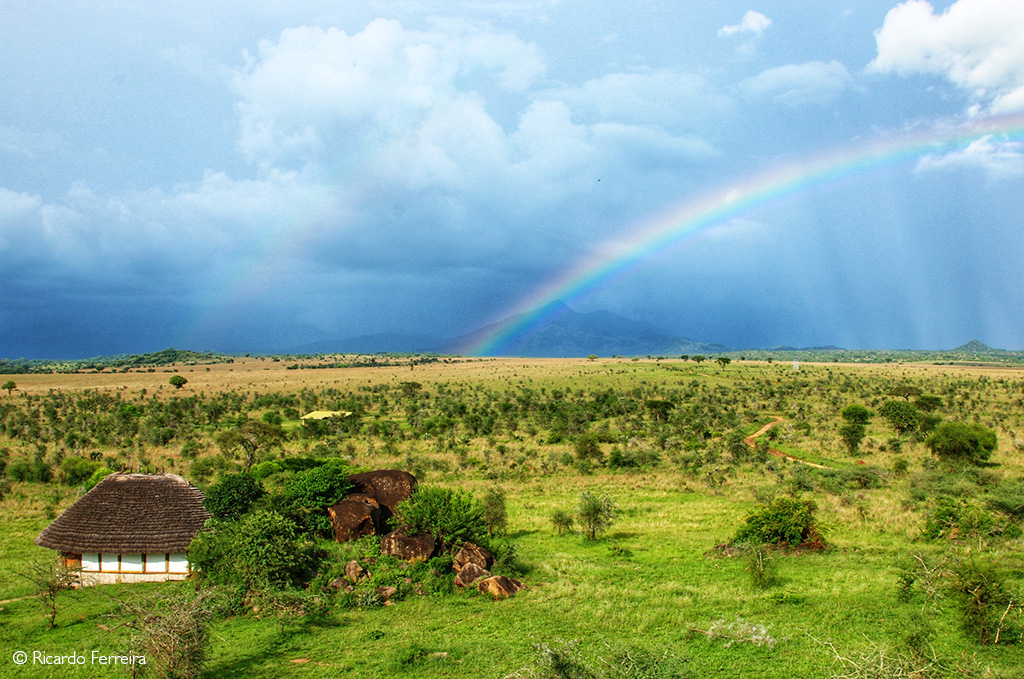
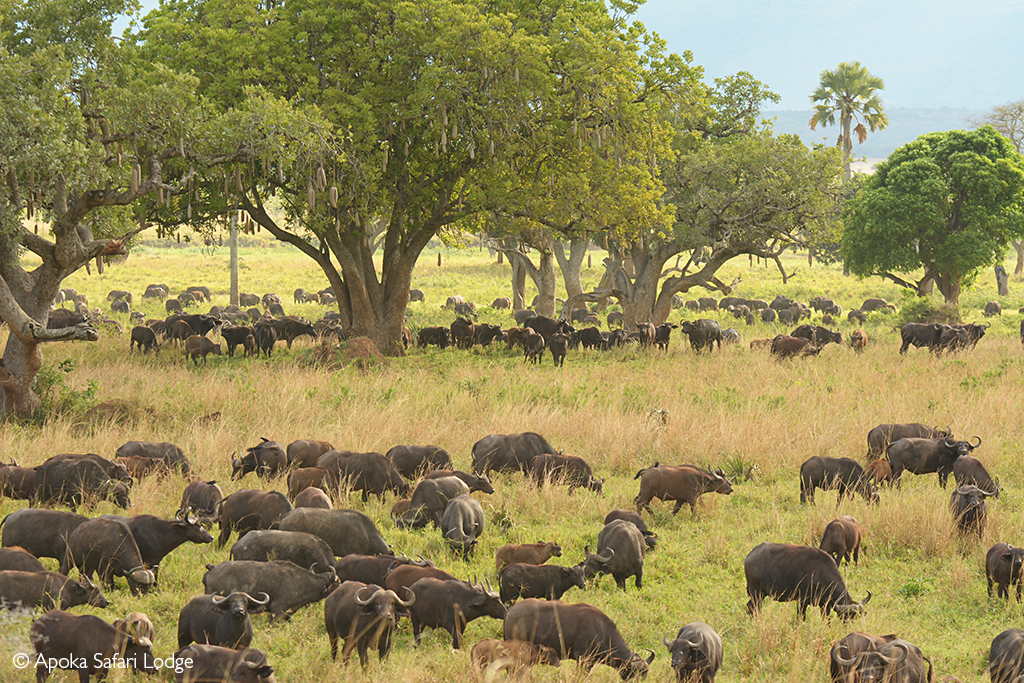
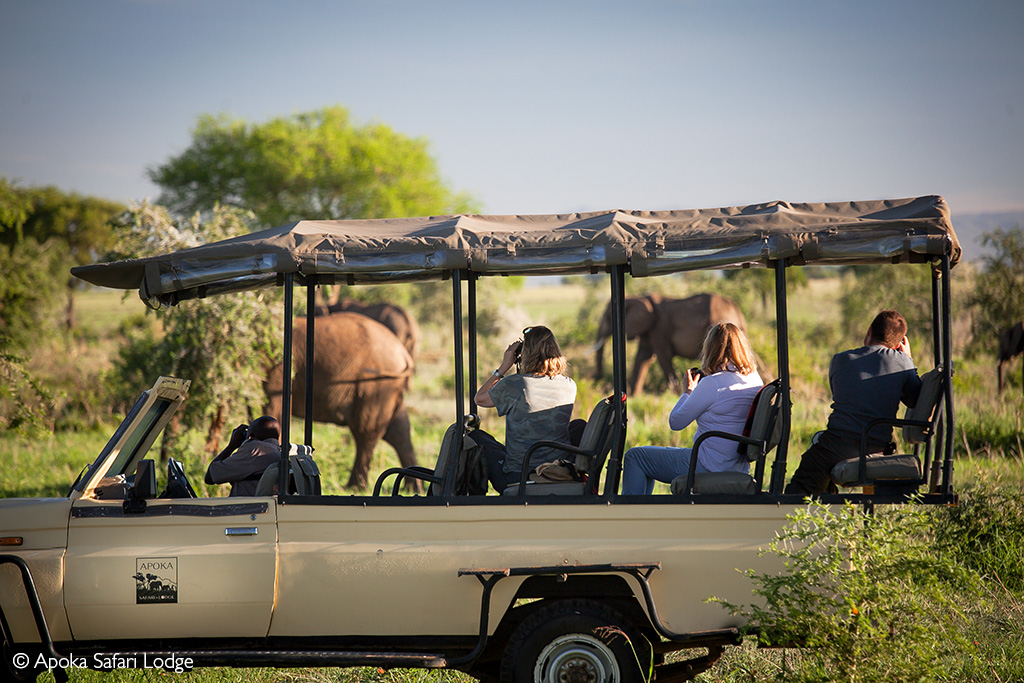
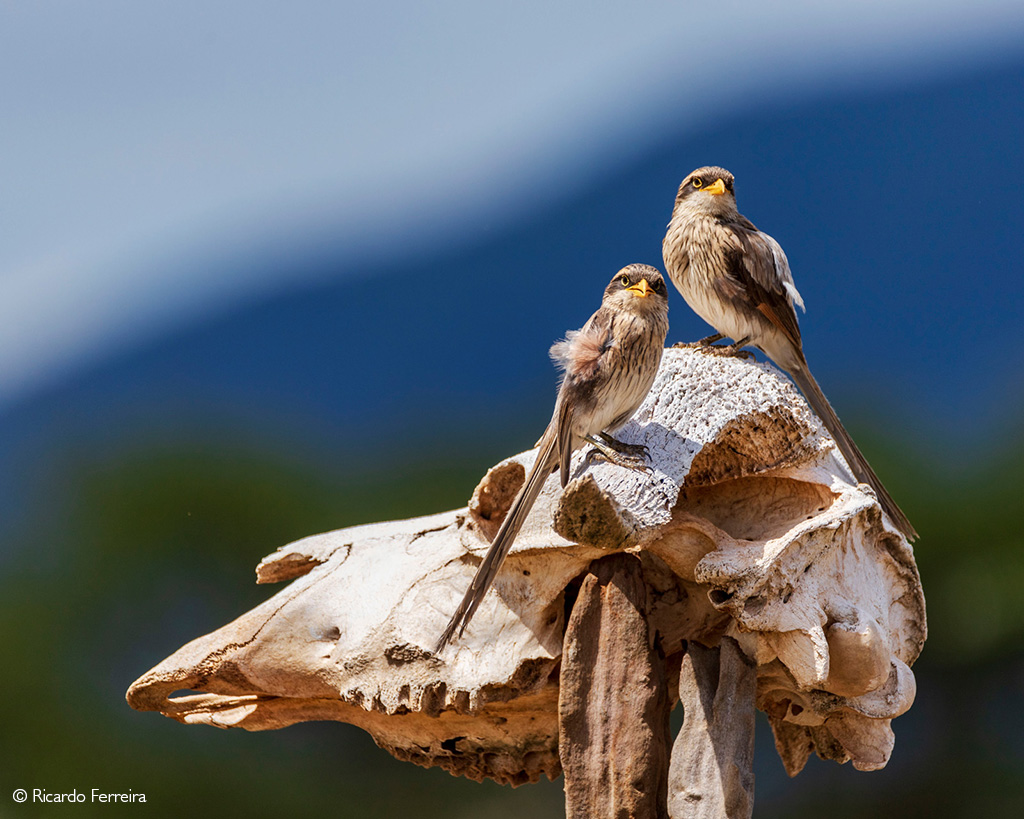
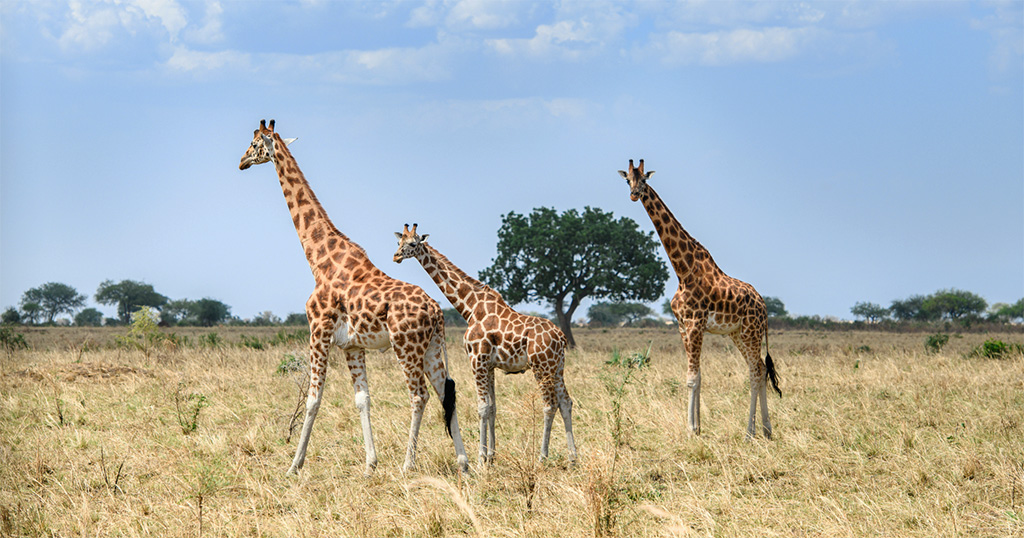
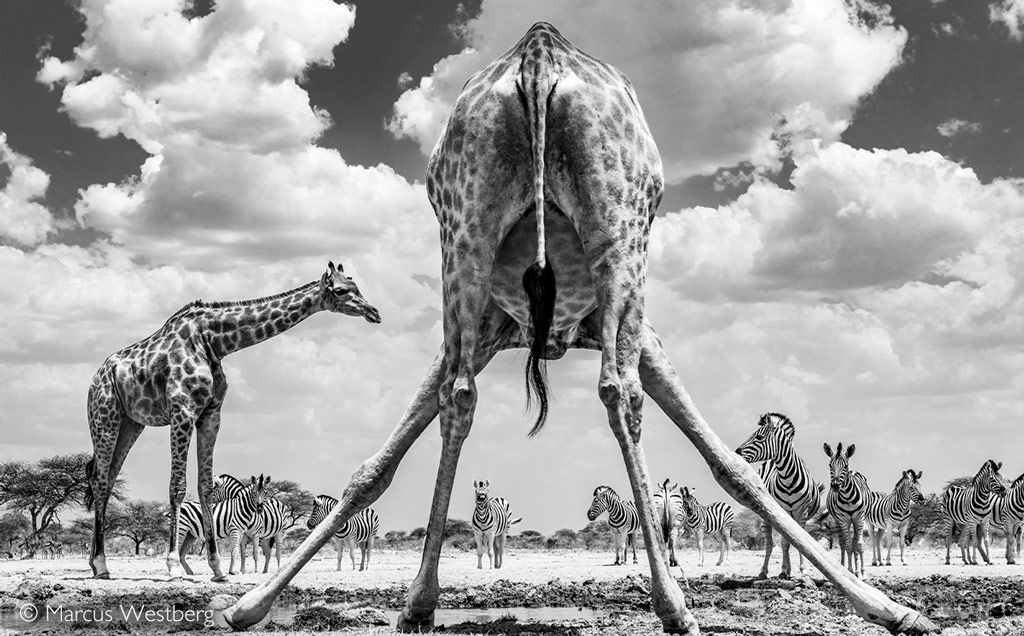
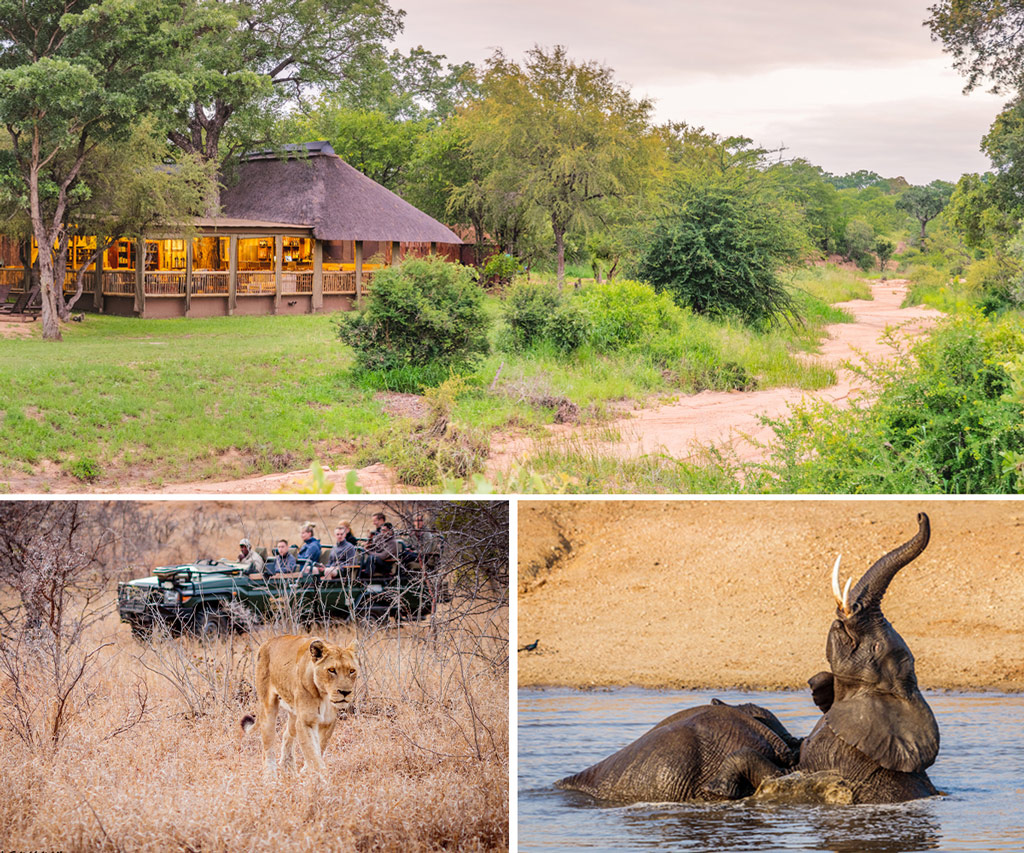
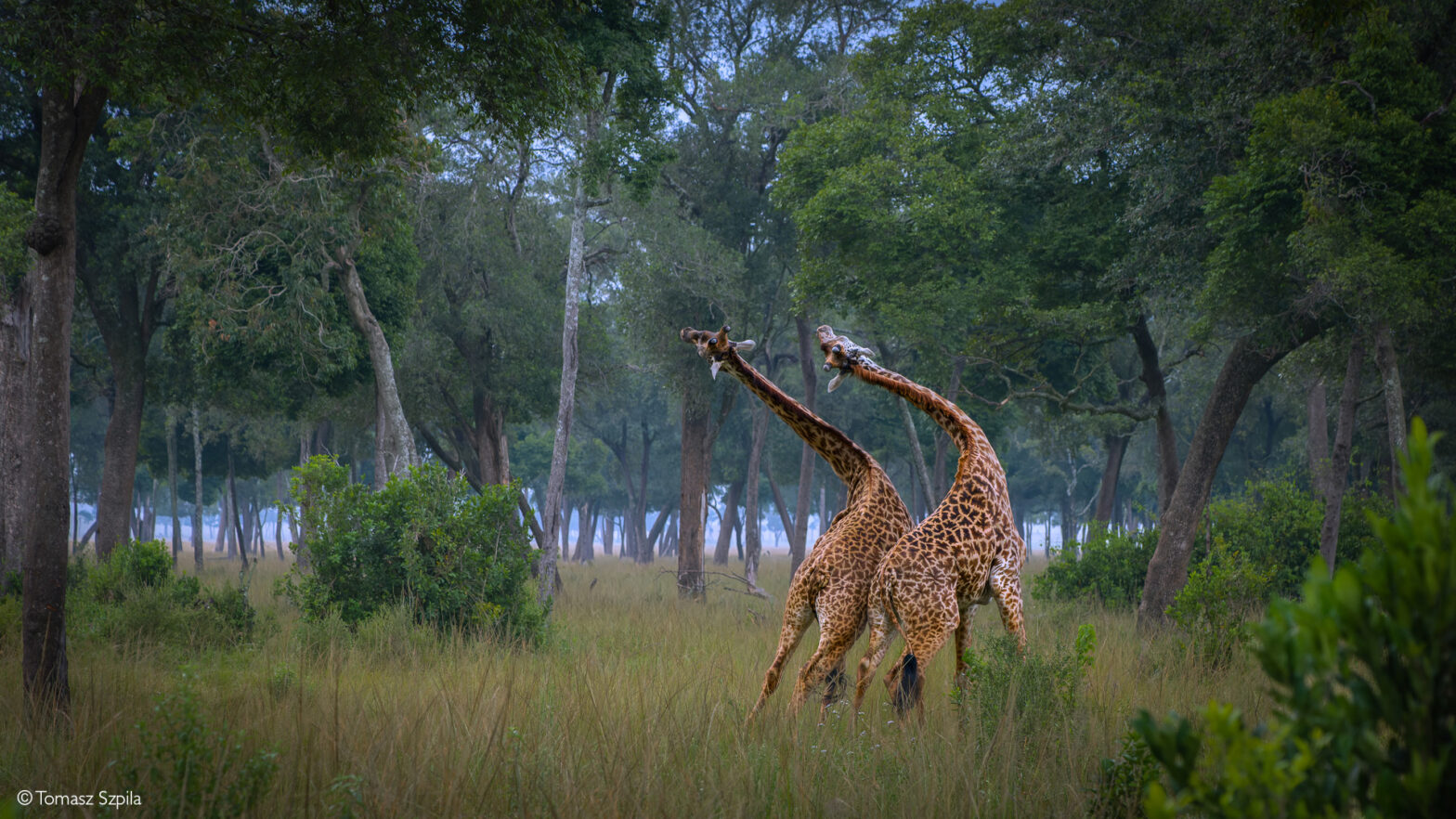
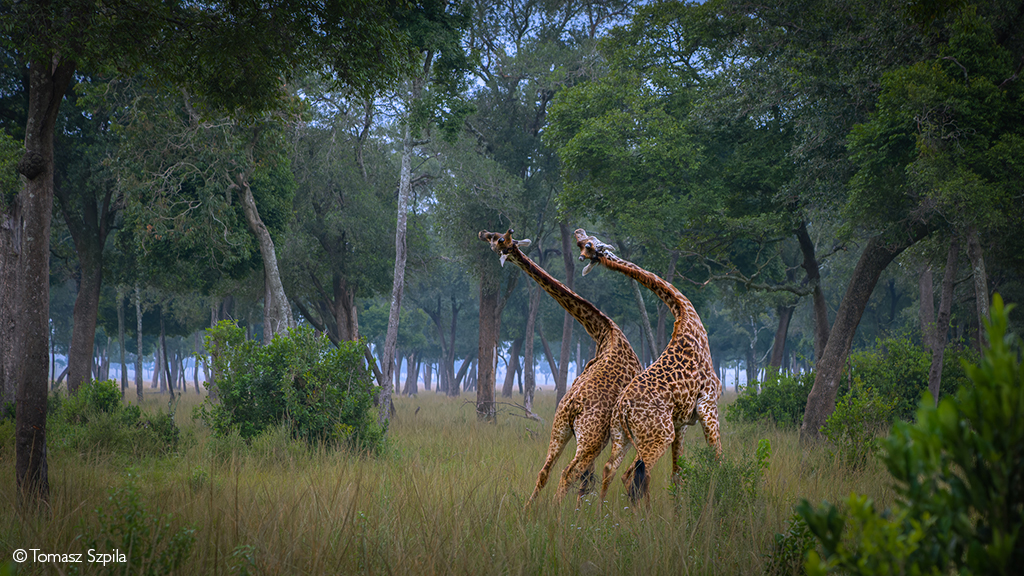 Did giraffes evolve their iconic long necks for sex or food? A new study explores whether these majestic features evolved more for foraging or mating, offering fresh insights into giraffe evolution.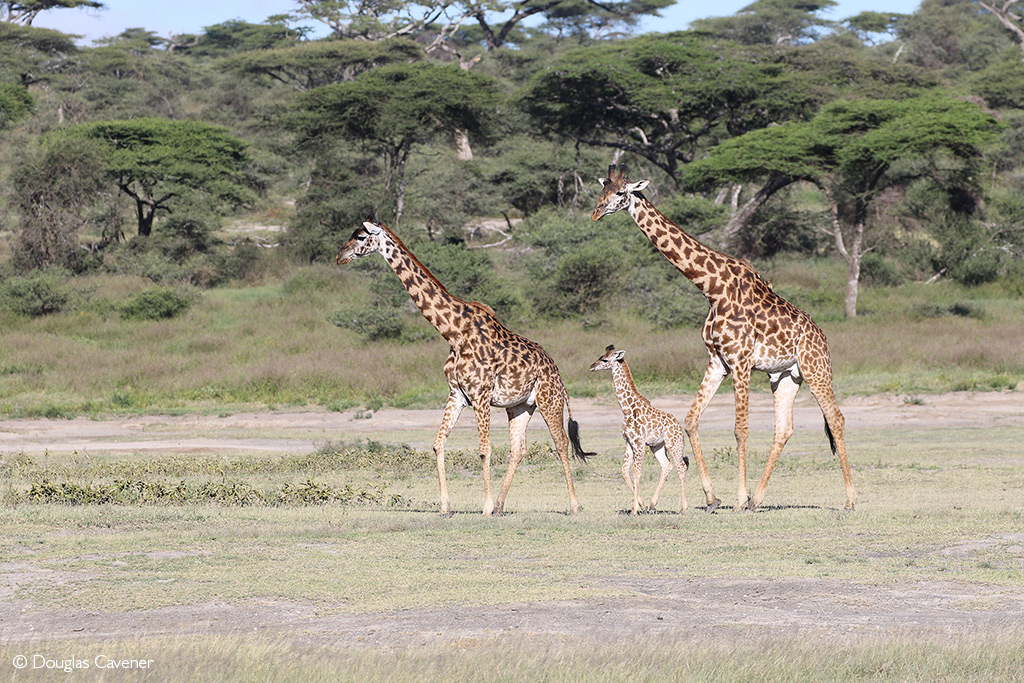
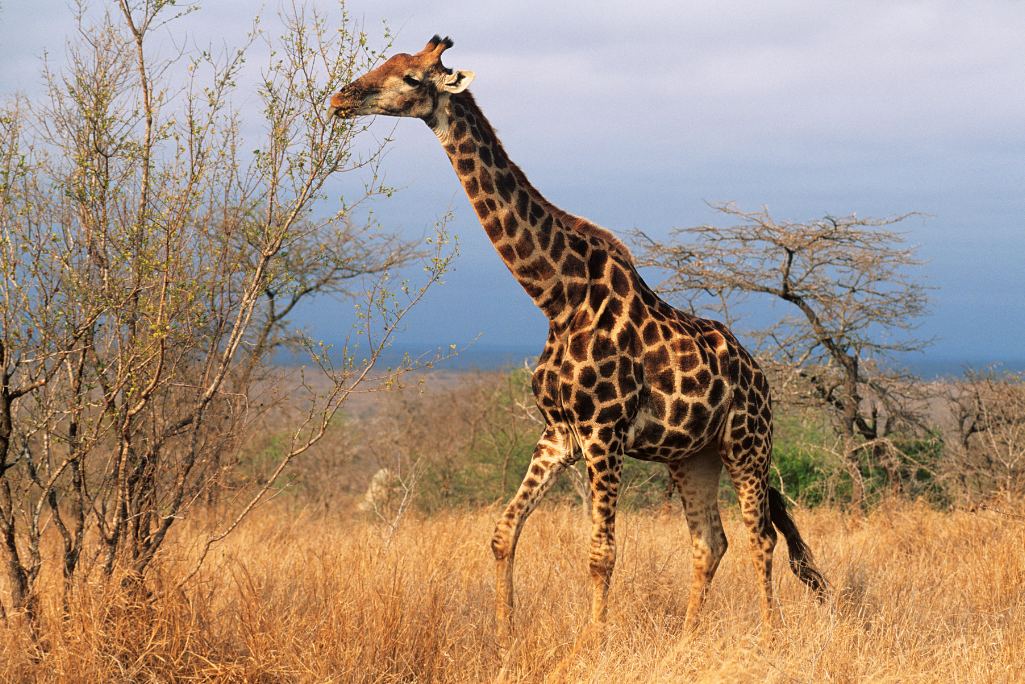
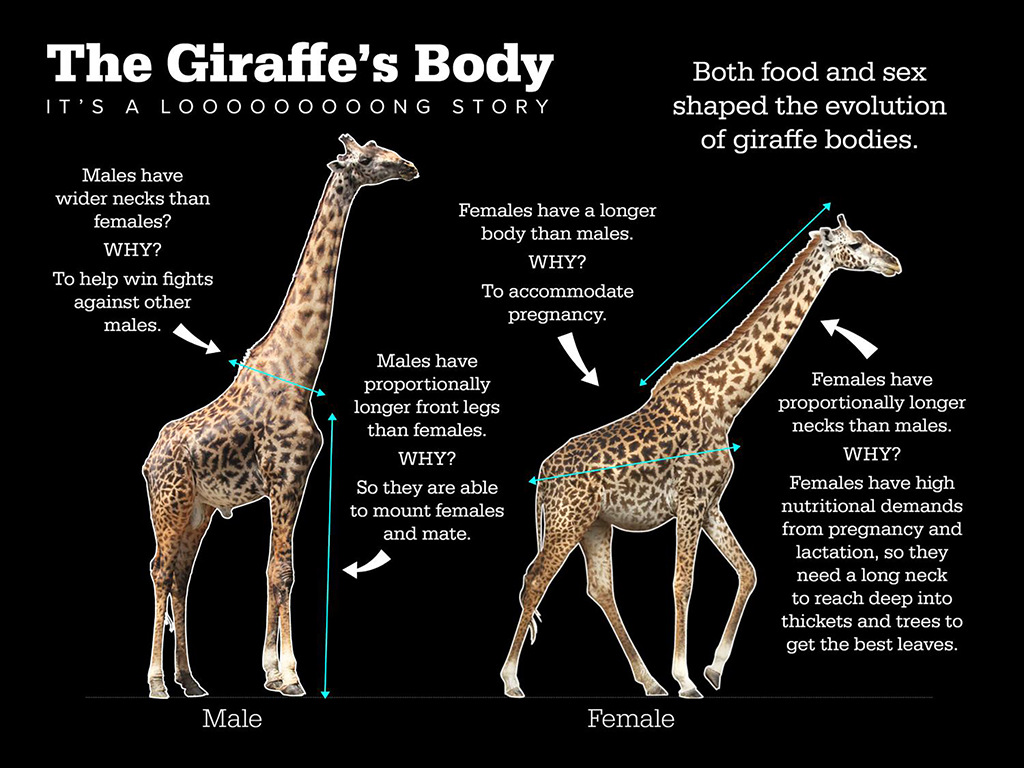
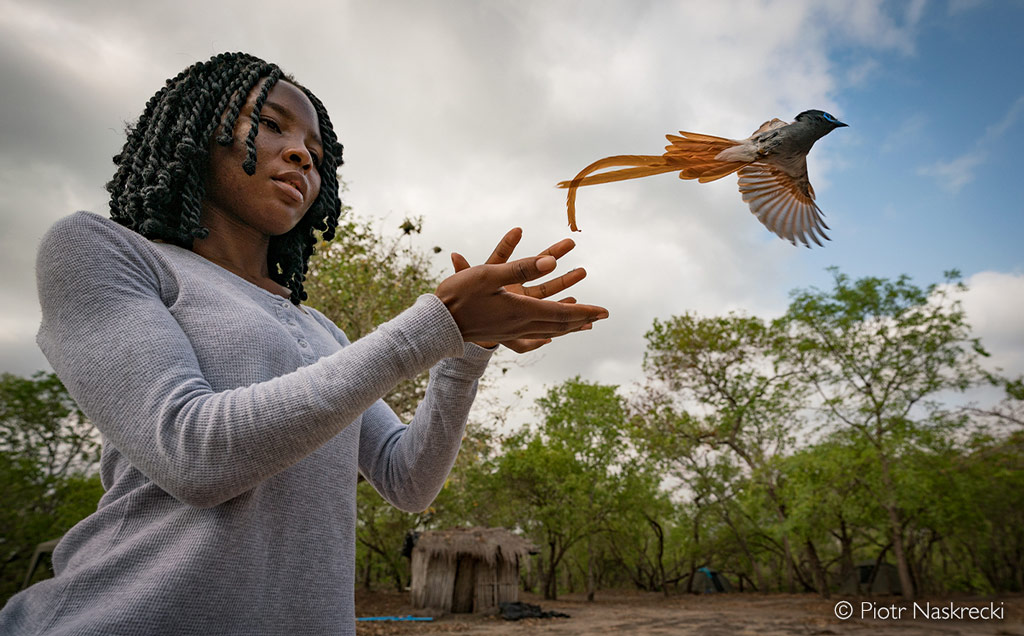
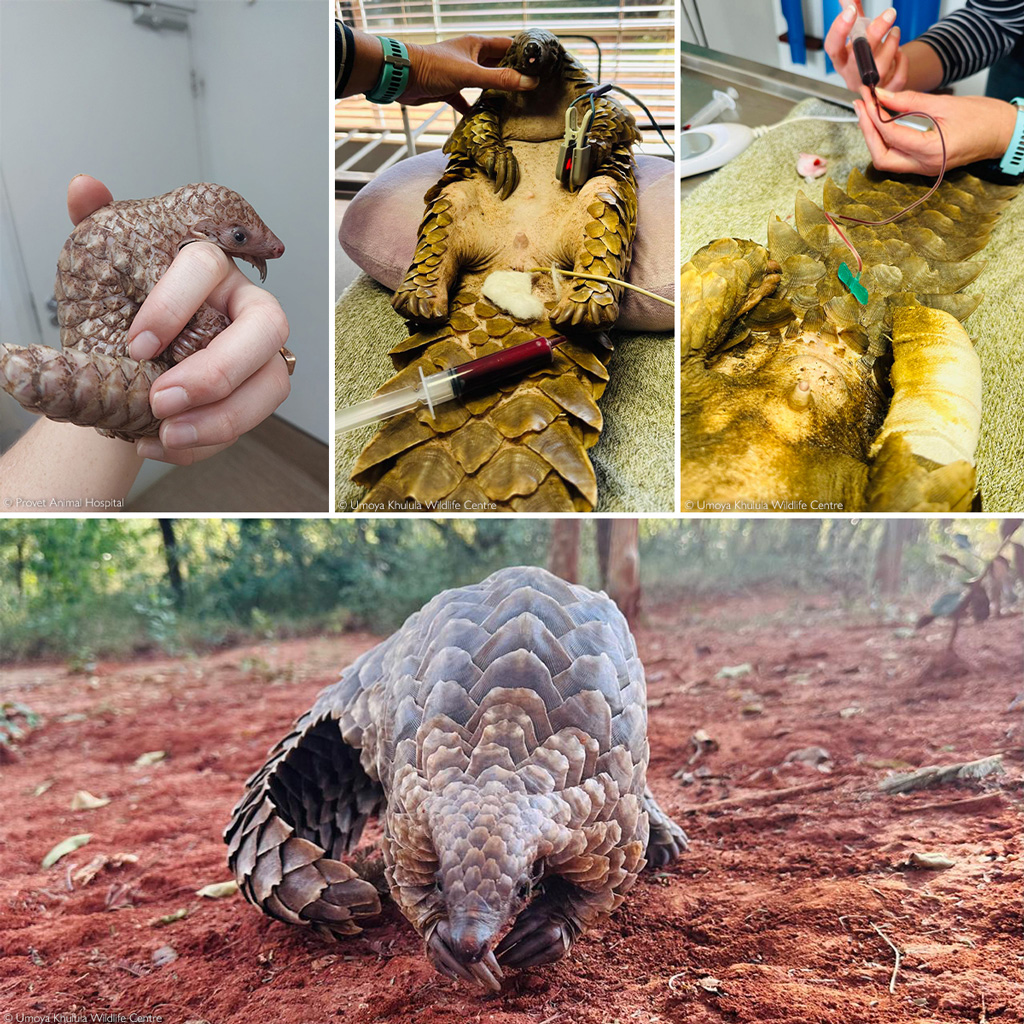
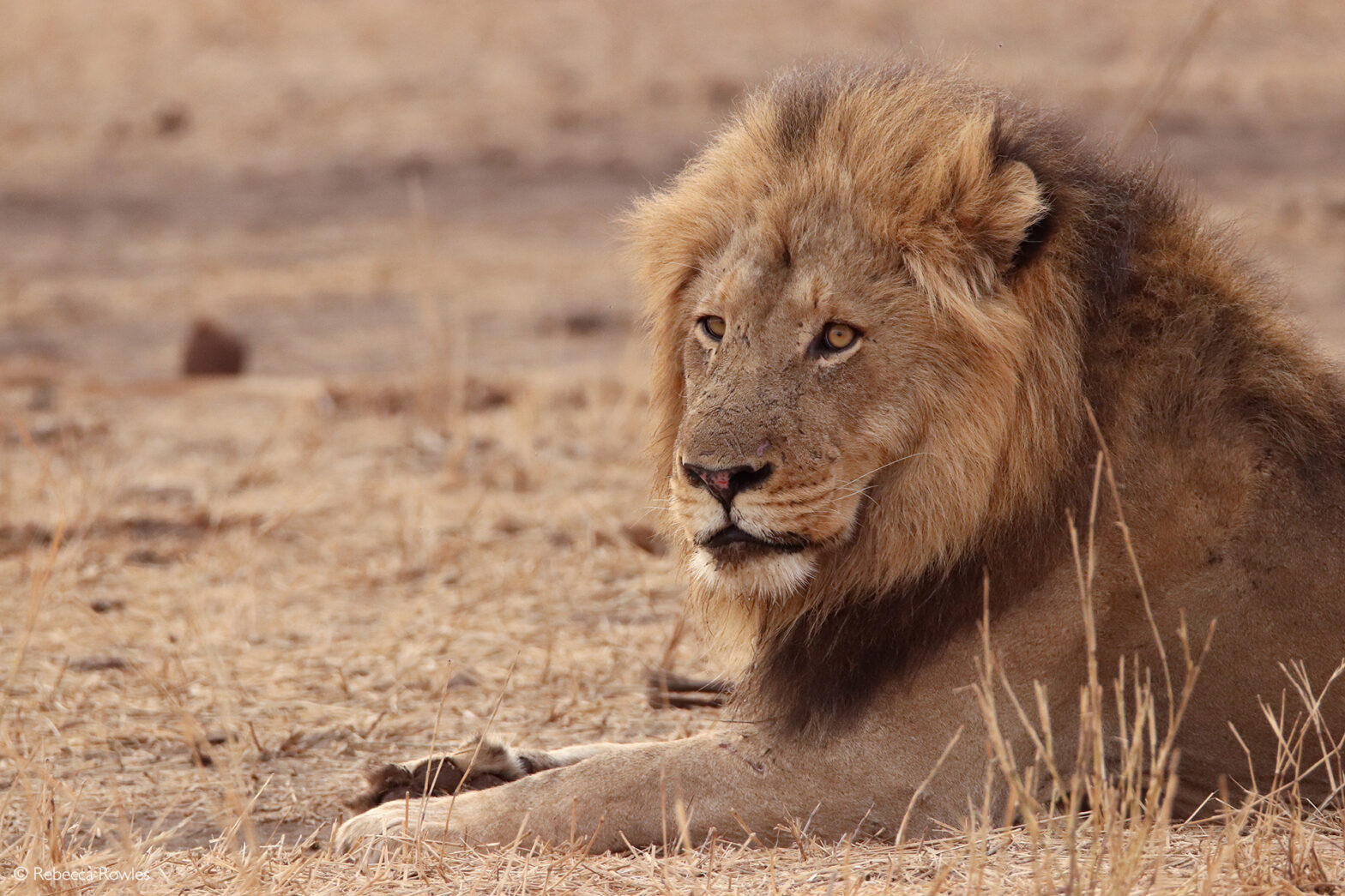
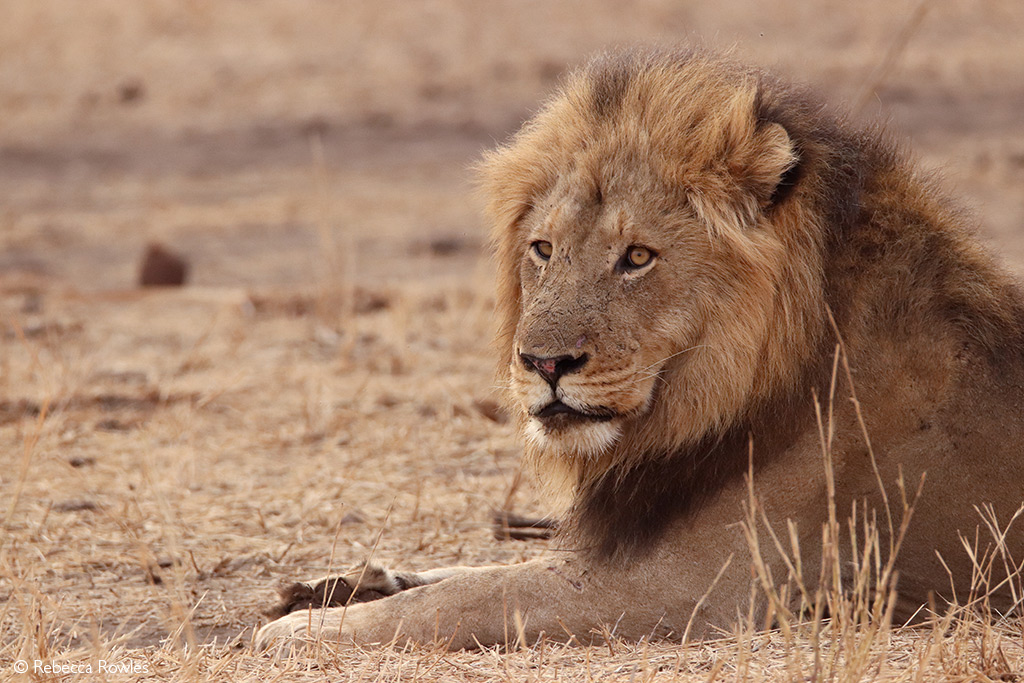 How does lion pride behaviour differ between fenced and open systems? Research teams monitoring lions in Kruger National Park, Pilanesberg National Park and Savé Valley Conservancy aim to find out. By collecting GPS, genetic-stress and behavioural data in a set of fenced reserves researchers are able to study how aggressiveness and territoriality regarding kinship between prides are affected by management practices.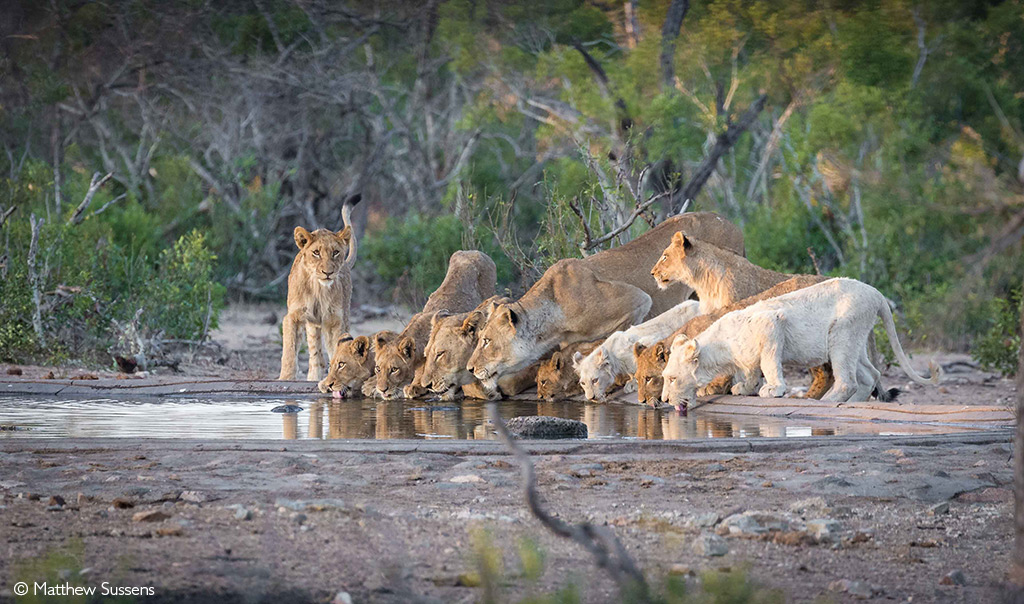
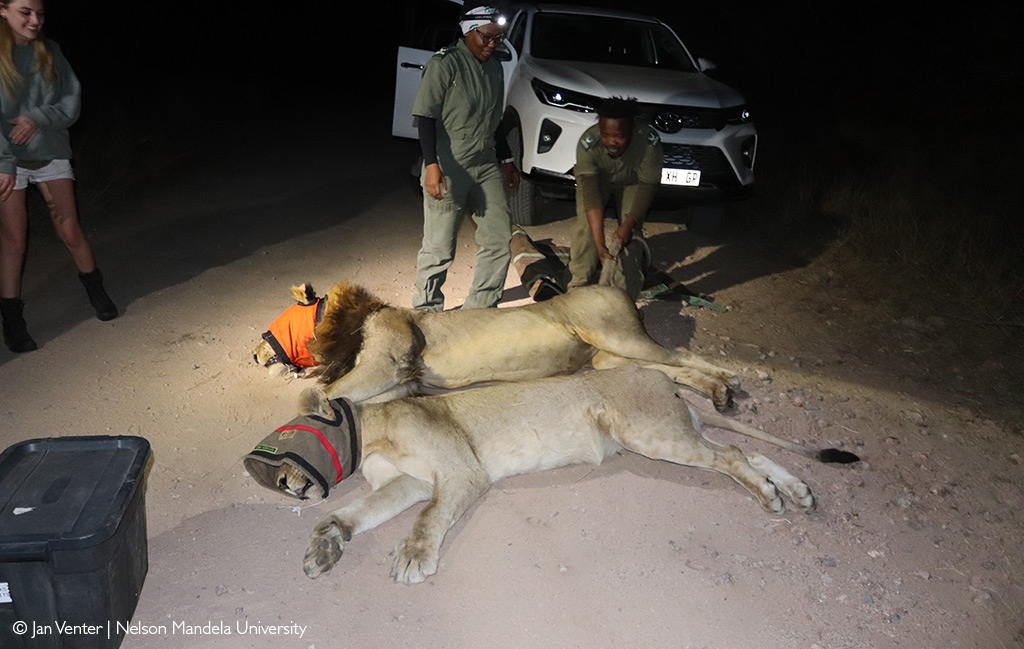
 You can help in this important study by sponsoring a collar in full or by donating any amount—large or small—to support this critical conservation project. These collars collect GPS, genetic stress, and behavioural data.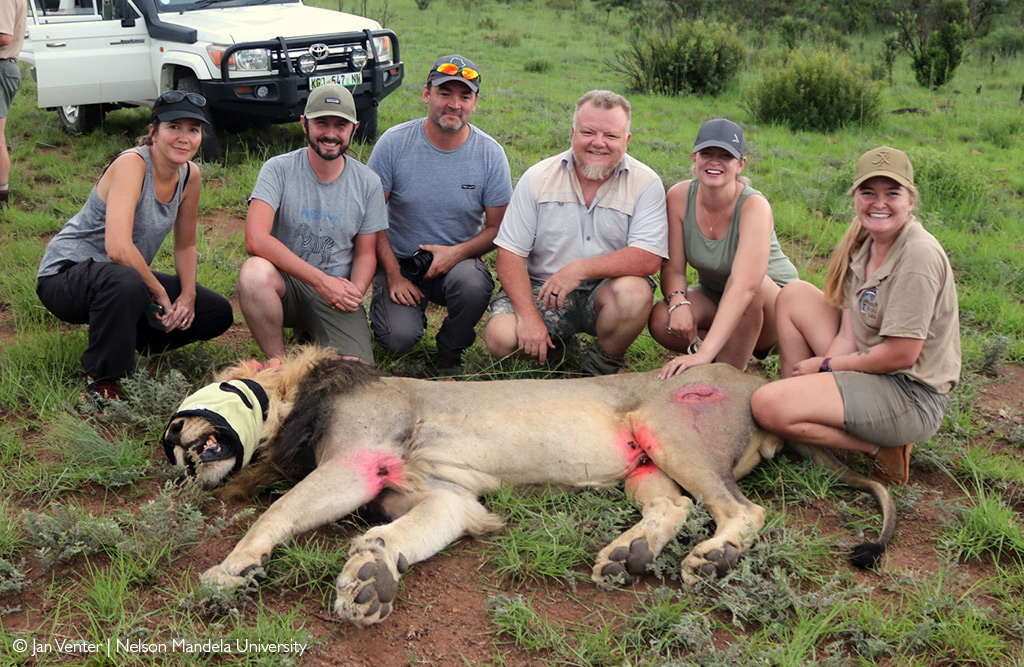
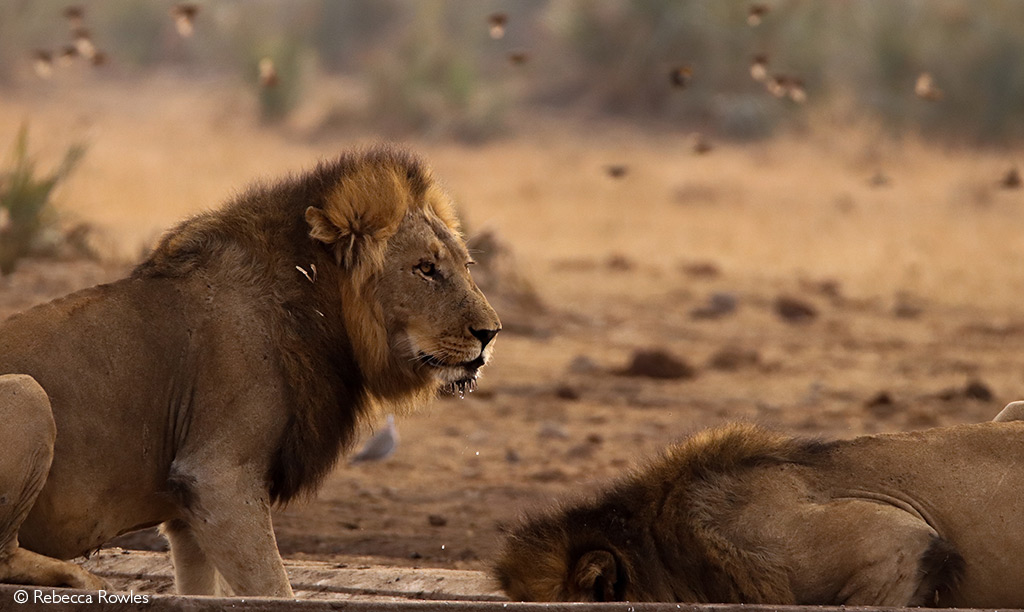
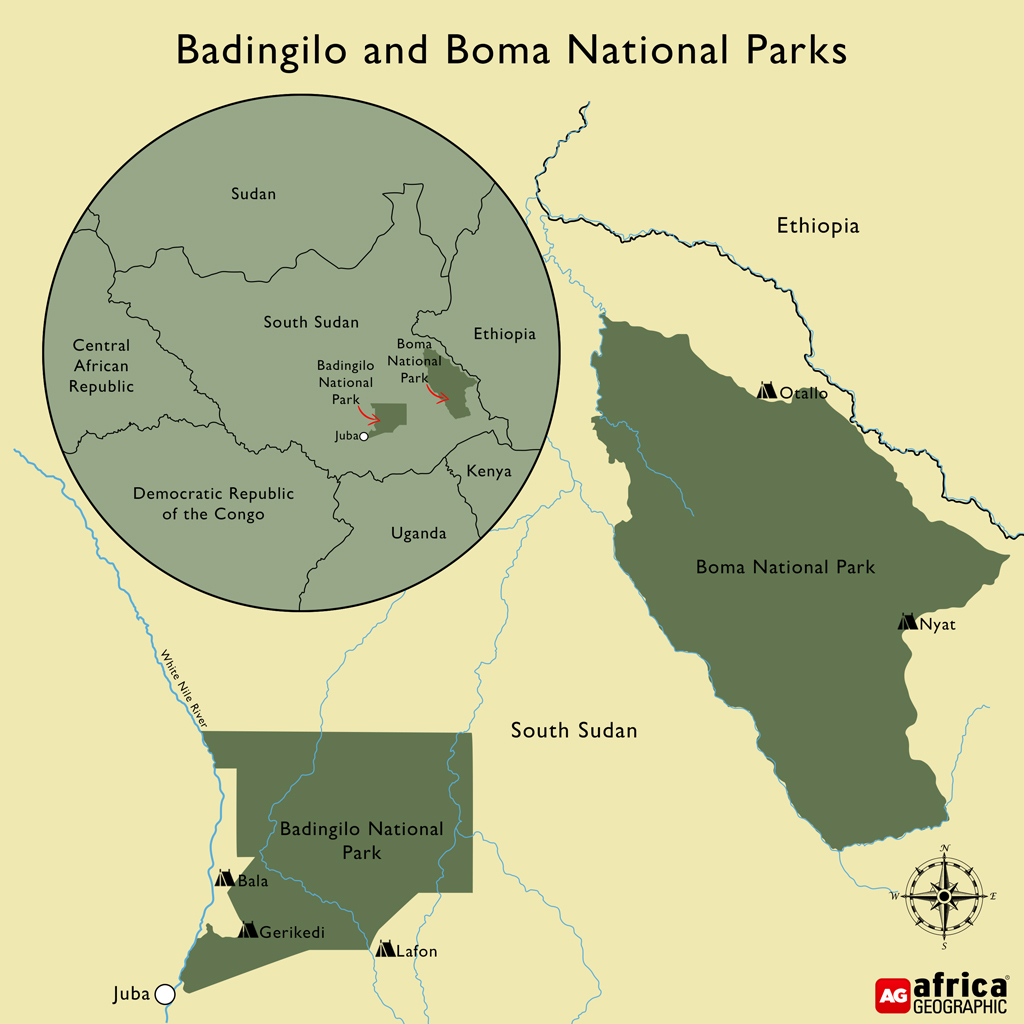
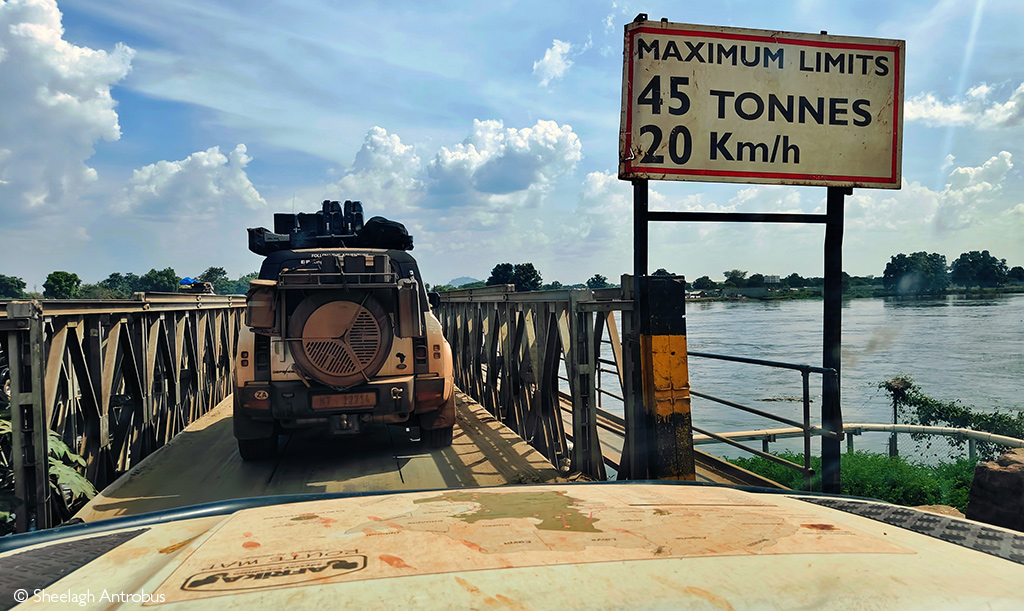
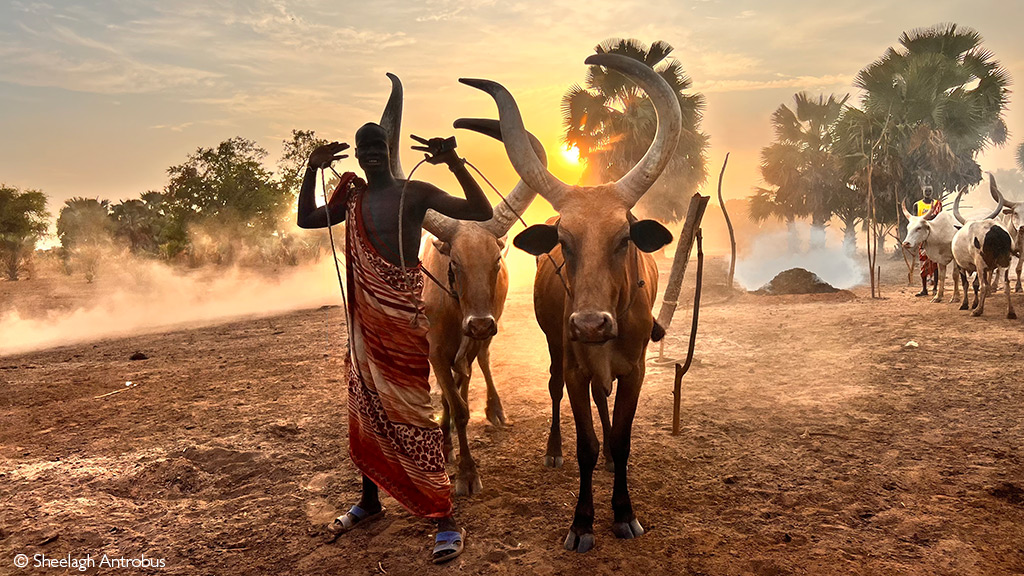
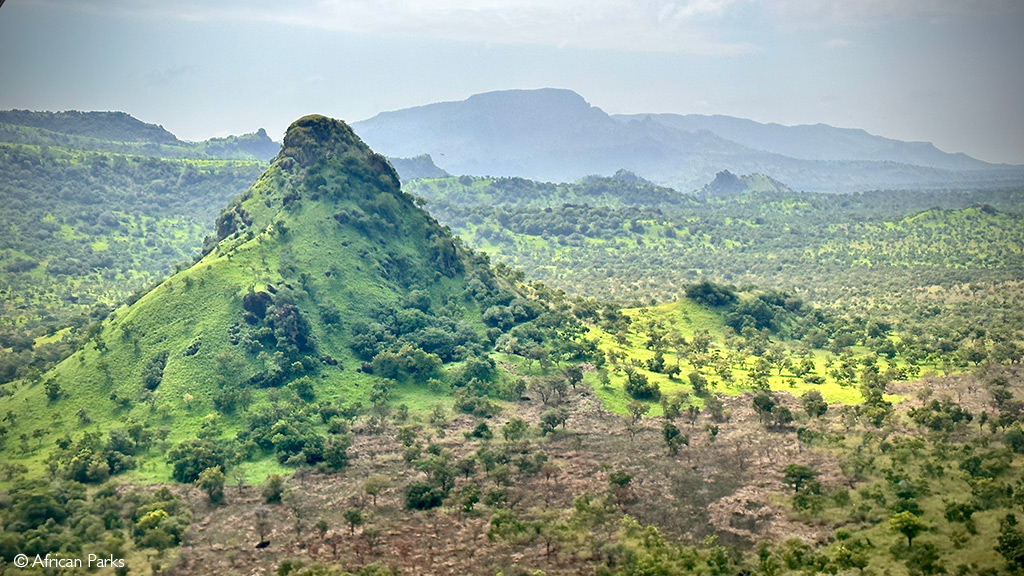
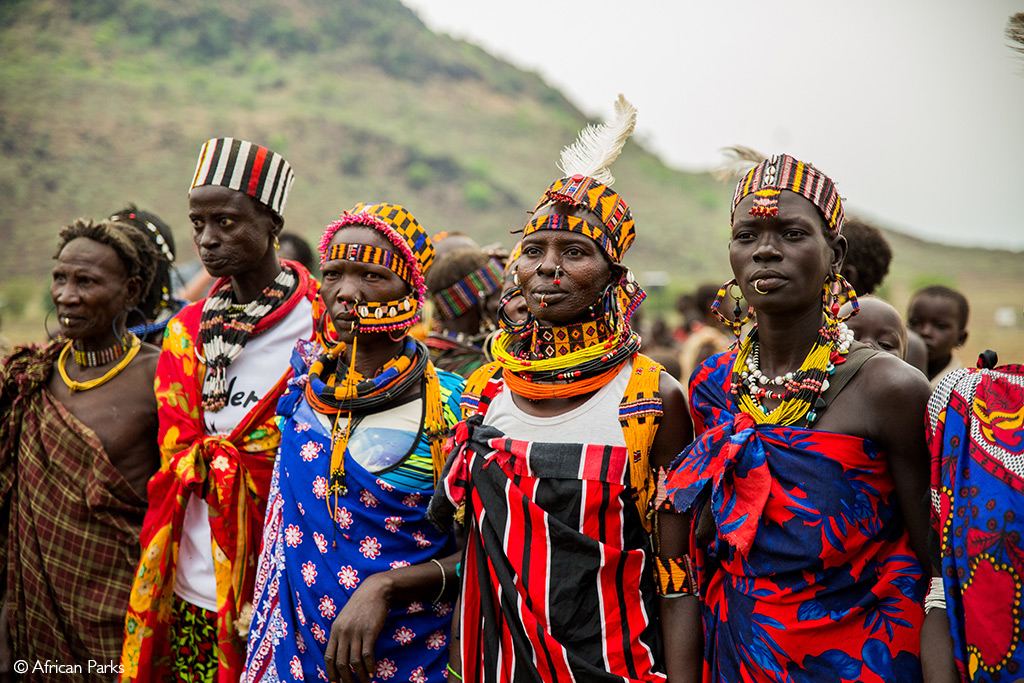
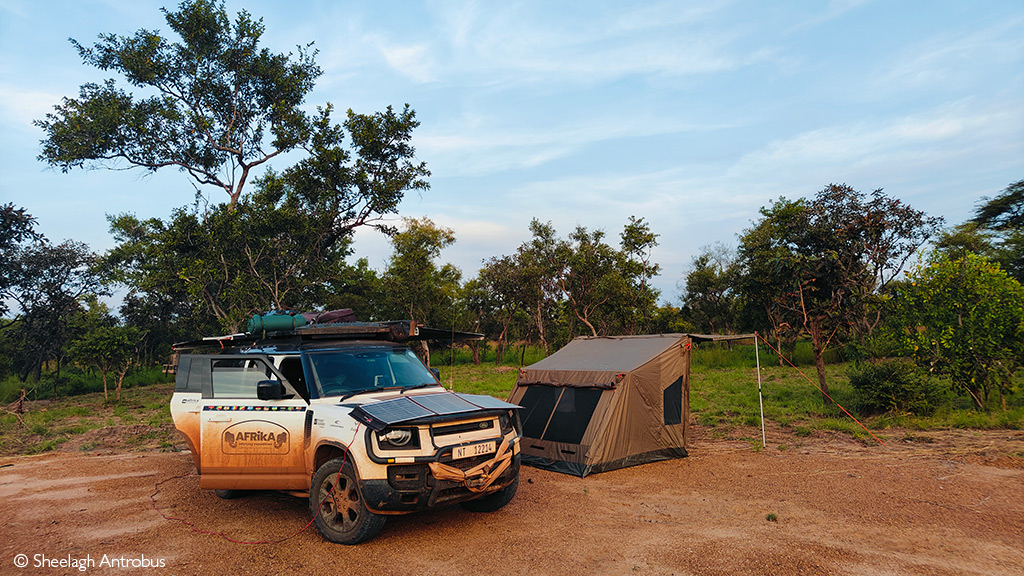
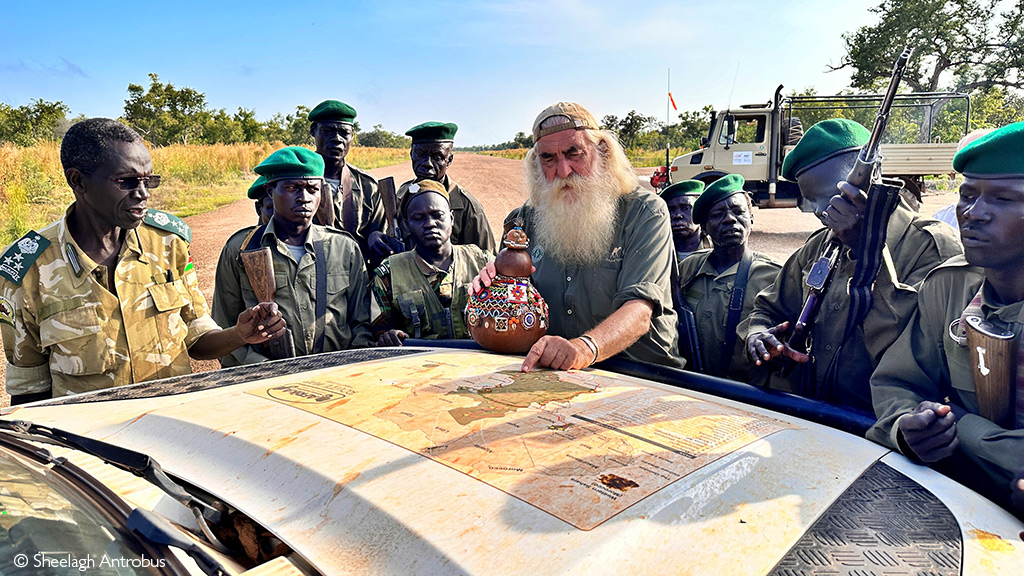
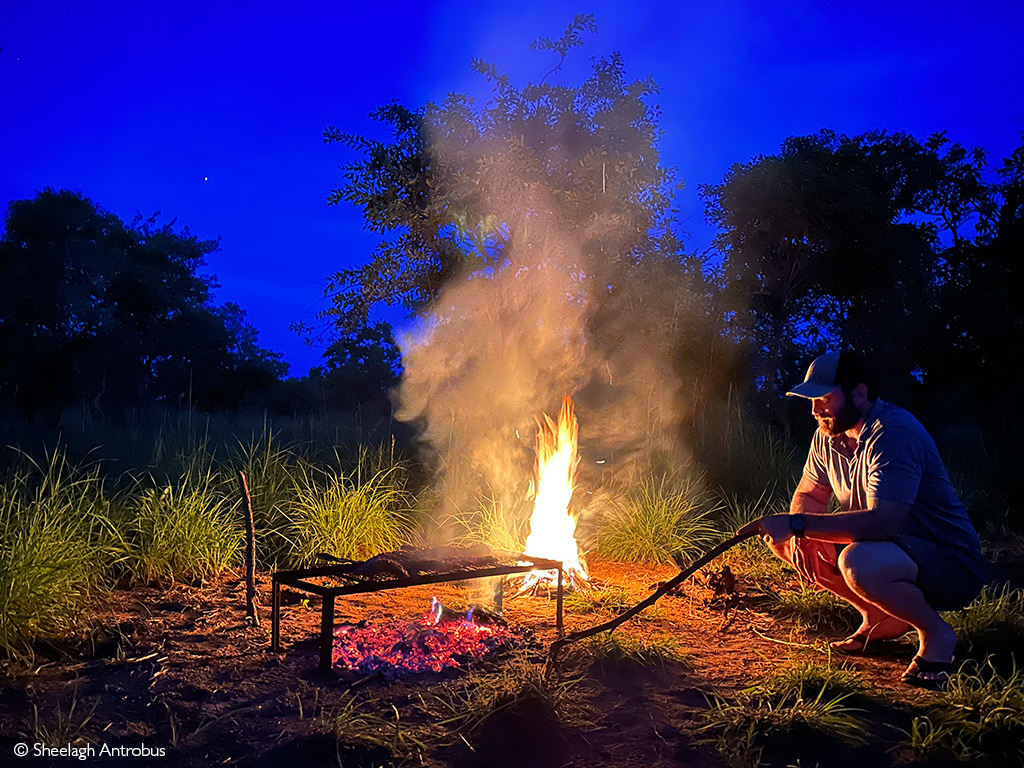
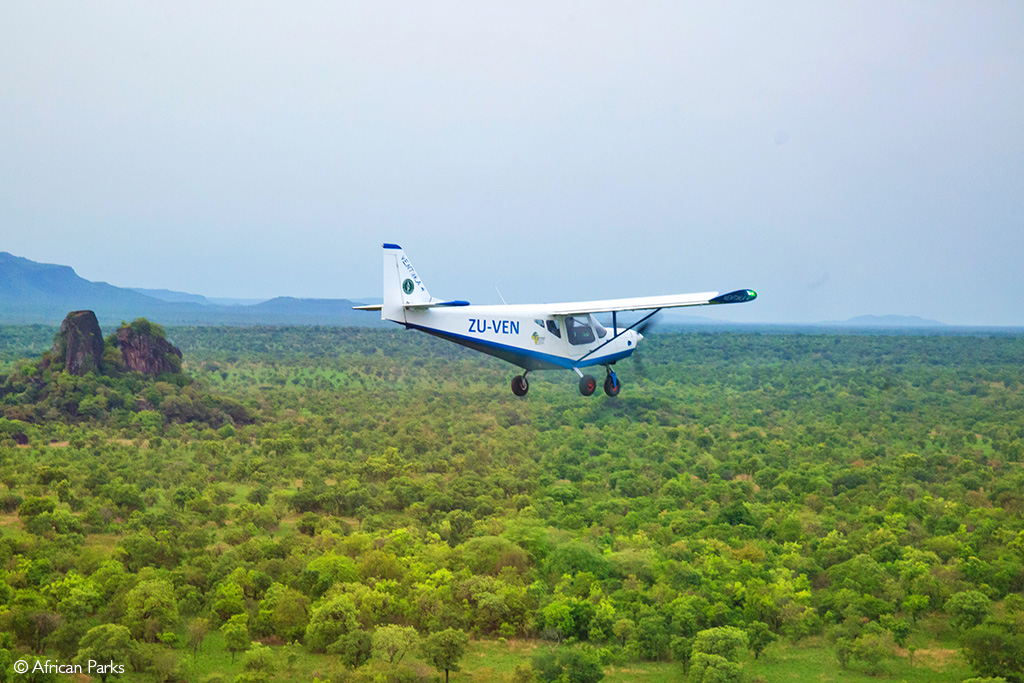
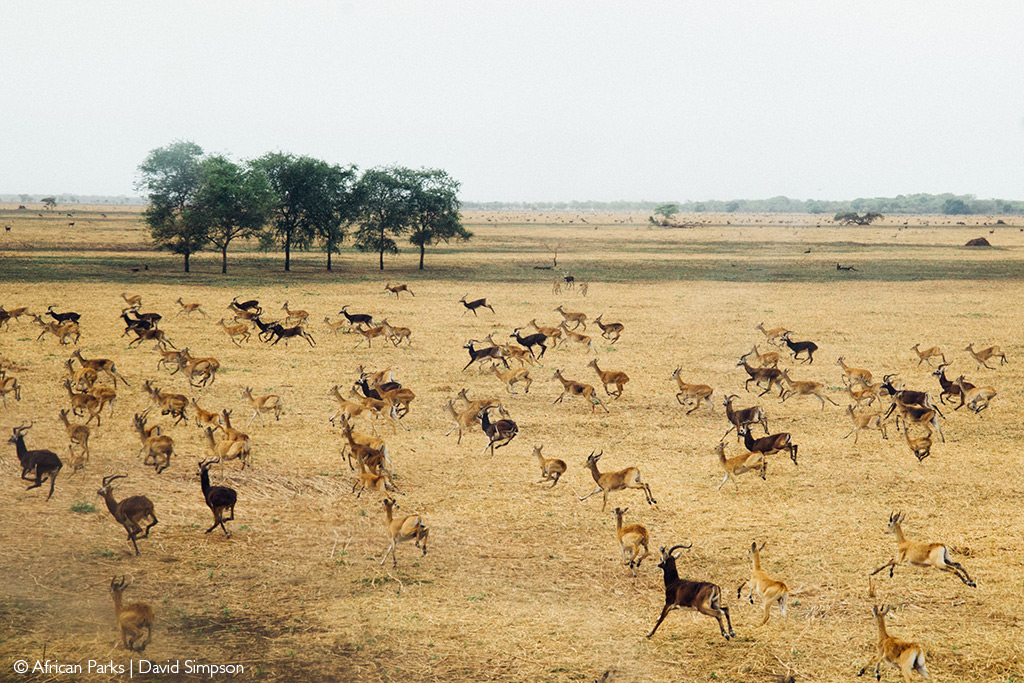
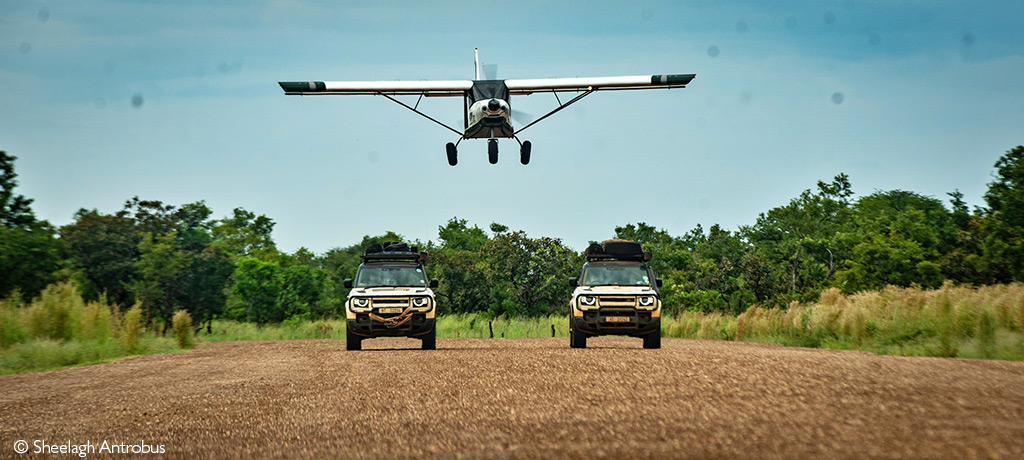
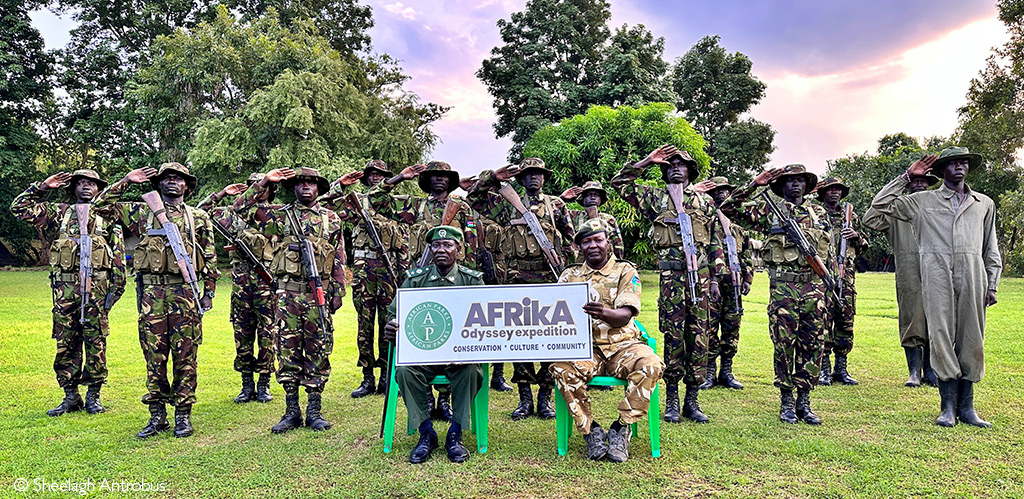
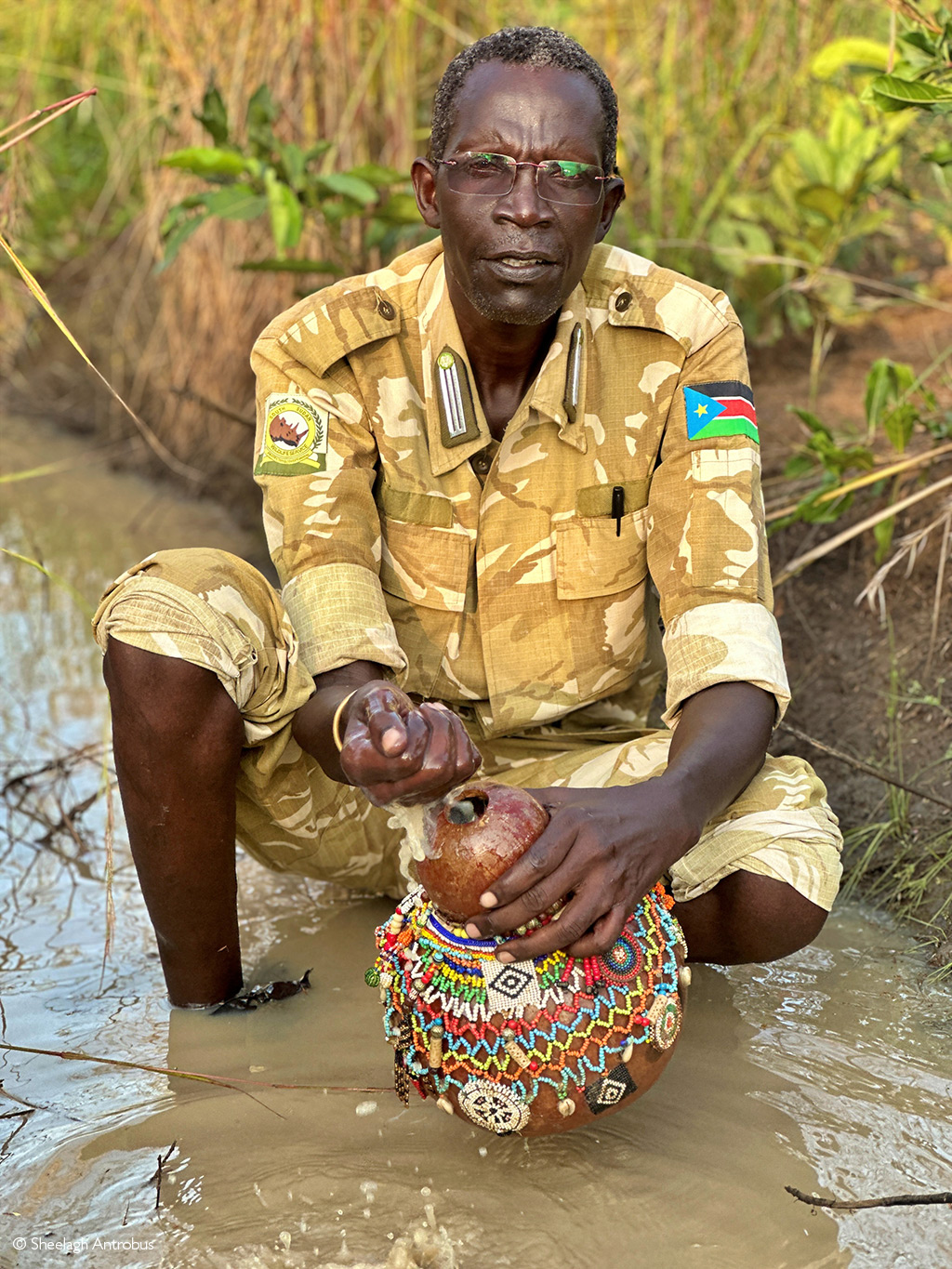
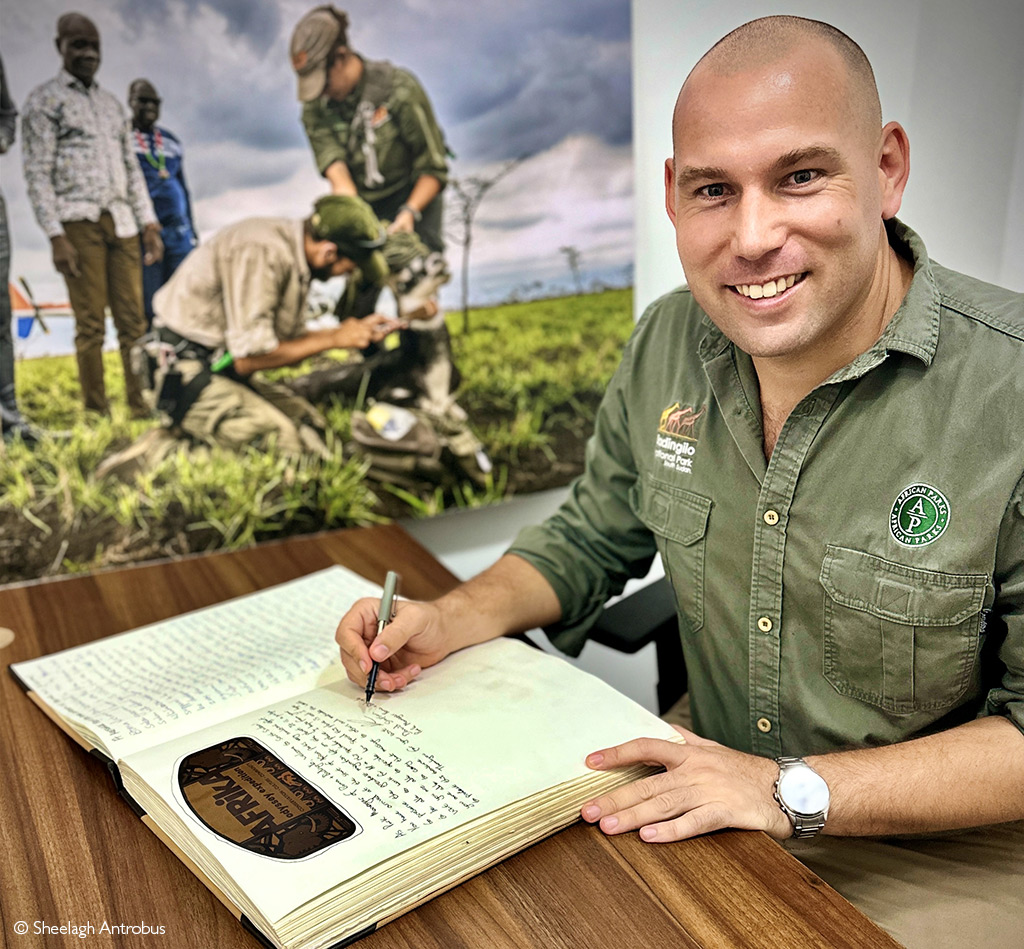
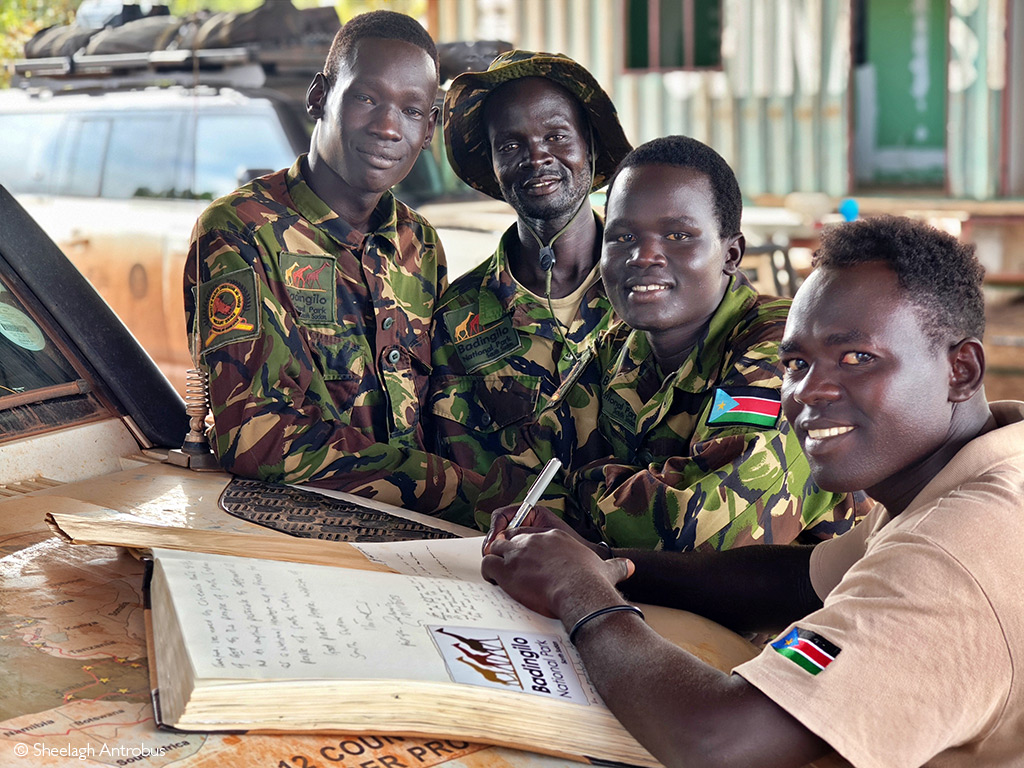
 European rollers are a flagship species for migratory birds. But their population has declined by more than 30% in 15 years. New efforts to save these rollers – and their migratory paths – will benefit a wide variety of species
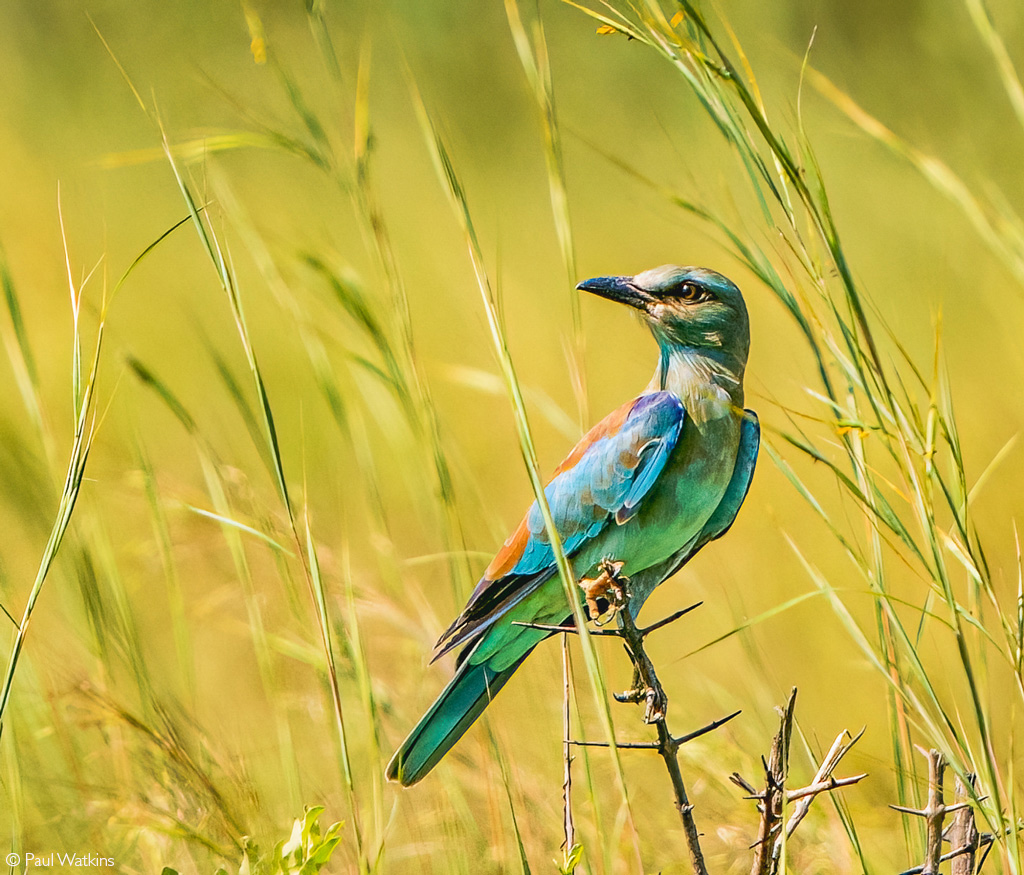
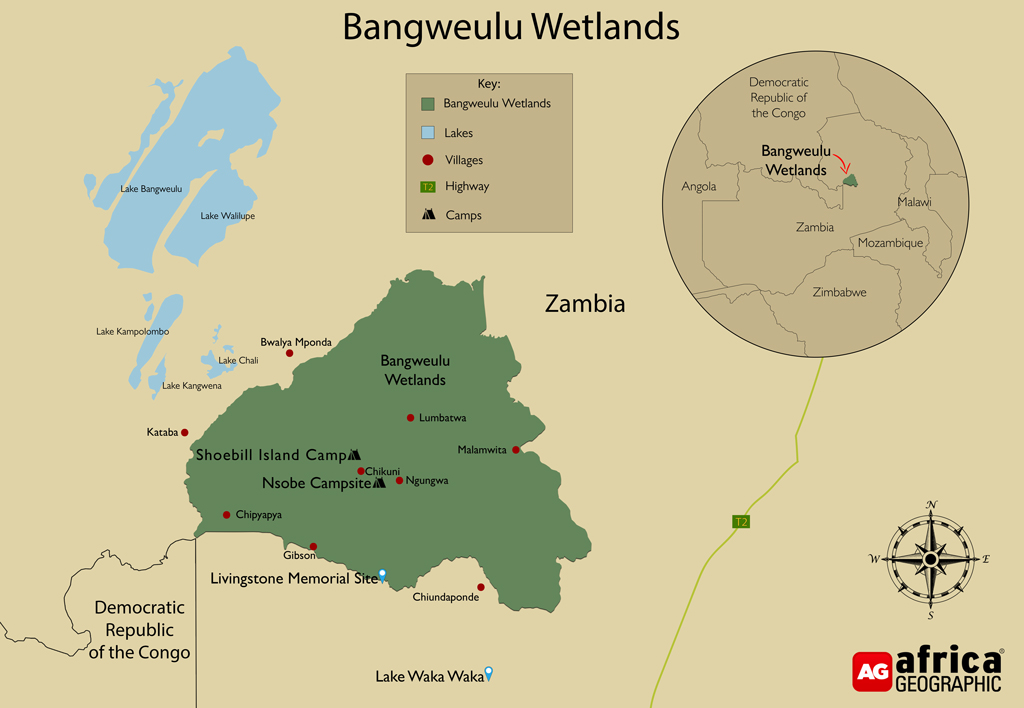
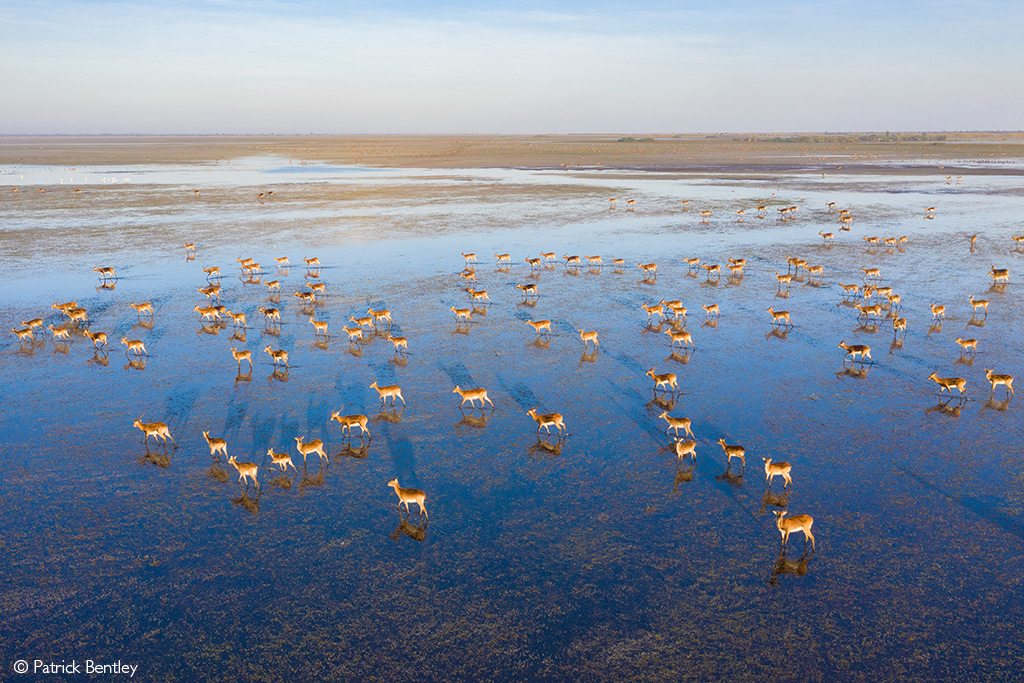
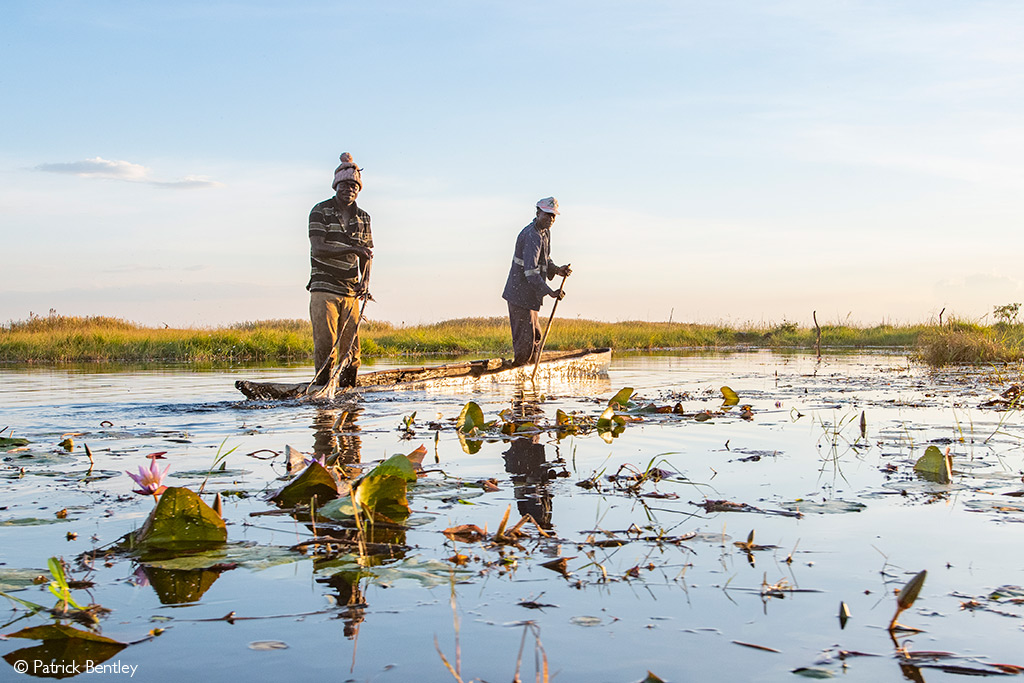
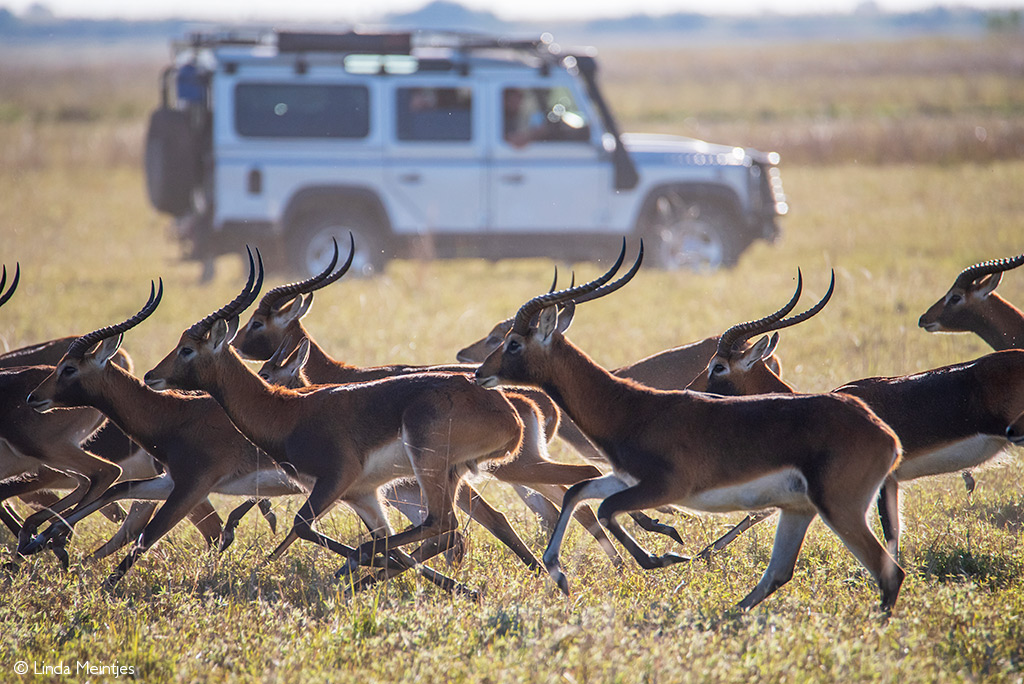
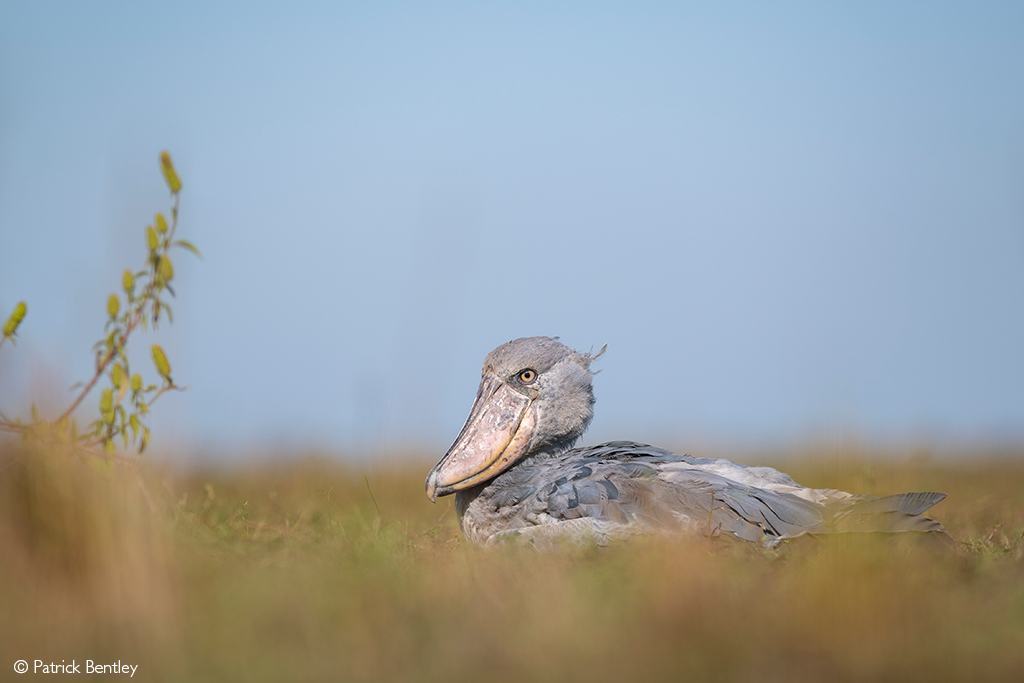
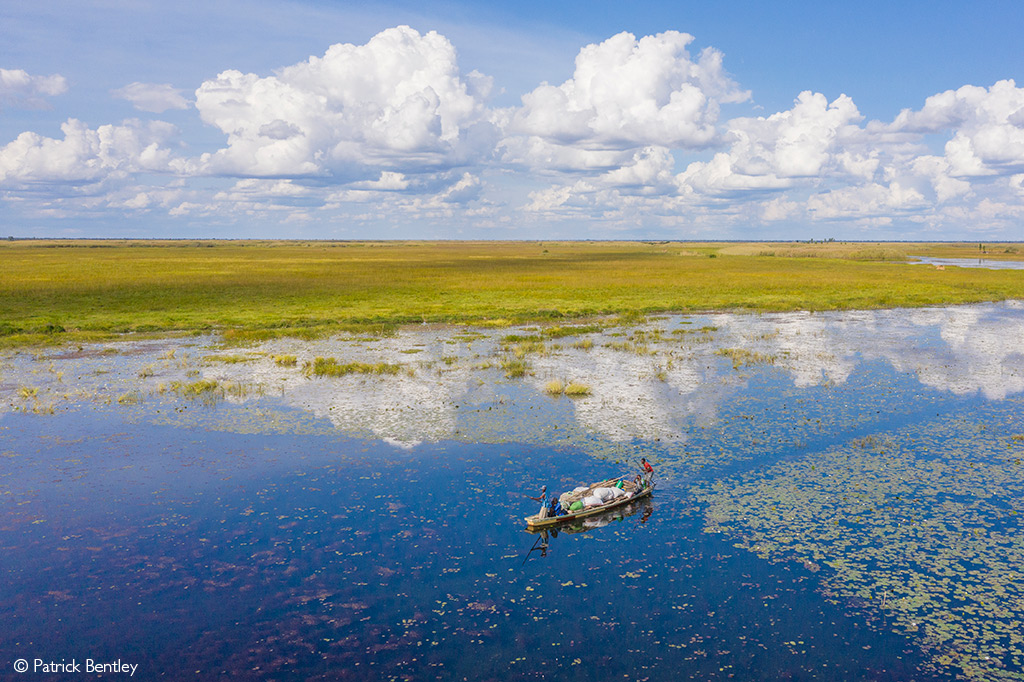
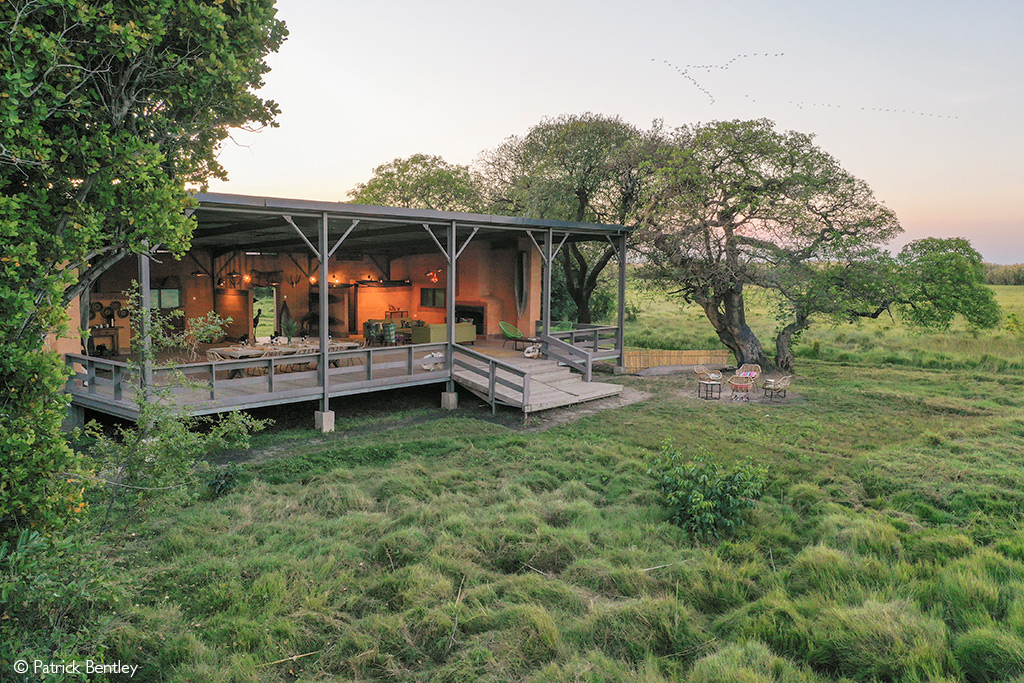
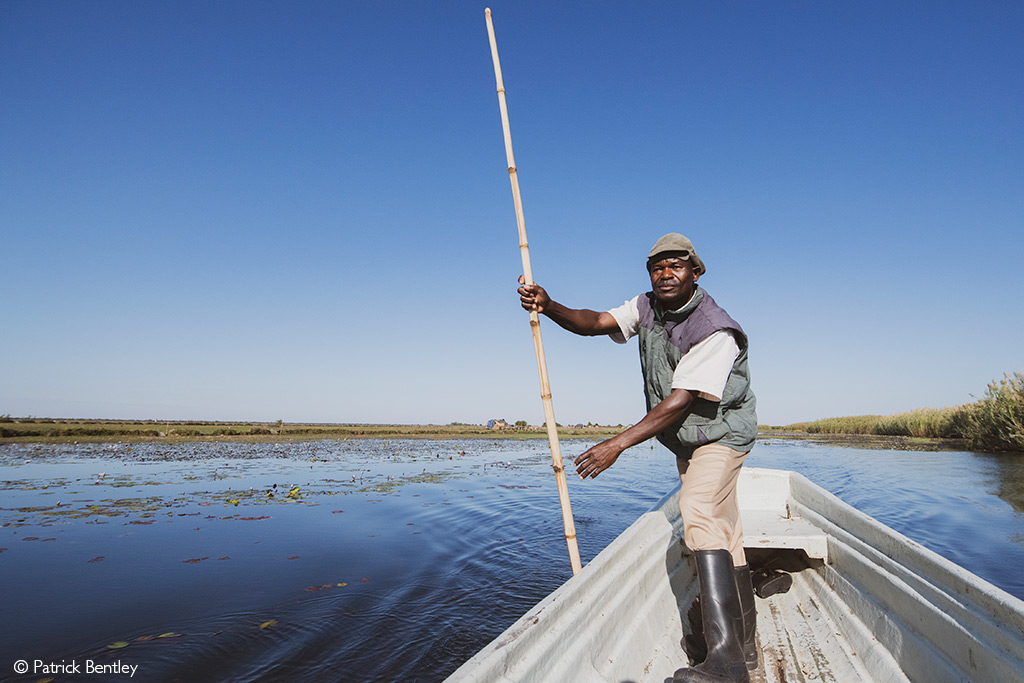
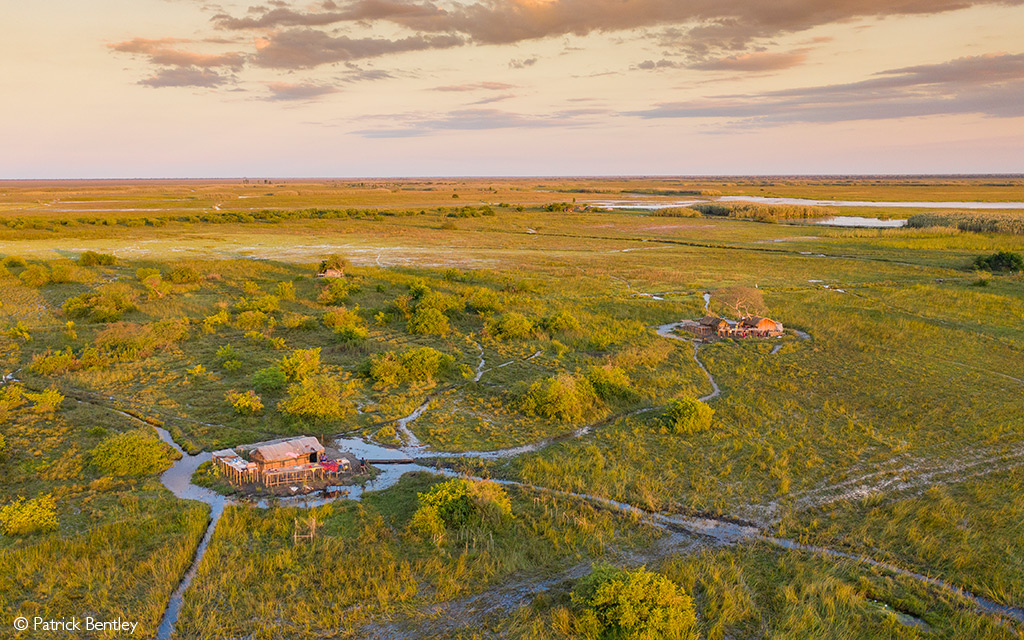
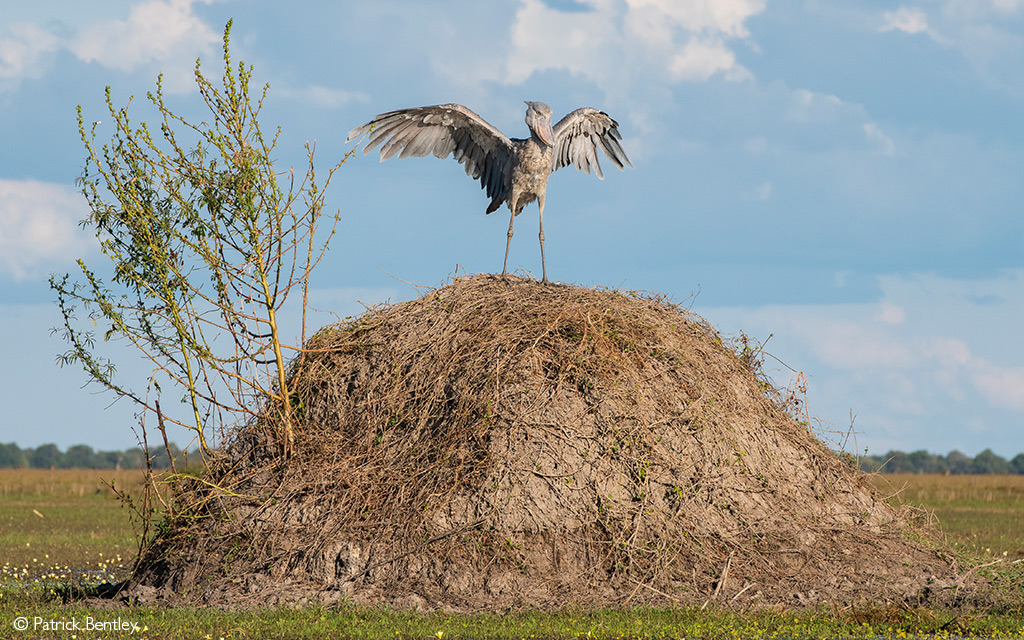
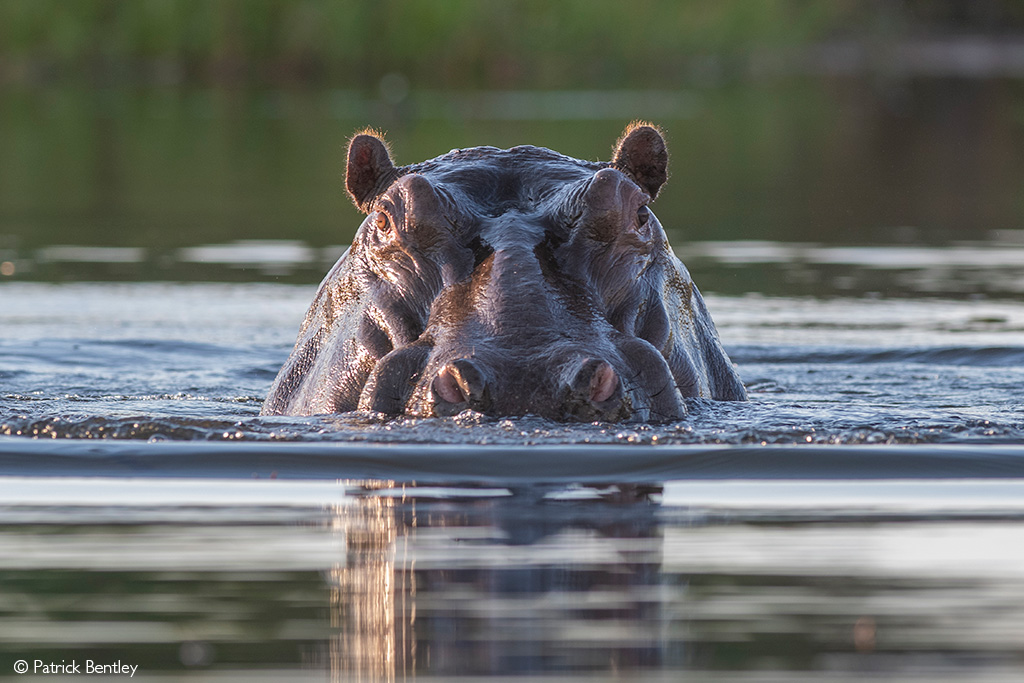
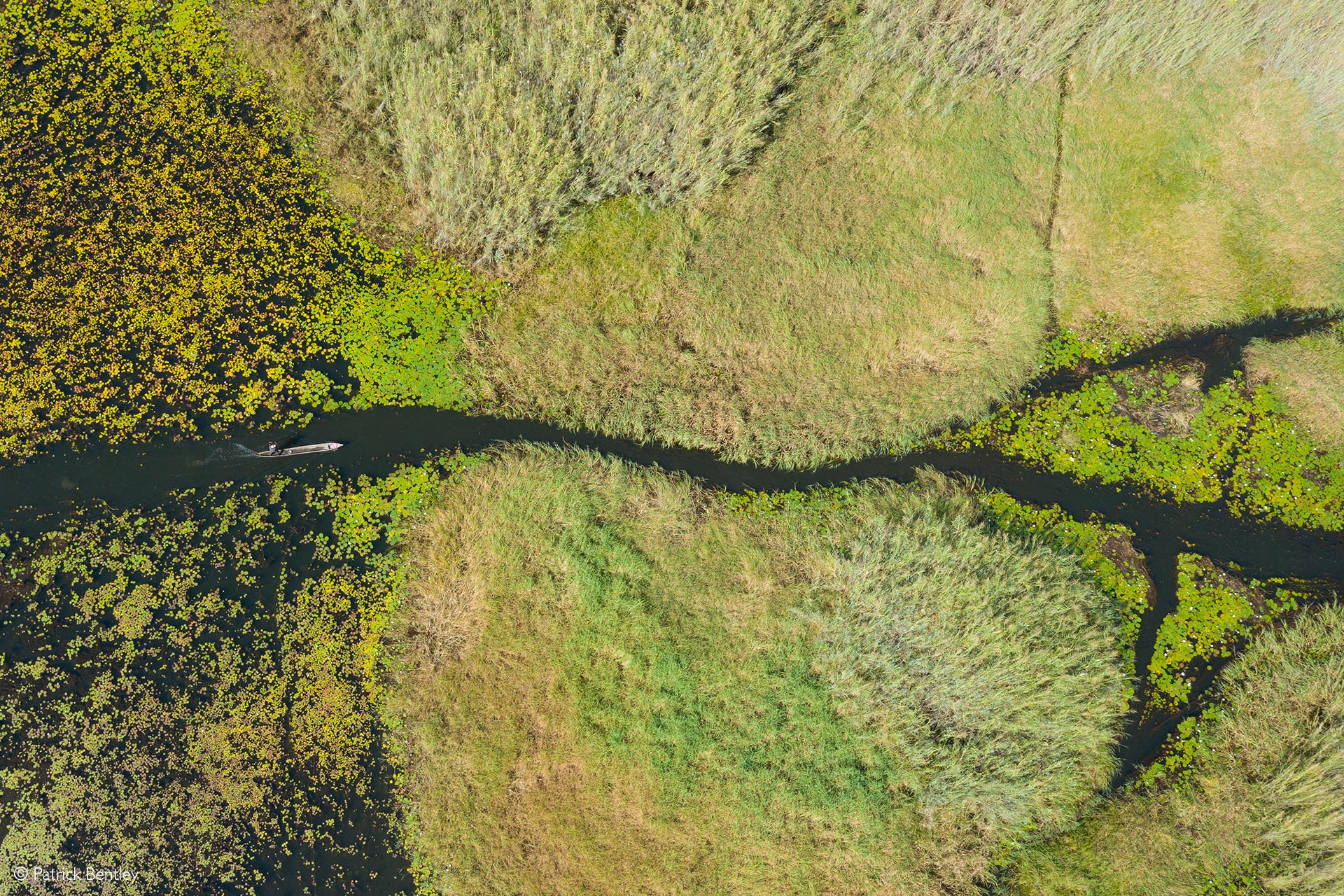
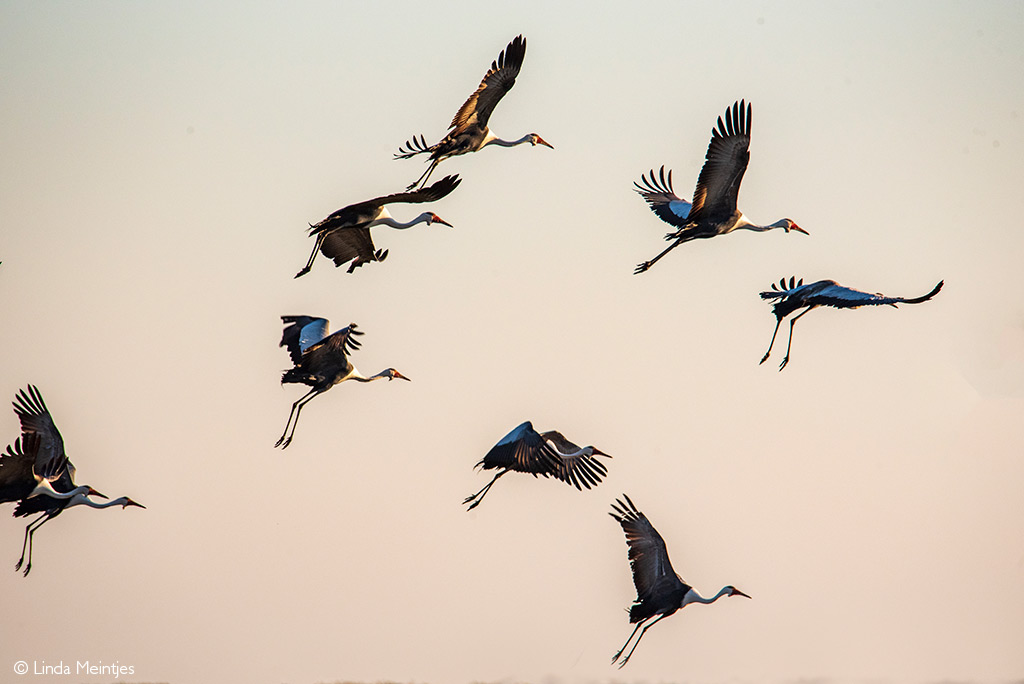
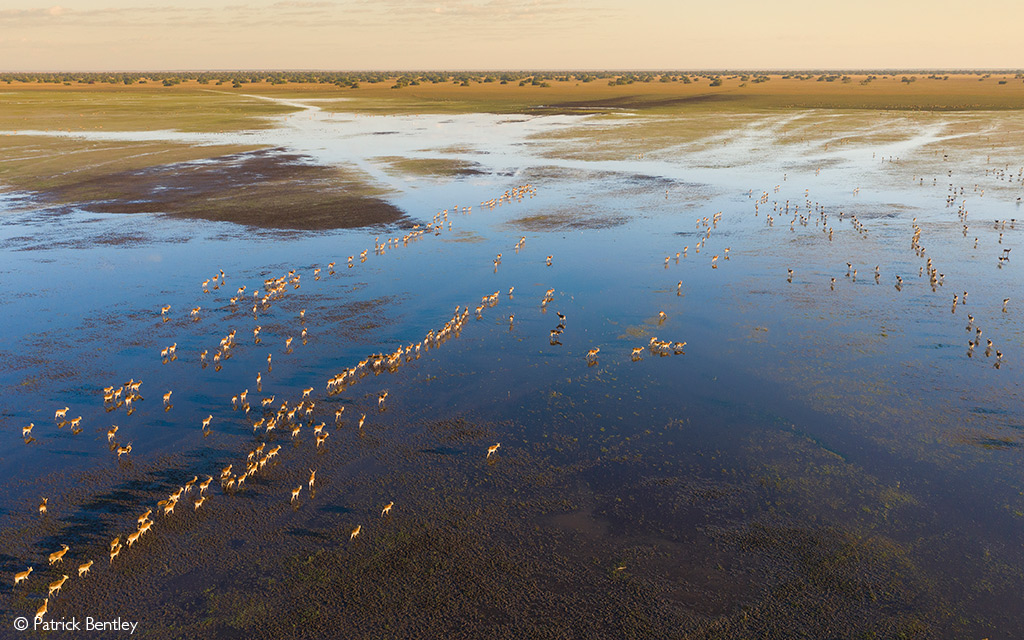
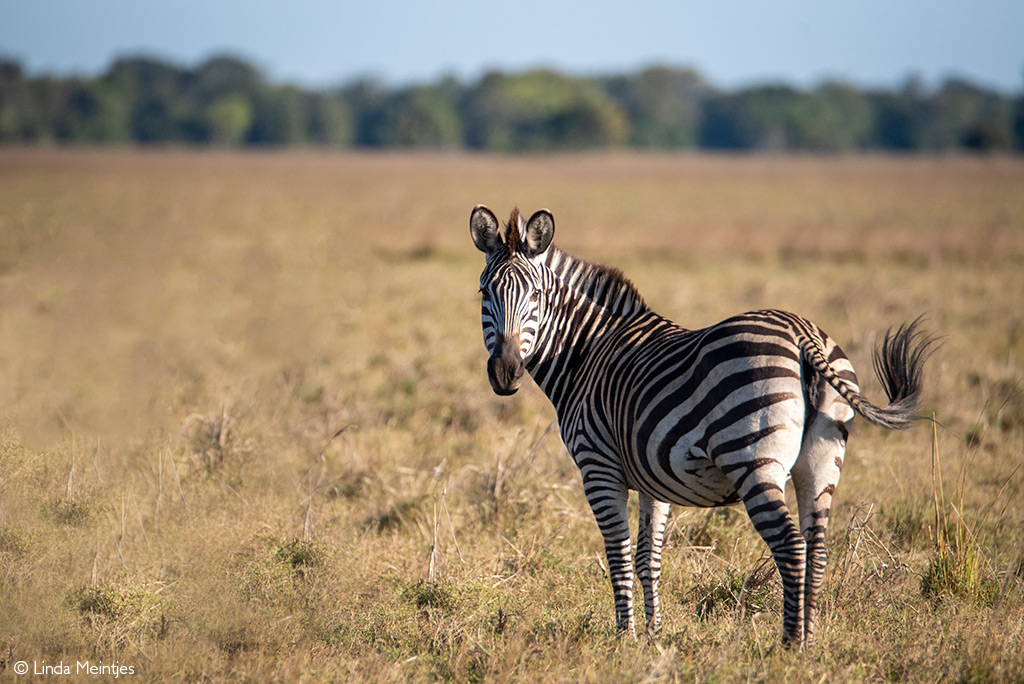
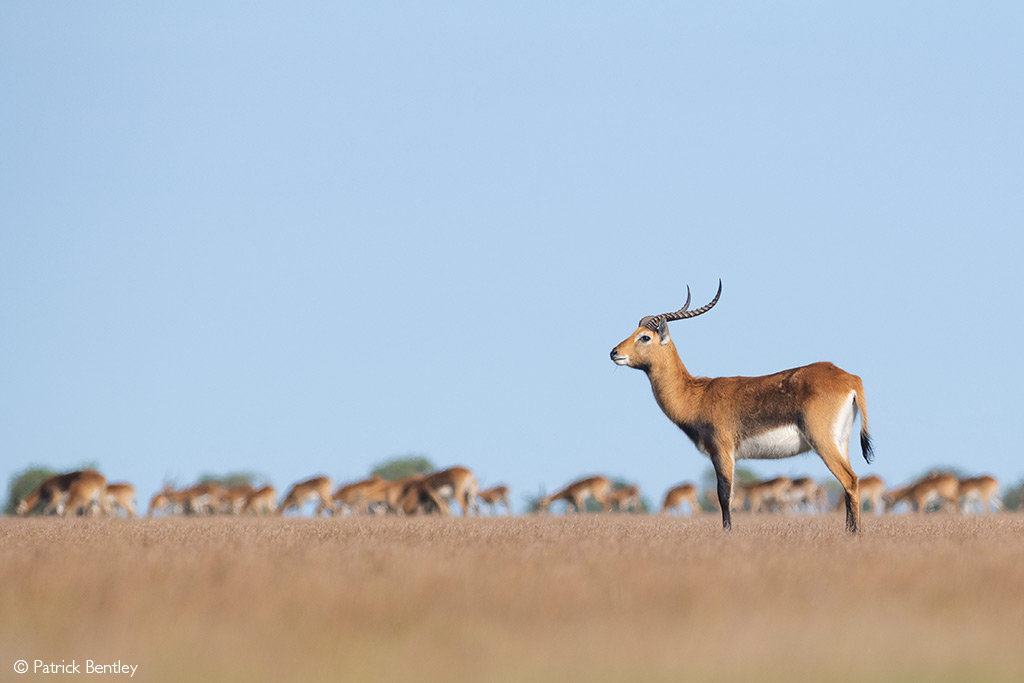
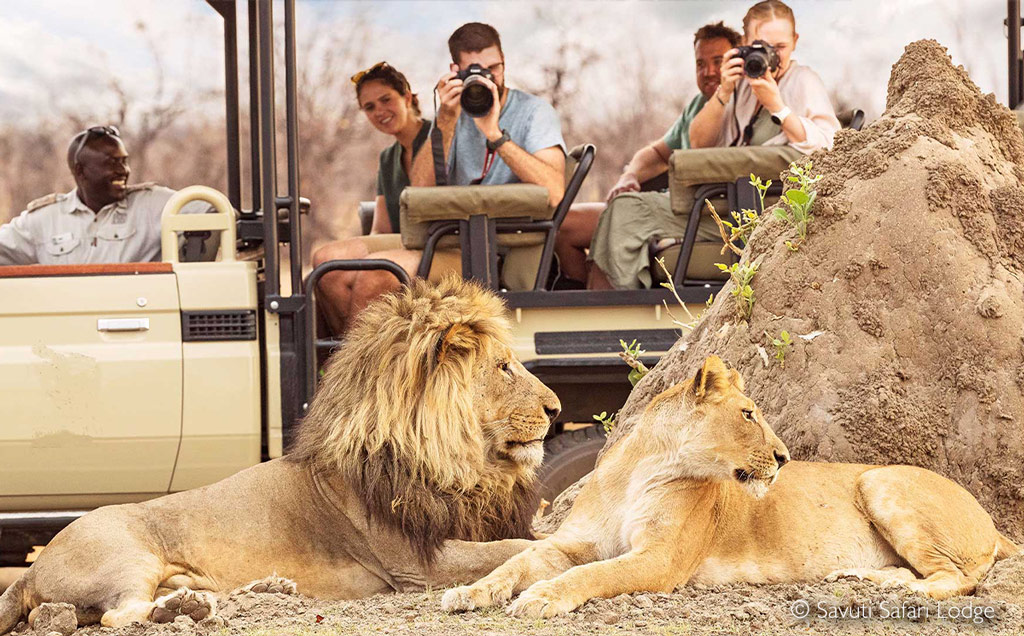
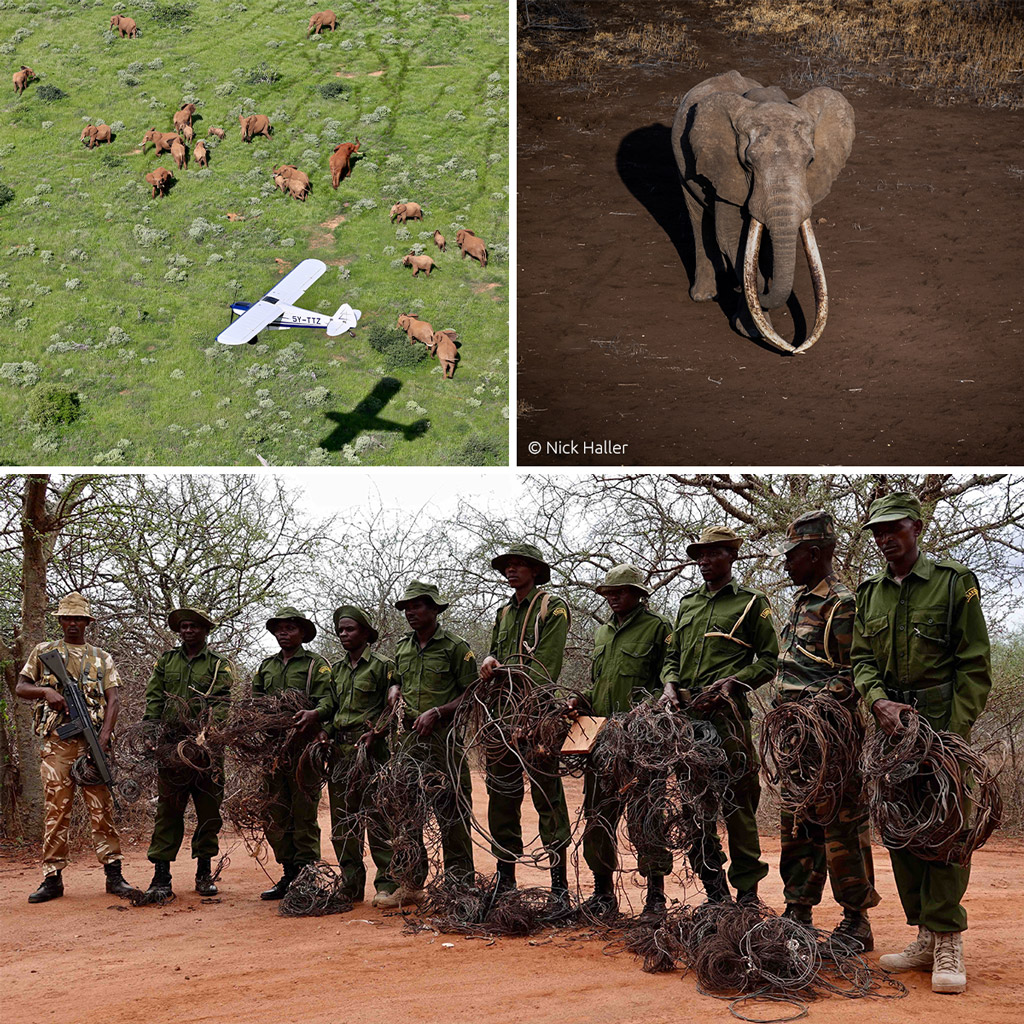
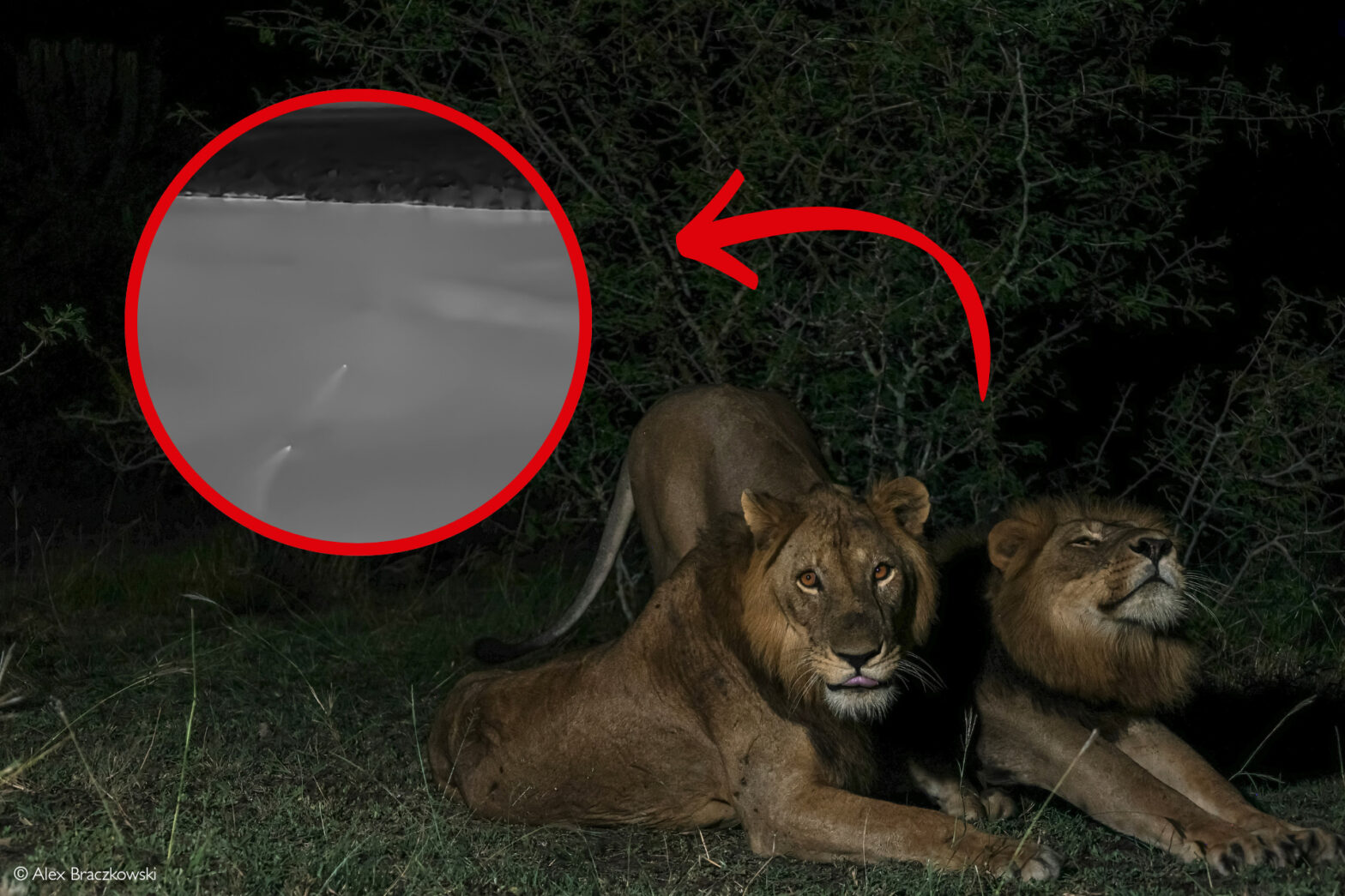
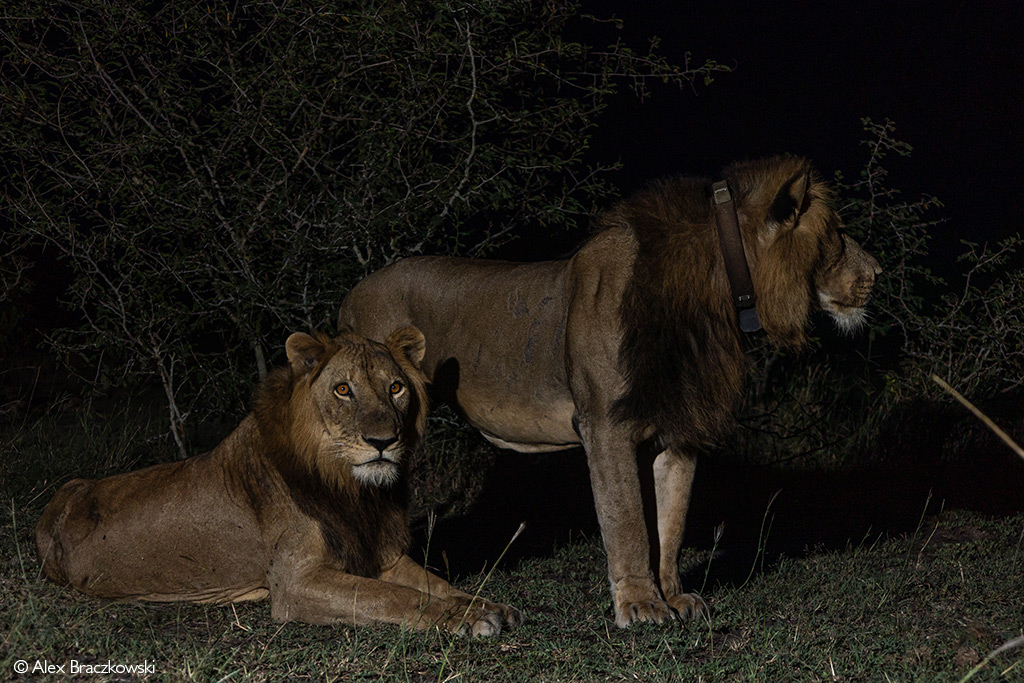
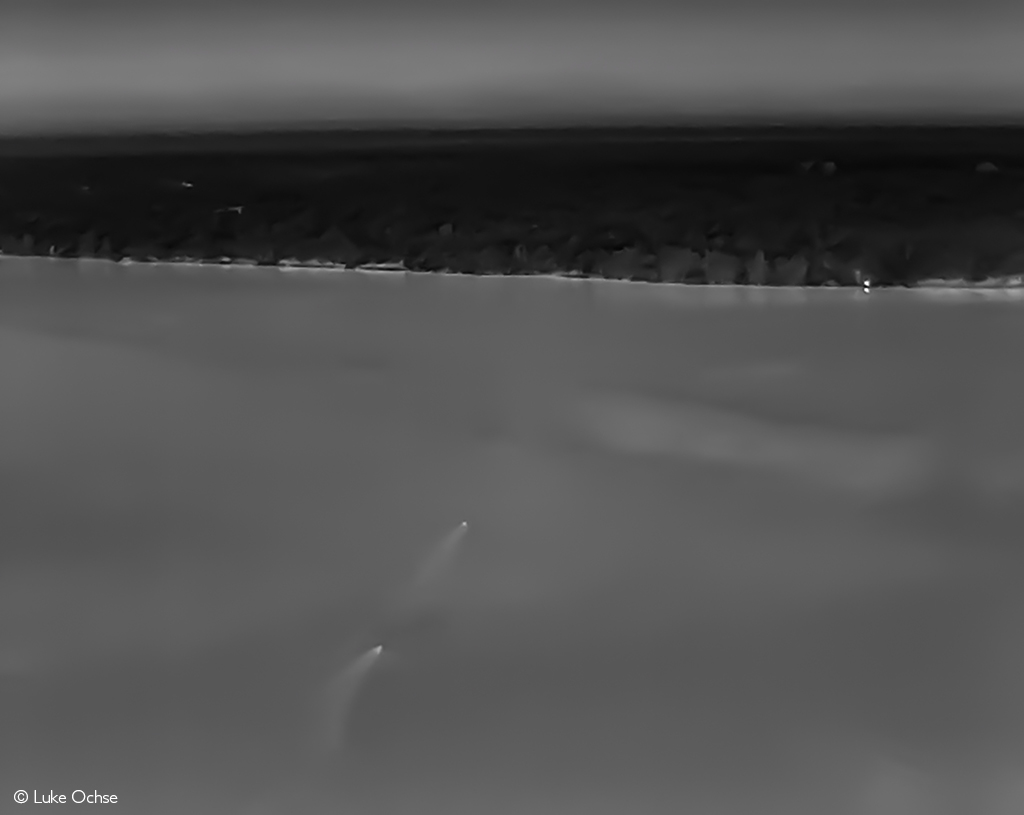
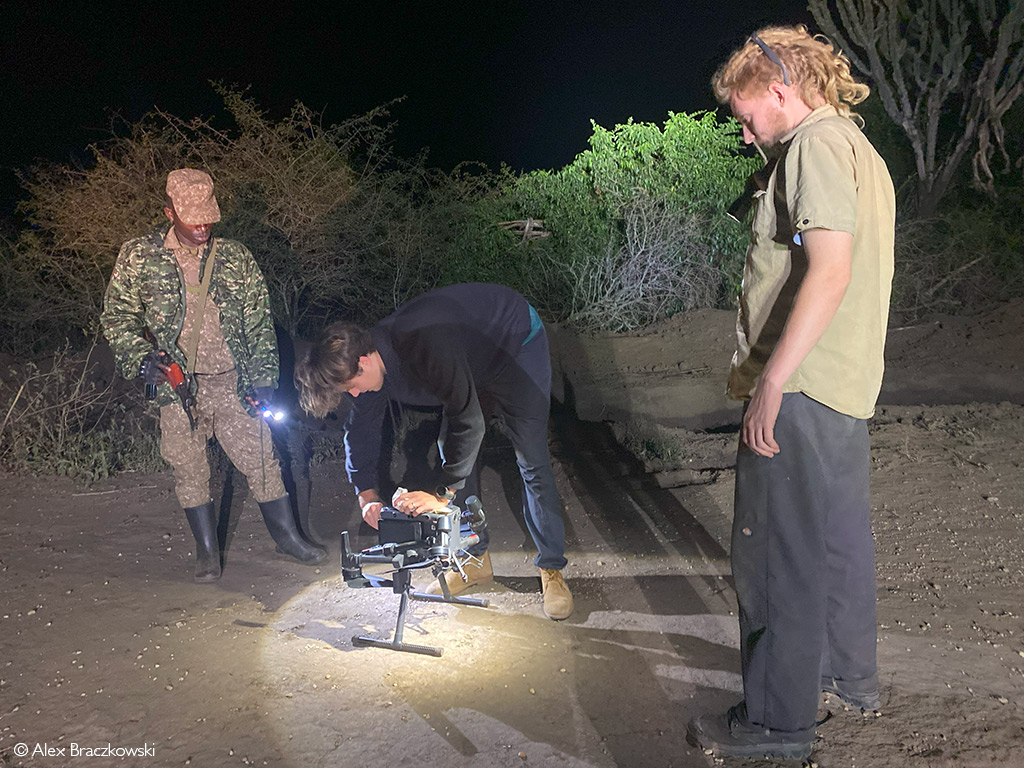
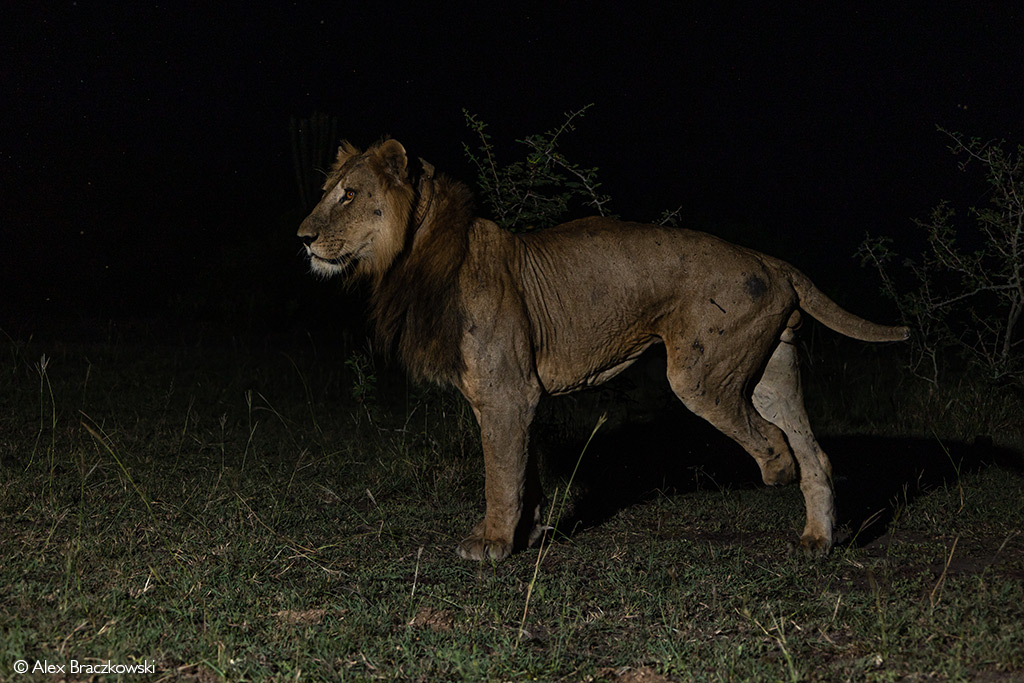
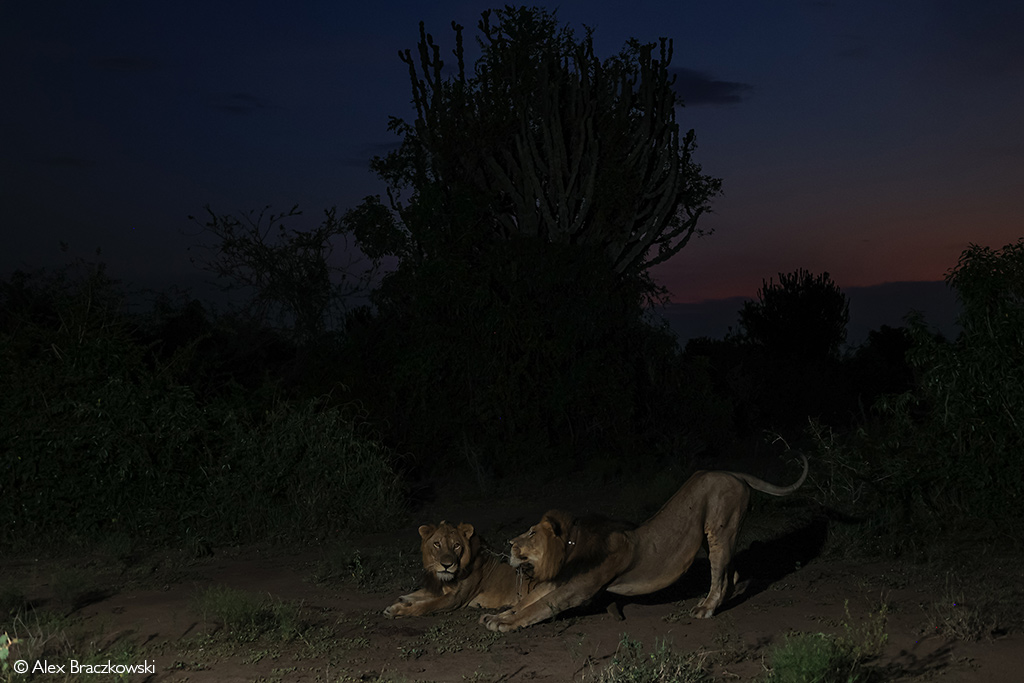
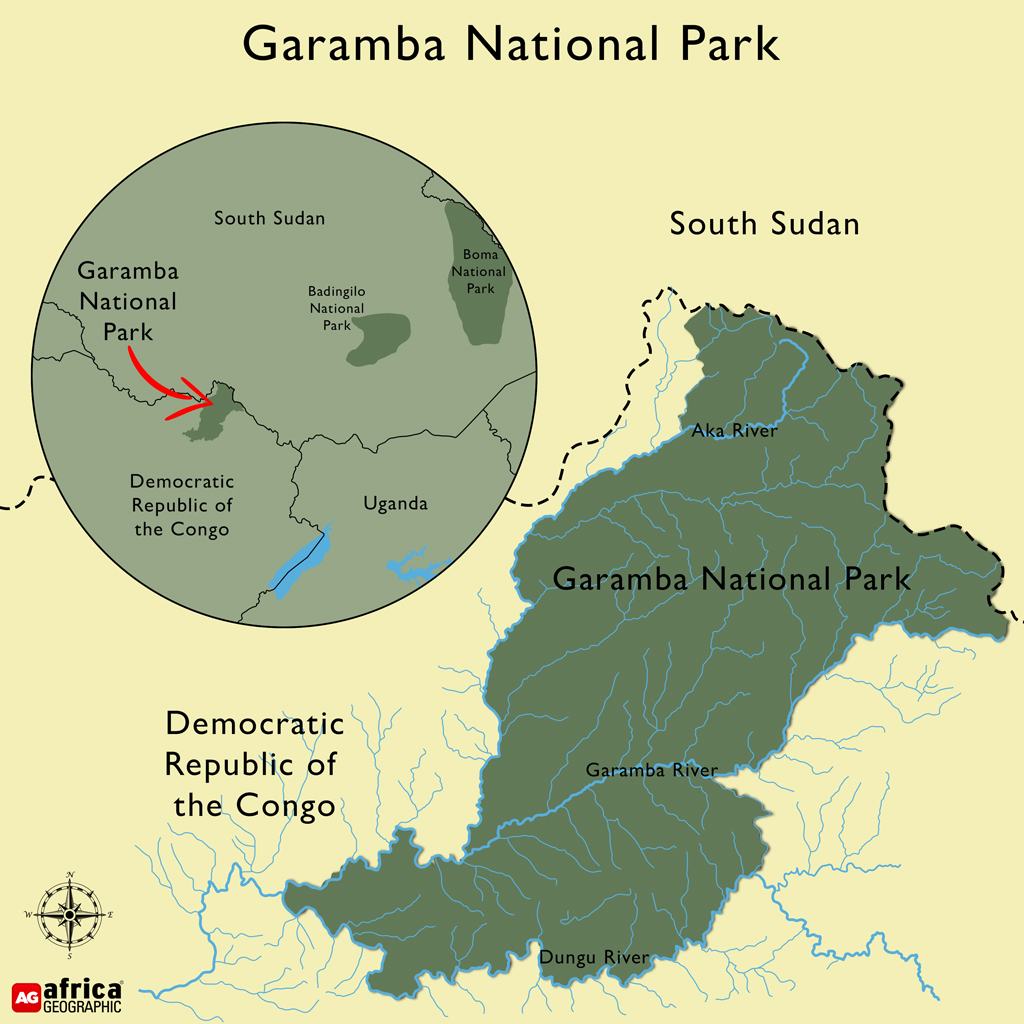
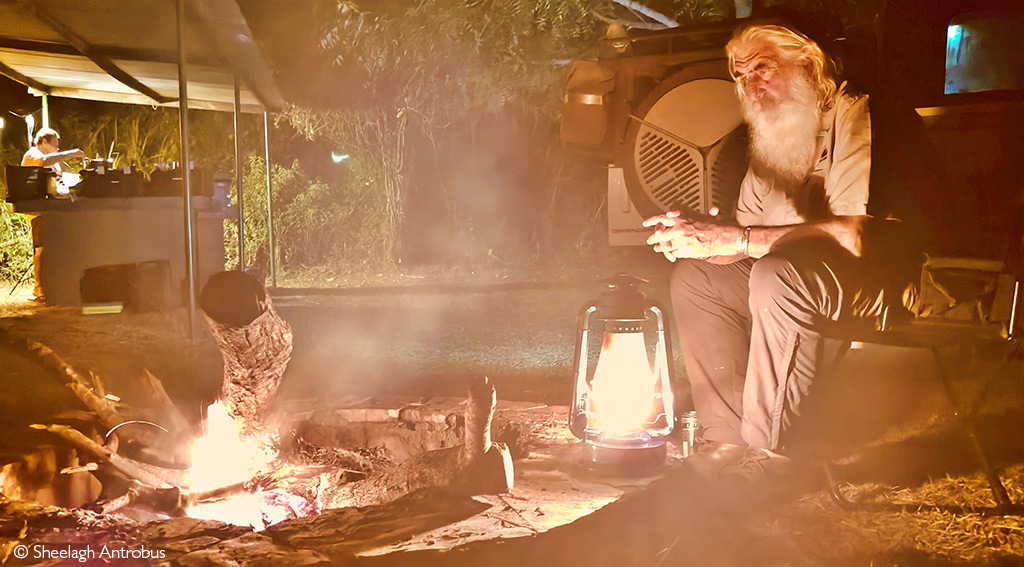
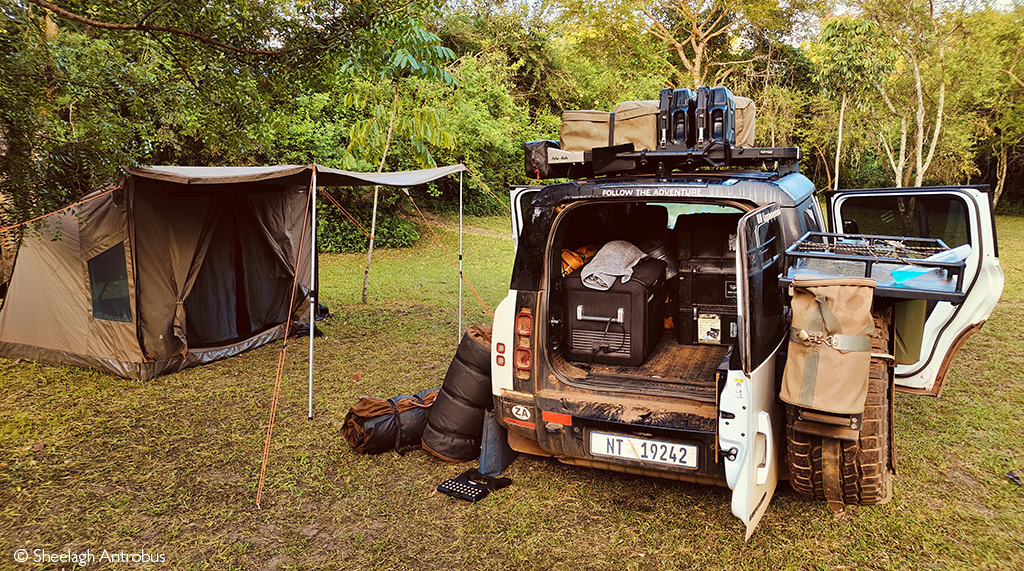
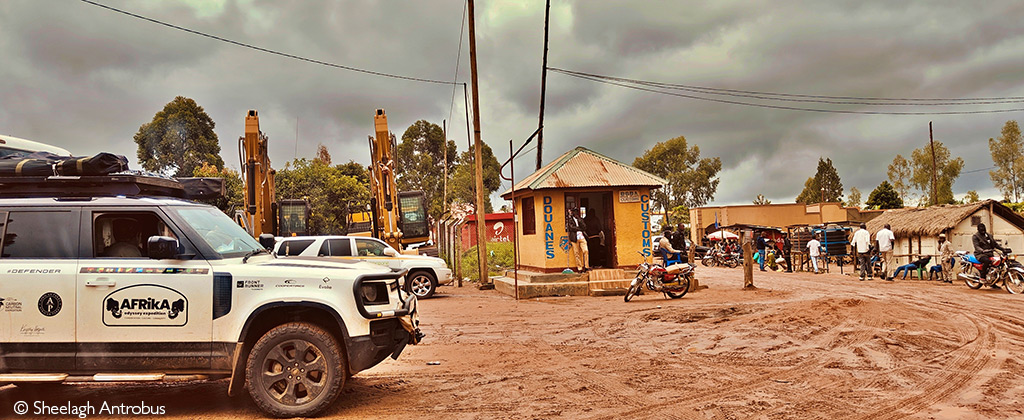
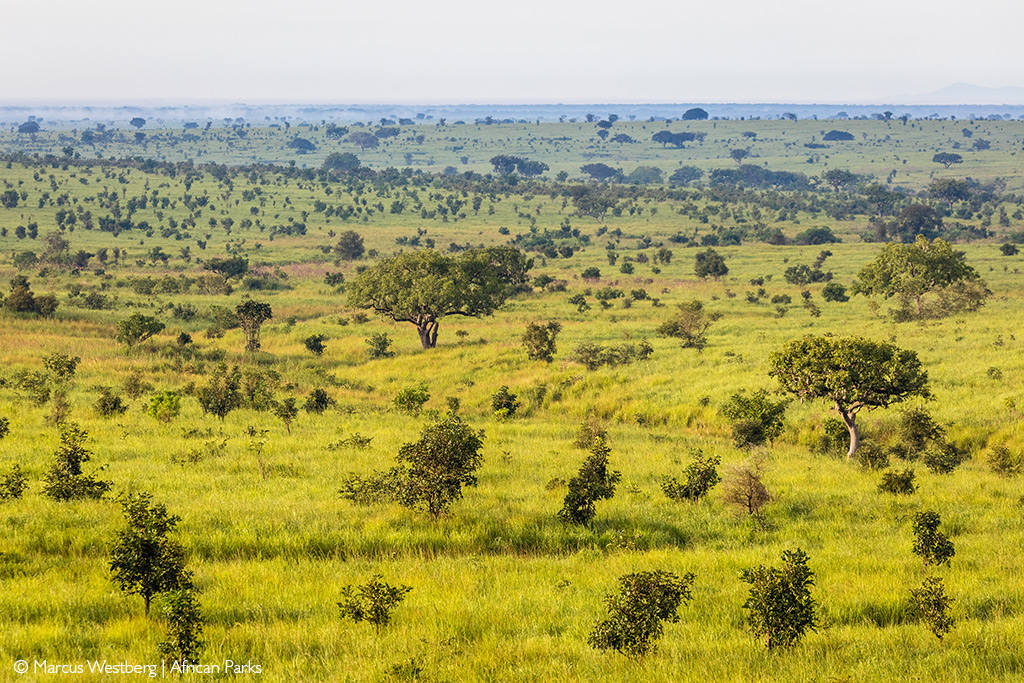
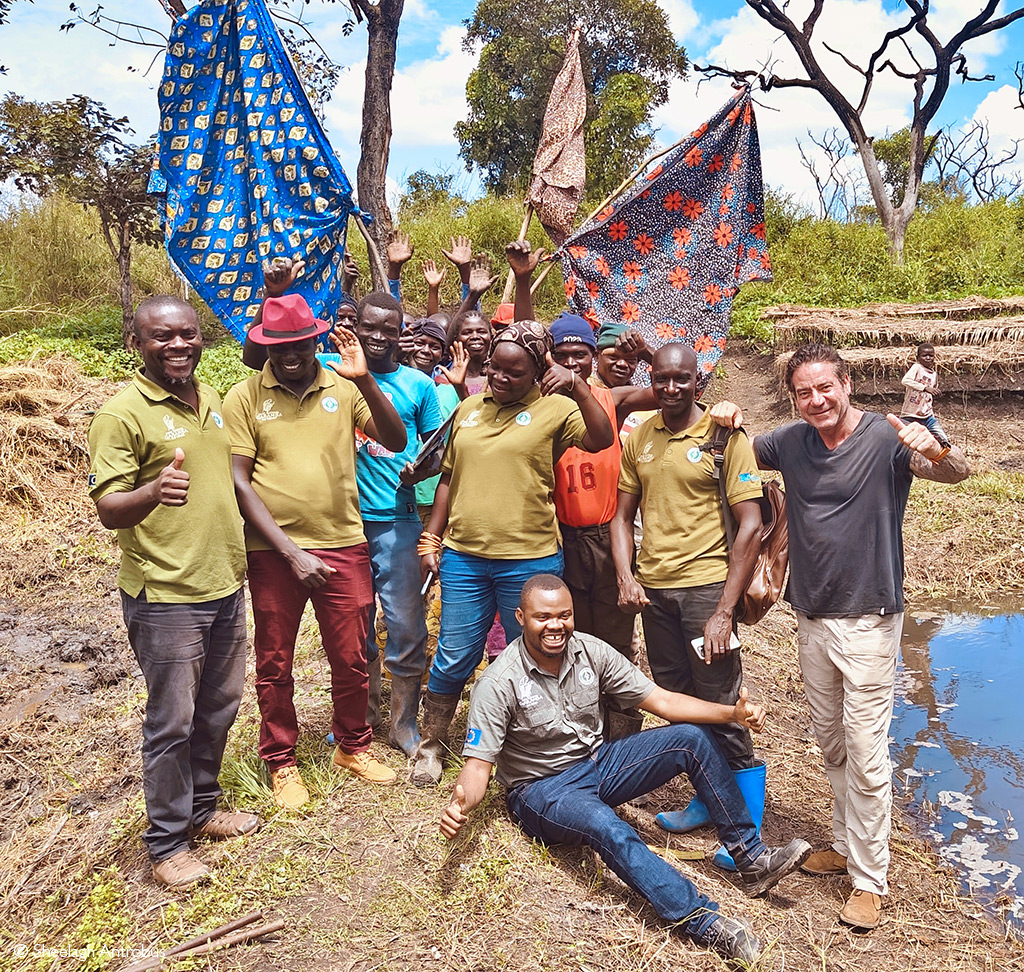
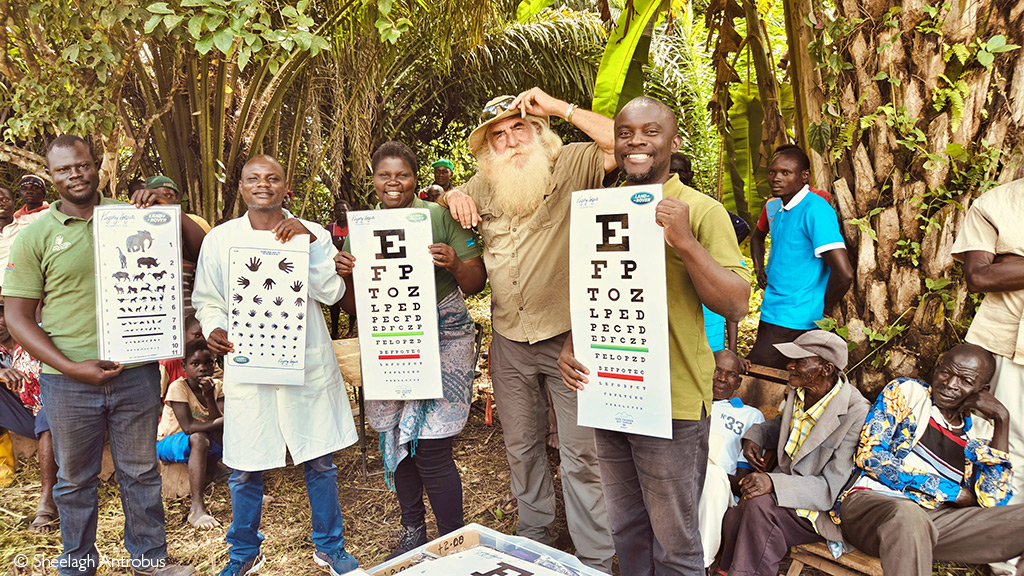
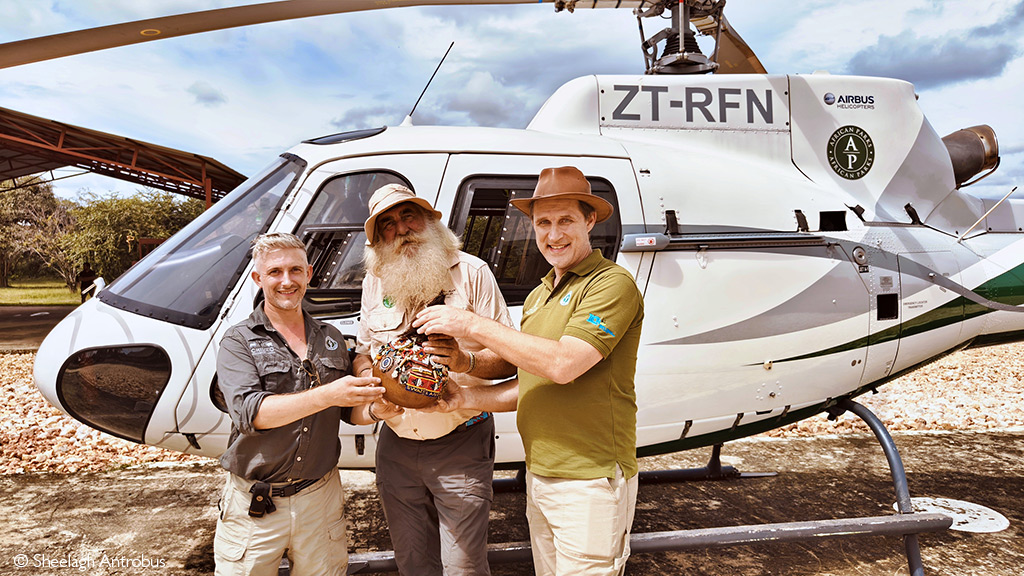
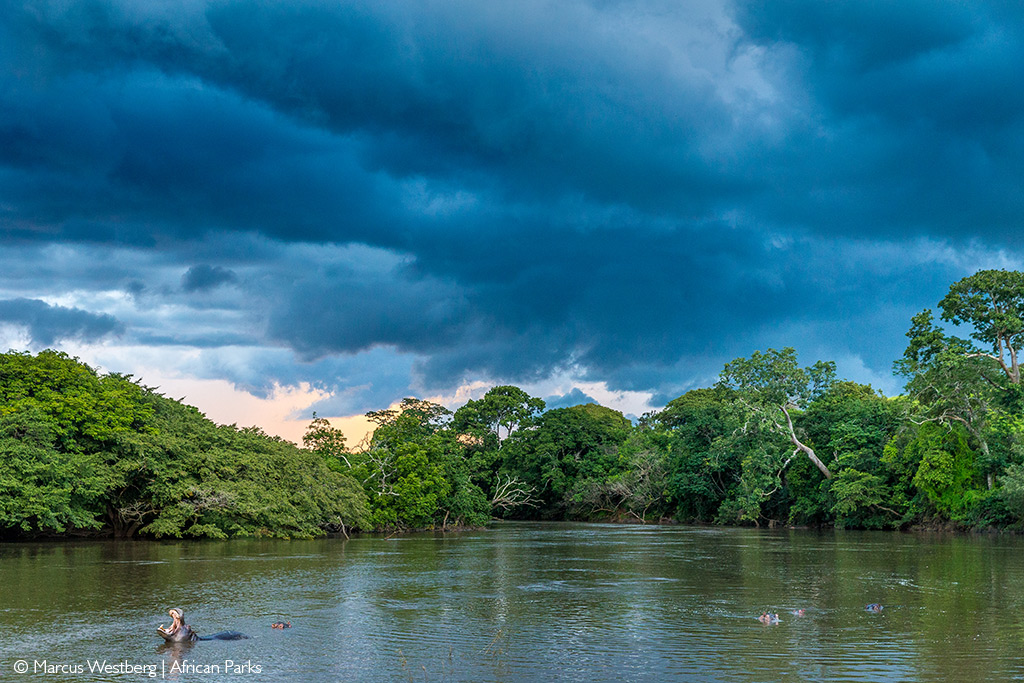
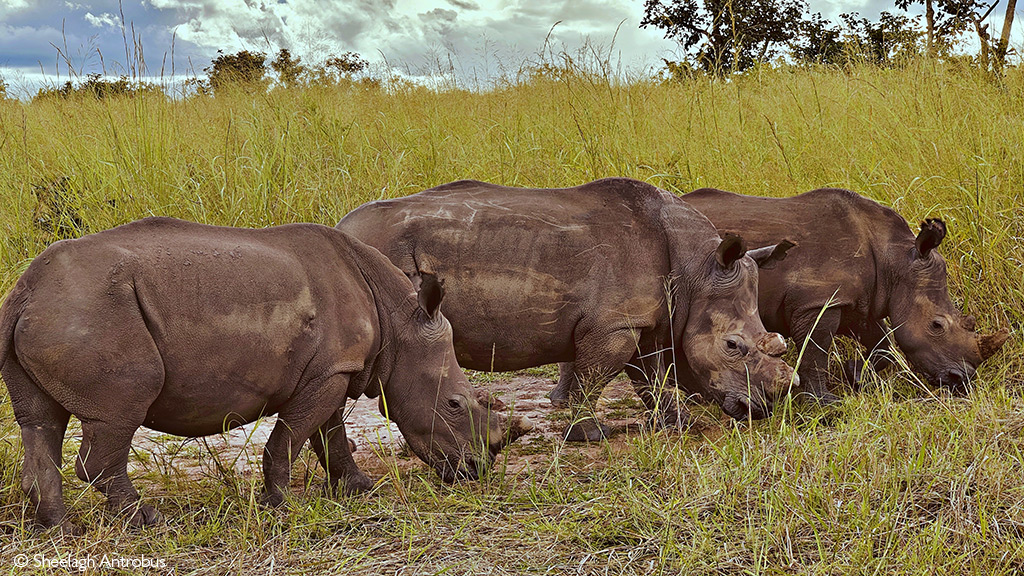
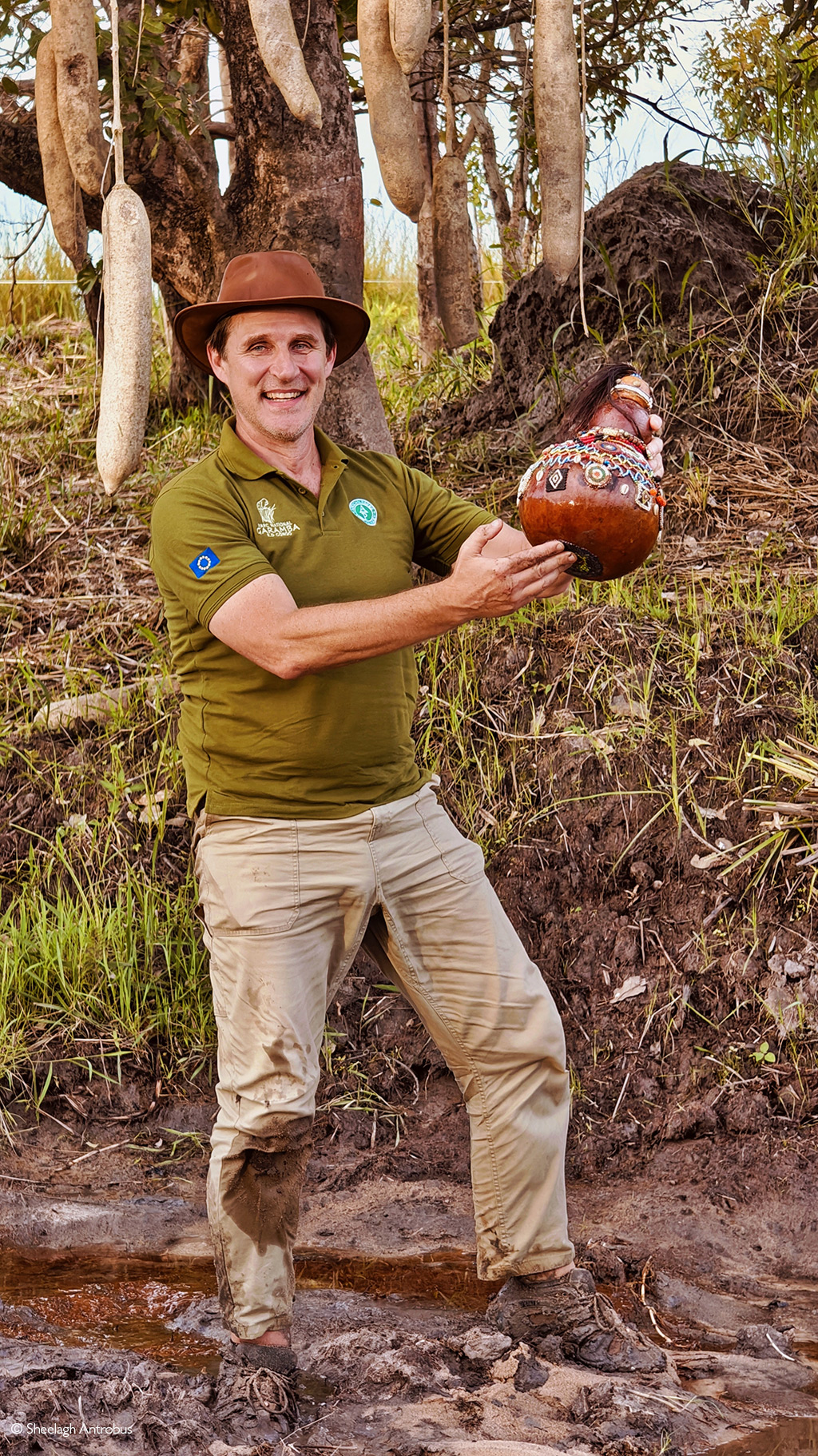
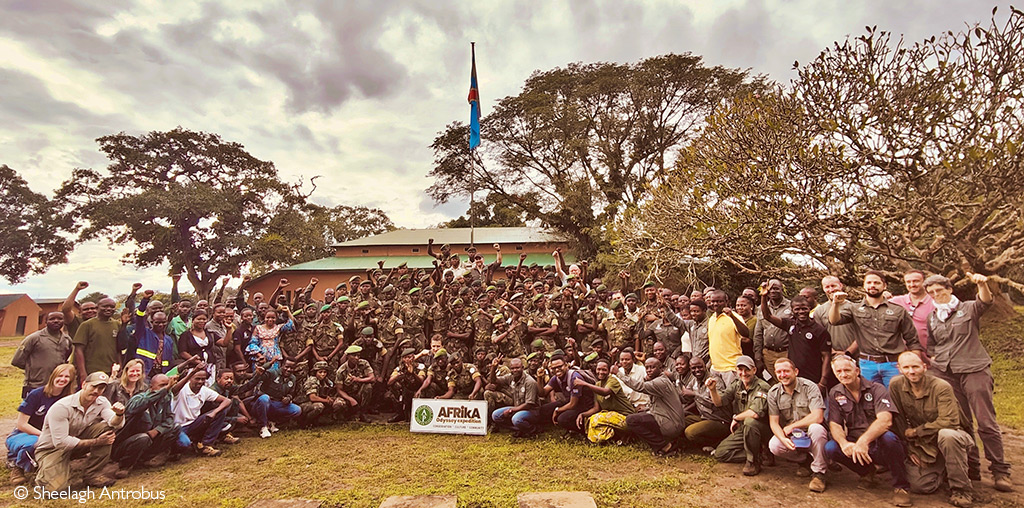
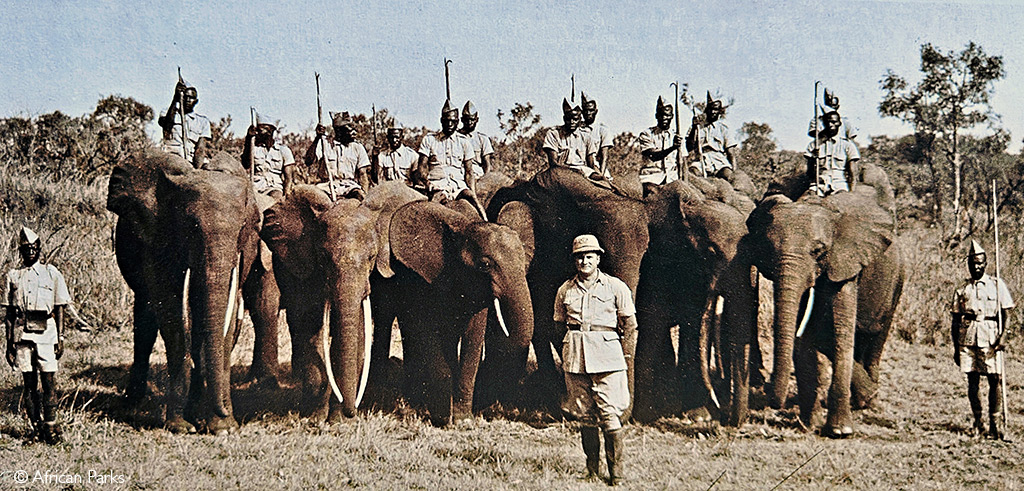
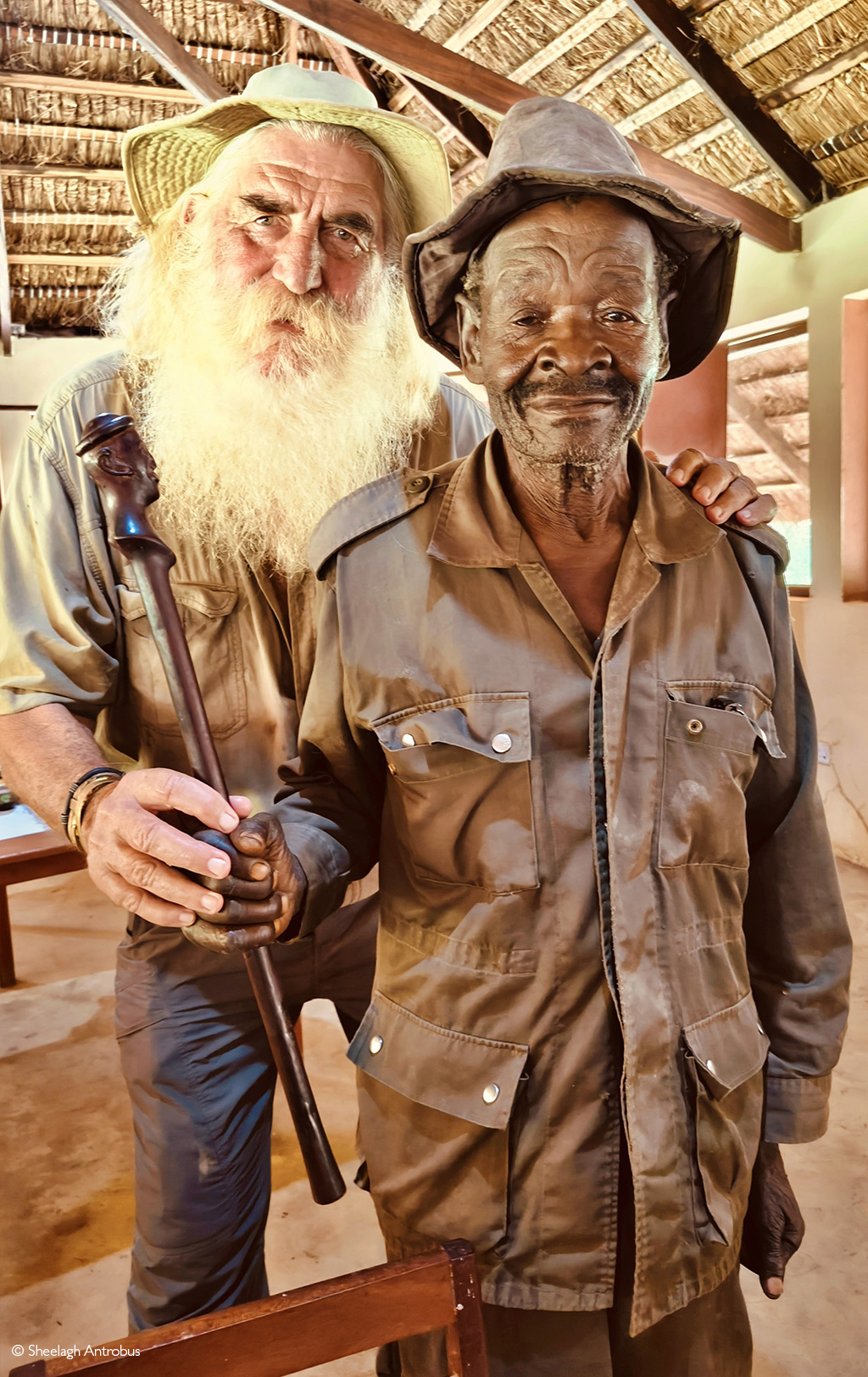
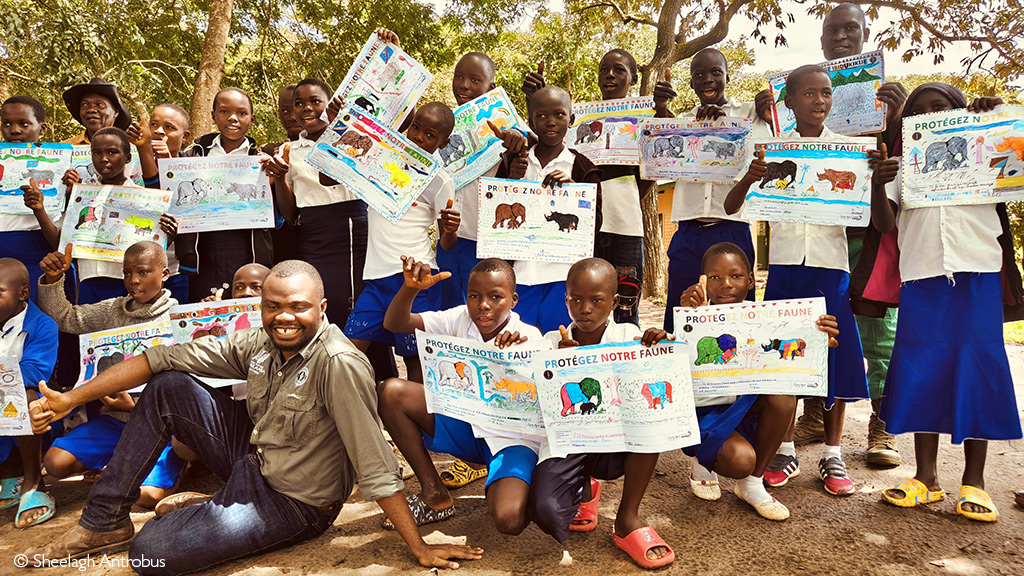
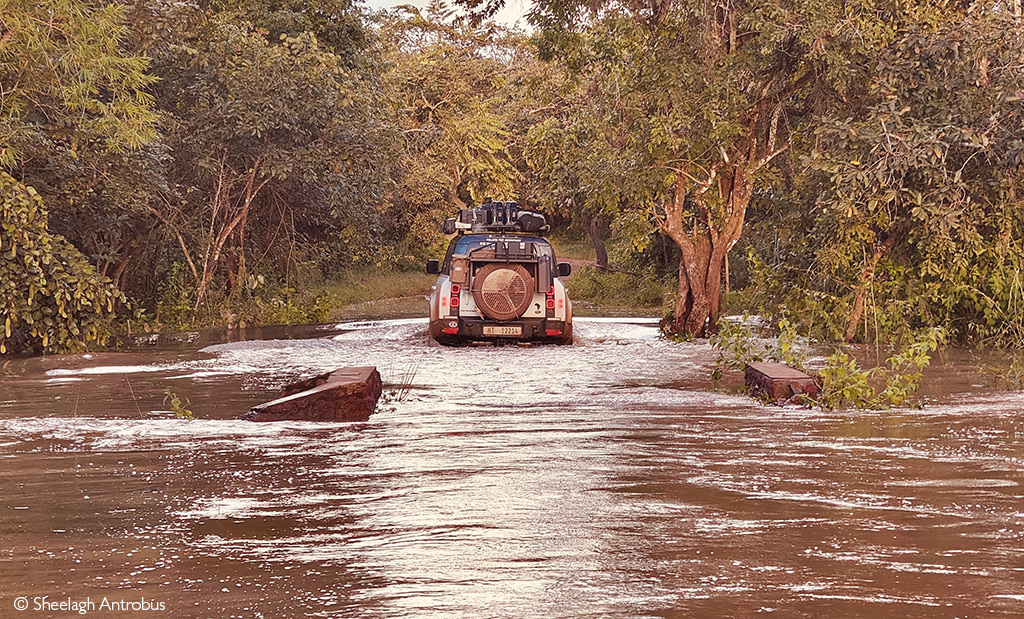
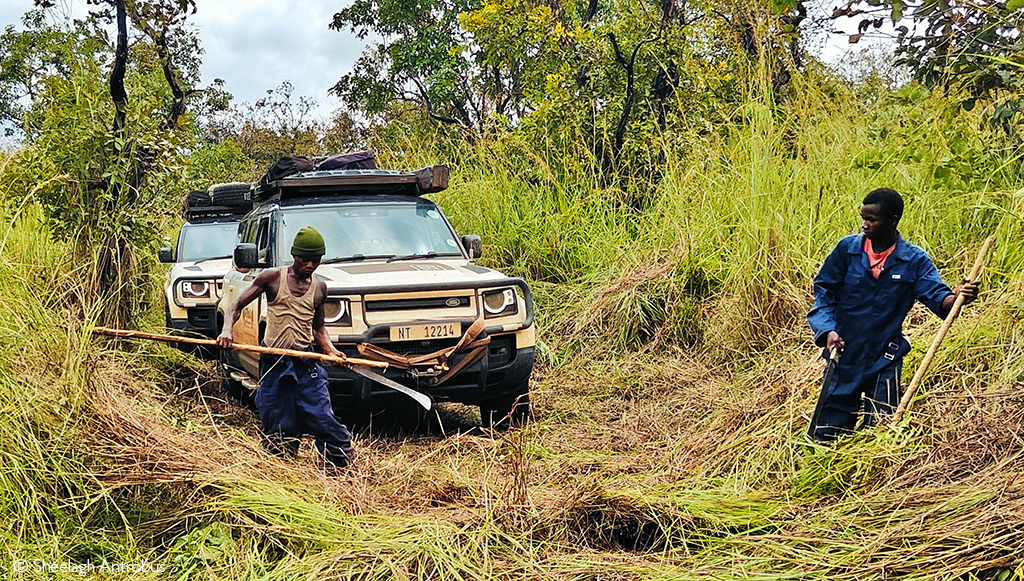
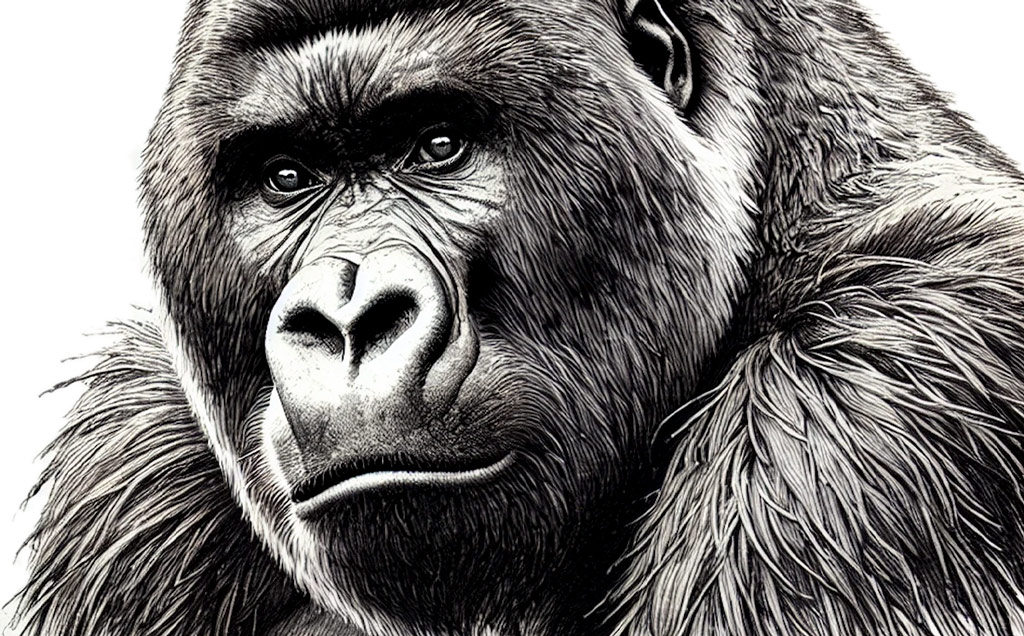
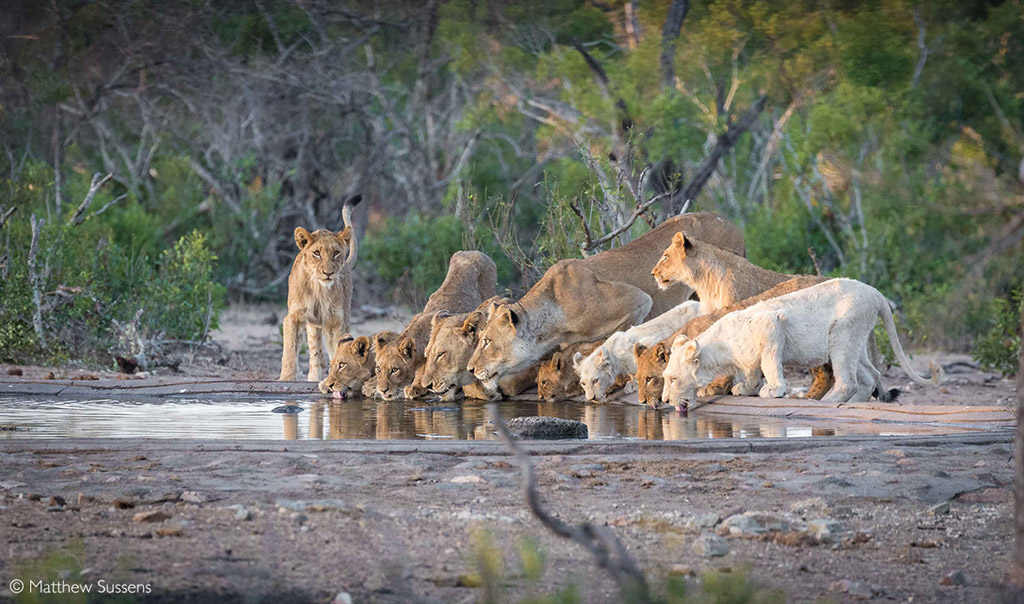
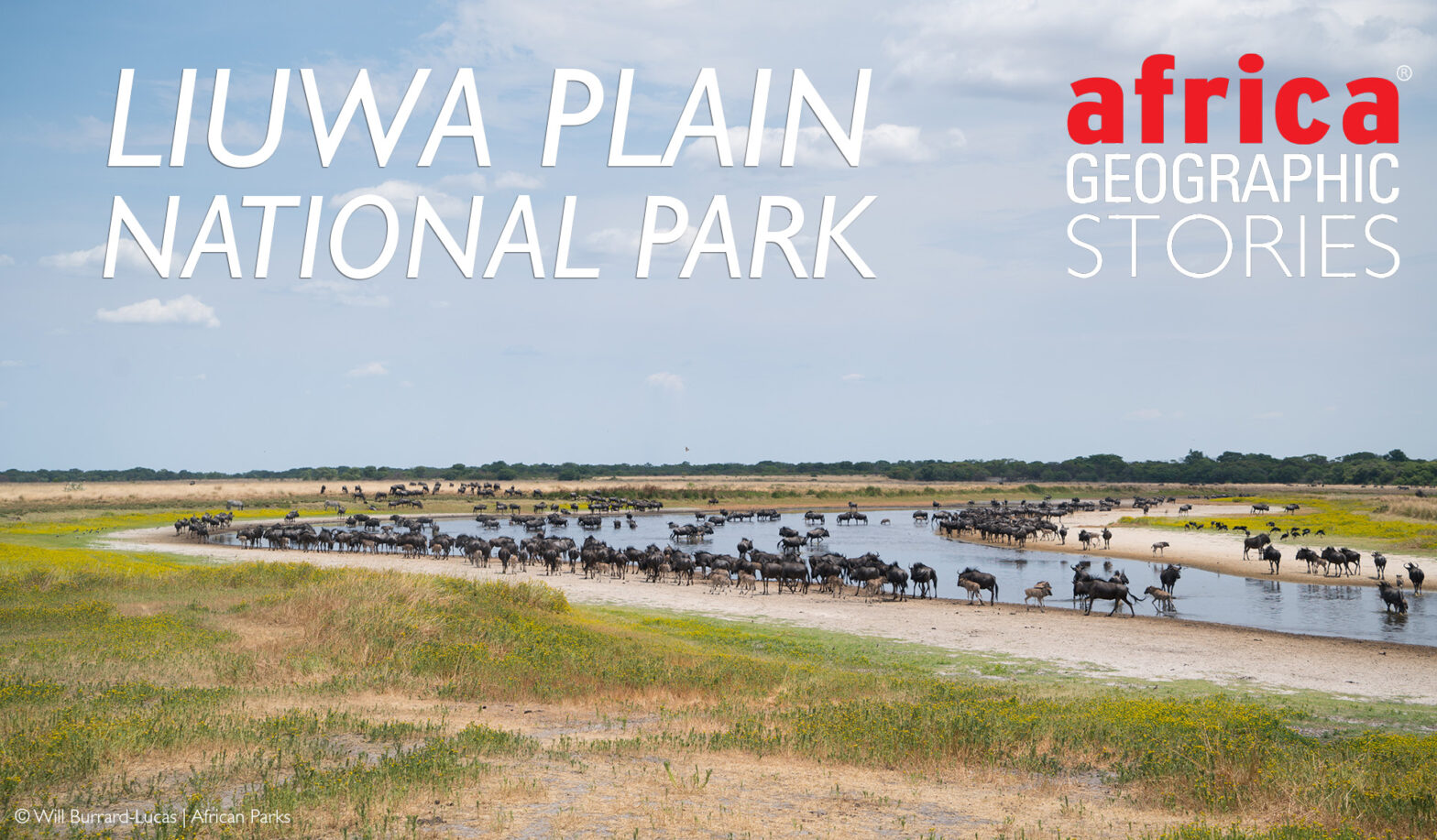
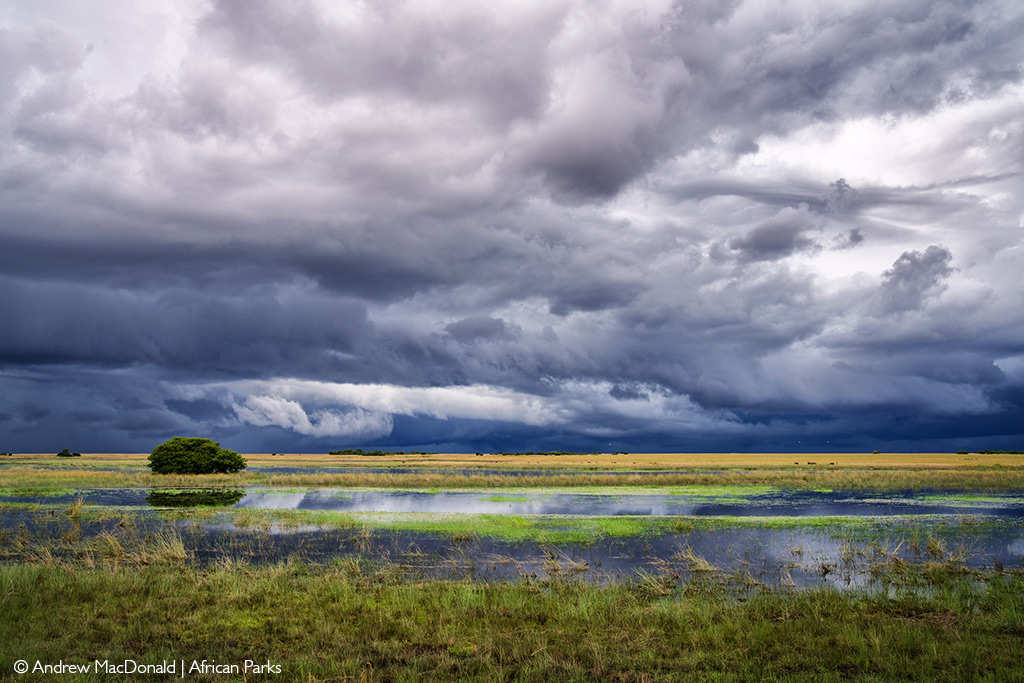
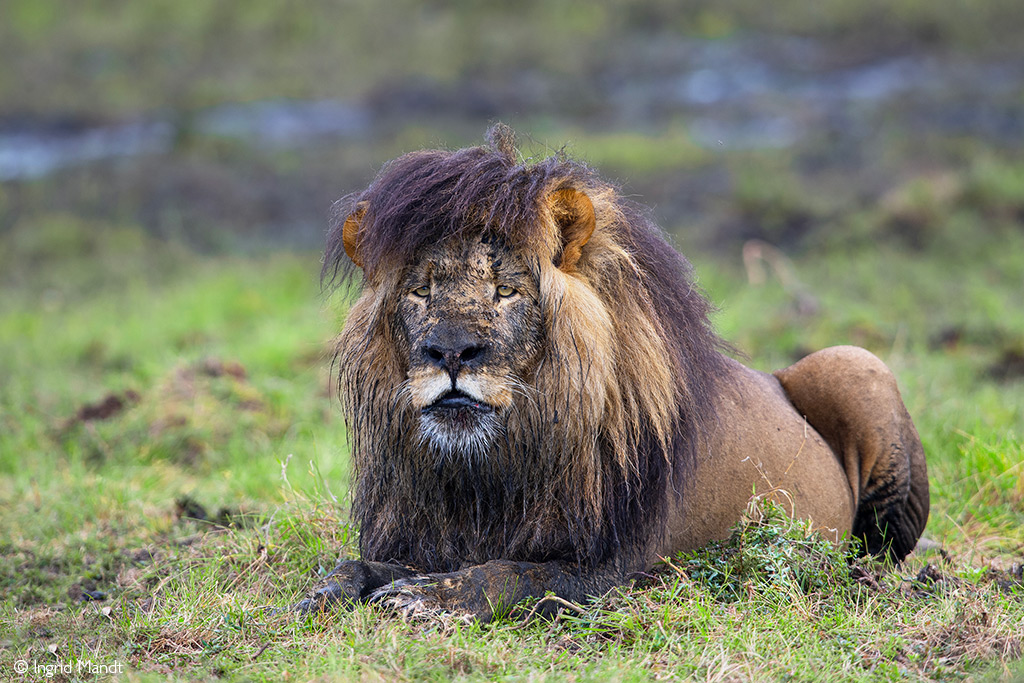
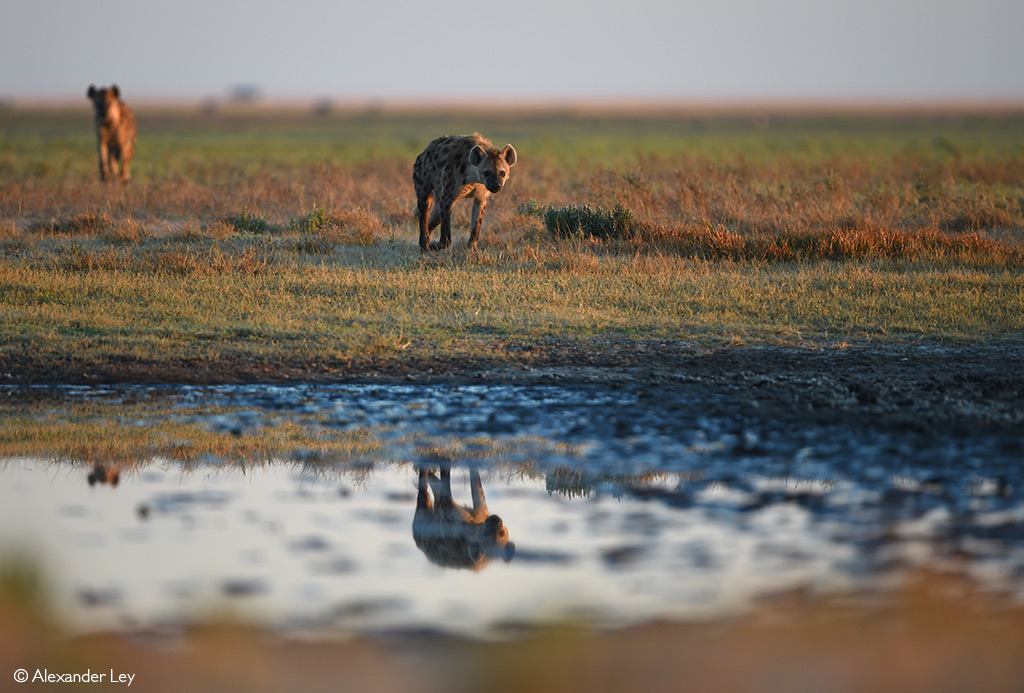
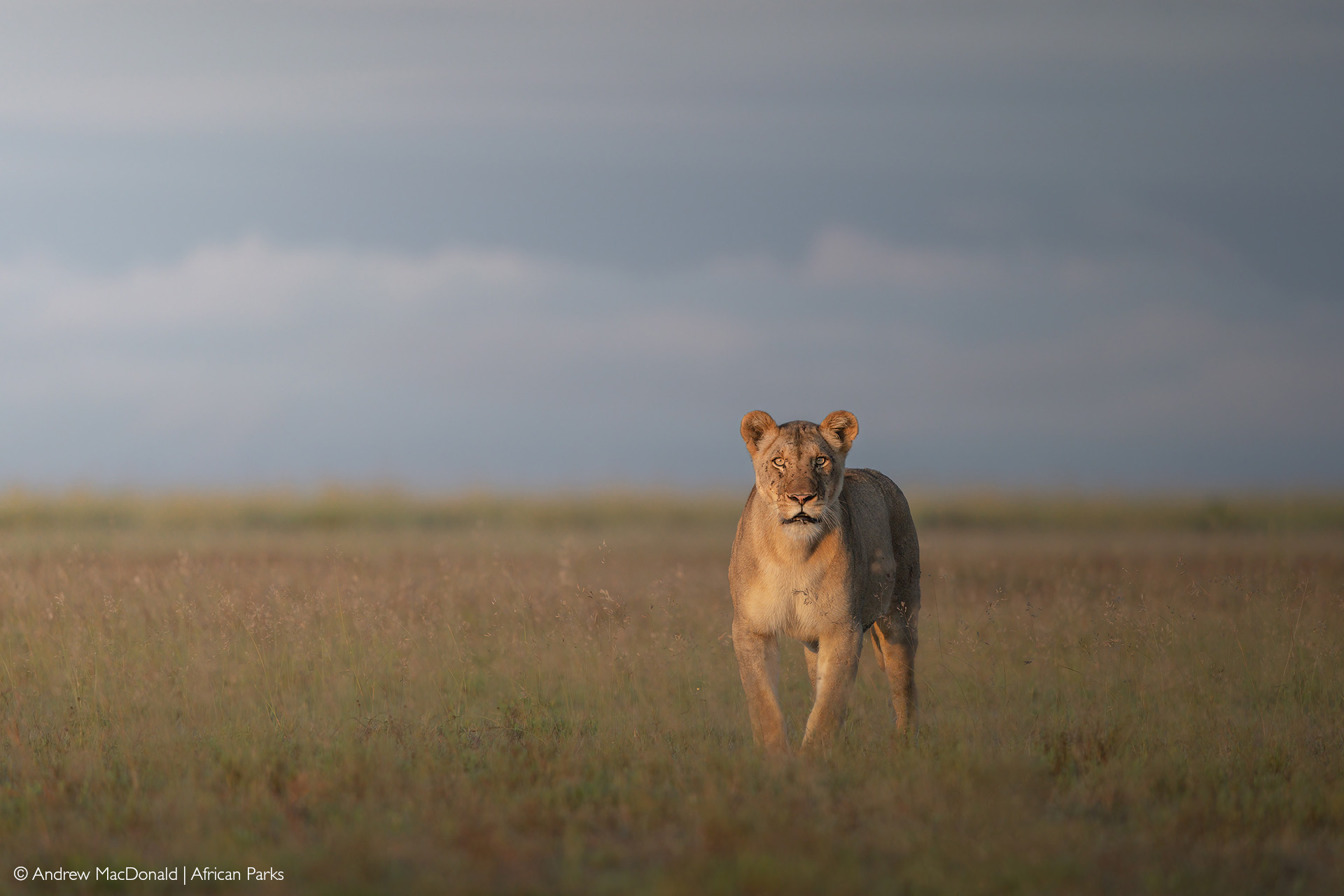
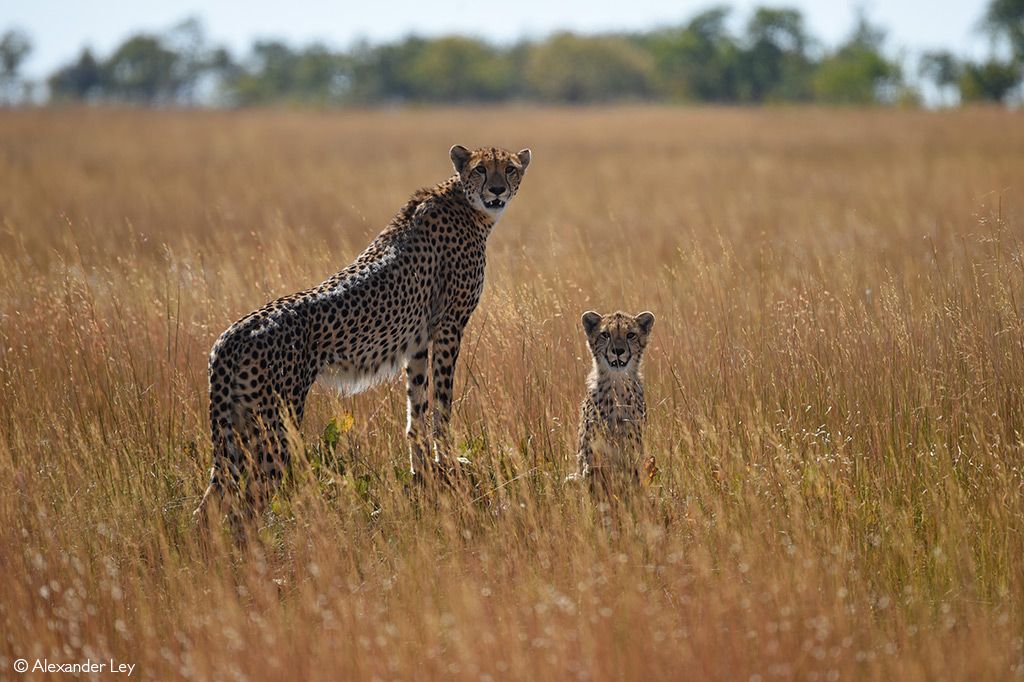
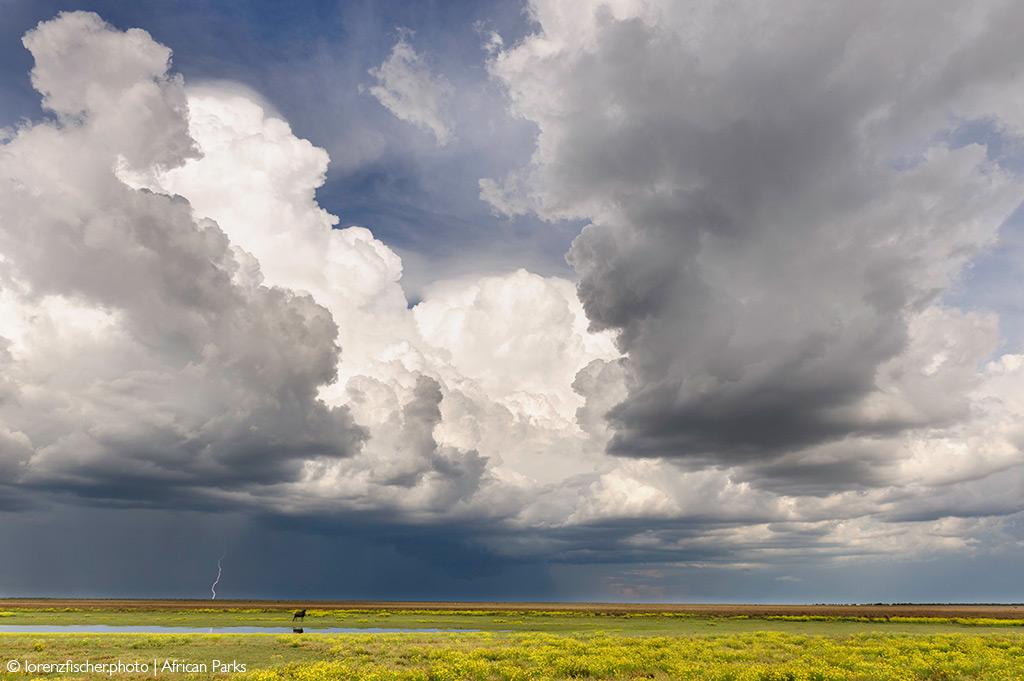
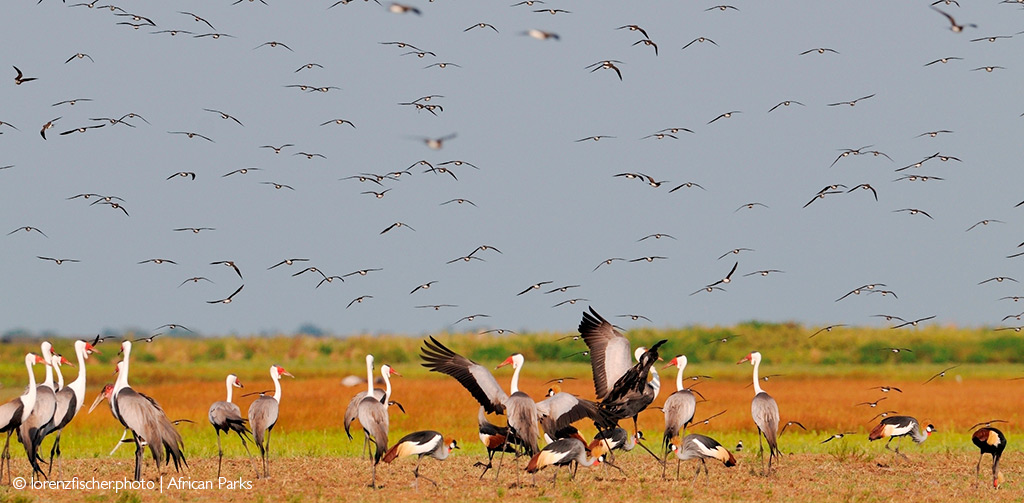
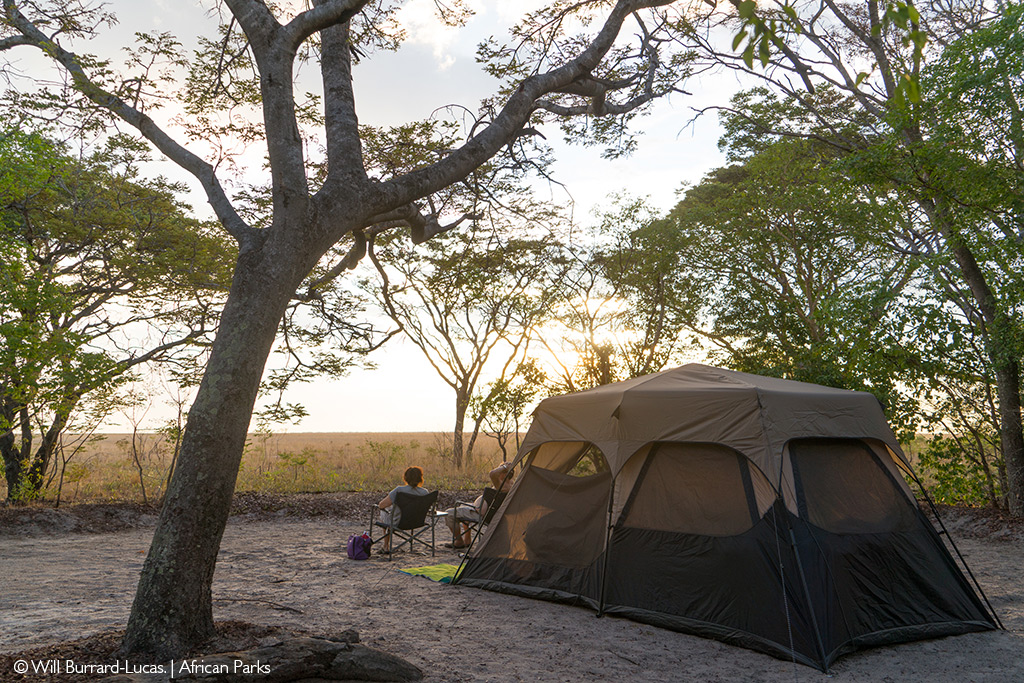
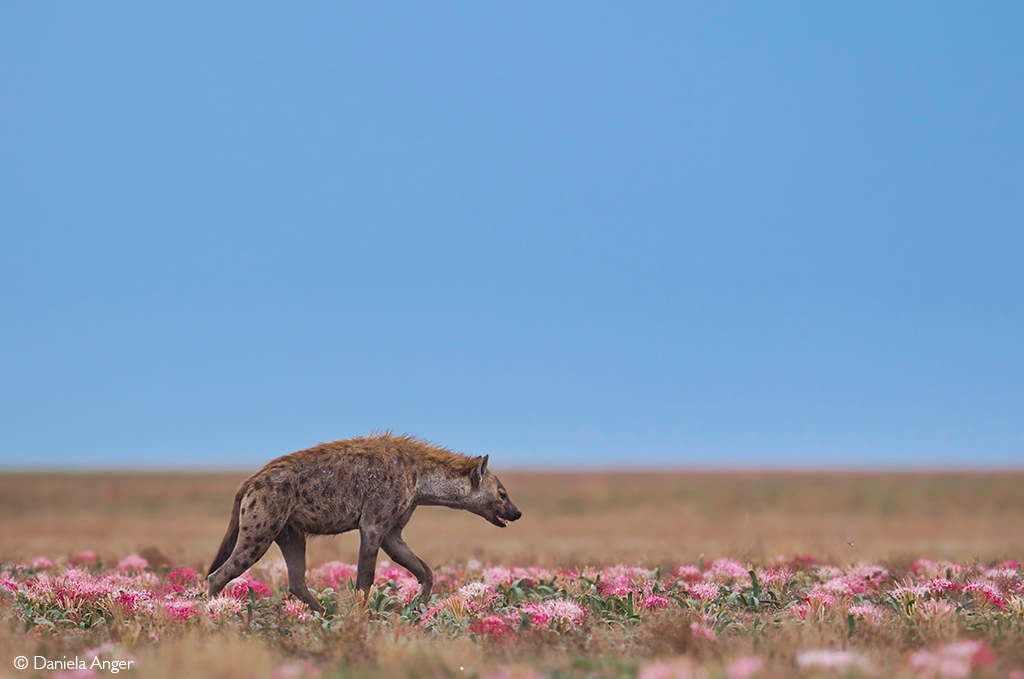
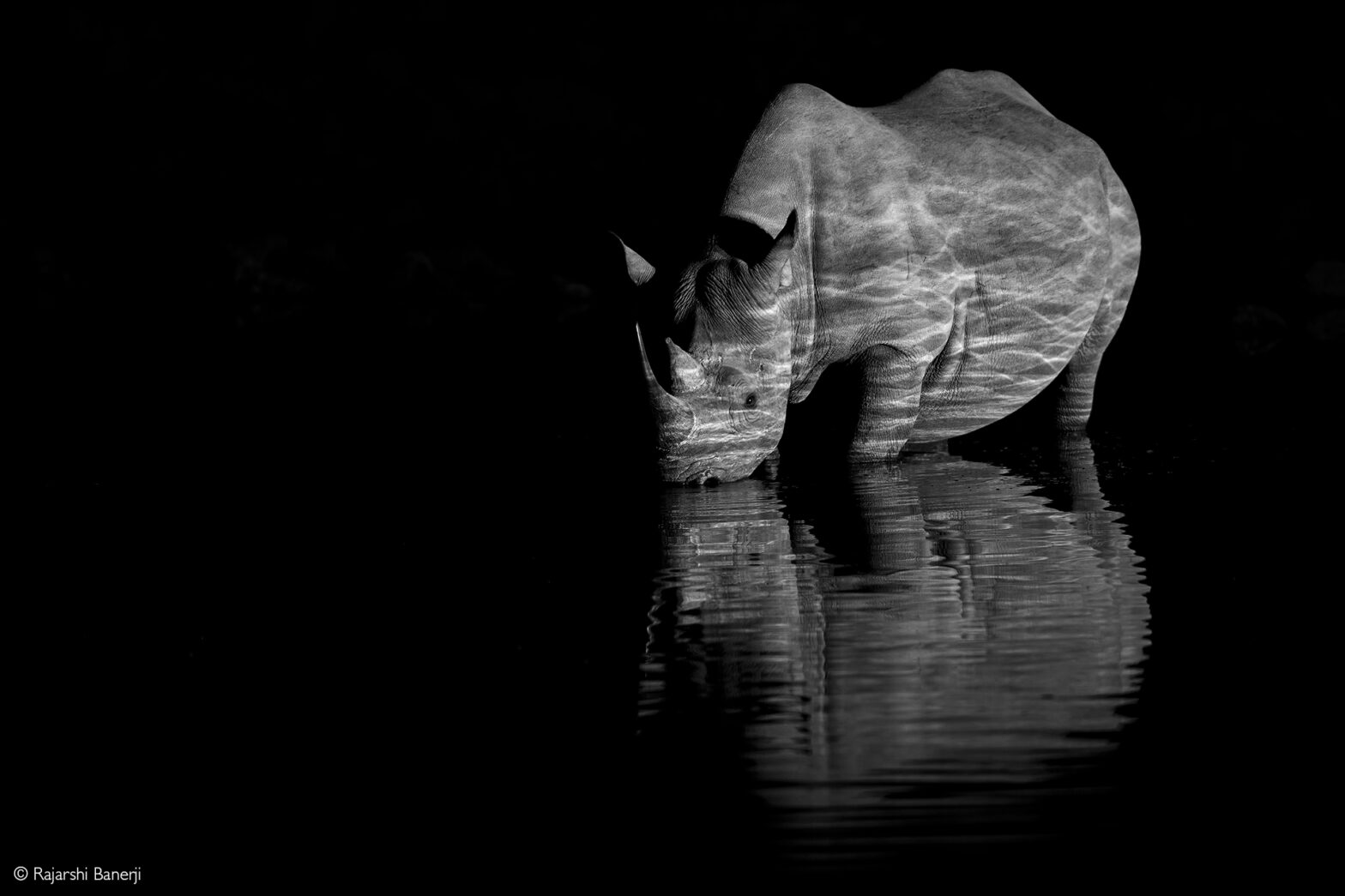
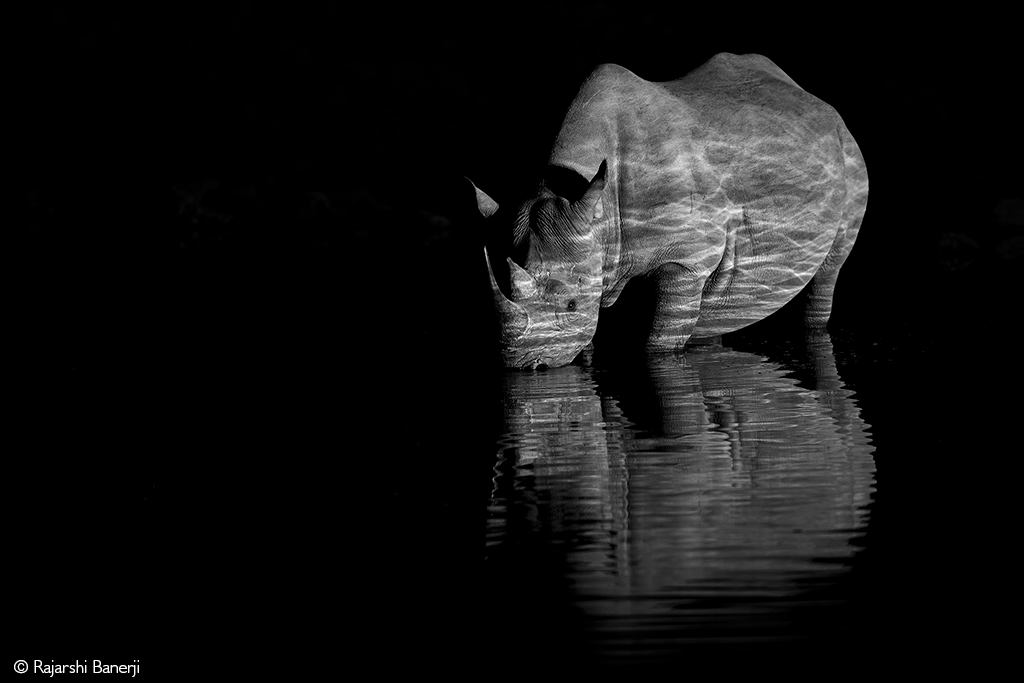
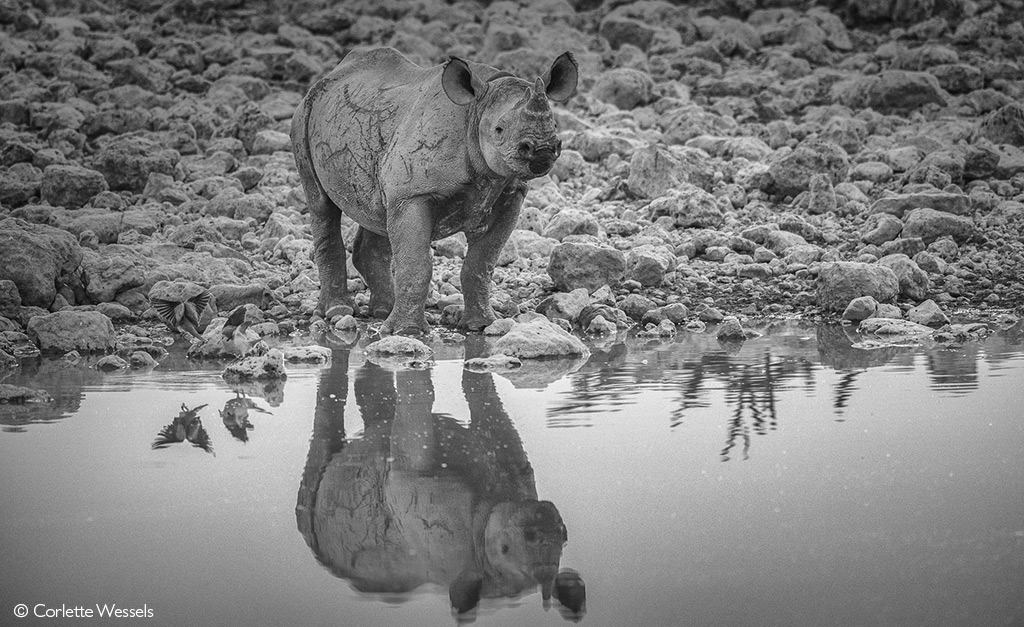
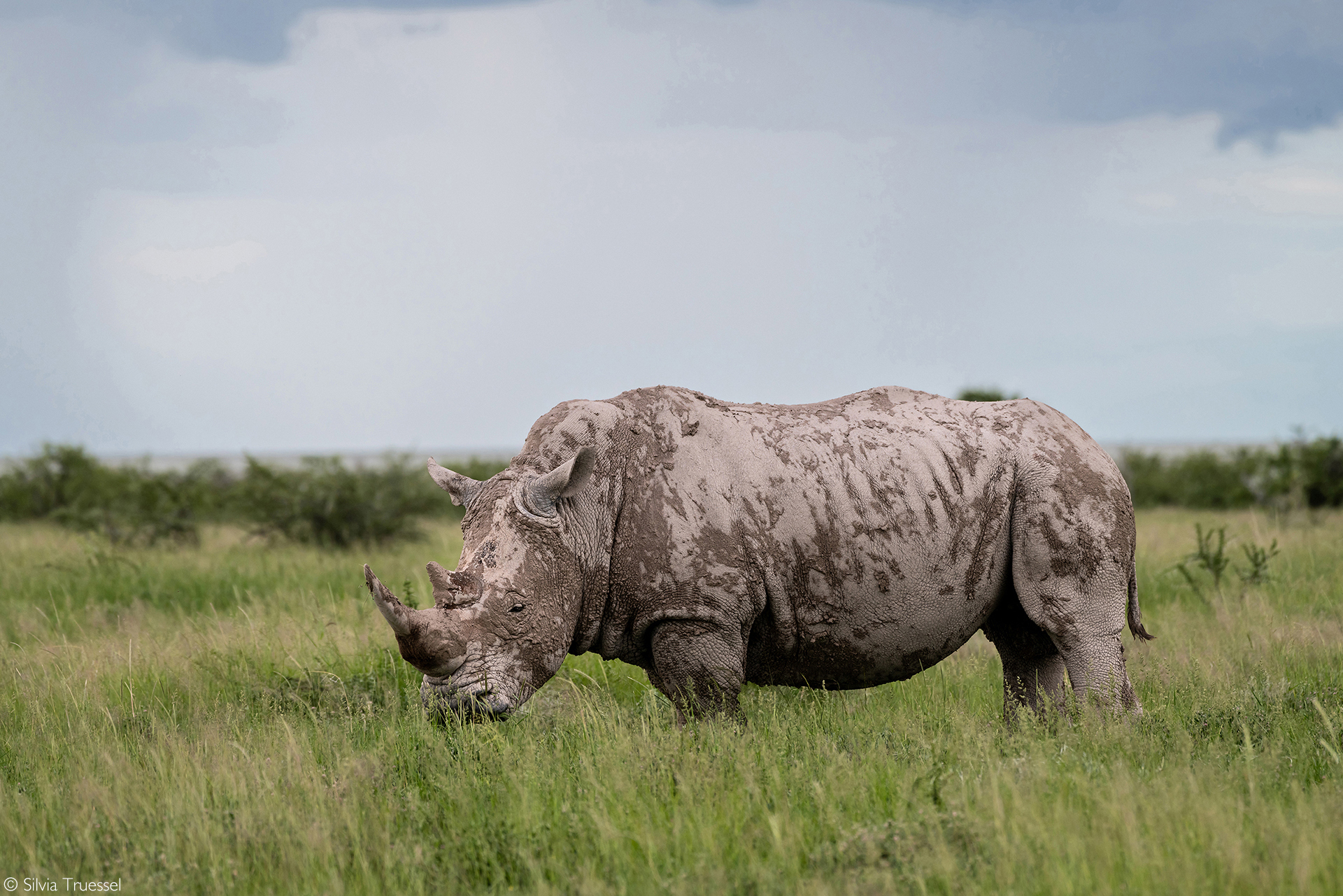
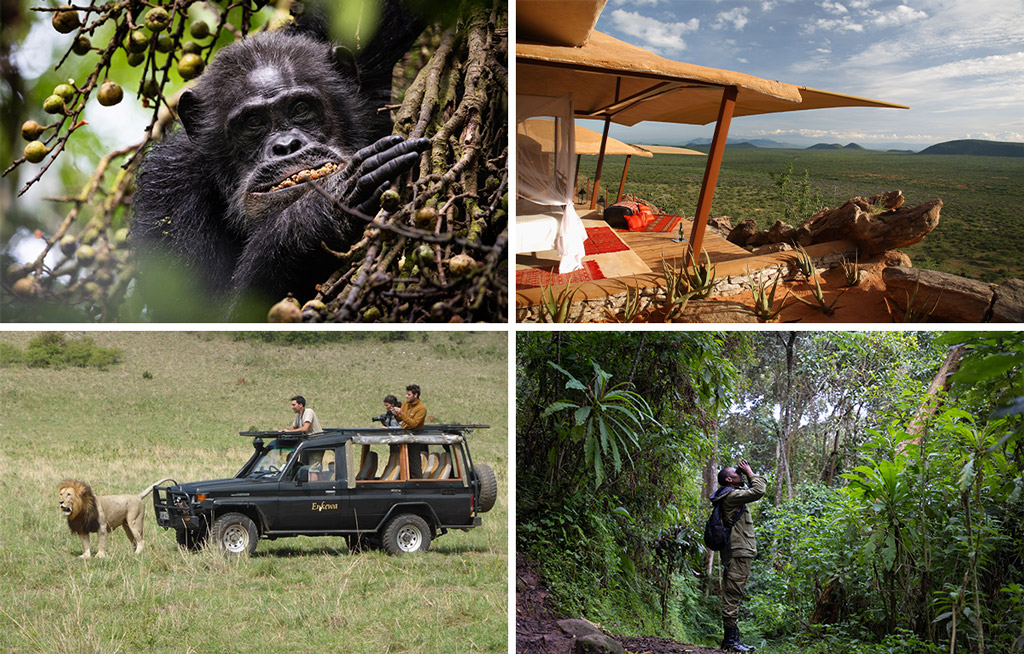
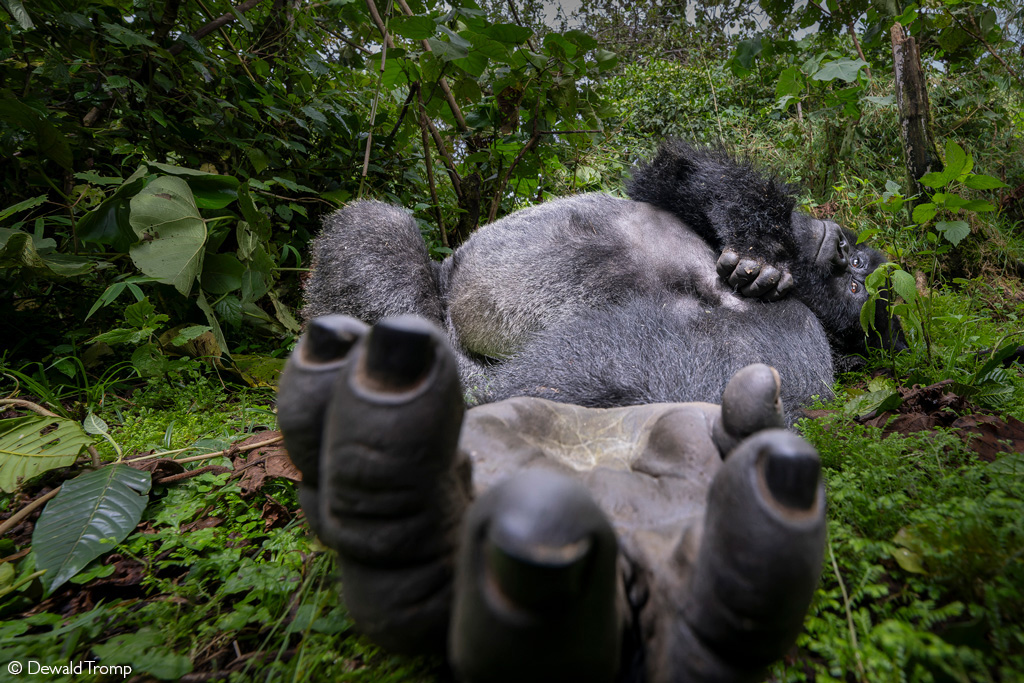
 Originally from Windhoek, Namibia, Dewald grew up in the small rural town of Belfast, Mpumalanga. As a child, all his family holidays were spent camping or hiking in the Kruger National Park. This is where his love for nature was cultivated. Although he works in the medical field, wildlife photography has been his passion for the last 20 years. Dewald and his wife have travelled extensively around the globe to photograph rare and exciting wildlife. Through his images, he wants to influence people to start thinking about conservation and protecting the last remaining wild places on Earth.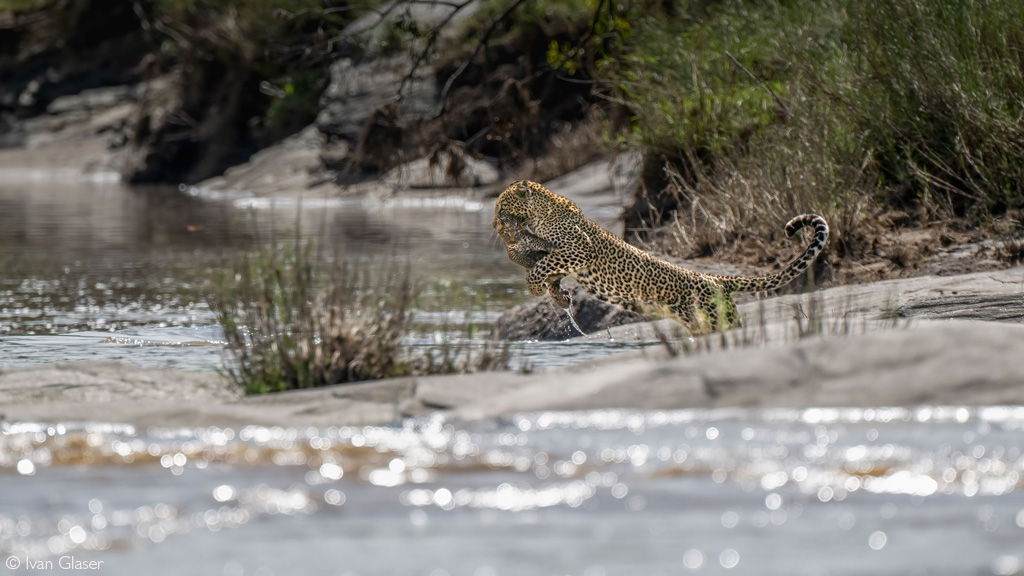
 Ivan was born into a family of wildlife and photography enthusiasts in South Africa, where his deep passion for African wildlife and wildlife photography took root at an early age. Sharing this passion through his photography has always brought him joy. In his mid-twenties, Ivan emigrated to Australia and began his corporate career. During those years, his focus shifted away from wildlife and photography as his professional responsibilities and family took precedence. However, in 2019, an extraordinary opportunity presented itself when Ivan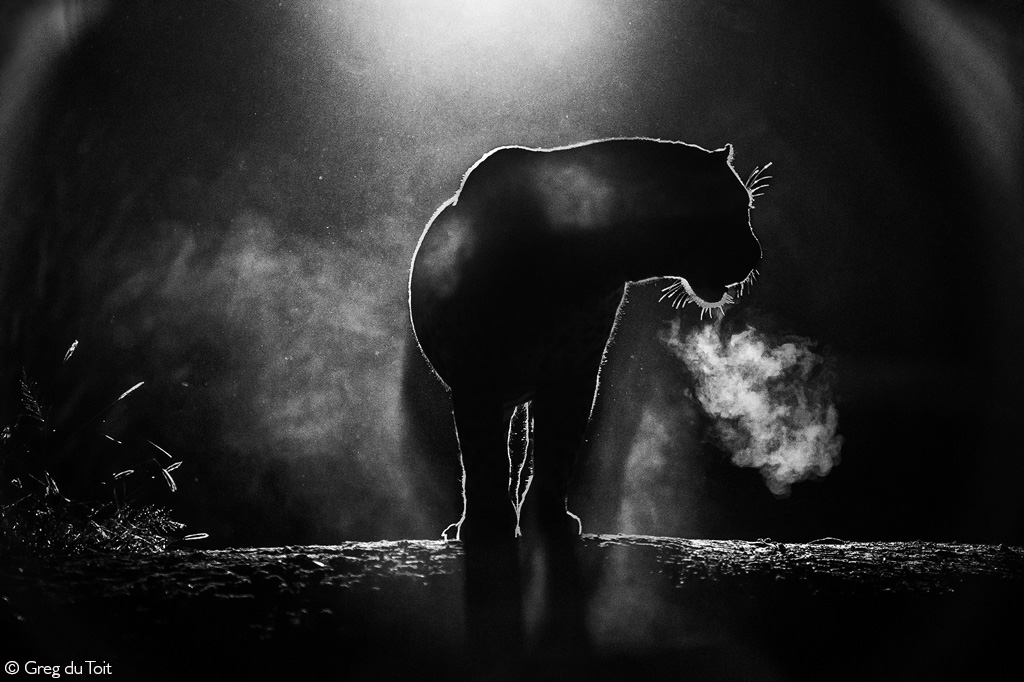
 For over two decades, South African-born Greg du Toit has been solely devoted to photographing Africa’s wildlife. His fine art collections have been shown from New York to Singapore, and his work has hung in natural history museums from Canada to Australia. His solo exhibition, ‘Authentic Africa’, hosted by the National Geographic gallery on London’s Regent Street, was a sell-out. The BBC Wildlife Magazine featured the article, ‘A waiting game’, detailing his 270 hours spent sitting inside a Kenyan waterhole. He is the author of three books: AWE, a coffee-table book containing a decade’s worth of imagery and Getting it right in camera, a how-to book for wildlife photographers. Wilderness dreaming is the title of his African memoir, filled with wild bush adventures in his search of lost Africa. The BBC World Service has interviewed him, he has appeared on NBC’s TODAY show and has, as a guest speaker, delivered presentations as far afield as northern Finland. Through his online galleries, his limited-edition prints bring Africa to the walls of homes worldwide. Greg donates some of his prints to both humanitarian and wildlife charities.