



The emerald in Kenya’s crown

- The Maasai Mara combines iconic wildlife, dramatic scenery and thriving community conservation.
- The Great Migration is spectacular, but exceptional safari experiences occur year-round.
- Community conservancies protect wildlife while supporting Maasai livelihoods through responsible tourism.
- Conservancies offer exclusive safaris with fewer vehicles, walking safaris and night drives.
- Choosing the right season and location shapes every Maasai Mara safari experience.
 Want to visit Maasai Mara National Reserve to witness its wildlife up close? Check out our ready-made safaris to Maasai Mara here. Or let our travel experts plan the perfect sustainable African safari for you.
The Maasai Mara ecosystem is one of the most famous wilderness areas in Africa and one that attracts visitors from near and far. The breathtaking view of the sunrise from Oloololo (Siria) Escarpment, some 2,000m above sea level and 300m above the plains below, was forever etched into human memory by the film “Out of Africa”.
Below the mountains, the Mara River winds its serpentine route to the south, hidden beneath groves of riverine trees, and the fields of red oat grass stretch as far as the eye can see. It is from here that one can really understand why the Maa people of the area referred to this place as “Mara”, which, literally translated, means “spotted” or “mottled” – concerning the trees and clumps of vegetation that dot the landscape.
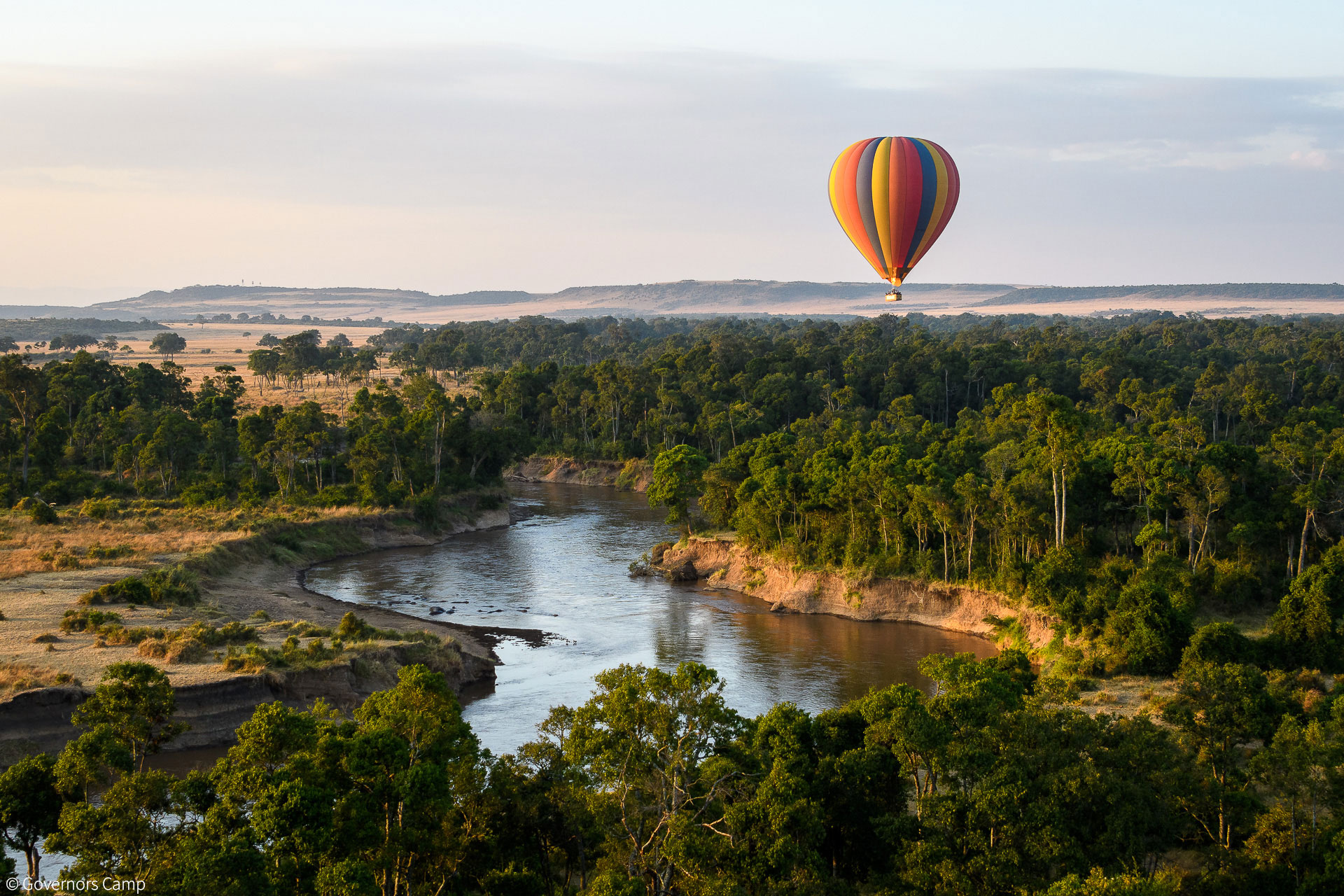
Scenically, the Maasai Mara is one of the most beautiful places on the planet. The dawn light is a photographer’s dream: golden and soft. Rather than detracting from the natural beauty, the multicoloured hot air balloons drifting silently through the air add something fantastic to the morning atmosphere. For centuries, the Maasai people have shared this land with their wild neighbours – look carefully, and you will find the ancient grooves of the cattle paths worn by millions of bovine hooves marking the routes to salt licks still used today. Look even more carefully, and you might just find an abandoned old Volkswagen bus hidden in a secret valley known only to a few observant or lucky souls.
The facts
The Greater Maasai Mara Ecosystem covers more than 350,000 hectares (3,500km²) of protected and wildlife-friendly land in southwestern Kenya. At its heart lies the 151,000-hectare Maasai Mara National Reserve, surrounded by a network of community-owned conservancies that collectively protect more than 200,000 hectares of critical habitat. Together, these unfenced conservation areas form one of Africa’s most important wildlife landscapes, connecting with the Serengeti ecosystem to the south in Tanzania and extending towards the Loita Plains to the north and east.
The Mara Triangle on the western bank of the Mara River comprises one-third of the Maasai Mara National Reserve. It is run by the Mara Conservancy on behalf of Narok County Government. The remaining two-thirds of the Reserve, on the eastern side of the Mara River, is run by the Narok County Government.
Community-owned conservancies currently make up more than 140,000 hectares, with additional land under negotiation. Prominent conservancies within the reserve include (but are not limited to):
| Conservancy | Area (km²) |
| Mara North | 292 (29,170 hectares) |
| Mara Naboisho | 210 (21,000 hectares) |
| Olare Motorogi | 135 (13,500 hectares) |
| Ol Kinyei | 75 (7,540 hectares) |
| Lemek | 70 (7,020 hectares) |
| Ol Chorro Oiroua | 65 (6,470 hectares) |
| Enonkishu | 24 (2,400 hecftares) |
| Nashulai | 40 (400 hectares) |
| Olderkesi | 105 (10,500 hectares) |
| Pardamat Conservation Area | 260 (26,000 hectares) |
| Siana Conservancy | 110 (11,000 hectares) |
| Oloisukut Conservation | 93 (9,300 hectares) |
| Olarro North & South | 100 (10,000 hectares) |
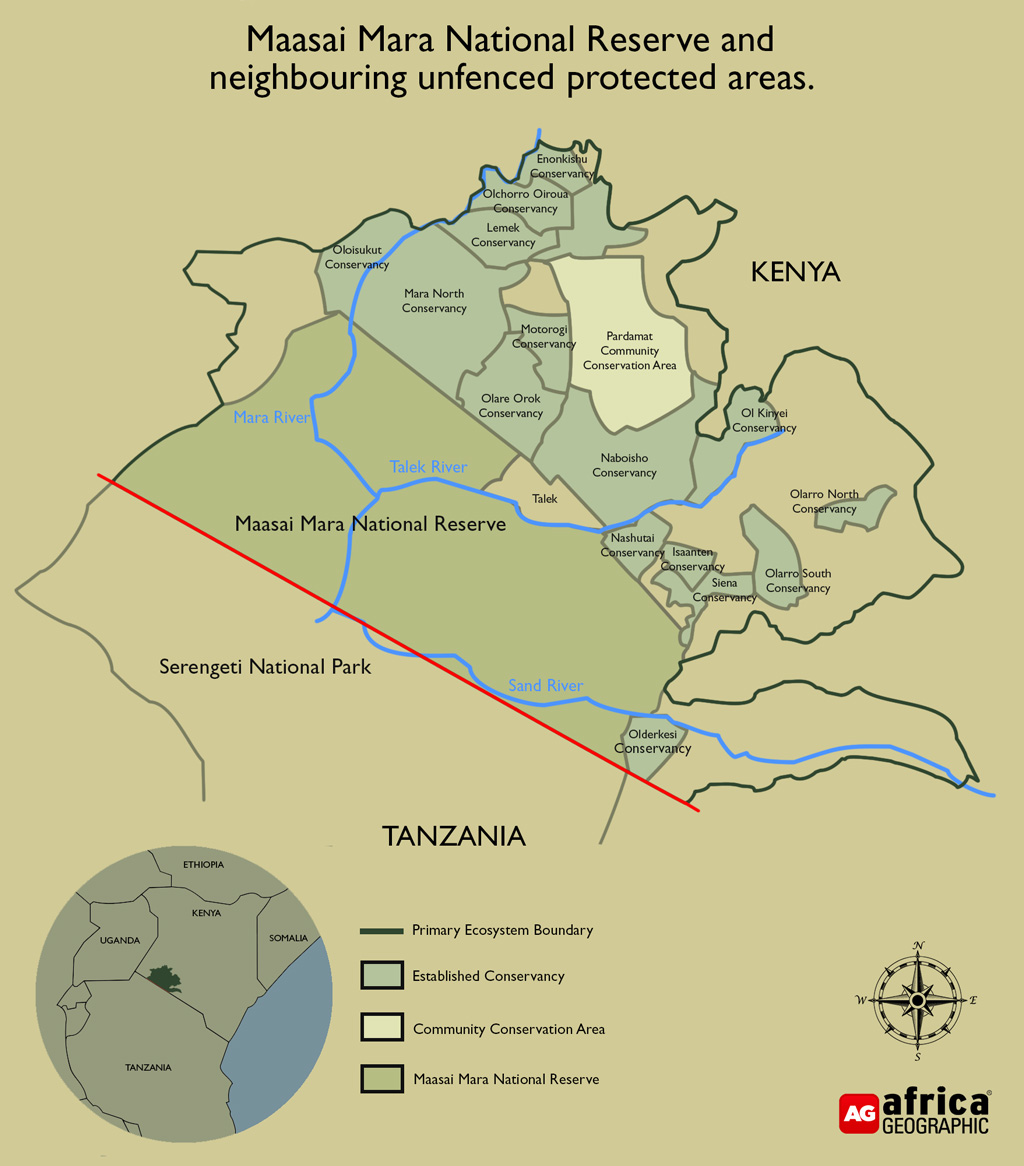
The concept of individually- or community-owned conservancies should be considered a Kenyan conservation success story. The rangelands surrounding the National Reserve were once cattle grazing lands, but now the communities of landowners rent out the land to tourism operators, and the wildlife is protected. Tourists that visit the conservancies play an enormous role in ensuring the future of these protected wilderness areas by ensuring a continuous revenue stream for the local communities. Given that the use of the land is reserved for paying tour operators, it also means that visitors to these areas are treated to a more exclusive safari experience. With over 70% of Kenyan wildlife existing outside of government-protected wilderness areas, it is easy to see why conservancies will be critical to conservation efforts in the future.
Today, the Greater Maasai Mara’s conservancies are recognised internationally as a benchmark for community-based conservation. They have helped secure vital wildlife habitat beyond the boundaries of the National Reserve, maintained traditional pastoral livelihoods and supported one of the highest densities of large mammals anywhere in Africa. With more than 70% of Kenya’s wildlife occurring outside formally protected areas, these conservancies are increasingly seen as essential to the long-term survival of the country’s wildlife and one of the strongest examples of conservation working hand in hand with local communities.
Beyond the migration
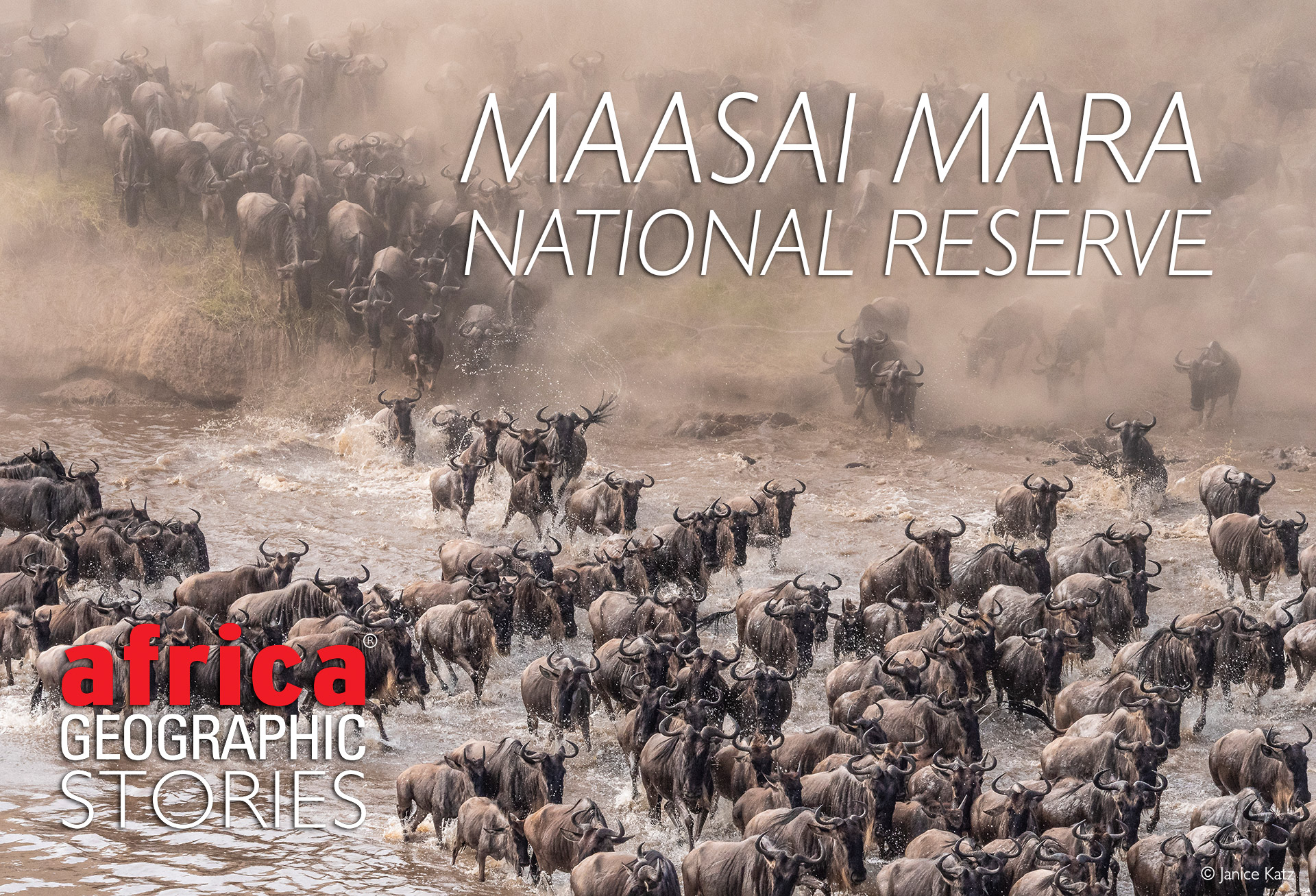
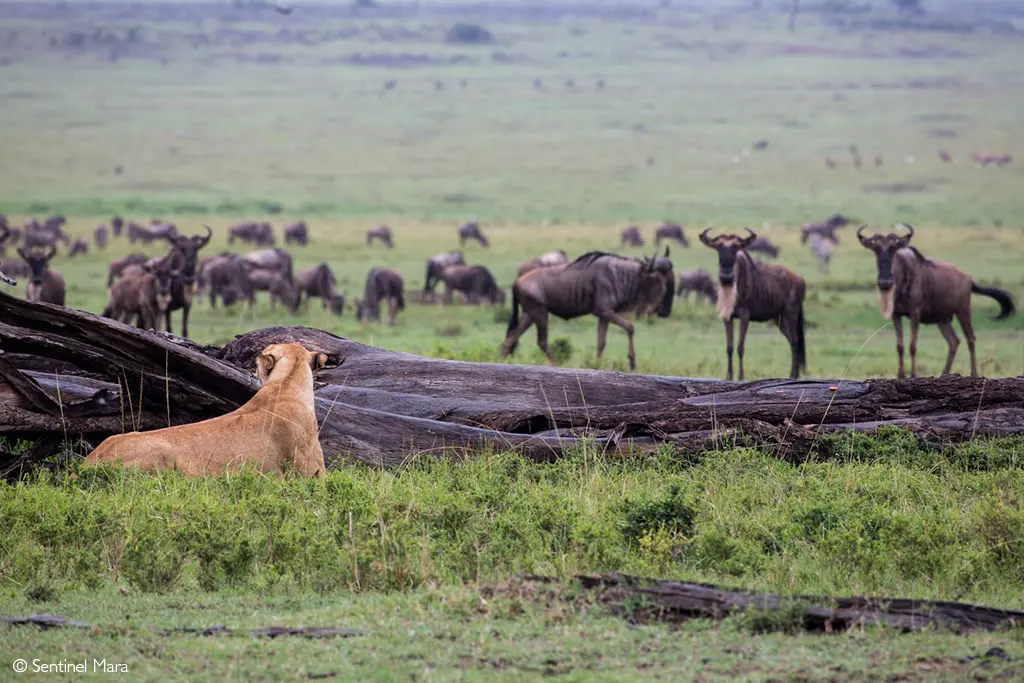
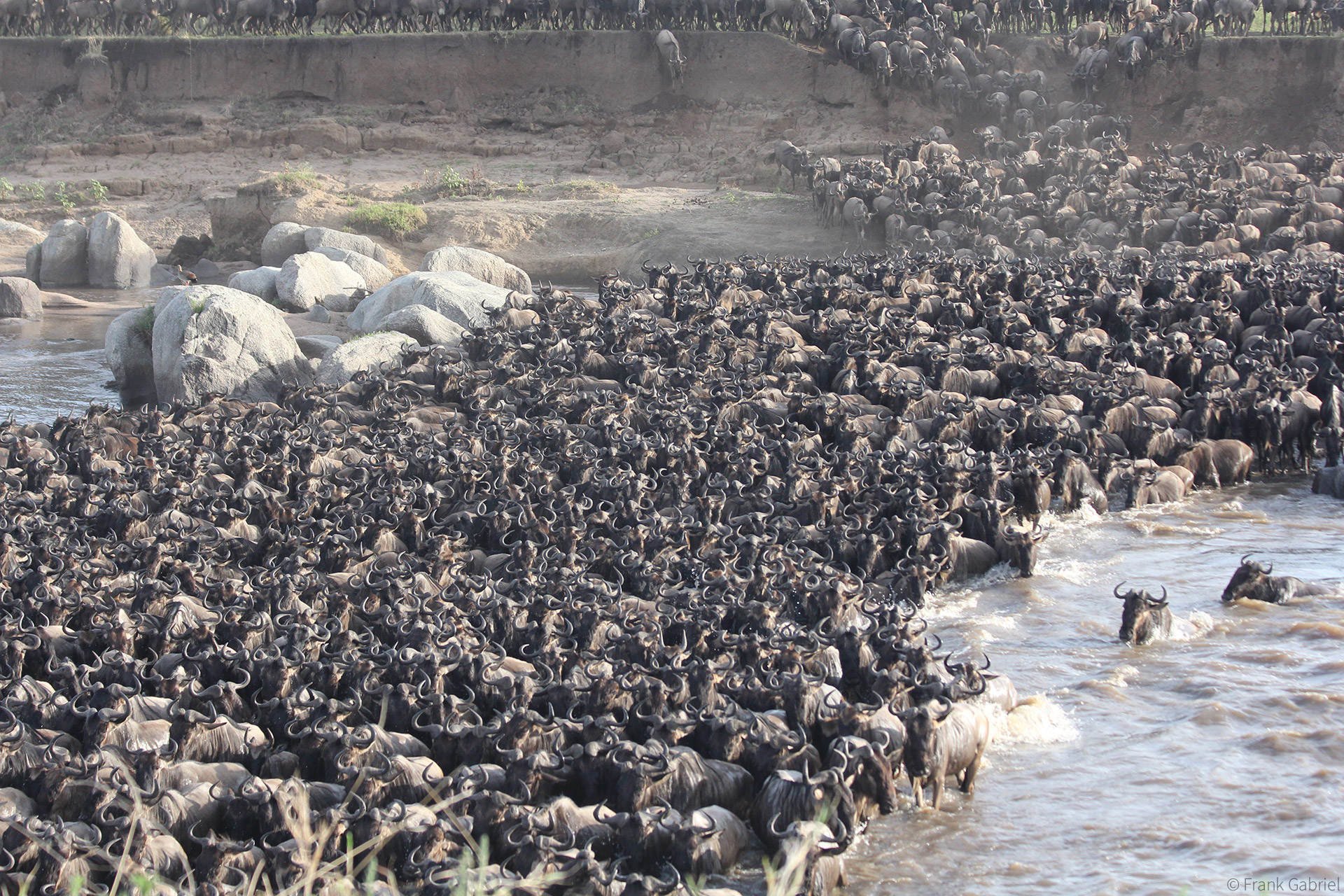
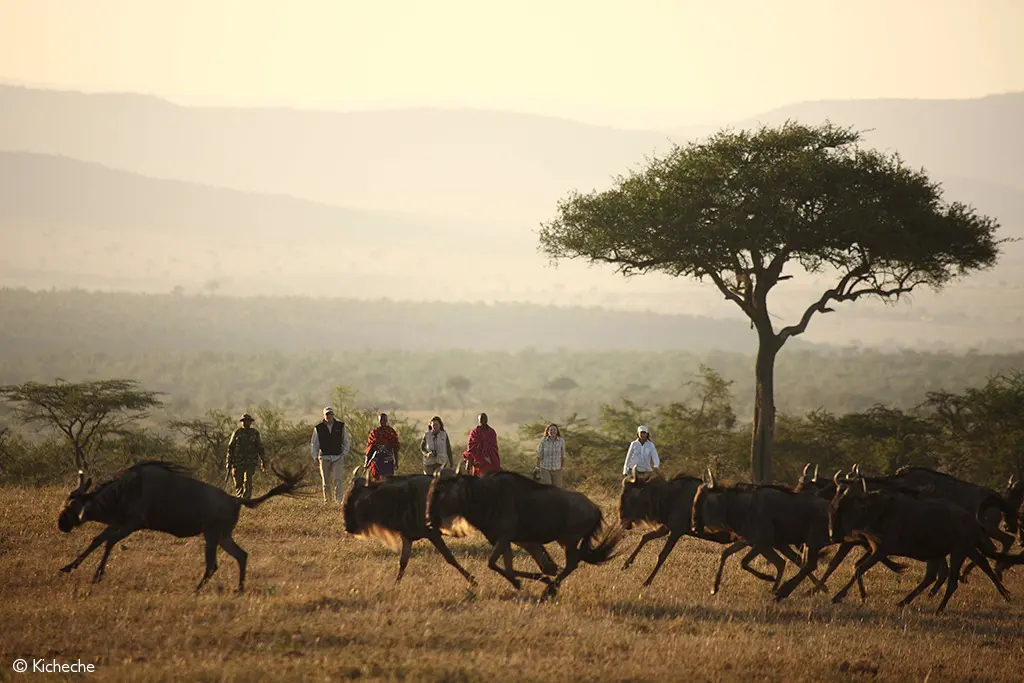
The Great Migration is one of nature’s greatest spectacles. Every year from August until October, 1.3-1.5 million wildebeest, accompanied by roughly 200,000 zebra and several hundred thousand gazelles, make the treacherous journey from the Serengeti into Maasai Mara. Driven by their quest for food, they flow across the landscape and are forced across crocodile-infested rivers: battling currents and leaping over hippo only to be forced to dodge the predators waiting on the opposite bank. It is a chaotic, adrenaline-inducing smorgasbord of survival instincts on a knife-edge and the predators throw themselves into the melee with joyous abandon. Predator-prey interactions are common, and visitors often witness dramatic hunting behaviour.
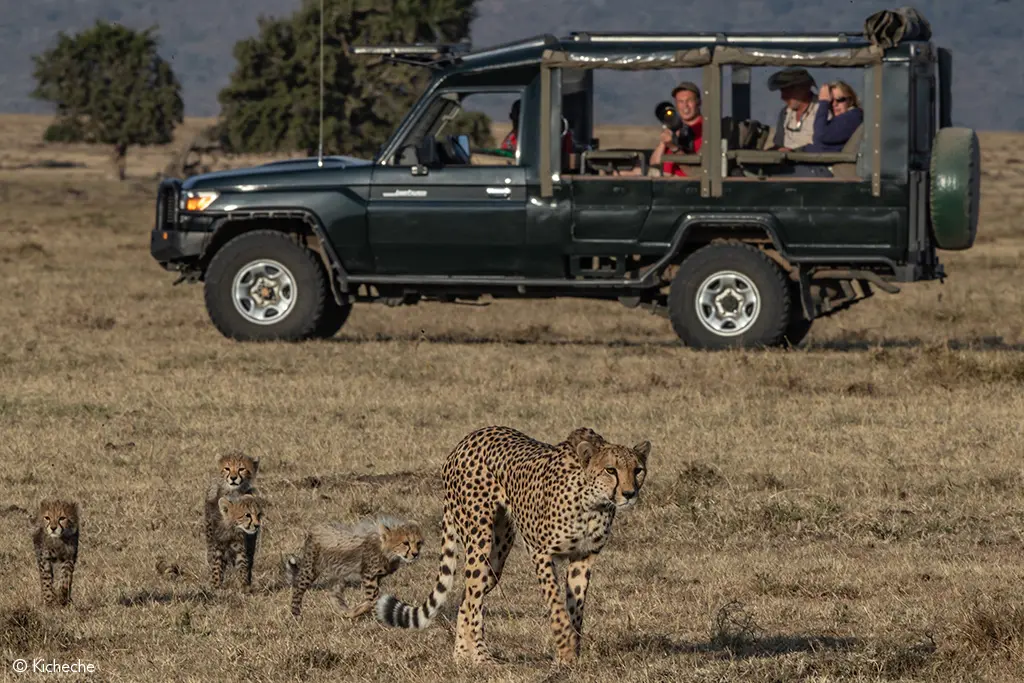
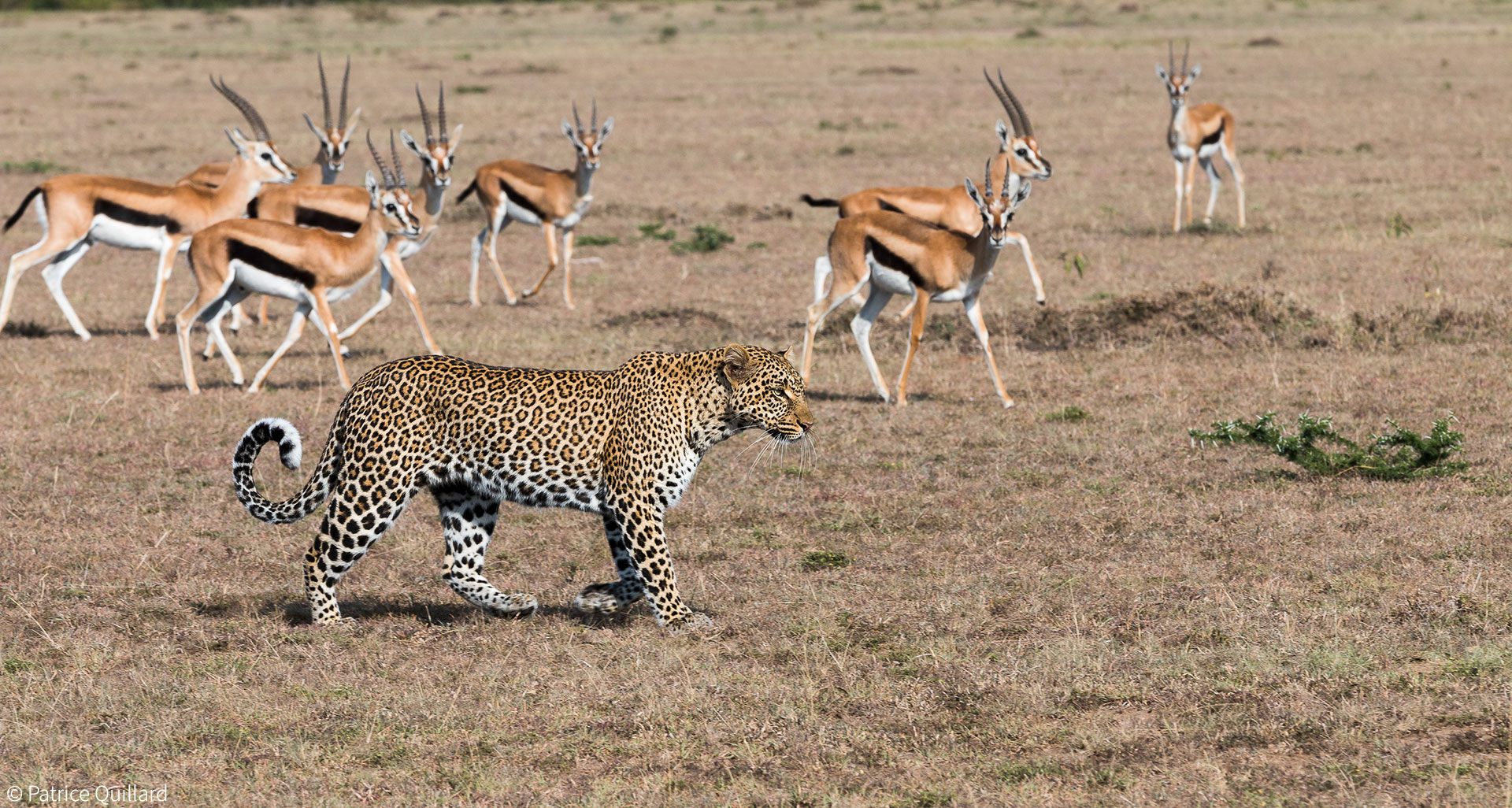
That said, there is far more to the Maasai Mara than the migration. All year round, wildlife enthusiasts are treated to spectacular sightings of the Big 5, and the cheetah sightings are astounding. The Mara remains one of Africa’s premier destinations for cheetah sightings, thanks to its open grasslands and healthy predator populations. The Mara is home to some of the largest hyena clans in Africa. Black rhinos remain uncommon but can occasionally be seen, particularly in the Mara Triangle and selected conservancies. Many visitors have found themselves delighted not only by the larger animals but also by courageous jackal, cheeky bat-eared foxes and graceful serval, as well as the striking crowned cranes and ubiquitous secretary birds.
The experience
The Maasai Mara has something to offer every taste (and an array of varied budgets), but the knowledge of experienced guides can make the difference between a good safari and a once-in-a-lifetime adventure. Guides know the weather, the area, the best (and worst) roads and the animals, and they can use that information to make informed decisions. A canny visitor (or guide) can use the topography to their advantage during the high tourist season by using crests and viewpoints to spot sightings from a distance but during the quieter times, finding animals often requires more effort and skill. A particularly good time to visit the Mara is just after the departure of the migration: the grass is shorter; the predators often experience a ‘baby-boom’, and there is far less pressure from other safari vehicles. The Maasai Mara experience also lends itself to women planning their safari – alone or in groups.
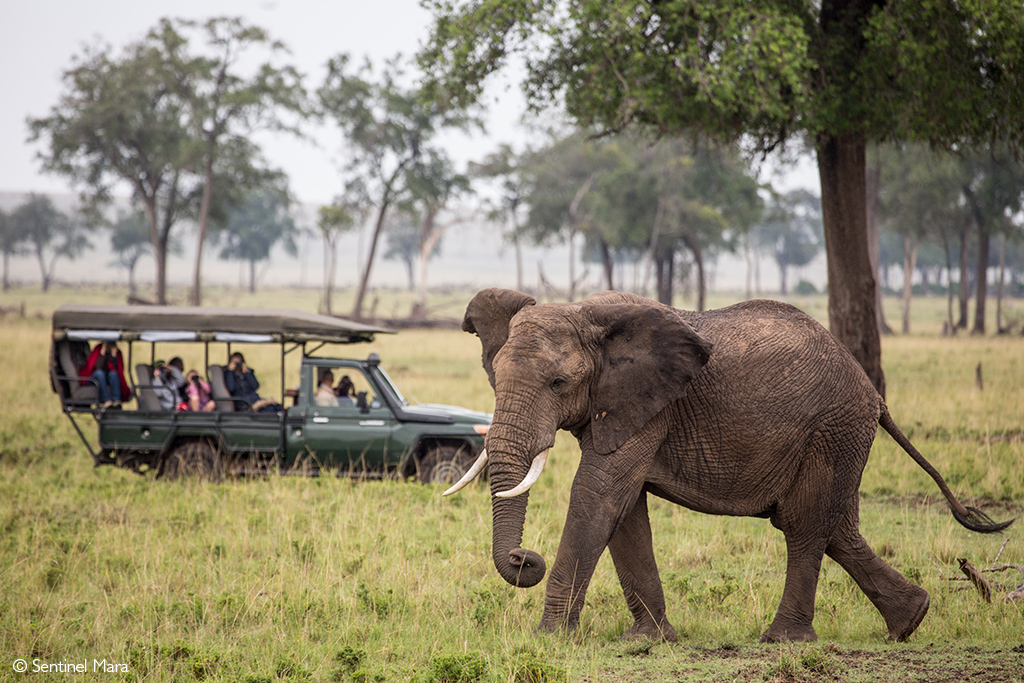
The Mara is enormous and covering ground is essential to experiencing the beauty of this ecosystem in its entirety. The days may be long, but nothing is as refreshing as lunching beneath the boughs of an ancient fig tree, languishing in its shade and perhaps speculating as to how much history the fig has witnessed over its long life. The rains are biannual – the “short rains” usually arrive around November and dissipate sometime in January and then the “long rains” begin again in April until around June. The weather, however, is unpredictable and torrential downpours and afternoon thunderstorms are not uncommon. Getting stuck up to the axles in black cotton soil is part of the Mara experience and should simply be accepted in the spirit of adventure.
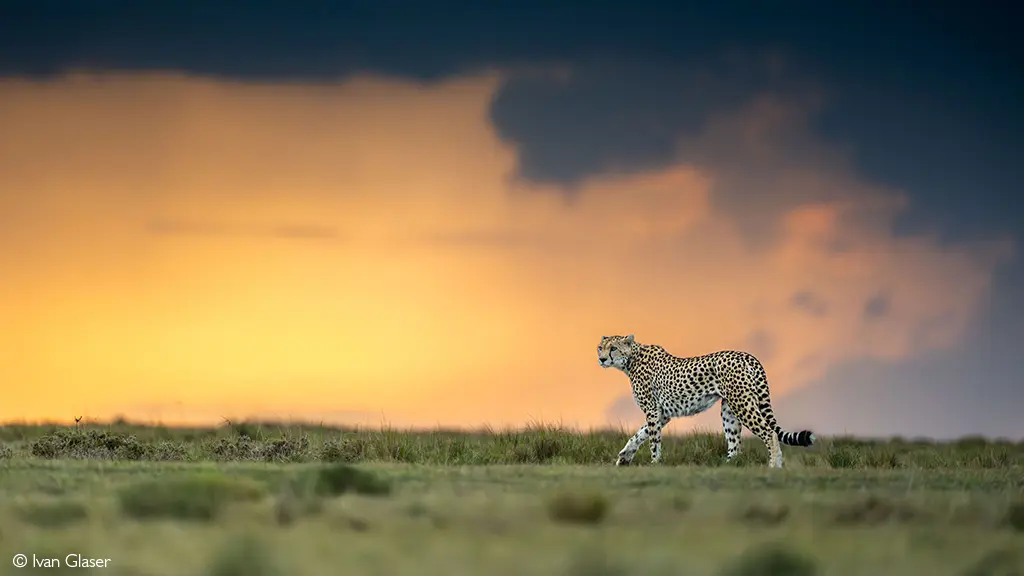
For the most part, the afternoon thunderstorms dissipate just in time for another Mara treat: the sunset. With the dust of the day washed away by the rain, the landscape is once again drenched in gold, this time with the faintest of pinkish hues. The extraordinary beauty of the Maasai Mara and its abundance of wildlife make it deserving of its reputation as one of the most exceptional safari experiences in Africa.
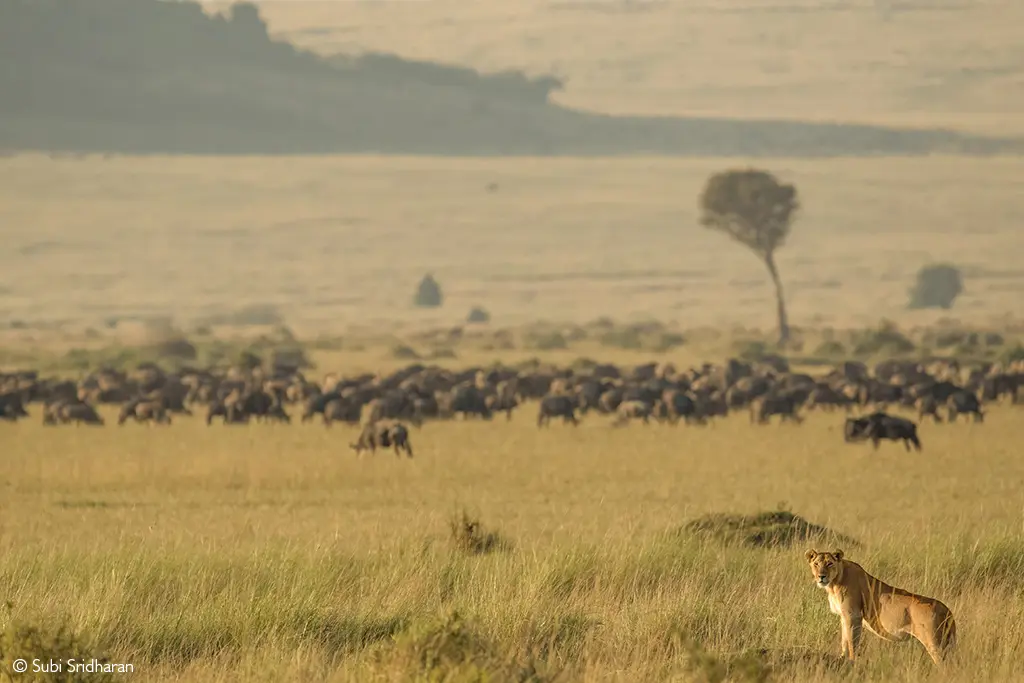
Reserve or conservancy?
First-time visitors are often surprised to discover that “the Mara” is not a single protected area. The ecosystem is divided between the Maasai Mara National Reserve and a network of community conservancies that surround it.
The National Reserve offers classic Mara landscapes and some of the most famous migration crossings. Conservancies, by contrast, offer lower visitor densities, night drives, walking safaris and greater flexibility for photographers. Many seasoned safari-goers choose an itinerary that combines both, gaining access to the best wildlife experiences across the ecosystem.
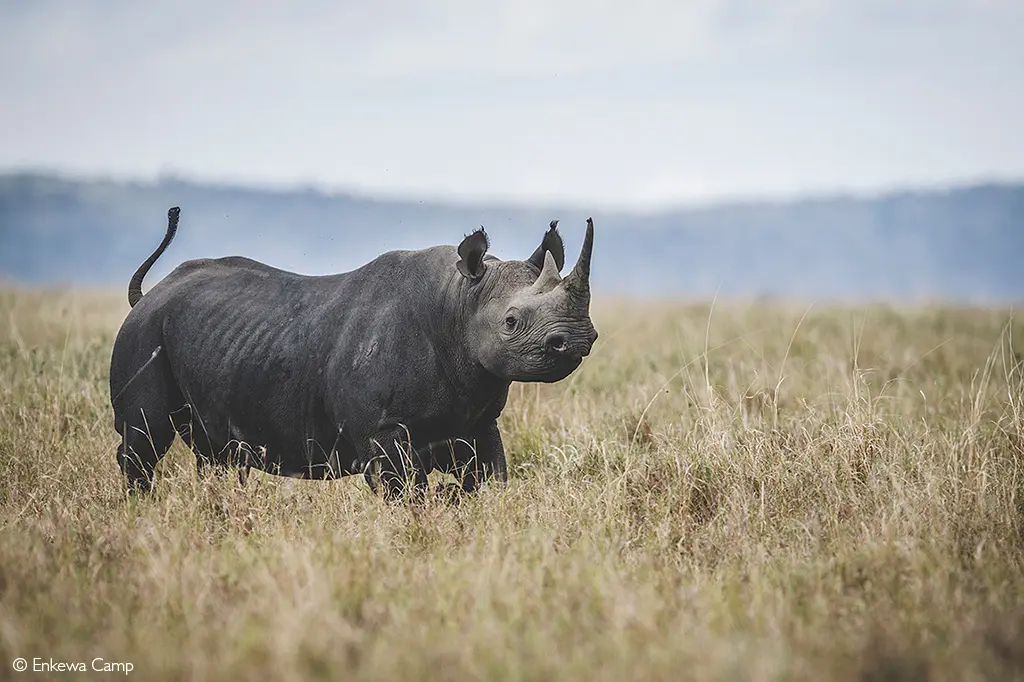
Choosing where to stay
One of the defining features of a Maasai Mara safari is the sheer diversity of accommodation. Visitors can choose from classic tented camps, family-friendly safari lodges, intimate owner-run camps and some of Africa’s most exclusive luxury properties.
The Maasai Mara National Reserve tends to offer larger lodges and easier access to migration river crossings, while the surrounding conservancies focus on low-density tourism, smaller camps and more personalised guiding. Many conservancy camps limit guest numbers and vehicle density, creating a more private safari experience. The choice ultimately depends on priorities: maximum wildlife density, photographic opportunities, family travel, exclusivity or budget.
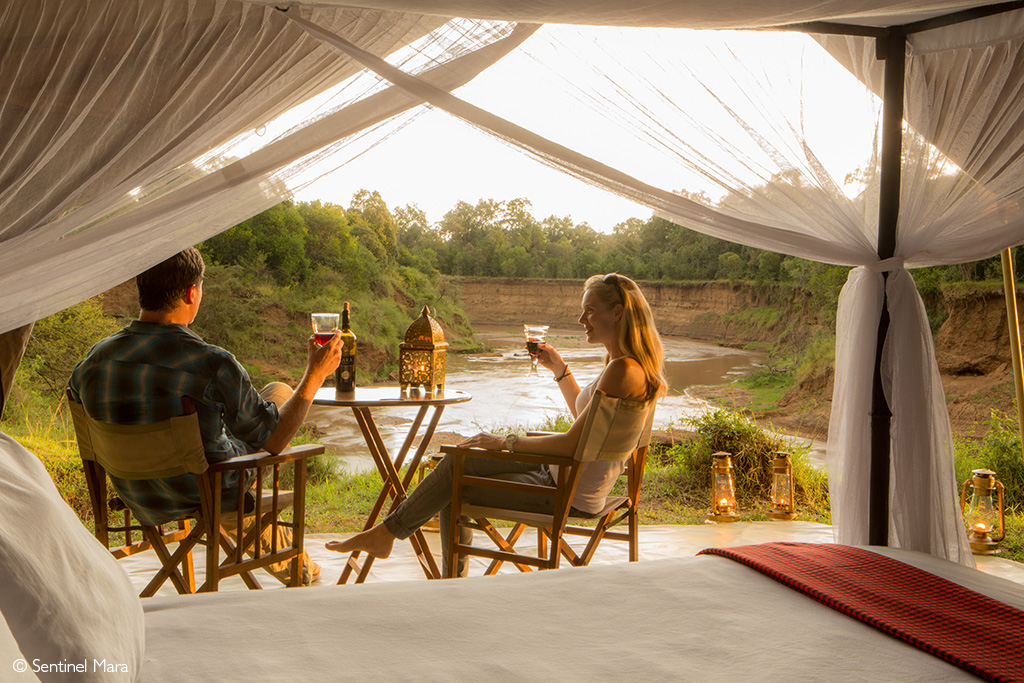
The luxury safari experience
The Maasai Mara has evolved into one of Africa’s premier luxury safari destinations. Exclusive camps in conservancies such as Mara North, Naboisho, Olare Motorogi and Olderkesi combine exceptional wildlife viewing with world-class hospitality, private vehicles, fine dining and highly personalised guiding.
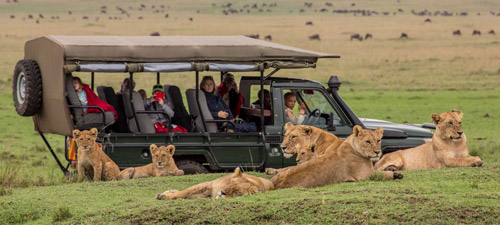
For many travellers, the greatest luxury is not the thread count or wine list but the exclusivity of the experience itself. Conservancy regulations often limit vehicle numbers and guest beds, allowing visitors to enjoy sightings without crowds. Activities unavailable in the National Reserve, such as night drives, guided walks and off-road wildlife viewing, add further depth to the safari experience.
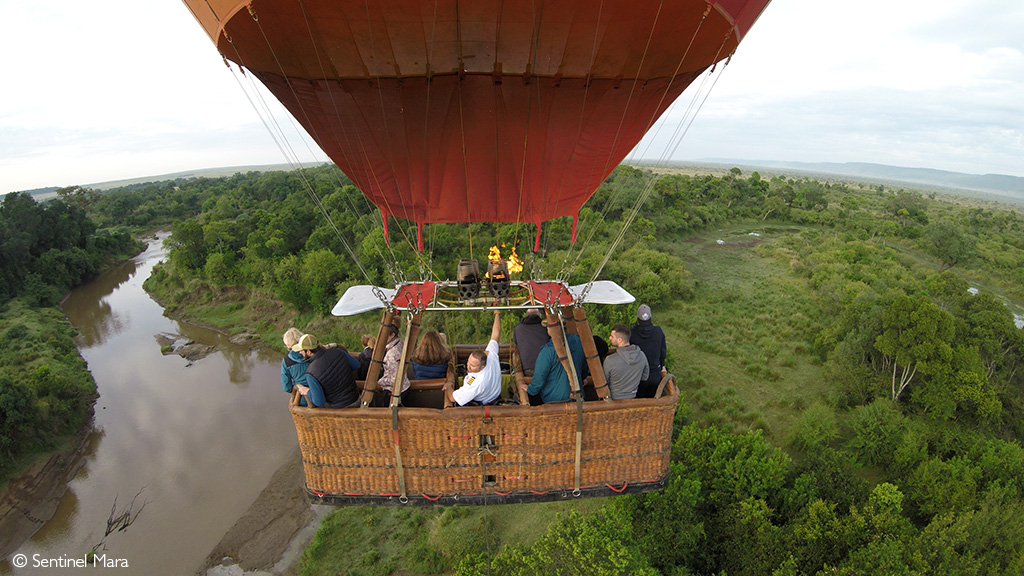
When is the best time to visit the Maasai Mara?
The Maasai Mara offers a year-round spectacle.
The dramatic Mara River crossings during the Great Migration, August to mid-October, are prime time. This is the peak tourism season, with many tourists and vehicles at the crossing points and predator sightings. The river crossings are all within the national reserve, so crowds are unavoidable. Booking a lodge in a private concession in one of the community reserves means fewer tourists during game drives, except when viewing river crossings. If you wish to view the river crossings, then late September and early October are less crowded than August and most of September.
Alternatively, the ‘Secret Season’ (late mid-October to April) provides lush landscapes, abundant predator action on new calves, and significantly lower visitor numbers for an exclusive, tranquil experience.
Further reading
- The Maasai Mara is an iconic Kenyan safari destination that hosts the famous Great Wildebeest Migration and Big 5 wildlife action throughout the year.
- Kathy West’s trip to Maasai Mara for a week of slow-paced photography brought intimate wildlife encounters & a safari like no other. Read about Kathy’s unforgettable Maasai Mara safari here
- A new camera-trap project in Kenya’s Maasai Mara has revealed how a little-seen part of the ecosystem functions. Read about Maasai Mara’s hidden wildlife corridors here
- When the rains beckon, the wildebeest go, and this never-ending circular journey makes for a compelling safari experience. The Mara River crossings during August to October are fraught with danger, and one gets caught up in the drama of the moment, the chaos, the celebration of life. Read all there is to know about the Great Migration here
- A photographic journey through Kenya’s Maasai Mara during the Little Rains, where light, wildlife and vast horizons shape moments of wonder. Check out these epic photos here
To comment on this story: Login (or sign up) to our app here - it's a troll-free safe place 🙂.