A European bee-eater makes a splash while having a late afternoon bath. Edited for effect. Madikwe Game Reserve, South Africa. Photographer of the Year 2020 entrant
This is a copy of our weekly email newsletter. Subscribe here to receive the newsletter.
Namibia’s rhino woes + 📸 Photographer of the Year is here!
There has been a fair amount of publicity since my editorial last year about the lack of human crowd control at river crossings during the incredible Great Wildebeest Migration. One resultant story was by the New York Times, in which I was asked about the situation. Although the NYT journos did a great job, they did not delve into the complexities of the problem. And so some people responding to the article resolved to avoid going to Africa on safari. That straight-line logic is, of course, NOT going to help Africa overcome its many conservation issues. The better response as a RESPONSIBLE traveller is to research how to avoid being part of the problem and use a tour operator that best advises you. Nudge, nudge. I provide some insight here in another news media story about how to responsibly enjoy this epic safari experience.
Educating our species about conservation realities at ground level in Africa is complicated by many human conditions. Emotion, denial, naivety, prejudice, and vested interests – to name a few. That’s why we rely on you to help spread the word. Thanks 😉
Keep the passion
Simon Espley – CEO, Africa Geographic
TRAVEL DESK UPDATES:
Choose your next adventure! Chat to our travel experts and you could soon be jetting off to the heart of the wilderness.
ART ON SAFARI – 7 days – From ZAR60,150pps
Join this popular art safari in Big 5 Timbavati, Greater Kruger – and hone your skills with professional wildlife artist Alison Nicholls. Soak up the peace of the wild, create art on game drives, and enjoy a relaxing stay at Kambaku Safari Lodge.
GREAT MIGRATION, SERENGETI – 5 days – from US$3,425pps
If you’d like front-row seats as the Great Wildebeest Migration makes its way through the Serengeti ecosystem, this iconic safari is for you. Our chosen dates & camps are to maximise on sightings, based on where the herds are at the time.
From our Editor – Taryn van Jaarsveld
There’s a buzz at teamAG – for the day has finally arrived. Photographer of the Year 2023 is now live! Find all the details you need further down in our newsletter.
A few days ago, Namibia’s Ministry of Environment, Forestry and Tourism released disturbing statistics, indicating that the incidence of rhino poaching is severely escalating in the country. 87 rhinos were poached in Namibia in 2022 – almost double the number poached in 2021. On a positive note, however, elephant poaching is decreasing. Read more in our first story below.
This week we delve deep into the magical primate-rich forests of Uganda’s Kibale National Park. Kibale is known for offering enthralling encounters with chimpanzees and is renowned for some of the highest primate densities in Africa. Read more about the wacky and wonderful inhabitants of this national park in our second story below.
Happy celebrating Africa!
Story 1 POACHING NAMIBIA
Rhino poaching is on the rise in Namibia, with 87 rhinos poached in 2022 – almost double that of 2021. Elephant poaching is declining
Story 2 PRIMATE-RICH KIBALE
The forests of Uganda’s Kibale National Park are an oasis for countless primate species, including chimpanzees, & an array of fauna & flora
From our Scientific Editor – Jamie Paterson
Did you know that Central Africa is home to a furry frog with Wolverine-like claws? The breeding males of the hairy frog species (Trichobatrachus robustus) develop hair-like dermal papillae on their flanks and back legs, giving the impression of a dishevelled froggy coiffure.
A fuzzy amphibian is weird enough on its own, but the hairy frog has another bizarre defensive trick quite literally up its sleeve. When threatened, they expose the bones of their toes through the skin to create a set of claws to rake their attackers. Hence the alternative name, the Wolverine frog. So effective is this approach that they have left behind deep, bleeding wounds on unwary scientists. How do they do this? Well, it appears that they intentionally break the bones of the toe and force them through the skin.
Sweet dreams…
Photographer of the Year is open for entries!
Have you sent through your pics yet? Get your entries in for Photographer of the Year 2023. We’re looking for your photos that celebrate Africa and capture the continent’s splendour, from wildlife action and landscapes to African culture and safari experiences.
There are some awesome prizes up for grabs: The competition winner and two runners-up will share the princely sum of US$10,000 and experience the ultimate private safari in Botswana’s Northern Tuli Game Reserve.
Proudly sponsored by Hemmersbach Rhino Force and Mashatu Botswana.
WATCH: Photographer of the Year 2023 is officially open and awaiting your entries. Cash prizes and an epic Botswana safari are up for grabs – start searching your photo collections for that phenomenal image! (01:19). Click here to watch
As we grow up, our innocent appreciation of life’s small pleasures seems to vanish, tempered by life’s many stresses and pressures. In many ways, going on a safari is a way of recapturing this childlike wonder – escapism at its purest. And where better to escape than the green-swathed forest paths of Uganda’s Kibale National Park?A place where the flash of a butterfly’s wing or the soft call of an elusive bird is enthralling, and a chimpanzee trekking experience is humbling. The joy inspired by Kibale’s forests is undiluted and uncomplicated, a simple celebration of nature’s remaining wonders.
Kibale National Park and its surrounds
The resplendent forests of Kibale National Park stretch over 776 km2 (77,600ha), a dense layer of emerald that protects a diverse array of fauna and flora. The park is contiguous with the northern edge of Queen Elizabeth National Park, the perfect primate-themed complement to Uganda’s most popular Big-5 safari experience. Kibale is the country’s premier chimpanzee trekking destination, supporting a population of well over 1,000 of these complex, intelligent beings.
A road cuts through a less dense section of the forest
Most of the park is dominated by evergreen rainforest, with a floral composition that marks a transition from typical high-altitude Afromontane to lowland forest. Among 300 tree species, rare hardwoods like the tiama (Entandrophragma angolense) and brown mahoganies (Lovoa swynnertonii) tower above the forest floor from massive buttresses. Interspersed between them, fruit-laden figs (Ficus spp.) keep the park’s impressive primate densities well-sated.
Beneath the thick canopy, the winding paths are widely acknowledged as among the most picturesque on the continent, lined with a dense layer of shrubby undergrowth. When the sun shines through the leaves, the effect is an ethereal combination of shades of green and gold, and the air is redolent with the fragrant aroma of petrichor and mulch. The vast tracts of forest are interspersed with patches of grassland and swamp. On the park’s fringes, the community-run Bigodi Wetland is a popular attraction for primate enthusiasts and birders.
A chimpanzee vocalises in the forest
The chimpanzees
Kibale’s exuberant chimpanzees are the park’s most popular attraction, unequivocally, and a history of nearly three decades of trekking has conferred an almost infallible success rate for encounters. These apes have the honour (perhaps a dubious one, depending upon your perspective) of being our closest relatives and time spent in their company is a unique experience. As the subjects of decades of scientific research, the chimpanzees of Kibale have revealed much about the intricacies of their intelligence, their elaborate social nuances, and their hunting behaviours.
There are two distinct chimpanzee experiences on offer in Kibale National Park. The first is the traditional trek, where expert rangers guide visitors through the forest to find the habituated chimpanzees (often by following their blood-curdling shrieks). This can take up to a few hours, but once the chimpanzees are located, time spent with them is strictly limited to an hour. These animals are entirely comfortable with the presence of their bipedal cousins and will feed, gambol and romance without concern.
Alternatively, a second option is the chimpanzee habituation experience. This is a half- or full-day activity that starts at the crack of dawn, led by the researchers of the park’s habituation team. The intention is to gradually introduce unhabituated chimpanzees to people, a painstaking process that may take several years. It is slightly more expensive and requires considerably more patience than conventional trekking, often venturing deeper into the forests. However, the reward is an unparalleled insight into the world of chimpanzees without time constraints.
Witness the bonding behaviours of chimpanzees in the various experiences on offer in the national park
A forest brimming with life
Apart from its ape residents, Kibale National Park is renowned for its high primate densities. Red-tailed monkeys are ubiquitous, and their white-patched cheeks and noses are undeniably adorable. The park’s monkey checklist includes the endangered Ugandan red colobus monkey, the threatened Uganda mangabey, the fierce-looking common patas monkey, the mantled guereza (Abyssinian black-and-white colobus), the vervet monkey, and the blue monkey. A special night walk may also reveal the shy and elusive East African potto and several galago (bushbaby) species.
Keep an eye out for many primate species in Kibale, including wild grey-cheeked mangabey monkeys, red colobus monkeys and olive baboons
Though the primates are undoubtedly the more conspicuous (and noisy) inhabitants, the diversity of Kibale extends to myriad mammal, bird, reptile, arthropod and amphibian families. On the larger side of the animal spectrum, elephants and buffalo regularly wander into the forest from neighbouring Queen Elizabeth National Park.
These are seldom seen and religiously avoided by the guides leading forest walks. Red and blue duikers, bushpigs, and giant forest hogs all inhabit the undergrowth alongside servals and rare African golden cats. There are even two species of otters in the forest waterways and swamps: the Congo clawless otter and the spotted-necked otter.
The diversity of Kibale extends to large mammals such as elephants and buffalos, which cross into the forest from Queen Elizabeth National Park
A flash of feathers
Uganda ranks high among Africa’s essential birding destinations. No tour of the country would be complete without dedicating some time to scanning the thickets and canopies of Kibale National Park. With habitats ranging from wet to dry forest, woodland, savanna and swamp, the park’s total bird list numbers 375 species, including six Albertine Rift endemics. For avid birders, the inventory of avian occupants reads like a riveting novel: olive long-tailed cuckoo, western tinkerbird, African pitta, black-bellied seedcracker, African grey parrot, black bee-eater, red-chested owlet, black-eared ground-thrush and the innately comic great blue turaco – could it get better than this?
The answer is yes because there is one particular feathered occupant that, upon its discovery in the park in 2005, saw birding interest in Kibale skyrocket – the green-breasted pitta. These enigmatic little birds are only found deep in the tropical forests of Central Africa and, despite their spectacular kaleidoscope of colours, are surprisingly elusive. Few birders have had the good fortune of laying eyes on the green-breasted pitta. The tale of how a lost guide (intent on keeping her location secret from her chimpanzee tour group) stumbled upon the first sighting is genuinely charming. Fortunately, ranger Harriet Kemigisha had the good sense to recognise the pitta as an extraordinary finding. Years later, she would lead Africa Geographic director Christian Boix on a pilgrimage to view one. The story (well worth reading in full) can be accessed here: Searching for the elusive green-breasted pitta.
Primate Lodge, situated inside Kibale, allows immediate access to the wonders of the forest
Explore & stay
Want to go on a safari to Kibale? To find lodges in or near Kibale, search for our ready-made packages and get in touch with our travel team. Scroll down after this story.
With its abundance of birds and mammals, along with 250 butterfly species and around 70 reptiles and amphibians, Kibale National Park is Eden-like in its beauty. Every step through the park offers a discovery. Kibale is, however, a tropical rainforest, so every step should be taken in a comfortable pair of solid boots and long trousers, lest the mud, biting ants or stinging nettles detract from the adventure. All electronics and other precious belongings should also be thoroughly waterproofed. Rain is possible at any time of year, though April, May and November tend to see higher rainfall. The trails are well-maintained and suitable for most fitness levels, though those trekking chimpanzees should be prepared to walk for several hours if necessary.
There is only one lodge inside the national park itself, but there are countless lodges, guest houses and tented camps on the periphery. This region of Uganda is full of exciting attractions, from Lake Edward and Lake George (two of the smaller Rift Valley Lakes) to ancient volcanic craters filled with saltwater lakes. Naturally, a game drive or two in neighbouring Queen Elizabeth National Park is a must, as is a tour of the Crater Lakes (and even a swim if you are feeling brave) and a cultural tour of surrounding villages.
Lake Nyinabulitwa is one of over 50 Crater Lakes in Uganda
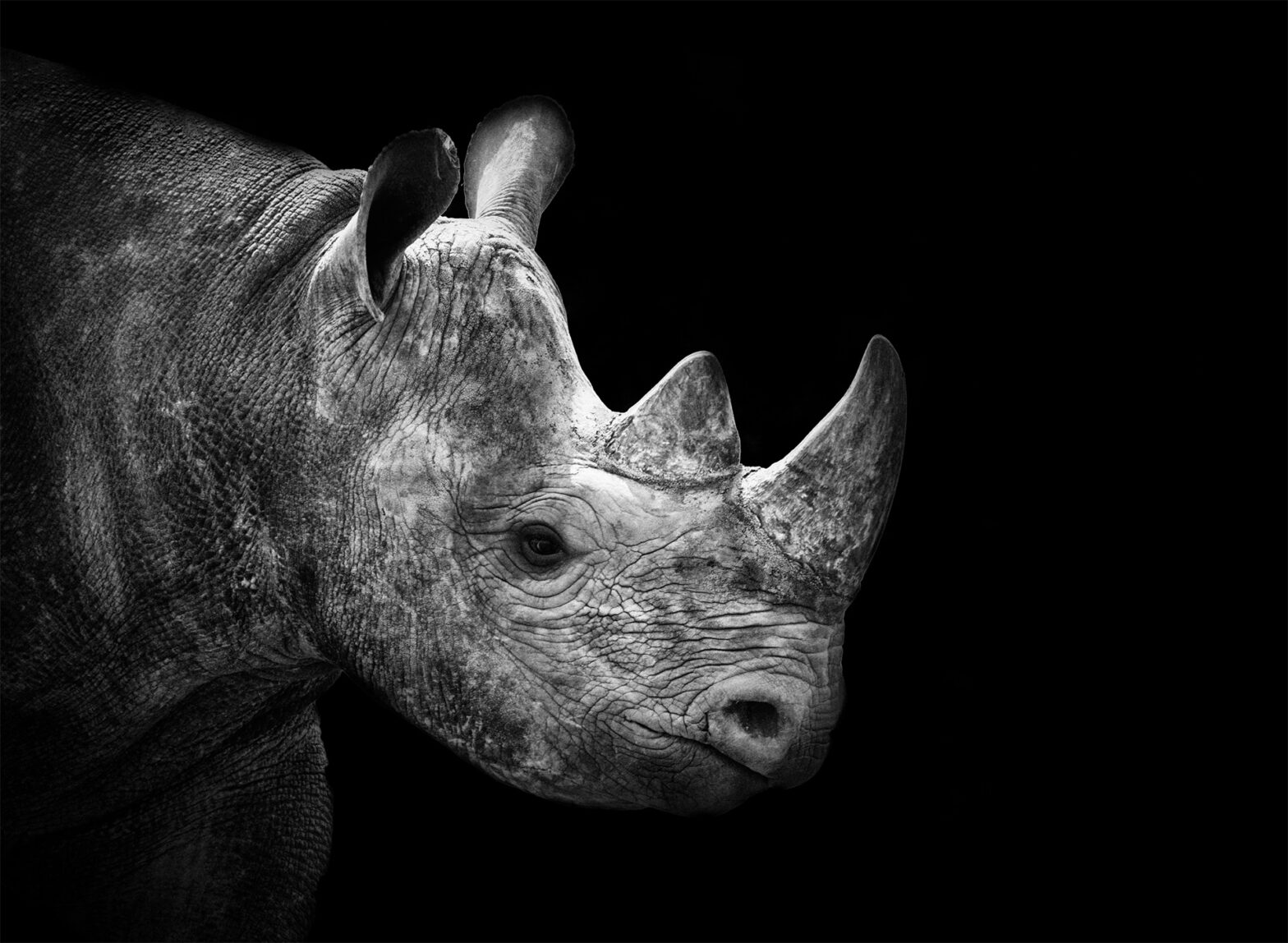
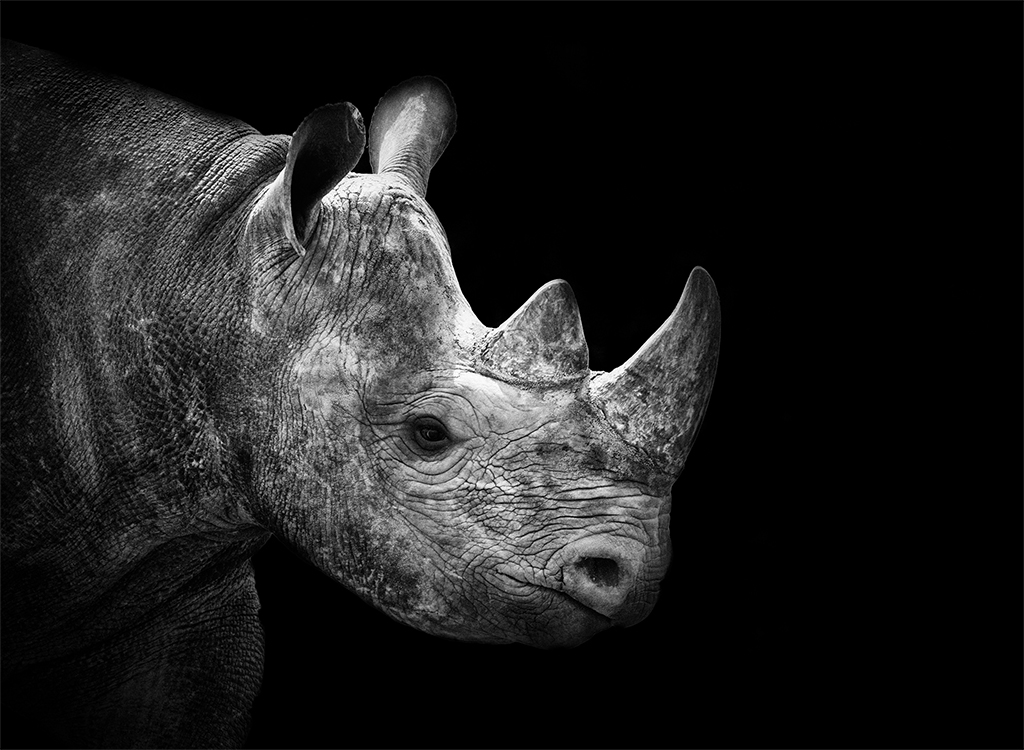
A rhino and calf in Etosha National Park, Namibia. Rhino poaching is on the increase in Namibia.
Namibia’s Ministry of Environment, Forestry and Tourism (MEFT) has confirmed that 87 rhinos were poached in the country in 2022 – almost double the number (45) poached in 2021. The 2022 tally included the poaching of 61 black rhinos and 26 white rhinos.
The news comes as MEFT announced the 2022 poaching statistics for elephants and rhino in a statement released on 30 January, 2023.
The Ministry reported that Etosha National Park is being targeted for poaching, with 46 rhinos poached in the park in 2022 alone. The total tally also includes 15 rhinos poached on rhino custodianship farms, and 25 on white rhino private farms.
“We note with serious concern that our flagship park, Etosha National Park, is a poaching hotspot,” MEFT said in the statement. “The Ministry and its partners in wildlife protection and law enforcement will step up efforts against wildlife crime in Etosha National Park, particularly to curb rhino poaching.”
One rhino poaching incident has been recorded in 2023 so far. That brings the total tally of rhinos poached from 2017 to date to 376.
In a positive turn, however, elephant poaching appears to be on the decrease. MEFT reports that only four elephants were poached in 2022. Elephant poaching figures have declined in Namibia over the past years, from 101 in 2015 to 50 in 2017, 27 in 2018, 13 in 2019, 12 in 2020, and 10 in 2021. The four elephants targeted in 2022 were poached in the Zambezi Region (two), Kavango West Region (one) and Kunene Region (one).
“It is our hope that these figures will continue to descend until we reach the zero-poaching target,” said MEFT. “For this year, no elephant has been poached.”
Elephant numbers are increasing and their range is expanding in Namibia, which is cause for celebration and concern. The key concern is related to human-elephant conflict, especially in areas where elephants have not occurred for decades. As a result, the country took the decision last year to auction 170 elephants from human-elephant conflict hotspots, with many of these elephants controversially being exported to safari parks in the United Arab Emirates (UAE).
MEFT noted in its recent statement that it had put improved interventions in place to fight wildlife crime, praising the work of anti-poaching units operating across the country. It called on members of the public to help curb rhino poaching by reporting suspected perpetrators to the authorities. “We must as a nation stand against the illegal plundering of our natural resources by rejecting and condemning wildlife crimes in our beautiful country,” it said.
A pile of curious wild dog pups. Mana Pools National Park, Zimbabwe Photographer of the Year 2019 entrant
This is a copy of our weekly email newsletter. Subscribe here to receive the newsletter.
Safari myths busted + Maasai, maize & mammoths
There is a pack of free-roaming wild dogs (African painted wolves) in peril, and you can help. One of South Africa’s largest free-roaming packs (19 members in October) is dependent on communal efforts amongst local landowners as they roam an estimated 65,000-ha near South Africa’s border with Botswana. Now, a core property in this range is for sale, and local conservationists need help finding a wild dog-friendly farmer/owner. The asking price for the 1,855-ha Waterberg farm is R10,5m (about $620,000). For further info, please get in touch with the project coordinator of the Waterberg Wild Dog Initiative. Please flip through your network for potential buyers and send this newsletter to them. The more of a wave we can create here, the better the chance someone will step in to help. And go!
Meanwhile, here in Hoedspruit on the border of the Greater Kruger, the big summer rains have not arrived. Yet. Late last year, I noticed that the hairy rock fig tree in our garden had not flowered up as usual and mentioned my foreboding to Lizz at the time. And, of course, now there is no sign of fruit. Scouting green pigeons and black-collared barbets have arrived and left in a huff. February is usually our wettest month, so here’s hoping for a late rain season of note.
Keep the passion
Simon Espley – CEO, Africa Geographic
TRAVEL DESK UPDATES:
We’ve got something for everyone this week – safari aficionados, green travellers, city slickers and seekers of the Big 5:
Affordable South Luangwa safari – expert guide – 5 days – From US$2,460pps
This fantastic combo of walking and driving will appeal to experienced safari-goers and first-timers alike. Expect exceptional game viewing and tracking on foot, scrumptious bush breakfasts and unforgettable sundowners. Did we mention leopards?
Bush & beach, Pinotage to predators – South Africa – 12 days – From US$3,895pps
JUST DO IT! For the pursuit of culinary delights and Big 5 safari heaven, there is this iconic bush and beach safari – with exceptional Greater Kruger Big-5 game viewing, and a taste of sophisticated Cape Town and its surrounding winelands. You know you want to!
From our Editor – Taryn van Jaarsveld
This week we have a challenge for you: how does your awareness of the African wilderness fair against the knowledge of our experts? In our first story below, Jamie busts seven commonly misconstrued safari myths. Having sorted the fact from fiction, we want to hear from you! How many of these safari myths caught you out, and how many did you already know?
Over the past year, we’ve closely observed the challenges facing the continent’s last remaining large tuskers that call Kenya’s Amboseli-Tsavo ecosystem home. We’ve watched closely as three iconic tuskers fell: Dida and Lugard from natural causes, and Tolstoy from complications arising from a spear wound. The work of organisations like Big Life Foundation (BLF) and Tsavo Trust is critical to the long-term coexistence between people and elephants in the area. In our second story, BLF’s Josh Clay has penned a colourful narrative on the day-to-day operations of rangers alleviating human-wildlife conflict between crop-raiding elephants and communities.
Story 1 SAFARI MYTHS
Can you separate fact from fiction when it comes to the tall tales told about Africa’s wildlife? Our experts bust common safari myths
Story 2 MAASAI, MAIZE & MAMMOTHS
Averting crop-raiding elephants in the Amboseli ecosystem is a constant battle. Josh Clay reports on how rangers prevent human-elephant conflict
From our Scientific Editor – Jamie Paterson
When I put together our first story of the week, I was thrilled to have the opportunity to offload some of my favourite facts that were too lengthy for my newsletter comment. (Do rhinos have bad eyesight? Are male lions part of the pride? You’ll have to read the story to find out.)
But there were a few misconceptions that didn’t make the cut.
For example, anyone who has spent time watching guineafowl (or driving slowly behind them) would be inclined to cast serious aspersions upon their IQ levels. They have tiny brains relative to other birds, and the consensus is that they are, to put it delicately, about as sharp as a marble. And yet, did you know that recent research shows that vulturine guineafowls live in complex, multilevel societies? They even appear to have friends. Fortunately, this does not mean that guineafowls are secretly the Einsteins of the bird world (phew) but that, despite previous beliefs to the contrary, complex social structures don’t necessarily require that much brainpower.
WATCH: The Matriarchs: Meet Corporal Agnes Sopilal, one of the first female rangers to join Big Life Foundation’s unti-poaching unit. Agnes has devoted her life to working alongside communities in the Amboseli-Tsavo ecosystem to promote the peaceful co-existence of wildlife and people (01:57). Click here to watch
The smoke clings to the corrugated iron ceiling like a cataract before slipping out of the open doorway and dissipating into the darkening sky. Night is approaching over the Kimana Sanctuary, a crucial elephant and wildlife corridor that links Amboseli National Park with the Chyulu Hills and Tsavo National Park in Kenya. The Big Life rangers stationed at Leopard Camp are relaxing in their kitchen hut after another long day of foot patrols, which help prevent human-elephant conflict in the Amboseli ecosystem.
The six of us sit on narrow benches while waiting for dinner. A smartphone plays YouTube videos of traditional Maasai songs as tinny lyrics accompany the trill of crickets outside. There is a jovial atmosphere because the World Cup is on tonight, and Parsitau and James are trading loud boasts in broken Swahili and English about how each country will fare.
It is Parsitau’s turn to cook a stew consisting of onions, tomatoes, sukuma wiki (kale), and nyama (meat, usually beef or goat). It’s what the rangers at Big Life eat most evenings, and is a firm favourite. He positions an aluminium plate on the table before flipping it over, and placing it upside down. Like a magician, he removes the blackened pot, unveiling its contents: a giant, steaming, white blob. The blob is known as ugali, a staple in Kenya, and is made by pounding maize meal in hot water until it becomes a thick, glutinous mass of carbohydrates. Before we start, Lekanayia goes around with a basin and a jug of water, and we take turns washing our hands. The ugali is then sliced like a cake and added to the stew. The rangers pick up small wads, making an indent with their thumb, before using it to scoop up the sauce. It is a hearty meal that is tasty and filling. We are going to need it.
Daniel Kaanki waits at the entrance to the Leopard Camp cooking hut
Human-elephant conflict and agriculture
2022 was a challenging year for this ecosystem’s people and wildlife. The rains failed, and the entire region was crippled by drought. Bushmeat poaching has increased, cows have been reduced to walking skeletons, and livestock and wildlife carcasses are common. While all vegetation may have disappeared, groundwater from Kilimanjaro continues to resurface at the permanent swamps of Kimana, Namelok, Ilchalai, and at those inside Amboseli. These swamps are essential both to wildlife and the Maasai and their livestock, who retreat here in tough years. However, in the last thirty years, improvements to infrastructure and technology have opened this region up to the rest of the country. Many non-Maasai have realised the farming potential of the swamps’ fertile verges, and irrigated fields now line their perimeters. In addition, boreholes, some over 100m deep, have enabled people to transform dry patches of bushveld into electric green.
Maize is one of the most popular crops in Kenya as it fetches a high price at the market and, as the principal ingredient of ugali, is always in demand. Kimana’s permanent water and rich soils make for excellent growing conditions. However, cultivating maize here can come with a hefty cost because it’s not only farmers that look to reap its benefits. Maize also happens to be a favourite with elephants. Since the swamp shares an open boundary with the Kimana Sanctuary, there is little standing in the elephants’ way. This often leads to incidents of human-elephant conflict. In the weeks leading up to harvest, farmers must stay up, stay vigilant, and hope it is not their turn to be paid a visit by a peckish pachyderm.
Renowned for their intelligence, elephants know better than to barge into cultivated areas at midday. The Big Life rangers who work to prevent these conflicts have told me they often see groups of males gathering near the edge of the Sanctuary at dusk, as if gathering to plan their tactics before heading into the fields after nightfall. Across Big Life’s area of operation, elephants have been responsible for 95% of the destruction caused by wildlife to farmland in 2022 (with wildlife-inflicted destruction totalling 30 hectares).
Evening light in the yellow-barked acacia forest, Kimana Sanctuary; famous tusker Tolstoy (now deceased) and other bulls walk across Kimana Sanctuary; there is currently no buffer between farmland and wildlands in Amboseli and elephants enter the farmland easily, causing incidents of human-elephant conflict; a large family of elephants crossing the tarmac road, illuminated by an oncoming vehicle; giraffe crossing Kimana Corridor
Protecting farmers and their crops
How can people with limited resources possibly deter the largest terrestrial mammal from eating its way through their livelihoods?
The trick is to get to the elephants before they enter the fields. Farmers shout, use torches, bang corrugated iron, and light small fires around the perimeters of their fields, which is often enough to stop them. But sometimes, the farmers need backup. This is where Big Life Foundation comes in. The organisation maintains close links with local communities, and most community members have mobile phones – and so, the Big Life Radio Room can be notified about potential elephant activity before the mammals get too close. Using Earth Ranger, a revolutionary conservation technology that shows the Radio Room where every single car and unit is in real time, Big Life can quickly deploy the ranger teams closest to the elephants. This dramatically improves the chances of preventing crop raids. Rangers are equipped with robust cars, powerful spotlights, and firecrackers. As a last resort, they can fire blanks from shotguns.
Back at the kitchen hut, kick-off for the upcoming World Cup game is imminent when the radio suddenly jolts into life and muffled Swahili filters through the room. It’s 10pm, and it’s time to move. Four elephants have been spotted on their way to some fields nearby, and a Land Cruiser is coming to pick us up. We feel every bump in the back of the Cruiser as it clatters to our destination, grinning as we avoid hitting our heads on its metal frame and laughing if someone miscalculates their dodge. It is challenging to retain a sense of direction as the sounds and sights of barking dogs, tuneless music, house lights, and passing vehicles blur into one. The town melts away, and we head towards a darker area punctuated by the small fires lit as elephant deterrents. Further on, torchlight shines into the sky, accompanied by raised voices. We are getting closer. Daudi parks the vehicle and stands on the roof to scan the fields with the spotlight. There is not much to see here, but shouting further on and a message from the radio confirm that the elephants are a few minutes away. A short drive soon reveals four large elephants moving steadily toward some maize fields.
A farmer follows a trail of elephant destruction through his maize field. Human-elephant conflict is a regular occurrence for farmers in the region
Raid of the mammoths
If one compares the damage to crops by birds, insects, and rats to that of elephants, the elephants do far less damage. However, it is difficult to tell this to people when groups of six-ton jumbos regularly trample over their crops at 1am.
“Look! There’s Ganesh!” Daniel exclaims with a knowing smile. The Amboseli Trust for Elephants (ATE) has been monitoring this ecosystem’s elephant population for fifty years. According to their records, Ganesh, at the venerable age of 59, is currently the oldest elephant in the area. He is easily recognisable because of his single tusk and frayed ears. “Even though he is mzee (old), he still loves the excitement of crop raiding,” says Daniel.
We drive to within twenty metres of the elephants, our spotlight illuminating their massive frames. They change their course almost immediately – as if they know we have come to blow the whistle on their evening game. They hang around for five minutes, toeing the ground bashfully like guilty schoolkids, before heading towards the Sanctuary in their silent gait. I ask Daniel if they always behaved so well, and he replies, “Tonight was good because everything went without an issue. But sometimes, it can take until the next day to push them out of the fields, and they often run in the opposite direction, which causes more damage. Elephants are very destructive, but sometimes I feel like we are the ones in their way.”
As we rumble back to our base, Lekanayia is chattering excitedly – delighted that Senegal has won. I resist my wavering eyelids as I think back to what David said. The balance of life in this ecosystem is delicately poised and contains many uncertain elements each day. Seasons are more challenging to predict, and droughts like this one feel harsher than before. The human population and livestock populations are rapidly expanding. This is upping pressure on grazing, not just for livestock but also for wildlife. The famed nomadic pastoralist lifestyle of the Maasai has become all but sedentary as previous notions of land use have had to reckon with the more rigid rules of 21st-century property ownership. Humans in this region have always coexisted with wild animals, and communities shared vast open space. But now, these communities are subdividing rangelands to give each individual their share. Fences, small plots, and other arbitrary barriers are springing up, obstructing historic wildlife migration routes, entangling giraffes and antelope, and resulting in incidents like this evening’s, which are life-threatening to humans and animals.
Rangers set out regularly to avert incidents of human-elephant conflict: using fireworks to scare elephants out of farmland; chasing elephants away with a vehicle; chasing elephants from farmland area; on patrol in the agricultural areas to protect farms at night
Unhappy endings following human-elephant conflict
As Daniel said, these incidents don’t always have a happy ending, and one of the most distressing happened in early 2022. Rangers received a call that Tolstoy, the 51-year-old elephant with some of the largest tusks on the planet and one of Amboseli’s most treasured inhabitants, had suffered a severe spear wound to his ankle while raiding crops just outside of Big Life’s area of operation. He was treated and seemed to be doing well, but the spear had penetrated so deeply that it splintered some of the bone. The call that everyone dreaded came in April. Rangers from Kimana Sanctuary reported that Tolstoy was down and unable to get up. What followed was an exhausting day involving members of the Kenya Wildlife Service, Sheldrick Wildlife Trust, and Big Life Foundation to get Tolstoy back to his feet, but the combined efforts were not enough to save him.
Tolstoy’s death due to human-wildlife conflict was tragic, but such deaths are increasingly rare in this ecosystem. Across Big Life’s area of operation in 2021, they recorded zero human mortalities and only four elephant deaths resulting from conflict with humans. Out of a population of around 2,000 elephants. This population size is a remarkable figure on its own, as it marks the highest number of elephants in the Amboseli ecosystem since ATE started recording them 50 years ago.
Elephant numbers are on the rise across Kenya. While the country lost two more of its ‘super-tusker’ icons, Dida and Lugard, in 2022, both of these elephants died from natural causes – which would have been unheard of ten years ago during the peak of the poaching crisis.
Tolstoy and the other crop-raiding elephants do not mean to cause harm, and neither do the farmers trying to protect their livelihoods. Still, as more people settle in this area, interactions like this will become more frequent. This is the case throughout the country, and to prevent instances of human-elephant conflict from spiralling out of control, the work of organisations like Big Life Foundation, Tsavo Trust, the Mara Elephant Project, and the Sheldrick Wildlife Trust is critical for the long-term future of coexistence between people and elephants.
Famous tusker Tolstoy lost his life due to human-elephant conflict after complications arising from a spear wound
Hope for the future
Out of this recent land subdivision also comes opportunity. Big Life works with local people, community leaders, and regional and national governments to find solutions by creating wildlife corridors, maintaining rangelands, and protecting farmland to benefit this ecosystem’s iconic wildlife and people. The organisation has already begun leasing land parcels in strategic areas to ensure the connectivity of wildlife migration routes. They have also constructed over 100km of electric fencing around most of the region’s major farming areas, significantly reducing crop-raiding incidents. The fence comprises crucial wildlife corridors, such as the corridor connecting Amboseli National Park with the Kimana Sanctuary. While the corridor is less than 80m wide at its narrowest point, camera trap footage has shown it to be a great success, used by a diversity of wildlife – from springhares and aardvarks to giraffes and elephants.
Big Life has constructed over 100km of electric fencing to protect both wildlife and farmers from incidents of human-elephant conflict
The future of this landscape is by no means certain. But due to the unwavering dedication of over 350 rangers like those in Kimana Sanctuary, Big Life Foundation has helped maintain the fragile balance of this ecosystem. While there will be many more nights where elephants find themselves in cultivated areas, as long as Big Life receives funding and support, its rangers will also guide them to safety.
Many passionate Africa enthusiasts out there do their utmost to sort the fact from the fiction. These people know perfectly well that male lions are quite capable of hunting (and do so regularly) and that porcupines do not shoot their quills like arrows at would-be attackers. They scoff at the idea of elephants drunk on marula fruits and would never label a spotted hyena as a scavenger. But just how good (and up to date) is your knowledge of African wildlife? And can you separate your safari myths and truths?
Our understanding of animal behaviour, genetics, and evolution is constantly advancing and staying on top of every discovery is almost impossible. So here is an opportunity to pit your knowledge against our expert-level list of safari myths.
Myth: Female hyenas always rank higher than any males in the clan
Truth: Yes, it is true that a hyena clan is almost always led by a formidable matriarch figure and that their societies are predominantly matriarchal. But the familiar adage that even the lowest-ranked female outranks the highest-ranked male is nonsense. Rank is inherited. So, the son of a high-ranking female will outrank any of the females below his mother in the hierarchy (and even his older female siblings).
While most male hyenas will eventually disperse to a different clan, a few opt not to sell their birthright for a veritable mess of pottage and instead stay within their natal clan. Research shows that this tactic pays off, and these philopatric (stay-at-home, essentially) boys sire just as many offspring as those that leave.
Fascinatingly, a young male can even lead a clan if his matriarch mother dies. The story of one such male, Majani, was documented by researchers from the Ngorongoro Hyena Project in an article titled “A king among queens”.
One of the most common safari myths is that female hyenas always rank higher than males
Myth: Dominant male lions are members of a pride
Truth: This is one of the fun safari myths because you will be hard-pressed to find a scientific citation that states outright that male lions are not a permanent pride fixture, and many African mammal reference books still refer to them as such. However, simple long-term observation shows that this is usually not the case.
When free-ranging male lions reach maturity, they often leave their natal pride in the company of brothers or cousins. Failing that, lone teenagers seek out the company of other dispersal males of a similar age. Simply put, there is an advantage in numbers, and these male coalitions can compete for larger territories with access to multiple neighbouring lion prides. They move between prides and spend time with the females, often motivated by the presence of kills or oestrus females, but sometimes apparently for companionship.
When these males are eventually ousted by competitors (and survive the process), they will move off in search of new territory and may spend a few years with another set of lion prides. Lionesses are the genetic guardians of a region for decades at a time – male lions are temporary fixtures for a few years at most. This approach also keeps inbreeding to a minimum.
Do male lions ever really belong to a pride?
Myth: Impalas can delay the birth of their offspring for several weeks
Truth: In fairness, many guides are doing their best to quash this most popular of safari myths, but it is still astonishingly widespread. Impala ewes have no control over their gestation period – the parturition process (birth) is triggered by a complex interaction between the foetus, the mother and a soup of hormones.
The timing of the first rainfall may influence the gestation length slightly because the mother’s nutrient intake influences the development of her foetus. But the difference is measured in days (if that), not weeks, and one should be cautious of drawing hard conclusions. Research of other small ruminants shows that undernutrition at different times of pregnancy – from conception to the third trimester – can influence gestation length differently. Early births may not be due to early rains; they could have resulted from reduced food intake around the time of foetal implantation months prior! The point is that oestrus cycles, conception, implantation, pregnancy, and birth are all complex processes dependent on various factors, and deliberately postponing birth with some kind of animal barometer is beyond the realms of physiological possibility.
Can impala ewes delay the birth of their lambs?
Myth: Black rhinos are short-sighted (contributing to equally short tempers)
Truth: It is widely understood that rhinos have exceptional senses of smell and hearing but notoriously poor eyesight. The research that largely disproves this was published over a decade ago, but the idea of a myopic black rhino still persists. This is not to say that their vision is exceptional. However, a study of their retinal ganglion cell densities suggests that their eyesight is comparable to that of rabbits and only slightly weaker than a domestic cat. The scientists estimate that a black rhino could readily distinguish a human on an open plain at a distance of 200 metres.
Do black rhinos really have terrible eyesight?
Myth: Nile crocodile species are “living fossils”, millions of years old
Truth: Crocodilia species have roamed the earth for around 95 million years, emerging during the Late Cretaceous period. However, in that rather substantial period between then and now, they have undergone many evolutionary changes. The same research that identified the West African crocodile as a separate species (Crocodylus suchus) showed that Nile crocodiles (C. niloticus) as a species have only been around as long as humans. Interestingly, they are also more closely related to American crocodiles than their smaller West African neighbours!
The evolutionary change undergone by crocodiles is much greater than perceived
Myth: Giraffes form no lasting bonds over their lifespan
Truth: Giraffe social structure has long been described as a loose social aggregation, or fission-fusion society, where females randomly move between herds. However, recent long-term studies have revealed a far greater complexity to giraffe sociality than previously believed, almost on par with those of elephant breeding herds. Many of the matrilineal groups researched consisted of three generations of grandmothers, mothers and daughters, and these associations remained stable for years.
One of the widely believed safari myths is that giraffes do not form lasting bonds
Myth: Scrotum imprints in aardvark tracks show it was a male digging
Truth: This is one of our favourites because it has come as something of a shock to many (the author of this article included) that this commonly held belief was not just a fanciful leap of logic but a physical impossibility. Aardvarks – the prolific diggers of the bushveld – have internal testes, like elephants and rhinos. However, the males and females both have two round scent glands that touch the ground when the animal is lying on its haunches. Oops.
One safari myth is that one can identify if a male aardvark was doing the digging by looking at the imprints of the scrotum in its tracks. Click here for more pics from Rudolf Hug
Having now sorted through the facts and the fiction, we want to hear from you! How many of these safari myths caught you out, and how many did you already know? What’s your favourite safari myth? Leave us a comment below the story (login orget the app to comment – instructions on how below this story).
Maasai warriors jump at sunrise near their village on the outskirts the Maasai Mara National Reserve, Kenya Photographer of the Year 2018 entrant
This is a copy of our weekly email newsletter. Subscribe here to receive the newsletter.
Treehuggers + pyromaniac kites + your mid-year safari
TREEHUGGERS – the term used disparagingly by some self-appointed conservation experts to describe environmental activists. How desperately ironic then that the primary reason that some of these experts are promoting the culling of huge numbers of elephants is to save the trees!
teamAG had a busy festive season; safari enquiries have picked up hugely since the dark days of Covid – YAY! Also, we have rebuilt the safari portion of our website – check it out. Expect more safari options to come online in the coming months, and then stand by for that big announcement in a few weeks/months (African time) about more affordable safaris that leave a lasting legacy at ground level here in Africa. Exciting times …
Thanks for the messages and valuable info in response to my question in last week’s newsletter about the conservation benefits of breeding tigers in Africa. I am also in touch with the owners of the farm and collating info with the view to a future story. Fittingly, in an unrelated incident an escaped pet tiger was shot a few days ago in the suburbs of Johannesburg
Keep the passion
Simon Espley – CEO, Africa Geographic
TRAVEL DESK UPDATES:
Longing to follow in the footsteps of Africa’s greatest tuskers? Or witness the ethereal, otherworldly landscapes of fossilised salt pans? We have two magical safaris on offer…
Walking with giants in Tsavo – 13 days – From US$11,290 pps
This bygone-era walking safari tracks the wise old elephant herds as they follow the Galana River through Tsavo, Kenya. Sharing the elephants’ home on equal footing & encountering the famous maneless lions, gerenuks & hirolas (the world’s rarest antelope) of Tsavo will supersede any previous game-viewing experiences you’ve had. Stay in beautiful colonial camps along the way & explore the surroundings on game drives in the afternoons. The perfect balance between comfort & adventure.
Botswana salt pans – 4 days – From US$925 pps
On the eastern fringes of the Kalahari lies a collection of huge salt pans – desolate, flat landscapes that stretch as far as the eye can see. This safari goes beyond the Big 5 and allows you the chance to witness the second-largest zebra migration in the world (during green season). Popular pans you can visit include Makgadikgadi Pans (bedecked in massive baobab trees) and Nxai Pan (where you’ll find the famous Baines’ baobabs). Plus there are plenty of activities on offer for families.
From our Editor – Taryn van Jaarsveld
I am ecstatic to see so many members of the AG tribe setting travel plans into motion with the help of our safari experts. Over the next few months we have travellers packing their bags to experience the Big 5 in reserves in South Africa, the tuskers of Tsavo and Amboseli, the mighty waters of Victoria Falls, the islands of the Indian Ocean, and the Serengeti migration – just to name a few. But with all the options out there, where to start? If you’re planning your mid-year safari, check out our first story below: we’ve prepped a guide on the best places to safari between June and August.
In our second story, we’re putting the spotlight on one of Africa’s most hardy and courageous creatures: the warthog. No safari is complete without time spent observing the entertaining antics of these characters, which will reveal a wealth of personality and attitude.
Happy celebrating Africa!
Story 1 MID-YEAR SAFARI
Planning your mid-year African safari?
Story 2 THE WARTHOG
Warthogs are the fast and courageous tusked pigs of Africa. Known for their haggard looks, the warthog is an entertaining sight on any safari
From our Scientific Editor – Jamie Paterson
Anyone who has ever experienced a wildfire will be able to attest to how terrifying they are. Yet as the skies turn a smoky red, the kites and hawks wheel overhead, snatching up the creatures fleeing from the flames in a savage feeding frenzy. It’s all very Edgar Allan Poe…
Did you know there is anecdotal evidence that black kites deliberately spread fires? For thousands of years, Australia’s Aboriginal peoples have believed that these “firehawks” carry burning twigs to set new areas alight. There is enough evidence that scientists are investigating this theory.
So here’s my question for reserve managers, ecologists, and rangers across Africa. The stories originate from Australia, but black kites are also found throughout much of our continent. So have you ever encountered a pyromaniac black kite? Because if so, I know of some researchers that would be very eager to talk.
Sabi Sands big cat safari
And more from Jamie:
“I’ve just returned from our five-night Sabi Sands big cat safari – one filled with incredible sightings, spectacular scenery, and countless belly laughs. It unequivocally goes down as one of my favourite safaris of all time.
For genuine nature lovers, January is a magnificent time to visit the bushveld, and ours was a group of well-seasoned safari-goers with enough experience and insight to appreciate the majesty of the unfolding summer. Not for nothing is the Sabi Sand Game Reserve considered one of the leopard capitals of Africa, and it certainly lived up to its reputation for our safari. We saw four different leopards during our six-day sojourn, and nearly every drive delivered a rosetted pelage for our indulgence. Yet it was the quality of these sightings, not the quantity, that made the experience truly special.
Keep an eye out for the full safari report-back in the coming weeks, featuring some fantastic images from our photographically talented guests!”
WATCH: Witness the moments leading up to and following the magical birth of a lion cub. This lioness gave birth to her cub away from the antics of the pride. A special moment captured in Mala Mala Game Reserve, South Africa (01:18). Click here to watch
For some reason, history has marked the warthog as an object of lampoonery. From the happy-go-lucky Pumba to being listed as one of Africa’s “Ugly 5”, warthogs always seem somewhat unfairly caricatured. There is nothing intrinsically wrong with a bit of humour on safari (and they certainly won’t be in the slightest bit bothered), but it is well worth remembering that there is always more to wild animals than meets the eye.
For a start, warthogs are fast, hardy and courageous. And a bit of time spent observing their antics will reveal a wealth of personality and attitude beneath that rather homely façade.
Which warthog?
Unbeknownst to most, there are two species of warthogs roaming the African continent – the common warthog (Phacochoerus africanus) and the desert warthog (Phacochoerus aeithiopicus). As the name implies, the former is the more widely distributed of the two and is found throughout much of sub-Saharan Africa. The desert warthog is restricted to the Horn of Africa, extending from south-eastern Ethiopia through Somalia and central Kenya. They can be distinguished from their common cousins by a complete absence of incisor teeth. Neither species survives well in forest habitats.
A common warthog (left) and desert warthog (right)
The desert warthog was a surprise to researchers of the early 2000s. Until then, the species P. aeithiopicus was known to science but believed to have gone extinct in South Africa during the late 19th century. The warthogs of the Horn of Africa were thought to be a variant of P. africanus. However, morphological and genetic analysis revealed the desert warthogs to be the surviving members of P. aethiopicus.
Apart from minor morphological differences, the two species share most physical and behavioural features. They are both heavy-headed members of the Suid (pig) family, with modified canine teeth extending out of their mouths as tusks. Each warthog has two sets of tusks: the upper maxillary pair that in males may grow over 25cm in length and the shorter but razor-sharp mandibular pair. Like the tusks of elephants, these continue to grow throughout the warthog’s life. Though not as valuable as elephants’ ivory, warthog ivory is carved and traded.
With only a thin layer of hair on their bodies and little subcutaneous fat, warthogs are vulnerable to low temperatures
The conical facial protuberances for which warthogs are named are outgrowths of thickened skin believed to serve a defensive purpose. Those of mature boars are particularly well-developed, and the suborbital pair below their eyes can protrude as much as 15cm, conferring a somewhat alien shape to their faces. Scent glands are positioned at the base of each tusk and corner of the eyes that both sexes use to mark sleeping and feeding areas and waterholes. (This rubbing behaviour is often wrongly interpreted as scratching.)To complete the oil-painting that is the warthog, the grey, wrinkled skin is covered by a sparse layer of bristly fur, and they appear almost bald but for the ridge of mane that runs down the centre of their backs. The absurdly skinny tail ends in a tuft of bristles and is held upright when the animal is alarmed or fleeing. Warthogs have minimal subcutaneous fat and this, combined with a thin covering of hair, makes them vulnerable to extreme temperatures, particularly cold. They will huddle together below ground to stay warm at night and often only emerge several hours after sunrise on cool, cloudy days.
The warthog’s conical facial protuberances are outgrowths of thickened skin believed to serve a defensive purpose. The pair below the eyes can protrude as much as 15cm on mature boars
Warthogs are primarily grazers and spend most of the morning and late afternoon foraging. This they do with rump raised skyward, resting on roughened pads on their carpal (wrist) joints. Warthogs exhibit omnivorous tendencies and will supplement their diets with insects, eggs and even carrion – they have even been known to chase cheetahs off kills to grab a bite or two. They are prolific diggers, especially during the dry season, when they survive predominantly on bulbs, rhizomes, and roots. Like other pig family members, their snouts are well-adapted for digging and rooting, with an extra prenasal bone serving as a support and attachment for muscles and ligaments. The top of the nasal disc is also hardened and shovel-like.
Warthogs spend most of the morning and late afternoon foraging. Here, a young warthog enjoys the sumptuous tenderness of water lilies
Warthogs are strictly diurnal and retreat to a network of burrows before the fall of darkness. They can dig out their own tunnels but often opt for the more efficient approach of renovating abandoned aardvark networks. Interestingly, these are often shared with nocturnal porcupines as differing diel cycles make the two species ideally suited bedfellows. These burrows also serve as boltholes for warthogs that have attracted the attention of one of their many predators.\
Sound(er) and fury
Though not strictly territorial, warthogs generally remain within a home range throughout their lives and have an intimate knowledge of the terrain. If attacked, their first defence is always to flee, and their turn of speed is simply astonishing. Not only are they capable of attaining speeds of close to 50km/hour, but their acceleration would shame some of the fanciest car models. They aim for the nearest burrow and disappear bottom first, with razor-sharp tusks facing front and centre to deter the more determined pursuers.
The first defence of a warthog under attack is to flee
If the warthog fails to find refuge, it will fight fiercely to defend itself or its piglets. Though hyenas, wild dogs (painted wolves), leopards and lions are all potential predators, many do not walk away from such hunts unscathed. Though the top tusks are more for show than anything else, the bottom pair continually rubs against the upper, creating a razor edge easily capable of slicing through skin.
As a side note, many a novice guide or tracker has got the fright of their career when foolishly walking in front of a seemingly innocuous hole in the ground without giving it a suitable berth. The experience of 100-odd kilograms of pig flying past your legs at light speed is not soon forgotten and is at best, a learning experience, and at worst, may evoke the need for a few reconstructive surgeries and extensive physiotherapy.
The warthog will fight fiercely if unable to retreat from a predator in time
This little piggy…
Warthog boars also use their tusks during the rut at the start of the dry season. Forehead to forehead, these dramatic fights can last for hours as competitors thrust and parry, often leaving both parties bloodied and exhausted. The fruits of their labours (so to speak) arrive with the next season’s rains, as tiny piglets begin to emerge from below ground on wobbly legs.
Female warthogs can give birth to litters of up to eight piglets at a time
Beauty may well be in the eye of the beholder regarding adult warthogs, but their piglets are undeniably heart-meltingly winsome. Females can give birth to litters of up to eight piglets at a time, so they are almost ludicrously tiny during their first forays into the wide world. The sows live together in sounders – most likely consisting of related females – and will care for and suckle each other’s piglets. The vulnerable youngsters very quickly grow a line of white fur along the bottom of their cheeks, presumably to mimic tusks as nature’s way of making them seem less edible.
Unfortunately, it has no deterrent effect, and warthog piglets are preyed upon by everything from the larger predators to eagles and snakes. Less than half will survive their first year, despite the mother’s brave and fierce attempts to defend them. Surviving females stay with their mothers in their natal groups, but subadult males eventually wander off and form bachelor groups with other youngsters. It will likely be several years before they are large enough to compete for mating rights.
Mature males only earn mating rights a few years into adulthood
Final thoughts
Almost any safari is all but guaranteed to yield at least one sighting of a warthog. Chances are there will be a sounder or two that spends the day in and around your lodge. So it makes sense to fully appreciate them not just based on their rather haggard looks but for the fascinating creatures they are – warts and all.
A black-backed jackal at the losing end of a warthog tusk. Maasai Mara National Reserve, Kenya
Hot air balloon over the Namib Desert, Namibia. Photographer of the Year 2019 entrant.
This is a copy of our weekly email newsletter. Subscribe here to receive the newsletter.
It’s back! + fab photos & gregarious giraffes
It’s Friday the 13th! If you’re quaking at the thought, you probably believe that rhino horn cures cancer or that gifting a diamond will bring you love forever. Either way, hakuna matata 😉
Tigers in South Africa’s Great Karoo grassland biome – is this conservation? The 6,100 ha reserve known as Tiger Canyon in the Free State claims to be a conservation program for endangered wild tigers, with ‘various separate territories for the wild tigers and cheetahs to thrive in and survive’, where your game drive vehicle is ‘enclosed to protect you from … the tigers’.
Regarding the cheetahs, the Tiger Canyon website says, ‘walking with them is often possible … this allows photographers to get eye level and low-level shots more easily’. Tiger Canyon has historically provided cheetahs for the Endangered Wildlife Trust’s ongoing efforts to repopulate other reserves in Southern Africa.
Back to my question. Ignoring, if you can, the relatively small size of the reserve and dodgy cheetah monetisation, is breeding tigers outside of their natural range helpful to conservation? Email me here. No haters, please; I am interested in genuine discussion and learning.
Keep the passion
Simon Espley – CEO, Africa Geographic
From our Editor – Taryn van Jaarsveld
Our 2022 Photographer of the Year, Alex Brackx, clinched his title with an image of a zebra’s last seconds of life, capturing a desperate battle for survival – an aspect of life central to our fascination with the wildlife of Africa. We invited the seasoned photographer to share some of his favourite images with the AG tribe. Alex’s portrayals of life on the African savannah will have you reaching for your cameras and longing for time out in the bushveld. See Alex’s gallery in our first story below.
As the tallest animal on Earth, the giraffe does not exactly keep a low profile. Yet, despite a worldwide enchantment with these wonders of evolution, our understanding of their social structures is lacking. But research reveals that giraffes have complex social structures not dissimilar to those of elephants. Read more about the behaviours uncovered in our second story below.
Story 1 EPIC PHOTOS
2022 Photographer of the Year Alex Brackx shares a selection of his favourite images & the stories behind them
Story 2 GREGARIOUS GIRAFFES
Did you know giraffe social structure is as complex as elephants’? Read more on their kinships & communication behaviours
From our Scientific Editor – Jamie Paterson
Did you know that the glass frogs in the Americas can make themselves more translucent by sequestering red blood cells in their livers? This removes most of the red colour from the blood, enhancing the effect of the translucent abdominal skin and hiding the muscles and organs. As a result, the frog becomes next to invisible on the leaves of tropical forests, the ultimate camouflage to protect it from predators while it’s sleeping.
The real mystery is how they selectively pool nearly 90% of the red blood cells in one place without triggering a clotting cascade, yet they still clot when injured. The physiological explanation may have profoundly practical applications in human medicine.
📷 Dust off your cameras! 📷
Photographer of the Year 2023 is just around the corner!
We are pleased to announce that entries open on 1st February. You have three months to get your entries in before judging during May and the winners announcement at the end May.
There are cash prizes to the value of $10,000 and an epic safari to Northern Tuli Game Reserve in Botswana up for grabs. Do you have any impressive pics that celebrate Africa?
Proudly sponsored by Hemmersbach Rhino Force and Mashatu Botswana.
WATCH: What happens when an ostrich and gemsbok come to blows? Find out in this footage of a scuffle between an ostrich trying to protect its chicks and a contentious gemsbok, captured at a waterhole in the Namib Desert, Namibia (04:56). Click here to watch
Our understanding of wild animal behaviour is ever-evolving. Analysis of available research reveals what many experts have been suggesting for decades: giraffe probably have a complex social structure that is not dissimilar to elephants.
Studying the nuances of their social structures is a complex process but is vital to unravelling evolutionary histories and designing effective conservation measures. For most large mammals, we have at least a rudimentary grasp of their social ethology. Yet, despite being one of the largest mammals on earth, the giraffe seems to have flown under the radar for an astonishing amount of time.
Until the 2000s, behavioural ecologists described giraffe as “socially aloof” (Estes 1991). The perception was that their groupings were fluid in nature, with no lasting bonds between individuals. Interpreting their social cues has been further complicated by the subtleties of their communication. Elephants and carnivores, for example, exhibit a range of vocal and body language signals that aid in interpreting the dynamics between individuals. On the other hand, giraffe are largely silent (though they do hum at low frequencies below human hearing) and apparently inexpressive. To this day, giraffe communication systems are poorly understood.
A herd of giraffe cows and calves
In order to investigate giraffe social structure, researchers from the University of Bristol conducted a review of 404 scientific papers on the behaviour and social organisation of giraffe. They aimed to test the hypotheses that giraffe have complex cooperative social systems and that these are matrilineal. In other words, whether or not giraffes form stable groups of females, whether females stay in their natal groups while males disperse and if, within female groups, individuals play a supportive role in raising and protecting calves.
The researchers found that giraffe group sizes usually consist of between three to nine individuals, though lone animals were often recorded. The groups were most likely to be kin (with the strongest association between mothers and grown offspring). In many instances, these associations remained stable for years and often consisted of three generations of related individuals. These matrilineal groups themselves seem to exist in a larger, more fluid society, with groups of related females associating with each other or males within their range. Giraffe mothers have been observed leaving their calves in a creche cared for by another adult. Cows also show distress behaviours following the death of another individual’s calf. These behaviours strongly suggest that giraffe cooperate during breeding.
The authors’ investigation also demonstrated that giraffe spend up to 30% of their lives in a post-reproductive state – similar to humans and some whales, which survive past the cessation of fertility. Female elephants and giraffe are capable of reproducing right up until the end of their natural lives but their fertility declines as they age and the time between successive calves increases considerably. The ‘Grandmother hypothesis’ (a theory that explains this phenomenon) suggests that post-reproductive peak females survive to help raise successive generations. Though this theory has received the usual degree of scientific disagreement, the finding emphasises the potential importance of older giraffe. As seen in elephants, it is possible that these old females are instrumental as repositories of knowledge, which may help giraffe survive times of drought or famine.
With giraffe populations in freefall (see Giraffes: The Silent Extinction), research such as this is essential in designing successful conservation interventions and encouraging the recognition of their levels of intelligence and complexity. Though further research is needed to fully unravel the intricacies of giraffe social structure, it is evident that they are not nearly as simple as once believed. The implications of this newfound understanding extend not just to interpreting the lives of females but also older males. Again, similar to elephants, the bulls may also have an important social role, and their selective removal (such as through hunting or culling) could have far-reaching effects.
As co-author Dr Zoe Muller explains, “Conservation measures will be more successful if we have an accurate understanding of the species’ behavioural ecology. If we view giraffes as a highly socially complex species, this also raises their ‘status’ towards being a more complex and intelligent mammal that is increasingly worthy of protection.”
Alex Brackx’s winning photo of a zebra’s last seconds of life was the first predation photo to win Photographer of the Year. There is something about Alex’s dramatic capture of a split-second in the lives of this cheetah and zebras, locked in a desperate battle for survival, that transcends the many predation photos that AG receives for consideration. “I will remember those last seconds for the rest of my life,” says Alex of his winning Photographer of the Year image.
Alex is a wildlife photographer who started to pursue nature photography in 2010 while travelling in South and Central America. Through further travels in Asia and Europe, he began to hone his craft, travelling to film and take photos of wildlife. For Alex, it is a thrill to photograph his observations of animals, birds, landscapes, jungles, deserts and oceans.
In this gallery, we share a few of Alex’s favourite images. You can see more of Alex’s work on Instagram, Facebook and Youtube, where he regularly shares his images and thoughts.
“A big thanks to Africa Geographic for believing in my pictures and for giving me and my wife the chance to discover Botswana on the Photographer of the Year winner’s trip!” says Alex.
Alex favours his Nikon D5 and Nikon D500 for capturing wildlife, as well the Nikon24-70mm (F2.8), 120-300mm (F2.8), and 500mm (F4.0) lenses.
Lion family in the early morning. I took this photo of a lion family on a beautiful morning in the Maasai Mara National Reserve, Kenya, in 2022. This family was reunited after two of the cubs had been hiding high up in a tree for a full day and part of the night. I love the colours of this picture. Nikon D5 | 135mm | f/4 | 1/2500 sec | ISO 640Zebra at sunset. I took this photo in Amboseli National Park, Kenya, at sunset. It was winter and the sky wasn’t clear. What I managed to get was this mysterious sunset instead. I loved this moment when the zebras were moving from their feeding places to their ‘night’ places – like a small daily migration. Nikon D5 | 300mm | f/2.8 | 1/1250 sec | ISO 1250Village weaver: a difficult new beginning. I captured this image at Lake Baringo in Kenya while standing up in a small fishing boat. The skills the weavers have for building their nests is simply amazing – especially evident when one watches them starting from scratch. On my five-week journey through Kenya I had the chance to observe many different species of weavers. Nikon D5 | 500mm | f/4 | 1/5000 sec | ISO 1250Photographer of the Year 2022 winning image: Last seconds of life, Maasai Mara National Reserve, Kenya. A mother zebra makes one final attempt to separate her foal from its pursuant – but fails. Nikon D5 | 500mm | f/10 | 1/1000 sec | ISO 640Dwarf mongoose, Maasai Mara National Reserve, Kenya. True to its name, the dwarf mongoose is the smallest mongoose. In fact, it is the smallest African carnivore. I love the mammals that appear when you least expect them. Nikon D5 | 500mm | f/4 | 1/3200 sec | ISO 640Serval hunting. Seeing a serval – let alone photographing one – was one of my biggest dreams before I left for Kenya. On the LAST morning of my stay in the Maasai Mara National Reserve we found one and it was amazing to see this beautiful cat walking through the long grass and hunting. What a moment. Nikon D5 | 240mm | f/2.8 | 1/5000 sec | ISO 640Black-backed jackal. Jackals are one of my favourite animals in Africa. I had a photo in mind the second time I went on a photographic trip to Maasai Mara National Reserve. It took many attempts to capture this: a jackal surrounded by a bouquet of wet grass in the morning. Nikon D5 | 300mm | f/2.8 | 1/2500 sec | ISO 400Evening stroll of a juvenile lion in the last rays of daylight, Maasai Mara, National Reserve, Kenya. This young lion was crawling to the ‘older’ group of lions after his daytime rest. The sunsets on the Mara can be incredibly beautiful and dramatic – I just love it there. Nikon D5 | 280mm | f/5 | 1/400 sec | ISO 2500Speckled mousebird, Lake Elementaita, Kenya. These birds are a very interesting, strange-looking species. Nikon D5 | 500mm | f/4 | 1/1000 sec | ISO 2500African fish eagle hunting. These eagles thrive at the big lakes in central Kenya. This picture was taken at Lake Baringo in 2021. In 2020 Lake Baringo reached its highest level since 1932. Months of sustained torrential rains in 2020 caused this lake in Kenya’s Rift Valley to flood its banks, forcing hundreds of people to flee their homes, hotels and farms. At the time, officials said the immense floods showed the devastating impact of climate change on East Africa. In the summer of 2021, the water level at this lake was still very high. Nikon D5 | 210mm | f/2.8 | 1/8000 | ISO 640Zebra family, Amboseli National Park, Kenya. I was amazed at how strong the bonds of this zebra family were. They kept rubbing themselves against each other, sniffing each other and playing together. Nikon D5 | 300mm | f/5 | 1/800 sec | ISO 1250
Hunting buffalo is so exhausting. Maasai Mara National Reserve, Kenya. Photographer of the Year 2021 entrant.
This is a copy of our weekly email newsletter. Subscribe here to receive the newsletter.
Safari seasons + African penguins + Mara photographic safari
Sixteen million. That’s how many of you have read the natural history stories on our website during the last decade. Our largest support base continues to be USA and Canada (39%), with African countries coming in second (23%) and UK/Euro just behind at 21%. Thanks for joining us on our journey to celebrate Africa and do good via education.
That’s 16m individuals that have taken on board the science and considered opinions that reflect the complexity and reality of life at ground level here in Africa.
But 16m is not nearly enough, and we have a long road ahead. The misleading versions of African realities peddled by social media algorithms and some mainstream news media continue to receive more attention than ‘boring’ accurate facts. And that, ladies and gents, is the battle ahead. How to keep humankind’s focus on the biological realities and away from agenda-driven misinformation.
You can help by recommending this newsletter to a friend (or three). Help us provide the lens that empowers Africa’s people to protect her biodiversity. Asante sana
Keep the passion
Simon Espley – CEO, Africa Geographic
TRAVEL DESK UPDATES:
Bush or beach? We have two exceptional safaris to share this week: a unique option for avid wildlife photographers, and a special offer for the sun seekers:
Maasai Mara specialist photographic safari – 9 days – From US$ 5,100pps
Join award-winning photographer Arnfinn Johansen on this exclusive safari for four guests to Maasai Mara, Kenya. Enjoy use of a modified photographer’s vehicle and off-roading permit – increasing your opportunity for taking truly unique photos.
From our Editor – Taryn van Jaarsveld
Those blessed to have spent the past festive season on the white beaches of Boulders Beach, Cape Town, can confirm that there are not many creatures as endearing as the tuxedoed African penguin. These endangered birds are well-known for their comical nature, monogamous partnerships and for adapting to life among people where necessary. Read all there is to know about these charming penguins, and the threats they face, in our first story below.
When is the best time to safari in Africa? The African continent encompasses diverse vegetation, climates, topography and animal life – meaning completely unique safaris can be enjoyed at different times of year in varying locations. So where is the best place to go for your safari in the coming months? We’ve put together a guide for your safari in March, April and May. Check it out in our second story below.
Story 1 AFRICAN PENGUIN
The African penguin is an endangered bird found along the coasts of southern Africa, drawing thousands of tourists every year
Story 2 SAFARI SEASONS
When is the best safari season in Africa?
From our Scientific Editor – Jamie Paterson
Did you know that when Stevenson-Hamilton became warden of the Kruger National Park (then Sabie Game Reserve) in 1902, there were no elephants? Having just spent a few days driving through the park, I found that almost impossible to imagine.
In the 19th century, the Ivory Trail (which ran straight through Kruger) attracted an assortment of larger-than-life hunters and ivory traders, crooks and conspirators. They, along with several wars, denuded the region of most of its elephants. The survivors fled to neighbouring Zimbabwe and Mozambique. Harry Wolhuter (one of the first game rangers of the park) described the return of the first elephants in his memoirs. Today, the Kruger teems with elephants – thanks largely to the devoted rangers who poured sweat, tears and no small amount of blood back into the park to protect them.
I’m not one for resolutions, but going into 2023, I am thankful for those who give hope for the future of our protected spaces and species – be they rangers, scientists or enthusiastic visitors.
ART SAFARI WITH AG
Trudy Duffy recently joined our Greater Kruger art safaris led by professional artist Alison Nicholls in Timbavati Private Nature Reserve and Manyeleti Game Reserve. Read her touching note to teamAG:
I am writing to thank you for organising our art safaris. You stuck with us through challenging times, adapting to new conditions and individualising itineraries. All travel and connections went smoothly. And once in South Africa, you checked in on us to make sure we were safe and satisfied.
These art safaris go beyond looking at animals to “seeing” animals and their environments, as artist strive to do. The variety of wildlife and plant life in such a short time, in such a small space, was incredible, precious and overwhelming. We had the best line of sight and company, and the expertise of our guides and trackers. And Alison was a wonderful, patient, encouraging teacher, leader and artist.
My sketchbook is filled with lines, shapes, impressions
from the animals moving about their lives
My sketchbook reflects my experience at this point
still unformed, rough draft
South Africa, beautiful, complex, teasing, soulful
unfinished
Regards, Trudy
WATCH: Our lives depend on biodiversity, and biodiversity depends on us. But our footprint is threatening it all. Can the human race invent new ways to inhabit our planet – to safeguard biodiversity? A thought-provoking short from UNESCO (01:28). Click here to watch
For most people, “penguin” immediately brings to mind an image of hunched figures huddled together, braced against the icy winds of the long Antarctic night – possibly accompanied by the soothing tones of David Attenborough. It is not a word that conjures the image of tuxedoed little birds sharing their space with bikini-clad summer holidaymakers on the sweltering beaches of South Africa. And yet, that is precisely what thousands of tourists flock to see: the endangered African penguins of the Cape.
The African penguin
The African penguin (Spheniscus demersus) is found on the southwestern coast of Africa in established colonies on 24 different islands and rocks off the Namibian and South African shorelines. While they breed within this range, their presence has been recorded as far north as Gabon and Mozambique. Historically, penguins avoided mainland nesting sites due to the risk of large-animal predation, particularly by leopards, caracals and jackals. However, a burgeoning human population reduced potential threats and kept large predators at bay. As a result, the first trailblazing penguin pairs began to nest on the mainland around forty years ago. Today, the two best-known mainland colonies are in South Africa, one at Boulders Beach in Simon’s Town and the other at Stony Point in Betty’s Bay.
The penguins proved to be quite happy to adapt to life among people, and from one breeding pair in 1985, Simon’s Town now welcomes over 1,000 couples every year. The penguins merrily trundle over beach blankets, walk the town’s streets, nest in gardens and irritably snap sharp beaks at ankles that stray too close to their eggs. Presumably unconcerned by their own celebrity, these charming little characters all but take over the town, attracting droves of visitors eager to observe their Spheniscidae antics.
Members of the African Penguin colony at Boulders Beach in South Africa gather at the water’s edge
Observers are well-rewarded because the penguins are endlessly entertaining. Part of their appeal is that they are easy to anthropomorphise. Their black-and-white markings are positively debonair, and the bare pink patch of skin (which has a thermoregulatory function) gives the impression of cynically raised eyebrows. Touchingly, African penguins are monogamous, often returning year after year with the same partner to raise the next generation as a dedicated team. They are also innately comical. Though webbed feet and flipper wings are perfect for the open seas, they do not make for good land legs, and African penguins are endearingly clumsy when out of the water. Throw in the donkey-like bray of their call (hence the former name, the jackass penguin) and the scene is set for genuine amusement.
Yet as delightful as the tableau of beaches packed with penguins may be, the truth is that African penguins face a sobering future. Their populations are believed to be just 2% of what they were at the start of the 20th century, and a 2019 count yielded a historic low of less than 21,000 breeding pairs.
A pair of penguins groom one another – their black and white markings, and bare pink patch of skin creating a striking image
Quick facts about the African penguin
Height:
60-70cm
Mass:
2.2-3.5kg (males slightly larger)
Social structure:
Monogamous pairs, breeding colonies
Incubation period:
40 days
Conservation status:
Endangered
Fish, feathers and fuzz
The penguins’ decline over the past century can be partly attributed to the horrendous exploitation of their eggs, which were enjoyed as a delicacy by their thousands until the 1970s. However, the population has declined by over 65% in the last twenty years. One of the primary reasons for this is the decrease in prey availability due to climate change and the commercial overfishing of the oceans. African penguins hunt oil-rich pelagic fish species such as sardines and anchovies but are increasingly reliant on squid, octopus, krill and shrimp to supplement their diets.
A food shortage can be particularly detrimental before and after their moulting period. Once every year, adult penguins undergo a so-called “catastrophic” moult. They return to land to replace old and damaged feathers with a new, healthy covering of insulating, waterproof plumage. This process takes two to five weeks, during which the penguin is totally land-bound, dishevelled and understandably cantankerous. Unable to hunt, they will lose 40-50% of their body mass before returning to the water. To survive this ordeal, they must bulk up ahead of time and work hard to recover condition afterwards. And they have to travel further and further to find the food they need.
Once every year, adult African penguins undergo a “catastrophic” moult. During this time, penguins are land-bound (see more pics from Kim Paffen here)
All hands (and flippers) on deck
Complete with a brand-new suit, the next arduous mission can begin. Finding a mate is the first order of business for newly fledged adults (aged four to six) ready to breed for the first time. A suitable partner is wooed by a complex dance of head twisting, bowing and beak tapping. If the seduction is successful, the honeymooners search for a suitable nest site. The pressure on this budding relationship is substantial: if breeding fails for any reason, the penguins waste little time laying blame and separate in search of a new partner.
Unlike their cousins in Antarctica, the African penguins are more concerned with keeping the eggs safe from scorching temperatures and blazing sunlight. The thick layers of guano on the islands provide the perfect nesting material, but sandy depressions, rock crevices, and manmade structures are utilised on the mainland. The best nesting sites (those with ample shade, or a cooling breeze, for example) are at a premium and aggressively defended by those couples fortunate enough to snag them. Penguin pairs that have established a successful nesting site in the past will opt to return to it year after year.
The female will lay one or two eggs, and the couple shares the 40-day incubation period, defending the eggs from seagulls, mongooses, and even other penguins (especially frustrated singles). The tiny chicks hatch as fluffy brown bundles with white bellies, ravenous appetites, and disproportionately prominent voices. Their parents will take turns heading out to hunt, braving tides, rocks and hungry Cape fur seals to return with a massive belly full of fish. It is a dangerous journey, and on occasion, one parent may not return, leaving their now solitary partner to raise the chicks as a single parent.
The first chick to hatch will always be the stronger of two siblings, but unlike birds of prey, penguins often successfully raise two chicks from one clutch. The younger sibling may have to wait for an older brother or sister to leave home before they can monopolise their parents’ attention. However, dwindling food supplies have placed increasing pressure on parental penguins, and under dire circumstances, the second chick may be left to starve.
A growing penguin chick fed on hearty meals of regurgitated fish porridge can fledge in as little as 60 days and join its peers on the beach in a crèche. Here they will gather their courage (and learn the tidal ropes) before setting out for a few years spent predominantly at sea. In the open waters, they will encounter fish for the first time and will have to learn the group hunting techniques practised by the adults. This oceanic initiation claims about 60% of all fledgling penguins. The survivors return to land to moult and grow their adult plumage, complete with a fingerprint pattern of black spots on their white undersides.
The grey plumage of sub-adult African penguins is distinctly different from that of their parents
Between the devil and the deep blue
Unsurprisingly, the beguiling African penguins have won over thousands of ardent fans since they first waddled onto the mainland. Several organisations are working hard to halt the population decline. This conservation work involves everything from monitoring and studying existing colonies to dealing with once-off disaster events like oil spills from tankers.
SANCCOB (the Southern African Foundation for the Conservation of Coastal Birds) takes in around 1,000 birds annually. Abandoned chicks are hand-reared, and sick or injured birds are treated and released back into the wild. In addition, BirdLife South Africa’s African Penguin Conservation project, in partnership with SANCCOB and CapeNature, is working to establish a breeding colony at De Hoop Nature Reserve, with successful breeding milestones already achieved in the project. (You can read more about their project and contribute to this work here.)
Naturally, the African penguin’s most crucial conservation concern is competition with commercial fisheries and subsequent declining fish stocks. Fortunately, the industrial fishing ban around False Bay dating back to the 1980s has dramatically benefited the penguins of both Simon’s Town and Stony Point. A temporary restriction around Robben Island was also shown to improve breeding success rates.
African penguins are under threat due to declining fish stocks
Where and when?
Penguins are usually present and may be encountered year-round at Boulders and Foxy Beaches in Simon’s Town and Stony Point Nature Reserve in Betty’s Bay. However, many adult birds spend their time at sea outside the breeding season. The best penguin viewing starts during the summer (around December), and by April, the breeding season reaches its zenith, and the beaches and surrounds are packed with besuited penguins. In South Africa, most penguins moult between September and January, making this the best time of year to encounter them in various states of déshabillé.
It is important to remember that as comfortable as the penguins are waddling among people, they should be given the appropriate space and respect. African penguins may be cute, plucky, sassy or any other number of anthropomorphic adjectives we can think of, but they are still endangered wild animals. And they have razor-sharp beaks.
African penguins are monogamous, returning year after year with the same partner to raise the next generation as a dedicated team
Mara Triangle Conservancy, Maasai Mara National Reserve
This is a copy of our weekly email newsletter. Subscribe here to receive the newsletter.
New year, new adventures 🎊🐘⛺
Our 2023 resolution is to continue to uncover new, responsible safari options and fascinating stories for you – our tribe of passionate travelling conservationists.
This week sees us taking a festive break in the bushveld, but have no fear: we’ll be back with your regular dose of African celebration next week.
If your resolutions for next year include that special African safari, start the discussion now, and we’ll help you plan your epic adventure.
Celebrating the wide open spaces of Africa in the shadow of Mount Ololokwe. Samburu National Reserve, Kenya. Photographer of the Year 2018 entrant.
This is a copy of our weekly email newsletter. Subscribe here to receive the newsletter.
Ultimate bush/beach combos + the human population problem
What a ride 2022 has been! Some good, some bad and plenty of freak’n weird stuff :-0
From awe-inspiring images of outer space by the James Webb Space Telescope to Russia invading Ukraine, and gender-fluidity and cancel culture becoming ubiquitous. Then we had SBF and the collapse of Crypto, increasing climate change impacts and the Covid long-tail impacting health and economies. This was indeed a year to remember.
All this against the backdrop of algorithmically fuelled nutters dominating social media ‘engagement’ in the race for advertising revenue while normal, reasoned voices are sidelined. And parents of young kids continue to outsource their core responsibilities to brain-frying mobile phones as humankind marches determinedly towards zombification.
AND YET Africa continues to beat its own drum and be what it is – a gobsmackingly awesome continent, a place to reboot and recover. Expect an announcement by teamAG in Q1 2023 that will deliver more affordable safaris and responsible travel opportunities with demonstrated benefits for Africa’s people and ecosystems.
Picture your perfect African holiday – are you perched atop a game drive vehicle, sipping sundowners and gazing over a herd of elephants? Or are you stretched out on the white sands of a balmy tropical paradise, whiling away the hours in seaside bliss? Luckily, there’s no need to choose, and a traditional combination of a bush and beach holiday is one of the most popular approaches to the ultimate African adventure. Our first story below is a comprehensive collection of the best combos for your next bush-beach holiday.
A recent study reveals that Africa’s biodiversity is under threat from human population growth, resource exploitation & climate change. Read our second story below on what needs to be done to protect Africa’s biodiversity and prevent the loss of its wild habitats and species.
Here’s wishing the AG tribe a blessed festive season filled with adventure and rejuvenation of the soul!
Story 1 BUSH & BEACH
Bush or beach? No need to choose! We bring you the best combo safaris featuring epic beach & bush destinations
Story 2 THE POPULATION PROBLEM
A study on population growth, resource exploitation & climate change highlights the steps needed to prevent loss of wild habitats & species in Africa
From our Scientific Editor – Jamie Paterson
Given the time of year, it is appropriate to include a suitably festive fact for this week’s newsletter. Unfortunately, African wildlife does not tend to feature heavily in the symbolism of the various holidays being celebrated. So this connection is a bit tenuous…
Did you know that some subspecies of reindeer make a clicking sound when they walk? The sound comes from the movement of tendons over the bones of the fetlock joint. Eland antelope bulls also make a clicking sound, though this emanates from the carpal joint. The weird thing is that while the clicking of reindeer joints is believed to help the herd stay together (in blizzards, for example, and in the absence of Rudolph’s nose), the clicking of eland joints is now theorised to communicate size and social status to potential competitors.
It’s coming…
Photographer of the Year 2023 is just around the corner! Have you got your entries ready? We’re pleased to announce the details, prizes and rules for your 2023 entries. Read more here!
WATCH: Humans and caracals share the city of Cape Town, South Africa: Find out how these adaptable cats survive in a bustling urban environment (01:22). Click here to watch
The world is changing – faster than it ever has before. As wealthier countries consume more and Sub-Saharan Africa experiences population growth, what will it take to protect the remaining biodiversity? A new review by several pre-eminent conservation scientists examines future challenges and explains what steps will be necessary to avoid a catastrophic loss of wild habitats and species in Africa.
The authors begin by emphasising the unique importance of sub-Saharan Africa (SSA) in terms of diversity levels and the remaining abundance of large mammals. At present, the continent is home to 25% of the world’s mammal species, 20% of its bird species and “significant reptile and amphibian diversity”. Over 4.3 million km2 is covered by a network of protected areas that conserve landscapes and wildlife of immense value to the local tourism industry and humanity in general. The extensive remaining habitats provide a source of natural capital supporting millions of people, supply vital ecosystem services (carbon sequestering, watersheds and so on) and encompass significant cultural and heritage value.
Yet these remaining landscapes face grave threats from burgeoning human populations, associated agricultural expansion, and increasing demand (both local and global) for resources.
Historical trends have shown that populations undergo what is referred to as “demographic transition”, marked by sharp declines in mortality and fertility rates, resulting in a total shift in demographics. SSA’s transition to lower fertility rates is occurring later and slower than most other continents, and overall childbearing rates are higher. While impossible to predict with any degree of certainty, populations are expected to reach four billion by the end of the twenty-first century. While South Asia, India and China accounted for the most significant population growth during the latter 20th and early 21st centuries, SSA is expected to assume this role during the coming decades.
While much of their review is focused on the human population growth in SSA, the writers also highlight the concurrent impact of consumption rates of high-income countries, which are key drivers of biodiversity loss. This is exacerbated by the geographic separation of consumers and the environmental cost of their consumption. Twenty countries are responsible for 70% of global resource consumption and 74% of the planet’s ecological degradation. In addition, the effects of climate change are expected to place further pressure on socio-economic stability in many SSA countries and increase stress on beleaguered habitats and species.
The writers describe the challenges related to population growth and resource use in detail. However, the upshot is that already-threatened natural areas in SSA are going to experience a period of intense anthropogenic pressure.
The journey to a Green Anthropocene
The Anthropocene is the period when human activities have impacted the environment to constitute a distinct geological epoch. During this time, humans have triggered (and continue to trigger) accelerated environmental degradation, causing the sixth mass extinction in Earth’s history. Yet the authors envisage a scenario several decades in the future that they describe as the “Green Anthropocene”. Here, “human influence remains pervasive but where people prioritise nature conservation and adopt adequate mechanisms to avoid consistent loss of biodiversity, thus achieving coexistence and improved prospects for ecological restoration”. Consequently, the biodiversity that survives the bottleneck of anthropogenic pressure to reach the Green Anthropocene would be expected to have improved conservation prospects. Local and global policy decisions adopted over the next few decades will determine what remains at that point.
The steps necessary to conserve a reasonable portion of SSA’s biodiversity are multifaceted, complex at every level, and described in detail in the review. For a start, population growth is inevitable, but encouraging the achievement of demographic transition could act as a partial brake, offering the opportunity for economic growth, better land-use planning, and meaningful environmental regulation. Universal education will be important in this process, but female empowerment and emancipation will be essential, along with the promotion of family planning and access to contraception.
Land clearing for agricultural use already presents the greatest threat to remaining wildlife species through habitat loss and fragmentation. Viable populations of large mammals need expansive land areas and conserving those remaining already entails considerable challenges. Finding ways of feeding increasing numbers of people without compromising what remains will be essential in the coming decades. Good farming practices with optimum yields should help to ensure that smaller areas are required to supply maximum numbers.
An agricultural landscape in Malawi
The proposed solutions include pursuing global and local sustainability and regulating the exploitation of natural resources by foreign actors. The authors encourage a focus on renewable energy, ecosystem services and tourism, and the pursuit of growth by developing a green economy. The empowerment of communities as stakeholders and decision-makers will be critical to this process, as will encouraging the presence of wildlife as a use for land outside of existing protected areas. Strengthening conservation efforts will require a significant elevation in funding and a focus on creating new protected areas (while still possible) and improving the management of existing ones.
The authors acknowledge that, realistically, some form of “conservation triage” will be needed with expanding human populations. They urge that great care will be necessary to minimise losses and retain critical assets. Ultimately, reintroductions and rewilding will probably be necessary to restore species diversity.
The review warns that “business as usual” will result in the extirpation and extinction of much of SSA’s biodiversity as anthropogenic pressures worsen. The authors call on conservationists to throw their weight behind the empowerment of women, their families, and societies. Further research priorities include the need to understand the drivers behind the relatively large desired family size in SSA; the relationship between human population densities and conservation outcomes; the mitigation of anthropogenic pressures on nature; and to guide the commodification of ecosystem serves to enable benefits to accrue to local stakeholders.
Though couched in formal terms, the urgency and concern of the 15 authors are evident throughout the review. Existing threats to sub-Saharan Africa’s wildlife and natural areas have precipitated significant species and habitat losses. With pressures inevitably set to worsen, time is running out to enact the necessary changes to shepherd the region’s wildlife safely through.
A young mountain gorilla reaches out to the camera on a gorilla trek in Virunga National Park, DRC. Photographer of the Year 2018 entrant.
This is a copy of our weekly email newsletter. Subscribe here to receive the newsletter.
Remarkable Virunga + COP19 win or fail?
I promised a summary of the flood of emails in response to my question two weeks ago about whether restricting low-season safari specials to locals is acceptable. So this is what you had to say:
1. Is the practice of offering low-season specials to locals acceptable? Yes – all but a few felt comfortable that this practice increases awareness and improves buy-in by local people of conservation measures.
BUT
2. Foreigners should be offered better low-season discounts than the ‘pay-3-get-4’ packages with caveats and restrictive conditions that are usually available. There was an acceptance that these offers would be priced less favourably than those offered to locals.
AND
3. Most foreigners don’t view themselves as wealthy and consider African safaris expensive, even ‘over-priced’. Safaris are unfortunately often seen as a once-in-a-lifetime experience to save up for and unlikely to be repeated. Most foreign respondents repeated the request for mid-range price options.
I am not surprised at the high level of awareness and big-picture thinking that stemmed from this exercise – you guys rock – but it’s always good to be reminded of how awesome this tribe is.
You have been heard – watch this space …
Keep the passion
Simon Espley – CEO, Africa Geographic
TRAVEL DESK UPDATES:
Your next out-of-this-world safari is just around the corner…
Maasai Mara migration season safari – 7 days – from US$ 4,190
Experience the Great Wildebeest Migration in Kenya with this carefully crafted itinerary. Stay at Sentinel Mara Camp, perched on the high banks of the Mara River in a cool riverine forest, and explore Musiara Marsh and Paradise Plains – popular for their excellent cat sightings.
Africa’s ultimate primate safari – 8 days – from US$ 4,905
Head out on the ultimate wildlife bucket-list pilgrimage and come face to face with incredible mountain and Grauer’s lowland gorillas, chimpanzees, and golden and pied colobus monkeys. You’ll trek through the forests of Mgahinga National Park, Volcanoes National Park and Nyungwe Forest, and experience Kahuzi Biega National Park. Let us tailor dates and prices to suit your needs.
From our Editor – Taryn van Jaarsveld
Africa’s conservationists and politicians recently wrapped up the 19th Conference of the Parties (CITES CoP19). Our first story takes a deeper look into the future of African wildlife and ecosystems, delving into the debates and most important decisions made on African species at CoP19. Was the conference an overall win for wildlife, or a fail? Read more below.
In our second story we explore the beating heart of Africa: Virunga National Park. This remarkable park is known for hosting a third of the world’s mountain gorillas. Trekking through its rain forests to discover epic primates, and witnessing its fiery magma lava lakes bubble, is a dream of many a traveller. Read more about this magical land of unparalleled biodiversity, and start planning your Virunga adventure.
Happy celebrating Africa!
Story 1 COP19 WRAP-UP
CITES COP19: We examine the most important decisions relating to African wildlife and ecosystems made at the latest Conference of the Parties
Story 2 REMARKABLE VIRUNGA
Virunga NP offers unparalleled biodiversity. Rain forests, gorillas, endemic birds, bubbling volcanoes, and safari favourites await
From our Scientific Editor – Jamie Paterson
Not long ago, I saw a woman standing with a bundle of blankets in her arms, looking for all the world like a new mother. Then she flicked back a corner of the blanket and revealed the sleeping face of her pet white tiger cub. I had to walk away before I exploded.
Did you know that the Big Cat Safety Act was recently passed in the United States Senate? It will make its way to President Biden’s desk and become law. People will be prohibited from keeping big cats as pets, and public contact with these animals will be banned.
It is truly a piece of legislation to be celebrated, but I wish the rest of the world – especially South Africa – would catch on faster. People should not be able to wander around with tiny tiger cubs. Indeed, I firmly and unapologetically believe that no wild animal, be it a big cat, otter or chimpanzee, should be kept as a pet.
WATCH: Wish you were here? Check out this serene moment spent savouring the abundant wildlife to be found on safari. AG can take you there – contact us to start the discussion (00:39). Click here to watch
The 19th Conference of the Parties (CITES CoP19) drew to a close on 26 November 2022, after two weeks of intense policy debates. Some have lauded the results as an “overall win for wildlife”, while others decry the intrinsic “neo-colonialism” of CITES regulations. Throughout the conference, debates continued long into the night over an agenda which included 52 proposals to introduce, strengthen or relax trade restrictions for various plant and animal species. The following summarises the most important decisions relating to African wildlife and ecosystems.
At a glance
Eswatini’s (formerly Swaziland) proposal to remove all restrictions on the trade in rhino horn from the country’s rhinos – rejected
Namibia’s proposal to include its white rhino population on Appendix II – accepted only for the trade in live animals for in-situ conservation purposes
Zimbabwe’s proposal to remove several restrictions on the trade in ivory stocks – rejected
Zimbabwe’s proposal to remove restrictions on the trade in elephant leather goods – rejected
Burkino Faso’s proposal to transfer southern Africa’s elephant population from Appendix II to Appendix I – rejected
A moratorium has been imposed on live elephant trade until the next Conference of the Parties in three years
Some 140 threatened tropical timber species will be listed on Appendix II, some with delayed effect. In terms of African species, the protection afforded to African padauk (Pterocarpus soyauxii), pod mahoganies (Afzelia quanzensis) and African mahoganies (Khaya sp.) will take effect in three months.
Pangolins are already subject to the highest trade restrictions available under CITES. Still, all state parties were encouraged to “take all necessary legislative, regulatory and enforcement measures to close their domestic markets for commercial trade”.
Requiem sharks, hammerhead sharks, freshwater stingrays (which together account for approximately 95% of the global fin trade), and guitarfish will be listed on Appendix II
In detail
Rhinos
eSwatini’s proposal to remove all restrictions from the Appendix II listing to enable trade in rhino horn was resoundingly rejected, with 85 votes (126 total) against it. Japan, Botswana, Tanzania, Lesotho and Mozambique supported the proposal, while South Africa abstained from the vote.
Namibia’s proposal to downlist its white rhinos to Appendix II was accepted, albeit with considerable modification from the original proposal. Opposition from the European Union (EU), Uganda and the Central African Republic saw the removal of all references to the trade in horn trophies from legal hunts. Namibia accepted the amendments, and the final result allows for the trade of live animals only for in-situ conservation purposes. Any movement is also limited to the species’ natural and historical range in Africa. The proposal was opposed by Senegal, Kenya, Benin, Niger and the Democratic Republic of the Congo (DRC) but supported by Zimbabwe, Botswana, South Africa and China.
Elephants
Zimbabwe’s attempt to remove restrictions on the trade in ivory stocks was robustly rejected, with several West African countries, Kenya, Ethiopia, the EU and the UK arguing that it would effectively reopen the international ivory trade. The DRC, eSwatini, Zambia, Tanzania, Namibia, Botswana and Lesotho supported the amendments. Interestingly, India – once a staunch opponent of the ivory trade – abstained from this vote. Zimbabwe’s second proposal to lift restrictions on the trade in elephant leather for commercial and non-commercial was also rejected despite receiving 53 supporting votes, as the necessary two-thirds majority was not achieved. Their proposal was supported by the DRC, Botswana, Zambia, Namibia and South Africa and opposed by Senegal, Togo, Gabon, Mali and the Republic of the Congo.
Burkino Faso, Equatorial Guinea, Mali and Senegal presented a joint proposal to transfer southern African elephant populations (those in Botswana, Namibia, South Africa and Zimbabwe) from Appendix II to Appendix I. Benin, Togo, Kenya, Niger, Senegal, Nigeria and Burundi supported their argument. This was opposed by South Africa, Botswana, Namibia, and Zimbabwe, with the EU, Tanzania, Rwanda, Zambia, Uganda, Malawi and Japan adding their support. The proposal was rejected with 59 opposing votes.
The contentious issue of the trade of live elephants to areas outside their natural range (particularly from Zimbabwe and Namibia, which both have active markets) resulted in a temporary moratorium on live elephant exports. The elephant range states are expected to deliberate a legal framework for trade by the next Conference of the Parties in three years.
Hippopotamus
Benin and nine other countries presented a proposal to transfer Africa’s common hippopotamus from Appendix II to Appendix I, effectively banning the trade in hippo parts. Zambia, eSwatini, South Africa, Zimbabwe and Mozambique argued against the proposal, suggesting that it was not based on scientific data and that trade in hippo parts does not threaten their hippo populations. The EU’s suggestion to amend the proposal to set a quota for various countries was accepted. Regardless, the entire proposal was ultimately rejected, splitting the vote 56 for and 56 against (and without reaching a two-thirds majority).
Final thoughts
The mandate of the CITES treaty is enormous, devoted to regulating the trade of not just iconic mammal species but thousands of plant, amphibian, reptile and fish species. It is inevitable that the various outcomes of a Conference of the Parties are going to be met with condemnation or celebration, depending on the context. A complete full summary of the votes for each proposal can be found in the Summary Records of CITES CoP19. It is interesting to note that the African countries presented a far from united front at the conference. Indeed, the division between SADC countries (South Africa, Botswana, Namibia, and Zimbabwe in particular) and the rest of the countries appears more pronounced than ever.
There is a place in the heart of Africa where glacier-tipped mountains tumble down into steamy rain forests, where fiery lava lakes bubble, and savannas and grasslands stretch as far as the eye can see. It is an extraordinary park steeped in a history of tragedy and heroism: primordial and viscerally wild. A land of unparalleled biodiversity and exceptional beauty, bursting with life of every form. It is Virunga National Park in DRC, and it is remarkable.
Virunga National Park
The oldest national park in Africa, Virunga National Park covers nearly 8,000km2 (800,000 hectares) – an area roughly three times the size of Luxembourg. It conserves a diversity of habitats that surpasses any other park on the continent and is tucked along the eastern boundary of the Democratic Republic of Congo, protecting the eastward extremity of the Congo Basin. Virunga is part of the Albertine Rift (the western branch of the East African Rift) and stretches from the snow-covered peaks of the Rwenzori Mountains in the north to the Virunga Massif in the south.
The Rwenzori Mountains; rain forest on the slopes of the Virunga Mountains; a hippo wallows in the marshes of Lake Edward; the famous mountain gorillas of Virunga. You can follow Christy Bennie on Instagram
The 300km-long park is divided into three primary sectors: northern, central, and southern, which together combine to protect an astonishing array of landscapes from alpine vegetation and montane forests to lava plains and wetlands. The most visited section is the southern sector, dominated by dense montane forests home to a vital population of Africa’s remaining mountain gorillas. While many of the gorillas sensibly prefer to reside on the slopes of the dormant Mikeno volcano, the southern section is also the location of the two active volcanoes in the park – Mount Nyiragongo and Nyamuragira. Here, Virunga reaches Lake Kivu and borders Volcanoes National Park in Rwanda and Mgahinga National Park in Uganda. Together, these three protected areas form the core of the Greater Virunga Ecosystem. Further south is Kahuzi-Biega National Park – home to Grauer’s gorilla, the largest gorilla species.
The central sector is centred around the banks of Lake Edward. It includes the Rwindi plains and the Ishasha River valley, and is contiguous with Uganda’s Queen Elizabeth National Park to the east. This savannah-like section offers the best chance to spot the more “traditional” safari animals, including elephant, lion, and buffalo. The northern sector is characterised by the dramatic Rwenzori Mountains, with sharp peaks and plunging valleys that descend to the Semuliki River valley. This picturesque part of the park adjoins the Rwenzori Mountains and Semuliki National Parks in neighbouring Uganda.
Vegetation in the Rwenzori Mountains; plant life on the slopes of Mt Bisoke and Mt Karisimbi; a baby mountain gorilla photographed in the national park; giant groundsels in the rain forest on the slope of Mt Karisimbi; dense vegetation growing along the slopes of the Virunga Mountains
The magic of Virunga
Virunga is a UNESCO World Heritage Site due to its spectacular biodiversity, with over 2,000 plant species, 706 bird species, and nearly 200 reptile and amphibian species. The park is also home to a diverse array of fauna and flora, including over 200 mammal species and a third of the world’s remaining mountain gorillas. Even the air is redolent with the scent of rich soil, and intrepid visitors find themselves besieged by butterflies and ebrious with delight at the natural life on show. Throw in nocturnal displays of volcanic ambivalence, and the Virunga experience is far beyond the average escape from the humdrum of city life – it is an exhilarating embrace of everything that makes Africa truly wild.
The natural beauty of Virunga represented by an eastern blue mother-of-pearl butterfly
Gorillas on the mountain
Virunga owes its existence, at least in part, to the presence of the endangered (once critically endangered) mountain gorillas. Today, they are probably the park’s most famous residents. Mountain gorillas (Gorilla beringei beringei) are a subspecies of the critically endangered eastern gorilla, and there are believed to be just over 1,000 remaining. Approximately one-third of the world’s population is found in Virunga National Park (the remainder is divided between Volcanoes, Mgahinga and Bwindi Impenetrable national parks in neighbouring Rwanda and Uganda). Described by the Virunga park authorities as the Congo’s “real treasure” (rather than oil or metals), there are believed to be over 300 of these precious primates within the park. Of these, nine gorilla families have been carefully habituated over the last thirty years. Every family comes with its dynamics, characters and stories, and the rangers have kept track of it all – you can read more about their histories and present breakdown here.
Mountain gorillas making a noise in the forest
Every morning, rangers set out at the crack of dawn to track down and monitor their charges, and by the time guests have stirred and downed their first coffee, many families have already been located. After stringent health protocols (to avoid passing human pathogens to the immunologically naïve gorillas) and a trek through thick vegetation, small groups of visitors are afforded the life-changing opportunity to spend an hour in the company of these gentle giants. As anyone who has ever spent time with gorillas will tell you, it is an experience that defies words and borders on sacred. There is something about the familiarity of their facial expressions, their familial bonds and the calm, contained power that makes gorilla trekking unlike any conventional animal encounter.
The connection between man and gorilla can be further explored at the Senkwekwe Centre, the only mountain gorilla orphanage in the world. Here dedicated keepers have raised the young survivors of anthropogenic cruelty (poaching and snaring), as well as rehabilitating eastern lowland gorillas. The orphanage is named for a silverback killed in a devastating poaching incident in 2007 that claimed the lives of seven members of the Rugendo family. It is headed by André Bauma, a man who has become almost as famous as his gorilla charges. Bauma’s love for his primate “family” endeared him to the audiences of the Oscar-nominated film, Virunga. He even attended the Oscars ceremony in Los Angeles.
The fascinating mountain gorillas of Virunga
The mammals of Virunga
Mountain gorillas aside, Virunga’s great ape collection also includes eastern lowland gorillas (Grauer’s gorillas – Gorilla beringei graueri) and chimpanzees. Park officials are in the process of habituating the chimpanzees, and accompanying the habituation teams is another of the activities on offer in the park. In contrast to the relatively sedate gorilla trekking, chimp habituation more often than not involves an adrenaline-filled race through the forest to keep up with our arboreal relatives. The Grauer’s gorillas consist of a handful of individuals isolated to the inaccessible Mount Tshiabirimu region of the park.
While the apes may be the stars, the supporting cast of around 19 smaller primate species is deserving of a special mention. Chattering troops of flamboyant eastern black-and-white colobus monkeys frequent the lodges while the booming calls of De Brazza’s monkeys echo through the valleys.
There are four recognised subspecies of the African buffalo in Africa and two of these – the Cape and forest – are found in Virunga. Some biologists even believe that a fifth subspecies, called the mountain or Virunga buffalo, should be recognised. In addition to buffalo, the plains support several ungulates, including topi, Ugandan kob, waterbuck, warthog, and red river and giant forest hog. These, in turn, keep the lions of the park suitably satiated. Together with Queen Elizabeth National Park, Virunga is considered by the IUCN to be a “Lion Conservation Unit”. It is also a vital elephant habitat, as evidenced by the unexpected migration of nearly 600 elephants from neighbouring Queen Elizabeth at the end of 2020. Massive pods of hippo lurk around the shallows of Lake Edward and wallow in the various rivers, and bongo antelope have been spotted in the park’s northern reaches.
The park is a crucial habitat for giant and tree pangolin, crested porcupine and even Lord Derby’s scaly-tailed squirrel (a rodent with a very similar design to flying squirrels). However, another creature is arguably Virunga’s (and Africa’s) most peculiar offering. The okapi is the closest known relative to the giraffe and looks very much as though someone crossed a zebra, antelope, and giraffe. Okapis are endangered, and there are probably only a few thousand remaining. While sightings of these animal oddities in Virunga are few and far between, they were spotted in the northern sector before the arrival of the militia.
An eastern lowland gorilla and baby; a black-and-white colobus monkey; a pod of hippos in the shallows of Lake Edward; de Brazza’s monkey can also be seen in the park
The birds of Virunga
As might be expected in a park that encompasses such a large variety of habitats, the birding can be described as extraordinary. However, extraordinary doesn’t even begin to cover it. With a checklist of 706 different species, there are more birds in Virunga than in the entire United States of America. Furthermore, a substantial number of these are Albertine Rift and Congolese endemics. Notable species include the prehistoric-looking shoebills, dashing Rwenzori turacos, mind-blowingly cryptic African green broadbills, and bizarre red-collared mountain babblers whose closest relative forages the slopes of Mt Jupe in Cameroon. There are melodic Kivu ground thrushes, mythical Grauer’s cuckooshrikes and yellow-crested helmetshrikes, mysterious Albertine owlets and ghostly Congo Bay owls, dazzling purple-breasted and Rockefeller sunbirds, raucous white-headed woodhoopoes, dainty Rwenzori batises, data deficient and endangered Itombwe nightjars, Prigogine’s greenbuls, Kungwe apalises, Grauer’s swamp warbler and golden-naped weavers. And last, but not least, the heart-stopping, utterly gorgeous and mysterious Shelley’s Crimsonwing, which has never been photographed other than when netted during biodiversity surveys.
Virunga means volcano
The name “Virunga” comes from the Kinyarwanda word “ibirunga”, which means “volcanoes”. The Virunga Mountains that mark the southern sector of the park consist of eight major volcanoes, most of which are dormant. The two active volcanoes in the range – Mount Nyiragongo and Mount Nyamuragira – are in Virunga National Park, and both reach heights of over 3,000 metres. Visitors who brave the climb to the summit of Mt. Nyiragongo are rewarded with a view of the world’s largest lava lake as it churns and bubbles. This sight is at its most impressive at night, so most opt to camp on the rim of the crater.
However, this is no idle volcano. Nyiragongo has erupted over thirty times since the end of the 19th century. The most recent eruption occurred in 2021 and had catastrophic consequences for the human residents of the city of Goma. Fortunately, stalwart sightseers can rest assured that the volcano’s moods are carefully monitored lest it decides to let loose its fury of molten lava.
Mist envelopes the Virunga Mountains; rain forest along the slopes of Mt Karisimbi; a young mountain gorilla; a once-in-a-lifetime experience peering into the raging lava lake of Mt Nyiragongo; a view over the Virunga mountains; the picturesque Virunga National Park landscape
War and peace
Despite the global call for protected areas to cover 30% of the earth by 2030, there are still many parks and reserves where the future hangs very much in the balance. Virunga National Park is one such park, still tumbling in the currents of war, political instability, poverty, and disease. Though the full history of the park (and the DRC) is beyond the scope of this celebration of Virunga, no coverage would be complete without mention of both the challenges and efforts involved in keeping it safe.
For decades, the people of the DRC have struggled through war and instability that has killed millions of people. As is inevitable, this tableau of human suffering has spilt over into the conservation of the country’s natural resources, and Virunga has found itself in the middle of countless conflicts. Though valiant efforts were made to protect the park, the end of the 20th century saw much of the park’s wildlife massacred almost to the point of extinction. In 2007, the mass killing of the Rugendo family of gorillas catapulted the park’s plight onto the world stage, and the global attention spurned increased funding and conservation measures. The 2008 partnership between the Congolese National Parks Authority (ICCN) and the Virunga Foundation marked a turning point in the park’s history.
The past 14 years have been far from plain sailing, and the park has suffered its fair share of losses, particularly of the brave rangers dedicated to protecting the park. Oil exploration by an English company only added to threats facing the already beleaguered park. However, taking one taxing step at a time has paid off. The mountain gorillas have increased from fewer than 70 to over 300 in ten years and hippos from 300 to over 2,000, while elephant and lion sightings are now a fairly regular occurrence. Tourism facilities were developed and improved, and a trickle of intrepid visitors gradually turned into a steady stream of people looking to experience one of Africa’s most incredible destinations. (For more on the conservation and social developments by the Virunga Alliance, have a look at their website.)
Explore & Stay
Though there are innumerable reasons to want to visit Virunga National Park, the potential insecurity in the region is of concern to many prospective visitors. Naturally, the park authorities are aware of this, and they take the safety of their guests extremely seriously. The park is periodically closed when they feel that the situation on the ground is such that security cannot be guaranteed. This may also be done to protect the highly susceptible apes from human diseases like Covid-19. The best way to establish the state of affairs and what activities are on offer is to chat to the Africa Geographic travel team, who are in constant communication with Virunga’s park authorities and regularly send intrepid travelers to the area when it is safe to do so.
There are a couple of different lodges scattered throughout the park, and the choice of activity (gorilla treks, Lava treks up Nyiragongo, game drives and so on) will determine the best place to stay. Most visitors opt to rotate through the different options. Ultra-luxury is not the order of the day in Virunga, but there are high-end accommodation options, and all the camps are comfortable. Each offers a different view of the lush vegetation and exquisite vistas. Tourism remains a cornerstone of the park’s conservation efforts, and to that end, all of the lodges within the park are non-profit, with all proceeds fed back into keeping the park protected.
Though Virunga is accessible year-round (if open to visitors), the best time to visit is during the drier months, from June until September or December until February. However, wet seasons are a good option for those with a pair of solid, waterproof boots looking to take advantage of the low-season discounts. Most visitors access the park via Rwanda and pass through the border at Goma.
Valiant Virunga
Virunga is a biodiversity spectacle but is also a testament to the courage of those that have fought and often given their lives in its defence. In this near-forgotten corner of Africa, adventurers, soul-seekers, and naturalists will find an electrifying celebration of life at its most raw – a kaleidoscope of nature’s wonders and a living history of human and wild resilience.
Want to go on a safari to Virunga? To find lodges, search for our ready-made packages or get in touch with our travel team, scroll down to after this story.
Learn more about Dodo Bahati, a project supporting anti-poaching efforts in Virunga National Park.
Learn more about the Okapi Conservation Project, a project working to protect these unique mammals in the DRC, as well as the forests and creatures of Okapi Wildlife Reserve.
This is a copy of our weekly email newsletter. Subscribe here to receive the newsletter.
Kruger’s declining rhinos + malaria-free safaris
I recently watched a live online trophy-hunting debate that was so boring, so devoid of intellectual fact-based to-and-fro that I wondered about the point. Two respected people at opposite ends of the spectrum said their say and answered a few canned questions. Then the show ended. Have we progressed to the point where fear of the easily-offended has cancelled the very essence of debate as a tool for learning?
Meanwhile, here at my home on the Greater Kruger border, the early rains have been promising but not spectacular. Dung beetles are out and about rolling balls of treasured poo, cuckoos are frantically calling, and scorpions are emerging from their burrows. And a second batch of dark-capped bulbuls has fledged successfully from a nest inside our front door porch. Life is good.
Finally, I received a veritable avalanche of emails responding to the question I posed last week about whether restricting low-season safari specials to locals is fair – thanks for that :-). The feedback was immensely valuable for teamAG, and I will soon write a summary of your responses. Watch out for it on our website, app and in next week’s newsletter.
Keep the passion
Simon Espley – CEO, Africa Geographic
TRAVEL DESK UPDATES:
We have two transcendental safaris on offer that will immerse you in the wonders of the African bushveld – for the ultimate escape from the every-day mundane.
Southern Africa mega safari – 19 days
Be prepared to be swept off your feet with wall-to-wall wildlife action with this iconic southern African safari. You’ll visit Greater Kruger, Cape Town and the winelands in South Africa; Khwai Community Concession and Chobe National Park in Botswana; and Victoria Falls in Zimbabwe – for an epic, once-in-a-lifetime adventure.
Desert & delta – 11 days
This iconic safari is about water – or the lack thereof. Depending on which package you select, this safari ranges from the majestic Victoria Falls to the watery wilderness of the Okavango Delta, from the predator-rich northern Botswana floodplains, to the remote Central Kalahari and desolate salt pans.
From our Editor – Taryn van Jaarsveld
Every year we dig deep to find out how many rhinos remain in Kruger National Park – which hosts the world’s largest wild rhino population. And our findings this year again reveal more bad news: despite increased security and back-breaking work by the boots on the ground, Kruger’s rhino populations continue to decline at an alarming rate. Read more about the latest rhino stats in our first story below.
Are you planning your next safari but you’re concerned about the risk of malaria infection? Never fear! There are plenty of malaria-free destinations that offer the traditional luxury safari experience. Plus, many of these options offer sightings of the Big 5. We’ve put together a list of our favourite malaria-free safari spots in our second story.
Happy celebrating Africa.
Story 1 KRUGER RHINOS
Rhino poaching continues to decimate Kruger National Park’s populations. We dive into the latest rhino population figures from SANParks
Story 2 MALARIA-FREE SAFARIS
Want to head on safari while avoiding the risk of malaria? Here’s our round-up of the best malaria-free safari destinations in South Africa
From our Scientific Editor – Jamie Paterson
Every year as the excitement of the festive season reaches fever pitch, South Africans are treated to the ethereal sight of our annual butterfly migration. Countless numbers of brown-veined white butterflies (Belenois aurota) fill the skies over fields and between high-rise buildings, delicately flapping their way towards Mozambique. For “influencers”, it is an Instagram goldmine, and for the rest of us, a joyous celebration of a timeless natural marvel.
But did you know that this year, the butterflies arrived in Johannesburg earlier than ever recorded? What makes the threat of climate change so insidious is that many of the changes are subtle, practically invisible – except to those paying attention. Is this early arrival attributable to climate changeor just seasonal variation? That isn’t an easy question to answer but phenologists worldwide are tracking these biological milestones with considerable concern. Because it’s not just the butterflies…
WATCH: AG project partner Wildlife ACT recently worked with WWF South Africa, Ezemvelo KZN Wildlife and others to translocate four orphaned black rhinos into their new home at Babanango Game Reserve. Check out this unique footage of the intricate work involved in translocating and protecting rhinos (04:21). Click here to watch
The latest stats from SANParks reveal an ongoing decline in rhino numbers
There are now an estimated 2,250 white rhinos remaining in Kruger – a 79% reduction since 2011. The estimated black rhino population now stands at 208 – a 50% reduction since 2013.
The SANParks Annual Report 2021/2022 confirms that rhino populations in the Kruger National Park have continued to decline, with a loss of 14.7% of white rhinos over the reporting period. However, black rhino populations were estimated to have increased by 2.9%.
Unlike previous Annual Reports, the 2021/2022 Report does not provide population estimates for either white or black rhinos within the park. However, Dr Sam Ferreira, Large Mammal Ecologist for SANParks and the Scientific Officer for the African Rhino Specialist Group, has confirmed the 2021 estimates for Africa Geographic. There were an estimated 2,250 (between 1,986 and 2,513*) white rhinos in Kruger in September 2021, compared to the 2,607 (between 2,475 and 2,752), counted in September 2020. For black rhinos, the 2021 survey estimated 208 (between 160-255) black rhinos occurring in Kruger, with confidence intervals overlapping the 2020 estimate of 202 (between 172 and 237). Ferreira confirmed that the results of the 2022 census are still being analysed.
*Editorial note: All population estimates are given a margin of error, as population counts over large areas carry inherent uncertainty. When calculating the percentage decline/increase, these margins of error are included in the statistical analysis.
The white rhino population in Kruger National Park continues to decline, while black rhino populations have seen a slight increase
The 2021/2022 Report confirms that 195 rhinos were poached in the Kruger National Park in 2021, a decrease from 247 in the previous year. (The most recent statistics from the Kruger National Park suggest that 82 rhinos were killed in the park in the first six months of 2022.) No rhinos have been lost in other SANParks-operated parks, namely Addo Elephant, Karoo, Mountain Zebra, Mokala, Mapungubwe and Marakele National Parks. These rhino populations have increased by 6.2%, and populations of south-western black rhinos (Diceros bicornis bicornis) outside of the Kruger have exceeded growth performance targets.
The Annual Report indicates that a new Rhino Strategy has been developed, focusing on “achieving thriving, growing rhino populations of a minimum size; and resilient communities across all stakeholders owning, valuing and benefitting from rhinos in a safe environment”. This will include strategic dehorning, range expansion and establishing “insurance populations”. Eight hundred and five rhinos have been dehorned in the Kruger National Park between 2021 and 2022, with a focus on cows and core protection zones. The report also references the establishment of rhino “strongholds” outside of the Kruger National Park to serve as sources for re-introductions in the long term.
However, as increased security and plummeting rhino numbers have made poaching more challenging in Kruger, there has been a concerning shift in focus to KwaZulu-Natal in South Africa, where nearly 200 rhinos have been killed this year alone (mainly in Hluhluwe iMfolozi National Park), and to Namibia and Botswana.
Although the reduced poaching statistics are due primarily to there being fewer wild rhinos remaining, there is no question that the back-breaking work of passionate and dedicated SANParks employees is also a factor, and those that have contributed should be lauded for their efforts
Publicly available resources
The statistics on white and black rhinos can be found on pages 28/29 of the 2021/2022 SANParks Annual Report, while the details of conservation efforts present and future are on pages 52/53.
2020 stats are available on page 48 of the 2020/2021 SANParks Annual Report
Silhouetted fishermen in a mokoro at sunset. Chobe, Botswana Photographer of the Year 2020 entrant
This is a copy of our weekly email newsletter. Subscribe here to receive the newsletter.
Trek with tuskers + empowering women + we’re hiring
So I have a question
But first, this: Thanks to every one of you for being in our tribe; it’s an honour to share Africa’s awesomeness with you. And a very special note of thanks to those who travelled with us this year. As a social enterprise focusing on doing good for Africa’s wild spaces and her people, we rely entirely on revenue generated from safaris to pay our not-insignificant costs. Remember to start planning your 2023 safari now. After more than 30 years in the safari business, we know what, where and when – but space at Africa’s greatest prime season experiences is often limited as increasing numbers of people yearn to reconnect. Safari njema, good people.
Now, to my question: Is it ok to offer safari discounts to local people?
Look, let’s not mince words here; going on safari is a leisure option only affordable to a small minority of humankind. What we are talking about is a strategy by lodge owners to widen the net slightly to allow relatively well-heeled locals a brief glimpse into an otherwise unattainable paradise and to earn at least some revenue to cover costs over an otherwise very slow seasonal period for tourism – staff salaries and anti-poaching being amongst the highest overheads.
Please let me know your considered opinion. Comment below if you are reading this on our app; otherwise, email me to share your thoughts.
Keep the passion
Simon Espley – CEO, Africa Geographic
From our Editor – Taryn van Jaarsveld
Kenya’s Tsavo National Park is the best place to see tuskers – the last remaining giant elephants still roaming our world. But did you know you can experience this national park on foot, following in the tracks of Tsavo’s giants? Norman Owen-Smith set out on the 100-mile (160km) Great Walk along the Tsavo River with AG. Read about his journey in our first story.
Our second story is a powerful piece on the realities facing women living in Africa’s rural and conservation areas. These women are particularly vulnerable to crises, due to low job security and discrimination. In a post-pandemic landscape, empowering women in the tourism sector is helping communities recover, contributing to economic empowerment. Read more below.
Happy celebrating Africa
Story 1 WALKING TSAVO
Dare to walk in the footsteps of tuskers on Tsavo’s Great Walk? Norman Owen-Smith traversed 160km of this Kenyan wilderness
Story 2 EMPOWERING WOMEN
Women in rural Africa are vulnerable to crises. Empowering women in tourism aids economic recovery in a post-Covid landscape
From our Scientific Editor – Jamie Paterson
Experts estimate that 30-50% of the global human population has been exposed to a microscopic parasite called Toxoplasma gondii. This protozoan can only complete its sexual lifecycle in felid hosts, yet infection of other hosts precipitates a wide range of aberrant behaviours. Behaviours that seem to serve the parasite well.
For example, infected hyena cubs are more likely to be killed by lions. Similarly, exposed chimpanzees have an increased risk of encounters with big cats and rats are attracted to cat urine. Now, did you know that scientists have just discovered that Toxoplasma also appears to impact wild wolf behaviour? In this case, it doesn’t seem to make them more likely to “sacrifice” themselves to the nearest hungry cat. Instead, infection with the protozoan makes them 46 times more likely to become a pack leader – potentially affecting the dynamics of an entire pack.
And its behavioural effects on humans? Hotly debated, but it is simultaneously terrifying and fascinating to wonder at the potential influence of this all-but-invisible force of nature.
We’re hiring!
Attention marketing fundis! AG is looking for a Marketing Manager to join our team. If you’re a hands-on digital marker with a passion for travel and conservation, and want to make a real difference in Africa, this is for you. Check out the full job specs here…
Women in rural Africa are vulnerable to crises. Empowering women in tourism aids economic recovery in a post-Covid landscape
In rural conservation landscapes in many African countries, women play prominent roles in developing resilient communities. Although they are often at the very centre of the household, the heart of local communities, and the frontlines of nature stewardship, women in Africa are also particularly affected during crises, as their access to income is less secure. They also shoulder the burdens of daily life.
Surviving the pandemic
For Zambian wildlife officer turned conservation research technician Anety Milimo, COVID-19 came like a thief in the night. She knew it was out there, but not that it would take lives, jobs, and resources from her community. As a mother, she knows the demands of being a provider and caregiver. “And I’ll be frank with you, women were affected most,” says Anety.
“Having more women as front liners in tourism and conservation, especially in community and conflict situations, will benefit everyone because we are tenacious and diplomatic,” says Anety Milimo
According to the UN Women Policy Brief, COVID-19, and the Care Economy (2021), women shouldered the additional explosion of unpaid care due to discriminatory gender roles and stress on vulnerable health systems. Yet, Anety observed, women were often the first to lose their incomes from jobs deemed ‘non-essential’ when the pandemic struck.
Globally, women lost more than 64 million jobs in 2020 – a 5% loss, compared to a 3.9% loss for men. The impact of this economic crisis means that an additional 47 million women worldwide were expected to fall into extreme poverty, living on less than US$1.90 a day in 2021. According to a recent UN report, Advancing Women’s Economic Empowerment in the Tourism Sector in COVID-19 Response and Recovery, global job loss patterns were amplified in the tourism sector.
In Botswana, various public and private sector initiatives are in place for a gender-responsive recovery to support women in conservation and tourism. Here, rangers Akanyang Moronga, Galetshwajwe Sareqo and Agonneone Botshelo are undergoing nature guide training to add to their skillsets
Working with local partners, WWF’s African Nature-based Tourism Platform has gathered emerging data on the effects of the pandemic on tourism enterprises in 11 African countries, including Zambia. This data is helping identify the hardest-hit communities and enterprises and their most pressing needs. Funded by the Global Environment Facility (GEF), the platform aims to mobilise at least $15 million to benefit the most vulnerable.
The data suggests that amongst those surveyed female staff dropped from 9,235 to 3,696, and men from 22,461 to 10,091. Women entrepreneurs faced losses from the direct provision of goods and services to tourists and reduced demand from tourism supply chains.
Empowering women in tourism
“The work we’re doing on gender equity and inclusion of marginalised communities is crucial to the recovery of the tourism and conservation landscape in Africa,” says WWF’s Nikhil Advani. “Women in Africa have intimate knowledge and close relationships with natural resources, and similar to the impacts of climate change, COVID-19 hit them the hardest. They are powerful land stewards and leaders but vulnerable to shocks and discrimination, which is why working with women is so important for a more resilient future for tourism and conservation.”
In Anety’s adopted hometown of Livingstone, where life revolves around the tourists and the wildlife they come to see, post-pandemic recovery is slow. Women in Africa often work in low-skilled or informal work with less access to social protection.
“During the pandemic, women in the community were desperate. Some people moved into protected areas to get wood or put down snares. Community members broke fences. And because of fewer human activities in the park, elephants started crossing into the communities. There were accidents and people getting trampled. It was a very stressful time because, you know, we are human. We can’t watch our children go hungry, but we lacked the resources to help.”
Her department deliberately engaged with women because of their needs and influence in family settings. “Having more women as front liners in tourism and conservation, especially in community and conflict situations, will benefit everyone because we are tenacious and diplomatic. But they need support because people still look down on women or give men opportunities first,” says Anety.
Women and nature: a symbiotic relationship
While women in Africa working in tourism were disproportionately affected by the COVID-19 pandemic, they are far from passive victims. Anety and others play prominent roles in developing resilient communities in conservation landscapes. There have been public and private sector initiatives for a gender-responsive recovery and to support women in conservation and tourism.
According to WWF’s Africa Region Director Alice Ruhweza, who has more than 20 years’ experience working at the nexus of conservation and development, “There is a reason we use the words ‘mother nature’ – nature personified as a life-giving and nurturing mother. Whether it’s gathering firewood, gardening, or putting food on the table – women have a stake in nature, and it is reflected in the degree to which they care about natural resources. But there are arguments that when we link women and nature, women suffer the same fate when nature is devalued and degraded. This devaluation of both women and nature can be seen in terms such as ‘virgin Earth’, ‘fertile land’, and ‘barren soil’,” says Ruhweza.
“We need to address this by recognising the important symbiotic relationship between women and nature and ensuring women have full rights to use and benefits from natural resources, and that their voices are at the table when decisions about natural resources are made. Mother nature needs her daughters.”
Ranger Galetshwajwe Sareqo studying for her theory tests for a nature guide course
“The women we work with are strong and determined,” says Robyn Flemix, environmental monitoring and ranger coordinator for Great Plains Foundation, the philanthropic arm of the global tourism brand. In February 2022, she started managing a project to recruit and train 50 women rangers in Botswana and Zimbabwe. As rangers and natural resource monitors, they will help detect the early signs of illegal wildlife crime. Most of the new female ranger recruits worked in tourism and lost their jobs during the pandemic. “But they weren’t sitting at home waiting for something to happen. They were making plans to survive. It’s important to see that resilience as well,” says Robyn.
While the women all had skills, they didn’t have the specialist skills a ranger needs, so Great Plains decided to bolster their training program significantly. “We now understand that equipping them with the skills to enter the field needs to be part of this program. They have just completed a month’s Nature Guide Training course with African Guide Academy and did exceptionally well,” she notes.
One of the newly trained women rangers, Galetshwajwe Sareqo from Seronga Village in Botswana lost her job at the end of March 2020, after five years working in a safari company. “I had thought my life was set. From a salary to no salary, it was very difficult for me to purchase food and other basic necessities. I managed to build a poultry house and raised some broilers to sell. Getting this opportunity with Great Plains is a turning point for a better life for me and my family,” she says.
Playing a valued and viable role in taking care of protected areas allows women from communities bordering protected land to speak with authority and confidence and feel valued on the solutions side of conservation. “Equipping these women with the knowledge and the passion for conservation and for these wild spaces to be able to go back to the communities and share that with their children and the communities around them is essential. There is no reason that women should not be given equal opportunities to protect wildlife,” says Robyn. She believes the long-term conservation impact of this project will be powerful; because “female rangers will ultimately enable the type of community buy-in necessary to preserve Africa’s biodiversity.”
In addition, the African Nature-Based Tourism Platform has been running proposal-writing workshops designed to ensure a strong representation of women and community voices. The platform’s workshop approach has been recognised as an excellent example of gender-responsive measures in the GEF-7 portfolio. Their proactive steps included providing gender training to project staff, collecting sex-disaggregated data to ensure gender differences are visible and can be monitored, and aiming for gender parity across teams conducting interviews with communities. In addition, using the findings of the gender assessment and the gender-sensitive survey on COVID-19 impacts to prioritise funding opportunities for women, who otherwise might remain marginalised due to gender roles that leave them less connected and aware of opportunities, the platform is advancing gender parity in project decision-making processes and across project partners.
These examples show how skills development, multi-sector support and innovation can make women and nature more resilient. Still, its immediate relevance lies in bringing awareness to the role of women in conservation and tourism, where, according to a recent UN report, Advancing Women’s Economic Empowerment in the Tourism Sector in COVID-19 Response and Recovery, the majority of women (58%) work in the informal economy with little or no social protection. They have less access to finance and technology. Yet women’s participation in the tourism sector can contribute to economic empowerment and gender equality.
“Gender equity underpins all the work we’re doing through the African Nature-Based Tourism Platform. We’d love to see more partnerships between women-run enterprises, NGOs, the private sector, and the public sector that support women as they recover from the pandemic and make them resilient to future similar shocks and stressors,” says Advani.
As tourism slowly recovers in post-pandemic Zimbabwe, hunger still stalks the country. Many resort to the basics to survive the loss of income. Read more about communities surviving in post-pandemic Zimbabwe.
I recently had the privilege to realise my lifelong dream of travelling across Tsavo National Park in Kenya on foot on the ‘Great Walk’ with Africa Geographic. I was confident that, even at 80, I could meet the goal of covering 160 km (100 miles) over ten days of walking.
Moreover, I desperately needed to break out of the confines imposed by the pandemic, which had scuttled several planned trips. This expedition to the kingdom of elephants offered an opportunity to remain almost entirely in the open air in a remote area, minimising the risk of infection.
Follow in the footsteps of Tsavo’s elephants along the Great Walk
Tsavo’s tumultuous history
Tsavo National Park has a rich, at times tumultuous, history. In 1898, two maneless lions terrorised workers constructing the railway from Mombasa to Nairobi, where it crossed the Tsavo River, devouring at least 28 people before they were shot (providing the subject for the film The Ghost and the Darkness). After the park was proclaimed in 1946, the elephant population grew so rapidly that scientists called for culling. The population was later reduced when at least 6,000 elephants died in the park during a severe drought in the early 1970s. The death toll was mostly made up of mother elephants and calves confined to the vicinity of the Galana River, where food had run out. This was followed by rampant poaching, which reduced the park’s elephant population from around 25,000 to little more than 5,000. By 1989, black rhinos had been nearly wiped out by poaching. Since then, the vegetation has been recovering, while the elephant population has grown to around 12,000. By 1995, when I first visited the park, signs of past damage by elephants were not very apparent, apart from the absence of baobab trees. But it was challenging to make a fair assessment back then from the confines of a motor vehicle.
Despite Tsavo’s history, today elephant populations thrive in the park
The Great Walk of Tsavo
Fast forward to our Great Walk this year. Our walking route followed the Tsavo River from where it enters Tsavo in the west to its junction with the Athi River and continued along the Galana River to exit the park in the east. This Great Walk is a single segment of a much longer expedition, travelling from the summit of Kilimanjaro to the ocean north of Mombasa, a distance of 480 km+. Our walk through elephant country was lavishly supported in camp facilities and food by a team that shifted tents and fresh supplies from one campsite to the next as we traversed the wild, roadless areas on the opposite side of the two rivers. We had to wade across rivers to link our walking route to the campsite. Although the water was no more than thigh deep, there was no guarantee that a crocodile wouldn’t appear, adding to the thrill of the journey. However, we were well protected by skilled armed guides stationed at the front and back of our walking party.
A reasonable degree of fitness is needed to meet daily distance targets of 15 km or more, especially during the midday heat. Our guide, Iain Allan, conveyed much of his 40 years of knowledge of the region and its history, of films old and new, and of his travels as an accomplished mountaineer. He has never tired of leading another walking expedition through Tsavo because each provides unique experiences.
Our group consisted of eight people, including my wife and me, two couples from the USA who had been on many expeditions, and two women from Australia. Our daily walk began each morning at 7:00 and ran until 13:00. Afterwards, we would enjoy a cooked lunch with fresh salads and fruit. After lunch, we spent the afternoons resting until it was time for a game drive. This was followed by sundowners overlooking the river alongside our camp. These sundowners, gathering us around the river’s varied views at dusk, were especially delightful.
Camping arrangements provided the luxury of comfortable beds, each tent with its own little pit toilet and bucket shower, plus expertly cooked meals.
The walkers were well protected by skilled guides stationed at either end of the party
Wild experiences
This trip provided several memorable encounters. We walked through dense shrubbery along hippo paths, trusting that the hippos would be in their aquatic refuges during the day, yet still facing the prospect of close encounters with elephants and buffalo. Thankfully, all the hippos we saw while walking were in the river, but we were aware of incidents on previous walks when walkers had to be protected from charging hippos. Charging elephants have also, on occasion, been deflected by warning shots. Crocodiles have not caused any injuries, but every precaution was taken to cross rivers in shallow water, as elephants do. The group was kept tightly bunched until we reached the safety of land. The vegetation near the Galana River is much more open and grassy, which allowed us to see animals at a distance, and vice versa – apart from the dense salt-bush shrubbery that we had to traverse frequently to get to or from the river.
The Great Walk took the group of travellers through the various terrains of Tsavo, including through and alongside rivers
Elephants revved us twice. Once, just as we entered a tricky section of thick vegetation between the Tsavo River and a steep rocky slope, there was a loud trumpet, and our guide urged us to head back hastily and ascend the hill as high up as we could. Our passage had been blocked by a giant bull elephant, evidently in musth. Fortunately, he deviated up the slope, and we were able to traipse cautiously past.
The second incident involved two female elephants in a family group. They headed towards us with a loud trumpet, but veered off when we retreated hastily. We passed by many other elephants, but most remained oblivious to our presence.
The characteristic red-stained hides of Tsavo’s elephants
We had another fright when a buffalo bull galloped out of a salt-bush clump just behind us, heading off as fast as he could.
Even more thrilling were the three encounters we had with lions. In two instances, the lions were sleeping, and we crept on without disturbing them. On the third occasion, two lions ran off across the river when we appeared close by. Fortunately, the lions of Tsavo have not retained any tradition of hunting humans, preferring buffalo.
We enjoyed sightings of giraffe, zebra, fringe-eared oryx, waterbuck, Peter’s gazelle (a subspecies of Grant’s gazelle), impala, hartebeest, dik-dik, a single lesser kudu, two gerenuk and even a brief glimpse of a honey badger – with most sightings taking place in the open dry country north of the Galana River. Once abundant in the region, black rhinos are now rarely seen. I wondered how we would have coped with these cantankerous animals puffing towards us out of the thickets.
The group experienced much wildlife along the way, including various elephant encounters, and buffalo, giraffe and zebra sightings
We saw many birds; most notably, huge swarms of queleas and a gathering of Somali bee-eaters around a Delonyx tree that was in flower and attracting bees. Among the reptiles, we saw just one snake – a cobra – and a large monitor lizard. Among insects, it was fascinating to see large numbers of white Belanois butterflies around Boscia bushes, fluttering westwards. Were they connected with the similar butterflies that we see flying in the Highveld in mid-summer, going east, perhaps in some great spiral? Surprisingly, we did not experience mosquitoes or tsetse flies.
The experience of being completely immersed in the wild Africa that shaped the evolution of our species for two whole weeks is unique to this Great Walk. Tsavo National Park is fascinatingly different from other East African parks in its landscapes, vegetation and fauna.
Overlooking an elephant in the Tsavo River, the author (third from left) poses with his fellow travellers
Gentle symmetry. An underground hide provides the opportunity to see eye-to-eye with a pair of endangered reticulated giraffes, elegant aquiline muzzles brushing the mineral-rich red earth of the salt lick. Ol Jogi Wildlife Conservancy, Laikipia, Kenya. Photographer of the Year 2022 entrant
This is a copy of our weekly email newsletter. Subscribe here to receive the newsletter.
Daring giraffe move + another tusker dies + Cape porcupines
So the CoP19 decision-makers in Panama have closed the loophole that Namibia and Zimbabwe have abused to export wild-caught elephants, including babies, to zoos. The moratorium is temporary, though, to give African countries time to find common ground and hopefully make better decisions that promote conservation rather than lining the pockets of a tiny coterie of wildlife traffickers.
Exporting elephants to zoos has absolutely no positive impact on the protection of the species or on serious issues such as ecosystem protection and human-wildlife conflict.
Interesting how silent the lobbyists for ‘sustainable use’ have been about this clear case of cruelty and abuse. May they hang their heads in shame. I support sustainable use that is backed by science, accountability and transparency – none of which seem present when wild-caught elephants are trafficked to tiny concrete cells in far-flung corners of the globe.
Spare a thought for local people living with wildlife; for it is they who carry the cost to lives and livelihoods while others profit handsomely from pretend conservation.
More about the CITES Cop19 decisions in a while. Finally, be the change you seek in others. Out.
Keep the passion
Simon Espley – CEO, Africa Geographic
TRAVEL DESK UPDATES:
From the iconic to the awe-inspiring, our travel team has put together two adventure offerings in Kenya and Zimbabwe:
Victoria Falls and Hwange – 7 days – US$2,630
This short but iconic safari delivers two of Zimbabwe’s most popular destinations – Victoria Falls and Hwange National Park. Experience the iconic falls and all the activities the raging Zambezi River has to offer, before heading to Hwange for rewarding wildlife viewing in Zim’s largest national park
Kenya highlights – US$11,120
Soak up the best of the Maasai Mara, Samburu and Laikipia. See the Big 5 and Wildebeest Migration and then head to Samburu, in Kenya’s remote and arid far north. Here, you can experience the iconic and rarely seen ‘Samburu five’ – Grevy’s zebra, reticulated giraffe, beisa oryx, gerenuk and Somali ostrich
From our Editor – Taryn van Jaarsveld
We’re moving with giants this week, celebrating their lives and the people that protect them.
An essential population of West African giraffe in the Gadabedji Biosphere Reserve, Niger, has just been bolstered by the addition of four female giraffes. This after a daring 800km translocation mission under military protection from Niger’s security-stricken ‘Giraffe Zone’, made possible by dedicated conservationists. Read more about this success story below.
In tragic news this week, another iconic Tsavo tusker has died. Lugard, a super tusker that is said to have had one of the largest sets of tusks in Africa, died of natural causes. Lugard is the second tusker to be found deceased in Tsavo in the last month. Read more about Lugard’s life and death in our second story.
In our last story, we explore the wonders of a fascinating mammal: the Cape porcupine. These endearing rodents are family-oriented, elusive and adaptable to the ever-encroaching human impact on their natural habitats. We’re celebrating their resilience in our third story.
Happy celebrating Africa!
Story 1 DARING TRANSLOCATION
A vital population of West African giraffe has been bolstered after a daring translocation of 4 giraffes to Gadabedji, Niger
Story 2 TUSKER DIES
Iconic Tsavo super tusker Lugard has died of natural causes. Lugard is the second tusker to be found deceased in Tsavo in the past month
Story 3 CAPE PORCUPINE
Cape porcupines are fascinating creatures. Protected by deadly quills, they are the largest rodents in southern Africa
Penguin breeding success!
Christina Hagen, Project Rep for Birdlife South Africa’s African Penguin Conservation project, writes on the AG Forum:
“A pair of chicks has been seen at a nest at the site of the new African penguin colony in the De Hoop Nature Reserve and Marine Protected Area, near Bredasdorp in the Western Cape, South Africa.
BirdLife South Africa, CapeNature and SANCCOB have been working to re-establish a penguin colony in the De Hoop Nature Reserve to allow breeding penguins better access to moving fish stocks. The project has now reached an important milestone with the first penguin pair successfully hatching and raising two chicks, providing new hope for the future of African penguins. This is an exciting moment for African penguin conservation as it proves that human-assisted colony establishment is possible. While this colony is still in its infancy, it has the potential to contribute to the conservation of this endangered species.”
WATCH: Check out striking footage of Tsavo’s majestic elephants, and the work done by the Tsavo Trust and Kenya Wildlife Services to protect Tsavo’s big tuskers. Keep an eye out for Lugard, the recently deceased super tusker, who can be spotted at 01:24 in the video (02:06). Click here to watch
Lugard, the iconic Tsavo super tusker, has died of natural causes at about 53 years old. Lugard is the second tusker to have died in Tsavo National Park in a month, after matriarch Dida matriarch Dida also died of natural causes.
While Lugard had lived a long life, the Tsavo Trust reports that the severe drought in Tsavo accelerated his natural death. Both of Lugard’s tusks were found intact on his carcass and were recovered.
Tsavo Trust conservation officer and pilot Joseph Kimaile spotted Lugard’s three-day-old carcass from the air during a routine reconnaissance flight in Tsavo West National Park on 21 November. An immediate ground response was then initiated by Kenya Wildlife Services and Tsavo Trust to verify the situation.
On close observation, it was determined that the fallen elephant was indeed Lugard, who had passed away from natural causes
The joint Tsavo Trust and Kenya Wildlife Services Big Tusker Project aims to deliver security and protection to the iconic tuskers through regular monitoring activities.
Lugard was known for his large tusks and the distinct wart on his trunk. His tusks were reported to be one of the largest sets on a living elephant. According to Tsavo Trust field staff, Lugard was one of the more friendly and approachable big tuskers and was easy to identify due to his characteristic wart.
Lugard was first named and recorded in the Big Tusker Project database in January 2014 and has been observed by the project on 373 occasions since.
One of the last images captured of Lugard while he was alive. Hesté de Beer managed to find and photograph Lugard only a week before his death. “He wasn’t moving around a lot,” said Hesté
“This presence and track record is something that has undoubtedly contributed to Lugard living out a full life,” reported Tsavo Trust in its eulogy to Lugard. “This is a rarity in today’s elephant world, and especially with an elephant that has carried such impressive ivory for so many years.”
Africa’s tuskers face many threats, including poaching, habitat loss and human-wildlife conflict. But these elephants are protected in areas such as Kenya’s Tsavo and Amboseli National Parks, where they are monitored for protection against poaching and injury. Kenya does not allow trophy hunting, unlike Botswana and Zimbabwe, where tuskers are targeted for trophy hunting.
The Big Tusker Project collects data and responds to imminent threats to these tuskers. This ongoing presence is a significant deterrent to poachers and other illegal activity.
Lugard regularly crisscrossed between Tsavo East and West National Parks in the Manyani area throughout his life. Observations of his movement between Kenya’s national parks later led to authorities and conservationists developing an underpass under the SG Railway to allow wildlife to cross without harm.
Lugard has fathered dozens of calves over the decades, passing his genes on to many elephants who may become tuskers.
Majestic Lugard’s tusks were said to be one of the largest sets on a living elephant in Africa
An essential population of West African giraffe in the Gadabedji Biosphere Reserve, Niger, has just been bolstered by the addition of four female giraffes after a daring 800km translocation mission.
In mid-November, the four giraffes were translocated under military protection from Niger’s security-stricken ‘Giraffe Zone’, an area in W Transboundary Biosphere Reserve, east of the capital Niamey. The four females joined a group of eight West African giraffe in the reserve, which were re-introduced to the area in 2018. Before the establishment of this population, the highly threatened mammal was absent from the reserve for almost 50 years.
There are currently only 600+ highly threatened West African giraffe (Giraffa camelopardalis peralta) – a subspecies of the Northern giraffe (Giraffa camelopardalis) – remaining in the wild. This isolated population is restricted to the Giraffe Zone, which is not formally protected. Establishing a second viable population of West African giraffe in the Gadabedji area is key to their long-term survival.
“Operation Sahel Giraffe II”, which entailed covering the 800km journey in only 48 hours, was coordinated by the Giraffe Conservation Foundation (GCF) in collaboration with the Nigerien Ministry of Environment, with support from SaharaConservation and Wild Africa Conservation.
The four giraffes were translocated under military protection from Niger’s security-stricken ‘Giraffe Zone’
After a year of preparation, the four females were captured in the Giraffe Zone and transferred to a holding pen, where they were kept for several days to prepare them for the long and arduous journey. After travelling by truck in convoy under heavy military protection, the giraffes were successfully released into the reserve and promptly joined the resident population.
In recent months, prior to the addition of the four new females, three calves were born to the Gadabedji population. Conservationists hope the addition of these females will contribute to breeding successes within the population.
The giraffes were successfully released into Gadabedji Biosphere Reserve
Approximately 50 years ago, giraffes became locally extinct in the Gadabedji Biosphere Reserve due to drought and illegal hunting. Since 2013, Niger’s Wildlife Authority, with support from the Niger Fauna Corridor Project/GEF/UNDP, has worked towards restoring the region’s wildlife and habitat. The re-introduction has helped to enrich the reserve’s biodiversity and contributed to increasing community development and support in the area. Growing this second viable population of West African giraffe outside of the Giraffe Zone is key to their long-term survival.
“While giraffe continue to thrive in the Giraffe Zone, their safety is not guaranteed,” says Dr Sara Ferguson, Conservation Health Coordinator of the Giraffe Conservation Foundation.
In the Giraffe Zone, the giraffes share their habitat with local communities and livestock, and compete for space and resources. Their threats include agricultural encroachment, climate change and variability, human population growth, and natural-resource over-exploitation. As a result of a growing giraffe population and increasing human population pressure, giraffe have started to migrate out of the Giraffe Zone, where they find themselves in conflict situations with humans unaccustomed to their presence, and too close to the insecure border areas with Burkina Faso, Mali, and Nigeria.
“Our team took a huge risk in moving these giraffe – specifically from Koure to Gadabedji,” says Ferguson. “We captured these giraffe close to the very spot where both Nigeriens and foreign French tourists were killed in a senseless act of terrorism a few years ago when innocently visiting these rare giraffe. It was not an easy mission and keeping both giraffe and the team safe was not an easy task by a longshot. However, the reward of seeing these four majestic animals run free into their new home made it all worthwhile.”
The giraffes travelled the 800km journey in the back of a truck
In the mid-1990s, only 49 West African giraffe remained in the wild, and as a result, the subspecies was listed as Endangered on the IUCN Red List of Threatened Species in 2008.
Conservation efforts by the Government of Niger, in collaboration with local and international partners, triggered the remarkable recovery to its present-day population of over 600. The population increase resulted in the downlisting of the subspecies to Vulnerable on the IUCN Red List in November 2018.
This re-introduction of West African giraffe to their former range in Niger is just one small but important milestone in the conservation efforts that the Giraffe Conservation Foundation has instigated with their partners.
As African mammals go, the Cape porcupine (Hystix africaeaustralis) is perhaps the least ambiguous in its message to the world around it – for a creature with a crest of spines, some of which are over 50cm in length, social distancing was never going to be a challenge. Yet despite their somewhat antisocial look, these fortified rodents have a surprisingly family-oriented approach to life and, if left alone, are relatively innocuous in their existence. Retiring and elusive, it is often only their family-shared attraction to human rubbish that alerts surrounding people to their presence.
The basics
Cape porcupines are the largest rodents in Africa and the fourth largest in the world after South America’s capybaras and North American and Eurasian beavers. The largest Cape porcupines measured have weighed more than 30kg, though most weigh around 20kg, with minimal size difference between the males and the females. They are found throughout Southern, Central and East Africa in a wide range of habitats from deserts to forest, and live for over 10 years in the wild. At present, Cape porcupines are listed as being of “least concern” by the IUCN.
They are stocky and powerfully built creatures with short limbs, and while they can bustle off at a fair pace if disturbed, porcupines clearly do not rely on speed or camouflage as part of their predator avoidance strategy. Instead, it is their significant armoury that keeps them safe – a strategy effective for all but the most determined or foolish of predators.
When threatened, porcupines stiffen their quills away from their bodies, forming a protective shield around their backs
The weapons
Their black-and-white quiver of quills is an example of aposematic colouring – contrasting colouration used to warn would-be predators to think twice about attacking. This is combined with specially modified hollow quills that the porcupines use to make a startling rattling sound when threatened. If these warnings are ignored, porcupines are not afraid to use these spines, sometimes to deadly effect. The quills themselves are essentially modified, hardened hairs and they come in several different shapes and sizes that all form part of the same defence system. The longest of these tend to be quite thin and flexible – the perfect tool for poking at vulnerable eyes and making it extremely difficult to get anywhere close to the porcupine’s body. A second set of quills set in clusters around the porcupine’s back and tail are shorter and thicker, creating a powerful barrier of spears that are used for precisely that purpose.
Despite the general misconception to the contrary, porcupines are incapable of shooting their spines at would-be attackers like some kind of archer. Instead, their technique when threatened is to stiffen their quills away from their bodies, forming a protective shield around their backs and then, if necessary, they reverse at high speed into their attacker. The ends of their quills are highly barbed at the tip, which enables quick penetration but makes removal extremely difficult and it is not all that uncommon to see leopards or lions with quills deeply embedded within their flesh. Though rare, these painful injuries and subsequent infections can prove fatal.
This stab-and-retreat approach is effective as a deterrent – most predators will back off from confrontation. That said, lions and leopards can and do kill porcupines, though in the case of lions this is unusual behaviour only seen in curious adolescents or particularly hungry individuals. Young leopards also find themselves attracted to the allure of such slow-moving prey and some develop unique strategies that allow them to become porcupine specialists. Using their finely honed ambush skills, these porcupine enthusiasts aim for the head before the porcupine has time to fire up its defence systems.
Fascinatingly, spotted hyenas very seldom bother to harass porcupines. In areas with high availability of prey (without such thorny exteriors), hyena cubs and porcupines sometimes share the same set of burrows. However, the rambunctious hyena cubs usually send their neighbours packing eventually. As diurnal animals, warthogs tend to make better roommates, returning to the burrow just as the porcupines are getting ready to depart. Unless there has to be an unfortunate mistiming of entry, these arrangements tend to be largely without incident.
Only the most determined – and fiercest – of predators will take their chances with a porcupine’s highly barbed quills. (View more of Anna-C Nagel’s images via @wildphotographix, and read the story of this encounter between a honey badger and Cape porcupine via the link under Resources below)
Diet and behaviour
Porcupines are almost entirely nocturnal, emerging from their underground burrows at dusk to set off in search of a mostly plant-based diet, ranging across a territory that can be over 200 hectares in certain areas. As previously mentioned, porcupines do display a particular proclivity for raiding human habitation in search of tastier meals. Vegetable gardens prove to be a particularly attractive option and unless well-protected, will seldom survive long in an area where porcupines roam. Some individuals become so brazen that they have been known to enter houses, much to the bemusement and occasional surprise of resident humans and pets.
Thanks to their rodent incisors, the signs of porcupine feeding activity are easy to spot. They have a particular appreciation for the bark at the base of tamboti trees (Spirostachys africana), even though the latex secreted by these trees is extremely toxic to humans. Their foraging activities are not entirely limited to the vegetarian options, and they regularly gnaw on bones to supplement their mineral intake.
Reproduction
Porcupines are monogamous, and both the male and female play a role in raising and protecting their young (known as porcupettes – watch this cute video). The pair mates regularly (and carefully) throughout the year, though the female typically only has one litter each year, usually during the wet season. The average number of offspring is one porcupette, but there can be up to three in a litter, born with soft quills that harden a few days after birth. The young spend their first few weeks close to the safety of a set of burrows before they are old enough to accompany their parents on foraging excursions. They reach sexual maturity at around a year old, and both the males and females disperse from their natal groups once mature.
Porcupines are almost entirely nocturnal
Resilient through and through
Even though they are sometimes hunted and eaten in the bushmeat trade and their quills are used for both ornamental purposes and traditional medicine, overall Cape porcupine numbers remain stable for now. There are regions where they are more likely to be persecuted, particularly in farming areas where their dietary preferences and ability to dig under fences do little to endear them to their human neighbours. Yet, like many members of the rodent family, Cape porcupines have shown themselves to be both resilient and adaptable to the ever-encroaching human impact on their natural habitats.
The human population has doubled in just 48 years – to 8 billion. Try suggesting that there are too many of us and face being cancelled by easily offended keyboard warriors and economists/politicians who believe that growth is good and necessary for the ongoing rollout of humankind’s exclusive-use model for Planet Earth.
The elephant population in Africa has plummeted over about the same period from 1,3 million in 1980 to 415,428 in 2015 (last census). That’s a 68% decline.
And yet vociferous and influential right-wing activists and some governments will have us believe that there are too many elephants.
Go figure ?
Keep the passion
Simon Espley – CEO, Africa Geographic
From our Editor – Taryn van Jaarsveld
The 19th meeting of the Conference of the Parties to CITES (CoP19) is currently underway in Panama City. There is a buzz this year around the proposal brought by ten African states to uplist hippos from Appendix II to Appendix I. Hippo specimens (especially ivory) are legally and illegally traded in large numbers, and shifting hippos to Appendix 1 should ensure stricter legal trade regulations. We’ve unpacked the issues at play in our first story.
In our second story, we explore the ideal safari for avid photographers searching for a raw experience of the Maasai Mara: Oltepesi Tented Safari Camp in Kenya’s Mara North Conservancy. We’ve seen some incredible photos emanating from Oltepesi – including this year’s winning entry for Photographer of the Year. Simon went to see for himself what Oltepesi has to offer, and was bowled over by his experience of a safari that caters to every special need of its photographer guests. Read more below.
Happy celebrating Africa!
Story 1 UPLISTING HIPPOS?
Ten African states have proposed the transfer of hippos from CITES Appendix II to Appendix I ahead of CoP19
Story 2 PHOTO SAFARI
Oltepesi Tented Safari Camp in Mara North Conservancy is designed with photographers in mind – ideal for an epic Kenyan photographic safari
From our Scientific Editor – Jamie Paterson
Did you know that Madagascar was once home to several species of Malagasy hippos, lemurs the size of humans, and giant elephant birds? The biggest of the elephant bird species was around three metres tall and roughly 750 kg (take a moment to let that sink in – even the heaviest ostriches seldom weigh more than 140 kg).
So where did they go? Well, no one knows for sure, but (somewhat unsurprisingly) their disappearance seems to coincide with a human population boom on the island.
Exploring Zambia with AG
Lex van Vught and his wife Joan recently travelled with AG to South Luangwa NPandKafue NPin Zambia:
“Already spoiled by a lifetime of fabulous sightings in the wild, my wife and I experienced a phenomenon in Zambia in September that simply took our breaths away: we sat for hours in a hide 20m away from a raucous breeding colony of hundreds of pairs of southern carmine bee-eaters, breeding in tunnels in a bank near the Kaingo Camp in South Luangwa.
Equally sensational was the hide at the Mwamba Bush Camp where we spent many hours photographing a constant stream of fauna, with our subjects mere metres from us.
Another destination on our 9-day trip was Busanga Plains in Kafue – Zambia’s unspoiled national park, which is even larger than South Africa’s Kruger National Park. The transfers and tsetse flies were soon forgotten when we found ourselves surrounded by herds of lechwe from horizon to horizon. We witnessed groups of up to 30 roan antelope, hippos too numerous to count, many other mammals and abundant bird life. Our three bush camps were intimate and wonderful, and all logistics and arrangements made by AG were excellent.”
WATCH: Care for a taste of an AG safari? We are a TAILORED SAFARI company and have been crafting life-changing vacations since 1991. All budgets and interests are catered for. Start the discussion to come on safari with us! (01:05). Click here to watch
There is a camp in Kenya’s Mara North Conservancy in the Maasai Mara ecosystem that caters to photographers – of all levels. It’s co-owned by a local Maasai man and is the lifeblood of an entire community – providing jobs and financial security. In addition, the borehole and water tank at the camp provide over 2,000 people with potable water. This is Oltepesi Tented Safari Camp.
After seeing fantastic photos emanating from Oltepesi (including from our 2022 Photographer of the Year winner), I was keen to head out there to see for myself. So, armed with my mobile phone, I joined a group of AG clients for a few days of their Maasai Mara safari.
Late afternoon camaraderie between two young males – a sample of the photographic opportunities on offer at Oltepesi
The first thing that struck me when we arrived at Oltepesi after our one-hour flight from Nairobi and a 40-minute game drive to the camp was the location within a village. So daily interactions with the Maasai folk were adhoc and unrehearsed as if I was a member of their community. Strolling over to visit local children or to walk amongst the goats in their pen next to the vegetable garden was not an arranged outing, as it usually is when on safari. And taking photos was a joyful process – not as awkward as it can be. This au naturel exposure to Maasai culture added significant value and dignity to my stay at Oltepesi. As did knowing that my visit DIRECTLY benefited an entire village and so helped preserve the magic of Maasai Mara.
Daily interactions with local Maasai people are commonplace, as Oltepesi is situated within a village
And then there is the location. Mara North Conservancy borders Maasai Mara National Reserve (there are no fences), so game drives start when you leave camp. Expect livestock herds mixed in with wildlife before you cross the invisible Reserve boundary (and even inside the Reserve in places) because the Maasai owners of Mara North blend their traditional pastoral livelihood with a tourism model. None of our party felt weird about seeing herders guiding their livestock past zebras and elephants – this reminded me how flexible the Maasai people are and how they accept wild animals as valid co-inhabitants of their space. What a privilege to share their home.
A Maasai woman poses with a young lamb outside her home in the Oltepesi compound. Au naturel exposure to Maasai culture adds significant value to an Oltepesi safari
The camp is what I would call ‘functional comfort’ – everything you need as a photographer but little by way of frills. That’s why it’s so affordable compared to other camps in the area. When you spend most of your day out there taking epic photos, you don’t want to spend a fortune on unused luxuries. The camp is entirely off the grid, with 24/7 device-charging facilities in your tent and the common area. There is wifi for emails and Whatsapp. The food is wholesome, and the service is excellent.
Oltepesi is comfortable, functional and off-the-grid; expect livestock herds mixed in with wildlife
During my stay, I spent time with two Oltepesi guides – John Siololo and George Kiriama. Both were excellent – not only for their knowledge of the area and how to find wildlife but their understanding of positioning the vehicle for optimal photography.
We spent the majority of every day out there on the endless plains of the Maasai Mara, leaving camp before the first sparrow chirp and returning after the nightjars and hyenas started cranking up the volume.
Submerged deep within the herds
After hours of game drives and photography, we would pull over under a massive tree or on a rocky ridge and enjoy scrumptious Kenyan coffee, eggs, bacon and flapjacks or Kenyan beer, pasta, cold meats, salad and fresh bread rolls – depending on the time of day. We spent many hours observing wildlife movements and anticipating photographic opportunities and often remained at sightings long after other tourists had left the scene. We left sightings that had attracted too many tourists – much to my relief. This was the prime season, after all. The pace of a day like this differs from the game drive routine at most lodges. Our mission was to be OUT THERE for as long as possible – making the most of our rare time in paradise.
Game drives at Oltepesi are centred around photography – from the use of a specially modified vehicle to guides who ensure optimal experiences for photographers
Oltepesi Tented Safari Camp is the birthchild of two wonderful human beings. Norwegian semi-professional photographer Arnfinn Johansen and John Siololo first met many years back when John was a private guide and Arnfinn the client. Arnfinn returned year after year to spend time with John in the Maasai Mara. After spending time on John’s family land, the idea was born to start a lodge in 2017. Fast forward to current times, and the two gents use their combined networks to make a real difference at ground level. Amongst many endeavours, they donate bednights to the Remembering Wildlife series of photographic books – the proceeds go towards conservation projects. Right to Sight is a campaign to provide cataract surgery to prevent blindness. Oltepesi closes for part of the low-tourism season to serve as a clinic for eye surgery for local people.
The photos below tell the story of my journey with the Oltepesi crew better than I can – please enjoy them.
A young male glows in the golden lightA martial eagle casts a wary eye on the photographerNonchalant as a heavy storm approaches
Young cheetahs try – and succeed in – the huntA dark-chanting goshawk takes flightRed-faced and satiatedA giant stretch to loosen the limbsAn afternoon stroll, unphased by the presence of a hyena
Want to go on a safari to Oltepesi? To find lodges, search for our ready-made packages or get in touch with our travel team, scroll down to after this story.
Ten African states have proposed the transfer of the hippopotamus from CITES Appendix II to Appendix I ahead of the 19th Conference of the Parties.
Their 36-page proposal highlights that hippo specimens (especially ivory) are legally and illegally traded in large numbers and that the animals are currently listed as ‘Vulnerable’ on the IUCN’s Red List of Threatened Species. The shift to Appendix I should ensure stricter legal trade regulations and make it more challenging for illegal hippo parts to enter the market.
CITES and the Conference of the Parties
The Convention on International Trade in Endangered Species of Wild Fauna and Flora (CITES) is a multinational treaty that regulates international trade to avoid the over-exploitation of animals and plants. As a fundamental starting point, all trade is permitted unless a species is listed in one of three appendixes:
Appendix 1 – species threatened by extinction or trade, such as cheetahs, chimpanzees and pangolins. Trade in animals listed under Appendix 1 is almost entirely banned except under exceptional circumstances, and export and import permits are required. Any captive-bred animals are treated under the auspices of Appendix 2.
Appendix 2 – species whose numbers could become threatened if subject to uncontrolled trade. Only an export permit is required to trade in animals and plants listed in this appendix.
Appendix 3 – species are included at the request of a member state wanting the cooperation of other countries to control exploitation.
Every three years, the parties to the convention (the signatory countries) meet to review the treaty’s implementation. Here, the Appendix listing of individual species is revised as an ongoing discussion regarding their numbers and the success (or otherwise) of conservation efforts. The states can also make recommendations to improve the efficiency of the implementation of the treaty. The 14th of November 2022 marks the start of the 19th meeting of the Conference of the Parties (CoP19) to the Convention on International Trade in Endangered Species of Wildlife Fauna and Flora (CITES) in Panama.
Ahead of each event, state parties are invited to submit proposals on amendments to the appendix listing of species to either strengthen or relax trade regulations. The proposals must detail how trade affects the species and any other threats they may face.
The Hippopotamus
Benin, Burkina Faso, Central African Republic, Gabon, Guinea, Liberia, Mali, Niger, Senegal and Togo submitted a joint proposal that hippos (Hippopotamus amphibius) be moved from Appendix II to Appendix I. The document details how the species was first listed as ‘Vulnerable’ in the IUCN Red List in 2006, a categorisation affirmed by the most recent assessment in 2016. The proposal also emphasises that hippos are particularly vulnerable to overexploitation due to their low reproductive output. Females only reach sexual maturity at around ten years, and mature cows produce just one calf at a minimum of two-year intervals.
The 2016 IUCN Assessment estimated a continental hippo population of between 115,000 and 130,000 mature individuals. While the overall population is considered stable, the IUCN states: “Conservation status of hippos remains precarious, and the need for direct conservation action to protect hippos and hippo habitat across their range is a priority. Although hippo populations have stabilised in some countries, hippo population declines are still reported in many countries. The growing and unabated threats of habitat loss and unregulated hunting are major challenges to hippo population viability and persistence” (IUCN, 2016).
The proposal provides a comprehensive summary of population assessments in individual countries across the continent. The upshot is hippos were already believed to be declining (or their status was unknown) in 25 of 38 of their range countries in 2016. Furthermore, research from later years indicates that some of the conclusions of the 2016 Assessment are no longer applicable. For example, the population was deemed to be increasing in Uganda, but a study published in 2021 found hippos in Murchison Falls National Park (which represents a population stronghold in Uganda) had declined 65% since 2016, from 1,683 to 590.
Hippos are particularly vulnerable to overexploitation due to their low reproductive output: females only reach sexual maturity at around ten years of age
The trade in hippos
The 2016 Assessment identified habitat loss and illegal and unregulated hunting (for meat and ivory) as the two primary threats to hippo populations. According to the CITES Trade Database, 77,579 hippo “specimens” (including ivory, teeth, trophies, skulls and live animals) were globally imported between 2009 and 2018, 98% of which were wild-sourced. Using the Trade Database statistics, the proposal estimates that these specimens represent some 13,909 individual hippos. The most common trade was in ivory carvings. The USA, France and Hong Kong were among the top importers, while the leading countries of origin were Tanzania, Zimbabwe, Uganda, South Africa, and Malawi.
In addition to the legal trade, the illegal trade in hippo ivory rose sharply following the listing of African elephant species in Appendix I in 1989. In the years following this decision, the export of illegal hippo ivory increased by an estimated 200% – a trend that has continued in the intervening decades. Between 2009 and 2018, nearly 1,000kg and over 6,000 hippo specimens destined for illegal trade were seized in 48 countries.
Safeguarding Africa’s hippos
Research suggests that for the hippo, even an offtake of 1% of the adult population sustained over several decades can result in population declines when accounting for rainfall variability and habitat loss. Yet in all the top countries of origin but for Zambia, the estimated legal trade exceeded 1% of the total population.
The hunting of hippos is completely banned in 14 African countries: Angola, Burkino Faso, Cameroon, Central African Republic, the Democratic Republic of Congo, Gabon, Ghana, Guinea Bissau, Kenya, Niger, Nigeria, Rwanda, Senegal and Somalia. Yet according to the CITES Trade Database, hippo specimens from five of these countries entered legal trade despite such exports being illegal under national law. Of all countries where the hunting and export of hippos is legal and regulated (including South Africa, Tanzania, Zimbabwe, Zambia and Malawi), only Cameroon has a national hippo management plan currently in place.
Final thoughts
The shift of animals from Appendix II to Appendix I is understandably celebrated by those campaigning for stricter trade regulations. However, it is also an indictment of the failings of conservation efforts to protect these species and should serve as a grave warning of the ongoing challenges they face. Whether hippos are uplisted to Appendix I at this CoP or one in the future, it will mark a grim milestone in the precipitous decline of another of Africa’s iconic large mammals.
Resources
CITES was established to regulate the international trade of animals & plants to avoid the over-exploitation of endangered species. Read more about how CITES works here.
A grey crowned crane stretches out its neck and wing during a mating dance. Maasai Mara National Reserve, Kenya. Photographer of the Year 2020 entrant
This is a copy of our weekly email newsletter. Subscribe here to receive the newsletter.
Fallen tusker + magical Bazaruto + human-wildlife conflict in Namibia
Turn up the mic. I have something to say.
Social media discussions about trophy hunting as a tool to save Africa’s wild places often collapse into bitter spats. How many keyboard warriors (on both ends of the ideological spectrum) go beyond the bickering to actually DO SOMETHING?
I know of one (non-tourism) company that leases a vast (60,000 ha) hunting concession in the Mana Pools area of Zimbabwe – that’s 36km of Zambezi River frontage. Over the last five years, they have paid the annual trophy hunting fees due to the government – and yet not one animal has been hunted. They also got rid of poaching, improved the roads and implemented successful local community projects. Wildlife populations have bounced back. They did this without fanfare because they believe it is the right thing to do. Now, this slice of paradise is ready for the next phase of its journey – responsible photographic tourism. There is no shortage of willing operators keen to set up shop. But someone must fund the ongoing legacy – by paying the annual trophy hunting fees. The required amount is significant at +/- USD300,000 per annum.
Are there any well-heeled individuals or anti-hunting charities out there that are prepared to step forward? Contact me for a private discussion. My team and I have no financial interest in this operation – just a deep-seated drive to help others work their magic. No chancers, please.
Keep the passion
Simon Espley – CEO, Africa Geographic
TRAVEL DESK UPDATES:
We have two thrilling safaris lined up for those seeking a fiery introduction to some of southern Africa’s best destinations.
Cape Town and Kruger safari – 7 days:
Blend sophisticated, vibey Cape Town and the Cape Winelands with exceptional Greater Kruger Big-5 game viewing in this classic bucket-list safari. We recommend 7 days, but will adapt the safari to suit your needs. Budget, mid-range and luxury options are all on offer
Okavango Delta safari – 4 days:
This safari in the Okavango Delta is a great introduction to this watery paradise. The Okavango is a lush wilderness of grassy floodplains, islands and water channels, which are engineered and maintained by hippos & elephants. Don’t miss out on one of the most fascinating ecosystems on the planet
From our Editor – Taryn van Jaarsveld
This week we explore the magic of Bazaruto Archipelago National Park, a marine paradise off the coast of Mozambique. Bazaruto has all the ingredients of a sublime ocean-themed safari. Fascinating creatures, breathtaking scenery, and exceptional biodiversity define the five islands and marine habitats making up the archipelago, where diverse coral reefs thrive. If you’re keen for a barefoot adventure in one of the planet’s most beautiful seascapes, check out our first story below.
The answer to mitigating human-wildlife conflict in wild areas in Africa is no simple one. But understanding long-term trends associated with different types and frequencies of conflict incidents is essential in planning mitigation policies and aiding communities negatively affected by them. Our second story below examines research from Namibia, delving into the history of human-wildlife conflict incidents in the country between 2001 and 2019 to identify some crucial trends. An important story when trying to understand the complexities at play. See below.
Lastly, elephant Dida, tusker and matriarch of Tsavo National Park, and possibly Africa’s largest female tusker, has died of natural causes. Read more about this fallen giant in our third story.
Happy celebrating Africa!
Story 1 MAGICAL BAZARUTO
Mozambique’s Bazaruto Archipelago has the ingredients of a sublime safari: fascinating creatures, breathtaking scenery & amazing biodiversity
Story 2 HUMAN-WILDLIFE CONFLICT
Research in Namibia on the type & frequency of human-wildlife conflict incidents between 2001–2019 can aid in mitigating future conflict occurrences
Story 3 FALLEN TUSKER
Dida, tusker of Tsavo National Park, and possibly Africa’s largest female tusker, has died. Read about her life and death
From our Scientific Editor – Jamie Paterson
There is a glorious moment at the end of the long dry season when the storm clouds build and release the first drops of precious, life-giving water. At this point, someone invariably says, “Ah, I love that smell,” and someone else is bound by the inexplicable laws of the Universe to nod sagely and reply, “There’s a word for that smell – it’s ‘petrichor'”. Happens every year and comes as a revelation to no one.
But did you know that the smell of petrichor is the scent of dead bacteria? Specifically, a compound called geosmin, which is released by dead microbes like Streptomyces bacteria in the soil. Apparently, the human nose is 200,000x more sensitive to geosmin than a shark is to blood in the water.
It is a pleasant smell, though.
WATCH: Watch as Verity, a 15 year old lioness in Khutse Game Reserve in the Kalahari, Botswana, fends off a pack of wild dogs so she can get to the waterhole to drink. Female lions have a life expectancy of 15-16 years in the wild: Verity has done very well for a lion of her age in the harsh Kalahari environment (02:29). Click here to watch
There are no one-size-fits-all or universal criteria for predicting and mitigating human-wildlife conflict. However, understanding long-term trends associated with different types and frequencies of conflict incidents is essential in designing mitigation policies and allocating resources. New research from Namibia examines human-wildlife conflict between 2001 and 2019 to identify some of these crucial trends.
Of the total 112,165 human-wildlife conflict incidents (HWIs) reported across the country, livestock depredation was the most common type of conflict (83%), and elephants were the species most associated with conflict incidents (22%). However, the researchers found marked variation between regions, as well as the significant impact of various factors, including distance to the nearest protected area, geography, conservancy size and, in particular, both annual and average monthly rainfall.
In arid north-western parts of Namibia, where extensive pastoralism is the main agricultural activity, livestock depredation and infrastructure damage ranked highest in frequency. In the wetter regions of the northeast, where higher rainfall and productive soils favour crop production, HWIs were more associated with crop raiding and attacks on people. A total of 1415 “problem animals” were killed or trapped across 79 Namibian community conservancies from 2001 to 2019.
The authors point to an overall lack of national spatio-temporal data as hampering the identification, targeting and prioritising of hotspots of wildlife damage throughout Africa. Given that resources to mitigate such conflict are invariably limited, they must be appropriately allocated to reduce livelihood losses. Hence mapping negative impacts and identifying drivers of high levels of damage is an essential first step in apportioning resources in a species- and area-specific manner.
Though they acknowledge that humans are the principal architect of negative interactions with animals, their results indicate the extensive adverse impacts wildlife can have on people and their livelihoods. Restricting wildlife to protected areas significantly limits wildlife abundance and distribution, but a coexistence model increases the risks of negative wildlife interactions. Thus, the study concludes that the “goal… is to both monitor these interactions and attempt to mitigate through appropriately scaled and affordable interventions which will improve tolerance towards wildlife and conservation objectives as a whole”.
An aerial view of the sandy red dunes of the Namib Desert, Namibia. Photographer of the Year 2020 entrant
This is a copy of our weekly email newsletter. Subscribe here to receive the newsletter.
Disappearing lions + Botswana safari SADC special + Mara champagne safari
Africa’s disappearing lions have been the subject of animated discussion for years, but just how dire is the situation? Pretty dire: scientists have found that there has been a staggering 75% decline in Africa’s lion populations in the past five decades. In our story below, we examine the disappearing habitats and disconnection leading to dwindling lion numbers.
Happy celebrating Africa!
Taryn van Jaarsveld – Editor
Story 1 VANISHING LIONS
Africa’s lions are disappearing. New research shows that lion populations across the continent have declined by 75% in just five decades
From our Scientific Editor – Jamie Paterson
Nose-picking is a terrible human habit, is it not? There is little as off-putting as the sight of a finger venturing into the nostril in pursuit of something unmentionable.
Yet here’s the thing about rhinotillexomania – there appears to be some inexplicable impulse to do it. And human beings are not alone in this. Did you know that 12 primate species have been observed picking their noses? The most recent example was an aye-aye, filmed taking this pursuit to new extremes with its elongated finger.
Apparently, this multispecies commonality tells us that this “bad habit” may have some functional and even advantageous role. Make of that what you will…
Adventure with AG
Maggie Nunley and her partner are currently on a cross-continental adventure with AG, celebrating their honeymoon. The couple started their adventure in Mgahinga National Park in Uganda and moved on to Maasai Mara National Reserve in Kenya. They are finishing off their African holiday with a trip to Chale Island off Kenya’s Diani Beach to deflate in the warm waters of the Indian Ocean.
The honeymooners’ search for gorillas in Mgahinga proved fruitful, when they came across these majestic giants.
WATCH: What happens when a fearsome honey badger meets a mole snake – a powerful constrictor – on the battle field? A short video shedding light into the tenacity of these two species (02:10). Click here to watch
Dida, a well-known Tsavo tusker, has died of natural causes. Photos courtesy Tsavo Trust / @nicholashaller
Another big tusker has fallen – this time, the matriarch of Tsavo East. Dida, one of the largest female tuskers recorded in Africa, has died of natural causes in Tsavo National Park, as announced by the Tsavo Trust and Kenya Wildlife Services (KWS) this week.
“Dida, the area’s best-loved matriarch and the greatest repository of many decades worth of knowledge, has sadly passed,” announced Tsavo Trust in its statement.
Dida, 60-65 years old at the time of her death, was well known for her tusks that stretched right to the ground – a noteworthy occurrence in a female elephant. She was a popular sighting during Tsavo walking safaris with elephants.
“Dida died naturally of old age; in fact, she surprised us all,” continued Tsavo Trust’s eulogy. “She lived longer than many of us thought she would. To us, allowing an elephant to live its full life is something we are very proud of.”
KWS shared an image on Facebook of Dida’s decomposed remains as discovered by the team. KWS added that “those who got to know her through pictures and videos, as well as those who had the exquisite pleasure of meeting her in person, will remember her”.
Dida was well known for her tusks that stretched right to the ground – a rare occurrence for female elephants. KWS shared an image of Dida’s decomposed remains on Facebook. Photos courtesy Tsavo Trust / @nicholashaller / Keith Hellyer
In its statement on the passing of the Tsavo queen, Tsavo Trust said that Dida was the true embodiment of an iconic cow. “Over the course of her long life, she shepherded her herd through many difficult times. She was the inspiration for documentarians and the pull for tourists.”
While Africa’s last remaining tuskers are under threat, they are given their best chance for survival in protected areas such as Tsavo, where elephants are closely monitored for protection against poaching and injury. Kenya does not permit trophy hunting, unlike countries such as Botswana and Zimbabwe, where Africa’s last giant tuskers are targeted as prized trophies (follow the links for two examples). The Tsavo Trust’s Big Tusker Project and KWS provide aerial and ground support to collect data and respond to imminent threats to the living legends. This ongoing presence is a significant deterrent to poachers and other illegal activity.
Today, nine giant bull tuskers remain in Tsavo. There are also 27 emerging tuskers and three remaining iconic cow tuskers on the Tsavo Trust and KWS Tusker database.
Africa’s disappearing lions have been the subject of animated discussion for years, but just how dire is the situation?
Scientists now believe they have the answer: in five decades, the continent’s lion populations have declined by 75%. This according to research recently published by the University of Oxford’s Wildlife Conservation Research Unit (WildCRU).
The authors set out to establish a baseline lion population estimate and examine historic landscape connectivity for 1970 as a comparison point to assess the conservation of the species. They explain that conservation is subject to what has been termed a “shifting baseline syndrome”. In other words, current conservation efforts are often centred around present-day geographical ranges and population estimates. However, underestimating historical declines or trends could, in turn, underestimate extinction risk.
Disappearing habitats, dwindling lions
Habitat loss and fragmentation due to human population growth and agricultural expansion are among the most significant threats facing most terrestrial vertebrate families. Species surviving in fragmented and poorly connected habitats are more vulnerable to loss of genetic diversity, inbreeding depression, disease and stochastic events (such as drought). Lions are considered an umbrella species, meaning that conservation efforts aimed at their protection indirectly confer protection on other sympatric (co-occurring) species. They are also a charismatic representative of the range collapse experienced by many of Africa’s large mammals. Once widespread across Africa, previous research indicates that lions have experienced an 85% reduction in range since the early 16th century.
Reconstructing historical populations and distributions is a challenge facing many large-mammal scientists, as records are often scant and generalised. The authors selected the period around 1970 for their baseline for several reasons, including the existence of credible and detailed sources of information on lion ranges and populations. Furthermore, human population and development have burgeoned during the 50-year-period between 1970 and the present day, with the sub-Saharan human population doubling between 1975 and 2001. Using available information to construct a population density map of lion distribution, they derived an estimated population of 92,054 lions across the continent in 1970. At last count in 2016, the total surviving lion population was estimated at around 23,000 individuals (though experts believe it may now be under 20,000). This equates to a decline of 70,000 individuals – approximately 1,400 lions per year over five decades.
The researchers also examined lion subpopulations by area. Those in the Congo Basin have suffered most severely, and this subpopulation has been all but extirpated. From an estimated 1,600 lions in 1970, around 211 individuals remain – a decline of 93%. Similarly, the West and Central African subpopulations have declined by 87% (from 1,600 to fewer than 200). (The plight of the West African lion was recognised on the IUCN Red List in 2015 when they were listed as Critically Endangered.) Southern and East African subpopulations have fared slightly better but still declined by 73% and 65%, respectively. Southern populations declined from 36,000 to around 9,800, and East African from 31,000 to approximately 11,000.
Remaining lion habitats are important but understanding the landscape connectivity between these is a vital aspect of lion conservation. The researchers analysed the landscapes within lion range in terms of resistance to animal movement, accounting for various environmental and anthropogenic variables (such as rivers, towns, farms and roads). This information was used to calculate the relative probability of animal movement to compare connectivity in 1970 to the present day.
In 1970, much of the existing lion habitat was well connected, apart from already fragmented habitats in the West and Central regions. For the most part, lion range was contiguous, with the potential for a high degree of dispersal movement across the landscape. Today, lions occupy just 13% of their maximum historical range (66% of the 1970 range), with the most severe range loss having occurred in the Congo Basin and the West and Central region. These regions have experienced a “catastrophic collapse in range and habitat connectivity in the last 50 years” – with fewer, smaller, and more widely isolated patches of core and non-core lion habitat. Loss of connectivity was less severe in southern and Eastern African regions but significant – around 50% of previously connected habitat was lost in the intervening five decades. The remaining core areas of habitat are centred around larger protected areas.
What implications does such research have for the future of lion conservation, given that human population expansion is inevitable? The authors emphasise that even if core protected areas are secure, a lack of connectivity will result in a decline in the genetic diversity of remaining lion populations. The protection of existing wildlife corridors is critical. They also suggest that intensive meta-population (as practised in smaller wildlife areas in South Africa) may be appropriate for irretrievably isolated habitats, such as those in West and Central Africa.
Though the damage done to the lions of Africa may never be fully recoverable, the researchers suggest that it is not too late to secure wildlife corridors “through integrated land use planning exercises, implementation of human-wildlife conflict mitigation strategies and enhancement of sustainable, wildlife-based livelihoods”.
“Habitat conversion and burgeoning human populations are fragmenting natural habitat across Africa,” says lead author Professor Andrew Loveridge. “Our work on African lions shows that this process of fragmentation and population decline has accelerated over the last 50 years and provides a baseline against which to measure population recovery or decline. Our future conservation efforts need to halt habitat loss and work to preserve the remaining habitat corridors linking core populations.”
Sundowners overlooking the Indian Ocean along the Garden Route of South Africa. Lekkerwater Beach Lodge, De Hoop Nature Reserve.
This is a copy of our weekly email newsletter. Subscribe here to receive the newsletter.
Tragedy in Kasungu + Selati Game Reserve + cross-country SA safari
It’s complicated.
Yes, safari lodges in popular, easy-to-reach areas create enormous conservation benefits locally, BUT the lodge tourism industry does little for the vast remote areas where Africa’s biodiversity is being stripped away at an alarming rate. Yes, some trophy hunting operations do safeguard remote ecosystems for a while from the threats of habitat loss and human-wildlife conflict – BUT what good is that if they leave for more lucrative opportunities after having shot out the free-roaming lions, leopards and big-tusked elephants? Botswana’s European Union-enforced veterinary fences, which surround the Okavango Delta, have helped generate huge wealth for the export beef industry BUT shredded migrating wildebeest and zebra wildlife populations. Translocating elephants to areas denuded by poaching is a good thing for elephants – BUT not always for local people (our story below refers). I could go on, but hopefully, you get my point. If solutions so often peddled on social media for Africa’s conservation issues are simple, then perhaps their promoters don’t understand the problems?
Our mission is to help you understand the real issues that impact our wildlife and people. Celebrate the good stuff, but also be aware of the issues that play out all day, every day, at ground level. Safari njema!
Keep the passion
Simon Espley – CEO, Africa Geographic
From our Editor – Taryn van Jaarsveld
AG strives to celebrate and support conservation successes. But conservation is a complex web of biodiversity, politics and socio-economics, where difficult choices require a diverse approach.
In August, we reported on the successful cross-country translocation of 263 elephants from Liwonde National Park into Kasungu National Park, both in Malawi. But tripling the population of elephants in Kasungu – a partly fenced area – has had tragic consequences for some of the park’s neighbours. Gail Thomson has penned a heart-breaking account on the human-elephant conflict resulting from Kasungu’s growing elephant population. See our first story below.
In our second story, we explore an alternative South African safari destination for nature enthusiasts in search of seclusion and unique experiences. Just outside Greater Kruger, Selati Game Reserve is a Big-5 haven, and home to the rarest cycad on Earth – the Lillie cycad. The reserve is also home to specials like sable, and offers guests the chance to take part in conservation activities. Read more about magical Selati in our second story below.
Happy celebrating Africa to you all!
Story 1 HUMAN-ELEPHANT CONFLICT
Communities near Kasungu National Park face tragic losses following the introduction of new elephant herds to the national park
Story 2 BIG-5 HAVEN
Selati is a secret Big 5 safari haven on the outskirts of Greater Kruger. It is also home to specials like sable & the rarest cycad on earth
From our Scientific Editor – Jamie Paterson
I hesitated somewhat with this week’s fact on the basis that I like snakes, and I dislike feeding into the hysteria that surrounds them. But did you know that scientists estimate nearly 9,000 people die from snake bites every year in Mozambique? And that is an underestimate.
It is an enormous number and is probably echoed across many African rural areas. So as tempting as it may be to emphasise the principle that snakes are more afraid of us than we are of them and should be protected (which is, of course, true), we also need to acknowledge the impact they have on people’s lives. The same applies to any human-wildlife conflict. Rural populations don’t need trite platitudes or condescending implications that their lives are worth less than those of animals. They need resources – in this case, improved medical infrastructure, training and access to antivenom.
And if having read this, you are keen on contributing to this process (albeit in South Africa), you can download our app and donate to Save the Snakes.
WATCH: Find out why Kenya is still top of many an ardent safari-goer’s list in this brief celebration of the quintessential Kenyan safari (00:45). Click here to watch
Human-elephant conflict: Communities near Kasungu face tragic losses following the introduction of new elephant herds to the national park
This article was written by Gail Thomson for the Community Leaders Network of Southern Africa, with financial support from Resource Africa, Southern Africa.
John Kayedzeka, 35, is out working in his field on the 16 September 2022, preparing it for planting later this year. His field, about 3km from Kasungu National Park, Malawi, is the main source of food for his family – a wife and two school-going children – so he works the field from the early morning hours.
Suddenly he hears shouting coming from a nearby village – perhaps people are having a loud argument? He looks up and to his surprise sees a herd of elephants moving rapidly through the bush in front of him. They are being chased back into Kasungu by the park’s rangers, who have been alerted to their presence in a nearby village. He watches with interest, but keeps a respectful distance.
What John doesn’t know is that this is not the only herd being chased back into Kasungu. Suddenly, the bush behind him erupts with the sounds of trumpeting and ground thumping. Out in the open, his only option is to run. But the elephants quickly catch up with him and knock him to the ground. He loses consciousness after the first few blows and a few seconds later his lifeless body is trampled into the ground.
Conservation and human-elephant conflict
This tragic story is not unique. Hundreds of people are killed every year by elephants and other dangerous wild animals in Africa. Yet the backstory to this incident is different to the usual human-elephant conflict occurring across the continent. Sadly, John Kayedzeka’s death was preventable.
John’s family lives in Malawi’s ‘bread basket’ or Central Region, where millions of people rely on the yields of maize and other crops for survival. Due to the high productivity of the land, this is one of the most densely populated regions in Malawi, which itself is densely populated – 20 million people living in 118,480km2.
This makes setting aside land for conservation challenging. Kasungu is wedged between subsistence farmers in Malawi to the east and those in Zambia to the west. This 2,316km2 park experienced high levels of poaching in the last few decades and was therefore performing far below its conservation and tourism potential. Elephant poaching resulted in the park’s population plummeting from 1,200 elephants in the 1970s to an all-time low of 40 in 2014.
The 2,316km2 Kasungu National Park experienced high levels of poaching in the last few decades. After the introduction of new elephant herds to the park, incidences of human-elephant conflict are on the rise
In 2015, Malawi’s Department of National Parks and Wildlife (DNPW) entered a partnership with the International Fund for Animal Welfare (IFAW) to address the poaching problem and improve park infrastructure. Tightening up park security during the past seven years has halted and reversed population declines of elephants and other animals. By 2022, there were an estimated 120 elephants in Kasungu. Since the elephant and other wildlife populations were still well below carrying capacity, Kasungu was identified as a potential destination for animal translocations.
Meanwhile, Liwonde National Park in Southern Malawi started experiencing the opposite problem. In the same year that IFAW started working in Kasungu, African Parks partnered with the Malawian government to manage Liwonde. By reducing poaching and reintroducing some species, African Parks restored wildlife populations in this 548km2 park. But they soon realised the need for an electric fence around the whole park, to reduce human-wildlife conflict and poaching. African Parks immediately began constructing an electric fence to keep wildlife inside the park and have since completed the 140km fencing project. In response to queries, African Parks spokesperson Carli Flemmer explains, “whilst all parks managed by African Parks in Malawi are fenced, this is not a perfect solution, and breakouts of elephants can and do still occur despite best efforts. These breakouts are a threat to human life and crops. Reinforcements and innovations in fencing technology are an ongoing effort. Some of these innovations are proving very successful.”
Consequences of a rising elephant population
Once adequately protected, elephants overpopulate relatively small, fenced reserves – making Liwonde an ideal source of elephants for other protected areas. Translocating 263 elephants from Liwonde to Kasungu, therefore, makes good conservation sense. But tripling the population of elephants in a partially fenced area has had severe consequences for some of the park’s neighbours.
Malidadi Langa, representing Kasungu Wildlife Conservation for Community Development Association (KAWICCODA), reflects on the consequences of the translocation for his community and what could have been done to prevent it: “With hindsight, maybe we [the stakeholders] should have completed the fence before translocating the elephants and other animals. Maybe we rushed the translocation. Maybe we could have better prepared for possible conflict incidents. But we cannot just look back on mistakes – we now have to do something to help widows and orphans who face an uncertain future.”
When contacted for comment, representatives of both DNPW and IFAW said they had never agreed to fence the entire eastern side of Kasungu. Patricio Ndadzela, IFAW Country Director for Malawi and Zambia, states, “IFAW has funded the construction of approximately 40km of fencing and has committed to repairing and extending a further 25km of the fence in the coming months along Kasungu’s eastern boundary in Malawi.” Following this plan, half of the park’s eastern boundary will be fenced when this project is completed, while the western (Zambian) side will remain unfenced as a corridor between Kasungu and Lukusuzi National Park in Zambia.
“Since there were [previously] so few elephants in Kasungu,” explains Langa, “people living on the border had experienced few crop losses before the translocation and had let their guard down in terms of vigilance against dangerous wild animals”. DNPW reported at the time that the elephants were likely attempting to trace their route back to Liwonde. Without a fence to stop the elephants, the consequences were lethal. Shortly after the first group of elephants were brought in, two people were trampled to death by bull elephants in separate incidents. One of them, Collins Chisi from Jala village in the Chisembere area, has left behind his wife and three children (14, 16 and 18 years old) whose futures are now uncertain. The other victim, Joseph Kapalamula (27) from Nason village, Mchinji district, leaves behind a wife and two young children. The elephants were subsequently euthanised by park rangers responding to the incidents.
Not long thereafter, 72-year-old Tadeyo Phiri of Mndengwe village in the Mwase area was knocked to the ground by an elephant while he was collecting thatching grass. Although he escaped alive, his injuries are severe – he cannot walk and struggles to breathe – and he cannot afford decent medical care. Phiri was therefore discharged from hospital and sent home. Five of his children are still at school, but their now-disabled father cannot work to provide for them.
On 17 August 2022, a few weeks after the translocation, elephants broke into a house where Sikwiza Mwale (33) stored several 50-kg bags of maize that she had harvested and shelled – her entire harvest for the season. After breaking down the wall of her house, the elephants ate seven of the eight bags (350 kg of maize), leaving her and her three children with too little food for the coming year.
Human-elephant conflict has brought tragic loss to communities surrounding Kasungu. Clockwise from top left: Elephants broke down the wall of Sikwiza Mwale’s house and consumed the majority of the family’s maize harvest for the season; the Mwale family in front of their broken house; the family of Joseph Kapalamula, who was trampled to death by a bull elephant; Tadeyo Phiri was knocked to the ground by an elephant while he was collecting thatching grass, leaving him disabled. Photos supplied by KAWICCODA
John Kayedzeka’s death is thus just the latest of a series of incidents since elephants were translocated to Kasungu. John was in the wrong place at the wrong time and had no chance of escaping an agitated herd of elephants hurtling towards him like a freight train.
“These stories are heart-breaking,” says Langa, “but they are made even worse because none of the parties involved in moving these elephants is stepping up to help the community.” According to Malawian wildlife policies, no compensation is offered for damages or loss of life caused by wild animals. In the case of Tadeyo Phiri, the only assistance he has had is transport to the hospital provided by DNPW.
“When we ask for more help for Tadeyo Phiri, park officials just say that they don’t have money,” says Siwinda Chimowa, Chairperson of KAWICCODA, “yet clearly there was a lot of money available to bring these elephants in the first place.”
DNPW and IFAW both say that a certain level of support is provided when incidents occur. Patricio Ndadzela, IFAW’s Country Director for Malawi and Zambia, says “Malawi’s DNPW has provided one-off condolence support [to] the bereaved families. Under the National Parks and Wildlife Act of Malawi, the Government does not provide compensation either for injury or death. However, IFAW, through the traditional leadership of the Senior Chief for Kasungu district, has been exploring appropriate support for the bereaved families as is required by the cultural traditions of the district. This will ensure equitable means for their loved ones.”
Director of National Parks and Wildlife (DNPW), Brighton K. Kumchedwa says, “each time there is such an accident or death, we assist with a requirement such as transport. [In cases of] death, we have assisted with the basics like food and a coffin, but not [with] compensation per se.”
Since the government cannot assist, Chimowa calls on IFAW, African Parks and their funding agencies to assist. “We understand the government policy of no compensation,” he explains, “but surely the non-state partners who funded this venture can provide some financial assistance until the fence is finished?”
In community meetings held before the translocation, DNPW promised that the communities would be protected using a combination of efforts. All of the elephant herds would be collared, ranger numbers would be increased and strategically positioned, and a helicopter would be on standby to help rangers find and herd elephants back into the park before they could harm anyone. While IFAW confirms that these measures have been put in place, Chimowa says that not enough has been done to prevent human-elephant conflict due to the translocation, insisting he has seen neither increased ranger numbers nor the helicopter.
In response to queries, DNPW’s Kumchedwa states that in “the majority of cases, the deaths or injuries have been a result of communities mobbing these elephants once they stray in the communities.” He suggested that because people were unaware of how dangerous elephants could be, “some people have been injured or killed as they try to take selfies with these animals. This is the case with the one who was severely injured as well as the last death,” says Kumchedwa. DNPW and IFAW say they are trying to rectify this situation through community awareness and education campaigns regarding elephant behaviour and human-elephant conflict.
Siwinda disputes these claims: “I met with Tadeyo Phiri after the attack – an elderly, poor man who, as far as I know, does not even own a smartphone.” He continues, “After speaking with the families and victims, I highly doubt that either he or John Kayedzeka were trying to get close to the elephants or mobbing them. In John’s case, the elephants were being chased by park rangers, not by the community.” Kumchedwa of DNPW acknowledges that in the case of John Kayedzeka, elephants were being chased back into the park by a team of rangers when he was killed.
IFAW’s involvement in Kasungu started as part of a cross-border project combating wildlife crime, implemented with funding from the US Agency for International Development (USAID) that came to an end in May this year before the elephant translocation took place.
Since that project ended, IFAW continues to provide technical support to DNPW on priority issues around Kasungu National Park. But the minimal financial assistance received for these incidents of human-elephant conflict thus far contrasts sharply with the recently tightened laws regarding wildlife crime. If someone is caught poaching in Malawi or engaging in illegal wildlife trade, they are liable for up to 30 years in prison with no option of a fine for serious offenders, or heavy fines and/or jail time for lesser offenders. While DNPW’s policy not to compensate victims of human-wildlife conflict is similar to those of other countries across Africa, John Kayedzeka’s case (and arguably the others mentioned here, too) is different. The elephants were brought into a partially fenced park, John was not harassing or trying to take photos of the elephants, and park rangers inadvertently caused the situation.
Langa further notes that there is no formal mechanism through which communities can report and have their grievances or complaints regarding human-elephant conflict addressed. According to him, the current situation requires a functional and transparent grievance redress mechanism for reporting, resolution, and swift feedback showing how the authorities deal with human-elephant conflict incidents.
While deaths and serious injuries make it into local newspapers, crop and livestock losses are likely to go unreported and uncompensated. This is particularly concerning in light of Malawi’s current food insecurity caused by a combination of climatic shocks leading to low crop yields, rising living costs due to global economic disruptions and national inflation rates. 2.6 million people are currently experiencing a food crisis, and a further 6.5 million are under food stress. These figures are expected to increase to 3.8 million in crisis and 6.7 million under stress in the coming months. In the context of rising food and living costs, the Mwale family’s situation is desperate after losing nearly 90% of their harvest to elephants.
Despite their understandable frustration, the community is looking for solutions rather than someone to blame for the current situation. KAWICCODA is making a few reasonable requests of those involved in the translocation and current management of Kasungu National Park (both state and non-state actors):
Prioritise fence construction on the eastern side of the park and set a deadline for completing the entire 125km fence line;
Set up a platform where communities can report their losses resulting from wildlife;
Provide financial assistance to all of the families who have suffered thus far due to the elephant translocation, and commit to providing such assistance until the fence is complete; and
In cases where elephants get out of the park, alert people to the problem before attempting to chase the elephants back into the park.
Bringing elephants and other wildlife to Kasungu is not a bad idea from a conservation and tourism perspective. DNPW has promised to share tourism revenue with neighbouring communities, and KAWICCODA reports that they have already received small amounts of money from the park. Consequently, the people living next to Kasungu are not against reinvigorating the park through wildlife translocations, but human lives are too high a price to pay for future tourism revenues. Hopefully, this call for help will result in practical solutions to prevent further loss of life.
It’s a humid afternoon in the Lowveld of South Africa, and I’m straining my ears, willing the sound of a vehicle to emerge. Along with a dozen nature enthusiasts, I’m waiting for the conservation team to load up a darted cheetah due for a tracking-collar change. Not too far from where we’re standing, in the centre of Selati Game Reserve, we will soon have the opportunity to witness a vet and team of ecologists monitor the cheetah as they undertake the collaring process. As far as wildlife experiences go, this one-on-one encounter with a big cat tops the list.
But the conservation experiences offered to guests of Selati Game Reserve are not the only attraction putting this reserve on the map. With 360-degree vistas dotted with granite koppies, the opportunity to experience the Big Five and special species such as sable antelope and black rhino, and unique access to a population of Lillie cycads (which grow nowhere else on the planet), this reserve has much to offer.
Overview
Selati Game Reserve may be the South African Lowveld’s best-kept secret. While visitors seeking Big Five safaris to the Limpopo province are inclined towards choosing the Kruger National Park and Greater Kruger reserves as destinations, adventure enthusiasts in search of seclusion and rarities off the beaten track will find great contentment spending a few days in this reserve.
Selati operates with a low-development philosophy, and limited vehicles are allowed in the reserve. The resulting wilds offer an unparalleled experience of raw wilderness and rewarding solitude in the heart of the bushveld.
Heading to the south-eastern side of the reserve, a two-track road opens up to a row of koppies forming the small range known as the “Knuckles”. Passing these, one soon reaches the Lillie Mountains
A river runs through it
Selati Game Reserve garners its name from the perennial Ga-Selati River (or Selati River), which springs from the Wolkberg Mountains, heading east to cut through the reserve before meeting the Olifants River near Phalaborwa. Balule Nature Reserve, part of Greater Kruger, lies just 6km southeast of the reserve. The area is characterised by immense granite outcrops offering incredible views from all corners of the reserve, and pockets of chartreuse indigenous vegetation.
The Ga-Selati River cuts through the reserve
The reserve was officially proclaimed in 1993 when several landowners in zones formerly dedicated to cattle farming recognised the value of preserving the area’s natural heritage. The reserve managers quickly set about repopulating the reserve with species endemic to the area, reintroducing white rhino and other species acquired from surrounding farms and the Kruger National Park. A focus on sable breeding for the years following the establishment of the reserve allowed for a robust income, facilitating the restoration of a true wilderness area. As the years went by, a few more neighbouring farms were incorporated, and the reserve grew to include the Lillie mountain range and 26km of the Ga-Selati River. Over the years, elephants were reintroduced to the area, as were a pride of lions (where before free-ranging lions had often frequented the reserve), black rhino (and accompanying sophisticated anti-poaching operations) and disease-free buffalo. An elephant immunocontraception program is implemented on the reserve to limit the population growth of these animals.
The lion population in the reserve is thriving; granite outcrops offer incredible views; the reserve hosts disease-free buffalo; elephants have also been reintroduced to the reserve; the perennial Ga-Selati River runs through the reserve, though it is dry for most of the year
Wildlife in abundance
While Selati is a Big Five destination, other fascinating wildlife also populates the reserve. Over 50 mammal species are present. What at times appears to be impenetrable bushveld gives way to pleasant paths unveiling elephants and giraffes at every corner. Cheetah, black and white rhino, spotted hyena, hippo, Nile crocodile and a large population of free-roaming sable antelope can be found in the reserve. Eland roam the expansive bushveld as leopard prowl the plains. Delightful rare species include Sharpe’s grysbok, mountain reedbuck, brown hyena, pangolin and Cape clawless otter.
An established pack of nine wild dogs (painted wolves) were also recently introduced. Over the years, introductions and management of animal populations have been conservative to complement efforts to restore the veld along the perennially dry Ga-Selati River. Similarly, artificial water points are strategically placed to prevent overexploitation of the veld and enhance wildlife viewing opportunities.
Over 315 bird species have been identified here, including Arnot’s chat, thick-billed cuckoo and Verreaux’s eagle (you can find a nesting pair in the rocky outcrops). There is also an established vulture restaurant which feeds vultures regularly, contributing to their conservation.
Giraffes are often seen when on game drives; a large population of free-roaming sable antelope is found here; the reserve’s cheetah population forms part of the EWT’s Metapopulation Project; a young male lion spotted alongside the road; elephants are a common sighting in the reserve
Lay of the land
Climbing the steep rocky path to one of the highest boulders atop the Lillie Mountains, I hear a paradise flycatcher flittering overhead, breaking an otherwise eery silence. After about 10 minutes of vigorous climbing, as the canopies grow dense, the boulders grow tall, and I start to lose my breath, we reach a temporary summit. “Here it is!” declares our guide Jenni. There before me, in an unassuming cove of boulders and shrubbery, is a 3.5m tall Lillie cycad (Encephalartos dyerianos). Within a few more metres, the cycads are jutting out of rocky crevices and groves of undergrowth at every corner. Here in the south of the reserve, the Lillie mountain range provides ideal habitat for the rare cycads.
Plant lovers will delight in the intimate encounters of the critically endangered woody plant, found nowhere else on earth but on this lone granite hill at 700m above sea level. Thankfully, the population here is guarded by anti-poaching teams which prevent the theft of these precious specimens. The cycads line the deep groves amidst the boulders en route to a steep hill offering views from horizon to horizon. Scattered across this hill are dozens upon dozens of these beauties, some only ankle high, others with stems stretching 4m into the sky. Selati may be a haven for seekers of diverse wildlife, but for dendrophiles, this reserve is the Rosetta Stone.
A large Lillie cycad specimen (Encephalartos dyerianos) up in the Lillie Mountains
The climate in this area is dry, with a mean rainfall of 530mm and average annual temperatures exceeding 18°C. The reserve’s rich and diverse geological substructures include the Murchison Greenstone belt in the northwest of the reserve and are some of the oldest rock formations on the planet. Three more granite and pegmatite formations are present, including the Willie, Lekkersmaak, and Mashishimale gneisses.
Selati plays home to six different plant communities; the most fascinating of these is the vast range of woody plant populations (including Lillie’s cycad). Mixed Combretum veld dominates the tops of mountains and hills, while Terminalia sericea trees flourish on the poor soils associated with the natural seepage lines. Mopane woodland dots the soils along the drainages and lower lying areas, while bushwillow and Vachellia species engulf the wide-open spaces.
Selati’s characteristic granite outcrops; two distinguished Lillie cycads; a giant nyala tree; an icon of the African safari – the umbrella thorn; the view from the high boulders atop the Lillie Mountains
Sundowner spots abound
A sundowner is the highlight of any safari, and Selati offers a platter of sumptuous sunset-viewing spots. Joubert’s lookout provides a 180-degree view over Galon Ridge. Junior’s Platform makes for an epic viewpoint to watch the sunrise, and groups can book the Outlook for elegant sundowners atop a hill. Trips to the Lillie Mountains in the afternoon allow views from one of the reserve’s best viewpoints. Thrill seekers can scramble over steep boulders and jump stomach-churning gaps, while the more mild-hearted can gently meander over flatter rocks while examining wooded trails and the cycads dotted through these surroundings. But a mild clamber up to the highest point is well worth the adrenalin rush, as the view from here, 730m above sea level, is breathtaking.
Galon Ridge can be seen from Joubert’s lookout; Joubert’s lookout is a great sunrise spot; the Outlook viewpoint can be reserved for elegant and private sundowners; sunrise over Selati; heading up the steep path to the Lillie cycads
Explore & Stay
There was a time in the Lowveld when our predecessors unwillingly met wildlife face to face, mostly choosing to avoid these encounters at all costs. But thrill-seekers craving a primitive taste of the ancient continent need only let the mind wander slightly to envision walking in the ancient footsteps of explorers. Walking excursions in Selati provide an uninterrupted experience of the surroundings, allowing walkers to rekindle the roots of the past by traversing a wilderness trail in the reserve and exploring myriad paths through tall grasses and clumped Vachallia species. Experienced guides lead hikers through the untouched bushveld, carefully allowing visitors intimate experiences with wildlife. Guests can choose between sleeping out under the stars or spending the night at one of Selati’s lodges.
Experience Selati’s 180-degree vistas dotted with granite koppies
Customised mountain-biking trails are also available, stopping over at either one of Selati’s lodges or safari camps over three days. With various projects linked to the World Wildlife Fund and the Endangered Wildlife Trust taking place here, such as the Black Rhino Range Expansion Project and Cheetah Metapopulation Project, guests are also offered the opportunity to take part in conservation experiences. Whether being present to witness the collaring of a cheetah, the feeding of predators in the boma awaiting release into the reserve, or even the dehorning or notching of rhinos, these activities will present a once-in-a-lifetime experience for many visitors. Witnessing a cheetah collaring up close is probably one of the most thrilling experiences of my lifetime. The collaring was a success and the data stemming from the monitoring of this cheetah is invaluable to the Cheetah Metapopulation Project.
While private landowners make up the majority of the reserve, there are three properties open to tourists, which feature comfortable lodges. Dunn’s Camp, neighbouring the sublime Ga-Selati River; Klipspringer, a whimsical retreat for families overlooking a waterhole; and luxurious Lillie Lodge, perched atop a granite outcrop in the south of the reserve, all offer intimate experiences of the surrounds.
As a low-development reserve, limited vehicles are permitted to use the roads and self-driving is not allowed (aside from travelling to your lodge destination). Tourists visiting lodges in the area have access to the road networks throughout the reserve via guided game drives on open game vehicles. The unobtrusive road network traverses wide corners of the vast reserve and consists of dirt roads – many of which require 4×4 vehicles.
Walking excursions in Selati provide an uninterrupted experience of the surroundings; the extensive network of roads can be explored on game drives; customised mountain bike trails are on offer; Lillie Lodge perches amongst the koppies; guests can take part in conservation experiences, such as rhino notching or dehorning, and cheetah collaring
Final thoughts
For those seeking a unique bushveld experience, combined with spotting the Big Five, close encounters with wildlife, rare endemics, intimate accommodation and rugged wilderness in a quiet reserve on the road less travelled, Selati is the answer.
Want to go on a Selati or Greater Kruger safari? To find lodges, search for our ready-made packages or get in touch with our travel team, scroll down to after this story.
Local Beninese women use the beach to spread lake grasses into fan-like shapes, drying them out for mat weaving. Here, guide Assou Cosme Segla lays on the mats as a size reference. Grand-Popo, Benin
This is a copy of our weekly email newsletter. Subscribe here to receive the newsletter.
So yesterday, I was cycling the hills above the sleepy smallholder haven that is the Crags in South Africa’s Garden Route. Lizz and I unplug here for two weeks every year. A few hours into yesterday’s meander, I met up with two locals who showed me some of their favourite forest tracks. One, a retired gent, has purchased a few smallholdings and is on a mission to force nut farming to work in an area too humid for that particular agricultural pursuit. He told me about his mission to remove that ‘scrappy bush’ (including the diverse, unique, celebrated fynbos) and replace it with regimented rows of nut trees that require intense chemical treatment and high electrified fences to prevent pilfering by humans and wildlife. A fortressed green desert. He is not a farmer and does not need to earn a living anymore, having sold his business. He just wanted something to do. The trophy nut farm is a thing amongst wealthy retired people, apparently. There goes the neighbourhood …
Meanwhile, in the bushveld town of Hoedspruit bordering the Greater Kruger, our passionate teamAG is enduring sweltering early summer temperatures – but the rain has yet to make an appearance. This is PRIME safari time – if you can stand the heat. The bushveld is cork-dry, although some of the larger trees have shed their annual flower cover for the bright green of new leaves. Eyes cast heavenward, local inhabitants await the glorious first rains …
Keep the passion
Simon Espley – CEO, Africa Geographic
TRAVEL DESK UPDATES:
We have two thrilling safaris lined up for photographic enthusiasts next year, offering up-close wildlife action and adventure. Start the discussion with us now!
Chitake Springs photographic and walking safari – 6 days:
This short, epic safari, led by two expert guides, is for the daring traveller and photographer seeking the ultimate in-your-face wildlife drama. Chitake Springs in Mana Pools National Park is a growing talking point amongst photographic guides for producing raw, untamed wildlife action. There are only 5 spots left for this safari, departing in September 2023.
Maasai Mara specialist photographic safari – 9 days:
Join us for this spectacular photographer-guided safari in the Maasai Mara. A specially modified photographer’s vehicle, off-road driving permits and the renowned big cats and Wildebeest Migration are a recipe for adventure. Join us next year in June, or August (only 2 spots left), for a once-in-a-lifetime trip.
From our Editor – Taryn van Jaarsveld
At AG, we believe that cultural heritage and indigenous knowledge are powerful conservation tools.
A few weeks ago, Simon travelled to magical Arabuko-Sokoke Forest and Mida Creek on Kenya’s tropical coast, where he spent time with A Rocha Kenya – a highly effective programme using ecotourism to fund community programmes and the restoration of threatened forests. Read Simon’s inspiring account of how impactful travel can empower rural communities and boost conservation in Africa below.
If you’ve ever come across a cavernous, freshly dug hole while out walking in the African bushveld, you’ve discovered that most fantastical of features: an aardvark lair. I’ve had the pleasure of finding dozens of these dwellings while hiking grasslands, mountains and bushveld areas throughout Africa – even in nature reserves in Greater Johannesburg. But I’ve never had the fortune of seeing an aardvark in the flesh. Spotting the elusive aardvark is high up on my bucket list. Read about this keystone species and shaper of landscapes in our second story below.
Happy celebrating Africa to you all!
Story 1 FOREST WHISPERERS
Simon set out to Arabuko-Sokoke Forest and Mida Creek in Kenya to find out how community members are restoring threatened forests
Story 2 EARTH PIG
The elusive aardvark is a keystone species, shaping the landscape around it and providing dwellings for other mammals, reptiles and birds
From our Scientific Editor – Jamie Paterson
We all have moments when even our native tongue fails us, and we forget a word we’ve known all our lives. Take my friend, for example, who, in a recent discussion about elephant drinking habits, referred to “elephant straws”. The word she was looking for was, of course, “trunk”, but her moment of amnesia inspired this newsletter fact-of-the-week.
Did you know that elephants suck water into their trunks at a speed of around 500 km/hour? One solid slurp will pull in three litres of water in a second. In the process, their nostrils expand in volume by 64%. However, the author was quick to emphasise that trunks are not “straws”.
WATCH: African Voices for Africa’s Forests | All across Africa, communities are pushing back against extractive industries and corporations grabbing their resources and land, by honouring indigenous methods of preserving nature and biodiversity. This short film highlights how communities are exploring nature-based solutions and climate justice to combat deforestation in Cameroon (09:01). Click here to watch
There are signs if you know what to look for… Some are obvious, like a pile of dark, freshly excavated soil or a massive entrance hole. Others are more subtle: adjacent patches of bare ground or a place where a shadow doesn’t fall quite right.
These signs hint at the existence of a network of secret tunnels, a daytime lair where one of Africa’s most fantastical animals slumbers beneath the ground: the aardvark.
The “earth pig”
The aardvark (Orycteropus afer) is one of a kind, devoid of close living relatives and the only surviving member of an entire order of animals, the Tubulidentata. Their otherworldly forms look as though they sprang straight out of the crazed imagination of an overly caffeinated fantasy writer. Giant, rabbit-like ears perch atop a bizarrely elongated head ending in a pig snout, and massive talons extend from each foot. Their stout, hunched bodies range from a dirty grey-pink to brown and thick skin is covered in a light smattering of hair. Finally, the “aardvark look” is completed by what could only be described as a giant, stumpy rat’s tail. Such an eclectic collection of features might, on paper at least, sound positively monstrous, but on the aardvark, the overall effect is somehow oddly winsome.
Of course, as is usually the case in nature, form follows function, and the aardvark’s unusual attributes are all perfectly suited to nights spent terrorising ants and termites before sleeping off a full belly in the safety of a comfortable underground den. Even the name “aardvark” is inspired by their excavation skills and subterranean habits, coming from an old Afrikaans word meaning “earth/ground pig”. The genus name “Orycteropus” translates as the “burrowing foot”.
Although they have a widespread distribution throughout much of sub-Saharan Africa, few people are afforded more than a brief glimpse of the elusive and primarily nocturnal aardvark. Their secretive natures mean that information surrounding their behaviour, particularly social dynamics, is still somewhat scant. Consequently, the aardvark has more global renown as the first word in the dictionary than a fascinating and complex mammal.
The aardvark is an elusive creature – highly secretive and hard to spot
Quick facts
Length:
1–2m
Mass:
60–80kg
Social Structure:
Solitary
Gestation:
Seven months
Conservation status:
Least concern
The nosey ones
Aardvarks subsist almost entirely on a diet of termites and ants (they are myrmecophagous), occasionally supplementing their water intake by snacking on the fruit of an aardvark cucumber. They emerge from their burrows as darkness descends (or slightly earlier during the colder, drier months) and set off searching for a meal, covering an average of around 2–5km every night. They move slowly, using their large ears and prodigious sense of smell to seek out termite and ant nests. Once located, aardvarks use their powerful claws to crack open termite mounds or dig beneath the soil, using a 30cm long tongue coated in sticky saliva to lap up the swarming insects. They will also make short work of a line of termites on the move.
Their characteristic noses are well suited to their gastronomic preferences. The tip of the snout is extremely sensitive and controlled by specialised muscles that allow it a high degree of mobility. Aardvarks, with their humongous ears and piggy snouts, also have more turbinate bones inside the nasal cavity than any other mammal, which is thought to increase the surface area for olfactory epithelium and improve their capacity to analyse scent molecules. When digging and feeding, these vulnerable nasal structures must be protected from both dirt and biting insects, and this is accomplished by a dense filter of thick nose hair and the ability to seal both nostrils tightly.
Despite some morphological and dietary similarities with New World anteaters, aardvarks and anteaters are not related, and any superficial resemblance can be attributed to convergent evolution. What sets aardvarks truly apart from any other mammal is their dental structure. The molar teeth do not have a pulp cavity or any enamel coating and instead consist of parallel tubes (hence Tubulidentata) of modified dentine held together by cementum. The sticky tongue approach to feeding means that copious amounts of sand accompany an aardvark’s meals, so the teeth wear down and are replaced continuously. However, the aardvark chews little while scoffing down tens of thousands of ants, so the muscular stomach takes over as a gizzard to further grind their food.
Dig it
Though aardvarks may have some of the keenest senses of hearing and smell on the continent, their eyesight is particularly poor. While foraging, they keep their ears pricked for approaching predators. Still, they become highly focussed when feeding, and it is surprisingly easy to creep close to a hunting aardvark unnoticed, provided one stays silent. As a result (and perhaps somewhat sensibly), they seldom stray far from a known bolt hole while feeding. When faced with a predator, their first defence is always to flee below ground. If necessary, they can dig out a tunnel up to a metre in length in less than five minutes.
However, this is not always possible, and, despite its rather bulky and cumbersome appearance, an aardvark is astonishingly fleet of foot and agile. Their long claws on shovel-like feet are formidable weapons if all else fails, and they will roll onto their backs to face a would-be attacker pointy side up.
Aardvarks dig different types of burrows: short tunnels for brief, overnight stays (“camping holes”), and dens with a straight tunnel ending in a round room and an extensive branching network with multiple entrances. Research shows that the temperatures in these tunnels fluctuate very little, acting as a warm refuge on cold days and sheltering their residents from the worst of the midsummer heat. Aardvarks move frequently, digging new dens every few days or weeks, and abandoned networks are often commandeered by warthogs, porcupines, hyenas, bats, mongooses, and even denning wild dogs (painted wolves).
Aardvarks emerge from their burrows late on winter afternoons or as darkness descends on warmer days, ready to use their large ears and powerful sense of smell to seek out termite and ant nests
The secret lives of aardvarks
The nocturnal activities of aardvarks leave behind very distinctive tracks to be discovered the following morning. Many a guide on a quiet drive or walk has pointed out a spot where an aardvark has stopped to feed, complete with claw marks and an indentation left by the tail. The guide will then invariably describe how one can tell it was a male aardvark due to two round indentations made by the scrotum. But alas! Contrary to prevalent belief, aardvarks have internal testes, and those impressions were likely left by the sizable scent glands found on both males and females.
The secretions produced by these scent glands have a profoundly pungent odour and are deliberately deposited when defecating and feeding. However, their exact function is still not fully understood. Given aardvarks’ low densities and extraordinary sense of smell, it is highly likely that these deposits offer a suitable means of indirect and long-lasting communication. Aardvarks are almost entirely solitary, but their territorial habits remain unclear. Home ranges often overlap, especially when food is plentiful, but whether or not they mark or defend territorial boundaries is unknown.
Aardvarks also likely use these scent marks as a coquettish communiqué between the sexes. Little is known about romances of aardvarks, though the male generally stays with his companion for the duration of her oestrus. Seven months later, the female gives birth to one baby belowground. Adult aardvarks may be fantastical and appealing, but it is somewhat challenging to extend such a description to their newborns. Without mincing words, newborn aardvarks are adorably ugly – pink, bald and wrinkly, with absurdly oversized feet. They are (unimaginatively) called cubs or calves. (If you have a better suggestion, they are all ears.)
After two weeks spent in the burrow’s safety, the baby begins to accompany its mother on foraging trips and will start feeding on solids some seven weeks later. By this time, it has acquired a hair covering and can now officially be described as cute. The youngster is fully weaned between three and four months old but will stay with its mother for at least a year. Occasionally, female offspring will remain with their mothers for an additional year, so it is not impossible to encounter a female with two different-aged youngsters.
As biological engineers, they shape the landscape around them
Earth shapers
As far as we know, aardvark populations are still considered stable across much of the continent, and the IUCN currently classifies them as “Least Concern”. However, there are no definitive population estimates as aardvarks are somewhat challenging to count. Due to their low densities and cryptic natures, they may be declining in some areas due to habitat loss. Like all specialist feeders, aardvarks are also particularly vulnerable to sudden population declines.
While termites and ants may seem ubiquitous, survival in extreme environments can be tremendously challenging. In the desert, for example, aardvarks undergo dramatic internal temperature changes. They have to compensate for the bitingly cold winter nights by emerging earlier in the afternoon, limiting their available feeding windows and struggling to meet metabolic requirements. During these dry months, food is scarce. After a severe drought, the authors of one particular study recorded the deaths of five of their initial six aardvark subjects. Droughts are part of typical climate patterns, but weather extremes are becoming more common, and animals like aardvarks are likely to be severely affected by climate change.
These curious creatures are a keystone species. As biological engineers, they shape the landscape around them, and their tunnels are a vital resource to a multitude of mammal, reptile, and bird species.
Arabuko-Sokoke Forest and Mida Creek on Kenya’s tropical coast near the resort town of Watamu support some of Africa’s rarest wildlife. The forest is the largest remnant of a dry coastal forest which once stretched from Somalia to Mozambique and is globally recognised for its rich biodiversity. As the wildlife fights for survival, so do the people living around the forest and creek. I had heard about a successful faith-based project that focuses on restoring threatened forests with local community members as the drivers. Intrigued, I set out to find out more.
“This is farming God’s way,” was a popular comment from the many people I encountered during my time with the A Rocha Kenya team, and, after a while, even this pantheist (or whatever the term is for my sort) saw the light. My host and founder of A Rocha Kenya – Colin Jackson – believes profoundly that the church is the sleeping giant of conservation. “Imagine if the church got each community member to plant and care for an indigenous tree!” he proffered while nonchalantly slipping a leg ring onto a tiny olive sunbird before releasing it. This got me thinking because I had never before viewed religion as a tool for conservation. After spending several heart-warming days with Colin’s team, I now do.
Ecotourism for the good of community
A Rocha Kenya runs a highly effective programme that uses ecotourism activities to provide secondary-school scholarships that meet the economic and social needs of communities living around the forest. Ecotourism funds the bursaries, and local people are taught to value and care for the forest and creek; environmental education and practical conservation activities complete the virtuous circle.
The scholarships enable local families to commit to lifestyle changes which lower their everyday impact on the forest. For example, tree nurseries of indigenous species and butterfly farming provide incentives and alternatives to illegal logging and non-sustainable fishing.
My base in the area was Mwamba Conservation Centre in the seaside town of Watamu – a rustic hostel for volunteers and tourists. Communal meals and a general all-hands-on-deck approach make this the ideal destination for single and hitched travellers wishing to get stuck into practical conservation chores while also enjoying the laid-back coastal vibe.
Mwamba Conservation Centre is a rustic hostel in Watamu, where visitors can perform practical conservation chores and enjoy the coastal vibe
Birding in Arabuko-Sokoke Forest
To fully appreciate the value of this coastal forest ecosystem, I went birding one morning in the nearby Arabuko-Sokoke National Reserve. My guide was local legend Albert Baya, another A Rocha Kenya employee. There are several highly sought-after bird species in the forest. Top of that list is the Sokoke scops-owl, which must be the cutest bird on the planet. There are a few known daytime roost sites for this tiny stunner, and we planned to head there mid-morning. First, though, we walked the forest in the early morning and managed to tick off delights such as Amani sunbird, pale batis, little yellow flycatcher, red-tailed ant-thrush, chestnut-fronted helmet-shrike, Mombasa woodpecker, coastal cisticola, Malindi pipet, southern-banded snake eagle and Fischer’s turaco. In addition, we heard Clarke’s weaver in the canopy but could not spot this elusive endemic that occurs only in a few tiny patches of forest in this area. Just think about that – this weaver occurs nowhere else in the world. We also bumped into two gorgeous golden-rumped sengis, although I only caught a glimpse as they scurried off into the dense undergrowth.
Once rising temperatures put paid to birding, we headed out to find the celebrated Sokoke scops-owl in the dense Cynometra portion of the forest. We were lucky – after leaving our vehicle, we followed a winding track for five minutes, ducked under a dense shrub and looked up into the wide-eyed stare of a pair of these gems – about 3m above me! The couple – one ginger and one grey – seemed totally non-plussed and yet unphased by our presence, and after a few minutes, they faded into snoozeville. After ecstatic but silent high-fives, we headed back to Mwamba for lunch.
A golden-rumped sengi spotted on the forest floor; a pair of Sokoke scops-owls; searching for birds in the forest
On the way back from the forest, I noticed butterfly nets hanging along a forest track (cover image). Albert explained the workings of this innovative project. Local butterfly farmers catch adult butterflies which they keep in cages for breeding purposes. The eggs hatch into caterpillars which then pupate. The pupae are sold internationally to butterfly parks for display to the public – who knew? Some of the butterflies are returned to the forest after a breeding cycle. This farming has no noticeable impact on butterfly numbers, whereas the practice is demonstrably successful in protecting this tract of forest. It’s a straightforward illustration of creating value in trees beyond firewood and furniture.
Kenya’s only coastal-tree nursery
To better understand the link between forest trees and local people, I visited A Rocha Kenya’s tree nursery near Watamu – the only coastal-tree nursery in Kenya. I was shown around the facility by the proud and passionate Alex Saidi, who explained that the trees grown from seed are provided free of charge to the families of bursary recipients for planting at their homes and in their neighbourhoods. The recipients are taught how to care for trees and use organic, no-till methods to ensure prosperous vegetable gardens – ‘farming God’s way’. The sound logic is that the trees have a better chance of survival if given to invested and trained people than if they are handed out willy-nilly – a clever strategy to ensure success. Also provided to bursary family members are energy-saving fireplaces, known as jiko, so villagers use less firewood for cooking. A Rocha Kenya also operates a tree nursery in Karara, Nairobi.
A Rocha Kenya’s tree nursery is the only coastal-tree nursery in Kenya. Here, trees grown from seed are provided to families for planting. The recipients are taught how to care for trees and use organic, no-till methods
Visiting Gedi Ruins
Albert took me to visit the 12th-century Gedi Ruins – a short drive from Watamu – which I highly recommend. This historical site has a fascinating history and is highly photogenic – well worth a few hours of your time. Unfortunately, our (mandatory) local guide rattled off his spiel with barely a breath taken, and I would recommend staying on afterwards to wander the vast site at your own pace quietly. Bring a hat, water and a snack. And for birders, I recommend taking your binoculars – we heard green barbet and Fischer’s turaco in the overhanging canopy.
The Gedi Ruins, near Watamu
Mida Creek
Another highly threatened forest type in this area is the once-extensive mangrove forests that play vital roles as fish and shellfish nurseries while offering coastal stabilisation and water purification. A Rocha Kenya supports the mangrove forests of the nearby Mida Creek with community-based projects of a similar kind. Again there is a nursery for mangrove trees. The community-built and managed boardwalk offers an excellent experience for bird-watchers – winding through the mangroves before terminating in a viewing platform at the lagoon edge to spot thousands of waders that call Mida Creek their home. I ticked off my first crab plover during my brief visit – a stunning bird, to be sure.
The boardwalks winding through the mangroves of Mida Creek offer an excellent experience for bird-watchers. These lead to the lagoon’s edge, where thousands of waders can be spotted
During my time at Mwamba, I watched team members busying themselves with moth surveys and bird-netting research and heard stories of community work, photographing sharks and monitoring plastic marine pollution. This project has many layers – a brilliant reflection of how nature works.
The teams at the Mwamba Conservation Centre get stuck into moth surveys and bird-netting research
Conserving Dakatcha Forest
A Rocha Kenya is securing blocks of the same coastal forest type as Arabuko-Sokoke – at Dakatcha Forest, about 60km away. This community-owned forest is going the way of many of Africa’s coastal forests – firewood and furniture. And so, Colin and his team are securing the land for future generations by providing the community with a set amount and implementing the same layers of sustainable-utilisation projects. What a fantastic endeavour! I have donated to this project – a direct and accountable way to mitigate my carbon footprint from this particular safari. All donations are welcome, but be aware that a US$300 donation will purchase one acre of land for conservation purposes. Now that there is a willing buyer the price of land is increasing, and Colin expects to pay up to US$500 per acre of more sought-after land. You, too, can contribute to further the cause.
A Rocha is securing Dakatcha Forest by supplying fixed amounts of wood to community members and encouraging sustainable use
I arrived at Mwamba not knowing what to expect and left feeling wiser and lighter. I sincerely hope this comment will make sense to some of you and that you will spend time in this paradise. Responsible, impactful travel is undoubtedly one of the best ways to empower rural African communities to maintain and even improve ecosystems and bolster biodiversity. Safari njema!
The Christmas lights are up in shop windows ? and the electric restlessness of the silly season is peeping out above the horizon.
So where to safari this festive season? Read on to find out!
Our first story below is one for the social media fanatics. There is no question that social platforms bring awareness to conservation issues. But are the shared posts, bold declarations and passionate comments making a difference? Our story delves into how social media attention fails to address pressing conservation threats. A poignant study for the ages.
In our second story, we’re laying down all there is to know about Kafue National Park. There is something spellbinding about this untamed Zambian expanse spanning woodland, sweeping plains, wetlands and an incredible variety of wildlife. This is one to add to the bucket list.
It’s summer in the south, and sweltering landscapes dotted with baby herbivores (predators in tow) are cooled by afternoon thunderstorms. East Africa is scant of tourists – the perfect opportunity to experience the magic in peace. Read our third story below for tips on planning your December–February safari.
Happy celebrating Africa!
Taryn van Jaarsveld – Editor
Story 1 ARMCHAIR CONSERVATION
Social media impacts conservation. But research shows that the attention elephants receive on Twitter fails to address urgent conservation issues
Story 2 UNTAMED ZAMBIA
Kafue is Zambia’s oldest & largest national park – known for sweeping plains, wetlands & abundant wildlife
Story 3 FESTIVE SAFARI.
See our tips & recommended destinations for visiting Africa in the festive season & beyond
From our Scientific Editor – Jamie Paterson
For the sake of ruffling some feathers, so to speak, what manmade threat accounts for the greatest number of bird mortalities every year (not counting habitat loss)? The answer is domestic cats – by a substantial margin. Did you know that cats kill an estimated 1.4 to 3.7 billion birds in the United States each year? Research from other countries, including Australia, Canada, China and South Africa, reveals similar trends.
With our uncanny capacity to polarise every debate, the outdoor/indoor cat conversation invariably descends into a vicious slanging match (I anticipate at least one angry email in the next few days). Leaving aside the discussion on “natural behaviour” and cat welfare, why is it so difficult for avid cat lovers to acknowledge their beloved furbabies’ impact on the environment? To do so does not imply that the cats are at fault! So mystifying is this level of denial that scientists even dedicated an entire paper to untangling the cognitive dissonance.
Please keep your cats inside. It’s safer for them, and it’s better for the environment.
Mouse-Free Marion
We’ve just added the Mouse-Free Marion Project to our selection of trusted conservation and community projects.
In the early 19th century, house mice were accidentally introduced to Marion Island, a seabird haven in the sub-Antarctic Indian Ocean, south-east of South Africa. This has had a devastating impact on the ecology of the island. The Mouse-Free Marion Project aims to remove the invasive mice, which are endangering the long-term survival of the seabirds and other native species of the island. Learn more about how the project is working to eradicate the problem, and see how you can help.
WATCH: Botswana is the safari connoisseur’s choice, offering some of Africa’s best game viewing, huge wilderness areas, superb lodges and most experienced guides. In this video, enjoy striking scenes from Botswana, a land of endless wildlife encounters (01:15). Click here to watch
The burgeoning popularity of social media has allowed it to evolve into a potent force with positive and negative consequences. From raising awareness to the proliferation of misinformation, social media can significantly impact conservation efforts. New research highlights how the attention elephants receive on Twitter fails to align with the most urgent conservation issues facing the species.
The researchers opted to focus on Twitter over other social media platforms because Twitter “aspires to facilitate real-time public conversations”. The studied tweets about elephants were posted between January and December 2019 and, once filtered for spam, numbered 2,484,228 tweets – which gives some idea of the reach of the messages conveyed. Of these, 3,749 tweets were manually analysed to understand their content.
The International Union for Conservation of Nature (IUCN) has identified three primary threats facing all three elephant species (Loxodonta africana, Loxodonta cyclotis and Elephas maximus): habitat loss, human-elephant conflict, and poaching. The magnitude of each threat differs between the species. Of the tweets analysed, just 21% related directly to the three major threats identified by the IUCN, with poaching receiving the most attention (13%), followed by human-elephant conflict (7%). Less than 1% addressed habitat loss.
Instead, the most frequently discussed topics overall were elephant welfare concerns such as tourist elephant rides (23%), non-specific conservation messages (19%), and videos and non-conservation news (17%). 10% of the tweets dealt with trophy hunting and culling, which the IUCN does not consider to be conservation threats to elephant populations. Furthermore, comments from non-elephant range countries were by far the most dominant on Twitter, with 72% of tweets originating from users in these countries. These users were more likely to post about elephant welfare concerns and trophy hunting and least likely to mention human-elephant conflict.
In contrast, users from African and Asian elephant-range states were far more likely to discuss human-elephant conflict and tourism. Tweets from Asian elephant-range countries revealed a stronger focus on elephant welfare concerns than their African counterparts. Users from African range states were more likely to tweet about poaching.
The researchers raise several reasons as to why their results are concerning. Political will – influenced by public interest – is essential in targeting and addressing anthropogenic activities that represent the most significant threats to endangered species. Public opinion, in turn, can be shaped by how mainstream media frames specific topics and how they are addressed on social media. If a person is repeatedly exposed to an issue on social media, they may be more likely to perceive it as important, possibly disproportionately so. Thus, public support, time and valuable resources might be misdirected towards initiatives that do not address the core threats to species and biodiversity. The authors use the example of the current emphasis on plastic pollution in the oceans – a serious concern but one which has been disproportionately emphasised over the more pressing threats of climate change and overfishing.
In addition, the disparities between the focus of users in elephant and non-elephant range states have the potential to contribute to a fundamental failure of understanding. A lack of awareness, particularly of the impact of human-elephant conflict, has the potential to create the impression that the lives of elephants are valued over those of the humans that live alongside them. As such, the authors emphasise a need to make local realities more central in social media discourse.
Another critical aspect raised during their research concerned the most discussed event among their analysed tweets: the death of a suspected poacher, killed by elephants and eaten by lions. The discourse around this event highlighted how extreme violence towards poachers is routinely advocated on social media. The upshot of this trend is that poachers are often portrayed as less than human, with no right to life or due process. Most of these tweets originate from states where the rights of suspected criminals are legally protected. This mismatch between the rights of their citizens and those of local community members is likely to reinforce the impression in local communities that their lives are undervalued. This could further alienate communities from conservation, and the authors call on the conservation community to call out and challenge this dehumanising narrative.
Though this research was focused on some of the challenges posed by social media, the authors conclude by emphasising that it can also be instrumental in generating support for conservation initiatives. The fact that many social media users are “motivated and willing to advocate for the protection of elephants” is a positive step. “[H]owever, suitable harnessing [of] this potential requires shifting the focus on social media towards the major threats to elephant conservation.”
There is a mermaid in the waterways of Kafue National Park… or so it is said.
If the stories are to be believed, Africa’s rivers are teeming with a variety of gods, spirits, and protectors. Today, it is said that the mermaid Kitapo lurks in the waters of the Kafue River in Zambia, saving children and the virtuous from its rapids and dragging murderers and criminals into the depths to be devoured by crocodiles. Perhaps she found refuge in the many waterways of Kafue National Park, a land still wild enough for deities of old. And while sightings of her are few and far between, visitors can still experience the magic of untamed Africa in lieu of meeting a goddess.
Kafue National Park and its surrounds
Kafue National Park is Zambia’s oldest and largest national park, spanning 22,400 km² (2,24 million hectares – more extensive than Wales) in western-central Zambia, offering some of the best safari experiences in Africa. The Kafue River and its many tributaries, including the Lufupa, Lunga, Luansanza and Musa Rivers, dominate the scenery. From stretches of veined river valleys to branching streams and swampy floodplains to the manmade Itezhi-tezhi dam, these waterways are the park’s lifeblood during the dry season.
In a park the size of Kafue, variety is a given. From south to north, the landscape transforms from miombo woodland punctuated by granite outcrops to the sweeping plains and wetlands. In the northernmost corner of the park lies the veritable wildlife haven of the Busanga Plains, surrounded by the Busanga Swamps. This watery wonderland comes alive at the height of the dry season, teeming with predators, prey, and prolific bird life. For wildlife viewing, Busanga is the Kafue National Park’s hive of activity.
Find out about Kafue for your next African safari. We have ready-made safaris to choose from, or we can build one just for you.
An early morning mist covers the grassland in the Busanga Plains, located in the north of Kafue. Puku and red lechwe are visible in the low-hanging cloud of moisture rising off the plain before sunrise
A highway bisects the park, and, unsurprisingly, Busanga’s productivity means that most lodges and infrastructure are centred in the northern half. Even so, Kafue retains a remote and unspoilt feel throughout. Overshadowed by the parks of the Luangwa Valley to the east, Kafue National Park has remained one of Zambia’s best-kept safari secrets: an untrammelled, uncommercialised park boasting astonishing luxury safaris in the wildest of settings.
Kafue National Park is one of the northernmost components of the vast Kavango-Zambezi Transfrontier Conservation Area (KAZA), encompassing wilderness areas across Angola, Namibia, Botswana, Zimbabwe, and Zambia. The park is buffered by several contiguous Game Management Areas (GMAs): Mulobezi, Sichifulo, Mumbwa, Kasonso-Busanga, Lunga-Luwishi, Namwala, Bilili Springs and Nkala. GMAs were established in Zambia as a way for wildlife and humans to co-exist, allowing for consumptive use of the land, including hunting. The GMAs around Kafue National Park, in theory, add 38,384 km2 (nearly 4 million hectares) of additional space for wildlife to roam.
Kafue is known for its mighty Kafue River; miombo woodland punctuated by granite outcrops, sweeping plains and wetlands, teeming with wildlife (hippos, zebras and puku are all pictured here)
Kafue’s frolicking wildlife
Kafue is bursting with life. Like many parks in Africa, Kafue was marred by poaching during the latter half of the 21st century, but animal populations are gradually recovering. Perhaps hardest hit after the region’s rhinos (sadly now extinct), elephants are now an increasingly common sight in the park. They gather to feed on the fruit of the ilala palms or trudge through the woodlands.
Every year, the floodwaters of the Lufupa recede around July, gradually uncovering the grasses of the Busanga Plains and leaving small dambos (shallow wetlands) in their wake. Here, the ungulates gather in their thousands, with vast herds of buffalo, impalas, red lechwe, wildebeest, waterbucks, puku, and zebras arriving to graze and sate their thirst. This visual feast is almost Serengeti-like in its decadent variety. With their specially adapted hooves, reclusive, amphibious sitatunga conceal themselves in reedbeds, while roan and sable antelopes prefer the drier miombo forests. Blue and yellow-backed duikers secrete themselves in the undergrowth, along with the equally shy (but adorable) Sharpe’s grysboks.
Red lechwe make their way across the Busanga Plains
Naturally, this smorgasbord of prey species is an attractive prospect for Zambia’s carnivores. Lions are commonly encountered, and along with South Luangwa National Park, Kafue is one of the best places in Zambia to find leopards. It is also one of the only places in the country where cheetahs occur. Spotted hyenas provide the perfect dinner-time serenade (albeit in discordant competition with the tree hyraxes), and packs of endangered wild dogs (painted wolves) revel in the open space afforded by the plains. Smaller predators abound, with frequent sightings of servals, caracals, jackals and civets.
Kafue also has a reputation for sightings of more unusual creatures, such as bushpigs, pangolins, aardvarks, honey badgers, and ubiquitous springhares. What’s more, the rivers and tributaries are home to not just the expected pods of hippos and crocodiles basking on sandbanks, but also the sinuous forms of African clawless and spotted-neck otters, which are occasionally seen breaking the surface of the murky waters.
Kafue is home to abundant wildlife, including lion, which are commonly encountered; vast herds of buffalo; side-striped jackal; aardvark (Kafue offers great sightings of unusual creatures); wild dog; leopard; puku; red lechwe; large pods of hippos; and roan antelope
Kafue’s avian kaleidoscope
Such an impressive list of mammal diversity is hard to match, but the bird life on display in Kafue is equally, if not more, phenomenal. With 500 or so species recorded across the park’s diverse habitats, birding here is the best in Zambia and guaranteed to be rewarding. The miombo woodland specials include the Souza’s shrikes, yellow-bellied hyliotas, green-capped eremomelas, green-backed woodpeckers, and eastern miombo sunbirds. In the magnificent riverine forests with their ancient trees, Pel’s fishing owls roost, and Schalow’s and Ross’s turacos display brief flashes of red and green. Here, too, birders can try their hand at spotting the tiny white figures of the endemic and vulnerable Chaplin’s barbet, which roosts in fig trees.
The wide variety of life on display on the Busanga Plains extends to its feathered occupants: open-billed and saddle-billed storks vie with southern ground-hornbills and wattled and crowned cranes. Bright flashes of colour reveal a multitude of kingfisher species (including half-collared) launching themselves from suitable perches, and birds of prey soar overhead. African finfoots delight visitors as they glide past, and flocks of Böhm’s bee-eaters decorate the skies.
Prolific bird life abounds in Kafue, with over 500 species recorded. Pictured are: lappet-faced vultures; Böhm’s Bee-eater; trumpeter hornbill; grey crowned cranes; wattled cranes; African openbills; pink-throated longclaw; and half-collared kingfisher
Shining future
On the 1st of July 2022, the Government of Zambia entered into a 20-year agreement with the non-profit organisation African Parks to secure the protection and effective management of Kafue. The signing of this agreement was the culmination of years of planning, and African Parks, funded by the Dutch Postcode Lottery’s Dream Fund grant and supported by The Nature Conservancy and the Elephant Crisis Fund, had already concluded a 16-month Priority Support Plan. This involved investing US$3.6 million in park infrastructure and operations, conducting an aerial census, and creating an additional 150 jobs within the park.
DID YOU KNOW that African Parks offers safari camps (lodges and campsites) where 100% of tourism revenue goes to conservation and local communities? Find out more and book your African Parks safari.
African Parks has been responsible for the management of Liuwa Plain National Park since 2003 and Bangweulu Wetlands since 2008. Kafue National Park became the 20th park in African Parks’ glowing portfolio of stabilised and rehabilitated protected areas across the continent.
Explore & stay
Want to go on a safari to Kafue? To find lodges, search for our ready-made packages or get in touch with our travel team. Scroll down after this story.
Kafue National Park is easily accessible, and accommodation options vary from budget campsites to ultra-luxury five-star lodges. It is primarily a dry-season park, and many lodges (and roads) are closed during the rainy season from December until March. Heavy downpours render most of the park largely inaccessible and increase the number of tsetse flies and the risk of malaria transmission during the rainy season. The only exception to this advice is for avid birders looking to make the most of the influx of migratory species during the summer months, though Busanga Plains remains strictly off-limits. For most visitors looking to experience the best of the park’s wildlife viewing, May through October is the time to go.
In a park the size of Kafue, it is to be expected that game drives would form the bulk of the safari experience, but not for nothing is Zambia known as “the home of the walking safari”. A guided walk is an essential part of exploring the park: aside from the sympathetic nervous buzz of an adrenaline-filled large-animal encounter, time spent on foot is unequivocally the best way to acquaint oneself with the park and affirm one’s connection to nature. Similarly, leisurely canoe and boating safaris slow things down and allow for greater immersion in the park’s spectacular surroundings. A hot-air balloon trip offers an even more unusual perspective, gliding silently (well, mostly, the occasional sound of the burner is loud) through the air and observing the wildlife, animal tracks and networks of a connected ecosystem.
There are plenty of activities on offer in the park, including: game drives to traverse the wide expansive terrain; hot-air ballooning to experience spectacular scenery; walking safaris; sundowners; and boat cruises along the rivers
Final thoughts
There is something spellbinding about Kafue, and, with such magnificent displays of Africa at its most spectacular, one could hardly blame Kitapo for ensconcing herself in the majesty that is Kafue National Park. Visiting the park brings this magic to life, capturing the hearts of all who set foot here.
Resources
Nanzhila Plains is a hidden gem in the remote southern reaches of Kafue. Read more here.
Hesté de Beer writes: “We visited the chief of this boma, Yona Koromo, and his family regularly over a 25-year period. The family allowed us into their homes and invited us to be part of all their rituals. Here, the chief’s wife, who gave us permission for this photo, awaits the sun outside her hut.” Lake Natron, Tanzania
This is a copy of our weekly email newsletter. Subscribe here to receive the newsletter.
My name is Simon, and I am a safariholic. Being on safari peels me open like a ripe melon and washes my stresses away – the sensory overload and endorphin rush influence my body chemistry. True story.
And then there is this: South African and Namibian cheetahs are being sent to India to ‘restock’ their wildlife areas – with a different subspecies of cheetah. Many factors are at play here, and there has been so much bickering and trumpeting about this issue. At last, here is a summary we can all understand. Is this eco or ego? You decide.
Keep the passion
Simon Espley – CEO, Africa Geographic
TRAVEL DESK UPDATES:
Congo forest & lowland gorilla trekking – 9 days: Search for lowland gorillas, bongos, dwarf crocodiles, forest elephants and grey parrots in the dense Congo forests on this 9-day safari like no other. This is for you if you’re willing to go beyond the safari norm to explore and discover truly wild areas.
From our Editor – Taryn van Jaarsveld
We’ve jumped from a chilly winter straight into glowing heat waves here in the Highveld of South Africa, so I greet you this week with sweat on my brow and cider in hand.
In our first story below, we explore a mysterious medieval Swahili civilisation, buried in a primeaval forest just north of the small beach town of Watamu, Kenya. A visit to the carefully preserved Gedi Ruins in Arabuko-Sokoke Forest reveals the intricacies of a once-thriving metropolis, an important but little-known medieval centre of trade in East Africa. Read more to uncover age-old tales of class division, slavery, historical cultures and international relations.
In our second story, Jamie has analysed the most comprehensive report on the status of the world’s rhinos to date. With some countries pushing to reduce the conservation status of rhinos at the upcoming COP19 in November, this summary is an eye-opener on the issues at hand.
Happy celebrating Africa to you all!
Story 1 GEDI RUINS
Gedi was a medieval East African trade city. Today, you can visit Kenya’s Gedi Ruins to discover a lost Swahili civilisation
Story 2 RHINO UPDATE
Our analysis of the IUCN report containing the most recent rhino numbers, trends, poaching incidents, conservation measures & trade updates
From our Scientific Editor – Jamie Paterson
If you happen to be living under the cartoon misapprehension that roosters crow once as the sun rises, allow me to elucidate something. They crow for many reasons, including territorially, to celebrate a successful mating and, I am convinced, purely out of spite. When there is artificial light (like city lights, for instance), they continue this throughout the night.
Now, did you know that roosters have been recorded crowing at volumes of up to 143 decibels? By comparison, a lion’s roar is roughly 110 decibels and a chainsaw around 120. Roosters can crow so loudly that they have a special soft tissue covering to protect their own eardrums.
Why this sudden poultry fascination? Because my landlords have five adult roosters, and one of them has it in for me. Cock-a-doodle-do indeed.
Magical Richtersveld
Kristi Goodman recently sought advice on visiting the desert landscape of the Ai-|Ais/Richtersveld Transfrontier Park in the Northern Cape of South Africa. Kristi writes on the forum:
“We are going to stay in the Richtersveld Transfrontier Park in early November and we’ll be travelling from Cape Town. We have looked into camping as well as the Tatatasberg Wilderness Camp. We have heard the park is huge! Is there any advice on what to do and must-visit areas?”
WATCH: Get a taste of the vast wilderness, immersive landscapes and incredible wildlife experiences that await in Botswana, in honour of our SPECIAL OFFER safaris throughout the country for SADC residents (02:26). Click here to watch
Rhino Specialist Groups of the IUCN & TRAFFIC have compiled a report containing the most up-to-date and comprehensive analysis of rhino numbers, trends, poaching incidents, conservation measures and trade at a national and international level.
In November 2022, the 19th meeting of the Conference of the Parties (CoP19) to the Convention on International Trade in Endangered Species of Wildlife Fauna and Flora (CITES) will be held in Panama. In preparation, the African and Asian Rhino Specialist Groups of the International Union for Conservation of Nature (IUCN) and non-governmental trade monitoring organisation TRAFFIC were tasked with compiling a report on the status of the world’s rhinoceros species. The resultant report’s 90 pages contain the most up-to-date and comprehensive analysis of rhino numbers, trends, poaching incidents, conservation measures and trade at a national and international level.
This article summarises the report’s main findings on population numbers and poaching statistics, which are accurate up until the end of 2021. Though the report contains information about African and Asian rhino species, we focus purely on the data for African species. All numerical data, such as population counts, should be considered estimates within a confidence interval unless otherwise stated. Poaching rates are based on the number of detected carcasses, adjusted for imperfect carcass detection.
Most recent population stats for African rhinos
In summary:
There are an estimated 15,942 white rhinos in Africa, 11.8% lower than the 18,067 individuals at the end of 2017. Since 2012, white rhino numbers on the continent have declined by 25.2%.
Four range States conserve the largest proportion of the continent’s white rhinos: South Africa (81.3%), Namibia (7.7%), Kenya (5.5%) and Zimbabwe (2.6%).
Total black rhino numbers have risen 12.2%, from an estimated 5,495 in 2017 to 6,195 at the end of 2021.
The four range States that conserve the largest proportion of the continent’s black rhinos are Namibia (34.8%), South Africa (33.2%), Kenya (15.1%) and Zimbabwe (9.9%).
2,707 poaching incidents were recorded in Africa from 2018 to 2021. 90% of these occurred in South Africa. This represents an overall decline from 3.9% of the continental population in 2018 to 2.3% in 2021. Peak poaching levels of 5.3% were observed in 2015.
Several countries, including South Africa, recorded a decrease in poaching during the 2020 pandemic but then reported a rise again in 2021. However, the report acknowledges vigorous law enforcement and conservation efforts within several range states.
The number of horns entering illegal trade from 2018 to 2020 was estimated at between 4,593 to 5,186, with over half recovered through law enforcement activities. The 2018 to 2020 figures represent the lowest annual estimate in the past decade. However, this could be partly attributed to the 2020 pandemic.
In terms of illegal trade volume, the seven countries most affected by the illegal trade in rhino horn from 2018 to 2020 are (in order): South Africa, China, Vietnam, Malaysia, Mozambique, the United Arab Emirates and Qatar. (Total weight and number of horns seized in each country, as well as seizures where the country was implicated as part of the illegal supply chain.
Botswana was noted with concern due to the significant decline in the rhino population and unconfirmed reports of high levels of poaching in 2021.
From 2018 to 2021, there were 1,588 arrests made for crimes involving rhinos across Africa. 751 of these cases were prosecuted, and just 300 resulted in convictions.
South Africa and Namibia reported a total of 236 white rhinos and eight black rhinos legally trophy hunted from 2018 to 2021.
South Africa is home to the majority of white rhinos on the continent; as such, the country’s conservation contributions exert considerable influence on continental trends. White rhino populations in South Africa declined from 15,625 at the end of 2017 to 12,968 at the end of 2021, the lowest population since pre-2005. More than half of these are privately owned. While the country’s white rhinos accounted for 86.5% of Africa’s population in 2017, this has declined to 81.3% in 2021. The country’s total black rhinos are estimated to number 2,056 individuals, an increase of ten since 2017.
South Africa experienced peak poaching levels in 2014 when 1,215 rhinos were killed, after which poaching incidents gradually declined. 2020 saw a decade low of 394 rhinos killed, which increased to 451 in 2021. As of August 2022, 259 rhinos have been poached throughout the country for the year, most of which were killed in KwaZulu-Natal province. From 2018 to 2020, 1,116 whole horns were seized, representing at least 558 individual rhinos and around 4% of the surviving population in 2021.
Trophy hunting of both rhino species is legal in South Africa and Namibia. During the reporting period, 72 rhinos were legally trophy hunted in South Africa in 2018, 58 in 2019, eight in 2020 and 102 in 2021. This equates to a harvesting rate of between 0.37% and 1.78% of the country’s remaining population. Namibia reported that 17 white rhinos were trophy hunted in 2019 and 22 in 2021, along with three black rhinos from 2018 to 2021. The report notes that the revenue raised from these trophy hunts is important in supporting conservation costs, with hunting revenue ranging from US$15,000 to US$300,000 per rhino (black rhino hunts being substantially more expensive than white) in Namibia (South Africa did not report prices for trophy hunts).
Namibia reported an increase in black and white rhino populations over the four-year reporting period, from 975 to 1,234 white rhinos and from 1,857 to 2,156 black rhinos at the end of 2021. After South Africa (which reported 90% of all poaching incidents in Africa), Namibia recorded the second highest poaching figures in 2021 – 40 rhino carcasses detected, equating to 8% of approximately 554 rhinos poached across the continent. At least 93 rhinos were poached in 2018, 56 in 2019 and 40 in 2020. A total of 32 seizures yielded an estimated 57 whole horns from 2018 to 2021. Though not included within the report, recent numbers from Namibia indicate a concerning rise in poaching incidents for 2022, which experts suggest is due to a shift in focus by criminal syndicates. By August 2022, 48 rhinos had been poached in Namibia, 11 of which were killed over two weeks in June.
During the reporting period, Namibia reported an estimated US$1,237,575 raised through trophy hunting. The country has once again submitted a proposal for the downlisting of white rhinos from Appendix I to Appendix II (South Africa and eSwatini are currently the only two countries where white rhinos are listed on Appendix II). This would ease export restrictions for legally hunted trophies and the movement of live animals. The ten-page proposal indicates that the movement of live animals would be conducted only for in-situ conservation.
Kenya
Kenya has the third highest number of rhinos in Africa. At the end of 2021, it was home to 15.1% (938) of Africa’s black rhinos and 5.5% (873) of the continent’s white rhino, including the last two remaining northern white rhinos (Ceratotherium simum cottoni). Both black and white rhinos have increased overall since 2017, from 745 black rhinos and 513 white rhinos. Kenya’s black rhinos are the eastern black rhino subspecies (Diceros bicornis michaeli), making it home to the largest population of the least numerous black rhino subspecies.
There were no known poaching incidents in Kenya in 2020, but six rhinos were poached in 2021. Before that, four carcasses were detected in both 2018 and 2019. Three seizures representing an estimated four whole horns were made from 2018 to 2020.
Zimbabwe
Zimbabwe’s rhino populations have increased since 2017, from 367 to 417 white rhinos and from 520 to 616 black rhinos at the end of 2021. Poaching levels peaked in 2019 when 82 carcasses were discovered, followed by 12 in 2020 and four in 2021. Six seizures were made over a three-year period from 2018 to 2020, amounting to an estimated 19 whole horns. The country is in the process of dehorning its entire rhino population.
Botswana
Botswana did not provide the compilers of the report with information on population breakdowns, poaching data or law enforcement activities for 2021 – the only rhino range state not to do so. Their rhino population has been decimated from 452 white and 50 black rhinos in 2017 to 242 white and 23 black rhinos (a 46% and 54% decline, respectively) in 2021. Poaching incidents began to escalate in 2017 when nine rhinos were killed, followed by 18 in 2018, 31 in 2019 and 55 in 2020. The authors suggest that poaching levels in 2021 were likely similar to those of 2020. Two seizures equating to four whole horns were made from 2018 to 2020.
Despite this, Botswana has also proposed downlisting white rhinos to Appendix II.
Mozambique
Mozambique is an important transit country in the illegal trade of horn, supplied by poaching incidents in neighbouring South Africa. 75% of the seizures in the country (where the destination could be identified) were destined for Vietnam. The report did not mention the recent translocation of over 40 white and black rhinos to Zinave National Park from South Africa in 2022.
Additional country information in rhino populations
A new white rhino population of 30 individuals from South Africa was established in Akagera National Park in Rwanda at the end of 2021. The country’s reintroduced black rhino population has grown from 19 at the end of 2017 to 28 at the end of 2021. Zambia’s black rhino population grew from 48 to 58 in four years, but the white rhino population is now estimated at just eight individuals. Uganda’s rhinos were driven to extinction in the 1980s, but a small sanctuary is now home to a growing population of 35 white rhinos. Tanzania’s white rhino population is extinct, but the country reported an increase in black rhinos from 160 to 212. This can be partly accounted for by the translocation of rhinos from South Africa to Serengeti National Park in 2019. eSwatini (formerly Swaziland) has a population of 98 white and 48 black rhinos. The countries above all reported zero detected poaching incidents in 2020 and 2021.
A full breakdown of Africa’s rhino populations by country can be found in Table 2 on page 25 of the report.
Final thoughts on the state of Africa’s rhinos
The new report by the IUCN and TRAFFIC contains a comprehensive analysis of rhino numbers and poaching statistics across Africa and Asia but also details conservation measures, horn stockpiles, national and international law enforcement efforts, education initiatives and challenges. The exact impact of COVID-19 restrictions on the rhino horn trade is unknown. However, Sabri Zain, TRAFFIC Director of Policy, emphasised that “2020 did represent an abnormal year with low levels of reported illegal activity, law enforcement, and government reporting”. As such, the report strongly urges the continued and consistent monitoring of illegal trade.
Furthermore, most of the remaining rhinos are found in small populations, with a median reported population size of nine. 94.7% of Africa’s rhino populations comprised fewer than 200. As a result, they are particularly vulnerable to stochastic processes such as droughts and disease. While the overall decline in poaching is encouraging, it remains the single greatest threat to Africa’s rhino species, and recent increases are a cause for considerable concern.
Buried deep within thickets of primaeval forest just north of the small beach town of Watamu, Kenya, you’ll find the remnants of a mysterious medieval Swahili civilisation built from stone. Deep within the ancient, dry coastal Arabuko-Sokoke Forest, the carefully preserved ruins of the once-thriving metropolis of Gedi await enlightened exploration.
This important historical and archaeological site – today known as the Gedi Ruins (also spelt ‘Gede’) – was once a centre for trade along the East African coast and comprised dozens of stone structures and foundations dotted amongst the forest. Set amongst overgrown indigenous woodland, with butterflies, birds and Syke’s monkeys dancing about the thicket, the narrow paths winding between the excavated buildings are well worth exploring. The ruins are a reminder of the decadent cross-continental trade and diverse cultures of East Africa.
Historical significance
The thriving metropolis of Gedi once hosted a population of 2,500 people and flourished between the 12th and 16th centuries. While the oldest ruins of Gedi date between 1041 and 1278, many of the structures were rebuilt in the 15th century – evidence of an influx of inhabitants from surrounding villages and towns.
Little was known of this important Indian Ocean centre of trade outside of local lore until the early 1920s, when British colonists rediscovered the site, and it gained the attention of the British East African government. This set in motion its declaration as a national monument in 1927 and excavations of the ruins in the 1940s.
Exploration and unearthing of ancient artefacts in Gedi, such as Venetian beads, Ming Dynasty and Islamic pottery, and Spanish scissors, led archaeologists to discover that the city was once a centre of trade and wealth. Evidence shows that the city traded with China, the Near East, Arabia, India and South-East Asia. What continues to mystify historians, however, is that despite these extensive trading activities, no written record of Gedi’s existence can be found before the 20th century. Stranger still is the remote location in a forest more than 5kms from a coast with poor anchorages – which would have proved impractical for traders from across the ocean. Nevertheless, Gedi maintained economic success, and all evidence points to its importance as a cross-continental trade hub.
The remains of mosques in the city indicate the adoption of Islam by Gedi’s inhabitants in the twelfth century
As a centre for Swahili trade, it is likely that Gedi also exported gold, ivory, ebony, mangrove poles, copper, copal gum, frankincense, myrrh, crystal rock – and even slaves. While not much is known about the history of the slave trade in Gedi specifically, anecdotal evidence and lore point towards its prominence during the 18th century. Locals speak of caves near the ruins where slaves were kept before being sold and tunnels used for transport to the beaches. While East Africa was a late participant in the transatlantic slave trade, with the trade picking up towards the end of the 18th century, there is evidence of Muslim merchants trading slaves from East Africa with countries bordering the Indian Ocean as early as the 7th century. Given Gedi’s prominence as a trade city, its thriving economy, its position on the East Coast and mixed cultures, trading of slaves in Gedi was likely.
Gedi’s advanced developments set the city apart from many of its contemporary towns. These included sewage systems, lavatories, safe rooms, and formally structured streets on a grid system. In its heyday, the city likely ran on a mixed economy of livestock, agricultural and horticultural production, with certain food items also brought in through trade. Three mosques built in the north of the city indicate the adoption of Islam by Gedi’s inhabitants in the 12th century.
The town was divided by two walls, with an outer wall enclosing many mud-thatch dwellings and an inner wall surrounding the mosques and some houses. Various stone buildings in the city include a Sheikh’s palace, the aforementioned mosques, and coral-brick houses interspersed with mud-thatch houses. These structures point to a class-based division in the city structure, with elite inhabitants occupying the centre of the town, middle-class residents living in the interim division, and poorer residents living on the outskirts.
Cryptic findings from archaeological digs reveal an unexplained mass exodus from the city in the 17th century – a subject of much debate today. Evidence suggests this abandonment was due to Portuguese pressure at the time, which would have threatened trade and even led to armed incursions in the city. Added to this were the lingering menace from the Galla, a hostile nomadic ethnic group from Ethiopia, the Wazimba raids along the East African coast in 1589, and the removal of the Sheikh of Malindi in 1593. Signs that the well outside the mosque was deepened also point toward a struggle to access water – another possible reason that the site was eventually abandoned.
The remnants of varying building styles illustrate a class-based division in the city structure
Exploring the city
The ruins of former structures at the site reflect Gedi’s intricate social and economic structure. Much of the remaining grid system and the remains of walls and various buildings can still be seen in the ruins today. The complex is large, but be sure to visit the inner walls of the city where the palace is found. Of interest is a dated coral tomb engraved with Arabic script.
The city is shrouded in mysticism, and you’ll likely hear whisperings from locals about ancestral spirits residing at Gedi. Many believe that the ruins are still protected by the spirits of the city’s former religious leaders. Local tradition says that the spirits will curse anyone who harms this site.
The site is within easy reach of the towns of Malindi and Watamu. There are few signposts with directions en route to the ruins, so it is essential to have adequate directions or a driver in the know to get you there.
Travellers can visit the ruins unaccompanied, hire a guide at the entrance, or take a guided tour from Malindi or Watamu – although it is highly recommended that you set a few hours aside for unabated exploration of this fascinating, otherworldly setting. The entrance fee does not include a guide. If you’d like to hear details of the area’s history, a guide is recommended, but exploring the ruins on your own at your pace can also be an enlightening experience (don’t forget to wear comfortable shoes and bring along some water!). There are a few signposts around the ruins that provide insight into the history of the area.
Find out about KENYA for your next African safari – find a ready-made safari or ask us to build one just for you.
A few signs and informational boards are present at the ruins to assist visitors to navigate the lost city
Visitors to the ruins can also stop in at the Kipepeo Butterfly Project, which, through an innovative breeding programme of the forest butterflies, brings in income for the local community. Many of the items excavated from the ruins – including artefacts of trade – can be viewed in the museum on site. There is also a snake sanctuary at the ruins. The magical forest surrounds allow ample photographic opportunities for visitors.
Today, the importance of the Gedi Ruins is widely recognised. Under the care of the National Museums of Kenya, intense study of the area continues. The local community also helps maintain the ruins and benefits from tourism’s earnings. Allow a few hours for a visit: the trip to the Gedi Ruins is well worth the time and will bring to life a lost Swahili civilisation and the historical cultures of the East African coast.
This is a copy of our weekly email newsletter. Subscribe here to receive the newsletter.
Khwai wildlife action + surviving snares + mega safari
It’s no secret that the safari industry has been hammered by the Covid-19 pandemic. Although many lodges are now full, this is partly because of Covid-delayed bookings – which will also impact the 2023 season, although to a lesser extent. This means that safari planning for next year should be done sooner rather than later if you are travelling during the high season of June to September. Start the conversation now so we can plan an expertly tailored African adventure just for you.
Speaking of heading out on that much-anticipated safari, our talented Photographer of the Year 2022 winners have just returned from their well-deserved trip to Khwai Private Reserve, Botswana. Our CEO Simon accompanied the travellers and has returned with tales of non-stop wildlife action, predator sightings and elephant antics. Read Simon’s trip report on the incredible wildlife encounters experienced by the group, complete with stunning pictures from a few of the attendees. Not to be missed in our first story below.
Our second story delves into the effects of human-wildlife conflict on lions and leopards in the Luangwa and Kafue regions in Zambia. Scientists examining the skulls of trophy-hunted lions and leopards from these areas have detected old injuries from snares and shotguns. The alarming quantity of incidents picked up by the scientists shows that the occurrence of snare entanglement for the big cats, as well as other run-ins with humans, greatly surpasses previous estimates. Read more below.
Happy celebrating Africa!
Taryn van Jaarsveld – Editor
Story 1 WILDLIFE ACTION
Khwai Private Reserve in Botswana offers non-stop wildlife action. Our Photographer of the Year finalists visited the reserve for an epic experience
Story 2 SURVIVING SNARES
Scientists can now detect injuries from snares & shotguns on trophy-hunted lions & leopards – quantifying the extent of previously unreported human-wildlife conflict
From our Scientific Editor – Jamie Paterson
Wednesday, the 28th of September, was World Rabies Day. We (students of the Faculty of Veterinary Science) spent the day in an urban township called Soshanguve, just north of Pretoria, vaccinating community dogs and raising awareness about this fatal disease. It was an immensely enriching experience and a vital initiative conducted in conjunction with the Gauteng Department of Agriculture and Rural Development.
Did you know that infectious diseases – including rabies and canine distemper – transmitted by domestic dogs are one of the primary threats facing African wild dog (painted wolf) populations across the continent? Vaccination campaigns of rural domestic dogs may be time-consuming and expensive, but their conservation value cannot be overstated – they are the ONLY effective tool for controlling these viruses. They save animal and human lives.
There’s no better time than now to book your next adventure. October-November is a great time to embark on your safari: the rains have not yet arrived, the crowds have left, wildlife encounters are numerous and exploring all that the continent has to offer will be a delight. Whether you prefer a few days in a watery paradise, or a mega trip traversing multiple countries, we’ve got the handmade package for you:
Okavango Delta safari – 4 days: This brief safari is a great introduction to the lush wilderness of the Okavango. Glide down the complex network of waterways on a mokoro (water level dependant), spot the Big 5 while on game drives and enjoy spectacular birdwatching. Choose between a budget, mid-range or luxury option – there’s something for everyone!
Southern Africa mega safari – 19 days: This iconic southern African safari is the ultimate bucket-list adventure, covering three countries: Visit Greater Kruger, Cape Town and the winelands in South Africa, Khwai Community Concession and Chobe National Park in Botswana, and Victoria Falls in Zimbabwe – for a decadent once-in-a-lifetime trip.
WATCH: They’re small, cute and rather special – rock hyraxes, also known as dassies. This thrilling documentary about the lives of dassies on the South African coastline has it all: territorial disputes and declarations of war, romance and love songs, playful youngsters and raunchy teenagers, narrow escapes and hard lessons (51:39). Click here to watch
The action within meters of us was so intense, so absorbing, that now and then, we had to rest the eyes and recalibrate brains that had lapsed into states of catatonic bliss. But more about that later. My wife and I spent almost a week in August 2022 with our Photographer of the Year 2022 winners in Botswana’s Khwai Private Reserve. These few words do scant justice to the experience, and the images below go a bit further.
Our first game drive yielded a hunting party of seven wild dogs (African painted wolves) in the fading light and then a relaxed serval that sat within meters of us, paws neatly tucked in like a chilled house cat – great harbingers of things to come in our sojourn to paradise. The following morning found us parked off for hours under a massive camelthorn tree; a leopard seductively draped over a gnarled branch; legs and tail dangling. On the way back to the lodge for lunch, we bumped into a haggard one-eyed male lion – still recovering from a sound beating he recently took from pretenders to his throne. The three large intruders were still trawling the area, and our vanquished leader’s two coalition partners, eight lionesses and eight cubs, had fled. We also bumped into a leopardess and her two tiny cubs on a few occasions. The final sighting of her was sans cubs as she rested on a low-hanging bare branch in the dark of night before indulging us with a few yoga poses, sliding down the tree and strolling haughtily past us and into the night. Our photographers filled many an SD card and drained their batteries that night …
But enough about the game drives along the lush water channels that so define this eastern fringe of the Okavango Delta. What draws me to this place at the height of the dry season is the two underground photographic hides on the dry east side of Khwai Private Reserve – close to Chobe National Park (there are no fences). I have spent many hours in these hides armed with only a mobile phone and binoculars – absorbing every detail as wild Africa reveals her riches, exuberance and moods. At this time of year, there is a constant stream of big male elephants that arrive from near and far. These big boys move between Botswana, Zimbabwe, Namibia and Zambia in search of food, water and mating opportunities.
And so, this year, our group of photographic winners and their partners headed to Khwai to witness what is undoubtedly one of Africa’s best elephant experiences. These gentle giants slurp, jostle and rumble a few meters away – so close that sometimes all you can see are legs, bellies and that other large bit. It’s fascinating to see the various characters amongst the bulls and how some are respected more than others. Sometimes the water clears entirely of elephants on the arrival of an individual elephant with a confident swagger and gangster attitude.
Our winners often grabbed their expensive equipment as water sprayed into the hide while behemoths barged and sloshed outside. I spent a fair bit of time outside the hides, a few meters from the elephants but protected by a pile of logs, and on several occasions, observed them watching the humans through the hide slots as they sprayed the water into the hide. Make of that what you will.
And in-between the forest of grey legs, we also spotted gangs of banded mongoose, warthogs, impalas, emerald-spotted wood doves and Burchell’s sandgrouse trying their luck.
See our Botswana safari special offers below these epic images.
One of two underground photographic hides in Khwai Private Reserve
The east-facing photographic hides accommodate up to 6 photographers on comfortable padded chairs. The hides are underground and so cool inside – a pleasant difference to rising outside temperatures at this time of year. The best time to see large numbers of elephants is from August to November (before the first rains) from late morning onwards as they arrive to drink in the heat of the day. The two hides are a 10-minute game drive from Sky Beds ( a must-do experience) and 40 minutes from Hyena Pan Lodge (another immersive elephant destination). The area is dominated by mopane and Kalahari apple-leaf woodland and scrub – and supports good eland, roan and sable antelope populations.
The low-level perspective of the underground hides results in mesmerising photos
Perhaps the images below will go some way in illustrating what our exuberant group experienced during our time in Khwai Private Reserve. Though we all agreed that words and pictures did not adequately describe the mind-numbing underground hide experience.
We were fortunate to spend time with this large female leopard as she enjoyed a late morning snoozeClose-up photos captured from the underground hidesTower-top accommodation for sleeping under the stars at Sky BedsA leopard cub pauses to engage with us. Its sibling and mom were nearby but invisibleIncredible opportunities for abstract wildlife shots at Khwai’s underground hides; Our 2022 Photographer of the Year Alex Brackx and his wife Karen enjoying a mokoro outingThis vanquished pride male displays his battle scarsA Meyer’s parrot poses for its portrait
A muddy traipse through the waterhole by one of the behemoths, captured by the photographer at eye-levelA coppery-tailed coucal soaks up the first rays of the day, and an Africa barred owlet in late-afternoon sunlightThe mother leopard encountered several times during our safari resting on a low-hanging branch, without her cubsBull elephants put on a display at the waterholeA yellow-billed oxpecker enjoys a meal atop a young zebra; sundowners never tasted sweeter
Lodges we stayed at
Little Sable
This stylish camp in Khwai Private Reserve has eight canvas tents that each overlook a floodplain and beyond to the tree-lined bank of the deep Sable Alley water channel. The camp has a cosy feel, with privacy ensured by tall trees that also keep the tents in shade. Game-drive action starts the minute you leave the camp, and mokoro explorations of the waterways are just a short drive away.
Hyena Pan
Eight canvas tents in the shade of cathedral mopane trees look over a large waterhole that teems with elephants and other wildlife. This camp has a slightly eclectic feel – with a laid-back vibe. Set in the dry deciduous woodland back-country, this camp is best located to enjoy the underground photo hides and Sky Beds. Game drives will take you to the wildlife-rich water channels and floodplains of Sable Alley.
Sky Beds
This unique camp comprises three wooden ‘towers’ set far apart, with a central unit to enjoy meals and sundowners. Each tower has a middle-story rest room with shower and toilet and an upper-story bedroom open to the stars – making this a ‘million-star’ experience! The sky beds look over a waterhole popular with elephants, lions and other wildlife.
Travel in Africa is about knowing when and where to go, and with whom. A few weeks too early/late or a few kilometres off course, and you could miss the greatest show on Earth. And wouldn’t that be a pity?
Trust & Safety
Guest payments are processed through Flywire, a leading international payment gateway known for its high safety and security standards. Also, we are members of SATSA, who attest to our integrity, legal compliance, and financial stability.
We donate a portion of the revenue from every safari sold to carefully selected conservation projects that make a significant difference at ground level.
YOUR safari choice does make a difference - thank you!






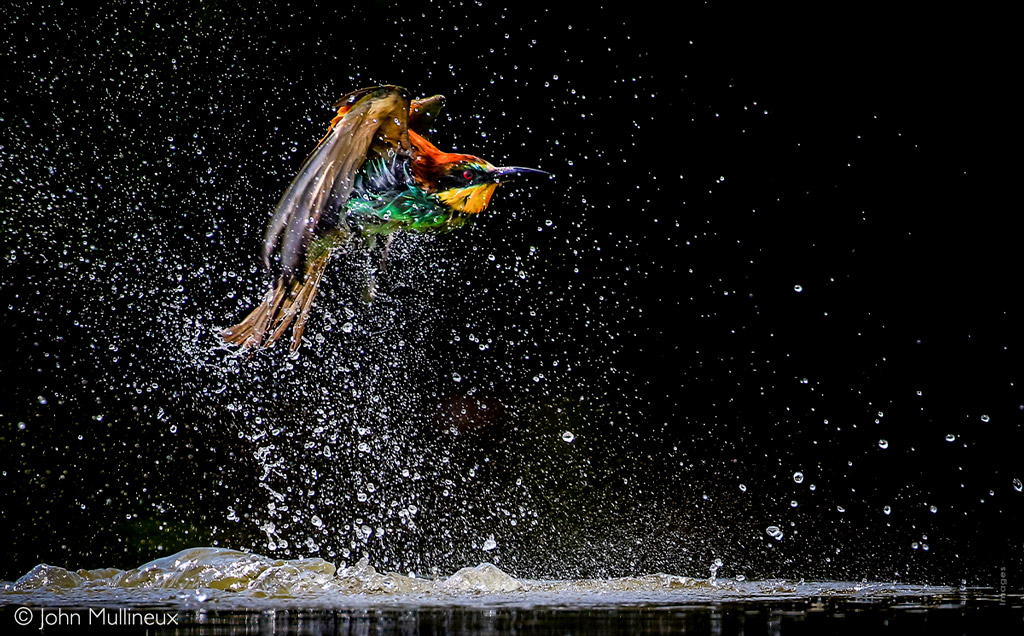

 TRAVEL DESK UPDATES:


 WATCH: Photographer of the Year 2023 is officially open and awaiting your entries. Cash prizes and an epic Botswana safari are up for grabs – start searching your photo collections for that phenomenal image! (01:19). Click here to watch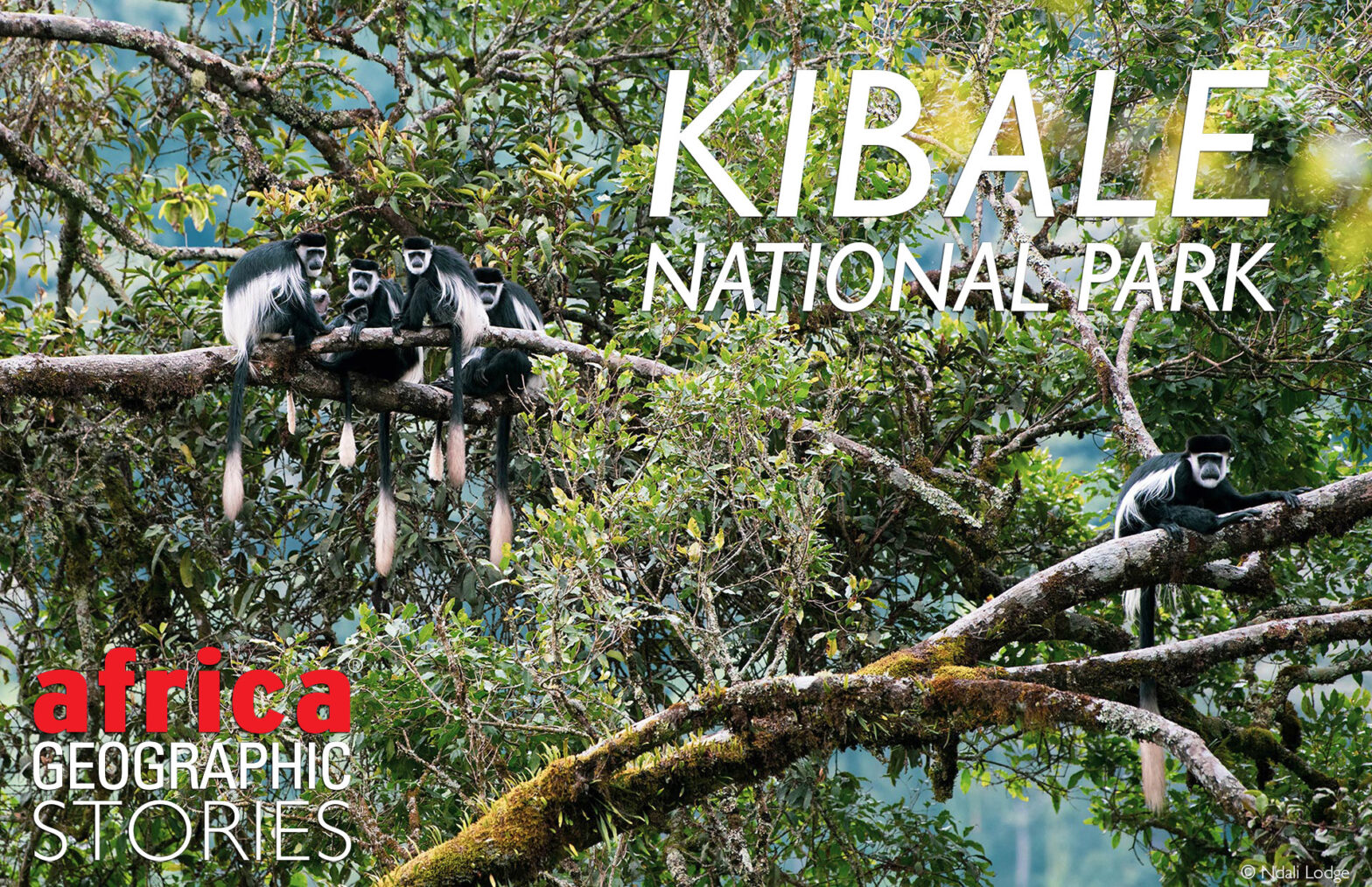
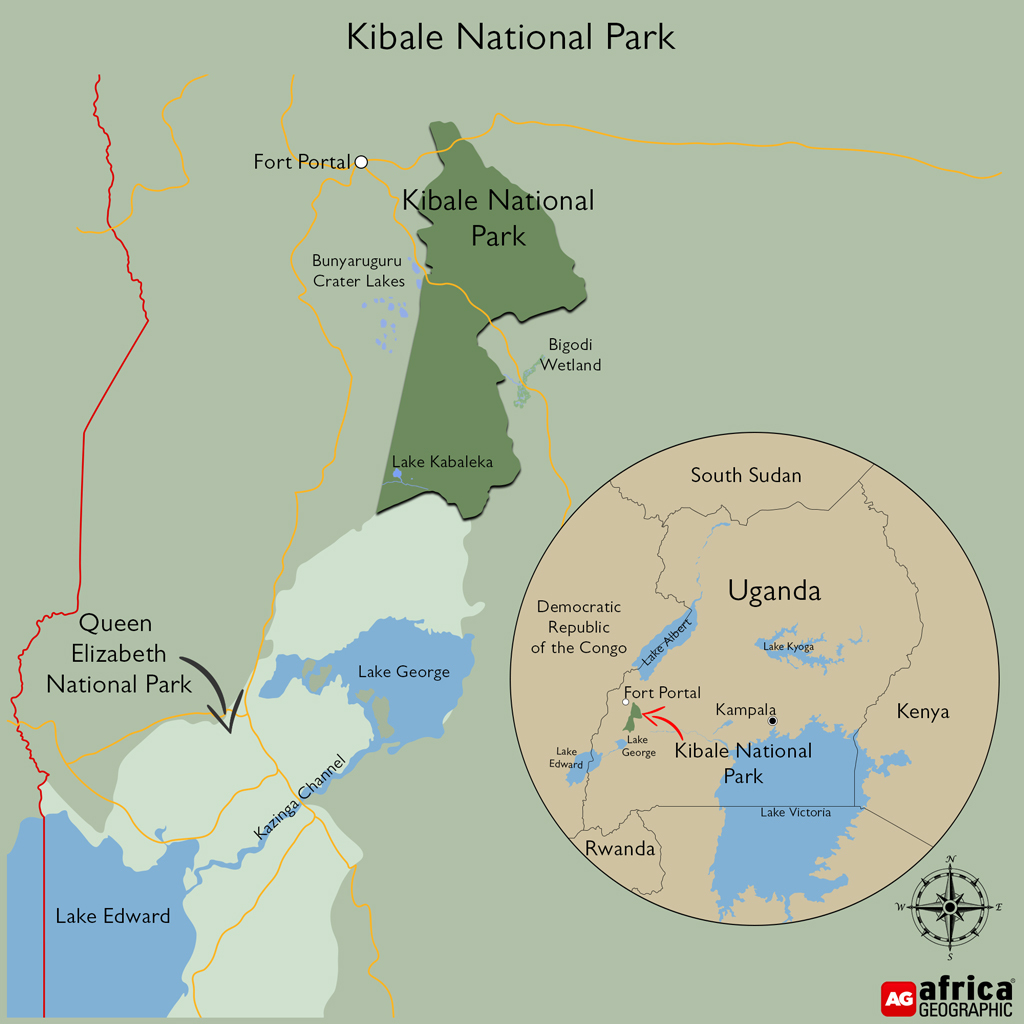
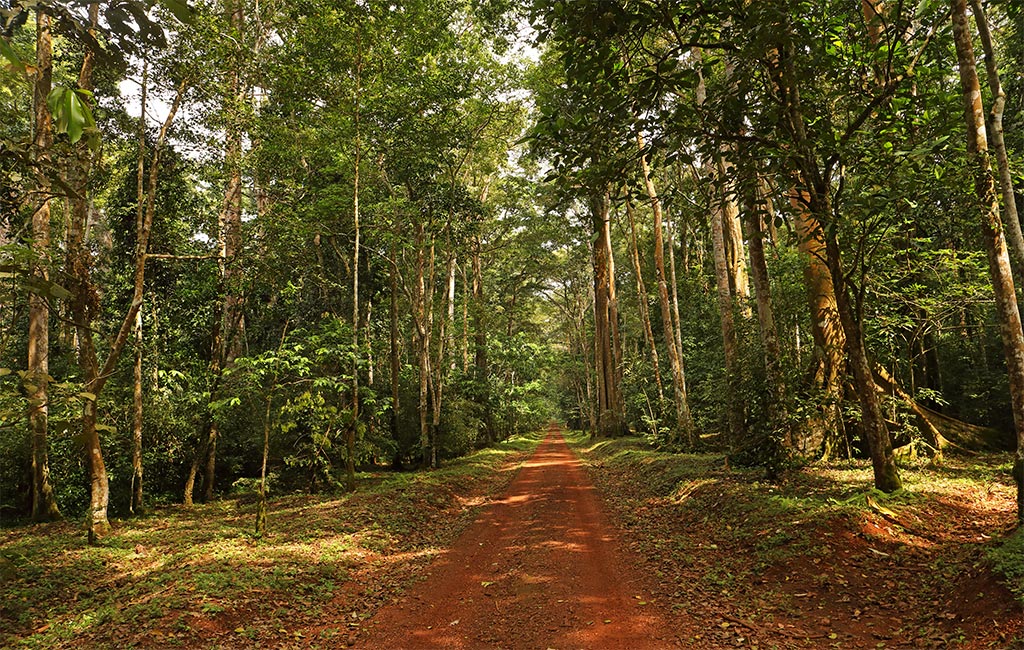
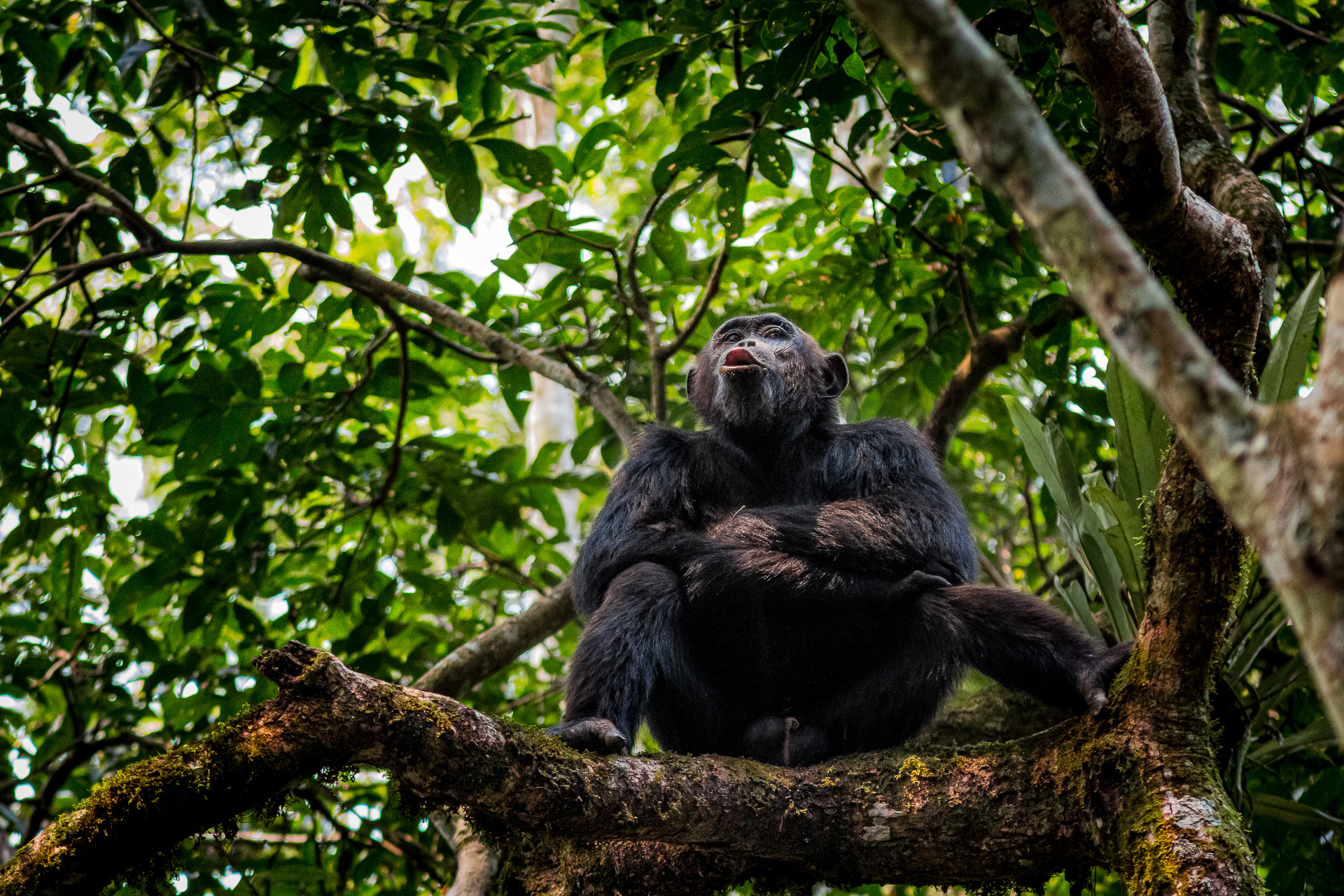
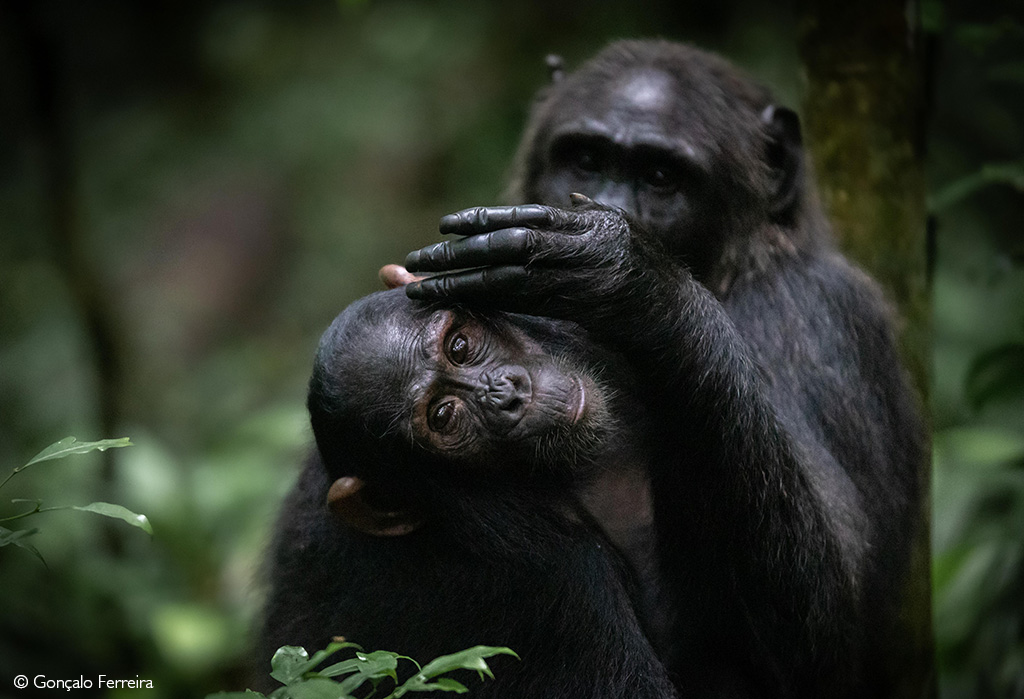
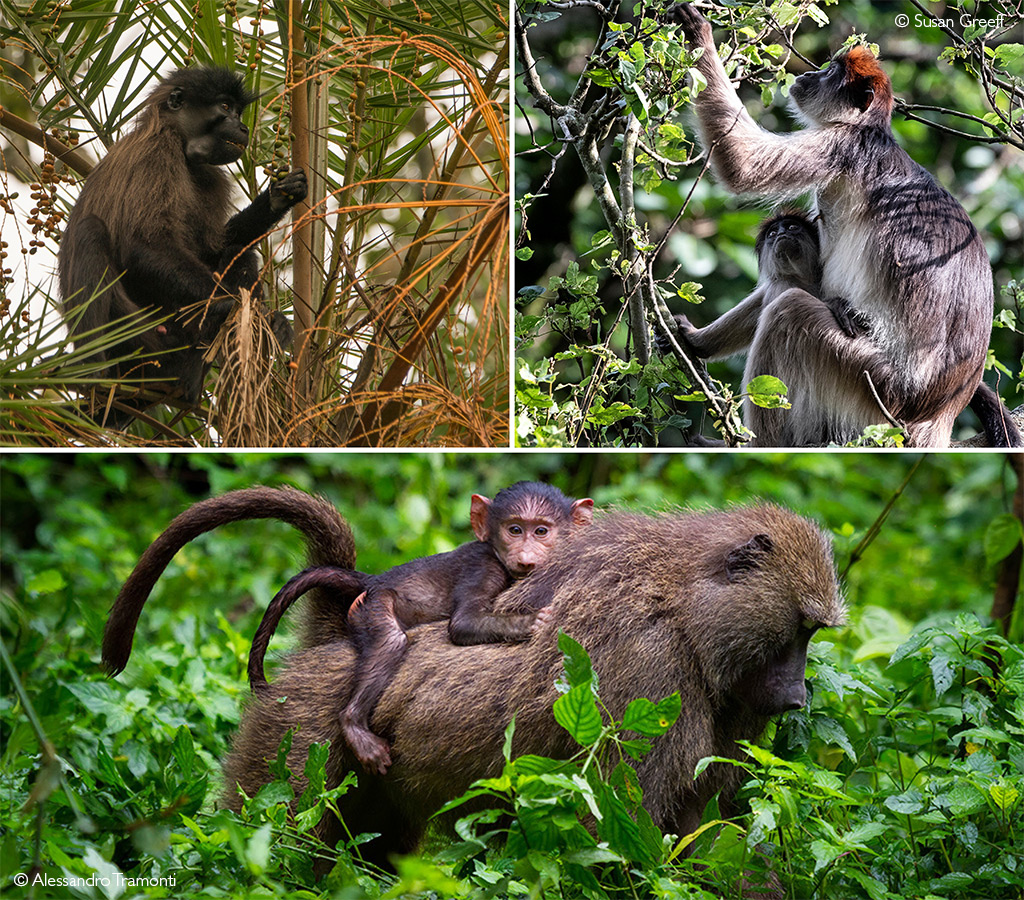
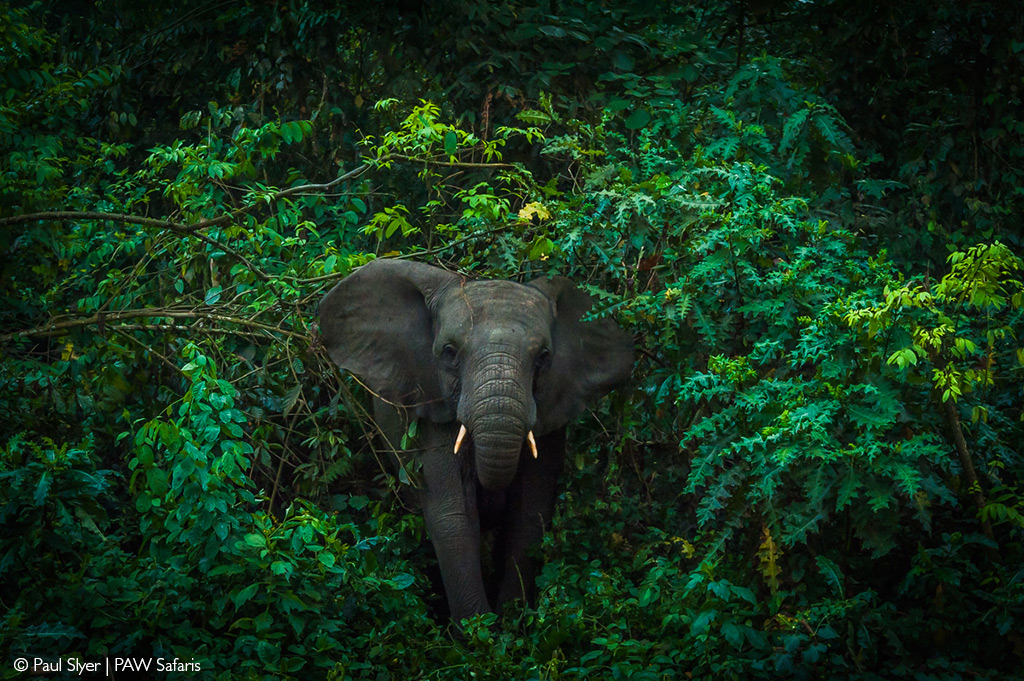
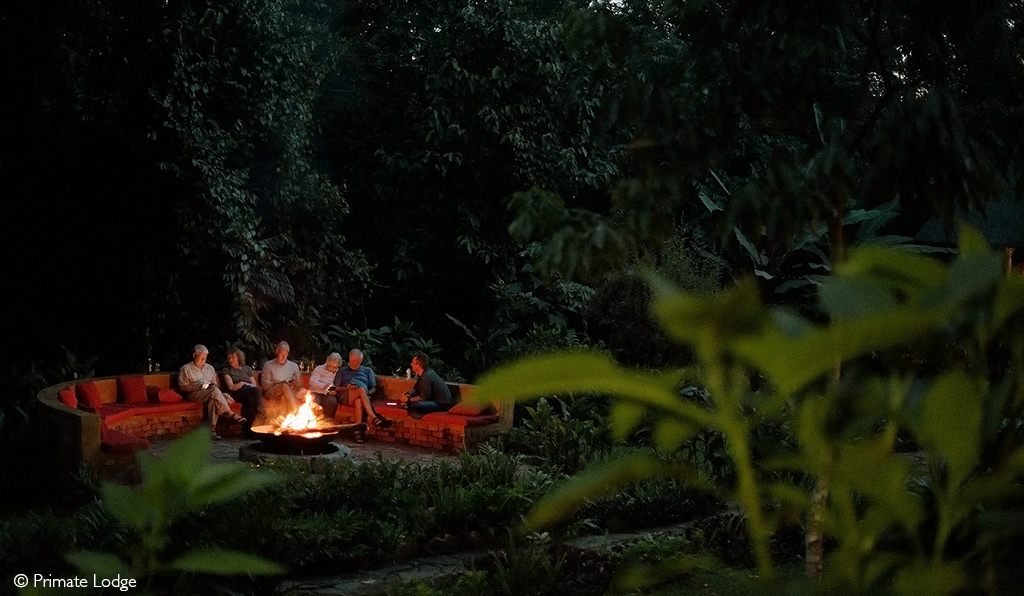
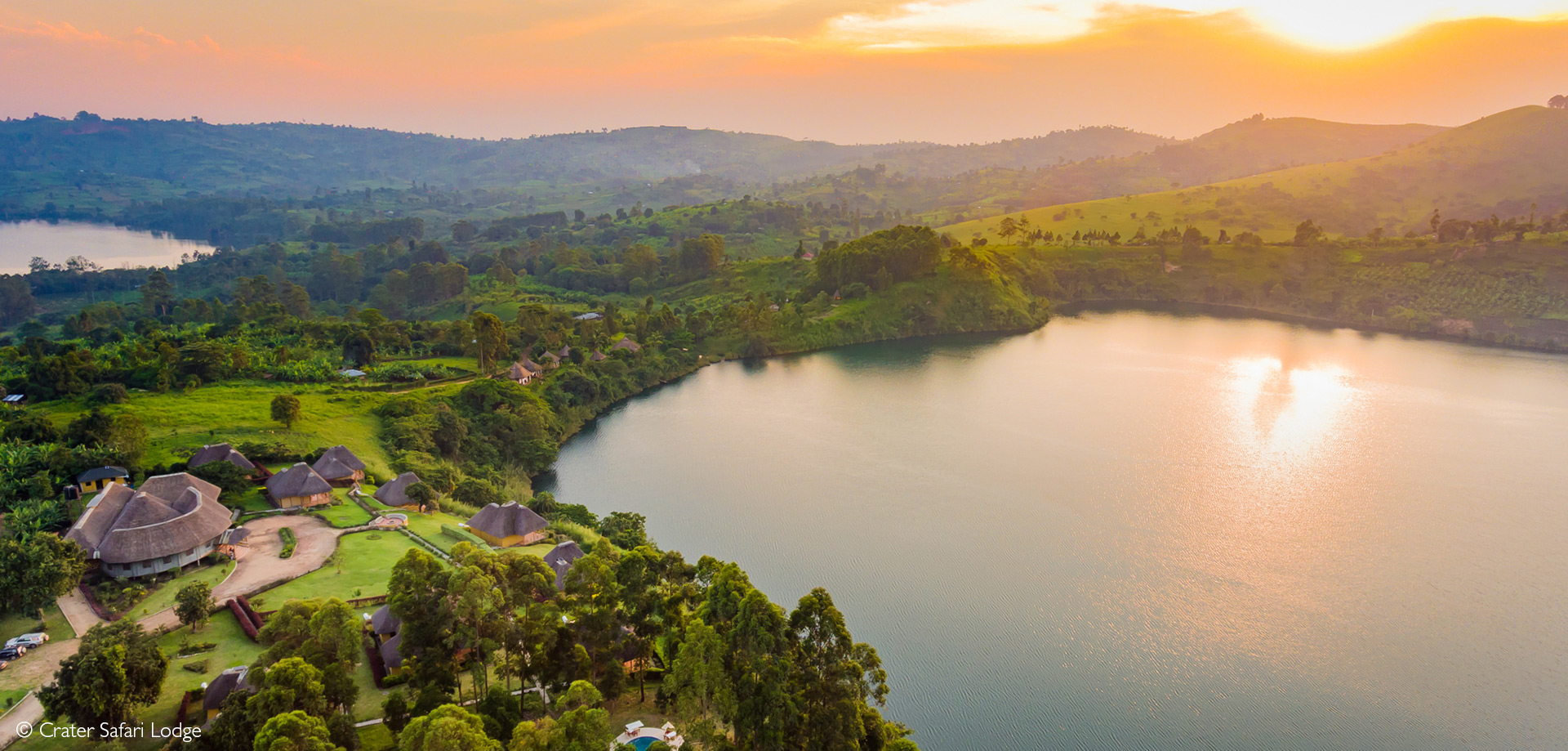
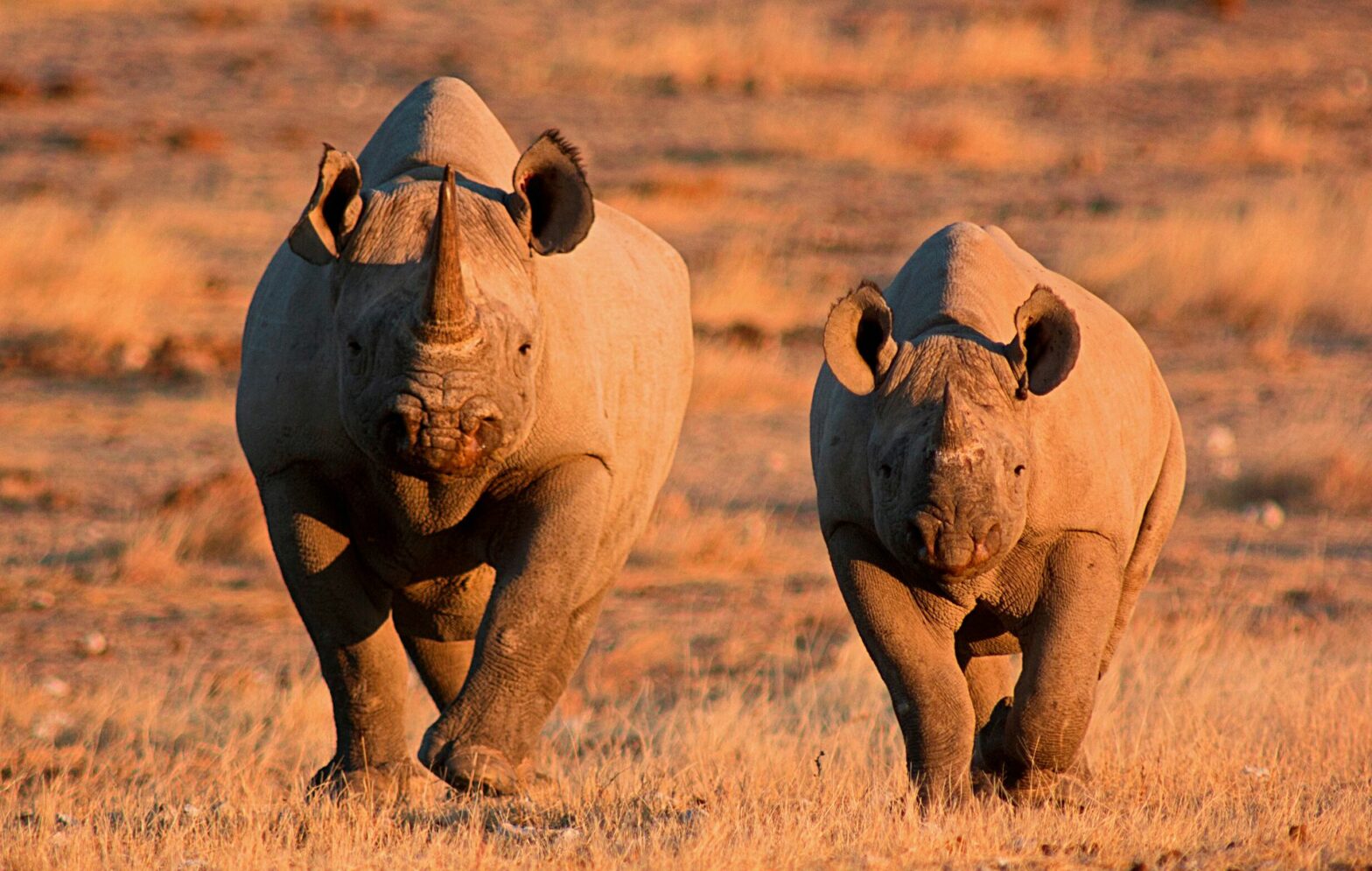
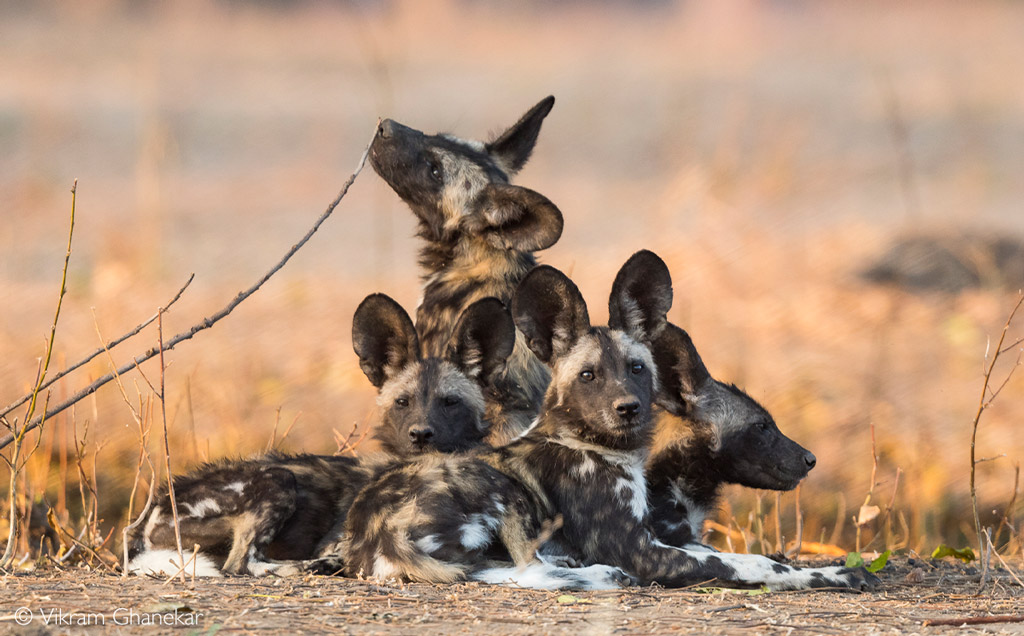
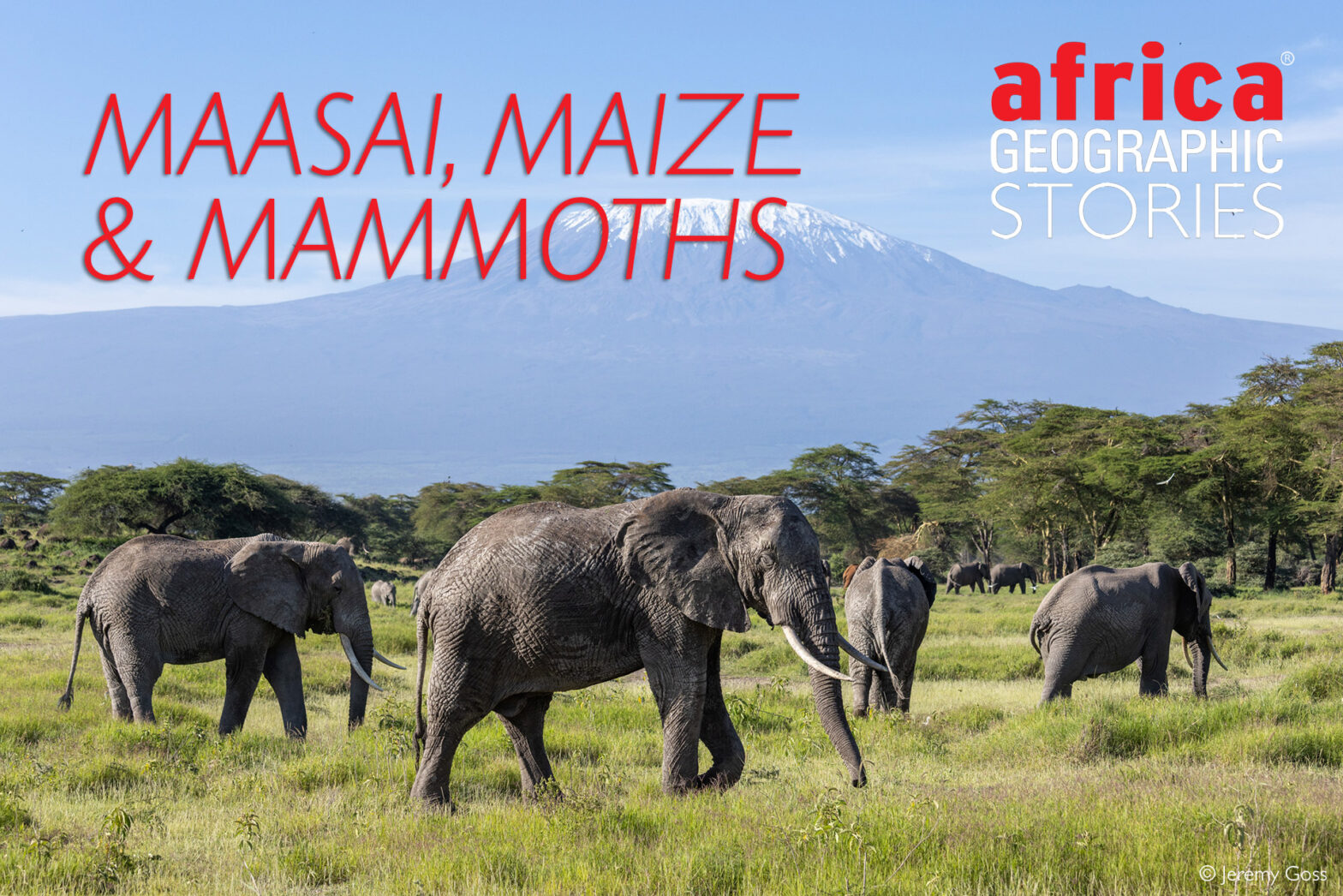
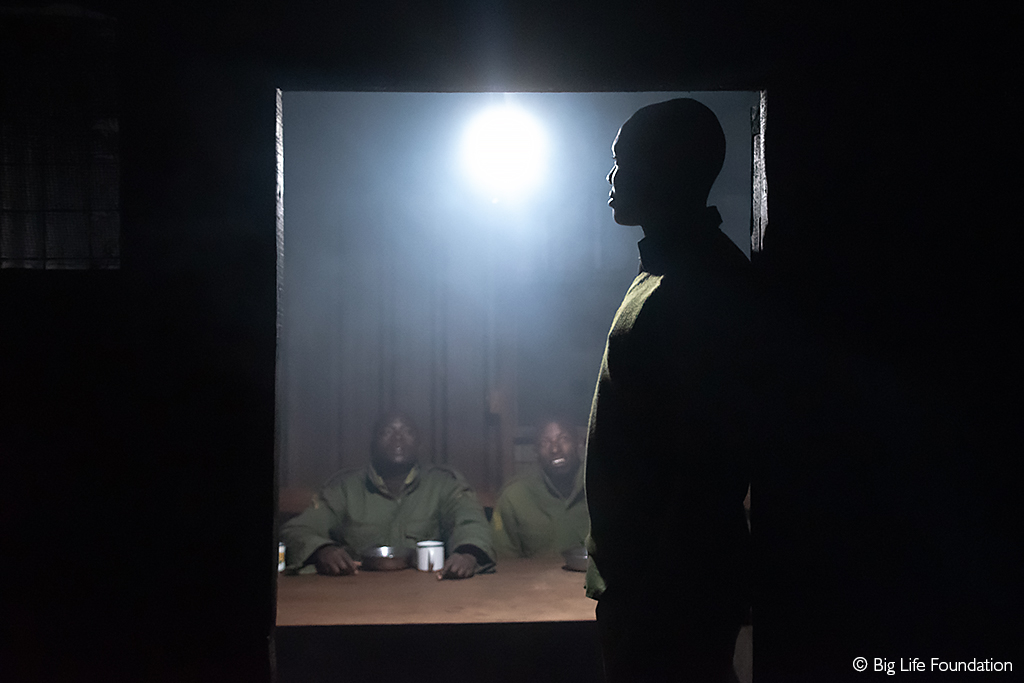
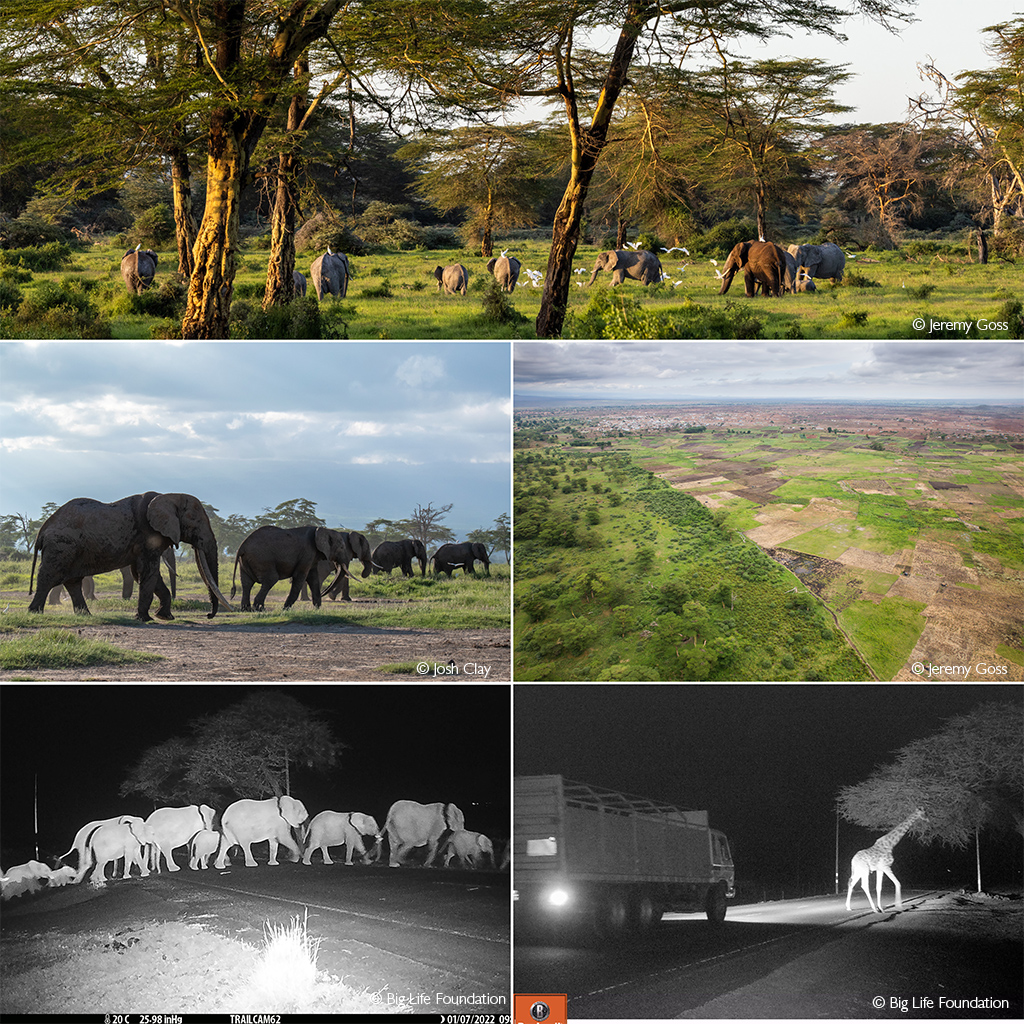
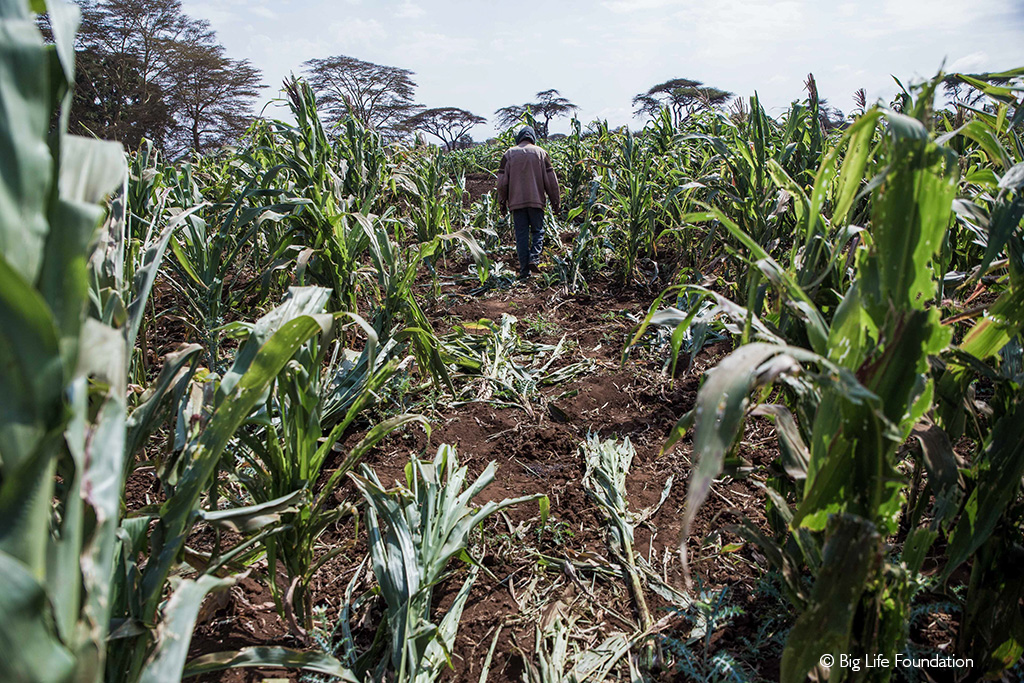
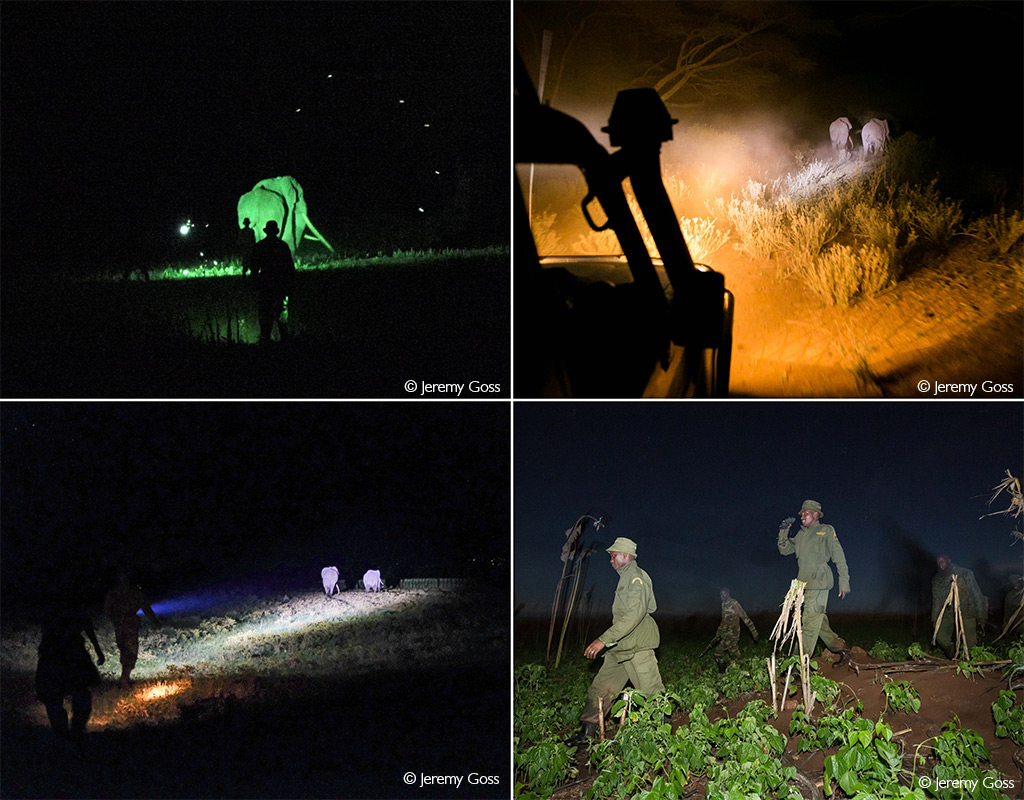
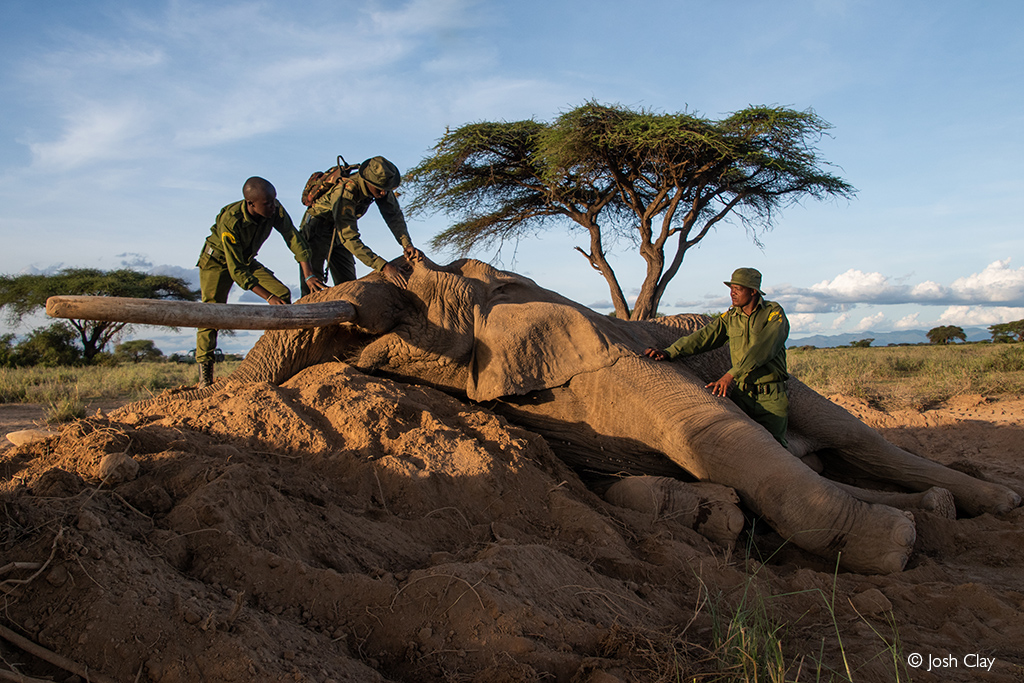
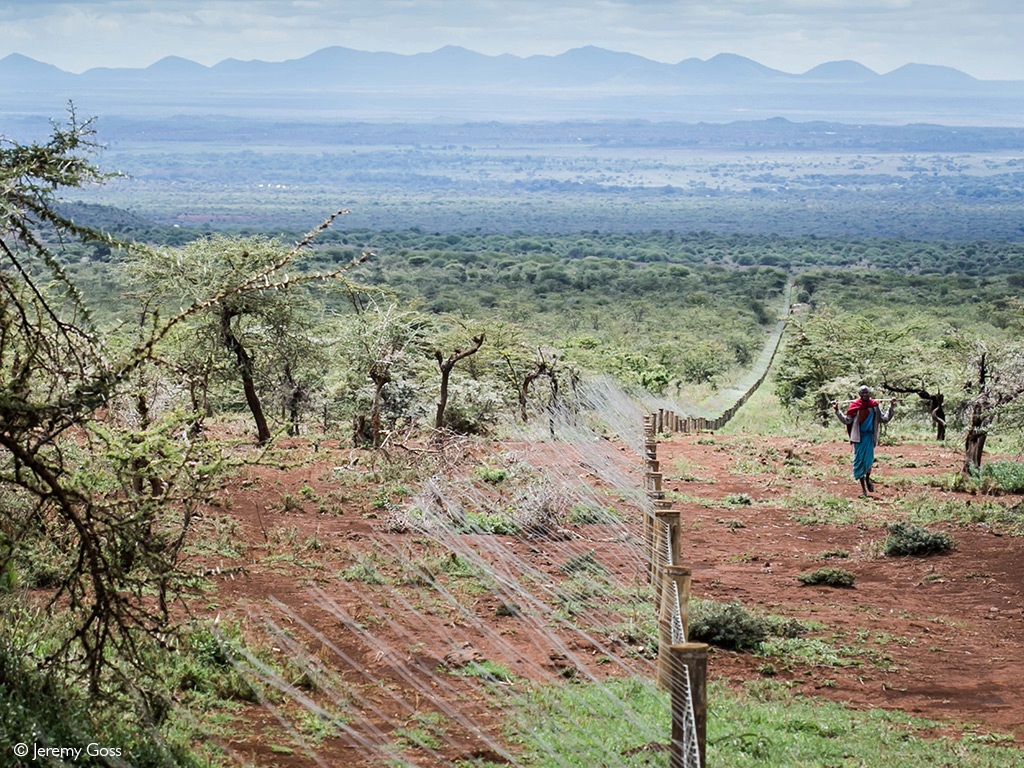
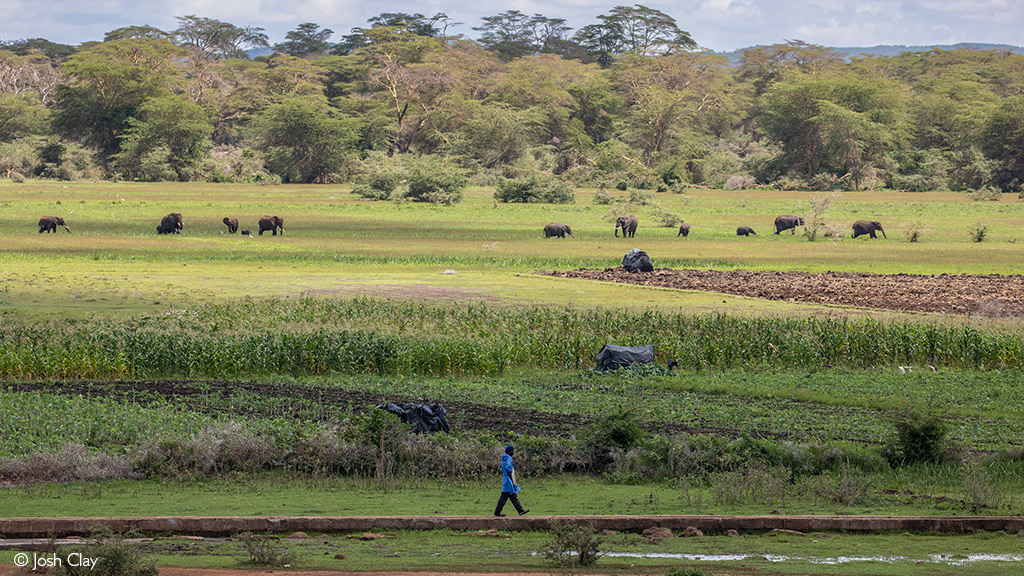
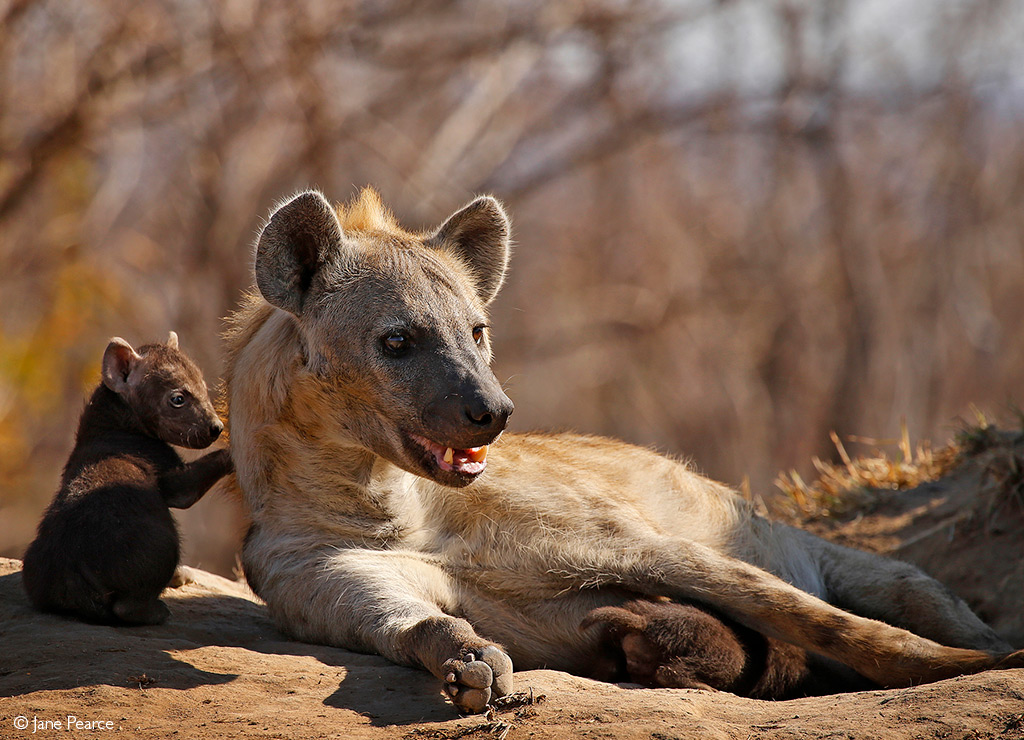
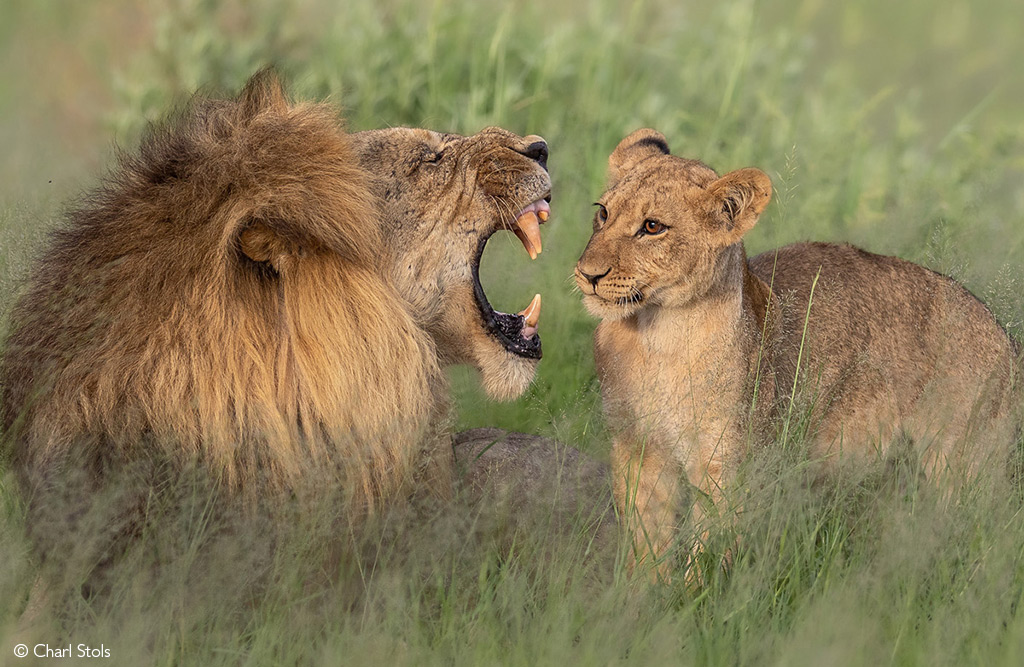
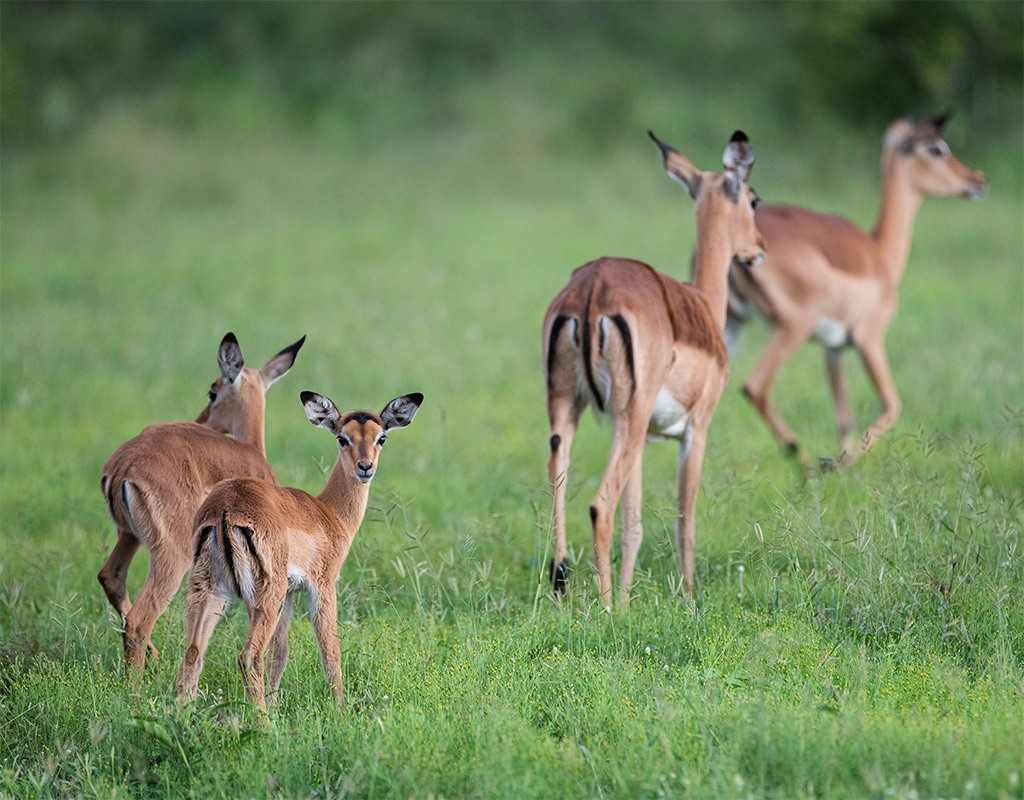
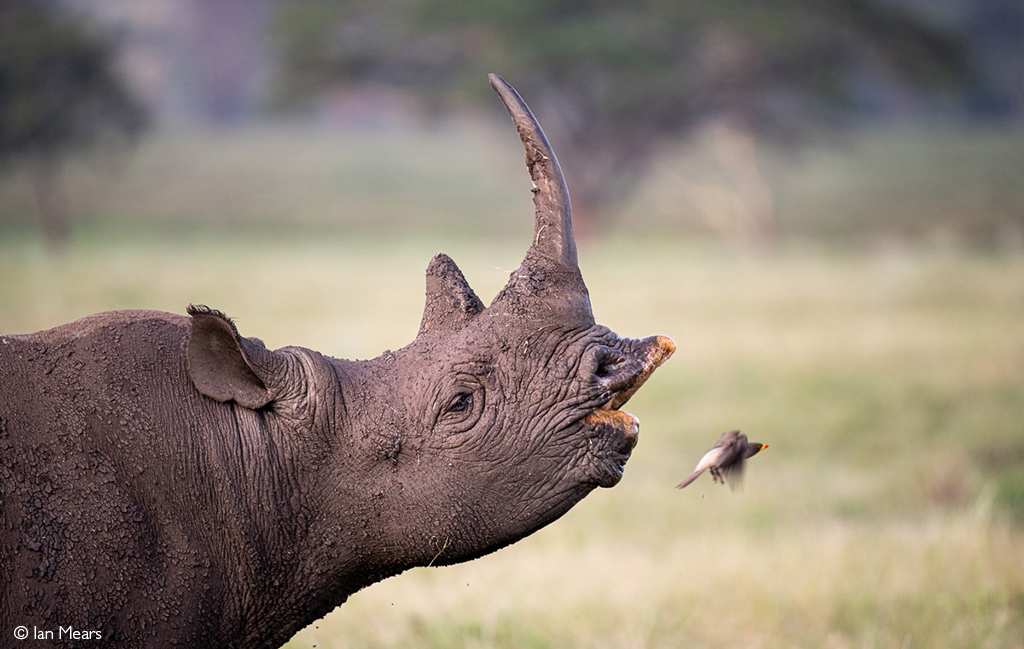
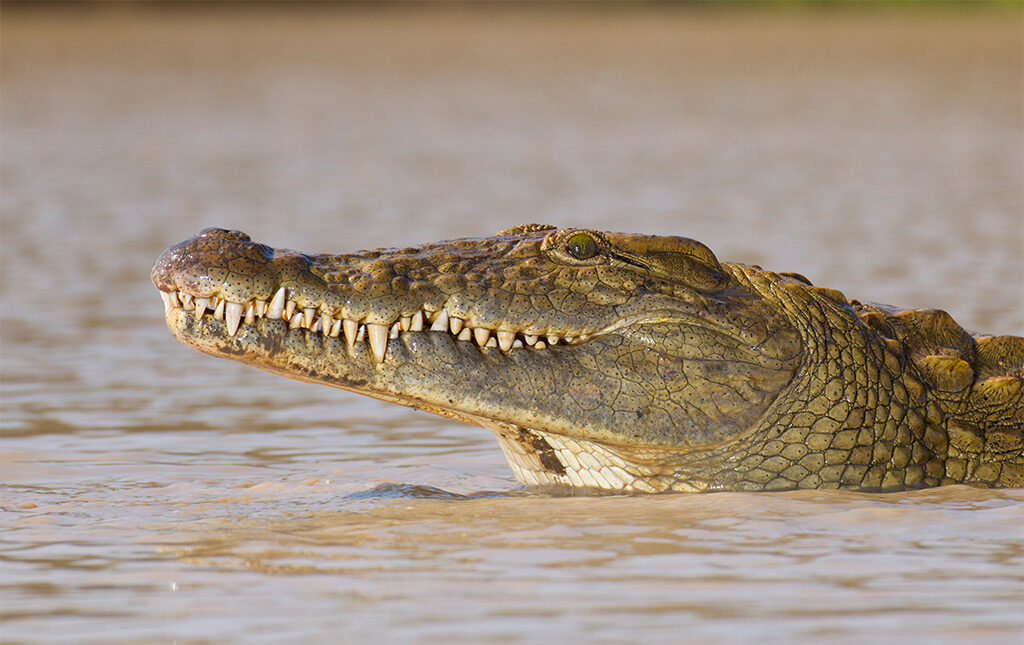
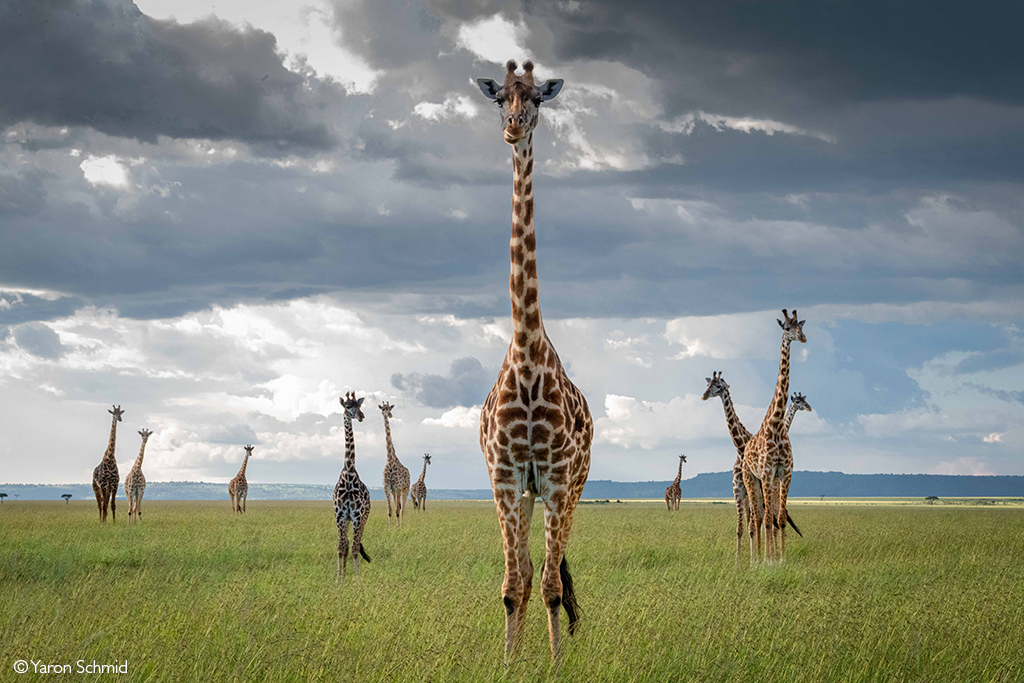
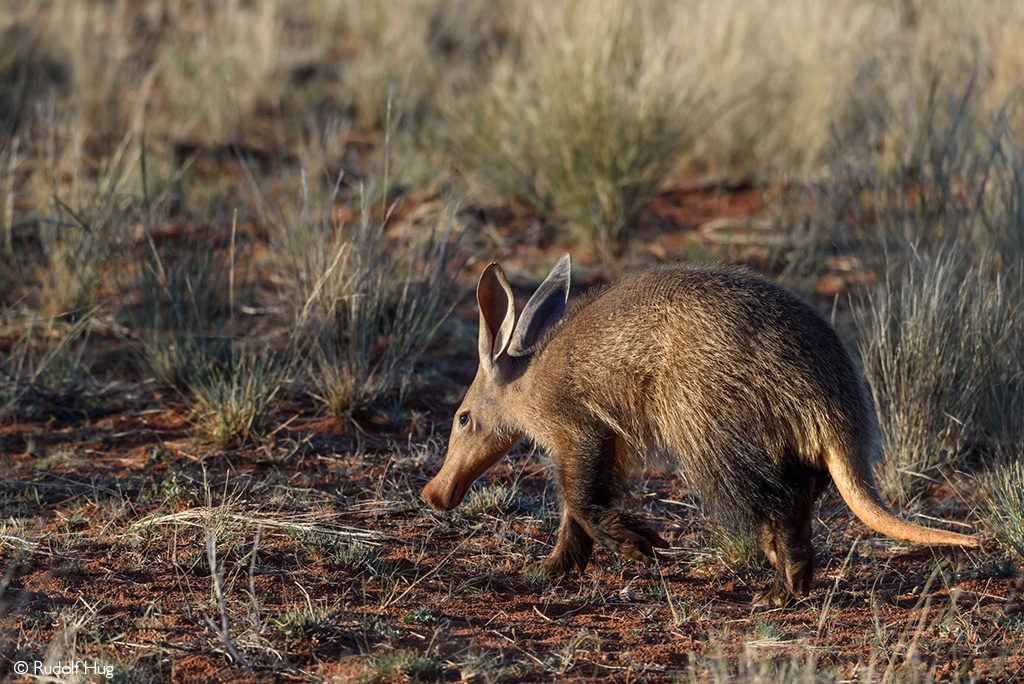
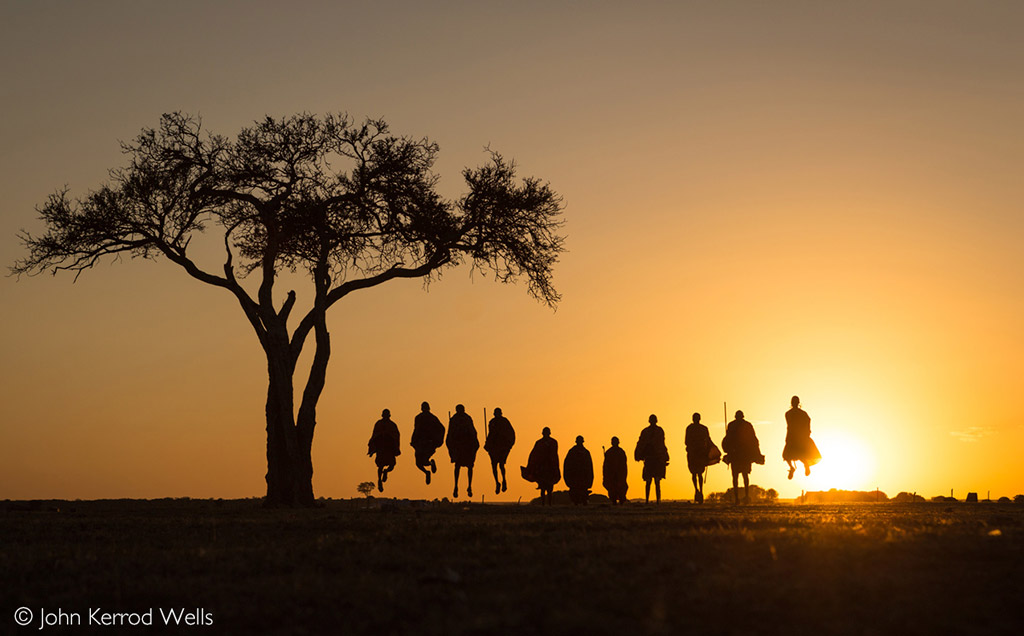
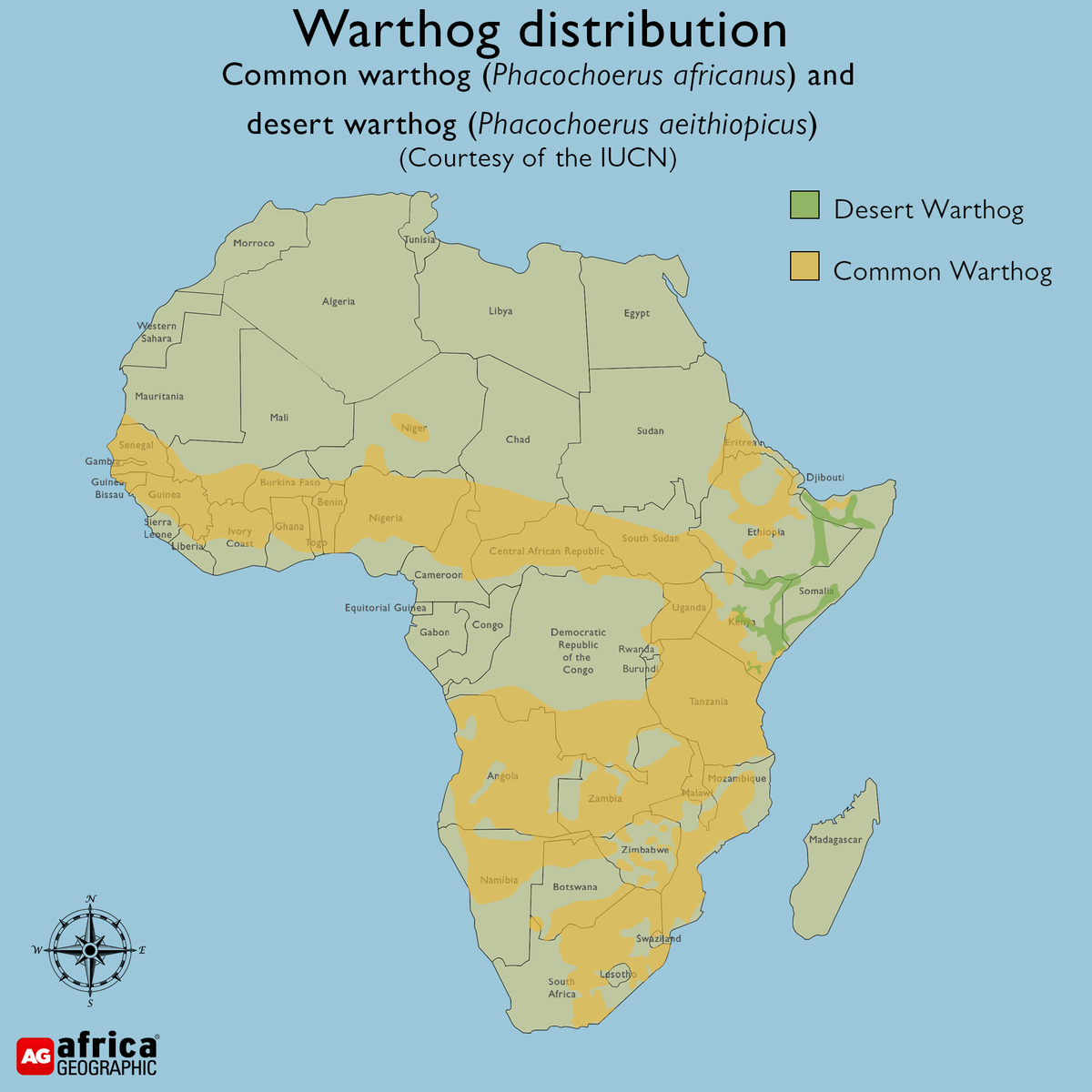
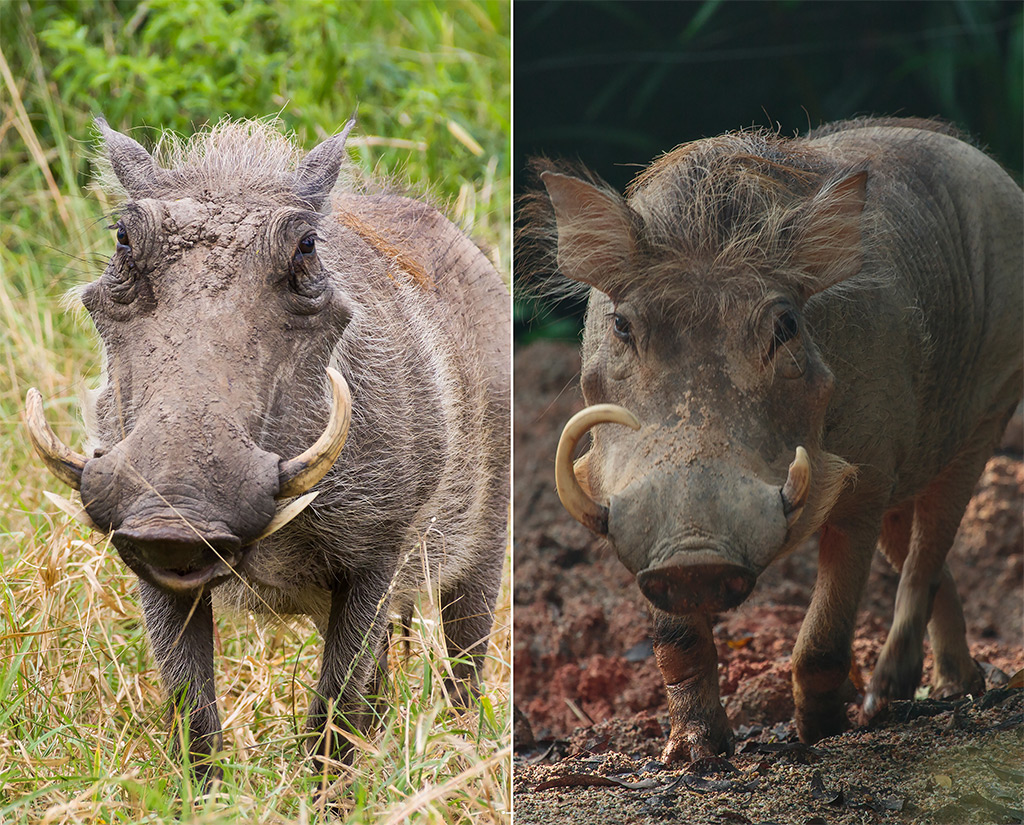
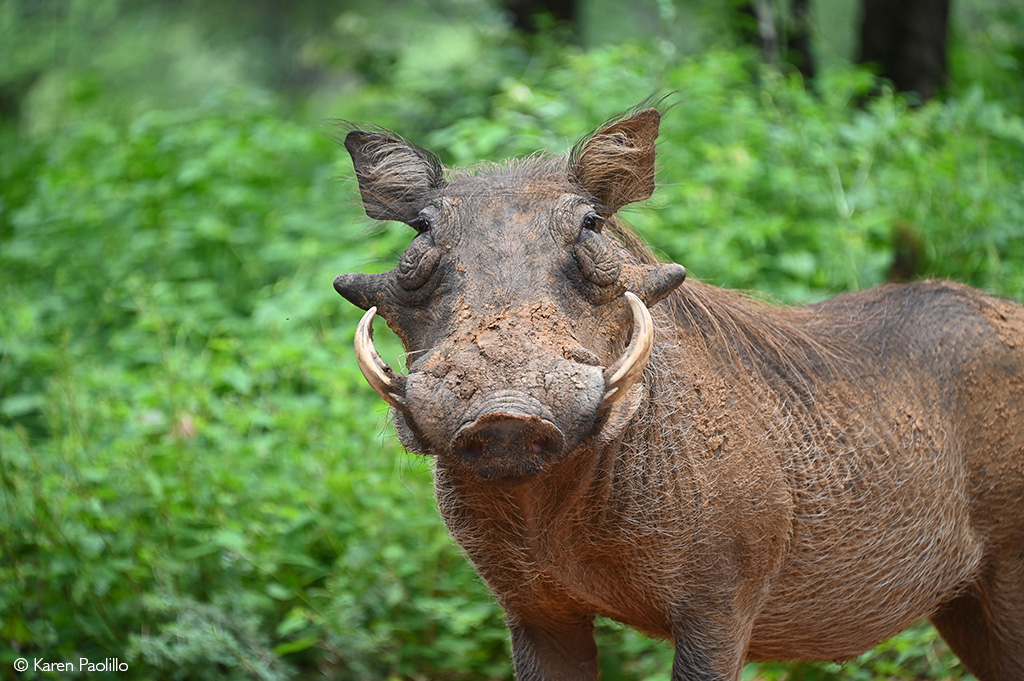
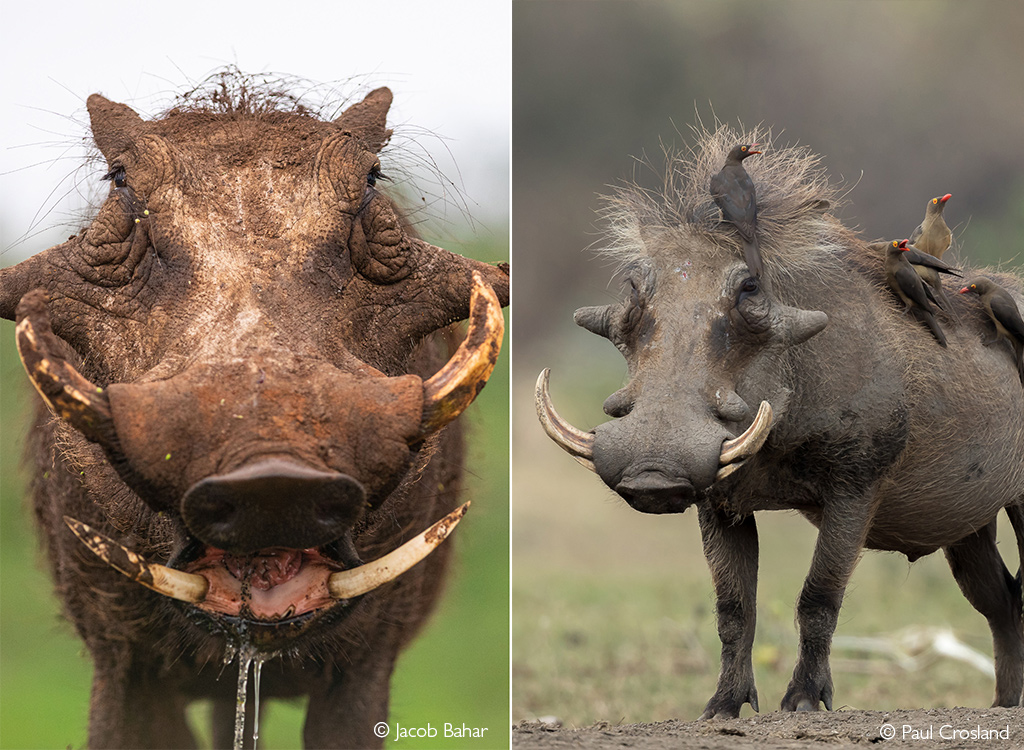
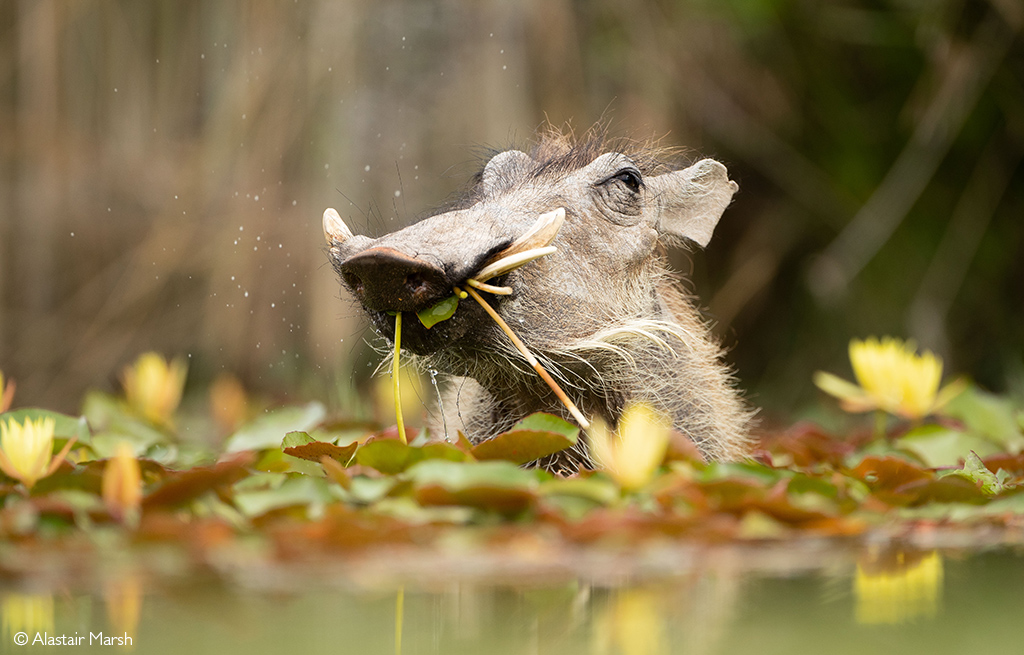
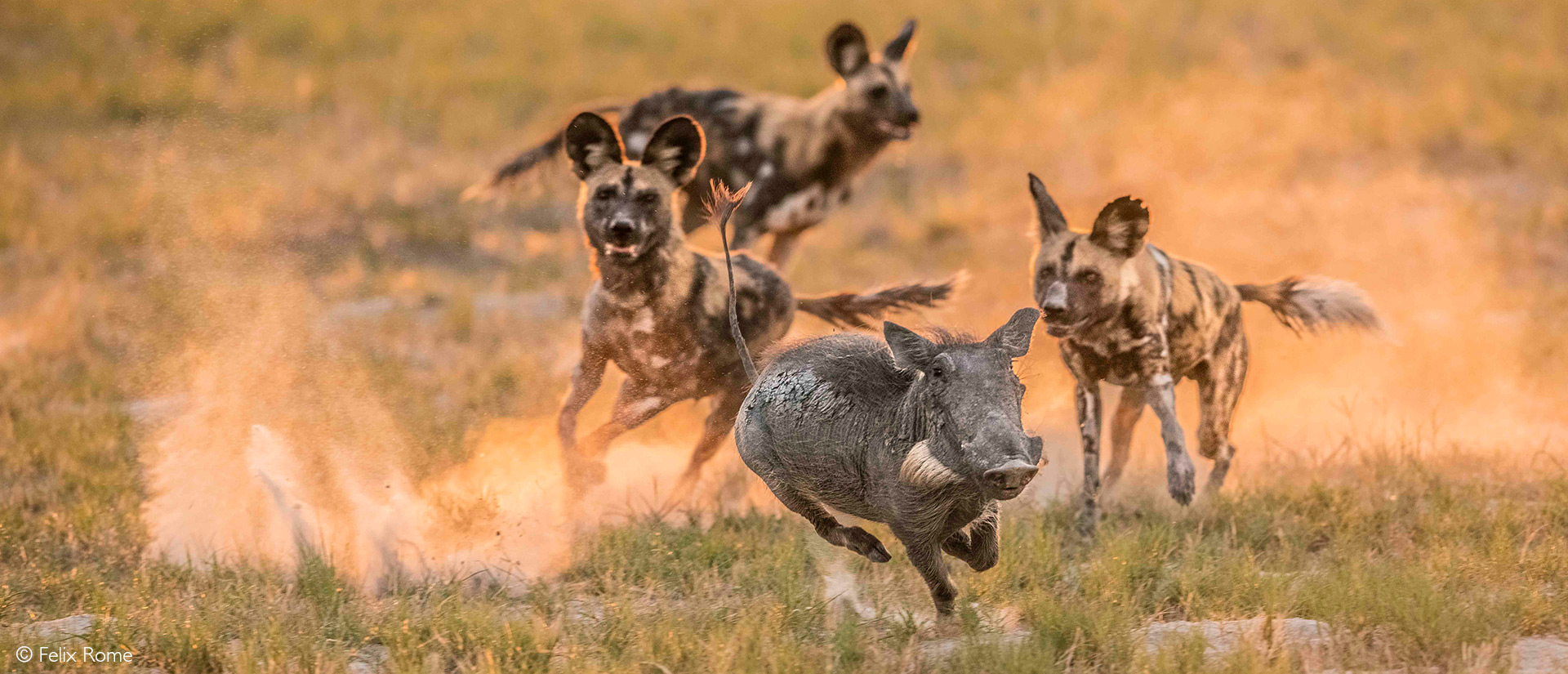
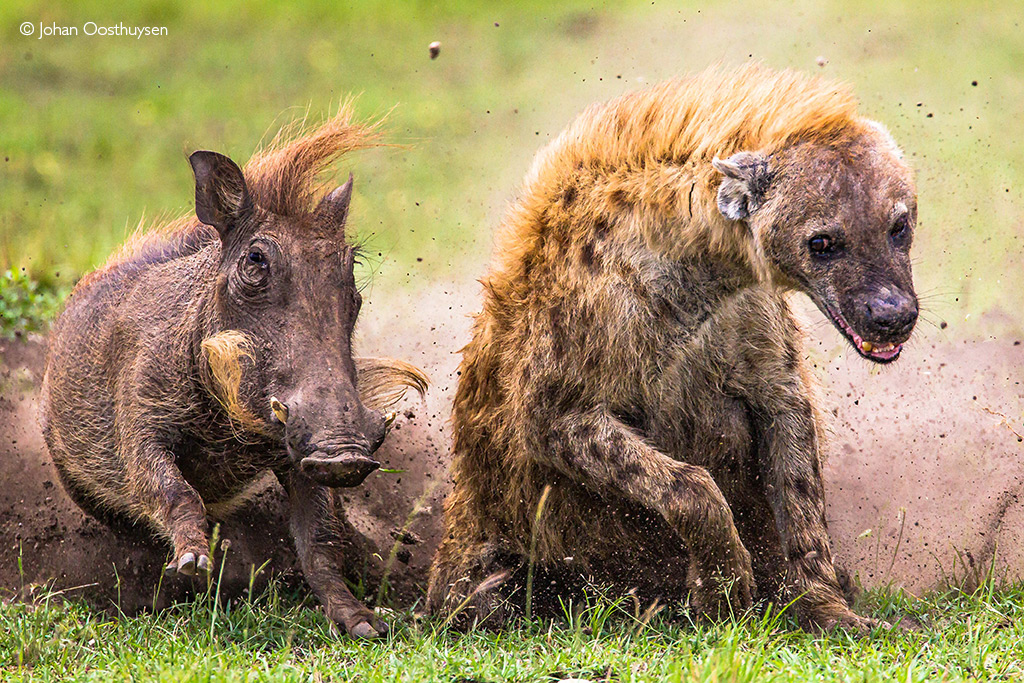
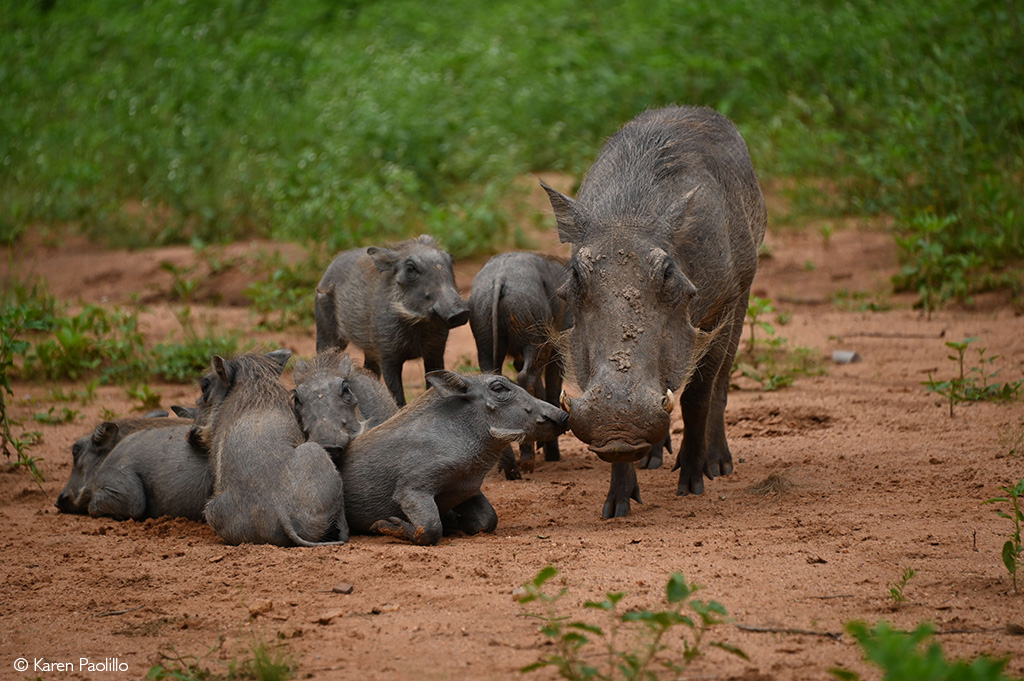
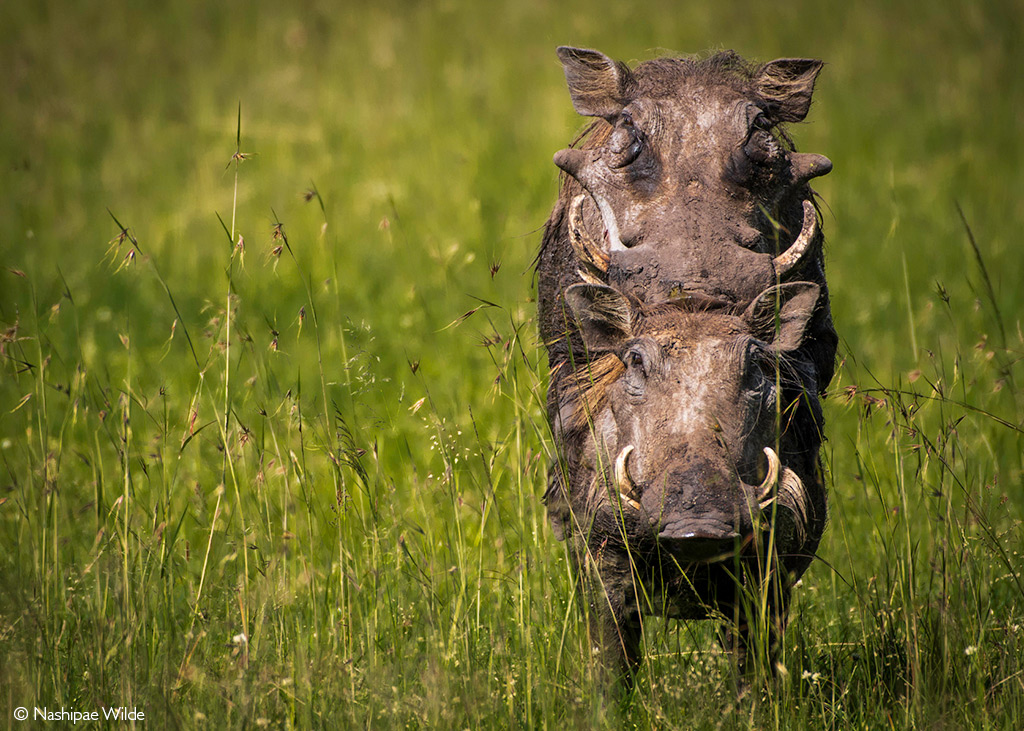
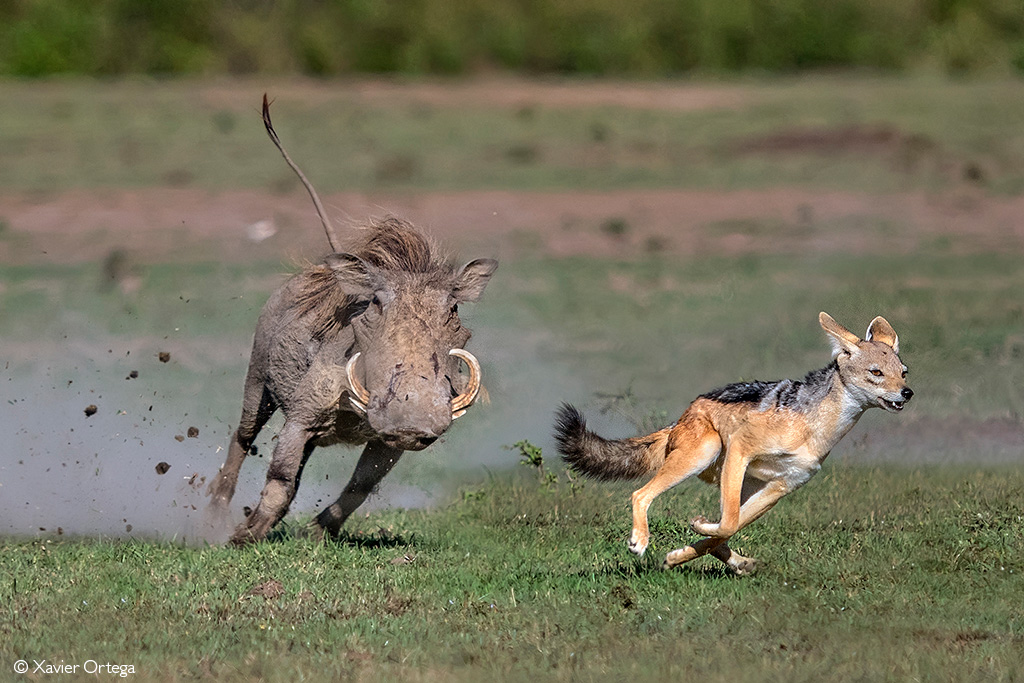
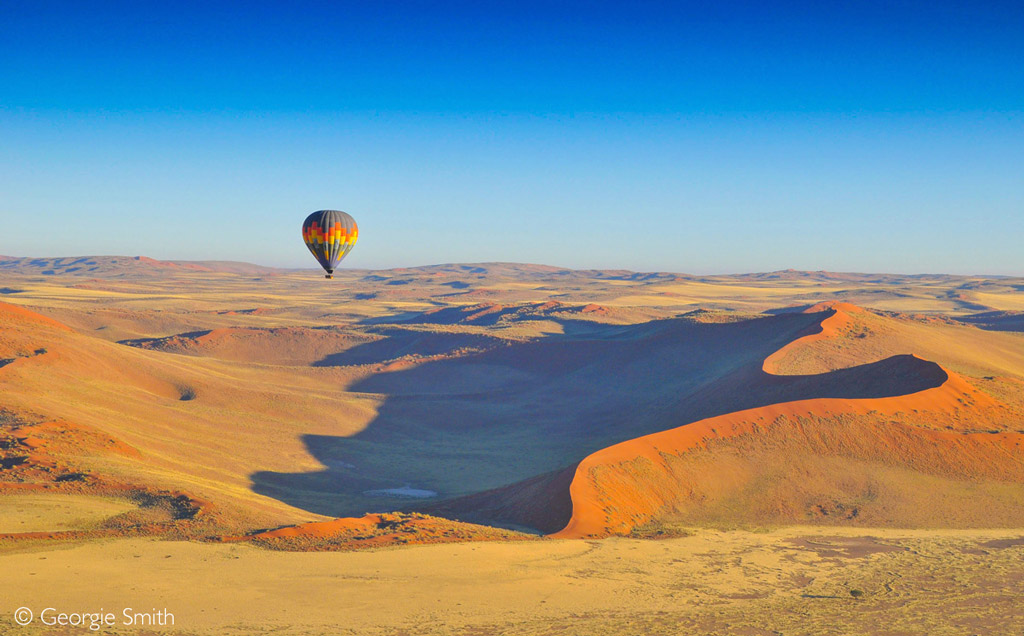
 The real mystery is how they selectively pool nearly 90% of the red blood cells in one place without triggering a clotting cascade, yet they still clot when injured. The physiological explanation may have profoundly practical applications in human medicine.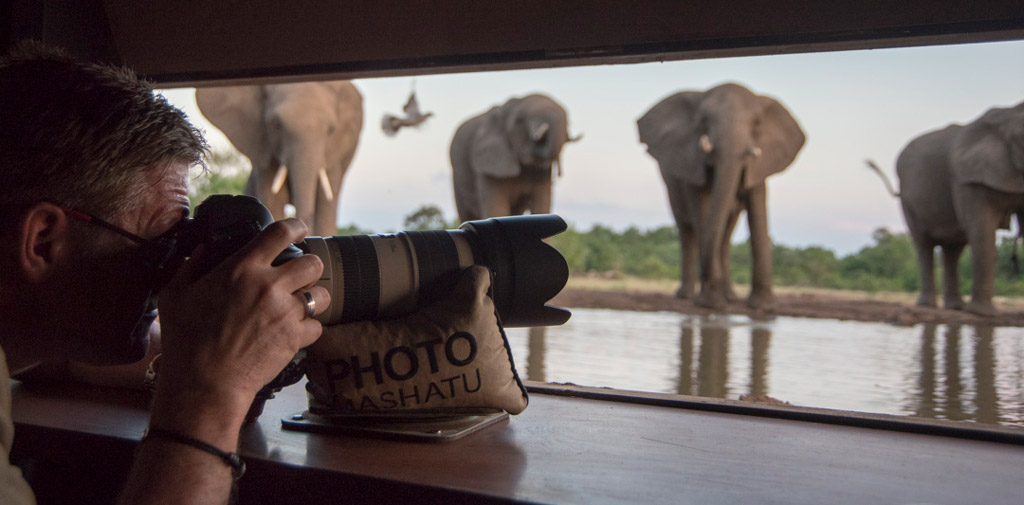
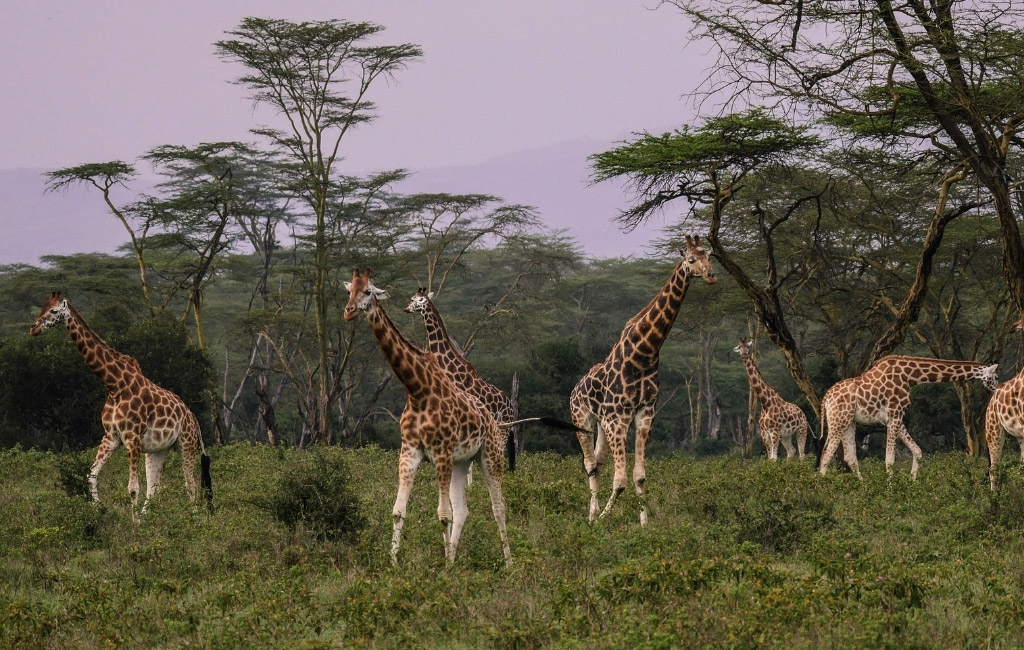
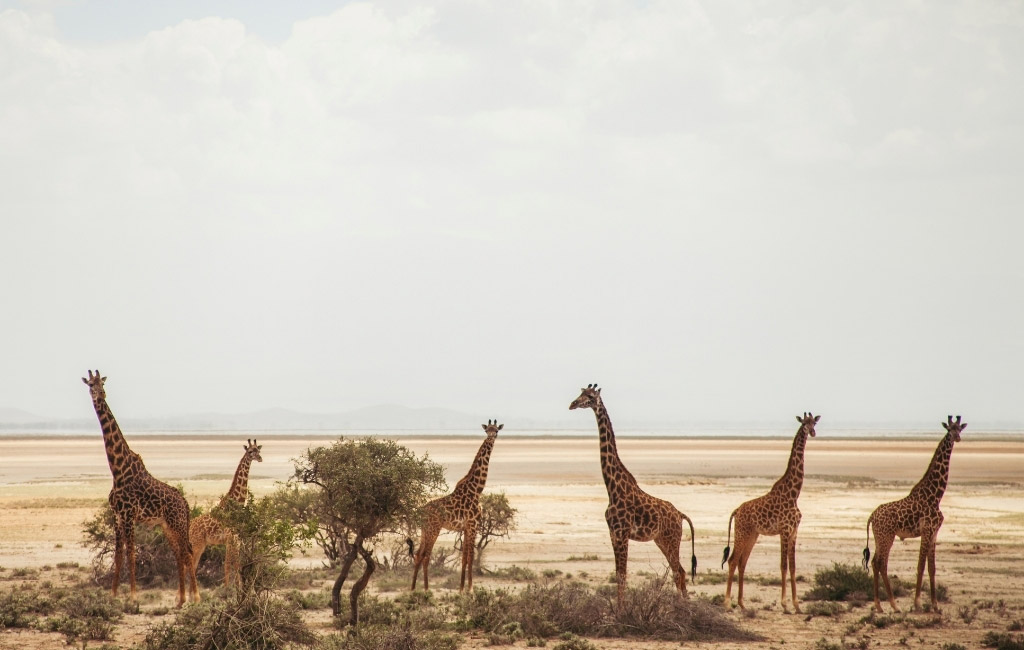
 Want to plan your African safari to spot giraffe in the wild? We have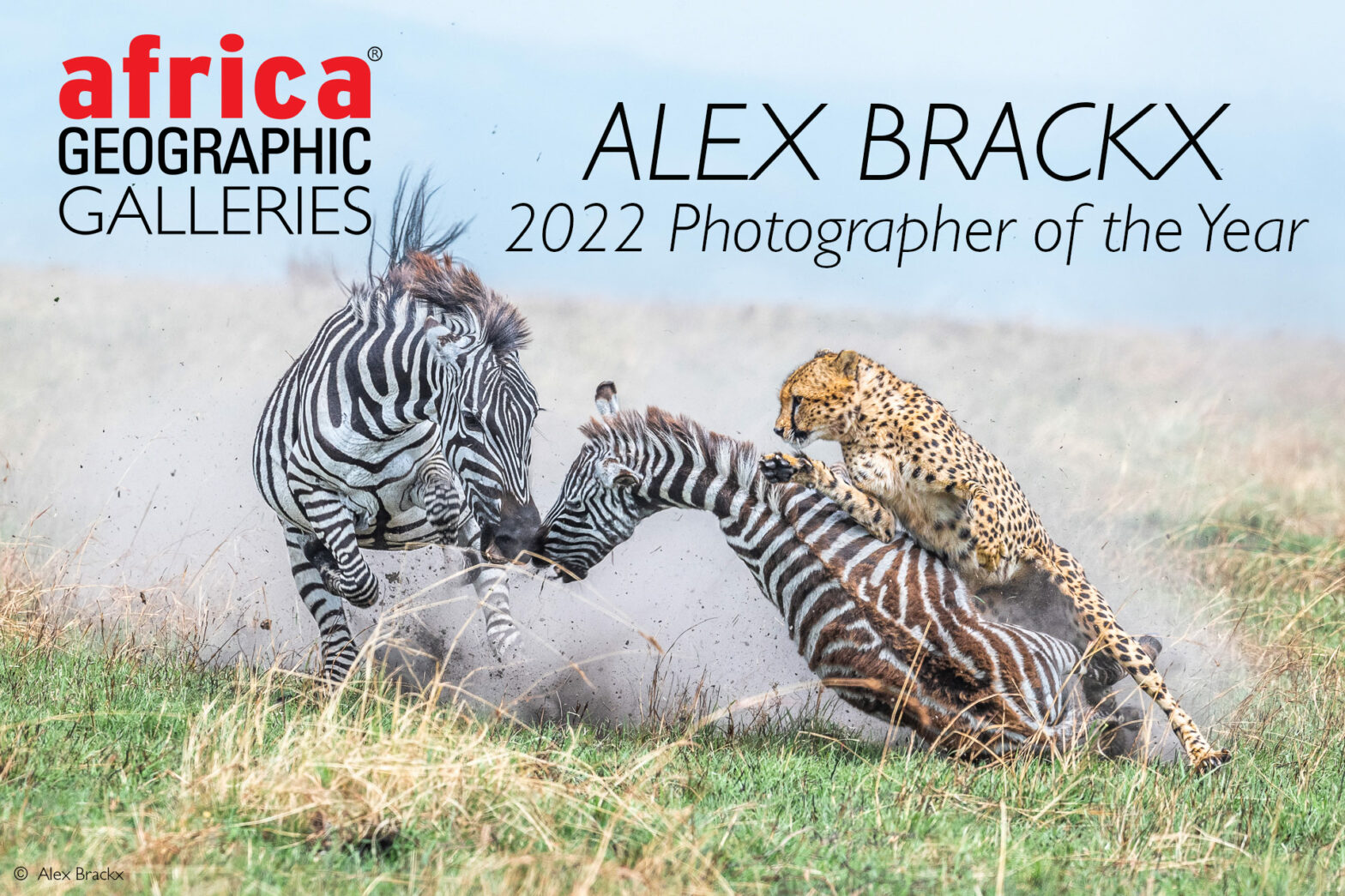
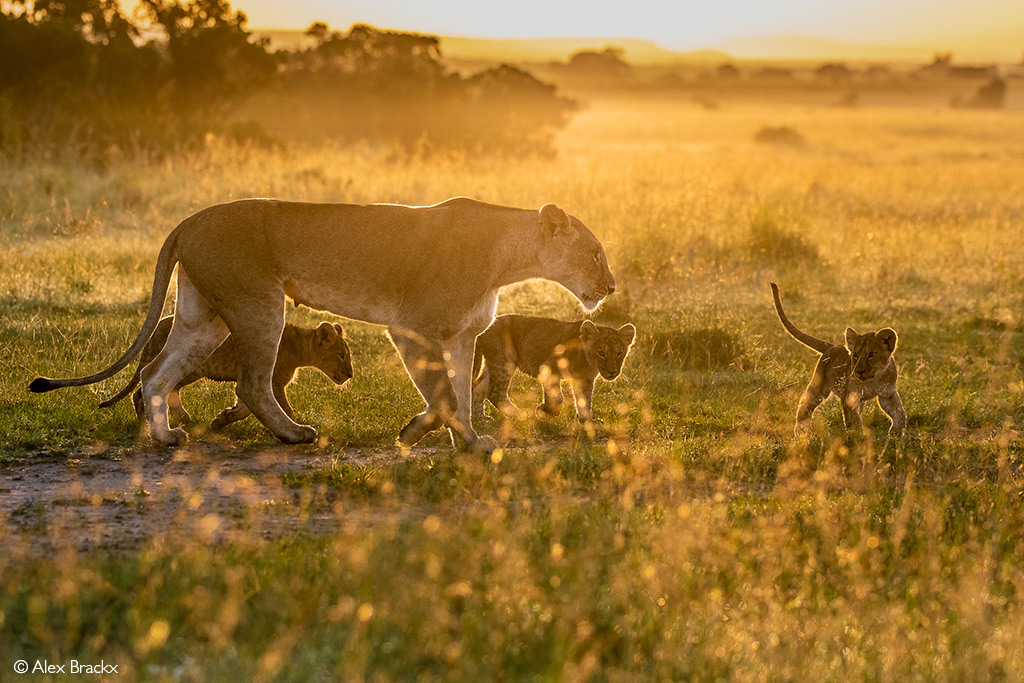
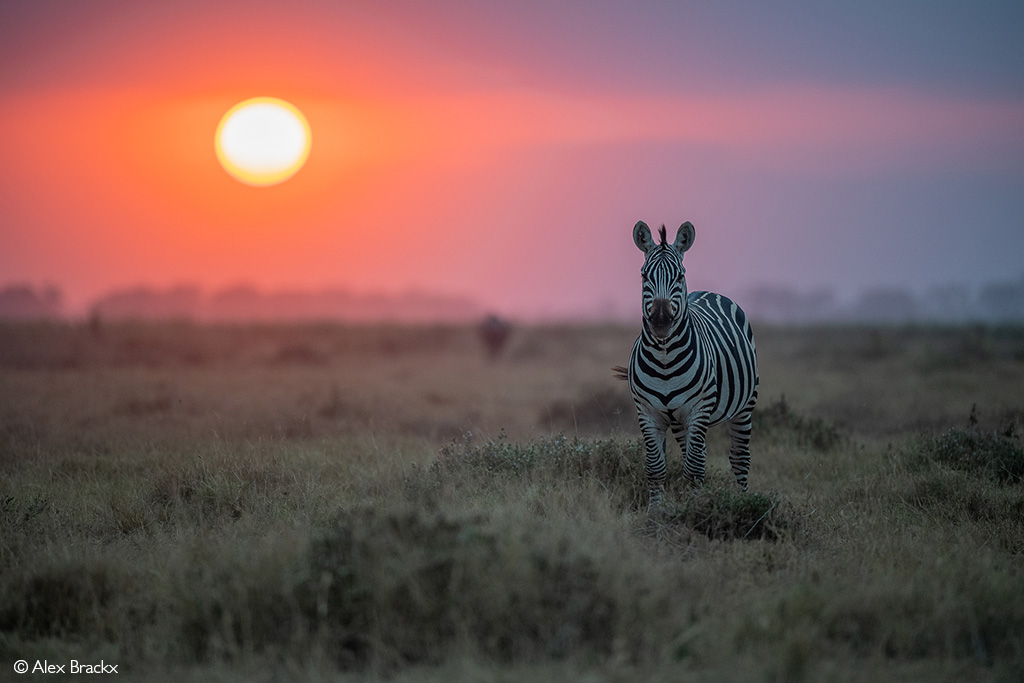
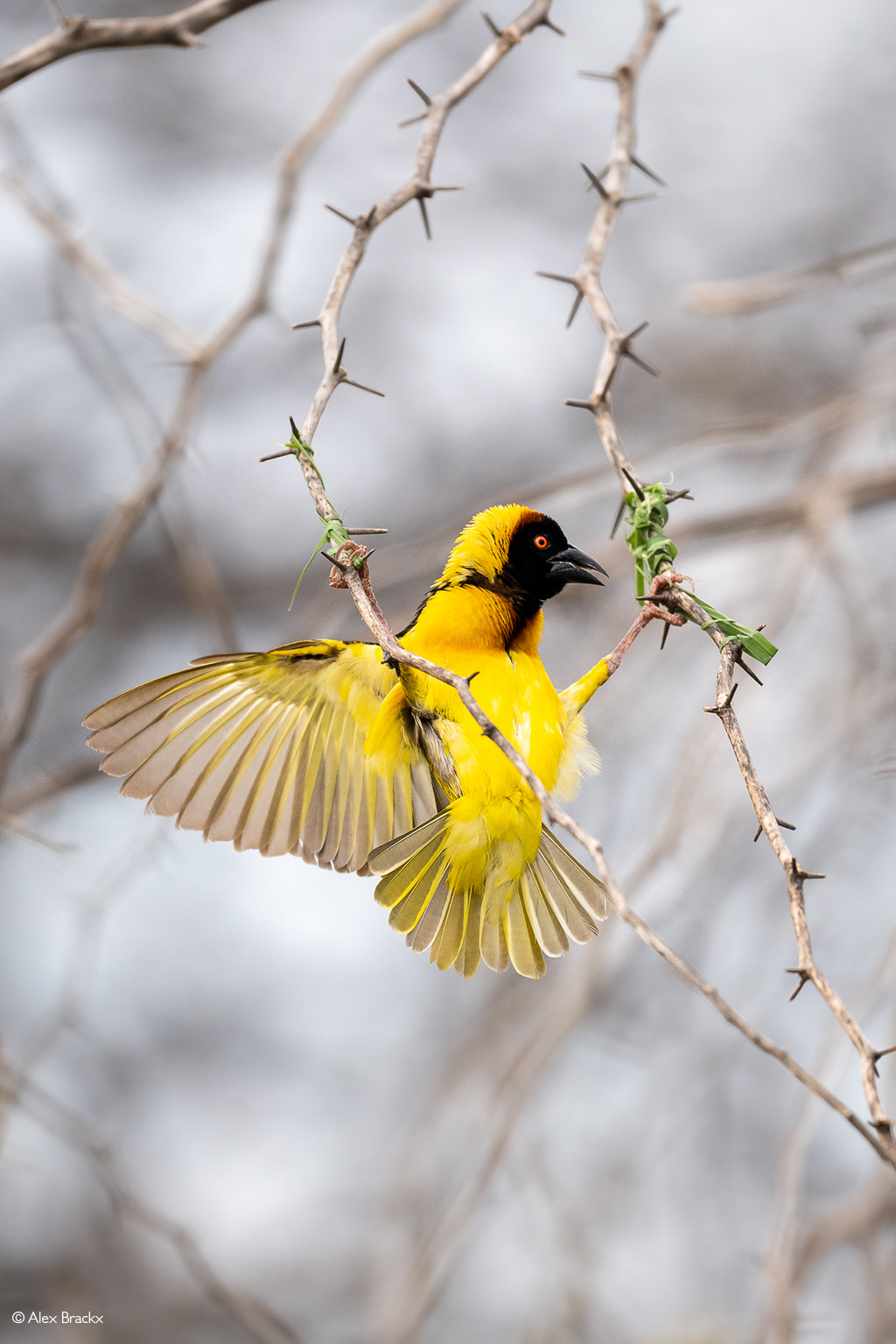
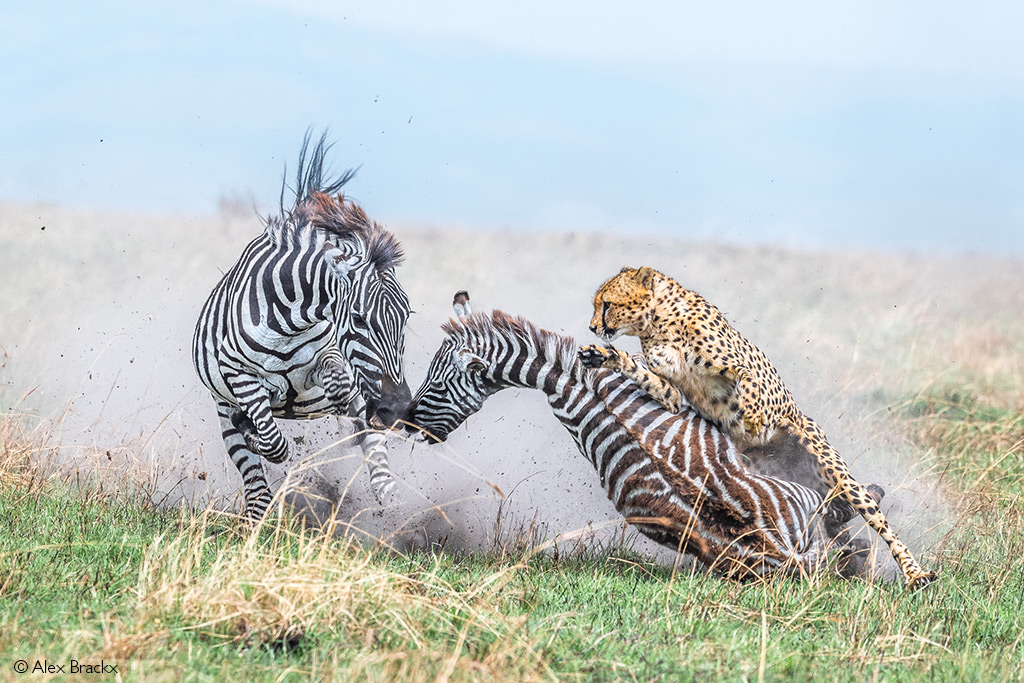
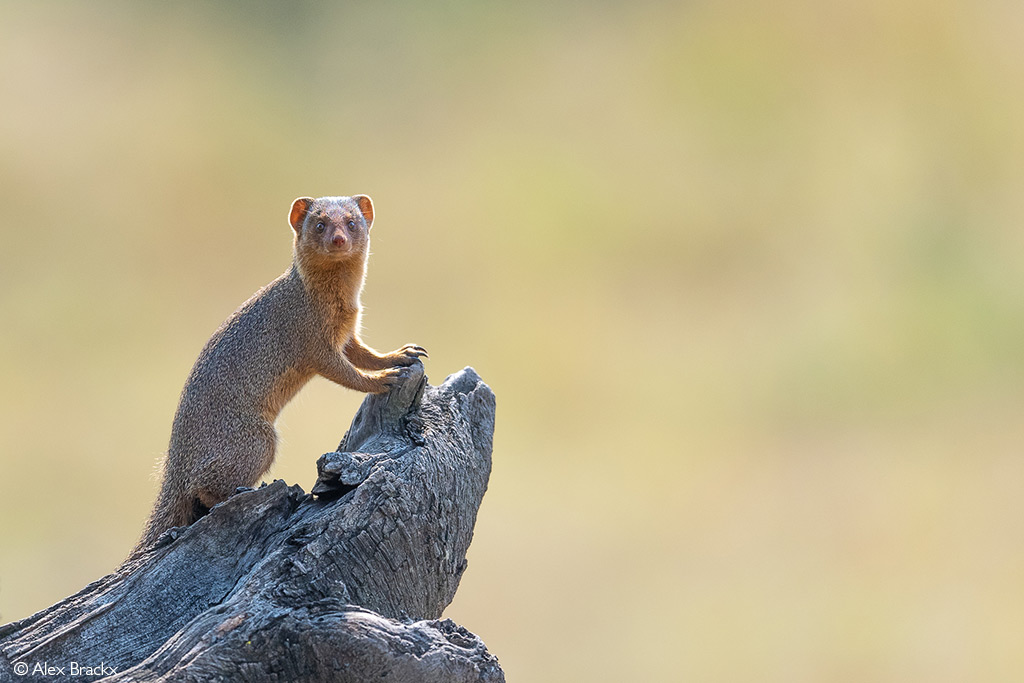
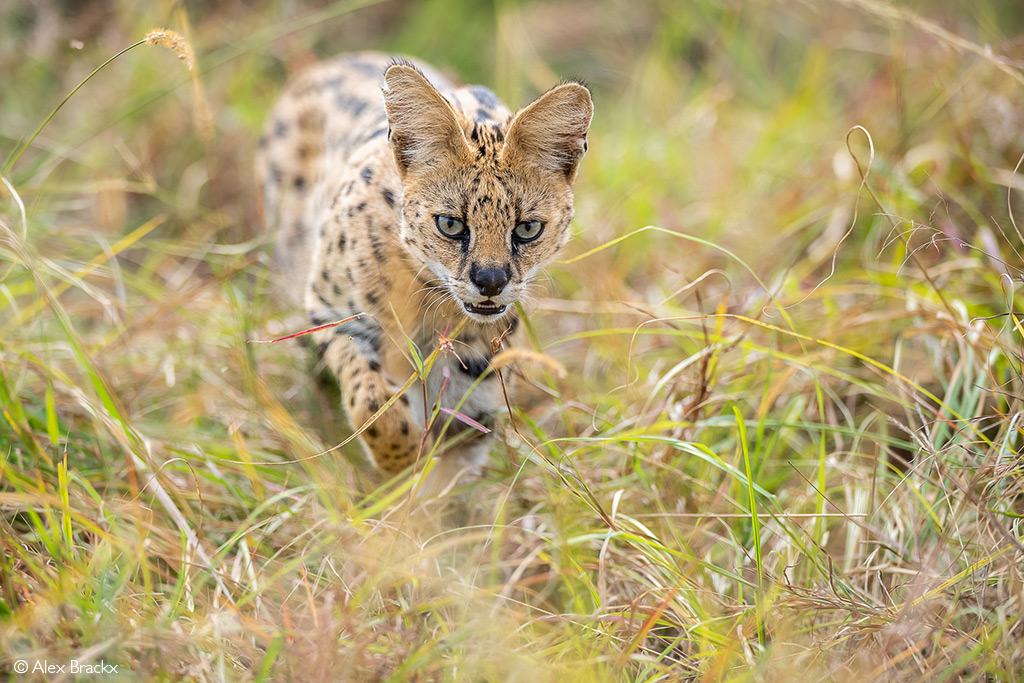
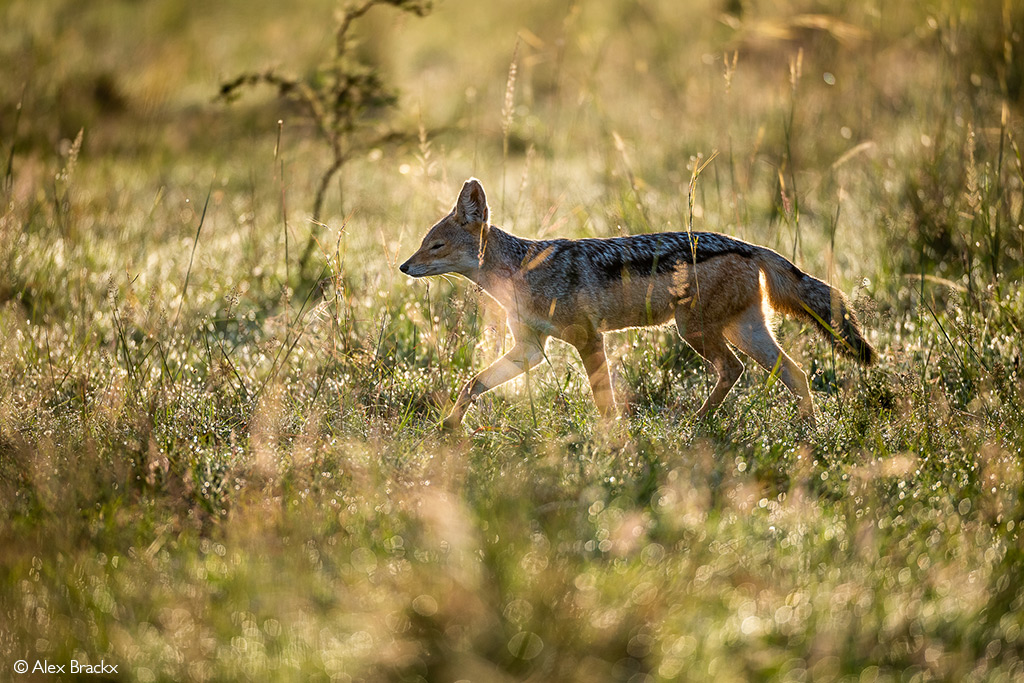
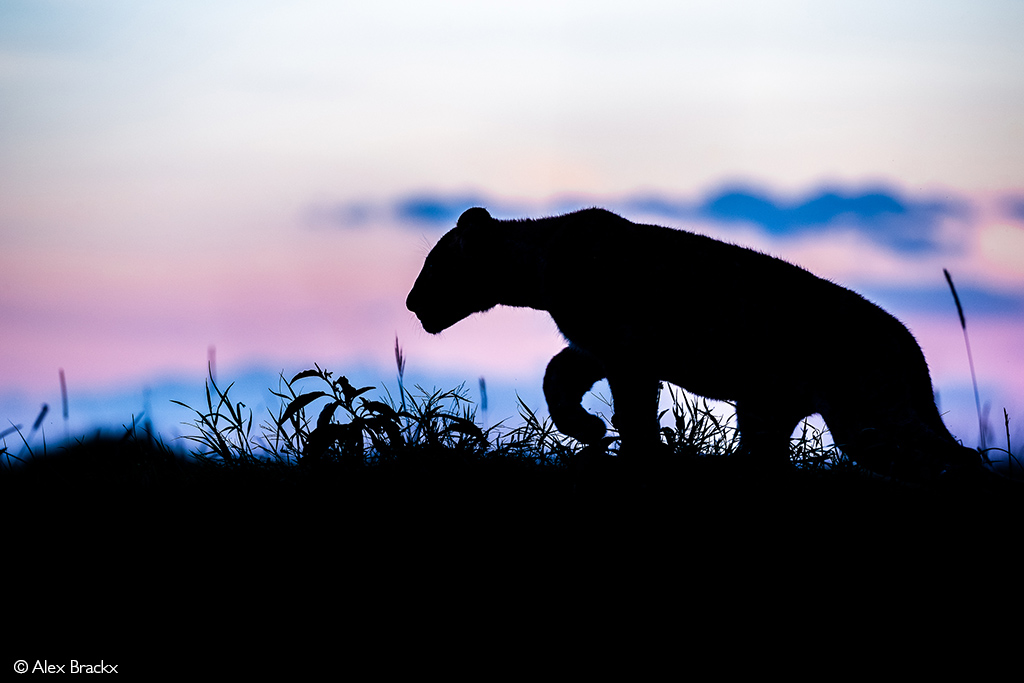
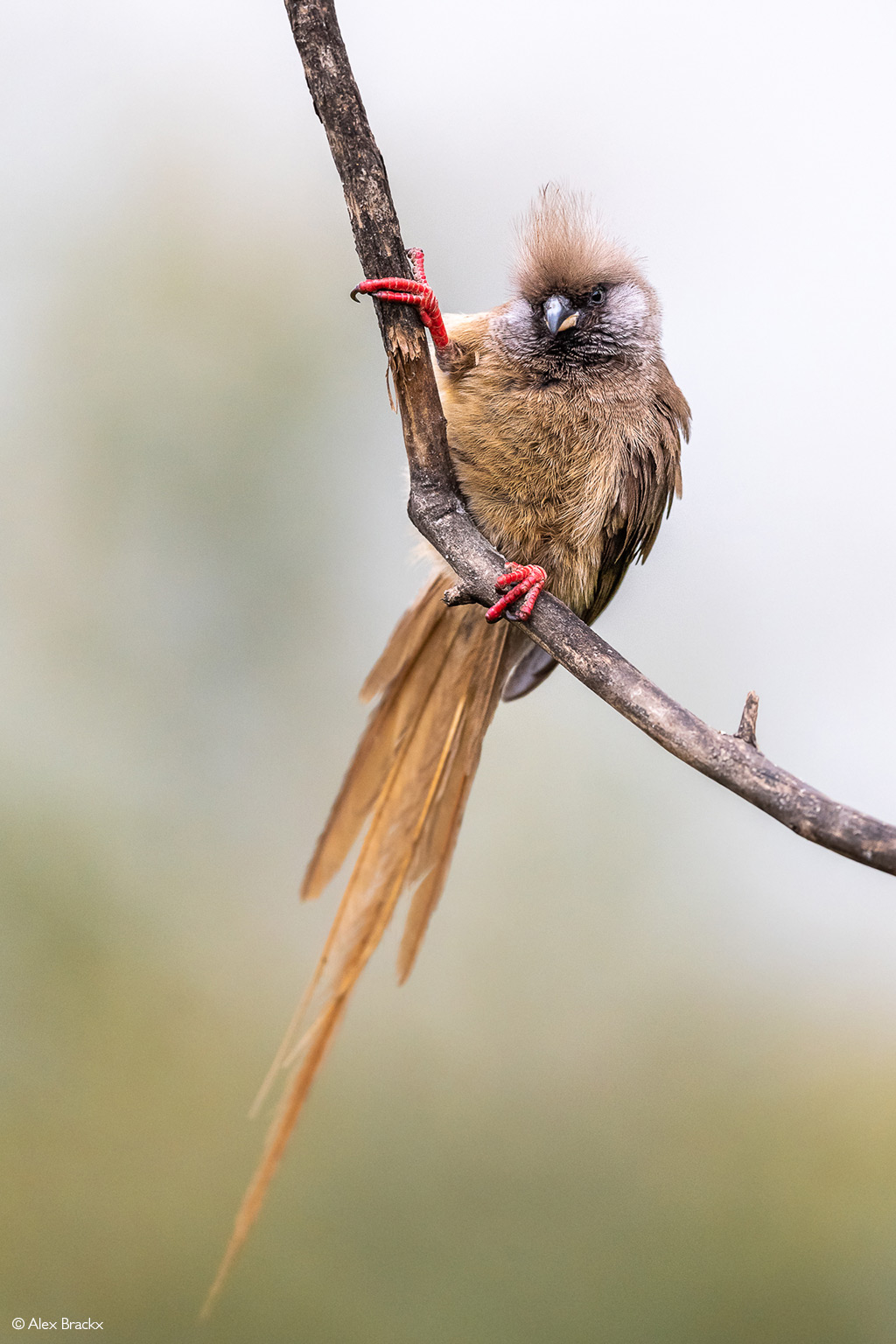
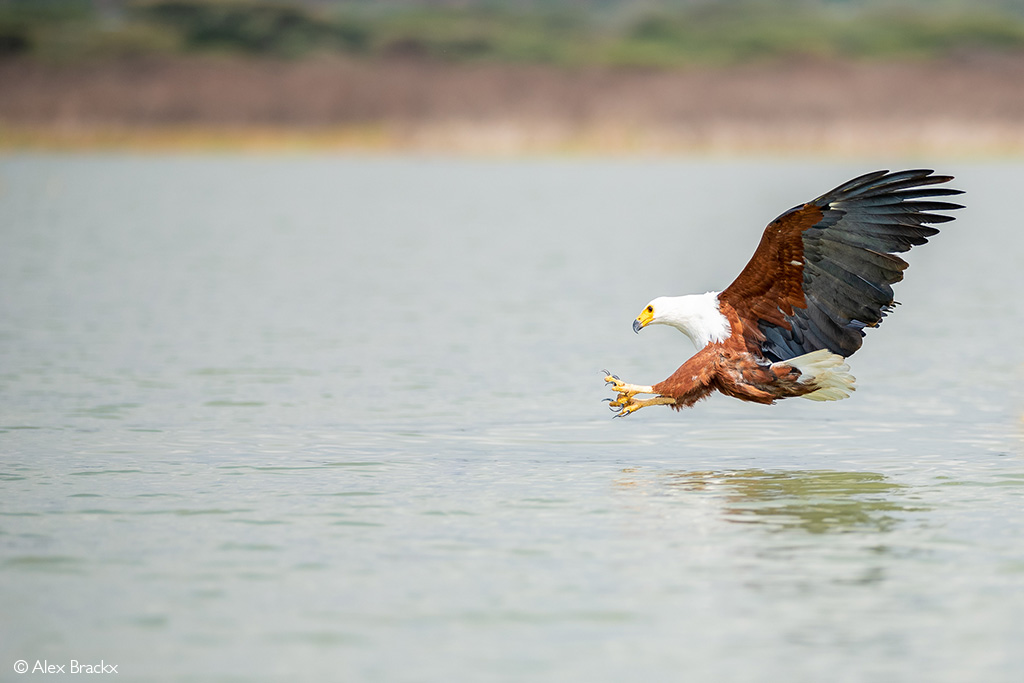
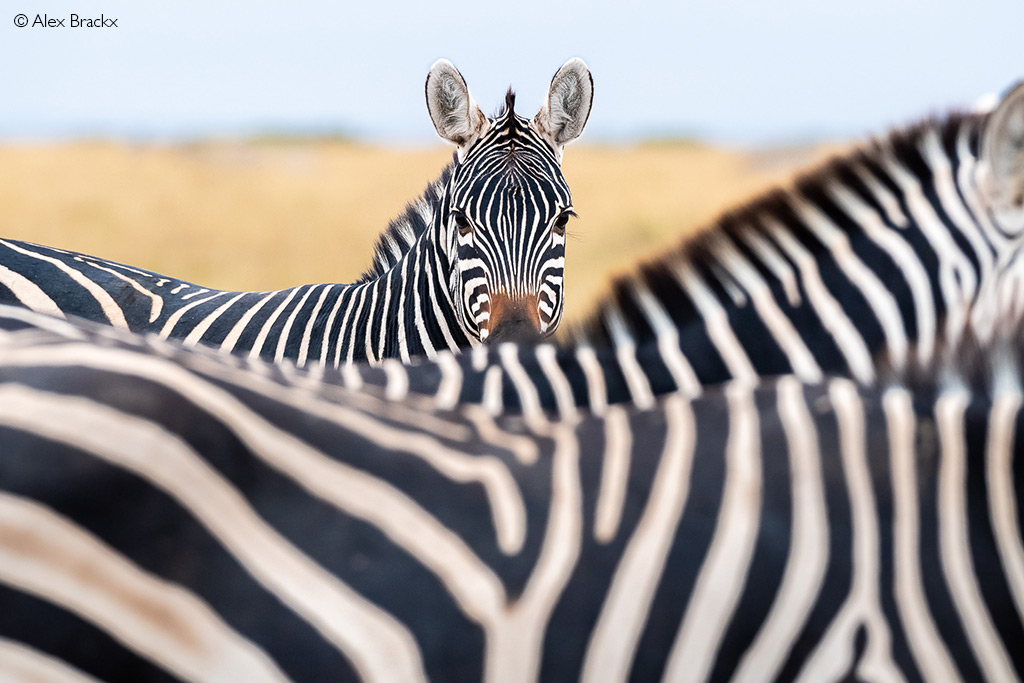
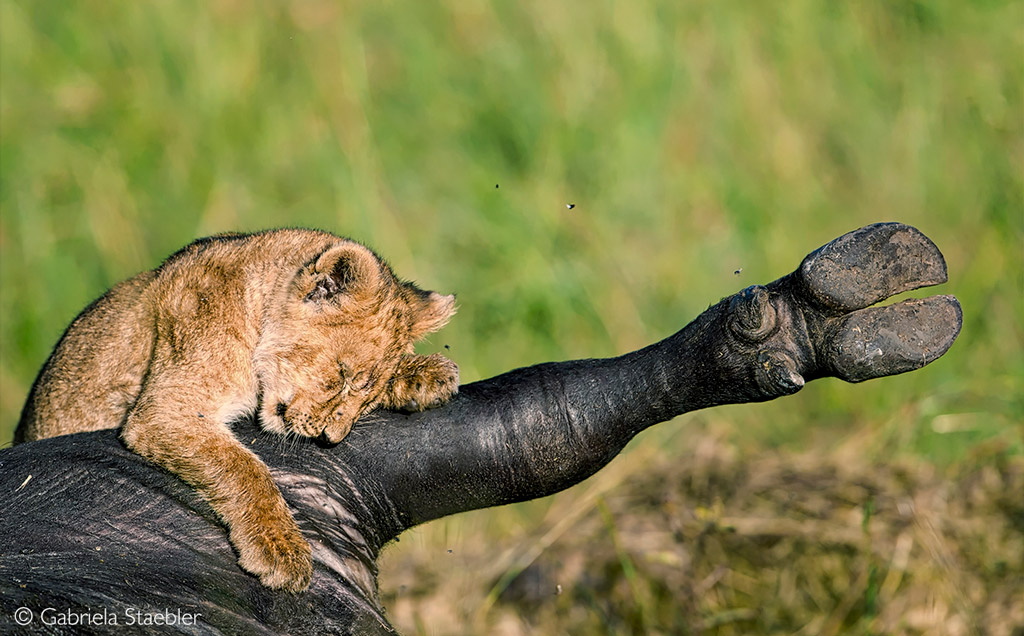
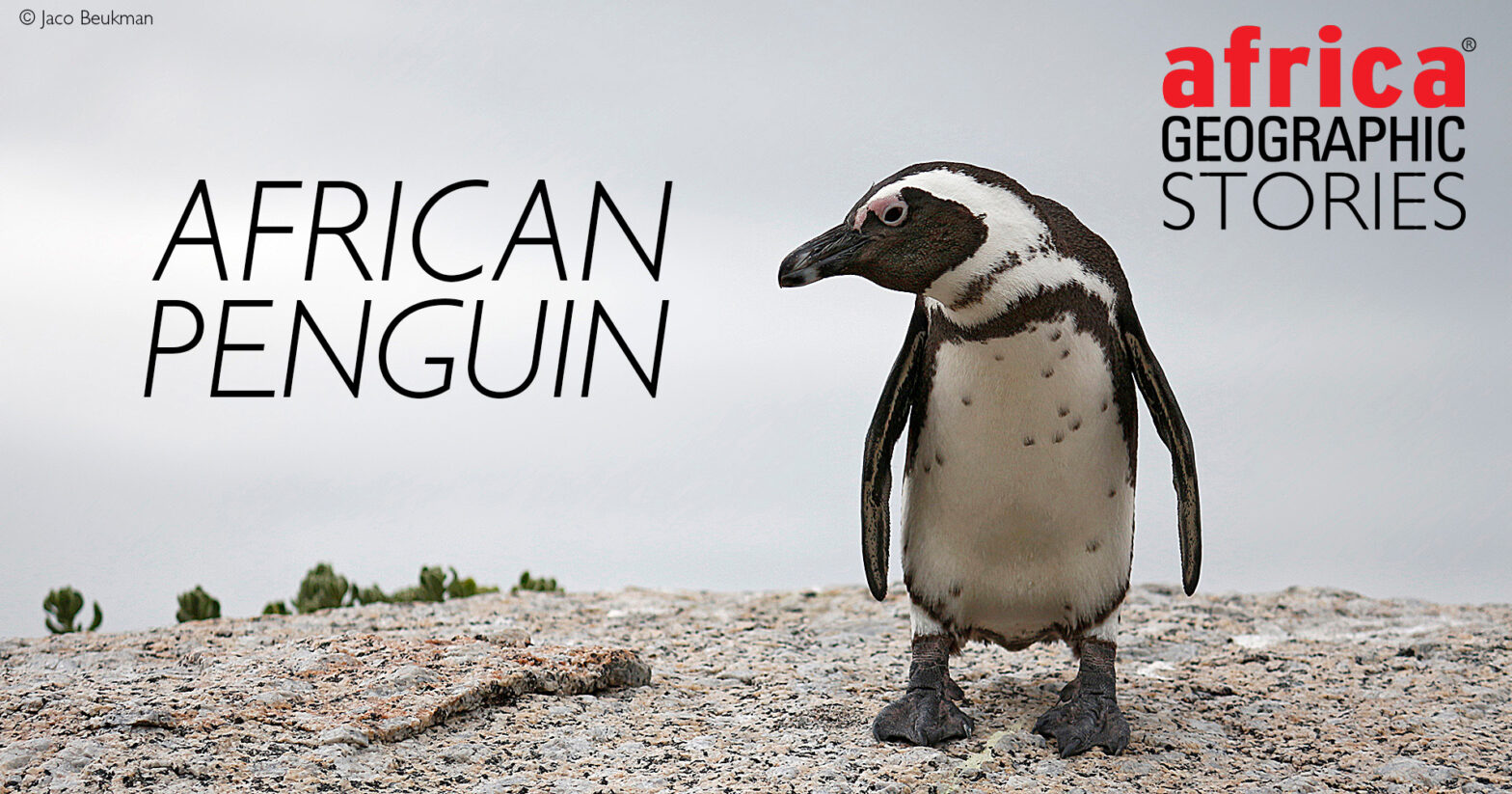
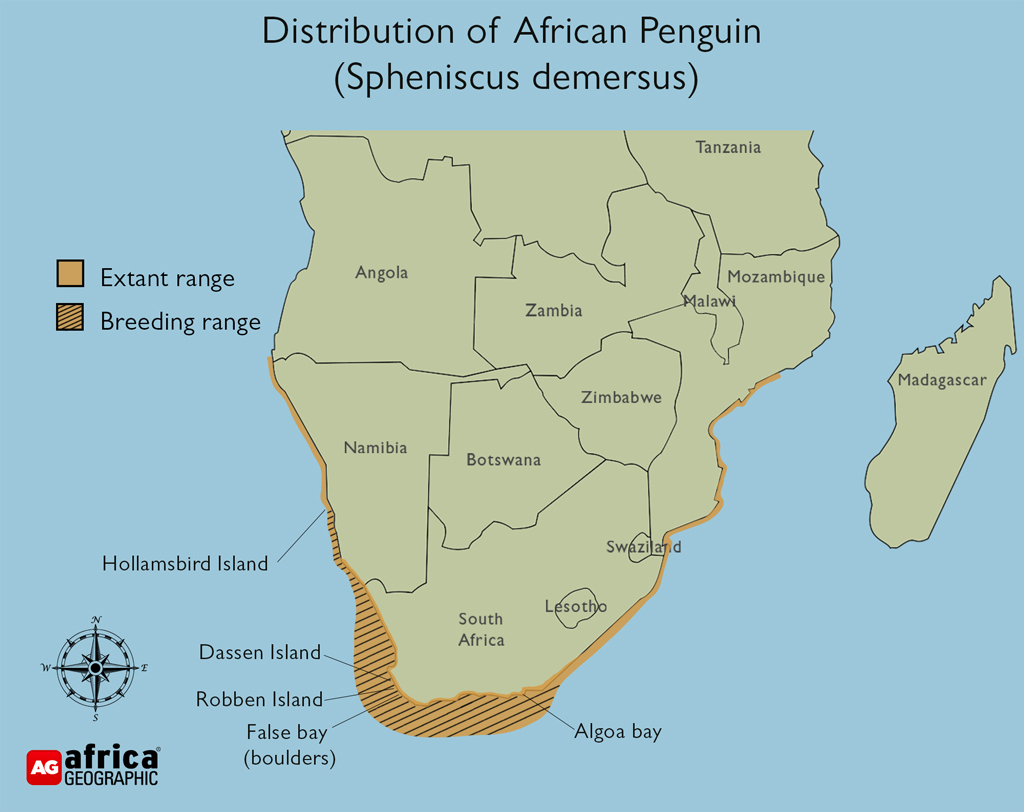
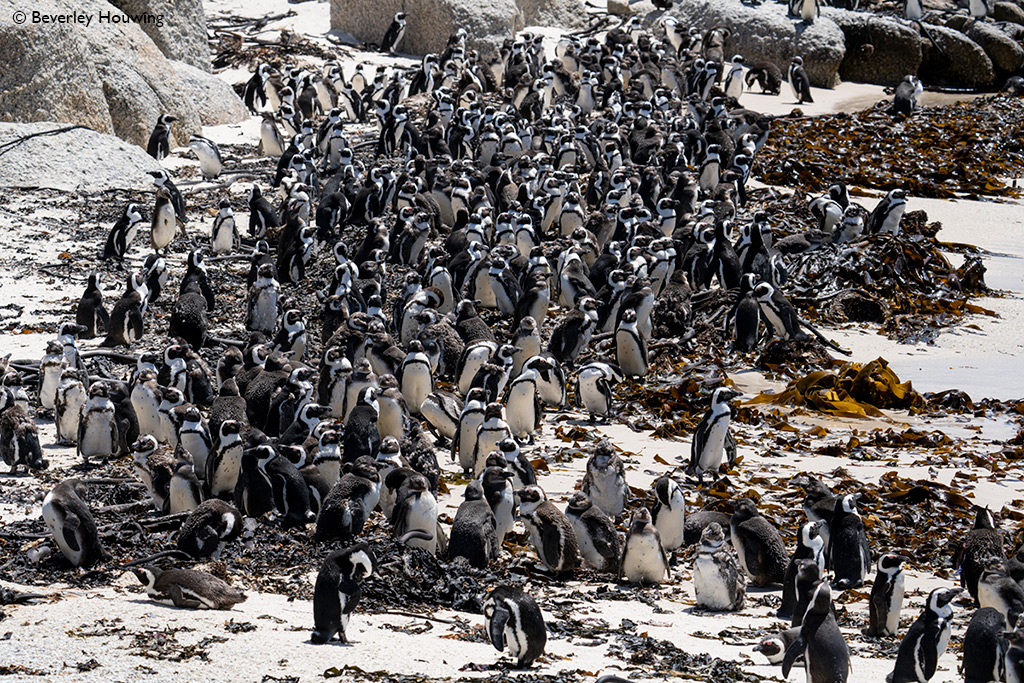
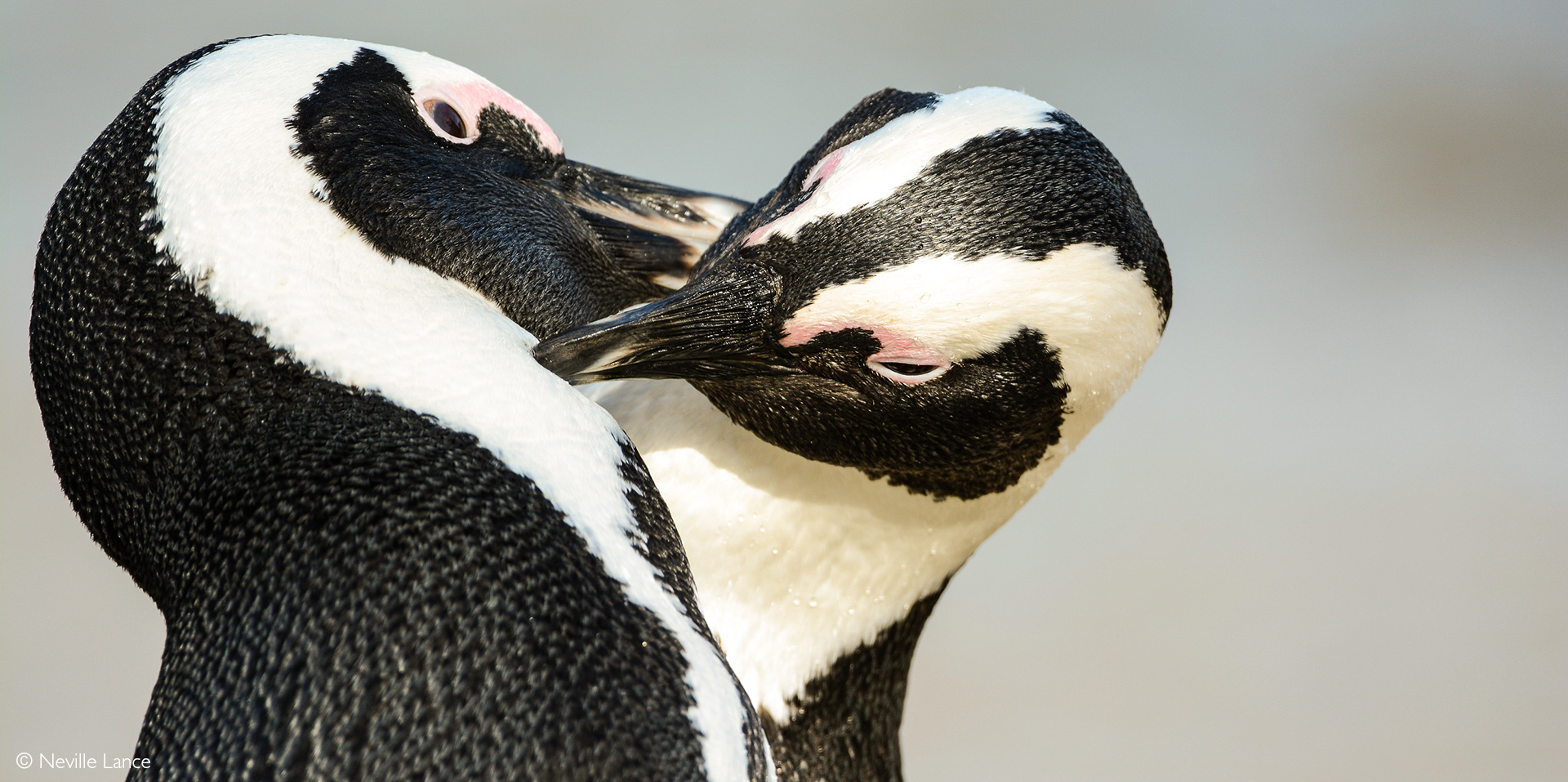
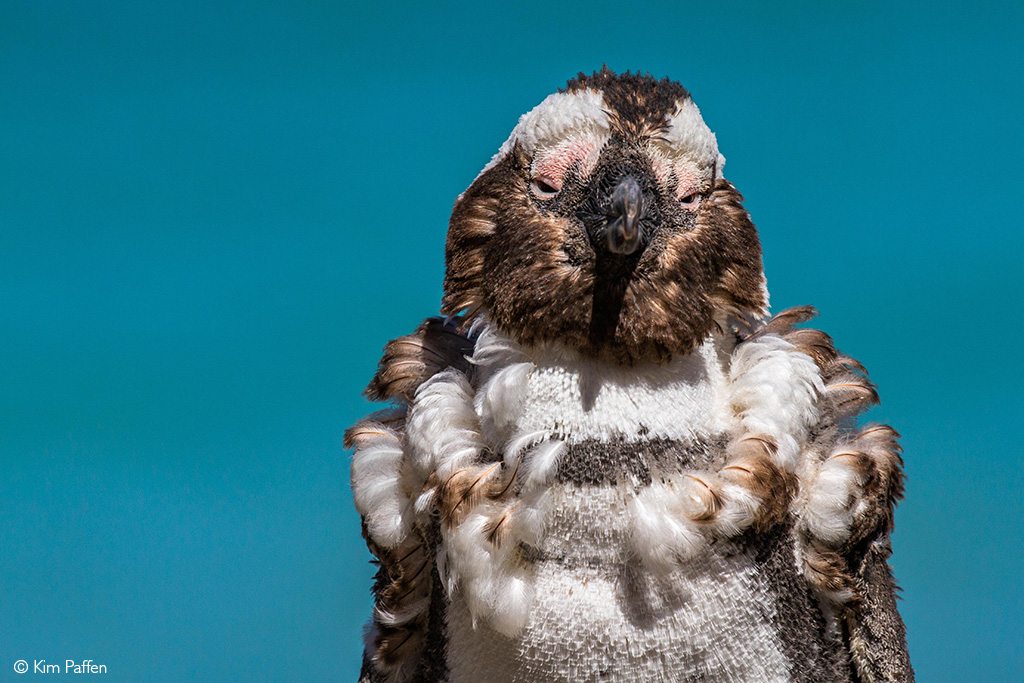
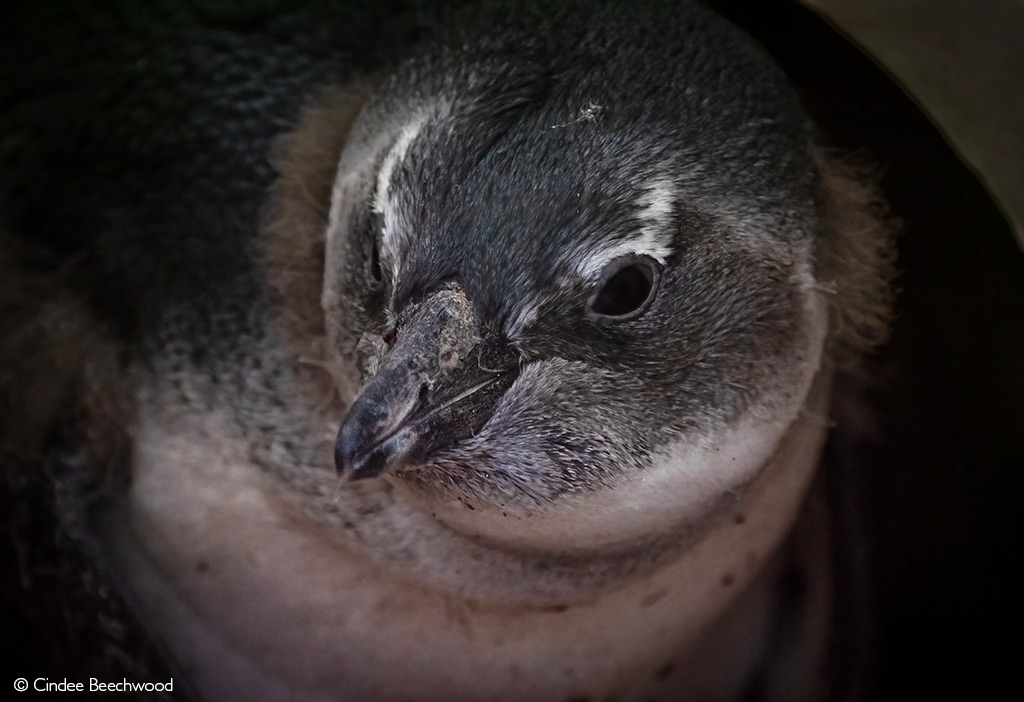
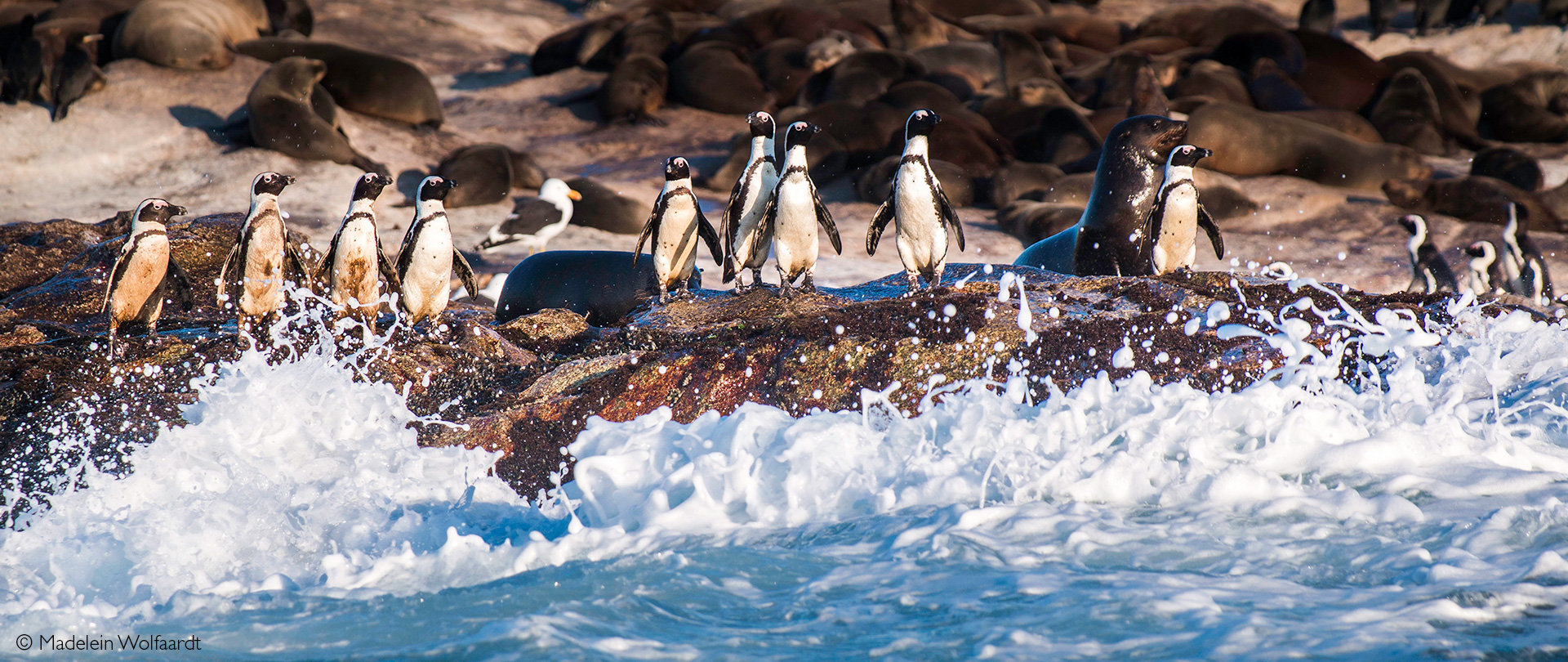
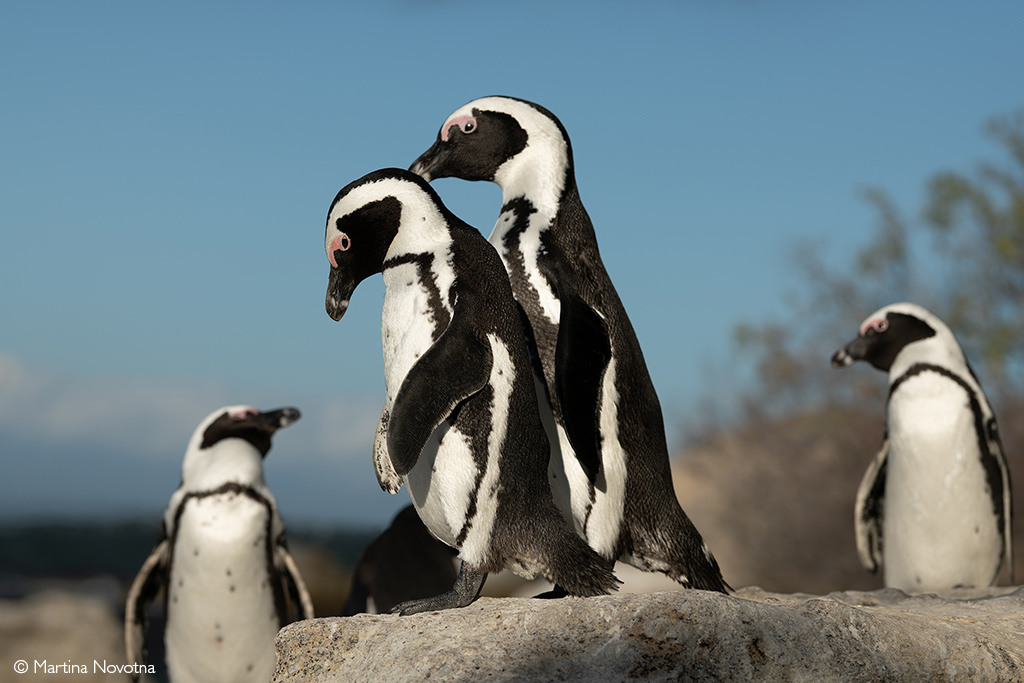
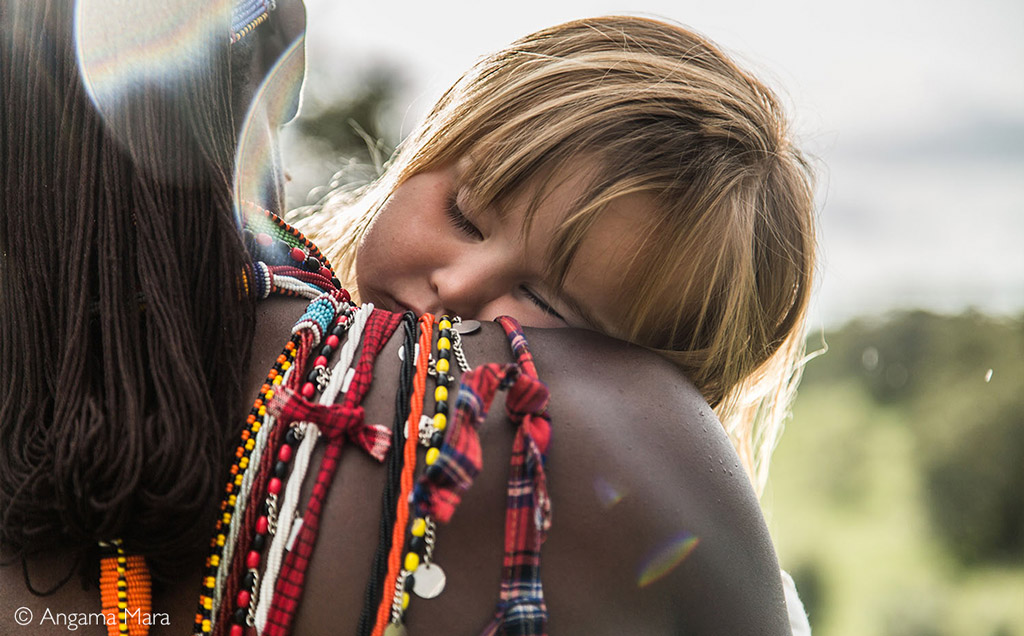

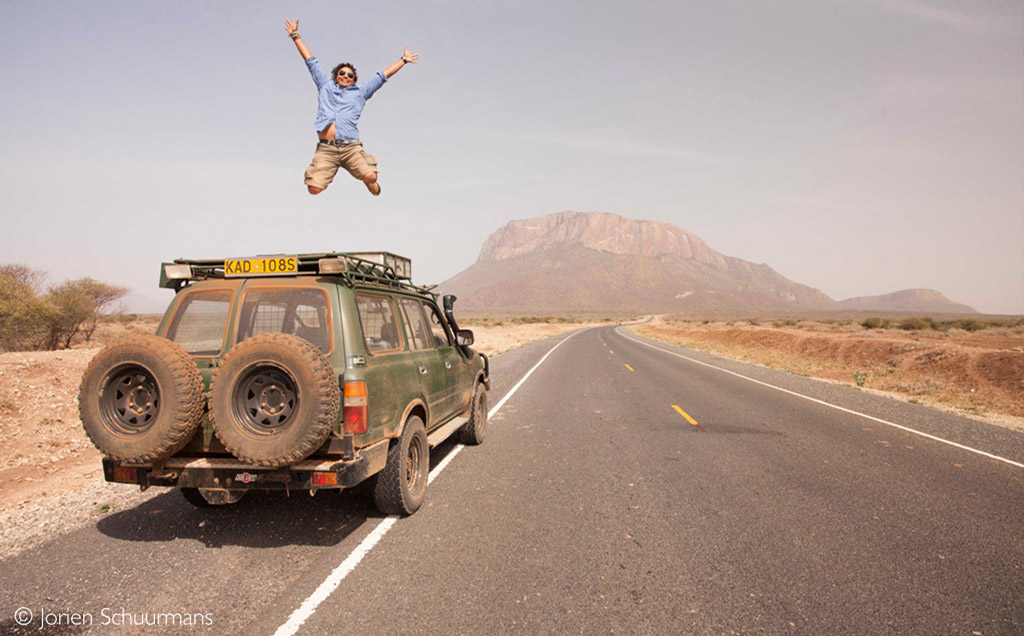
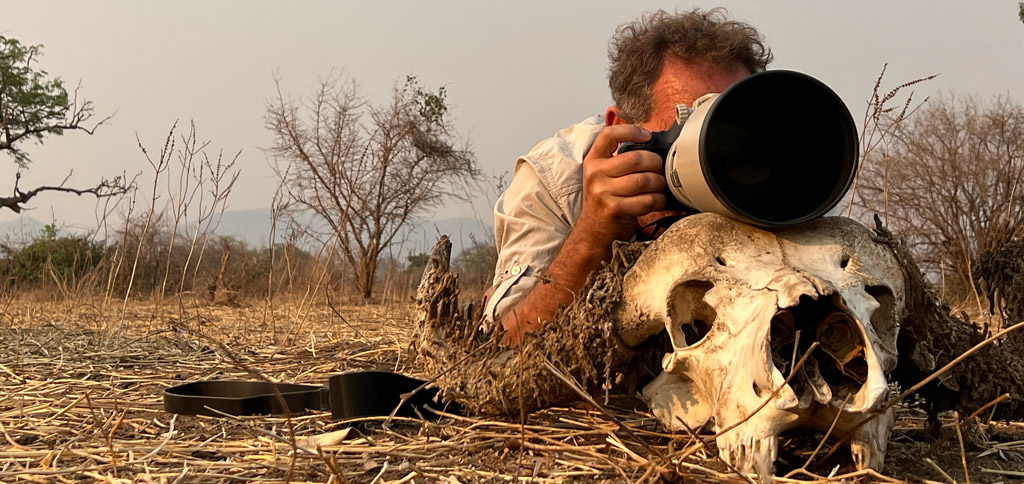
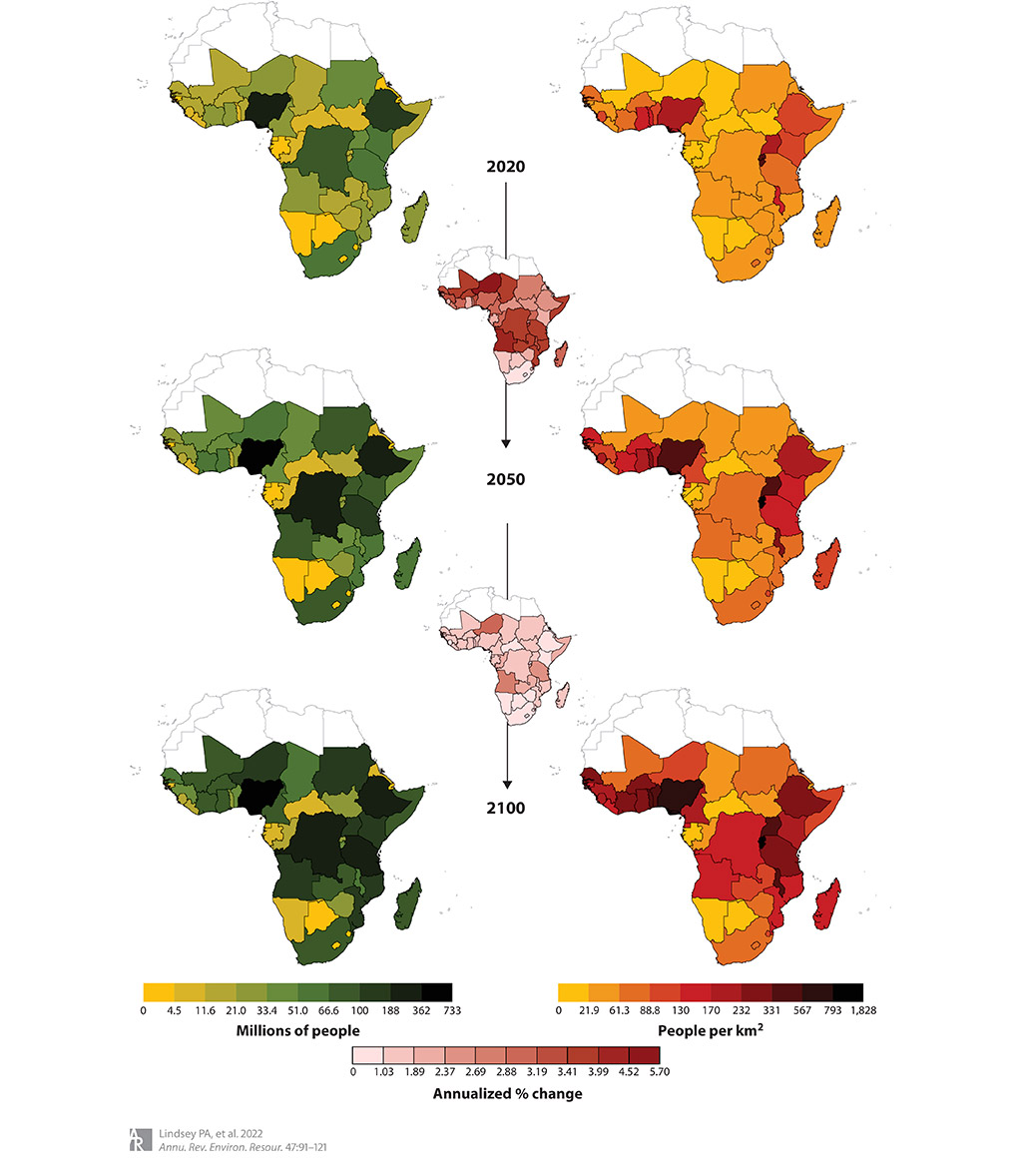
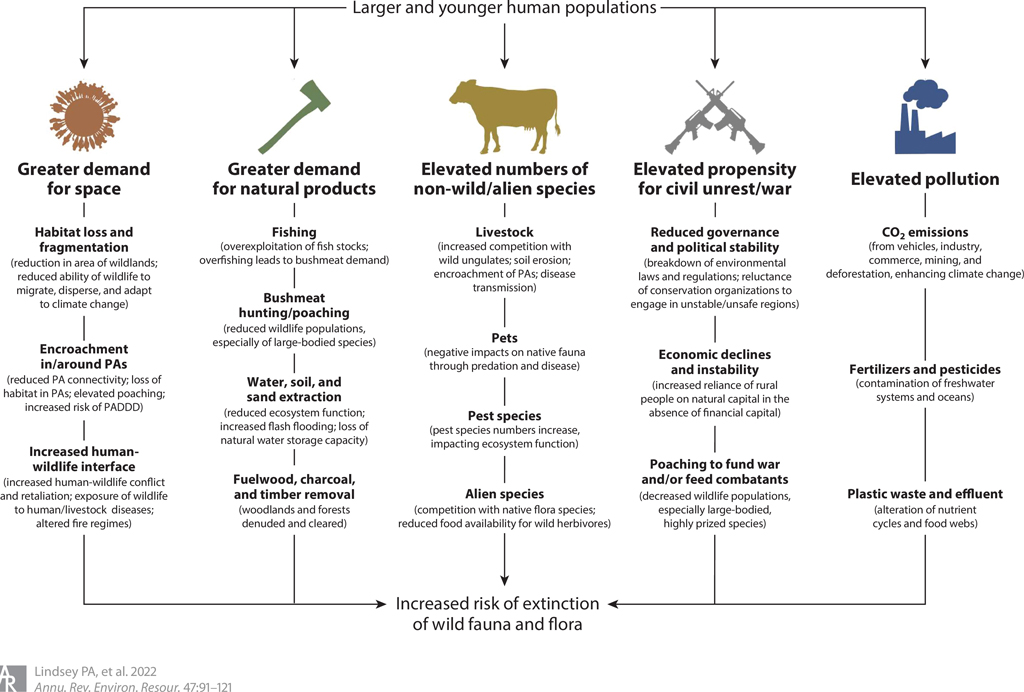
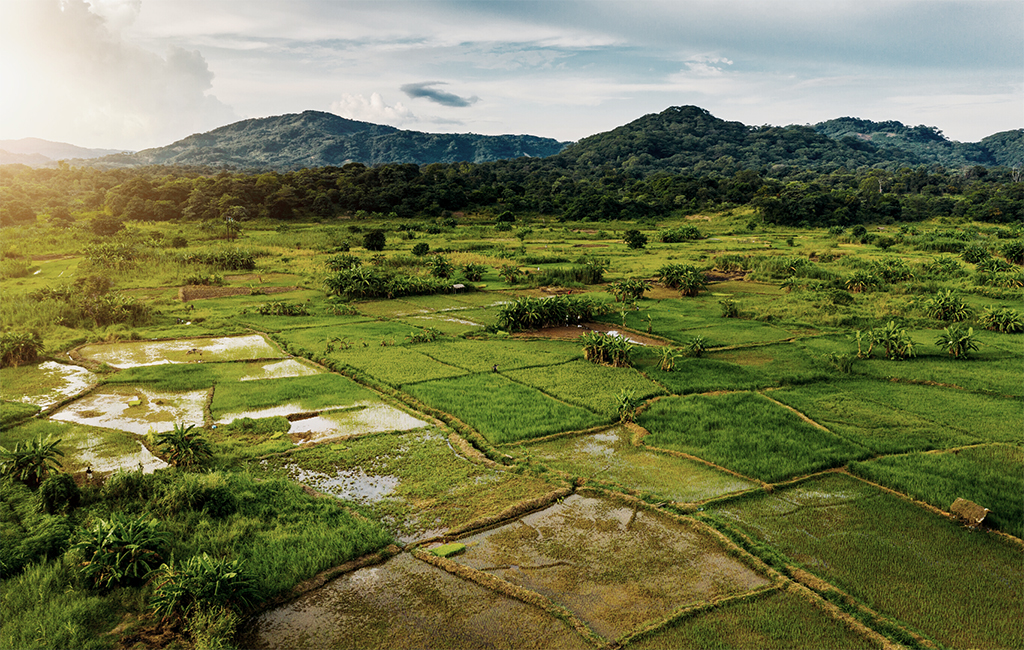
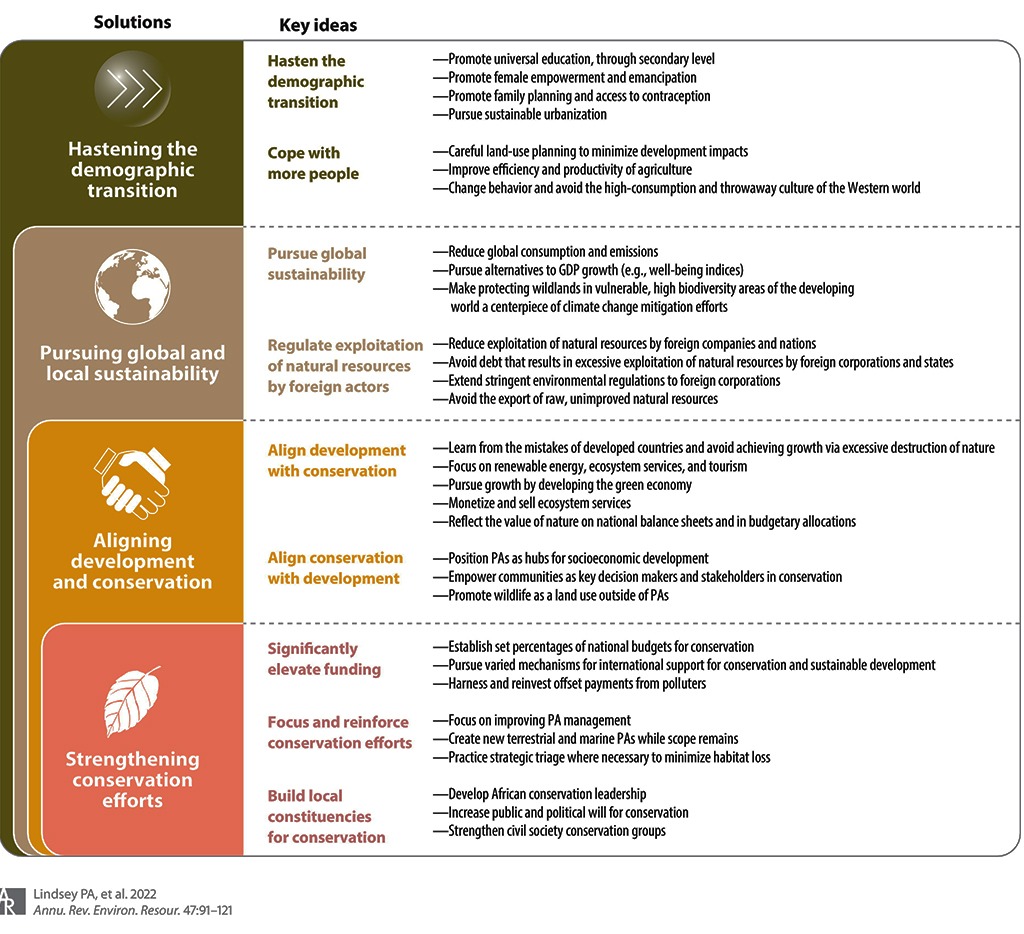
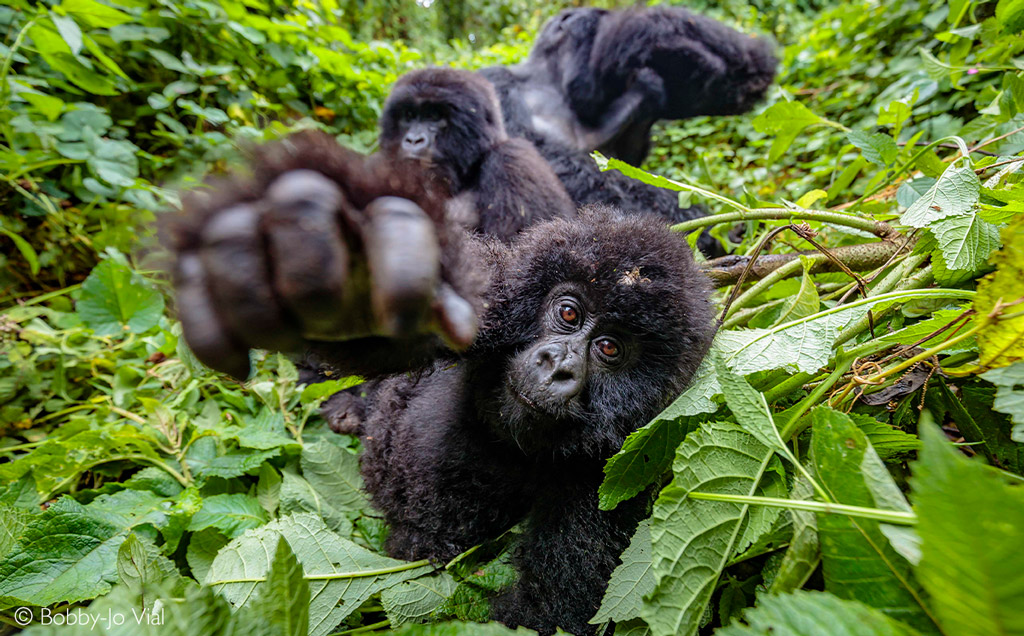
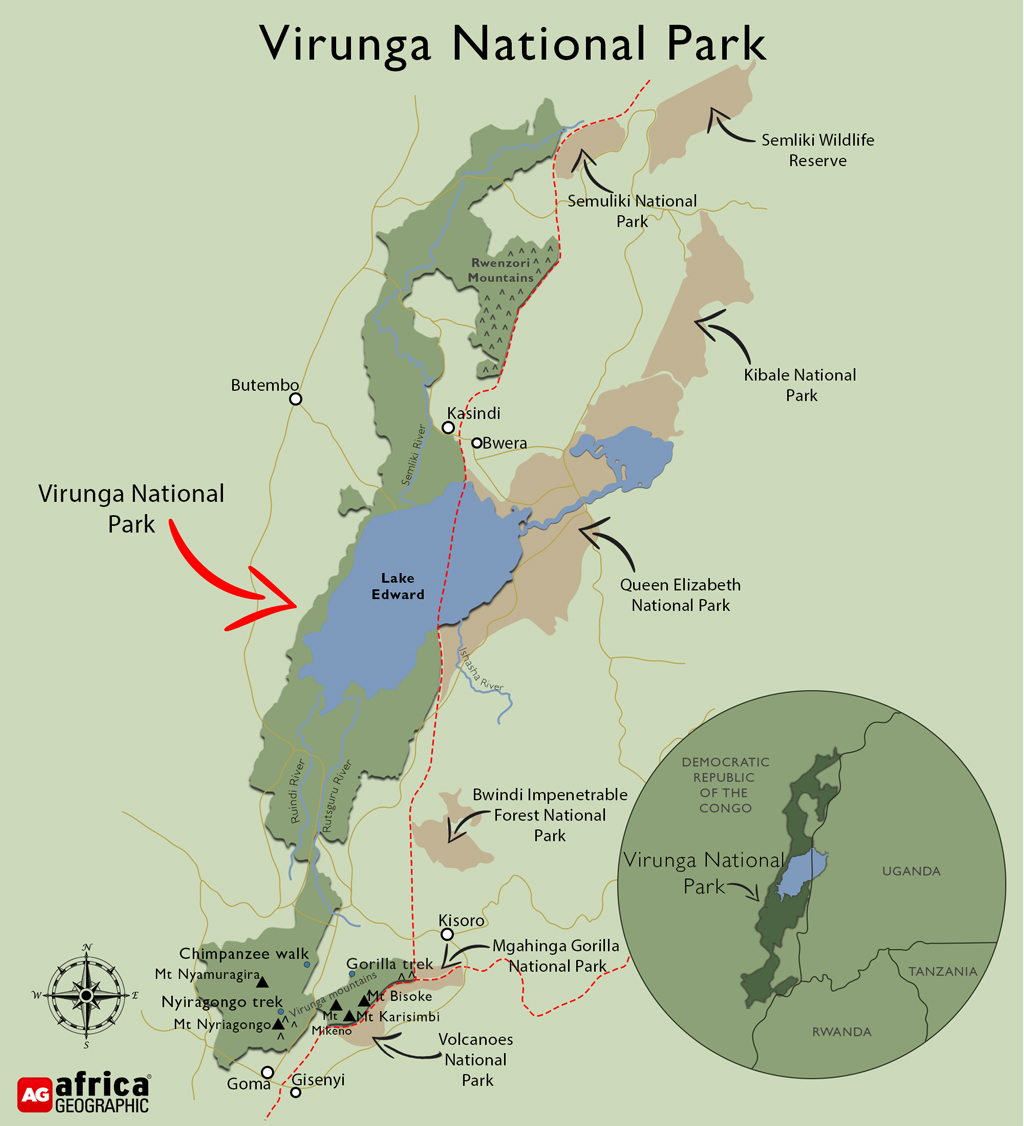
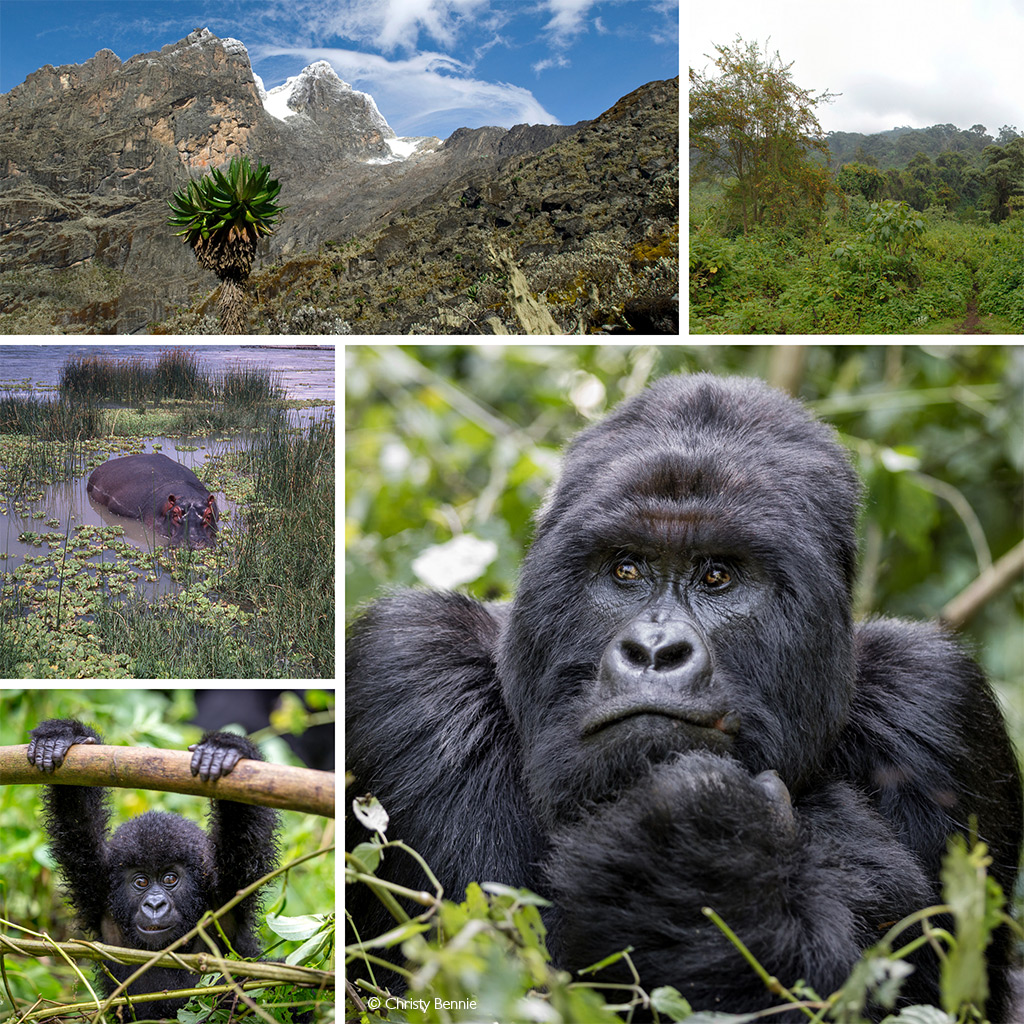
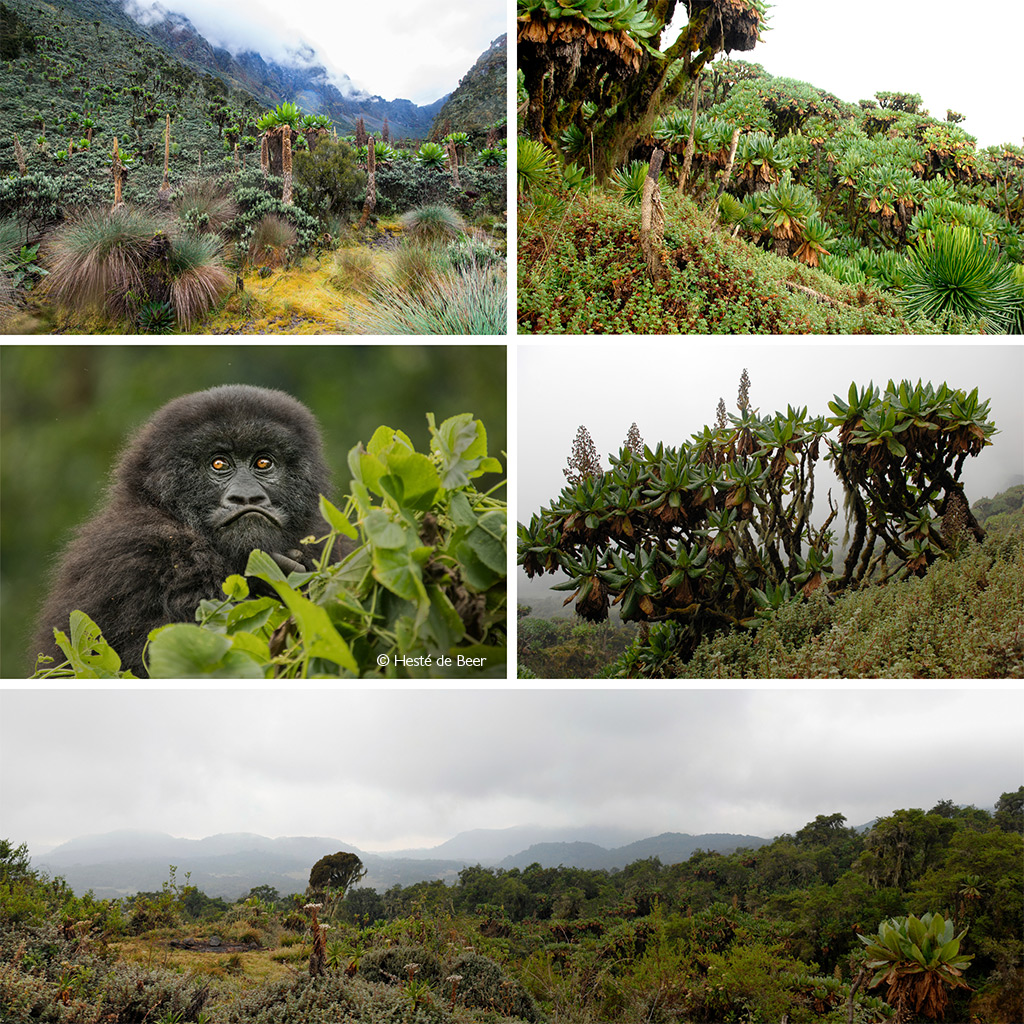
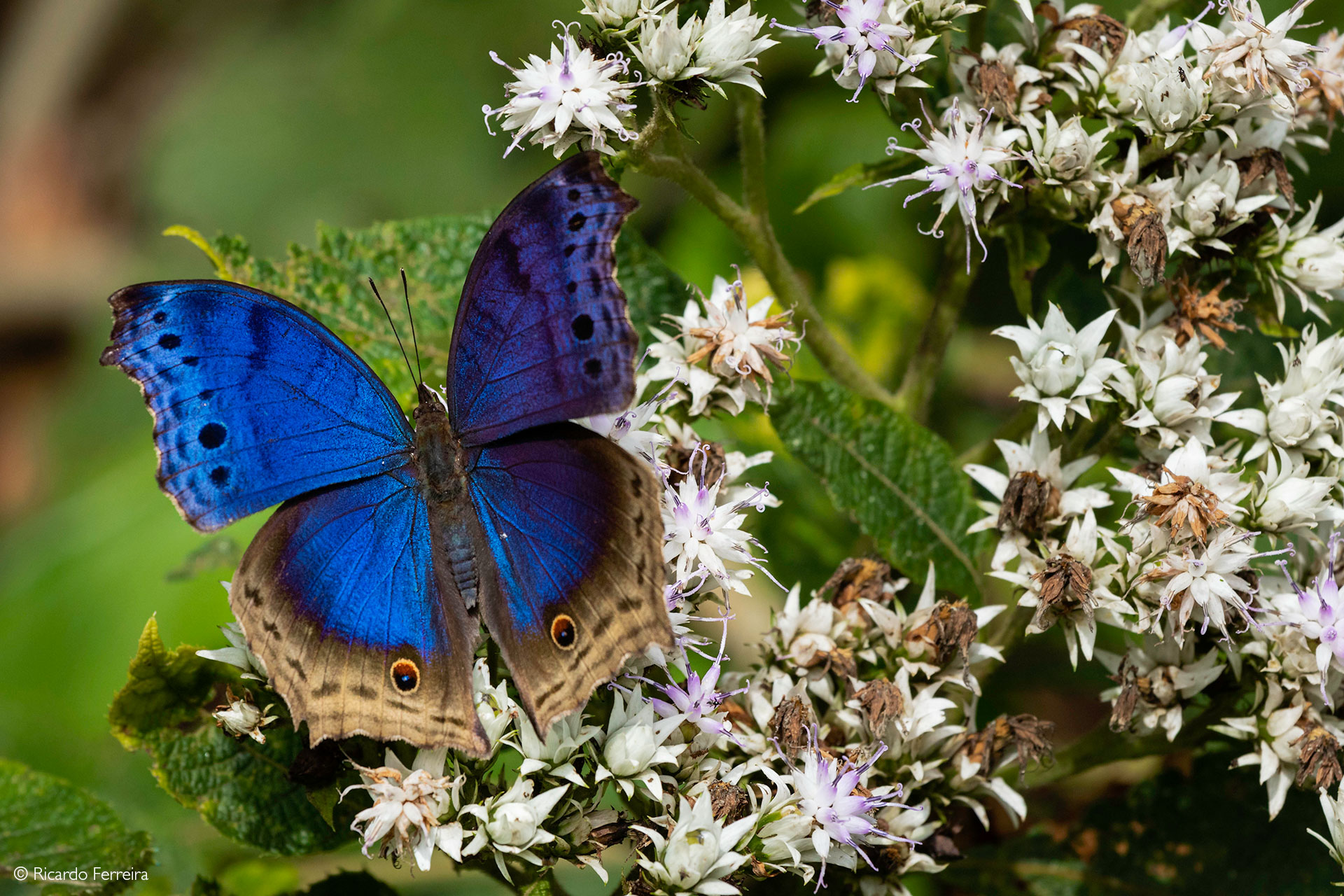
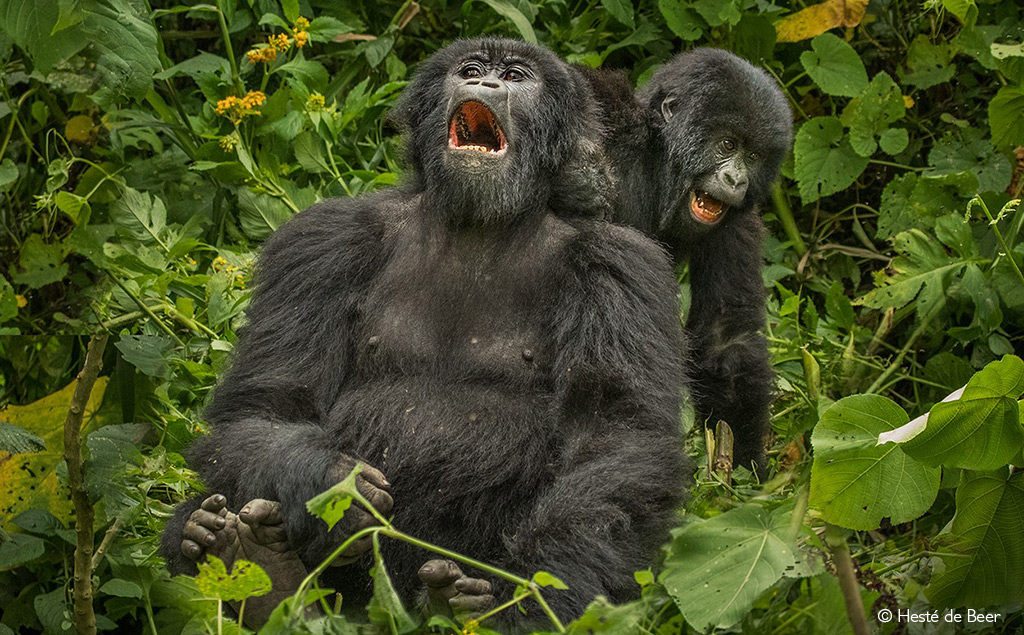
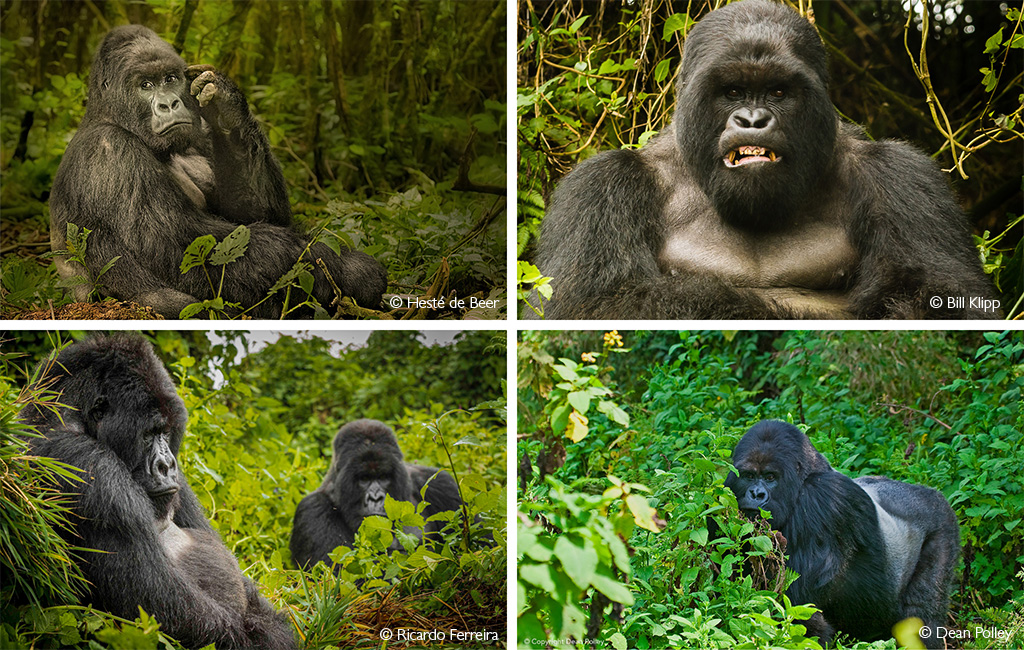
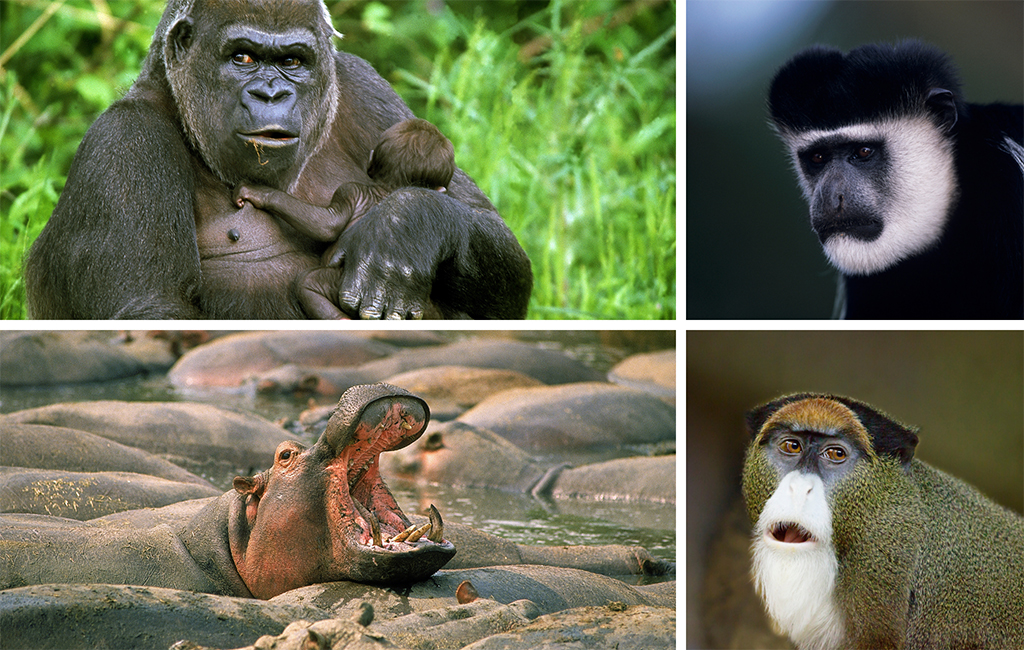
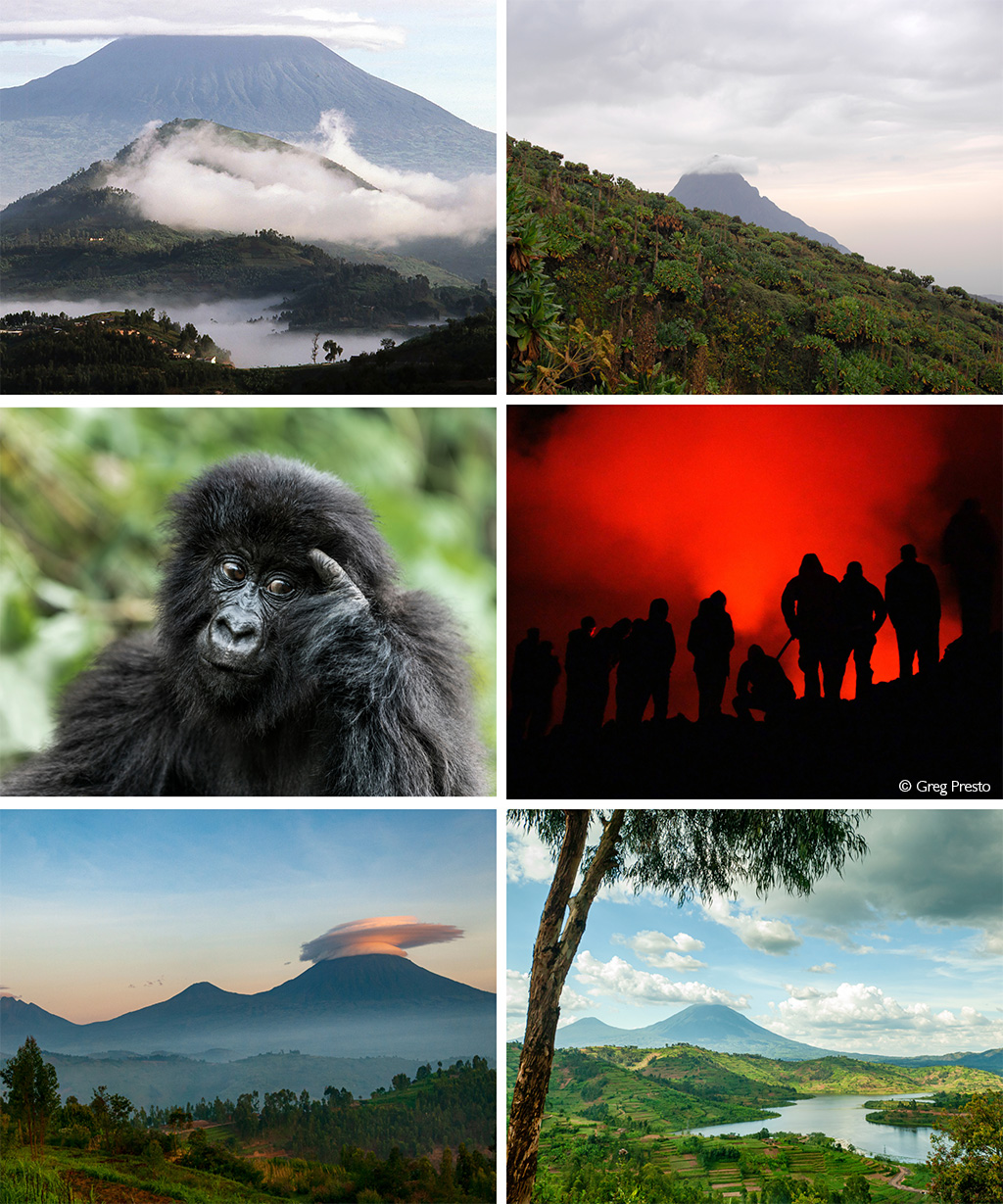
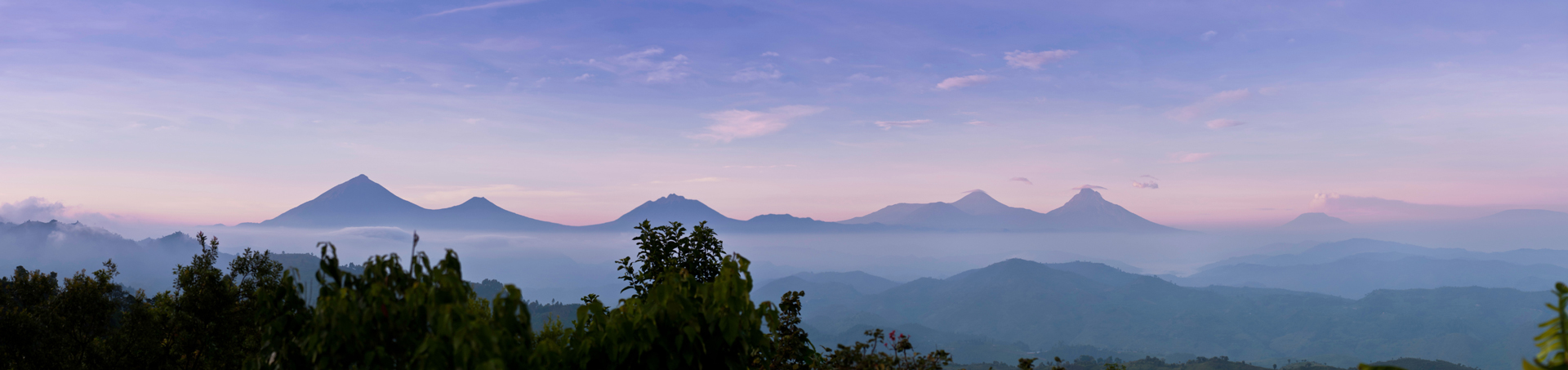
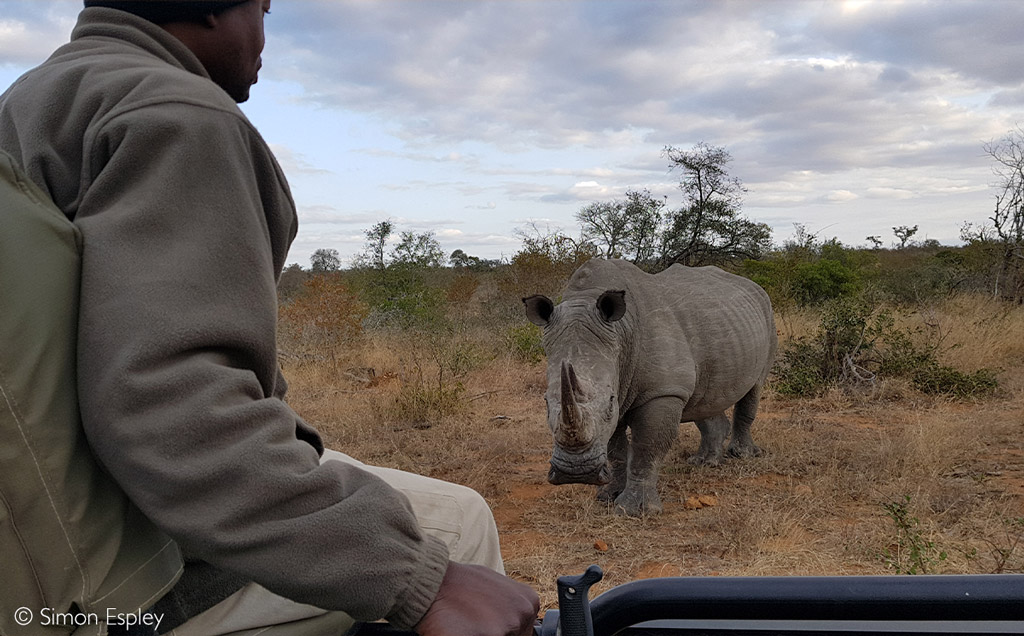
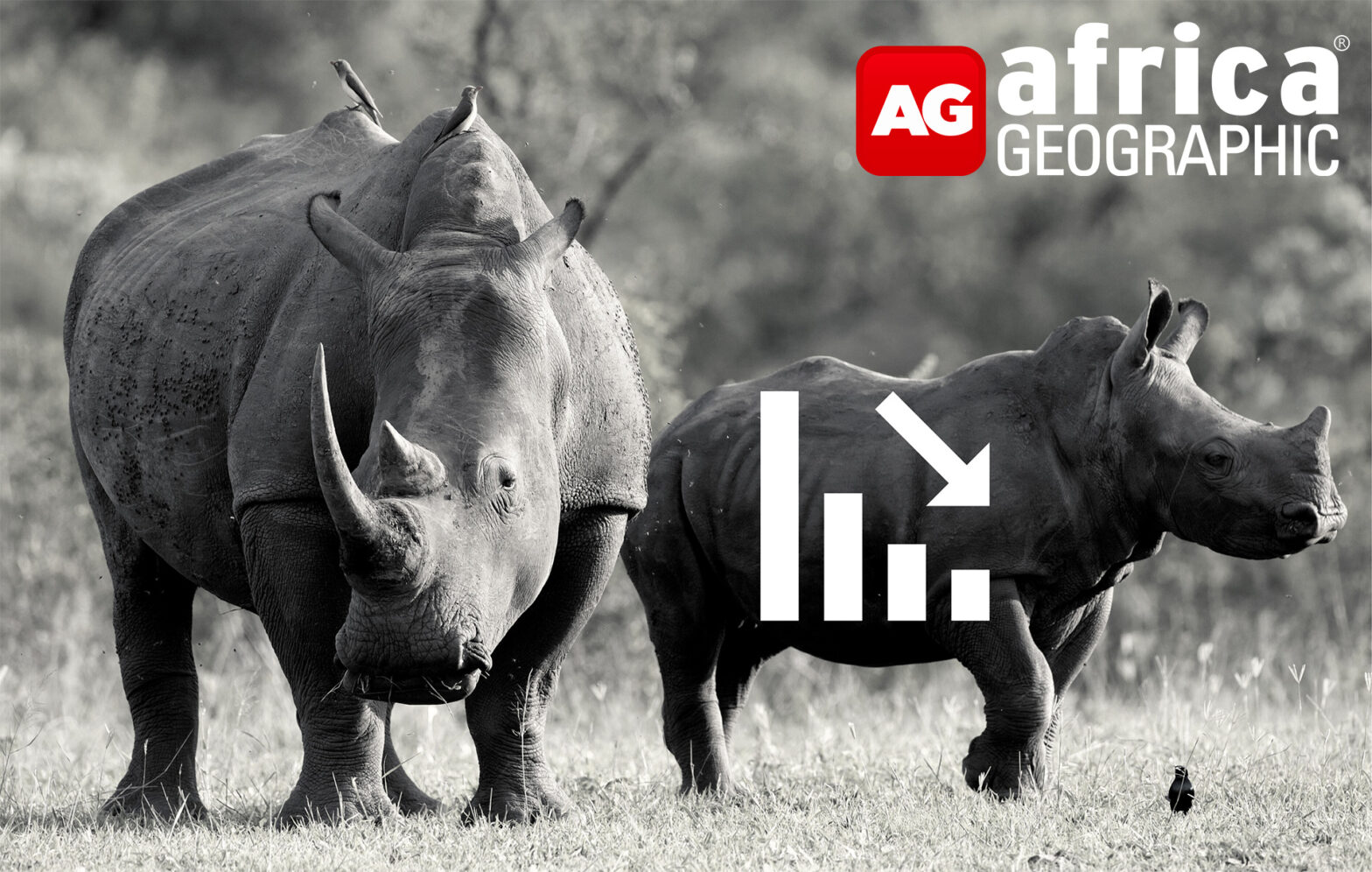
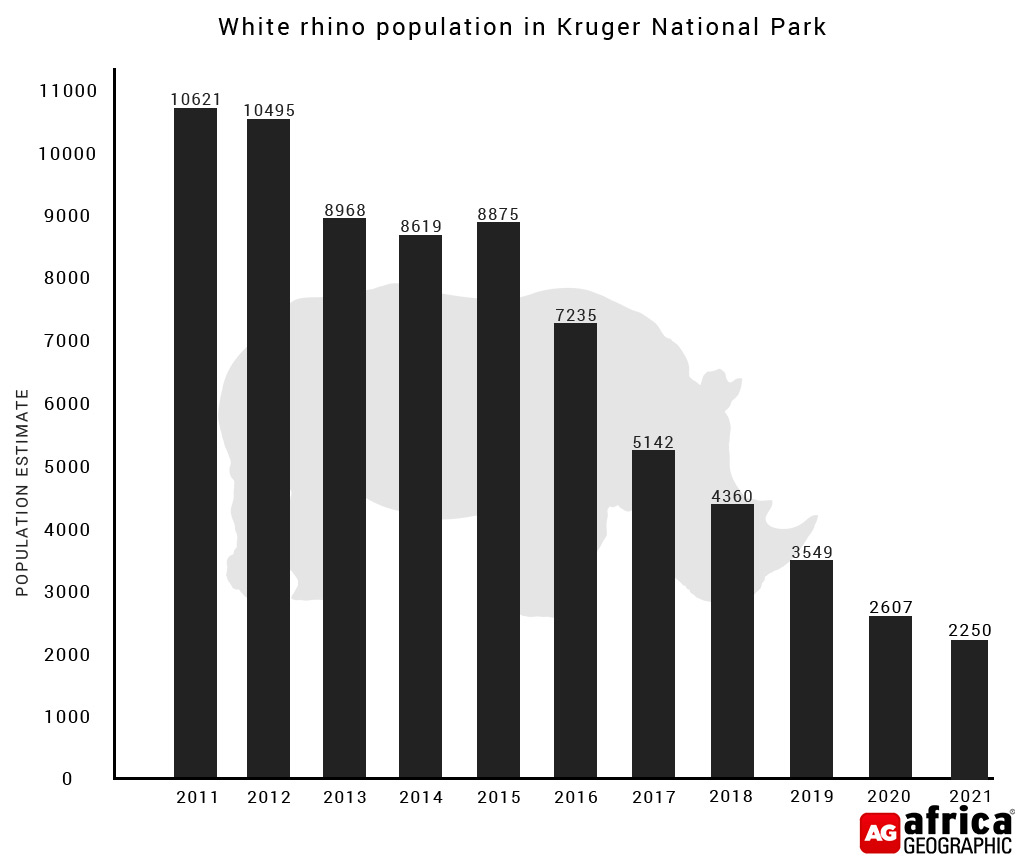
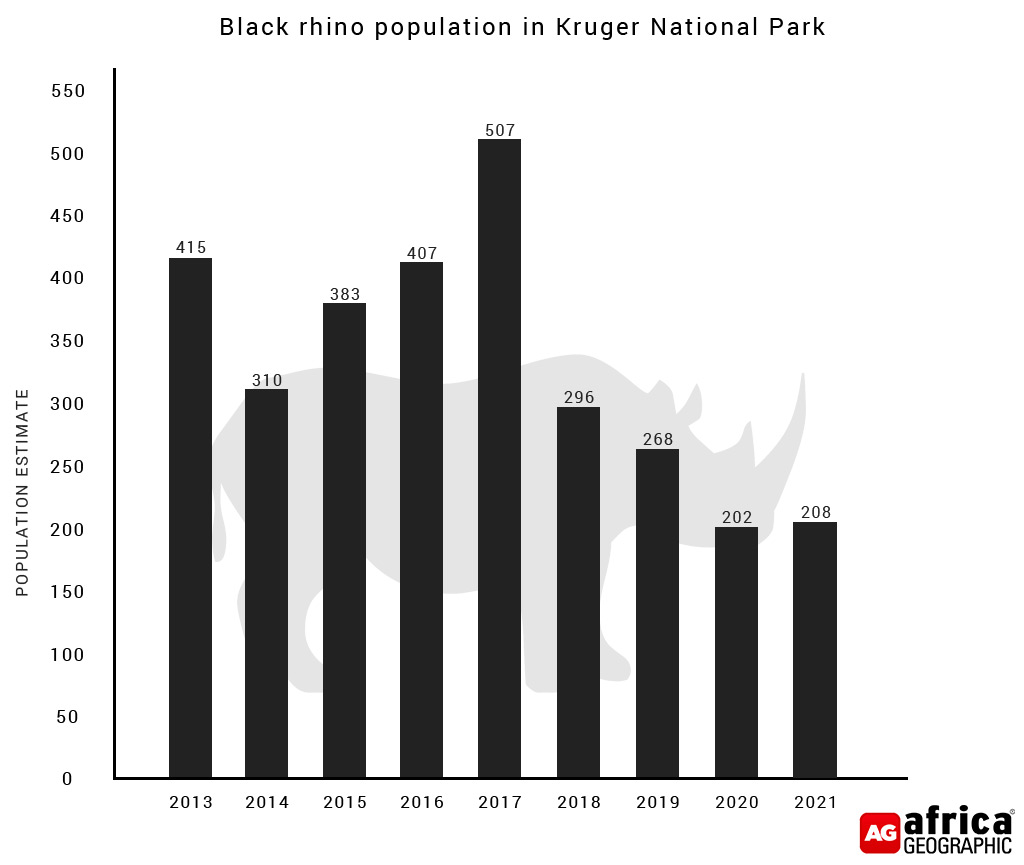

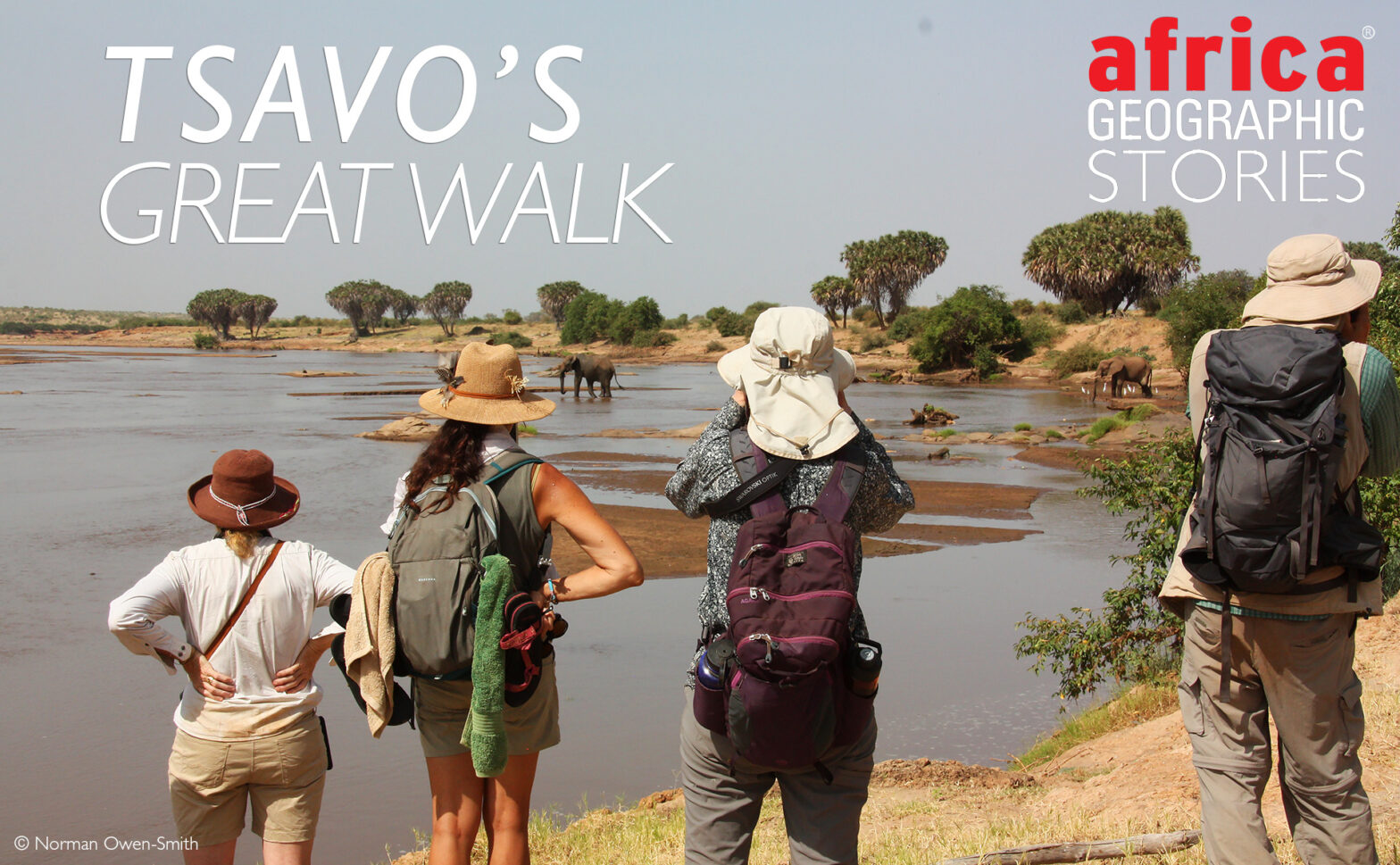
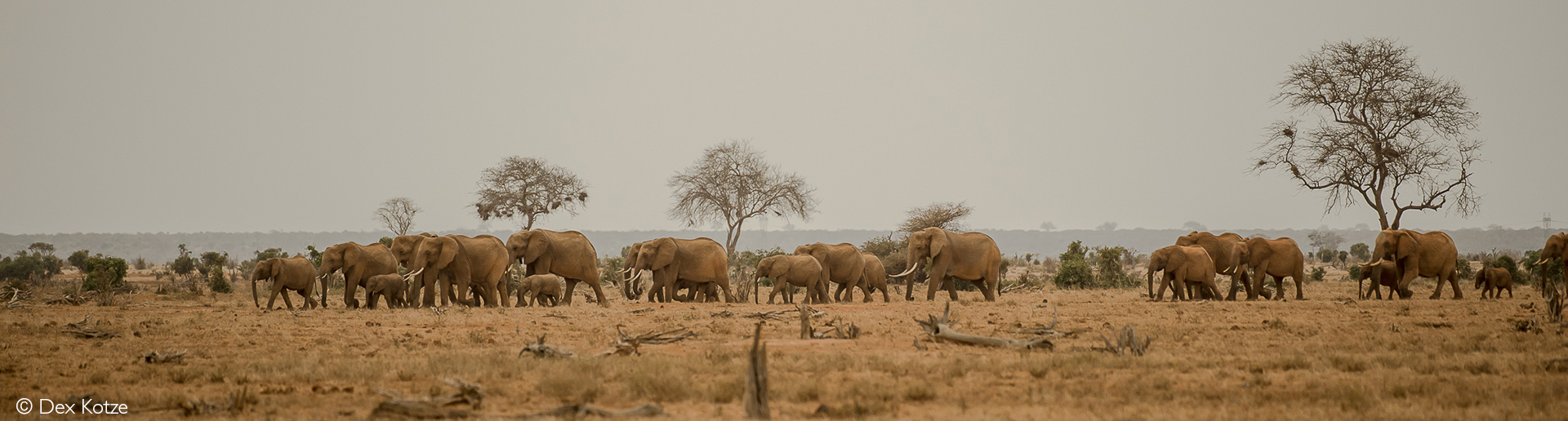
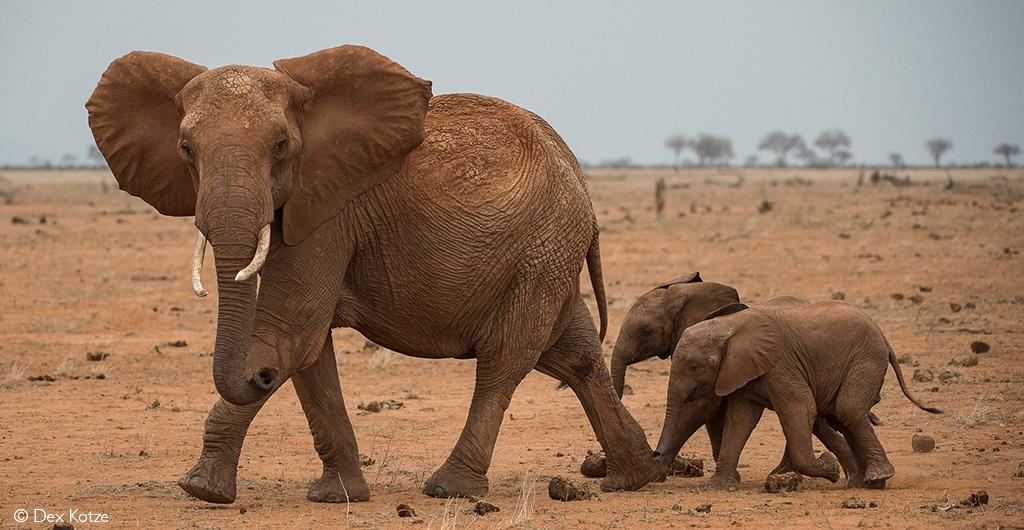
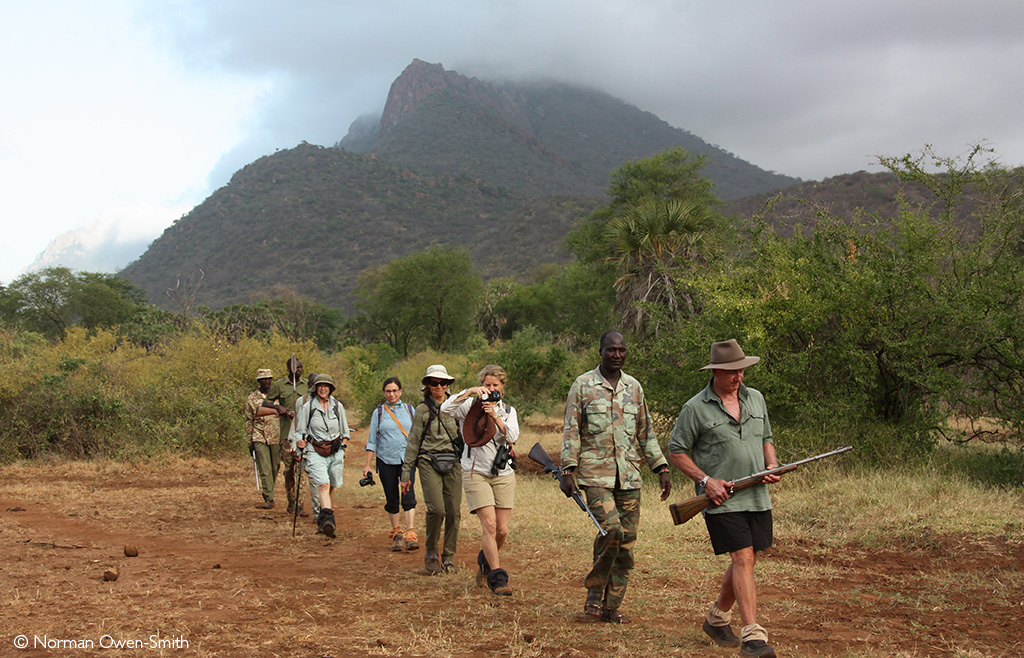
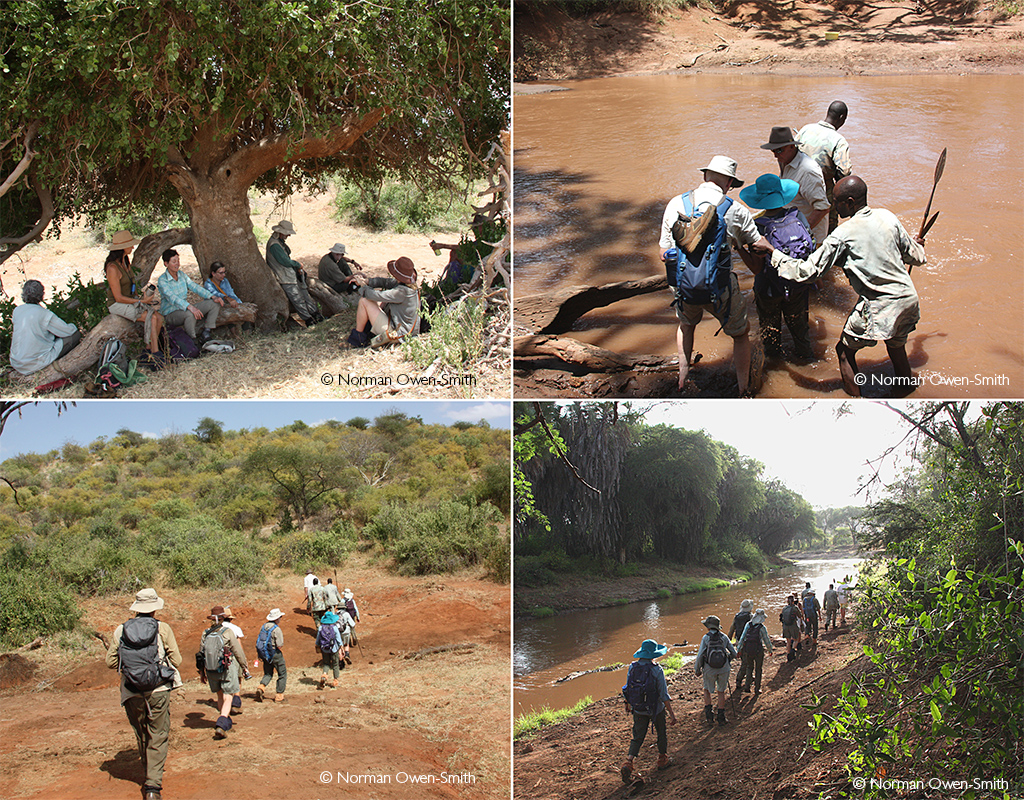
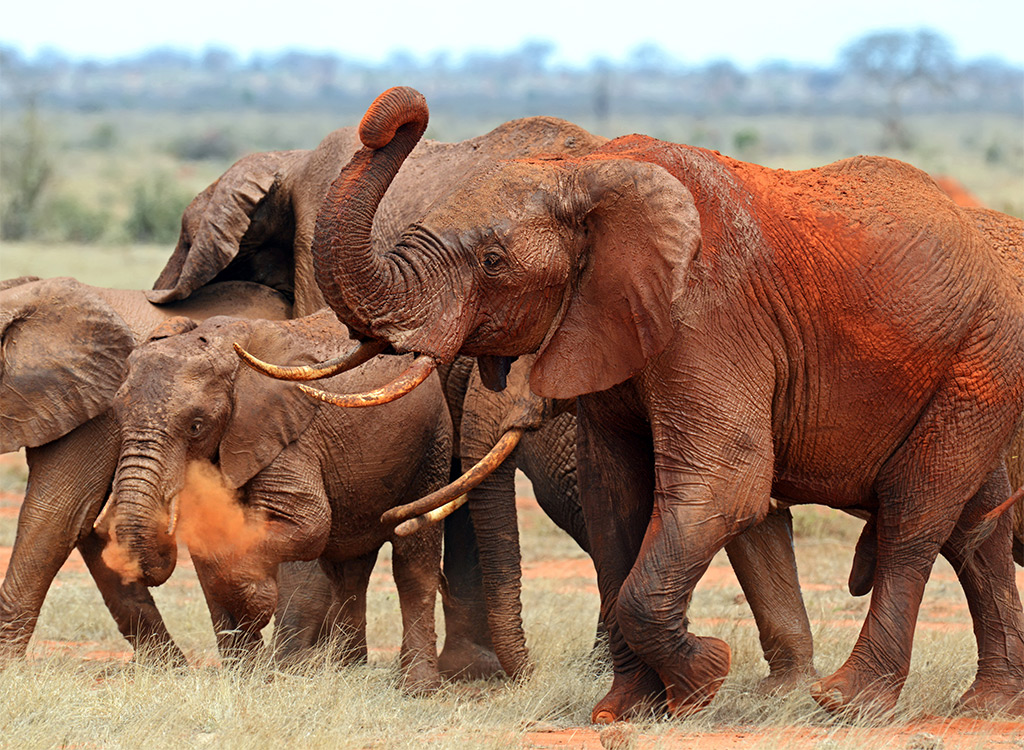
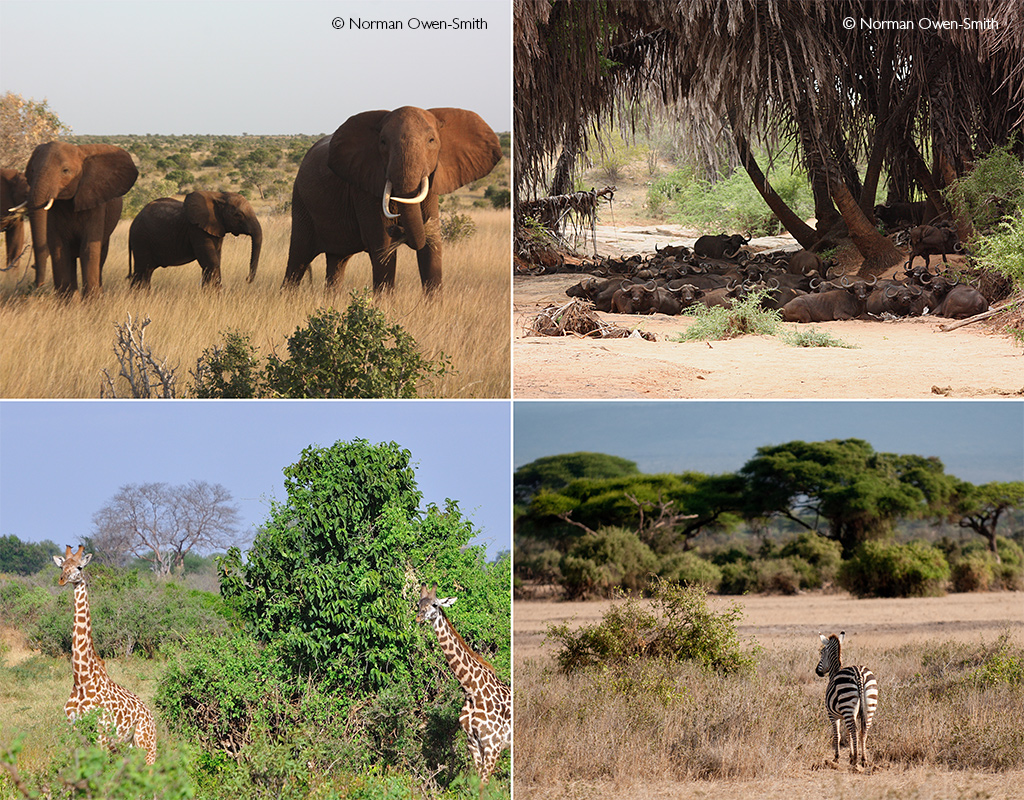
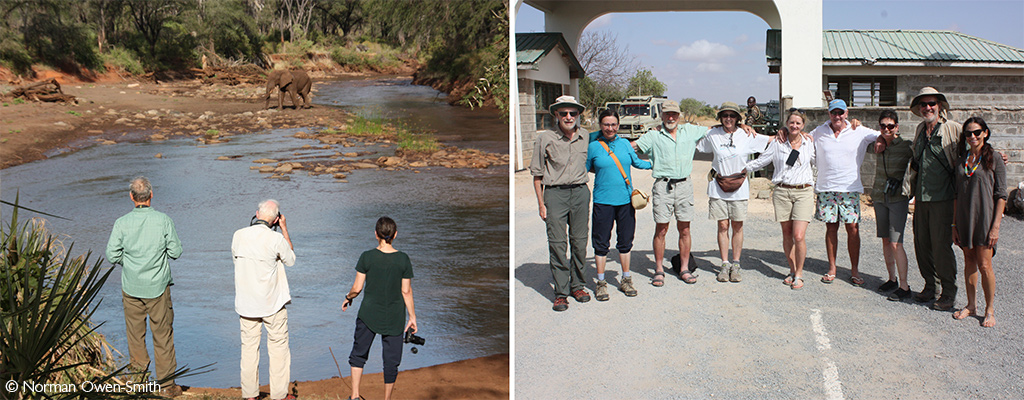
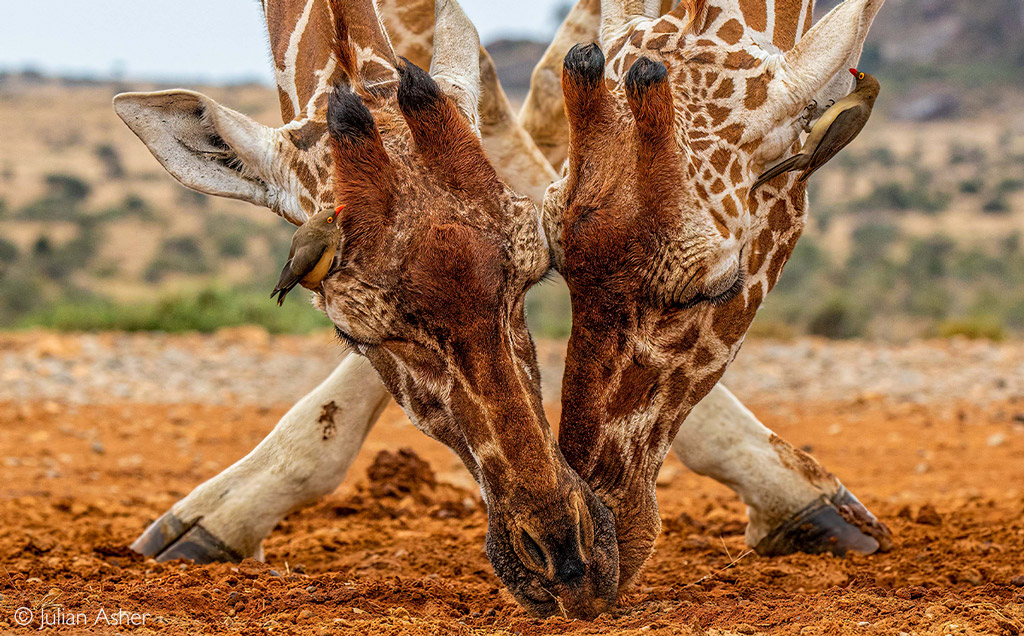
 Christina Hagen, Project Rep for Birdlife South Africa’s African Penguin Conservation project, writes on the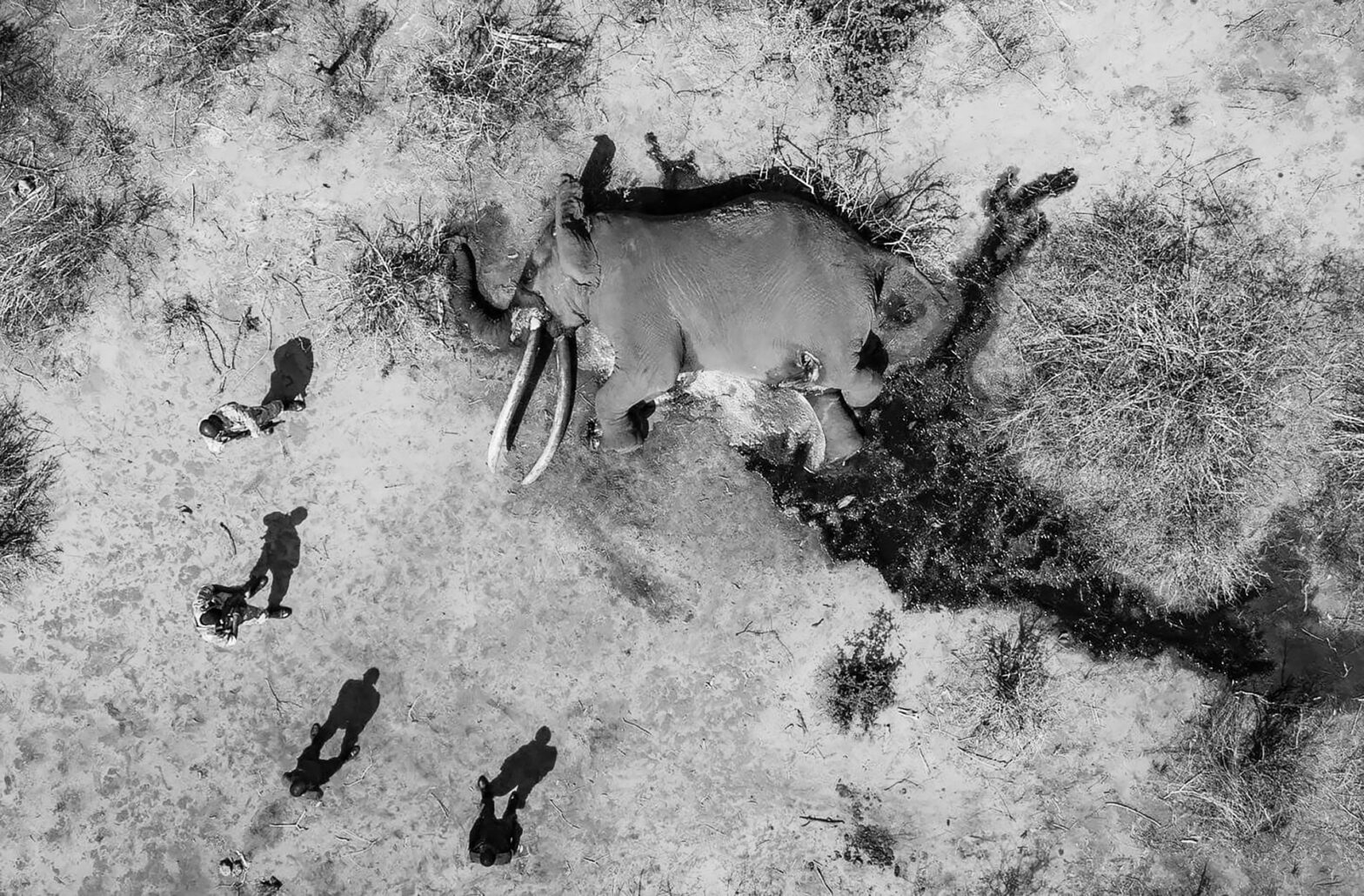
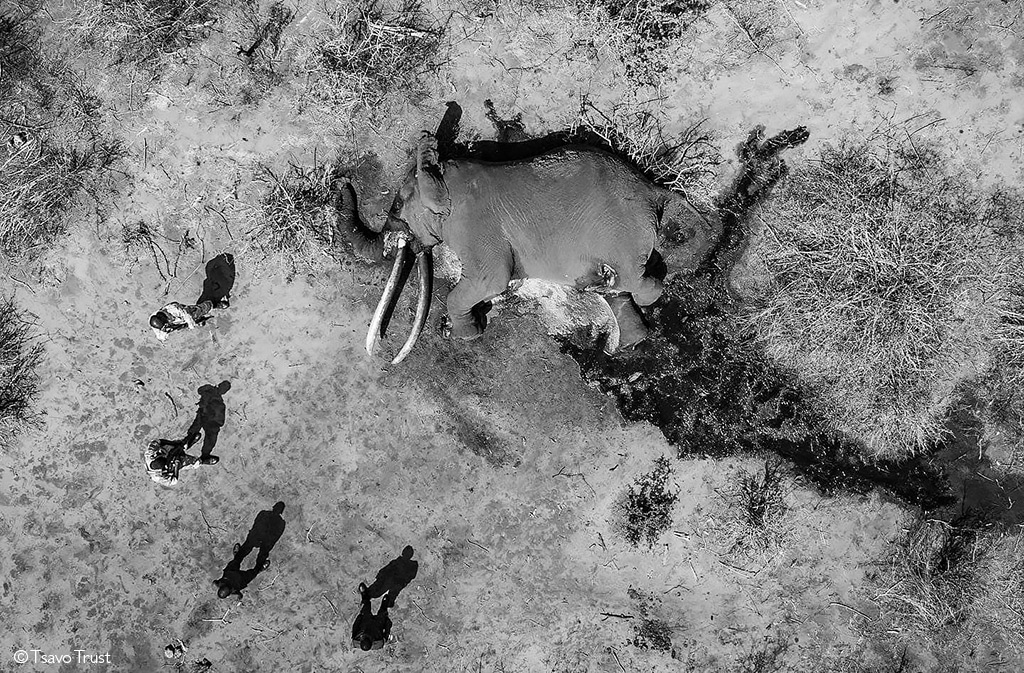
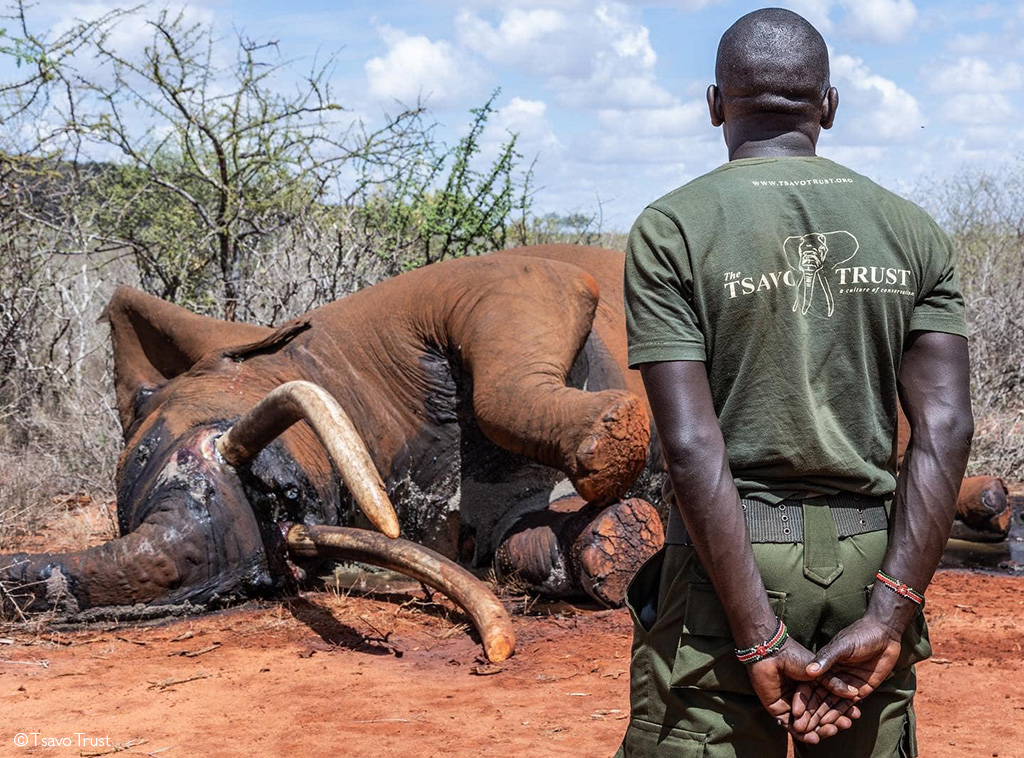
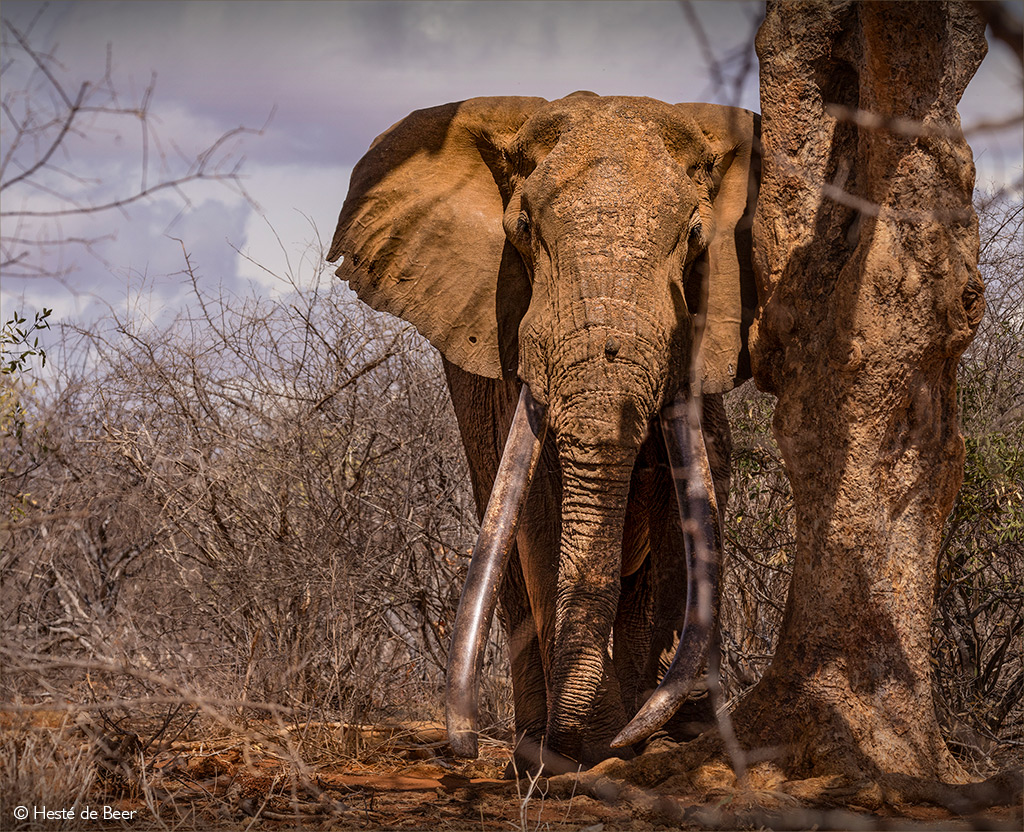
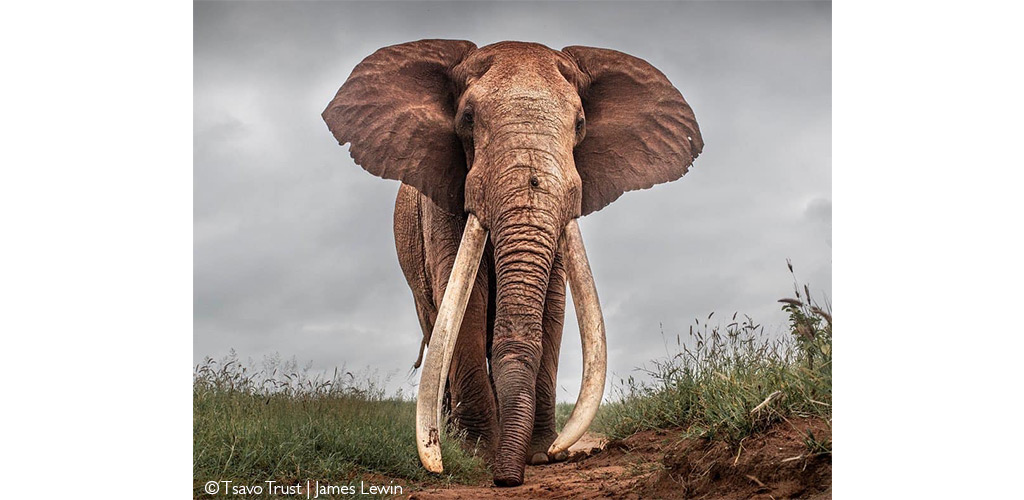
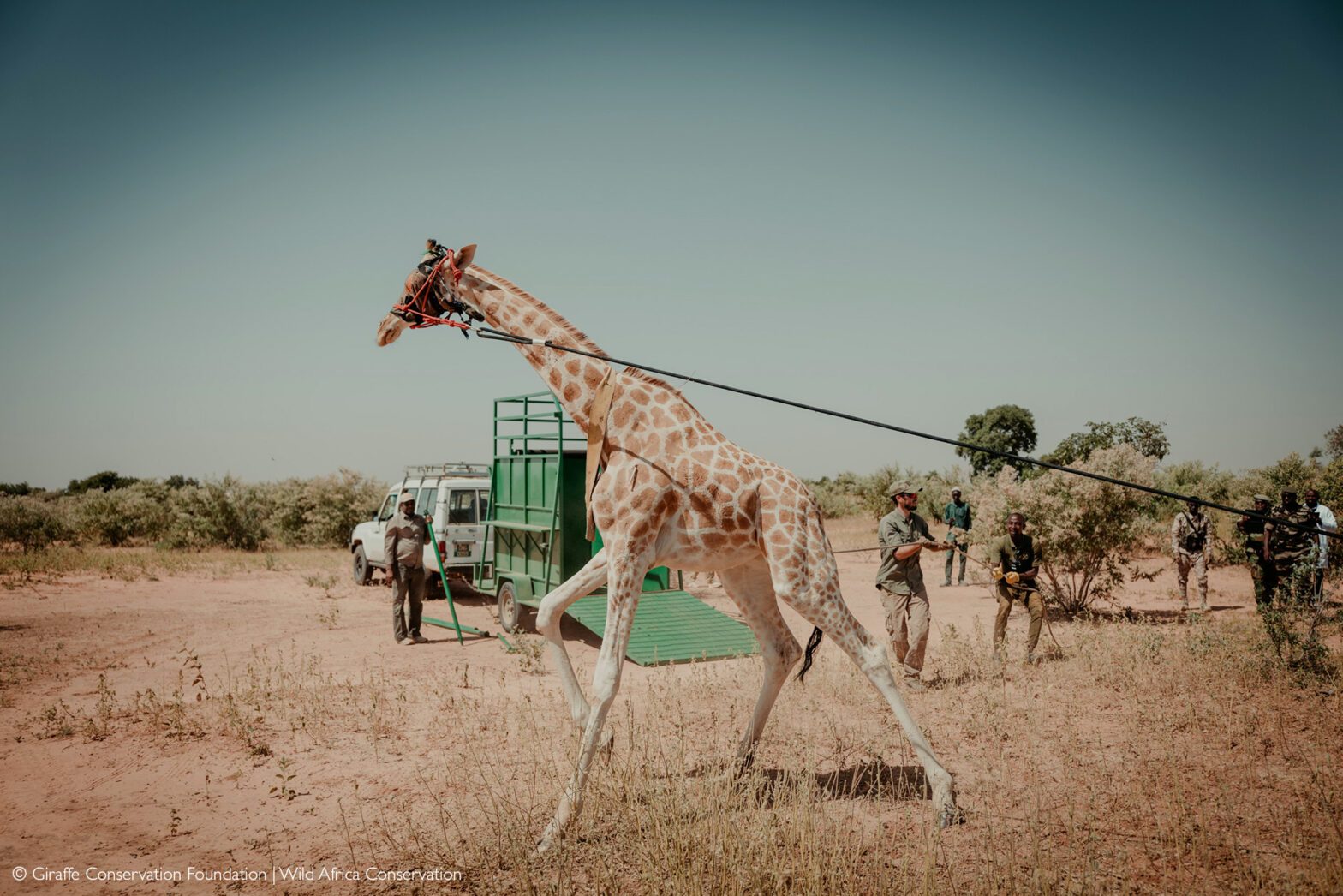
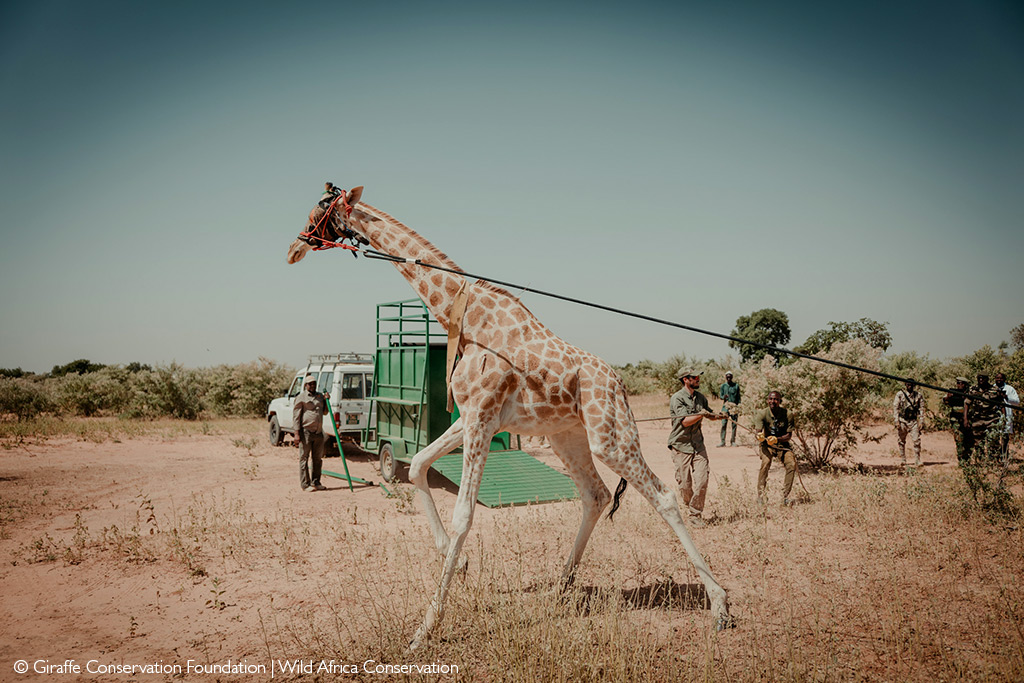
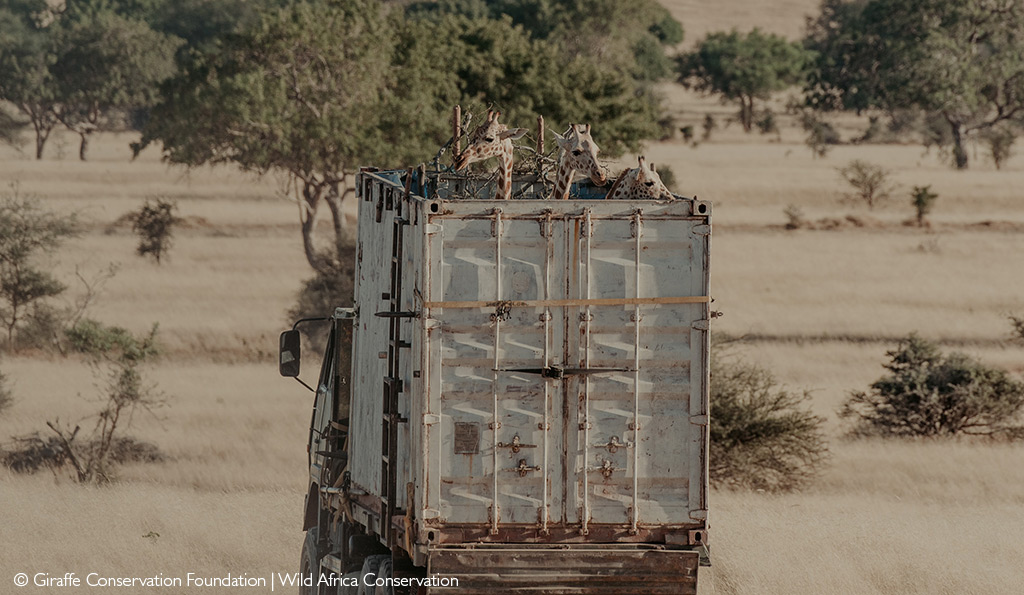
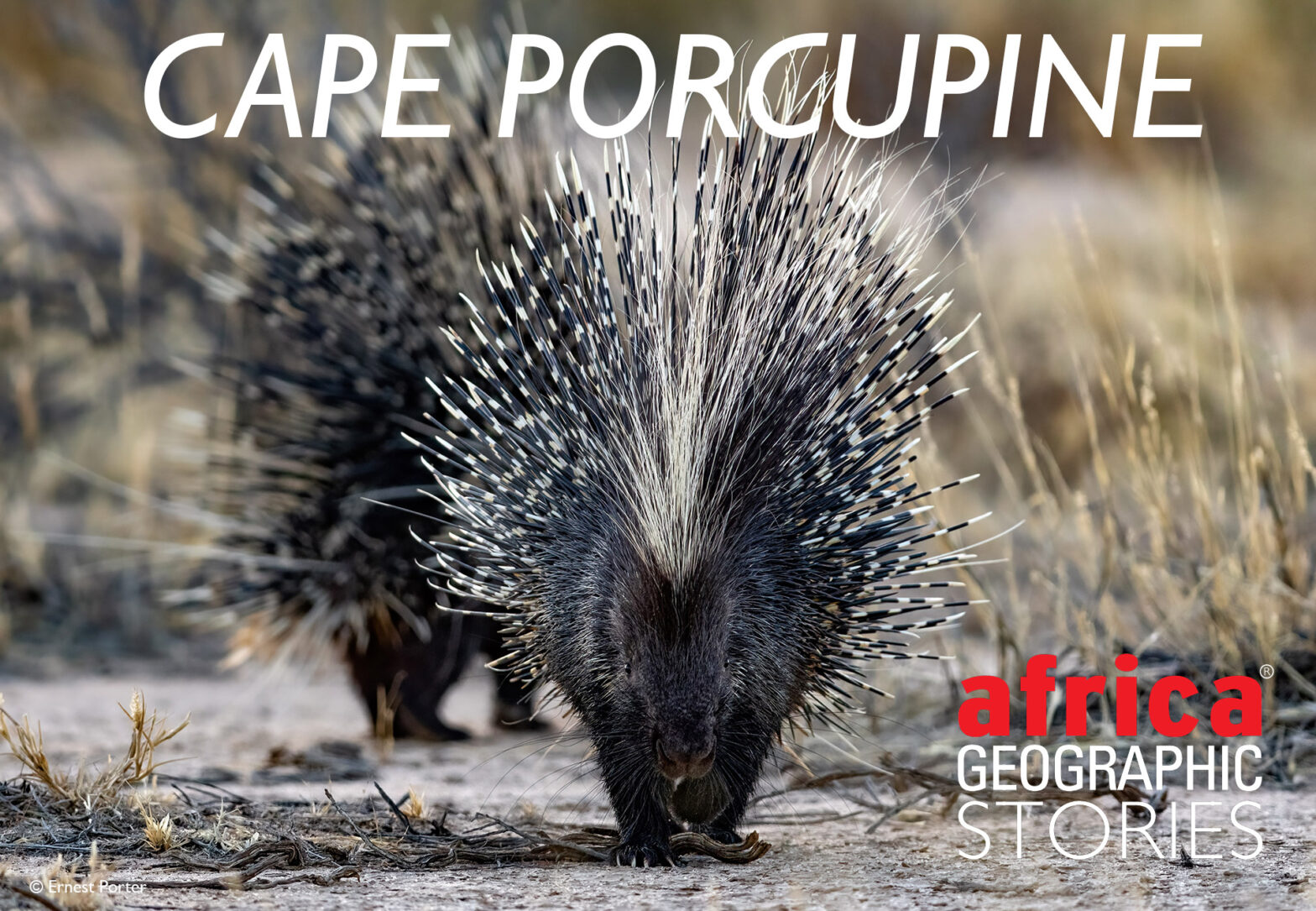
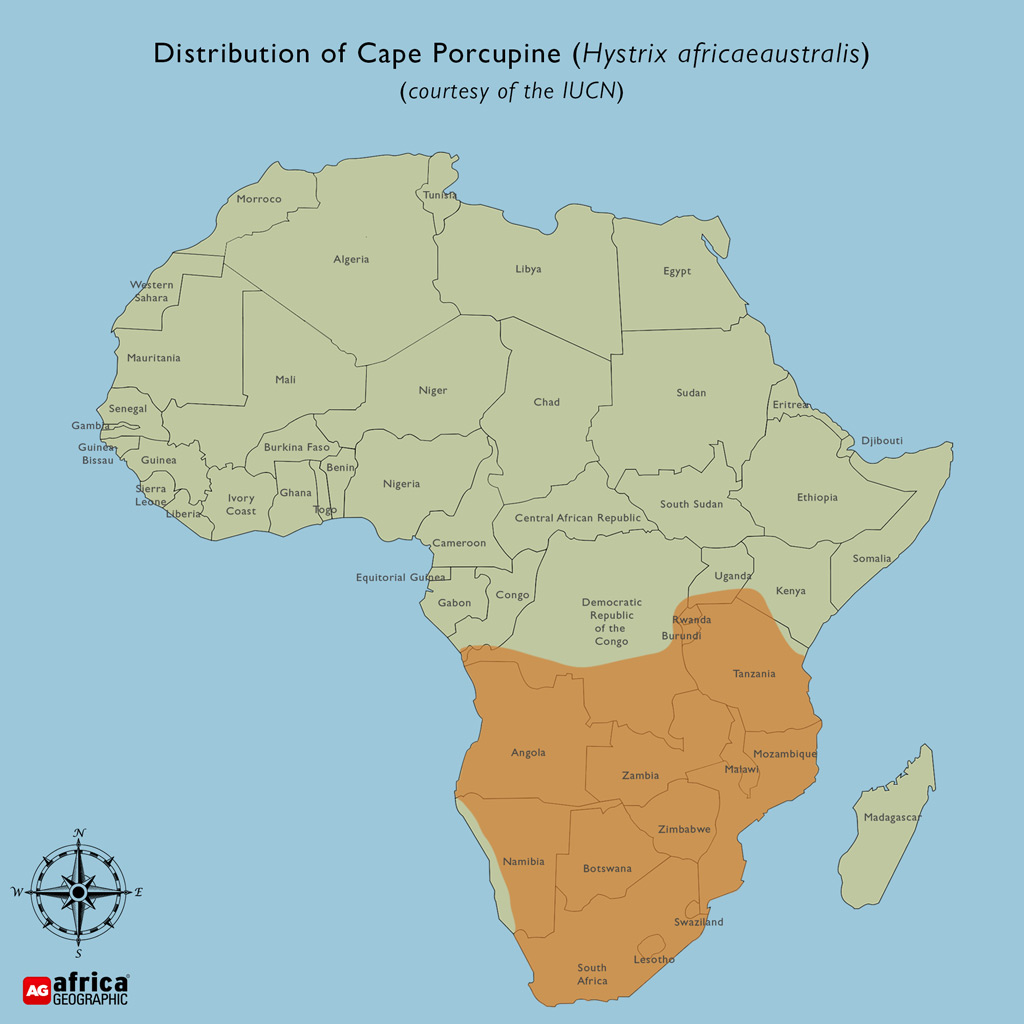
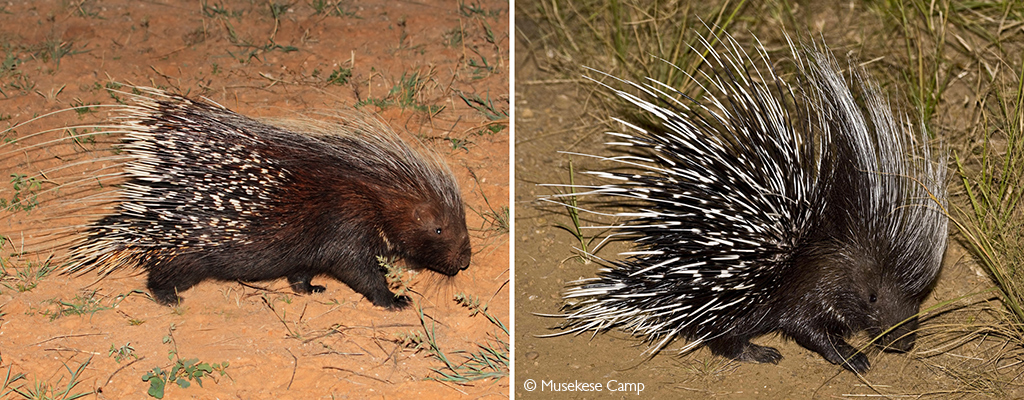
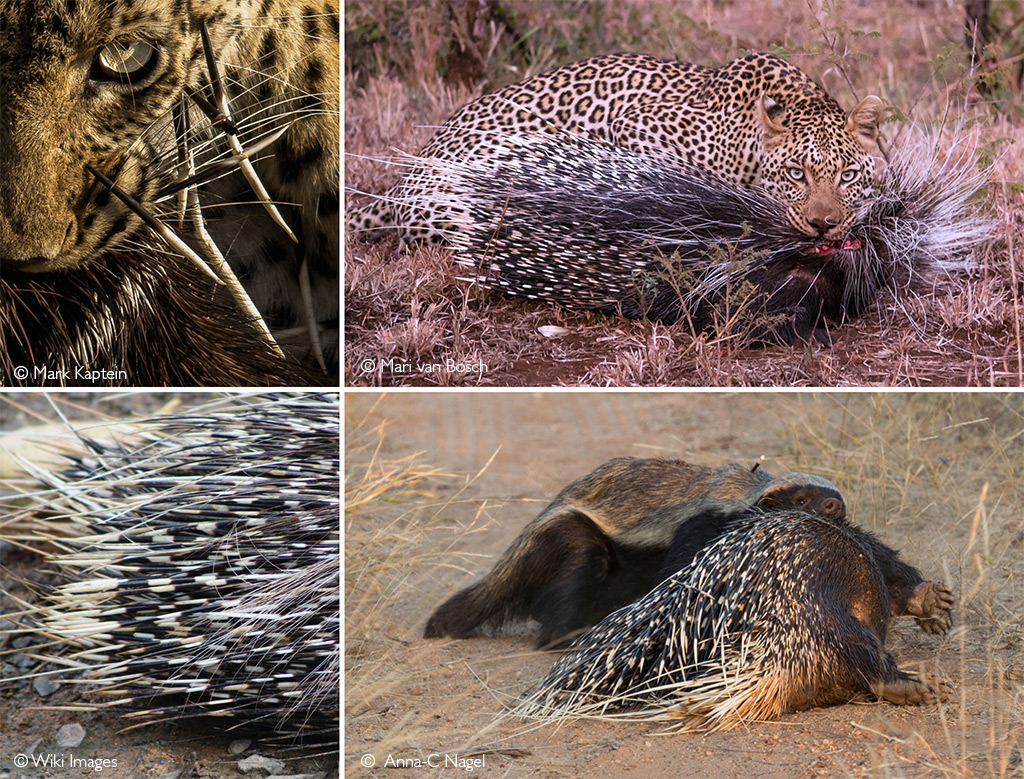
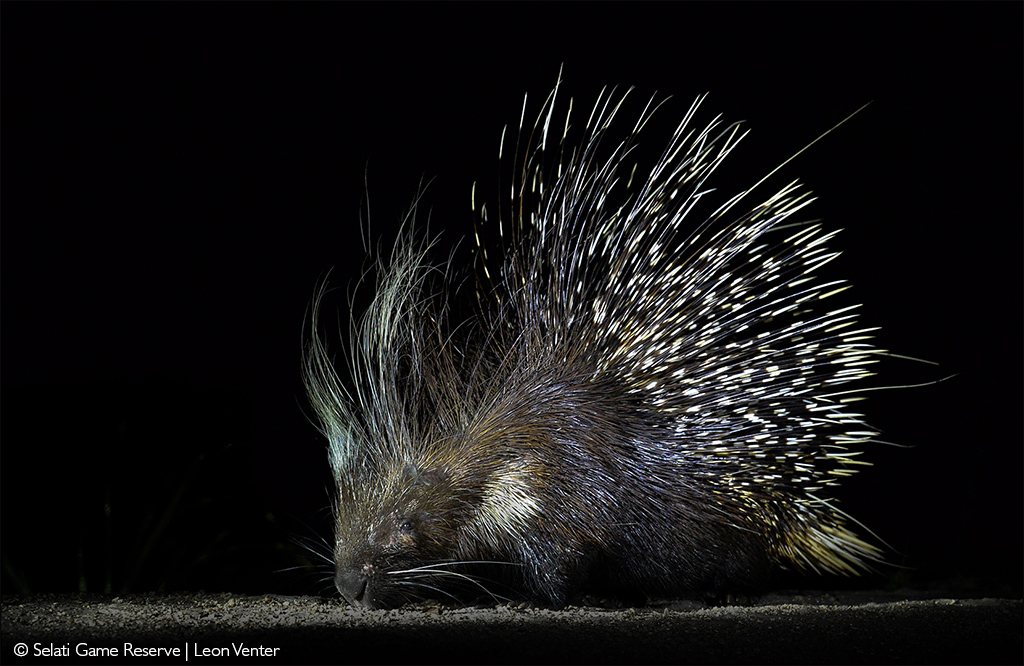
 So where did they go? Well, no one knows for sure, but (somewhat unsurprisingly) their disappearance seems to
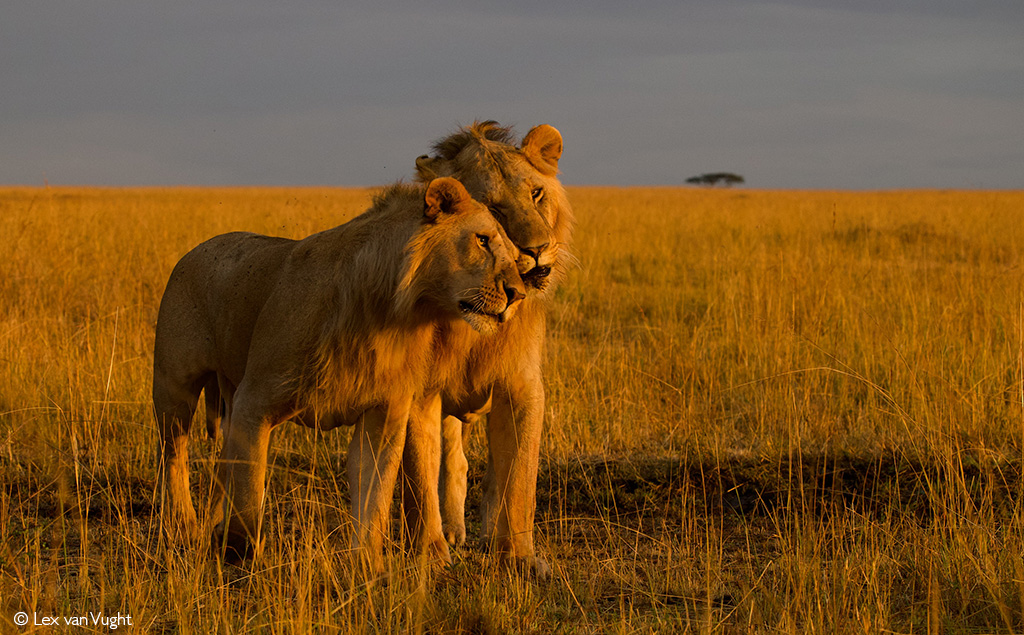
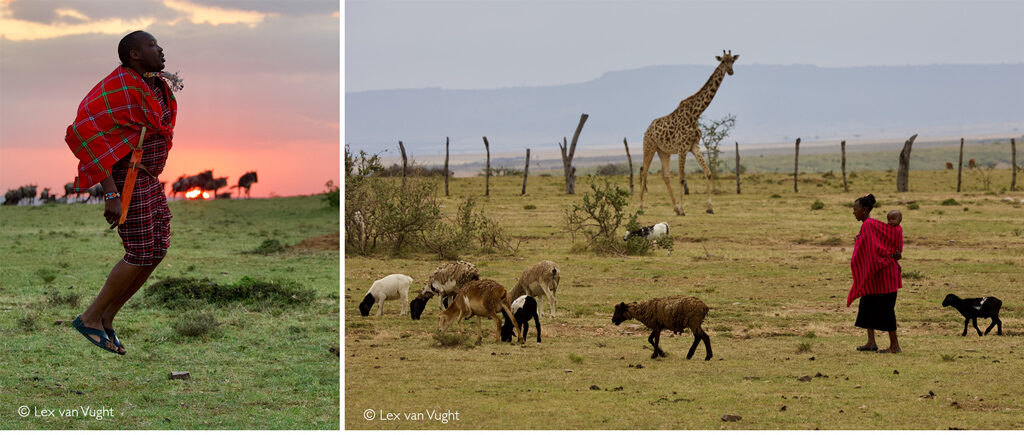
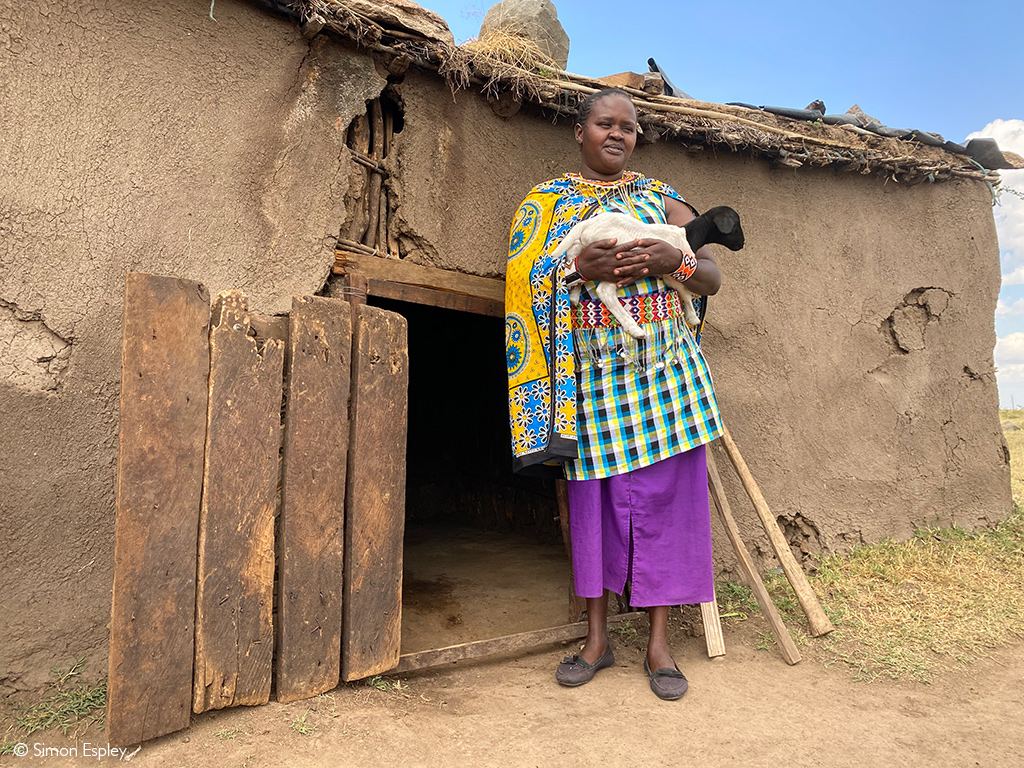
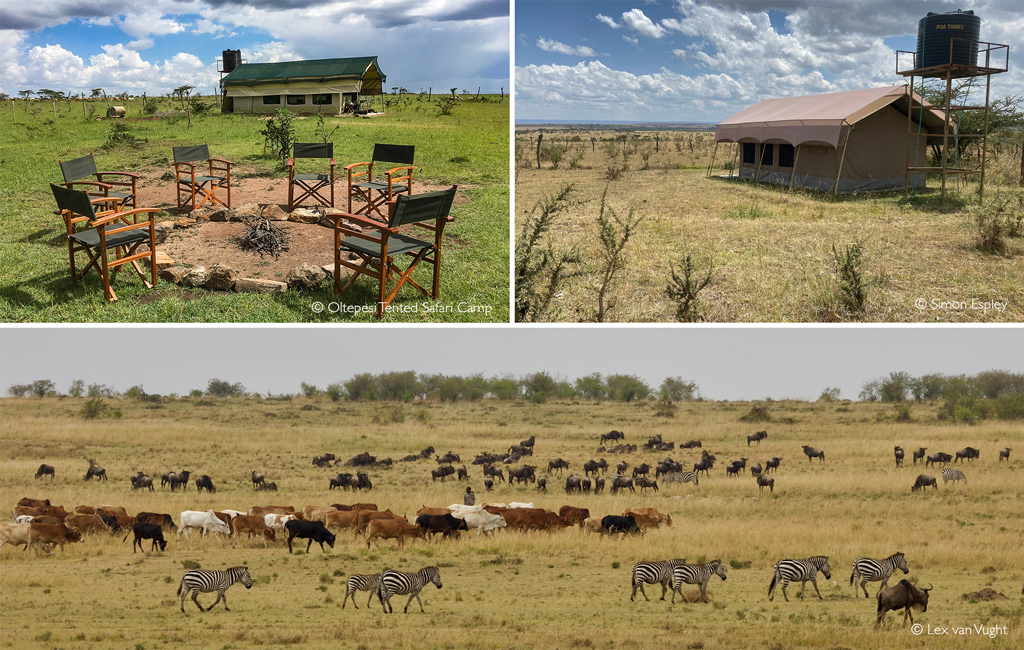
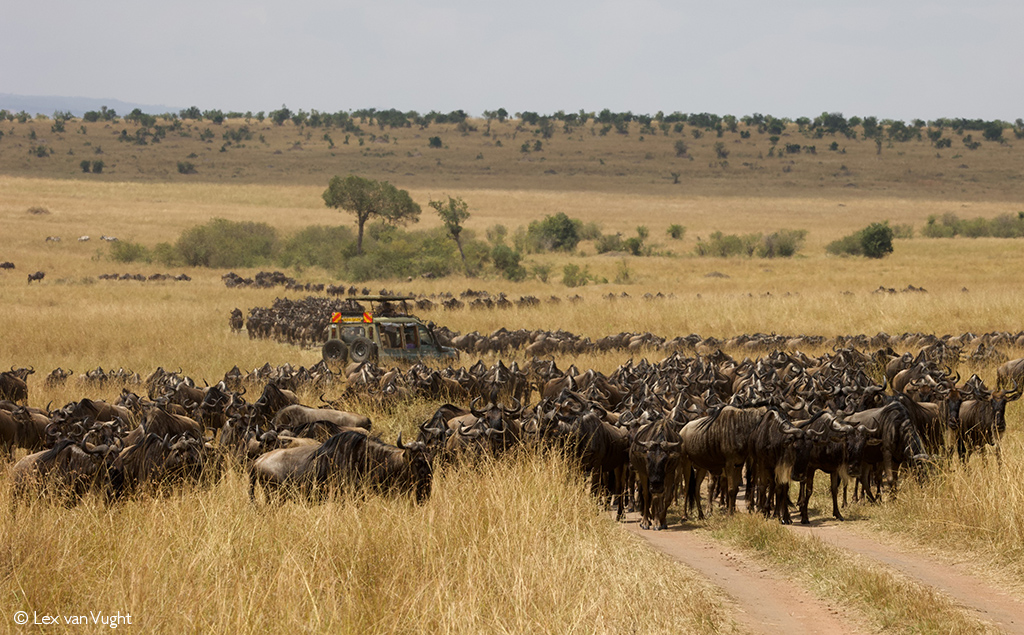
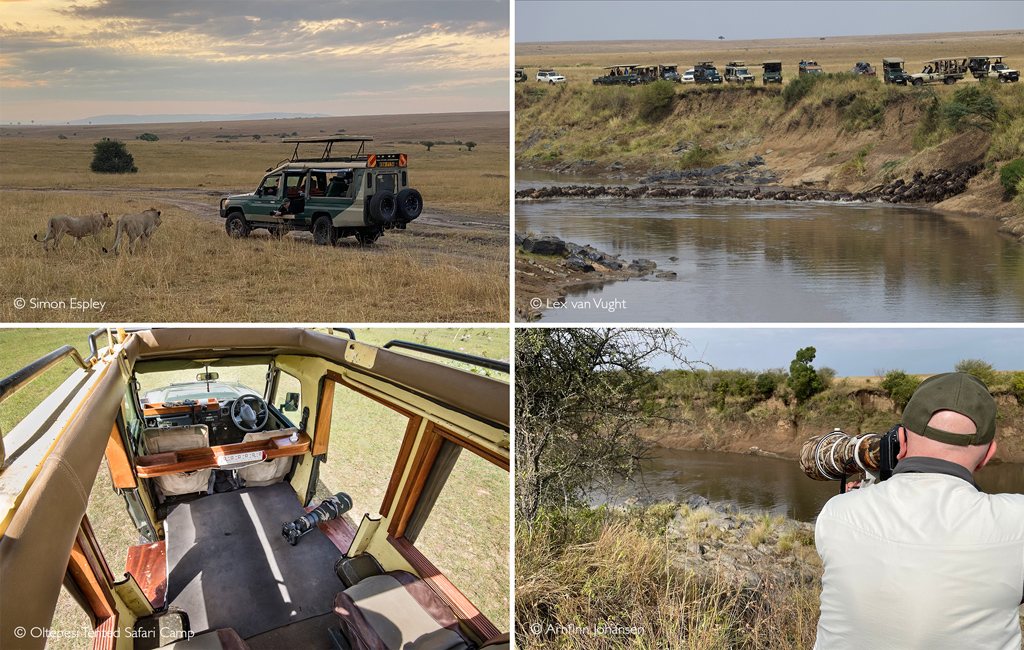
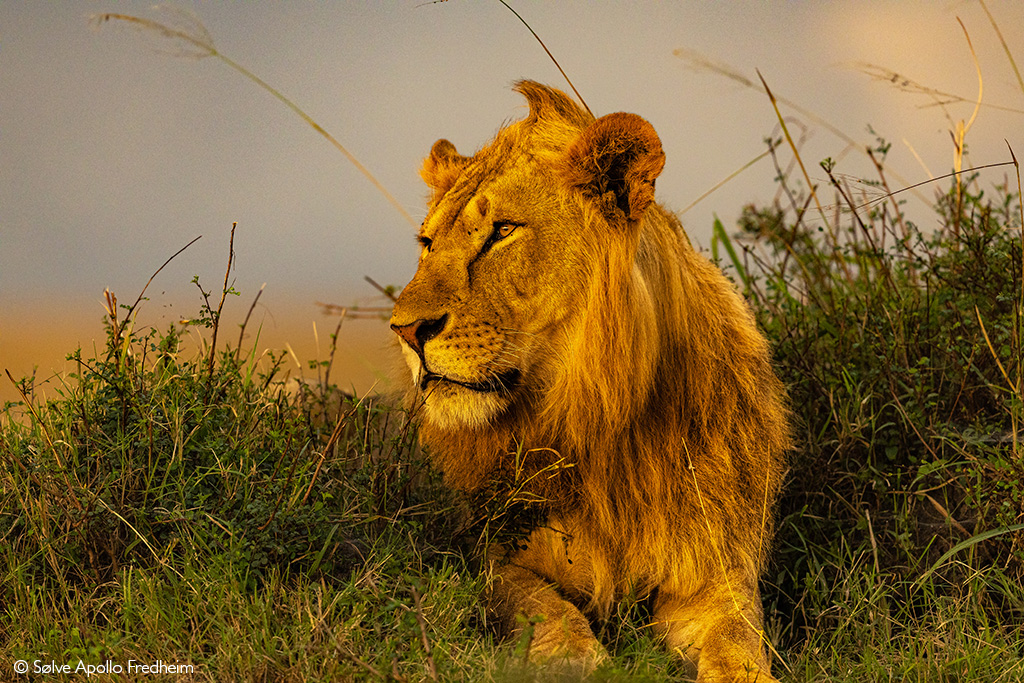
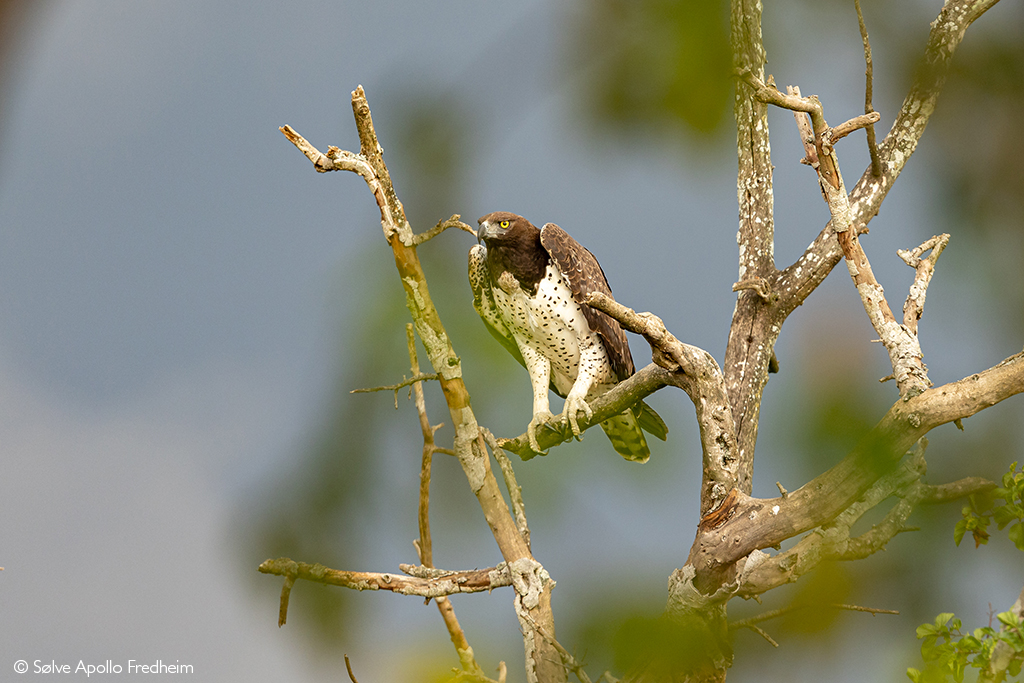
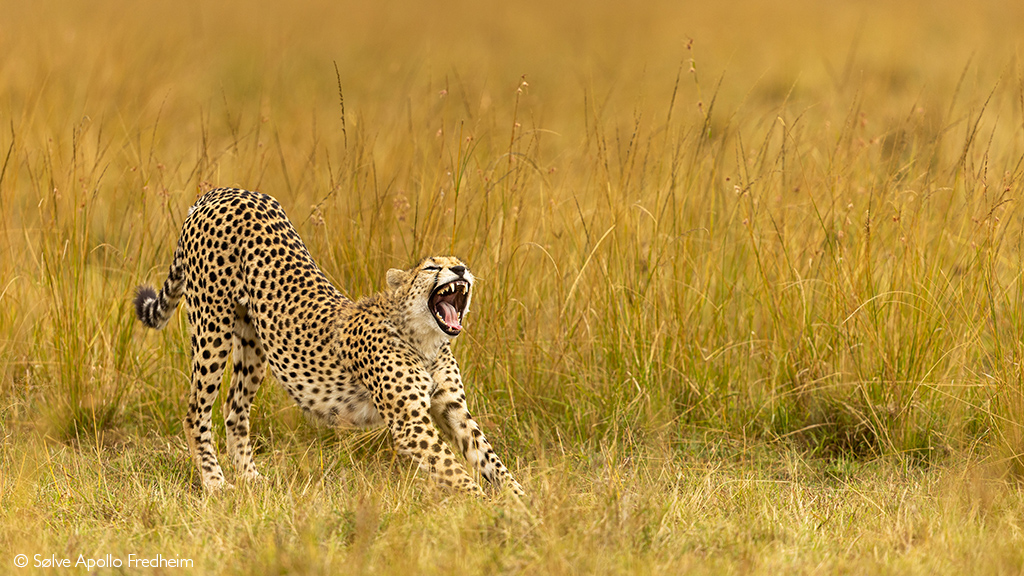
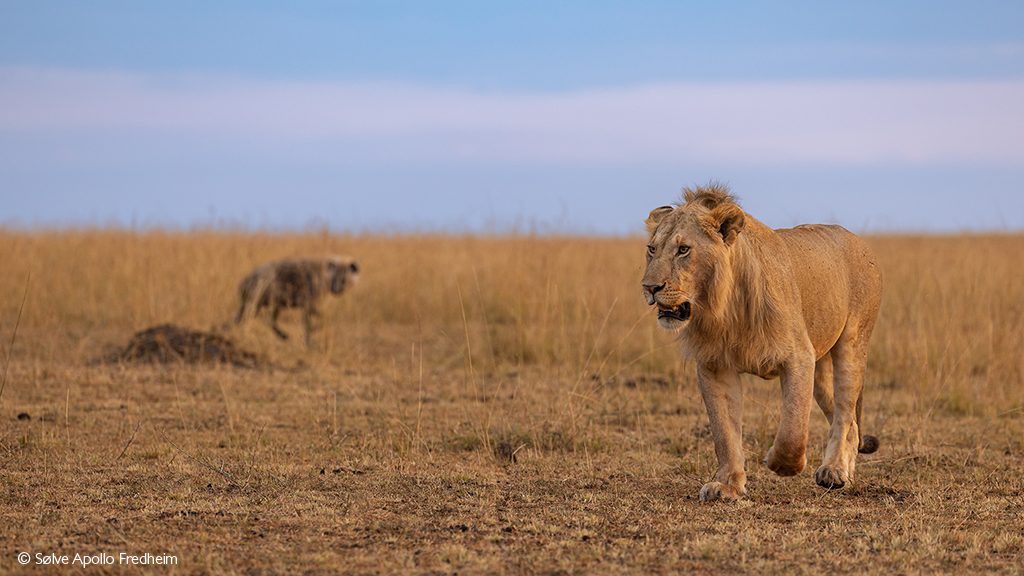
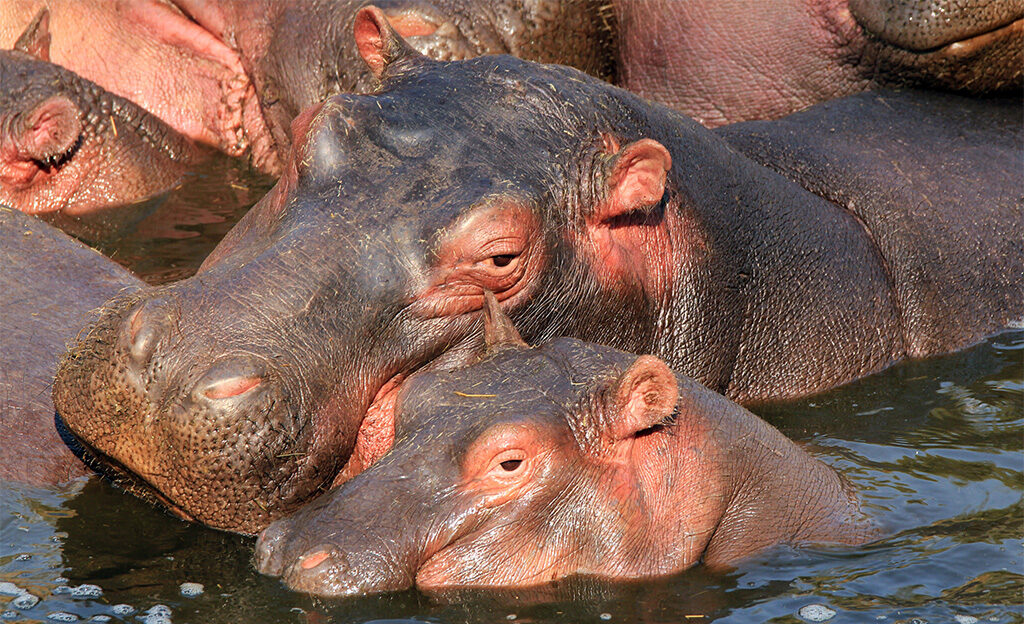
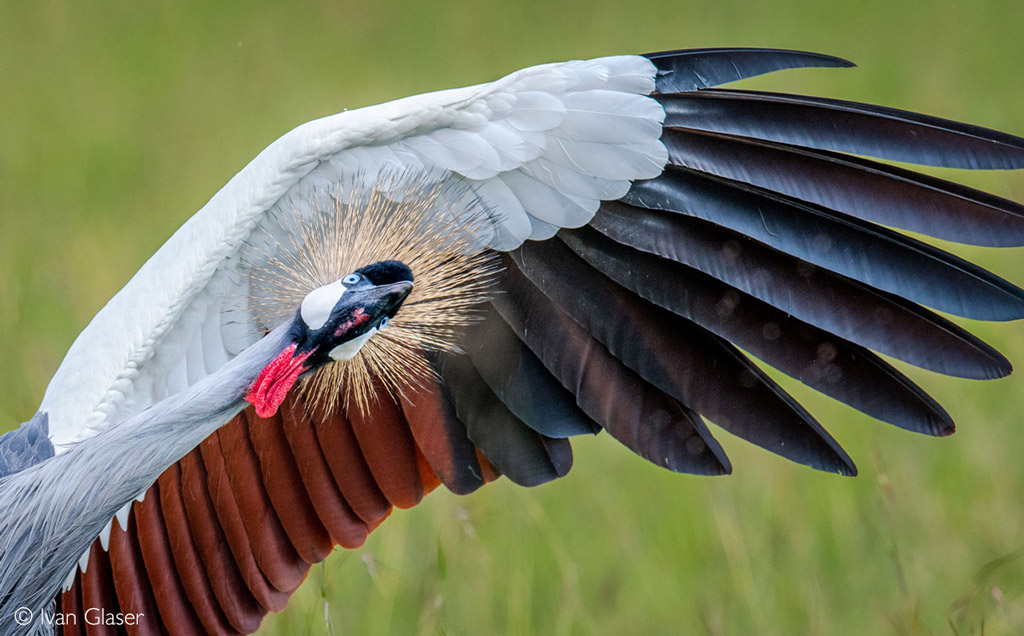
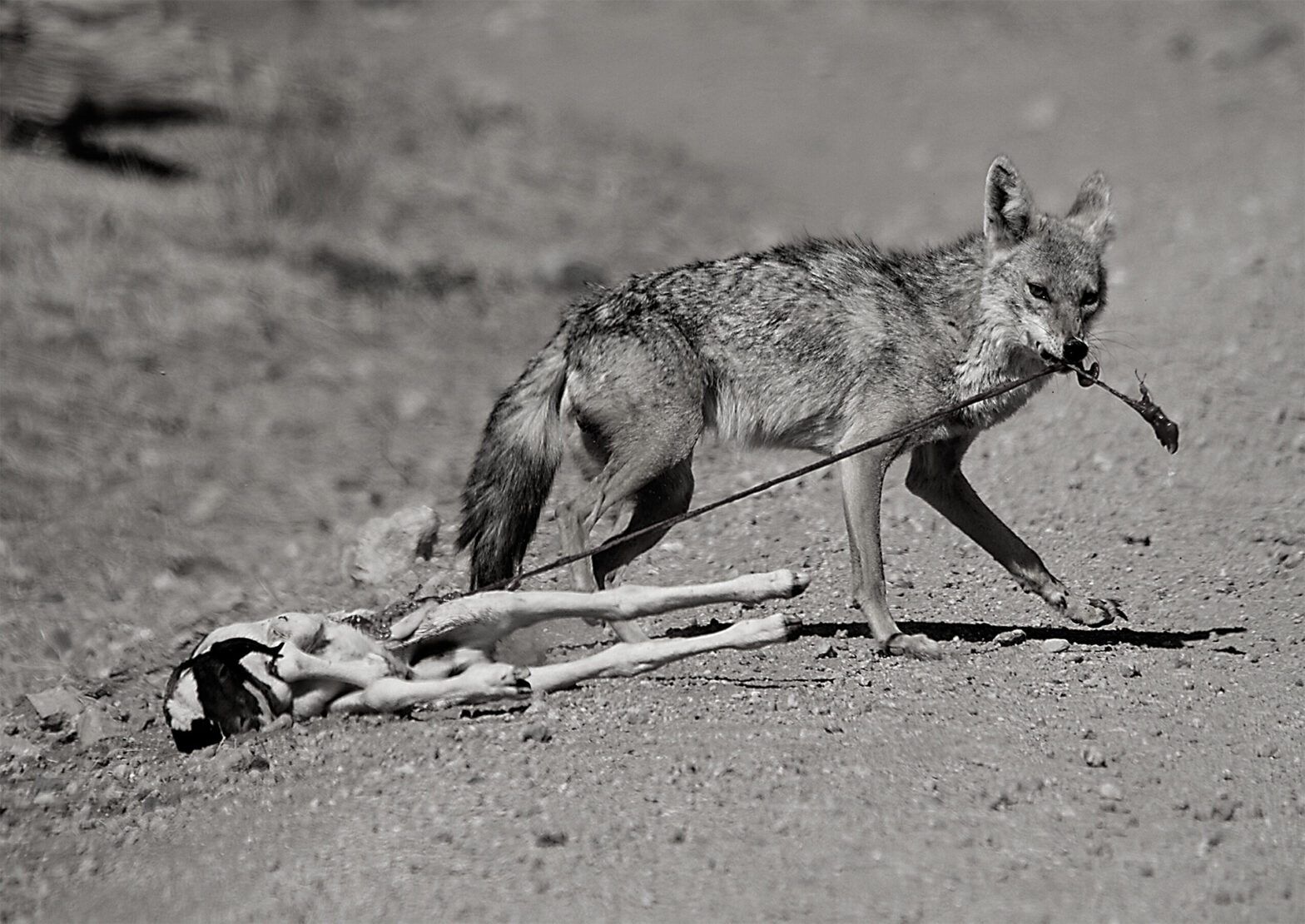
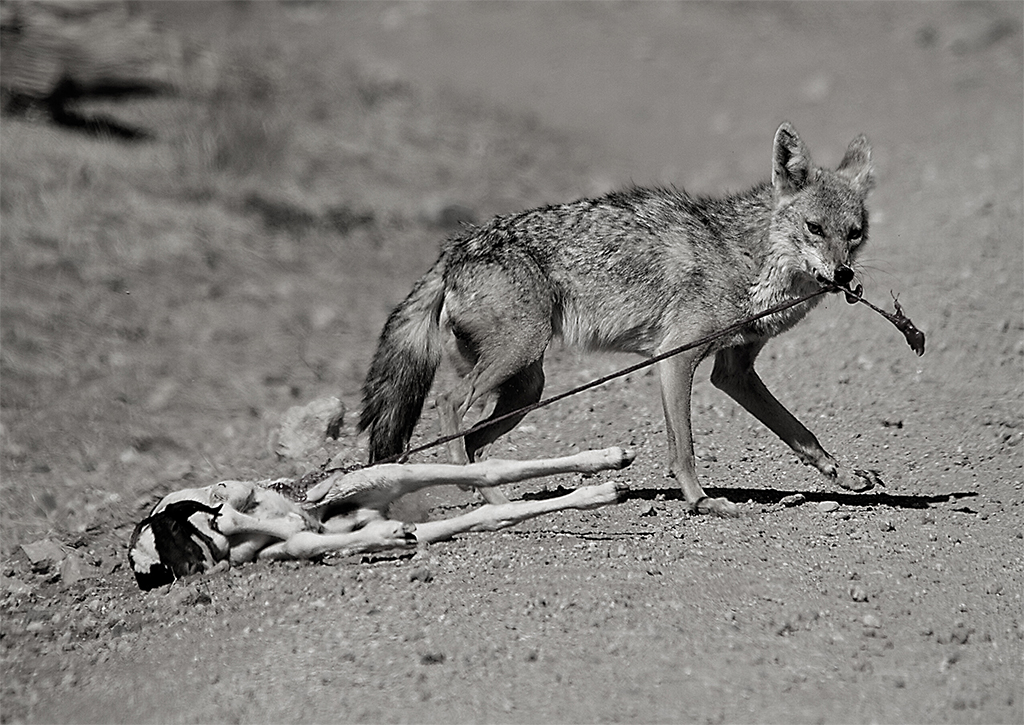
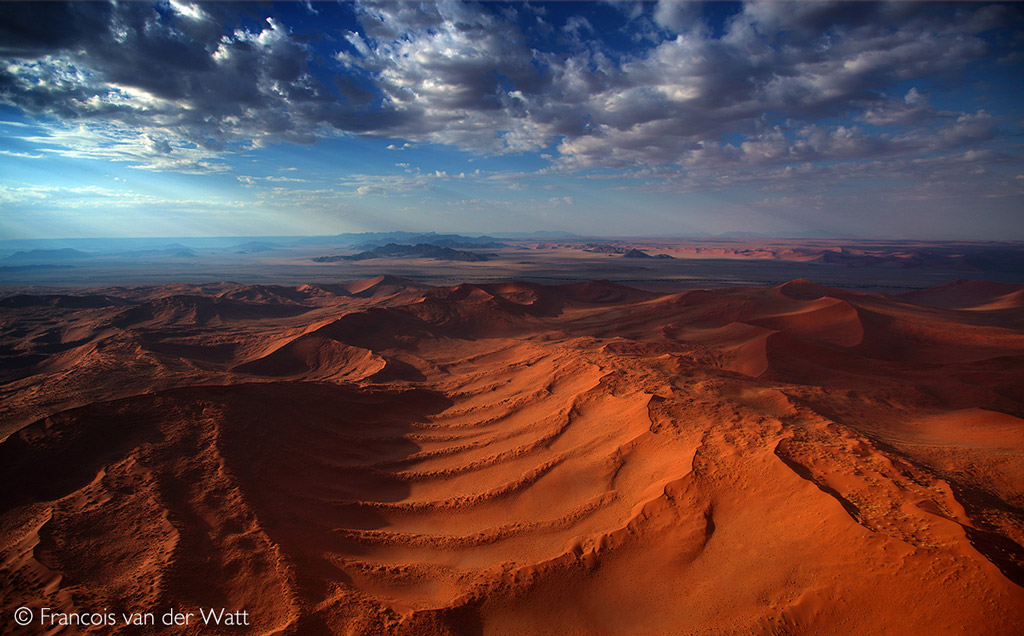
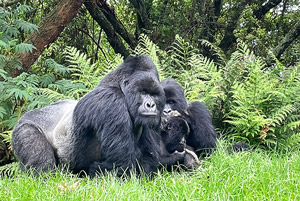 Maggie Nunley and her partner are currently on a cross-continental adventure with AG, celebrating their honeymoon. The couple started their adventure in Mgahinga National Park in Uganda and moved on to Maasai Mara National Reserve in Kenya. They are finishing off their African holiday with a trip to Chale Island off Kenya’s Diani Beach to deflate in the warm waters of the Indian Ocean.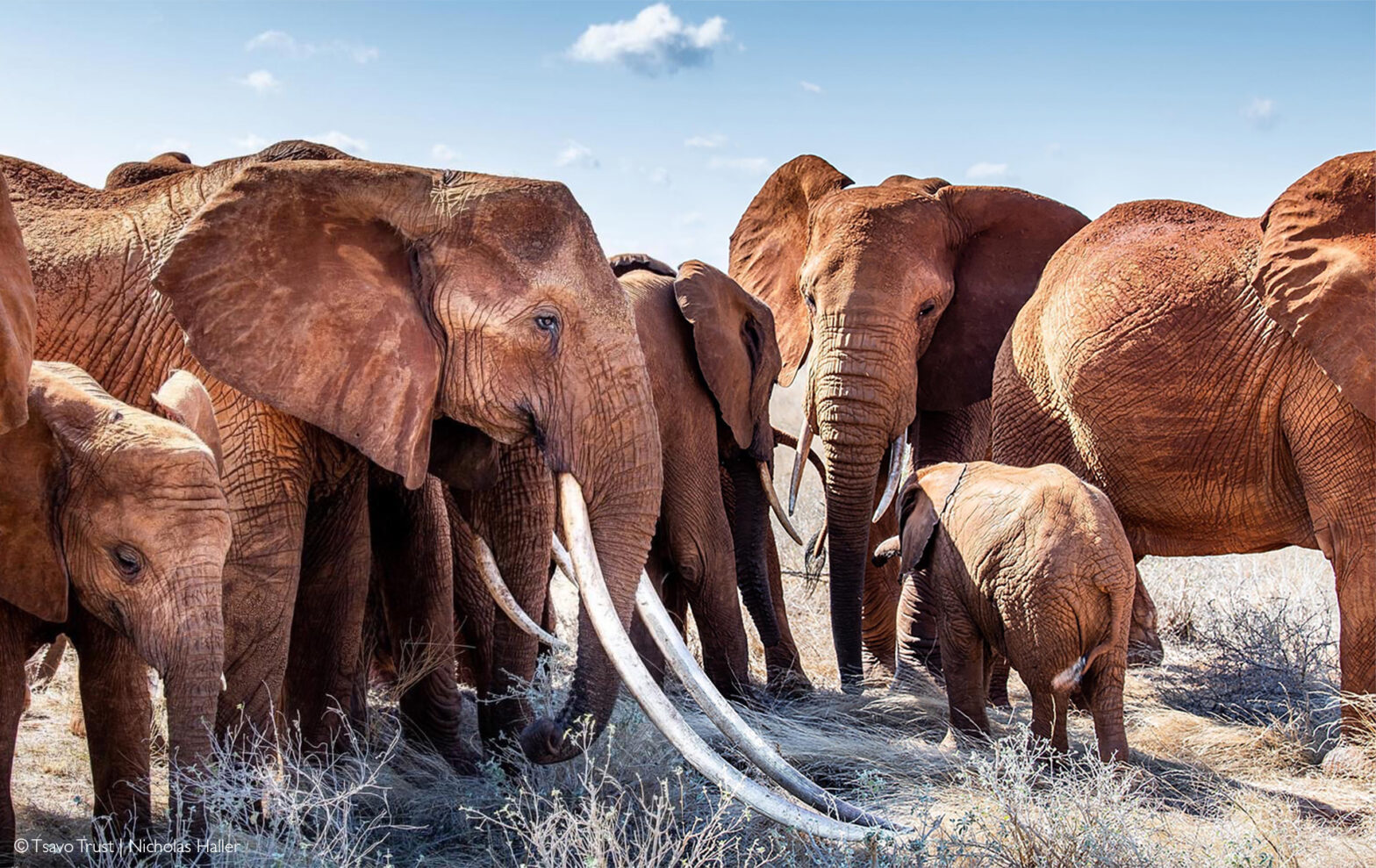
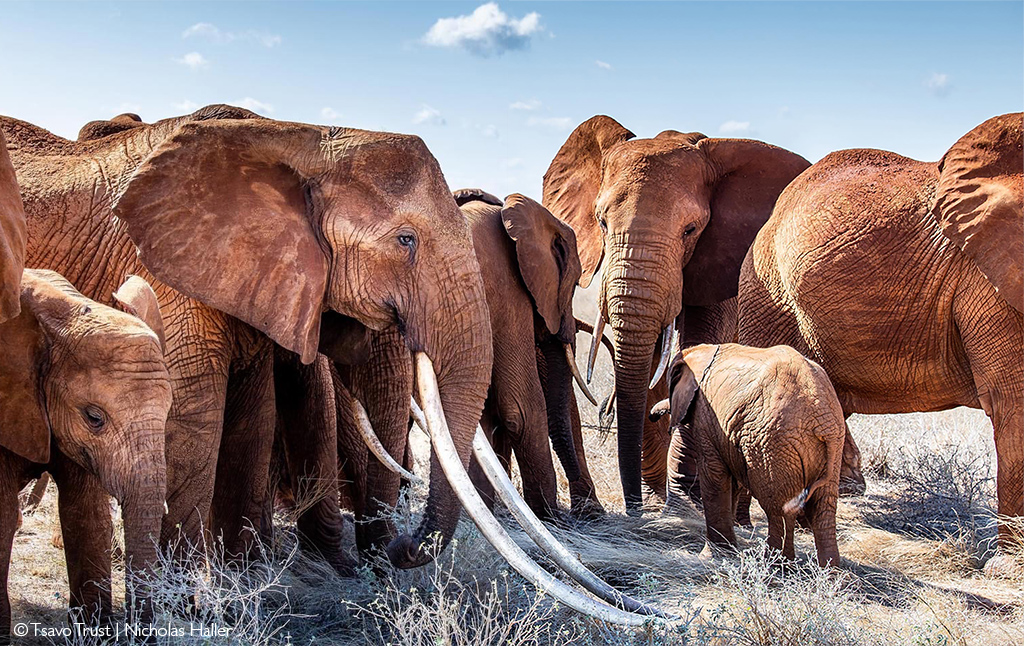
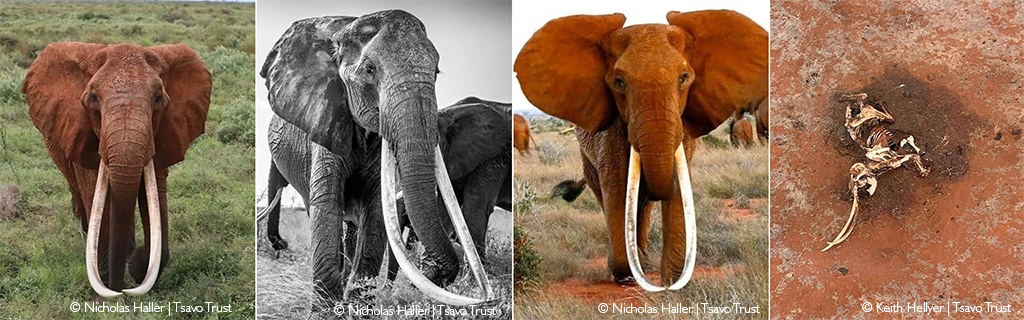
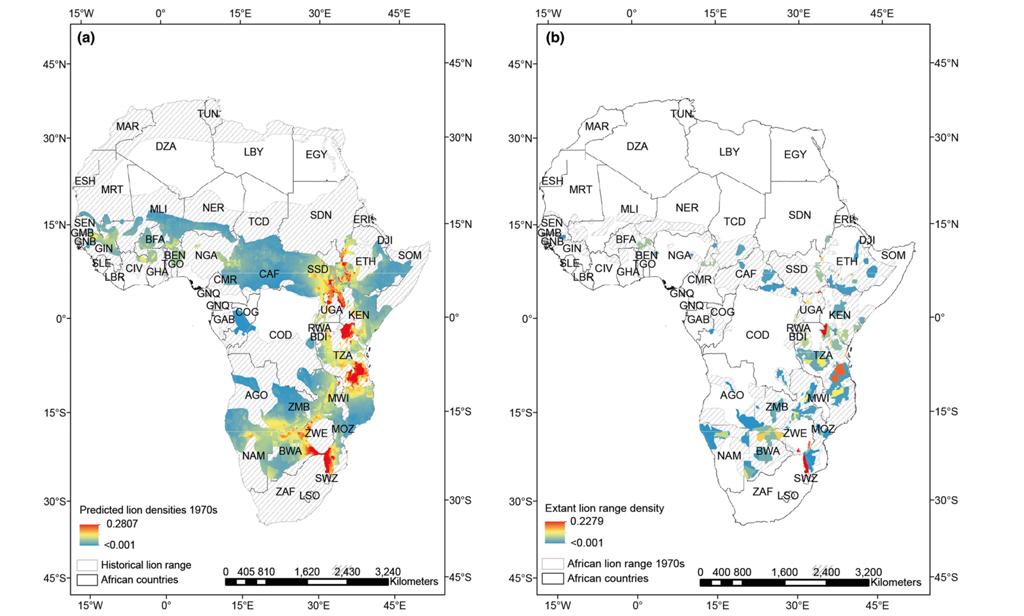
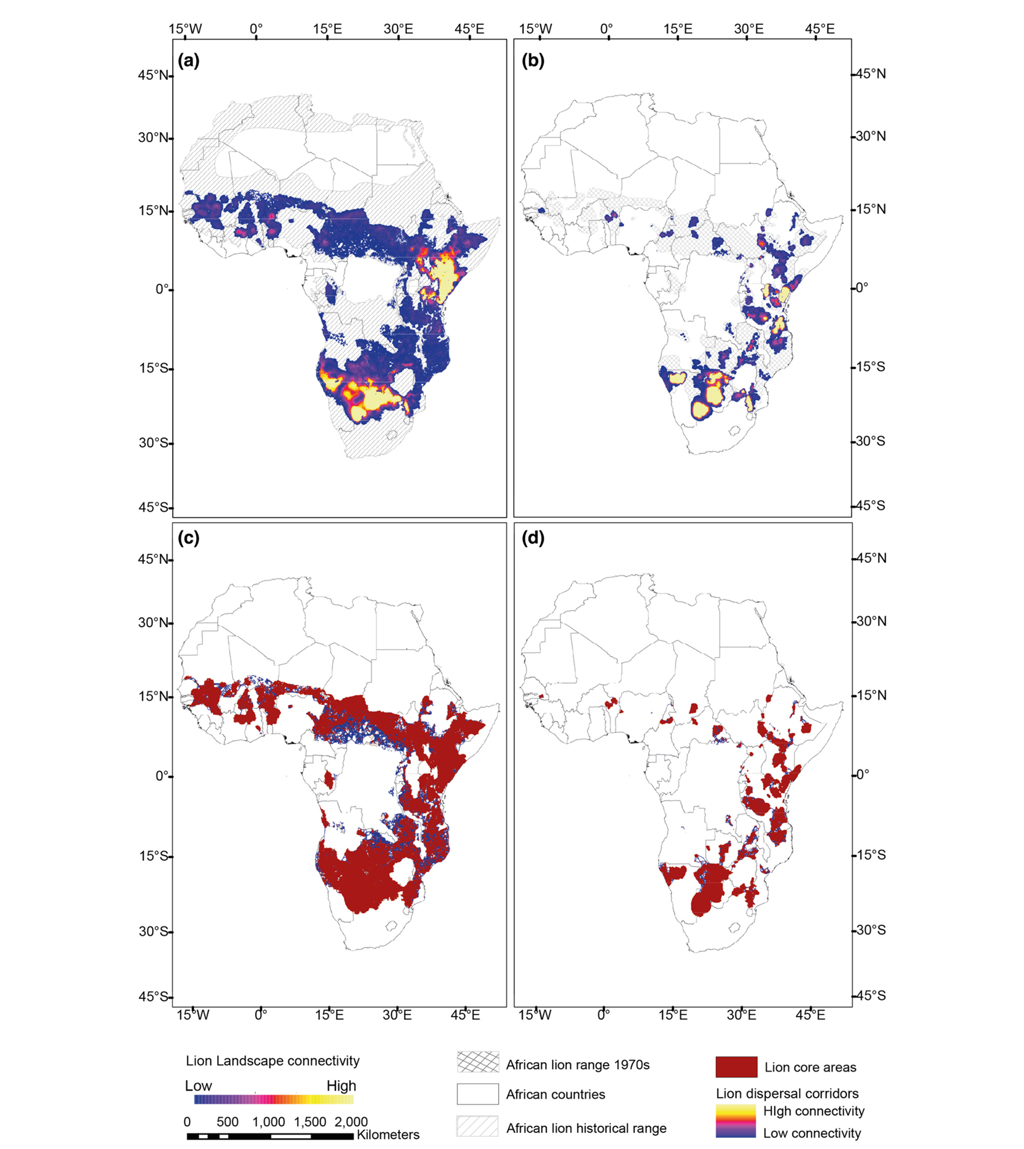

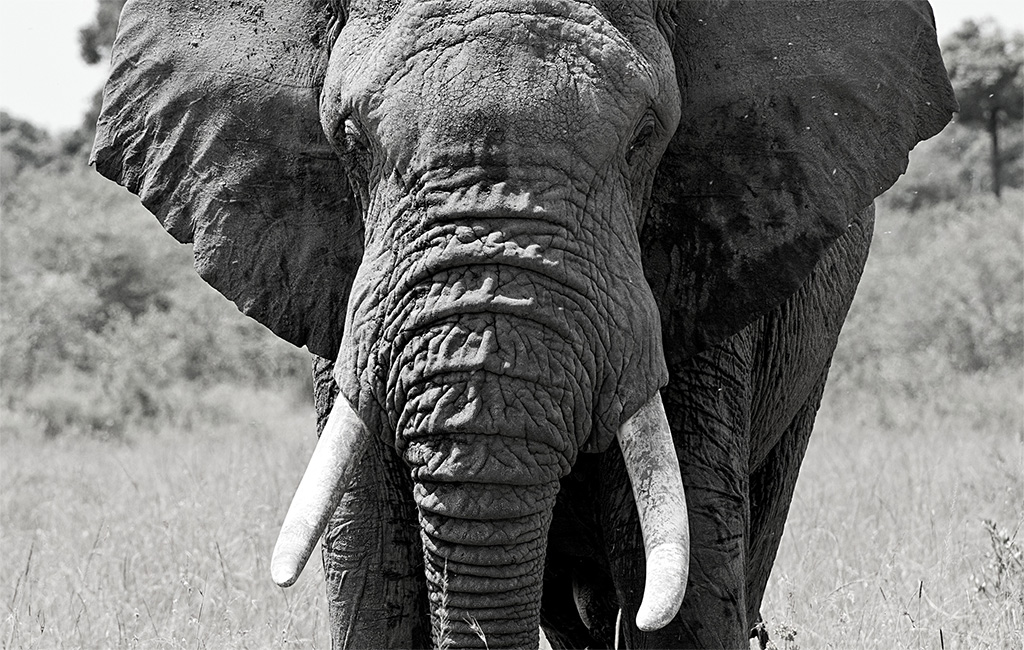
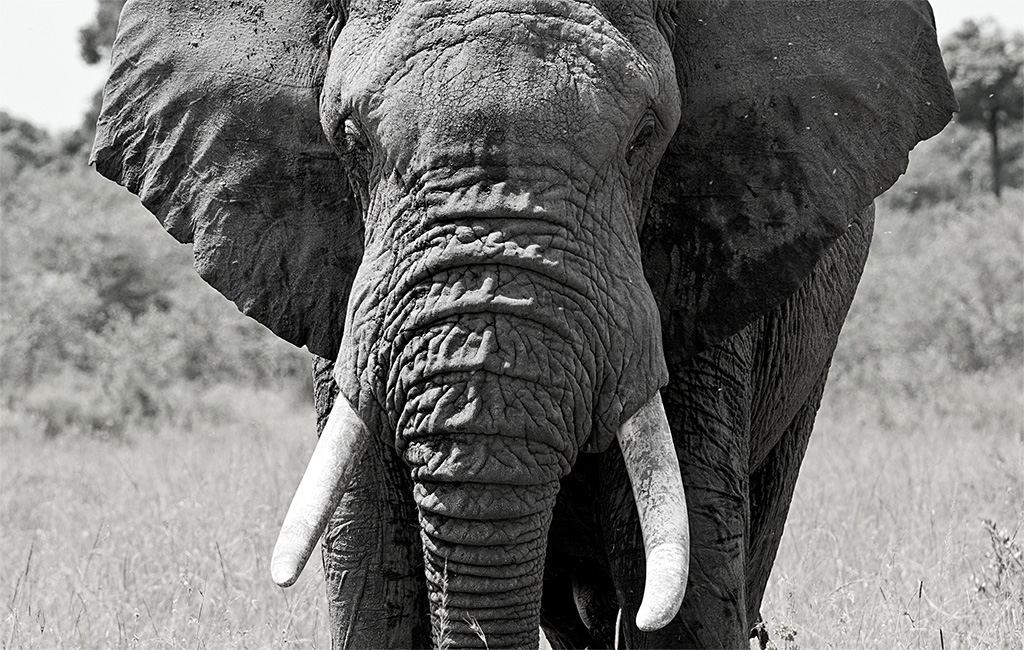
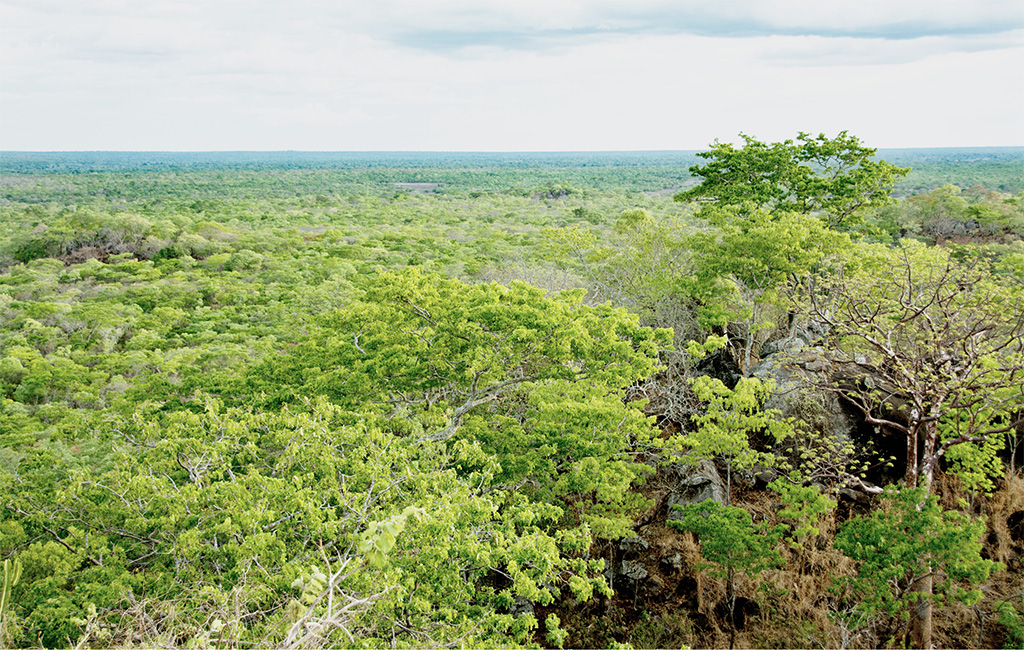
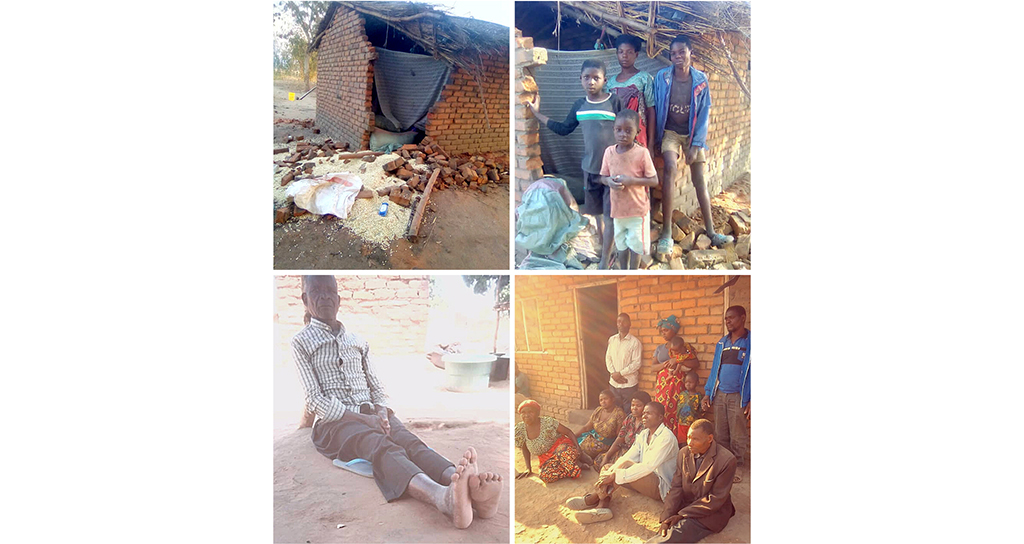
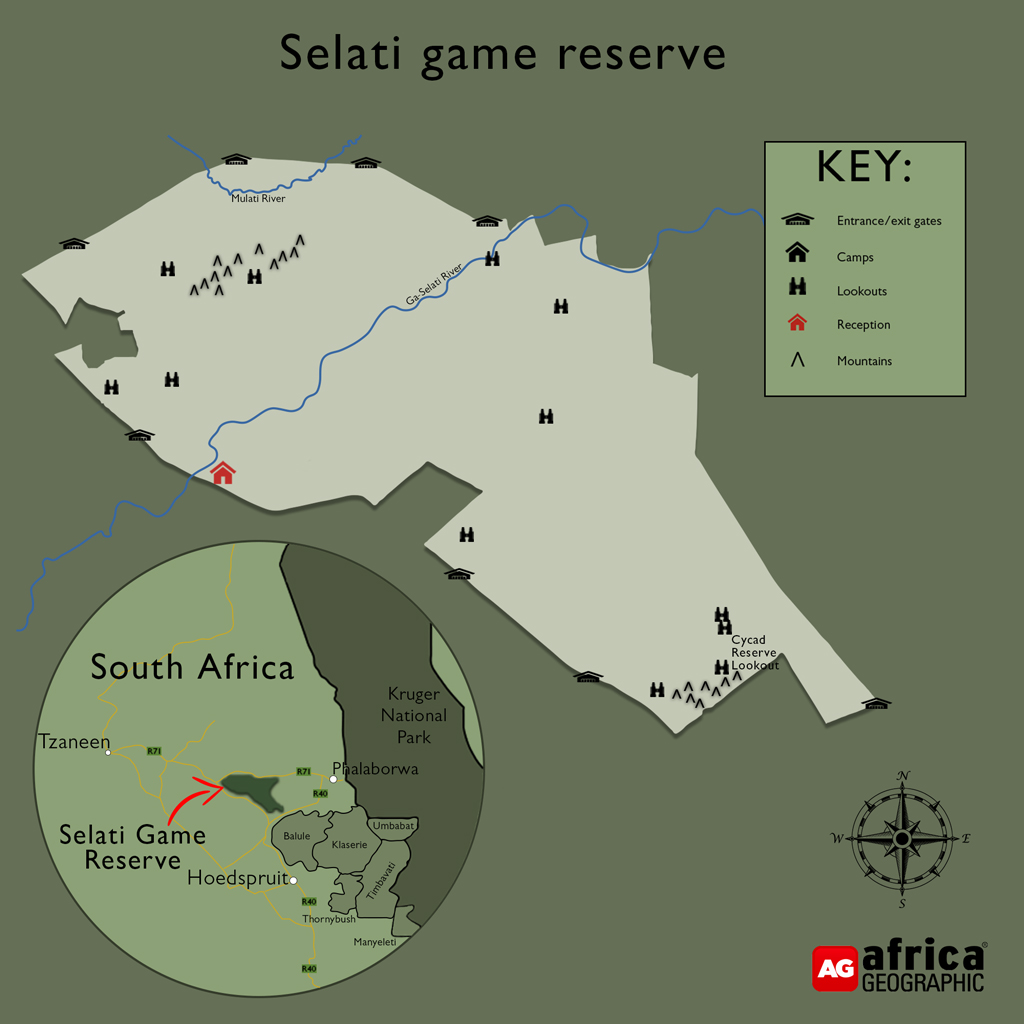
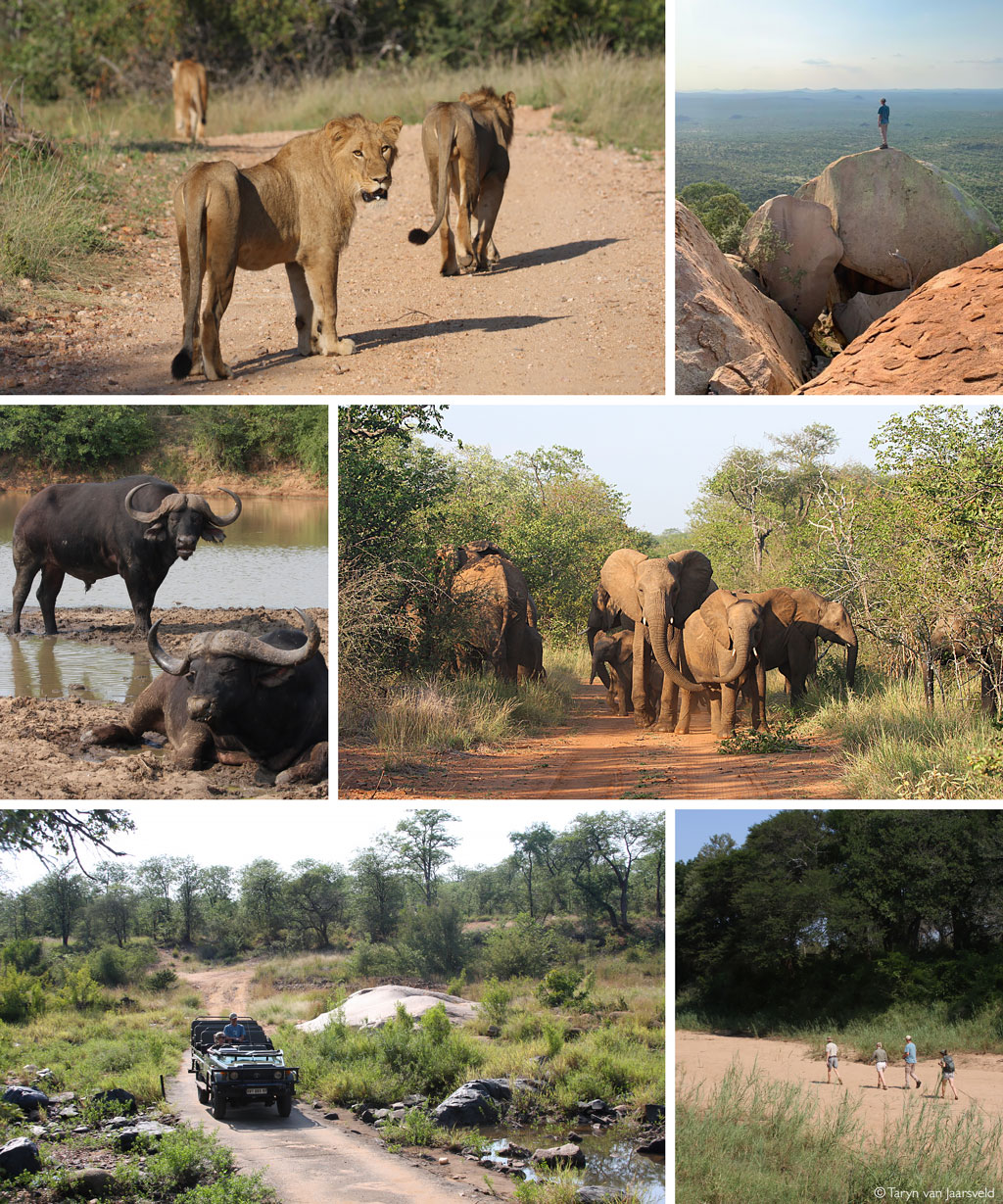
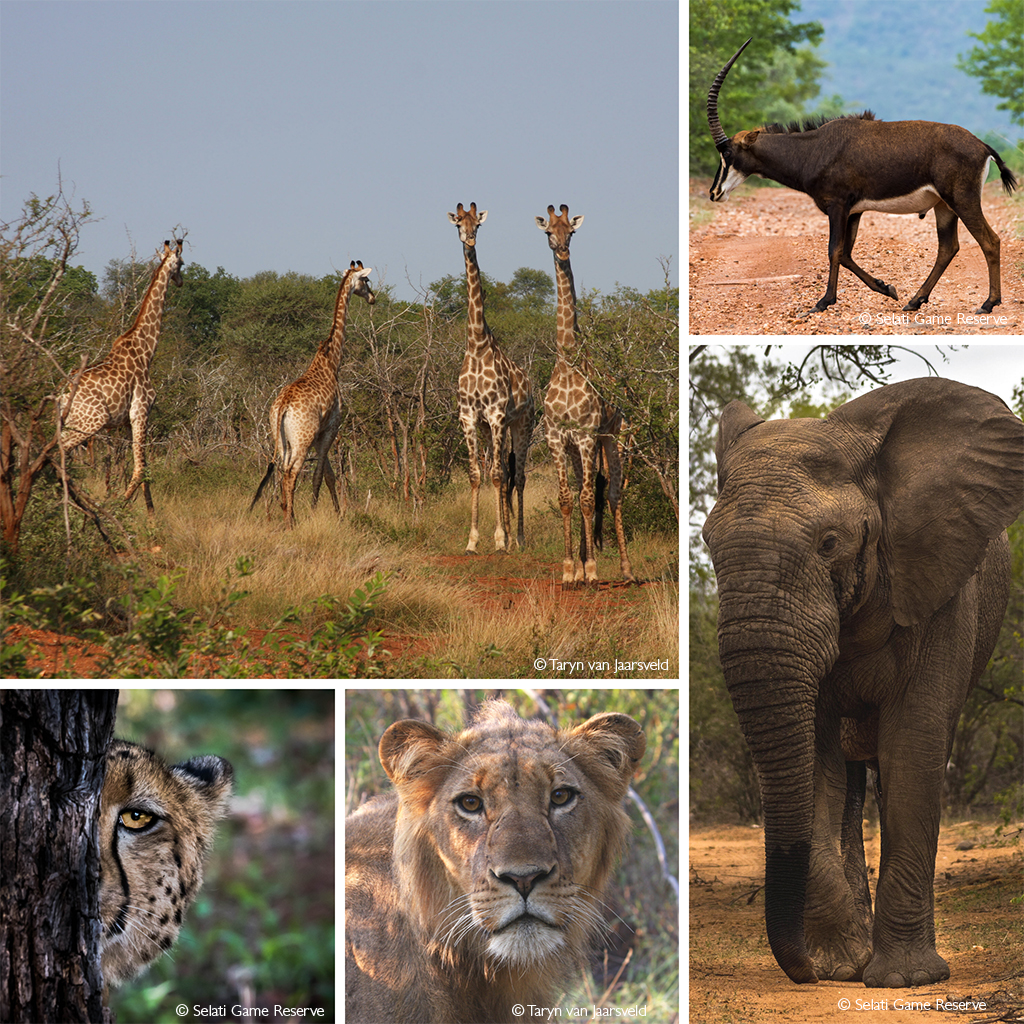
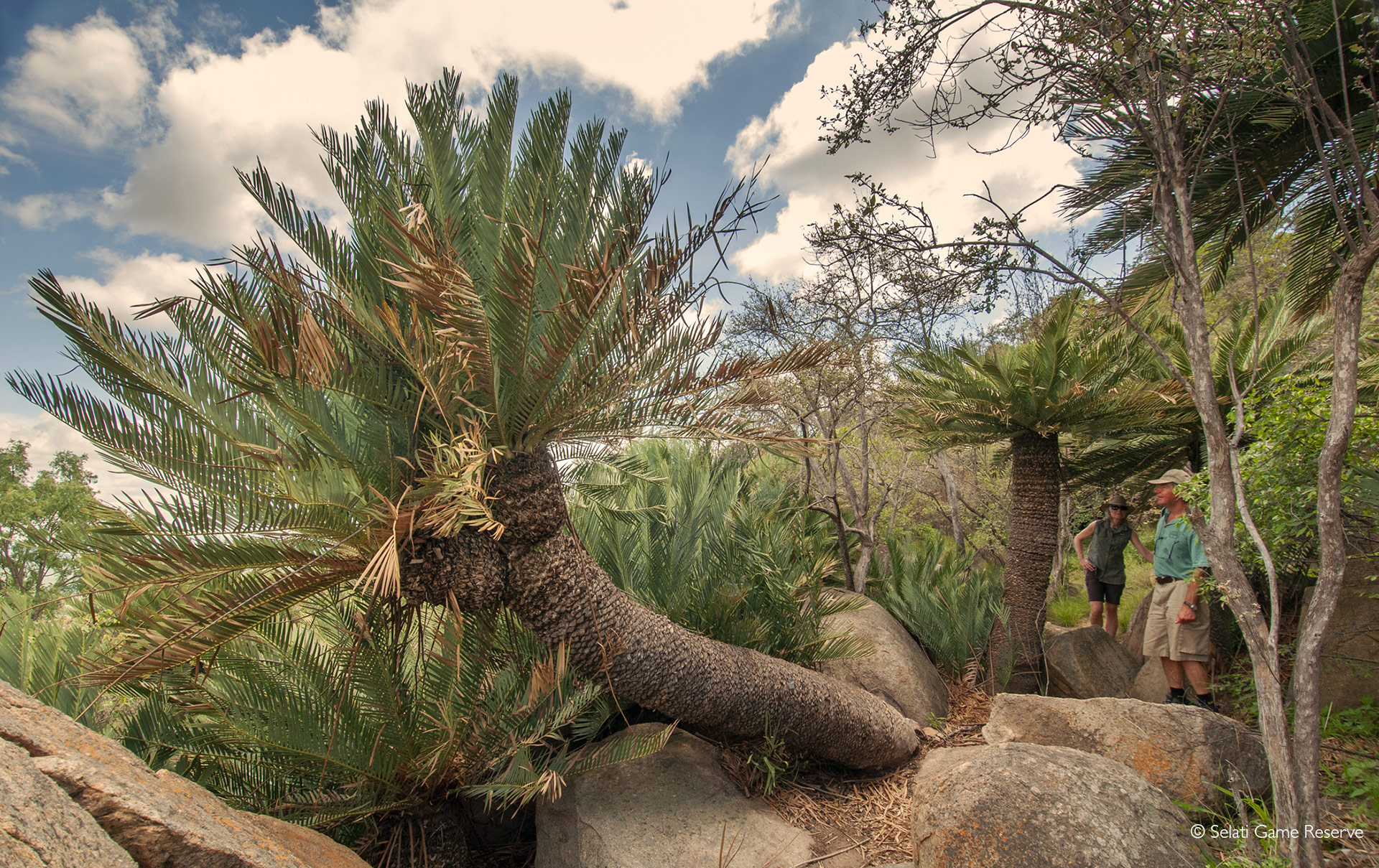
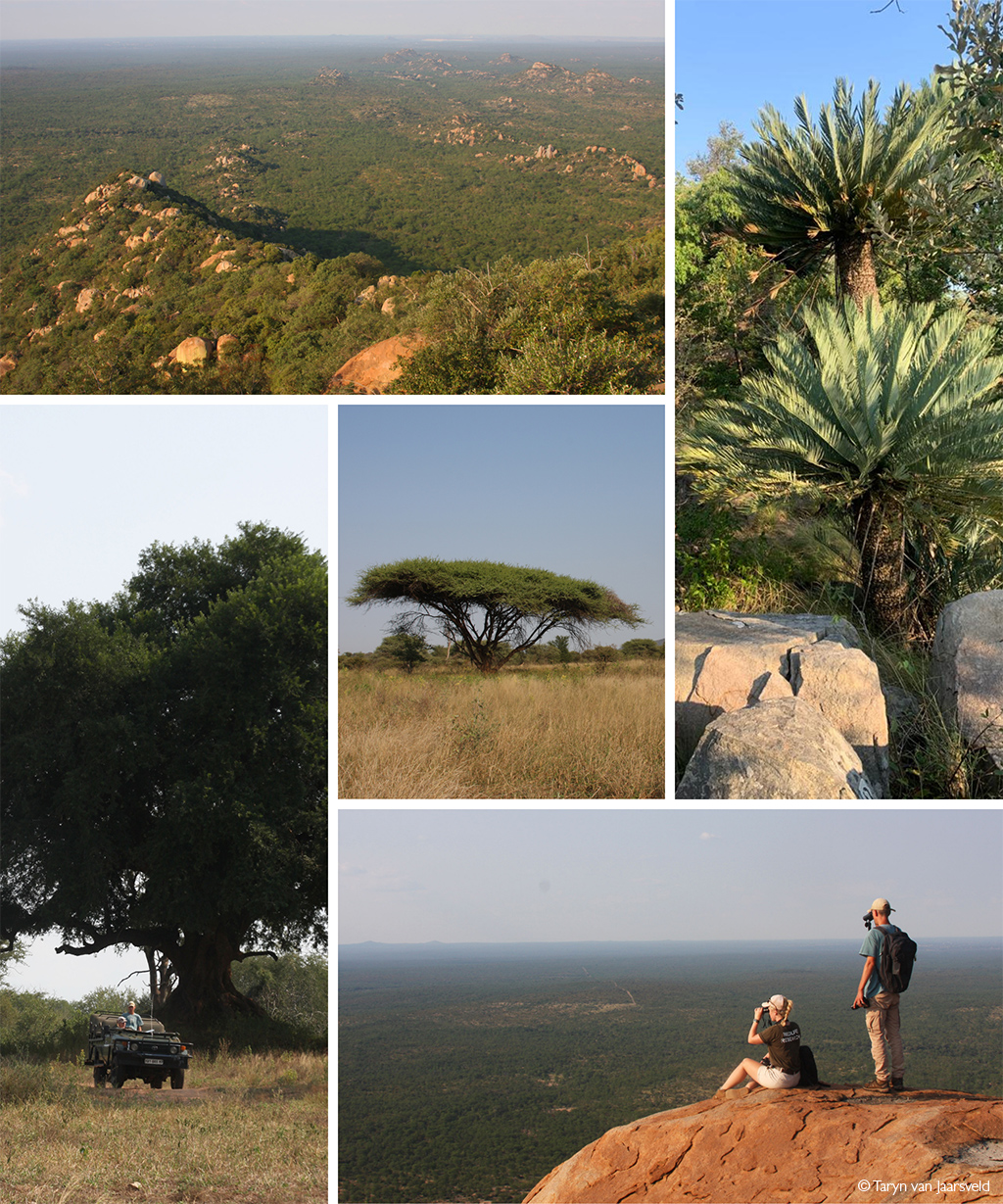
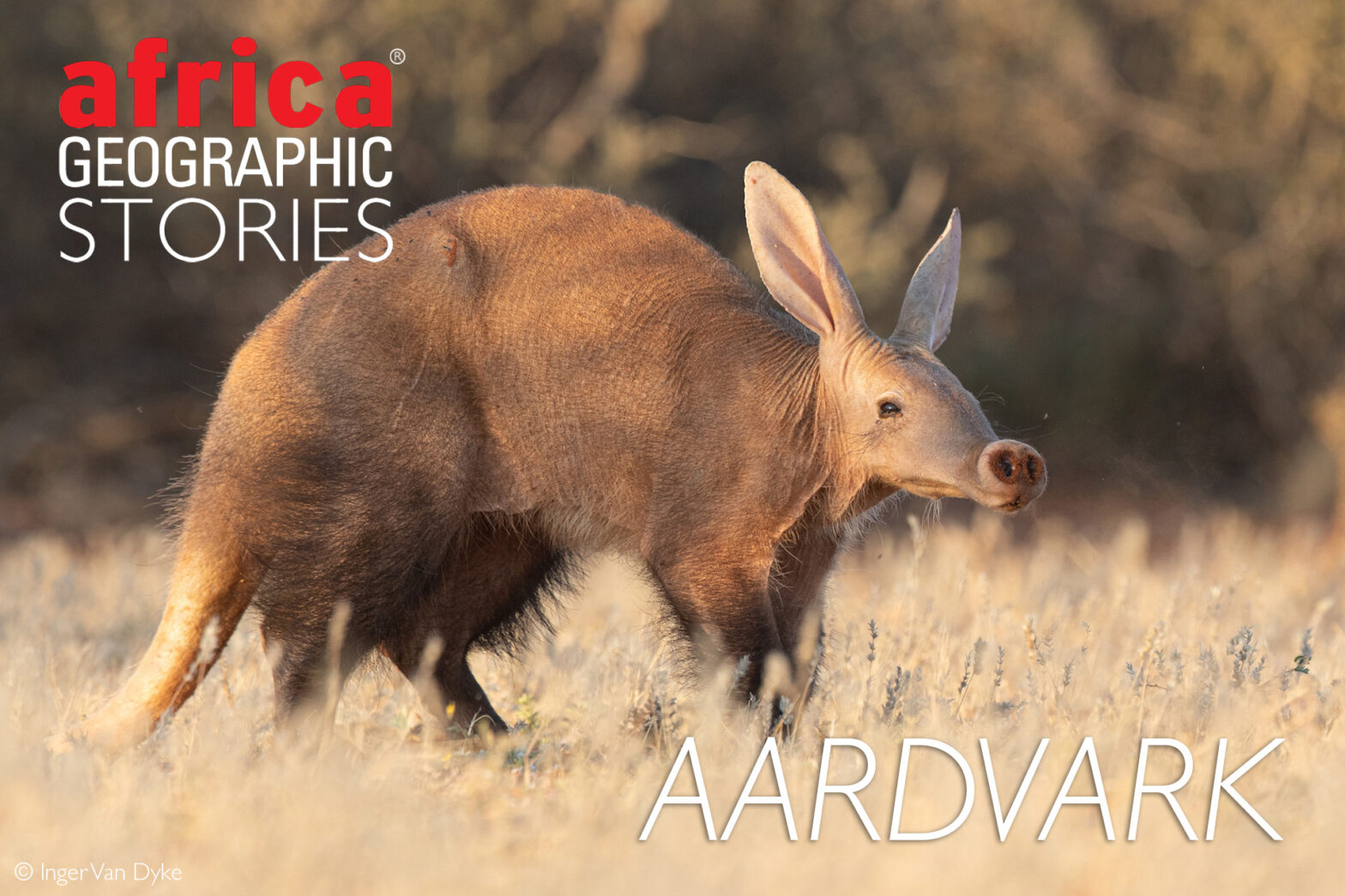
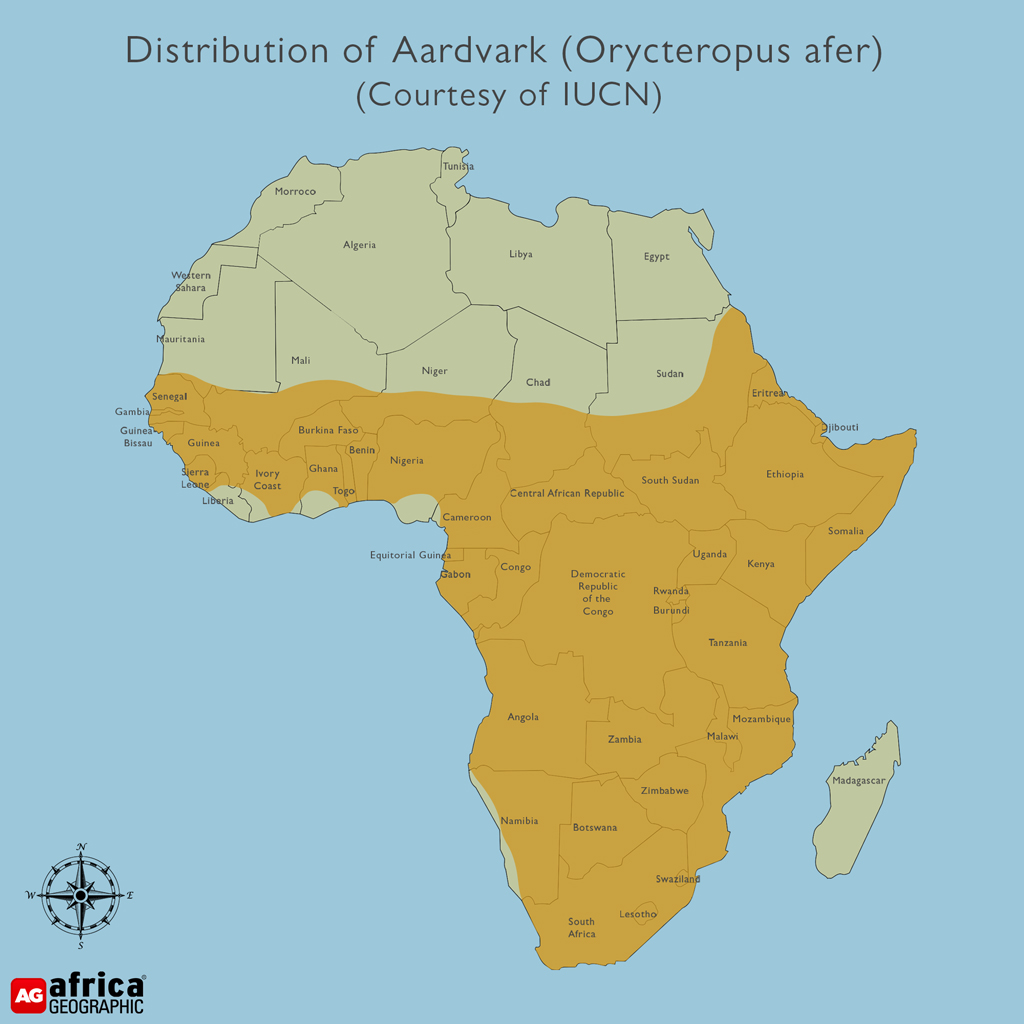
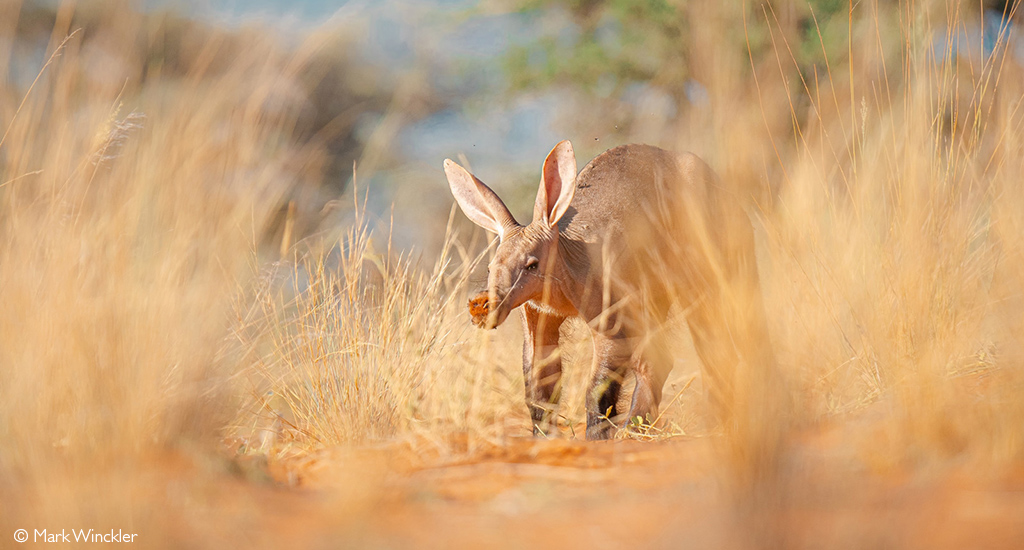
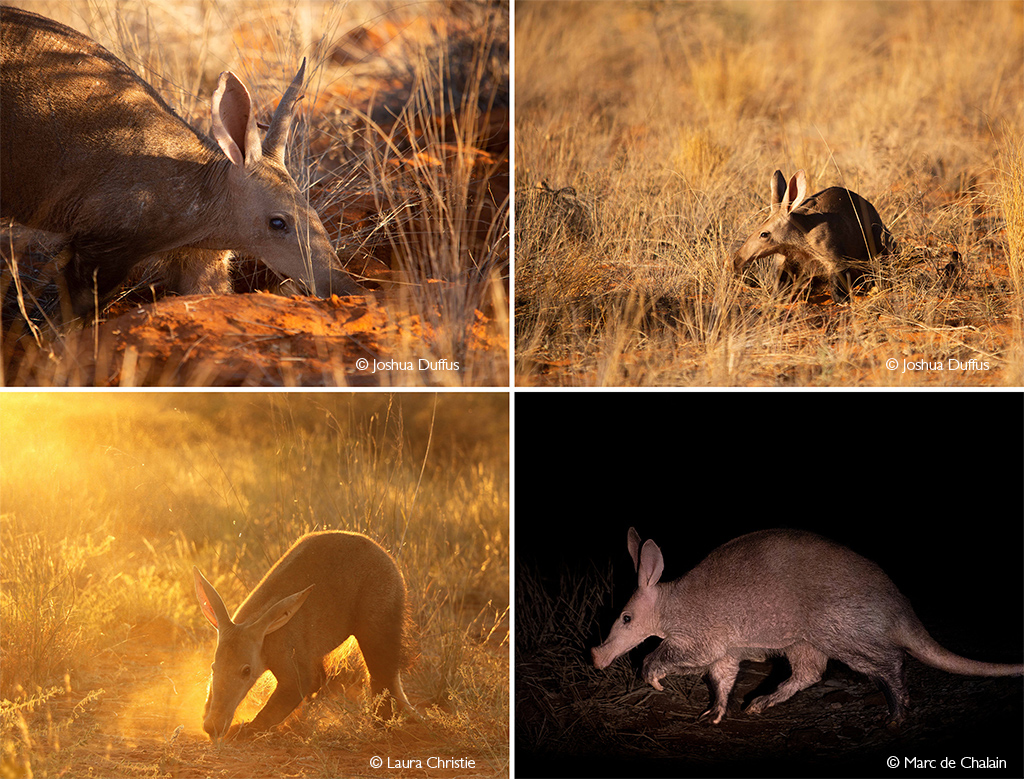
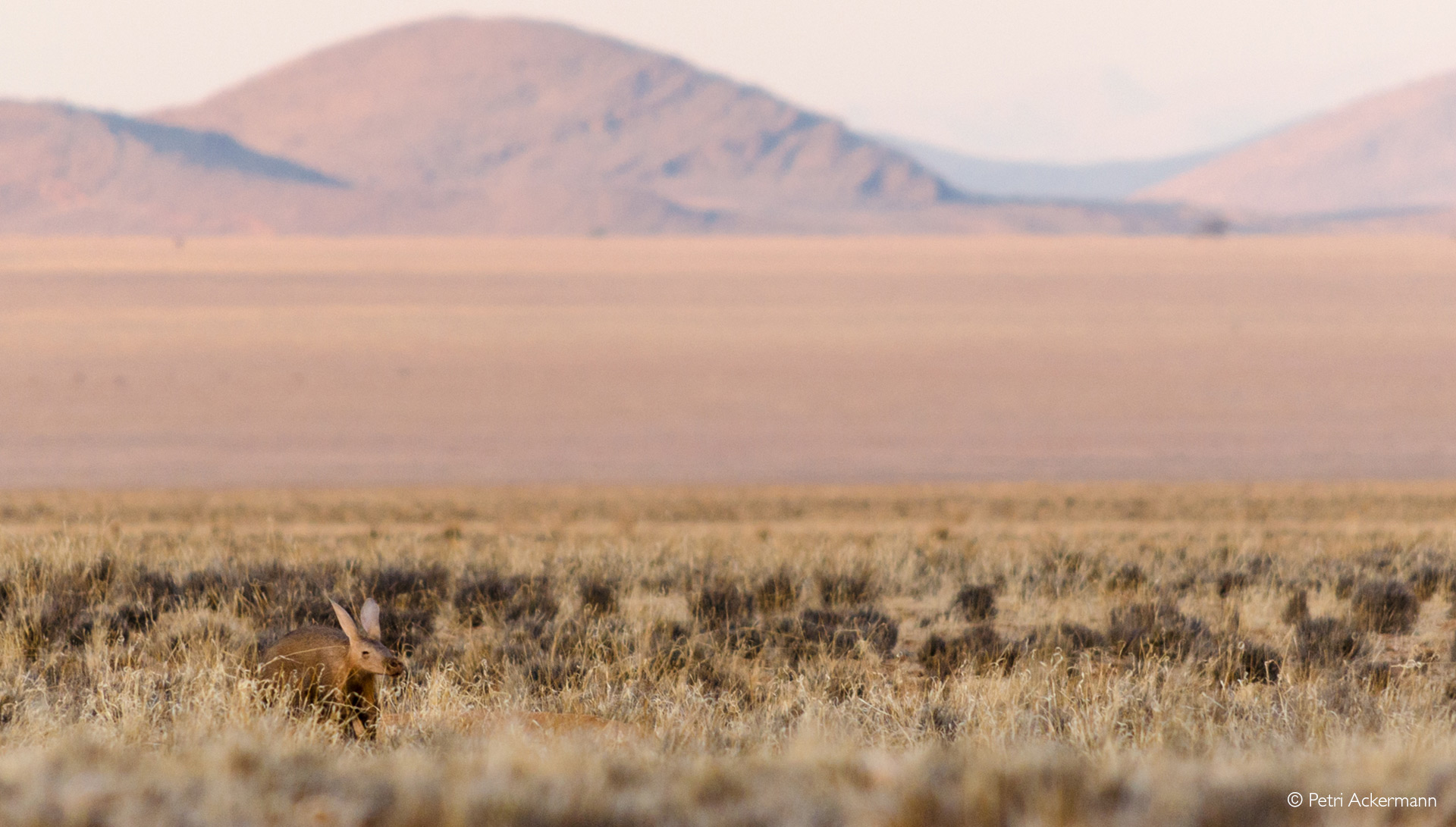
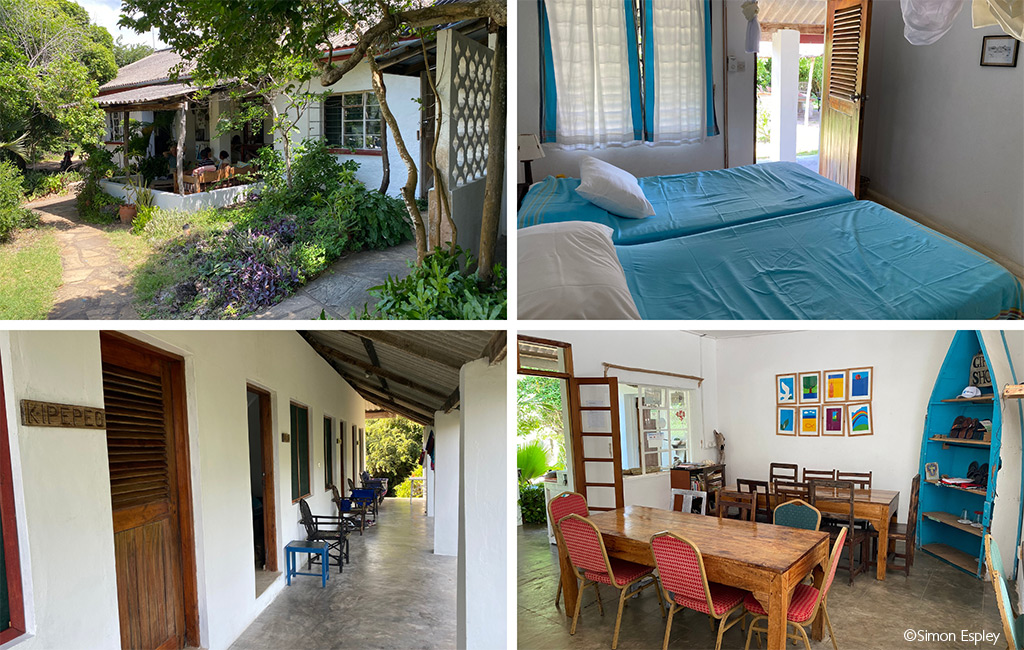
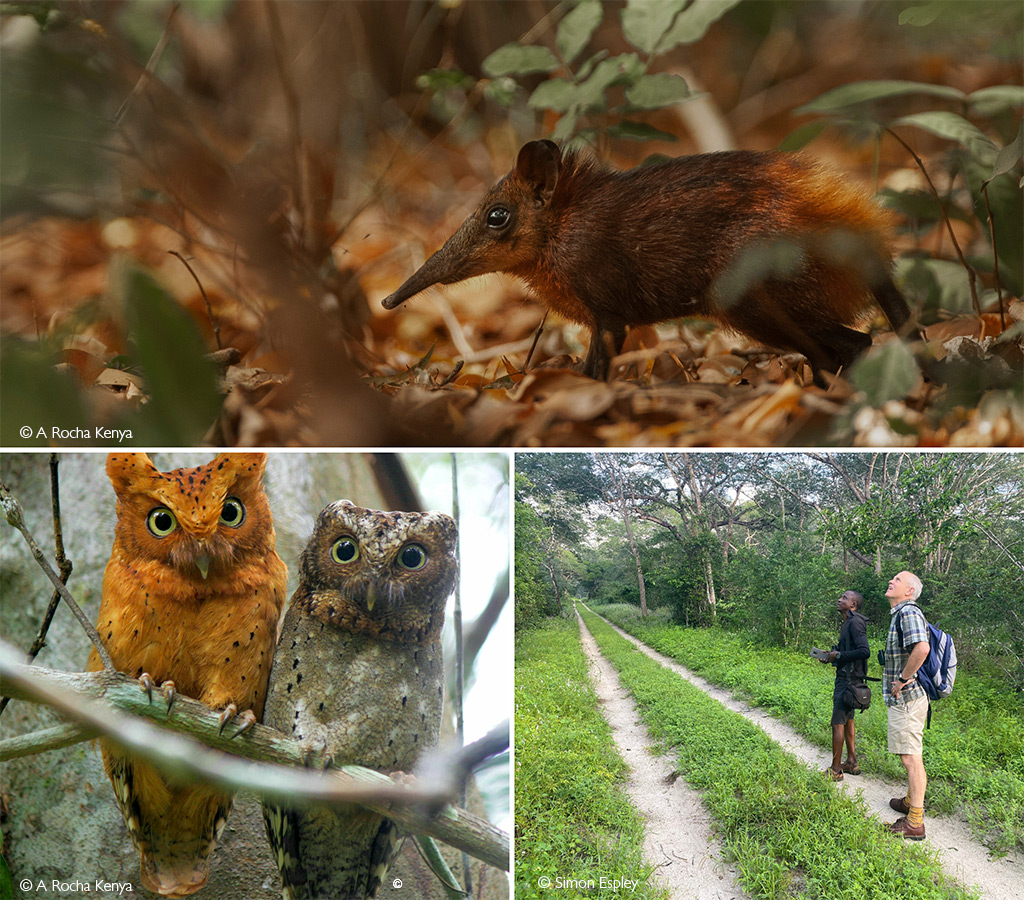
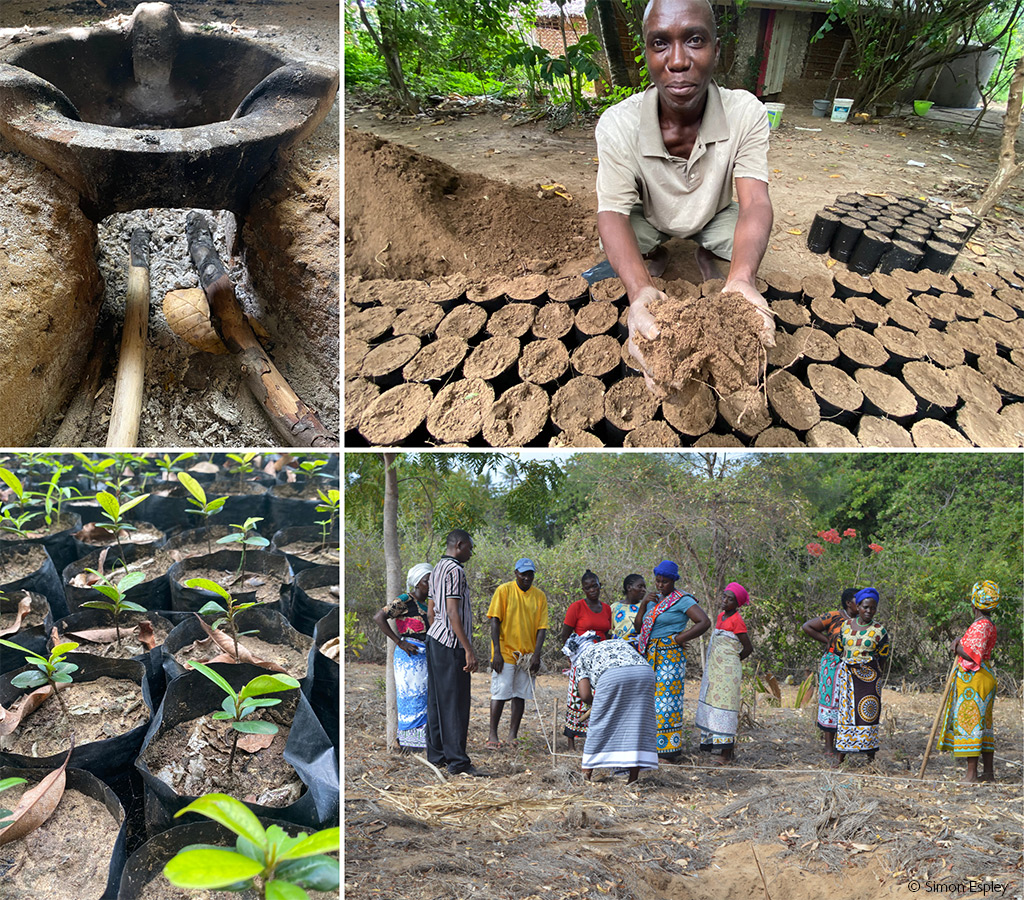
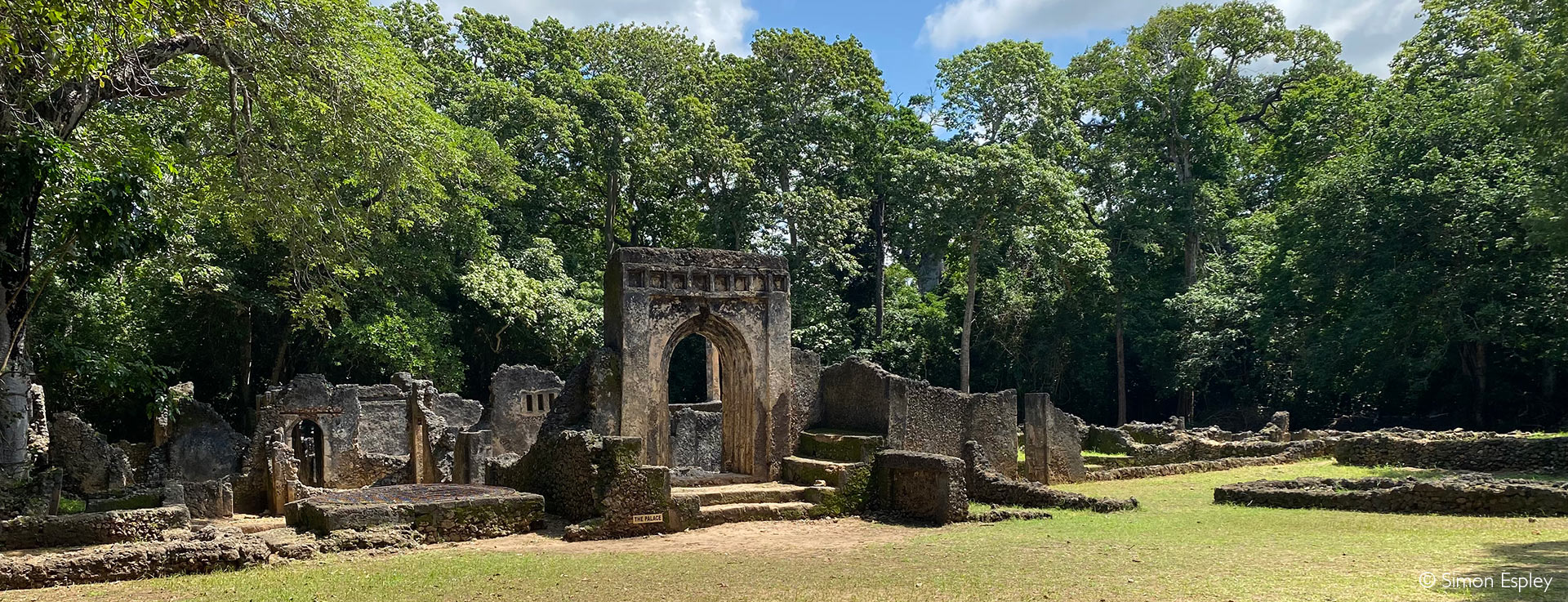
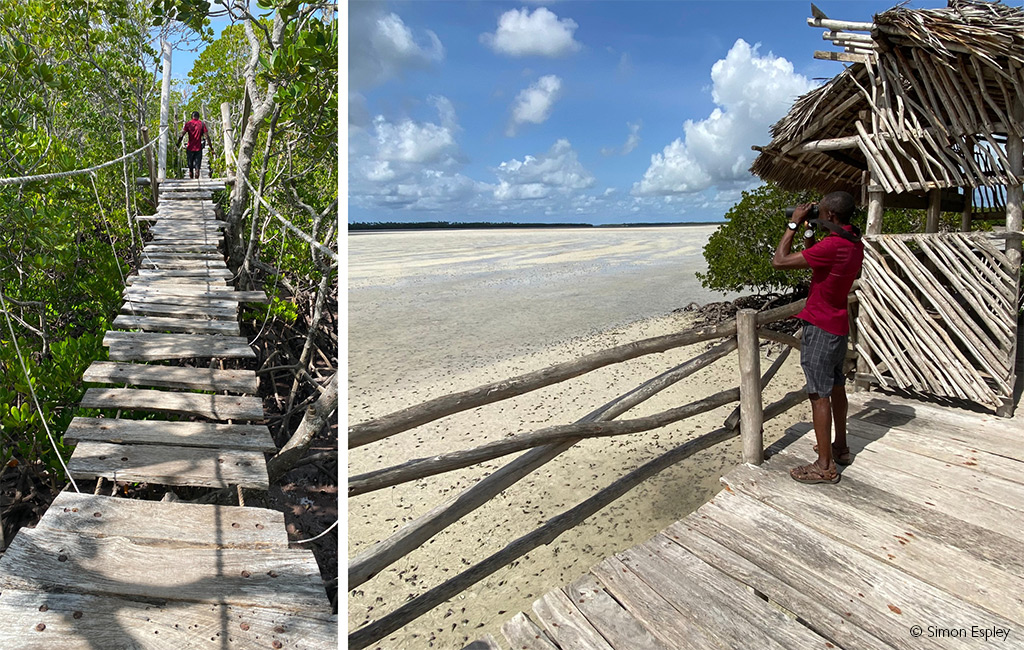
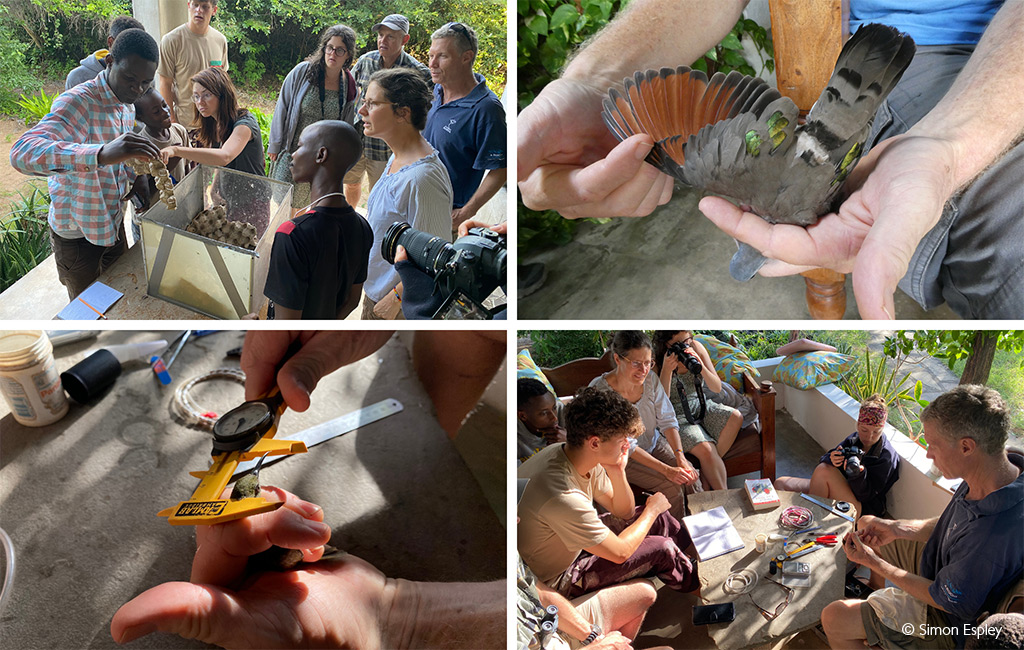
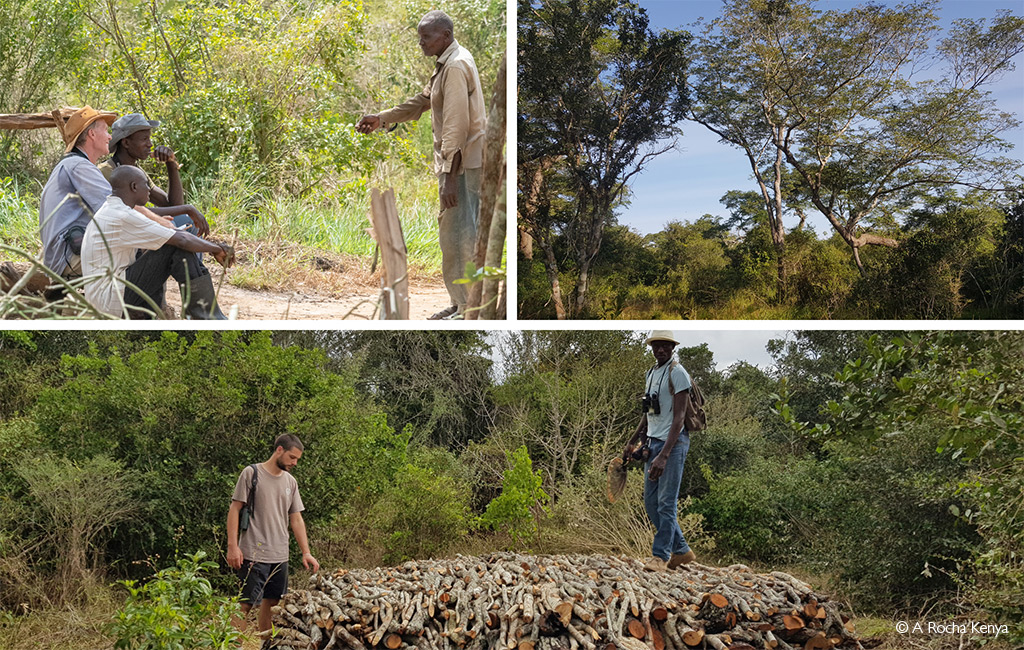
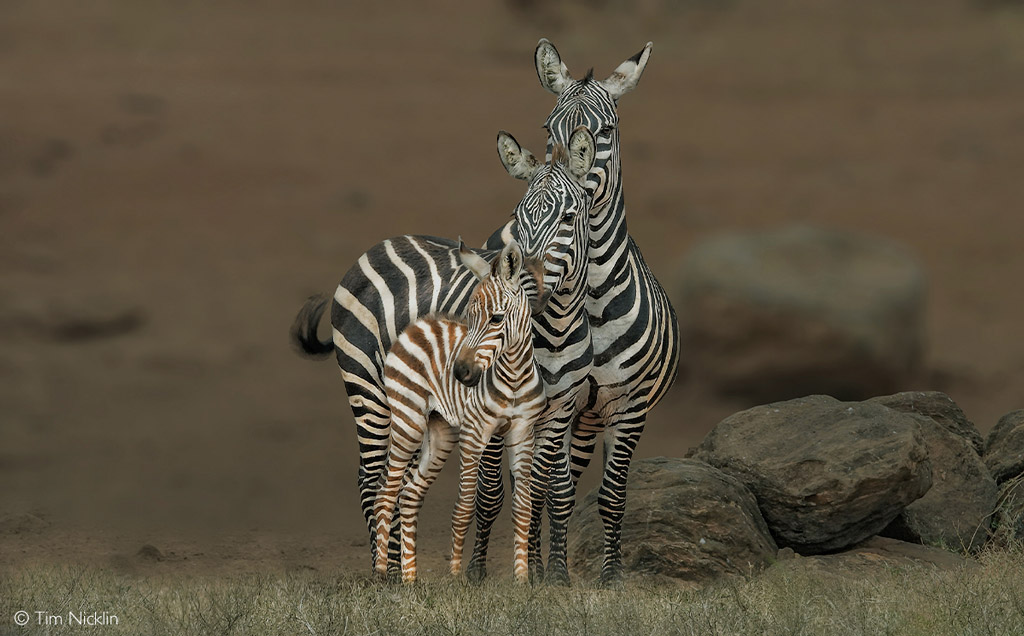
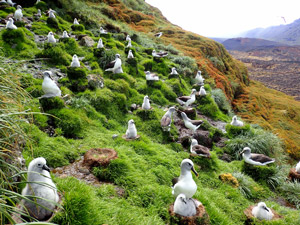 We’ve just added the Mouse-Free Marion Project to our selection of trusted conservation and community projects.
 The burgeoning popularity of social media has allowed it to evolve into a potent force with positive and negative consequences. From raising awareness to the proliferation of misinformation, social media can significantly impact conservation efforts.