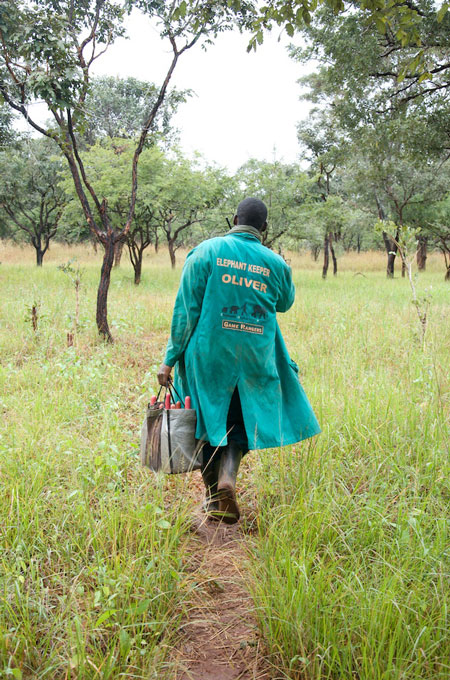
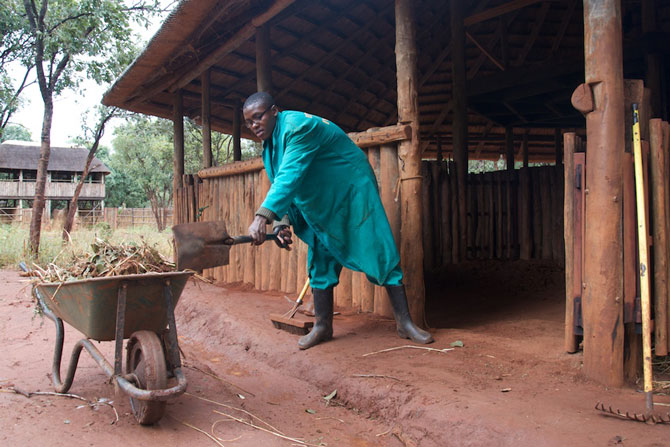
“You’re running the boma dismantling project,” I did a little dance in my seat when Simon, the operations manager at Liuwa Plain National Park, told me. “It’s going to be three days of hard physical work,” he’d warned but, while we took down the smaller of the buffalo re-introduction camps, it also meant two nights of camping under the stars in the park! By Noeline Tredoux
Driving through the various woodlands to the boma, I noted the new growth and flowers coming into bloom, evidence that the rains are not far off. Soon after passing the Kwale woodland, we encountered the boma’s namesakes, calmly grazing in the tall grass.
Extensive poaching and hunting in the 1980s and 90s eradicated the African buffalo from the park and surrounding area. Between 2008 and 2012, African Parks re-introduced 50 buffalo from various regions of Zambia to restore Liuwa Plain to its former diversity. As part of this program, a fenced release pen was built in a woodland, which the locals call the “Buffalo Boma”, to monitor and acclimatise the buffalo to their new surroundings. Since then, the boma has periodically been used for housing the buffalo at night, vaccinating programs and re-collaring.
These days the buffalo are left to roam freely, with scouts on motorbikes monitoring them routinely. Although buffalo poaching has not become a problem, the buffalo have taken a certain liking to the villagers’ rice fields planted along the park boundary and in the game management area. Liuwa Plain National Park is one of the few parks in Africa that has a historical resident human population around and within the park boundaries. This mobile unit helps to control the human-wildlife conflicts that may arise during the rice season and beyond.
Over the next three days, the seven men and I worked from sunrise to sunset, breaking for a couple of hours over the hottest time of the day. Working in teams we took down the electrical wire and fencing, removed the support poles and cleaned up the scout camp.
On the last morning, we had one final challenge – the steel poles at the corners of the enclosure, which had been cemented quite firmly in place. Luckily the guys were all game to show off their prowess with the pick-axe, and it soon turned into a competition to determine which team could break their block first. Much shouting and cheering resulted when the first block cracked, and the pole was run around, reminiscent of a player who’d scored the winning goal at a major soccer game!
By lunchtime, all that was left to do was collect everything neatly and wait for the truck. Before the truck could arrive, a group of tourists had a breakdown, and my vehicle was called to assist. No rest for the wicked here at Liuwa Plain…
Wildlife photographer WILL BURRARD-LUCAS first developed a passion for wildlife while living in Tanzania as a child. Since then, he has photographed wildlife all over the world – and primarily in Africa. Will aims to inspire people to celebrate and conserve the natural wonders of the planet through his imagery. He has partnered with several conservation organisations donating his time and images for their fundraising activities. Working with the Ethiopian Wolf Conservation Programme, he draws attention to the challenges this species faces. View more of Will’s work on his website.
I studied nature conservation in South Africa and then went away for 13 years, but the vast landscapes, extraordinary wildlife and ancient cultures drew me back. So, in 2014, I found my way to a Himba community in Namibia’s Kunene region.
After a 10-hour bus trip from Windhoek and another few hours in a car, I arrived at the regional capital Opuwo, a town of 15,000 people. I was stunned when I first saw a Himba woman. It was surreal to see a person wearing animal skins in a shopping mall. What followed was a month-long stay with the Himba along the Kunene River near Epupa Falls. This formed part of a long-term documentary project called “Wild Born” that focuses on tribal women worldwide.
While with the Himba, I encountered a fascinating world that is rich and complex. The communities I stayed with were predominantly female. Some had just six members, others more than a hundred women sharing their lives. The Himba are polygamous, so traditionally, a woman would settle in her husband’s household, where she would live with his other wives and extended family.
Himba children are raised with the support of other women
The men are often away tending cattle at outposts, where they might have another wife or partner or may even go to towns to find work. As a result, many women stay permanently in their traditional villages, conducting their daily activities without men’s involvement. And many of them raise their children without fathers but with the support of other women. It was the resulting strong sense of womanhood on which I focused my documentary work.
Most Himba ceremonies and rituals are directed at ancestral spirits thought to have supernatural powers. One of the most significant is that of the holy fire, called Oruzo, which burns continually in each village and represents the link between the living and the ancestral spirits.
On reaching puberty, a girl leaves the village until she is initiated into womanhood
I witnessed several social rituals, including a girl’s initiation. On reaching puberty, she must leave the village until she has been ritually brought into her new social standing. Supported by the women in the group, she is taken to a special enclosure where she is spiritually protected during her first menstruation. She is given many gifts at this time, and ultimately, once she is presented to the spirits, her change in status is official, and a traditional leather crown is mounted upon her head as a symbol that she is marriageable.
The Himba arrange their hair in very special ways. Girls have two primary braids that face forward, but when they reach adulthood, the braids are swept back and transformed into the familiar long, red plaits that are covered with Otjize, a mixture of butterfat and ochre. This is also regularly rubbed into the skin because the Himba seldom wash with water, which is scarce in this arid region. The mixture serves to protect and clean the skin and is an attractive adornment giving the Himba their distinctive ochre colour. Himba women and girls also like to perfume themselves in a morning ritual. They collect aromatic tree roots, which they mix with herbs, crushing them together using a hot stone, and then burning them to create heavily perfumed smoke. They sit close to the fire, covering themselves with a blanket to absorb the scent.
It is usual to find young boys in the villages but as they grow older, they build strong brotherhoods forming tight-knit groups that move around, stopping at villages for a few days and then moving on. It was common to see such groups in Opuwo and at Epupa Falls. Most of them are looking for jobs but, as I realised, there is little opportunity in the towns, so the boys spend their time walking around without any work.
The Himba often find themselves confused, not fitting into their village or town
The Himba find it hard to adjust to modern life and often find themselves confused and feeling “different” – not fitting into their village or town. But progress is inevitable and has both positive and negative effects. One of the most profoundly detrimental is the opening of bars and the selling of alcohol. Directly or indirectly, it affects almost everyone – from elders to young children.
During my time in the villages, several cars and safari trucks stopped by. The Himba women are sought after by photographers for their striking beauty and ochre body colour, and their warm and accepting character helps tourists feel welcome.
Despite being exposed to tourism and development, the Himba remain predominantly traditional and seem to enjoy the attention. They benefit financially from tourism, as they sell souvenirs from small markets and sometimes accept money for photographs. But, while there is nothing wrong with photography, the tourists’ experience seldom goes deeper than that, and there is no understanding of the effects of progress on these fragile communities.
We can learn a lot from the Himba way of life, from the concept of communal living based on sharing, caring for each other, and living sustainably. As Westerners, we are so occupied with our sense of self, trying to achieve personal success and growth, that we forfeit quality time with family. I also believe that indigenous people like the Himba, who live closest to nature, are often our greatest allies in trying to protect it.
ALEGRA ALLY is a Documentary photographer and a Fellow member of “The Explorers Club NYC”. She currently lives in Sydney, Australia, where she is completing her MA studies in Applied Anthropology. Ally is committed to working on issues relating to empowerment of women and girls, diminishing cultures and the environment. As part of her project ‘Wild Born’, Ally spent the last four years travelling to some of the most remote corners of the world where she lived with isolated tribes.
As part of her ‘Wild Born’ project, Alegra Ally spent four years travelling to remote corners of the world where she lived with isolated tribes. Through film, photography and writing, this project documents the ancient ways, intimate ceremonies and rituals of tribal women. One of those tribes was Namibia’s Himba people, and these images explore the Himba girl’s ascent into womanhood as well as aspects of her everyday life.
ALEGRA ALLY is a Documentary photographer and a Fellow member of “The Explorers Club NYC”. She currently lives in Sydney, Australia, where she is completing her MA studies in Applied Anthropology. Ally is committed to working on issues relating to empowerment of women and girls, diminishing cultures and the environment. As part of her project ‘Wild Born’, Ally spent the last four years travelling to some of the most remote corners of the world where she lived with isolated tribes.
IN CHAD’S DRY SEASON, THE WATERS
OF ZAKOUMA ATTRACT A
VERITABLE NOAH’S ARK OF ANIMALS
Images by
MICHAEL LORENTZ
Renowned safari guide Michael Lorentz has been immersing guests in the wildlife lore of Africa for 26 years. He is always in search of authentic experiences and he has taken this to new levels in Chad’s Zakouma National Park, a place he now ranks as his favourite destination.
Many of Africa’s safari operators cater for the luxury market, but as Lorentz points out, ‘To truly appreciate the wonder of the wilderness, one needs the luxury of just “being”. It is a surprisingly rare luxury in today’s over-regulated safari world, and therefore all the more special when indulged. Sitting for hours at the waterholes of Zakouma, as a Noah’s Ark of animals and birds came to drink and socialise, fulfilled a lifetime of longing for being a part of a natural whole.’ And so we bring you a few images of that ark, taken by Michael down by the waterside of Zakouma.
MICHAEL LORENTZ is passionate about wildlife, wilderness and elephants in particular. Born in South Africa, he knew early that his true vision and happiness would lie in Africa’s wild places. A passionate and award-winning photographer, Michael’s work has been featured in several publications, as well as at the Smithsonian Museum of Natural History in Washington DC. Having guided for 26 years, this remains his first professional love, conducting safaris throughout Southern, East and Central Africa.
‘The current buzzword in the travel industry is “experiential”. But it’s been used to death. It’s old. It’s dull,’ says renowned safari guide Michael Lorentz. ‘A colleague of mine in Kenya, Peter Silvester, was talking about making spears the old way by smelting them in the sand, and other off-piste stuff, and he said to me, “Mike, screw it. Experiential travel is for the birds. What we want to be doing is experimental travel.”’
Lorentz recently returned from Zakouma National Park in Chad, where he was guiding guests for the first time. Chad isn’t on the romanticised safari circuit like Kenya and Tanzania. Chad’s recent political instability means the country’s tourism infrastructure is almost non-existent. But that’s what attracted Lorentz: a sense of the unknown – and the fact that Zakouma was being managed by African Parks, an organisation he thinks of as Africa’s conservation heroes.
‘The guests I took to Zakouma were hardcore safari enthusiasts, each with over 20 safaris under their belt. Doing something like this attracts guests looking for something beyond the infinity pool. Granted, we weren’t going into a war zone. We weren’t on the frontlines of anti-poaching patrols like the rangers are. But it’s not a family holiday. It’s incredibly remote. It’s uncomfortably hot. The Tsetse flies were so vicious in some parts that between eight and fifteen were biting you at one time – there were moments I wished I had a beekeeper’s suit. But it’s a privilege to be able to go to a place that has that kind of experience. It’s a real adventure.’
And Lorentz’s guests agree. Despite all of the incredible African trips they have under their belts, they said Zakouma was the safari highlight of their lives.
Tourism professionals spend so much time trying to avoid any hardships for their guests that the safari experience loses its wild edge. But there’s a breed of traveller who wants to go places where they are not mollycoddled and where authenticity isn’t manufactured. ‘We are at such a scary period in history. Everything is frightening. We need to retrain people to be adventurous,’ says Lorentz. ‘We may have thought that by taking away risk, we have created a happier life. But it’s not true.’
Some travellers want to go places where authenticity isn’t manufactured
Lorentz is quick to point out that the tourism industry would never put clients in harm’s way, but that it’s people’s perceptions of risk that need to be challenged. It rings true when it comes to tourists’ perceptions of Africa. Thousands are cancelling trips to the big safari hubs like Kenya, Tanzania and South Africa because of the Ebola outbreak, even though these regions are so distant from the affected areas that saying one is cancelling a trip to South Africa because of an Ebola outbreak in West Africa, is like cancelling a trip to Florida because of an outbreak in Alaska.
But if a tourist is willing to be a little more adventurous, the reward is far greater, and for a guide like Lorentz, who is extremely well-versed in conservation issues, it is doubly rewarding because it enables him to find out what is happening on the edge of conservation and beyond, which is where African Parks operates.
DID YOU KNOW that African Parks offers safari camps (lodges and campsites) where 100% of tourism revenue goes to conservation and local communities? Find out more and book your African Parks safari.
‘In many parts of Africa, conservationists are at war,’ says Lorentz. ‘And African Parks are going into the hardest areas knowing how important they are to conservation. Governments throughout Africa have struggled to manage their parks. But the Chadian government had the foresight to let African Parks manage Zakouma. And the results speak for themselves. The park would hardly have any elephants left without them.’
Zakouma is considered one of the last strongholds for central African wildlife, but demand for ivory has sky-rocketed over the last decade, and Zakouma’s elephant population has suffered terribly under the poacher’s gun. An estimated 4 300 elephants in 2002 were reduced to 450 by 2010.
The massacre of Chad’s elephants is nothing new. Going back two centuries, Sudanese gangs mounted on horseback regularly made their way to the region to hunt elephants using spears. They would load the ivory onto camels and donkeys and return to Sudan with the loot. ‘Today, they use AK 47s and belt-fed machine guns. There have been massacres of 60-80 elephants at a time,’ says Zakouma National Park manager Rian Lubuschagne. ‘In Chad, the elephants are known for moving in tight groups for mutual protection. It was originally a defence against the horseman with spears who would have to separate individual elephants to kill them. But that dense grouping has become their greatest downfall. It now makes it easier for mounted poachers to corner the elephants, herd them in a direction, and ambush them with machine guns, shooting into the group.’
Zakouma’s elephant population is now stable at just over 450 but might have been wiped out if African Parks hadn’t taken over in 2010. It wasn’t easy to convince Chad’s government to give them the sole mandate of managing the park – and to do so beyond the usual five-year project basis. ‘This had to be for the long term,’ says Labuschagne, ‘But steadily, once the government started seeing results and how we were working with the Chadians as partners, they started accepting it. They are very serious about it now. President Déby is driving it, and we get their full support.’
But how did they turn it around? Labuschagne explains that one of the keys was studying the history of Zakouma, particularly where and when the elephants were most threatened. It became clear that, for about three months during the wet season, when the park closed down, there was intensive poaching. The elephants moved in a very wide area to try and escape – moving up to 100 kilometres beyond the periphery, but it was here that poachers found it even easier to pick off the herds. The key was for African Parks to stay in the park and conduct operations for 12 months of the year.
12 airstrips were opened to deploy rangers and conduct extensive aerial patrols
‘If you look out here now, it is one big lake. We’re on an island. We can just get to the headquarters with a 4×4 tractor,’ says Labuschagne. To resolve this, one of the first things they did was build an all-weather airstrip right next to the park. With good planning and the stockpiling of food, equipment and fuel, they could operate year-round. They also opened 12 small airstrips at key places throughout the park, and within the first year, they could follow the elephants as they moved. ‘10 to 12 satellite collars were fitted to elephants so we could track the main herds. This and the airstrips allowed us to plan and execute our ranger deployment and perform aerial patrols with efficiency.’
One of the other major issues was that rangers were informing locals – and poachers directly or indirectly – about their patrol areas and the location of the herds. African Parks eliminated this by withholding all information about upcoming patrols from the rangers until they were at central command and ready to be deployed. This way, they had no opportunity to inform anyone.
Putting rangers on horseback meant they were on a par with poachers
Approximately half of the rangers are now on horseback. This puts them on a par with poachers regarding ground operations, and the horses are even better utilised during the wet season when vehicles cannot negotiate the park. It also allows them to cover larger distances, carry more provisions and conduct patrols over a longer period. Thanks to the donation to African Parks of a thoroughbred stallion to breed with local mares, their horse stock has been improved. Also, as a contribution to community understanding and enrichment, the sire services have been extended to the local people’s horses.
But Zakouma is still probably the most dangerous park in Africa to be a ranger. ‘They have lost 23 rangers since the 90s in conflict with poaching gangs from Sudan,’ says Labuschagne. In September 2012, six Zakouma rangers were murdered while they were at morning prayer in what is considered a reprisal attack by poachers. French ex-military and ex-police Special Forces officers now conduct training.
This story of Zakouma is what Michael Lorentz wanted his guests to know and appreciate. Lorentz’s infinity pool is of a different sort. It is a place in Zakouma, a natural water point abundant in wildlife called Tinga Junction. ‘Sitting here for hours, with no weapon, no vehicle backing you up, you are just one of the elements,’ he says. ‘Creatures are reacting to you – your movements, your body language. That’s being in nature. That’s very hard to achieve at a typical infinity pool.’
MICHAEL LORENTZ is passionate about wildlife, wilderness and elephants in particular. Born in South Africa, he knew from an early age that his true vision and happiness would lie in Africa’s wild places. A passionate and award-winning photographer, Michael’s work has been featured in several publications, as well as at the Smithsonian Museum of Natural History in Washington DC. Having guided for 26 years, this remains his first professional love, conducting safaris throughout Southern, East and Central Africa.
ANTON CRONE quit the crazy-wonderful world of advertising to travel the world, sometimes working, sometimes drifting. Along the way, he unearthed a passion for Africa’s stories – not the sometimes hysterical news agency headlines we all feed off, but the real stories. Anton strongly empathises with Africa’s people and their need to meet daily requirements, often in remote, environmentally hostile areas cohabitated by Africa’s free-roaming animals.
Amid news of rising sea levels, extreme weather patterns and species under threat of extinction, a tiny snail on a tropical island in the western Indian Ocean archipelago of Seychelles is giving scientists hope that nature may be more resilient than originally thought.
The Aldabra banded snail (Rhachistia aldabrae), with its distinctively-hued purple shell intersected with bands of bright pink, endemic to the UNESCO World Heritage Site of the Aldabra Atoll, was last seen in 1997 on the islands of Picard, Malabar, Polymnie, Esprit and Grande Terre. After extensive searches of all the islands in the atoll, the species was declared extinct by Justin Gerlach in a paper published in 2007.
The Aldabra Atoll is one of the largest and most pristine raised coral atolls in the world. Designated a World Heritage Site by UNESCO in 1982, Aldabra is managed and protected by the Seychelles Islands Foundation (SIF), a Public Trust established in 1979.
Aldabra is an undisturbed refuge for a variety of endangered species, including the world’s largest population of Aldabra giant tortoises and plays host to one of the largest congregations of nesting green sea turtles in the Indian Ocean.
It was thought that decreasing rainfalls in the atoll was the cause of the Aldabra banded snail’s demise, leading to widespread claims that the species was one of the first known casualties of climate change.
Happily, however, it seems that the rare invertebrate has lived to fight another day after a junior staff member of SIF discovered a snail he did not recognise on 23 August 2014, according to a press statement from SIF. Junior Skipper Shane Brice was exploring dense mixed scrub in a rarely-visited area of Malabar, the second-largest island in the atoll.
“I was bush-bashing through the scrub when I spotted a mysterious snail that I’d never seen before on the island, I was very excited!” he said.
After hearing that the snail was found on an endemic tree, Senior Ranger and Assistant Training Officer Catherina Onezia felt a faint glimmering of hope that it might be the extinct snail. “When Shane showed me the snail I thought deep down, surely it can’t be the endemic snail! I only dared to believe it once I checked it out back at the office”.
After conducting further searches of the area, several other snails were found, including juvenile snails, which was viewed by the conservation experts as a very encouraging sign as the last juvenile snails were seen by scientists in 1976. The discovery was confirmed by Dr Vincent Florens, a mollusc expert from the University of Mauritius and famed Seychellois naturalist Pat Matyot.
The SIF believes that the discovery provides an: “incredible second chance to protect and study this historical species in the wild and ensure that it is not lost again”. Even though climate change may not have caused the snail’s actual demise as a species, changing weather patterns still put the rare snail at risk for its continued survival.
SIF’s Chief Executive officer, Dr Frauke Fleischer-Dogley said the re-discovery proved that investment and effort placed into protecting endemic island biodiversity were not in vain.
“This snail provides hope for other island species, of which we have already lost too many,” said Fleischer-Dogley. “I hope that those of the international community, who are meeting at the third international conference on small island developing states, take note that their investment is needed to generate such success. Nature has a resilience that may surprise us”.
While working at Africa Geographic, I have been privy to every side of the hunting debate. Though no one in the office hunts, and many of us have moral and evidence-based objections to trophy hunting in particular, there are times when we can understand the merits of some forms of ethical hunting – when the benefits for biodiversity and local people are measurable.
Leading conservationists have shown that if managed correctly, hunting can benefit communities and wildlife populations in areas where tourism does not appear to be a viable option. And I can understand why people hunt – the thrill of the chase, a sense of accomplishment, satisfying a primal urge that exists in us all, or to harvest a natural food source. In a Hollywood-esque moment, I can even picture myself clad in tight camo, weaving through the forest undergrowth, bow and arrow poised while my hair blows in the wind. But that is where my fantasy ends because looking into the eyes of a magnificent creature and then killing it doesn’t fit into my movie.
But to understand women hunters, I decided to explore their history and rationale. From women who hunt for food to those who hunt for the thrill and the trophy, each is truly different; each forms part of the history of the huntress and lends insight into who she is today.
Top: Diana the Huntress, by Gaston Casimir Saint-Pierre.
Middle: Louis XIV and the court hunting at the Castle of Meudon, Adam Frans Van der Meulen.
Bottom: A studio portrait of Annie Oakley at the height of her fame.
The idea of the huntress is nothing new. In classical times, the goddess of the hunt (Diana to the Romans and Artemis to the Greeks) was not only lauded for her prowess with a bow but also for her beauty, fertility and vulnerability. Historically, prominent women have stood alongside male hunters with bows or high-powered rifles. Elizabeth I of England was a keen hunter in the 1500s, as were the ladies of Louis XIV’s court and Queen Anne of Denmark in the 1600s; George Washington’s wife, Martha, in the 1700s, and so on, right up to Sarah Palin, who proudly demonstrates her hunting skills to – perhaps bolster her image in the rough world of American politics.
To some, it may seem that these women fall into affluent societal groups where animal life seems to hold less value and hunting is an entertaining sport. But many women involved in hunting throughout history are seen as bold, brave figures who stood for freedom in an oppressive age, fended for otherwise forsaken families and lent gravitas to feminist movements and women’s rights – and did so gracefully and with aplomb.
Some women rose to prominence by hunting for necessity. Take Annie Oakley, for example. Among many others of her time, she started hunting as a young girl to provide for her family during tough times. And this holds in the USA even today. Surveys show that the number of women hunting has risen from roughly 1.2 million between 1996 and 2006 to 1.5 million in 2011. Richard Aiken, Natural Resource Economist at US Fish and Wildlife, states, ‘We are not sure why there was such an increase, but our educated guess is it had to do with the low ebb in the economy. Unemployed and underemployed people had more time to hunt.’ And on the other side of the world, women of Australia’s Aboriginal Martu tribes hunt extensively – mostly smaller animals that are shared with children and other women to maintain cooperative relationships.
If there ever was a lull in women’s hunting it was when men were hunting one another. In her book, Heart Shots, Women Write about Hunting, Dr Mary Zeiss Stange writes that American women were often featured in hunting publications like Forest and Stream before World War II. Still, during the war, they assumed more traditional roles, nurturing roles.
But the sexuality of the Diana/Artemis hunting goddess is a familiar archetype in popular culture. Examples include the 1947 release of the sexy DC Comic, The Huntress, followed by the self-sacrificing, rebellious bow hunter Katniss Everdeen in The Hunger Games, and the new-style Disney princesses. Unlike the sweet, subservient Cinderella and other traditional damsels in distress, these strong, taciturn women, like Princess Merida in Brave, have more time for a bow and arrow than a man.
Whether it’s the influence these characters have had on real life or that real-life trends have inspired these characters, it is true that hunting, and particularly archery, have become increasingly popular with the fairer sex. In 2013, Jay McAninch, president and CEO of the US-based Archery Trade Association, stated that one-third of all archery participants were women.
Left: The Huntress, a DC comics heroine created in 1947.
Middle: ‘Katniss Everdeen’, huntress of the Hunger Games trilogy.
Right: Sharp shooting Disney character, Princess Merida.
The US Fish and Wildlife Service reported a 25% increase in the number of women that hunted between 2006 and 2011, making up 11% of the total US hunting population. The Pennsylvania Game Commission found a 20% increase in female hunters between 2009 and 2012. Roberta Owens, the membership manager for the Dallas Safari Club, told me that 25% of their members are female. And it’s not just the US that’s seen an increase in women hunting. Enter Japan’s new hunting buzzword, kari-gaaru, which means ‘hunting girls’. According to Japan’s Environment Ministry, the number of women in the hunting industry grew significantly during the first decade of the 21st Century, despite the overall number of hunters decreasing over these years.
But this trend is nothing new. In his 1877 book Fox-hound, Forest, and Prairie, Captain Pennell Elmhirst wrote, ‘It will, I think, be admitted by everyone that the number of ladies who hunt now is at least tenfold as compared with a dozen years ago.’
The increase in women who hunt has led to the establishment of several organisations, such as the US-based Women in the Outdoors, which had over 10 000 members a little more than a year after opening in 1998. A 2012 report from this organisation stated that ‘women have become the fastest-growing segment of the hunting and shooting community.’
Image – Woman Hunt SA/Kobus Vrey
Some companies now offer women-only hunting classes and trips. One such is Charmaine van Vuuren’s Woman Hunt SA, which began operating in 2013. Van Vuuren says that her company is ‘also involved in the transformation, and training of black professional hunters. In the intake for this year [2014] three black ladies had undergone training and were successful in graduating as professional hunters, a first for the industry.’
Pink arrows, bow strings and camouflage are firm favourites
Ladies’ hunting gear is now widely available, with pink arrows, bow strings and camouflage as firm favourites. Just look at the website Women Hunt Too, where you can buy a camo tee that boldly states, I don’t wear bows… I shoot them! One statement I found from a former Mississippi State University student sums it up, ‘I love my bow. It’s camouflaged and has all sorts of pink accessories on it. There are all sorts of colours. You can make bow hunting girly.’ A quick Google search will give a girl insights on making beer-basted rabbit or springbok pie, while articles like 10 ways to decorate with antlers lie within the same blog as bridal shower ideas and wedding details.
As the above blogs and recipes demonstrate, it’s not all rough and tumble in the world of the huntress. There is something about a girl who can take care of herself that is undeniably appealing, but an air of femininity and vulnerability still underscores the huntress.
As per the hunting goddesses and Annie Oakleys of this world and the Martu women who focus their hunts around community and children, fertility and family still seem to play a big role, particularly with subsistence hunters. And this filters down to mainstream movies like The Hunger Games, in which Katniss hunts to provide for her family but still has respect for the natural world and an empathetic side with which girls all over the world identify.
Interestingly, a 2007 poll by Field and Stream showed that 25% of women hunters had hunted while pregnant. One particular writer on the site Muley Madness went as far as to comment that ‘the cutest thing’ he had ever seen was his ‘wife, seven and a half months pregnant, strolling up a hill packing her Remington .308 with a big ol’ smile on her face.’
Author of ‘Call to the Mild: Learning to Hunt My Own Dinner’, Lily Raff McCaulou, mentions family as an integral part of the hunt, “To hunt and butcher an animal is to recognize that meat is not some abstract form of protein that springs into existence tightly wrapped in cellophane and styrofoam. Meat is life. So I seek out recipes that make the most of it. I cook it with care. I share with friends and family. I make sure every bite gets enjoyed.”
Marilyn Kite, Wyoming’s first female state Supreme Court justice and an instrumental player in Wyoming’s inaugural Women’s Antelope Hunt, says it’s a sense of fellowship that has women dreaming of the hunt, ‘We’ve found it to be just great recreation, lots of fun, and the camaraderie of it is why you do it, really.’
Tiffany Lakosky of the hunting/outdoor travel TV show, Crush with Lee and Tiffany, echoes these statements in a National Geographic article, ‘Women are realising how much fun hunting is and how close it can bring them in their relationships with their families.’
Image – courtesy of Larysa Unleashed LLC
Social media and American TV channels are plastered with women like Tiffany leading hunting shows with titles like Dressed to Kill, Whitetail Freaks and Winchester’s Deadly Passion. At the same time, Sarah Palin’s Alaska sees “the first lady of the outdoors” enjoying some mother-daughter bonding over a spot of hunting and fishing.
For some huntresses, any publicity is good publicity
A sense of bonding and affinity for the family doesn’t seem to be the only draw card, with trophy hunting becoming a new realm of the huntress. Some outspoken female hunters, such as Kendall Jones and Melissa Bachman, who bare perfect dentition as they pose smiling with fresh lion carcasses on social media sites, have become household names and whipping girls of anti-hunting lobbyists. Jones stated in a recent interview with First for Hunters, ‘I find it odd that only women have been targeted by these organisations. Why would these huge, powerful organisations go after me, a woman, a minority in the hunting community and attack me with their anti-hunting rhetoric? I am not the first to go on African safaris, yet these groups attack me nonetheless.’
On the other hand, for women like Kendall, it seems any publicity is good publicity. Despite having to remove some of her hunting images from her Facebook fan page as requested by the social media giant itself, she has shot to fame garnering over 685 000 likes on her page since she launched it in February this year.
Eva Shockey as a little girl, and as a teen at target practice. Image courtesy Eva Shockey and Jim Shockey’s Hunting Adventures
On the rise of powerful huntresses in the media, Larysa Switlyk, host of Larysa Unleashed on the Sportsman Channel and Destination America, says, ‘It is a great thing because it is breaking the stereotypes on women and showing the world we can hunt just as good or even sometimes better than men! Also, it is making it more acceptable to the general population that doesn’t understand hunting.’
With movie hits like Hunger Games, shooting a bow becomes cool and sparks an interest in girls to try hunting. Switlyk herself only started hunting at age 22 and, unlike many other female hunters, was not introduced to hunting by male family members despite having three older brothers. No one else in her family hunts, and they were the first to criticise her when she took up hunting.
‘Katniss is a good representation of female hunters. We’re not what you expect.’
Brenda Valentine, a spokesperson for the National Wild Turkey Federation in the United States, put it all into perspective in a National Geographic article, ‘Across the board, women are more independent than they’ve ever been, and they realise they are capable of hunting.’
And Mikayla Lewis, a 15-year-old huntress from Oregon, told CNN why it is that young girls look up to media-born hunting characters as role models, ‘Katniss is a good representation of female hunters. We’re not what you expect. We can be pretty like any other girl, even if we’re not afraid to get dirty.’
Perhaps we have come full circle to the goddess we worshipped in ancient times, a sensuous, strong woman who flirted and manipulated her way into our lives. It seems today’s huntresses still hold the same appeal, no matter if they hunt for food or fun. Love her for the woman she represents and the ideals she fights for, or hate her for the same reason. Either way, it seems the huntress is here to stay.
JANINE MARÉ is the first to confess that she has been bitten by the travel bug… badly. She loves all things travel, from basic tenting with creepy crawlies to luxury lodges; she will give it all a go. Janine is passionate about wildlife and conservation and comes from a long line of biologists, researchers and botanists. Janine is a former marketing manager at Africa Geographic.
The “species” is a currency scientists use to measure the diversity of life on planet Earth. Although “a species” is just a term invented by humans, it has proved a powerful tool for categorising life forms into units that can be conserved. There is no hard and fast definition, but biologists generally agree that if two organisms can interbreed and produce fertile offspring, they are members of the same species, and vice versa. The redfin minnow is such a species.
The streams flowing through the Cape Floristic Region (CFR), a biodiversity hotspot at the southwestern tip of Africa, are home to a unique and ancient group of freshwater fishes. Although until recently, only 19 freshwater fish species were known from the region, scientists suspect that there may be far more diversity swimming through these rivers than what meets the eye. This suspicion is founded on the fact that the mountains through which the CFR streams flow have been geologically stable for millions of years, resulting in the isolation of fish populations in different catchments. When a population is isolated for a long time, it can slowly change and may eventually reach the point when it can no longer interbreed with individuals from other populations to which it was once connected – in essence, a new species has evolved.
Sometimes, new species look almost identical to their ancestors, making it difficult to tell them apart based purely on their morphology (physical features). By analysing the genetic makeup of individuals from different populations and comparing their morphology and behaviour, our ability to distinguish one species from another has been greatly improved. Using this approach, researchers at the South African Institute for Aquatic Biodiversity (SAIAB, Grahamstown), Dr Albert Chakona and Dr Ernst Swartz recently uncovered a new species of redfin minnow (one of the groups of freshwater fishes unique to the CFR) – the giant redfin Pseudobarbus skeltoni – named after Professor Paul Skelton in honour of his inspiring research on South African freshwater fish. The species was discovered in the Krom River, a tributary of the Molenaars River in du Toitskloof, and in the Riviersonderend River above Theewaterskloof Dam, and is thought to have also once occurred in the Wit River that flows through Bainskloof. This discovery is exciting if one considers that previously only seven redfin species were known from the region.
Some subtle differences exist between this new species and its closest relatives; the Breede River redfin P. burchelli and the Berg River redfin P. burgi. As the name implies, the giant redfin is notably larger than the other species, reaching lengths above 155mm compared to the other species, which do not exceed 135mm and 120mm in length, respectively. The head of the giant redfin is long and slender, and its mouth is terminal (forward-facing), while the other two species have relatively short, stubby heads with sub-terminal (downward-facing) mouths. These features suggest that the giant redfin feed on prey drifting in the water column, unlike the other two species, which consume most of their food from stone surfaces on the stream bed.
Unfortunately, exotic predatory fish like bass and trout appear to have severely depleted the giant redfin populations in the Krom and Riviersonderend rivers to the point where now probably only a few hundred adults remain. This situation places the new species at serious risk of extinction, but now that conservationists are aware of its existence, and critical status, measures can be taken to safeguard the remaining populations and give them a fighting chance of survival. It is, however, possible that additional populations of giant redfin exist, and we appeal to fishermen, hikers and members of the general public to please report any locations where fish fitting the description of the giant redfin are seen.
Chakona, Swartz and other researchers SAIAB are now busy analysing samples collected from streams throughout the CFR with the objective of better understanding how many species of fish exist in our fynbos streams and which of these species require special conservation attention. Without such work, we cannot hope to appreciate and protect the unique and threatened freshwater fish heritage of the CFR.
Please report any giant redfin sightings to Dean Impson (freshwater fish scientist at CapeNature) dimpson@capenature.co.za or Dr Albert Chakona (research scientist at SAIAB) a.chakona@saiab.ac.za.
For further information, click HERE to download the scientific article documenting the discovery of the giant redfin
“I’ve just returned from my fifth consecutive walking safari in Tsavo of the 2014 season, and I still have two more to go. At this point of the summer, I’m at my fittest, and hindrances such as knee, ankle and toe aches have been reduced to mere irritations unworthy of thought.
Of far more importance to me now is an awareness that my senses have become more tuned to where I am. I am noticing things which didn’t come naturally four months ago, in early June, when our season began. This natural ‘involvement’ doesn’t manifest only as seeing, hearing, or smelling better; it’s about feeling more. It’s hard to explain, but I now know that an elephant or lion is behind the trees and bushes ahead of us, minutes before I’ve seen, heard or smelled it.
Past clients on this walk have commented on this feeling: as each day unfolds, they experience a heightening of the senses. I revel in it, fully aware that it’s perhaps the most basic instinct our animal has lost since we lived in caves, hunting daily for a living.
The last walk we did was unbelievably productive. On the fourth day, our group of seven emerged from the thick brush and forests of the Tsavo River. We’d caught occasional glimpses of elephants, buffalo, and kudus, but everyone was eager to see more wildlife up close. Now the spectacular Galana River, home to the largest elephant herds in Africa, with its palm-draped banks and wide, open, sandy beaches, lay welcoming ahead.
We had a week on foot to experience Tsavo East, and it didn’t let us down. During the ensuing six days, we hiked the length of the Galana, through a veritable elephant paradise, and exciting wildlife moments just kept on coming: the enormous sleeping crocodile that we silently walked to within thirty feet of, basking on the bank with a striped hyena in its mouth; the elephant ‘retirement group’ of seven magnificent bulls crossing the river fifty feet away, oblivious to our existence; the maneless lions on the beach; the elephant family crossing the river beside us, making their way towards two families numbering upwards of thirty on the opposite shore; and finally, the lioness and her cubs…
We’d left our camp early for the final day’s hike. The previous two walks had produced little during this final day owing to unseasonal rain showers, but this time it was a blue-sky day. It felt good.
By mid-morning, we’d had excellent sightings of elephants, warthogs, lesser kudu, spotted hyenas, and a massive herd of Cape buffalo on the far shore. It was beginning to warm up when our tracker, Lajori, noticed a sleeping lion in a gully close to the river about 150 yards away. The wind was in our favour, and I could see through my binoculars that she was lying facing the opposite direction towards the river. I judged that if the group could walk quietly, we might move in close enough to see her well. We made our way carefully through the saltbush and reached a point where we could all look down on her from the gully’s edge. She was about sixty feet away; we had an unrestricted view, and she was still sleeping soundly. Lying close to her was the partially eaten carcass of an oryx. There was movement beside her when, suddenly, the heads of two cubs appeared, sat up, and looked straight at us. One bared his teeth, emitted a cat-like hiss, and the mother raised herself into a crouching position before us. The cubs disappeared round the corner of the gully behind her as she confronted us, and growling, she made for her kill.
We all watched spellbound as the air reverberated to her growls. She lay by her kill, mouth firmly clamped upon it, and it was obvious she wasn’t giving an inch. Our group backed away in the direction we’d come from, sure in the belief that it was time to leave her alone.
When we’d reached the end of our walk, we had listed eighteen different species of wildlife that day – including a perfect striped hyena, this one bounding joyfully along the beach, not the unsuspecting meal of the crocodile we’d seen earlier upriver.
Then, someone said… “well, what would you expect? This isn’t the good walk of Africa; it’s the Great Walk of Africa.”
So ugly he’s cute: Seymour is a shoebill chick with a bottomless stomach, named ever so fittingly after Seymour in the Little Shop of Horrors. The chick was rescued by an environmentally conscious villager in Zambia’s Bangweulu Wetlands and is now in the care of the Bangweulu Wetlands Project.
African Parks employ guards to watch the known shoebill nests every season to protect the nests from people and fire, all of which threaten these prehistoric-looking birds. A local villager heard stories that people from another nearby village were planning to steal the newly hatched shoebill. When he noticed footprints around the nest he believed the shoebill was at risk and took the baby bird into his care. The man kept the bird at home and later notified the project staff about its location.
Seymour arrived at the project ravenous after living on a diet of cassava for two days. Although unsure of the chick’s sex and not entirely in favour of naming wild animals the handlers christened the chick Seymour. Since then, Seymour built up a robust appetite, continued to grow and spent most of his time with his wooden figure of a mother ‘protecting the nest’ as his parent would have done in the wild. At night he was put in a quiet box with a hot water bottle and a heavy blanket to stimulate brooding.
As with crane-rearing, human contact is limited to prevent Seymour from imprinting. He was fed five to six times a day by a person in a grey sheet and sock puppet not to break the human form. The sheet is also left in the enclosure so that there is always something familiar for the chick. Since Seymour is a waterbird he needs to be watered. Watering is done using a large syringe that is dribbled into the chick’s open mouth or onto the chick when it is hot. This simulates the parent dribbling water for the chick from its beak.
As Seymour got bigger he was fed only three times a day, and bigger pieces of fish were left around the nest to encourage him to peck and forage. Older shoebill chicks spend a vast amount of time by themselves in the wild while their parent is on the hunt. Seymour, however, does have visiting hours in which people can see him through a sheet of glass.
Seymour is now in a large enclosure in his natural environment, where he will continue to be attended to until he is ready to fledge. When that day arrives Seymour will be fitted with a satellite transmitter to monitor progress. Seymour will also have his own ‘birdy ID’ – a ring that helps project managers to identify him.
If the villager had left the chick where it was, the Bangweulu Wetlands Project would have employed him as a shoebill guard for that nest for the season. The community facilitator at the Bangweulu Wetlands Project has since visited him on several occasions to make sure he understands how the shoebill guard program works and that removing the chicks from their parents is a last resort.
The Bangweulu Wetlands is listed as a RAMSAR sight and is home to 200 – 300 shoebills and the endemic black lechwe. The wetlands support a local fishing community that generates US$8m in fish which is traded and provides an income for some 50 000 people. The Bangweulu Wetlands Project is constantly working to protect the wetland and its wildlife from people, fire and poaching.
Open spaces, thousands of antelope and abundant predators are what the Kalahari desert, particularly Kgalagadi Transfrontier Park, is all about. In addition to the quadrupeds, the birdlife is spectacular. The smell of the first rains, the flowers after the rainy season, the birth of hundreds of springbok and, of course, seeing a big black-maned lion against the backdrop of a red dune. These are just a few features that draw one to this arid landscape, and for photographers, this place is hot, and sweaty – but with enough patience, heaven on earth.
In 1995 I saw a photograph taken by Chris Johns of a big black-maned lion in a dust storm, and I was immediately hooked on the Kalahari and dreamed of becoming a full-time wildlife photographer. This was only realised a decade later, but the memory of that photograph inspires me to uncover more photographic stories in the Kalahari.
Six years ago, I grabbed my equipment and tent and headed for this region, but instead of the two years I had planned, I stayed for five. My first project was called ‘Colours of the Kalahari’, for which time I tried to capture the essence of the region. Two and a half years ago, I started on ‘The Dark Side of the Kalahari’, documenting the life of a leopard called Luna, as well as the nightlife that surrounded her.
I adore leopards. Although one has to work hard to find them, the Kgalagadi Transfrontier Park is probably home to the most beautiful specimens. I have spent time at twelve different leopard den sites, watching the little ones grow up and seeing their personalities develop. The sad part is seeing cubs getting killed by other predators, but it’s part of a tale played out in nature, and it’s wonderful to see the mother rear her next litter to full adulthood.
Initially, I kept to normal National Park gate hours, but during the last two years, while focusing on night photography, I was going out at 4 pm and returning at 10 am. This meant I had to sleep in a hot tent during the day – impossible at around 40°C in the summer shade, so I was always tired. Conversely, the winters get down to -12°C at night, which you can’t escape in an open safari vehicle.
Scorpions and snakes often surround your tent. Hyenas try to eat everything in your camp, even your car tyres, and jackals and lions run away with your pots and pans. There’s also the primaeval sensation of being stalked by young lions and tasting almost every bug the Kalahari has to offer while photographing with spotlights during the rainy season
During my entire stay I drove 220 000 km and went through 16 tyres
When working at night, using a telephoto lens became difficult, so I relied on shorter lenses. I also set up a remote system, attaching cameras in and around my vehicle to capture interesting angles. Lions are always curious, and they never let you down, especially the younger ones. When one stops at a pride of youngsters, they always run towards the vehicle and chew on everything, nibbling on the bull-bar and the wheels. Consequently, it becomes essential to protect your cameras from such unwanted attention.
During my entire stay, I drove 220 000 km and went through 16 tyres. But life in the Kalahari got less lonely after my wildlife filming partner, Noa Köfler, joined me for the last two years, capturing behind-the-scenes footage.
The dry period (May to September) is the best season for action. It’s then that everything revolves around the waterholes, where all living things intermingle and if you are patient, you will get great photographic results. The winter months offer gorgeous sunshine, but the riverbeds are very cold, and the predators tend to stay in the dunes where it is warmer.
Ultimately, every living thing is out to survive in this arid landscape, and the motto “eat or be eaten” is a stark reality. But this is the reality that makes the Kalahari magical.
Contributors
HANNES LOCHNER is a Cape Town-born photographer who has become synonymous with the Kalahari, having spent 5 years photographing the bounteous wildlife of this arid region. Before becoming a full-time wildlife photographer, Hannes was a graphic designer and travelled the world kayaking her rivers intensely. It was on returning to South Africa that he started his own rafting company, acting as a field guide on the Orange and Kunene Rivers. But his love for the fauna of Africa triumphed, and his career as a photographer took off. You can view more of Hannes’ work on his website.
ALSO READ: Photographing life in the desert – Hannes’ story of five years in the Kalahari photographing the incredible desert-adapted wildlife. He started his Kalahari adventure with a planned two-year odyssey that turned into five thoroughly enjoyable years
Contributor
HANNES LOCHNER is a Cape Town-born photographer who has become synonymous with the Kalahari, having spent 5 years photographing the bounteous wildlife of this arid region. Before becoming a full-time wildlife photographer, Hannes was a graphic designer and travelled the world kayaking her rivers intensely. It was on returning to South Africa that he started his own rafting company, acting as a field guide on the Orange and Kunene Rivers. But his love for the fauna of Africa triumphed, and his career as a photographer took off. You can view more of Hannes’ work on his website.
The pangolin is a fascinating creature. Also known as the scaly anteater, these mammals are covered from head to toe in scales made of keratin, which is the same substance found in our nails and hair.
Tragically, pangolins are the most trafficked mammals in the world – poached from their habitats in Africa and Asia, their body parts sold in countries like China and Vietnam as a delicacy or used for their claimed ‘mythical healing properties’.
However, there are organisations out there doing their best to protect pangolins, such as the African Pangolin Working Group, a non-profit organisation committed to the conservation and preservation of Africa’s four species and the habitat they occupy.
Join us as we look at fascinating facts about these incredible but threatened species.
1. The word ‘pangolin’ comes from the Malay word ‘penggulung’, which means ‘roller’. This refers to the defensive stance – rolling into a ball – that pangolins assume when startled or when protecting themselves against potential predators. Another term used for pangolins is ‘scaly anteater’ – this name comes from the fact that their diet is exclusively ants (and termites).
2. Pangolins typically give birth to only one baby per pregnancy after a gestation period of 69-150 days (species dependant). The babies are born with soft scales, which soon harden. The young are usually weaned at around three months of age, though at about one-month-old, they will start to eat ants and termites. In the meantime, they cling to their mother’s back while she forages.
3. They are not related to anteaters, sloths or armadillos. In fact, they are more closely related to carnivores.
4. Pangolins are the only mammal with scales, which make up about 20% of their body weight.
5. Pangolin scales are among the most sought-after items in the illegal wildlife trafficking market. In mainly China and Vietnam, their scales are highly prized by consumers who turn to traditional Chinese medicine as a means of recovering from various ailments. The scales are believed to cure various problems, from asthma to arthritis. Scales have no medicinal benefits, considering that the scales are made of keratin – the same material that a human’s fingernails and hair are made from. Rhino horn, the “teeth” of baleen whales, and the claws of bears, lions and other clawed animals are also made from keratin.
6. They defend themselves by rolling into a tight ball to protect their soft bellies. Their sharp-edged scales can easily cut predators, and they emit a putrid fluid from anal glands to ward off predators.
7. Pangolins have no teeth and use their long sticky tongues to eat ants and termites – up to 70 million per year. The tongue can reach up to 41 centimetres when extended! It is attached to the pelvis and the last pair of ribs, and the rest is stored in the chest cavity.
8. They locate their meals using their acute sense of smell and dig for ants using their strong claws. They eat small pebbles to aid with digestion. Pangolins can constrict their ears and nostrils while feeding – to keep insects out.
9. They have poor vision and hearing but an excellent sense of smell.
10. Pangolins have long curved claws on their front feet, which they use to turn over rocks, pull bark off trees and logs, and excavate ant nests and termite mounds. Tree pangolins also have long claws on their back feet, plus a soft pad on the tip of the tail to assist with climbing trees.
11. They are solitary and predominantly nocturnal, although they become active earlier during cold weather. Young animals are also prone to be more active during the day.
12. Pangolins do not dig their burrows but use abandoned aardvark, porcupine and warthog burrows. They may also shelter in termite holes, caves, in-between rocks, shrubs or piles of debris.
13. Pangolins are bipedal, walking on their hind legs with the front limbs and tail held off the ground and used for counter-balance.
The four species found in Asia are the Indian pangolin (Manis crassicaudata); Philippine pangolin (Manis culionensis); Sunda pangolin (Manis javanica); and the Chinese pangolin (Manis pentadactyla). The Sunda and Chinese pangolins are ‘Critically Endangered’ – the most threatened of all pangolin species.
The four species found in Africa are the black-bellied pangolin (Phataginus tetradactyla); white-bellied pangolin (Phataginus tricuspis); giant ground pangolin (Smutsia gigantea); and Temminck’s ground pangolin (Smutsia temminckii).
Here we take a closer look at the four African species:
Smutsia temminckii – ground pangolin (also known as Temminck’s ground pangolin or Cape pangolin)
This terrestrial species is the only species that is found in southern Africa. Its range extends from southern Africa through most of East Africa to Sudan and southern Chad. It inhabits dry savannah and desert environments. Adults grow up to 1.2 metres in length and weigh 19 kg, but average 10-15 kg. This species often use the burrows of other animals, such as aardvarks and aardwolves.
• IUCN Red List: Vulnerable
Smutsia gigantic – giant ground pangolin (also known as the giant pangolin)
This is the least common of the two terrestrial species and occurs in forests and forest-savannah mosaics in Central and West Africa. It is the largest species, with adults growing up to 1.5 metres in length and weighing up to 35 kg.
• IUCN Red List: Endangered
Phataginus tricuspis– white-bellied pangolin (also known as the tree pangolin)
This is a small, arboreal species. It is the most widespread of the two tree species, occurring widely in West and Central Africa, where it inhabits forests, dense woodlands and even secondary forests and agricultural lands (especially oil palm plantations). Adults are small, reaching a maximum length of 1 metre and weighing 1.5-3 kg, but typically only 1-2 kg. Certain physical characteristics separate the arboreal pangolins from ground pangolins: They are smaller, have very small first forelimb claws, their eyes are larger, their scales have an irregular arrangement, and they have tails pads which are used for climbing. While both of the tree-dwelling species have long tails, the white-bellied pangolins are notably shorter.
• IUCN Red List: Vulnerable
Phataginus tetradactyl – black-bellied pangolin (also known as the long-tailed pangolin)
This species is also arboreal and is the rarest of the two tree species. It occurs in forests in Central and West Africa and is mostly restricted to swamp forests and riparian vegetation. It is also said to be the most aquatic of the four African species, regularly taking to water to escape predators or to cross rivers. Adults are also small, attaining a maximum length of 1.1 metres and weighing 2-3.5 kg.
• IUCN Red List: Endangered
Whilst driving through Sorris-Sorris Conservancy on the main road, I had the privilege of seeing an elephant drinking at a water reservoir near the road. The reservoir was in the farming area of the conservancy with a settlement just across the road. At the same time that the elephant was drinking, a herd of cattle was at the nearby trough, and a herd of goats came in for a drink. This is conservation at ground level.
The elephant is disturbed by goats running past it to the water trough.
As I watched this scene, it struck me how it exemplifies the story of elephants and tourism in this region. These tourists experienced a sighting of a completely free-ranging elephant, without any restrictive rules common in national parks. The elephant we were watching was drinking water that was pumped by the local people and posed a disturbance if not a slight threat to the goats coming in to drink (I have heard a reliable account of an elephant stepping on a goat’s head in another conservancy).
We were witnessing the costs that these people face when they live with elephants, yet this sighting (and countless similar ones in Sorris-Sorris) provided no benefits to the people living nearby. This might not seem like a real concern to many armchair conservationists, but it means many communities in Africa do not respect elephants. Elephants are sometimes killed or injured in retaliation for causing damage or as a preventative measure. It also ups the likelihood that locals will turn a blind eye to poaching for ivory or take part themselves.
A tourist is privileged to see a free-ranging elephant in Sorris-Sorris Conservancy.
Granted, the use of several litres of water and the potential for harming livestock are may not appear to be very significant costs. However, I visited an elderly man on his farm in Sorris-Sorris, and he told me his story about an elephant encounter.
Several years ago, he hitch-hiked into town and back to do his shopping. As a hitchhiker has little choice about when they leave town, he came back late at night and was dropped off some distance from his farm. He then asked someone from his family to pick him up with their donkey cart. By the time they got home, it was the middle of the night. When they pulled up to the gate of his yard, they brought the donkeys to a halt, and the driver went to open the gate. The old man was still on the cart but had stood up to get out when all hell broke loose. Unbeknownst to them, an elephant was standing in their yard. Upon hearing the gate open, the elephant made a noise, and the donkeys realised it was there. The donkeys then took off in fright – the old man’s leg got tangled in the donkey cart’s chains, so he was dragged along the ground behind the fleeing donkeys. When the donkeys finally stopped, several kilometres from home, the man had suffered severe injuries. Several years after the incident, he showed me his scars from that day. He walks with a crutch, as one side of his body no longer functions properly due to his injuries.
This man has not received any form of compensation for his injuries, as compensation is only available for people who are killed by wildlife (and that only covers funeral costs). Perhaps the only benefit he has seen from elephants is a few kilograms of meat from a recent hunt. Yet the government had to pass through the fire of international protest to grant him even this small benefit. I encourage the people who howled the loudest about the injustice of hunting an elephant to come and talk to this old man at his home, face-to-face. It is a humbling experience.
I have read some articles by hunters who think hunting and conservation are synonymous. I disagree. I think hunting is one way we can generate income for conservation, provided it is done correctly. Similarly, many camera-toting tourists think that photographic tourism and conservation are synonymous. Once more, I beg to differ. Photographic tourism has the potential to provide income for conservation, but it often does not live up to this expectation. Some lodge owners loathe paying their dues to conservancies, as they see it as a ‘waste of money’; they try every trick in the book to get out of paying or to pay less than they should. All this happens in the background, and the tourists who think they are ‘doing their bit’ for conservation remain none the wiser.
When working in areas where people and wildlife coexist, real conservation work is a day-to-day test of patience, resilience and diplomacy. In these areas, a typical conservation support organisation helps conservancies to do everything from drafting a letter to providing advice on multi-million Namibian dollar contracts with tourism companies. This support also ensures that tourism companies abide by their agreements, thus weeding out the unethical ones. Working with the financial bookkeepers from each conservancy is another vital, yet largely under-valued, form of support. By establishing robust financial management systems, corruption can be nipped in the bud. This behind-the-scenes work is vital to the operation of conservancies, yet it is not very glamorous, and local NGOs struggle to find sponsorship to provide this kind of support.
Community conservation is all about addressing the cost-benefit ratio for living with wildlife. If we can reduce the costs, even small benefits can provide greater incentives for tolerating wildlife. However, increasing the benefits is just as important, as without any benefits, even the smallest costs will not be tolerated.
The things I mention here are constant, long-term challenges. These challenges need to be overcome with carefully considered, long-term plans. This takes vision, communication and dedication from all stakeholders involved. This way, we can establish robust mechanisms that incentivise local people to stand up and defend their wildlife. Considering the increasing threat of poaching, this work is vital if we are to conserve Africa’s iconic wildlife.
In the face of these challenges, there is hope for a bright future for Sorris-Sorris Conservancy. One key part of that hope is the tourism companies who have recently signed deals to manage a lodge and a campsite located in the conservancy.
Madisa camp
It is early days yet, but the two companies seem to be committed to paying their way. The future tourism-generated income for this cash-strapped conservancy will be a massive boost to them. They will finally be able to repair their conservancy vehicle, hire more community game guards, and go on anti-poaching patrols. Importantly, they can provide tangible benefits to their members who suffer costs from living with wildlife.
If you are a tourist who wants to contribute to conservation, please consider this advice; Before embarking on your trip, find out which lodges or campsites assist in conservation. Many real conservation-supporting accommodation options are also the most wonderful places to stay. If you would like to support the kind of conservancy support work I mentioned here, a list of these supporting NGOs can be found here. I recently saw a tagline of one conservation-supporting tour operator (Kunene Conservancy Safaris), which I think sums up my advice neatly – make your footprint count.
More than one million pangolins have been taken from the wild in the past decade. Pangolin populations in Asia are in freefall, and inter-continental trade in African pangolin parts to Asia is now on the rise.
This trade involves live animals as well as meat, considered to be a luxury food item in Asian consumer markets, most conspicuously China and Vietnam. Pangolin scales are also traded heavily here – used as ingredients in traditional Asian medicines.
Recent confiscations of tons of pangolin scales have highlighted this growing problem. The fact that pangolin scales have no medicinal properties does not prevent their extensive use for ailments, such as reducing swelling and improving blood circulation. As for rhino horn, recent rumours of cancer-curing properties have led to increased demand.
This trade occurs despite pangolins being a protected species in most countries they occur in, being listed in Appendix II of CITES, and being subject to zero export quotas in Asia.
The recent increase in commercial trade between Africa and Asia adds a whole new perspective to the security of African pangolin populations. I thought that this reference from a 2007 article in The Guardian, which quotes a Chinese chef from Guangdong explaining how pangolins are kept alive, and then slaughtered, displays the enormous gulf between the East and the West’s attitude towards pangolins and other animal species:
“We keep them alive in cages until the customer makes an order. Then we hammer them unconscious, cut their throats and drain the blood. It is a slow death. We then boil them to remove the scales. We cut the meat into small pieces and use it to make a number of dishes, including braised meat and soup. Usually, the customers take the blood home with them afterwards.”
In Southern Africa, the Cape pangolin is also threatened by land management practices such as the installation of electric fences, which are responsible for a significant number of fatalities each year due to their scales catching on the wire, and the pangolin’s protective instinct to roll into a ball, thereby prolonging the electric shock.
African pangolins are also hunted and poached locally as a food source, and their scales are used in traditional African medicine.
African pangolin conservation faces some major issues, and focused conservation efforts are required to halt the slide. The African Pangolin Working Group is instrumental in developing an understanding of the issues facing the four species. This energetic and dedicated team would appreciate your assistance and financial support.
The African Pangolin Working Group is a non-profit organisation committed to the conservation and preservation of Africa’s four pangolin species and the habitat they occupy. The organisation is focused on a range of activities throughout Africa, including the launching of new scientific studies on pangolin natural history, genetics, parasitology, ecology and the use of pangolin derivatives in traditional cultural practices.
In addition, there is work being done with law enforcement to assist in retrieving pangolins from the illegal wildlife trade and to present courses to magistrates, prosecutors and police on the gazetted legal procedures for handling pangolins.
A large focus of this organisation is the hospitalisation, rehabilitation, and final release of those pangolins fortunate enough to survive the trade. The African Pangolin Working Group further provides presentations to the public to raise awareness about the most poached and traded group of mammals in the world.
ABOUT THE AUTHOR, SIMON ESPLEY
Simon Espley is an African of the digital tribe, a chartered accountant and CEO of Africa Geographic. His travels in Africa are searching for wilderness, real people with interesting stories and elusive birds. He lives in Hoedspruit with his wife, Lizz and two Jack Russells, and when not travelling or working, he will be on his mountain bike somewhere out there. His motto is ‘Live for now, have fun, be good, tread lightly and respect others. And embrace change.’
Katiti, which means “little one” in the Herero language, might be the luckiest pangolin alive.
One of my favourite encounters with one of these curious creatures was in Botswana’s Kwando Reserve, just south of Namibia’s Caprivi Strip. “Pangolin! Pangolin! Pangolin!” came the excited cry as our guide, Mark Tennant, gunned the safari vehicle towards a distant group of wild dogs bouncing up and down like pogo sticks in the long grass. As we got closer I counted five dogs, all atwitter as they danced about – in response to what I could not see.
“Call me sceptical,” I muttered from the seat beside him, “but how do you know there’s a pangolin there?”
“That’s what wild dogs do when they find a pangolin!” came Mark’s breathless explanation. And sure enough, there it was, a Cape pangolin curled up in a perfect, armoured ball.
Realising they could do nothing with the pangolin in its protective mode, the wild dogs made off. But instead of following the dogs on their hunt, our eight safari-goers decided to spend time with the pangolin. Such is the allure of this elusive creature.
It took ten minutes of awed silence for the shy creature to uncurl itself and amble off in that strange floating hovercraft way, unhurried and seemingly unperturbed by his groupies and their whirring shutters. It was broad daylight and although I am privileged to have seen several pangolins on this awesome continent I call home, this was one of my most memorable sightings. I am sure this pangolin lives on in those lucky people’s memories and photo albums.
But the hope is that they don’t only live in memory. The dominant news about Africa’s pangolins is that they are being harvested in great numbers to satisfy the voracious demand for Eastern food and medicinal cures. It’s not surprising that the Asian pangolin species are on the brink of extinction, and now the great Eastern tide is sweeping through Africa, hoovering up more and more of the little “scaled artichokes”. Learn more about the trade in pangolin meat and scales
A Cape pangolin was rescued from such a fate. She was captured (poached) and taken around a Namibian town in a box, no doubt to be sold on the black market. A shop owner felt sorry for the pangolin and bought her before passing her on to Maria Diekmann – founder of Pangolins International – who took it upon herself to rehabilitate the pangolin so it could be released into the wild.
As she was nursing the pangolin back to health and a strong bond formed, Maria named her ‘Roxy’. As hard as it was for Maria to watch her go, Roxy was destined to return to the wild, but not before leaving a precious gift: her son, Katiti. This gift has grown up and is now an invaluable source of data for efforts to understand pangolins better and to rehabilitate and return poached pangolins into the wild. Katiti is also a lucky charm.
Roxy was destined to return to the wild, but not before leaving a precious gift
Maria explained that after Roxy’s departure, Katiti’s condition deteriorated on his diet of ants and milk. After much experimentation and advice from Lisa Haywood of Tikki Haywood Foundation, the only other person known to have hand-reared a baby pangolin, Katiti’s health started to improve. After a few months, he has weaned off substitutes and foraging naturally.
He now sets his daily routine and forages in the wild for about five hours a day, returning to Maria for a well-deserved rest. He even interacts with the wild pangolins he comes across while foraging. A GPS unit has been attached to the scales on his back, and his every move is monitored for extra security and for collecting valuable data. The plan is to return Katiti to the wild eventually, and work is in progress on a more sophisticated monitoring unit that will send back even more vital information.
Just as valuable is Katiti’s role as a ‘comforter’ to recently rescued pangolins. This increases their chances of successful rehabilitation and release. Experience has taught Maria that immediately returning a confiscated pangolin into the wild, without rehabilitation, often results in the animal’s death. They have to negotiate past established pangolin territories and evade predators – a tough ask if they are injured, stressed or malnourished.
Katiti has taken on the role of ‘comforter’ to rescued pangolins
Two such pangolins were ‘Merel’ (2 years) and ‘Keanu’ (9 months), found together in an old metal drum where they were held for three days awaiting a buyer. They were cold and malnourished, and Keanu had a broken leg. Merel was successfully released, but Keanu died of complications picked up during the three days in the cold without food or water. Pangolins are particularly susceptible to pneumonia due to their lack of fur.
Another completely rehabilitated pangolin that Katiti helped nurse back to health was named ‘Coll’. Like Katiti, he was fitted with a GPS device and released on a neighbouring farm. His monitored wanderings provided valuable data before he died of natural causes – predation by a hyena or honey badger.
Apart from comforting other pangolins, one of Katiti’s most important roles is educating people and tugging the odd heart-string. Local Herero people have been thrilled to have their photos taken with Katiti. Importantly, some of those people are Herero chiefs who have returned to their communities, telling them that their picture with the pangolin brings luck to the community because a picture lasts longer than just the taste of meat. They are now motivating their communities to leave the pangolins where they belong, in the wild.
Contributors
SIMON ESPLEY is a proud African of the digital tribe and honoured to be CEO of Africa Geographic. His travels in Africa are searching for wilderness, real people with interesting stories and elusive birds. He lives in Hoedspruit, next to the Kruger National Park, with his wife Lizz and 2 Jack Russells. When not travelling or working, he is usually on his mountain bike somewhere out there. Simon qualified as a chartered accountant, but found his calling sharing Africa’s incredibleness with you. His motto is “Live for now, have fun, be good, tread lightly and respect others. And embrace change”.
A special thanks to MARIA DIEKMANN, founder and director of Pangolins International. Maria has been a surrogate mother to the star of this issue, Katiti, and has rehabilitated and returned many other pangolins to the wild. While balancing this with the work she does to rehabilitate other species, Maria has always been at hand to provide us with vital content to make this issue possible.
CHRISTIAN BOIX left his native Spain, its great food, siestas and fiestas, to become an ornithologist at the University of Cape Town and a specialist bird guide. Time passed, his daughter became convinced he was some kind of pilot, and his wife acquired a budgie for company – that’s when the penny dropped. Thrilled to join the Africa Geographic team; Christian is their resident safari expert and guide.
JUDY & SCOTT HURD are photographers living and working in Namibia, a country they see as the most photogenic on the planet. They have accumulated a huge wildlife library, some of which you can view on their website.
When people talk about the great apes, they probably think of the mountain gorillas that Dian Fossey made famous. The incredible work that she did in Rwanda’s Virunga mountains, as well as her unsolved murder, captured the West’s imagination. This accounts for a good deal of the mountain gorilla’s popularity as a tourist attraction – they are probably the most photographed apes in the world. But they are a subspecies of a much larger and varied gorilla population. All in all, there are two species of gorilla (Eastern and Western) with two closely related subspecies in each:
It is estimated that a quarter of Africa’s gorillas have died from Ebola in the last 12 years.
The decline in western lowland gorilla populations led to a change in their conservation status from “endangered” to “critically endangered” in 2007. It is estimated that the total western lowland gorilla population in Odzala-Kokoua National Park dropped from 42,000 to 20,000.
In 2002 an Ebola outbreak killed 130 of the 143 western lowland gorillas primatologist Magda Bermejo had been working with in Republic of Congo’s forests, along with thousands of other primates and humans. Click here to read more about the gorillas with whom Magda works (Takes you to another page in this magazine)
A 2004 Ebola outbreak killed up to 95 percent of the western lowland gorillas that frequented Lokoué forest clearing in the Odzala-Kokoua National Park.
The Ebola virus does not threaten other apes and chimpanzees with extinction. Still, it has reduced the western lowland gorilla population to a point where it can no longer sustain itself in the face of hunting, loss of habitat and other influences. Gorillas breed slowly, and optimistic estimates predict it would take the population 75 years to recover from its present situation. Most gorillas that survived were young males, meaning the social structures changed, and smaller groups predominated. This affects the normally strong sense of social cohesion and protection found in larger groups. This also makes them more susceptible to stress brought on by poaching.
It is understood that the Ebola outbreaks in human populations often come from eating the bushmeat of primates infected with the disease.
Bushmeat and the influence of Logging
The commercial logging of Congo’s forests has a direct impact on gorillas, not through loss of habitat, as one would think, but due to the pressure from poaching for bushmeat.
The dense, road-less forests made hunting access extremely difficult in the Republic of Congo, and gorilla densities were high. Since the 1980’s improvements in transportation infrastructure, devaluation of the regional currency, declining oil stocks, and timber depletion in other tropical regions have led to an explosion in mechanised logging in the forests.
Calculations are that timber production nearly doubled between 1991 and 2000. Previously inaccessible forests have been penetrated by logging roads, providing commercial hunters access to previously inaccessible areas with high ape densities. Much of the bushmeat is transported to commercial markets on logging vehicles, and logging employees eat more bushmeat than the local villagers do. This encourages villagers to hunt commercially, selling bushmeat to loggers.
Gorilla Habituation
Aside from the benefit of tourism revenue directed to the conservation of gorillas, habituation is vital for proper research by scientists. An equally important factor is the education of tourists, journalists, politicians and students. Guillaume Le Flohic, African Parks manager of conservation and research in Odzala-Kokoua National Park, is running a new gorilla habituation program working with primatologist Magda Bermejo and a few other scientists.
“The work before the habituation process – tracking and monitoring a group to the point where we can walk with the group and observe them from a few meters without changing their natural behaviour – is the most challenging because it depends on several factors,” says Le Flohic: • The right area – not too many insects or swamps, and with ease of access.
• The right population – large enough, not too affected by poaching, which has an aggravating effect on gorilla behaviour and stress levels. The more stressed they are, the riskier it becomes for the habituation team.
• The right group – the dominant male (the silverback) must be quiet and not too aggressive.
• Good human resources – trackers, managers and scientists.
One of the most important aspects of habituation is tracker training. Many trackers are recruited from the local population, and the skills they use for hunting can be put to good use. “Trackers need to process a lot of information quickly, and ex-hunters understand the work in the field very quickly,” says Le Flohic. “I recruit young and old hunters, so the young can benefit from the elders’ experience and be the future “scientific” trackers – being trained and taught to see the forest they know through scientific eyes.”
Sources: International Union for Conservation of Nature (IUCN); World Wildlife Fund (WWF); National Primate Research Center, University of Wisconsin – Madison.
SOPHIE SMITH is a Cape Town-based photojournalist. With a background in journalism, education, and marketing, she aims to use her photography to bring awareness to humanitarian and conservation causes worldwide, particularly in Africa. She also dabbles in wedding photography and portraiture but when she isn’t taking photos she loves road-tripping adventures with her husband, rock climbing, hiking, long runs and quality time with friends (especially when there is good food involved). This photo gallery was possible in collaboration with African Parks.
Whilst sorting out my Kalahari photos, I came across this sequence of images I had forgotten about. Looking back, it was up there with the top wildlife experiences I had in the past year as a meerkat research assistant. I think it sums up a lot about meerkats and would have been worthy of a ‘Meerkat Manor’ episode! By: Robin Hoskyns
We had to wake up early, before sunrise, to be at the burrow of the meerkat group I was visiting before they got up and left for the day. Luckily the burrow wasn’t too far from the farmhouse and I knew the meerkats would be there because the dominant female had given birth the week before. Meerkats generally change burrows every few days depending on the group and the territory (probably as a way to reduce parasite load). As a researcher only visited each group for 3 to 4 days per week, if no one had been there the night before, you would need to radio track the group, which could sometimes mean a much longer morning!
Meerkat pups stay underground and don’t emerge for 2 to 3 weeks until their eyes have opened and they are able to react to their environment a little. They then stay at the same burrow for another week or two, just exploring the burrow entrance and the surrounding few metres. During this time, the group generally leave 1 to 3 individuals to babysit at the burrow. Babysitters can be any individual in the group, male or female, but generally, the dominant female doesn’t babysit and will often leave the day after giving birth to forage with the group. Some subordinate females start to produce milk and suckle the pups even if they have never been pregnant themselves.
On this particular morning, I arrived at the burrow and sat down to wait, and waited, and waited. I was starting to get a little worried that they had moved burrows, it could mean that the pups had died or been abandoned. After a while, I ran back to the farmhouse (only 100 metres away) to get my tracking gear to check that the group were still at the burrow and sure enough, I got a strong beep. This got me a little bit more worried as it would have been strange for the dominant male, who was wearing the radio collar, to have died overnight. I knew from the radio (we all had walkie-talkies to keep in contact) that all the other groups were up and had left long ago.
About 3 hours after the usual time for this group to be up (the time each group gets up is usually very predictable, with some groups consistently being late risers), the sunrise had long gone, and it was starting to get hot when I heard noises coming from the burrow. It was a kind of spitting call which would usually be made if a meerkat was startled suddenly, attacking a predator or fighting with a rival group. At least I knew I was in the right place, and at least some meerkats were alive.
Suddenly the group emerged. Usually, a group gets up casually one by one, and they sit about at the entrance for a while to warm up before leaving, but this time was different. It was a frenzy of meerkats coming up from different holes and popping back down again, digging and anal marking (whenever meerkats get really hyped up by anything, especially the dominant, they scent mark with their anal glands).
After about 10 minutes of this activity, I spotted a slightly purplish lump in the middle of the frenzy. At first, I thought it was dead, but I saw it try to raise its head. In the next 20 minutes, they brought up two more pups and then another two, five in total!
A Juvenile is dragging a pup from the burrow.A week-old meerkat pup in the middle of the frenzy.The dominant female checking that the pup is being looked after.“it’s ok, I’ve got this one!”Pups are left alone in the confusion.And found again!
All the pups were alive, but they were being trampled, covered in sand, picked up, dropped, forgotten about and then found again. The action was frantic, but luckily I had my camera, so I was snapping away trying to capture what was happening. At some point, I noticed the dominant female’s leg was badly swollen and bleeding. Due to the swelling, I predicted that it was a snake bite, and sure enough, when I managed to get a glimpse down the burrow I saw the head of a rather angry puff adder.
The source of all the commotion.
The group at that time had four juveniles who were almost sub-adults who were all obviously very excited by everything that was going on and kept trying to pick up the pups, which they could only just lift, moving them a couple of metres and running back to the burrow. This carried on for quite some time. Eventually, the dominant female picked up one of the pups and made for the next nearest burrow, probably about 300 metres away! She eventually managed to carry all five pups to the next burrow almost by herself with a now massively swollen front leg whilst hindered by the over-excited juveniles.
The dominant female carried all 5 pups one by one on only 3 legs!“Found another one!”
All the pups survived their ordeal, and so did the dominant female. Meerkats are very resistant to snake and scorpion venom, and there are multiple meerkats at the project that bear scars from snake bites, even on the head and face. Not all survive, but many do. Later that week, two of the males were captured for routine measurements and hormone samples and were found to have also been bitten; however, the dominant female must have taken the main hit of the snake’s venom.
It was amazing to witness the strength and determination of that dominant female, and I’m glad I took my camera out that day!
In Ombo village, in the heart of the Republic of Congo, pygmy goats jostle for low-hanging leaves near the remains of an abandoned house. Here people are traditionally nomadic and never destroy a dwelling in case they come back to it but the rainforest has begun to absorb the house back into itself – sticks and mud disappearing beneath vines and leaves.
The Congo rainforest is the second-largest rainforest on Earth and serves villagers as a grocery, pharmacy and hardware store. It’s even a bottle store, as demonstrated by the chief and his buddies enjoying locally brewed palm wine. It’s a shock at first, but soon a common sight, to see young men dressed in shorts and flip-flops, armed with machetes and shotguns, disappearing into the lush undergrowth to hunt for bushmeat.
The story goes that there was once a bushmeat trader who came to the village with gorilla meat. He was banished and the gorilla was buried with respect. Here in the Ndzehi region of Congo, bordering Odzala-Kokoua National Park, the killing of gorillas is not just illegal – it is taboo.
While hunting cannot be banned completely since these communities depend on it for survival, there is a growing awareness and activity around conservation. Anti-poaching units patrol the forest, and nighttime hunting is illegal. Hunting endangered species such as leopards, chimpanzees, forest elephants, bonobos and gorillas is outlawed.
Traditionally, the rainforest has been a rich source of protein for villagers – teeming with porcupines, duikers, rodents, reptiles, hogs and numerous species of monkeys – but this once harmonious relationship is becoming strained as many hunters no longer practice subsistence hunting, but instead hunt on a larger scale, either selling meat to urban communities or loggers, where the demand for bushmeat is growing, or selling illegal ivory. As logging increases and Congo infrastructure improves, new roads allow bush meat to get to cities faster, and hunters access modern weapons and technology. READ MORE about the influence of logging and hunting on gorillas.
The villagers recognise how similar gorillas are to humans, and their reverence for these primates is the reason Spanish primatologist Magda Bermejo sought them out 20 years ago, to help her track and research western lowland gorillas.
The people of Ndzehi had seen so many gorillas hunted as trophies, poached and shipped off to zoos that, at first, they were hesitant to take this foreigner straight to them. They led Magda through the dense, green Marantaceae (arrowroot) forests for days, testing her motives and perseverance. After this gruelling trial, they realised Magda was indeed there to help, and they packed up their entire village and moved with her to Lossi, an area just south of Odzala-Kokoua NP with a large primate population. The first tracker to work with her was a talented man named Zepherin Okoko. Two decades later, Zepherin is still working with Magda, and during my visit to Odzala-Kokoua, I was fortunate enough to go tracking with him.
Every afternoon the trackers follow the gorillas to the spot where they make their nests for the night. The following day, the trackers return to the site as early as possible with guests and follow the gorillas’ movements from there. They’ve created a network of paths that they navigate to follow the gorillas, but today the gorillas aren’t sticking to their usual territory, and we quickly move off the beaten track. Years of experience have taught Zepherin to do more than just read tracks. He has learnt to understand gorilla behaviour and anticipate their movements. Surrounded by towering trees, low-hanging vines, and the ever-present shroud of Marantaceae, I quickly lost my bearings and put all my trust in him.
200kg of charging gorilla tends to elevate the heart into the throat
After much muddy trekking, and an uncomfortable run-in with fire ants, we suddenly find ourselves at a clearing and there, spread out in the glade like performers on a stage, are Neptuno and his family. They keep a beady eye on us but spend most of their energy feeding, wrestling stubborn roots from the ground, brushing off the dirt and enjoying their breakfast. As we watch the large silverback and his group, I begin to grasp the affiliation that the people of Ndzehi have with them. Even the hour-long restriction on our sightings is enough to identify individual characters and see their personalities emerging.
The trackers know them intimately. One of the best-known females is Roma, a troublemaker who likes to provoke Neptuno, and today is no exception. Barking loudly, she runs across the clearing towards us, her baby scurrying to keep up and, as if on cue, Neptuno rouses himself from his breakfast and comes charging in our direction.
Despite being warned that this display may happen and that it isn’t a threat, 200kg of charging gorilla tends to elevate the heart into the throat, and I’m sure a satisfied smirk crossed Roma’s face as she witnessed our silent panic.
After an hour with Neptuno and his family, Zepherin logs the day’s trek on the GPS, and we head back through the forest.
Calvin is another tracker I spend a morning with, and although he has only been working for Magda for the past two years, he’s been tracking his whole life. Calvin has a soft spot for Jupiter, the second habituated silverback that we visit. The previous evening, Calvin left Jupiter and his family not far from our camp, so we stuck to the trails where it’s easier to watch a tracker at work. His senses seem heightened as he follows Jupiter’s fast-moving family. “They are playing games with us today,” he says. Despite their size, the gorillas move swiftly and silently through the dense growth that the Congolese describe as ‘swimming through the leaves’.
Gorillas move so swiftly the Congolese call it ‘swimming through the leaves’
As we reach a clearing, Calvin points to a young male in the trees and Jupiter emerging from the Marantaceae. A newborn frolics on the ground, walloping his little chest as Calvin chuckles affectionately. The favourite part of his job is not only being able to share the wonder of the gorillas with guests but also getting to know the gorillas personally – learning their behaviour, reactions and movements, which is largely what Magda’s research is about.
Magda’s initial study in Lossi focused on understanding the basic habits and dynamics of the various groups of gorillas. Magda and her husband, German Ilera, were the first to habituate western lowland gorillas to human presence, the first and essential step in the research process. Habituating gorillas is no mean feat – it entails daily human contact with a gorilla group for up to three years.
Ebola killed 130 of the 143 gorillas Magda had been working with
However, tragedy struck when an Ebola outbreak in 2002 killed 130 of the 143 gorillas Magda had been working with, along with thousands of other primates and humans. It’s estimated that the gorilla population in Odzala-Kokoua dropped from 42 000 to 20 000, putting the lowland gorilla on the list of critically endangered species and making research and conservation efforts even more critical.
In 2010, Magda and her team moved their base to Ndzehi. Their current research focuses on the interaction between gorillas and chimpanzees and, with the increase in gorilla-trekking tourism, the interactions between gorillas and humans.
Leaving Ombo in the glow of dusk, I am struck again by the abandoned house – the roof has caved in as the lush vegetation quietly overwhelms it. The longer I spend in the Congo rainforest, the more I notice the abundance of life supported by a delicate ecosystem; not just the give and take between plants and insects, birds and mammals, but also the delicate balance between humans and the forest. I am dejected by the impact of humans on our world, but I am also filled with hope that the love people have for their homes, combined with conservation efforts, will create a shift in values. And as jobs are created, and families are educated, the inhabitants of this precious Congo rainforest will, in turn, become its most potent protector.
Contributors
SOPHIE SMITH is a Cape Town-based photojournalist. With a background in journalism, education and marketing, she aims to use her photography to bring awareness to humanitarian and conservation causes worldwide, particularly in Africa. She also dabbles in wedding photography and portraiture but when she isn’t taking photos she loves road-tripping adventures with her husband, rock climbing, hiking, long runs and quality time with friends (especially when there is good food involved).
A special thanks goes to African Parks, particularly Cynthia Walley, Guillaume Le Flohic, and Carien Soldatos, who helped us put this issue together by donating their valuable time, information and imagery.
Meet Barkie, an aardvark baby brought to the N/a’an ku sê Wildlife Sanctuary in late February 2014. Barkie found protection and love in the doting hands of the N/a’an ku sê team.
The tiny aardvark, estimated to be no older than three months, arrived on our bushveldt doorstep after a farmer had shot his mother. Tragically this is a common occurrence in Namibia, where farmers and landowners heavily depend on their livestock to eke a living out of this desert land. The natural burrowing and digging behaviour of aardvarks, inadvertently causes holes in fences that allow the livestock to escape, making them vulnerable to free-roaming carnivores.
Sadly, aardvarks have gained an increasingly negative reputation – a reputation wholly misunderstood. Barkie’s mother herself suffered this fate, with her helpless baby thankfully being taken pity on and laid in the protecting hands of N/a’an ku sê.
Barkie became an overnight sensation, his small pink body devoid of hair, clothed lovingly in pyjamas for the icy winter nights. Feeding pre-dominantly on termites and ground-dwelling insects, Barkie is joined by a group of volunteers on his daily bush walks. This gives him a chance to embrace his natural aardvark instincts fully. At N/a’an ku sê, we carefully consider the natural needs of every orphan, tending away from the feeling of “captivity”. Instead, we create an environment where their instinctive behaviours are nurtured and encouraged.
And Barkie has given us insight into the aardvark world – a world we have barely scratched the surface of. The behaviour of these elusive creatures has remained largely undiscovered – but with Barkie’s help, we hope to erase the misunderstood reputation of these magnificent mammals.
A wild lion is a scrappy thing. A fierce, dishevelled, fly-bitten beast with battle scars from nose to tail and a matted, grimy mane. This is a rug you don’t want on your living room floor. But the beast has been cleaned up and rebranded in one of the greatest wildlife marketing stunts ever.
Since humans painted them on a cave wall in France 30,000 years ago, lions have populated our imagination. Despite being extinct in Britain and Europe for thousands of years, they have grown in stature through myths and legends.
Tens of centuries ago, kings and conquerors of Britain and Europe adopted the mighty lion as their symbol on military shields, tunics and crests, a form of marketing if you will: Look on us in awe. Use of the symbol eventually extended to the nobility, who displayed lions “rampant” and fierce, often human-like, clutching axes and swords or wearing crowns.
This adulation – or should we say, lionisation – wasn’t unique to Europe. Though not native to China, lions were given to emperors as gifts and sometimes imported via the silk road as far back as 200 BC. Those few lions left such an impression on the Chinese that they are now part of their iconography and pageantry. Lion statues abound, and the famous Lion Dance imitates the beast as a symbol of power, wisdom and good fortune.
Today, we see them on national and institutional coats of arms, sporting emblems, company logos, clothing brands and family crests – even the ignoble ones. If there is one creature we aspire to, it is the lion, king of all creatures.
Of course, identifying with the king is no guarantee of prowess. But the aspiration is there, and in our minds, the king has remained indomitable until now.
In South Africa, a thriving industry makes it affordable to blow a lion to kingdom come. According to Campaign Against Canned Hunting, there are about 160 lion breeders in South Africa, many of whom supply lions to hunting operators or facilitate hunts on their own land. Various estimates put the number of captive lions anywhere between 6,000 and 8,000(2)(4). That’s more than double the number of lions in the South African wild, estimated at 2,743.
There are between 23,000 and 39,000 wild African lions left on the entire continent(1). So, using the most conservative estimates, captive-bred lions would make up one-fifth of the African lion population. Breeding lions for hunting is good business. And it’s getting better. 4062 lion trophies (more than South Africa’s wild population) were exported from South Africa between 2007 and 2011, compared to 1830 trophies between 2002 and 2006.
The USA is by far the largest market for trophies. The key drivers seem to be a large, wealthy hunting population and a colourful history of African big game hunting featuring iconic characters such as President Theodore Roosevelt, whose year-long African safari is the stuff of legends. In 1909, he and his son bagged over 500 big game, including 17 lions, 11 elephants and 20 rhinos.
Author Ernest Hemingway added to the allure with his 1933 safari, publishing evocative stories about men ushered into manhood by slaying African beasts. He was a romantic character with whom many American men still identify.
The American hunter has weaved his way into African hunting history despite never belonging there
The American hunter has even weaved into African hunting history despite never belonging there. In the film ‘The Ghost and the Darkness’, based on the true story of the man-killing Tsavo lions, “famous” American hunter Charles Remington (played by Michael Douglas) is commissioned to hunt the beasts. But he is an entirely fictional character, conveniently named after one of America’s largest arms manufacturers.
In ‘Out of Africa’, Robert Redford retains his American accent despite playing the Englishman, Denys Finch Hatton. In one crucial scene, he and Meryl Streep (playing Karen Blixen) come across a pair of lions. The female charges. Streep drops her with a single shot. But the male attacks from another direction, and Redford fires both barrels. The king obliterated, Redford takes charge, commanding: ‘Reload now.” They wait, rifles at the ready. Once the threat is over, they lower their rifles, and Redford notices the recoil from Streep’s rifle has split her lip. So he unwinds his sweaty neckerchief and dabs it on the bloody wound. It’s hot, heroic stuff.
Left: Theodore Roosevelt poses with a lion during his year-long hunting safari in 1909.
Right: Ernest Hemingway posing with a lion during his 1933 safari.
Today, killing wild lions is an expensive exercise involving many hunting days with no guarantee of success. In data collected between 2009 and 2012, the average cost of a lion hunt in Tanzania was US$76,116 lasting over 12 days, with an average success rate of 61.3%. In South Africa, you could bag a lion in 3 days with a 99.2% success rate at half the price or less. A minimum quote in 2012 was US$19,472.(1)
So why the huge price difference? For one thing, Tanzania abides by the hunting principle of ‘fair chase’. The lion has a relatively fair chance because of the size of its range. Here, lions are hunted in hunting blocks that average 1753 km². In Zambia, they average almost 6,000km². That makes for a long, difficult hunt. By all accounts, the lions hunted in these countries have lived in the wild and can use their well-honed instincts to escape from hunters.
In contrast, the hunting blocks in South Africa average 49.9km². Secondly, most lions hunted in South Africa are captive-bred, often hand-raised and accustomed to humans. Thirdly, they are only exposed to the “wild” for a short period before they are hunted in what is known in hunting circles as ‘put and take.’
The South African Predator Association stipulates a minimum of 10km² hunting area for captive-bred lions. The legally required release period for captive-bred lions in the Free State Province and North West Province is 30 and 4 days, respectively (FS and NW are where most captive-bred lions are hunted)(2). It sounds like canned hunting, doesn’t it?
In response to previous outcries against canned hunting, a 2007 ruling instituted by the Ministry of Environmental Affairs and Tourism stipulated that animals be allowed to roam free for 24 months before they are fair game for hunters. But this was overturned by the high court after an appeal by lion breeders. And so the business thrives. By 2010 the number of captive-bred lion trophies exported from South Africa was double the number of wild lion trophies from all other countries in Africa put together.
Price and a 99.2% guarantee are not the only attractive things for hunters. Captive-bred lions yield larger, better-looking trophies. Consistent food supply during growth helps achieve this, as does selective breeding, which is a widespread phenomenon on South African game ranches, so there is little doubt lion breeders practise it. Of Safari Club International’s record book of trophies in 2009, South African skull sizes top the list.(1)
Selective breeding has also led to more ‘exotic’ variants, such as white lions, for which hunters will pay a premium. It’s not just Siegfried and Roy who are in the market for a platinum blonde.
They are indeed attractive, enigmatic creatures, and perhaps one of the greatest evolutions of the industry has been for lion breeders to allow tourists behind the fence. Some of the largest breeding operations also run tourism programs (with no obvious connection to hunting) whereby lion cubs can be petted, and visitors can walk with juvenile lions. The lion petting and walking industry has flourished, with most tourists under the impression they are contributing to conservation by doing so – the operators’ spin is that the lions are bred for release into the wild or for research programs that benefit wild lions. Alongside tourists are young, impressionable “voluntourists” who assist the operators by looking after the lions and tourists, often paying for the privilege.
But few of them consider where all those lions go once they get too old to walk with tourists. Inevitably many of them are laundered into the hunting industry via a slick and secretive network of agents and front companies. These additional revenue streams must be appealing if you consider the overheads of these large operations.
But for captive-bred hunts, SAPA stipulates: – Minimum interaction with the human environment from birth.
– No hand rearing.
– General “hands-off” management techniques concerning feeding, husbandry, medical care and environmental enrichment.
– No trade in human-imprinted animals.(2)
The reason for this is twofold: A lion familiar with humans will be a much easier target for a hunter, and a lion with less fear of humans will be more likely to attack if wounded.
The ethical issues involved in put-and-take hunting have been widely scrutinised and led to some hunting organisations distancing themselves from the practice. Safari Club International differentiates between lions hunted behind fences and ‘free-range’ lions. In effect, if you’ve shot a lion anywhere in South Africa, no matter how big it is, it will be categorised as an ‘Estate’ lion. As prominent American hunter Craig Boddington put it: “I’m shown a picture of a magnificent lion, so resplendent in the mane that it is extremely unlikely it’s a wild lion. Of course, it’s a South African lion, so now there is little doubt about the actual circumstances.”(3)
Backing up the trade in lions for hunting is the dubious trade in lion bone. Chinese manufacturers of tiger bone wine, believed by many Asians to have strong medicinal properties, reached a hurdle when trade in tiger bones was banned in 1993. But the sale of lion bones is not prohibited in China. Now the words “Panthera Leo” are printed on the wine label, indicating that lion bones are used. Research shows that the number of lion bones exported from South Africa has grown recently, indicating breeders must be capitalising on the market(2). And so the commoditisation of the king of beasts evolves and changes form to meet demand and supply.
Commoditisation of the king of beasts evolves and changes form to meet demand and supply
One argument is that the revenue from captive-bred lion hunting benefits conservation, but indications are that the trickle-down to genuine conservation efforts is marginal compared to the revenue that regular tourists bring in, often just to observe lions in the wild. It makes sense that a wild lion, with thousands of photographic tourists paying to see it over its comparatively long lifetime, will bring in more revenue than a lion bred to be hunted by one person.
Another argument is that captive-bred hunting alleviates the pressure on wild lions. But wild lions are under far greater threat from increasing habitat loss due to human population growth and land utilisation. Captive-bred lion hunting will not put a stop to that. In addition, there appears to be an offtake of wild lions from some African countries to supply new genetic material for South African captive breeding operations.
Ultimately we are not at risk of losing the species as long as there is a market for them. Like cattle, they will be bred, and they will thrive. But this is about saving a king, not a cow.
We need to protect all wild African lions and the wilderness that they depend on, or the creature that we put on the throne so long ago will have no dominion. He will cease to be king. He’ll be a rug for us to walk over and only live in our myths and legends, a reminder of what we once believed ourselves to be.
References: (1) South African Journal of Wildlife Research Vol. 42, No. 1, April 2012 (2) South African Predator Association (3) Sports Afield (4) Campaign Against Canned Hunting
ANTON CRONE quit the crazy-wonderful world of advertising to travel the world, sometimes working, sometimes drifting. Along the way, he unearthed a passion for Africa’s stories – not the sometimes hysterical news agency headlines we all feed off, but the real stories. Anton strongly empathises with Africa’s people and their need to meet daily requirements, often in remote, environmentally hostile areas cohabitated by Africa’s free-roaming animals.
There is something enchanting about a road straight through a forest. The green draws tight at either end, simultaneously erasing the past and obscuring the future. The result is wonderful anticipation. None more so than at Arabuko Sokoke.
I find myself on such a road through the Arabuko Sokoke forest of the central Kenyan coastline. Our guide is David Ngala but to call him a guide is to do him a disservice. A lifetime student of Arabuko Sokoke, David, appears to be as much a part of the forest as he is human. His speciality is birds, and birds are what my family and I are here to find.
The Arabuko Sokoke forest is a birdwatchers paradise
The East African coastline was once covered with extensive forests, but like a rabid caterpillar, a burgeoning human population has devoured them, leaving only isolated islands. In these islands, there are avian treasures. Species found nowhere else on the planet; names that will make birdwatchers salivate.
We start off into the damp green. David makes the smallest impact on the spaces through which he moves, always listening. So adept is he at emulating the calls of his feathered quarry, he can fool the birds and us. Life in the forest seemed to revolve around him. He is both the conductor of the forest and every instrument in its orchestra.
We head off into the damp green
Slowly, he conjures up life around us. It builds into a frenzy of binocular passing, bird-book page; flipping and the odd bit of frustrated swearing. Just as I am starting to wonder if my neck can take the continued strain of searching for specks in the canopy. David, satisfied that we have recorded the specials from this part of the forest, announces it is time to move on.
David brought the birds in faster than we could keep up with!
The soils change fast, and the vegetation changes with them. Sometimes you must blink twice to remind yourself that you have not teleported to another place entirely. In parts of the forest, the red soils support dense thicket, barely twice the height of a man. In others, a grey substrate is a foothold for gargantuan brachystegia woodland that towers high above you.
Local communities earn money through controlled butterfly harvesting and sale to international collectors. These income-generating activities are critical for ensuring the future survival of the forest.
Amani sunbird and plain-backed sunbird are added to our list of special birds, a build-up to the final prize: the endangered Sokoke scops owl. There are maybe as few as 3,000 birds left in this forest stronghold, or possibly even less. Finding one makes haystack needle-searching seem like child’s play, but David has inside information. He has spent so long with these birds that he knows their favourite haunts, and we follow him through the tangled thicket towards such a spot. There is no guarantee that the birds will be there.
We arrive, and David stands up quietly. We scan the surrounding trees with a sinking disappointment. The birds are not there. Slowly, a smile spreads across David’s face as he delights in the success of the bird’s camouflage. He points, and there, not 10 feet from us, sits a tiny pair of owls. The owls are beautiful, perfect even, huge eyes staring nonplussed at us. They sit there completely oblivious to their own vulnerability of being trapped in a forest surrounded by intensifying human pressure. We watch them for some time and then shrink back, leaving the birds in peace.
The tiny, and very beautiful Sokoke scops owl
In what feels like a heartbeat, our time in the forest with David is over. This fragile green jewel of Kenya’s coastline is a special place, and spending time with David was a privilege. For anyone that wanders into this part of the world, whether you are into birds or not, I recommend a visit. Your entrance fee will not only support the forest’s continued existence, but you will walk away a richer person.
Sometimes, I feel like I’m the luckiest person in the world. For the past three years, I have lived almost exclusively in South Africa’s national parks and nature reserves.
On a typical day, while some people sit in city traffic, I could photograph lions in the Kalahari, tracking rhinos with rangers or swimming with turtles. My good fortune is made more palpable because I once had an office job, a so-called successful career working in the cities of Johannesburg, Cape Town and London.
But I spent much time staring out the office window, pretending I could see elephants on the horizon. Perhaps it stems from my childhood. My parents regularly took my two sisters and me to the Kruger National Park. At the time, I probably took these family holidays for granted, but many years later, the memories are still clear.
Interestingly, the most visceral reminders of those holidays are not the sight of wild animals but the smells and sounds of the bush – the unmistakable scents that rise from the dry earth after the rain has fallen, the chirruping of woodland kingfishers, the barking of baboons and the rasping grunt of leopards.
I only realised later that, while I enjoy the excitement of cities, I felt most alive and connected to myself when immersed in nature.
While at my desk in Johannesburg, I was conscious that I was just a few hours away from places like Kruger, the Okavango Delta and the Drakensberg mountains. It was infuriating and inspiring in equal measure.
But then, after daydreaming for several years – and no doubt annoying my successive bosses – the little voice in my head became a booming demand I could no longer ignore. So I listened.
I approached South African National Parks and proposed travelling through the country’s most important protected areas for a year. I’d write a blog, take photos and tell the stories of South Africa’s wild places, showing why our national parks and nature reserves are so important, what is being done to protect them, which species are endangered, who the people are that live and work there and what their stories are.
After getting SANParks’ endorsement and working for a year to raise sponsorship to cover the costs, I set off on my “Year in the Wild”. Ford loaned me an Everest 4×4 and other sponsors, like Goodyear and Cape Union Mart, were equally enthusiastic in their support.
wild places transcend social and political divisions
I found that almost everyone I approached believed in supporting conservation and that wild places generally transcend social and political divisions. On top of that, everyone seemed to love a good adventure, and the most common response I got on meeting potential sponsors was, ‘Can we come with you?’
It wasn’t all easy, though. Any wilderness can be a physical test. I’ve sweltered in temperatures of more than 50°C in the Kgalagadi, and I’ve shivered through a few sleepless winter nights in my tent at the top of the Drakensberg escarpment. And the novelty of hiking for days through thick, thorny bushveld wears off pretty quickly, especially when the animals are scarce.
But being in the wilderness is more of an emotional test, especially if you’re alone. You can’t hide from yourself, and at first, I was lonely. But I learned to find companionship in the land and the animals, and I became grateful for the basics: food when I’m hungry, water (or beer!) when I’m thirsty, the shelter of a rooftop tent in a thunderstorm, sunshine on a cold Karoo day, and my own health.
Often I would go to sleep feeling down, but then I’d wake up in the middle of the night and see the blazing stars. Or I’d rise in the morning to the panorama of the Richtersveld or watch elephants walk past my camp.
At these times, when the enormity of wilderness swallowed me up, I could transcend my own personal story. It was in forgetting myself that I was able to find myself. Trust me, a violent Kalahari thunderstorm directly above your tent will quickly put your emotional preoccupations into perspective.
The African wilderness is full of these experiences. Here I found belonging and contentment that eludes me in a city. To me, life makes more sense when viewed through the prism of wilderness. In the wild, I sometimes drift into a meditational state and inadvertently achieve an unexpected mental acuity. Perhaps the wilderness gives space for our thoughts and emotions to expand.
It wasn’t all deep and serious. After a few days alone, I’d sometimes find myself laughing aloud for no apparent reason. Or I’d talk to the animals. It may seem nuts, but the animals gave me a sense of community.
But I spent time with lots of great people too. It’s one of the reasons I love my work so much. Generally, conservationists, researchers and rangers are deeply connected to the earth. It’s hard work and poorly paid, but they are driven by something more than money and external validation, and I found them inspirational.
People like Sonto Tembe at Ndumo Game Reserve can imitate almost every bird species’ call, giving visitors an unforgettable experience. Or wildlife vet Dave Cooper and his associate Dumisane Zwane, who work countless hours to treat ill or injured animals, including rhinos that poachers have wounded.
I chatted to Nonhle Mbuthuma, an environmental activist who has stood up to politicians and mining corporations on the Eastern Cape’s spectacular Wild Coast.
‘I live in paradise, and it’s a paradise I want my children to inherit one day,’ Nonhle said. ‘We are not against development, but we have the right to say in what kind of development takes place. Open-cast mining will destroy our area, heritage and sense of identity.’
Not least is Lawrence Munro, a ranger and pilot who, against considerable odds, pioneered and now leads the aerial anti-poaching teams in KwaZulu-Natal after years of being told that such a service was not required.
In 100 years, people will look back and think of Africa’s conservationists as heroes
These are just five of the people I met who are doing vital work, even if our materialistic society doesn’t value their efforts. I believe that when people look back in a hundred years’ time, they’ll think of Africa’s conservationists as the heroes of this century. Human slavery was once considered acceptable, and when Abraham Lincoln worked to abolish it, many people with vested interests in its continuation railed against its abolition.
Today, everyone knows that slavery is abominable. The emancipation of the environment is this century’s greatest challenge. Still, as with human slavery, many corporations, governments, and individuals have vested interests in the sustained destruction of Africa’s natural heritage. Conservationists today are fighting a similar battle to Lincoln’s. And like society today considers slavery detestable, in the future, we will consider today’s abuse of Africa’s wild as one of the most tragic and loathsome periods of mankind’s history.
My first “Year in the Wild” went so well that it turned into two, and by the end of September this year, I will have completed three years of almost continuous exploration of South Africa’s 40 most special protected areas.
It’s one of the many tragedies of apartheid that so many people in South Africa were denied access to the most beautiful parts of the country for so long. Everyone deserves the right to engage with their natural heritage.
So I consider myself extremely fortunate. Not many people – even within SANParks – have been to all the national parks, and even fewer have been to all the other special protected areas. I have visited them several times, explored them extensively, and slept in wild places that few have ever seen.
Initially, I was happy just to cover my costs and to complete the journey, sharing the inspiration with others through my photos, social media and articles.
But now, my journey has become somewhat of a pilgrimage. I find myself increasingly bonded to the African wilderness and wildlife. These wild places and their animals have become part of who I am and are probably the greatest source of inspiration in my life. They have taught me that nature is far more important than I ever imagined and that humans need both wilderness and wildlife to live a full, rich life.
South African filmmaker and photographer Craig Foster, who has worked a lot with Bushmen, wrote, ‘It seems like our bond with animals is deeply rooted in our psyches, and we need them just as much as we need wild open spaces. We don’t need them just because they are pleasant – we need them for psychological survival. At a deep level, a land without life, without creatures, is disturbing.’
After three years, I find myself even more determined to make others aware of Africa’s natural treasures. My journey started out as a dream, an adventure, but it has become my vocation.
I’m sure that if other people – especially those in business and government – can see for themselves what I have seen, then they too will be inspired to care more for the few pockets of wilderness that remain.
Contributor
Scott Ramsay is still out there somewhere. But he’s not hiding. Through his work, Scott hopes to inspire others to travel to the continent’s national parks, and nature reserves, which Scott believes are Africa’s greatest assets and deserve to be protected at any cost, not only for their sake but for our own survival. His one-year journey to explore South Africa’s wild places turned into three. Perhaps as the wild places beyond South Africa’s borders lure him, the journey will continue for many years.
Leaving the Boma, 11×14” field sketch by Alison Nicholls created during her stay with the African People and Wildlife Fund in northern Tanzania.
When I’m sketching, I often have people looking over my shoulder. It doesn’t bother me now, but I remember how self-conscious I was when I started field sketching. Instead of concentrating on my sketch, I worried about what the people around me were thinking. My mind wasn’t focused; hence my sketches didn’t turn out as well, making me even more self-conscious.
I needed to find the confidence to forget about my audience, and focus on my sketch to create a piece I was happy with and thereby gain more confidence.
But how do you do this?
Where do you find that initial confidence?
One way is to be very familiar with your subject matter. For example, Leaving the Boma (above) involved a herd of cattle, their Maasai owners and the houses within the boma. It could have been very intimidating, but I drew on my existing knowledge of the subject matter to allow me to make quick decisions so I could dive straight into the sketch.
Maasai and Cattle, watercolour field sketch. Sketching this herd of cattle allowed me to decide how much detail is necessary to depict an entire herd.
I knew that cows move deceptively fast, and they would soon be out of sight. My first decision was to start sketching from where I stood instead of searching for the perfect spot. I also knew that some men would remain in the boma and that none of the houses would be getting up and moving anytime soon. So my second decision was to sketch the cows first, then add the people and the details of the boma afterwards.
I am also very familiar with the shape of a typical Maasai cow, having sketched them several times before. Rather than sketching the beasts in great detail, I drew them as ovals: one oval for the body of each cow to show me how many there would be and where. Next, I picked three ovals in the foreground to turn into complete cows. You’ll notice from the sketch that only the grey and white cow in the foreground has its full complement of legs, horns and ears. There are two more cows which have faces (and some legs), but the majority of ‘cows’ are just very rough shapes, maybe with a hump on the back or a curve of a horn. This is something to remember whenever you sketch a large collection of people, animals or even trees – you don’t need detail everywhere, you just need detail in a couple of places, and your incredible brain will fill in the rest.
Cattle, watercolour field sketch. Sketching cattle while they are resting helped me become familiar with their body shapes.
The trick is not to be intimidated by a complex, moving scene. I was confident enough to break it down into manageable parts: the cows, the people, and then the houses and trees. The entire pencil sketch was completed in less than ten minutes, so I had time for tea with the owner of the boma. I added the watercolour later that day without reference to photos or video. I was able to do this because (you guessed it) I am very familiar with my subject matter. Next time you go out field sketching, try a subject you are very familiar with. It gives you the confidence to go further with your sketching than you ever imagined.
Every tusk costs a life. That was the ominous theme of a 30-second clip on a public-funded billboard in Manhattan’s Times Square. It was direct, bold and all too brief. For one month in the Autumn of 2013, there was an elephant in New York City, flashing on a large screen 24 hours a day for countless Americans and tourists to see. But like so many others fallen victim to gun, arrow and spear, this African giant was eventually taken down for its ivory.
Though far removed from Africa, many Americans are disturbed by the thought of elephants being slaughtered for their tusks. It’s a crisis that’s prompted anger, sadness and an outcry to end it.
It also compelled US federal and non-governmental organisations to act. In 2013, President Obama issued a series of orders to institute an almost complete ban on the commercial ivory trade. Various US-based NGOs, such as the Clinton Global Initiative and the Wildlife Conservation Society, bolstered funding efforts to increase law enforcement, impose stiffer penalties for wildlife traffickers, and ensure better inter-agency cooperation. And then there was the public burning in Colorado in November 2013 of roughly six tons of stockpiled ivory.
The thinking behind this united approach is simple – the only way to end the killing is to adopt a zero-tolerance policy, and the feeling in the US is almost unanimously behind eliminating the poaching. But that’s the easy part.
There are two fundamental differences of opinion in the US about the ivory trade. The first calls for temporary regulated continuation of the trade to satisfy current ivory appetites while simultaneously chipping away at demand. The second follows a more aggressive strategy of banning the trade outright, combatting wildlife traffickers through enhanced policing measures, doing away with reserve supplies, and creating public awareness in one fell swoop. So which is the better approach? I spoke with a couple of American wildlife conservationists to get their take.
‘Having lived and worked in Africa since the late 1960s and Asia since the 1970s, I’ve learned that corruption is so endemic in the major ivory supply and consumption countries that law enforcement will never succeed in making even a small dent in halting ivory trafficking and the poaching of elephants,’ says Dr Dan Stiles, a Montana native and conservationist who’s spent years studying global ivory markets. He wastes no time explaining his lack of faith in recent bans on commercial sales. ‘The message of zero tolerance is not sent to poachers or traffickers; it is sent to the NGOs who sponsor it, and to the public of mainly Western countries who contribute money to those NGOs.’
The ban consumes more illegal ivory while leaving demand untouched
Stiles says that ameliorating the trafficking through increased law enforcement strategies and burning contraband stockpiles is altruistic but impractical and economically flawed. ‘To turn off supply while demand remains high is like running your house heating and air-conditioning simultaneously. It just consumes more energy and achieves no temperature change. The ban consumes more illegal tusks while leaving demand untouched. It is an extremely bad policy, as the great rise in poaching rates after the decision demonstrated. Demand reduction should come first – then start reducing supply.’
While he certainly sees the trade as evil and is working tirelessly to expose it through countless hours of research, Stiles will not back a complete commercial ban for the time being. ‘Demand reduction is one way, certainly the best and most long-lasting, but this approach will take many years,’ he explains. ‘Elephants can’t wait that long. The most sensible thing is to provide legal raw ivory to the factories that currently buy poached tusks in China and possibly Thailand if the latter can implement an effective regulatory system. Demand is highest in those two countries. It is imperative that the speculative hoarding occurring now in China be stamped out. Speculation and uncertainty about supply are what is wiping out elephants, not so much consumer demand for worked ivory, though that is, of course, a factor.
The message from stockpile destruction is: buy as much ivory as you can afford now, it’s getting scarcer
His arguments are not unsound. Since 2011 the price of ivory in China had skyrocketed, taking off right around the time when ivory stockpiles were destroyed in Kenya. Recent studies funded by Save the Elephants revealed a tripling of ivory prices in China over the last four years. That upswing, according to the study, is increasing the poaching of African elephants. Stiles says, ‘the message sent to ivory speculators by the stockpile destruction is, buy as much ivory as you can afford now; it is getting scarcer.’
Chatting with African Wildlife Foundation (AWF) CEO Patrick Bergin felt like conversing with an old friend. He’s soft-spoken and articulate. His wealth of on-the-ground experience in African wildlife conservation and successful implementation of species survival programmes has led him from conservation project officer to his current role as leader of the Washington DC- and Nairobi-based organisation. His initial response to the question of the ivory trade pulls no punches. ‘Elephant poaching is not simply wildlife crime. It directly correlates with other illegal activities such as terrorism, drug smuggling and other high levels of organised crime. We must send the unambiguous message that the time for this is over.’
In July 2013, Bergin was appointed by President Obama to serve on the Federal Advisory Council on Wildlife Trafficking under the US Department of Fish and Wildlife Services and the Department of the Interior. The eight-member panel, co-chaired by Secretary of State John Kerry, Secretary-General Eric Holder and Secretary of the Interior Sally Jewell, provided specific recommendations for combatting and ending the ivory trade. Since confiscated stockpiles cannot legally go onto the commercial market, the decision to destroy them was seen as a powerful public statement with the potential for spillover effects within ivory-hungry nations like China.
If you want to show off your wealth, buy a painting
To their credit, Hong Kong followed suit when in May 2014, it began burning its 28-ton stockpile of seized ivory. For Bergin, this success is attributed to the shift in global opinion and the need to work towards eliminating the ivory trade. ‘There is an amazing worldwide consensus that African elephants can no longer afford the risk of this situation. The only way to handle it is to suppress the trade completely. There is no need to buy ivory anymore. If you want to buy expensive items to show off your wealth, buy a nice piece of art such as a painting.’
Bergin’s sentiments show that he has grown tired of negotiating with a bloody trade that’s existed for far too long. It was especially devastating during the 1970s and 1980s when Africa’s elephant population dropped from roughly 1.3 million to 600,000. It wasn’t until CITES banned the international ivory trade in 1989 that elephant numbers started to recover in various populations, for a short period at least. The international ban still applies but in 1997, CITES downlisted elephant populations in Botswana, Namibia and Zimbabwe from Appendix I to Appendix II, thus permitting a limited trade. The result was a one-off sale of ivory stockpiles from these countries in 1999. In 2000, South African elephants were downlisted to Appendix II, and Cites approved another one-off sale of stockpiles from all four countries in 2008.
‘The two objectives were to put money from those sales back into the hands of environmental law enforcement to increase conservation efforts further and to provide support and revenue for local communities,’ Bergin says. The experiment did not work, he continues to explain, because no one anticipated China’s tremendous economic rise, the huge increase in disposable income in that country, and the significant level of money laundering made possible by that new prosperity.
Demand in Japan fell due to consumer awareness about the connection between purchasing ivory and poaching
Those two one-off sales are perhaps at the heart of the disagreement between conservationists. Many posit that the transactions increased the demand because it was in direct contradiction to the international ban. But, while Stiles agrees that they were a bad idea, he doesn’t view them as directly causing an increase in elephant poaching. Recent research, he claims, shows that demand has decreased since 2012. Stiles also informs me that demand in Japan eventually fell because of effective consumer awareness about the connection between purchasing ivory and the killing of elephants. This is the one issue on which US organisations and wildlife professionals from both sides tend to agree. When done right, eliminating demand through awareness and education measures can yield great benefits. But it still echoes Stiles’ warning that NGOs are fighting against a shrinking window of opportunity as elephants continue to be killed at an alarming rate.
AWF is pushing hard to eliminate the appetite for ivory through various education measures with the belief that the market will change when the people do. Through a partnership with NGO WildAid, they have issued key public service announcements in China with popular Chinese personalities like basketball player Yao Ming and actor Li Bingbing supporting the cause. Bergin is optimistic that Chinese people can and will have a dramatic change of heart. ‘A lot of push-back and speculation revolves around the idea that the Chinese have been buying ivory for thousands of years, so why would they stop now? But it’s important to understand that they are changing. I’ve travelled to China to perform public speaking lectures and have witnessed public campaigning there against related issues such as shark fin soup and using bear’s gallbladders in traditional medicine. There’s no reason to believe that attitudes and beliefs, even very old and engrained ones, are not capable of changing – and changing quickly.’
Similarly, President Obama invited all African heads of state in good standing with the US and the African Union to a US/Africa Leaders Summit this week. While the agenda is primarily focused on trade, investment and infrastructure, it is understood that the issue of wildlife trafficking cannot be ignored. ‘What must change is the willingness of these leaders to make this a topic of discussion, especially with the Chinese government,’ Bergin says. ‘Africa wants to do business with China, and that’s fine. But they need to make a noise and say that what’s happening is a problem when outsiders poach their wildlife.’
Education and awareness seem to be the key to winning the hearts and minds of those likely to purchase ivory. For now, it seems to be garnering some success. But is that good enough? Are there any alternative methods we’re overlooking? And if not, which of the two contested strategies works best: a limited, regulated trade, more prosecutions, a complete ban and the subsequent destruction of contraband stockpiles? Is there some sort of compromise US lawmakers and opposing conservationists can agree on? It seems I’m now left with more questions than answers.
As an American who loves Africa’s wildlife, I, too, am sickened by the unnecessary killings. I hope that whichever direction my country goes, it will help the cause rather than hurt it. Meanwhile, on the other side of my world, what is left of Africa’s elephants resume their march toward a perilous future. The only certainty that can be drawn from this impasse is that if we allow any decrease in elephant conservation initiatives, the outlook for these magnificent animals will be increasingly dire. And much like the temporary billboard of an elephant displayed in Times Square, one thing the real ones are running out of is time.
ALSO READ: Japan – an illegal ivory trader’s heaven
Contributors
With thanks to the following organisations for their contributions of information and imagery:
MICHAEL SCHWARTZ is an American freelance writer, consultant and member of the International League of Conservation Writers. His love of Africa began early in life, and he has since travelled throughout the continent’s southern region. With a BA in Journalism and an MA in African Studies, he has worked as a project specialist and researcher for several USAID-funded initiatives in Kenya, South Sudan, Uganda and Zimbabwe. He has also volunteered as a humanitarian in Malawi. An avid outdoorsman and photographer, Michael desires to continue assisting in efforts to preserve Africa’s pristine wilderness and magnificent wildlife. You can view more of his work on his website.
The mandrill (Mandrillus sphinx) is the largest and most colourful of all monkeys. Covering their lined snouts and prominent rumps, the colours are more pronounced in males, particularly dominant males, and they become brighter when excited.
Mandrills are found only in the dense rain forests of southern Cameroon, Equatorial Guinea, Republic of Congo and Gabon. They are social animals living in troops headed by a dominant male and several females. They have been known to gather in larger multiple male/female troops of 200 or more.
Due to hunting for bushmeat and deforestation, agriculture and human settlement, this colourful species is threatened and classified as vulnerable on the IUCN red list. Total population numbers are unknown. Giovanni Mari took these mandrill images in the 14 000 hectare Lékédi Park of southeastern Gabon where about 120 mandrills make their home in the rainforest. All images by Giovanni Mari.
GIOVANNI MARI has had a keen interest in wildlife since childhood and inherited a passion for travel from his father. At the age of seven, he took his first safari in Kenya, and since then, he has been bound to Africa. In the last twelve years, Giovanni has travelled all seven continents for a personal project, shooting mainly wildlife and indigenous cultures. His award-winning images have been featured in renowned magazines around the world. You can see more of Giovanni’s work on his website.
The grey parrot is one of Africa’s treasures, and seeing them bank and wheel in the skies in noisy flocks or chatter in the canopies as they forage is a delight and privilege. They surely represent freedom in its purest form. But grey parrots are also the epitome of life behind bars. These intelligent, enigmatic birds are perhaps best known as the feathered entertainers that chirp, wolf-whistle and mimic their way into our hearts from cages in homes across the globe. So this is the story of a special bird vanishing from Africa’s forests as fast as morning mist under a tropical sun and how our fascination for a species can lead to its extermination from the wild.
The history of the grey parrot’s domestication dates at least as far back as 2000 BC, with Egyptian hieroglyphics depicting grey parrots as pets. The ancient Greeks also valued them, as did wealthy Romans who often kept them in ornate cages.
French painter Eduoard Manét’s “Young Woman” of 1866 depicts a pet grey parrot.
There are two distinct species. The one we know best is the Congo grey parrot that, as the name suggests, lives in the forests of the Republic of Congo and the Democratic Republic of Congo (DRC). Its range extends from western Kenya to Ivory Coast and includes the islands of São Tomé & Príncipe and Bioko.
The lesser known Timneh grey parrot is slightly smaller with charcoal grey colouring, a darker maroon tail, and a light, horn-coloured area on the upper mandible. Timneh parrots are endemic to the western forests of the Guinean shield, from Guinea-Bissau, Guinea, Liberia, Sierra Leone and Ivory Coast. Not much is known about this species, and many experts fear the population has been severely depleted, placing it in an even more serious position than its better-known cousin.
The grey parrot has been heavily trapped for over a century, making it the most traded wild-caught parrot listed under CITES. It is listed in CITES Appendix II, which means that trade should be controlled to avoid utilisation incompatible with survival in the wild. The grey parrot is also classified as vulnerable on the IUCN Red List, meaning there is a ‘high risk of extinction in the wild.’
Over 1.36 million grey parrots (including Timnehs) have been legally exported since 1975, but factoring in mortality rates before export of 33-60%, the number of parrots harvested from the wild to supply the legal trade could top 3 million. The high level of trade has been fraught with violations from CITES member countries, exports from non-range countries, abuse of export permits with quotas repeatedly exceeded, wild-caught parrots falsely declared captive-bred, and continued trade despite zero quota recommendation by CITES.
Trapping for the pet trade has probably been underway in DRC since the early colonial era. Today, various officials play some role in authorising and taxing the trade here but have little impact on regulating capture or transport.
The grey parrot’s journey from a bustling forest community to a solitary existence in a living room is a long one fraught with danger and death. According to John Hart, the scientific director of Lukuru Wildlife Foundation in DRC, trappers operate at various sites using a range of methods – most commonly trapping along frequently-used fly corridors or at points of aggregation. Large numbers of birds are netted at clearings, where they come to ground to drink or ingest soil. Fledglings are often harvested from nests, and live or wooden decoys lure flying parrots in oil palms, where they are trapped on glue-covered perches as they come in to feed. Oil palms are part of their natural diet.
They are then sold to local buyers who fill orders from exporters based in Kinshasa. In a tragic irony, the parrots spend much of their incarceration in the air with other birds. They are crammed into small containers in Kindu and Kisangani, where Hart focuses most of his research, and then flown to the capital by light plane. The birds are rarely transported by boat or vehicle due to inaccessibility and the high mortality rate.
About half of the parrots captured for the pet trade die before they reach Kinshasa
Hart calculates that at least 10% of birds die on planes, 24% die while being transported over long distance or when caught as fledglings, and between 10% and 40% die in the hands of local buyers. This reveals that approximately 50% of the birds die before they even reach Kinshasa. And those survivors still have a long, perilous journey ahead.
A 2006 EU import ban on wild birds means grey parrots are no longer transported to Europe, but CITES continues to support export from DRC, Congo, and Cameroon to South Africa, South East Asia and the Persian Gulf. There is rising demand for grey parrots in China, and the presence of Chinese business interests in range countries probably creates avenues for both illegal and legal trade.
South Africa is proving increasingly irresistible to traders, with its toxic combination of excellent infrastructure, porous borders and high levels of fraud and corruption. In 2010, 731 grey parrots died en route by plane from Kinshasa to Durban. Speculation is that they were linked to the “Congo 500” – illegal parrots that had been seized in DRC and taken to a sanctuary for rehabilitation and release back into the Congo forests. They were confiscated from the sanctuary by government officials and then disappeared back into the system.
South Africa plays an increasing role in the trafficking of grey parrots (and many other African wildlife species). It has, over the last few years, consistently imported more from DRC than that country’s entire export quota of 5,000 grey parrots.
Not to be overlooked is the number of grey parrots South Africa exports as captive-bred – close to 42,000 in 2012. With this level of captive breeding capacity, there is little justification for the continued import of wild parrots into South Africa, a practice with devastating consequences for wild populations. There is also high mortality in South Africa’s captive exports. The intense breeding practices are a vehicle for diseases, and a large number of the captive-bred greys are affected by the often deadly PBFD (Psittacine Beak and Feather Disease) and other diseases.
Many breeders portray themselves as saviours of wild parrots by producing captive-bred stock and thus supposedly obviating the need to capture wild birds. Yet wild populations are under even more pressure to feed the growing parrot captive breeding industry.
Wild populations are under pressure to feed the pet industry with cheap breeding stock
Wild-caught birds (especially illegal birds) are cheaper than captive-bred birds, so a wild-caught bird is quicker and easier to sell. In addition, many breeders prefer wild-caught birds because they commence breeding almost immediately, whereas captive-bred birds only reach breeding age after four years. To increase yield, breeders often hand-raise fledglings that had been hatched in incubators, thereby robbing the birds of essential life skills handed down by parents. The result is a tame parrot, suitably conditioned for pet purposes but of little use as a breeder – further increasing demand for wild-caught birds as breeding stock.
Experts say the grey parrot is so smart that it can perform cognitive tasks at the level of human toddlers, which is one of the properties that makes them so attractive as pets. But most pet parrots are kept alone in cages, whereas in the wild, they are social birds – hard-coded to seek the comfort and security of their peers, roosting in groups and flying in large flocks. Many pet grey parrots end up as well-loved companions, but many more end up unwanted, misunderstood and socially maladjusted – often given away to friends, relatives or rescue centres.
A grey parrot lives for 50-60 years in captivity, which is something many prospective owners don’t fully comprehend. Every responsible parrot owner should have a succession plan – someone reliable to carry on the commitment and relationship.
I would imagine both wild-caught and captive-bred parrots struggle to adjust to a life of solitary confinement in a cage or house a fraction of the size of their natural range. There is also the constant need for humans to prod, pick up, stroke and cuddle their pets, which must be stressful to birds not used to this form of close combat. Paramount is a lack of comprehension about their diet.
Many captive grey parrots end up obese, socially awkward “problem children”
The tradition is to feed pet parrots dry seed, fleshy fruit with no nutritious kernel or “scientifically prepared” biscuits – whereas, in nature, the parrot will commonly feed off a wide array of fresh food, especially the kernels of forest fruit (the flesh is mostly discarded). Unsurprisingly, many grey parrots end up obese, socially awkward “problem children” growling, swearing and screaming at strangers, biting fingers and chewing furniture. And, unfortunately for the naïve purchaser, they don’t become well-adjusted adults at any stage of their lifetime. With the best of intentions, it’s often a lose-lose relationship for parrots and their owners.
Some wild-caught grey parrots are lucky to escape such a future. Parrots seized in Bulgaria were rehabilitated and released by the World Parrot Trust on Ngamba Island, Uganda, in July 2013. The parrots were caught illegally in DRC, shipped to Lebanon (where they were issued with fake papers) and then shipped to Bulgaria. 108 parrots arrived in Bulgaria, but only 17 survived the quarantine imposed by Bulgarian authorities who were poorly equipped for the task. The process of international bureaucracy and rehabilitation took over 3 years before the 17 survivors tasted freedom again.
This iconic bird is clearly under pressure in the wild from habitat loss and from trapping for the pet trade. The proportion of birds dying en route from capture to the market appears very high, and we have no idea of true wild population numbers. CITES has little control over the situation, and member countries view the grey parrot as an inexhaustible harvest resource for revenue and employment.
A positive sign is that thousands of grey parrots have been confiscated from traffickers in several African countries, including Kenya, Uganda, Cameroon, DRC, the Republic of Congo, and Guinea. In special cases, these birds have been successfully released into their former ranges. These confiscation efforts, spearheaded by the World Parrot Trust and many other collaborating NGOs and governments, are proving a valuable deterrent and a source of birds for the restoration of the species in the wild. But much more needs to be done.
South Africa should be a conservation leader of grey parrots. There are more than enough birds in captivity to sustain a healthy gene pool for the pet trade. It should cease all imports of wild-caught grey parrots while applying stricter controls against the illegal trade. Do CITES and member countries have the political will and control over the situation to take this necessary action?
The information in this article was gathered from personal observations and experience, advice and info provided by experts and various print and online resources. Most specifically, I would like to list the following invaluable resources:
1. Rowan Martin, manager of World Parrot Trust’s African Conservation Program, for his advice, guidance and proof-reading skills.
2. John and Terese Hart, of the Lukuru Foundation in Kinshasa, Democratic Republic of Congo.
3. Cristiana Senni and Jamie Gilardi of World Parrot Trust.
4. Mike Perrin, whose book “Parrots of Africa, Madagascar and the Mascarene Islands” was an invaluable resource.
SIMON ESPLEY is a proud African, of the digital tribe, and honoured to be CEO of Africa Geographic. His travels in Africa are searching for wilderness, real people with interesting stories and elusive birds. He lives in Hoedspruit, next to the Kruger National Park, with his wife Lizz and 2 Jack Russells. When not travelling or working he is usually on his mountain bike somewhere out there. He qualified as a chartered account, but found his calling sharing Africa’s incredibleness with you. His motto is “Live for now, have fun, be good, tread lightly and respect others. And embrace change”.
DR. ROWAN MARTIN has been of vital assistance in writing this issue. Rowan heads up the World Parrot Trust’s African Conservation Program. He first became involved with WPT during his doctoral studies on the breeding behaviour of Yellow-shouldered Amazon parrots on Bonaire when he was based at the University of Sheffield, UK. Between 2009 and 2013 he held a Postdoctoral fellowship at the Percy FitzPatrick Institute of African Ornithology at the University of Cape Town, South Africa. While in South Africa he became involved in African parrot conservation and as a co-ordinator for the Africa region of the International Ornithologist’s Union Parrot Researcher’s Group, took a lead role in reviewing the state of research and conservation in African parrots.
CHRISTIAN MEERMANN is the photographer of our Congo grey parrot cover image. Based in Germany and active since 2007, his award winning fine art black & white portraits of animals have not only built a strong and still growing reputation in the photographic communities on the web, but also caught the interest of customers like the Sporting Clube de Portugal, Maxim magazine, Getty Images and Nike. You can find his work on his website and also on FlickR, Google+ and on Twitter.
There are 25 species of parrot native to Africa, Madagascar and Mauritius, according to the IUCN – with preferred habitats ranging from closed forests to arid zones. Parrots are not as diverse or abundant in Africa as in Australasia and the Neotropics. The grey parrot is found in the primary and secondary rainforests of West and Central Africa. There are in fact, two species of grey parrot.
Congo grey parrot (Psittacus erithacus)
This was the nominate species before the Timneh grey parrot was recognised as a separate species. The Congo grey parrot is about 33 cm long and weighs 400-490 grams, with light-grey feathers, cherry-red tails, and a black beak. Immature birds of up to 4 months have black irises, changing to grey and then a pale yellow by the time the bird is a year old and to deeper yellow as the bird matures, with flecks of orange in very mature birds. The Congo Grey Parrot’s range extends from the southeastern Ivory Coast to western Kenya, northwest Tanzania, the Democratic Republic of the Congo (DRC) and the islands of São Tomé and Príncipe. It is now extremely rare or locally extinct in several of its historic range countries.
Timneh grey parrot (Psittacus timneh)
The Timneh grey parrot is slightly smaller, at about 22-28 cm in total length and weighing 275-375 grams, with a darker charcoal grey colouring, a darker maroon tail, and a light, horn-coloured area to part of the upper mandible. Timneh grey parrots are endemic to the western parts of the moist Upper Guinea forests and bordering savannas of West Africa from Guinea-Bissau and Sierra Leone east to at least 70 km east of the Bandama River in Ivory Coast. Not much is known about this species, and many experts fear that the population has been severely depleted, placing it in a more serious position than its larger cousin.
Population
Little did I suspect when planning the Shades of Grey feature that I would be unable to track down an accurate population estimate for grey parrots. Phone calls and emails to the world’s leading conservation entities drew a blank, and the Birdlife International website suggested a global Congo Grey Parrot population of between 560,000 and 12.7 million individuals (Pilgrim et al. in prep.) – which seems vague at best and outdated.
Of major concern is that population declines have been noted in Burundi, Cameroon, Ghana, Kenya, Nigeria, Rwanda, São Tomé and Príncipe, Togo, Uganda and parts of Congo and the Democratic Republic of the Congo – which seems pretty much the entire range. The same website suggests a population of 120,100 to 259,000 Timney grey parrots.
Diet
Little is known of their feeding ecology – they forage high in the forest canopy, and their presence at feeding sites is spasmodic and unpredictable as they take advantage of fruiting forest trees. Their diet is varied and seasonal, as they pursue seasonal fruiting and flowering plants. They have also been observed eating snails and even clay, the latter in pursuit of minerals and to absorb or filter toxic compounds and tannins from green fruit. They have been known to do damage to maize crops. It was feared that grey parrots would be a major pest on oil palm plantations (oil palms are part of their natural diet), but this has not transpired, and only a tiny fraction of the fruit is eaten by parrots.
Their ability to exploit various food resources has contributed to its unpredictable movements between feed sites. Grey parrots are ‘seed predators’ in that they peel off the flesh to eat the seed/pip. They also drop many fruits and seeds while eating, thus providing the ecological service of seed dispersal near the feed tree and providing food for ground dwellers.
Behaviour
Grey parrots primarily make local flights in search of food. They often roost in large groups, flying in from a radius of up to 20km, forming large, noisy flocks, the birds calling to each other with various squawks, whistles, shrieks and screams, both at rest and in flight. Calls include ultra and infrasonic components, exhibit sex and individual differences and local dialects.
Breeding
The nest of the grey parrot is generally a simple cavity, high in a tree with the nesting chamber up to 60cm below the entrance and sometimes in the crevices of cliffs. Two to four eggs are usually laid and hatch after an incubation period of 28-30 days, the young leaving the nest around 80 days later.
A middle-aged elephant bull stands in the Ruaha riverbed – towering over five younger bulls that follow him around. It’s a spot on the Mwagusi sand river where the underlying rocks push water toward the surface, making it easier for the elephants to dig. The wind has died, and a little ash shaken from an old sock drifts slowly to the ground. The elephant moves his foreleg back and forth, shovelling sand away, creating a hole big enough for his trunk to siphon up the cool, sand-filtered water.
One of the younger bulls does the same, his ears waving in a desperate attempt to keep cool in the oppressive heat. The others rest, huddled together as if trying to hide their faces, their ends of trunk relaxed and flat on the ground. A Tamarind tree provides little shade when its leaves are leafless. Every move is deliberate.
The dry season screams for rain until the soil is hoarse and inflamed
I click my fingers softly to get the attention of the six rangers hunkered down with me behind some rocks. Simon Peterson, a fellow guide, whispers some questions to them: Where is the wind coming from? Are we close enough? Do the elephants pose a threat? Could we be in a better position? Do we have an escape route? Where are the elephants most likely to go should they become alarmed? The leading ranger shakes his ash bag again. The wind is erratic because of the stifling heat that sends swirling thermals up the river, but we judge we’re in a safe place. We watch the elephants a little longer, then retreat.
Ruaha National Park in Tanzania gets under your skin. It’s intense. Magical. Extreme. The dry season screams for rain until the soil is hoarse and inflamed, only to make way for thunderstorms that turn gullies into violent torrents, and grasslands into moving sheets of water. Those who come to Ruaha usually visit during the dry season, when the watering holes in the surrounding hills dry up, and the wildlife is forced down to the Great Ruaha River. Huge herds of buffalo move between massive lion pride territories, creating scenes fit for sensational documentaries.
It’s common to see greater kudu, bushbuck, impala and dik-dik feeding on dark red flowers dropped by yellow baboons sitting high up in the kigelias. Giraffes maintain the browse lines on these sausage trees and, if you look closely, you may notice that one of the eponymous sausages hanging down is, in fact, a leopard’s tail. In more remote areas, roan, sable, and hartebeest come to drink from less lion-infested springs. But, as those who have seen the seasons change in Ruaha know, its wildness encompasses more than big game. There are more than 1,600 plant species, and the bird list exceeds 600, with at least three endemics. Ruaha is also a place of elephants.
But the elephants were so hammered by poaching in the 1970s and 80s that most of the big tuskers have been killed, effectively selecting for genetically small or absent tusks. But even these surviving tuskless matriarchs and their progeny are not immune to the recent surge in poaching. Despite all this, Ruaha boasts the largest elephant population in Tanzania at present – but only because the Selous population was decimated by even more intense poaching.
We were here teaching a six-week-long walking safari course for government rangers. Our team consisted of a doctor, a former professional hunter with years of experience in firearms training, and four guides with experience leading walking safaris in Ruaha and other wilderness areas.
The training was part of a larger project funded by the United Nations Development Programme (UNDP) called ‘Strengthening Protected Areas Network in Southern Tanzania’ (SPANEST). Walking safaris in Ruaha had been severely impacted by a series of tragic accidents in preceding years. The reactions of authorities and safari operators to these incidents tended to be impulsive rather than analytical, so something absolutely had to be done to improve safety. Through the vision of Godwell Meing’ataki (Project Coordinator) and Paul Harrison (Technical Advisor to UNDP), funds from the SPANEST project were allocated specifically for walking safari guide training.
By walking you become a participant rather than a mere observer
In Tanzania, rangers are government employees whose primary job is protecting wildlife from poaching, and who only occasionally protect tourists on walks led by professional guides. Their training is limited to law enforcement, and most ambitious new guides set their sights on sitting behind the wheel, shuttling tourists around places like Ngorongoro and the Serengeti. So it is no surprise that the walking safari industry is underdeveloped.
Safe walking safaris offer the opportunity to focus on the subtler aspects of nature that are difficult to appreciate from a vehicle. Instead of listening to an engine, you hear your own footsteps, and might even realise how loud your breathing is. It’s easier to smell the wild herbs and feel the bark’s textures. You make way for a Sungusungu ant colony coming down an elephant path, and you realise how relative scales of time and distance are. You become a participant rather than an observer. The baboon bark or impala snort is aimed at you as the super-predator, not the leopard or lion. A vulnerability becomes apparent, sharpening your senses. It is also incredibly peaceful.
Our course started with five days of first aid training focusing on identifying, managing and preventing medical emergencies in the wilderness. The American definition of “back-country” or “wilderness” for the purpose of emergency medicine is anywhere further than twenty minutes from definitive care. The southern parks in Tanzania are at least six hours from definitive care, even with an efficient evacuation plan. So, action rather than reaction is the mantra of the course. Recognising and preventing medical issues is also critical in preventing accidents. For example, participants learned to recognise signs of dehydration because it can lead to irrational behaviour or the inability to follow instructions at a critical moment, thereby posing a safety risk.
The most dangerous animal is a human with a gun
Walking in the vicinity of dangerous animals, particularly elephants, buffalos and lions, is inherently risky, so firearms training is an important aspect of the course. There is much truth in the statement that the most dangerous animal in the bush is a human with a gun, so the training is focused on ensuring safe, accurate and professional handling of the heavy calibre rifles.
In the extremely rare case that a potentially dangerous animal actually becomes dangerous, decisions must be made quickly. There is no margin for error when an animal is moving toward you with intent. The high-calibre rifles necessary to stop elephants and buffalo fire one shot at a time and carry only a few rounds in the magazine. Firing a second bullet requires manually operating a bolt to eject the spent cartridge and re-chambering the second round. So the first shot is critical.
Some of the more difficult and subtle training involves attitudes and awareness of natural history. There is a disproportionate fear of some potentially dangerous wildlife, stemming from cultural stigmas and false information. One example is the fear of snakes. I grew up in a village, and like most Tanzanian children, we were taught to be terrified of snakes.
Any snake sighting incited hysteria, and people running to kill it with hoes and machetes. Elders would embellish stories of black mambas moving so fast that they seemed to be flying. It wasn’t until I was much older that I met people who handled snakes. Through study, I learned to understand that not all snakes are dangerous and that even dangerous snakes usually try to avoid people. Exploring misconceptions about the potentially dangerous game needed our careful consideration. The reason we use the term “potentially dangerous game” is that, under normal circumstances, they aren’t dangerous. We armed rangers with the knowledge and experience to guide crucial decision-making.
If you don’t have some fear you don’t understand the risk
It’s a struggle for some of the rangers to reconcile their long-held fears. If your perception of elephants is built on the same sentiments as my previous fear of snakes, sitting on a ridge watching elephant feeding below, or climbing onto boulders to safely let a herd come past, can be terrifying. We spent a lot of time discussing the fact that fear is healthy because it makes you careful. If you don’t have some fear, you don’t understand the risk, and this makes you dangerous.
Jane, a single mother with a young son, offers a good example of overcoming fear safely. The first woman to receive an Interpretive Guides Society Walking Certificate, she was initially hesitant to walk in areas with elephants, and the .458 rifle was heavy for her at first. But she has got used to it and, following her training, she is now better able to understand elephant behaviour, and so protect her guests, herself and her son.
Andrew Molinaro (Moli), who leads private walking safaris in Ruaha, has noticed changes in the rangers. ‘From our first course in January 2013, the difference in attitude and competency of the rangers has been extraordinary. They are now well-versed in the concepts and procedures of a bushwalk. Rangers understand the animals much better now and have far more confidence in themselves. They now form an integral part of any walking safari.’
There’s a long way to go. This kind of training is expensive and requires a good deal of time, but it’s a start. Pietro Luraschi, a specialist walking guide and co-trainer, pointed out, ‘You can see the pride of being part of an elite team of qualified walking guides.’ These are important steps, as the neglected southern circuit of Tanzania continues to seek recognition as the world-class wildlife and wilderness destination that it is.
As we return to the vehicle from the elephant sighting, we stop under one of Ruaha’s iconic baobab trees. Brown parrots screech as they fly away, white petals of the baobab blossoms float to the ground where impala, kudu and bushbuck will feed. It’s an opportunity to talk about pollination and baobab ecology.
We feel the mud-caked marks where elephants have rubbed their hide, and we inspect the damage where they’ve ripped bark from the tree. In the bark of another baobab, we find the end of a tusk embedded. One side of the tree is covered with hundreds of small holes, a few of which bear wooden pegs, evidence of human honey gathering. Some of the peg marks are recent – honey poachers, as they are now called – but some scars date back 500 or 1,000 years. How old is a baobab tree, really?
This is one of the issues we discuss. Are all these baobabs a similar age because they were able to flourish when there were enough people here that elephants stayed away? As we discuss the history of humans in the park, we notice an old grinding stone, then some pottery shards. High up in the branches, two male scarlet-chested sunbirds bicker, then a greater honeyguide arrives and starts chattering at us. He wants us to follow him to honey and leave him some beeswax and grubs in thanks. The evidence of our reliance on, and once-integral role in, the ecosystem becomes increasingly apparent. By walking in the wild, we are reminded of who we are.
Contributor
ETHAN KINSEYwas born and raised close to Arusha, where he and his wife now make their home. Being outside, immersed in nature, has always been a part of his life, from catching tadpoles and birding as a child to winter sports during college vacations. More recently, it has taken the form of sharing wildlife and wilderness experiences with guests, specialised guiding, guide-training, and personal learning ventures. Primarily engaged in designing and guiding private safaris throughout East Africa, he is also active in developing guiding standards through the Interpretive Guides Society.
It is very hard to capture the true essence of life in Ruaha in words or paint. I am merely a silent observer of a tiny, tiny portion of what goes on, and has gone on, for centuries.
Sue in her element.
I distinctly remember when I was 12; I was on a game drive, and I vowed that when I grew up, I would make my life in the bush, and the best thing ever would be to live in Ruaha. In 1994, when I was 34, I found myself driving back to Ruaha. I was excited and curious to see how I would find it. It did not disappoint. Ruaha has been untouched since the beginning of time. It is quite honestly one of the finest wilderness areas on earth. That’s why I stayed, and I have remained here for the past 11 years.
You asked what the challenges are, but I am so used to living remotely that I don’t find it challenging at all; to me, it is ‘normal life.’ I suppose it does require you to be pretty organized, such as when you go on a shopping trip every six weeks. You have to eat fresh stuff in a sequence of what goes off first and then what keeps last – cabbage and squash keep for a long time, but soft fruit does not.
People often ask me what I do if I am sick. Most of the time, it is nothing serious I just spend a few days being quiet. However, on a couple of occasions, I have had to be flown out with a doctor, but it all worked out. The main thing is to be organized and know your mental and physical limitations.
A typical day? I am a very early riser, so I potter about in my pyjamas, before the sun is up, taking in the sounds. I fill up the water baths for the birds and put out a bit of seed for them. My partner and fellow artist, Rob, and I have separate camps, so at about 7.30, he comes over for breakfast: fruit, porridge, toast, tea and coffee. We sit on my verandah for all meals, often joined by birds and small beasts, like squirrels during the day and genets at night. We are usually in our respective studios or out sketching by 8.30 am.
In the evening, I heat up water on the stove in a kettle for a shower – the old-style bucket shower hauled up on a pulley. We eat around 7.30 pm by candlelight with the stars and moon shining above. Even simple things like going down to the river each day to collect water are magical moments for inspiration: colour on the water, a fish eagle or a dragonfly landing on a rock.
What has always fascinated me is how nature comes up with the most marvellous combinations of colour. It is these combinations of colour and design that spark many of my pictures. I have always loved painting birds; their patterns and colours are superb.
When I see something that grabs my attention, be it a sky, an animal, a person or just a combination of colours that I find interesting, I will sketch this in a journal with watercolours and keep it for future reference. Or I may be researching an animal or bird with a definite purpose, in which case I will pay particular attention to all the colours and details and spend a week or more making notes and sketches.
I paint because it is what I love to do. I paint what inspires me or challenges me. It is very hard to catch that same spontaneous ‘inspiration’ from someone else’s idea. In the few commissions I have done, I am constantly wondering: ‘is this what they had in mind?’ I concluded that it would be unwise to accept commissions as, although one might be tempted to follow this route as it brings in money, in the end, it will be detrimental to one’s standard of work and one’s own inspiration. I can afford not to be controlled by fear of not having enough money because I know tomorrow will take care of itself.
I have several things that are firing me up at the moment: I am working on a ‘coffee table’ type book that will be filled with paintings of the Miombo woodlands, a pristine yet underappreciated area of Ruaha. In addition, I am looking to create a flower and tree guide on the plants of Miombo.
I am compiling countless little stories of my encounters and observations of the wonderful wildlife using photographs and sketches. And I have many oil paintings that are simmering away in my head, waiting for the right moment to appear on the canvas. These will be done randomly in between all the other projects. I will also be exhibiting and giving a talk in Vancouver at the Artist For Conservation exhibition at the end of September 2014.
Here in Ruaha, a road network is yet to be developed, so huge areas remain unscathed by humans; there is a tangible atmosphere of peace and tranquillity here. When I am alone in the camp, I spend every waking moment sketching and painting, and with it so quiet, the animals come in very close – I feel like I might melt into the landscape, as somehow they seem to accept me as part of the scene.
When I was 10, I had clear dreams of my future – I would be a big-cat conservationist, driving around in a shiny zebra-striped Land Rover and spending all my time gazing happily at predators. Here in Ruaha, over 25 years later, some of those dreams have come true – I am a big-cat conservationist, and our project owns three Land Rovers (although none are shiny – they are usually broken – and no one will let me paint them in zebra stripes). However, I rarely get to spend any time watching big cats. Instead, I deal with complexities that I would never have imagined, such as tribal identity, people-park conflicts, and trying to figure out how on earth we can expect grindingly poor people to bear the additional costs of coexisting with dangerous carnivores.
Ruaha is a breathtakingly beautiful wilderness supporting some of the world’s most important carnivore populations, and I feel privileged every day to work here. However, Ruaha’s carnivores are not restricted to the park, but sometimes stray into the adjacent populated areas where they cause intense conflict with local people. The Great Ruaha River runs along the southern border of the park, and in the dry season, it is a magnet for prey and predators. But, during the rains prey animals disperse so carnivores range beyond the park, often preying on poorly-protected cattle and goats.
When the Ruaha Carnivore Project (RCP) was established in 2009, we found that about 60% of local people had suffered attacks by carnivores. This had crippling economic consequences in an area where 90% of villagers live on less than $2 a day. Unsurprisingly, people frequently snared or poisoned carnivores – either to prevent attacks, or to retaliate for them.
Furthermore, very few people saw any benefits from carnivore presence. Usually the only people who did were young warriors who could receive gifts (zawadi) from their community if they speared a lion – one of the few ways young men could earn wealth and status. A warrior could earn 20 cattle (worth around $4000) in zawadi by killing one lion.
In the early years of the project, most of the lion carcasses we found had the right front paw missing – a clear sign that it had been killed for zawadi, as the central claw is removed and taken to prove the killing. These preventative, retaliatory and cultural killings led to the highest documented rate of lion killing in modern East Africa, with over 35 lions killed in just 18 months, the majority occurring around a single village. So we decided to base our field camp there and try to work out how we could effectively improve the situation for both people and predators.
As a long-time vegetarian, I never imagined I would be so happy to receive a huge chunk of meat
But improving the situation depended upon understanding it and gaining the trust of the local community, including the secretive Barabaig, who are notoriously hostile to outsiders. We established a field camp near the village in 2010, but for over a year, our attempts to engage with the Barabaig failed completely. Most villagers would not speak to us, and those who did approach us were beaten up. We tried everything and were almost ready to give up. But then, in mid-2011, it all changed. We installed a solar panel, and bizarrely, that was the breakthrough we needed. The Barabaig suddenly appeared at camp to charge their mobile phones. We would never have imagined that the way to reach this remote and traditional group would be through modern technology, but it provided a reason for people to come to camp, see what we were doing and talk to us. More than two years after the start of the project, the Barabaig invited us to a traditional community meeting. They slaughtered a cow and said they were ready to work with us. As a long-time vegetarian, I never imagined I would be so happy to receive a huge hunk of meat, but I was. It meant that our work could finally begin.
It became clear that the human-carnivore conflict around Ruaha was incredibly complex, involving not only the high costs of depredation but also the lack of benefits to the community, antagonism towards the park, little knowledge about the conservation reasons, and the fact that killing lions was one of the only ways for young men to gain income and status. So we started with the simplest thing – reducing attacks.
Our research showed that 65% of attacks occurred in livestock enclosures (bomas), the majority of which were poorly constructed. We introduced a cost-sharing initiative to construct predator-proof bomas made of diamond-mesh fencing. To date, we have constructed over 70, and they have proved 100% effective at preventing attacks. However, some attacks occur in the bush, so we have begun trials using specially trained Anatolian shepherd dogs to guard livestock. Although the project is in its infancy, the approach seems promising. In addition, we work intensively with village households to teach people how to identify carnivore attacks and how simple, low-tech measures can prevent such attacks from recurring. Together these measures have significantly reduced depredation, reducing economic pressures on people and the need for preventative or retaliatory killing.
However, living near predators will always mean costs, and long-term conservation depends upon local people seeing tangible, relevant benefits that outweigh those costs. The villagers voted on which benefits they would most appreciate from carnivore presence and chose education, healthcare and veterinary medicines. To improve education, RCP established the ‘Kids 4 Cats’ school-twinning programme, in which village schools are linked with an international school that can help raise funds for much-needed supplies.
We also established competitive ‘Simba Scholarships’ to enable pastoralist children (both girls and boys) to attend secondary school. To improve healthcare, the project equipped a medical clinic in the heart of the pastoralist area, focusing on maternal and infant health. Regarding veterinary medicines, we worked with authorities to help provide subsidised, high-quality medicines to households that had invested in a predator-proof boma. This helps to recoup their initial costs by reducing livestock loss to disease. Although these initiatives are small, significantly more villagers now report seeing a personal benefit from carnivore presence on village land.
Despite living so close to Ruaha National Park, most local people have never legally entered the Park and knew little about its role. RCP now conducts weekly trips to the park for villagers, enabling them to learn about wildlife in a non-threatening atmosphere. These have been incredibly valuable, with 95% of people saying the experience had (positively) changed their attitude towards predators like lions and 99% saying it gave them a greater appreciation of the park’s role. Education is also provided through DVD nights, which are very popular, and we are now working with international partners to translate some key wildlife DVDs into Swahili for greater impact.
To address cultural killings, we partnered with Lion Guardians and Panthera to replicate the Kenyan Lion Guardian model around Ruaha. Under this initiative, warriors are trained as lion trackers and community guardians. Through this programme, they are given highly-valued literacy training and receive a good income to buy cattle instead of killing lions to obtain them. The Lion Guardians receive status through their jobs and, as influential warriors, dissuade others from going on lion hunts because their jobs, status and income depend on the survival of carnivores in their zone.
Despite challenges at the start, we are already seeing progress. Local people are more economically secure, are seeing real benefits from wildlife and specifically predators, and are gaining conservation awareness. Hearteningly, the largely-Barabaig community just awarded us land for a permanent camp. And let’s not forget the animals. Carnivore killings in the core study area have dropped by 80% since 2011.
There is much we still need to do as RCP works intensively in only a few of the local villages, but we are hopeful as we go forward. My experiences in Ruaha have taught me that, although real big-cat conservation differs vastly from my childhood dreams, it is richer, more complex and more rewarding than that wide-eyed 10-year-old could ever have imagined.
You sit where you are, a modern man or woman connected: by the internet, airliners, the stock exchange and international trade. So it is a strange and perhaps comforting thought that in an area rich with hominid fossils there is an Apex predator, a fellow Homo Sapiens. Nestled in the Great Rift Valley on the banks of Tanzania’s Lake Eyasi, the Hadza people are among the last of the true hunter-gatherers, a connection to your pre-agrarian past.
In Hadza oral history there is no record of famine. When neighbouring countries and tribes have reported such events, they have remained self-sufficient: never taking more than they need (which is considered rude) and adapting to their environment instead of changing it.
The Hadza (also known as the Hadzabe) are historically nomadic, moving with the seasons and attending to their immediate needs. They have been doing this in the region of Lake Eyasi in Tanzania for the last 50 000 years. However, their once borderless world has become more and more confined due to the pressure of other tribes and agricultural encroachment. Ultimately the Tanzanian government were motivated to create a Hadza reservation in 2011. Although the Hadza now have land rights to 1000 square miles, it is a quarter of their original range.
The Bantu expansion which began about 3 000 years ago resulted in the loss of many of the hunter-gatherer tribes in Africa, one of the greatest influences being domestic cattle taking over the grazing of the free-roaming antelope that hunter-gatherers preyed on. Driven from their lands in Kenya by the Maasi warriors about 2 000 years ago, the pastoralist Iraqw and Datoga tribes started encroaching into Hadza territory from the North East. The Isanzu, farmers of millet and sorghum, settled to the South of Hadza territory and sometimes kidnapped them for the slave trade. Hadza women were kidnapped by the Datoga, and skirmishes would break out when cattle of neighbouring tribes were killed by the Hadza, but marriage between these groups was not uncommon. Today, the Datoga, the fastest growing tribe in Tanzania, live bordering the Hadza and in the dry season, hostility builds up as the Datoga use Hadza watering holes for their livestock, placing considerable pressure on resources in an already agriculturally challenging region.
Among a total population of around 1 200, less than half of the Hadza still adhere to the hunter-gatherer way of life. The population has grown steadily since the 1960s, along with population density, as they now inhabit a smaller area.
Genealogy
The Hadza are not closely related to any other people. Genealogists believe they are so unique at gene level that they could be one of the primary roots in mankind’s family tree. The Hadza will tell you that they originated from a tree: descending from a giraffe’s neck into a baobab and onto Earth.
Language
The Hadza language is simple, yet it has held the fascination of linguists for half a century. Hadzane is one of the oldest languages that employ click sounds, supposedly so as not to scare off prey. It was once believed that Hadzane was related to the language of the Khoisan but it has since been classified as an isolated language – meaning it is entirely unique to the Hadza.
Religion
Having chosen to ignore the holy words of the missionaries, their religion is minimalistic and their society is truly egalitarian.
Modern Influences and Challenges
Ultimately, the Hadza are regarded as an embarrassment to a modernising Tanzania when perhaps they should be an example to a society far too dependent on technology. The Hadza, armed with wood bows, hardly seem to have left a footprint on the land in the tens of thousands of years that they have lived among the megafauna of northern Tanzania.
Tourism, the one industry that could possibly protect the Hadza way of life, has introduced alcohol and alcoholism, and due to their prolonged isolation, the Hadza’s immune systems are unable to cope with western diseases like measles and tuberculosis. The Hadza youth seem to be caught between a rock and hard place: at a young age, Hadza children usually bear the scars of the bush, the harsh lessons of the wild. Increasingly, children are being sent to school and are losing the ability to survive the way their ancestors did, and Hadza children don’t flourish in the Western schooling system. The Hadza’s current situation of disease, land degradation and segregation is not far from a past already written on the Great Plains of America centuries ago.
This tribe has become an egalitarian island, lost somewhere in time. While you take business calls on your cellular phone, there is a hunter following the call of the honeyguide to the hives high up in the baobab tree; arrows dipped in deadly desert rose poison, ready for a baboon raid.
Slowly we chip away at the eggshell, revealing the two-layer membrane beneath. Starting at the site where the chick surfaced, we peel, tear, or fold the membrane, taking care to avoid ripping the active blood vessels running along the inside. This process must not be rushed and can take days. We are assisting in the hatching of VulPro’s fifth Cape vulture chick of the season. This bird and Cape vultures generally have an uncertain future, yet now this one is healthy and being cared for by its parents on the captive-breeding cliff.
The egg was laid 54 days ago. When we removed the egg from the enclosure for artificial incubation, the unusually thin shell cracked. Luckily we could repair it with epoxy glue, and ten days later, it was confirmed fertile.
The mother habitually rolled the dummy egg out of the nest, sometimes off the cliff entirely, for incubation. We routinely replaced the egg in the nest until we integrated a nest box with the natural nest, providing a barrier to stop the egg from rolling off the cliff ledge.
The chick required our assistance hatching before we could return it to the parents because the hardened epoxy was over the egg’s air cell, near where the chick would externally pip (break out of the shell), and the risk of the parents rolling the egg off the cliff was too great.
The chick hatched relatively quickly for Cape vultures, 24 hours from externally pipping to fully detaching from the egg. The chick externally pipped independently, but we helped it break the shell around the epoxy. We kept it in the incubator while all the active and final blood vessels dried up, allowing the chick to detach completely from the shell. We placed it in a specially designed dummy egg for speedy ‘hatching’ on the cliff and returned it to the parents in the nest box. It was immediately accepted and incubated by the mother.
VulPro’s captive breeding cliff now holds five healthy chicks, with another four expected by the end of August.
“The reason birds can fly and we can’t is simply because they have perfect faith, for to have faith is to have wings,” said the author J.M. Barrie. Photographer Mark Drysdale has a perfect appreciation of that faith. He masters the fine art of capturing light and balances it with the skill and patience needed to capture birds in the perfect expression of flight.
In flight photographer
MARK DRYSDALE has been involved with photography most of his life; educated in the Eastern Cape, he lives in Johannesburg and regularly frequents his home in Dullstroom. He left the mainstream industry to pursue his passion for photography about 5 years ago. His philosophy about imagery is wonderfully insightful: “Light is the essence of all images. Its quality defines the emotional and physical aspects of photography. The subject is the vehicle, which we use to illustrate that light. It can be warm or cool, soft or harsh, vivid or muted. When the light and subject intersect, they can complement or contradict each other, and how we portray that through the lens depicts who we are. It is the perfect point when the two elements combine to form a scene greater than them individually. Birds in flight provide amongst the best examples of this”Click here to see more of Mark Drysdale’s work and here for another gallery of his work.
Spending time with traditional hunter-gatherers could be likened to spending time with yourself – with the clock wound back several thousand years. It brings to the fore everything we find alluring and appealing about spending time in the bush – the wild animals, the scenery and the savage beauty. And in this case, the Hadza people form part of that environment as one of the apex predators.
I recently guided a wonderful family from the USA through Tanzania. One of the highlights was spending time with one of the least-known tribes of Africa – the Hadza. I am particularly interested in hunter-gatherers, and I knew this would be a special experience for my clients.
Living near Lake Eyasi in northern Tanzania, the Hadza have managed to preserve their hunter-gatherer way of life for over 30 000 – maybe over 50 000 – years. Their language was once classified with the Khoisan due to similar click sounds, but it has since been reclassified as an isolate – a language unrelated to any other. They are also not closely genetically related to any other tribe. This, combined with their location in the Great Rift Valley, only adds to the intrigue and mystique of these wonderful people. Unlike most African tribes, even their oral history does not indicate that they moved to Hadzaland from elsewhere, making them one of the oldest tribes in Africa – if not the oldest.
Our journey took us to the shores of Lake Eyasi where some of the last remaining 1200 Hadza still live as their ancestors have done for centuries. We arrived with the rising sun and soon joined three men on an early morning hunt, following from a respectable distance as they went about the – for them – routine task of hunting for food.
My greatest hope was to hear a honeyguide fly overhead beckoning us to follow. This would have given my clients the privilege of witnessing the unique bond between these interesting birds and these amazing people. The Hadza are able to communicate with the honeyguides using a series of whistles and calls, a symbiosis that anthropologist Richard Wrangham described as ‘the most developed, co-evolved, mutually helpful relationship between any mammal and any bird on earth.’
Using bow and arrow, Hadza hunters shoot tiny birds from 30 yards with deadly precision
But alas it was not to be. In the absence of honeyguides, the three young hunters were more intent on shooting birds than communicating with them. Boubous, barbets, sparrows and other small birds fell prey to the Hadza’s traditionally-made bows and arrows – from 30m away, sometimes even further! It’s not surprising they are such good shots. Young Hadza boys get their first bows and arrows at about three years of age – and so begins a life of constant practising and hunting, resulting in the astonishing accuracy and deadly precision we saw displayed.
As we continued trailing behind the three young hunters, they would split up and lose sight of one another. They did not speak, but communicated using a range of whistles that enabled them to stealthily blend into their environment with very little disturbance.
A few hours (and several small birds) later, the stealthy demeanour of the hunters changed. One shouted out from a distance, his calls echoing through the baobab-dotted landscape. The other two answered loudly and joyfully, their tone signalling that the hunt was over.
As they ran in the direction of the shouting, we followed as best we could. When we caught up, one hunter stood holding an adult Kirk’s dik-dik with a perfectly placed arrow through the shoulder. No sense of pride, celebration or achievement. He had simply done what he had set out to do, and they now had sufficient meat to return to camp. The dik-dik was slung over a shoulder, and we walked off towards a particularly large baobab.
Baobab Trees are common in the area and form a very important part of the Hadza’s existence. The fruit makes up about 13% of their diet, and the trees often conceal large beehives that provide honey for the hunter-gatherers. This one provided shade and demarcated both the kitchen and dining room. The hunters lit a fire in no time and, when it was at its highest, placed the whole, unskinned, unbutchered dik-dik on the leaping flames. They relaxed and sat around chatting, and plucking the birds they had killed. Once all the hair had been burnt off the dik-dik, it was taken off the fire and gutted. The liver, diaphragm and some cuts of shoulder were placed directly onto the now smouldering coals, as were the small birds.
We were all offered a piece of the meat, but the birds were kept for the hunters themselves. They handle different kills in very specific ways. Small birds are eaten in the bush by the hunters, while larger prey that is small enough to be carried is taken back to be shared at camp. If they kill a big animal such as a kudu or giraffe, the whole camp is moved to the food source, where they feast for days.
After being out for several hours, we headed back to camp, walking beneath the cathedral-like baobabs, musing over the day’s events, and the future of these amazing people. Authenticity and the pursuit thereof is something we all strive for, and seek to achieve in our lives. So, when we come across something truly authentic, we are faced with the dilemma of whether to share it or not. These rare gems and special discoveries are most sought after specifically because they are rare and undiscovered.
These beautiful people have remained unchanged for thousands of years, despite incredible difficulties and challenges. The wildlife they depend on and the land where they hunt face many threats. Pastoralists extending their range graze their herds on the hunting grounds, which influences the movement of the animals; and some of the land they have traditionally roamed has been set aside as the private hunting domain of the Abu Dhabi royal family. The Hadza have been kidnapped and sold as slaves. They have been forced out of their hunting areas and compelled to sow crops. And yet they always return to their simple hunter-gatherer way of life.
Their bows and arrows are still the same lengths as when they were first recorded, the height of the men and women are still the same, their favourite decorative colours, the methods they use to pacify bees with smoke and to collect the prized honey, and even the whistles and calls they share with the honeyguides, are all still the same. So little has changed in the Hadza’s wonderful way of life despite long contact with more powerful neighbours, but could the arrival of tourism lead to their downfall? Will the growth of ecotourism and cultural tourism be the Hadza people’s 21st-century challenge?
It’s a real possibility, and the irony is that it would be brought about by the very people who value their culture and want it to stay intact. With tourism comes money, gifts and (sometimes misplaced) generosity – and alcohol, which we know has a long history of destroying traditional cultures. The Hadza are quite aware of this from observing how some neighbouring tribes have changed – usually for the worse.
But perhaps it is tourism that may keep their traditions alive and thriving. It is, after all, largely due to the creation of neighbouring conservation areas, such as Ngorongoro, Serengeti, Lake Manyara, Maswa and Mwiba, that the Hadza can continue to subsist on hunting. These popular tourism destinations create a conservation core from which animals can move freely into and out of the Lake Eyasi region, ensuring a sustainable population of the animals so important to the Hadza’s survival and traditions.
I firmly believe that, with careful management, and with informed and educated guides, tourism can contribute to the Hadza’s survival. Is it not this sensitivity and restraint that has allowed for profound encounters with potentially vulnerable communities – both cultural and wildlife – in other parts of Africa? It would be a tragedy if an irresponsible increase in tourism leads to the destruction of a culture that has remained unaltered for the last several centuries, and for as long as their stories have been told. It’s happened before, and it can happen again. So my wish for the Hadza is that they resist negative outside influences, and continue to preserve their unique way of life.
GREG LEDERLE is a multiple award-winning guide and the owner and co-founder of his own safari company – Lederle Safaris. Described by Forbes Life as “…a warm and effervescent personality”, Greg’s connection to and appreciation of Africa and travel is evident in his pursuit of off-the-beaten-track safari experiences.
There is no known photograph of a live Shelley’s crimsonwing other than a few caught during biodiversity netting surveys. Cryptospiza shelleyi is a species of forest finch occurring in the highland forests of the Albertine Rift in East Africa. It is classified as ‘endangered’ due to habitat loss and is likely to have a small, severely fragmented and declining population.
We spoke to researcher Colin Jackson who photographed a Shelley’s crimsonwing during a biodiversity netting expedition in the Mt Tsiaberimu area, in the DRC, in 1997. The only other photo of this species, also of a netted bird, was taken in 2008, also photographed in the Mt Tsiaberimu area in the Virunga National Park, DRC.
Jackson said, “Very interesting to hear of the story behind the other image of the crimsonwing – that it also came from Tsiaberimu…. We caught ours in the heart of the forest not far from where we first camped in nets going through the edge of bamboo and bordering an open area that included some swampy vegetation. The expedition was one of National Museums of Kenya staff, funded by the Berggorilla and Regenwald Direkthilfte and the Atlanta Zoo. A key objective of the expedition was to survey the surviving gorillas and Titus Imboma (whose hand is holding the bird in the image) and myself were taken along to do bird surveys.”
About Shelley’s crimsonwing
Distribution: A narrow strip of highland forest sandwiched between Burundi, eastern Democratic Republic of the Congo, Rwanda and western Uganda.
Habitat: Inhabits closed moist understory in montane forest, low secondary growth at the forest edge, clearings with Sericostachys, mixed bamboo thickets; sometimes in more open areas near streams and forest clearings.
Habits: Occurs singly or in pairs. Forages on the ground for seeds, known to associate with dusky crimsonwings Cryptospiza jacksoni. Shy, elusive, seldom seen, when flushed, flies rapidly for a short distance, dives for cover and does not reappear.
I was born in a village outside Sesfontein, one of the remotest parts of Namibia. I grew up experiencing daily encounters with wildlife, so I feel qualified to enter the Namibian hunting debate.
The side against hunting reminds me of the era when the colonial government used different means to prevent local people from benefitting from wildlife. The apartheid government regarded us as too irresponsible to look after the wildlife that we lived with. It had to be protected from us, and it belonged to the government. The anti-hunting lobby is behaving in exactly the same way: they, outsiders who want the privilege of seeing wildlife when it suits them, seem to think they are needed to protect our wildlife – from the independent Namibian government and local people because we believe in sustainable hunting. I cannot, right now, think of any explanation that will make me understand why these people are blowing hunting in Namibia out of proportion. Is this a plot by some groups to ensure that rural people do not benefit from sustainable utilisation?
It is very important for people to realise that in most of Namibia, wildlife is free-roaming, outside national parks, in communally-owned conservancies where the local communities have taken it upon themselves to live with wildlife, some of it extremely dangerous such as elephant, rhino and predators. This is in areas where these same people are farming to make a living. The Government of the Republic of Namibia has given its people in communal areas who so wish to live with wildlife the rights to also benefit from it as they would do with their livestock.
I do understand that there are people out there who don’t want to see wild animals being killed. To me, this is illogical as many animals worldwide are being killed every day – be it fish, cattle, pigs, sheep and chicken. And the way most of these animals are being killed is without any respect and crueller than we can imagine. Why are these people not shouting about this? Or are their mouths too full of beef, pork or mutton?
Hunting in our beloved Namibia is a carefully thought-through business by our politicians and our local environmental scientists. We do selective hunting only after an annual game count in conservancies. This is backed up by monitoring initiatives such as routine weekly and monthly wildlife patrols by conservancy staff.
So we do all we can to ensure our hunting initiatives are sustainable. We are not perfect and make mistakes, but our aim is good conservation done in an African way.
I would think if people were so much concerned about wildlife, the focus would be on how to curb the immense poaching activities that are happening in South Africa, Kenya and other countries. Why are they picking on Namibia, where we have found our own road to conserve and increase our wildlife populations while at the same time helping rural people to diversify their local economies?
The Namibian initiative is geared toward empowering our local people. If we did not see some benefits coming from wildlife, most of us would not be prepared to go on sharing our lands with wild animals. Let us not discourage practices that have ensured that today we can proudly say that our wildlife population have increased outside national parks to the point that we have more wildlife outside our parks than inside. This has happened only because ordinary citizens regard wildlife as theirs. Take away this sense of ownership and their right to benefit, and we will lose the ground we have gained. People out there who are shouting about hunting behave as if the wildlife belongs to them, not to us.
We have come a long way to get local people on board with wildlife conservation. Let us not take them backwards. It’s our Namibian communities who help us to do better conservation.
I am asking those against hunting to put yourselves in the shoes of the local people who have to bear the costs of living with elephants, lions and other dangerous animals daily. I am a serious conservationist, but I would not be happy to ask my children to walk to school, knowing that lions roared nearby last night. And what about elephants? Which one of the animal rightists would allow their children to play soccer when an elephant herd is passing? Do they know or care how many people were killed by elephants in Namibia last year?
Our people of Namibia are amazingly tolerant of wildlife. I know of many cases where families have had to stay without water for a day just because an elephant destroyed their water point the previous night. Yet they will continue to live with elephants, even in cases where someone they love has been trampled to death by an elephant. Hundreds of farming families tolerate stock losses to lions, leopards, cheetahs and hyenas. Yet we do our best to manage our predators, not merely kill them all. Hunting is a part of our strategy.
I can argue that Namibia is doing very well in protecting its wildlife, even if we hunt some animals. Please, those of you sitting in your comfortable houses, stop doing damage to conservation in our country. We who live with wildlife are just being realistic and seeing the big picture – we want wildlife to be around for our grandchildren and their children to enjoy.
I invite those concerned about hunting to join me in some rural villages – not a lodge – for three months. Let’s level the playing field. We can only really talk about this once we all have seen what it takes to live in rural areas and how it feels to share your land with wild animals. Only then has one earned the right to comment fairly on this topic.
Lastly, let us focus on the more crucial issue of rhino and elephant poaching, which is devastating populations of these key species. If people want to help with conservation, they could contact us for ideas on how they could support us.
The battle of David and Goliath was far from a fair fight. The minute the shepherd boy entered the fray, the giant was doomed. Goliath had prepared for hand-to-hand combat, encumbering himself with heavy armour, short-range weapons and a shield. But the nimble shepherd remained at a safe distance, slung a rock and potted the giant with the same practised aim he used to dispatch sheep predators. For David, killing Goliath was no triumph. This is the story of Satao.
There was a giant in Tsavo infinitely wiser and more resilient than Goliath. His name was Satao. When he finally succumbed to a poisoned arrow in late May, he was probably 50 – above the average age for a bull elephant in this highly poached region. Indeed, there was nothing average about him.
Given his age, Satao would have been born in the mid-1960s, when elephants wandered Tsavo in numbers never seen since. It was their era. His genetic makeup would have been the best possible. The herd would have been nurturing and protective of their little protégé. But it wouldn’t be easy for him.
He grew up during one of the most devastating droughts the region had ever experienced. It decimated the herds, taking thousands of his kind – mainly females and juveniles like him. But the little trumpeter endured like the strong bulls that towered over him.
Soon after the drought, the poachers took to killing those bulls for their immense tusks. He would have seen it, smelt the carcasses, seen the remnants of their hacked skulls devoid of ivory, and perhaps he learned. And when the bulls became fewer, and those that remained hid deeper in the wild, the poachers targeted females and then the likes of him – small tuskers yet to pass on their good genes. For two decades, he survived. By the time Richard Leakey declared war on poaching in 1989, the Tsavo elephant population, which had been as large as 42 000 in 1969, had been reduced to 6 000. Satao was one of them.
The poaching onslaught intensified, and still, he endured for two decades more, through more droughts and more poaching despite his magnificent tusks that grew and grew and weighed him down with their sheer bloody value. And he may have known that these would be his downfall – that a human would try to bring him down with devious weapons. They tried and tried. They tried again in February this year. Their poisoned weapon pierced his thick skin, despite his armour of mud. And still, he survived. And when we thought Satao might just be invincible, he finally succumbed to an attack in which the odds were stacked against him.
We have lost a giant so grand that the soil encrusting his back was a world entire. His tusks were so glorious that they stretched back to the time of the mammoth. But his legacy needn’t die. In his time, Satao would have sired many more of his kind. His strong genes live on in the herds of Tsavo, and it’s up to us to ensure that his progeny reach his incredible stature. If we don’t, we will be left with nothing but a dusty legend.
Support The Tsavo Trust. One of the Trust’s core initiatives is their Large Elephant Monitoring Project set up to protect Tsavo’s magnificent ‘hundred pounders’. The Trust also adopts a holistic approach to Tsavo’s challenges by addressing wildlife and community issues. Click on the logo to visit the Tsavo Trust support page:
Like a good deal of the illegal ivory trade, much of the illegal charcoal trade in Kenya is said to be controlled by Somali Islamist group al-Shabaab, who use the profits to fund terrorist activities. A March 2014 report by journalist Kagondu Njagi for Thomson Reuters Foundation says charcoal worth more than US$1.7 million is being smuggled out of Kenya every month. Kenyan authorities don’t appear to be doing much to curtail it. In fact the Kenyan military have even been accused of aiding it.
In 2012, UN Monitors accused Kenya troops of smoothing the trade through Kismayo in Somalia when they took control of the port as part of the African Union Mission in that country. This was despite a UN Security Council ban on trade. A Reuters report in July 2013 says that Kenya gave their reason for defying the UN ban as concern about angry Kismayo charcoal traders undermining the security of their troops. Not only did the exports continue despite the ban, but they saw a dramatic increase in charcoal exports, said the UN monitors. Given the trading connections and taxation systems, it is believed that much of the profit would have gone to al-Shabaab.
A recent report by the UN and Interpol estimates the revenue from illegal logging at US$30-100 billion worldwide, much of it going towards funding of terror groups. “Al Shabaab’s primary income appears to be from their involvement in the charcoal trade and informal taxation at road-block checkpoints and ports,” states the report. It goes on to say that at a single Somali roadblock in the Badhaadhe District which borders Kenya, al-Shabaab have been able to make up to US$8–18 million per year for taxing passing charcoal. Al Shabaab retains about one third of the income from charcoal exported from Kismayo and Baraawe Ports constituting US$38–56 million. The overall size of the illicit charcoal export from Somalia has been estimated at US$360–384 million per year.
al-Shabaab claimed responsibility for the 2013 Westgate mall attack in Nairobi in which 67 people lost their lives. They are implicated in the recent scourge of bus bombings in Mombasa and Nairobi, and claimed responsibility for a series of massacres in Lamu County and Tana County in Kenya’s north east in which over 89 people have lost their lives. No doubt the link between poaching and terrorist activity is the catalyst for the appointment of UK troops to train anti-poaching units in Kenya. But the loss of habitat through illicit logging is a potentially greater threat to wildlife than poaching. The scourge of terror attacks is also turning tourists – a vital source of income for conservation – away. Another thing Mike Chase counts as he flies over the savannah for the Great Elephant Census is the number of abandoned tourist lodges.
The Tsavo Ecosystem is the most important area for elephants in Kenya and warrants concerted attention from wildlife organisations and conservationists. Before Elephants Without Borders’ plane took to the skies, a total aerial count covering 100% of Tsavo was performed by Kenya Wildlife Service using 16 planes from their organisation as well as NGOs such as The David Sheldrick Wildlife Trust, Tsavo Trust and Save The Elephants. This resulted in a preliminary count of 11 076 elephants – down from 12 573 in 2011.
EWB’s survey differed in that it was a sample count which flew 10% of Tsavo using just 1 plane. Chase estimated the number could be around 14 000 elephants at any one time, considering that elephants are seasonal migrants. EWB’s sample survey is a valuable complement to the larger, more comprehensive method. It also illustrates the efficacy of smaller surveys, which could be simpler and cheaper for governments and NGOs. A typical total aerial count covers 100% of the target area, flying strips spaced 1 kilometre apart. A sample count differs in that it flies strips spaced further apart and covers areas chosen by factors such as the concentration of elephants and natural habitat. The strip spacing varies accordingly.
KWS analyst Joseph Mukeka and EWB’s Mike Chase measure the distance between wands while pilot Alexi Peltier sets up the camera in the plane.
To set up the plane for counting, wands are set at a precise, parallel distance apart to delineate the strip width. The plane flies at a certain altitude which keeps the area within a designated width of ground coverage, seen between the wands. The observer counts, and photos are taken of the wildlife seen between the wands. This is important for post-analysis for the population numbers to be extrapolated, considering ground coverage that could not be flown. The system is applied on both sides of the plane with at least 1 observer per side.
A jetliner is a wondrous thing; a spaceship: stupendous. But an unsophisticated propeller plane is far more significant. Flying no higher than a bird, this machine gives us enviable perspective on the creatures below – things invisible from jetliners, and mere concepts from space. Looking down on our planet must be incredible, but seeing the big picture depends on looking much closer to home, and what could be more incredible than gazing upon elephants – Africa’s giants.
As you read this, Dr Mike Chase, founder of Elephants Without Borders, is in all likelihood perched in a little propeller plane searching for African elephants. Nobody is really sure how many are left. Speculation puts the number anywhere between 410 000 and 700 000 – down from an estimated 27 million in the early 19th century. Surveys in the past have been area-specific and fragmented in both time and space, and some key populations have not been surveyed in 10 years.
EWB conceptualised The Great Elephant Census. Funded by Microsoft co-founder Paul Allen, 18 planes and 46 scientists are racking up thousands of air miles performing approximately 19 000 transects covering 600 000km. This extensive aerial survey, conducted in the relatively short space of eight months, will give an incredibly detailed snapshot of the African continent – in essence, it will be the ultimate ‘Big Picture’.
“It’s far more significant than establishing the number of elephants,” explains Chase. “We’re recording data on all types of wildlife and ecosystems. We’re documenting the effects of human encroachment and poaching. There’s no other data on the status of Africa’s habitat on such an immense scale.”
Chase’s first flight took off in Kenya’s Tsavo National Park in February, and so far, he’s been encouraged by the number of elephants there. Kenya Wildlife Service considers the 41 660 square kilometre Tsavo Ecosystem – about the size of Switzerland – the most important area for elephants in Kenya.
“Given what we’ve read in the press, I was expecting to see a landscape strewn with freshly poached carcasses, but we didn’t see even one after nearly a hundred hours of flying.” The carcasses Chase did see were shown to him by the park warden. “They do indeed have a poaching problem in Tsavo, but it’s not of the magnitude portrayed, and I attribute that to the diligence and commitment of the KWS. Their policing and anti-poaching patrols are paying off.” A total aerial count by KWS gave a preliminary number of 11 076 elephants – down from 12 573 in 2011. They consider this a stable figure, given the poaching problem. EWB’s sample aerial count gave a reliable estimate of 14 000 elephants in the area at any time. Learn how the aerial counts were conducted.
Leakey ignited the world’s imagination by setting 12 tons of ivory alight
Tsavo National Park, established in 1948, has gone through many cycles of success and tragedy and is the embodiment of a typical African national park. Through concerted effort, it has played a key role in reviving elephant populations that were decimated by hunting for both ivory and ‘sport’. By the early 1960s, Tsavo had essentially reached elephant-carrying capacity. In 1969 the Tsavo ecosystem supported an estimated 42 000 elephants. Sadly, a prolonged drought in the early 1970s led to the death of some 6 000 – mainly female and juvenile – elephants. After the drought broke, many surviving large bulls for which Tsavo was renowned became the first poaching victims for their incredibly large tusks. As the remaining bulls became more and more difficult to find, large females were targeted. Then, as demand grew, smaller and younger elephants were slain for their paltry tusks. This, combined with the drought, severely hampered population recovery, and by 1979 there were as few as 12 000 elephants left in the Tsavo ecosystem. By 1989, what some consider to be the height of the east Africa poaching crisis, only around 6 000 remained.
At that time, Richard Leakey, the head of Kenya’s Wildlife Conservation and Management Department (soon changed to Kenya Wildlife Service), ignited worldwide recognition of the elephants’ plight by persuading Kenyan President, Arap Moi, to set alight a 12-ton stockpile of ivory. Leaky created crack anti-poaching units that were authorised to shoot poachers on sight, and more stringent limitations and bans were placed on the international ivory trade. Elephant numbers rose steadily in east Africa. But as ivory trading goes on largely uncontrolled in Asia, and as Chinese wealth grows, poaching continues to ravage Kenya’s elephant population. It has also increased drastically in other regions, such as southern Tanzania, the Democratic Republic of Congo and Chad.
Apart from elephants, the team is counting conservation islands. With Kenya’s growing population of 42 million, wild animals are being squeezed into isolated islands of refuge. “Sitting at 300 feet, you get a broad sense of how small these islands are and how devastating the environmental aspect is as soon as you leave the national parks,” says Chase. “You look on the African map at the scattering of parks. You imagine that these sanctuaries are protected islands of pristine nature. But they’re not. The people on their periphery cannot live off the land outside of the parks. It’s been over-utilised, and denuded. They’re crossing over onto these islands to survive, and the islands will go the same way if it’s not stopped.”
They are counting people and livestock. “We saw high densities of wildlife living alongside people and domestic stock.” In Southern Kenya, the Maasai, who were once free to range, are effectively trapped between parks and conservancies. Here they are reliant on the parks to feed their cattle and themselves. As a result, Chase counted far more cattle in Tsavo than elephants. There is also the pressure of human/elephant conflict. As elephants threaten crops and villages it is not unusual for people to attack them in retribution or to scare them off, often using poison-tipped arrows or spears that can lead to slow, painful deaths. Then there is the issue of charcoal.
Elephants are second only to humans when it comes to the devastation they can wreak on woodlands
They are counting fires. On Tsavo’s horizon, Chase saw many plumes of smoke rising from rudimentary charcoal kilns. Getting closer, he saw how vast numbers of trees had been cut down and carried to central points where compact beds of wood were laid and covered with a thick layer of soil. “The wood is set alight, and slowly the compressed wood burns – producing briquettes of charcoal, which are packed into sacks for the market. It’s a laborious process,” Chase explained in a blog post on EWB’s website. “They are marvels of African architectural ingenuity and labour. You can see the influence of their work quite clearly from my vantage point. Massive areas of acacia woodland have been denuded. I gaze down on them and their work with respect and empathy. The hard-working people I see below me must be turning a good profit to struggle like this. The depressing scale of the charcoal trade is heightened by a landscape littered with temporary living quarters constructed from colourful plastic bags fluttering in the wind. What do these hard-working souls eat out here, how many trees are cut down to fill a bag with 50kg of charred wood?”
Elephants are second only to humans regarding the devastation they can wreak on woodlands. Culling and translocating elephants is an important part of wildlife management in southern Africa, where elephant populations are much larger and have a far greater impact on woodland. In Tsavo and other parts of East and central Africa, poaching has performed a cruel service by keeping elephant numbers down – and so culling is practised much less frequently. But as it has become harder for poachers to kill elephants in Kenya, many have turned their machetes, axes and chainsaws, once used to extract tusks from elephant skulls, onto trees to profit from the illegal manufacture of charcoal. What aggravates the problem is that the militant Islamic group al-Shabaab, supposedly drives much of this illegal trade. If it continues at the scale Chase indicates, it could be more detrimental to Tsavo’s elephants than poaching due to the destruction of their natural habitat and the pressure it will put on the entire ecosystem. Learn how charcoal fuels al-Shabaab’s terror campaigns.
Herds in Chad’s Zakouma National Park are said to move in large herds as a survival strategy after years of intensive poaching. @Michael Lorentz
In April, African Parks, an organisation determined enough to manage wildlife areas on the sharp end of poaching, flew Chad’s 3 000-km2 Zakouma National Park as part of the Pan-African survey. Zakouma’s elephant population has suffered terribly during the last decade under the poacher’s gun. The estimated 4 300 elephants in Zakouma in 2002 had been reduced to 450 in 2011. Preliminary reports after the latest count suggest this number is now stable, a credit to African Parks, who took over management of Zakouma in June 2010. They have greatly increased efforts to protect the remaining elephants that move in larger-than-normal herds, possibly as a survival strategy.
Well-armed poachers are now targeting Garamba National Park in north-eastern DRC, also managed by Africa Parks. The park is effectively a war zone, with ongoing firefights between park rangers and members of the terrorist group the Lord’s Resistance Army. Equally worrying is the implication that a Ugandan military helicopter has been used for poaching activities here.
A previously undiscovered herd of elephants in paradise
As I’ve had further contact with Chase, a typically upbeat man, I detect the gravity of these observations in his voice. Reporting from Ethiopia at the end of May, he was surprised to find that people dominated the 7 000-km2 Babile Elephant Sanctuary. It was supposedly home to the last remaining elephant population in the horn of Africa but of the 300 elephants believed to be there, he spotted only a few dozen after 60 hours of flying. In contrast, other animal counts were much higher. He estimated 40 000 camels, 200 000 head of cattle and 450 000 goats wandered the park. But his spirits pick up when he mentions “an elephant paradise, a habitat ideally suited to these giants.” And in it, an undiscovered herd. Understandably, he’s reluctant to divulge the location and the number of elephants he found there, but it’s significant. It lifts his voice as he describes the excitement of an Ethiopian elephant biologist they took up to count a herd. “You should have seen his reaction looking down on those elephants. You won’t believe it, but this biologist had never seen one before.”
All the while, the survey is engaging local scientists and conservationists, training them as much as possible, giving them access to the data, and allowing them to study their environments from the air. Chase stresses that, unlike many research programs, he does not leave a country without first sharing the raw data with the local conservation authorities.
As of writing, three planes and 18 team members from the Tanzanian government, several wildlife organisations, and the Frankfurt Zoological Society are coming to the end of a joint aerial census of the entire 30 000-km2 Serengeti Ecosystem in Tanzania. The Wildlife Conservation Society, which is conducting surveys over more countries than any other census partner, is due to begin surveying elephant populations in the Central Africa Republic and Mali.
After Ethiopia, Chase and his team will survey Namibia’s Caprivi Strip and parts of Botswana, together with some of neighbouring Angola, Zambia and Zimbabwe, to form the extensive 444 000-km2 Kavango–Zambezi Transfrontier Conservation Area. This part of Africa is supposedly home to more than half of the continent’s elephants. Over the next four months, a large number of planes will take to the southern Africa skies – including over the Kruger National Park.
“North of the Zambezi, more and more elephants are moving at night. Fear of poaching has changed their behaviour,” Chase says. They are far less threatened in the south. The success of the southern populations is not just a story of concerted conservation efforts. As Chase stresses, “it has to do with stable government and economy and recognising the value of tourism. The southern countries, even Zimbabwe, with all its challenges, have done a good job of protecting their natural heritage because they know that’s what people will want to come and see – that it provides income and jobs and that it must be sustained.
“The next part of the survey is going to be really interesting. There’s long been a dispute over whether Botswana is over-estimated (figures put the number at over 133 000 elephants – by far the highest of any country and more than the entire elephant population of East Africa). Angola will be an adventure of discovery. We’ll see what numbers have returned since the end of the civil war. There’s also southwest Zambia of which so little is known.” You can detect the excitement in Chase’s voice, the potential of a new discovery. A new elephant paradise, perhaps.
As busy as he is at 300 feet, Chase does have the chance to appreciate the beauty and diversity of the landscape and wildlife. In Tsavo, he was particularly struck by the sight of some of the legendary tuskers for which the park is renowned. It’s believed there are no more than 30 left on the continent. “Watching these majestic giants is a great opportunity to marvel over these behemoths with one hundred-pound tusks on either side. They are truly nature’s great masterpieces.” Chase was one of the last people to see the famous Satao alive – shortly before his carcass was discovered after poachers had killed him for his immense tusks.
In 2015 the work will continue to assess, compile and combine all the country reports into a single, impartial analysis for all conservation authorities and decision-makers to use. The story of elephants, and Africa, will become much clearer.
While these simple flying machines survey the rich earth below, we spend billions on sophisticated spacecraft to survey the dust on Mars. In doing so we deny our own terrestrial splendour and lose sight of our responsibility to preserve this planet. Paul Allen has spent a considerable amount of money funding ventures in space tourism. But while this might enable a privileged few to gaze down on the planet, this latest venture of his, conducted at just 300 feet, is far more noteworthy as it will help protect our planet’s wonders. You can’t see Africa’s giants from space.
Contributors
KELLY LANDEN threw down an anchor in 2002, abandoning a career on the oceans to dedicate herself to African conservation. Having a passion for wildlife and an affinity for photography, as Elephants Without Borders’ programme manager, she realized that she has the opportunity to use her skills to share the beauty and splendour of nature, while providing insights into the challenges of conservation. “To participate in The Great Elephant Census is a rare gift and a privilege that provides us a chance to paint a clearer picture on how we should focus on progressive solutions to conservation threats”.
RICHARD MOLLER is one of Kenya’s most respected hands-on conservation project managers. As co-founder of the Tsavo Trust, he supports wildlife, habitat and communities in the greater Tsavo ecosystem, Kenya’s largest protected area and home to most of the world’s surviving ‘hundred pounder tuskers’.
MARK MULLER was born & raised on a Coffee farm on the slopes of Kilimanjaro. He was schooled in Tanzania and Kenya and, immediately after school, came to Maun in Botswana, where he has spent the last 42 years. He has always had a passion for wildlife, with a particular love of elephants and birds. His love of photography was first sparked on a trip to Antarctica in 2006.
MICHAEL LORENTZ is passionate about wildlife, wilderness and elephants in particular. Born in South Africa, he knew early that his true vision and happiness would lie in Africa’s wild places. A passionate and award-winning photographer, Michael’s work has been featured in several publications, as well as at the Smithsonian Museum of Natural History in Washington DC.
BEN NEALE and KYLIE BERTRAM are the Australian couple behind Gallery Earth. At their core is a deep respect for conservation and a love of adventure. Not everyone has the opportunity to fly or travel, but they believe everyone appreciates and is inspired by the beauty of nature. They aspire to capture this beauty on their journeys, most often suspended beneath the canopy of a paraglider.
ANTON CRONE quit the crazy-wonderful world of advertising to travel the world, sometimes working, sometimes drifting. Along the way, he unearthed a passion for Africa’s stories – not the sometimes hysterical news agency headlines we all feed off, but the real stories. Anton strongly empathises with Africa’s people and their need to meet daily requirements, often in remote, environmentally hostile areas cohabitated by Africa’s free-roaming animals.
I found out about blue swallows from the Percy Fitzpatrick Institute of African Ornithology where I completed my master’s in 2008. They put me in touch with Dr Ian Little and we tried to set up a shoot to photograph the critically endangered blue swallow, one of South Africa’s rarest birds with only 35 pairs remaining. By Zach Vincent
It was tricky as bad weather had plagued the midlands, and we had little hope of finding swallows on nests. There were only about four pairs around, and as we all know with nature that great footage and sightings are never, ever guaranteed. I wanted to cover the story as my main passion is extinction prevention and identifying and broadcasting the causes of population declines in species.
Several causes for the plight of the blue swallow are not unique to this species but are shared with other endangered grassland animals, such as the Oribi, a small antelope. Habitat loss and degradation are huge factors with the blue swallows and the tiny swallows are now described as an ‘island species’, searching for decent natural habitat amongst a sea of degraded hilltops, planted with pine for paper and maize for the beef industry.
We decided to go ahead with the shoot regardless. I had a two-day window in which to shoot, where all the relevant parties could contribute. On our first day, we did nest checks on private lands, including a Buddhist retreat and a dairy farm. We found a fresh aardvark hole at the first site, which is great as the swallows use these burrows to build their nests underground. At the dairy farm, we caught glimpses of a nesting pair making a second breeding attempt (blue swallows can parent more than one clutch of eggs per season).
I knew that this was no easy animal to film, but I had no idea how difficult it would be: they are tiny! Little metallic blue birds become black spots in a viewfinder, and they dart up and down, moving speedily, capturing their prey of flying insects.
At Impendle Nature Reserve, at our last stop for the day, the officer on duty climbed into the darkness of a sinkhole and inspected a nest. The next second we heard him say, “There are 3 eggs, there is movement, and I think one egg is in the process of hatching!”
Needless to say, my cinematographic nerves began a rattle and hum, and I was down the hole in seconds with a GoPro and a failing camera light (Murphy’s law!). Luckily I managed, in the subterranean darkness, to get a few seconds of the hatching. It was very special and beautiful to see a critically endangered species emerging from its little shell throwing all of its tiny energy reserves into getting out of its egg and into life.
We didn’t stay long, we didn’t want to cause any unnecessary disturbance, but the moment was captured, albeit a bit rough. I wanted to etch the species into the consciousness of the South African community, giving it a presence and character. This connection with the audience could save it from extinction as the community not only takes “ownership” of an indigenous species but feels connected to it and less likely to brush it aside.
I really hope that my work touches enough people and that they mobilise themselves to contribute to the conservation and protection of blue swallows and this planet’s wonderful and breathtaking biodiversity.
Read about Africa’s rarest parrot – the Cape Parrot
While on a backpacking trip that saw me exploring South Africa from Cape Town to Durban I simply had to make a stop along the Wild Coast. From what fellow travellers told me the Eastern Cape sounded simply incredible and boy, oh boy, did Coffee Bay come to the party.
Here are five activities you’ll definitely want to try when travelling to Coffee Bay:
1. Learn to surf
Jeffrey’s Bay may be South Africa’s most-loved surf spot, but Coffee Bay has incredibly warm water and offers surf lessons at a fraction of the price. Coffee Bay is quite small and if you’re staying at the popular Coffee Shack backpackers then your surf lessons are going to cost you a meagre R50 per hour…. or two (they’re so chilled there they don’t really watch the clock religiously). The equipment is great too – the boards are looked after and there is the option of borrowing a second skin or wetsuit if you wish. The lessons start off on the sand, firstly with a safety chat before they teach you the sequence of moves to follow for catching a wave. Then it’s time to hit the water. The instructor gives you one-on-one attention, offering pointers to correct your technique. After my fourth wave-catching attempt I was up, riding my first wave, feeling more alive than ever.
2. Take a drumming lesson
Jah Drums is a backpacker hostel and a space where travellers can sit among locals and learn their way around an African beat on a djembe drum. The evening session I joined in on carried an electric atmosphere with a few regulars treating us to a show where they whacked out trance-inducing rhythms with their mad skills.
3. Hike to Mapuzi Caves
Hike through fields, scale a cliff face on a narrow path, pass cows, dogs and small children. The jagged cliffs drop straight into the ocean where the fast-paced, angry sea folds its waves as if it were kneading dough. Depending on the tide, if you’re the kind of person who loves a good thrill, you’ll have the opportunity to jump off a cliff above the caves and plunge into the water below. Another opportunity to throw yourself off a wall of rocks presents itself later in the day on the hike back where you’ll come across a river you can bomb-drop into. Find yourself a shady tree and eat lunch under it. Take at least two litres of water, a small bottle just isn’t going to cut it on this hike.
4. Hike to Hole in the Wall
This is a three hour hike that takes you on a scenic trek through the region and delivers you to the area’s favourite natural attraction – the Hole in the Wall. The Hole in the Wall is an archway that’s punched out of a wall of Ecca shale and sandstone that’s capped with hard volcanic dolerite. After the hike to this landmark you simply cannot resist diving into the ocean and sharing the water with the rocky formation you came all this way to see.
5. Eat mussels
Every now and again Coffee Shack organises a free sundowner experience for its backpacker guests. I was lucky enough to be staying there when their staff had picked us a massive pot’s worth of fresh mussels to carry up to a view point and enjoy with a drink. Two of the fellas carried the steaming pot of mussels to the top of a nearby hill that’s green curves looked like it came from the Microsoft Windows background. We gathered around and tucked into our fresh delight with Tobasco and Worcestershire sauce close at hand. With seafood-filled bellies we all sat back and watched the choppy sea in front of us, drink in hand. The next thing we knew, we were all watching two pods of dolphins cruising their way through the rough seas below. Spectacular.
A trip to Coffee Bay is definitely recommended. Just be sure to take sunblock and an open mind.
Global warming is coming to your living room, your dining room, your kitchen, anywhere you decorate with cut flowers. And maybe to your medicine chest. Changes in climate and land use are snuffing out plants critical to the worldwide floral trade, and perhaps to new treatments for diseases: proteas.
Proteas such as the king protea, which measures 12 inches across and is the national flower of South Africa, are under fire. Researchers conducting a study of proteas near Cape Town estimate that the plants’ abundance will decrease by more than 60 percent by 2050. Some protea species will become extinct. Others already have.
Winter rains will soon fall over Cape Town. But when August and September arrive, proteas bloom in riotous color. On steep, rocky slopes strewn with lichen-covered chunks of granite, the flame-red and magenta-pink flowers dot the hillsides. They attract hordes of tourists and provide jobs for thousands of South Africans who gather proteas for the worldwide cut-flower industry.
Visitors and florists are joined in the lab if not the field by biochemists like Johannes van Staden of the University of KwaZulu-Natal. Van Staden has conducted initial studies of proteas’ anti-inflammatory and antimicrobial effects. “It’s amazing that so little is known about proteas’ potential to produce new drugs,” he says. The results to date, however, echo what traditional healers have believed for centuries: protea extracts may be helpful in treating intestinal inflammation, food poisoning and related illnesses.
With their vase-shaped bracts surrounding pencil-thin flowers, proteas resemble nothing so much as sea anemones. The plants are named for the Greek sea god, Proteus, who could change his form at will. Indeed, there’s a protea in almost any shape you can imagine. For now.
In a region where average temperatures have significantly warmed over the past 30 years and suburbs are sprawling up hillsides, Cape Town’s most unusual flowers are besieged, says ecologist Lee Hannah of Conservation International. “In response, proteas are moving uphill themselves, to cooler spots with less development,” says Hannah, lead scientist on the Cape Town protea study.
Many species have such tiny ranges that plowing a field or building a single house can wipe out the global population. More than half the world’s several hundred protea species are threatened. Most live in South Africa. Several are found in Australia, and some have been transplanted to Hawaii’s steep-sided volcanic slopes.
Proteas are the keystone species of South Africa’s Cape Floral Kingdom, the smallest but richest of Earth’s six floral kingdoms. The Cape Floral Kingdom, Hannah says, “is the size of a postage stamp, comparatively speaking. But it has the highest plant biodiversity anywhere on the planet.” Some 9 000 plant species, 6 000 of which live nowhere else in the world, are found there. Table Mountain in Cape Town, for example, supports some 2 200 species, more than the entire United Kingdom.
Evergreen, leathery-leaved plants in what’s called the fynbos ecosystem cover mountains, valleys and coastal plains near the Cape of Good Hope. “Amazingly, proteas thrive in the nutrient-poor soils and high winds,” Hannah says. For a short summer season, proteas are laden with flowers that look like they might have arrived from a faraway galaxy. In fact, proteas came not from another place, but another time. They’re remnants of the distant past, when Africa, Australia, India, South America and Antarctica existed as one landmass: Gondwana. Proteas once thrived on Gondwana. Today members of the protea family live oceans apart.
The last of Earth’s proteas grow in places known as hot spots. “Hot spots are regions with large numbers of plants and animals found nowhere else in the world, and that have had more than 70 percent of their habitat destroyed,” Hannah says. “The last thing these species-rich, high-habitat-loss areas need is another threat, but that’s what climate change presents.” As Earth’s climate warms, species will try to keep pace, moving to their preferred temperature ranges. Protea seeds are carried on the wind to new locations. Those that root in cooler areas will survive.
Of the more than 300 species of proteas near Cape Town, nearly all will have to shift their ranges by 2050, Hannah believes. Conservation plans that allow species to relocate may be an answer. “Most of our efforts focus on parks, which are fixed in place,” says Hannah. “However, when a species starts to move, we need a ‘park’ not only where that species is today, but where it will be in the future.”
As part of the Protea Atlas Project at the South African National Biodiversity Institute, biologists Guy Midgley and Tony Rebelo, with the help of dozens of field volunteers, have collected extensive information on Cape Town’s proteas. “So far, we’ve discovered eight new species in the protea family,” Midgley says, “and one-third of protea species well outside their previously known distribution ranges.” New proteas include the Palmiet River sceptre, clandestine spiderhead, and Laingsburg conebush. The large-leaf sugarbush, already familiar to botanists, was found 160 kilometers beyond its formerly documented range, “and the waterlily sugarbush a stunning 400 kilometers farther afield,” says Midgley. “Proteas are full of surprises.”
The Greek god Proteus could predict the future. However, Proteus did not willingly part with the information. He simply changed his shape and escaped. Midgley says that vigilance is needed so the fynbos doesn’t witness more proteas vanish.
Sherry Moretti, a floral designer for an international hotel group, agrees. “I once wanted something breathtakingly gorgeous for a special hotel opening,” she says. “On that evening, proteas lined the entrance, bedecked the foyer, and graced every table. I can’t imagine a planet without proteas. They welcome you through the portal, and into another world.”
The drongo deceives other species, including meerkats, by mimicking their alarm calls to scare them away and steal their abandoned food, according to a new study published in the 2 May 2014 Journal Science. Information provided by: UCT Communication and Marketing Department
However, as in Aesop’s fable about the boy who cried wolf, the drongo can make too many false alarms and cause members of the exploited species to wise up. But when one false alarm call stops working, drongos mimic a different one, keeping up the deception racket and their access to stolen food.
Author Dr Tom Flower, a researcher in the Percy Fitzpatrick Institute of African Ornithology at the University of Cape Town, walked 5-15km a day, six days a week for six months every year since 2008, to observe and record drongo behaviour in the Kuruman River Reserve, which is part of the South African Kalahari Desert, close to the Botswana border. Temperatures ranged from -11ºC on cold winter mornings to 42ºC in the summer sun. Dr Flower said, “I dread to think how many sand dunes I’ve climbed, but it was worth it to get the data I needed.”
The Kuruman River Reserve is the home of a huge long-term study on meerkats that began in 1993 and was documented in the popular TV series Meerkat Manor. The meerkat project studies the behaviour of about 14 meerkat groups, all of which are completely habituated to humans walking in and among them. Dr Flower said, “The project has been running for so long that the first thing a baby meerkat is likely to see when it emerges from its birth burrow is a researcher waiting to watch its behaviour; as far as they’re concerned, we’re part of their environment and little different from a tree. Few people realise that perhaps the world’s most important field research project studying the evolution of cooperative societies is located in South Africa.”
Other species in the area are also habituated to people watching them at distances of less than five metres, including the drongos and another important species from which they steal food, a bird called the pied babbler. Dr Flower said, “That means that other researchers and I can get right into the thick of the action. We can unravel the interactions between all these animals because different individuals are identifiable by coloured leg bands (in the case of the birds), or L’Oreal hair dye marks on the fur of the meerkats (don’t worry, it’s been tested on humans).”
During his research on drongos, Dr Flower has habituated and colour-ringed about 200 birds living in 40 territories which overlap with those of the meerkats and babblers. He said, “I’ve trained the drongos to come to a call. So if I want to find drongo ‘Dave’, for example, I can walk into his territory, give a call, and he’ll come flying over to me in return for a mealworm reward. He’ll rapidly return to his natural behaviour, hawking flies or following meerkats and babblers to steal their food, allowing me to tag along and watch what happens.”
Dr Flower describes pied babblers as “the bird equivalent of meerkats, with mum and dad doing all the breeding while their offspring stay home to help raise their younger siblings”. A co-author on the Drongo manuscript, Dr Amanda Ridley, began studying babblers on the reserve in 2003, observing as many as 14 groups of babblers that are completely tolerant of people walking with them and watching their behaviour.
Dr Flower worked on the Kuruman meerkat research project in 2003 and became the meerkat research and reserve manager from 2004 to 2007. He started work on the drongo project in 2008. He said, “This kind of access to so many different animals is unrivalled anywhere in the world and was key to the observations and experiments underpinning my findings.” Dr Flower is now following juvenile drongos during their development to learn more about how they learn the mimicking behaviour.
Earlier this month a traveller came across this newborn black zebra in the north-western area of the Okavango Delta. The rather unusual dark colour is due to a small genetic abnormality linked to the amount of melanin affecting the pigmentation of the fur.
There have been at least three other dark zebras born like this in the area; however, none of them has reached more than six months old, with the last foal born of this kind facing its demise to hyenas within a few months.
Unfortunately, if you stand out from the crowd, you are a target. Due to other abnormalities of this nature some scientist’s claim that zebra’s stripes are formed from the inhibition of melanin and that the “default” colour of a zebra is black. In other words, a zebra is black with white stripes.
This black zebra is an example of what is known as ‘malinism’, which results in excess of dark pigmentation. Melanism is found in many different species, including amphibians, reptiles, and mammals – but not in humans. Pseudo-melanism, also called abundism, is another variant of pigmentation, characterised by dark spots or enlarged stripes, which cover a large part of the body of the animal, making it appear melanistic. One example of abundism is the ‘king’ cheetah.
As the call of the bush baby fades and the first rays of the morning light start to dance, Suni has her foot soaked and cleaned, and the shift changeover begins at the Elephant Nursery Facility at Lilayi Game Reserve in Lusaka. Working as a team of four, the keepers briefly meet with the night shift to find out how the orphan elephants have been during the night. With all things well, two of the keepers begin to walk off into the bush followed by six orphaned elephants bubbling with the enthusiasm of life.
The two remaining keepers begin an intensive period of activity. Oliver, the deputy head keeper, begins milk prep, creating concoctions of goodness to supplement the orphans with what they would have received from their mothers. These feeds occur eight times a day.
Meanwhile, Elvis, the newest member of the keeper team, is busy mucking out the stables; elephants tend to go to the toilet every one to three hours! There is plenty to clean after ten hours spent in their stables as they rested through the night.
As the day approaches the radio crackles, and the location of the baby herd comes through to Oliver. With milk in hand, he starts his meandering walk, with Elvis cheerfully singing alongside. After about twenty minutes of walking, the quietness of the bush is interrupted by the high-pitched trumpeting of excited little elephants. Seeming chaos becomes order as the keepers take control, and the milk is guzzled with sounds of pleasure vibrating through the crisp morning air. Cheeky attempts by quicker-drinking older elephants to steal milk are quickly dealt with, and they return to browsing.
The keepers again part company as they lead the elephants back into the bush, however, Maramba, the eldest of the herd, is happy to play his role in deciding which direction the best browsing area will be found. Elephants will eat over one hundred different food sources in the wild.
The youngest Nkala, sticks close to Kavala, often sucking on her ear for comfort as they move.
By now, Oliver and Elvis have returned, and the milk prep begins again, as the bottles are cleaned. Food is also collected, and medical treatments are prepared for the elephants’ return.
At midday, the six excited orphan elephants return from the bush. Undecided on whether the water or the milk is more appealing, they hesitate before Suni leads the way, choosing the milk option. While the others continue to drink, Suni makes her way to the boma with her unique swagger due the amazing boot that has been designed to help her in her recovery from the horrific axe injuries she endured from poachers two years ago. Once at the boma, she settles down for the second of her three treatment sessions. Her boot is removed, and the wounds are tenderly treated by Louise and Oliver. Meanwhile, the rest of the elephants enjoy the water, but they never forget Suni, each taking a turn to check on her in the boma.
Back at the boma, the keepers each take their lunch in turn and prepare for a health check. Pulses are checked, Suni has her boot back on, and the herd make their way back to the bush to browse, bumping into warthogs and giraffes as they travel.
As the afternoon comes and goes, another milk feed is given, and food for the night is collected. Four of the team then turn their attention to Suni, and her wounds are treated again before she receives a neuro-skeletal integration massage to help stimulate her nervous system as she drifts off to sleep. By now, twelve hours have passed, and the night team has taken over. They continue to monitor from the boma observation deck, feeding the young orphans every three hours through the night as they snooze peacefully.
During this twenty-four hour period of care and support, ninety-six litres of milk will be drunk by the orphan elephants, three bandages, twelve swabs, three litres of foot soak, three syringes, one metre of tape and three hundred millilitres of iodine will have been used, oh and approximately six kilometres will have been walked by the elephants and their keepers.
I must admit with a certain degree of embarrassment that I once believed that water lilies were just part of the Delta’s ‘décor’. However, during a recent walking safari in the area, I was fortunate enough to be led by a trail guide who shared his knowledge of these precious plants.
Anyone who has been to the Okavango Delta will have noticed that water lilies crop up everywhere. You may even have nearly toppled over your mekoro trying to take the quintessential picture of this gorgeous bloom. Few holiday settings are more evocative and relaxing than a water lily-filled lagoon, and whilst slicing through this heavenly bloomscape with all the time in the world, I began to ask a question. “Why are the lilies either purple or white? Are they two different species?”
Witnessing all this beautiful diversity, my good guide, who had already sensed my new surge of curiosity, had pre-empted the situation and steadied the mokoro as I wriggled and turned to face him to let rip another volley of queries regarding the more intimate details of sexual encounters of the water lily kind. Fascinated by my curiosity, he continued to dish out reels of fascinating information about pollination in water lilies.
In the case of the water lily I was admiring, the pollen does not get released the day that the flower blooms. Instead, first, a fluid is secreted that covers the centre of the flower and its female parts. Insects, lured by the plant’s fragrance, land on the smooth angled petals, and slide into the fluid below. If the visiting insect had already visited a mature plant and come bearing pollen from another water lily then the visiting pollen dissolves into the fluid, and the water lily is fertilised. The fluid is absorbed and the visiting insect is free to go, carrying new pollen from this now fertilised water lily. It is during this transition that the colouration of the water lily changes from white to purple.
After pollination, the stem of the water lily starts recoiling slowly, pulling the flower underwater. Here, away from nibbling insects, the fruit starts developing into a spongy berry that contains masses of seeds – up to 2,000 seeds may be stored in each fruit.
When the seeds are ripe and ready to disperse, the fruit opens and releases its contents into the water current. Seeds float away aided by an aril (a rather clever floating device that contains air pockets to keep them buoyant). They can travel for miles in the current or reach even further if they are eaten and digested by a pigmy goose. Either way, they eventually become waterlogged, find a muddy bank and germinate into a new plant.
The leaves shade the water below, keeping water temperatures cool and thus allowing for a more oxygenated water environment underneath them. This is an environment that many critters enjoy and exploit.
Water lilies also grow and spread vegetatively by means of an ever-growing creeping rhizome. These rhizome makes delicious and flavoursome flour when dried and pounded. The flour, when baked, makes crispy delicious pancakes. The young leaves and flower buds, if well prepared, make a scrumptious vegetable side dish, and the seeds may be eaten fried or raw.
Later that day, as I sit under an ancient nyala berry tree and stare into the coals of a fire and dinner aromas fill the air, I cannot help but think about the magic and beauty of Africa. Those able to set off into the Delta in a mokoro, consciously leaving behind our woes, should spend time to wonder at the unpretentious as a water lily.
Travel in Africa is about knowing when and where to go, and with whom. A few weeks too early/late or a few kilometres off course, and you could miss the greatest show on Earth. And wouldn’t that be a pity?
Trust & Safety
Guest payments are processed through Flywire, a leading international payment gateway known for its high safety and security standards. Also, we are members of SATSA, who attest to our integrity, legal compliance, and financial stability.
We donate a portion of the revenue from every safari sold to carefully selected conservation projects that make a significant difference at ground level.
YOUR safari choice does make a difference - thank you!






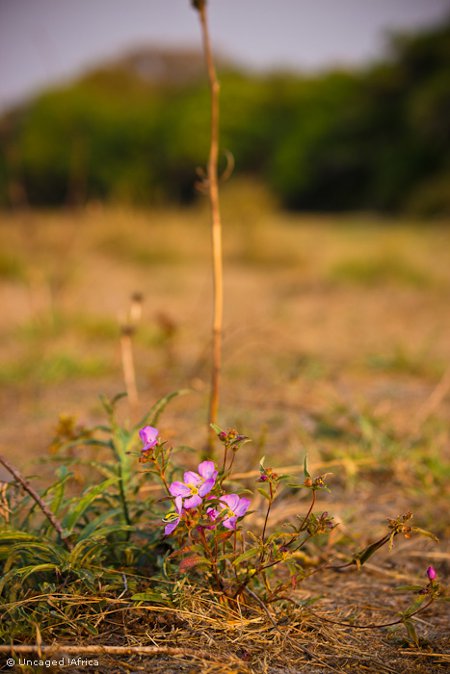


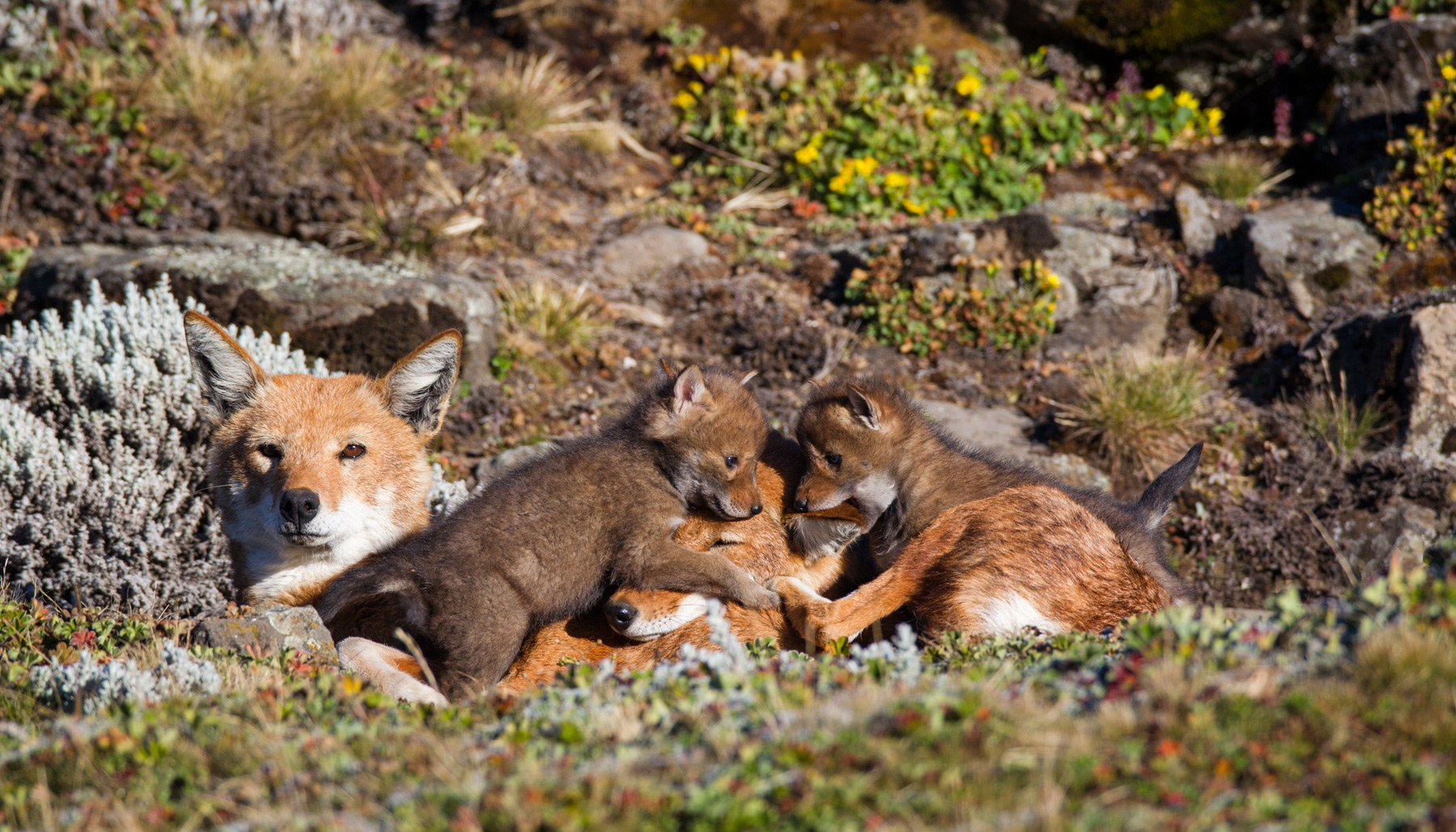
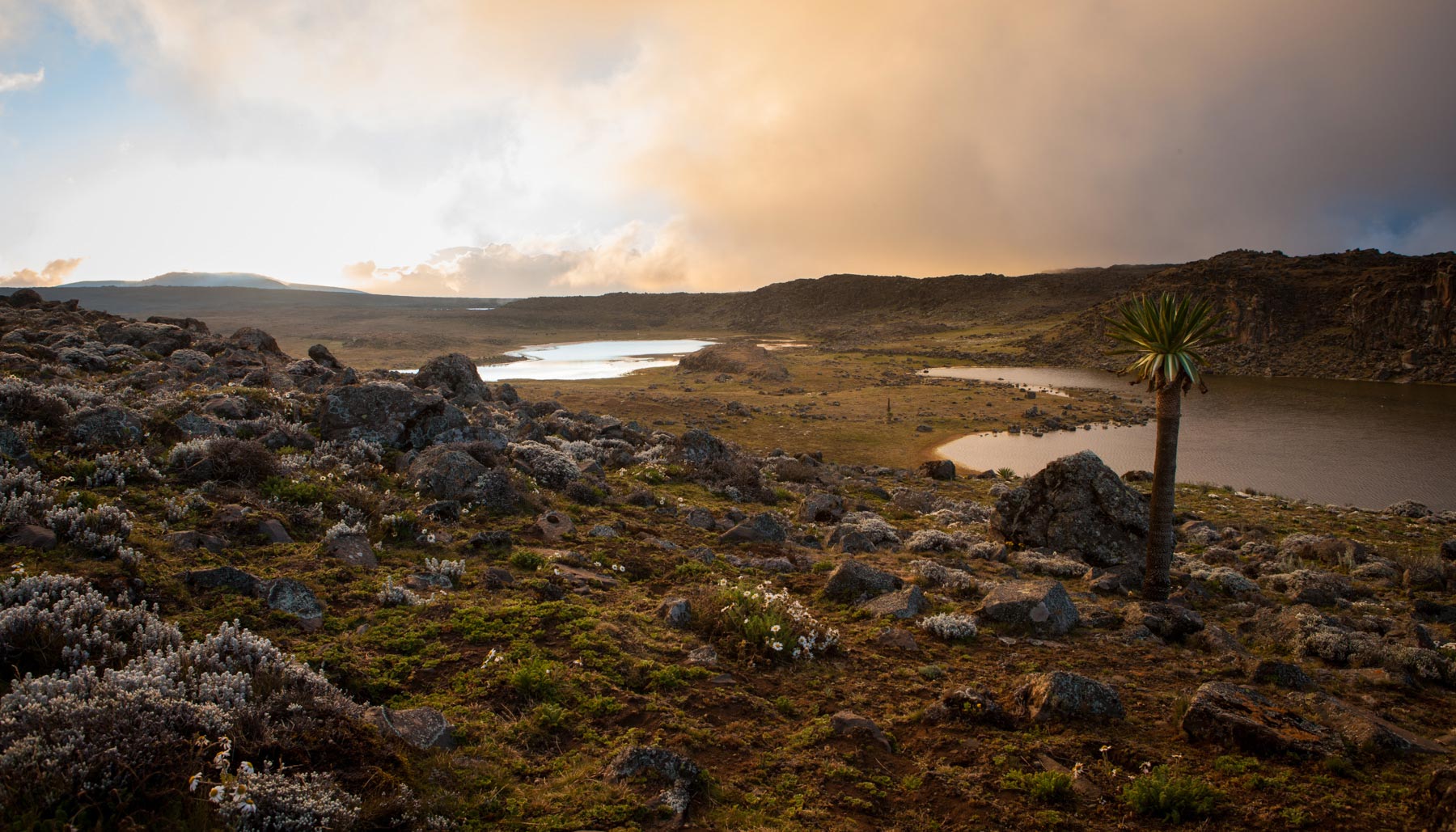
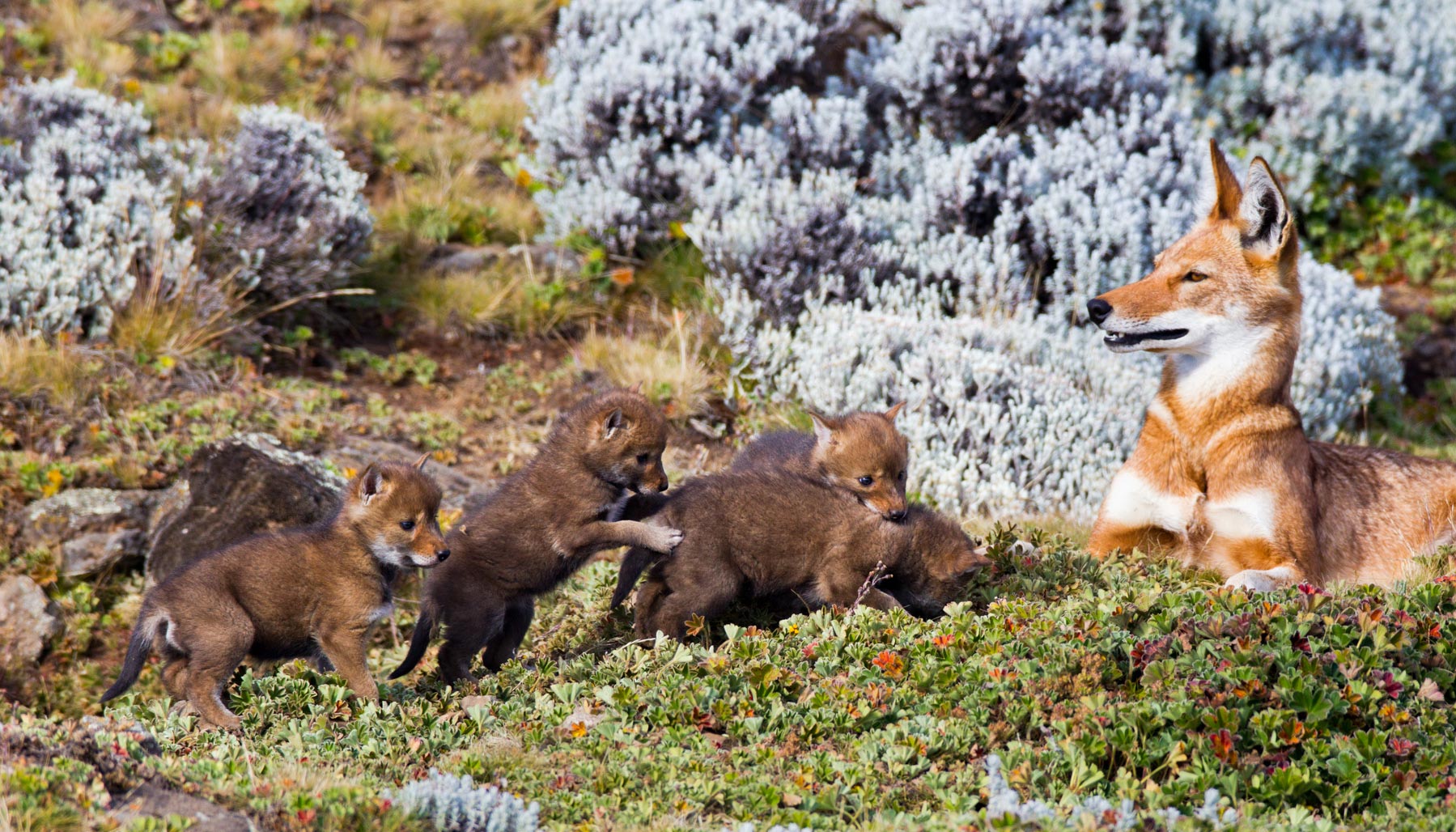
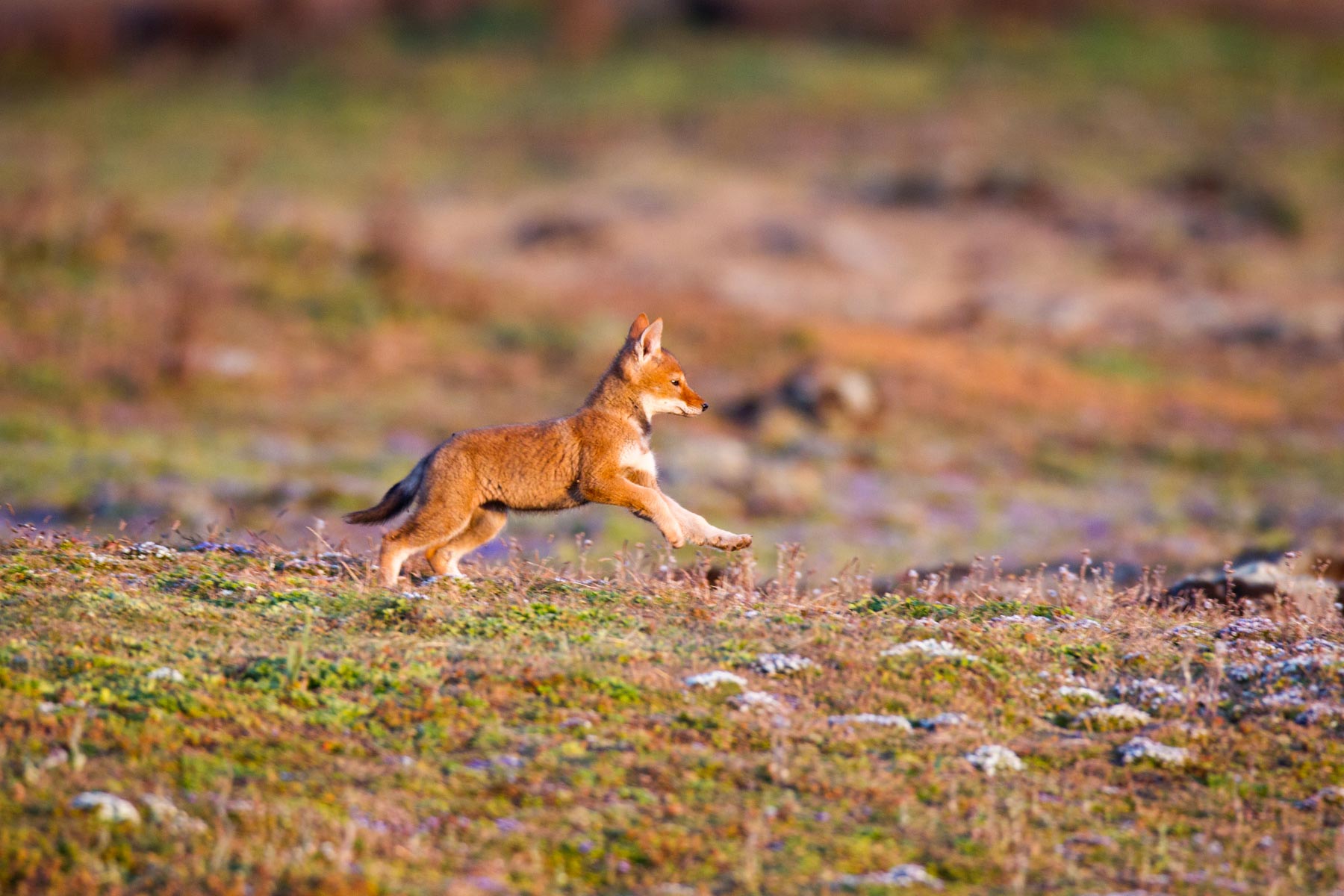
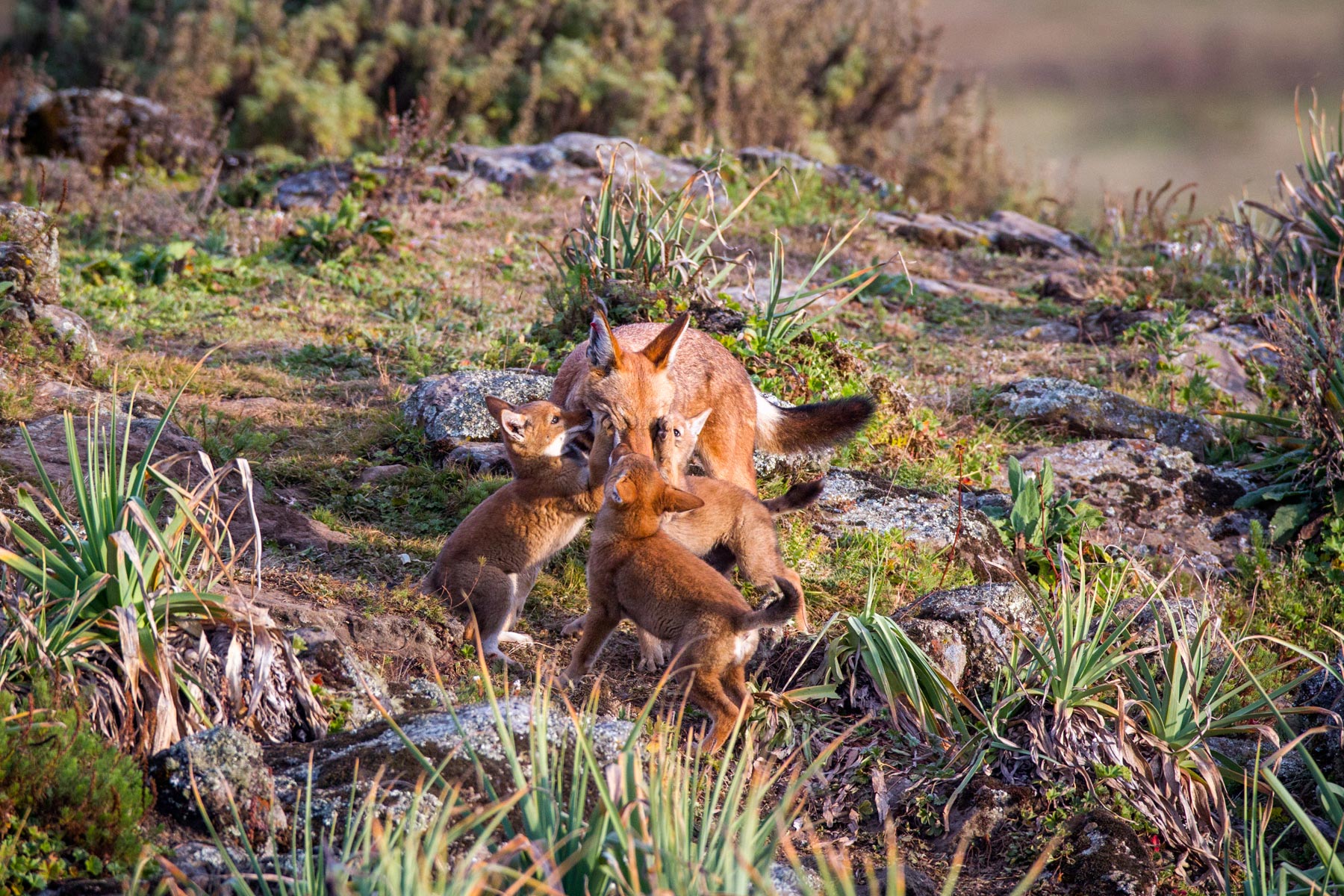
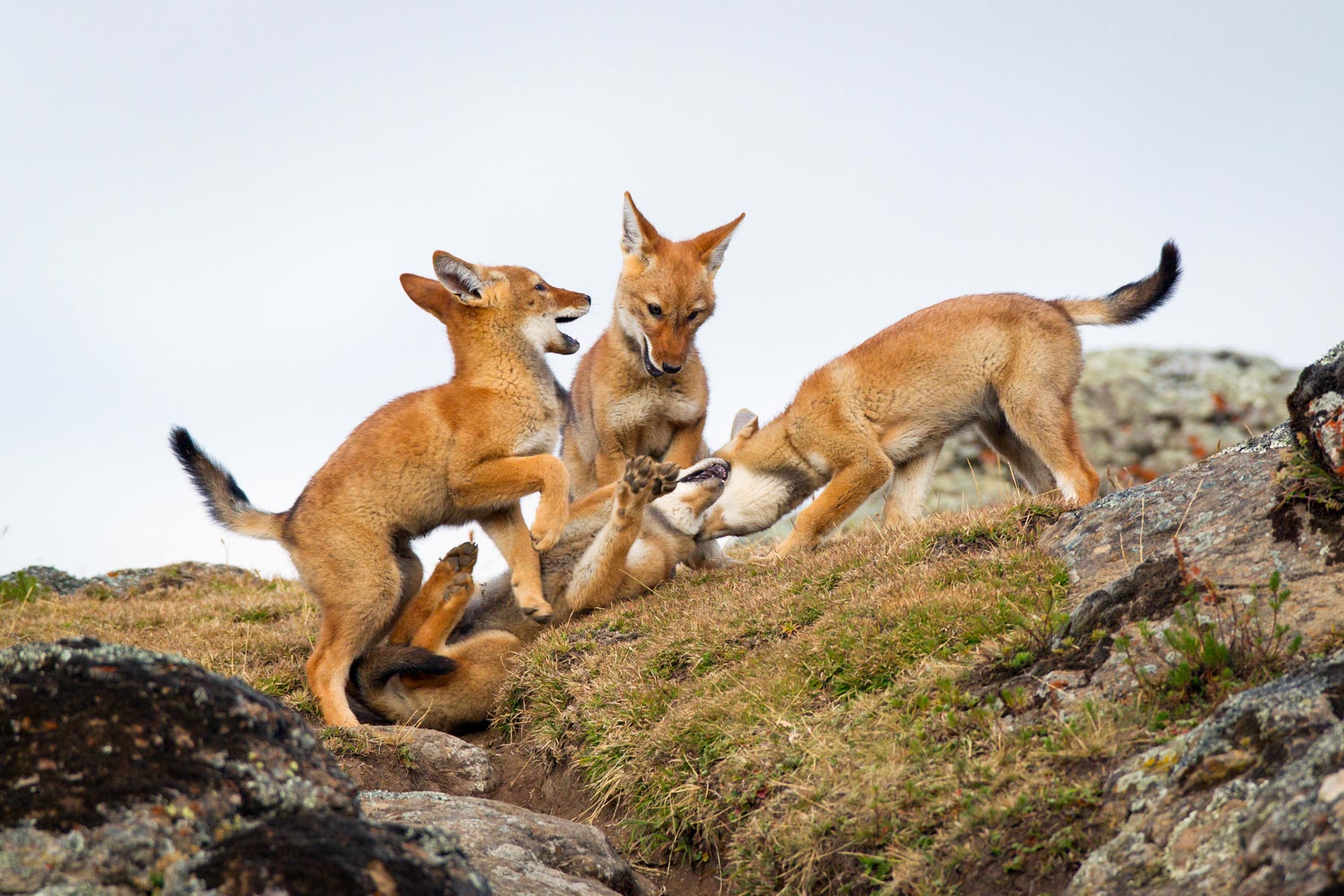
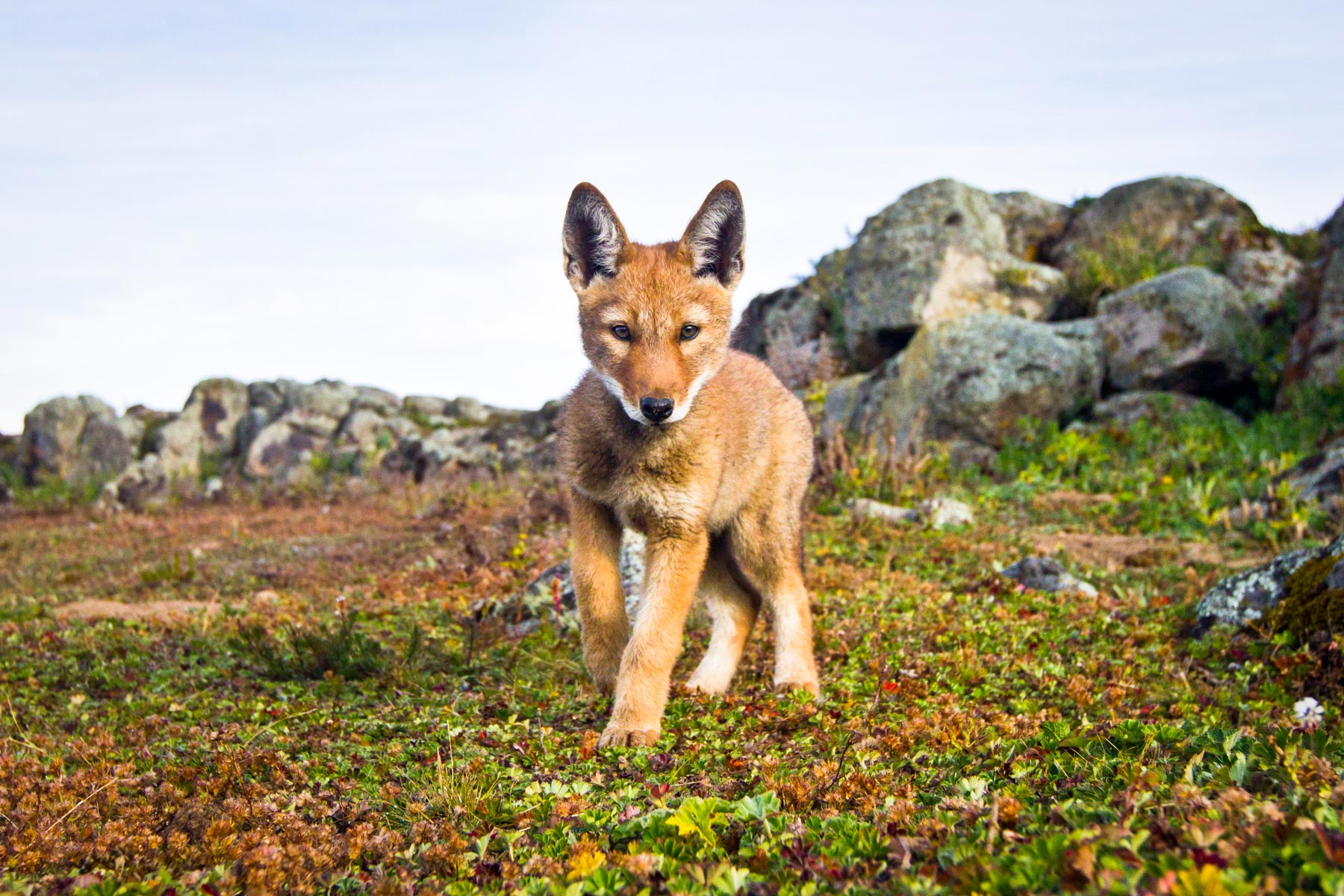
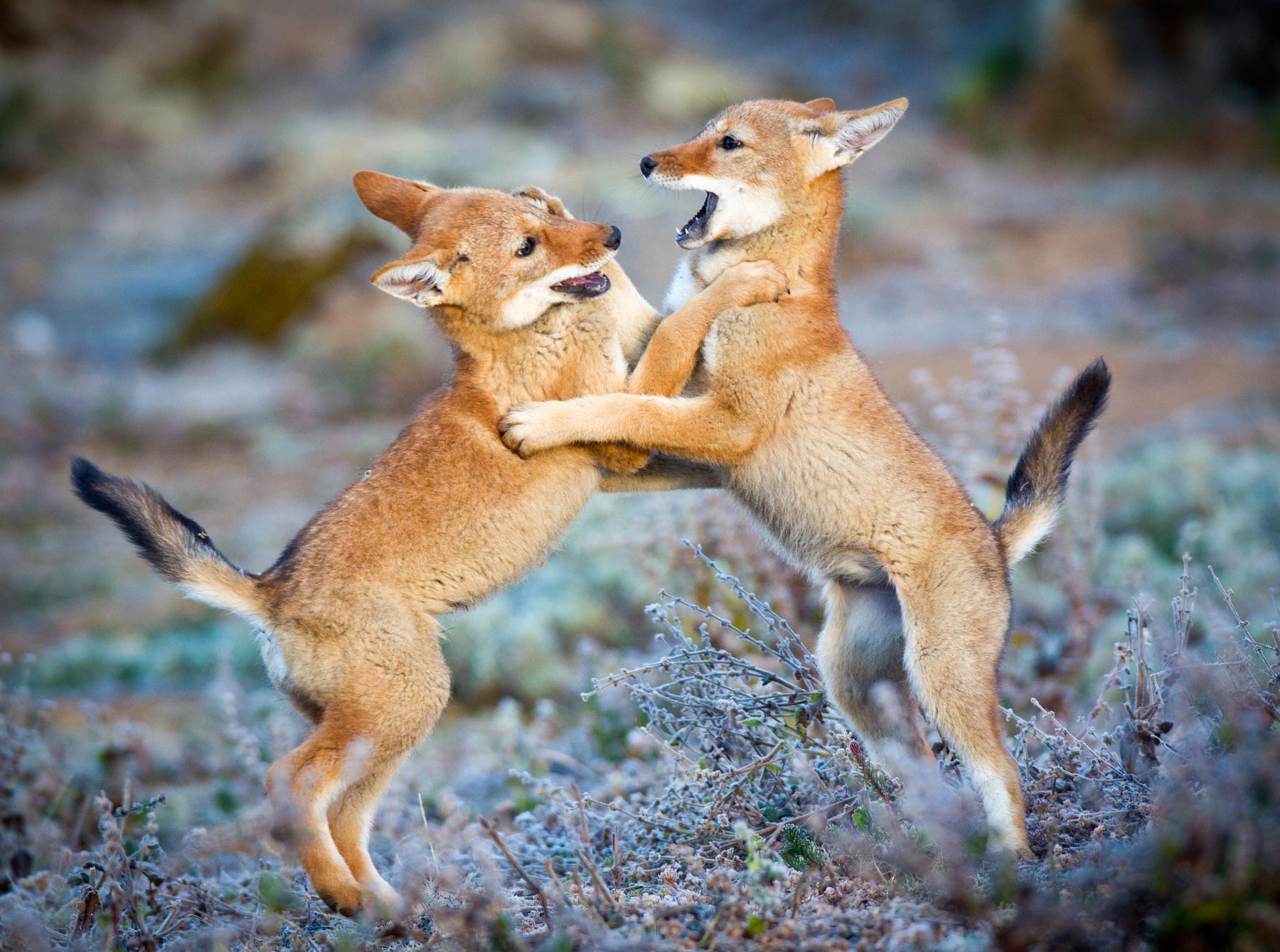
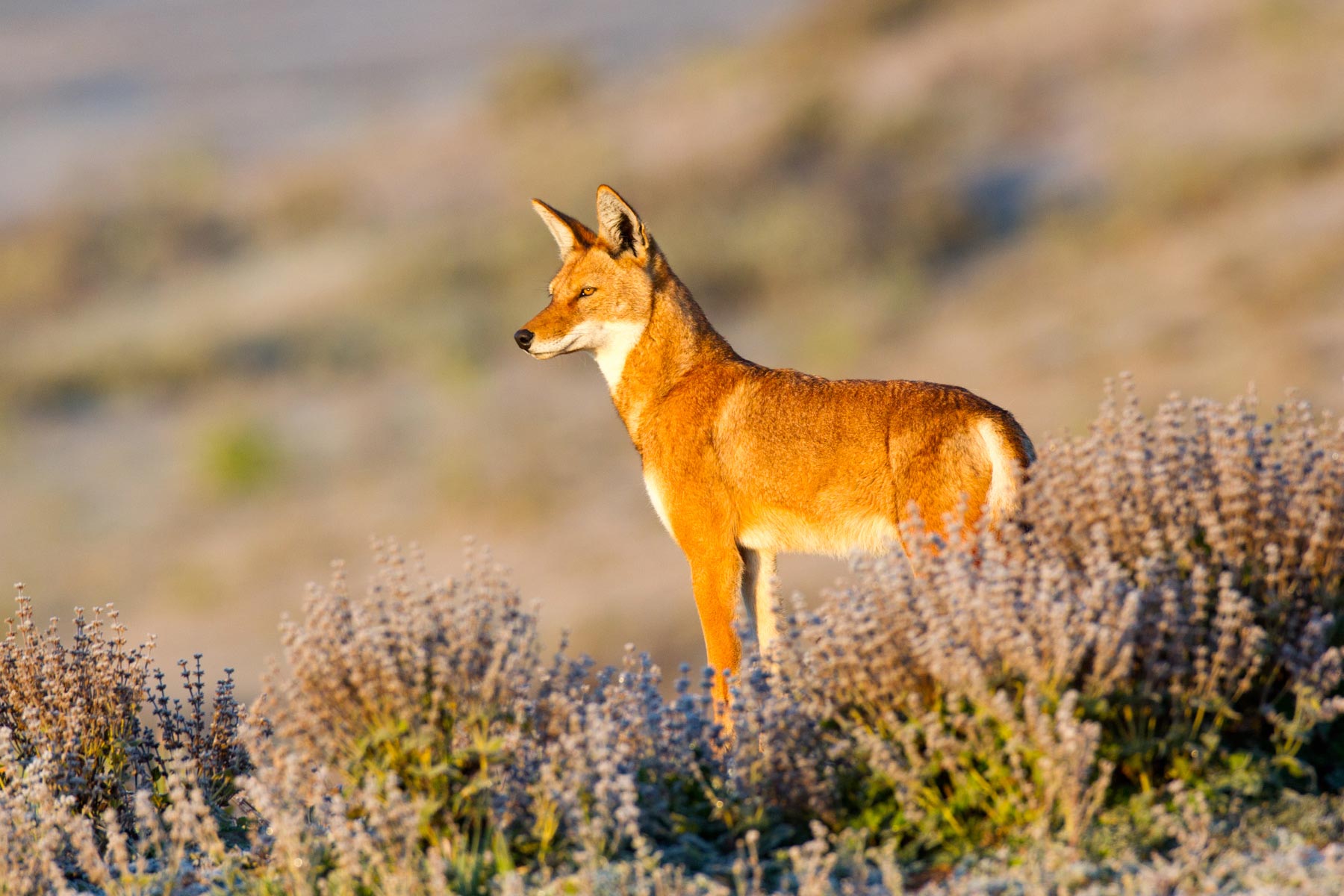
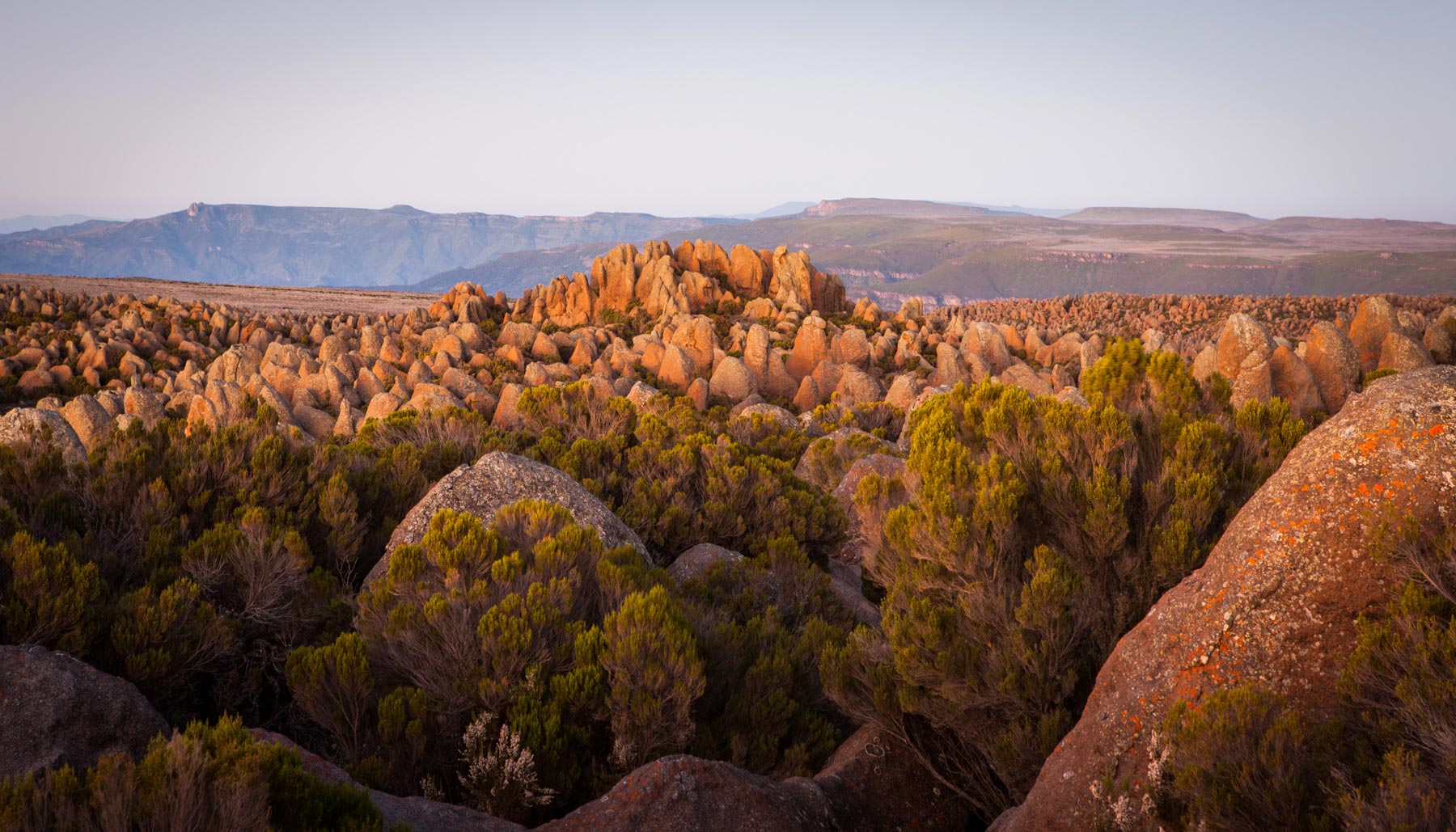
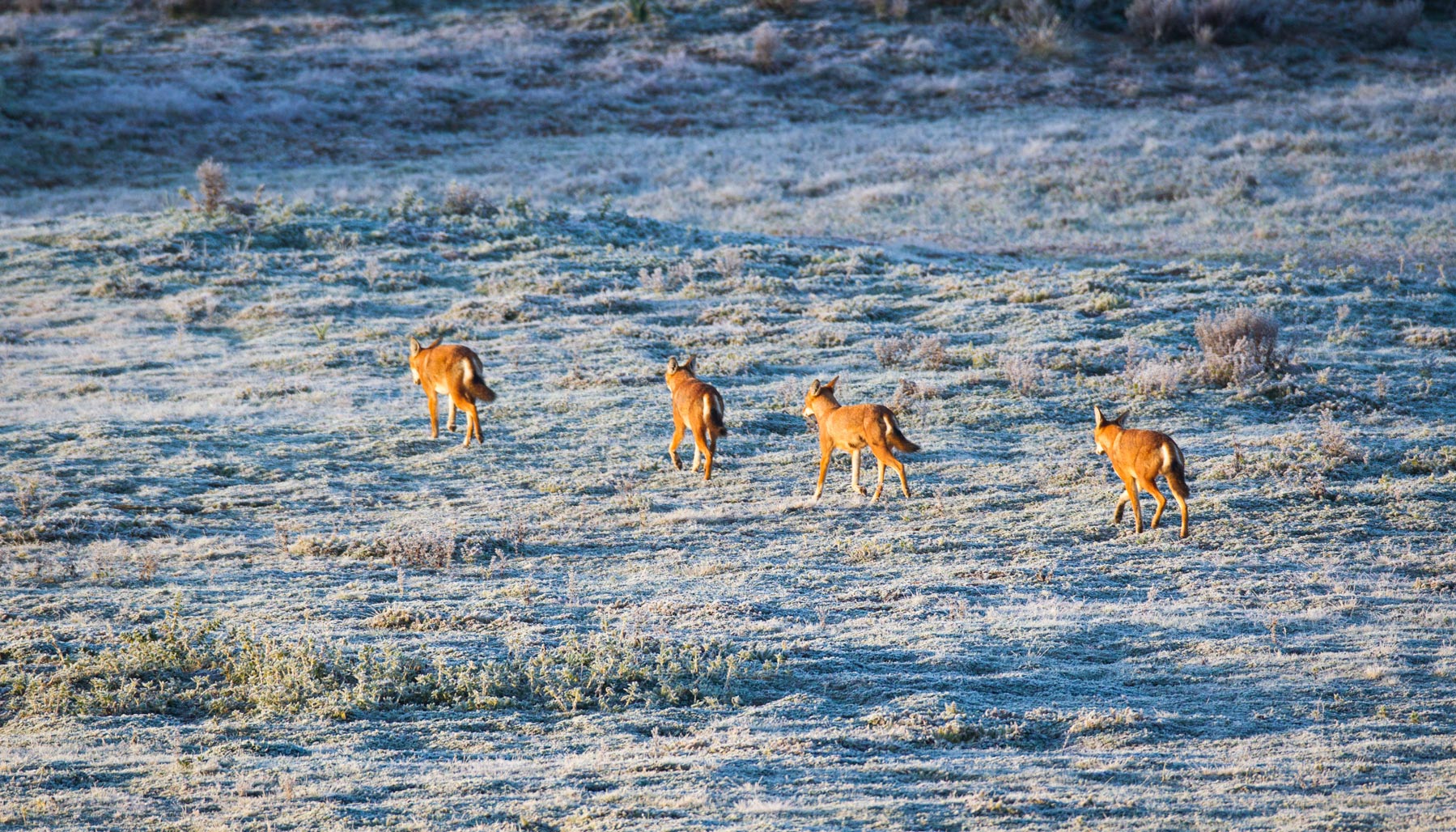
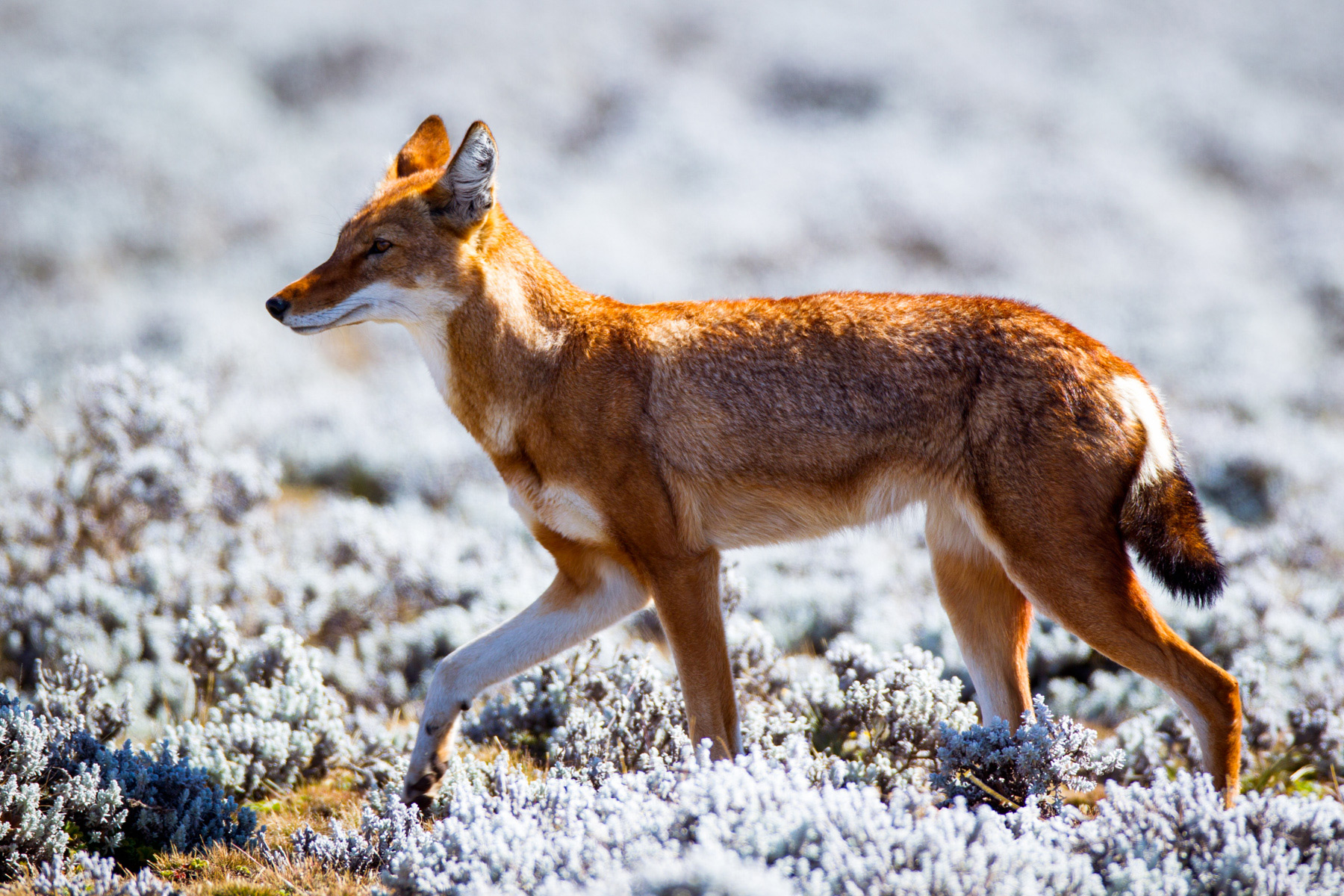
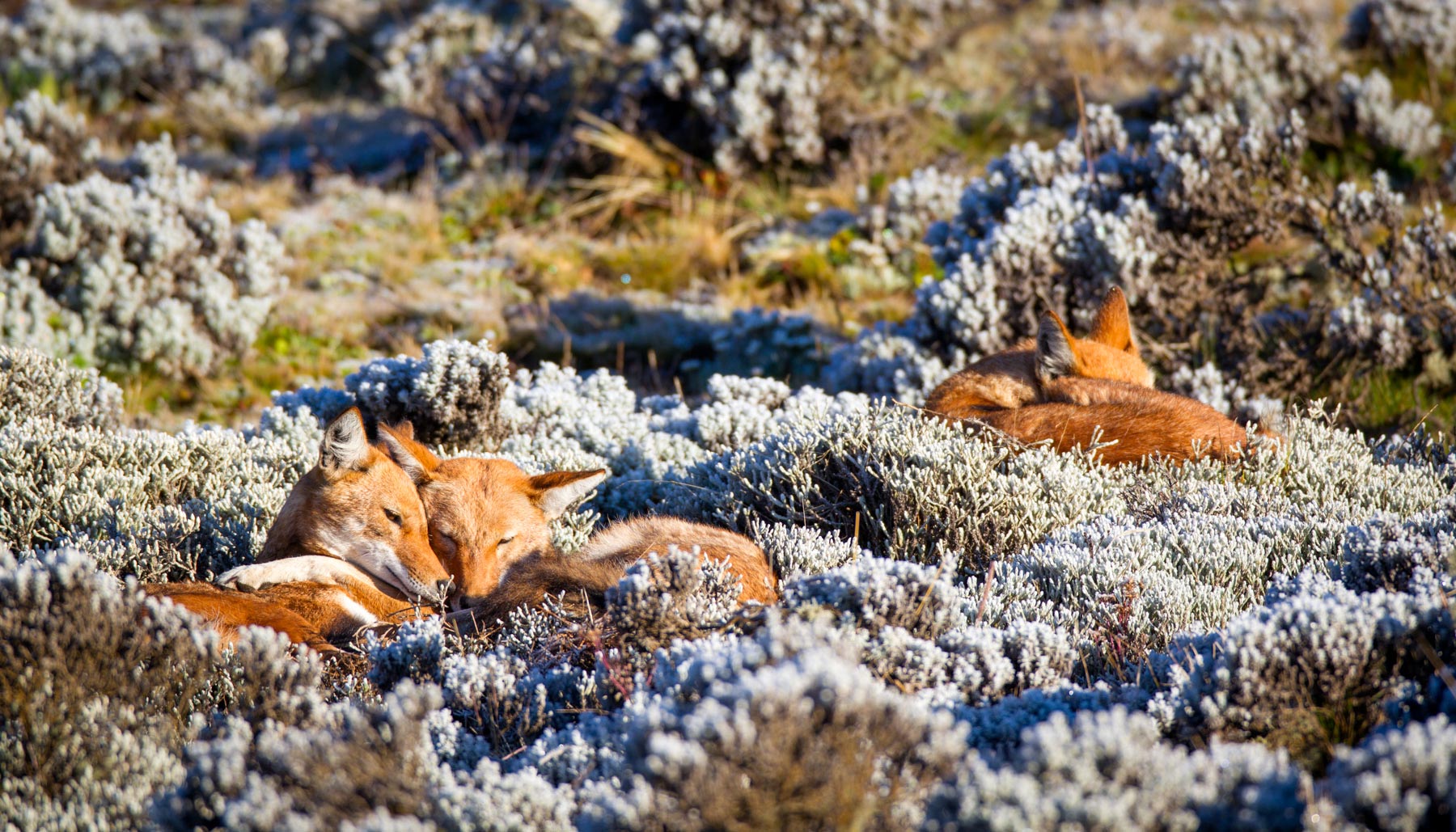
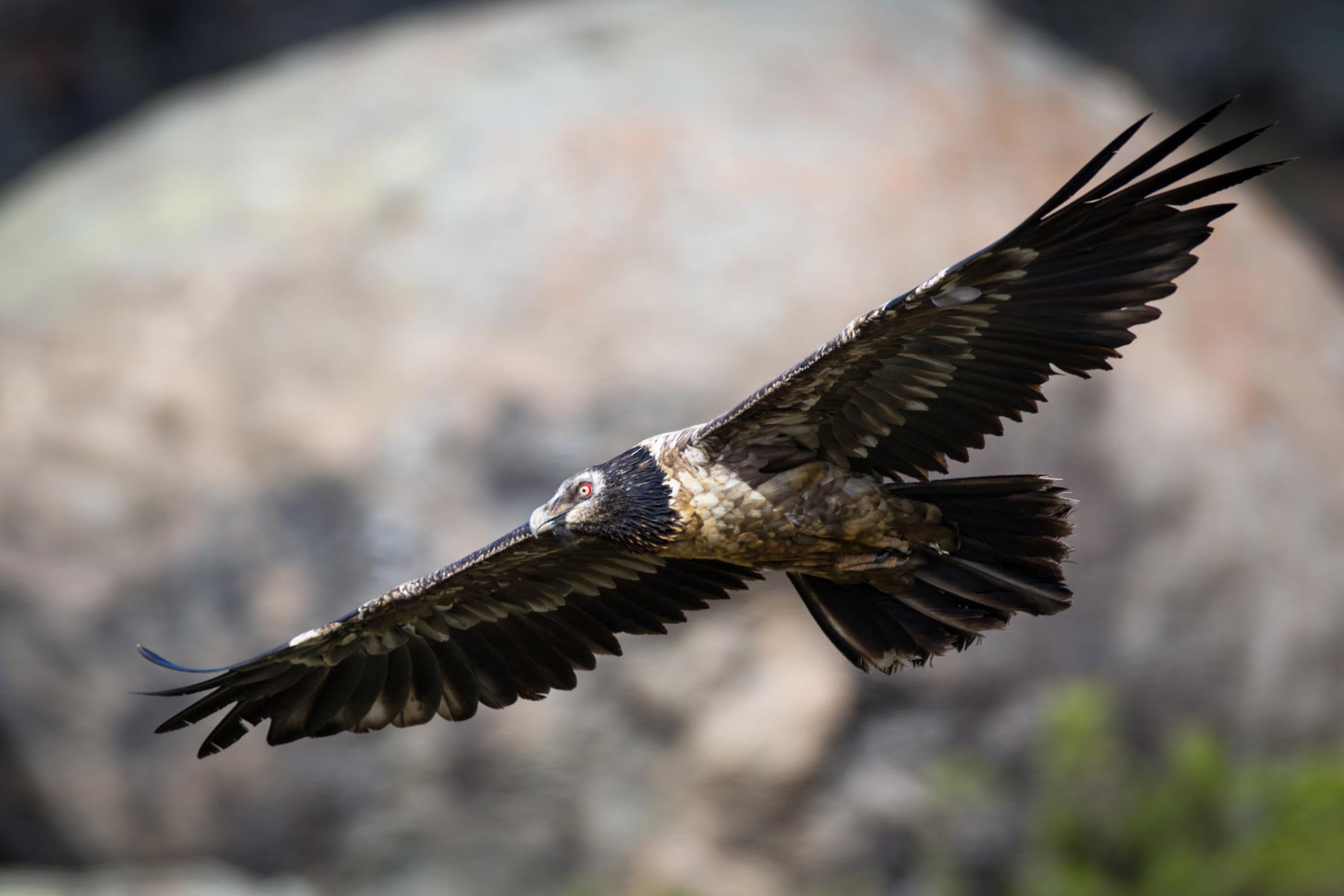
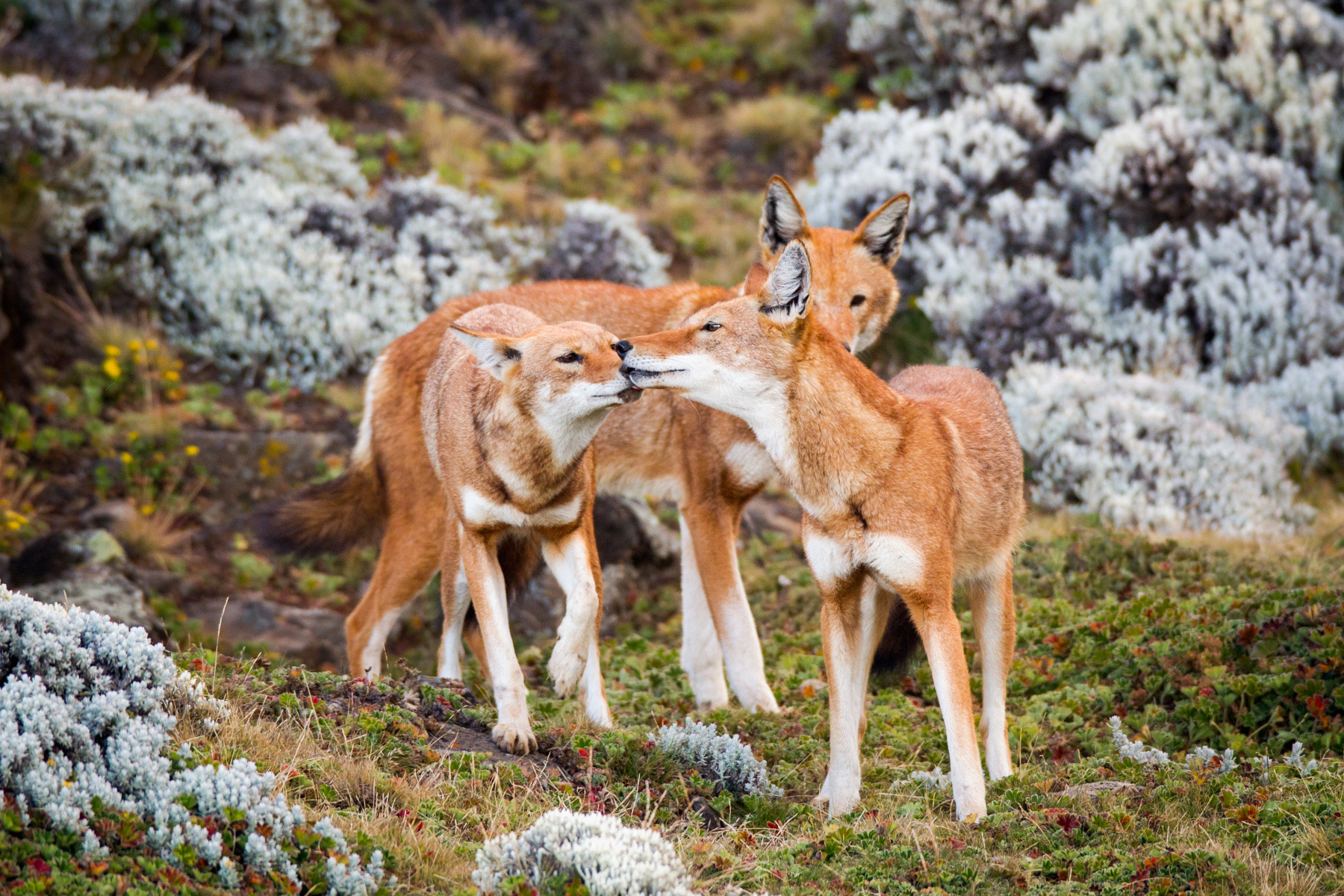
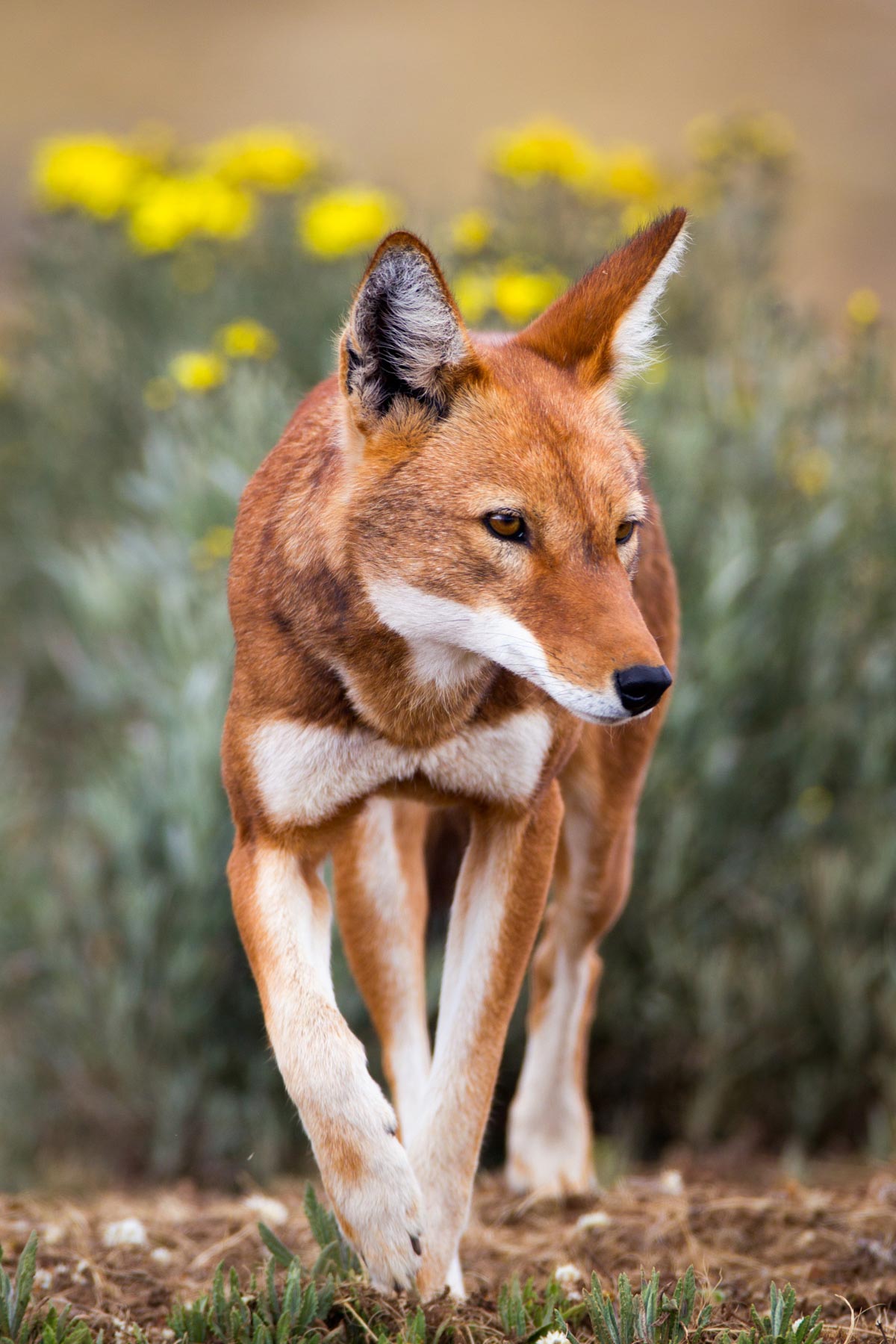
 Wildlife photographer WILL BURRARD-LUCAS first developed a passion for wildlife while living in Tanzania as a child. Since then, he has photographed wildlife all over the world – and primarily in Africa. Will aims to inspire people to celebrate and conserve the natural wonders of the planet through his imagery. He has partnered with several conservation organisations donating his time and images for their fundraising activities. Working with the Ethiopian Wolf Conservation Programme, he draws attention to the challenges this species faces. View more of Will’s work on his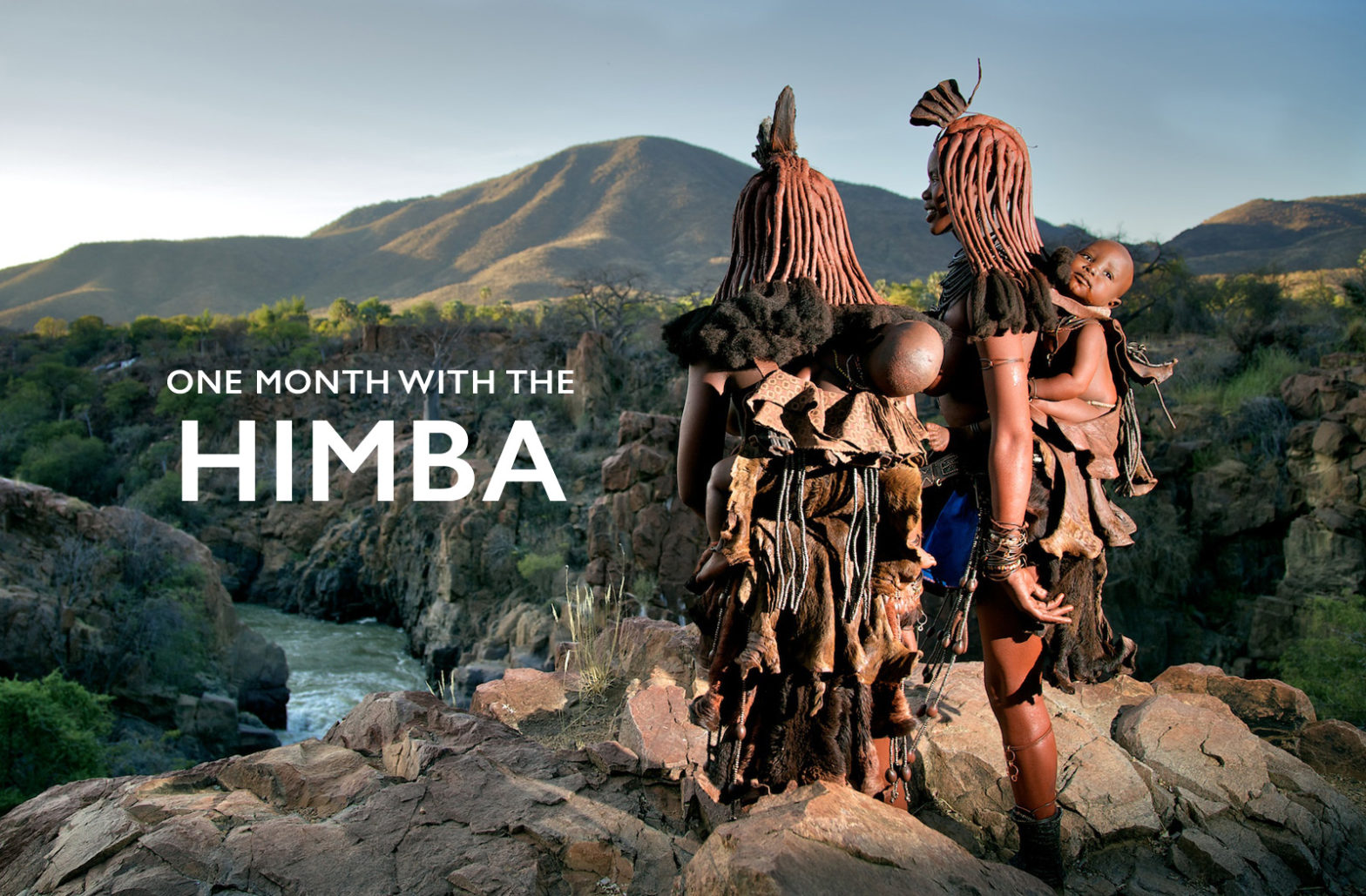
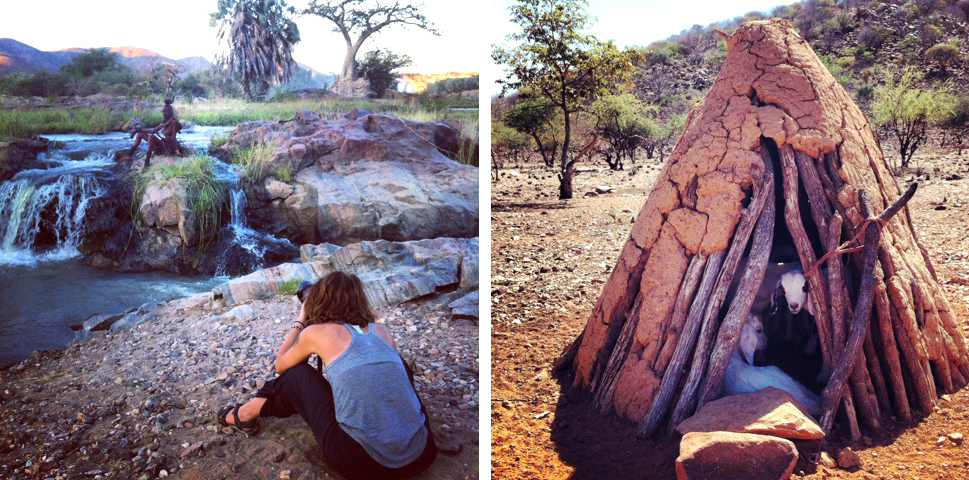
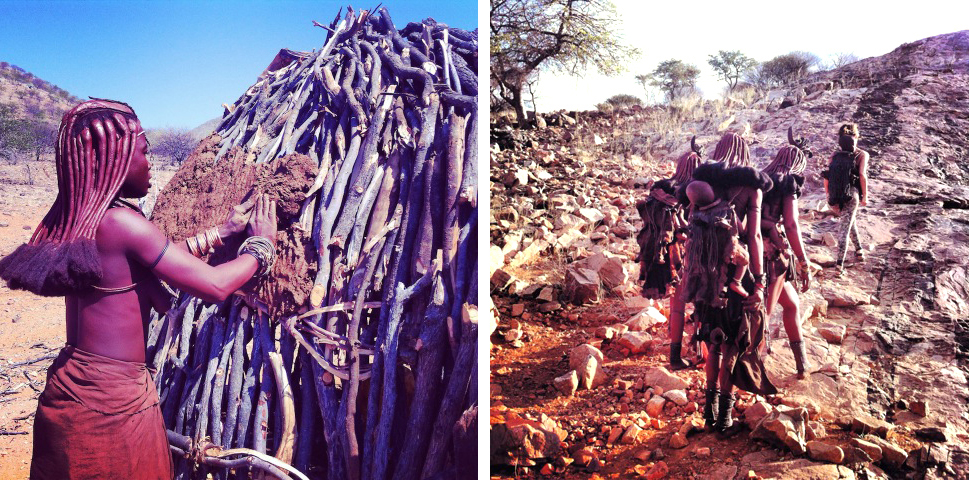
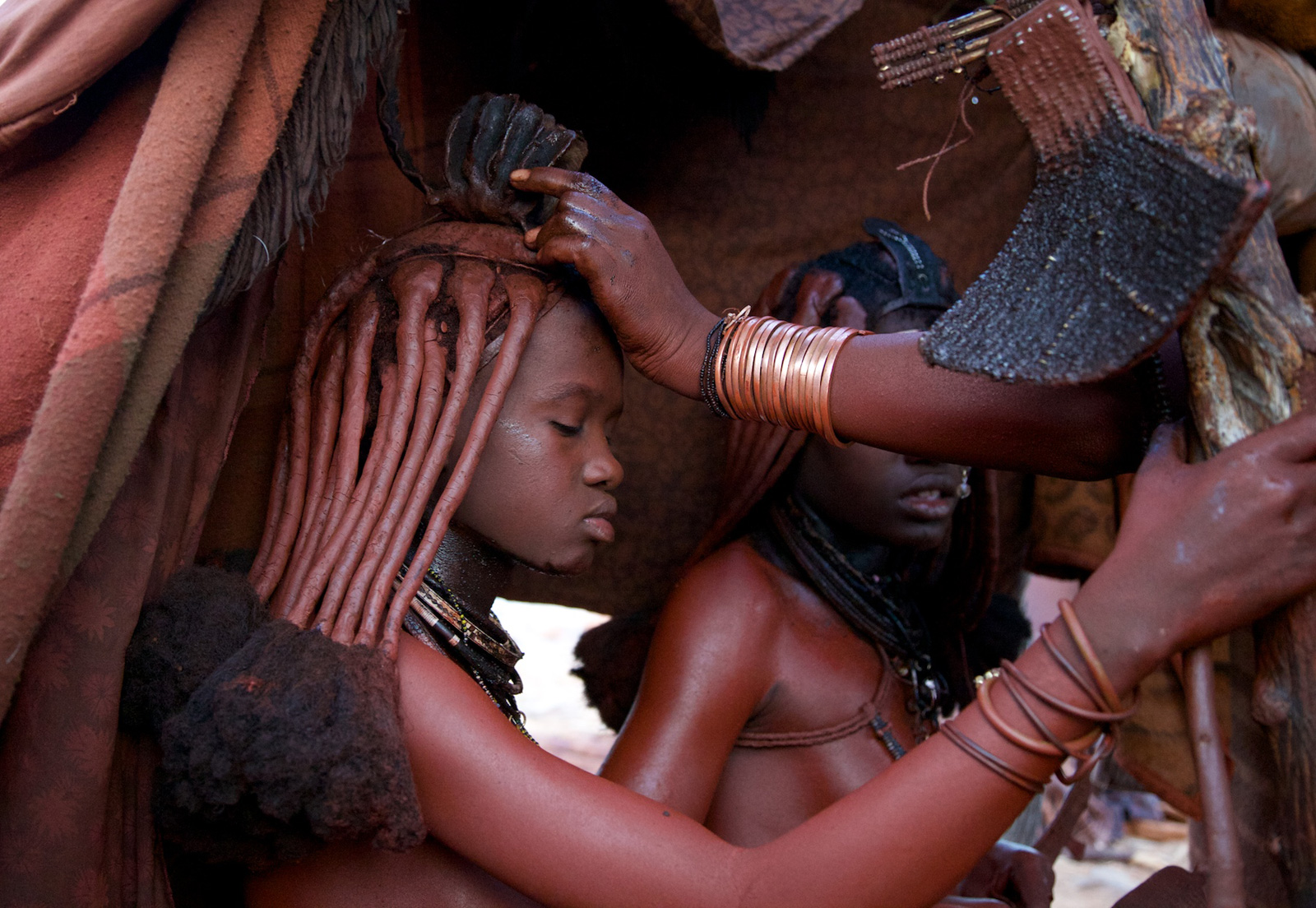
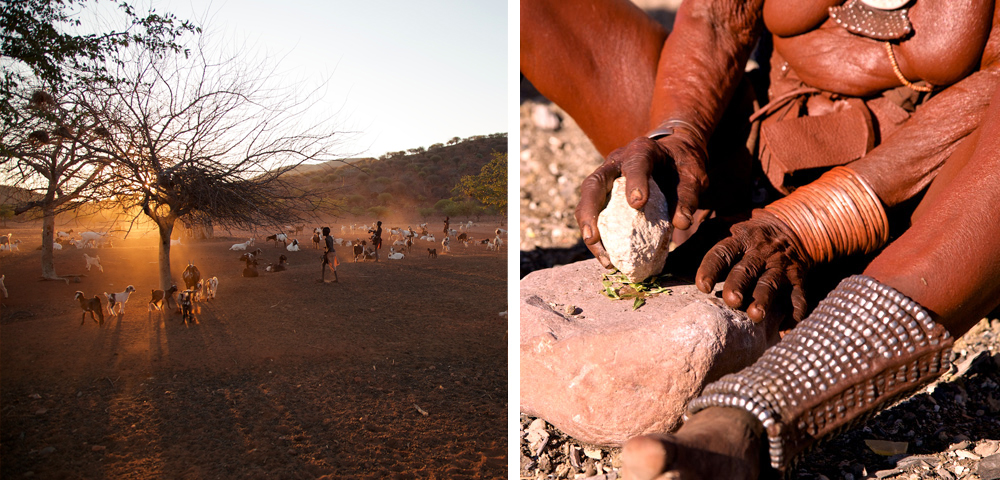
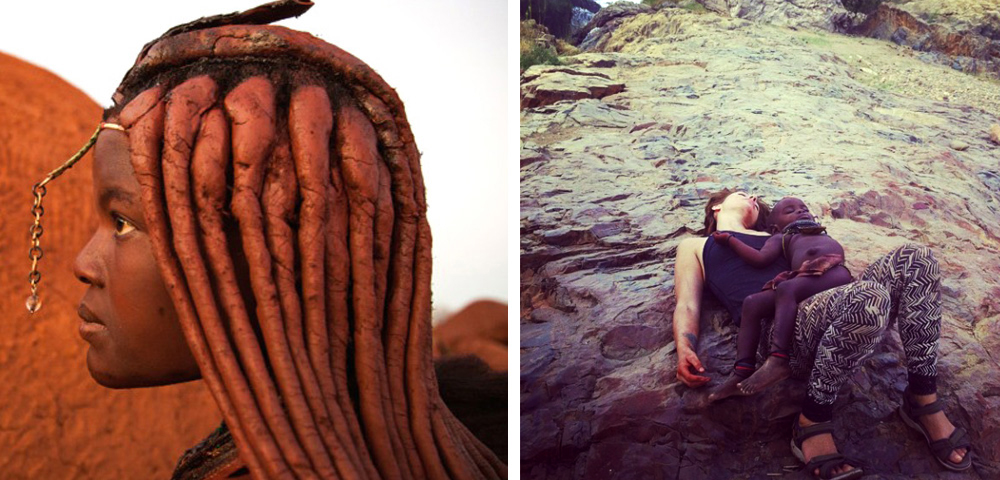
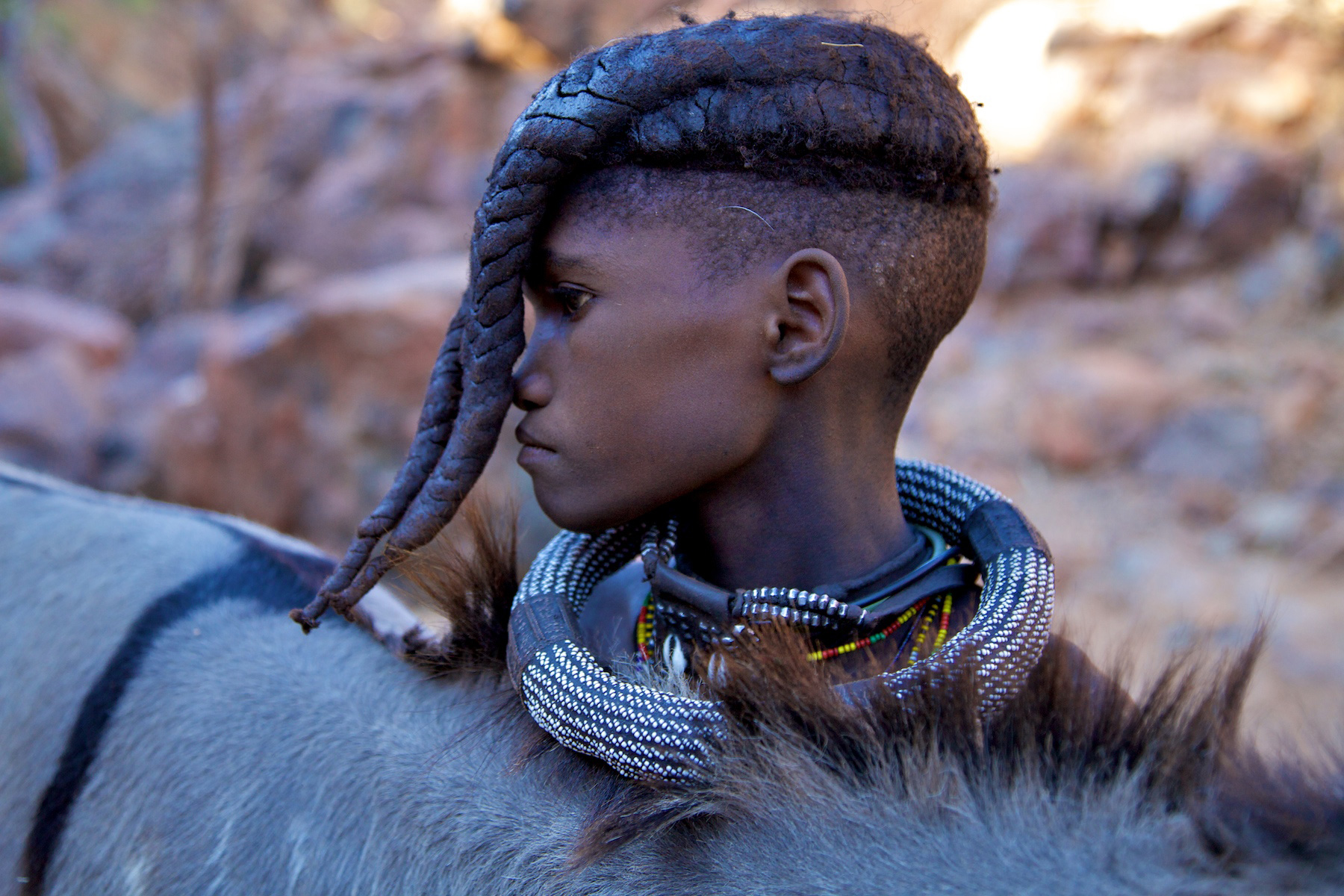
 ALEGRA ALLY is a Documentary photographer and a Fellow member of “The Explorers Club NYC”. She currently lives in Sydney, Australia, where she is completing her MA studies in Applied Anthropology. Ally is committed to working on issues relating to empowerment of women and girls, diminishing cultures and the environment. As part of her project ‘Wild Born’, Ally spent the last four years travelling to some of the most remote corners of the world where she lived with isolated tribes.

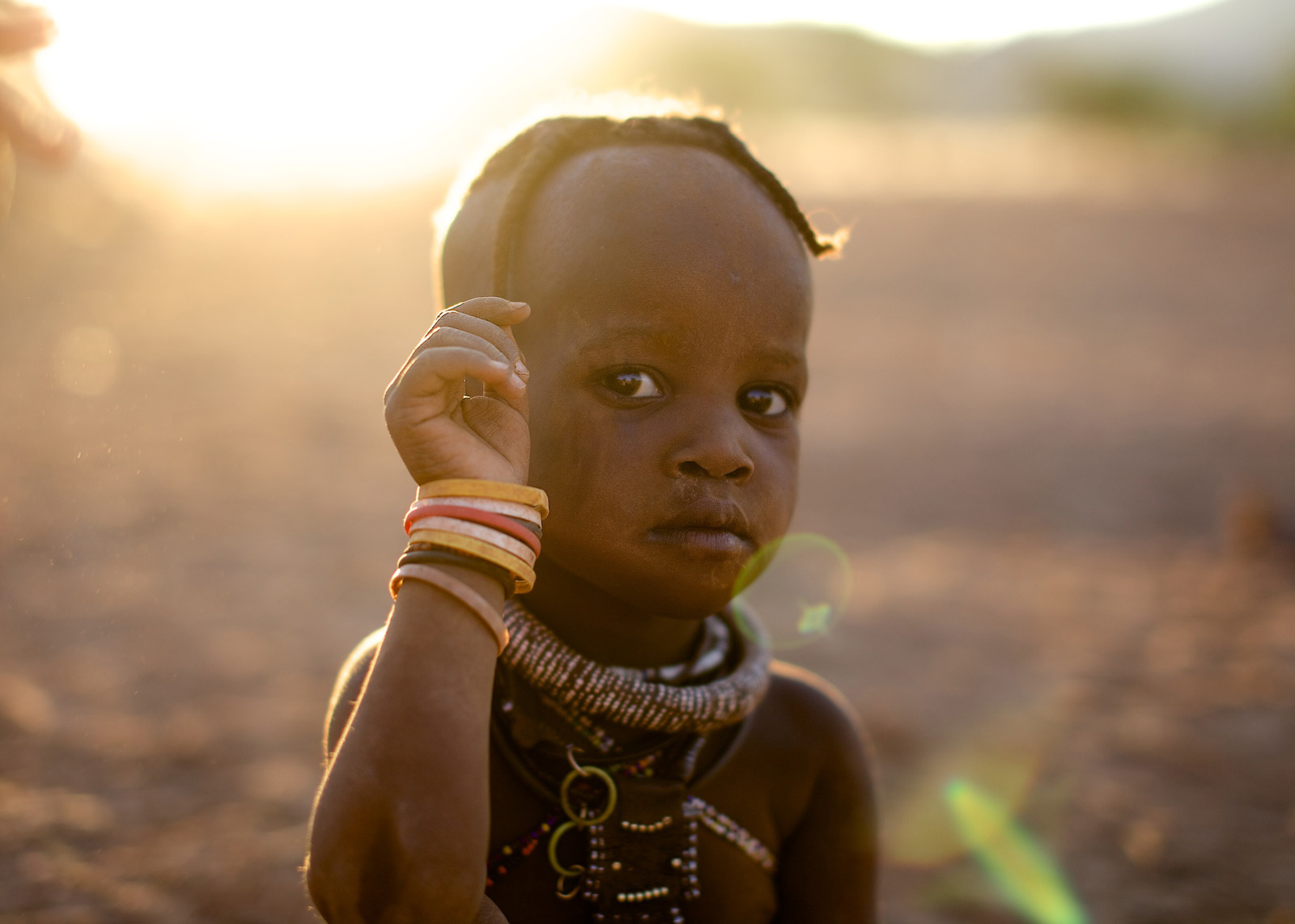
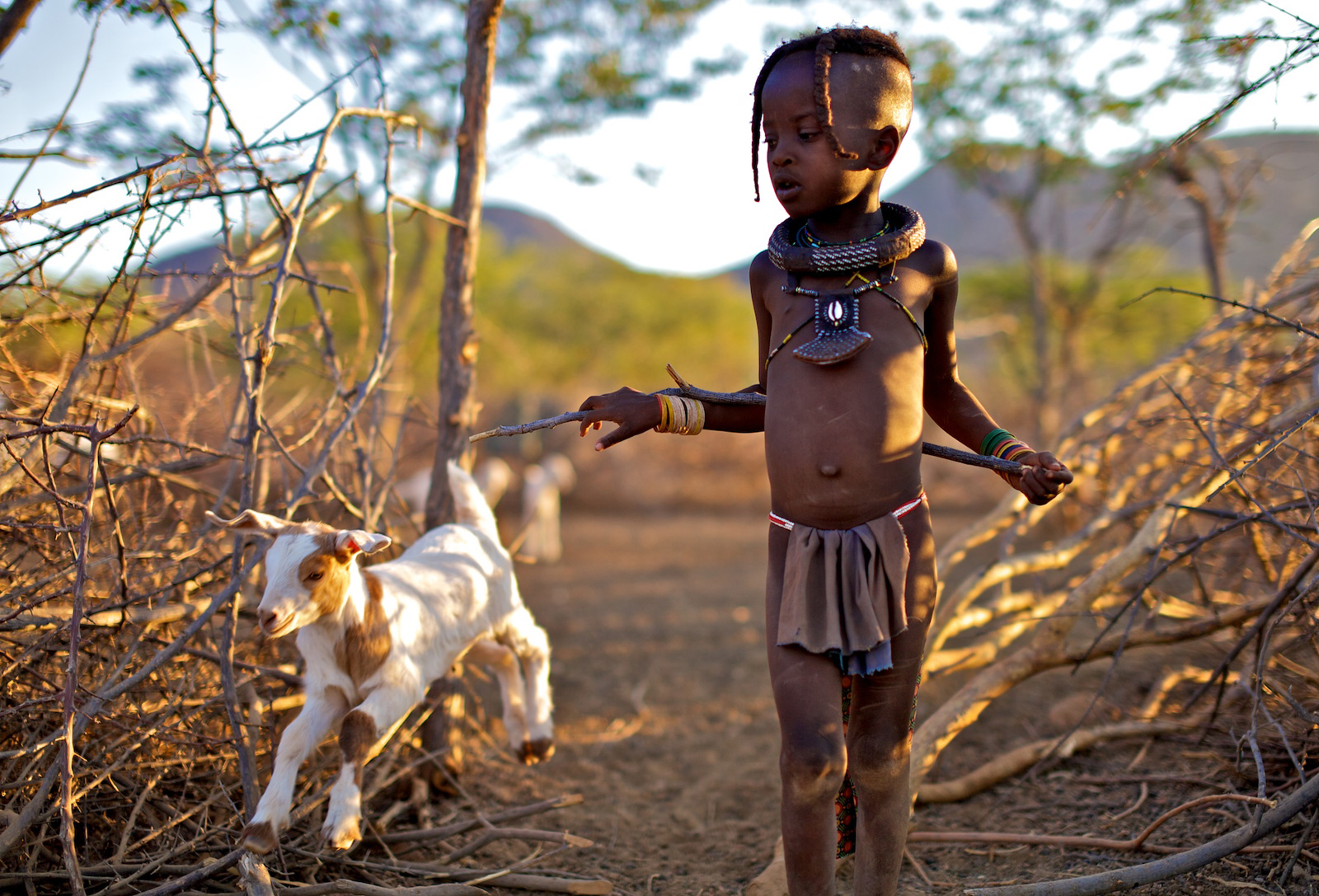
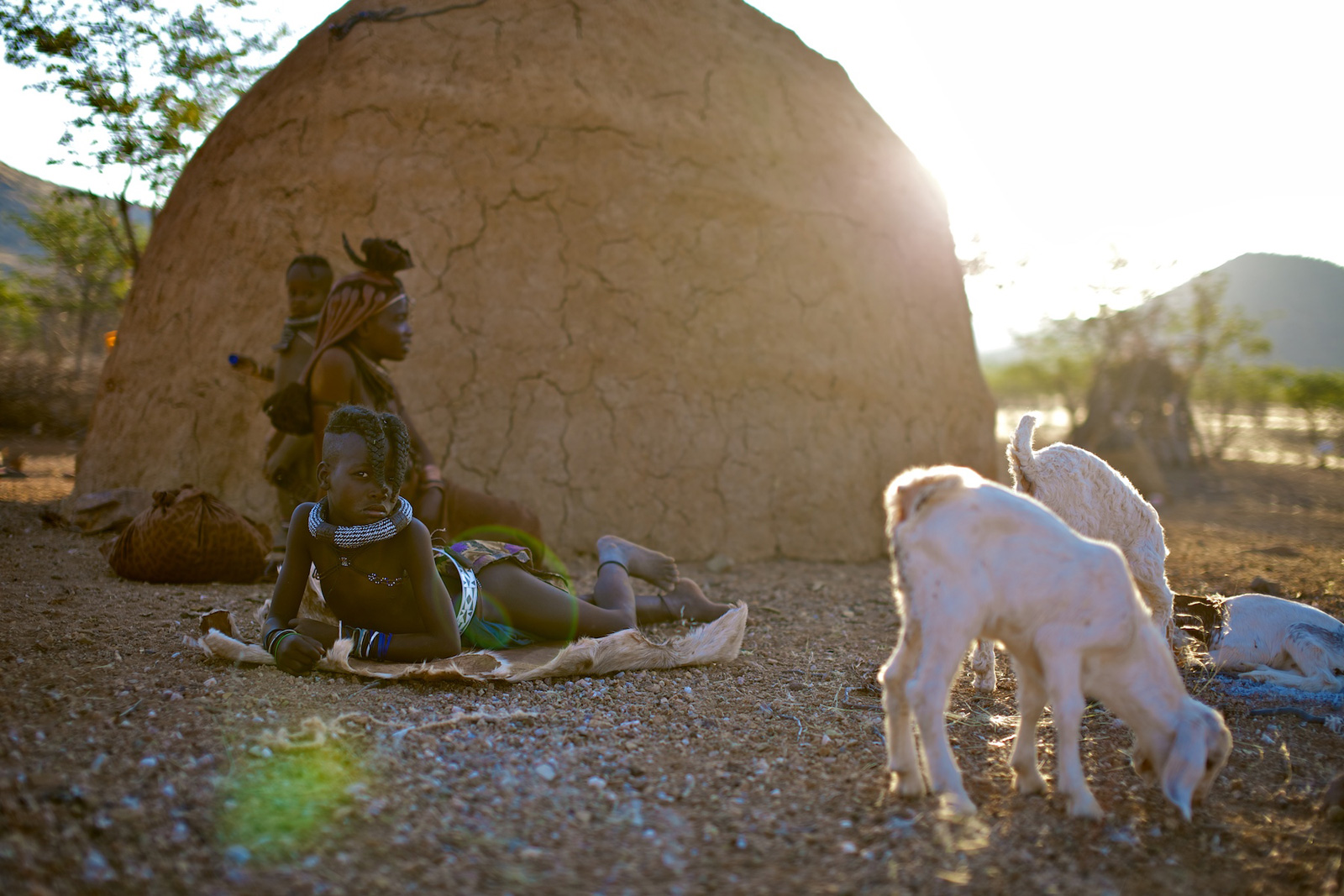
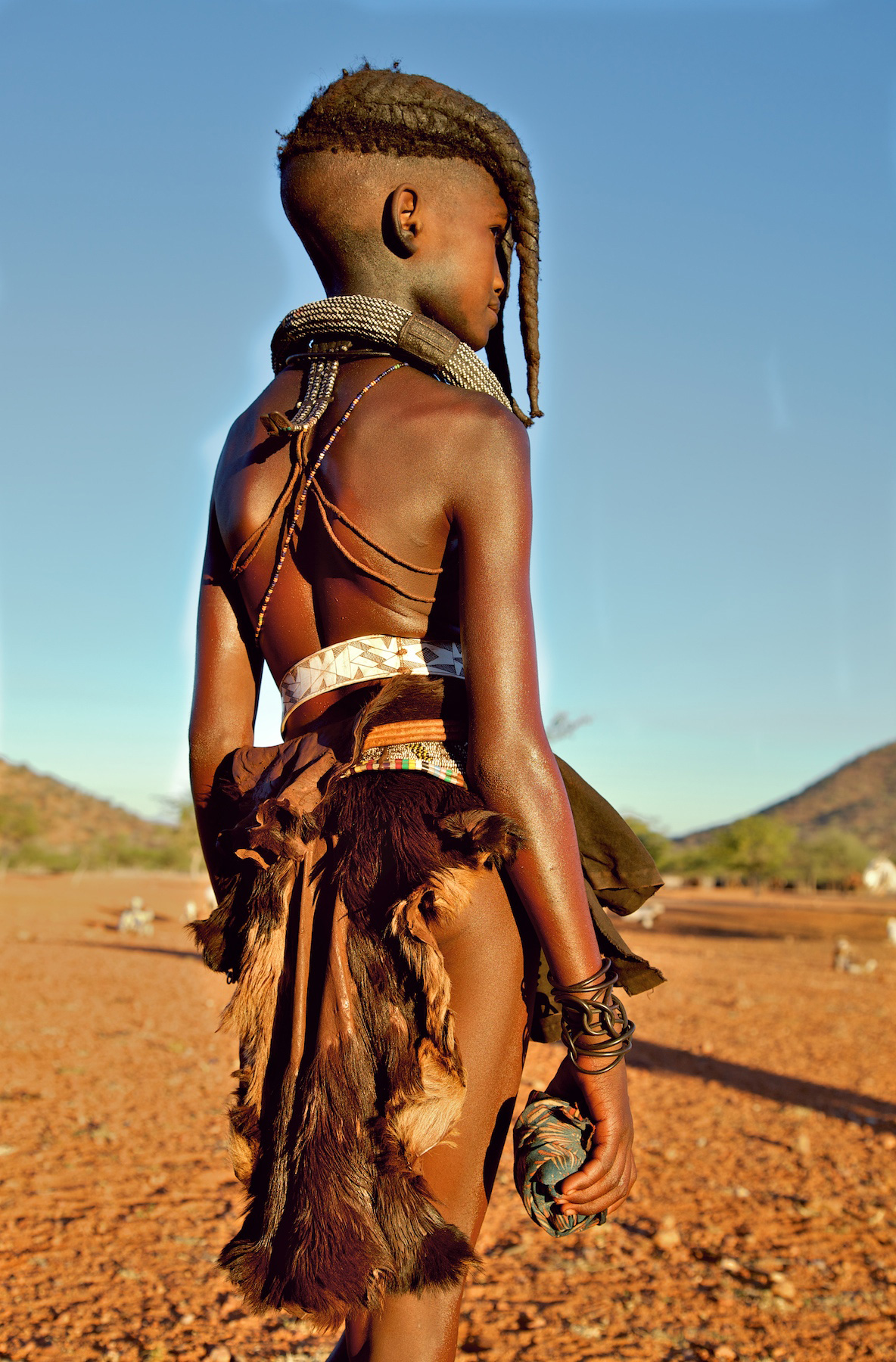
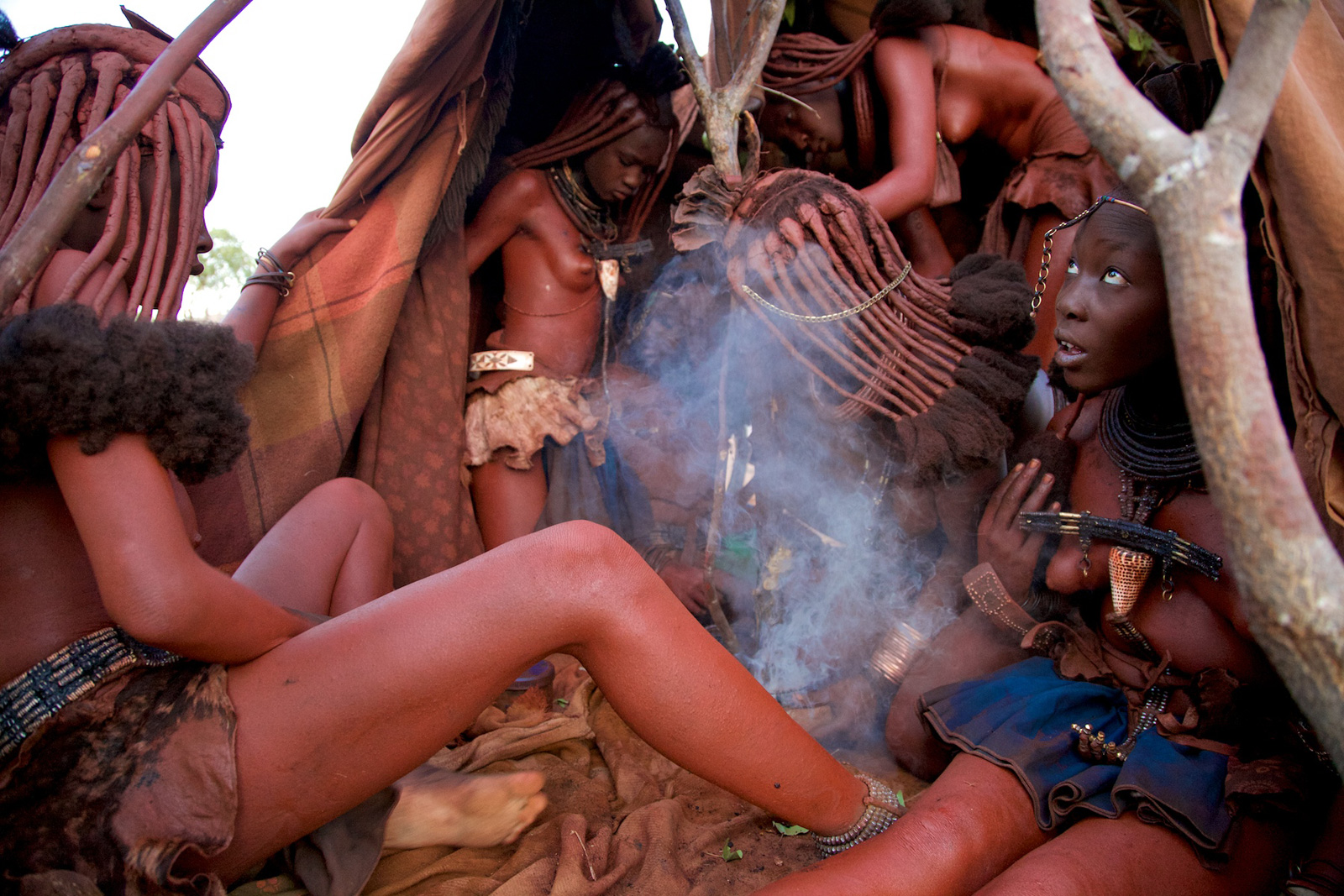
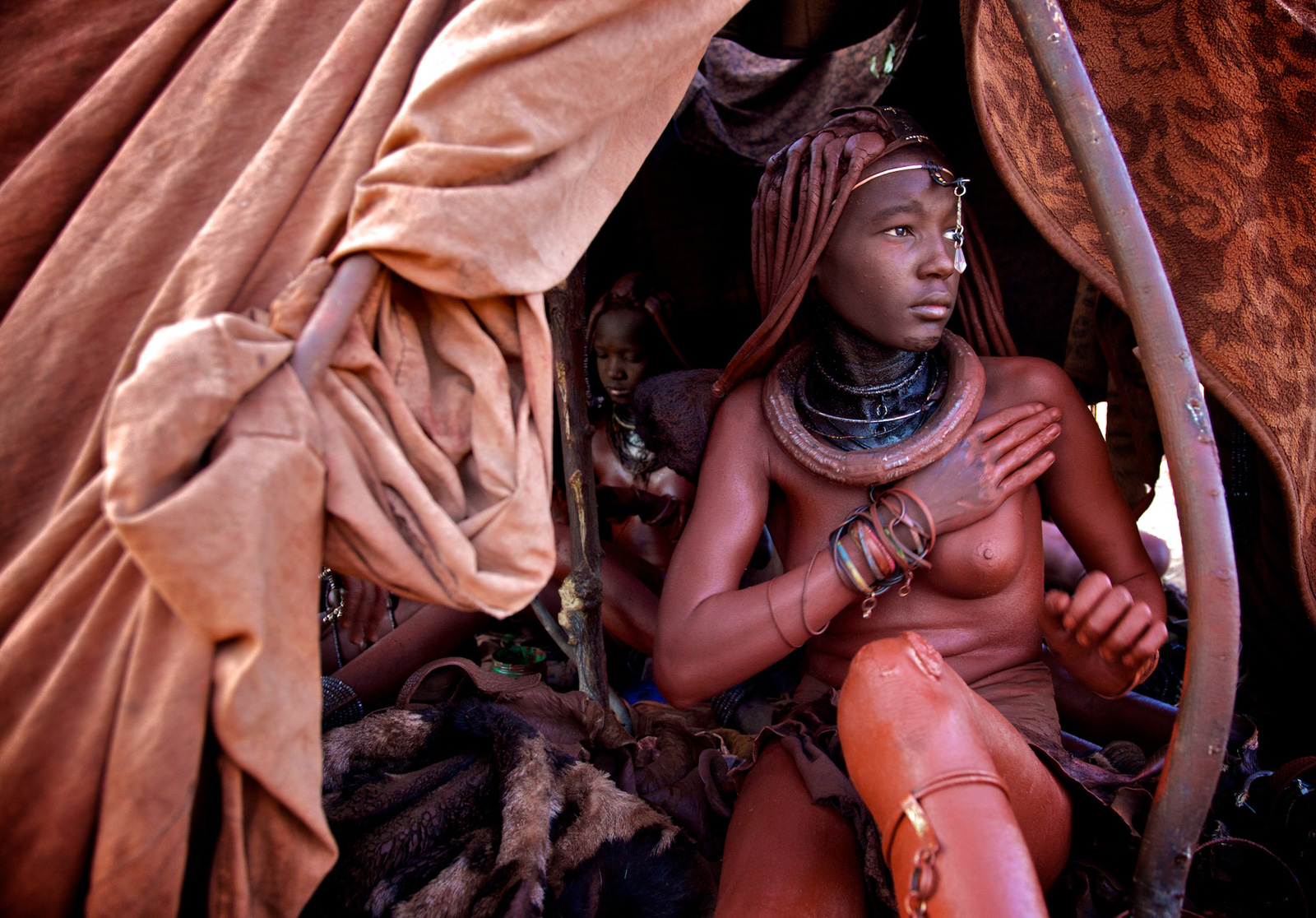
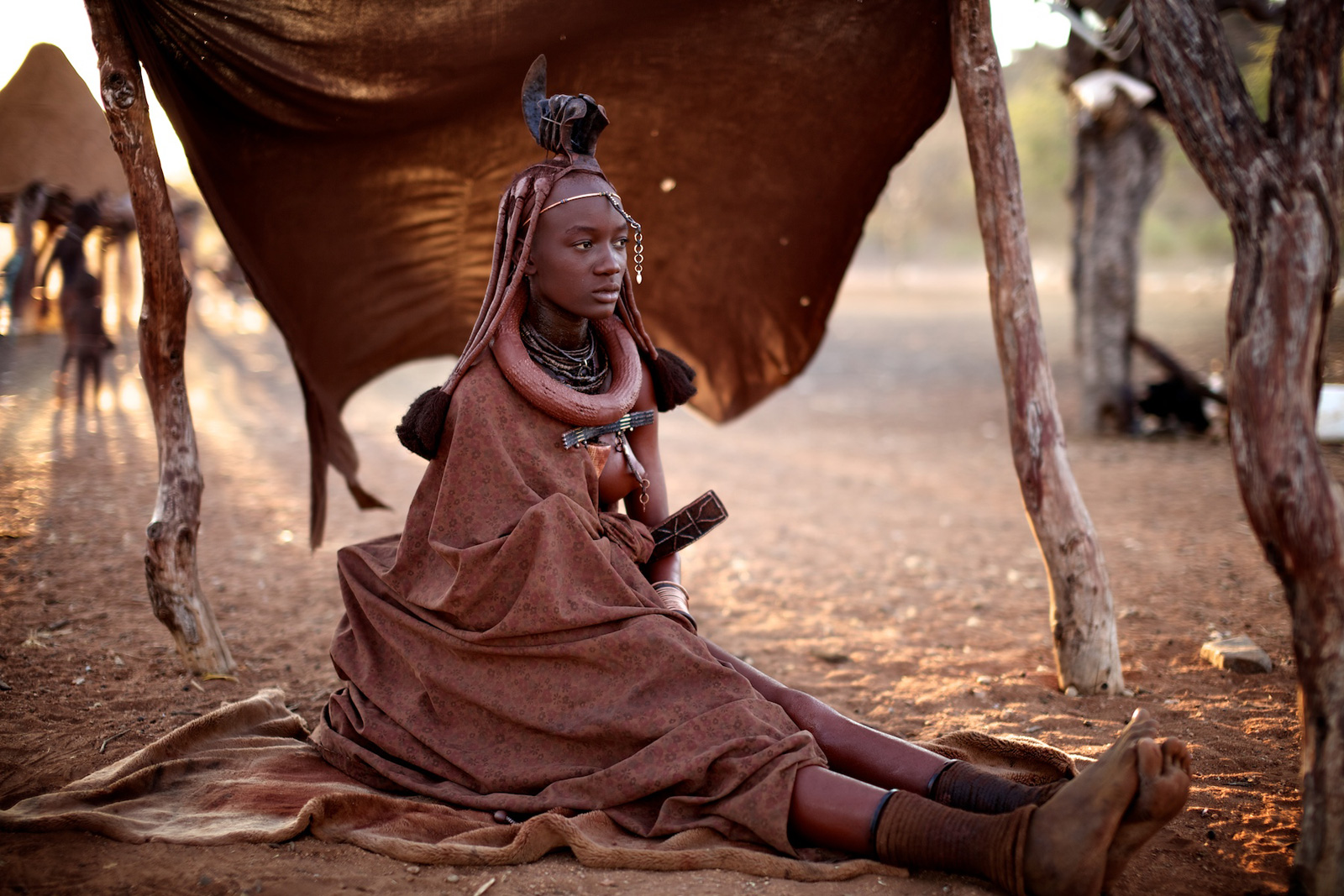
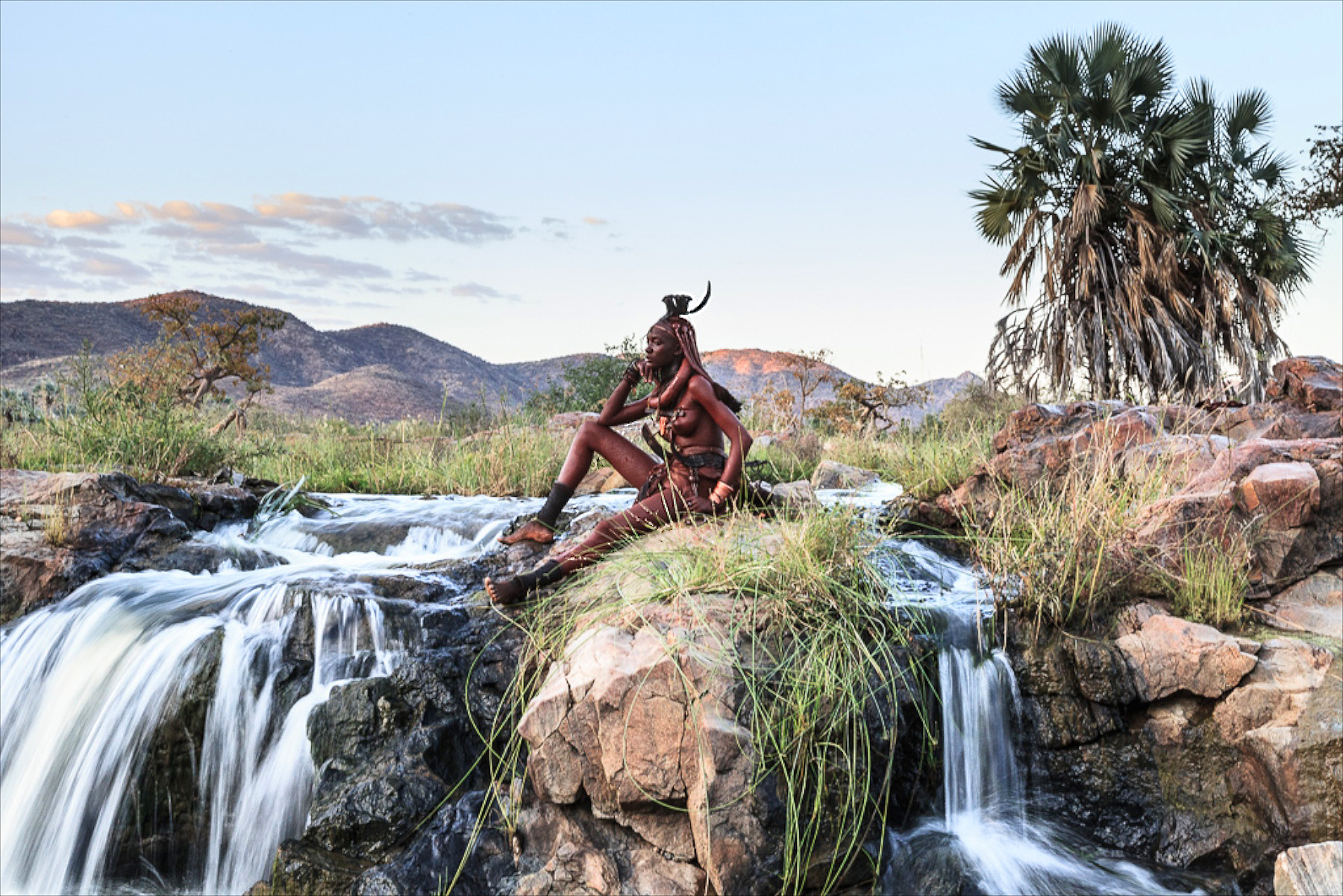
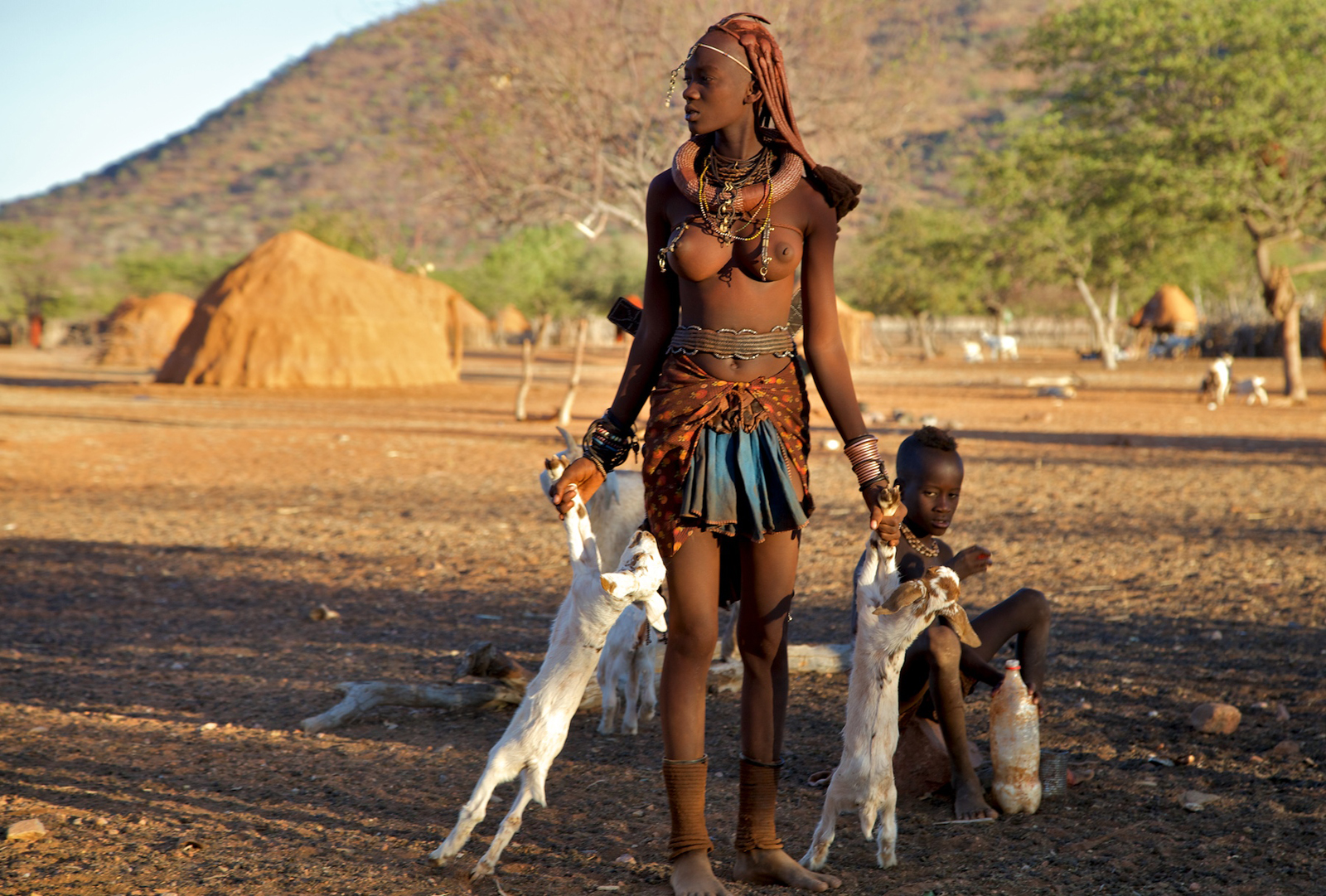
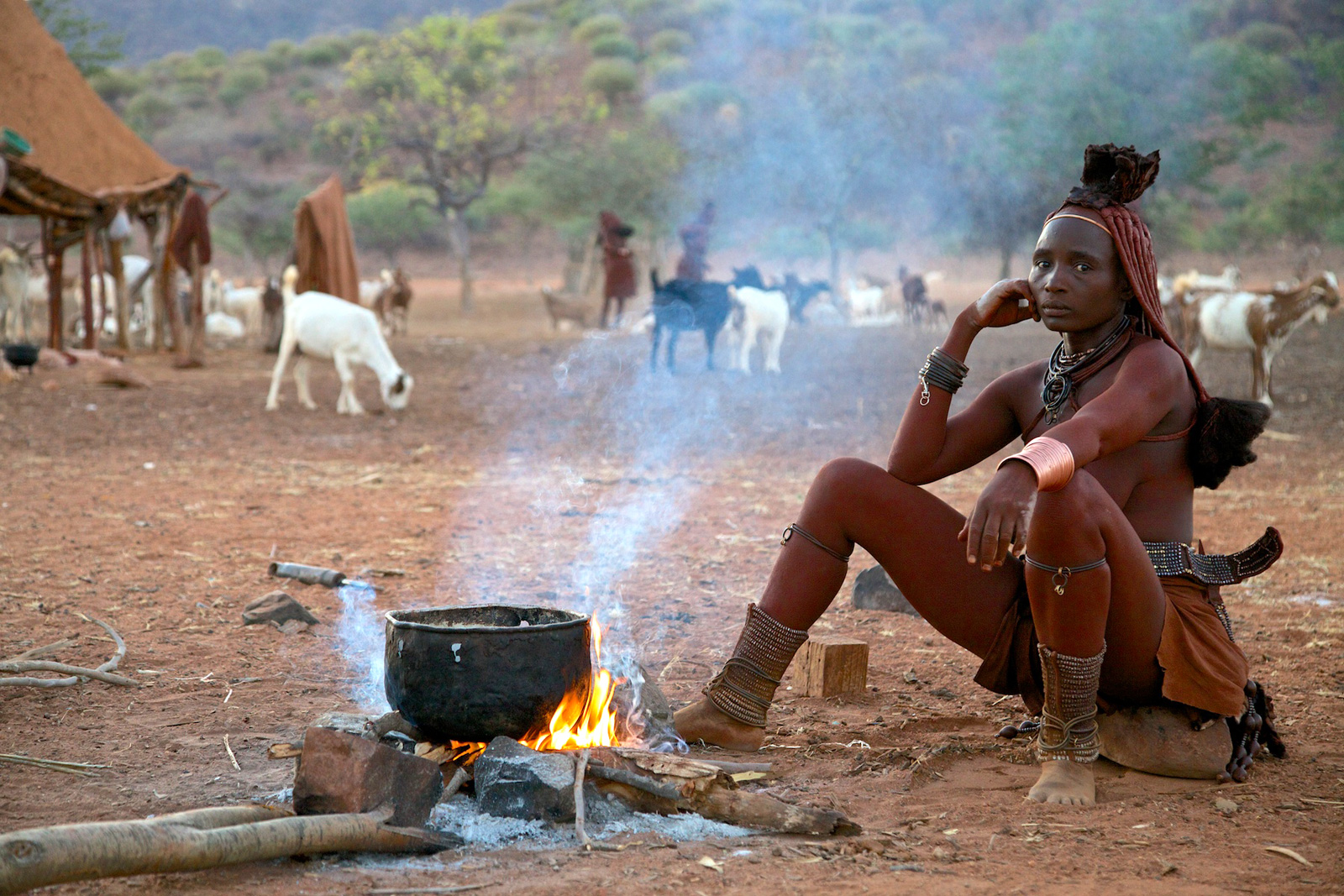
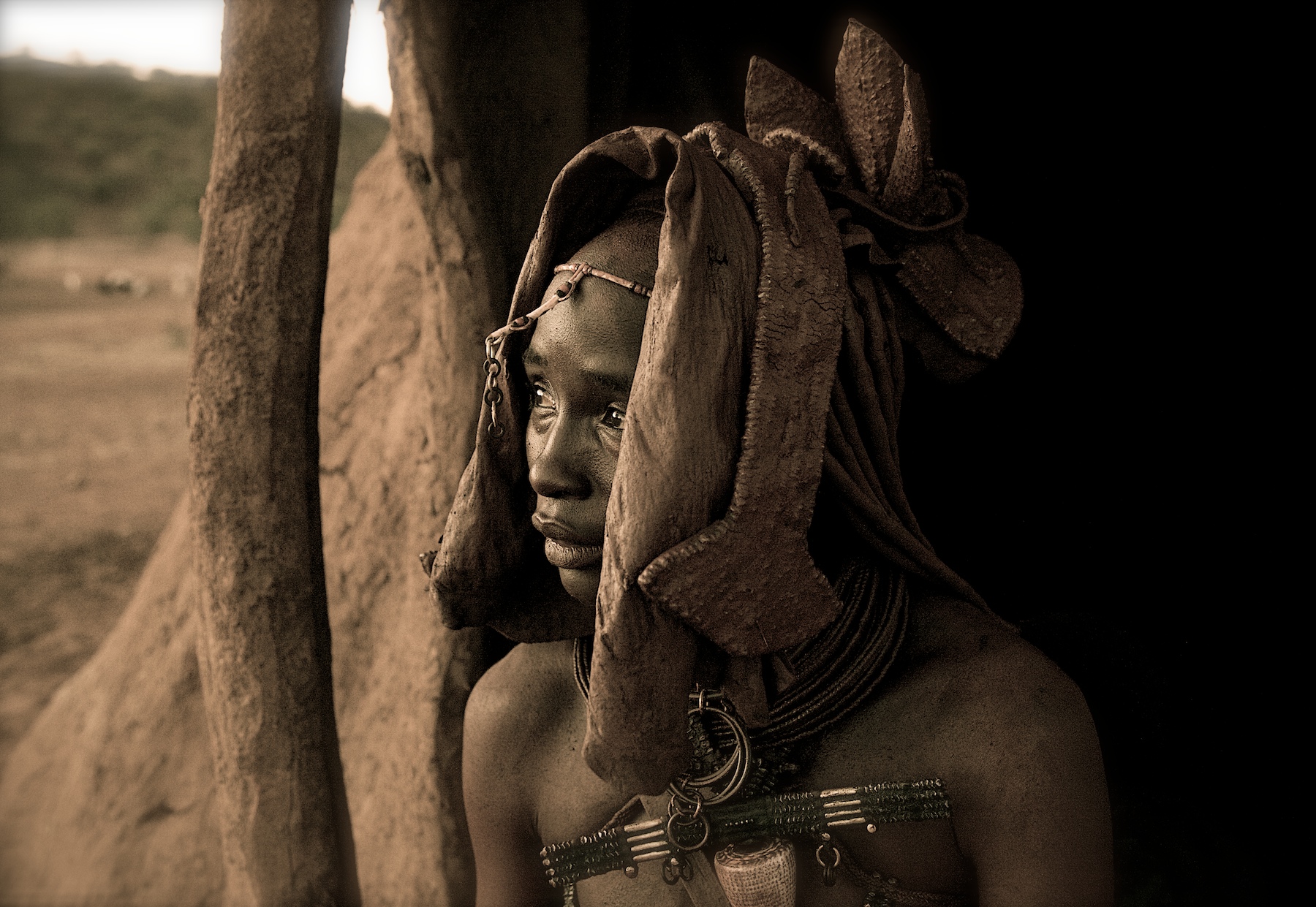
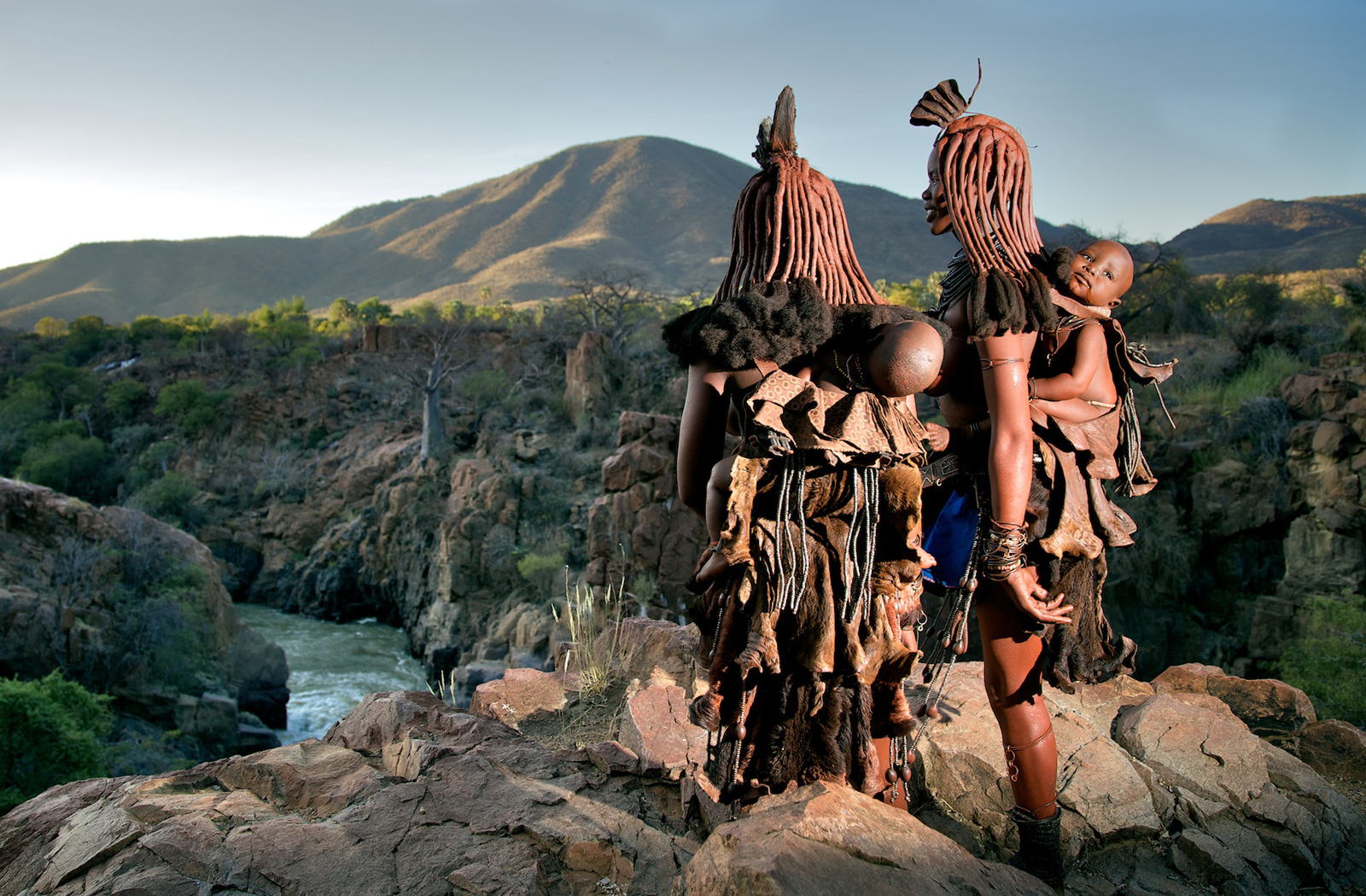
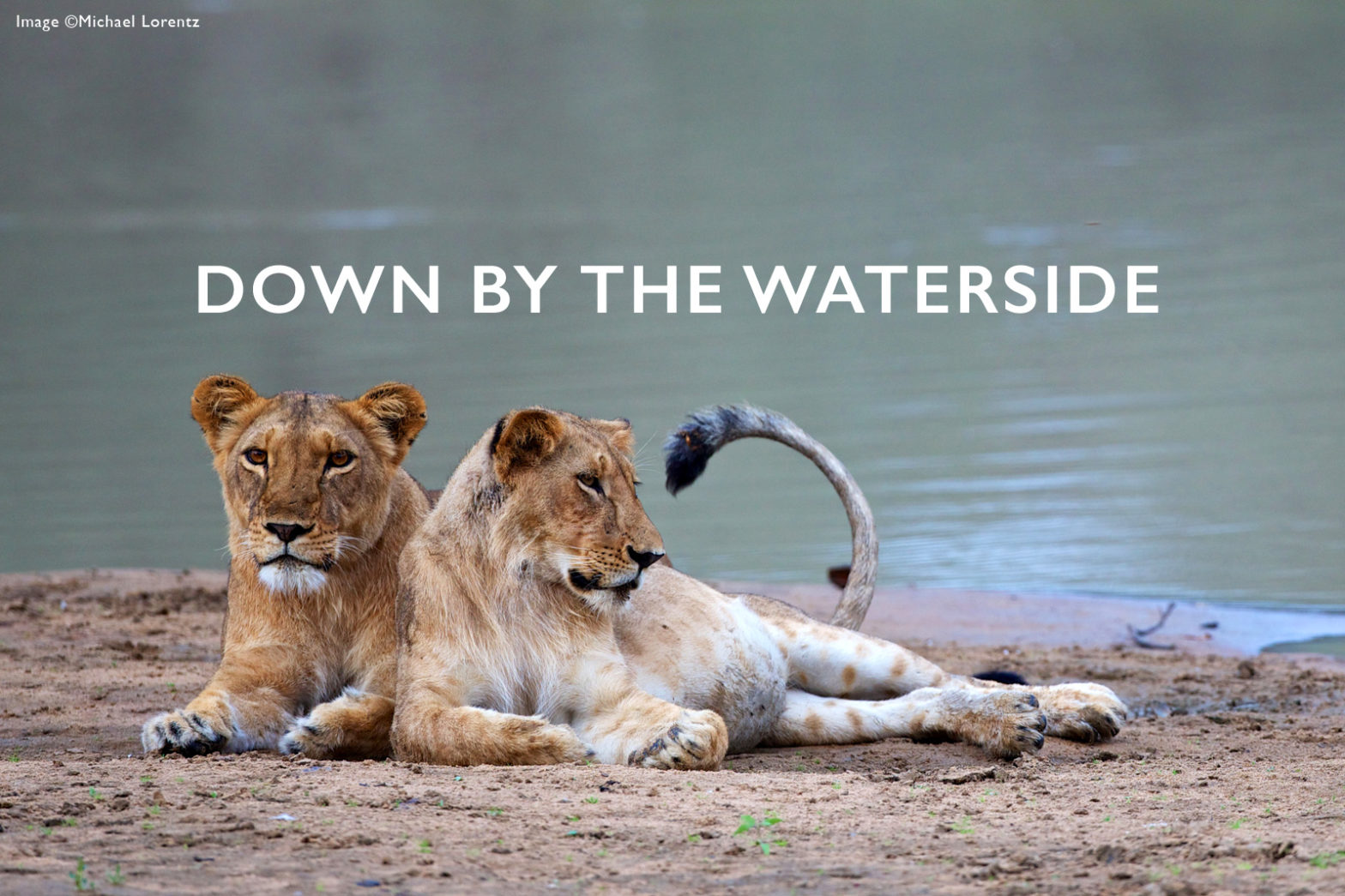
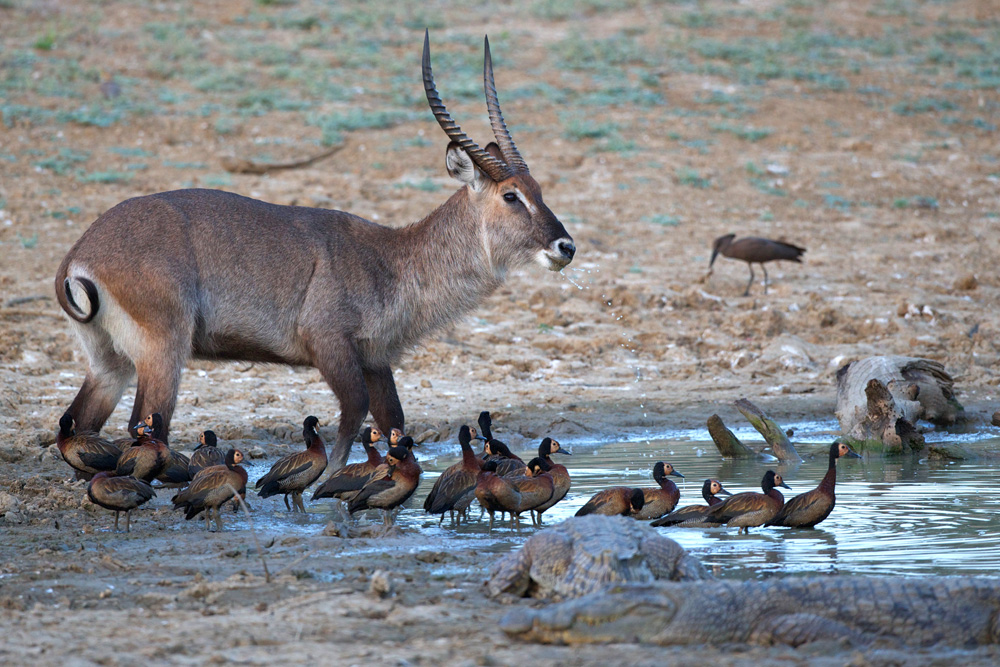
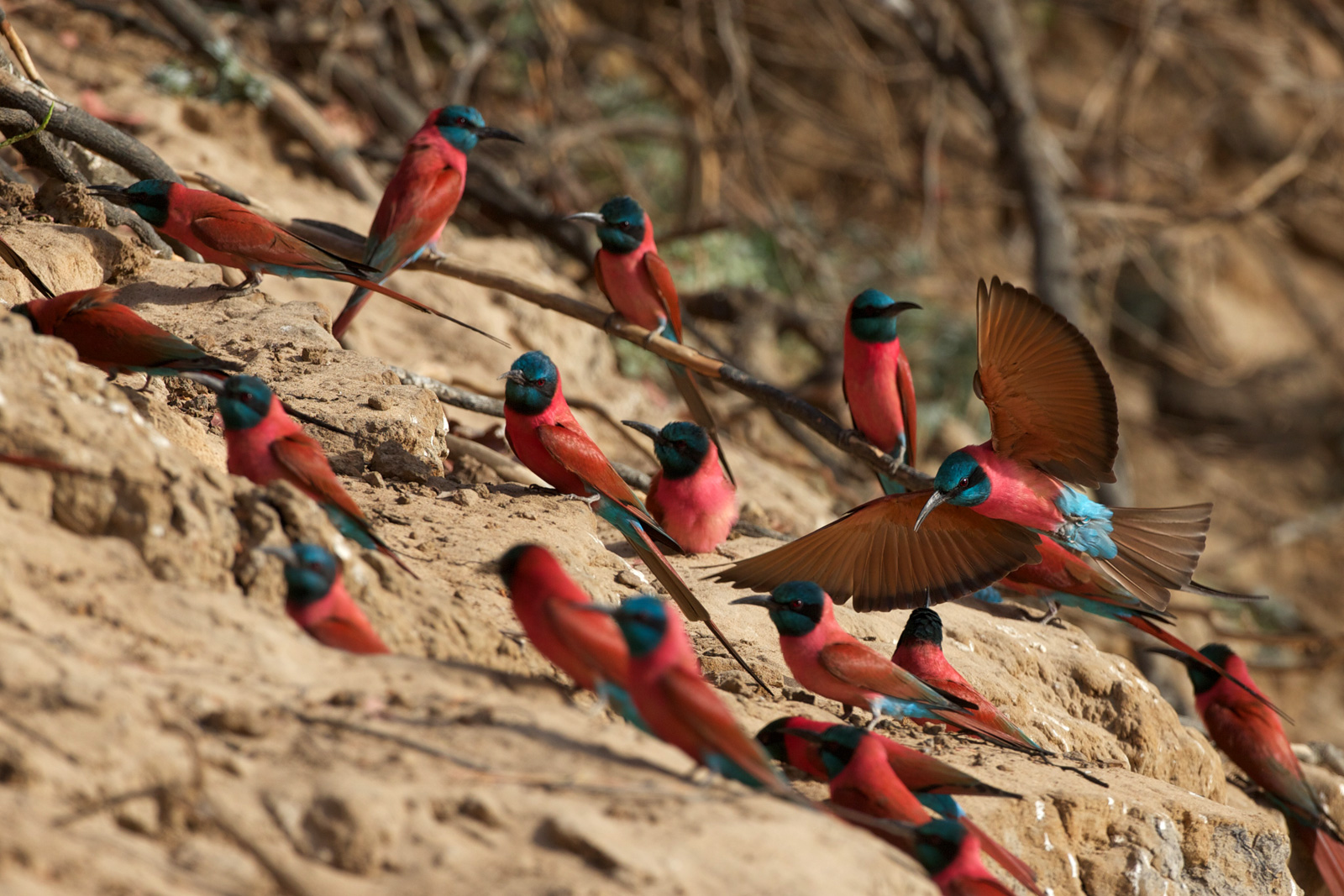
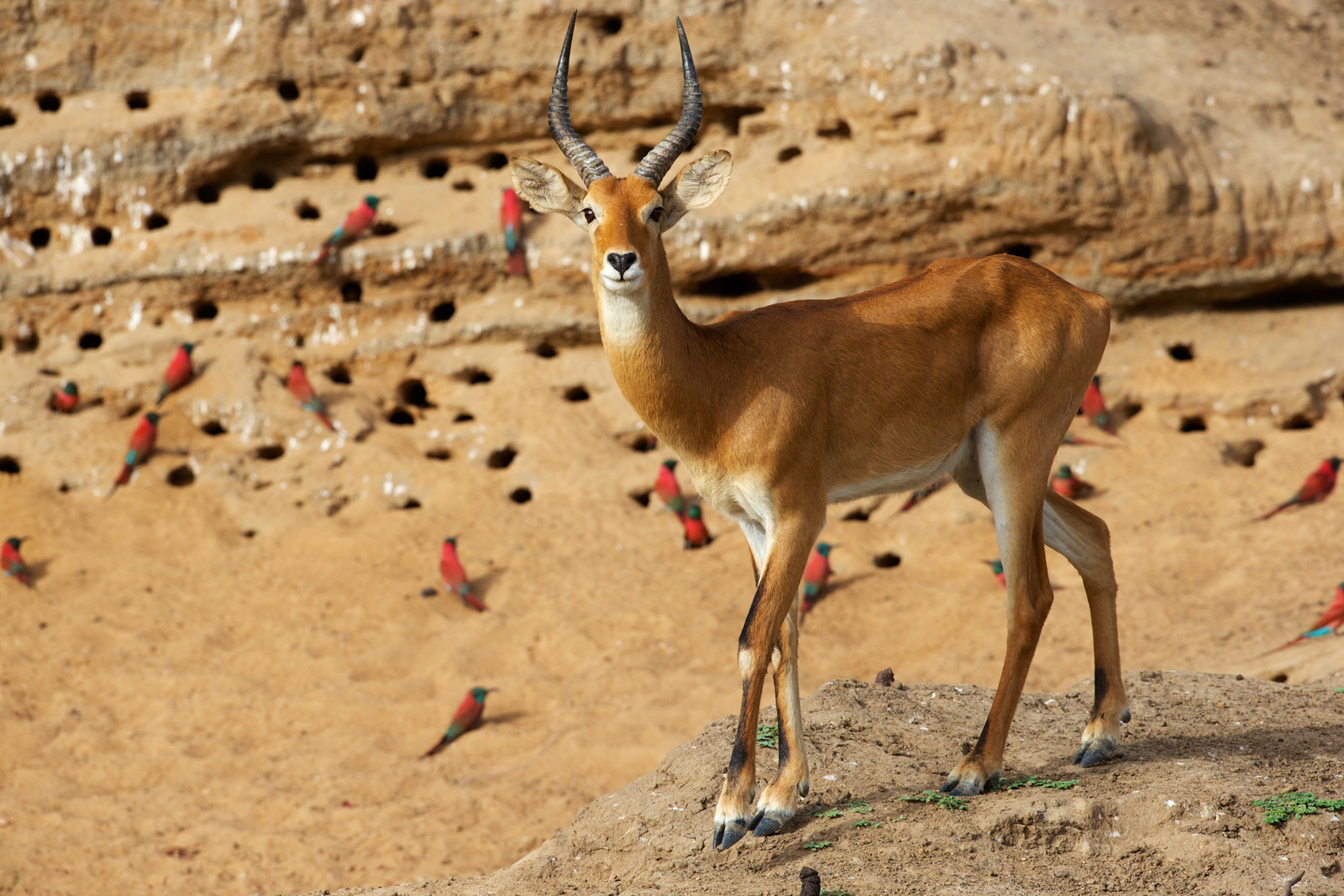
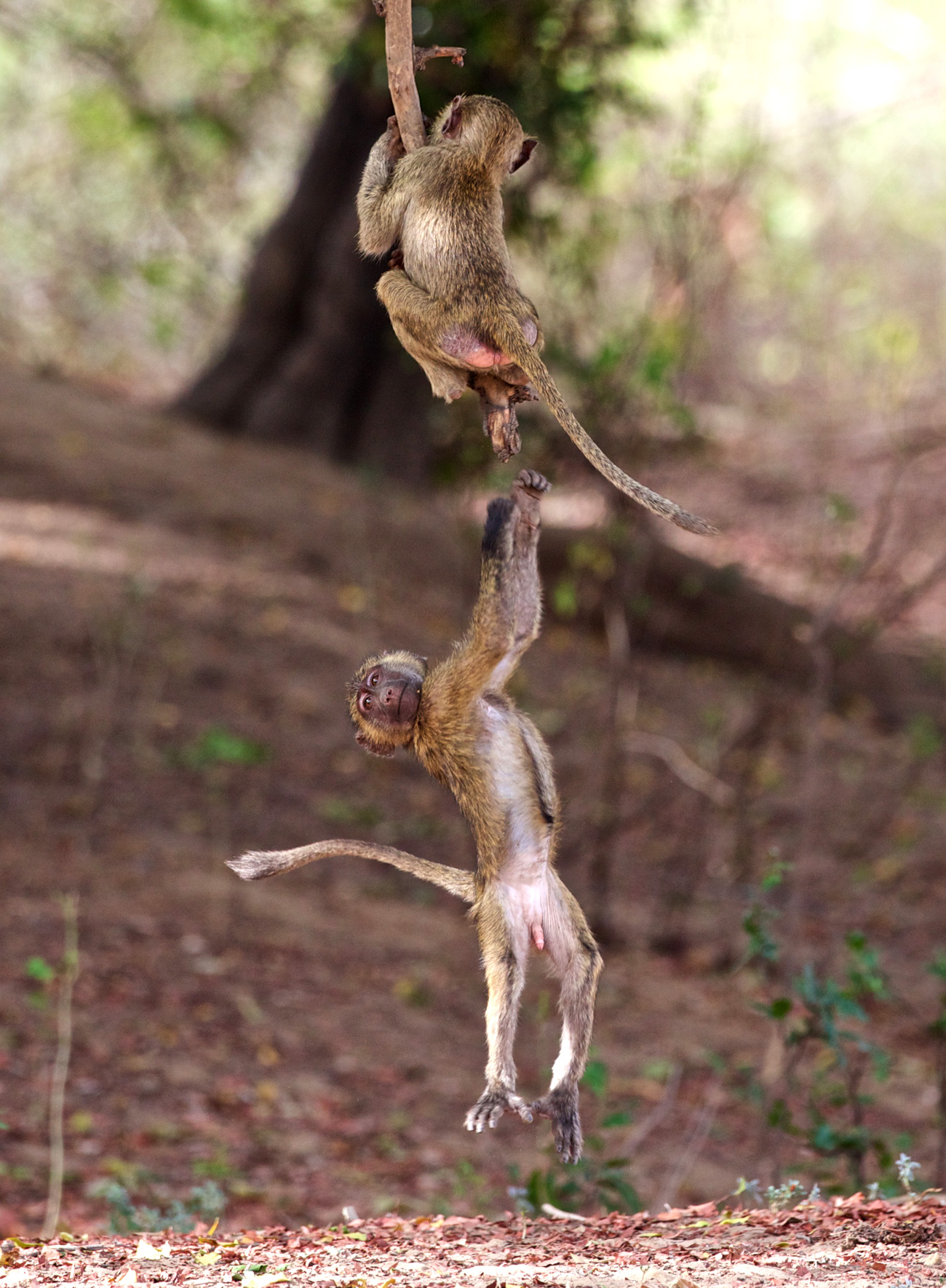
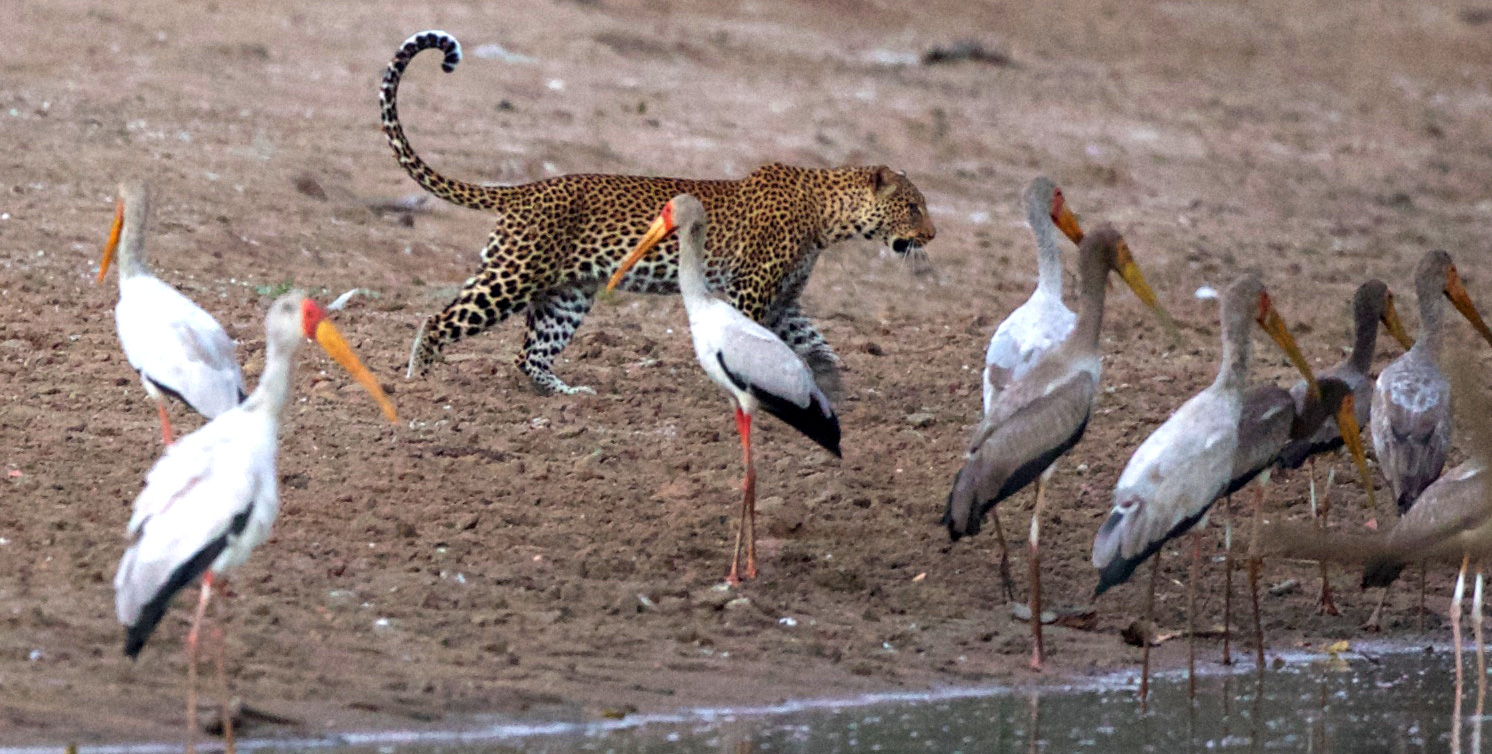
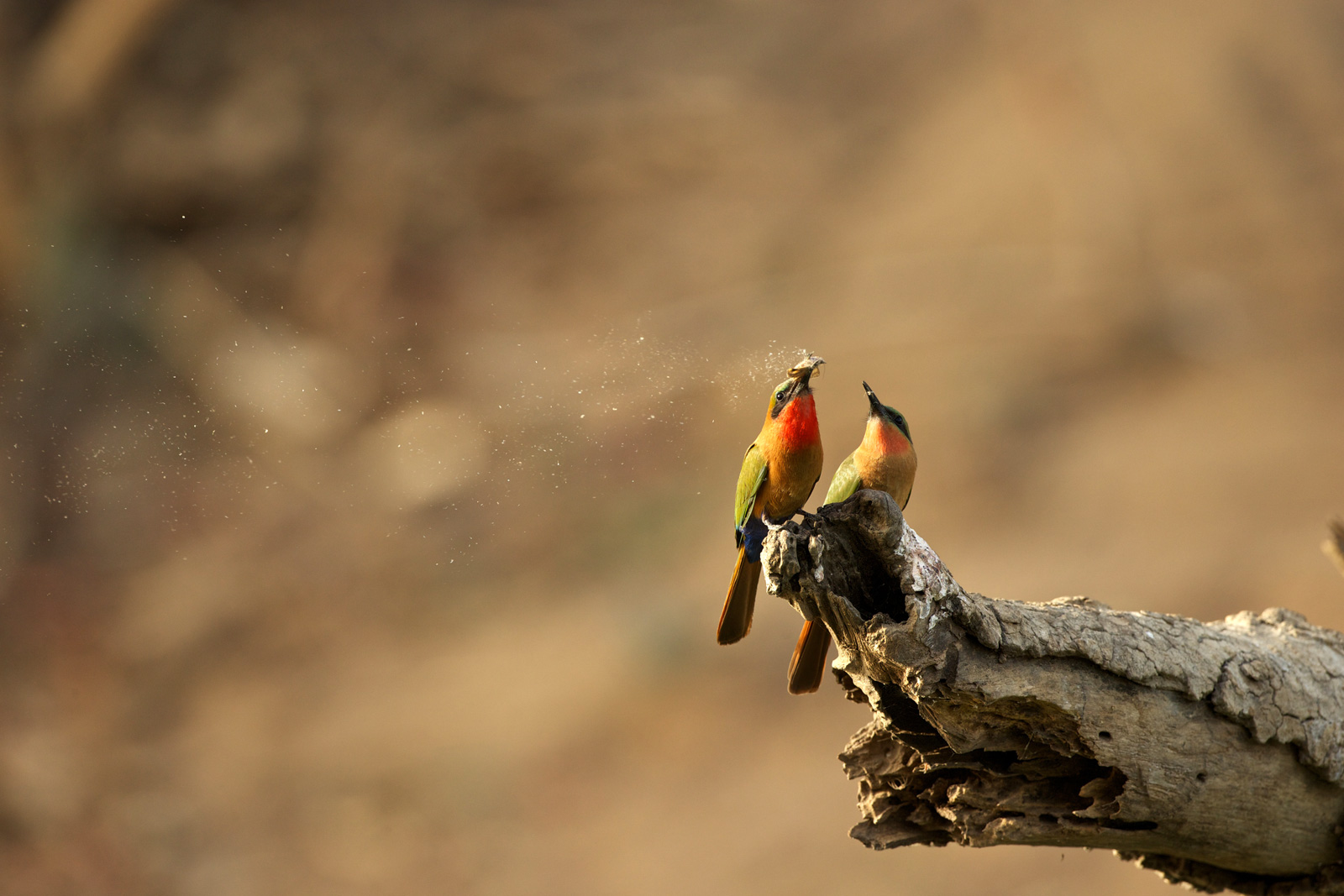
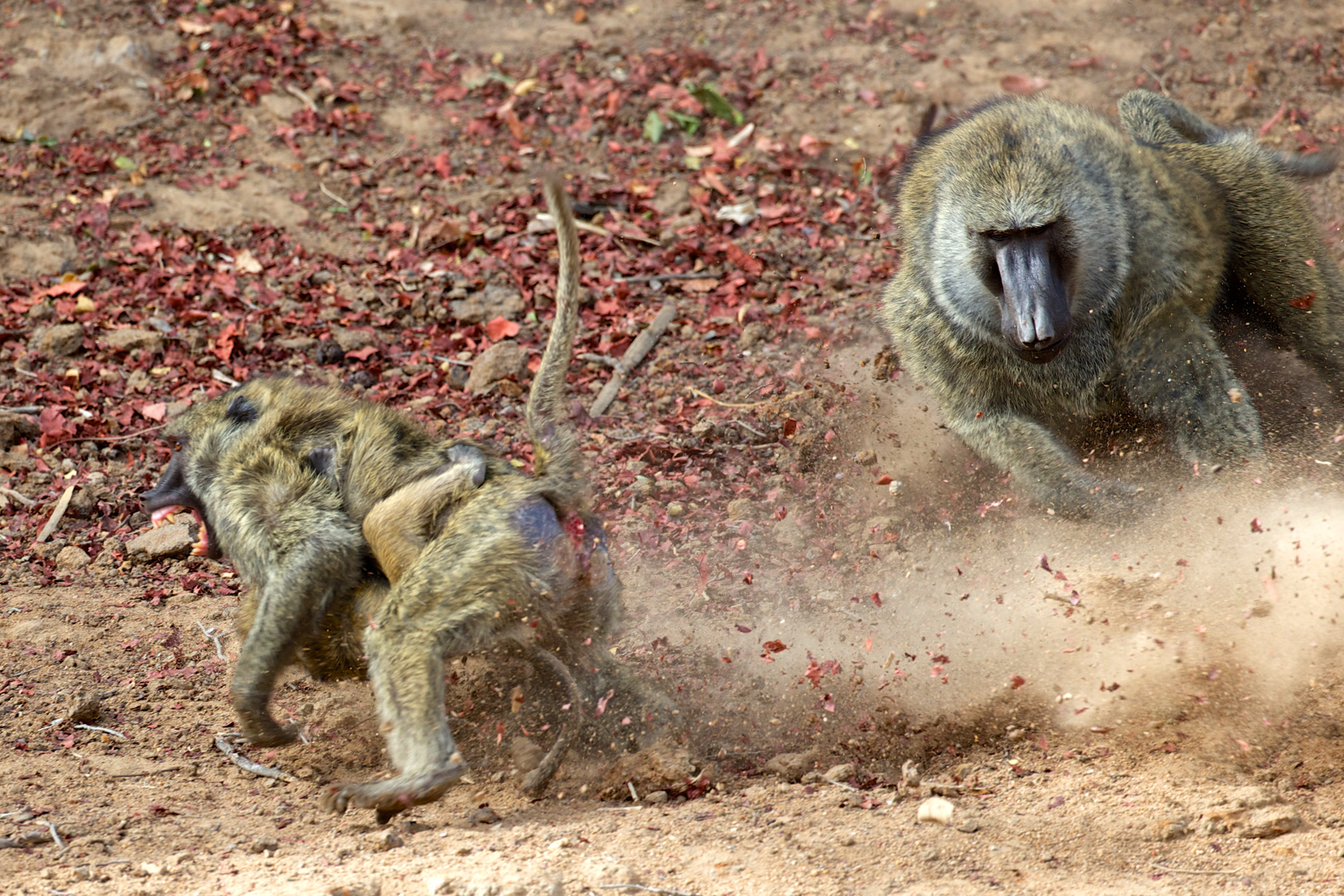
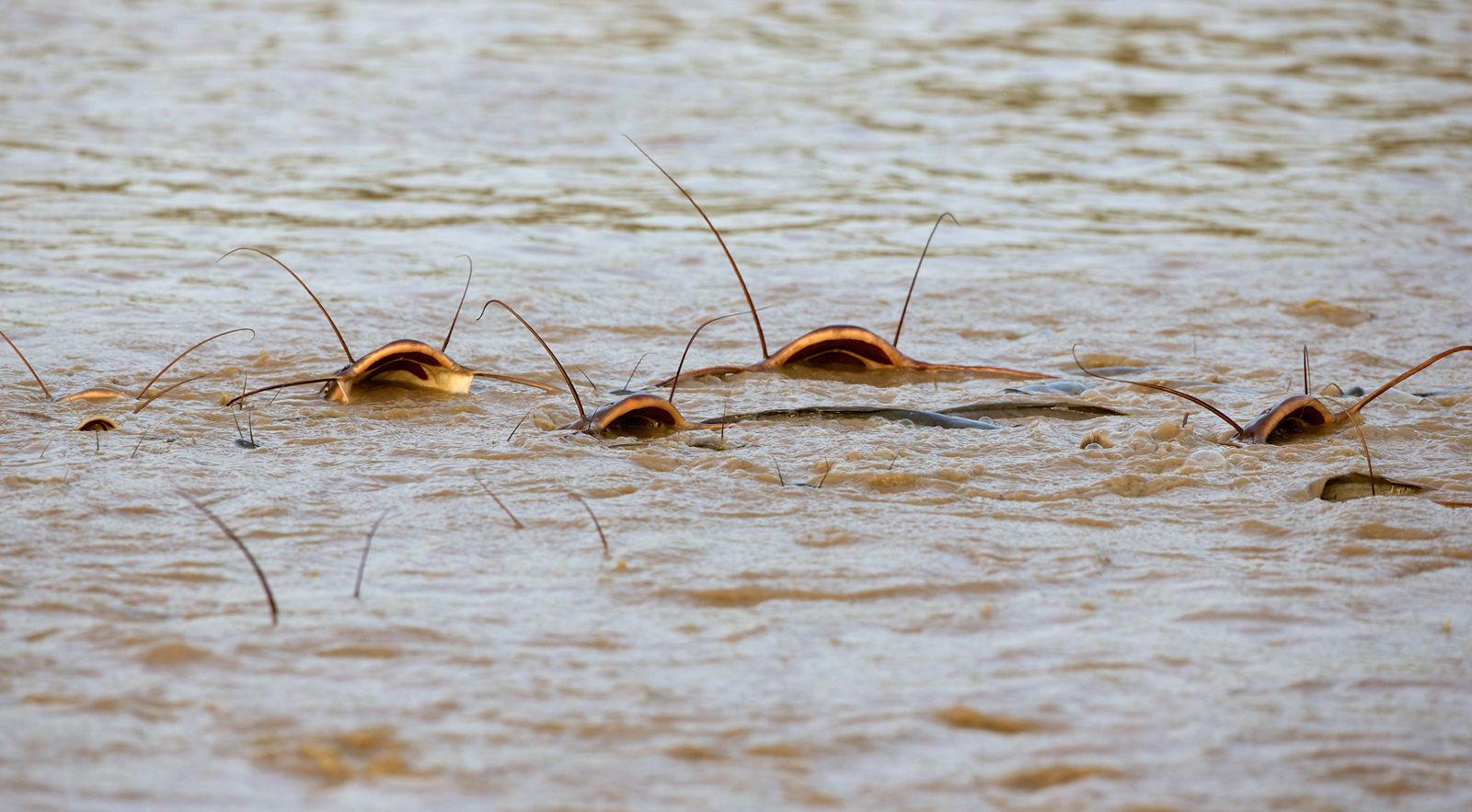
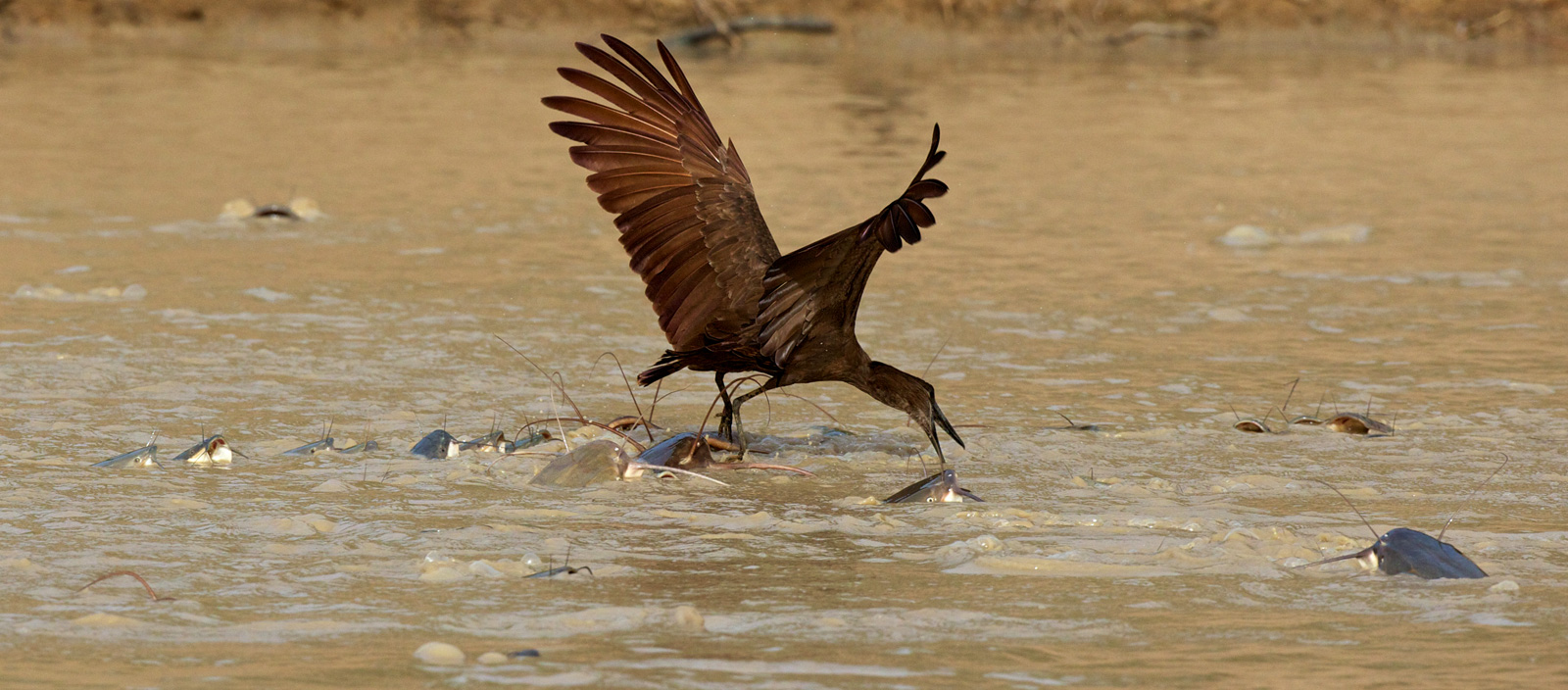
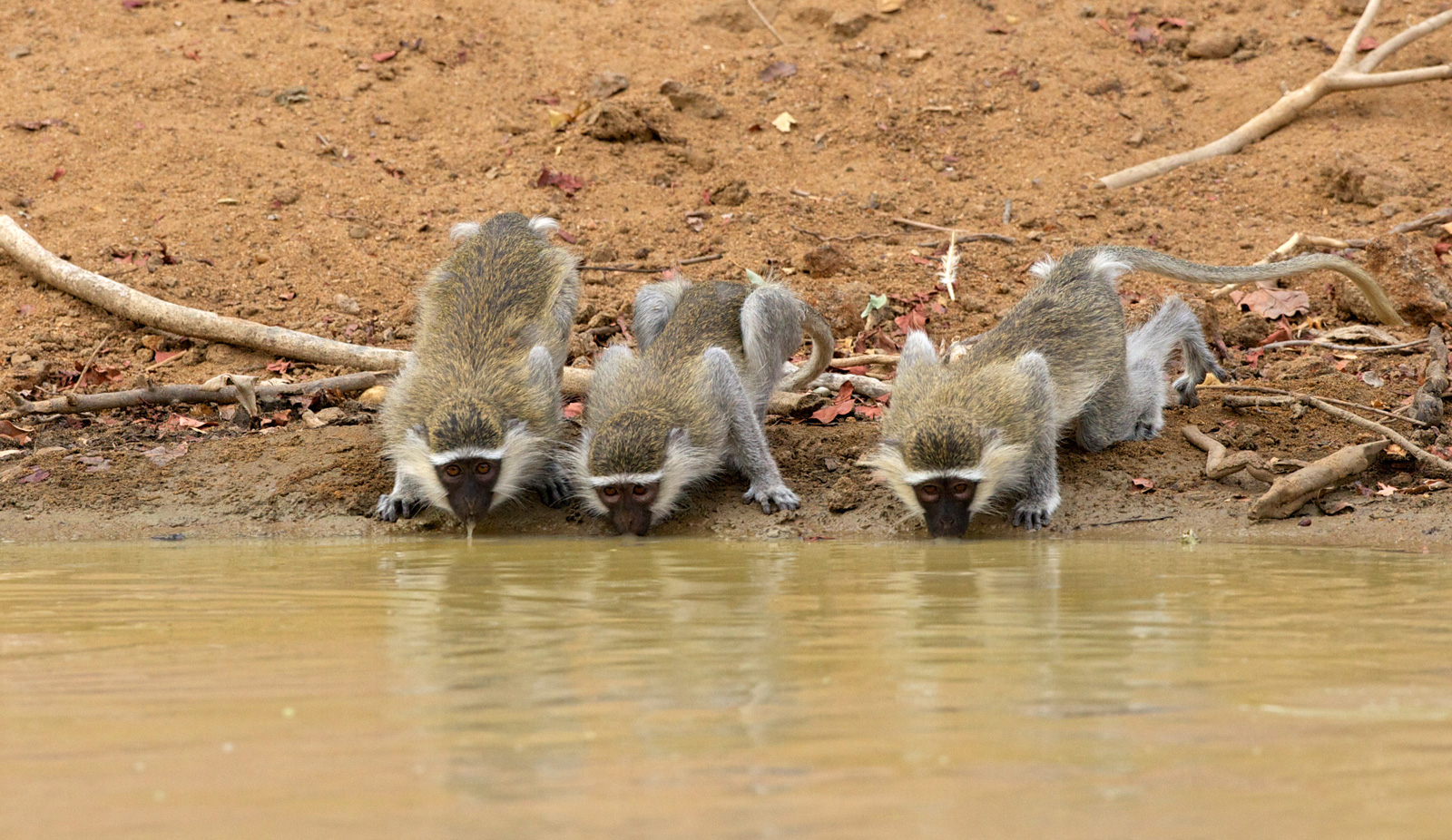
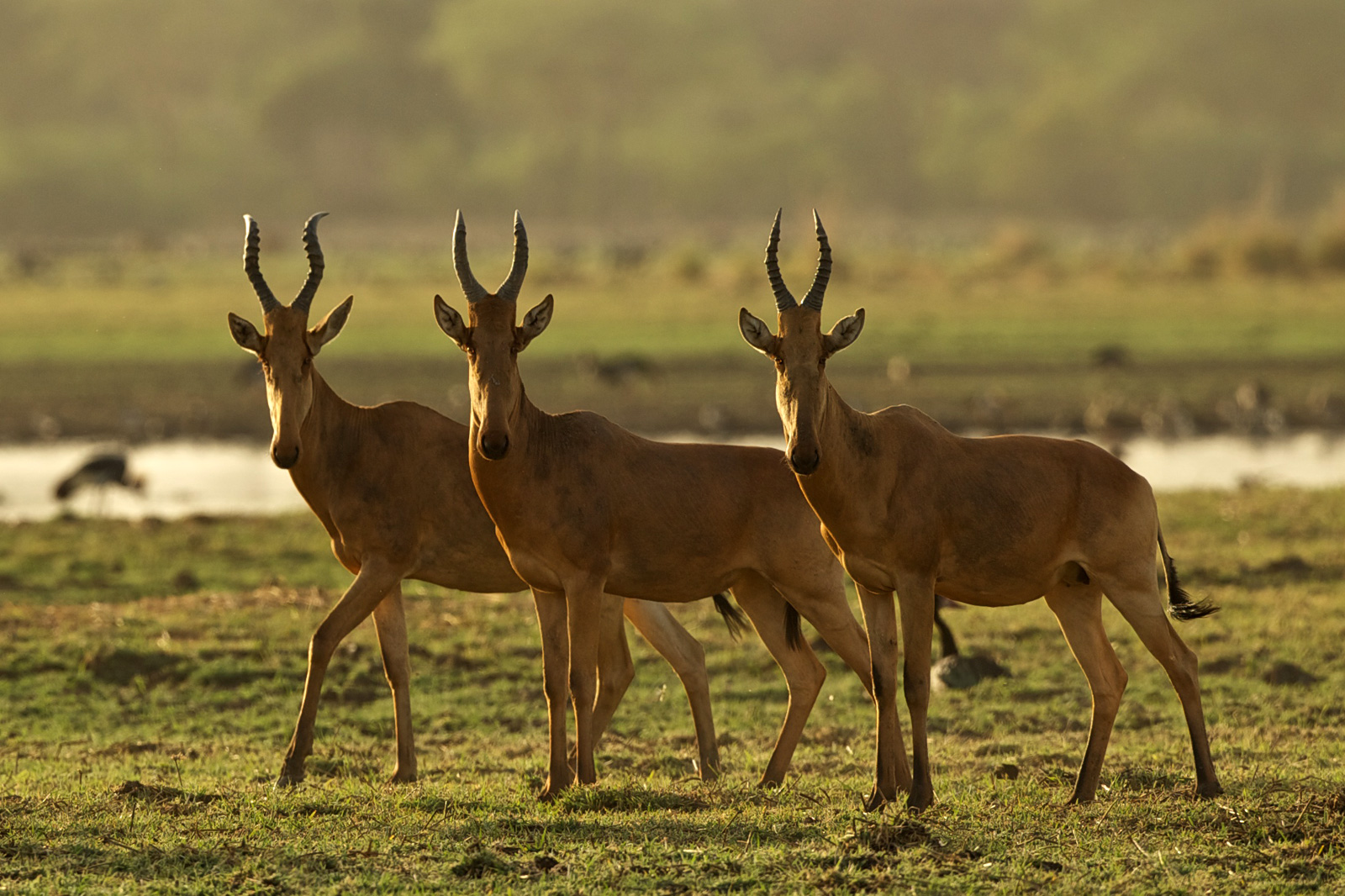
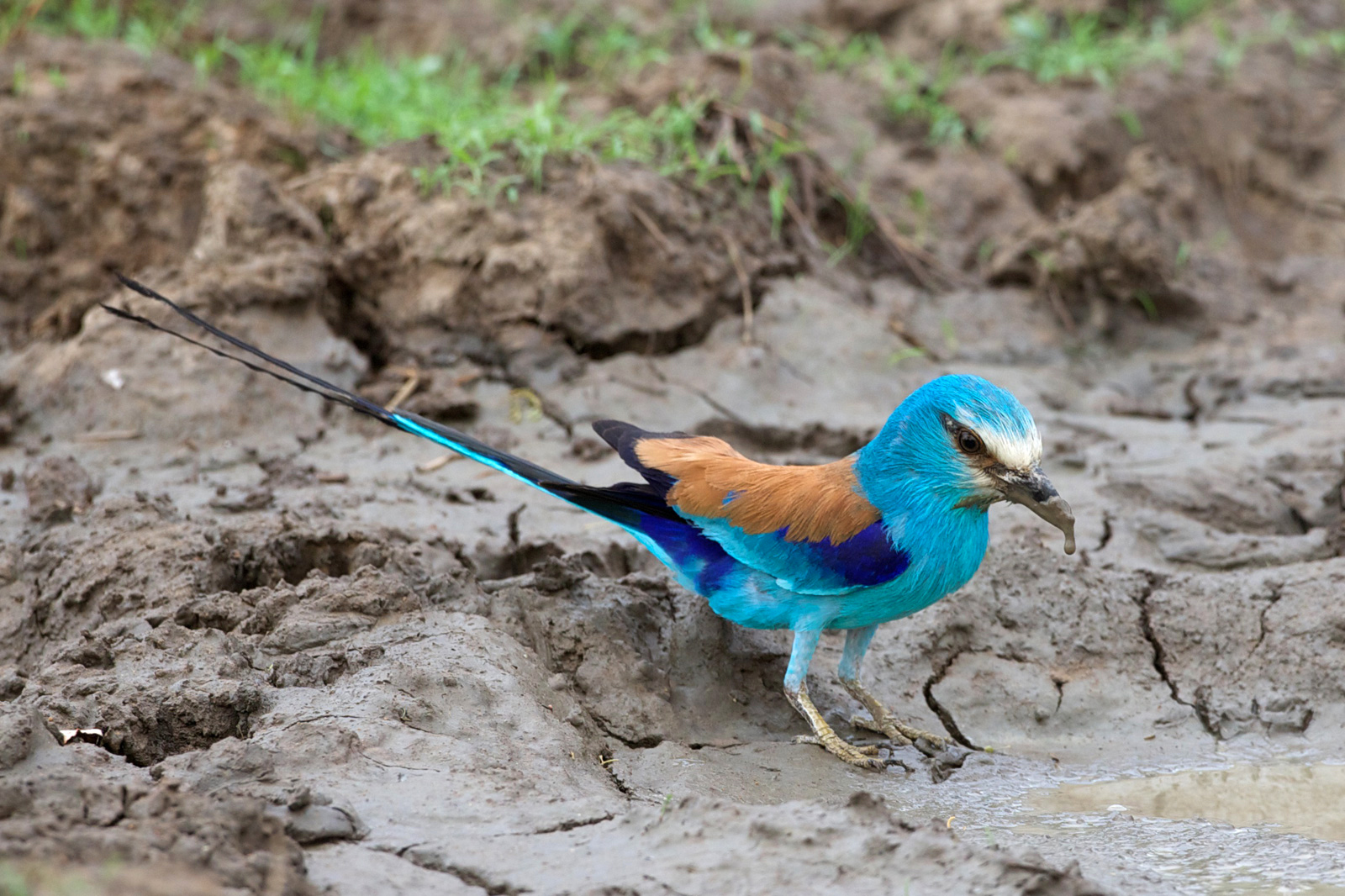
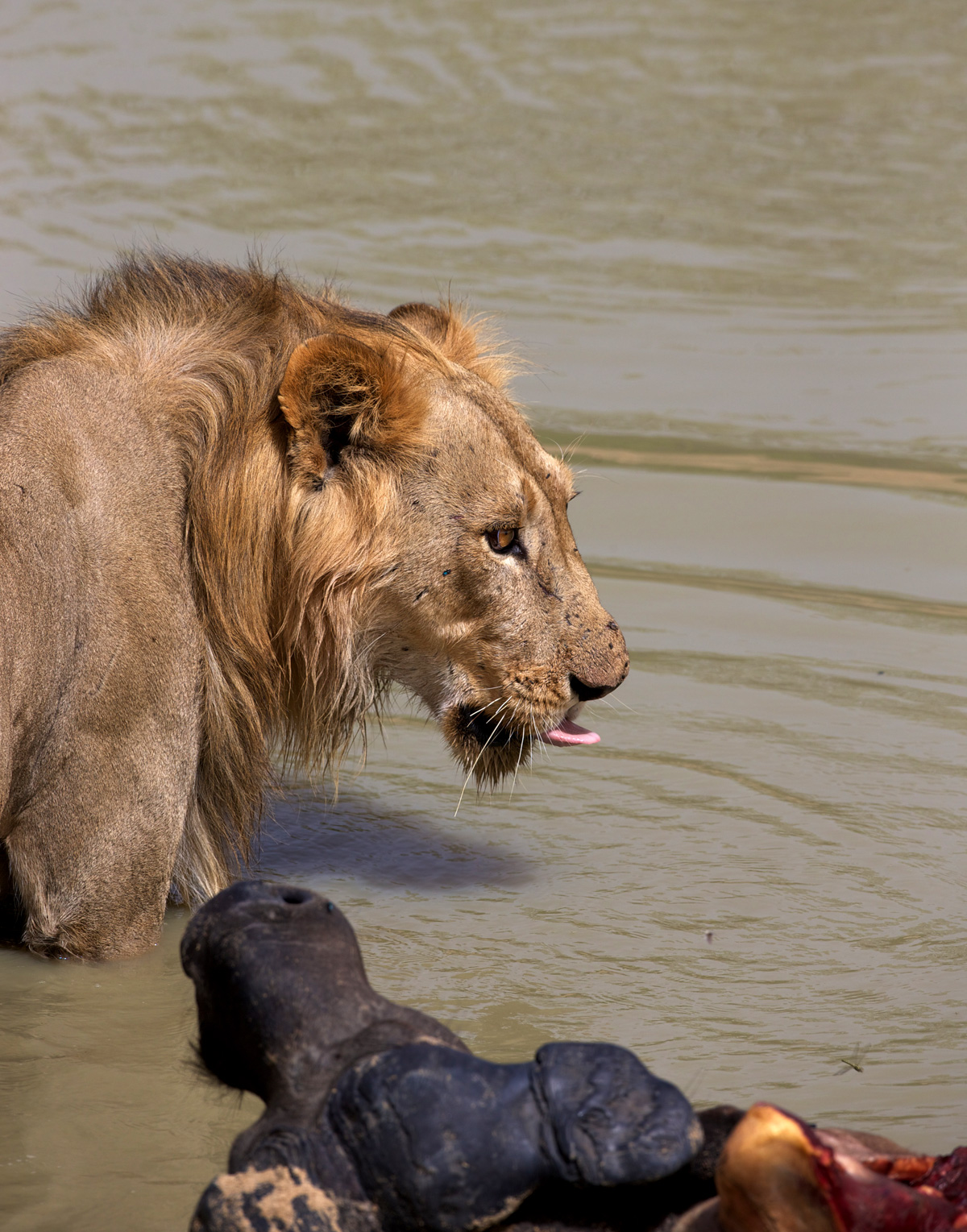
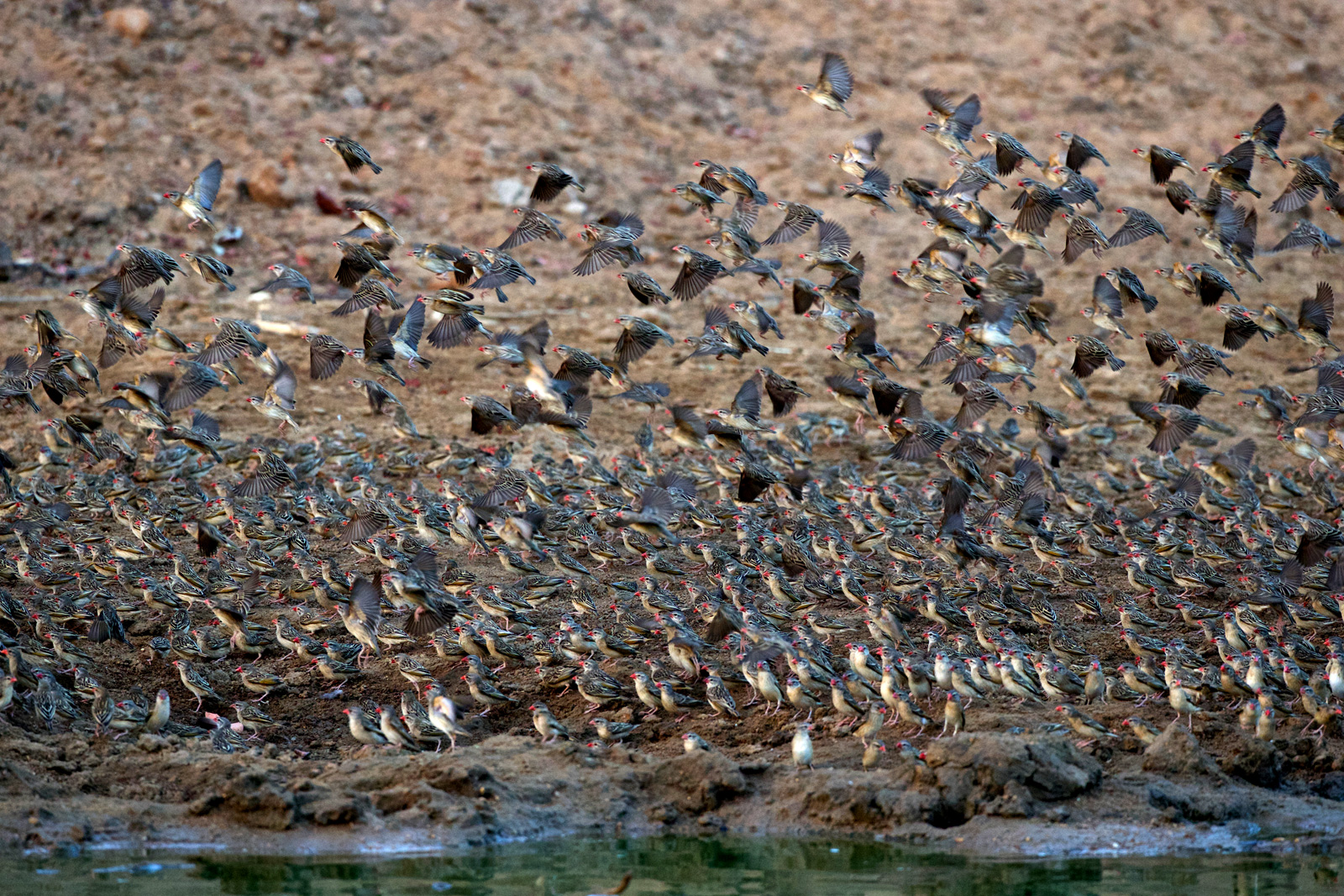
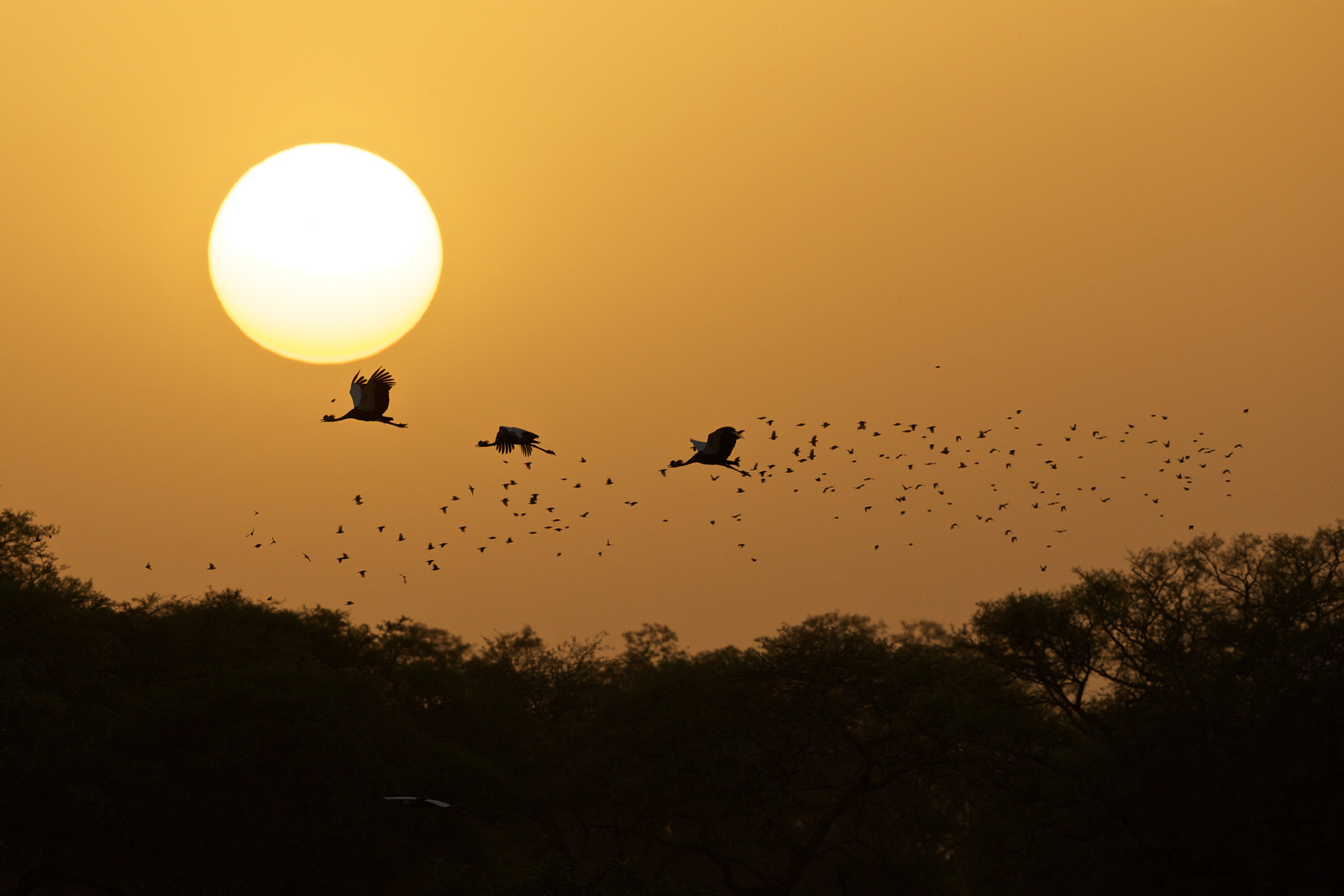

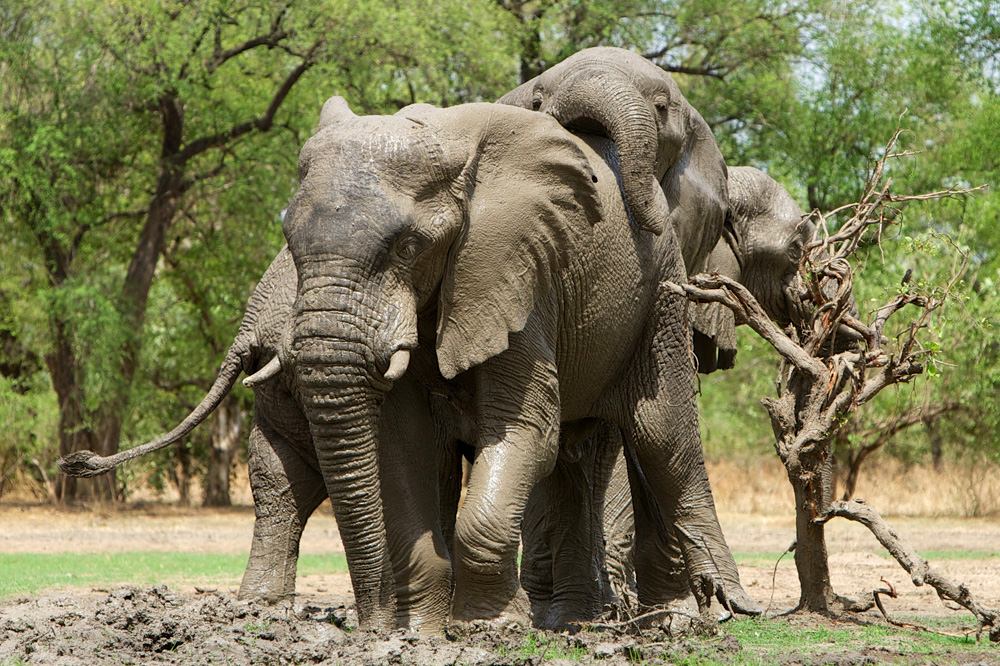
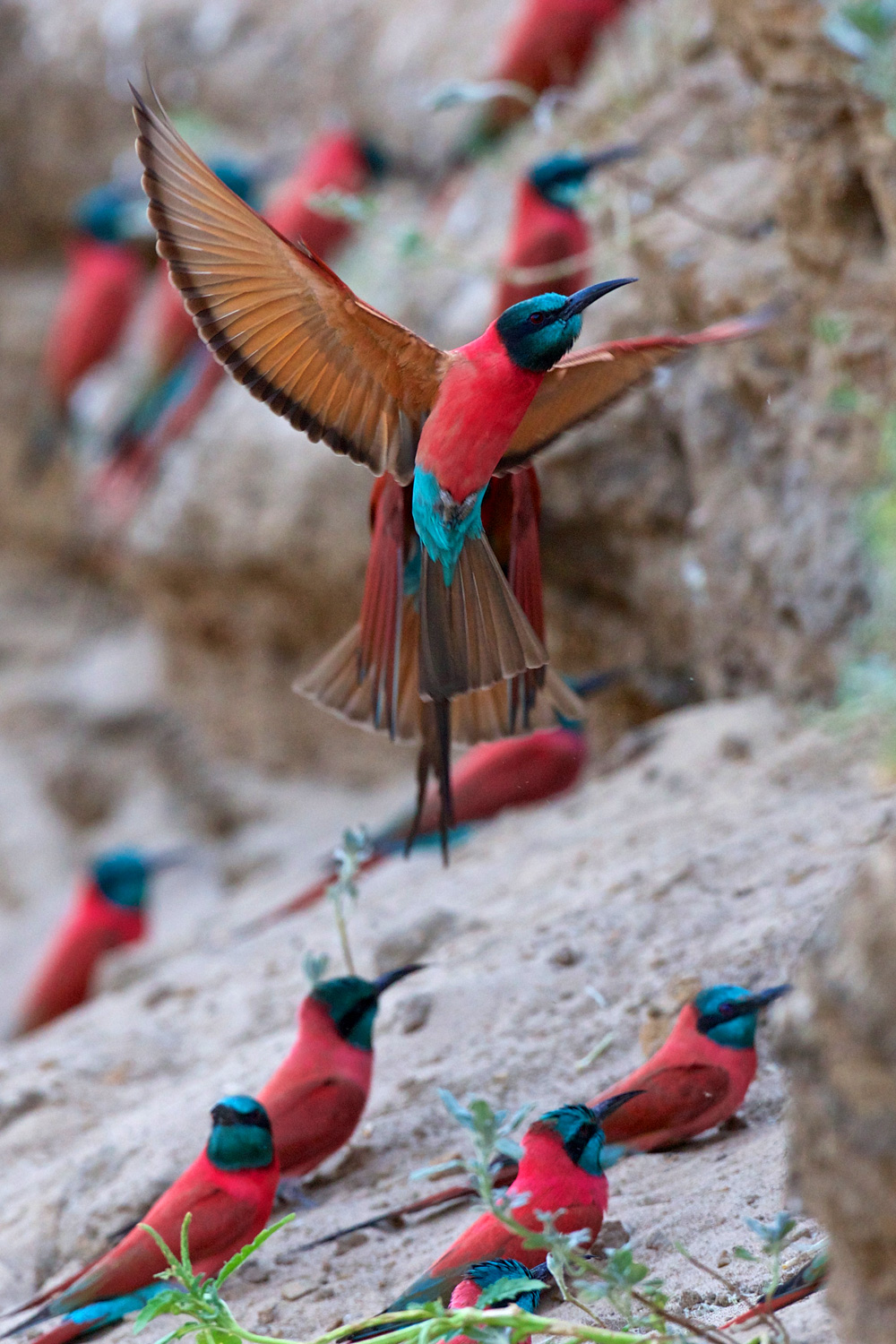
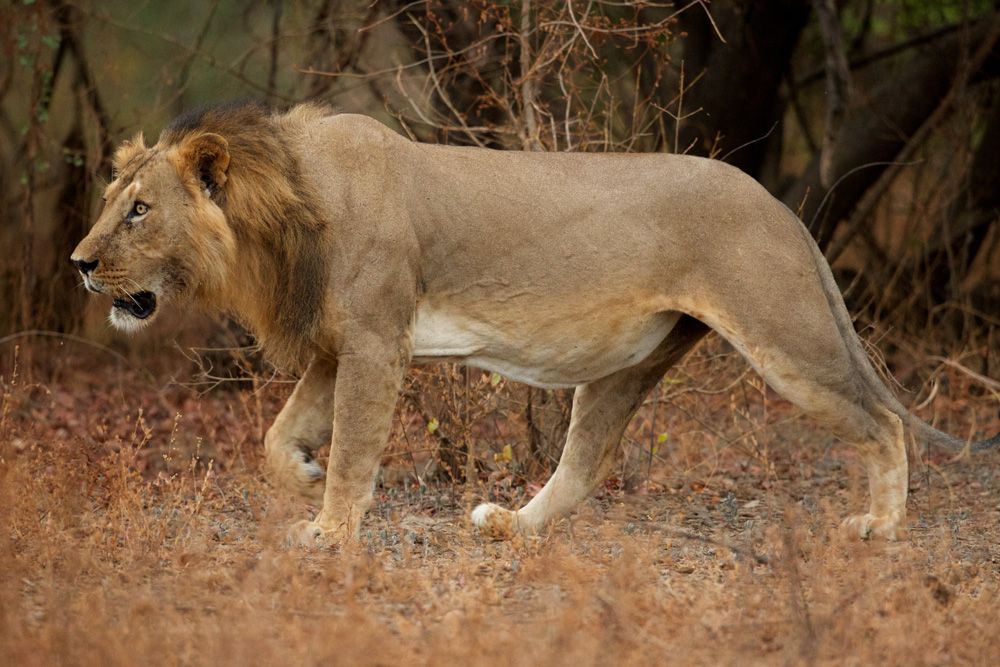
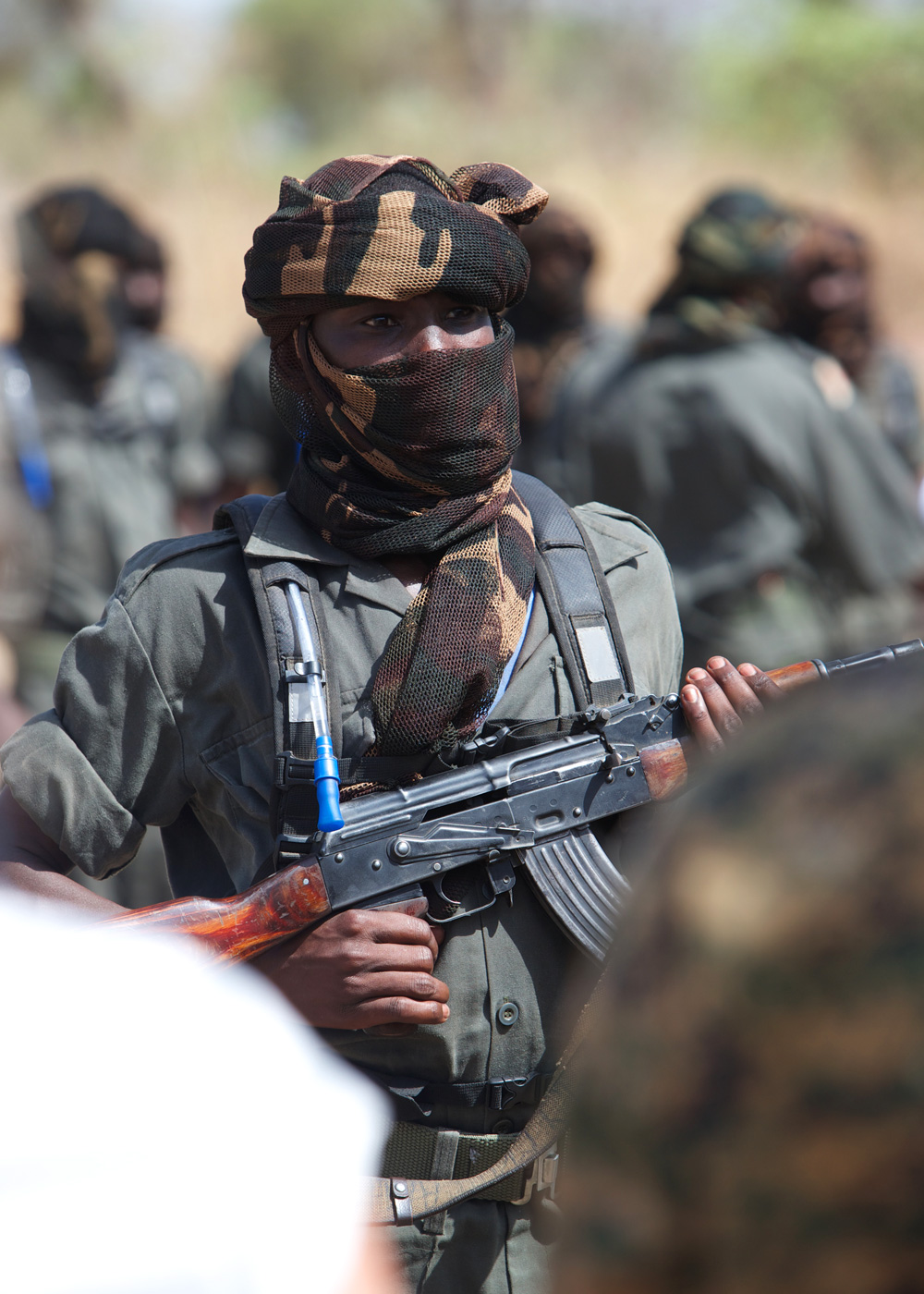
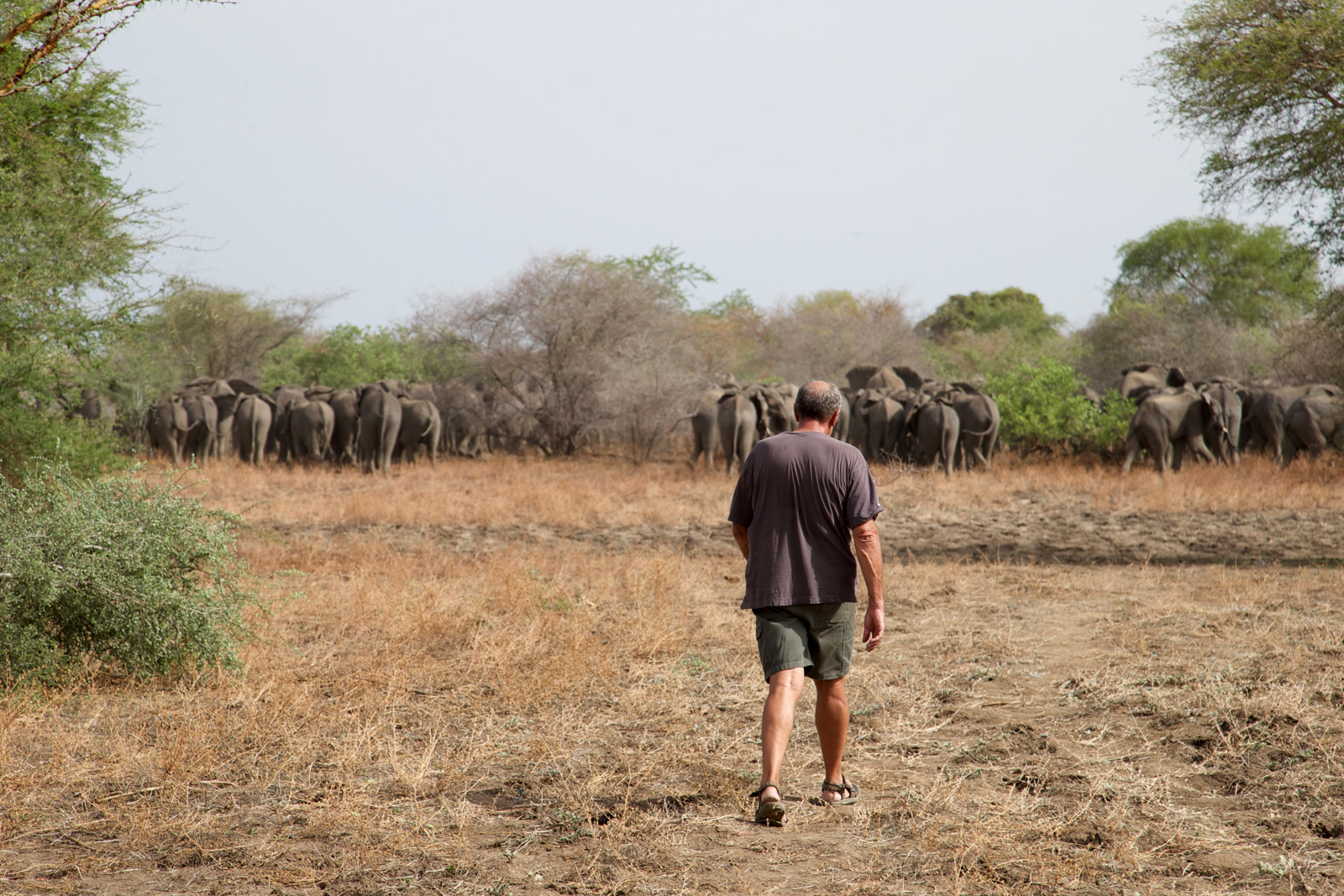
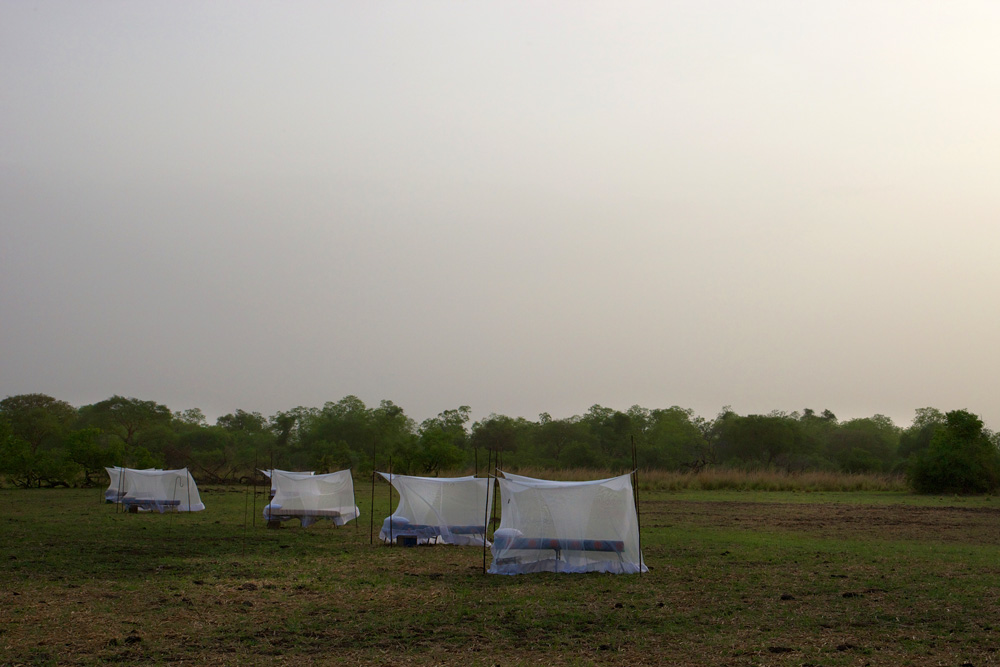
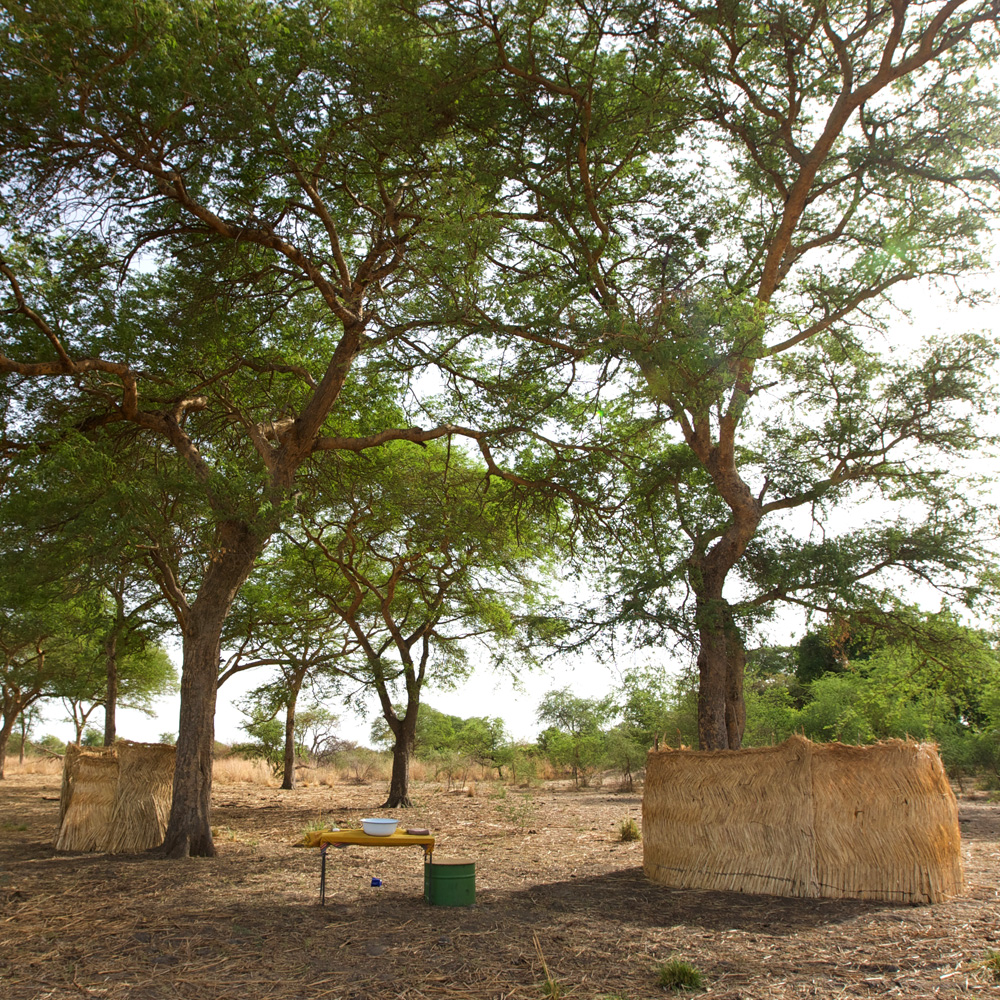
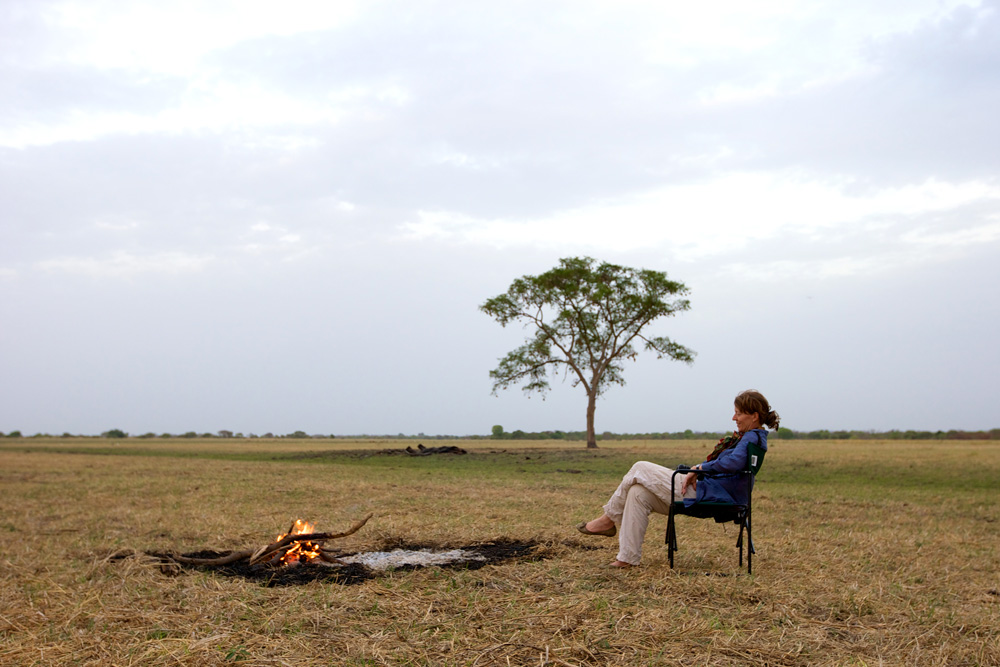
 DID YOU KNOW that African Parks offers safari camps (lodges and campsites) where 100% of tourism revenue goes to conservation and local communities?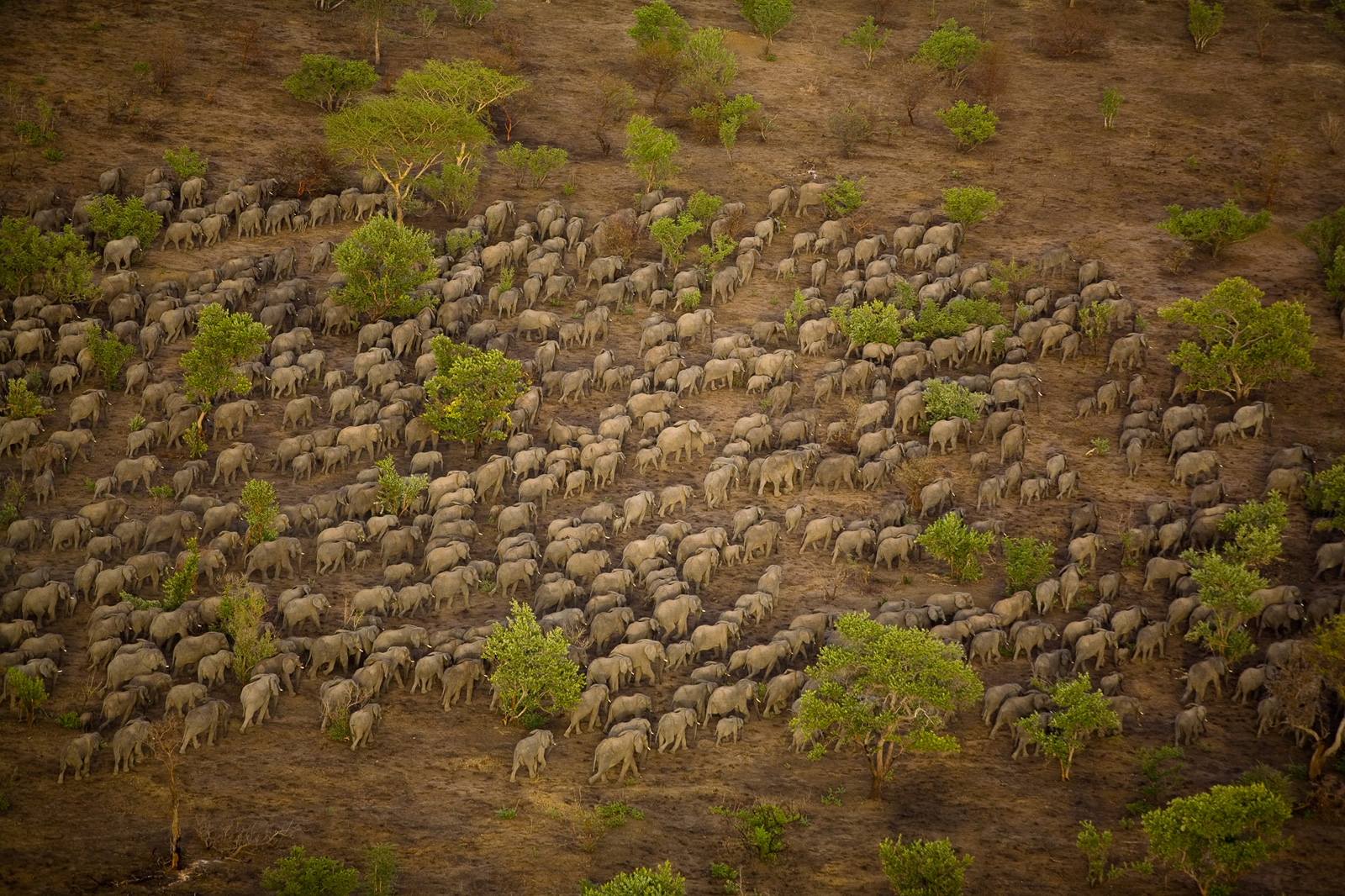
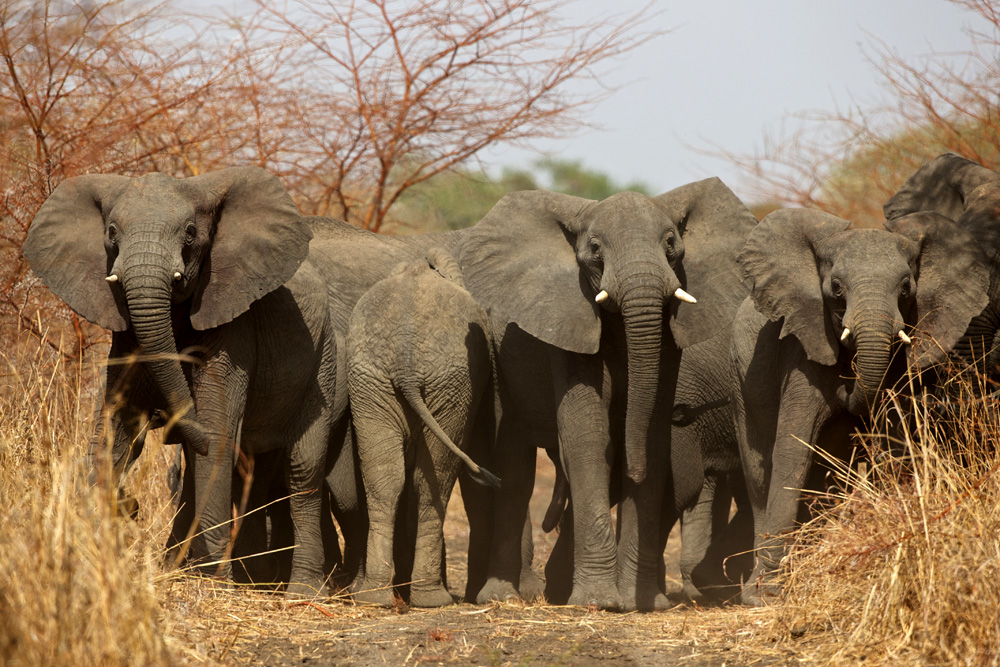
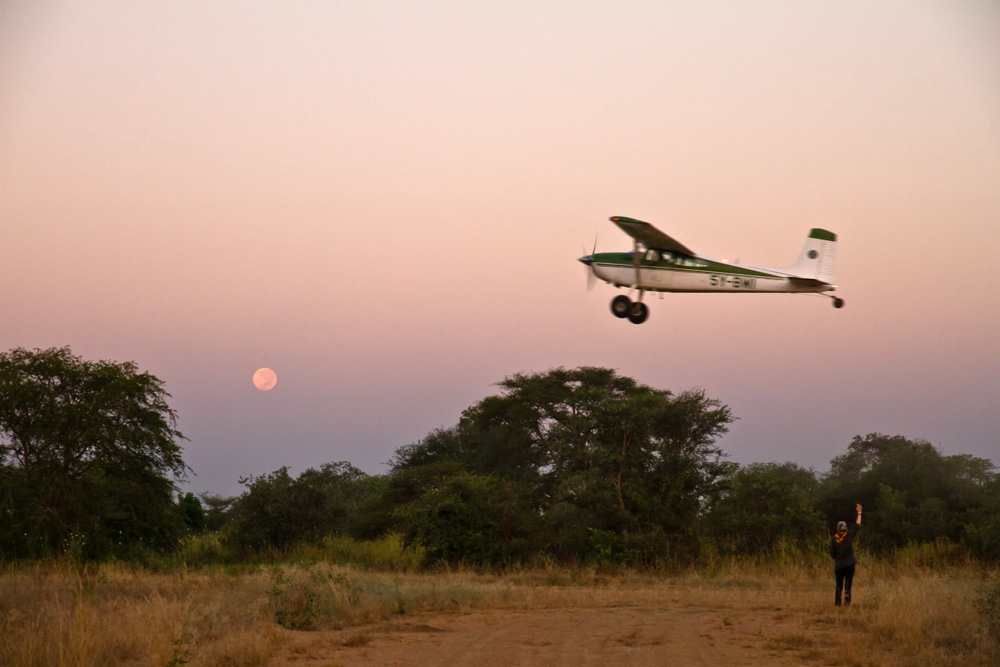
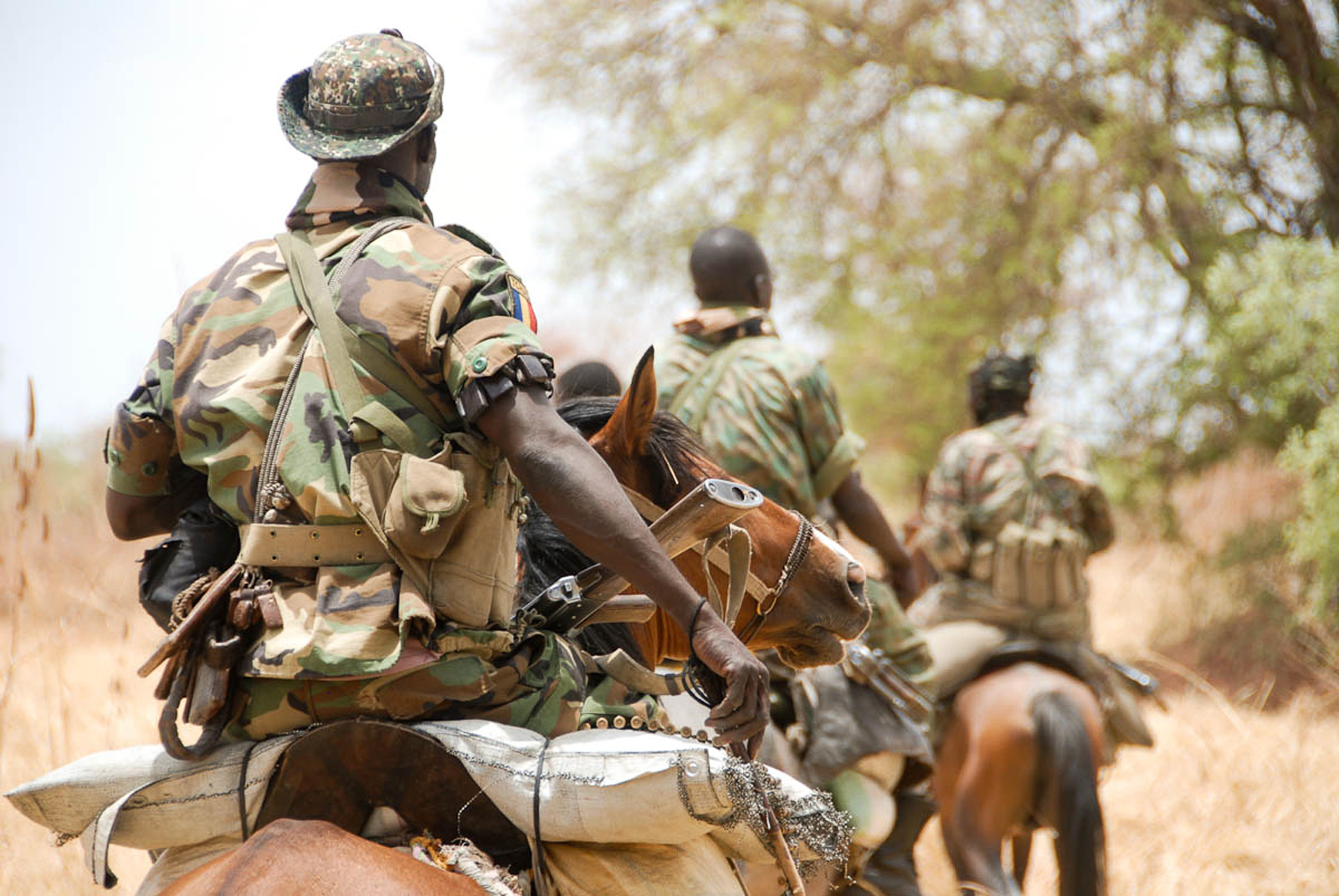
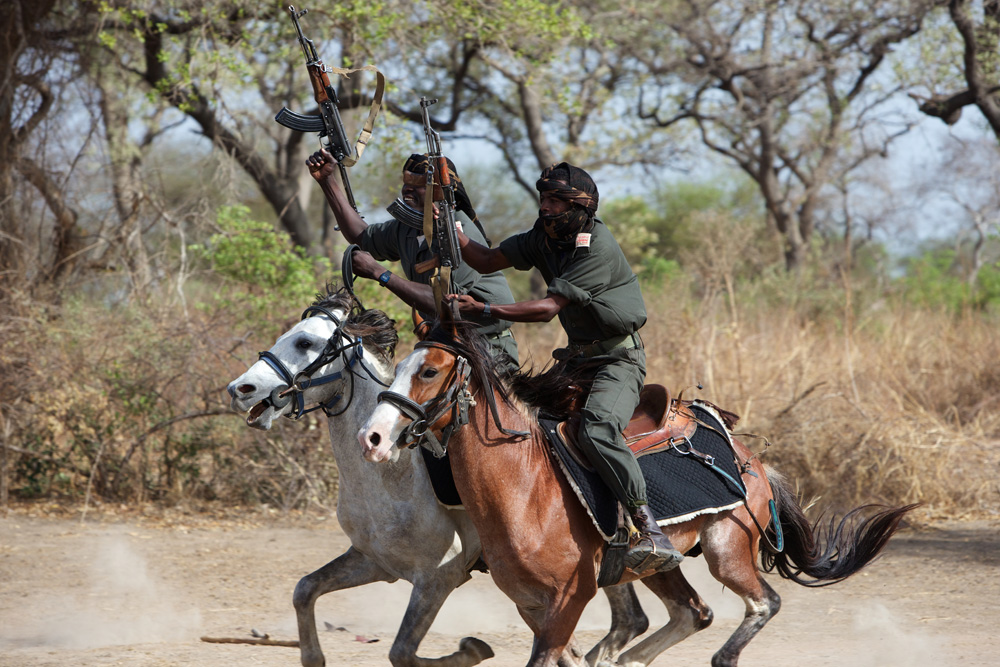
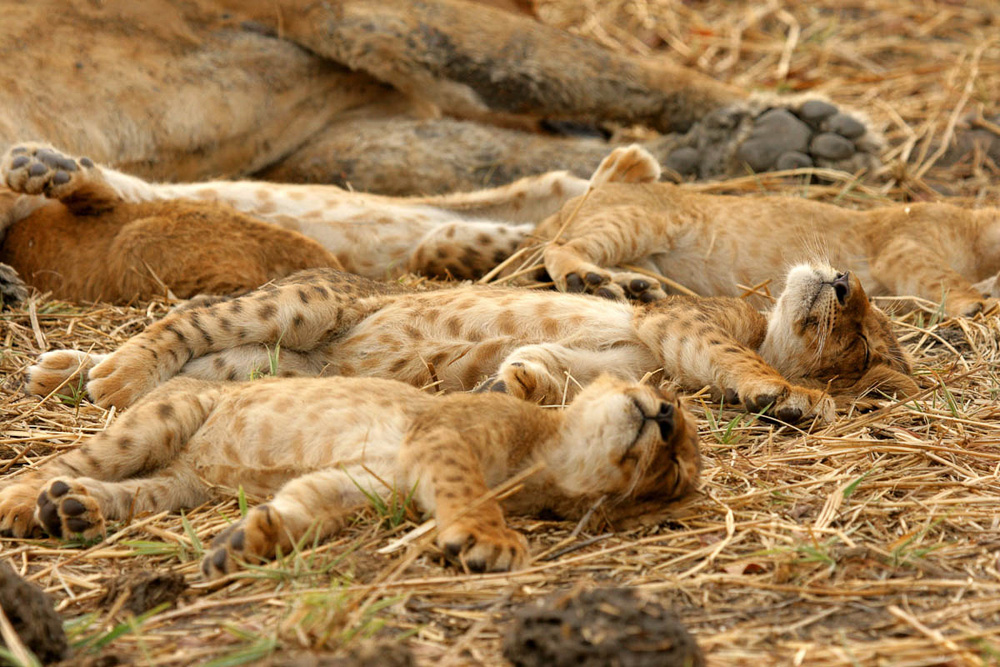
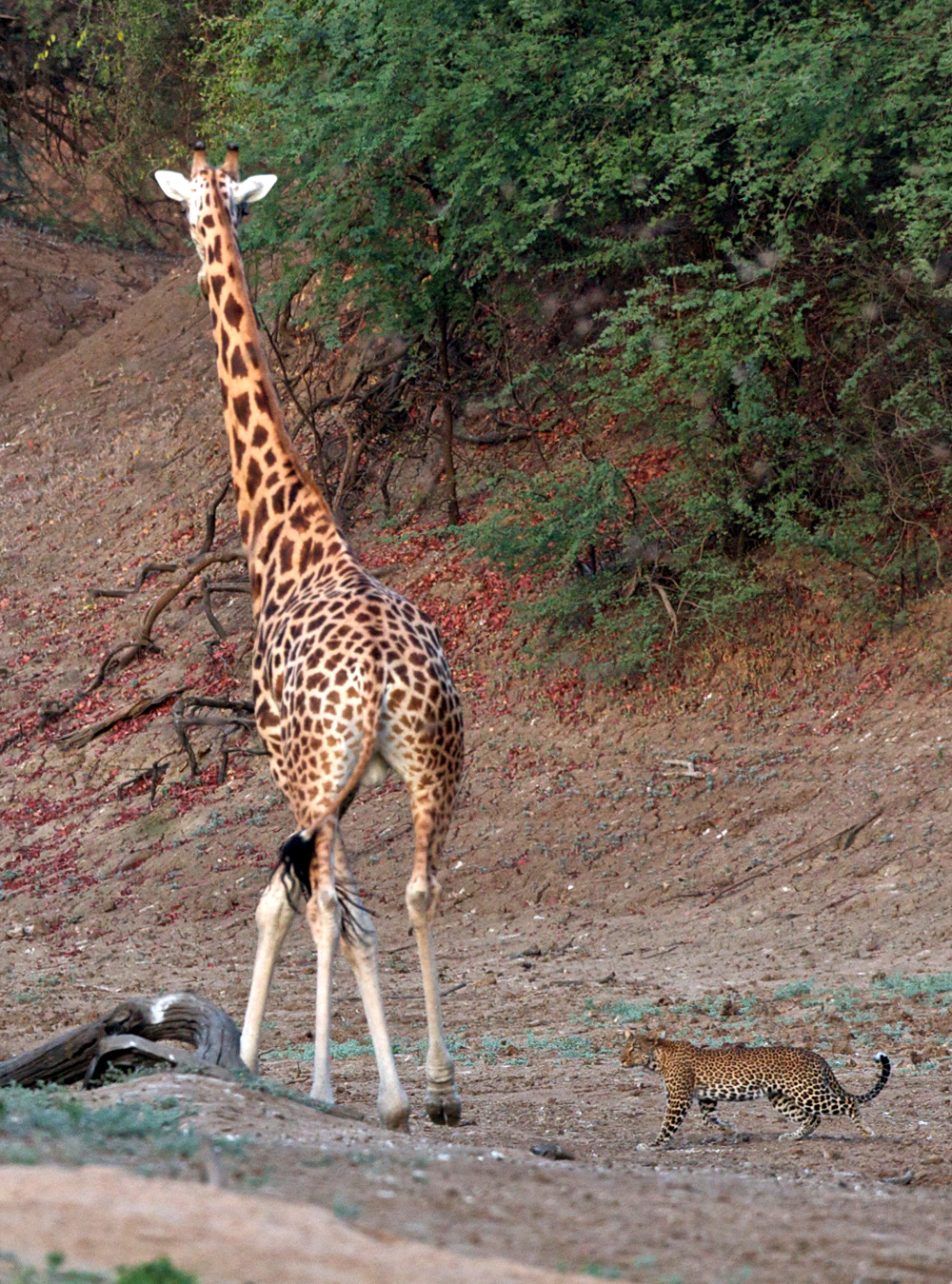
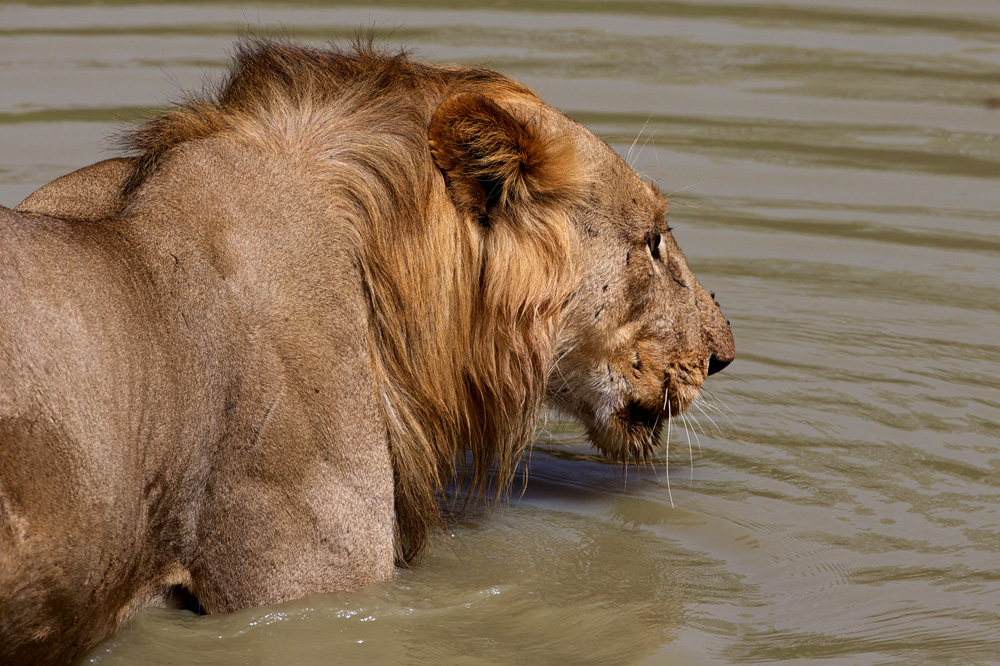
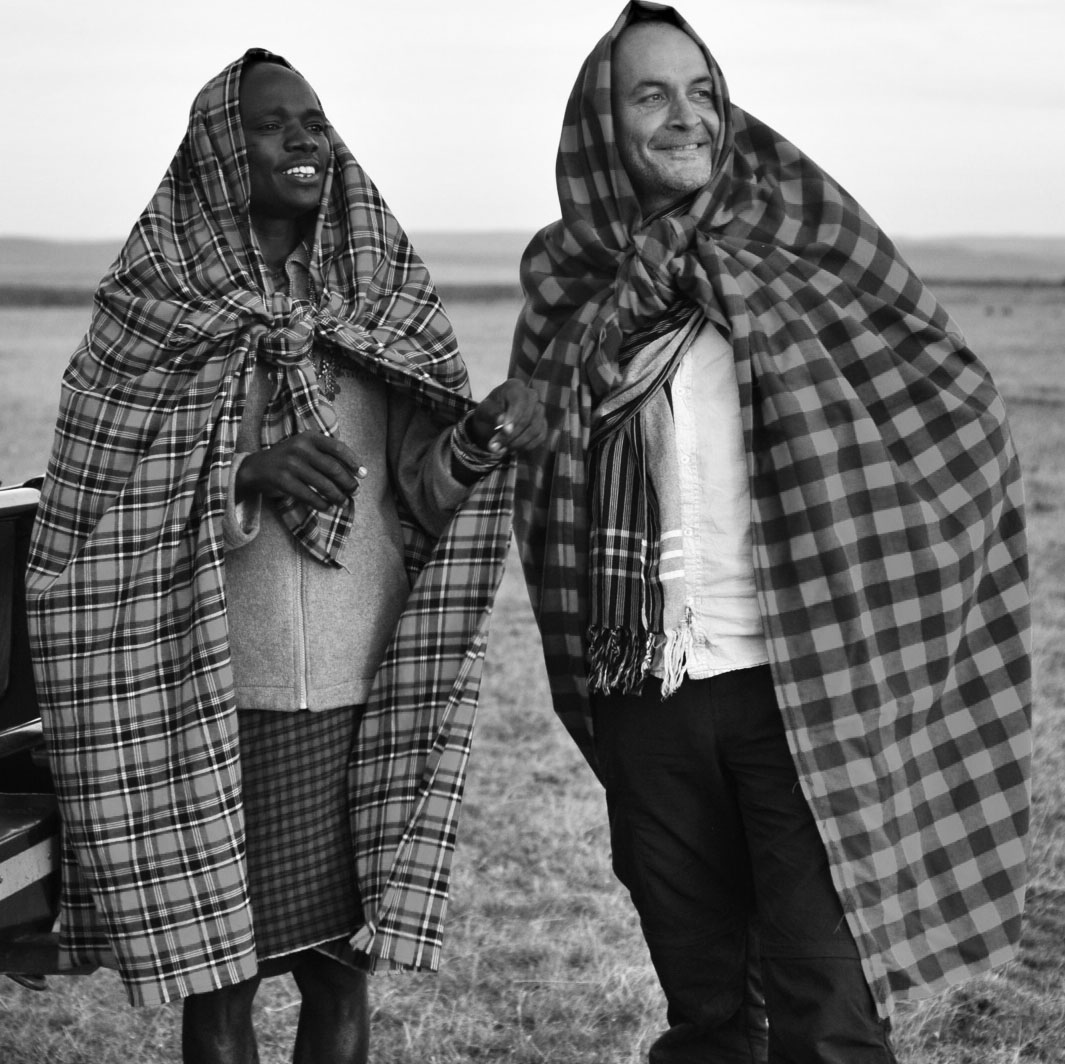 ANTON CRONE quit the crazy-wonderful world of advertising to travel the world, sometimes working, sometimes drifting. Along the way, he unearthed a passion for Africa’s stories – not the sometimes hysterical news agency headlines we all feed off, but the real stories. Anton strongly empathises with Africa’s people and their need to meet daily requirements, often in remote, environmentally hostile areas cohabitated by Africa’s free-roaming animals.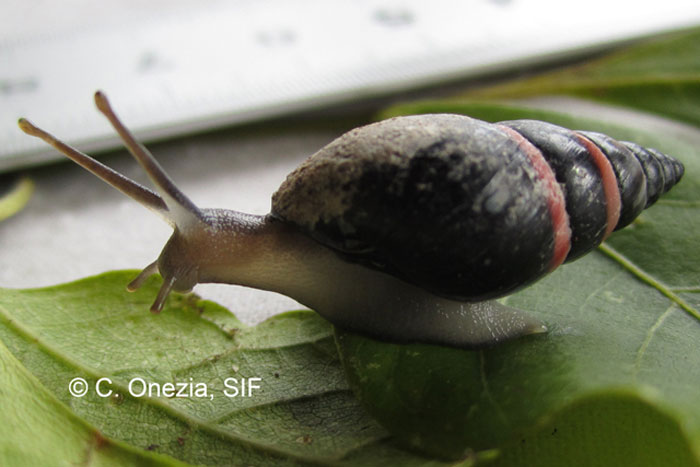


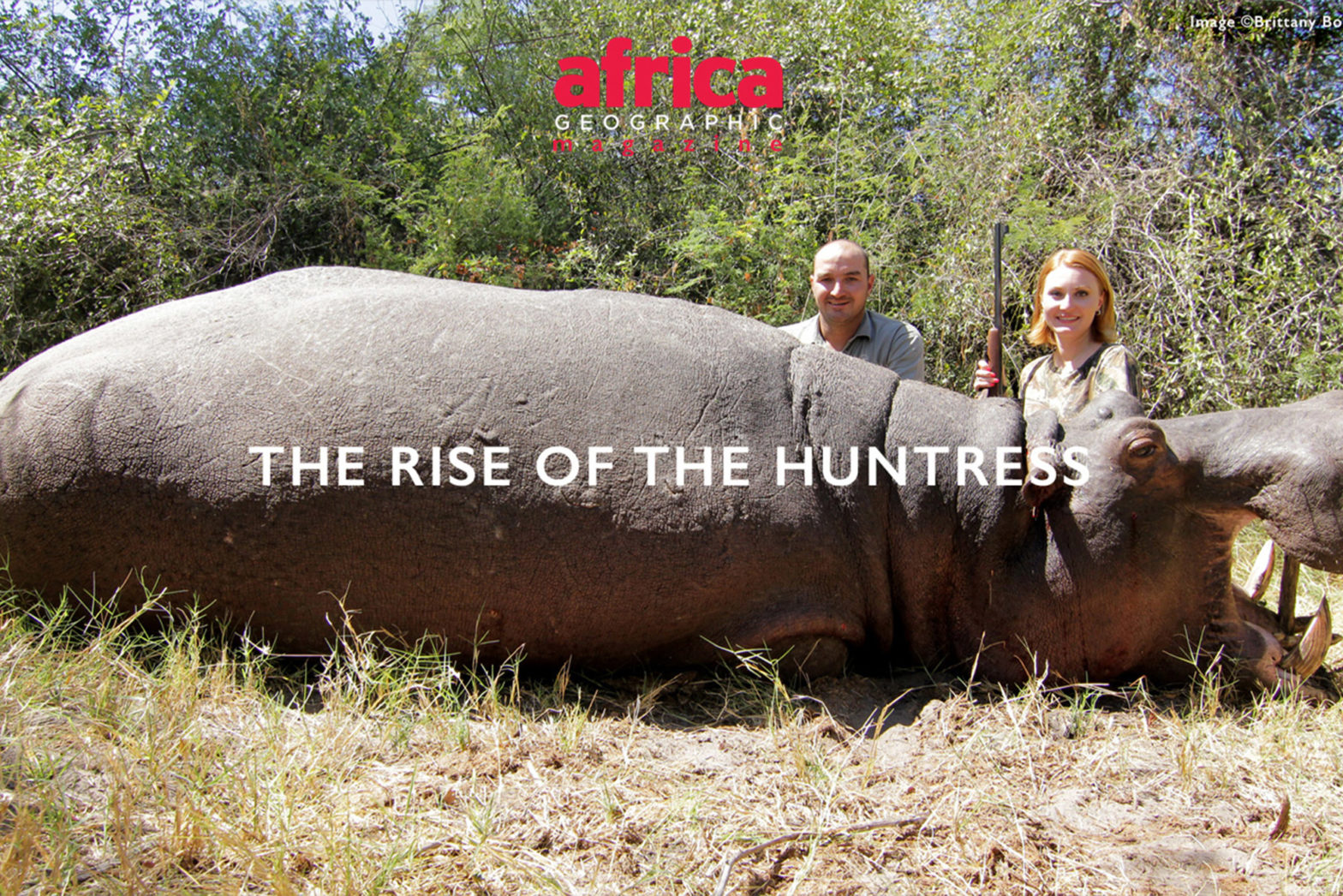
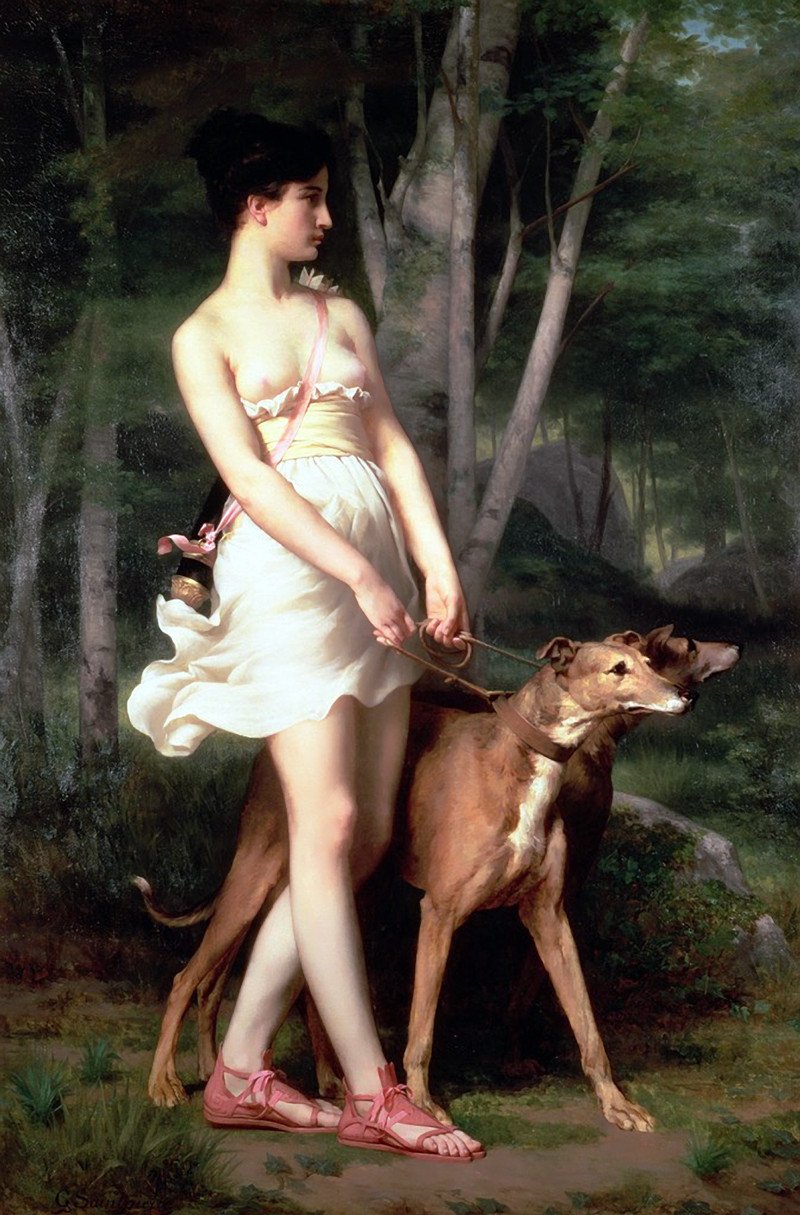
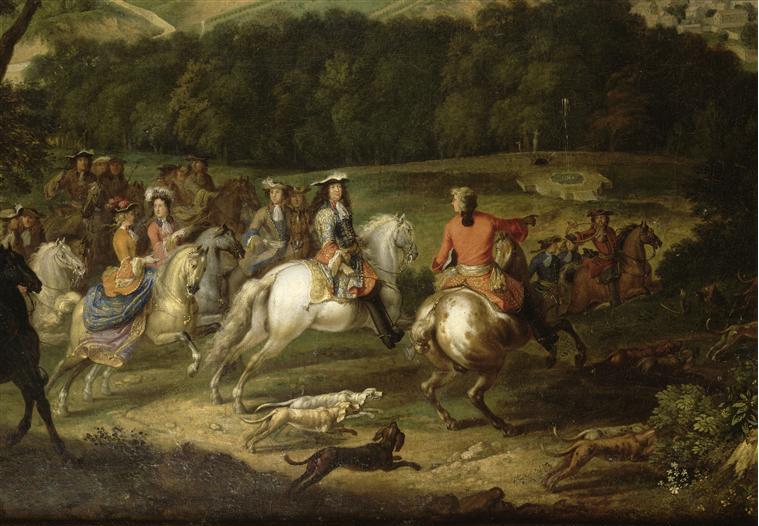
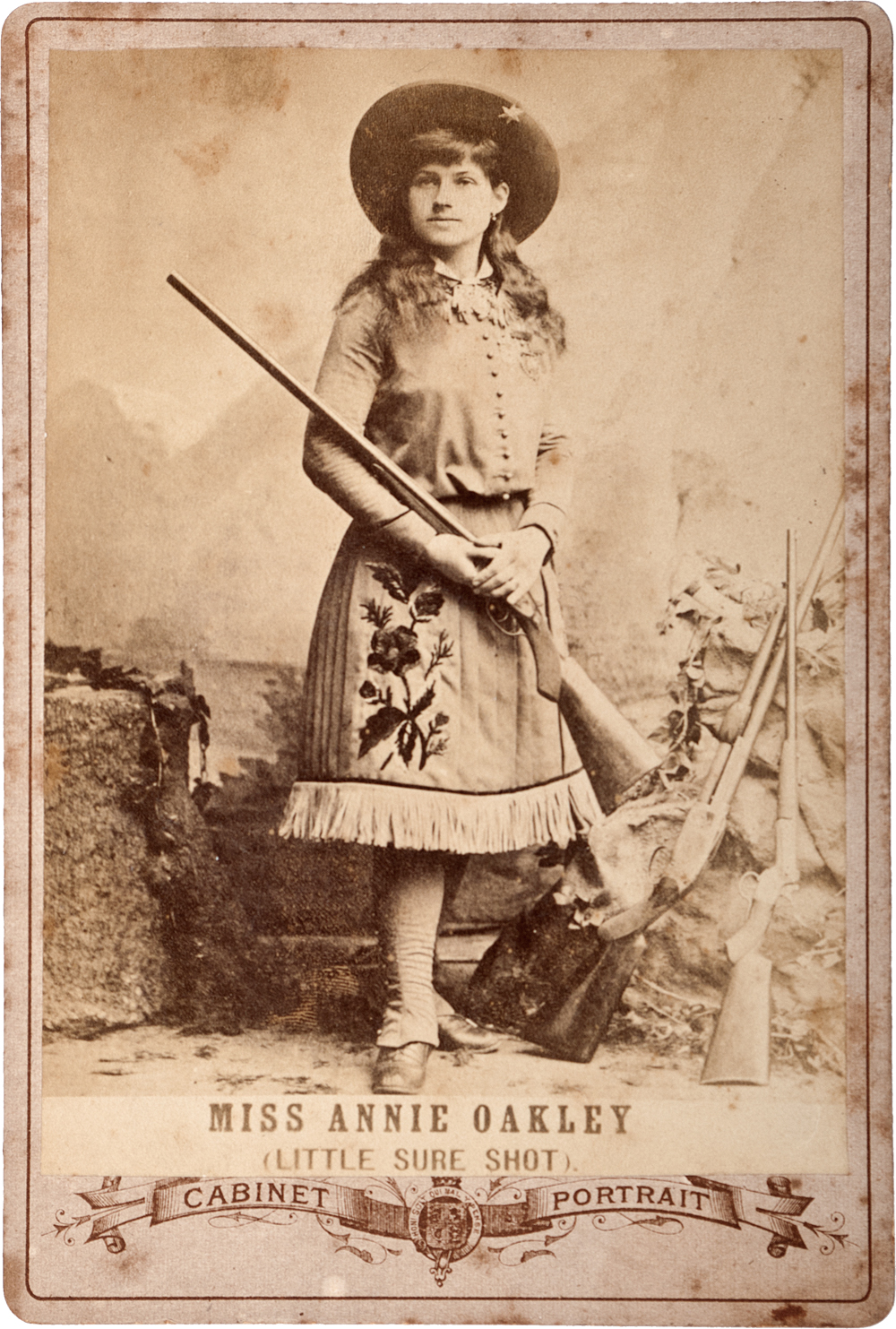
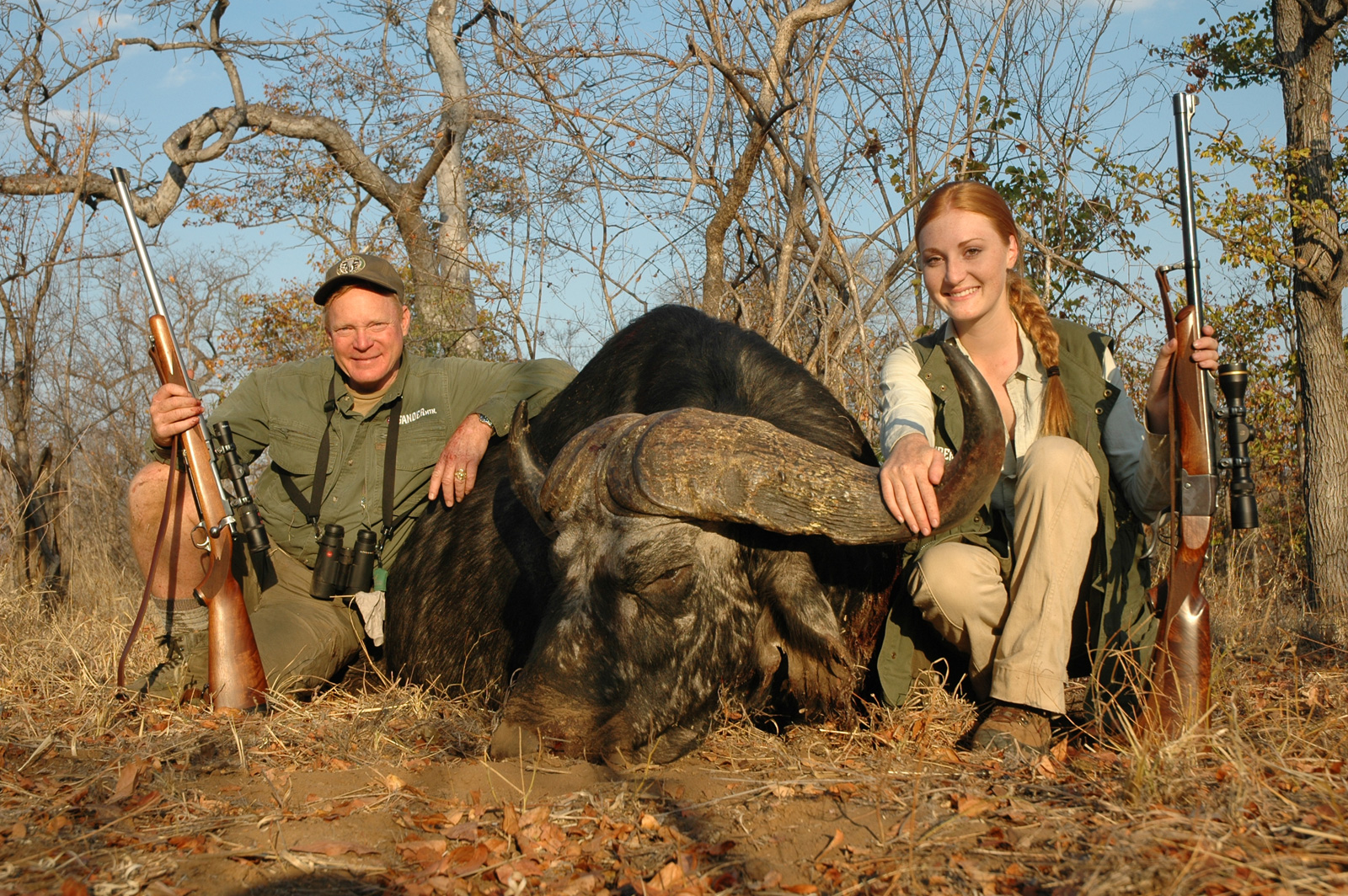

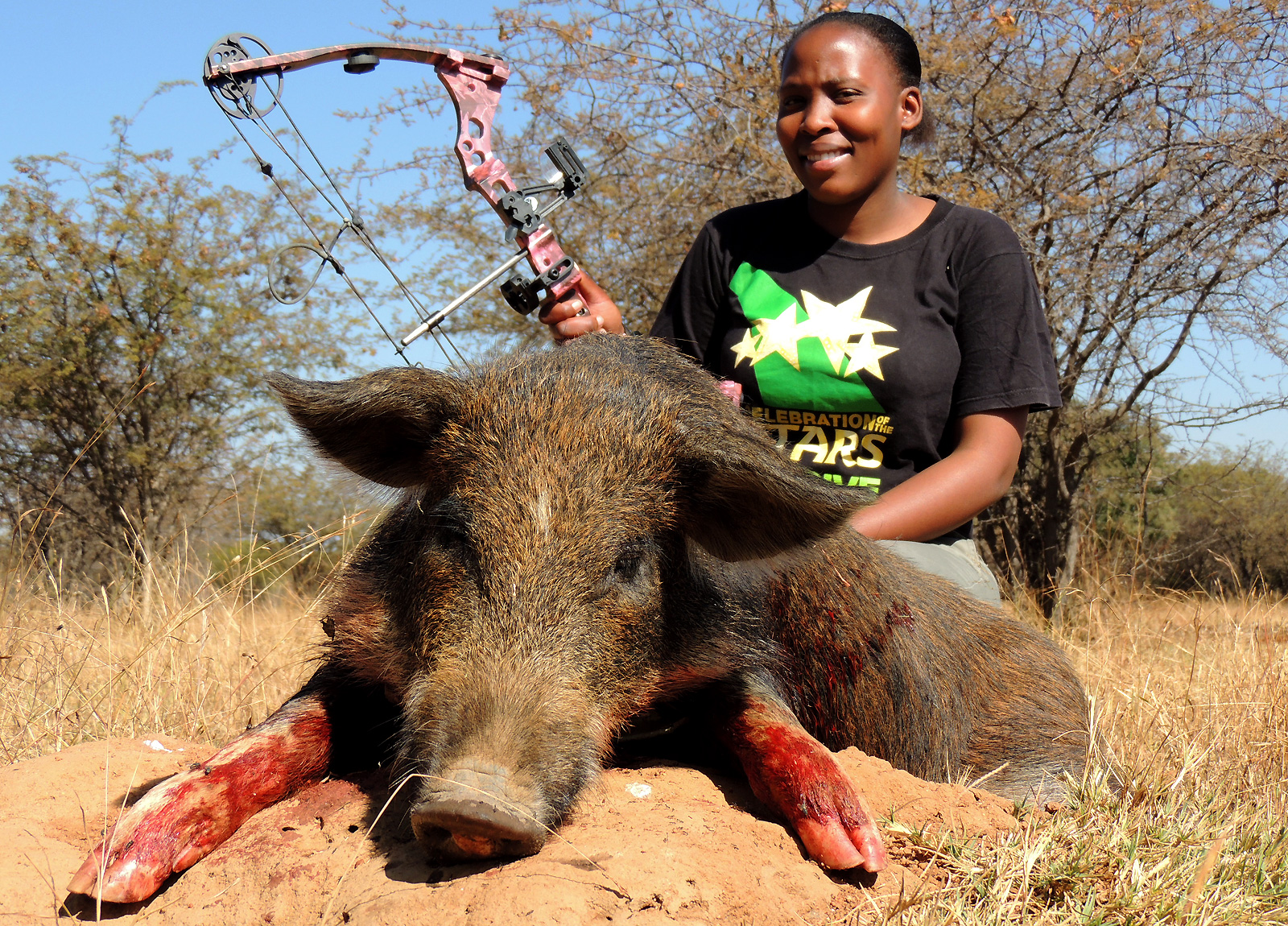
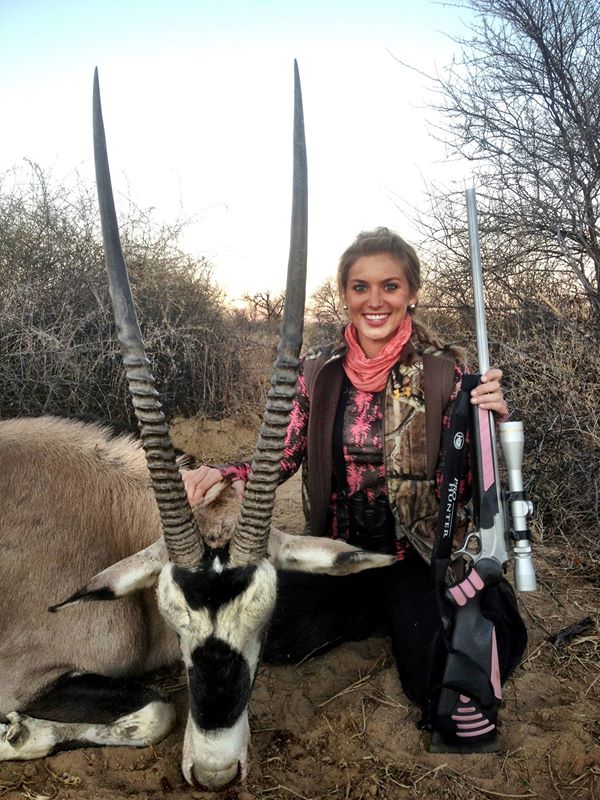




 JANINE MARÉ is the first to confess that she has been bitten by the travel bug… badly. She loves all things travel, from basic tenting with creepy crawlies to luxury lodges; she will give it all a go. Janine is passionate about wildlife and conservation and comes from a long line of biologists, researchers and botanists. Janine is a former marketing manager at Africa Geographic.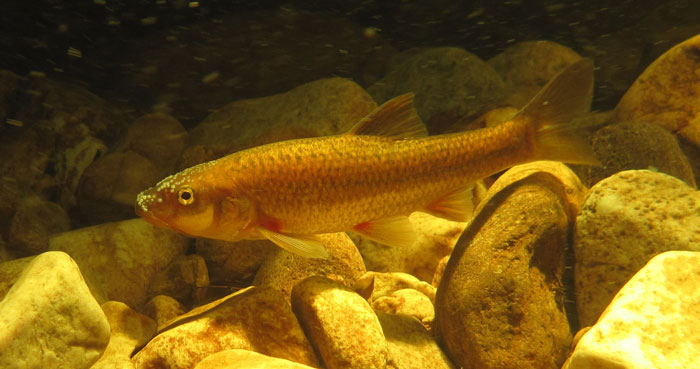


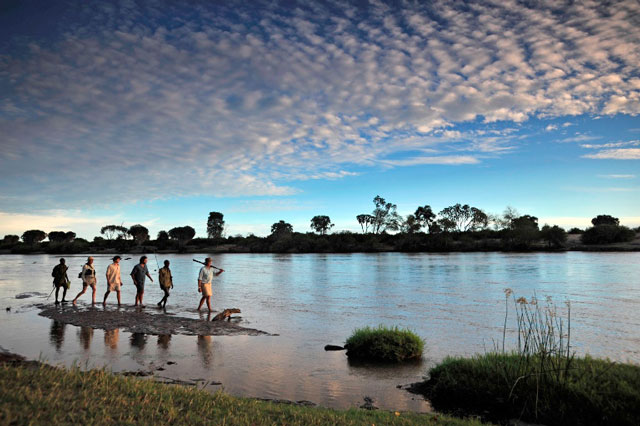


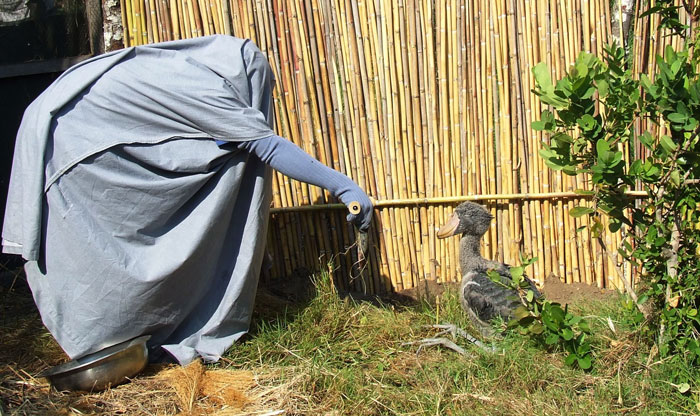


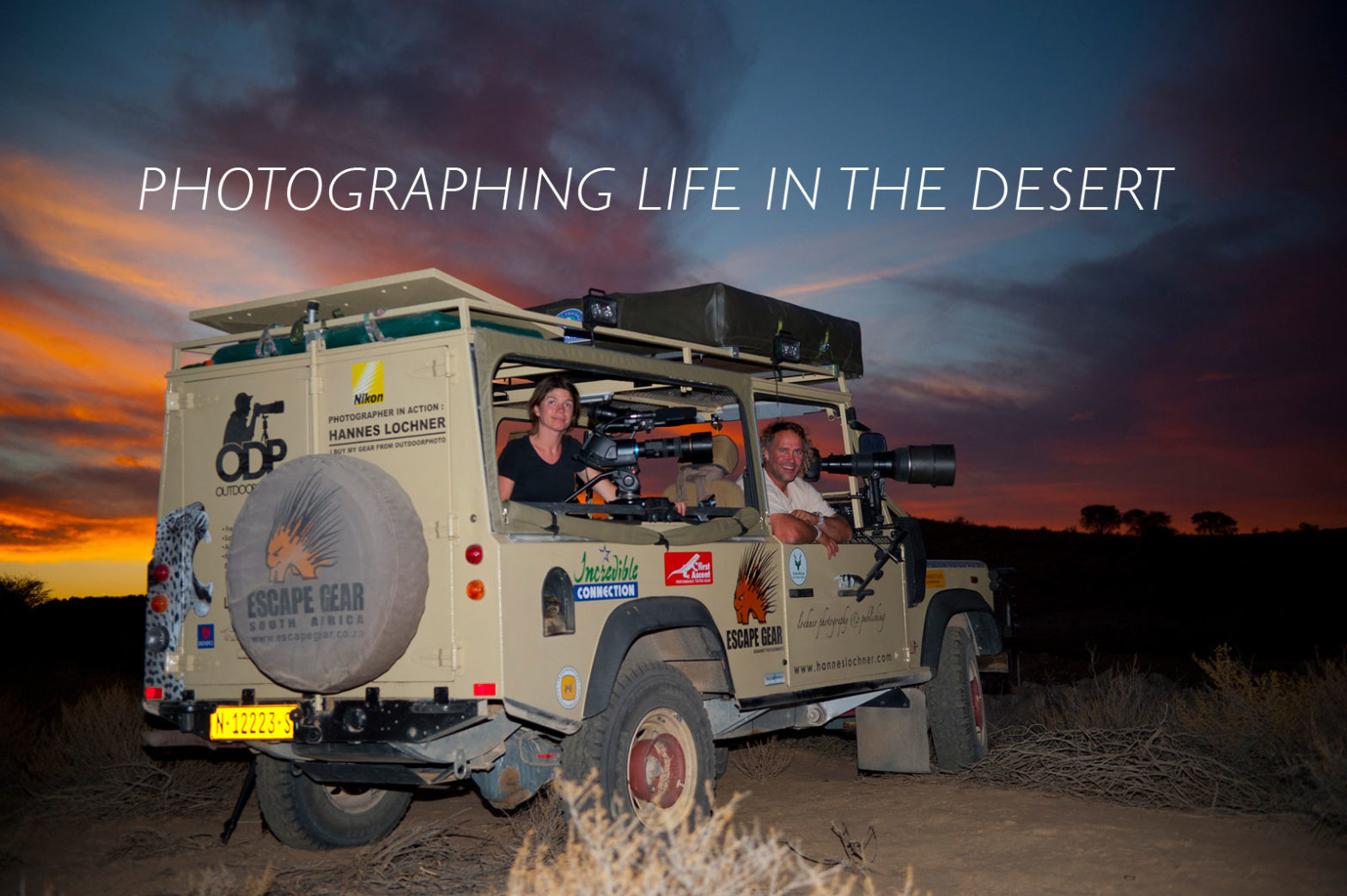
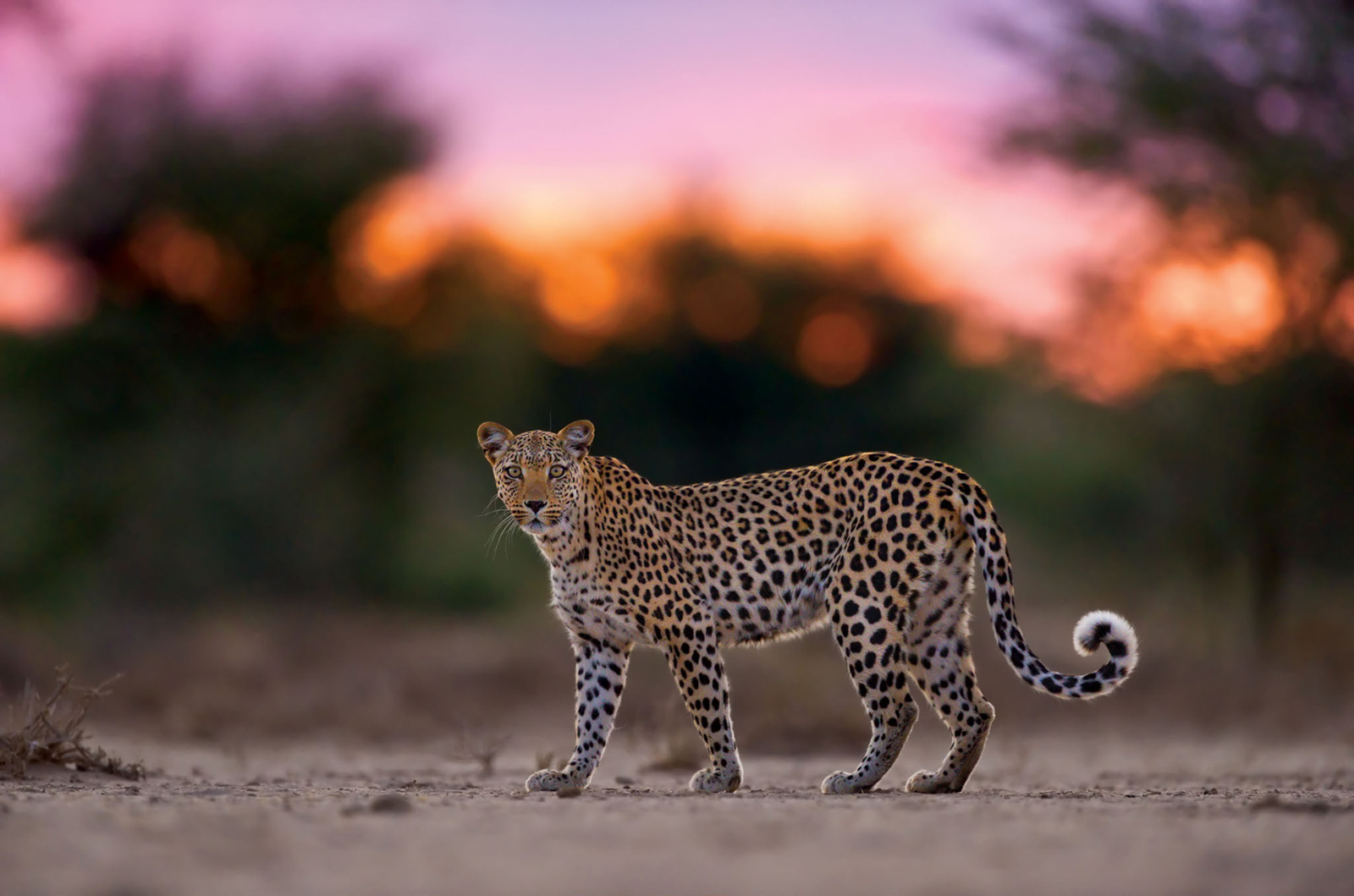
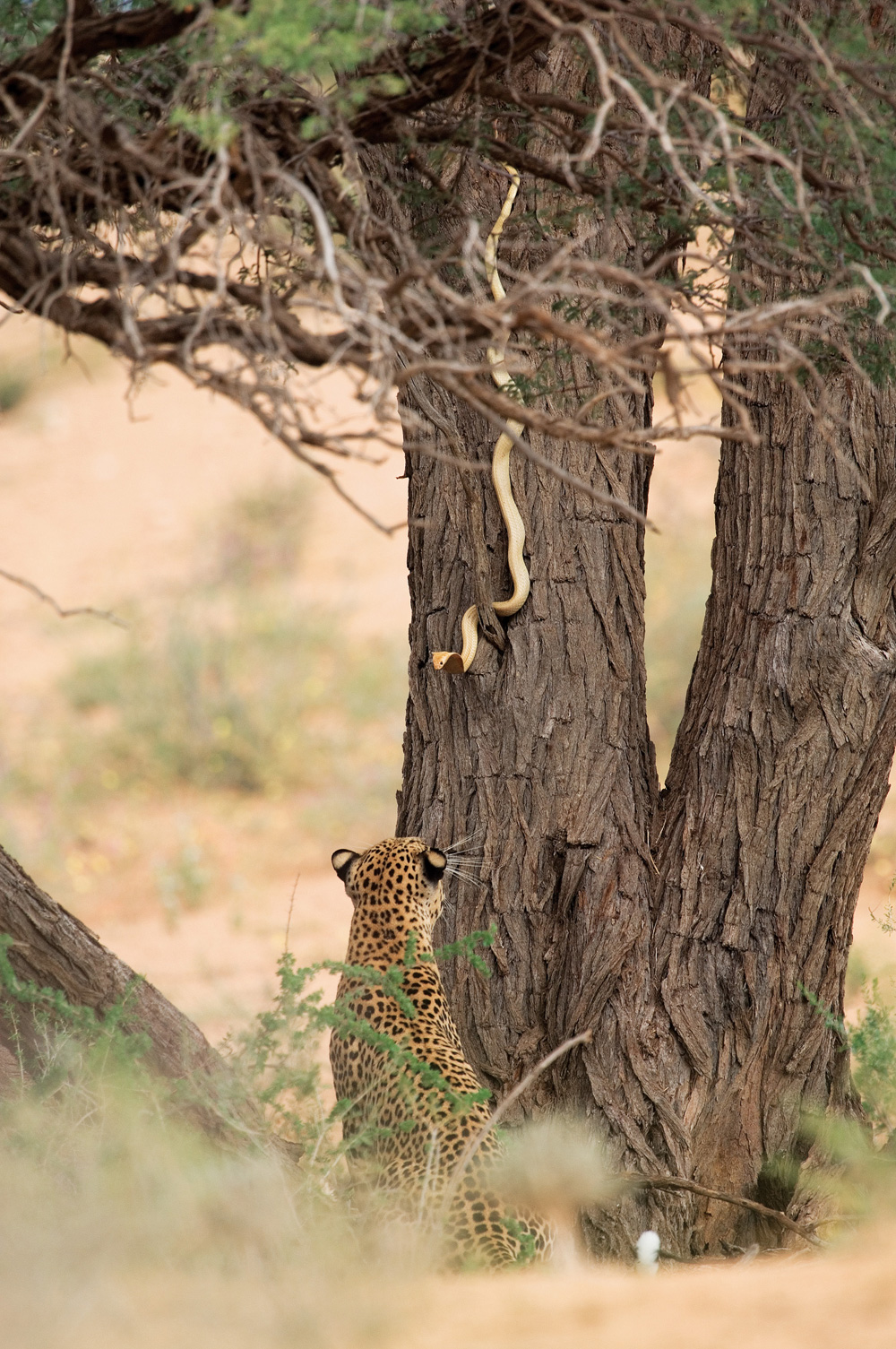
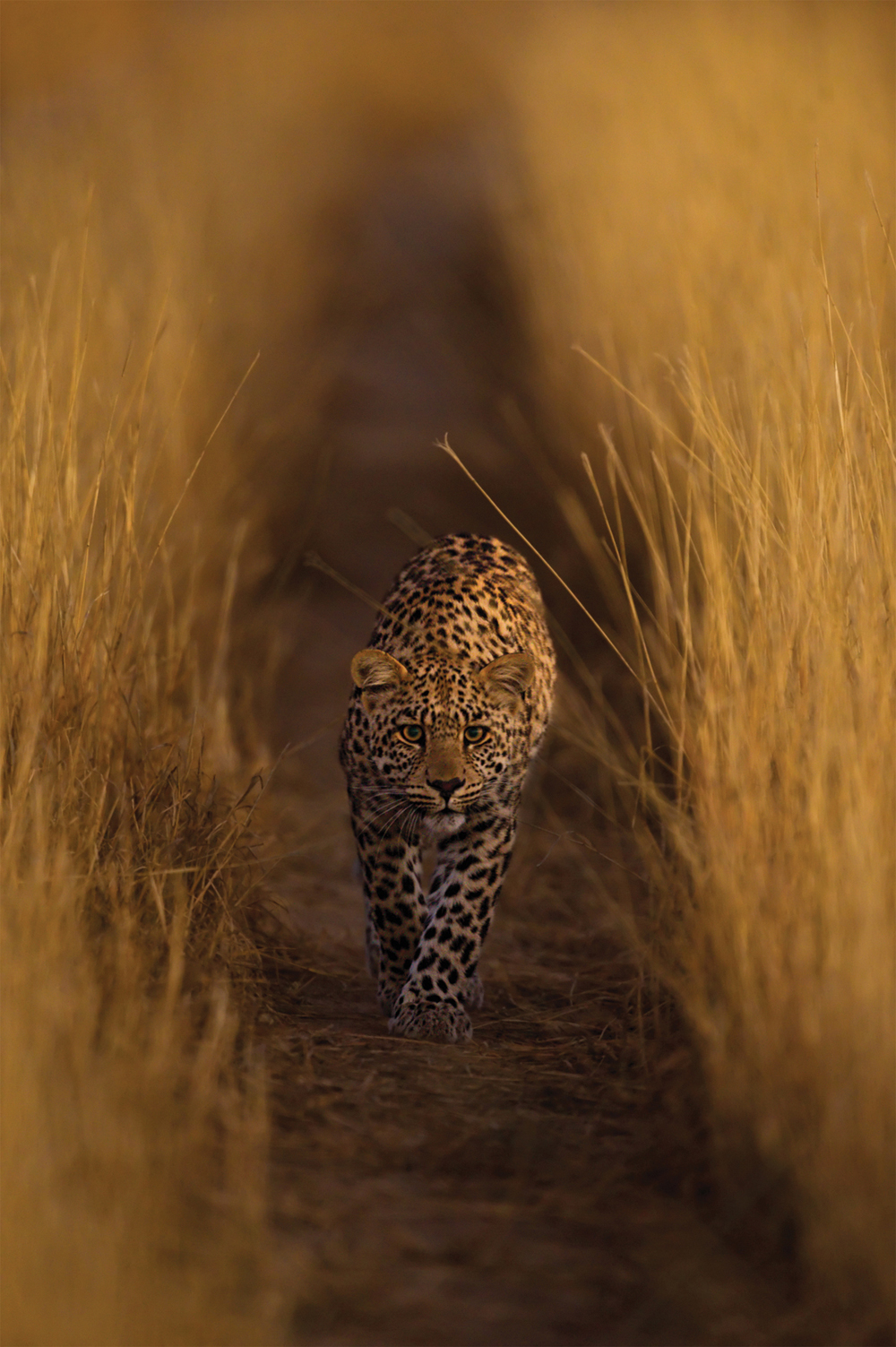
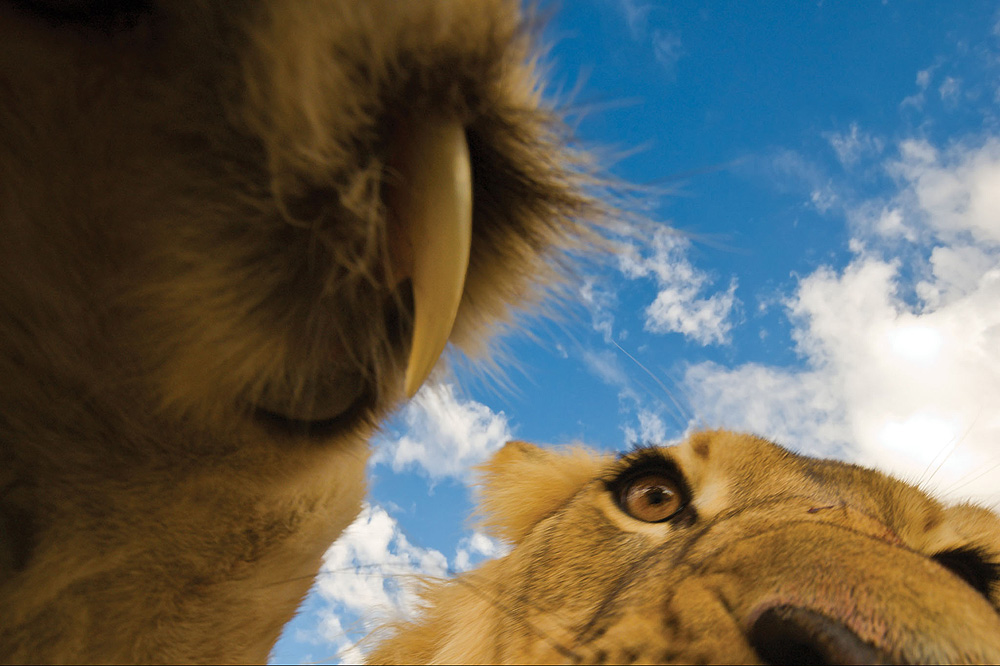
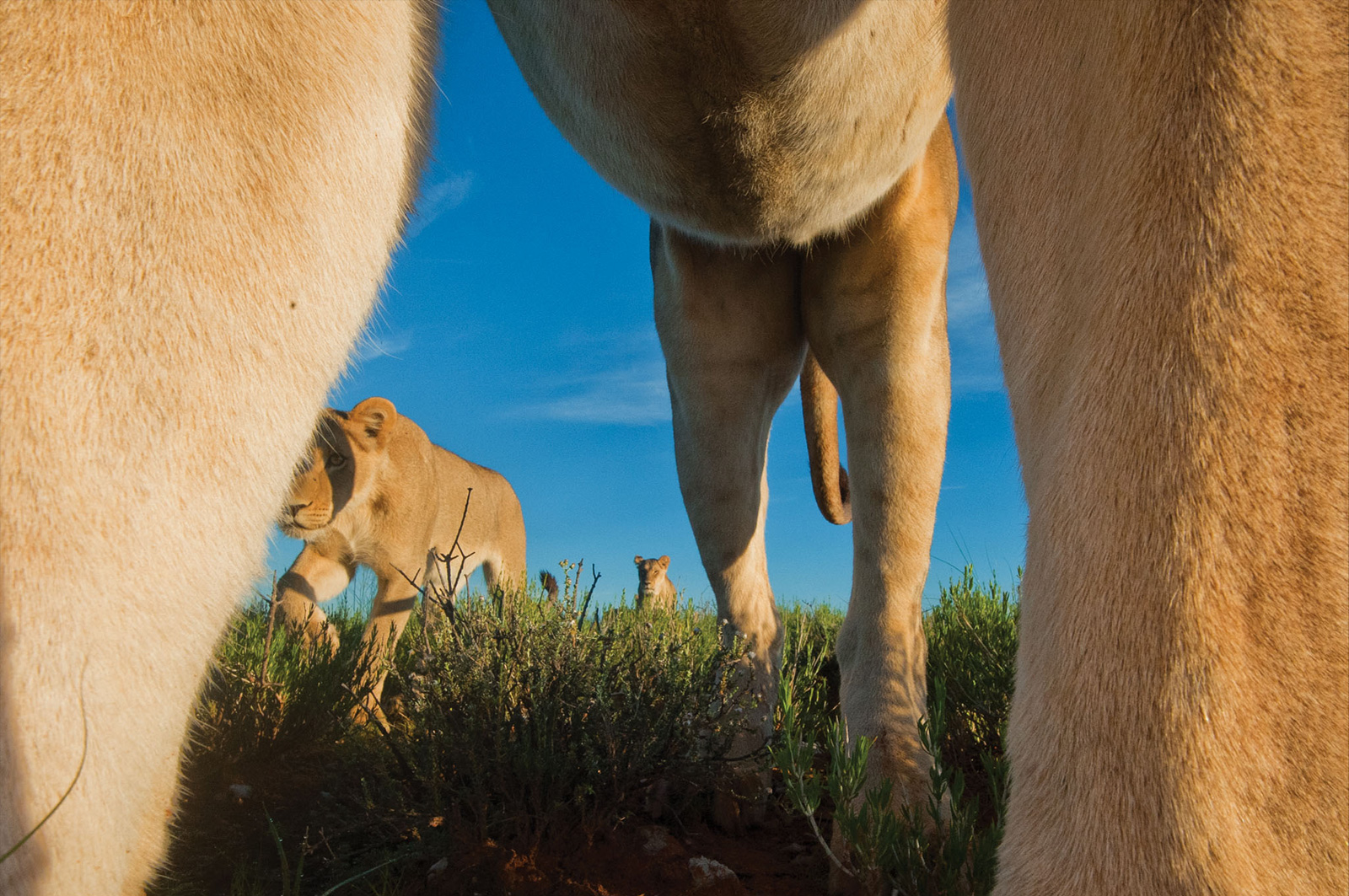
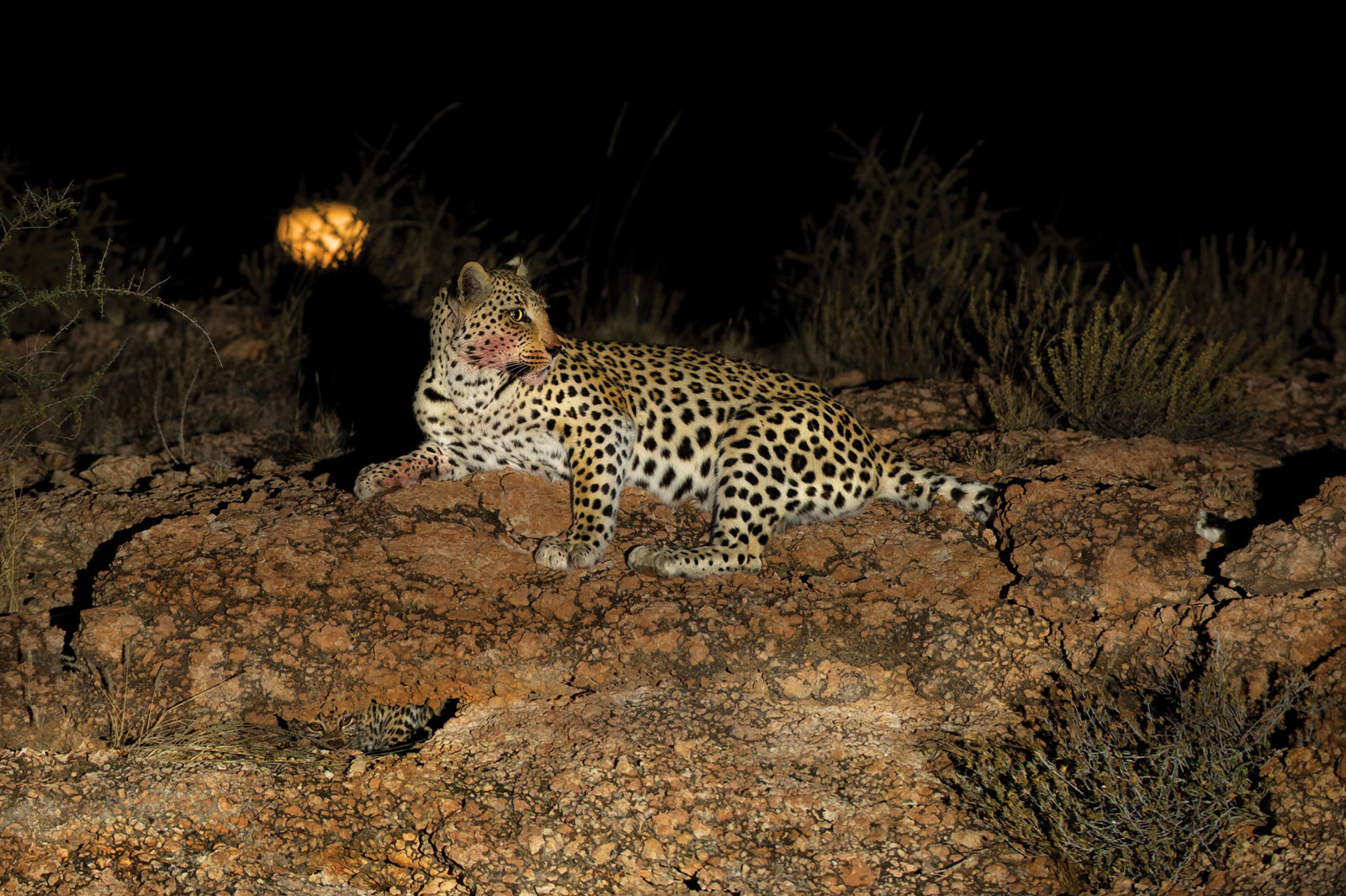
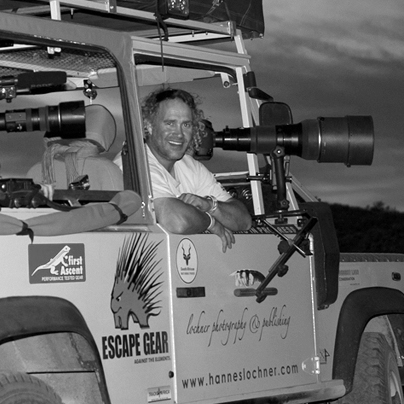 HANNES LOCHNER is a Cape Town-born photographer who has become synonymous with the Kalahari, having spent 5 years photographing the bounteous wildlife of this arid region. Before becoming a full-time wildlife photographer, Hannes was a graphic designer and travelled the world kayaking her rivers intensely. It was on returning to South Africa that he started his own rafting company, acting as a field guide on the Orange and Kunene Rivers. But his love for the fauna of Africa triumphed, and his career as a photographer took off. You can view more of Hannes’ work on his
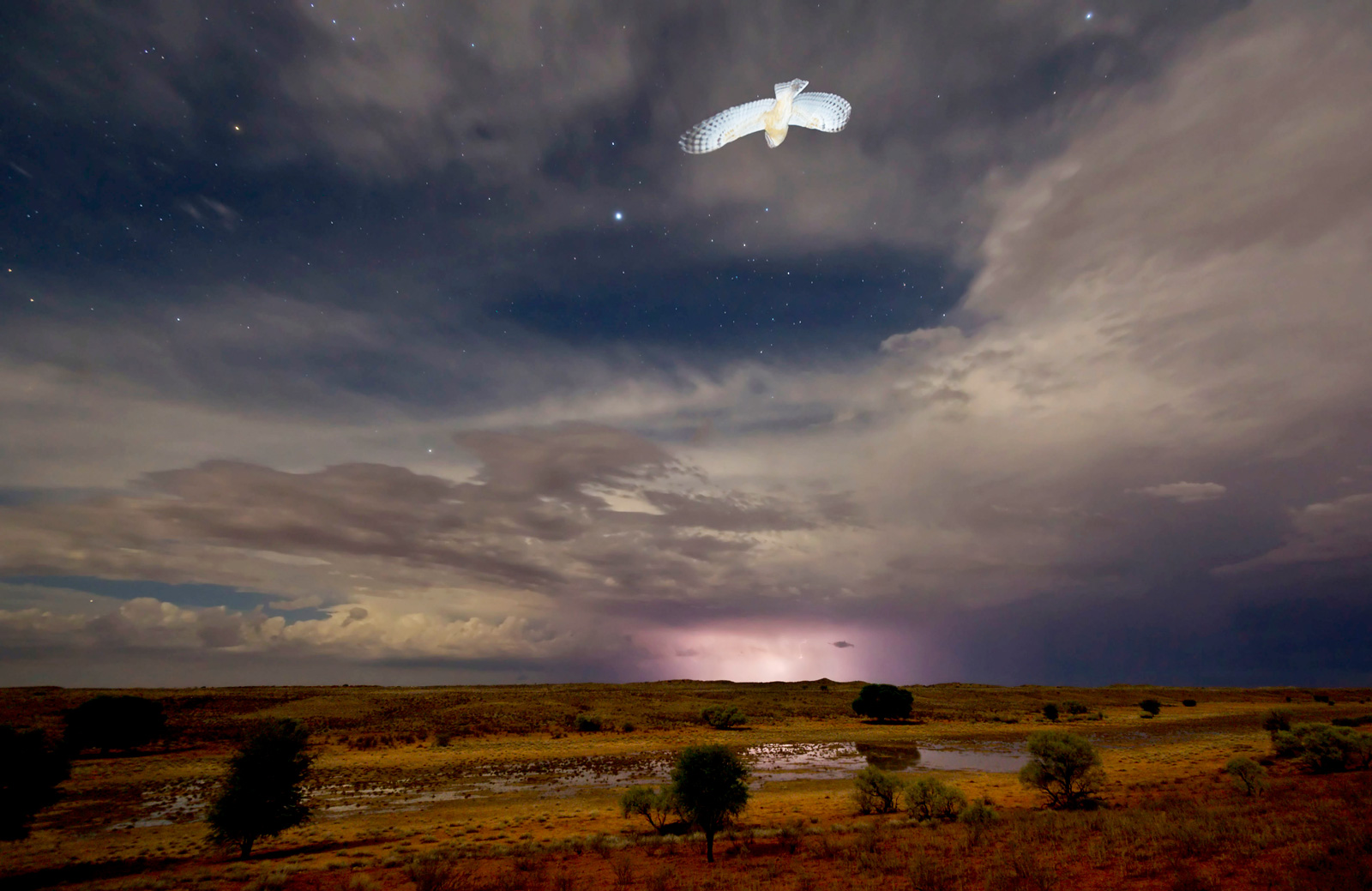
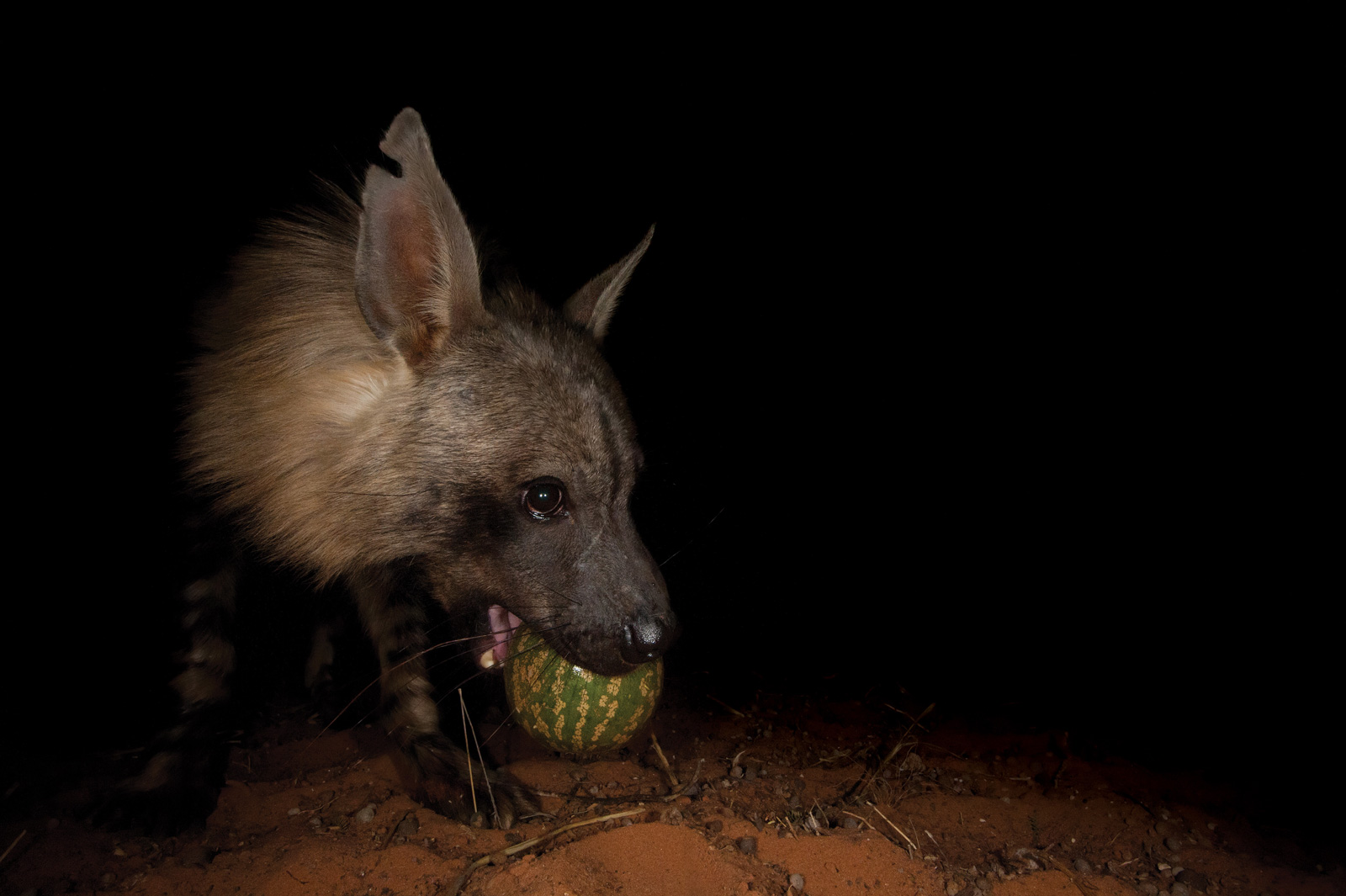
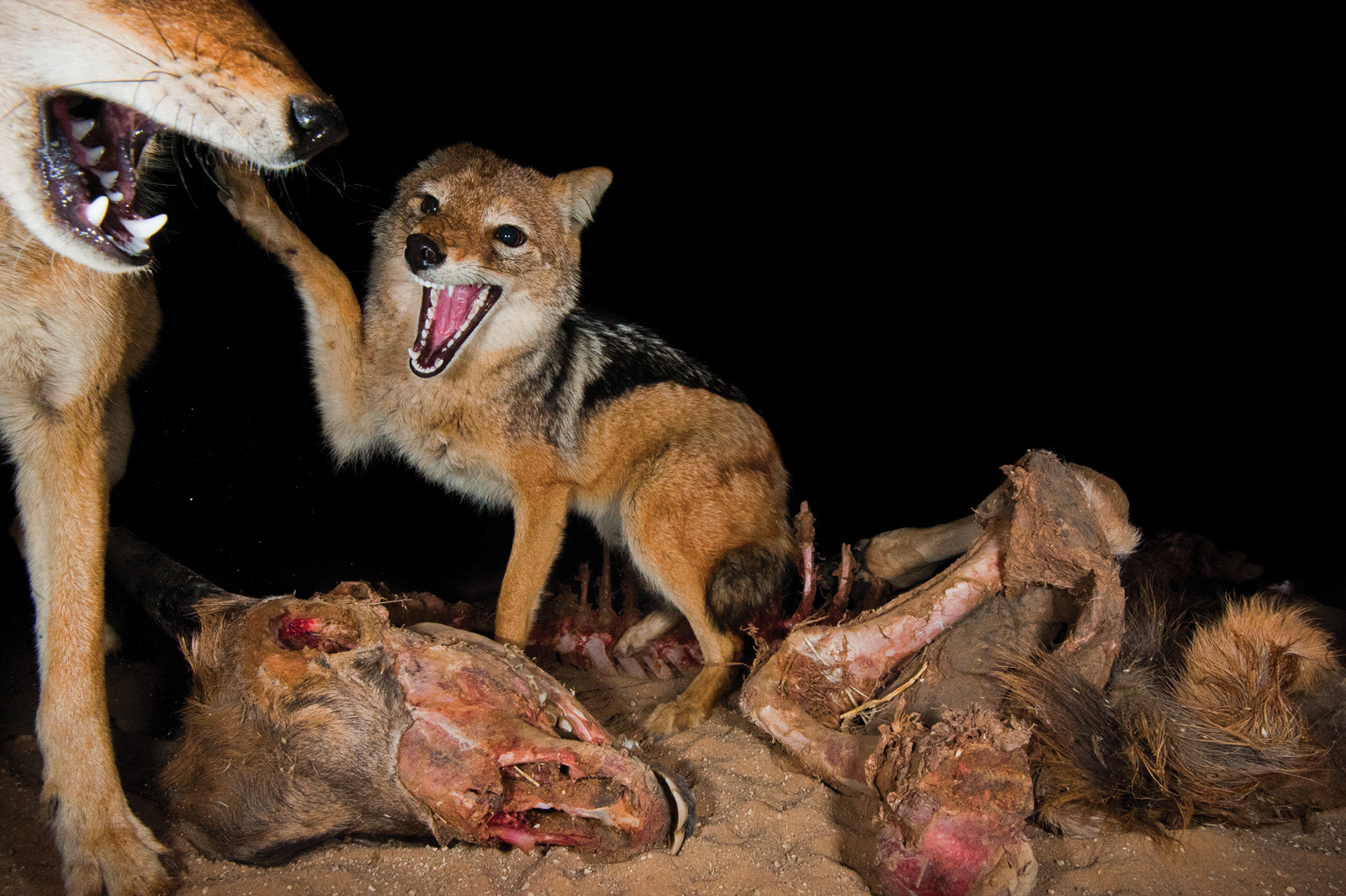
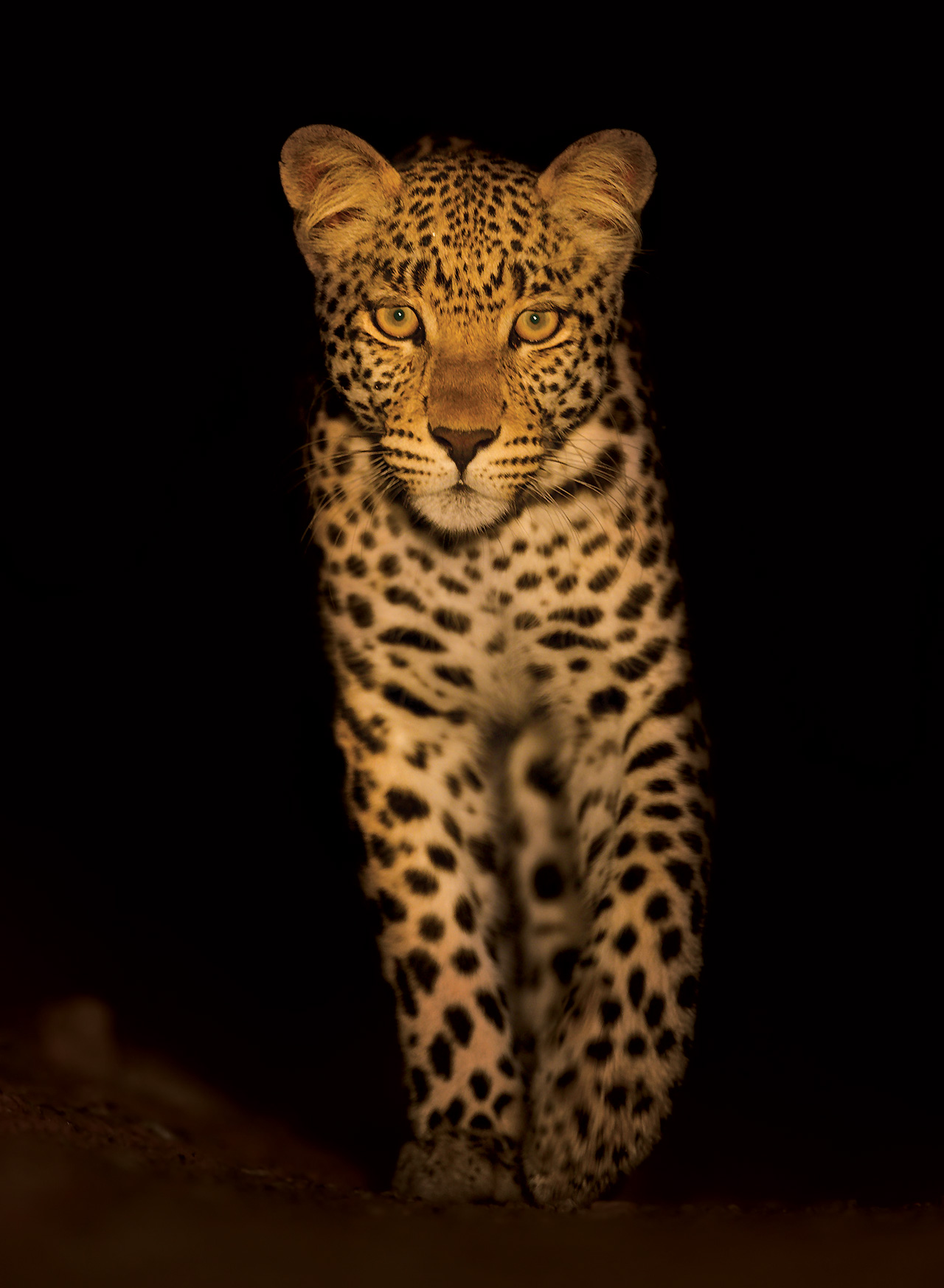
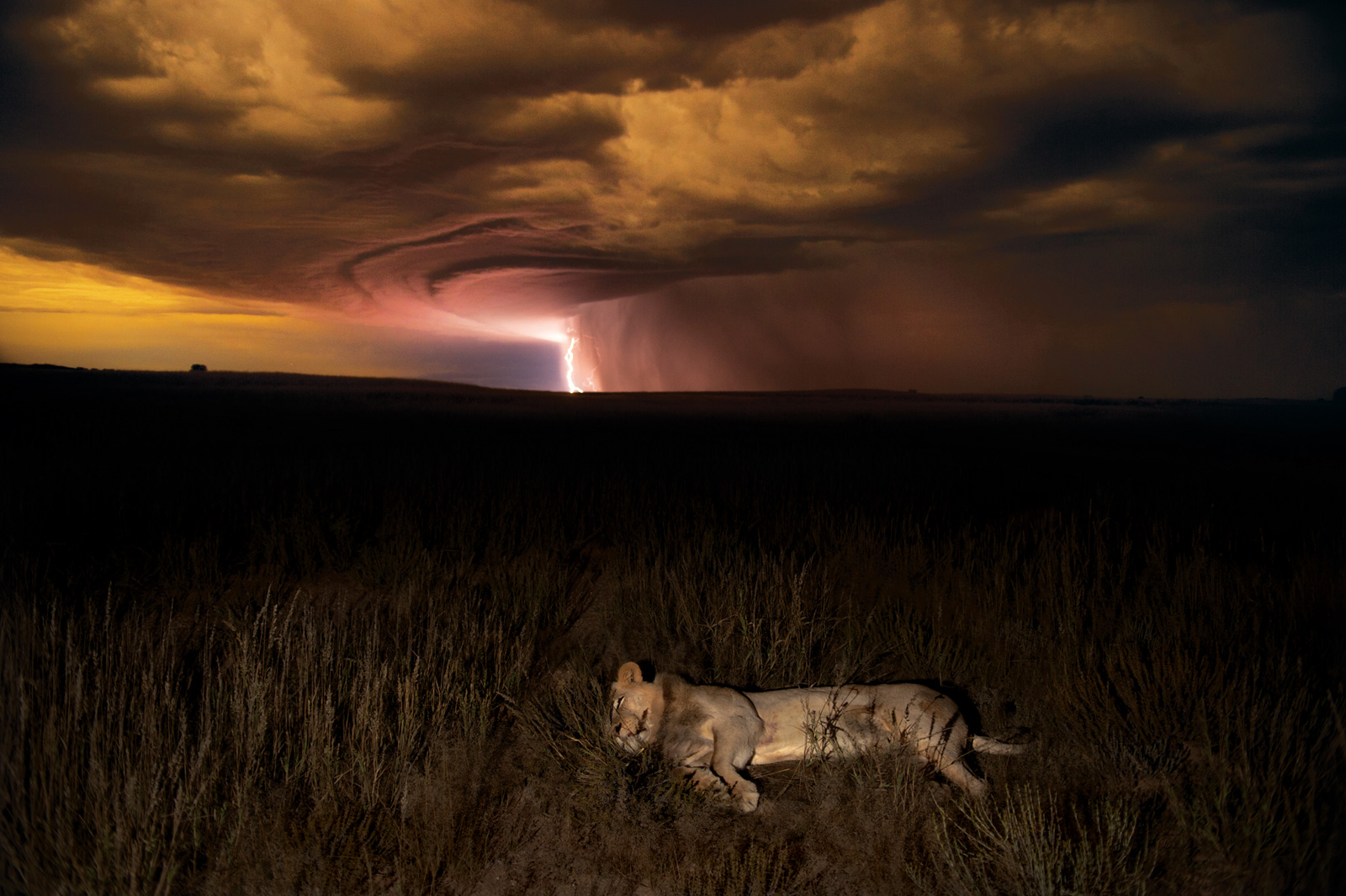
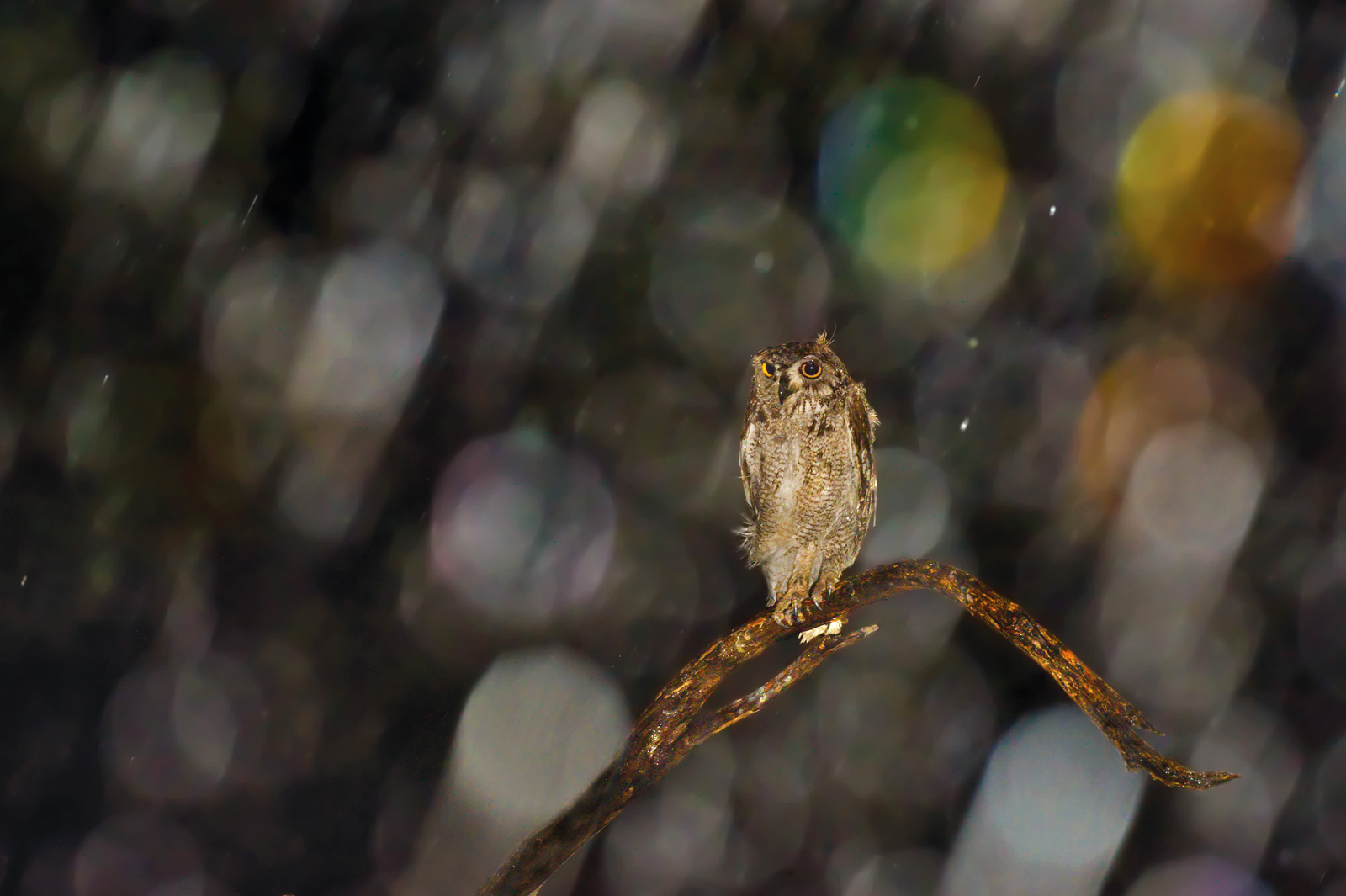
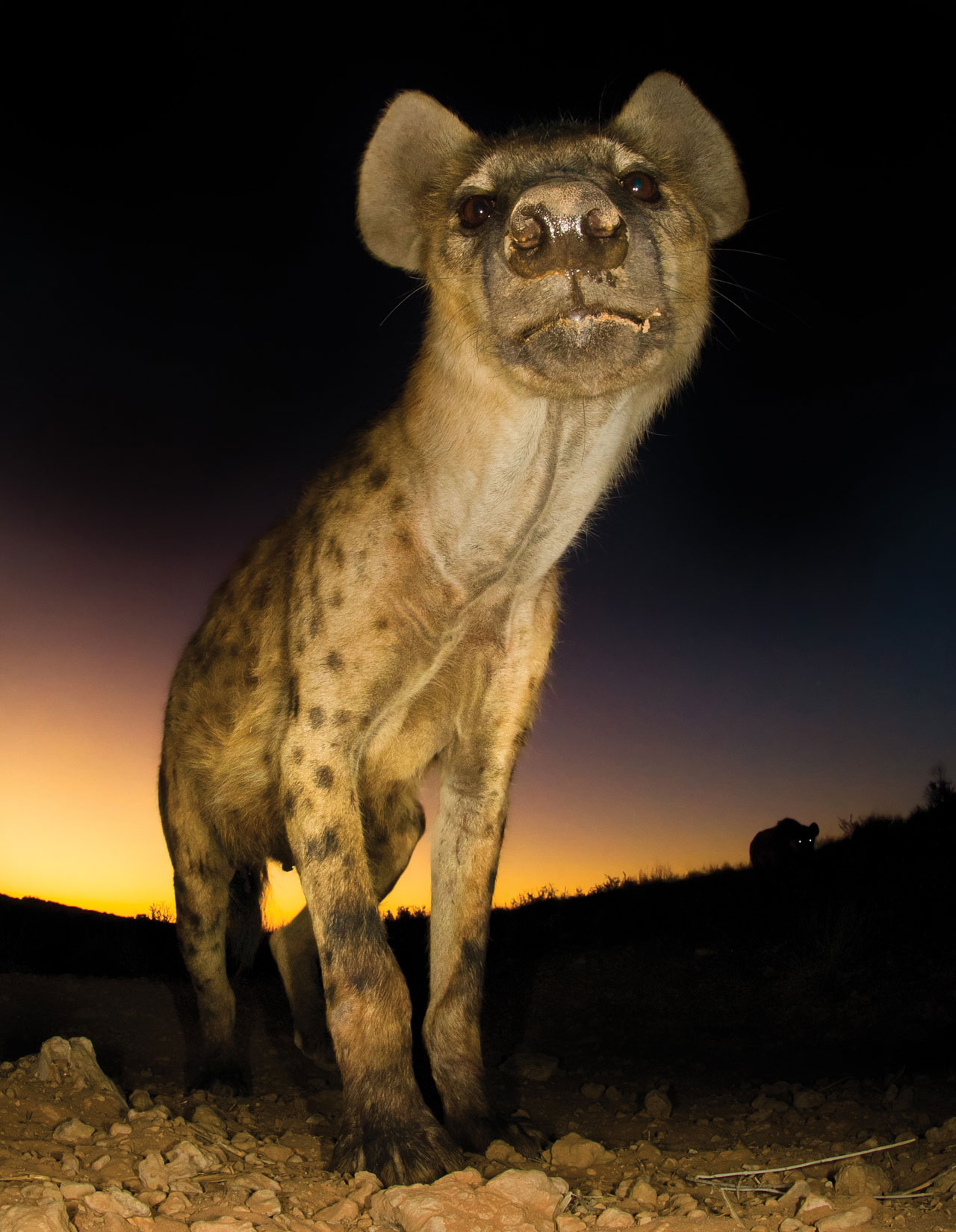
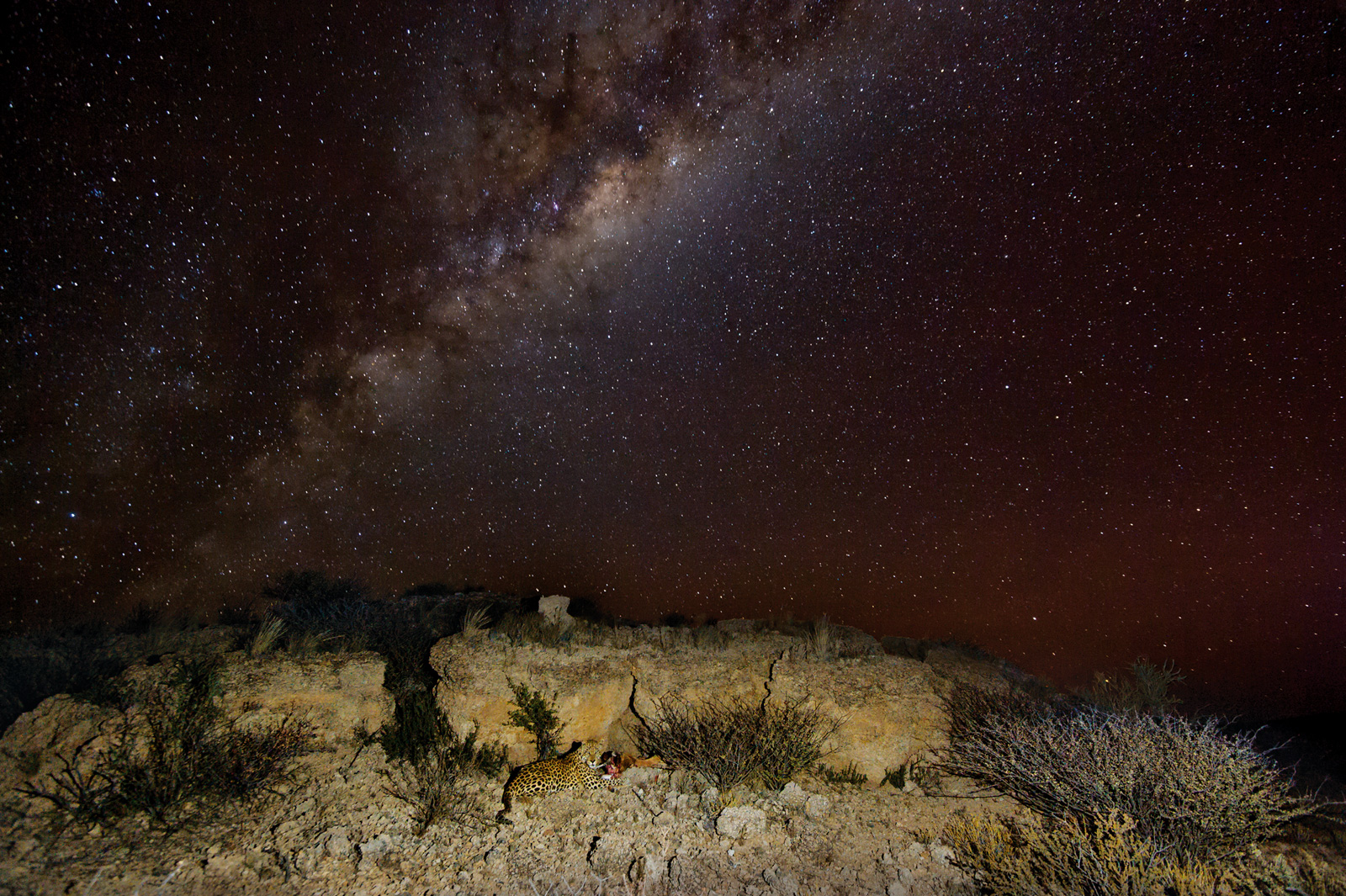
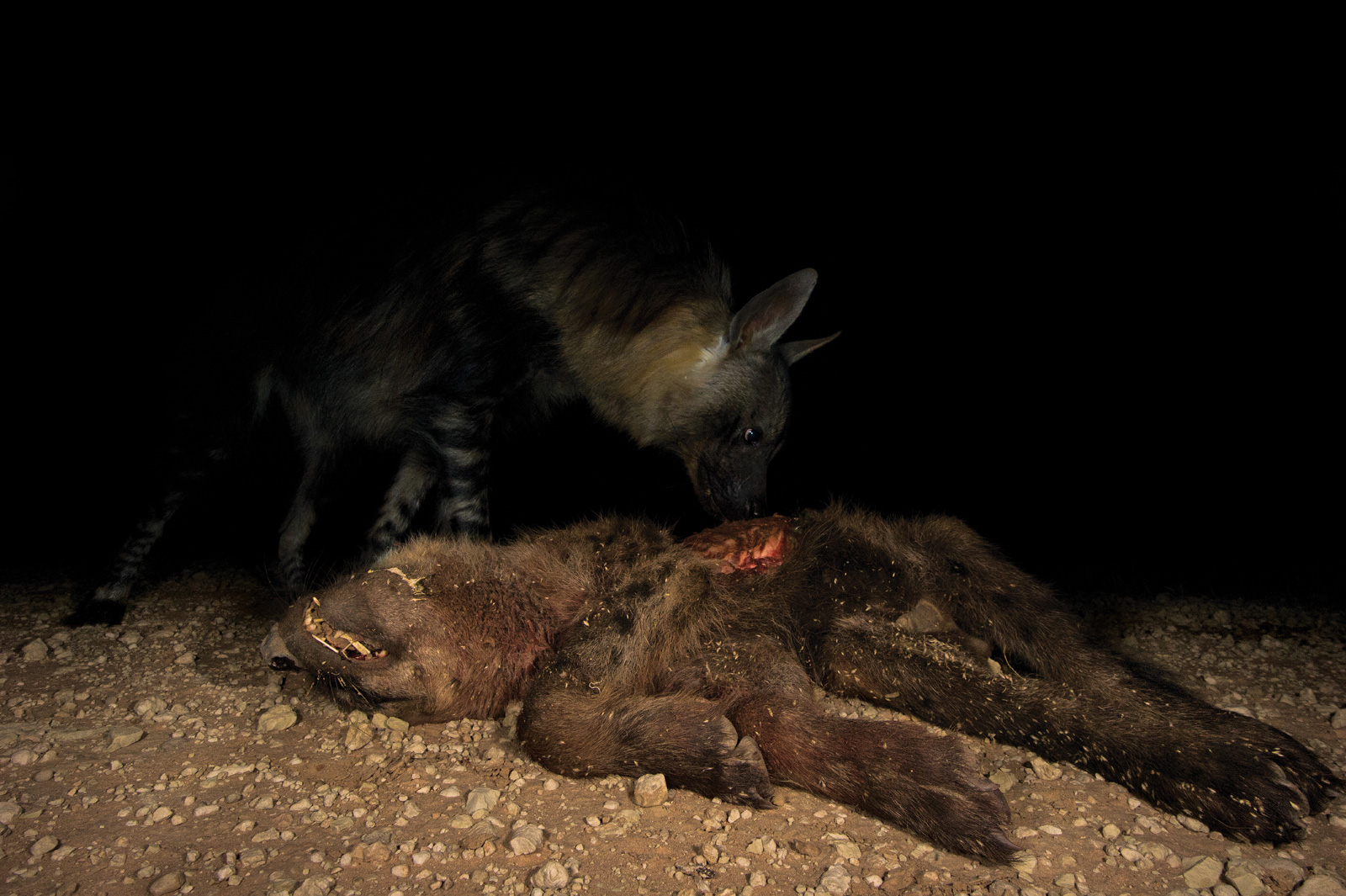
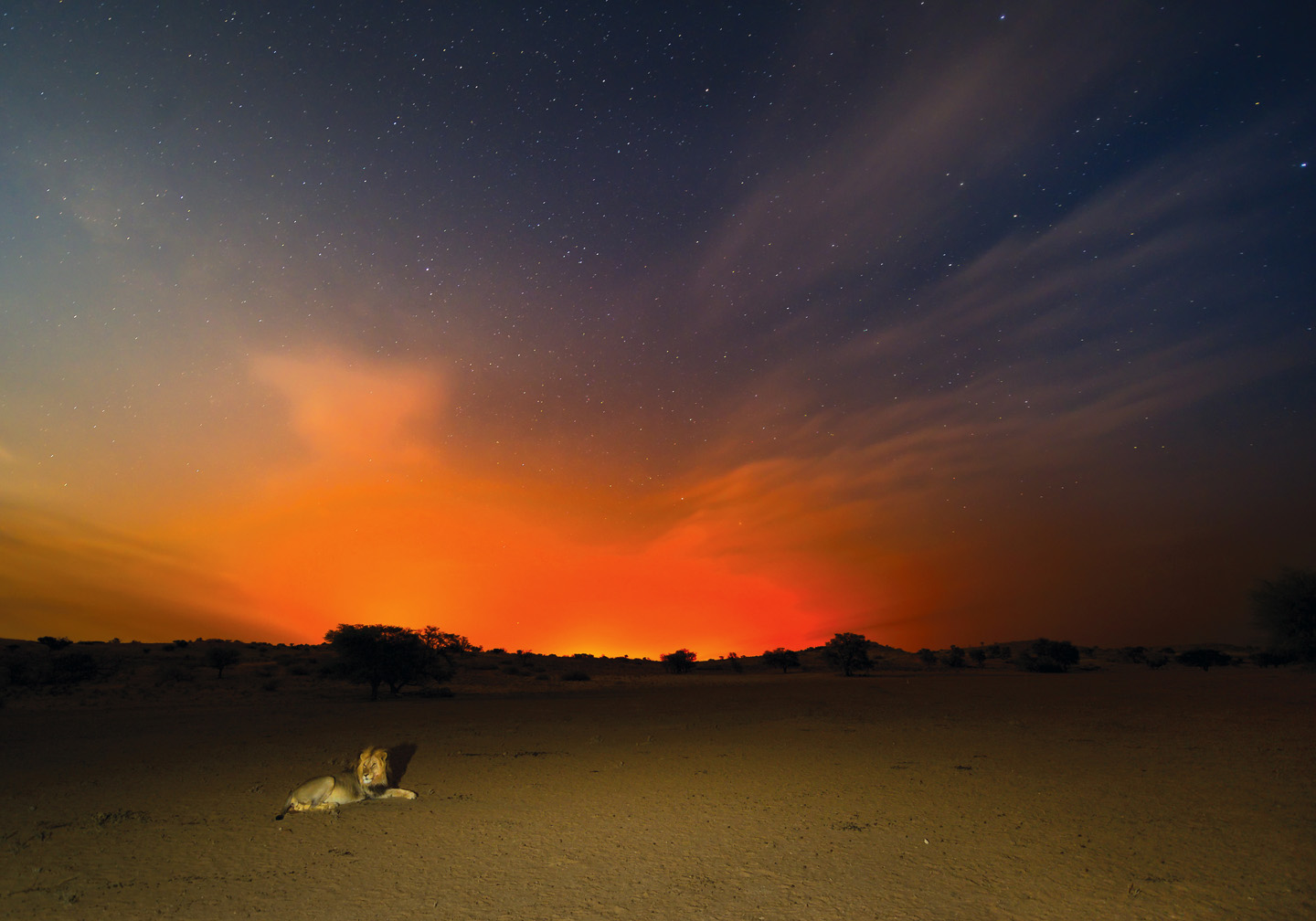
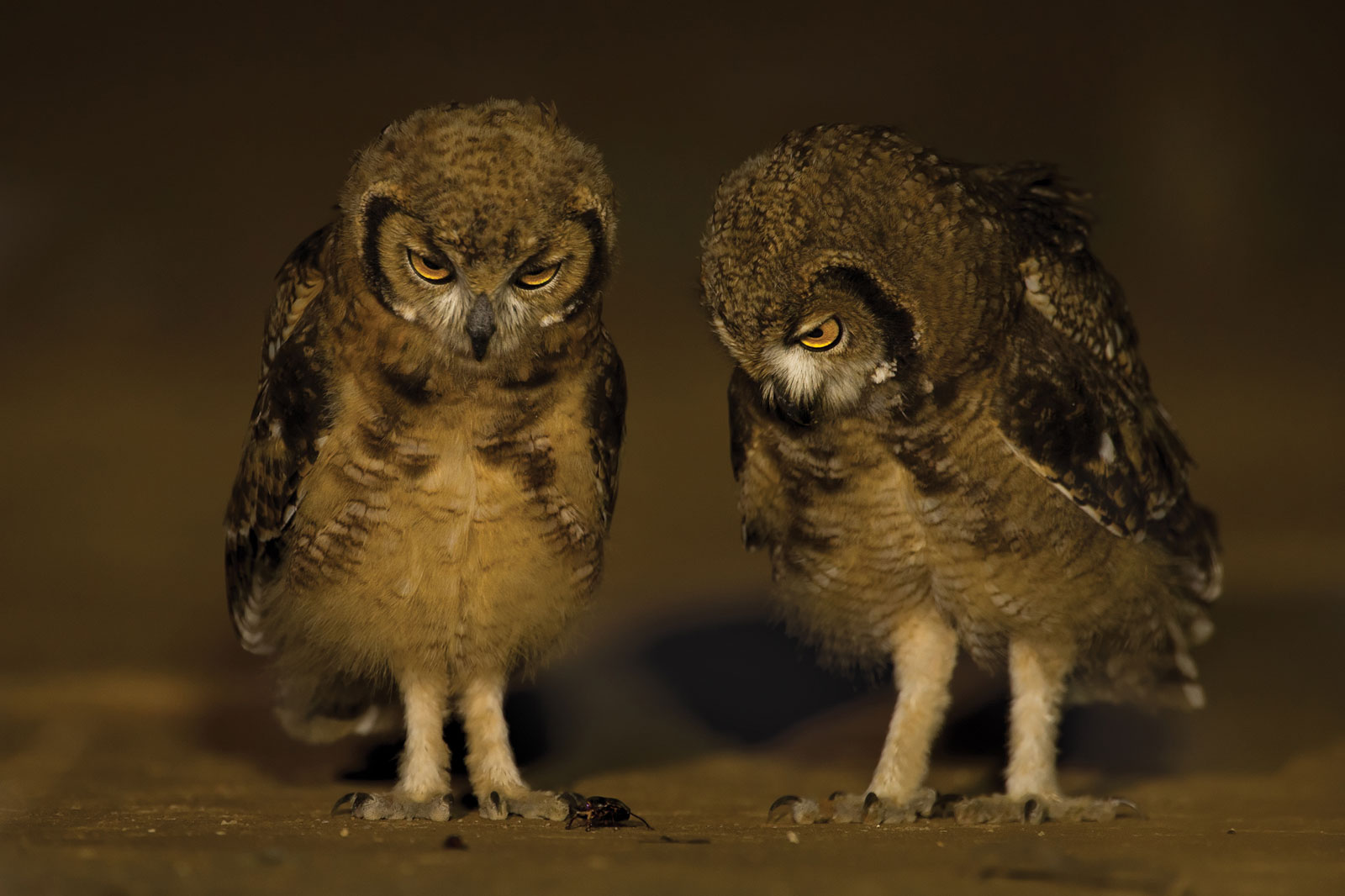
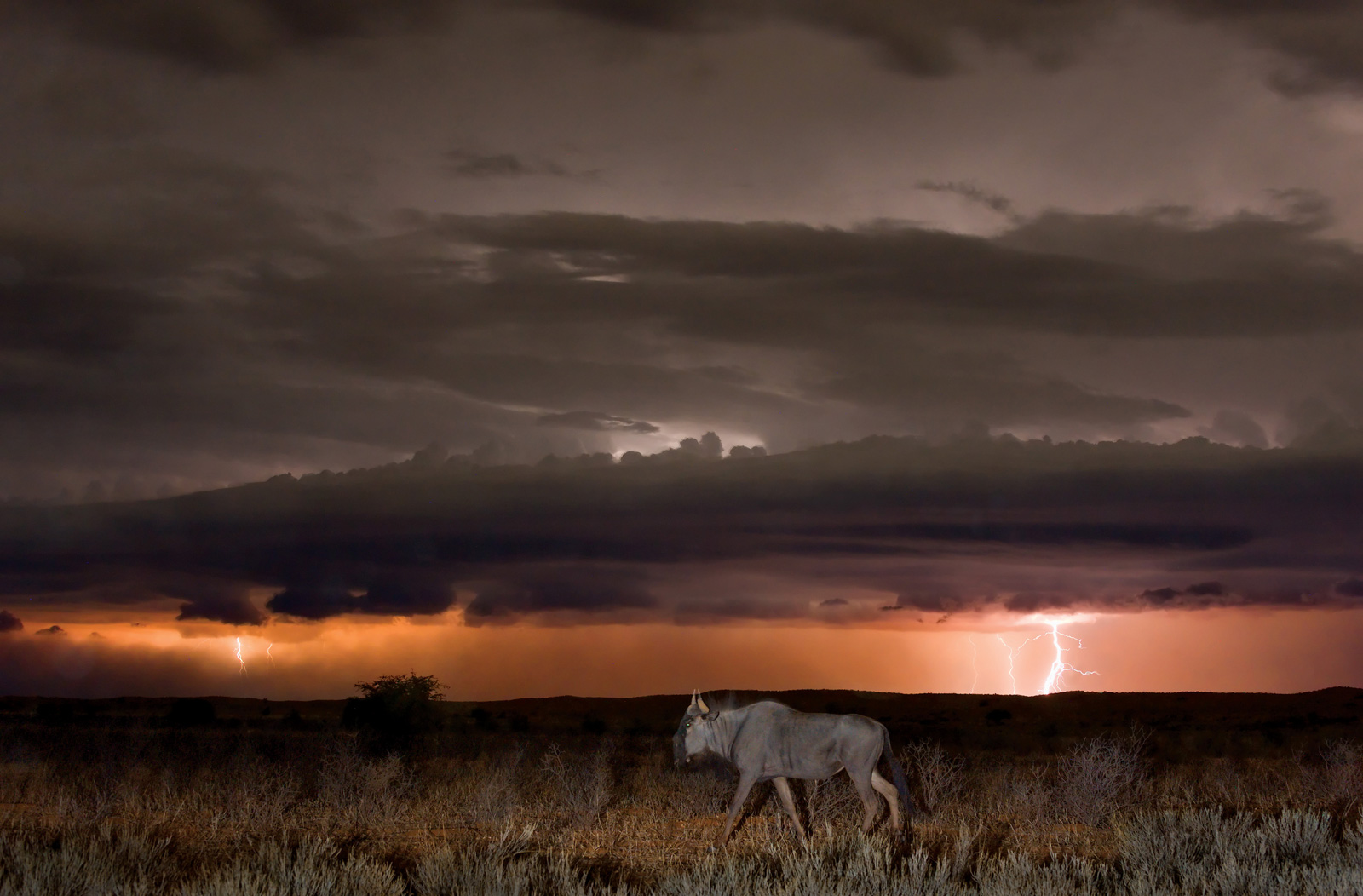
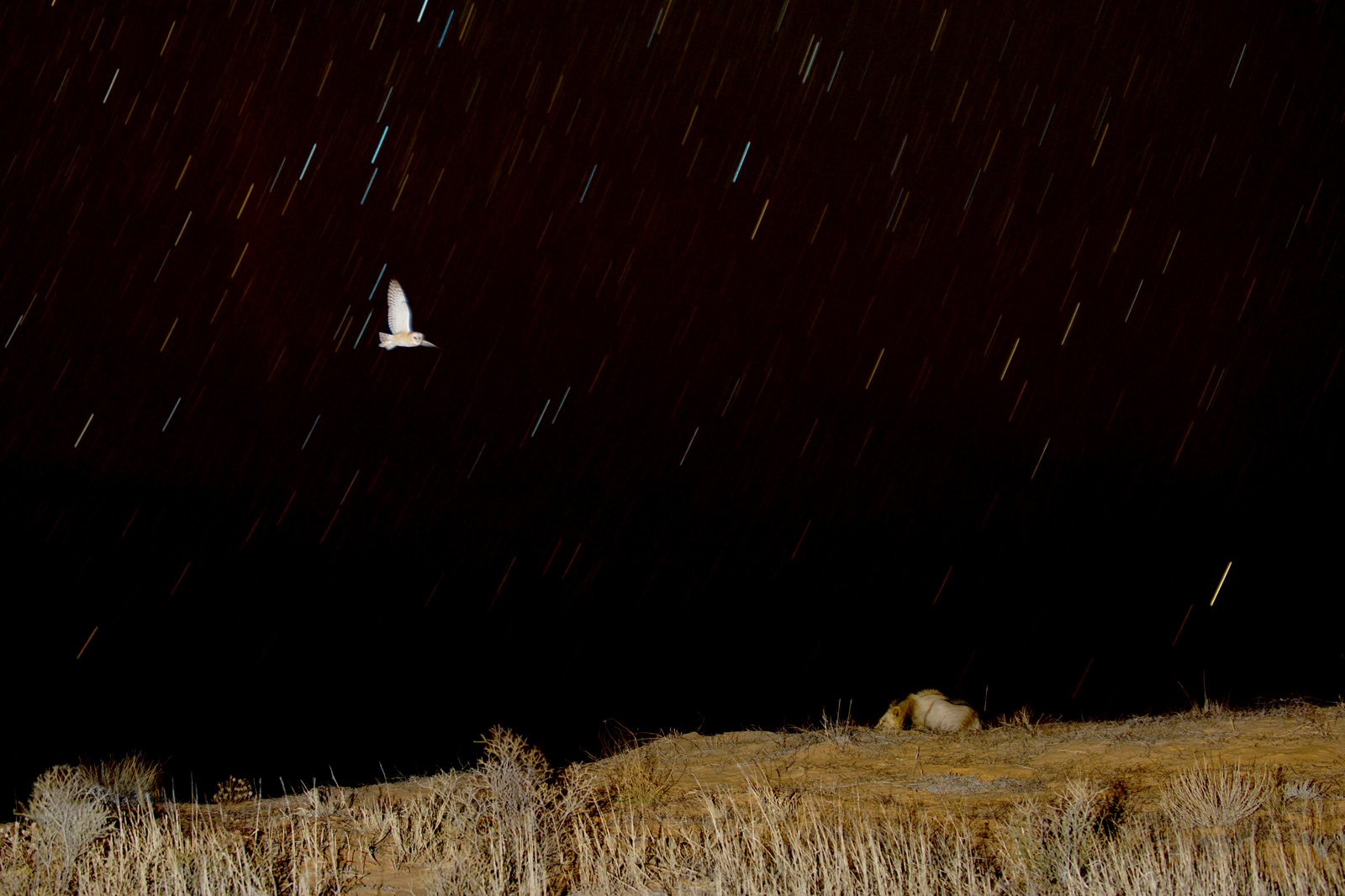
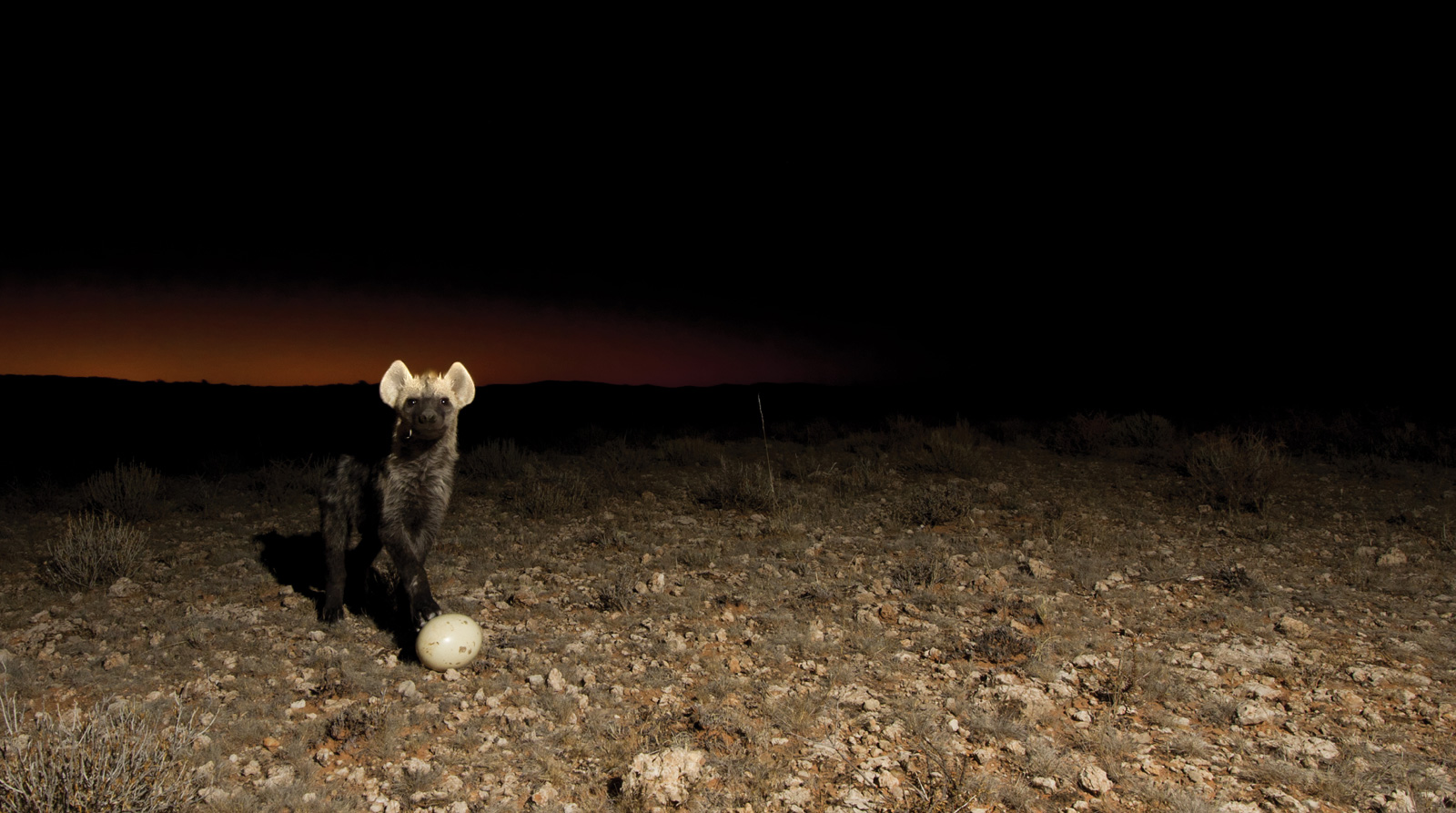
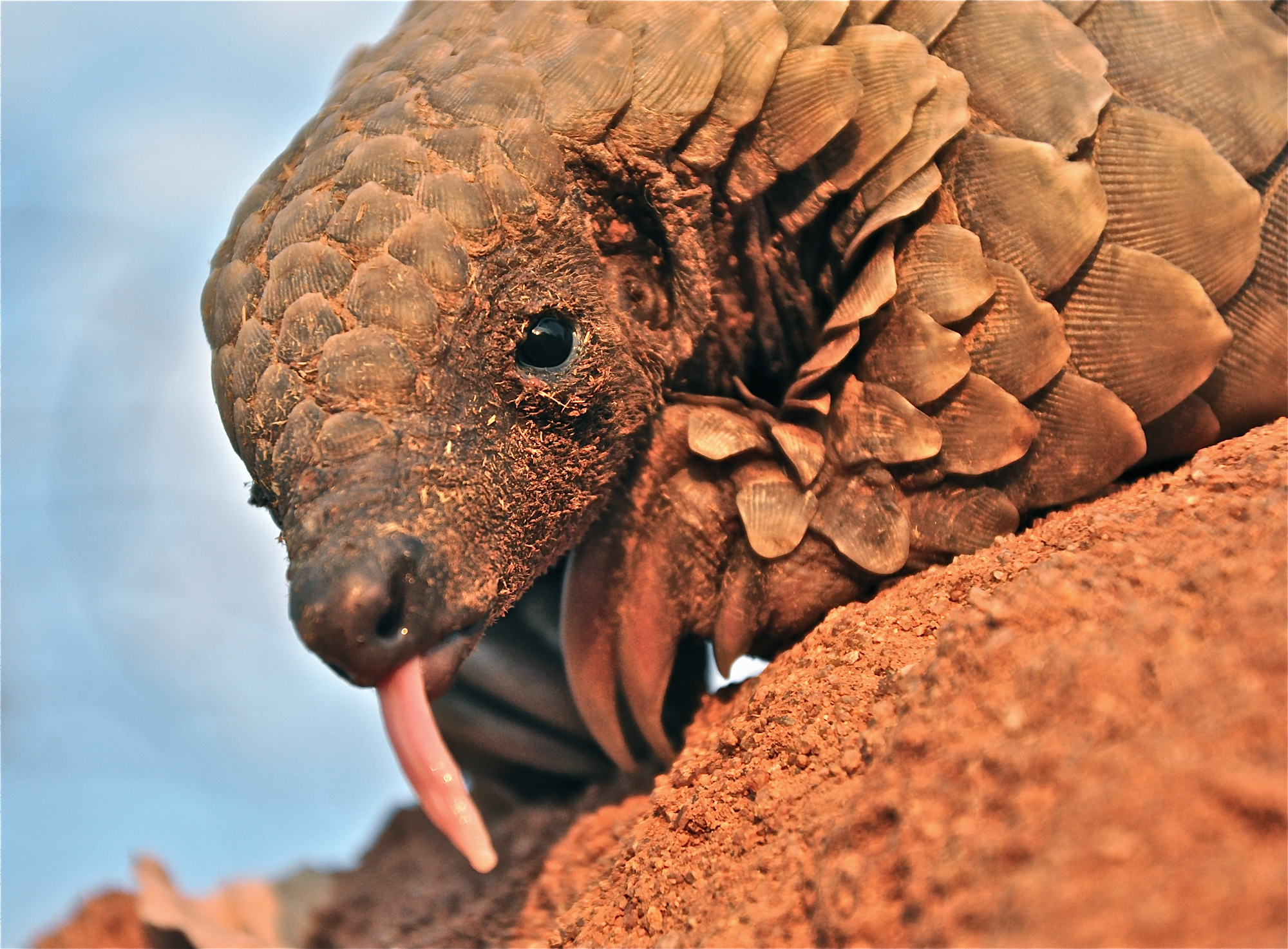
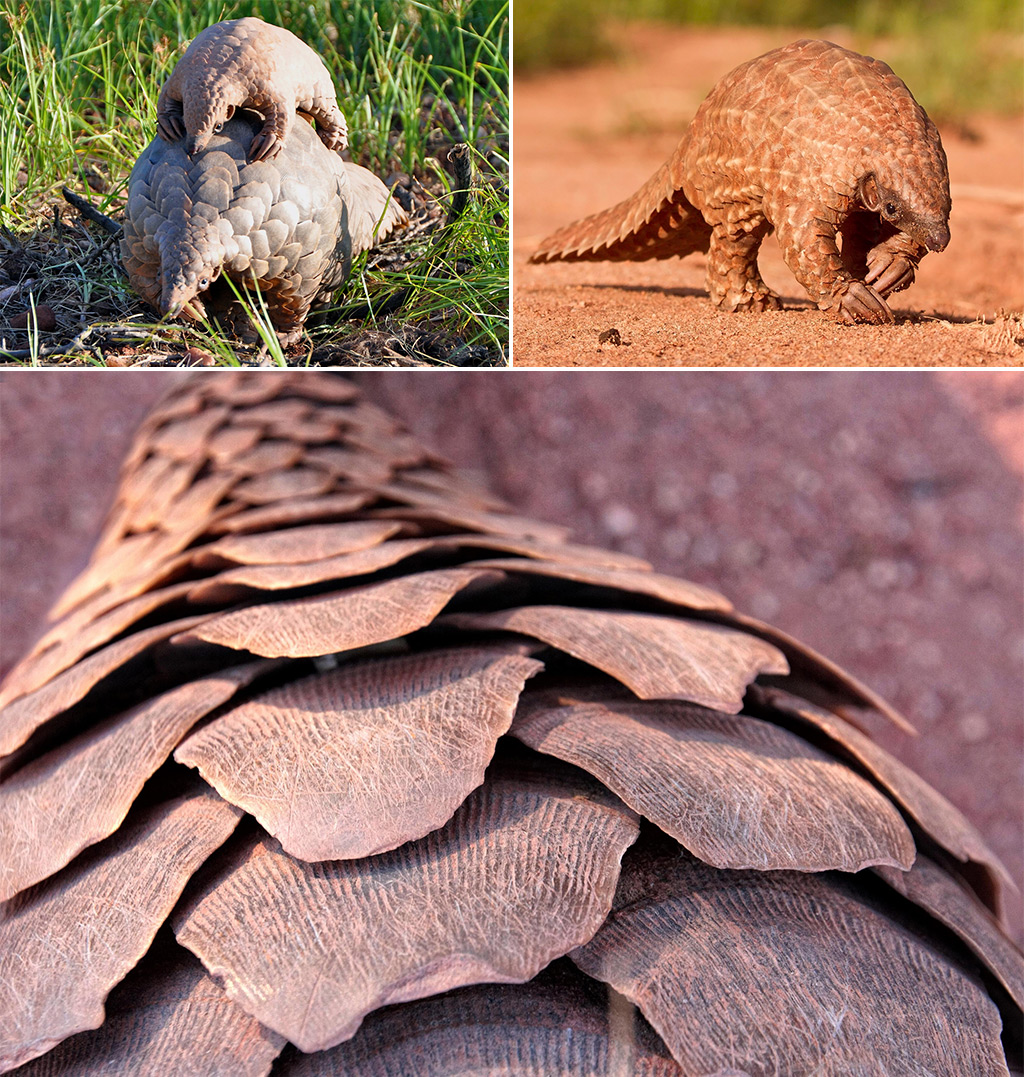
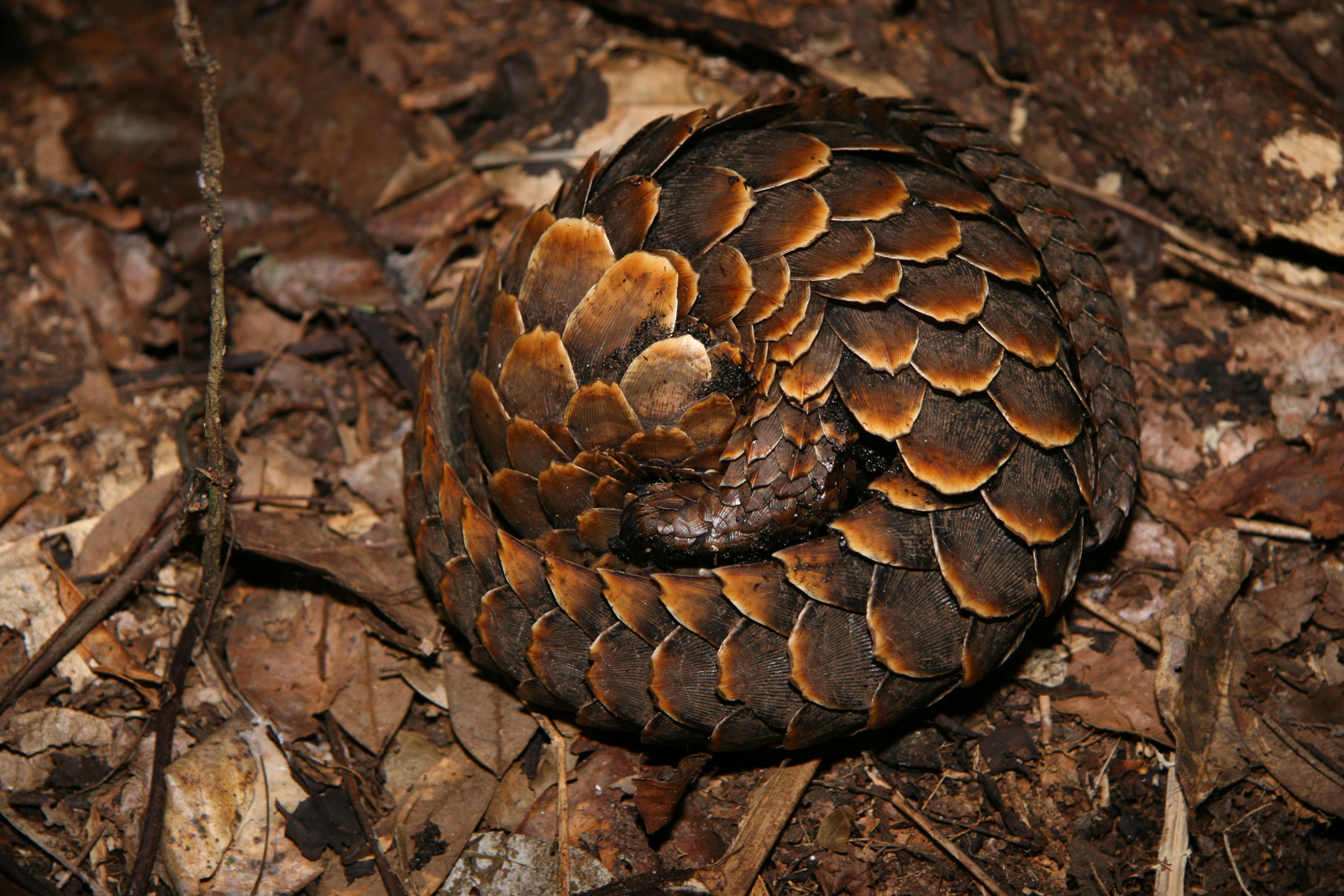
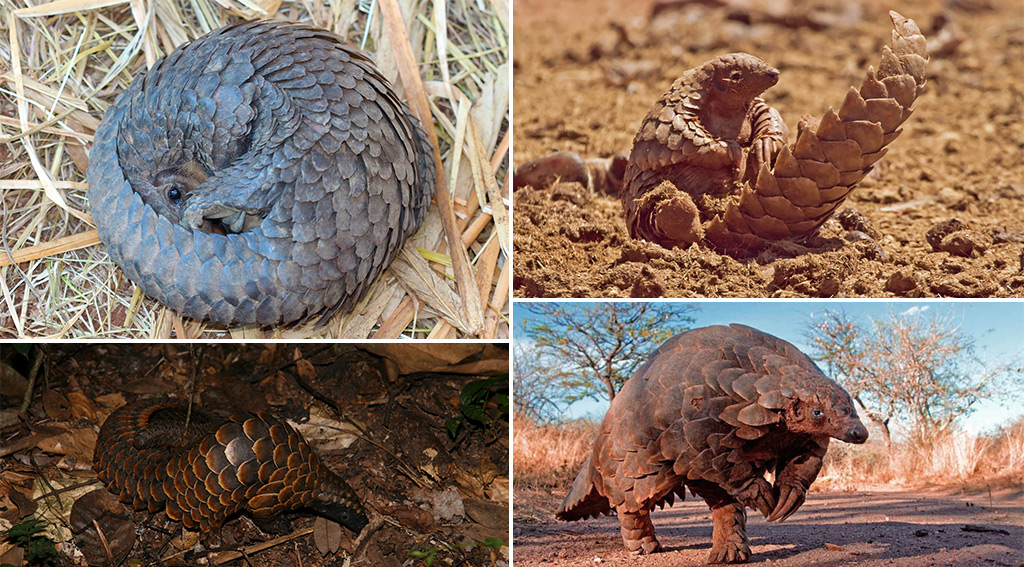
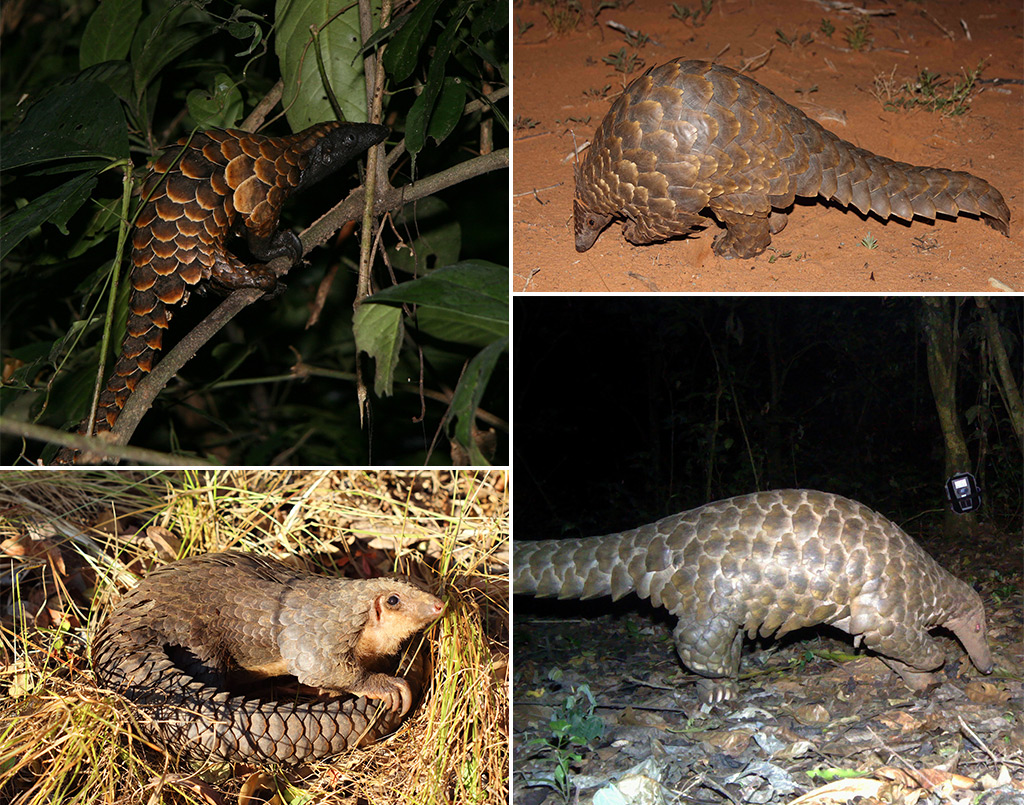
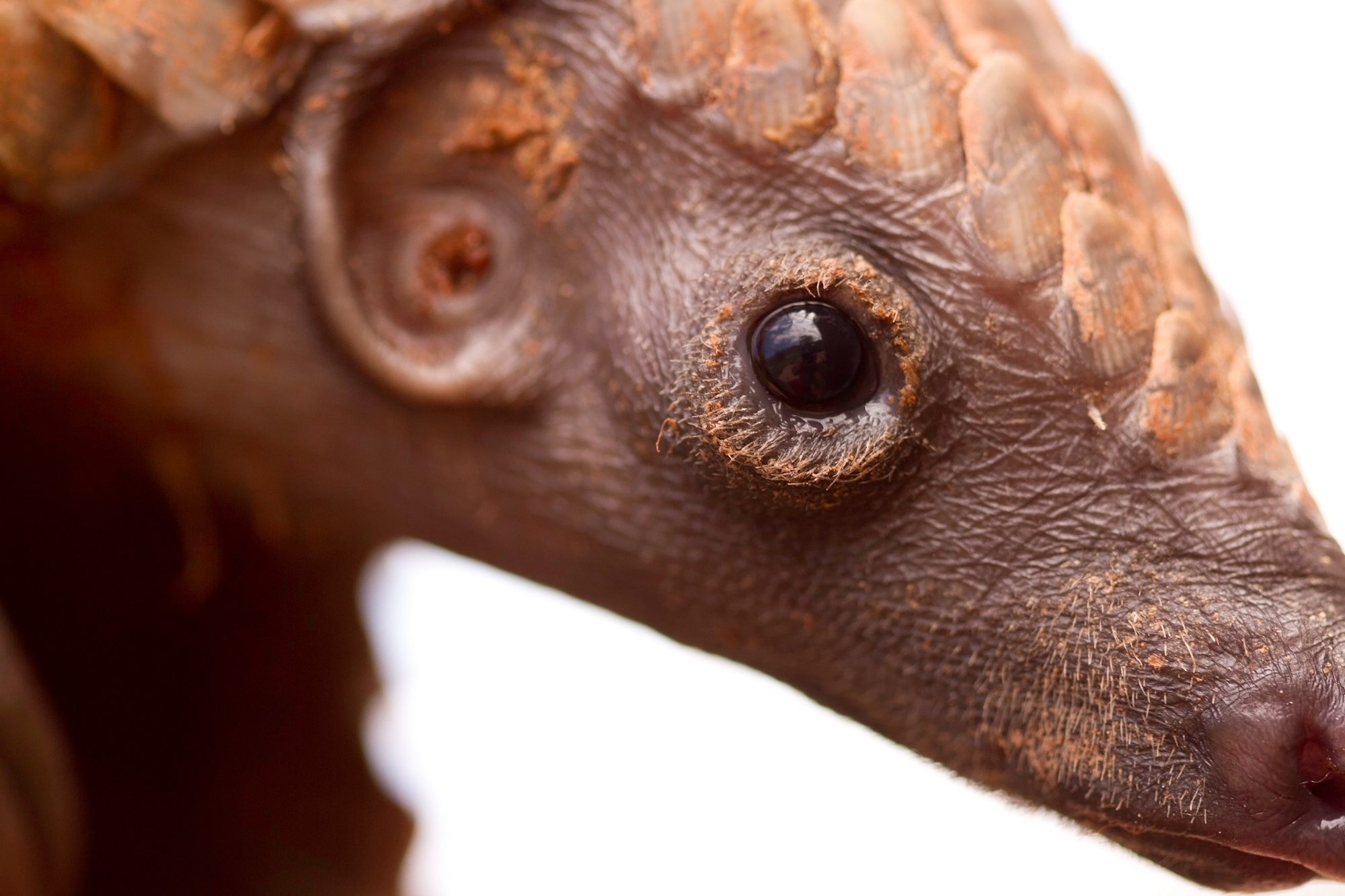
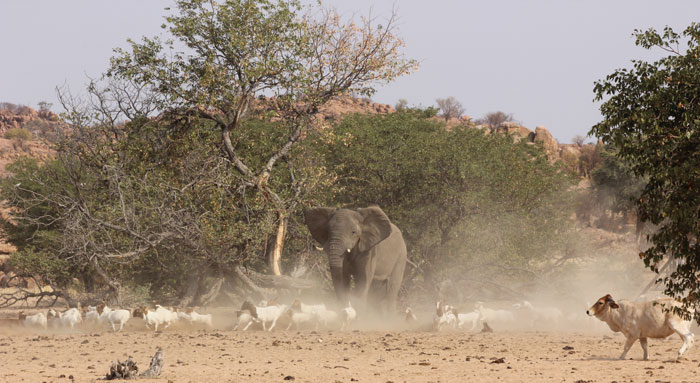


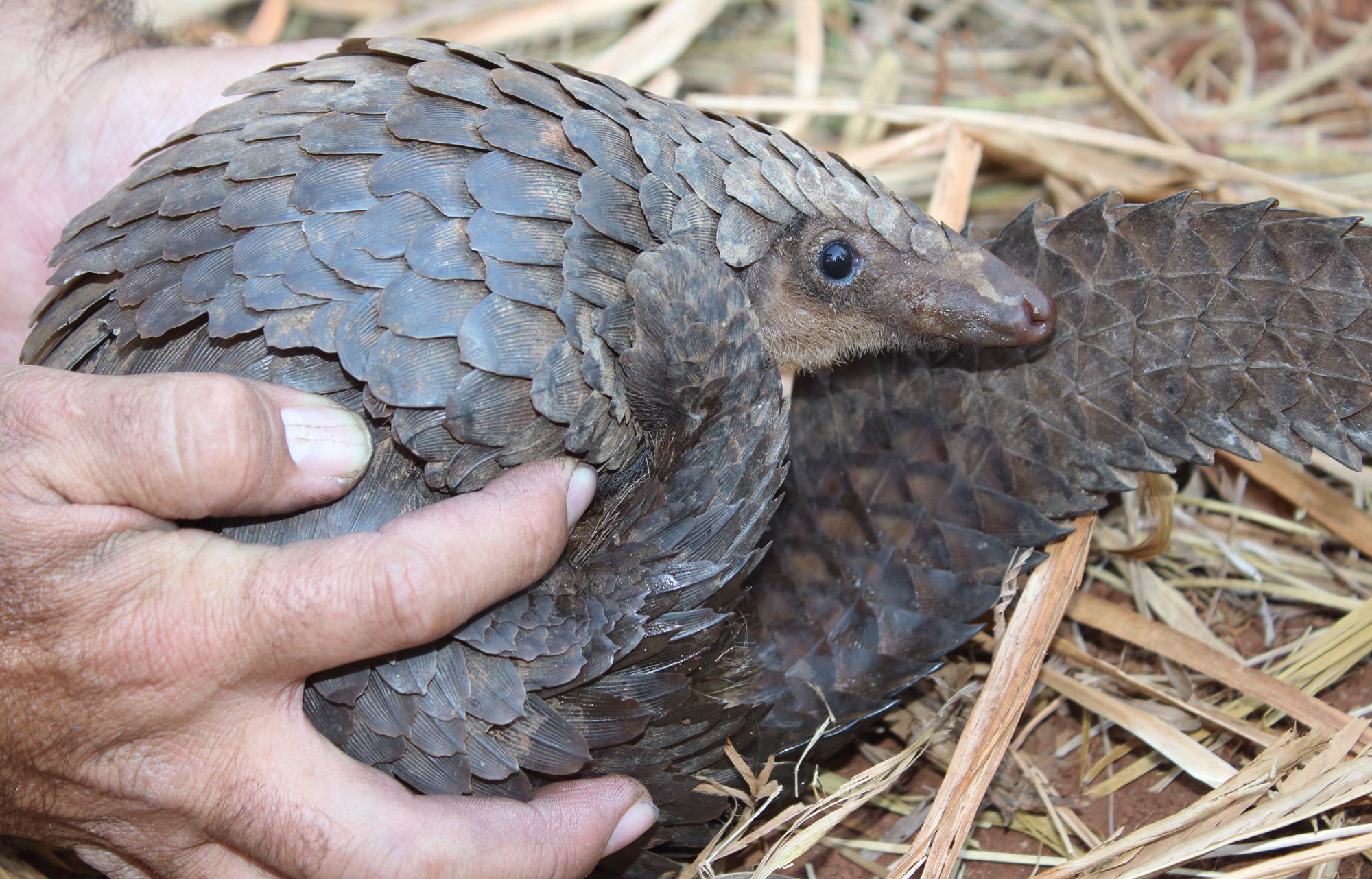
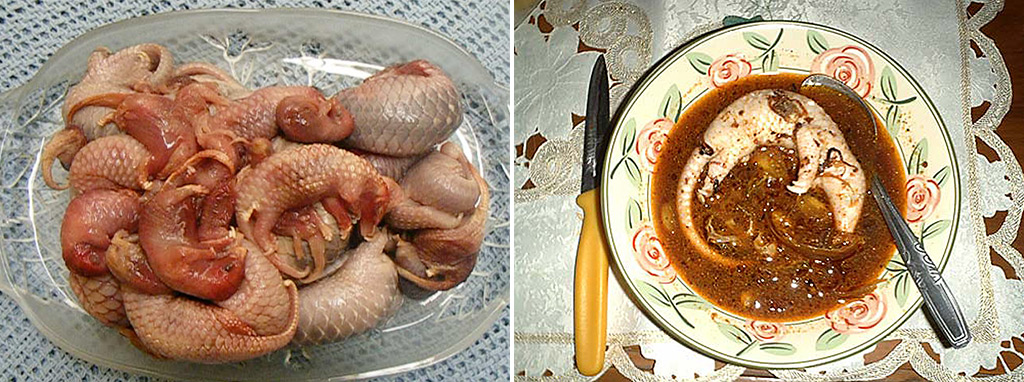
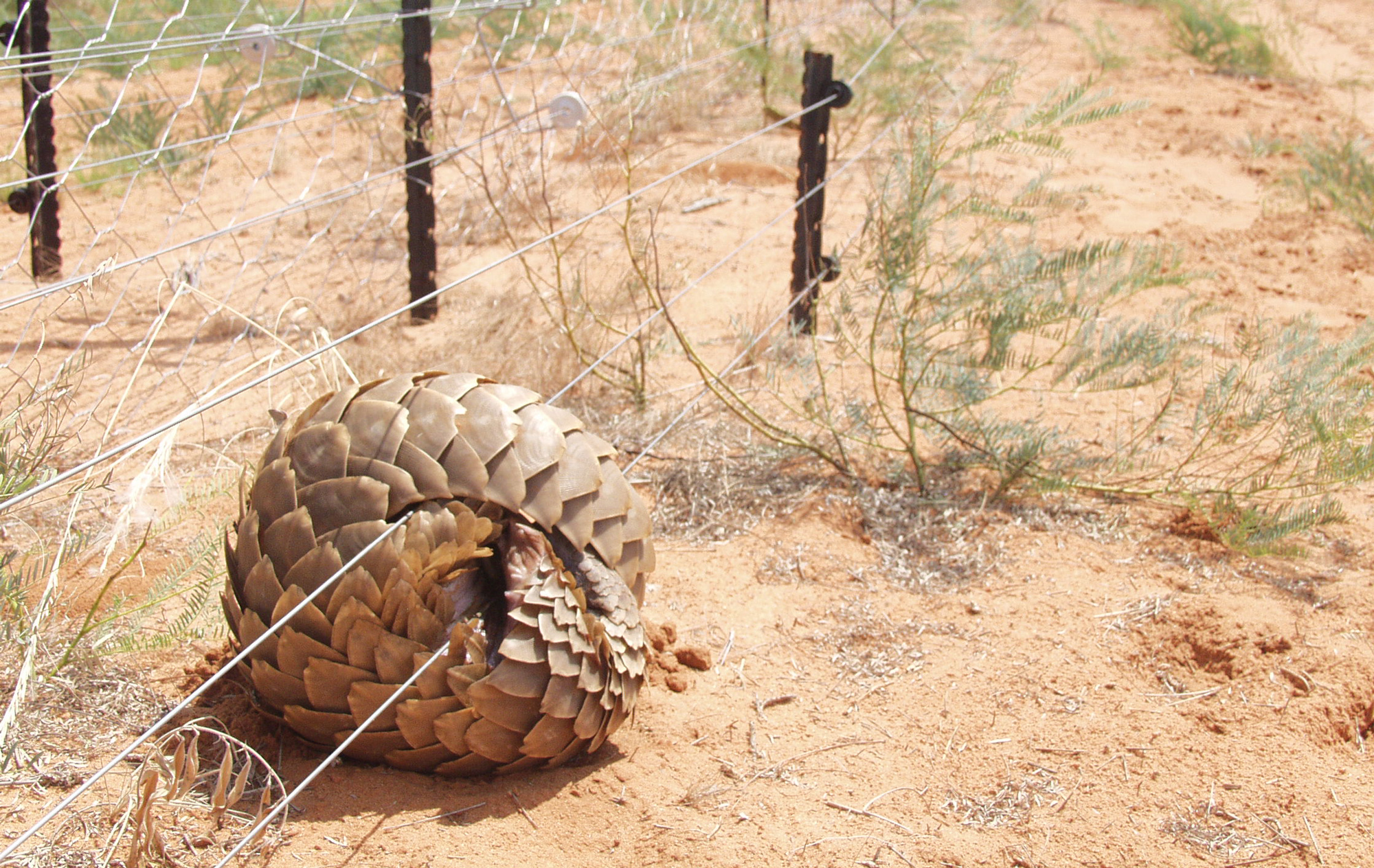
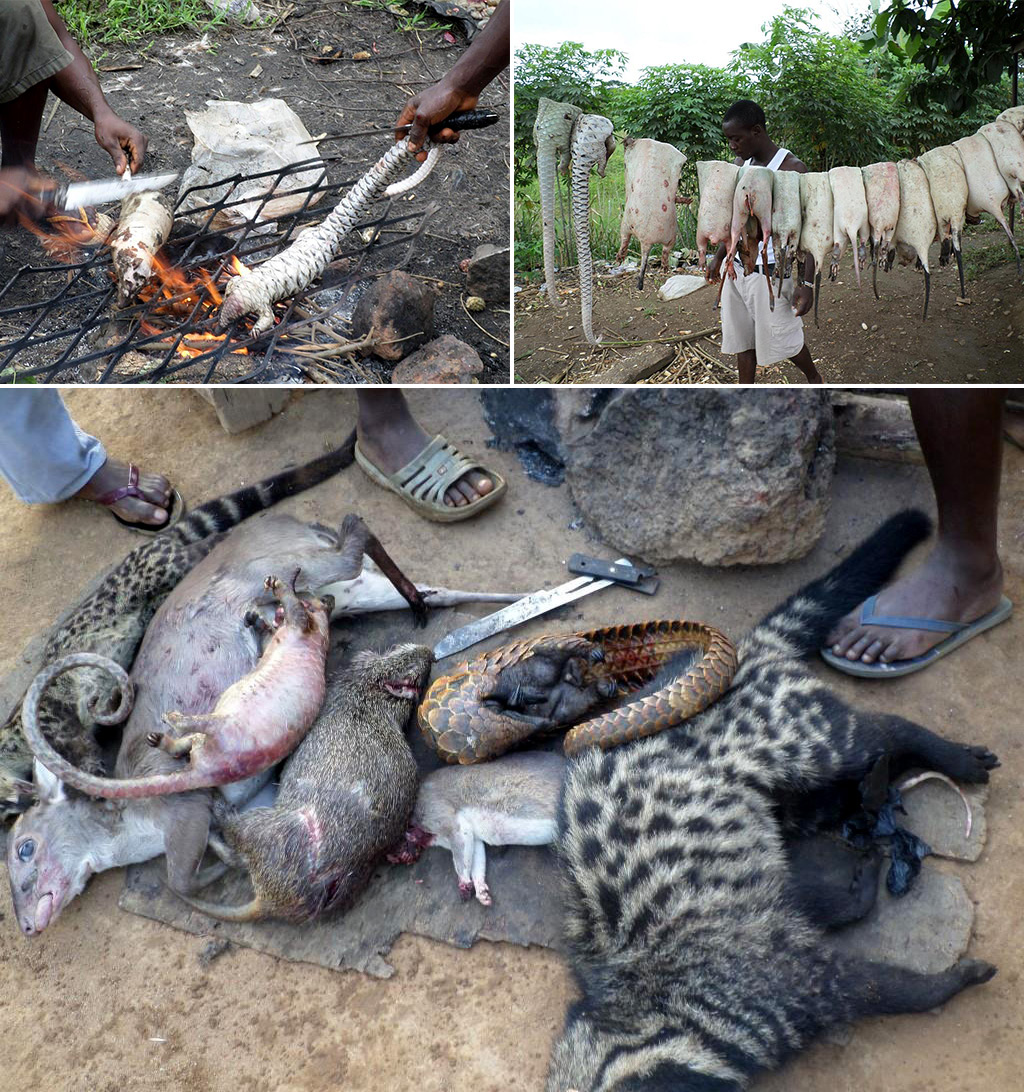
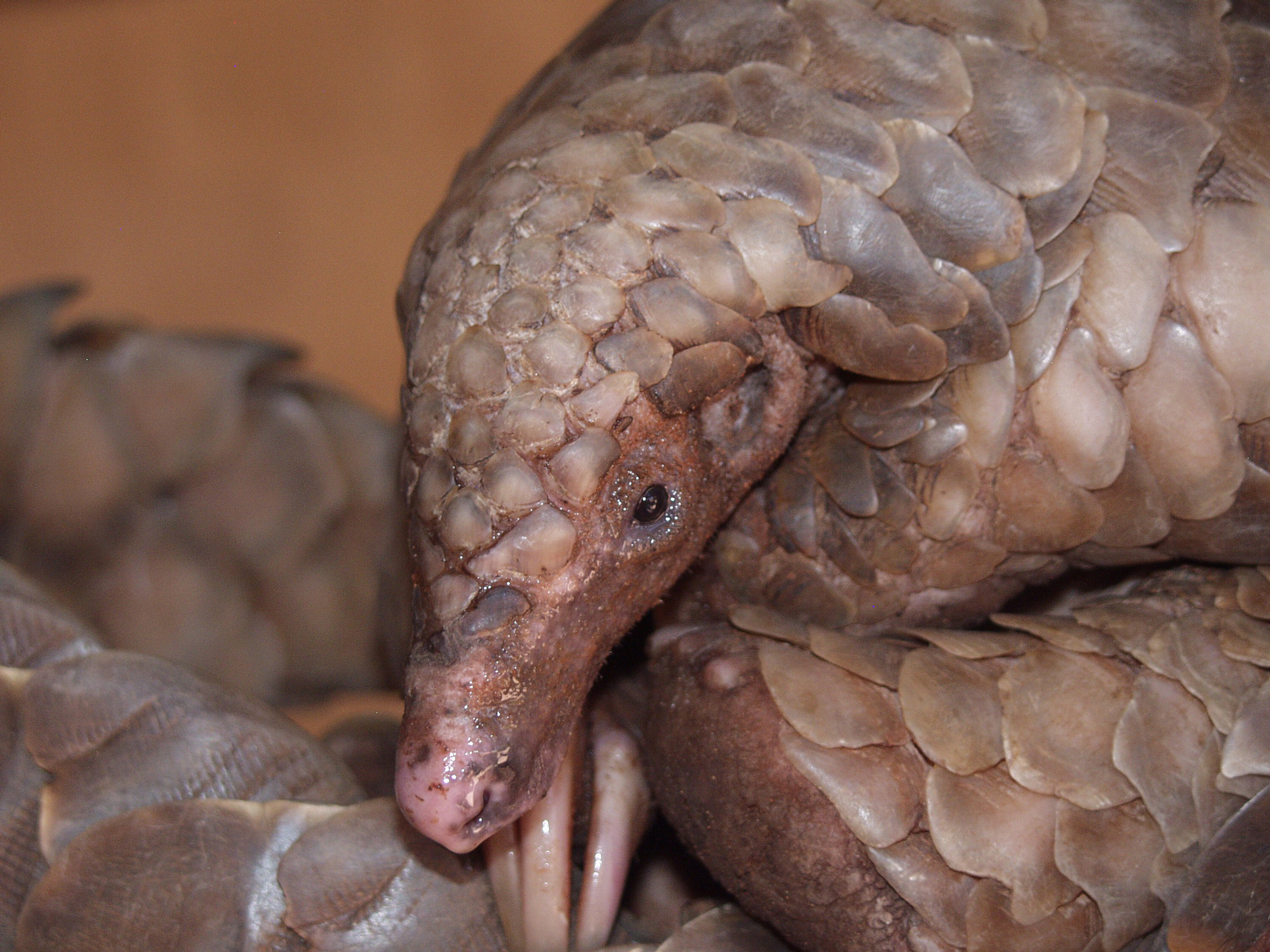
 The
The  Simon Espley is an African of the digital tribe, a chartered accountant and CEO of Africa Geographic. His travels in Africa are searching for wilderness, real people with interesting stories and elusive birds. He lives in Hoedspruit with his wife, Lizz and two Jack Russells, and when not travelling or working, he will be on his mountain bike somewhere out there. His motto is ‘Live for now, have fun, be good, tread lightly and respect others. And embrace change.’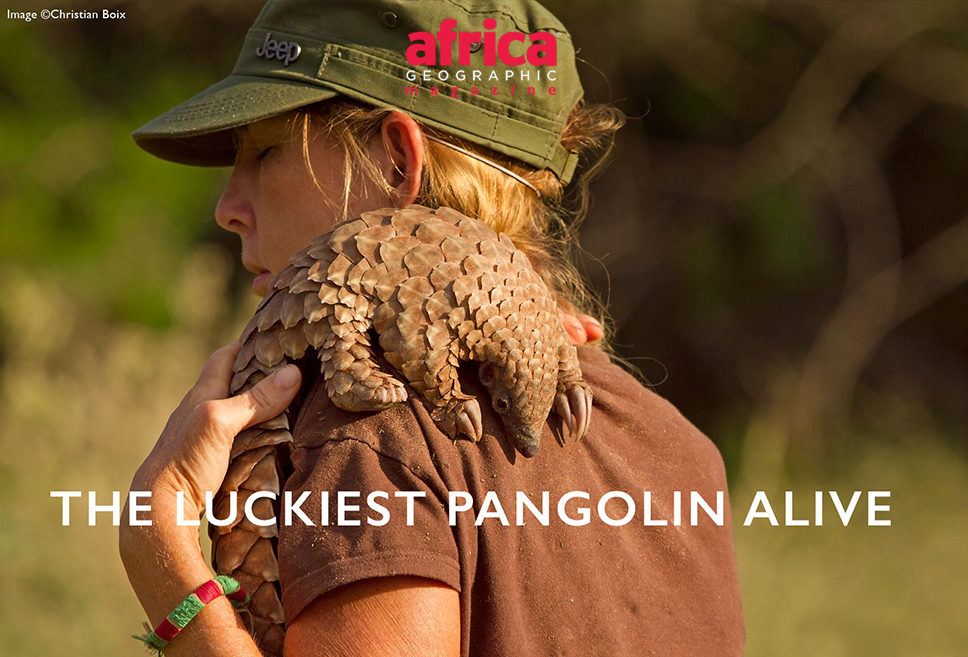
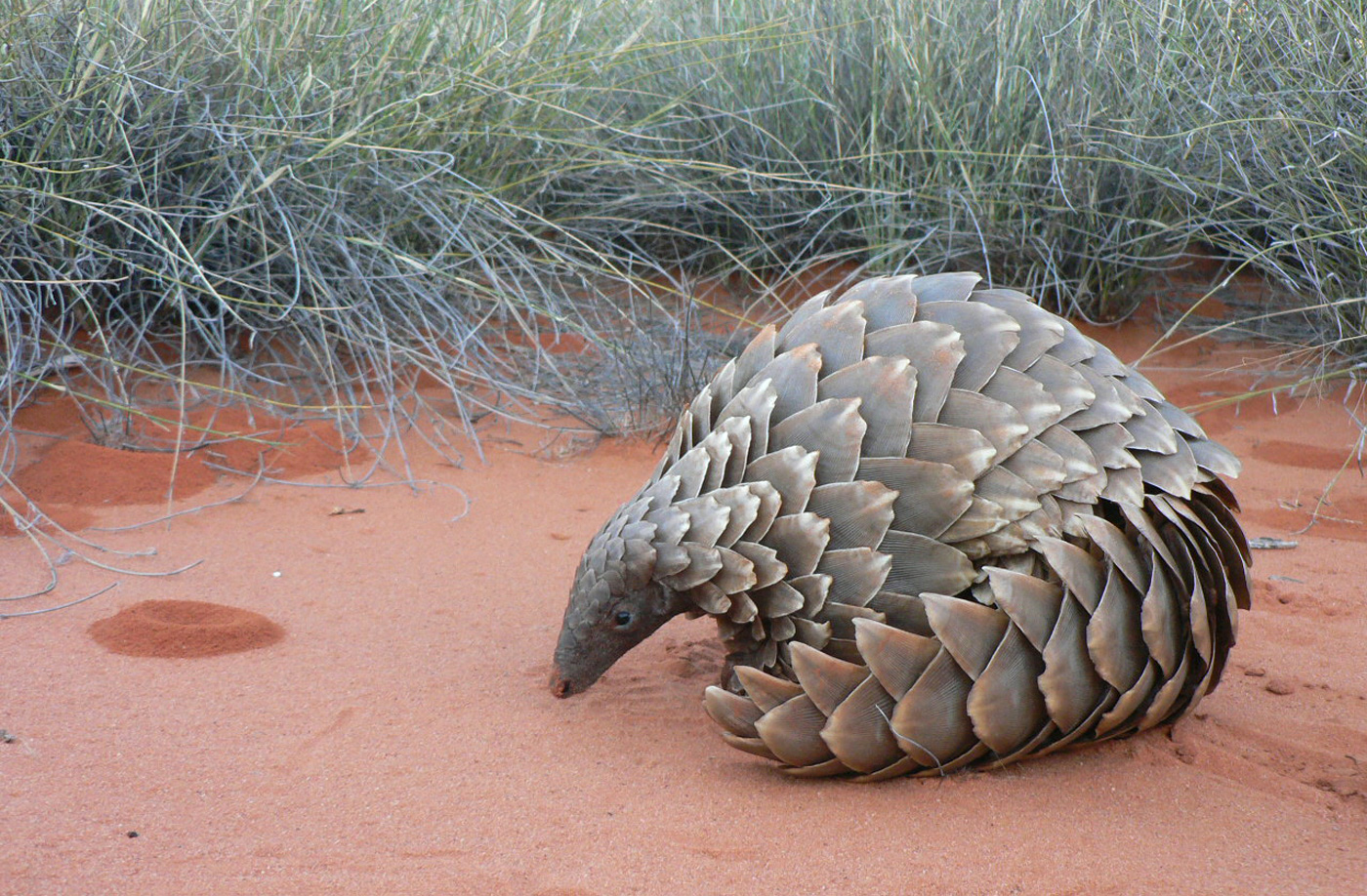
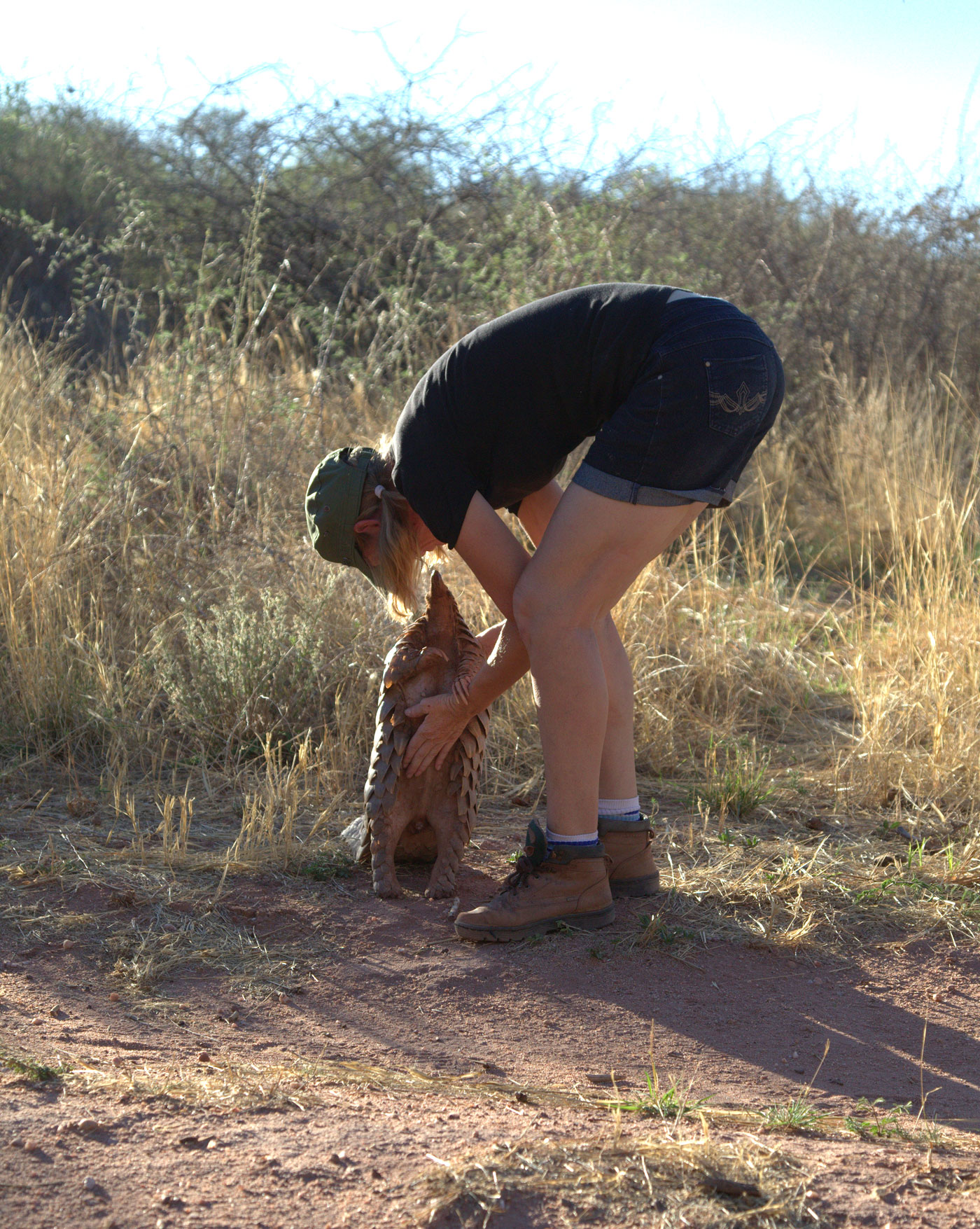
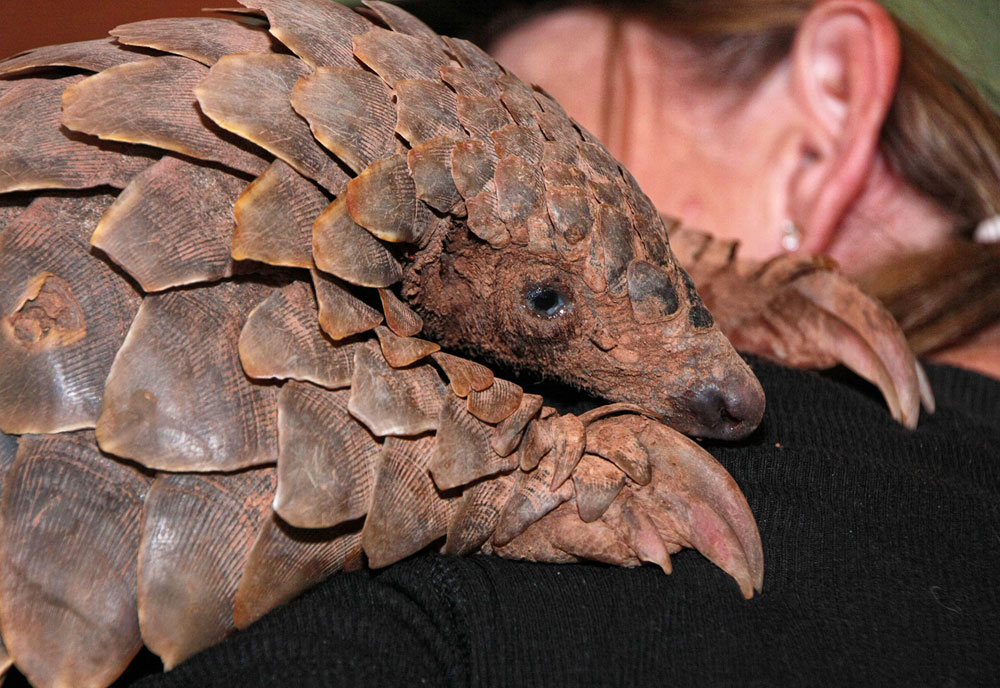
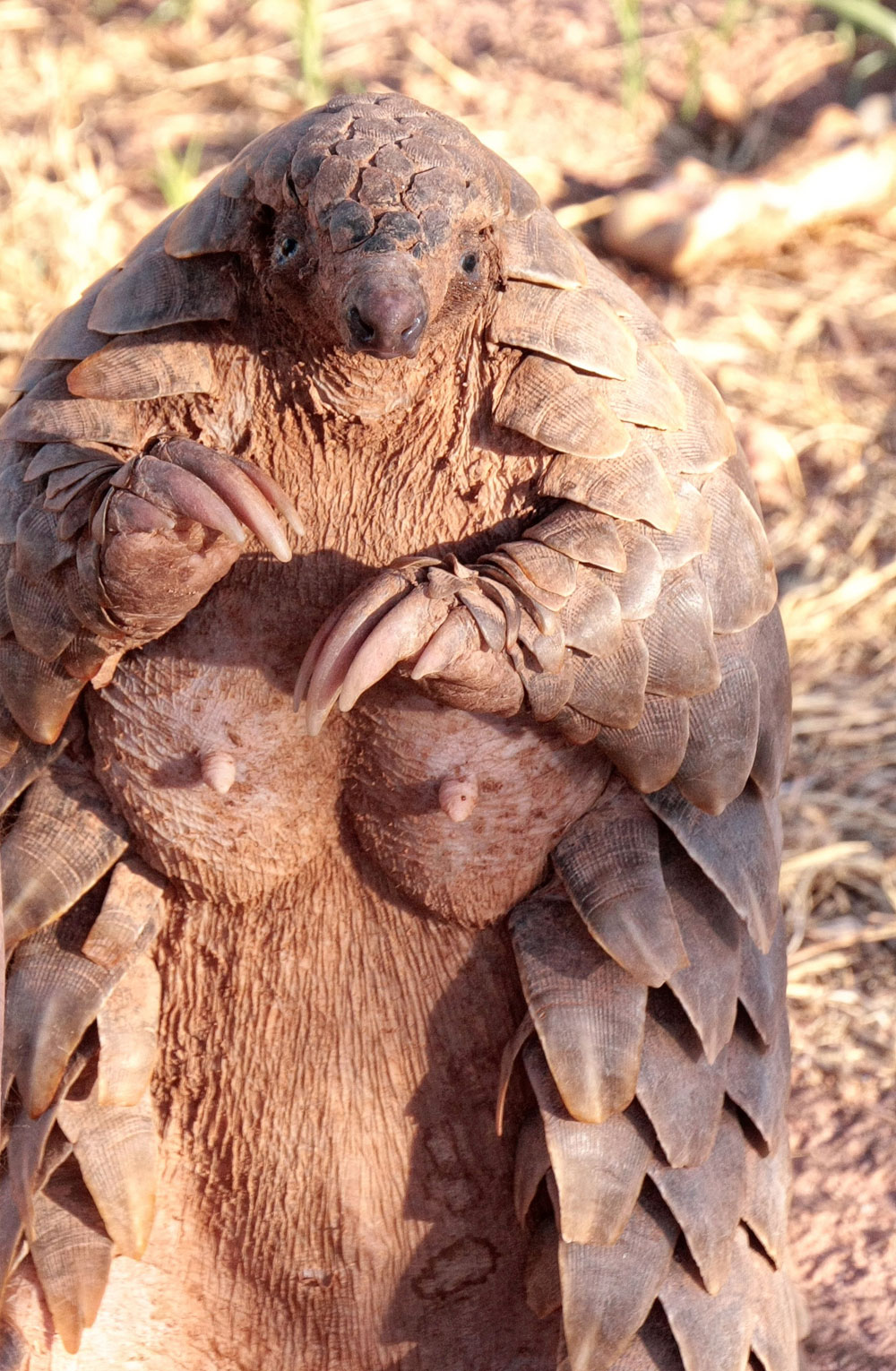
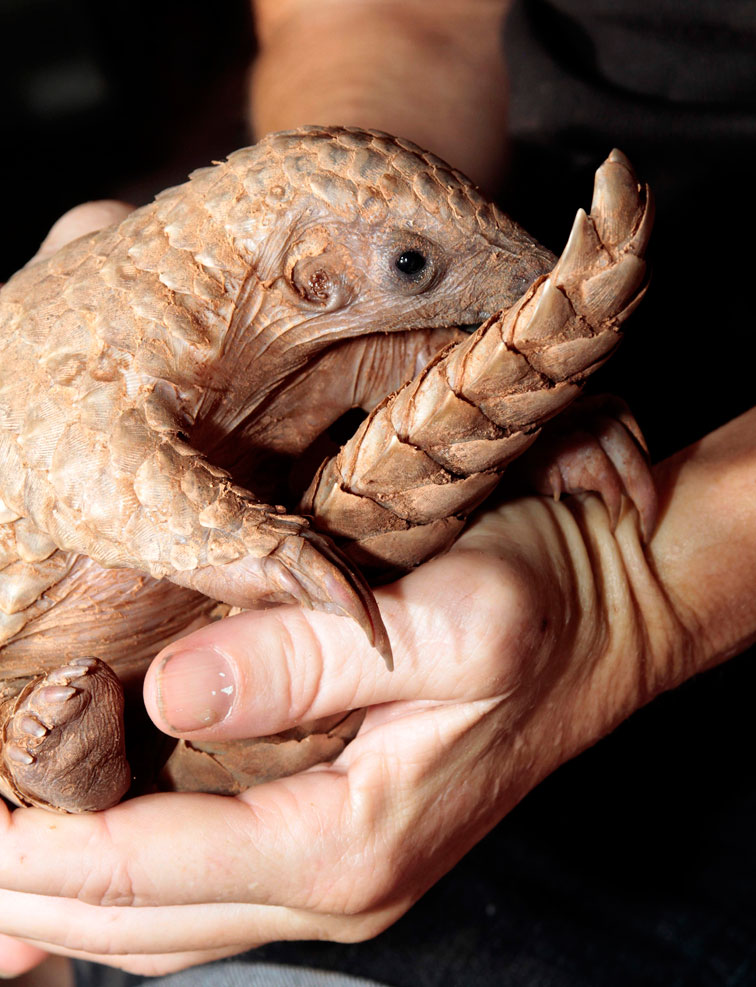
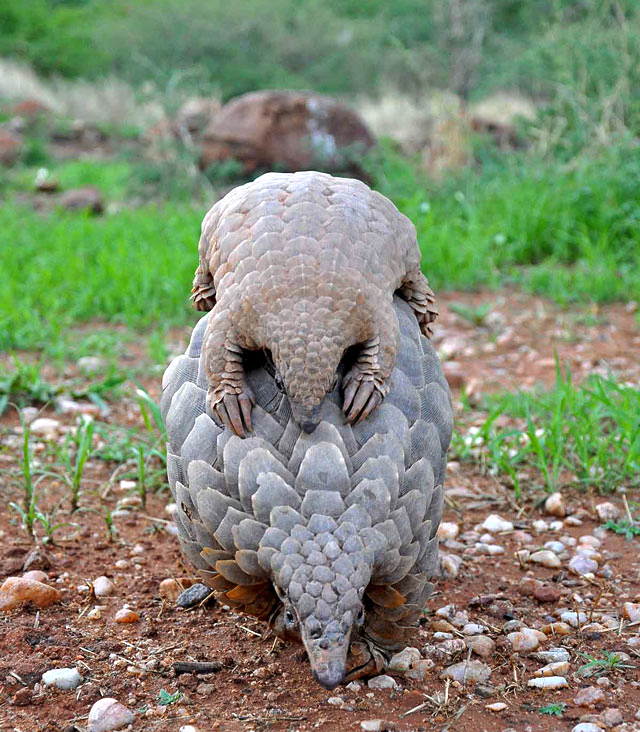
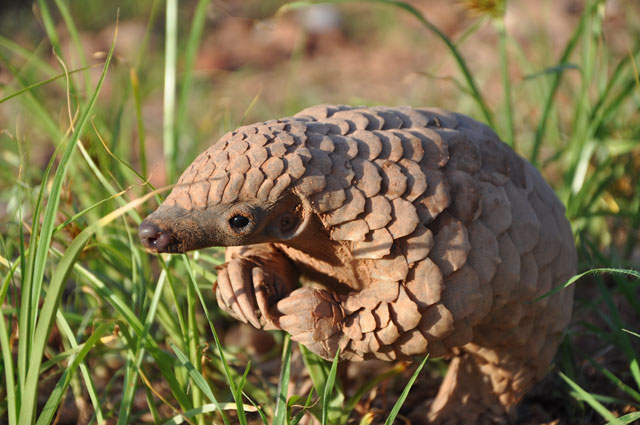
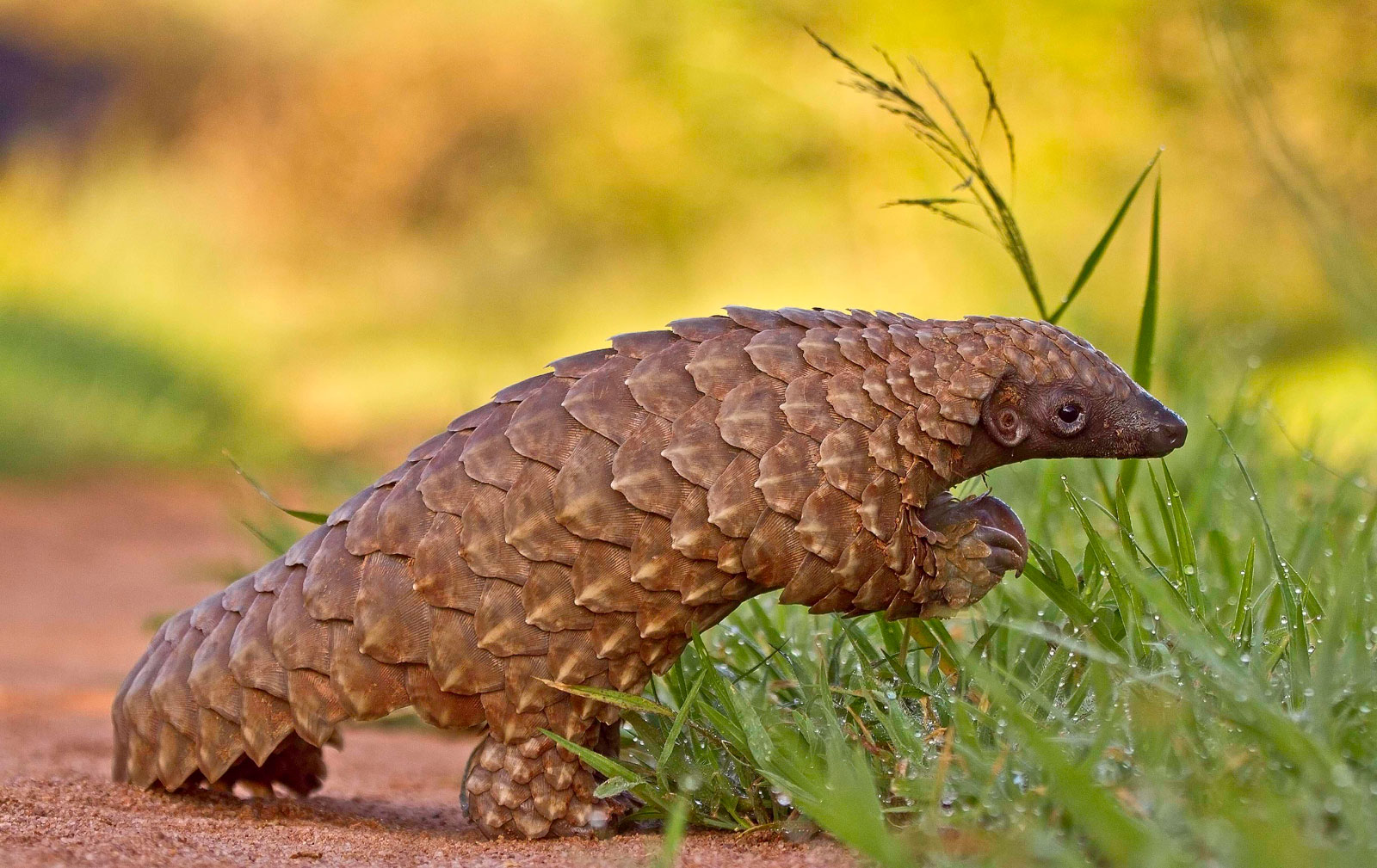
 SIMON ESPLEY is a proud African of the digital tribe and honoured to be CEO of Africa Geographic. His travels in Africa are searching for wilderness, real people with interesting stories and elusive birds. He lives in Hoedspruit, next to the Kruger National Park, with his wife Lizz and 2 Jack Russells. When not travelling or working, he is usually on his mountain bike somewhere out there. Simon qualified as a chartered accountant, but found his calling sharing Africa’s incredibleness with you. His motto is “Live for now, have fun, be good, tread lightly and respect others. And embrace change”.
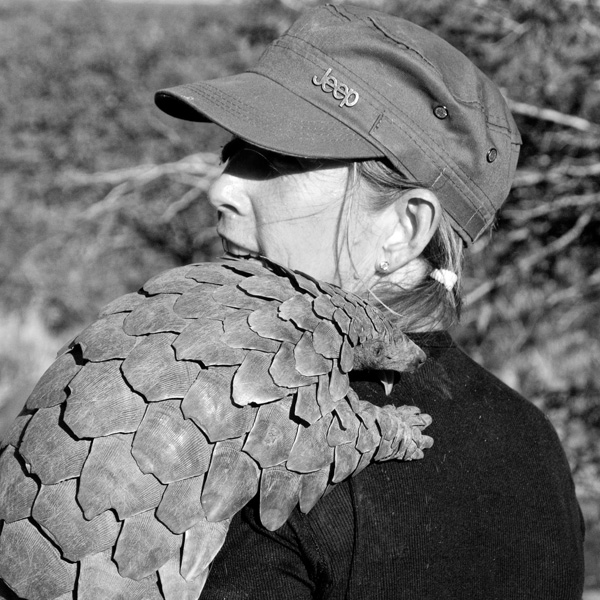 A special thanks to MARIA DIEKMANN, founder and director of Pangolins International. Maria has been a surrogate mother to the star of this issue, Katiti, and has rehabilitated and returned many other pangolins to the wild. While balancing this with the work she does to rehabilitate other species, Maria has always been at hand to provide us with vital content to make this issue possible.
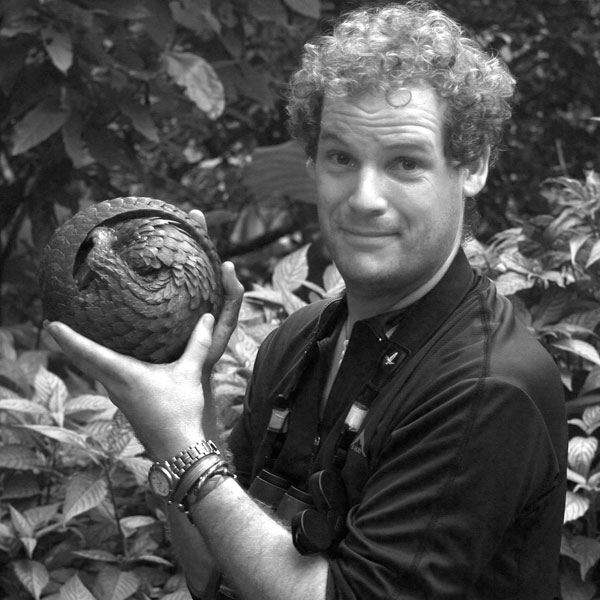 CHRISTIAN BOIX left his native Spain, its great food, siestas and fiestas, to become an ornithologist at the University of Cape Town and a specialist bird guide. Time passed, his daughter became convinced he was some kind of pilot, and his wife acquired a budgie for company – that’s when the penny dropped. Thrilled to join the Africa Geographic team; Christian is their resident safari expert and guide.
 JUDY & SCOTT HURD are photographers living and working in Namibia, a country they see as the most photogenic on the planet. They have accumulated a huge wildlife library, some of which you can view on their
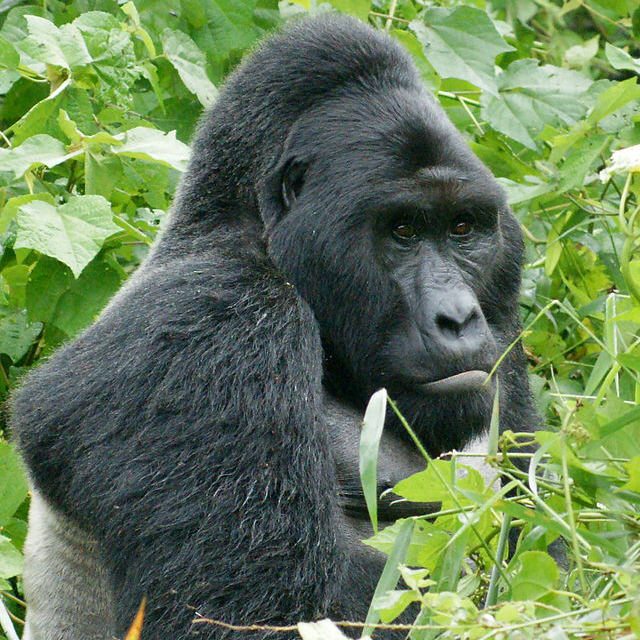
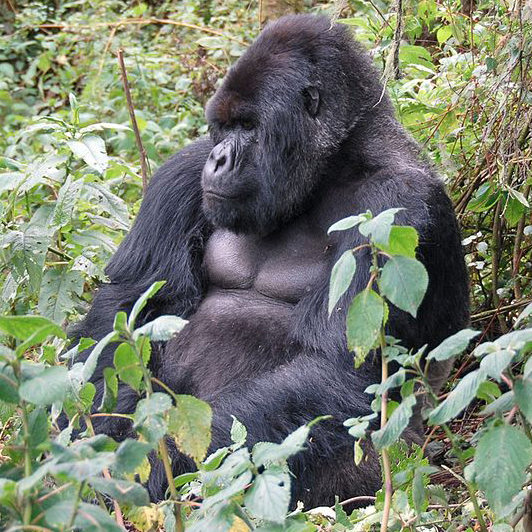
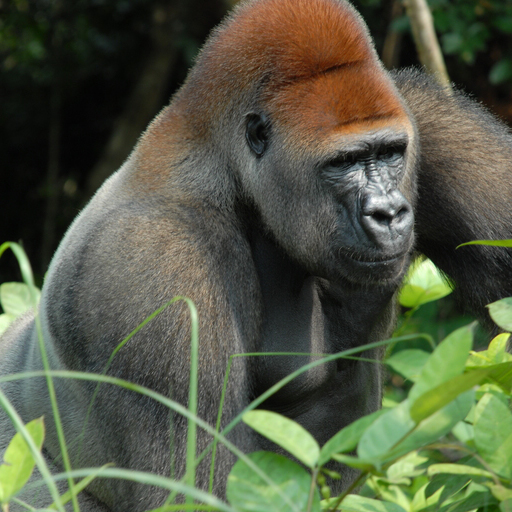
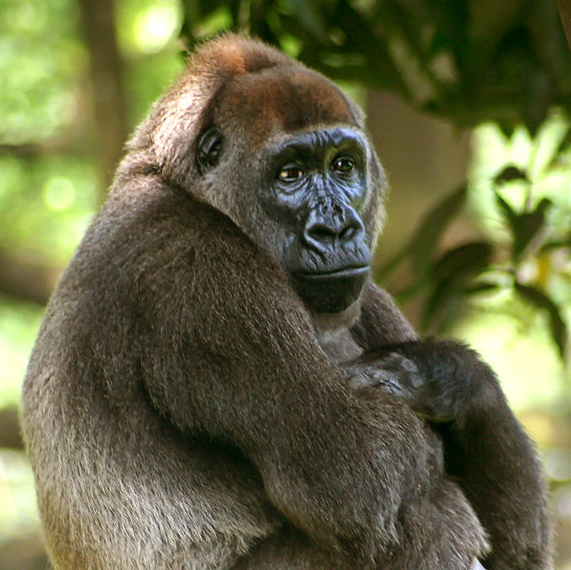
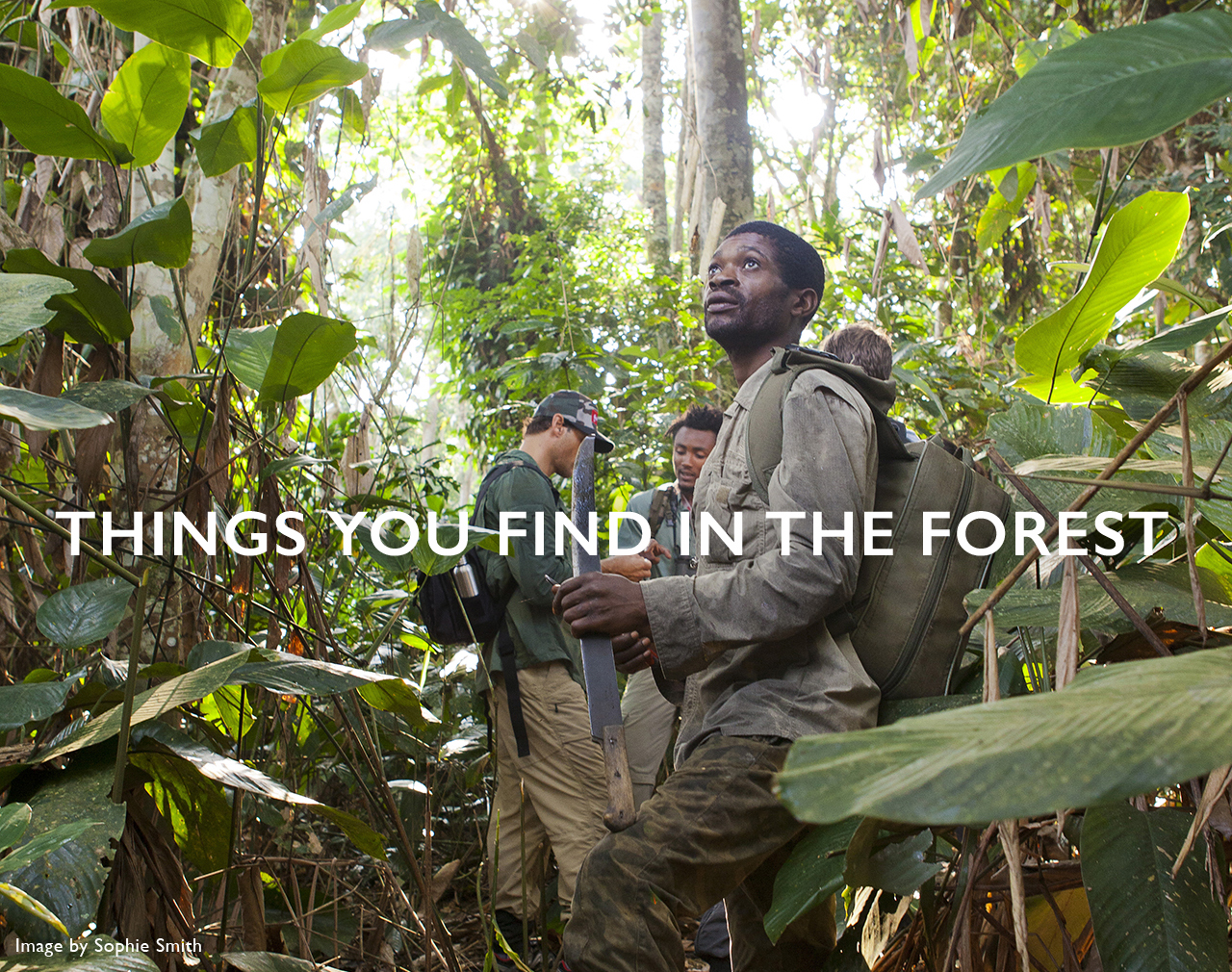
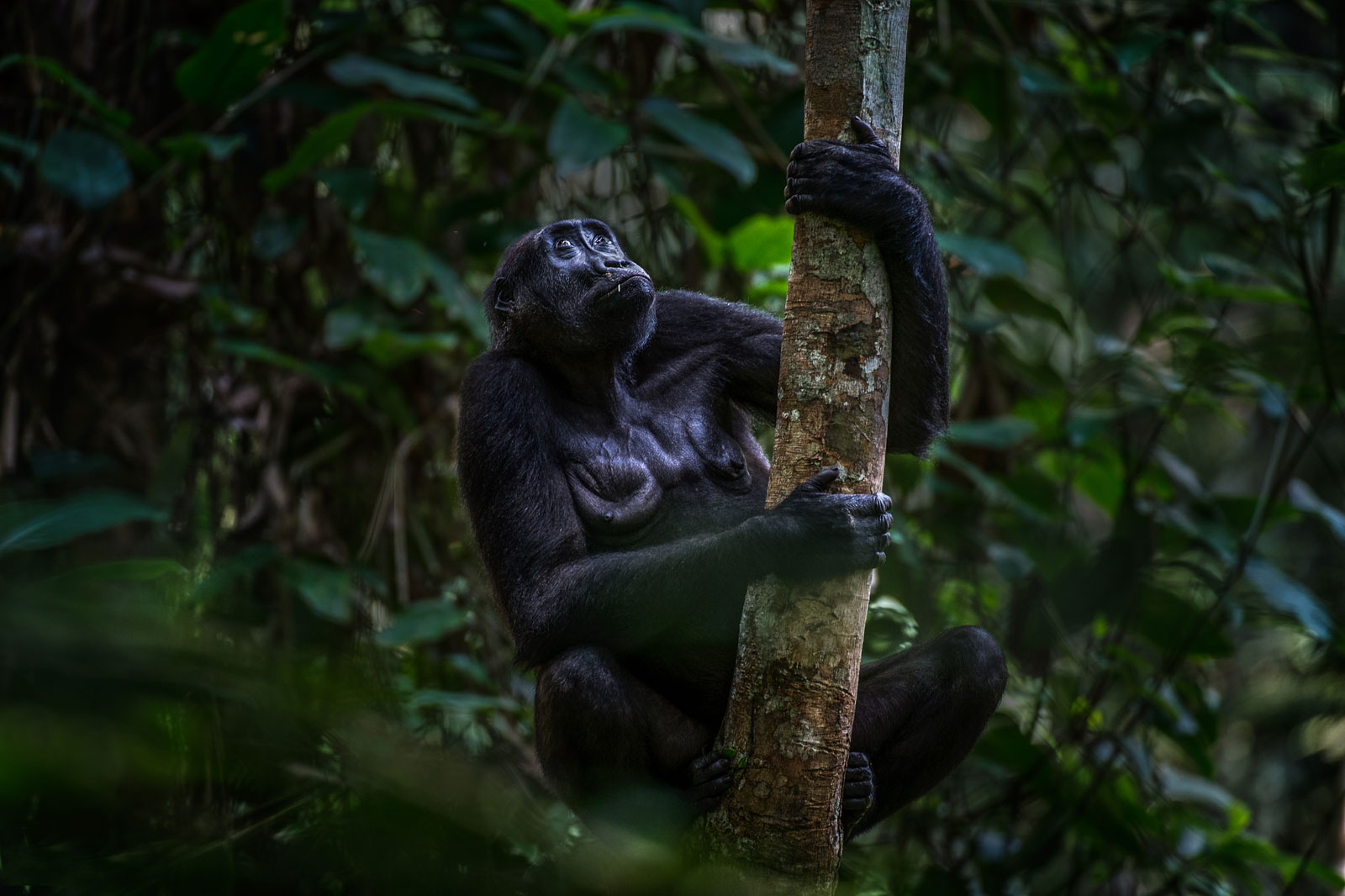
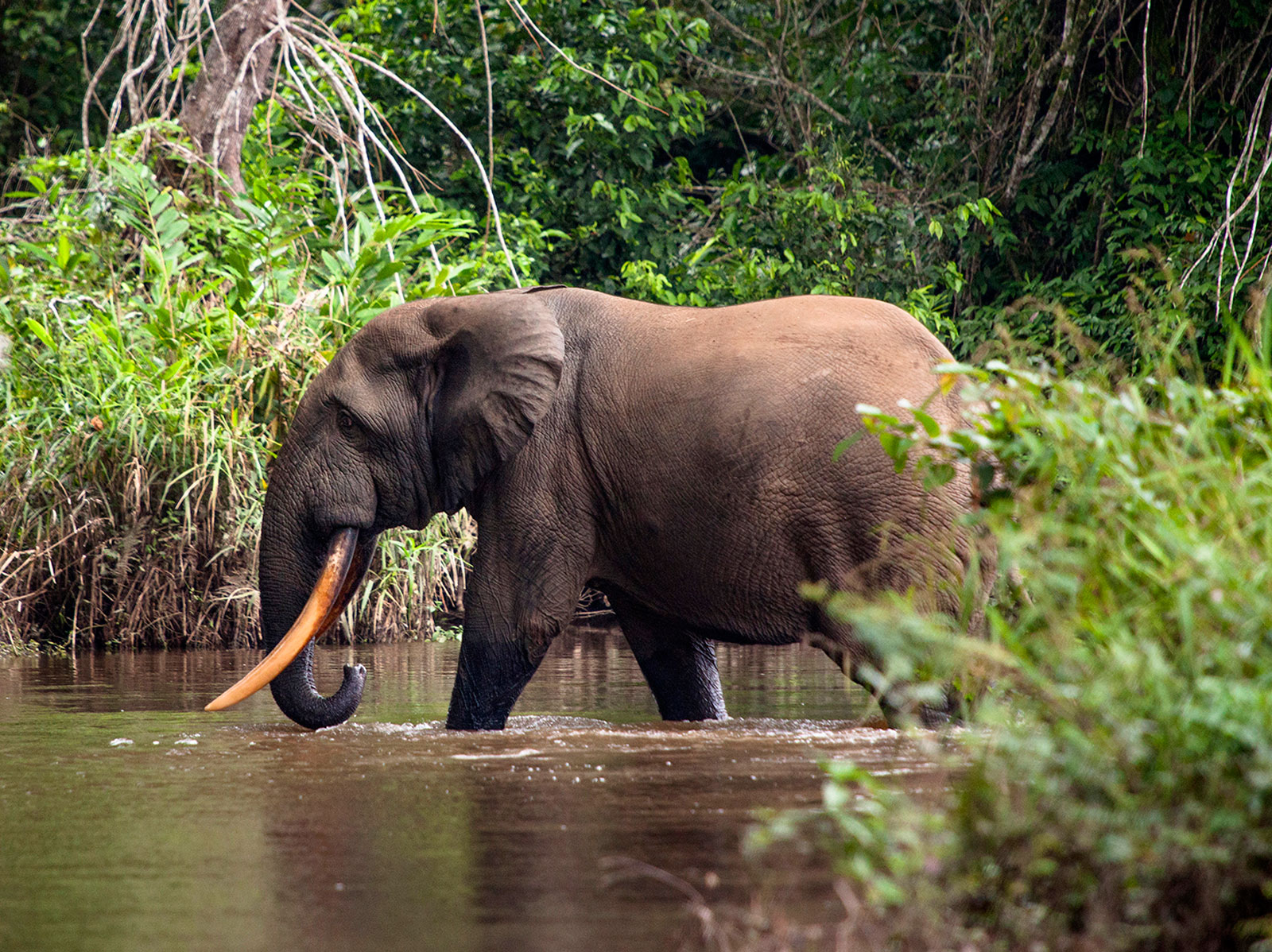
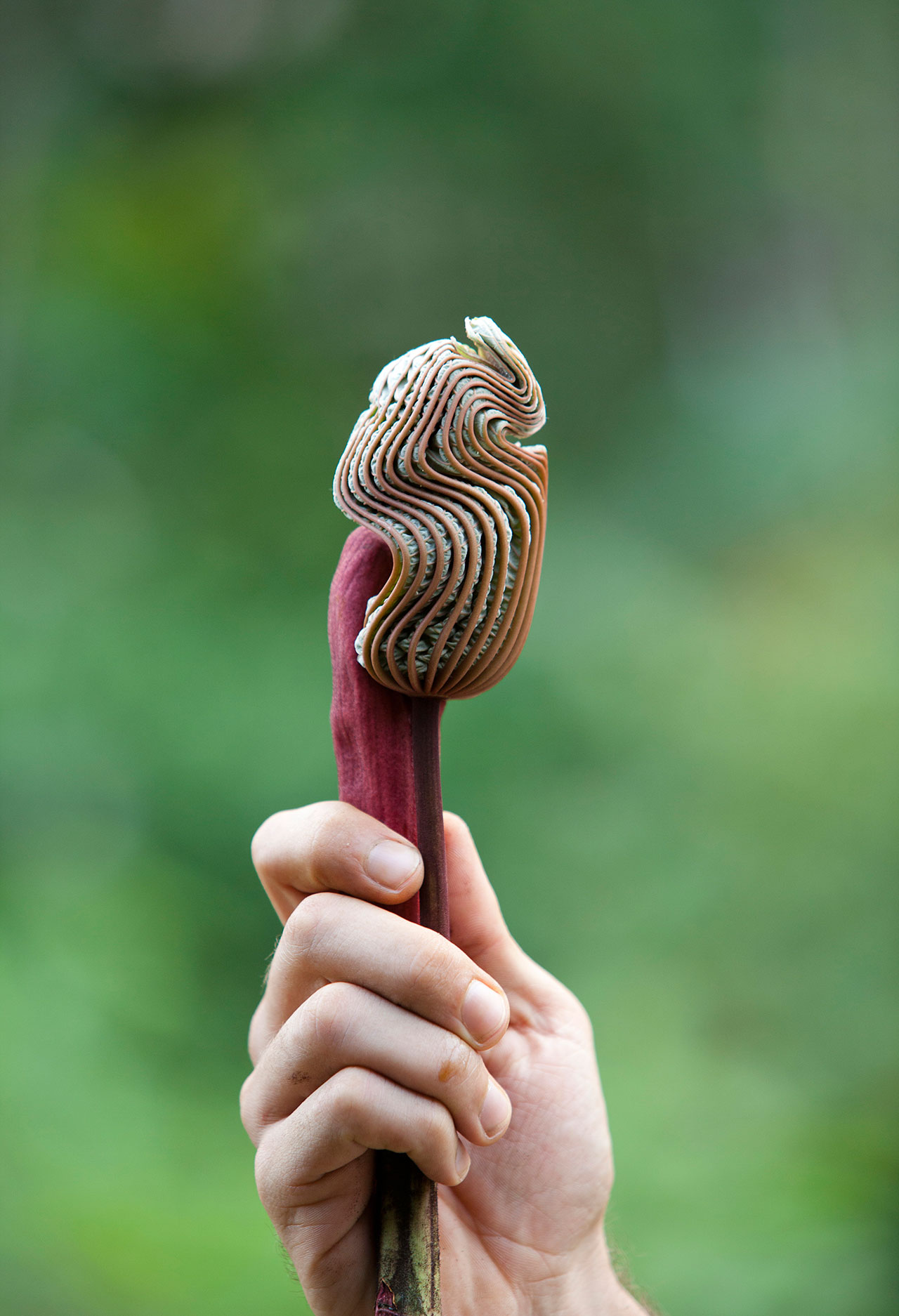
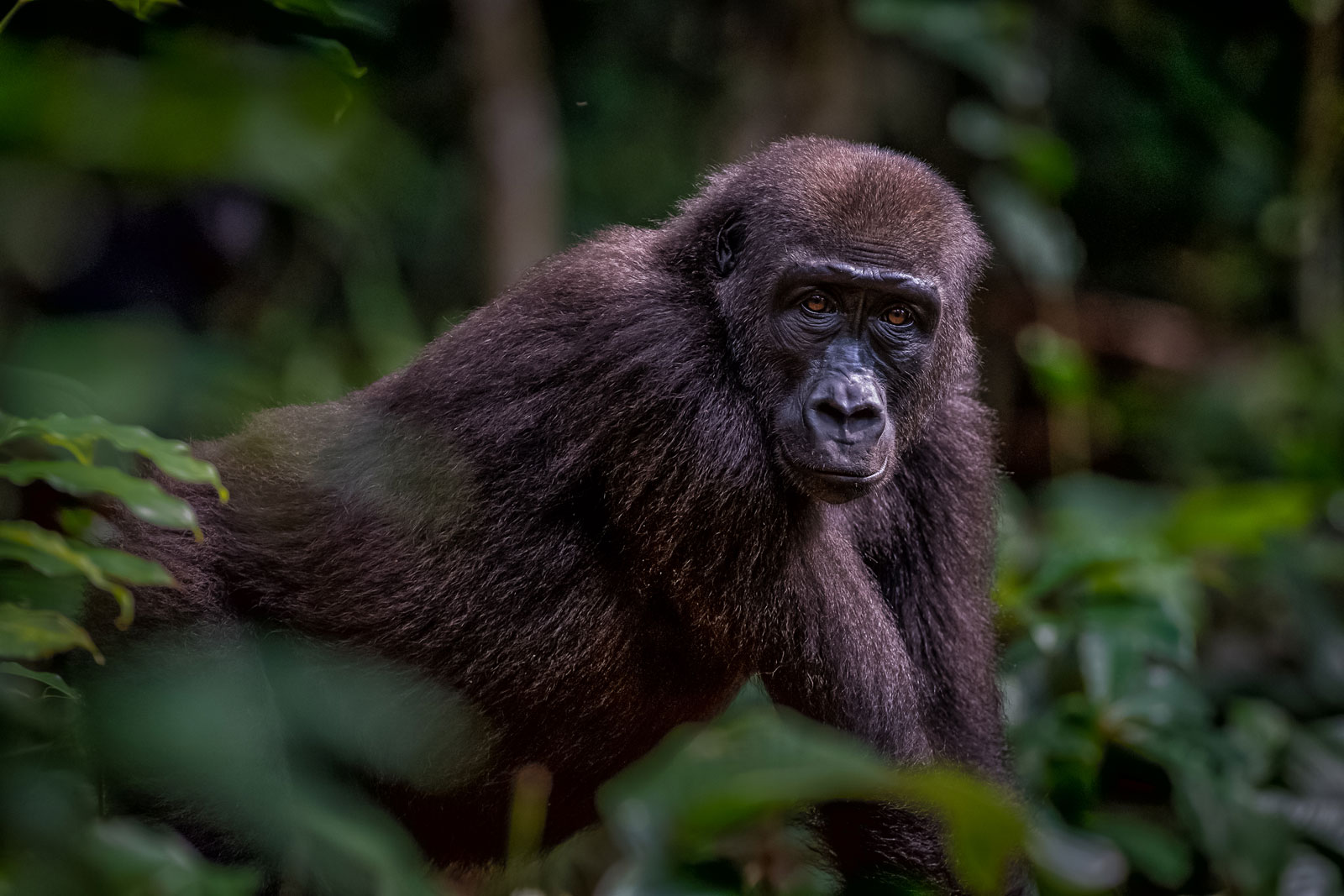
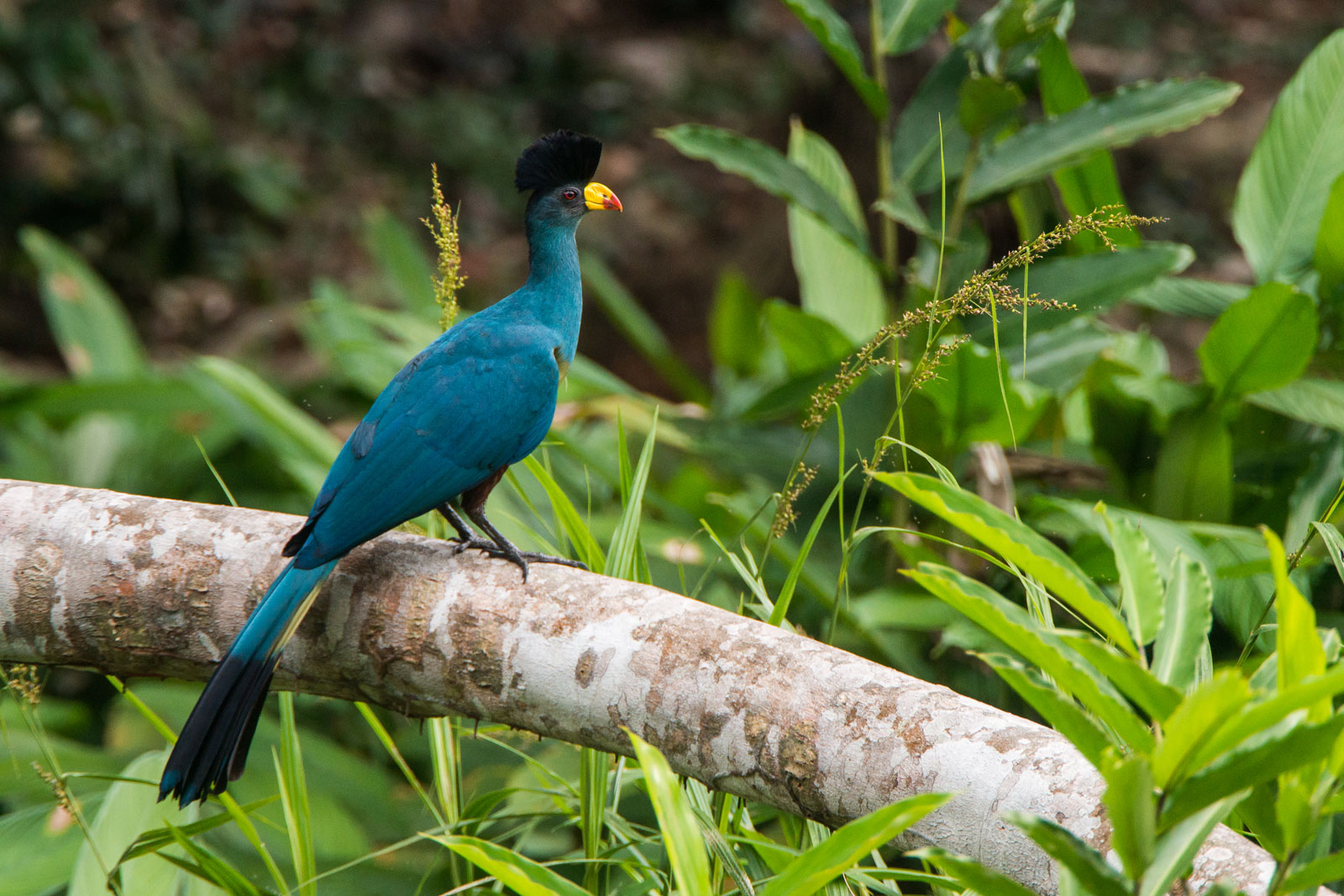
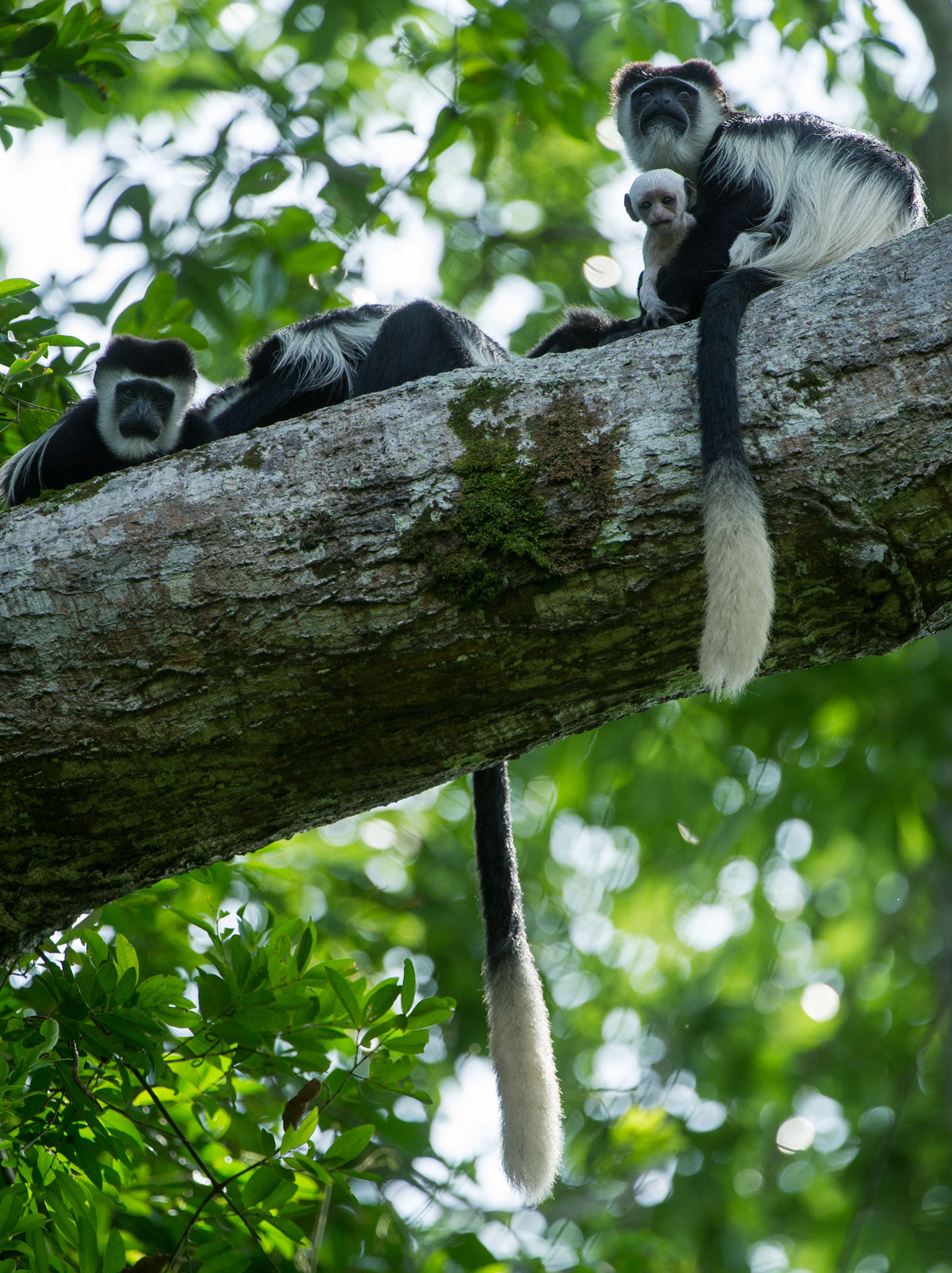
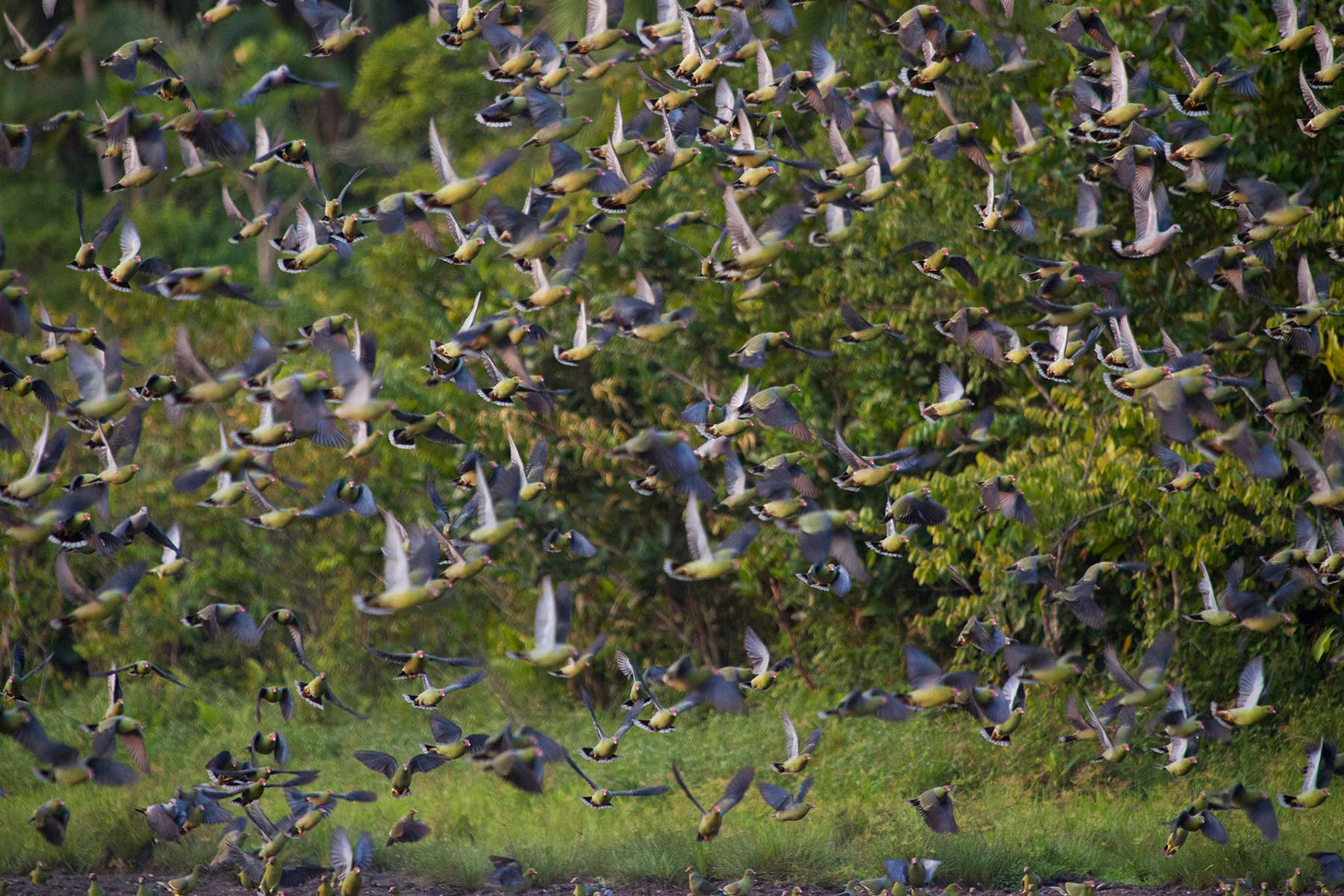
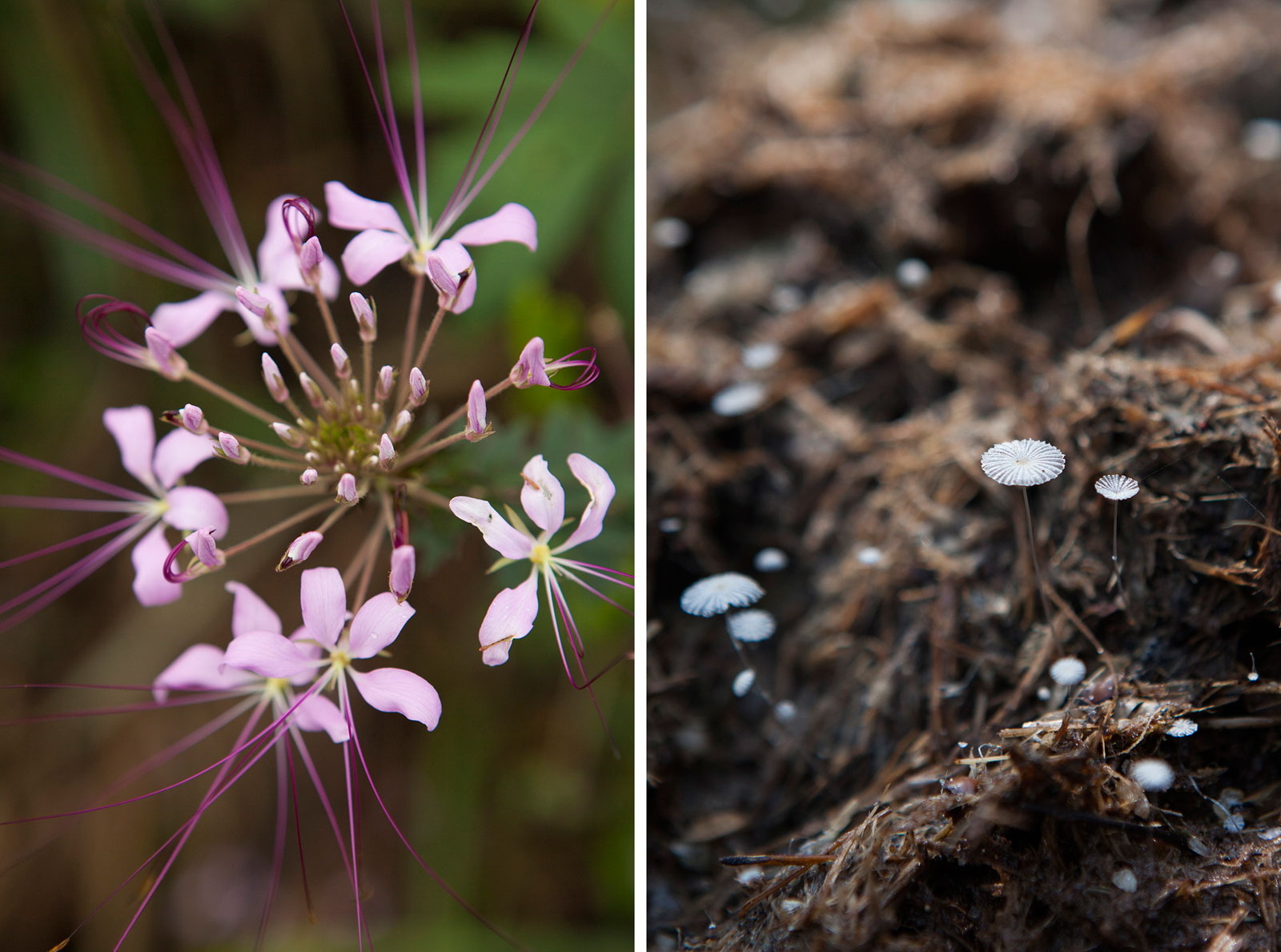
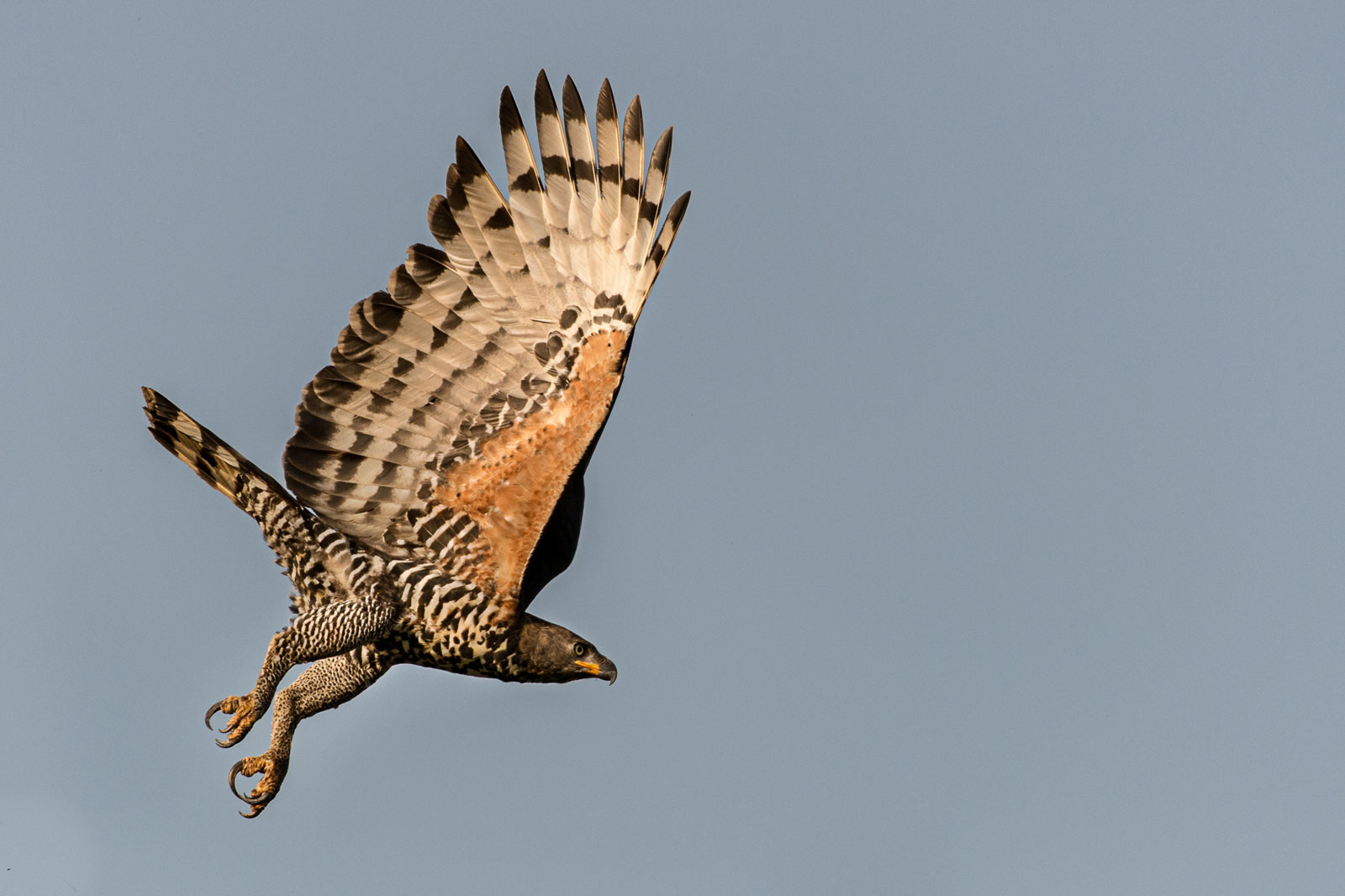
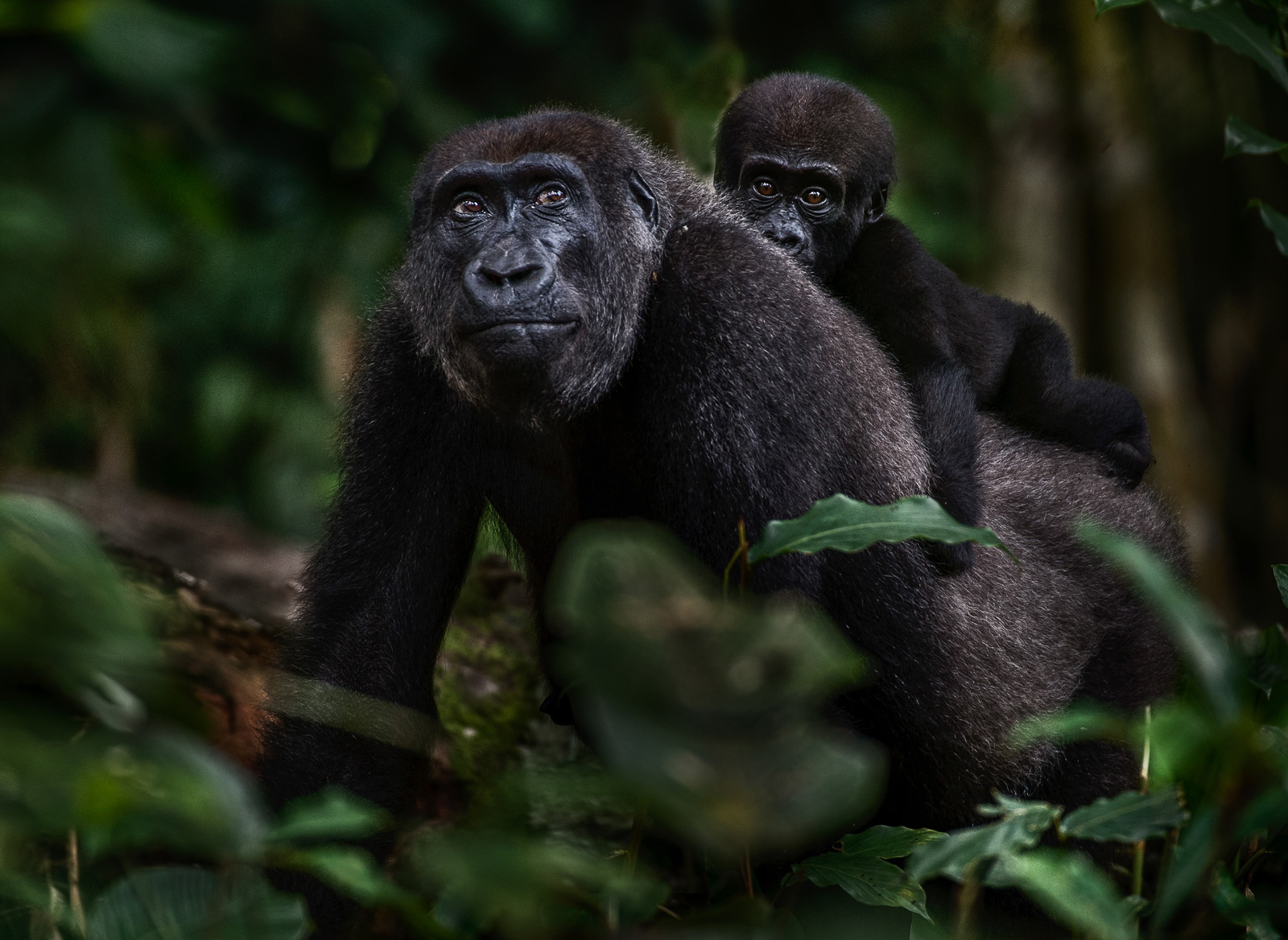
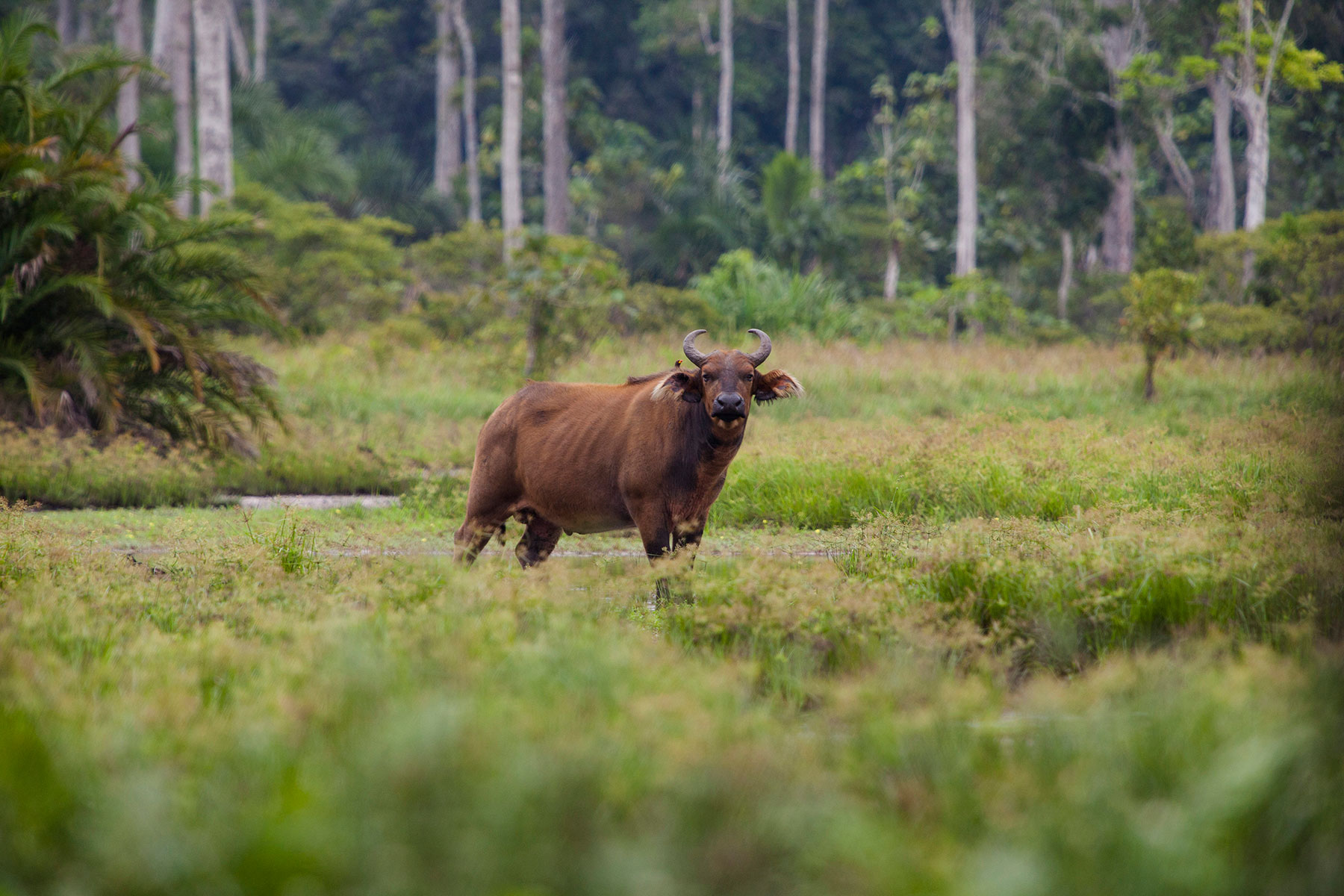
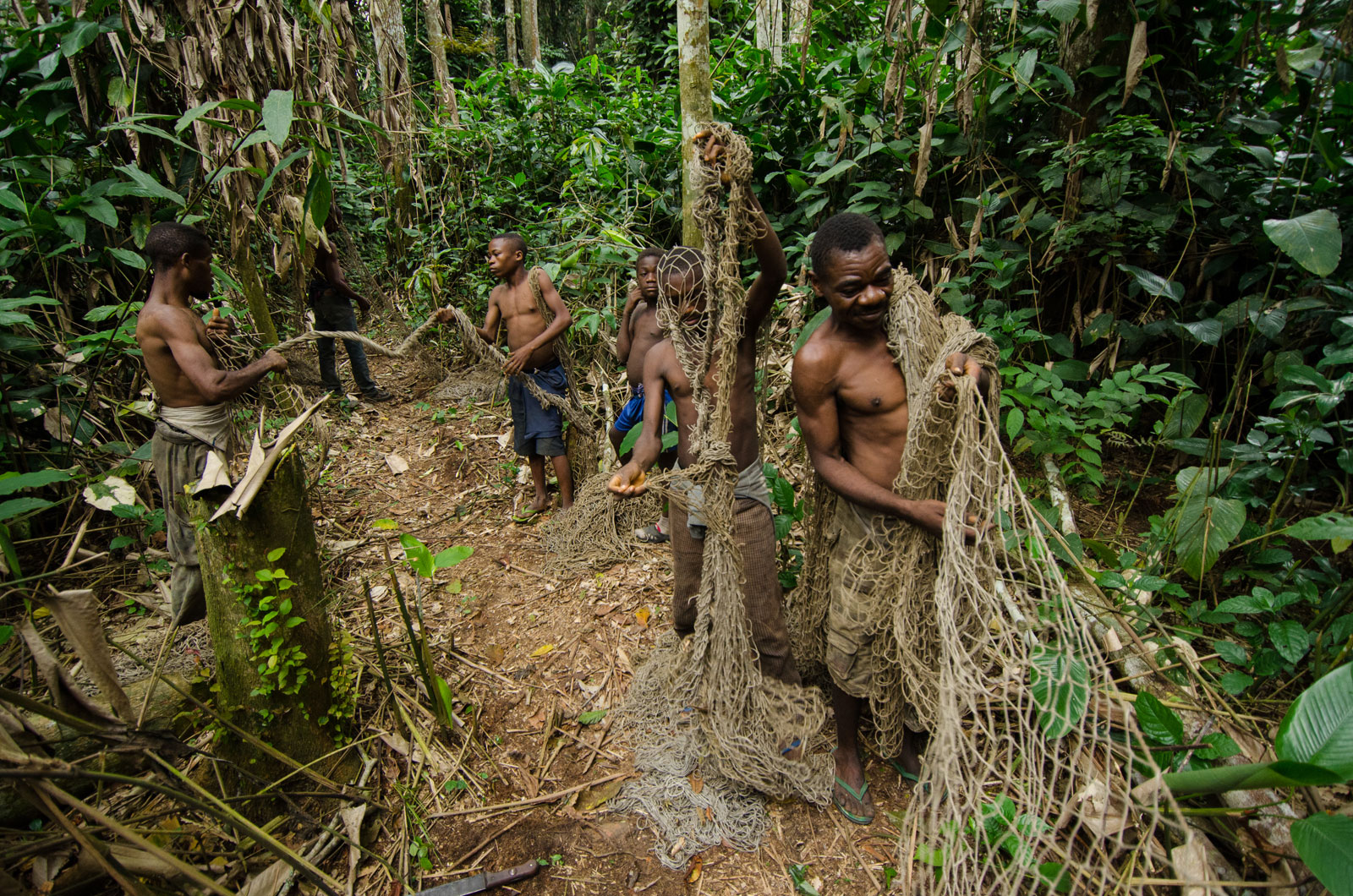
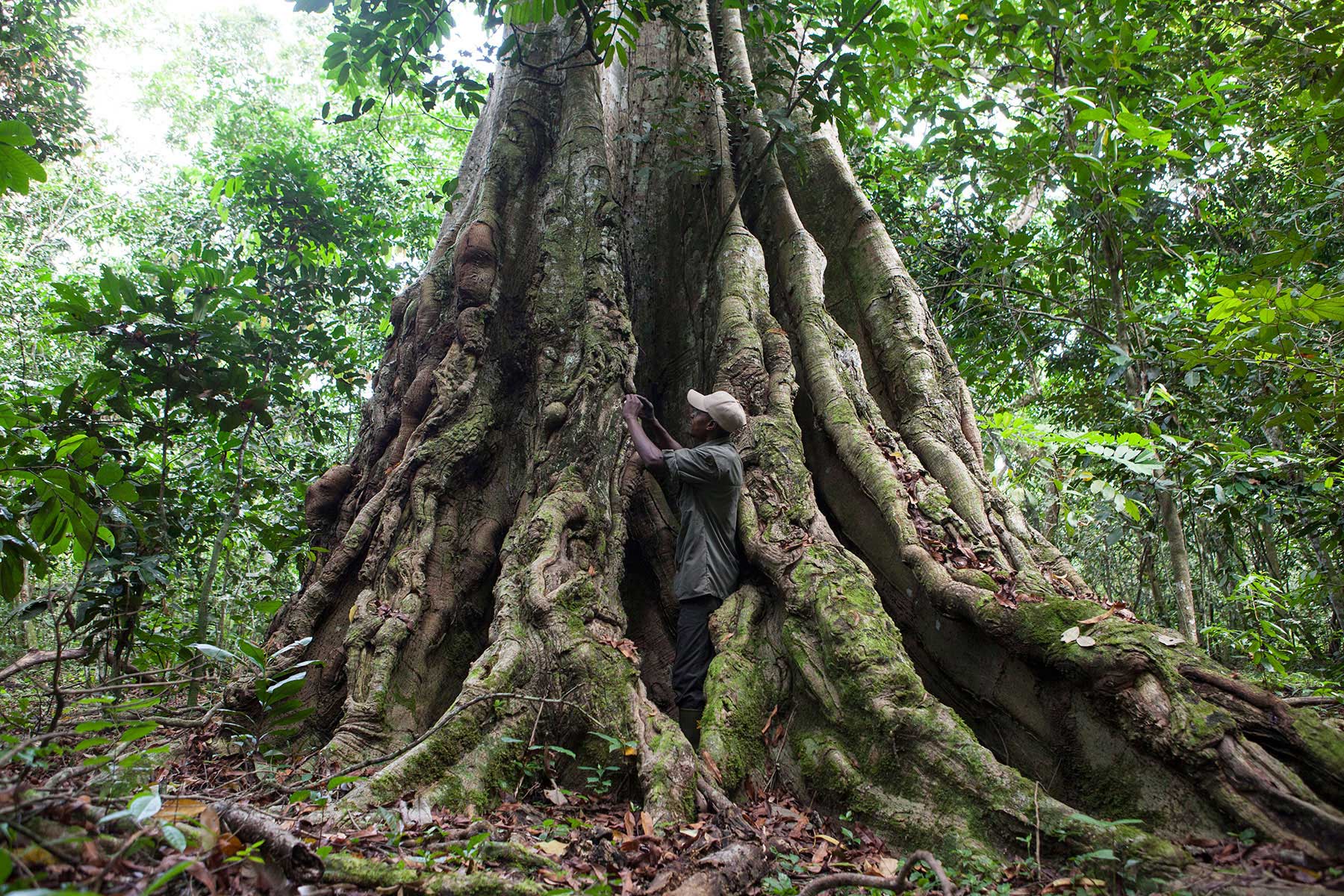
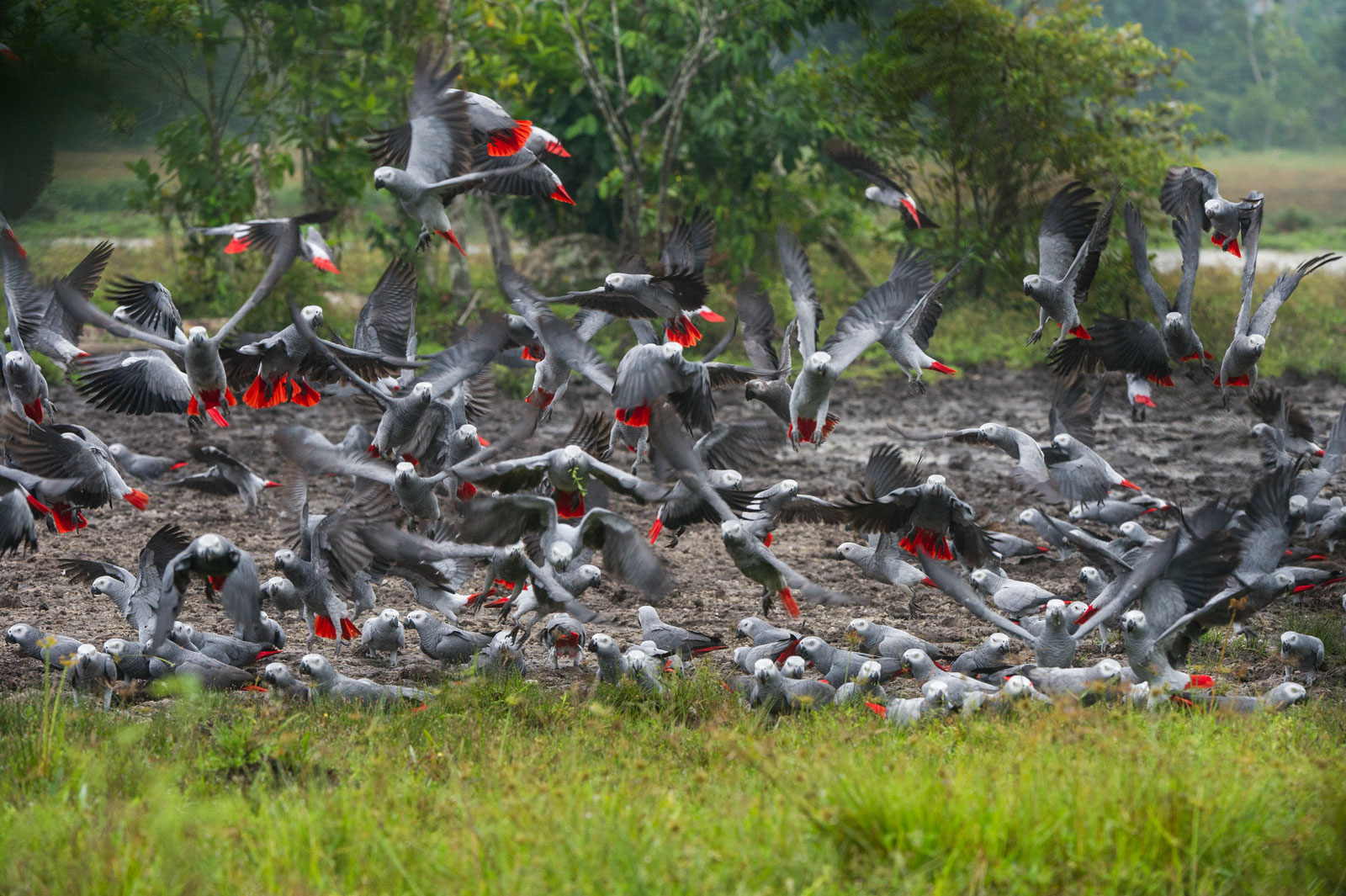
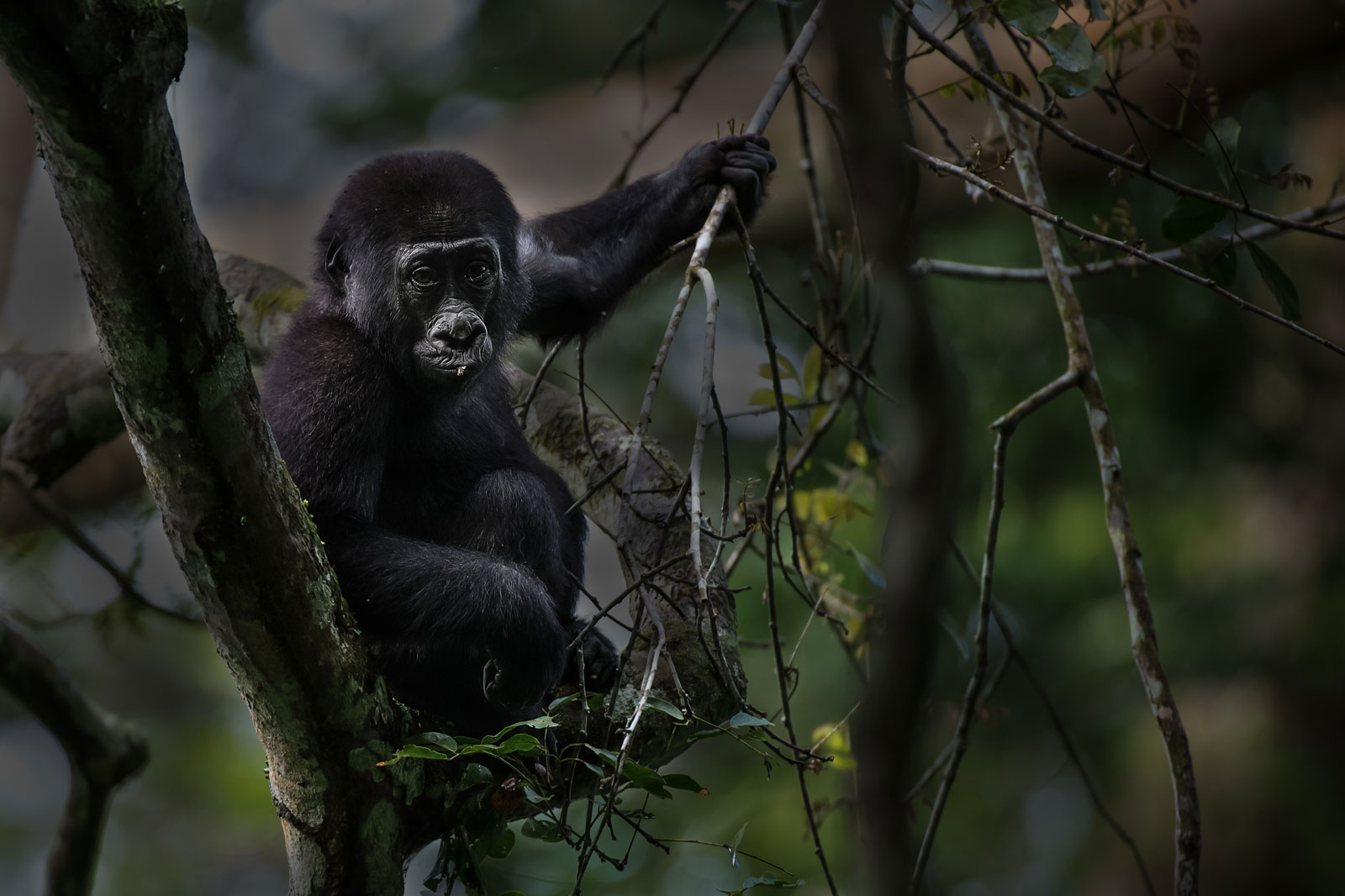
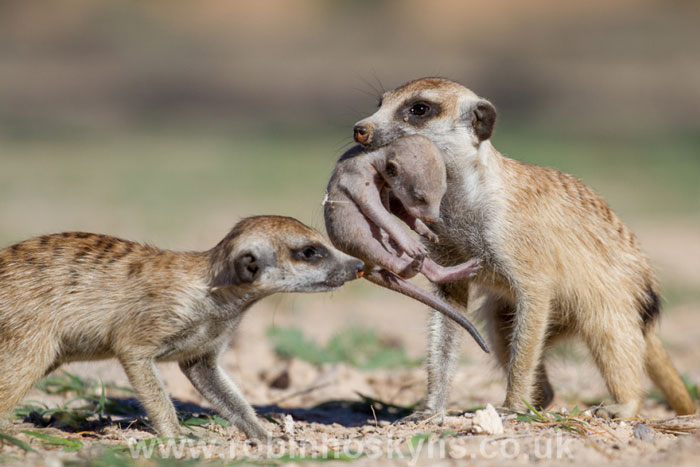


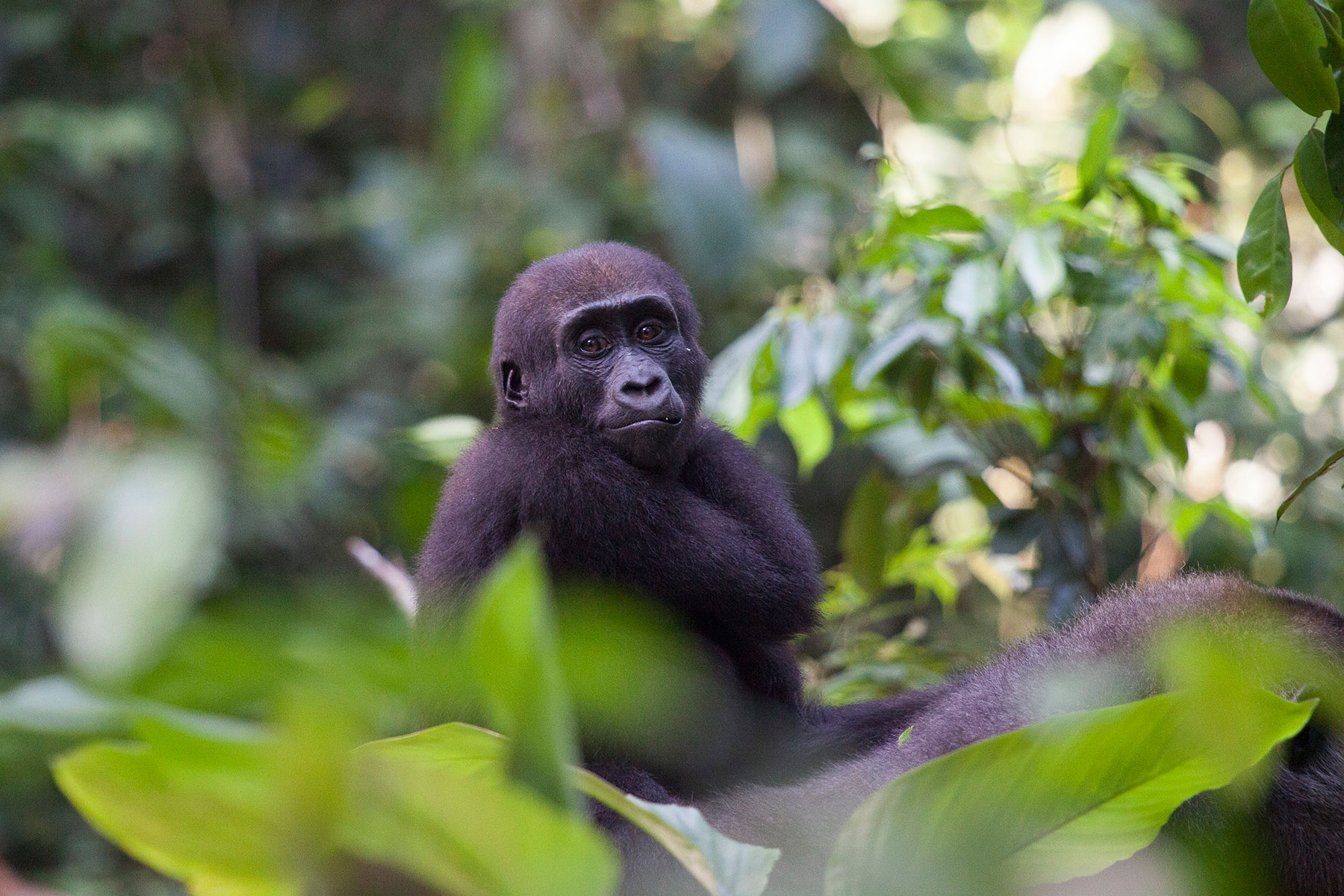
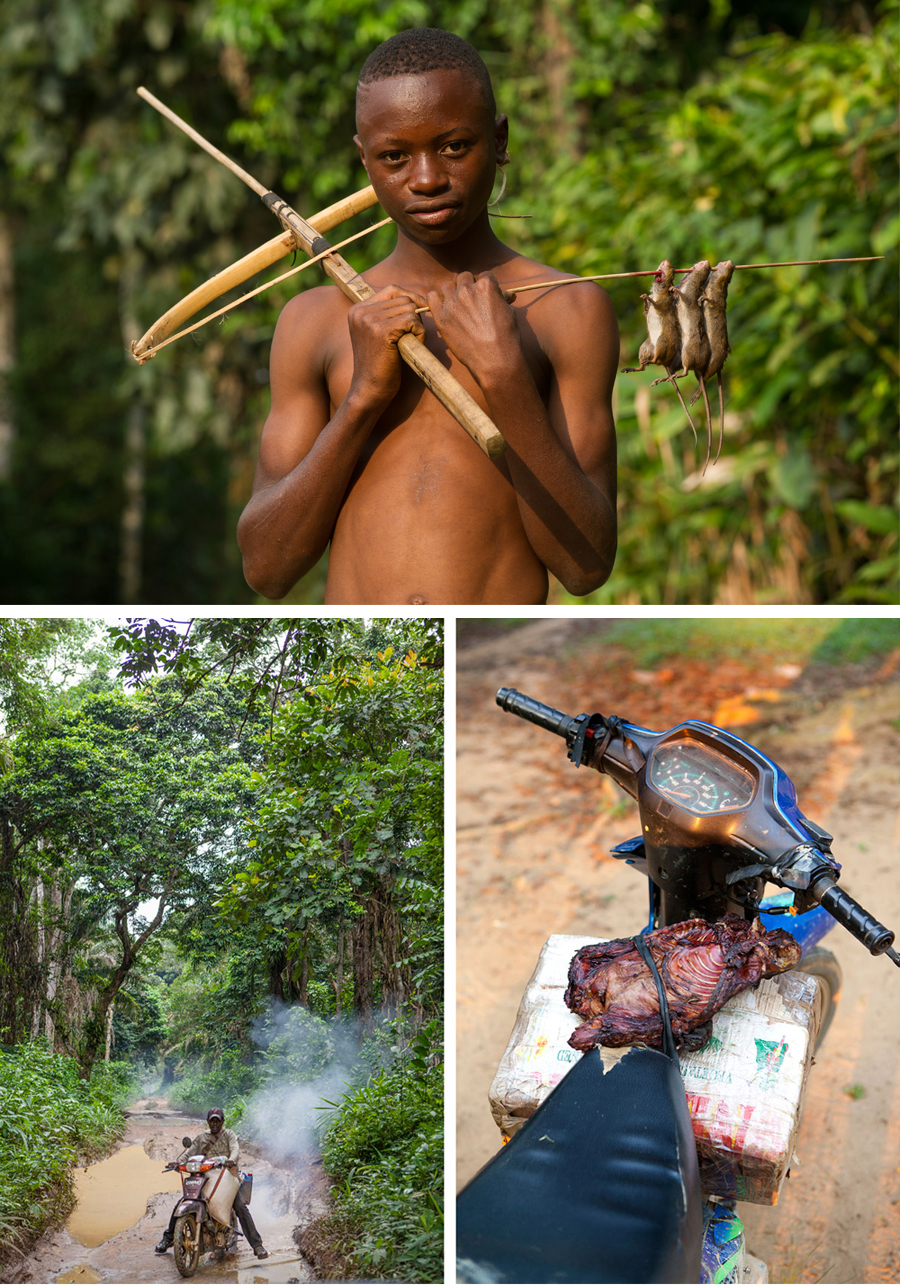
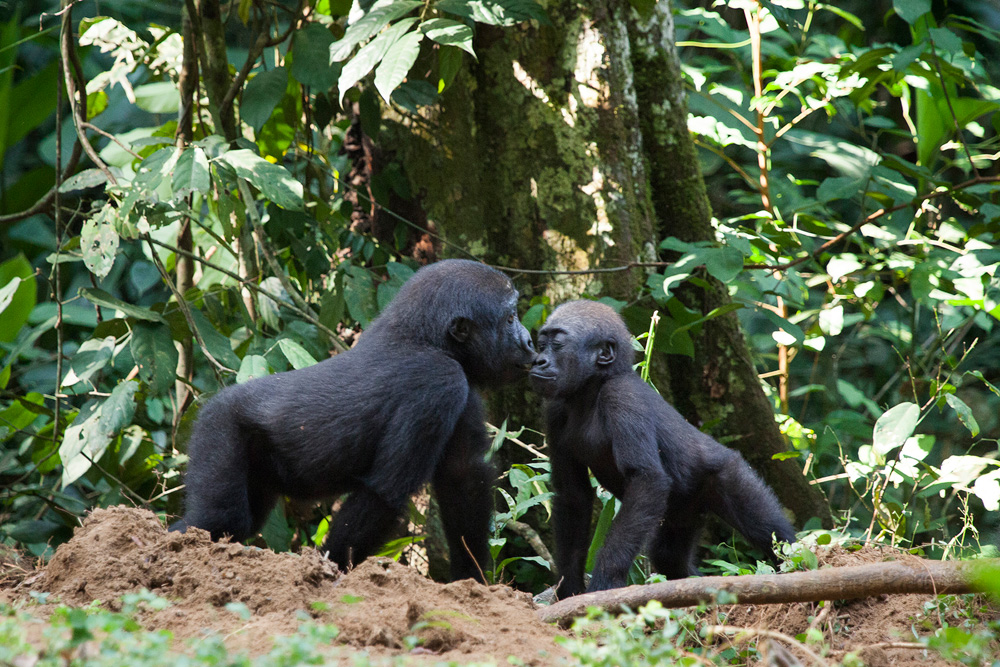
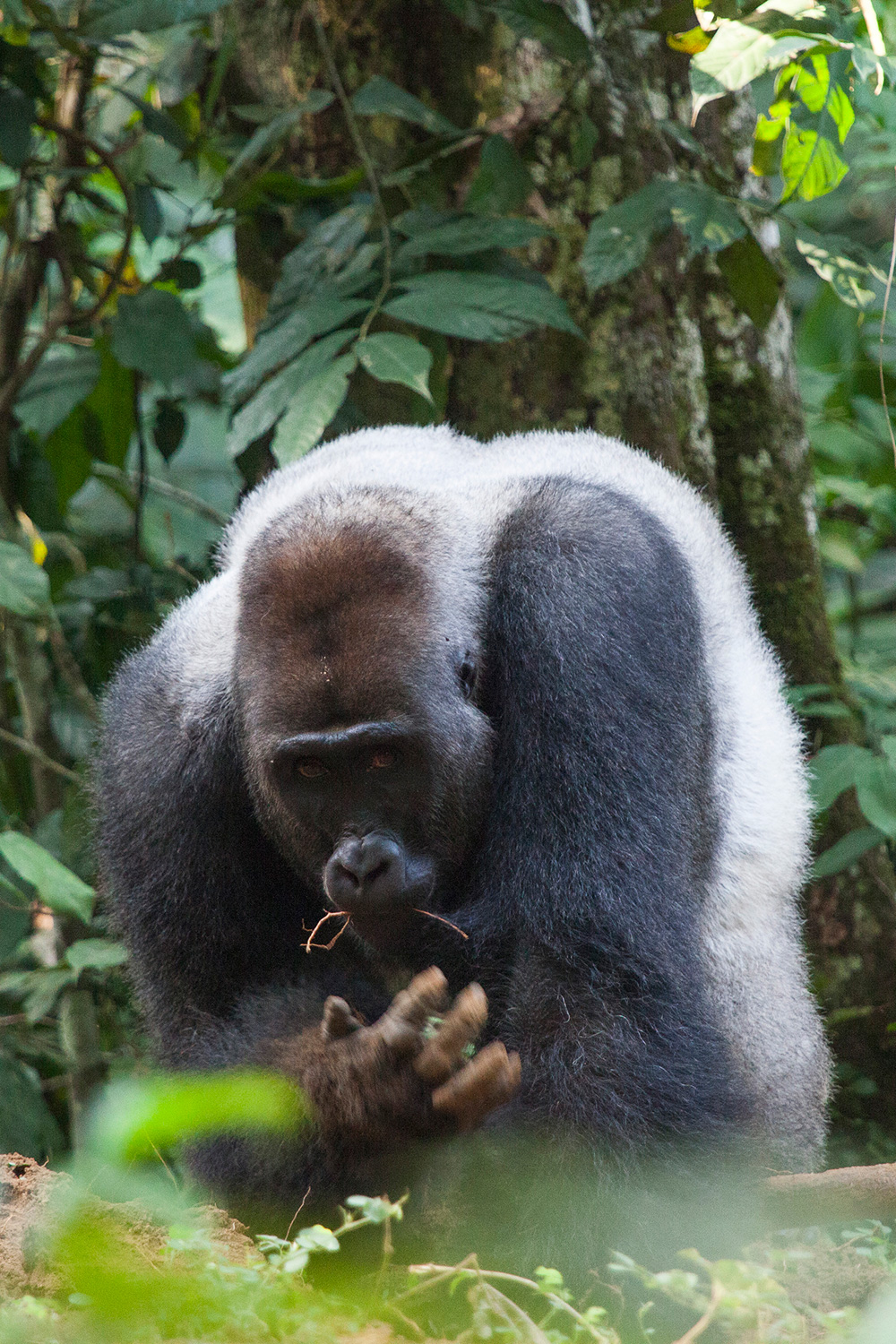
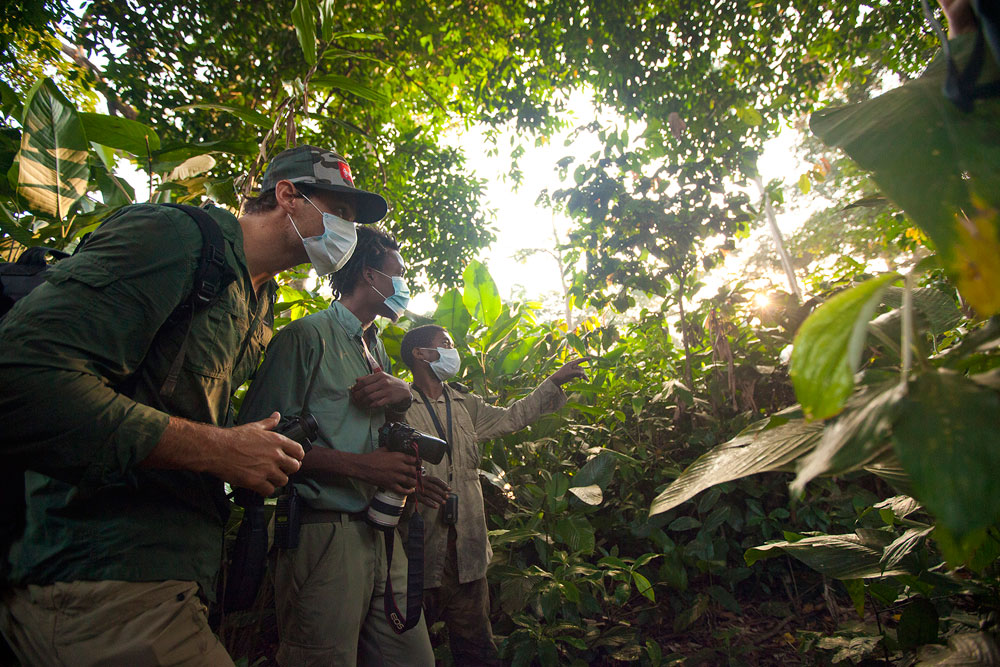
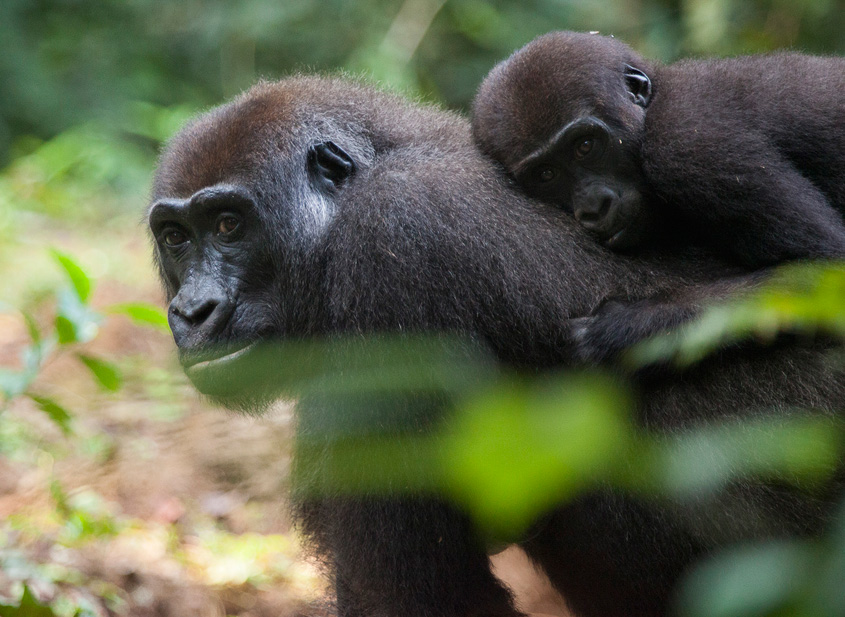
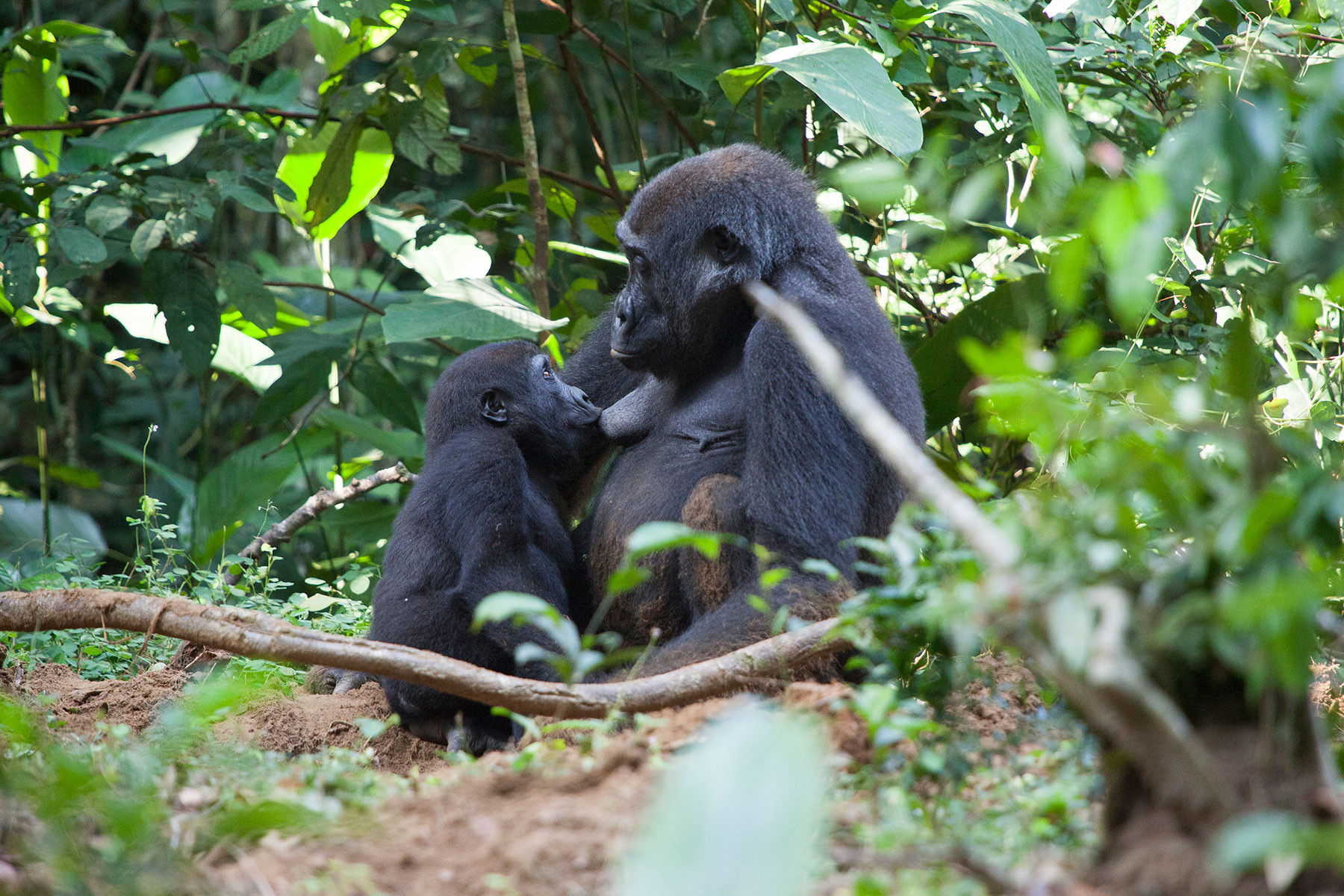
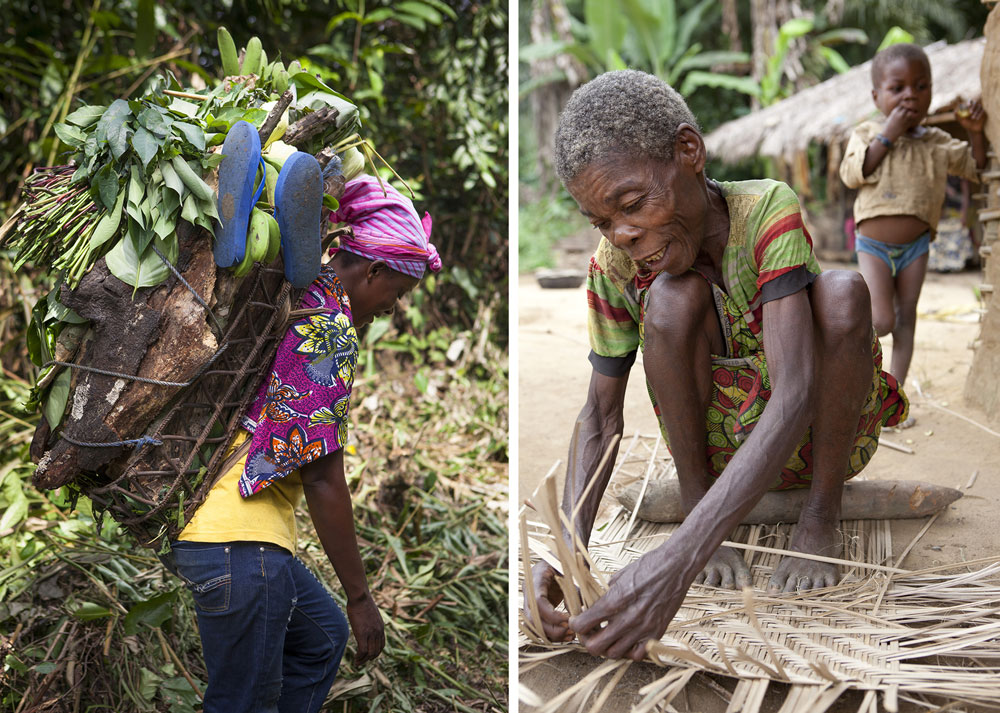
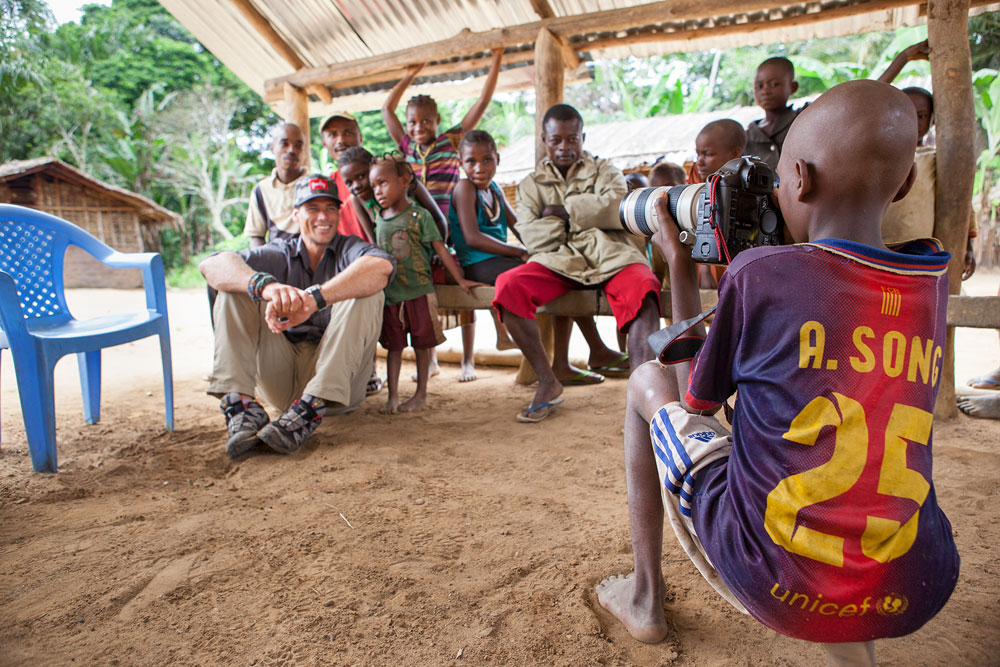
 A special thanks goes to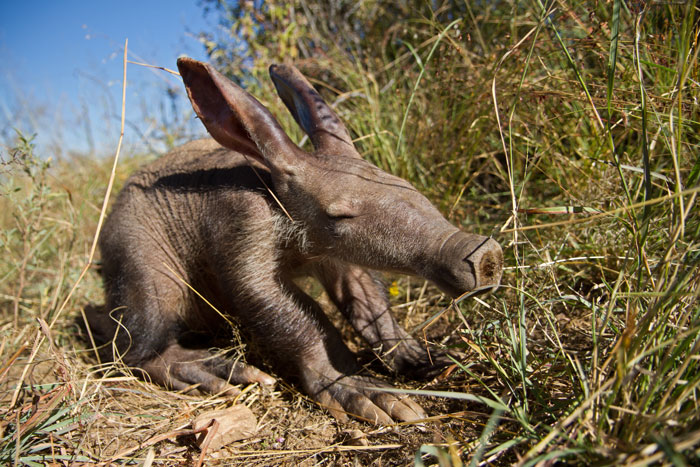

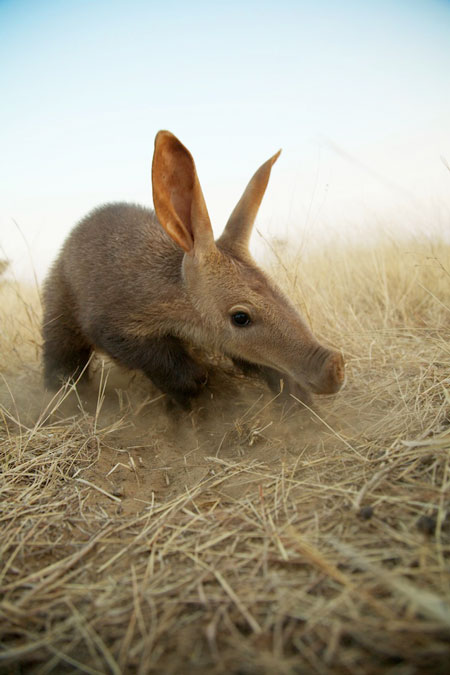



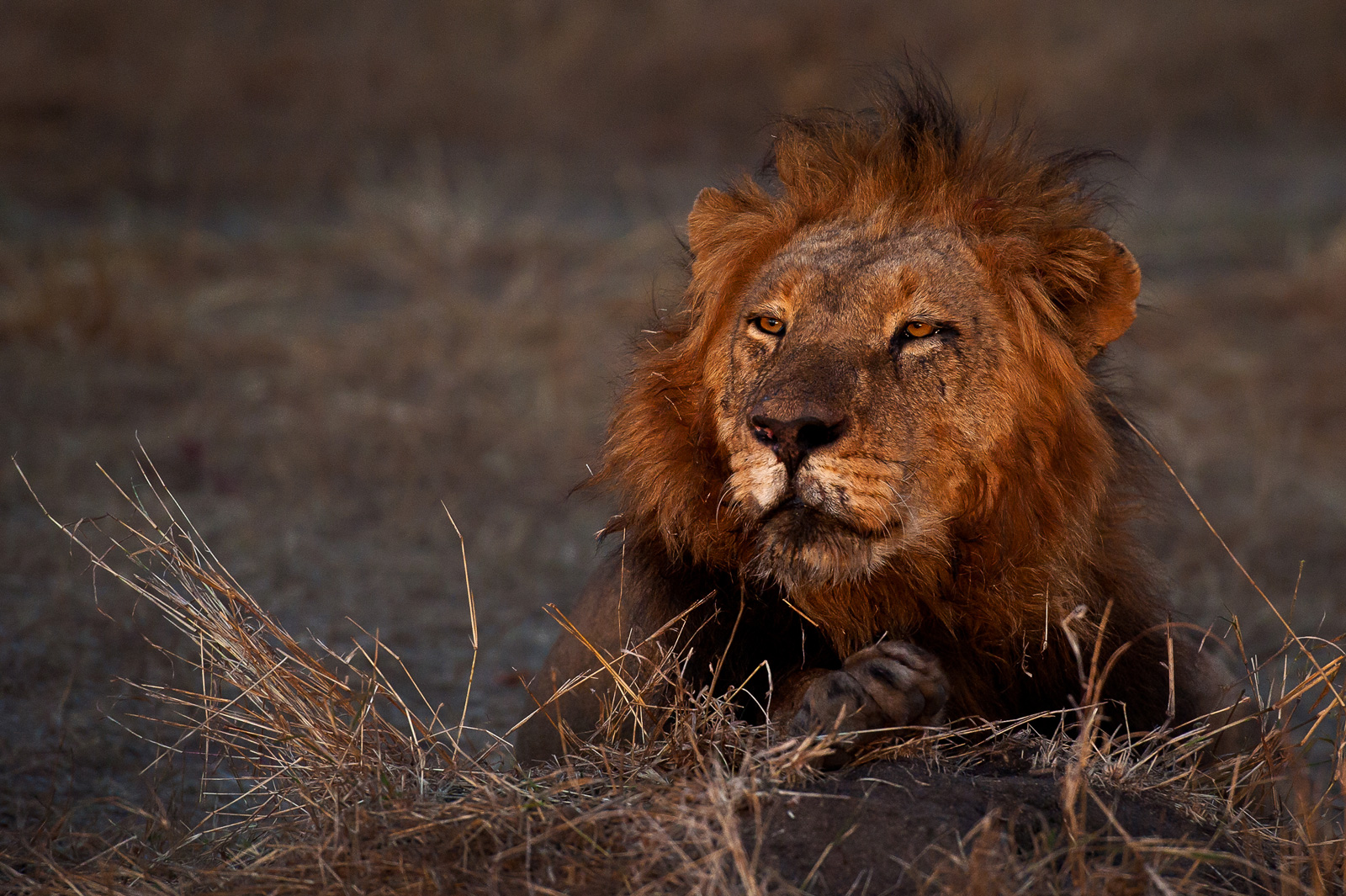
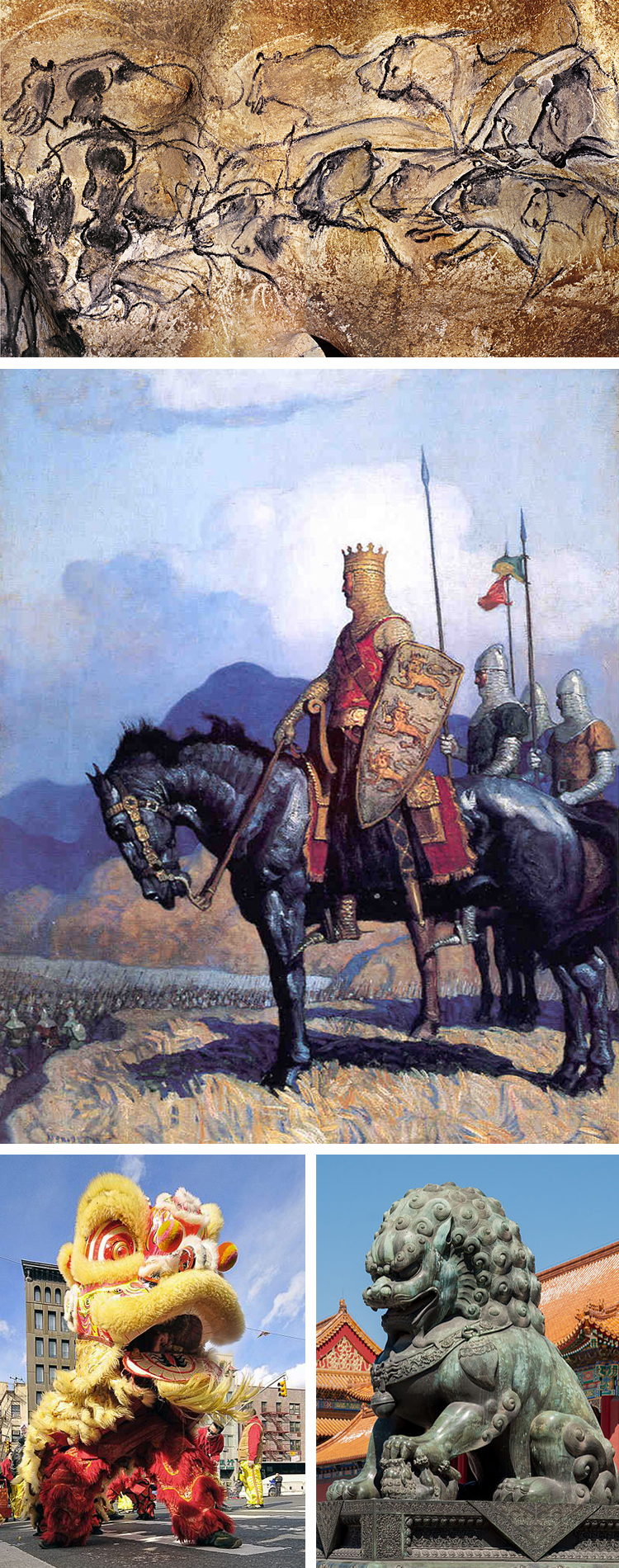
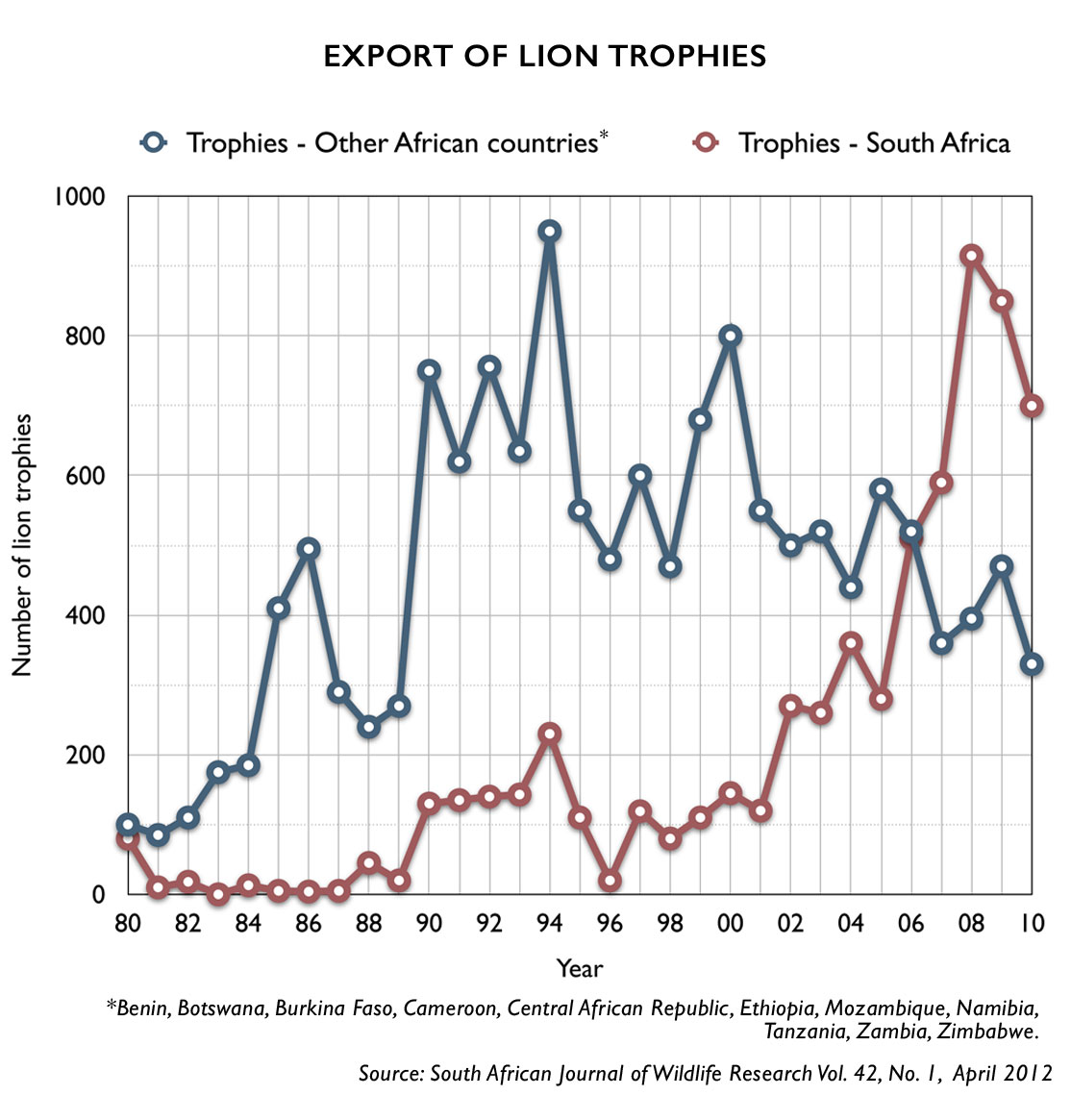 The USA is by far the largest market for trophies. The key drivers seem to be a large, wealthy hunting population and a colourful history of African big game hunting featuring iconic characters such as President Theodore Roosevelt, whose year-long African safari is the stuff of legends. In 1909, he and his son bagged over 500 big game, including 17 lions, 11 elephants and 20 rhinos.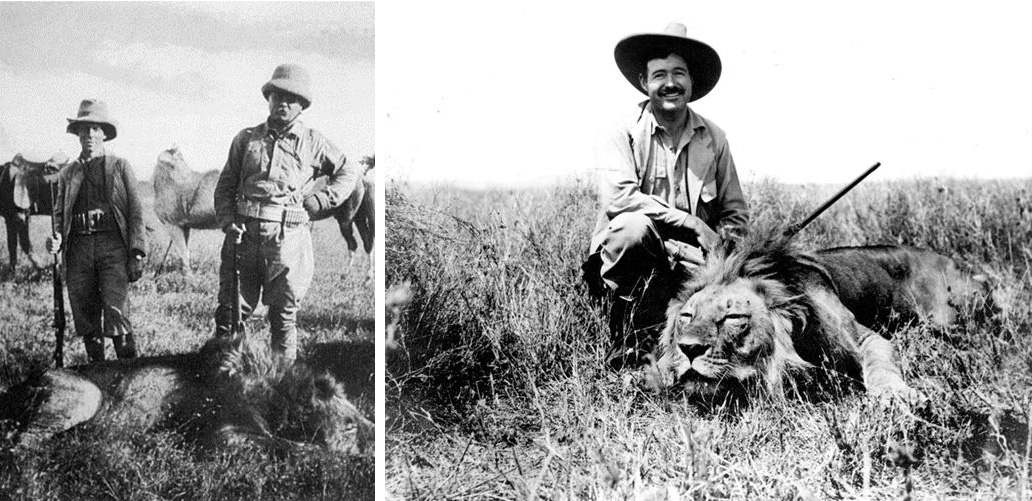
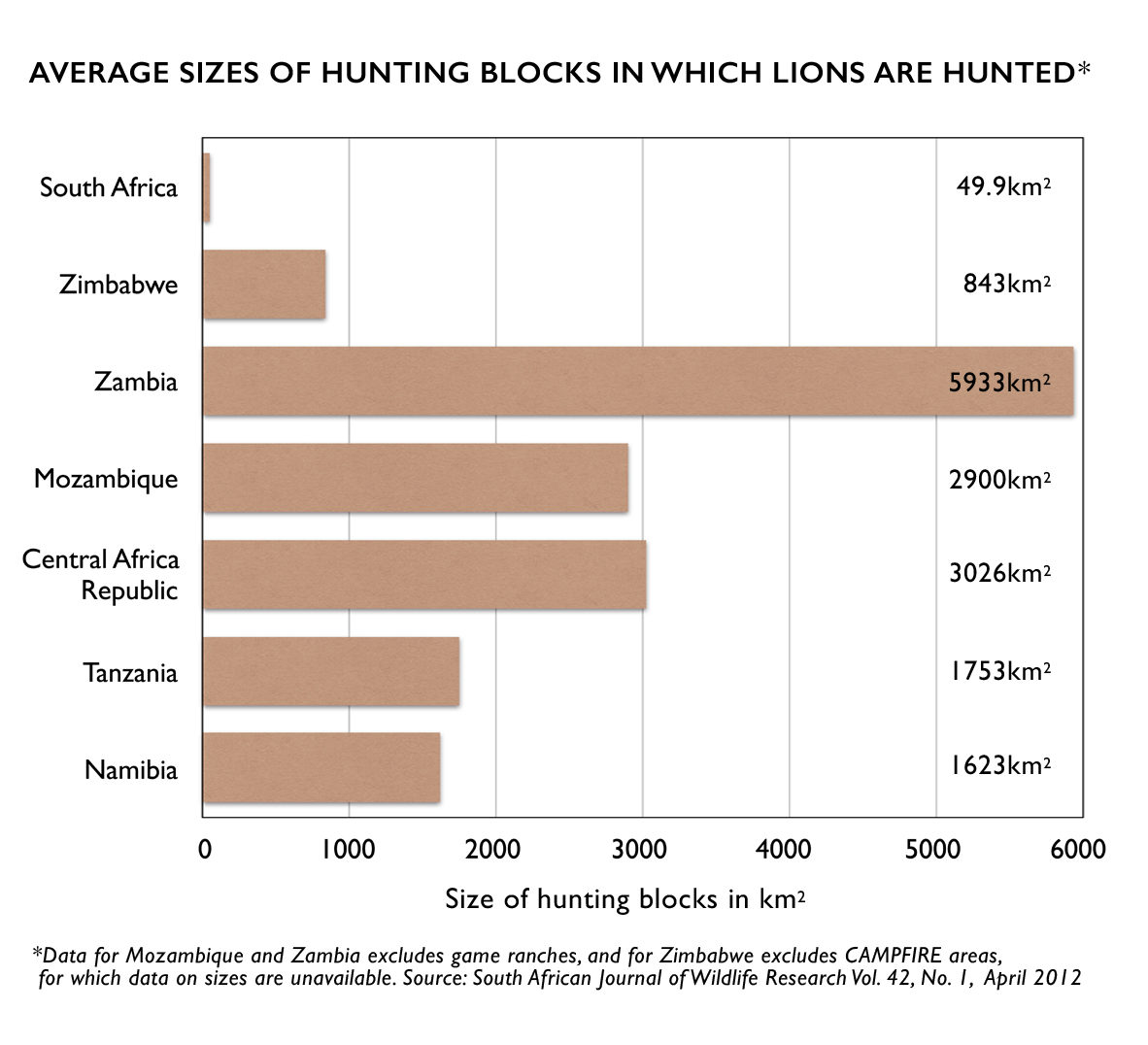 The South African Predator Association stipulates a minimum of 10km² hunting area for captive-bred lions. The legally required release period for captive-bred lions in the Free State Province and North West Province is 30 and 4 days, respectively (FS and NW are where most captive-bred lions are hunted)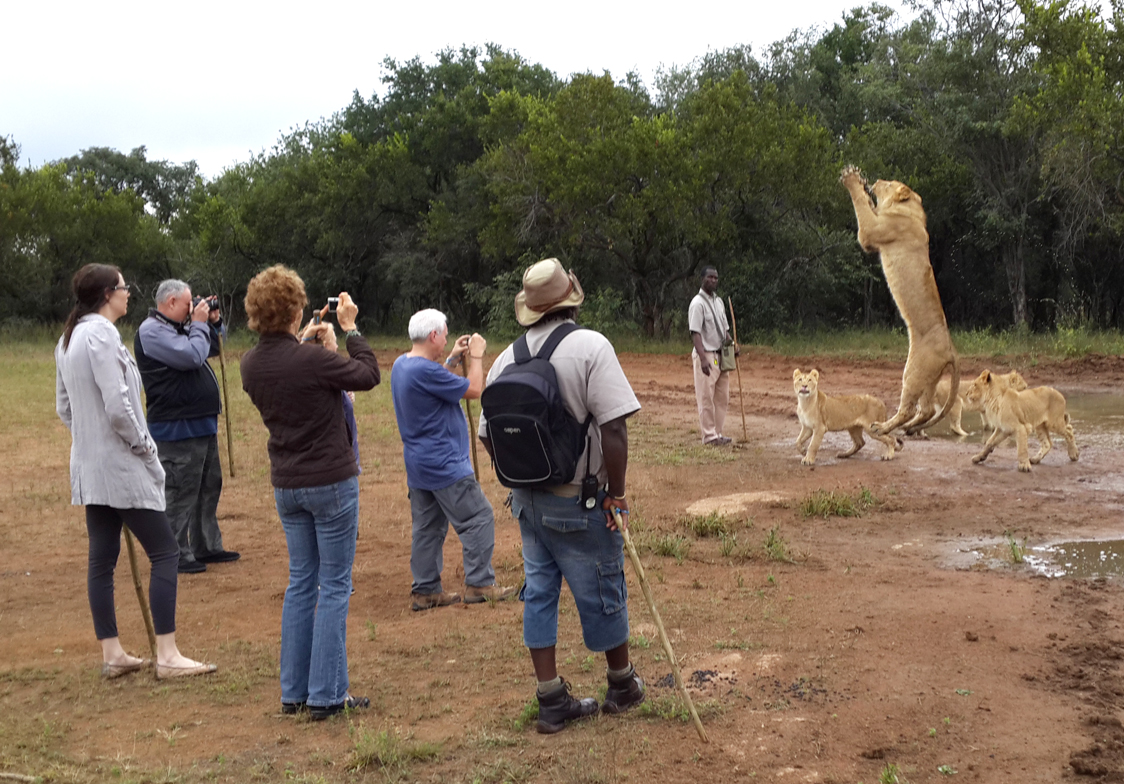
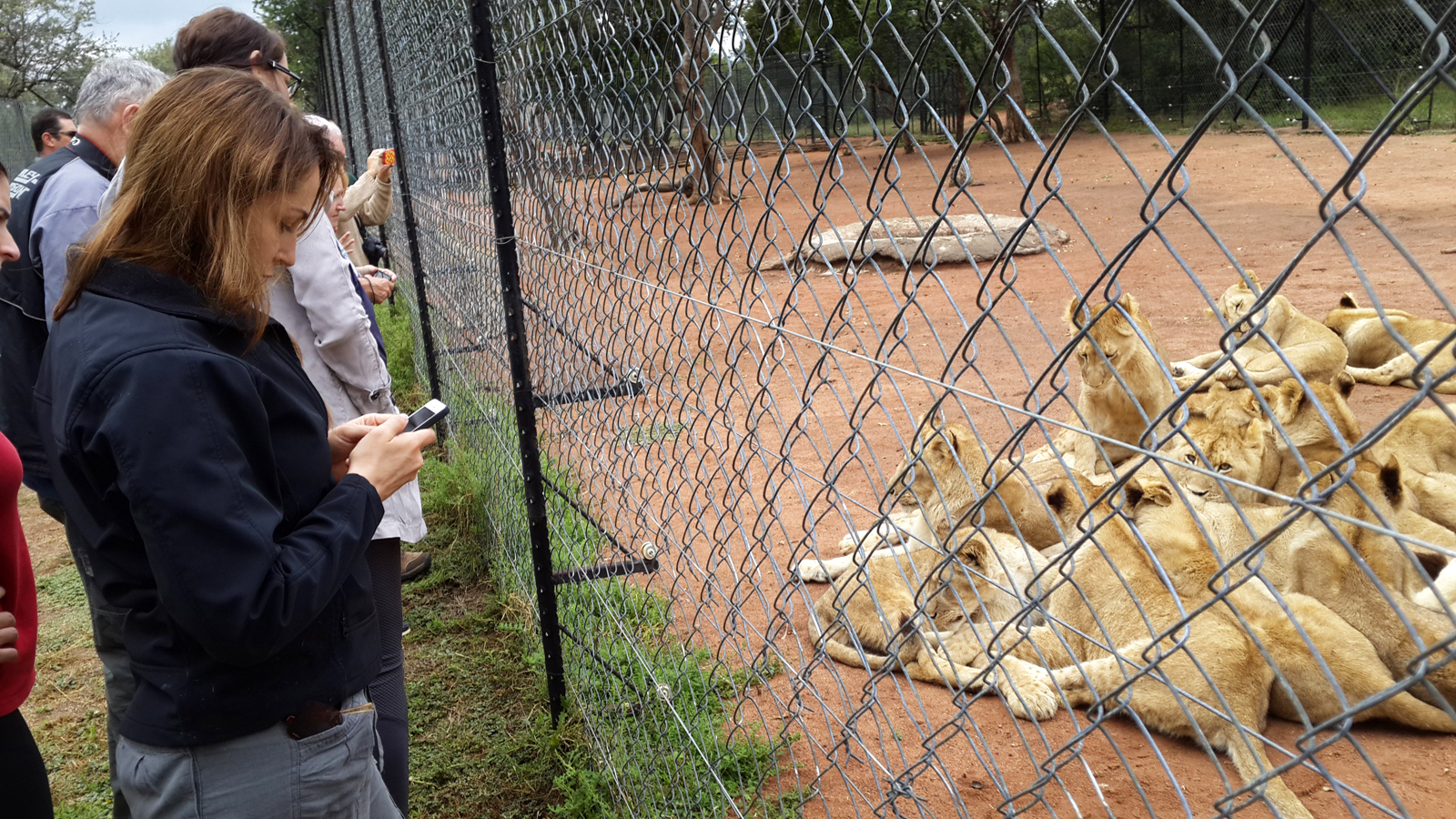
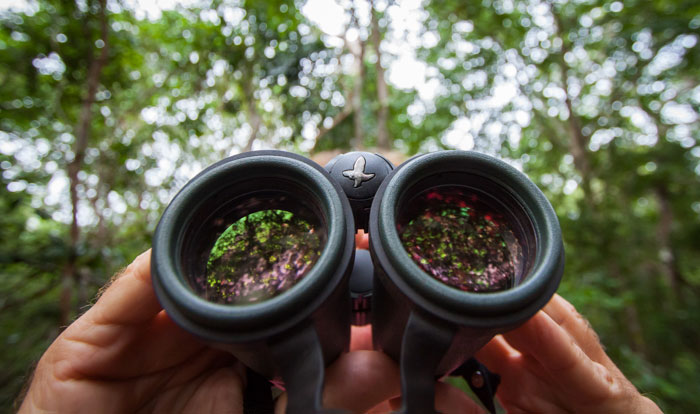


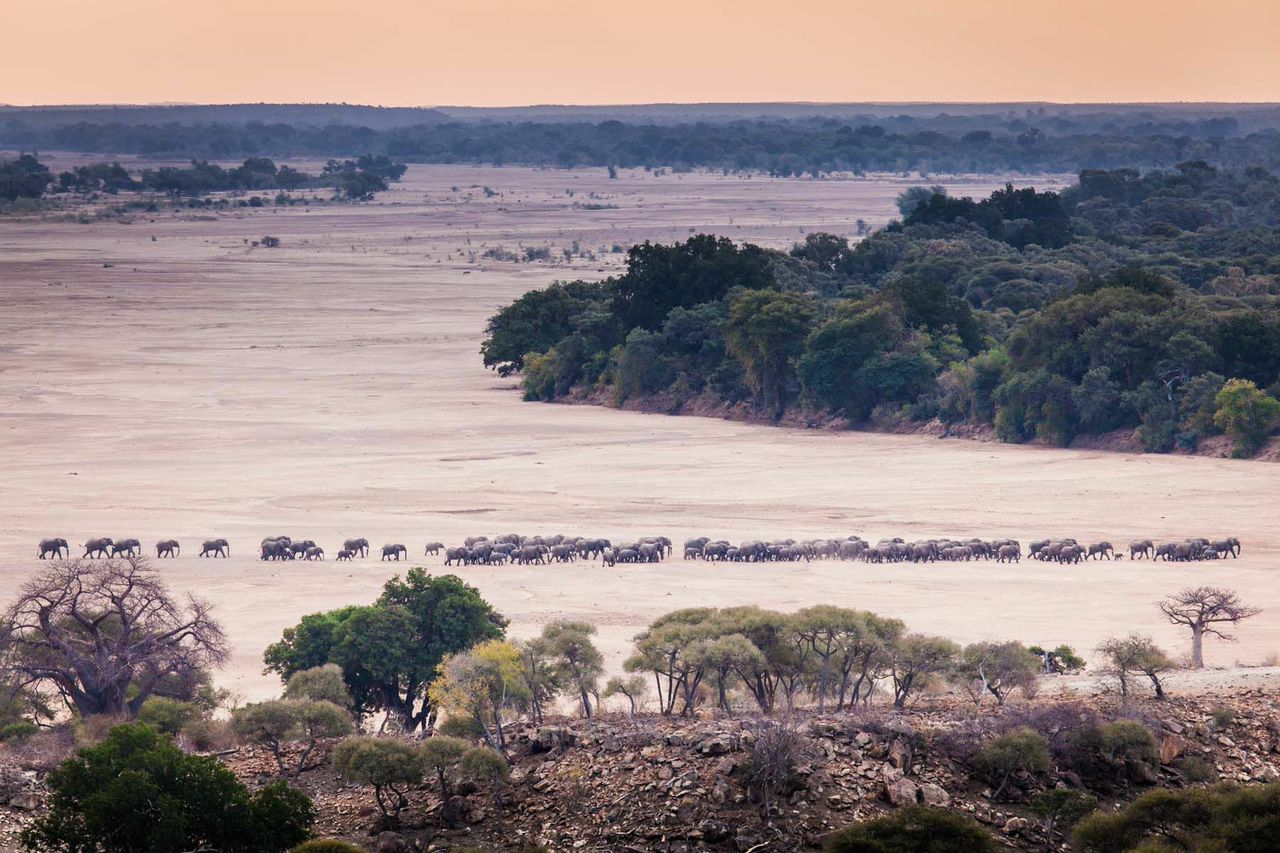
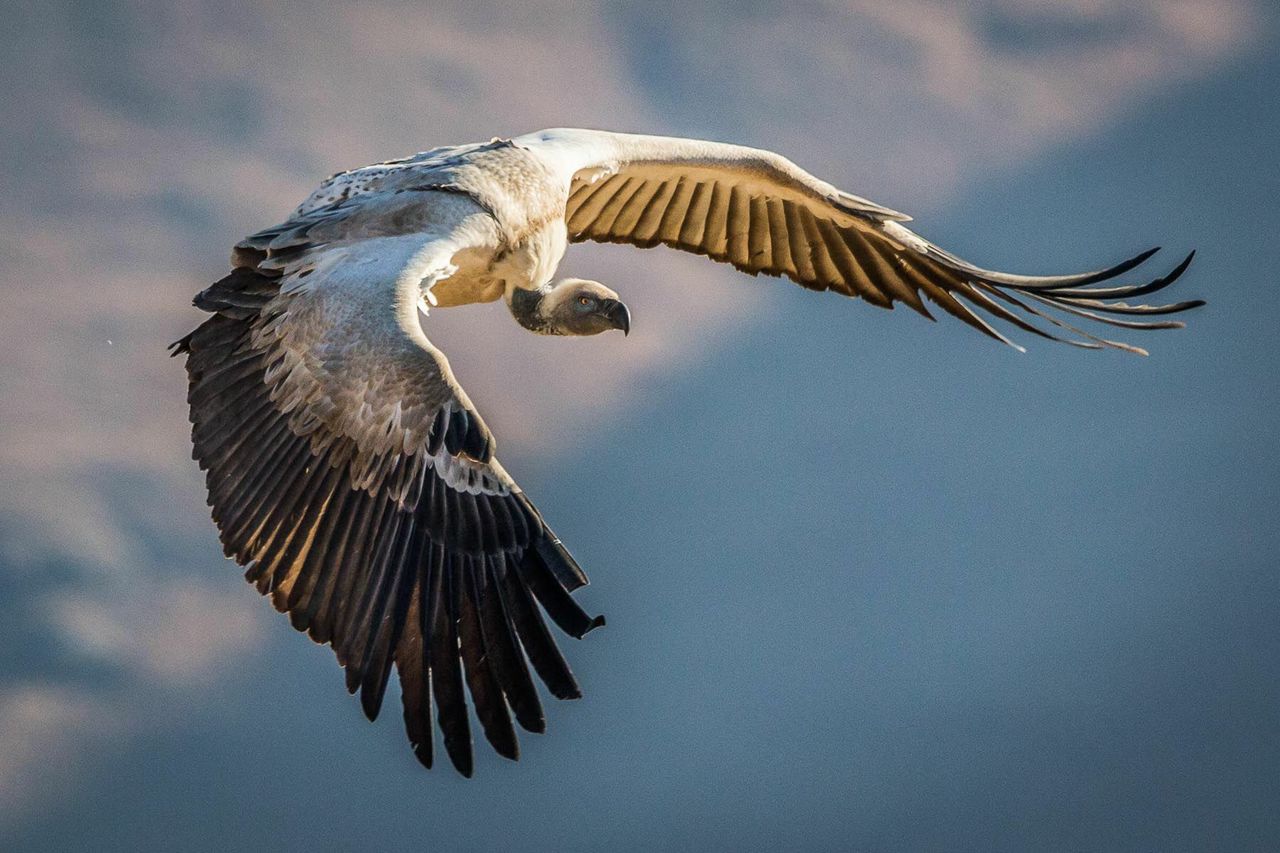
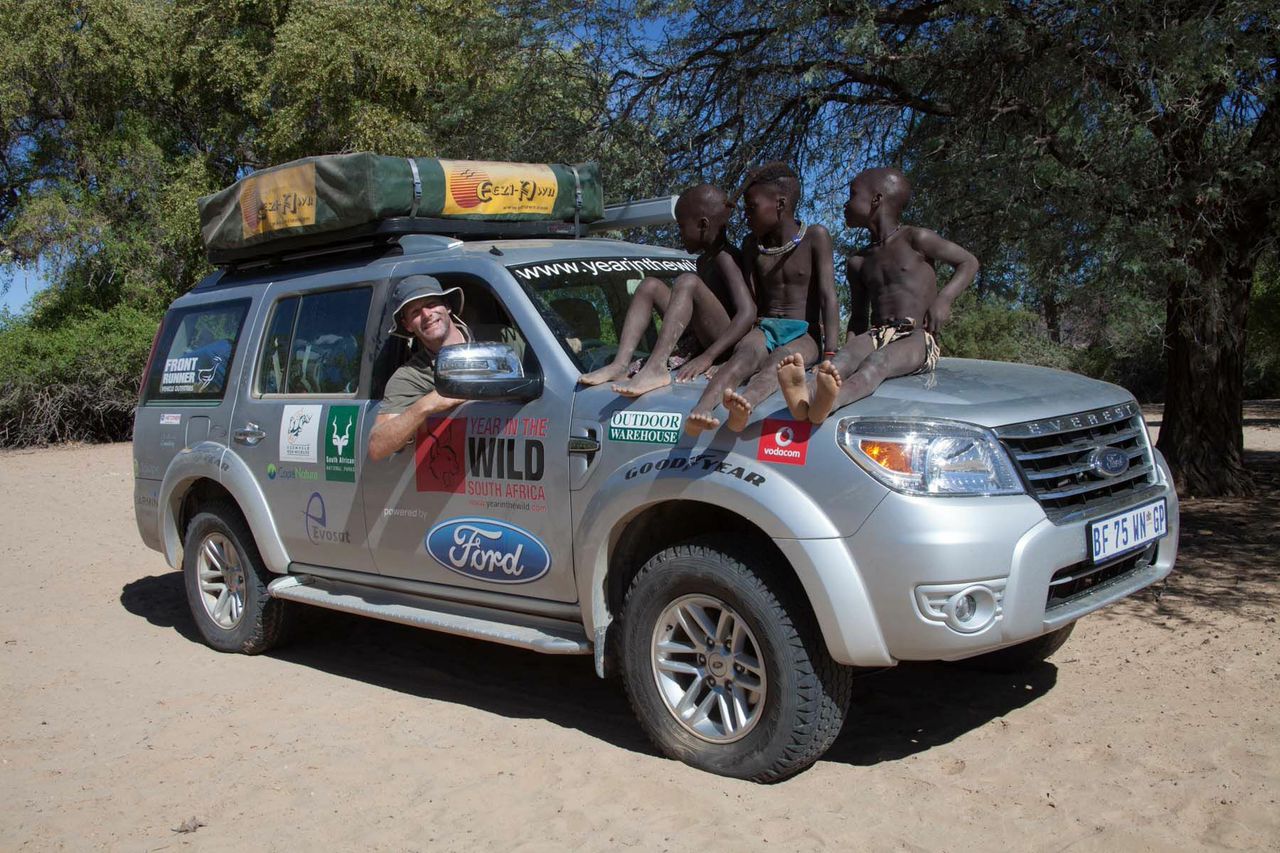
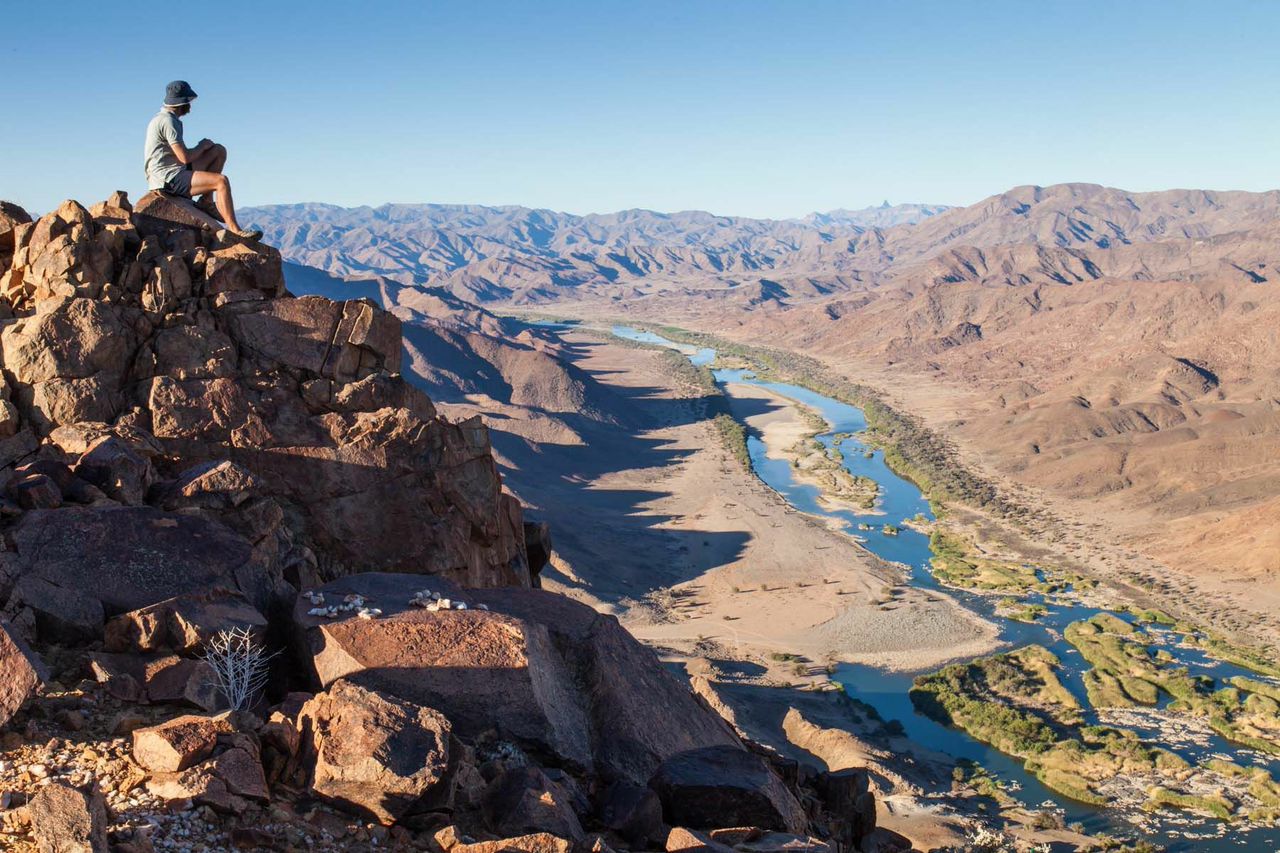
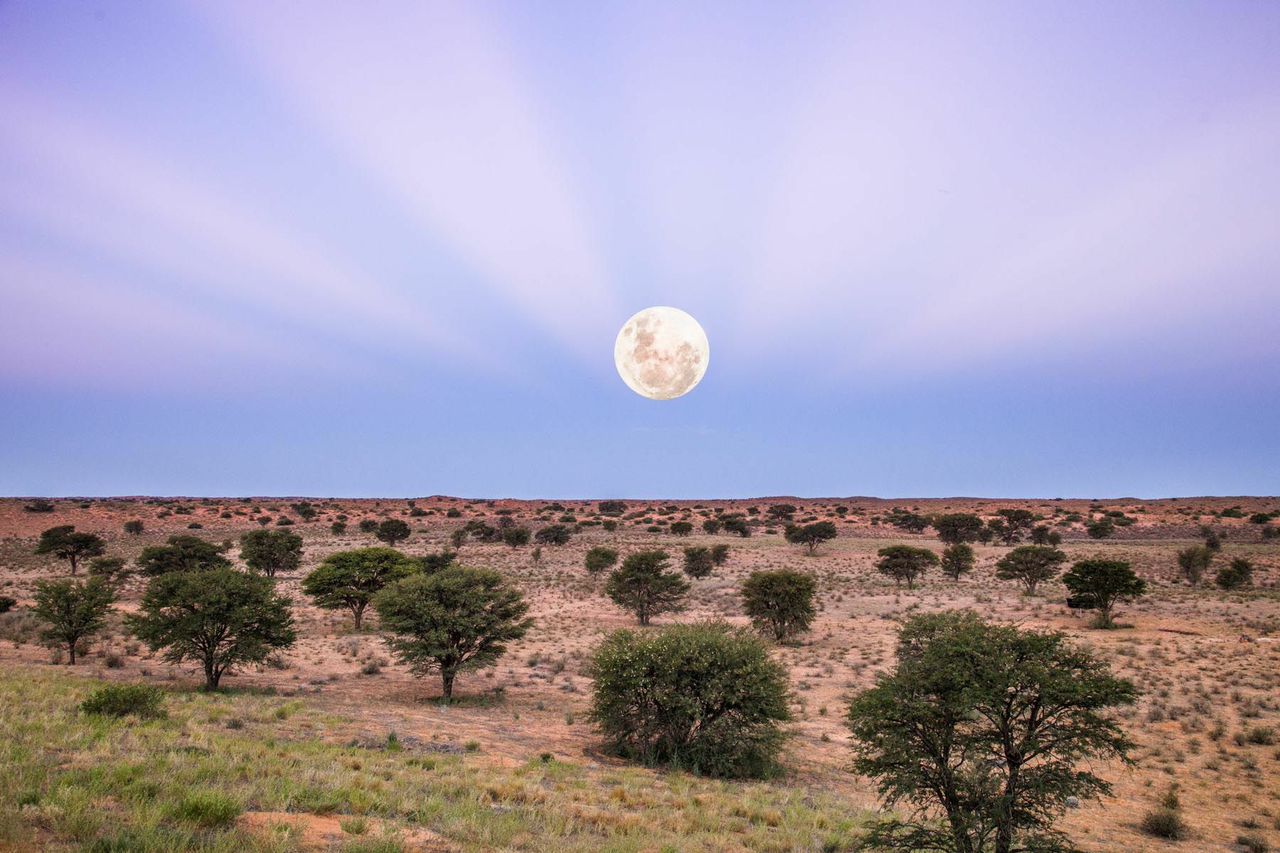
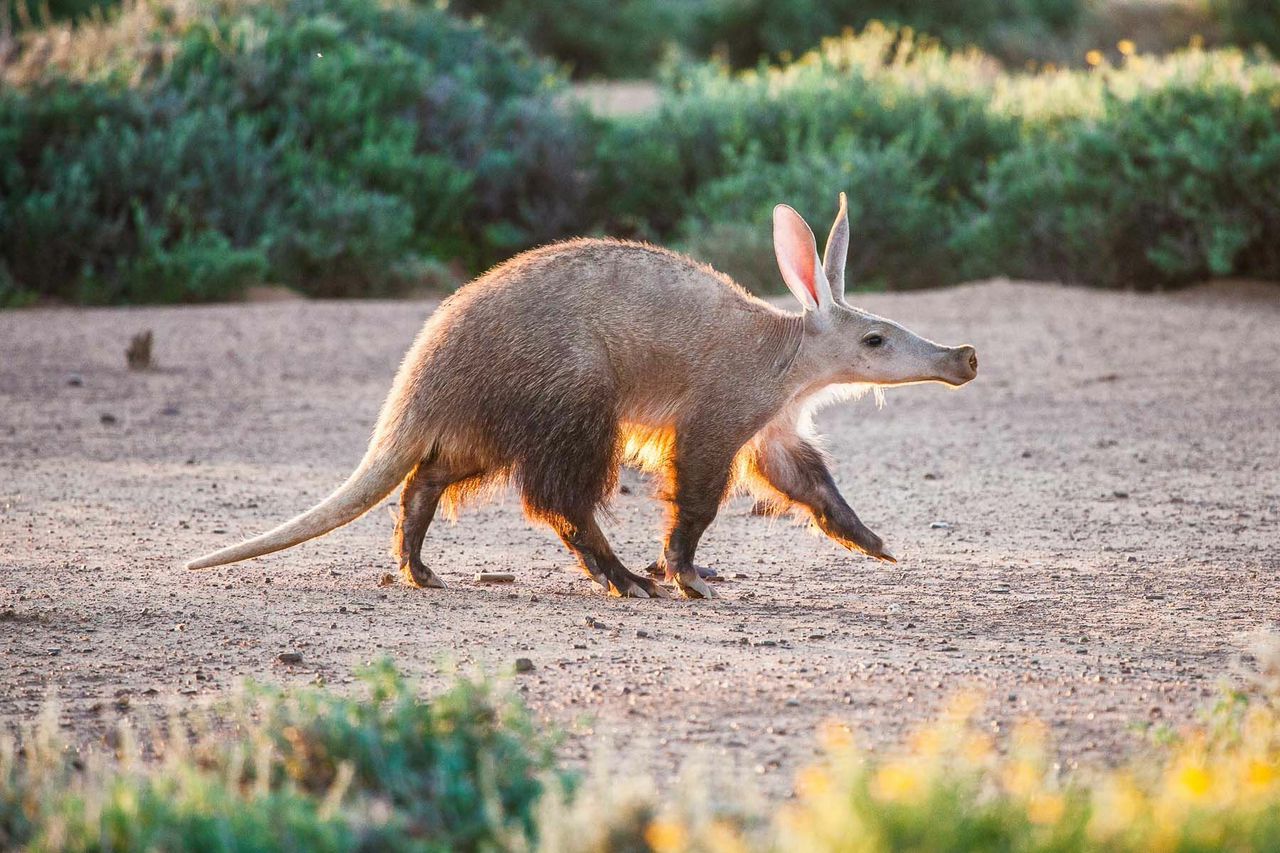
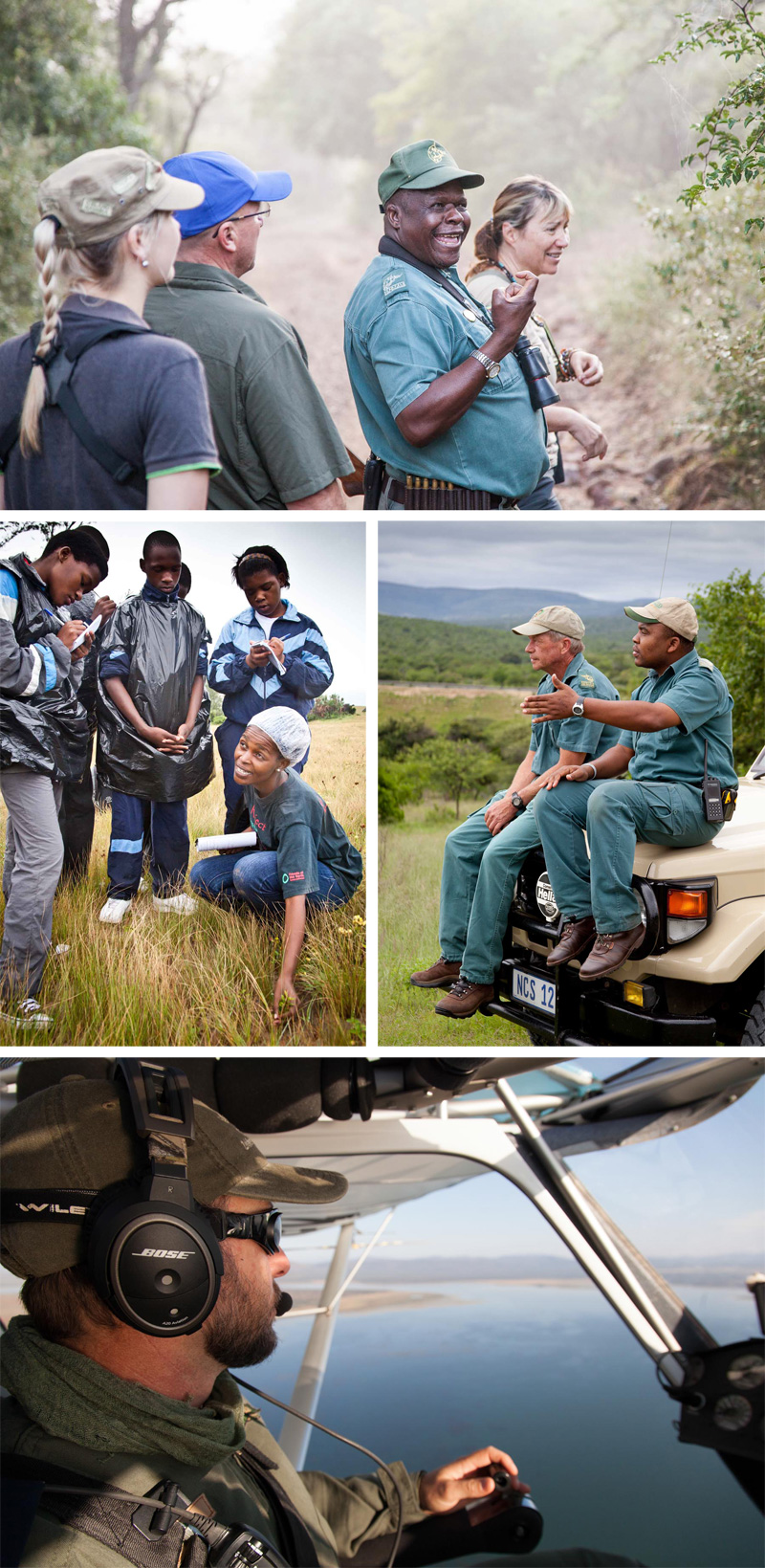
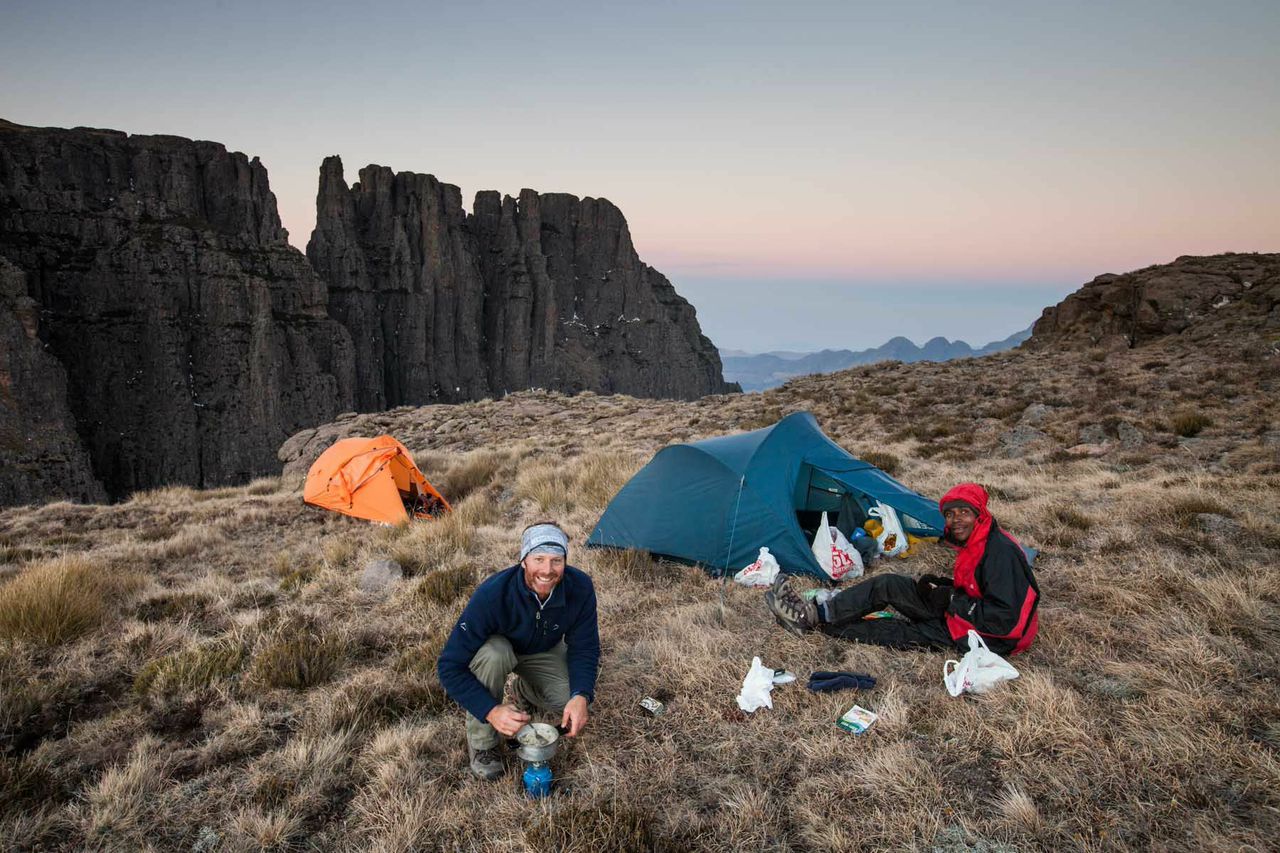
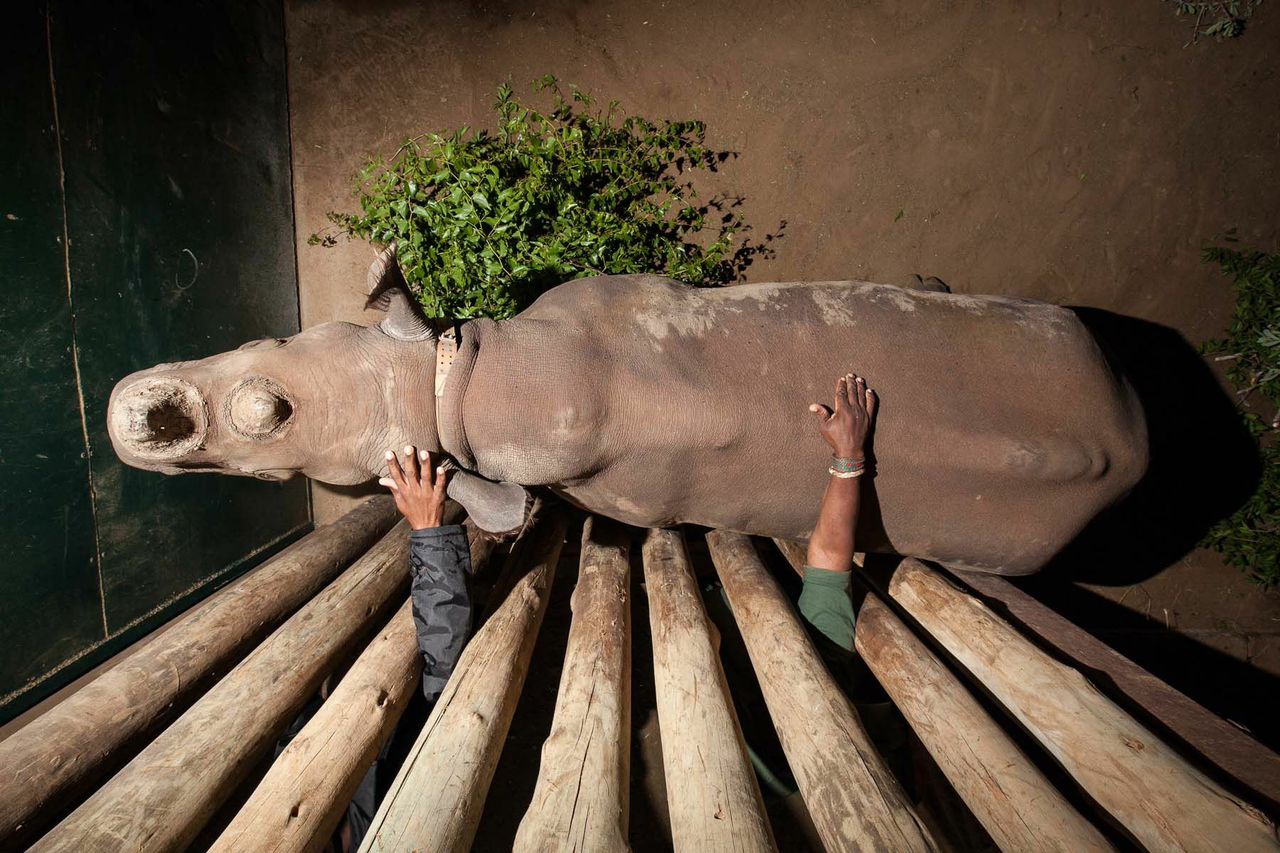
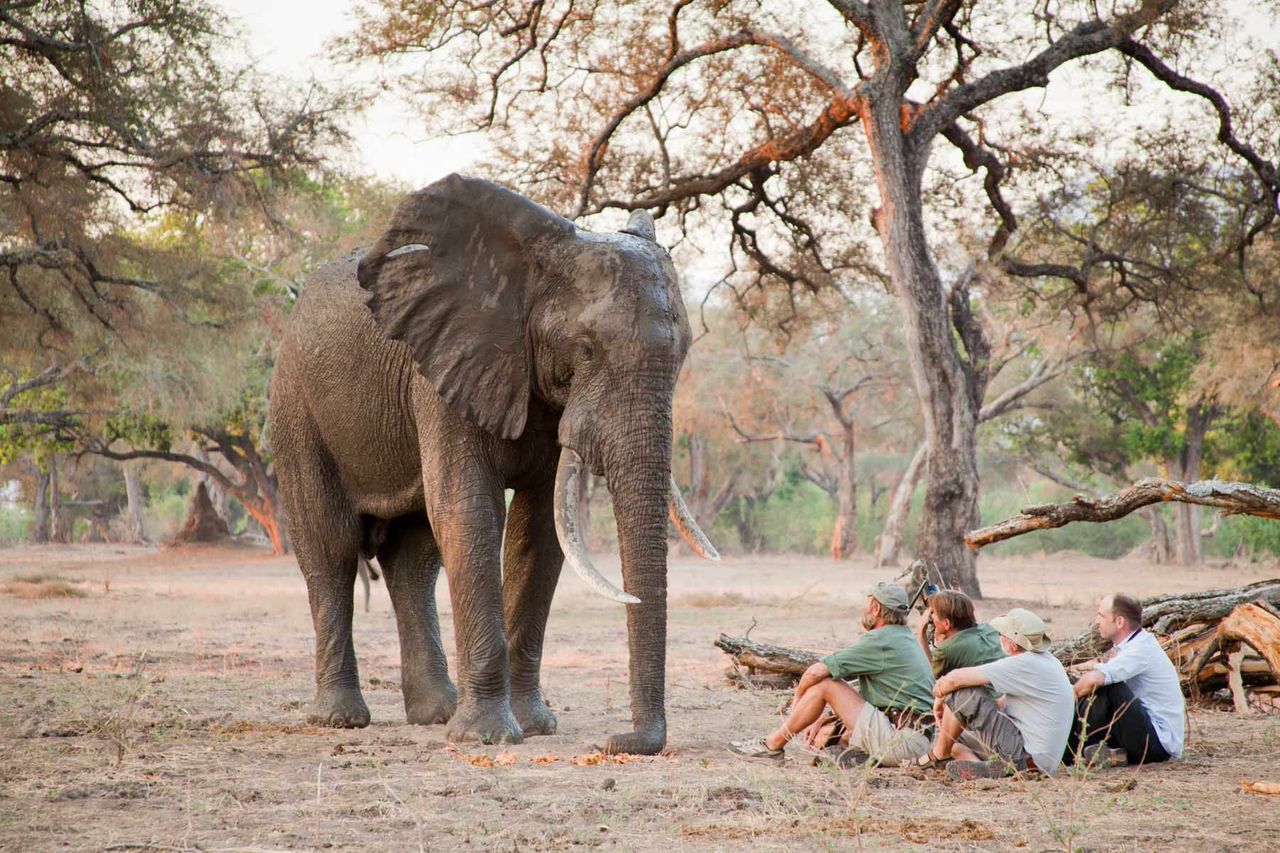
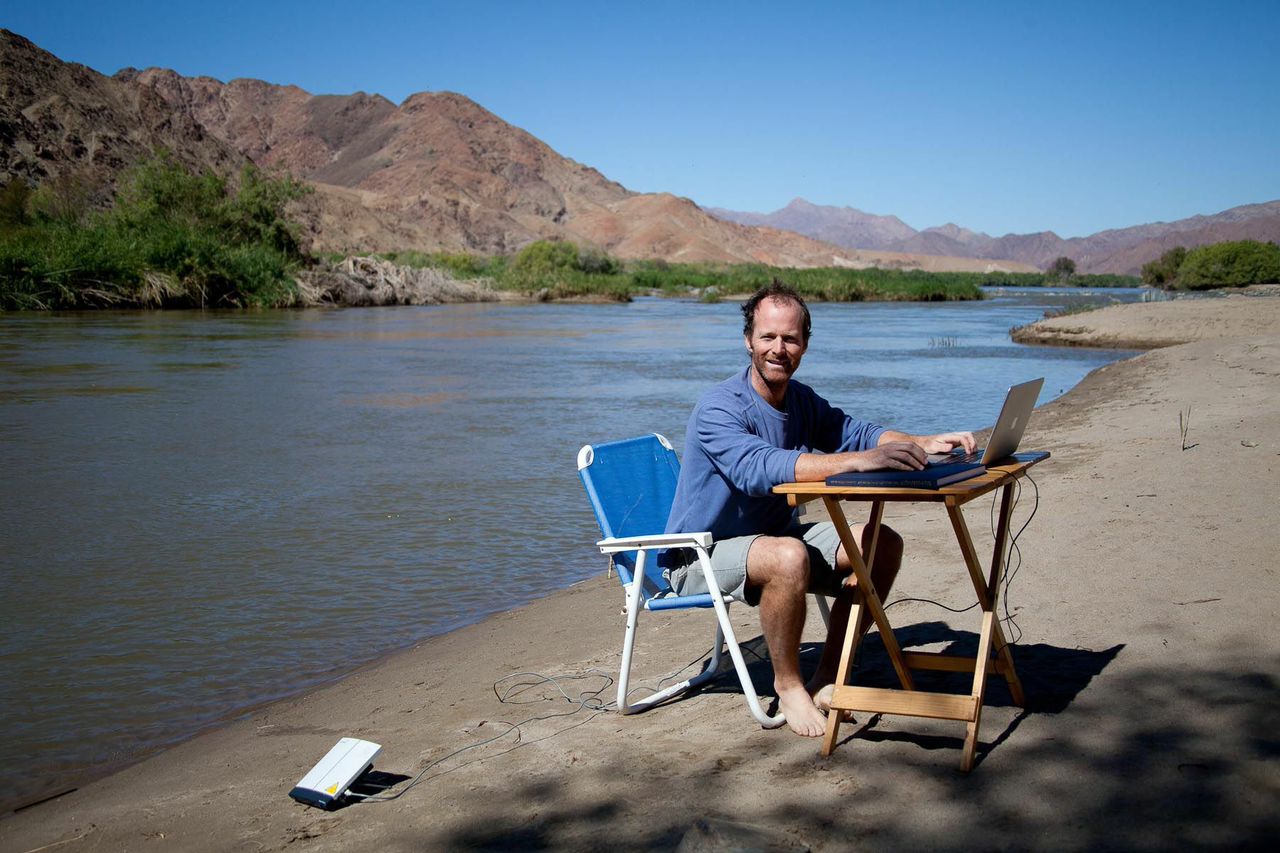 Scott Ramsay is still out there somewhere. But he’s not hiding. Through his work, Scott hopes to inspire others to travel to the continent’s national parks, and nature reserves, which Scott believes are Africa’s greatest assets and deserve to be protected at any cost, not only for their sake but for our own survival. His one-year journey to explore South Africa’s wild places turned into three. Perhaps as the wild places beyond South Africa’s borders lure him, the journey will continue for many years.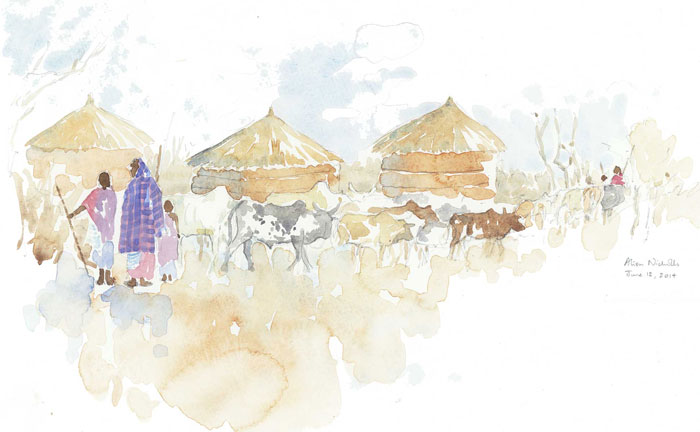


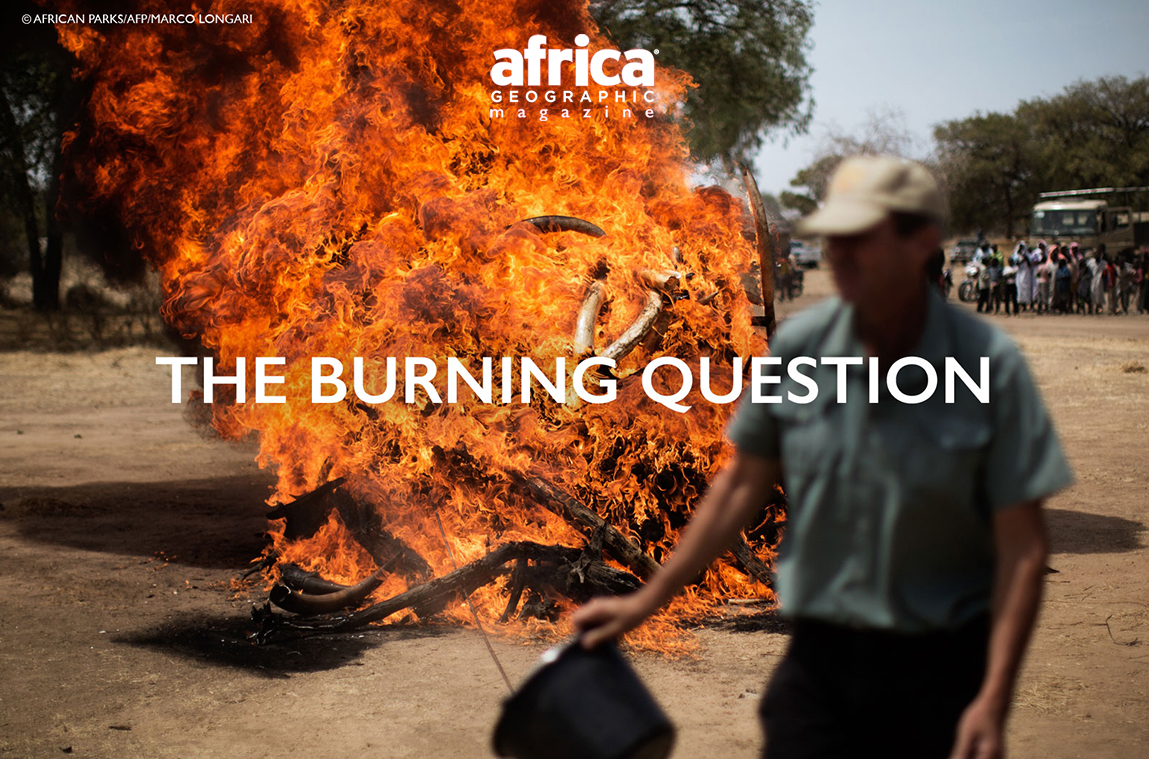
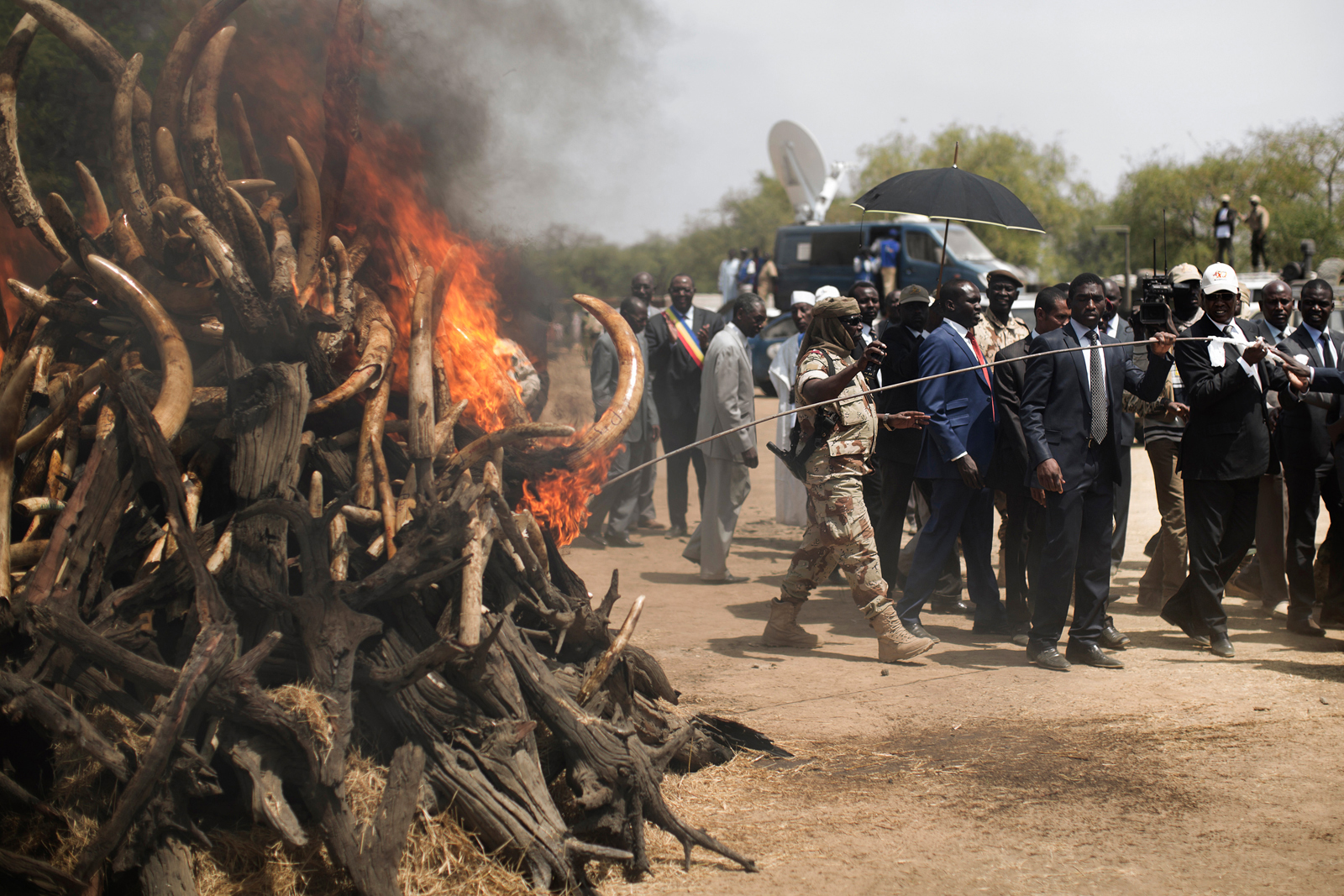
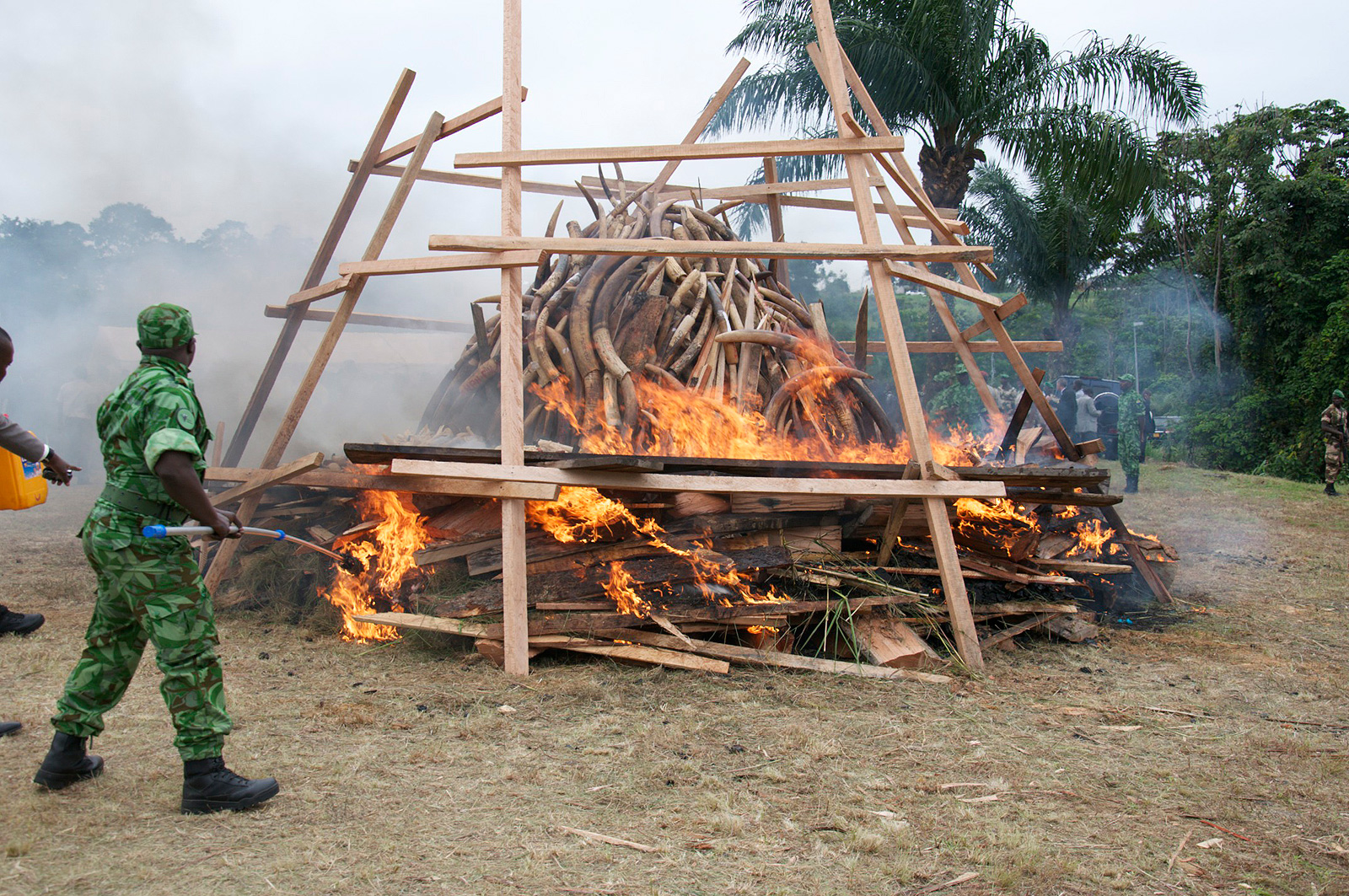
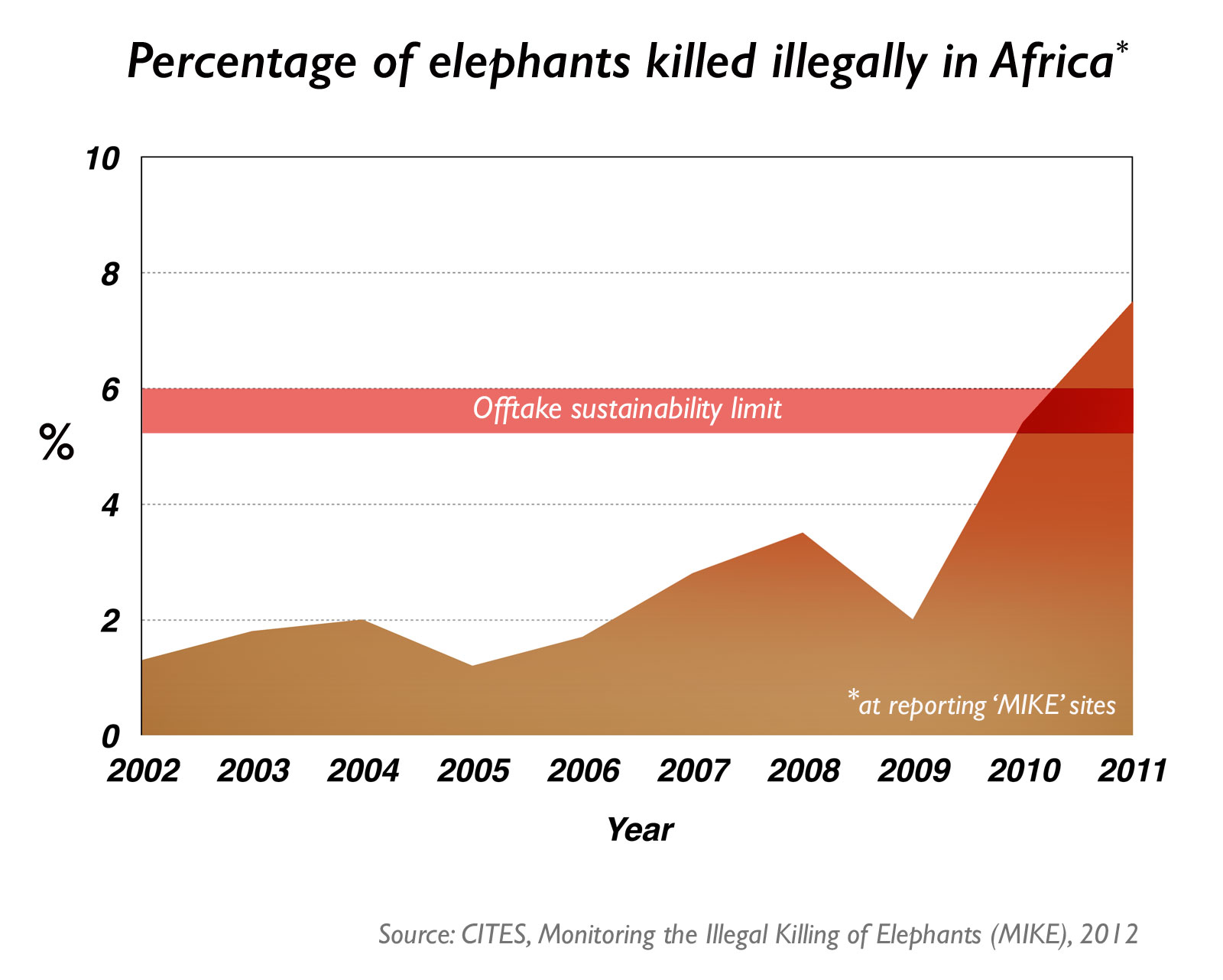
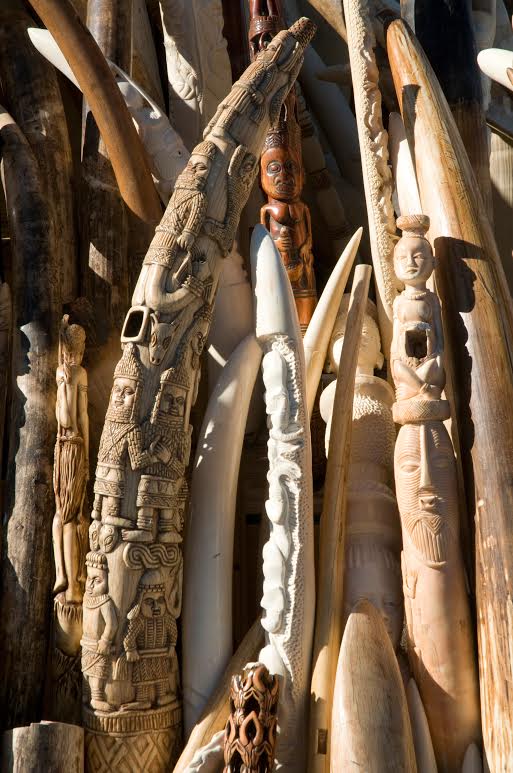
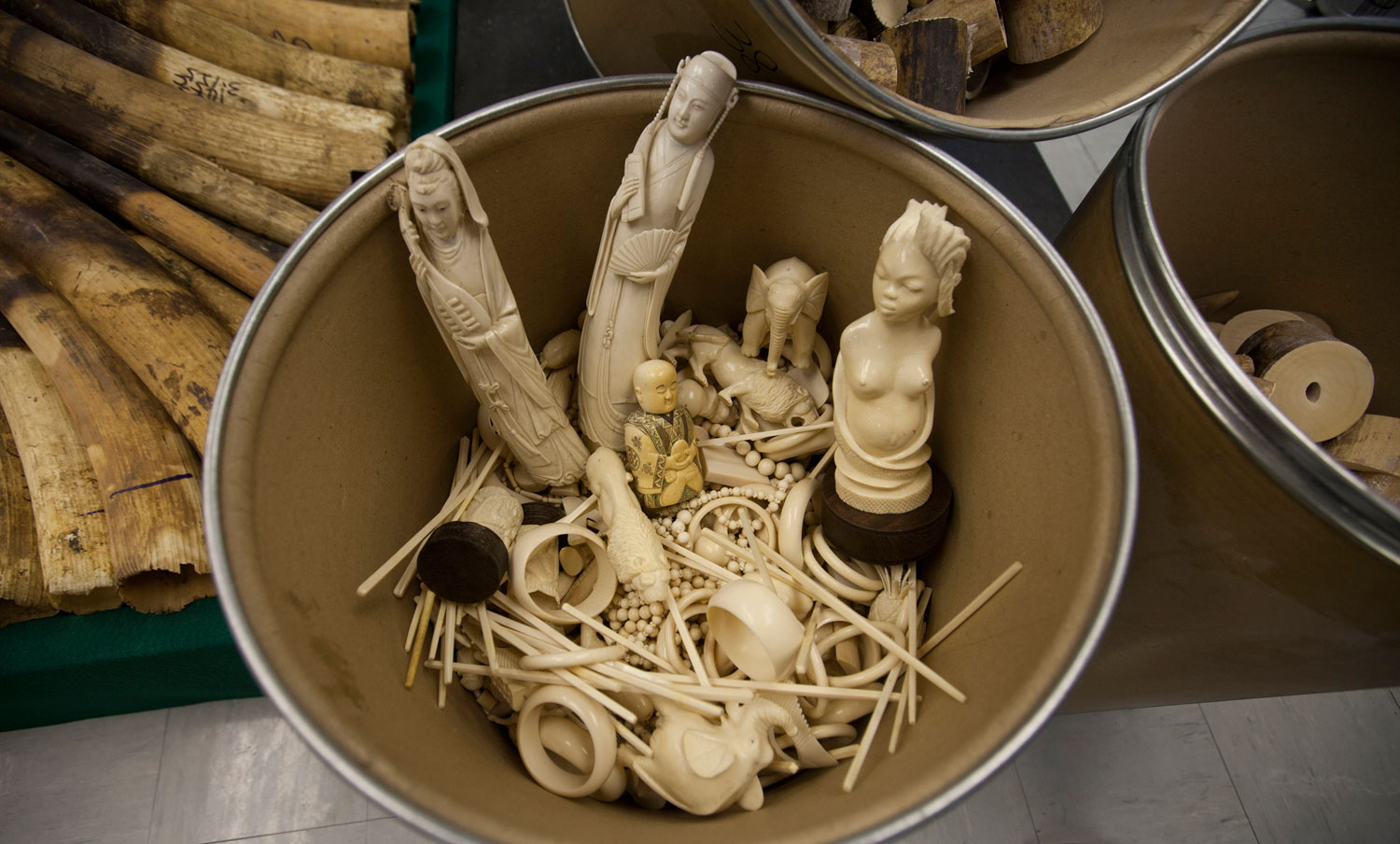
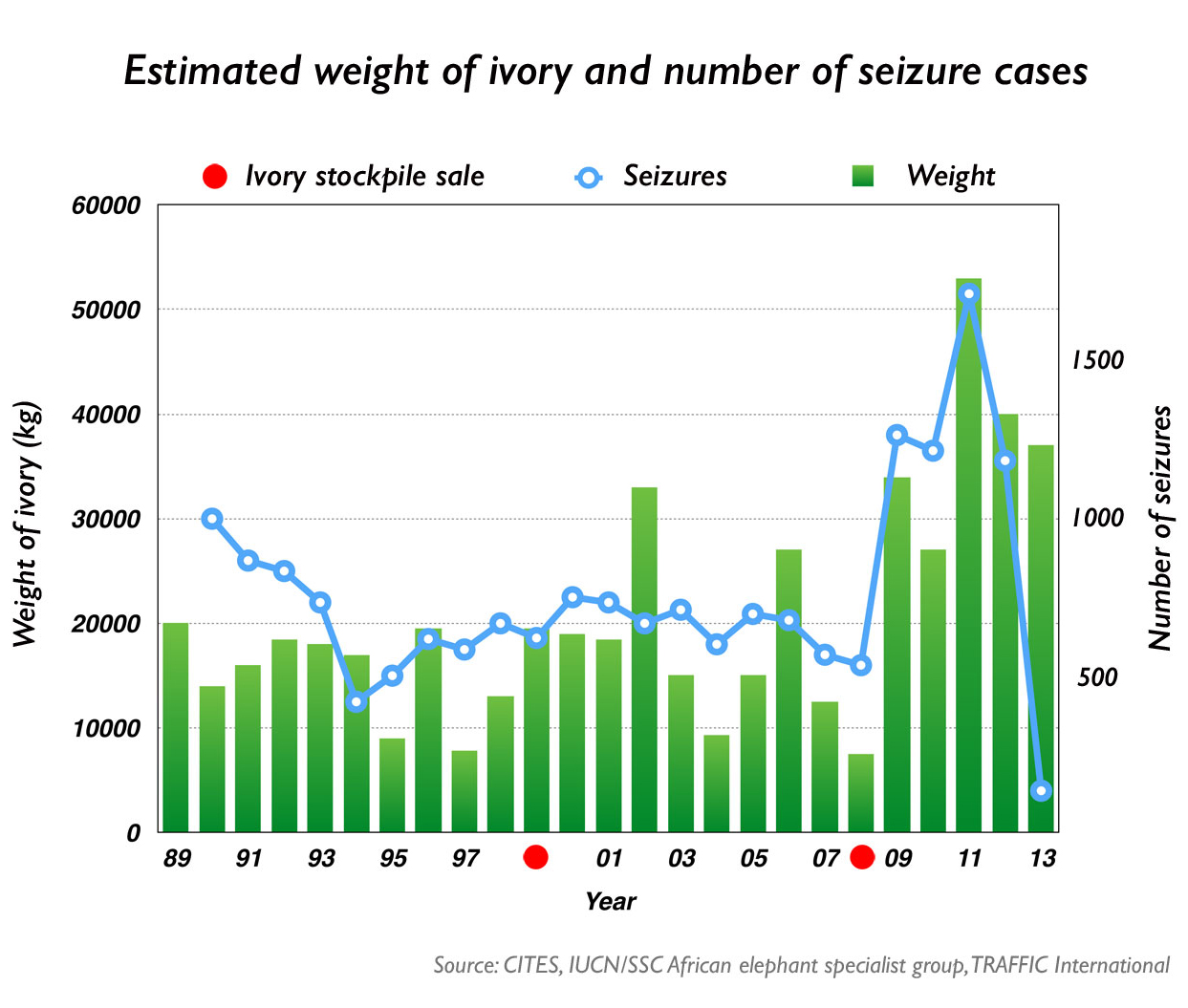 ‘The two objectives were to put money from those sales back into the hands of environmental law enforcement to increase conservation efforts further and to provide support and revenue for local communities,’ Bergin says. The experiment did not work, he continues to explain, because no one anticipated China’s tremendous economic rise, the huge increase in disposable income in that country, and the significant level of money laundering made possible by that new prosperity.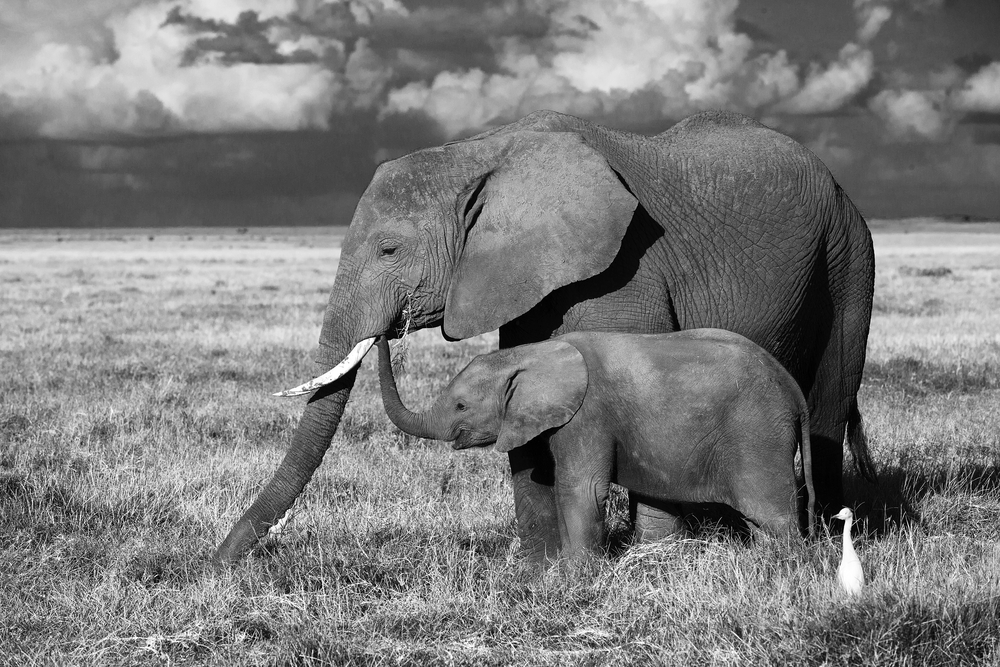
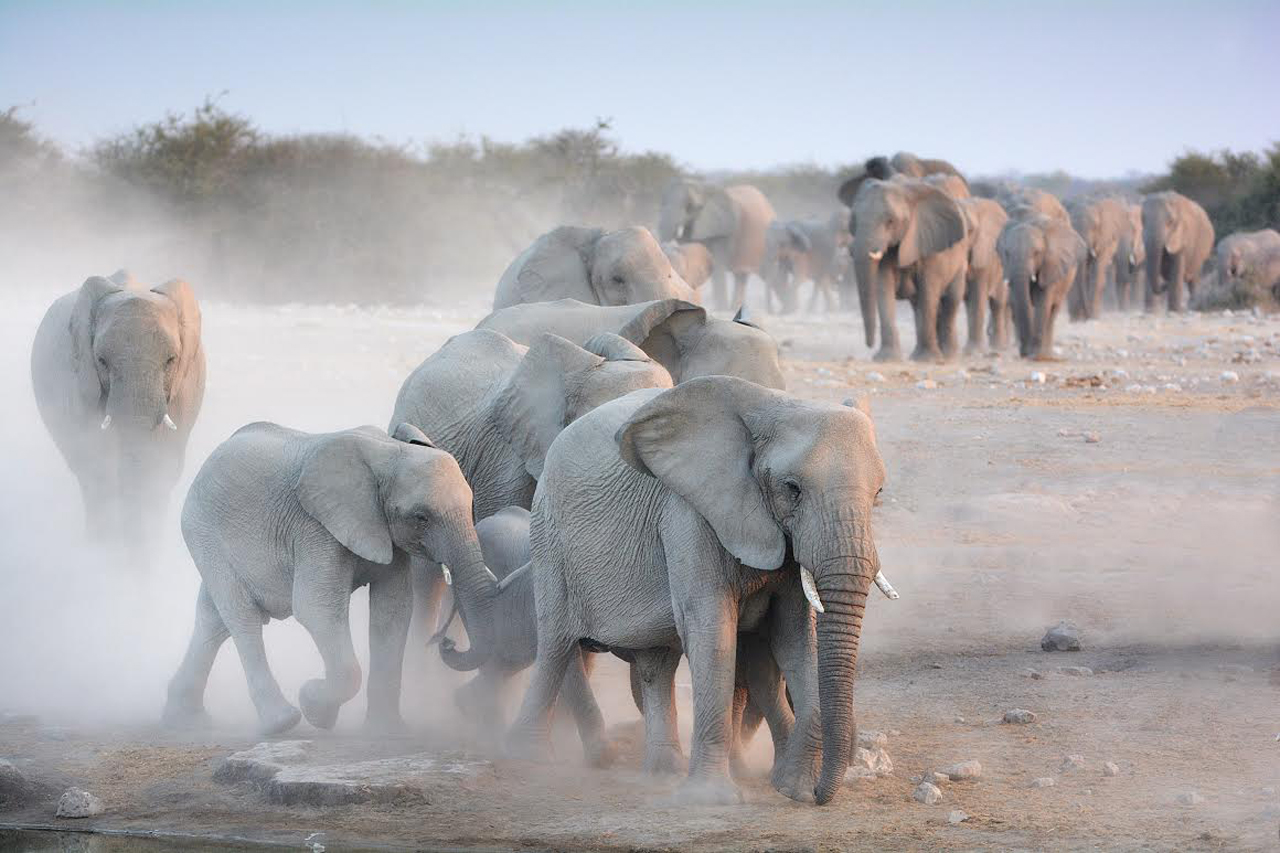

 MICHAEL SCHWARTZ is an American freelance writer, consultant and member of the
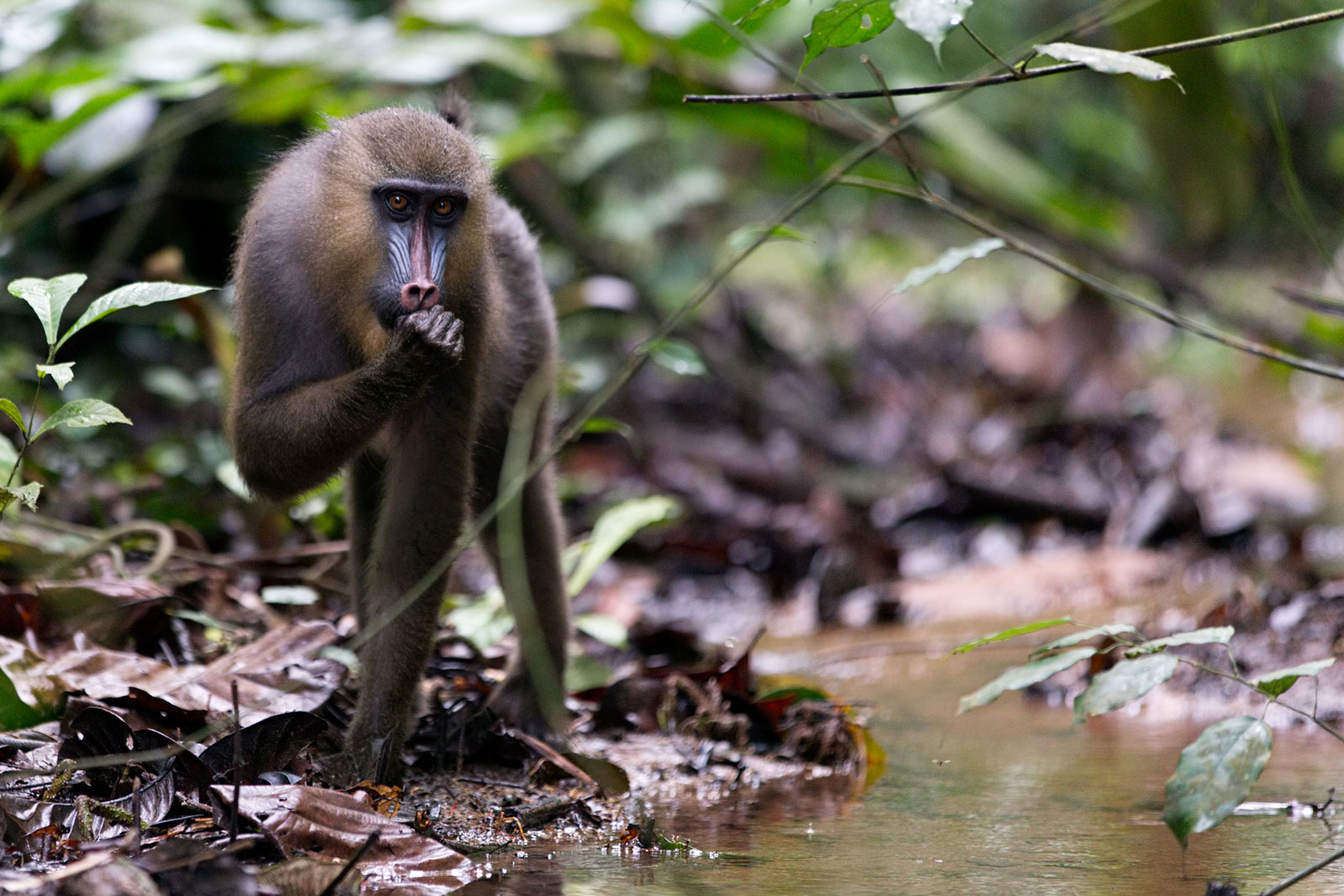
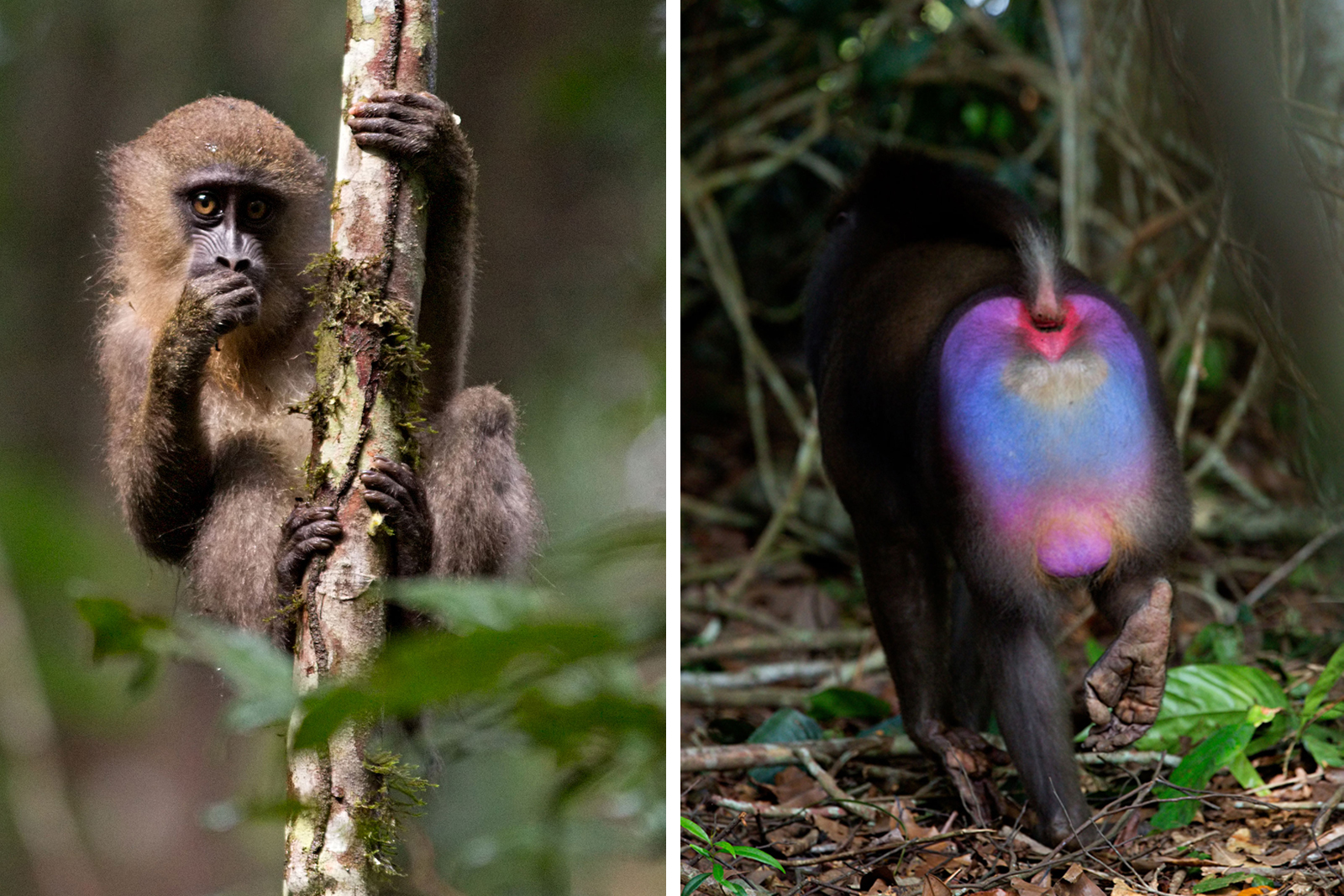
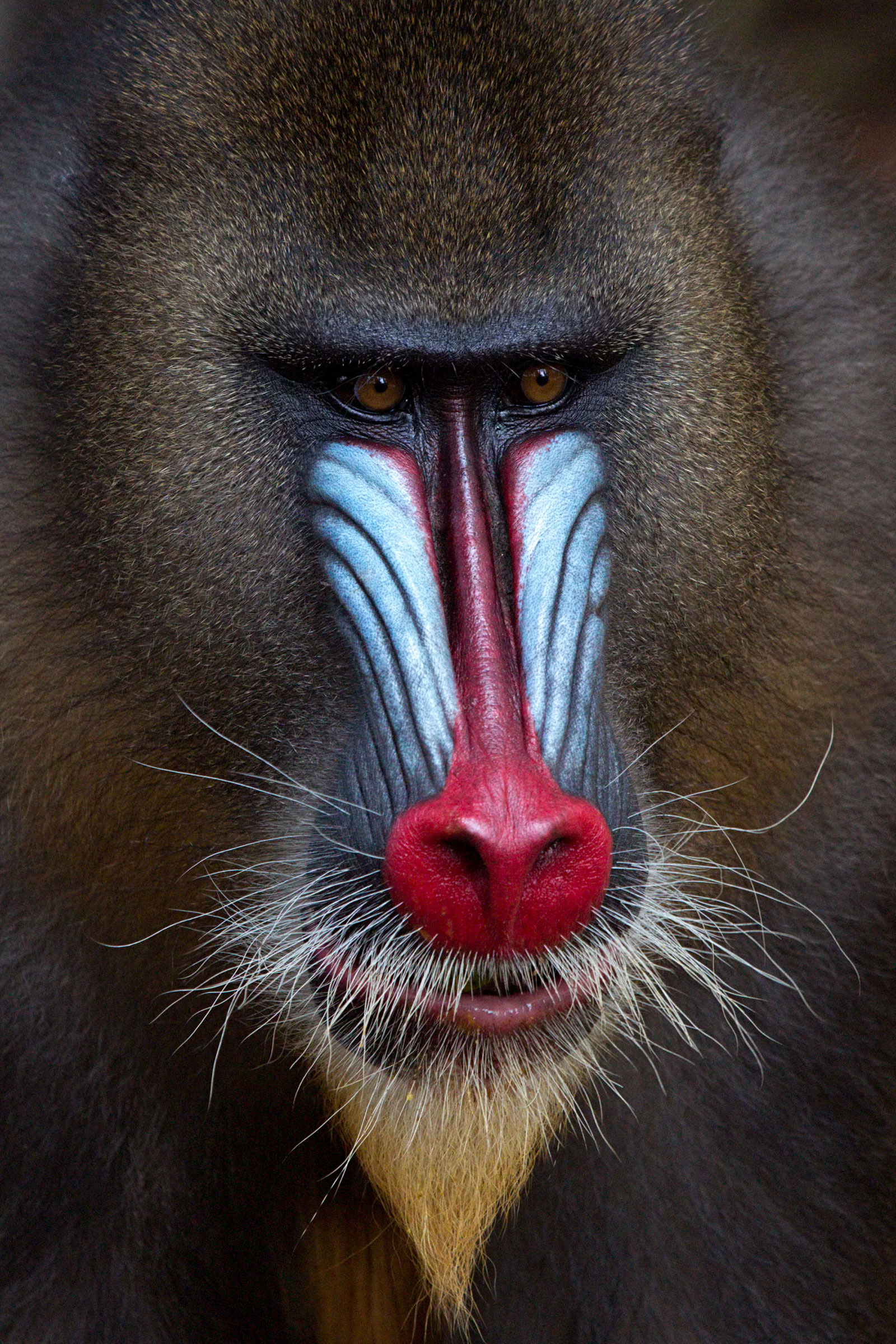
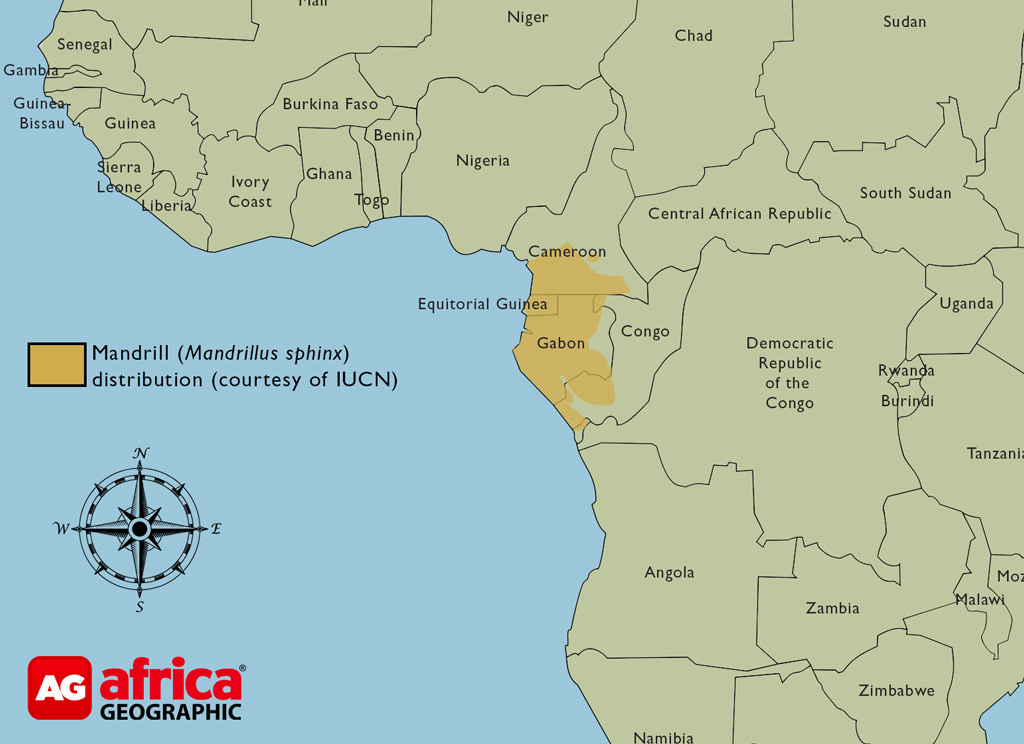
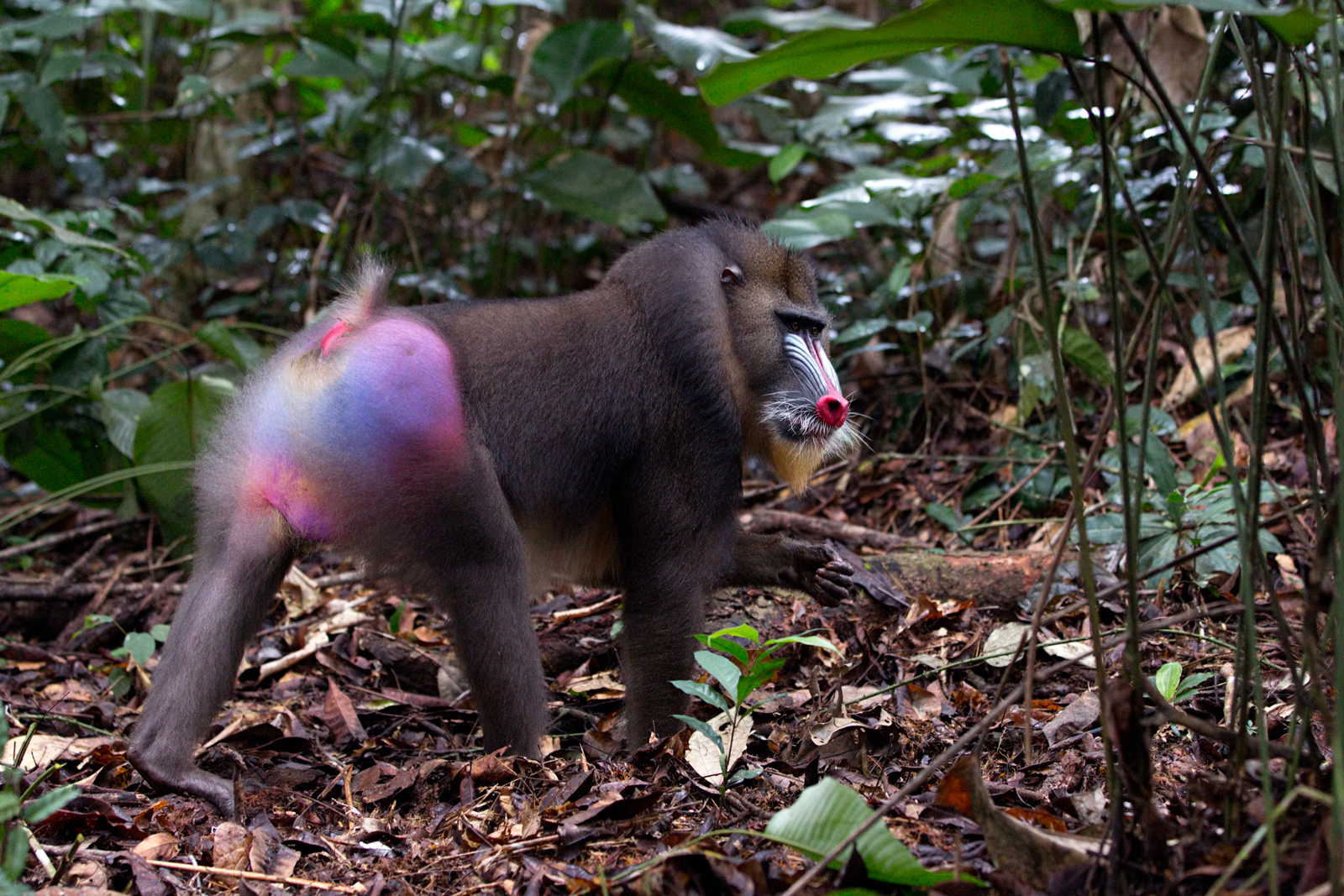
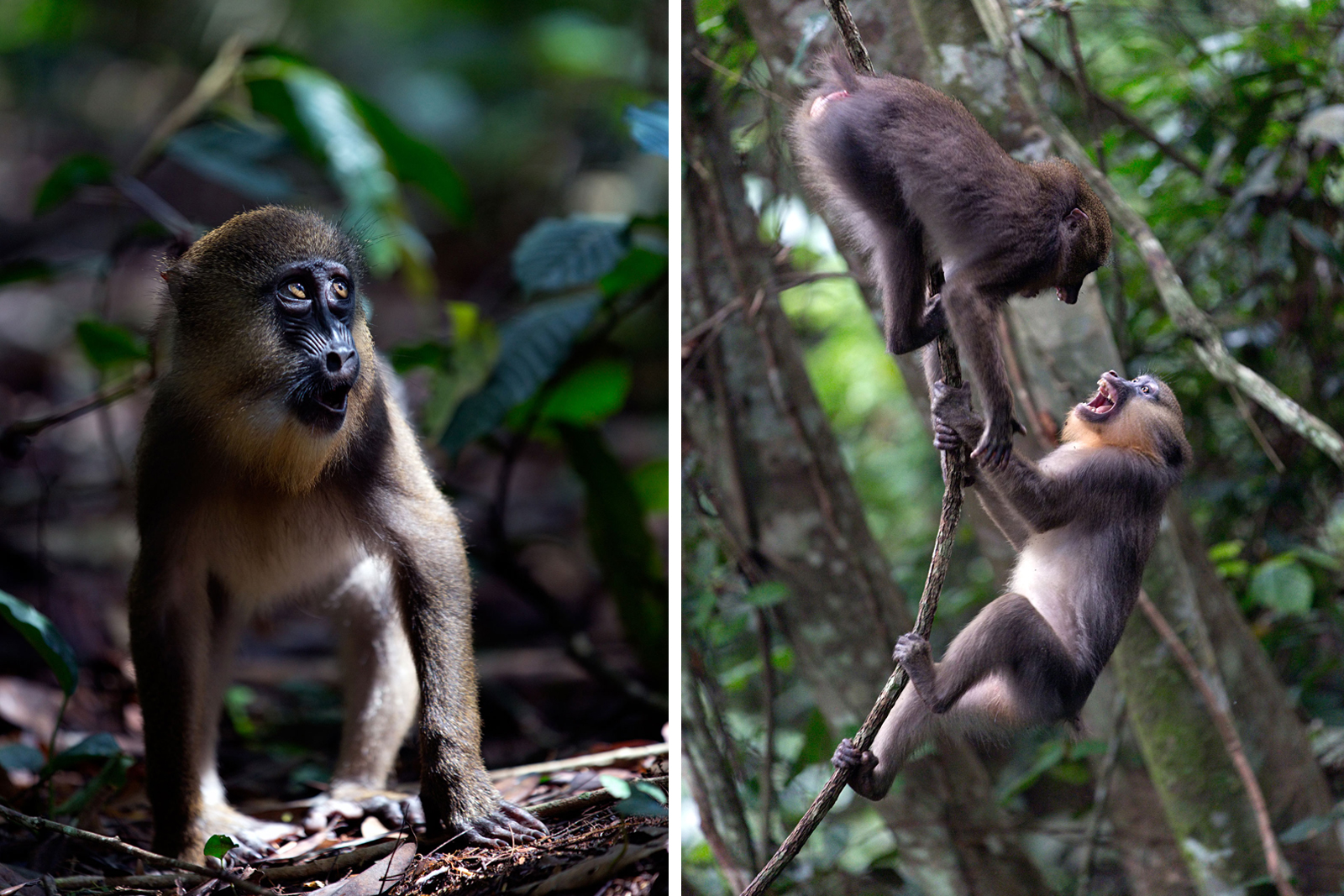
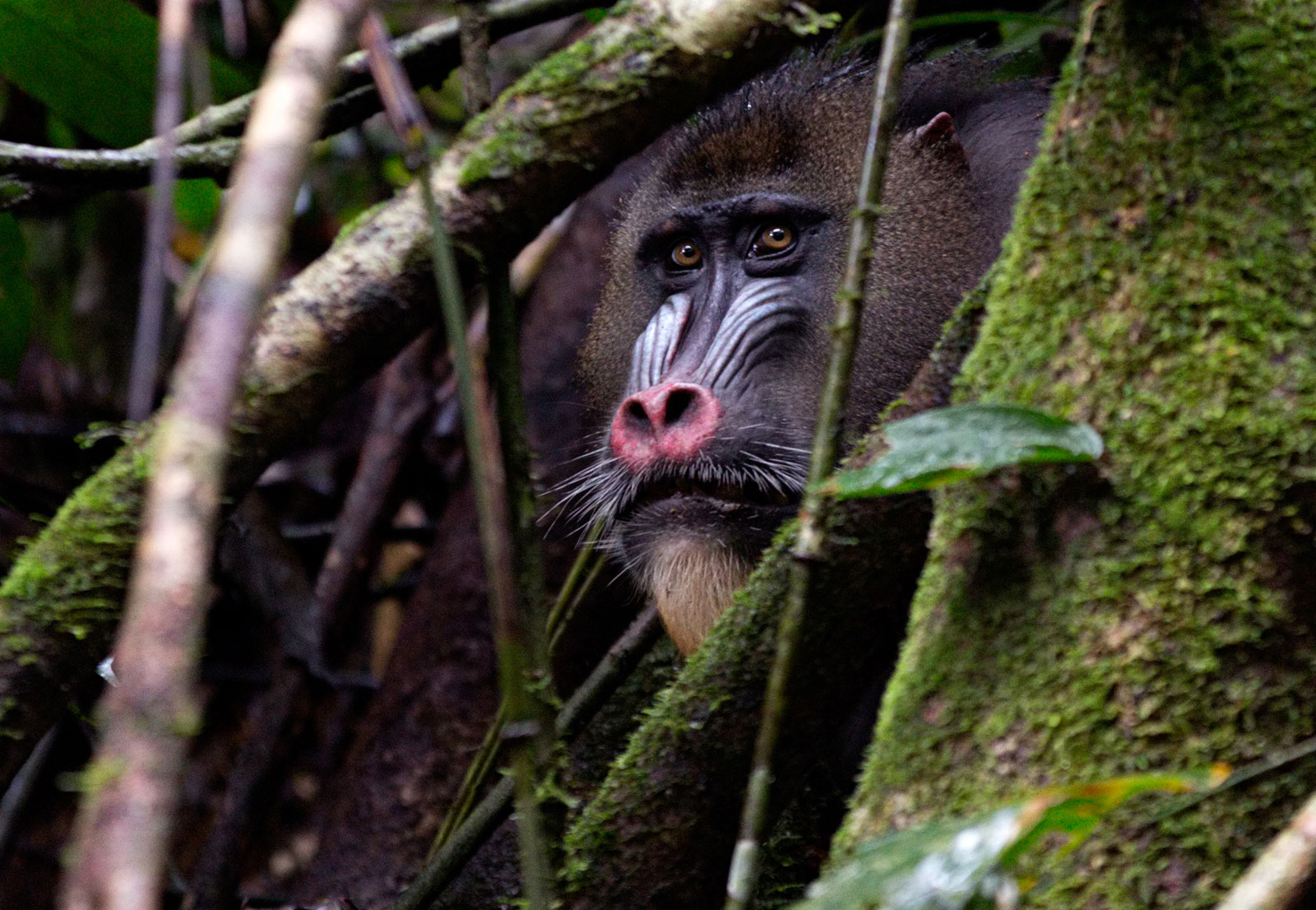
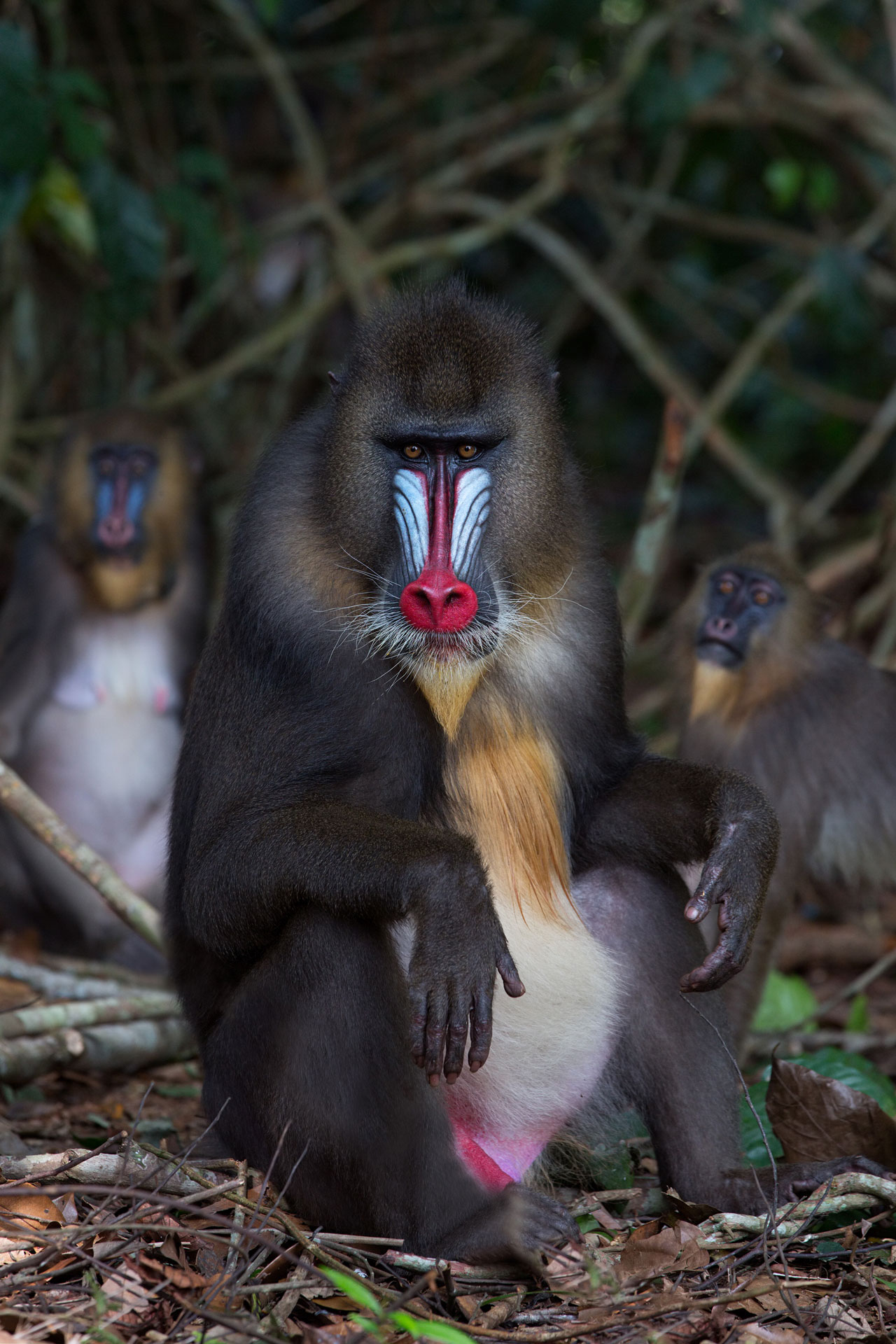
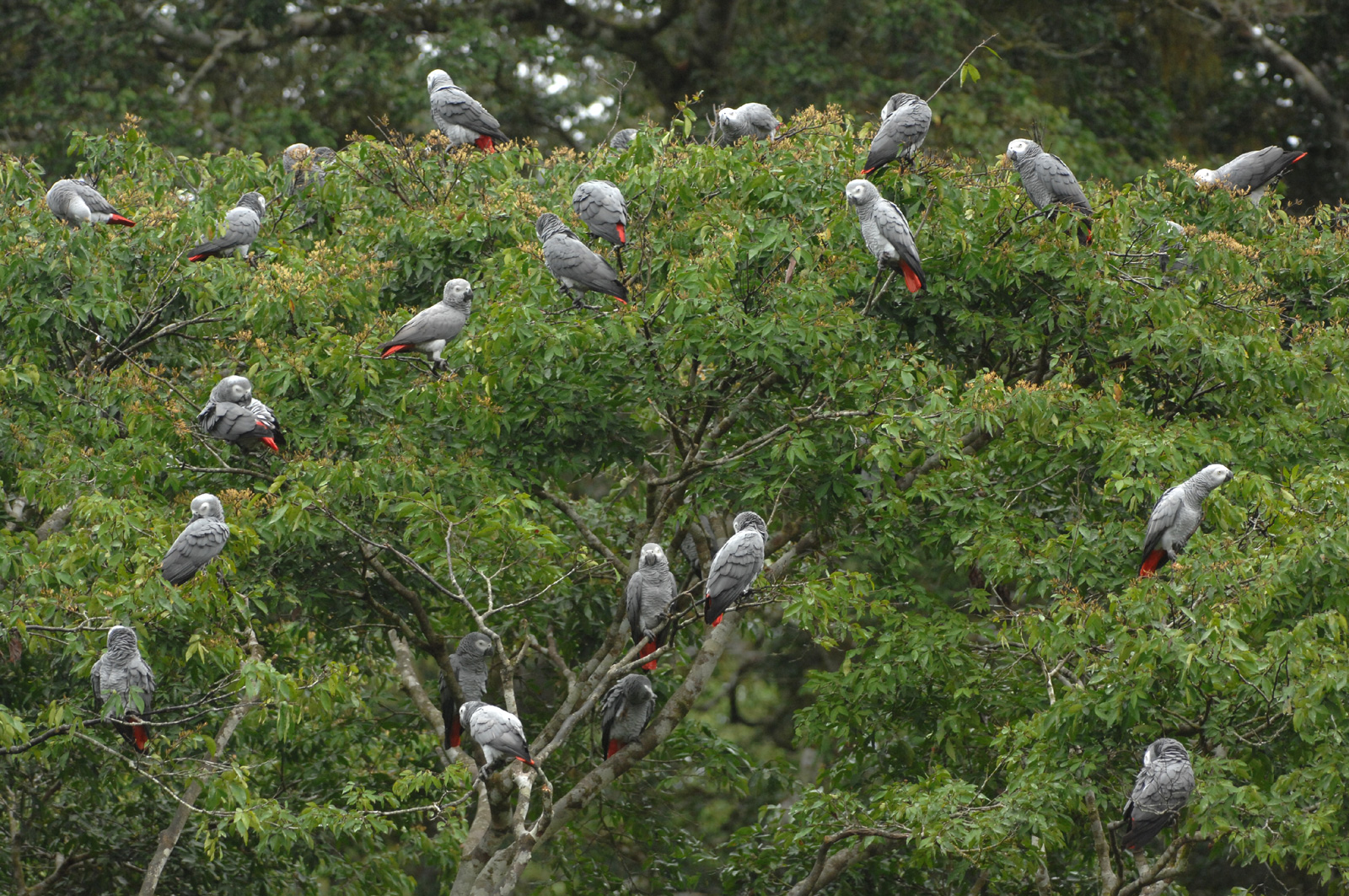
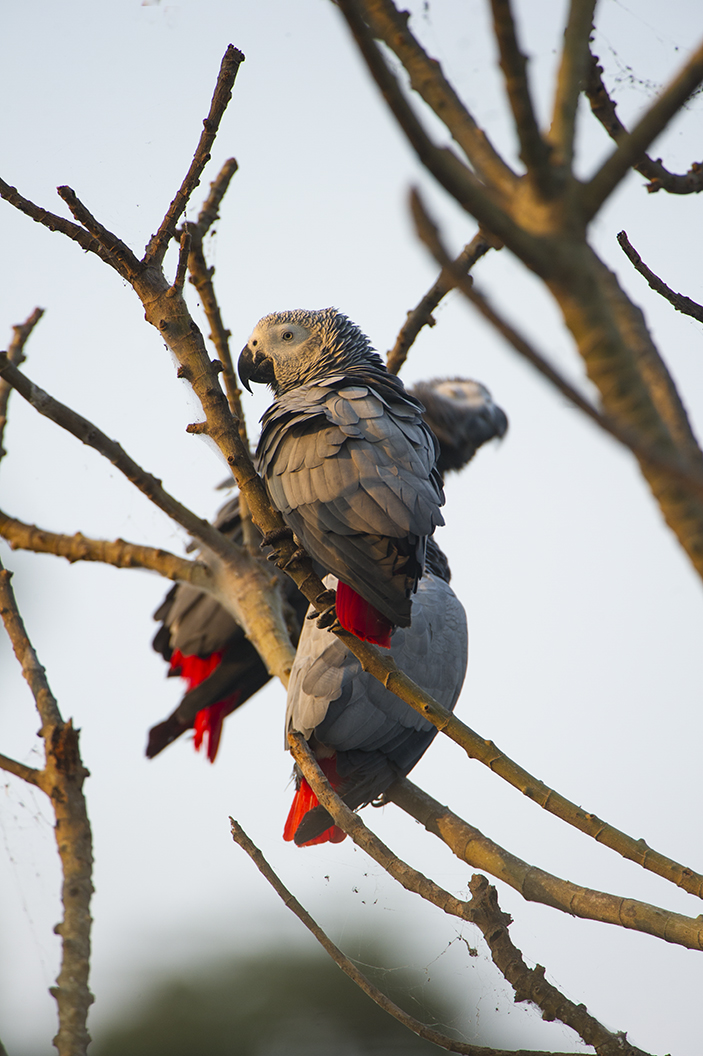
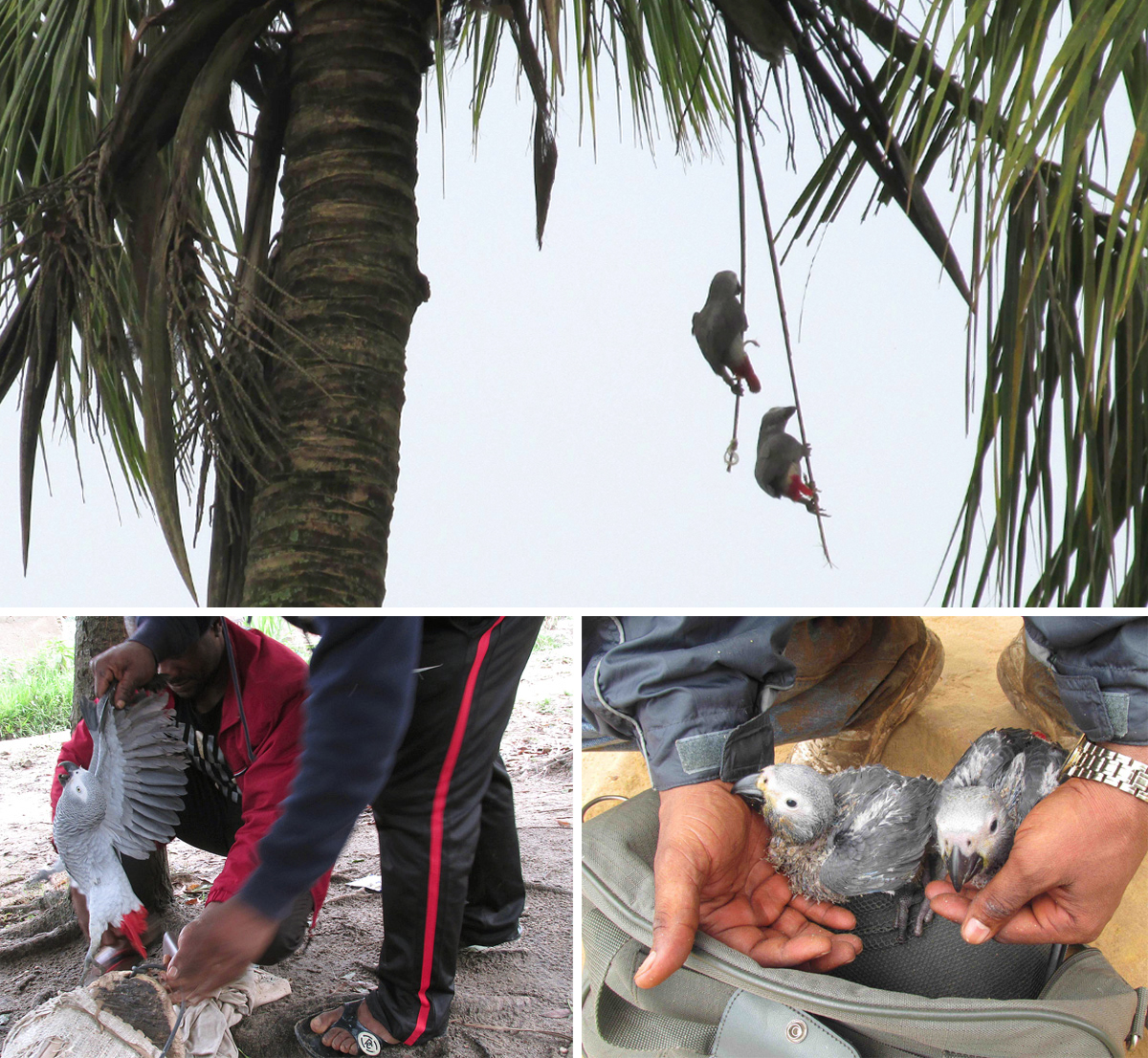
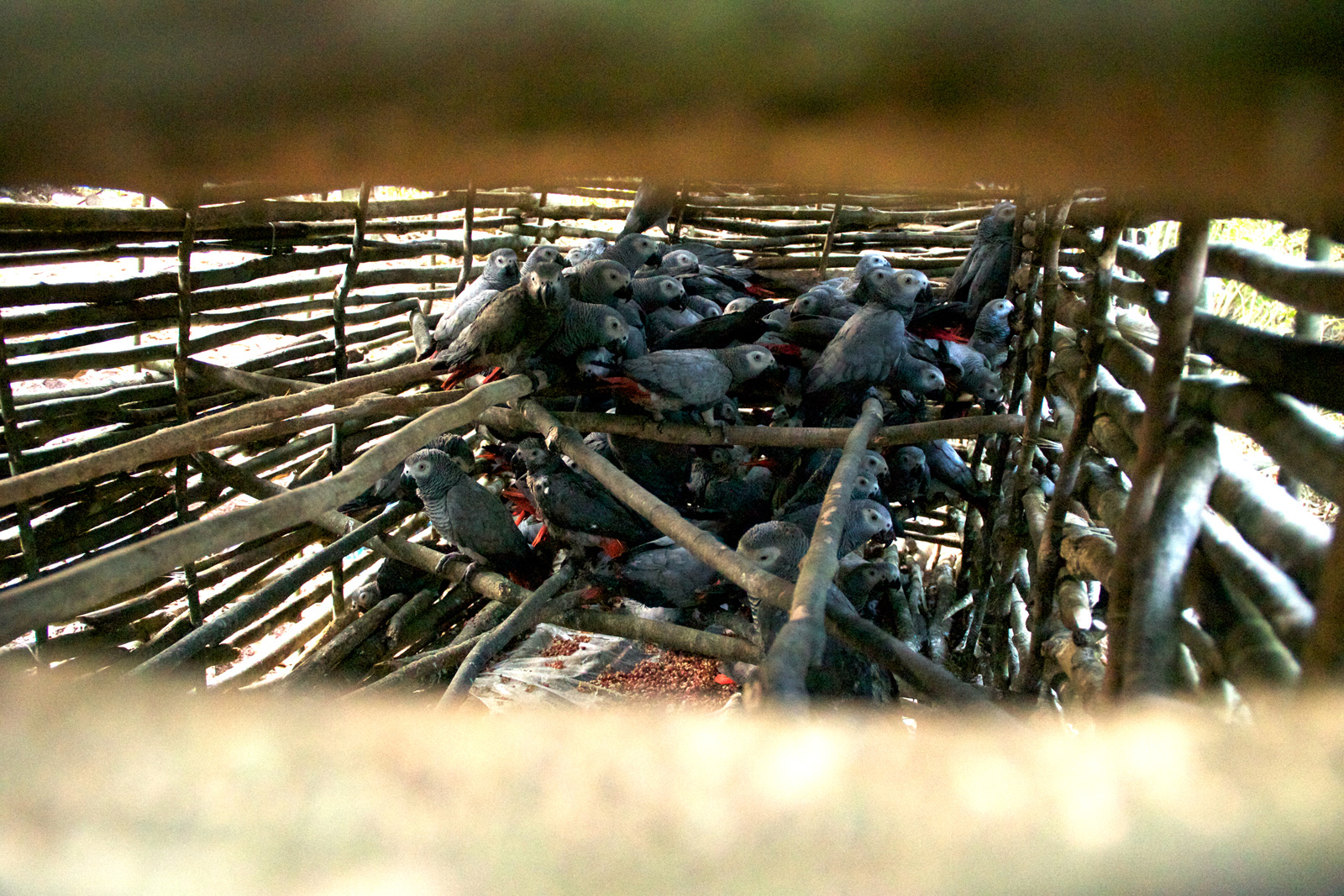
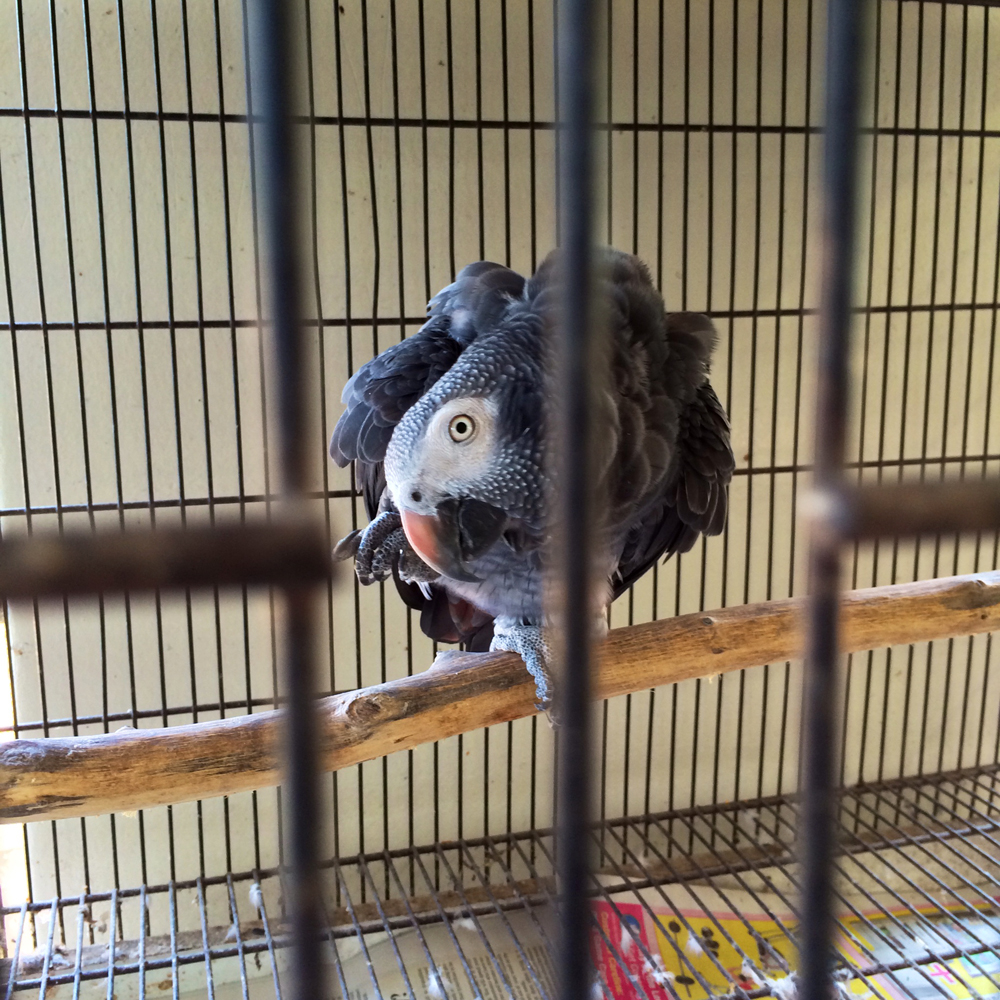
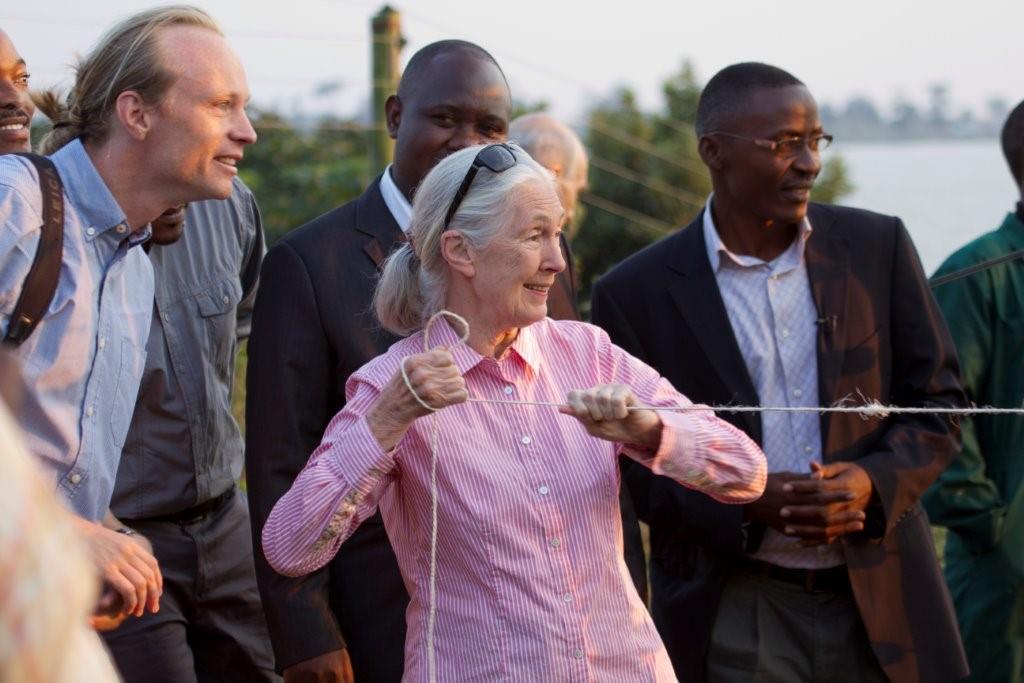
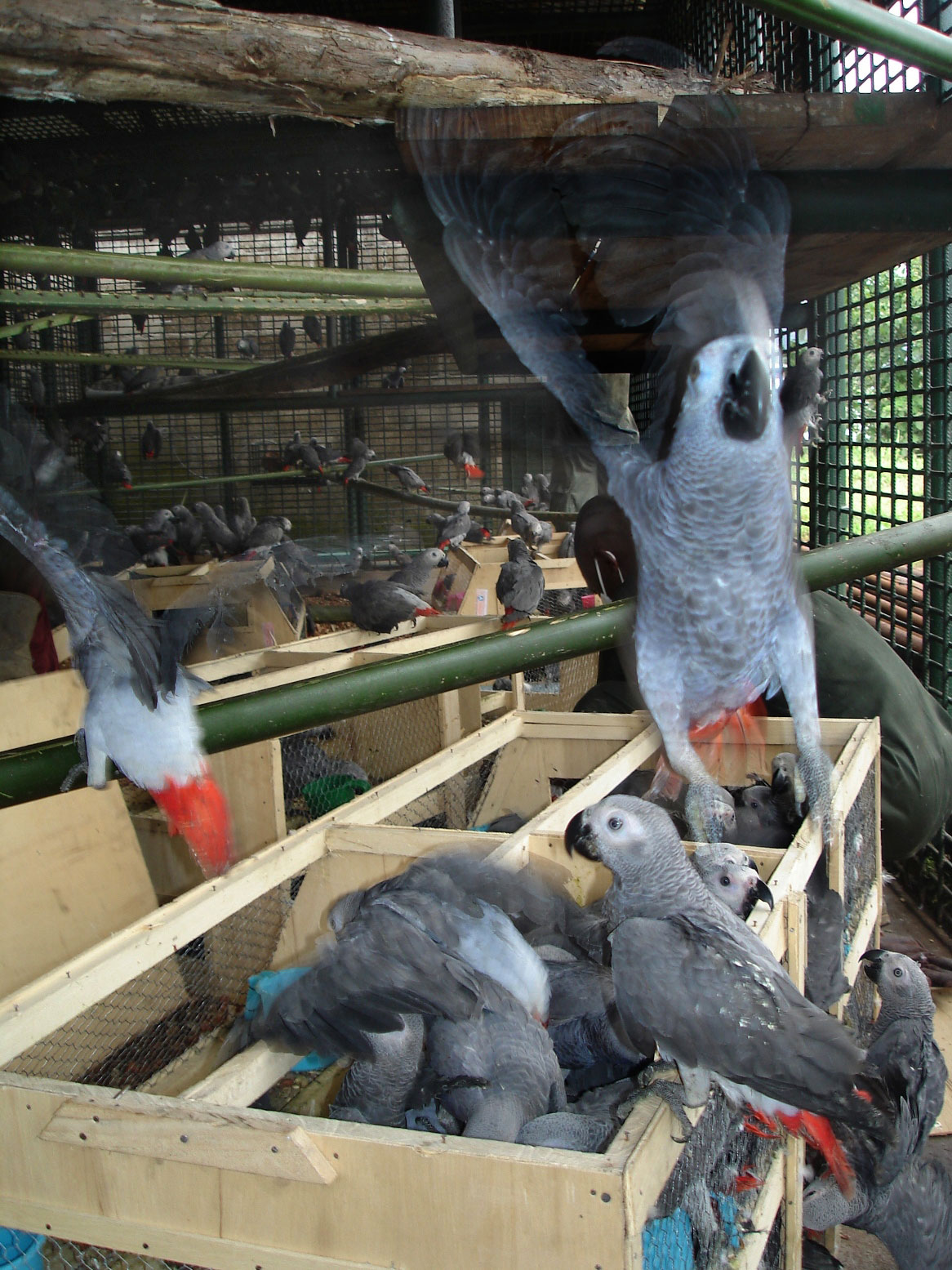
 DR. ROWAN MARTIN has been of vital assistance in writing this issue. Rowan heads up the
  CHRISTIAN MEERMANN is the photographer of our Congo grey parrot cover image. Based in Germany and active since 2007, his award winning fine art black & white portraits of animals have not only built a strong and still growing reputation in the photographic communities on the web, but also caught the interest of customers like the Sporting Clube de Portugal, Maxim magazine, Getty Images and Nike. You can find his work on his website and also on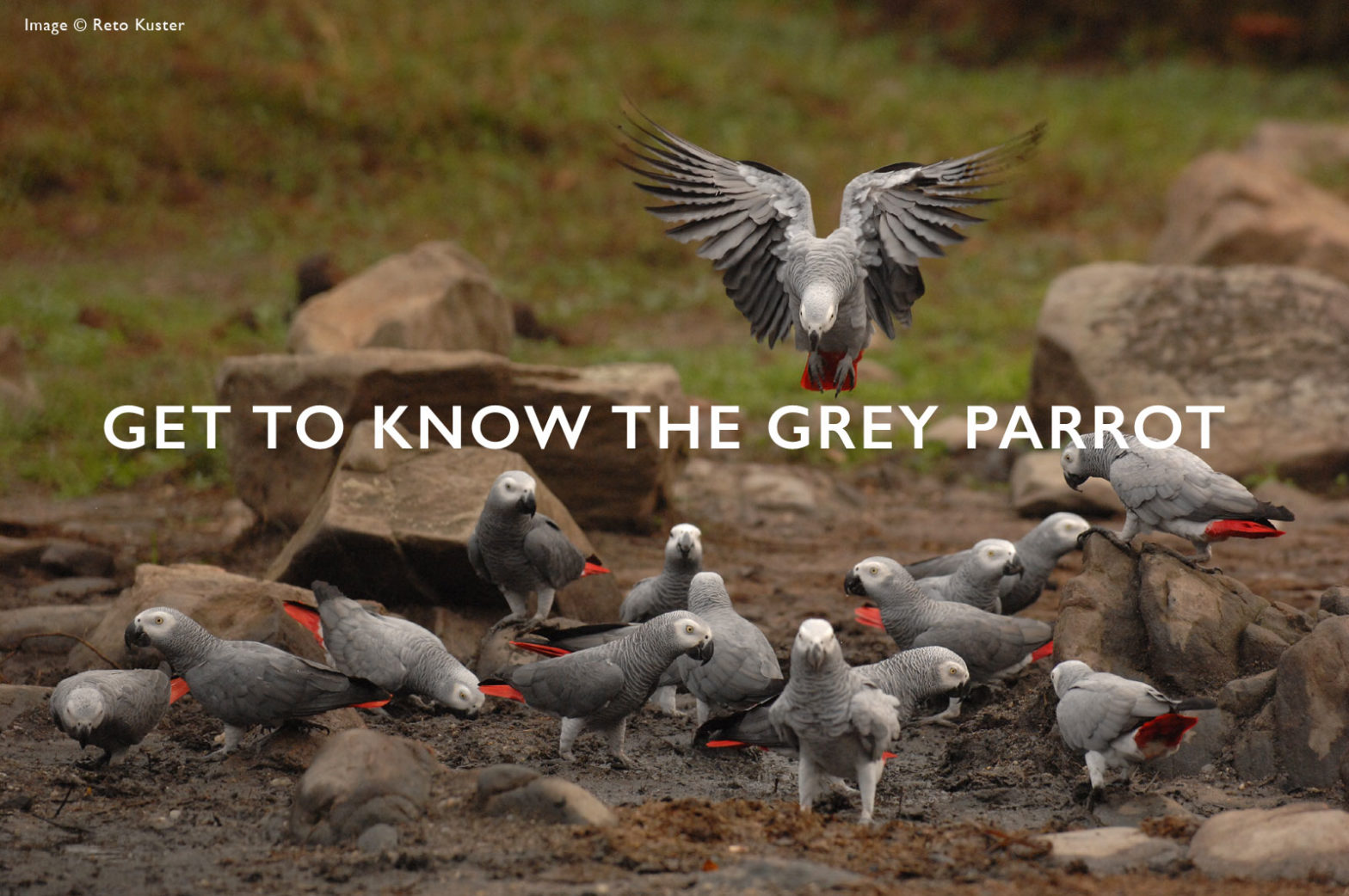
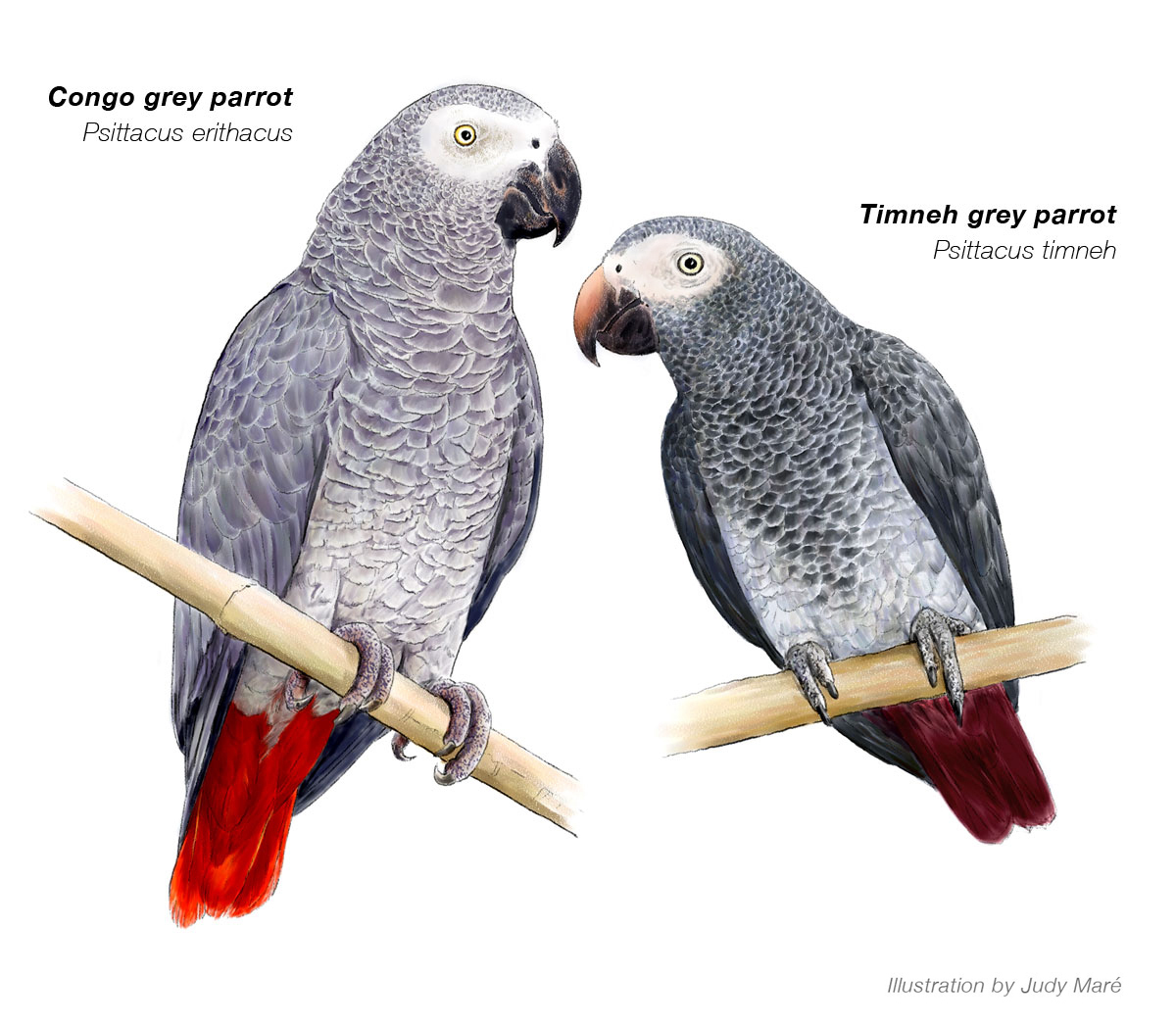 Congo grey parrot (Psittacus erithacus)
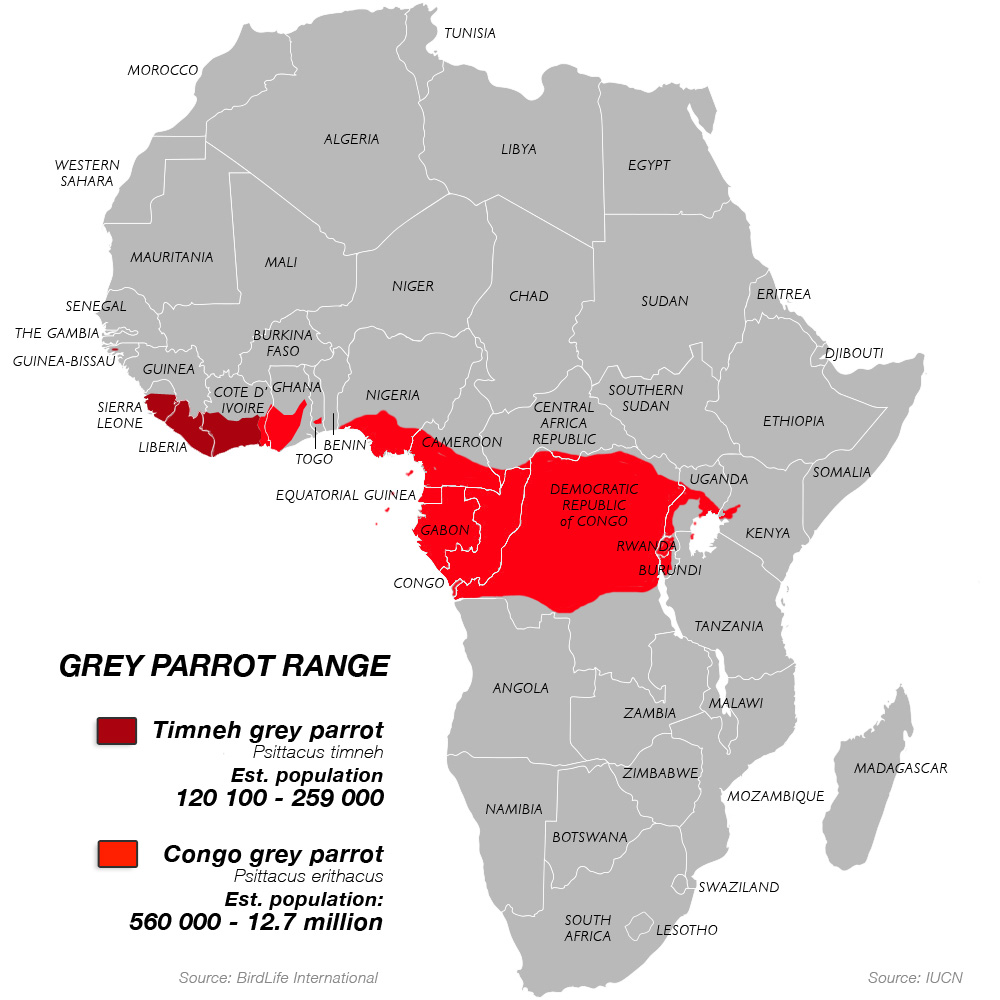 Population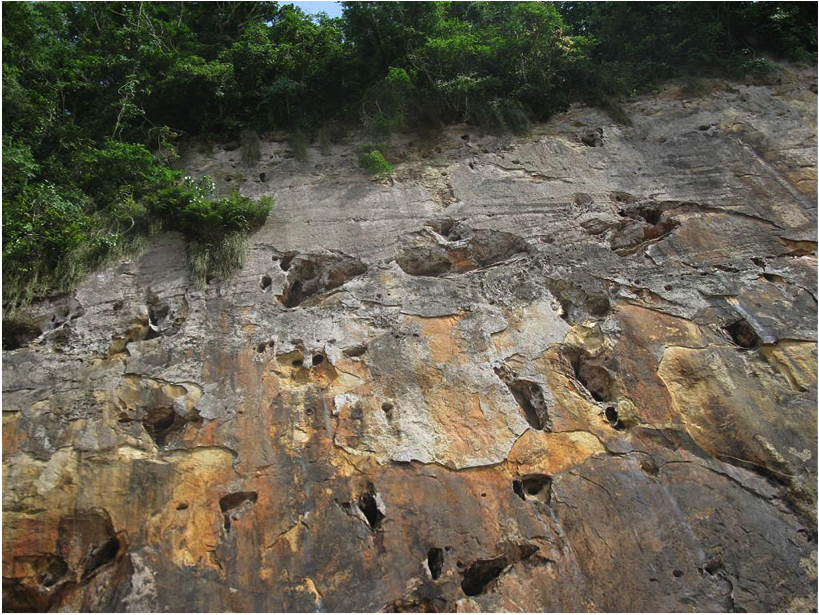
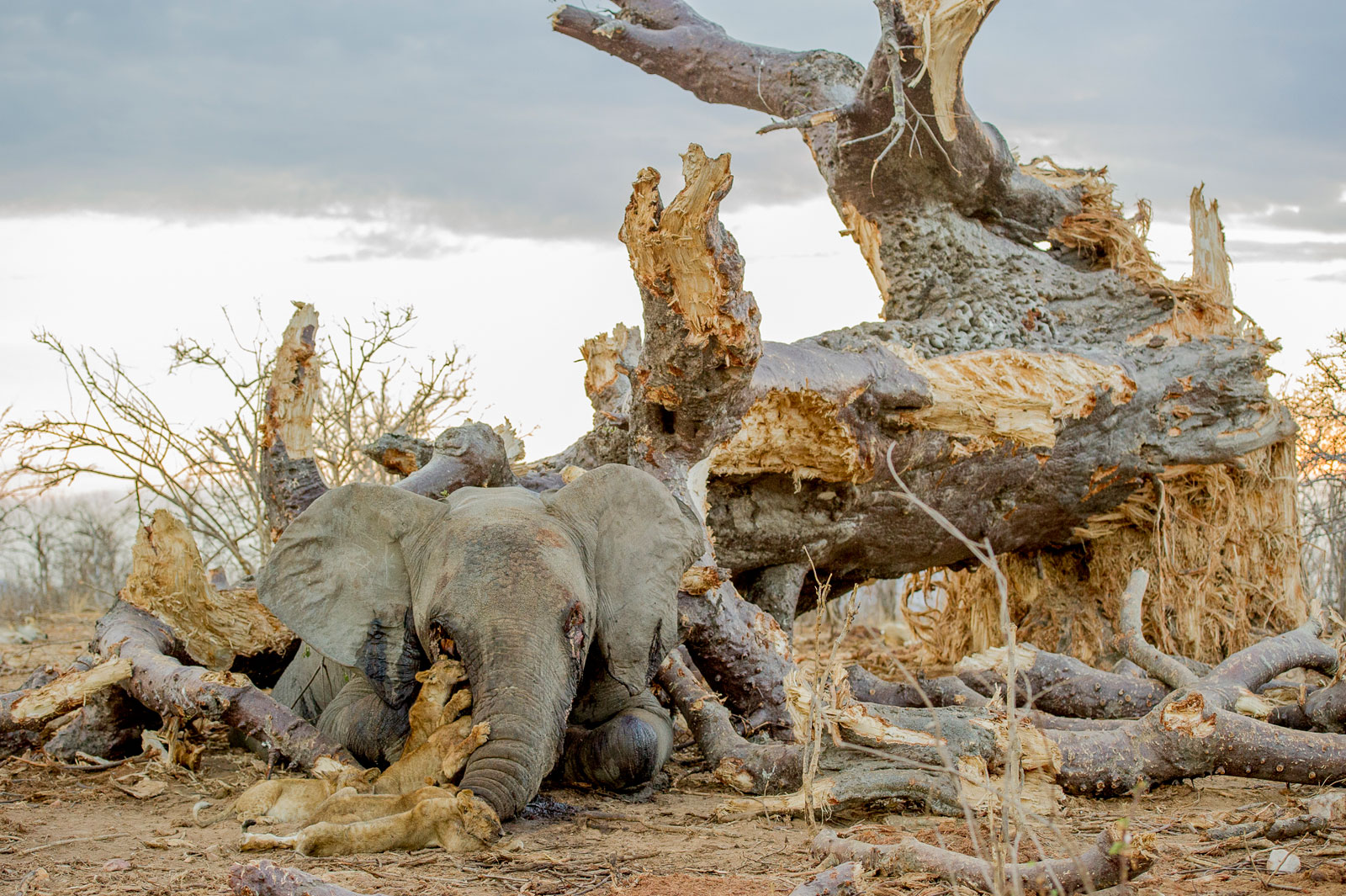
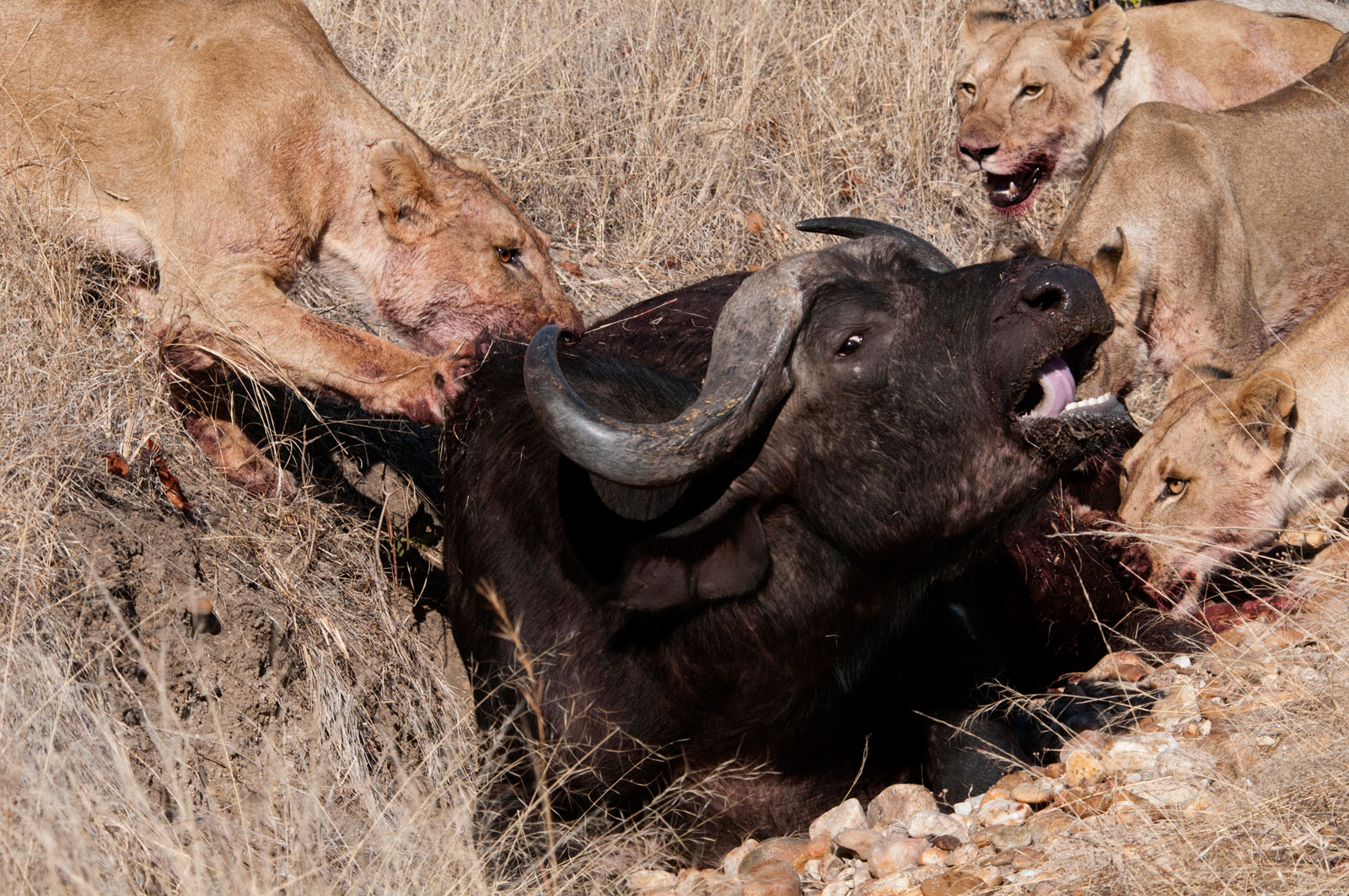
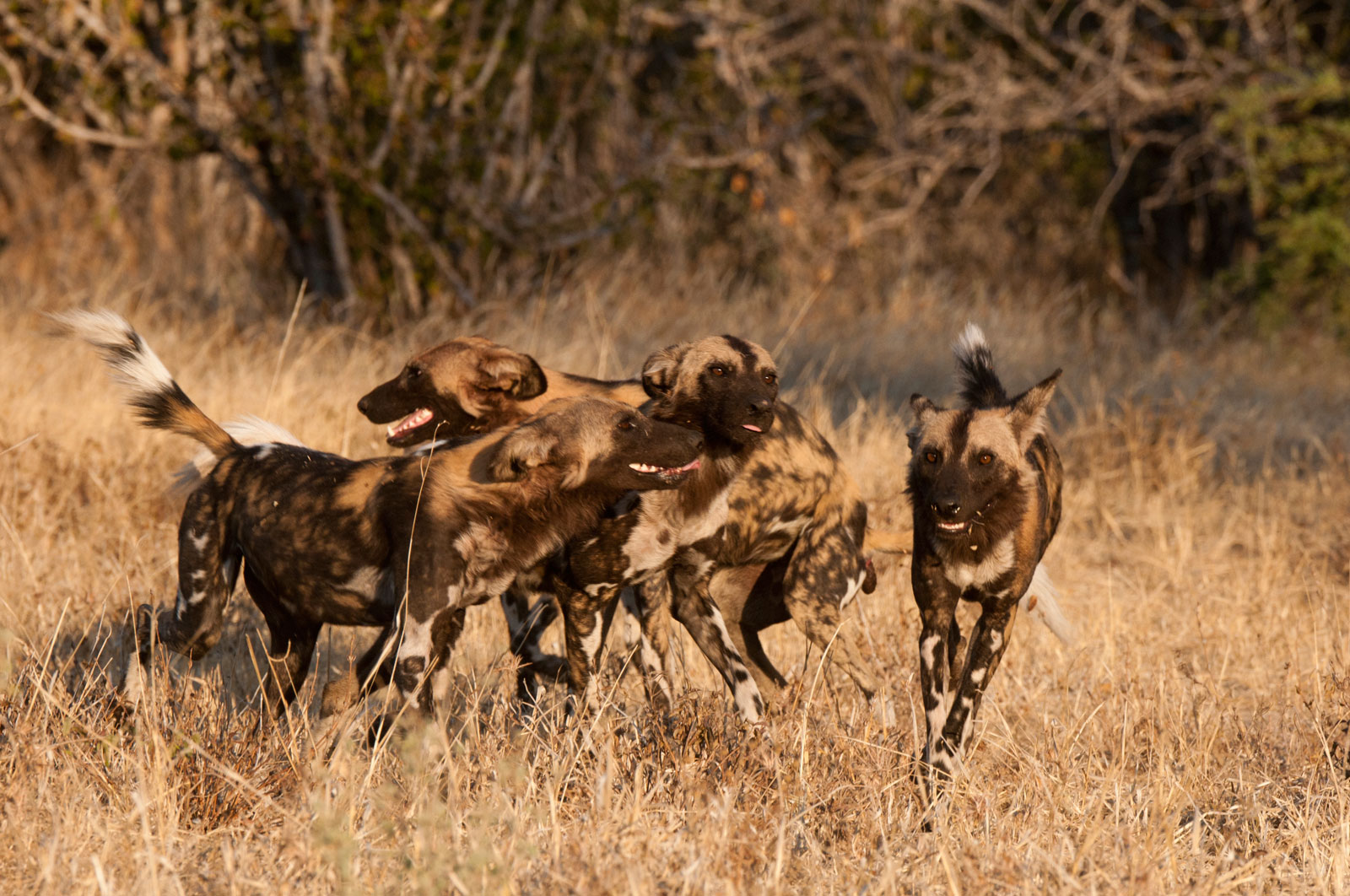
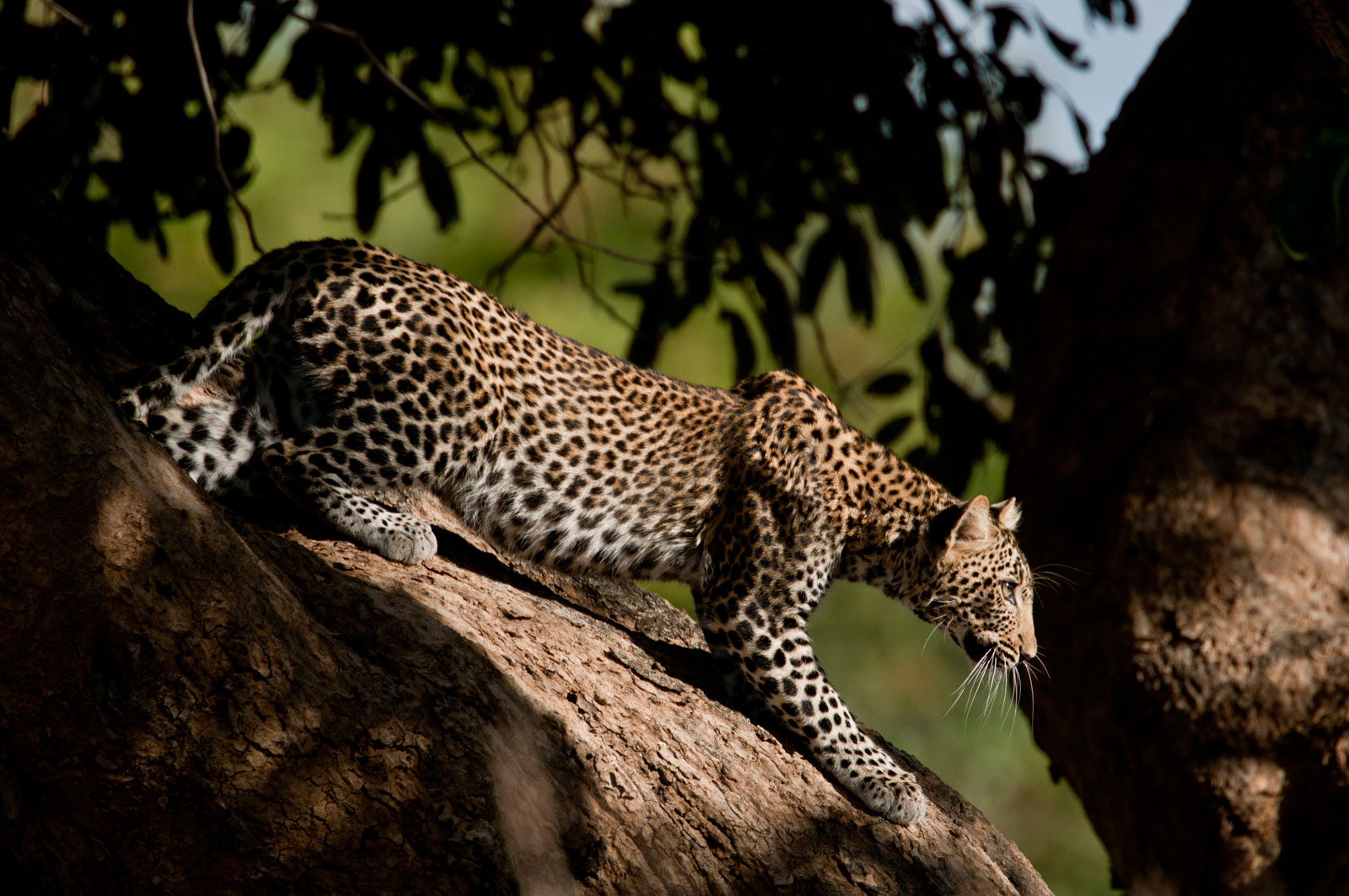
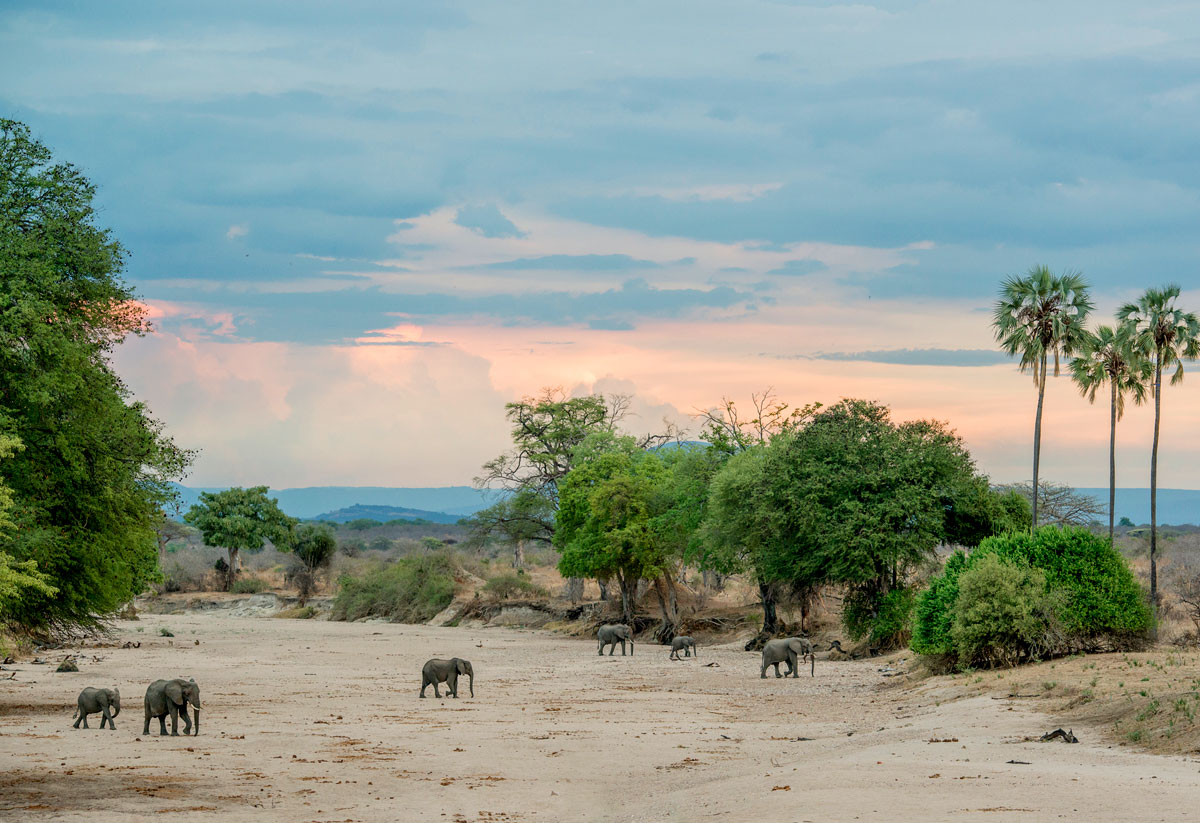
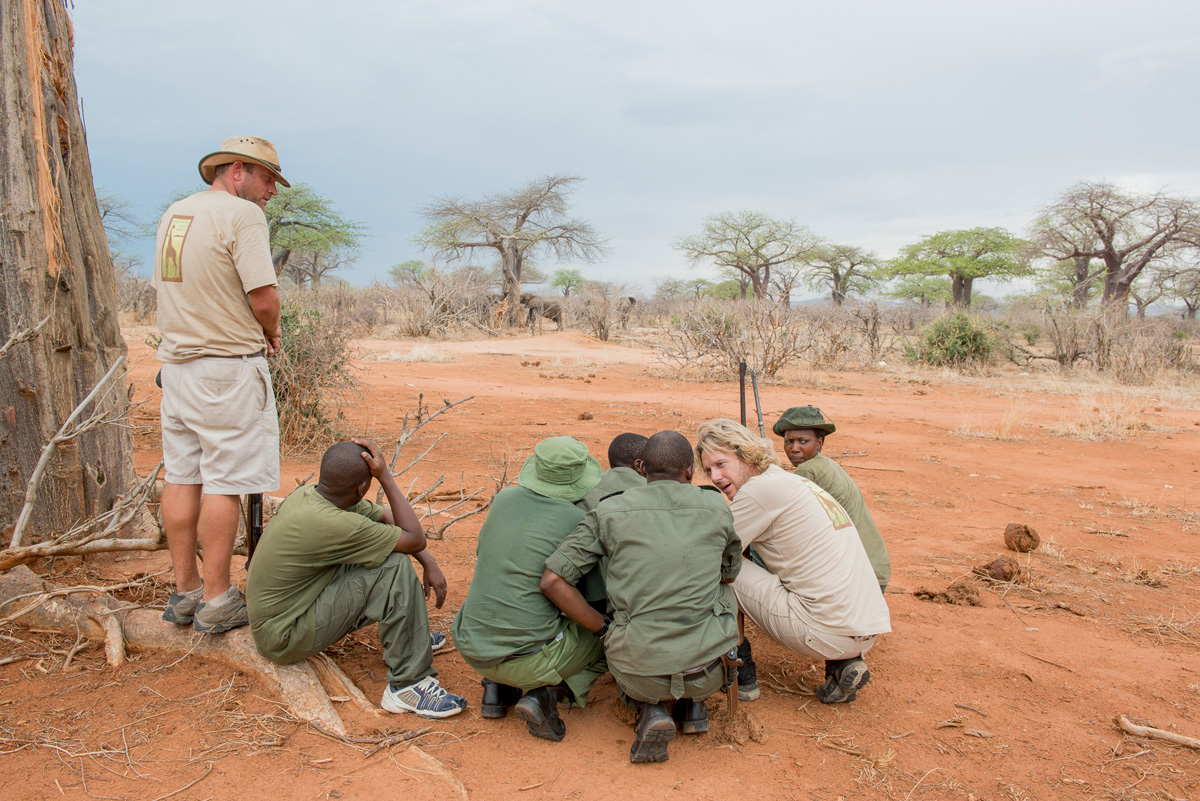
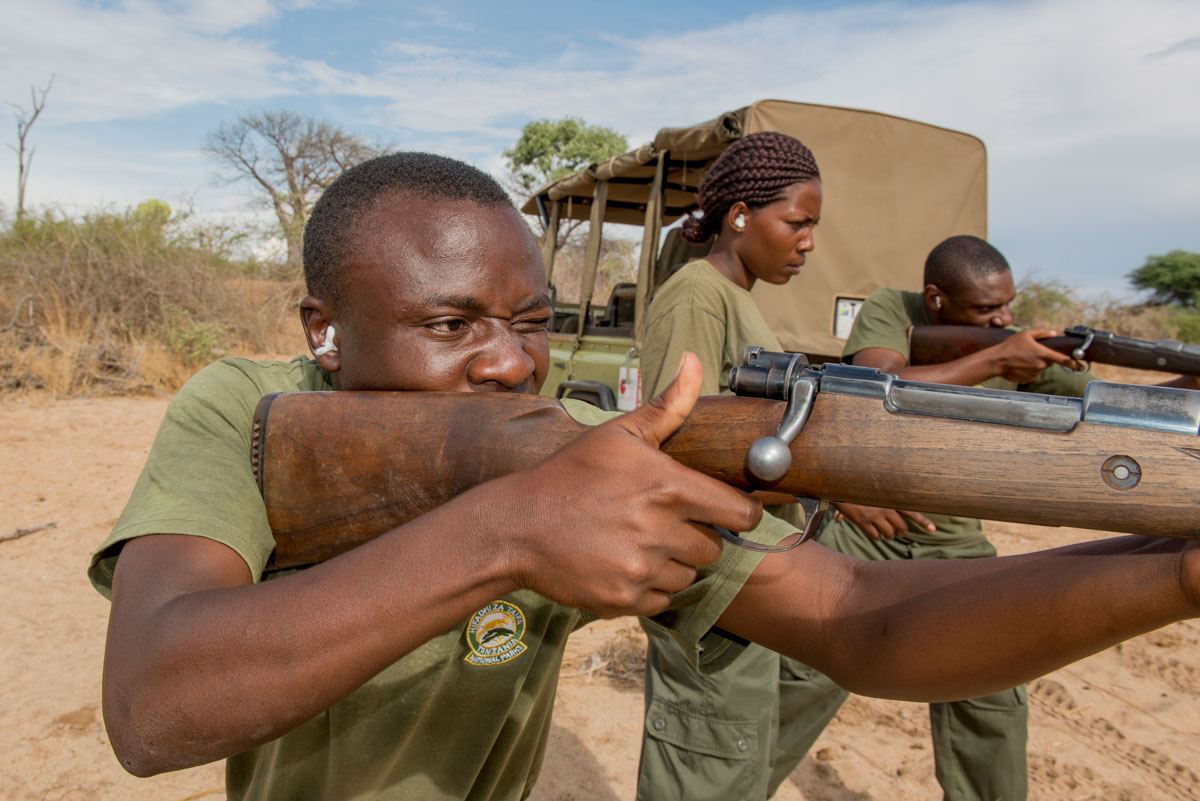
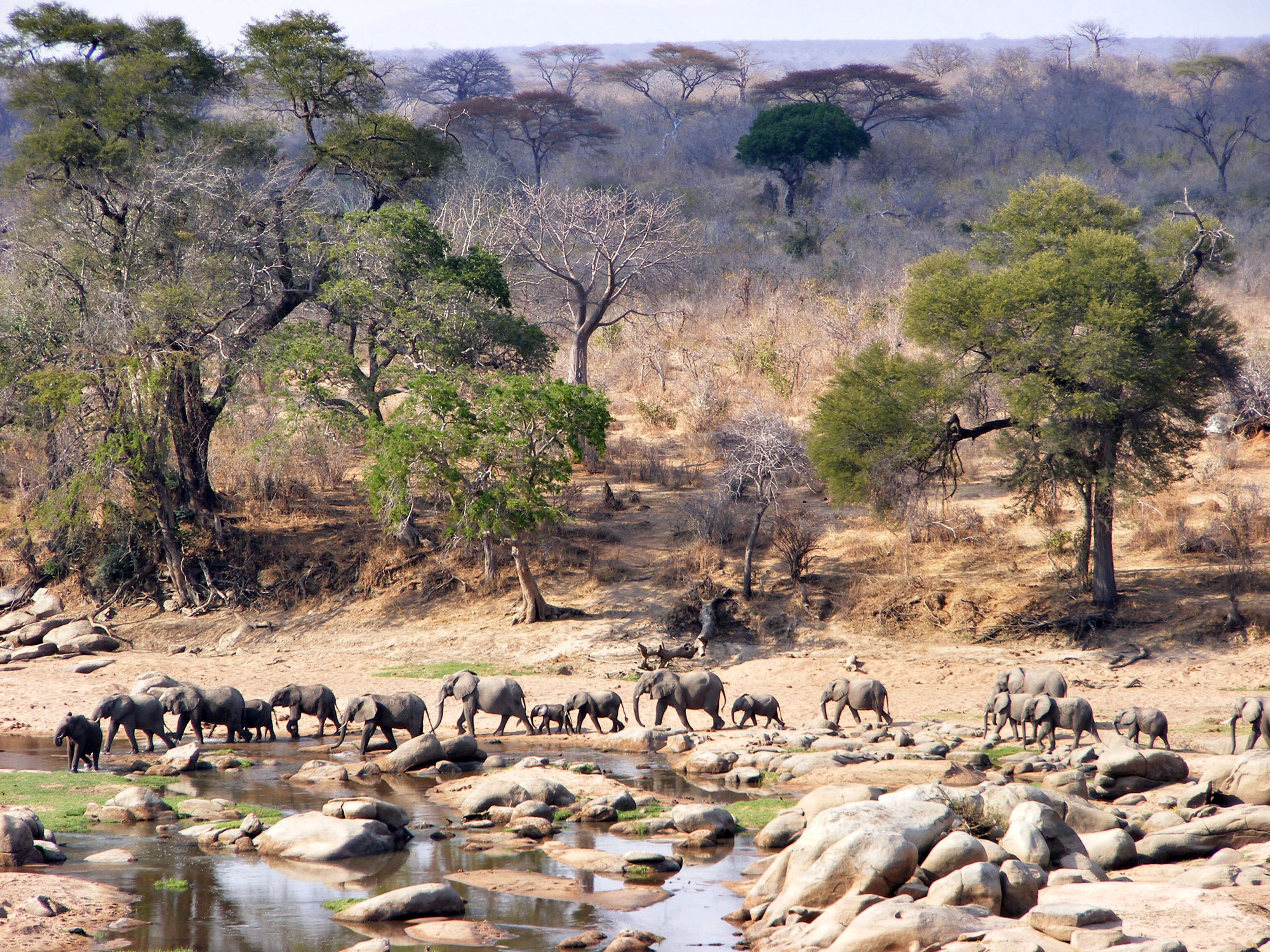
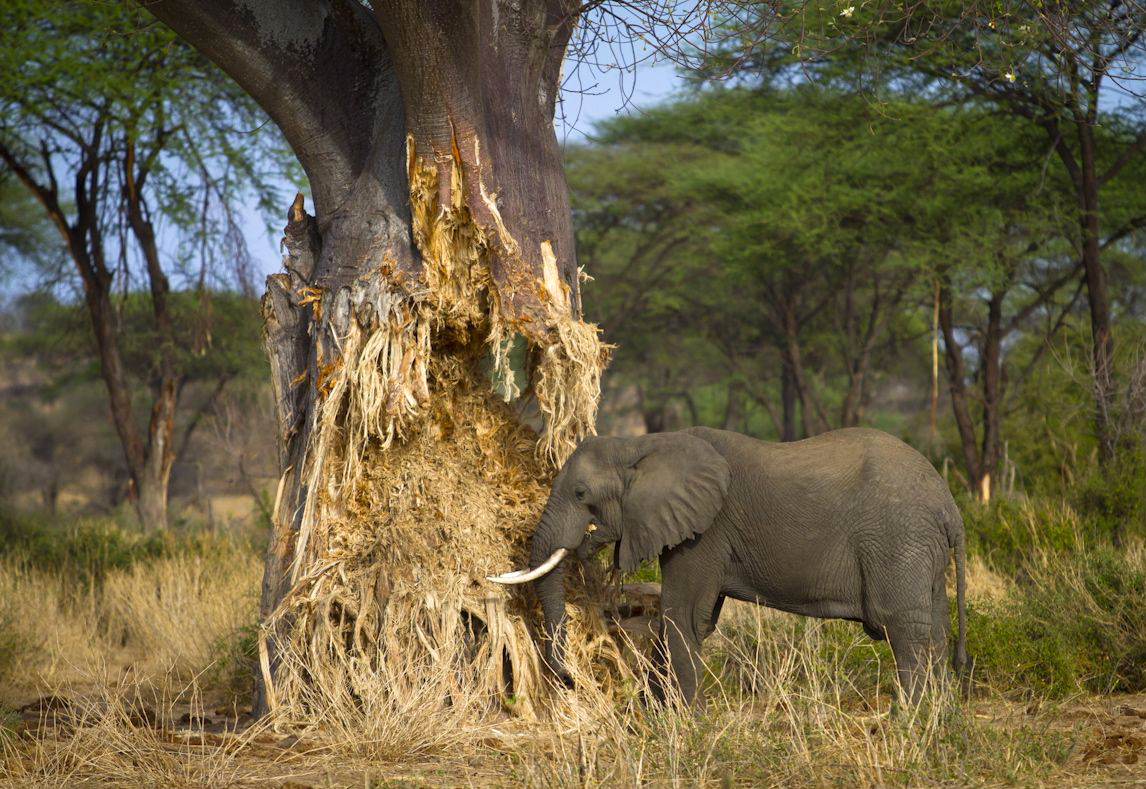
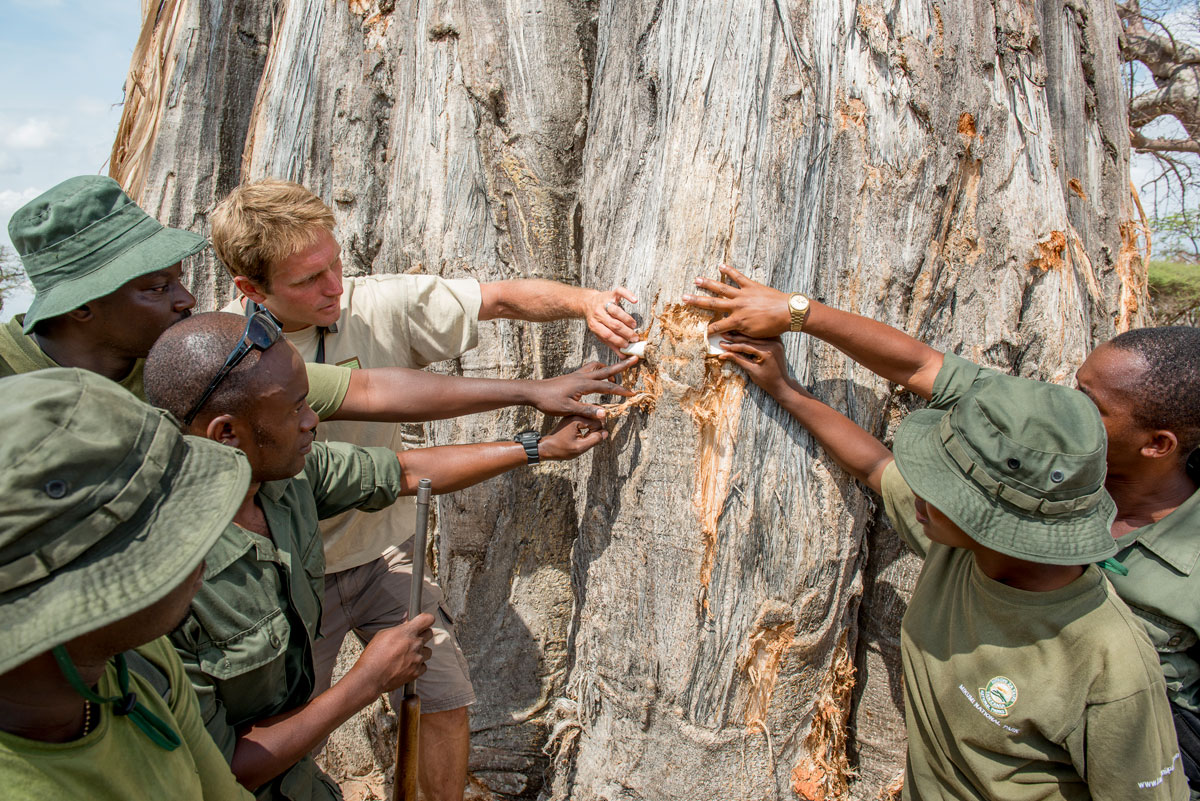
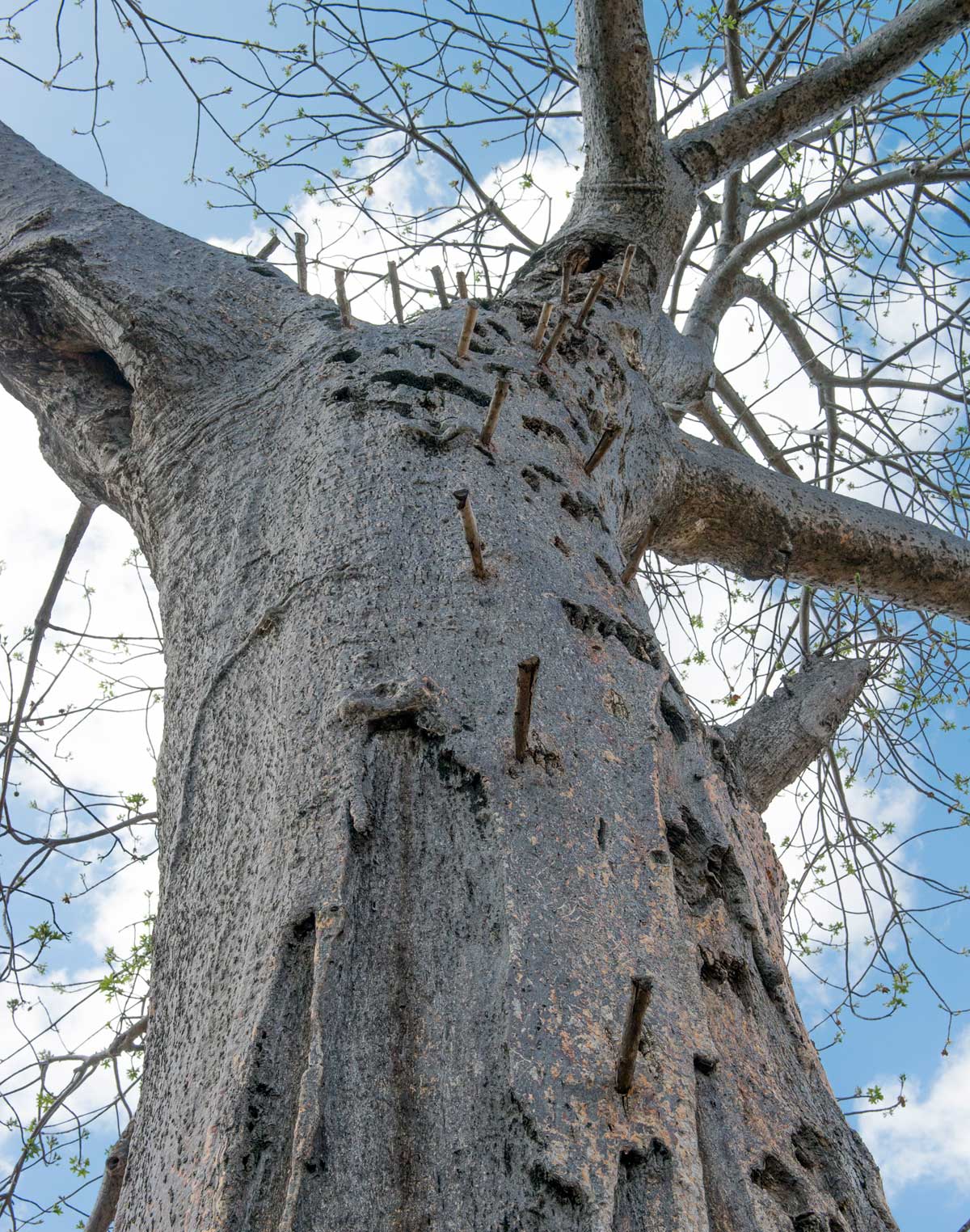
 ETHAN KINSEYwas born and raised close to Arusha, where he and his wife now make their home. Being outside, immersed in nature, has always been a part of his life, from catching tadpoles and birding as a child to winter sports during college vacations. More recently, it has taken the form of sharing wildlife and wilderness experiences with guests, specialised guiding, guide-training, and personal learning ventures. Primarily engaged in designing and guiding private safaris throughout East Africa, he is also active in developing guiding standards through the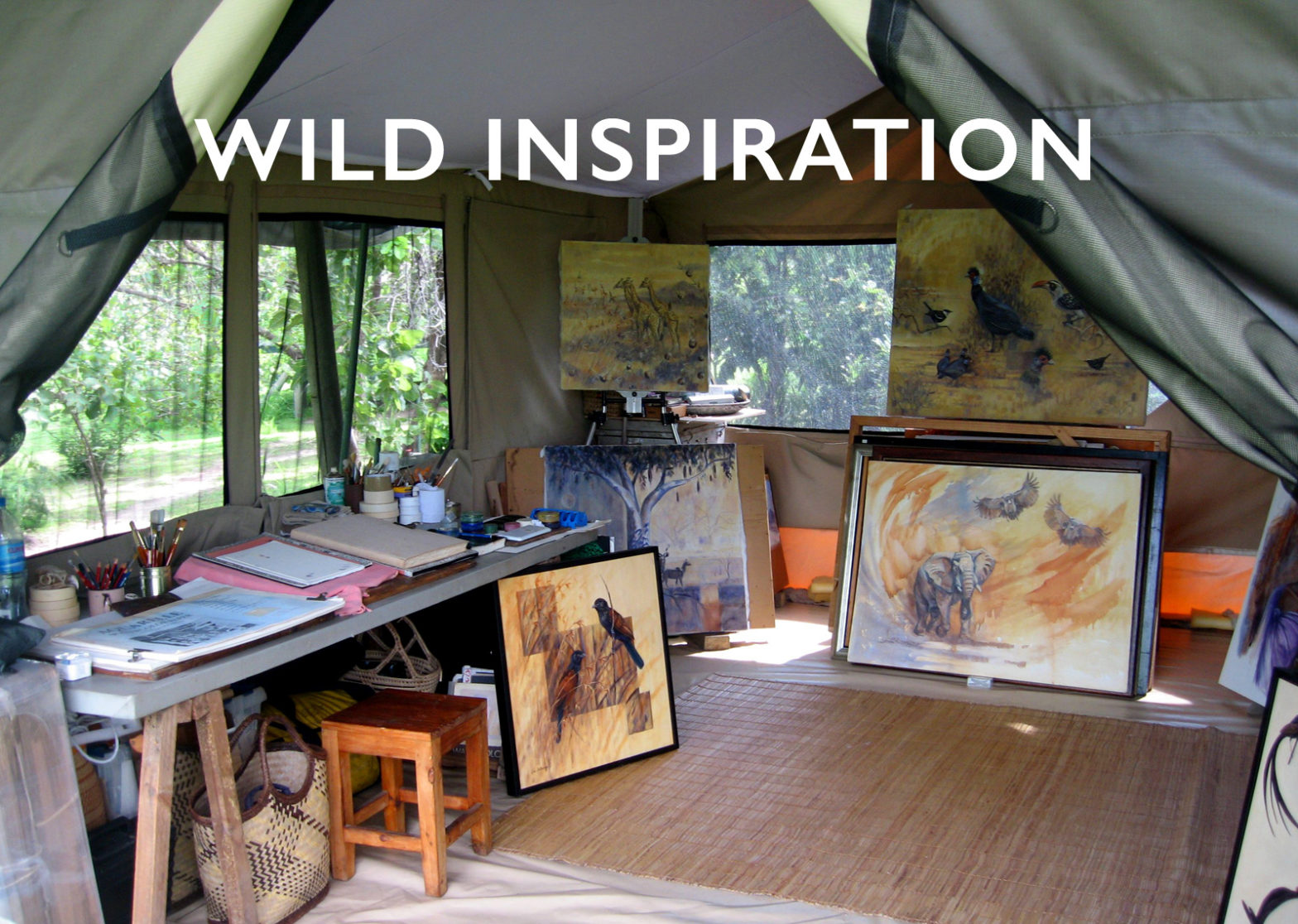
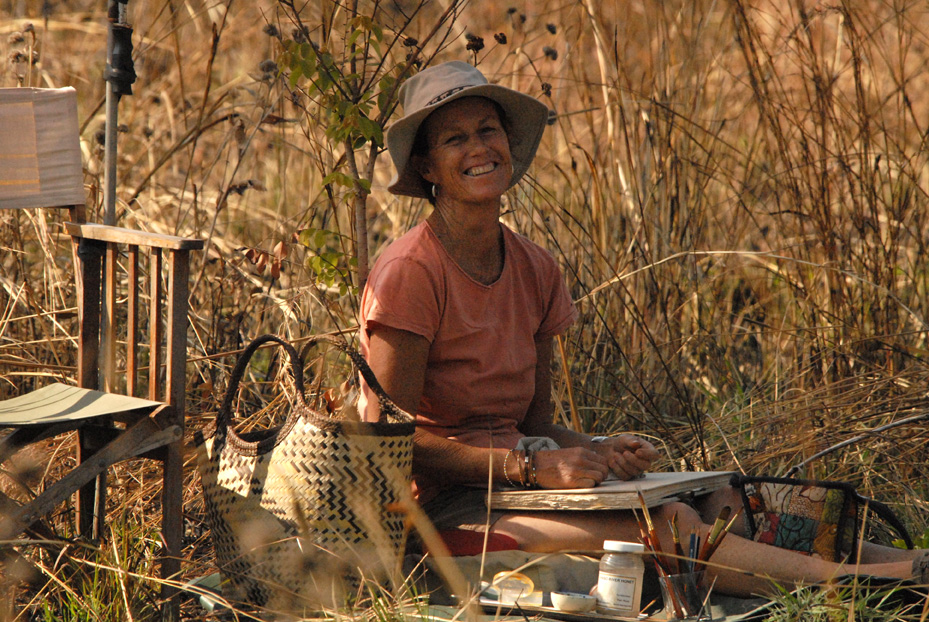
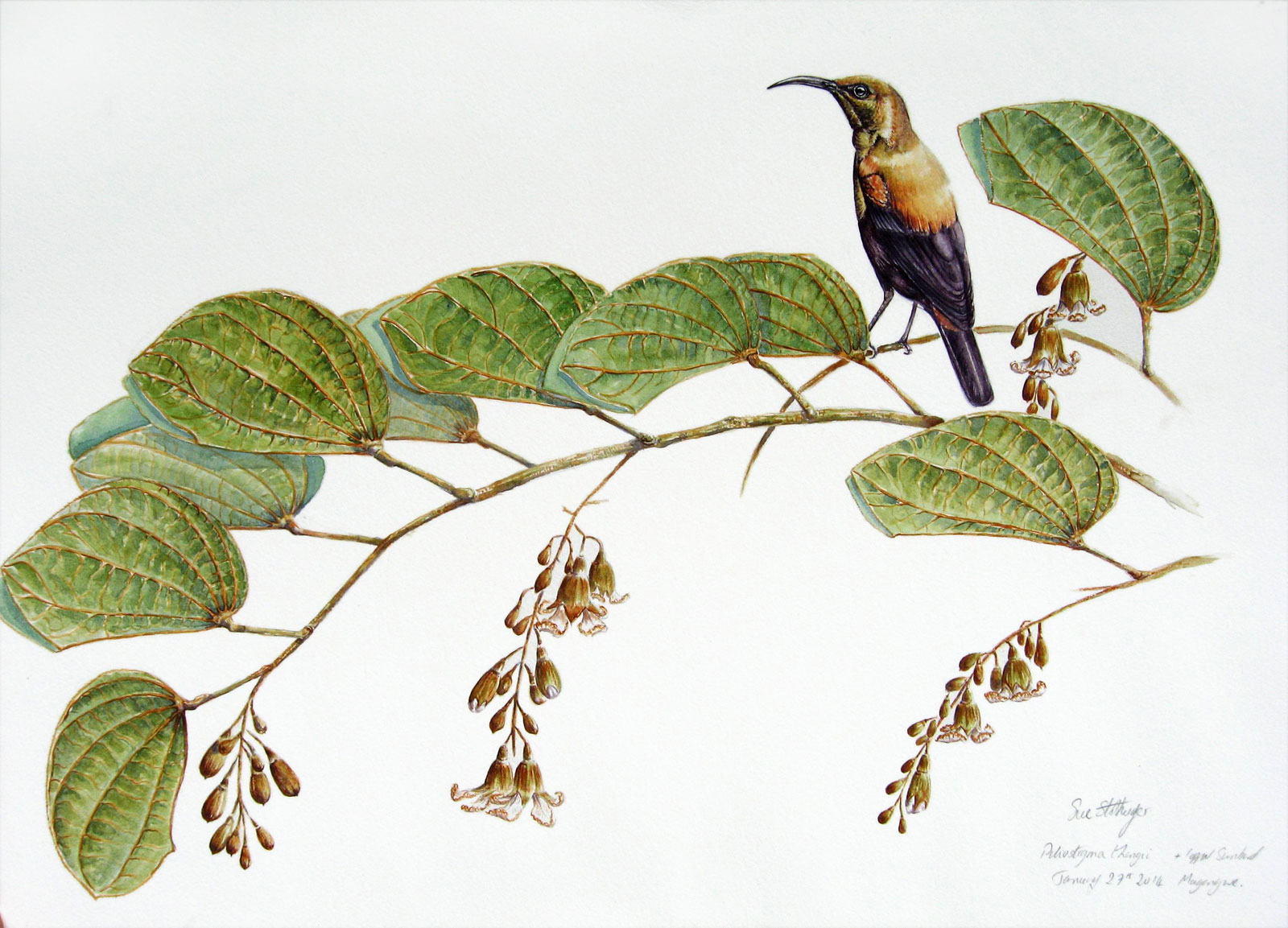
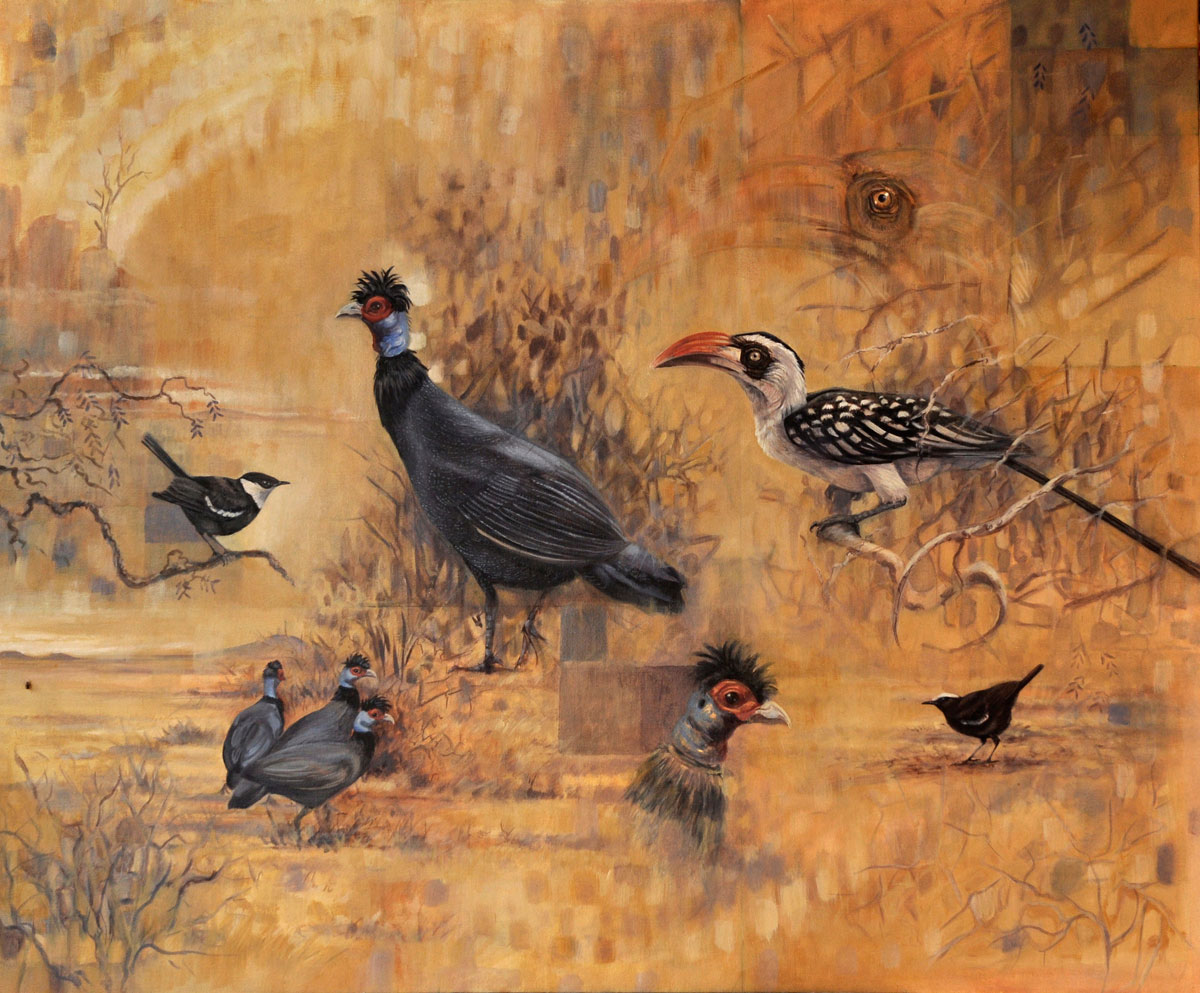
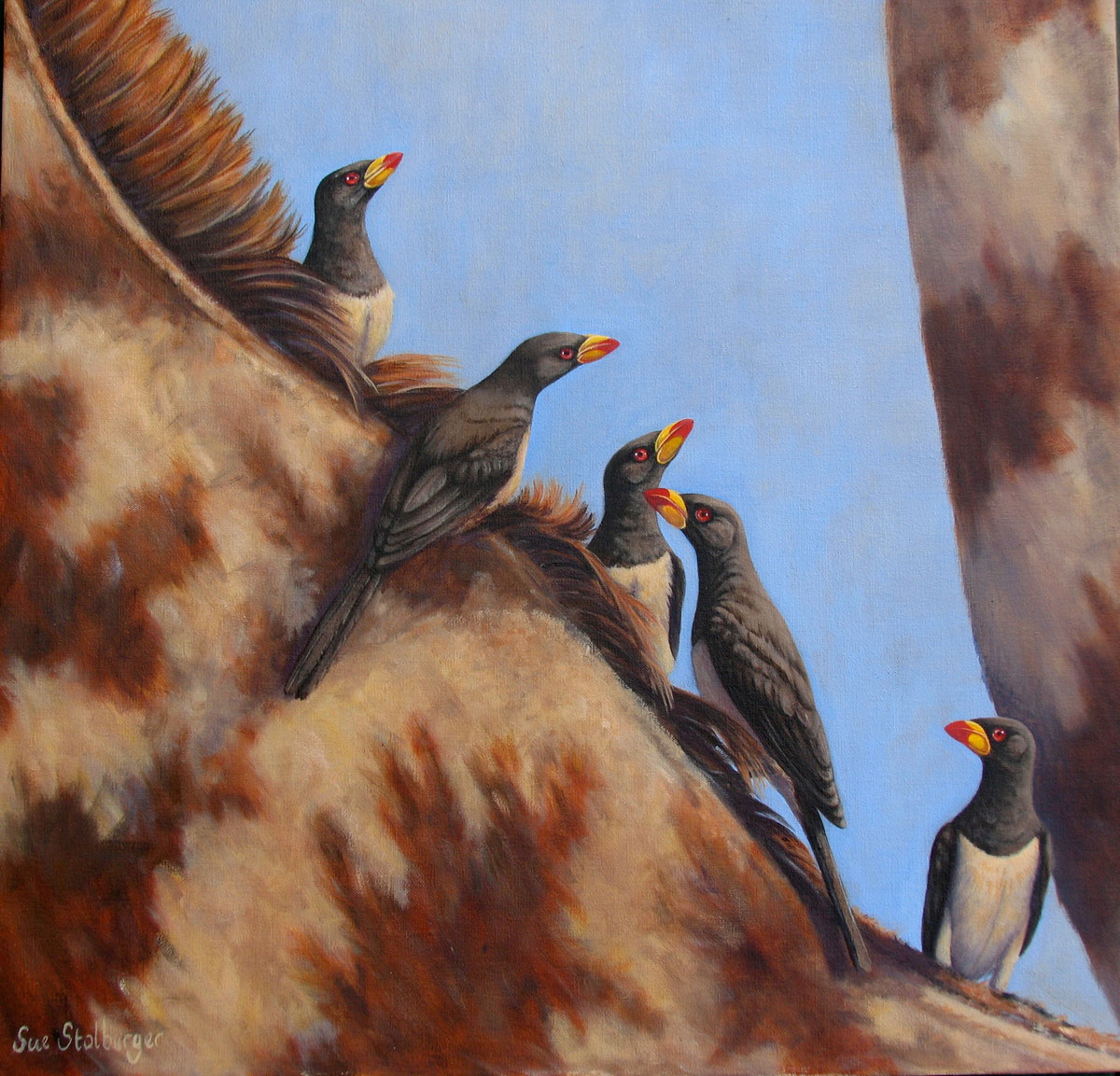 What has always fascinated me is how nature comes up with the most marvellous combinations of colour. It is these combinations of colour and design that spark many of my pictures. I have always loved painting birds; their patterns and colours are superb.
 I paint because it is what I love to do. I paint what inspires me or challenges me. It is very hard to catch that same spontaneous ‘inspiration’ from someone else’s idea. In the few commissions I have done, I am constantly wondering: ‘is this what they had in mind?’ I concluded that it would be unwise to accept commissions as, although one might be tempted to follow this route as it brings in money, in the end, it will be detrimental to one’s standard of work and one’s own inspiration. I can afford not to be controlled by fear of not having enough money because I know tomorrow will take care of itself.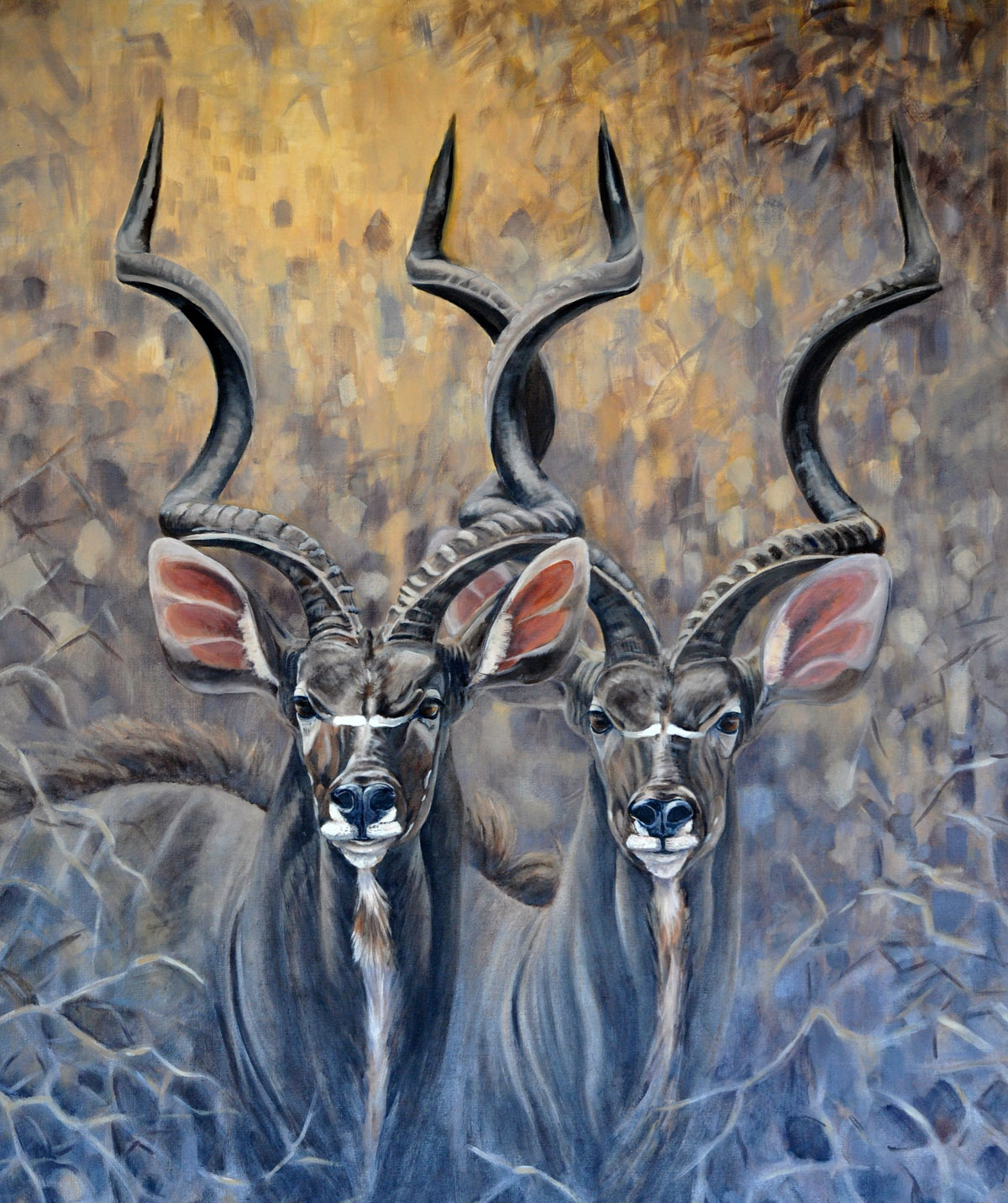
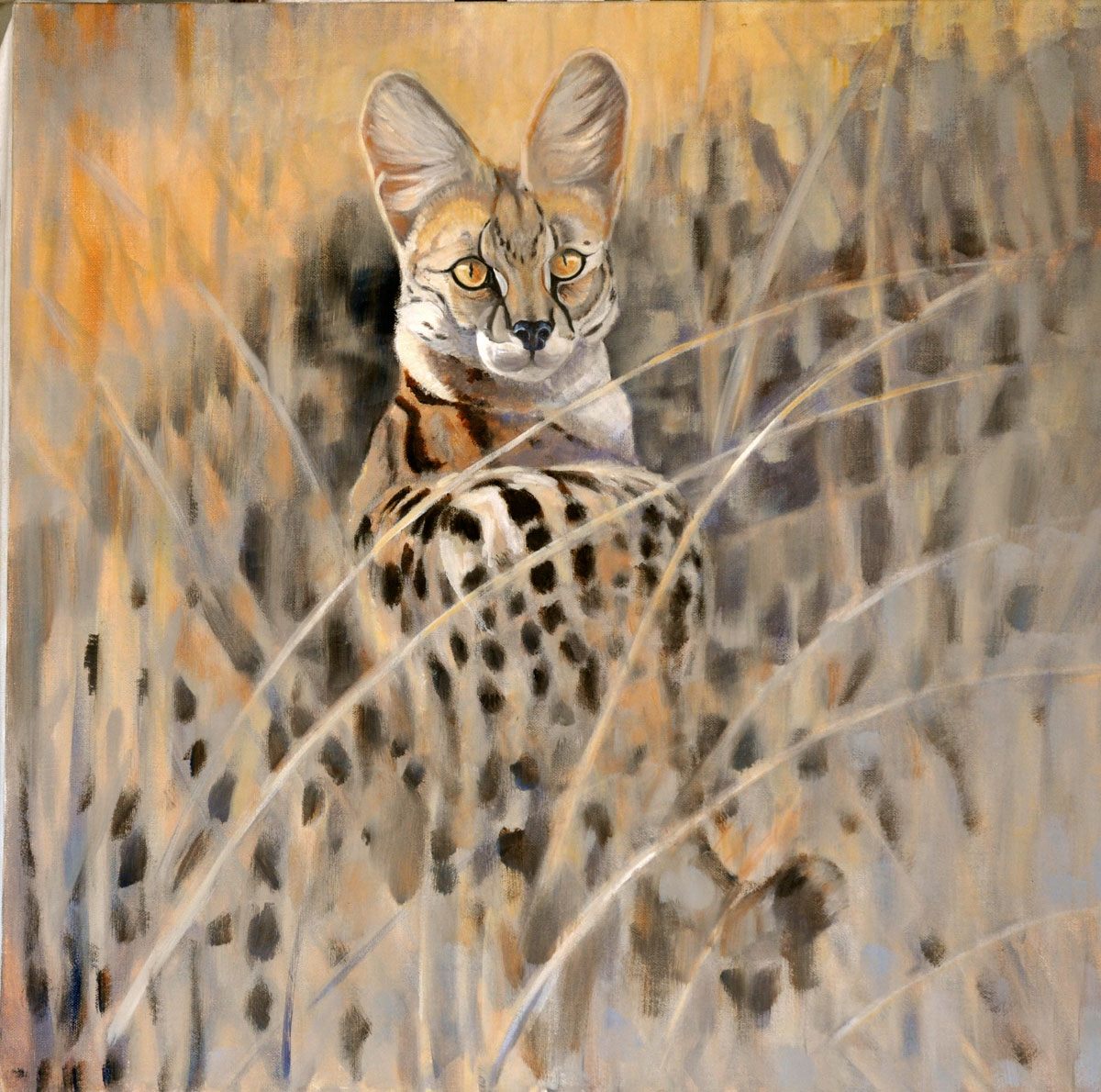 I am compiling countless little stories of my encounters and observations of the wonderful wildlife using photographs and sketches. And I have many oil paintings that are simmering away in my head, waiting for the right moment to appear on the canvas. These will be done randomly in between all the other projects. I will also be exhibiting and giving a talk in Vancouver at the Artist For Conservation exhibition at the end of September 2014.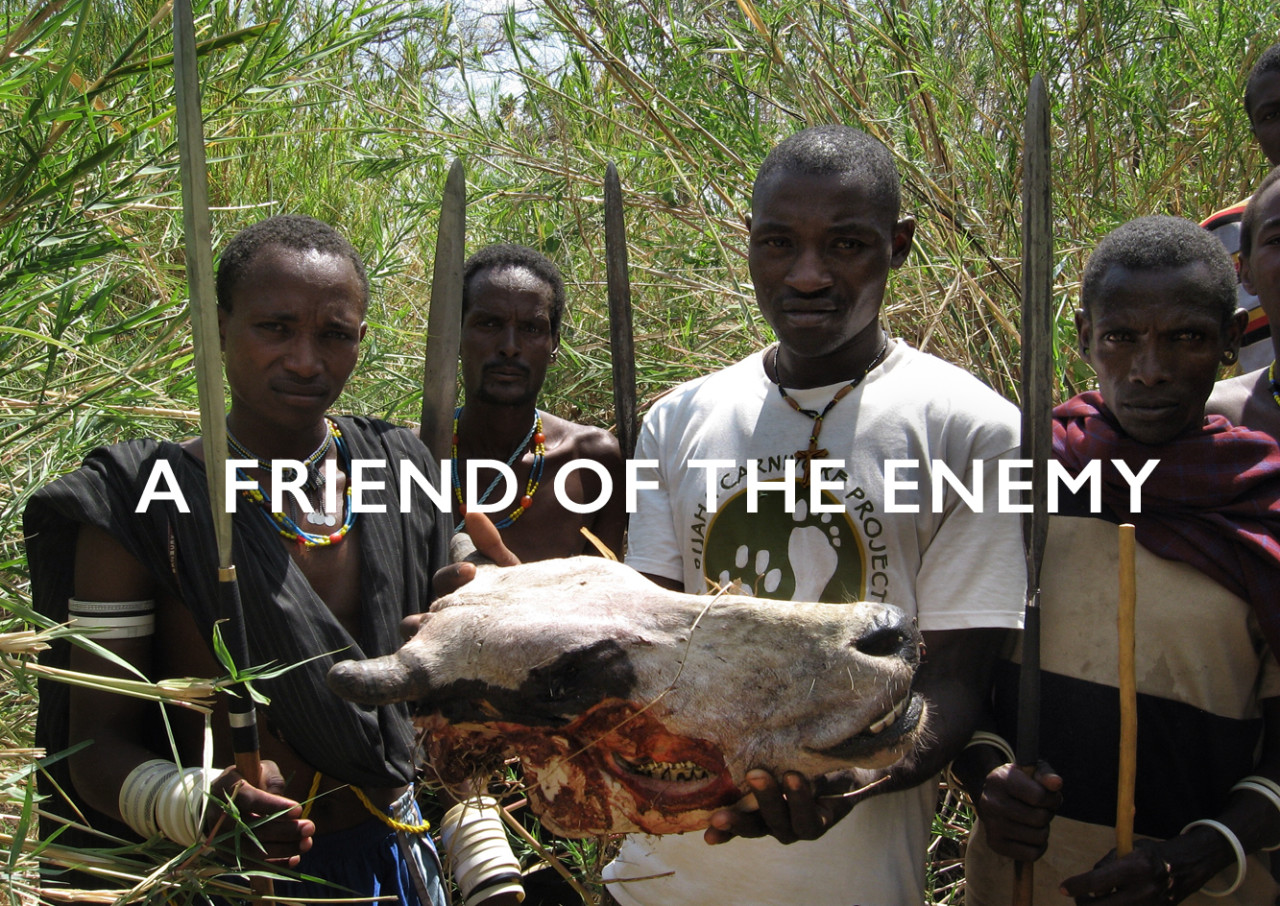
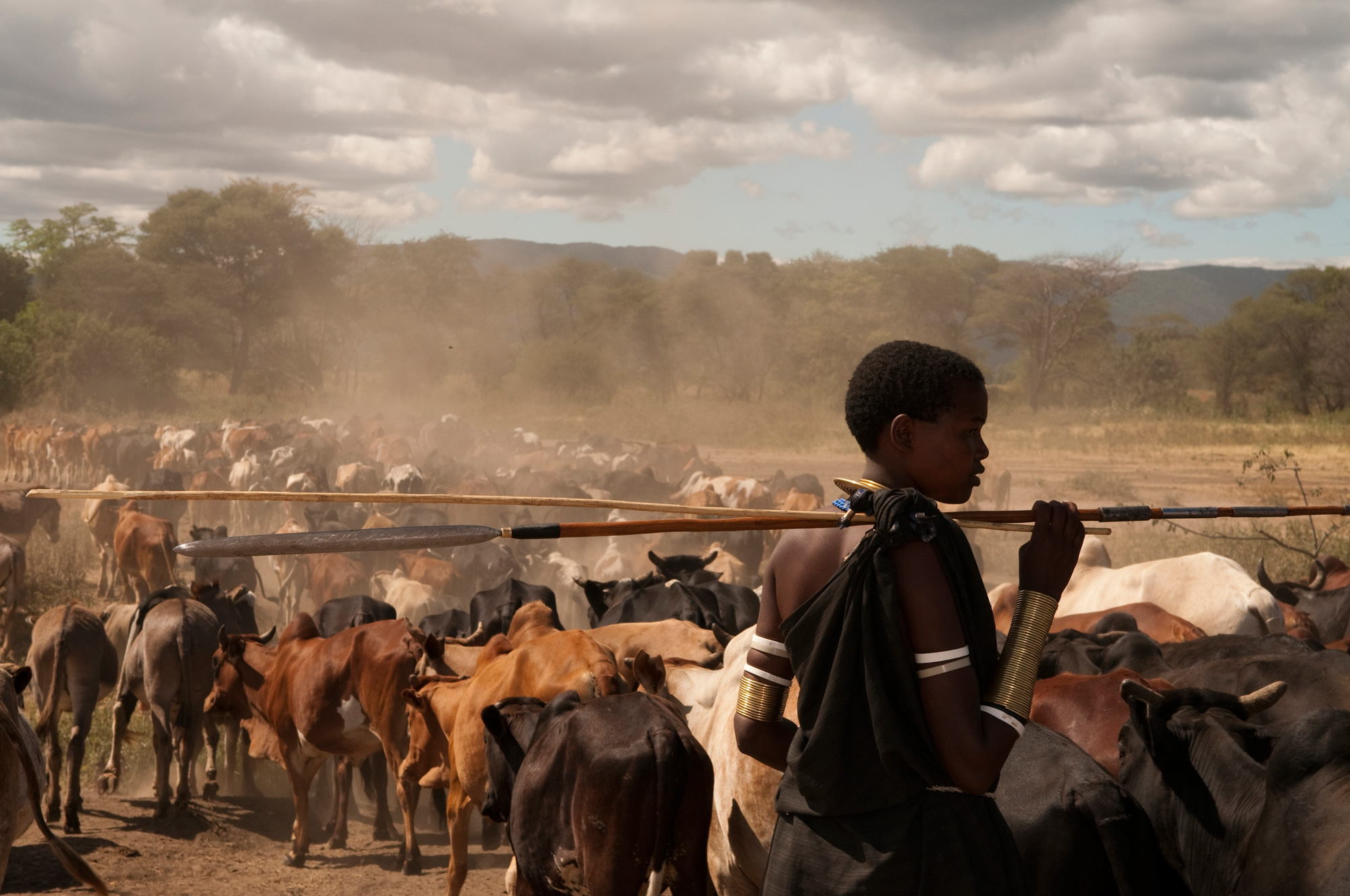
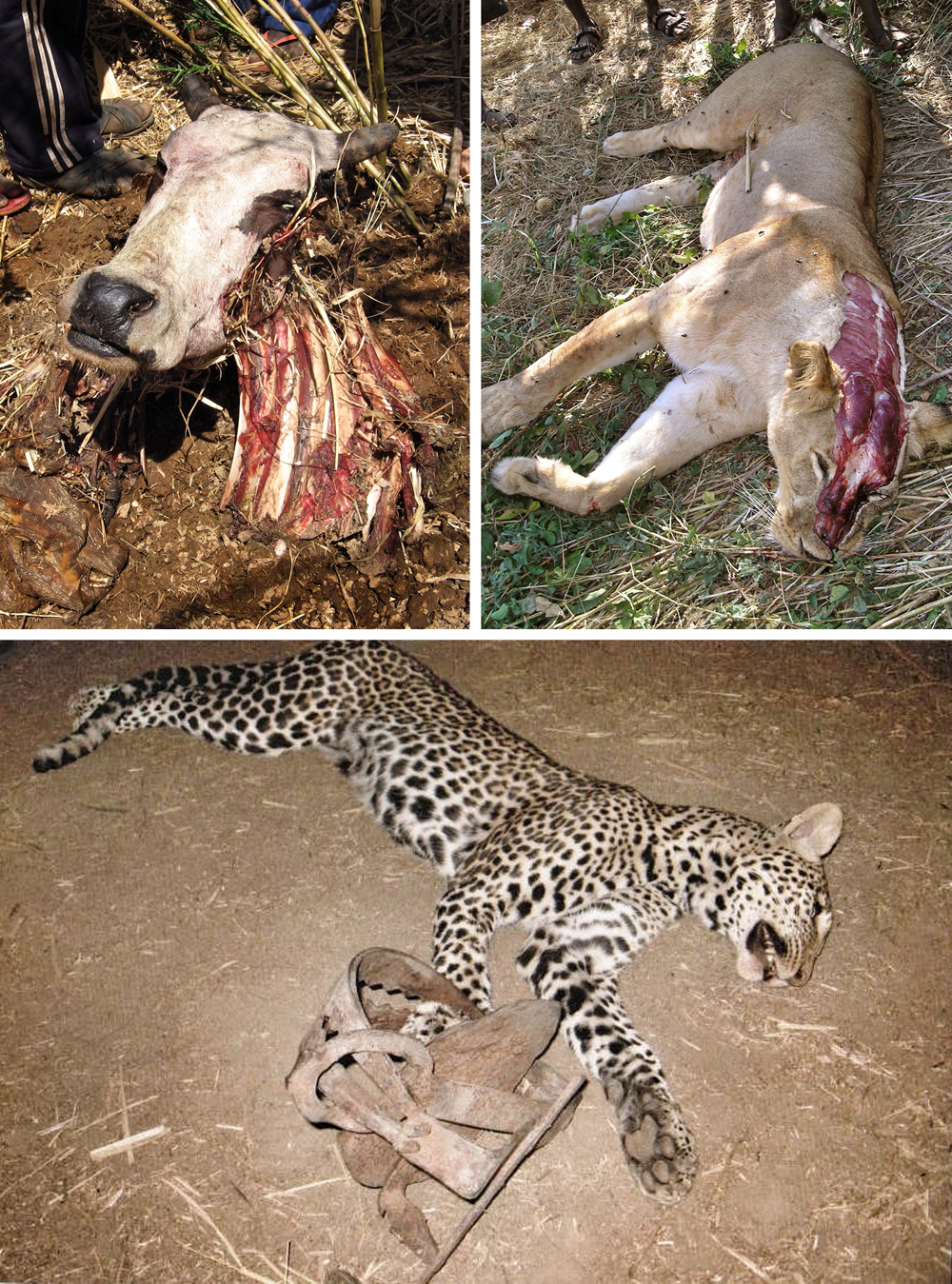
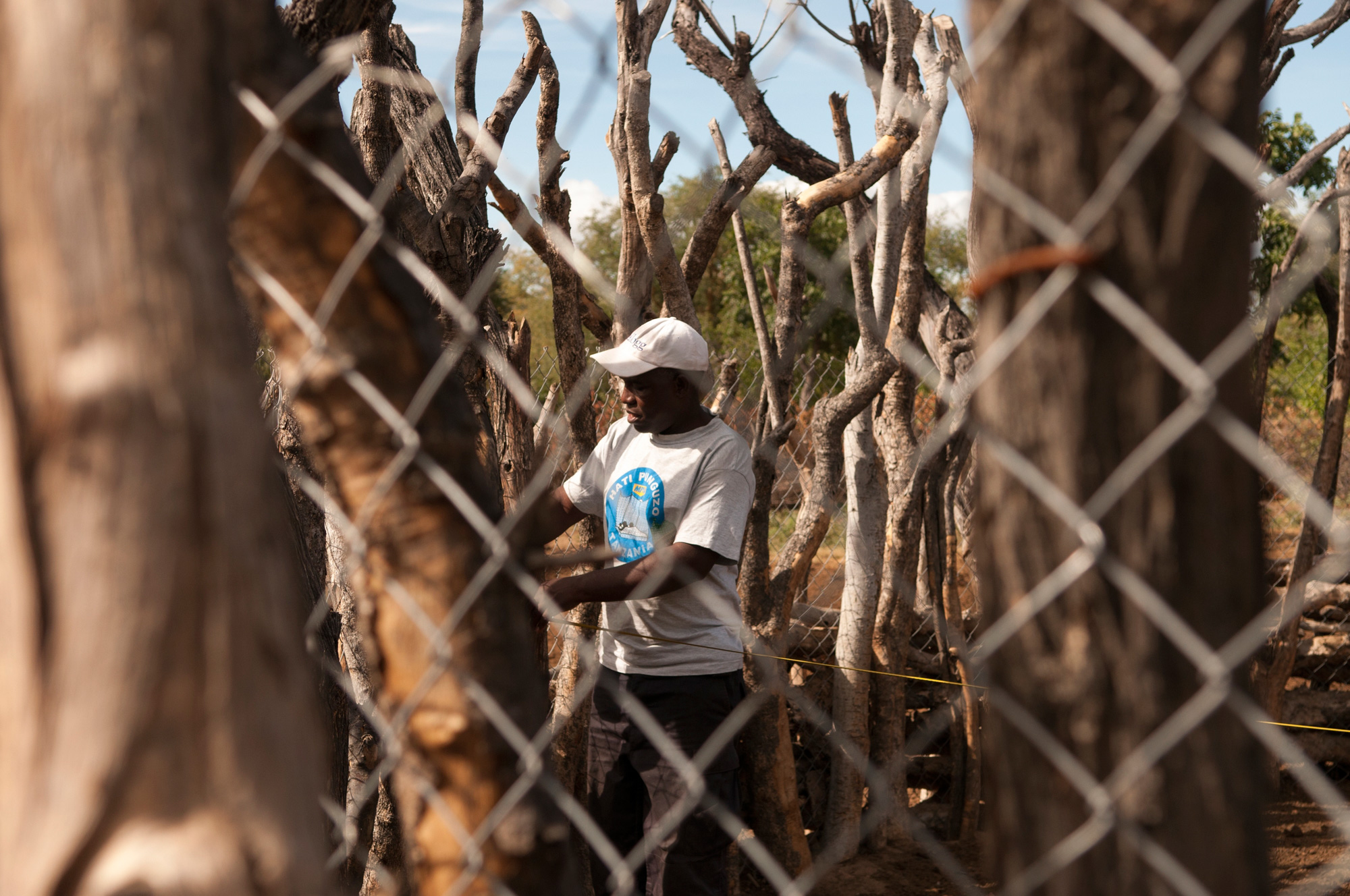
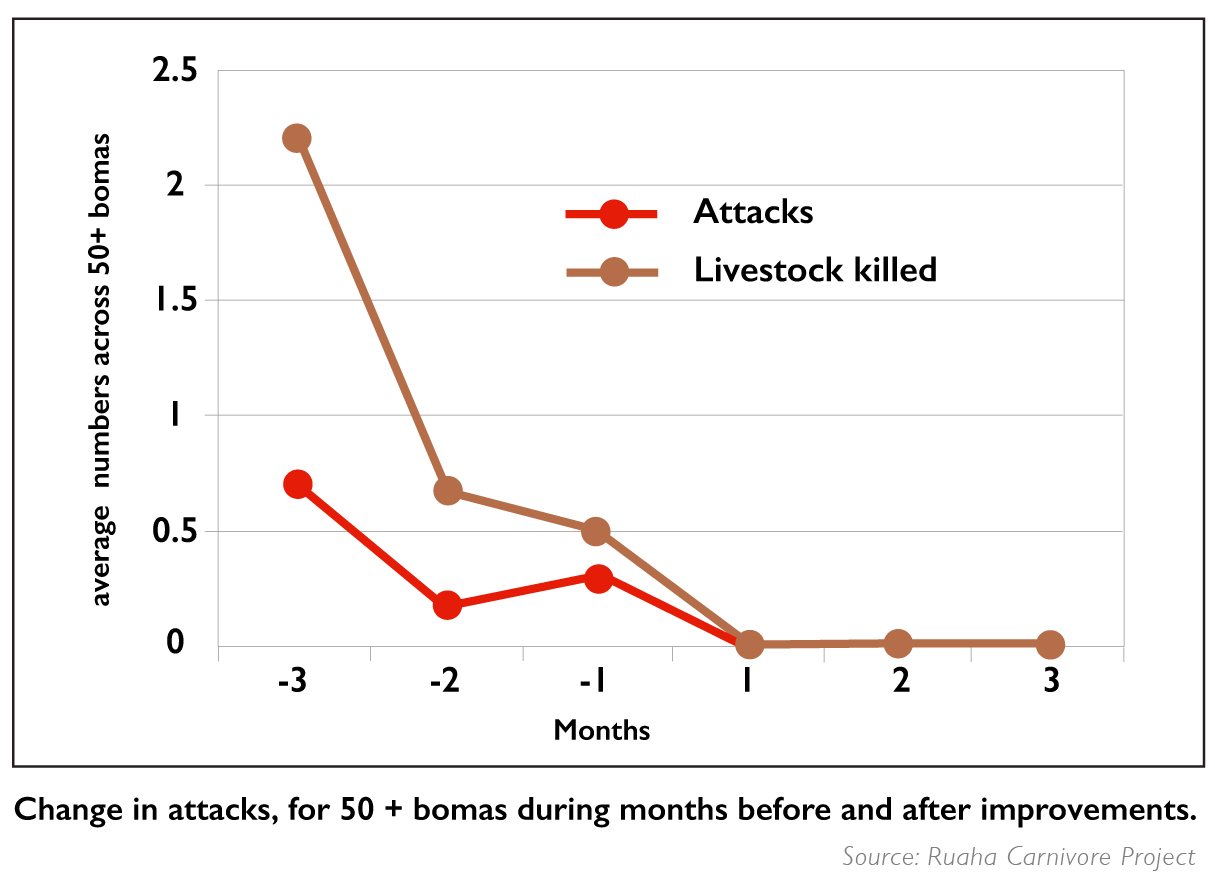 Our research showed that 65% of attacks occurred in livestock enclosures (bomas), the majority of which were poorly constructed. We introduced a cost-sharing initiative to construct predator-proof bomas made of diamond-mesh fencing. To date, we have constructed over 70, and they have proved 100% effective at preventing attacks. However, some attacks occur in the bush, so we have begun trials using specially trained Anatolian shepherd dogs to guard livestock. Although the project is in its infancy, the approach seems promising. In addition, we work intensively with village households to teach people how to identify carnivore attacks and how simple, low-tech measures can prevent such attacks from recurring. Together these measures have significantly reduced depredation, reducing economic pressures on people and the need for preventative or retaliatory killing.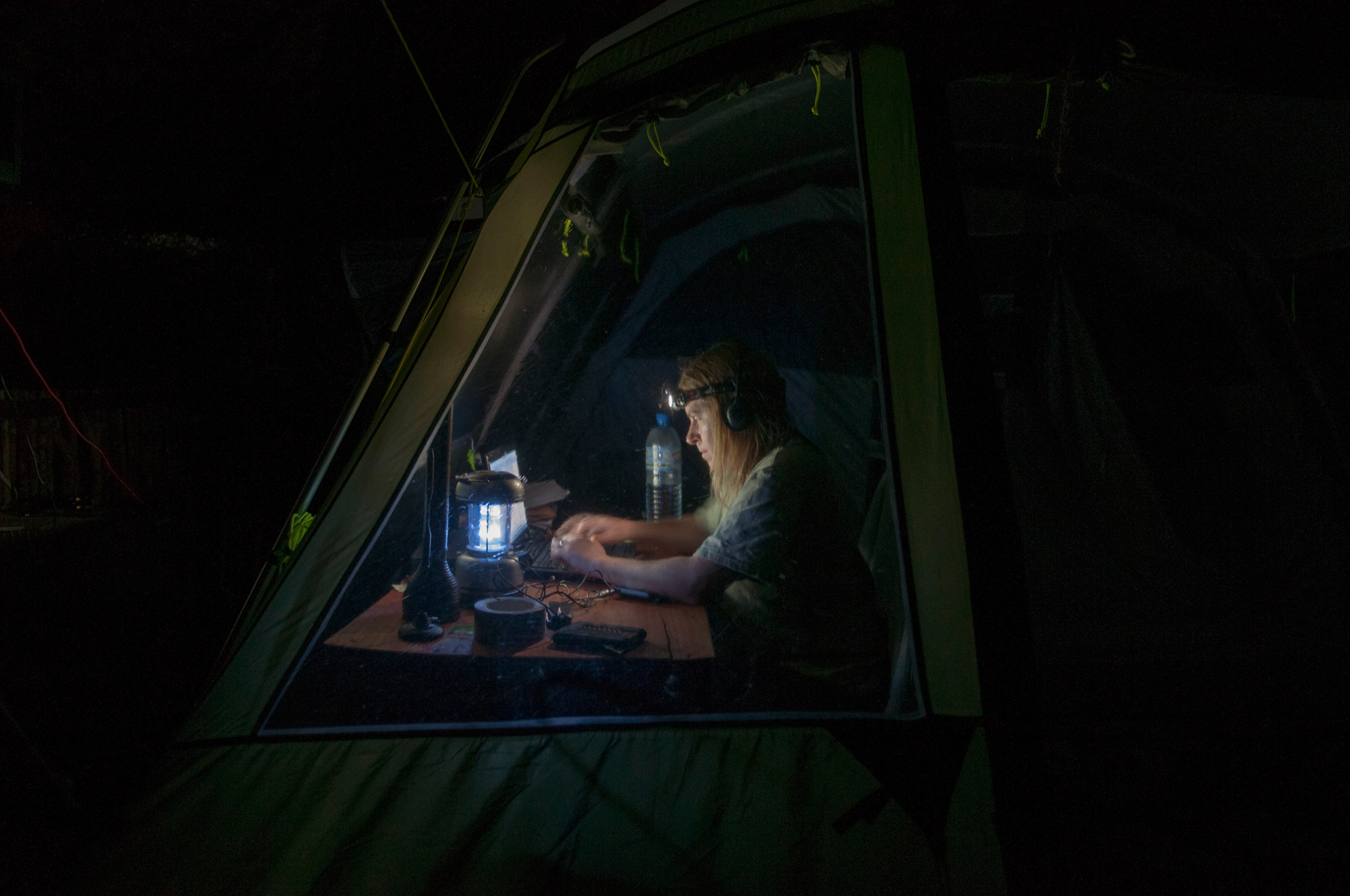
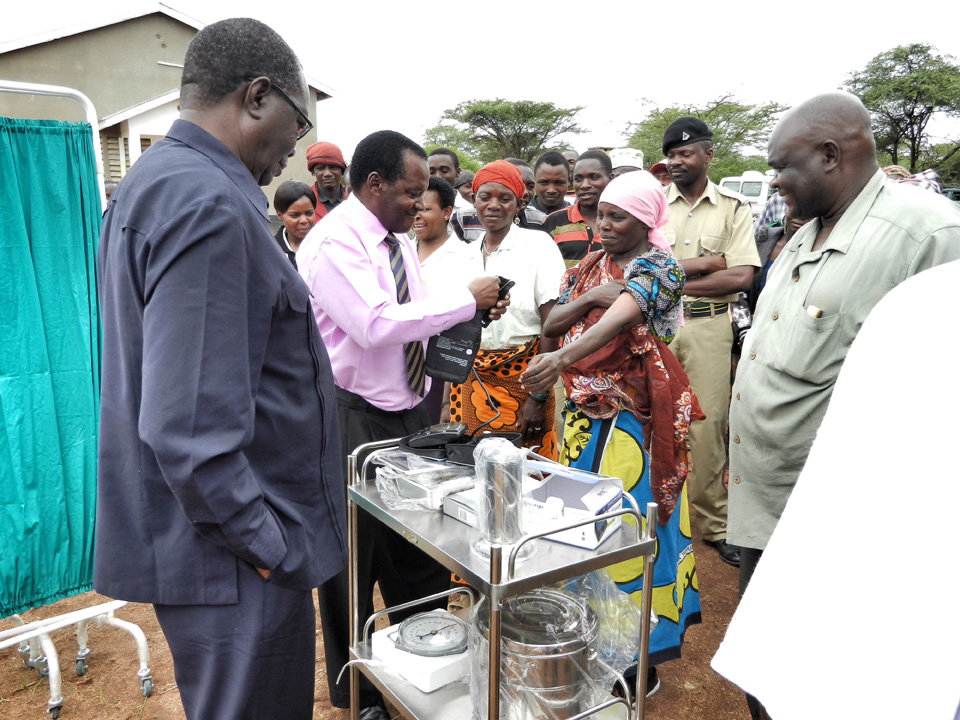
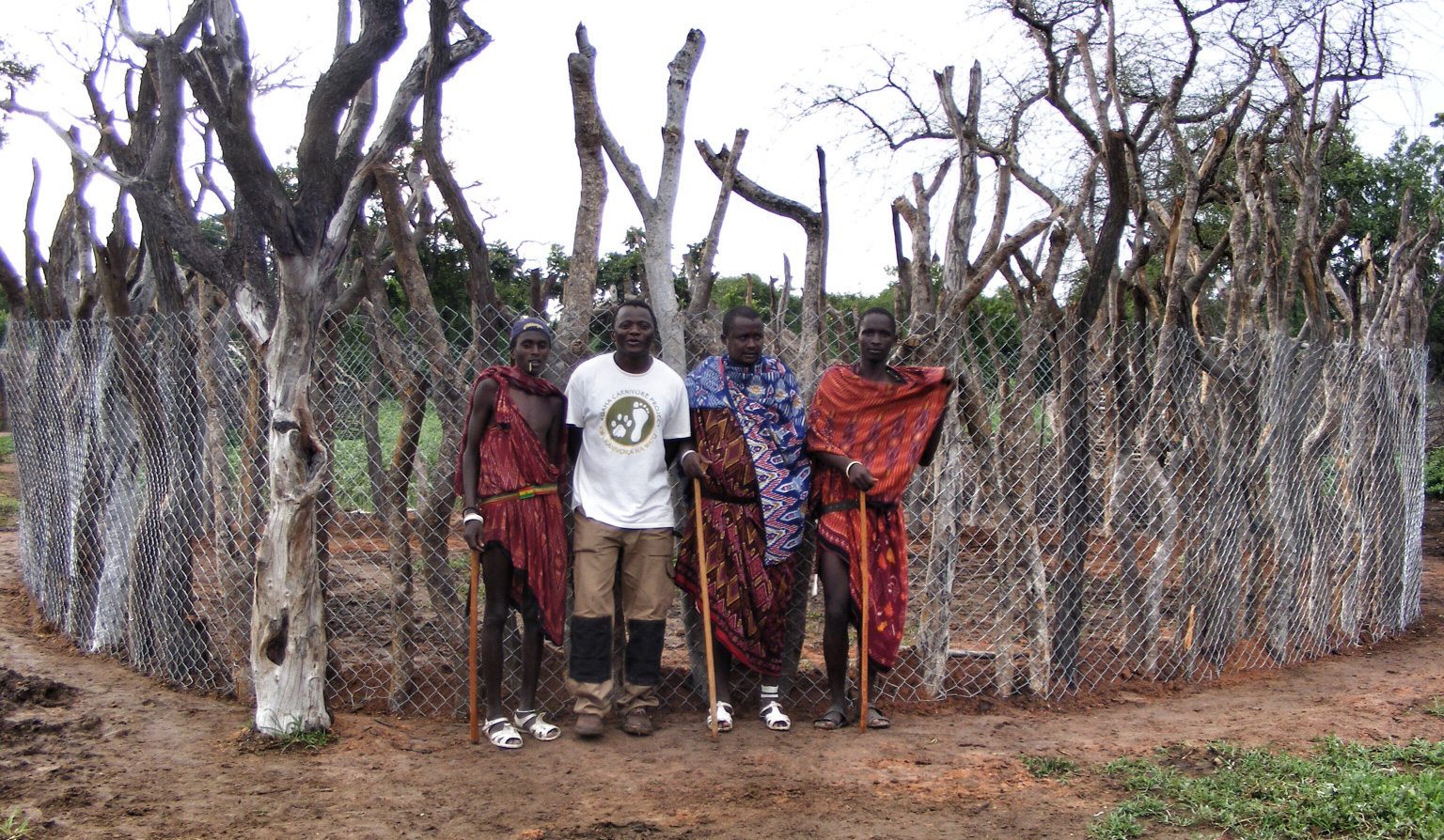
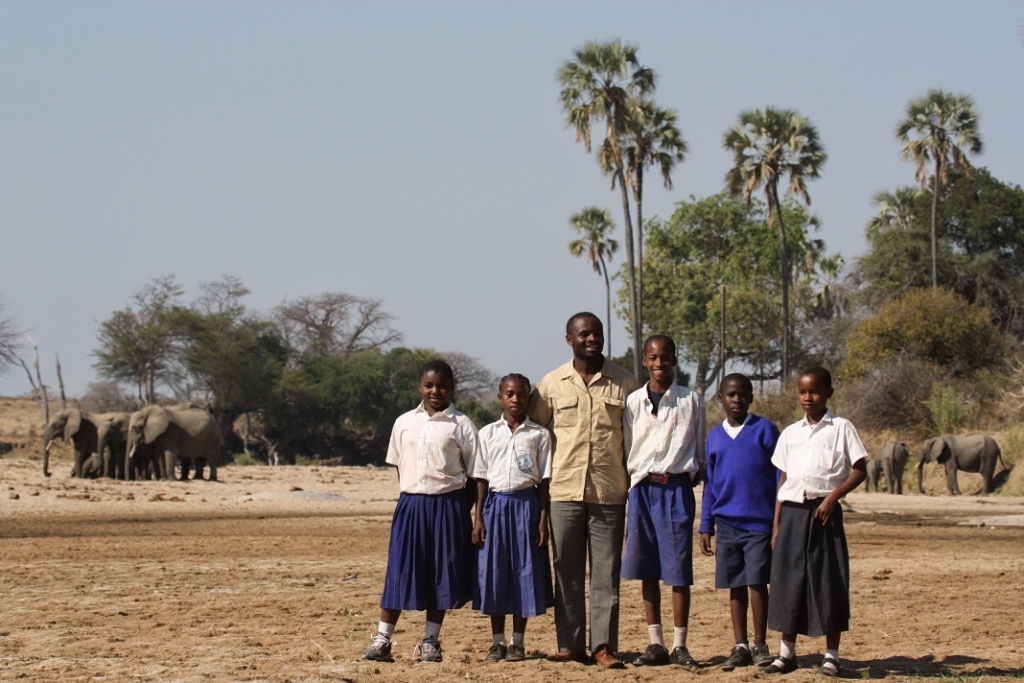
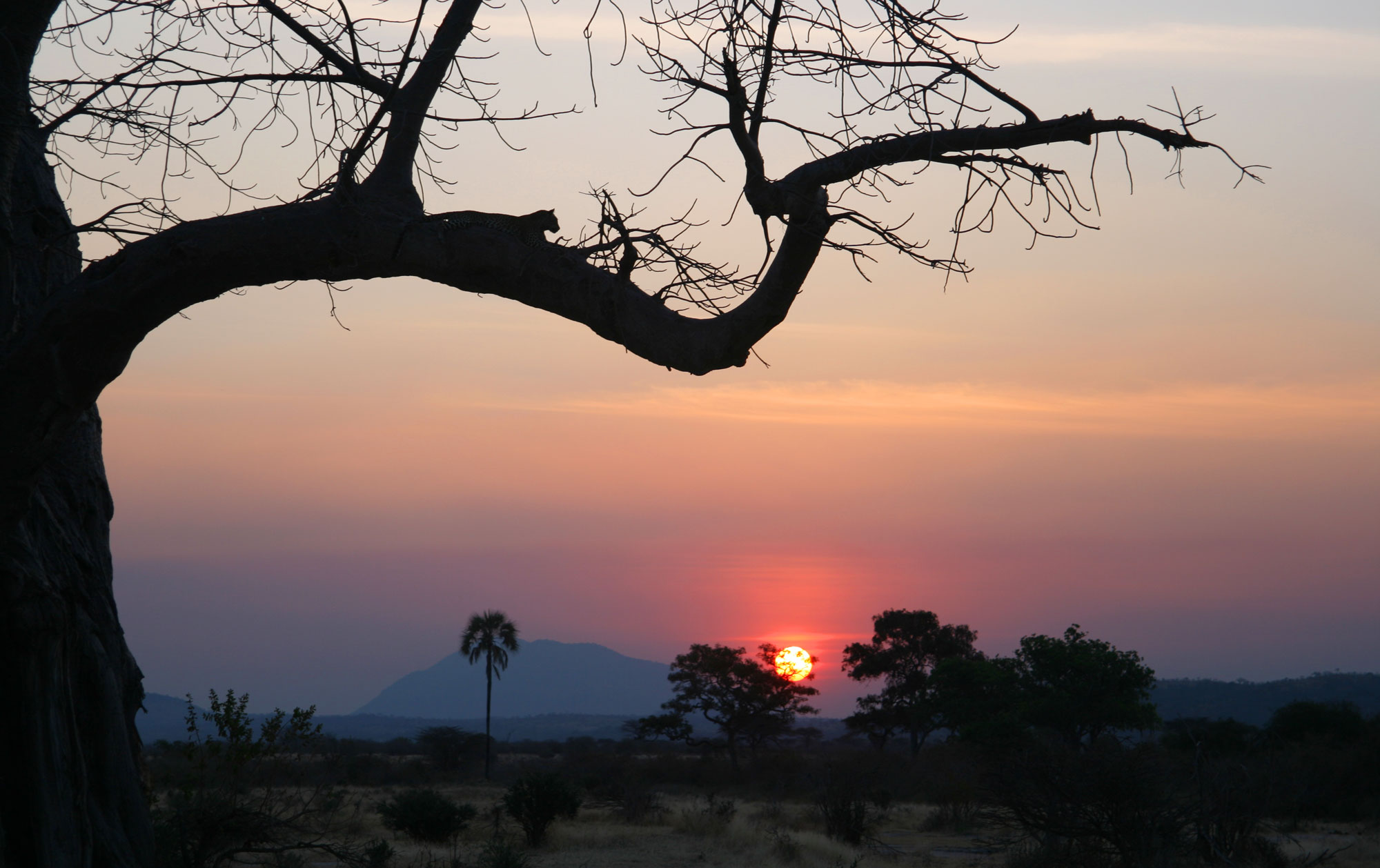
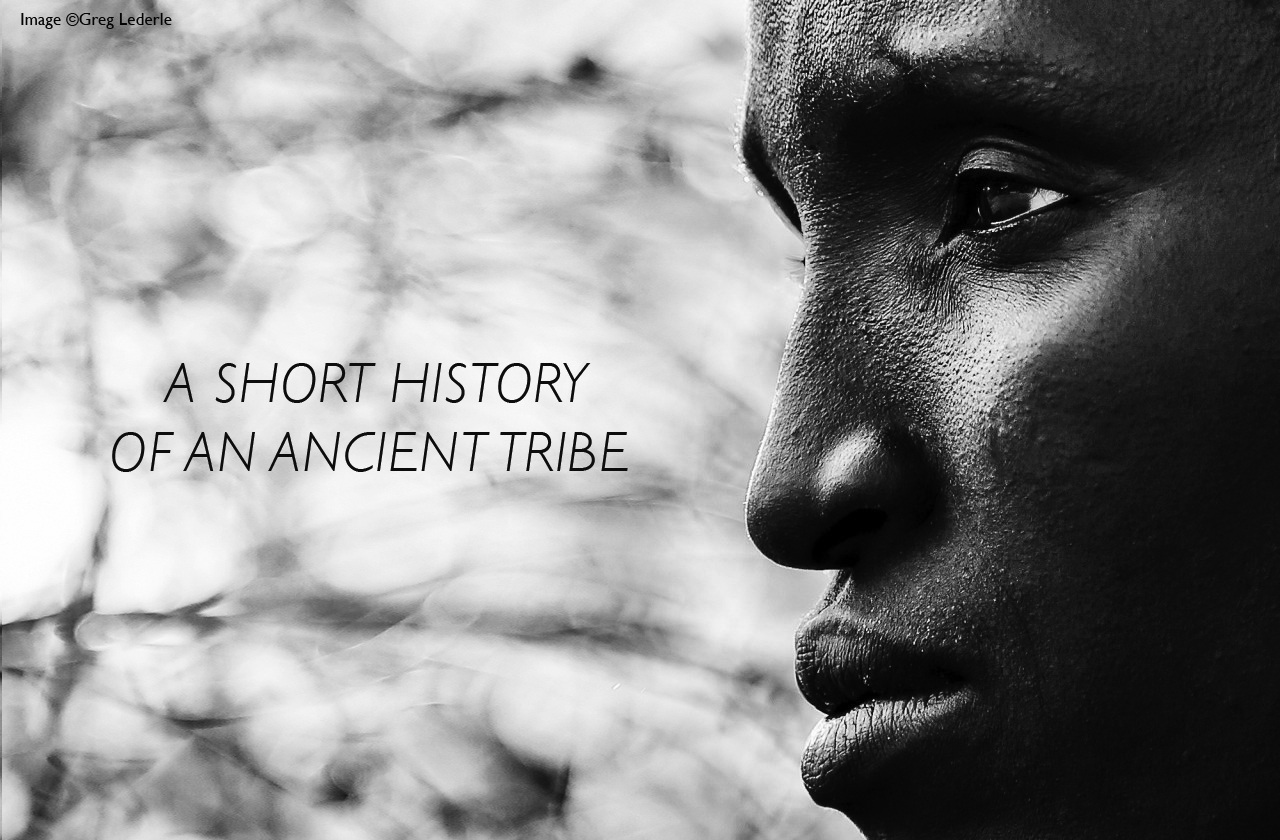
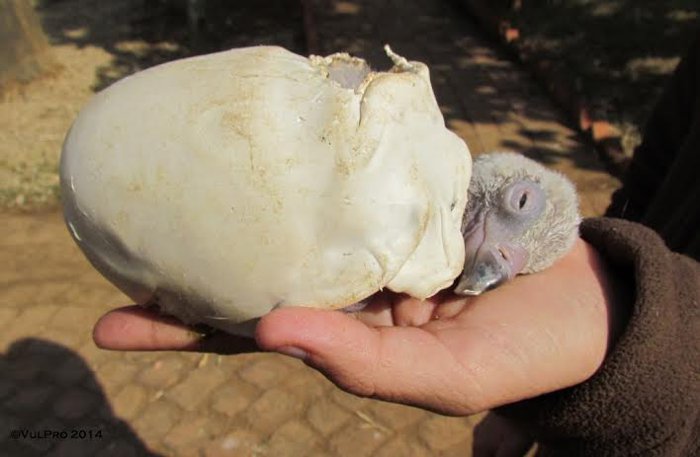


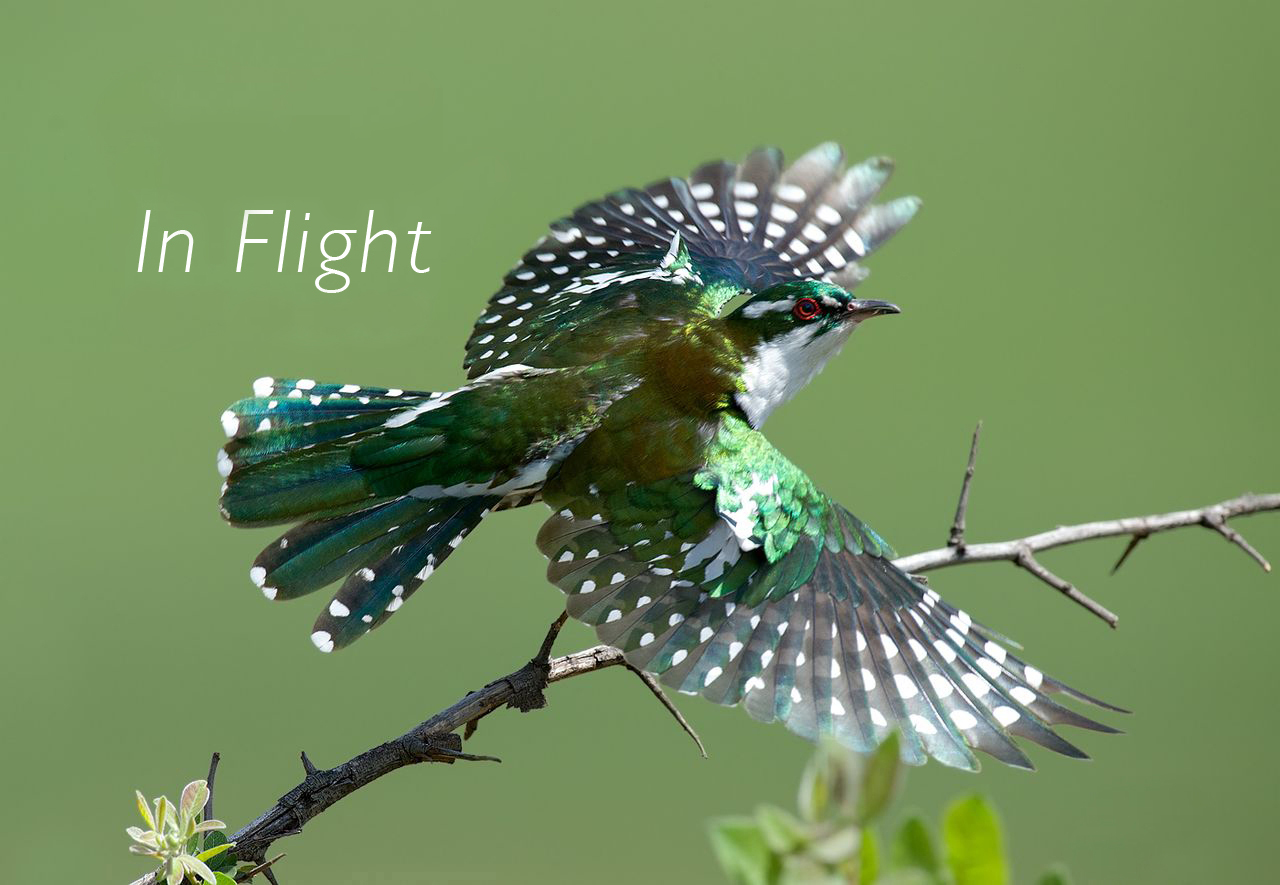

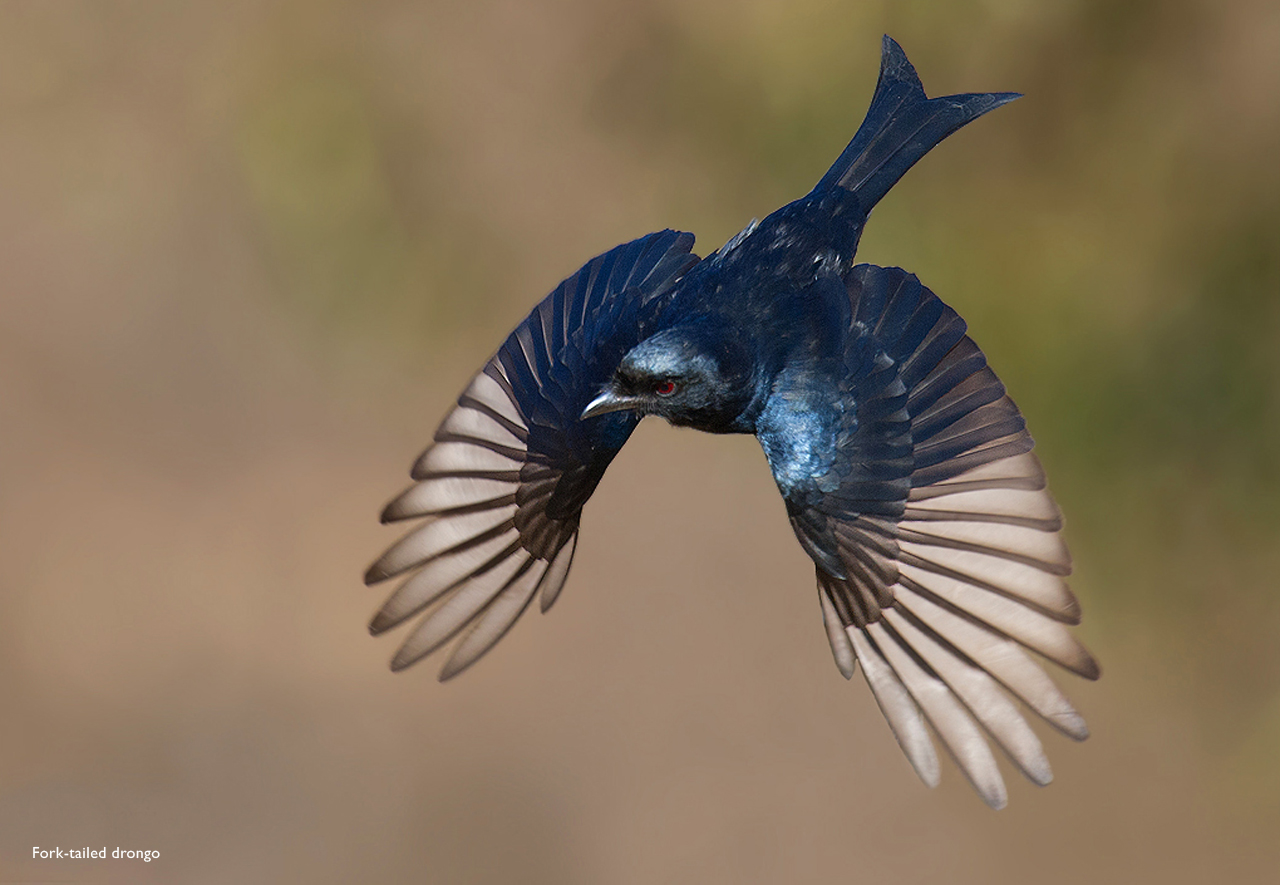
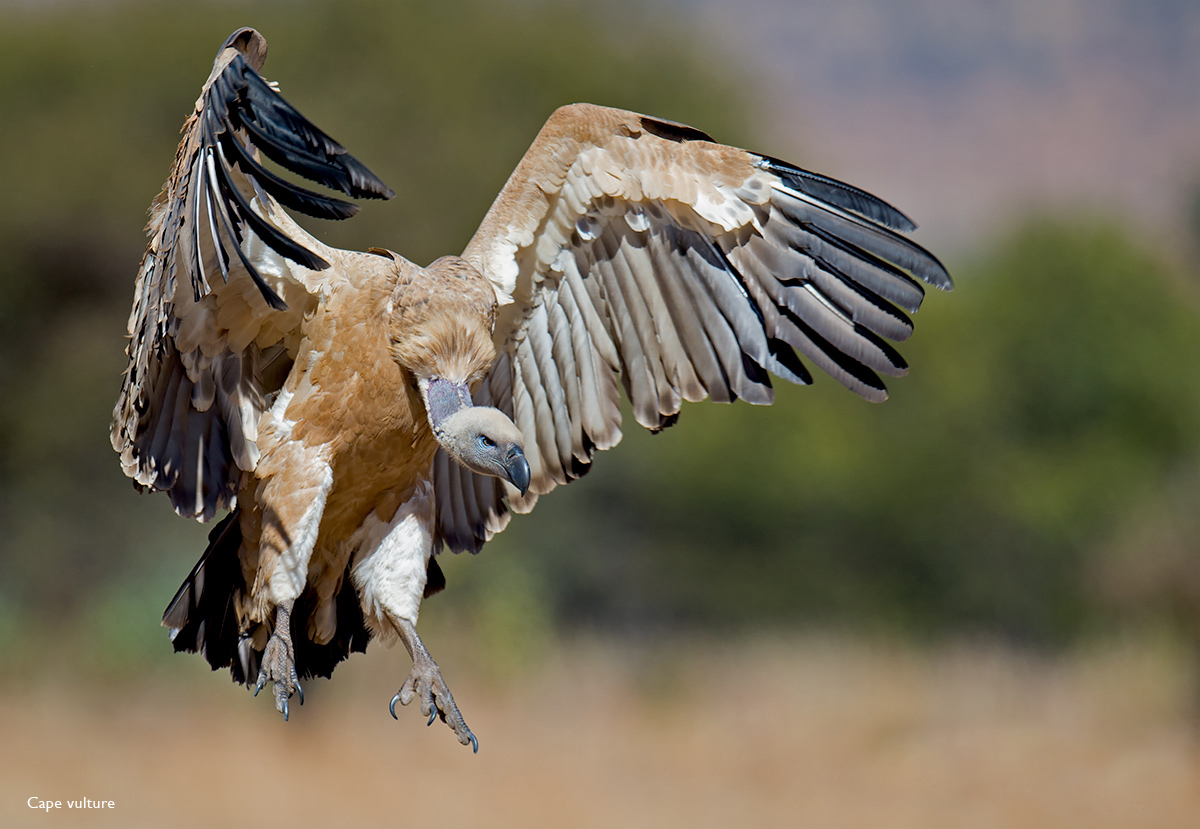
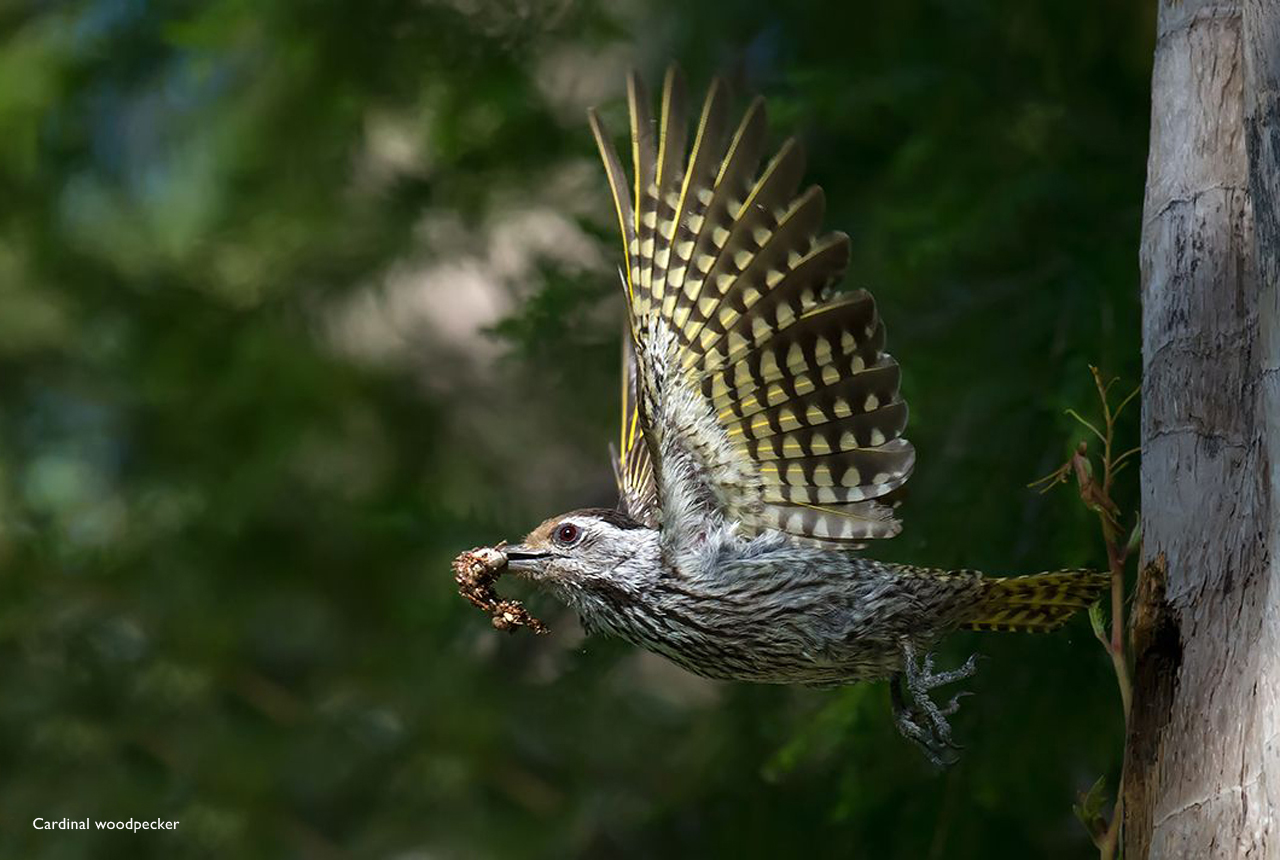
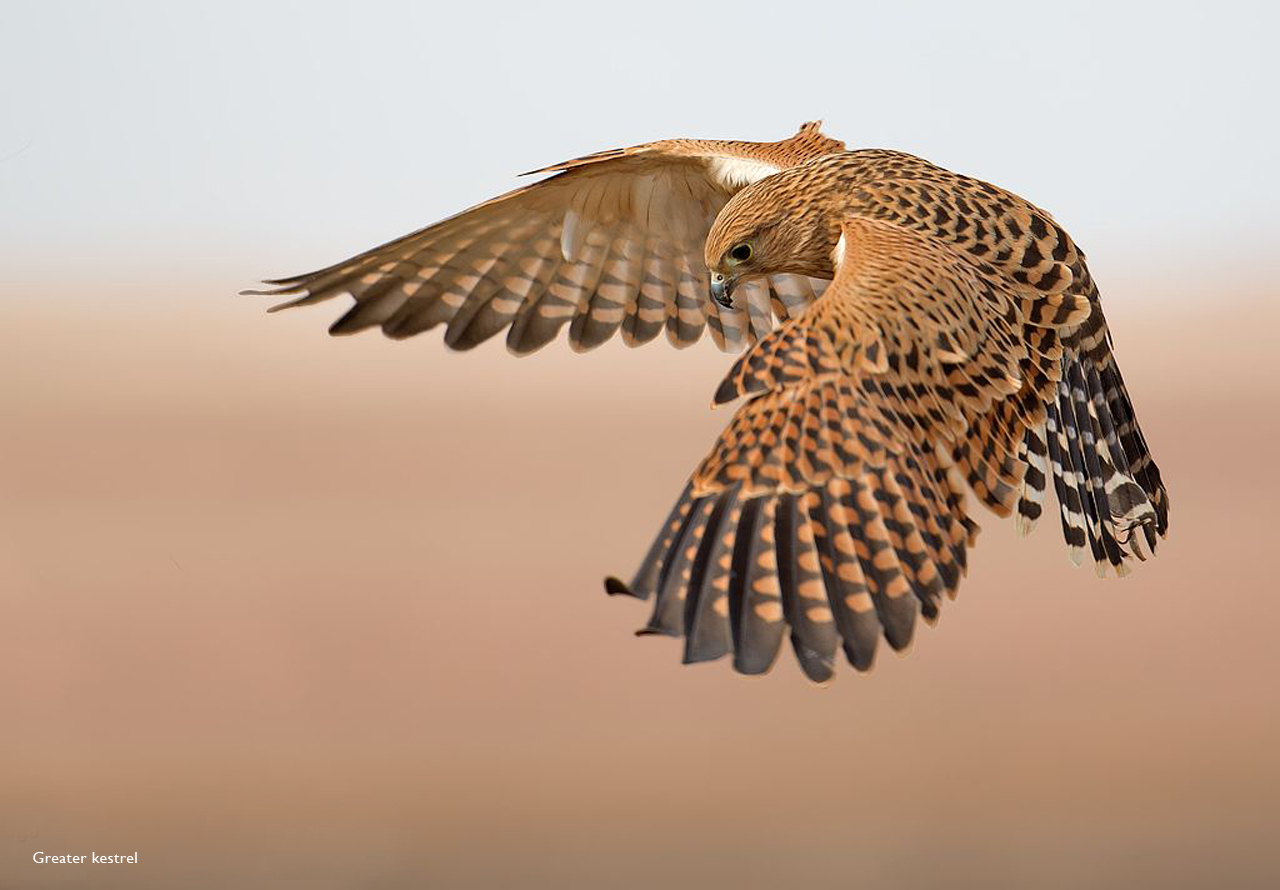
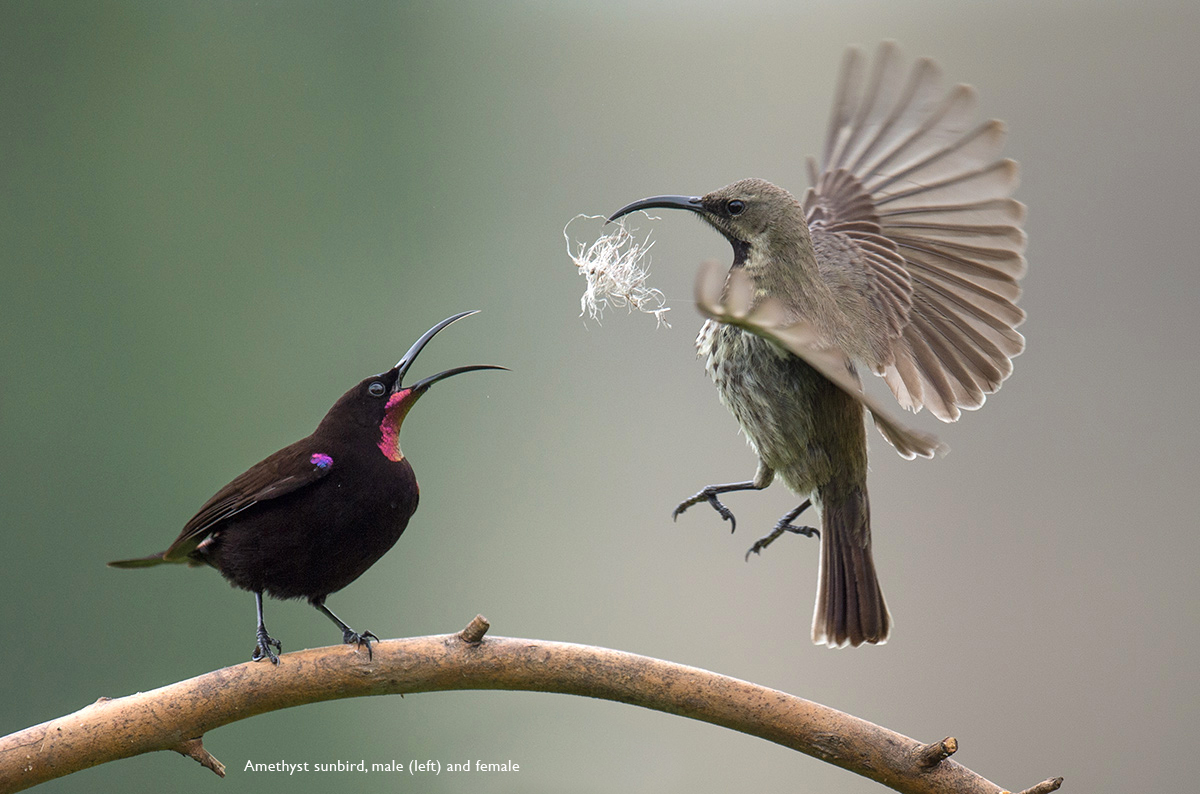
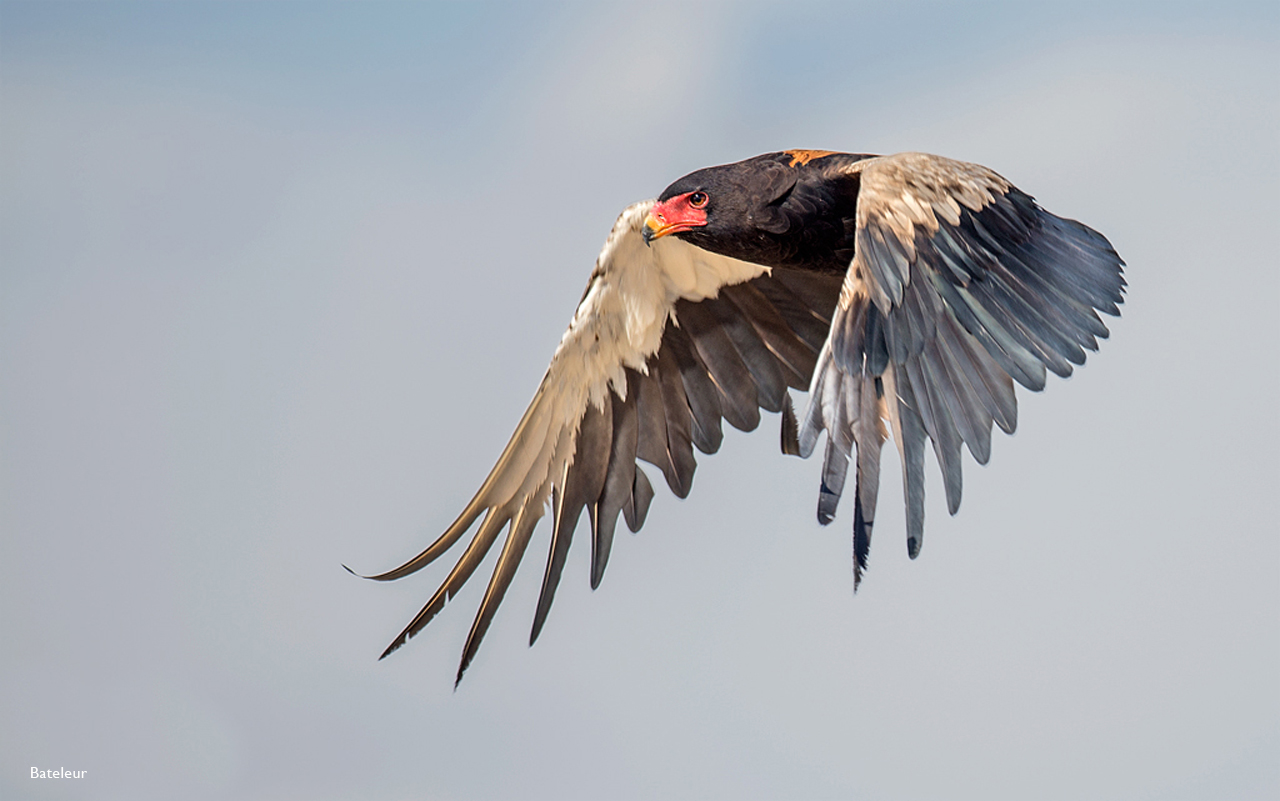
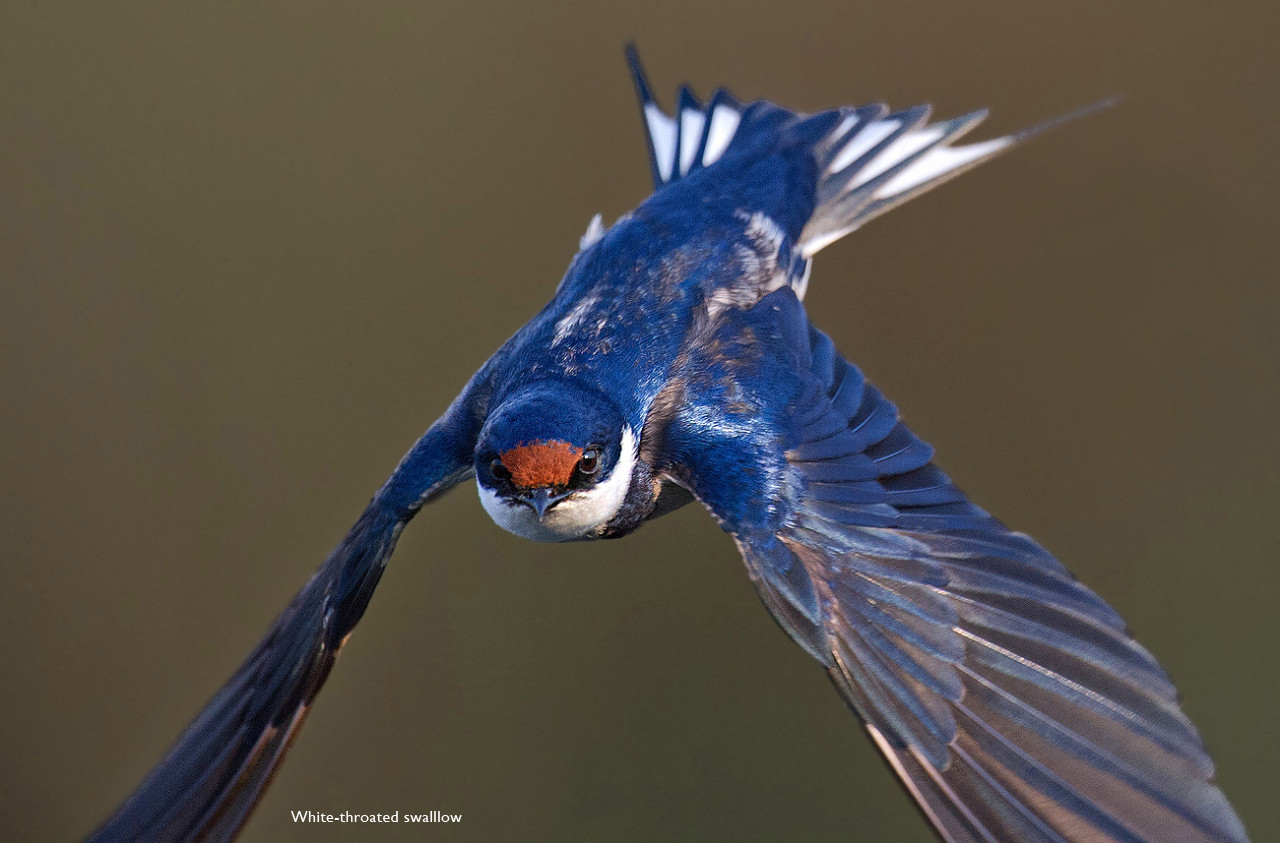
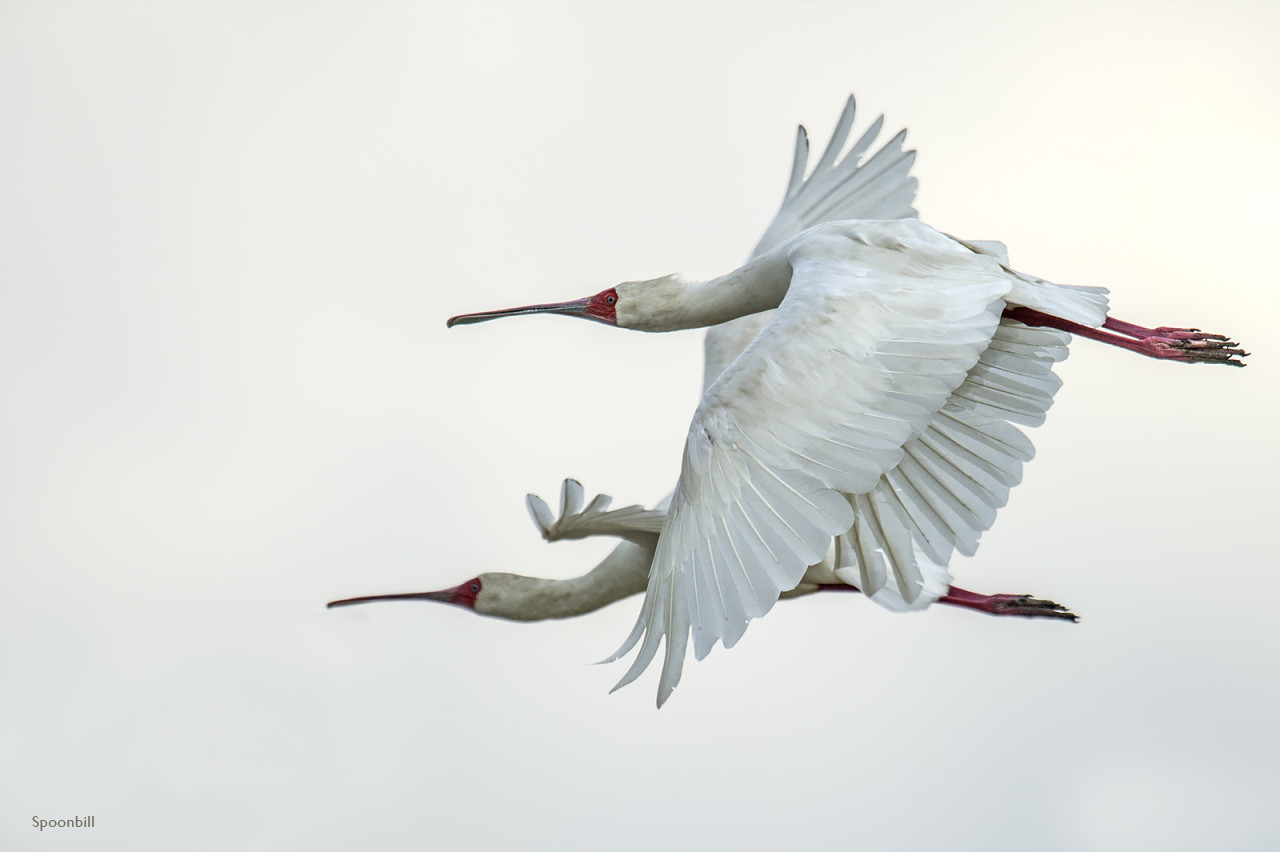
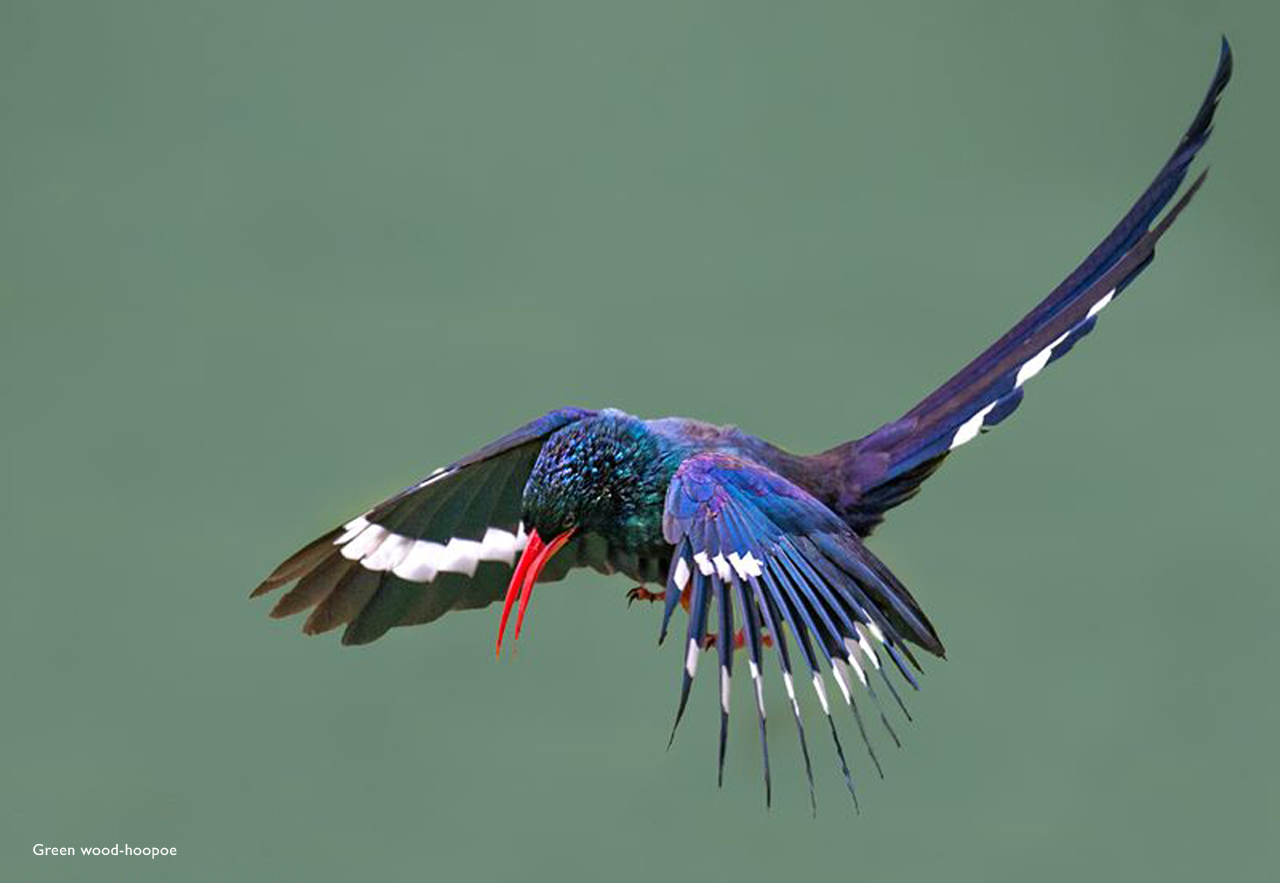
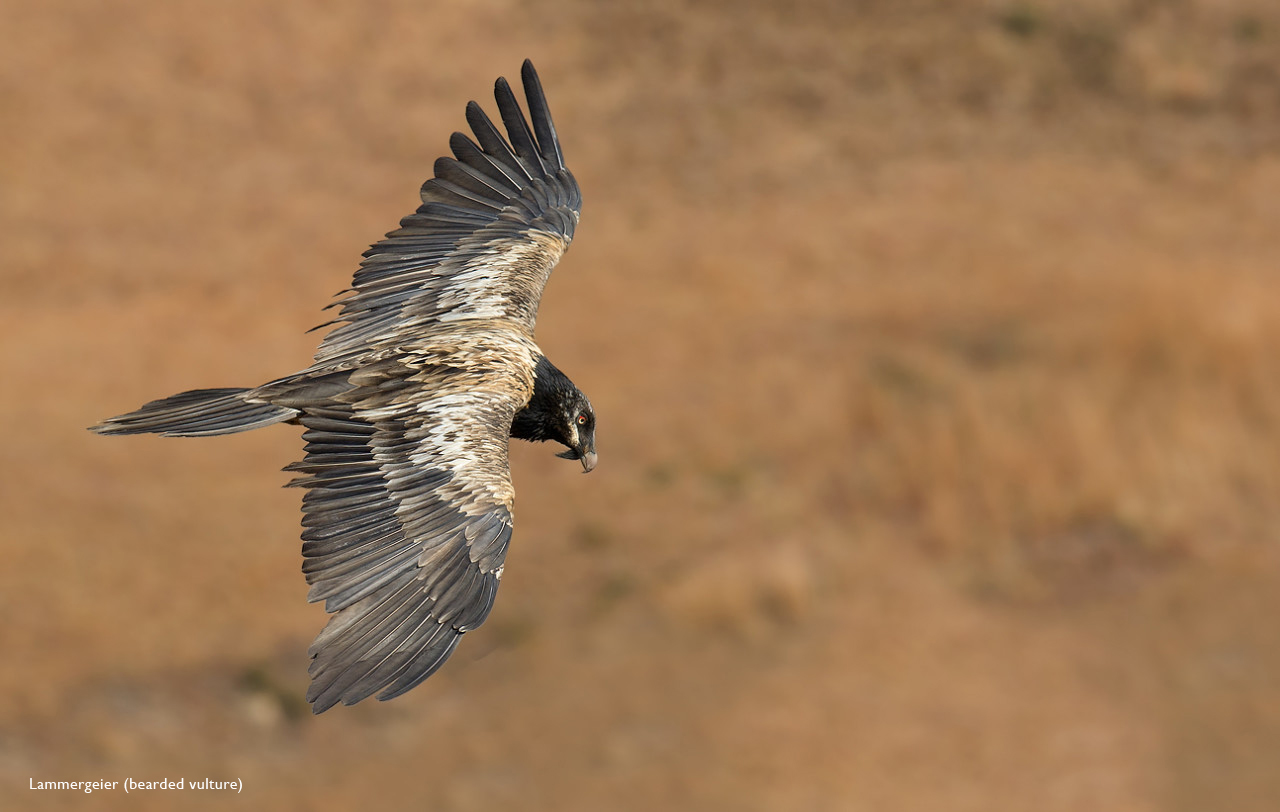
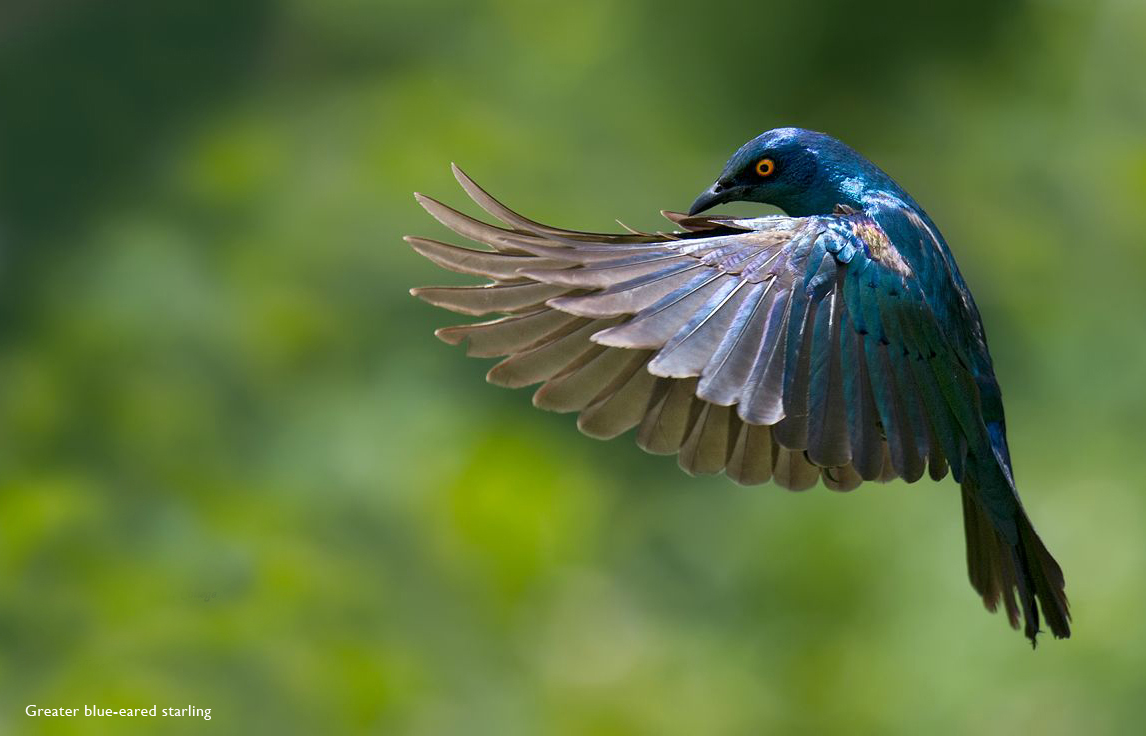
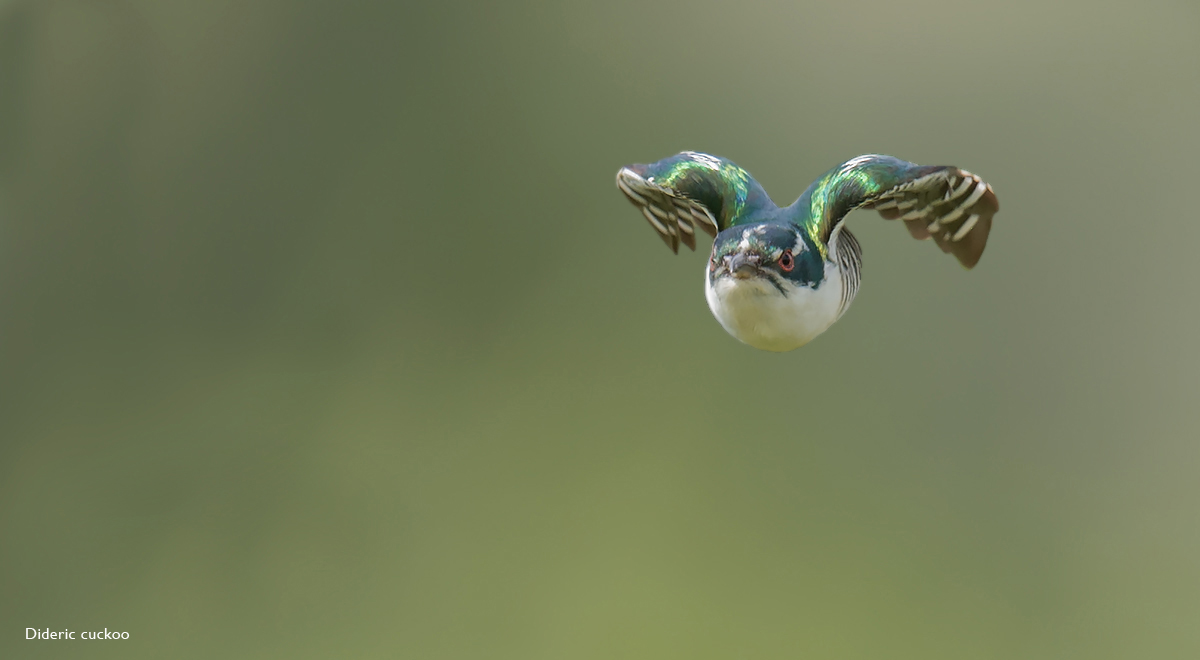
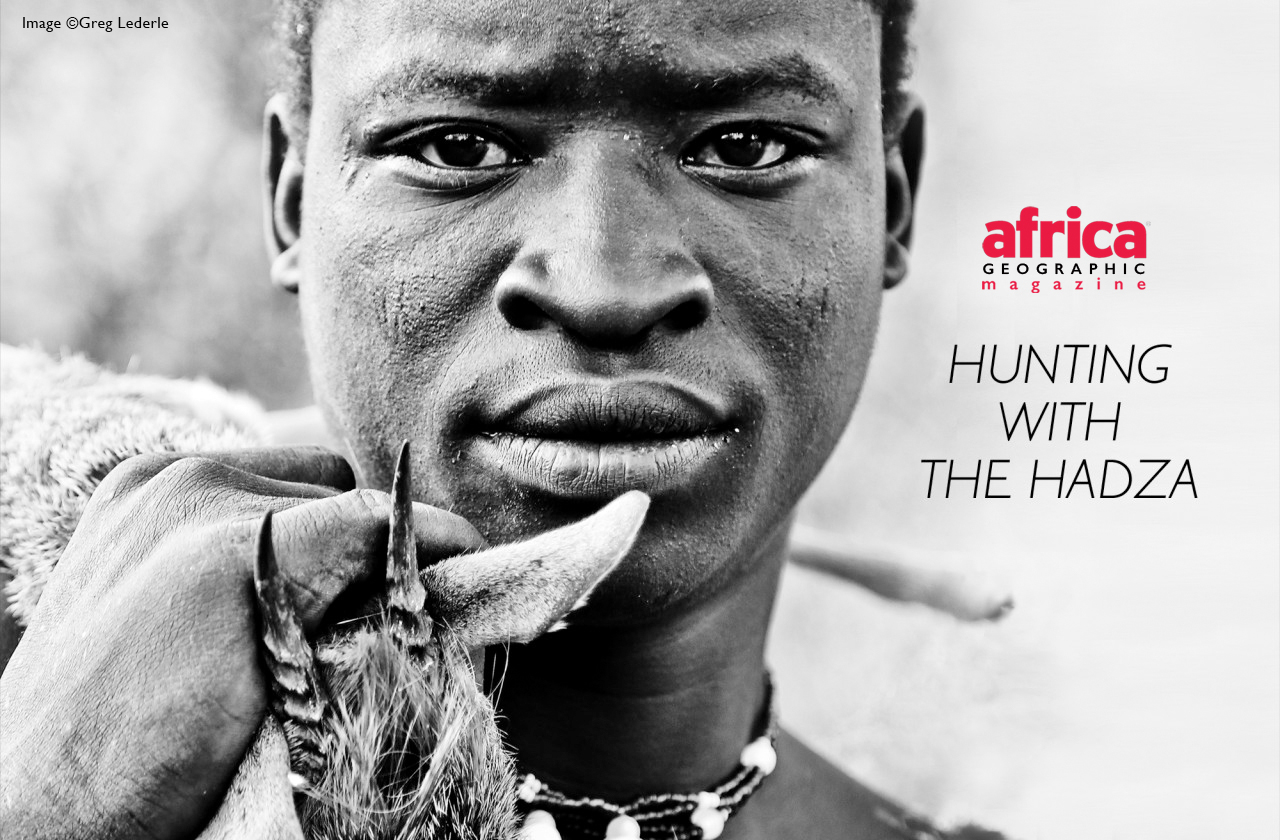
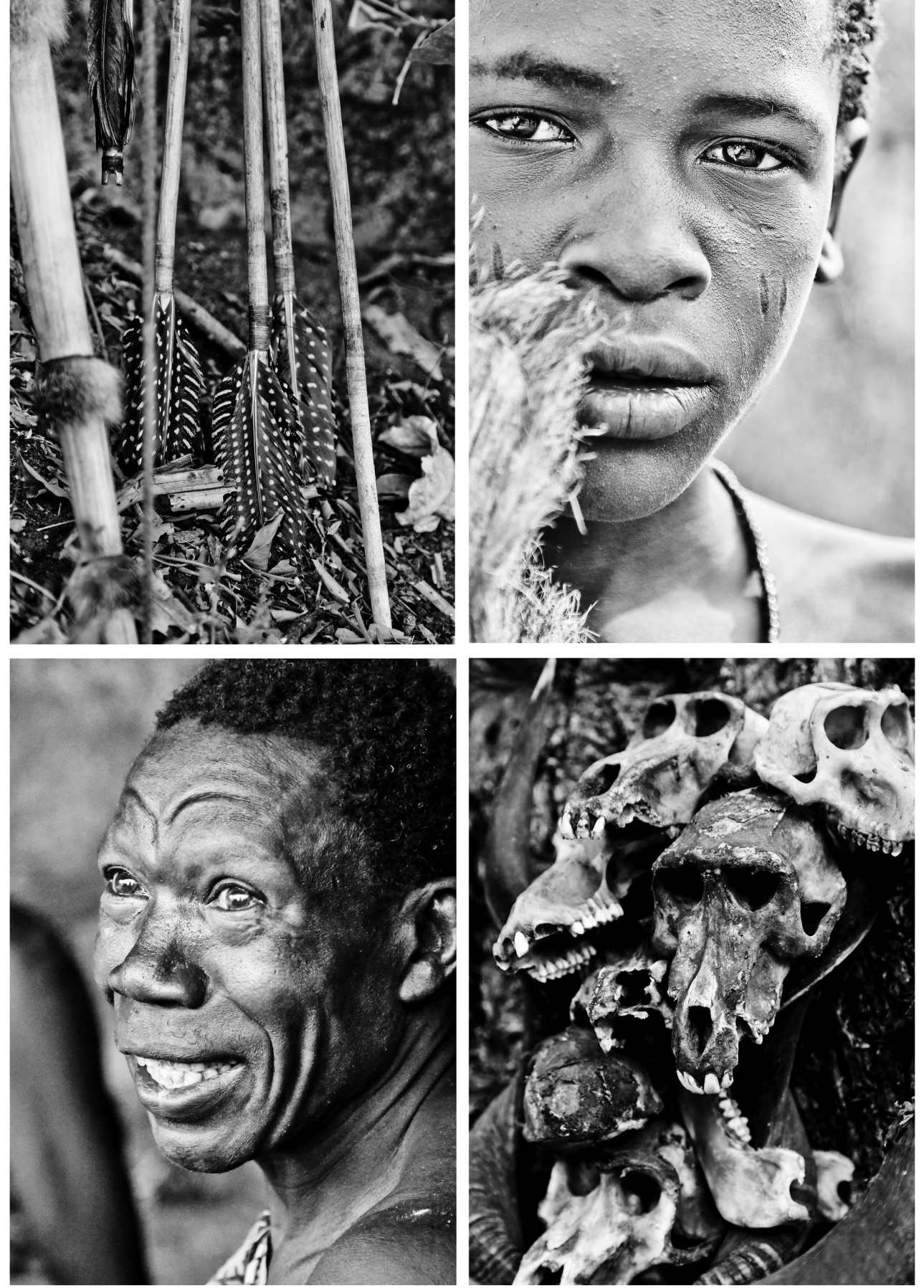
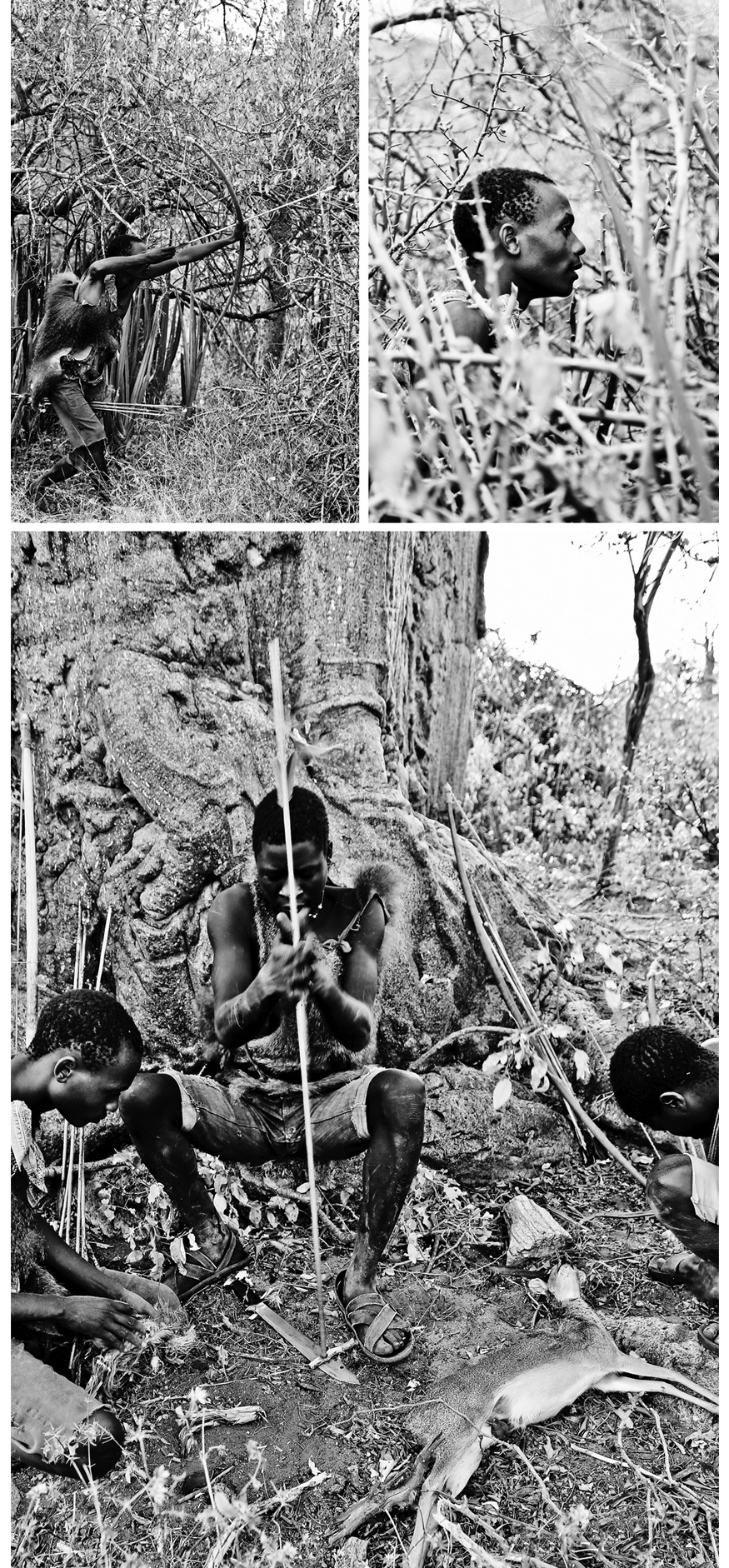
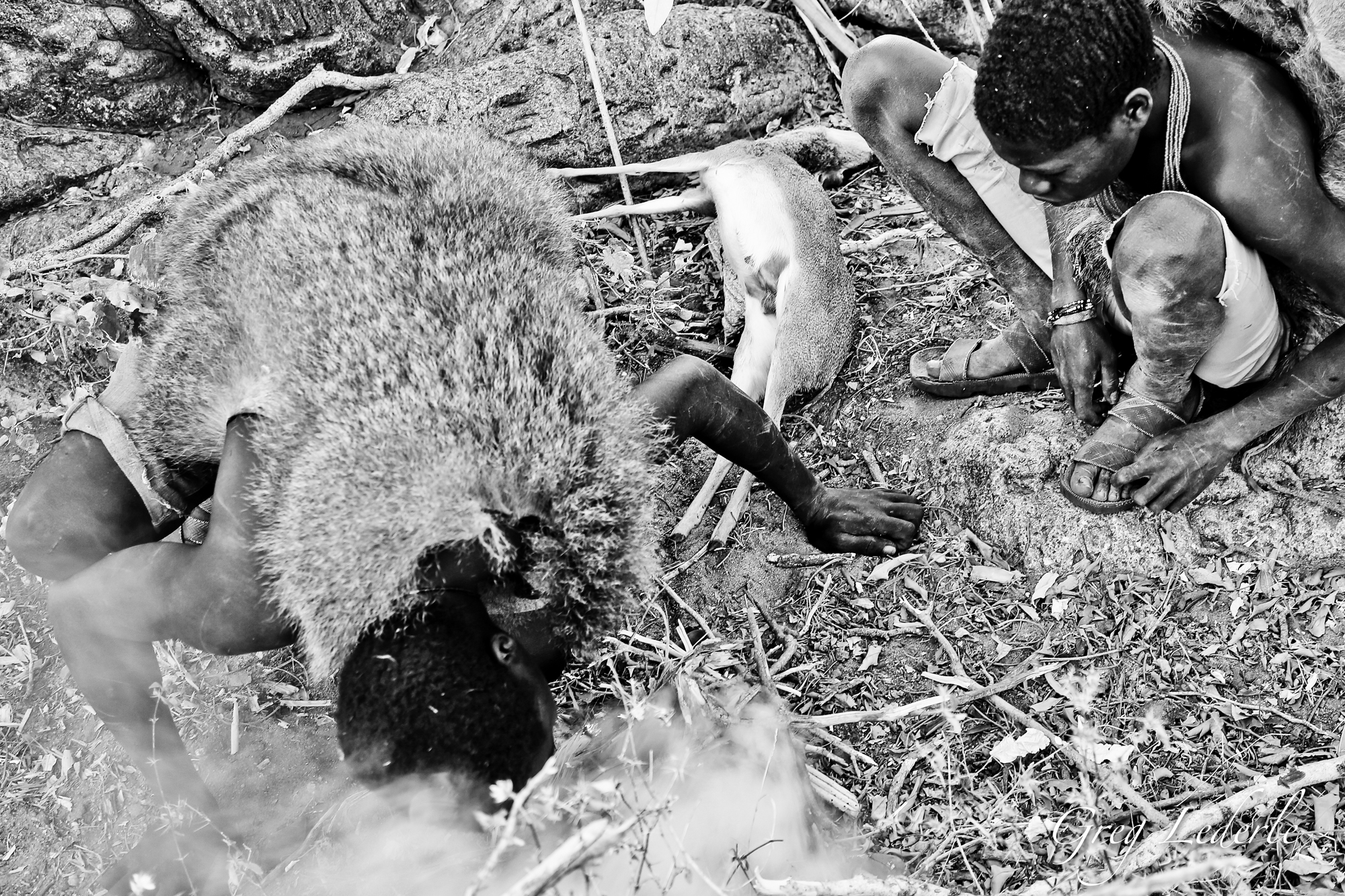
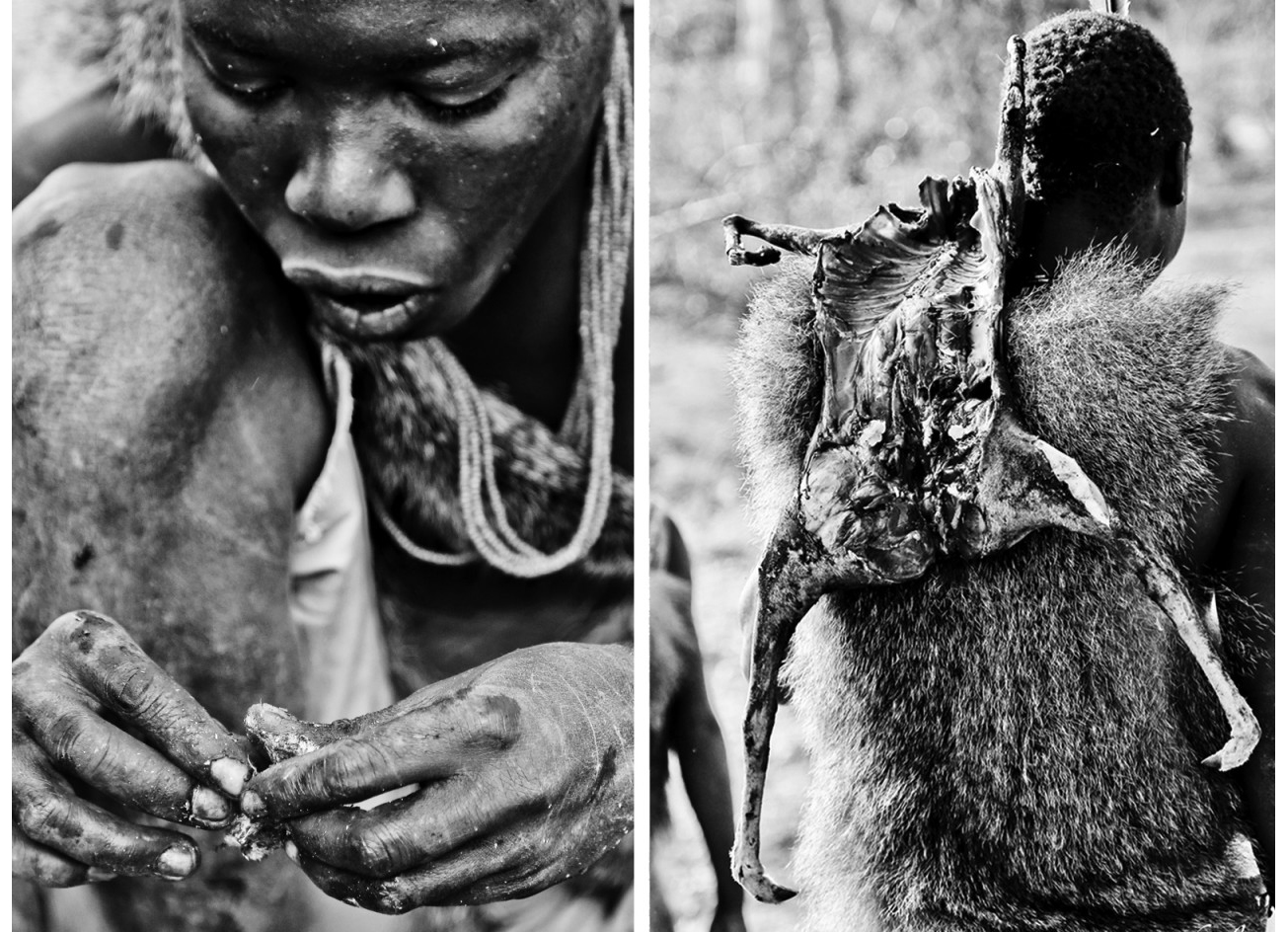
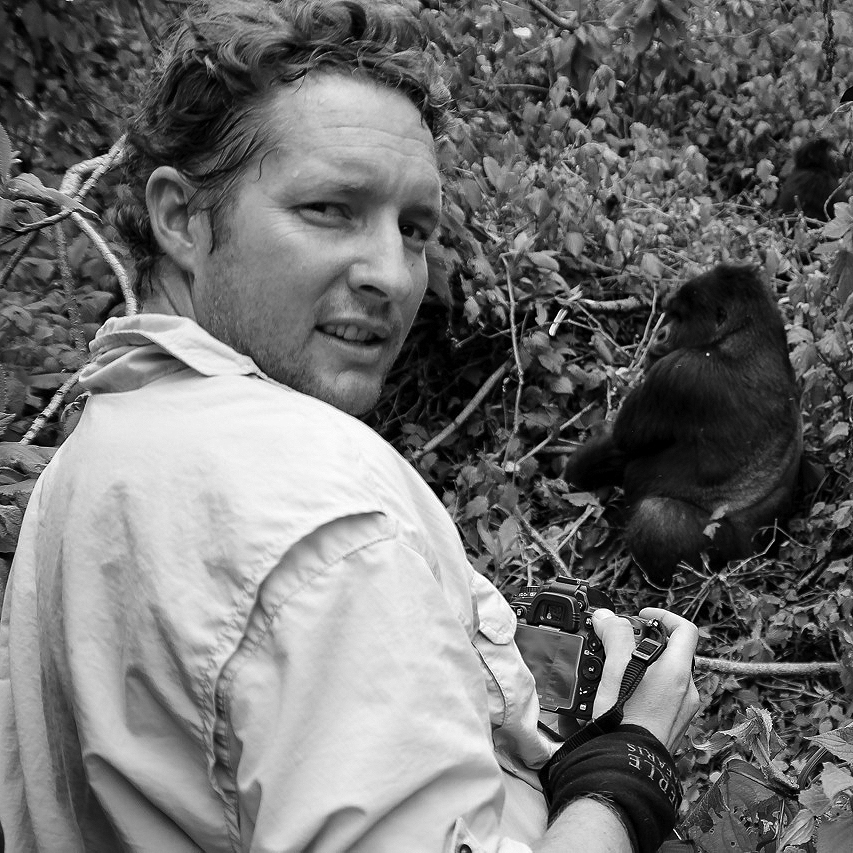 GREG LEDERLE is a multiple award-winning guide and the owner and co-founder of his own safari company – Lederle Safaris. Described by Forbes Life as “…a warm and effervescent personality”, Greg’s connection to and appreciation of Africa and travel is evident in his pursuit of off-the-beaten-track safari experiences.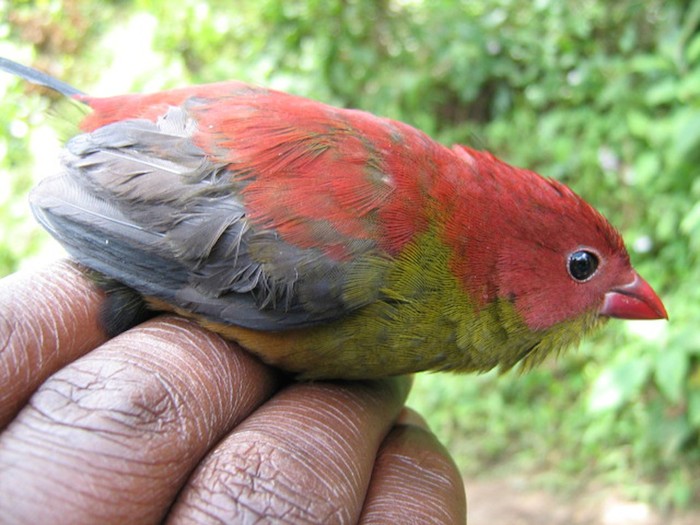
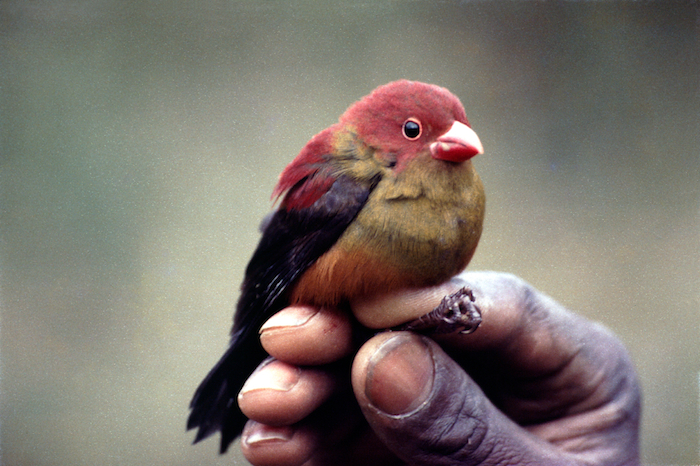

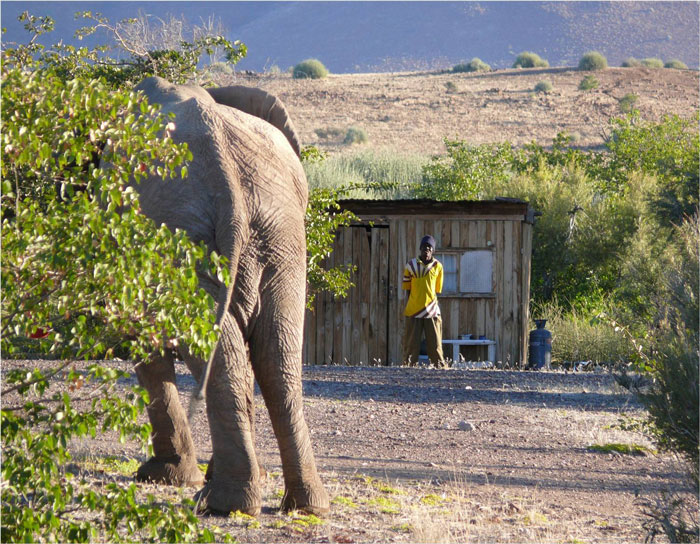

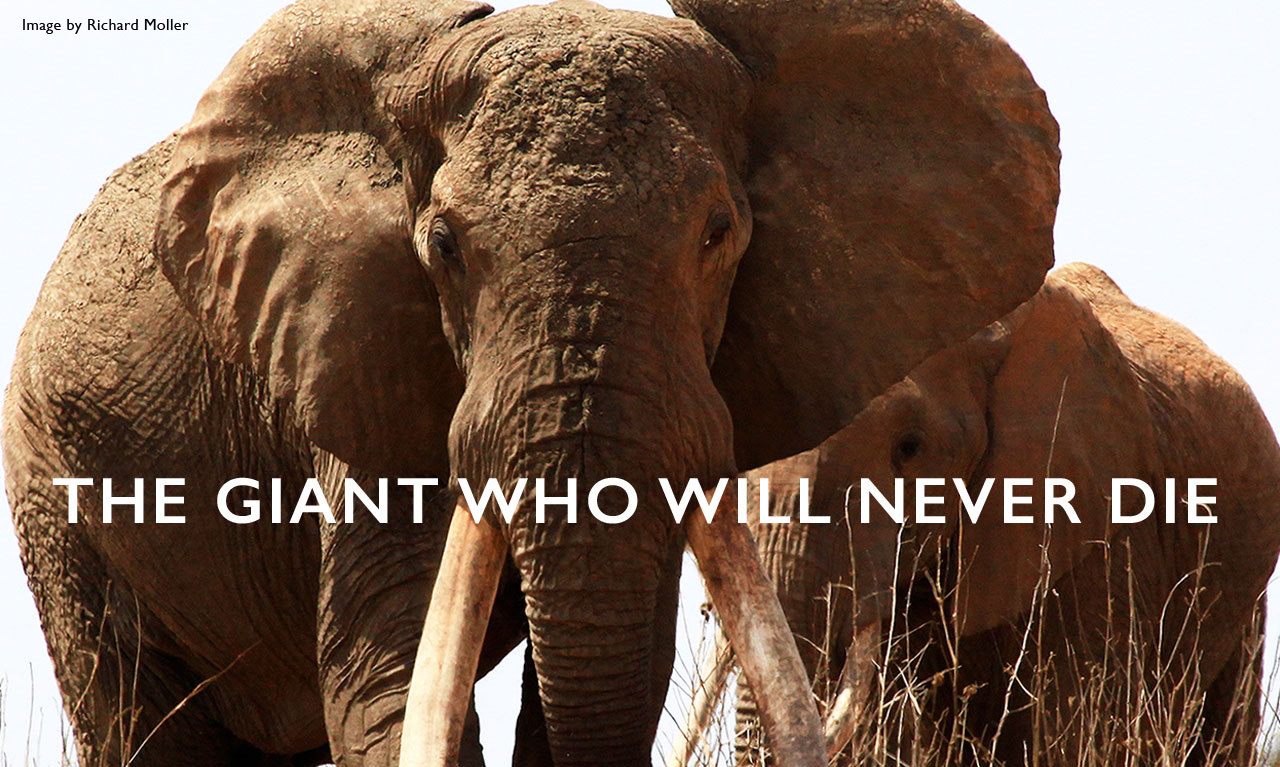
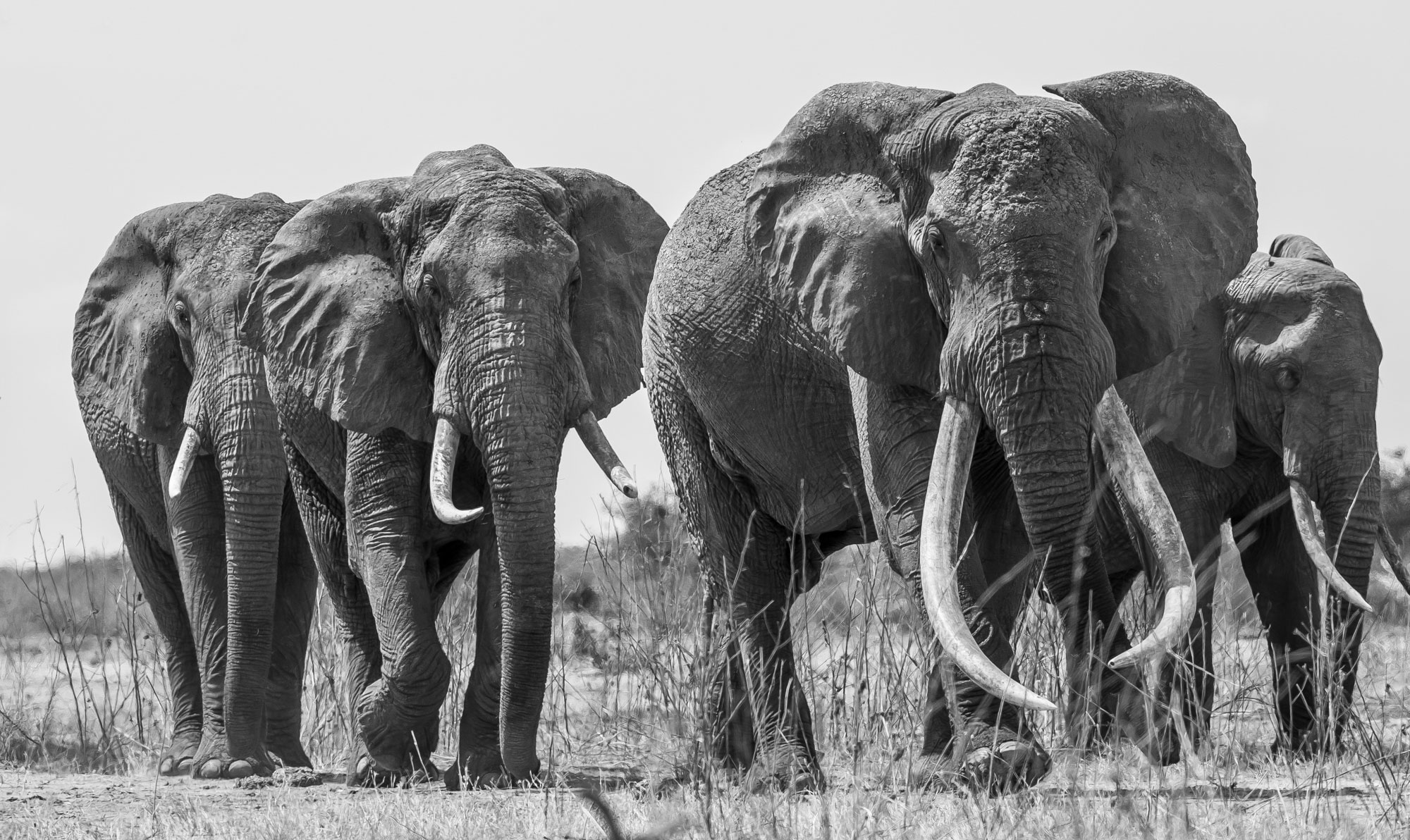
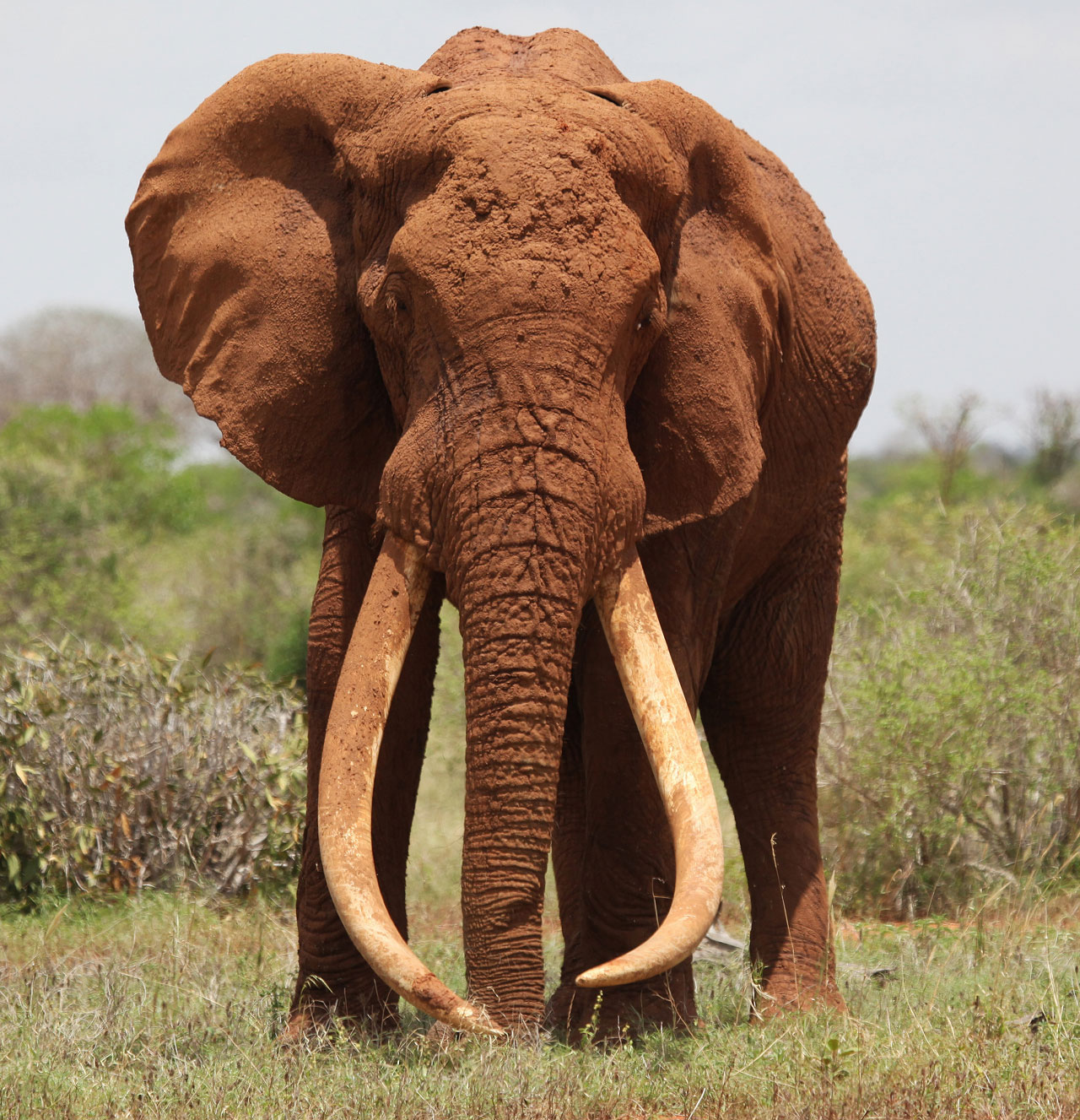

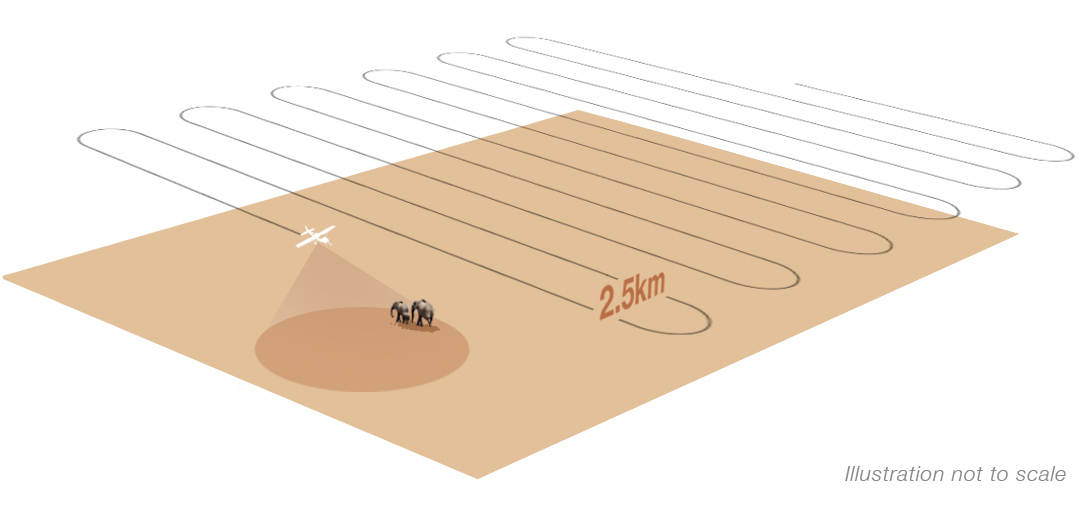 A typical total aerial count covers 100% of the target area, flying strips spaced 1 kilometre apart. A sample count differs in that it flies strips spaced further apart and covers areas chosen by factors such as the concentration of elephants and natural habitat. The strip spacing varies accordingly.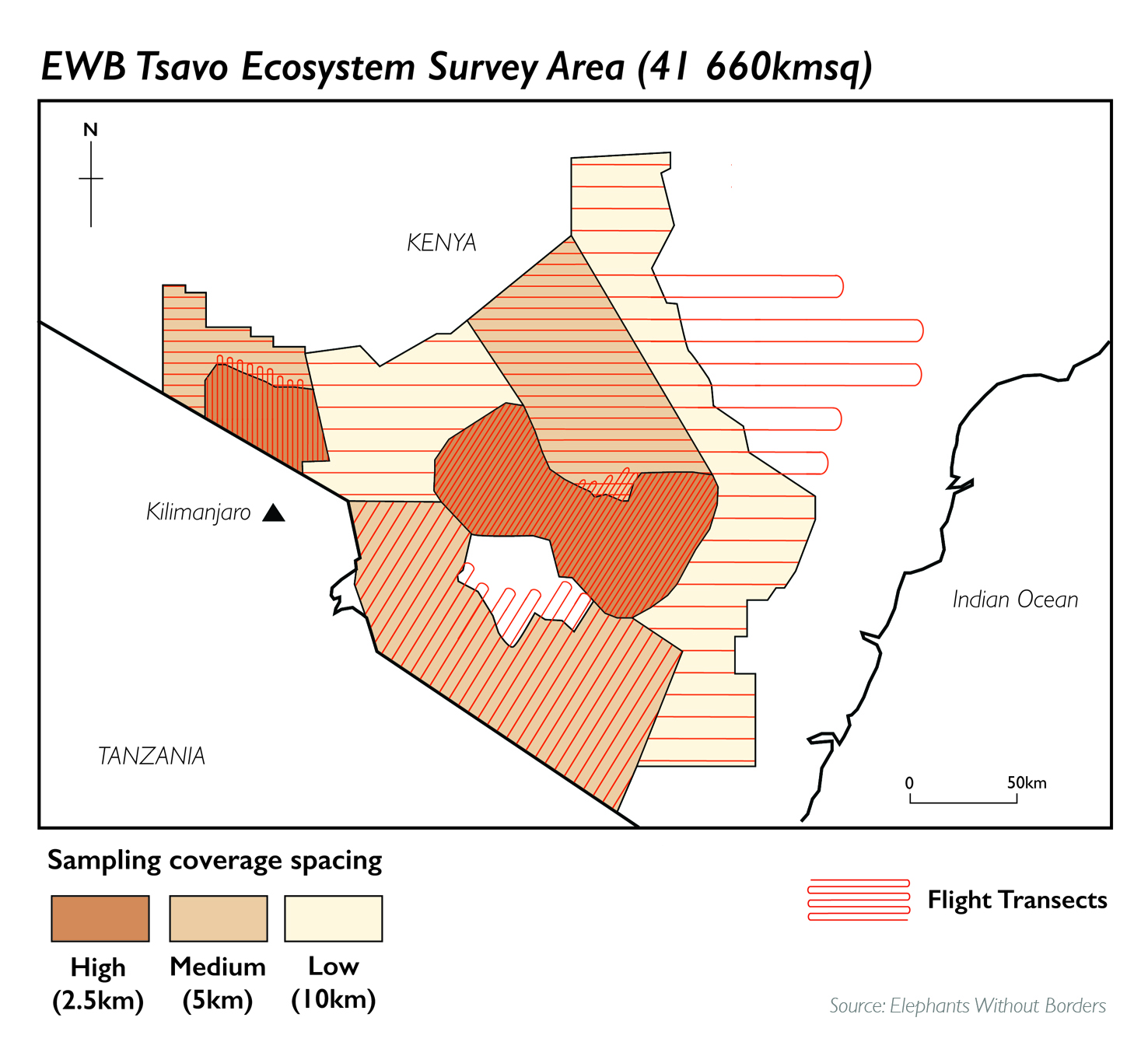
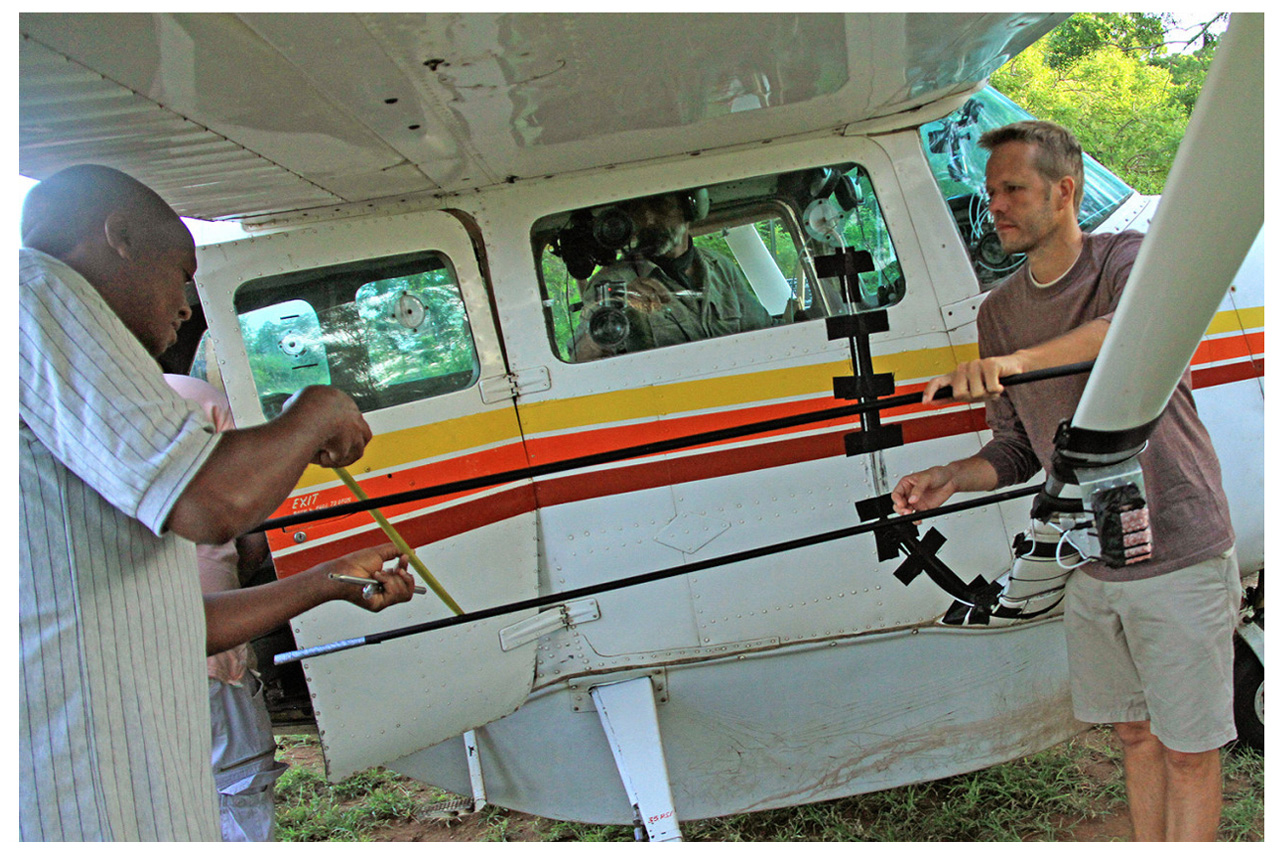
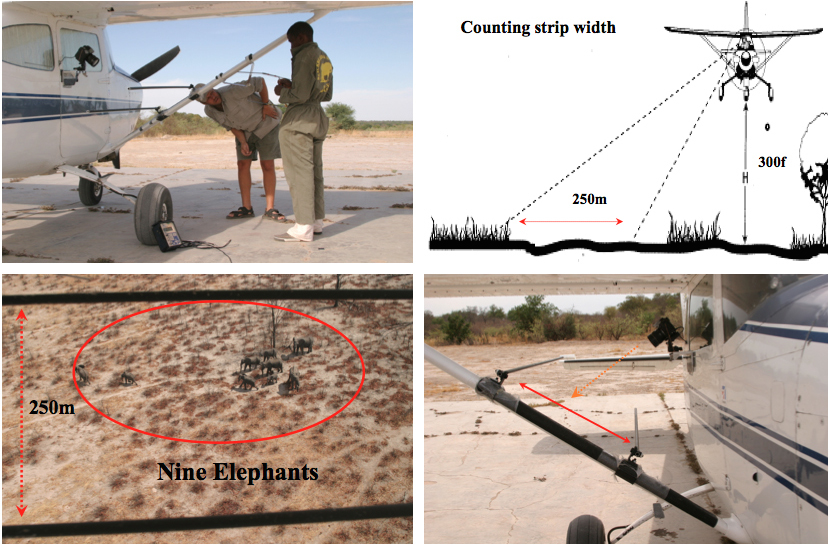 The plane flies at a certain altitude which keeps the area within a designated width of ground coverage, seen between the wands. The observer counts, and photos are taken of the wildlife seen between the wands. This is important for post-analysis for the population numbers to be extrapolated, considering ground coverage that could not be flown. The system is applied on both sides of the plane with at least 1 observer per side.
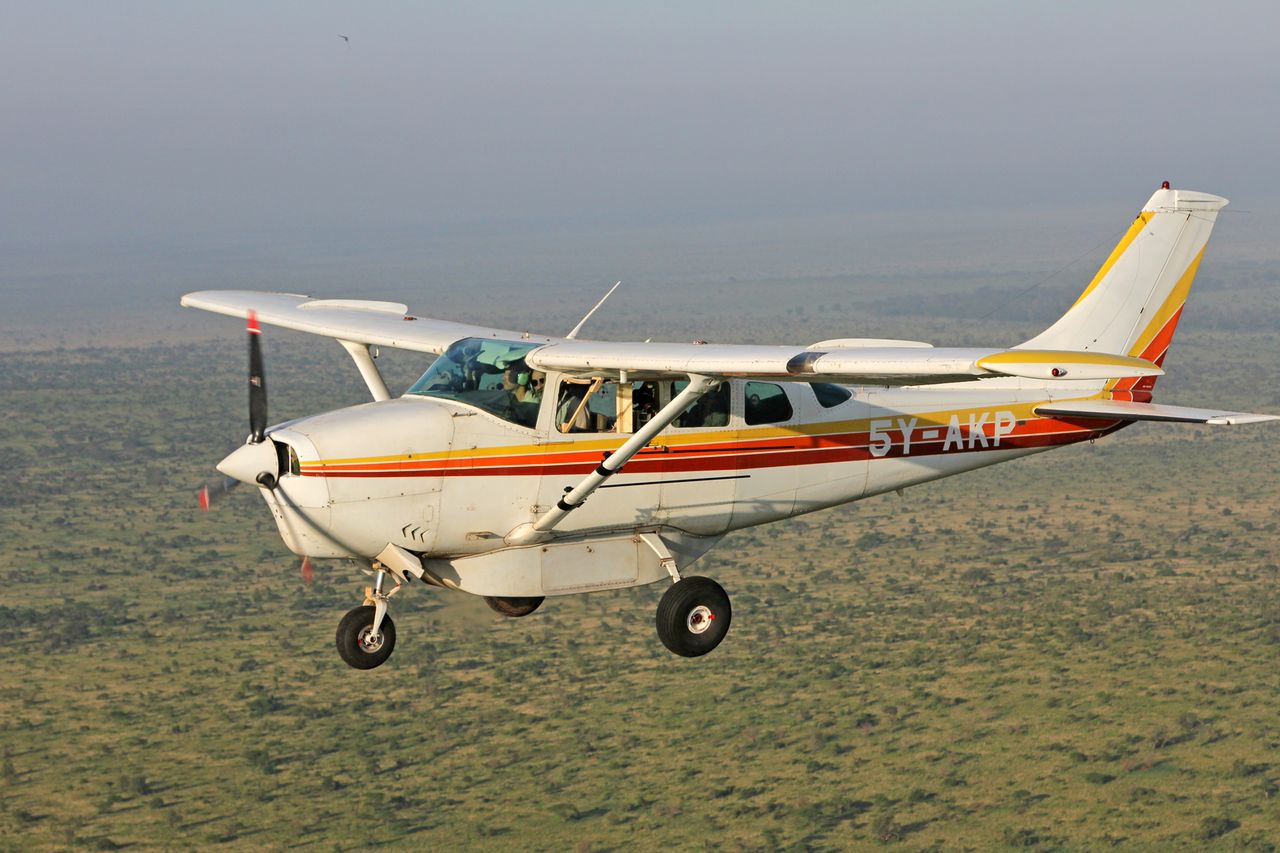
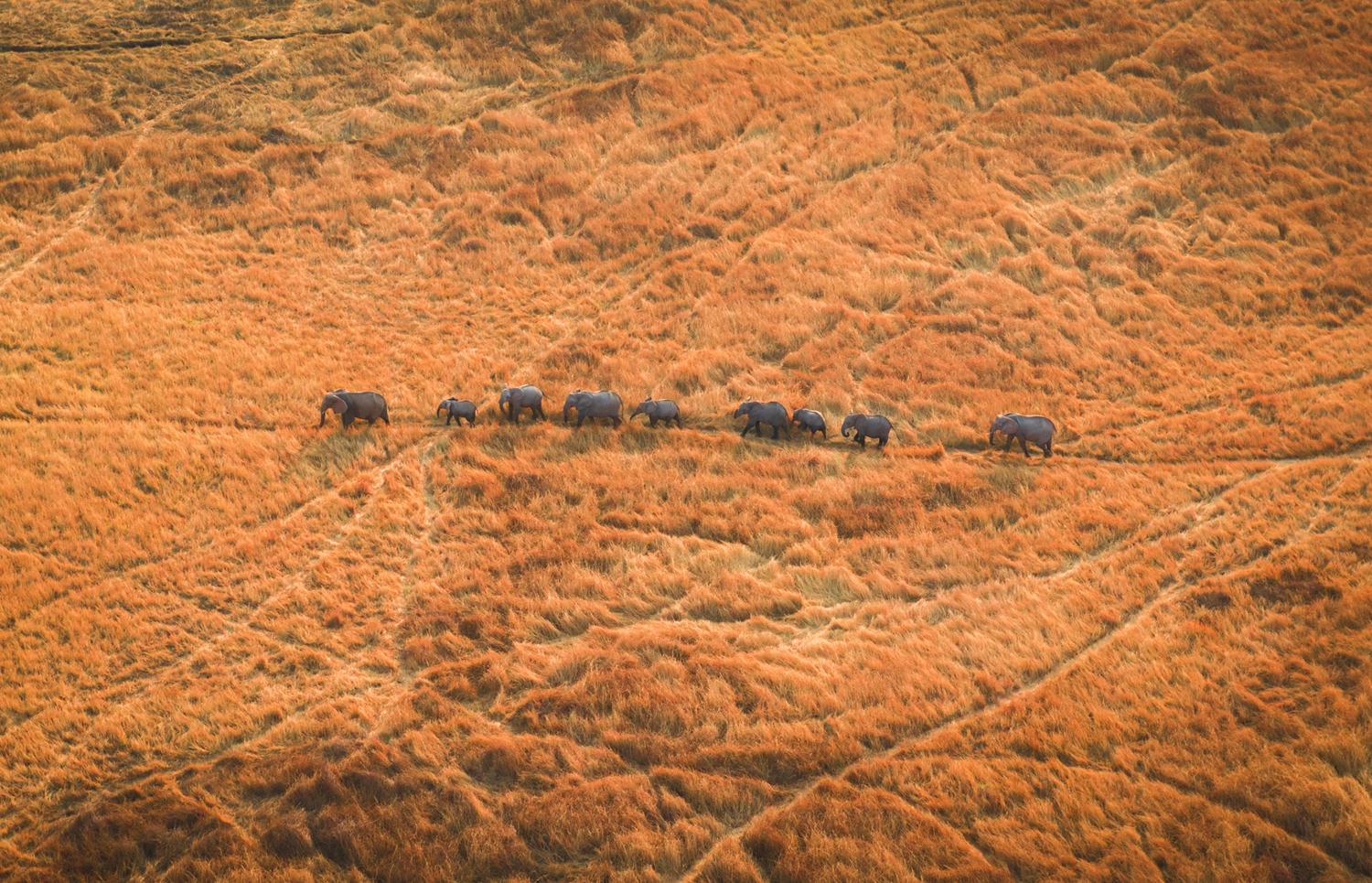
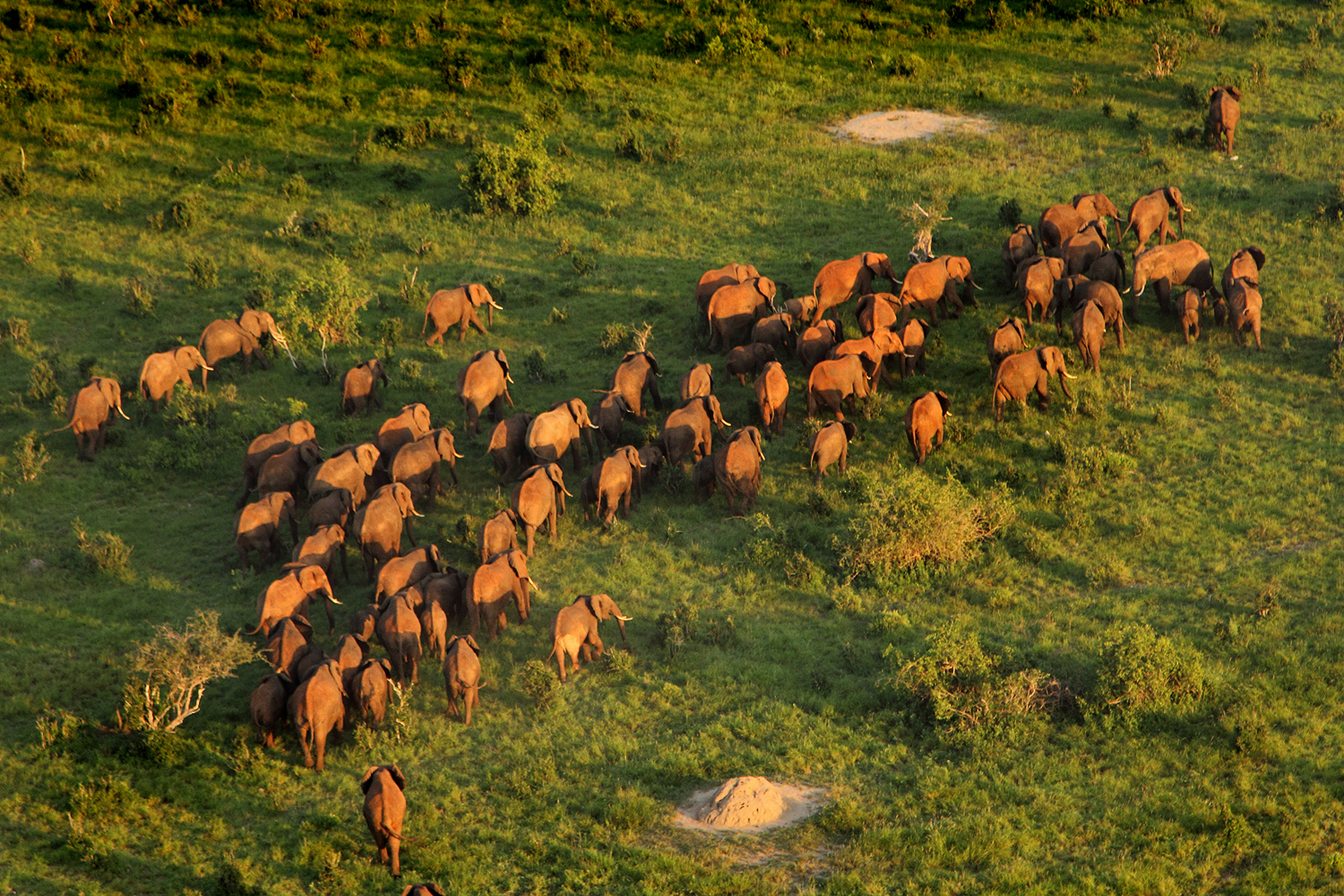
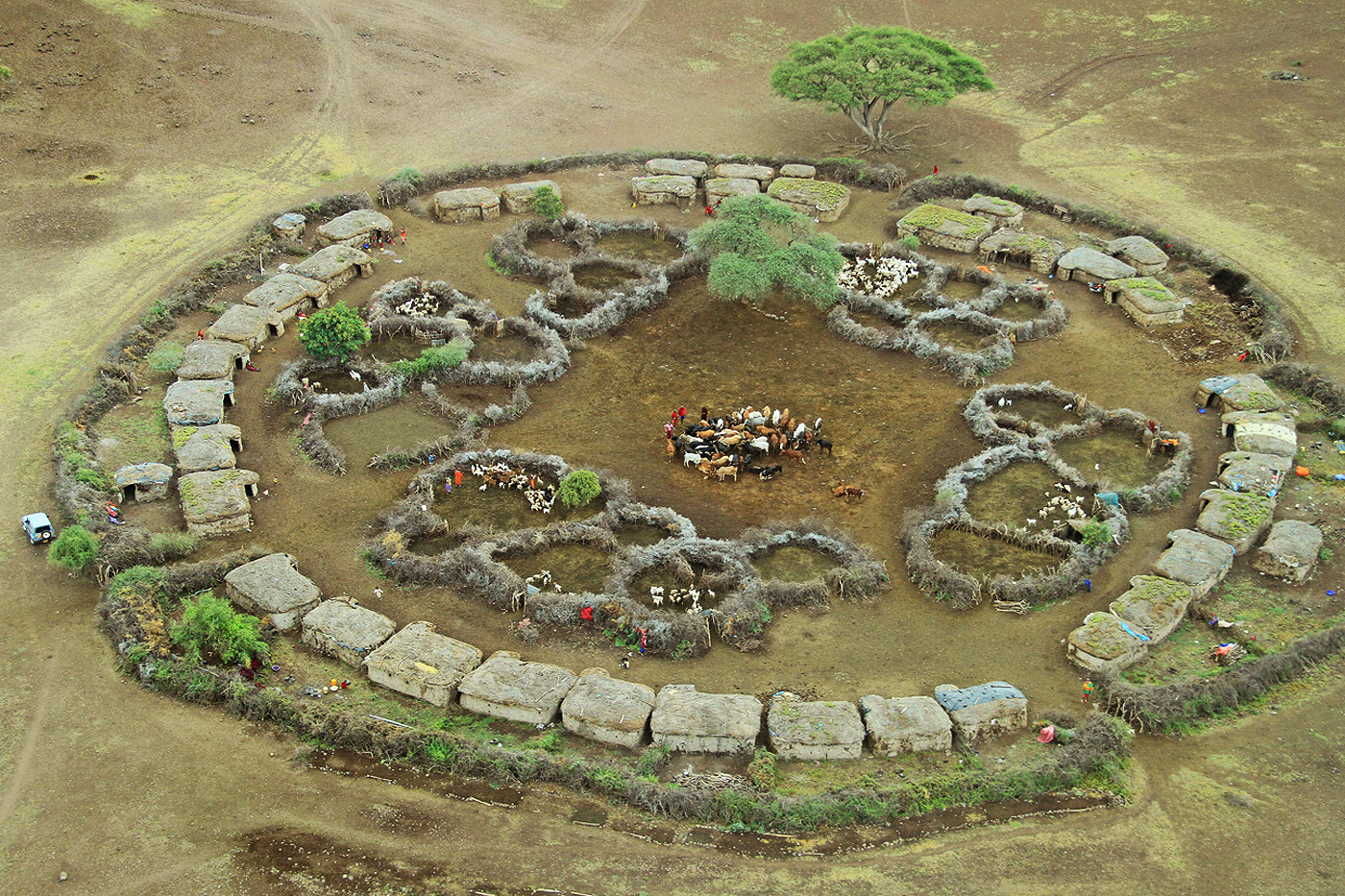
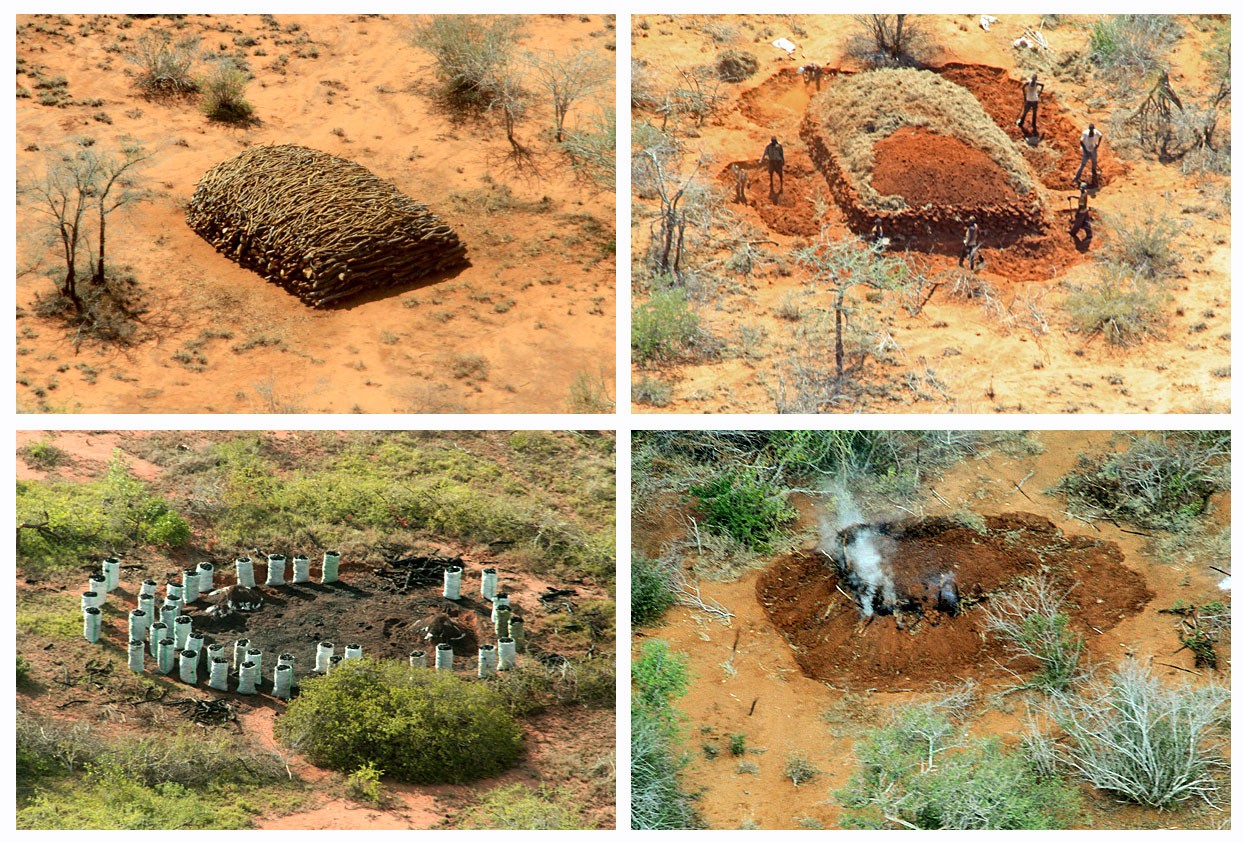
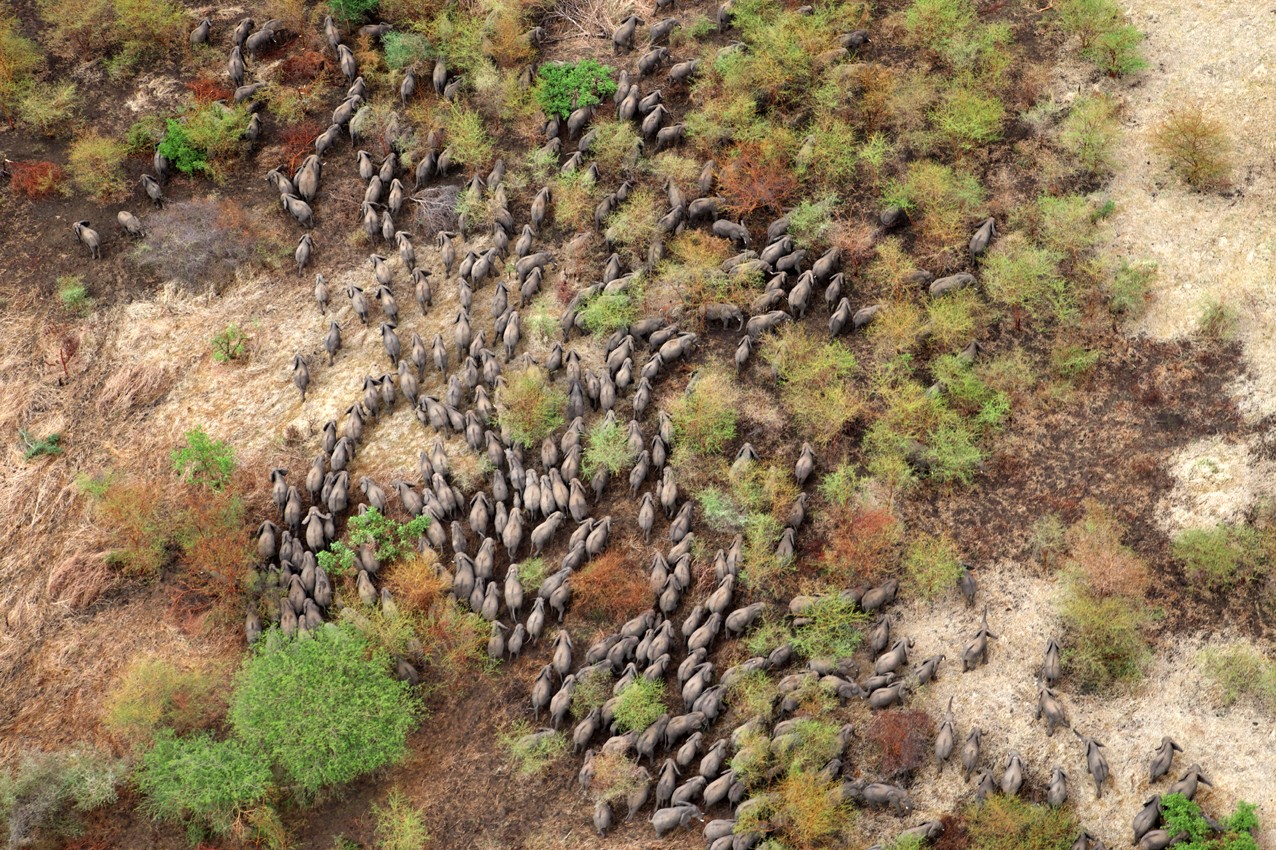
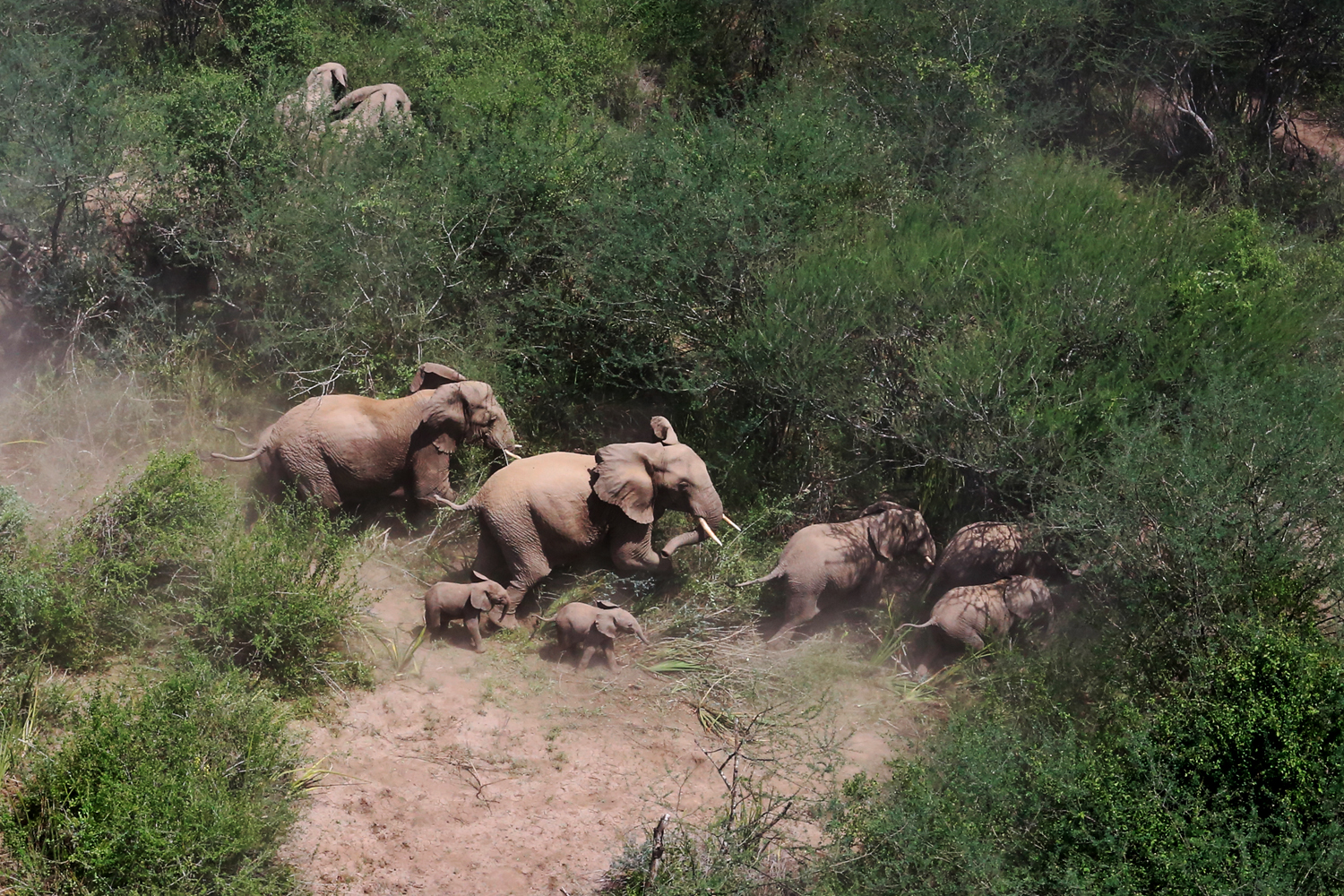
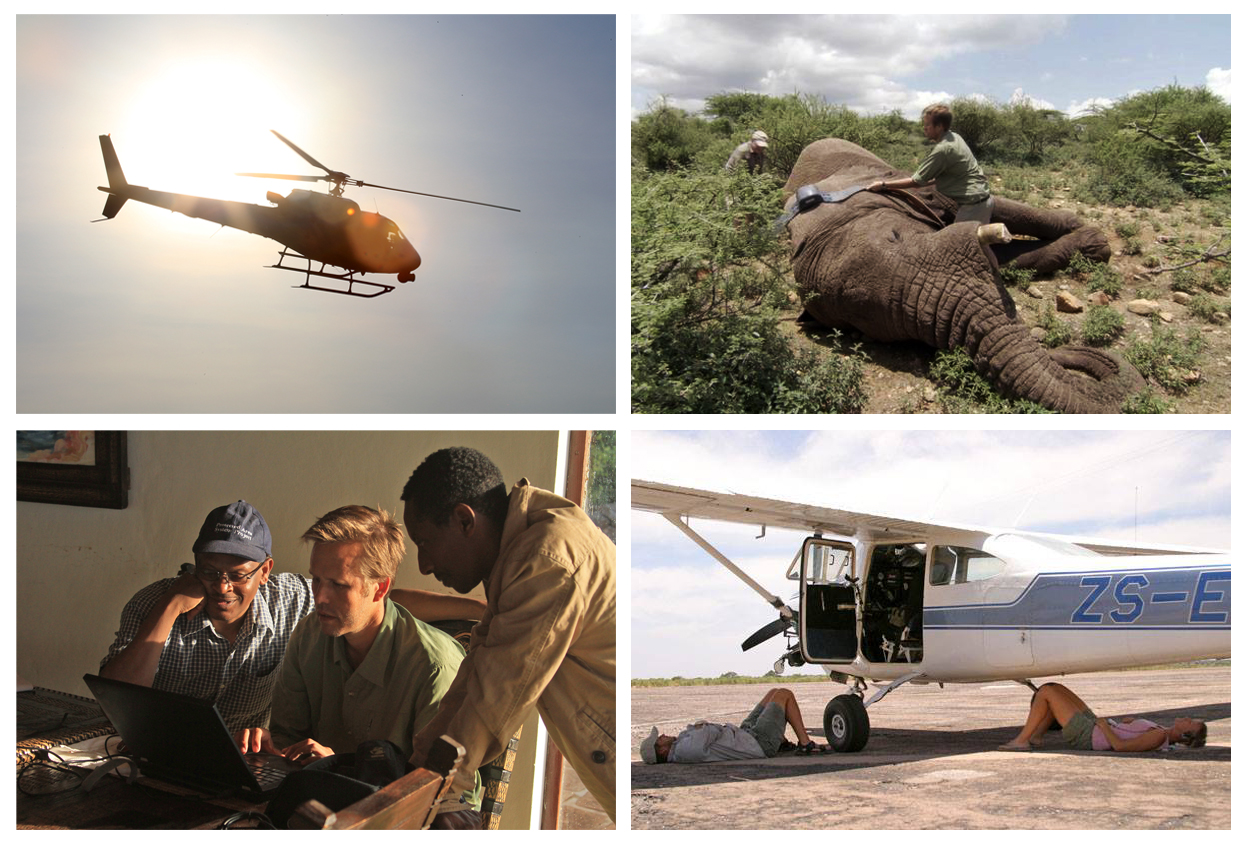
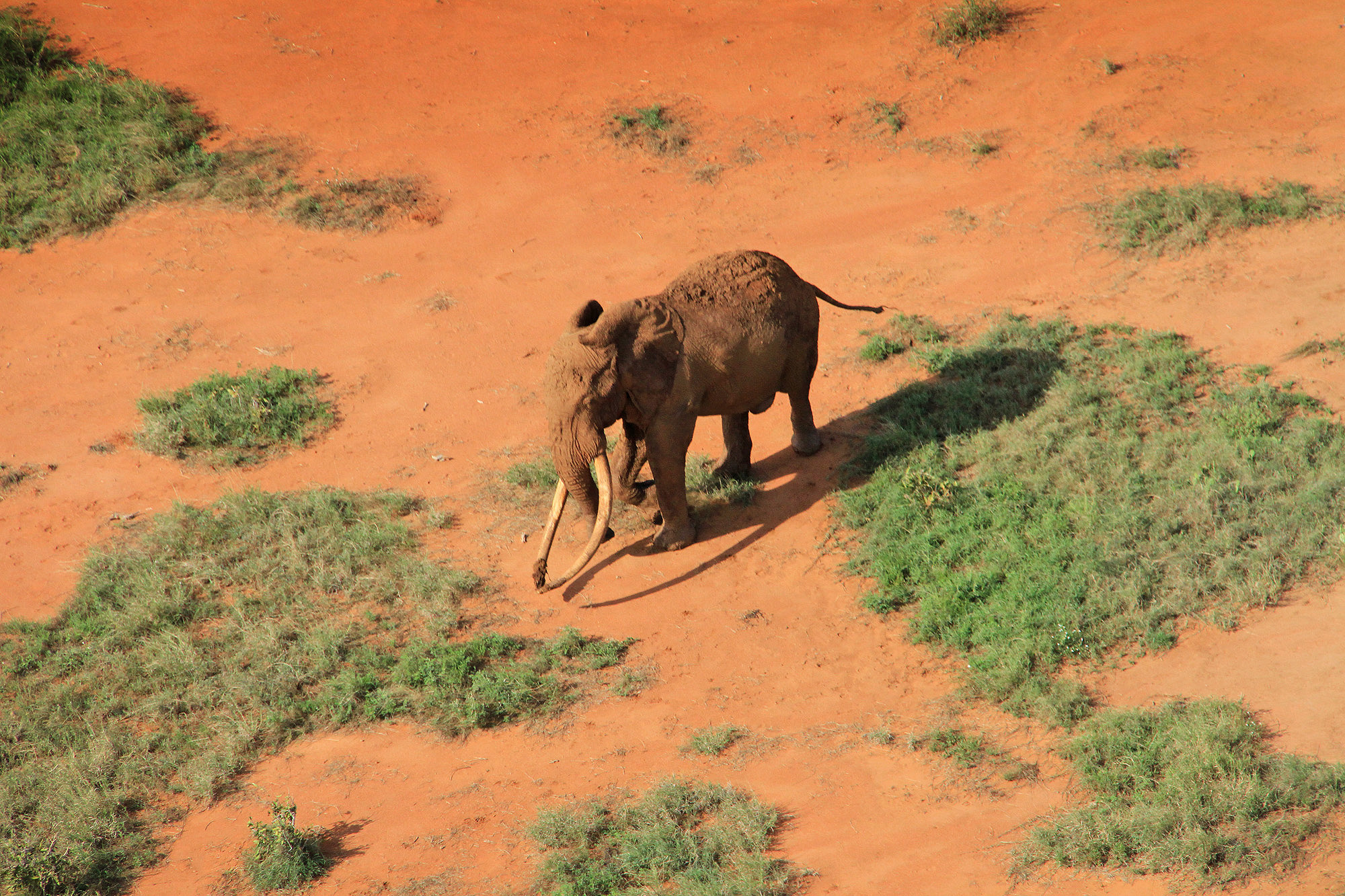
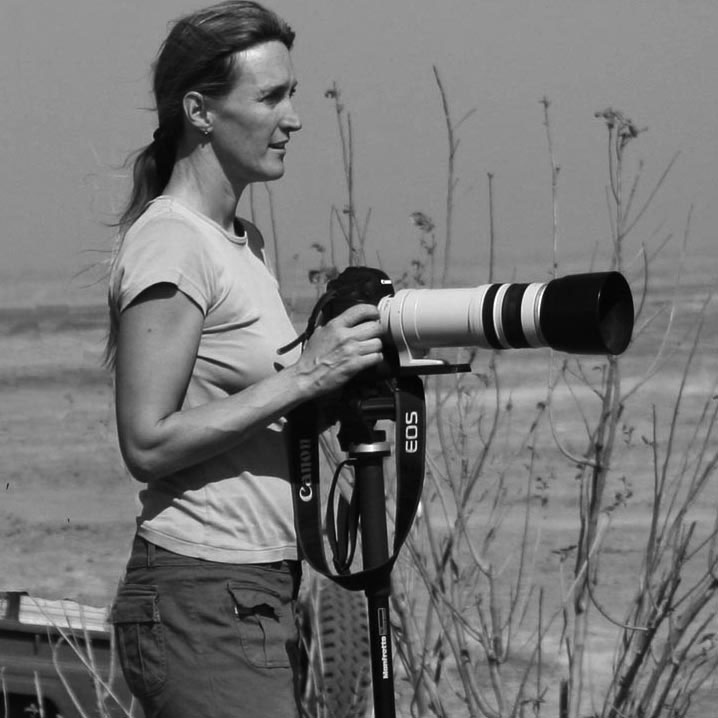 KELLY LANDEN threw down an anchor in 2002, abandoning a career on the oceans to dedicate herself to African conservation. Having a passion for wildlife and an affinity for photography, as
 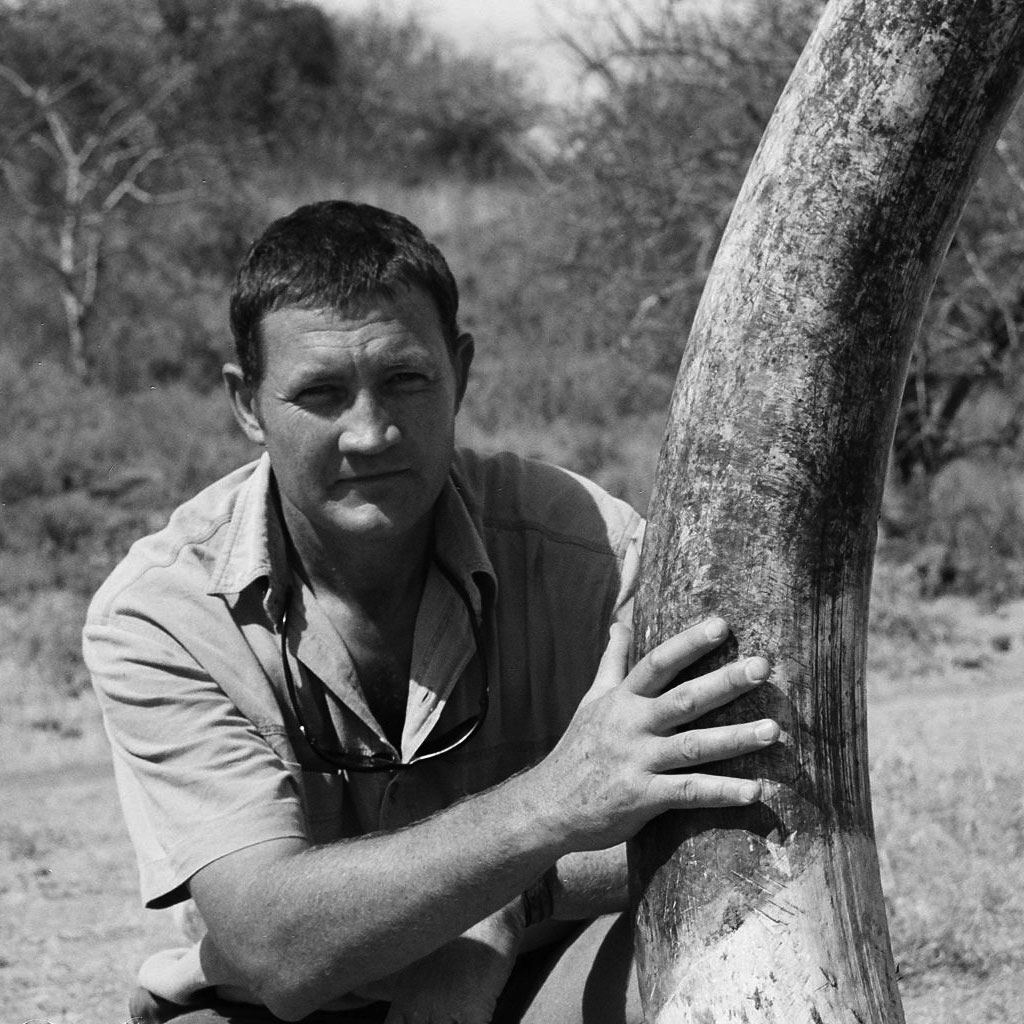 RICHARD MOLLER is one of Kenya’s most respected hands-on conservation project managers. As co-founder of the
 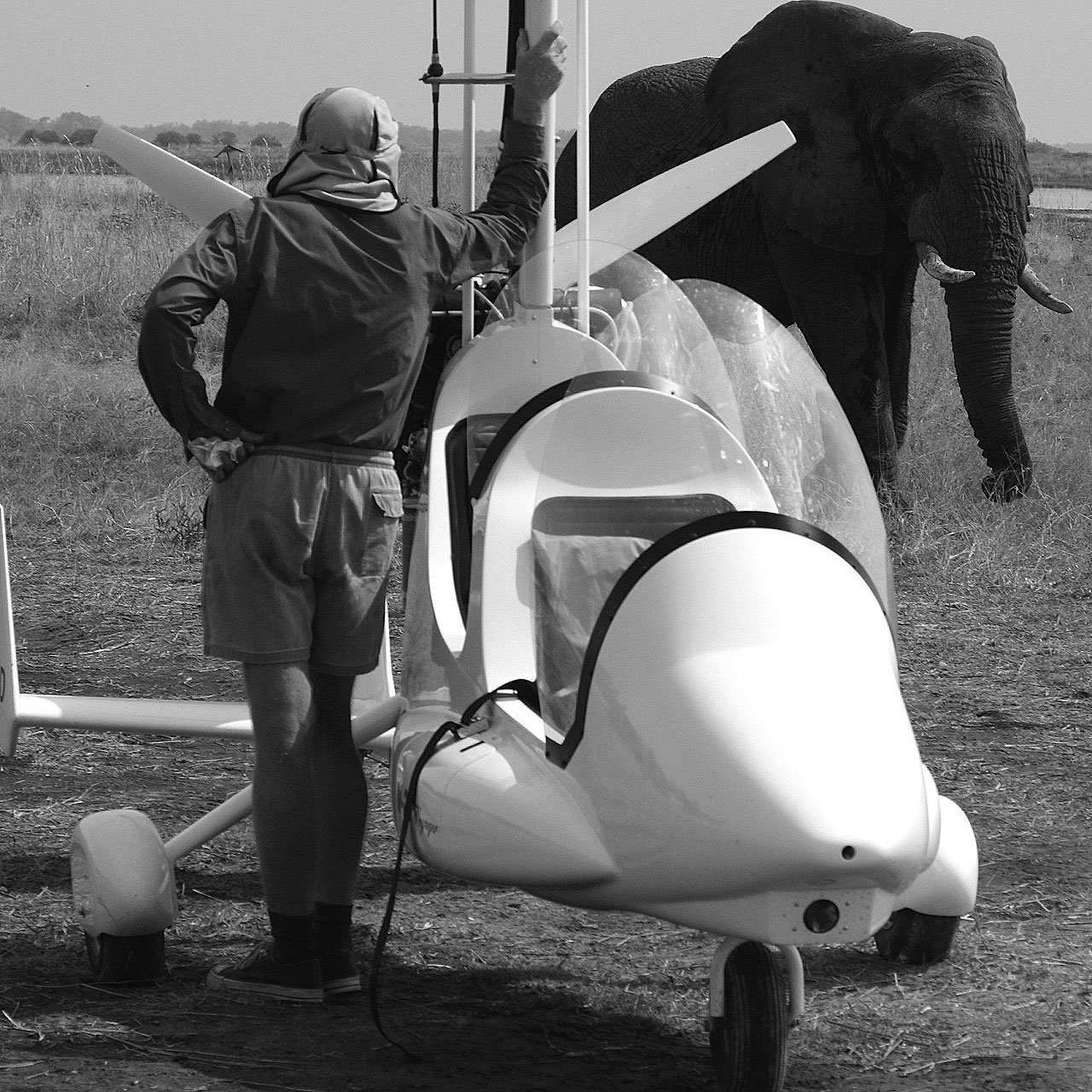 MARK MULLER was born & raised on a Coffee farm on the slopes of Kilimanjaro. He was schooled in Tanzania and Kenya and, immediately after school, came to Maun in Botswana, where he has spent the last 42 years. He has always had a passion for wildlife, with a particular love of elephants and birds. His love of photography was first sparked on a trip to Antarctica in 2006.
 BEN NEALE and KYLIE BERTRAM are the Australian couple behind Gallery Earth. At their core is a deep respect for conservation and a love of adventure. Not everyone has the opportunity to fly or travel, but they believe everyone appreciates and is inspired by the beauty of nature. They aspire to capture this beauty on their journeys, most often suspended beneath the canopy of a paraglider.