It was the end of the summer, and I was driving along the south coast of South Africa. The international success of my previous exhibition of photography, Sign of Life, had left me in the enviable position of not having to work for a couple of years but in truth, I was suffering from ‘second album syndrome’, and I felt bereft of any concrete ideas regarding a new visual narrative to follow up Sign of Life. By Christopher Rimmer
I stayed the night in Grahamstown in the Eastern Cape, and the following morning over breakfast, I read a news report of a fatal shark attack on a 71-year-old Austrian tourist further up the coast in a small seaside hamlet called Port St Johns.
In the background of the pictures that accompanied the news report stood a large bull, seemingly oblivious to all the drama going on around him and whilst it wasn’t the focus of the story, I was immediately struck by the graphic power of the huge beast standing on the wet sand with the shimmering cobalt Indian Ocean forming a backdrop. It was unexpected, absurd even, but I also found the scene strangely moving.
I decided I’d better drive further up the coast to investigate.
Port St Johns sits in a deep rocky gorge where the Umzimvubu River spills out into the Indian Ocean. The community is made up primarily of a sub-branch of the Xhosa tribe; the Pondo, and the surrounding area is known as Pondoland.
The cattle herds of the Pondo people are more than just a source of labour and food; they are inextricably interwoven into the fabric of Pondo existence. An elaborate vocabulary has evolved, which the Pondo people employ to express their feelings, both about the value of their cattle and their aesthetic responses to the grace and beauty of these animals. Cattle are milked, cherished and addressed by evocative metaphor in Pondo culture. Traditionally, they have been kept close to home after nightfall in a central byre or kraal surrounded by the huts of the people who care for them.
Released from the kraal at sunrise, the animals graze along this pristine coastal fringe of tumbling hills, bisected by many rivers and streams, with deep valleys and ravines buried in dark indigenous forests. During the afternoon’s heat, the horizon shimmers with the cobalt blue of the Indian Ocean while the animals make their way to one of the most shark-infested beaches on earth to cool off in the gentle sea breeze.
Following a comprehensive survey of the locale with my assistant, we decided to work initially at the beach known locally as Second Beach due to the flat topography and its cove-like shape with steep grassy land features rising on either side. Cattle arrived at the beach spasmodically throughout the day, thus requiring several exposure strategies.
From a technical point of view, the creation of the Amapondo photography collection presented several issues, firstly in terms of the dynamic range; some compromises would need to be made, which would involve decisions on over or under-exposing certain elements of the composition or filling the subject with artificial light. Depending on the season, the area has some amazing cloud formations, but often the sky would be a featureless blue for days on end. Some days, the cattle wouldn’t show, or the beach would be full of tourists.
As summer extended into autumn, I realised that this project would be a longer process than I first imagined. After a month-long break in Bali, where I was shooting a feature for the Spanish edition of Conde de Nast Traveller, I returned to Port St Johns. Winter had set in, and the behaviour of the cattle regarding their beach visitations had changed dramatically. During the cooler months of the year, the animals sit high on the beach where the sun has warmed the sand, and no amount of encouragement was sufficient to shift them into the position I required, so I packed up and went back home to Australia.
Returning for a third shoot in November, conditions proved much more favourable, with beasts down in the tidal zones daily and elaborate cloud formations on the horizon. Within two weeks, Amapondo was in the can.
Following a highly successful debut in New York, where art business magazine nominated me as the Top Artist to Watch in 2015, Amapondo returns to the country where it was made with a June 4th opening at the beautiful Jan Royce Gallery in Cape Town. The exhibition will run until 27 June 2015. Above all the other exhibitions booked for this year, I am most looking forward to my South African show. I was raised in South Africa, and I left my heart in this absurdly beautiful and complex country when I left. Seeing my work hung in a South African gallery will be a homecoming for me in every sense of the word.
We were alerted to a vulture poisoning incident on a private farm near Hoedspruit late in the afternoon on 6 May 2015. After contacting the farm manager and obtaining initial information about the incident, we met with him first thing the next morning and assessed the scene, which was secured overnight to ensure that no further exposure to mammalian, vultures or other avian scavengers would occur. The farm is located on the confluence of the Blyde and Olifants rivers. Written by Andre Botha, Manager of the Endangered Wildlife Trust‘s Birds of Prey Programme and Co-chair for the IUCN SSC Vulture Specialist Group
A total of 65 vultures of various ages and a single adult tawny eagle were found dead at various locations on the scene. This included African white-backed (globally endangered), hooded (globally endangered) and Cape (globally vulnerable, regionally endangered, near-endemic) vultures. Many of the birds were adults of breeding age, which will have severe consequences and cause the loss or break-up of several breeding pairs at this early stage of the breeding season.
During our assessment of the scene, it was obvious that the poisoning was associated with substantial meat-poaching activities. The team recovered many wire snares and found what appeared to be a camp where poachers spent some time slaughtering a range of animals. Parts of carcasses that were not removed to be sold as meat were scattered on the scene. Based on the evidence, it seems that a zebra carcass was first laced with poison which killed a first batch of birds, and this was followed up a few days later by the remains of a kudu cow that was also poisoned and that killed the remainder of the birds. The latter carcass was also cut up, and parts of it were placed in the trees, apparently a deliberate attempt to poison avian rather mammalian scavengers.
We did find signs of mammalian scavenging on some of the older carcasses, so it is likely that jackals and/or hyenas could also have been poisoned. A report of a dying jackal showing classic poisoning symptoms was received from a neighbouring farm early on Friday.
Samples for toxicological and other analyses were collected from several carcasses. We believe a chemical with acute toxicity was used as many of the dead birds still had food in their mouths when they died. A carbamate-based chemical was likely used to kill the birds. These types of chemicals are widely used in agricultural practices. Despite the same substances being banned in the last year, substantial stockpiles of these are still in circulation and available for use.
The crime scene was properly cleaned up and sterilised to prevent further poisoning of birds and other wildlife. All remains of the killed birds, poisoned carcasses, and found baits were incinerated. The Limpopo Department of Environment and Tourism apparently visited the scene briefly on Wednesday afternoon, but it is unsure whether a formal investigation was launched or a docket opened in this regard.
Like any worthwhile destination, the Ruvuma River does not give up her secrets easily. The journey from Arusha in Tanzania is a three-and-a-half-day commitment by Land Rover, made marginally easier by the stretches of blacktop gradually added to the national road network. First, to Iringa via Singida, Manyoni and Dodoma, then to Songea over the Southern Highlands and through the Makambako Gap, where you geographically enter southern Africa. The stretches of Miombo woodland and riverine vegetation in Ruvuma Region are more akin to the mopane woodlands of Zambia and Zimbabwe, and the further south one drives in Tanzania, the more you feel that this is a different country altogether.
Tanzania feels like a different country the further south one goes
From Songea, following a short meeting with the charming and helpful Regional Administrative Secretary, we continued to Tunduru, a backwater town dominated by artisanal mining of precious and semi-precious stones – soon to be transformed by uranium mining operations in the southern part of nearby Selous Game Reserve. Thanks to heavy rains and deteriorating roads, we only reached the object of our plans and dreams at lunchtime on the fourth day.
At Tungane, the Ruvuma is a broad, lazy stream broken by low rocks and wide sandbanks. On arrival, we set about hauling the canoes, supplies and other equipment off Gian’s trusty Land Rover, affectionately known as “kiboko” – as sturdy as a hippo and equally unwieldy! Once all was packed into the canoes, we waved goodbye to our anxious-looking ground support, who would pick us up at the end, and we paddled off into the afternoon heat.
Back in September 2000, Marc Baker and I travelled to the Ruvuma to see where the river could be navigated and to obtain a preliminary idea of the conservation and tourism potential of the landscape. It has always been known that the wide expanses of Miombo woodlands between Selous and the Ruvuma River are the wildlife corridor to the equally wild and remote Niassa National Reserve in Northern Mozambique. But little was known about the Ruvuma River and whether it harboured any important populations of flora or fauna.
Aside from fishermen, there is scant record of people on the river
In the 19th Century, Livingstone navigated the river up from the coast, a little past the confluence with the Lugenda River flowing in from the south. In modern times there has been scant record of people on the river besides local fishermen. An internet search yields a couple of accounts by South African teams who have managed to canoe or raft certain sections. Still, nothing systematic has been attempted to cover a defined portion of the river, unsupported by land-based teams, while recording specific data along the way.
Our foray in 2000 did little to add to this scant knowledge. Still, it did emphasise how difficult the Ruvuma River is to access for long stretches and how difficult it was to navigate in an inflatable craft due to the wildly varying nature of the waterways – sometimes broad and shallow, then narrow and rocky, often disappearing into sandy shoals or meandering through mazes of thickly vegetated islands and rocks.
Into the Unknown
Even in today’s digital world, where the internet answers the most prosaic questions, obtaining facts, figures, and a sense of what to expect during our expedition was not easy. Google Earth offered interesting insights into the varying widths of the Ruvuma and where obstacles such as rapids and islands are. One of our key sponsors, Garmin, provided GPS units that allowed us to “see” ahead to some extent using Basemaps and downloaded datasets. But even the highest resolution images or GPS data could not accurately reveal the depth of water at any one point, the presence or absence of hippos or the seasonal fluctuations in the main flow of the Ruvuma.
Small victories buoyed us while dark storm clouds gathered
Our first day took us a few kilometres downstream, leaving haphazard agricultural areas radiating out from Tungane Village and then entering the Mwambesi Forest Reserve. By evening we had found an exposed sand bar, a feature that would become a regular favourite campsite on our trip. The distinctive tracks of the African clawless otter were found, and we had already recorded two of our target bird species, the rock pratincole and the white-fronted sandplover. While these small victories buoyed us, the dark storm clouds quickening in the west cast a very real cloud over our plans for the next day. If it rained heavily, what would that do to the water levels, and would it make sections of the river ahead impassable?
The grey clouds remained as dawn broke on day two, and a fine drizzle started falling. We decided there was nothing to do but push on, and although the morning was quietly passed, paddling in light rain, by lunch, the skies had cleared, and the sun was out, a state of affairs we enjoyed for the next eight days. By late morning we encountered our first real rapids, an area of rocky cascades and wooded islands that required us to carry and float the canoes through the foaming waterways. Due to our need for eight days worth of supplies and our expectation of long stretches with very shallow water, our canoes were open-topped Canadian “Trapper” style. This meant they were not equipped to ride out areas of water that had the potential to spill over the canoe’s edge. A full load further limited their ability to run white water since they sat low in the water. But our second day proved an excellent testing period as we began to appreciate their performance limits in various water conditions along the Ruvuma.
Day three proceeded much as the first two, with some stunning sections of river. Some channels ran between thickly forested islands reminiscent of tropical rainforest and punctuated with the calls of bush shrikes and hornbills. These alternated with open sweeping stretches of river, sometimes close to a kilometre across, flanked by the multi-colour hues of late-season miombo woodland tumbling down to the water’s edge. Cool clear waters mitigated the day’s heat, and our camps on wide sand bars in the river kept us away from the insect-ridden woodlands at night. We observed few large mammals but were thrilled with sightings of some truly special birds: the deep orange-coloured Pel’s fishing owl skulking in the branches of an overhanging tree; the large-eyed, nocturnal white-backed night heron silently fleeing from its perch, and pairs of perky rock pratincoles dancing in flight over the river or boldly standing their ground on their special rock homes as we passed by.
The easy rhythm of these first few days was shattered
The easy rhythm of these first few days was shattered on day four when we came upon the Sunda Rapids, an area of confusing rocky channels, boulders and islands where the river drops a few hundred feet in a short distance. These rapids, clearly visible on Google Earth, herald the beginning of a 12-kilometre section dominated by a sheer rock canyon that cuts its way through a land of giants – enormous granite megaliths soaring into the sky on either side of the river. The canyon, while not deep or very wide, provides few options once inside, and where the channel narrows and the water boils through a six-foot-wide chasm, polishing the basalt to a shining sable blackness, there is no option but to portage to a less hostile section of water.
We repeated this ritual for two days, portaging to avoid the more aggressive parts of this wild canyon, scalding our hands on the black rocks, which we dubbed “The Anvil of the Sun” after T.E. Lawrence’s rocky Arabian desert. We eventually emerged from the mouth of the last rapid into a wonderworld of giant rock outcrops surrounded by oceans of miombo woodlands on both sides of the river. It was unanimously agreed that our campsite that evening on the lip of one of the megaliths, looking west down the meandering river, ranked with the best of our many bush trips. Anyone who loves finding hidden corners of treasured wilderness, out of cell phone range and beyond sight of human settlement or electric light, would recognise why this counted as a genuinely special place. That campsite defined the trip for me, encapsulating what it meant to be on a self-sufficient expedition. After the two physically strenuous days of portaging through the canyon, we slept happily and deeply, lulled into unconsciousness by the barking of yellow baboons and the eery whistling of bush hyrax.
It seemed we were walking and carrying more than we were canoeing
The final few days saw us alternating between easy paddling on slack water and arduous hauling of canoes and equipment over flat rocks and through thick vegetation. Frustration built as it seemed we were walking and carrying more than we were canoeing on the water – the antithesis of a river journey. Additionally, regular encounters with pods of hippos ate up time as we walked our canoes far from the dangerous creatures. As for the highly publicised presence of giant crocodiles in the Ruvuma, either we missed them, or they had moved to another part of the river for, aside from a few smaller specimens, we saw few of these infamous reptiles.
Where The Wild Things Are?
And what, I hear you cry, of all the other wild animals, lurking in the bushveld, ready to eat us? The sad reality throughout the areas that we surveyed is that, while officially designated as wildlife conservation areas of one kind or another, the large mammal populations of these vast woodlands have been steadily reduced through a combination of poorly regulated hunting, illegal bushmeat hunting and poaching. Specifically for elephants, the startling upswing in ivory poaching over the last eight years has drastically reduced populations. In a land where giants once roamed in great numbers, now the only ones of significance are those of immobile granite.
These remote and difficult-to-access habitats are a challenge to patrol against poaching gangs, and lack of direct tourism revenue, or interest, means that they will remain a low priority for a cash-strapped government when compared to the African safari ‘poster-boys’ like Serengeti National Park and Ngorongoro Conservation Area.
Finally, having come to the edge of the Lukwika Game Reserve, we met our long-suffering ground support team. We began our long journey back from the Ruvuma to Arusha, happy to have largely fulfilled our goals but hungry to return to complete other sections of this enigmatic waterway and to bathe in its breathtaking landscapes.
Expedition team from left: safari guide and filmmaker Gian Schachenman; ornithologist and conservationist Marc Baker; mammal specialist Alessandra Soresina; author of this article, biologist and conservationist Jo Anderson.
Location & geopolitical significance of the Ruvuma River:
Forms the international border between Tanzania and Mozambique for 650km. Total length: 760kms. Basin catchment: 152, 200km2 of which 65% in Mozambique, 34% in Tanzania. Physical features: Crystalline/sandy soils dominated by Brachystegia/Julbardnnia woodland of the Central Zambesian Biome. Main protected areas along the length of river: Mozambique – Niassa Game Reserve (and associated hunting blocks); Tanzania – Liparamba Game Reserve; Lukwika-Lumesule Game Reserve; Mwambesi Forest Reserve; Mbangala Forest Reserve. Wildlife of interest: Historic range of large savannah elephant population, important populations of African wild dog, significant sable antelope populations, African clawless otter, hippopotamus and greater kudu. Sponsors: Ferarelle; The Italian Association of African Experts; Code 39Films; Garmin; Swarovski Optik.
Contributors
Biologist and conservationist JOHN (JO) ANDERSON moved to East Africa in 1995 shortly after graduating from Oxford University. He has since conducted wildlife research and environmental work throughout East Africa, guided Mount Kilimanjaro climbs more than 50 times, and led specialist travel groups on safaris in Tanzania, and Kenya. Rwanda, Botswana, Mozambique, South Africa, Uganda, and Zambia. Jo is a founding partner in Carbon Tanzania, which recently became the first organization in Tanzania to develop a community-led forest-based carbon offset project, working with the hunter-gatherer Hadza people of Northern Tanzania. He lives with his wife and two children in Arusha, Northern Tanzania.
Mammal Specialist ALESSANDRA SORESINA has worked on several wildlife projects around the world. In Saadani Game Reserve in Southern Tanzania, she was involved in a mammal monitoring project which led to Saadani being upgraded to a National Park. In 2001 she set up the lion project in Tarangire National Park, northern Tanzania, and for over 5 years, Alessandra has concentrated her efforts on lion–human interactions. During this time, she has greatly contributed to what is known about lions in and around the Tarangire ecosystem. One of her major goals was implementing the radio-tracking program in Tarangire, allowing conservationists and national park management to understand lion movements in the Tarangire ecosystem fully. After setting up a snow leopard project in the Himalayas with the Università degli Studi di Siena, she is now involved in mammal monitoring projects in Mozambique, Tanzania, Gabon and Botswana which are essential to the implementation of new protected areas.
Bird Specialist MARC BAKER is the owner and director of Ecological Initiatives Ltd, a Tanzanian company that supports forestry and wildlife conservation in Tanzania. Based in Arusha, Marc has worked in conservation and ecotourism since 1998. Initially, as an ornithologist for the United Nations Development Program – Global Environmental Fund cross-border biodiversity project from 1998 – 2000, conducting a range of biodiversity surveys in Tanzania and Kenya. As a wildlife specialist, Marc works on various ecological issues, such as wildlife management, out-of-protected area tourism viability and carbon forestry for Danida (Danish Development Agency), Care International, the Wildlife Division of Tanzania and the Tanzania bird atlas.
Adventure sports specialist GIAN SCHAUCHERMANN holds a degree in ecology and fisheries management. Gian has worked on Rubondo Island in Lake Victoria and built bushcamps in Tarangire and Serengeti National Parks. He also spent a great deal of time in the remote areas of Loliondo, where he guided walking safaris and captured some of the finest wild dog photographs. Gian has formal training and certification as a walking safari guide, is a member of the Interpretive Guides Society, and has a pure love of adventure. In his free time, Gian can be found building canoes in his backyard, climbing volcanoes, or adventuring across Tanzania on his motorbike or paramotor.
The horses at the Bangweulu Wetlands were introduced by the previous conservation manager, Craig Reid. He was a keen horseman who was convinced that horses could greatly assist with monitoring wildlife and, eventually, with anti-poaching patrols. Written by: Andrea Reid
The horses arrived in early 2013, and no one knew how they would adapt to Bangweulu Wetlands with its thick elephant grass and vast dambos. Local communities, who had never seen a horse, greeted them with suspicion and excitement. The Bisa people are traditionally hunter-gathers, and keeping livestock is not common.
But the equestrian unit has been a valuable addition to the area. The horses can cover four times the distance than rangers on a foot patrol. They have a height advantage, with the ability to see poachers and wildlife ahead of them, which is a great advantage in a place like Bangweulu, with its small hills and high grass. Wildlife is also more relaxed in horses’ presence, enabling management to better understand species diversity and populations.
However, the integration of the horses has taken time as the horses needed to adapt to their new environment, which is very different to their lush Kikuyu pastures. The staff also needed to build relationships with the horses.
Albert Mupangachabe, one of the scouts at Bangweulu, was the first to express interest and proved to be a great horseman. Albert took to riding immediately and was a natural on a horse. When you ask Albert about the highlights of his job, he explains how much he enjoys riding and his encounters with animals whilst on horseback. Recently he identified a remnant population of sable antelope, which are thriving due to the extra protection they receive from the Bangweulu Wetlands scouts. He returned that day excitedly, telling the park members how close the sable came to him and how they just continued to graze. He added, “I also enjoy it when each morning I arrive at work and Fiddles greets me with a ‘whinny’.”
The riders have also been taught that it is important to know how to care for the horses – including equestrian-related tasks such as mucking out stables, grooming and feeding. Bangweulu Wetlands plans to grow the equestrian unit to include four members working on rotation.
Visit Bangweulu Wetlands on safari to see conservation in action and to find shoebills and the rare and endemic black lechwe. Bangweulu Wetlands is managed by African Parks.
Garamba National Park is 4,900km² of pure beauty, located in the Haut-Uélé district of the Democratic Republic of the Congo. The region is a biological treasure trove and, as a result, was made a UNESCO World Heritage Site in 1980. Here are nine fast facts on Garamba
1. Garamba is one of the oldest national parks in Africa! Belgium colonised the DRC, and Garamba National Park was established in 1938 by Royal Decree, making it one of the oldest conservation areas in Africa.
2. Garamba is home to a subspecies of the northern giraffe known as the Kordofan giraffe Giraffa camelopardalis antiquorum. The Kordofan giraffe forms the park’s symbol, as Garamba’s giraffes are the only known giraffe population in the DRC. In 2012 Fundación Biodiversidad sponsored the collaring of five giraffes for scientific research. Read more about giraffes here.
3. Sadly, one of the collared giraffes was killed. The poachers kept the satellite collar, and officials could track the collar over the border. The good news is the South Sudanese authorities later apprehended the poachers.
4. Did you know that it is speculated that the elephants that occur in Garamba are hybrids of the savannah and forest elephants?
5. In 1920, the Elephant Domestication Centre was created by Belgium colonial rule in Garamba, where 100 elephants were trained to work in agricultural fields.
6. Coups, ceasefires, colonial wars and civil wars have plagued DRC’s wildlife and conservation areas, a reality for many African conservation areas. Although, with African Park’s involvement from 2005, Garamba’s general biodiversity is rising!
7. Garamba was home to the northern white rhino, with Southern Chad, the Central African Republic, Southwestern Sudan, and Northwestern Uganda. The park was one of the last strongholds of this subspecies of rhino in the late 1900s and early 2000s until they became regionally extinct.
8. Garamba is home to the charismatic sausage tree, one of Africa’s iconic trees. It has a large sausage-shaped fruit used to treat skin conditions and make a red dye used in traditional practices. Mature fruit can be up to 0.6m long and weigh a whopping 6.8kg. This tree’s attractive blood-moon red flowers have a strong scent that attracts many pollinators but is not appealing to humans.
9. Through African Parks community initiatives, thousands of schoolchildren on the periphery of Garamba have been educated about the importance of their natural heritage and conservation via documentaries, environmental lessons and school outings to the park.
African Parks offers safari camps and lodges in their protected areas – and your stay generates revenue that goes DIRECTLY to wildlife conservation and local community upliftment. Book your stay in one of their parks.
Of the 36 recorded snake species known to occur in iSimangaliso Wetland Park, the beautiful Gaboon adder (Bitis gabonica) is surely the most iconic.
The Gaboon adder is one of Africa’s most recognisable snakes.Another of South Africa’s well-known venomous snakes, the Puff adder, is seen here on the left compared to the Gaboon adder on the right.
The Gaboon adder is a sedentary species renowned for its striking geometric patterning – and is the world’s heaviest adder. Stocky and often obese, the species can attain lengths up to 2 metres, although in iSimangaliso, individuals rarely exceed 1.3 metres. The disproportionately large head resembles a dead leaf with a dark dorsal stripe that mimics a midvein. Among snakes, Gaboon adders have the longest fangs (max. 40mm) and the highest venom yields. Bites from Gaboon adders are medical emergencies, but the species is of docile disposition, and most bites occur from the handling of captive individuals by snake enthusiasts. Envenomation incurs mostly cytotoxic symptoms, although toxic effects on humans are not well known, and only one human death is described in the literature.
This extremely rare inhabitant recently had its numbers boosted by 26 following the release of neonates at three locations on the Eastern Shores of iSimangaliso. Born in captivity at the iSimangaliso St Lucia Crocodile and Education Centre, their release into the wild was in line with the release protocol suggested by a three-year study (2005-2007) by registered researcher Jon Warner who recently completed his Master of Science thesis on the conservation biology of the species in South Africa.
According to the park CEO Andrew Zaloumis, “Jon’s Gaboon research was one of the 185 current registered research projects ongoing in the World Heritage Site. iSimangaliso encourages research in numerous fields to inform and improve our management strategies and contribute to the creation of scientific knowledge. Jon’s finding points to the importance of maintaining the continuity and integrity of the entire iSimangaliso dune forest corridor to protect and conserve the Gaboon adder. This is a good example of how iSimangaliso conserves high conservation value species by protecting their habitats.”
The young Gaboon adders were collected at the iSimangaliso St Lucia Crocodile and Education Centre, seen above in a container, before being released gently into thickly forested habitat on the Eastern Shores.
Although primarily a tropical species extending into equatorial Africa, their distribution is very restricted in South Africa and is mainly confined to iSimangaliso, highlighting the park’s importance for the future conservation of the South African population.
Researcher Jon Warner recording habitat variables and marking the exact location of the snake. The Gaboon adder, previously captured and fitted with the radio-tracking device, is in the white circle.
Following the insertion of tracking devices in the belly of selected Gaboon adders, Jon could track and monitor their movements as part of his research.
The core activity area averaged 6.7 hectares, with the mean male core activity centre almost five times greater than that of females. Snakes tracked (using VHF telemetry) were highly sedentary, especially during winter when individuals remained at single localities for extended periods (max. 87 days). Activity peaked for both sexes at the onset of the breeding season during March, with individuals averaging a movement distance of 598 metres.
The Gaboon adder is a terrestrial forest Adderid, and its habitat preferences in iSimangaliso are strongly influenced by season, with individuals selecting open-canopied areas during cooler months. This behaviour is presumably because the forested habitat individuals utilise for the rest of the year is inadequate for the species’ thermoregulatory requirements during winter. Females used slightly less shrubby microhabitats than males, and “thicket” microhabitat is important for the protection, thermoregulation and food acquisition requirements of Gaboon adders in iSimangaliso.
The feeding activity of Gaboon adders varied between seasons, with individuals spending long periods at single localities in an ambush position, especially during summer. Snakes exhibited strong ambush site fidelity, often remaining immobile for weeks at a time. Sites where ambush behaviour was observed were frequently in proximity (less than 1 metre) to game trails created by antelope. Gaboon adders may feed on prey as large as Red duiker (Cephalophus natalensis).
Ecological research from Jon’s study, coupled with new molecular data showing that South African and central African Gaboon adders are genetically similar, suggests the South African Gaboon adder population’s conservation status is better than previously assumed. However, long-term protection and management of the coastal dune forest corridor (found primarily inside iSimangaliso) is needed for a viable, local Gaboon adder population.
St Lucia residents Charne von Plaster & Leon Steyn were cycling through the Igwalagwala Trail recently when they spotted this well-fed Gaboon lying in their pathway.
Visitors walking the self-guided trails in the Igwalagwala Trail and St Lucia Nature Park areas of iSimangaliso should keep a careful eye open for these snakes as they are fond of lying in a sunny patch of the path or amongst fallen leaves. Several visitors have reported spotting Gaboons, wisely choosing to leave a wide berth between themselves and the snoozing snake. A sighting should be considered a rare and special privilege and just another example of the miracles awaiting discovery in iSimangaliso.
‘What’s great about the ocean is that you swim a hundred and fifty meters from the shore, and you feel vulnerable – you are in the wilderness,’ says Craig Foster. Feeling vulnerable is something most modern humans try to avoid, but it would have been a regular part of our ancestors’ lives, and it draws Craig into the cold waters of South Africa’s False Bay. He has been exploring these waters every day for four years, discovering previously unknown species and inspiring scientists and children alike to reconnect with the wild. The Sea Change Project he is developing is multidimensional, involving film, photography and storytelling in live presentations, mobile exhibitions, and an expansive website. ‘The basis of it is that when you immerse in nature as deeply as you can, there’s this sea change – or transformation – that takes place because we are basically aligning ourselves with our original design,’ says Craig. ‘All those neural networks in the brain start functioning – all those things that activate primal joy. The water is a more extreme environment than land. You are inside water.’
By immersing yourself in nature you activate primal joy
I felt vulnerable, just sticking my toe in the cold water. Craig invited me to join him, his young son Tom and Ross Frylinck for a dive in False Bay. Ross is the director of surf lifestyle website Wavescape and a writer and director for Sea Change.
A prerequisite to diving with Craig is not wearing a wetsuit. ‘I want to get into the mind of Stone Age Man. I want to see how they saw things when they hunted in the ocean.’
We jumped from the rocks, and, before I could surface and take my first shaky breath, Craig, Tom, and Ross were swimming to the edge of the Kelp Forest. Soon they were motioning for me to join them, ‘Stingray! Come and see this.’ But I couldn’t pry myself from the shallows where I struggled to breathe. I needed time to adjust to the cold, and when I got there, the stingray was gone. ‘It was huge, about four meters,’ said Craig happily, adding how unusual it was to see it here in the kelp. But I wasn’t disappointed because by swimming down in search of the stingray, I entered a world where I felt cold, vulnerable, and ecstatic.
Later, from the shore, Ros and Tom noticed a great white shark taking some prey some 50 meters off the kelp line. Craig realised this was why the stingray and some seals had come into the kelp, but because the water was clear we were not threatened by the shark as it does not identify humans as prey.
Foster, at a young age, was obsessed with the intertidal zone. He grew up along the coast in his family’s wooden bungalow, the lower level of which was below the high watermark. ‘In the big Atlantic storms, we had to board up the windows. The bottom of the house would often fill up with seawater.’
He and his brother were walking and diving along the coast by age three. In those days, there was no supervision. There was no iPad. They would spend whole days exploring the tidal pools and kelp forests. Their food was what the ocean provided, and they could survive like that by the age of six.
Sea Change reawakens the first African coastal family
This deeply influenced Craig; as an adult, he wanted to learn more. But no more coastal hunters were left around False Bay, and no mentors to guide the brothers through the finer arts of wilderness survival. ‘That’s what drew me away from the ocean to the Kalahari, where the San are the masters of wilderness survival.’ The Foster brothers spent three years filming their celebrated documentary The Great Dance: A Hunter’s Story there.
After a long series of films, Craig was burnt out. His way to recovery was to return to the ocean, so he moved to Simons Town, where he swam daily, gradually recovering and reconnecting with the wild in False Bay.
During that time, Canadian anthropologist and filmmaker Niobe Thompson, who had seen The Great Dance, and was creating a human origins series, approached Craig and asked him to recreate and film the first African coastal family. It turned out to be one of the foundations for the Sea Change Project.
Craig was determined to be completely faithful in recreating a 100,000-year-old Stone Age family and collaborated with archaeologist Christopher Henshilwood and ethno-ecologist Tony Cunningham. ‘I got a real feeling for original existence along the coast – a time when Homo sapiens were innovating at an incredible level.’
He describes evidence of rock art discovered by Henshilwood in Blombos cave near Stillbaai dated to 77,000 years ago, which makes it about 40,000 years older than the oldest art in Europe. Also found at Blombos is an abalone shell containing a mixture of red ochre, bone and charcoal. It is estimated to be about 100,000 years old, making it the oldest human-made container ever found and the world’s oldest chemical mixture for adornment. He believes that the carpet of low-tide kelp would have been the environment where we first learned how to wade, swim and eventually dive by following rich food sources, like abalone and crayfish, deeper into the ocean. ‘People might shoot me down, but I think this time was when humans lived at their highest potential.’
Thompson expected him to work on the project for six weeks, but Craig spent eight months creating the family with local fishing people who had a strong connection with the ocean.
Donovan van der Heyden is one of them. A traditional fisherman and community leader, Donovan is active in establishing the rights of traditional fishermen. As resources dwindle due to commercial fishing and poaching, his community is under pressure. ‘Youngsters are being lured into poaching by the quick money,’ he says. ‘I want to be able to educate them about the importance of conserving wildlife and remind them of our spiritual connection with the ocean.’ In working with Craig in recreating our roots, Donovan has rekindled his connection with the ocean and feels the Sea Change Project can be integral in his quest to teach the youth about their marine heritage and how to conserve it.
THE POWER OF COLD
‘There’s a strange thing that happens to our bodies when it comes to cold water – with immersion and holding our breath. Everything is fast-tracked,’ says Craig.
I recognised this as I swam through the kelp forest, pulling myself down on long kelp stems to reach the rocky floor, holding my breath for longer as I dived deeper. The reward was a clarity of vision, a sharpening of the senses. While my inner core kept itself warm, my skin took on the temperature of the water. After a short while, I did not feel cold; I just felt like I was part of it. We swam for about 45 minutes, flying through the Kelp forest between myriad fish, diving down to greet octopus and crabs and anemones and sea urchins of every colour imaginable.
‘We are supposed to be cold-adapted as humans, but today we are programmed to keep warm – put on our jackets when there’s a chill – but it’s not natural. When you become cold-adapted, your hormonal system changes; your immune system strengthens. There’s a transformation on many levels. We don’t step back into the original design, but some of that criterion is fulfilled. Ultimately you feel more human,’ says Craig. ‘Some of the kids involved in this project have gone home to do ice baths, and their parents ban them from doing it. So they sneak cold showers. It’s hard to stay cold in our mad world!’
One of those kids is 12-year-old Epiphany Stransham-Ford. Her father went diving with Craig and afterwards encouraged Epiphany to join them. ‘My dad thought it was the most incredible experience, and he knew how much I loved animals, so he suggested I go along too,’ she explains. Since then, Epiphany has become one of the ambassadors of Sea Change.
‘I was never interested in marine life before. I wanted to be a wildlife veterinarian and work in the bush. But when I went diving with Craig, that changed,’ she says. ‘My first dive wasn’t great, but on my second dive, I opened up. I totally relaxed and began appreciating the beauty of the surroundings.’
By her own initiative, Epiphany has been working with the Sea Change Project and the conservation organisation Mission Blue, headed up by renowned Ocean Explorer Dr Sylvia Earle. Mission Blue has designated Hope Spots along the globe’s shores – places critical to the ocean’s health – and False Bay is one of them. Through her learning and ocean experience, Epiphany now talks at schools where she inspires kids to conserve the ocean.
Aided by his heightened senses and the frequency with which he explores the water near his home, Craig started noticing creatures not recorded in guidebooks. He reached out to Emeritus Professor Charles Griffiths to help identify them. Griffiths headed up the marine biology team at the University of Cape Town for 25 years and is one of the authors of Two Oceans, A Guide to Marine Life of Southern Africa. He has also become a mentor to Craig, who holds him in the highest esteem for the valuable expertise and time he has given to the project.
‘Craig has a particular style of photography, and he’s photographed some remarkable things,’ says Griffiths. ‘What Craig does is valuable because he lives on the shore and often dives in the same places. For example, if Craig sees a snail laying a group of eggs and goes back every day to observe and document it, we can learn an extraordinary amount from it. As scientists, we don’t often have the time and resources to do that.’
One of Craig’s most remarkable observations is the never before seen behaviour of cuttlefish, which Griffiths and marine biology student Jannes Landschoff are studying. Its behaviour is unique and has not been documented until now.
To evade predators, the cuttlefish adapts its skin colour, texture and body shape to mimic other creatures, such as a whelk (sea snail), which it lies beside and mirrors, as seen in the image above. When under threat, instead of swimming away and drawing attention to itself, the cuttlefish can also use its tentacles to mimic the legs of a hermit crab, fooling predators by slowly walking away like a crab.
Craig joins Charles and Jannes to explore and share information as often as possible. Jannes, who is originally from the north of Germany, is, as he says, naturally cold-adapted.
‘The marine life on the coast here is so diverse,’ says Jannes. ‘Bays are unusual along this part of Africa’s coast, and the life in False Bay is so rich because it is well sheltered. It’s also between two oceans where you have warm and cold currents meet.’
Much of the sea life has been wiped out on the coasts of Europe, so for Jannes, it is thrilling to study here, and Craig enhances that experience for him. ‘Craig is so in tune with nature. It gives me a completely different approach. When I first met Craig, I thought he was either a genius or completely mad. I came to realise he is both,’ laughs Jannes. ‘I don’t think he is fully aware of his amazing work, and I don’t know anybody with a similar approach. The spiritual philosophy behind what Craig does makes it translatable to an audience. I’m not religious; I guess if I have spirituality, it has always been science, and Craig’s philosophy is something I can tune into.’
‘There are many more animals in the water than there are on land,’ says Craig. ‘Big animals are approaching you. On land, that doesn’t happen because they’ve had millions of years to become afraid of us. But we never dominated water, so the animals aren’t scared of you. They often make contact if they don’t sense you are a threat. That’s why you’ve got to relax in the water.’
I couldn’t relax when Ross handed me a small cat shark. It was gently ensconced in his hands as he swam up to me, but I was wary so as he handed it to me, it became catatonic, coiling in on itself suddenly and sinking to the ocean floor. Once it sensed no further threat, it uncoiled and swam off again. I definitely needed to relax. And I decided the best way to do that was to give myself to the water.
Craig introduced me to a crab that, after resting for a while on my hands where we could study each other, climbed along my arm and seated itself there as I swam along like a steward. It made me feel relaxed, and welcome. It would have stayed there for longer if I hadn’t returned it to the ocean floor. Soon after, Craig brought an octopus up to greet me. He put it into my open hands, where it coiled its tentacles gently around my arms and sat facing me. I watched its bulbous head expand with every breath, its skin changing colour from dark purple to light pink, its eyes looking into mine.
‘It can happen anywhere – you can make these relationships with nature on land and in water,’ says Craig. ‘When you give an animal your attention, it can feel it. Imagine doing that with hundreds of species the whole time – a reciprocal bonding between you and nature. This is what the San call the ropes to God. It’s part of our psychological makeup. Imagine just cutting that off.’
The octopus and I stared at each other for a while. It’s the closest I have ever felt to nature. In that cold water, it was a feeling of warmth. Then it calmly swam away, and I followed it for a while like it was tugging me along.
Contributor
ANTON CRONE quit the crazy-wonderful world of advertising to travel the world, sometimes working, and drifting. Along the way, he unearthed a passion for Africa’s stories – not the sometimes hysterical news agency headlines we all feed off, but the real stories. Anton strongly empathises with Africa’s people and their need to meet daily requirements, often in remote, environmentally hostile areas cohabitated by Africa’s free-roaming animals.
We had been at Mombo for nearly a week when we heard the call over the radio – the Western Pride had been located. This was significant for me because I am trying to create identification cards for all the lions on the Mombo concession for monitoring, but mostly because I am intrigued about Mmamoriri. As we drive into the sighting, one of the guides points her out. Lazing under the shade of a rain tree with her pride members is a maned lioness with a full black mane. Written by: Robynne Kotzee
Mmamoriri is not the first of the Western Pride to sport a mane, nor is she the only maned lioness on Chief’s Island in the Okavango Delta, Botswana. Martina, her predecessor, was regularly sighted around Mombo, and while her mane was much blonder, it was equally impressive. Recently, in a more southern pride on the concession, another young maned lioness has been spotted flaunting the first few tufts of a maturing mane. While this is not the norm, there has been an increase in reported incidences of these unusual felines on and around Chief’s Island over the last few years.
Later in the afternoon, the entire Western Pride came together to rest in the centre of the island, where they were located earlier in the day by guides at Mombo Camp. Here, we had a good chance to gauge her size and compare her features to the rest of the females in the pride and the pride male.
In an attempt to discover the reasons behind this anomaly, Simon Dures, while conducting his PhD research on the genetic diversity of lion populations in northern Botswana, took blood samples from Mmamoriri to conduct genetic and hormone tests. While the research, in association with the Zoological Society of London and Imperial College London, is still ongoing, initial testing has started to unravel the mystery. Molecular testing aimed at examining chromosomes – the genetic material which determines sex – has revealed that Mmamoriri is genetically a female, despite her masculine features. This rules out at least one of the theories that she may have possessed an extra Y-chromosome (usually unique to males) that would have led to her ambiguous sex characteristics.
So what is it that led to Mmamoriri’s unusual appearance?
“Due to the location of the maned females, the prevalence of the condition and the symptoms, it is unlikely not to be a genetic trait – but this still needs to be confirmed,” Simon adds. Given what we know now, it seems quite likely that Mmamoriri’s condition developed in the womb. Certain genetic conditions may result in the exposure of the foetus to excess androgens, which could result in the development of male sex characteristics in females. In the lion’s case, this may be a mane and a slightly larger body size.
While this condition is well-documented in humans, it is quite uncommon in the animal kingdom.
What does this trait’s propagation mean for the Okavango lions?
“Implications of the trait are limited due to the current low prevalence, but if the trait is recessive, and with the number of incidences appearing to increase, this could change. She (Mmamoriri) appears infertile and, if this is true, any lions with the condition are essentially removed from the gene pool, reducing the breeding population, and thus increasing the risk of population decline,” Simon states.
Simon’s data analysis has further revealed that genetically, the lions of the Okavango Delta are more isolated than lions from elsewhere in northern Botswana. This means that there has been somewhat limited movement of genetic material between the Okavango and surrounding conservation areas. This type of isolation over time may cause certain genetic traits, such as the maned lioness Mmamoriri’s, to increase in frequency.
Escalating human-carnivore conflict on the edges of protected areas, where lions are killed in retaliation for predating on cattle, is one factor that may limit genetic flow both to and from the Okavango. Young male lions, whose dispersal is the key to gene flow between different populations, are particularly vulnerable, as they often turn to prey on cattle during this stage of their lives.
Another factor which may be relevant, particularly on the northern section of Chief’s Island, where the trait keeps surfacing, is swelling water levels. Over the past decade, an increase in flood regime has caused the Mombo concession to become increasingly isolated as swamps surrounding the island have expanded and have remained flooded for longer. While this is not an impenetrable barrier to movement, it may deter young, inexperienced male dispersers from leaving the island to cross seemingly endless and unfamiliar swamps.
While the trait is something of a marvel and does not as yet pose a significant threat to the lions of the Delta, it is a reminder that on a larger scale, we need to ensure genetic flow between increasingly isolated populations of species such as the lion. Corridors linking sub-populations need to be maintained and, if lost, restored to allow for the natural dispersal of such wide-ranging predators.
By the time we reached the Western Pride it was late afternoon, and they had congregated in the shade in the middle of the island. The pride male is there, and I notice that while bigger than the other females, Mmamoriri is still noticeably smaller than him and does not share the same bulk and broader face typical of mature males. Nevertheless, seeing such an exquisite and unique maned lioness while on safari is a wonder.
In the highlands of Ethiopia, American scientist Meg Lowman is working with local forest ecologist Alemayehu Wassie to protect ancient church forests.
As in many developing countries, much of Ethiopia’s original forests have been cleared for subsistence agriculture and for harvesting timber and firewood, diminishing northern Ethiopia’s forest cover from 45% of its territory in the early 20th century to less than 5 percent today.
A large portion of the remaining forests is concentrated in the northern part of the country, especially in the Lake Tana area. There, bright-green patches of trees surround 3,500 Orthodox Tewahido Churches – a consequence of the Church’s belief in maintaining a woodland home for all God’s creatures around the place of worship. These are Ethiopia’s church forests.
The tree canopy is believed to prevent prayers from being lost to the sky
The forests are said to be necklaces around the church, and the tree canopy is believed to prevent prayers from being lost to the sky. According to the Alliance of Religions and Conservation, an estimated five to ten percent of wild lands across the globe are currently held by religious organisations.
Ranging in size from five acres to more than 1,000, some of Ethiopia’s church forests are more than 1,500 years old, rivalling the ancient cultures of the Omo Valley in their historical significance and attracting tourists keen on an Ethiopian adventure. All are remnants of the country’s Afromontane forests, which are cooler and more humid than the surrounding lowlands, and many have freshwater springs. These church forests have become the centrepiece in the struggle to conserve what remains of northern Ethiopia’s biodiversity.
“They are native seed banks for the future of that landscape,” says Dr Wassie.
Spiritually designated woods sequester
carbon, conserve water, reduce soil erosion
and provide shade and medicine
Besides being rich in biodiversity, these spiritually designated woods sequester carbon, conserve water, reduce soil erosion, and provide shade and natural medicine. They also harbour pollinator species, including native bees and other insects that add value to outlying crops.
But threats to Ethiopia’s church forests are many. Villagers harvest the timber, cattle trample and eat seedlings, and farmers cultivate the wooded edges. Pressure from a rapidly growing population, 80% of whom live in rural areas and rely on subsistence agriculture, and warming temperatures that have forced farmers to shift their plantations to higher elevations, have taken their toll.
Pressure from a rapidly growing population has taken its toll
Lacking alternatives, the priests sometimes use the wood to repair their church, make charcoal for church activities, and carve sacred utensils. Plants from the forest are eaten or used to make dyes. Deadfall is sold to congregants for cash.
“The biggest solutions to these forests come from inside: the church members and clergy who believe they are the stewards of all of God’s creatures, a similar mission to us as conservation biologists. We all understand that the sad thing about vanishing forest islands is that once they are gone, we will never know what used to live there or what might be missing or extinct.”
“Forest patches are like families of trees, and trees are the building blocks of life on Earth. One of the most successful ‘machines’ for storing carbon, trees transform sunlight into energy and food. Forests worldwide provide homes for up to half of the species on our planet. They also provide spiritual sanctuary. Humans could not live if trees and forests were not part of our environment,” Lowman says.
A parent of two grown boys, Meg Lowman compares trees to mothers: “We have a great deal in common.”
Trees are the heart of the productivity of many ecosystems. Just as mothers function as the biological centre of birth and life, trees provide sustenance for their entire community. They quietly drive important functions that make all life possible in the surrounding ecosystem.
“If only I, as a mother, could have achieved as much as a tree,” Meg says with a smile.
Sacred places are being recognized for their value as conservation sites
“If we can better understand the complexities of biodiversity, then the chance of survival for all Earth’s life forms will certainly grow,” says Wassie. At the twenty-eight Church sites he identified as high in biodiversity, the team is helping local people build protective rock walls around the forests.
“The locals consider the forests as jewellery to the church, and the walls are the clothing. We have invoked a cultural shift for conservation because now all the churches want walls built around their ‘naked’ forests,” says Meg.
When viewed from above, it’s apparent that unsustainable deforestation has rendered these church woodlands as green island sanctuaries scattered among bare land, fields, pastures and human settlements.
Thanks to researchers like Lowman and Wassie, these sacred places are beginning to be recognised as conservation sites worth studying and protecting. “The Church and scientists like Dr Wassie and I have the same mission. They call it God’s creatures, and we call it biodiversity, but we’re all trying to conserve it,” says Lowman.
Travel in Africa is about knowing when and where to go, and with whom. A few weeks too early / late and a few kilometres off course, you could miss the greatest show on Earth. And wouldn’t that be a pity? Contact an Africa Geographic safari consultant to plan your dream vacation.
Contributors
LORI ROBINSON sold her California home and most of her belongings in 2009 for a simpler, more nomadic life. As a lover of the wild, Lori strives to live more in tune with the rhythms of nature. She rotates between California, New Mexico, Wyoming and Africa, writing about wildlife and wild places and working on her memoir. She designs and leads safaris to Africa and is a contributor to Africa Geographic, Travelers Tales and Conscious Lifestyle Magazine, and the founder of SavingWild.com, where you can find interviews with the world’s top conservationists, book reviews, and stories about Lori’s lifelong friendship with Dr Jane Goodall.
RAISA MIRZA grew up between Bangladesh and Montreal, Canada, spending most of her time reading National Geographic magazines and dreaming of wild, open spaces. She works in the intersection of community development, food security and behaviour change communications. Through her photography, she aims to portray the diversity of the world’s people and wild spaces while changing people’s perceptions of the developing world. You can find more of her work on her Facebook page.
The baobab tree is a strange-looking tree that grows in low-lying areas on the African mainland, Madagascar and Australia. It can grow to enormous sizes, and carbon dating indicates it may live to 3,000 years old. They go by many names, including baobab, boab, boaboa, tabaldi, bottle tree, upside-down tree, monkey bread tree, and the dead-rat tree (from the appearance of the fruit).
So, do you love seeing baobabs while on safari as much as we do?
Well, here we provide some interesting facts about your favourite African tree:
1. There are eight species of the baobab tree (genus Adansonia) – six from Madagascar and one each from mainland Africa and Australia.
2. The baobab’s biggest enemies are drought, waterlogging, lightning, elephants and black fungus.
3. Baobabs are deciduous, and their bat-pollinated flowers bloom at night.
4. Baobabs store large volumes of water in their trunks, so elephants, eland and other animals chew the bark during the dry seasons.
5. Humans utilise baobabs for many purposes, including shelter, ceremonies, food, medicine, fibre, juices and beer.
6. Animals like baboons and warthogs eat the seed pods; weavers build their nests in the huge branches; and barn owls, mottled spinetails, and ground-hornbills roost in the many hollows. The creased trunks and hollowed interiors also provide homes to countless reptiles, insects and bats.
7. Cream of tartar (a cooking ingredient) was initially produced from the acidic baobab seed pulp but is now mainly sourced as a by-product from the wine-making process.
8. The massive trunks (the largest circumference on record is 47 metres) have been used as jails, post offices and bush pubs, amongst other creative uses.
9. Many baobabs live to a ripe old age – with one recently collapsed Namibian tree known as “Grootboom” thought to be 1,275 years old.
I admit it. I’m addicted to Africa. I became hooked on my first safari to Kenya in 1992 and while I was fixated then on seeing the Big Five, I now get even more excited to see the lesser-known species that make Africa so special and diverse – like the black-bellied pangolin. On my 12th safari to Africa in March 2015, I ventured into the equatorial forests of the Central African Republic (CAR). Written by: Joel Gunter
I had been following the sad political events in CAR closely and befriended a lodge owner in the region, Rod Cassidy. When he gave the “all-clear” to visit, I set out for Sangha Lodge and the Dzanga Sangha Special Reserve.
Rod and his wife not only run the lodge, but they also are passionate about the area’s flora and fauna. The rainforest is on the front lines of human-wildlife conflict as the demand for bushmeat threatens to strip the forests of life. It’s no longer hunter-gatherers like the Ba’aka forest people eating just what they need, but it has turned into a mass supply for markets in the villages, which is unsustainable.
At Sangha Lodge, I was privileged to “meet” one of the most mysterious and mythical creatures of the forest, the black-bellied pangolin. Rod and Tamar have rescued many a pangolin headed for the dinner table. They clean them up, check their health and release them back into the forest as soon as possible. However, they have taken on the difficult task of raising orphaned pangolins when the mother has either been sold at the market or eaten, and that’s how “Pangi”, the black-bellied pangolin arrived at Sangha Lodge.
The black-bellied pangolin and I
Orphaned by the bushmeat trade, Pangi was brought to a local lodge by villagers. Raising a pangolin is incredibly difficult. In fact, it’s unknown whether any human has ever successfully raised a black-bellied pangolin. So little is known about their habits, and pangolins, one of the most trafficked animals on the planet, are notoriously difficult to keep alive in captivity. So it’s a monumental task to raise an orphaned pangolin (plus an orphaned baby blue duiker or two) and run a lodge simultaneously!
Dzanga Sangha Special Reserve is known for “The Greatest (Elephant) Show On Earth” at Dzanga Bai (see BBC Planet Earth series) and the groups of habituated western lowland gorillas, which you can track. You can also see bongo, but truth be known, I was just as excited to meet “Pangi” as I was to see the other more charismatic species in the park. For an animal covered in scales, she seemed so delicate. This “pine cone-looking thing”, or something akin to a mammalian artichoke, moved precisely like a motorised toy. She emitted not a sound, save for the snuffling of her nose checking the air for food. Her caretakers told me she spent a lot of time curled in a ball napping when back in camp, but when I followed them out into the forest, she came alive – visibly excited and active to be in her element.
Armand and PangiThe Ba’aka helped find ant nests that Pangi would eat each day
In the first few weeks, Pangi was bottle-fed milk for sustenance. But as she grew older, she seemed to develop an intolerance for the milk, and after a couple of scary nights, it was clear that she needed more ants in her diet. How interesting to watch these caregivers trying to think like a mama pangolin while reaching out to the few experts worldwide via the internet to keep this rare animal alive. Every day the lodge staff and Ba’aka co-workers would enter the forest to scout out and mark locations where ant nests were in the trees. They would then take Pangi into the forest to learn to be a wild pangolin and feed like one, and I would follow along behind.
Black-bellied pangolins are arboreal and have extremely long prehensile tails that cantilever out, freeing up their forelegs to dig in with their claws and tear open the ant nests. Pangi was very particular about what kind of ants she would eat. After digging into a nest in the crook of a tree, darting her long tongue in and out of the crevices, her face and scaly exterior covered in ants, she would stop eating as suddenly as she started. I was told the ants emitted a pheromone or something unappetising, and Pangi would move on even though there were still plenty of ants she could eat – nature’s way of preserving itself! Then she would climb upward towards the canopy, her instincts kicking in.
My visit to the Central African Republic fulfilled a dream I had for many years, but the opportunity to observe one of the most mysterious creatures on the continent made it all a richer experience. When I posted photos and videos, most of my friends back home had never seen such an animal. It’s hard to secure the future of a creature no one knows exists!
The day of my departure, a new orphan arrived – a white-bellied pangolin.
In September 2013, a high-profile announcement was made in New York about a bold Clinton Global Initiative, bringing together NGOs, governments and concerned citizens to stop the slaughter of Africa’s elephants. Making international headlines, the Initiative pledged $80 million over three years to counteract the elephant crisis with a three-pronged strategy to “stop the slaughter, stop the trafficking, and stop the demand”. However, it emerged that of the $80 million in pledged funds, $78 million comprised the already-funded budgets of over a dozen conservation organisations working in Africa. There was no funding from the Clinton Foundation; indeed, a significant portion was European Union funding that had long been committed to protected areas in Africa. The impact for elephant charities was all in the packaging.
Such is the confusing world of wildlife conservation, where initiatives to save iconic species compete in a game of recognition and power, often completely missing the conservation goal. With hundreds of NGOs proclaiming to protect elephants, how do philanthropists decide who to support? The answer is not easy, and the givers themselves are often motivated by personal goals, simply wishing to feel virtuous with an easy click and credit-card swipe entry on a website. NGO websites encourage this approach: for a few dollars, you can supposedly sponsor an orphaned elephant or equip a park ranger. But how much of the money really goes there?
Available research data indicate a population of +- 550,000, but some scientists swayed by the poaching onslaught claim the number is as low as 250,000. Media headlines shout about an apocalypse; they predict that Africa’s elephants will be extinct in 20 years while ignoring the fact that elephants breed at 5% per annum – helping to offset poaching statistics. NGOs benefit from alarmist talk, and every poaching outrage ensures an influx of funds into their coffers. But responsible conservation should present considered facts and opinions, genuine action, and accountability. Africa’s elephants may not be on their way to extinction, but in many regions, they are being lost with breathtaking speed. West Africa is almost devoid of elephants, and a huge swathe of central Africa has lost its savannah herds. Tanzania and Mozambique are the current elephant-killing fields, and central Africa’s forests are an unseen frontline where the future of the forest elephant is at stake. These are real threats, and an alarmed Western world is responding with shock, anger and unprecedented amounts of funding. Governments, foundations and individuals are desperate to help but are bamboozled by the plethora of headlines and funding options.
If donors want to contribute effectively, the role of different NGOs needs to be understood, their literature examined, and quantifiable results sought. Donors also need to understand the relevance of data – if poaching arrests increase, have anti-poaching efforts become more effective or have poaching pressures increased? Are arrests translating to prosecutions or to bribed releases? If more rangers are deployed, are they being effective or actually contributing to the problem by colluding with poachers? The only real measure of success is an increase in population numbers or the slowing of a downward trend – but accurate statistics have been difficult to establish.
How do you determine which among the many NGOs best deserves your support?
The Global NGOs
Global NGOs dominate Africa’s conservation space with big budgets and high profile marketing campaigns. WWF, WCS, IFAW and CI (World Wide Fund for Nature, Wildlife Conservation Society, International Fund for Animal Welfare and Conservation International) have an annual budget of over $1 billion, with over $100 million spent in Africa. But being a big player also means multiple layers of command, hefty overhead costs and major marketing spend to ensure donations continue. For each donor dollar channelled to these NGOs, at least 15% goes to overheads – 26% in the case of WWF and 34% for IFAW.
Of the global NGOs, Wildlife Conservation Society is credited with doing the most effective work in Africa. Based out of New York’s Bronx Zoo, WCS is at heart a scientific organisation, and much of Africa’s wildlife census work has been conducted by its people. But in recent years, WCS has strived to become more hands-on, taking on the co-management of several protected areas in partnership with governments. In 2012 WCS earned respect for entering into territory where few NGOs will venture – the Niassa National Reserve in northern Mozambique, an area the size of Denmark with one of the most threatened elephant populations in Africa.
Operating in a country with massive corruption, WCS has had its work cut out, compounded by the fact that 35,000 people live in the reserve. Tanzanian poachers cross the border into Niassa, often reportedly aided by officials. Poaching has ravaged Niassa’s elephants, with numbers plummeting from 20,000 in 2009 to 13,000 in 2013. Yet under the helm of South African conservationist Alistair Nelson, WCS has taken on the challenge, investing in anti-poaching efforts that have helped slow the onslaught and lobbying the government for increased penalties – until recently, neither ivory poaching nor trading warranted incarceration in Mozambique. In September 2014, there was a breakthrough when a major poaching gang with 39 recent elephant kills was arrested. But, as in the past, the poachers escaped from prison – indicative of the systemic corruption that makes conviction so difficult. WCS swung its publicity machine into gear, spotlighting the case to ensure that it will be harder in the future for officials to turn a blind eye or take part in corruption.
Mozambique was teeming with elephants a hundred years ago, including some of Africa’s biggest tuskers. Today, Niassa’s 12,000 elephants are the country’s largest population, and their number is dwindling. But thanks to WCS’s presence, Niassa’s beleaguered elephants at least stand a chance.
NGOs like African Parks, which manage protected areas in partnership with governments, are increasingly attracting donor funds because they are accountable for their actions. In signing formal public-private partnership (PPP) agreements, they secure full management responsibility for a protected area and are held responsible for what happens under their watch.
The Republic of Congo had the foresight to engage in PPPs for three of its national parks – Odzala-Kokoua in partnership with African Parks, and Nouabale-Ndoki and Conkouti-Douli in partnership with Wildlife Conservation Society. Less than five years underway, if these partnerships prove successful, the future of 12-13,000 forest elephants could be secured.
Through an amnesty program, poachers are turned into protectors
Odzala-Kokoua has about 9,600 forest elephants, probably the largest population remaining in a single protected area. African Parks has managed Odzala-Kokoua since 2010, and whilst high levels of corruption make it difficult to bring poachers to justice, their conservation efforts are bearing fruit. Odzala’s elephant population is stable, with the effects of any poaching offset by compression as elephants congregate in the safety of the park to avoid threats in surrounding areas. African Parks has been lauded for its poacher-to-protector amnesty programme, which allows poachers to surrender their weapons and apply for work in the park; to date, 45 have been trained and deployed in the field as eco-guards or wildlife monitors. A major achievement was the arrest of a regional ivory kingpin who was sentenced to five years in jail, almost unheard of in Congo’s dysfunctional judicial system.
African Parks is known for its no-nonsense approach, and donors like the fact that almost all incoming funds go towards their efforts on the ground while proceeds from an endowment fund cover most of the overheads.
WCS protects about 3,000 elephants at Noubale-Ndoki and Conkouti-Douli national parks. Together with Odzala’s population, this comprises about 15% of forest elephants remaining. Says Lee White, head of Gabon’s national park agency, Agence Nationale des Parcs Nationaux: “We’re fighting for the survival of the forest elephant. Already far too many forests are silent.”
WCS estimates that 65% of forest elephants have been lost to poaching since 2002 and that fewer than 100,000 remain – 400,000 are thought to have been lost over 20 years.
The Scientists
Hardened field rangers can be disparaging about scientists’ predilection to count and collar wildlife, but this neglects the important contribution they make in researching population sizes, ranges, movements, behaviours and trends – work vitally needed to inform conservation management.
Africa’s biggest elephant population is in Botswana, where up to 200,000 elephants roam more-or-less freely, venturing across its borders into neighbouring Zimbabwe, Namibia, Angola and Zambia. Botswana-based scientist Dr Mike Chase is the expert on these movements – his PhD study on the spatial ecology of north Botswana’s elephants helped define the borders of the Kavango Zambezi Transfrontier Conservation Area (KAZA), which spans these five countries. Chase’s NGO, Elephants Without Borders, has highlighted the return of elephants from Botswana into Angola since the end of its civil war, where elephant numbers in southern Angola have grown from 36 in 2001 to more than 8,000 today. Providing safe passage across political boundaries is key to the future of elephants like these.
Safe passage across political boundaries is key to the future of elephants
In 2014, EWB took on its most challenging project yet – a pan-African survey of savannah elephants spanning 18 countries and covering 80% of their rangeland. Funded by Microsoft co-founder Paul Allan, the Great Elephant Census involves 50 scientists, African governments, and NGOs, totting up to 600,000 km of aerial transects. Although impressive in scale, the $8 million project has excluded forest elephants which are notoriously difficult to count, giving an incomplete picture of the African elephant story. Some conservationists question whether the census is the best application for $8 million of donor funding and say the data must have management applicability. Chase says the goal is to use the data to marshal conservation efforts across Africa; a continental elephant management strategy would be ideal.
No one is closer to the coal face than the anti-poaching ranger – and no one more subject to its dangers. Over the last decade, over 1,000 rangers have lost their lives in the field, mostly to elephant poachers. As poaching becomes more militarized, many donors have been keen to fund sophisticated weaponry and aerial drones. But in reality, old-fashioned boots on the ground (supplemented by expert bush pilots) have proven the most effective. There is no silver bullet to ensure anti-poaching success. It takes hard work, training, discipline, and good ground intelligence based on trust with local communities.
Big Life is a dedicated anti-poaching initiative in Kenya’s Amboseli-Tsavo region that impresses philanthropists. Founded by English photographer Nick Brandt in partnership with Kenyan Richard Bonham, it is the first outfit to achieve coordinated cross-border operations between Kenya and Tanzania. Brandt has long celebrated Amboseli’s magnificent tuskers in stirring images that have captivated global audiences. But during a visit to the National Park in 2009, he was horrified to discover that poachers had killed many of the elephants he photographed. The other shock was the dearth of rangers and the inability to pursue poachers across the border into Tanzania. “Clearly, what was needed was teams of rangers on both sides of the border working in close communication,” he says. “It was obvious, but no one was doing this.”
“If you don’t have the local community on your side, you’re screwed”
Within five months of Big Life’s inception, it established 12 anti-poaching outposts, bought nine anti-poaching patrol vehicles, recruited platoon commanders and a training instructor to oversee 85 rangers, acquired a microlight for aerial monitoring, brought in tracker dogs and established an informer network on both sides of the border. In no time, Big Life had broken up the worst of the poaching gangs operating in the Amboseli region. Says Brandt: “You have to have your leader on the ground to see, direct and coordinate operations first-hand, to marshall resources and to have an open door and ear to the local community. If you don’t have the local community on your side, you’re screwed.”
Since 2010, Big Life’s rangers have made 1,790 arrests and confiscated over 3,000 weapons and poaching tools. Today the NGO employs 315 rangers at 31 outposts in the region, protecting 800,000 hectares of wilderness that support 2,000 elephants. Big Life’s teams now apprehend poachers almost every time they kill an animal. But Brandt says that Big Life is doing far more than anti-poaching, with human-wildlife conflict a major area of focus. With its clear agenda and focused action, Big Life is clearly a model to replicate.
The Grassroots NGOs
Generally, organisations working closest to the ground use donor funds the most sparingly. Some of the most effective, in terms of bang for donor dollar, are lean local NGOs staffed by dedicated, lowly-paid people, working tirelessly to protect wildlife in rough or dangerous circumstances.
In 2005, Zimbabwe’s flagship Hwange National Park had a devastating drought. The National Parks and Wildlife Authority, suffering from the economic collapse in the country, had no funds to keep borehole pumps going to fill the park’s waterholes and thousands of animals were dying of thirst. Hwange lies in a transition zone between desert and savannah woodlands and has virtually no natural water. When it was first proclaimed a National Park in 1928, fewer than 1,000 elephants remained. In a bid to establish Hwange as a wildlife haven, founding warden Ted Davidson drilled dozens of boreholes and established 60 pans. As long as the pans remained filled, the wildlife would be sustained during the dry season in Africa. But with the pans dry, the 2005 winter looked set for disaster.
A small band of concerned Zimbabweans averted a crisis
A small band of concerned Zimbabweans sprang into action and bought enough diesel to get ten borehole pumps going again. That simple act averted the crisis. Since then, Friends of Hwange has kept up the good work, buying diesel and maintaining ten waterholes in the park. Today Hwange supports over 22,000 elephants, thanks in part to this small NGO comprising a handful of committed people.
This illustrates what focused efforts on the ground can achieve without millions of dollars and global campaigns. However, there is another side to the Hwange story. The artificial water supply has fuelled a huge rise in the park’s elephant population, and the consequent destruction of habitat is drastically impacting other wildlife. The ever-full waterholes attract elephants that would normally only be there in the rainy season. Such is the paradox facing elephant conservation in Africa – numbers plummeting in most regions while Chobe in Botswana and Hwange in Zimbabwe seem to have too many.
Small NGOs are busting their guts all over Africa, trying to expose the corruption inherent in wildlife poaching and trafficking. By shining a light on criminal syndicates, corrupt government officials and those in the criminal justice system, they can often score gains that anti-poaching field units cannot.
Naftali Honig is a man on such a mission. His small organisation, PALF (Project for the Application of Law for Fauna), based in Congo’s Brazzaville, investigates wildlife crimes, helps secure arrests and lobbies Congo’s judicial sector into jailing the culprits. Against almost insurmountable odds, PALF is succeeding. In 2013, an ivory poaching kingpin was jailed for five years, a sentence previously unheard of in Congo. Since then, PALF has helped secure several ivory busts and arrests. Naftali and his small team follow every step of the judicial process, lobbying the media, politicians and civil society and attending court cases to ensure due process is followed. It takes unshakeable resolve to achieve this, but not huge quantities of funds.
In Tanzania, the UK-based Environmental Investigation Agency (EIA) is shining a light on the Government corruption fuelling its massive poaching industry. Nearly half of Africa’s annual ivory haul is thought to hail from Tanzania, with its elephant population plummeting from 109,000 in 2009 to less than 70,000 today. Vanishing Point, the EIA’s pull-no-punches report published in November 2014, details how Chinese-led criminal gangs conspired with corrupt Tanzanian officials to move huge amounts of ivory out of the country. Tanzania vehemently denies the allegations, but the Government is under the spotlight and struggling to avoid international censure. EIA’s executive director, Mary Rice, is also trying to change international laws and government policies.
NGOs such as these eschew flash offices and business class travel, work on frugal budgets, and often perform dangerous undercover investigative work. Although small and unassuming, both PALF and EIA’s successes are on the radar screens of global philanthropists.
Dr Ian Douglas-Hamilton exemplifies the genre of zoologists who have migrated from the field to the global advocacy platform. In the 1970s, he conducted the first pan-African elephant survey and was the first to alert the world to the ivory poaching crisis that halved Africa’s elephant population in the 1980s. Under the banner of his NGO, Save the Elephants, he has spent 30 years lobbying for elephants on global platforms, including addressing the US Senate’s Foreign Relations Committee on Ivory and Security in 2012 and attending White House meetings that fed into Obama’s 2013 Executive Order on Combatting Wildlife Trafficking.
Other NGOs are committed to combatting the demand for ivory in the East. The WildAid media campaign makes waves with popular Asian celebrities conveying its powerful message: “When the Buying Stops, the Killing Can Too”. However, proponents of the ivory trade claim that for Africans to conserve elephants, economic value is needed. Dr John Hanks, former CEO of WWF SA and Peace Parks Foundation: “Campaigns to eliminate consumptive use of wildlife are well-meaning, but they ignore the realities of poverty in Africa, human-wildlife conflict and the underfunding of protected areas. Unless local people and their national governments want to conserve wildlife, it will not survive.”
Over the next three years, hundreds of millions of dollars will pour into elephant conservation, some of it misguided and frittered away, with little concrete outcome. What is heartening, though, is the increasing demand for results, with foundations and government agencies insisting on detailed objectives, strategies and outcomes before parting with funds. The smart money is demanding accountability from donor recipients and has realised that often the most effective outcomes lie in the hands of dedicated, low-key people, working exhaustive hours in the field or in scruffy offices. With so much money and the future of Africa’s elephants at stake, donors and recipients must be held firmly accountable. This is not the time for glib marketing campaigns or gratuitous gloom and doom. It is the time for facts and focus.
Disclaimer:
As previous manager of Nedbank’s green affinity programme in partnership with WWF SA, and previous marketing and philanthropy director for African Parks, Author Jane Edge is well informed. Still, she does not work for or receive fees from these or any organisation that could benefit from the publication of this article. Many other NGOs do valuable conservation work in Africa; the philanthropy community respects all the organisations featured here.
Contributors
JANE EDGE is a former environmental journalist who cut her teeth reporting on the elephant and rhino poaching crisis in the 1980s. She subsequently became a director of Phinda Resource Reserve, communications director of CC Africa (now &Beyond), and manager of Nedbank’s green affinity programme in partnership with WWF SA. She was the marketing and philanthropy director for African Parks before leaving in late 2014 to establish her consultancy, Afrothropic. She has also served on the board of Fair Trade Tourism, where she was acting general manager for a period.
I was used to working in the savannahs of eastern and southern Africa, where the animals I studied roamed in full sight. I was used to the relative comfort and safety of getting around in a 4×4, and my camera went everywhere with me. Then, in 2010, I arrived in the Central African country of Gabon to begin studying the African golden cat in and around Ivindo and Lopé National Parks. I stubbornly kept my camera with me for the first few days but soon realised it slowed me down. I could no longer rest it on my lap as I scanned the horizon. I had to carry it for nine hours daily as I surveyed the humid forest on foot. I had to be ready for a hasty retreat in case I stumbled upon elephants – quite easy to do when visibility is restricted to a few metres by thick vegetation.
Of course, not carrying my camera meant I could not photograph the gorillas and chimpanzees I encountered or the colourful birds that provided the soundtrack to my exploration. But soon, I accepted that my eyes (and camera) would no longer be my key tools. Now I needed to rely on my ears and nose to experience this new wilderness and to stay safe.
Of the African cats, the one you’re least likely to have heard of is the African golden cat. It lives in the rainforests along the Equator, is very shy, and successfully avoids people – that is until it falls into a hunter’s snare. Imagine a stocky caracal but without the pointy, tufted ears. It weighs 10 kg on average and, despite the “golden” moniker, it varies in colour from red to grey and sometimes black. It generally has markings on its underbelly and the inside of its limbs, but they sometimes extend across the whole body. We know almost nothing about its behaviour and breeding biology in the wild. This tough cat briefly found fame a few months ago when a film showing it hunting red colobus monkeys was released online (watch it above, it’s worth it!). A handsome creature, the golden cat is often called the leopard’s little brother. When it has the misfortune to be captured by hunters, its skin is used for ceremonial purposes, and its meat is eaten.
Camera traps provided me with eyes to see things my ears and nose were sensing
So what was I doing here, deep in the forests of Gabon? My study aimed to estimate how many golden cats there are and to see how human activities affect them. I collected data from six different areas in Gabon, some of which were protected, some were subject to logging, and some were regularly hunted.
The camera trap is the obvious tool to study such a shy animal in the forest. Set up to work remotely; the camera is activated by an infrared sensor every time an animal passes by. These traps gave me the eyes to see everything my ears and nose were sensing as I walked the forest trails. Looking through the images was the highlight of my work – a silverback gorilla proudly standing his ground, a giant pangolin searching for termites, a goshawk clasping a squirrel it has just caught, and some elephants greeting each other. Sadly, there was also the occasional hunter, catch in hand. But most importantly, there were many photos of golden cats, providing me with the data I needed to make my assessment.
We have learned so much from these photographs. It is clear that golden cats are active at all times of day and night, and they like to make use of trails opened up by elephants and people, and they are indeed solitary. Interestingly, their coats vary in colour and pattern, even within one small site.
From images of a female carrying her prey past a camera to videos of a youngster batting at the camera with his paw, the mysterious golden cat was being revealed to me daily, and I felt honoured to be let in on its secret life. On one exceptional day three years into my study, when I was carrying my camera with me, a beautiful golden cat female allowed me to see and photograph her. I lowered the camera with shaking hands to watch her disappear into the forest. I turned to Arthur, my field assistant, and we grinned madly at each other as he whispered ‘chat doré’ (golden cat in French)
Dependent on forests, this plucky little cat will become even rarer
Then came the time to count the cats. You can identify individuals of other cat species by their coat patterns. Take, for example, a leopard’s rosettes or a tiger’s stripes – each individual is different. Although it’s the same with golden cats, their markings aren’t so easy to see in camera trap photographs because they are smaller and on less visible body parts. So, as I wasn’t 100% confident of my identifications, I enlisted two cat researchers to double-check my efforts. One of them described the exercise as the most frustrating thing he had ever done! But we got there in the end, and we can estimate the number of golden cats for the first time.
These figures will be officially released in a few months. As expected, golden cat numbers were at their highest in the pristine, undisturbed areas. Though hunted at low intensity, the village hunting area held very few golden cats, with wire snares proving to be the greatest threat. These snares are indiscriminate killers and, when not checked regularly, can be wasteful as animals are left to rot. There is also evidence from other areas that golden cats are highly sensitive to hunting. In areas where hunting intensity is high, golden cats are virtually extinct.
The golden cat is dependent on its forest habitat – a precarious lifestyle because trees are often considered a resource to be extracted by people. With African rainforests predicted to host major booms in mining activity and clear-cutting for development and oil palm plantations, this plucky little cat will become rarer and rarer, along with its fellow forest dwellers such as great apes, forest elephants, pangolins and many more. But there is hope too! The population size of the golden cat at the pristine site was comparable with forest cats from other continents (such as the leopard cat in Borneo and the Ocelot in Belize, both of which have density estimates of between 10 and 16 individuals per 100 km2). This is an encouraging result for a previously considered naturally rare cat.
The experience of living in an African rainforest often left me breathless (and not just due to elephant-induced sprints). Light slanting through the dense vegetation that the golden cat calls home gave me a glimpse of what it will take to protect the species. If deforestation can be slowed and the use of wire snares for hunting bush meat reduced, Africa may well hold on to its only forest-dependent cat.
ALSO READ: Camera traps photograph black honey badgers in Gabon
Contributor
LAILA BAHAA-EL-DIN first escaped to Africa in 2007 after completing her degree in zoology at the University of Nottingham. She has since found it almost impossible to leave and has worked on research projects in eastern, southern, and central Africa. Laila’s work has thus far concentrated on the predators of land (cats) and sky (raptors). The golden cat project, funded by the global wild cat conservation group Panthera, is part of Laila’s PhD research with the University of KwaZulu-Natal and the Wildlife Conservation Research Unit (WildCRU) at the University of Oxford.
My field sketches start with a fairly simple pencil drawing (see my previous post) to which I add watercolour. This sketch of a pair of mating lions was created early one morning in Kruger National Park, but the watercolour was added later in the day when I returned to the lodge.
I often have to add watercolour later because animals move on before I finish or because I am sketching in a vehicle, and it is more convenient to add colour when I return to camp. I will choose colours based on my memory of the scene and my personal preference, but I don’t refer to photos or videos at any stage of the field sketch process. This is because I want my field sketches to be created in the field, from life.
Stage 1 is perhaps my favourite part of a field sketch – adding the base colour with a large brush. I am covering the parts of the lion and lioness, which will be in shadow, but ensuring that plenty of white paper remains too. In watercolour, your whitest white is your untouched paper, so it is important to know where to leave the paper visible. You can always add more colour, but you can’t easily remove it, so leave an area white if in doubt. I am using the colour on the male’s body to show the outline of the sleeping lioness.
Stage 2. Now I add another watery layer of colour, this time beneath the lions, to ensure they are grounded and don’t look like they are floating in the air. You can see that the yellow used in stage one is still wet.
Stage 3. I add some of the colours from the ground into the still-wet areas of yellow on the lions. I know that all the colours will dry much paler than they appear when wet, so I’m not worried that they will be too bright. Now I need to wait for the paint to dry before I continue. I seem to remember this involved a lovely cup of tea while listening to the chatter of squirrels and babblers.
Stage 4. Now I’m using a smaller brush for the background vegetation. I paint around the lion’s face and mane, using the darker vegetation to highlight these areas – a technique I use frequently and find very useful in my studio paintings too. I add slightly different amounts of yellow and blue in different areas of the vegetation, blending them with clean water to ensure variety in the background and interest.
Stage 5. The final touches are with a smaller brush, using the same blues, yellows and greens from the vegetation. I usually limit my colour palette and find that using the same few colours across the painting brings it all together nicely. So, I add detail on the faces, ears and mane using these same colours. I prefer only to use as much detail as I need, never adding too much and always remembering that this is a field sketch.
Here is the finished field sketch, Powernap, 11×14” field sketch by Alison Nicholls.
These drawings by school children from Garamba conservation clubs have revealed how horrific poaching attacks on elephants have seeped into the hearts and minds of even children – in this case, 11 to 17-year-olds.
Incidents involving poaching attacks by unidentified helicopters are common knowledge in local communities, fueling controversy and speculation about their origin and inevitably reaching youngsters’ ears too. The suggested solutions by children in conservation clubs range from practical to heartwarming. Several have stated that they plan to pursue a career as a park ranger. In contrast, others argue that traditional leaders should find a way to make Garamba’s elephants invisible to poachers in helicopters.
The three drawings are part of a collection of artworks by pupils who are members of the seven conservation clubs that operate at schools in Dungu and Faradje, the two towns closest to the park. In addition, Garamba hosts overnight conservation visits for children to the park for them to experience first-hand the benefits of conservation and the value of their rich wildlife heritage. Last year the park hosted more than 1,100 students and 55 teachers on visits.
Rwanda’s Akagera National Park has recently acquired seven Belgium Malinois and one Dutch Shepherd to help track and restrain poachers in an attempt to protect biodiversity.
A gruelling selection of dog handlers is underway and once the selection process is complete the successful candidates will undergo another four months of intensive training and bonding with their dog. The Rwanda National Police will join this program as they have provided four staff to train as handlers.
The chosen handlers must be able to interpret their dogs’ behaviour and each dog will have two handlers (a primary handler and a secondary handler) to ensure there is someone attending to the dog 24/7.
The eight dogs reside in the newly built kennels at Akagera’s park headquarters. On completion of their training, the dogs may also operate in the two other Rwandan parks: Volcanoes National Park and Nyungwe National Park.
The dogs, named Reza, Gozer, Max, Duco, Barak, Bruno, Bronco and Tigo, are all three-year-old males. The dogs arrived with two professional trainers and a handler who will be instrumental in training new handlers over the course of the year. The Rwanda Development Board is funding the programme.
The dogs will predominately be used to track poachers and will be deployed in areas where there is evidence of poaching or along the periphery of the park to monitor the fences. They are capable of restraining poachers until the rangers can arrest them, but the focus is on tracking.
The program hopes to prevent illegal poaching activities, respond quicker to intel and help secure the 1,122km² park’s boundary. The dogs will be protecting the park’s elephants, Masai giraffes and grey crowned cranes, to name a few.
To see these dogs in action, go on safari to the Big 5 Akagera National Park and stay at African Parks lodges, where 100% of profits go to wildlife conservation and community upliftment.
Monday the 16th of March 2015: two German travellers on safari, Martin and Christin Kotthoff, led to the arrest of two ivory dealers. The bust, which involved the sale of four elephant tusks, took place at a safari camp near Kasane, Botswana.
The couple were on a safari holiday when they were approached by Karunga Makuyungo, a local safari camp staff member, who asked if they wanted to buy “elephant horn”. Four tusks were offered to them for a price of US$6,000. The couple pretended to be interested but went immediately to the local Wildlife Anti-Poaching Unit to report the offer.
Together with a team of five members from the Wildlife Anti-Poaching Unit and the local police, they managed to apprehend Karunga and his accomplice Shadreck Kaimbanemoyo, a staff member of the same camp. The two were caught red-handed during the camp’s handover of the four tusks.
Members of the Wildlife Anti-Poaching Unit and the police who were hiding out in Martin’s and Christin’s camper waiting for the hand-over.
The camp owners were not involved in the operation and were shocked when informed about the incident. Karunga Makuyungo and Shadreck Kaimbanemoyo are now awaiting trial in prison.
The two ivory dealers, Shadreck Kaimbanemoyo (left, in green t-shirt) and Karunga Makuyungo (right, in a beige t-shirt), just after their arrest.
The Kotthoffs currently live in Cape Town and have travelled extensively through Africa. Christin Kotthoff, a conservationist and member of the non-profit organisation OSCAP (Outraged SA Citizens Against Poaching), says, “Botswana is the leading country on the continent when it comes to protecting African wildlife. President Ian Khama understands the importance of wildlife for the country’s income from tourism. We are impressed by how professionally the local authorities handled the whole operation.”
The two ivory dealers and the four elephant tusks they offered to the German travellers for US$6,000.
Martin Kotthoff points out, “Botswana has a strong political will to fight corruption. Hence we were optimistic that the authorities would take our report seriously. We hope the ivory dealers will get the punishment they deserve, which will also deter other wildlife criminals.”
The police read Shadreck Kaimbanemoyo and Karunga Makuyungo their rights.
Christin Kotthoff explains, “Tourists from overseas visit Africa on safari to experience its unique wildlife. Today not only elephants are highly threatened, but also rhinos and lions. Less wildlife means fewer tourists, fewer jobs and less income. Thus poaching and the illegal wildlife trade is not just a threat for the animals, but also for the African economies and the African people.”
The police lead off the two ivory dealers.The ivory – evidence of two dead elephants.
Cover: São Sebastião Lagoon – south of Vilankulo. Lesser and greater flamingos occur in a profusion of colour in the estuaries and shallows along the Mozambique coastline.
The vast Save River empties into an enormous estuary north of Nova Mambone.
It is said that the sand and silt carried by this vast river system is what created the Bazaruto Archipelago. Here, a fisherman sails the shallows in a dugout canoe at low tide.
Ilha de Moçambique – a small island on the northern Mozambique coastline that has played an inordinately significant role in shaping the history of the east coast of Africa.
The fisherfolk of Vilankulo fish the shallows south of Bangue Island in the Bazaruto Archipelago.
Off the southern tip of Benguerra Island, a shoal of giant stingrays glides through the turquoise shallows of the Bazaruto Marine Reserve.
Traditional fishing and cargo dhows glide serenely along a lush coastline dotted with small villages in Northern Mozambique. With the monsoon winds in their sails, they have decorated the ocean horizons with their sails for hundreds of years.
North of Zalala, the fishing dhows head out to sea at sunrise and return around midday to trade their catch. Here, small boys help pull the fishing dhows up the beach as the tide rises.
Fishermen pull in their nets at low tide off the island shallows of the Bazaruto Archipelago.
Fishing is the mainstay of communities living along the Vilankulo coastline. Using seine nets, fisherfolk pull in a bounty of fish each day. This form of fishing is destroying the seagrass beds upon which the critically endangered Dugong survive. There are said to be only around 250 Dugong left on the Mozambique Coastline, and the Endangered Wildlife Trust is currently involved in trying to save these mermaids of the ocean by tightening up controls in the Bazaruto Marine Reserve to provide sanctuary.
The photographer’s view.
Diary Entry – Meeting the Great Zambezi. “The flight up the coastline of Mozambique between Vilanculos and Pemba was awe-inspiring and daunting in its enormity. River upon river snaked through the dense green of the mangrove swamps and hardwood forests, emptying spectacularly into the turquoise depths of the Indian Ocean. Emerald green and ochre brown fingers of freshwater met the salty blue sea, having travelled countless miles through the old continent. The anticipation of flying over the Zambezi Delta was akin to the nervous expectation one might feel when meeting some great soul, Mandela or Gandhi perhaps. We were silenced to the core as we glided over the vast and muddy depths of the Zambezi. This river is the life and soul of all that it touches. Its massive presence changes you forever. I couldn’t help thinking that the last time we saw this juggernaut of a river, it was crashing in frothy mayhem through the jagged gorges of Victoria Falls in Zimbabwe. Again, it was giant and sloth-like, peacefully joining the ocean with no major fanfare. What stories it must have to tell.” Jay Roode
Contributors
Led by their love of aviation, travel, and conservation, husband-and-wife team JAN & JAY ROODE have flown over 50,000 nautical miles across Southern Africa’s deserts, vast plains, and endless coastlines, capturing these great wildernesses from above. Their photography allows us to truly grasp the beauty and magnitude of the African landscape and, most importantly, to see whole landscapes and ecosystems as living, breathing entities to be conserved. By partnering with conservation organisations, Skyhawk’s images raise awareness of the importance of conservation, and a percentage of the sale price of each of Skyhawk’s Fine Art prints goes directly to an organisation working on the environment in the country where it was taken.
Walking through the ashes of Table Mountain National Park after last week’s monumental fire, I didn’t expect to see it as a landscape teeming with life, and yet it was. The sensation was one mixed with awe at the devastation and wonder at the nature that has survived or is already emerging. The fire raged through 5,500 hectares of the Cape Peninsula for five days with strong winds and extreme temperatures making it difficult for firefighters to control. Table Mountain National Park was by far the most affected area, a pristine environment which is home to about 2,000 species of plants – more than the entire British Isles.
But as I walked between the blackened fynbos on Silvermine, I saw a rock kestrel hovering above, no doubt tracking a rodent exposed by the lack of foliage; succulent green shoots pushed up through the ash at my feet, and pink proteas were poised to blossom at the end of roasted stems.
Fire is a rebirth for the ecosystem, without which the system winds down and dies
Christian Boix, teamAG’s safari director and resident ornithologist, met up with me after walking in the opposite direction, towards Muizenberg. He had seen a peregrine falcon and an African marsh harrier, the latter unusual in this region, probably having flown in to capitalise on vulnerable prey. White-necked ravens had also arrived to scavenge and clean up the show. He showed me pictures of a live tortoise – a relief from the images of dead ones too encumbered to escape the flames – and he showed me insects working the flowers and millions of seeds which have been scattered after the flames.
‘When we get a fire like this, our instinctual reaction is to feel a lot of sadness for losing our flora and fauna. But this flora is adapted to burn; it needs to burn to live,’ said Dr Adam West from the Department of Biological Sciences at UCT in a radio interview last week. ‘If fynbos doesn’t burn every 15 years or so, we lose a lot of species, we lose a lot of diversity from the system, and the system effectively starts to wind down and die. Fire is really important. It’s really a rebirth for the ecosystem.’
I’m excited at the opportunity to witness this rebirth: not far beneath the soil, dormant seeds triggered by the heat await the coming rains; burrowing animals and insects are re-emerging, and birds are flying in to claim them. Ants scurry to reach seeds they will bury for food, aiding germination, and rodents race to beat the ants to it. But this is my layman’s sense of it.
As fynbos specialist Prof. Richard Cowling explains, a big lottery is currently at play. ‘There’s a lot of sorting going on right now in how fynbos regenerates. We’ve had a fire that raged over four or five days, and in some places, the wind-driven fire went into old, dense bush. The intensity would have been phenomenal. That would have had a very different effect on regeneration to another area where the veld was less dense, and the fire was burning on a cool day.’ Indeed one of the fire days was cooler and even brought some rain. In contrast, on the day before, Cape Town recorded its hottest temperature in 100 years, at 42 degrees celsius.
‘A really hot fire stimulates germination of your large species’ seeds, like pincushions and buchus, that have been buried in the soil. Some might have been waiting for 50 years,’ he adds, recounting the story of a species thought extinct that suddenly re-emerged after an intensely hot fire. ‘But your smaller seeded species, your ericas and daisies, get absolutely singed by this heat, and that is why fynbos is so bogglingly diverse: each fire is unique in its effect on the species. It’s a lottery, a random process. You can’t predict what the fire is going to be like. And what happens after the fire is so important.’
The timing of this latest fire has been perfect for many of the plants, occurring as it did just before the rainy season. The taller plants like proteas and leucadendrons that release seeds after the fire are favoured if the rains arrive soon. But if the fire had occurred in September, for example, these seeds would lie on the soil surface right through the summer, where they can be scattered by wind and eaten by rodents.
The plants gamble with their seeds. Sometimes they hit it big, sometimes they don’t
‘If we get good winter rains starting in April, then that complement will germinate well. But that has another implication. You get a really dense over-story of proteas and leucadendron which selectively suppresses the plants in the understory.’ This shading out of smaller plants means it is cooler there, and plants producing seeds dispersed and buried by ants will suffer because ants don’t venture into cool areas. Conversely, rodents like living under proteas because it is cool; it provides them with shelter from raptors and food in the way of seeds. So when the next fire comes, even if it is intensely hot, there are not enough of those hard seeds available for germination.
‘Ultimately, this is a complex process,’ says Cowling. ‘The plants gamble with their seeds. Sometimes they hit it big, sometimes they don’t, and there’s a local crash in the population. It’s that up and down in populations with each fire that enables this huge number of species to coexist in this small region of the Cape Peninsula.’
The Winners and Losers
This “gamble” applies to flora, insects, and animals that thrive on the fynbos in all its incredible diversity.
‘Fire takes everything down to its bold, most naked competitive arena. It’s a fight for limited resources,’ says Dr Phoebe Barnard of the Birds & Environmental Change Program at the South African National Biodiversity Institute.
She explains that birds are going into the burnt area as opportunists, birds of prey like buzzards and goshawks, which capitalise on vulnerable mammals, and herons and hadedas, which capitalise on insects. Then some birds can feed for a long time in “roasted” areas, like cape canaries which feed on the seeds of leucodendron bushes, often roasted in their little cones. ‘I suppose it’s like having toasted sunflower seeds,’ she adds.
Some birds have evolved to respond to fire by making use of nectar resources elsewhere
‘You’ve got winners and losers in a frequent fire. The winners tend to be some of the fynbos endemic species like the Cape rock-jumper. Birds like them do very well because fire exposes the ground, the birds clean up any insects injured or killed by the fire, and for the next four or five years, they’ve got a relatively open habitat of newly growing fynbos. One of the losers might be something like the Cape sugarbird, which requires mature proteas and Proteoideae, such as pincushions, to be able to drink nectar. They cannot rely on things that come up in the new fire age, so they have to go elsewhere.’
Barnard studies the movement of fynbos endemic bird species in such events. Each of the six endemic fynbos bird species has a different movement strategy. Some of these birds hang around in their territories, like the orange-breasted sunbird, and they are very vulnerable to fire. But the Cape sugarbirds move on, sometimes very long distances. Like them, some birds have evolved to respond to large-scale fire by using nectar resources elsewhere; others are less evolved in that way.
They have found that over the past 10 or 15 years, more birds have been moving down into the suburbs in the event of a fire. The sugarbird has an unfortunate name as the association might encourage more people to place sugar water feeders in their gardens after fires to help the birds. ‘I have mixed feelings about this,’ says Barnard. ‘I feel the way people provide resources for wildlife is, on the whole, a negative thing because it creates a dependency. Doing so alters movement patterns, survival patterns, health and disease vulnerability.’ Barnard stresses that she is not talking only about fynbos endemic birds but species in general. ‘But at the same time,’ she says, ‘we have manipulated the area around natural fynbos, and we have caused more fires than is natural, so we cannot help but try to compensate by providing food in the event of such a large scale fire.’
What you can do to protect species in the event of fire:
In the Cape Town suburbs, Barnard encourages people to plant more locally indigenous water-bearing and flowering species for the long term. Only if they cannot, and only in the short term, should people provide nectar bottles and feeders for birds, making sure not to provide artificial sweeteners of any kind, including xylitol, because they can kill sugarbirds.
West says we can help in the event of a fire by protecting the natural system, such as stopping the encroachment of houses into the fynbos and stopping the propagation of alien vegetation that adds significant fuel to the fire and risks it running completely out of control.
Fynbos involves thousands of species. It’s not just proteas; it’s birds, insects, reptiles and mammals. ‘Some are winners, and some are losers, but we must cater for all of them by keeping a mosaic in the landscape,’ says Barnard. This ideal would mean a landscape of fynbos at differing cycles of fire age so that all species can thrive by moving easily between habitats.
The ideal is a mosaic landscape of fynbos at differing cycles of fire age
But we humans are a crucial species. The fynbos has survived for more than 3 million years. Lightning would have been the key factor in starting fires back then, and humans have been starting fires here for at least 200,000 years. You can say we are part of the system. But a fire that occurs too frequently or in the wrong season means that plants do not have time to seed or the seeds are wasted, eliminating species, including plants, birds, insects, reptiles and mammals. It’s a heady responsibility for our species.
I often speed over Silvermine on my way somewhere else, ignorant of the incredible ecosystem on either side of the road. But I will spend more time here, and I look forward to seeing new life take hold. One of the most rewarding sights on Silvermine was seeing a different aspect of life in the ashes: two young boys clearing up the broken bottles that were once hidden by the undergrowth, now revealed by the flames.
Dedicated to all the firefighters and volunteers who worked tirelessly to contain the blaze, and to the memories of helicopter pilot Willem “Bees” Marais and firefighter Nazeem Davies who died in service to the Cape of Good Hope.
Contributors
ANTON CRONE quit the crazy-wonderful world of advertising to travel the world, sometimes working, and drifting. Along the way, he unearthed a passion for Africa’s stories – not the sometimes hysterical news agency headlines we all feed off, but the real stories. Anton has a strong empathy with Africa’s people and their need to meet daily requirements, often in remote, environmentally hostile areas cohabitated by Africa’s free-roaming animals.
CHRISTIAN BOIX left his native Spain, its great food, siestas and fiestas. He now works in teamAG – as a safari consultant and Director of the company.
The lives of four communities are being transformed by planting 40 000 cacao saplings outside Odzala-Kokoua National Park in the Congo. The programme, involving rehabilitating old cacao fields, is expected to improve harvest yields and the quality of beans to generate income for local villages.
Note: ‘Cacao’ refers to the tree and to the product made from non-roasted seeds, and ‘cocoa’ refers to the product made from roasted seeds.
The programme is being funded by Rapac (Réseau des Aires Protégees d’Afrique Centrale). It is designed to improve the potential of cacao as an alternative income alternative to bushmeat poaching, a significant conservation challenge that threatens the forests of the Congo Basin. Agricultural production needs to increase by 70% by 2050 to ensure global food security and avoid adding additional pressures on natural resources in emerging countries.
70% of the world’s annual cacao production comes from the African continent, and subsistence farmers provide 90 % of this. These smallholders are not organised and do not have access to equipment or financial institutions. In the northern sector of Odzala-Kokoua National Park, this is changing. African Parks is managing a plantation rehabilitation programme at Odzala-Kokoua National Park that will create income-generating activities and divert communities from bushmeat poaching, promoting the development of natural resources for local communities.
Four nurseries have been set up north of the park in the villages of Goa, Biessie, Boutazab and Batekok, the sites of old plantations, almost all dating back to colonial times. The saplings are nurtured and tended to by community members until they are five to ten months old and ready for planting. Once planted, the trees will begin bearing fruit in two to three years.
The climate and soil in the northern area are very suitable for the crop, but a marketing infrastructure is lacking. In addition to improving the marketing, the project will establish cacao nurseries in the community, improve the productivity and quality of cacao produced, increase the area under protection and strengthen existing farmer organisations.
All villagers involved in the initiative have received formal and in-field instruction in growing and harvesting cacao from agricultural experts who were trained in Brazil. Topics covered include rehabilitation and maintenance of plantations and treatments to improve their yields.
The programme is also exploring options for cacao growers to collaborate with Cameroonian cacao farmers to secure higher crop prices.
Historically cacao production flourished in the Congo with frequent training given in the 1970s and 1980s. In the 1970s, the Congolese authorities took over cacao cultivation due to the financial implications and its essential economic function. However, pressure from the World Bank to liberalise the cacao market resulted in decreasing market prices, government withdrawal, and the closing of the project. This meant that the farmers had to take care of their own cacao.
Daylight retreats fast on the equator, quickly overtaken by night. In Africa, the empty darkness is full of possibilities. We were looking for lions with no luck. Instead, nature delivered a real gem – a melanistic serval.
All of us trapped in end-of-the-day-thoughts, eyes focused on the narrow beam of light as the spotlight swept. Rhythmically, back and forth, and then someone yelled, “Stop! Eyes!” But what eyes? Too tall for a nightjar, too suspicious for a hare. Worth a closer look.
As we moved, so did the animal. We stopped, our action mirrored again. Slowly, we got close enough to see through the tall grass… An elegant serval cat on a soundless night-time patrol. The cat started to move again but stopped, ears pricked. We swung the spotlight around and found another set of eyes.
But this approaching creature failed to take a form in the darkness, just a set of illuminated orbs floating towards us. My brain scanned for a match and found none. This was something new.
The spotted cat in front of the vehicle made a mewing sound, reciprocated by the approaching shadow. And then I realised that the shadow was a rare melanistic serval – black as the night sky.
A meeting seemed inevitable, but how would it end? Two cats, identical in shape and form but for a genetic mutation that had left one with a black coat. The dark animal approached cautiously, nearer and nearer, until the two bumped heads.
Watch the two servals interact here:
And the sounds began. Meowing, purring, hissing, low guttural statements. One cat seemed interested, the other apprehensive. The two rubbed heads and pawed softly at each other, seemingly oblivious to our presence. We watched, mesmerised. The two animals continued to interact for about fifteen minutes, moving around but never moving away from one another. Eventually, we reluctantly decided to leave them in peace in case our presence influenced the outcome of what we were watching.
I have no idea what kind of behaviour we witnessed. Maybe it was a courtship ritual, and maybe it was two acquaintances refreshing bonds. Maybe it was an exchange of passive aggression and acts of submission. I know this was a once-in-a-lifetime experience, and driving home, I was elated and excited to remember that every trip into the African bush can produce unbelievable surprises. Read more about servals here.
Happy news for Cape parrot fans is that “Red”, a wild-born female Cape parrot rehabilitated from a deadly viral infection and released back into the wild in 2011 has been seen on several occasions visiting a suburban birdbath, apparently healthy and living the life.
The female Cape parrot (Poicephalus robustus) was one of four placed in my care in May 2011. All four were severely malnourished and apparently suffering from the deadly Psittacine Beak and Feather Disease (PBFD). My wife and I (plus a few willing helpers) nurtured the four parrots for six intense months before releasing them back into their native range in South Africa’s Eastern Cape Province.
The ailing parrots could barely walk out of their holding cages when they arrived, but a healthy diet of indigenous food (including their favourite yellowwood kernels) and a stress-free environment led to a steady recovery and eventual successful release for all four of the parrots.
We nicknamed this female “Red” because of the large amount of red on her forehead. Usually, young Cape parrots show various amounts of red on the forehead, which almost disappears in males as they mature. Females, however, usually retain the red forehead – the amount of red varies from a few specks to a bright red band.
Red was the weakest of the four rehabilitated and released parrots, so we hope the other three are also doing well and have dispersed back to their preferred territories.
The Cape parrot is endemic to the high-altitude Afromontane mistbelt forests of South Africa, where they nest and roost, but they also forage in lower-lying forests and farmlands. Fewer than 2 000 individuals are left in the wild, making this Africa’s rarest parrot. Major threats include PBFD, habitat loss and illegal capture for the caged bird industry.
Thanks to Lizz Espley, Shelley Prince, Michelle Connolly and Philip Connolly for their help during those six crucial months in these parrots’ lives. Their invaluable help included a strict daily feeding and cleaning routine and harvesting of food from neighbourhood trees (yellowwood, wild plum, assegai, Cape ash etc.).
Blood-red dawn spills across the savanna in Tanzania’s Serengeti National Park. The first hoofbeats drum in the distance. Soon a sea of swishing tails and dust obscures the horizon as hundreds, then hundreds of thousands of wildebeest thunder north toward Kenya’s Masai Mara and greener grasses. Some 1.3 million wildebeest and 200,000 zebras cycle through the Serengeti every year in the wake of monsoonal rains. It’s a widescreen drama spiced with life, death, and attackers in the shadows. Wildebeest that make it across the Tanzania-Kenya line reach a promised land: newly verdant pastures. A minefield, however, awaits south of the border – wire snares set by villagers illegally hunting bushmeat as the animals pass through their settlements.
The “great migration” is the target of hunting for bushmeat
Before game reserves and national parks were formed, subsistence hunting was a legitimate means of survival for locals. But today, such hunting threatens wildebeest and other migratory species, say scientists Dennis Rentsch of the Frankfurt Zoological Society-Africa and Craig Packer of the University of Minnesota.
The migration’s predictability makes for easy targets for villagers in the western Serengeti, Rentsch and Packer report in a recent issue of the peer-reviewed scientific journal Oryx. Wildebeest, zebras, Thomson’s gazelles, and other grazing animals that trail behind run the gauntlet.
The study was conducted in villages on the edge of Serengeti’s Ikorongo and Grumeti Game Reserves and Ikona Wildlife Management Area. The game reserves and wildlife management area serve as buffer zones between human activity and Serengeti National Park. But the biologists state that communities along these boundaries “are the major source of illegal wildlife hunters in the region.”
The researchers collected dietary recall data from eight villages in the Serengeti and Bunda districts to the west of Serengeti National Park. These districts, they say, have the highest levels of bushmeat hunting in the Serengeti ecosystem. The villages were selected randomly, with the requirement that no two villages border each other.
Four sub-villages were chosen from each village and four to five households from each sub-village. Over 34 months, some 132 households were visited. Dietary recall questionnaires requested information on meat-based protein sources cooked and consumed each day during the previous week.
How methods of assessing bushmeat
hunting are compared:
Scientist Eli Knapp of Houghton College in Houghton, New York, and colleagues compared that method of assessing bushmeat hunting with two others. Two of the methods involve household interviews, while the third depends on data collected by anti-poaching enforcement officers.
One household interview method is based on a self-assessment of poaching activity; respondents are asked to admit to hunting for bushmeat. In the other – dietary recall of bushmeat consumption, which Rentsch and Packer used – participants report on what they’ve recently eaten. The strength of the dietary recall method, researchers have found, is that it decreases participants’ fears of responding truthfully, especially when bushmeat consumption is asked about on a list of other food sources, such as fish.
The results were contrasted with those from the enforcement method: the total number of arrests from anti-poaching patrols.
Estimates are that tens of thousands of wildebeest vanish each year
Rentsch’s and Packer’s results are a first look at wildebeest offtake based on direct measures of household consumption. The numbers were highest during or immediately after months when migratory wildlife species passed through the study area.
Scientists estimate that significant numbers of wildebeest, on the order of tens of thousands, vanish each year. The losses are higher than those derived from past ecological models. Those models, the biologists say, were based on wildebeest population data for 1992-93. At the time, around 370,000 people lived in the western Serengeti; in 2010, it was 600,000. By 2050, it may be 940,000.
Africa’s human population is expected to quadruple by 2100
One billion people currently tread on African ground. “Before the end of the century, Africa’s human population is expected to quadruple,” Packer says. “Tanzania alone could reach 200 million. It had less than 10 million in the late 1950s when the Grzimeks wrote Serengeti Shall Not Die.”
As the number of people goes up, the demand for bushmeat increases. The mean consumption of bushmeat between 2007 and 2010 was 2.2 to 2.8 meals per household per week. What will happen if that intensity continues?
To date, the situation hasn’t reached a point of no return. The Serengeti wildebeest population, it’s believed, is faring well at this time. But there’s more to the story than meets the eye, says ecologist Grant Hopcraft of the University of Glasgow, who also conducts research on Serengeti wildebeest.
The explanation that the population seems healthy when so many wildebeest are being taken, Rentsch and Packer say, and Hopcraft also suggests, maybe that most wildebeest caught are males, leaving females to reproduce and keep population numbers up.
“Males spend more time in woodlands,” says Rentsch, “while females and young are mostly on the plains, where there are fewer places to attach snares.” And males are the front-runners, adds Hopcraft, the first to leave one area and arrive in another – and be caught.
Poaching data from the Ikorongo and Grumeti Game Reserves show a 1.5-to-1 male-to-female ratio of wildebeest caught, Rentsch says, and studies in other locations near the Serengeti indicate a ratio of 14-to-4.
The bottom line, state Rentsch and Packer, is that “wildebeest offtake cannot remain sustainable if communities continue to grow at an exponential rate and the per capita demand for bushmeat remains at the current level.”
In sync with the results, Tanzania National Parks warden William Mwakilema maintains that “one of the biggest challenges in managing wildebeest and other wildlife is poaching for bushmeat, which has advanced from a subsistence to a commercial level.”
Packer agrees. “It will be important to watch the status of the Serengeti wildebeest population.”
Is there another source of protein for villagers near the Serengeti? Freshwater fish from Lake Victoria are available year-round. But what that means for wildebeest and bushmeat hunting is unclear.
“Lake Victoria’s fish are also at risk from commercial fishing operations and increasing demands on the lake as a freshwater resource,” says Rentsch. “Should the fish stocks fail, it remains to be seen what would, in turn, happen to Serengeti wildlife.”
Freshwater fish may be little more than a finger in the dike of wildebeest losses: the farther villagers live from Lake Victoria, the less fish and more bushmeat they already consume.
“The demand for protein,” Rentsch says, “needs to be met.”
What lies on the Serengeti horizon?
“These findings give a glimpse of the darkest cloud that lingers on the horizon for the survival of the migration, the Serengeti and all conservation areas in Africa: our never-ending need for more land, more water, more natural resources,” says Markus Borner, an ecologist at the University of Glasgow who has long studied the Serengeti.
Are wildebeest, gazelles and other species – such as the lions, leopards and cheetahs that depend on herbivores for food – doomed? Hopefully not, say the researchers.
Bushmeat is the cheapest, most readily available source of protein
The task is convincing starving people to spare wildlife, says Rentsch, “when a high poverty rate is coupled with a high human population density – and access to one of the world’s largest intact wildlife migrations, hungry humans will likely continue to rely on bushmeat, the cheapest, most readily available source of protein.”
Adds Mwakilema, “We need comprehensive and enforceable land use plans, as well as a study to determine livelihoods other than bushmeat as a major source of food and income.”
Ecologists are working to alleviate the pressure on wildebeest by helping communities develop alternatives, according to Rentsch. Chicken farming and beekeeping are becoming profitable and conservation-compatible businesses, he says. “The challenge is scaling this up to the magnitude of the bushmeat hunting pressure.”
If the wildebeest population dies out, zebras and gazelles may, in turn, fall, lying in a snare-line boneyard baked clean in the Serengeti sun.
In South Africa, there is an exploding trend of selective breeding of certain wild animals, mainly antelope and, to a lesser degree, lions, for unnatural colour mutations or morphs. This is done for profit as the novelty of these colours has created a demand all on its own. This type of breeding or management of wildlife has no benefit to the individual animal, the species, biodiversity or conservation. By the NSPCA
Black impala colour morph
Selective breeding is the deliberate selection of and breeding for selected animal traits, usually in controlled conditions. This has been practised extensively with domestic species and has caused numerous animal welfare concerns. “40% of commonly traded antelope species have colour morphs and 69% commonly traded antelope have been genetically manipulated” Rushworth, I. SAWMA. 2014
Intensive farming:
As colour mutants and hybrids are selectively bred and worth a large sum of money, they are farmed intensively as opposed to the usual extensive farming that is done with most antelope in South Africa.
Farming of animals is a profit-based industry, and as with all profit-based businesses, a successful operation involves decreased costs and increased production.
When this is translated to live animals, unethical practices are used to increase profits. This includes confining animals to the smallest spaces possible, feeding animals unnatural feeds (often containing enhancement drugs or antibiotics to combat stress-related illnesses) to increase production or size, and removing young animals before they are weaned to bring the mothers back into oestrus so that they may be mated again to produce more offspring, and physically altering or maiming animals to prevent them from injuring one another when confined to small spaces.
Coupled with all of these concerns, antelope and lions remain wild animals that are not domesticated. They do not seek solace from being near humans, and captivity, confinement and manipulation are foreign and very stressful to wild animals.
Animals are housed in small camps that are securely fenced. These camps are often too small to sustain the animals naturally without human intervention.
These camps are often barren, with the bare minimum provided in terms of shelter and grazing. Overgrazing and soil erosion are often found, and this type of farming is just as damaging to the ecosystem as domestic farming.
Inbreeding and loss of genetic diversity:
Inbreeding is actively practised and used to create these colour mutations, and species are intentionally hybridised to create oddities. The ultimate result of continued inbreeding is a terminal lack of vigour and probable extinction as the gene pool contracts, fertility decreases, abnormalities increase, and mortality rates rise.
The physical effects of this inbreeding are clearly visible, and we have seen the following physical ailments at predator farms: blunted and shortened faces, corkscrew tails, leg deformities, cubs born with missing limbs and cleft palates, eye and heart defects and neurological problems.
Colour-mutant antelope are well known for being prone to skin cancers, heart and eye complications, and other ailments. Inbreeding causes a variety of ailments, including sickness, deformities, sterility and infant deaths.
Loss of disease and parasite resistance:
With intensive farming of animals comes associated chronic stress and distress, which leads to decreased production and illness. To counteract this, farmers often supplement feed with antibiotics and other growth supplements. Parasite burdens are greatly increased when animals are confined and farmed intensively, so anti-parasiticides are used continuously.
The use of the above-mentioned substances is not closely monitored, controlled or used as per the manufacturer’s instructions. This leads to the creation of resistant bacteria and viruses and “super” parasites.
With captive animals, there is a hugely increased risk of disease outbreaks. This affects the welfare of captive and wild animals that may contract the diseases. Wild, free-ranging animals have natural immunities that make them able to cope with parasites and some diseases. However, once in captivity or farmed intensively, these animals are very prone to disease and illness.
A white lion with skin lesions
Persecution of predators and injury to other wild animals:
Due to the high financial value of these colour-morph antelope, farmers take extreme measures to protect them from their natural predators, including lethal control methods. It is morally reprehensible that wild predators are being persecuted for predating on their natural food sources.
The extensive fencing that is used to keep these antelope contained causes untold injuries and deaths to smaller animals like tortoises, pangolins, pythons, small mammals and birds. These fences also prevent the natural distribution of small terrestrial species.
Lack of suitability to environment:
Wild animals with abnormal coat colours are not suited to their natural environments. These animals do not survive in the wild. Wild animals have specifically evolved coat colours and patterns that enable them to survive in their environments. Black animals suffer more in high temperatures. Hetem et al 2009, 2011
Animals treated as commodities:
Due to the inflated prices of these animals, there is fraud occurring with normal animals being sold for high prices. We have received complaints regarding this as the animals purchased have never sired colour animals.
People are buying colour mutants as investments. Some of these people do not even own land to keep the animals on or know anything about animals. This leads to welfare concerns as the animals are not properly monitored.
Lack of contribution to bona fide conservation, education and research, therefore an unjustifiable use of wild animals in captivity:
Intensively farmed antelope and predators should be seen as completely separate from their wild counterparts. They have absolutely no benefit to the conservation and protection of their kind in the wild.
The genetics of these animals are of no value to the wild populations due to the unscientific and uncontrolled manner in which they are bred. Introducing these inbred animals (accidentally or intentionally) to our wild populations will compromise the genetic integrity of our wild populations.
In an ideal world, facilities that house wild animals in captivity or intensive conditions should not be able to breed these animals unless the animal is endangered and the progeny form part of an ex-situ population base to ensure the return of surplus progeny back to the wild. Merely breeding for profit is unethical and is a welfare and conservation disaster.
Inhumane and unregulated slaughter methods:
Other commercially farmed production animals are subject to regulations and strict controls regarding slaughter methods and processes. Farmed wild animal slaughter is unregulated, and often inhumane methods are used. When an animal is hunted, there is no way of ensuring a quick, humane death, nor are there stunning methods that are used to render the animal insensitive to pain. There is ample evidence of inhumane hunting methods. We have tried to prosecute these cases, but this type of cruelty is accepted by courts as a routine hunting method and, therefore, not prosecutable.
Even in canned lion hunts, when the lion is caged in a small area, lured into one position and obviously not scared or wary of humans with no chance of escape or evasion a hunter will rarely kill a lion outright with one shot. Often these animals need multiple shots to kill them finally. Hunters use a shot to the lung area to sever the aorta. This is rarely achieved, and most of the shots are lung shots which lead the animal to choke on its own blood over an extended time. Novel hunting methods, such as the use of bows and arrows, add even further cruelty.
Slaughter/ meat processing:
The Game Meat Act is not finalised, and these intensively farmed animals put people at risk if they are consumed as they do not go through the Meat Safety Act. Other intensively farmed livestock used for ingestion is controlled by rigorous standards and conditions – abattoir and meat safety inspections. Intensively farmed wild animals are not subjected to this even though the disease risk is just as high. These animals remain wild and cannot be processed via abattoirs, and there are no legal standards or monitoring regarding the slaughter and processing methods. In the interest of human safety, animal welfare and biodiversity, we appeal to our government to ban the intensive and selective breeding of wild animals in South Africa.
I have always wanted to meet Lady Liuwa, so I must admit to a touch of celebrity fever as we approached her and four other lions sheltering in the scant shade offered by a patch of shrubs. She’s clearly an older lady now, what with that gaunt face and sunken eyes, but she still has the body of a power athlete, and her eyes burned through my skull as she conducted a quick risk assessment, then flopped down to resume her siesta. The three curious cubs and their cautious mother (Lady Liuwa’s constant companion) were not so quick to relax and kept vigil until we left the scene.
Lady Liuwa put Liuwa Plain National Park on the map in the eyes of an adoring public always keen to associate with an animal heroine. Even in her twilight years, an incredible individual, she is the torchbearer for the many people who work so hard to keep the Park in shape and for the local communities who play such an important role in that regard. Perhaps she is ready to hand over her torch to the children of Liuwa – the young eco-warriors who are growing up understanding the vital roles played by animals, like lions, that were previously considered pests and exterminated on sight.
This is Zambia’s only National Park where communities live within its boundaries
31% of Zambia is made up of national parks (government-controlled, in which community is involved) and game management areas (controlled by chiefs/indunas), and of Zambia’s 20 national parks, Liuwa and Sioma Ngewzi are the only two that have communities living within the park boundaries. I had been invited by African Parks to take part in a lion and buffalo vaccination program and to meet some of the amazing people involved, from local chiefs (Indunas) to ZAWA officials, district councillors and the African Parks Zambia team.
Time and again, I am struck by the gulf between the perceptions of the far-away public (usually in sanitised, comfortable “first world” environments) and the reality for the people who live in Africa’s wild areas.
I enjoy most types of wild areas and tend to celebrate each for its uniqueness rather than try to compare or find fault. But on the whole, I do tend towards areas that are less frequented and less manicured for everyday tourists.
How does one describe such a place? Would that mean anything to you if I said that Liuwa ‘fed my soul’? Maybe it’s the vast open plains that span the curved horizon, or the lack of human impact, or the knowledge that for much of the year, this vast floodplain is submerged in water and inaccessible. Whatever the reasons, Liuwa is for those who have graduated from the school of Big Five and infinity pools.
One moment that encapsulates Liuwa for me was a late afternoon when we came across a group of self-drive tourists settled into their canvas chairs a stone’s throw from a small pool of water, each doing their own thing – reading, sleeping, sketching or photographing – totally absorbed, at one with the environment and themselves. They had clearly been there for a while.
Pelicans, spur-wing geese, wattled cranes and a variety of smaller water birds worked the shoreline, and a massive flock of black-winged pratincoles hawked the skies for insects, swarming like quelea over a sorghum field. The late afternoon sky behind the pool was bruised with angry thunderclouds of purple, pink and grey while shafts of sunlight exploded between them. Beyond the pool, countless zebra and wildebeest slowly made their way to the water for a later afternoon drink. The moment was at once peaceful and dramatic. We moved on silently, realising that our presence might disturb this perfect moment. We found our own moment as we enjoyed G&Ts in the fading light, surrounded by a clan of 20 curious hyenas.
I had the opportunity to visit one of the public campsites called Kwale. This is rough and remote camping for the intrepid 4×4 driver who is totally self-reliant. There is cool shade under large trees, cold showers, flush toilets and a camp attendant, but that’s all and it’s wonderful. I chatted to Siyoto Siyoto Derrick, or just “Derrick”, a humble and proud man who runs this neat camp. He proudly pointed out a pair of brown (Meyers) parrots nesting in the campsite trees and showed me how to use the manual water pump.
This is rough and remote camping for the totally self reliant
There are four community-run campsites in the park, all charging US$15 per person per night – which goes towards the upkeep of the campsites and anti-poaching efforts. African Parks has plans to build a luxury lodge in Liuwa that will be operated by Norman Carr Safaris for five months of the year when the water in the park has receded. This year, while the luxury lodge is being constructed, Norman Carr Safaris is operating the existing re-furbished and revamped Matamanene Camp, located in an area of the park where the lion pride is regularly seen, much to the delight of guests. African Parks also has plans to build self-catering accommodation in Liuwa that will be managed by the park team. The legendary walking safari expert, Robin Pope, has been leading safaris to the area for many years and will continue to do so. Robin and I shared a tent during this expedition, and he was a fountain of information and anecdotes that gave me a wonderful insight into one of Africa’s least-known and newest tourism areas.
Probably the most defining moment of the trip was a visit to Lumei Primary School and other primary schools in and around the park – this really connected the dots for me between Lady Liuwa, this vast ecosystem and the people that depend on it.
School children form clubs to educate parents and communities about conservation
The school is remote, and the drive took 3 hours each way. Until the school was built in 1997, children had to walk 1 ½ hours each way to another village school to get their education. Lumei Primary School has 300 pupils between the ages of 7 and 17 and 4 teachers under the firm guidance of Headmistress Ellen Kakunda. It’s a tough job because parents want the kids to help with chores such as tending livestock, working the fields and cutting papyrus reeds. Other challenges include providing food, clean water and educational material for pupils.
I was taken with Ellen – her dignified but firm demeanour demanded respect, and her sense of determination filled me with hope.
Another significant issue is that ZAWA requires a minimum of grade 12 for students wishing to qualify as park scouts. To this end, African Parks has a scholarship program at the distant Kolabo High School for promising pupils from Lumei and other Primary Schools in and around the Park. African Parks also promotes an environmental education program with 18 schools in the area, whereby children form conservation clubs to educate and sensitize their parents and communities towards conservation issues. It was on learning this concept that my mind did backflips, and the dots connected. Worldwide there is a huge need for education of this nature – and here, the children are doing that job. All that youthful energy harnessed for a great cause!
We saw countless villagers preparing fields for crops and tending their cattle during the drive to and from the school. How do you explain to them that re-introduced buffalo that come to eat their crops should not be killed and that they should rather change their farming ways so that the buffalo won’t target their crops? How do you explain that lions are vital to the survival of the entire park and surrounding areas and their own lives? The best way, surely, is for the younger generations to educate the older.
The rains arrived during my last few days in Liuwa, and overnight, the plains became a maze of flowers of all shapes and sizes. Wildebeest started arriving from much deeper in the park (Liuwa is home to Africa’s second-biggest wildebeest migration). The next cycle of life in this wonderful place commenced. Within months the entire area will be flooded (where do the burrowing animals, reptiles and insects go?), and the humans will undertake their own migration, the famous Kuomboka ceremony, as the Litunga (the king) leads his people to high grounds near the town of Mongu.
The bond between communities and the wild animals they live with is not always respected
As my homebound plane rose above the vast plains and a different perspective settled in, I considered the challenges of keeping these remote areas safe from poaching and human expansion. I pondered the powerful bond between local communities and the wild animals they live with, a bond not always appreciated or respected. I thought of the many people I had met during this wonderful adventure and of the incredible landscape and hardened inhabitants.
There is no doubt in my mind that Liuwa is in good hands with African Parks, Zawa and the Barotse Royal Establishment. But there is little doubt that those of us fortunate enough to enjoy the comforts of modern society have to undergo a quantum leap to redefine our perceptions – even to begin to understand the plight of the communities that live in Africa’s wild areas and the reality of the task at hand. Every time I think now of Lady Liuwa, I think too of the communities with which she shares her domain and the children who are set to take over that torch for Liuwa Plain National Park.
For accommodation options at the best prices, visit our collection of camps and lodges: private travel & conservation club. If you are not yet a member, see how to JOIN below this story.
Contributor
SIMON ESPLEY I am a proud African of the digital tribe, and honoured to be CEO of Africa Geographic. My travels in Africa are searching for wilderness, real people with interesting stories and elusive birds. I live in Hoedspruit, next to the Kruger National Park, with my wife Lizz and 2 Jack Russells. When not travelling or working, I am usually on my mountain bike somewhere out there. I qualified as a chartered accountant but found my calling in sharing Africa’s incredibleness with you. My motto is “Live for now, have fun, be good, tread lightly and respect others. And embrace change”.
A Tusker is a bull elephant with tusks that each weigh over 100 pounds (45 kilograms) and are so long that they often touch the ground. There are fewer than 100 tuskers estimated to be left across Africa, so when the David Sheldrick Wildlife Trust and KWS Mobile Veterinary Unit successfully treated three injured elephants in a 36-hour period last week – they were, in fact, arguably saving 3% of the tusker population.
Our aerial surveillance pilot spotted the first elephant on a routine afternoon aerial patrol with a huge poison arrow wound on his side. With nightfall fast approaching, our aerial team coordinated with our mobile veterinary unit to treat the tusker the next morning. The next day our pilot was airborne and searching for the injured tusker.
With elephants roaming up to 80km a day, the race was on to find him before the poison could enter his bloodstream, leading to an agonising and slow death. But whilst in the air, our pilot spotted a two further massive bulls, each hit with poisoned arrows. Noting their GPS position, our teams now had three tuskers to treat, all in thick bush.
The first in line for treatment was the third bull that had been spotted. Heading out to where he had been sighted, our DSWT/KWS Vet Unit led by Dr Poghorn and our nearby Anti-Poaching Team soon found him, darted him and set to work to remove the bull’s poisoned and dead flesh.
After a swift operation, the bull was up on his feet, and the team moved to treat the second bull who had moved into the open. A well-aimed dart by Dr Poghorn caused the bull to go down, and another quick operation saw Dr Poghon remove a bent poisoned arrow from the large wound. Soon the bull was assisted to his feet and on his way.
The three tuskers were attacked with poisoned arrows, which can slowly kill an elephant depending on the freshness of the poison, the location of the arrow and how deeply it penetrates.
All three are expected to recover fully thanks to rapid treatment, but spotting injured animals early is key and locating any animal in the vastness of the Kenyan bush is the first hurdle.
Scientists have turned to outer space to explain the mysterious disappearing act of one of Africa’s most famous birds – the bearded vulture. Satellite trackers attached to 18 bearded vultures have confirmed conservationists’ worst fears: humans are largely to blame for the rapid demise of the species. By: Dr Arjun Amar
Once widespread throughout much of Southern Africa, the bearded vulture is now critically endangered in the sub-continent, with a nearly 50 per cent reduction in nesting sites since the 1960s.
And the main reasons for their decline are collisions with power lines and poisoning, two major vulture hazards that killed half of the birds in the satellite tracking survey.
Once widespread across South Africa, the bearded vulture population is now restricted to the Drakensberg mountains in Lesotho and South Africa. But even in these isolated mountains, the population continues to decline due to human encroachment on nesting sites and feeding territory.
These are some key findings in two new research projects published this month. The studies paint the most detailed picture of the challenges facing the bearded vulture, also known as the ‘bone breaker’ due to its habit of dropping bones from a height to feed off the marrow inside.
The first paper, published in the international ornithological journal The Condor by scientists from EKZN Wildlife and the Percy FitzPatrick Institute at the University of Cape Town, found that human-related factors were the common denominator in differences between abandoned and occupied bearded vulture territories. Lead author of the study Dr Sonja Krueger said, “We explored where the biggest difference lay between abandoned and occupied territories and found that human-related factors such as human settlement density and power lines were consistently different between these sites”.
The study found that power line density and human settlement density were more than twice as high within abandoned vulture territories compared to occupied territories.
Results also suggested that food abundance may influence the bird’s overall distribution and that supplementary vulture feeding schemes may be beneficial.
By contrast, climate change was not found to be a major contributing factor in nest abandonment.
“Though not definitive, the results strongly suggest that humans are our own worst enemies when it comes to conserving one of Africa’s iconic birds,” Krueger said.
The study recommended a new approach to vulture conservation management: “Based on the identified threats and mechanisms of abandonment, we recommend that conservation management focuses on actions that will limit increased human densities and associated developments and influence the attitudes of people living within the territories of (vulture) breeding pairs,” the study concluded. “We recommend mitigation of existing power lines, stricter scrutiny of development proposals, and proactive engagement with developers to influence the placement of structures is essential within the home range of a territorial pair.”
The study’s findings are backed up by a second paper published in the open-access journal PLOS ONE, which relied on data from satellite trackers attached to 18 bearded vultures. The trackers not only showed the exact location of the tagged birds every hour, they also provided critical information on movement patterns and mortality. Tagging enabled dead birds to be quickly recovered and their cause of death determined.
The study confirmed that, in addition to power lines, poisoning was considered the main threat to vultures across Africa and contributed to the so-called “African Vulture Crisis” – a large decline of many vulture species across the continent.
The tracking data also provided new information about the birds’ ranging behaviour. It revealed that non-breeding birds travelled significantly further than breeding birds and were more vulnerable to human impact. Some young non-breeding birds patrolled an area the size of Denmark. The average adult bird had a home range of about 286 square kilometres, but the range was much smaller for breeding adults at just 95 square kilometres.
The tracking study, conducted between 2007 and 2014, required innovative fieldwork. Researchers used meat lures to capture the birds at vulture feeding sites. Each captured bird was fitted with a 70g solar-powered tracker designed to relay detailed information every hour between 5am and 8pm – including GPS coordinates and flight speed.
Tracking results also prompted the study authors to suggest several possible strategies to combat the threats posed by human infrastructure, such as wind farms and power lines. These include: “ i) the mitigation of existing and proposed energy structures to reduce collision risks; ii) the establishment and improved management of supplementary feeding sites to reduce the risk of exposure to human persecution and poisoning incidents, and iii) focussed outreach programmes aimed at reducing poisoning incidents,” the study said.
Dr Arjun Amar from UCT said detailed knowledge about bearded vulture home ranges could hugely benefit vulture conservation: “We knew the species was likely to have large home ranges, but our results show just how far these birds travel – and therefore how exposed they are. The more they travel, the more they risk colliding with power lines or falling prey to poisoning. These two new studies suggest that human activity’s impact on the bearded vulture’s survival is even more serious than we suspected. Plans for multiple wind farms in and around the highland regions of Lesotho will likely place even more pressure on this vulnerable species and may just be the final death nail in this species’ coffin”.
It was a picture of a slightly different kind as the sun beat down on the huge granite rocks that make up Boulders Beach in Simon’s Town. Instead of the familiar penguin or two (a popular safari request, by the way), a twisting line of red and blue-clad members of SANCCOB drew the attention as it made its way down the boardwalk towards the beach, each person holding a large brown box with bold black letters warning: “handle with care”. By: Halden Krog
Slowly the boxes were lined up on the dunes, and the boardwalk suddenly became packed with onlookers all talking in hushed tones, some pointing, while others tried to capture the moment with their cameras.
All went silent just before the boxes were opened. The boxes were tipped over to reveal their monochromatic passengers inside. Seven plump African penguins plopped onto the white sand before slowly surveying their surroundings. Guided by instinct, they took to the cool water.
The only adult of the group took the lead showing the youngsters the way down through the gauntlet of rocks, seaweed and rude local penguins (it would seem penguin colonies are not necessarily welcoming to newcomers). Eventually, all seven waddled into the surf, shaking their tails and ducking their heads in the Atlantic water. There were cheers and congratulations as another successful release was successfully concluded.
The African penguin (Spheniscus demersus) is found on the southwestern coast of Africa in established colonies on 24 different islands and rocks off the Namibian and South African shorelines. While they breed within this range, their presence has been recorded as far north as Gabon and Mozambique. Historically, penguins avoided mainland nesting sites due to the risk of large-animal predation, particularly by leopards, caracals and jackals. However, a burgeoning human population reduced potential threats and kept large predators at bay. As a result, the first trailblazing penguin pairs began to nest on the mainland around forty years ago. Today, the two best-known mainland colonies are in South Africa: Boulders Beach in Simon’s Town and Stony Point in Betty’s Bay.
We recently published an article titled, The Thing About Hunting. In the article, Simon Espley explains how the hunting conversation hurts conservation. In response to his article, conservationist Gail Potgieter published an insightful comment that we thought we would share with you:
“Simon, thank you for the article. I sometimes think that the (hunting) debate gets to the point where no one is listening to anyone else anymore, so it is a waste of time to continue. However, you have reminded me that we can’t just stop talking to each other if we want to face the common enemies of conservation.
Firstly, I think there needs to be a better understanding of what conservation actually is among the general public (i.e. those who have not studied it formally). The purpose of conservation is to maintain ecologically intact communities of plants and animals in such a way that these communities will continue to function in future. ‘Future’ here is an indefinite period, and this is my unofficial definition, but I think it covers the basics. I believe that all activities should be measured against the long-term conservation goal to see whether they are assisting or hindering our progress towards that goal. This is the view I take when assessing both consumptive and non-consumptive uses of wildlife.
The hunting industry (i.e. consumptive use) can assist us in achieving conservation goals. However, this does not mean it always does in every situation. As you point out, not all hunting is the same, and not every situation is the same, so each case must be examined on its own merits. For example, game farming in Southern Africa has had several conservation benefits:
1. Habitat is maintained rather than being converted
2. Areas that are not naturally beautiful can still maintain a reasonable level of biodiversity
3. Many game farmers contribute to anti-poaching efforts
However, this same game farming system has some conservation drawbacks:
1. Many game farms are fenced, which inhibits natural migratory patterns and can cause ecological damage if not carefully managed
2. Some game farmers in Southern Africa have taken antelope breeding to such a controlled level that their farms can no longer be described as natural or contributing to biodiversity (e.g. breeding exotic species, artificially increasing carrying capacity to the detriment of other species)
3. Predators are not always tolerated and are often removed as ‘problem animals’ for killing their natural prey species
Similarly, the photographic/ecotourism industry has both positive and negative effects on conservation. As above (in the interest of fairness), I will provide three of each.
On the benefits side
1. Tourists bring in much-needed revenue to developing countries and thus incentivise conservation at the government level
2. The value placed on wildlife by photographic tourists drives a large industry that provides jobs, which incentivises conservation at the local or regional level
3. As most of the funding for conservation comes from the developed world, tourists that come on safari may support conservation efforts through donations after they have returned home.
There are, however, some drawbacks if the lodges etc., do not toe the line
1. Some ultra-luxury lodges have a much greater impact on wilderness areas than they should have
2. Some tour guides harass animals to get better views and thus better tips (e.g. approaching breeding herds of elephants too closely)
3. Some lodges do not support local communities, and most of their staff are not from their immediate vicinity, thus denying the people living with the wildlife any benefits from that wildlife
You will notice that the ‘drawbacks’ I list for both industries apply to “some” game farmers or tourism operators only. These happen in both industries, although not everyone involved in that industry are culprits. Similar lists can be made for other aspects of hunting (e.g. trophy hunting), but I think game farming will suffice as an example.
I agree with you, Simon, that the debate should become more productive. I think we should focus on minimising the negative aspects and promoting the positive aspects of both consumptive and non-consumptive wildlife use for conservation. I also think that the people within those industries are the best people to address these issues. I will provide some examples of this.
Hunters that stand for sustainable use and ethical hunting should be at the forefront of destroying the canned hunting industry in Southern Africa. They should also help enforce quota systems and report any corruption in the hunting permit system in the countries where they operate. All hunting outfitters should find ways to benefit the local communities living in or around the areas in which they hunt.
Tourism operators must actively look for ways to reduce the environmental impact of their lodges and activities, even if this means imposing a little discomfort on their guests. Operators should have a strict code of conduct for their guides when it comes to approaching animals and driving off-road. Just like hunters, tourism operators must work with local communities and provide benefits to these people as much as possible.
A lot more can be done to achieve conservation goals by all stakeholders who rely on wildlife for their income. We must remember that both industries (hunting and photographic tourism) are for profit, even though many on both sides of the fence claim that they do everything for conservation. Making a profit out of wildlife can be a good thing as long as the positive effects outweigh the negatives for conservation.
As we lined up for the Victoria Falls canopy tour one of my fellow flyers asked our guide, ‘On a scale of one to white water rafting, how scary is this?’ I laughed because I didn’t understand her question. Yet.
Not far away, another group lined up for the gorge swing. Hysterical screams echoed across the Batoka Gorge as a woman (or perhaps a man) jumped off the cliff to swing over the wild waters of the Zambezi River. I had booked my white water rafting adventure for a few days later – New Year’s Day at 7am, to be exact. Maybe not the best timing, but trust me, I was wide awake and decidedly sober by the end of the first rapid. In fact, I may as well have fastened my lifejacket, put on my helmet, grabbed my paddle and jumped headfirst into the raging waters beneath Victoria Falls because I tumbled out before we even reached the first rapid.
People leapt from cliffs to swing like pendulums over our heads
So there I was heading towards what is known as The Wall. This rock face turns the cascading water up into a perpetually exploding white froth, holding on to my paddle for dear life with a finger that was broken in three places (in a sailing incident a few days before). But I made it, and I made it down nineteen more raging rapids, passing under the Victoria Falls Bridge where bungy jumpers put their faith in elastic cords, between the cliffs of the Batoka Gorge where people leapt to swing like pendulums over our heads, and past the smallest crocodile in the world, watched over by its much, much larger mother.
As we floated between rapids with names like The Washing Machine, The Devil’s Toilet Bowl and The Three Ugly Sisters and Their Mother, I marvelled at a place that can only fully be experienced in this way. Sheer cliffs covered in emerald foilage towered on either side of the dark green water, baboons watched from the branches laughing at our white-knuckle antics, and a fish eagle sat in a tree, picking at the catch of the day. Apart from the daredevils in the boats, not another soul could be seen. This was bliss. Not the same bliss we had experienced on the Zambezi pleasure cruise along the calmer waters above the falls, replete with G&Ts and bathing hippos. Not the colonial, high-tea that the brochures advertised. This was the Vic Falls adventure we had come for.
We had arrived in Zimbabwe a few days before, eschewing the fancy hotels and percale sheets for a little tent at the Vic Falls Rest Camp – one of the best campsites I have ever stayed at. Despite loving adventure, I find the actual putting-up-of-tents part of camping particularly challenging. Still, thankfully Gypsy Outpost had set up and kitted out our tent for us, leaving us to focus on our primary goal – enjoying ourselves and seeing in the New Year with adventure and fun. We were all ready, sporting our Jameson Vic Falls Carnival armbands.
Some chose the extreme adventure experience of bargaining for curios
On the first evening, we boarded a train to Zim-knows-where, and stopped way out in the bush to view the setting sun and rock out to some of Southern Africa’s top DJs. The next day, a little worse for wear, we harnassed up and ziplined over the Batoka Gorge on the Canopy Tour. Admittedly, it is not at the pointy end of the one-to-white-water-rafting scale. Still, it was an adventure nonetheless, with spectacular views through what should be renamed “The Gorge of Adventure” towards the iconic Victoria Falls Bridge. Others in our group opted for more sedate, yet still wild, adventures with game drives, canoeing and all manner of wildlife activities. At the same time, some chose the most extreme of all adventure experiences – bargaining for curios at the local market.
The high flyers among us took to the skies in microlights or helicopters for a fish eagle’s view of what we had all come to see: Victoria Falls itself. Words cannot describe it, so I will not try. Perhaps the fact that it is one of the world’s seven natural wonders says it all. Or maybe the local name Mosi-oa-Tunya, which means The Smoke that Thunders. It simply left me awestruck.
Standing at the edge of the falls with my mouth agape, I looked across the misty chasm to neighbouring Zambia, where more adrenaline junkies sat or swam in Devil’s Pool – a calm, protected pool on the very edge of the falls, just inches from where the Zambezi plunges into the abyss.
After soaking up the romance of the falls, we turned our attention back to our New Year adventure and the Vic Falls Carnival. We danced ourselves psychedelic at Zimbabwe’s first colour festival before welcoming in the New Year to the opening track of the Lion King thundering through the speakers: Nants ingonyama bagithi Baba! (Here comes a lion, father!). A torrential thunderstorm soon accompanied the music, but headline act Goldfish took it in their stride, playing “Oo, when we come together, no matter the weather” to an adoring crowd. The thunder rolled through the clouds, and the rain cascaded down, but that wasn’t stopping the revellers. We had all come for adventure, and the storm was just another part of it.
JANINE MARÉ is the first to confess that she has been bitten by the travel bug… badly. She loves all things travel, from basic tenting with creepy crawlies to luxury lodges; she will give it all a go. Janine is passionate about wildlife and conservation and comes from a long line of biologists, researchers and botanists. Janine is a former marketing manager at Africa Geographic and is now a freelance content marketing specialist.
TOM VARLEY was raised in the Zimbabwean bush. At age 10, he moved to Victoria Falls, where he graduated from being a safety kayaker to a raft guide and then a videographer. After earning his Learner Guide’s License at sixteen, Tom joined the British Army, serving in The Royal Green Jackets Recee Platoon for three years. During his service in Bosnia, Tom was responsible for aerial reconnaissance photography for Nato. In 2002, Tom returned to Victoria Falls to pursue his passion for kayaking. After producing rafting videos and photographs, he progressed to filming and photographing wildlife and scenery in Zimbabwe, Southern Africa and Israel. Tom now has a well-established production company, Victoria Falls Productions, and has worked with several international TV channels, including BBC and National Geographic. He published a coffee table book, ‘The Magnificent Victoria Falls’ in 2010.
The thing about hunting is that the topic is so polarising that it prevents meaningful discourse between people who probably have more in common than they care to admit. And, while the protagonists battle it out, the grim reapers continue to harvest Africa’s wildlife and other natural resources.
We humans tend to silo information to suit our personal requirements and make enemies out of those who feel differently. We might agree on 99% of things, but the 1% apparently makes us enemies.
Let’s face it, we either hate Kendall Jones or we adore her – there is no middle ground. So the chatter around her tends to be angry, emotional, defensive and meaningless in the greater scheme of things – which is of course what she wants: the more attention she can generate the higher she ranks in the race for social media fame. And while we are distracted by her, the process of turning Africa’s incredible biodiversity into trophies, trinkets, medicine and lifestyle products continues apace. The enemies of conservation are well-resourced, focussed and not distracted by the chatter about who has the moral high ground.
Cartoon by Walter Pichler
I find myself discussing hunting with people from all walks of life. I make a point of speaking to hunters to try and understand their motivation. In my experience, people are mostly either rabidly for or against hunting – on ideological grounds. This rabid focus results in an inability to see facts or opinions that are not directly in the line of sight, and this kills the opportunity to learn from each other and work together towards a common goal.
Many NGOs that tend towards emotional campaigns and demand-side strategies to solicit donor funding are from the “developed” world. In contrast, many more practical approaches and supply-side campaigns come from within Africa. While some “developed” world protagonists call for tourism boycotts on African countries that offer trophy hunting, they tend to ignore the fact that it’s largely their fellow countrymen who are doing the hunting and that damaging the tourism industry via boycotts will remove livelihoods, reduce protected areas and drive more people and resources into hunting. Try explaining that to a rabid anti-hunting campaigner.
Tourism boycotts on countries that offer trophy hunting cause more harm than good
I find the act of killing animals for pleasure or ego unconscionable, and it’s sad that many trophy hunters resort to the default argument that killing animals is good for conservation. There are indeed examples where community-based hunting programs in remote unfenced areas that are not suitable for tourism do provide meaningful funding for communities and, ironically, lead to the recovery of the targeted species. Namibia has a few such examples, but this is by no means the norm. And many trophy hunters get upset when it is suggested that these examples are few and far between and that the overall picture is not as pretty as they portray.
One of the problems with hunting as a topic is that people are, by and large lazy, so little research is done outside of a narrow range of personal interests. And yet hunting is a complex topic that requires research. There are so many types of hunting, and each has its own set of implications. Examples include subsistence hunting by communities on their land, hunting on fenced private farms that choose wildlife over livestock, canned hunting and trophy hunting in unfenced areas near national parks. And there are moral/ethical considerations to weigh with the conservation implications. In my view, you shouldn’t lump all hunting debate into one pot and stir; instead, you should try to understand each situation and then debate based on its merits. In that way, you avoid generalising and insulting large groups of people (on both sides of the debate).
I was recently asked to attend the preview of a rhino horn pro-trade documentary film and to provide constructive feedback. The documentary was put together by a group of experienced, respected people (some of whom I know personally and have great respect for), and I was one of an audience of about 50. The documentary makes a passionate plea for CITES to permit the trade in rhino horn – and some of the content is compelling. Unfortunately, the documentary came across as one-sided, with some claims being made that were rather ambitious and others that were simply inaccurate. For example, it claimed that Kenya’s wildlife has been decimated since the ban on trophy hunting in 1977, and that hunting is, therefore, essential for the survival of African wildlife. I pointed out to those gathered that Tanzania and Mozambique have ongoing hunting industries, yet their wildlife has also been decimated. Therefore, the attempt to position hunting as the cure for poaching was disingenuous and did not cater to the situation’s complexity. I was hoping for intelligent debate, but sadly the panel of experts shied away from the issue, folding their arms and avoiding eye contact. Even the chairman tried to move me away from my question. It was awkward. I stood my ground and requested clarity on the issue. A well-known hunter who remained silent that evening subsequently described me on social media as an “animal rightest” – I think he meant it as an insult. And therein lies the problem – when intelligent probing questions result in insults, censorship and cessation of discussions, what chance does conservation stand?
TeamAG has to deal with ongoing attacks from people on both sides of the hunting debate – alternatively describing us as ‘bunny-huggers’ or ‘right-wing hunting promoters’, depending on the nature of the content on that day. We suffer insults, profanities and even death threats. Our mission is to educate and inspire people to celebrate Africa and do good for the continent. As difficult as some of it is to stomach, we are determined to bring you content that meets that objective.
The only thing separating him and me in our respective pursuits was the act of killing
In my discussions with hunters, I find that the reasons they commonly give for pursuing their passion just don’t add up as being exclusive to hunting. They relate to being outdoors, the bush skills required, the thrill of being close to danger etc. – all of which I get in spades when I walk in remote areas and track wild animals to observe their natural behaviour. During one recent fireside discussion, a hunter called me “ignorant and stupid” for doing all that without a gun. He had no knowledge of my bushveld experience. When I suggested that the only thing separating him and me in our respective pursuits was the act of killing, he became defensive and insulting. But after a while, he admitted that it was the act of killing that gave him the ultimate rush and that my strategy of bushwalking without weapons just can’t measure up in that regard. I respect him for coming clean on that issue and suspect that it was a cathartic discussion for him – it certainly was for me.
On the other hand, in my discussions with anti-hunters, I have found that many have the same knee-jerk response and laager mentality. It seems impossible to get them to accept that there are examples where hunting does work to keep communities gainfully employed and relatively free from animal-human conflict and that sometimes the target species even recovers and grows in numbers. The anti-hunting lobby seems to rely largely on emotion to win votes, and contradicting facts seem to be an inconvenience.
Lets take on the threats as a united force and face the real enemies
It’s a complex situation, but the facts deserve to be considered. The Kruger National Park, South Africa’s flagship conservation and tourism drawcard is a classic example of the complex situation, but the facts are compelling. Afrikaner “Voortrekkers” moved into the Kruger area in the mid-1800s, utilising the wildlife to survive – there seemed to be no limit to the available wildlife. The arrival of gold prospectors also put pressure on wildlife, with active trade in horns, skin and meat, and the arrival of “sportsmen” (trophy hunters) from Europe finally resulted in the decimation of most of the wildlife by the early 1900s. The government at the time tried to implement a series of laws to regulate hunting, none of which were successful. Eventually, some game reserves were proclaimed, the beginnings of what is now the Kruger National Park (KNP). Today some private farms sharing unfenced borders with KNP – the Greater Kruger – offer hunting. Much of the Kruger wildlife can migrate into these areas, putting them at risk, but not as much risk as they face on nearby livestock and citrus farms with little tolerance for wild animals. And so the Kruger area has recovered from historical plunder, and there is an uneasy truce between hunting, tourism and conservation. There are examples of foul play, but broadly the system works, and it stands as an example of how things can progress if different groups cooperate for the common good.
My parting thought is to challenge you to get involved in the debate. Whatever your views please try to respect others and their opinions and harness your emotions to fuel your energy and not to override your common sense. Let’s take on the threats to Africa’s biodiversity and wild areas as a united force and face the real enemies.
Keep the passion.
Contributors
SIMON ESPLEY I am a proud African of the digital tribe and am honoured to be Africa Geographic’s CEO. My travels in Africa are searching for wilderness, real people with interesting stories and elusive birds. I live in South Africa, with my wife, Lizz and 2 Jack Russells. When not travelling or working, I am usually on my mountain bike somewhere out there. I qualified as a chartered accountant but found my calling sharing Africa’s incredibleness with you. My motto is “Live for now, have fun, be good, tread lightly and respect others. And embrace change”.
“Aardvark” is the first word in the English dictionary – ‘A is for aardvark‘. It’s also a fascinating and elusive animal that many experienced travellers to Africa desperately want to see. Here are some amazing facts about this wonderful creature:
1. Aardvarks can eat up to 60 000 ants and termites in one night, thanks to its 30cm-long sticky tongue
2. They can seal their nostrils, to keep out dust and ants
3. They have poor eyesight but a very keen sense of smell and good hearing
4. Their spoon-shaped claws are like steel – and used to rip into extremely hard ground and termite mounds
5. Their burrows, often in termite mounds, can be up to 13m long and have several entrances
6. They change burrows frequently, providing opportunities for subsequent residents like wild dogs, pythons, warthogs and South African shelduck
7. They are nocturnal and travel up to 16km every night, foraging for food
8. They grow up to 2m meters long and weigh up to 60kg
9. With the body of a pig, ears of a rabbit, tongue of an anteater and tail of a kangaroo, this creature is the only species in its order and probably most closely related to elephants
” … Finally, we strike gold with the first truly lexical entry. And it is? (A very muffled drumroll for) aa, meaning a stream or watercourse, last spotted in 1430 and marked as not only obsolete but rare. Several more curiosities, including some that may be useful for Scrabblists, intervene (aal, from Hindi, the Indian mulberry tree, aapa, from Urdu, meaning older sister) before we get back to our ant-eating, ground-digging mammal with its thirty-centimetre-long tongue …”
One of the most frequently asked questions about snakes is which one is the most poisonous. Most snakes are not poisonous but venomous. Some plants, like certain mushrooms, are poisonous if eaten, while snake venom has to be envenomated for the venom to take effect. So, generally speaking, provided that you do not have major lacerations in the throat or open wounds in the stomach, you can safely swallow snake venom without any ill effect. Not that I am recommending this as some people may well be allergic to snake venom and may go into anaphylactic shock. Written by: Johan Marais of the African Snakebite Institute
Boomslang
So then the question changes – which snake is the most venomous? This is quite a debate as the most venomous snake in Africa is often not considered very dangerous – the boomslang (Dispholidus typus). Drop for drop, the boomslang has the most potent venom of any snake in Africa, and the amount of venom that it requires to kill a human is so small that one can barely see it with the naked eye. There are seldom more than one or two boomslang bites a year in South Africa, and the victims are often snake handlers. The snake is unlikely to bite, and if severely provoked, it will inflate its neck, and once it does this it will strike out with intent. The boomslang is back-fanged with short fixed fangs far back in the mouth, and, like most snakes, it can open its mouth very wide – up to 170˚- and easily latch onto an arm or a leg. While most venomous snakes have full control over their venom glands, back-fanged snakes have quite primitive glands, and to envenomate their prey they need to strike a few times, putting pressure on the venom glands to ensure that venom is released from the duct. A boomslang will often bite a chameleon, release it, bite it again and repeat the process a few times. This is to make sure that envenomation takes place. It is not uncommon for people to be bitten by a boomslang (or any other snake, for that matter) without being envenomated; this is known as a dry bite.
Boomslang
Boomslang venom is haemotoxic, affecting the blood clotting mechanism, and very slow to take effect. Victims seldom experience serious symptoms in the first few hours, and untreated cases may result in human fatalities after 12 hours or even after a few days. There is a monovalent anti-venom made especially for boomslang envenomation, and this is kept at the South African Vaccine Producers and supplied when required.
In Africa, where there are around 20 000 snakebite deaths a year, the main culprit is the saw-scales viper (also known as the carpet viper) of the genus Echis. It has a potent haemotoxic venom that affects the blood clotting mechanism, but part of the problem is a lack of anti-venom and medical facilities in northern Africa.
Mozambique spitting cobra
In Southern Africa, the Mozambique spitting cobra (Naja mossambica) accounts for the majority of serious snakebites, followed by the puff adder (Bitis arietans) and the stiletto snake (Atractaspis bibronii). These three snakes account for more than 80% of our serious snakebites. Still, the mortality rate is extremely low as the venoms are cytotoxic, causing severe pain, local swelling and tissue damage and the majority of victims are treated successfully. However, some may lose limbs or suffer severe tissue damage. The stiletto snake has not caused any human deaths in Southern Africa, but those further north in Africa have.
Mozambique spitting cobraPuff adderPuff adder
Of our cobras, the Cape cobra (Naja nivea) has the most potent venom and, along with the black mamba (Dendroaspis polylepis), accounts for the most human fatalities. Information on snakebite deaths is hard to come by but totals around 12-24 deaths yearly in Southern Africa. These snakes have predominantly neurotoxic venom that rapidly affects breathing.
Cape cobra
As for the most dangerous snake in Africa or the world, I would go with the black mamba. It is by far the largest venomous snake in Africa, historically reaching 4.5 m, although specimens over 3.8 m are unheard of nowadays. Due to its size, it has a lot of venom, it bites readily (often more than once), the venom absorbs rapidly and may have a severe effect on breathing 20 minutes after a serious bite. Although often labelled an aggressive snake, the black mamba is very shy, nervous, and quick to escape when it has the choice, but if cornered or hurt, it will not hesitate to strike. Another problem is that because of its length, it may bite quite high up in the chest region, and such a bite would be far more severe than a bite on an extremity.
Black mamba
There is no two-step snake – the mythical snake that bites, and you die after two steps. A severe untreated bite from a black mamba can kill a human in anything from 4 – 16 hours and, in severe cases, within an hour – but that is unusual. People die within minutes of a bee sting or eating a peanut, but that is the exception and not the rule.
With the stadium lights of Durban fading into the night and the water lapping at the side of the boat, our small team had high hopes. Little did we know this would be our last night of restful sleep for a long while. Using a minimal budget and a team of six divers, one filmmaker, a boat and its crew, we aimed to survey the coral reefs spanning 3 500 km of coastline from northern South Africa to northern Kenya over four months. Ultimately we wanted to provide a quantitative baseline dataset for the entire East African region – to improve our knowledge of the coral reef ecosystems.
The weather turned from unpleasant to downright terrifying
It was quite an ambitious idea, but after much cajoling and the promise of adventure, we eventually had our team – and what we thought would be our vessel. David Livingstone once wrote, “If you have men who will only come if they know there is a good road, I don’t want them. I want men who will come if there is no road at all.” This quote became a mantra over the next few months.
Due to rough seas, seasickness took hold shortly after leaving Durban harbour. Most on board were a deep shade of green, and within a few days, the weather turned from mildly unpleasant to downright terrifying. We found ourselves at the front of a major storm off Leven Point on South Africa’s North Coast. To make matters worse, our engine broke down, and over the next 12 hours, the storm grew to a force with wind speeds exceeding 100km/h and 20ft waves that snapped our boom. Just one week into our trip, we found ourselves limping into Richards Bay with a broken boat.
There, we had to divide the team – three heading to Mozambique to begin the survey dives while the rest remained to await repairs and spare parts. The plan was to reunite in Tofo, where we would have to dive aggressively before cyclone season hit. In a week, we managed to get the boat into seaworthy shape. Spirits were high as we sailed towards Mozambique, but testing times were still ahead.
Crawling towards Tofo on the Mozambique coast late one night, there was an ominous ‘thunk’ from the bowels of the boat. Our hearts sank, and the engine stopped working once and for all. This boat wasn’t going on any expedition. We had to abandon ship, remove all our gear and head for dry land, where we installed our entire team in a small house kindly offered to us in Inhambane. Marooned there, we struggled to find justification for this faltering expedition.
We were working on scant information in areas that hadn’t been dived before
I firmly believe in Karma, and maybe we racked up a boatload of it because just when we felt we must abandon all hope, we were given a gift. The crew from OA2, who had heard about our situation, offered us their 82-foot power-driven catamaran to continue our expedition. We only had to wait a month in our little Mozambican shack in the heat of Christmas.
With the boat’s arrival after that long, drawn-out month of kicking up beach sand and agonising over our next move, we approached the project as people possessed. Our new team of 11 (boat crew and survey team combined) moved along Mozambique’s shoreline towards the spectacular Quirimbas islands, and we made up for the lost time by conducting eight dives a day for weeks on end unless bad visibility or weather forced us to take a break.
Our greatest challenge was finding all the dive locations. We were often working on scant information in areas that had not been dived before. Making decisions on which direction to head in, which side of an island to dive off or how much time to spend in a certain location became a stress-filled ritual. We quickly learned not to second-guess our decisions or spend precious time agonising over unpredictable outcomes. Every hour that went by served to remind us how far we still had to go and how little time we had.
Everyone dug deep into their physical, mental and financial reserve. To say this wasn’t a pleasure cruise would be an understatement. But we slowly ticked off the dive sites, edging our way through the 2,500km of Mozambique’s coastline and into Tanzanian waters, up through Zanzibar and Pemba islands and past Pangani. Each time we crossed out another site, our hopes rose. You could still feel the tension when we hit minor setbacks like sickness, fatigue and losing team members to their real jobs, but the atmosphere lifted as the days went by. After deciding to forgo Lamu due to potential piracy issues, we crossed into Kenya and lumbered into Malindi, our last stop. Turning around to recover all our missed dive sites, there was a definite feeling that somehow, we might be able to complete this expedition.
Before embarking, a mentor told us to write down everything we thought could possibly happen to us on this expedition. Ultimately most of the worst-case scenarios, like the storm, the breakdowns and having to abandon ship, came to fruition, and we could finally talk about them with gay abandon. I think the universe has a way of dropping you down a peg, forcing you to face greater challenges, and overcoming them. Maybe that is what adventure is all about: Not letting your fears and failures alter your chosen course.
In February 2013, weather-beaten, smelly and a little skinnier, we returned to Cape Town harbour’s safety. We managed a total of 224 survey dives and 26 recreational and filming dives in rapid succession. We were beat, but we were successful, and that would not have happened without the help of so many different people who fed, housed, motivated and encouraged us. We come across the same kinds of people with every expedition we take, and we tell ourselves that if we ever come across people in similar situations, we will take them in. You have no idea the difference it makes.
So, after all that drama, what did we end up discovering?
Certain no-take zones were effective in protecting important species
While no two dives were the same, a common thread emerged as we analysed the data for over a year. Encouragingly, we observed some reefs in near pristine condition, with high fish diversity and well-developed coral communities with endless large, old coral heads, which were a privilege to dive on. Numerous reefs also exhibited little evidence of fishing, with large predatory fishes and herbivorous fishes in high abundance. Potato groupers, large snapper species and a wide range of size classes and trophic levels showed us that certain well-established no-take zones in Mozambique, Tanzania and Kenya were effective in protecting important species – an analysis that favours well-managed marine no-take zones as useful fisheries management tool for the future.
But we also spotted signs of overexploited reefs in areas closer to coastal access points and around well-established local fisheries. Less large predatory fishes and a creeping dominance of algal cover signified that even herbivorous fishes had been overexploited.
When one of these bombs explodes underwater it sends a jarring pain through your bones
With the larger predatory fishes disappearing, local fishermen resort to more effective but devastating methods as they redirect their efforts towards smaller species and species in lower trophic levels, such as spearfishing to access large parrot fishes and small-mesh gillnets to target shoals of fish too small to take baited hooks. On more than one occasion, we dived up against massive monofilament gill nets, un-fondly referred to as ‘hanging walls of death.’
In addition, the destructive effects of dynamite fishing have devastated the corals in many areas, an illegal practice entered into more boldly than one might expect. Being underwater when one of these homemade bombs goes off sends a jarring pain through your bones. This happened to us regularly while we dived on the Tanzanian coast. The destruction is total and devastating, leaving behind eerie uninhabited craters of coral rubble.
What is most disturbing, however, is that many of these observations of coral damage and nets were recorded within some marine reserves or no-take zones. We can only surmise that there is either a lack of knowledge and/or respect for protected area boundaries or ineffective management.
To avoid making sweeping statements about the status of reef fishes or the health of the corals, the effectiveness or ineffectiveness of no-take zones or the noticeable changes in reef status from one country to the next, we will leave these simply as observations for now, until it is possible to back these observations up with scientific fact.
Information sharing and scientific study, in combination, can be incredibly powerful in creating awareness, and that was the core belief that drove us to complete our expedition. The scientific community is now picking up the data and hopefully can be used to help improve resource management in the regions and facilitate the planning of future management initiatives and surveys. In fact, a second survey is potentially in the works – we are suckers for punishment and adventure, it seems. What was it that Livingstone said again?
Dedicated to Aaron, who tragically lost his life in a diving accident just after we completed our expedition. A dear soul who loved the ocean as much as we do and whose family took in a bunch of stragglers and gave them a Christmas when they needed it most. Thank you.
Contributors
LINDA MARKOVINA is a freelance travel and photojournalist. She blogs on behalf of Moving Sushi for various online platforms and writes travel guides specifically focusing on African destinations. Her main loves are writing about travel, the natural world, and how we interact with it. Dr RHETT BENNET is a passionate fisheries scientist interested in the African oceans. Growing up along the Eastern Cape coast, he spent most of his life in the blue, studying, observing, and marvelling at everything beneath the waves.
You will never hear the approach of lions. Perhaps the darkness may quiet slightly, or you might be lucky enough to hear an alarm call from another creature, but the night belongs to these great predators.
As the cats draw closer, you may wake from your fragile slumber to the sounds of your cattle, agitated, stamping their feet. The smell of their fear. Not knowing what the blackness holds, you wait for calm or chaos.
And so it goes every night across the East African savannas. Humans and predators live together here, each eking out an existence in a rapidly shrinking world for both. There are no lines, few fences. This is a landscape where there is rarely a local word for ‘nature’; there is no need. Nature is not one thing; it is everything. And humans are part of it.
A Maasai warrior herds cattle in Southern Kenya. Livestock form the backbone of the economy in these rural rangelands.
But it is naively romantic to think that the relationship between humans and predators was ever peaceful, and things are deteriorating fast. A week ago, an escalating series of incidents in northern Tanzania left seven lions dead and five people injured.
It started on New Year’s Eve when a pride of eight lions were seen in a village outside Tarangire National Park. That night they attacked a boma and killed two donkeys. In response, several warriors (young men) gathered and killed one of the lions with spears. In the early morning, the lions had also entered a different boma where a woman was milking a cow with her child. The lion showed aggression, but the two managed to retreat. The warriors later tracked and also killed this lion with spears.
As the day progressed, the situation steadily descended into chaos. Warriors and others gathered in large groups, some numbering greater than a hundred, and started to hunt down the lions. Community rangers were the first to get to the scene and brought some calm. However, the arrival of other national park rangers was not enough, and the crowds got out of control. Tanzania People and Wildlife Foundation, and Lion Guardians, both of whom are doing excellent lion conservation work in the area, were also on hand but unfortunately unable to stop the hunting parties. Over the coming hours, another five lions died, three of them shot.
A lioness killed by a hunting party in Southern Kenya. This is after the pride killed livestock in an area that deals with all the costs of wildlife, but sees no benefits.
Seems a bit extreme, doesn’t it? Mob mentality is a scary thing, and no one will ever be able to say for certain exactly what led to this reaction, but it is likely to be something more than two dead donkeys. You see, we humans are complicated beings; no human action exists in isolation, and nothing that we do can be examined in a vacuum. Each daily decision we make is the product of years of experiences, attitudes, beliefs and relationships. And so it is with human-wildlife conflict.
Killing a lion in return for killing your livestock may sometimes be a simple tit-for-tat, but in many cases, it is representative of much deeper issues and anger. It may be the result of years of being ignored by the central government, lack of access to historic natural resources because of conservation measures, worries that land will be appropriated for national parks, severe poverty and economic stress, the list goes on.
The emotion following the death of a cow is intense. In this Kenyan case, a lion pride had killed two cows, but the promise of economic compensation was enough to diffuse the crowd.
And this is what makes it just so difficult to solve. These are complex problems requiring complex solutions that need to be tailored very carefully with an intimate understanding of local circumstances. This applies to conflicts in general across Africa and the world rather than this specific incident in Tanzania. The conservation groups around Tarangire National Park have spent a long time working with local communities, but things got out of control in this case.
But there is hope, and with only an estimated 30 000 (ish) lions remaining in Africa, and numbers dropping fast, we need hope. In the Amboseli ecosystem of southern Kenya, lions are going against the trend. The lion population has made a remarkable comeback from near extinction at the turn of the century. Why? Because conservationists listened to local communities.
There is hope for these beautiful cats, but all interventions must start with deeply understanding local community attitudes and issues.
Big Life Foundation has set up a compensation scheme to partially compensate people for the economic losses from predators on the condition that predators are not killed in retaliation. The Lion Guardians have employed young warriors to monitor the lions, warning local herders when lions are around and intervening when others may want to hunt lions. The Maasai Olympics is a sporting event created to engage these same young men, providing conservation education and an alternative platform for them to demonstrate their physical prowess. These interventions all address slightly different aspects of this very convoluted problem and, together have been incredibly successful.
There is no doubt that Africa’s predators have a rocky road ahead, and the recent lion killings in Tanzania highlight this. Still, conservationists across the continent have to stay positive, learn from successes elsewhere, and, most importantly, listen to the people affected by the conflict!
Not long ago, in a land not that far away, there was a forest. A magical forest, wrapped in warm moisture snaking inland from the Indian Ocean. It ran the length of the east African coastline, an unbroken paradise full of exotic birds, shrews the size of cats, and elephants the size of… well, elephants.
See the isolated green spot in the centre of the map below. That’s the Arabuko Sokoke Forest and all that remains of this once sprawling expanse of life. For scale, the coastline in this image is about 500km long. Needless to say, this fragment is more important than words can express to the rare species hanging on within its bounds, as well as our collective human conscience.
Let’s play ‘spot the threatened habitat’.
So you may imagine my fury when I heard about plans to conduct a seismic survey within the forest, looking for oil and natural gas. I am no clean-energy angel, but surely there are better places to get these resources than a critically threatened habitat?
Despite the oil company’s efforts to spin a story of nature and mining happily walking hand in hand, the discovery of liquid gold here would have sounded a death knell for the forest. I am under no illusions about the nature of capitalism, but I could not believe that a company would stoop to these lows and that a government would allow it to happen in the name of profit and the individual gain of a few.
Cameroon-American Company (CAMAC) is a global energy services firm based in Texas but focused on extracting resources in Africa. Already sounding unsavoury? CAMAC then subcontracted China National Petroleum Co. (BGP) to conduct the seismic surveys. Excuse the generalisations, but foreign oil companies and Chinese contractors do not have a reputation for playing nice in other people’s yards.
The Environmental and Social Impact Assessment (ESIA) was conducted by Earthview Geoconsultants Limited. Please bear with me for these details because it’s so scary as to be almost funny. These supposed ‘specialists’ went as far as to propose mitigating the threat to the Grevy’s zebra (Gravy’s zebra in the report). This is indeed noble, but some might argue overcautious, considering that the nearest Grevy’s zebra (which does not inhabit forest) is 240km away, in Tsavo East National Park!
The Arabuko Sokoke Forest is considered the second most important forest on the African mainland for bird species in terms of species diversity and uniqueness.
Something was up. Despite ‘reportedly’ having been involved from the start, the communities that live around and depend on the forest knew nothing of the project even as the crews arrived on site.
Reading up to this point, you should be tired of the same story that is repeating itself worldwide. Faceless corporations exacting a heavy toll on people and the environment wherever they go. Thanks to wealthy lobbies and a steady flow of cash, governments either remain quietly in the background or go as far as to support the pillage. But what do we do about it in all of our different countries and communities? Do we just continue with our lives, tell ourselves it’s the way of the world, and head home to cook dinner?
Not in this case. Local community groups teamed up with local conservation organisations to take a stand. Led by the Arabuko Sokoke Forest Adjacent Dwellers Association (ASFADA), the group delivered petitions to county government representatives, as well as national resource ministers and management bodies, requesting copies of the Environmental Impact Assessment (EIA) and mining licences, and wanting to know why no one had consulted them. Local and international media stepped in to provide exposure.
Members of the local communities can take advantage of income-generating activities in the forest, such as this butterfly collector. These ‘farmers’ release female butterflies into large enclosures and then harvest and export the ova laid by these individuals to live exhibits and butterfly houses in Europe and North America.
The pressure built, and in a fantastic turnaround, CAMAC announced just days ago its decision to cancel the two seismic testing transects running through the forest (no mention of the transects that run along the forest boundaries). Whether this was a last-minute intrusion of conscience (pigs do fly, don’t they?), or worry about the fallout from the growing media attention, is unknown. But it doesn’t matter. The fact is that these communities did not roll over. And thanks to them, and the decision by CAMAC, this patch of forest is safe (for now).
The moral of the story: don’t stand by. As our planet’s natural resources dwindle, these fights will become more commonplace, pitting local communities against outside interests. We cannot rely on governments, and so it is up to every one of us to stand up and cause a stink. The worst we can do is try, and the Arabuko Sokoke Forest communities have shown we can win.
EXTRACT FROM THE FOLLOWING THIRD PARTY SOURCE:Written by Helen Swingler for the University of Cape Town
A tiny shrimp with banded, stalked eyes, and gaudy red ‘warning’ colouring, is the latest of several new marine species to be found by UCT researchers in the extensively sampled waters of False Bay.
The small crustacean, a mere 10 to 15mm long, goes by the charming name of stargazer mysid, so called by divers who first saw it, because its eyes seem to gaze permanently upwards.
But don’t be fooled, those apparently large, upward-staring eyes are just a trick of nature, as the eyes of shrimps don’t have a pupil or iris. Instead, they’re compound eyes like those of insects and consist of many simple elements that each look in a different direction.
The vivid ringed patterns are thought to be there to make the eyes appear to belong to a much bigger creature, and hence to scare off predators.
Though previously unknown to marine biologists, the pretty shrimp is a common sight among divers, says UCT alumnus Guido Zsilavecz, an avid underwater photographer who brought it to university marine biologist Emeritus Professor Charles Griffiths for identification.
Griffiths was unable to identify the species and surprised by the shrimp’s bawdy colouring and “fake eyes”.
“They act like the eye spots on moths’ wings,” he explained.
Griffiths sent the samples to international shrimp expert Professor Karl Wittmann off the University of Vienna in Austria, who confirmed it as being a new species and named it Mysidopsis zsilaveczi, after the diver who collected it.
The species is described in a research paper co-authored by Griffiths and Wittmann and published in the journal Crustaceana, and is the ninth Mysidopsis species to be found in Southern African.
The find is the latest ‘catch’ in an ongoing partnership between UCT and citizen scientists like Zsilavecz, who augment the university’s scientific knowledge in botany and zoology. “We’re a bridge between the public and science,” said Zsilavecz.
The computer scientist and co-founder of the Southern Underwater Research Group (SURG) learnt to dive as a UCT student and has been exploring the Cape’s waters since 1989 (as well as many other exotic locales in both the northern and southern hemispheres). Fascinated by the sub-marine world, and wanting to share the visual largesse, he bought a Nikonos V underwater camera to capture it all in pictures. He soon began contributing to marine guidebooks and identifying new species, like his favourite discovery, the recently described blue-spotted klipvis (Pavoclinus caeruleopunctatus). Having something named after him gives him a shot at immortality, Zsilavecz quipped during a presentation in the Department of Biological Sciences last week, a celebration of Griffiths and Wittmann’s just-published paper on his discovery.
“This confirms that the coastal waters of this subcontinent are one of the biodiversity hotspots in this genus,” said Griffiths.
But there’s a twist in this tale.
When Wittmann found he was dealing with a new species, but only had males among the first few samples sent to him, he asked Griffiths and Zsilavecz to collect and send him female samples of the stargazer mysid. They collected eight more specimens from the same reef, which they thought looked different to the males.
“I thought at least one of them must be a female,” Griffiths said. But each of the first two vials Wittmann opened revealed something else, not females, but two more completely new shrimp species – and there may be more in the unopened vials!
“These can form the topic of another paper next year, but we wanted to get the description of this first species published in the interim,” said Griffiths. “It’s amazing that we’re still finding so many new species in heavily dived waters like False Bay, right on our doorstep.”
Just recently Zsilavecz also found a new species of nudibranch (a soft-bodied sea slug) at Long Beach, a flashy, fleshy little creature with large green lobes and ‘wings’ that resembles the Sydney Opera House. (Zsilavecz has written a guide on nudibranchs of the Cape Peninsula and False Bay.)
“Some 30 new marine species are found in South African waters annually,” added Griffiths.
Meet Rick and Shon, the dogs who helped rescue two African grey parrots, a crocodile and turtles on a canine mission on the periphery of Odzala-Kokoua National Park in the Congo.
The wild animals were being illegally trafficked out of the park but were sniffed out by the dogs. The turtles and the crocodile have subsequently been released back into the tributary of the Congo River. However, the African greys were in poor condition and are currently being rehabilitated at the park headquarters in Mbomo.
These malinois form part of a national project in its test phase as a component of the Application of Law for Fauna (PALF). Rick and Shon are used to sniff out ivory, bushmeat and weapons at the airport and various other checkpoints around the Congo.
PALF is a Congolese member of the EAGLE Network, a group of projects operating in eight African countries, aiming to ensure that environmental regulations are met, and environmental crimes follow through with legal consequences.
Zander of African Parks states that it is important to realise the difference between smuggling and transporting. Most people in the Congo are unaware bushmeat is illegal and carry small quantities of it openly – transporting it to feed their families. The problem is when people actively try hiding or disguising large amounts of meat, this is considered ‘smuggling’ and where the canine’s distinct sense of smell is used.
If the dogs are not working they are kept stimulated with obedience training or exercise. Rick is sweeter by nature and loves human company; he also pays close attention to detail. Shon is extremely athletic and loves to play all the time. Both are excellent sniffer dogs with their own personal strengths.
The malinois breed is a highly intelligent and athletic, work-orientated breed. Rick and Shon are ready to do wonders for conservation in the Congo, and there are hopes to grow the canine unit once they have succeeded in helping with more arrests and prosecutions.
PALF and African Parks, who manage Odzala-Kokoua National Park, hope to work closely with the dogs in the near future to help protect the world’s second-largest rainforest.
Inspired by the elegance of the natural world, Norway-based photographer KARIM SAHAI strives to recreate the moments that nature produces so effortlessly. Sahai’s work has been showcased in photography exhibitions around the world. Alongside his photography, his digital visual effects creations have been featured in numerous high-profile motion pictures such as The Lord of the Rings, Avatar and The Hobbit. Travelling from the forests of Rwanda to the High Arctic islands of Svalbard, Sahai’s latest project is a collection of photos that tell a story about the world as few will ever see it. When not in the field, Sahai teaches master classes and leads photo adventures. Karim Sahai Photographer
A tiny black face peers through the open gate, not daring to go out. A few minutes later, another furry body runs past – he is the first vervet monkey to step into a land of unknown mysteries, his new home. Soundlessly, other troop members follow – the juveniles first, the females and their babies last. Some climb the bridges of tree stumps that have been placed over the fence. Some prefer to walk through the gates of the enclosure as if they know it was opened just for them. As they explore, they smell the air and climb the trees; they scan the horizon and mark their new territory, oblivious to the observers taking pictures. They are free, and this is all that matters.
As a wildlife journalist, I have visited many wildlife sanctuaries. When I first arrived at Riverside Wildlife Rehabilitation Centre (RWRC) in Phalaborwa, South Africa, I expected to meet people who cared about animals, and I was not disappointed. The owners of this 12-ha primate rehabilitation facility, Primatologists Bob and Lynne Venter, are a delightful couple. The 400 vervet monkeys and 96 chacma baboons they look after are in several good-sized and exceptionally well-kept enclosures.
Bob and Lynne’s unlimited passion and vast scientific (and legal) knowledge means their work goes beyond providing a haven for abused or injured wildlife. At the RWRC, the animals are not only brought back to health but they are also reintroduced into their natural habitat.
It all started in 1992. Bob, who ran a construction company then, rescued a three-day-old vervet monkey from a farmer. The farmer had shot the mother and intended to smash the tiny creature against a wall when no one volunteered to keep it. As a reward, 14 charges were made against Bob for defending the animal.
Back then, South African law listed vervet monkeys and chacma baboons as vermin and pests. Interfering with a person in the process of killing any of these animals was a criminal offence. Bob was sent to court and asked to hand the baby monkey to the authorities, who would no doubt kill it. Naturally, Bob refused.
14 charges were made against Bob for defending a monkey
On the day of his trial, Bob took the monkey with him. The magistrate and members of the court were not impressed. Still, after a lengthy trial, they could not find him guilty of any of the charges brought against him ‘because I acted inexplicably by saving this animal,’ Bob recalls with satisfaction. ‘It was the first time this happened in South Africa. That’s how it all started and what made me want to start a rehabilitation centre for these animals.’
In late 1994, his wife Lynne joined him to help run RWRC, which grew over the years and was soon able to welcome vervet monkeys, chacma baboons, bush babies and other wildlife casualties. The operation increased in size after 2002 when the RWRC began receiving volunteers from every corner of the world, all of whom work around the clock cleaning the enclosures, preparing food for the animals, bottle-feeding babies and other such jobs.
The Venters have never stopped fighting for the rights of these animals and have studied primate ecology and South African law. After many attempts, they successfully helped establish the National Environmental Management Biodiversity Act (NEMBA), which became law in 2004, protecting all CITES (Convention on International Trade in Endangered Species) listed animals. Vervet monkeys and chacma baboons have appeared on this listing since 1974.
The Venters managed to change the law to give these animals protection
‘The first thing we wanted to do was to change the law, to give these animals proper protection,’ explains Bob. ‘The second was to create a facility where casualties could be brought for proper treatment, and thirdly, to reintroduce and release all our animals back into the wild. These animals predate on insects that are quite harmful to agriculture – they are also big pollinators. They eat seeds, and their digestive system assists in the germination of the seeds when they drop them in their faeces. So why would we try to eradicate these animals crucial to our survival?’
As soon as a monkey arrives at RWRC, it receives 24-hour attention and any necessary medical treatments. It is then placed in quarantine for 40 days, where volunteers and staff monitor it. Once the quarantine is over, it is introduced to a larger enclosure with other babies or monkeys of various ages. Once this integration phase is successful, the monkey group is released into a natural enclosure sufficient in size to be exposed to natural predators occurring in the area, such as martial eagle, giant eagle owl, spotted eagle owl and African rock pythons.
Exposure to predators before release hones their natural instincts
‘Occasionally, the primates get to see black-backed jackals and caracal outside of the rehabilitation enclosures and instinctively recognise them as dangerous,’ explains Bob. ‘Their instinct towards predators and other dangers, including humans, are honed by the given exposure. They demonstrate recognition of danger and predators with specific alarm calls and how they react to such threats, which are passed on to the young and other members to follow the fight or flight behavioural response.’
Once a troop of monkeys has become stable and self-sufficient, they are moved to a specifically chosen release site where they will be tolerated and not hunted, and it is here that they regain their freedom.
The reintroduction process into the wild is lengthy and involves discipline and hard work. This I came to realise during my three-month stay at Riverside. We started capturing 31 vervet monkeys in their semi-wild enclosure in mid-July 2014 to be released in a temporary 51m x 51m enclosure erected at Wydehoek, a beautiful, hunting-free, private game reserve containing enough natural food and medicinal plants to sustain the animals for many years.
Placing a temporary enclosure at the release site is a fundamental step that most so-called rehabilitation centres tend to ignore. ‘One cannot simply set animals free where they can disperse in all directions and end up dead or injured or starve to death’, Bob explains. ‘Successful reintroduction, or release, depends on these animals being capable of defending themselves, being able to populate their species, identify predators, know whether to fight or flight. They must also have developed a fear for humans, find their food and be able to distinguish plants for their nutritional and medicinal properties.’
More than 600 monkeys and baboons have rehabilitated and released thus far
Two weeks after the animals arrived at the Wydehoek site (which, Venter estimates, is enough time for the animals to have established scented markings and recognise features of the environment) the electrified fence was deactivated, log and branch bridges were placed over the fence, and the gates were opened.
It was an emotional moment as we all watched the monkeys taste their newfound freedom. ‘I don’t have words for it anymore,’ says Lynne Venter. ‘It makes me happy and proud that these monkeys are returning to being wild. It reminds me of everything I’ve given up to do this and why it is worthwhile.’
To date, the Venters have successfully rehabilitated and released 19 troops of vervet monkeys – more than 600 individuals – and one troop of 24 chacma baboons. Another troop of baboons – the second to be released into the wild – will be set free this year. Ten years on, these animals will still be monitored in the wild to learn about their progress and improve rehabilitation methods.
With the growing public awareness of the plight of primates and other wildlife species, programs like these must be maintained to cope with future casualties. However, sadness fills Bob’s eyes as he tells me about the threats that hang over their operation.
When the new South African government took effect in 1994, it was decided that certain land must be returned to claimants under the land reform act. In 2005, the RWRC’s land was claimed. At the time, the government compensated farmers and landowners for their losses, but because certain tribes disagreed on who should get the Venter’s land, no decision was taken. While they were able to stay longer on their property, it also means that should they lose their property now, they will not be compensated. The new claimants said they would use the enclosures for poultry farming, and they have refused the Venter’s request to rent the property and/or stay on the land.
Bob adds that a dam will soon be built on a river close to RWRC, flooding 50% of the land, including three of their enclosures and their volunteer accommodations. ’We will have to remove the animals. We don’t know where we will go. That’s why we don’t sleep.’ Meanwhile, they continue to rehabilitate as many animals as possible for as long as possible.
MAHINA PERROT is a Tahitian-born journalist with a passion for telling stories of conservation. In 2013, she founded Wildlife Sanctuaries Worldwide. This non-profit organisation aims to raise awareness about wildlife sanctuaries and rehabilitation centres around the world via the publication of articles in newspapers and magazines. WSW aims to become a label which will be awarded to sanctuaries and projects that are working towards creating a sustainable future for communities and wildlife. Mahina currently bases herself in France and regularly travels to Africa.
JESSICA BLOYE is a first-year veterinary student from Lancashire, England. She travels as much as possible in her spare time and documents her journeys through photography. During her gap year, she spent ten months at Riverside Wildlife Rehabilitation Centre, where she formed close relationships with the chacma baboons and vervet monkeys; this awakened her passion for rehabilitation, and after she’s finished her degree she would love to carry on volunteering in rehabilitation centres around the world.
The Samburu are a Nilotic people, originally hailing from the plains alongside the Nile River. As part of a Maa-speaking group, they moved south under pressure from the Borana expansion in the late 16th century. The earliest settlement of the Maa was just south of Lake Turkana. This group became known as the Samburu, while another group moved further south and eventually became known as the Maasai. Their languages and rites of passage remain closely related to one another, as do their rituals and spiritual beliefs.
In essence, the Samburu are semi-nomadic pastoralists, whereas the Maasai retained a completely nomadic lifestyle until recent colonisation and land ownership confined both tribes to a more sedentary existence.
Living in a more remote area than the Maasai, the Samburu remain a little more traditional in attitude than the Maasai, whose younger members, particularly, feel the city’s call and modern education. Because of the arid climate of the Samburu region, cattle, goats, and camels make up much of the Samburu’s wealth.
The colour combinations of their clothing can identify different Samburu clans. A great deal of time is spent on personal decoration. Most distinct are the bird feathers men use in headdresses in combination with plastic flowers – a modern addition. Men wear elaborate beaded collars, and their chests are crisscrossed with strings of beads. Women wear many circular beaded necklaces and keep their hair short, unlike the men who will braid and colour their hair with red ochre.
Photographer DIRK REES was born in Cape Town, raised in Germany and currently lives in London. This Afro-European perspective has led him to work for clients and top agencies around the globe. Extensive travel in Africa cultivated his passion for landscape, natural environments and iconic tribes throughout Africa. Dirk has been described as a force of nature – his passion translates into every element of his work, maximising the creative potential of each project. He has worked with major editorial brands such as GQ, British Journal of Photography and the Sunday Times. View more of his work on his website.
I was enthusiastic about my team’s bid to get me twitching in Samburu National Reserve because they weren’t so mischievous as to give me a rare bird challenge. The list was compiled to demonstrate the diversity and splendour of the region’s birds, and there was the added prospect of seeing many lifers. I began preparing by searching for a birding guide – the team didn’t specify that I couldn’t get help from a true pro – and, to add a modern flavour to the quest, I chose a guide I met on Facebook. I had noticed Sammy’s frequent posts on our Facebook page and his keenness to share his knowledge with our community. His passion is infectious, and he seemed very well-informed about Kenya’s birds. So, when planning my Samburu bird quest, I naturally thought of him. Later, during a memorable few hours in a bird hide overlooking a Samburu waterhole, Sammy explained his strategy for the Africa Geographic Facebook community. He aims to share his photos as widely as possible, give out free advice and make as many friends as possible. Then, when those friends decide to visit Kenya, he might be top of mind as a guide. It’s a simple and clever plan that embraces how people gather information and make travel decisions in the tech age, and it’s working. It’s also refreshingly different to the stodgy marketing we see from so many other travel industry brands.
Sammy learned his trade as a young man, guarding his family’s livestock and making meticulous notes on the habits of the birds he observed. He is a walking encyclopaedia of Kenya’s birds: along with Lorenzo Barelli and Jaques Pitteloud, he recently co-authored the largest publication on birds in Kenya titled ‘Wings of Kenya’. Sammy is also a wonderful travelling companion, and his assistance in planning my quest and organisational skills during the safari were of great comfort, freeing me up to absorb as much as I could.
I was completely unprepared for the sight that greeted me
I picked Sammy up in Nanyuki, and we arrived at our first lodgings in total darkness, so I was completely unprepared for the sight that greeted me the next morning. Saruni Samburu Lodge is perched atop one of many rocky kopjes with breathtaking views across the dry Samburu countryside. My chalet (some might say palace) seemed to hang in mid-air, and the hilltop pool enhanced this sensation, perched, as it was, at the highest point of the kopje.
But there was no time for incredible vistas or a full appreciation of the scrumptious breakfast; I had birds to tick off, so I spent my first morning exploring the hilltop I was to call home for two nights. The sound of lions, hyenas and Nubian nightjars calling all night had whetted my appetite. Being a newbie in this part of Kenya, I soon scribbled down stunners like the fan-tailed raven, Abyssinian scimitarbill, d’Arnaud’s barbets and Somali bee-eater – to name a few.
Sammy and I enjoyed walking with Saruni Samburu’s guide, Sumaro Lechakaole. Sumaro is an excellent birder, so I was in good hands and could relax, taking in the area’s rugged beauty while my guides worked the flocks. In the heat of late morning, we had an amusing encounter with a distracted warthog that came trotting along the game trail towards us. With its mind on the fresh water ahead, it noticed us just 10 metres out, levitated in fright, and then galloped off in undignified retreat, its stiff tail showing full cell reception.
A late-afternoon drive deep into the reserve yielded a harvest of delights, including Gambaga flycatcher, Somali golden-breasted bunting, and purple grenadier.
After two wonderful nights at Saruni Samburu, we headed into the lowlands and our home for the next two nights – Elephant Bedroom Lodge. This relaxed tented camp is so named because elephants often loiter in camp, spread out as it is along the banks of the Ewaso Nyiro River. As you can imagine, this part of our birding quest was frequently interrupted by sightings of tuskers. Still, we were also treated to lion and leopard, giraffe-necked gerenuk and Grevy’s zebra, a long-time bucket list tick for me.
Our driver and guide was Elephant Bedroom’s Antony Sawiana, who knows the area like the back of his hand. By the time we reached the riverine area, we had ticked off many of the birds on our quest, so the focus switched to pursuing specific species. We encountered a horde of beauties, including African golden oriole, Nubian woodpecker, Lichtenstein’s sandgrouse and steel-blue whydah. And on a few occasions, we bumped into our feline friends while scouring the thick riverside tangles for birds.
The red and yellow barbet magically re-appeared as a young leopard
At one point, the red and yellow barbet we were ogling disappeared into a shady thicket and magically reappeared as a young female leopard. She kept us mesmerised for quite some time as she sidled around our car before sashaying off on her mission. During the last few hours of our anxious bird search, we rounded a corner to find a resting lioness with a rotund belly and an attendant swarm of flies. Do we work the last few minutes of daylight to find the birds or spend time with the lioness? The lioness won.
My time in this dusty paradise was up all too soon, and thanks to a full day of strong winds that whipped up great flurries of dust, my birding days were cut short. Despite that, we ticked off 12 of the 15 species on the quest, plus hordes of others and 41 personal lifers. Rather than list every bird we saw, I thought I would pay homage to those that sparked my imagination by handing out a few awards. Have a look at the winners below.
The “Eye-Candy Award” goes to the elegant golden-breasted starlings with their bright yellow bellies, iridescent blue backs and long tail feathers – they reminded me of miniature versions of the blue-and-gold macaws I have seen in Brazil. The orange-bellied parrots come in for a special mention – parrots are always a highlight for me – as they screech past at high speed like they have somewhere important to go.
The “Amusement Award” goes to those crazy bush chickens, the vulturine guineafowl, which we frequently encountered in large, chaotic flocks.
The “Busy Award” (and the birds I find most interesting) goes to the massive mixed flocks of small birds working the dry grassland for scraps of sustenance. Sometimes the ground seemed alive with industrious little birds like chestnut sparrows, white-headed buffalo-weavers and Donaldson-Smith’s sparrow-weavers.
The “Looks like nothing until you see its trump card”Award goes to the elegant Rosy-patched bush-shrike, which blends into the drab shrubbery until you catch a glimpse of that bright pink splash, like an open-heart surgery patient on the loose.
The “Neatest dresser Award”, and my favourite sighting, was a 30-strong flock of black-cheeked waxbills flitting through the thick bush near a village.
And lastly, the “Cheeky Award” goes to a common but magnificent little fellow called the superb starling – this great character of East Africa was always on hand in the camps, negotiating for table scraps and performing tricks. We had wonderful sightings of magpie, Fischer’s and wattled starlings as well.
Samburu is a wonderful dryland birding area, with some impressive game viewing thrown in for good measure. There is no doubt I will be back for those three that escaped. I think I’m ready for that rare bird list.
Headline image of vulturine guineafowl by Ana Zinger.
Contributors
SIMON ESPLEY is a proud African of the digital tribe and is honoured to be CEO of Africa Geographic. His travels in Africa are a search for wilderness, real people with interesting stories, and elusive birds. Simon lives in South Africa’s Lowveld, with his wife, Lizz and 2 Jack Russells. When not travelling or working, he is usually out on his mountain bike somewhere. He qualified as a chartered accountant but found his calling in sharing Africa’s incredibleness with you. Simon’s motto is “Live for now, have fun, be good, tread lightly and respect others. And embrace change”.
SAMMY MUGO was born in Central Kenya near the Aberdare Mountain ranges and spent his youth visiting the beautiful Aberdare Mountain Park. It was here, while watching guests birding, that his interest in birds was triggered. Sammy’s elder brother worked as a game ranger, and he would visit him as often as he could. When his brother gave him a book on the birds of Africa and a small pair of binoculars, he knew he wanted to see all the birds in his country. His real love of ornithology and photography of different bird species began. Sammy is the co-author of Kenya’s largest publication on birds, ‘Wings of Kenya’.
WEIRD AND WONDERFUL
CHARACTERS IN ONE OF AFRICA’S
GREAT MASQUERADES
Images by
Andrew Brukman
7 November, 2014
In the gule wamkulu, or great dance, hundreds of different characters guide society in the moral code of the Chewa people. Some are in the shape of animals, some are roughly humanoid, and some are completely outlandish. Here are but a few of the central characters and the meaning behind their masquerade.
ANDREW BRUKMAN is a photographer currently living and working in Cape Town. His roots are in documentary photography with strong influences from conceptual art. You can see more of Andrew’s work on his website, www.andrewbrukmnacreate.co.za.
In various parts of Malawi, Zambia and Mozambique, the spirits of the ancestors take on corporeal form and dance for their living descendants. Not just to entertain but also to inform, chastise and guide. The forms they take are varied and spectacular, and the occasion of their portrayal is called the gule wamkulu – the great dance.
I first saw the spirits dancing at a lakeshore hotel years ago. It was a spectacular piece of dinner theatre, and, of course, the dancers were paid performers, but it had a power and immediacy that I have not forgotten in over a decade. But there is much more to the gule than mere tourist entertainment.
The dancers prepare weeks in advance by carving masks and making the outfits in secret. These are not thought of as costumes but as actual spirits, each representing a character that fulfils a purpose or delivers a message. Uninitiated people may not see the masks, and the dancers must keep their identity secret, compartmentalising their daily lives from their parallel existence as spirit dancers. The outfits are stored in secret places, and the dancers change far from the village in the forest before making their way from the relative wilds to the civilisation of the village.
‘Gule wamkulu is a cosmic celebration of life and death,’ says Father Claude Boucher (Chisale) of Mua Mission. ‘It comments on and influences issues affecting society – materialism, dispossession and inequality – and reflects the rich cultural heritage of the Chewa people.’ The rituals, traditions, taboos and social etiquette portrayed by the gulu represent and document mwambo – the moral code laid down by the ancestors.
It wasn’t long before Father Claude started questioning the Church’s policy
It’s worth noting here that ancestor veneration, as practised by many African tribes, is not ancestor worship. The ancestors are respected, remembered and – when they have something important to communicate to their descendants – heeded but not worshipped. This common misconception may be one cause of the long-standing conflict between Christian missionaries and the gule wamkulu. The refusal to allow converts to take communion unless they relinquish all links to gule is one example. This situation greeted Father Claude when he arrived at Mua Mission in 1967. But it wasn’t long before he started questioning the Church’s policy of accepting other African traditional practices while demonising the gule. Questioning led to understanding; understanding led to acceptance, and acceptance led to his becoming initiated into the gule wamkulu. In the intervening years, he has documented over 400 gule characters and collected and preserved well over 200 masks.
Keen to gain a deeper understanding of the gule and its significance, I visited Mua Mission. I’m not sure what my expectations were, but the reality vastly exceeded them. Beautiful brick buildings with spectacular sculptures and frescoes depict the history, culture and values of the local Chewa, Yao and Angoni people and that of the Catholic Church – and if you think combining all that into one harmonious whole is a tricky feat, you’re right. But somehow, they have. I chatted to Boucher in a vain attempt to understand in a day what he had taken four decades to internalise, and probably the most important thing I learned is that it is almost impossible for a verbal-dominant Westerner like myself to fully grasp the pre-literate symbolism of a society as old as the Chewa. But I think I have achieved a vague comprehension.
Superficially, gule dancers can take four basic forms. The oldest and most traditional is a naked man smeared with ash or mud – representing death – and wearing a mask. As norms changed, a loincloth was added, but the look remained the same. More recently, the ash or mud has been replaced by a full costume of tatters – long strips of colourful rags that symbolise the clothes of the dead. And then there are full costumes that consist of a solid structure that may be supported by one person or by two people as with Mkango the lion, made up in the familiar form of the pantomime horse. It is a bit scary, as it rushes around roaring, but it’s also kind of whimsical and quirky.
Two of the more recent forms are Barack Obama and Ebola
There are literally hundreds of forms or masks. Some are in the shape of animals, some are roughly humanoid, and some are bizarre and outlandish. What they have in common is that they are all deeply symbolic and can, in almost no instances, be taken literally. And new ones appear rapidly in response to changing situations – two of the more recent are Barack Obama and Ebola.
I watched a performance of the gule with Father Claude on hand to explain what was happening. The most important dancers are Chadzunda – the father of all the gule characters – and his wife Maliya or Mariya. Chadzunda’s mask is a fearsome black visage with wrinkles and missing teeth signifying his great age and wisdom. He limps into the Bwalo, but is revitalised when he starts dancing with his young and lovely wife. Mariya’s character has clearly been influenced by the missionary history of Malawi. She is represented as of European origin and is – strangely considering her Virgin Mary connections – sensual and seductive as she dances with Chadzunda. While it is true that the gule represents traditional conservatism, it does move with the times. Mariya’s dancing and devotion to Chadzunda represent both feminine submission and a protest against polygamy.
But possibly the most important, ancient and interesting mask is that of Kasiya maliro – Mariya’s animal counterpart. The name means “the one who accompanies the corpse to the graveyard,” but it is a symbol of life, not death. Kasiya maliro is represented by a stylised antelope, but that’s just there to hide her real nature from the children – and the uninitiated. The antelope is depicted as the tiniest head and tail on top of a huge inverted uterus and vulva. I didn’t spot it at first and when Father Claude explained it to me, he admitted that it took him a long time to work it out, too. I guess for a Catholic priest, that’s not so surprising. Kasiya maliro is the universal feminine, the womb of the world and the tribe. She is the giver of life, and she is there at every important ritual, including death and the initiation of both boys and girls.
A black-faced mask topped by a pot of smoking coals
Another dance I witnessed was that of Kalulu – a cute but strange hare that symbolises the chief and represents desirable qualities like boundless energy, the willingness to serve, and the ability to listen, as indicated by the large upright ears. This is in stark contrast to Mbaula – a complex character portrayed by a fiercely-horned, black-faced mask topped by a pot of (real) smoking coals. Mbaula dances around, giving gifts, and even allows people to make popcorn on his head, but this generosity is a deception to hide his true character. He is really after power, someone else’s wife, undeserved wealth, or all three. This mask appeared only in the 1980s in response, some say, to the despotism, acquisitiveness and sexual incontinence of Malawi President Kamuzu Banda. Many of the masks are used as a satirical mirror and have an overt political message and a covert moral one.
But some, while still communicating a serious message, are just adorable. I fell in love with Chilembwe, a cute, hilariously funny roan antelope character displaying some of the best physical comedy I have ever seen. It had the crowd falling about with laughter at the Kulamba ceremony.
Dances are held for many different purposes, such as initiations, funerals, the appointment of chiefs, the interpretation and treatment of spirit possession and the placation of the ancestors. Gule can guide or reprimand the community or specific people who have behaved contrary to accepted custom. That’s where characters like Mbaula come in, and others warn against sexual infidelity, theft, domestic violence and the abuse of magic. The ancestors are very conservative and demand adherence to a strict moral code in terms of interpersonal relations, distribution of resources, succession, inheritance, gender issues and sexual norms.
The dancers also perform at important ritual and political events, like the Kulamba. This is a gathering of Chewa people from all over Malawi, Eastern Zambia and Western Mozambique to pay homage to Gawa Undi, the king of all the Chewa. Dating back hundreds of years, this is a real “gathering of the clans.” But it has changed somewhat in nature and is now complete with busloads of people, buckets of beer, ephemeral markets selling anything from Kariba kapenta (small fish) to Chinese widgets, political glad-handing, long sycophantic speeches, loud music, hot sun, dust and spectacular gule dances.
I made a mental note to jump out the car if his head caught fire
The journey to the Kulamba was perhaps more instructive than the actual event. We got a lift from Lilongwe to Zambia with the acquaintance of a friend, a minor but ambitious politician. Stopping off en route, he surprised us by handing out thousand-kwacha notes to a succession of pretty girls that, recognising his car, came up to the window to greet him. I was reminded of Mbaula and made a mental note to jump out of the car if his head caught fire.
Before we left Lilongwe, we chatted to a few people about the gule, and were surprised at their response. The waiter who served us in a popular coffee shop said, ‘They are bad. They rob you and beat you up and cut you with pangas.’ And the coffee shop owner nodded in agreement. Was this attitude a result of the ongoing demonisation of the gule by the churches and mosques, or was there something more to it, I wondered. Well, I was soon to find out.
On the way to Zambia, as we neared the border, we came across three men walking down the road. Clad in dirty loincloths with their skin smeared with ash, they wore unelaborate but sinister Hannibal Lecter-like masks. And they each carried a panga and a big stick. Their body language was aggressive in the extreme, and there was nothing quirky or whimsical about them. I – jokingly – suggested to Andrew, who is usually a rather intrepid photographer, that he hop out of the car and take a pic. He refused, wisely realising it would be akin to walking up to a pride of lions for a whisker-sharp close-up. These were so obviously not nice guys – and they clearly were not real gule either – but they used the combination of fear and anonymity offered by the masks to commit crimes against the community. And the worst part is that many people, like those we chatted to in the coffee shop, don’t understand the difference. The ancestors would not be amused.
With special thanks to Father Claude Boucher (Chisale).
Contributors
JENNIFER STERN is a Cape Town-based travel writer who has been trawling southern Africa for fantastic adventures, fascinating and little-known museums, awesome food, great coffee and interesting encounters since the previous century. She is fascinated by how people shape the world – and how the world shapes people, and she sees every new project as another adventure. But adventure, she believes, is not about risking your life. It’s risking your preconceptions about life. Jennifer’s latest adventure took her to Malawi and Zambia to learn more about the mysterious gule wamkulu or great dance.
ANDREW BRUKMAN is a photographer currently living and working in Cape Town. His roots are in documentary photography with strong influences from conceptual art. While on an adventurous road trip through southern and east Africa, Andrew spent time with Jennifer Stern to photograph Malawi and Zambia’s ‘gule wamkulu’. You can see more of Andrew’s work on his website, www.andrewbrukmnacreate.co.za.
Africa is the world’s 2nd largest continent. At 30 million square kilometers, it is SO large that United States fits inside of it 3 times over!
And yet infrequent outbreaks of Ebola affecting the West coast of Africa (specifically the countries of Liberia, Sierra Leone and Guinea) have some people cancelling safaris to this vast continent.
If you’re going on safari, you are going to be a very, very long way from these countries – in many cases, even further from them than you were before you left home.
Here are some places that are closer to the Ebola outbreak than the popular safari countries of South Africa, Kenya, Tanzania, Botswana and so on:
London, England – 2 924 miles / 4 707km from Ebola
Paris, France – 2 780 miles / 4 474km
Rome, Italy – 2 794 miles / 4 497km
Barcelona, Spain – 2 292 miles / 3 688km
Is Ebola keeping you from travelling to these places?
Only a crazy person would warn you against visiting Rome, London or Paris because of Ebola, yet they are both closer and receive a higher volume of West African travel than typical safari destinations.
Get a clear perspective on where the outbreak is happening.
Have a look at our map below for a clear, realistic perspective on where outbreaks have occurred, in relation to where you would travel to on safari.
The 2014 Ebola outbreak and proximity to safari travel destinations by Luke Hardiman
Ebola virus disease (EVD), formerly known as haemorrhagic fever, is a severe, often fatal illness affecting humans and other primates. The virus is transmitted to people from wild animals (such as fruit bats, porcupines and non-human primates) and then spreads in the human population through direct contact with the blood, secretions, organs or other bodily fluids of infected people, and with surfaces and materials (e.g. bedding, clothing) contaminated with these fluids.
Bloodhounds. In a high-tech world where electronic devices infiltrate every sphere of our lives, one often hears about advanced technology being used in conservation efforts – from satellite tracking and GPS mapping to drone surveillance. In the Democratic Republic of Congo’s Virunga National Park conservationists have taken a different approach in the fight against poaching – they got themselves some good old-fashioned bloodhounds.
It all started when chief warden at Virunga, Dr Emmanuel de Merode, heard about the success of bloodhound man-trailing in other parts of the world and decided to try using bloodhounds within the park to help protect its wildlife. De Merode contacted a world-renowned expert in bloodhound man-trailing, Dr. Marlene Zahner, with over 20 years of experience in training bloodhounds for search and rescue as well as crime scene investigation.
Marlene was at first sceptical about the prospect of using bloodhounds to track poachers in such an extreme tropical environment but agreed to explore the concept and in 2011 arrived at Virunga National Park with six bloodhound puppies.
Bloodhounds, also referred to as man-trailers or people-search dogs, have been bred to track people for centuries. Their highly developed sense of smell enables them to pick up a single scent from clothing, vehicles, tools or poachers’ traps and follow the scent for miles, even when it is days old.
This unique sense of smell, combined with their independent yet loving natures, makes bloodhounds ideal for working alongside rangers to track down poachers and assist with search and rescue operations.
Dr Marlene Zahner has owned bloodhounds for over 37 years and has been training them for almost 20 years, so bloodhounds are, not surprisingly, her favourite dog. She says, in terms of the training “the dogs are bred to do this, so it’s easier for them. Humans take much longer to learn”.
Back in March 2011 when Marlene arrived at the Rumangabo headquarters in Virunga with six bloodhound puppies, the Congohound Canine Unit was established and the training program began. The unit now consists of 12 people, five of which are dog handlers and seven security members. The head of Section Canine is Christian Shamavu, the oldest and most experienced of the handlers. The dogs include Dodie (the star), Sabrina and Lila (the sisters) and Furaha (joy).
Watch this video:
The entire canine unit is involved in training the dogs and members of the defence unit are active participants too. The team of bloodhounds has grown with the addition of two English springer spaniels to help search for contraband. Headed by Londoner David Claridge, the spaniels (Molly and Tumaini) arrived at Virunga in 2013. These spaniels were trained as sniffer dogs in Switzerland and can detect CITES-listed items like ivory and bushmeat, when inspecting vehicles.
The dedicated and heavily armed rangers of Section Canine work together like a family, committed to their cause. Virunga is still a volatile place with militants and poachers posing a constant threat in certain areas, which means that the rangers are risking their lives daily. There are about 250 rangers working in Virunga and in the last 15 years over 130 rangers have been killed. Dr Emmanuel de Merode himself was shot in April but has subsequently returned to work. His return reaffirms his deep commitment to Virunga and its continued survival as a stabilising force in the region. Addressing the rangers on his return de Merode said, “no matter what happens, our work must not stop”.
Marlene and police dog trainers (Marzel and Uschi Maierhofer and Swen Busch) share this devotion and commitment, returning to Virunga regularly to work with the park’s man-trailing team. The belief that conservation efforts in Virunga can succeed is evident in the morale of the rangers and those involved with the park. Over the decades of war and unrest, Virunga has not as yet lost a single species to extinction and more recently Soco International, a British based oil company, was persuaded to halt its hunt for oil in Lake Edward.
Through the dedication of its rangers and people who believe in the park, Virunga is not only surviving but is actually thriving. Marlene fully believes in the project and says, “If Congohounds continues like this, we will succeed. The handlers are all very willing, really listening, strongly motivated, and have a talent with animals. In this place, there’s discipline, something you don’t always find in other places”.
The Congohounds project is a great example of the commitment to maintaining this world heritage site. The project not only improves the park’s ability to apprehend poachers by tracking them from the site of a kill, but also adds some valuable stress relief through engagement with these amazing dogs. It just goes to show that even with rapid technological advances, in a truly global operation, there remains room for man’s best friend to make a difference, even in the Democratic Republic of Congo.
Virunga National Park protects unique habitats and rare animals in the eastern part of the DRC and was thus designated a UNESCO world heritage site in 1979. The oldest National Park in Africa, Virunga National Park is home to two of the most endangered animals in Africa – the Okapi (aka zebra giraffe) and the African Mountain Gorilla.
Virunga spans over 300km from north to south, averaging just 23km wide, and is located along the DRC border with Uganda and Rwanda. This over 7800 square kilometres of protected area is home to an abundance of wildlife spread over its diverse habitats. The park covers everything from snowcapped mountains and cloud forests to savannah, even boasting eight volcanoes!
This diverse area has always been linked to the political landscape of the Democratic Republic of Congo, placing it under severe stress since the 1994 Rwandan genocide. For the last 20 years, the park has been caught between wars, becoming a zone of conflict itself. Only very recently has the national park’s future started looking up, with tourist numbers rising from zero in 2008 to over 3000 in 2011.
Through the efforts of the Virunga Alliance, the park is now contributing towards the stabilisation of the region. Virunga National Park is serving as a model for sustainable development, agro-industry, and eco-tourism that actively engages with the surrounding communities. “We have to show people that nature conservation can pay and has economic benefits, otherwise Virunga won’t survive,” says Emmanuel de Merode, the park’s director over the last five years.
In the dusty rural villages of South Africa, one can expect to see dogs of all shapes and sizes roaming freely, seemingly uncared for and feral.To those who are used to the regulated pedigree world of dogs, these ‘village dogs’ are widely thought of as un-domesticated and most likely carriers of the rabies virus. Whilst this is true in some cases, others are considered precious commodities and companions. This is the story of Africanis.
The Africanis, or indigenous dogs of Africa and Southern Africa, have adapted over thousands of years to the specific conditions and regions they inhabit. Having no extravagant demands on their owners; highly resistant immune systems; keen instincts for hunting, and a naturally subservient nature; these dogs are widely sought after in pastoral regions.
Mandla, taught by his grandfather how to hunt with dogs, is now passing on this ancient tradition to his cousin Banny – a muscular young man dressed in leopard print who, with the click of his fingers, commands the two dogs. ‘You see, he is symbolising that he is strong and ready for hunting’, Mandla says to me as the tiger-striped dog kicks up the dust around him marking his territory.
Africanis are a far cry from the shepherd breeds but are by no means less effective
The dogs serve their owners in a variety of ways and are both diligent and uncompromising in their tasks. In these rural communities, cattle are a symbol of a man’s wealth and status, and so naturally, they need protecting and herding. ‘If they stray too far or run away, the dogs run up and help to control the movement of the cattle,’ Mandla explained. These unlikely custodians of cattle are a far cry from the sheepdogs and shepherd breeds usually associated with herding but are by no means less effective.
Before game reserves, national parks and protected areas were created, Southern Africa was a vast open space where wild animals roamed freely, and people had a bountiful source of meat from the bush. ‘The hunting dogs of our forefathers offered both protection and a way to hunt these animals,’ Mandla recounted. Today a similar alliance exists. During the rainy season, parts of the game reserve fences can wash away and wild animals such as lions and buffalo break free into the community. These animals pose a genuine threat to the community and the livestock surrounding the reserve, and the Africanis act as an early warning system.
As I spoke to the two men about the potential hazards and health risks to the dogs and their owners in this environment, the dogs were relaxed but alert, rarely taking their eyes off their handlers.
Rabies and canine distemper are both endemic to this region and pose a threat to wildlife populations inside the reserves, as well as throughout Africa. Preventative measures are essential in controlling the spread of these viruses. Every domestic dog that enters a protected area without a permit is destroyed on-site by the state veterinarian department and conservation officials. The dog is shot in the body, avoiding the head so that the brain can be preserved for the state vets who sample and test for the virus.
Domestic dogs are destroyed on sight
This is particularly important when it comes to preserving wild dog populations. ‘When park boundaries are on the community doorstep, the risk of contamination is high,’ says Chris Kelly, a Director of Wildlife Act. ‘The wild dogs are such closely bonded animals that if one dog is contaminated, the whole pack can be wiped out in weeks.’ Wild dog populations that are intensely managed are now vaccinated against rabies to reduce this threat.
‘The number of confirmed rabies cases in domestic dogs found in the nature reserves to the west of the KNP, as well as in the adjacent local communities of the eastern Bushbuckridge area, has recently experienced a downward trend,’ say Dr Bjorn Reininghaus, the local State Veterinarian from the Mpumalanga Department of Agriculture. According to him, the intensified vaccinations of domestic dogs by veterinary services and a massive upscale of anti-poaching measures are seen as the most important factors. However, there is no time for complacency, as maintaining sufficient dog rabies vaccination coverage, high awareness about rabies, and adequate disease surveillance are of utmost importance to combat this serious disease and depend to a great extent on available resources and logistics.
Although many hunters and their Africanis dogs still operate illegally in game reserves throughout South Africa, with the increase in rhino poaching, many game reserves now have a formidable security force that patrols the boundaries day and night and has little tolerance for trespassers. These larger commercial reserves with a significant budget for security and anti-poaching have experienced a massive reduction in bushmeat poaching and snaring activity. The risk to the hunters’ lives has become far too high. Smaller private game reserves that do not stock rhinos and farms that are not as well protected are easy targets for bushmeat poachers. In many instances, game fences are in disrepair, affording hunters and their dogs easy access and opportunity, or the hunters cut fences to gain access. Outside the reserves, smaller species such as scrub hares, common grey duiker, cane rats and steenbok are pursued. Even though the reward is now much smaller, the dogs are guaranteed part of the action and are rewarded with the “matumbos” or insides of their kill, which are cooked up and fed to them back at their homestead.
But for some, hunting with dogs is not a matter of survival. It is a profession that sees hunters and their packs of dogs competing against each other for cash prizes fetching up to tens of thousands of Rands, adding further to the controversy surrounding this ancient tradition. However, as hunters find it increasingly difficult to infiltrate protected areas due to increased levels of security, the tradition of hunting dogs appears to be facing a slow death of its own. Whilst a plus for conservancy, it does beg the question: what next for the Africanis and the hunters in these communities?
Contributors
CATHERINE CORRETT grew up and lived in the heart of London for twenty-five years. Africa stole her heart eight years ago, and she eventually moved to South Africa in 2011 to become co-founder of K9 Conservation. Catherine has spent the past four years deeply involved in conservation, working with some of the finest reserves and conservation programs in South Africa in many different fields, from relocating animals and rehabilitating threatened species to anti-poaching operations, reserve management and environmental monitoring. Catherine holds a BA Honours degree in Social Anthropology and a Master’s degree in Television and Current Affairs Journalism. She has also trained as a photojournalist, cameraman and editor and has worked for the BBC and Reuters. Her greatest passion is conservation through journalism and bringing awareness to a global audience through visual media.
One of Aesop’s fables tells of a vixen taking her numerous pups out for an airing. She comes across a lioness proudly carrying a single cub. ‘Why such airs, haughty dame, over one solitary cub?’ sneers the vixen. ‘Look at my healthy and numerous litter here, and imagine, if you are able, how a proud mother should feel.’ The lioness lifts her nose and says, ‘Yes. I’ve only one. But remember, that one is a lion.’
Haughty indeed, but such is the hierarchy of the wild. Most recently, a dog named Vixen had a more violent confrontation with a lioness. In this case, Aesop’s fable would be overturned for honour favours the dog. She was a rare East German shepherd. Her back was straighter, and her temperament more persistent and alert than the common German shepherd. She was trained to track and apprehend poachers on a private game reserve bordering the Kruger National Park and worked alongside her devoted handler Jonas, who also happens to be a pastor.
After a night patrol, Jonas was driving back with Vixen at his side. It was one of their last patrols together before she was to be put into a breeding programme. Jonas stopped at the game reserve gate and talked with the gate guards.
The lioness became aware of Jonas as he left the vehicle
An injured lioness that had been displaced from her pride was lurking nearby. She’d been drawn to the light of the guard hut and the smell of food from the nearby community. There, skinny and starving, she had watched the guards and contemplated an easy meal. She became aware of Jonas as he left the vehicle. And Vixen became aware of her.
Vixen immediately put herself between Jonas and the beast. The lioness attacked classically, clamping her jaws around Vixen’s throat and suffocating her.
There was little Jonas could do but call for backup. As the hungry lioness fed on Vixen’s hindquarters, the K9 team tried to force her off by advancing toward her with the vehicle. Finally, they poured water on the lioness – for there are few things a cat hates more – and she ran off, leaving them time to recover Vixen’s body.
Jonas owes Vixen his life. She was buried at her home and training facility. Flowers were laid on her grave, and Pastor Jonas led the ceremony.
Since the first canid tentatively accepted food from a human, dogs have been an integral part of our lives. Our best friend, protecting and serving, often just loving. By our hands, many dogs have had the wild bred out of them. But the most progressive step in our manipulation of the dog is to rekindle their friendship with the wild. In essence, dogs like Vixen now play a role in protecting endangered species, even lions.
K9 Conservation has been operating since 2011 and has more than ten such dogs working on game reserves near Kruger National Park, a region that has seen some of the worst rhino poachings in Africa. As well as German shepherds, they work with and train weimaraners and Belgian malinois. Weimaraners are 300-year-old German dogs bred for tracking and hunting stag and other large game. Their refined hunting instincts enable them to be essential in locating animals injured or killed by poachers. This complements the malinois’ more aggressive nature, endurance, agility and superior skill in tracking humans, so the two breeds are often used in tandem. When a poached animal is located by the weimaraner the malinois takes over, picking up the scent of the poachers so tracking and apprehension of the culprits can begin.
‘Not one rhino has been lost in over a year and a half’
‘The poachers are very weary of patrol dogs and are more willing to give themselves up in a confrontational situation if there is a dog with gnashing teeth in the equation,’ says Director of K9 Conservation, Conraad de Rosner.
There are many arrests in the Kruger National Park region, but unless suspects are found with evidence, they can only be charged with trespassing. Often poachers throw their guns into the bush when they realise they will be caught. But the dogs serve another role by finding those guns and the bullet casings near the poached animals. Fingerprints on weapons and ballistic evidence can lead to stronger convictions. ‘In the areas we operate in, not one rhino has been lost in over a year and a half,’ says co-founder Catherine Corrett. Eight arrests of rhino poachers have been made over that time, and the intelligence from the arrestees has led to more arrests higher up the chain. K9 Conservation is expanding its operations to other key wildlife areas in South Africa. It is developing and consulting on using working dogs in Kenya, Malawi and the Central African Republic.
The Virunga National Park in the Democratic Republic of Congo is a world heritage site. It’s also a hot zone for poaching and war, and 150 rangers have been killed there in the past 17 years. The Congo Hounds Canine Unit, which has been operating since 2011, consists of three bloodhounds and two English springer spaniels. In such a densely forested region with difficult terrain, the bloodhounds are extremely useful because they can follow trails that are days old. They can locate injured rangers or track down poachers intent on killing endangered mountain gorillas and elephants. But that’s where their work stops, as they are too gentle to get involved in actual apprehension. The spaniels are specially trained to sniff out ivory, bush meat and other contraband, so they are used to search vehicles and villages in the region.
The Big Life Foundation operates on the wildlife-rich plains of East Africa. Launched 4 years ago by British photographer Nick Brandt and Kenyan conservationist Richard Bonham, the foundation now employs 300 rangers in 31 outposts in Tanzania and Kenya. One of their most effective anti-poaching initiatives, the first in Tanzania, is a canine unit comprising German shepherds and German shepherd mix breeds used to track and apprehend poachers. A recent addition to the team is Didi, an abused Nairobi stray Bonham picked up from the ASPCA. With care and training, she has proven herself invaluable, already bringing in 6 poachers and finding two lost community members. Says Leyian, one of her handlers: ‘When we are on the track, we can switch off our minds, Didi is our eyes, and we trust her; she will take us where we want to go.’
Further north, within sight of Mount Kenya, is Ol Pejeta Conservancy in the scenic Laikipia region and the last six northern white rhinos on earth. The last of the breeding males died recently, and the fact that he succumbed to natural causes and not a poacher’s gun might well be thanks to Ol Pejeta’s canine unit.
Equipped with camera systems and body armour, this is the dog of the future
The unit comprises two bloodhounds, a black malinois assault dog, and 11 younger Dutch malinois introduced as puppies in 2013. The dogs and their handlers are being trained intensively with British ex-military dog instructor Daryll Pleasants and his White Paw organisation. The focus is on creating multiple roles for the new malinois recruits. Referring to Diego, the son of assault dog Tarzan, Pleasants describes how he is trained to search, track and attack. ‘Not only is Diego part of a new strategy in which one dog can accomplish three roles, but he is also fully approachable. In a conservancy where the general public is free to enjoy the fauna and flora, there is no place for an animal that cannot be controlled.’
But poachers will find these dogs far less approachable. ‘Equipped with state-of-the-art dog surveillance head camera systems and bullet/stab proof body armour, these are the dogs of the future,’ says Pleasants, ‘The dogs that are set to give the conservation world the edge in the war against poaching.’
On the periphery of this war, the domestic dog still performs its classic role of friend to domestic animals. Far to the southwest in the arid lands of Namibia, dogs are protecting livestock from predators. Poaching is low in this region, and Namibia’s holistic approach to land use means that livestock and wild animals often cross paths. Because they occasionally prey on livestock, cheetahs and leopards are seen as economic threats and are sometimes killed by farmers. The Cheetah Conservation Fund aims to resolve this conflict using Anatolian shepherd dogs. The dogs, introduced to goat herds at a very young age, have minimal contact with humans, so they grow into devoted protectors of their adopted herd.
Anatolian shepherds are not herding dogs and do not move livestock, which can trigger a predator attack. Rather, they place themselves between the livestock and the threat, barking loudly. If the predator persists they do attack, but often their presence is intimidating enough. Since 1997 over 400 dogs have been placed on farms, with 92% of farmers reporting no loss of livestock or at least a significant reduction.
Working with the Ruaha Carnivore Project, the CCF recently introduced young Anatolian shepherd dogs to Barabaig herders near Ruaha National Park in Tanzania. Here, the greatest threat to livestock is not cheetahs and leopards but those haughty lions. The Barabaig people have traditionally protected their herds or even retaliated for kills by spearing and poisoning the cats. But, once the Anatolian shepherd dogs have bonded to the herds and are successful in warding off lion attacks, they may be the lions’ best friends. Perhaps Aesop needs to do a bit of a rewrite.
Contributors
ANTON CRONE quit the crazy-wonderful world of advertising to travel the world, sometimes working, and drifting. Along the way, he unearthed a passion for Africa’s stories – not the sometimes hysterical news agency headlines we all feed off, but the real stories. Anton strongly empathises with Africa’s people and their need to meet daily requirements, often in remote, environmentally hostile areas cohabitated by Africa’s free-roaming animals.
When sketching in the African bush I don’t have time to photograph the stages of my pencil sketches because I need to finish them before the people or animals I’m sketching move away. I sketch using very faint lines, which will become almost invisible when I add watercolour, but these lines are very difficult to photograph outdoors. I use the technique to demonstrate how to draw lions.
I also work without an easel, constantly moving around to find different subjects, making it difficult to document my technique as I’m sketching. So, to show you the stages of a field sketch, I am recreating a sketch in the studio, using pen instead of pencil. The piece I have chosen is Powernap, originally sketched in Kruger National Park, South Africa.
Here is how I created the sketch:
I started with the lioness and used oval shapes to show her hindquarters, belly, shoulders and head. These first few shapes are the key to the sketch. If I get them right, they will hold the sketch together, but if I get them wrong, they will tear it apart. So even though these are the simplest of shapes, they must be the correct size, the correct shape, and they must be positioned correctly in relation to each other. These lines, like every other, are drawn only after careful observation of my subject.
I also draw a line indicating the centre of the lioness’ back and continue it through her neck and down what will become the middle of her face. This line is my guide and ensures that her body and facial features will be aligned correctly so that her shoulders meet her belly and neck accurately and her eyes and ears are correctly spaced on either side of the line.
Once I have the basic shapes I join them together. Two simple lines show the start of the tail, and immediately the lioness begins to appear. The hindquarters, belly, shoulders and neck are joined by a long flat line, showing the lioness lying flat on her side. The front legs are simple, and the back legs are nowhere to be seen (if you can’t see them, don’t sketch them).
The ears and facial features are next. I redraw the line down the middle of the face because the first line wasn’t quite right. Using this new line I add the eyes, nose, mouth and eyebrows, along with a few dots to indicate where the hair of the chin will be. The features on the right side of her face are pressed against the ground, so they are angled slightly. I add no further detail to the front legs or body – the lioness is finished!
I use the same process for the male, starting with the big, simple shapes and adding a line to show the centre of his face, which is at a slight angle, and another to show the level of his eyes.
Using these two lines, I add his eyes, nose and mouth. Mouths can be difficult as it is very easy to make an animal look as if they are smiling. I find a minimal amount of detail helps to prevent this.
Adding the lion’s ear and mane makes all the difference. I have added very little to the left side of the lion’s face (the right side of my sketch) because I will use watercolour to create the outline of his face and mane. I also decided that the original line of his shoulder was too high, so I drew another. I don’t erase any incorrect lines, although they are far less visible when using pencil. I don’t add shading to my sketches either because I will create effects of light and shade with watercolour. So at this stage, I consider my pencil sketch complete.
The simplicity of my best sketches is partly due to working from life and having no control over my subjects, but also the fact that I love simple lines. Generally, the simpler the sketch is, the more I like it. Years of practice have allowed me to develop my style, and I believe that what you choose to leave out of your art is just as important as what you choose to include.
If you prefer the motivation of being surrounded by other sketchers, join me on an Africa Geographic Art Safari. We will spend four days in the South African bush sketching wildlife in beautiful settings. You’ll have plenty of time to improve your sketching skills and receive instruction and companionship in a friendly atmosphere.
The wolves came to Africa when the ice receded. The hypothesis goes that, as the land warmed about 100,000 years ago, relatives of the grey wolf crossed the land bridge from Europe and colonised the Afro-alpine grasslands and heathlands in the horn of Africa. The continent’s new immigrants would remain there, refining their skills at hunting rodents on the alpine plateaux, developing longer limbs, muzzles and smaller set-apart teeth until they were masters of the Afroalpine – efficient, lean, killing machines of mole rats, grass rats and hyrax.
There were never many wolves because of their limited habitat – probably a few thousand at best. Today there are little more than 500 alive, making the Ethiopian wolf the rarest canid species, three times rarer than the panda bear, and Africa’s most endangered carnivore.
‘They are victims of their success. They evolved to thrive as specialists in the Afro-alpine grassland. But because of the warming continent and the pressure of humans, now they are restricted to tiny mountain pockets, and the pressure continues ever upwards,’ explains the founder of the Ethiopian Wolf Conservation Programme, Professor Claudio Sillero, a conservation biologist at the University of Oxford’s WildCRU.
It is not for lack of food that their numbers are small. Their Afroalpine environment has particularly high rodent biomass. ‘It holds more prey biomass than a typical East African grassland. We’re talking three thousand kilos of rats per square kilometre. It’s an amazing resource for wolves, other carnivores and many raptors,’ explains Sillero. But this environment is also a resource for cattle and goat herders, and the peril they bring is rabies by way of domestic dogs. The dogs are there to protect herds from spotted hyaenas and other predators. Ethiopian wolves do not prey on such large animals, but it doesn’t stop dogs from interacting with wolves, and inevitably they contract the virus too.
3000kg of rats per sq.km means the Afroalpine is an amazing resource for wolves
Sillero began studying Ethiopian wolves in the late eighties. Throughout that time and long before, the interaction between domestic dogs and wolves was relatively common, even resulting in hybrids. Through the neutering of hybrids and reducing the occurrence of free-ranging dogs in wolf habitats, the EWCP team is pushing hard to stop cross-breeding. ‘But in the late eighties and early nineties, we had a bunch of odd-looking wolves out there,’ Sillero jokes. He reminds me that it is through biting that rabies is transferred. The animal’s behaviour changes once the virus takes control, altering its behaviour and driving it to increase the dispersal of the virus. The animal becomes more aggressive and ranges widely, biting other creatures, including livestock and humans.
Rabies is not unusual among Ethiopian wolves and comes around in cycles. But the latest cycle of rabies was particularly bad. ‘We have major outbreaks every ten years, but the last one was after five years, so they appear to be occurring more frequently now.’
EWCP’s team comprises 35 Ethiopian nationals and is supported by the Born Free Foundation. The Bale Mountains National Park, containing the highest population of wolves with just over three hundred individuals, is the core area of their work. On 10 July, the EWCP picked up their first carcass here. By 11 August, they had found four more carcasses testing positive for rabies and Sillero and his team began vaccinating the wolves. ‘Unless we step in and vaccinate, the impact is dire. You lose three out of four wolves in the affected population.’ In this case, a population of 66 lost an estimated 25 wolves before it appeared to be under control. Sillero remains cautious and will not declare the wolves out of danger until he and his team have monitored the situation for a few more weeks.
For the last few years, Sillero has been moving away from a reactive vaccination approach in order to implement a pro-active approach with a proven oral vaccine that is put in food. This could enable them to prevent or lessen the impact of future outbreaks and build some immunity in the population. They were testing this process when the last outbreak occurred and were able to monitor the animals that had taken the oral vaccine. They all survived. But the team’s work is never done. Specialised creatures require special management, and Sillero takes all factors into account, particularly humans.
Humans colonised the Ethiopian landscape long before the wolves
Ethiopia is also the home of Lucy, our ancestor. The discovery of this 3.2 million-year-old hominin fossil confirmed this northern stretch of the great rift as one of the cradles of humankind. Humans crossed the same land bridge as the wolves about 700,000 years earlier, in reverse. But many of us remained and shaped the land of Ethiopia over hundreds of thousands of years, particularly through farming over the last 8,000 years and domestic livestock for even longer. A lack of resources makes it incredibly difficult to prevent traditional pastoralists from entering Ethiopia’s National Parks.
Domestic dogs outnumber wolves in the National Park by more than two to one
Sillero understands the prevalence of humans, livestock and agriculture in the national parks and takes a holistic approach. ‘In the horn of Africa, the landscape is human-dominated. There is no conservation without taking the local communities into account. In the big conservation areas in Southern and East Africa, many are working with local communities because it’s the right thing to do. But in Ethiopia, you can’t afford not to.’
In the last four weeks, EWCP vaccinated 700 domestic dogs inside Bale National Park alone. They aim to vaccinate at least 70% of the dog population, but there are always new dogs coming in with the seasonal herders, and this trickle is impossible to plug with the limited capacity of Sillero’s team and the national park rangers.
EWCP educates herders about the impact of the virus on themselves and their livestock. Ethiopia has one of the world’s highest casualty rates for rabies in humans, and it also has an economic impact. ‘Some households lose about US$70 of livestock in a year. To a Bale highlands family on an income of US$200 a year, that is a significant number.’ The Oromo herders rely on horses for travel, and they also succumb to the virus adding another severe economic factor.
But the Ethiopian wolves bear the brunt of the virus. It is the one thing they are not specialised to overcome, and without Sillero and the EWCP’s work, they might very well be extinct by now.
‘In my time, we’ve seen the wolf population in Bale oscillate between one hundred and fifty and three hundred and fifty. Social canids can reproduce well. You can have a litter of six or seven puppies annually. In a good year, you might see thirty percent growth. Then a few years down the line, you have an epidemic, and you might lose three-quarters of that population. We discourage getting too fixated on numbers.’
They try to stabilise those numbers with better enforcement of park rules, education of shepherds, vaccination of their dogs, and of course, the wolves. ‘Even if we were to reintroduce wolves to places where they are currently absent, we might be looking at six hundred, seven hundred wolves across Ethiopia, never more than that. They are inherently rare, and they are going to remain rare. Unless we succeed with our conservation efforts they will get rarer still.’ Sillero is incredibly pragmatic in his approach. He doesn’t cry wolf and remains determined, after decades of challenges, to preserve this rare species. His is a rare trait indeed.
You can help the EWCP protect the beautiful Ethiopian Wolf by clicking here
Contributors
Wildlife photographer WILL BURRARD-LUCAS first developed a passion for wildlife living in Tanzania as a child. Since then, he has photographed wildlife all over the world and primarily in Africa. Will aims to inspire people to celebrate and conserve the natural wonders of the planet through his imagery. He has partnered with several conservation organisations donating his time and images for their fundraising activities. Working with the Ethiopian Wolf Conservation Programme he draws attention to the challenges this species faces. You can view more of Will’s work on his website.
ANTON CRONE quit the crazy-wonderful world of advertising to travel the world, sometimes working, sometimes drifting. Along the way, he unearthed a passion for Africa’s stories – not the sometimes hysterical news agency headlines we all feed off, but the real stories. Anton has a strong empathy with Africa’s people and their need to meet daily requirements, often in remote environmentally hostile areas cohabitated by Africa’s free-roaming animals.
Travel in Africa is about knowing when and where to go, and with whom. A few weeks too early/late or a few kilometres off course, and you could miss the greatest show on Earth. And wouldn’t that be a pity?
Trust & Safety
Guest payments are processed through Flywire, a leading international payment gateway known for its high safety and security standards. Also, we are members of SATSA, who attest to our integrity, legal compliance, and financial stability.
We donate a portion of the revenue from every safari sold to carefully selected conservation projects that make a significant difference at ground level.
YOUR safari choice does make a difference - thank you!







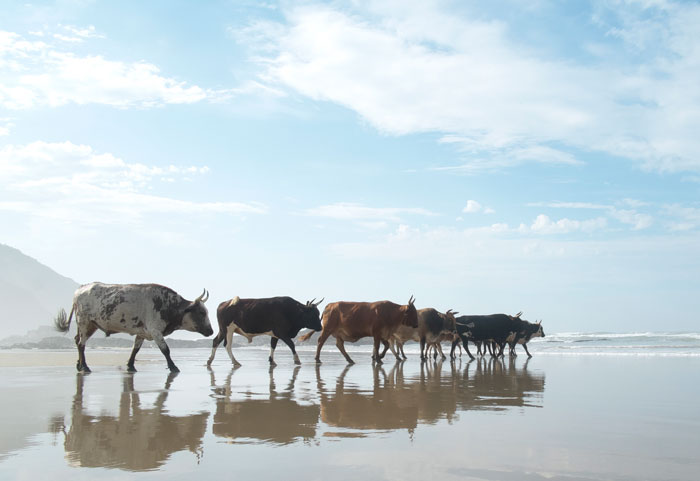




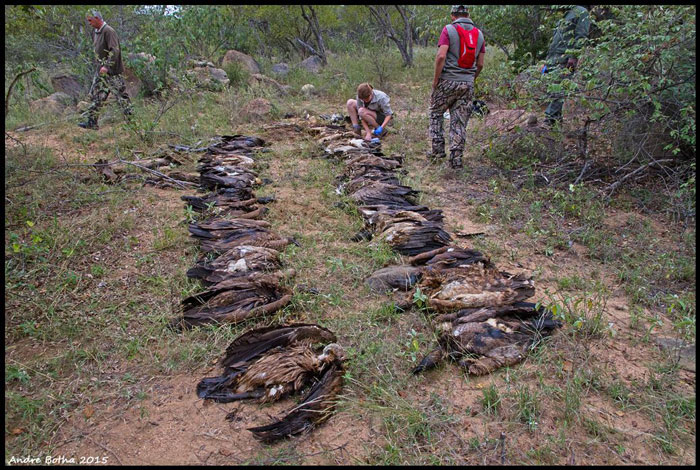


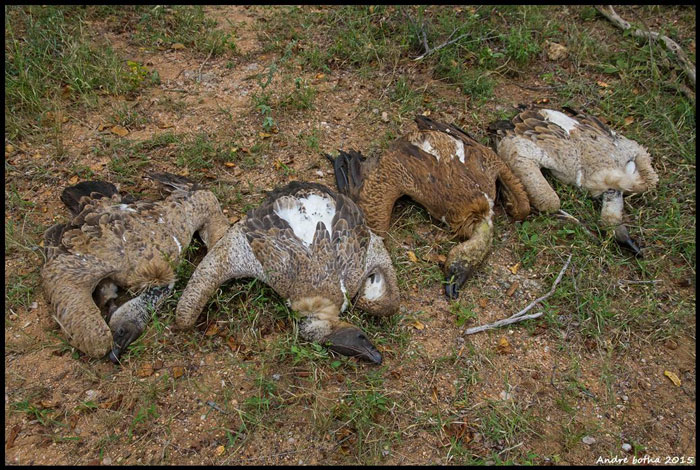


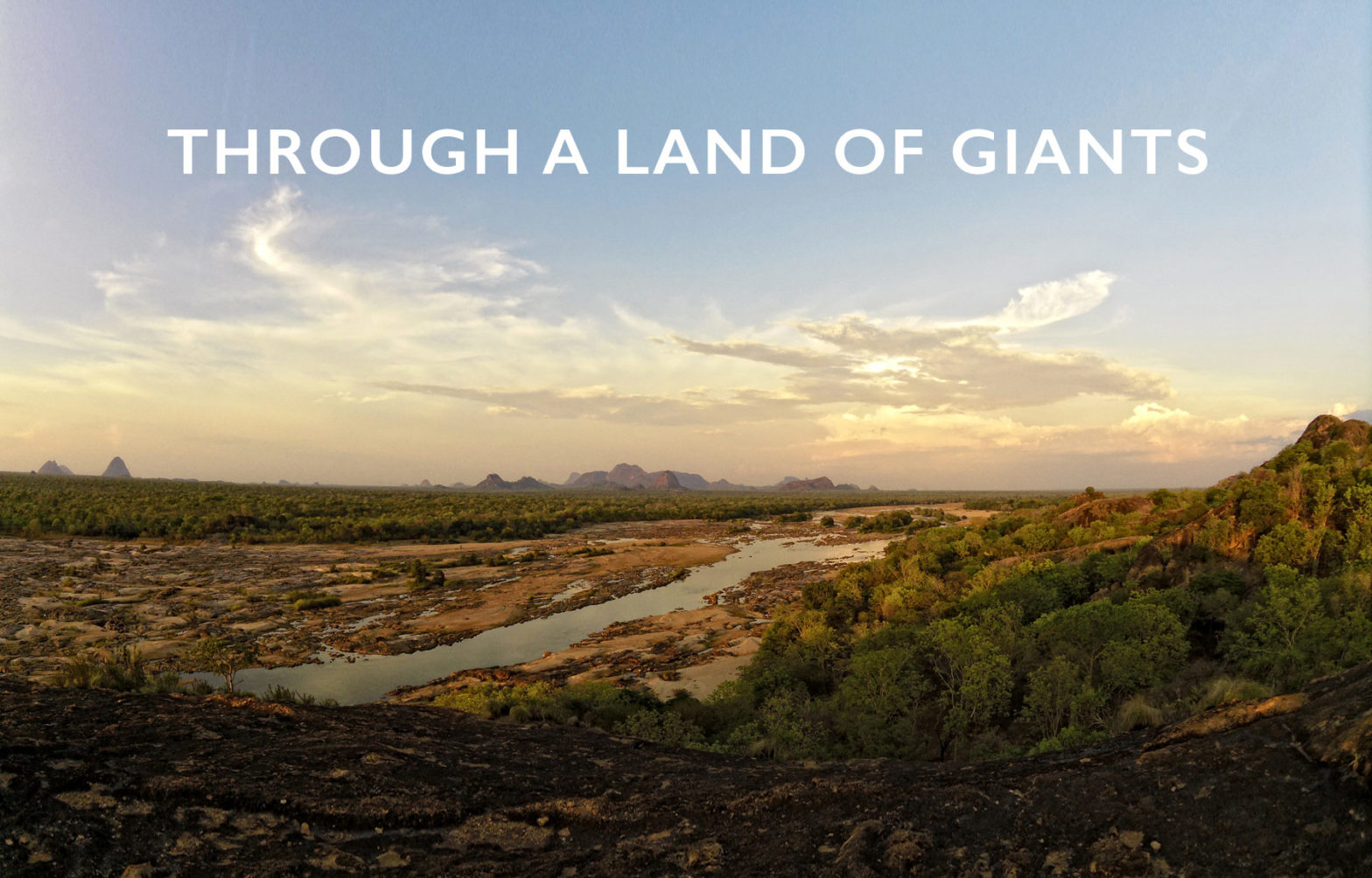
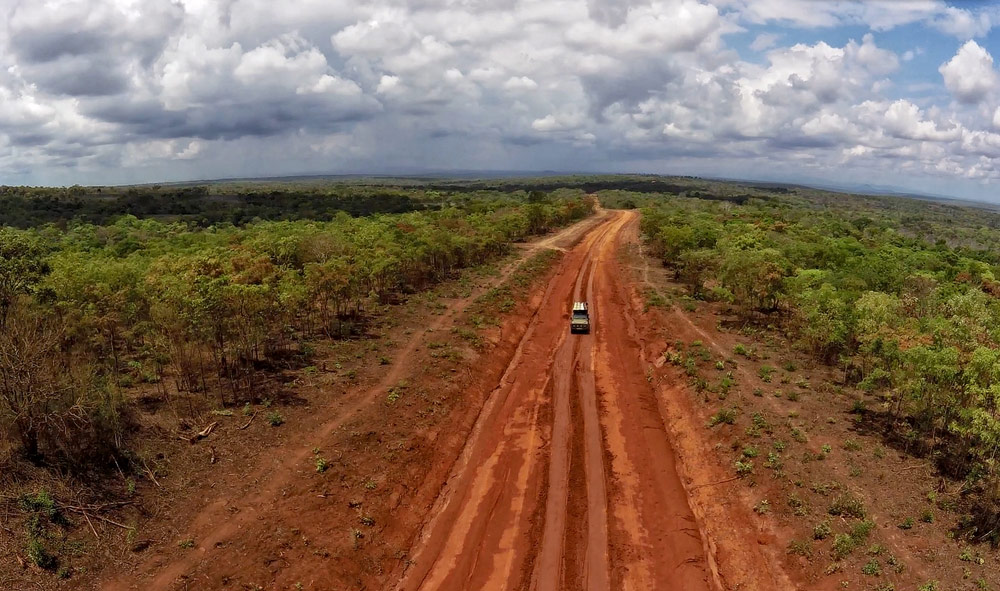
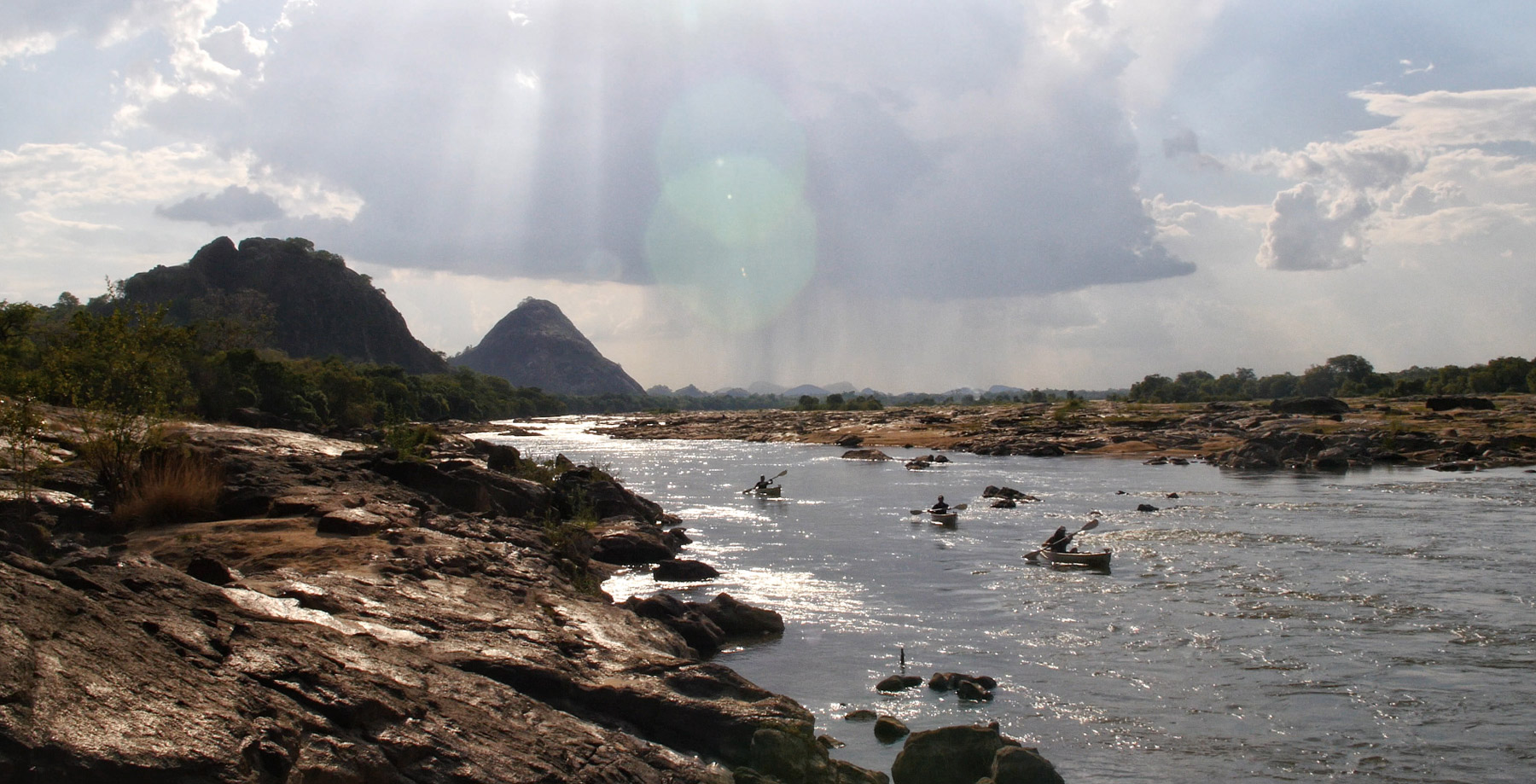
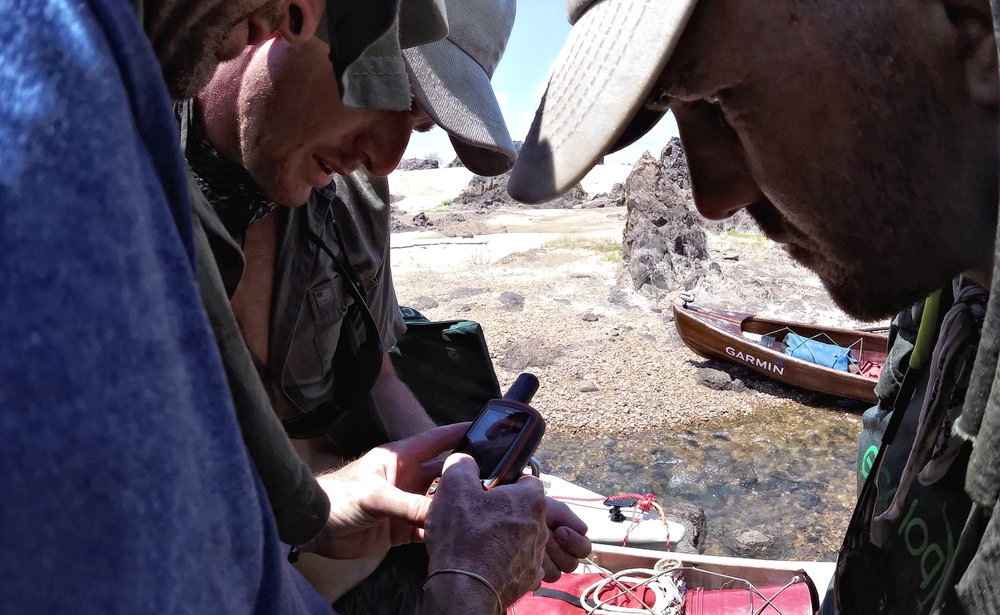
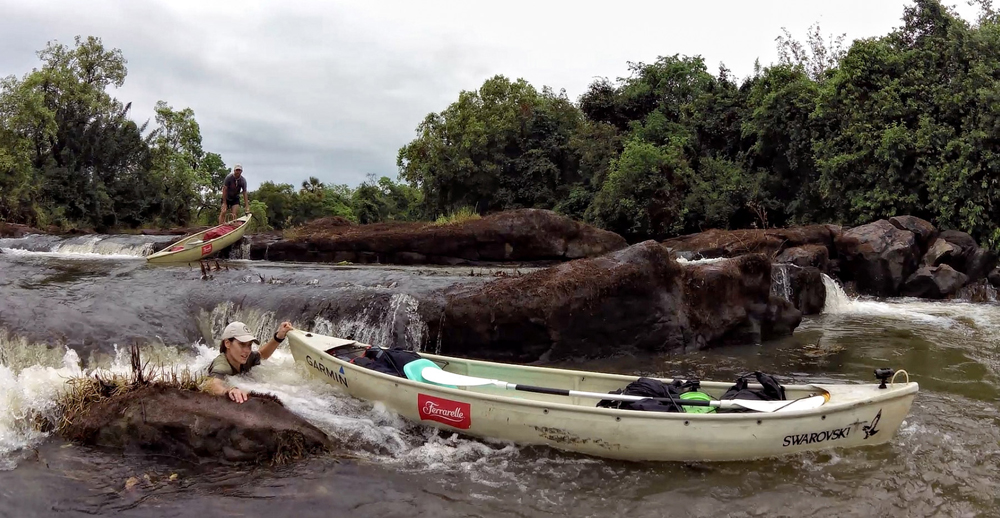
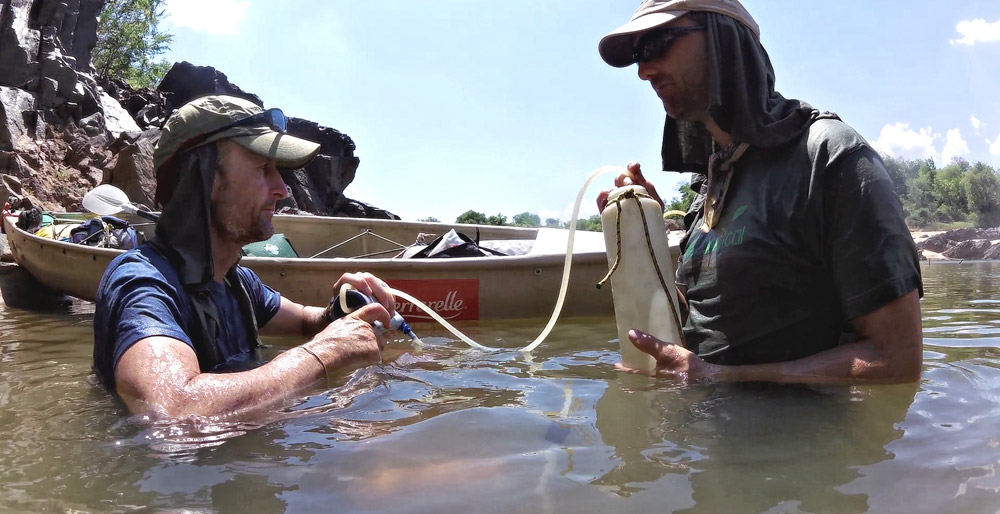
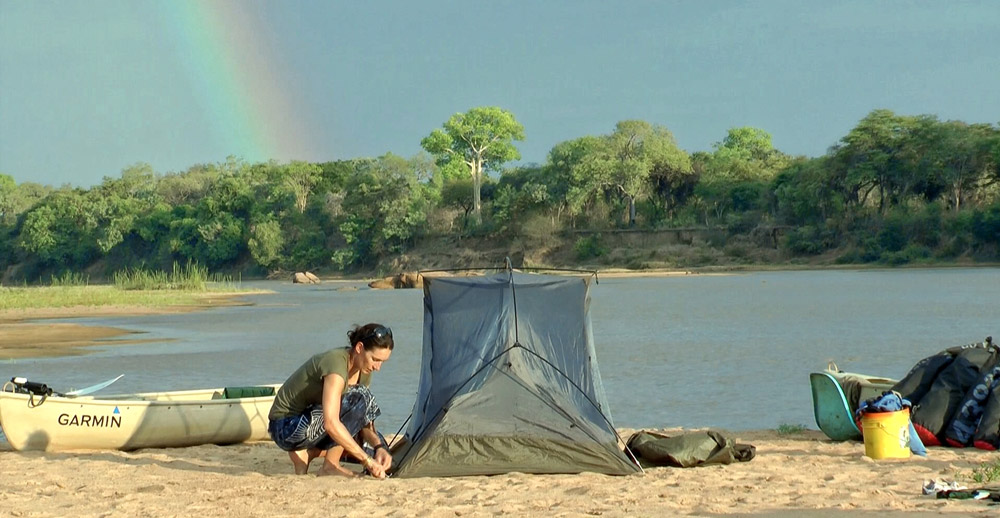
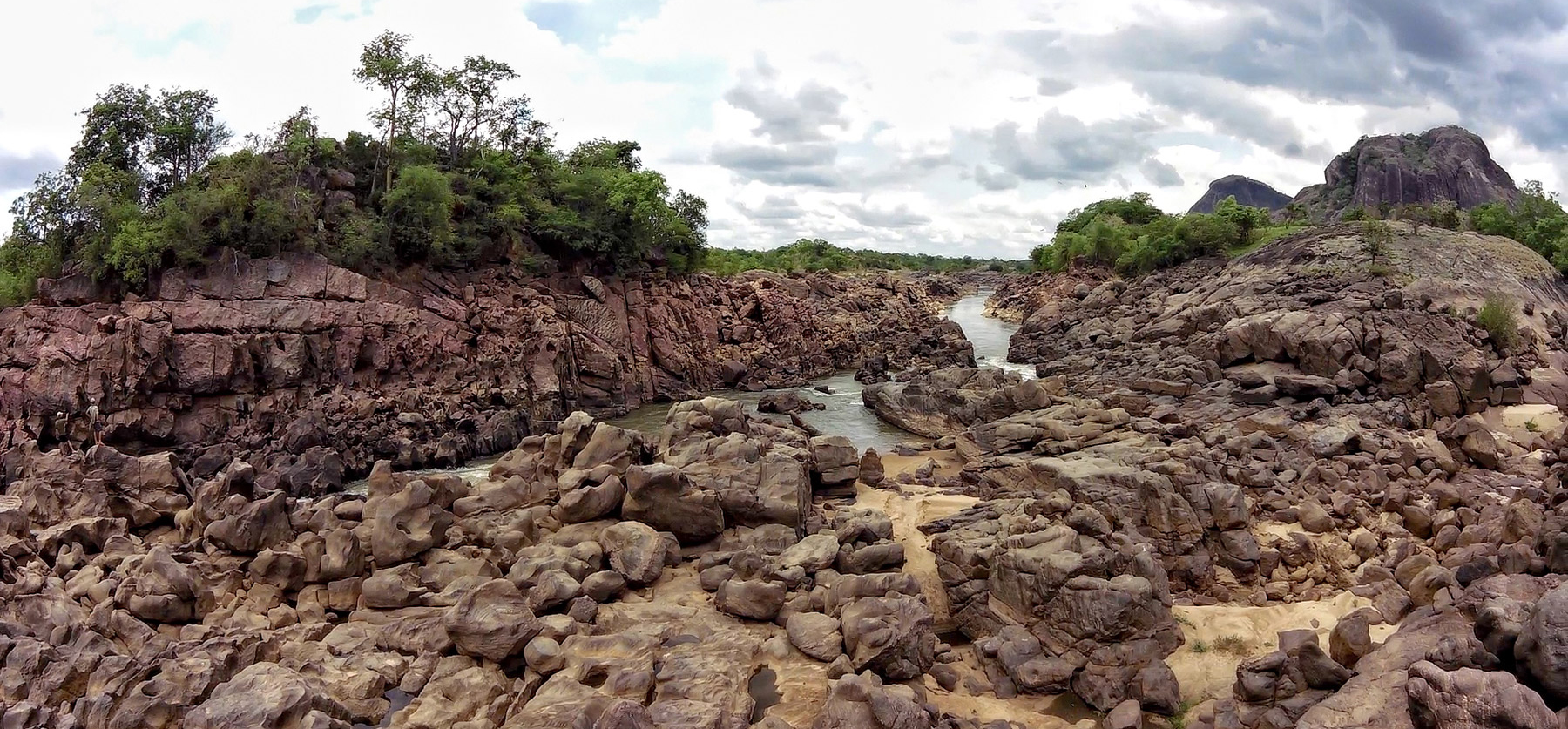
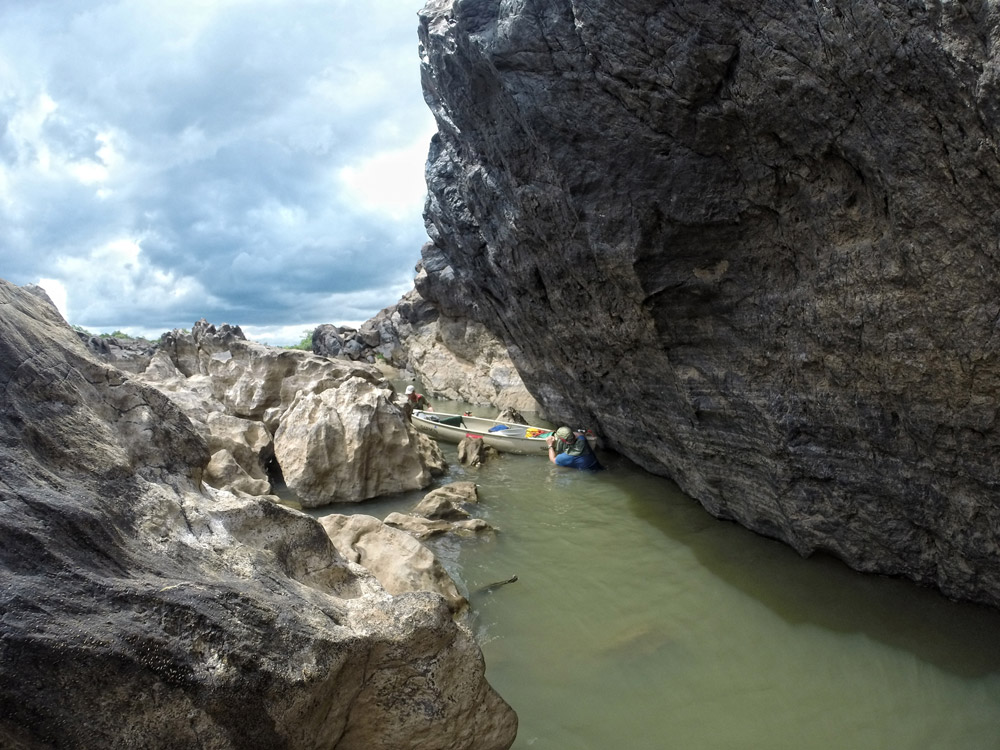
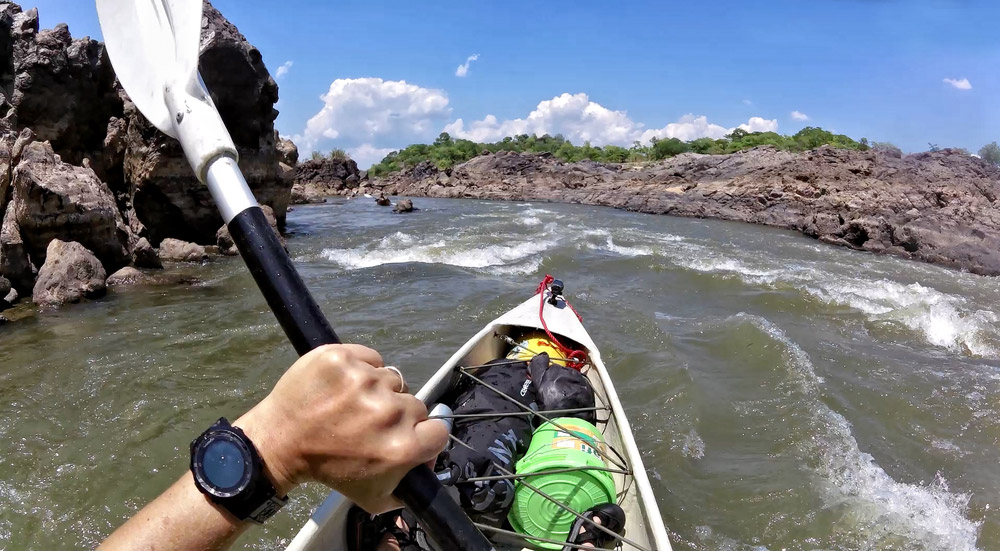
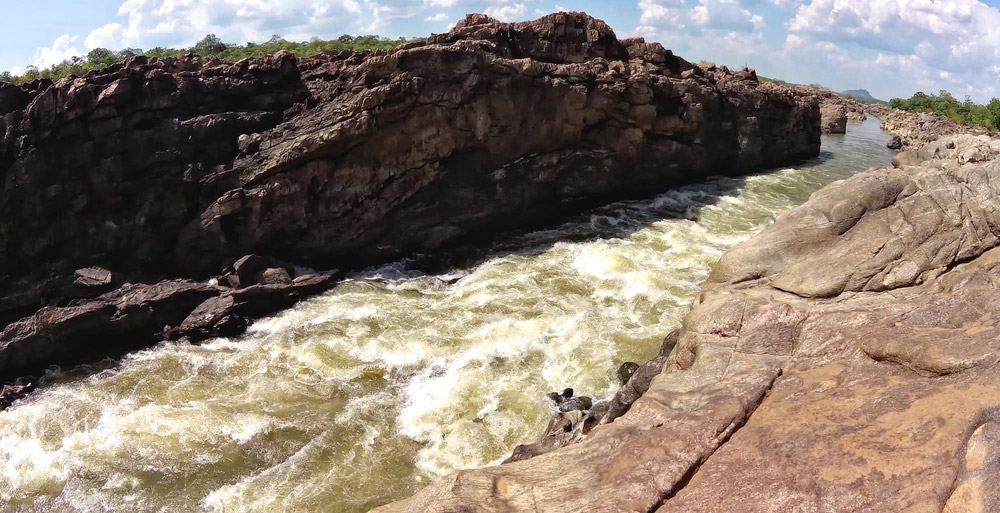
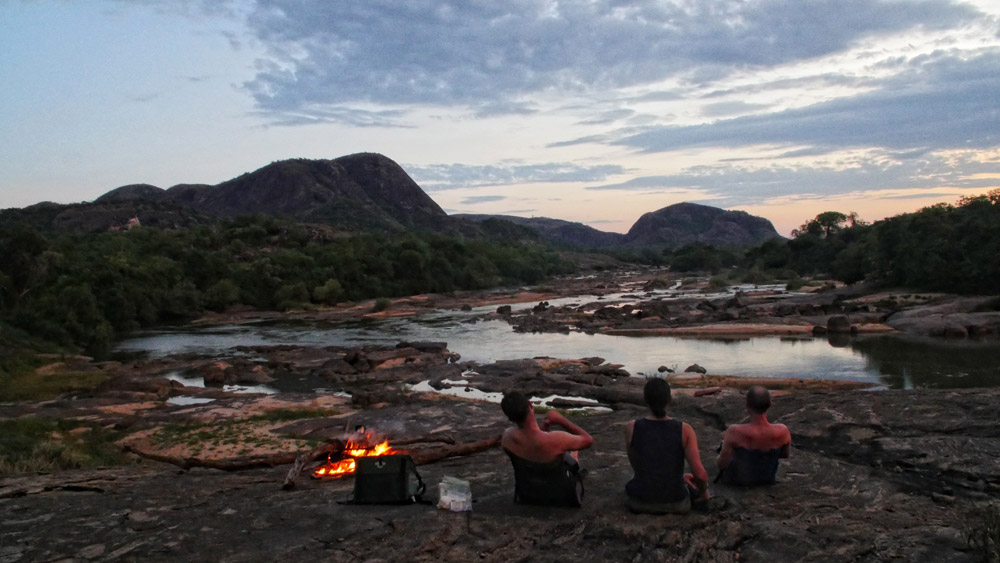
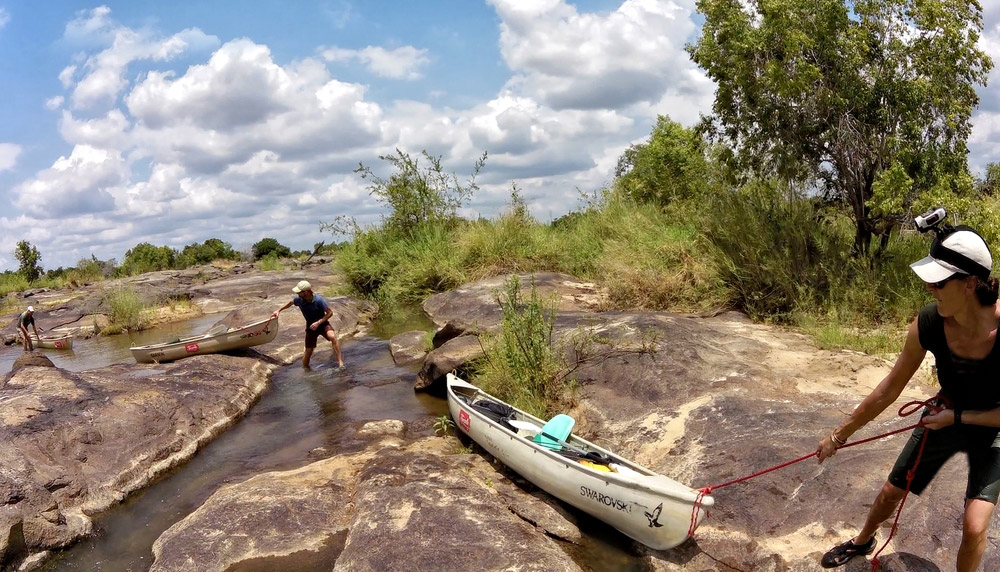
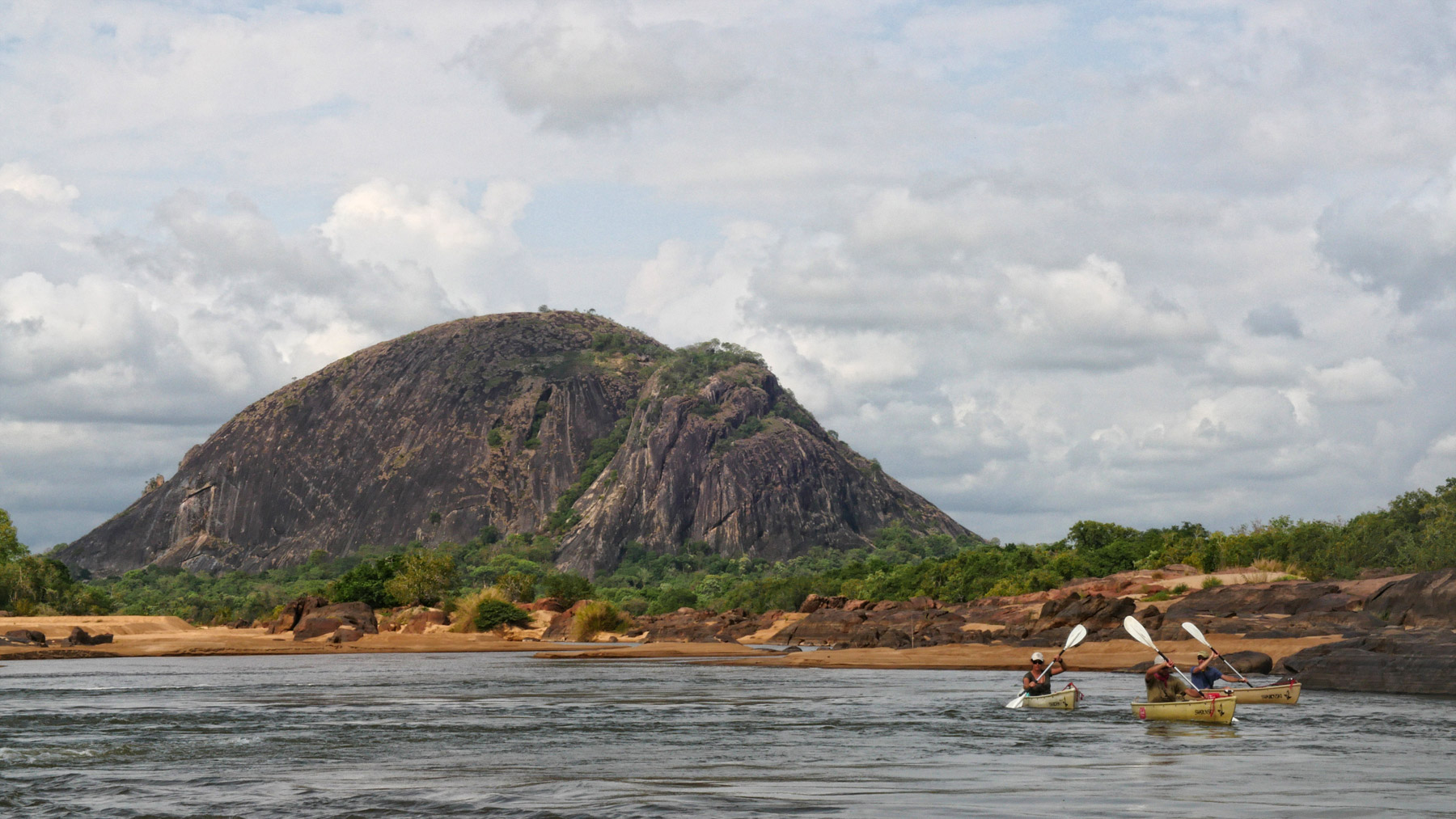
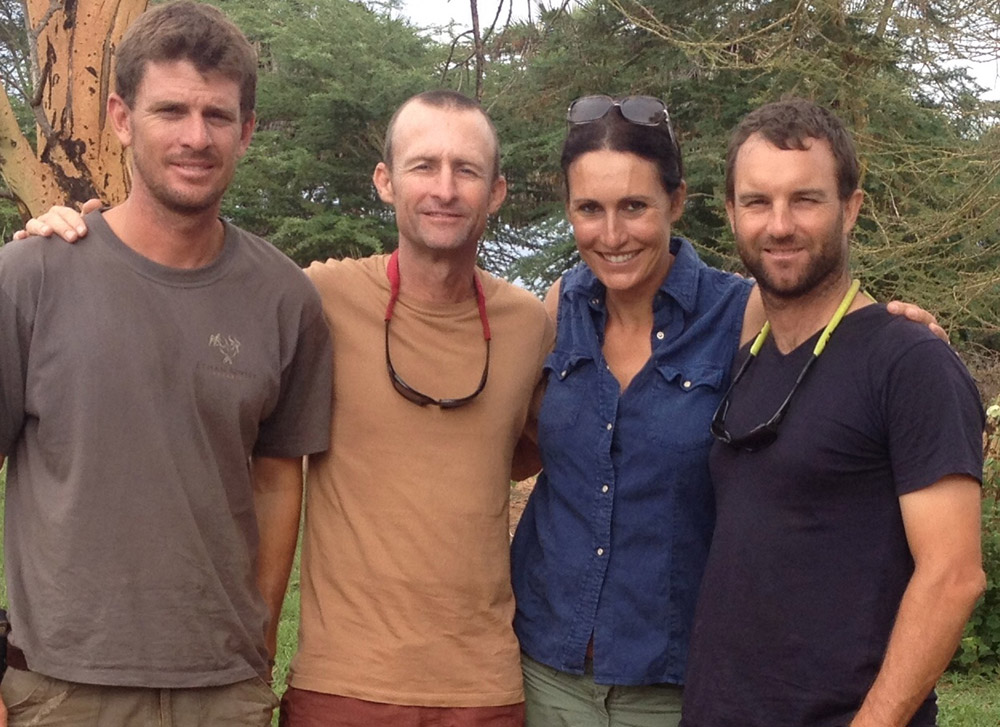
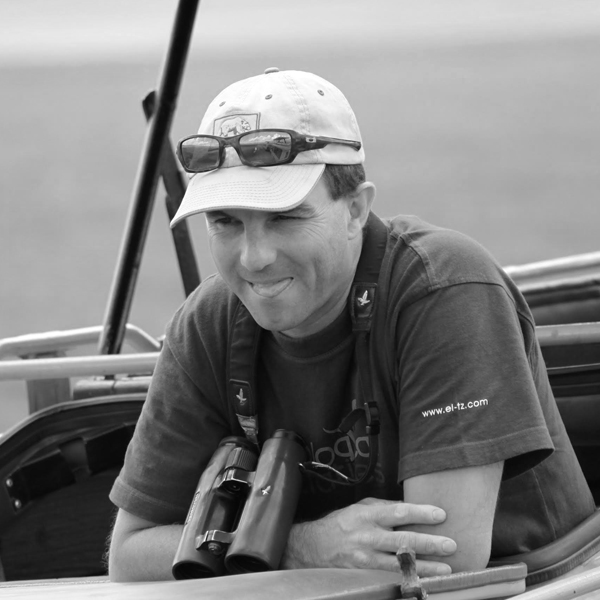 Biologist and conservationist JOHN (JO) ANDERSON moved to East Africa in 1995 shortly after graduating from Oxford University. He has since conducted wildlife research and environmental work throughout East Africa, guided Mount Kilimanjaro climbs more than 50 times, and led specialist travel groups on safaris in Tanzania, and Kenya. Rwanda, Botswana, Mozambique, South Africa, Uganda, and Zambia. Jo is a founding partner in Carbon Tanzania, which recently became the first organization in Tanzania to develop a community-led forest-based carbon offset project, working with the hunter-gatherer Hadza people of Northern Tanzania. He lives with his wife and two children in Arusha, Northern Tanzania.
 Mammal Specialist ALESSANDRA SORESINA has worked on several wildlife projects around the world. In Saadani Game Reserve in Southern Tanzania, she was involved in a mammal monitoring project which led to Saadani being upgraded to a National Park. In 2001 she set up the lion project in Tarangire National Park, northern Tanzania, and for over 5 years, Alessandra has concentrated her efforts on lion–human interactions. During this time, she has greatly contributed to what is known about lions in and around the Tarangire ecosystem. One of her major goals was implementing the radio-tracking program in Tarangire, allowing conservationists and national park management to understand lion movements in the Tarangire ecosystem fully. After setting up a snow leopard project in the Himalayas with the Università degli Studi di Siena, she is now involved in mammal monitoring projects in Mozambique, Tanzania, Gabon and Botswana which are essential to the implementation of new protected areas.
 Bird Specialist MARC BAKER is the owner and director of Ecological Initiatives Ltd, a Tanzanian company that supports forestry and wildlife conservation in Tanzania. Based in Arusha, Marc has worked in conservation and ecotourism since 1998. Initially, as an ornithologist for the United Nations Development Program – Global Environmental Fund cross-border biodiversity project from 1998 – 2000, conducting a range of biodiversity surveys in Tanzania and Kenya. As a wildlife specialist, Marc works on various ecological issues, such as wildlife management, out-of-protected area tourism viability and carbon forestry for Danida (Danish Development Agency), Care International, the Wildlife Division of Tanzania and the Tanzania bird atlas.
 Adventure sports specialist GIAN SCHAUCHERMANN holds a degree in ecology and fisheries management. Gian has worked on Rubondo Island in Lake Victoria and built bushcamps in Tarangire and Serengeti National Parks. He also spent a great deal of time in the remote areas of Loliondo, where he guided walking safaris and captured some of the finest wild dog photographs. Gian has formal training and certification as a walking safari guide, is a member of the Interpretive Guides Society, and has a pure love of adventure. In his free time, Gian can be found building canoes in his backyard, climbing volcanoes, or adventuring across Tanzania on his motorbike or paramotor.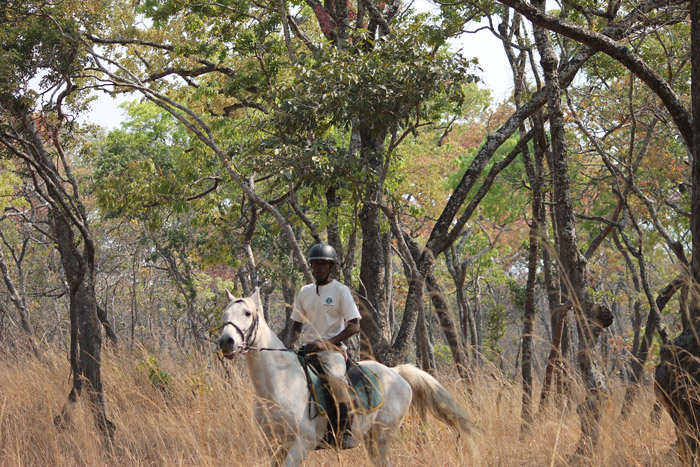
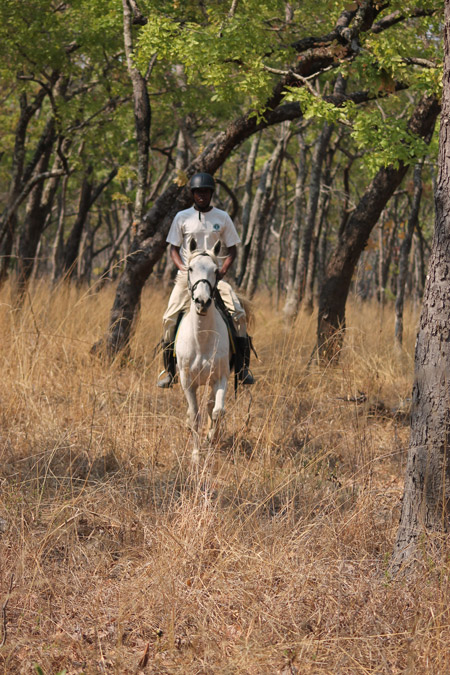
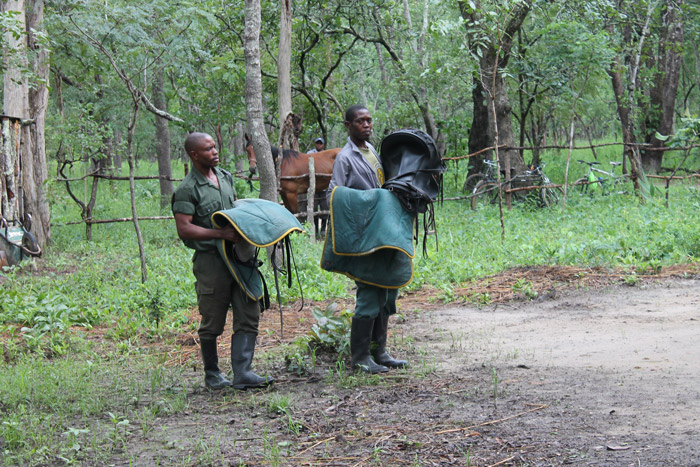
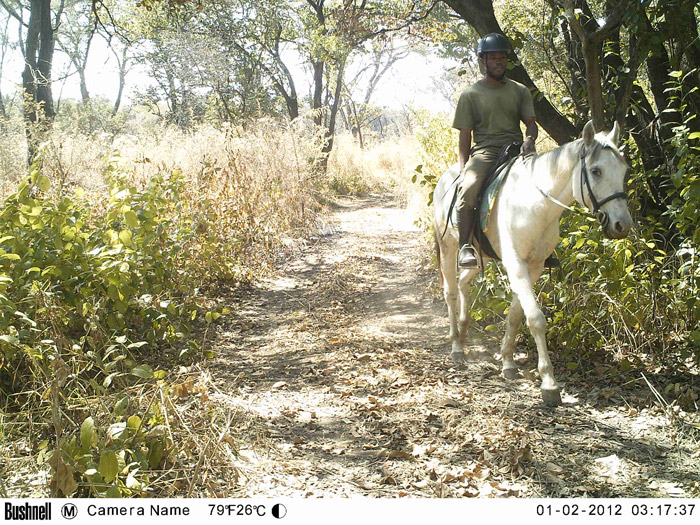

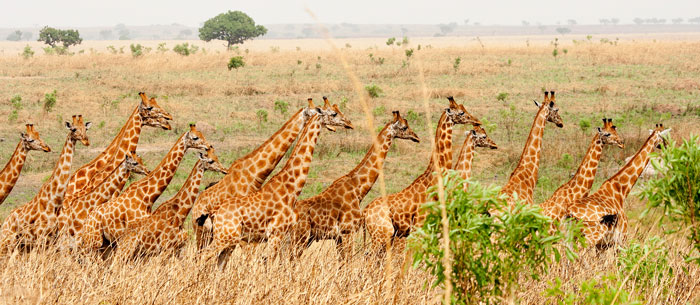




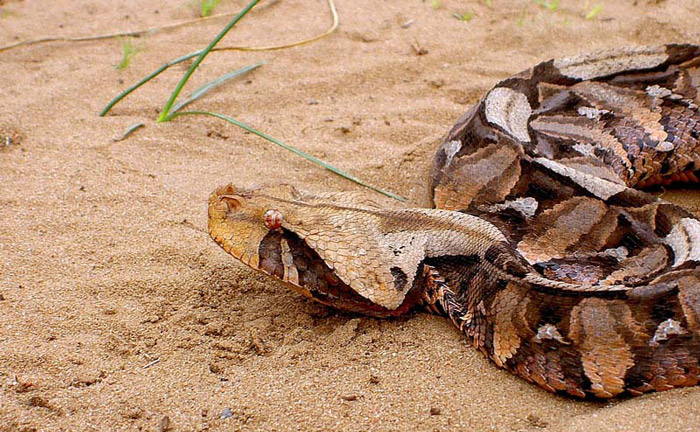


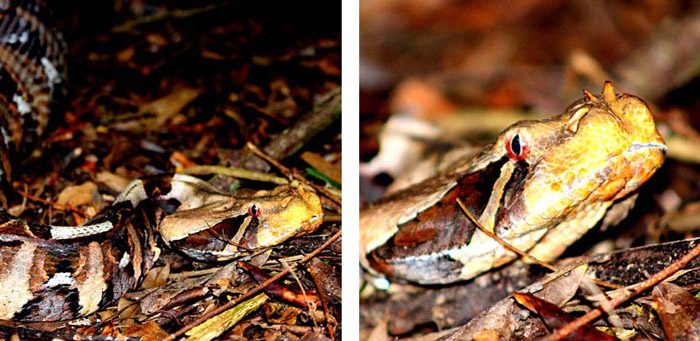
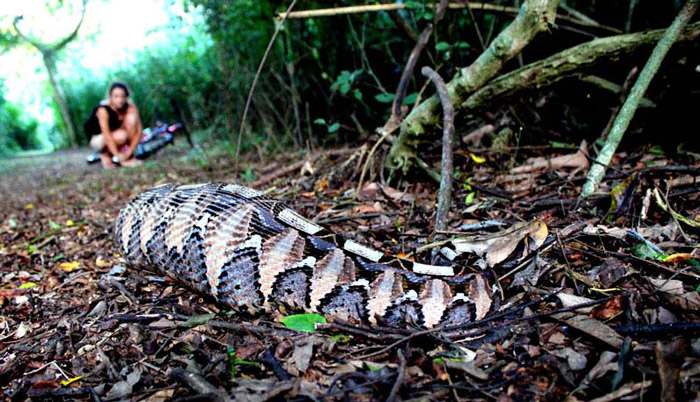
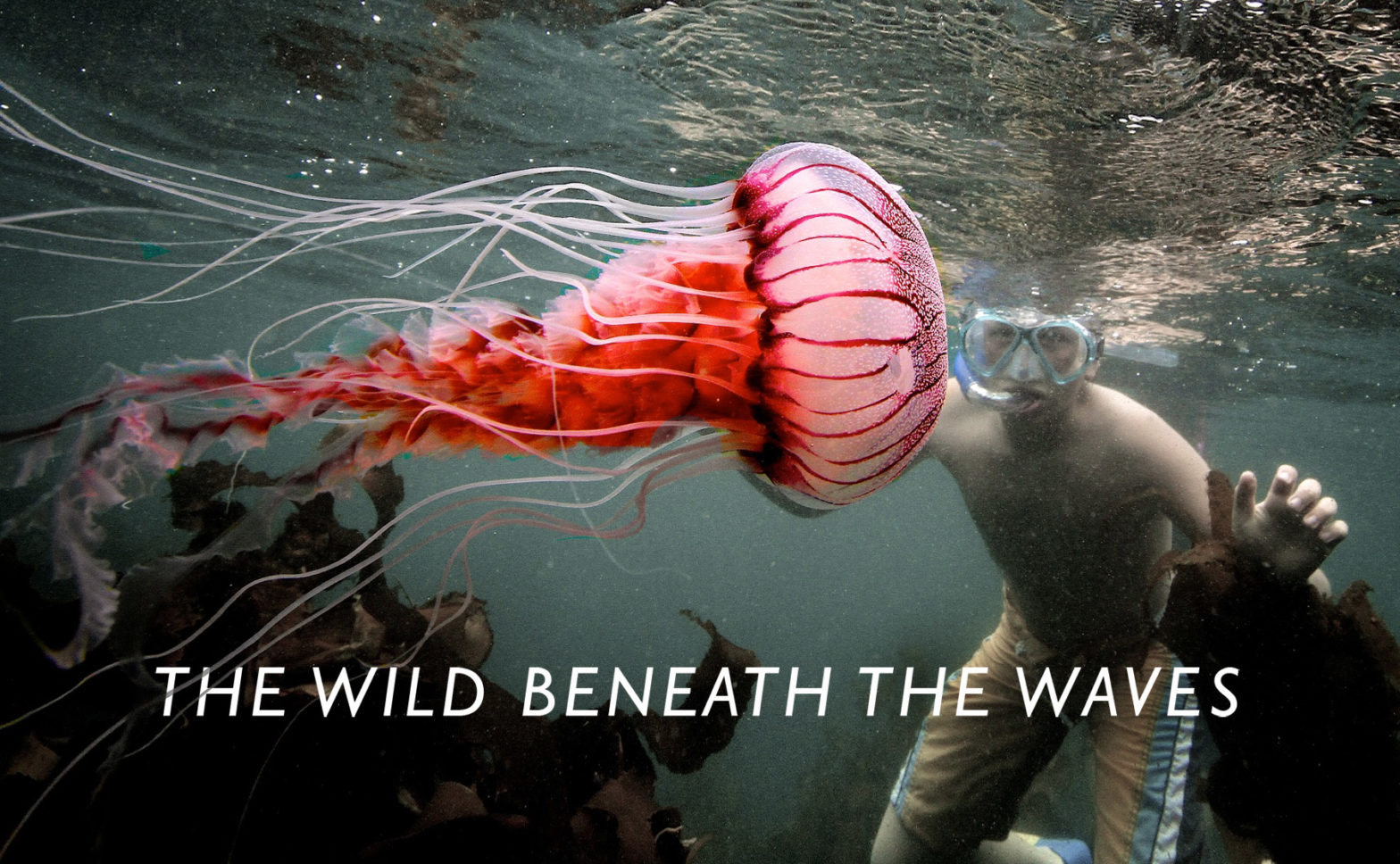
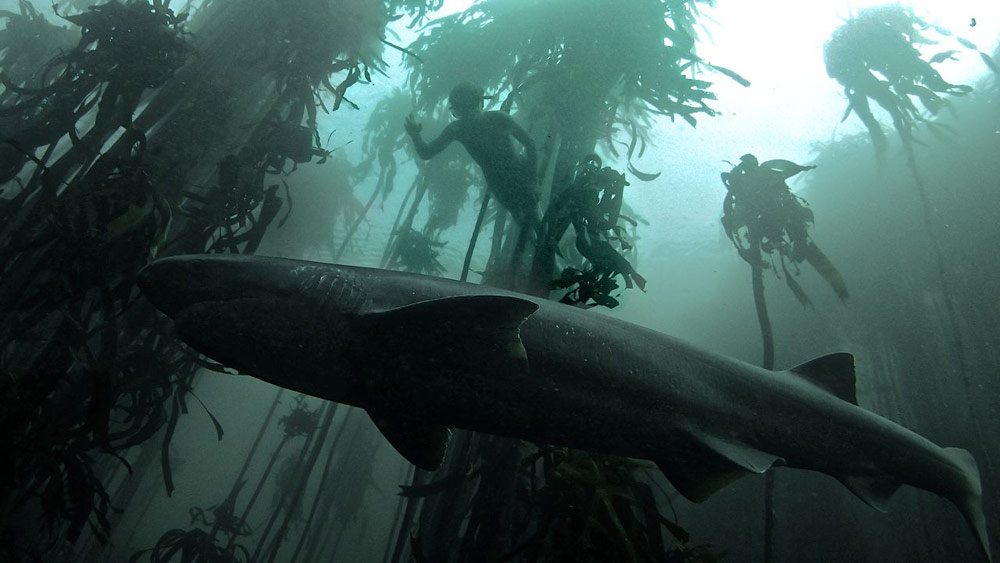
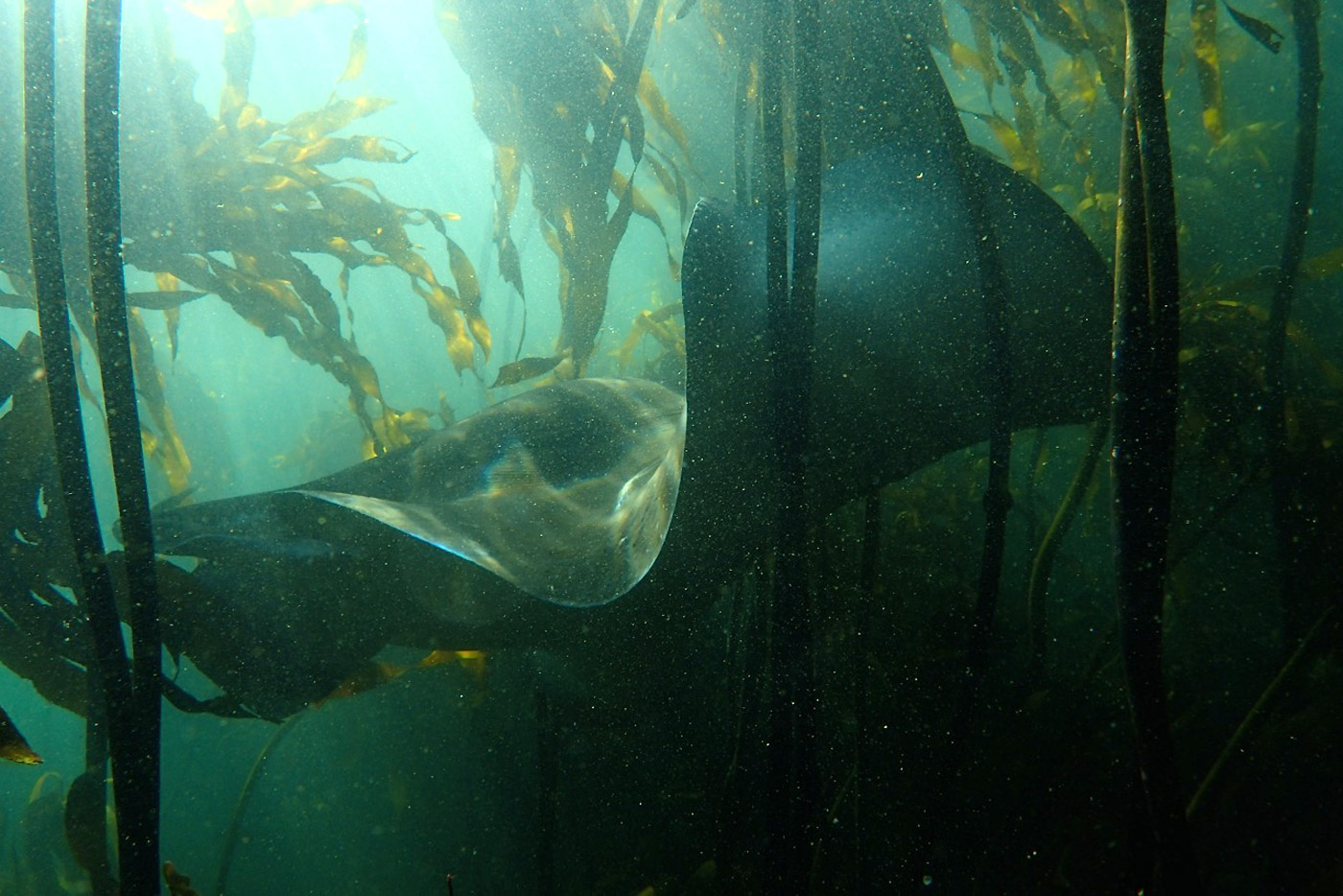
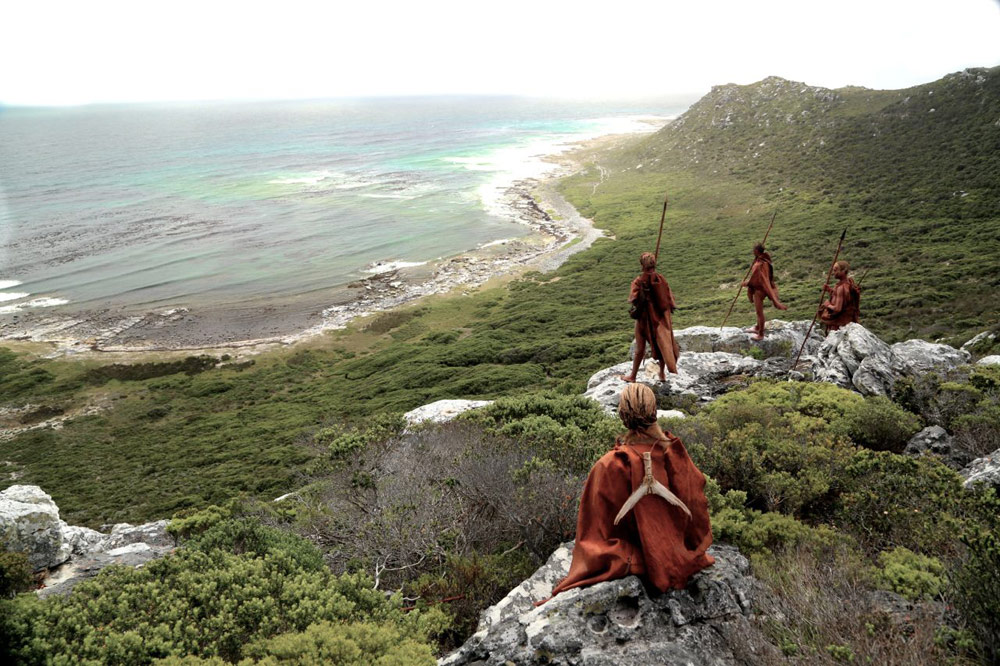
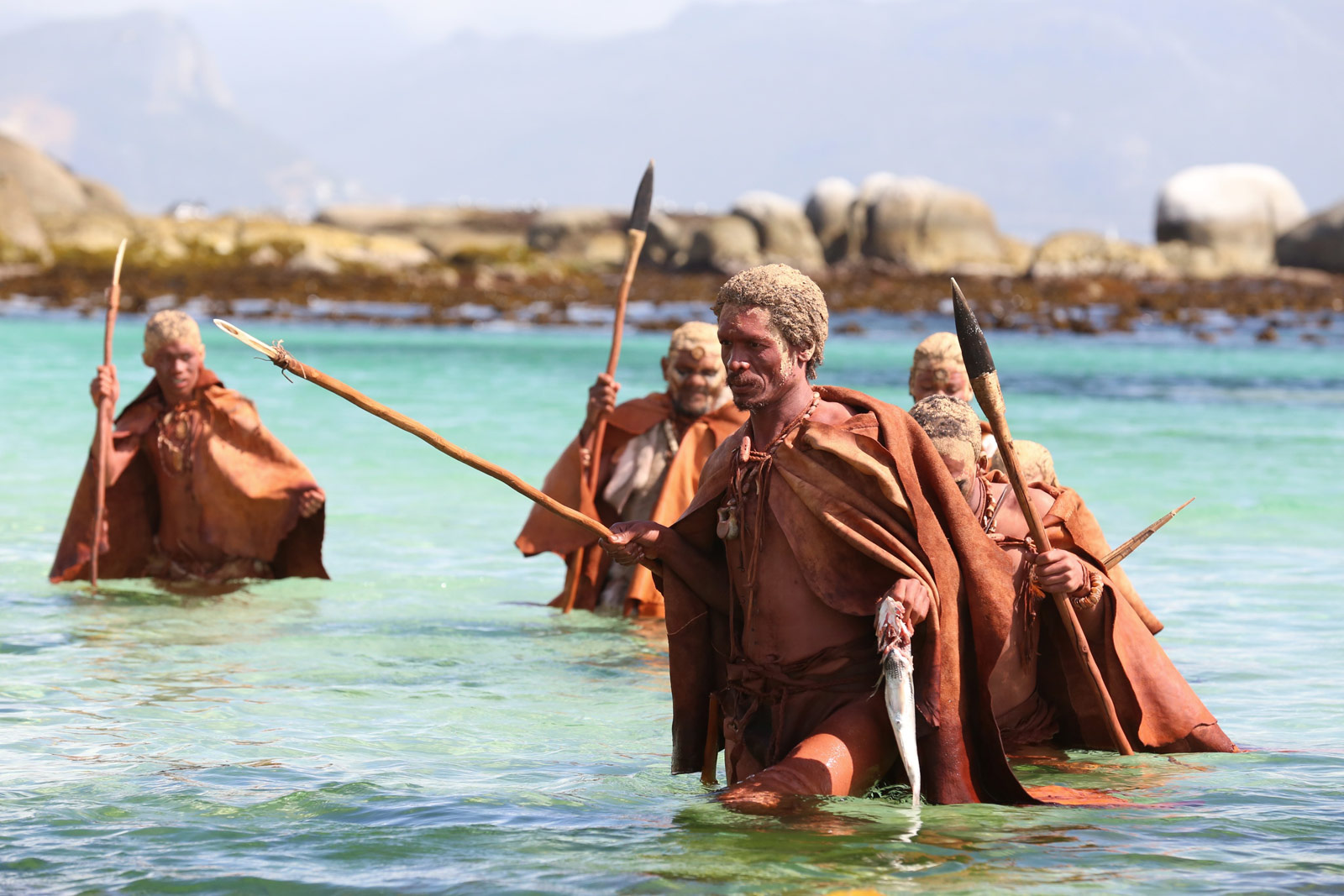
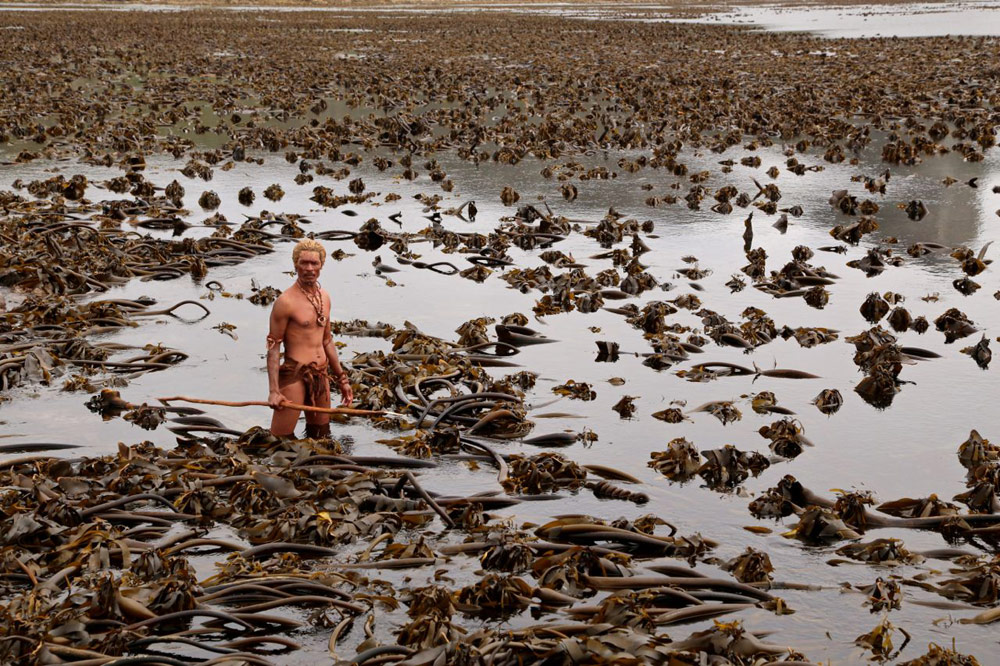
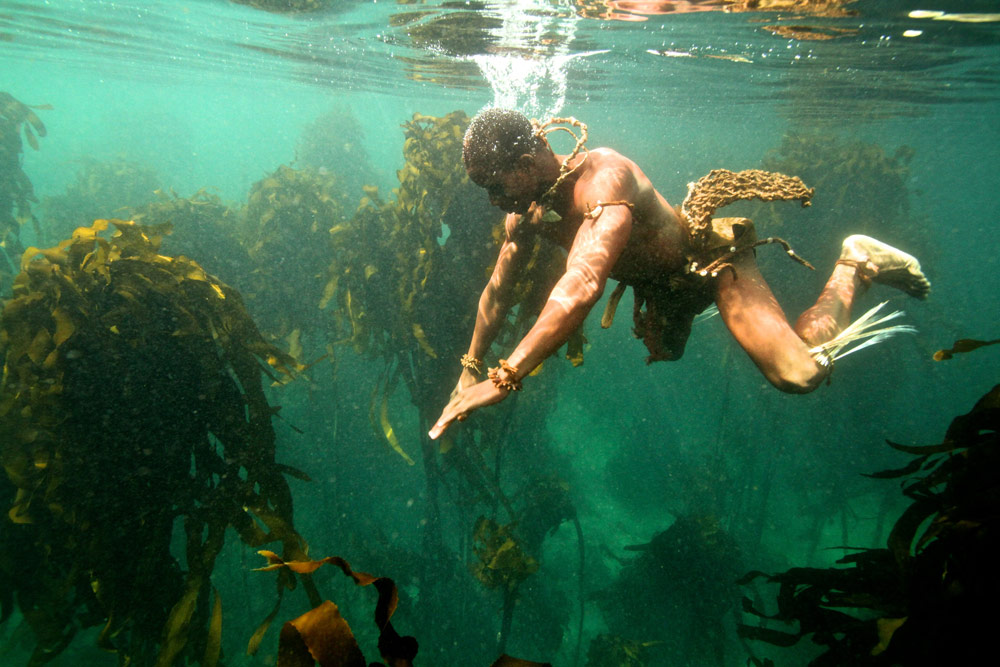
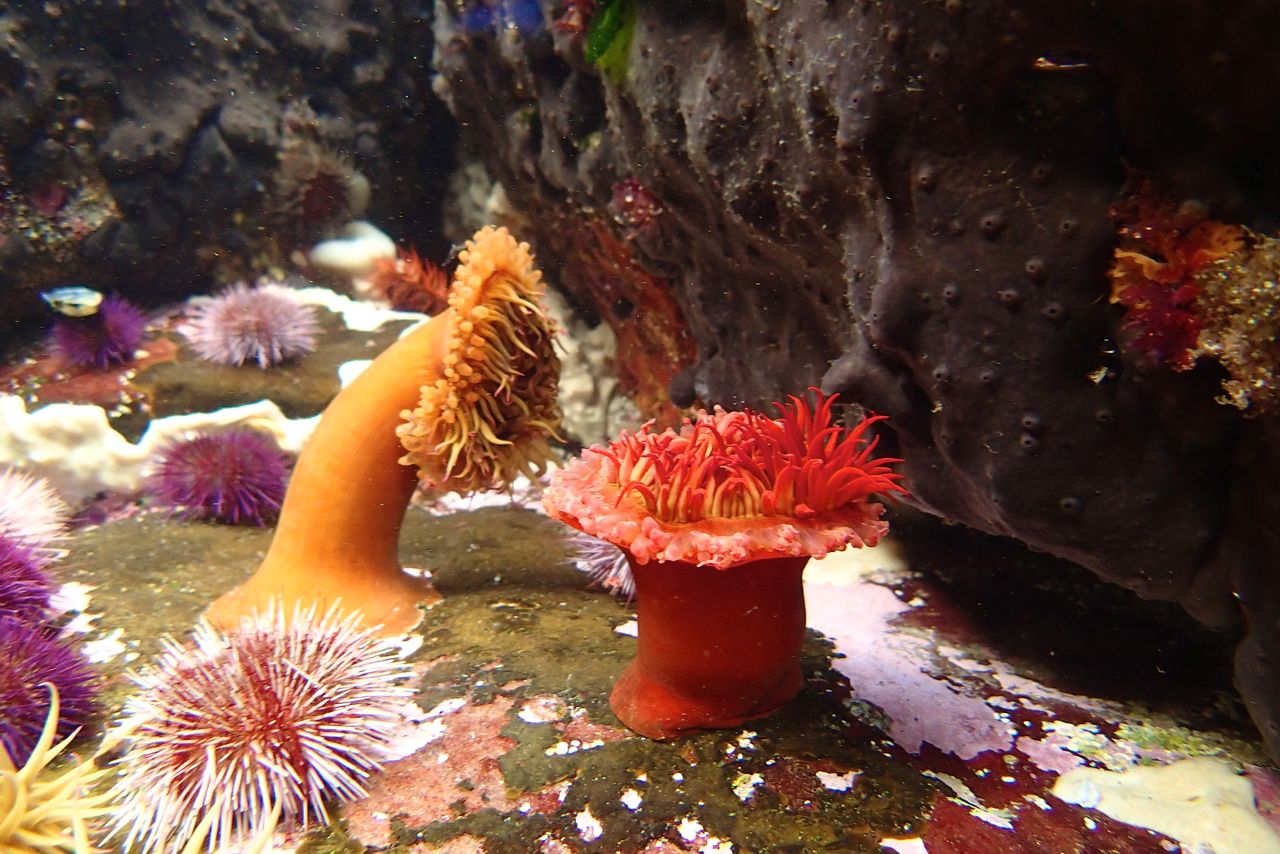
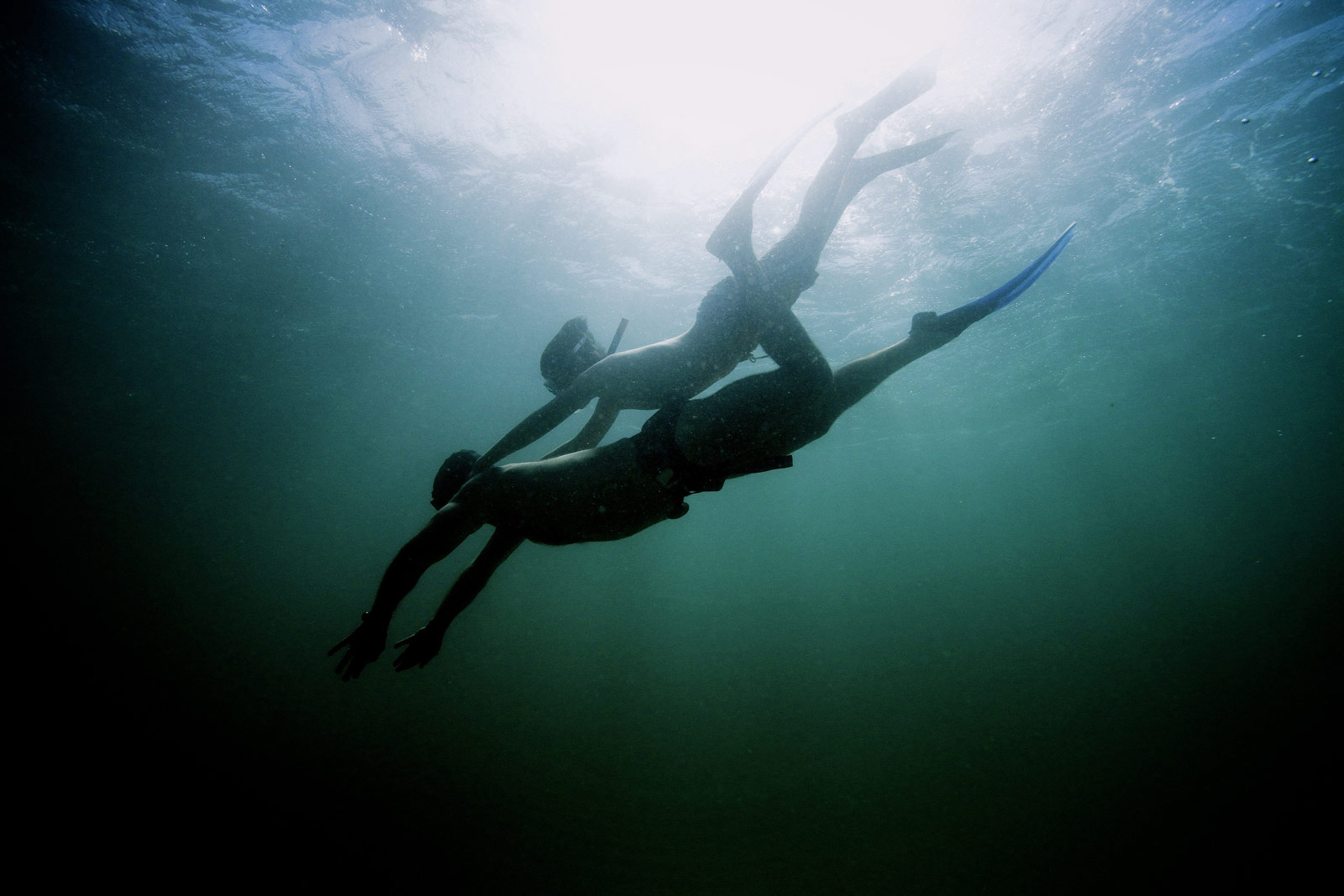
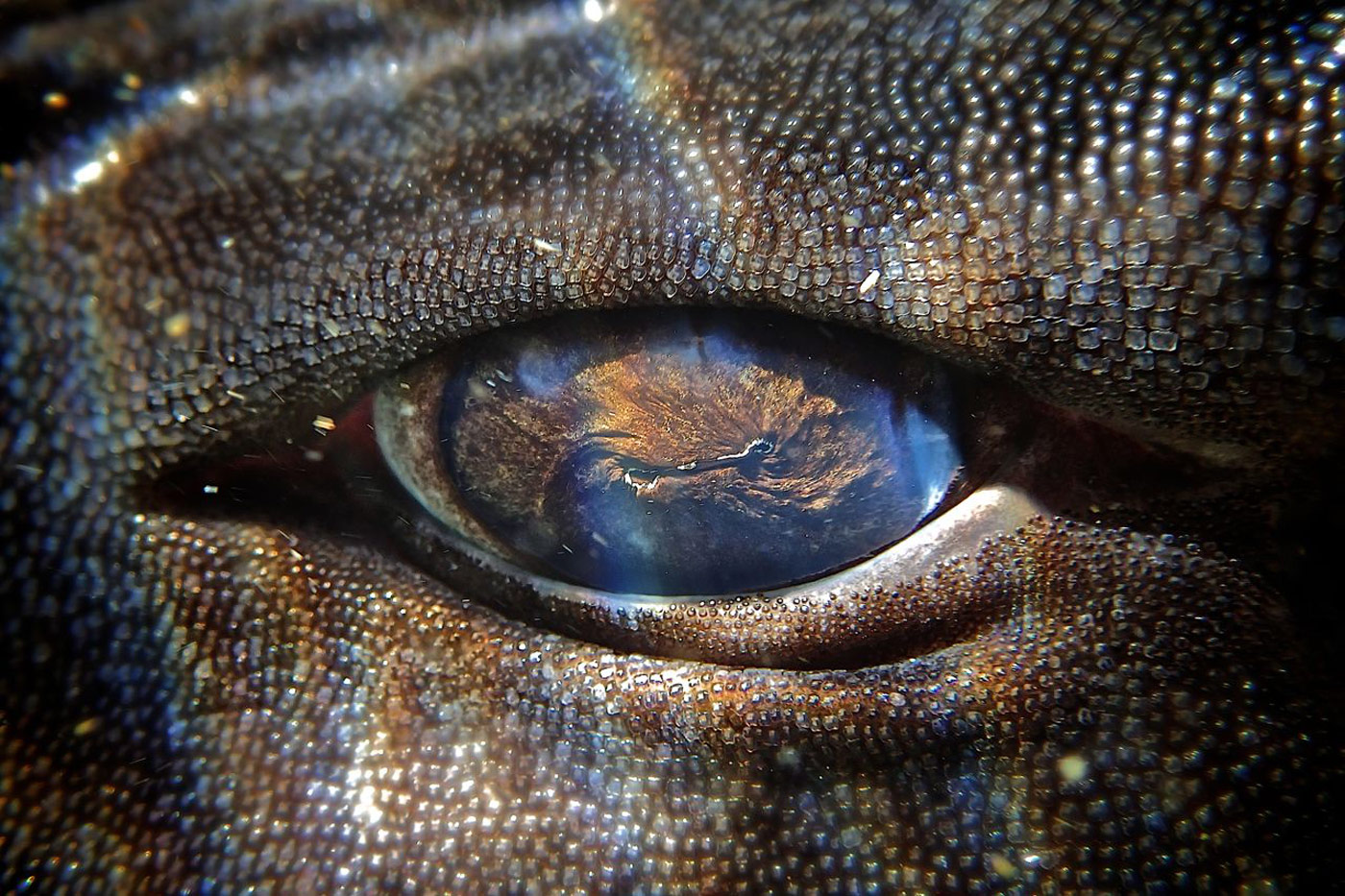
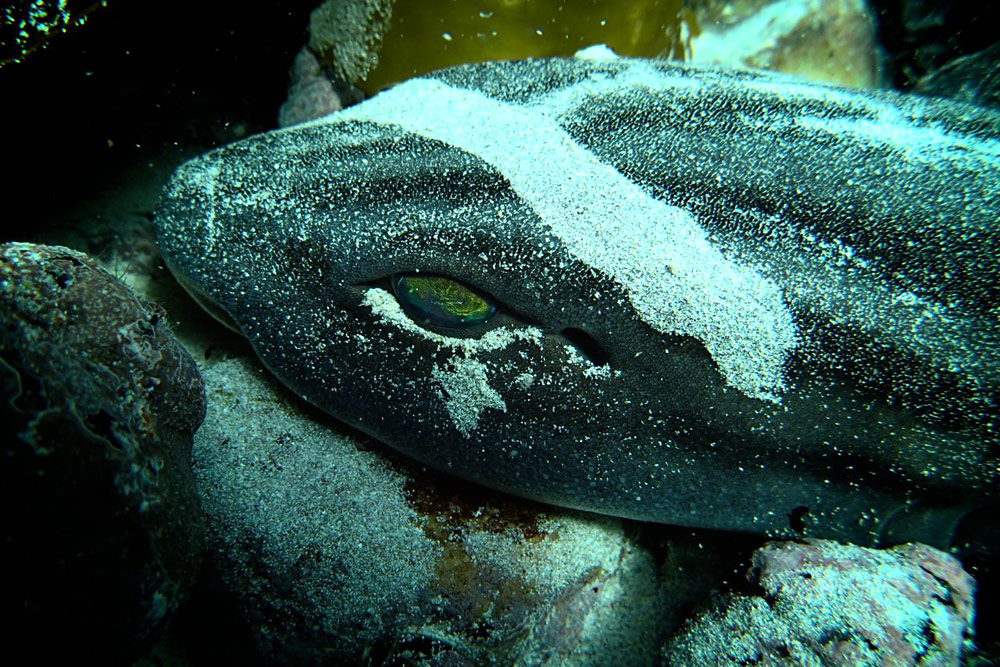
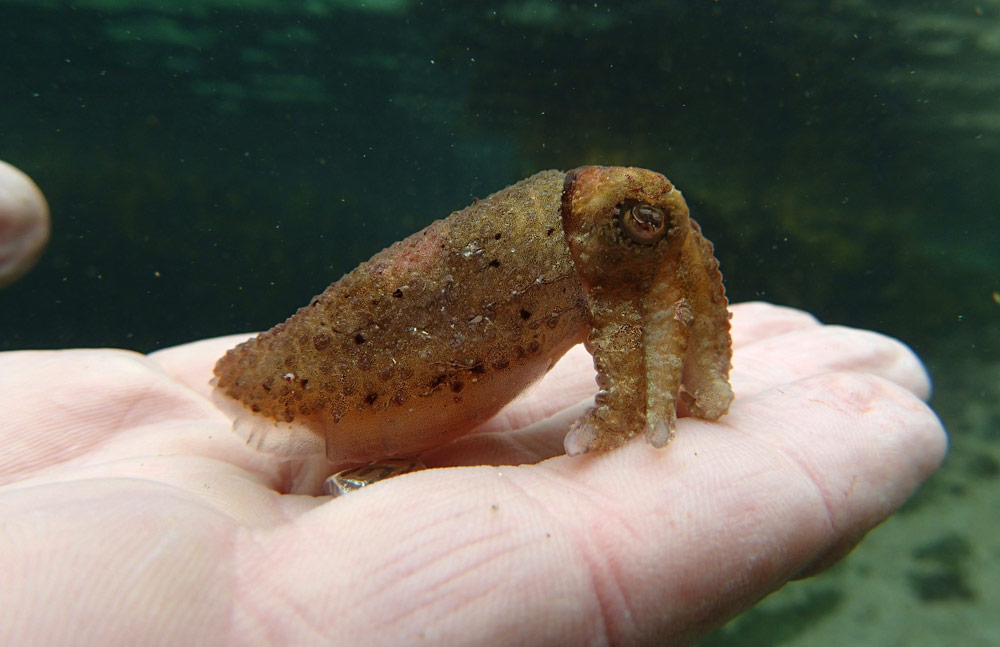
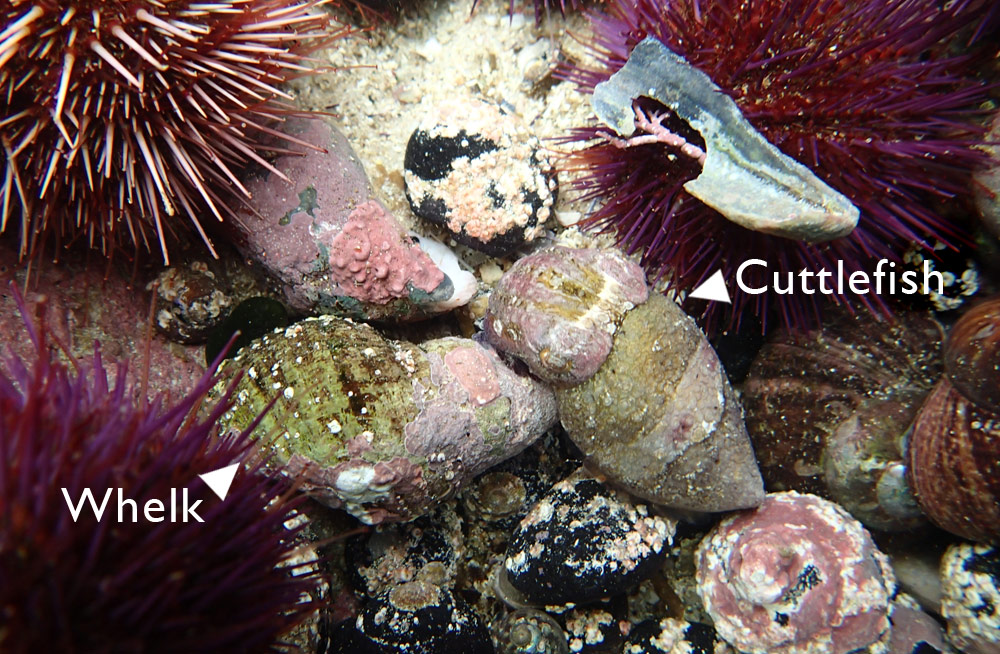
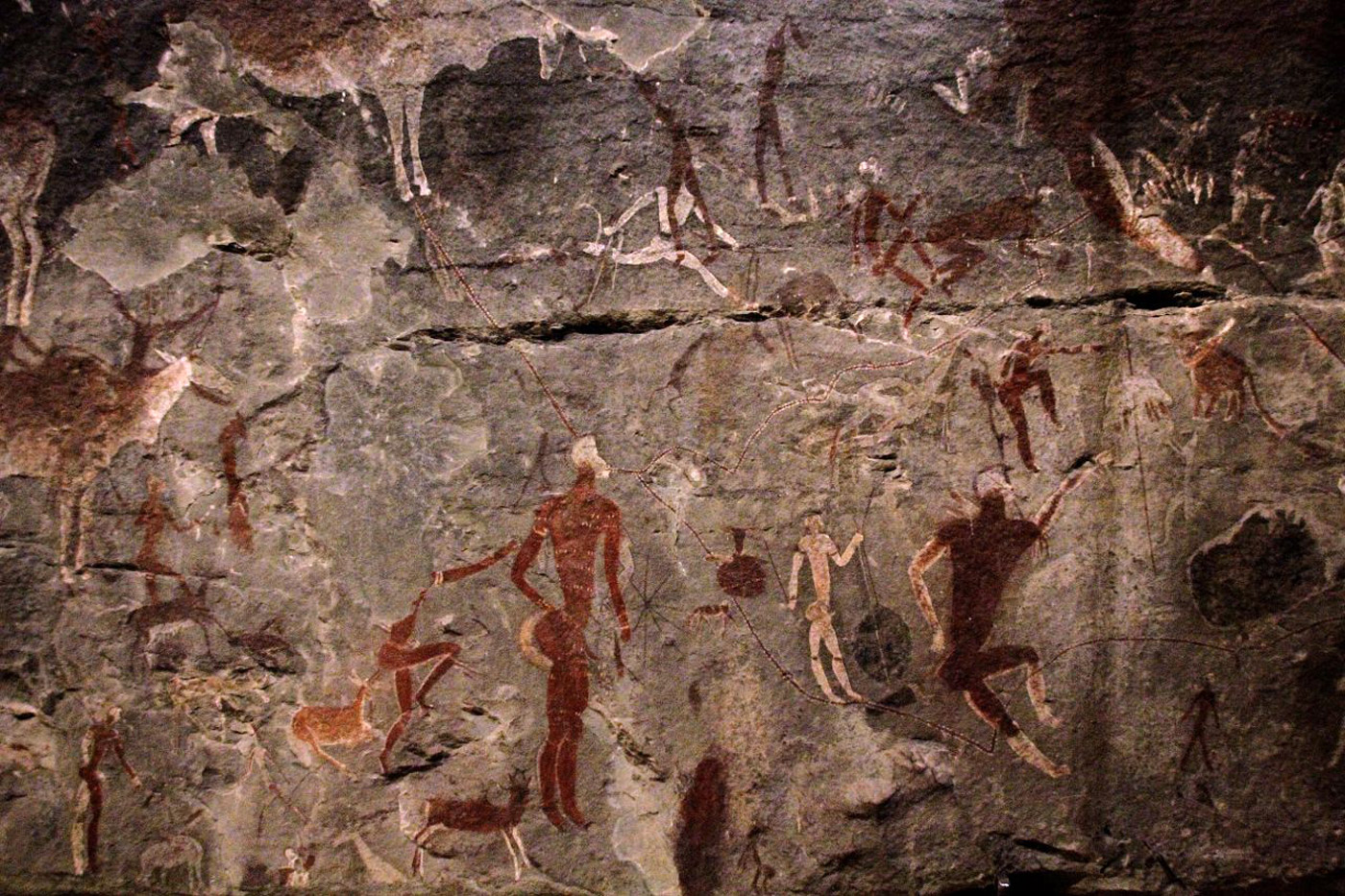
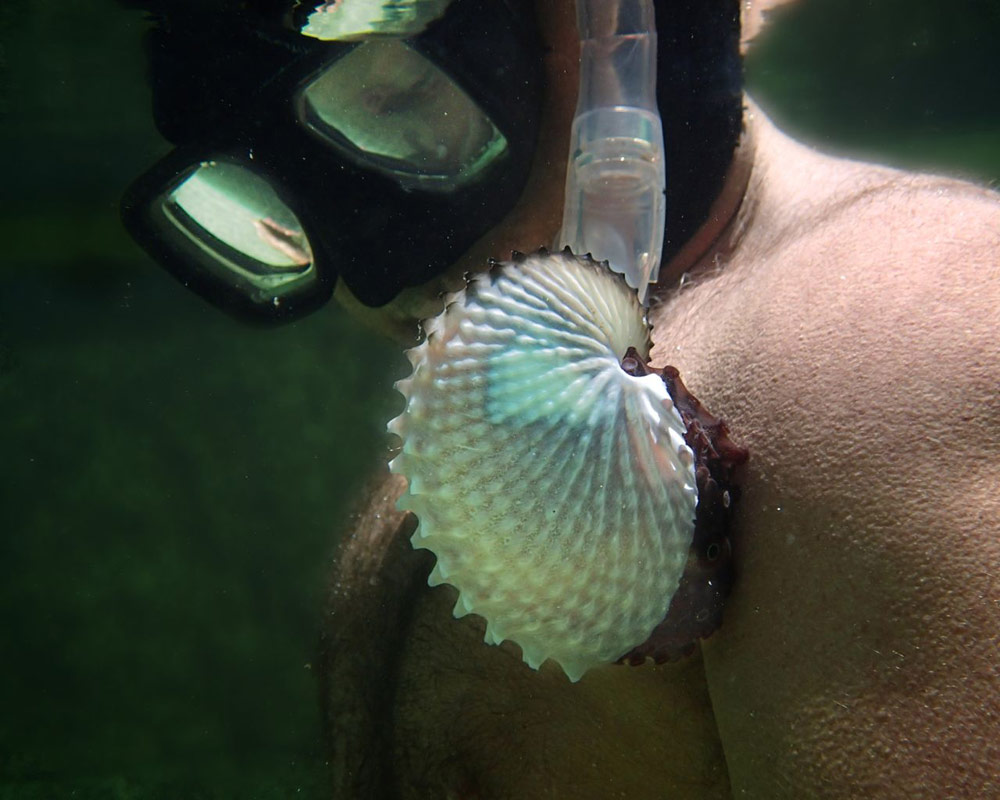
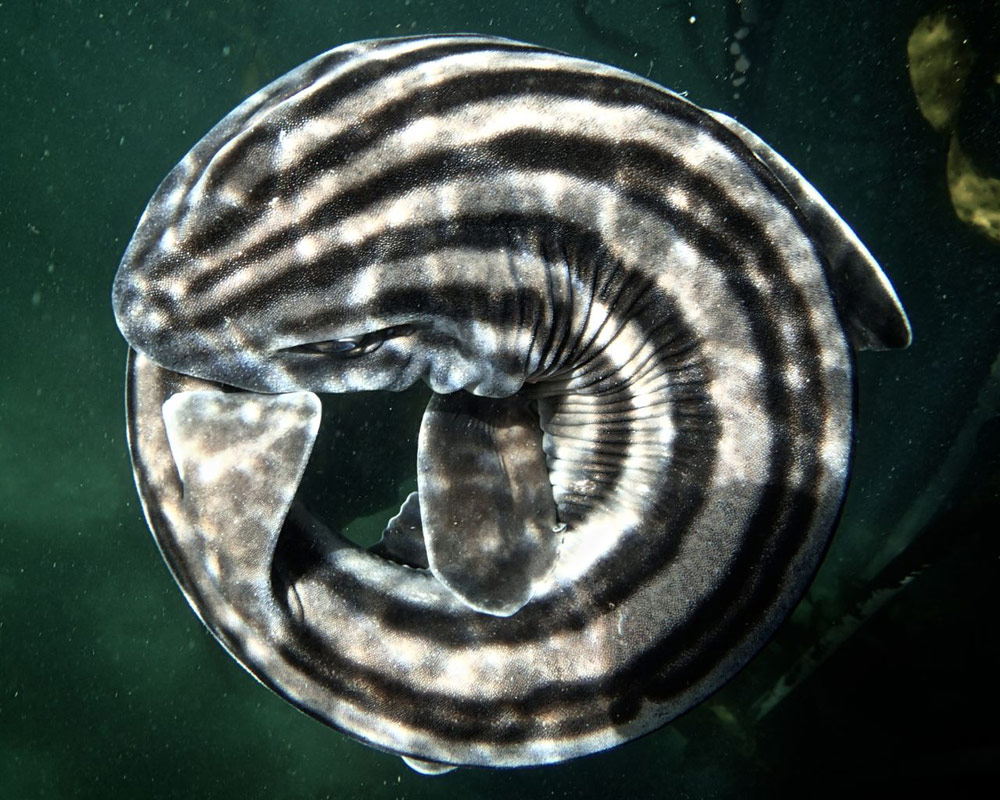
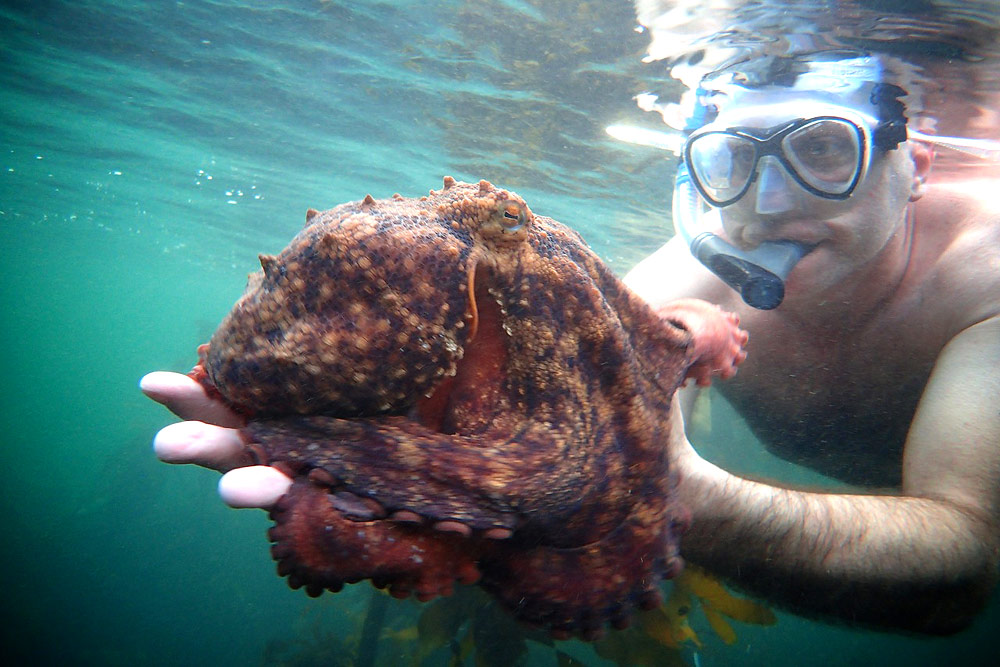
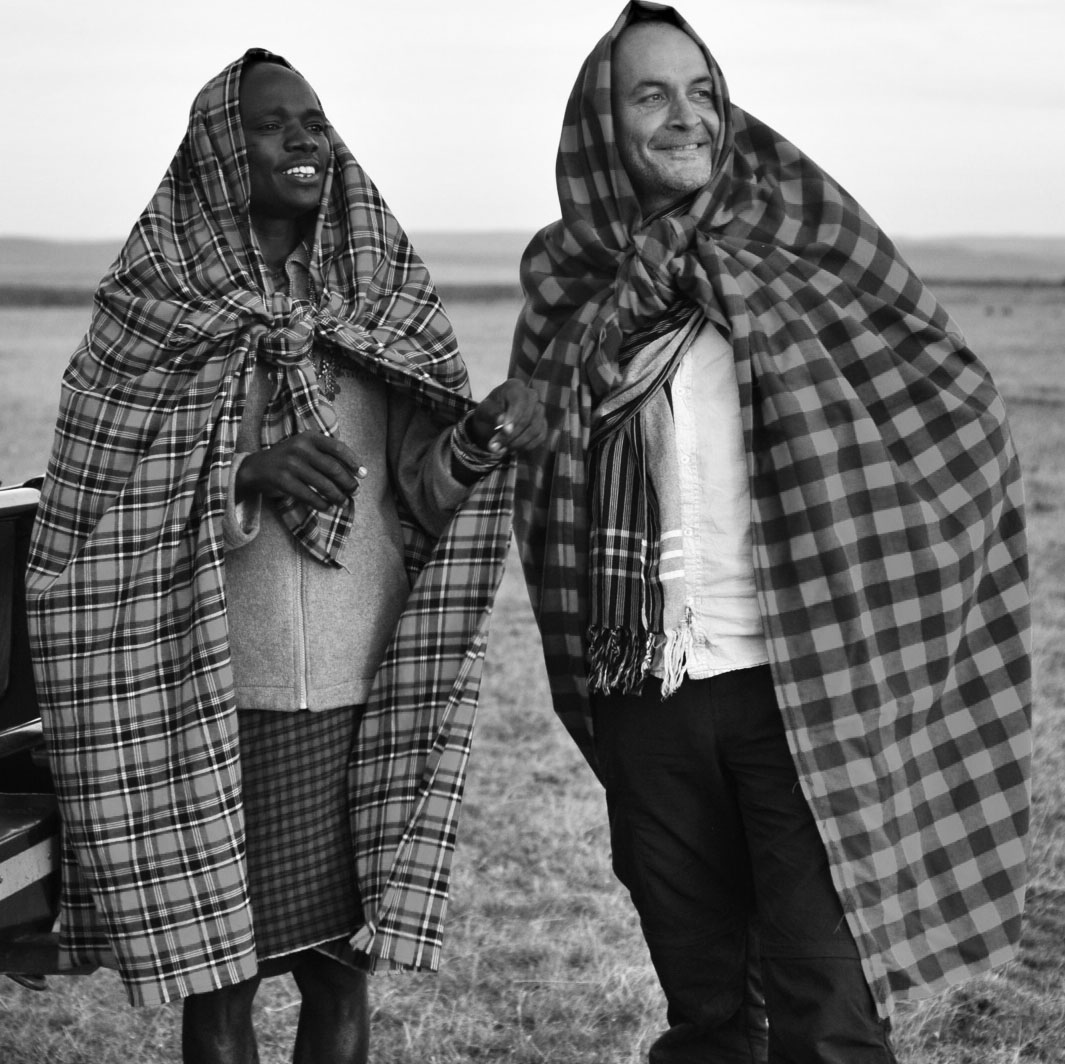 ANTON CRONE quit the crazy-wonderful world of advertising to travel the world, sometimes working, and drifting. Along the way, he unearthed a passion for Africa’s stories – not the sometimes hysterical news agency headlines we all feed off, but the real stories. Anton strongly empathises with Africa’s people and their need to meet daily requirements, often in remote, environmentally hostile areas cohabitated by Africa’s free-roaming animals.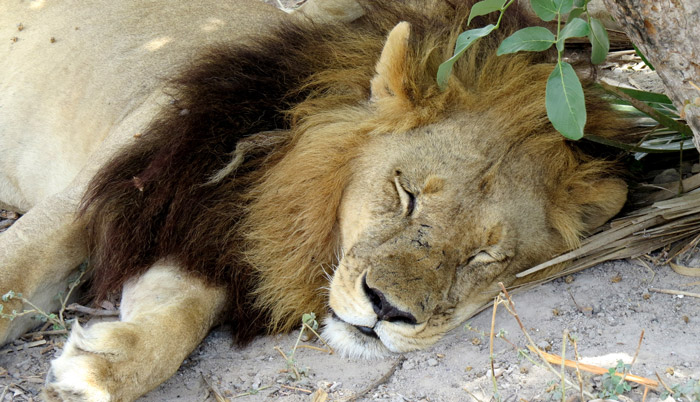
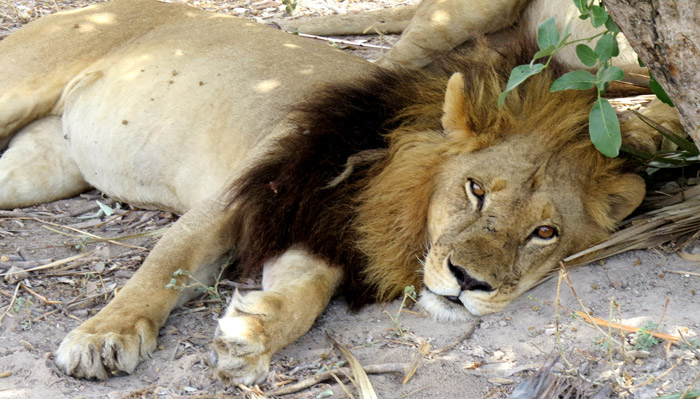

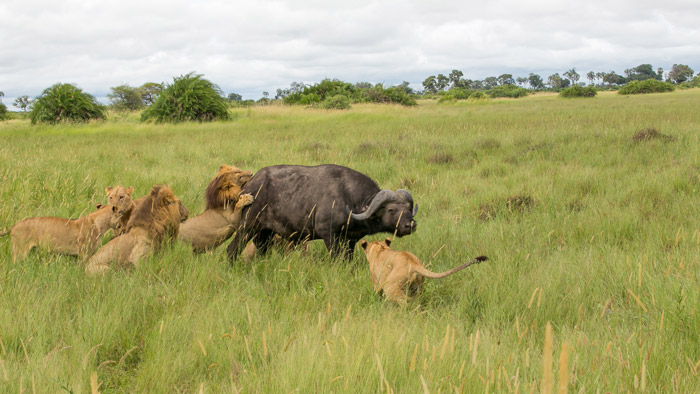
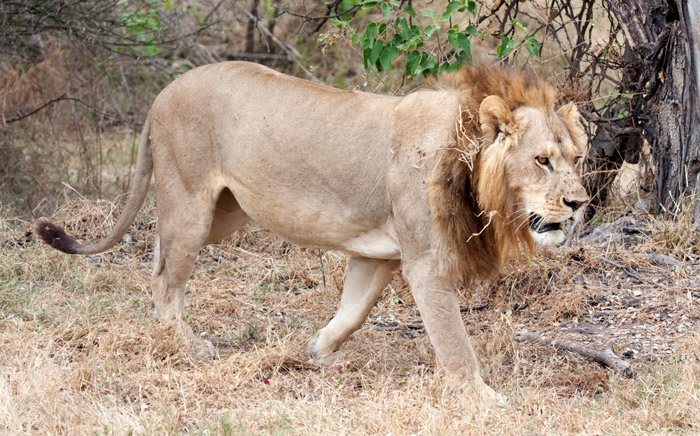
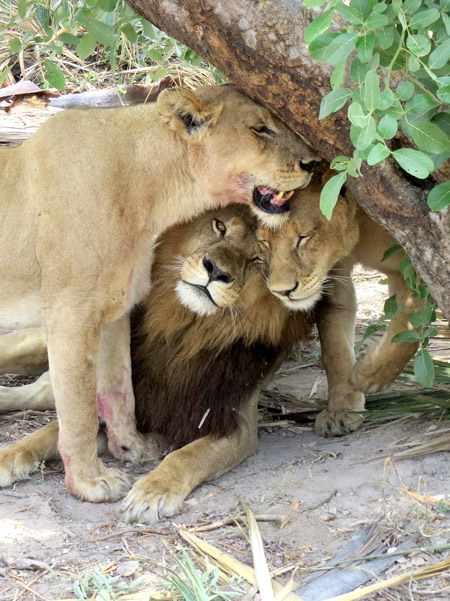
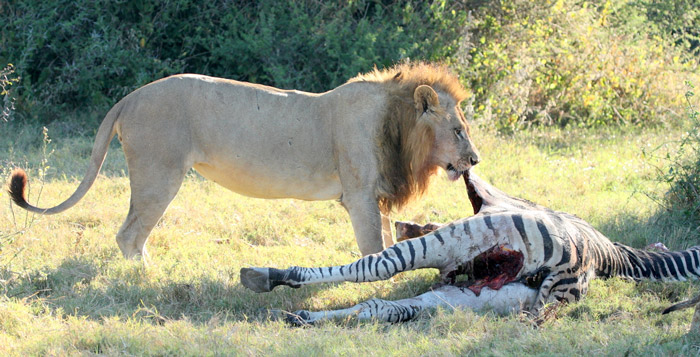
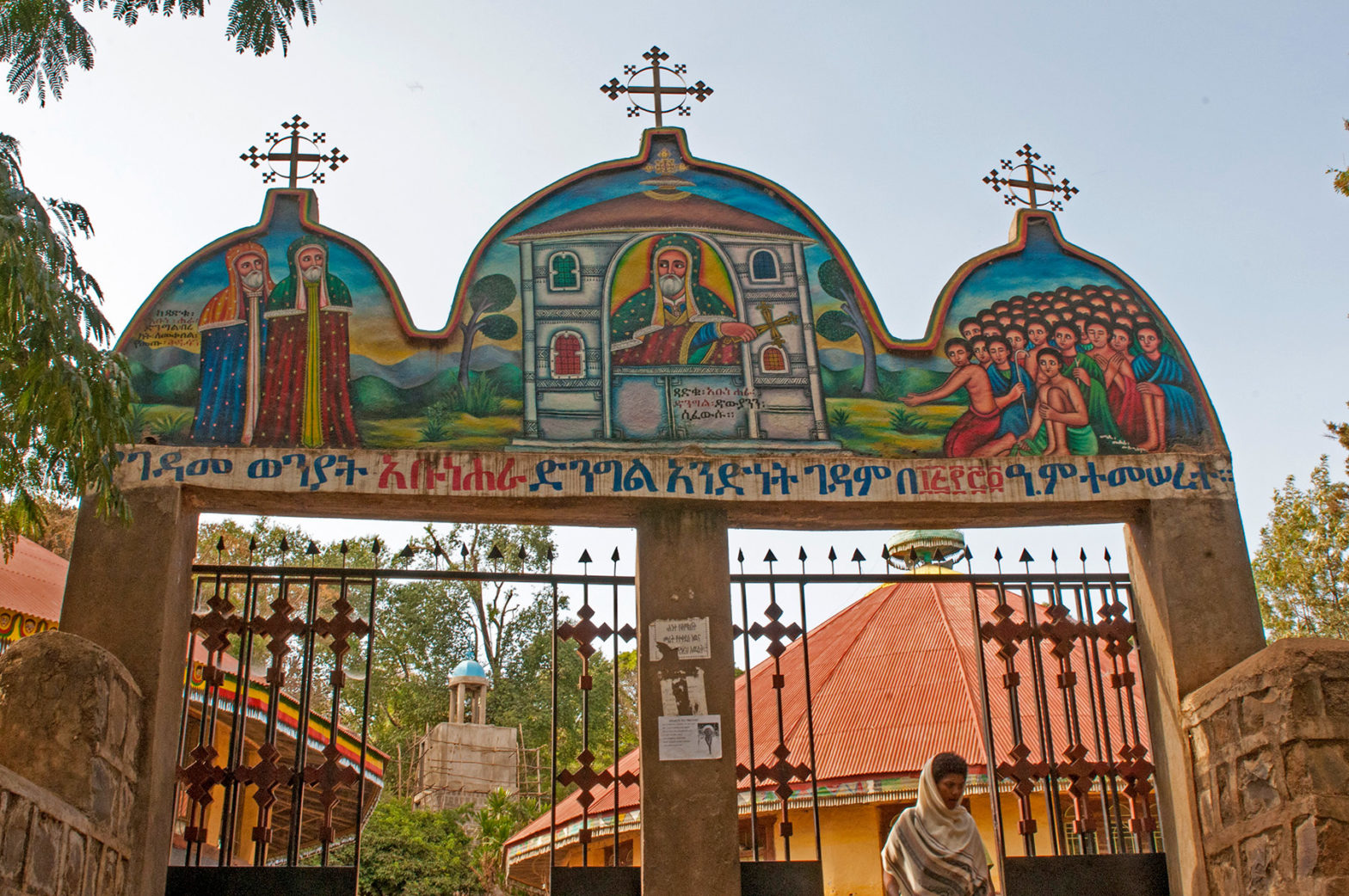
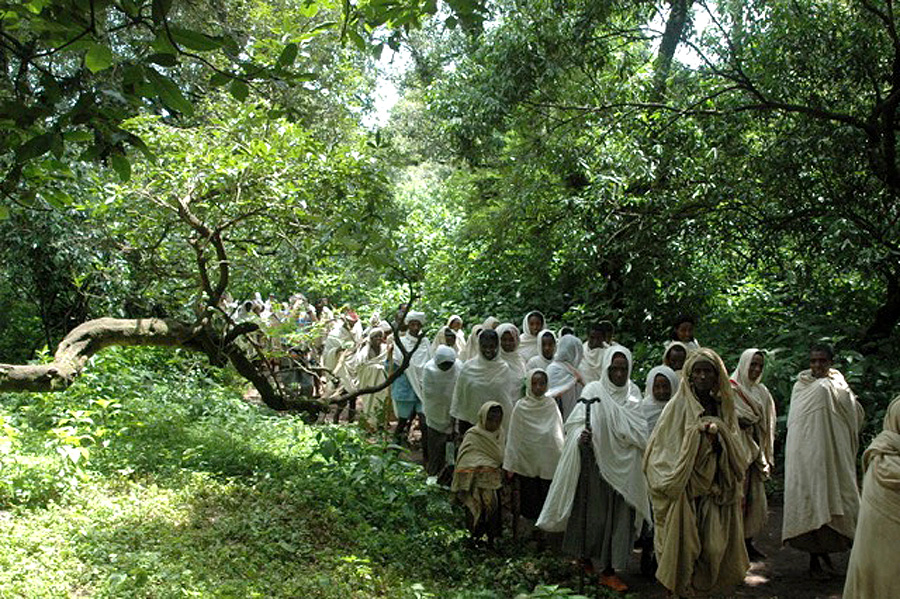
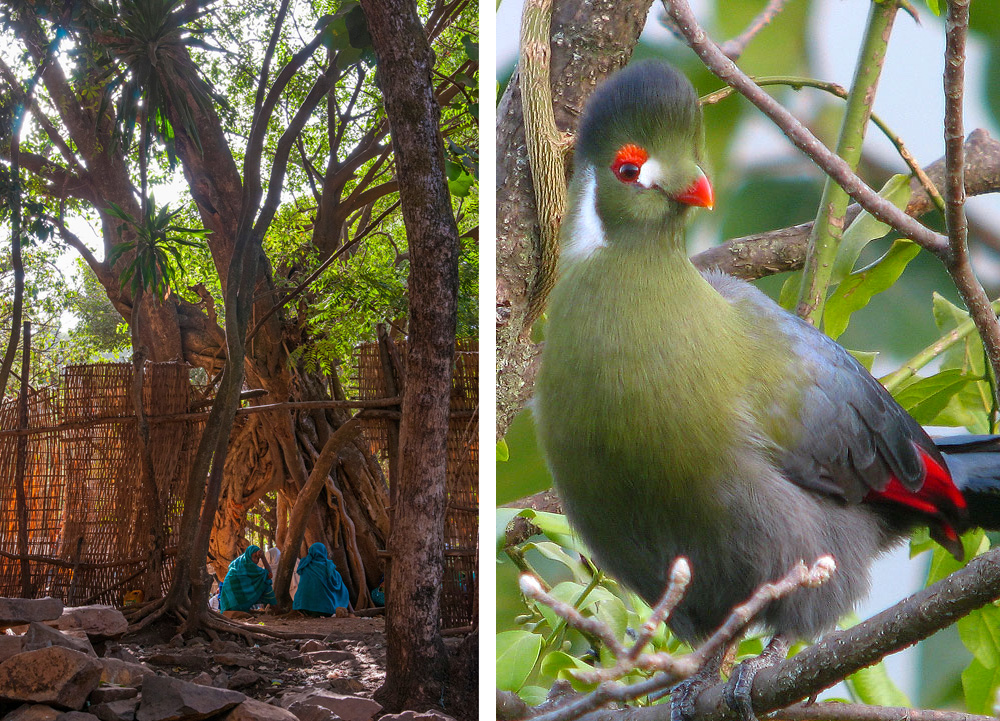
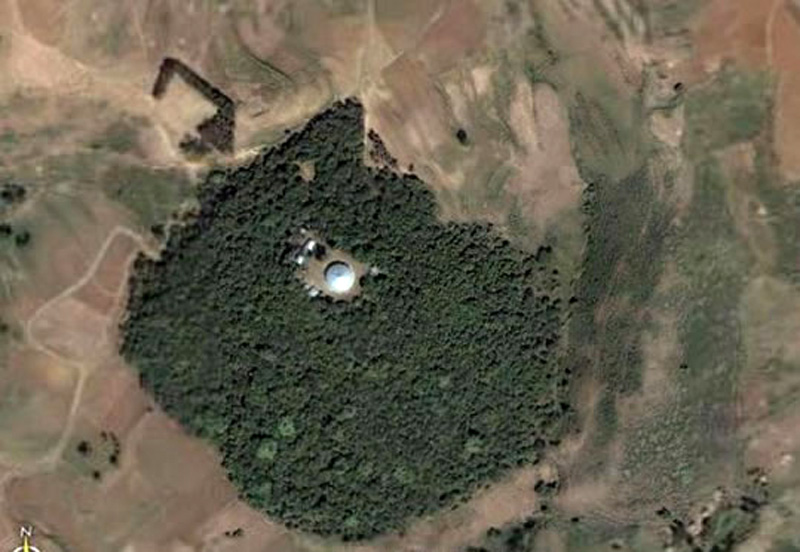
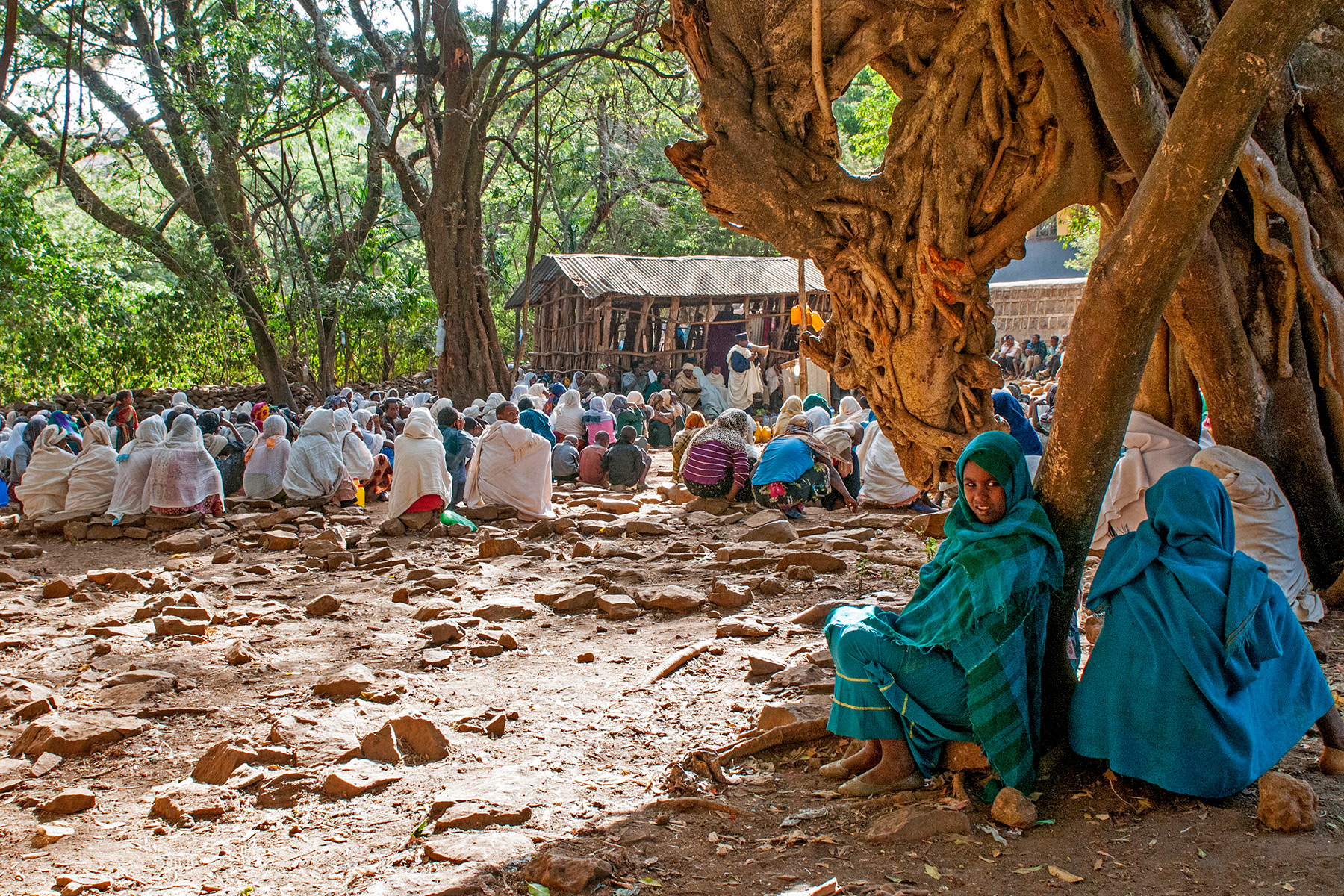
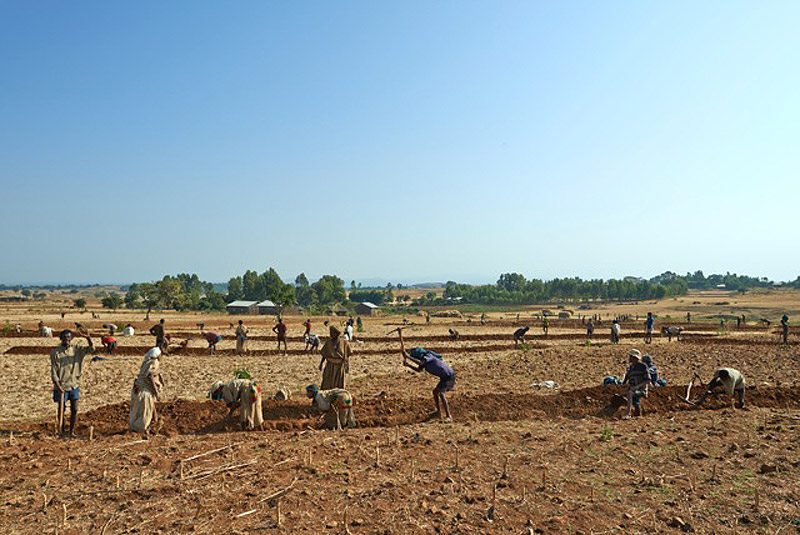
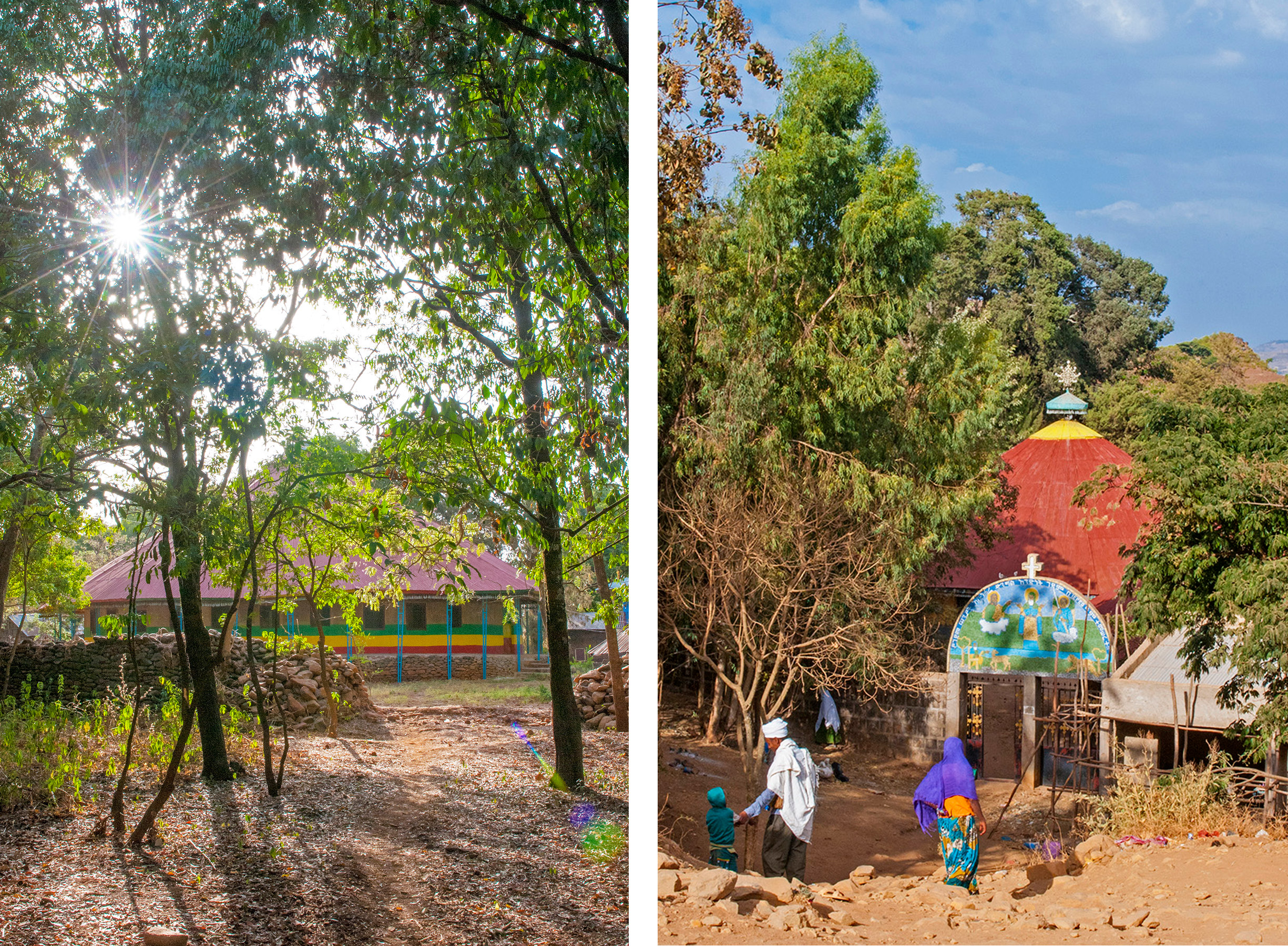
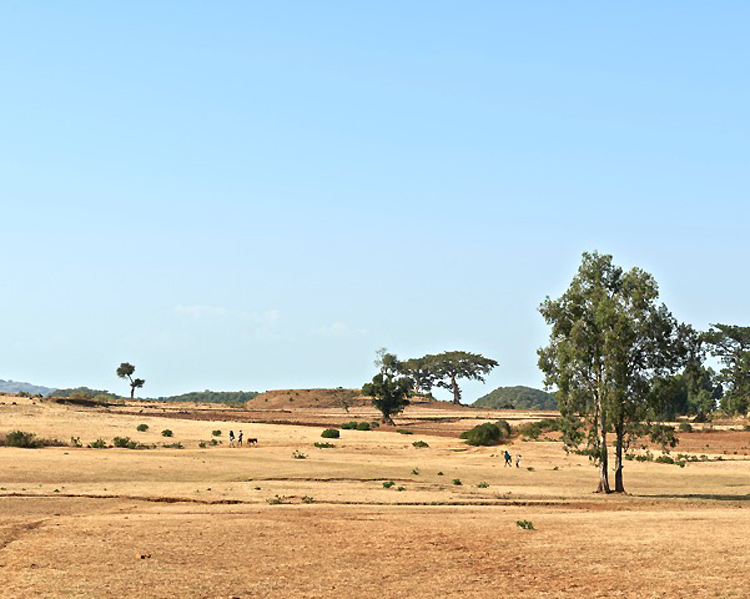
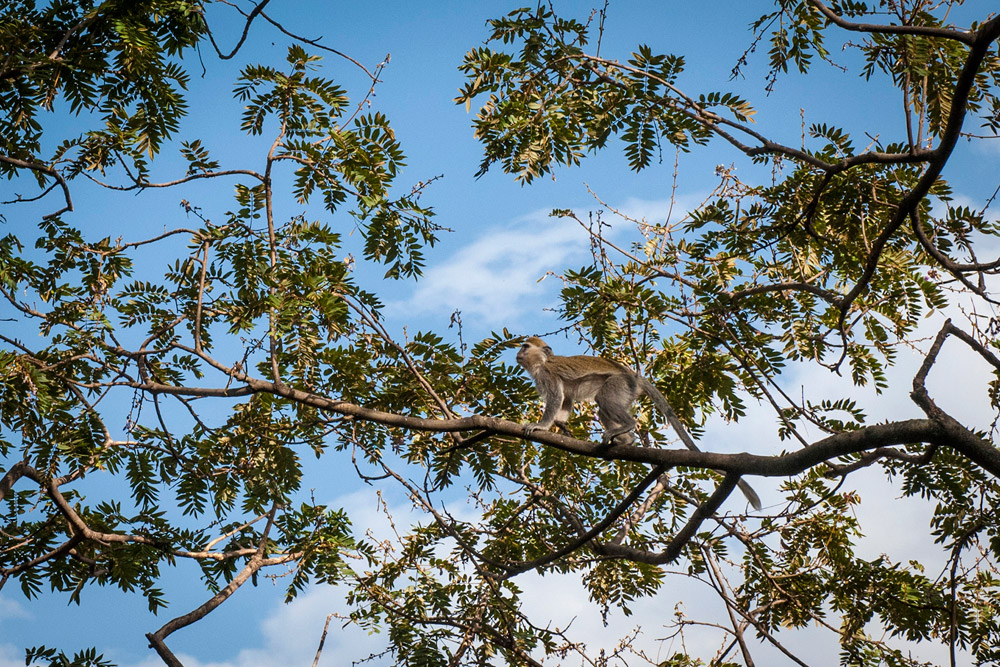
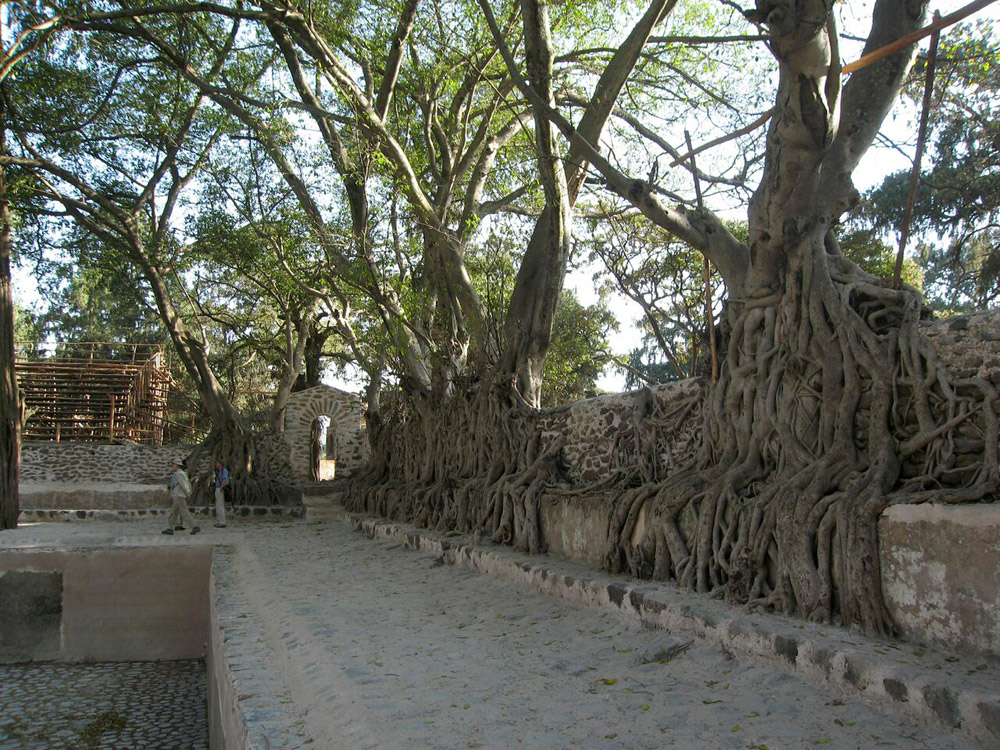
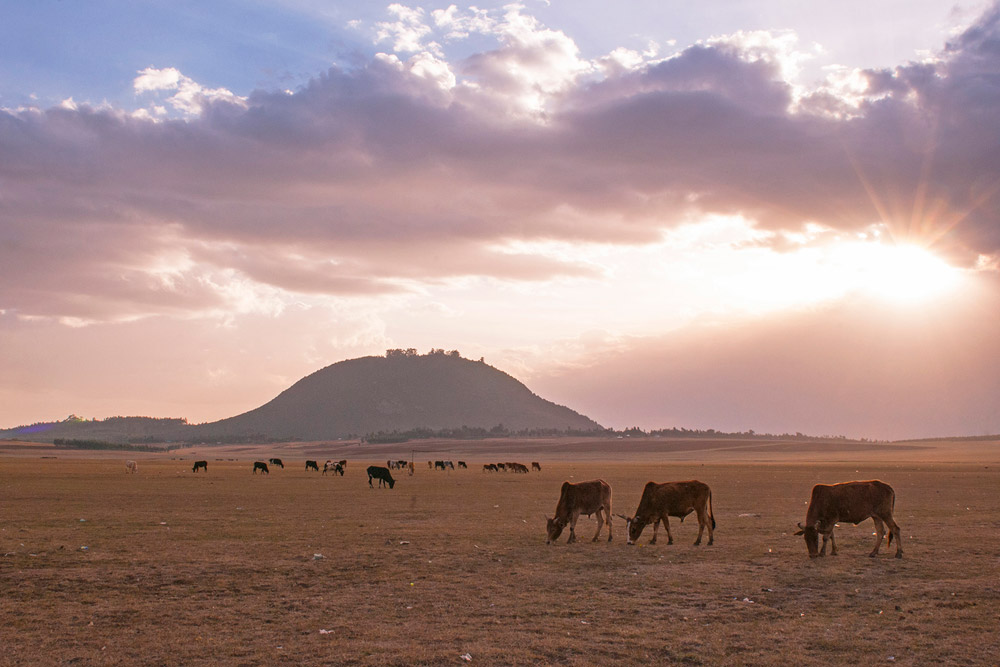
 LORI ROBINSON sold her California home and most of her belongings in 2009 for a simpler, more nomadic life. As a lover of the wild, Lori strives to live more in tune with the rhythms of nature. She rotates between California, New Mexico, Wyoming and Africa, writing about wildlife and wild places and working on her memoir. She designs and leads safaris to Africa and is a contributor to Africa Geographic, Travelers Tales and Conscious Lifestyle Magazine, and the founder of
  RAISA MIRZA grew up between Bangladesh and Montreal, Canada, spending most of her time reading National Geographic magazines and dreaming of wild, open spaces. She works in the intersection of community development, food security and behaviour change communications. Through her photography, she aims to portray the diversity of the world’s people and wild spaces while changing people’s perceptions of the developing world. You can find more of her work on her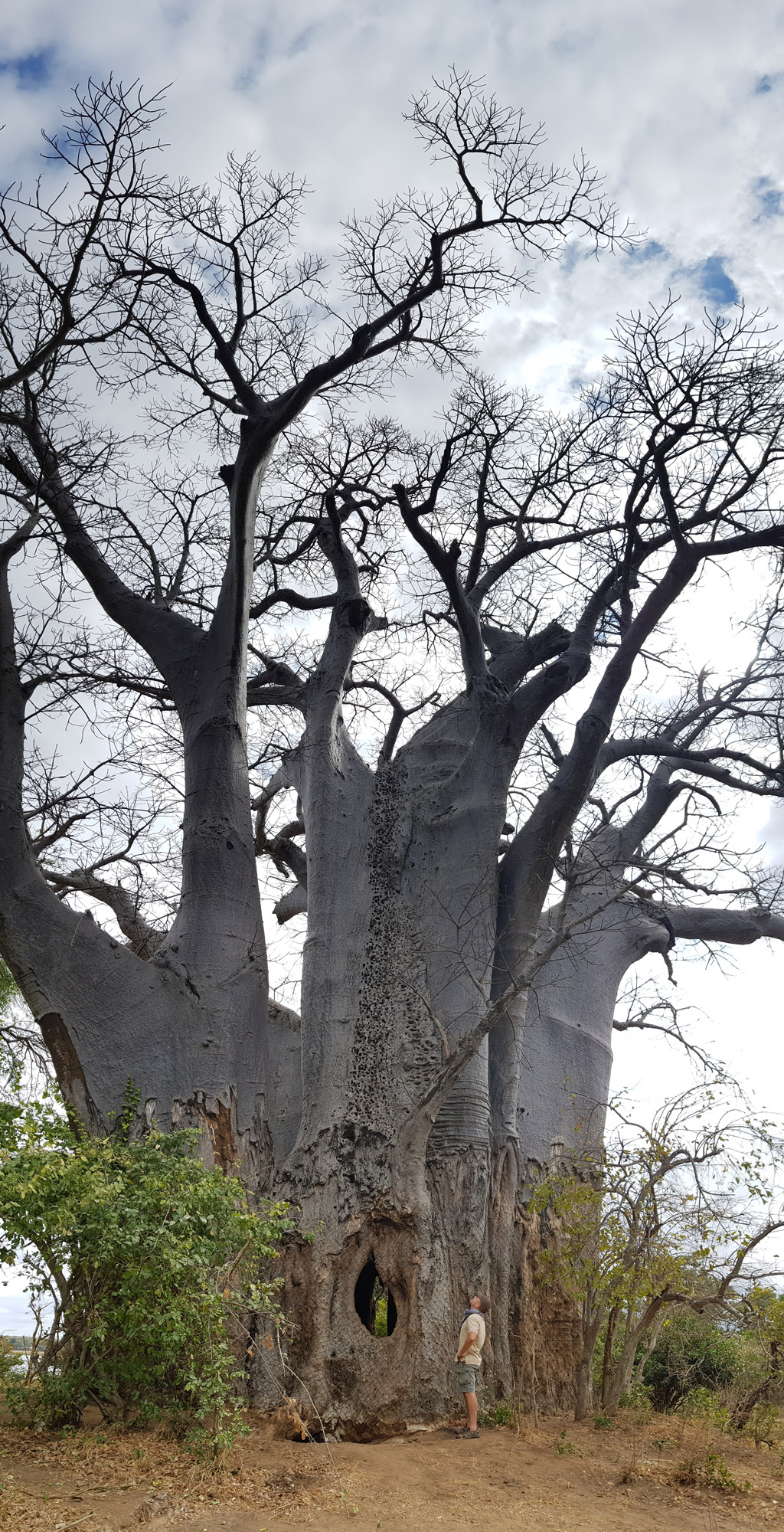
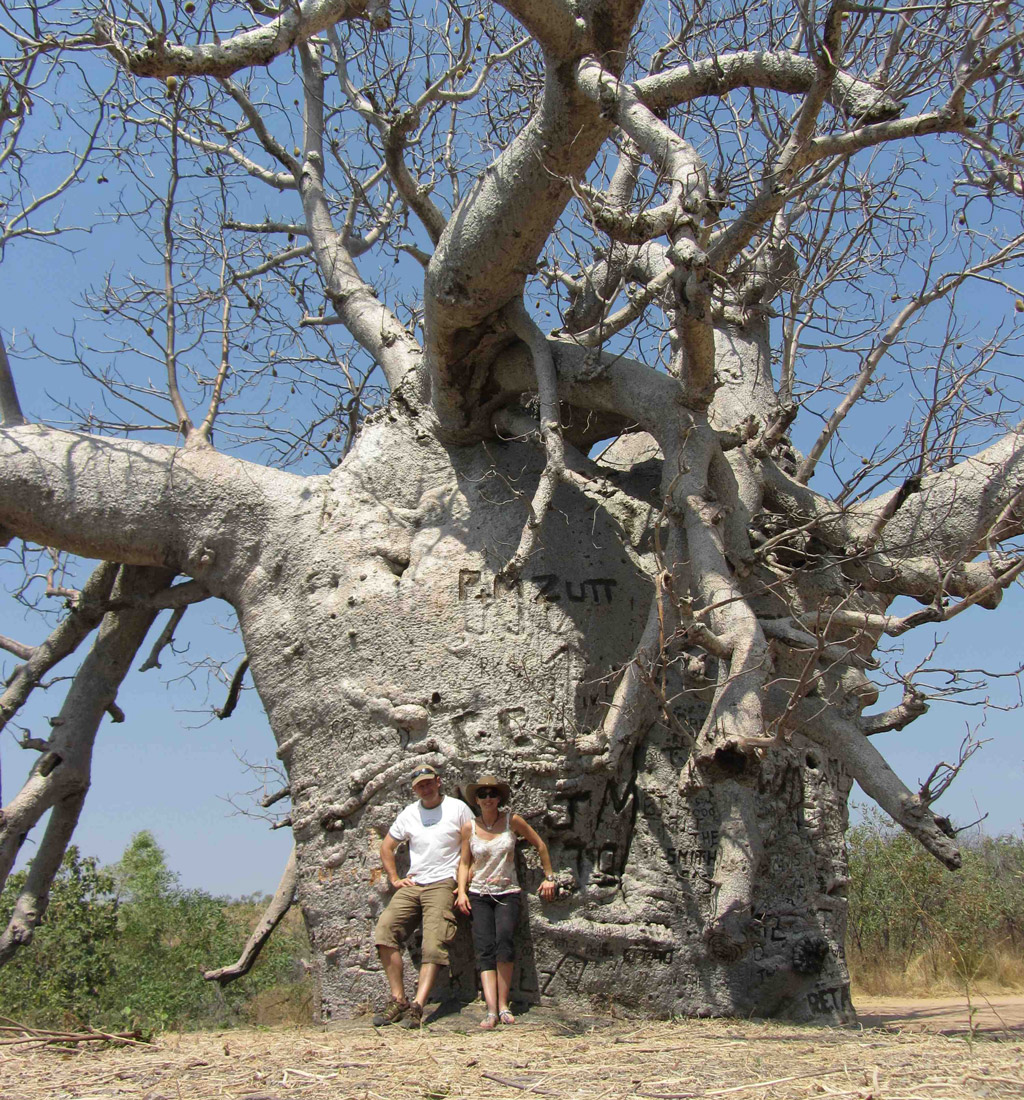
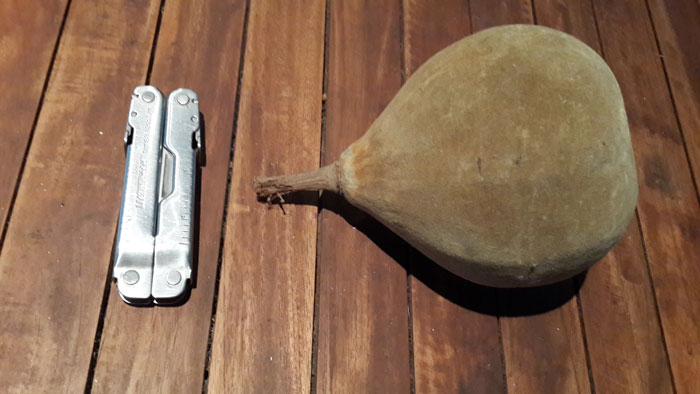
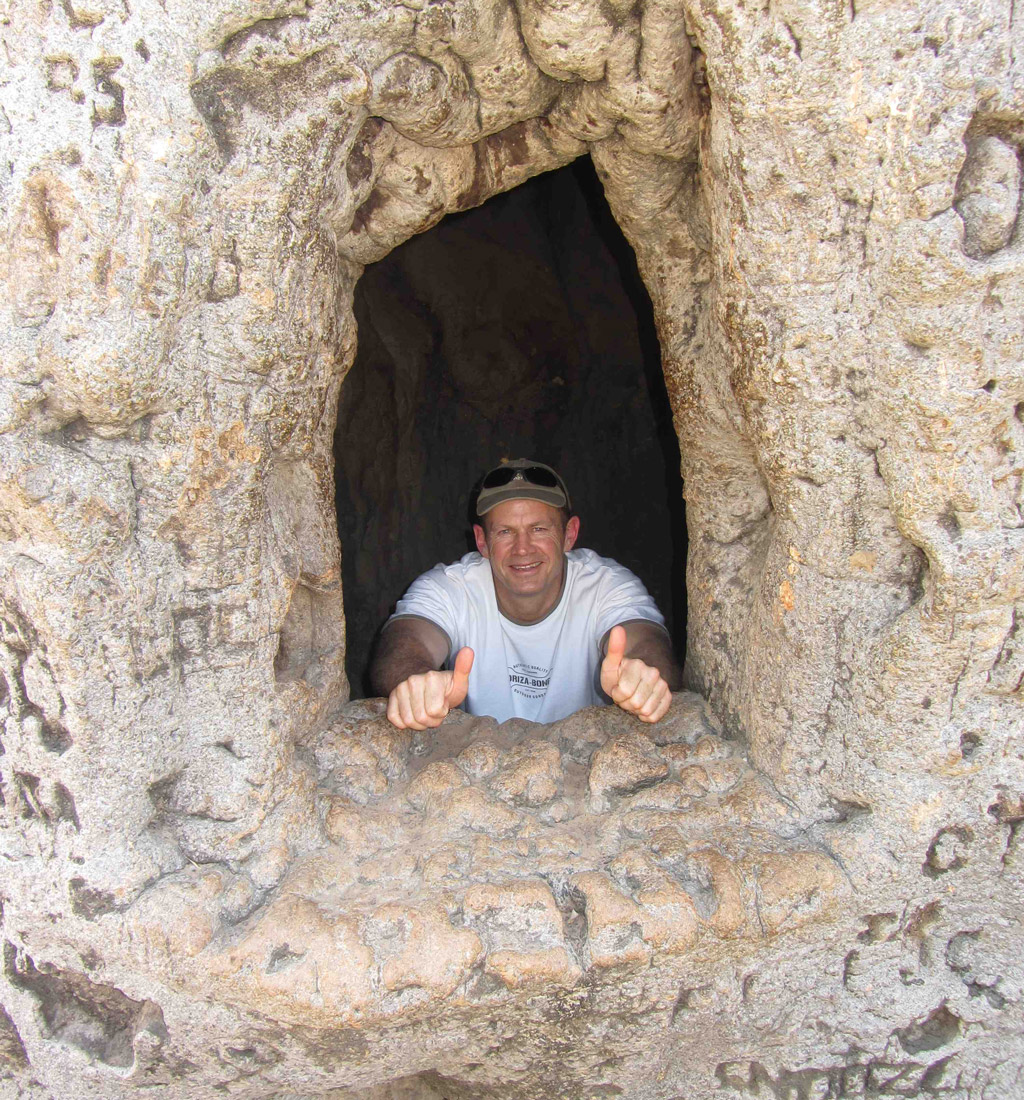
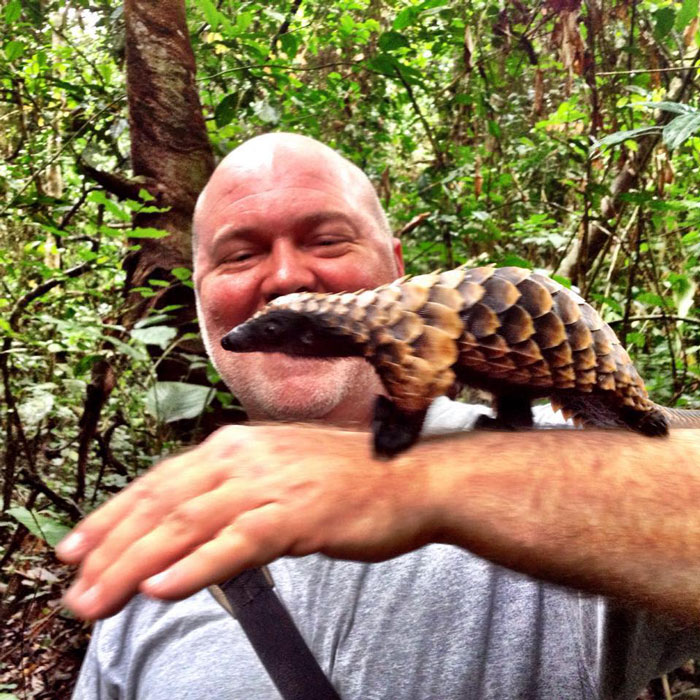


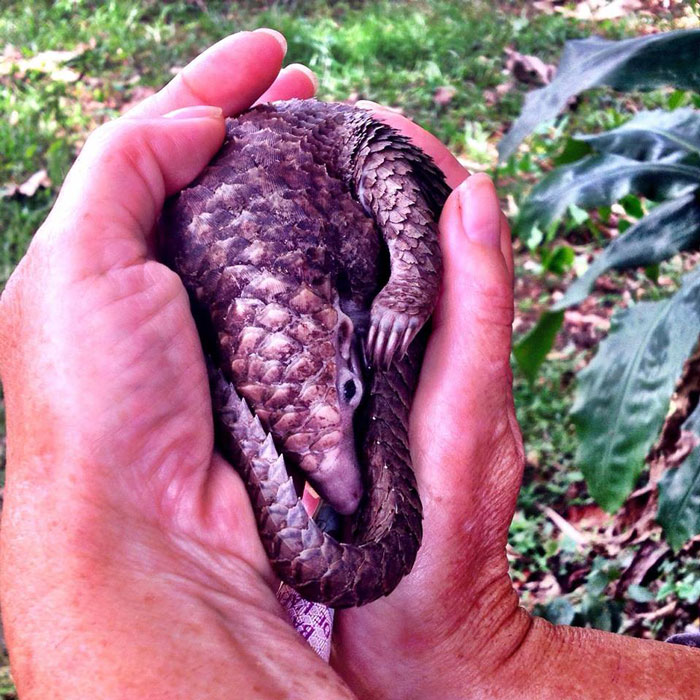
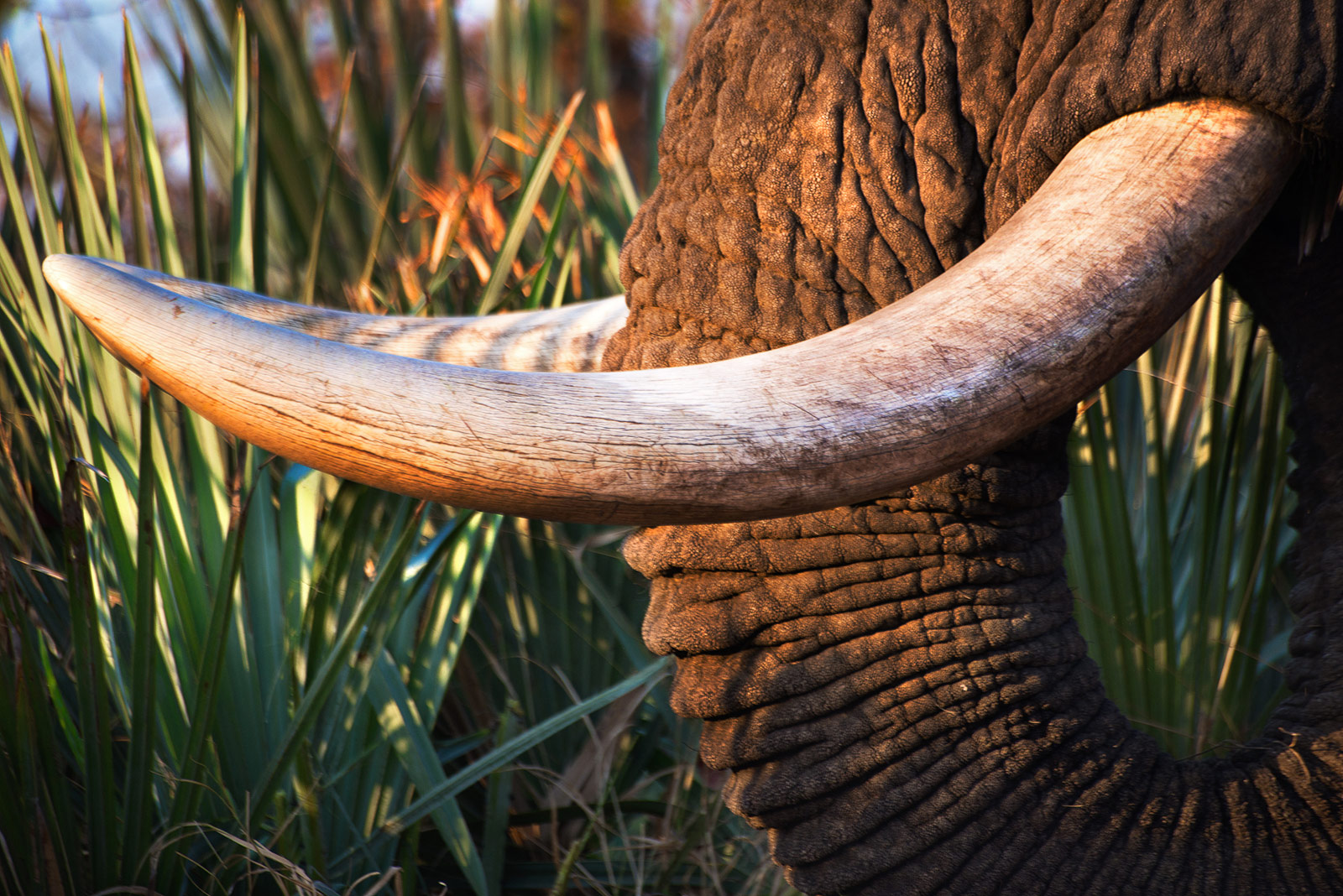
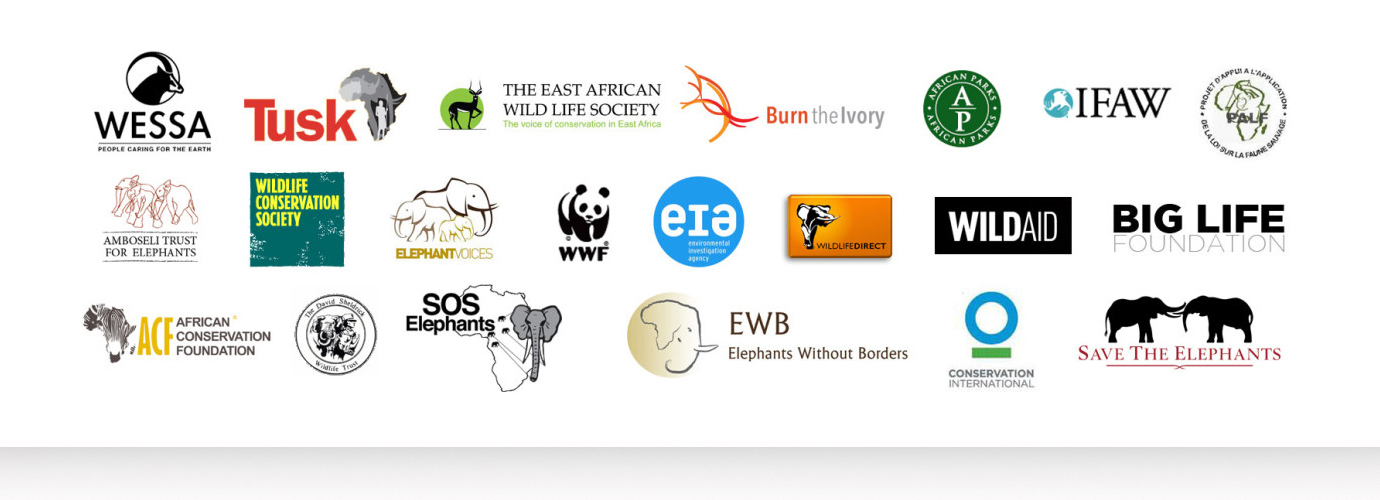
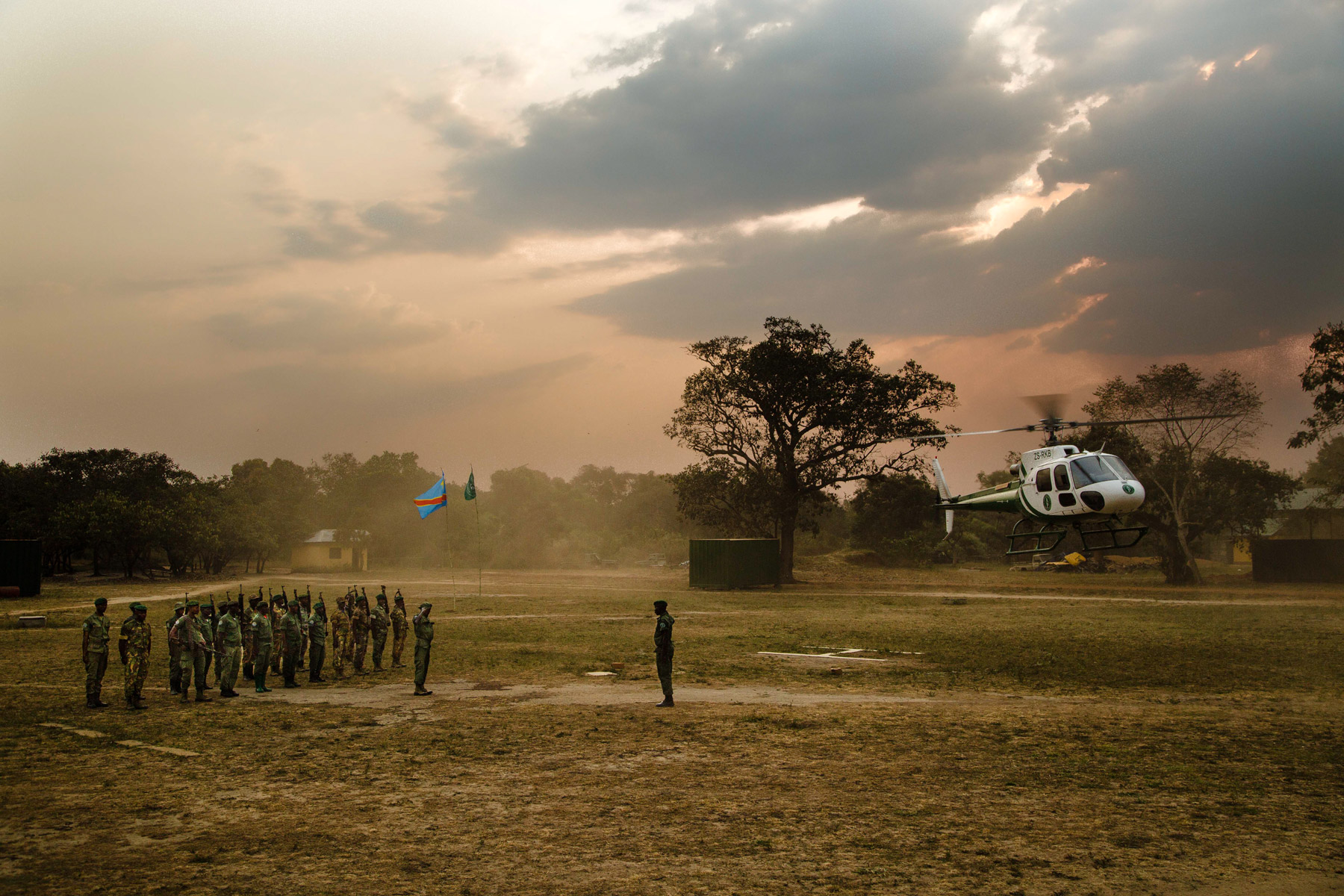
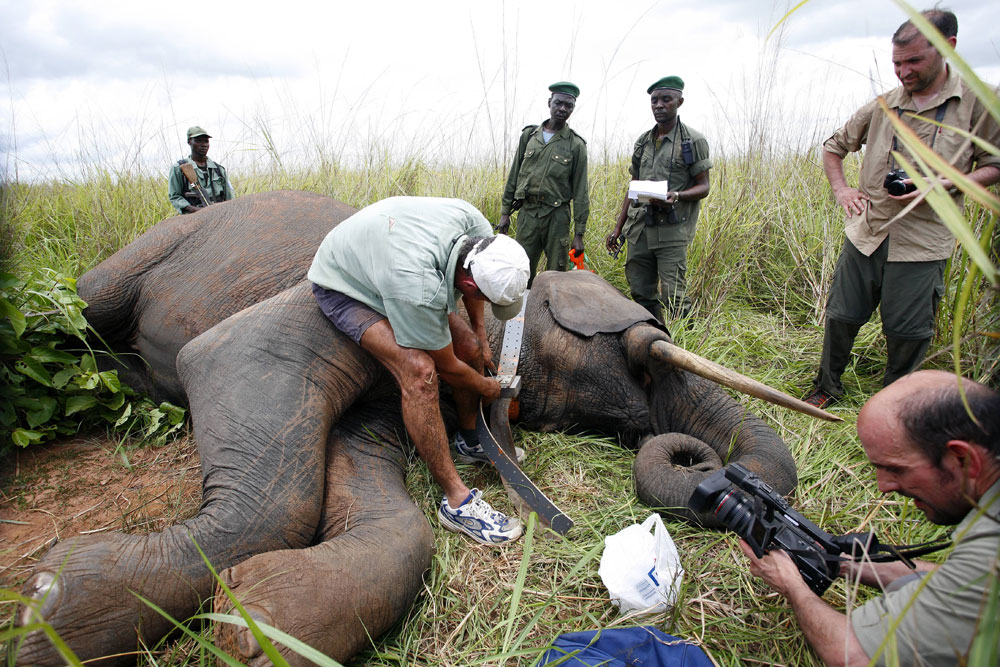
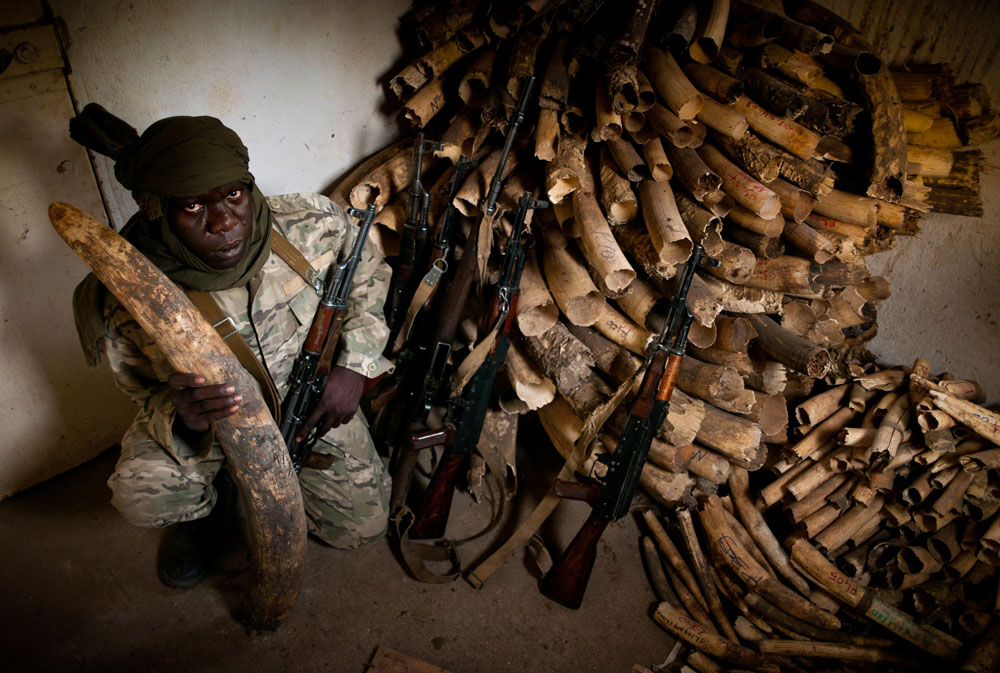
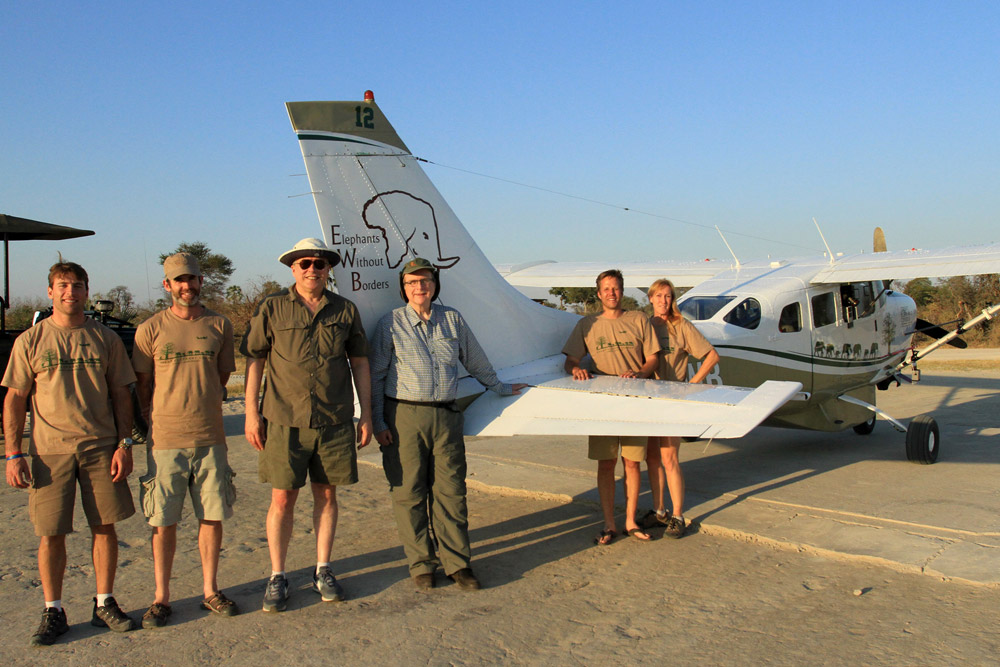
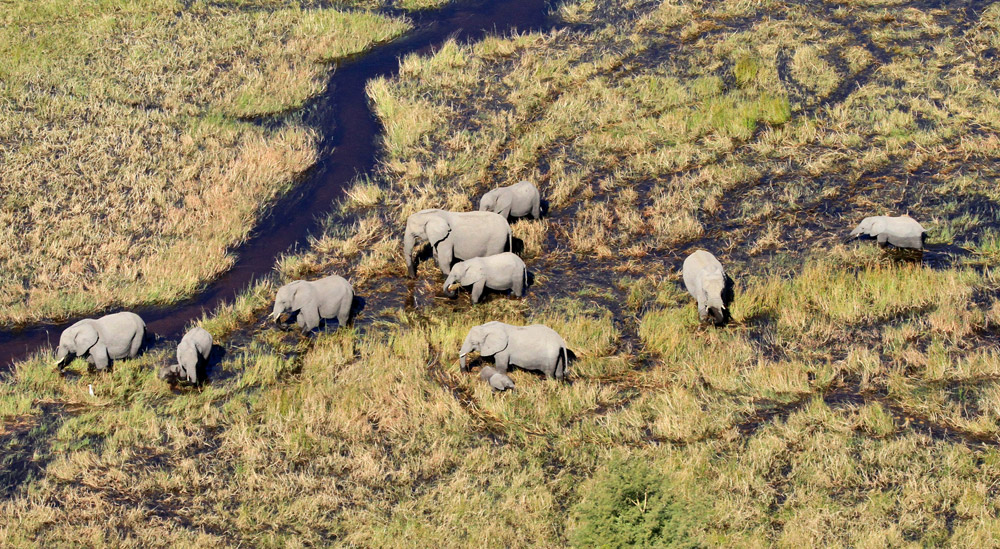
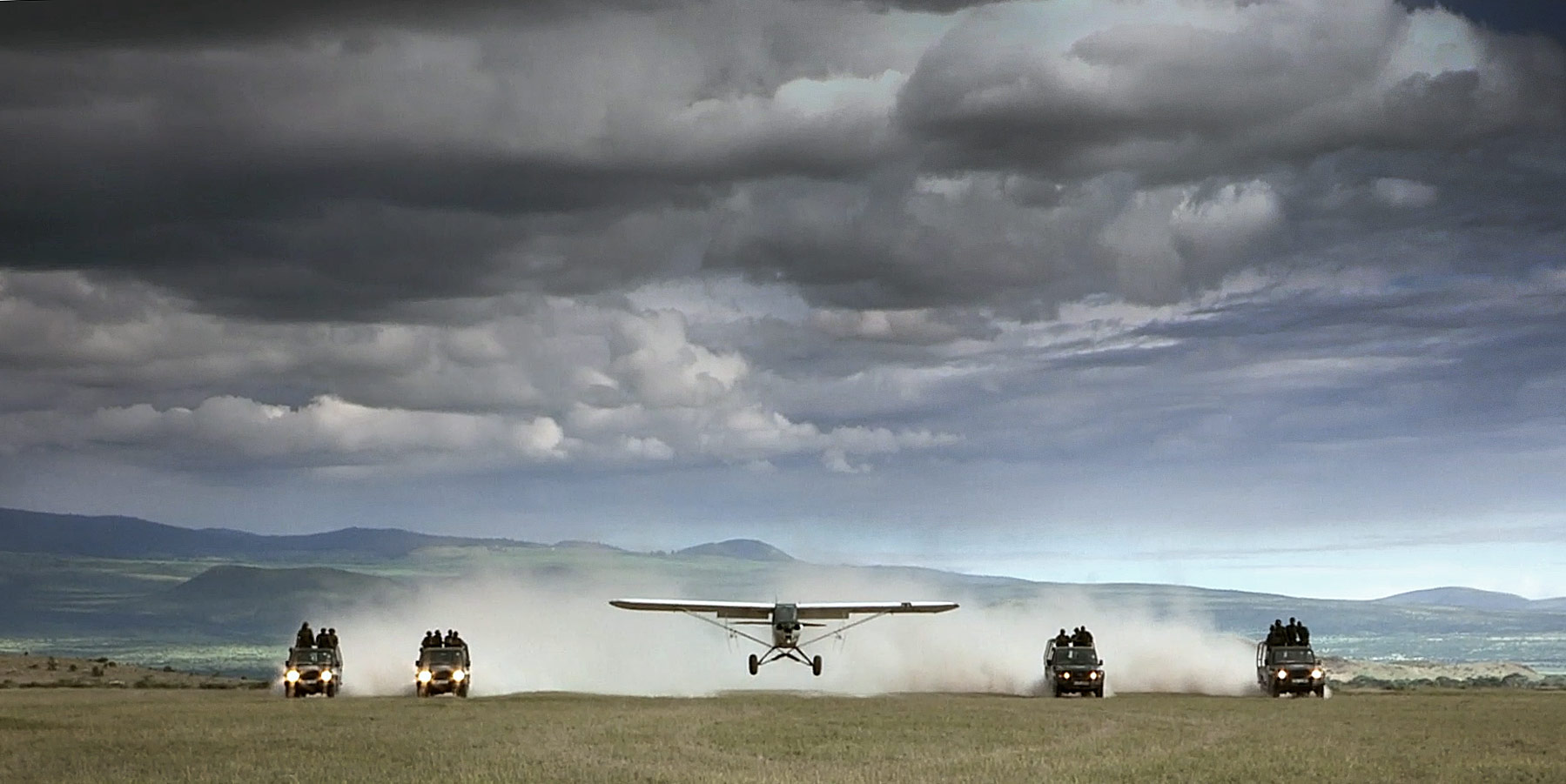
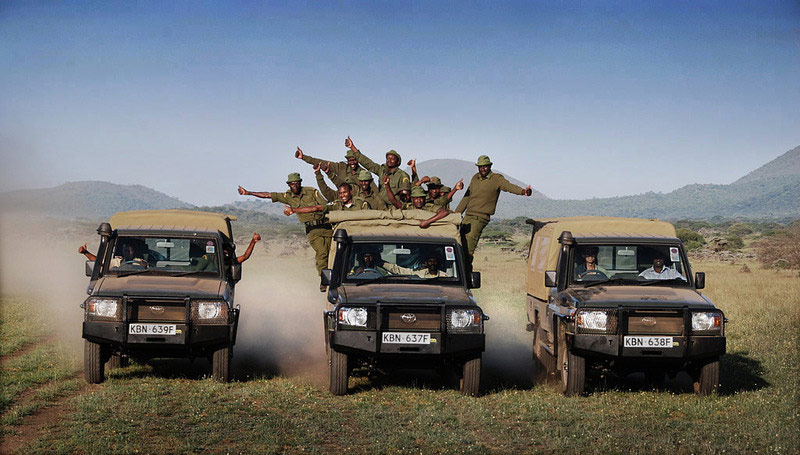
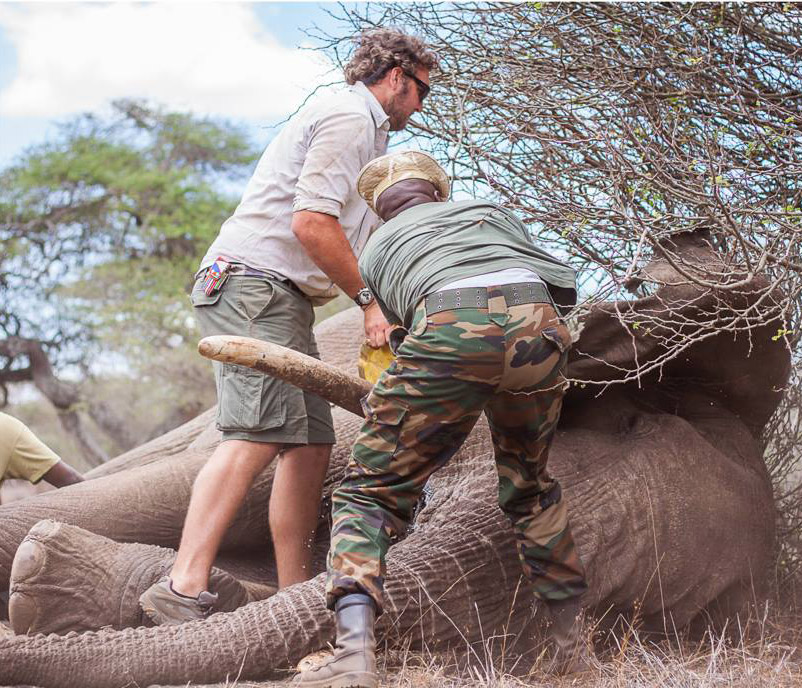
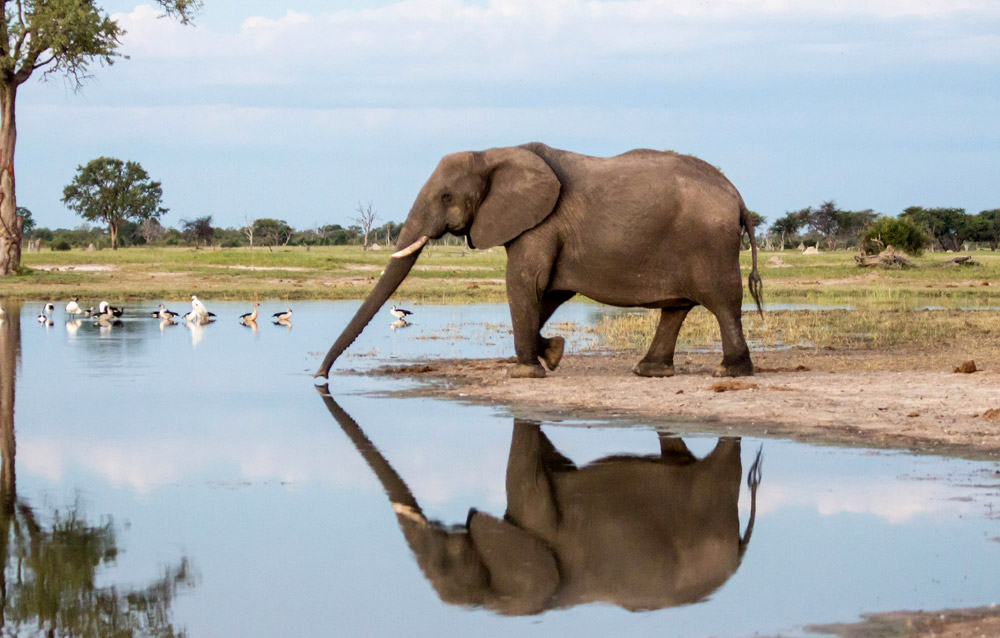
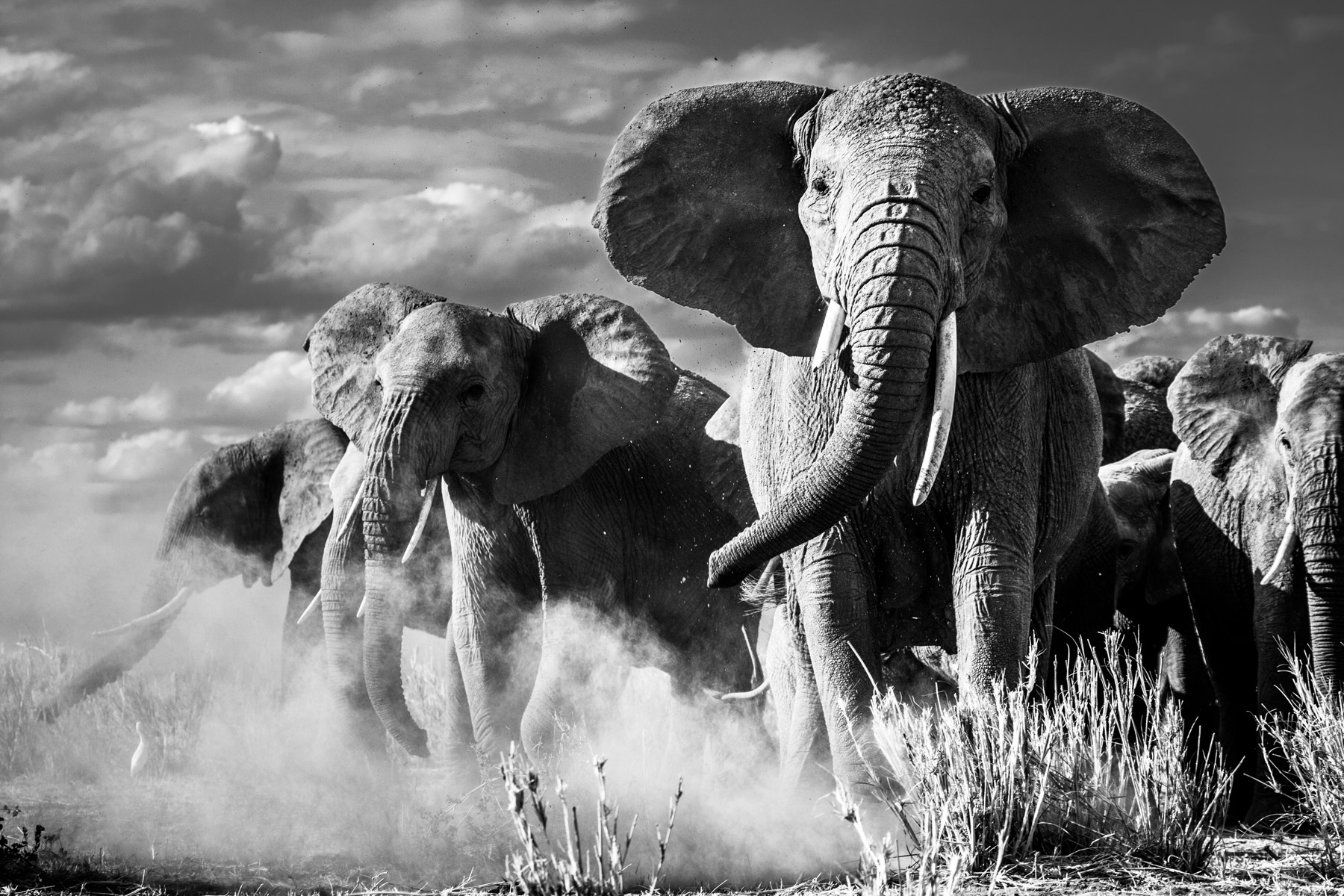
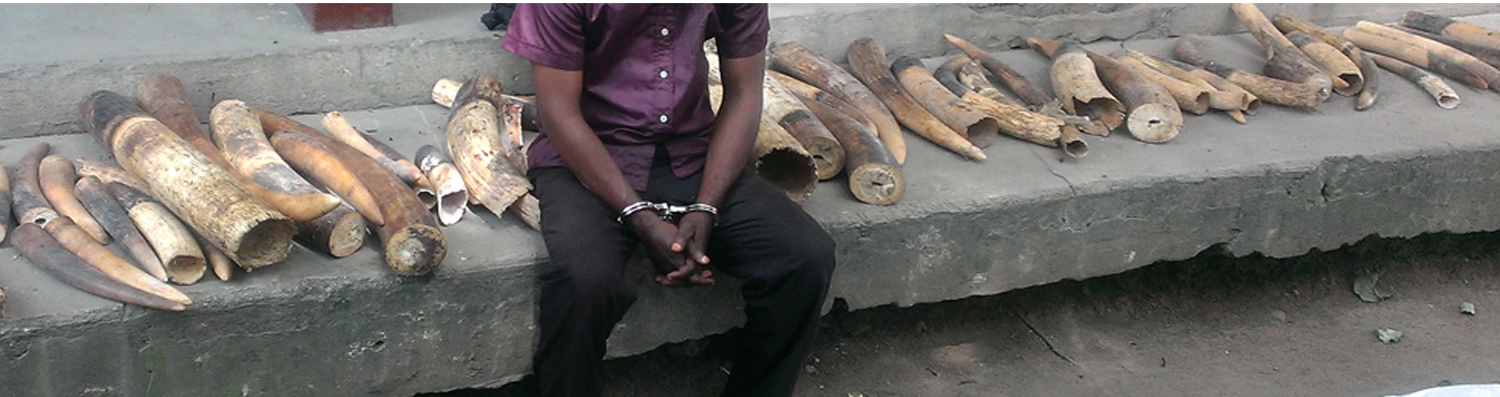

 JANE EDGE is a former environmental journalist who cut her teeth reporting on the elephant and rhino poaching crisis in the 1980s. She subsequently became a director of Phinda Resource Reserve, communications director of CC Africa (now &Beyond), and manager of Nedbank’s green affinity programme in partnership with WWF SA. She was the marketing and philanthropy director for African Parks before leaving in late 2014 to establish her consultancy, Afrothropic. She has also served on the board of Fair Trade Tourism, where she was acting general manager for a period.
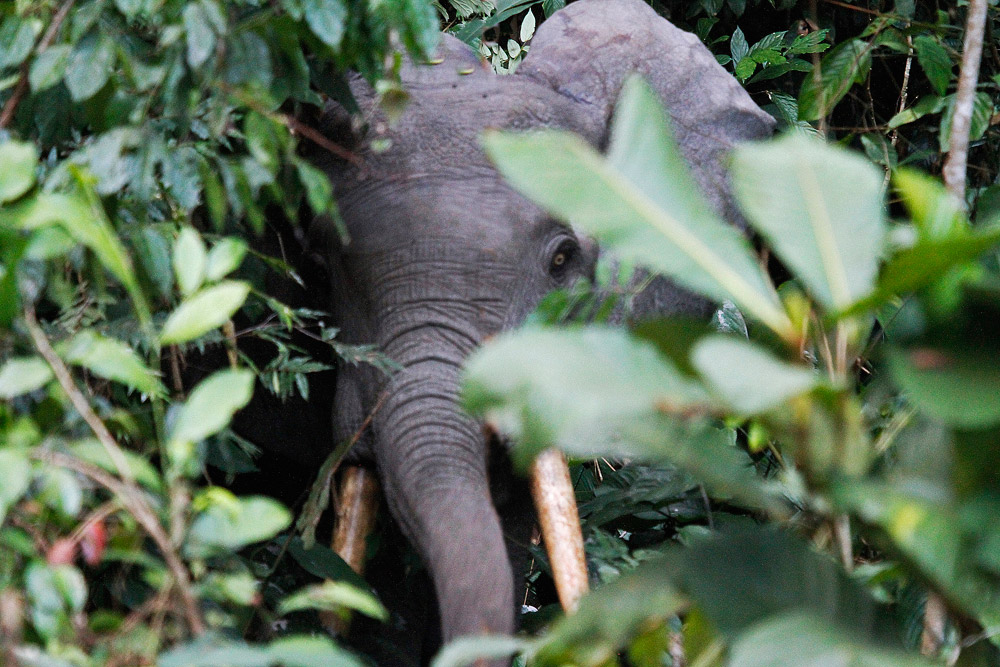
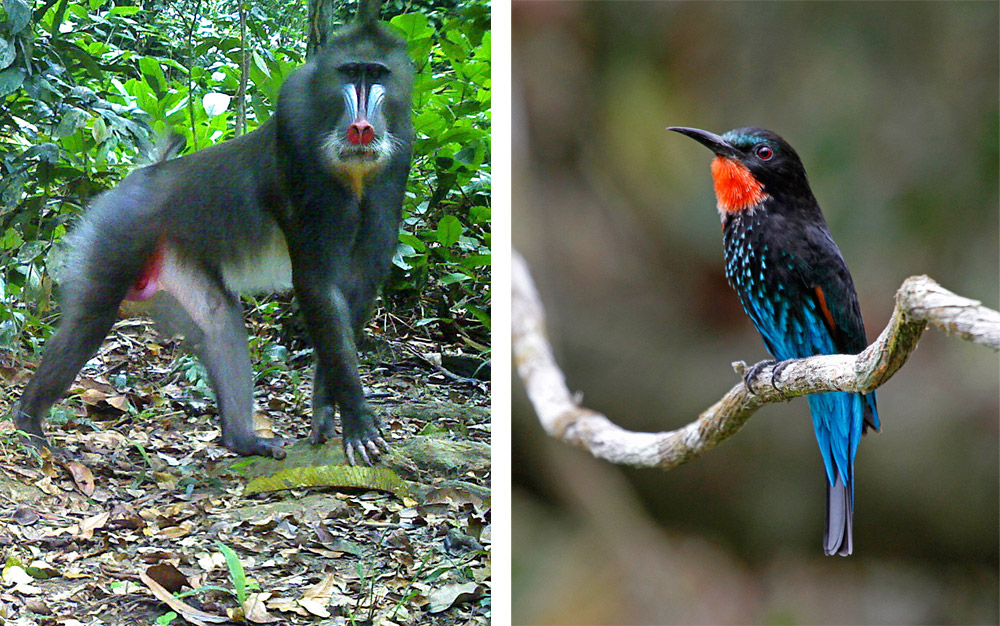
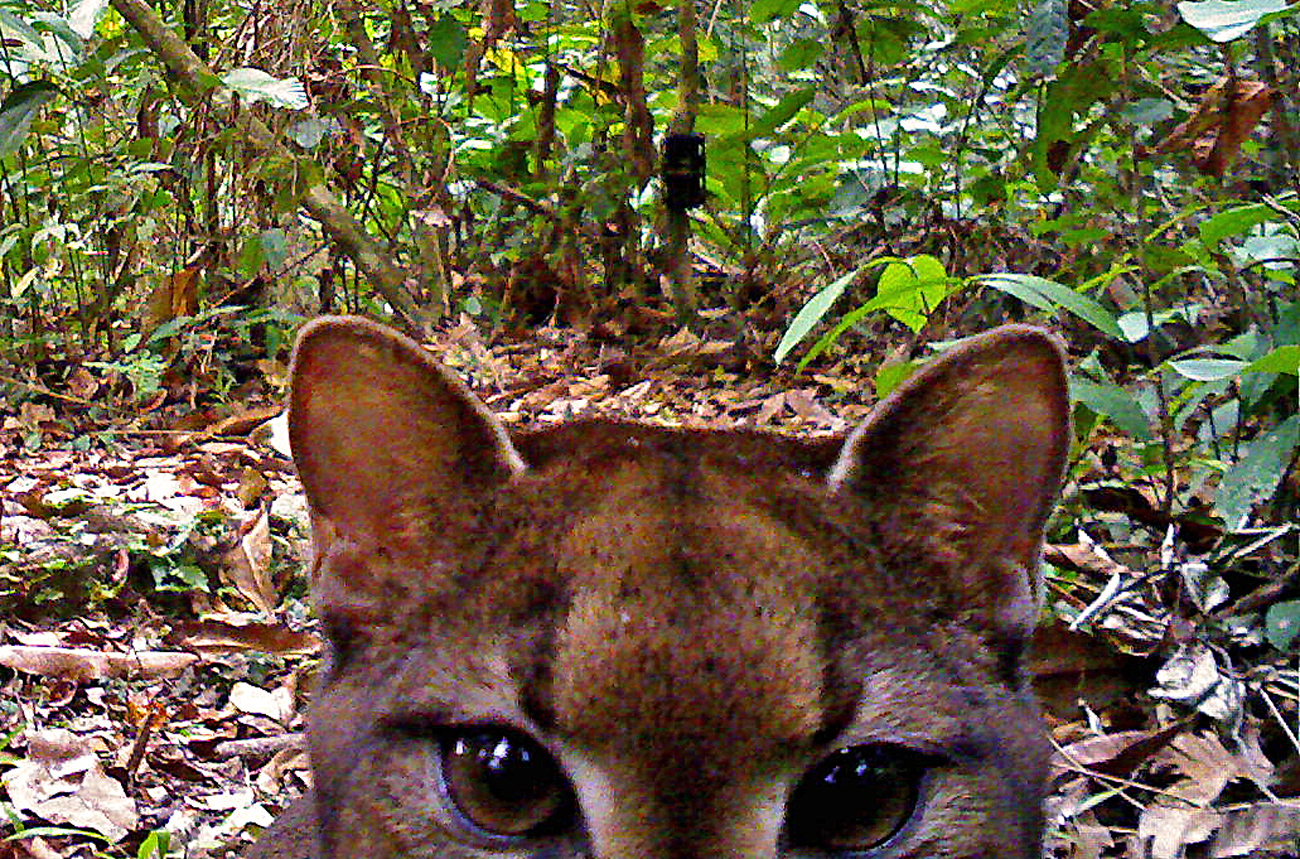
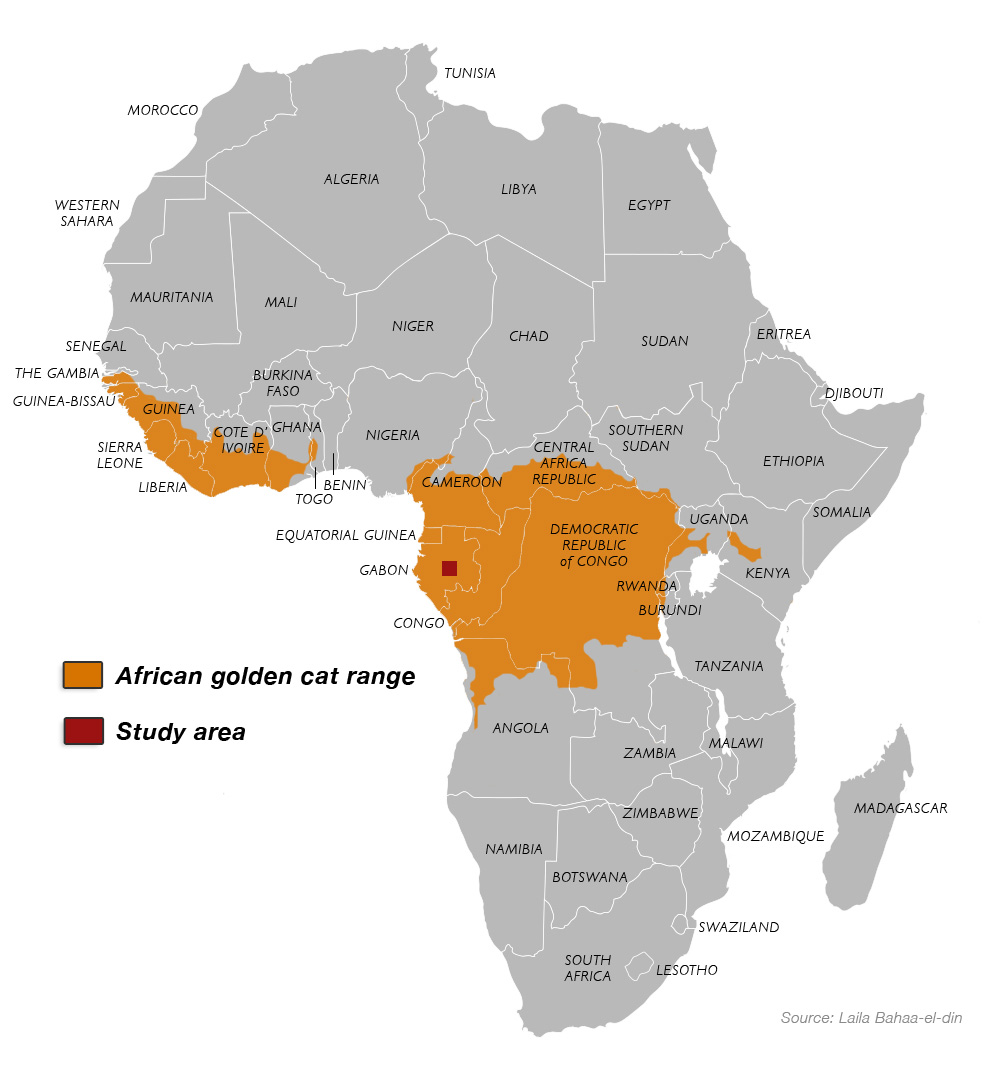
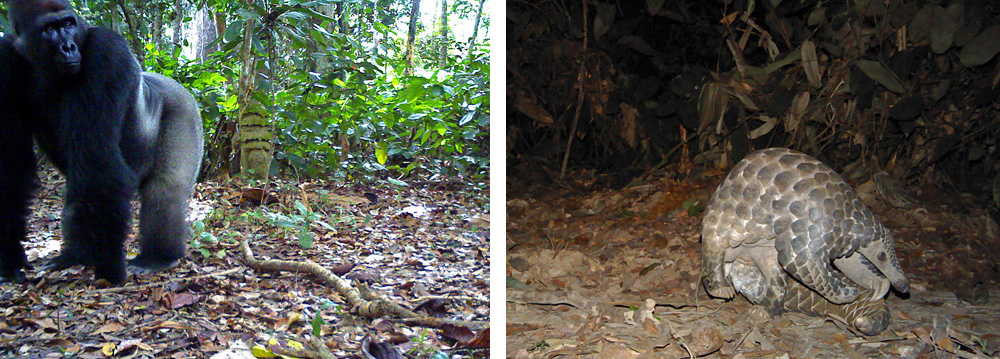
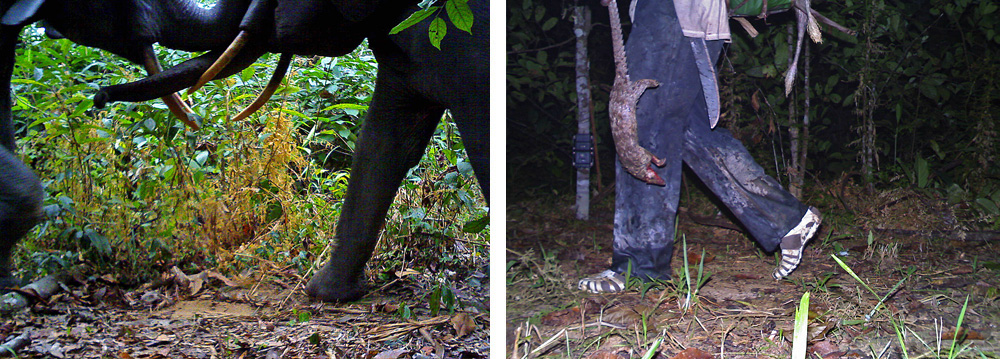
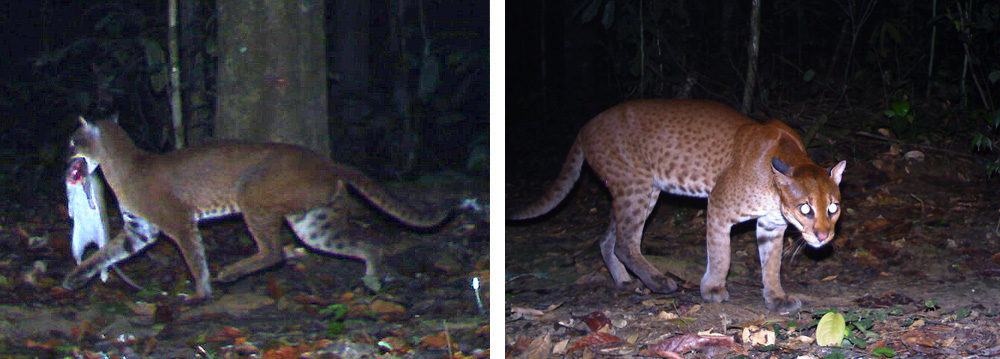
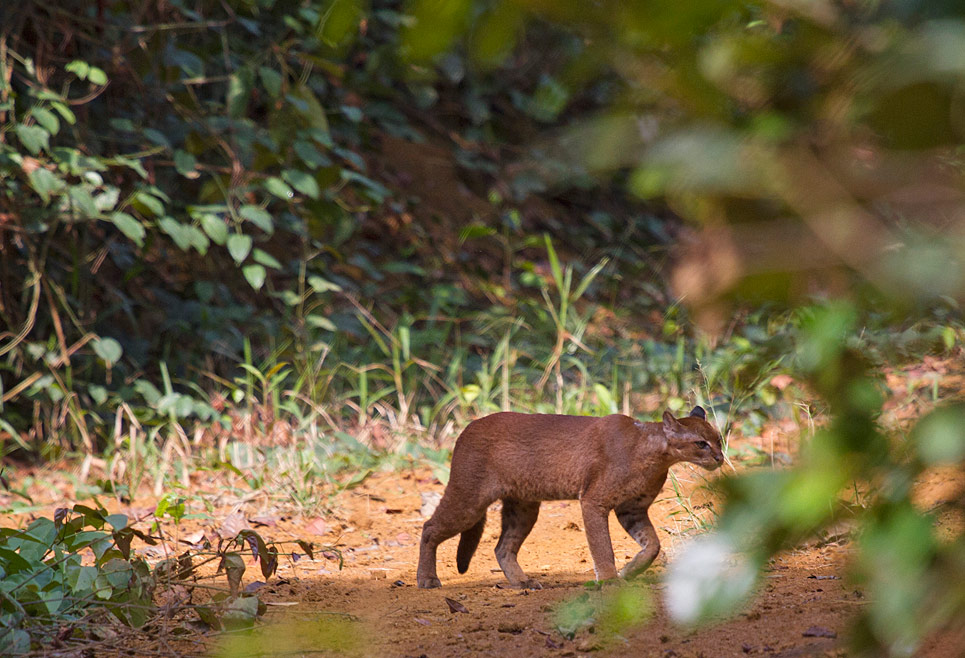
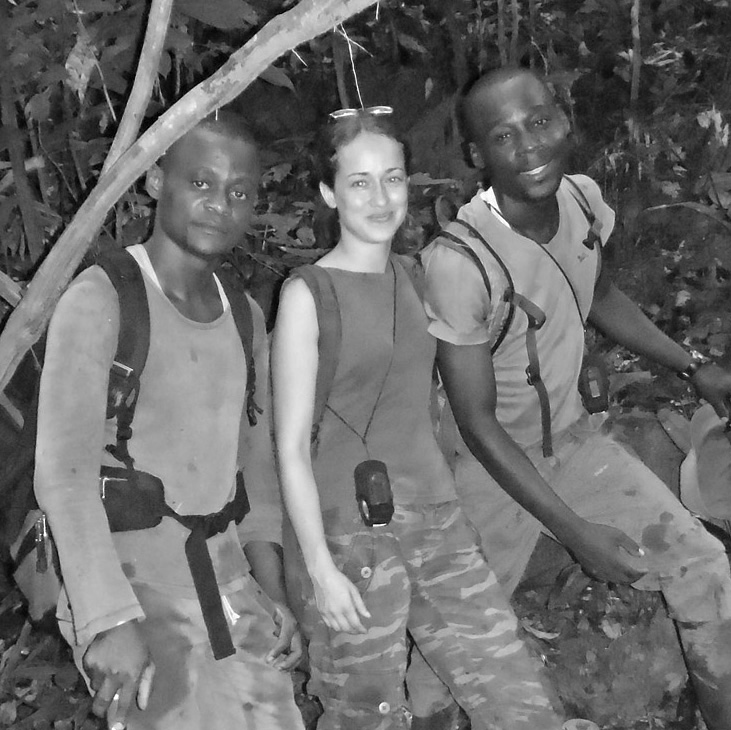 LAILA BAHAA-EL-DIN first escaped to Africa in 2007 after completing her degree in zoology at the University of Nottingham. She has since found it almost impossible to leave and has worked on research projects in eastern, southern, and central Africa. Laila’s work has thus far concentrated on the predators of land (cats) and sky (raptors). The golden cat project, funded by the global wild cat conservation group Panthera, is part of Laila’s PhD research with the University of KwaZulu-Natal and the Wildlife Conservation Research Unit (WildCRU) at the University of Oxford.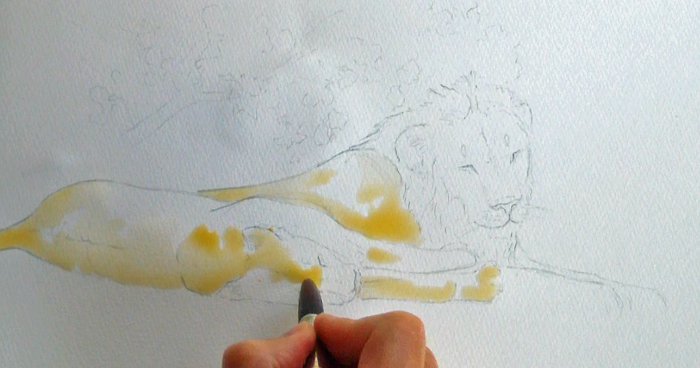


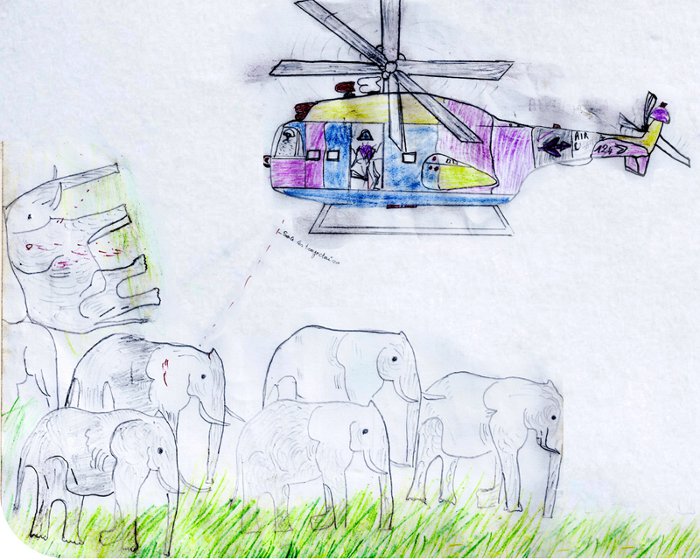


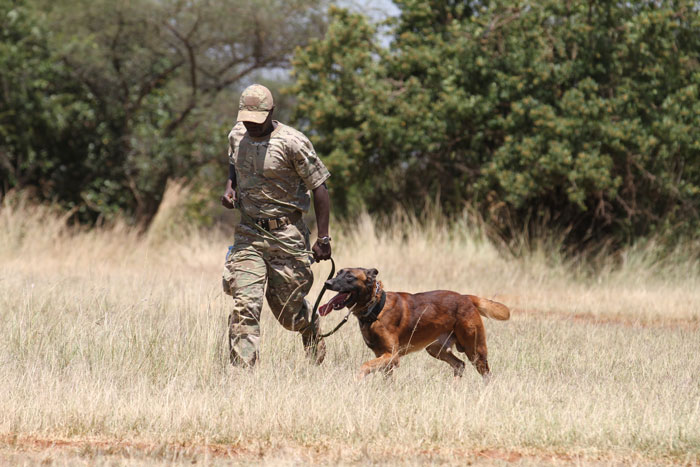


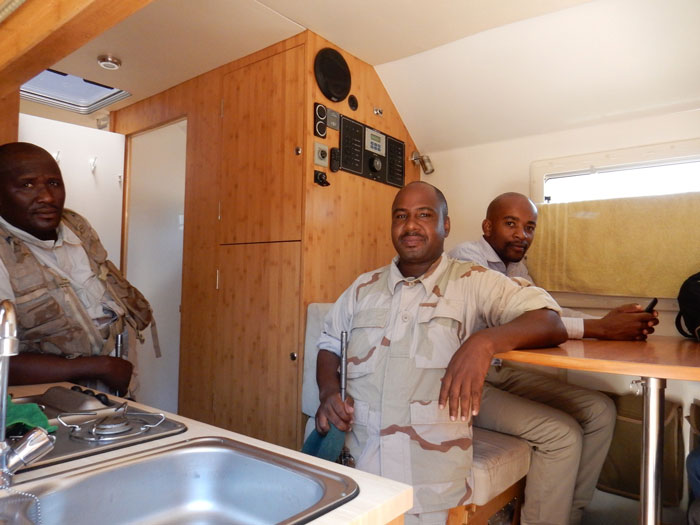


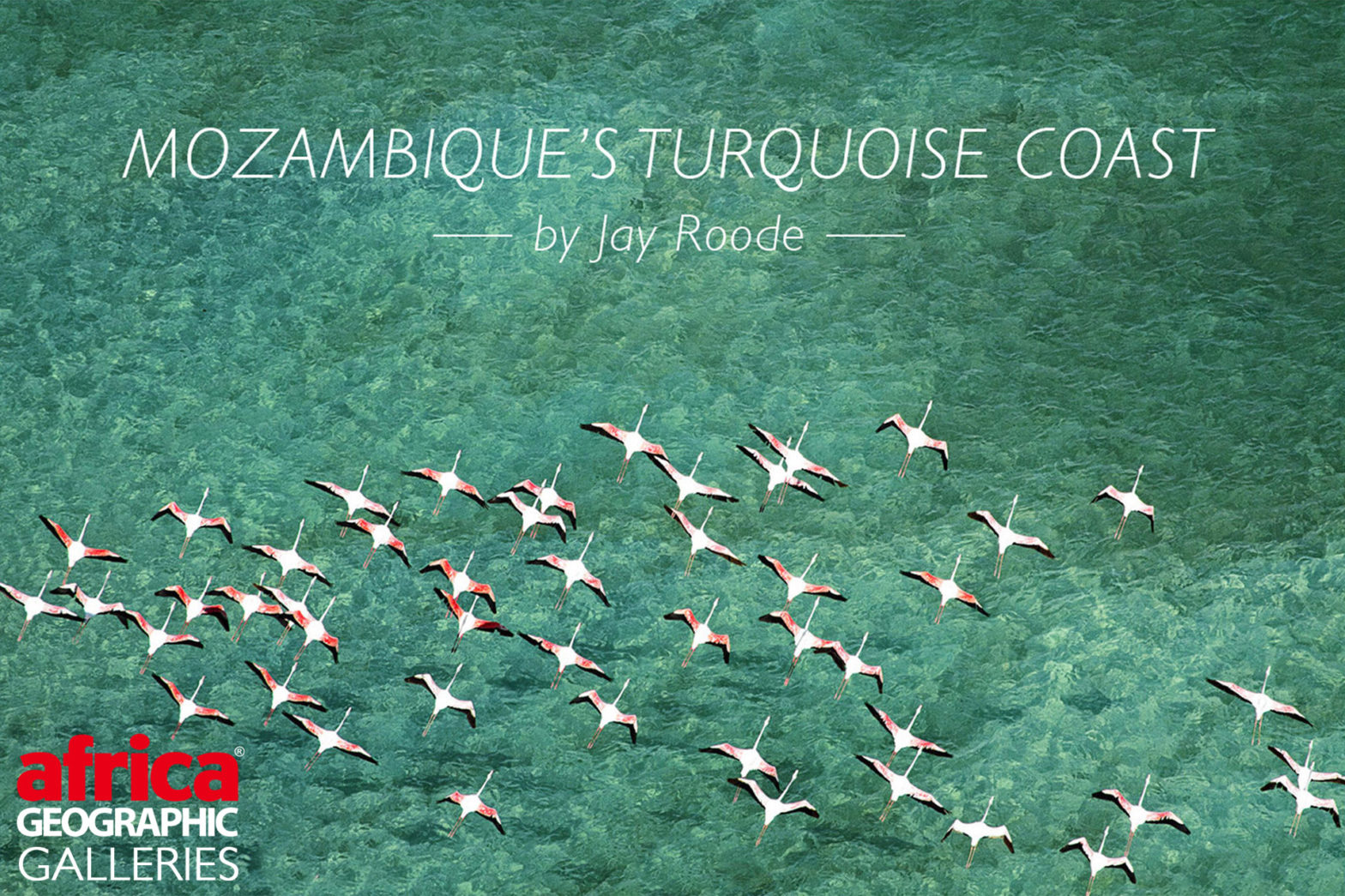
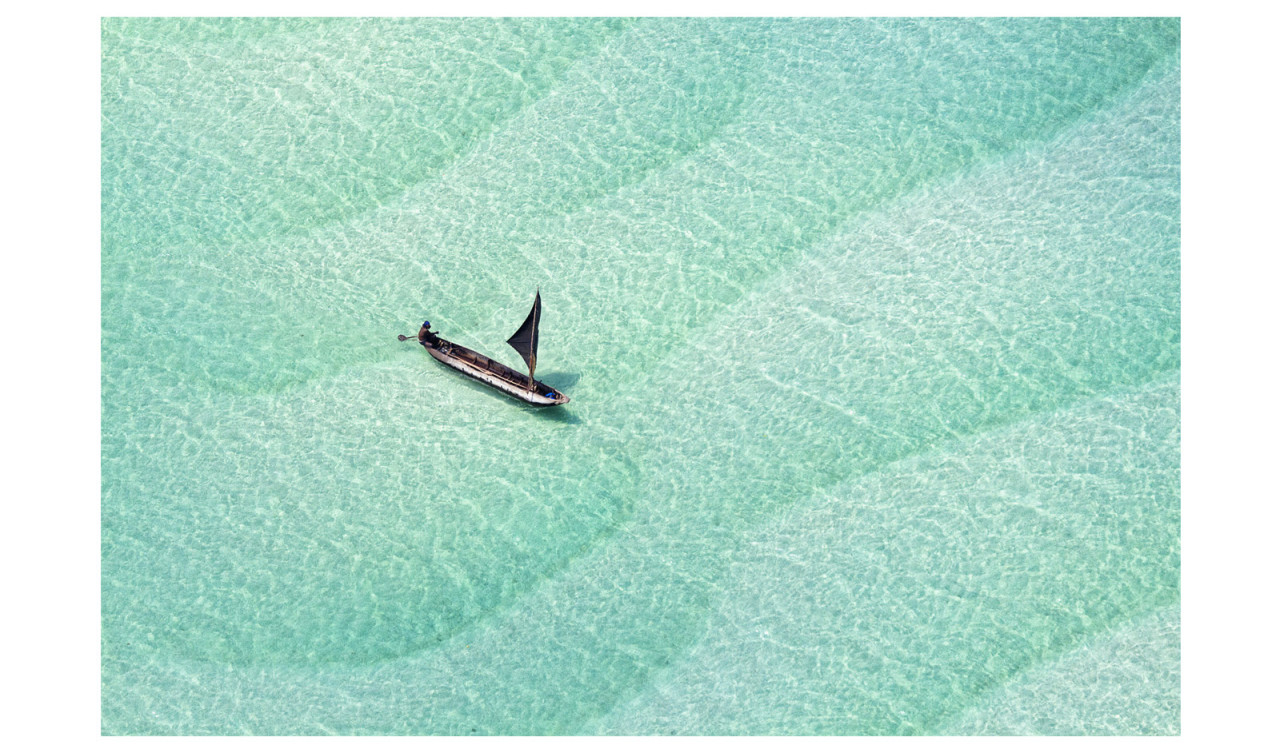
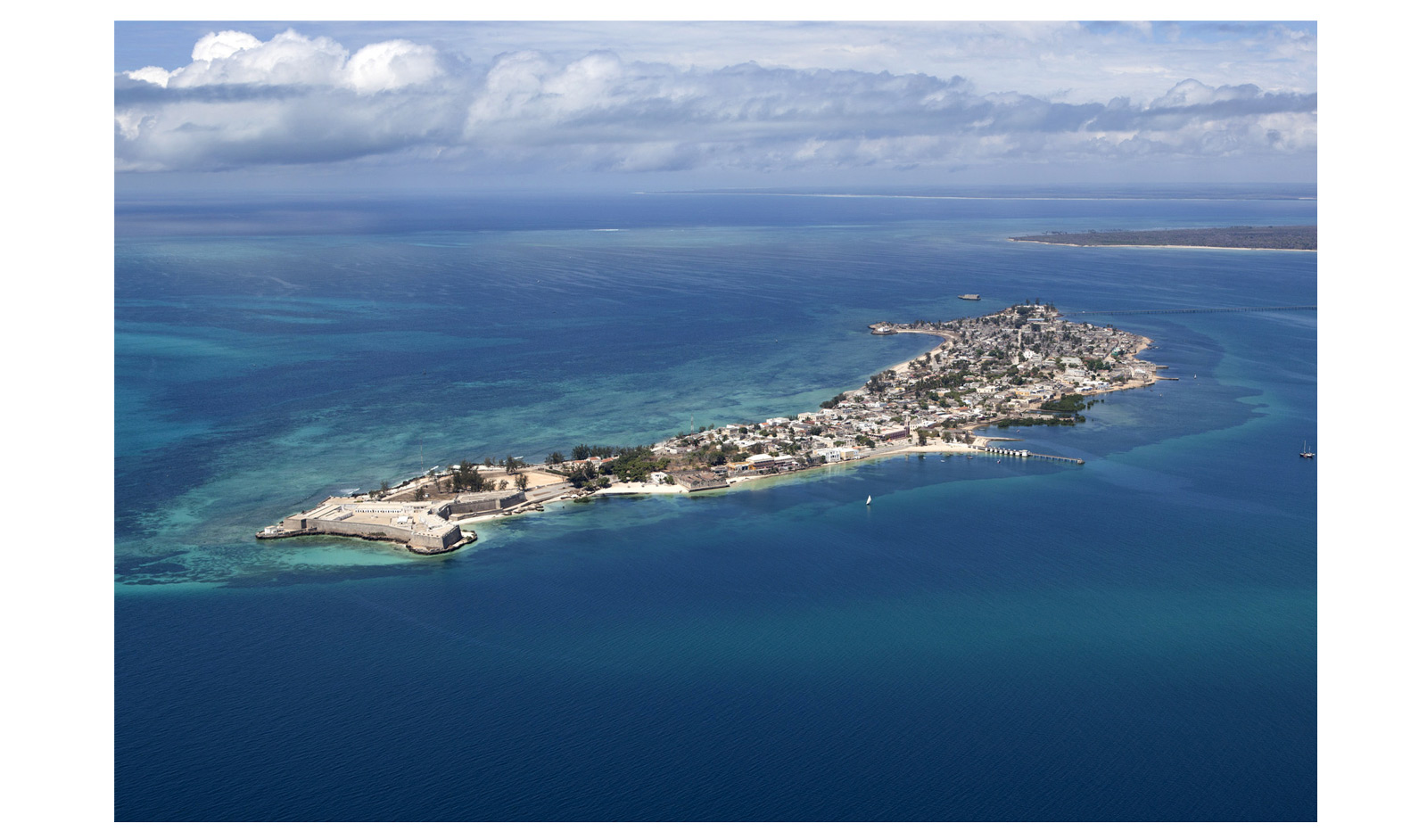
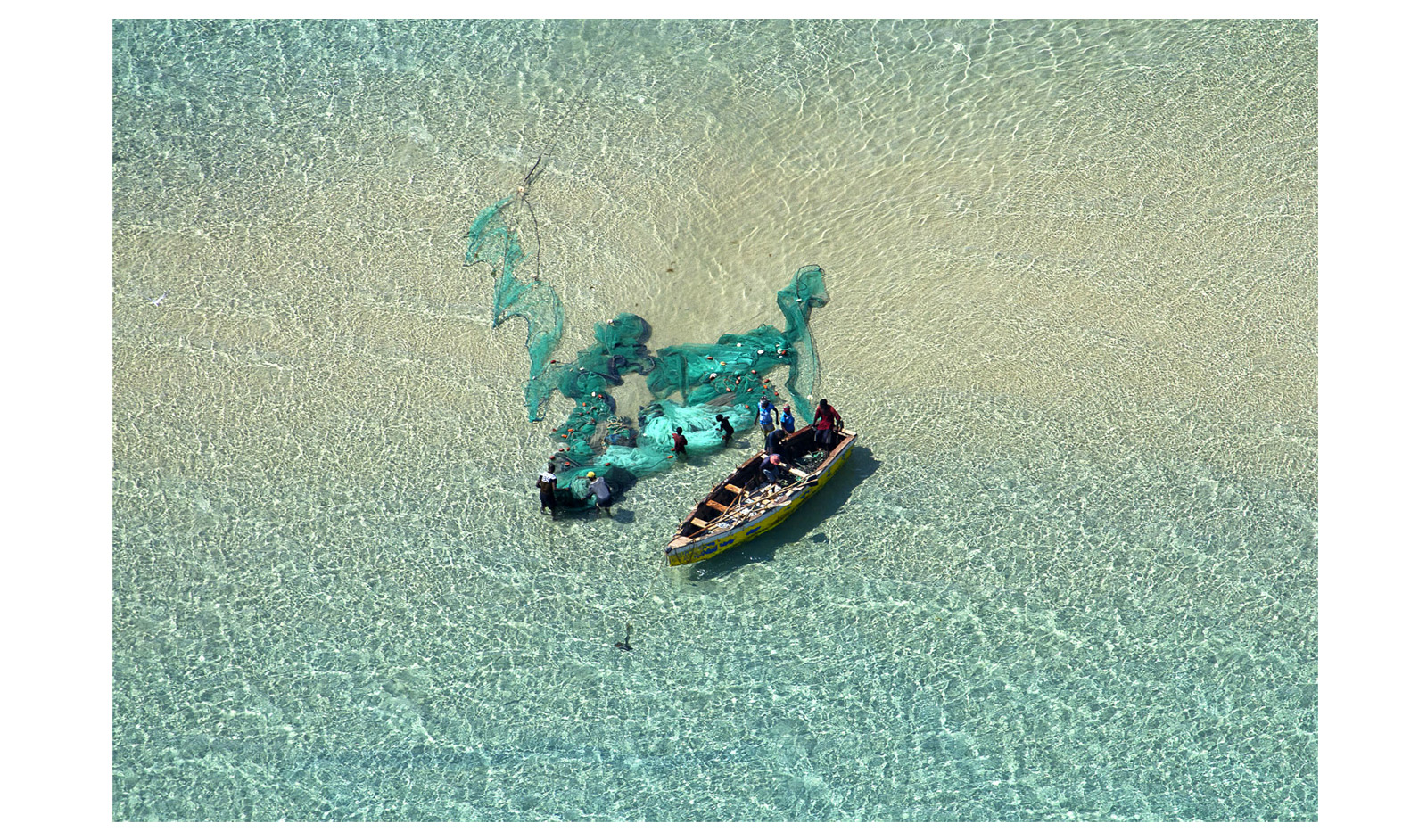
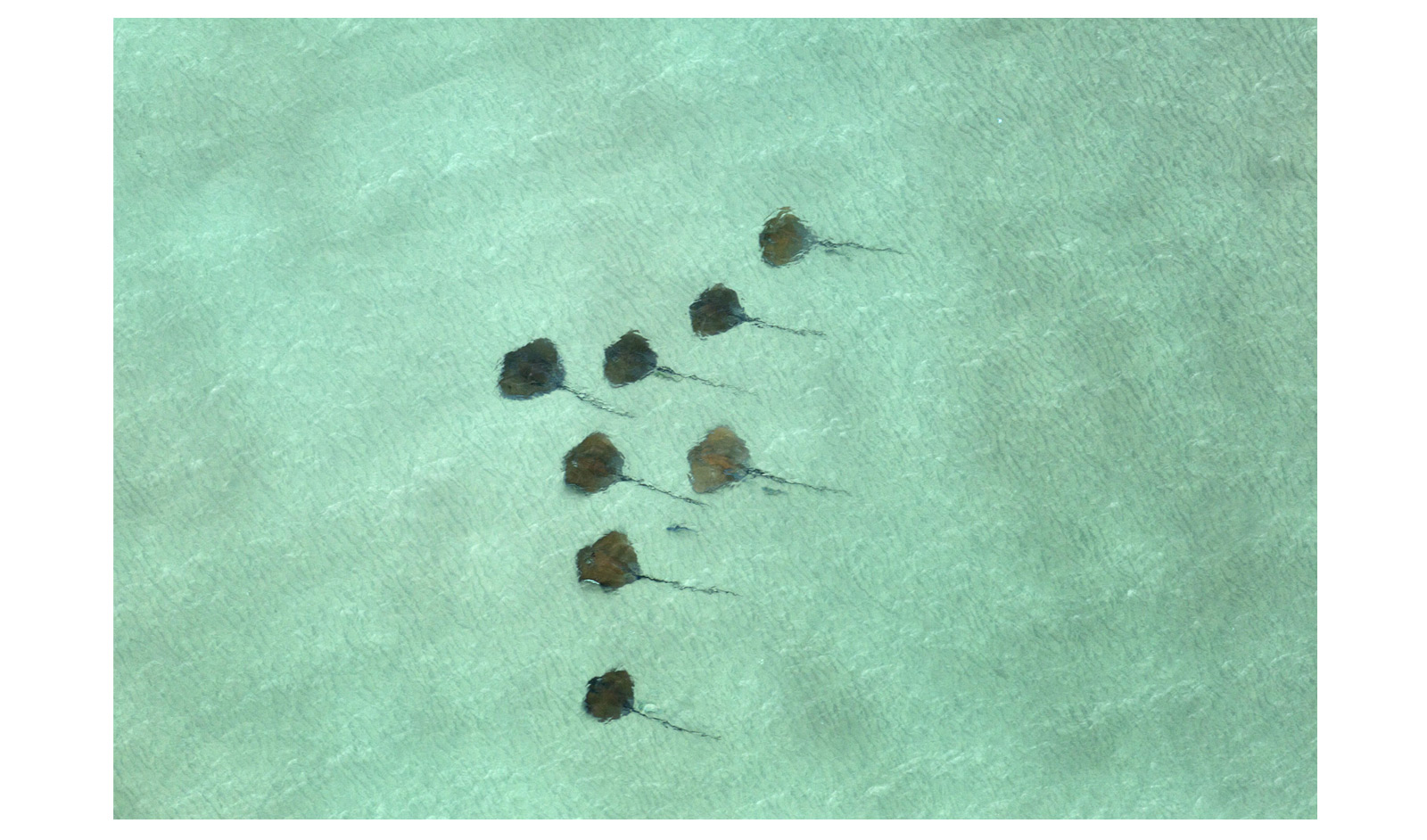
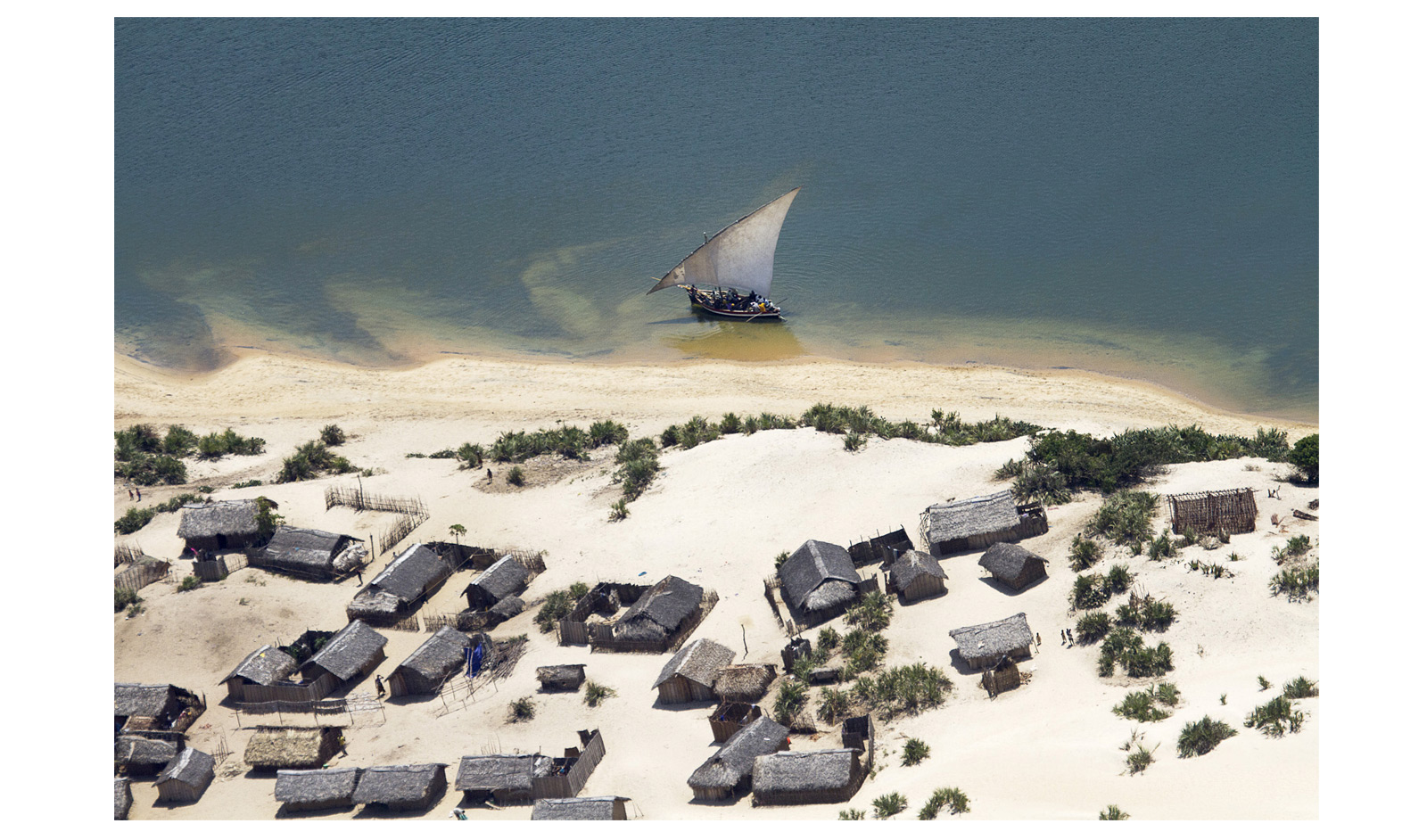
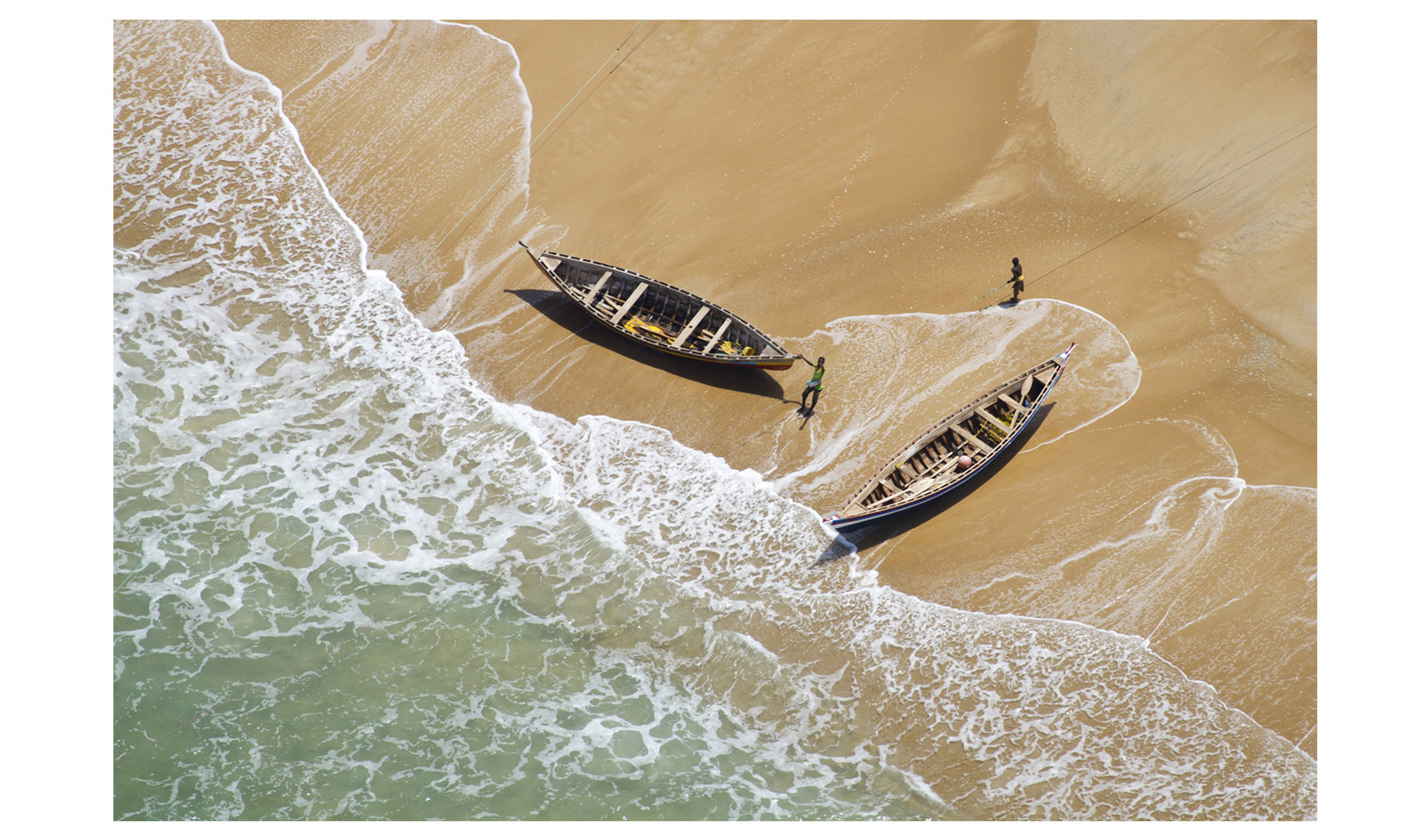
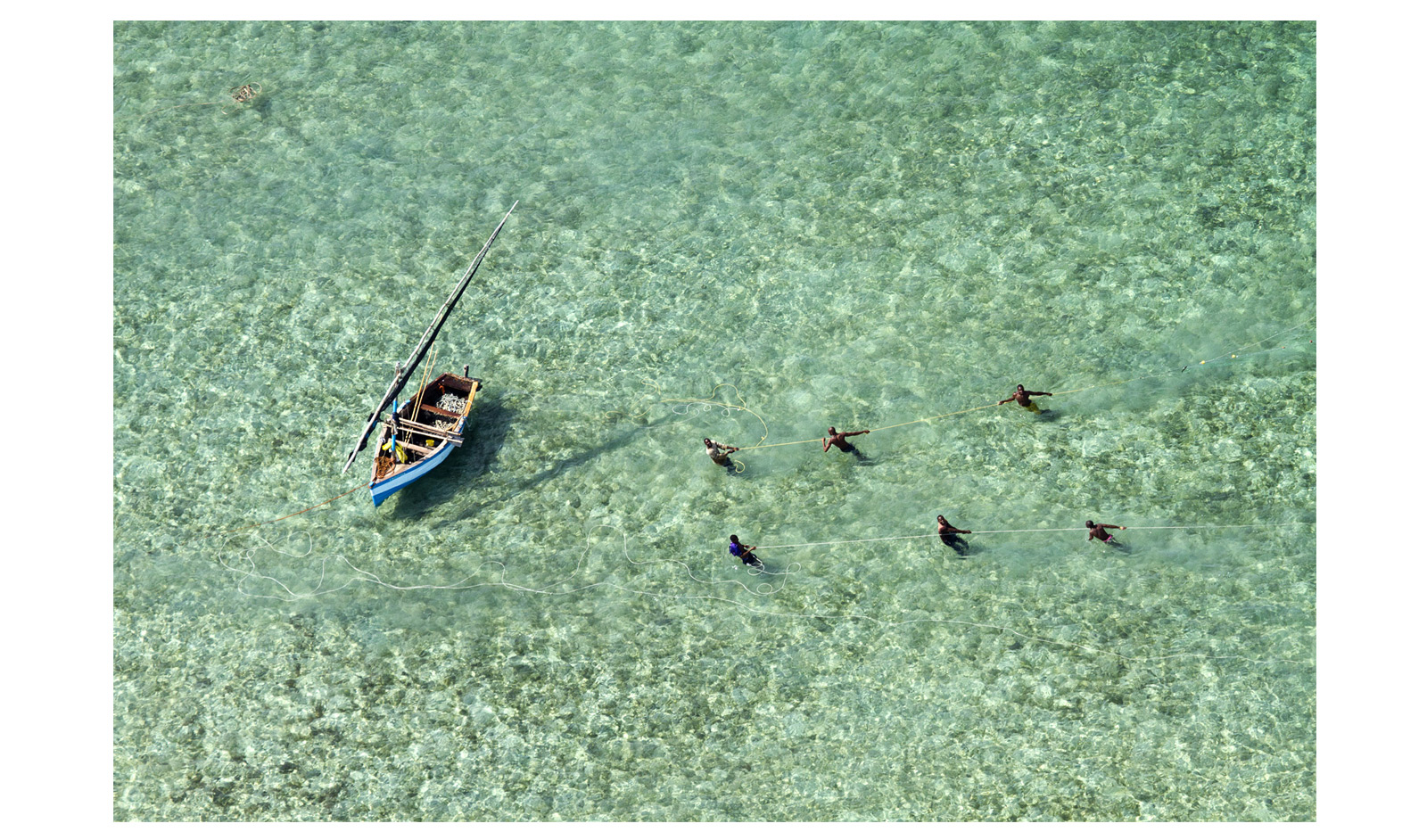
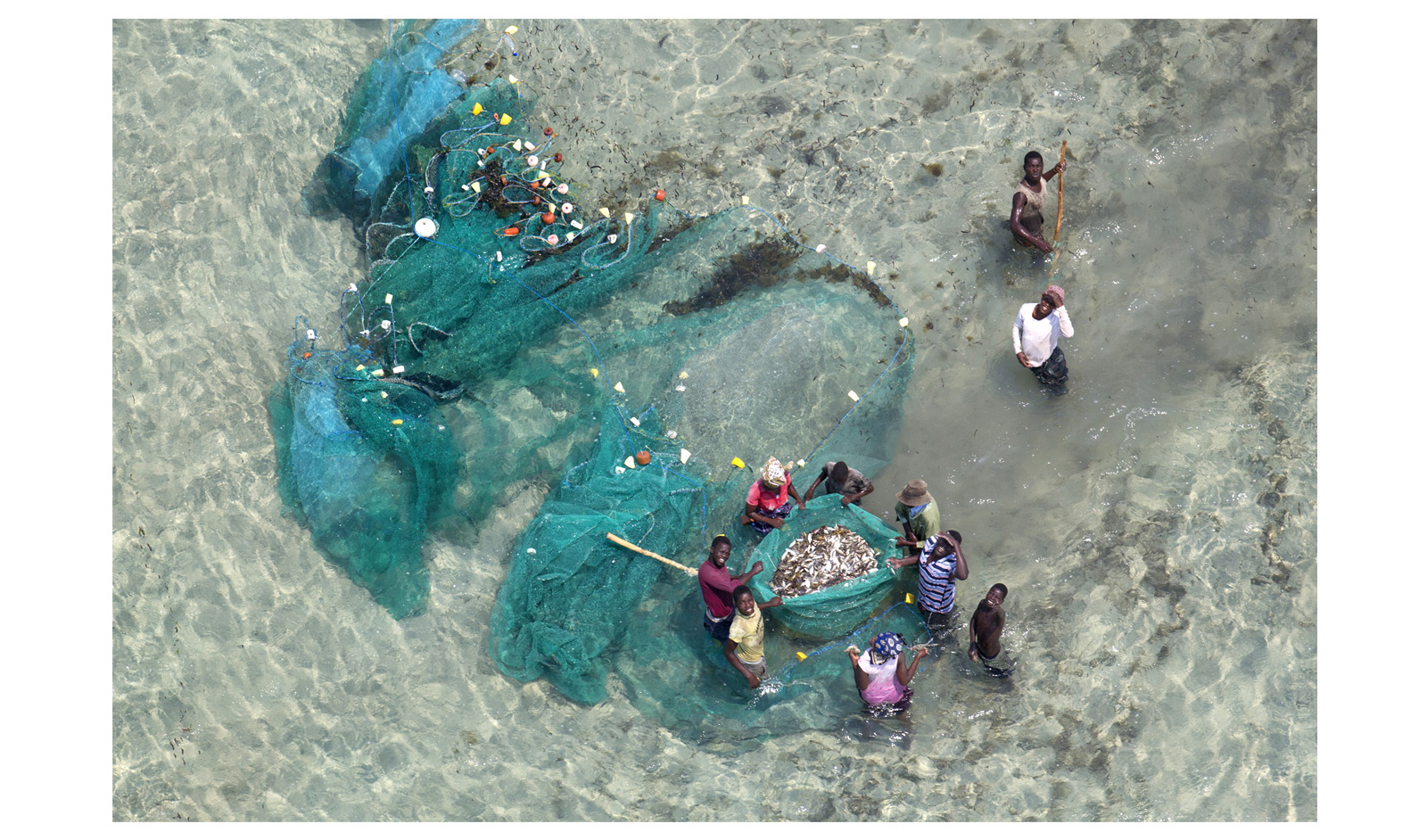
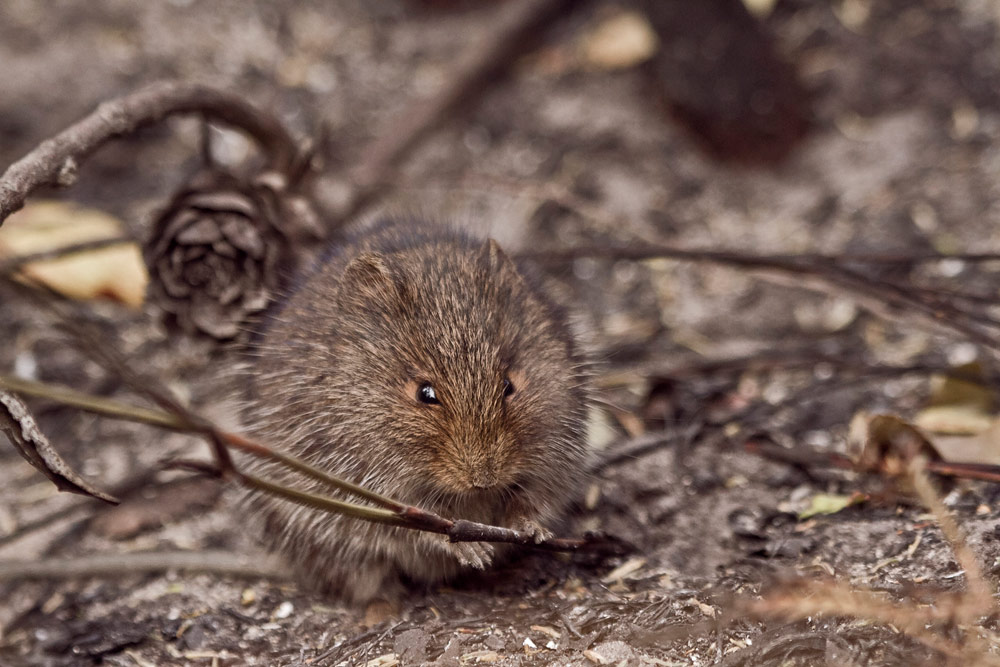

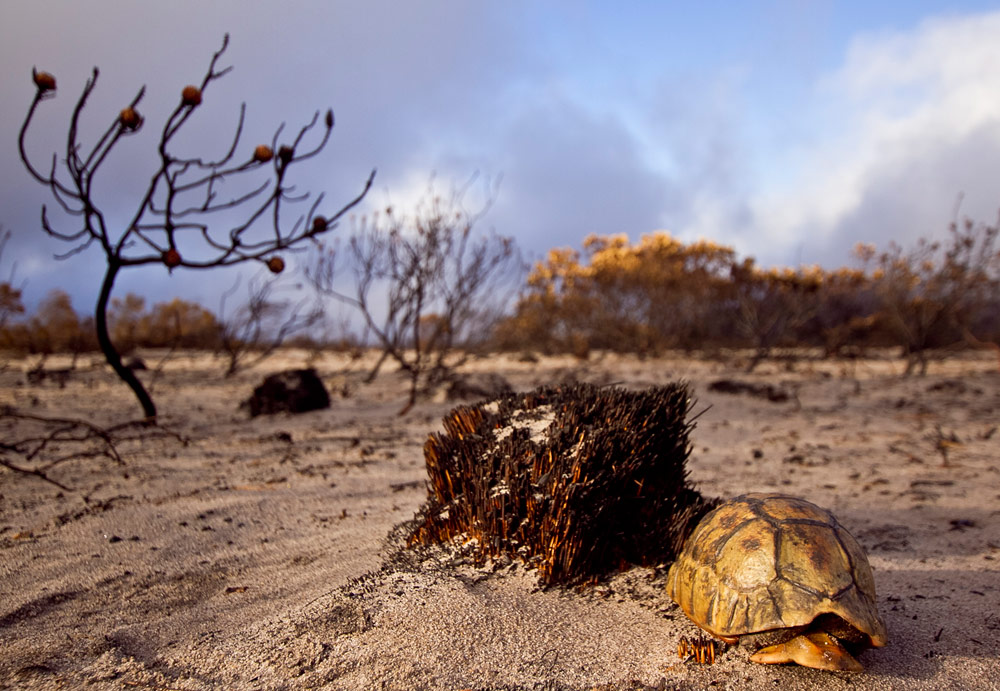
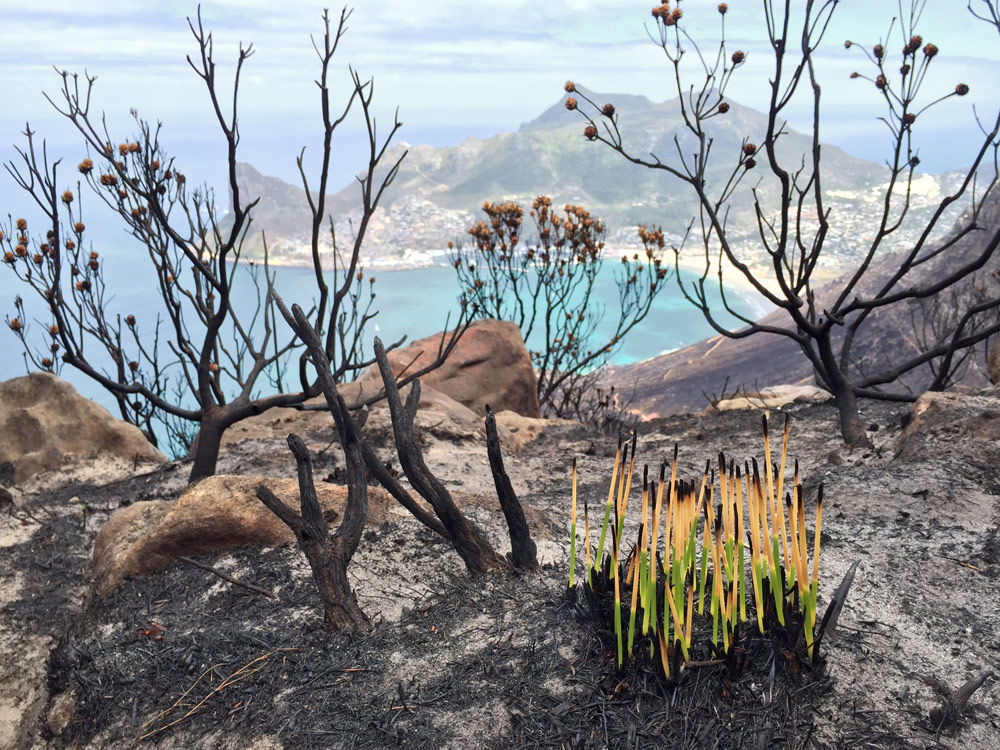
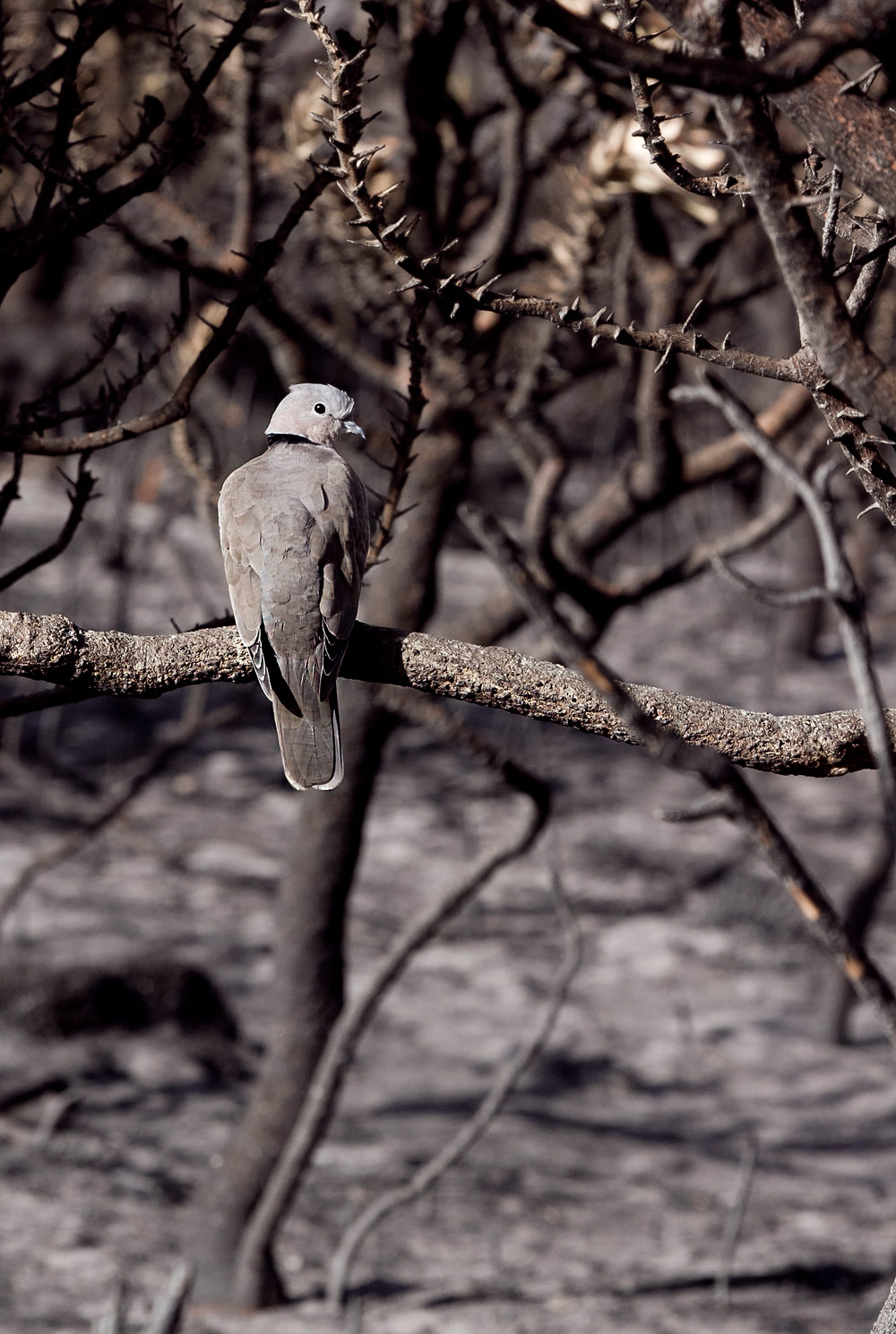
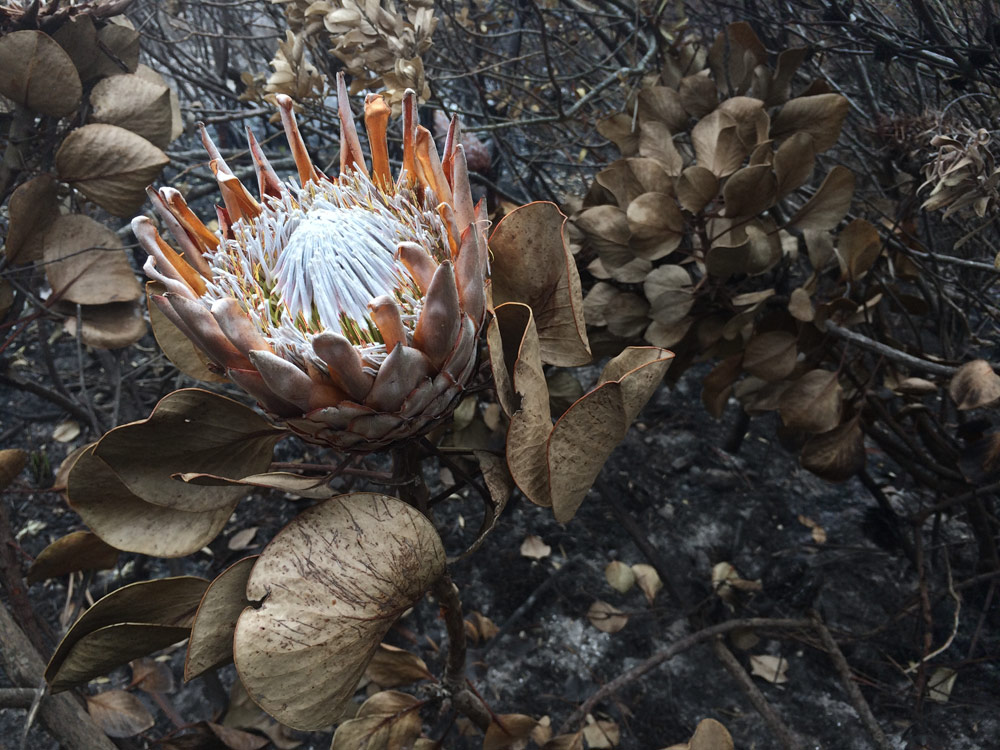
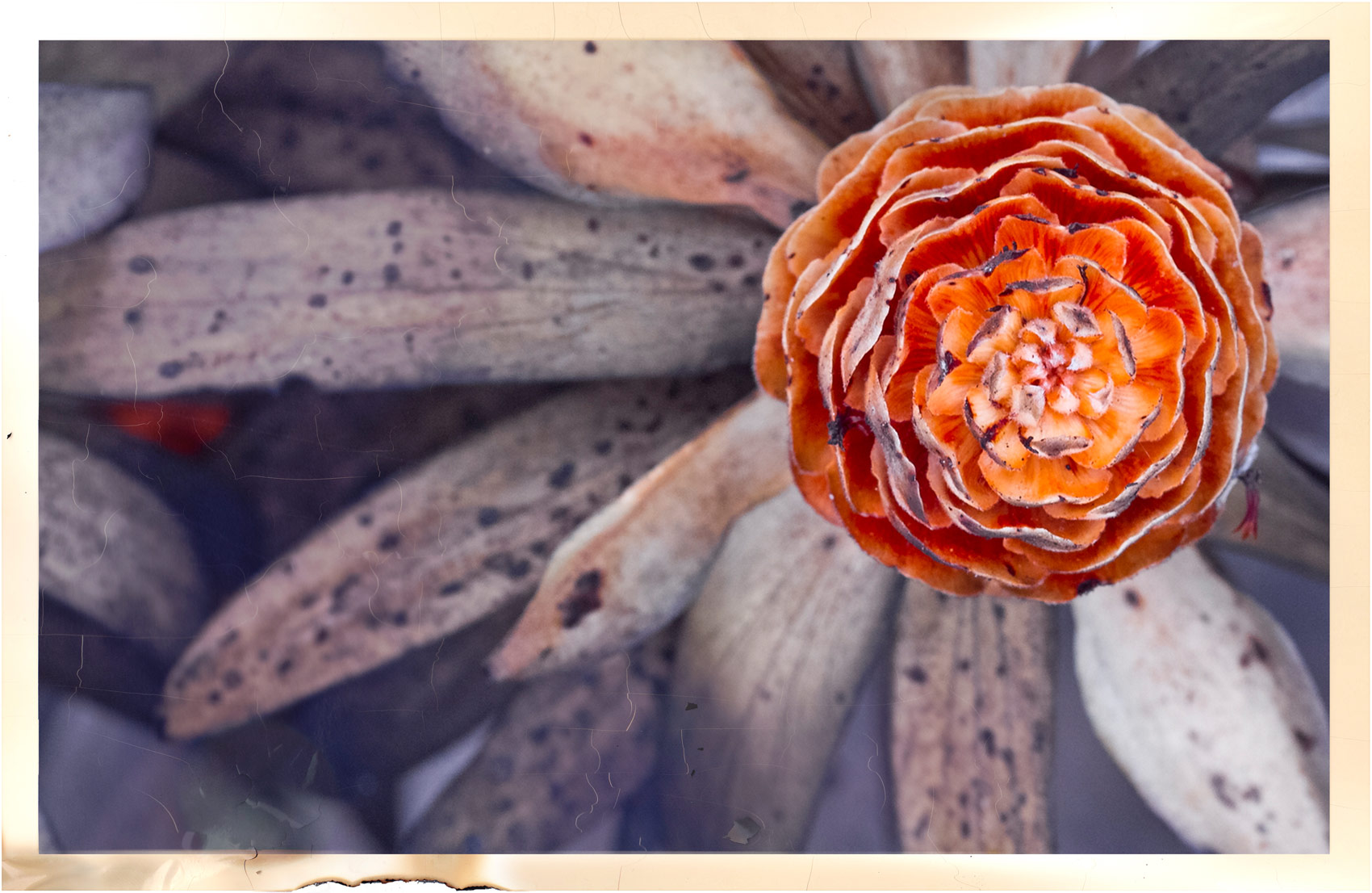
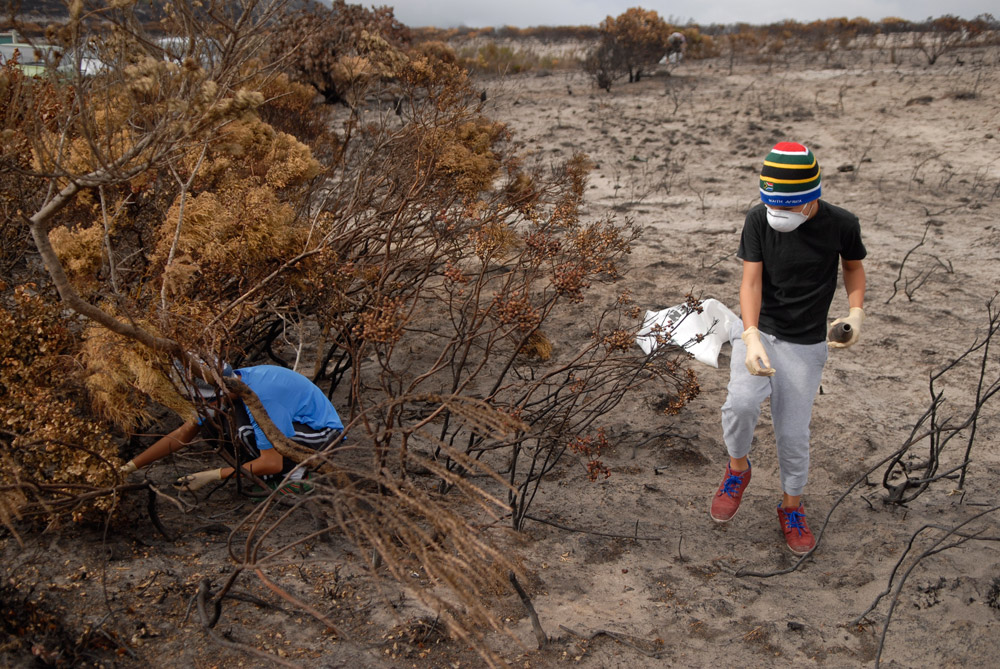
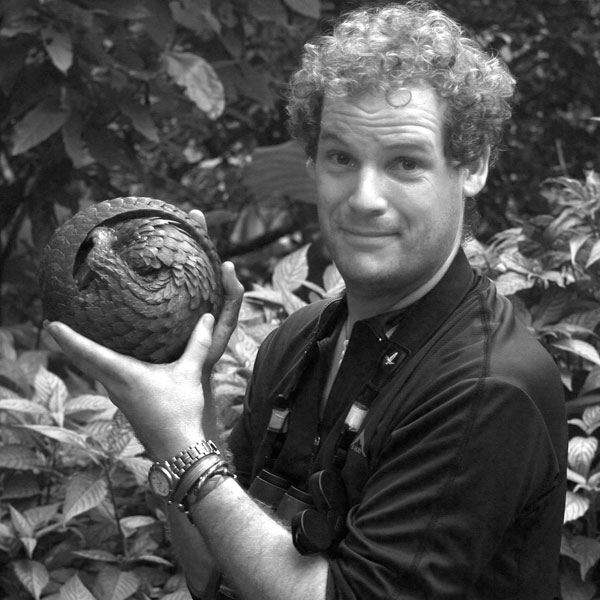 CHRISTIAN BOIX left his native Spain, its great food, siestas and fiestas. He now works in teamAG – as a safari consultant and Director of the company.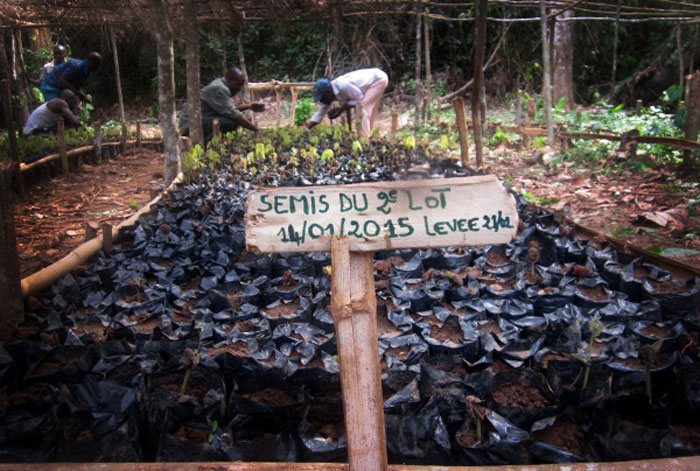


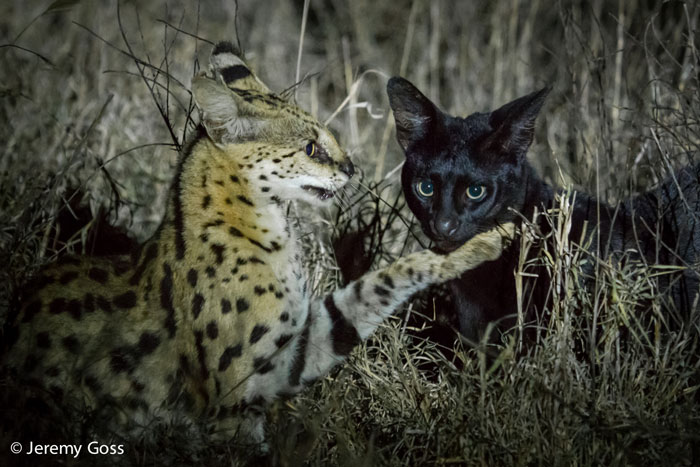
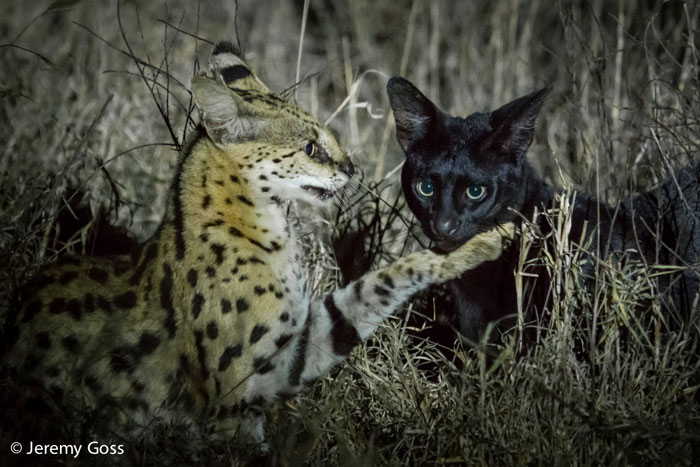
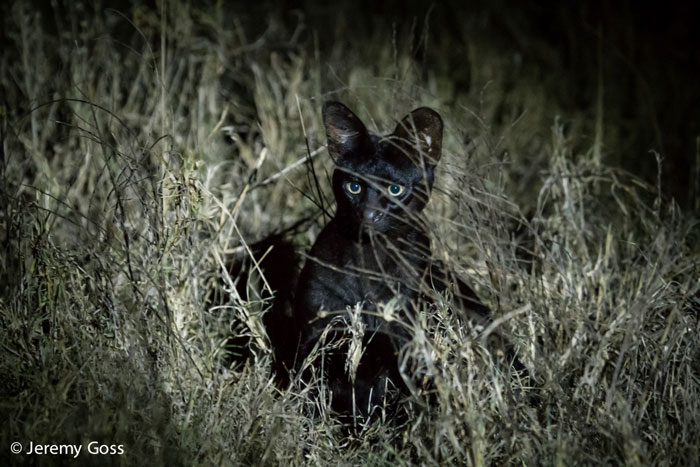 A meeting seemed inevitable, but how would it end? Two cats, identical in shape and form but for a genetic mutation that had left one with a black coat. The dark animal approached cautiously, nearer and nearer, until the two bumped heads.
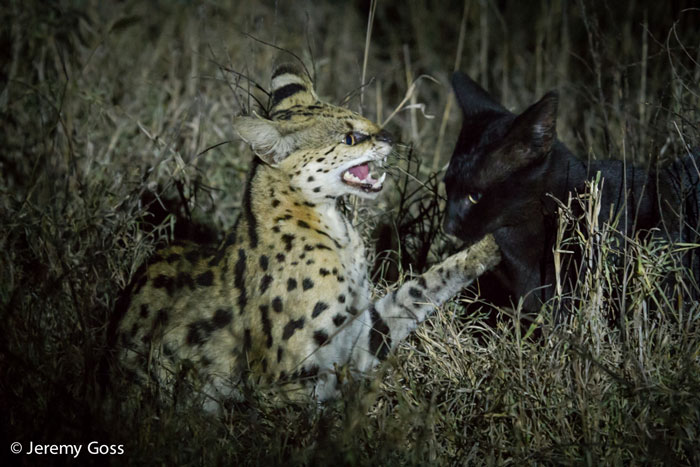 I have no idea what kind of behaviour we witnessed. Maybe it was a courtship ritual, and maybe it was two acquaintances refreshing bonds. Maybe it was an exchange of passive aggression and acts of submission. I know this was a once-in-a-lifetime experience, and driving home, I was elated and excited to remember that every trip into the African bush can produce unbelievable surprises.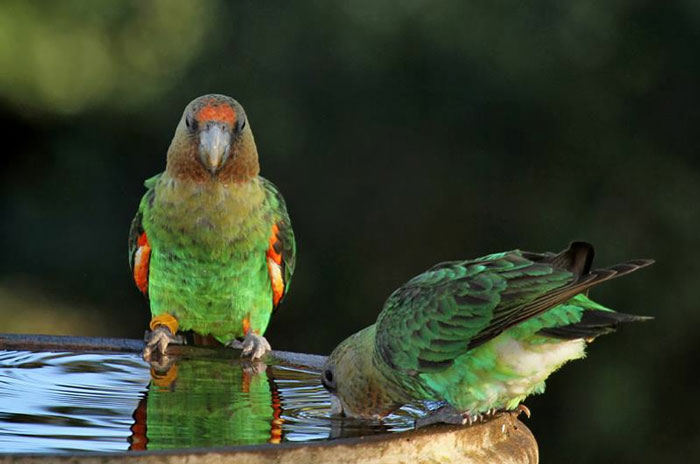


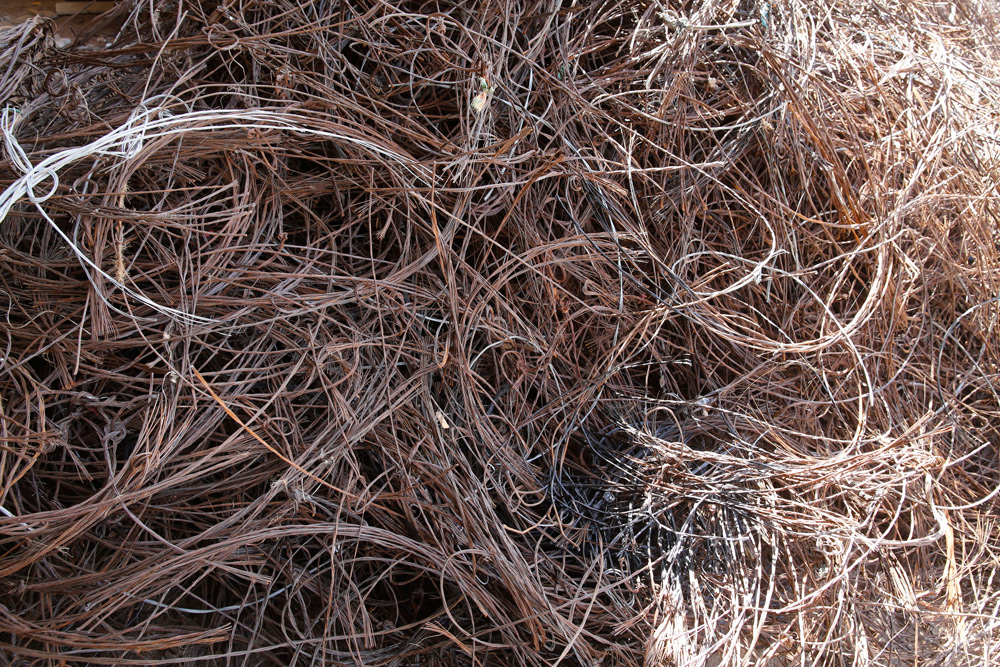
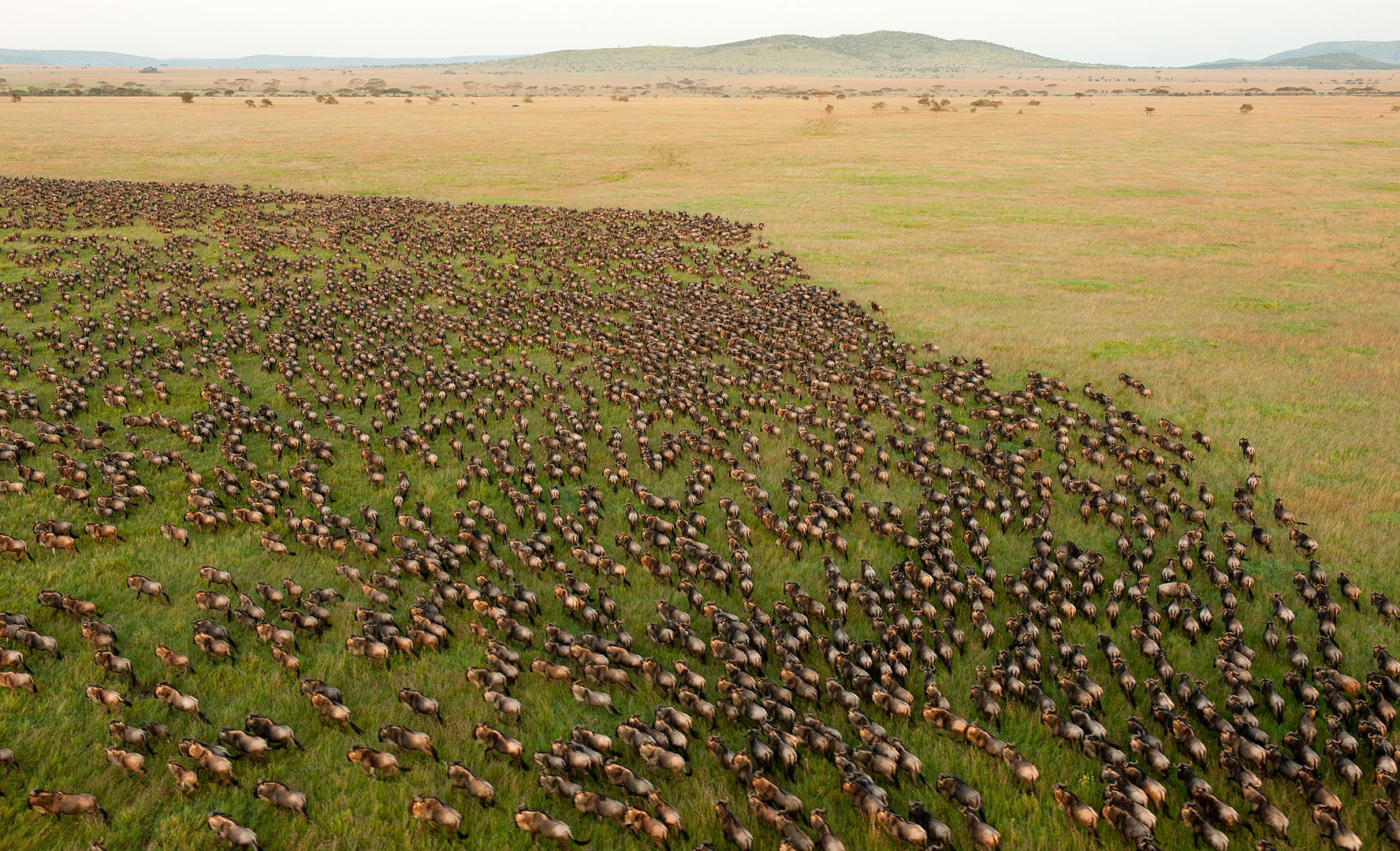
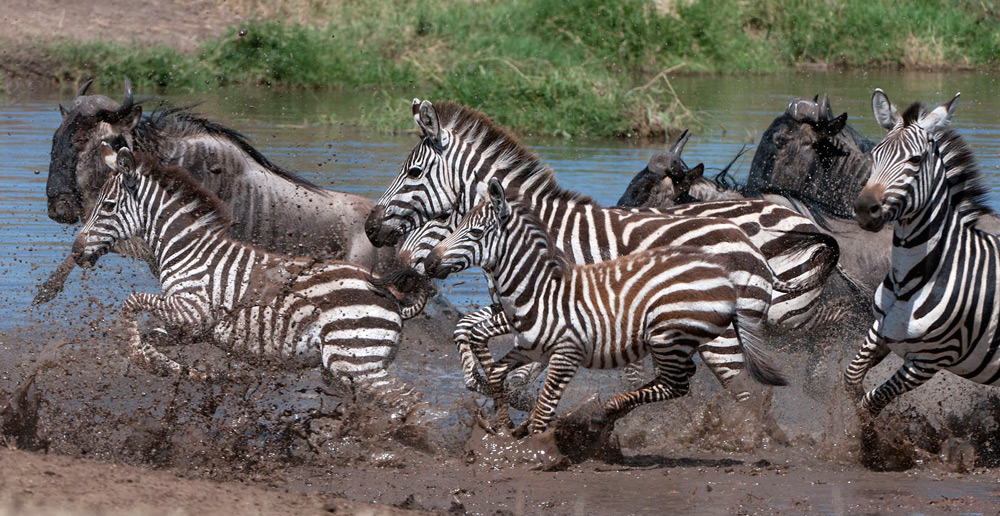
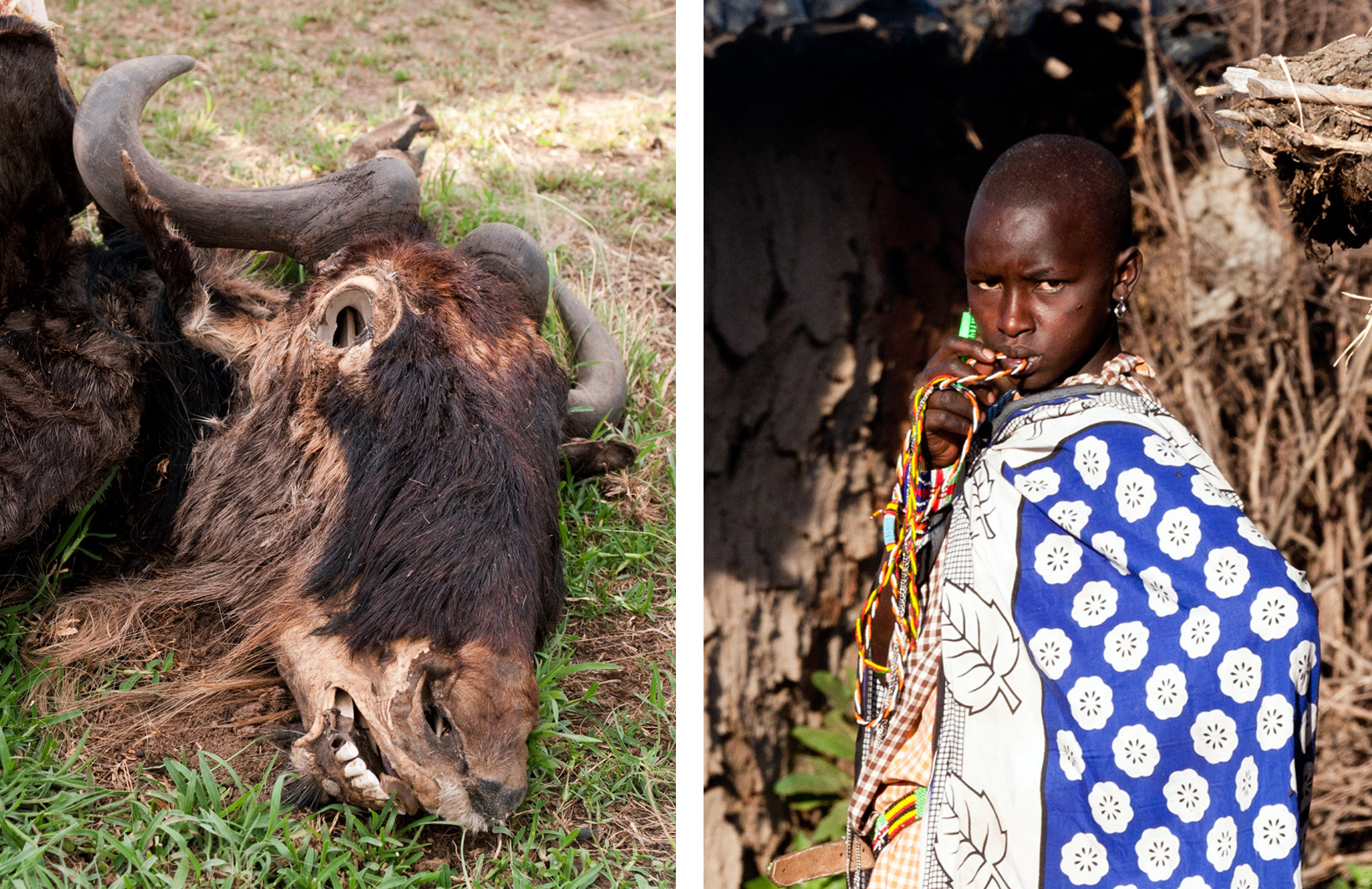
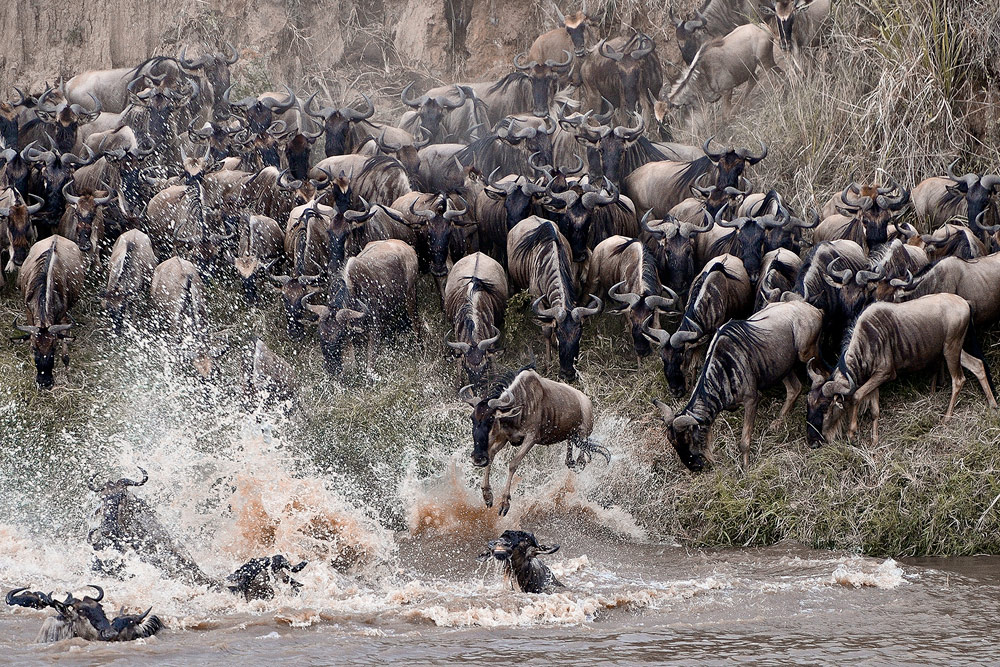
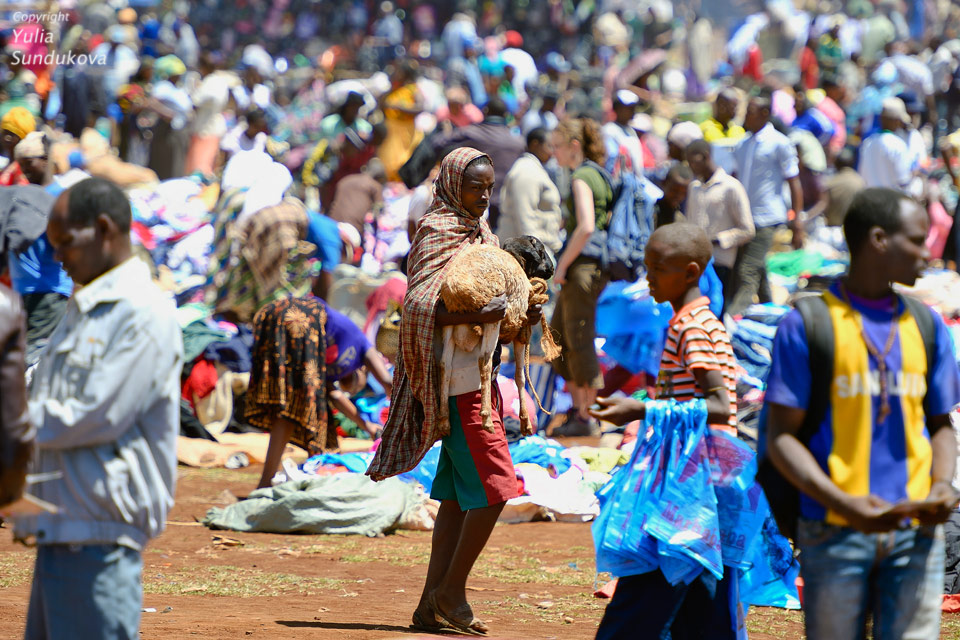
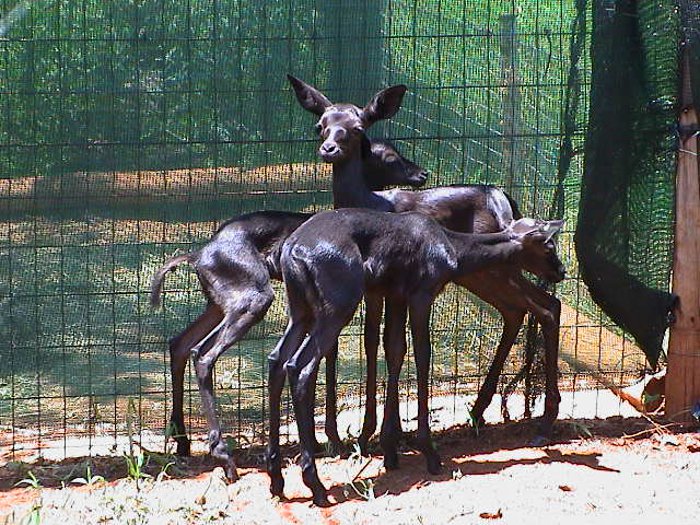


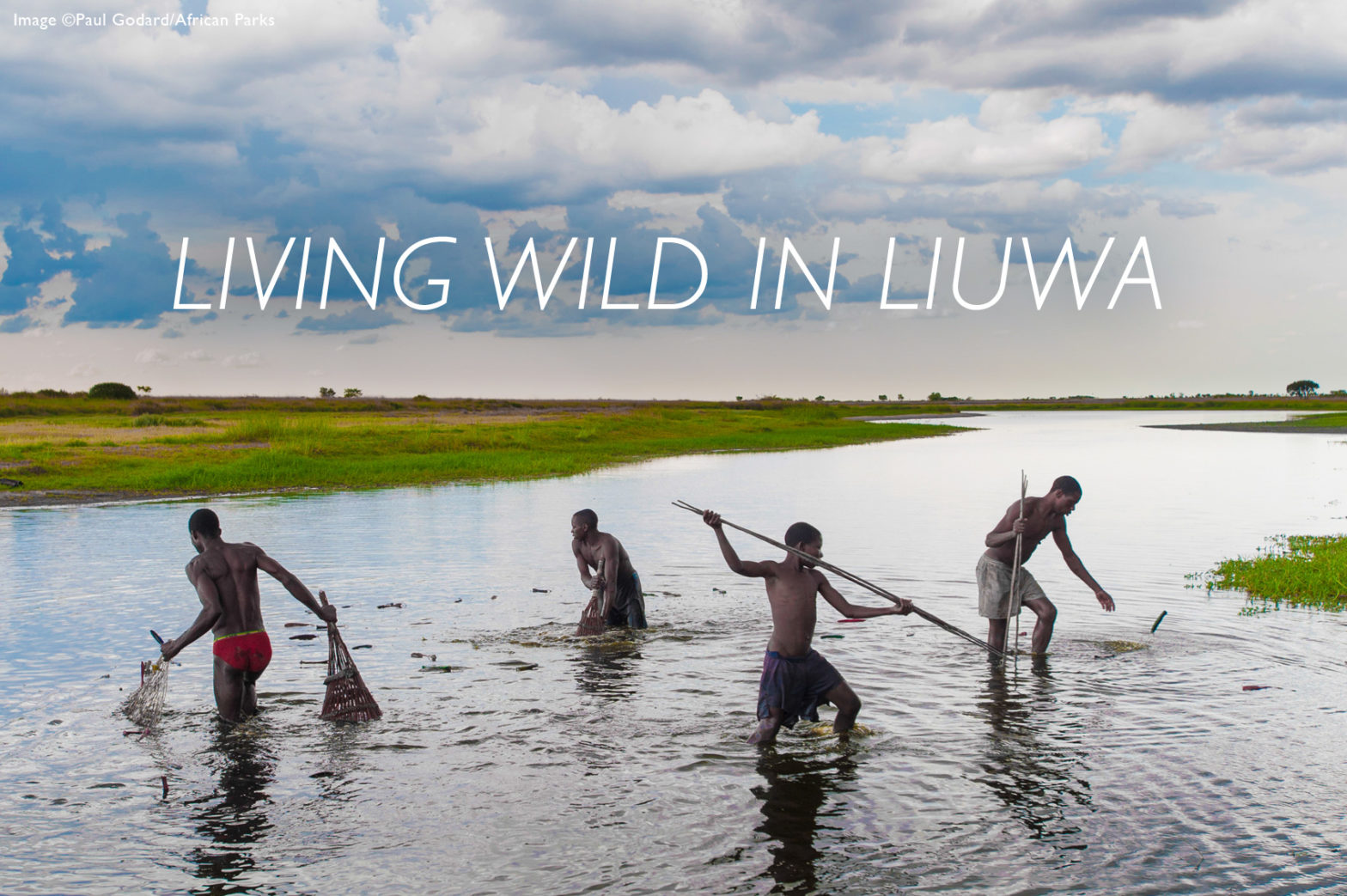
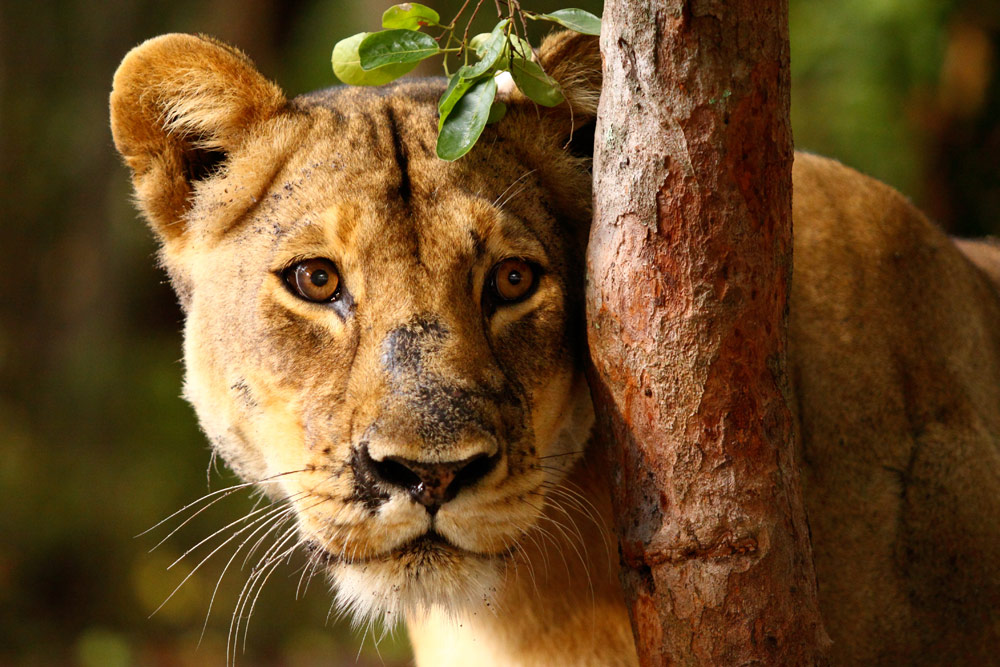
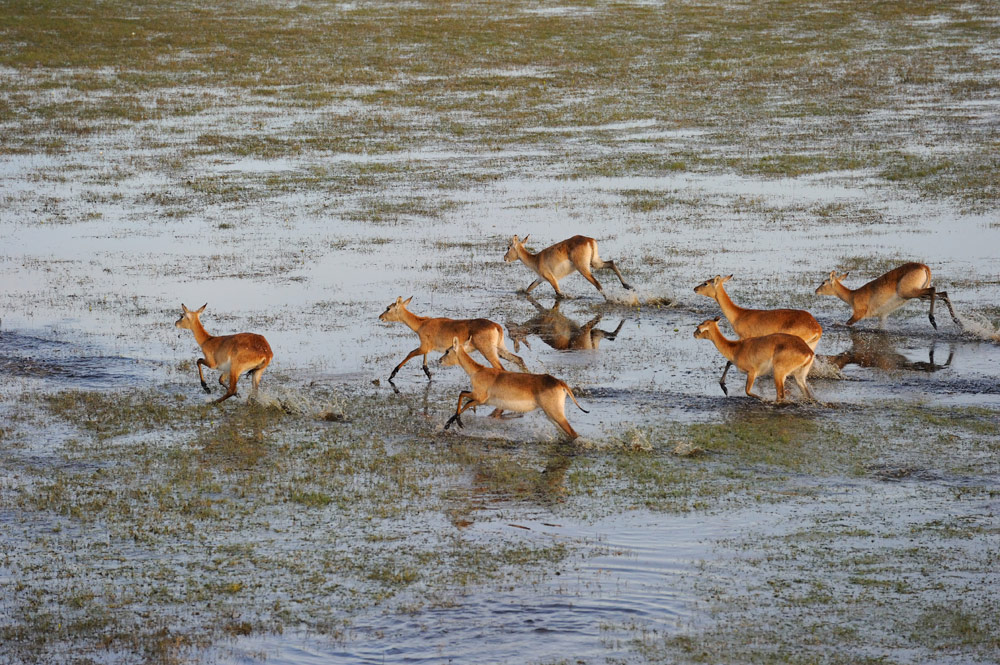
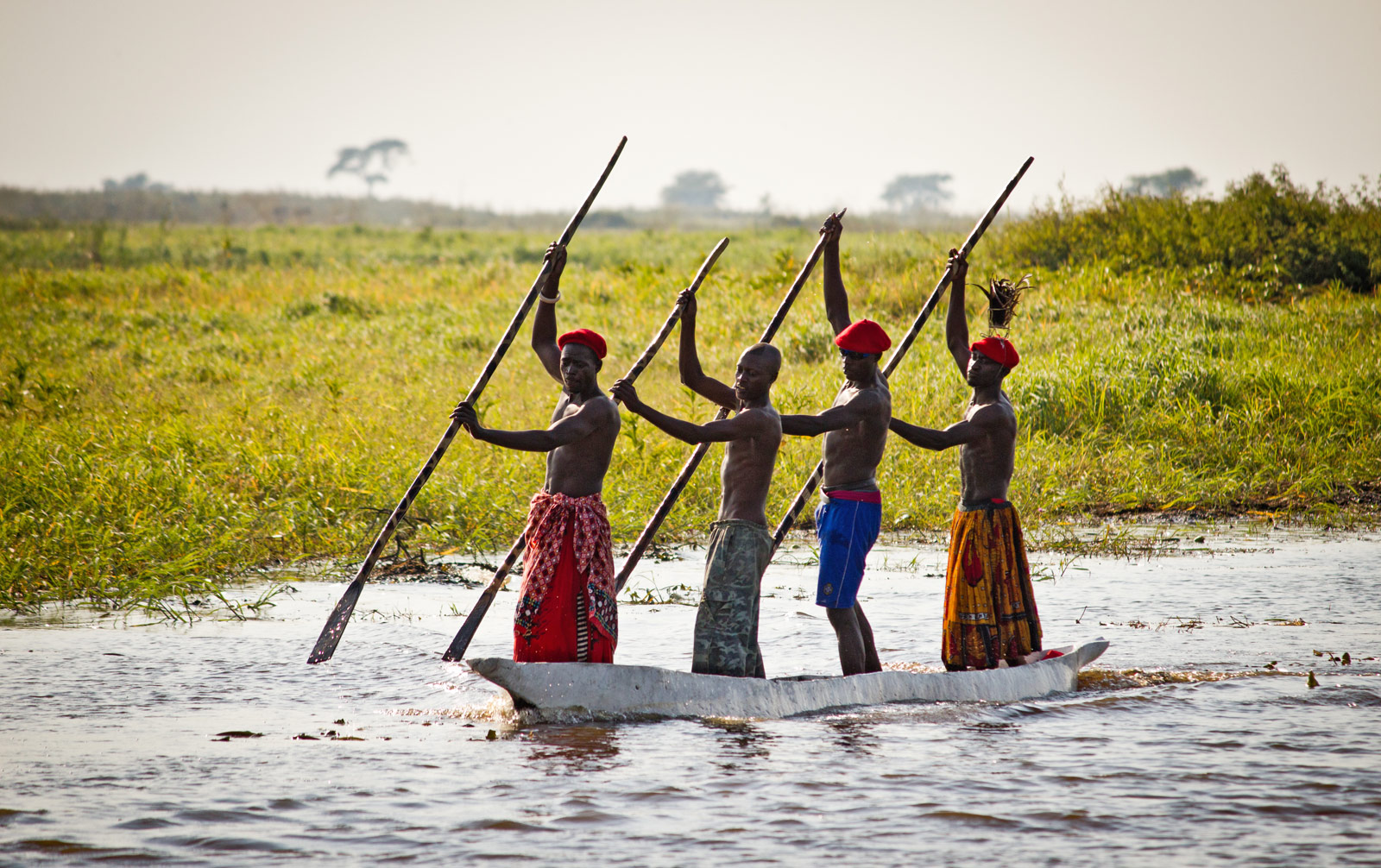
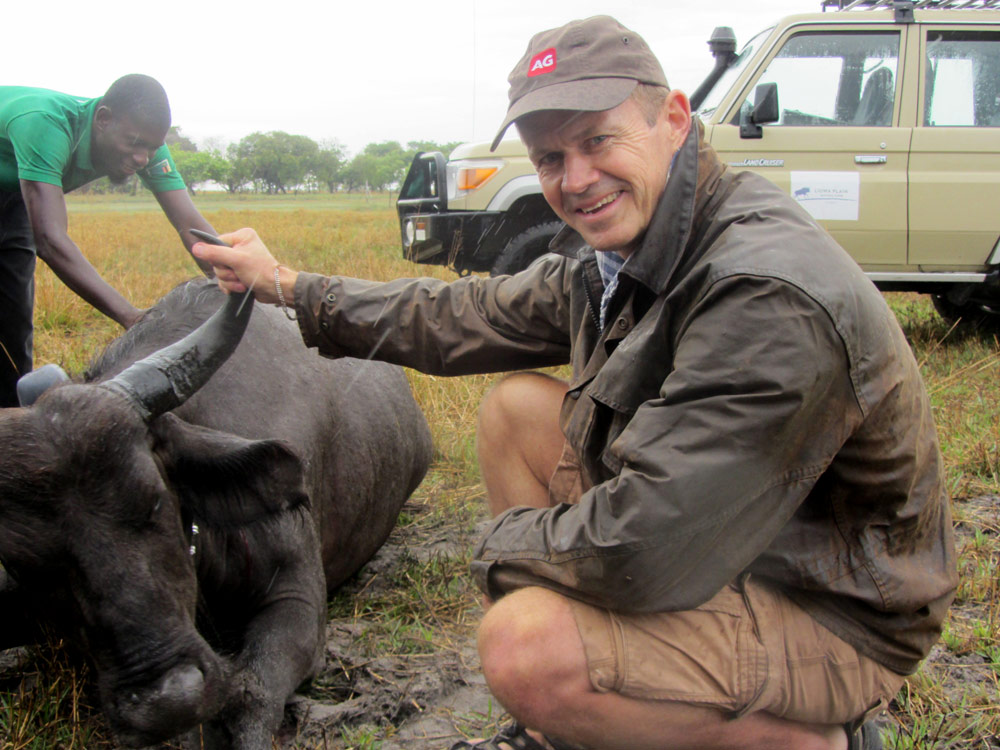
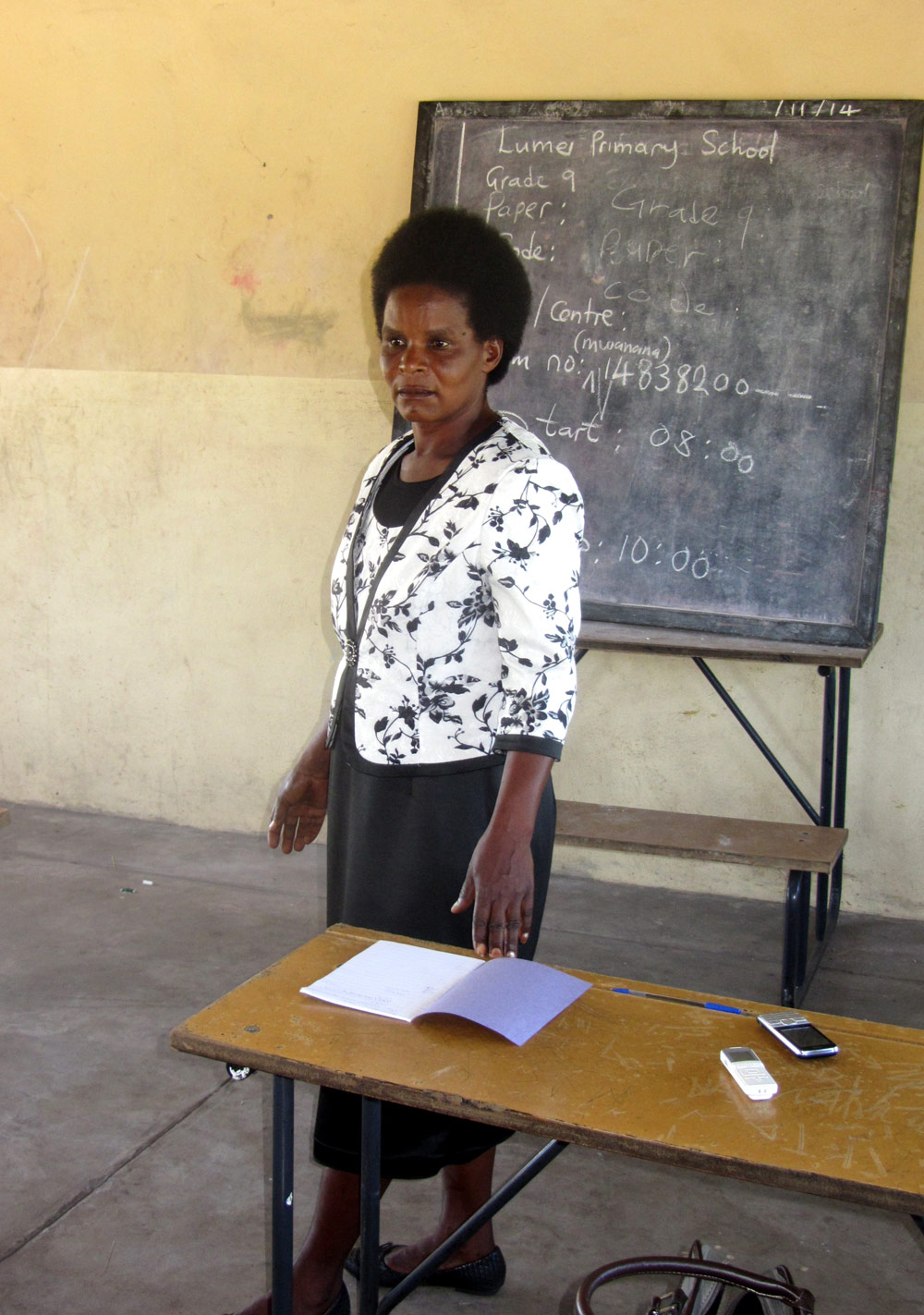
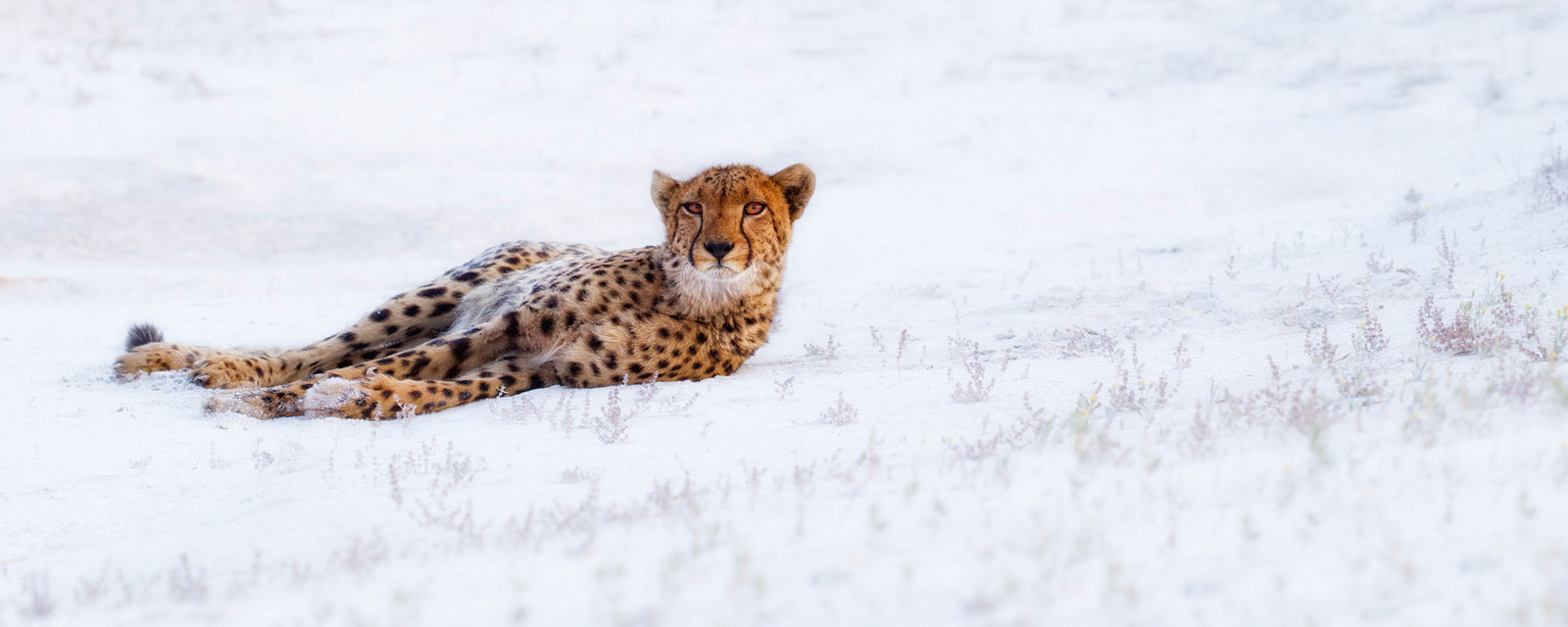
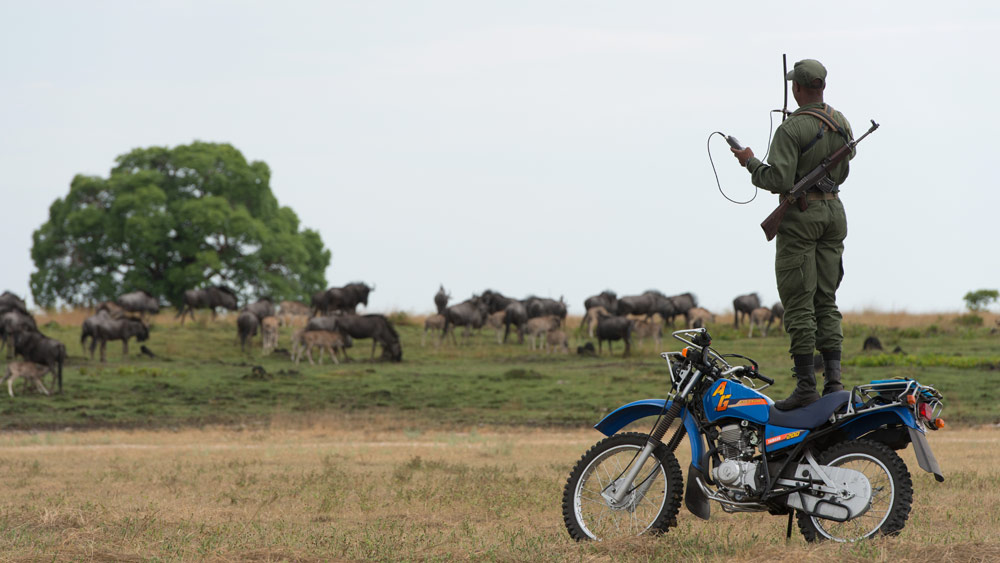
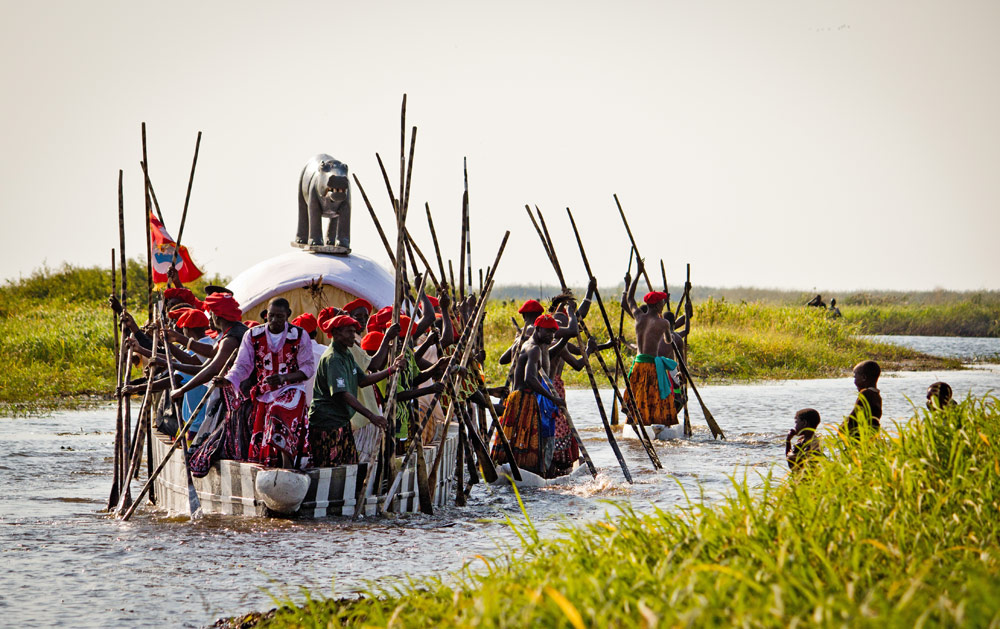
 SIMON ESPLEY I am a proud African of the digital tribe, and honoured to be CEO of Africa Geographic. My travels in Africa are searching for wilderness, real people with interesting stories and elusive birds. I live in Hoedspruit, next to the Kruger National Park, with my wife Lizz and 2 Jack Russells. When not travelling or working, I am usually on my mountain bike somewhere out there. I qualified as a chartered accountant but found my calling in sharing Africa’s incredibleness with you. My motto is “Live for now, have fun, be good, tread lightly and respect others. And embrace change”.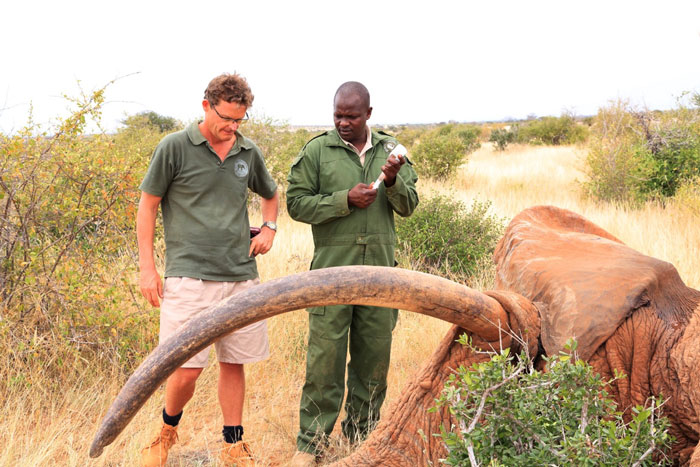


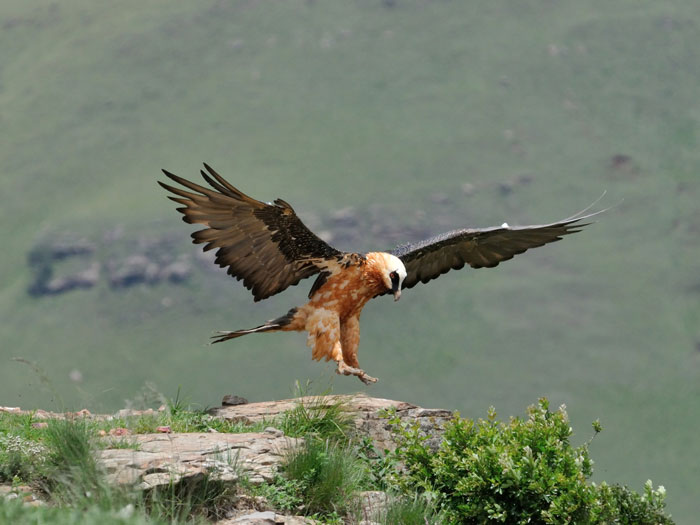

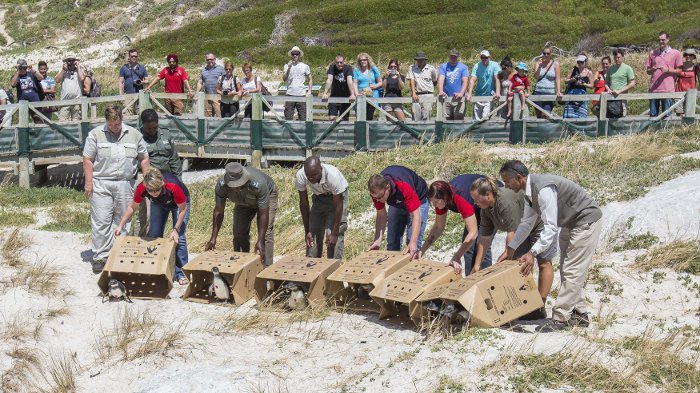



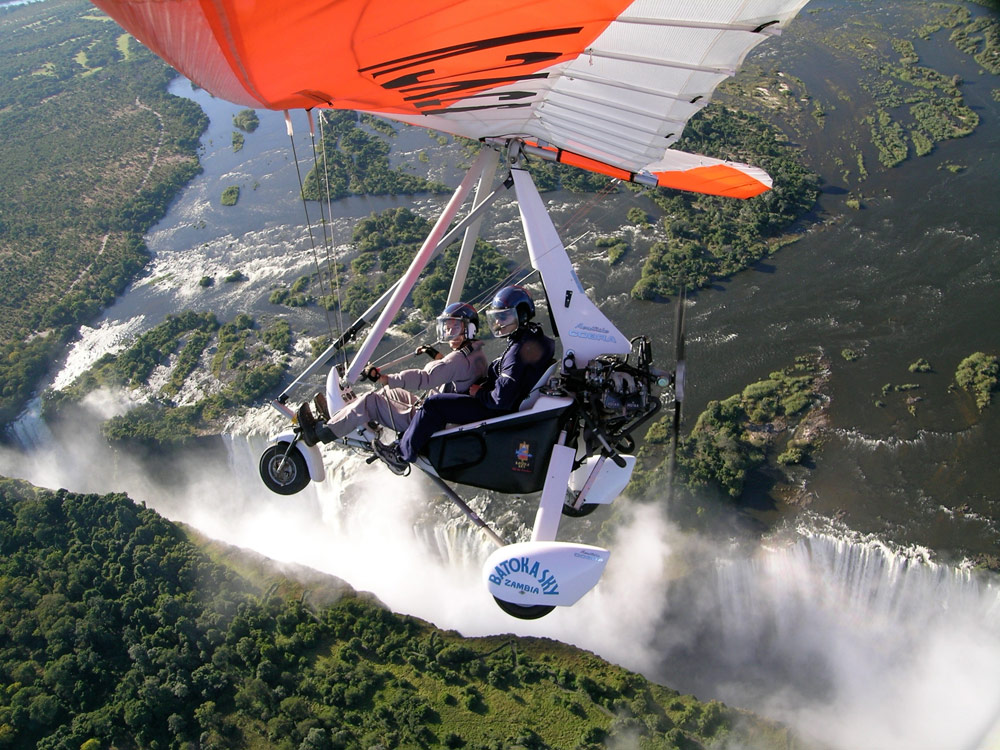
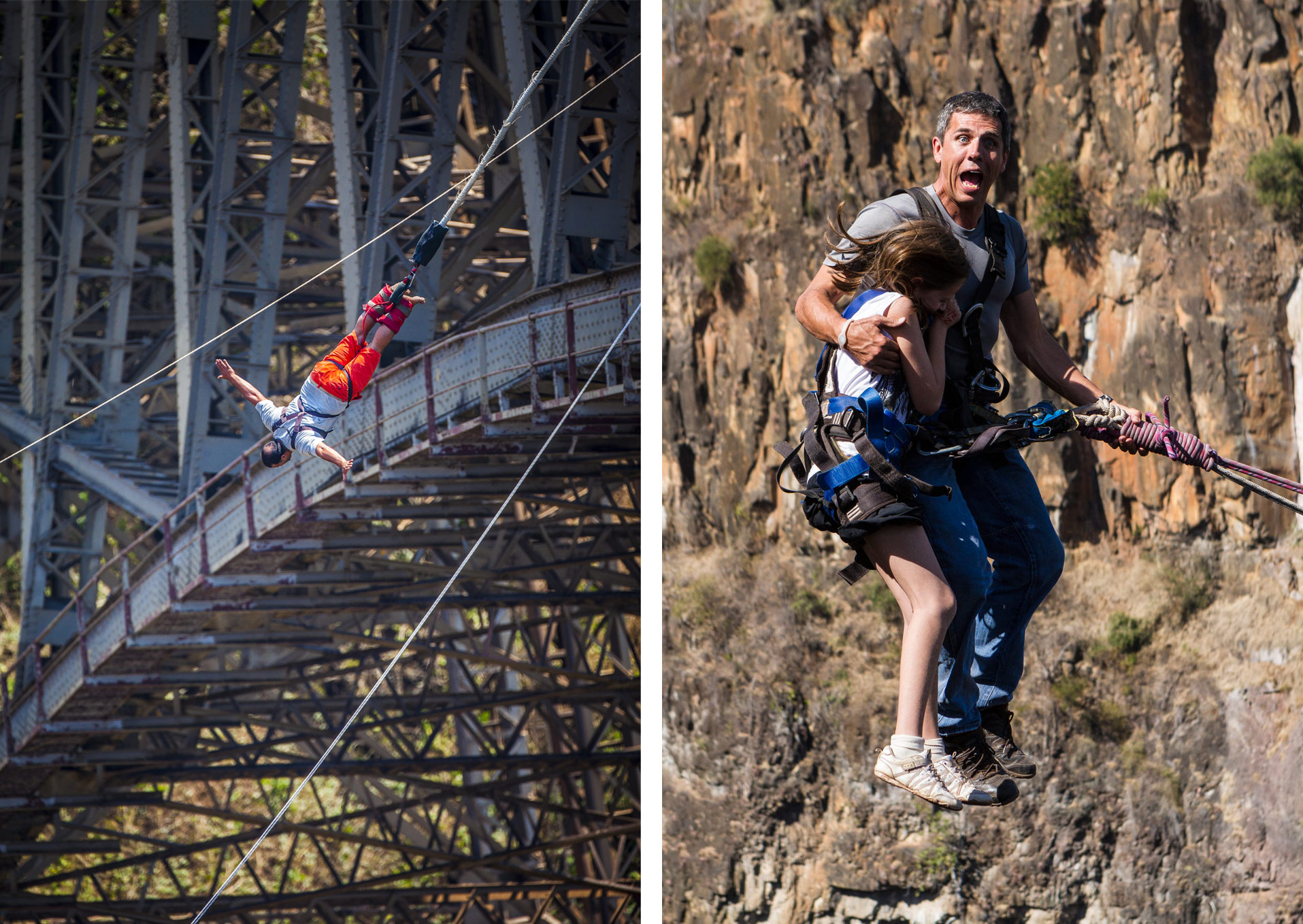
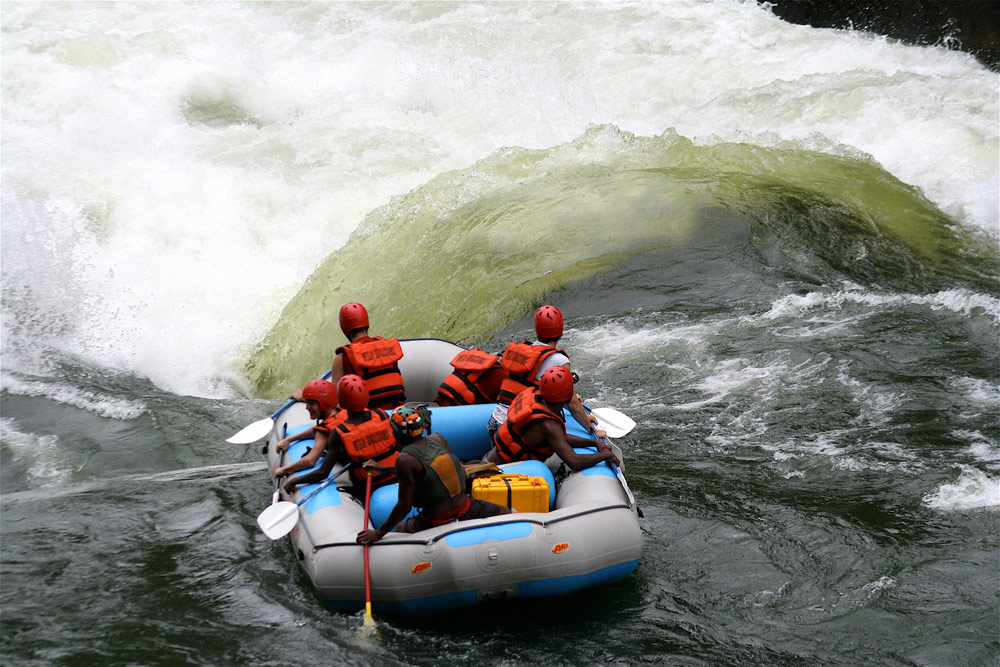
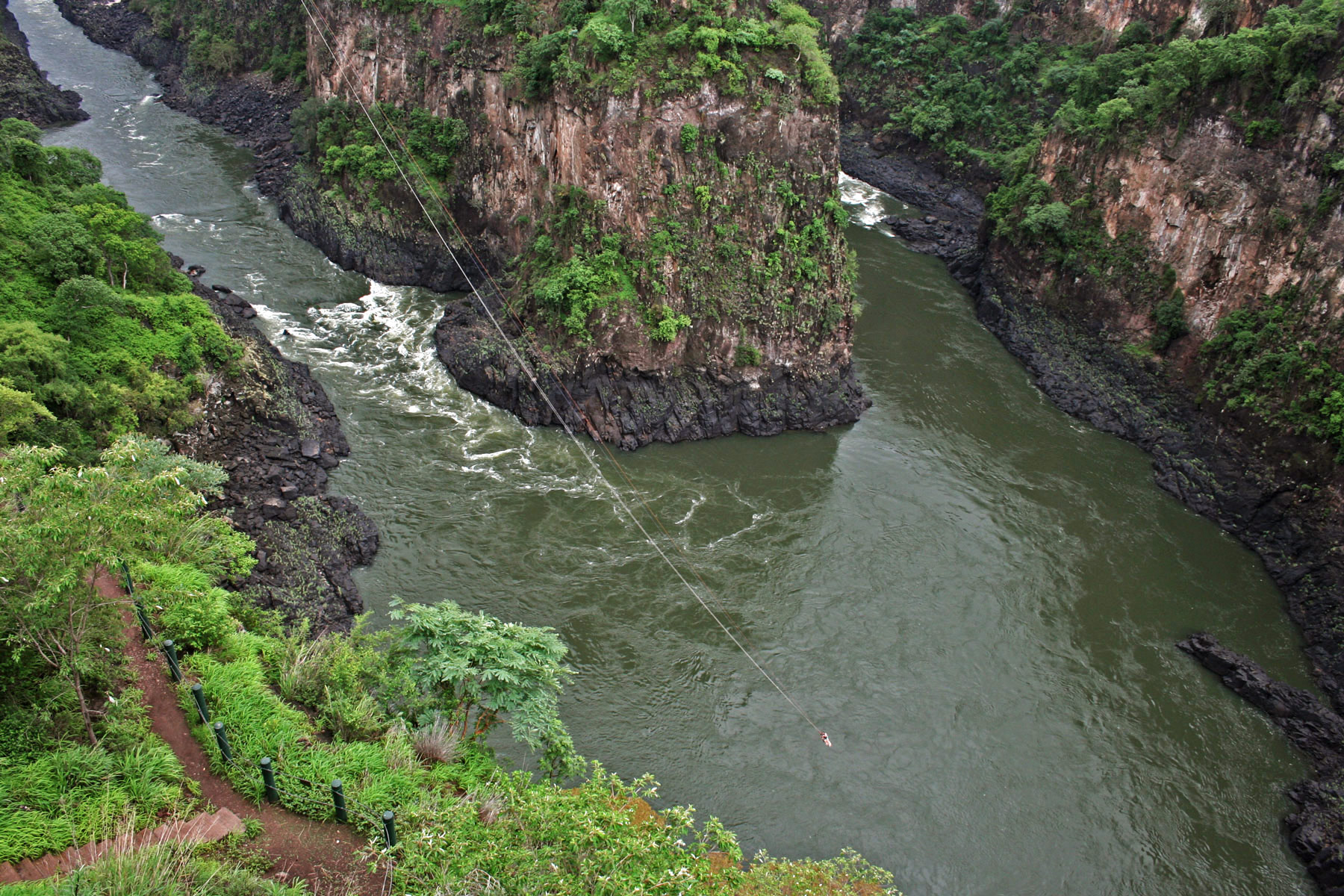
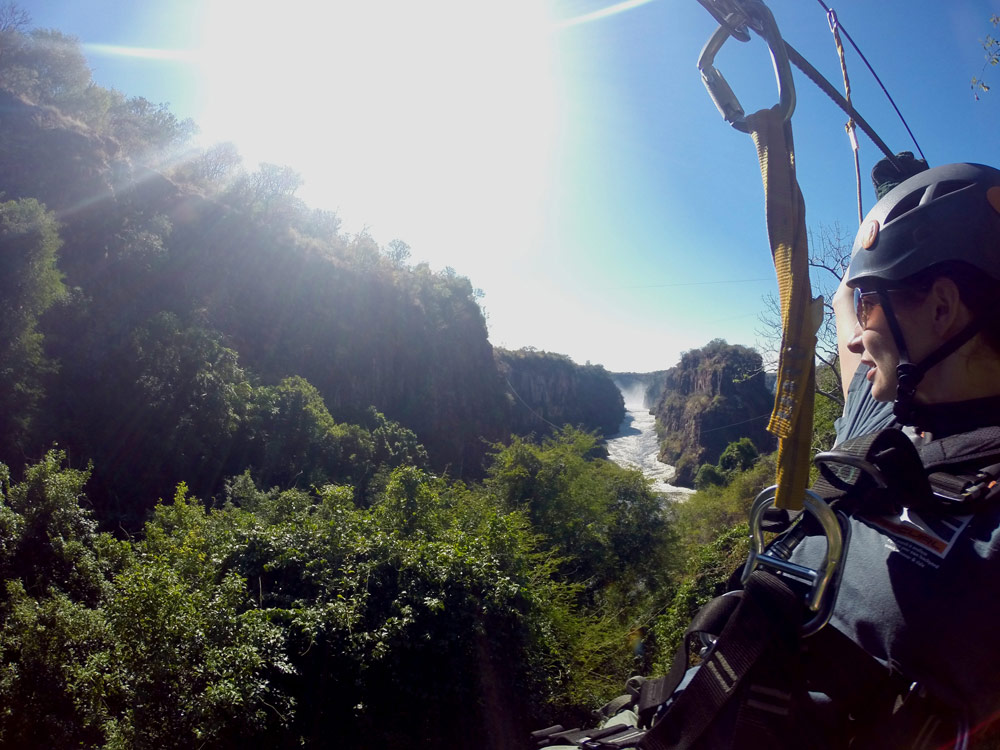
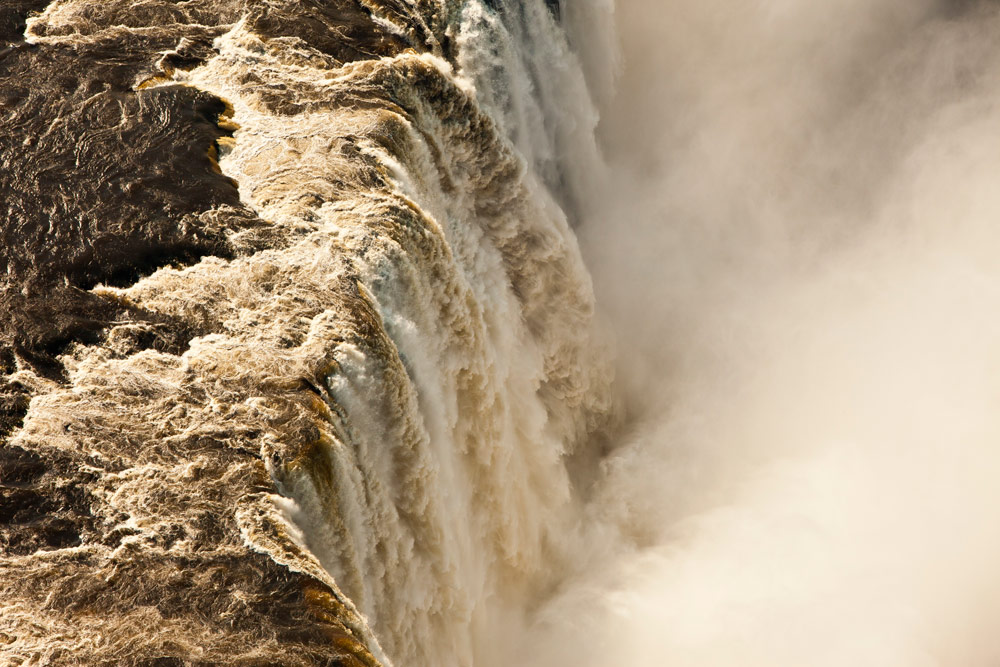

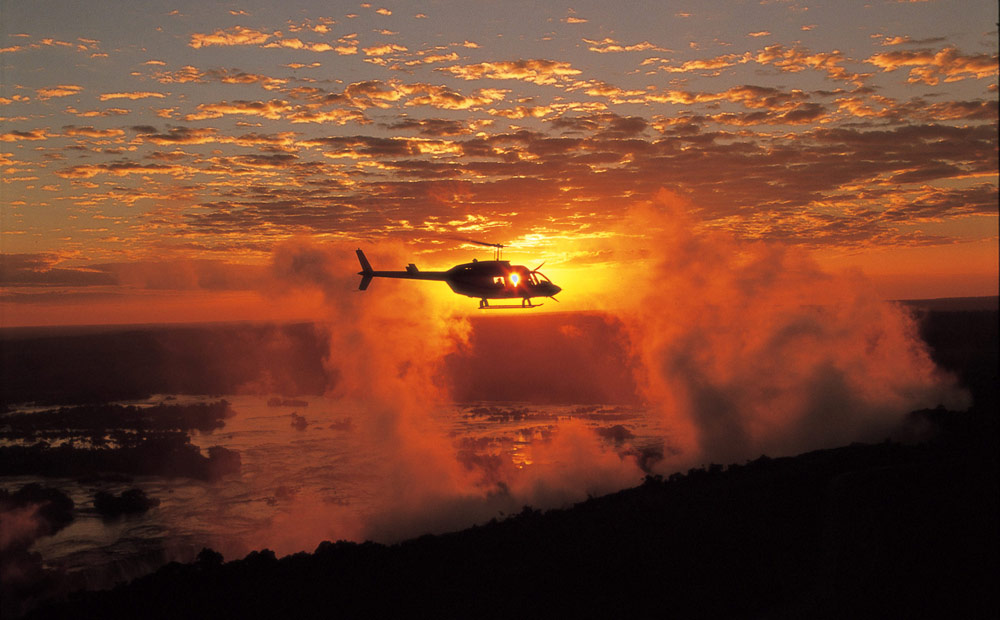
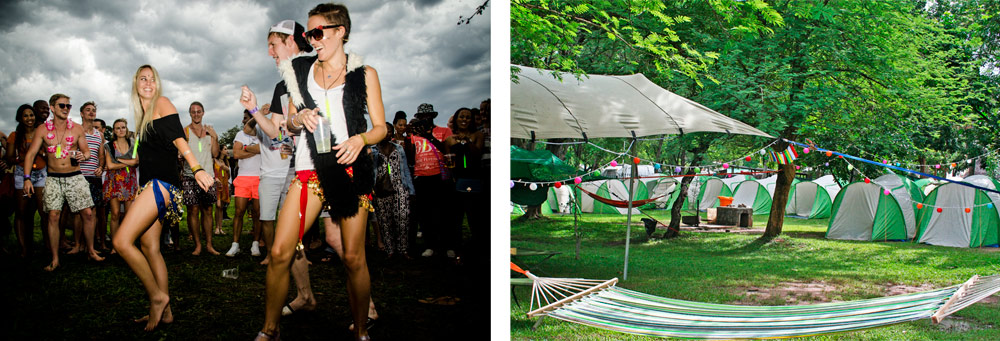
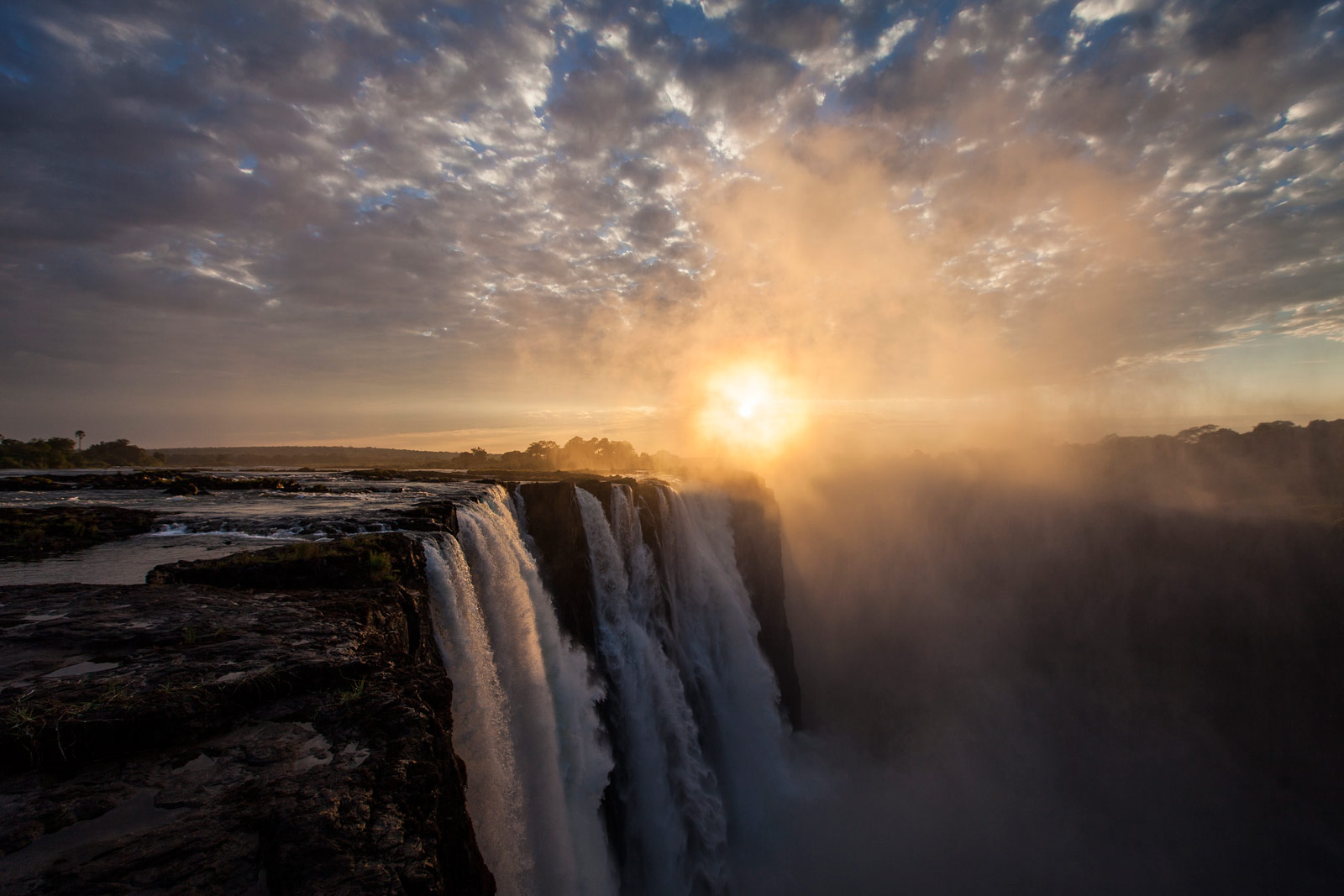
 JANINE MARÉ is the first to confess that she has been bitten by the travel bug… badly. She loves all things travel, from basic tenting with creepy crawlies to luxury lodges; she will give it all a go. Janine is passionate about wildlife and conservation and comes from a long line of biologists, researchers and botanists. Janine is a former marketing manager at Africa Geographic and is now a freelance content marketing specialist.
 TOM VARLEY was raised in the Zimbabwean bush. At age 10, he moved to Victoria Falls, where he graduated from being a safety kayaker to a raft guide and then a videographer. After earning his Learner Guide’s License at sixteen, Tom joined the British Army, serving in The Royal Green Jackets Recee Platoon for three years. During his service in Bosnia, Tom was responsible for aerial reconnaissance photography for Nato. In 2002, Tom returned to Victoria Falls to pursue his passion for kayaking. After producing rafting videos and photographs, he progressed to filming and photographing wildlife and scenery in Zimbabwe, Southern Africa and Israel. Tom now has a well-established production company,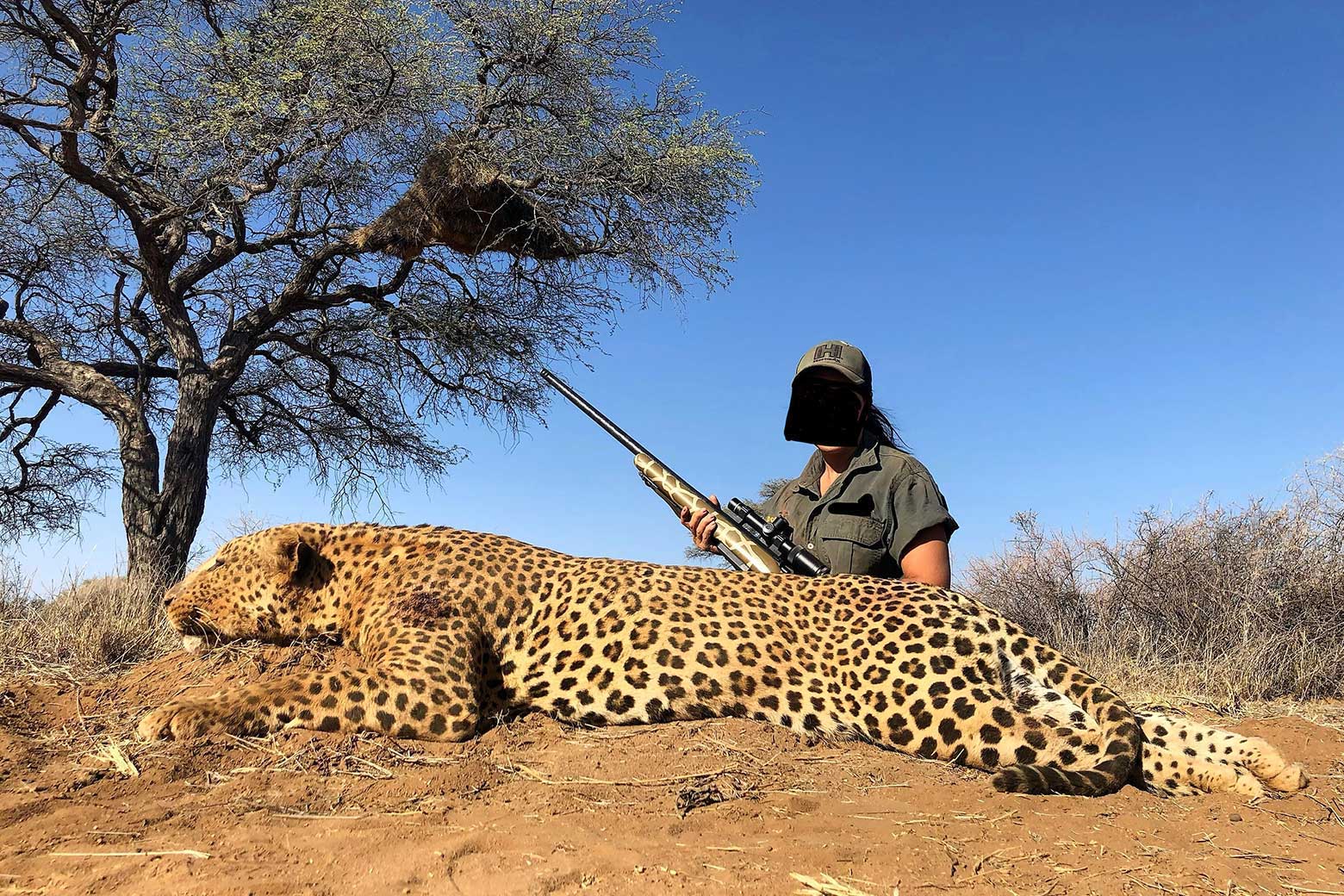
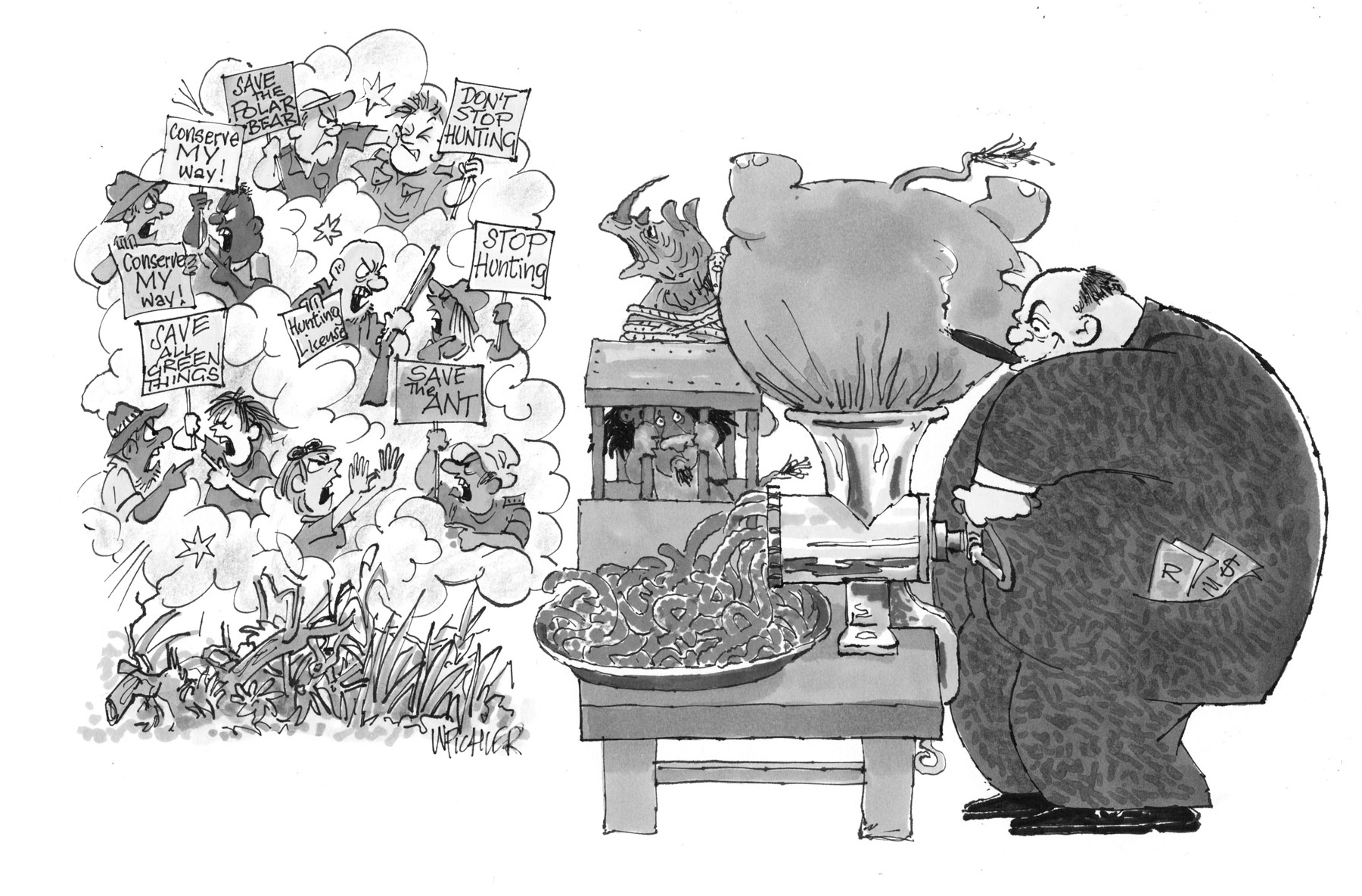
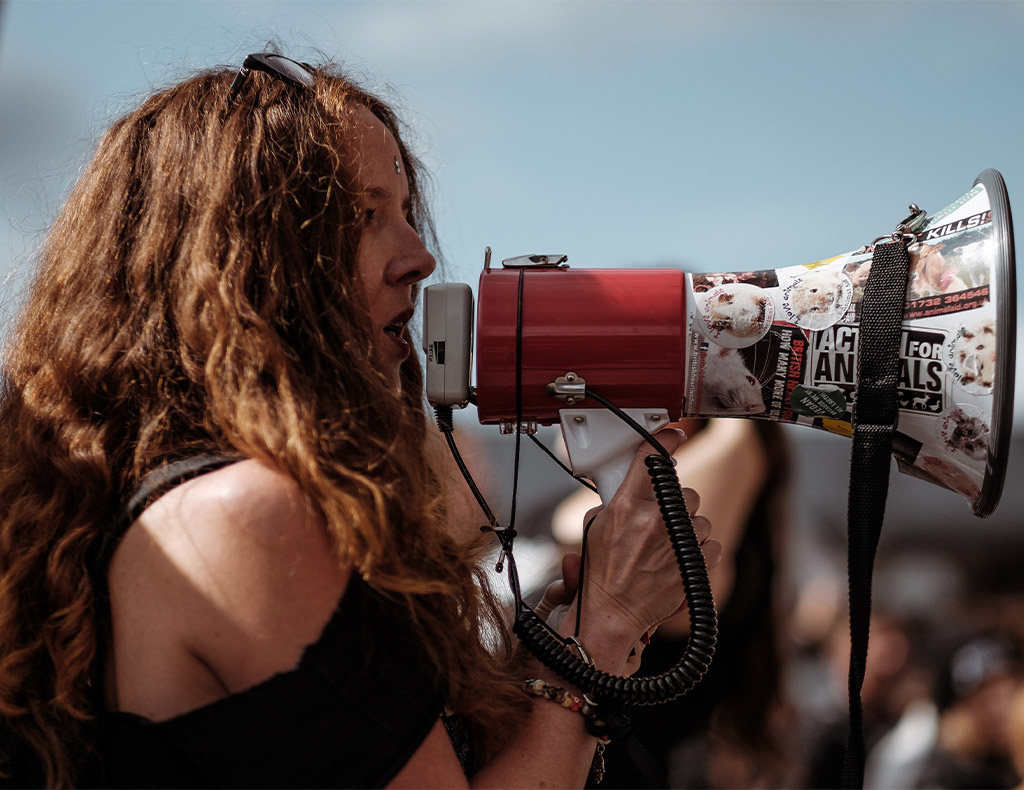
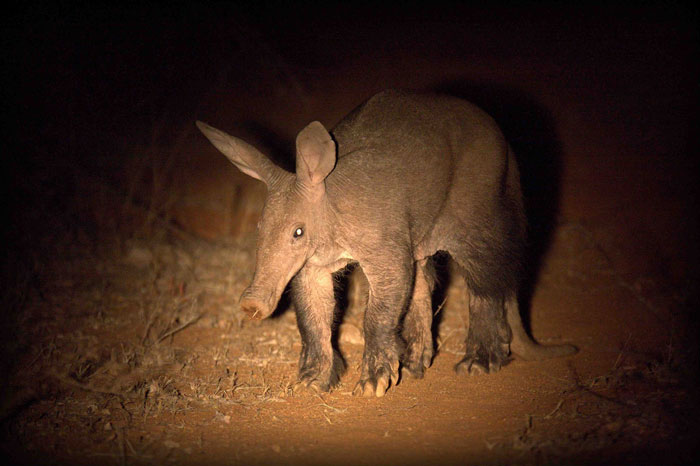

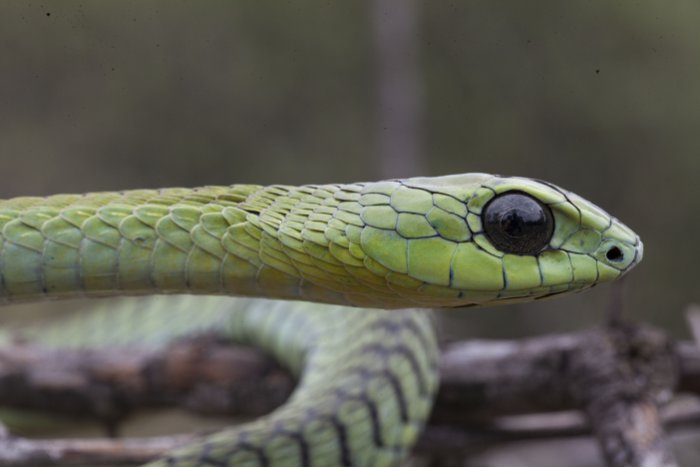
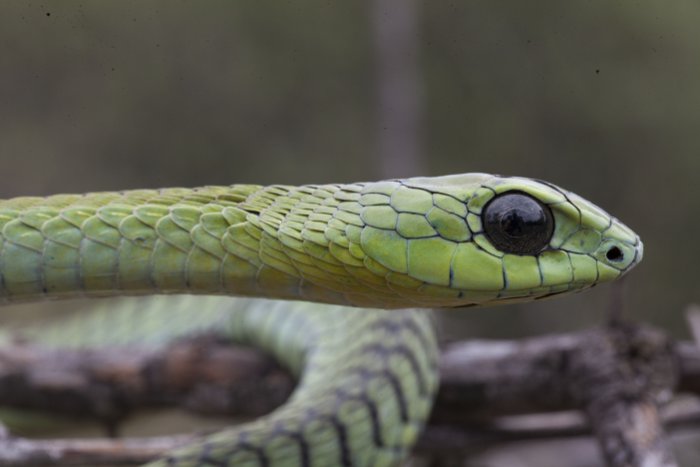
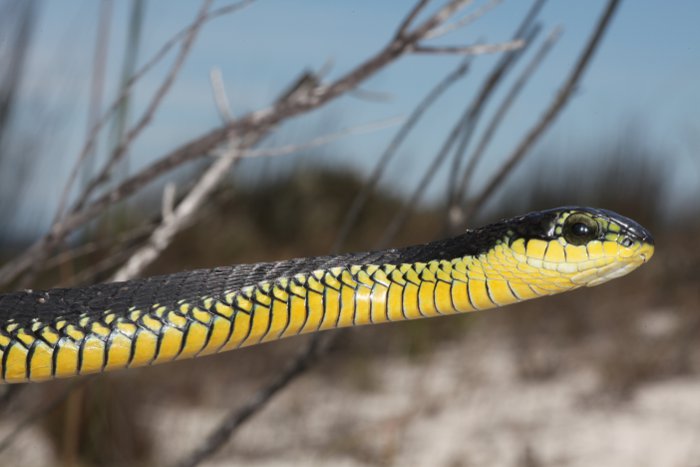

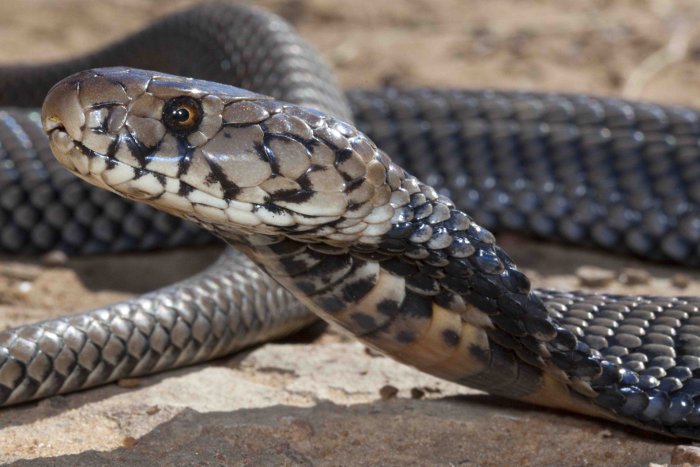


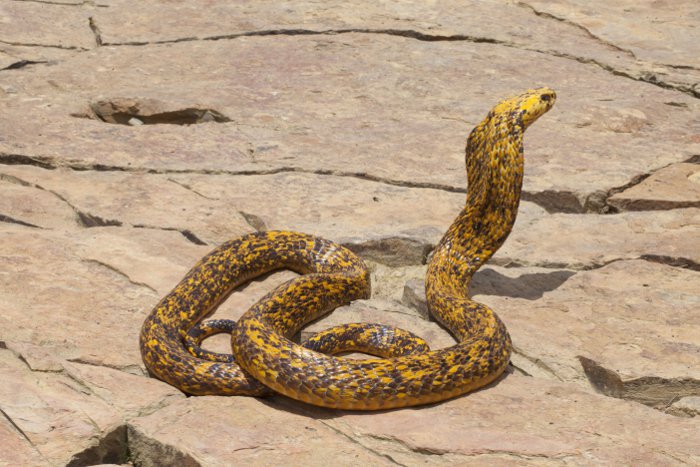
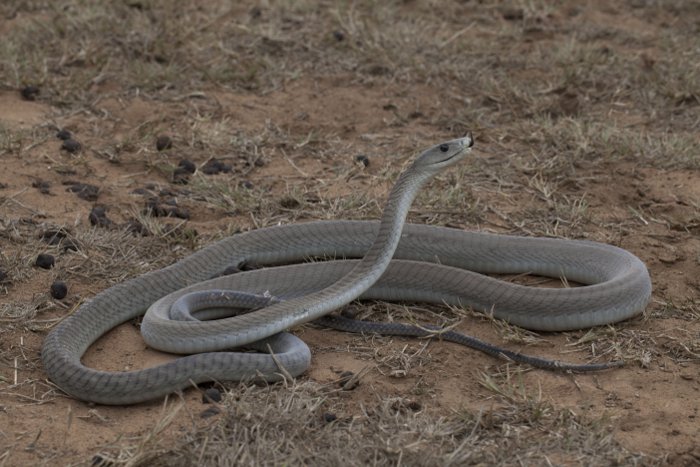
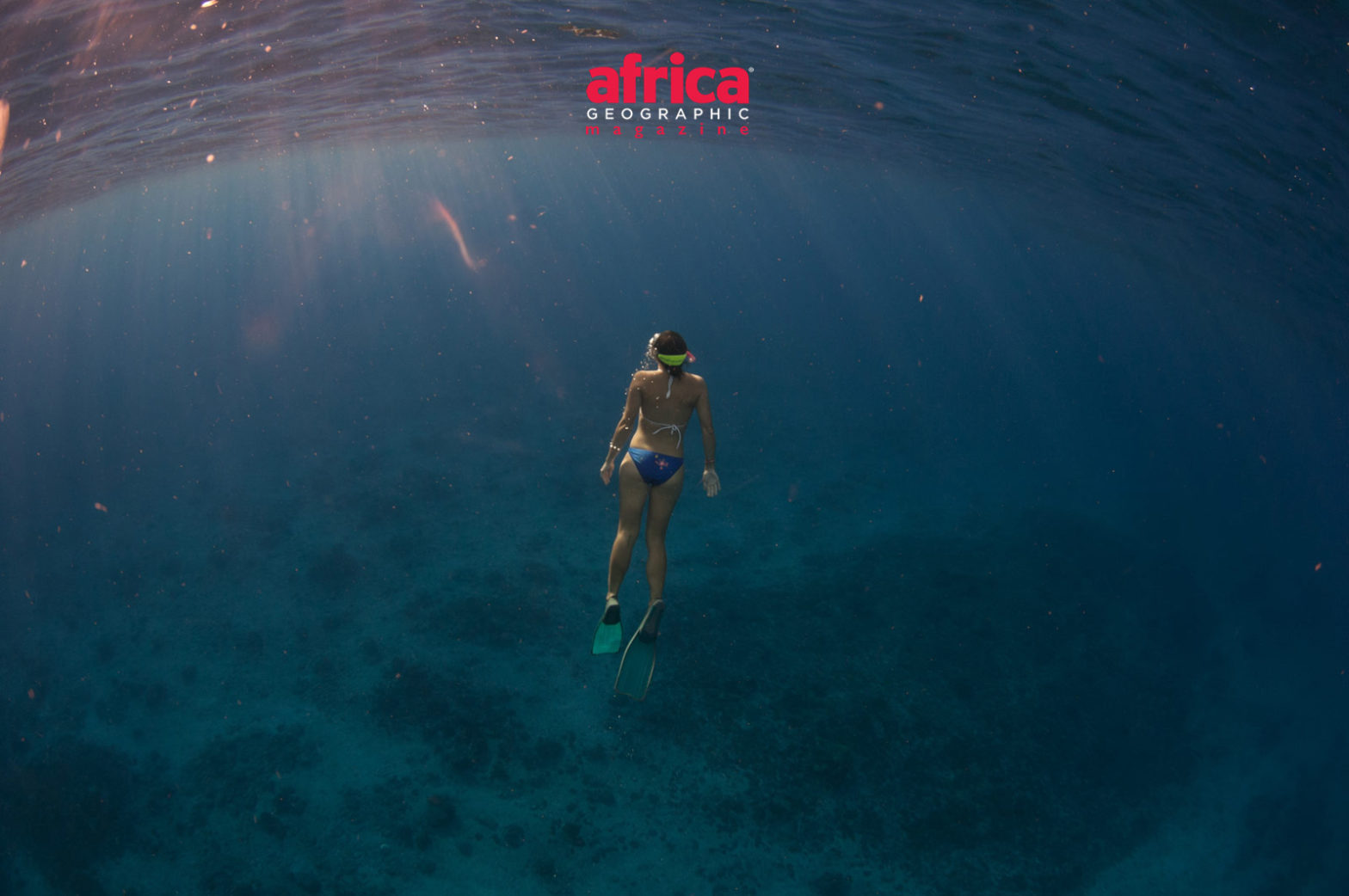
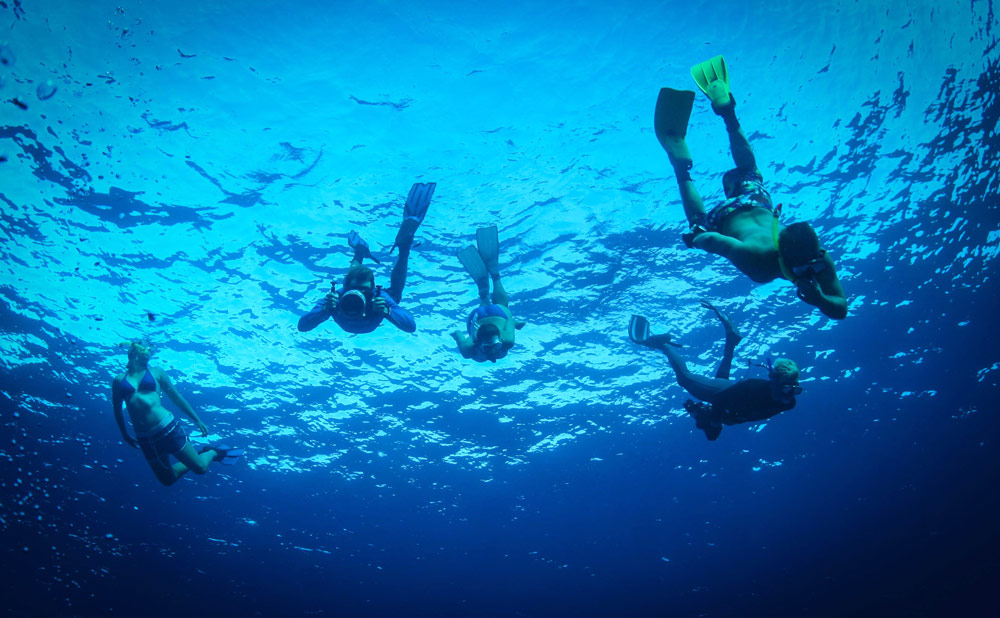
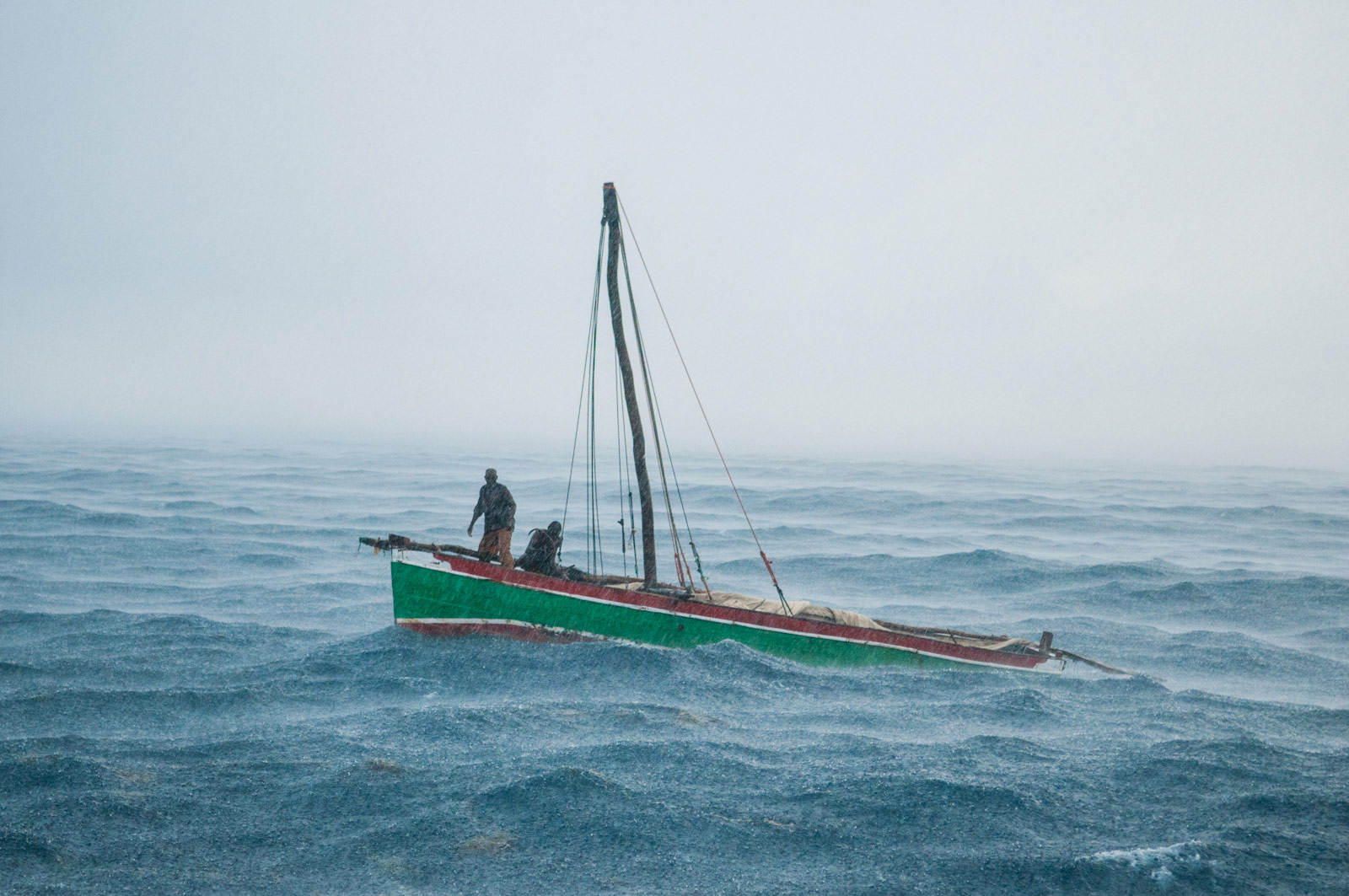
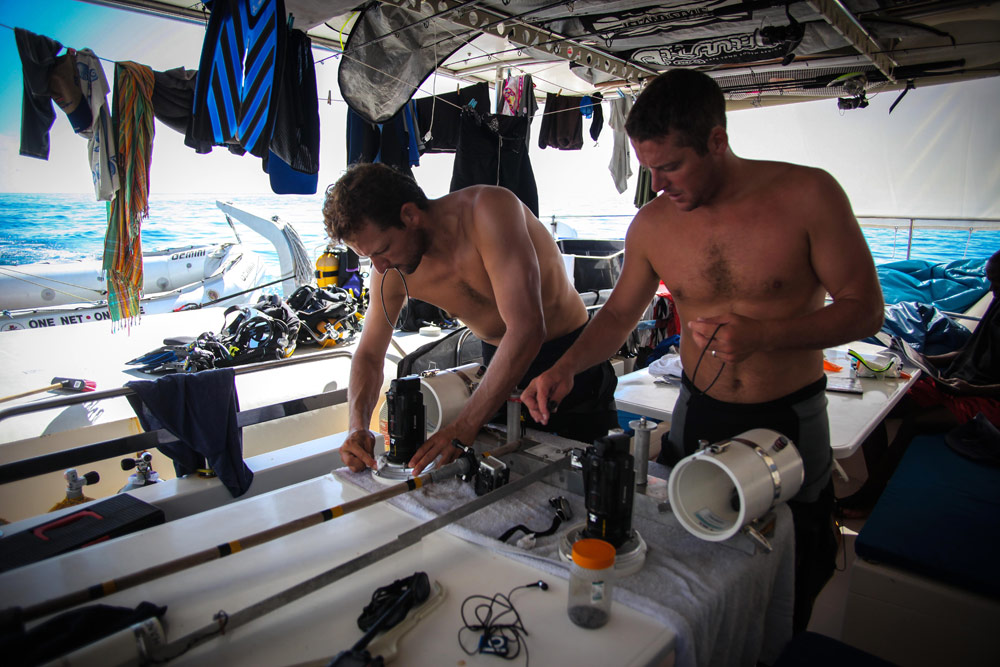
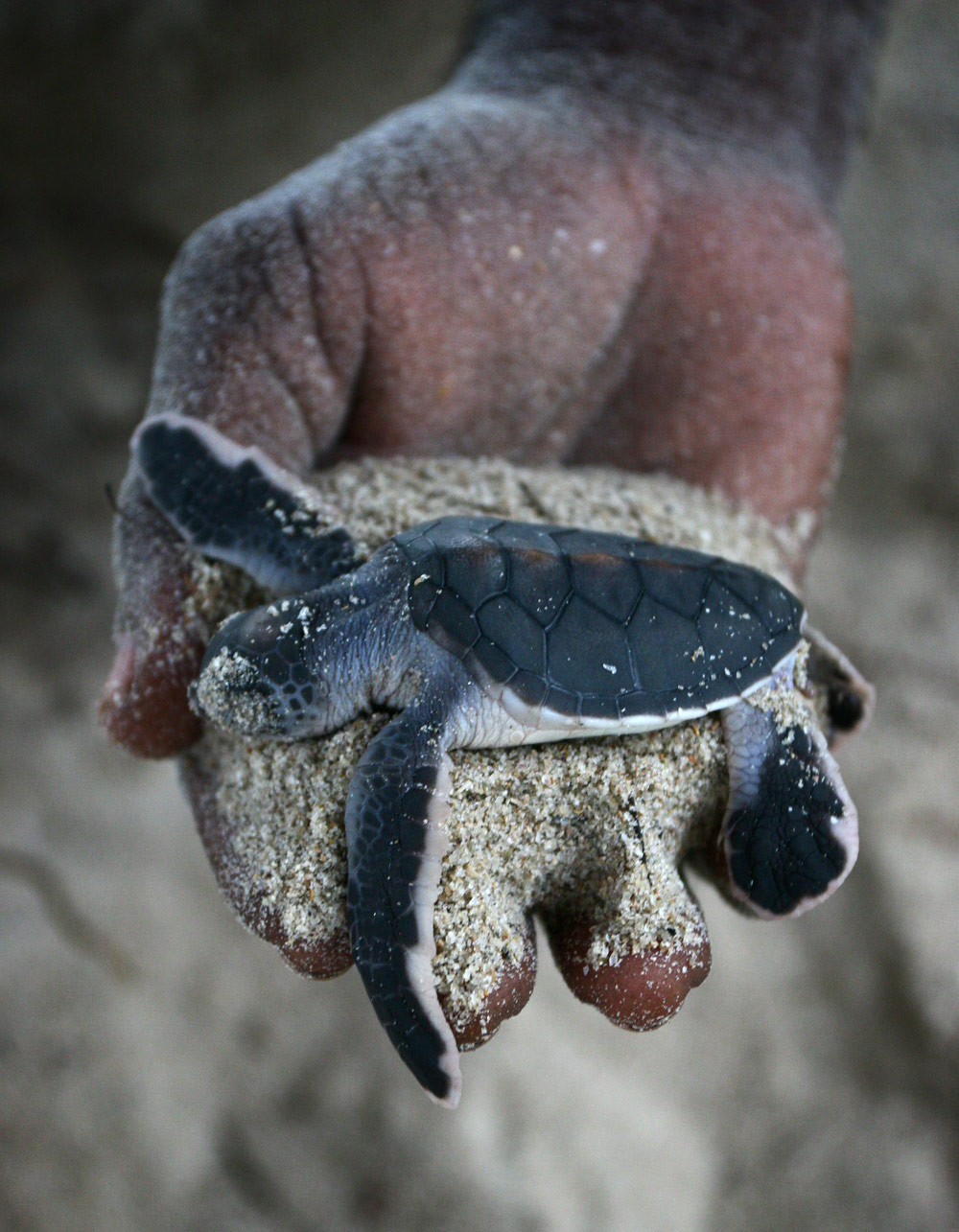
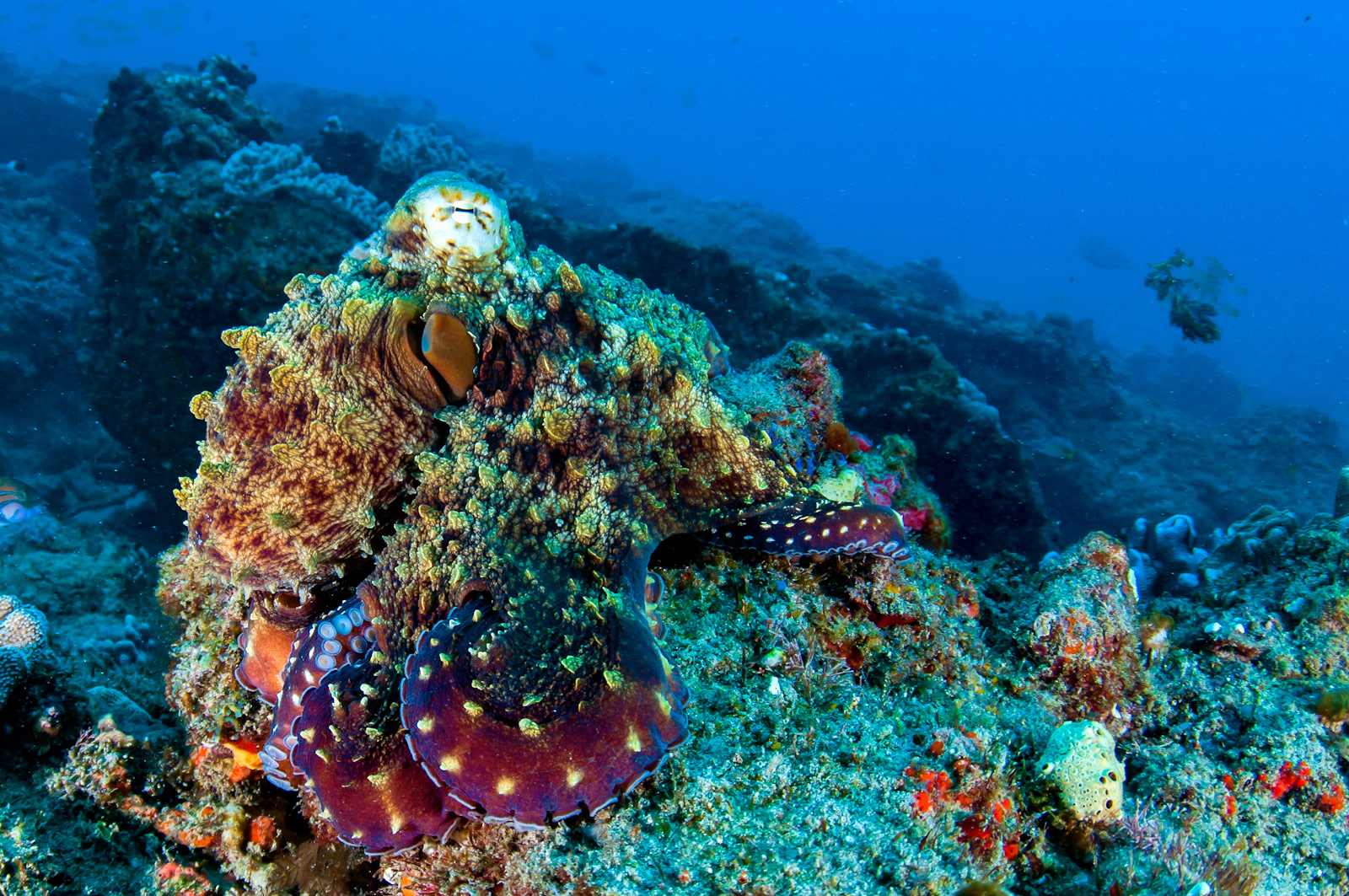
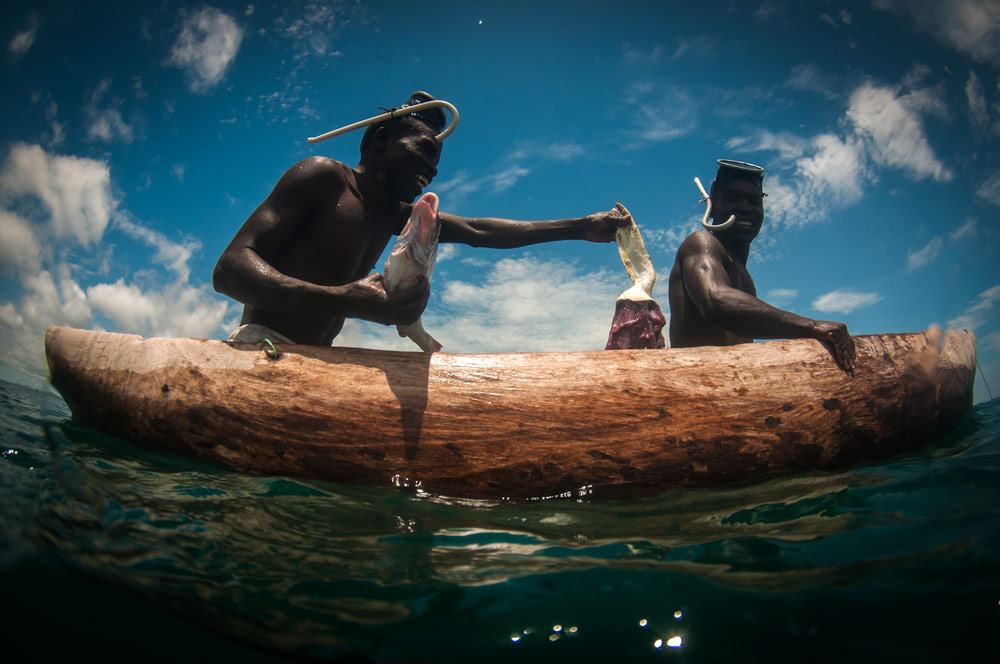
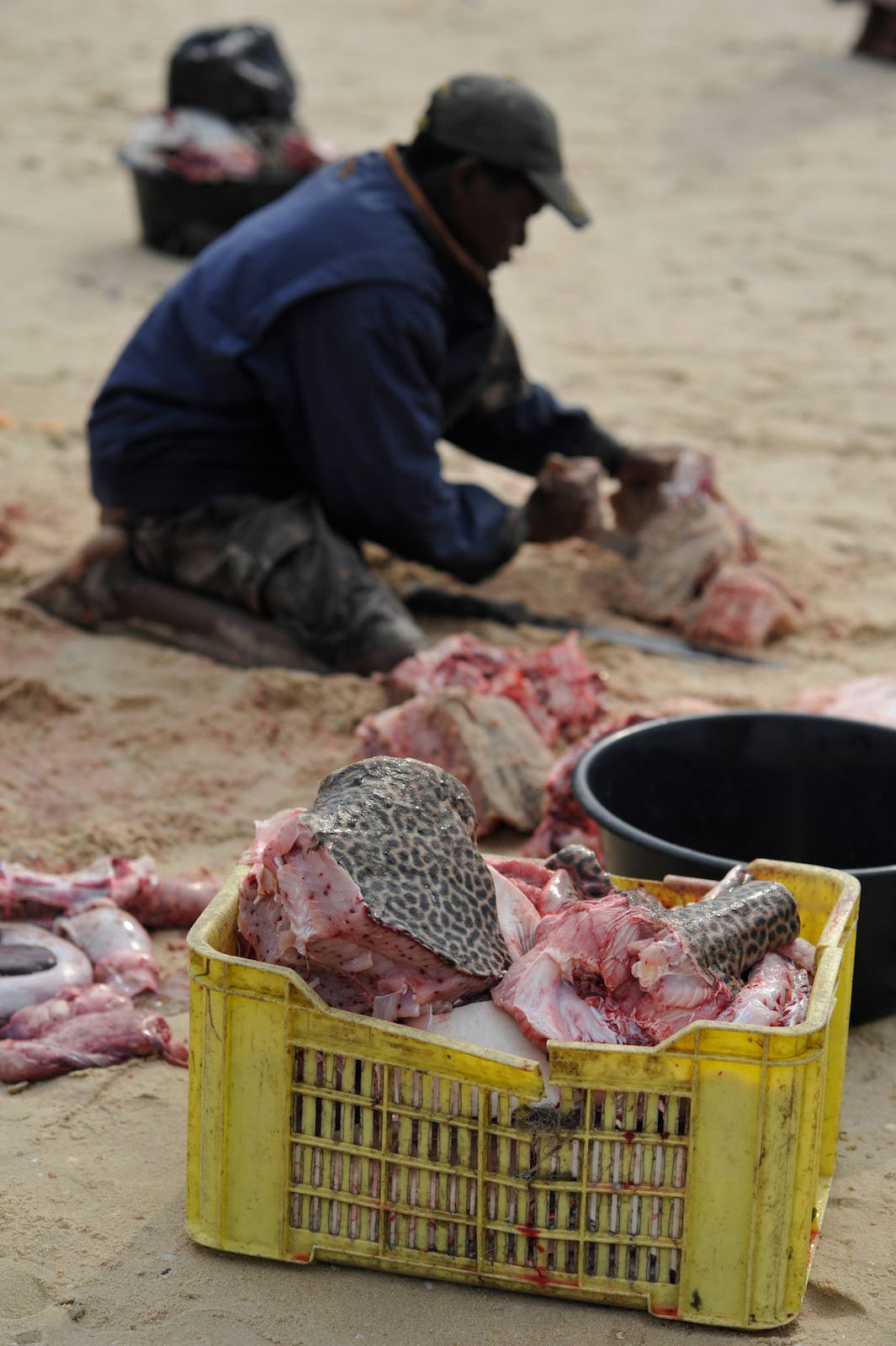
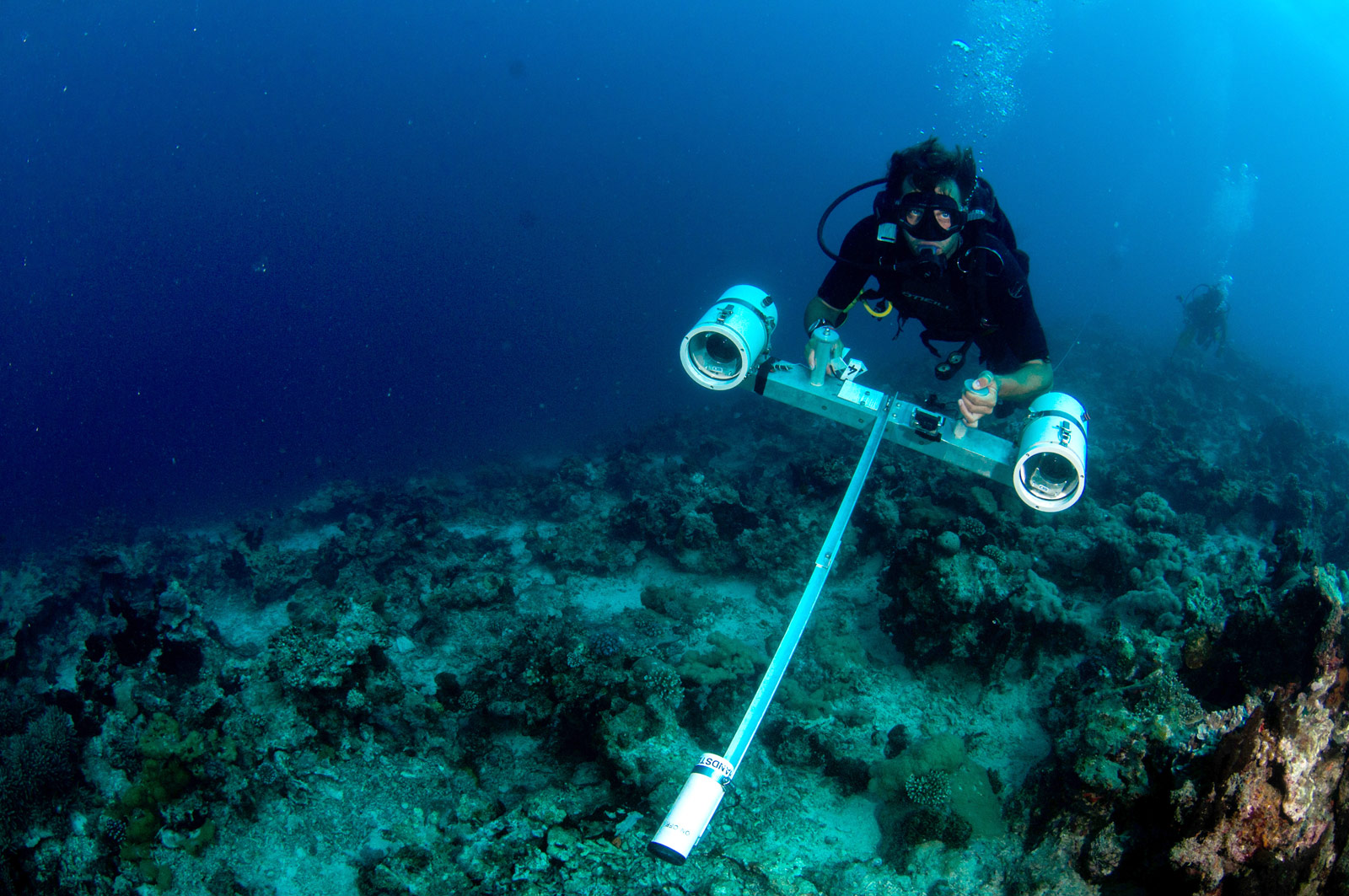
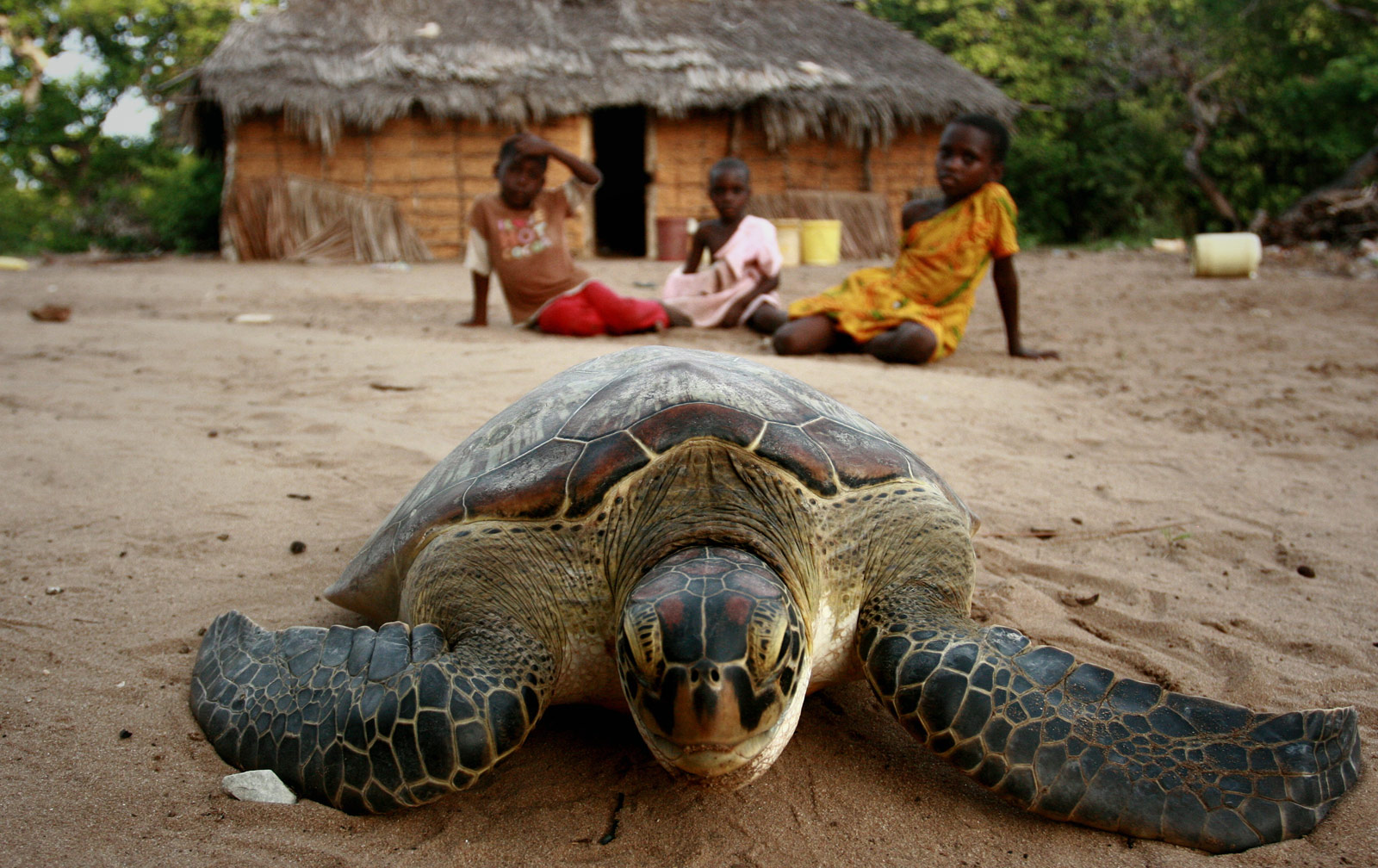
 LINDA MARKOVINA is a freelance travel and photojournalist. She blogs on behalf of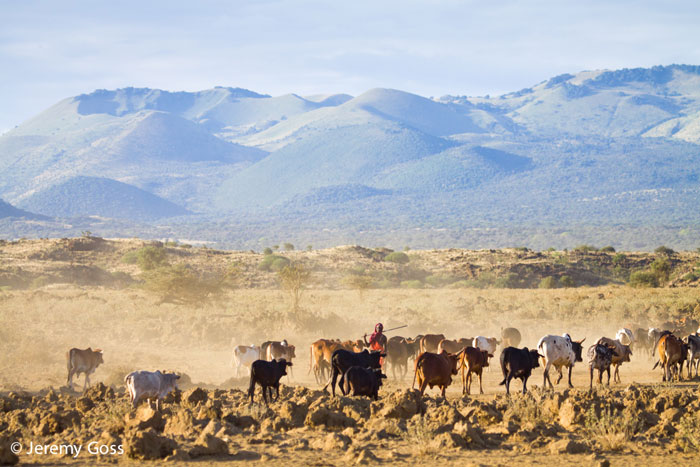


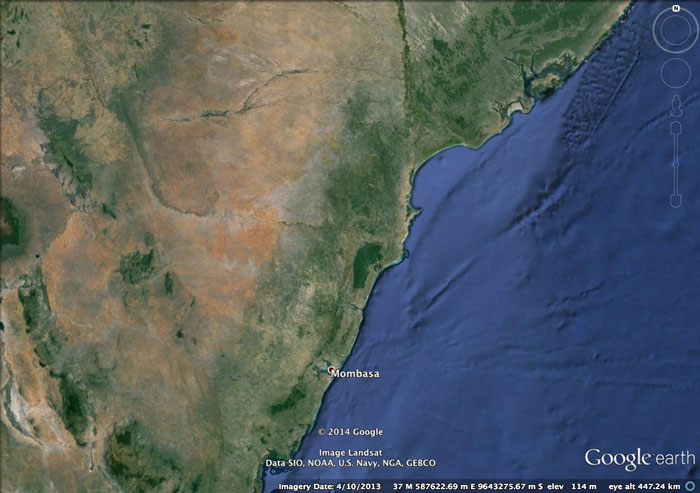


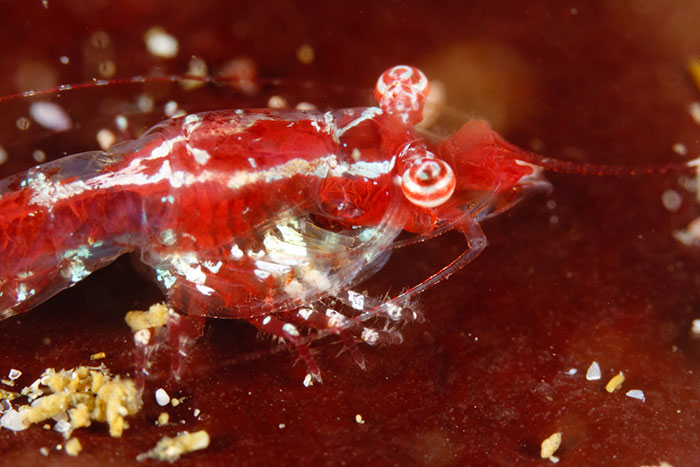


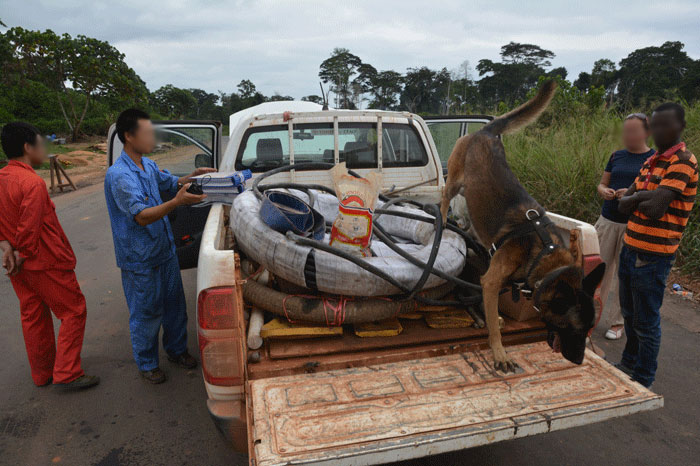



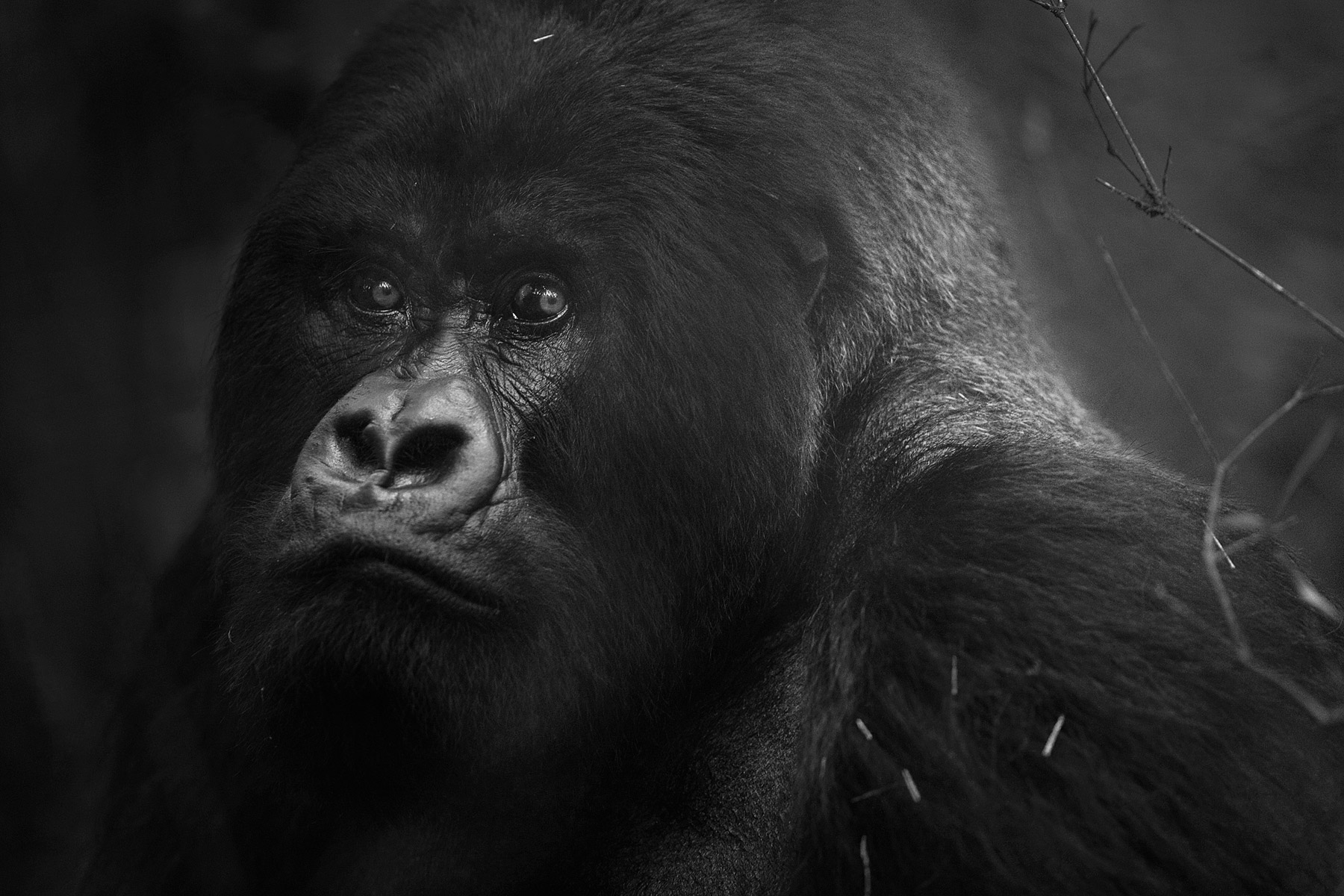
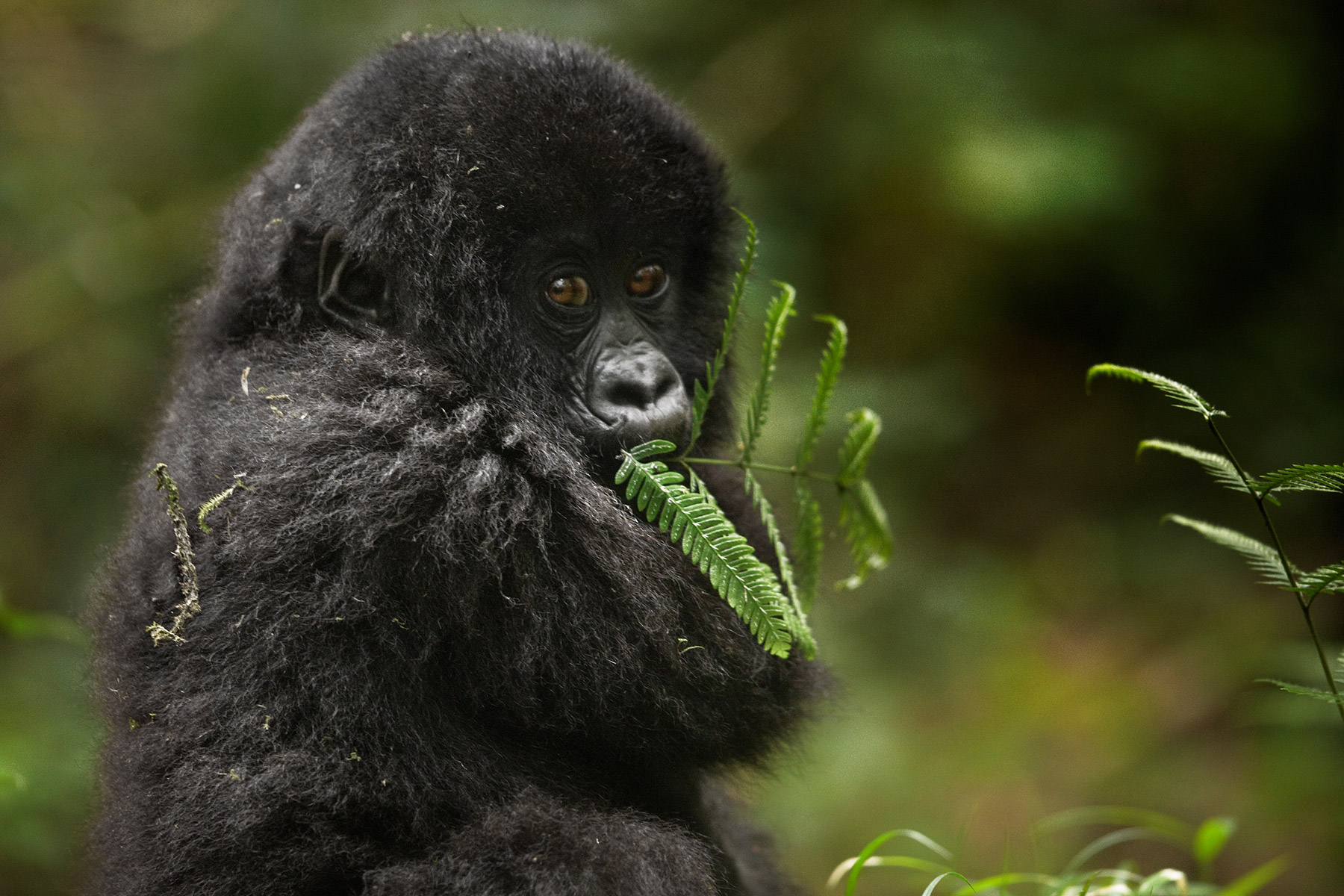
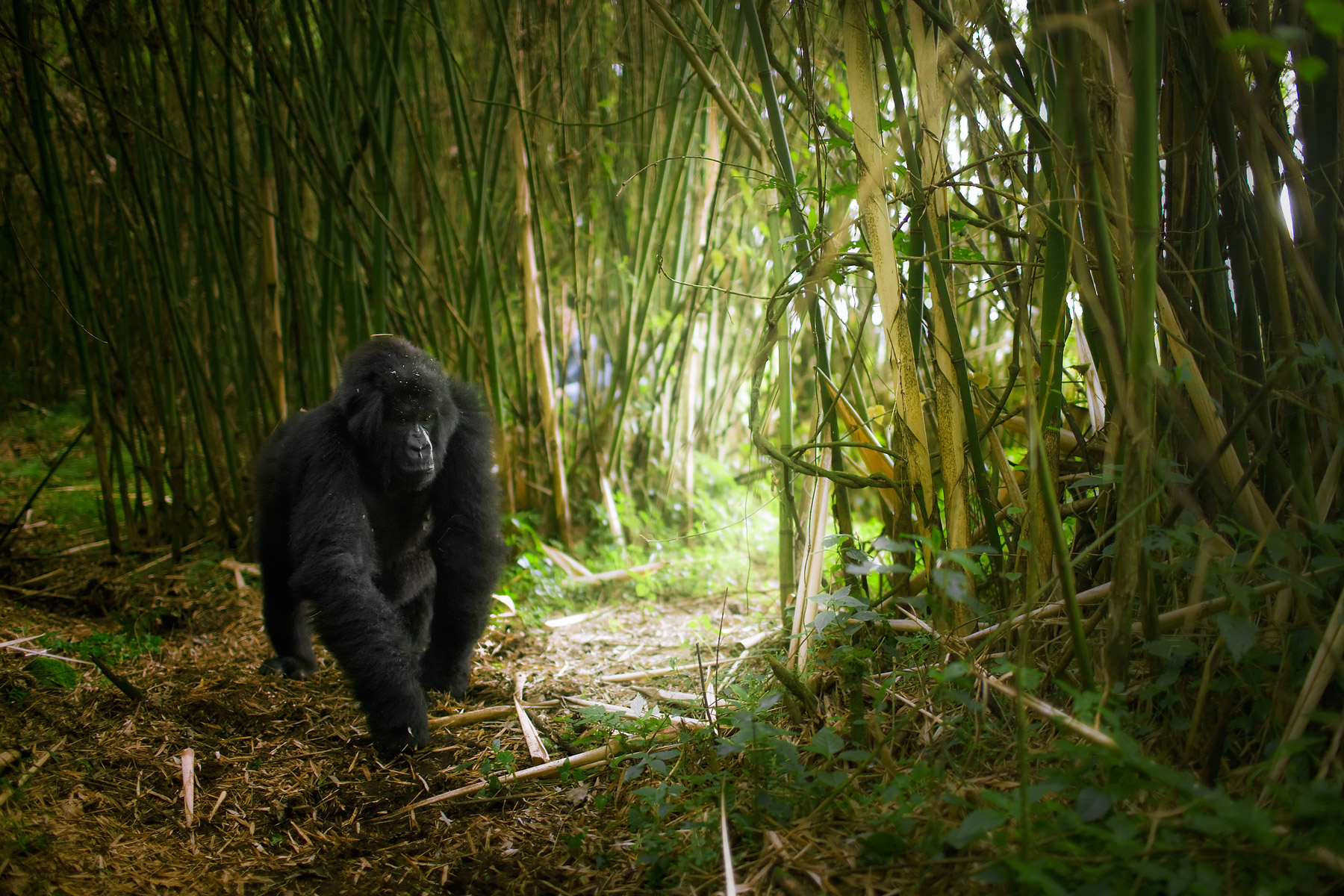
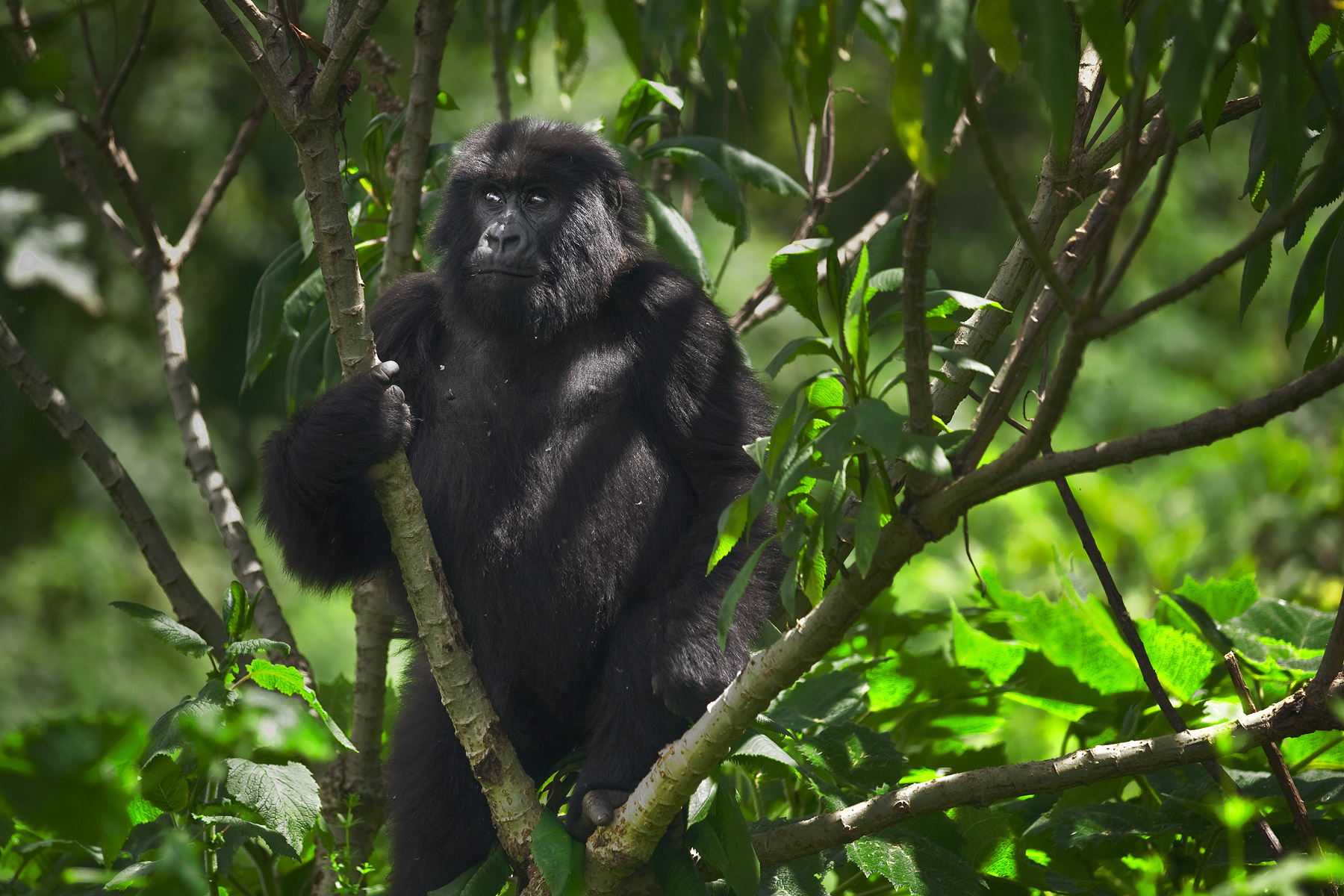
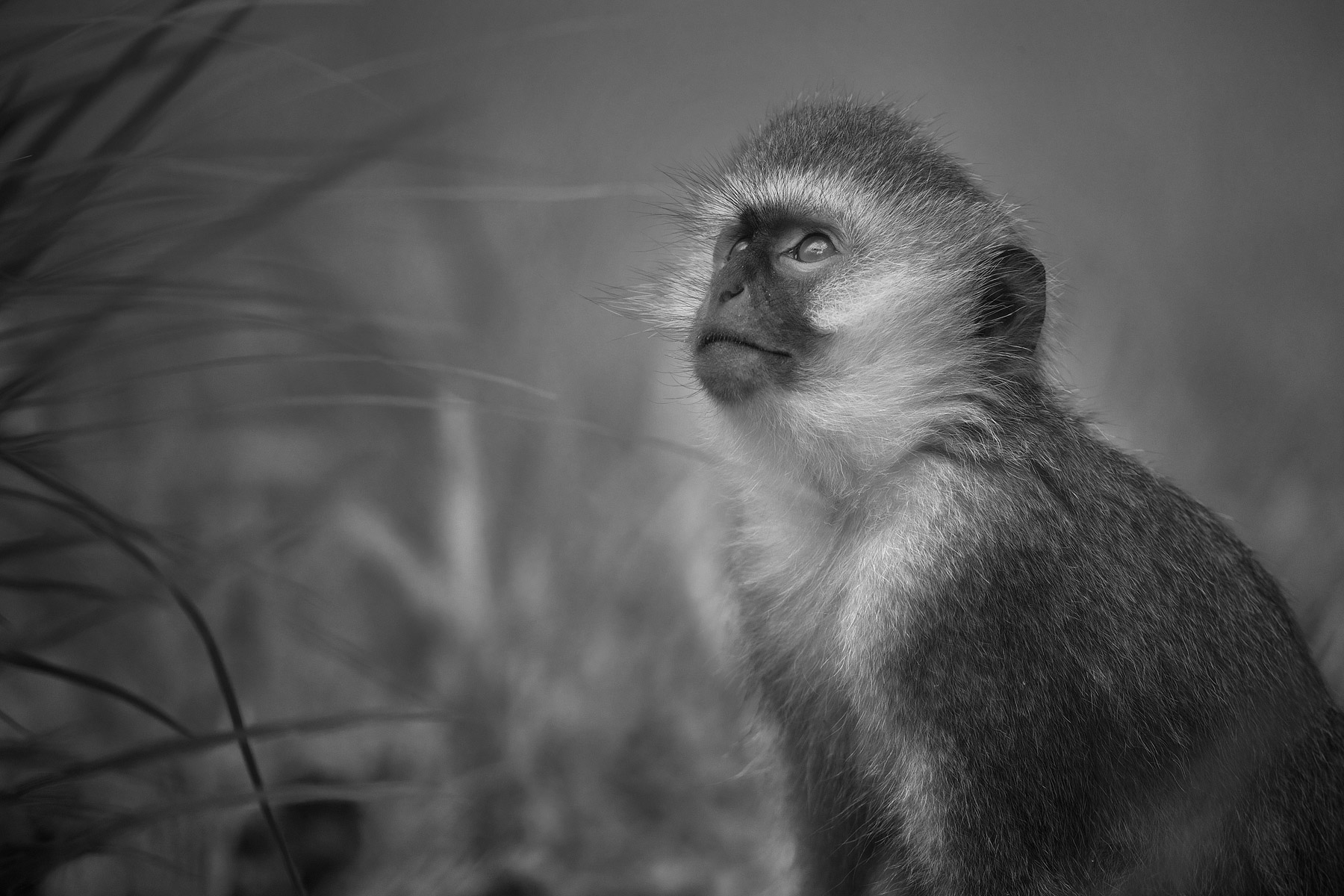
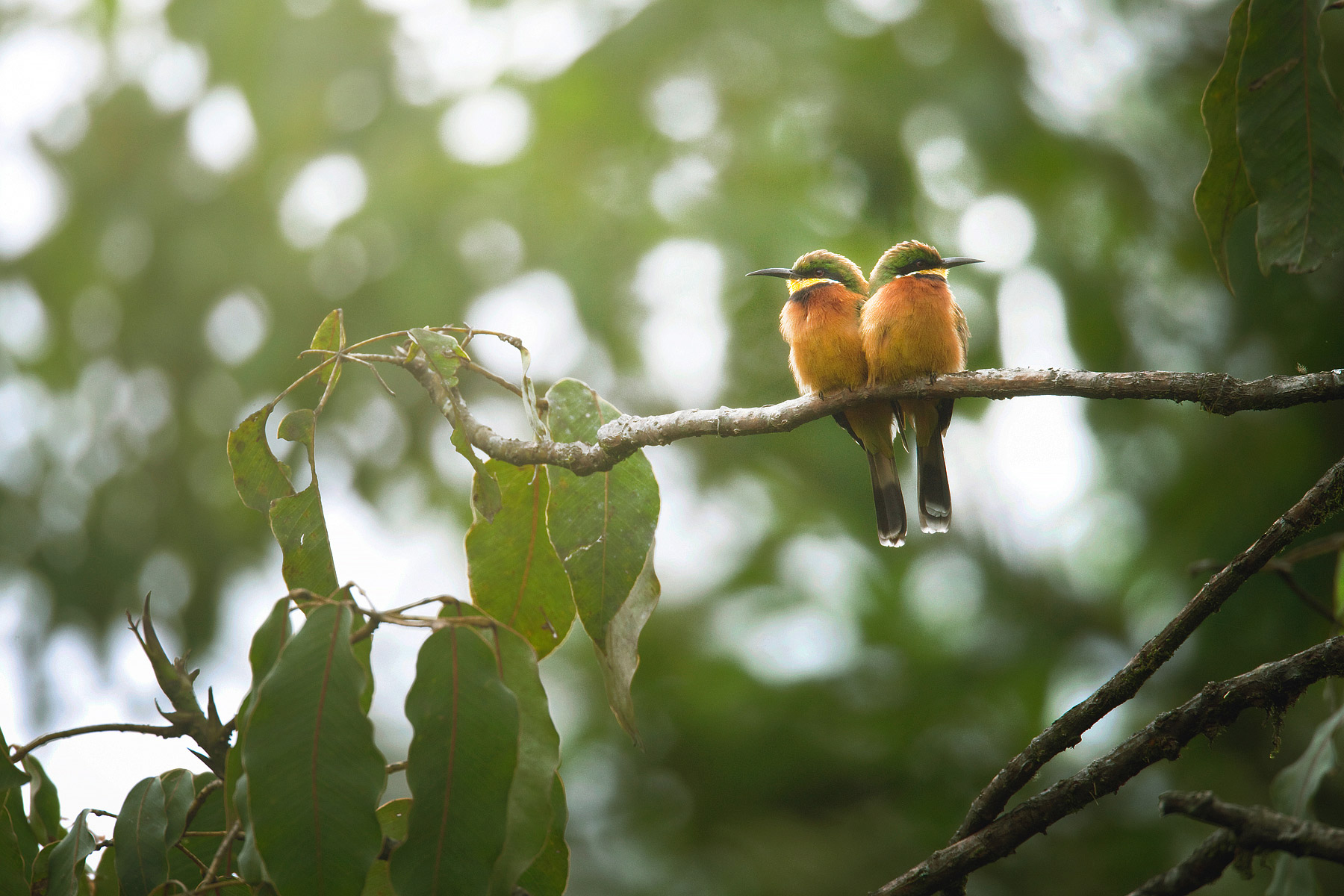
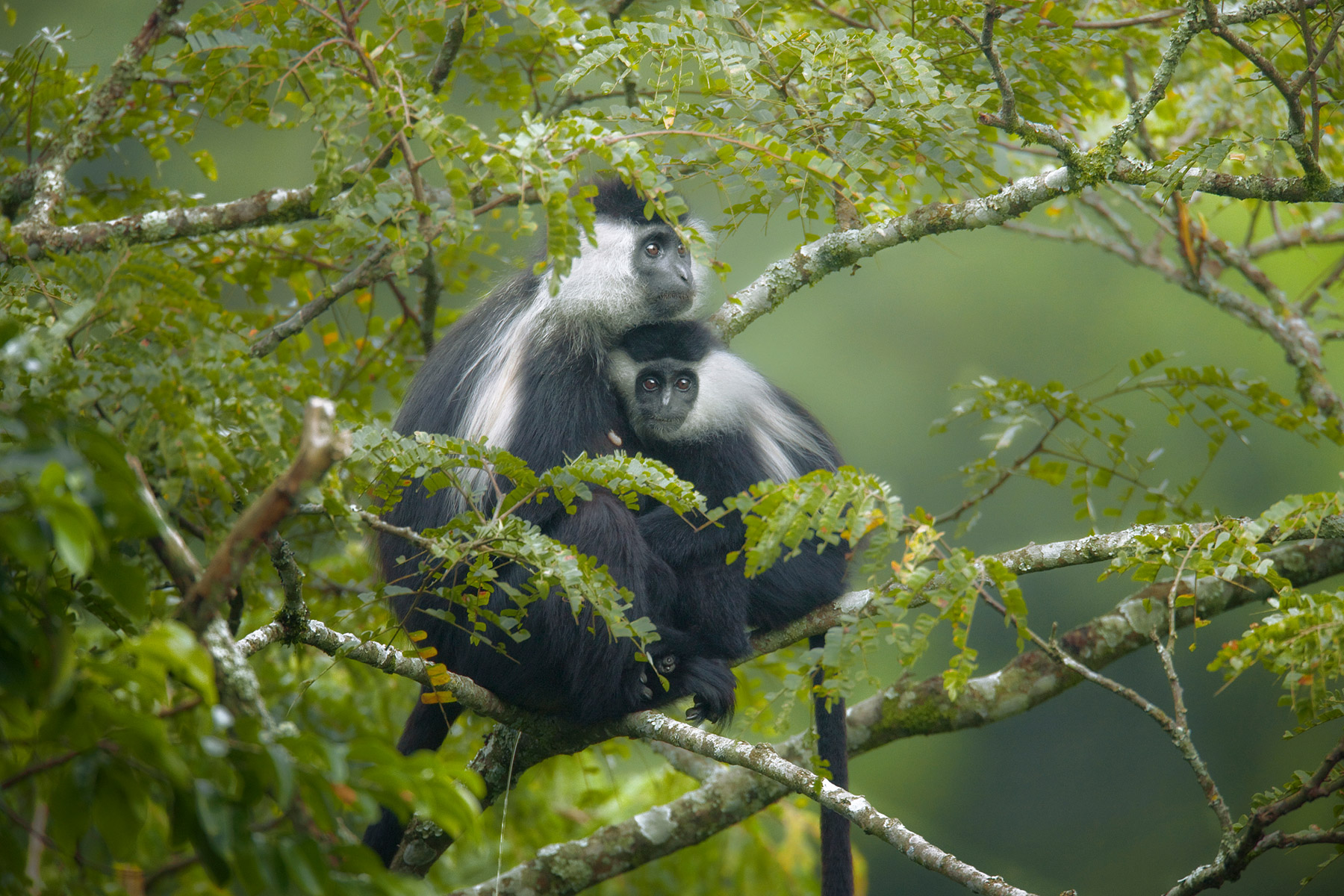
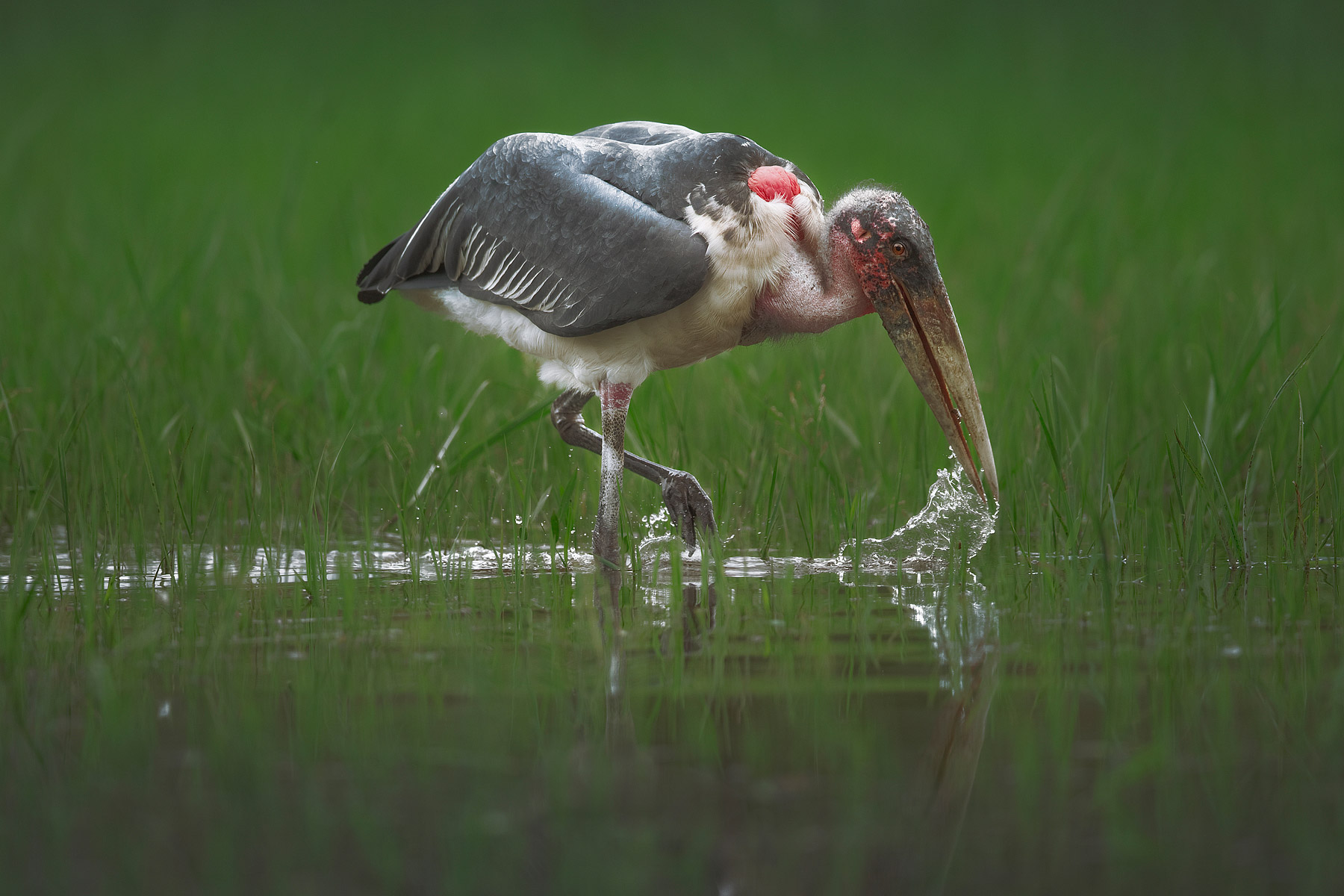
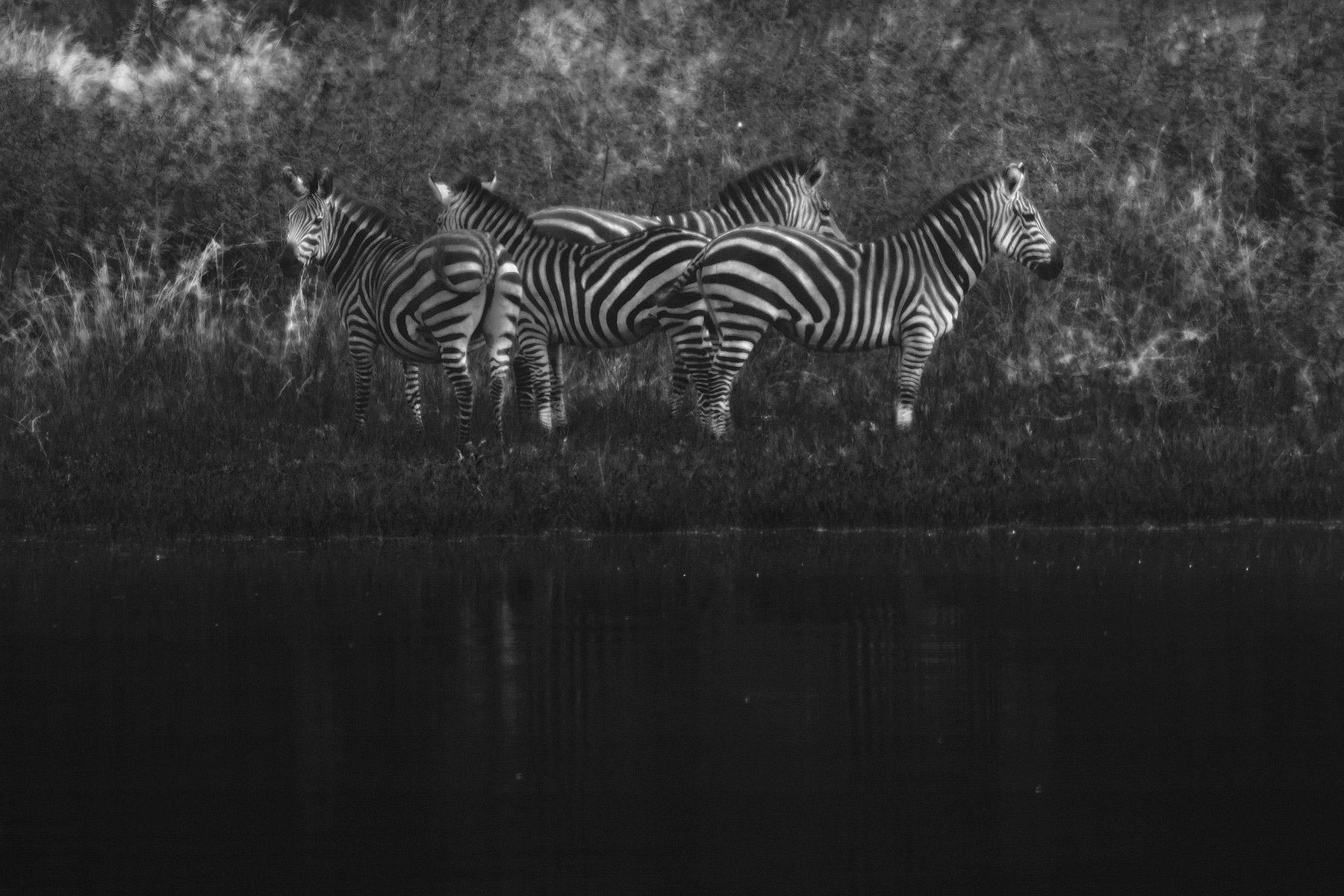
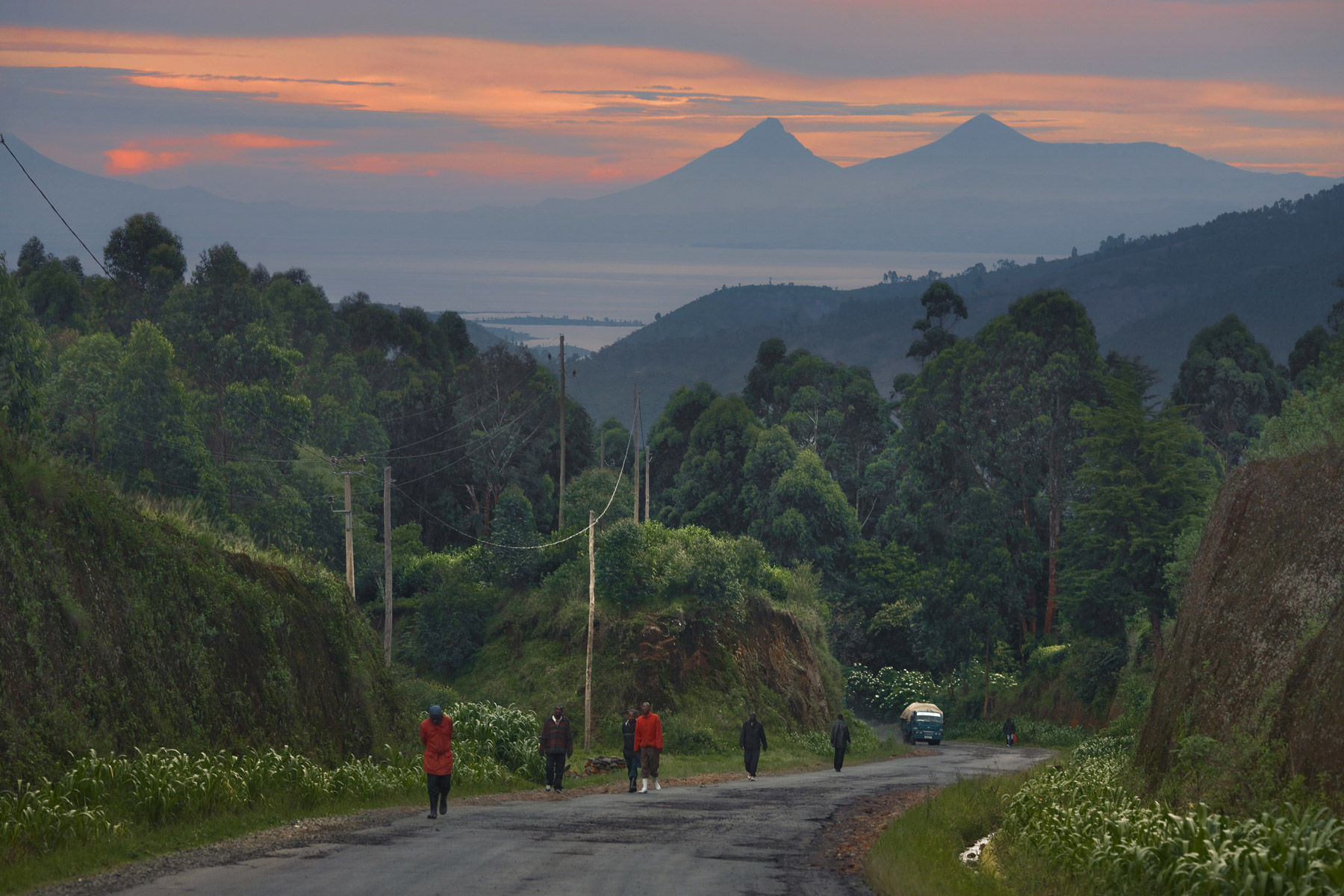
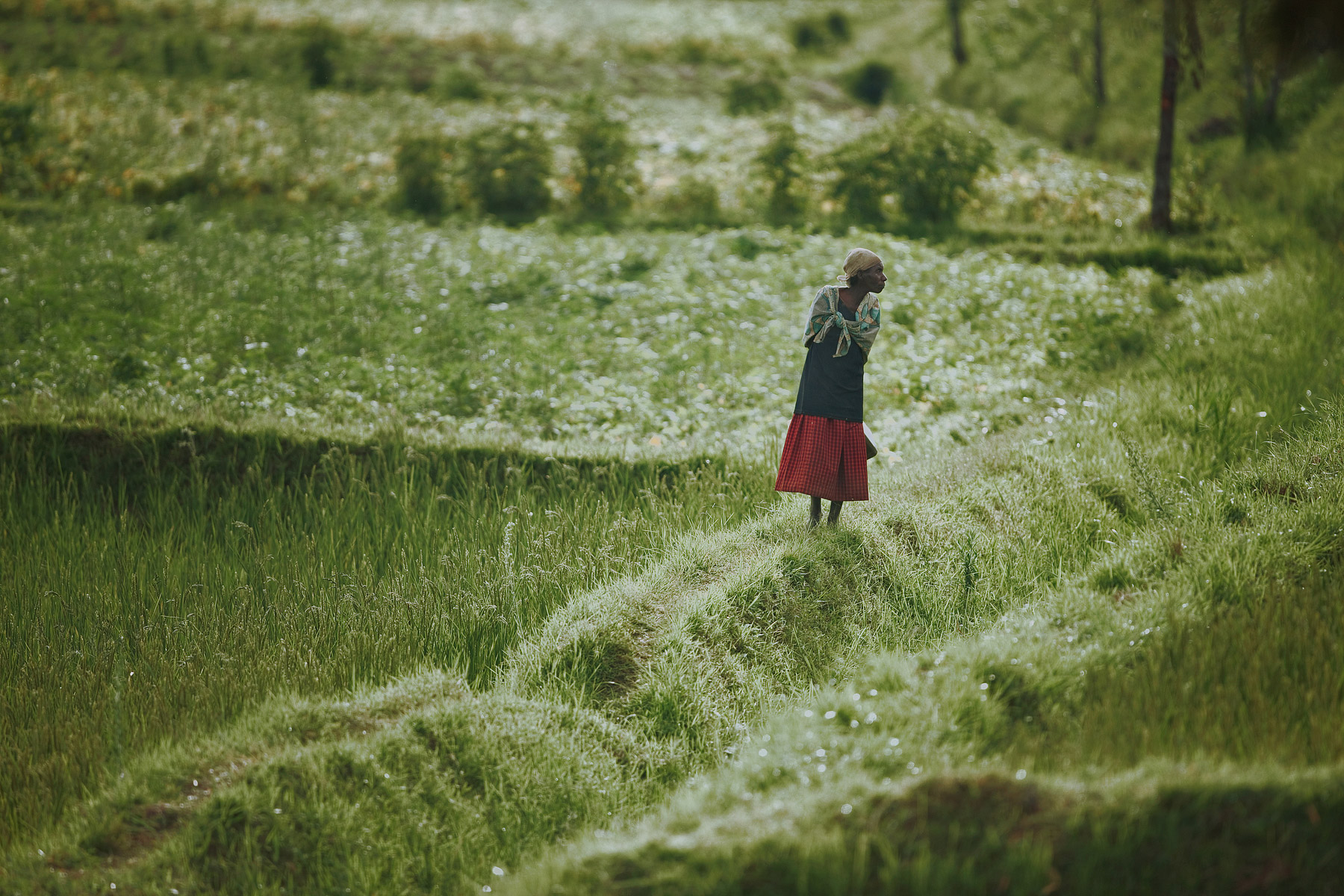
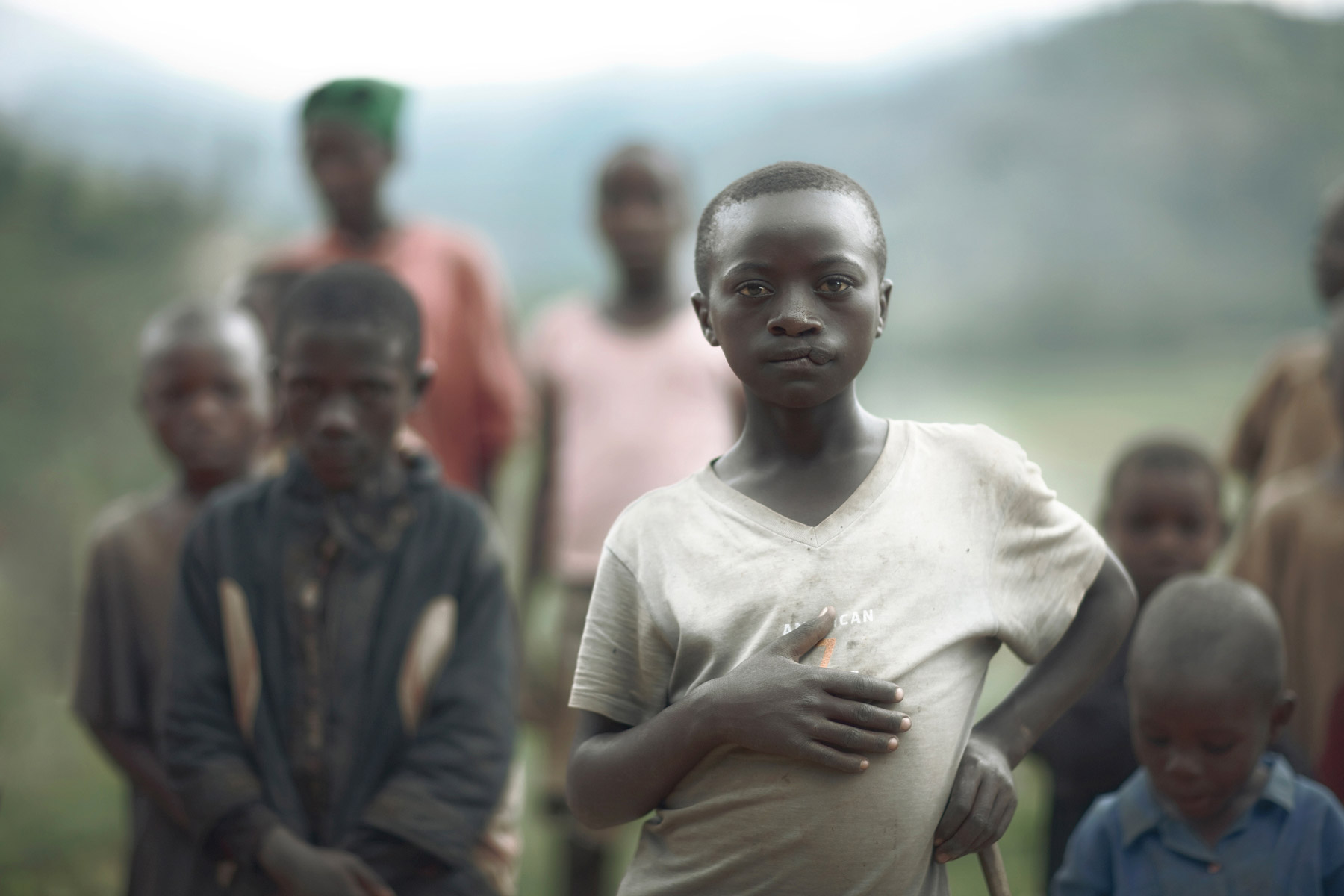
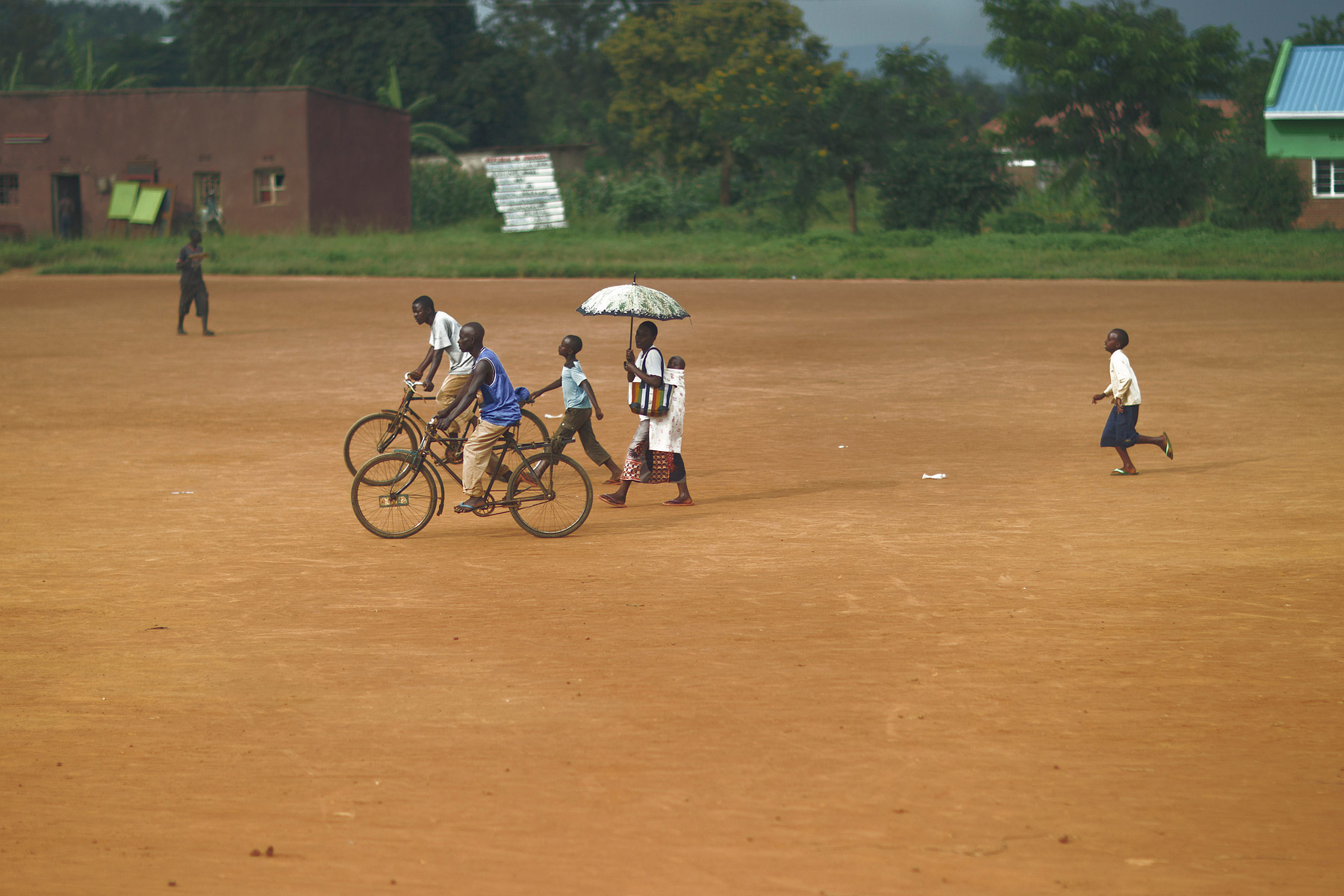
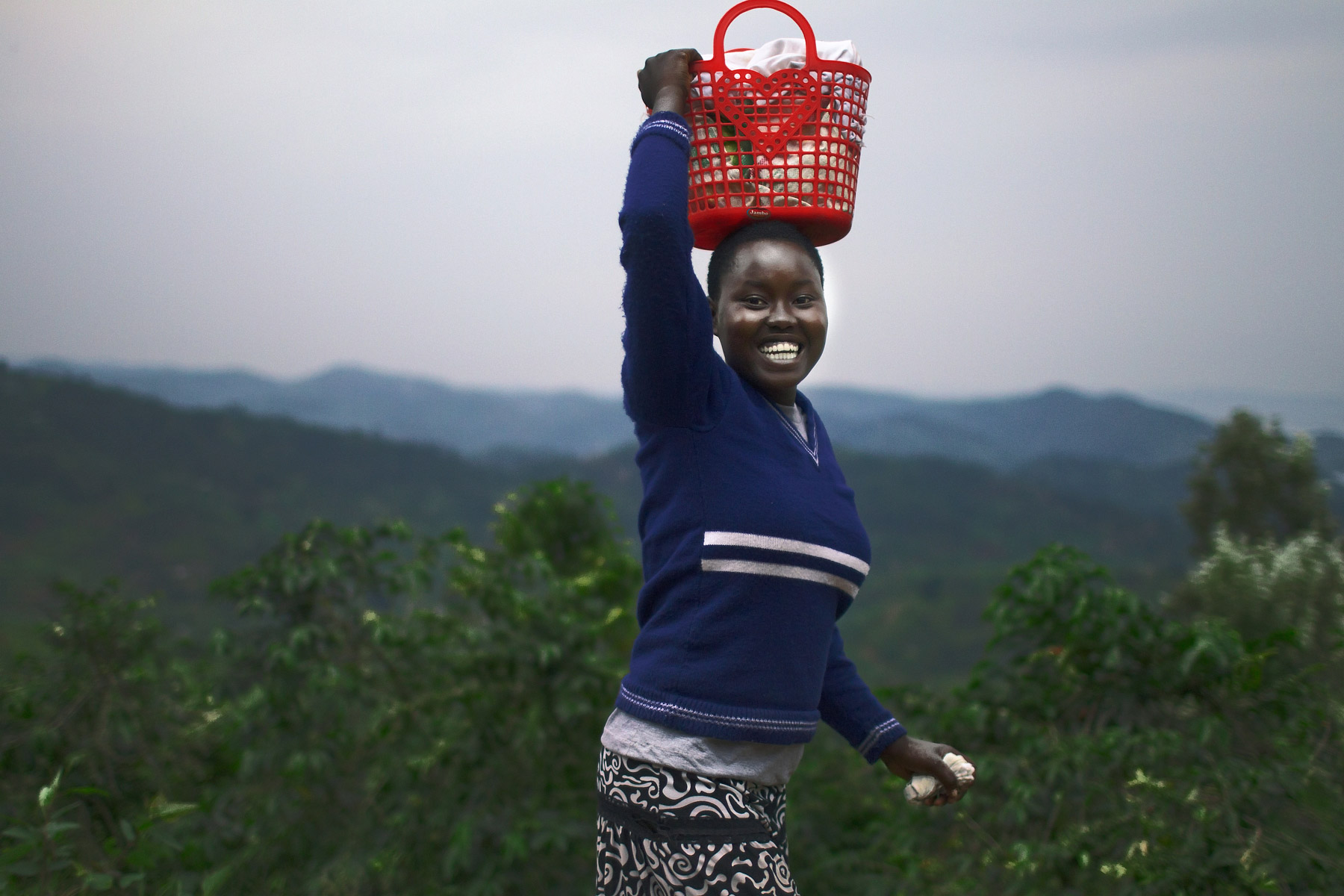

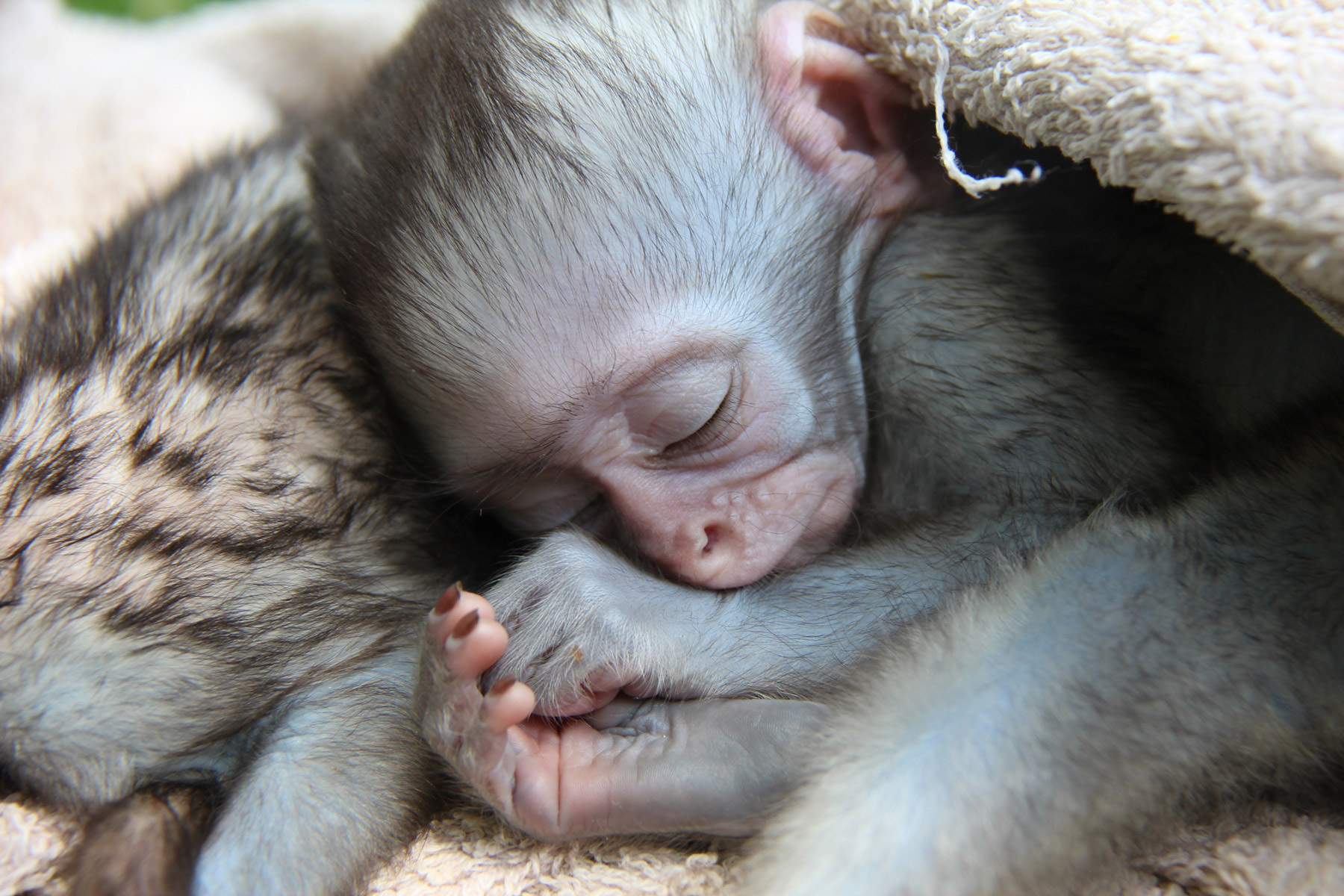
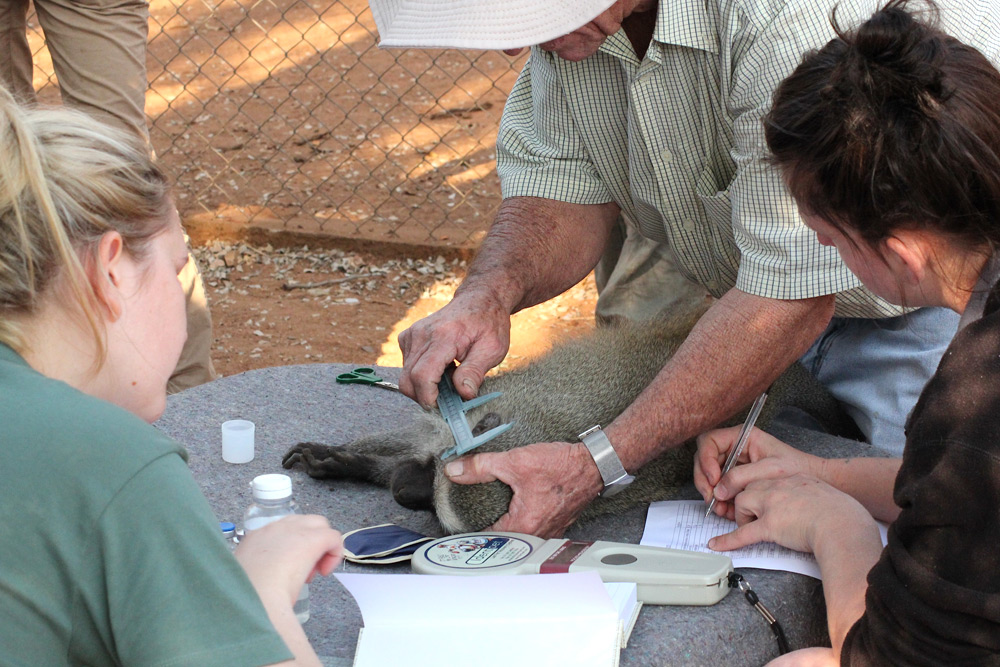
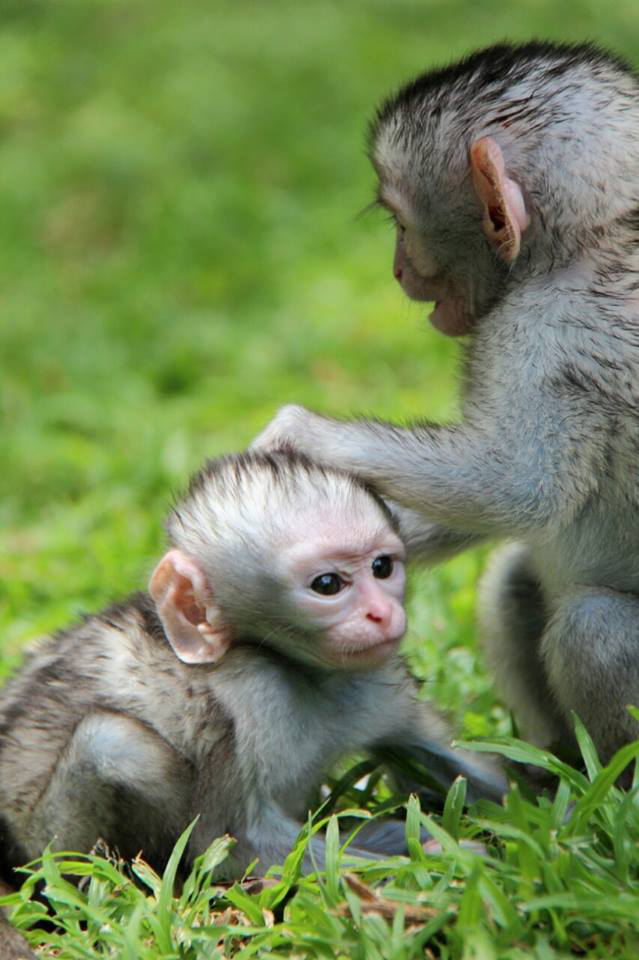
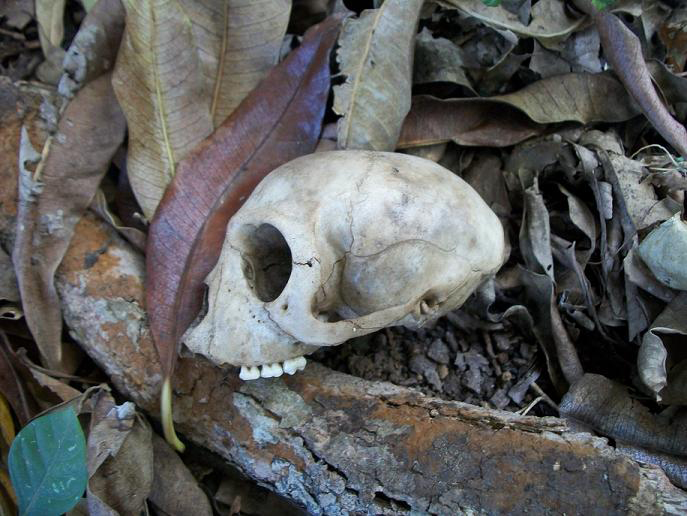
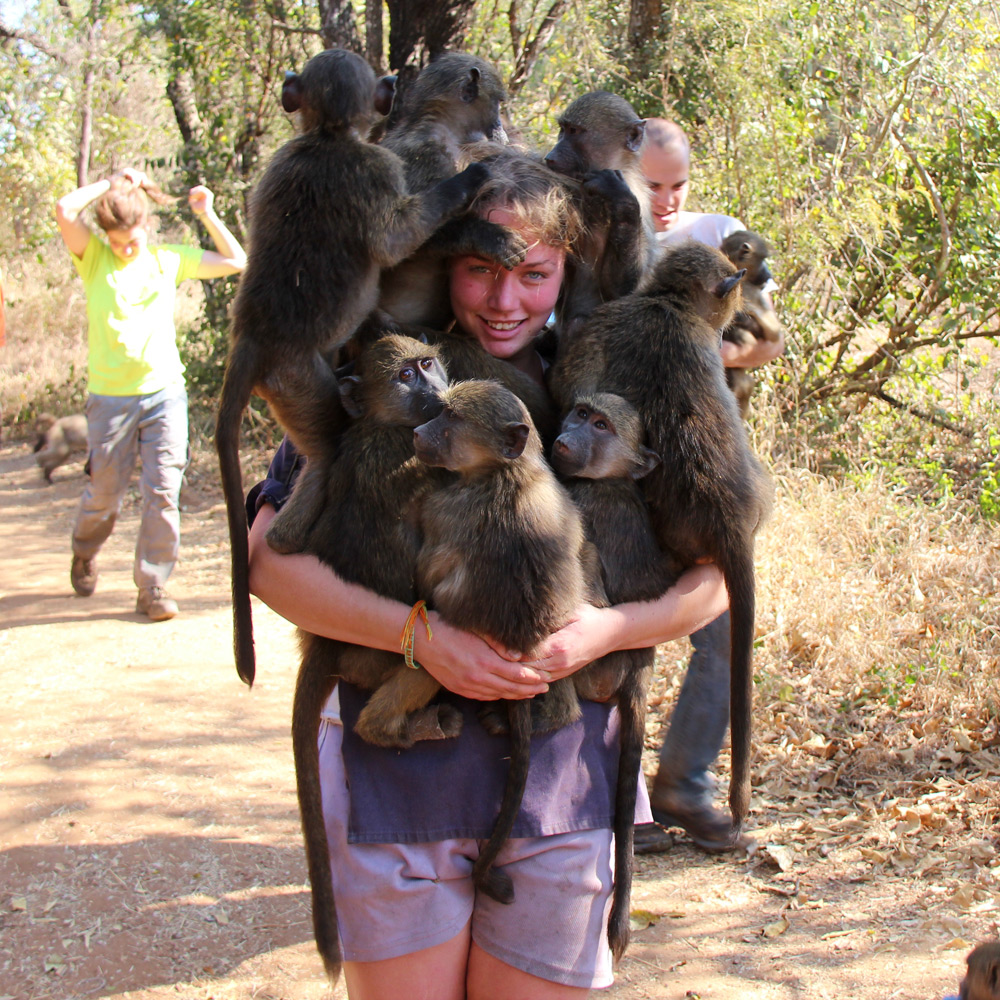
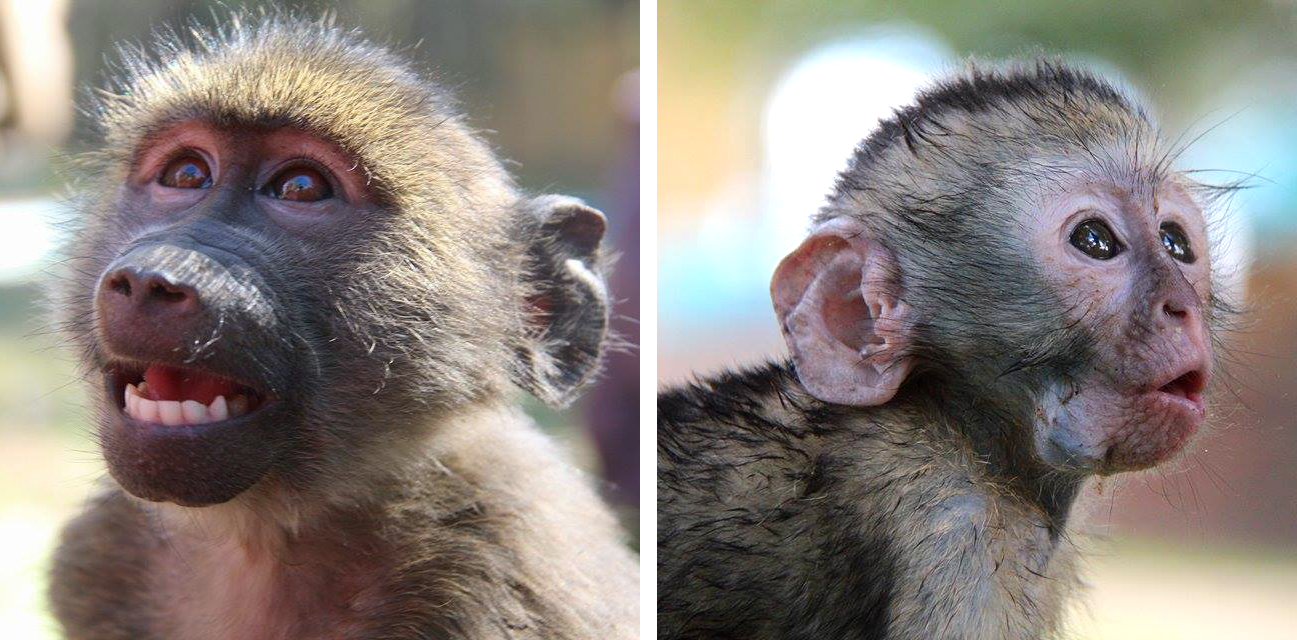
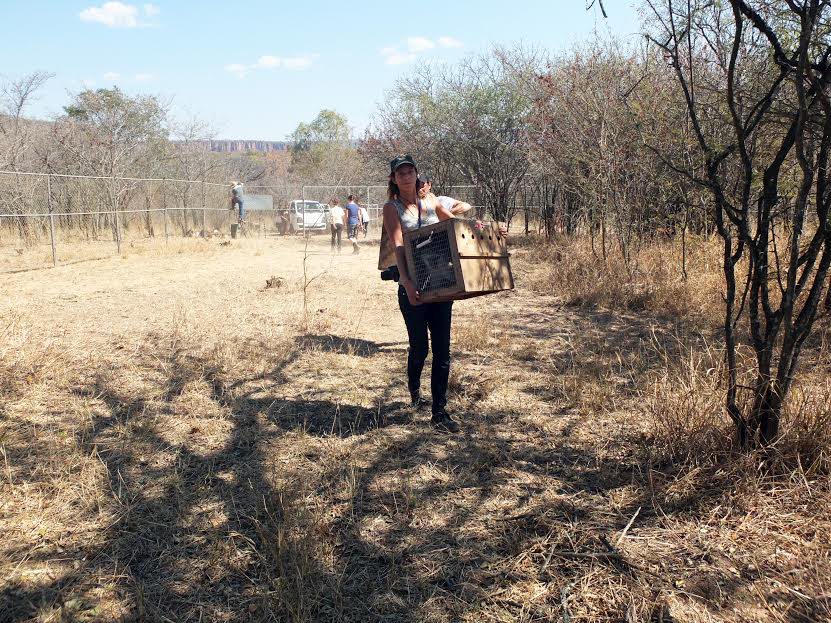
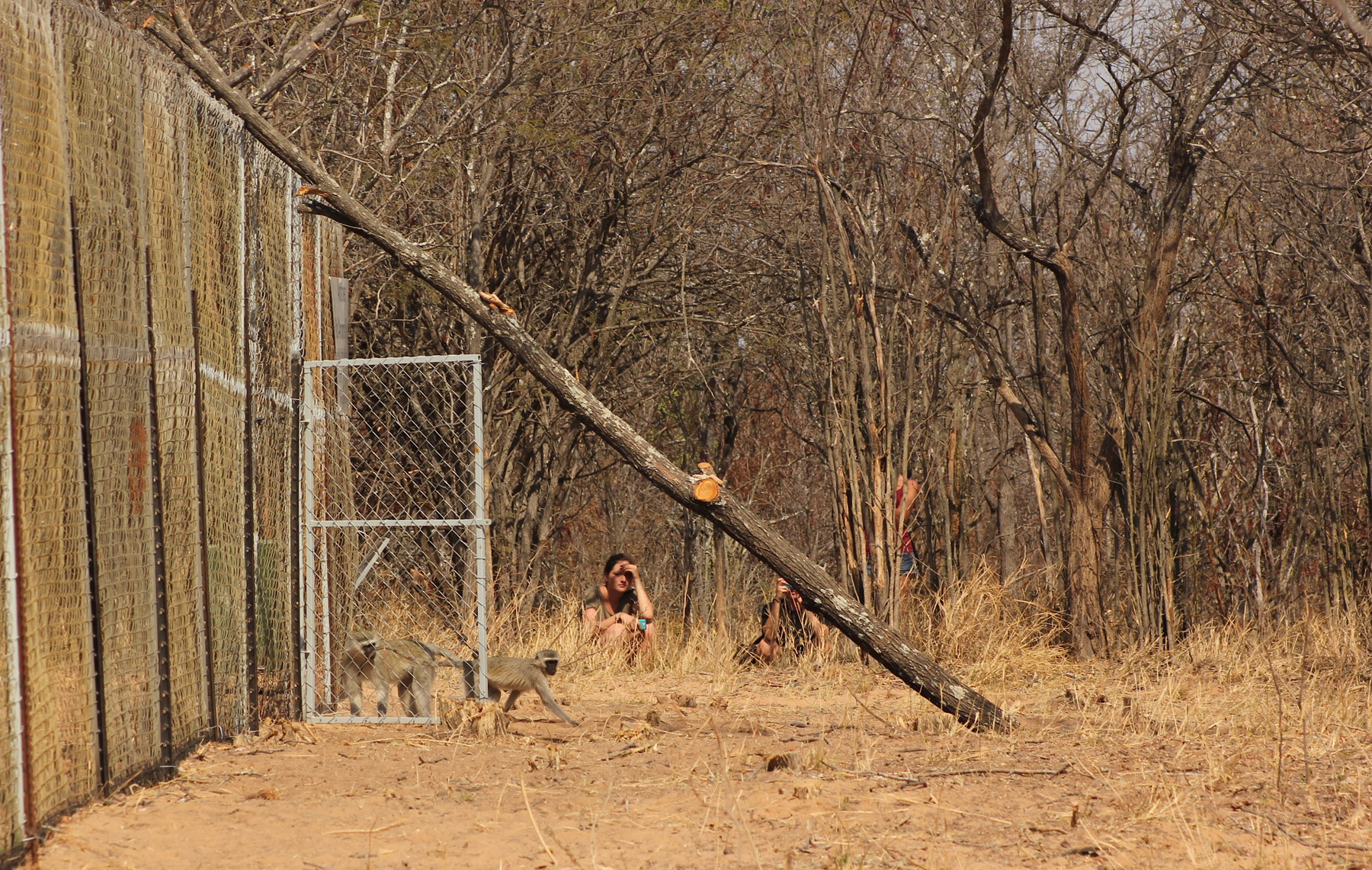
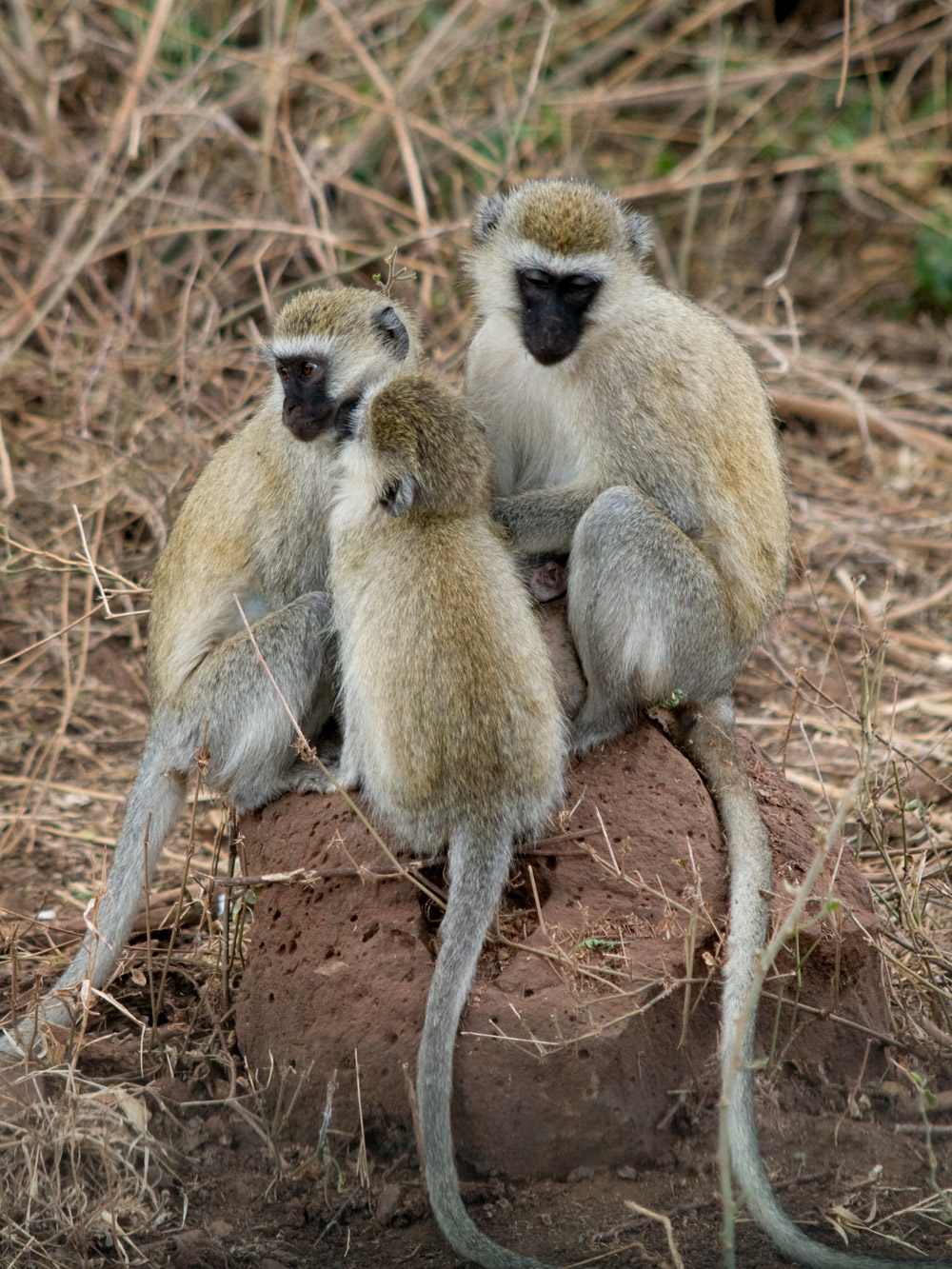
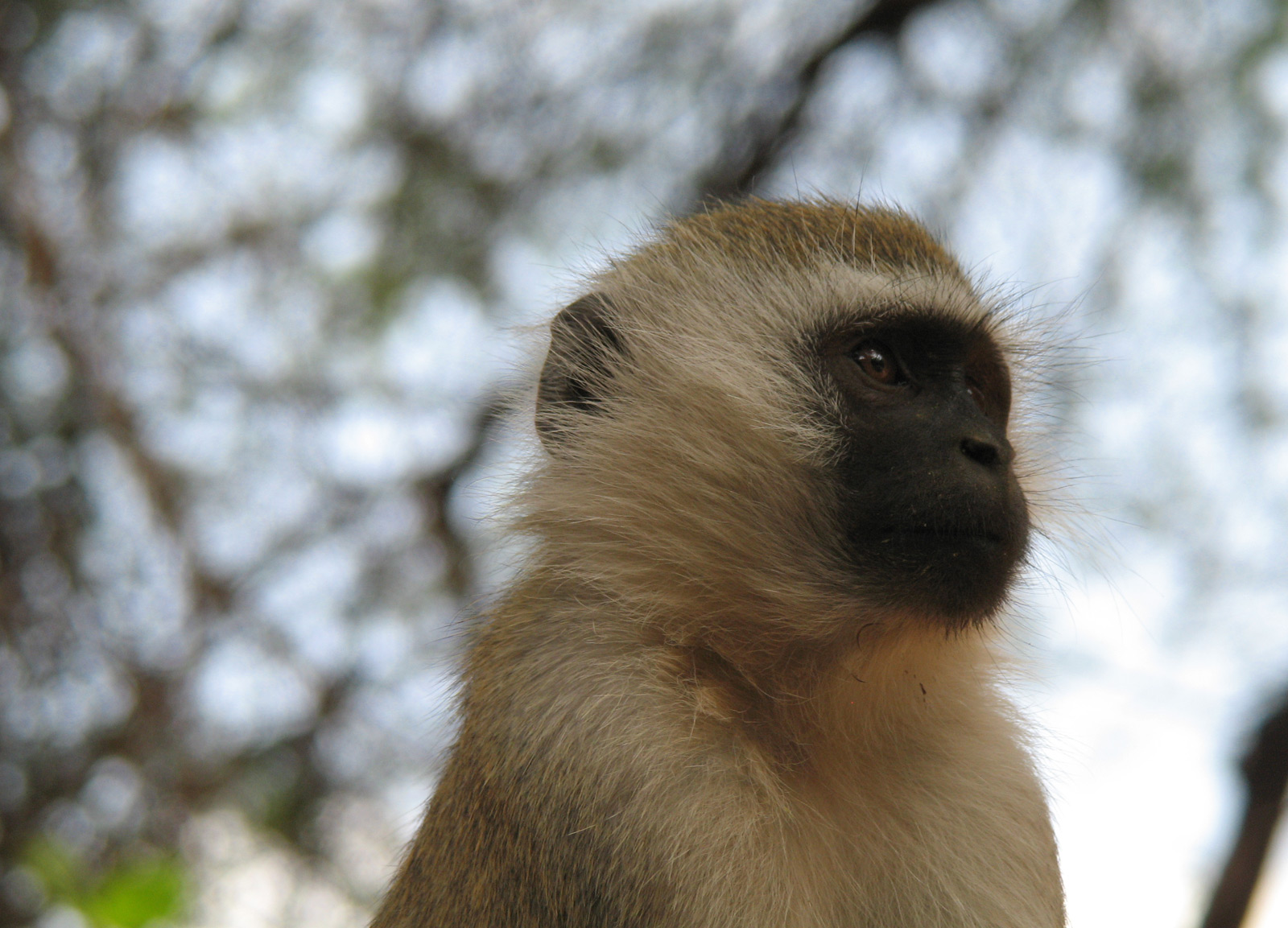
 MAHINA PERROT is a Tahitian-born journalist with a passion for telling stories of conservation. In 2013, she founded Wildlife Sanctuaries Worldwide. This non-profit organisation aims to raise awareness about wildlife sanctuaries and rehabilitation centres around the world via the publication of articles in newspapers and magazines. WSW aims to become a label which will be awarded to sanctuaries and projects that are working towards creating a sustainable future for communities and wildlife. Mahina currently bases herself in France and regularly travels to Africa.
 JESSICA BLOYE is a first-year veterinary student from Lancashire, England. She travels as much as possible in her spare time and documents her journeys through photography. During her gap year, she spent ten months at Riverside Wildlife Rehabilitation Centre, where she formed close relationships with the chacma baboons and vervet monkeys; this awakened her passion for rehabilitation, and after she’s finished her degree she would love to carry on volunteering in rehabilitation centres around the world.
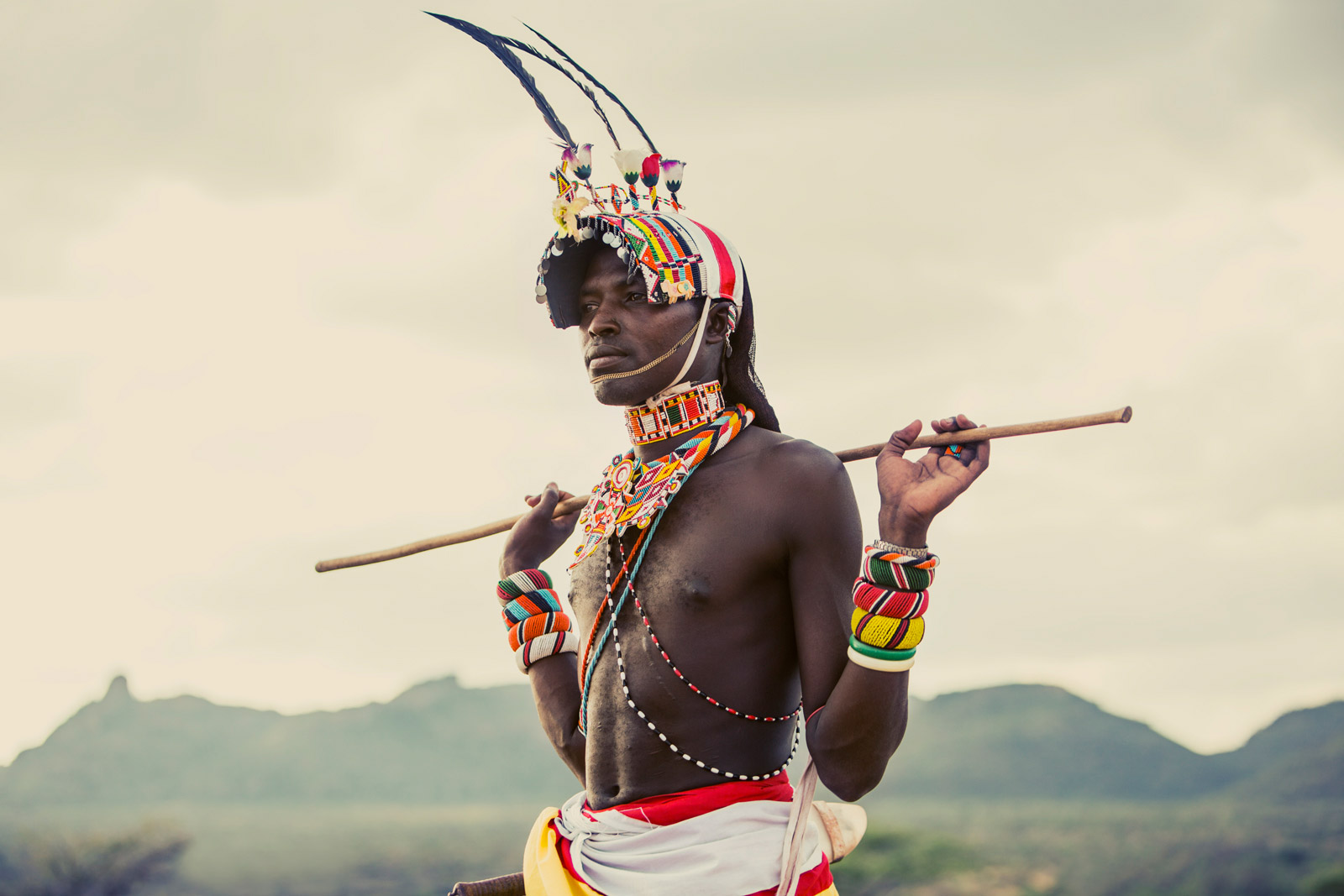
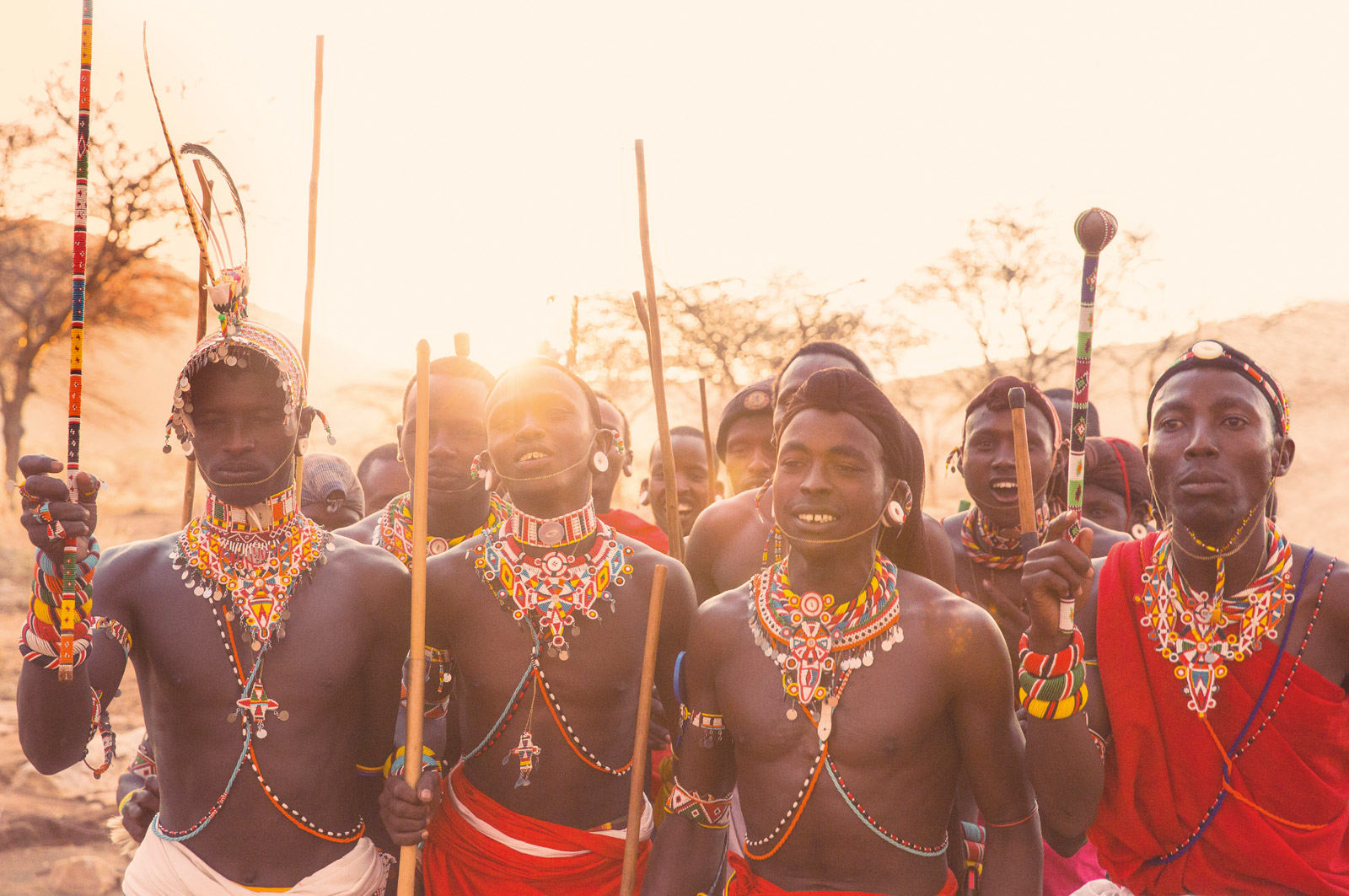
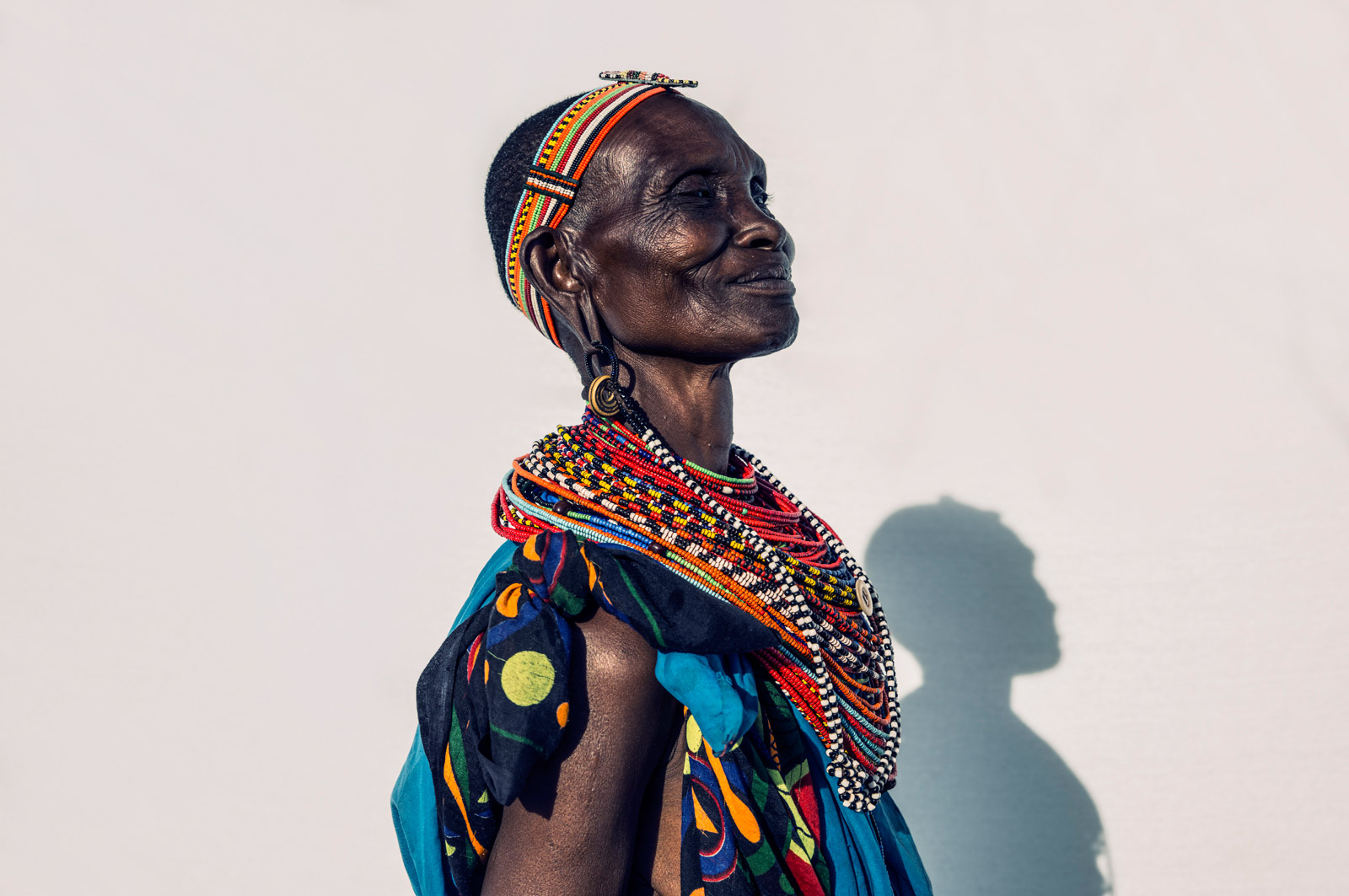
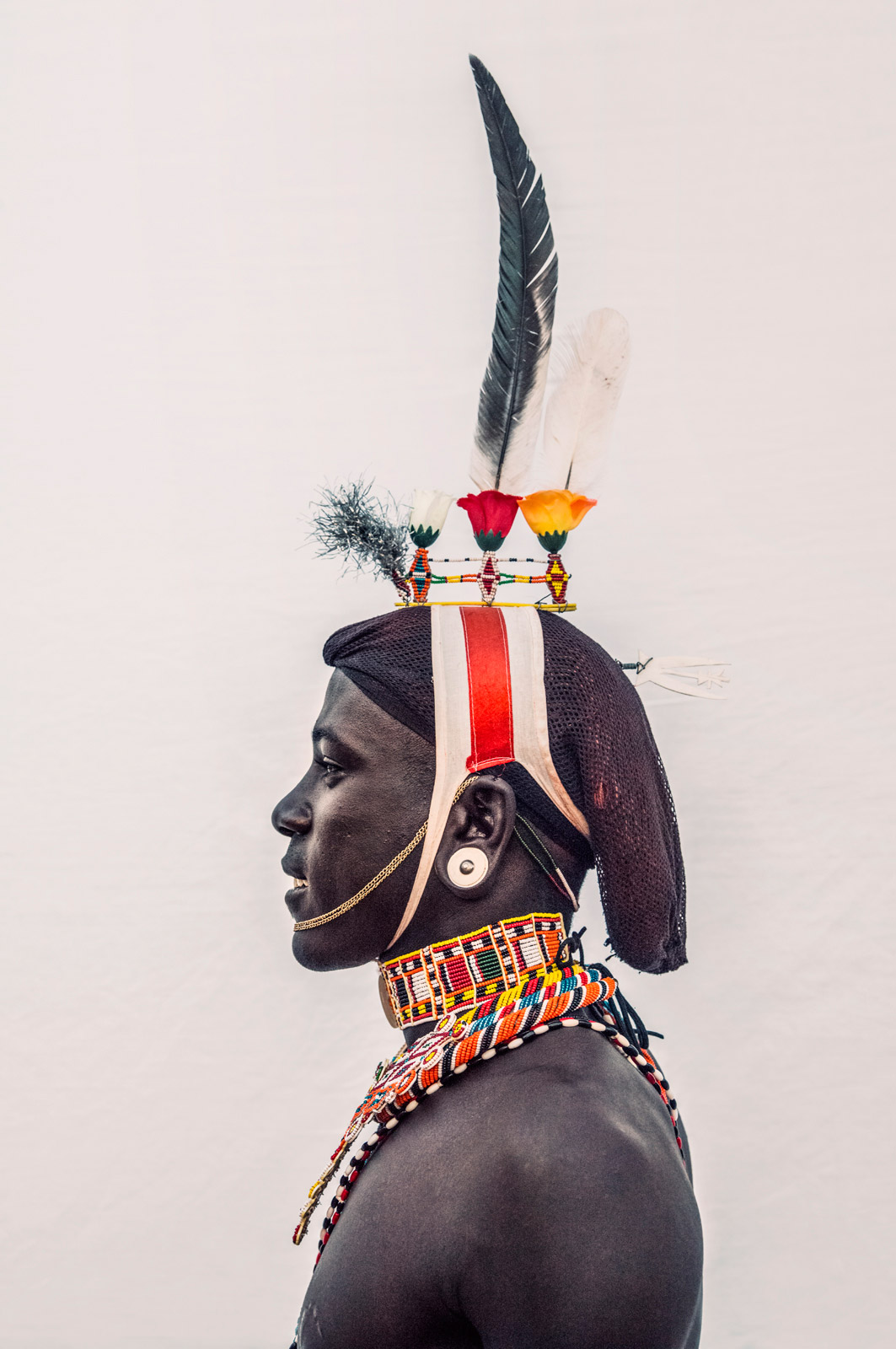
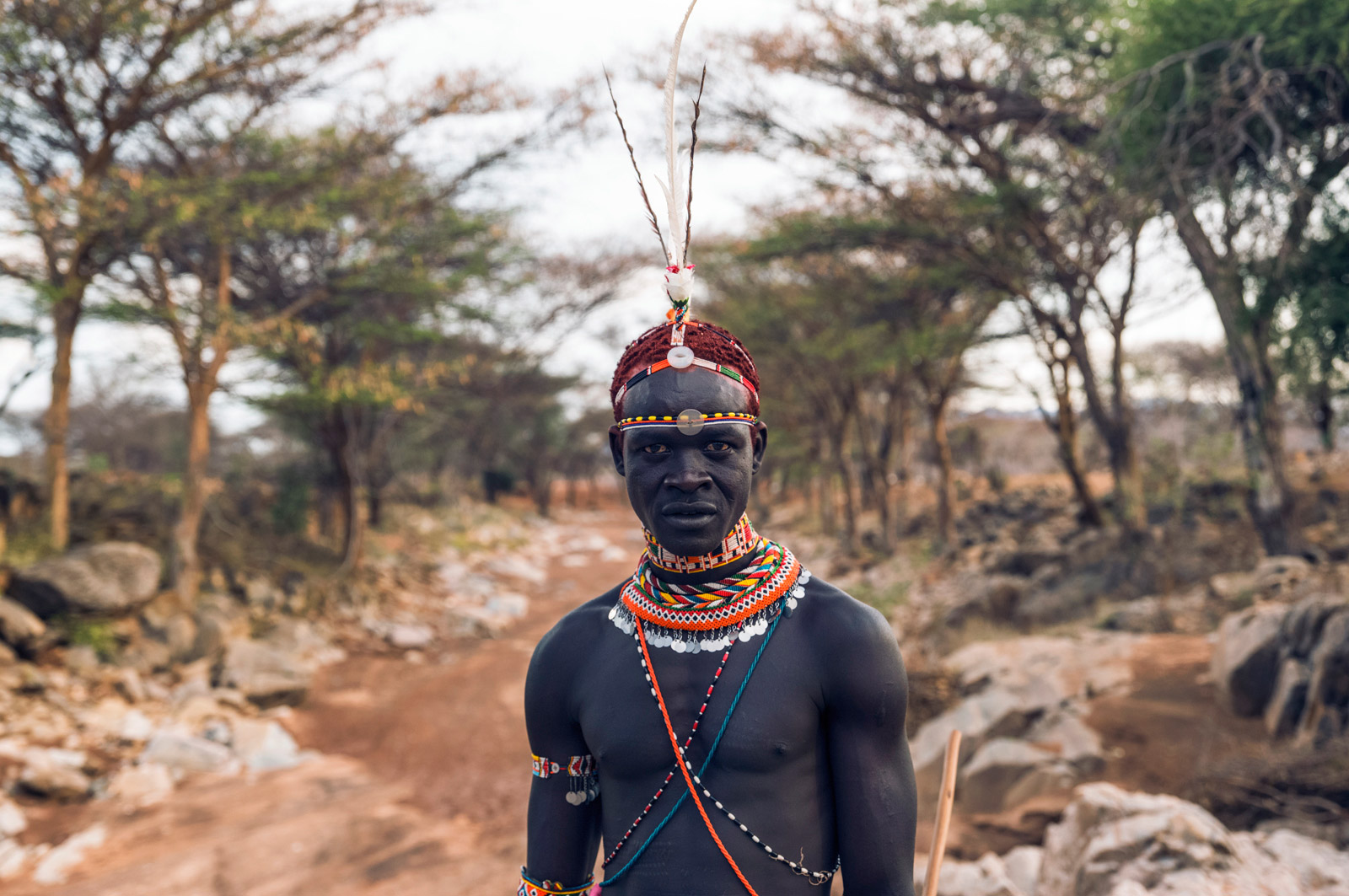
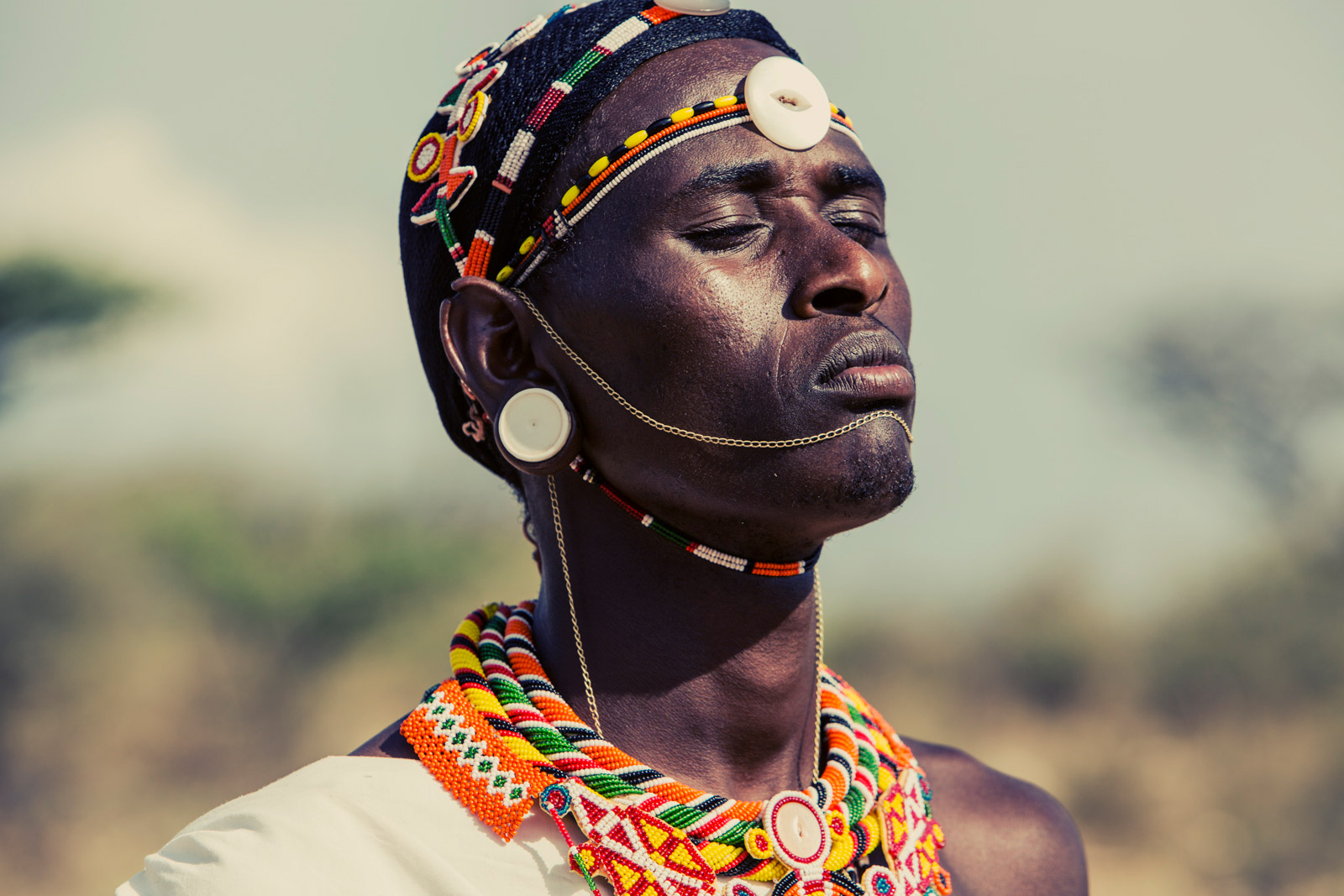
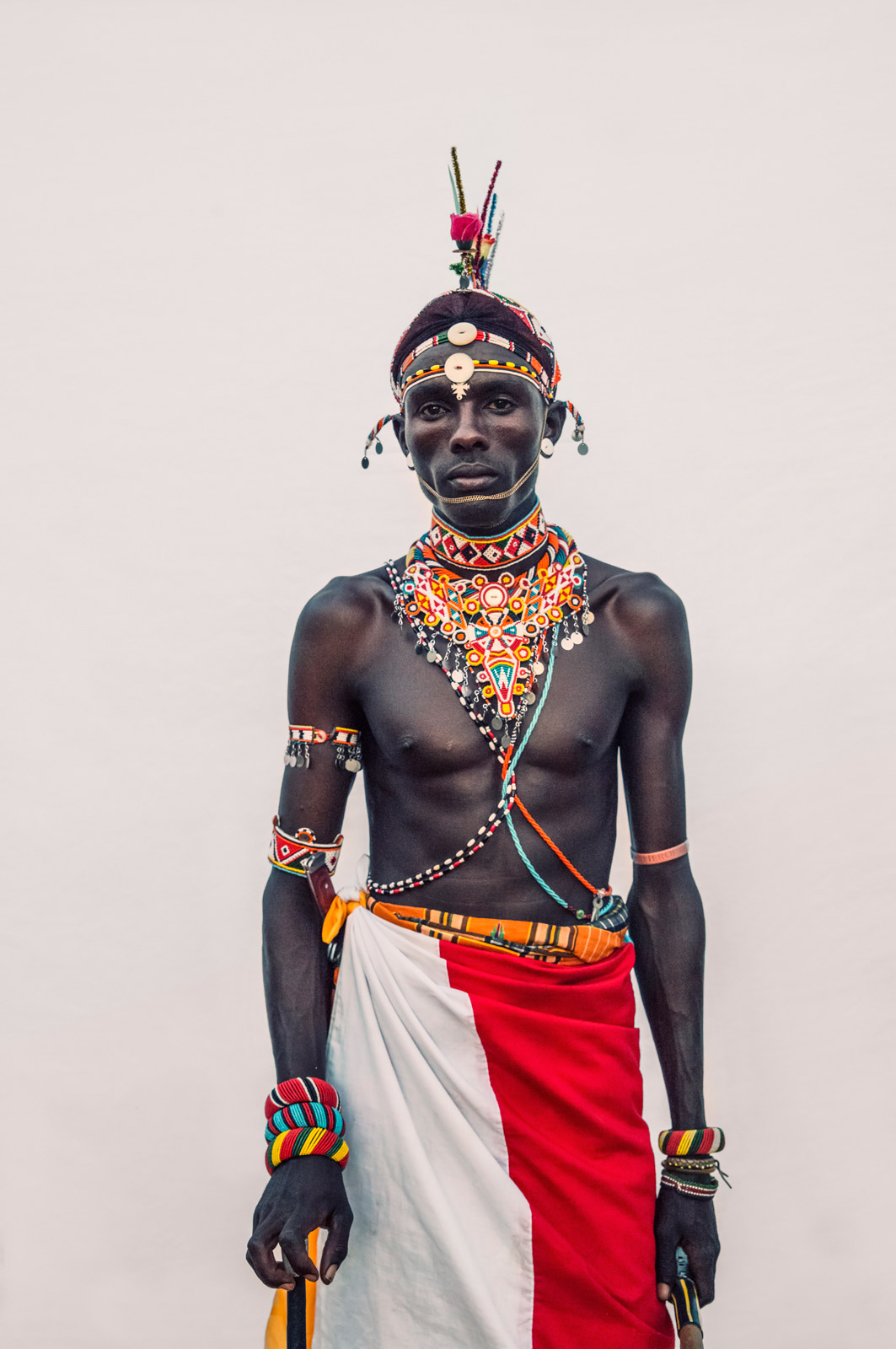

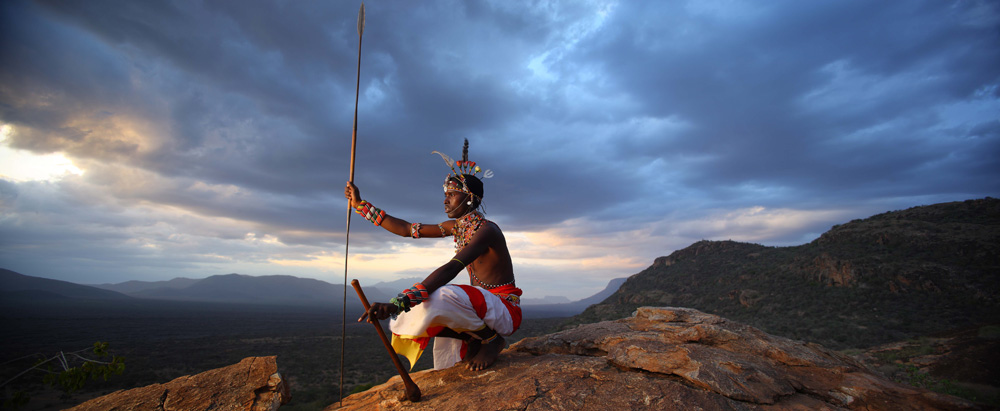
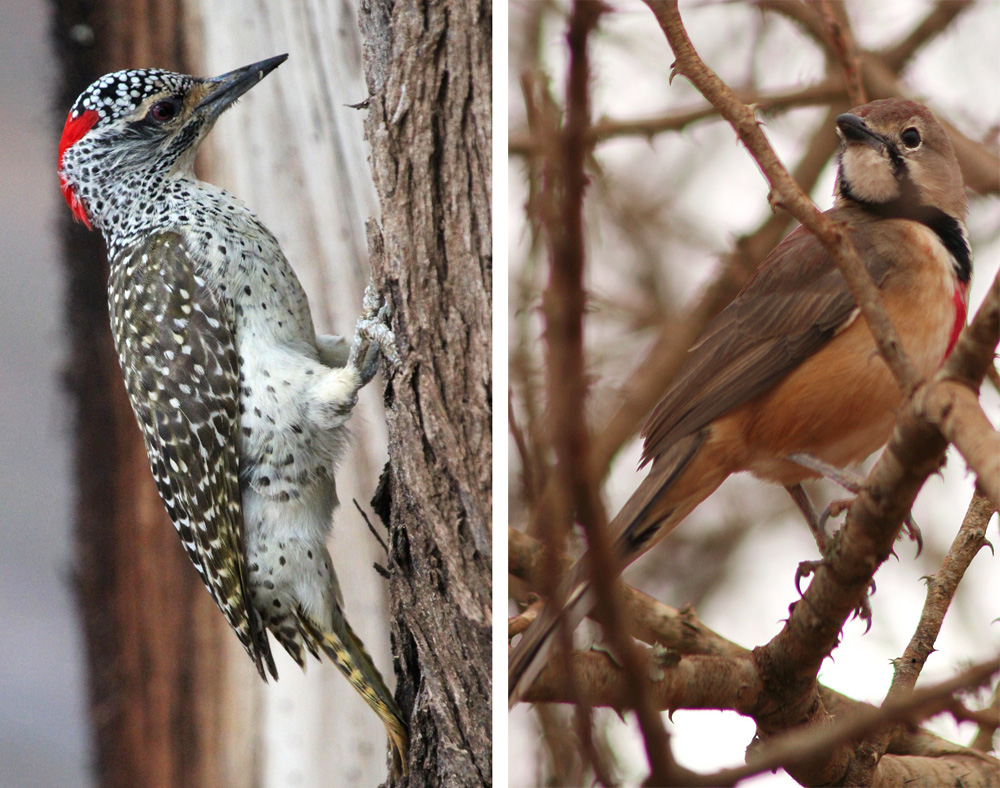
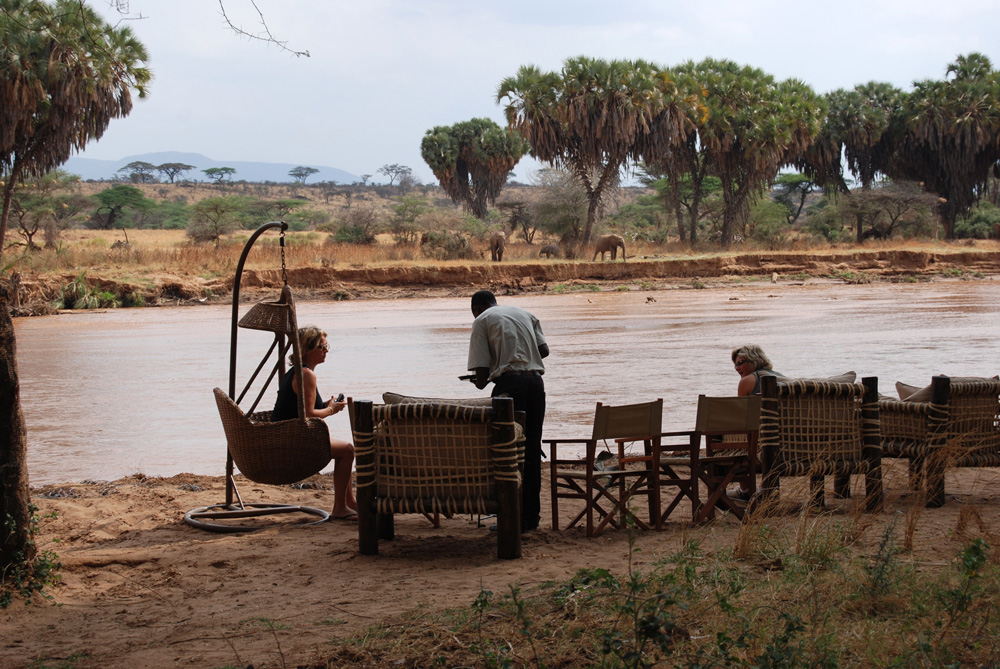
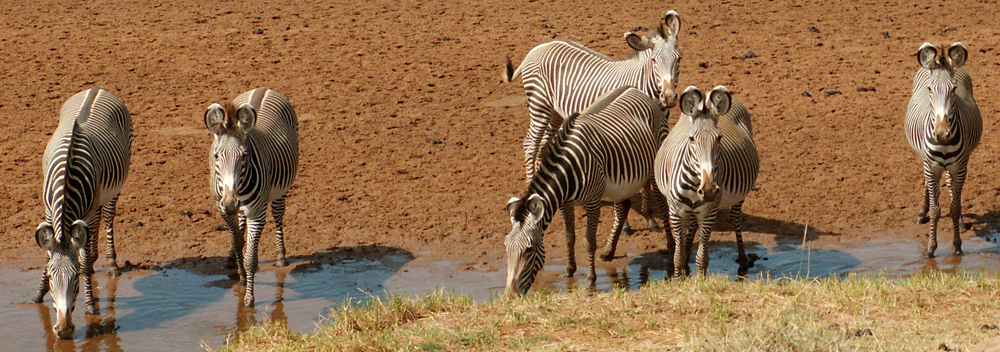
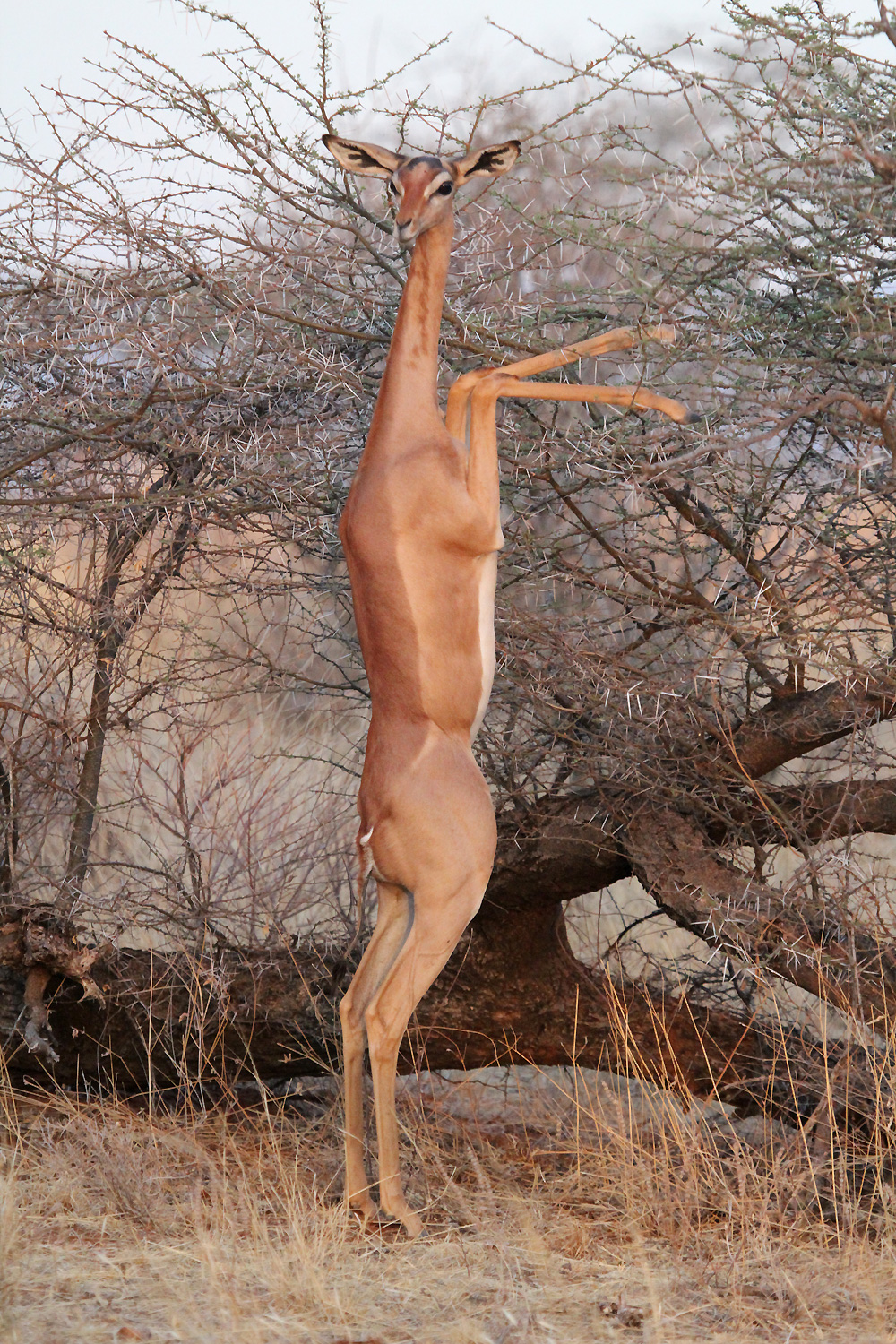
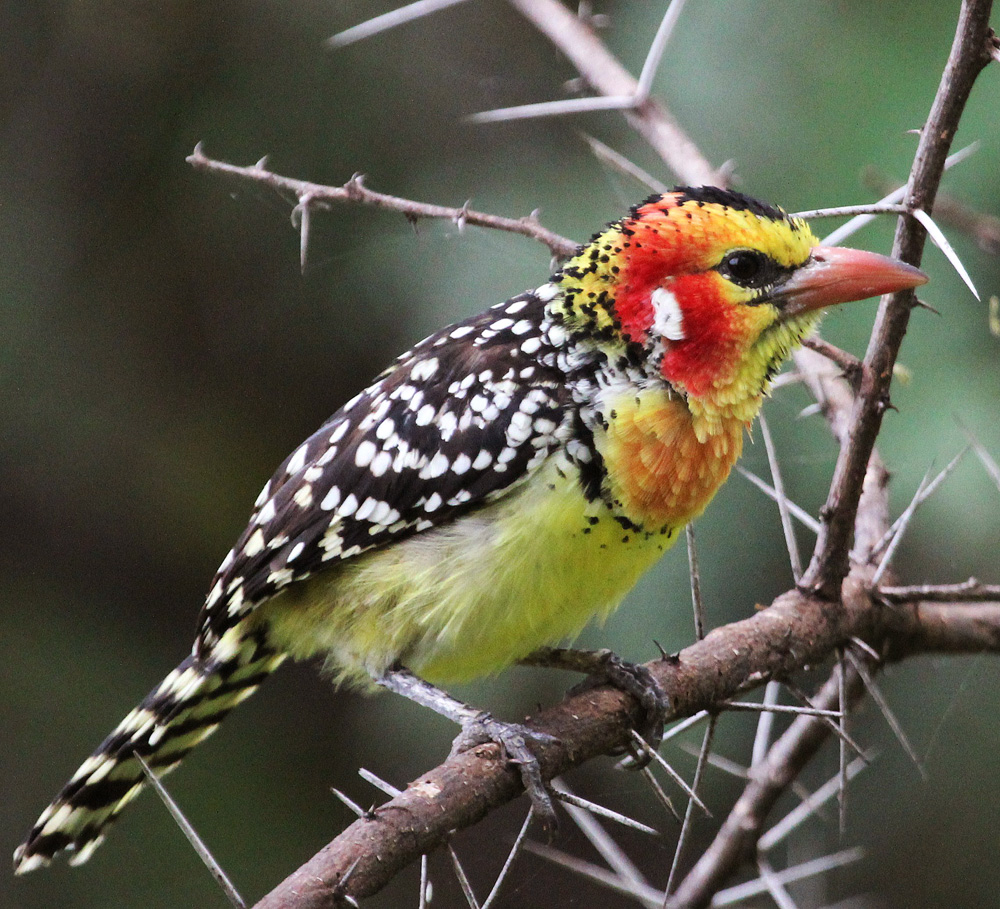
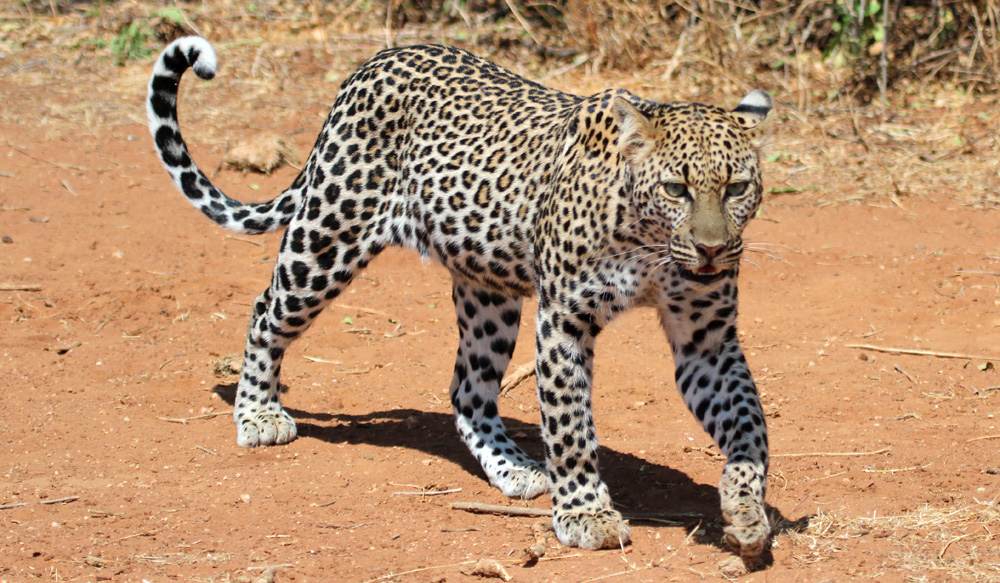
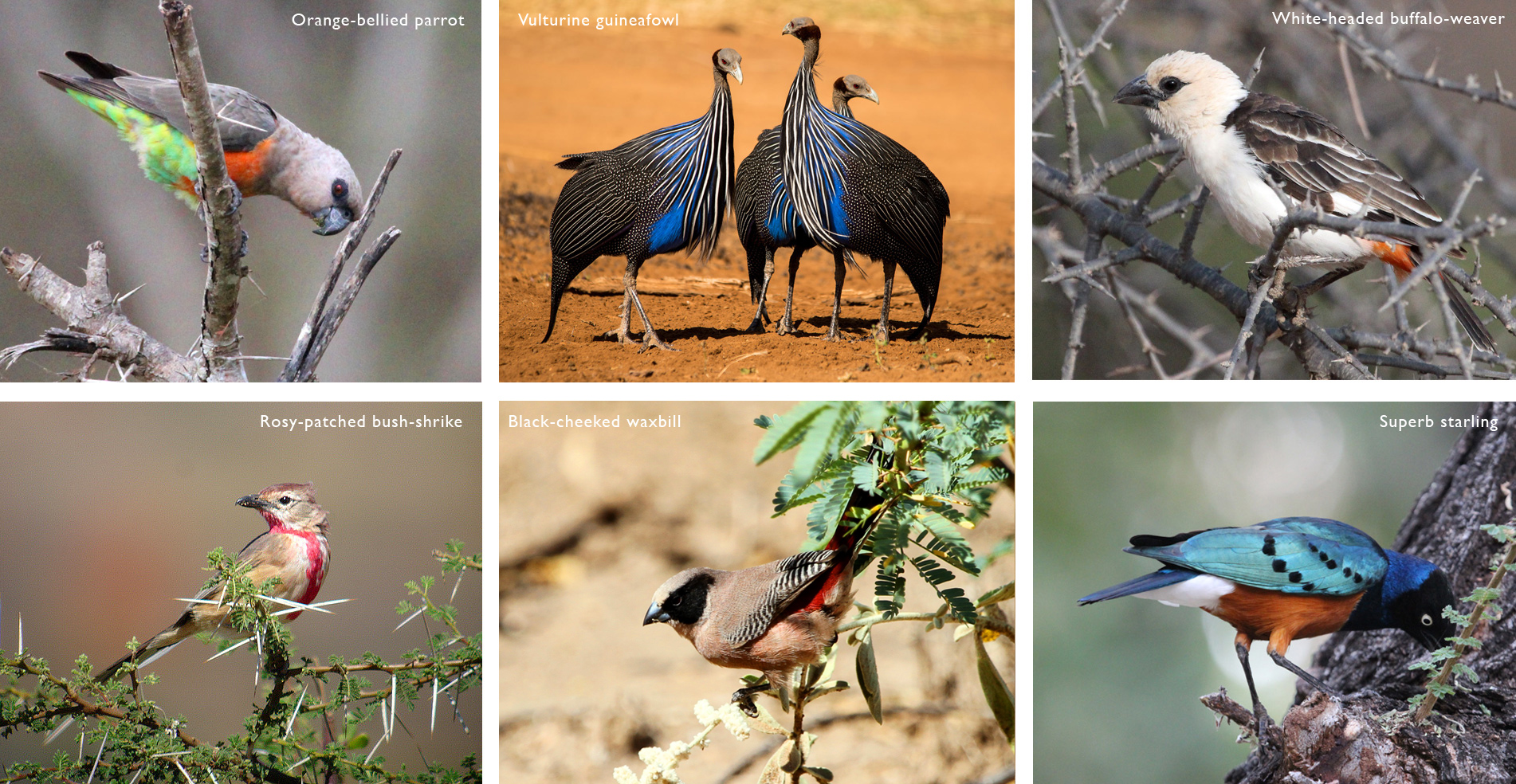
 SAMMY MUGO was born in Central Kenya near the Aberdare Mountain ranges and spent his youth visiting the beautiful Aberdare Mountain Park. It was here, while watching guests birding, that his interest in birds was triggered. Sammy’s elder brother worked as a game ranger, and he would visit him as often as he could. When his brother gave him a book on the birds of Africa and a small pair of binoculars, he knew he wanted to see all the birds in his country. His real love of ornithology and photography of different bird species began. Sammy is the co-author of Kenya’s largest publication on birds, ‘Wings of Kenya’.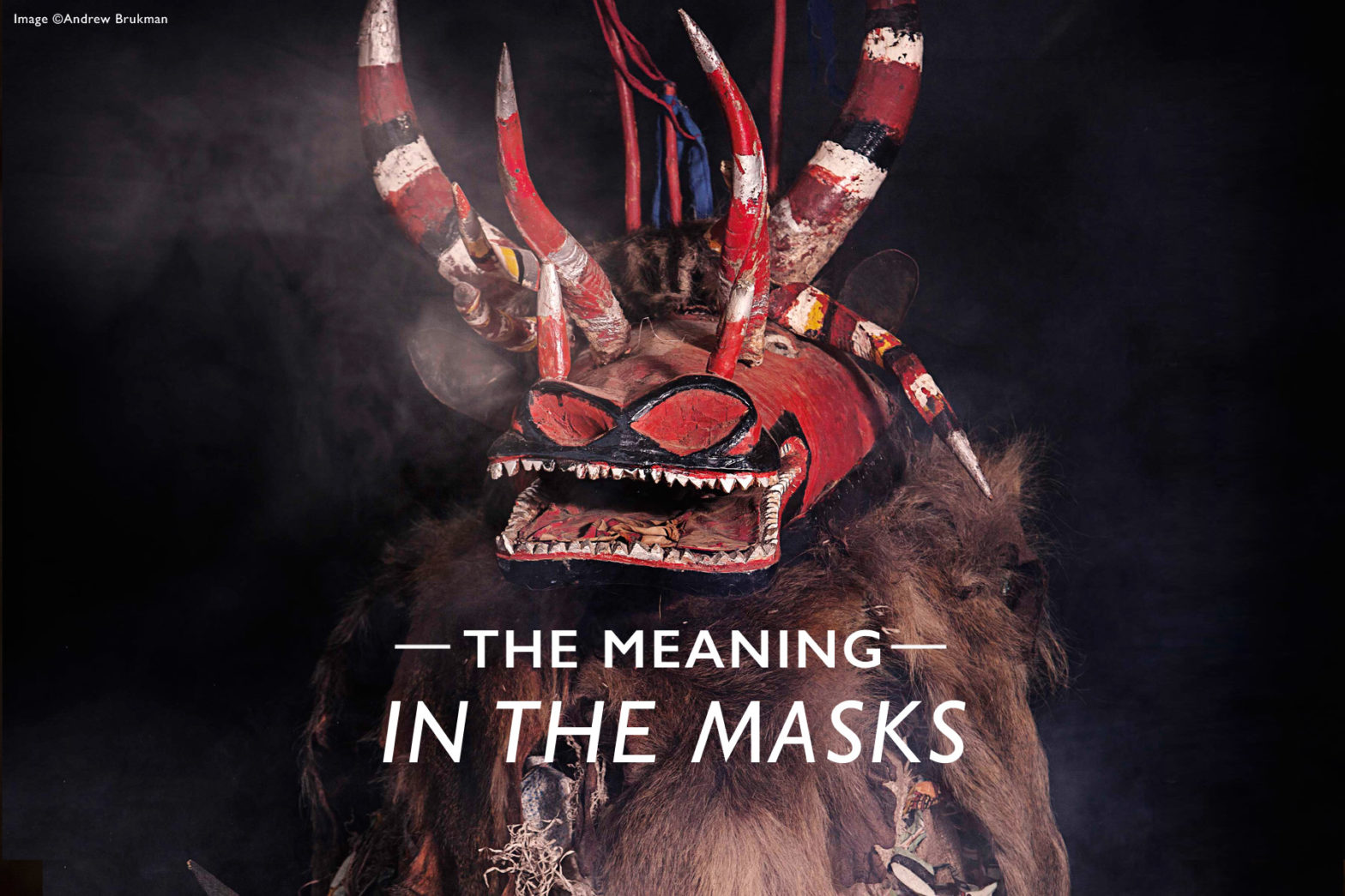
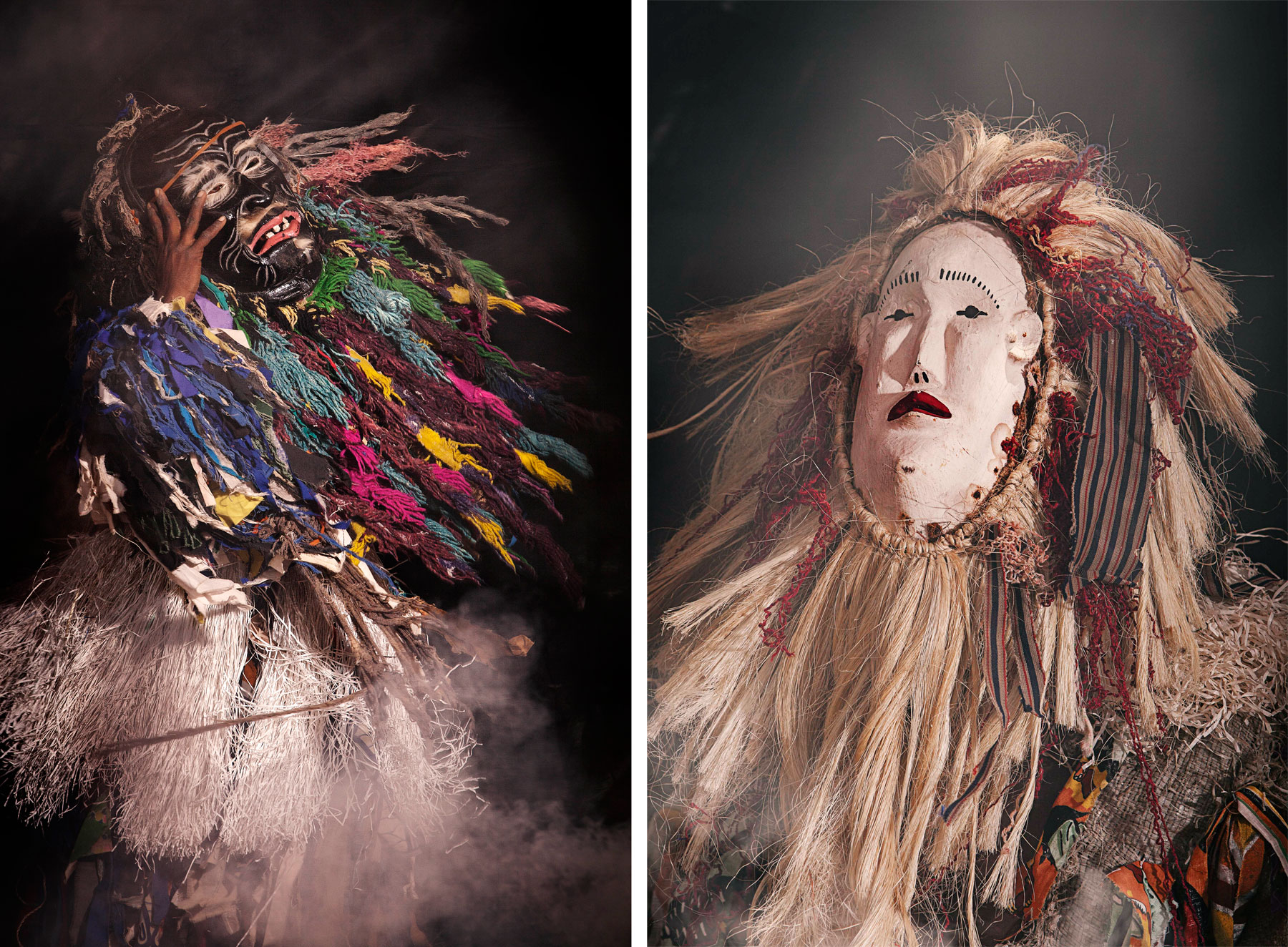
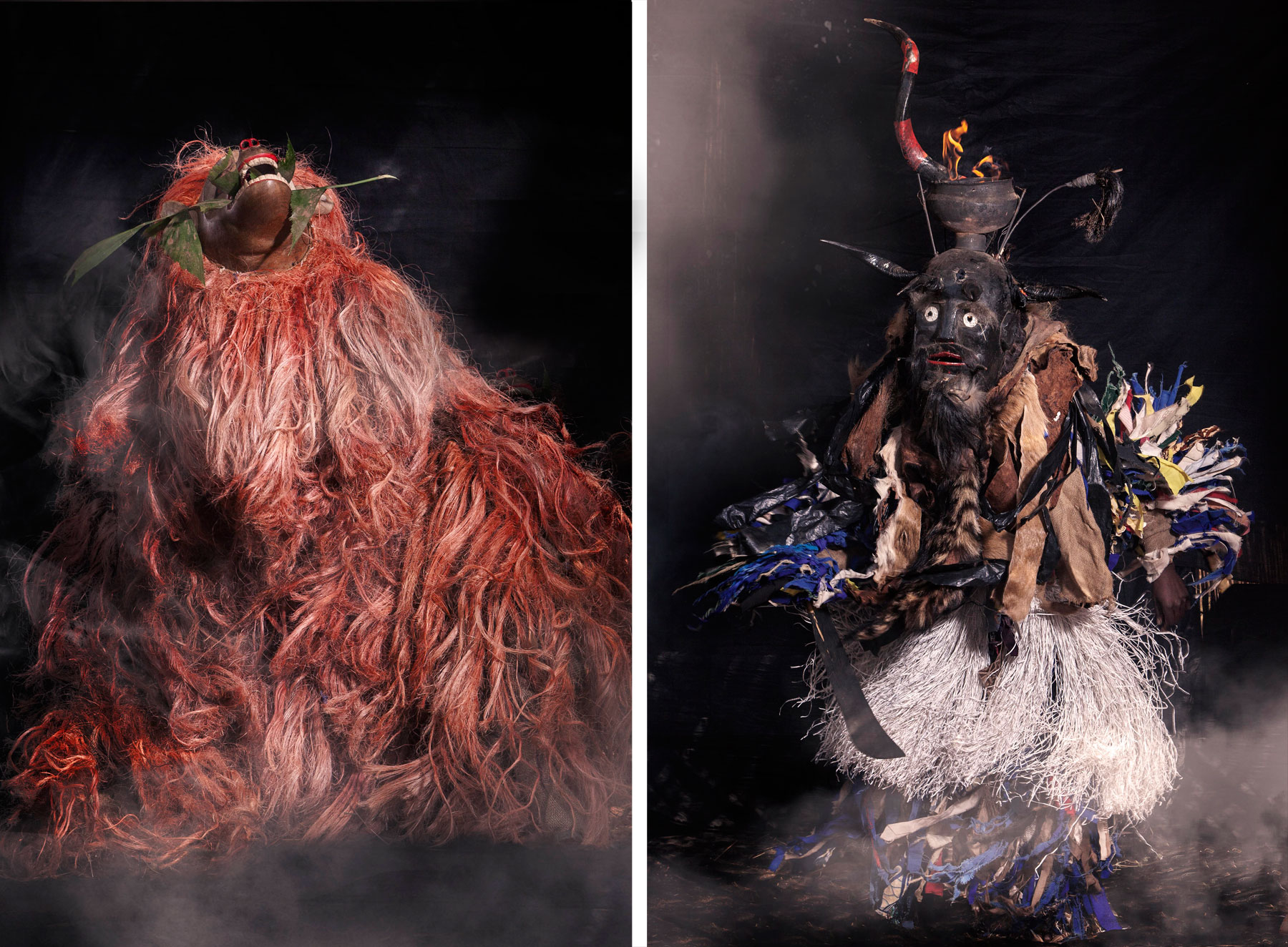
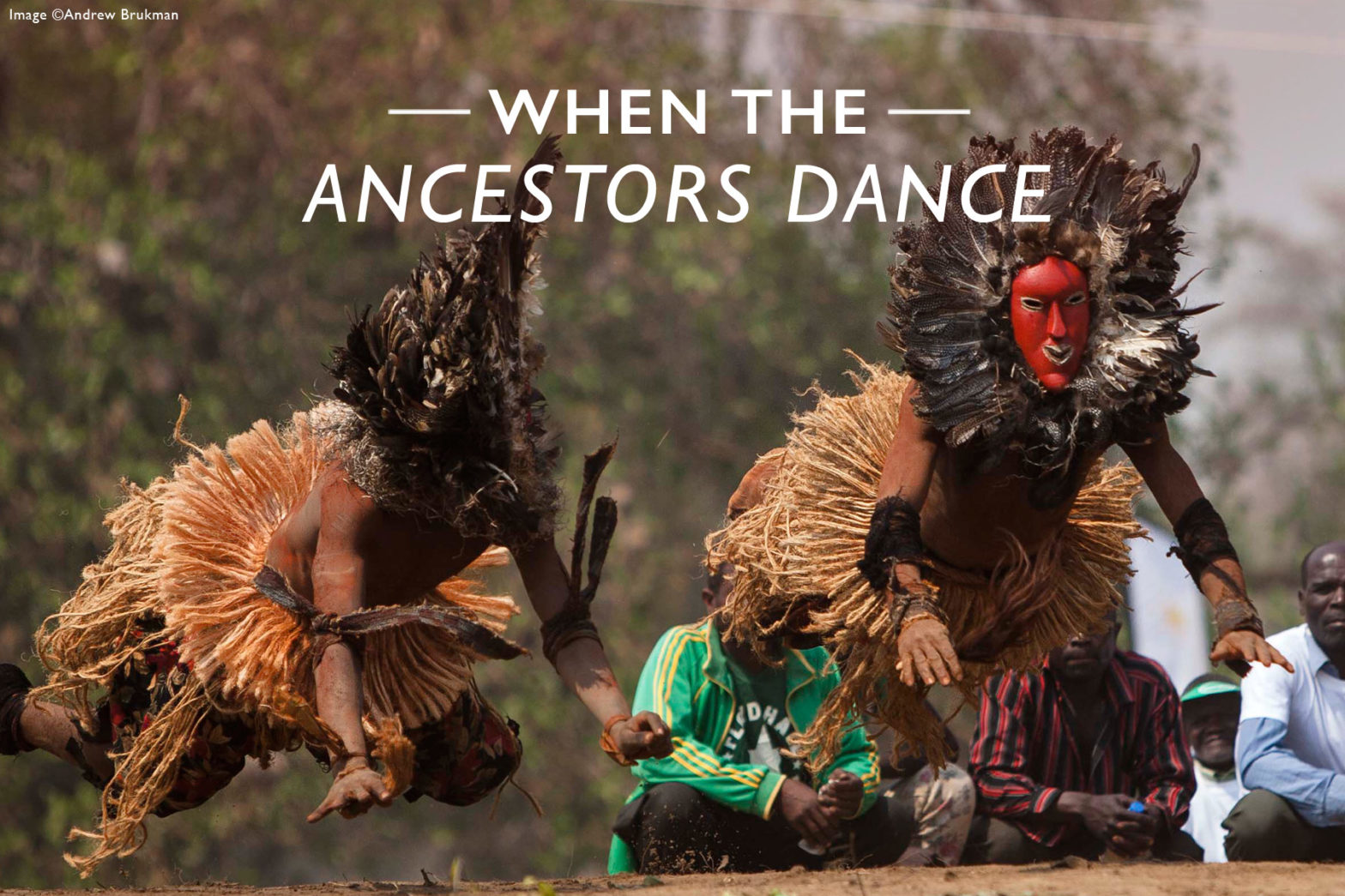
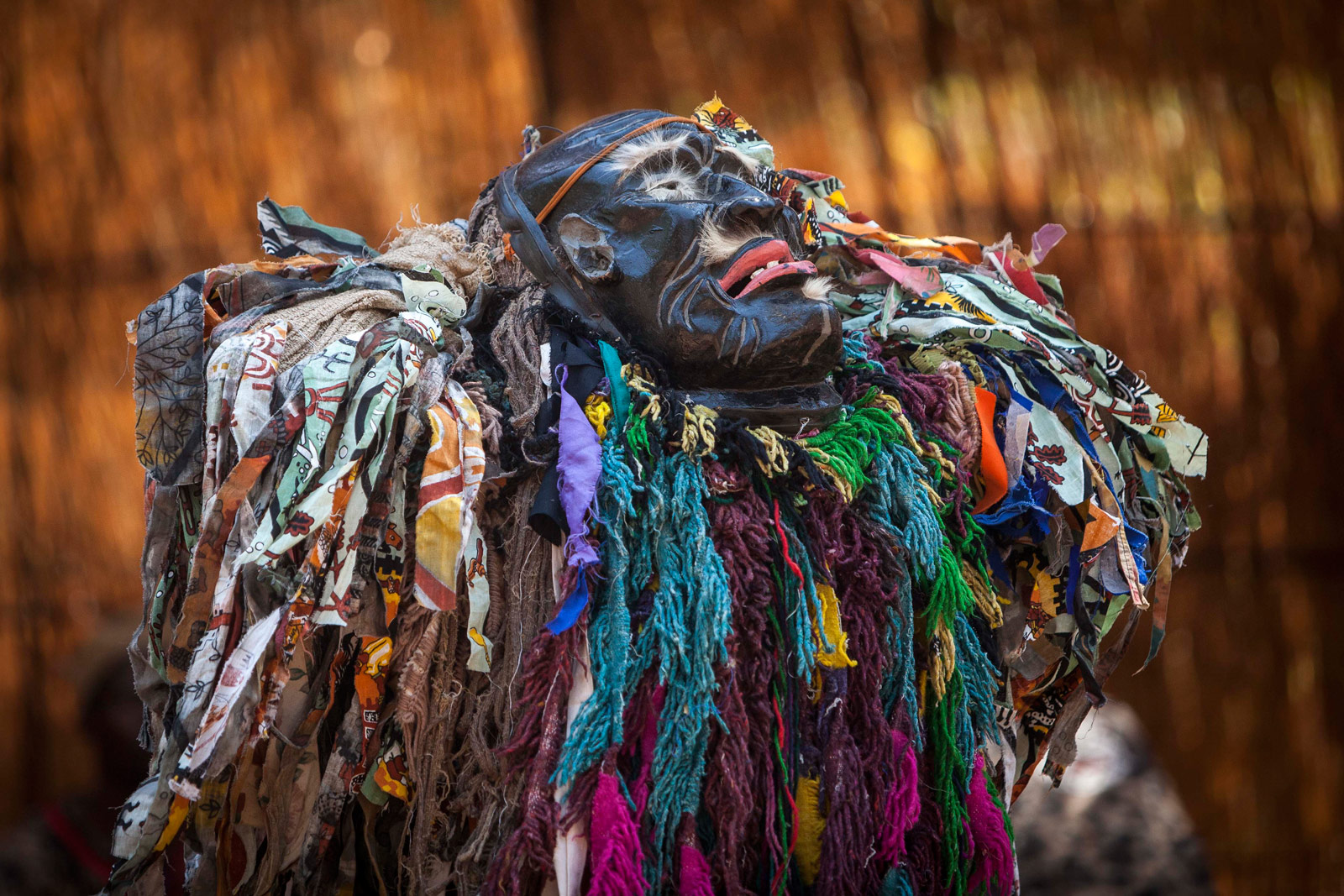
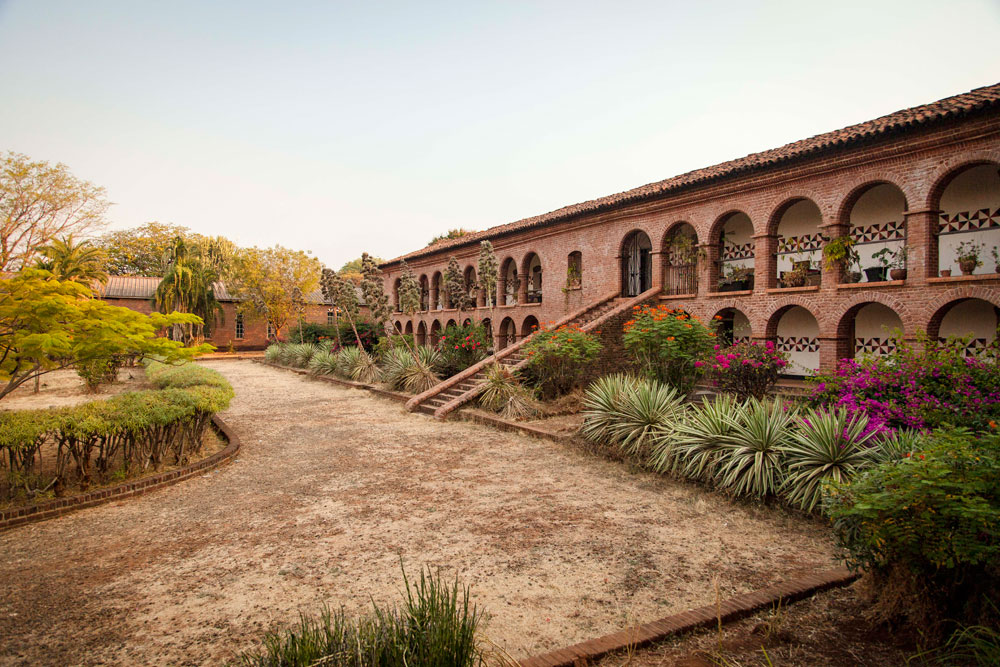
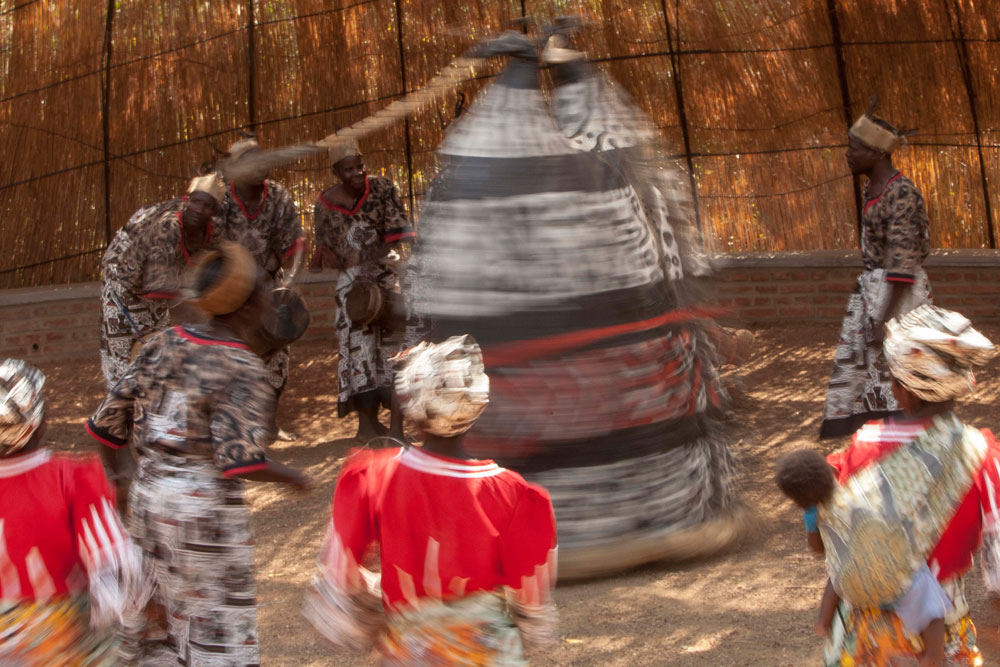
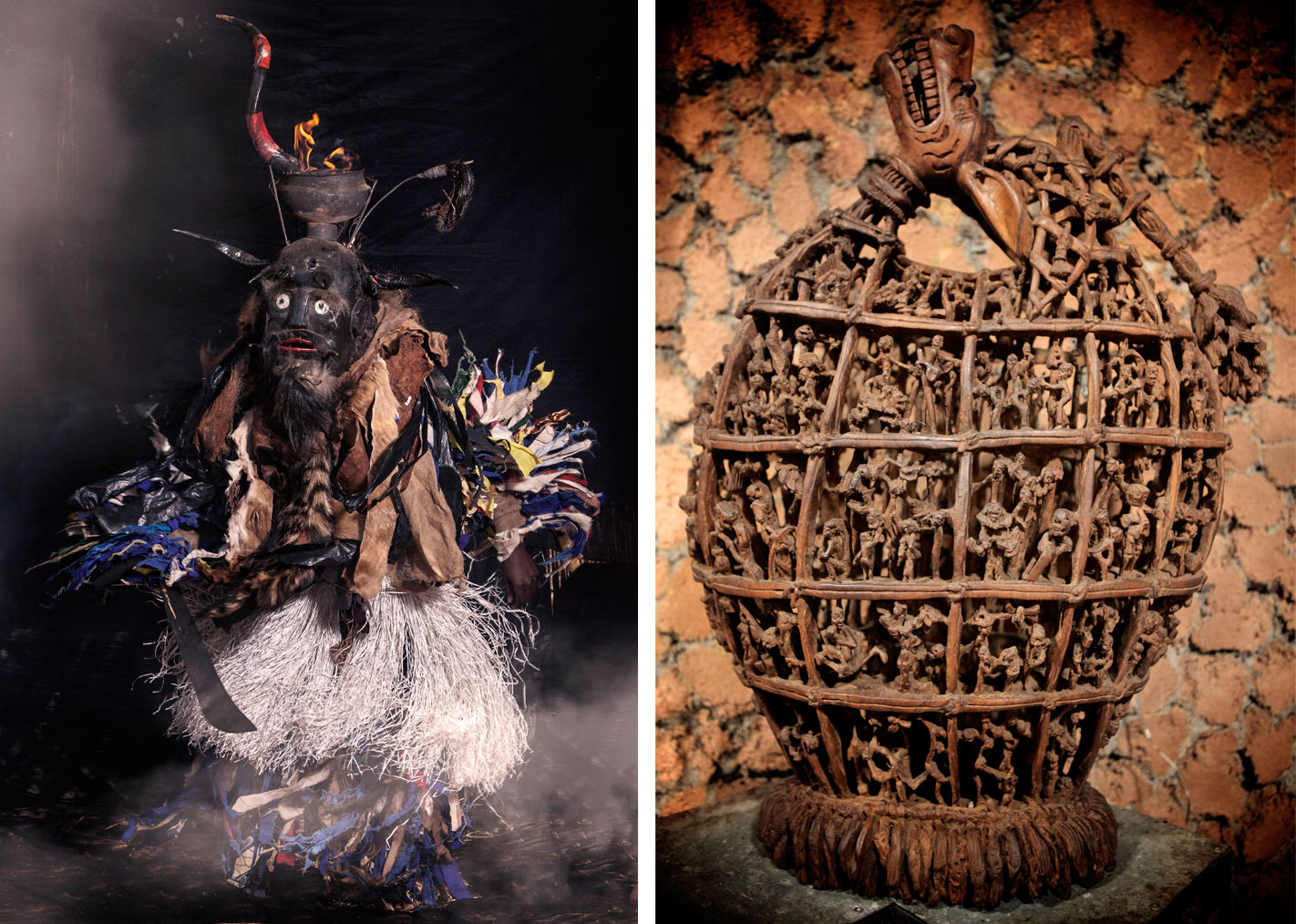
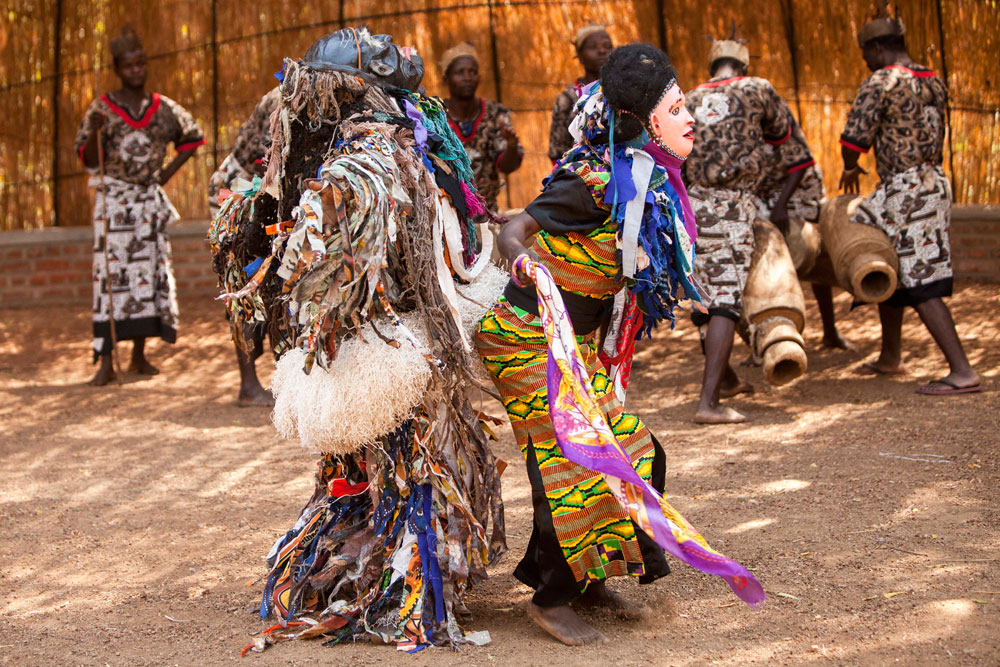
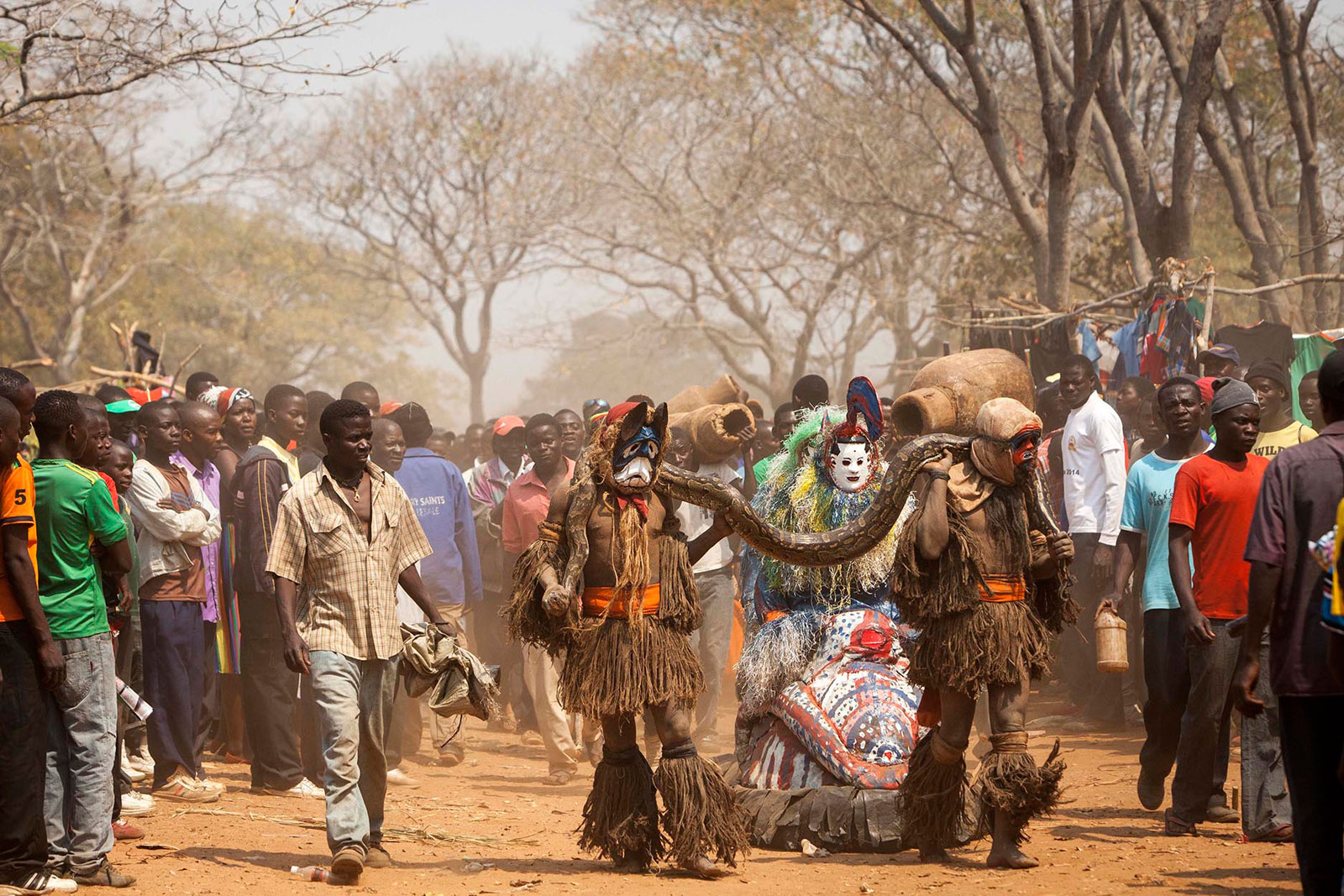
 JENNIFER STERN is a Cape Town-based travel writer who has been trawling southern Africa for fantastic adventures, fascinating and little-known museums, awesome food, great coffee and interesting encounters since the previous century. She is fascinated by how people shape the world – and how the world shapes people, and she sees every new project as another adventure. But adventure, she believes, is not about risking your life. It’s risking your preconceptions about life. Jennifer’s latest adventure took her to Malawi and Zambia to learn more about the mysterious gule wamkulu or great dance.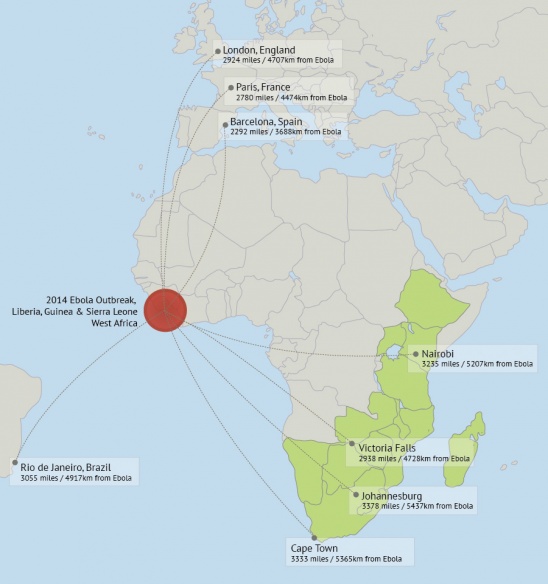

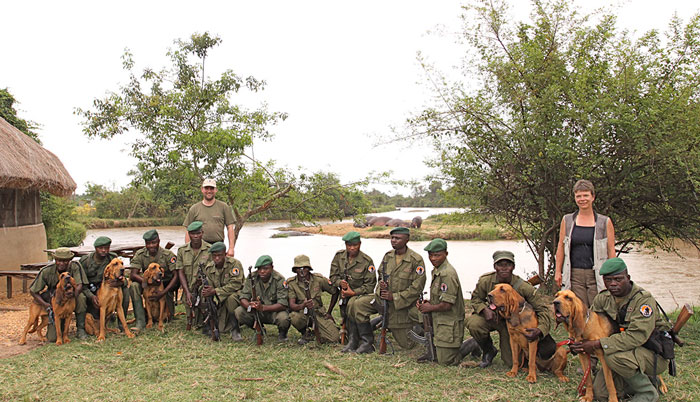


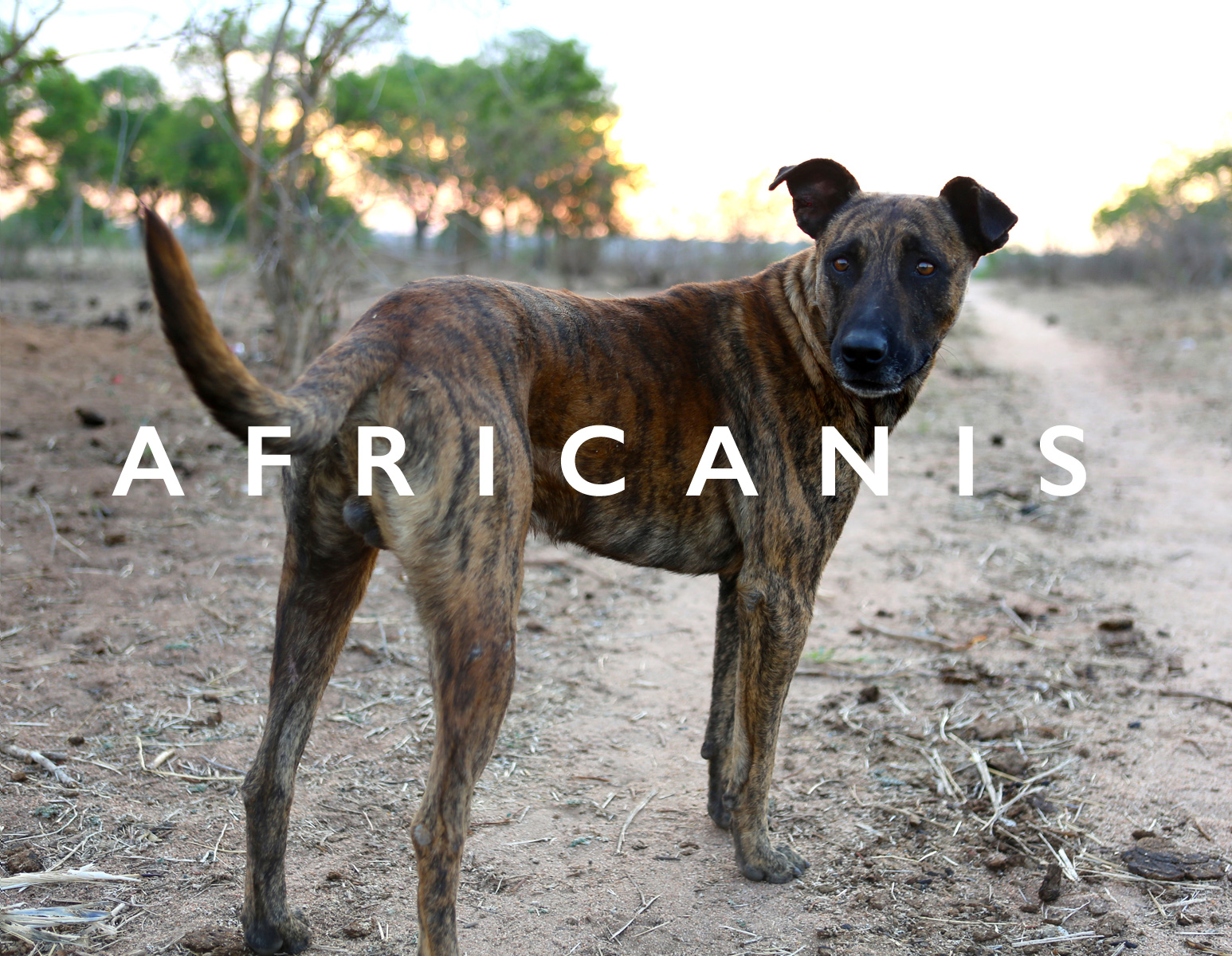
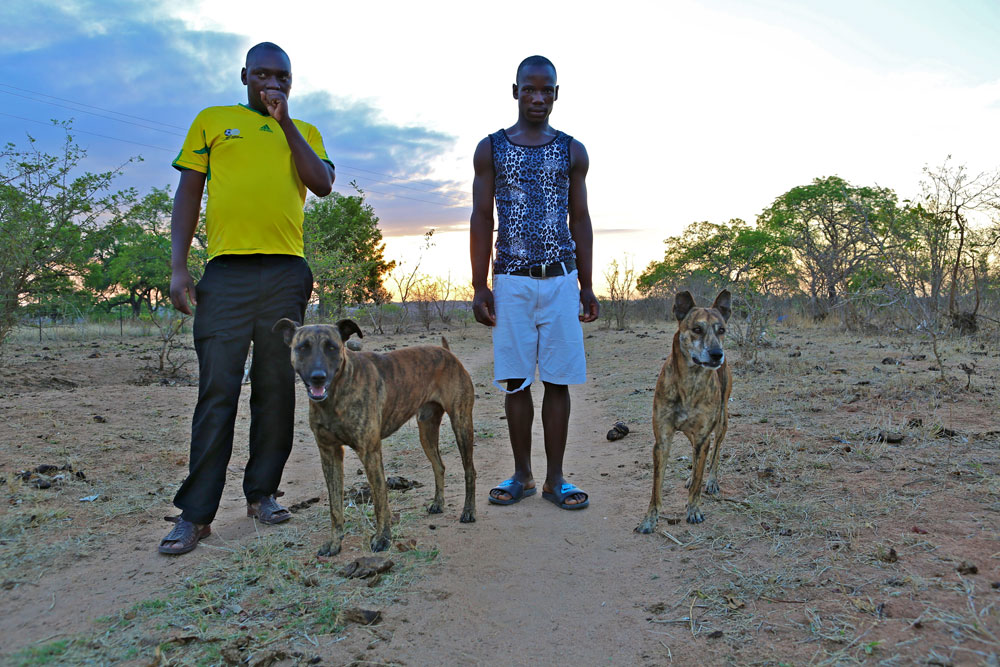
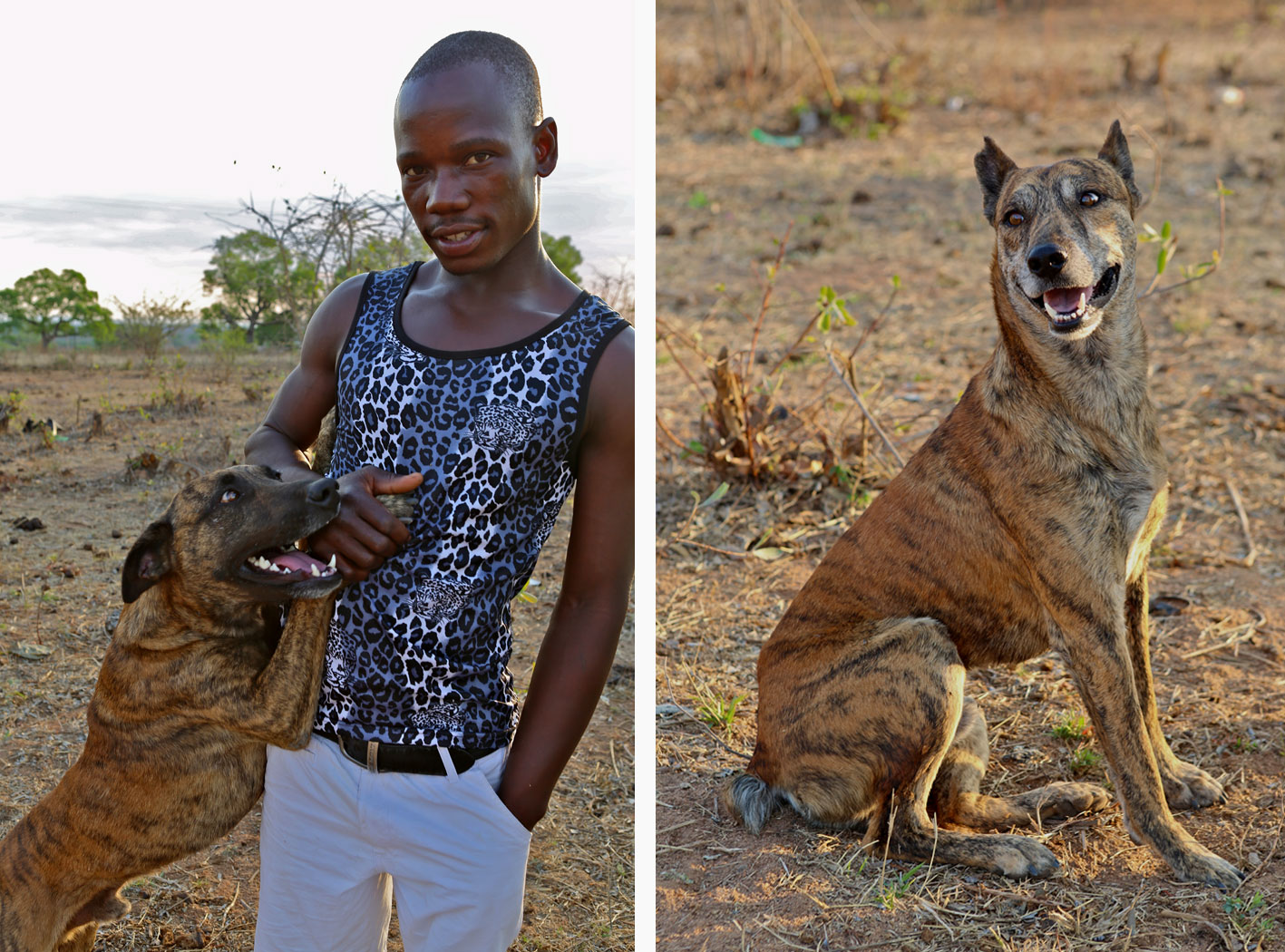
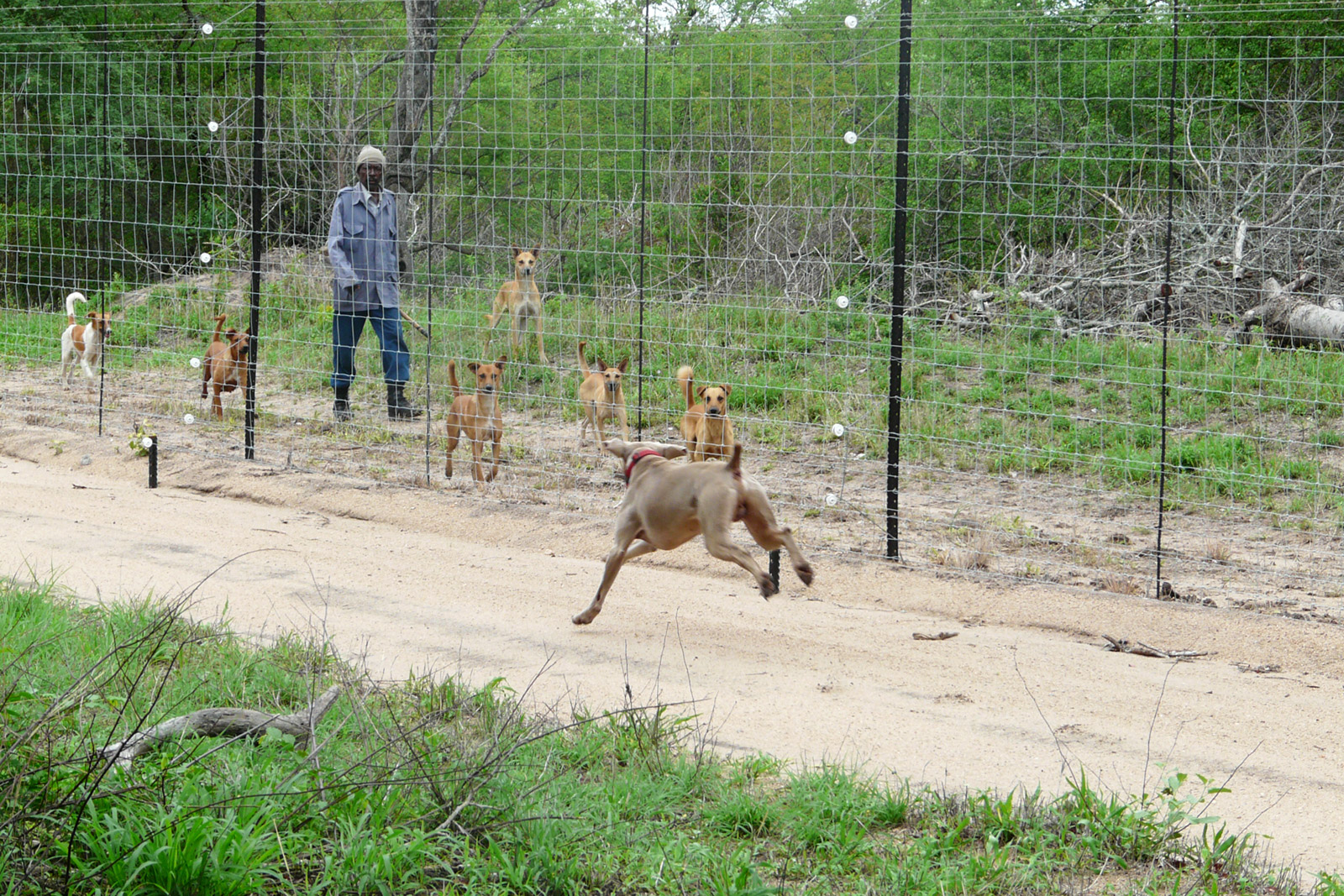
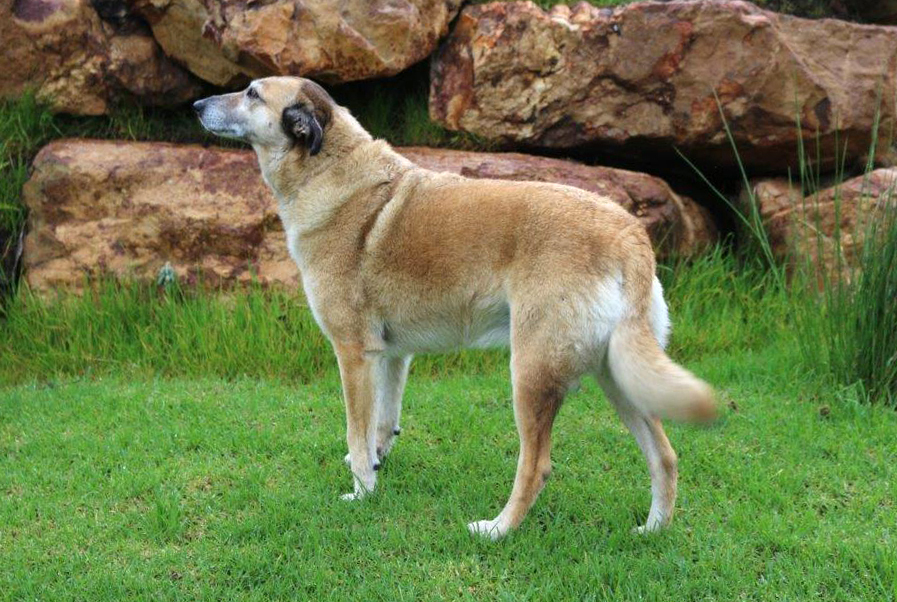
 CATHERINE CORRETT grew up and lived in the heart of London for twenty-five years. Africa stole her heart eight years ago, and she eventually moved to South Africa in 2011 to become co-founder of K9 Conservation. Catherine has spent the past four years deeply involved in conservation, working with some of the finest reserves and conservation programs in South Africa in many different fields, from relocating animals and rehabilitating threatened species to anti-poaching operations, reserve management and environmental monitoring. Catherine holds a BA Honours degree in Social Anthropology and a Master’s degree in Television and Current Affairs Journalism. She has also trained as a photojournalist, cameraman and editor and has worked for the BBC and Reuters. Her greatest passion is conservation through journalism and bringing awareness to a global audience through visual media.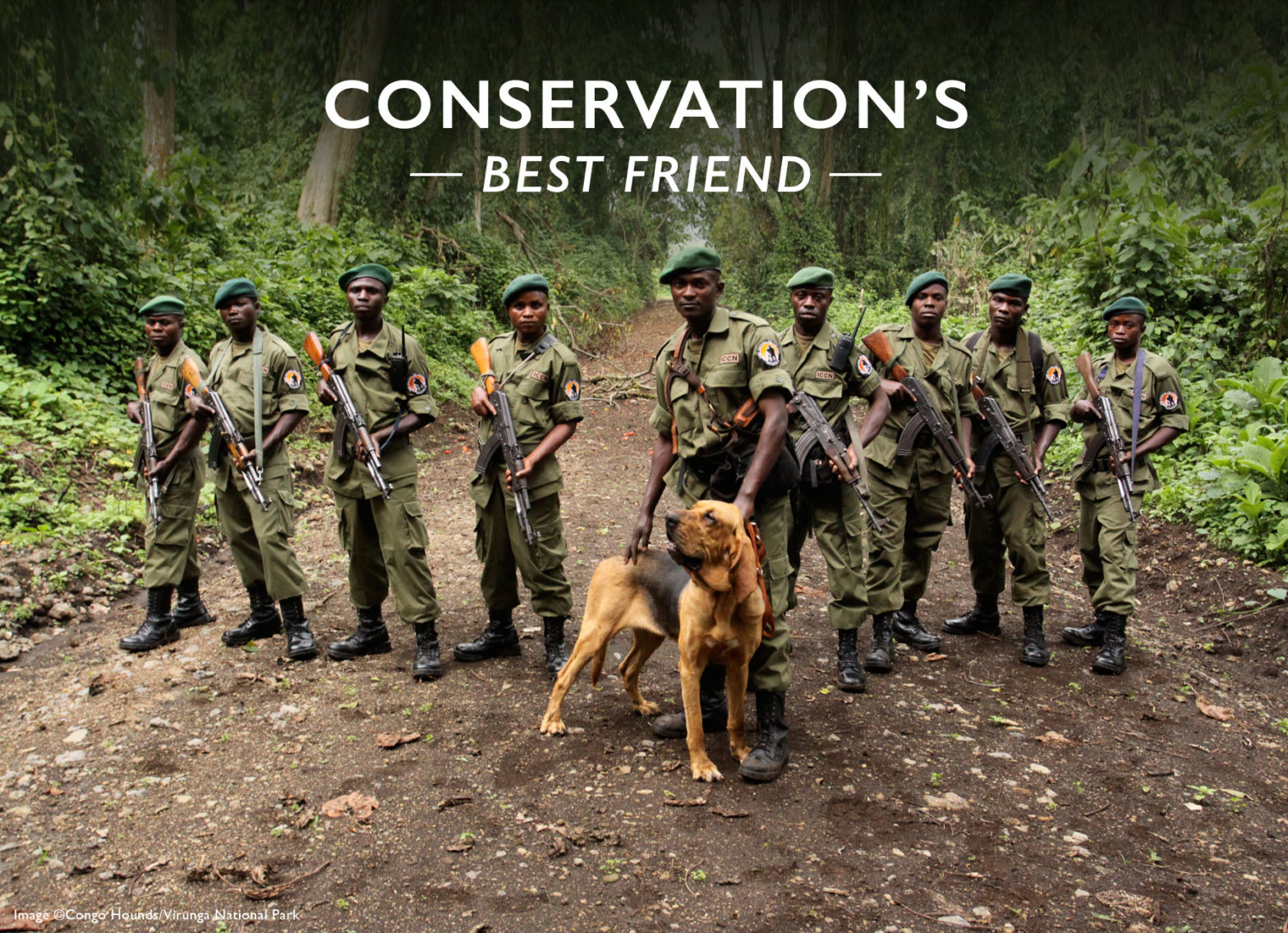
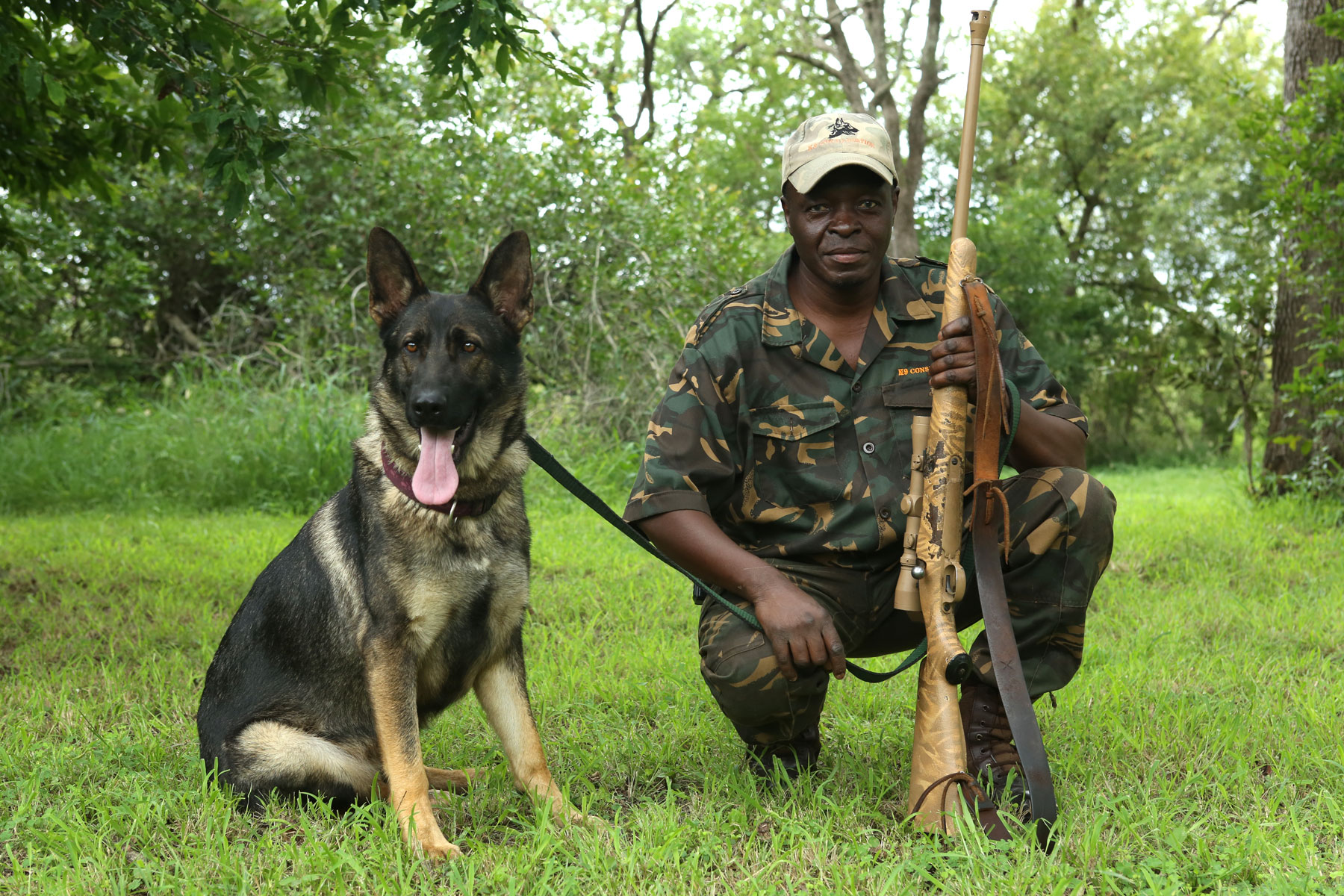
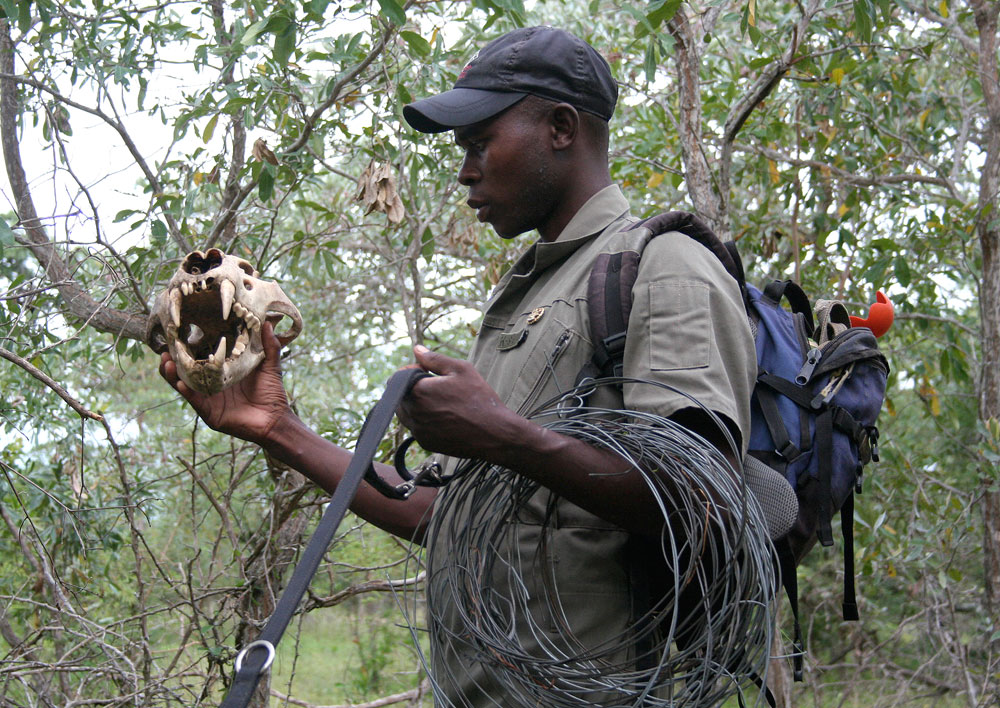
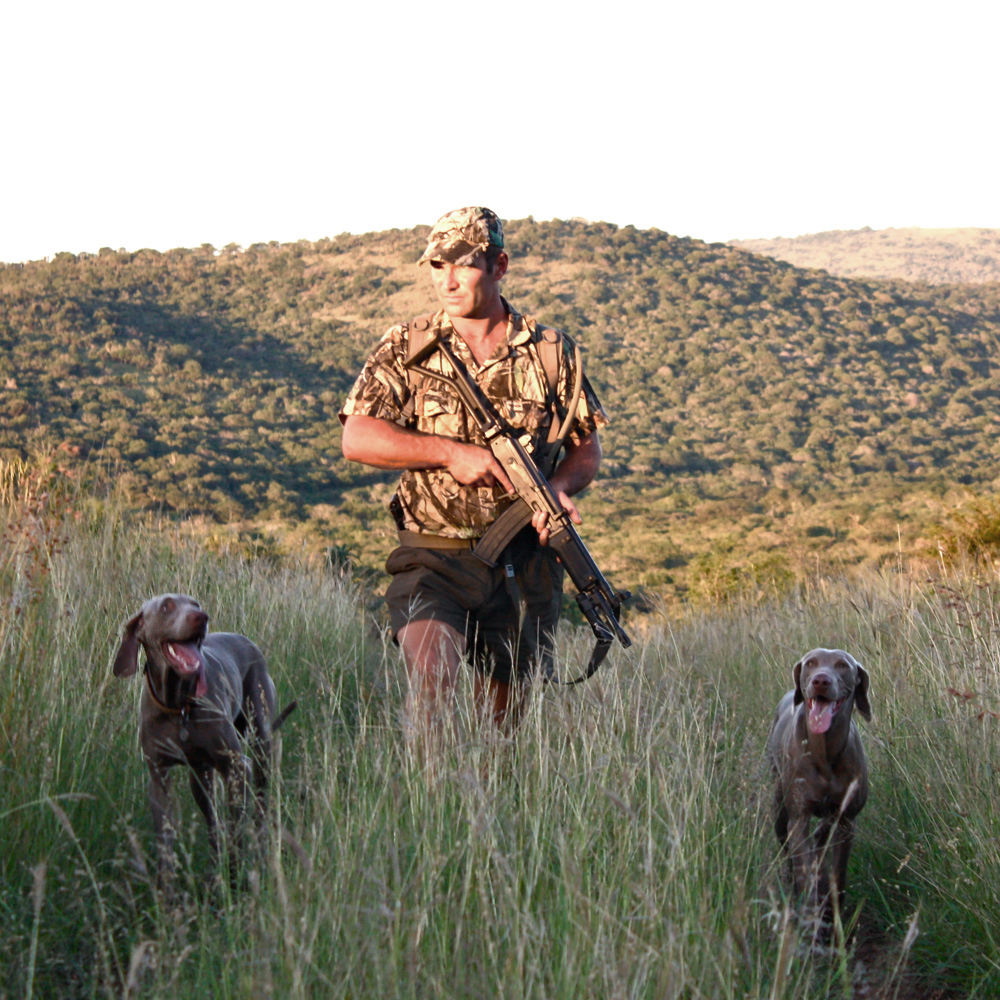
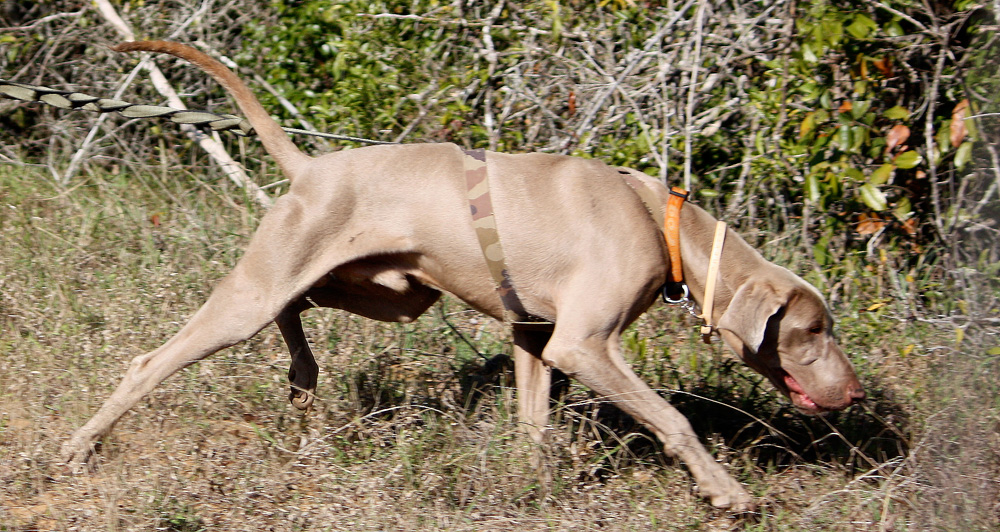
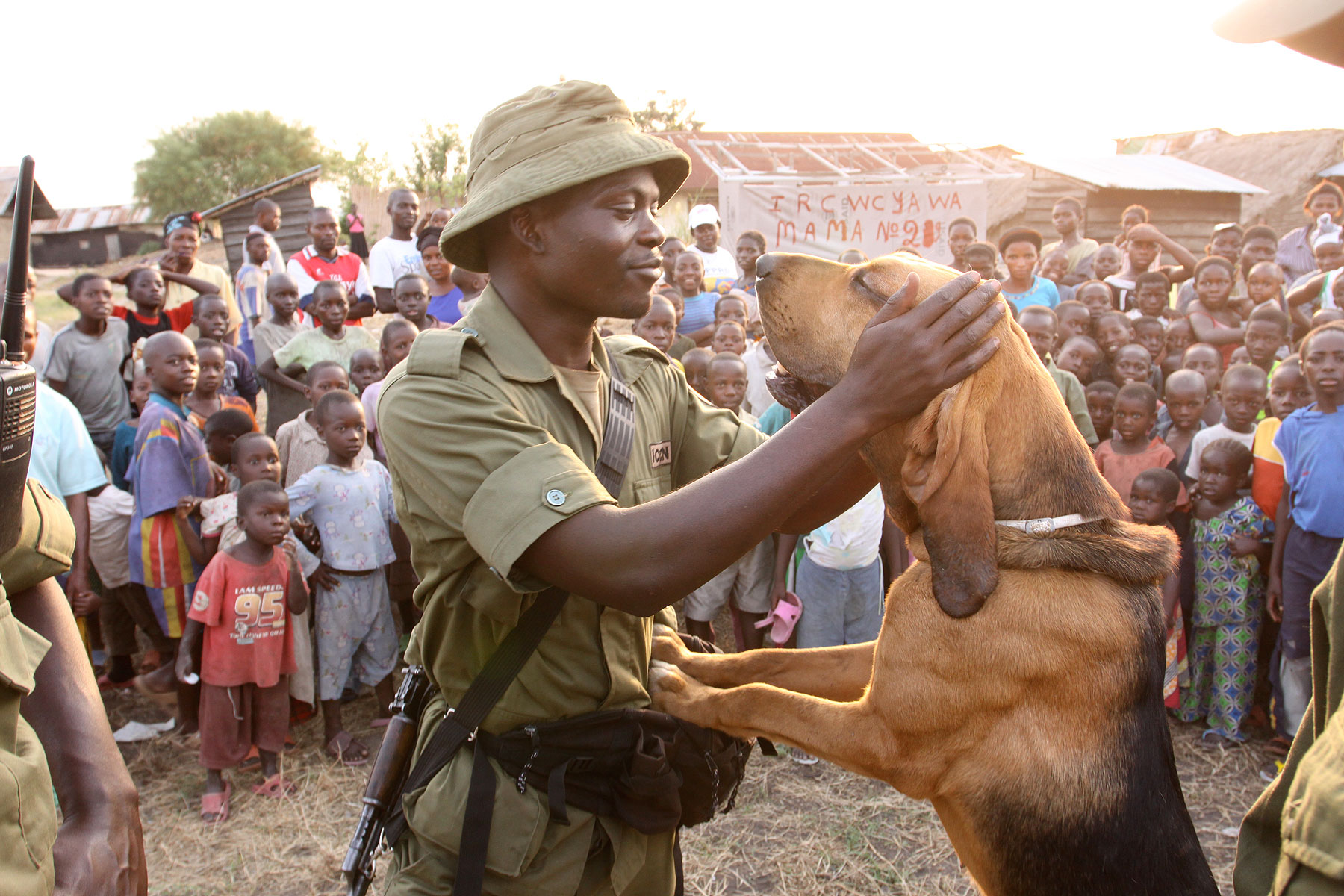
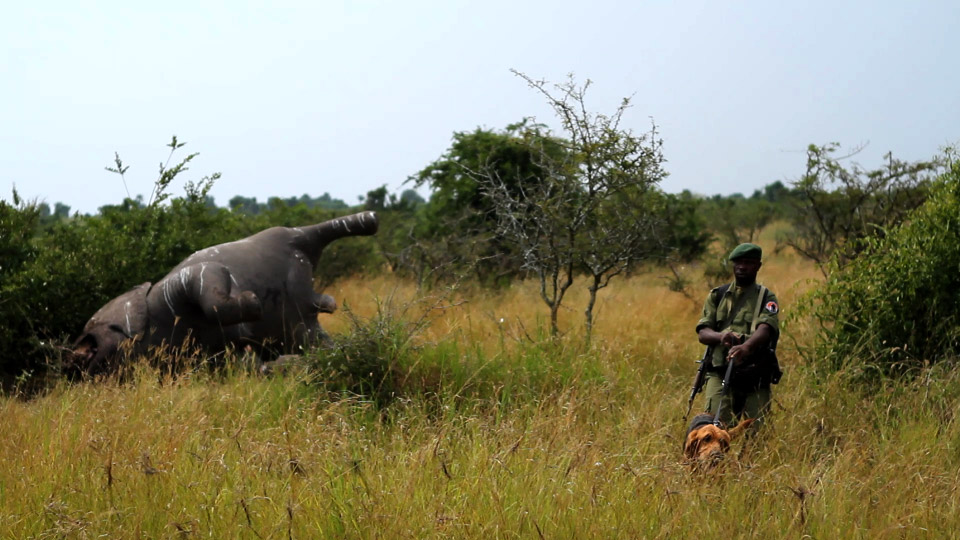
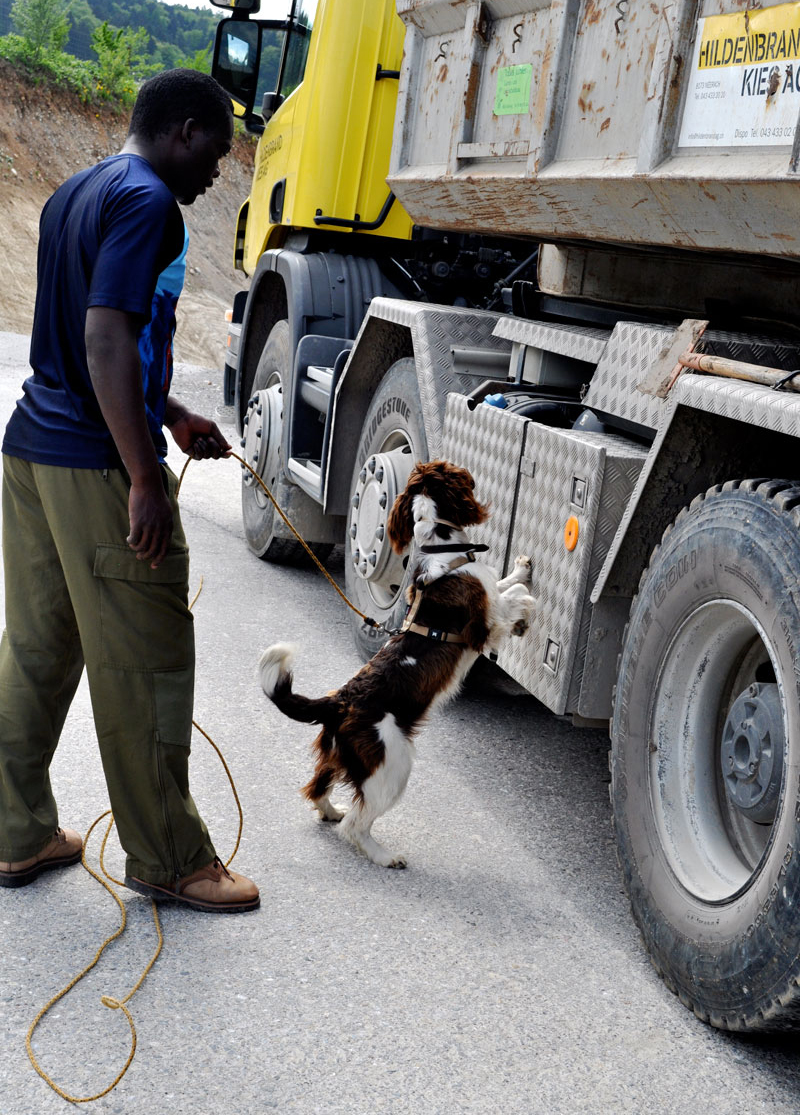
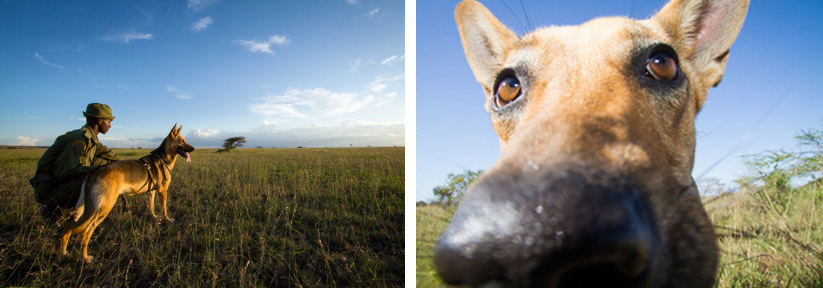
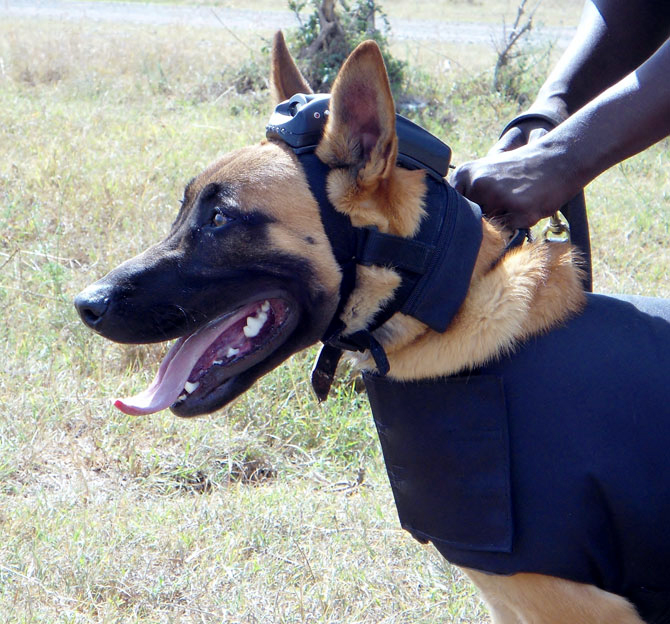
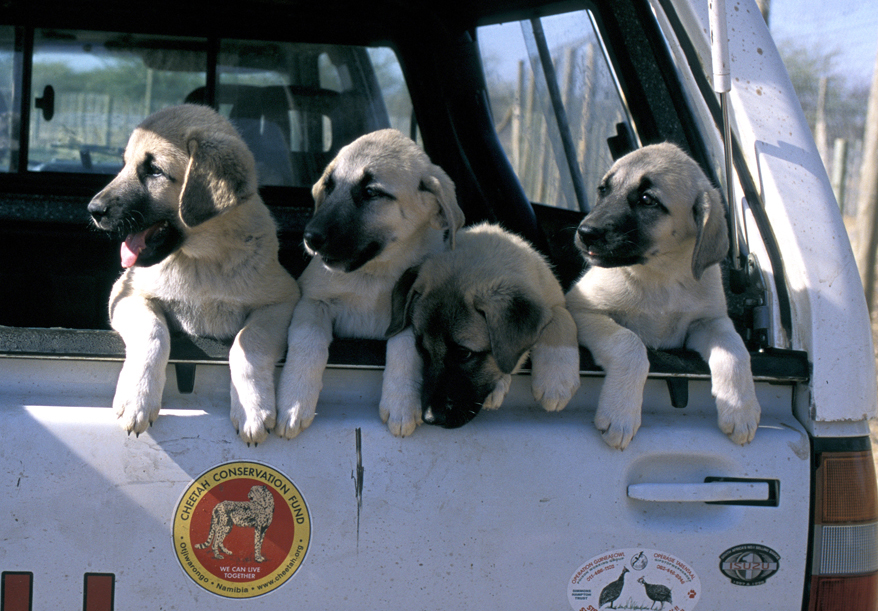
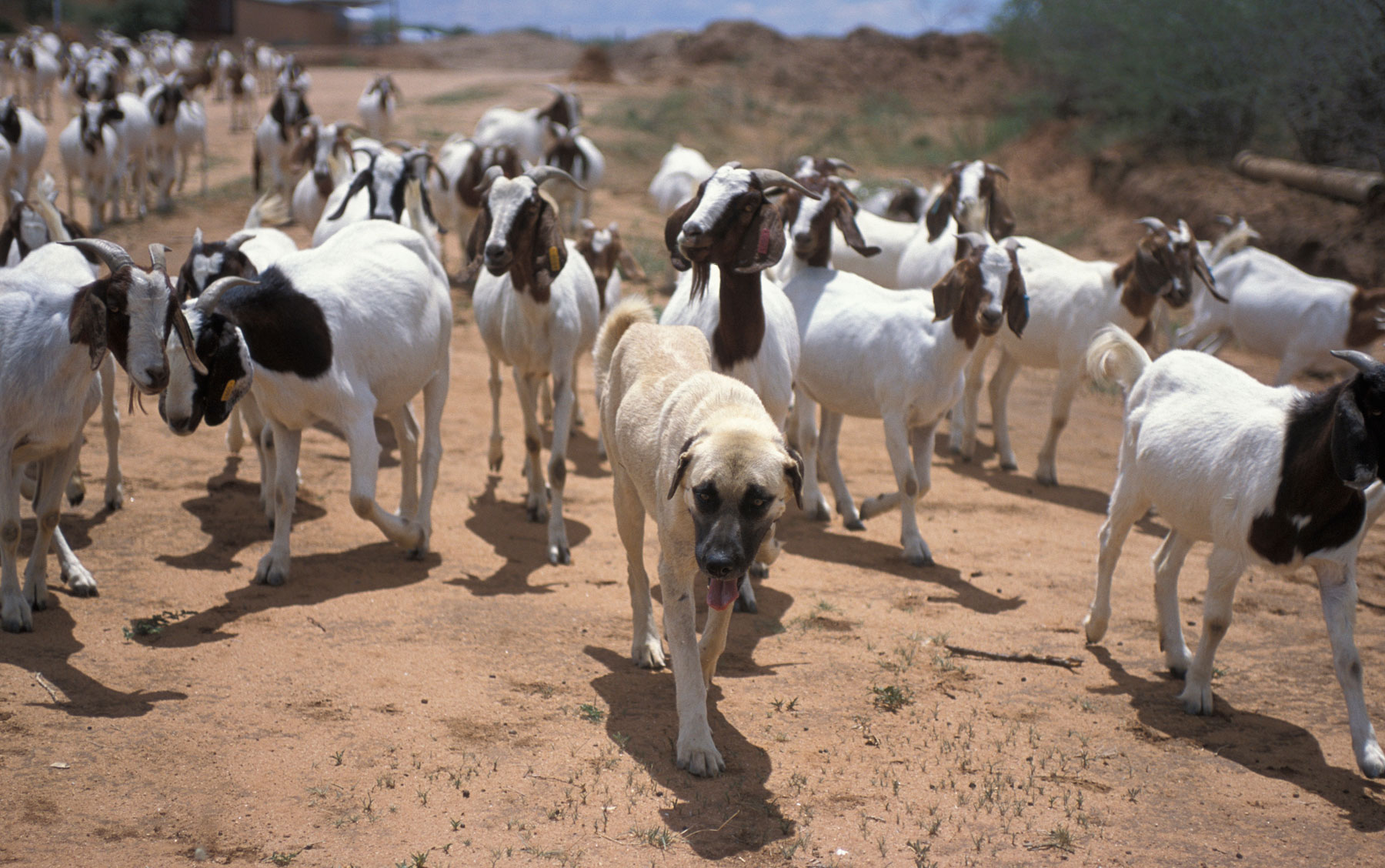


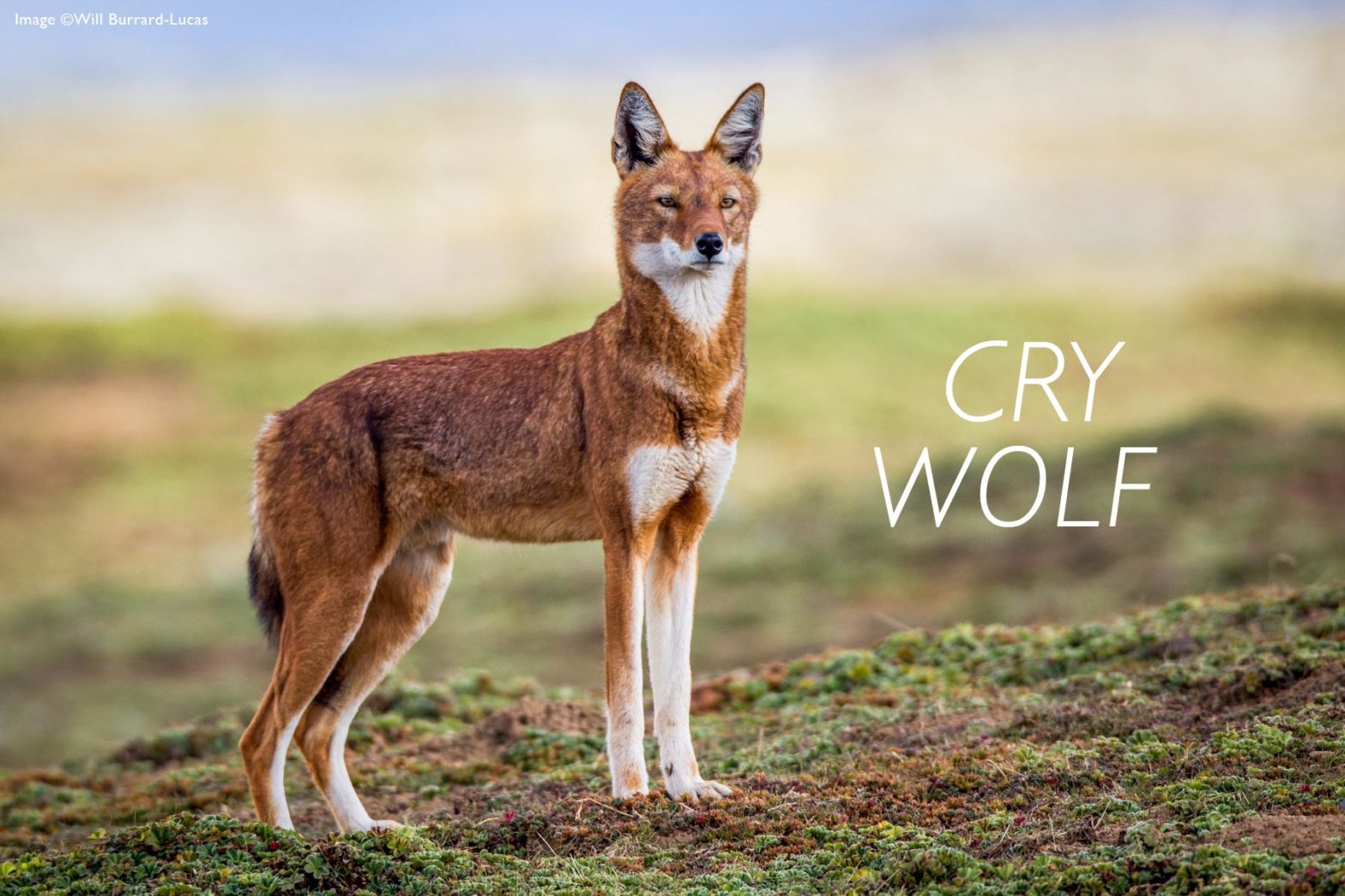
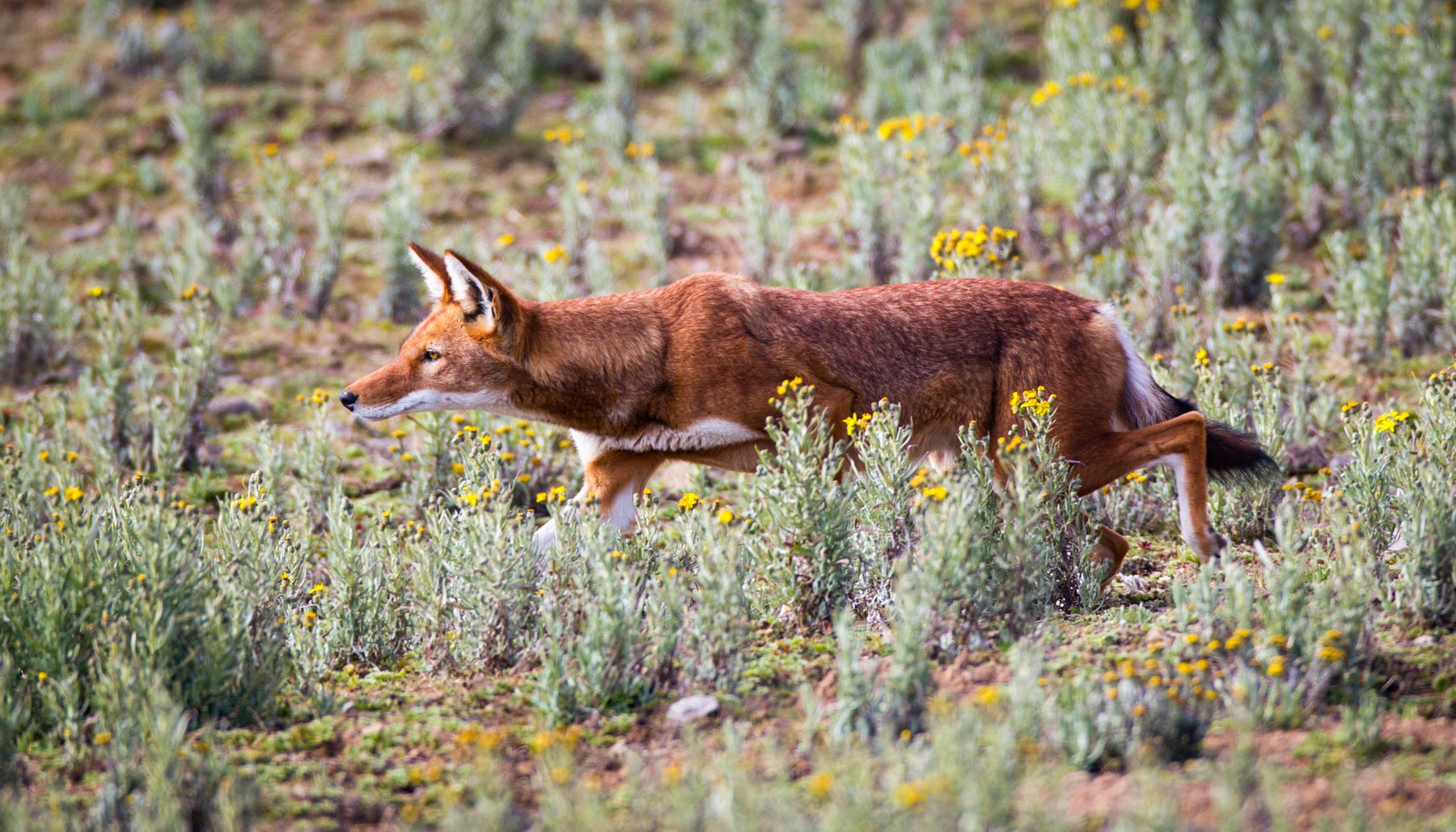
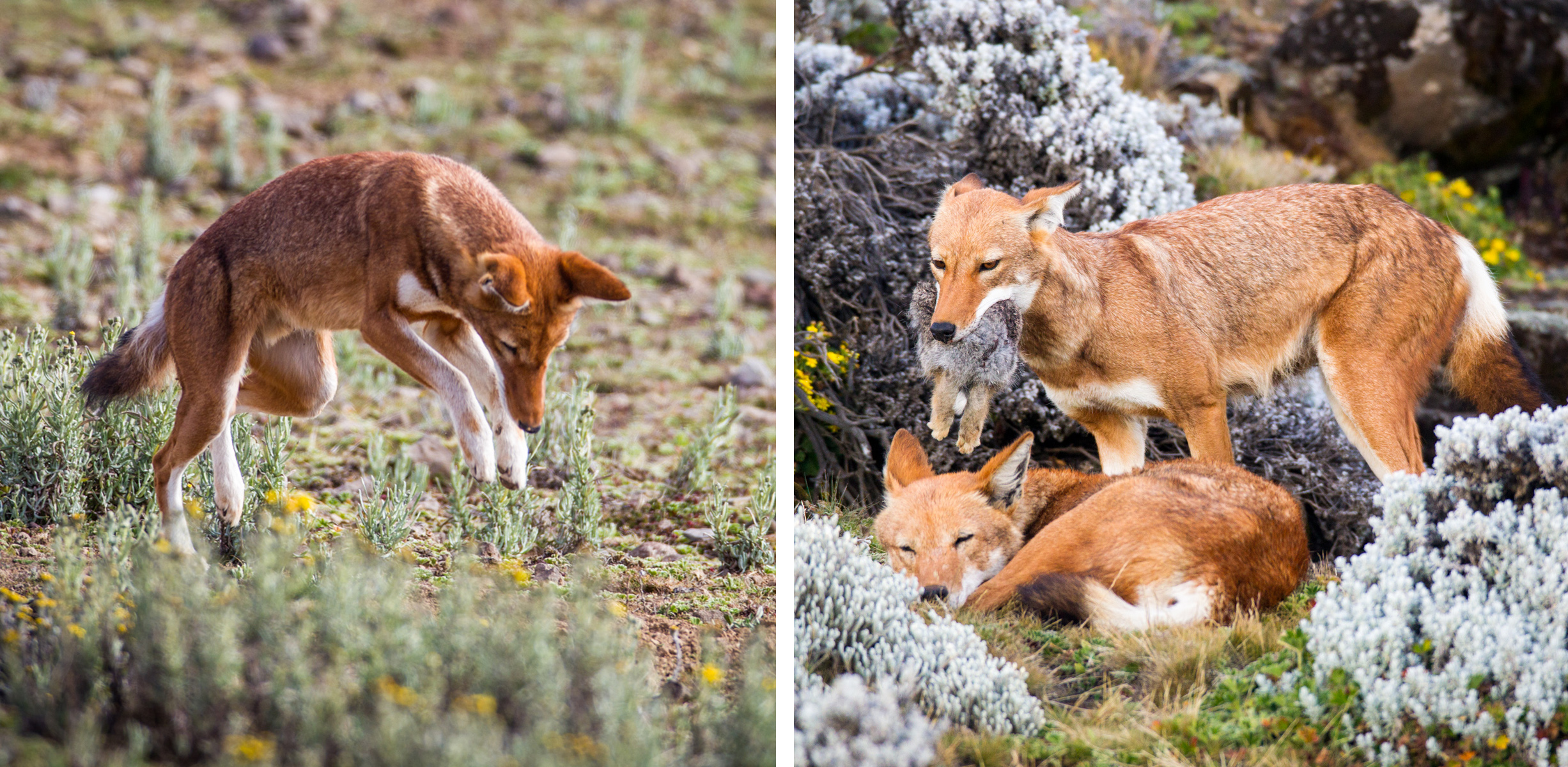
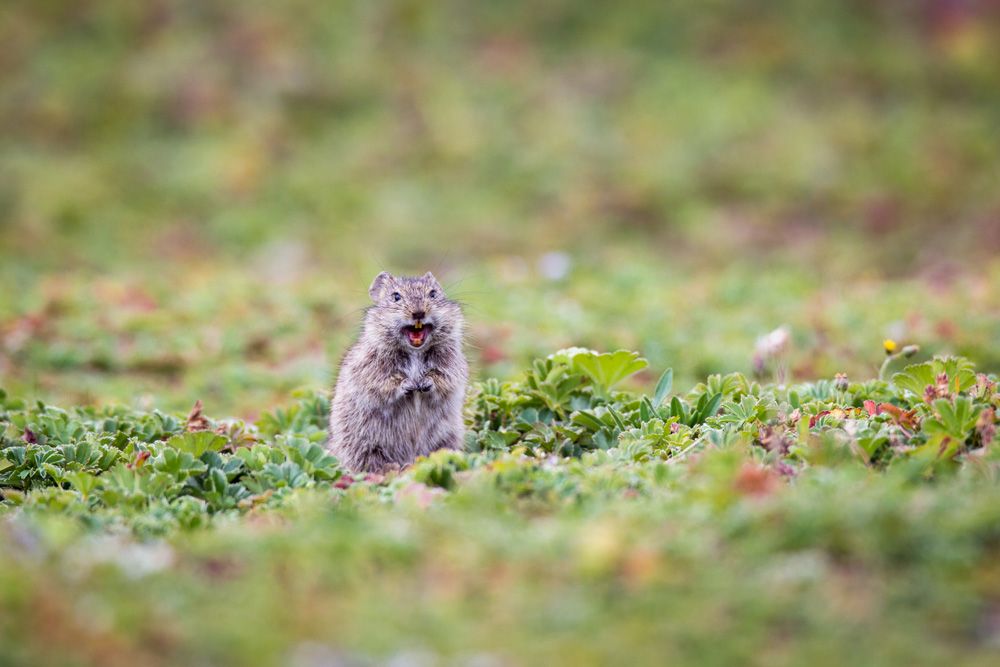
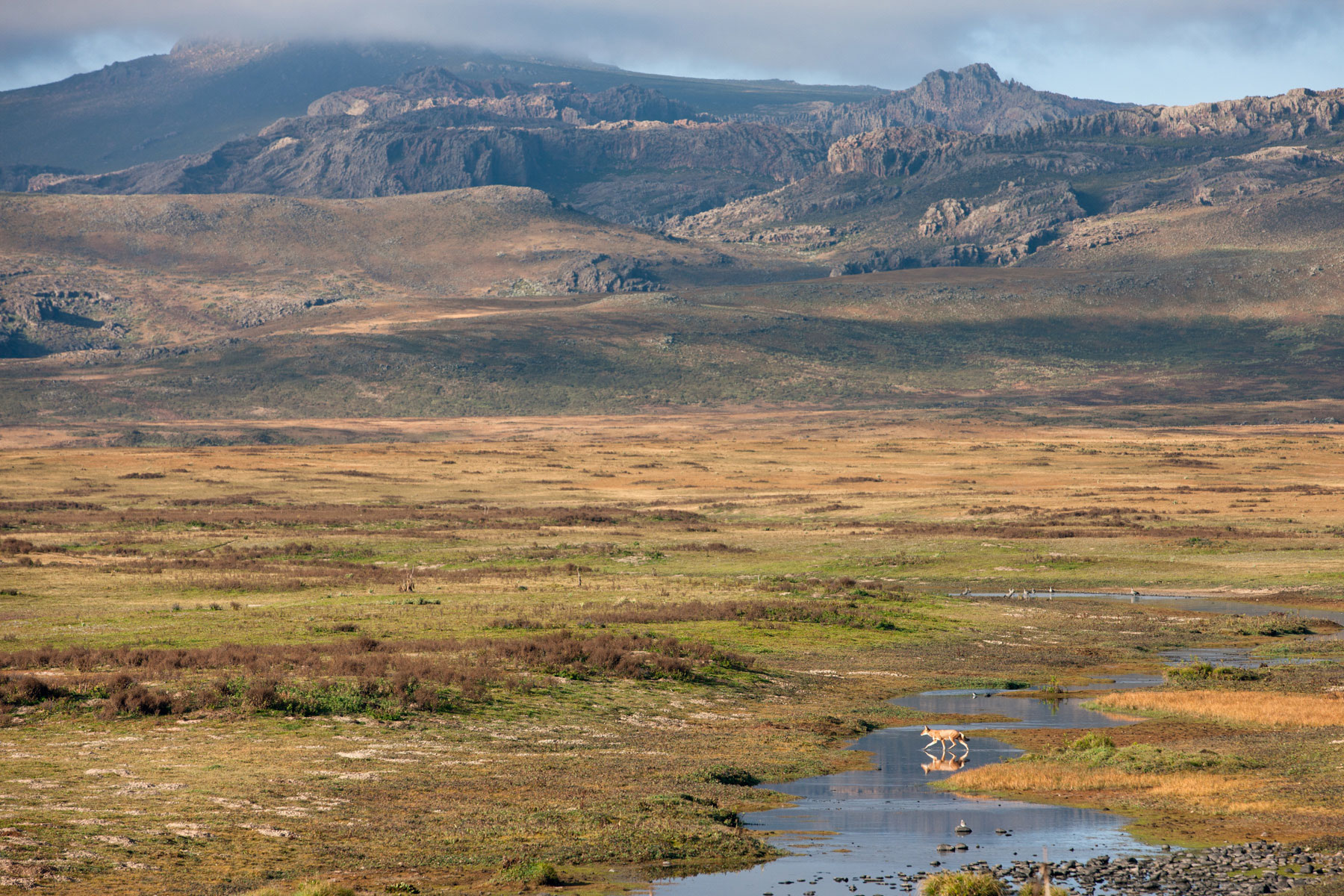
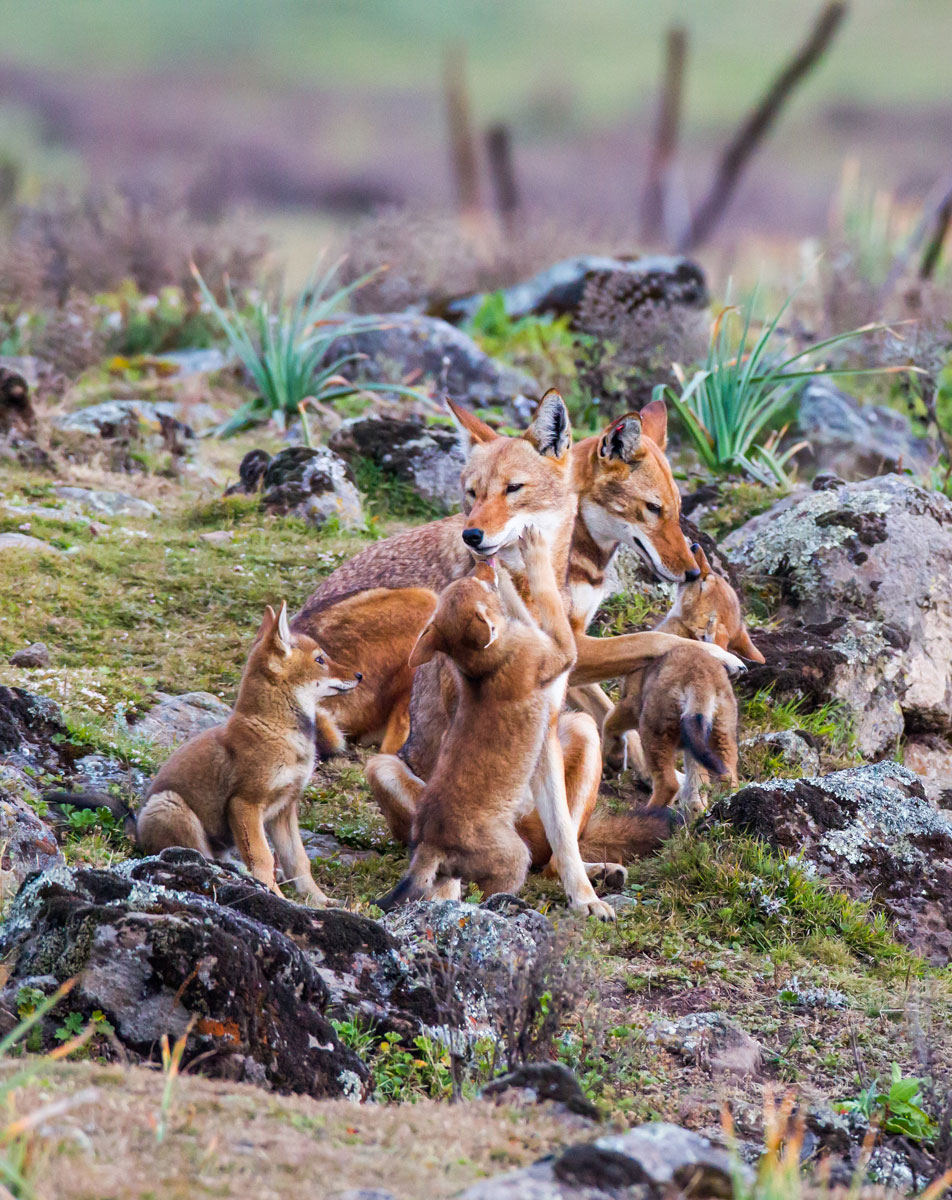
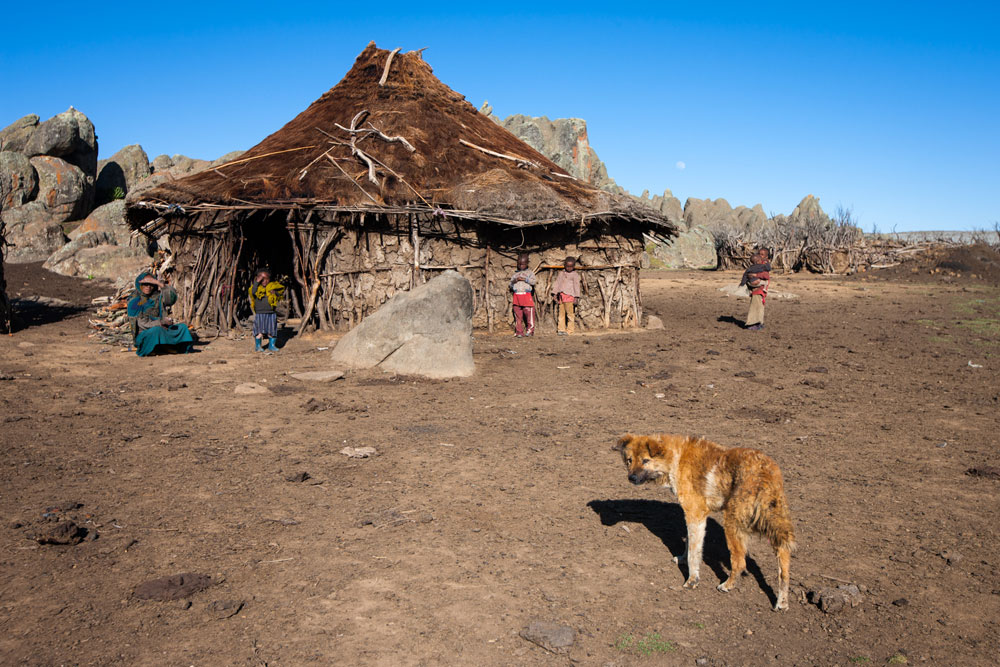
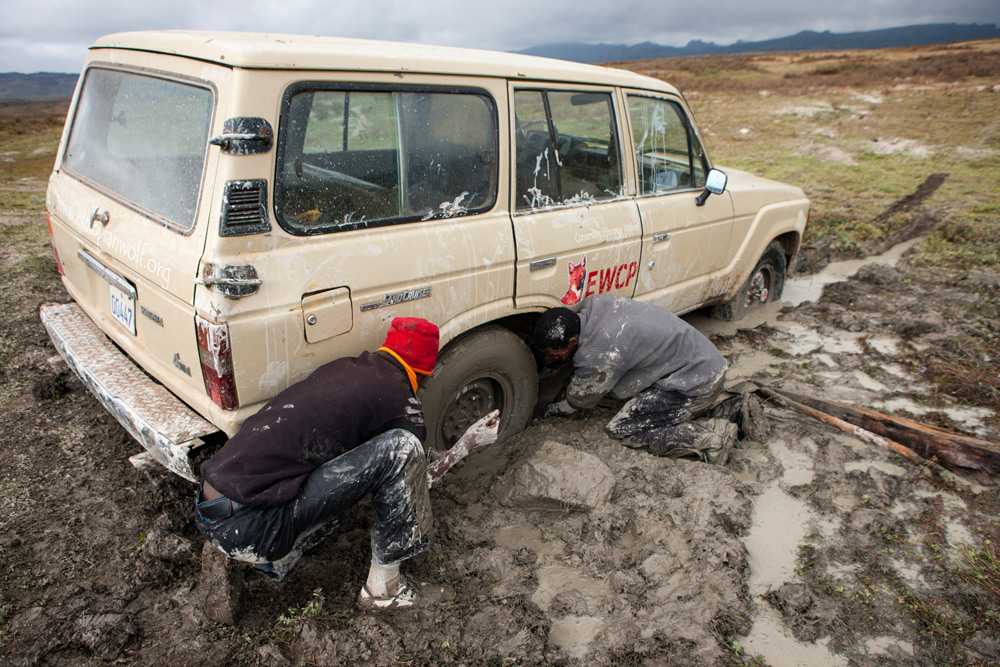
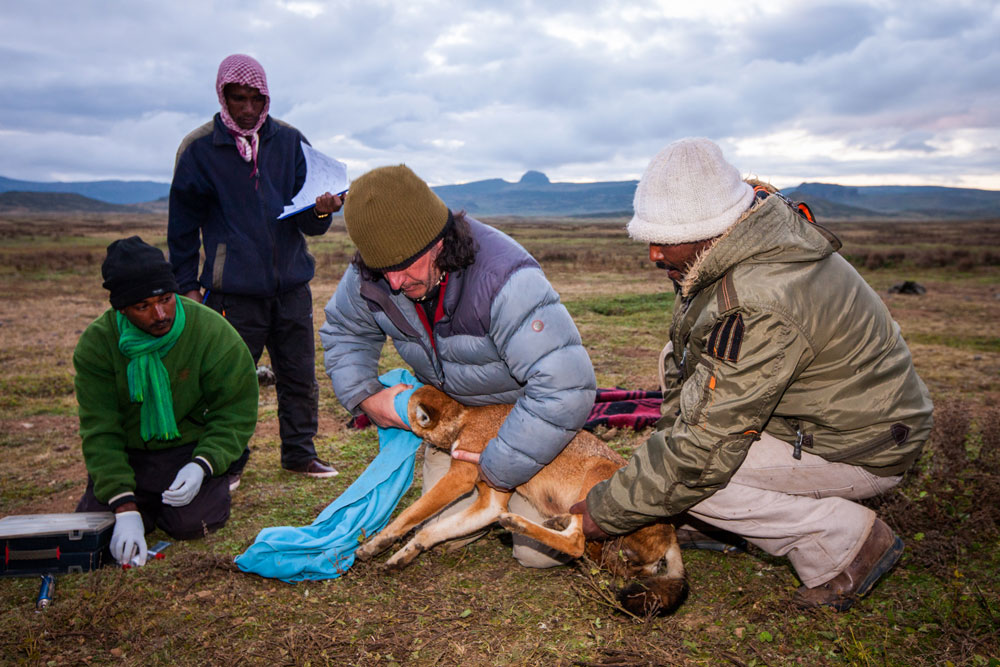
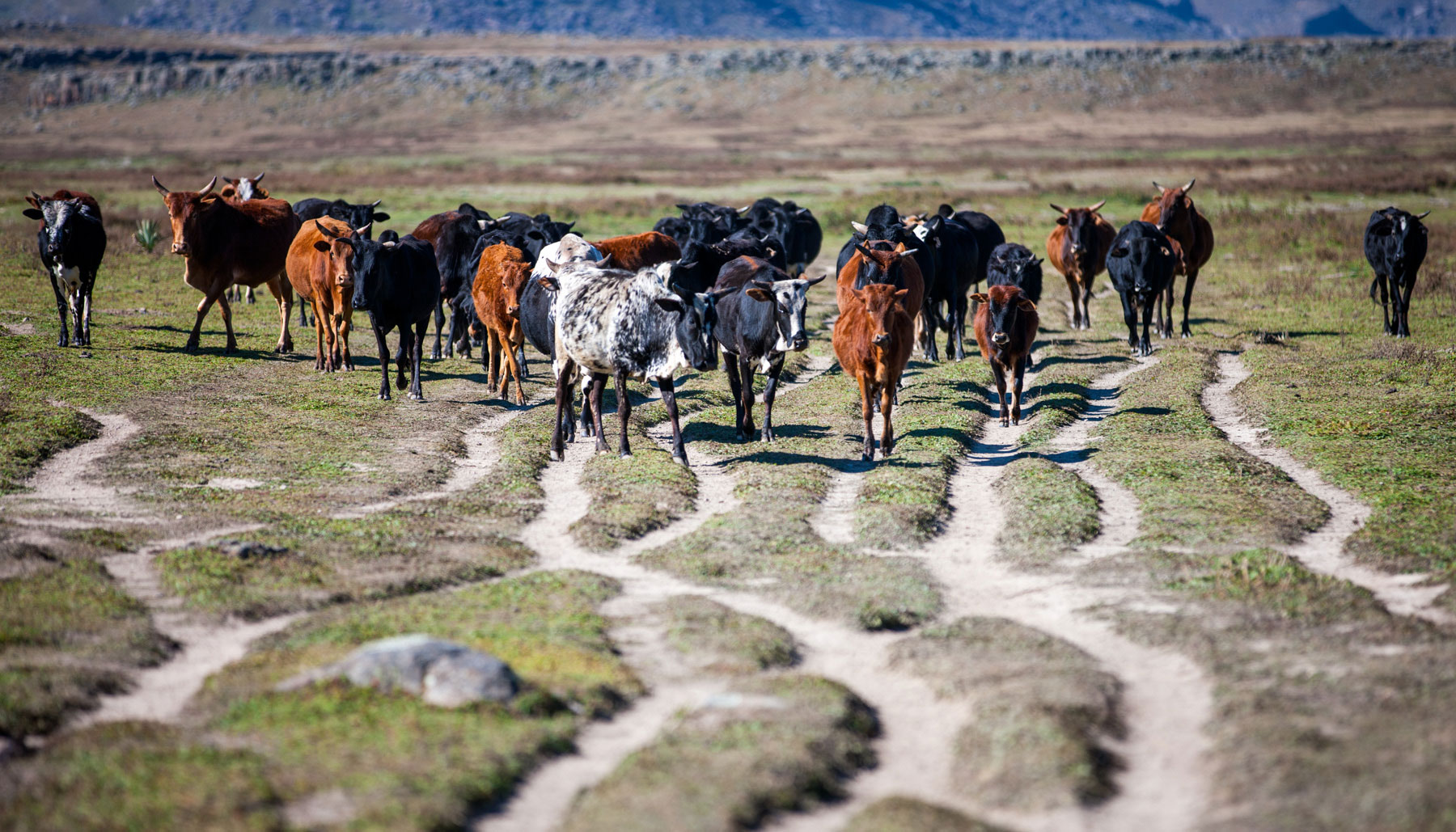
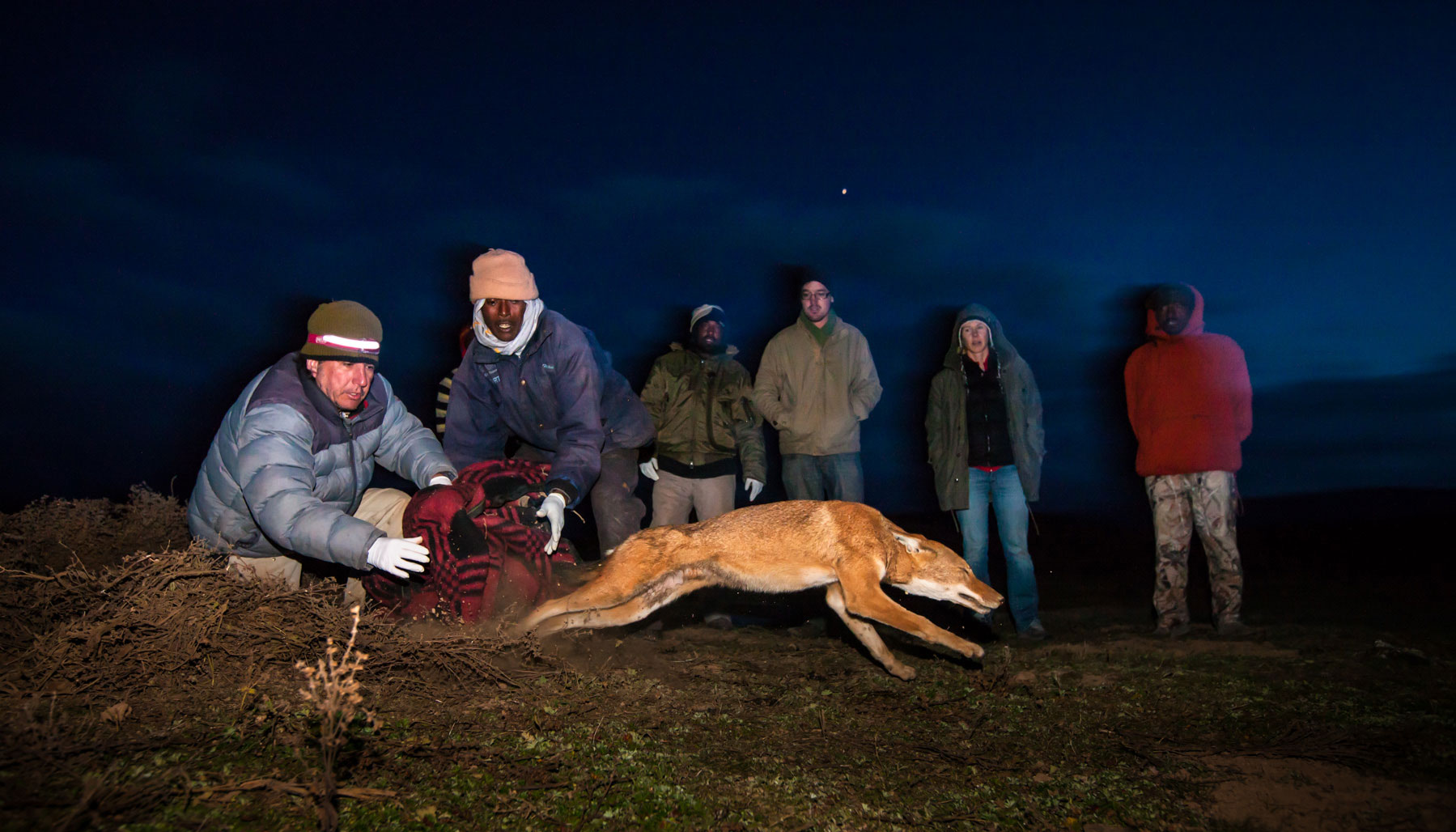
 Wildlife photographer WILL BURRARD-LUCAS first developed a passion for wildlife living in Tanzania as a child. Since then, he has photographed wildlife all over the world and primarily in Africa. Will aims to inspire people to celebrate and conserve the natural wonders of the planet through his imagery. He has partnered with several conservation organisations donating his time and images for their fundraising activities. Working with the Ethiopian Wolf Conservation Programme he draws attention to the challenges this species faces. You can view more of Will’s work on his