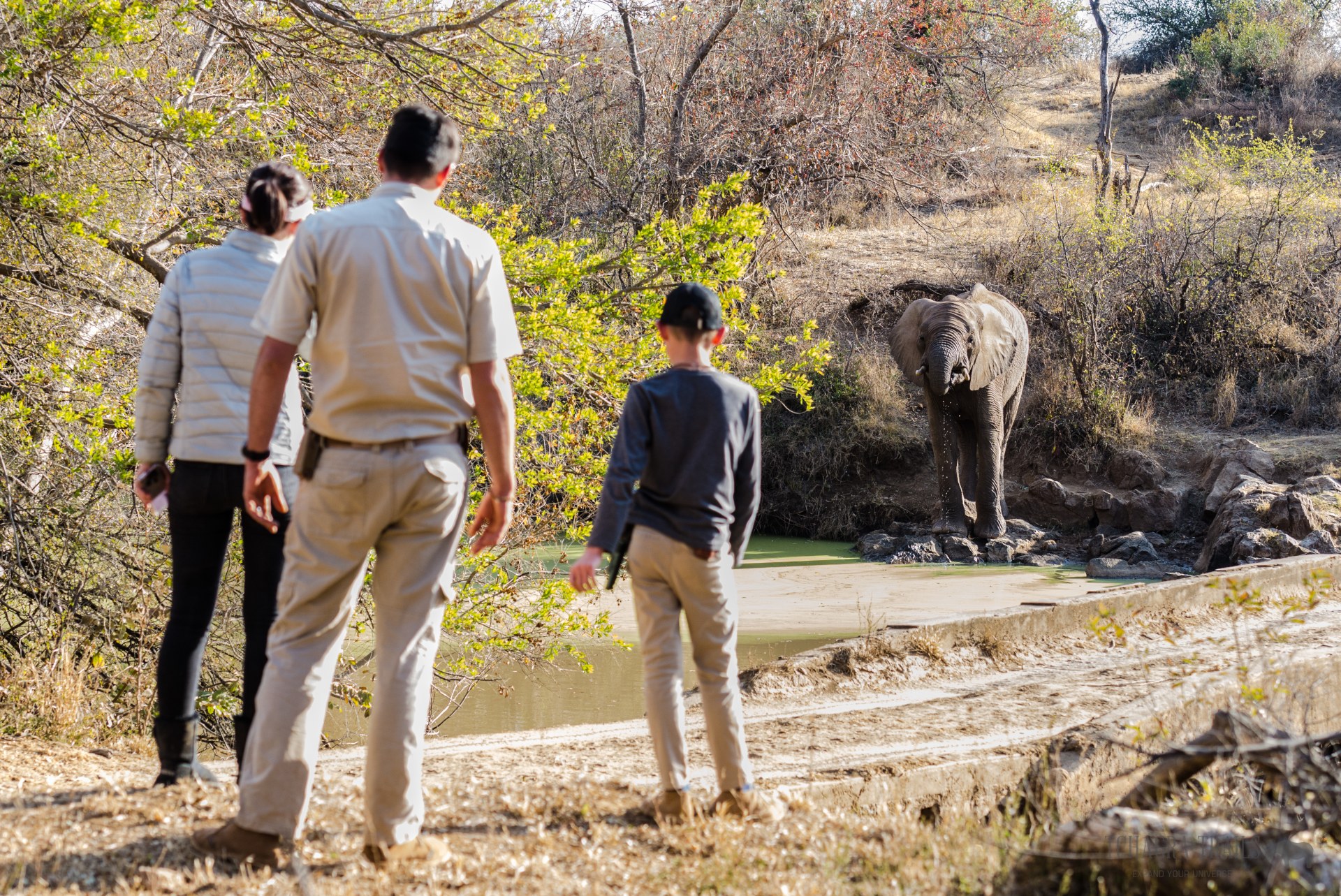
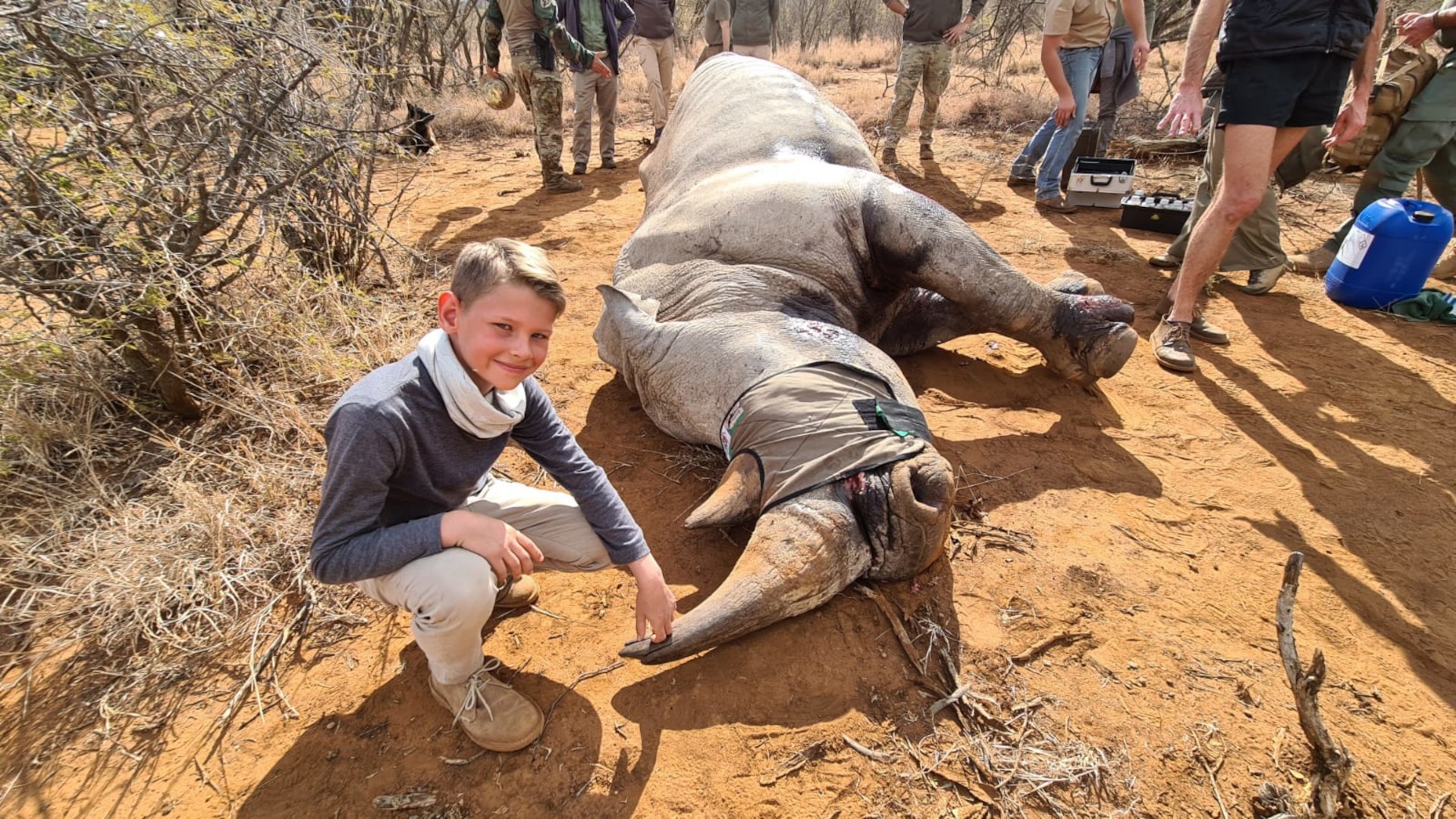
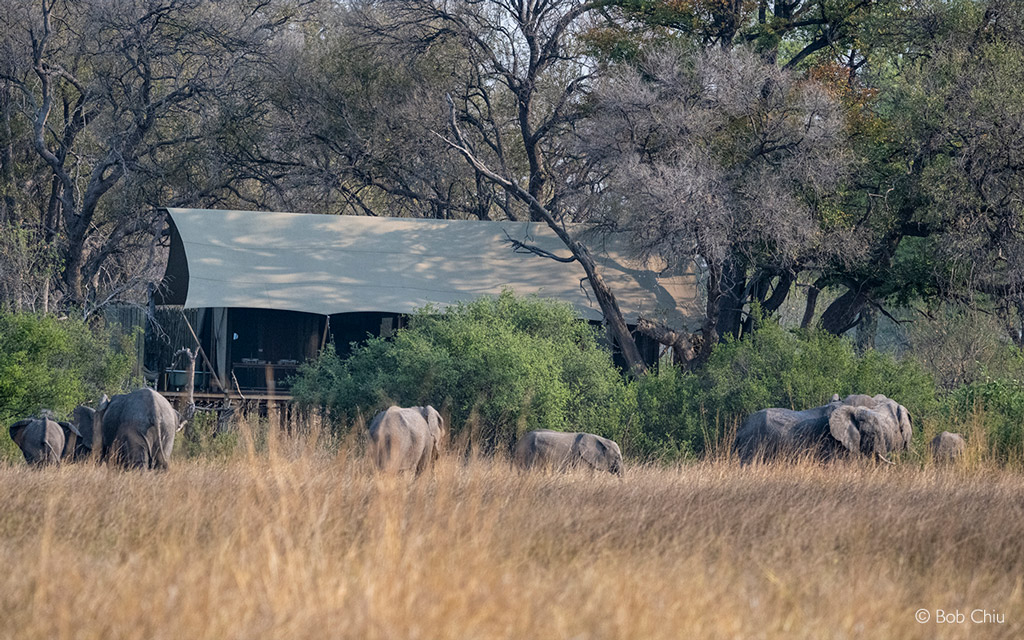
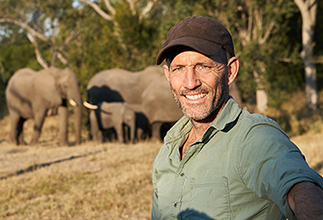
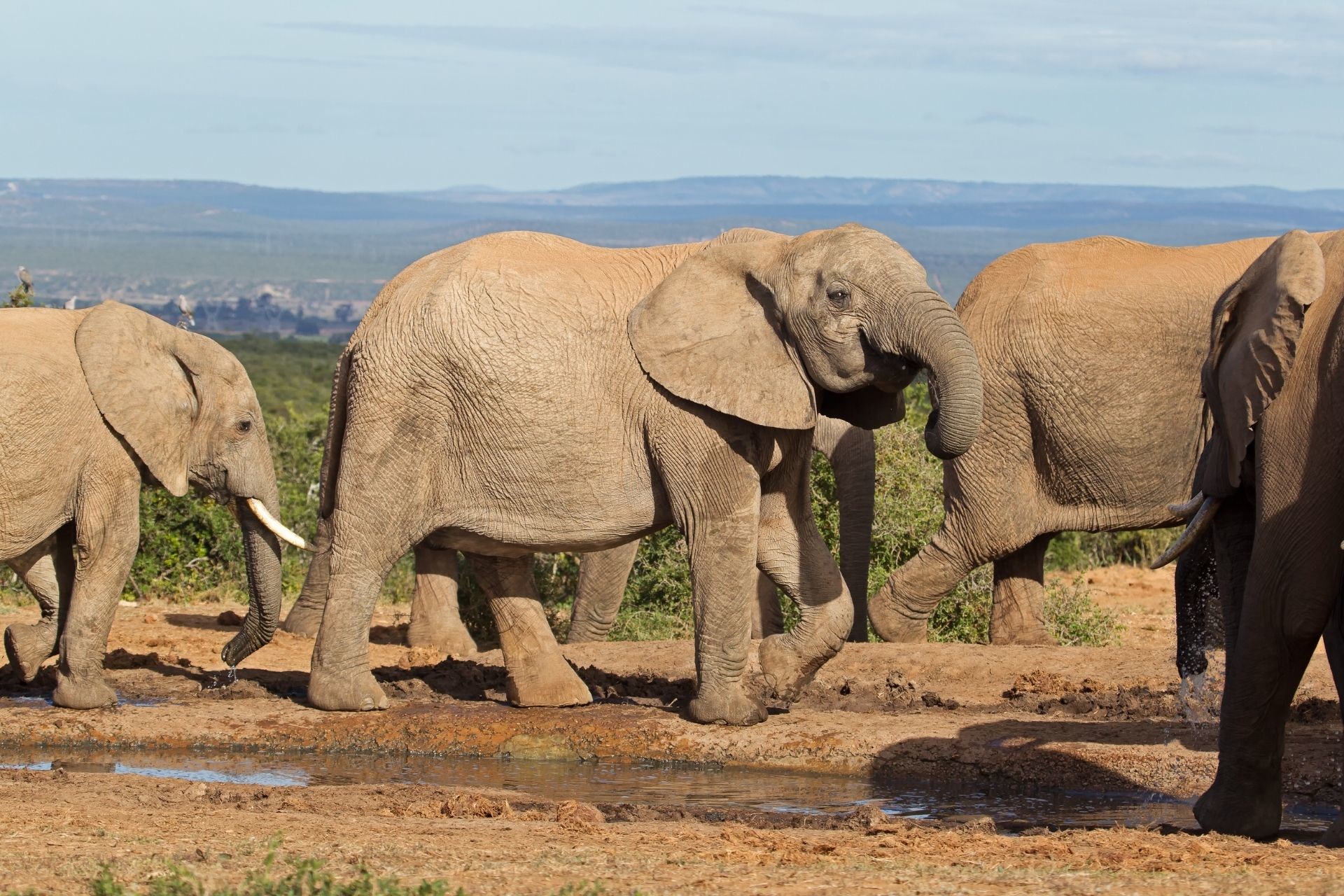
Making the most of the moment when a bull elephant comes close to check you out. Elephants Alive is a project supported by our travel & conservation club.
This is a copy of our weekly email newsletter. Subscribe here to receive the newsletter.
Extraordinary pics + Chitake killing fields + caracals & Tom Cruise about town
As I sip my early morning mug of pressed coffee …
Tom Cruise is 250m away in a gorgeous boutique guesthouse – probably conducting his early morning rituals. He is in town for several months to shoot Mission Impossible 8. The chop of helicopter rotors overhead has become part of our lives as he travels to and from the steep forested gorges west of town. Tom has charmed this sleepy bushveld town on the Greater Kruger border with his down-to-earth manner – a true gent. Many celebs pass through on the way to nearby lodges, but few have stirred local imagination like our Tom.
Other local news is that a crocodile attacked a lady as she fished a nearby river and a young girl was dragged from her bed by a hyena. Both survived but suffered severe injuries and psychological trauma. And the marula trees are dripping with delicious fruit, driving elephants wild as they scramble to harvest this nutritious annual bounty. Life goes on.
Keep the passion
Simon Espley – CEO, Africa Geographic
From our Editor
After viewing this week’s Photographer of the Year selection, I’m dreaming of travel. Playful youngsters are stealing the limelight: check out the tiny jackals, baboon, leopard and seals in our third story. From new life to its creation by honeymooning lions, our photographers are pulling out the stops to capture the untamed continent.
So too has Jens Cullman, who in our first story battled the heat and dust to photograph the rituals of the Chitake Springs killing fields. The raw tension is palpable in Jens’ images – undoubtedly why the Chitake safari we offer at the end of the story booked out within hours of going live.
Our second story focuses on the urban caracals of Cape Town. I have been fortunate to bump into one in a Western Cape village – an experience more will have, with research showing caracals are attracted to the fringes of human development, at significant risk.
Right now, I’m plotting how to get to the lush Kgalagadi, which is singing with life after rains. Where will you be making your next wild discovery?
From our Scientific Editor
We all know that one person who revels in the discomfit of others as they pop and crack their various joints, from knuckles to necks. What causes this noise? This has proven to be a vexing question with several explanations, though the most common cause is likely gas bubbles caused by sudden negative pressure. Another potential explanation – like the elands in our ‘Did you know?’ fact of the week below – is the movement or readjustment of tendons and ligaments.
The good news? Cracking joints does not cause arthritis. Dr Donald Unger spent 60 years popping the knuckles of his left hand and not his right, with no unfortunate consequences. He was awarded the 2009 Ig Nobel Prize for his efforts – a suitable reward for his dedication to science.
Story 1 KILLING FIELDS
Chitake Springs is a remote camping area in Zimbabwe’s Mana Pools National Park – offering an extremely wild, untamed safari experience
Story 2 URBAN CARACALS
Caracals are attracted to the edge of urban spaces at significant risk, according to recent research.
Story 3 EXTRAORDINARY PICS
Our selection of Photographer of the Year 2022 entries for Week 3 is out now
TRAVEL DESK UPDATES:
SOLD OUT – BUT …
Our 2023 photographer-guided safari to the wild Chitake Springs (Mana Pools, Zimbabwe) sold out within hours of going live on our website after publishing an epic photo gallery and video this week. So we have opened a new slot for those that missed out. We are unlikely to add further slots for 2023 because the authorities restrict volumes – for good reason. Last chance to reserve your place on this epic safari!
DID YOU KNOW: What goes click click click? When mature eland bulls over a certain size walk, their knees produce a loud clicking sound believed to be caused by a tendon slipping over the leg bone. One study suggests that this is used by males as a display of dominance. Click here for more
WATCH: Did you know that a pangolin eats up to 70 million ants per year? And that the ground pangolin can climb trees? Check out this epic video (0:31). Click here to watch
Our Photographer of the Year 2022 is open for submissions, with cash prizes of US$10,000 for the winner and two runners-up. Winners and their partners will also join our CEO Simon Espley and his wife Lizz on the ultimate private safari in Botswana.
We are open for entries from 1 February 2022 to midnight on 30 April 2022. Judging for Photographer of the Year will take place throughout those months and for the month of May 2022, and the winners will be announced end May 2022.
Their proximity to urban areas poses significant risks to caracal populations
With the ever-expanding human population, wild animals across the globe have had to find a way to adapt to our presence. This means balancing the potential rewards (increased foraging opportunities) with the inevitable risks (such as conflict with people and domestic animals, and hazardous traffic). New research from the Urban Caracal Project examines how caracals navigate the dangers of city life in the Cape Peninsula. These highly adaptable mesocarnivores (mid-sized carnivores) are attracted to the interface of human development and wild spaces – at a significant potential cost.
To investigate how caracals adapt their behaviours, researchers from the project focused on the cats’ foraging-habitat selection across the Cape Peninsula – a section of Table Mountain National Park (TMNP) – in Cape Town. Previous research suggests that the Peninsula population numbers between 48 and 64 caracals, and the population is geographically isolated by the city of Cape Town. The borders of this region of TMNP are predominantly urban in the north, but become progressively less so to the south. The researchers divided the study region into the ‘urban region’ (north) and the ‘wildland region’ (south).
A caracal and her kitten photographed in Kirstenbosch National Botanical Garden, situated at the foot of Table Mountain in Cape Town
Between 2014 and 2016, 26 different caracals were captured and fitted with GPS collars. Over six months, the collars (designed to eventually fall off) provided regular updates on the caracals’ locations. The researchers combined this data with prey remains and scat analysis to examine how and where the caracals chose to hunt. They also looked at the behaviour at feeding “clusters” (where the GPS location data is clustered around a point over a specific period) to determine how the feeding caracals were behaving when in a “landscape of fear”.
The results show that caracals living in the urban region are drawn to the urban edge, foraging at the interface of the wilderness and human habitation where prey is abundant. In contrast, caracals that live in the wildland region avoid the urban edge. This selective behaviour indicates that caracals can become habituated to the presence of people and the various anthropogenic dangers. They become increasingly attracted to rewarding areas despite the risks. To mitigate the chances of being found, these “caracal urbanites” conceal themselves in surrounding vegetation and reduce their movement during times of high human activity, “hiding in plain sight”, rather than moving away.
So, is this attraction to city life a problem for caracals if they have learnt to mitigate the risks? Understanding the traits that allow caracals to persist outside of protected areas is important for designing effective conservation methods. Caracals on the fringes have learnt to trade off the increased resources with some serious risks. The dense road networks in and around cities are a significant cause of mesocarnivore mortality throughout the world, and this is particularly true for Cape Town’s caracals. In addition, exposure to things like rat poison and pesticides, as well as domestic animal diseases, remain a constant danger.
Researchers from the Urban Caracal Project focused on foraging-habitat selection across the Cape Peninsula to investigate how caracals adapt their behaviours
Behavioural plasticity – a change in behaviour resulting from exposure to stimuli – is essential, but if the costs of city life outweigh the benefits, this attraction to urban fringes could reduce population fitness. This is described as an “ecological trap” – the animals are repeatedly drawn to an attractive but harmful environment – and has the potential to lead to local extinction. Thus, even though the caracals may seem to have the city “all figured out”, the Urban Caracal Project is working on reducing some of the risks they will inevitably face. Some strategies include reducing pesticides, maintaining vegetative cover (especially in vineyards, which the caracals prefer) and traffic calming, particularly at popular crossing points.
Naturally, maintaining existing protected areas and increasing connectivity remains a priority.
Resources
The Urban Caracal Project operates in partnership with the Cape Leopard Trust. If you would like to learn more about their projects and research or potentially contribute to their vital work, you can do so here: The Cape Leopard Trust.
“It was so hot, often 34 degrees Celsius by 5 am and mid-forties by late morning, that I could not transfer my precious photos – for fear of frying the computer.My cameras were so hot that at times I could not hold them for long. The gritty dust got in everywhere – including inside camera bodies and lenses.And let’s not even talk about the insects biting me 24/7 – mosquitos at night and tsetse flies by day… This is paradise, and I will be back next year!”
Every year photographer Jens Cullmann (our 2020 Photographer of the Year) spends months camping in Zimbabwe’s Mana Pools during the peak of the dry season (September to October) – seeking out the famous resident painted wolves (wild dogs) – on foot, at a distance. He often waits for hours on end in the oppressive heat at favourite stake-outs and waits for the drama to unfold. At other times he walks for hours, revelling in the pure bliss of being self-sufficient in one of Africa’s iconic wildlife meccas.
His 2021 sojourn was different. “There were fewer dogs this year – but more hyenas (clans of up to 20) and lions. And I saw fewer big bull elephants this year. So I decided to move my base camp to Chitake Springs.”
Chitake Springs is a remote area in the southern reaches of Mana Pools National Park – on the Chitake River, a tributary of the Zambezi River. The campsite has no facilities and campers have to be self-sufficient and comfortable amongst wild animals. The spring is a perennial water source in a usually dry riverbed and provides the only water source for concentrations of wildlife. Large herds of buffalo, elephant and other herbivores converge on the water – especially during the late dry season – and predators line the steep river channel banks to ambush their desperate prey as they drink.
Jens continues: “At times, it was carnage as lions killed six buffalo calves per day. I have heard that they also target young elephants here, but this time it was all about the huge buffalo herds.”
His parting thoughts: “Chitake Springs at this time of year is very hard work for a photographer – physically very demanding and tough on your equipment. It gets hotter than it does along the Zambezi River because there is no cooling river breeze, and there is more dust. And the camping is far more basic and insular. I worked hard to produce the images below – and hope that AG’s passionate fans enjoy them.”
We share a few of Jens’ favourite images from this trip in this gallery. To stay in touch with Jens, please follow him on Instagram and Facebook, where he regularly shares his pictures and thoughts.
Scroll to the end of this gallery to book your place on a guided safari to this photographic haven, and view a dramatic video of lions killing a buffalo as witnessed by Jens.
Buffalo emerge from the dust to drink as attendant oxpeckers swirl
An exhausted buffalo is no match for hungry lions
Lillian’s lovebirds gather in flocks numbering hundreds during the dry season
This lioness is all concentration as she hones in on her prey
A dusty end to this young buffalo’s life
A white-backed vulture gets the scraps
Carmine bee-eater pirouette
Thirsty buffaloes seem unaware of the threat of watching lions
Risking life and limb
A yellow-billed egret hunts for insects
An exhausted young kudu faces up to his imminent death
Red-billed oxpeckers bathing in a shallow pool
A young chacma baboon with his Cape turtle dove meal
South Africa’s Minister of the Environment – Barbara Creecy – hosted this CRINGEWORTHY scripted ‘interview’ a few days ago, where she again heralded the drop in rhino poaching numbers as a ‘step-change in anti-poaching activities’. However, again she ignored the primary reason for the reduced poaching – the 75% plummet in Kruger rhino populations over the last 10 years.
BUT this time, she went one step further – claiming a ‘shift in poaching to private reserves’ and suggesting that government anti-poaching units were doing so well that they could now educate private landowners. Chokes on his breakfast cereal. The poaching numbers from 2021 suggest that she is either misinformed or intentionally DEFLECTING focus from the facts. 451 rhinos were poached last year, of which +/- 320 were from government reserves/parks.
My network suggests that about 1,500 Kruger rhinos remain (2020 estimate was 2,809) – from 11,026 a decade ago.
Perhaps anti-poaching funding is due for renewal, and this was a publicity stunt? It’s time for our minister to extract ground-level info and shift from spin doctoring to factual accuracy. She is blessed with hard-working, loyal staff in the reserves – and yet she ignores their input. She should address the REAL ISSUES that hamper efforts to save rhinos – like endemic corruption at all levels of government.
Keep the passion
Simon Espley – CEO, Africa Geographic
From our Editor
What goes into taking the perfect photograph?
All of the photographers featured in this week’s Photographer of the Year selection can attest to the power of being at the exact right place at the right time: at a waterhole in Addo Elephant National Park as hyenas take down a kudu; on the banks of Chitake Springs as a herd of buffalo storms in to drink; up at the crack of dawn to capture the vapours of a lion’s warm breath on a cold Maasai Mara morning; tracking an Ethiopian wolf on the Sanetti Plateau moments before it hunts; or waiting out the pouring rain for the reward of a dramatic cheetah hunt in Phinda. You can indulge in these experiences in our second story below. Our first story deals with a rather photogenic, cheerful, and comical subject: the gawky gerenuk of East Africa.
There is an extraordinary experience waiting around every corner of wild Africa. All you need is a little patience, and a pinch of luck. And quite a bit of preparation.
Being at the right place at the right time takes planning: working out itineraries, seeking out expert guides, finding the best route and transport, and the ideal spot to lay your head. That’s why our team of safari experts is constantly planning once-in-a-lifetime experiences for our AG tribe. You can check out these safaris on our website and these camps and lodges in our private travel and conservation club.
Happy indulging in Africa to you all!
Story 1 GLORIOUS GERENUK
Endearing, comical and almost alien – these giraffe gazelle are high on the safari bucket list
Story 2 BEST PHOTOS
Photographer of the Year 2022 entries for Week 2 are here! Enter for a chance to win your share of US$10,000 and a Botswana safari.
TRAVEL DESK UPDATES:
IT’S SPECIALS SEASON!
We have added two lip-smacking special offers to our travel desk – each of which offers an epic safari at seldom-seen prices.
Our Photographer of the Year 2022 is open for submissions, with cash prizes of US$10,000 for the winner and two runners-up. Winners and their partners will also join our CEO Simon Espley and his wife Lizz on the ultimate private safari in Botswana.
We are open for entries from 1 February 2022 to midnight on 30 April 2022. Judging for Photographer of the Year will take place throughout those months and for the month of May 2022, and the winners will be announced end May 2022.
Africa boasts an impressive collection of over 70 antelope species. Some, like sable and gemsbok, are stately and proud. Others, like impala and springbok, are elegant and graceful. Bongo, kudu and nyala are drop-dead gorgeous, and the little duikers are indisputably cute. And then there is the gerenuk…
The basics
It’s probably somewhat unfair to label the gerenuk (Litocranius walleri) strange or weird-looking. After all, we are perfectly happy to accept a five-ton animal with a prehensile nose or one that stands over four metres tall and has a purple tongue. Perhaps it is simply a matter of exposure – gerenuk very seldom have a starring role in nature documentaries, nor do they feature heavily in artistic photographs of Africa’s wildlife in all its glory. Yet, there is something captivating about the gerenuk that draws the eye and makes it difficult to look away. They are, for want of a better word, goofy.
Gerenuk seem, for all the world, as though some cosmic power took hold of an impala and stretched it vertically without adding any proportional width. Their necks are absurdly long, and this, combined with the unique ability to balance on slender hind legs unsupported, allows them to feed at heights of over two meters. To complete this bizarre image, they have disproportionately small heads, which only serve to make their eyes look enormous.
The name gerenuk comes from the Somali name for the animal: gáránúug.
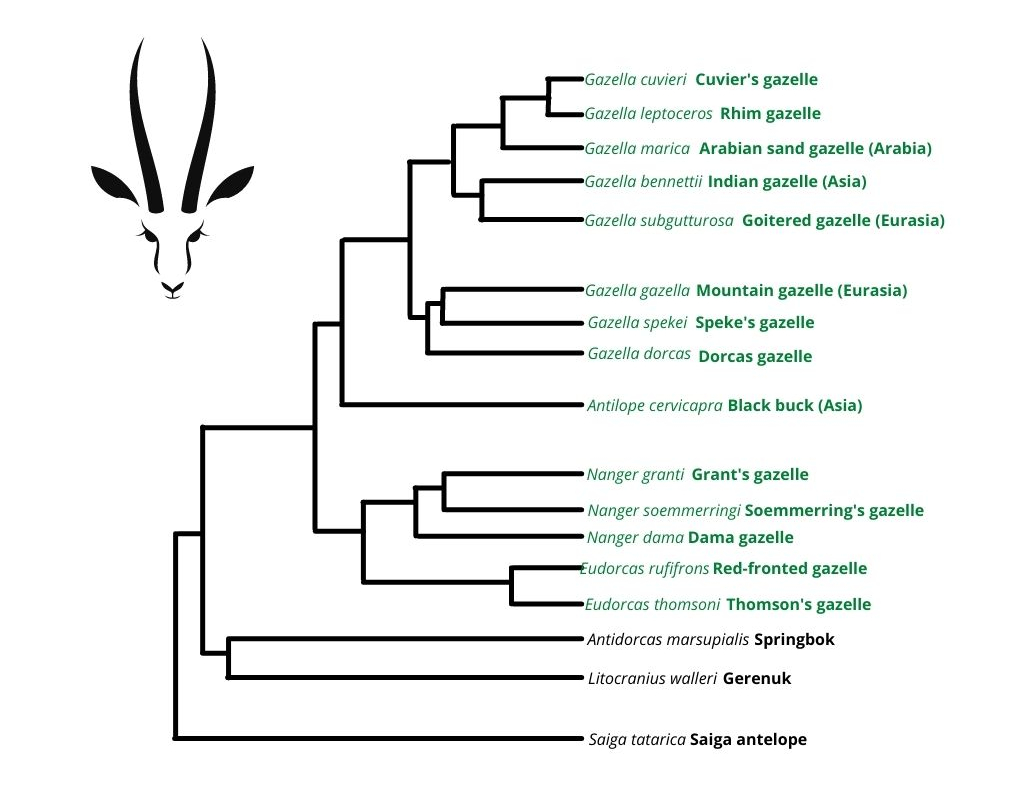
Unravelling the exact genetic relationships between antelopes is devilishly complex and very much a work in progress. With the advent of improved genetic sequencing techniques, genetic evidence regularly contradicts what appears to be obvious morphological similarities. We know that despite the similarity in looks and colour, gerenuk are not closely related to impala at all.
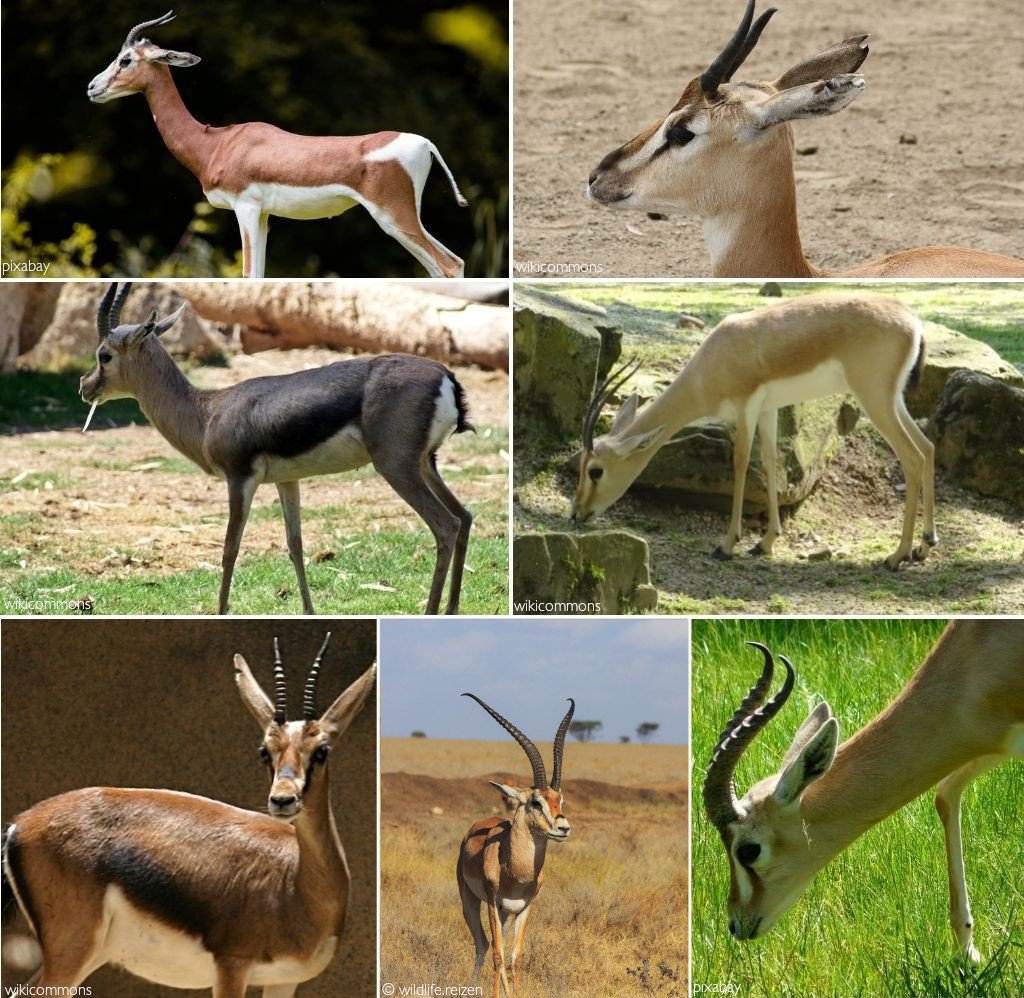
Instead, gerenuk belong to the Antelopini tribe, which includes the true gazelles (like the Thomson’s gazelle). They are also the only member of the genus Litocranius. Bizarrely, within the Antelopini tribe, the gerenuk is related to the springbok, though the two do not overlap in range at all. While springbok are confined to the drier parts of Southern Africa, the gerenuk is spread across the semi-arid areas of northern Tanzania, Kenya, Djibouti, Ethiopia and Somalia. Across parts of this range in Somalia, the gerenuk is sympatric with another antelope called the dibatag or Clarke’s gazelle (Amoodorcas clarkei), which may be their closest relative. This has yet to be genetically confirmed, and, while the two are placed in separate genera, they are almost identical but for their horns and facial markings.
Reaching where no other antelope can
Quick Facts
Shoulder height:
Males: 89-105cm
Females: 80-100cm
Mass:
Males: 31-52kg
Females: 28-45kg
Social structure:
Small herds or solitary
Gestation:
6.5-7 months
Life expectancy:
Up to 13 years or longer in captivity
Conservation status:
Near Threatened
How the gerenuk got its neck
It is a great shame that Rudyard Kipling, in the bedtime tales he told his daughter, did not alight upon the gerenuk as a possible protagonist because it is perfectly suited for a fanciful tale about how it came to look the way it does. Indeed, such a tale might provide a useful starting point because, in truth, we still don’t fully understand the process. Long necks have evolved independently in several extant (and many extinct) species, from dinosaurs to their living relatives (like ostriches) and from giraffe to the gerenuk, inspiring many a theory on their origins.
The apparent answer offered to most of us in school biology lessons on the giraffe is that long necks allow for access to juicy leaves above the reach of other competitive browsers. Unfortunately, life (and, by extension, evolution) is seldom this simple. Scientists have offered up several competing theories that have turned the giraffe’s cervical region into an icon of evolutionary biology. As it turns out, long necks have several useful functions, including fighting, watching for predators, and thermoregulation. And of course, the long neck may have evolved for one reason but conferred several advantages later on.
As for gerenuk, their curious bipedal predilection suggests that in their case, a mouthful of fresh leaves was evolution’s ultimate goal. Not only are their top two cervical vertebrae modified to prevent sub-luxation (in other words, a serious crick in the neck), but their lumbar vertebrae are also designed to aid their balance, as are their wedge-shaped hind hooves. Though most people are simply taken aback by the sight of an upright antelope, a closer look also reveals a supportive set of gluteal and thigh muscles that would make even the most avid cyclist jealous.
A ram tests a ewe for her oestrus state
Peering at the neighbours
Adult male gerenuk are territorial and solitary, generally only associating with the females that wander into their range. These territories are habitually marked by a viscous black secretion from the preorbital glands. The females are somewhat more social but generally only form small herds of fewer than six individuals. Their associations are temporary, and solitary females are a common sight.
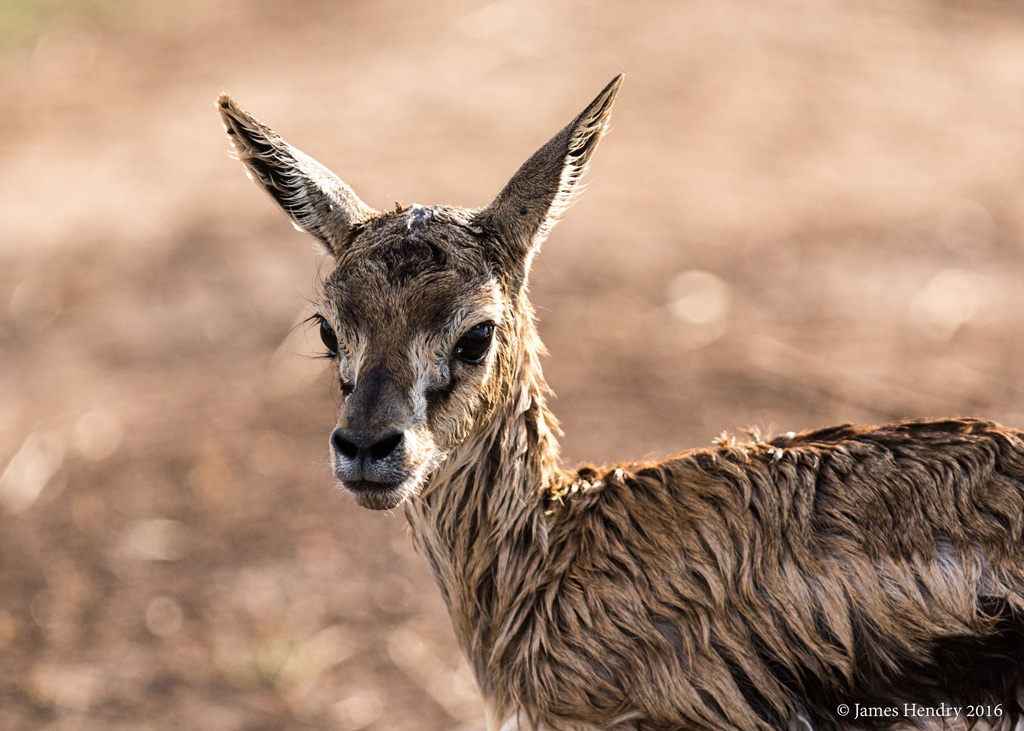
Interestingly, despite their preference for dry habitats, the females do not seem to have a seasonal oestrus period, and they can breed throughout the year. As with all antelope, the fawns are born precocial and can stand on wobbly legs as early as 15 minutes after birth. Adorably, records from hand-reared and captive fawns show that they will start trying to balance on their hind legs from as early as two weeks old. Wild gerenuk mothers typically hide their fawns in dense vegetation for up to four months, returning every morning and evening to suckle them.
By a year old, the young are fully independent of their mothers. At this point, male offspring will occasionally form bachelor groups with other sub-adults for another two years until fully grown and capable of fighting for and defending a territory.
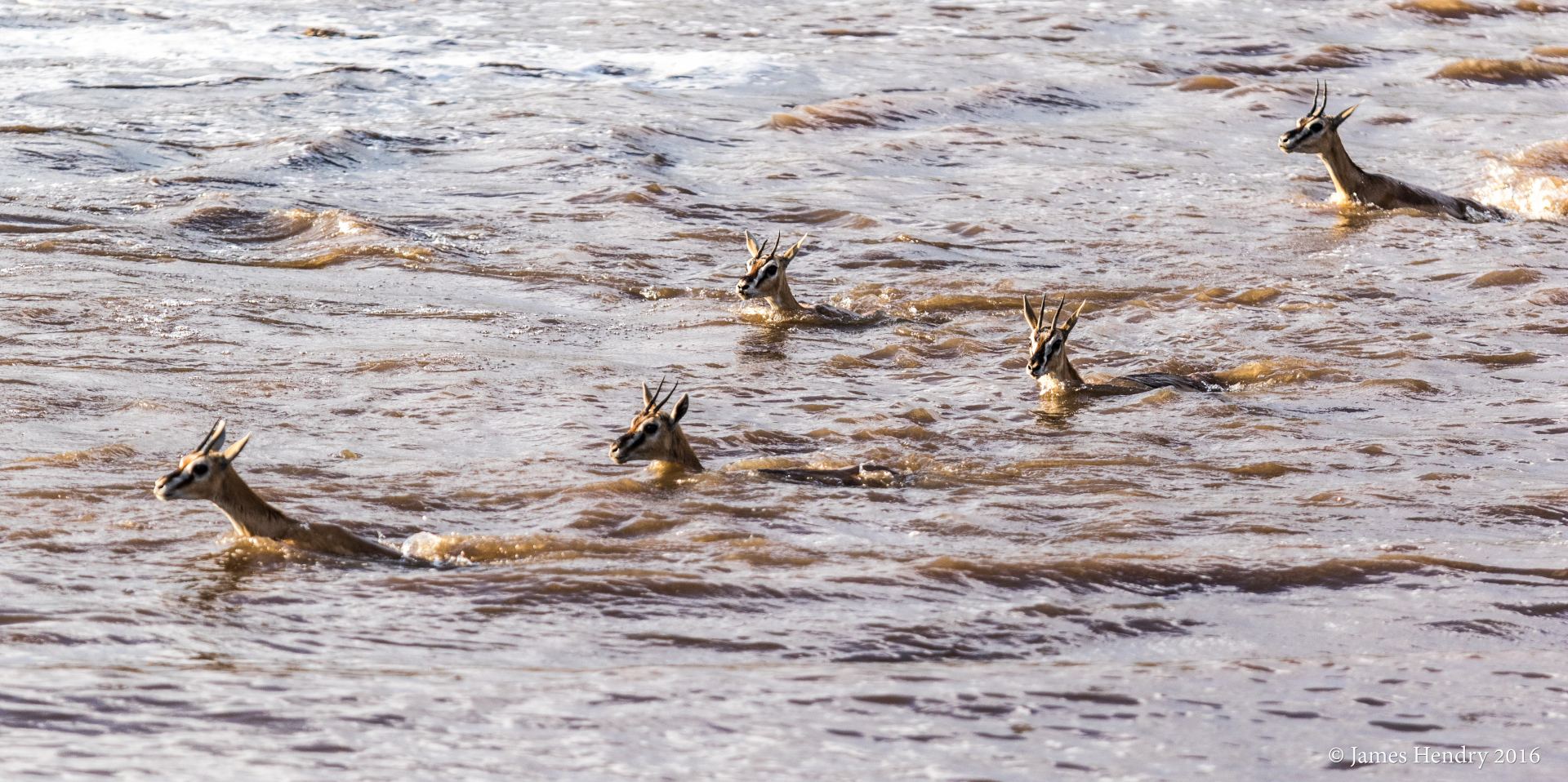
Unlike their Thomson’s gazelle cousins, gerenuk are reluctant runners, relying on their keen senses and surprising ability to melt into the background. When facing a predator, they will trot away or adopt a “stotting” behaviour, a high-kneed, stiff trot. A full gallop is generally reserved for emergencies, and even then, the gerenuk only reaches top speeds around half of that of a springbok or Thomson’s gazelle. This sedentary lifestyle also helps them to conserve water.
The exceptional gerenuk neck at full stretch
Where to find them in the wild?
Gerenuk prefer thornbush, avoid dense thickets or open grasslands and their densities increase in dry regions where competition with other browsers is reduced. They are perfectly adapted to survive in even the driest areas and can go for months, if not years, without drinking. The moisture that they require is drawn from selective browsing. Like most arid-dwelling animals, their kidneys are well designed to reduce water loss by concentrating their urine, and specially designed nasal passages minimise evaporative loss.
Current estimates suggest that there are fewer than 100,000 gerenuk left in the wild, and their numbers are decreasing, prompting the IUCN to change their conservation status to “Near Threatened” on the Red List in 2008. This is expected to change to “Vulnerable” in the not-too-distant future, particularly as density information from Somali is scant but unlikely to be positive. Habitat degradation and unsustainable hunting are responsible for at least a 25% decline in numbers over the past two decades.
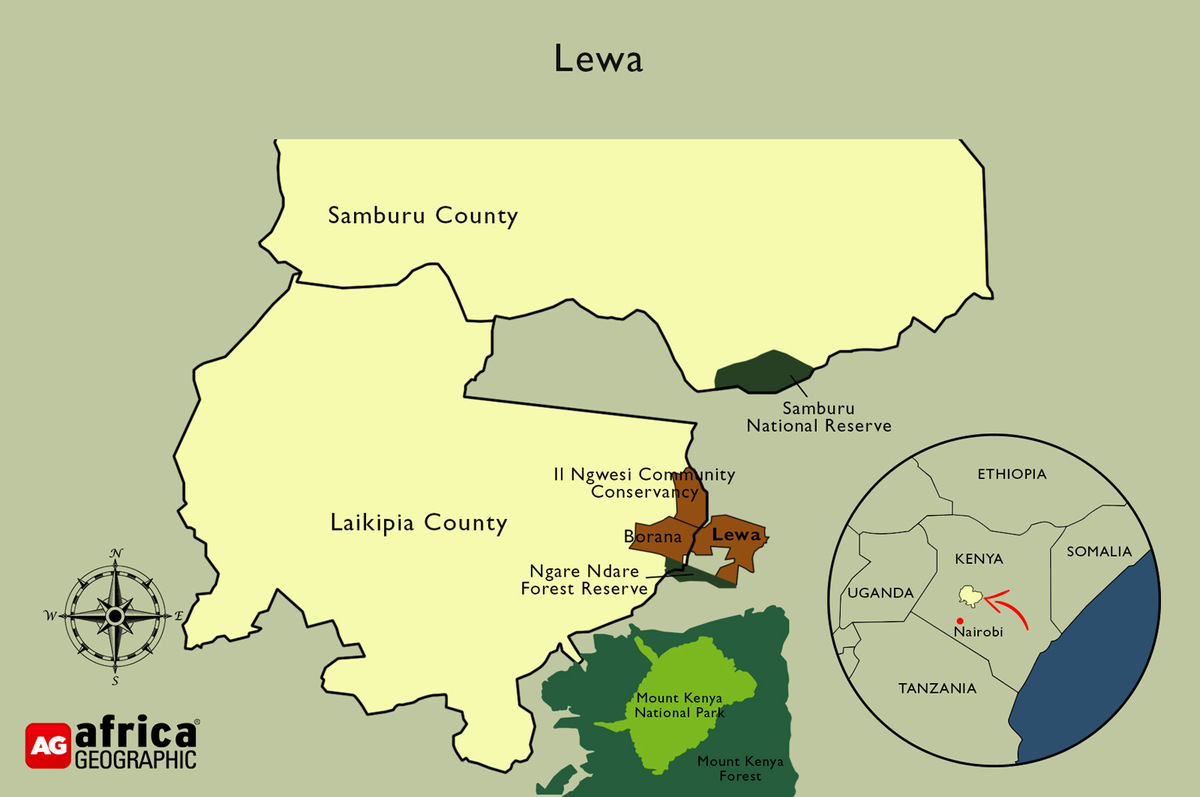
Fortunately, their numbers remain stable in most protected spaces across their range. A visit to Kenya’s Samburu and Meru regions will guarantee sightings of these dainty antelope, and they are also found in scattered numbers in Amboseli, Lewa and the parts of Tsavo. In Tanzania, they are reasonably common around Lake Natron.
Want to go on safari to see gerenuks? To find lodges, search for our ready-made packages or get in touch with our travel team to arrange your safari, scroll down to after this story.
A ewe and a ram performing their most endearing trick
Conclusion
These tiny “giraffe gazelle” are decidedly endearing and, yes, even comic. But once you get used to the somewhat alien appearance of the unique gerenuk, you start appreciating that they are genuinely one of Africa’s most wondrous creations.
This is a copy of our weekly email newsletter. Subscribe here to receive the newsletter.
Best pics + super tuskers + hope for painted wolves
Taps the mic …
Last week was a HAPPY WEEK for our fledgling travel & conservation club. We paid out our first round of conservation project donations to the lucky recipients. This is the humble beginning of what we hope will become a steady stream of vital funding from YOU, our club members, to those carefully selected projects. Thanks SO MUCH for those once-off donations and monthly pledges – no matter how modest. We forward the entire amount received from you to the projects, the only deductions being bank/platform fees. This is only the beginning, ladies and gents – please support us in our mission to increase our combined positive impact on the ground – in Africa. Join the club to contribute via constructive discussions, donate to projects, and go on safari at carefully selected camps & lodges.
These past few weeks, your teamAG has been green with ENVY at the daily updates from our safari guru Christian Boix as he trawled Tsavo and Amboseli in Kenya for super tuskers, predators, aardvarks and those amazing eye-level hippos in the crystal clear water of Mzima Springs – amongst other epic encounters. Christian is mostly desk-bound for his role as our safari director, but now and then, we set him free to host long-standing safari clients – a task he relishes. On this occasion, he accompanied regular safari client Roger Whittle. Roger has a LIFE LIST, and each year he ticks off a few more epic encounters with us. Be like Roger 😉
Keep the passion
Simon Espley – CEO, Africa Geographic
From our Editor
Pleased to meet you, AG tribe. I’m your new editor.
A few weeks into this summer’s heavy rains in the South African Highveld, I witnessed a spectacle in the sleepy town of Heidelberg, Gauteng. Hundreds of ever-patient giant bullfrogs emerged in an unremarkable field alongside a cigarette factory after five years underground. Scientists don’t know how the bullfrogs know that a particular puddle will last the 24 days required for tadpole metamorphosis – yet when the rains come, they rise from slumber en masse, competing aggressively for breeding rights.
Not long after the spectacle, my own patience was rewarded. It feels surreal introducing myself to you as the new AG editor, as a long-time follower of the brand that has inspired my wanderlust, driven my intrigue for conservation, and affirmed my love for this wild continent.
Our three stories below will activate your own wanderlust – from Christian’s travels, to wild dogs, and our first epic selection of Photographer of the Year 2022 photos.
I can’t wait to lead you to rare experiences, inspire you to get your feet on the ground, and to celebrate Africa with you.
From our Scientific Editor
“It takes a village to raise a child” – a saying generally attributed to African origins. I’ve been trying to devise a suitable conservation equivalent because a similar theme applies. The back-breaking process of protecting a species (or wild space) is a collective one. Cooperation and knowledge-sharing are vital if we are to gain an overall perspective of the survival prospects of any one animal.
This is precisely the approach followed by the conservationists at the Painted Wolf Foundation. They have compiled a comprehensive review of the state of painted wolves across the continent and devised a plan to secure their future. Read all about it in our second story below.
Next week, Dianne Skinner of the Painted Wolf Foundation will be one of the many experts presenting their experiences in saving these charismatic carnivores. The African Wild Dogs United Virtual Conference will run from the 14th to the 18th of February, and the not-to-be-missed programme features the biggest names in painted wolf conservation. For more information on how to purchase tickets, have a look at this post on our club forum.
Story 1 SUPER TUSKERS
Searching for super tuskers? We spotted three legendary elephants in one safari trip – here’s how
Story 2 PAINTED WOLVES
Could we double African wild dog numbers by 2050? With funding, collaboration and recovered territory, it’s possible
Story 3 BEST PHOTOS
The first weekly selection of entries for Photographer of the Year 2022 is here! Cash prizes of US$10,000 and a Botswana safari are up for grabs.
TRAVEL DESK UPDATES:
CEO’s choice: SPECIAL OFFER – A small window has opened to enjoy a 6-day fully catered mobile safari to Moremi and Khwai in Botswana for the crazy price of US$2,215 per person sharing. This glamping safari runs in late April, and there are 4 spaces left at this price.
Our Photographer of the Year 2022 is open for submissions, with cash prizes of US$10,000 for the winner and two runners-up. Winners and their partners will also join our CEO Simon Espley and his wife Lizz on the ultimate private safari in Botswana.
We are open for entries from 1 February 2022 to midnight on 30 April 2022. Judging for Photographer of the Year will take place throughout those months and for the month of May 2022, and the winners will be announced end May 2022.
Wild dog populations are under threat – but there is hope for the future
Could African wild dog (painted wolf) populations double by 2050? A theory of change offered in a new report proposes it may be possible to save one of Africa’s most endangered carnivores – through collaboration, recovering former territory and improved funding. These athletic predators have suffered centuries of persecution, and the space available to them is ever-shrinking. How are wild dogs faring across Africa, and what can be done to secure their future? Conservationists and scientists from the Painted Wolf Foundation have compiled a comprehensive assessment of the state of painted wolf conservation – from population estimates to conservation strategies – and hypothesise that numbers could double in the best-case scenario.
The method
Executive director of the Painted Wolf Foundation Diane Skinner identified and approached 37 individuals from 28 organisations operating in 12 African countries. Where possible, the organisations selected are directly involved in monitoring and conserving painted wolves or are responsible for managing protected areas within their range. Collectively, these organisations cover over 800,000km2 (80 million hectares) of painted wolf habitat – home to at least 4,500 wild dogs.
The 145-page report – Securing the Future of the Painted Wolf – looks into the broader conservation landscape of painted wolves, and includes a breakdown by country.
Habitat loss and fragmentation is a major threat to painted wolf populations
The findings
Painted Wolf Foundation has estimated the current population numbers as below, providing an anecdotal snapshot in time. These numbers and the direction of change reflect those taken during 2020, at the time of consultation.
The largest populations of painted wolves of the areas surveyed occurred in:
Luengue-Luiana National Park (Angola): ±600
Northern Botswana: 700–800
Niassa Special Reserve (Mozambique): 300–350
The Kruger Ecosystem (South Africa): 250–400
The Ruaha Landscape (Tanzania): ±500
The Luangwa Valley Ecosystem (Zambia): ±300
The Zambezi Valley (Zimbabwe): ±250
[Editorial note: at the time of research, detailed information about the population in the Selous/Nyerere Ecosystem (Tanzania) was not available. However, assessments from 2012 suggested this region was home to one of the largest populations of painted wolves in Africa at the time.]
Populations are believed to be increasing in:
Aire de Conservation de Chinko (Central African Republic)
Private reserves in South Africa as part of the Wild Dog Range Expansion Project
The Serengeti Ecosystem (Tanzania)
Luangwa Valley Ecosystem (Zambia)
Populations are believed to be decreasing in:
Okamatapati and Otjituuo Conservancies (Namibia)
Greater Kafue Ecosystem (Zambia)
The remaining populations are either stable, or their status is unknown (but likely decreasing in many of the regions surveyed).
Current reported status of painted wolf populations across Africa
The threats
The report identifies the major threats facing wild dogs across Africa. Naturally, these are region-specific (take, for example, this case of a declining dynasty in Mana Pools), and certain threats may be more significant than others. However, a common theme is habitat loss and fragmentation – one of the greatest threats to wildlife in Africa. This is particularly true in the case of the painted wolf, which is a wide-ranging species that occurs at low population densities. In South Africa, for example, painted wolves once roamed the entire country but are now restricted to just a fraction of their historic range (a comparative map of former and present ranges can be found here).
Painted wolves are also victims of the illegal bushmeat trade, as snares and gin traps intended for antelope are indiscriminate. Outbreaks of diseases such as distemper or rabies, carried by domestic dogs, can wipe out entire packs. Road accidents are also common causes of wild dog mortalities in some areas. Conflict with farmers occurs throughout the painted wolf range, even though their reputation as mass livestock killers far exceeds their actual impact.
All of the above threats are exacerbated by the fact that wild dogs struggle to persist with high densities of competing predators like lions and spotted hyenas. As most of Africa’s wildlife is now concentrated in protected areas, painted wolves are forced to exist on the periphery of these regions, increasing their chances of encountering anthropogenic threats.
Attending to a snare victim
African wild dog conservation gaps
While celebrating the impressive efforts of various conservation initiatives working to protect wild dogs, the report shows that, when looking at the species as a whole, the best that can be said is their numbers are somewhat stable. In many areas across their range, numbers are decreasing, while in others, there are yawning gaps in knowledge about numbers, status, and movements. The threats facing this charismatic species are not dissipating and will become more severe as the human population burgeons, exacerbating habitat loss.
So how to shift the paradigm from individually treading water to safely increasing painted wolf rangelands and supporting the species across the continent? The report’s authors first pinpointed the conservation gaps – where tried and tested conservation measures are not deployed due to a lack of funding, knowledge, or expertise. These include macro issues such as a lack of effective habitat management and comprehensive community engagement and education. Filling these gaps would help create protected landscapes where all wildlife, including painted dogs, can thrive.
However, conservation of painted wolves requires species-specific interventions to address the micro issues, such as the management of disease outbreaks or denning behaviour close to hostile communities. In many areas, the organisations attempting to protect painted wolves lack technical resources or funding (or both). In others, there are no organisations specifically directing their attention to wild dog conservation. Even though there are existing conservation methods that have proved highly effective, there are few mechanisms whereby nascent organisations learn these methods or benefit from the experiences of others.
Education is key to protecting painted wolves and improving conservation efforts
Embedded constraints
In addition to identifying conservation gaps, the report also points to constraints within painted wolf conservation initiatives. These include the image and perception of painted wolves (as vermin, feral dogs), the need for a unifying global voice, and strategic collaboration to share day-to-day challenges and solutions for shared learning.
The most significant constraint is, unsurprisingly, funding and fundraising. The Painted Wolf Foundation report roughly estimates that painted wolves across the entire continent receive US$2.5 million in conservation funding each year. To put this into perspective, South Africa’s state organisations alone may spend upwards of US$80 million annually to protect the country’s rhinos. Their poor image perception and lack of conspicuous crises (such as poaching) render painted wolves’ fundraising appeal narrow. For smaller organisations with limited personnel, the fundraising burden is enormous.
A theory of change
With these gaps and constraints in mind, the Painted Wolf Foundation partnered with the Wildlife Conservation Network to conceive a “theory of change”. This three-pronged approach was developed with the goal of doubling the number of wild dogs in Africa by 2050. The three strategies are:
Improve and support existing painted wolf conservation through increased funding and shared best practices.
Recover former territory where painted wolf populations have been eradicated so they can naturally recolonise or be sustainably reintroduced. This would benefit not just painted wolves but also work to ensure a more secure future for other wildlife.
Encourage, fund and support collaborations between painted wolf conservationists and other entities. Improving communication and collaboration between organisations is essential for the future of painted wolves but comes at an inevitable cost.
With these measures in mind, the Painted Wolf Foundation and Wildlife Conservation Network (WCN) are actively fundraising with the ambition to create the Painted Wolf Fund. This will be run on the same lines as the WCN’s successful Lion Recovery Fund and Elephant Crisis Fund.
How to help the wild dog
The report produced by the Painted Wolf Foundation is one of the most comprehensive and up-to-date assessments of painted wolf conservation ever published. It reads not as a criticism of current conservation initiatives but as a celebration of the valiant efforts of dedicated individuals and organisations. However, the threats facing painted wolves will only increase. It will take a monumental feat of collaboration to change the trajectory to ensure they survive and thrive. This analysis provides a fundamental starting point for this process.
Access the report: Securing the Future of the Painted Wolf. Skinner, D., Dyer, N., Blinston, P., Thomson, P., Lindsey, Dr P., Hofmeyr, M. (2021). Painted Wolf Foundation, Wildlife Conservation Network.
Painted Wolf Foundation’s Diane Skinner will be presenting a special session (Securing the future of the painted wolf: a strategy for transforming the trajectory of Lycaon pictus), at the African Wild Dogs United virtual conference on Tuesday 15 February. To find out more and to register for the event, click here.
For more information on the report, or on the Painted Wolf Foundation, email info@paintedwolf.org.
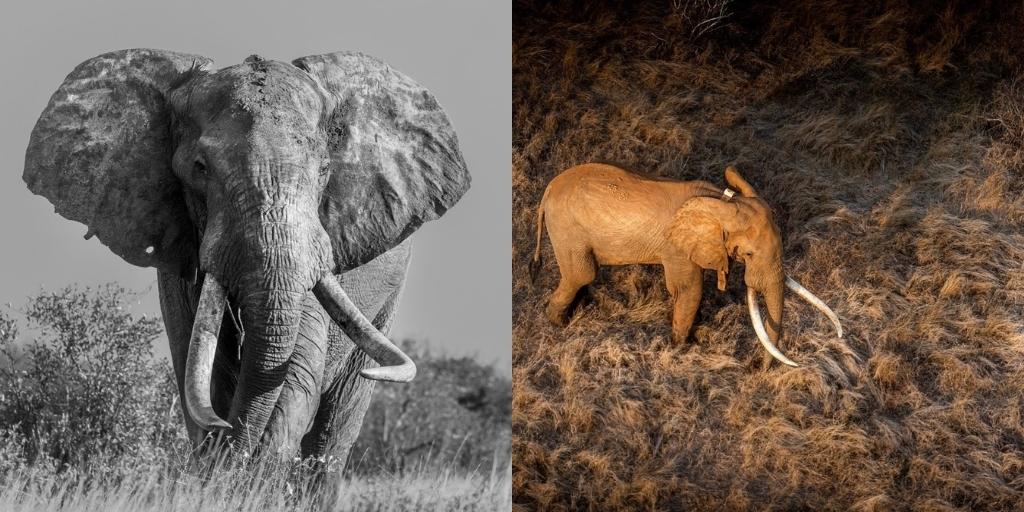
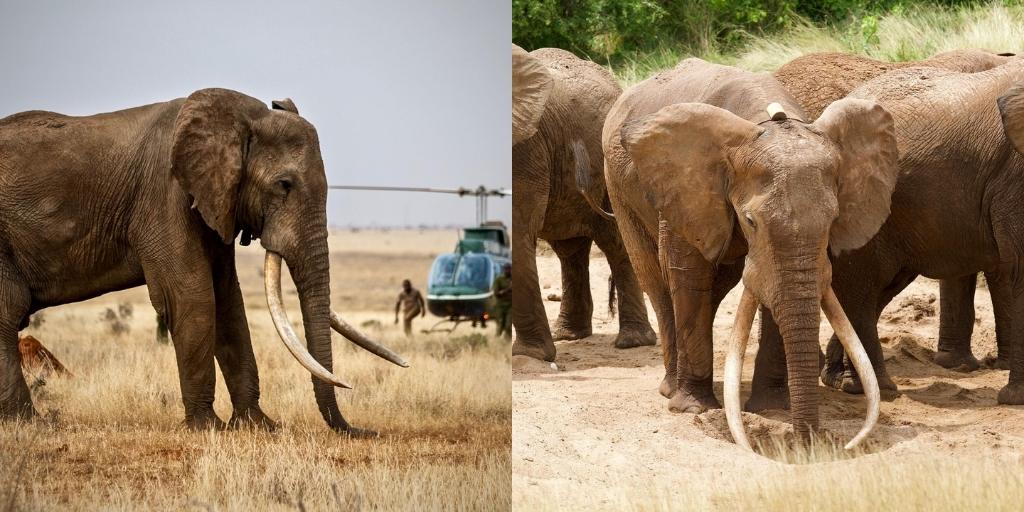
They are the fabric of legend, and not even the simmering anticipation from days of searching can prepare seekers for the moment of finally finding one. They are the super tuskers of Africa – the last rare relics of an era long forgotten. But coming face to face with a super tusker is not always a guarantee – although it is always a highlight for even the most seasoned traveller.
Our very own safari director Christian Boix and safari client Roger Whittle recently set off on an odyssey to Amboseli and Tsavo East National Parks – known for their impressive herds of elephants – in the hopes of photographing the tuskers. Through dogged determination, they finally found what they were looking for.
Roger captures his first image of old super tusker Craig, a legend of Amboseli
Home to giants
Tsavo has the last notable population of big tuskers in the whole of Africa. Once a common sight, roaming far and wide across East, Central and Southern Africa, big tuskers have almost been wiped off the African continent – a combined result of trophy hunting, large-scale exploitation of ivory in the nineteenth and early twentieth centuries, and devastating poaching.
But thankfully, the last remaining tuskers are given their best chance for survival in Tsavo, where elephants are closely monitored for protection against poaching and injury. The Tsavo Trust’s Big Tusker Project, in collaboration with Kenya Wildlife Services, provides aerial and ground support to collect data and respond to imminent threats to the living legends. This ongoing presence is a significant deterrent to poachers and other illegal activity.
Today, nine giant bull tuskers remain in Tsavo. There are also 27 emerging tuskers and four iconic cow tuskers on the Tsavo Trust and KWS Tusker database – which is why visitors have the best chance of seeing some of Africa’s biggest tuskers there.
Stained red by the rich soils of the Amboseli-Tsavo ecosystem, the living legends make for a striking image against the towering backdrop of Mount Kilimanjaro – attracting photographers from across the globe.
Super tusker KM2 was sighted near Satao Camp in Tsavo East
Spotting a super tusker
Finding the super tuskers does not always come easily, and it always helps to be accompanied by more experienced seekers. It was only after a few days of searching and with a dash of luck that Christian and Roger were successful. “We found them through dogged determination. We followed up on all the latest sightings and other leads. We gambled on where we thought their feeding habits might lead them. And after days of seeking bull groups, searching from morning until evening, we finally found what we were looking for.”
(From top) Ulysses – survivor of a spear wound and old boy of Amboseli; Christian even captured a selfie with Craig; Tsavo is known for its mud-stained elephants; Christian and Roger could not believe the luck of sighting three super tuskers on one safari trip; the giants of Amboseli march on
The party had the privilege of meeting three super tuskers on their journey. Craig, a 50-year-old gentle giant of Amboseli, is a well-loved favourite in the area. Ulysses, also one of the larger super tuskers of Amboseli, once survived a deep spear wound that was treated by vets – and was, therefore, a remarkable sighting for the duo. The party then spotted super tusker MK2 in Tsavo East.
“Craig was surrounded by an entourage of well-aged bulls. They all stuck around and stayed alert – though not fearful – when they noticed us. Each elephant took turns to sniff and check on the old man,” says Christian. And they weren’t the only ones tailing Craig. “KWS scouts were in attendance – they have a tough job keeping tabs on the safe whereabouts of each Tusker in the area.”
A herd grazes in the grasses of Amboseli
While the specific locations of super tuskers are always kept under wraps, Christian says seekers will “do well to visit Satao Elerai in Amboseli and Satao Camp in Tsavo East, which serve as excellent bases from which to find the legends”. Here, visitors can spend much time on safari with knowledgeable guides who have worked in the area for years. Satao Elerai also offers night game drives in the conservancy, which not all lodges in the area do.
And what to do after finally snapping a legend? “Book our next trip!” says Christian. “Roger could not get enough of my almost fanatical obsession to track down a target!”
Want to go on an African safari to seek super tuskers? To find lodges, search for our ready-made packages or get in touch with our travel team to arrange your safari, scroll down to after this story.
Resources
Christian and Roger visited Satao Elerai and Satao Camp as their bases for searching for the super tuskers.
You can also join us as we walk with the giants of Tsavo East on a 13-day adventure, where we follow elephant herds over an 80km walking route along the Galana River.
Come on safari with AG – it will change your perspective on life.
This is a copy of our weekly email newsletter. Subscribe here to receive the newsletter.
Start your engines + great elephant news + best safari time of day?
It’s THAT time of year again. Entries are now open for our annual celebration of Africa’s amazingness, and we have already seen epic images arriving in the inbox. Our Photographer of the Year again offers cash prizes of US$10,000 and a fabulous safari to Botswana. My heart sings, and all of us at teamAG look forward to three months of eye candy followed by a tough month of judging. We will begin sharing weekly selections soon. Start your engines, ladies and gents.
THANKS SO MUCH for the massive support for my rant last Friday about online retailer Takealot offering gin traps for sale to Joe Public. To cut a long story short, they have apologised and ‘delisted’ the gin trap. My decision to withdraw our accounts with them (personal and AG business) stands firm – their apology lacked sincerity, and the lack of a named human being in the process was telling. Your avalanche of social media and email pressure on Takealot worked well – you are my heroes 🙂
GREAT NEWS in our second story below – about forest elephants. Scroll down and tap to find out the details! Our first story below is often hotly debated by safari experts and passionistas. SO, what is your favourite time of the safari day? Those photos get my safari juices flowing.
BY THE WAY, a (reliable) source tells me that only 6 rhino horns have been recovered from the estimated 900 horns (450 rhinos) poached last year. That proportion – 0,7% – provides perspective on how ineffective the world’s governments and agencies are at policing illegal trafficking …
Keep the passion
Simon Espley – CEO, Africa Geographic
From our Scientific Editor
Giraffe are a source of endless fascination for anatomists, physiologists and those who work to unravel the inner workings of the mammalian body. Within their lanky frames, many adaptations work to counteract the physics challenges posed by a neck that reaches a lofty height of six metres. Blood pressure aside, a giraffe’s neck weighs roughly a third of its body mass, and the massive nuchal ligament that effortlessly holds the head upright is a marvel of evolution. And, as if the neck weren’t complex enough, our ‘did you know’ fact of the week below explains how giraffe are capable of extraordinary cervical contortions.
Of course, for our Photographer of the Year entrants, these fascinating facts are largely overshadowed by the sheer photogenic nature of these iconic animals. Will it be the giraffe’s turn to shine during this year’s competition? Only time will tell, but I can tell you that everyone at team AG is profoundly excited!
Story 1 SAFARI TIME
Between meals, cocktails & pool dips, when should you head into the wild? We recommend our favourite safari time of day
Story 2 GREAT NEWS
There are more forest elephants in Gabon than previously believed – first elephant population estimate in 30 years
TRAVEL DESK UPDATES:
• At last there are strong signs that we are all learning to live with Covid, and that the safari industry is slowly climbing out of the doldrums of the last two years. Many countries are now significantly reducing Covid requirements – making it easier to travel to Africa. Among many examples of the impact of fewer restrictions, United Airlines has reported massive increases in bookings for their direct flights from the US to South Africa.
• FastJet has announced direct flights between Victoria Falls and Maun –Botswana’s bushveld frontier town – in their 50-seater Embraer ERJ145 aircraft. This route was previously only available by private charter.
• Can you feel the sand between your toes and that cold G&T in your hand? Enjoy the beach and bush vibes in this relaxing video from Thonga Beach Lodge. Did you know that you can enjoy significant booking discounts for this and many other African camps & lodges in our travel & conservation club?
DID YOU KNOW:Neck ache? The joints between giraffe neck vertebrae are ball-and-socket joints – just like a human shoulder. The head is held upright by an extremely strong nuchal ligament.
The good news is that there are more forest elephants in Gabon than previously believed. A new study from the Wildlife Conservation Society (WCS), Gabon’s National Park Agency (ANPN) and Vulcan offers the first countrywide elephant population estimate in nearly thirty years.
Forest elephants were only recently formally recognised as a separate species by the IUCN and were immediately classified as “Critically Endangered”. This new research estimates that there are around 95,000 in Gabon, which equates to roughly 60-70% of the total global population. Astonishingly, although forest elephant numbers have been in freefall for the last century, Gabon appears to have bucked the trend, and forest elephants are believed to be present across some 90% of this Central African country.
Unlike savanna elephants, counting forest elephants from the air is almost impossible given their preference for dense forest habitat. Thus, scientists have had to search for new and inventive ways to replace aerial surveys as a method for estimating population size. One such method (used in the present study) involves collecting and analysing DNA using a genetic spatial capture-recapture model. Over three years, researchers collected 4,058 dung samples from across the country and set about identifying individual genetic signatures. Then, using complex statistical models, they used the data collected to approximate the average forest elephant densities in various regions and, by extension, calculate a population estimate.
Distribution map for forest elephants in Gabon
As might be expected, the highest densities were calculated in flat areas of preferred habitat with low levels of human pressure and interference (such as Loango National Park). Conversely, the lowest densities occurred in regions of low habitat suitability, such as those near major cities, along roads, and across the Bateke savanna.
The authors also caution that although the results of their study are primarily positive, this does not discount significant local declines that Gabon has experienced due to poaching surges in recent years.For example, in Minkébé National Park, a previous study estimated a loss of up to 81% of the forest elephants in just a single decade, from 2004 to 2014. These pockets of low elephant density have yet to recover.
Forest elephants were once widespread throughout the forests of Africa, with a population that would have numbered in the millions. Today, there are fewer than 200,000 (and likely significantly less). Most of these are found in Gabon, placing significant pressure on the country to ensure their safety and future. Protected areas constitute 22% of Gabon’s total area, meaning that the vast majority of the forest elephants exist outside these spaces. The authors estimate that some 65% of the country’s elephants occur in logging concessions. However, an accurate estimate of densities and populations is the vital first step in adaptive management strategy, which this study now provides.
As the authors conclude, “These results are of interest to local, national, and international decision-makers concerned with the conservation of this species and its habitat, with the important ecological role of forest elephants on climate regulation potential of forests, and with forest elephants as a useful indicator for healthy, intact and well-governed forests.”
This is a copy of our weekly email newsletter. Subscribe here to receive the newsletter.
Gin trap, anyone?
WHAT TO DO when an online retailer you regularly utilise sells equipment to indiscriminately kill wild animals – and ignores requests to remove said product? Close your account. I did.
South Africa’s Takealot offers GIN TRAPS to Joe Public. Yes, those barbaric devices that maim and kill. Often the victim is in such agony that it chews off the trapped limb while bleeding out. Imagine stumbling upon this device while browsing the Takealot site for electronic devices, your favourite fudge and dog nail clippers.
After I was alerted to this product on Takealot, I spent more than a day trying to get beyond the vacuous call-centre minions (the head office number provided by them rings without reply) and wading through cut-and-paste evasive PR speak from their social media zombies. No luck. So I CLOSED our personal and Africa Geographic accounts. Note: Subsequent to the publishing of this Comment, Takealot delisted this product and offered an apology.
From a purely economic standpoint, they need to sell many gin traps to make up for the lost revenue from us. More importantly, what is quite clear to me is that brand Takealot has no MORAL compass.
Thanks to my network for the heads-up on social media. If enough of us go beyond frothing and posturing on social media, we can effect change. It’s up to us to make a difference – one brick at a time.
Keep the passion
Simon Espley – CEO, Africa Geographic
From our Scientific Editor
For our first story this week, dive into the green-hued magic of West Africa’s undiscovered paradise islands: São Tomé and Príncipe. Here forests filled with Galápagos-like evolutionary wonders tumble down mountains to meet the white sandy beaches below, and jungles reclaim abandoned plantations. The mixed bag of ecological marvels, delightfully decrepit towns, captivating history and epicurean indulgences create a sensory extravaganza that defines the São Tomé and Príncipe experience.
Next is the tale of a new and inventive way to bridge the human empathy gaps that exacerbate conflict and tear lives, tribes and countries apart. Read our second story below to learn more about how one company uses VR technology to immerse hostile tribal rivals in their antagonist’s worlds – hopefully bringing some semblance of peace along the way.
And finally, have you checked out our club forum recently? Have a look at this fascinating discussion posted by one of our club members on photographing local people and the dichotomy between the lives of those he has encountered on his travels.
Story 1 ISLAND GETAWAYS
São Tomé and Príncipe – two islands off the west coast of Africa – brim with ecological marvels, captivating history, and welcoming people
Story 2 VR AFRICA
‘Meet the Soldier’ – a virtual reality film project helping warring tribes in rural Africa find peace
TRAVEL DESK UPDATES:
• Hirola in the bag! Our maverick safari director Christian Boix is on safari in Kenya with club member Roger Whittle. Tsavo yielded an absolute gem of a sighting – the world’s most endangered antelope. Check out Christian’s photos and comments on this Facebook post.
• Our most spectacularphotographer-guided safari is back! New 2023 dates and prices are available for this cracker of an adventure in the Maasai Mara.
• This charming videoI AM FROM PRÍNCIPE will tug at your heartstrings and get you thinking about these West African islands for your detox getaway …
DID YOU KNOW: BABY HEDGEHOGS are called hoglets. Their quills are covered by a thin layer of fluid-filled skin to protect their mother during birth, but these spikes will generally emerge within a few hours
São Tomé and Príncipe are amongst Africa’s best-kept tourism secrets – two bijou volcanic islands off the west coast of the continent, brimming with ecological marvels, stunning biodiversity, captivating history, and warm, welcoming inhabitants. Imagine an island paradise where azure waters lap at the shores of deserted beaches beneath waving palm fronds. A land where thick rainforests filled with Galápagos-like evolutionary wonders tumble their way down volcanic precipices to the rocky coastline below, and the jungle has reclaimed the once widespread colonial plantations. It is a place where time has, by all appearances, stood still.
São Tomé and Príncipe
The two jungle-choked islands are about 140km apart, over 200km off the coast of Gabon in the Atlantic Ocean in the Gulf of Guinea. Together, they are Africa’s second smallest country (both in terms of population and size) after Seychelles. Along with the neighbouring islands of Bioko and Annobón, São Tomé and Príncipe owe their existence to volcanic activity as shifting tectonics formed the Cameroon Line of volcanoes and forced part of the seabed upwards over 30 million years ago. The resultant topography is dramatic. This is no land of gentle, undulating hills – instead, sharp peaks dominate the skyline, and streams radiate down the mountains into the plunging valleys below.
The resultant rich volcanic soils, equatorial climate, and monsoon rainfall levels set the stage for a staggeringly diverse range of plant life. Verdant forests cover most of the islands, ranging from lowland forests around the coastlines to the mysterious cloud forests 1,400 metres and more above sea level. As the two islands have always been separate from the African continent, endemism is high with many plant and wildlife species found nowhere else on earth. Though the islands are small, naturalists exploring São Tomé and Príncipe receive a backstage pass to evolution’s theatre – hence the islands are sometimes referred to as Africa’s answer to the Galápagos (which may, in fact, be underestimating their biodiversity importance).
São Tomé and Príncipe were (by all accounts) uninhabited by people before the arrival of Portuguese explorers in the 15th century. As the islands were gradually colonised and settled, their convenient position created an important stop-over point. The islands, particularly larger São Tomé, rapidly evolved into a major commercial and trade centre for the Atlantic slave trade. At the same time, the bountiful soils and wet climate (and the availability of free, forced labour) made the islands ideal for agriculture – predominantly sugar cane. As competition from other global sugar markets grew, the islands’ farming activities gradually transitioned to coffee and cacao, eventually becoming the world’s largest cocoa producer at the turn of the 20th century. With independence in 1975, the plantations were nationalised. Many fell into a state of disrepair and were abandoned, leaving behind a snapshot of history frozen in time. (Read on for more on these plantations – termed roças.)
A view of the Atlantic Ocean on a sunny day on São Tomé
São Tomé
At 859km², around 50km long and 30km wide, São Tomé is the larger of the two islands and the more populous by far (though everything is, of course, relative). The delightfully decrepit capital of the eponymously named São Tomé city lies in the island’s north-eastern corner: colourful, vibrant, and bearing Portugal’s colonial thumbprint. Here visitors can visit the tiny, cream-coloured 16th-century fort of São Sebastiãn and accompanying museum or the Nossa Senhora da Graça (“Our Lady of Grace” – one of the oldest cathedrals in sub-Saharan Africa) to soak in the region’s history. Alternatively, a trip through the streets past lively vendors will offer the chance to enjoy some local cuisine (fish, perhaps, with some breadfruit and cooked banana – a staple dish). The markets present the opportunity to purchase crafts and meet the local São Toméans/ Santomeans (or even spot the president wandering by in flip flops).
Pico Cão Grande bathed in cloud
Away from the city, much of São Tomé is protected by the Obô National Park, which extends to include much of Príncipe as well. In the central part of the park lies one of São Tomé’s most famous landmarks: Pico Cão Grande or the “Great Canine/Great Dog Peak”. This bizarre topographical feature stands out for miles – a tooth-like volcanic plug that rises over 370 metres above the surrounding terrain. Pico Cão Grande is the most dramatic of the many volcanic plugs, necks and outcrops on both islands, composed of a rare type of extrusive volcanic rock known as phonolite. Due to the slippery moss-covered vertical cliff faces, unpredictable fogs and unexpected deluges, few have successfully navigated the climb to the top of Pico Cão Grande.
This section of Obô National Park is also home to Pico de São Tomé, the country’s highest peak at 2,024 metres above sea level. The upper slopes are covered in primary forest, the trees swathed in decorative layers of lichen and sporting a multitude of different orchids and other epiphytic species. Unlike Pico Cão Grande, summiting Pico de São Tomé can be attempted by hikers, though a sturdy pair of boots is essential.
Príncipe Agulhas
Príncipe
Around 140 km north-east of São Tomé (a 30-minute flight away) lies the remote wonderland of Príncipe. The tiny island covers an area of 136km², including the surrounding forest-clad islets. The population numbers just under 7,000 people, most of whom reside in Santo António (the only town). In today’s world, Príncipe is the closest thing to an untouched paradise any traveller could ever hope to explore.
The entire island has been designated the UNESCO Island of Príncipe Biosphere Reserve, and the lush forests are crisscrossed by weaving trails leading to picturesque waterfalls. These verdant surroundings (together with São Tomé) are home to more endemic species per square kilometre than anywhere else on earth. Along the edges of the island and islets are the kind of beaches that are almost too perfect to be true – deserted, fringed by palms providing ample shade and warm azure waves lapping at the sand. Many of the lodges in the area sport a private beach, complete with snorkelling and canoe activities (and the odd beach bar).
The “Lost World” atmosphere of Príncipe is only accentuated by the “abandoned” plantations. Historically, these roças (also found on São Tomé) were self-contained, self-sufficient worlds ruled over by colonial households. The more extensive estates would have employed over a thousand people who lived within the roça “villages” with their own churches and hospitals. Today, most colonial mansions have been closed off or converted to luxury accommodation. However, local people still live in many of the roça villages, leading an almost entirely subsistence-based lifestyle. As the vegetation slowly reclaims the crumbling infrastructure, the result is a poignant insight into time gone past.
Astonishingly, Príncipe once found itself at the cutting edge of physics research when Arthur Eddington set out for a perfect position to observe the effects of gravity on light during a solar eclipse. This he found at Roça Sundy when he observed that the light from stars was bent by the sun’s gravity, confirming a significant aspect of Albert Einstein’s General Theory of Relativity.
Traditional Santomean sea canoes
Evolutionary islands
Since Darwin’s initial forays into the natural wonders of the Galapagos Islands, biologists have seen islands as evolutionary goldmines. The idea is that the smallest and most isolated islands will demonstrate the most dramatic examples of adaptation. São Tomé and Príncipe, having never been part of the mainland, are the perfect example of this principle in action – the endemism levels of these tiny islands are simply astonishing. To this day, new species of both fauna and flora are regularly discovered, many endemic to either one or the other island. The mammal contingent is almost entirely represented by bats and one terrestrial mammal: the São Tomé shrew.
The beaches are popular nest sites for four different species of endangered turtles. Female olive ridley, green, hawksbill and leatherback turtles begin to arrive in November to nest, and the hatchlings launch their perilous journey back to the ocean in March.
Of particular interest to biologists are the seven amphibian species. Amphibians are intolerant of saltwater, so how the six frog species and the worm-like “cobra boba” (Schistometopum thomense) found their way there is a matter for considerable debate…
Clockwise from top left: white-tailed tropicbird; Principe kingfisher; São Tomé oriole; São Tomé speirops; São Tomé prinia; Príncipe golden weaver
Birds of a different feather
Like Darwin’s finches, the birds of São Tomé and Príncipe are intriguing. It is almost impossible to give a precise number of endemics on offer, simply because different sources recognise diverse species/sub-species distinctions, and research continues. Whatever the total, it is clear that the birding on offer in São Tomé and Príncipe is extraordinary, and enthusiasts are guaranteed to tick off several species found nowhere else. Only in São Tomé and Príncipe can birders experience the thrill of standing in the gloom of the forest and looking up to see the incongruous shape of a tropicbird against the leafy backdrop of the canopy.
One aspect that makes the birdlife even more fascinating is the high levels of dwarfism and gigantism. This is a pattern seen in islands worldwide, where species of small families evolve to be bigger (likely in the absence of competition) and big species get smaller (perhaps due to lack of available space). Thus, the São Tomé and Príncipe birds include the giant weaver and giant sunbird (the world’s largest members of the two families). The mysterious São Tomé Grosbeak is the largest member of the canary family and was only rediscovered in 1991 after a century’s absence. On the opposite side of the spectrum is the critically endangered dwarf olive ibis. On the isolated island, the São Tomé oriole has lost much of its yellow pigmentation, providing vital clues about the role of colour and competition in birds.
A typical checklist of some of the birding specials on display would include the Dohrn’s thrush-babbler, São Tomé short-tail, several species of white-eyes, the São Tomé prinia, São Tomé fiscal shrike, maroon pigeon, Príncipe thrush, São Tomé lemon dove, São Tomé olive pigeon, Príncipe kingfisher, Príncipe glossy starling, Príncipe sunbird, velvet-mantled drongo and adorable São Tomé scops owl. Timneh parrots soar past in small but noisy flocks, and some of the marine birds include white-tailed tropicbirds, sooty terns and brown and black noddies.
Clockwise from top left: heading out into the ocean on a traditional canoe; yoga on the beach at Sundy Praia; waiting for a boat; flying between the islands
Explore and stay
Want to go on safari to São Tomé and Príncipe? To find lodges, search for our ready-made packages or get in touch with our travel team to arrange your safari, scroll down to after this story.
A popular phrase amongst the locals of São Tomé and Príncipe is “leve leve” – the Santomean equivalent of “easy does it”. It perfectly encompasses the laidback atmosphere of this down-to-earth country where life moves at a simpler, more human pace. Yet for all that, the two islands offer the perfect escape from worldly stresses, the plethora of activities on offer do not allow for a dull moment. From exploring underwater caves and snorkelling past bright fishes to hiking along forgotten paths in thick forests in search of feathered treasures, the purity of São Tomé and Príncipe’s natural world cannot fail to delight.
The two rainy seasons run from September to November and March until June, but the country receives high levels of rain all year round. The weather has to be taken with the same “leve leve” approach as the rest of the island. Though the risk is slight in the more remote parts of the islands, it is important to take malaria precautions. There are budget “pensão” accommodation options in the larger cities and villages, but it is at the more upmarket lodges that the true magic of the islands can be fully embraced.
Clockwise from top left: Coins from the Portuguese colonial era; craft sales on São Tomé; street scene in São Tomé
For those looking to indulge their inner Epicurean, the culinary delights are never-ending. Visitors can sample what is arguably the best chocolate in the world – dark, rich and pure and made onsite at the cacao plantations. At the world-famous Claudio Corallo Cacao and Coffee, chocolate-lovers can spoil their tastebuds with any combination of 80% dark chocolate and candied ginger/orange, salt or locally-sourced pepper.
With islands as isolated as they are, the ingredients for more substantial meals are almost all sourced from the land and combined in unusual and delectable ways. The fire and passion of Portuguese cooking are given their own local twist, creating a food experience that is both authentic and deeply flavoursome.
This mixed bag of cultural influences, fascinating and friendly local inhabitants, and the evocative history completes the sensory extravaganza that epitomises the São Tomé and Príncipe experience.
Fundação Príncipe is committed to the sustainable development of tourism on the islands of São Tomé and Príncipe. Learn about them in our private travel and conservation club – and please consider a DONATION to support their work (donating via our club is safe).
This is the inspirational story of how a virtual reality platform is being used to create peace amongst warring tribes in Uganda.
In the Karamoja region of northeast Uganda, residents have had to deal with violence for decades. Water and food shortages create tension between the different tribes and violence can flare up at any moment. Many lives, particularly those of warriors, have been lost by feuding tribes. For many of the antagonists, reconciliation seems impossible – so much suffering has been inflicted on all sides that the culture of revenge and animosity is almost impossible to change.
Two of the warring tribes include the Matheniko and the Tapac peoples, both subgroups of the famous Karamajong cattle pastoralists. Ariko is the leader of the Matheniko, Lomoromoe is from the Tapac. Both of the groups are semi-nomadic pastoralists in an arid area where growing crops is hard to impossible. Livestock, particularly cattle, are of paramount cultural and utilitarian importance to all the Karamajong.
Over the years, traditions of cattle rustling have developed with resultant feuds the origins of which no one can remember. Raids, counterraids and revenge killings are part of the local culture. Yet both the Metheniko and Tapac have very similar lifestyles and priorities. They live basic existences in homes created from branches and clay, they are dependent on cattle and they must survive in the same arid environment.
Bloodshed and cattle raiding has reduced in recent years but tensions and resentment still remain and threaten to spill over in violence at any moment.
Akiro and Lomoromoe helping with the making of the film ‘Meet the Soldier’
A meeting
What if Ariko and Lomoromoe could meet in a neutral, non-threatening space to learn about each other and forget the conflict for a moment? What if they could immerse themselves in each other’s lives? This is what Hack the Planet has facilitated using the latest techniques in the field of 360 / 3D video recordings.
Through the Meet the Soldier project, Akiro and Lomoromoe met each other in a 3D virtual space. They travelled virtually to each other’s villages and learned about the lives – challenges, hardships and cultures of their once mortal enemies.
Virtual Reality (VR) can be an effective tool in helping people relate to and develop empathy for others or unfamiliar situations. Many people view VR as something to do with the entertainment industry, few understand the power it has to change perspectives through experience. VR is experienced by the brain differently than other forms of media. Someone in a virtual environment is more capable of generating empathy for a person or situation because the brain is “fooled” into thinking it’s really experiencing the situation.
One year after the production of Meet the Soldier, a researcher from Sciences PO, a French research institute, wrote a paper investigating the project. The researcher spoke with many people involved, but one response from a local priest who knows both warriors very well was particularly illuminating.
“The two warriors are good friends now. The film has bonded them together. Every time I meet one, he inquires about the other. This is a good sign of friendship. These two warriors who had once been terrible enemies and raiders, who took pleasure in raiding and killing others; now they have abandoned the past and have become “new people”.
Hack the Planet hopes that this concept could be applicable to many other situations and conflicts in the world. What would happen if we could use the approach to bring together leaders of the world or people who live in countries at war? People who don’t have the opportunity to visit wilderness areas could be immersed in the natural world.
Tim van Deursen developed the concept of ‘Meet the Soldier’ at ‘Hack the Planet’; a technical non-profit he founded in 2016. The company works on innovative solutions to combat global and social challenges. Hack the Planet is part ofQ42 and has a complete arsenal of engineers at their disposal. Production and creation of the video were done by Wolfstreet and Teddy Cherim. Tim believes that VR is a powerful tool that could be used to bridge long-lasting conflicts; it provides a safe environment while at the same time the possibility to change perspectives. Follow Hack the planet on Twitter
This is a copy of our weekly email newsletter. Subscribe here to receive the newsletter.
My country’s politicians regularly trumpet the success of their anti-poaching efforts – because fewer rhinos are being poached every year. You and I know that these announcements attempt to conceal the stark truth – that the Kruger National Park rhino population is in FREEFALL. Kruger hosts the world’s largest wild rhino population. Each year we have to dig deep to discover how many rhinos are left in Kruger. This year was no different. The results are shocking. Our first story below refers.
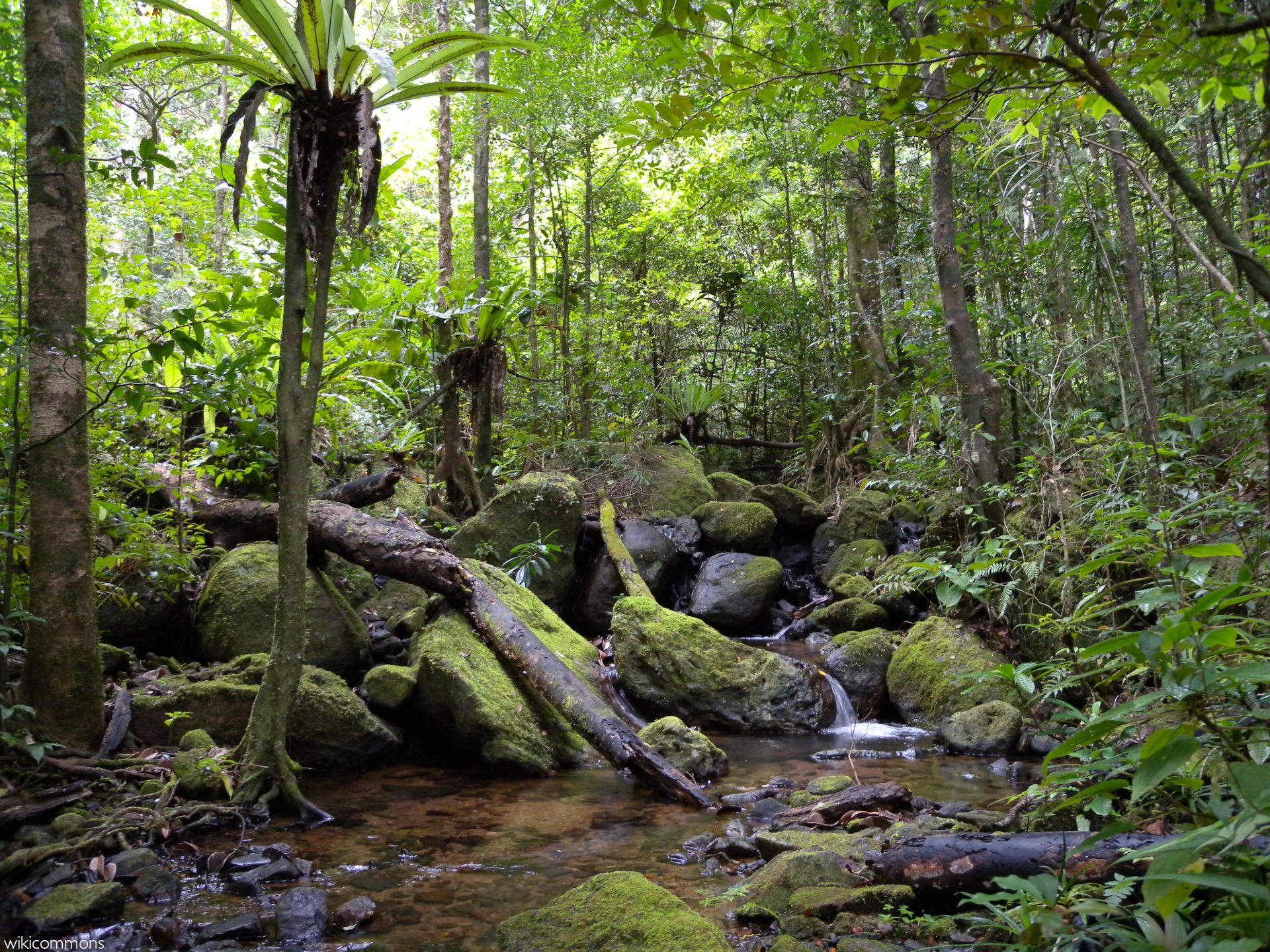
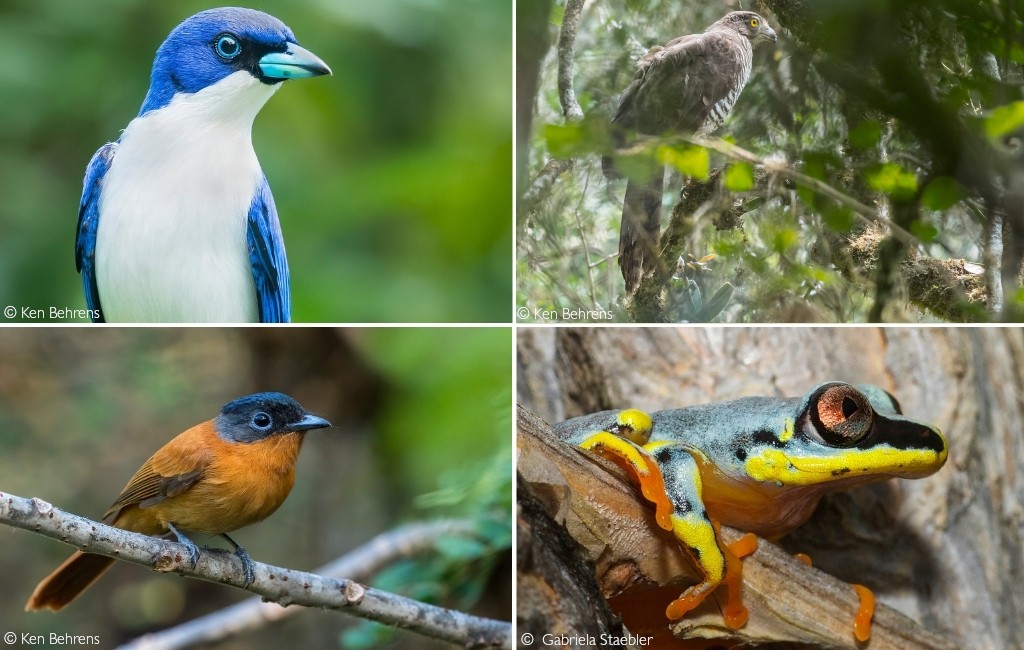
Our second story touches on a vital issue if future generations are to see FREE-ROAMING wild animals in Africa. And our third story is another in our series on that wonderful Noah’s Ark of ENDEMIC species – Madagascar.
Finally, with a few weeks to go before we open the doors to entries for our Photographer of the Year, dust off those cameras and search through your archived images. The CASH and SAFARI prizes are again worth the effort.
Keep the passion
Simon Espley – CEO, Africa Geographic
From our Scientific Editor
While I was in the Kruger National Park a few weeks ago, I was granted a brief glimpse into the inner workings of the giant machine that is South Africa’s largest national park. Sufficeth to say, the people I encountered who keep this machine oiled and running were knowledgeable, candid and tremendously passionate. Their love – yes love – for the Kruger and its wildlife was palpable.
So now it’s that time of year when we delve into Kruger’s rhino population stats. And it is not looking good.
Putting together these updates is always a somewhat heart-wrenching experience for the AG team, even if the numbers come as no real surprise. So I can only imagine what it must be like for those responsible for counting, monitoring, and protecting Kruger’s rhinos to have to watch this catastrophe unfolding in real-time.
For decades, the Kruger has been a stronghold for rhinos, supporting one of the largest populations in the world. Yet it was the very nature of Kruger’s previous rhino conservation success that made it the prime target for surging rhino poaching. Should we be asking what more could be done to protect our rhinos? Of course. But we should also remember to celebrate the efforts of those working all hours and risking life and limb to keep them safe. As SANParks officials recently wrote: “The lesson is not about who keeps rhinos safest. It is about what is the safest way to keep rhinos.”
Story 1 RHINO COUNTDOWN
Latest: Rhino poaching has decimated Kruger NP populations by 75% in 10 years
Story 2 HUMANS vs ANIMALS
Humans should avoid corridors used by lions, elephants & other large creatures – to reduce loss of lives & livelihoods
Story 3 MADLAND
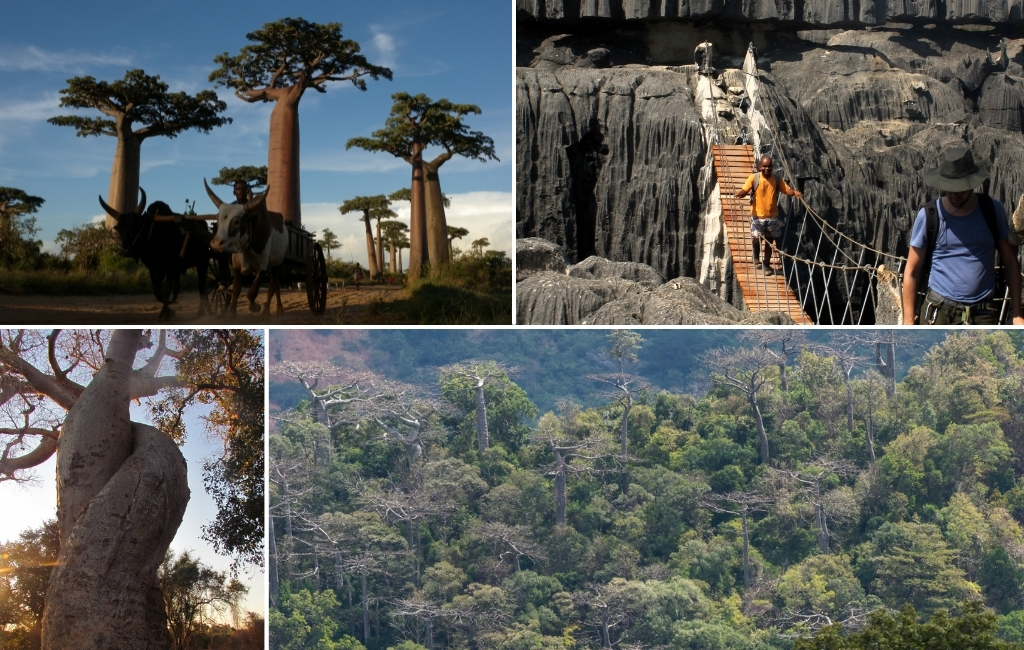
A journey through eastern Madagascar is an adventure with endemic lemurs, birds, reptiles, pristine beaches and ancient forest
TRAVEL DESK UPDATES:
• This classy video from Jamala Madikwe in South Africa’s North West province will have you packing your safari bags. First, though, visit our club for the best prices for this and other lodges and camps
• Did you know that you can now search for flights on Google based on lower carbon emissions?
Rhino populations in Kruger continue to plummet due to rhino poaching
Despite back-breaking work from a dedicated and passionate SANParks team, Kruger National Park rhino populations have continued to plummet due to rhino poaching – as per the latest population count from 2020.Recently published research estimates that there are about 2,607 white rhinos remaining in the Kruger National Park, while black rhinos are estimated to number just 202. This represents a population decline of 75% for white rhinos since 2011 (from 10,621) and 51% for black rhino since 2013 (from 415).
The research, compiled by SANParks officials, analyses the impact of COVID-19 on poaching rates compared to trends observed in previous years. In summary:
Population estimates in a massive area such as Kruger carry inherent uncertainty. Thus, white rhinos could number between 2,475 and 2,752, while black rhino populations could be as low as 172 or as high as 237. The estimates for this and previous years’ population numbers are the midpoint between the low and high numbers.
The actual black rhino population size may be higher due to their preference for dense habitat and tendency for surveys to underestimate their numbers.
These population estimates apply to the year 2020 – the process of actively counting the rhino (by air), analysing the data, and subjecting the results to scientific scrutiny takes time, and there is an inevitable lag period.
During the height of the COVID-19 government-imposed “hard” lockdown, there was a significant reduction in poaching: 79.4%
However, these benefits were lost as restrictions were lifted. “The easing of restriction resulted in a significantly higher number of observed poaching incidences per day during 2020 compared to that predicted for the same period by trends from 2017 to 2019. The result indicates that year-to-year poaching rates during 2020 were not significantly lower than those in previous years…” (Ferreira et al., 2021). This contradicts previous statements by the Department of Environment, Forestry and Fisheries, claiming that poaching incidents in Kruger reduced by half in the first half of 2020.
The recruitment rates (the number of calves born that survive the year) for both species were at their lowest since 2013.
PUBLICLY AVAILABLE RESOURCES
While the SANParks Annual Report for 2020/2021 is not yet accessible to the public, the most recent available figures were published in the African Journal of Wildlife Research and are publicly available through a paywall here.
This article was originally published on the Conservation Namibia website. Written by Ingelore Katjingisiua and Ginger Mauney
From the air, Namibia is a maze of paths – some start as wide animal highways and merge into a single track before trailing off into dust, while others are long and deep, etching a path that crosses rivers, borders and memory. The generational knowledge of where they lead and why they exist is known by a myriad of species from elephants to ants, and also the people who live alongside these wildlife corridors.
Animals use corridors for a variety of reasons: elephants traverse shorter paths between grazing lands and water, while using longer paths between their wet and dry season home ranges. Large carnivores also prefer to use well-worn paths while patrolling their territories. Knowing where wildlife corridors are in the landscape and what animal species use them is thus critical for planning human use for the land. Crops planted or livestock corralled too close to these paths are in danger of being destroyed, so it makes sense to identify key corridors and plan accordingly.
Taking wildlife corridors into account is especially important in Namibia’s Zambezi Region, which lies at the heart of the five-country Kavango-Zambezi Transfrontier Conservation Area (KAZA). It is home to people and wildlife that all use the same landscape. The Namibian Ministry of Environment, Forestry and Tourism (MEFT) therefore recognises the importance of maintaining wildlife corridors as a means of reducing human-wildlife conflict and keeping wildlife populations healthy.
Communal conservancies in the Zambezi Region are ideally suited for identifying and maintaining wildlife corridors. Conservancies are local institutions that utilise the wildlife within their respective boundaries to create jobs, improve food security and support rural enterprises; they are also tasked with monitoring wildlife populations and addressing human-wildlife conflict in partnership with MEFT. Conservancies therefore feature strongly in a report on the strategic wildlife corridors in the Zambezi Region that was submitted to MEFT in March 2020.
Although maintaining wildlife corridors is highly valuable for the whole KAZA landscape and the larger wildlife economy, it comes at a cost for farmers who live in these areas and might want to use the land for farming purposes. Conservancies and other stakeholders must therefore identify key wildlife corridors in the Zambezi Region and come up with recommendations for incentivising the farmers who live along these corridors to leave them intact. One way of achieving that is through a Payment for Ecosystem Services (PES) scheme that links the status of wildlife corridors directly to the income of conservancies, which in turn is used for the benefit of communities living in these areas. From the communities’ point of view, this system means that a well-protected wildlife corridor equals improved living conditions.
Members of the Sobbe Conservancy who are at the forefront of wildlife corridor protection in the Zambezi Region
Namibia’s homegrown PES is called Wildlife Credits – an innovative conservation initiative that rewards conservancies for proactive, verifiable conservation results. Wildlife Credits payments go directly to the stewards on the ground for conservation results already achieved: e.g. corridors protected or rare animal species sighted. Traditional funding is used to cover expenses such as boots on the ground, vehicles and training, all of which are important components of conservation, but they do not always achieve conservation results. Paying for results through Wildlife Credits thus complements traditional funding and recognises conservancies for their contribution to conservation.
Using Wildlife Credits to help protect wildlife and its habitat isn’t hypothetical: there is ample proof that it works, from the proactive protection of lions in the Wuparo Conservancy to rhino sightings in the Huab. In 2018, Wildlife Credits was applied to the protection of a wildlife corridor for the first time, focusing on a key elephant corridor in the Zambezi Region. Distell Namibia and Amarula, the liquor that is synonymous with the African elephant, formed a partnership with Wildlife Credits and the Sobbe Conservancy. Distell invested N$ 130,000 into the national Wildlife Credits fund to pay the Sobbe Conservancy for successfully protecting the critical corridor that runs through its land.
This payment was based on independently verified data showing the continued protection of the corridor and evidence that wild animals continue to move through this area. The former was confirmed through satellite images captured over a ten-month period, while the latter was shown by photos from camera traps placed along the corridor. Together, this evidence reveals that the communities living in the Sobbe Conservancy avoid planting their crops or building any structures along the corridor, which allows wildlife to move freely.
The conservancy put the payments received through Wildlife Credits (which added to the funds from Distell) to good use by connecting villages in this remote part of Namibia to the electricity grid during 2019. Six villages received transformers and electric poles, five of which now have electricity (the infrastructure for the sixth is being installed at the time of writing). This project benefits 1,012 members of the conservancy and contributes to Goal 7 of the United Nations Sustainable Development Goals (SDGs): affordable and modern energy for all.
Using new technology to monitor and protect an ancient wildlife corridor
Monitoring the wildlife corridor is an ongoing effort. In 2020, the conservancy introduced the SMART mobile application to capture data that complements the camera traps deployed in the corridor. Additionally, the Sobbe Conservancy increased foot patrols of the corridor from twice a month to once a week. The corridor functions as a transit highway for elephants moving between Angola, Zambia, Namibia and Botswana. They are part of the estimated 220,000 elephants in the Kavango-Zambezi Transfrontier Conservation Area (KAZA), the largest elephant population left on the planet.
The corridor monitoring efforts have further revealed how many other species use this highway: African wild dogs, civets, bush pigs, roan antelope, side-striped jackals, zebras, giraffes and porcupines, among others. Images from the camera traps even had a surprise in store for Lise Hanssen, director of the Kwando Carnivore Project, who has worked with communities in the Zambezi Region since 2007 and is assisting the Sobbe Conservancy with this project: Although we expected [and found] five of Africa’s large carnivores using this important area [lion, leopard, cheetah, wild dog, spotted hyaena], we were amazed to find an image of a brown hyaena, which is now the northern-most confirmed record of this species.
It is only through long-term collaborative work with communities and long-term support from businesses like Distell Namibia and Amarula that these exciting discoveries are possible. They are more than just facts – they add significantly to the conservation imperative for KAZA as a whole and highlight the importance of this critical wildlife corridor for long-term conservation efforts. Further, these encouraging results boost the communities’ pride in their conservation achievements. This year (2021), Distell Namibia and Amarula have pledged to build on this success by renewing their partnership with the Sobbe Conservancy and Wildlife Credits and expanding their support to include two more vital wildlife corridors in the Zambezi Region.
Camera trap images reveal the surprising variety of rare and endangered species using the wildlife corridor in the Sobbe Conservancy
This is a copy of our weekly email newsletter. Subscribe here to receive the newsletter.
It’s THAT time again! Well, almost …
On the 1st of February, we open for entries to our annual Photographer of the Year and again hope for envy-inducing images of Africa’s extraordinary biodiversity bounty. During the height of the dry season last year I spent an unforgettable week on safari with the 2021 winners and their partners in Botswana’s Khwai Private Reserve – predator central. Our first story below is a PHOTOGRAPHIC CELEBRATION of that sojourn.
Jamie has penned an excellent intro to our second story below. I will only add that this is arguably the BIGGEST ISSUE standing between viable free-roaming wildlife populations and intact ecosystems on the one hand and their annihilation on the other. Do we really want Africa to follow the example set by the rich nations, and turn our landscapes into parking lots and our wildlife into managed herds?
Start your engines, ladies and gents – get those epic photos ready because February is just around the corner. Fantastic cash and travel prizes await 🙂
Keep the passion
Simon Espley – CEO, Africa Geographic
From our Scientific Editor
Do you ever find yourself reaching for a word in English (or any other language) to describe an everyday situation or emotion, only to find that there isn’t one? Sometimes, like with “Schadenfreude”, one language steps in where another fails. But other times, a little inventiveness is needed. Douglas Adams and John Lloyd created The Meaning of Liff – a “dictionary of things that there aren’t words for yet”. More recently, John Koenig began concocting the sombre Dictionary of Obscure Sorrows.
One of Koenig’s made-up words – occhiolism – jumped out at me: “n. the awareness of the smallness of your perspective, by which you couldn’t possibly draw any meaningful conclusions at all, about the world or the past or the complexities of culture”.
In my opinion, there is an unfortunate lack of occhiolism in the world on so many levels. However, in the context of this message, I am thinking of our second story in particular. Attempting to address human-wildlife conflict without involving local communities at every level is not only profoundly disrespectful, but it will also prove utterly fruitless. Read the story below on why it is so vital to take steps to understand the perspectives of those who live alongside wildlife rather than imparting our own assumptions.
Story 1 WINNERS’ SAFARI
Khwai is every wildlife photographer’s dream – just ask our 2021 Photographer of the Year winners. Entries for 2022 open on 1 February
Story 2 CONFLICT
Emotions and cultural significance attached to wild carnivores dominate attempts to mitigate human-wildlife conflict
TRAVEL DESK UPDATES:
Did you know that our travel & conservation club features 276 of Africa’s best lodges at which you can save up to 15% on the prices usually paid? And now you can search via a ‘map view’ (zoom in to select individual lodges), select for ‘non-malaria’ options and even change the quoted price currency? To access these features look out for relevant icons next to the search bar at the top of the screen. Join the club here.
Safari njema !
DID YOU KNOW: Honeybee queens can live for up to three years, and worker bees live for just 200 days in winter and less than 40 days in summer
Tongues lolling and bulbous tummies protruding shamelessly, the painted wolves took advantage of dappled shade in a mopane glade to grab a few moments of shut-eye in the heat of a September afternoon in Khwai, Botswana. We too bunkered down, enjoying this moment of relative coolness in a parched landscape heading into the legendary ‘suicide month’ of oppressive heat before the first rains transform the landscape. September is prime game-viewing time – don’t tell a soul.
This young male cheetah was besotted with elephant dung
This is painted wolf (wild dog) country, and we encountered this group of ten on several occasions as we meandered along the bush tracks and floodplains for six blissful days. We also enjoyed regular encounters with mating lions (which strolled through camp one morning), a mother cheetah and her adolescent cub and, of course, elephants. So many elephants. During one particularly memorable game drive, we spent hours with the ‘dogs’ (again with fat tummies and bloody faces) while the mother cheetah and her cub played about 300 meters away in full view. The cub had a thing for elephant dung, hunting down and attacking them with intent. We also found two skittish young cheetahs who were new to the area – perhaps passing through in search of their own territory.
Khwai is predator-central; every game drive delivered several encounters
This was our 2021 Photographer of the Year winning group
– with a few personnel adjustments due to Covid-related travel complications
We spent six days in the vast Khwai Private Reserve, sandwiched between Chobe National Park and Moremi Game Reserve, sharing a name with the neighbouring legendary Khwai Community Concession. Of course, we enjoyed many extraordinary moments in Khwai, as Africa did her thing – enthralling us with her bounty and guile. We also enjoyed fireside chats that will stay with me for a long time to come. Safari adventures tend to shed barriers and foster cultural exchanges that open our horizons and make us better people. This was an exceptionally rewarding safari for us all, and long-term friendships were forged.
Top left: Our guide ‘KG’ Bapute at Tuludi was very patient with his camera-toting guests. Top right: Sy Nawa, our guide at Sable Alley, poses next to a large lion who was chilling out in the lodge parking area. Bottom: Our party posing in the glow of the setting sun
Two encounters stood out for me and are deserving of special mention
We spent most of one day in a sunken photographic hide at a pumped waterhole near the Chobe boundary (unfenced, of course) and ogled as huge elephant bulls arrived in droves to quench their thirst and socialize with old acquaintances. Many fights broke out as thirsty elephants jostled for position – some more determined individuals driving opponents back many skiddy meters – to the tune of squeals, trumpets and clashing ivory. Sometimes all of the elephants would vacate the water in haste and stand some distance away as if ordered to do so. Then, sure enough, within seconds, a particularly large and dominant bull would swagger in and calmly have his fill of the precious water. The experience is pretty surreal, as these giants loom above us, providing views of bellies and the underside of those huge wrinkled feet as they pad by within touching distance. The impressive collection of big camera lenses lay untouched in the corner, entirely superfluous. We emerged from our underground hide in awe of these incredible giants and acutely aware that elephants have very complex social lives and can communicate over vast distances.
Our enthralling afternoon in a sunken hide near the Khwai / Chobe border
We were tracking a leopard during one game drive when we stumbled on a magnificent sight – probably my Moment of this safari. The Khwai River has many smaller channels and lagoons that were drying up at this time of year, leaving stranded fish and crustaceans. And working that bounty were thousands of birds – pelicans, herons, storks, ducks and fish eagles – taking turns to shepherd the fish to shallow areas for harvest. The energy of the moment was off-the-charts, and we spent a few hours entranced as this rolling mass of winged predators worked the shoals. (video) In the background, a fish eagle had burgled a massive catfish from a rather indignant marabou stork and was trying unsuccessfully to take off with his pilfered catch. Our return to camp found us again deep in thought about how nature works. And then, just as we thought the day could not get better, we were treated to a scrumptious lunch on a wooden platform overlooking the floodplains – in the cool shade of massive sausage trees.
A portion of the flock working shoals of stranded fish
Surprise bushveld lunch on an elevated deck in the shade of a sausage tree overlooking a floodplain
Our lodgings were superb
I had stayed at Sable Alley on a previous safari and knew to expect bushveld luxury, excellent service and delicious food. I was not disappointed. However, it was Tuludi that blew me away. This recently-built lodge has taken bushveld luxury to new levels, with enormous bedrooms and so many private spaces in the common area it feels as if the entire lodge is yours. My favourite area is a treehouse library above the lodge common area and overlooking the floodplains – a wonderful private space to put one’s feet up and enjoy a quiet alcoholic beverage. Or two. I will be back. Two of our group were so taken by Tuludi that they have booked their family for an extended stay in 2022, and of course, they will enjoy our club member preferential rates.
Want to go on safari to Khwai? To find lodges, search for our ready-made packages or get in touch with our travel team to arrange your safari, scroll down to after this story.
Human-wildlife conflict is present to some degree across most of rural Africa. It is one of the gravest threats facing wildlife conservation. For local human inhabitants, human-wildlife conflict endangers lives and livelihoods. Naturally, much research is devoted to mitigating its effects. Part of this includes expanding our knowledge base to understand how local people actually feel about wild animals without projecting emotions and thoughts onto the people who bear the brunt of the conflict.
New research (led by scientists from the Leibniz Institute for Zoo and Wildlife Research) from Tanzania’s Ngorongoro Conservation Area adds to this body of data, suggesting that emotions and cultural significance attached to wild carnivores strongly influence the acceptance of specific management strategies. Importantly, these factors exert a more decisive influence than the extent of livestock predation – at least within Maasai pastoralist communities.
Though mainstream media has been decidedly slow to recognise the importance of the local communities that live within and around wildlife spaces, these communities play a vital role in conservation. The future survival of most wildlife will depend on whether it can persist in shared landscapes with rural farmers and pastoralists. This, in turn, means that human-wildlife conflict is inevitable, and the methods employed to alleviate it must be based not just on the animals but on the needs of these communities as well. This cannot be judged effectively without a proper appreciation of the individual challenges facing the locals of a particular area.
Naturally, previous research has indicated that more severe livestock predation will result in an increased desire for (and support of) more forceful management strategies such as relocation or even killing the predators involved. However, studies have also shown that large carnivores, in particular, are of significant cultural importance. The positive emotions attached to these charismatic animals impact how the communities accept the cost of living with them. Logically, negative sentiments towards wild predators should favour strategies to remove the animal, while positive emotions should favour more conservation-orientated management strategies.
This new research is the first of its kind to directly compare livestock predation levels with the cultural importance of the wild carnivores to determine which factor is more influential and should, therefore, be prioritised by policymakers.
To better understand the perceptions of large carnivores in Ngorongoro, the researchers conducted a hundred questionnaires with Maasai pastoralists. They focussed on the three large carnivore species most likely to cause livestock losses – lions, leopards, and spotted hyenas – and presented three different management strategies: no action, relocation, and lethal control of the predators. The questionnaire also included questions about how many cattle, sheep, goats, and donkeys had been killed by wild carnivores.
The researchers found that 87% and 76% of the respondents felt joy towards lions and leopards, respectively. Unsurprisingly, the percentage was much lower for those who felt joy towards spotted hyenas (47%), and 72% of the respondents also found hyenas to be disgusting. However, the respondents were also significantly less afraid of hyenas (13%) than of lions (49%) and leopards (44%). Hyenas and leopards were seen as culturally unimportant overall, and while lions scored higher than both, only 41% of the respondents attached cultural significance to them. Hyenas accounted for the most livestock depredation in the area.
The majority of the Maasai pastoralists accepted “no action” as a management strategy for all three carnivores. Relocation and lethal control were mostly rejected (though 31% supported the relocation of hyenas, as opposed to 11% and 14% for lions and leopards). The results suggest that emotions (particularly joy) and cultural importance are “stronger predictors of the acceptance of management strategies than livestock depredation”. Interestingly, fear seemed to have no significant effect on the acceptance of the indicated management strategy.
So how does this help to direct management strategies in the future? This is a complex question, but one of the authors’ recommendations is to focus on positive emotions in education initiatives and outreach programmes, especially where hyenas are concerned. However, the scientists emphasise that whatever the efforts, they should only be done with “collaborative, enthusiastic involvement from the community side”.
Another interesting point raised in the final discussion of the study was the unexpectedly low cultural importance of lions. This may be due to intergenerational change and sedentarism, which has reduced spiritual or emotional contact with wildlife through the loss of traditional values and practices. The authors use the example of the traditional killing of lions in the symbolic coming-of-age ceremony, which has become a rarity in Maasai societies. While undoubtedly preferable for the lions, this may have reduced the importance of lions over time.
There is no question that livestock depredation remains an important aspect of human-predator conflict. Still, this study shows that it is not the only factor influencing how communities respond to conflict management strategies. Naturally, the results of this research are specific to the Ngorongoro Conservation Area, but they do affirm just how influential positive emotions can be in human-wildlife conflict and emphasise the importance of understanding their effects.
As the first author, Arjun Dheer, explains in a blog post for the Hyena Project, “multi-pronged approaches that combine physiological and cultural factors with the close involvement of local communities can help pave the way for continued human-carnivore coexistence. Maybe scientists have been barking up the wrong tree with so much focus on livestock depredation!”
This is a copy of our weekly email newsletter. Subscribe here to receive the newsletter.
SO. The rhino horn trade debate. If you are bored of the topic, perhaps this reality-check will help to recalibrate your context?
The world’s largest wild rhino population not far from where I live is being hammered by poachers; every day, helicopters clatter overhead as teams of rangers and vets scramble to and fro. The authorities at senior level have their HEADS IN THE SAND – those not involved in the poaching syndicates – while their ground crew put their lives on the line. Every day.
Our first story below sheds light on when poaching spiked and provides possible reasons. Some experienced conservationists quoted believe that we have no option but to permit trade in rhino horn. Others say no. Have your say – what is your view? For club members only.
Our second story below celebrates one of the best athletes in Africa, and our third provides a window into the most incredible place on earth for weird and ENDEMIC creatures that time forgot.
Lastly, the great RICHARD LEAKEY passed away this week. I first met this fossil-hunter turned politician and conservationist over a private dinner, more years ago than I care to remember. He spoke his mind, and in the process, made enemies – some of whom tried to kill him. He lost both legs in a plane crash where sabotage was suspected, yet he soldiered on. There are not many leaders of sound mind left who have not been tamed by keyboard warriors and cancel culture.
Keep the passion
Simon Espley – CEO, Africa Geographic
From our Scientific Editor
I am sitting writing this from the heart of the Kruger National Park. And it is glorious: midsummer and lush, the rains have been good and the bushveld is positively pulsing with life. Sure, the wildlife spotting is a little tricky, but the wonder of the Kruger lies in the anticipation, the vast space and the majesty of the scenery.
Though we failed in our mission (for now) to see one of only three wild white lions in the world, I was perfectly content to while away the time watching a herd of elephants. The cows were standing sentinel as the calves slept through the blistering heat of the day, determined to ignore the recalcitrant youngest member of the herd. Clearly bored with nap time, he scrambled all over his prone herd mates, trying desperately to provoke a game with little succe
ss. It was such a familiar scene for anyone that has spent time with human children. For me, at least, spending time in the bushveld and with animals is less about racing from sighting to sighting and more about absorbing the magic of what is unfolding in front of me. While I recognise that time is limited for many on safari, I can say that this approach has meant that I have never, ever been on a boring game drive. Africa always delivers; we just have to learn to let her do so in her own way.
Story 1 CAN OF WORMS
Why has rhino poaching flared up again, and what about rhino horn trade – yes or no? Tony Carnie reopens this can of worms
Story 2 TOMMIES
Thomson’s gazelle – under-appreciated athlete of the Mara-Serengeti
Story 3 EPIC ENDEMICS
Western Madagascar – fossa, lemurs galore, upside-down trees & rocks with teeth!
DID YOU KNOW: The largest living turtle ever discovered? A leatherback that weighed 650kg – roughly the mass of a female buffalo
This time, we adventure to eastern Madagascar, in our four-part series on this wondrous island. See the resources section at the end of this story for the other three stories in the series.
For the last 88 million years, life on Madagascar has been on its own, creating an island of evolutionary oddities and myriad travel experiences. Sometimes referred to as a “Noah’s Ark” or the “eighth continent” due to its geographic isolation and high levels of endemism, Madagascar is, simply put, enormous. It is approximately 587,000km2 (around two and a half times the size of the United Kingdom). A combination of ocean currents and dramatic topography has created a tapestry of different climates and habitats perfectly suited to the island’s peculiar inhabitants (or the other way round).
The island is home to over 300 recorded birds (60% of which are endemic) and 260 species of reptile – including two-thirds of the world’s chameleon species. There are over 110 species of lemurs spread throughout Madagascar’s protected areas, in a variety of shapes and sizes, but all possessing a shared, wide-eyed charisma. Six of the world’s eight baobab species occur only in Madagascar. All in all, the natural history is unique, shaped by the fascinating and beautiful, isolated island habitats.
In an ideal world, a trip to Madagascar would last weeks, giving the curious traveller every opportunity to explore the magnificent island. Realistically, however, time is usually limited and deciding where to invest one’s attention is guaranteed to create a significant traveller’s quandary. This four-part series is intended to help guide this decision.
Eastern Madagascar
Madagascar is an island divided, split just off-centre by an arched spine of mountains that runs from north to south. The arid highlands sit astride the central plateau to the west before gradually descending to the sea – a palette of browns and yellows decorating sharp scenery and thorny plants. The eastern part of the island could not be more different. Tropical rainforests, resplendent in green, are the dominant vegetation type. Although these forests cover just a fraction of their historic range due to human encroachment, this emerald corridor is home to an estimated 50% of Madagascar’s biodiversity.
Away from the capital city, Antananarivo (Tana), and the main tourist attractions, journeying through eastern Madagascar is a step back in time to an era before convenience and accessibility became a mantra of tourism. This is where the best travel tales are made – stories of adventures to a remote idyll on the back of an ancient motorbike or in a local pirogue (dugout canoe), arriving sweaty, dusty, and elated. Of course, this is entirely at the traveller’s discretion, and there are easier ways to access some of the more popular tourist haunts in the east.
Sunset over the capital of Madagascar, Antananarivo
Andasibe-Mantadia National Park
When it comes to the wildlife viewing for which Madagascar is famous, Andasibe-Mantadia National Park (see cover image above) – formerly known as ‘Perinet’ – is one of the most important ports of call. With its plethora of fantastic beasts and easy accessibility from Tana, it is one of Madagascar’s most famous national parks. It consists of two halves: the Analamazaotra Special Reserve and the Mantadia National Park, which together protect around 155 km2 of precious rainforest. Historically, Analamazaotra was part of Mantadia, but logging and agriculture have isolated the two regions.
Most visitors to Analamazaotra are there to see the vocal and critically endangered indri – the largest of all living lemur species. The indri is found only in the forests of eastern Madagascar, and Andasibe-Mantadia is the best place to see them. These extraordinary creatures look something like a cross between a panda and a monkey, and they fill the forests with haunting, unearthly howls. Local legends tell of a time when two brothers separated – one to become human, the other the indri. The cry of the indri, say the stories, is because they still mourn their lost sibling. However, it is well worth remembering that sacred or not, they too are subject to the demands of the physical realm and standing directly beneath them for the perfect photograph may result in an unexpected shower or worse. (This word of warning applies to all lemur sightings.)
In addition to the indri, Andasibe-Mantadia is home to at least 11 other lemur species (scientists regularly discover new lemur and chameleon species in Madagascar). These include the glamorous, limber diademed sifaka and the adorable nocturnal woolly lemurs. Like all national parks in Madagascar, the trails can only be explored with a guide supplied by the park, but this will make the trip more rewarding. Their expert direction will reveal the hiding spots of secret creatures and bring the magic of the forest to life, from tiny brightly coloured frogs to spikey tenrecs, mammals that resemble hedgehogs but belong to their own family, endemic to Madagascar.
While wandering along leafy trails to tumbling waterfalls, visitors can keep their eyes peeled for the fluttering of endemic bird species such as the Madagascar yellow-brow, the Madagascar wagtail, or even the Madagascar serpent-eagle. Andasibe is also a good place to see Madagascar snipe, brown mesite, brown emutail, and white-throated oxylabes.
Timing a trip between September and January means bright colour splashes decorate the forest as hundreds of orchids burst into bloom.
Clockwise from top left: ruff-necked lemur; golden mouse lemur; woolly-necked lemur (photographer Jennifer Vitanzo)
Misty mountains of Masoala and the forests of the east
Extending over 2,300 km2 of the island’s north-eastern peninsula, Masoala National Park is Madagascar’s largest protected area. Famously biodiverse, Masoala is well and truly off the beaten track and accessible only by boat (or on foot for adventurous hikers with time to spare). Consequently, those who do make the journey are usually rewarded with a piece of paradise all to themselves. The park includes three separate marine sanctuaries, the Nosy Mangabe Special Reserve (see below), and sections of Antongil Bay, while the terrestrial portion covers a mosaic of tropical rainforest, lowland forest, coastal forest, mangroves, and marshes.
The captivating red-ruffed lemurs are found only in the rainforests of Masoala. These hefty lemurs play a vital role in dispersing the seeds of tropical hardwoods and are critically endangered due to habitat loss. Most of the park’s other lemur species are nocturnal, so a night walk accompanied by the swooping silhouettes of massive bats is an integral part of the exploration.
[For a more detailed account of Masoala National Park, read Magnificent Masoala.]
Maosola National Park is part of the Rainforests of the Atsinanana UNESCO World Heritage Site – a serial property composed of six national parks protecting relic forests in Madagascar. The other five parks are Marojejy National Park (not far from Maosola), Zahamena National Park, Ranomafana National Park, Andringitra National Park, and Andohahela National Park. The parks run from north to south along the eastern escarpment and support some of the most threatened plant and animal species on the island. These biodiversity hotspots are bursting with colour and life, from silky sifakas and red-bellied lemurs to Madagascar red owls and helmet vangas.
Indri – found only in the forests of eastern Madagascar
Nosy Mangabe
Just off the coast in Antogil Bay, the mountainous terrain of Nosy Mangabe swells up out of the murky green waters of the cove. It is the kind of setting deserving of a Hans Zimmer soundtrack, complete with a rum-drunk pirate wielding a cutlass and chasing his hat across the sand. Indeed, Nosy Mangabe is steeped in a rich history of trade and piracy. A rusty shipwreck stands guard at one of the coves, and Dutch sailors of the 16th century scraped doodles into the rocks.
Today, the island is uninhabited but for a campsite that serves as a base for researchers and tourists. The dense forest is one of the best places in Madagascar to see the endangered aye-aye, a nocturnal evolutionary oddity designed by nature to fill the ecological niche of a woodpecker. With their long fingers and scraggly fur, these bizarre-looking lemurs were almost wiped out entirely due to an unfortunate belief that they are harbingers of evil and bad luck. The population inhabiting Nosy Mangabe was introduced to the island in the 1960s as part of a conservation initiative, and it has flourished ever since. Nosy Mangabe also boasts one of the largest populations of the fascinating leaf-tailed gecko – a creature with a genuinely spectacular camouflage strategy.
The outlandish and persecuted aye-aye
Whales, beaches, and reefs
True to form, the beaches of eastern Madagascar are as lush and wild as the interior – a tropical paradise Robinson Crusoe style. Far from the calm and sheltered west coast, the seas here often crash and tumble onto palm-fringed beaches and at certain times of the year, swimming in the rough seas is ill-advised. The weather can be unpleasant, and cyclones regularly batter the region from January to March each year. However, when timed correctly, there are sections of calm where shallow turquoise waters and laid-back coastal towns offer holidaymakers a piece of paradise – often cheaper and more secluded than the more popular northern islands.
Nosy Boraha (formerly Île Sainte-Marie) is a long, narrow island that lies off Madagascar’s east coast. Like Nosy Mangabe, Nosy Boraha was once a notorious pirate hideout. The savage ocean claimed several buccaneer ships, and experienced divers can now explore which sea creatures have made themselves at home in the sunken wrecks. On the island, a forlorn-looking pirate graveyard dates back to the 17th century.
Every year, from July to September, humpback whales travel through the calm, sheltered channel between Nosy Boraha and Madagascar on their way north to calve (often in Antongil Bay).
A humpback whale breaches
The Pangalanes Canal and the Palmarium Nature Reserve
Further south, the Pangalanes Canal links a series of lakes, rivers, and waterways from Tamatave to Farafangana – a distance of over 645km along the coast parallel to the ocean. Used by locals as a sheltered transportation route, it passes through small towns and villages that have changed little in the past hundred years. Apart from the opportunity to observe traditional Madagascan life, a highlight for most visitors along the canal is the Palmarium Nature Reserve, home to several species of highly habituated lemurs.
Clockwise from top left: Arachnis flosaeris orchid; Boophis tasymena; giant leaf-tailed gecko; Madagascan yellow-brow
The ins and outs of exploring Madagascar
Madagascar’s tropical climate is generally enjoyable year-round, though the wet season runs from November to March and is usually accompanied by minimal wind. February carries the highest risk of fierce tropical cyclones, which tend to batter the east coast particularly viciously. The cooler dry season from April until October alleviates the worst of the oppressive heat, particularly when hiking on the islands or through the humid forests.
There are plenty of budget-friendly and camping options in or near all the destinations mentioned above. It is advisable to travel in Madagascar with a reputable company, but it is also possible to hire a car to drive between attractions. The roads are bad, particularly during the wet season, and a 4×4 is essential. The only major exception to this is the Andasibe-Mantadia, which is easily accessible from the vibrant capital Tana.
A brightly coloured helmet vanga removes a centipede from the forest ecosystem
Final thoughts
Madagascar is a fantastical land – a natural evolutionary playground and a human kaleidoscope of cultural influences. Remarkable, offbeat, and enticing, this magical island offers an intoxicating combination of unique wildlife viewing and magnificent scenery. There is far more to Madagascar than our series could ever hope to convey, but there is no question that it offers something to everyone. Our travel consultants are always on standby to help you plan the Madagascan holiday of your dreams.
Ken Behrens is a birder, naturalist, consultant, guide, and photographer who is based in Madagascar. He is the co-author of several books, including Wildlife of Madagascar. His work can be seen at ken-behrens.com
This time, we adventure to western Madagascar, in our four-part series on this wondrous island. See the resources section at the end of this story for the other three stories in the series.
For the last 88 million years, life on Madagascar has been on its own, creating an island of evolutionary oddities and myriad travel experiences. Sometimes referred to as a “Noah’s Ark” or the “eighth continent” due to its geographic isolation and high levels of endemism, Madagascar is, simply put, enormous. It is approximately 587,000km2 (around two and a half times the size of the United Kingdom). A combination of ocean currents and dramatic topography has created a tapestry of different climates and habitats perfectly suited to the island’s peculiar inhabitants (or the other way round).
The island is home to over 300 recorded birds (60% of which are endemic) and 260 species of reptile – including two-thirds of the world’s chameleon species. There are over 110 species of lemurs spread throughout Madagascar’s protected areas, in a variety of shapes and sizes, but all possessing a shared, wide-eyed charisma. Six of the world’s eight baobab species occur only in Madagascar. All in all, the natural history is unique, shaped by the fascinating and beautiful, isolated island habitats.
In an ideal world, a trip to Madagascar would last weeks, giving the curious traveller every opportunity to explore the magnificent island. Realistically, however, time is usually limited and deciding where to invest one’s attention is guaranteed to create a significant traveller’s quandary. This four-part series is intended to help guide this decision.
Western Madagascar
The curvy outline of Madagascar’s western edge is a testament to a time when the island was still joined to Africa (then part of Gondwanaland) around 165 million years ago. The sheltered bays and coves closest to its parent continent were the island’s gateway to the outside world for the antecedents of its amazing wildlife. It is here that the flotsam carrying the earliest lemur ancestors would have washed ashore, while the first chameleons would have taken their initial wobbly steps into a new home on the beaches. Both of these creatures would find themselves in a world all to themselves and would go on to evolve into the myriad species known today (and some still undiscovered).
The hot and dry region is well deserving of its title of the ‘Wild West’, far removed from the country’s capital, Antananarivo, and the rich, lush forests of the east. Divided into northern and southern sections with little in the way of roads linking them, western Madagascar requires patience to get to and around, with travel through farmlands and sparse savannas. This forbearance will, however, be richly rewarded by the scenery and wildlife on offer. Some of the most iconic images and scenes associated with Madagascar are from its enormous western portion. From upside-down trees to rocks with teeth, the island’s arid west is full of Madagascan specialities.
Clockwise from top left: Baobab alley; a bridge crossing a chasm in Grand Tsingy; a forested hillside featuring baobabs (Adansonia perrieiri); entwined Baobabs ‘Baobab de Amoureux’
Allée des Baobabs – Baobab Alley
Of all Madagascar’s evocative settings, perhaps Baobab Alley receives the most photographic attention (see our cover photo above). This exquisite stretch of dusty red road is lined by towering baobabs, some of which are over 2,800 years old and around 30m in height. Against the short surrounding scrubland, these giant Grandidier’s baobabs (Adansonia grandidieri) stand out as a natural monument. At sunrise and sunset, tourists flock to admire their dramatic shapes in the golden light – their long, straight bodies and peculiar crowns (like roots planted in the sky) create an entirely alien atmosphere.
Of the eight species of baobab in the world, six are found only in Madagascar. The Grandidier’s baobabs of Baobab Alley are the tallest. They were once part of Madagascar’s vast tracts of dry deciduous and tropical forests. Sadly, slash-and-burn agriculture and relentless human development are estimated to have destroyed around 50% of the island’s forests over the last 60 years, leaving these stately giants isolated.
After that sombre thought, visitors can travel just seven km from the Baobab Alley to appreciate an ancient story of boundless love in the form of two intertwined za baobabs (Adansonia za) – the ‘Baobab de Amoureux’. The legend goes that two people were once desperately in love but were already promised to others. Desperate, the couple appealed to their god, and thus the baobabs came to be entangled for eternity.
Clockwise from top left: Madagascar blue vanga; Madagascar serpent eagle; Madagascar blue reed-frog; Madagascar paradise flycatcher
Kirindy Mitea National Park
Not to be confused with Kirindy Private Reserve further north, the 722 km2 (72,200 ha) Kirindy-Mitea National Park is one of the more remote national parks, situated on the west coast, south of the sleepy beach town of Morondava. The large park encompasses the overlap of southern and western biotypes. The habitats are many and varied, including dry deciduous forest, tropical dry forest, spiny forest, mangroves, beaches and coral reefs. An added advantage is that few tourists travel here because it is so remote, and one can explore the hiking trails in relative seclusion (with a mandatory guide, of course).
A predatory fossa, most easily seen in Kirindy Private Reserve (photographer Pedro Ferreira)
Kirindy Private Reserve
The relatively new Kirindy Private Reserve (Kirindy Forest) is located north of Morondava and is privately owned and operated. Despite the region’s destructive history of logging, wildlife here has survived and is now flourishing. This is a reserve, not a national park, meaning night walks are available within the reserve itself rather than just on the outskirts. (Night walks in the national parks of Madagascar have been banned, but guides are still permitted to lead groups of tourists along the roads bordering the parks to look for nocturnal lemurs, chameleons, and other creatures of the Madagascan night.)
Kirindy Forest is the best place in Madagascar to see the lithe, carnivorous fossa – the island’s largest mammalian predator. Looking something like a cross between a cat and a mongoose (though more closely related to the latter), the acrobatic fossa is equally at home in the trees or on the ground while hunting for reptiles, birds, and lemurs. Fossa start their mating season in November, when the females take to the trees, call loudly and wait patiently to take their pick of appropriate suitors. A visit during this time does not guarantee a fossa sighting, but it does increase the likelihood of a truly exceptional one of the island’s most exciting animals. Though fossa have a widespread distribution across the island, they occur at extremely low densities and are seldom spotted in the other protected areas.
In addition to the fossa, Kirindy Forest is also home to the smallest lemur on Earth: the critically endangered Madame Berthe’s mouse lemur. This minuscule primate weighs just 30 grams on average. It is named after Madagascan primatologist and conservationist Berthe Rakotosamimanana (the reason for selecting her first name can be left to the imagination). These tiny creatures wrap themselves in vines and sleep during the day, emerging at night to forage, so a night exploration is essential. This is especially true because they are creatures living on the edge of existence – experts suggest that they could be extinct in the next ten years if the current rate of deforestation continues.
Though the forest is bursting with reptile and birdlife, one final mammal species of Kirindy Forest deserves mention. The Malagasy giant rat (giant jumping rat) is a regular nighttime visitor to the camp and looks very similar to a springhare.
Clockwise from top left: Von der Decken’s sifaka; red-tailed sportive lemur; Verreaux’s sifaka; ring-tailed lemur; red lemur
Tsingy De Bemaraha National Park
The term “tsingy” loosely translates as a place where you cannot walk barefoot, or to walk on tiptoe. It is the perfect description for the extraordinary geology of Tsingy de Bemaraha National Park. Together with the Tsingy de Bemaraha Strict Nature Reserve, the region is a UNESCO World Heritage Site centred around the ‘Great Tsingy’ and the ‘Little Tsingy’. In places, the jagged limestone pinnacles stretch almost as far as the eye can see – a sawtooth landscape shaped by the forces of water and wind over millennia.
The park’s infrastructure is well-developed and well-maintained, but a certain degree of physical fitness is necessary to make the most of a trip. The weather is generally hot, and even though the park is only accessible during the cooler, dry season (April to November), temperatures regularly exceed 35˚C on the plateaus. The hikes include travelling along via ferrata, walkways, and suspension bridges before descending into narrow, humid caves and canyons.
Naturally, the park’s peculiar geography is home to Madagascar’s usual array of weird plants and strange creatures adapted to very narrow niches. These include bottle trees and orchids, to the giant coua (a bird) and the extremely rare Madagascan big-headed turtle. Of course, lemurs are ever-present, and those hoping to complete their checklists (with over 110 lemur species on the island, this would be an impressive feat) could tick off the Von der Decken’s sifaka and red-fronted lemurs, among others.
Tsingy De Bemaraha National Park
The ins and outs of exploring western Madagascar
Timing a trip to western Madagascar requires some delicate balancing of weather, wildlife and wishes. Throughout the island, some wildlife species enter torpor during the dry winter months, starting around May and continuing until November. This applies to everything from chameleons to lemurs and is particularly true in the drier sections of Madagascar, where plant and food availability are scarce. In the west, the parks come to life during the hot rainy season from November to March, but this is also when the roads are at their worst, and some areas are completely inaccessible. May offers a good compromise – the vegetation is still lush after the wet season, and the animals are still mostly active. However, those wishing to see baby lemurs should delay until September/October.
There are plenty of budget-friendly and camping options in or near all the major parks, and some more exclusive options for the discerning visitor. The prime western destinations are far from the capital and often require a long drive over rough roads or a chartered flight. Once there, it is essential to try to plan hikes and activities for the early morning or late afternoon to avoid the worst of the heat. Plentiful water and sunscreen supplies are crucial, as is a hat. Acquainting oneself with the colourful lives and personalities of local people en route is an inevitable part of exploring western Madagascar and only adds to the richness of the experience.
Clockwise from top left: A motorised barge trip on the Tsiribihina River; camping on the Tsiribihina River; Luxury at L’altra Faccia Della Luna – Chez Diego – Anakao; view from a room at Chez Diego; Auberge Peter Pan, Anakao; Fine dining in the middle of nowhere at the Mad Zebu
Final thoughts
Madagascar is a fantastical land – a natural evolutionary playground and a human kaleidoscope of cultural influences. Remarkable, offbeat, and enticing, this magical island offers an intoxicating combination of unique wildlife viewing and magnificent scenery. There is far more to Madagascar than our series could ever hope to convey, but there is no question that it offers something to everyone. Our travel consultants are always on standby to help you plan the Madagascan holiday of your dreams.
Want to go on safari to Madagascar? To find lodges, search for our ready-made packages or get in touch with our travel team to arrange your safari, scroll down to after this story.
Ken Behrens is a birder, naturalist, consultant, guide, and photographer who is based in Madagascar. He is the co-author of several books, including Wildlife of Madagascar. His work can be seen at ken-behrens.com
Why did rhino poaching flare up so suddenly in South Africa just over a decade ago? The answer to this question may provide some useful clues while searching for solutions to douse, or at least dampen, the recent poaching inferno that has swept over Southern Africa and extinguished the lives of close to ten thousand of these iconic animals. Rhino poaching is not new of course. For centuries, hunters and horn poachers of all hues have been slaughtering them across Africa and Asia – some to hang on the walls of lounges and trophy rooms, some to be carved into dagger handles or kept as status symbols, or simply crushed up for use in traditional Chinese medical potions.
Yet there was a critical point – in 2008 – when horn poaching literally exploded in South Africa – the last, large bastion of global rhino conservation.
Whoosh! It was almost as if a match had been tossed over a petrol-soaked land to ignite a massive bush fire that would spread out to engulf just about every piece of land in South Africa where rhinos had thrived for several decades in relative safety, in stark contrast to rhino populations in most other parts of Africa.
Thirteen years later that fire is still roaring, despite the Dollar fortune spent to quell the problem. It has fostered the inevitable militarisation of state and private nature reserves – in turn fuelling perceptions in some quarters that rhino conservation outweighs the social welfare of nearby poor communities.
The skeleton of a poached rhino, note the section of the skull where the horn was hacked off
The skeleton of a poached rhino, note the section of the skull where the horn was hacked off
What triggered the fire?
What happened between 2007 and 2008 that could help to explain the sudden inferno?
Was it simply a case of coincidence, or circumstances in which the availability of rhino horns elsewhere in Africa had been virtually exhausted due to poaching? Was there a sudden surge in demand for rhino horn that was triggered by an explosion of wealth in China and Vietnam?
Or, was it that in June 2007, new regulations came into effect to restrict the hunting of rhinos for horn trophies? Or that on June 12, 2008, former Environment Minister Marthinus van Schalkwyk notified the wildlife industry that government would shortly impose a moratorium on the domestic trade in rhino horns?
(Though rhino horn trading has been banned at an international level since 1977, it was still legal to buy and sell rhino horns in South Africa until 2008 – even though there is no direct consumer use for horns in this country).
According to court papers filed on behalf of the former minister, significant volumes of rhino horns previously traded on the domestic market were being sold clandestinely and then moved to Asia. In other words, legal domestic trade was supplying the illegal international trade.
Soon after the moratorium came into effect in early 2009, the government introduced further measures to make it more difficult to obtain horns from “pseudo hunting”. (Sham hunts in which professional hunters shot animals on behalf of their predominantly Vietnamese clients who had never fired a rifle in their lives).
Is it significant that the surge in rhino poaching in South Africa began to rocket as soon as the loopholes for illegal trade from South Africa were largely plugged?
Dr George Hughes, former chief executive of the Natal Parks Board/Ezemvelo KZN Wildlife conservation agency renowned for rescuing Southern Africa’s white rhinos from the brink of extinction, says he is not a great believer in coincidences.
Hughes, a career conservationist who has been advocating for a controlled, legal trade in horns for several decades, says: “The moment they did that (declared a domestic moratorium and clamped down on trophy horn hunting) poaching just took off.”
“Criminal syndicates read the newspapers and saw what was happening and once the ball started rolling the poachers discovered that our parks were not impregnable – and now we have lost between 8 000 and 10 000 rhinos in South Africa.”
Poached rhino horns jammed into the engine of a vehicle to conceal them from the authorities
Trade
According to Dr Hughes, the most viable long-term strategy to reverse the continuing wave of poaching and illegal trade is to ensure sustainable financial incentives for more land-owners to re-build the depleted national rhino herd, by re-opening international horn trade.
It’s an unpopular proposal for many, that has spurred a highly-polarised debate among conservationists and animal-welfare groups for more than four decades.
Nevertheless, the option to re-open trade was revived recently in the SA government’s High-Level Panel report released in May 2021 by national Environment Minister Barbara Creecy.
These lists help to recap some of the main divisions:
AGAINST TRADING:
It is barbarous, ethically wrong and anachronistic to commodify and trade body parts of an animal on the verge of extinction
As a member of the Big 5, and the second-largest land mammal globally, rhinos are an iconic species and should not be farmed or reduced to the status of domesticated cows or chickens
Re-opening trade will fuel unsustainable demand for rhino horn in China and Vietnam and may revive demand from countries like Taiwan and Singapore
Re-opening trade will send out mixed messages and undermine campaigns to reduce or eliminate consumer demand for horns
Southern African nations are behaving in a selfish way because they have larger populations of rhinos. Resuming legal trade will drive the small surviving rhino populations of East Africa and Asia to extinction
A legal trade would provide cover for criminal syndicates to launder poached rhino horns, much like blood diamonds
There are not enough rhino horns to meet growing demand from natural deaths, captive breeding or stockpiles
Trading only favours the interests of a small number of captive rhino breeders and speculators whose primary interest is short-term financial profit
FOR TRADING:
Financial incentives to protect rhinos by selling horns from captive-bred animals (or from natural deaths or legal stockpiles) will help to reduce poaching pressure on wild rhinos and safeguard the species from extinction
Humanity has been farming and hunting animals for millenia. Many wild species, including elephants, crocodiles, cheetahs etc have been semi-domesticated – but wild specimens remain a major tourist attraction
Like bans on alcohol, cigarettes or drugs, demand for rhino horn has not abated despite nearly 40 years of international trade prohibition
Demand reduction campaigns have done little to end demand and may prove futile if current poaching rates continue
Southern African rhino range states have a right to manage and protect their rhinos using methods that have been more effective in protecting and multiplying rhino numbers compared to nations that ban hunting or sustainable use of wildlife
Trade will not eliminate poaching or laundering, but the overall benefits of controlled trade outweigh the risks of continued prohibition
Southern Africa has substantial stockpiles of horns and legal trading would provide new incentives to multiply rhino numbers
Commercial incentives are vital to landowners to justify keeping rhinos on their land for tourism, hunting or captive breeding instead of switching to more profitable land uses such as crops or mining
Releasing the High-Level Panel report in May 2021, Minister Creecy made it clear that South Africa will not be submitting a proposal to re-open international trade at the next meeting of the Convention on International Trade in Endangered Species of Wild Fauna and Flora (CITES) in Costa Rica in 2022.
Nevertheless, a closer reading of the panel recommendations approved by Cabinet suggests that South Africa has not shut the trade door and still aims to submit a future proposal if it can secure broad support from other African and Asian rhino range states.
This recommendation, known as Option 3, confirms that international trade remains illegal, but keeps the door open to resuming trade once certain conditions have been met – including a continued reduction in poaching and moving away from intensive captive-breeding operations. The panel has recommended that Creecy should immediately engage private rhino landowners and other stakeholders to seek broad consensus on horn trading, a lengthy proposal that could take anywhere between six and 15 years.
This would involve building up a “respected negotiating team” to engage other range states over the next three to five CITES meetings, which are held every two to three years.
In short, get ready for another loud, ugly and protracted slugging match between local and global stakeholders with sharply opposed views.
The case for resuming trading is often portrayed as being driven solely by profit-hungry rhino breeders such as John Hume (a South African rancher who has built up a captive population of over 2 000 animals, making him the world’s largest private owner of rhinos).
However, there are several widely-respected conservationists like Dr Hughes who have voiced support, or qualified support, for a resumption of trading. They include the late Dr Ian Player, the former Natal Parks Board ranger and founding force of the Wilderness Foundation which seeks to sustain wildlife and wilderness areas. He was also head of Operation Rhino, the 1960s project to translocate hundreds of animals from Umfolozi Game Reserve to Kruger National Park and other reserves across the nation and other African parks.
Combined with later initiatives in which surplus rhino from Ezemvelo were sold on auction to private ranchers and reserve-owners, Project Rhino was one of the world’s greatest conservation achievements, ultimately leading to a situation where South Africa became the country with the world’s largest number of rhinos.
At the height of the rhino poaching crisis, Player took a controversial decision to support a resumption of the international horn trade. “Everyone wanted to hit me. There was a violent reaction when I said that the time had come to start talking about this,” he told me in an interview shortly before his death in 2014.
“Yes, of course, there are all sorts of dangers with allowing some form of controlled trade. That is inevitable with a commodity of such great value. But we also have to face the reality that government is running out of money. Is there another way to stop what is happening? . . . Nobody can really say until we have tried it.”
Ezemvelo wildlife veterinarian Dr Dave Cooper, who has dedicated his 40-year career to treating and alleviating suffering in wildlife, also supports a resumption of trading, albeit on a structured, experimental basis.
Cooper, who has also had the harrowing task of conducting autopsies on hundreds of poached and badly mutilated rhinos – or chopping off the horns of hundreds more to make them less of a target to poachers – argues that the trading ban has had the perverse effect of making dead rhinos more valuable than living rhinos.
“I still think we should try this (trading) option. In principle, I think it could help tremendously . . . because poaching went up the moment government announced that there would be no domestic trade.”
Like it or not, he says, there is already a massive trade in rhino horns. So the choice, in his view, is between completely illegal trade involving criminal syndicates – or a legal trade that could provide incentives to protect living rhinos.
A captive-bred rhino with its horns intact
No room for experiments
But tourism industry veteran Colin Bell – like many others – does not buy into the trading argument.
Bell, a former safari guide and co-founder of high-end ecotourism entities Wilderness Safaris and Natural Selection, warned in 2014 that: “We do not get a second chance if we get the economics of rhino trading wrong; all the rhino in the wild will be gone.
“We have to get our policies right and there’s no room for experiments; viewing rhinos in small secure breeding farms is no substitute. The tragedy of the horn debate is that South Africa’s highly respected rhino custodians (park authorities, field rangers, anti-poaching, monitoring teams) and even politicians have embraced a failed, pro-trade economic model as the answer to the rhino crisis.”
Last year he posted his detailed rebuttal on the trade debate in a 52-minute YouTube video.
He strongly disputes claims that South Africa can supply sufficient volumes of legally-held rhino horns to dampen the illegal demand and believes that re-opening trade will simply put more pressure on national and private rhino reserves.
Bell also denies that the 1977 CITES ban on international trade has not worked, arguing that it had a major impact on reducing poaching levels, especially from 1993 – but the effectiveness of the global ban has been undermined by loopholes that allowed limited trading via South African pseudo-hunting.
Pointing to high levels of corruption and Treasury restrictions on how government revenue can be spent, he scoffs at suggestions that income from legally-traded horns would in practise be ploughed back into rhino protection.
Bell also disputes claims that private rhino owners no longer have a financial incentive to protect rhinos unless they can sell their horns, noting that there are still major incentives to keep rhinos for Big 5 tourism viewing and a limited number of trophy hunts.
Instead, the government should aggressively target the rhino poaching kingpins rather than low-level poachers, clamp down on corruption and stop the “mixed messages” where the public is warned that rhinos are on the verge of extinction, yet simultaneously encouraged to support a new legal trade.
Michael ’t Sas-Rolfes, a resource economist and doctoral researcher at the Oxford Martin Programme on Wildlife Trade, rejects as too simplistic, suggestions that the domestic trade moratorium and stricter hunting restrictions were solely to blame for the sudden poaching flare-up in 2008.
Without pinning his colours to either the pro or anti-trade mast, ’t Sas-Rolfes says: “This a monumentally-complicated topic…”
Rather, he attributes it to a “perfect storm” of events, including the involvement of Asian wildlife traders who came to South Africa originally in search of lion bones, but discovered that rhino horns were also available.
The Asian economy was booming at the time and affluent consumers had disposable income to invest in luxury products. ‘We also need to consider the political changes that took place in South Africa at that time and the related surge in organised crime. What started out as some wildlife ranchers bending the rules rapidly morphed into an opportunity for informal economic transformation.’
On the issue of re-opening trade, ’t Sas-Rolfes says it is impossible to predict the future, and notes that in a worst-case scenario the price of rhino horns could sky-rocket to the benefit of private rhino owners, but put State reserves under further poaching pressure.
He also believes that several Asian range states would be very concerned about the potential risks of resuming legal trade, especially Indonesia, which was custodian to two rhino species now on the verge of extinction. ’t Sas-Rolfes believes it is critical for the government, private sector and other parties to start working together for solutions – and not to assume that any single interest group has the correct answer.
“But if the status quo continues, with the option of future trade unresolved either way, rhinos will remain under threat … and I fear that fatigue will set in. Private owners have been eating into their capital (because of increased security costs and the Covid-related decline in tourist income) while State parks have been losing ground. Our largest populations are already in trouble, so the trajectory towards little pockets of rhino in well-fortified areas will continue.”
Is the sun setting on free-ranging rhino?
Les Carlisle, a wildlife consultant with a 40-year career in private-sector conservation, paints a much bleaker picture: “I don’t think rhinos will ever become extinct – but within five to ten years they will not exist in a free-ranging situation. In five years, it will be extraordinary to see them in the wild. In ten years, you will no longer find them in the wild. We are heading towards a point where you will only see them behind electrified fences with machine-gun posts at every corner.”
“Rhinos are getting hammered in Kruger. The actual number of rhinos killed by poachers has gone down (because there are fewer rhino left), but the number of incursions has not because the poachers are having to work harder to find animals to shoot.”
Carlisle says the number of rhinos poached in Kruger is “staggering” and he fears that the window for re-opening trade is closing slowly.
“Once rhino numbers drop below a certain point it’s almost too risky to talk about trading”, he says, suggesting that over the last five years, the national proportion of rhinos in State reserves has declined from around 75% to 35% of the total population, with the majority of South African rhinos now privately-owned.
“Within the next few years, the private sector will probably own 90%, with just 10% in State reserves. And as the State reserves are depleted, the syndicates will be coming hard against the private sector. The challenge is that the seven main rhino range states currently have no say against 170 other CITES members – and that’s where the problem lies.
“The State conservation agencies cannot afford the continued level of high-security costs required to protect the species – and you also have to ask why senior rangers doing the most to fight poaching in Kruger are getting shifted to other areas where there are no rhinos. The game has changed completely. The amounts of money are just so big that anyone, including rangers and police station commanders, can be bought off.
“The voices of the people who protect the most rhinos have to be heard and trade has to be tried, otherwise we will see the remaining animals being shifted into increasingly smaller enclosures or zoos.
“Conservation is not uniform and we need local solutions for local problems. Rhino horn is a completely renewable resource – so I don’t think this is a difficult debate. Re-opening trade is a no-lose situation. If the horn price rises, it benefits rhino owners – and if it drops, the costs of poaching will outweigh the risks. Either way rhino will benefit.”
Somewhere on the plains of the Serengeti, a cheetah sprints after her terrified prey. It is a magnificent sight as muscles bunch and release, propelling her at speeds around 100km/hour. Yet there is a largely overlooked element to this evolutionary equation: the terrified Thomson’s gazelle staying just ahead at every turn, jinking and dodging until its pursuer runs out of steam. The sheer magic of the little gazelle’s athleticism is often overlooked in the excitement of a big cat sighting.
Across the Mara-Serengeti ecosystem, tourists flock to admire the hordes of wildebeest and zebra and the predators that plague them. The Thomson’s gazelles that dot the grasslands do not attract the same enthusiasm. Even the term “gazelle” is widely misunderstood and misused. Indeed, lots of people still consider the name to be a blanket term for antelope. In actual fact, while all gazelles are antelopes, not all antelopes are gazelles, but we will address that later.
Tommies
The Thomson’s gazelle (Eudorcas thomsonii) is probably the most well-known of all gazelle species and is named after Joseph Thomson, a 19th-century geologist and explorer. They are often referred to as “tommies” and are spread throughout the Serengeti-Mara ecosystem of Tanzania and Kenya.
Thomson’s gazelles are relatively small, standing under a metre at the shoulder, but they are phenomenally fast. Anecdotal evidence suggests that they may reach speeds of up to 94km/hour, though most researchers suggest a more conservative 80km/hour. Either way, they are among the fastest terrestrial land mammals. What’s more, they can sustain these speeds for much longer than most predators. Their small size confers exceptional agility, and their sharp hooves allow for sufficient traction to perform hairpin turns at top speed.
Their coats are fawn-coloured and decorated by a mixture of black and white markings on the face, flank, and tail regions. The rams and ewes have horns, but those of the females are almost ludicrous. They are spindly and short and often grow in bizarre directions or curl to grow close to the skull.
Two rams sizing each other up
The great horn debate
Some have theorised that the reason behind the gender horn difference is that the Thomson’s is an example of evolution in action. That is, the females are gradually losing their ability to grow horns at all. This, in turn, ties into the theories on why some female antelope grow horns while those of other species do not.
There are several explanations offered for this phenomenon. The first is a strong positive correlation between females growing horns and a preference for open habitats with minimal cover. Thus, the antelope is more conspicuous, and horns will serve the female well to defend both herself and any offspring. The same idea applies to large-bodied antelope that would struggle to hide. On the other hand, horns in a dense habitat are cumbersome and detract from the individual’s ability to hide. There is no survival advantage in expending energy to grow horns. A further explanation is that in species where the female has horns, it is harder for mature males to identify and chase young males away from the group, thus increasing the chances of survival for young males.
There is no consensus on exactly why the horns of female Thomson’s gazelles are so dramatically reduced, but it does fit neatly with the theories. Though they prefer mostly open habitats and are known to fight valiantly against predators, their main defence is speed.
A fleet-footed fawn
Hide-and-seek
Fortunately, the tiny Thomson’s gazelle fawns are not entirely reliant on their mother’s horns for survival. They are highly camouflaged and genetically programmed to remain still in the absence of their mothers. So powerful is this instinct that fawns have been observed to remain frozen even while being pawed by predators – often to the intense confusion of the attacker. It is incumbent on guides to be extremely cautious when driving off-road, particularly when birthing peaks.
The behaviour of a mother returning to feed her fawn is easily spotted. She will creep cautiously towards the hiding place and circle around it, stopping to scan for predators every few minutes. She may even pretend to feed at intervals. An astute and patient observer will be rewarded by the sight of their reunion and nursing.
If their secretive approach fails, the minute fawns are highly vulnerable and are preyed upon by everything from eagles to lions. Despite the aspersions cast about their horns, the mothers are courageously defensive and have been known to chase baboons and jackals away from their fawns successfully.
The terrifying gauntlet of the Mara River
Migrating
Another underappreciated fact about the Thomson’s gazelle is that it is part of the Great Migration. While the zebras and wildebeest generally take centre stage, smaller numbers of tommies also migrate, occasionally bearing the bemused expression of a small animal caught up in an irresistible tide. The journey is believed to be primarily motivated by access to water, and their migration pathway does not extend as far as that of the wildebeest or zebra. In some parts of the Serengeti, Thomson’s gazelles may form up to 90% of a cheetah’s diet. The research shows that the movements of the gazelles also affect those of the female cheetahs and non-territorial males.
The complicated phylogenetic tree of the gazelles (in green) and their nearest relatives. Note that the branch lengths are not to scale.
Family resemblance
Unfortunately, the nitty-gritty of unravelling which antelopes are gazelles is quite complicated. So, what is a gazelle, and why is the term not specific to any one genus or species? Let’s start with the basics: family, subfamily, tribe, and clade are all tools devised by scientists to convey the complex relationships between the various antelope genera. With over 90 species and a great deal of convergent evolution, this is not a simple process and involves tracing lineages backwards through time towards a common ancestor. Sometimes corrections have to be made as genetic evidence contradicts morphological similarities. If the following explanation gets a bit befuddling, feel free to skip to the final two sentences of this section.
Gazelles are part of the Antelopini tribe, which also includes the bizarre-looking gerenuk and the springbok. Geneticists have only unravelled the specific phylogenetic relationships within the tribe in the last decade. A full explanation of the genetic analysis and classification is beyond the scope of this article (and the range of most peoples’ interest). However, such research has resulted in the splitting of the Gazella genus into three: the Gazella, Eudorcas (including the Thomson’s gazelle) and Nager (for example, Grant’s gazelle). To make matters more complicated, three Asian species of the Procapra genus bear the common name “gazelle” but are not true gazelles.
Clockwise from top left: Dama gazelle; Soemmerring’s gazelle; rhim gazelle; dorcas gazelle; Grant’s gazelle; Cuvier’s gazelle; Speke’s gazelle
For the sake of simplicity: if it belongs to either the Gazella, Eudorcas or Nager genus, it is a true gazelle. If not, but it looks vaguely gazelle-shaped, it is probably closely related. For now, anyway.
Other African species of gazelle include:
Cuvier’s gazelle (G. cuvieri) – found along a strip of North Africa in Algeria, Morocco, Western Sahara and Tunisia. They are currently classified as ‘Vulnerable’ on the IUCN Red List.
Dorcas gazelle (G. dorcas) – widely distributed across most of North Africa and a strip along the Horn of Africa. They are currently classified as ‘Vulnerable’.
Rhim gazelle (G. leptoceros) – another of the North African species, rhim gazelles are found in isolated pockets in the Sahara Desert in Algeria, Tunisia, Libya and Egypt. They are currently classified as ‘Endangered’ on the IUCN.
Speke’s gazelle (G. spekei) – found in increasingly fragmented sections of a strip of the Horn of Africa, the Speke’s gazelle is currently classified as ‘Endangered’.
Red-fronted gazelle (E. rufifrons) – distributed across Africa in a narrow strip south of the Sahara Desert (the Sahel region) and currently classified as ‘Vulnerable’.
Dama gazelle (N. dama) – also known as the addra or mhorr gazelle, the Dama gazelle occupies isolated pockets in the Sahara and Sahel regions.
Grant’s gazelle (N. granti) – the range of the Grant’s gazelle overlaps considerably with Thomson’s variety, and they are often confused. However, Grant’s gazelles are almost double the size. They are listed as ‘Least Concern’.
Soemmerring’s gazelle (N. soemmerringiii) – closely related to the Grant’s gazelle, the Soemmerring’s gazelle is found across the Horn of Africa. A dwarf population is isolated in the Dahlak Kebir Island. They are listed as ‘Vulnerable).
Not a springbok
The body shape and thick black flank stripe account for the fact that tommies are quite regularly mistaken for springbok (Antidorcas marsupialis) and vice versa – even though springbok are not true gazelles. The two antelope are strikingly similar at first glance in terms of both looks and behaviour but can be readily distinguished by their distributions, which do not overlap in the wild. Springbok are isolated to the more arid areas of Southern Africa, while Thomson’s gazelles prefer the short grasslands of East Africa. Springboks are taller and heavier than tommies and display a very characteristic pronking behaviour not seen in other antelope.
The primary distinguishing features of Thomson’s gazelles and springboks are their horns. The springbok’s horns grow upwards before curving inwards towards the midline of the head, while those of Thomson’s gazelles grow upwards and then curl slightly backwards.
Springbok
Conclusion
As we admire the flashy speed of a cheetah, it is easy to forget that the cat’s fleet-footedness is the result of a continuing evolutionary race to be the fastest and, on this racetrack, the Thomson’s gazelle is the stiffest competition.
This is a copy of our weekly email newsletter. Subscribe here to receive the newsletter.
We have HEART-WARMING news in our first story below. Nature’s resilience against our onslaught is a constant source of soul food for me – and, I am sure, you. There is so much going on behind the scenes at ground level in Africa – and this success story is just one indicator of immense conservation efforts by dedicated people.
And then we have a new bat species! And it’s ORANGE with black wings. How sad that some commentators on our Facebook page immediately focused on the link between Covid and bats and expressed fear and concerns about this beautiful creature. Oh boy, isn’t it concerning how we often fixate on the wrong end of the problem?
Finally, our third story below gives us a boy’s perspective of a few days in the life of a Madikwe game ranger. I know this kid; he is an excellent example of the benefits of a BALANCED upbringing with plenty of time outside.
OK, that’s it from me for 2021. Phew, what a year. Here’s hoping that your 2022 is better than the last two years. JUST LOOK UP
Keep the passion
Simon Espley – CEO, Africa Geographic
From our Scientific Editor
My favourite view in the entire world: the Abel Erasmus Pass lies between the two small towns of Ohrigstad and Hoedspruit, where the road winds through the Manoutsa section of the Limpopo Drakensberg Mountains. The views at this time of year are beyond breathtaking – the air washed clean by afternoon thunderstorms, the rocks golden and the vegetation verdant. One dares not take one’s eyes off the road for more than a split second, but there are plenty of places to stop and take in the vista.
As I weave the tight corners that negotiate the precipitous decline, I always feel a sense of peace, as though a weight has been lifted – the magic of the wild. Below me, the Olifants River snakes its way through the bushveld, which stretches as far as the eye can see. To a now bush-starved city-slicker like myself, it is such a joy to know that the bush will always be there, waiting for me to return…
And the wild will await your return as well when the time comes to travel to Africa once again. Because nothing can match the miraculous effect that it has upon the soul.
Happy New Year, everyone!
Story 1 GREAT NEWS
A large nomad lion has roamed into and settled in the remote Zinave NP, Mozambique – the first lion in 30 years
Story 2 ORANGE IS THE NEW BAT
A new bat species discovered in Guinea has bright orange fur and black wings
Story 3 BOY IN THE WILD
My name is Luka, and I am ten years old – I spent my school holidays learning what it’s like to work as a game ranger in Madikwe
TRAVEL DESK UPDATES:
• If this awesome video does not get you in a safari mood, nothing will! For the BEST PRICES at these and other lodges visit our travel & conservation club via your mobile phone app or desktop and search under ‘lodges’
• CEO choice: Simon loves this glamping safari because there is enough comfort to chillax but not so much that you feel disconnected
DID YOU KNOW:Heaviest wood in the world? The black ironwood tree Olea capensis, found throughout sub-Saharan Africa. One meter weighs roughly 1,300kg. The wood sinks in water, unlike other wood
My name is Luka, and I am ten years old. I was lucky to recently spend ten days of my school holidays in Madikwe Game Reserve in South Africa, where I spent the first eight years of my life. My mom was a guide in Madikwe, and I had my first game drive when I was just days old. Some of my stories here are about dead animals, which can be upsetting. But I have lived in the bushveld for most of my life, and I am used to seeing dead animals.
It was go-go-go from the first morning I woke up! An early start with my ranger friend, with whom I was staying for the first while. We headed off on patrol to check the anti-poaching cameras. Mostly, this means checking and replacing batteries and fixing any cameras that animals have damaged. We found one camera with a cracked screen from an elephant tusk. After about five hours of checking cameras, it was time to head back home for some banana bread – yum yum.
Early the following morning, one of the Madikwe guides radioed that he had found a dead lion. It was the big male, Monamogolo (this means ‘old man’ in English). He was the biggest and most dominant of the Madikwe lions.
We immediately drove to the carcass. The first thing we noticed was the awful smell….worse than rotten eggs! He had probably been dead for about four to five days.
The male lion killed by other lions
We had to do a post-mortem to find out what caused the lion’s death. Only the head and the front legs were still there; hyenas must have eaten the rest. There was a broken bone in the neck from a hyena, but the clue that the cause of death was other lions came from the facial bites. We could see the tooth marks on the skull. It seemed as if the lionesses of the Jamala pride killed the old male. Monamogolo had killed three of their cubs before he died (they weren’t his cubs).
The lionesses didn’t kill him straight away but instead fought with him and then left him to die. It was weird that there were no bite marks on the neck. This is where you would expect to find killing bites. Also interesting to me was that there were no injuries or cuts on the lionesses, which we bumped into later. We removed the lion’s head and paws to prevent poachers from getting hold of them and trying to sell them.
Enjoying an elephant sighting during our coffee break – glad our vehicle was just behind me
Two hours later, we received a call about a badly injured rhino bull that had been in a fight with another bull. We met with the vet and went to the injured rhino’s location. Luckily, we found the rhino easily and didn’t need to call in a chopper to look for him. The vet carefully approached the rhino on foot and successfully darted him. After the drugs took effect, we gave him some medication for his injuries. It seems the other bull hooked and stabbed the injured one behind his front legs and around his scrotum! We then drilled into his horn and inserted a microchip. The vet gave him the antidote to wake up, and then the bull peacefully went back into the bush.
It was a hectic and exciting day that I will never forget.
This is me, Luka, helping with the injured white rhino bull
The next day, I went to a lodge on the western side of the game reserve for a couple of days. On the first day, we had to do the shop run to a tiny town called Derdepoort. I went with my two ranger friends. On the way, we got a call to shoot a zebra to feed some male lions in the boma. (Editor’s note: These boma lions are part of a project to maintain the Madikwe lion population’s genetic diversity. They will be released into the reserve when they have habituated sufficiently. The bomas do not contain any other animals, and food is provided for the lions). We searched for about three hours to find a suitably sized stallion. After loading the zebra on the back of the car, we headed to the boma.
When we dropped the carcass off the back, the lions fought over the meat. The youngest male seemed to be confused about what the zebra was and played with it for about 20 minutes. These are new lions, two young males and an older lion that will be released into Madikwe, hopefully as a coalition. This will also be good for the park, seeing that one of their biggest lions has just died.
Me and my guide Evan
My next stop was more relaxing – a private lodge on the eastern side of the reserve. We enjoyed some nice game drives and relaxation after all the conservation work we had done. We had an excellent, experienced guide, Evan. I had a lovely time with him as we got on very well. Evan is a fascinating guy, and there was so much to see. We had elephant dung tea, rubbed our backs on rhino rubbing posts, and ate VERY nice game-drive snacks. We also found two lionesses one morning. One of them had blood on her face. We followed, and it turned out they were on their way to fetch their cubs. With the cubs following them, they led us to a fresh kudu carcass.
It was nice to revisit Madikwe, and to remember the places I have memories of. I will visit again – hopefully often.
A large nomad lion has settled in the remote Zinave National Park, Mozambique, and there is evidence that a lioness has joined him. This extraordinary story of Africa’s apex predator recolonizing a former range is being hailed as a conservation success story.
This park was ravaged during the Mozambique civil war that ended in 1992 and subsequent poaching. Then, ten years ago, an intensive restoration and rewilding programme was launched. The inspirational programme included reintroducing more than 2,300 wild animals (14 species) – including 200 elephants – into a sanctuary within the national park.
A camera trap recently captured the image of this large lion which has since settled in the park, along with his female companion. The photographed lion is a young adult male estimated at 4 to 5 years of age. Male lions are usually pushed out of a pride at between 2 and 3 years old, becoming nomadic and attempting to establish their own territories and prides. The image was taken on a camera trap set up by park warden, Antonio Abacar. The camera trap was set up near the sanctuary fence close to one of the entry gates. Momentarily startled by the flash, the lion charged the source of the disturbance and broke the camera, but fortunately, the memory card remained intact, and the photograph was retrieved.
The first lion to roam Zinave National Park – Mozambique – in 30 years
Incidentally, this momentous occasion comes amid an exciting new phase in Zinave’s translocation programme – the introduction of predators. A clan of four spotted hyenas were settled into the park at the end of 2020 and have already produced two cubs. Two leopards, male and female, were successfully introduced in late 2021.
The populations of reintroduced herbivores have already blossomed to more than 9 000 animals, rapidly restoring the ecological balance in the park and attracting the first free-roaming lions.
Bernard van Lente, Peace Parks Foundation’s Project Manager for Zinave National Park, explains that: “With the abundant prey and safe environment available, the fact that the park can sustain large carnivores is very encouraging, and it will not be too surprising if more lion, leopard, wild dog / African painted wolf and cheetah start to make sporadic appearances, over and above the carnivores that are set for reintroduction in the coming years.”
The Great Limpopo Transfrontier Park; including Zinave NP (top right)
Zinave National Park is the easternmost anchor park of the Great Limpopo Transfrontier Conservation Area (GLTFCA), which also comprises Banhine and Limpopo national parks in Mozambique, Kruger National Park in South Africa, Gonarezhou National Park in Zimbabwe and various other state and privately-owned conservation areas across the three countries. Wildlife monitoring has shown that multiple species, including lions, elephants, and wild dogs, use this crucial cross-border migration route to access water, food, and breeding grounds through the ecological corridors connecting the different conservation areas.
With the assistance of several donors, the reintroduction programme has been accelerated under a 20-year co-management agreement signed in 2015 between Mozambique’s National Administration for Conservation Areas (ANAC) and Peace Parks Foundation, with the eventual goal of rewilding the entire 408,000 ha park and developing it to sustain its operating costs through ecotourism.
The last hundred years have seen lions disappearing from up to 95% of their historic range. Over 200,000 lions once roamed across Africa’s wild places; now, only an estimated 23,000 to 39,000 mature individuals remain due to habitat destruction, human-wildlife conflict, poaching and poisoning.
With bright orange fur and black wings, Myotis nimbaensis is unlike any other bat on earth.
In 2018, an international team of experts climbed into the Nimba Mountains of Guinea in search of the Lamotte’s roundleaf bat. The species is exceedingly rare—known from just a single mountain and considered critically endangered by the International Union for Conservation of Nature. Little did the scientists know that in searching for the dwindling mammal, they’d soon come face to face with something even more extraordinary—a bat species no one had ever seen before.
While most people would reach for the black or brown crayon when sketching a bat, the new species sports rusty orange fur reminiscent of an orangutan and ink-black wings streaked with auburn veins and finger bones.
Nimba Mountains, Guinea
“The bat is just particularly spectacular,” says Dr Winifred Frick, chief scientist at Bat Conservation International and an associate research professor in Ecology and Evolutionary Biology at the University of California, Santa Cruz.
In truth, it’s not all that uncommon for scientists to discover a new species these days, nor even a new mammal, but a lot of these findings are actually what you’d call “taxonomic revision,” says Frick. In other words, sometimes two animals look so superficially similar, they were originally thought to be the same. However, advances in genetics are allowing scientists to make finer distinctions between species than ever before.
For example, researchers at the California Academy of Sciences described more than 200 new species of plants and animals in 2020–and that’s just a single institution! All told, some scientists estimate that 86 percent of all life on earth has yet to be described. But of all the animal species on earth, around 97 percent are invertebrates, with 1.25 million species described so far and perhaps as many as another 30 million species out there waiting to be discovered. And while North America and Europe have been pretty thoroughly documented, the tropics still teem with undescribed plants and animals.
Of course, this is why the case of the new bat is so striking. Called Myotis nimbaensis, and described for the first time in the January issue of American Museum Novitates, this bat started raising eyebrows from the minute it flew out of an abandoned mine and into a harp trap. (Harp traps look like the musical instrument, but allow scientists to safely capture bats using a row of fine strings.)
There are other orange bats in the world, but something about this new specimen was off. Several of the scientists spent all night sifting through resources called taxonomic keys that can be used to identify one species from another. When they met the next morning for breakfast, they agreed that the specimen did not fit the description of any other species. It was time to call in backup.
The new bat species – Myotis nimbaensis
“At that point, I started getting text messages from Africa,” says Dr. Nancy Simmons, curator in charge of the Department of Mammalogy at the American Museum of Natural History in the United States.
While the researchers in the field continued trying to collect more specimens, Simmons started scouring her museum’s records for anything that came close to the new bat back in New York City. She also travelled to the Smithsonian National Museum of Natural History in Washington, D.C. and the British Museum of Natural History in London to see if they had anything that might be a match. But in the end, nothing compared.
“When it came down to it, I was sure it was a new species,” says Simmons, who is also Chair of the IUCN’s Global Bat Taxonomy Working Group.
In addition to the bat’s physical characteristics, the researchers also compared the animal’s DNA and echolocation calls to other closely related species. “Those are three completely different lines of evidence that all converge on the same answer, which is that this is a different species,” says Simmons.
Not much is known about M. nimbaensis yet, though the researchers believe the species is only found in the Nimba Mountains, a range that straddles Guinea, Côte d’Ivoire, and Liberia. At just 40 kilometres in length, the Nimba Range is known as a hotspot for biodiversity—its high altitude peaks serving as “sky islands” for other rare wildlife, from West African lions and pygmy hippos to the zebra duiker and western chimpanzee.
Sunrise over the Nimba Range
Based on the bat’s closest cousins, the scientists suspect it preys upon small insects and roosts underground in caves. And because it was found flying out of an old mining tunnel, it seems likely that these human-made habitats may be crucial to the species’ continued existence. Around a dozen exploratory mineshafts already exist in this area, drilled in the 1970s and 1980s in search of iron ore deposits.
“It is well known that the biodiversity of the Nimba Mountains is under severe threat,” says Bakwo Fils Eric Moise, a zoologist at the University of Maroua in Cameroon and coauthor of the new paper, alongside Frick and Simmons.
Fortunately, the mining company that owns the land the bat was discovered on has been a willing partner in taking stock of and working to protect species endemic to this area. In fact, the scientists’ work in Guinea has been done in conjunction with an outfit called Société des Mines de Fer de Guinéa. And because many of these tunnels, called adits, are now beginning to collapse, the company is also partnering with Bat Conservation International to excavate new shafts. The idea is to create a habitat for the Lamotte’s roundleaf bat—which the scientists did manage to relocate on the fateful expedition—but the project will likely benefit the new orange bats, too.
“A discovery like this can be used as an additional argument to develop sustainable in-country programs for research and conservation,” says Moise.
So not only is the new bat a super exciting breakthrough for science, but the attention it’s garnered might just do some good for its neighbours too.
This is a copy of our weekly email newsletter. Subscribe here to receive the newsletter.
So I was lying awake last night with monkey brain; pesky mosquitos going through their gears like F1 racing cars adding to my malcontent. Mind racing, I wondered about humankind’s fascination with cryptocurrencies, the metaverse and space travel. And how coming on SAFARI in Africa is the ideal way to get back in touch with real-life 🙂
Thanks to all for the responses to my editorial of last week. Whether you are pro- or anti-trophy hunting or in denial about that industry’s self-imposed slide towards extinction, I enjoy hearing from you. And now the EU has SUSPENDED TRADE in raw ivory on the EU market. My concerns about the loophole relating to ‘ancient ivory’, and whether this update will have much of a dampening effect on poaching aside, this is yet another sign that the wheel is turning, albeit slowly.
Speaking of ivory, our first story below is both sad and a celebration that this big boy lived a full life and his genetic legacy endures. Every big TUSKER remaining is a natural heritage and should be afforded protection from all who covet those tusks.
Our second story is vital because it speaks to the battle between human and animal rights and the use of MISINFORMATION to pressure Africa’s conservation industry to adapt to ideological frameworks that often don’t make sense at ground level here in Africa.
And finally, we all want to know how to travel in a post-Covid era of heightened awareness about our impact on EARTH. Find out how in our third story below.
Have an exceptional festive season y’all. Peace out
Keep the passion
Simon Espley – CEO, Africa Geographic
From our Scientific Editor
My grandfather was something of a character. He once, for example, enjoyed the hospitality of the Pilgrim’s Rest jail cell (of which there was only one) after being found with a nugget of gold in his pocket. He swore blind forever after that he found it just “lying around”. He hated shopping malls and would mutter loudly about Sodom and Gomorrah if forced to visit one.
When I found myself doing the same thing yesterday, I realised that I may have inherited more than just his love of the bushveld. In all fairness, everyone knows that the absolute worst way to get into the holiday spirit is to visit the shops just before Christmas, especially during a pandemic. But my camera charger packed up, and I was desperate.
The sheer volume of “stuff” – sometimes useful, sometimes fairly useless, all in excess – bore down on me like a relentless analogy for humanity’s overindulgence. Rows of plastic, stands of gimmicks, over-priced (and hideous!) clothing and garish decorations beneath forever-burning lights – no sign here of a world barrelling towards a climate collapse. Though not yet at the point of muttering aloud, I confess the words of Wordsworth ran through my head: ” The world is too much with us…”
Story 1 R.I.P.
Super tusker ‘Wide Satoa’ has died of natural causes in Tsavo, Kenya. He was one of the few remaining elephants with tusks that touch the ground
Story 2 FURORE
76 affected conservation entities respond to damning journalist report about Namibia’s community-based conservation program
Story 3 BUT HOW?
Covid has taught us to select RESPONSIBLE travel options to make a real difference. Club members only
Tsavo Trust has announced with great sadness that one of Tsavo’s super tuskers, known as ‘Wide Satao’, has died of natural causes
Wide Satao was an old bull who lived a full life. He will undoubtedly have passed on his great tusker genes to future generations of elephants, and he gave many visitors to Tsavo great pleasure with his presence.
Tsavo’s “Big Tusker Project” is carried out jointly by Tsavo Trust and Kenya Wildlife Service (KWS). Save the Elephants (STE) monitors elephant movements through a joint collaring program. Wide Satao was first identified and named as an emerging tusker in August 2013. Over time his ivory grew immensely, and he was elevated to the super tusker elite category in February 2018. Since naming, he has been observed 376 times, an average of once per week over nine years.
Last week, Tsavo Trust received a call from STE advising that Wide Satao’s collar was sending immobility alerts; aerial & ground units were dispatched immediately. On arrival at the site, Wide Satao was found alive but weak, with poor body condition. He attempted several times to stand but failed. He died at 9 pm that night.
Wide Satao died of old age, but his condition had deteriorated during the extended drought that has ravaged Tsavo in recent months.
EDITORIAL NOTE:A recent report compiled by investigative journalists and publicised by a Daily Maverick article has slated Namibia’s much-vaunted community-based wildlife conservation program. This has incensed a significant portion of the Namibian conservation community. 76 entities/people have responded by way of three separate posts below – correcting factual inaccuracies of the report and questioning the motives of the journalists. To better understand the situation, please read the above links and the three responses below. The list of compilers appears below each response.
Summary of allegations made in the three responses below:
There are factual inaccuracies in the report, as detailed below
The critical report, while purporting to convey concern for people and wildlife, is based on a thinly veiled anti-hunting agenda
The Community-Based Natural Resource Management (CBNRM) has never been touted as a silver-bullet solution to Namibia’s socio-economic challenges yet is blamed for several external factors that have little to do with the CBNRM programme itself
There is no evidence that the interview “data” was gathered with the necessary permits and ethical clearance. To conduct fieldwork and social research without permits is illegal in Namibia. The methodology and scientific rigour of the report are severely wanting
There is no mention of obtaining free, prior, and informed consent from interviewees. Some of the individuals interviewed have later claimed that their responses were misrepresented or distorted to suit the report’s conclusions. In essence, the investigative process was conducted in bad faith
There appear to be conflicts of interest regarding the research funding and personal biases of the journalists
The report uses disingenuous comparisons to analyse and compare hunting revenue data to that generated by other forms of non-consumptive tourism
The report cherry-picks the challenges facing specific areas, focusing on wildlife declines in regions severely affected by drought, and socioeconomic issues in areas where wildlife populations are healthy and thriving
Conclusions regarding wildlife populations and human-wildlife conflict (particularly concerning elephants) appear to have been based on drive-by observations over a few weeks rather than substantive scientific data produced by previous studies over a more extended period
While the difficulties faced by rural Namibians highlighted in the report are accurate, the report inaccurately extends the blame to the CBNRM and, in many instances, fails to include vital context that might otherwise contradict the author’s conclusions
Response 1: Why false sympathy will not help Namibian people or elephants
Animal rights organisations seem to be strangely fixated on Namibia’s community conservation model. The reason for this fixation is obvious – Namibia includes hunting as part of its broader wildlife economy and has made greater efforts to include rural communities in conservation than most other countries in the world. Recently rated second in the world for conserving megafauna (i.e. large mammals) in a peer-reviewed scientific paper, Namibia’s strategy that includes the sustainable use of wildlife is clearly working, much to the annoyance of animal rights organisations.
It, therefore, came as no surprise when a coterie of such organisations – Animal Survival International, Animal Welfare Institute, Born Free Foundation, Fondation Frans Weber, Future for Elephants, Humane Society International and Pro Wildlife – funded this reporton Namibian conservation, despite none of these organisations funding any real conservation work in the country. Since animal rights positions are effectively countered by the success of human rights-based conservation, they specifically targeted the Community-Based Natural Resource Management (CBNRM) programme.
CBNRM was established in southern Africa during the 1980s and 1990s when several newly independent countries were looking for more inclusive conservation models than those practised by the colonial regimes. In Namibia, one of the major issues identified by rural communities was the discrepancy between wildlife ownership on freehold land (then held exclusively by white farmers) compared with communal land. While freehold farmers were granted rights to use wildlife occurring on their land a few decades before independence (leading to impressive wildlife recoveries on these lands), people on communal lands were still locked out of the wildlife economy. With no incentive to conserve wildlife perceived as belonging to the government and white people only, poaching was rife, and the human-wildlife conflict went unchecked, making some communities openly hostile towards conservation officials.
That all changed with an amendment to legislation in 1996, which allowed self-identified communities to apply for their lands to be gazetted as communal conservancies that they would manage following their own constitutions. This opened the door for people on communal lands to obtain similar rights to wildlife as freehold farmers, which soon resulted in wildlife populations increasing on land where it was formerly pushed to the brink of local extinction.
National wildlife trends in Namibia from an early rough estimate in the 1700s to today (more accurate data obtained since the mid-1900s). The turning point in the late 1960s came with changes to government policy allowing wildlife ownership on freehold land. Source: Dr Chris Brown.
In practice, operating a communal conservancy is a complicated task, as these groups of people choose to work together to conserve their resources for the common benefit. Further, the wildlife species that live on these lands are notoriously difficult to live with – elephant, lion, crocodile and hippopotamus occasionally take human lives, while these and other species (e.g. spotted hyaena, leopard, cheetah and African wild dog) frequently threaten livelihoods by destroying crops and killing livestock. Furthermore, communal conservancies are unfenced, which on the one hand makes them particularly useful as wildlife corridors but on the other introduces the difficulty of keeping unwanted visitors or illegal settlers out. Finally, these community institutions are nested within a larger socio-economic and ecological landscape that inevitably affects their operations and members’ lives.
Journalists Adam Cruise and Izzy Sasada use the complexity of CBNRM and broader societal issues that have little or nothing to do with CBNRM to create a thin veil of feigned concern for people and wildlife that does little to conceal their primary objective – to attack trophy hunting. Cruise is on record comparing the sustainable use of wildlife for the benefit of people to parasitism, where humans are the ‘parasite’ and nature is the ‘victim’. Their report would never pass any form of peer review due to its almost information-free methods section. Besides that, there are apparent conflicts of interest relating to funding, and the lead author has previously expressed extreme bias against the object of investigation – African communities using their natural resources for their benefit.
Cash flow in conservancies in 2019 with income from tourism and hunting (left). Cash flow in the same conservancies without income from hunting (right). The removal of hunting income would push most conservancies in the northeast into the red, particularly in the Zambezi Region. Conservancies for which there was either no income or no data for that year are not shown. Source: MEFT and NACSO (2021) The State of Community Conservation in Namibia (2019 Annual Report)
Regarding the methodology, nothing is said of the total interview sample size, how interviewees were selected or what kind of questions they were asked. Furthermore, there is no mention of obtaining free, prior and informed consent from interviewees or of any ethical clearance or research permits received prior to this fieldwork. Omissions of this nature are not permitted in scientific literature because they are easily used to hide interviewer bias and unethical procedures. By publishing this report without any of the relevant information described above, the interviewers effectively sidestepped all ethical requirements or the need for scientific rigour. In order to work in Namibia, foreigners must apply for permits from the Ministry of Home Affairs and Immigration, while research permits must be obtained from the National Commission on Research, Science and Technology. Conducting fieldwork and social research without such permits is illegal in Namibia.
Meanwhile, the “on-site assessment” of issues relating to elephants appears to have been based on drive-by observations lasting a few weeks in each of the regions they investigated. These random observations are then used throughout the report to cast doubt on data collected through well-established scientific methods (e.g. aerial surveys), extensive government consultations regarding human-elephant conflict, and long-term data collected by the conservancies. Elephant sightings from the ground, gathered without systematic methodology, inevitably underestimate elephant population numbers, which is why aerial surveys (and counts of individually identifiable elephants, where possible) are used to generate more accurate estimates in Namibia and elsewhere in Africa. Yet Cruise emphasises casual drive-by observations or elephant sightings recorded by the conservancies from ground-based counts, thus implying that these are more accurate than systematically collected data.
Elephant population trend in Namibia based on data collected using systematic, scientific methods. Source: MEFT (2020) Draft Elephant Management Plan.
Cruise and Sasada’s initial description of the economic benefits of trophy hunting is a telling glimpse of the bias that runs throughout the report. Comparing the contribution to the GDP from a niche sub-sector of tourism that requires free-roaming large mammals (i.e. hunting) with that of tourism, in general, is disingenuous. The entire tourism industry includes hotels, beach resorts, scenic tours, etc., which does not require any wildlife to be present; most of this tourism revenue accrues to urban areas. Dividing hunting income by land surface area is even more bizarre, especially for a vast desert country such as Namibia – hunting income is not used to cover every hectare of the country in money.
More relevant statistics that focus on the relative contributions of these two industries to communal conservancies reveal that hunting (which includes trophy and meat hunting) contributed 30% of the total revenues generated by communal conservancies. In contrast, tourism contributed 66% in 2019. Additionally, many conservancies rely solely on revenue generated through hunting for their income.
Income from all forms of consumptive wildlife use (including the value of meat distributed and fees from trophy hunters) and joint-venture tourism (including the employment of conservancy members). The impact of COVID-19 was more significant on tourism in 2020 than it was on hunting. Source: MEFT and NACSO (in press). The State of Community Conservation in Namibia (2020 Annual Report).
The authors’ other biases are visible in their treatment of conservancies located in three different regions of the country – Kunene, Otjozondjupa and Zambezi. In the Kunene Region, which has suffered a severe, prolonged drought in recent years, the focus is on wildlife declines. Drought is the ultimate cause behind the wildlife declines and the increased poverty reported among Himba people (who lost most of their livestock due to drought), yet it is barely mentioned.
Cruise, the journalist who tackled the “elephant ecology” part of the report, fails to explain that wildlife migrates extensively and/or die-off during times of drought, only to return and reproduce quickly when conditions are favourable. Therefore, his random observations at the end of a long drought period are not an accurate portrayal of wildlife trends since the start of CBNRM (these trends are publicly available here). He also appears to be unaware that these arid areas are at the extreme margin of elephant range (even without conflict with people), making this sub-population particularly vulnerable to drought. This situation further exacerbates conflict with farmers, which led to the Ministry of Environment, Forestry and Tourism (MEFT) taking steps to reduce elephant numbers in the eastern parts of the Kunene Region through a live elephant auction.
The state of vegetation in the Kunene Region in May 2021 at the time of Cruise and Sasada’s visit (darker red = further below-average vegetation growth; darker green = further above-average growth; yellow is close to average). While some parts of the region received better rainfall at the start of this season, the ten-year drought continues unabated in many areas. Source: namibianrangelands.com.
In eastern Otjozondjupa, where elephant populations are healthy and increasing, Cruise and Sasada shift the focus from wildlife management to marginalised rural communities. Like other journalists who have dropped in to interview these communities with false sympathy for their plight, they present the many socio-economic challenges San people face today, most of which have little or nothing to do with CBNRM. Everything from alcoholism to the price of food at local shops is described in detail, while even conservancies are cast as some form of oppression.
The uninformed reader might be led to believe (deliberately, it seems) that the government appoints committees to manage these conservancies, yet this is not true. Conservancy management committees are elected by their own communities following democratic processes. One of the CBNRM-related complaints from this region was the inequitable distribution of meat – interviewees clearly wanted more meat more frequently. One wonders if the interviewer revealed that their ultimate goal was to cut off the game meat supply to these communities entirely?
Four conservancies compared in terms of their sources of returns (data from 2018). Nyae Nyae Conservancy, one of two conservancies investigated in Otjozondjupa, relies most heavily on hunting-related income and meat. Without this income, Nyae Nyae would not be able to function or distribute any meat to its members. Salambala is in the Zambezi Region, while Torra and ≠Khoadi //Hôas are in the Kunene Region. Source: MEFT and NACSO (2020) The State of Community Conservation in Namibia (2018 Annual Report).
The third region – the Zambezi (formerly Caprivi) – also has healthy wildlife populations. The journalists quote fewer people in this section compared with the other areas (which leaves open the possibility that most of the responses they received were not to their liking). They, therefore, shift their focus once more to include the failed secession attempt by some Caprivians in 1999 (what that has to do with CBNRM remains unclear), plus human-elephant conflict that is a real challenge in an environment where both human and elephant densities are high. The Zambezi Region is home to over 90,000 people and is located in the centre of the larger Kavango-Zambezi Trans-frontier Conservation Area that supports an estimated 220,000 elephants.
A common complaint reported both here and in the other regions was that not enough money is provided through the government’s conflict offset scheme (which is topped up by conservancies). What Cruise and Sasada fail to mention to their readers is that the current scheme would not exist without funds generated from the sustainable use of wildlife (via the Game Products Trust Fund). What they failed to mention to their interviewees is even more egregious – that their ultimate desire is to eliminate the current source of funding for human-wildlife conflict offsets entirely.
Expenditure by the Game Products Trust Fund (GPTF) in Namibian dollars for the period 2012-2018 – N$ 16.7 million was spent on human-wildlife conflict. All of this revenue is derived from the sustainable use of wildlife – both hunting and live sales income that the government receives. Data used with permission from the GPTF.
Taken as a whole, this report looks distinctly like a “hit-and-run” job aimed at trophy hunting, with community conservation as a secondary casualty. Now that the interviews are over, perhaps the authors would like to return to Namibia to present their results to their interviewees – with honest conclusions and detailed consequences of their recommendations. A fair presentation would include the following points:
You (interviewees) wanted more meat and other benefits from your conservancy; we want your conservancy to stop the sustainable use of wildlife, which means there will be no more meat to distribute, while other benefits will similarly decline in future.
You desired more money to offset the costs of living with wildlife; we want the current source of funding (i.e. sustainable wildlife use) for the offset scheme to be eliminated, thus leaving you with no offset scheme at all.
You complained about people who come in from outside and settle on your land illegally; we would like to weaken further the grassroots institutions in your region (conservancies) that have fought legal battles for your cause.
Unfortunately, expecting such an honest report is unrealistic since the whole investigative process was done in bad faith. Having spoken to an interviewee quoted in this report, we know that the journalists did not introduce themselves as such and obtained no consent whatsoever to use any of the quotes they obtained. Indeed, this interviewee recalls giving a very different response to the one that is attributed to her in this report. The people who provided their honest, off-hand opinions to a passing stranger would have had no idea that their words would be twisted and used against them – to worsen their current situation.
The journalists and their financiers will no doubt use this illegal and unethical report to further their animal rights agenda while not spending a dollar of their lobbying budgets to alleviate the plight of the people left in their wake. In fact, a worse situation for both people and animals would prevail if their dream of dismantling community conservation came true. Over 1,000 people who are directly employed by conservancies will lose their jobs, the meat currently being distributed will no longer be available, and the voices of marginalised rural communities will be silenced. For the animals, poaching and the associated illegal wildlife trade will skyrocket in the absence of community game guards. Unchecked human-wildlife conflict will result in more deaths (of wild animals, livestock and people), and the wildlife corridors in the Zambezi Region will be effectively closed by agriculture.
The difficulties faced by rural Namibians and reflected in this report are real, yet CBNRM has never been presented as the silver bullet that would fix every problem in society. As it stands, this democratic system of wildlife management is not perfect, and solutions to the multiple challenges that conservancies face are far from simple. If COVID-19 has taught us anything, however, it is that everything becomes much more difficult when income from wildlife-based industries is summarily cut off. The ultimate goal of this report – to effectively remove 30% of all conservancy revenues and 100% of revenues for hunting-reliant conservancies – should therefore be treated like a viral infection that would significantly weaken Namibia’s conservation efforts.
The following institutions and people supported the above response:
The Ministry of Environment, Forestry and Tourism (MEFT) + The Namibian Association of CBNRM Support Organisations (NACSO) + 66 members of the Namibian Chamber of Environment, as follows: Speiser Environmental Consultants + African Conservation Services + Africat Foundation + Agra ProVision (Agra Ltd) + Ashby Associates + Biodiversity Research Centre, NUST (BRC-NUST) + Botanical Society of Namibia + Brown Hyena Research Project Trust Fund + Cheetah Conservation Fund (CCF) + Conservation Association of Namibia (CANAM) + Desert Lion Conservation Trust + Development Workshop Namibia (DW-N) + Eco Awards Namibia + Eco-Logic Environmental Management Consulting cc + EduVentures + Elephant Human Relations Aid (EHRA) + Environmental Assessment Professionals Association of Namibia (EAPAN) + Environmental Compliance Consultancy (ECC) + EnviroScience + Felines Communication & Conservation Consultants + Giraffe Conservation Foundation (GCF) + Gobabeb Research & Training Centre + Greenspace + Integrated Rural Development & Nature Conservation (IRDNC) + Jaro Consultancy + Kwando Carnivore Trust + LM Environmental Consulting + N/áan ku sê Foundation + Namib Desert Environmental Education Trust (NaDEET) + Namibia Biomass Industry Group (N-BiG) + Namibia Bird Club + Namibia Nature Foundation (NNF) + Namibia Professional Hunting Association (NAPHA) + Namibia Scientific Society + Namibian Association of CBNRM Support Organisations (NACSO) + Namibian Environmental & Wildlife Society (NEWS) + Namibian Hydrogeological Association + NamibRand Nature Reserve + Nyae Nyae Development Foundation of Namibia (NNDFN) + Oana Flora and Fauna + Ongava Game Reserve & Research Centre + Otjikoto Trust + Rare & Endangered Species Trust (REST) + Research & Information Services of Namibia (RAISON) + Rooikat Trust + Save the Rhino Trust (SRT) + Scientific Society Swakopmund + Seeis Conservancy + SLR Environmental Consulting + Southern African Institute of Environmental Assessment (SAIEA) + SunCycles Namibia cc + Sustainable Solutions Trust (SST) + Tourism Supporting Conservation Trust (TOSCO) + Venture Media + Black-footed Cat Research Project Namibia + Bell, Maria A + Bockmühl, Frank + Desert Elephant Conservation + Irish, Dr John + Kohlberg, Herta + Lukubwe, Dr Michael S + Namibia Animal Rehabilitation, Research & Educa on Centre (NARREC) + Sea Search Research & Conservation (Namibian Dolphin Project) + Seabirds & Marine Ecosystems Programme + Strohbach, Dr Ben + Wild Bird Rescue
Response 2: We will not be bullied
The report by Adam Cruise and Izzy Sasada on the Namibian Community-Based Natural Resource Management (CBNRM) programme is based on highly unethical and illegally conducted research, the results of which were twisted to suit their agenda. This pair of journalists entered our conservancies and spoke to people without obtaining a research permit from the government or even informing our conservancy offices of their intentions. Those of us who recall speaking to them and are quoted in their report were misrepresented, as our statements were taken out of context and used to tell an untrue story about Namibia.
As representatives of Namibian conservancies, we hereby condemn both the methods and the outcome of Cruise and Sasada’s report in the strongest possible terms. The authors and the organisations that financed this research have broken Namibian laws and shown extreme disrespect for Namibian people and their rights.
CBNRM is a critical mechanism for linking nature conservation with rural livelihoods and development needs. We, therefore, resent the deliberate use of the challenges we face – including widespread poverty, terrible drought conditions and human-wildlife conflict – as a means of dismissing our conservation efforts. We are the custodians of the last free-ranging black rhino population on earth; we live among dangerous wild animals that have been eradicated elsewhere, and we zone significant portions of our land for wildlife conservation. Yet, in this report and others driven by the same agenda, we are unfairly judged and punished – for the sole reason that we defend our right to the sustainable use of wildlife.
The challenges associated with rural development and poverty alleviation in Africa are not limited to Namibia. Yet, our progressive constitution and flagship CBNRM programme have included wildlife conservation within our development goals. Many countries in the developed world like to talk about Sustainable Development Goals. In Namibia, we live Sustainable Development. From first-hand experience, we can tell you that it is not easy balancing our people’s current, urgent needs with our desire to protect wildlife for future generations. Especially when that wildlife includes dangerous wild animals like elephants that trample our crops, destroy our water points, and even threaten our lives.
The Ministry of Environment, Forestry and Tourism (MEFT) and the support organisations that fall under the auspices of the Namibian Association of CBNRM Support Organisations (NACSO) are trusted partners who assist us with overcoming these challenges. By contrast, none of the animal rights organisations that funded Cruise and Sasada’s report has ever provided any assistance towards conserving elephants or other wildlife in Namibia. They, therefore, have no right to criticise our conservation efforts or undermine our financial viability. Furthermore, without our active participation in anti-poaching patrols, human-wildlife conflict mitigation, and awareness creation within our respective communities, there would be no wildlife on communal lands in Namibia. Yet, the eradication of wildlife appears to be a desirable outcome for Cruise and Sasada and the organisations that funded their illegal activities.
Many of the social problems highlighted in their report are beyond the scope of communal conservancies or beyond our ability to control. Nonetheless, as community-based institutions, we have an essential role to play in bringing our members’ concerns to the attention of government and other stakeholders. While we cannot eliminate all social problems on our own, we aim to use the limited budgets we have to create tangible benefits for our communities. Cruise and Sasada dismiss these benefits as being unworthy of consideration, yet they do not offer alternative or better forms of income that we could use to increase member benefits. It is clear that they have no interest in improving the lives of the people they interviewed but rather seek to impoverish them further.
While in Namibia, Cruise and Sasada used trickery and deceit to obtain their interviews. Having stolen our words without our consent, they are using their report to bully us into submission. But we will stand by our goal of sustainable rural development; we are proud of our conservation achievements. We remain the rightful custodians of free-ranging wildlife on communal lands, and we will continue to expand our natural resource-based industries to increase benefit flows to our members. African people have been denigrated, misused and misrepresented for far too long for us to accept more of this appalling treatment at the hand of foreigners. We will not be bullied.
The following people signed the above response:
Max Muyemburuko (Chairperson of the Kavango East- and West- Regional Conservancy and Community Forest Association + Stein Katupa (Secretary-General of the Kunene Regional Community Conservancy Association) + Brisetha Hendricks (Chairperson of the Kunene South Conservancy Association) + Wesam Albius (Chairperson for the Zambezi Chairperson Forum) + Gerrie Ciqae Cwi (Chairperson of the Nyae Nyae Conservancy) + Visser N!aici (Chairperson of the N#a Jaqna Conservancy)
Response 3: Setting the record straight
≠Khoadi //Hôas Conservancy recently featured in a report by Adam Cruise and Izzy Sasada that sought to undermine Community-Based Natural Resource Management (CBNRM) in Namibia. We strenuously object to the way in which our conservancy was portrayed and wish to correct the many errors and misleading statements made in this report. These individuals came into our conservancy without informing us of the true purpose of their activities, and although one of them (Sasada) claimed to be doing ‘research’ on human-wildlife conflict, no research permit was presented.
The reporters deliberately distorted a casual conversation (not a formal interview) they had with our conservancy manager, Ms Lorna Dax, which leads us to believe that most if not all of the people they quote in their report were similarly misrepresented. In this conversation, Ms Dax responded to questions about the income generated by ≠Khoadi //Hôas Conservancy, saying that most of the revenue came from tourism, while hunting was a second important source of revenue. This is not a secret since Grootberg Lodge is well known as our primary source of income in normal years (COVID-19 significantly reduced international visitor numbers).
In their report, Cruise and Sasada distort this simple statement by saying that Ms Dax implied that hunting generated little or no income for the conservancy. They support this distortion by misusing statistics presented in the 2019 audit report for our conservancy that is kept on the Namibian Association of CBNRM Support Organisation’s (NACSO) website. This information is presented on a public website in the interests of transparency, yet it was misinterpreted (deliberately or otherwise) by Cruise and Sasada.
The audit report they refer to quotes “Potential Trophy Value” figures for each of the species that we have on our quota, with a note stating that these are average figures that are not indicative of actual income to the conservancy (which is based on a contract with the hunter that includes more than just the trophy fee). They use these figures to claim that ≠Khoadi //Hôas Conservancy generated N$ 45,000 from trophy hunting in 2019, which represented 34% of our total income for that period. For the 2019/20 financial year (running June to May), the actual amount was N$ 783,232 – over 17 times higher than their figure.
Had the reporters formally requested information from our conservancy office and provided us with a full explanation of their reasons for using this information, we could have provided the correct data. However, they would not have succeeded in their goal using an honest approach since their research was illegal, and their ultimate purpose was to discredit our conservancy.
Their report on benefit distribution among our members is also misleading, which must be deliberate since this information is contained in the 2019 audit report that they quote. Cruise and Sasada only list 7 of the 18 benefit categories that we recorded in 2019 (Table 1).
Women receiving packets of meat provided by hunting in the conservancy
Five predator-proof livestock kraals were built in 2019
A reservoir protected against elephants by the conservancy during 2019
Cruise and Sasada further misrepresent the state of our wildlife populations. Our conservancy and our neighbours in the Kunene Region have experienced a severe drought since the last good rains fell in 2011. By the time these reporters visited us in May 2021, we had endured ten years of below-average rainfall, during which time many livestock have died, and wildlife migrated to areas that had more grazing. This desperate situation was further compounded by loss of income since the outbreak of COVID-19 in March 2021. We cannot control the climate (which is getting worse due to climate change) or prevent the outbreak of a global pandemic. Yet, Cruise and Sasada blame communal conservancies for problems created by these external forces. This is simply unjust.
The rangeland condition in the Kunene Region in May 2021, when Cruise and Sasada visited ≠Khoadi //Hôas Conservancy (boundary outlined in black), measured using satellite technology. Darker red means that the vegetation is in worse condition than the long-term average (since 2002) at this time of year. Green patches are areas that received recent rainfall and therefore had more actively growing vegetation than the average (shown in yellow).
Human-elephant conflict remains one of our biggest challenges. We work with our farmers to provide water for elephants and prevent the destruction of critical water points. Our environmental shepherds (known elsewhere as game guards) have kept records of these problems for many years, and elephants are a frequent subject of debate at our community meetings. Yet, according to “a pair of goat herders” that Cruise and Sasada happened to meet while conducting their illegal research, elephants are ‘not a problem’. We do not even know if these herders are long-term residents of our conservancy – many people come in for emergency grazing purposes that are not residents or members. How would they know about the long-term struggles with elephants across our whole conservancy?
Other basic errors in their report were the number of people in our Conservancy Management Committee – there are 15 (9 men, 6 women), not as they report 17 (14 men, 3 women). We employ 9 environmental shepherds and not 7 as they report. They claim that 6.4% of our revenues are spent on community benefits, yet the actual benefit proportion for our 2019/20 financial year was 27%. This excludes the salaries paid to our staff (who are also community members) that constituted a further 24% of our budget. The authors speak of the number of jobs created by our conservancy with disdain, yet if we employed more people, there would be less money available for broader community benefits. We simply cannot employ every member of our conservancy, which is a false expectation. The jobs we do create nonetheless support several families and are linked directly to the conservation of wildlife.
Our operating costs, which accounted for the remaining half of the budget in 2020, include essential activities such as anti-poaching patrols, human-wildlife conflict mitigation projects, game counts and other wildlife monitoring activities, vehicle running costs (including to distribute benefits) and meetings to ensure good governance. Without these activities, the conservancy would not be able to conserve wildlife or run our affairs effectively.
In their report about our conservancy and others in Namibia, Cruise and Sasada use poverty, lack of sufficient benefits and funds for conflict mitigation as reasons to attack CBNRM. Yet, they also want to prevent us from generating revenue through sustainable wildlife use. It is clear to us that the authors of this report and the organisations that funded this investigation do not have the best interests of our communities at heart. Our community democratically elected our conservancy committee to govern the conservancy while our employees work for our people. Our members are our family and friends; we suffer with them when they suffer. We do not need outsiders who barely understand what CBNRM means and who clearly prefer animal rights over human rights to tell us how to conserve our wildlife or provide for our community.
The COVID-19 pandemic has decimated international travel. Hopefully though, it has also given us time to reconsider how we travel and the opportunity to evaluate how we might rebuild tourism in a more sustainable and equitable way.
As tourism (hopefully) re-opens, some exciting trends in market research show the changing priorities for potential post-pandemic travellers. These often include health, hygiene and social-distancing measures, sustainable tourism, social wellbeing, benefiting local economies, adventure and trips to natural destinations¹.
Luckily for those involved in ecotourism, wildlife safaris and nature-based experiences provide for all of these.
This is a copy of our weekly email newsletter. Subscribe here to receive the newsletter.
So. The UK government has banned the import of hunting trophies of thousands of species – including Africa’s Big 5. The impact of this move will be significant, and you can expect a range of implications at ground level here in Africa – some positive, some negative.
In theory, the practice of the surgical removal of genetically gifted individuals from dwindling wild populations could benefit biodiversity and local people. BUT in practice, this industry (and associated government officials) has too many rotten eggs where corruption, lack of transparency and over-exploitation are de rigueur. The cases of well-managed trophy hunting concessions are to be recognised and respected for their effort – but unless the industry self-regulates to weed out the evil ones, we will see more countries follow the UK example. Times have changed – public awareness is amplified, and populism pressure is organised. Politicians that overlooked or rubber-stamped unsustainable offtakes and unsavoury practices in the old days are now being swayed the other way. Every vote counts. This outdated industry will evolve or go extinct.
The great news is that our club membership is growing fast. 2022 will see even more user-friendly tools added to help you plan your safaris and make impactful donations to worthy projects. Thanks to all that have booked safaris and donated so far 🙂
Keep the passion
Simon Espley – CEO, Africa Geographic
From our Scientific Editor
A few years ago, I went white water rafting on the Nile. Obviously, at several points, we capsized and found ourselves at the mercy of the water, tumbling and rolling in the power of the current. I confess I was somewhat terrified when I realised I couldn’t work out up from down.
The last two years have felt a bit like that in some ways. We’ve all been plunged into the current of Covid, helplessly dragged along in its wake. As a result, tourism and travel have floundered, livelihoods and jobs (and lives) have been lost, and dreams have been shattered.
I think that to some, our fuss and indignation over the knee-jerk travel restrictions of the last few weeks might have seemed an overreaction. Still, the knock-on effects are enormous and not necessarily immediately apparent. In the last week, South Africa’s rhinos have been under siege, brutalised in the worst way imaginable. The experts say that there is always a spike in poaching around the Christmas season, but this appears to be particularly bad and carries a very sinister feeling.
Now I’m not saying that this is a direct consequence of the travel restrictions, but there is an obvious correlation. Protecting rhinos costs money. Tourism brings money and helps to conserve wild spaces and wild animals. Without tourism, the organisations tasked with keeping rhinos safe cannot fund the resources that they need to do so, and rhinos die. As economies struggle and more people dip towards or beneath the poverty line, new generations of potential poachers are created.
Africa desperately, urgently needs visitors to keep travelling to her shores to revel in her wild magnificence. Yet for two years, lodges, reserves, private owners and companies across Africa have been battling to keep their heads above water. For many, the long-lasting effects of the Omicron stigma will be the final wave that breaks them.
So thank you for removing us from the Red List but forgive us if we fail to fall over ourselves in gratitude. I know the whole world has found themselves tipped into this river of Covid together but let’s face it, the quality of the life jackets are just not the same.
Story 1 BLIND SAFARI
Imagine an Africa safari if you were blind. Imbar Golt shows us how
Story 2 GOOD NEWS!
All four giraffe species populations have increased, says latest research
TRAVEL DESK UPDATES:
• The UK government has removed all 11 African countries from their Red List and acknowledged that the selective travel restrictions did not prevent the spread of the Omicron variant of Covid. Other nations are expected to follow the UK example.
• Africa is sending anti-vaxxers packing! Botswana and Kenya are introducing regulations to restrict entry to holders of valid vaccination certificates. And so it begins …
Imbar Golt is blind. Sensing Kenya, she experiences the wonders of Africa through the smells, sounds, tastes and feels of a camping safari.
The smells of Africa – wet earth and vegetation greet me even on the short layover in Adis Ababa on the way to Nairobi.
The procedures at the airport take little time and we are soon on our way. The smell parade begins as we clear the city limits. Animals – in the rural outskirts of Nairobi, I can already smell them. Fire and smoke from a controlled burn, a dusty scent on the long roads to Mount Kenya. This is our first stop – the smells of the forest, elephant dung and the log cabin where my friend and I spend our very first night in Africa.
A bright morning in Samburu. We are travelling parallel to a river, I hear people saying there are elephants crossing. I go to the front of the truck and hold my head out of the window to listen better. Everybody else is suddenly aware that they have to be very quiet so that I can hear. And I do! I hear the calves squealing with joy, the splashing. It sounds as if the elephants are churning the river into a froth. I am in the river with them in spirit.
‘Hey, Imbar, you want to hear wells sing?’ Avner the guide asks.
My initial thought is that he is pulling my leg. But I humour him.
‘Well, let’s hear them,’ I tell him. We get off the truck and walk on a path of soft sand. I hear people talking in the distance. Not English, so I cannot understand what they are saying. Further on, there are children playing, goats bleating and women talking. We arrive at a spot, after a very short walk. Now I hear water and men in it.
‘Well, what about your wells?’ I say, smiling at Avner.
‘Seems like they don’t want to sing today.’ he replies.
‘Yes,’ I tell him, ‘ it seems like they just want to argue about the fare for their performance.’ So, alas, we heard the non-singing wells of Sarara.
In Lake Turkana, I get my chance to swim in the alkaline water. It is almost like swimming in the dead sea of my Israel.
‘Watch out for the crocs,’ says my friend.
I am a bit apprehensive but keep lying in the water, enjoying its coolness after a long drive. To me, it is magical – the energy here is special. With the rough, sharp grass on the bank, the mosquitoes and midges at night and the crocs in the lake, I feel so much at peace here. We have a gathering with the guide after dinner. I don’t remember what he talked about – I was busy listening to a fishing owl in the distance. No hyenas tonight, they have been our auditory companions most nights, before and after Turkana, but here it’s the insects and the owl.
Birds, also, are everywhere. From the first day at the airport, until the last day in Nairobi, I hear so many new ones. Some I recognise by comparing their calls to ones I have heard in the wild and in films and some I learn through the other keen birders in the group.
In the morning we go on a boat to visit the El Molo tribe on their island. They welcome us warmly and start singing and dancing. I am enchanted – such wonderful, warm people. We clap the rhythm of the song and I feel a hand taking mine and leading me into the circle of dancers. I dance with them, with men and with women. I feel one with them and one with Africa at that moment. No separation of colour, ability or race exists. We are all people with love in our hearts for each and every one. I sing the refrain with them, or as much as possible – I cannot understand a word they are singing. But that does not matter. What matters is the joy of the song and the dancing and the total acceptance between us all. I leave Turkana with a great taste for more, but another sensory experience awaits me.
A childhood fascination of mine was volcanos. I have read everything I could about them, and toured some of the volcanic areas in the north of Israel, but I never imagined the experience I have at Marsabit.
We stop near a crater, I can hear the locals chiselling and breaking blocks of basalt from the slopes. We climb higher and I can feel a void in front of me. I bend down and touch the soft soil, the eroded basalt – oops, it’s a bit slippery underfoot! I walk back a pace. My friend lets me feel some pumice. I experience the lovely lightness of the stone and how perforated and rough the texture is. We depart down a steep slope, me walking sideways, to avoid slipping. It always works.
The Maasai Mara is where we spend our last three nights in Kenya. We stop for lunch on the first day, in the middle of the wildebeest herds. Their unique sounds, the ones I have heard on countless documentaries, are now all around me. There is also a bunch of men from our group trying to imitate them.
‘What does that sound like Imbar?’ Avner the guide asks.
‘It sounds like a bunch of crazy guys!’ I say smiling. They laugh with me.
I do not hear the leopard my group sees jumping from a tree. I do not see a crossing of the Mara River, though I hear the zebra and other animals near the river. I do not see the crocs. But I hear the hippos call in Lake Baringo and the Mara. I hear so many flamingos on Lake Naivasha and enjoy the boat rides both on Turkana and Baringo. I have experienced all that I can through the senses available to me. Yes, including taste – the fruits in Africa taste sweeter, or maybe I am biased. The vegetables are fresher and the rest of the food I enjoy with the unique flavour of Africa.
These two weeks in Kenya are a magical time. The experience is spiritual. The closeness I feel to the people and to our planet Gaia is mystical and my senses, heart and soul are all a part of it.
About the author
Imbar Golt is a blind public speaker, writer and radio presenter from Eilat, Israel. She has travelled the world and visited five continents. She loves nature and is a keen birder. She recognises birds and other animals by their calls.
Another year largely defined by the COVID-19 pandemic bombarded us with negative stories. For the world’s tallest mammal, however, 2021 will end on a relatively positive note. Giraffe are still in trouble and they need our urgent help – but numbers are showing a positive upward trend. The Giraffe Conservation Foundation’s (GCF) latest estimate, based on numbers collated from all over Africa, stands at just over 117,000 individuals in the wild.
While this is still a precariously low number – particularly when compared with African elephant (there is only one giraffe for every three to four elephant) – we can see encouraging signs.
In 2016, giraffe, as a single species, were categorised as ‘Vulnerable’ by the International Union for the Conservation of Nature’s (IUCN) Red List. Now, with the new taxonomic classification of four distinct species, we can better define the conservation status of each species and understand the diverse challenges they face in Africa.
The good news is that overall giraffe numbers are on the rise. The conservation efforts of GCF and many partners appear to be showing success. Estimated at a total of 97,562 individuals in 2015, our 2020 review shows a 20% growth to 117,173 individuals in the wild today. Most importantly, these numbers are increasing across all of the recently defined four species. This is the first time that such trends have been reported in recent history. The following is a brief overview of GCF’s findings.
Northern giraffe (Giraffa camelopardalis)
Consisting of three subspecies – Kordofan (G. camelopardalis antiquorum), Nubian (G. c. camelopardalis) and West African (G. c. peralta) giraffe – northern giraffe remain distributed in small, fragmented populations across East, Central and West Africa. It is important to note that the formerly recognised Rothschild’s is genetically indistinguishable from the Nubian variety, and has, therefore, been subsumed into this subspecies. While numbers remain precariously low, their increasing population is positive, particularly in Chad, the Democratic Republic of Congo and Niger.
Native: Cameroon, Central African Republic, Chad, Democratic Republic of Congo, Ethiopia, Kenya, Niger, South Sudan, Uganda
Northern giraffe
Masai giraffe (Giraffa tippelskirchi)
Masai giraffe are now the second most populous taxon with a widespread distribution throughout East Africa, including large parts of southern Kenya and central and northern Tanzania. A small, possibly extra-limital (introduced and therefore out of the historical range) population also exists in the Akagera National Park, Rwanda. Note that the Luangwa variety(G. t. thornicrofti) is a subspecies of the Masai species, and as such this species’ range extends throughout parts of the Luangwa Valley in north-eastern Zambia. The increasing number of Masai giraffe is a very positive trend, which can be attributed to a combination of improved and targeted surveys, and localised successful conservation interventions.
2015: 31,611
2020: 45,402 (increased by 44%)
Proposed conservation status: Vulnerable
Country occurrence:
Native: Kenya, Tanzania, Zambia
(Re-)Introduced: Rwanda
Masai giraffe
Reticulated giraffe (Giraffa reticulata)
Historically, it is likely that reticulated giraffe had a relatively limited distribution in northern Kenya, southern Somalia, and southern Ethiopia. Today, their numbers and range in Ethiopia and Somalia remain essentially unknown. Kenya, especially outside of formerly protected areas in the northern Kenyan rangelands and the Laikipia Plateau, remains their stronghold. In 2015, the first-ever IUCN Red List assessment for reticulated giraffe underestimated their total number, which was subsequently amended. As such, the large increase can be attributed to more accurate survey data rather than substantial population growth. Additional targeted surveys are required to better assess the status of the reticulated species in the wild.
2015: 8,661
2020: 15,985 (increased by 85%)
Proposed conservation status: Endangered
Country occurrence:
Native: Ethiopia, Kenya, Somalia
Reticulated giraffe
Southern giraffe (Giraffa giraffa)
Consisting of two subspecies – Angolan (G. g. angolensis) and South African (G. g. giraffa) – the southern species is now the most abundant. They are distributed throughout most parts of Southern Africa and more widely through extra-limital introductions. During the early 20th-century, southern populations were decimated, but over the past few decades, they have recovered. Increasing habitat in protected areas and swathes of private and communal land combined with intensive management and translocations may not only have helped to increase their numbers but have also potentially resulted in hybridisation of the two subspecies. This may threaten their genetic distinctness (biodiversity). Targeted conservation science is needed to better understand the impact of the hybridisation.
This reduction in numbers is based on a combination of better counting, a better understanding of hybridisation and natural predation. Most major and important Southern giraffe populations are stable or increasing – except for Zimbabwe but that is a very complicated case that we are trying to understand better. It is linked to a significant increase in the lion population which has a devastating impact on giraffe.
Extra-limital: Democratic Republic of Congo, Nigeria, Senegal
Southern giraffe
About the Giraffe Conservation Foundation
The GCF is the only organisation in the world that concentrates solely on the conservation and management of giraffe in the wild. GCF currently implements and/or supports conservation efforts in 16 African countries. Their work has an impact on over 400,000 km2 (100 million acres) of habitat.
Resources
To donate or support the GCF’s work, visit their club page in the Africa Geographic app
This is a copy of our weekly email newsletter. Subscribe here to receive the newsletter.
Early morning, and first light is barely breaching the heavy mist that hangs over us like a cold, wet blanket and mutes the first attempts at an avian dawn chorus. This is the Mountains of the Moon, where DRC & Uganda meet and legends are born. I sip my mug of heavily-gingered milk tea and quietly discuss our plans for the day with my trusted friend and fixer Benson Bamatura (sadly now deceased). Our objective is simple – find and photograph a bird that has never before been photographed in the wild (aside from a few fortuitously netted during biodiversity research). Shelley’s crimsonwing Cryptospiza shelleyi – a rare endemic to the dense highland forests of the Albertine Rift – mountain gorilla territory.
We never found the stunning forest finch, despite six visits to parts of its mountainous paradise and operating a two-year netting programme in collaboration with the Ugandan authorities. Subsequent attempts to plan another personal sojourn into southern DRC to find this feathered jewel were stymied by unrest and then Corona. Unfinished business.
I mention this because right now, we all need to hang on to our dreams and trust that this crisis shall pass. Keep believing, dreaming and planning. See you in Africa – soon.
Keep the passion
Simon Espley – CEO, Africa Geographic
From our Scientific Editor
I have a particular fondness for the meaning and etymology of scientific names, something that the eagle-eyed among you may have picked up as a common theme in many of my articles.
I love that some convey a wealth of information or provide a snapshot of history. Others are either unintentionally funny or a sly wink (or wonderfully childish humour) from the scientist describing the species. Our fact of the week is one of my favourites -the memory of a somewhat ridiculous misconception of nightjar feeding habits now forever branded into ecological history.
I am always on the lookout for fascinating or humorous additions to my list of scientific name gems, so feel free to send some suggestions by joining the club and commenting below!
From our Editor-in-Chief
This will be my final ramble in the editor’s chair at Africa Geographic. It is time for me to detach myself from my desk and (hopefully) head back out into the wilderness. Obviously, this is a privilege many of us wish for in the year to come – along with wisdom from our so-called leaders. Thankfully I live in a country blessed with an astounding natural and cultural diversity so even if crossing borders is difficult, I can find solace in South Africa’s mountains, oceans and wild lands. Smiles will come from her resilient, beautiful people.
Next week, South Africa’s major inland centres will disgorge large proportions of their residents to the Western and Eastern Cape provinces. Cars full of dazed adults, their over-sugared offspring and mounds of paraphernalia they’ll never use, will travel the major arteries. Most will head for sleepy coastal villages but others will explore the wildlife in these gorgeous provinces. As our first story below explains, a Cape safari is a brilliant, malaria-free alternative to the more traditional Southern African safari destinations.
In our second story below, we explore yet more of the fascinating social goings-on in a hyena clan. This time researchers have discovered that young hyenas inherit their mothers’ social networks in much the same way as humans (and other primates) inherit the social networks their families fit into.
That’s it from me. It has been a privilege to talk to you every week over the last 11 months. With any luck, you’ll be able to read stories from me in the AG club in the not-too-distant future. Perhaps we’ll meet again over a tipple as the last embers of the day fade at some magical spot in the African wild. Until then, stay safe and please come to Africa as soon as you are able – she needs you and your soul needs her!
Story 1 CAPE SAFARI
Fascinating wildlife and malaria-free wilderness close to Cape Town and the Garden Route – this is the Cape safari experience.
Story 2 INHERITED SOCIAL NETWORK
High-ranking spotted hyena cubs inherit a social network of allies which increases access to resources & breeding opportunities: New research
• Covid update: Analysts at JPMorgan have asserted that early data points to a more contagious but less severe Omicron – which would crowd out other severe variants and speed up the end of the pandemic
• United Airlines has resumed its 3 x weekly non-stop flights between its New York/Newark hub and Cape Town
DID YOU KNOW: Caprimulgus – the genus for a number of nightjar species – means goat-sucker. Nightjars were once believed to drink a nanny goat’s milk during the night
The intricate social lives of the spotted hyena have fascinated researchers for decades, and scientists have recently added another piece of valuable information to our understanding of their lives. New research shows that not only do high ranking hyena cubs inherit their rank from their mothers, but they also inherit a social network of allies that may persist throughout their lives. And, like any individual born into privilege, it serves them well.
Spotted hyenas have one of the most intricate social structures of any apex predator. They live in social units called clans of anything from a handful of individuals to over a hundred – consisting of related and unrelated females and their offspring (matrilineal lines), as well as immigrant males. The clans function within a strict matrilineal hierarchy where high rank correlates to increased life expectancy and reproductive success.
Friend or foe?
Previous research has shown that, for the most part, spotted hyenas inherit their rank from their mothers. Cubs born to high-ranking mothers (including males) will assume a high ranked position in the hierarchy and those born to low ranked mothers will assume a lower rank. The cubs learn their place at an early age, mimicking their mothers’ dominant or submissive behaviours around the den site. Dominance in spotted hyenas is not related to strength or size – a young cub will readily dominate and even bully an adult of lower rank. Naturally, this confers a massive advantage in terms of access to resources. But while the agonistic realities of hierarchy life are now relatively well understood, researchers wanted to know how affiliative relationships are established and persist. In other words, how do hyenas make and keep “friends”?
Two of the authors – Professor Erol Akçay and Dr Amiyaal Ilany – had previously developed a sophisticated theoretical modelling technique based around social evolution to develop some general principles of hyena social networks. To test their model out under natural conditions, they relied on observational data gathered by field biologists at the Michigan State University Mara Hyena Project, established by renowned hyena-expert Professor Kay Holekamp.
They painstakingly analysed the social interactions between clan mates, examining the proximity, duration, and regularity of interactions between individuals. Using complex statistical analysis, they were able to quantify social networks and compare those of mothers and offspring. The results show that even once young hyenas reach independence, their social networks remain very similar to those of their mothers. This similarity remains high even after the mother has died, persisting for over six or more years in some instances.
Furthermore, this pattern was most clearly seen in high-ranked individuals, and, importantly, these mothers and offspring with shared social networks lived longer. Several different factors likely contribute to why this pattern is not as clearly demonstrated in lower-ranked individuals. Firstly, low-ranking hyenas appear to associate with a greater variety of individuals – possibly attempting to compensate for their disadvantageous position through increased socialising. Another possible explanation (or contributing factor) is that low ranked mothers tend to spend more time on their own to avoid agonistic interactions. As a result, their cubs have fewer learning opportunities.
This all points to the conclusion that this socialising behaviour, as with rank, is learned at a very early stage in a young cub’s life. The behaviours established at this formative time will go on to have a profound impact on their lives for years to come, ultimately influencing their chances of survival and future reproductive success. On a larger scale, this social inheritance likely plays a pivotal role in clan stability.
The authors ultimately conclude that this research supports “Ilany and Akçay’s hypothesis that in species with stable social groups, the inheritance of social connections from parents is the cornerstone of social structure”. This applies not just to spotted hyenas but potentially to many other species as well, including both primates and elephants. The authors suggest that this emerging body of evidence suggests that social inheritance may be central to the development of social structures in social species.
This is a copy of our weekly email newsletter. Subscribe here to receive the newsletter.
I’m back. Miss me?
The gormless idiots (James refers to the same type below) that make big decisions have once again punched South Africa (and our neighbours) in the mouth for doing the right thing – sounding the alarm on Omicron – by immediately imposing harsh travel bans. What an excellent strategy to silence future alarms bells. Side note, make of it what you will: Absent from the banned list is the Netherlands, where the new strain was found (but strangely went unnoticed) before the warning from my government. Xenophobia, much?
Of course, every decision can be justified if you dig deep enough. For example, Germany has an ageing population heading into deep winter, and its hospitals are already stretched to the limit. To avoid the systemic collapse of their health services, their priority is probably to flatten the curve by reacting early. A total ban on all travel would surely be more effective – but that would piss off powerful allies and damage their own economies. That these gestures to selectively ban only a few African countries have floored Africa’s wildlife and tourism industries will be of little concern in the battle for votes and approval in the corridors of power. The inconvenient truth is that these icons of health and wellness have infection rates that far exceed those of the African countries they are fingering.
Here’s the thing: These ridiculous knee-jerk reactions by the buffoons will keep coming – for the foreseeable future. This is what happens when we routinely elect clowns, celebrities and weak-kneed bureaucrats into positions of power. Get used to it. Plan your safaris with care, be agile and flexible about timing, and help this wonderful African safari industry get back on its feet. Africa Geographic is here for the long run – ours is a 100-year plan. We will be here for advice and epic safari plans when you decide to visit.
Keep the passion
Simon Espley – CEO, Africa Geographic
From our Scientific Editor
Human beings are good at shaping animals. We have created dairy cows capable of producing over 60 litres of milk in one day, piglets that pack on more than ten kilograms of lean muscle every week and brachycephalic dogs that fall over when they get too excited because their noses have all but disappeared into their skulls. And in Gorongosa, nearly twenty years after the Mozambican Civil War and poaching crisis, elephants without tusks still make up half of the population. The process seems simple: we decide which individuals get to reproduce – we create selection pressures to drive “evolution” at hyper speed. It’s just good (or terrible) breeding.
Of course, nothing is ever that simple where genetics are concerned. Why are the vast majority of tuskless elephants female? Could the situation ever be rectified? Read our third story to learn more about what scientists have discovered about the “tuskless” genes.
Don’t forget to keep checking our club forum for some fascinating discussions and updates on conservation and travel from our AG community. Our friends at the World Parrot Trust recently posted an update on their work in keeping African grey parrots out of the illegal pet trade. Join the club to help support the endeavours of the World Parrot Trust and other phenomenal conservation initiatives.
From our Editor-in-Chief
Human beings are good at breaking records. We once thought that no man would ever run a mile in under four minutes. Now that’s been achieved by more than 1400 athletes. Every time the 100 m record is broken, we think no one could possibly go faster. And then they do. So it is with our capacity for moronic behaviour. Just when you think the human species has reached the apogee of gormless idiocy, we manage to confound expectation and reach greater heights of stupid. This time, we can thank the weapons-grade half-wits running Shell.
These icons of depravity have, with the connivance of the bottomless well of vacuous humanity that is the South African government, decided to search for new sources of fossil fuel off South Africa’s precious Wild Coast. Yes, fossil fuels less than a month after the end of COP26. They are going to do this by blasting shock waves through the ocean floor.
There are two major issues with this. Firstly, no matter what some overpaid spin doctor (aka bald-faced liar) tells you, it is simply psychotic to be seeking more fossil fuel deposits. The planet is cooking thanks to our relentless use of precisely the chemicals Shell wants to extract.
Secondly, the science on whether or not these seismic blasts will affect marine life is lacking. Surely it is up to Shell to prove that they will do no harm rather than on activists needing to prove the opposite? The damage could be irreparable, and that’s before Shell starts drilling, spilling, extracting and generally fouling a once magnificent piece of the world’s natural heritage.
Undaunted, Shell says they have met all legal obligations. In the manner of so many corporate earth pirates, Shell has equated legality with morality. Great. Well, it used to be legal to trade slaves – doesn’t make it right.
It is time that the cretins at Shell and their equally nitwitted counterparts in the SA government moved with the times. It is time to move away from fossil fuel extraction for short term gain. Only a record-breaking imbecile would argue otherwise.
Phew, let’s now be more cheerful. In our first story below, take a tranquil trek through the forests of Gombe Stream and Mahale Mountains National Parks in search of Tanzania’s wild chimpanzees
In our second story below, Daniel Nelson, a young photojournalist and conservationist takes us down the Tana River, Kenya, on a fascinating quest to photograph two of Africa’s rarest monkeys.
Story 1 GOMBE & MAHALE
Gombe & Mahale in Tanzania combine safari with chimpanzee trekking in the magical forests on the shores of Lake Tanganyika
Story 2 ENDANGERED PRIMATES
The critically endangered Tana River red colobus & mangabey are endemic to the forests on the banks of the Tana River
Story 3 DISAPPEARING TUSKS
Ivory poaching selectively drives the evolution of tuskless elephants – new research confirms what many experts have suggested for decades
TRAVEL DESK UPDATES:
With many safaris on temporary hold, while world leaders mismanage the Covid crisis, we all need to ponder and celebrate what makes Africa so awesome!
• If this drool-worthy video from Duba Plains in Botswana does not get you dreaming about your next safari, then nothing will! Watch out for the conservation message near the end ❤. Club members get the best available prices at these and other superb camps and lodges.
• And this, an inspirational collection of clips celebrating four years in the extraordinarily diverse Gorongosa National Park in Mozambique, is pure heaven.
Most safari enthusiasts associate Tanzania rolling savannas, herds of wildebeest mowing extensive grasslands and a plethora of iconic predators. It does not, however, immediately conjure images of chimpanzees swinging through forest canopies. Yet, there are two national parks where visitors can combine the safari experience with chimpanzee trekking: Gombe Stream National Park and Mahale Mountains National Park. For those in the know, these two remote sections of one of the wildest parts of Africa are something of a primate mecca – where a pilgrimage to meet our forest kin takes place in the verdant forests along the shore of one of the continent’s Great Lakes.
The shores of Lake Tanganyika
For 600km on the western edge of Tanzania, the long strip of Lake Tanganyika marks the country’s boundary with the Democratic Republic of Congo to the west. Both Gombe Stream National Park (Gombe) and Mahale Mountains National Park (Mahale) are positioned on the lake’s eastern shores, with tiny Gombe the northernmost of the two, not far from the town of Kigoma. Further south, situated midway along the lake’s length, is the much larger (and even more remote) Mahale. Both parks are accessible only by boat, and there are no roads within the parks – exploration can only be undertaken on foot.
Though most visitors are drawn here to view the chimpanzees, this is a remarkably biodiverse part of Tanzania, situated at the gradual transition between Central Africa’s rainforests and the savannas of East Africa. Lake Tanganyika has played an enormous role in shaping this ecosystem, and its long white beaches and crystal-clear waters (and cichlid populations) are attractions in their own right. As part of the Albertine Rift of the East African Rift Valley, it is the second oldest and longest freshwater lake in the world. The wildlife of the surrounding forests regularly descends from the mountainous surroundings to drink at its shores. The sight of a troop of chimpanzees or perhaps a slinking leopard on Lake Tanganyika’s beaches is not readily forgotten.
The mountains of Gombe, sloping down to Lake Tanganyika, blanketed in forest.
A word on chimpanzees – our forest kin
Anyone who has spent time with one of the planet’s great ape species will be able to attest to the fact that it is world’s apart from, say, an elephant or lion sighting. This could be partly due to the rewarding process of finding them – after long treks along muddy forest and mountain paths, through biting nettles and motivated by anticipation. However, there is something undeniably spiritual about their company and the intelligence, much closer in kind to our own, in their eyes.
This is especially true of chimpanzees which are, of course, our closest primate relatives. Unlike the relatively congenial gorillas with their vegetarian diets, chimpanzees are social, intelligent predators. They have their own social complexities, dramas, and escapades. Their body language and facial expressions seem to convey a wide range of emotions we so typically associate with humanity: melancholy, envy, shame, disdain, savagery … chimpanzees use tools and wage coordinated wars. As a result, many aspects of their wild lives can be viewed through the lens of our evolutionary history.
The chimpanzees in Tanzania are Eastern chimpanzees (Pan troglodytes schweinfurthii) – the most common subspecies of chimpanzee found throughout the Central African Republic, Democratic Republic of Congo, Burundi, Rwanda and Uganda. In Tanzania, they are found only in Gombe and Mahale. Like any safari experience, there is always an element of luck involved, but the viewing in either location can be extraordinary. A caveat to this is that if the chimps decide not to hang out near the beaches, the search through the forests can be physically demanding, and a certain level of fitness is essential.
Chimpanzee mum and baby in Gombe Stream National Park
Mahale Mountains National Park
The enormous Mahale Mountains National Park extends over 1,650km² (165,000 hectares) of craggy mountains and rolling hills. It encompasses (and is named for) the forested Mahale Mountains, where the highest points of Mount Nkungwe reach elevations of over 2,400 metres. The verdant forests along the western slopes are home to a substantial population of chimpanzees (over 1,000 individuals). The chimps of Mahale are part of an ongoing, 50-year-old study. The other side of the mountain range opens up into savannas – home to lions, elephants, zebras, giraffes, and roan and sable antelope. Keen birders can also keep their eyes peeled for the park’s many bird species (over 230 species recorded so far, but the number is likely substantially higher), with specials like the palm-nut vulture and Livingstone’s turaco.
Of course, the vast area and dramatic scenery can make for a challenging search for chimpanzees, should they decide to move away from the more accessible beach areas. Crawling through dense vegetation on hands and knees is not out of the question, but the more intense the search, the more rewarding a chimpanzee sighting will be. While searching for chimps, visitors will find themselves enthralled by some of the other forest creatures, including yellow baboons, vervet, red-tailed, and colobus monkeys (both the red and Angolan black-and-white colobus species). Really fortunate visitors may even witness (or hear) the chimpanzees hunting their smaller cousins, particularly the red colobus monkeys. This is a once-in-a-lifetime experience, though potentially a curiously chilling one.
Despite being about 1,000km away from the nearest ocean, there is a definite tropical, paradise island feel about the shores of Lake Tanganyika in Mahale. The turquoise waters stretch as far as the eye can see and warm waves lap gently onto the shores of unspoilt sandy coves. The park’s lodges are situated on the beach, and guests can opt to rinse away the chimp-trek sweat with a dip in the lake (content in the knowledge that crocodiles only rarely visit).
The forests of Mahale Mountains National Park
Gombe Stream National Park
In contrast to the massive Mahale, Gombe is one of Tanzania’s smallest national parks, a fragile and precious patch of chimpanzee habitat of just 56km² (5,600 hectares), 16km north of the city of Kigoma. Despite its small area, this intimate park sports excellent biodiversity and, in the world of primate research, is celebrated as the home of chimpanzee study. It was here that Jane Goodall first set up her now-famous research centre during the 1960s. Arriving without any “formal” training, Dame Goodall was free from the scientific dogma of the times, which allowed for very little insight into the workings of the minds of wild animals.
Left: a yellow baboon enjoying the beaches of Lake Tanganyika; top right: great white pelican; bottom right: a red-tailed monkey calling to companions
Having named her subjects, Goodall set about observing them in earnest. Here, she first observed chimpanzees using tools to “fish” for termites and learnt to reconcile the more affectionate aspects and behaviours with the darker sides of their lives. These included systematic primate hunting techniques and extraordinary potential for intraspecific violence and conflict. Today, the 60-year study is the longest-running field study of an animal species in its natural surroundings. It has supplied us with a vast amount of what we now know about chimpanzee behaviour. The famous chimpanzees have been the subjects of many a thesis, film, and documentary series.
As in Mahale, Gombe is open to day-visitors in possession of a 24-hour pass and guide. However, the park is best experienced over a couple of days spent at one of the lodges. There are many other species to be appreciated, including over 200 birds and a similar variety of primate species to Mahale. One particularly habituated troop of yellow baboons spends its time close to the shoreline and is a constant source of enjoyment and entertainment for guests.
The gorgeous beaches and forests of Lake Tanganyika in Gombe Stream National Park
Explore & Stay
Want to go on safari to Gombe and Mahale? To find lodges, search for our ready-made packages or get in touch with our travel team to arrange your safari, scroll down to after this story.
The savanna habit on the eastern side of Mahale stretches to Katavi National Park – one of Tanzania’s best-kept safari secrets. The upshot of this is that chimpanzee treks in Gombe or Mahale can be easily combined with a more “traditional” safari in either Katavi or Ruaha National Park.
Away from the tourist centres and the northern/southern safari circuits, self-travel through western Tanzania is suitable only for the more adventurous, experienced, and patient traveller. It is very rural, with few roads and little in the way of infrastructure. Travel to Mahale and Gombe can be a little arduous but interesting. Long flights and scenic boat voyages offer scenes of Crusoe-like bandas and thatch on paradise beaches. Ultimately, this remoteness and simplicity is a significant ingredient in the magic of a stay in Tanzania’s chimpanzee forests. The fact that it can be enjoyed in one of the high-end lodges with every need provided for is an added bonus.
Trekking for birds and primates in the forests of Gombe and Mahale
The best time to visit falls between May and October, which corresponds to the dry season in this part of Tanzania. The high rainfall levels from November until April can make the paths extremely slippery and challenging, with the added disadvantage that the chimpanzees prefer to spend less time on the ground and more in the canopy. As is the case with any primate trekking safari in Africa, a good pair of boots (preferably two) is essential, and waterproofing for all photographic equipment and belongings is always a good idea!
If God were to grab a wilderness reserve, pull it on both ends, and stretch it into a thin line – it would be the forest of Tana River. This riverine forest winds deep into the drylands of east Kenya, near the border of Somalia. You can walk across it in ten minutes – that is how narrow this forest is. Yet, it is over three hundred kilometres long. Scrunched into this linear forest are elephants, hyenas, bushbucks, waterbucks, kudus, lions, giraffes, and more. I have never seen such a uniquely laid-out piece of nature.
The Tana River flowing through the Tana River National Primate Reserve (TRNPR) Kenya.
Endangered primates
I am a young photojournalist and I had a specific goal for this project. I wanted to create a high-quality photo story of the Tana River’s two critically endangered primate species – the Tana River red colobus and the Tana River mangabey. Both are endemic to the forests on the banks of the Tana River. The colobuses are folivorous (feeding on leaves), consuming up to three kilograms of leaves per day, in small groups high up the forest canopy. The mangabeys are semi-terrestrial monkeys, rummaging across the forest floor in large troops for seeds, fruits, and insects. Both primates are dependent on this narrow band of forest which is a remnant of a continuous forest that stretched from Central to East Africa 25,000–30,000 years ago. They remained under-photographed for so long because their home range was inaccessible for many years due to Al-Shabaab related insecurities in the region. Luckily, that has changed.
My camp is dappled in afternoon sunlight. Two bungalows, two containers, and an outdoor kitchen – simple, but comfortable. Two researchers welcome me with open arms. They are glad to finally have a visitor. Above us are scores of trees including beautiful doum palms and a massive sycamore fig. Both honeypots for primates. At night, the local wildlife moves along the riverbanks. To them, this band of forest is a highway. A highway with no exits, given that there are parched drylands on both sides. For safety reasons, I am not allowed to leave camp after dark – I hear the sniffles and stumbles of elephants and hyenas crossing through forest camp at night.
A Tana River mangabey rummaging through the TRNPR on 01 October 2021
Success and failure
I spot both my primates on day one. The colobuses are curious about me, but stay high in the tree canopy. The mangabeys are bolder, and march past me like I do not exist. I successfully photograph both species – a personal milestone. With the pressure gone, my guide takes me downstream. He has something to show me. I am expecting more beauty, more of this green forest highway. But alas, my guide, a local man called Said Rova, takes me to a series of farmlands. It appears that the line of forest below our camp breaks into fields – barren and sunbaked. The forest highway is thus interrupted. ‘Such clearings occur everywhere along the river’, Said confesses. I ask how this came to be.
He explains, ‘The Pokomo people use these riverbank forests for agriculture. The human population is growing fast, and in the past twenty years some 50% of forests have been razed’. Imagine a dusty plain, endlessly vast, and curving through it, a band of greenery. Moving up and down this line are animals. But then humans come and clear parts of that line for agriculture. The continuous band of forest now becomes a dashed line, broken and patchy. The monkeys cannot cross these barren gaps, they are marooned on the loose cuts of greenery – unable to migrate, unable to reproduce. That is why the primates are critically endangered.
A Tana River red colobus in the canopy of the TRNPR, Kenya, on 02 October 2021.
Surely these forests are protected? During the course of the following days, Said takes me to the Tana River National Primate Reserve and the Ndera Community Conservancy. These are two stretches of the forest set aside for protection. We boat down the river, slaloming through an obstacle course of hippos and crocodiles. I spot storks, rollers, and pelicans on the shores. We also pass riverside villages and farms. At the conservancies, I discover how this protected land is heavily underfunded. Just a dozen rangers are tasked to protect over 100km² of wilderness. The locals in the area seem not to condone their efforts.
Said explains the predicament,
‘The Pokomo people are in a human-wildlife conflict with the primates’, he tells me. ‘If we only protect the monkeys, the villagers are ousted into the drylands. If we prioritize human development, then forests get razed. This is a delicate dance.’
I ask whether people and wildlife could live harmoniously? ‘Yes they can’, Said believes. But sustainable agriculture and good infrastructure need to be implemented. But who will fund this? If you half-raze the forest and protect the other half, you get half the profit and half the food. Try explaining that to villagers living on under a dollar a day. They need compensation to comply.
A group of Tana River red colobuses in the canopy of the TRNPR, Kenya, on 30 September 2021.
Solutions
One local activist has found a solution. His name is Omar Bahatisha Dhadho and I meet him in a village on our way back from the conservancies. A kind, smiling man, Omar had arranged that the small amounts of aid money destined for conservation would skip the wildlife and go directly into the community for irrigation, housing, fencing. This seemed illogical to me. But in return for this human-first approach, the community promises to leave the forests and its animals alone, dousing the human-wildlife conflict. So far, this strategy has worked, but it could be better.
Clockwise from left: Tallboy star chestnut (Sterculia appendiculata); rangers of the Ndera Conservancy; The village of Amani showing how deforestation comes with human settlement at the TRNPR, Kenya
‘Tourism would be a true lifesaver’, Said exclaims. Imagine visitors at the Mchelelo Camp (where I stayed) sitting in an armchair, seeing all kinds of wildlife pass through the camp. Elephants, buffalo, hyenas, and more; plus of course, two rare primate species not found anywhere else in the world. Who would not come to this wonderful oasis? The visitors’ money would go directly to the well-being of the animals. According to the International Union for Conservation of Nature (IUCN), only $78,000 is needed to revive the local conservancies. I agree with Said, but visitation has been scarce. So, the next day back at camp, Said comes up with an idea. Tell your people to visit our wildlife refuge. Have them raise awareness and donate. Write an article about our forest. I sit in that armchair – half-photographing the colobuses foraging above my head – and start to write.
Daniël Nelson (22) was launched into the spotlight in 2017, after winning the Young Wildlife Photographer of the Year Award from the London Natural History Museum. During the following years he worked freelance for the African Parks, the Peace Parks Foundation, and the World Wildlife Fund. Then, Daniël moved to London to read for a B.A in Photojournalism at the University of Arts. The pandemic struck during Daniël’s first year, leaving his degree covidized. Frustrated to know that the global environmental crisis lingered on with the world waiting, he repacked his rucksack and hit the road. His new goal:
Photograph critically endangered species before extinction.
There are 3,553 critically endangered animals in the world. Apart from the more iconic species such as leopards and rhinos, the majority of these are described as plain scientific texts in databases. Turning these texts into aesthetic, visual reports – for both awareness and conservation – is what Daniël’s mission is about. Connect with Daniel on Instagram and his blog
Research has confirmed what many experts have been suggesting for decades: ivory poaching selectively drives the evolution of tuskless elephants. The new study, published in Science, methodically demonstrates the devastating effects of poaching on the elephants in Gorongosa National Park in Mozambique. In essence, the article confirms that elephants had been “genetically engineered” to be born without tusks.
During the Mozambican Civil War from 1977 to 1992, the elephants of Gorongosa National Park and the rest of the country were indiscriminately poached. Ivory sales were used to fund weapons for armed forces on both sides, and the wholesale slaughter resulted in the loss of around 90% of the region’s elephants. Tuskless individuals (of no interest to ivory poachers) were more likely to survive and began to pass their genes on to their offspring as the park stabilised.
Intensive poaching in Africa has long been associated with increasing numbers of tuskless elephants. However, prior to this paper, no research had quantified the phenomenon, and the exact mechanisms behind the tuskless characteristic had not been investigated.
Researchers compared historical video footage and contemporary records to demonstrate that the frequency of tuskless females in Gorongosa increased nearly threefold from 18.5% to 50.9% over 28 years. To test whether or not this was due to a chance event and a population bottleneck, they used a simulation based on the assumption that tusked and tuskless females were equally likely to survive. The outcome of the simulation concluded that this was extremely unlikely to have occurred due to chance. Instead, the authors calculated that the survival chances of tuskless females were five times those of tusked females during the war.
Tuskless elephant cows are common in Addo Elephant National Park, South Africa
Tuskless elephants are found in most (if not all) savanna elephant populations, always in small proportions under natural conditions and, importantly, almost always in females. So, the next step for the researchers was to examine the genetic basis of the trait and the effect of selection on future generations. The proportion of tuskless elephants in Gorongosa (a total population of around 700) has remained significantly elevated long after the war. This shows that the trait is clearly heritable and an evolutionary response to poaching-induced selection.
Further investigation revealed that the gene for tuskless elephants is likely dominant, sex-linked (on the X chromosome) and male-lethal. Simply translated, this means that the mother will pass the gene to some, if not all, of her daughters, and it will be expressed in their phenotype (physical appearance). The fact that it is male-lethal means that male zygotes that inherit an X-chromosome with the gene will not be viable and will not develop to term. Consequently, the long-term prevalence of the tuskless gene could potentially skew the sex ratio of an elephant population.
The genetics are complicated slightly because some of the females express a mid-way phenotype, with only one tusk. It would be overly simple to expect that a complex trait like tusk growth to be controlled only by the complete dominance of one gene. It is highly likely that genes on other chromosomes also have an effect. The researchers believe that they have identified at least one X-linked gene (AMELX) and one autosomal gene (MEP1a) behind the genetic selection in Gorongosa, but further research is needed. They also point out that there are some anecdotal reports of tuskless male savanna elephants. While this is likely due to injury or observer error, they cannot rule out alternative genetic mechanisms that may play a role.
Every organism alive today has at least partly evolved due to “standing genetic variation”, where some individuals in a population possess a different type of gene that confers a distinct physical trait. Under certain environmental conditions, this characteristic may be disadvantageous (as in the case of tuskless elephants in protected areas), but a change in circumstances may come to favour the alternative form. In this case, rampant poaching has driven the selection of the tuskless genotype in the space of a generation.
The authors conclude that their research “shows how a sudden pulse of civil unrest can cause abrupt and persistent evolutionary shifts in long-lived animals even amid extreme population decline”. Though tuskless elephants can survive and thrive without them, tusks are multipurpose tools used in ways that shape the environment around them. A massive increase in the number of tuskless elephants could have substantial and unforeseen impacts on local ecosystems. Fortunately, the researchers believe that if Gorongosa National Park continues its phenomenal recovery, this process will abate.
This is a copy of our weekly email newsletter. Subscribe here to receive the newsletter.
From our Editor-in-Chief
Late one August afternoon, I was watching a leopard draped over a marula limb. Around me in the clearing, the remaining grass turned a mixture of gold and red as the sun nestled behind the Drakensberg. It was warm and peaceful. Then, faintly on the north-west breeze, came a sound not normally associated with safaris in beautiful game reserves – cowbells. ‘Tink tink tink,’ they went in the distance as the herd of cattle belonging to someone in Dixie village outside the Sabi-Sands Game Reserve, drove his livestock home. Many might be aggrieved by this human invasion into the atmosphere of the wilderness. Personally, I found the gentle tinkling to be a calming herald of another day’s closing in rural Africa.
Cattle and other livestock are culturally and economically crucial to many rural Africans. Yet many people see livestock as anathema to wildlife conservation and healthy rangelands. Is there a balance? All around the African continent, conservationists are working to ease the tensions where protected areas and rural people meet.
I would urge you to read our second story below to learn how some brilliant people are integrating traditional livestock husbandry with conservation objectives for the benefit of people, livestock and wildlife. Herding 4 Health is a profoundly important Peace Parks Foundation initiative.
In our first story below, we travel to the Lewa Wildlife Conservancy and surrounds in Kenya. Here is an exclusive wilderness playground in the shadow of Mount Kenya. It was once a cattle farm, then a rhino sanctuary, and now it is one of East Africa’s premier safari destinations.
As we head into the hottest part of the year, it’s only appropriate that we consider the effects of heat on our fellow creatures – especially as we, seemingly inexorably, make things warmer for them. Our third story below discusses how a sunbird’s dazzling colours make life tricky under the African sun.
From our Scientific Editor
One of my favourite things about this time of year is the return of the woodland kingfishers, (usually) marking the return of the rains and the rejuvenation of the bushveld. I sat and watched a pair trilling to each other on the tree outside my bedroom and marvelled at the way their feathers changed colour in the dappled sunlight.
Bird feathers are one of nature’s captivating works of art. Whether the subtle, earthy tones of a ground-dwelling francolin or the flash of red of a turaco streaking through the forest, these intricate structures are marvels of engineering. This is especially true of iridescent feathers, which use light refraction to transform a drab-looking feather into a shimmering masterpiece. Even a homely city-dwelling pigeon can find itself with a flashy collar in the right light. And the tiny sunbirds that zip from aloe to aloe? They become little glimmering gems.
However, new science suggests that this extravagant display may well come at a cost for sunbirds—one which will be become even more pronounced as our planet warms. Read our third story to find out more.
Story 1 LEWA
Lewa Wildlife Conservancy, Kenya – a haven for rare and wonderful wildlife and stunning safari experiences
Story 2 HERDING 4 HEALTH
Herding 4 Health is an exciting conservation initiative that integrates traditional livestock herding and wildlife conservation
Story 3 OVERHEATING SUNBIRDS
Gorgeous iridescent sunbird feathers play an essential role in visual communication but could dangerously increase heat absorption.
TRAVEL DESK UPDATES:
• Here we go again, as UK bans flights from 6 African countries. The United Kingdom has temporarily suspended flights from South Africa, Namibia, Zimbabwe, Botswana, Lesotho and Eswatini due to the emergence of a new Covid-19 variant. Anyone who has been in these countries in the previous ten days has been banned from entering the UK. UK and Irish nationals who can make it back to the UK will have to quarantine in hotels from Monday. Read more here.
‘Herding 4 Health is a community development activity that promotes conservation outcomes while supporting people living in rural areas to find their way out of extreme poverty. It does this by teaching community members to make use of what they already have – cattle and other livestock.’ Peace Parks Foundation.
Livestock herding and wildlife conservation are often seen as anathema to each other. A combined Peace Parks and Conservation International initiative called Herding 4 Health (H4H) is changing these perceptions while improving livestock health and wealth for local people living on the fringes of protected areas. The programme is also restoring rangelands and increasing biodiversity.
Cattle at dawn on the borders of the Greater Kruger
Livestock and protected areas
Rural village landscapes are multifunctional and play a critical role in providing essential ecosystem services such as food production, grazing, rainwater absorption and carbon cycles.
In many parts of Africa, livestock animals are massively important to rural people. They provide milk, meat and a form of banking for people living on the borders of protected areas. Yet increasing numbers of livestock, grazing without coordination close to villages has caused extensive rangeland degradation which, in turn, has resulted in poor livestock health, decreased food security, and increased poverty.
Another problem community livestock owners face is access to markets for those who want to sell their animals. Livestock is generally in poor condition and live animals cannot be sold across veterinary cordons. Foot and Mouth disease is a major problem around many Southern African protected areas. The disease is carried by free-ranging buffalo, and cloven-hooved livestock are extremely susceptible to it.
Many of the problems can be put down to herds not being managed optimally. Historically, herds would have been looked after all day – drop and go herding did not happen. These days, kids go to school and modern life makes it very difficult for herds to be monitored full time, especially in areas that are not fenced (a situation that brings its own set of problems). As Mike Grover, Project Manager of the H4H programme in the Mnisi Tribal Authority (Mnisi TA) on the borders of the greater Kruger National Park says, ‘Livestock are not a problem. Unmanaged livestock are a problem.’
A predator-proof boma in the bushveld
An innovative solution
Jacques van Rooyen, Director of the Herding 4 Health Programme who developed the H4H model grew up on a cattle farm where he developed a love for nature. He went on to study animal science, rangeland science and then wildlife management before helping to plan and set up game reserves in various parts of Southern Africa. His experience and work in veterinary science drew him into the people and protected areas interface where he felt there were a lot of specialists doing good work in human-wildlife conflict, rangelands, animal health and production, ecology and tourism. Few, however, were taking an integrated, systems view of the complicated situation.
Van Rooyen realised the problems on the borders of protected areas were based on rangelands, community politics, land use clashes (conservation versus farmers), development, disease control and market access. In other words, he realised the need for a delicate balance between ecological and social priorities. He also saw, however, that these complex problems needed a simple, community-driven solution that could be modified for local conditions and priorities.
Herding 4 Health uses skills already in the communities – herding and kraaling predominantly – and the introduction of new technology. It enables regenerative livestock production and enhances social equity through training and enterprise development.
The model facilitates and integrates four pillars:
healthy rangelands;
healthy animals;
thriving livelihoods; and
good governance and the development of policies that incentivise the adoption of sustainable, climate-smart and wildlife-friendly livestock management practices.
Eco-rangers
One of the key features of the Herding 4 Health solution is the eco-rangers. These are people selected by their communities to be the custodians of the H4H programme at the local level. The eco-rangers are taught professionalised herding techniques. They learn planned grazing, animal production, primary animal care, tracking, security and various applicable administrative skills. This is facilitated by the SA College for Tourism’s Herding Academy in Graaff-Reinet and the Southern African Wildlife College. The eco-rangers are streamed according to their strengths – e.g. digital reporting, communication, vegetation surveys etc.
H4H eco-rangers are not just cattle herders – they are communicators, record keepers, trackers, cattle health assessors and vegetation surveyors. After four or five years, a herder can become an eco-trainer.
A good example is Cliff Nkuna of the Mnisi Tribal Authority near the Kruger National Park. Cliff wanted to be a field guide because that was how he saw himself making the best living. Now, however, with the training and experience he has from H4H, he is on a career path that allows him to stay in his village, make a living, and contribute to the long-term well-being of his community. He is an eco-trainer.
Through the eco-rangers, community livestock owners have a sustainable, traceable supply of animals to the grass-fed red meat market. This is hugely important as farmers in communal areas currently only supply 5% of the South African red meat market despite owning 47% of the livestock.
Clockwise from top left: working in the predator-proof boma; a herder tending his livestock in the bushveld; a collective herd grazing close to the home village; a herd leaves the predator-proof boma to go grazing
Case study – Limpopo National Park, Mozambique
Limpopo National Park (LNP) is part of the Great Limpopo Transfrontier Conservation Area (GLTFCA). The Herding 4 Health programme in LNP, consists of six communities with 12,000 cattle in an area of 150,000ha. Two of the communities are in the park and the other four in the buffer zone. Before H4H arrived, the cattle were moving 20 km from the village before they reached the first grass – every day! The herders were also losing up to 20 animals a month to predators. Since the advent of H4H in the area, the cattle do not return to the villages during the summer months and not one animal has been lost to predators.
For rangelands, the ecological plan is based on science and best practice, where community livestock are grazed together in large herds in a coordinated manner such that their effects on the rangeland are positive and restorative.
In essence, this is how the programme works.
The community brings their livestock together into large herds.
Grazing is planned around available water sources
In summer, when water is relatively abundant, the herds do not return home every night.
In the evening, the herders erect predator-proof bomas. Each one takes about an hour to set up and can house 600 cattle. The herders carry the bomas with them and stay with their respective herds for around a week at a time.
Over this summer period, land close to the villages rests and regenerates.
In winter, when the crop fields are fallow and the grass close to the village has recovered, the herds move closer to home, taking advantage of the summer forage growth that has accumulated. The animals drink from more permanent water sources.
Bomas are placed in degraded areas so that the dung and urine of the 600 snoozing, ruminating cattle can fertilise the land and help it recover.
Hooves break the surface, urine and dung fertilise the soil, denuded areas are left to rest and recover. This is very similar to the natural movement of wild ungulates such as the wildebeest of the Great Migration.
The first eco-rangers in this area were trained in January 2020 and the community mobilised another 100 volunteers. H4H provided rations for all. The government is supportive of the programme because it makes their job easier. Extension officers don’t have to work nearly as hard to have cattle treated for disease or dipped because the animals arrive for treatment in collective herds. Diseases are more easily contained and treated.
Clockwise from top left: Cattle in a communal dip; veterinary intervention; helping community farmers with access to market; checking fences; a communal herd moving into a dip
Case study – Mnisi Tribal Authority
We spoke to Mike Grover, Conservation South Africa Landscape Director of the Herding 4 Health programme in the Mnisi Tribal Authority (Mnisi TA) on the borders of the greater Kruger National Park. In this area of South Africa, the same conditions that prevail in the LNP of Mozambique, do not exist. The H4H model, however, is designed to be flexible and work with local knowledge and local conditions.
Of the national cattle herd – i.e. all the cattle in South Africa, only about five per cent are available to the formal meat and dairy markets. The reasons for this include veterinary cordons and poor animal condition (because of poor grazing and untreated diseases). In the Mnisi region, the major issues are:
Cattle raiding crop fields
A lack of collective herding
Animals left unmonitored for lengthy periods because
Fences have reduced predation.
Children who used to herd the cattle go to school.
Water provision is such that owners of cattle can simply leave their animals in the communal grazing lands for the day without having to lead them to and from water.
Few cattle owners are actively involved in looking after their animals. For example, there are some people who own more than 150 cattle but are employed and not involved in community agricultural structures.
At the moment there is an underlying structure for governance and organisation, but it is very challenging to capacitate and there are few active farmers involved.
The lack of continuous herding results in poor disease reporting and monitoring, which in turn means that overall herd health is reduced.
Another significant challenge is building trust. H4H has been working with the Mnisi TA for eight years now. The programme began with the construction of an IT centre and a bush thinning initiative – relatively easy interventions. The processes involved in the H4H programme are natural but complicated and it takes a great deal of input to change people’s perceptions around managing livestock.
The local solution
As mentioned, the problems, and therefore the solutions that apply to the LNP do not apply to the Mnisi TA. In the LNP, the major objectives are improved rangeland, intensive herding and the reduction of human-wildlife conflict. In the Mnisi TA, the high-density herding practised in LNP would be almost impossible to achieve because of the fencing already in place.
Herding 4 Health is not a cookie-cutter system and it is not just about herding. It is about optimising agricultural practices for the area in question to the benefit of rural farmers, their animals and communal rangelands. The programme aims to create resilience through adaptability, collective bargaining and saving money.
H4H in the Mnisi area, therefore, aims to bolster and capacitate agricultural structures so that cattle owners are better able to keep records on their animals and maintain good herd health. H4H also hopes to improve access to market for beef cattle owners.
The Mnisi area is not as remote as some H4H target zones and it is intensively researched by tertiary organisations. It is therefore a great testing ground for H4H concepts. One of these is the mobile abattoir – which is an abattoir that travels through rural areas negating the need for cattle owners to transport their animals to slaughter. It conforms to all health and safety standards required by law for the commercial sale of meat.
The aim is to supply local markets – tourism operations, small scale retailers and businesses with grass-fed, ethically raised meat (cattle, goat and game). The meat will be largely for niche markets, promoting the idea that consumers should know what they are eating and where it comes from.
After eight years in the Mnisi area, the first H4H eco-rangers are now becoming community leaders, pushing the H4H values, with years of local, applied knowledge. Perhaps one of the greatest testaments to the success of the H4H programme was that during the COVID lockdowns, people stuck to the H4H stewardship agreements because they have begun to see the benefits. The community and the programme just carried on with minimal, virtual support. This was a pivotal moment in the history of H4H in the Mnisi TA.
Now, with the experienced eco-trainers on the ground, mentorship can take place over the internet which means the programme can be expanded elsewhere because there is a critical mass of trained and passionate people on the ground in the Mnisi TA. As mentioned above, Cliff Nkuna and the Dixie community have a great story to tell.
The future
Herding 4 Health is expanding and its current project sites include:
Mnisi Community (South Africa) – Great Limpopo TFCA
Limpopo National Park and surrounds (Mozambique) – Great Limpopo TFCA
Greater Lebombo Conservancy (Mozambique) – Great Limpopo TFCA
Succulent Karoo (Namaqualand) (South Africa) – /Ai/Ais-Richtersveld TP
Mzimvubu Catchment (South Africa) – Maloti-Drakensberg TFCA
Maputo Special Reserve (Mozambique) – Lubombo TFCA
Simalaha Community Conservancy (Zambia) – Kavango Zambezi TFCA
The programme is expanding in Botswana with a multi-million dollar programme underway that will see Botswana funding and deploying 6000 eco-rangers. Over 20,000 unclaimed cattle have been found in parts of Botswana, some wandering several hundred kilometres from their owners – a direct result of ad hoc herding.
H4H allows the government to control the masses of rural cattle. They can mitigate disease and it is hoped that controlling disease will become much easier and with this, access to markets.
A number of major safari operators in Botswana have indicated a willingness to buy local, grass-fed beef as long as it can be shown that herders adhere to the H4H principles. Successful implementation of the programme may also see herds allowed onto wildlife concessions in tough times or for ecological reasons (simulating the grazing effects of large wild animal herds).
Conclusion
One of the greatest challenges facing wildlife conservation in Africa is the nexus between people and protected areas. Herding 4 Health is proving a viable way to improve the livelihoods of people living in rural areas near conservation reserves and popular tourism areas such as Victoria Falls. It is making a significant difference to the reduction of human-wildlife conflict. Through effective herding methods, predators have far less impact on livelihoods which in turn reduces revenge killing and a general resentment for wild predators. At the same time, improved rangelands are increasing the number of cattle that land can support while improving rangeland health. This is a hugely important project and it will be fascinating to see it rolled out further, hopefully with increased support from local people, NGOs and government.
There exists a wilderness in the highlands of Kenya where love, labour and a little luck created a conservation model so successful that it has shaped the fortunes of the land and communities around it. Today, Lewa Wildlife Conservancy is a haven for the rare and wonderful wildlife of the region while simultaneously offering one of the most exclusive and individualised safari experiences in East Africa.
Lewa Wildlife Conservancy and surrounds
The Lewa Wildlife Conservancy covers 250km² (25,000 hectares) in the corner of Kenya’s Meru County, bordering Laikipia and Isilio counties to the west and north, respectively. Though technically situated in a separate county, Lewa is a part of the wider Laikipia landscape. Most of the conservancy lies on the Laikipia Plateau at altitudes of over 1,500 metres. Just 40 km to the south, the jagged figure of Mount Kenya looms on the horizon, its rolling foothills imparting a dramatic topography to Lewa.
This spectacular visual contrast between the lush montane forests at the base of Kenya’s tallest mountain and the arid grasslands and sparse woodlands of Lewa is a significant ingredient in the conservancy’s wild magic. Another is, of course, the abundant wildlife. Unusual for this part of the world, Lewa is fenced but with tactical gaps left open based on animal movements. This allows the animals to move between the various surrounding ecosystems, including the vast Laikipia conservancy network and the Samburu ecosystem to the north. Lewa is also open to the neighbouring Borana Conservancy to the west.
Visitors to Lewa’s lodges are granted exclusive access to this wilderness playground. They are afforded opportunities that go far beyond the average game drive (though these are, of course, still an exciting aspect of any visit, given the wildlife on display). Despite the conservancy’s burgeoning success in conservation and tourism, the atmosphere remains down-to-earth – a perfect blend of homely warmth and world-class luxury guest experience.
Endangered Grevy’s zebra
The story
Lewa’s conservation journey is an integral part of the guest experience because it adds to the depth of understanding of the land, as well as her people and animals. The story is deeply rooted in Kenyan conservation history. It was once an operational cattle ranch owned by the Craig family who partnered with philanthropist Anna Merz to create a rhino sanctuary during the height of the poaching crisis in the early 1980s. Rhino numbers had been decimated, and their future was hanging very much in the balance. The remaining rhinos in northern Kenya were quickly gathered and sequestered safely away in the fenced and guarded Ngare Sergoi Rhino Sanctuary. As the numbers grew, the sanctuary was expanded to include the rest of the ranch. Thus Lewa started its journey to becoming one of Kenya’s premier safari destinations and conservation pioneers.
Cognisant that the future of any conservation mission depends on the fortunes of the surrounding communities, the Lewa approach has always been one of inclusivity and tangible contribution to rural livelihoods. With the support and encouragement of Lewa CEO Ian Craig, community-owned and managed conservancies began to spring up around Laikipia and Isilio. So successful was the multi-pronged approach to land management, security and tourism that Lewa Wildlife Conservancy was constantly called upon to support and guide the surrounding protected areas.
The result was the formation of the Northern Rangelands Trust (as a separate entity from Lewa), which now oversees over 30 different conservancies and community lands. Its mission: to develop resilient community conservancies to “transform people’s lives, secure peace and conserve natural resources” through providing funds, advice, training, and support.
A tribute to the success of Lewa’s conservation efforts came in 2013 when UNESCO declared both Lewa Wildlife Conservancy and neighbouring Ngare Ndare Forest Reserve an extension of the Mount Kenya World Heritage Site.
A Lewa leopard waking from an afternoon nap
Ngare Ndare Forest Reserve
Just south of Lewa is the Ngare Ndare Forest Reserve, part of the Mount Kenya forest ecosystem. This fairytale forest is one of Kenya’s hidden gems – frequented mostly by locals and Lewa guests. Thick ferns line the lush forest trails, and the trees are draped in thick vines to the point that one might be forgiven for expecting to see a yodelling Tarzan swinging in the canopy overhead. Though the forest lacks any large primates (apart from the visitors), there are plenty of elephants and black-and-white colobus monkeys hidden in and among the trees!
There are two main attractions in Ngare Ndare: the waterfall tumbling into an azure pool and the canopy walk. The first of these can be found in a spectacular rocky grotto, where swimming is permitted for those able to brave the cold of the mountain spring water. The canopy walk consists of a hanging walkway ten metres above the forest floor. This is the perfect place to take in the beauty of the forest, particularly at sunset when the trees are burnished in shades of gold and green.
The elephants went in two by two (Hurrah!)
One of the primary justifications for expanding the Mount Kenya World Heritage Site to include Lewa and Ngare Ndare was the 14km wildlife corridor linking the Mount Kenya National Park to Ngare Ndare. The narrow strip of fenced land runs between farmlands and has proved to be of immense value to the elephants of central and northern Kenya (as well as the surrounding farmers and their fields). From a conservation perspective, this elephant migration corridor is one of the greater Lewa landscape’s most fascinating features.
We know from recent research that elephants are now restricted to just 17% of their historical range, forced to navigate human-dominated landscapes and no longer able to follow traditional migration routes. The elephants of this ecosystem would have moved between the forests on the slopes of Mount Kenya (and, of course, the readily available streams fed by glacial runoff) and the more arid regions of the north (Samburu and the Matthews Range) depending on the seasons and rainfall. This migration corridor, created in 2010, allows the elephants to continue to do so, connecting the habitats while reducing conflict with the rural communities occupying the space between them. The underpass beneath the main highway was the first of its kind in East Africa and allows the safe passage of elephants and an assortment of other animals. Astonishingly, it took the first elephant just 12 hours to discover the completed underpass.
A young male lion contemplates his future
Wild Lewa
Lewa’s deep conservation roots have ensured a thriving wildlife population, including the Big 5 (though leopard sightings are still relatively unusual), rarities like the Grevy’s zebra. Naturally, both black and white rhinos are one of the main drawcards, and Lewa is one of the best places to view the two African rhino species. Not much compares to the sight of a critically endangered black rhino out in the open on Lewa’s grasslands, with the singular outline of Mount Kenya in the background.
The northern “specials” are all present, including the reticulated giraffe, common beisa oryx, gerenuk and Somali ostrich. The conservancy is a population stronghold of the endangered Grevy’s zebra, and the growing numbers have been translocated to bolster populations in surrounding conservancies. Lions and cheetahs abound, and packs of African painted wolves occasionally make a fleeting appearance.
To protect and to conserve
Have you ever wondered about what goes on behind the scenes in keeping a reserve operational and safe? Lewa’s phenomenal guest experience offers a transparent insight into the day-to-day realities of reserve management and even allows guests to join its various conservation initiatives where appropriate. This includes everything from visits to the local community schools and clinics to anti-poaching demonstrations and a chance to meet the tracker dogs. Rather than presenting a sanitised safari disconnected from reality, the Lewa approach is one of absolute authenticity.
Hospitality and accommodation in Lewa
Explore & Stay
This freedom of experience is a trademark of the central and north Kenyan tourism mantra, and the wealth of activities on offer makes the Lewa safari unlike any other. Game drives form the backbone of sedate exploration, but guests can opt to join the guides tracking the wildlife on foot or even rock their way across the landscape on the back of a camel. The conservancy is home to several exceptionally well-trained horses and offers rides for both beginners and more advanced riders. The joy of viewing wildlife from horseback is that the wild animals respond differently to the horses than they might to people on foot. The result is a safe and close encounter with wildlife that does not affect natural behaviour. Guests wanting an even more immersive experience can request a night out under the stars, and the lodges will set up a fly camp. From bush breakfasts to sundowners, nothing is ever too much trouble in Lewa…
This region of Kenya experiences two rainy seasons, which fall over April/May and November. At the height of the rains, the treacherous black cotton soils make navigation almost impossible and the lodges close operations in April and November. The dry season between June and September offers the best wildlife sightings. This does fall over the high tourist season, and the lodges are busier than normal. However, it is worth bearing in mind that this is by conservancy standards, and the experience remains exclusive.
There are several different lodges scattered throughout the conservancy, ranging from high-end to ultra-luxurious. Those wishing for more budget options can stay in the Mount Kenya National Park or the neighbouring Il Ngwesi Community Conservancy. However, as previously mentioned, only guests staying in Lewa will be granted access to the conservancy.
Want to go on safari to Lewa Wildlife Conservancy? To find lodges, search for our ready-made packages or get in touch with our travel team to arrange your safari, scroll down to after this story.
A recipe for success
Protecting Africa’s remaining wild spaces in today’s world is no easy task and requires juggling security, conservation, community relationships and local livelihoods in a competitive tourism environment. There is no such thing as a perfect recipe for securing the future of Africa’s protected landscapes but the Lewa Wildlife Conservancy stands out as one of Kenya’s most illustrious success stories.
The iridescent feathers of birds are one of nature’s greatest marvels. The dazzling, shimmering colours on certain birds play an essential role in visual communication between individuals, including the sunbird species. New research on these tiny birds demonstrates that this beauty comes at its own cost, in the form of increased heat absorption.
There are essentially two different types of bird colouration: pigment colours and structural colours. Black, brown and grey colours are created by melanin, produced by the bird. The warm colours like yellows and pinks come from a family of chemical compounds known as carotenoids, found in the bird’s diet. Bright reds and green both come from specialised pigments unique to certain bird families. The turacos, for example, have both a vibrant red pigment called turacin and a rich green pigment known as turacoverdin. Parrots also have a particular group of pigments: psittacofulvin pigments.
On the opposite side of the spectrum, so to speak, blue colours and iridescence are structural colours created by light refraction caused by microstructures in the feathers. Keratin protein and specialised organelles called melanosomes in the feathers. They act as a kind of prism, scattering light into different wavelengths and producing an array of colours. The colours observed depend on the angle of the light and the position of the observer. Whether as a result of pigments or structural design, these colours communicate the physical fitness of the individual – a brightly coloured bird is likely healthy and strong and, therefore, a suitable potential mate.
Sunbirds are tiny nectar-feeding birds found across Africa, Asia and Australia. Their feathers are decorated in a bright array of different colours that use both pigments and iridescence. The males of all sunbird species are always more brightly coloured than their female counterparts, many of which are drab in comparison.
Researchers wanted to test how this iridescence affects the thermoregulation of the birds. In order to accomplish this, they exposed 15 different sunbird specimens to a lamp that mimics sunlight. They then measured the temperatures of the feathers and the underlying skin. The results showed that iridescent feathers heated up over 10˚C more than those with yellow/red pigments, while the skin underlying the iridescent feathers was 5-8˚C warmer than that beneath pigmented feathers. Scientists attribute this to a combination of melanin pigments and the arrangement and shape of the melanosomes that store these pigments. Thus, iridescent feathers likely heat up even more than black feathers.
Male sunbirds use their iridescence during courtship displays, which suggests a trade-off between sexual selection and thermoregulation. However, a significant limitation of this study is that it was not conducted on living birds in realistic situations and thus cannot account for active thermoregulation measures. From a simple behavioural point of view, sunbirds spend little time in one place in direct sunlight. Instead, they flit from flower to flower, often in dense vegetation. Birds can also pant to lose heat. Given that iridescence has evolved independently in multiple different species, the cost of this increased heating is unlikely too high.
Why then is this research necessary? It provides another important facet in evaluating the foreseeable effects of rising temperatures due to climate change. Although often underreported, birds are already severely affected by climate change, and extreme temperature events have resulted in several mass die-offs across the globe. The hotter it gets, the more energy sunbirds will have to invest in thermoregulation. This could reduce feeding times on hot days and, in turn, increase competition with each other and other bird species during the cooler hours.
This is a copy of our weekly email newsletter. Subscribe here to receive the newsletter.
From our Editor-in-Chief
It’s around this time of year that my body starts to anticipate the holiday season. This has nothing to do with cretinous businesses that insist on erecting Christmas decorations sometime in late August. Rather it has to do with nature’s glorious cycle. I am in the lowveld of South Africa currently, absorbing the wonders of the Greater Kruger. The impala ewes have dropped their lambs, the tiny, spring-loaded antelope cavort around on the new carpet of green forging out of the dry season dust. The afternoon skies are pregnant with storms, the cicadas are singing (if you can call it that) and the cuckoos are in full cry. The smell, sounds and sights of new life are a balm to the human soul, as is the sense of comfort that comes with nature’s endless cycle.
Speaking of that holiday feeling, the Garden Route of the southern Cape in South Africa offers some of the country’s most picturesque and exciting destinations. Have a look at our first story below to find out more and contact our Travel Team to book your adventure.
Despised by some stock farmers and adored by nature lovers, the caracal is an enigmatic, mysterious and stunning cat somewhere between a tabby and a lion. Our second story below celebrates this resilient and legendary felid.
Back to that holiday feeling – Our travel team is offering a brilliant Kenyan safari special. It’s a 7-day safari in Kenya’s most spectacular wildlife areas – Maasai Mara & Samburu. From US$3,640 per person sharing. Note that the cheapest options are for our club members. Have you joined?
From our Scientific Editor
Many years ago, when I was but a callow teenager embarking on the beginnings of my career in the bush, I met a “tame” caracal. She had been rescued as a kitten after her mother was killed by a passing car (sadly, an all too common occurrence). The caracal was initially raised by a well-meaning farmer but was given the wrong nutritive balance in her first few weeks. This resulted in growth deformities and she was moved to the care of more experienced guardians to live a half-wild, half-domestic existence in the heart of the Green Kalahari.
She was utterly entrancing – for all the world like a giant house cat that curled up on the couch, purred and looked out upon the world with Cleopatra eyes. Until one day she stole the steak off my plate. When I went to grab it (I’ve never been a fussy eater), she turned upon me a look so utterly wild and feline cold that I stopped dead in my tracks, the hairs on the back of my neck standing on end. I backed off, she ate the steak.
Medium-sized cats like caracals and servals are becoming increasingly popular as exotic pets, usually with disastrous consequences for them and their ill-prepared owners. Fortunately, this has not yet had a major impact on wild populations (as it has with cheetahs) but I still feel it is grossly unfair to take an animal with wild instincts and force it into a cage of domesticity. The fact that it is undeniably ego-driven makes it all the more repugnant to me, however popular these exotic pets may be on social media. Let’s leave rehabilitation to the experts and wild animals where they belong.
Story 1 GARDEN ROUTE
South Africa’s Garden Route is a dramatic meeting of mountain gorges, forest and the Indian Ocean, interspersed by quaint, sleepy beach towns
Story 2 CARACAL
The caracal – luminous eyes, dramatic ear tufts, stocky physique – arguably Africa’s most exquisite cat
Story 3 KENYAN FAMILY SAFARI
Special offer: 7-day safari in Kenya’s most spectacular wildlife areas – Maasai Mara & Samburu. From US$3,640 per person sharing
If the whole world is indeed a garden, as Frances Hodgson Burnett once wrote, then the Garden Route of South Africa was cultivated by a maverick horticulturist. In truth, the name is somewhat misleading because the Garden Route is about as far from the average garden as could conceivably be imagined. Here, myriad landscapes culminate in a dramatic meeting of mountains, gorges, forest and the Indian Ocean, interspersed by quaint towns and bustling beach cities. Not for nothing is this glorious stretch of coastline one of South Africa’s most popular tourism hotspots – it is a region best explored at leisure, taking every moment to appreciate nature in her wildest glory.
In truth, neither “garden” nor “route” is particularly accurate, though the moniker has proved such an effective marketing tool that nearby towns clamour for (or simply claim) inclusion. Although the exact boundaries differ depending on the source, the Garden Route generally refers to an area that extends from Mossel Bay in the Western Cape, east to the town of Stormsrivier in the Eastern Cape – a straight-line distance of around 200km. Inland, it encompasses the town of Oudtshoorn right up to the Swartberg Mountain Range. This magnificent region includes rugged coastal areas, pristine sandy beaches, forests, mountains, gorges, lakes, and rivers, all easily and quickly accessible. At the right time of year (August/September), many sections are covered in a glorious carpet of flowers, only adding to the beauty of the surroundings.
Visitors can select a base in an Olde Worlde town and explore the extraordinary scenery day by day, before rewarding themselves with an evening of fine dining or perhaps an afternoon at a picturesque wine farm. With the added advantage of several malaria-free nature reserves and national parks in the vicinity to tack on a safari adventure, a trip to the Garden Route can be individually tailored to every need – from families with small children and sedate couples to intrepid solo travellers and adventure seekers.
The Storms River gorge
Mossel Bay
Mossel Bay is a town steeped in history and marks the spot where the very first European set foot in South Africa. Portuguese explorer Bartolomeu Dias stopped here in 1488, searching for fresh water to replenish his ship’s supplies. As he was to discover, the land was already occupied. In a sad portent of this region’s future race relations, one of Dias’ men shot a Khoikhoi herder with a crossbow. Unsurprisingly, the locals reacted with anger and sent the mariner and his scurvy-riddled sailors scuttling back to their ship in a hail of stones. Human history in the area predates Dias’ misadventure by considerably more than a century. The caves below Pinnacle Point contain some of the earliest artefacts of modern man, believed to be about 164,000 years old. These Middle Stone Age people could not have chosen a more picturesque home; the caves look out on the turquoise of the Indian Ocean below.
These days, visitors to Mossel Bay visit the cave networks and admire the view before visiting the museum complex to explore the full-sized replica of Dias’ ship. Though the coastline here is relatively rocky, a couple of stunning beaches and sheltered coves are perfect for swimming in the warm sea. The quaint St Blaize Lighthouse is a popular attraction and serves as a landmark for some of the region’s popular hiking routes. There is also a Seal Island (smaller than the one close to Cape Town) where Cape fur seals gather in enormous numbers.
Clockwise from top left: Wilderness beach; view of the Swartberg mountains near Oudtshoorn; Mossel Bay in the evening
George
One of South Africa’s oldest towns and once a historic timber hub, George is nestled in the sublime Outeniqua Mountains, just eight kilometres from the ocean. As one of the Garden Route’s largest towns, it is sometimes nicknamed the “Gateway to the Garden Route” and sports a curious mix of big-city vibrance and small-town atmosphere. There are several historical landmarks to appreciate, including the ancient English Oak tree known as The Slave Tree, the King Edward VII Library, the Outeniqua Transport Museum, and several old churches. The Garden Route Botanical Gardens, which exclusively showcase the unique vegetation of the southern Cape fynbos, are also situated in George.
The various scenic drives around the town, including Montagu Pass, will reveal unexpected antique shops, art galleries and craft stalls, while golf enthusiasts can enjoy a round at some of South Africa’s premier courses.
Clockwise from top left: Tsitsikamma; Groot Brak beach; the bridge at Bloukrans; a view of the Outeniqua Mountains from George
Oudtshoorn
To the north and inland from George, the town of Oudtshoorn marks the northern boundary of the Garden Route region. Here, the vegetation has changed from the iconic fynbos of the Cape coastlines to the sparse Klein Karoo, at the meeting point of the Swartberg and Outeniqua Mountain ranges.
Offering the usual rural town charm so characteristic of the Garden Route’s urban areas, Oudtshoorn is also home to the largest farmed ostrich population in the world. This tradition goes back to the days of the Ostrich Feather Booms of the late 19th and early 20th centuries, which saw the rise of “feather barons” and dynasties that built the mansions lining the Grobbelaars River. Before World War 1, ostrich feathers were South Africa’s fourth-largest export and worth almost their weight in diamonds. Today, ostriches are farmed for their meat and feathers and continue to be a major tourist attraction.
Just outside Oudtshoorn are the Cango Caves, enormous limestone caves with massive stalagmite formations, some of which date back 4,5 billion years!
Tremendous fun to be had on the Garden Route. Clockwise from top left: Cango Caves; paragliding; a steam train experience; some of the most beautiful golf courses in the world
Wilderness and Wilderness National Park
In keeping with Garden Route naming tradition, Wilderness is less “wilderness” and more a tranquil seaside town situated on the banks of the Touw River Lagoon. It is, however, surrounded by true wilderness in the form of the nearby Wilderness National Park, which protects over 2,500 hectares and encompasses forests, five rivers, five lakes, two estuaries and a stretch of coastline. Though usually still referred to as Wilderness National Park, since 2008, it is technically the Wilderness section of the Garden Route National Park, which also includes the Knysna Pools and Tsitsikamma sections (see below).
Wilderness National Park is a paradise for campers, hikers, kayakers, mountain bikers, paragliders, abseilers and kloofing enthusiasts. The magical forest paths wind through various waterfalls. They are filled with the calls (and occasional glimpses) of kingfishers and the colourful Knysna turacos (or ‘loerie’ if chatting to a local). The coastline section comes to a head at Dolphin Point, which, like much of the Garden Route, is a great place to look for southern right whales during their annual migration (from July until early November).
Not far from Wilderness, en route to Knysna, is the seaside village of Sedgefield – an excellent spot for families looking for a quieter seaside holiday – and the Goukamma Nature Reserve, which protects an extensive vegetated dune field.
The stunning Knysna Forest
Knysna
The original route between George and Knysna is the historic Seven Passes Road, which crosses 10 rivers and 7 gorges and offers a taste of the exquisite scenery awaiting keen explorers. As beautiful Southern African towns go, Knysna is near the top of a very long and competitive list. Situated on the banks of a picturesque lagoon that is part of a protected marine reserve and surrounded by lush indigenous forests, Knysna is renowned for its dynamic charm and genial hospitality. The Knysna River feeds the warm water estuary. It passes between two prominent headlands –The Heads – creating an occasionally treacherous narrow strip for boats to pass through as they head for the open sea.
The town is surrounded by temperate forests that hide what ecologists believe to be the last remaining elephant of the Knysna/Tsitsikamma region. The cow is thought to be around 45 years old and is the sole survivor of the effectively extinct southernmost population of elephants in Africa. Centuries of persecution have genetically programmed her to be understandably wary of humans, and actual sightings of her are few and far between. Most of what we know about her movements comes from tracks, dung and camera traps as she haunts the ancient trails of the fairy-tale forests and surrounding farms – a lonely and poignant figure.
Clockwise from top left: Knysna turaco; Knysna woodpecker; an ostrich trying to stay cool near Oudtshoorn; southern right whale; humpback whale; cape fur seal with cephalopod meal
Garden Route National Park and the Tsitsikamma Forests
Her ancestors, who experts estimate numbered around 3,000 in the 18th century, would have wandered far and wide through the dark, mysterious forests and surrounding habitats. Though the elephants are long gone, parts of their historic range are protected by the Garden Route National Park: a disconnected amalgamation of the existing Tsitsikamma and Wilderness National Parks, the Knysna National Lake Area, and various other protected tracts of state land.
The Garden Route National Park covers patches of the south coast between George and Port Elizabeth. Its magnificent forests are characterised by giant Outeniqua yellowwoods, stinkwoods, and Cape chestnuts, blooming upwards from thick ferns on the forest floor. From west to east, the topography becomes increasingly dramatic, culminating in the plunging cliffs and steep gorges of Tsitsikamma and Storms River, which mark the “end” of the Garden Route.
Here, visitors can test their head for heights by crossing the bridge over the Bloukrans River. Adrenaline junkies can get their thrill fix by leaping from the bridge at one of the highest bungee jumps in the world – an astonishing 216 metres (roughly 70 stories) above the base of the gorge. The suspension bridge over the Storms River mouth, further east, offers a more sedate and less vertiginous approach to taking in the spectacular scenery.
Plettenberg Bay
Plettenberg Bay
The town of “Plett” is known for its expanses of white-sand beaches and a glorious cerulean sea, making it one of the best choices as a base to explore the rest of the Garden Route. Nature lovers will find themselves enthralled by a circuit of the Robberg peninsula at the Robberg Nature Reserve or watching the Cape fur seals navigating the surf. Southern right (July to November), Bryde’s, humpback (May/June and from November to January), killer and sei whales are regular visitors, and dolphins are permanent residents.
Country living on the Garden Route – from backpackers to ultimate luxury
Explore and stay
Want to head to the Garden Route? To find lodges, search for our ready-made packages or get in touch with our travel team to arrange your safari, scroll down to after this story.
The weather along the Garden Route is temperate and idyllic, with temperatures seldom dropping below 10˚C or rising too far above 29 ˚C on the coast. Unusually for South Africa, there is no set rainy season, and rain can fall all year round (and it does – the Garden Route receives some of the highest rainfall in South Africa, which explains the verdant foliage). There is a slight peak in rainfall from June to August, which coincides with the arrival of migrating whales. The flowers celebrate the arrival of spring in September.
As already discussed, this is not a “route” but rather an exploration and visitors can make the best of their stay by choosing one or two places to stay and travelling to the various attractions from there. Careful planning and research will ensure the best from a trip, and even when time is limited, it is better to make the most of specific areas rather than cram in every attraction.
It’s hard to encapsulate the magic of the Garden Route – there are many beautiful coastlines in the world. Yet, this special patch of Africa stands out as a truly extraordinary destination. Perhaps it has to do with the fact that the Garden Route offers everything from dramatic scenery, hiking and wilderness adventures to beach holidays, scuba diving and wine farms, all in the same vicinity. The eclectic collection of local artists, writers, musicians, retirees, and big-city escapees who have chosen to live there adds to the vibrant atmosphere. Whatever it may be, it is undeniable that the Garden Route casts a kind of spell over those fortunate enough to explore its many wonders.
Travel in Africa is about knowing when and where to go, and with whom. A few weeks too early/late or a few kilometres off course, and you could miss the greatest show on Earth. And wouldn’t that be a pity?
Trust & Safety
Guest payments are processed through Flywire, a leading international payment gateway known for its high safety and security standards. Also, we are members of SATSA, who attest to our integrity, legal compliance, and financial stability.
We donate a portion of the revenue from every safari sold to carefully selected conservation projects that make a significant difference at ground level.
YOUR safari choice does make a difference - thank you!






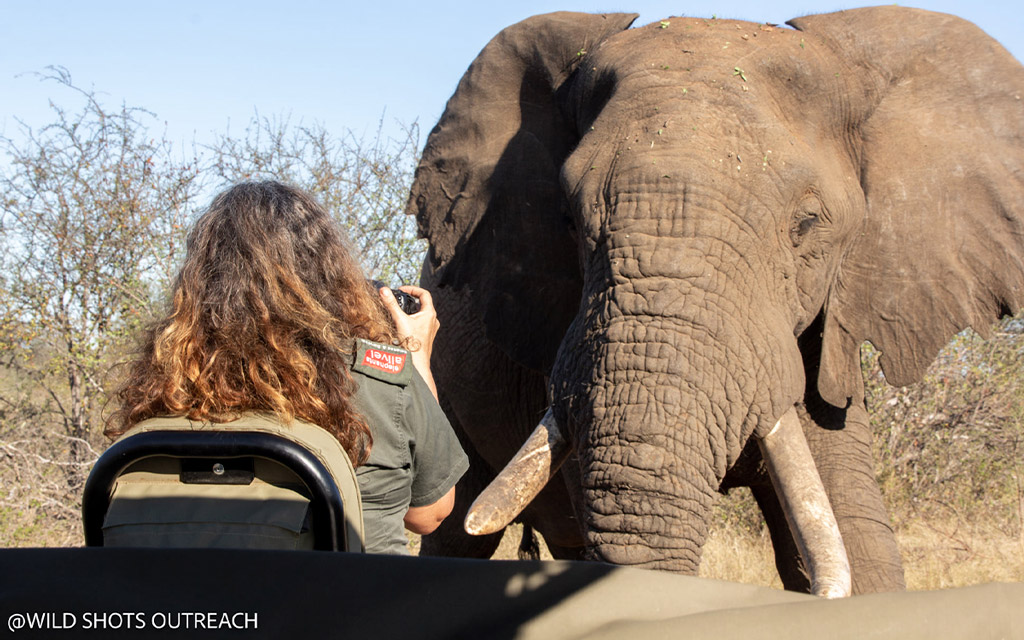


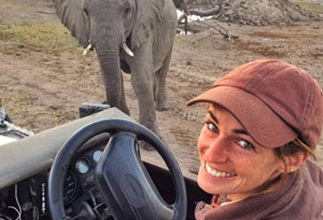

 TRAVEL DESK UPDATES:
  DID YOU KNOW: What goes click click click? When mature eland bulls over a certain size walk, their knees produce a loud clicking sound believed to be caused by a tendon slipping over the leg bone. One study suggests that this is used by males as a display of dominance. Click here for more
 WATCH: Did you know that a pangolin eats up to 70 million ants per year? And that the ground pangolin can climb trees? Check out this epic video (0:31). Click here to watch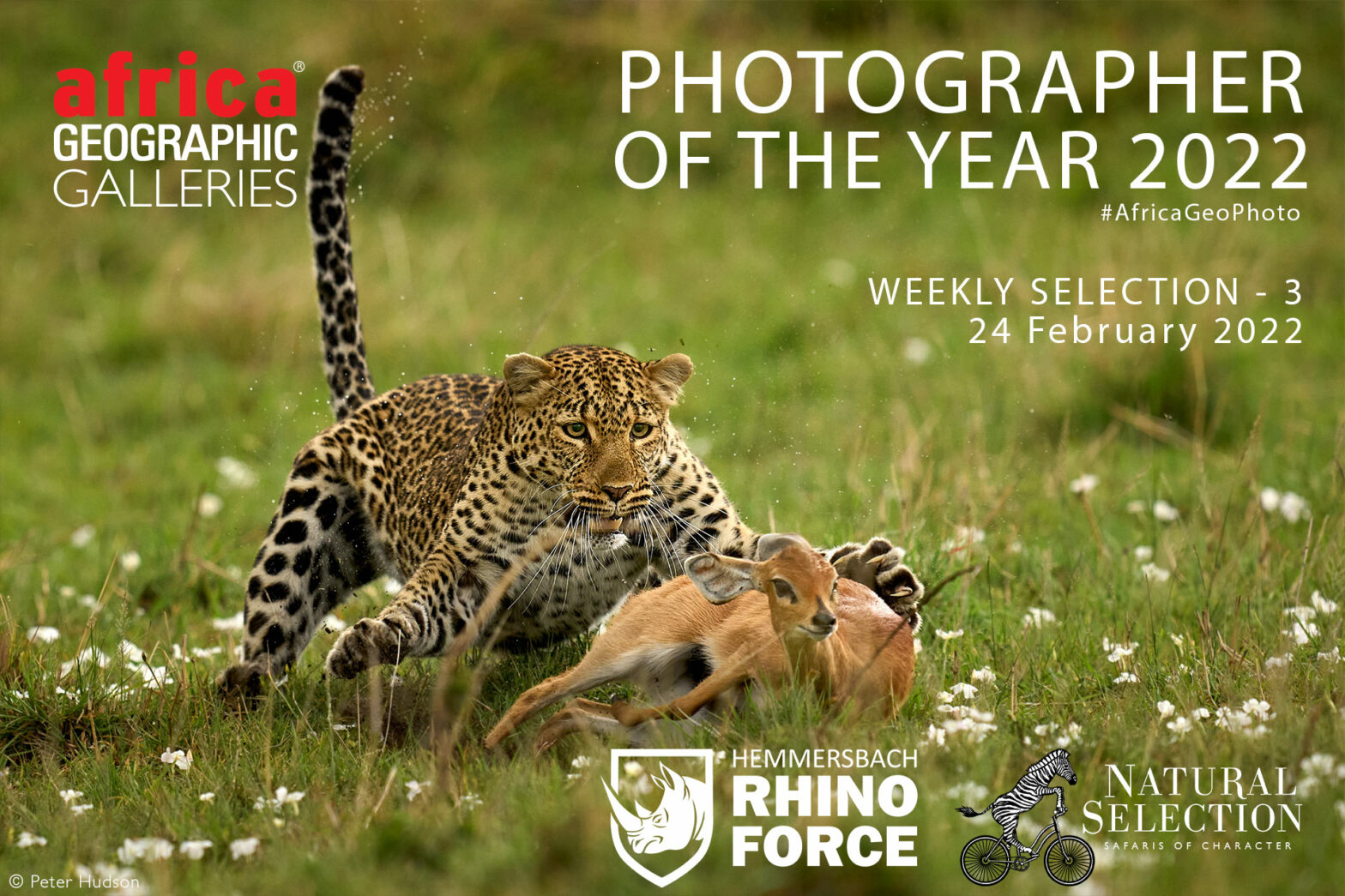

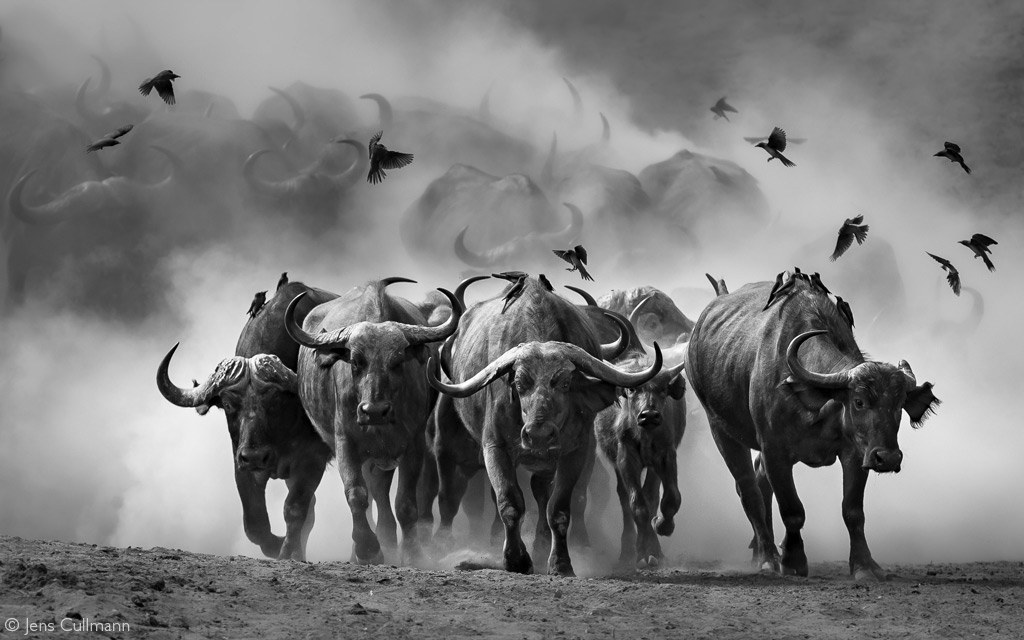
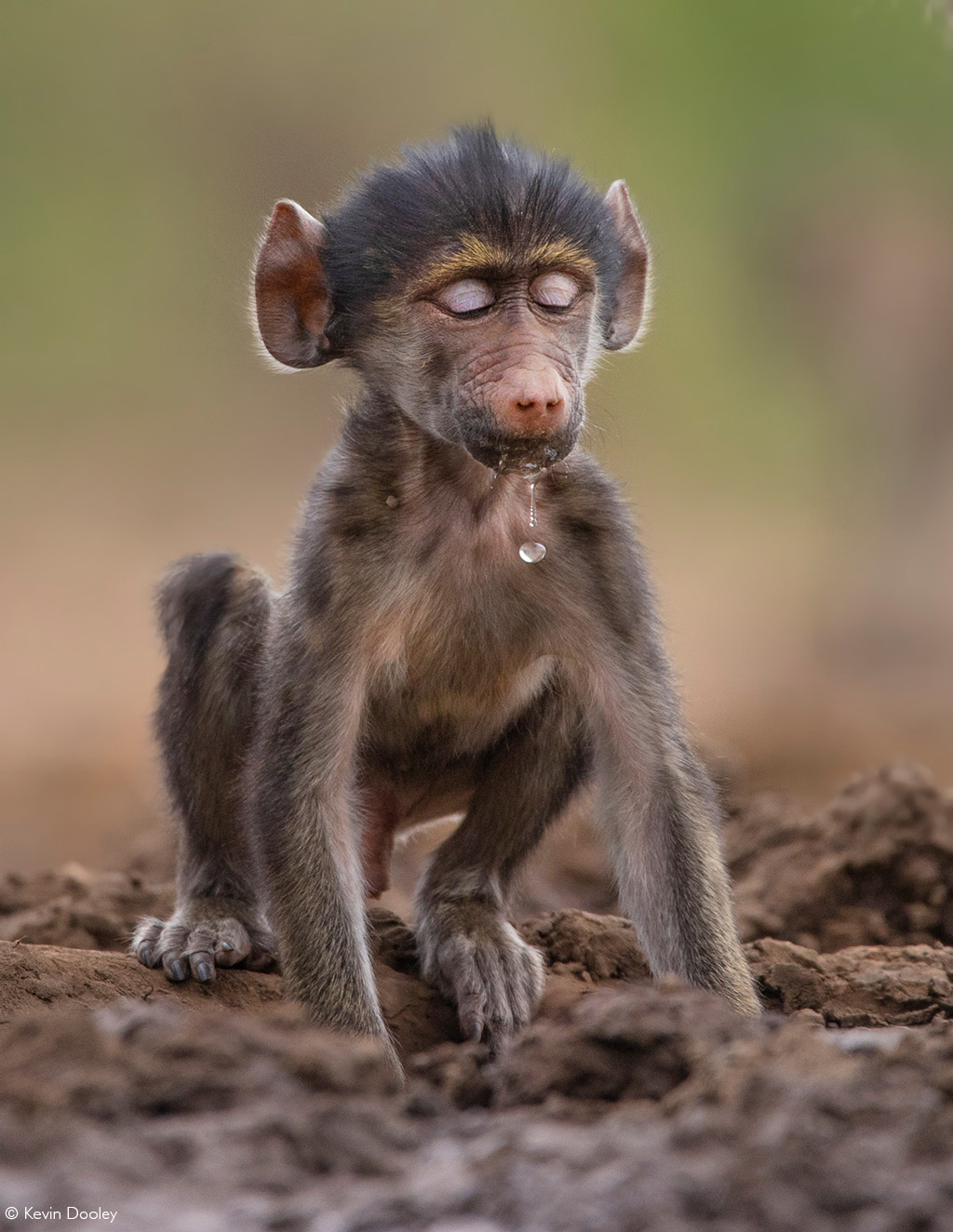
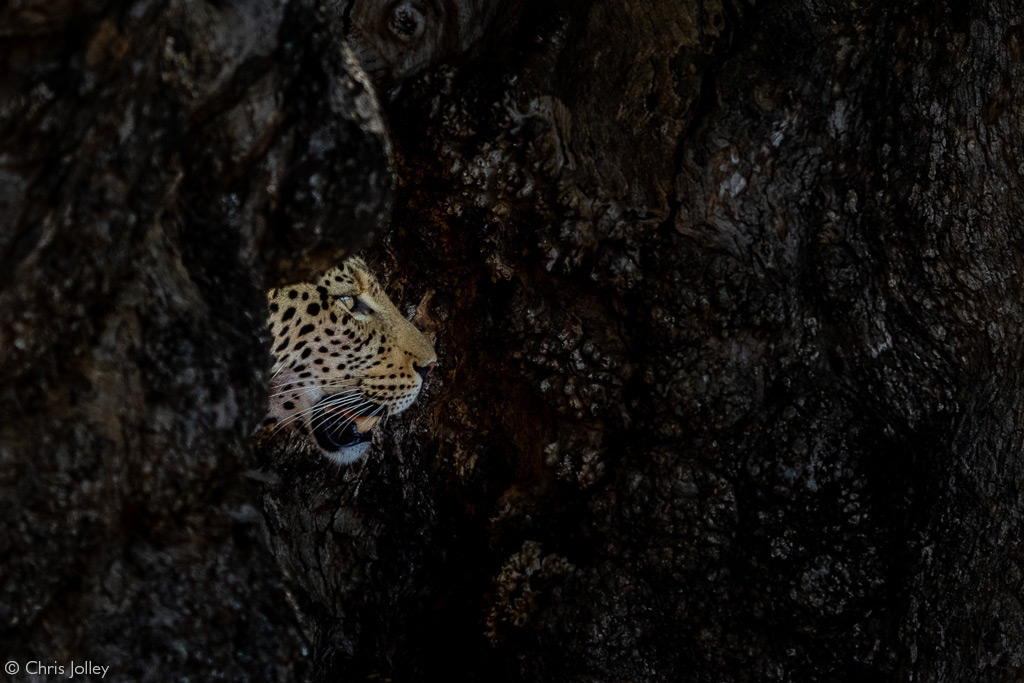
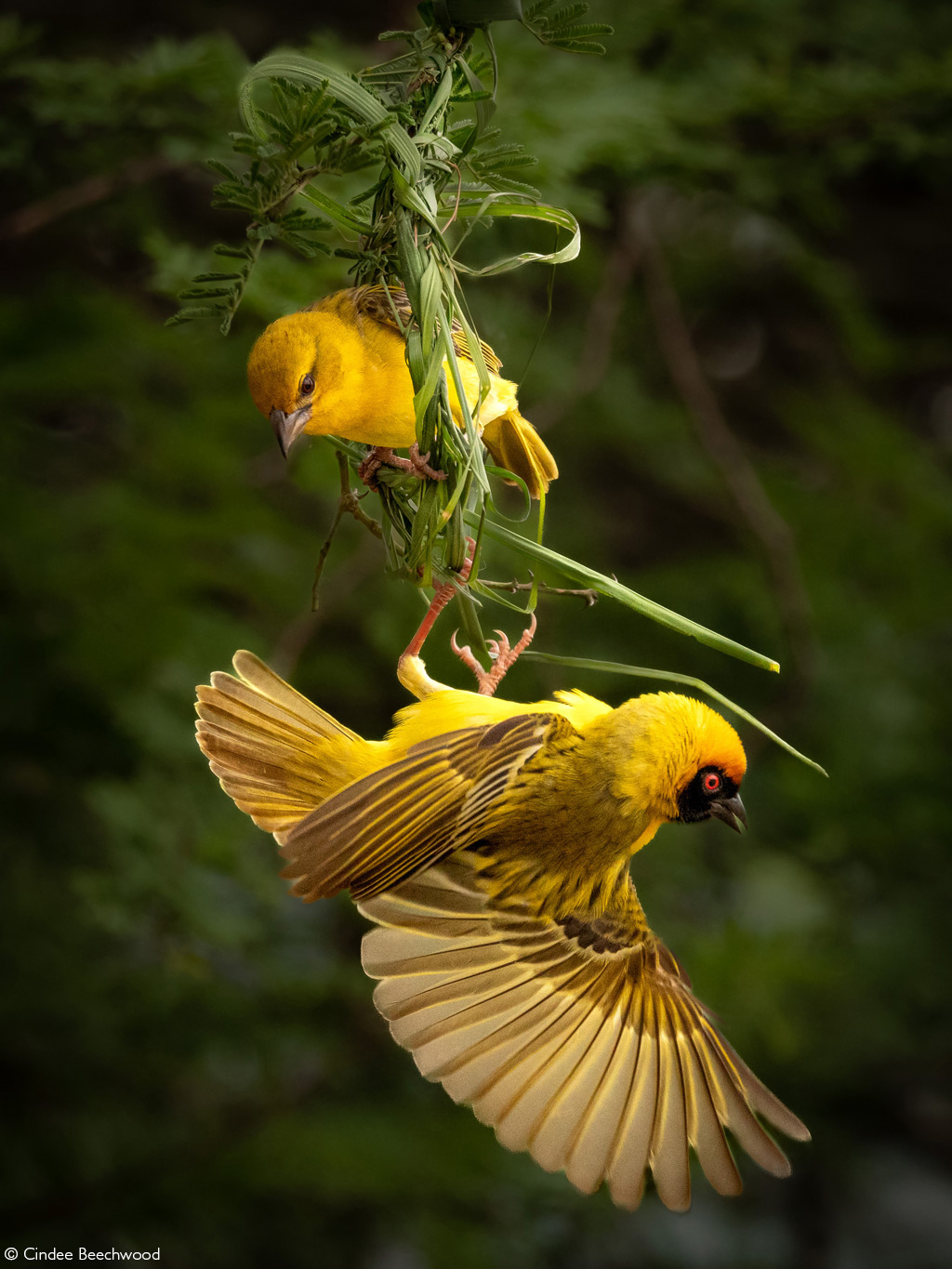
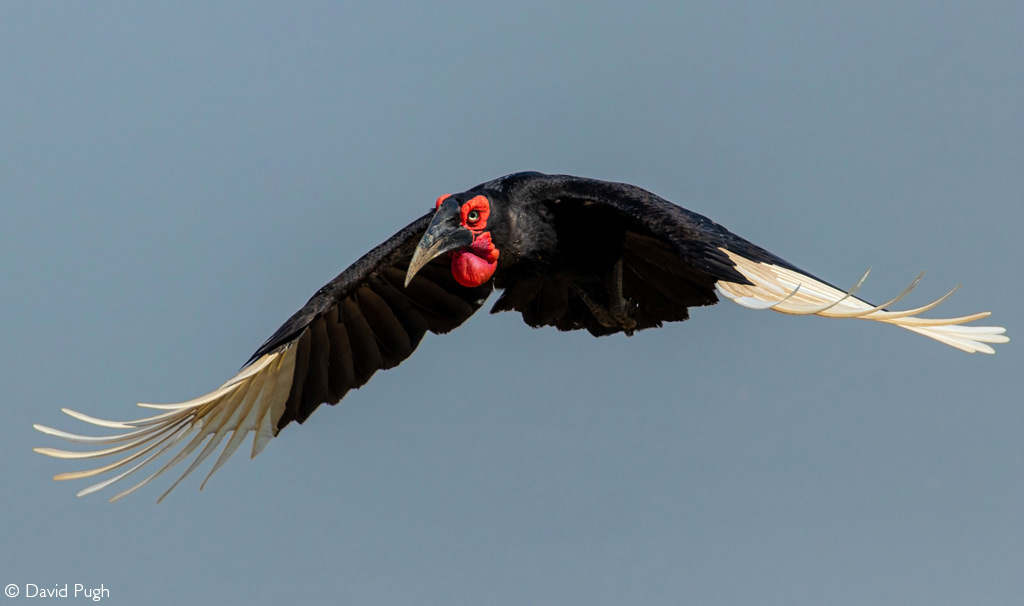
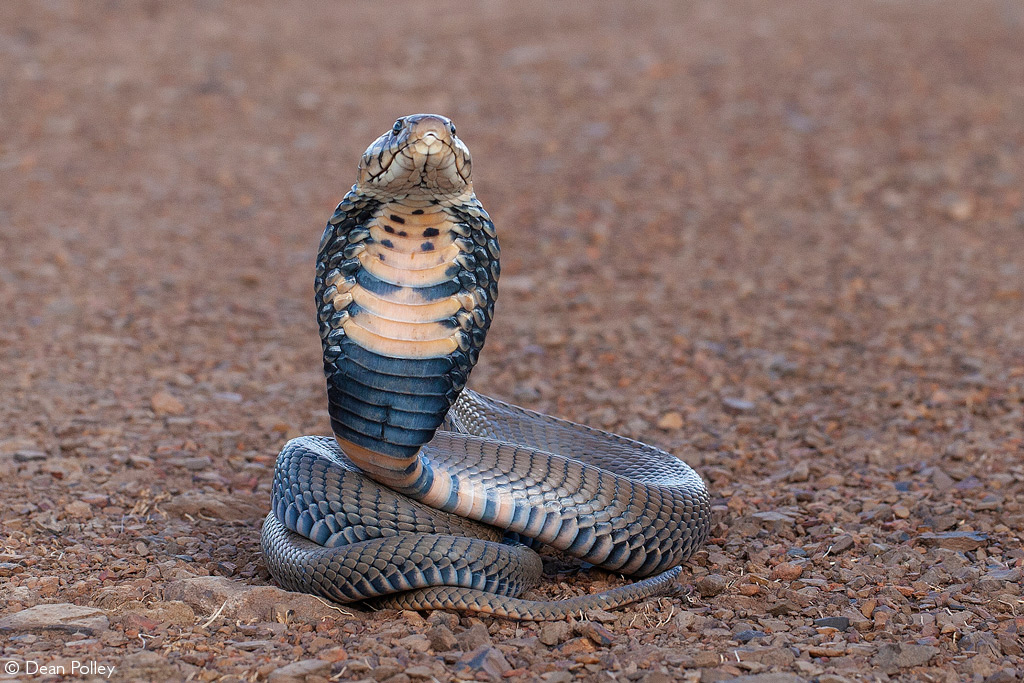
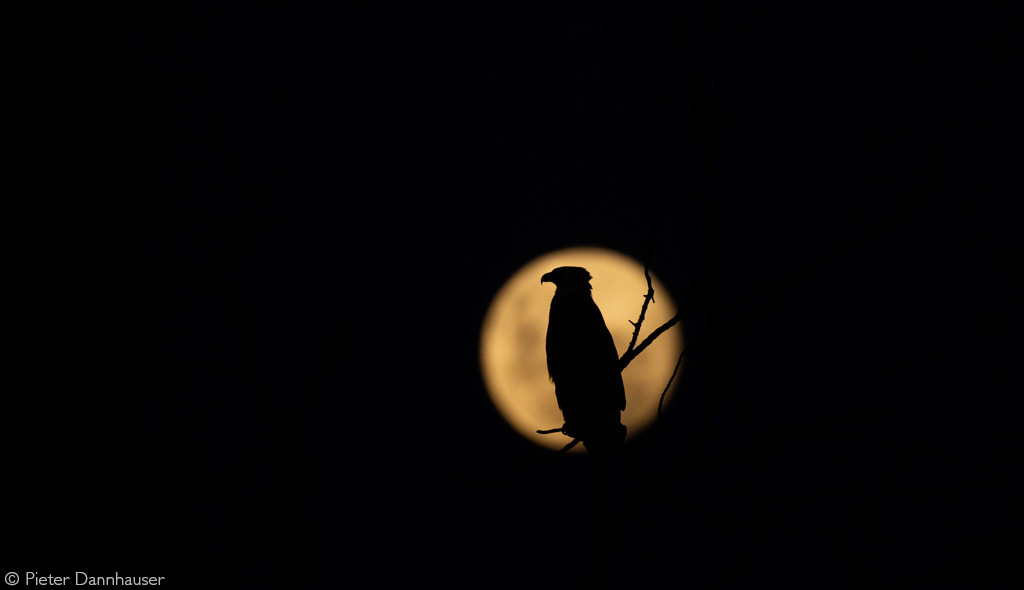
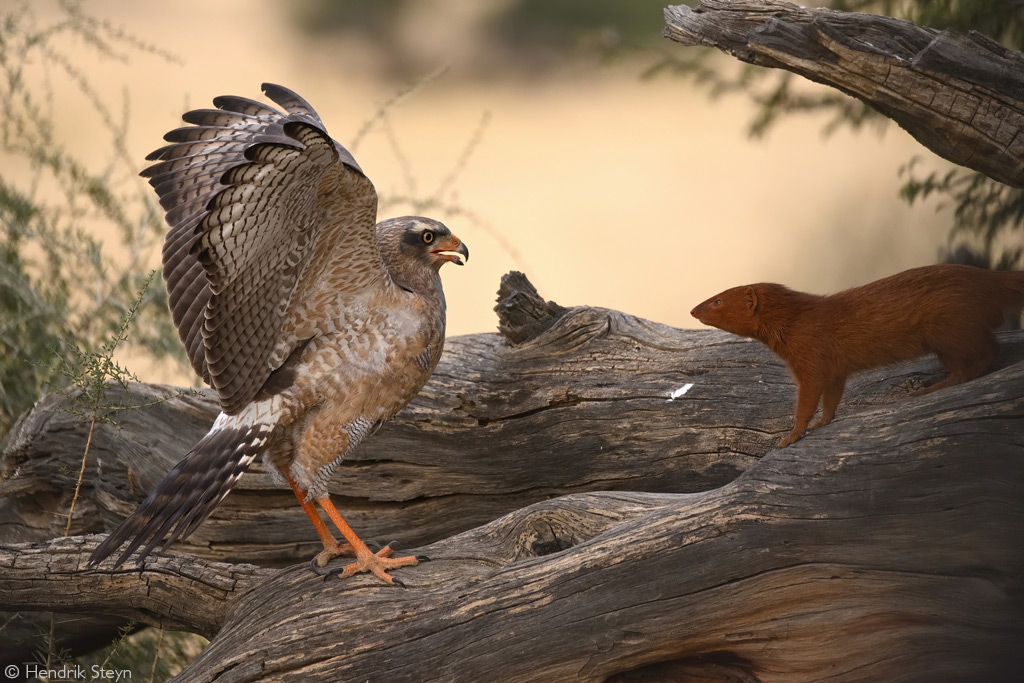
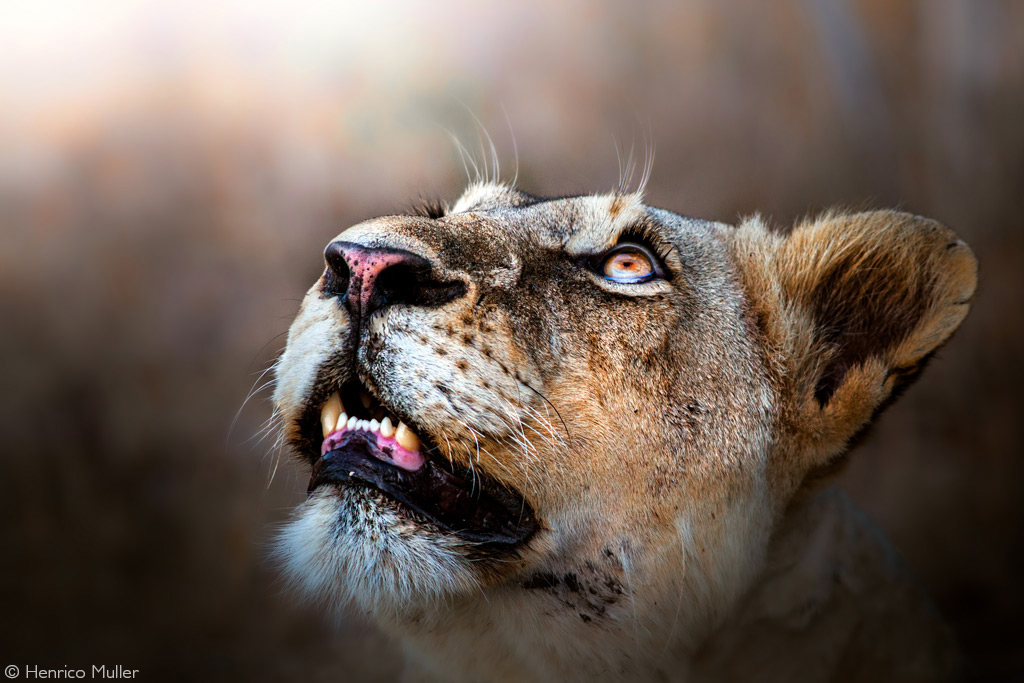
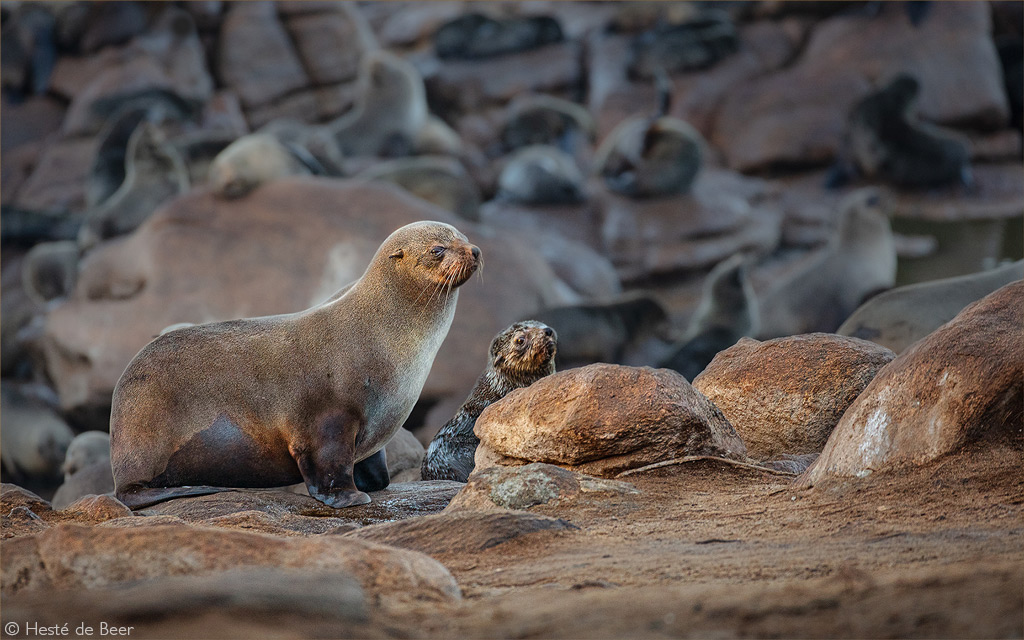
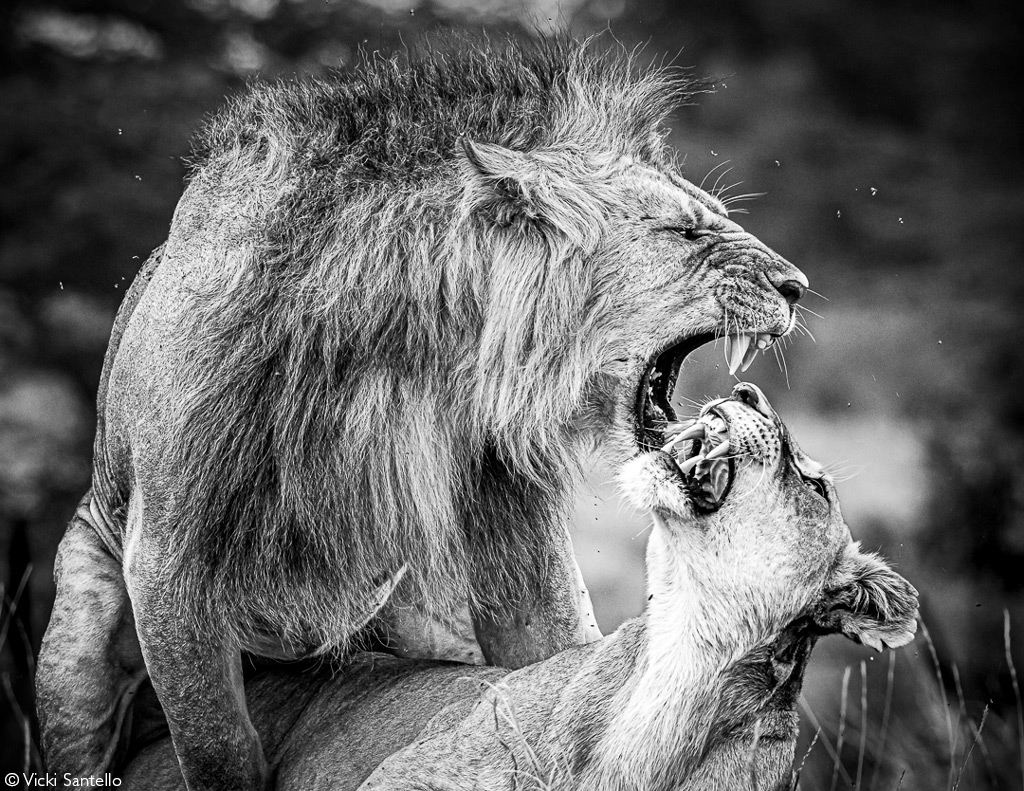
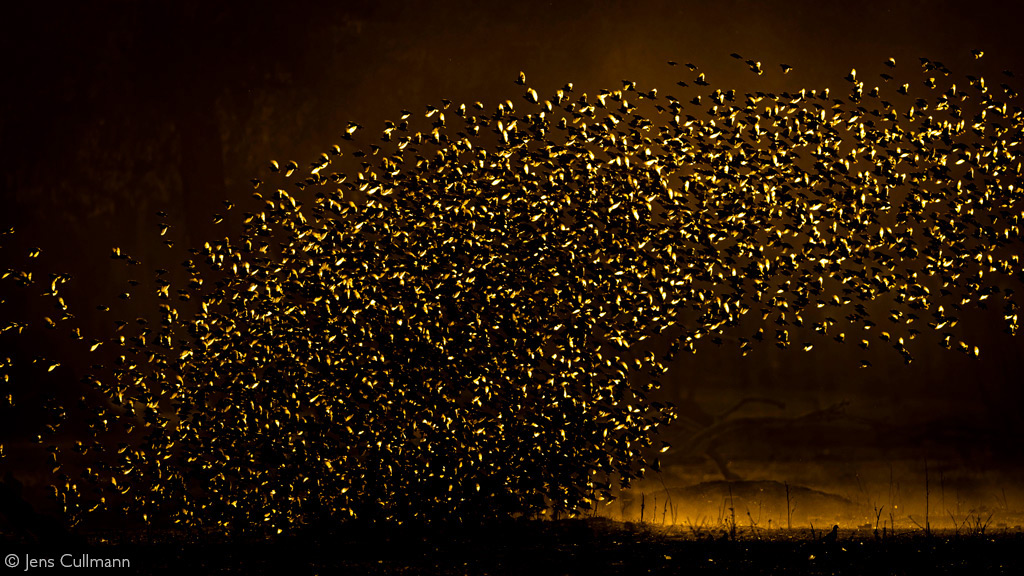
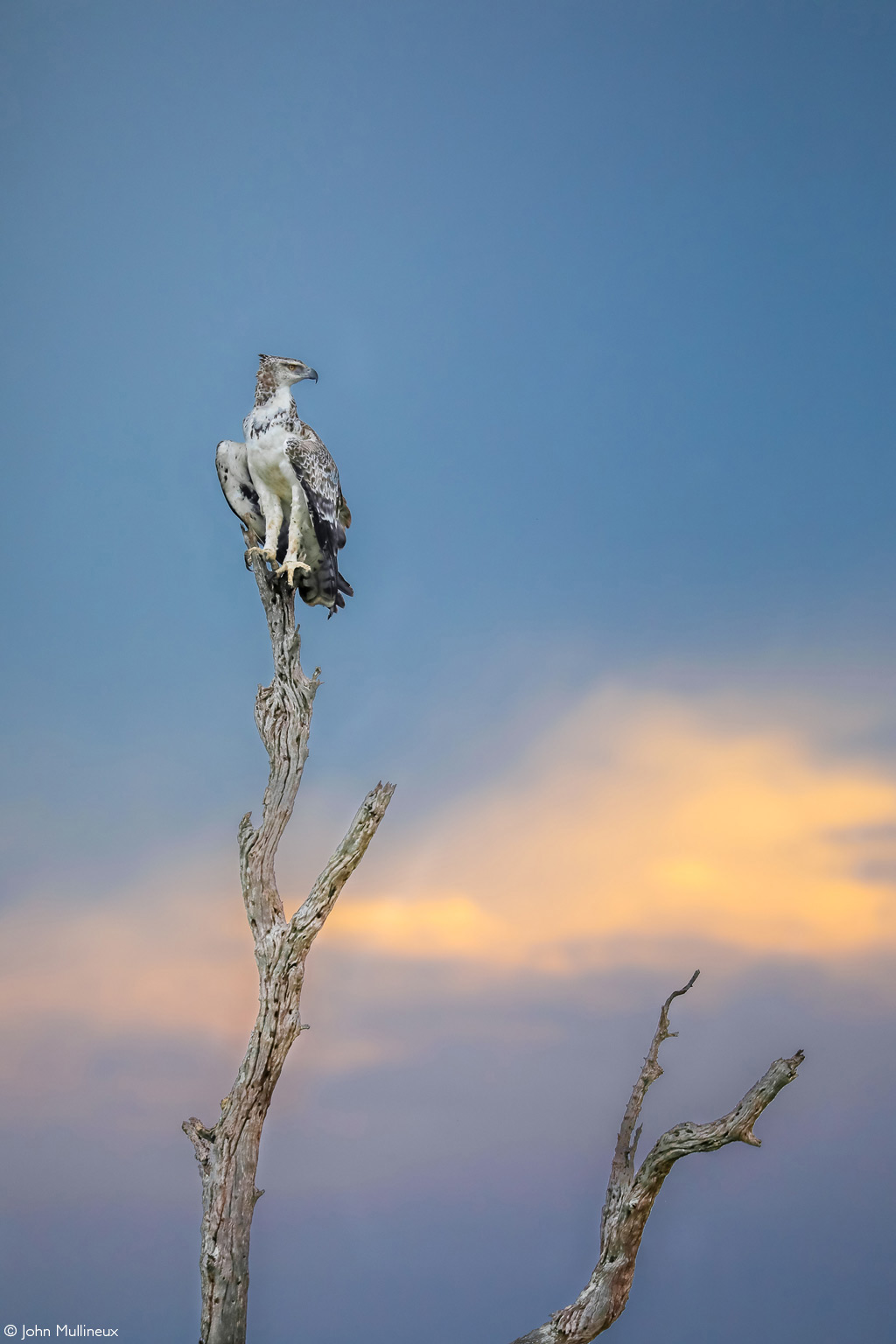
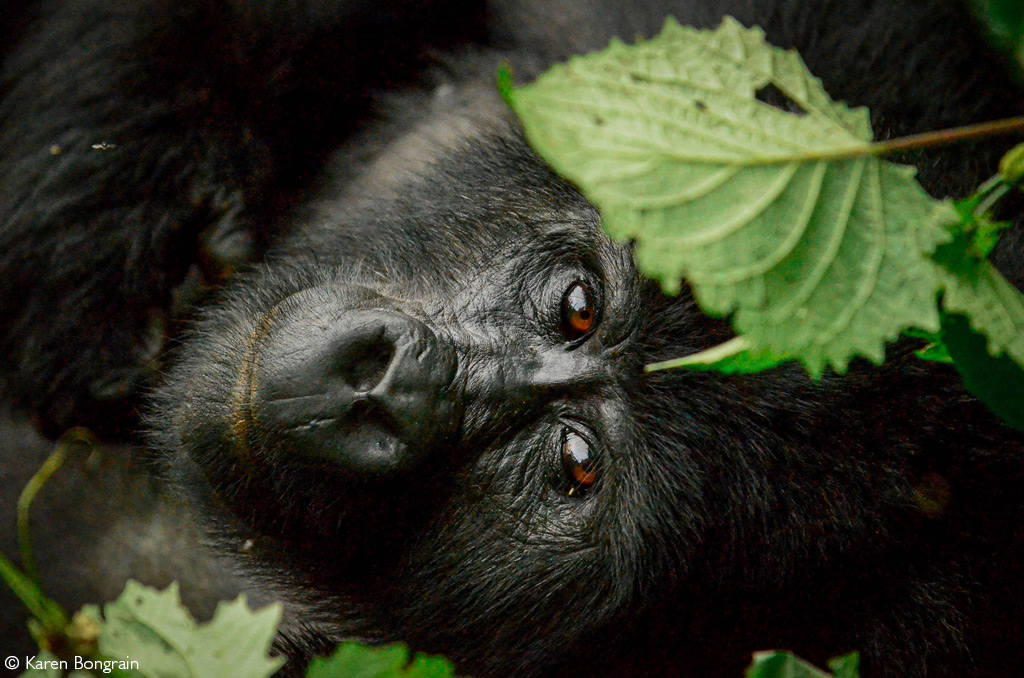
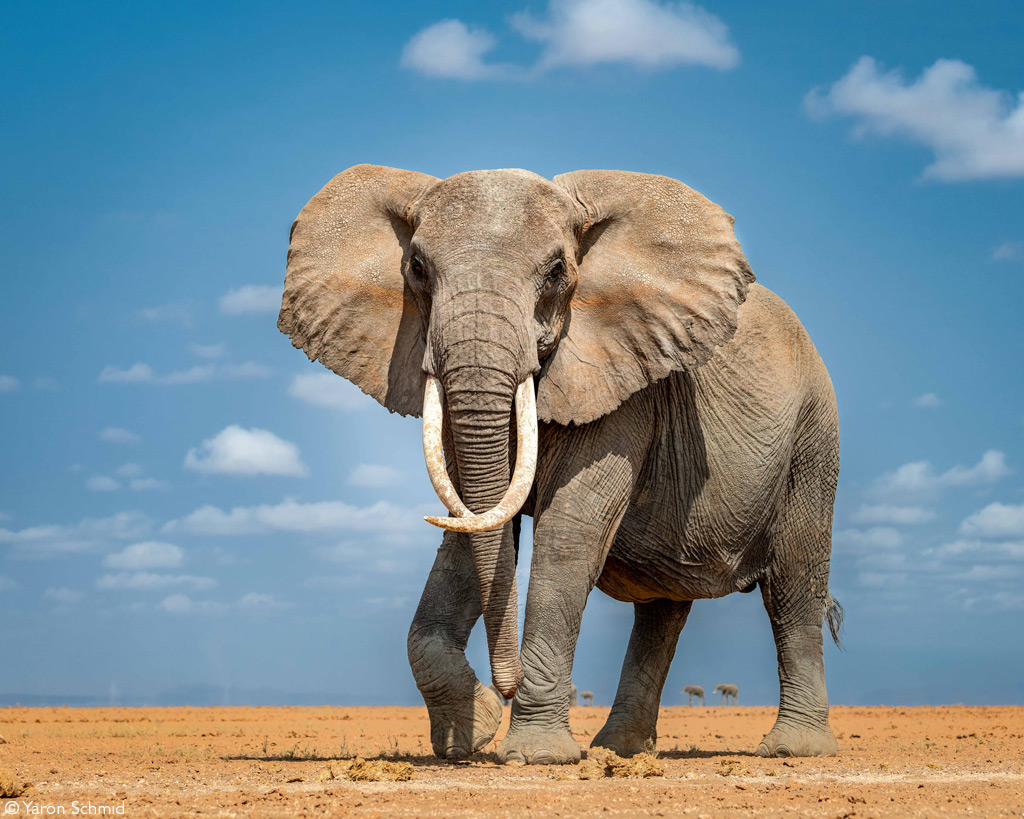
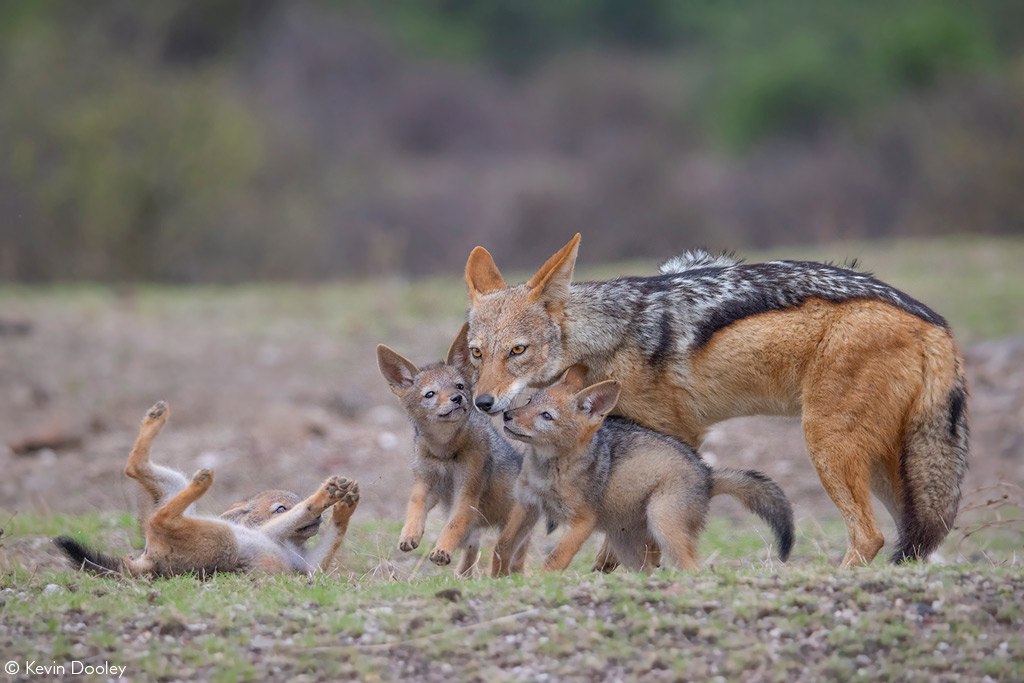

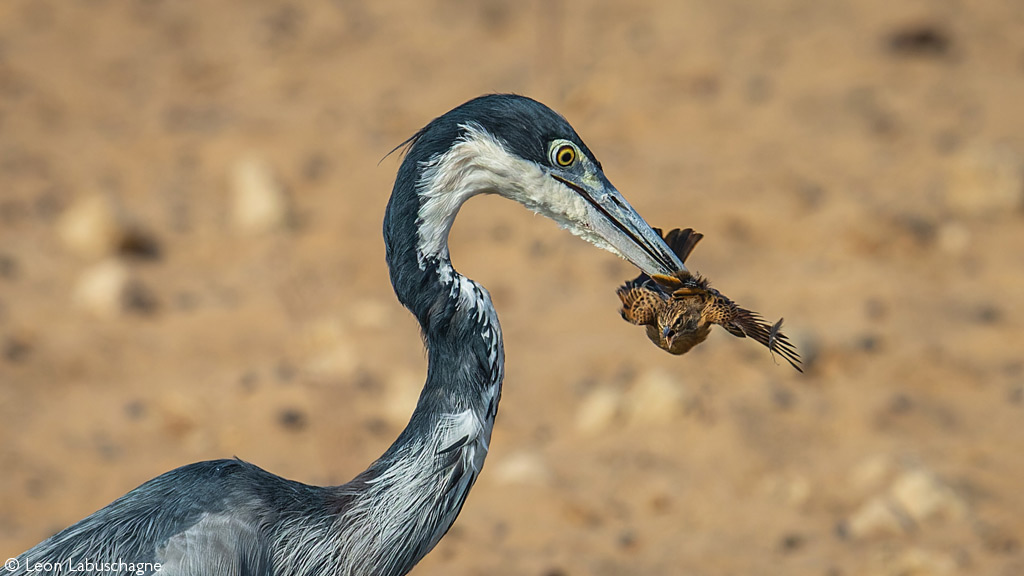
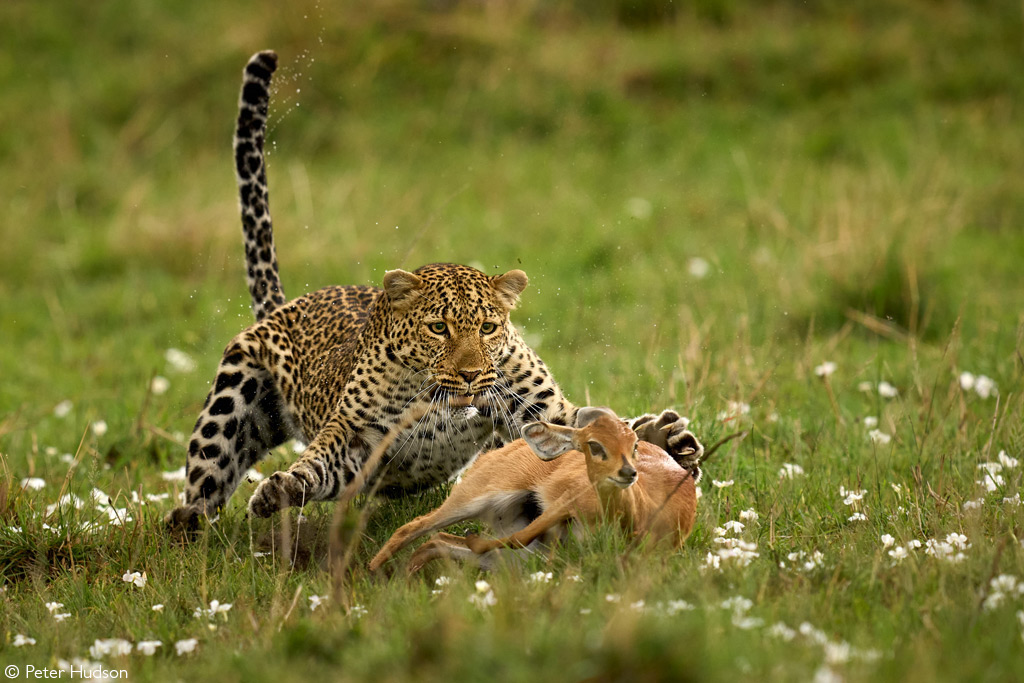
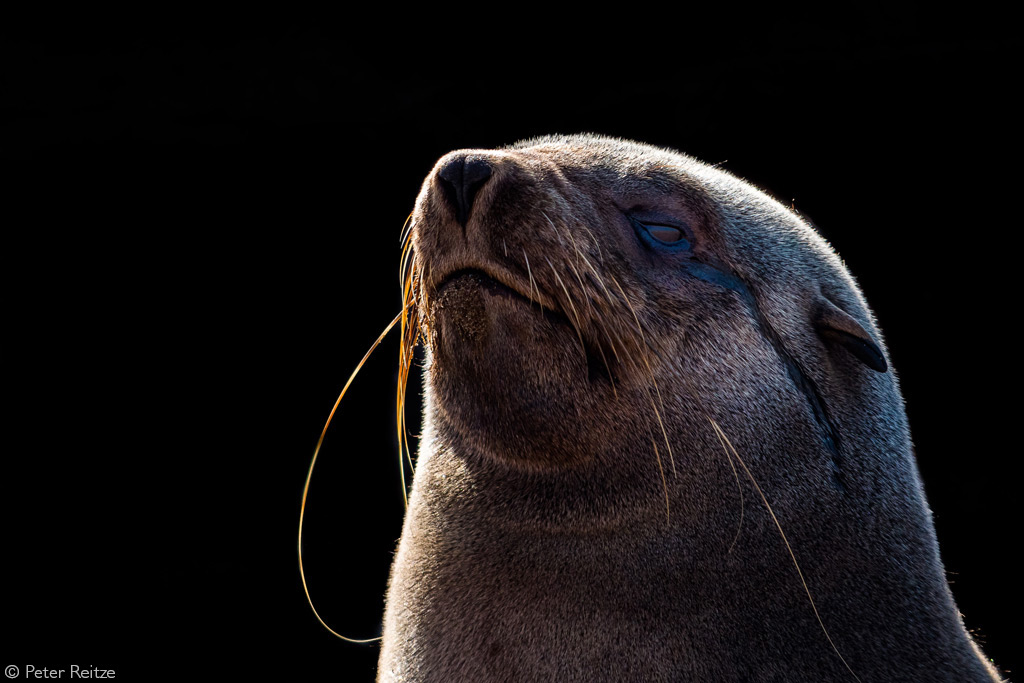
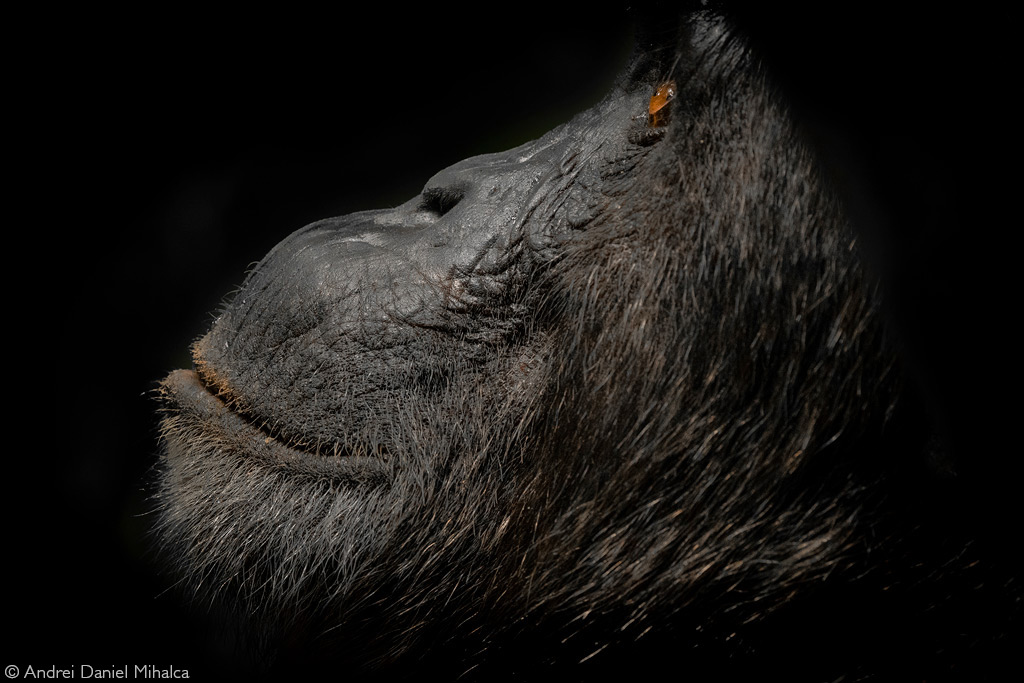
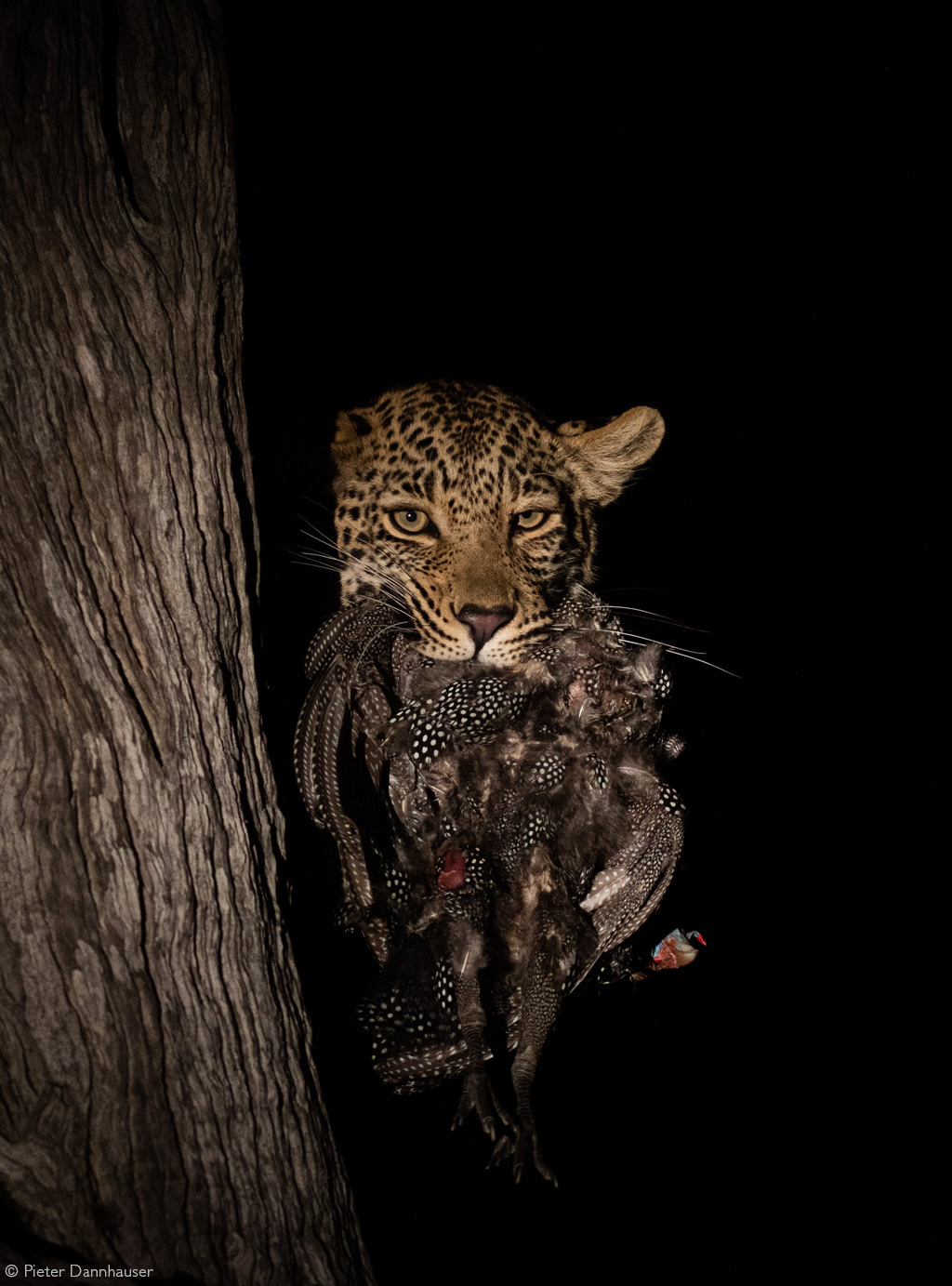
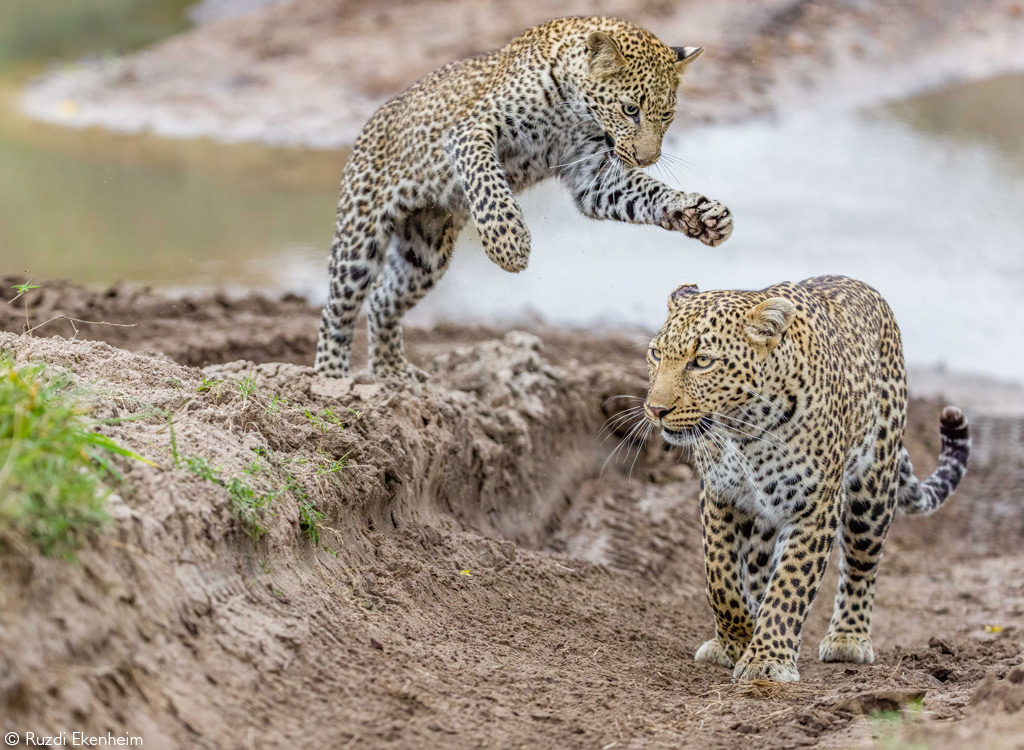
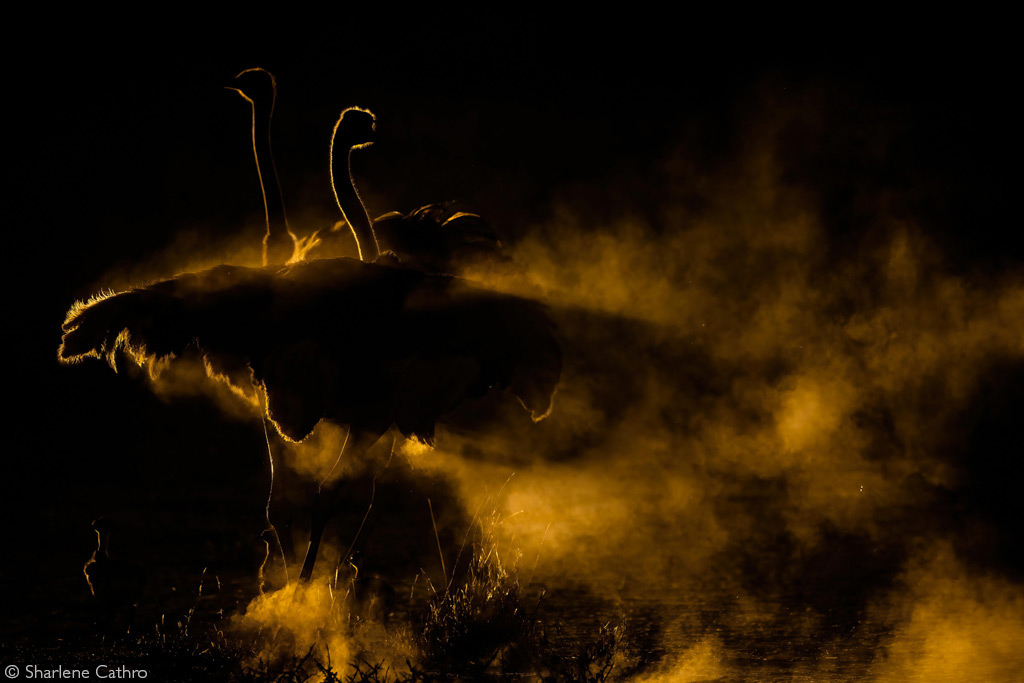
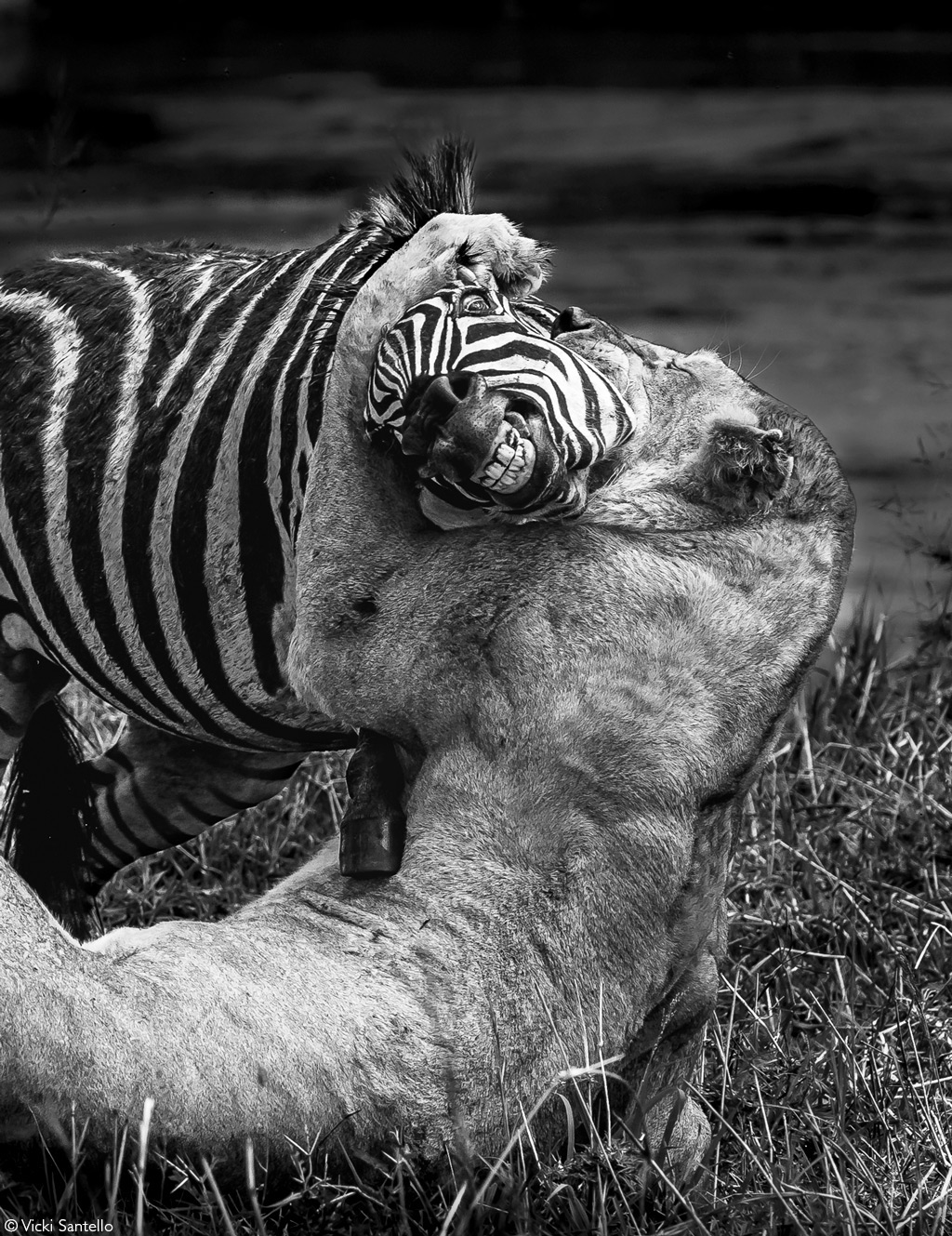
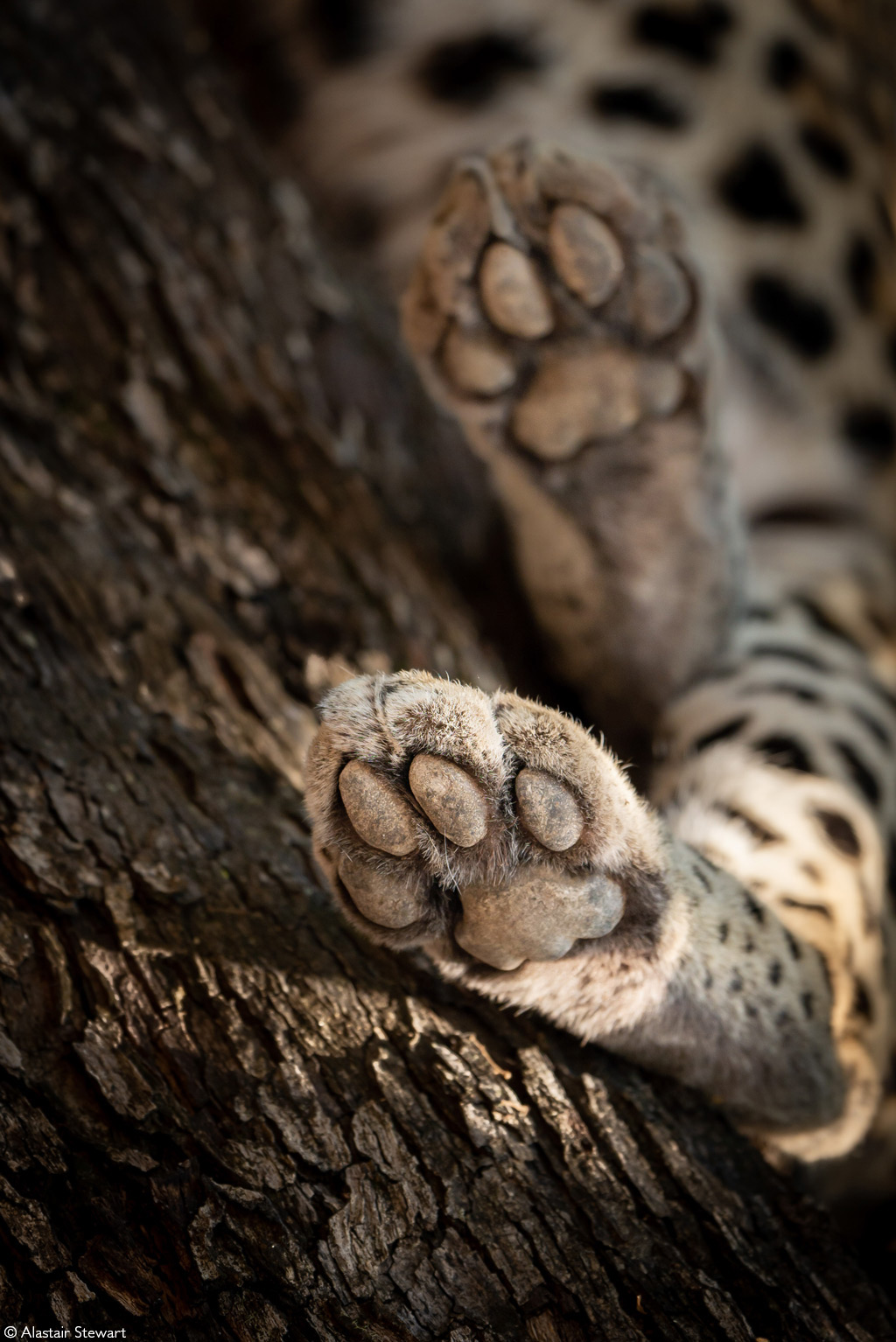
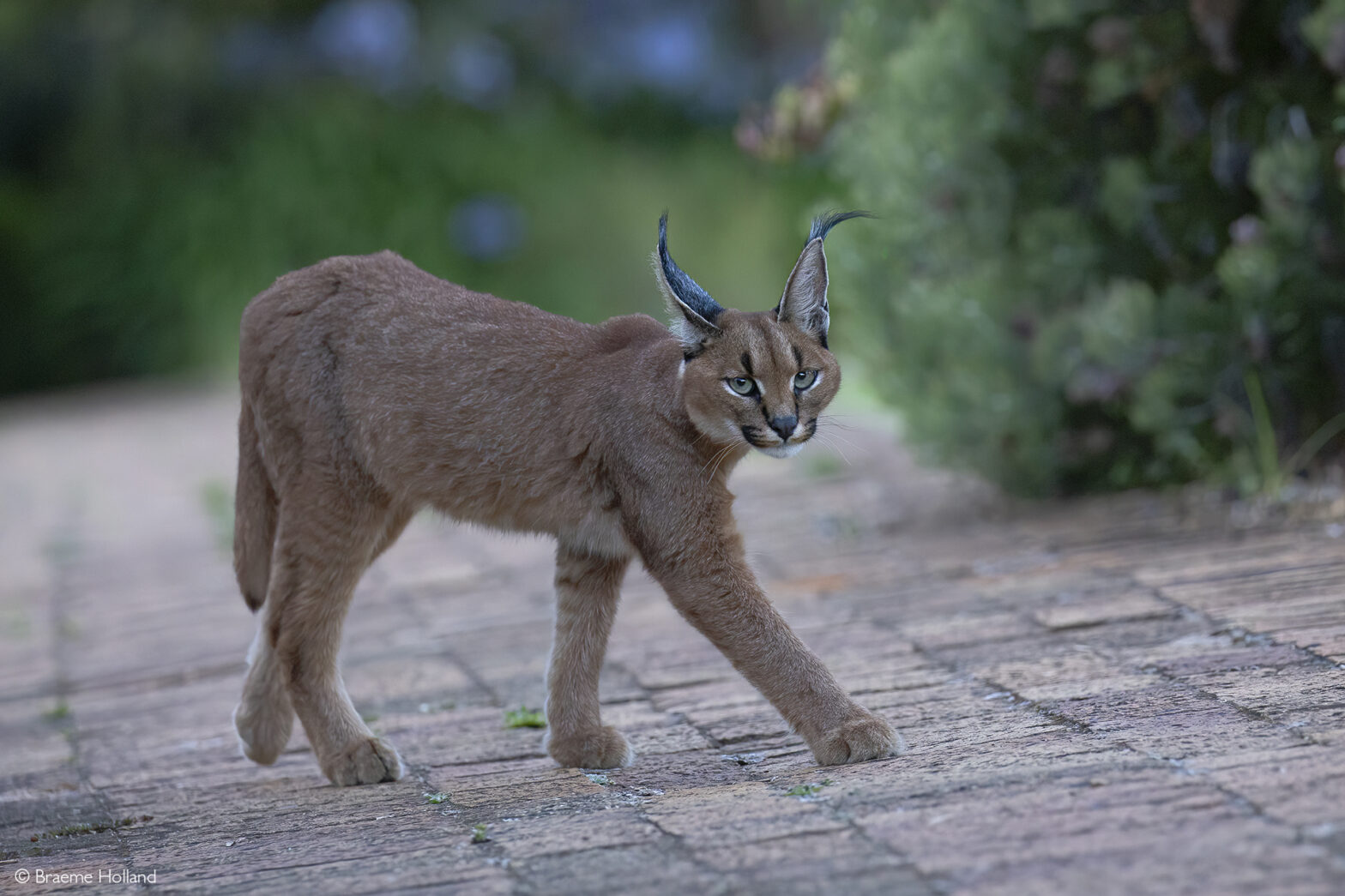
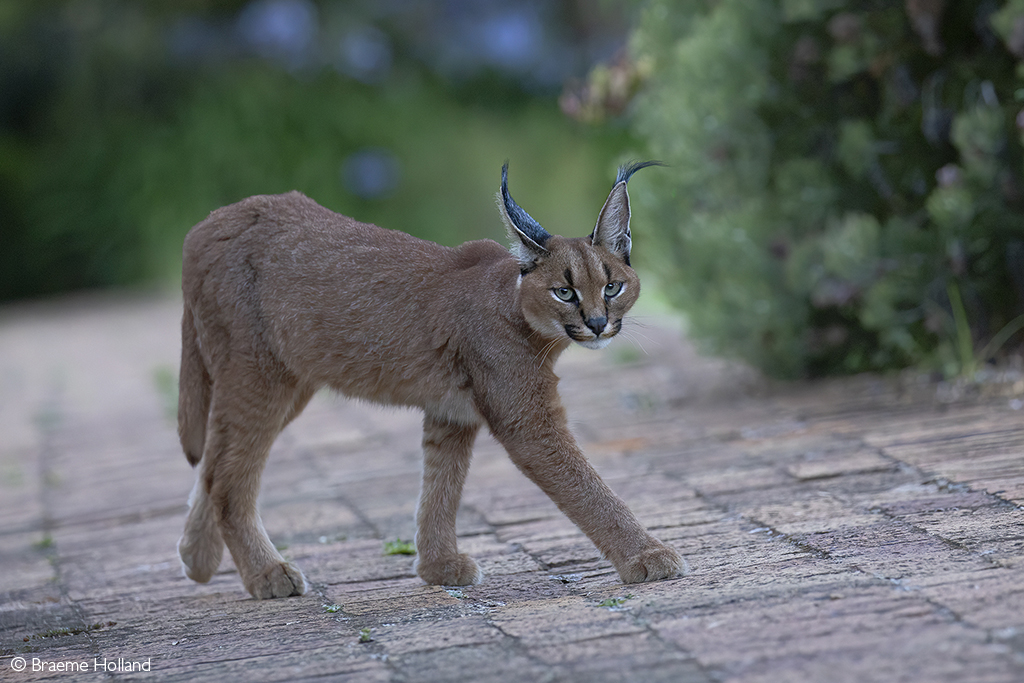
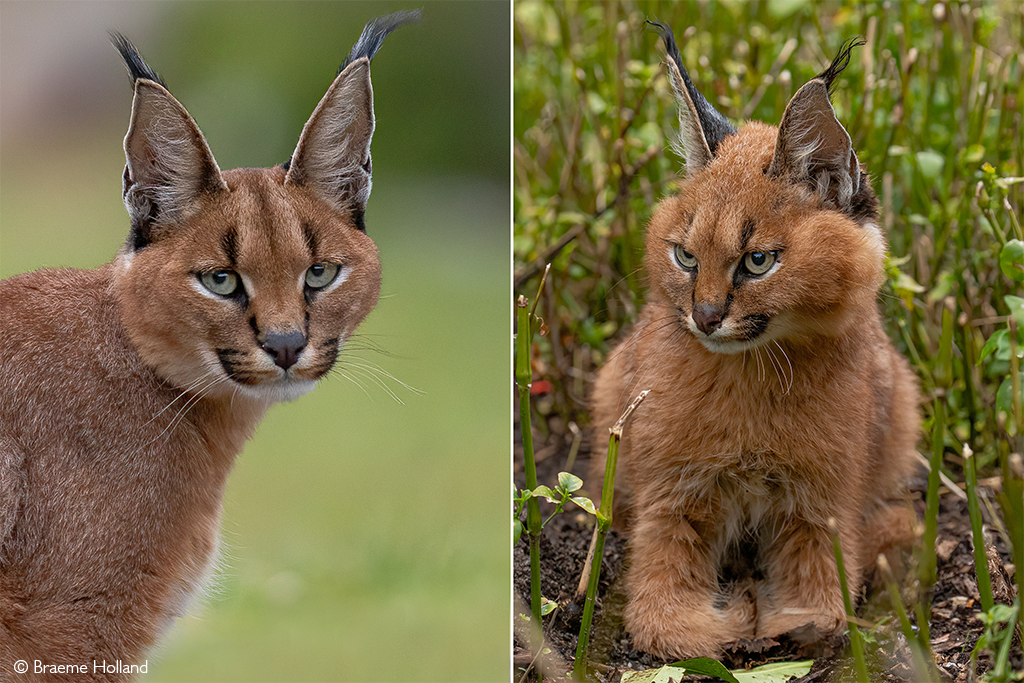
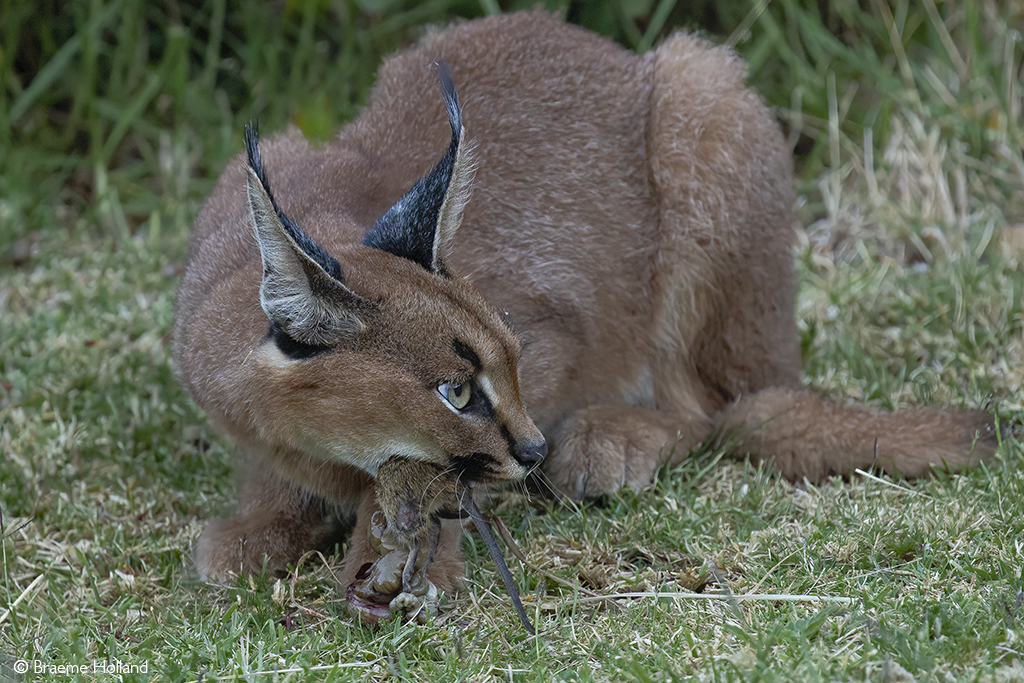
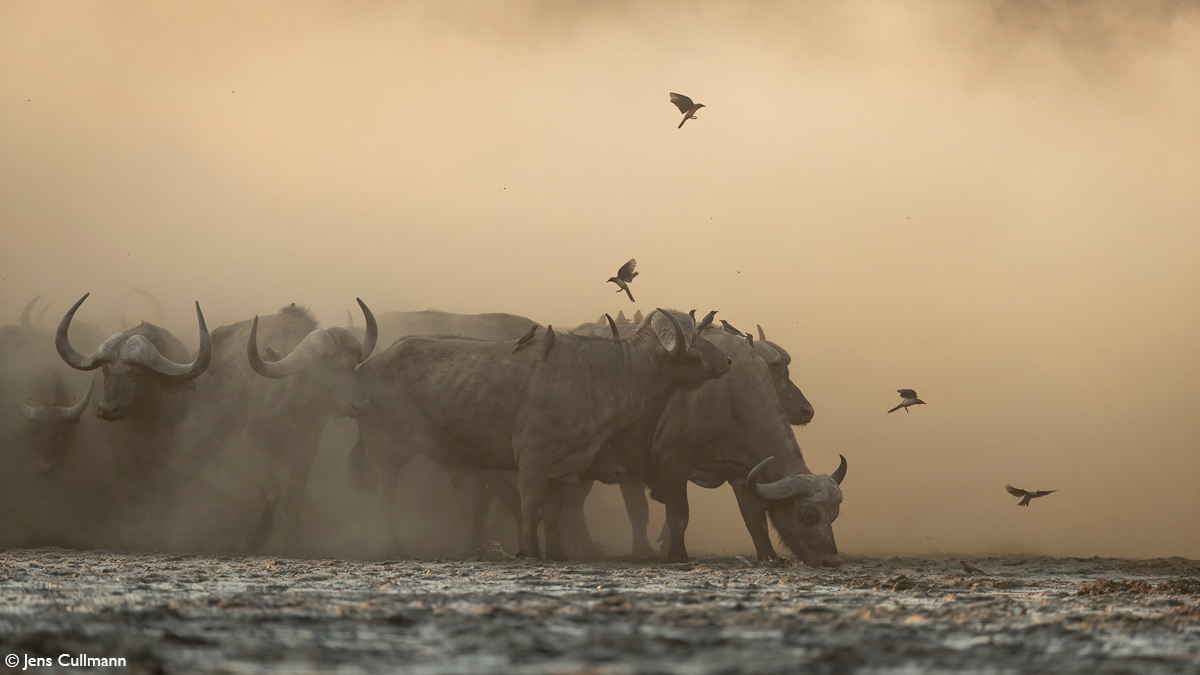
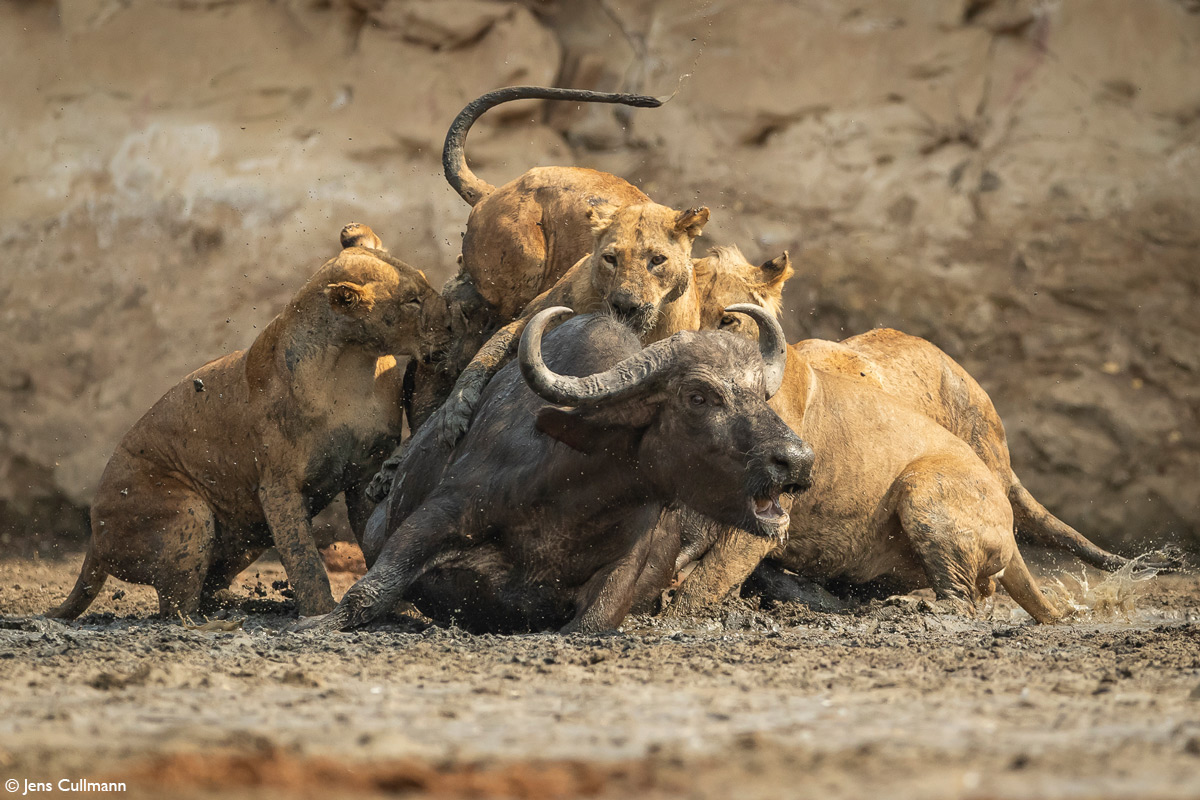
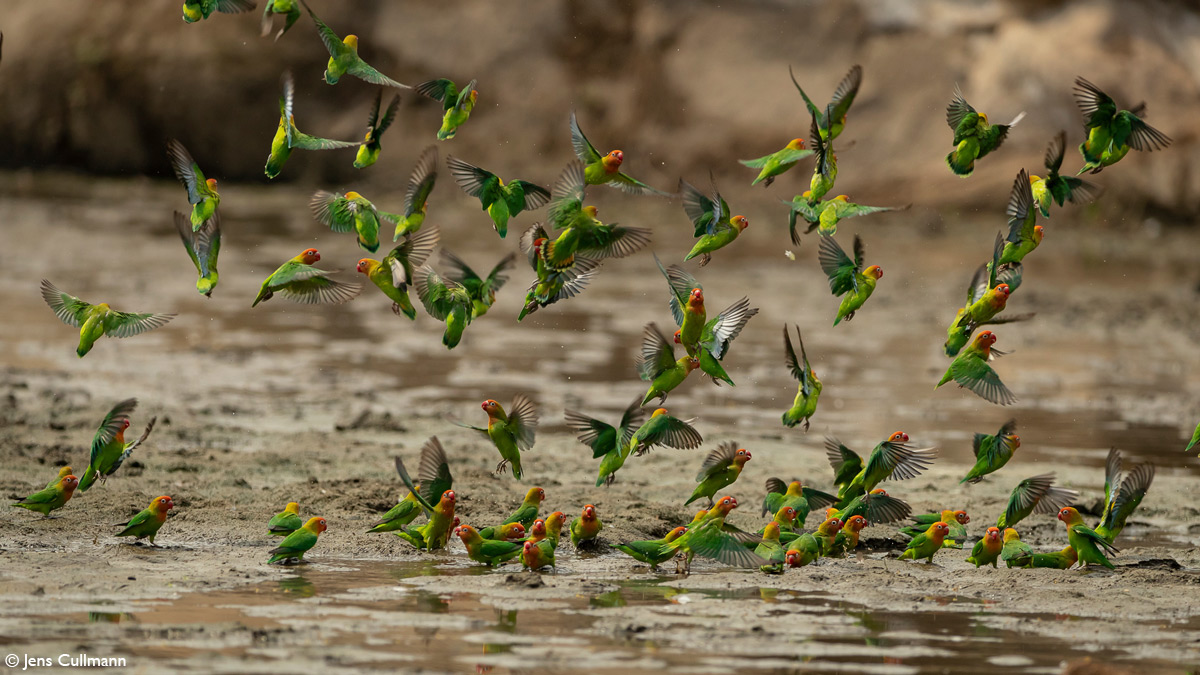
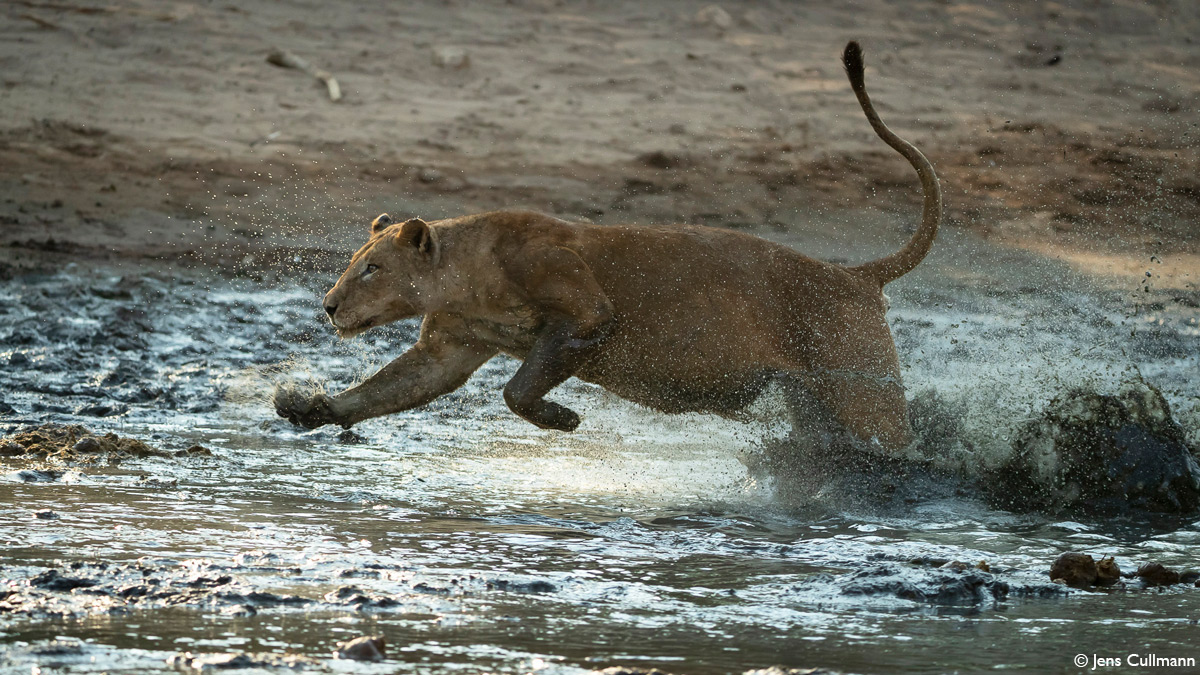
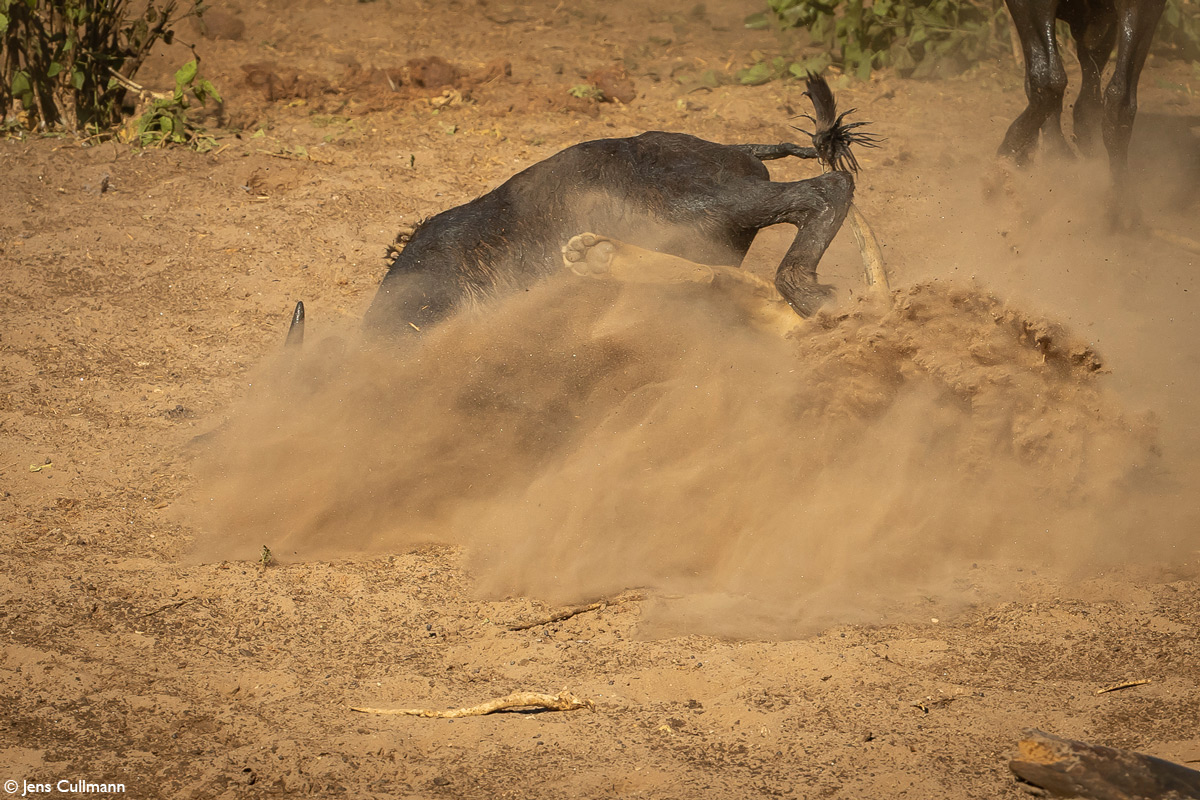
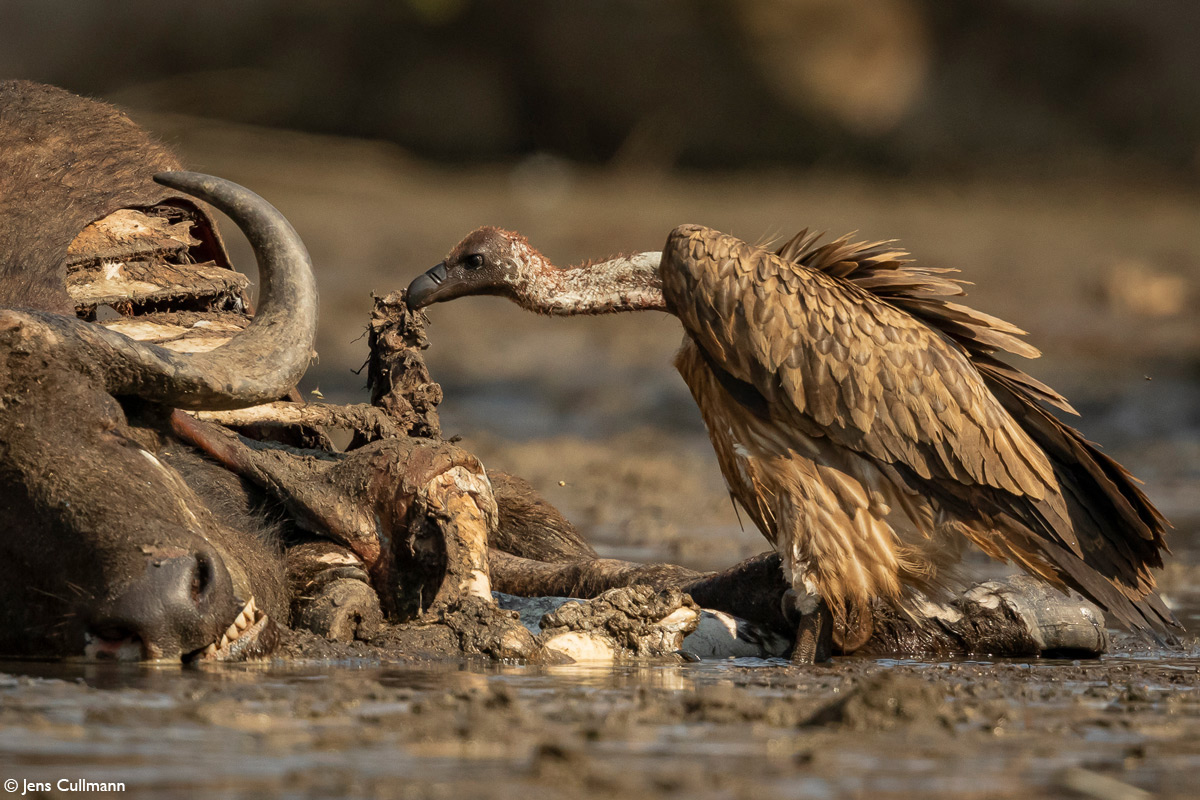
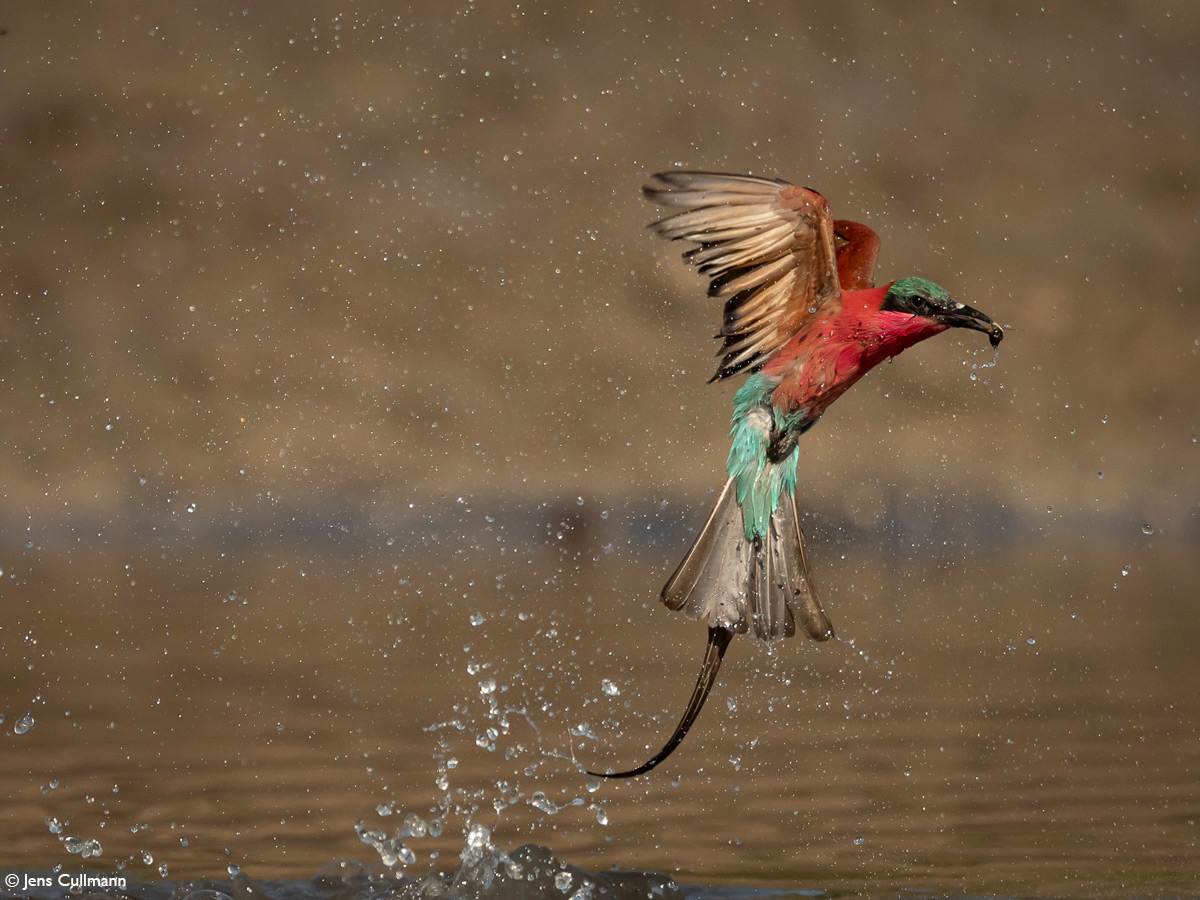
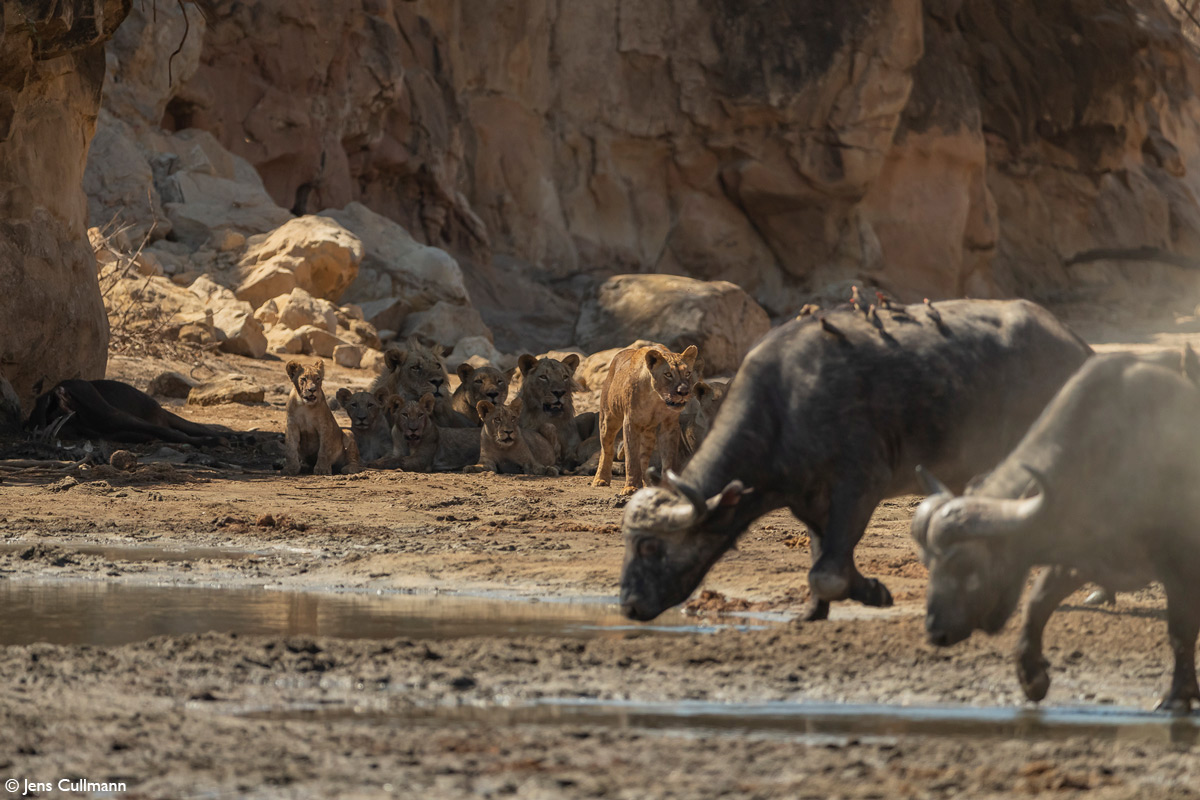
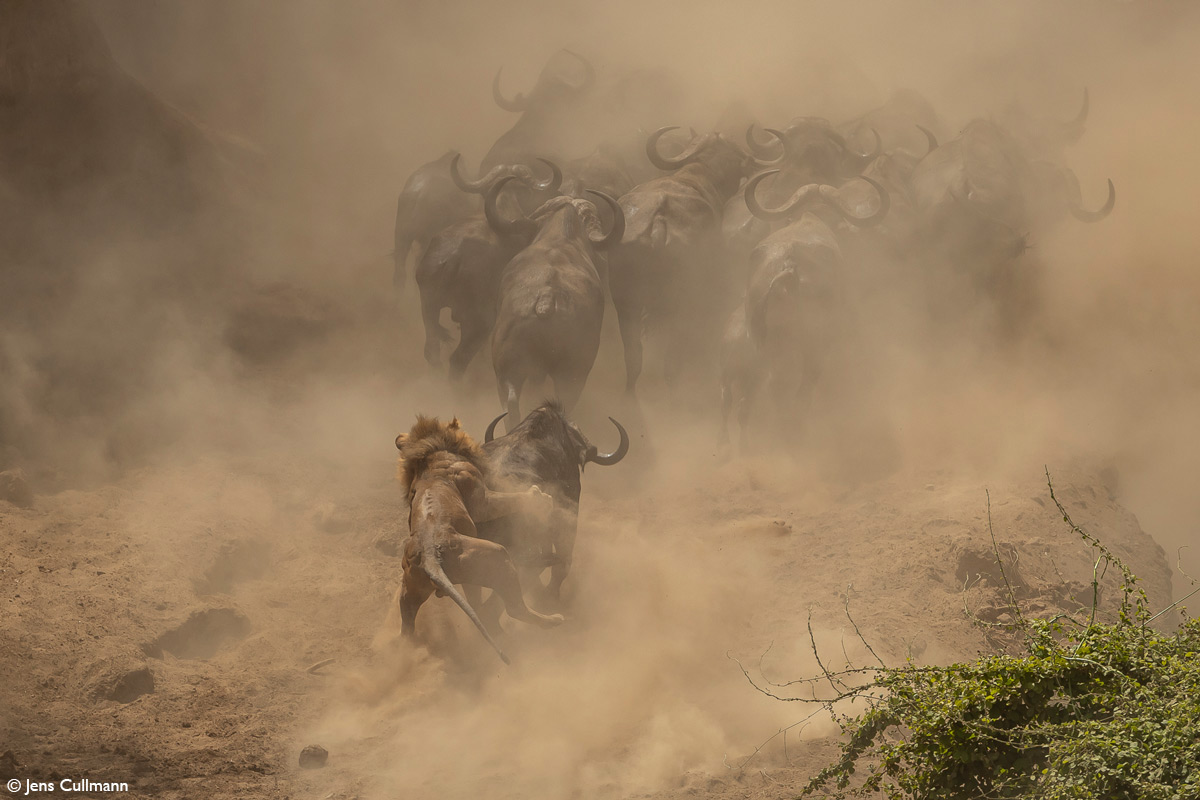
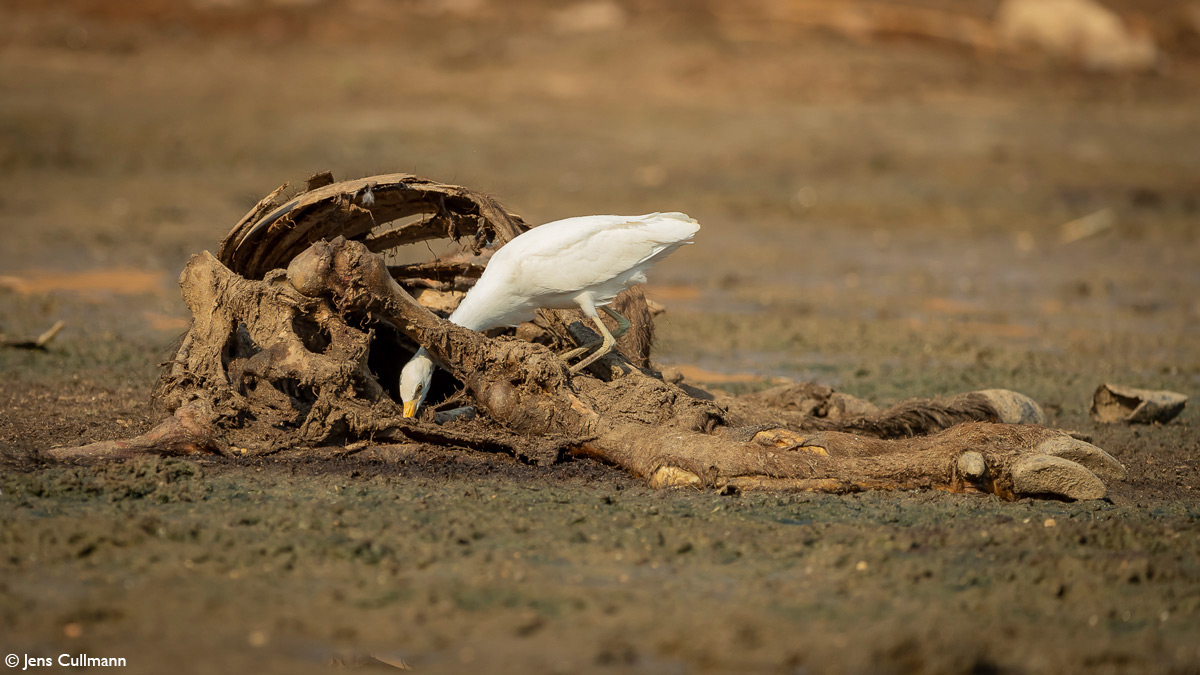
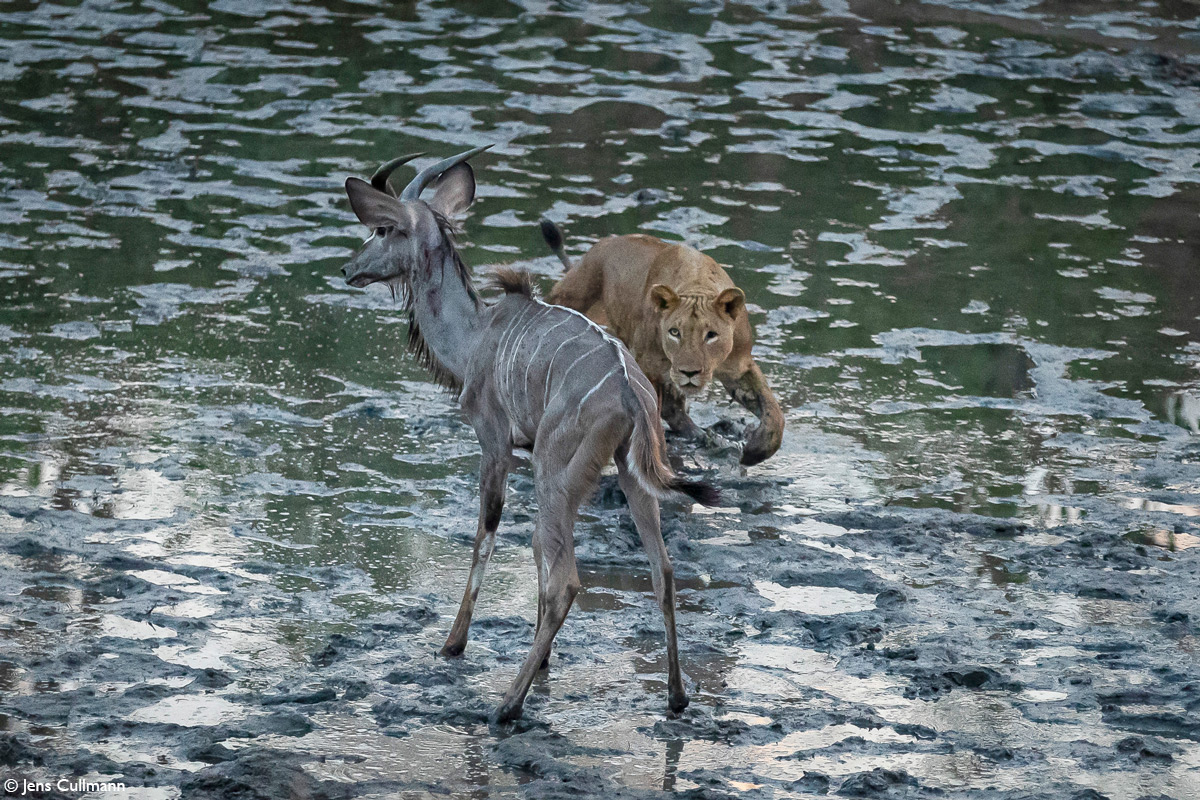
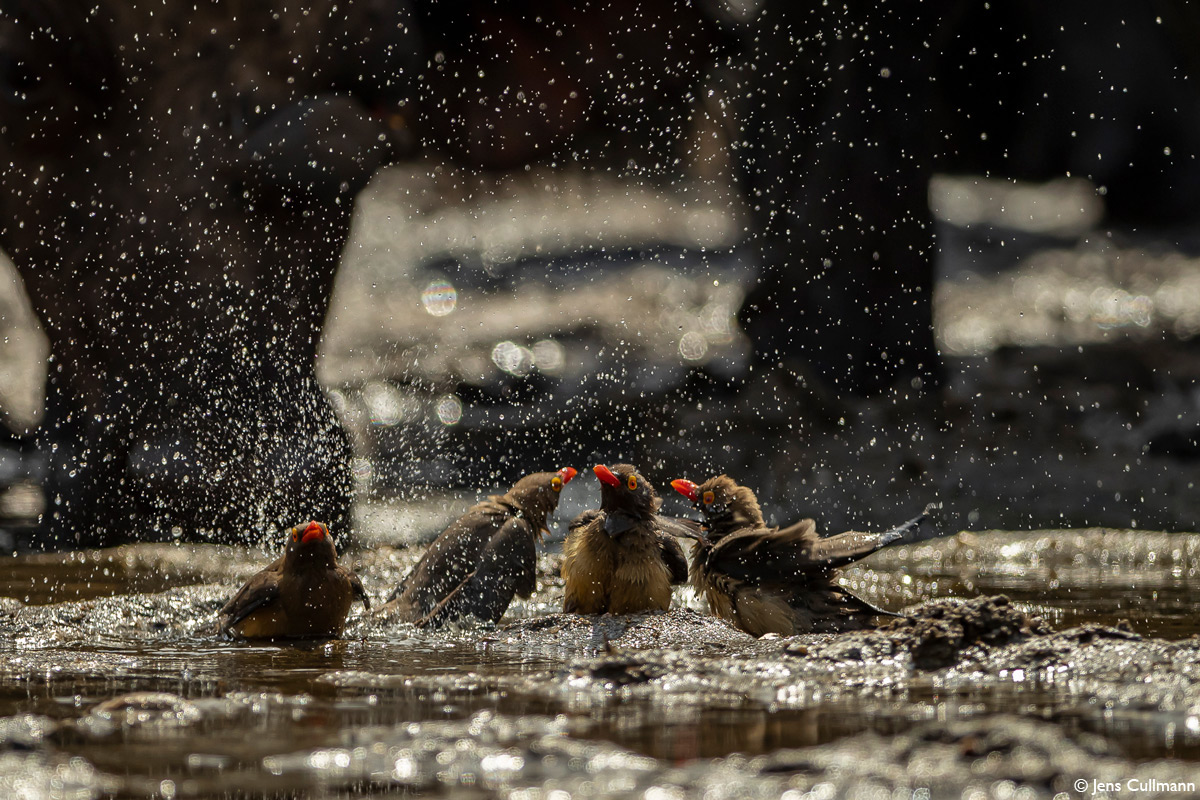
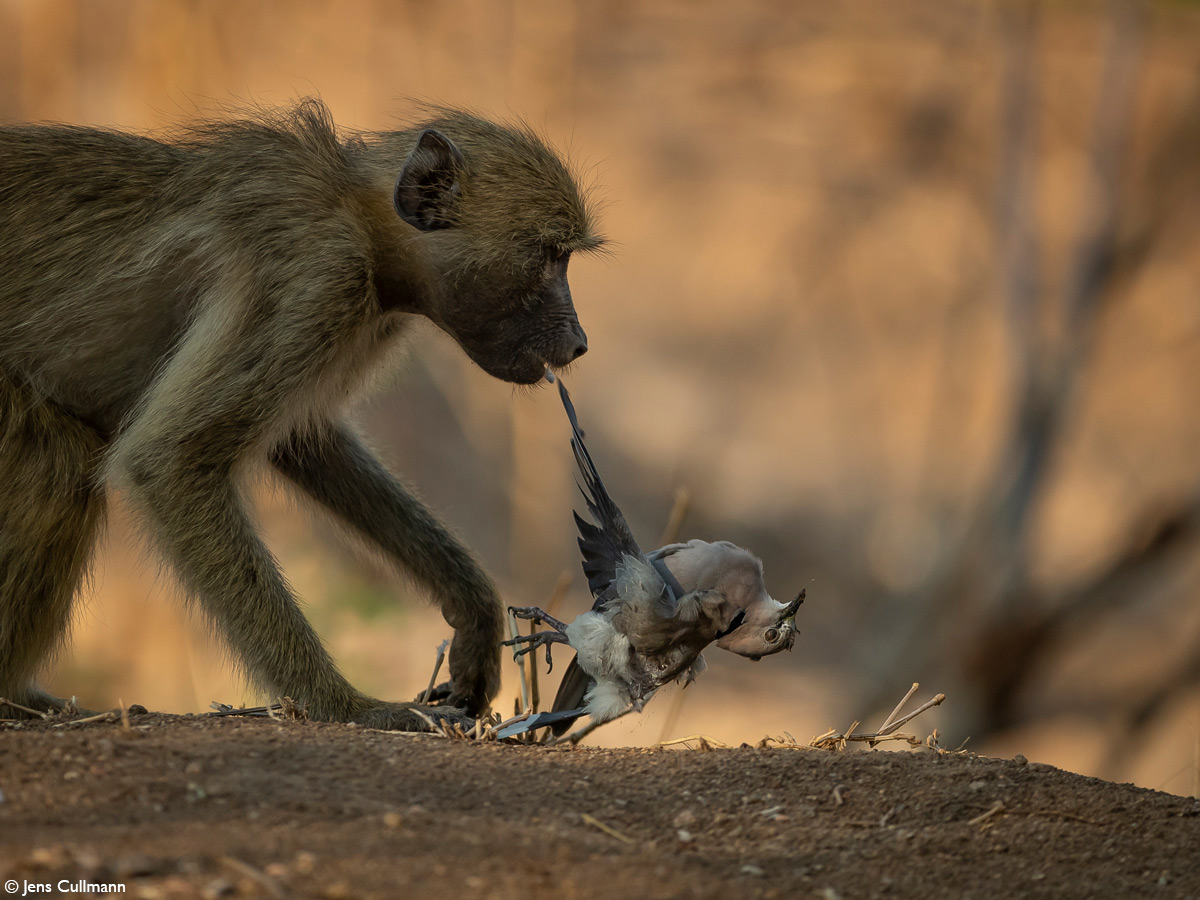
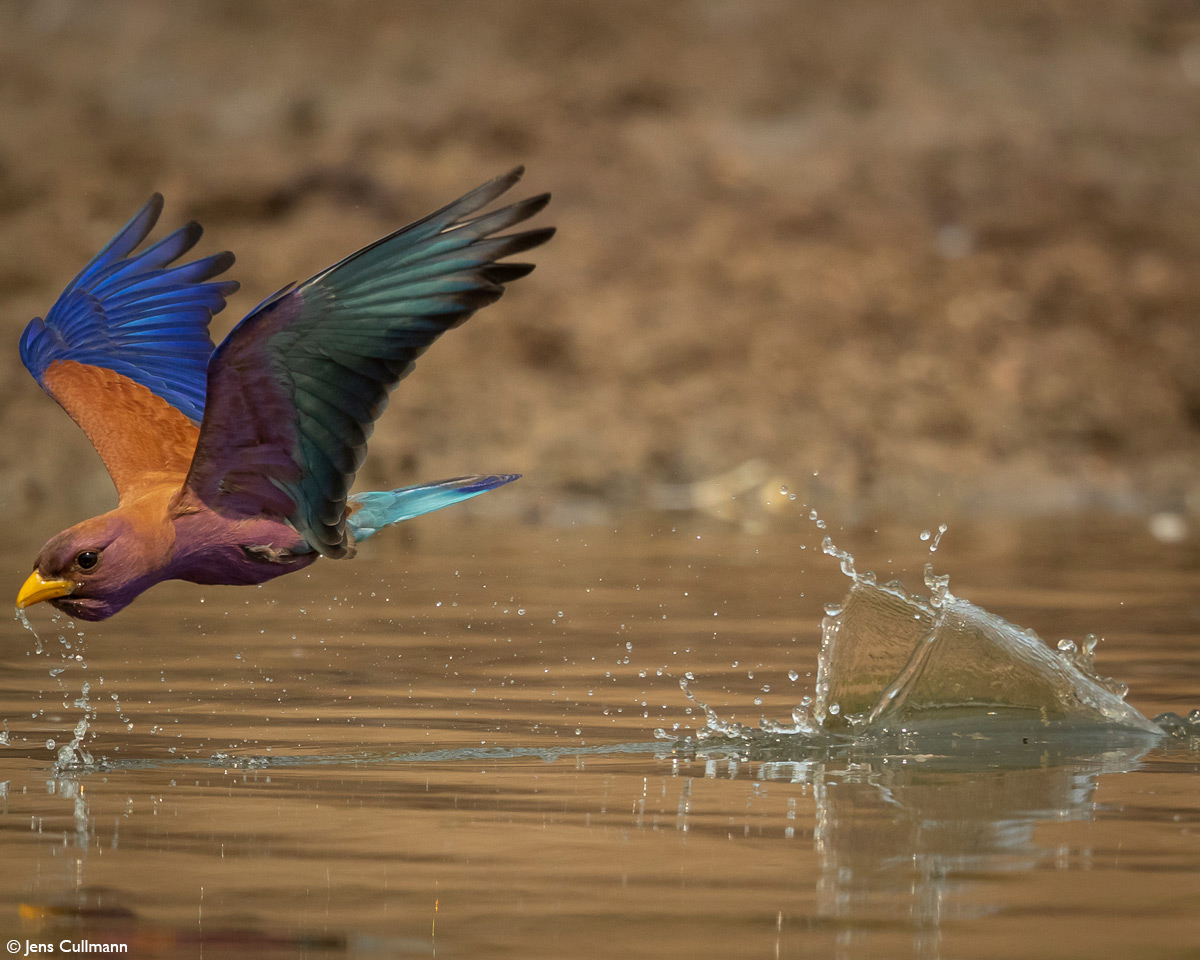
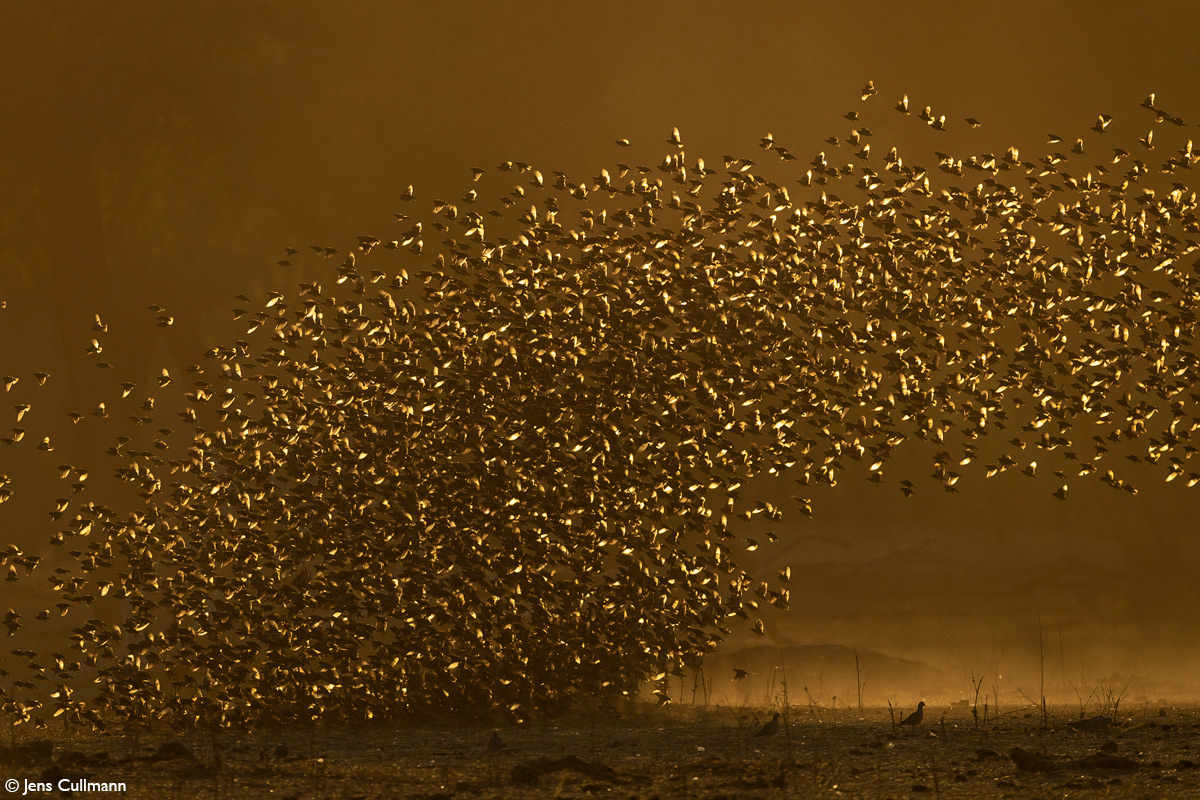
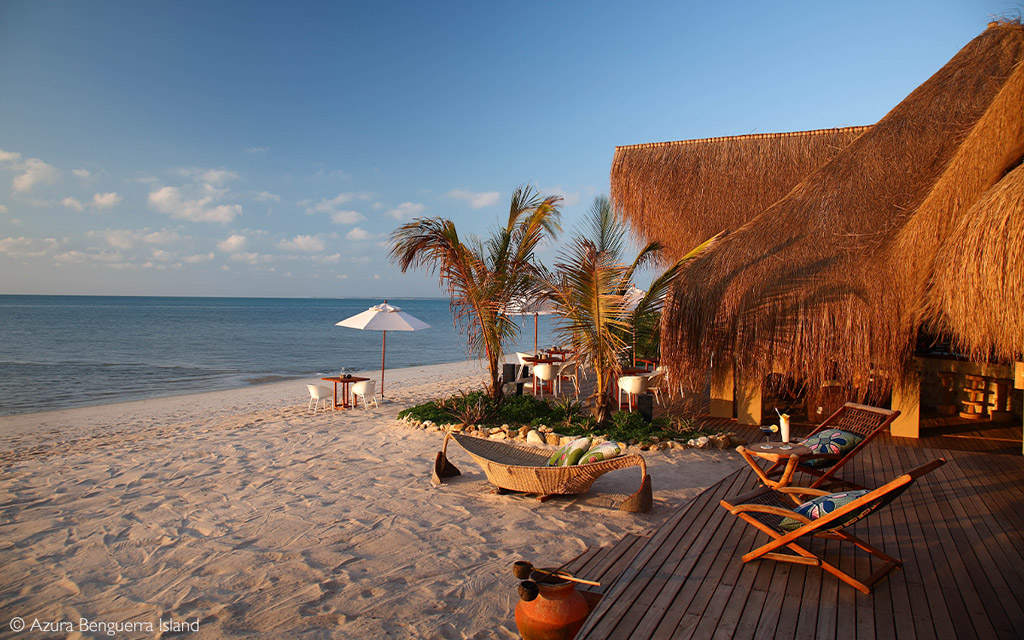
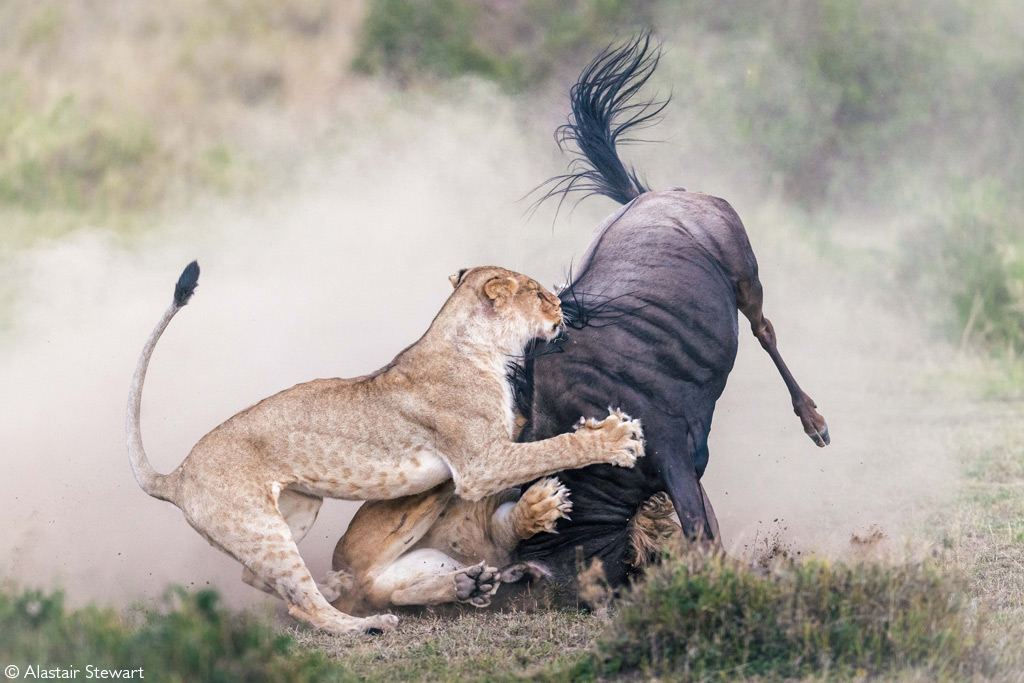
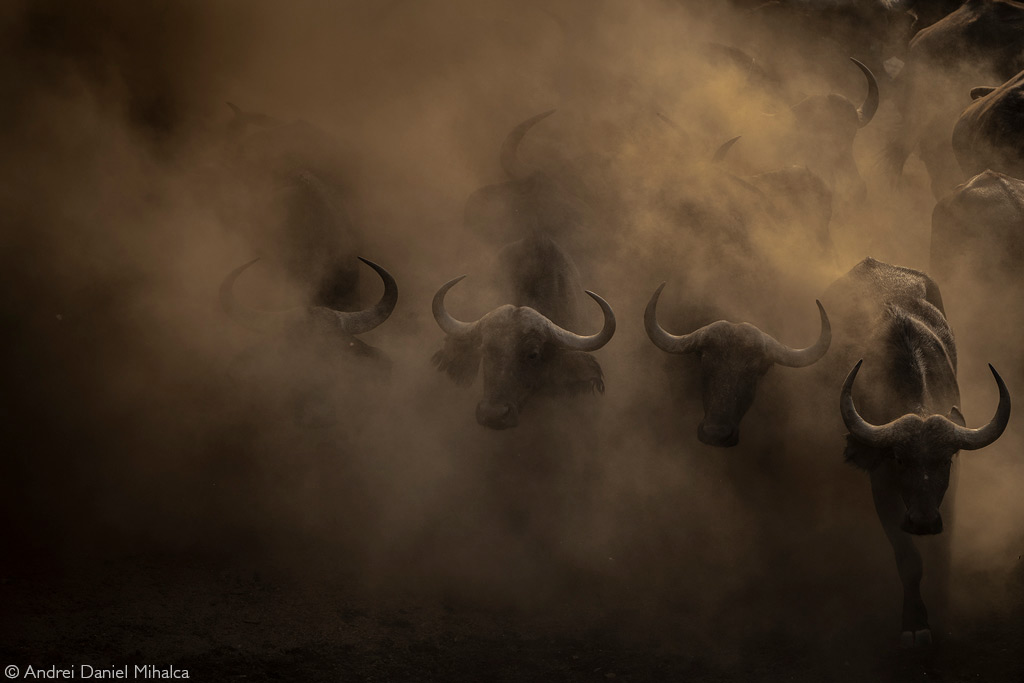
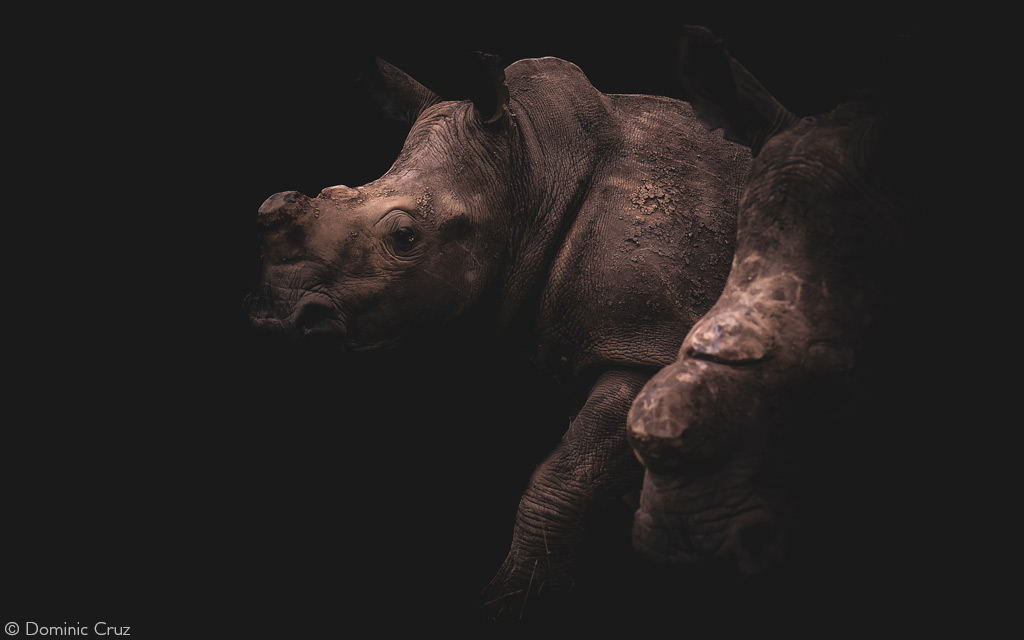
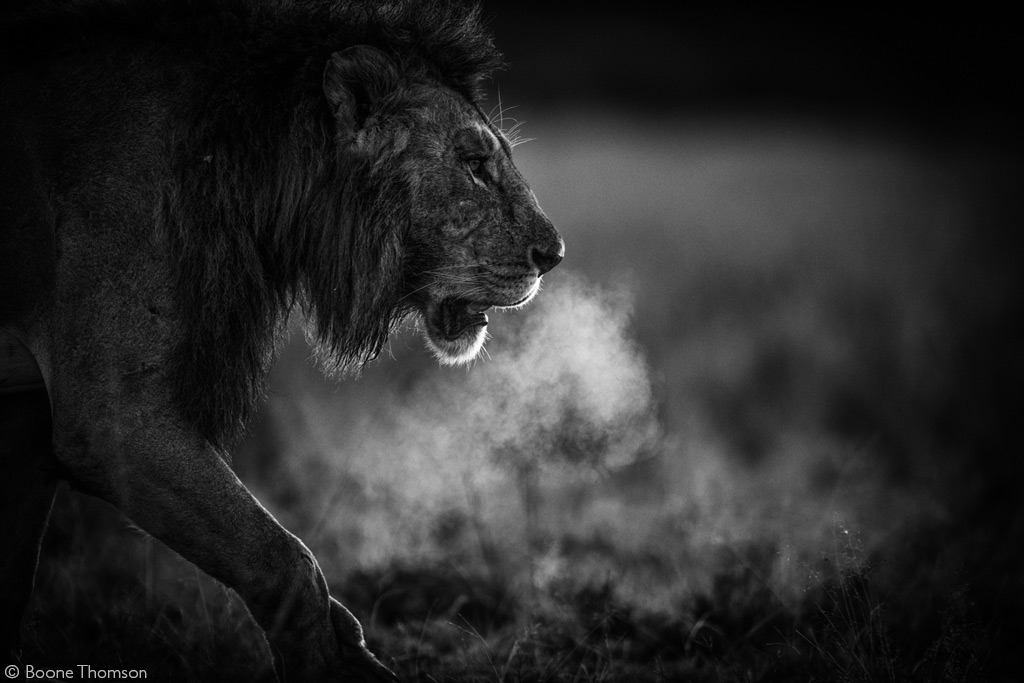
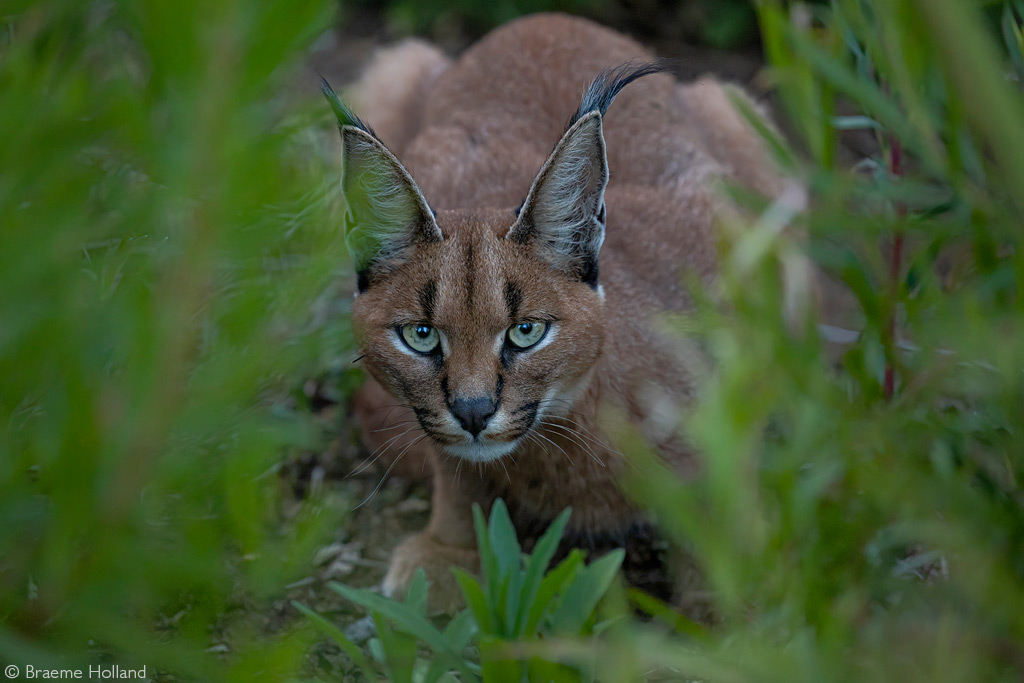
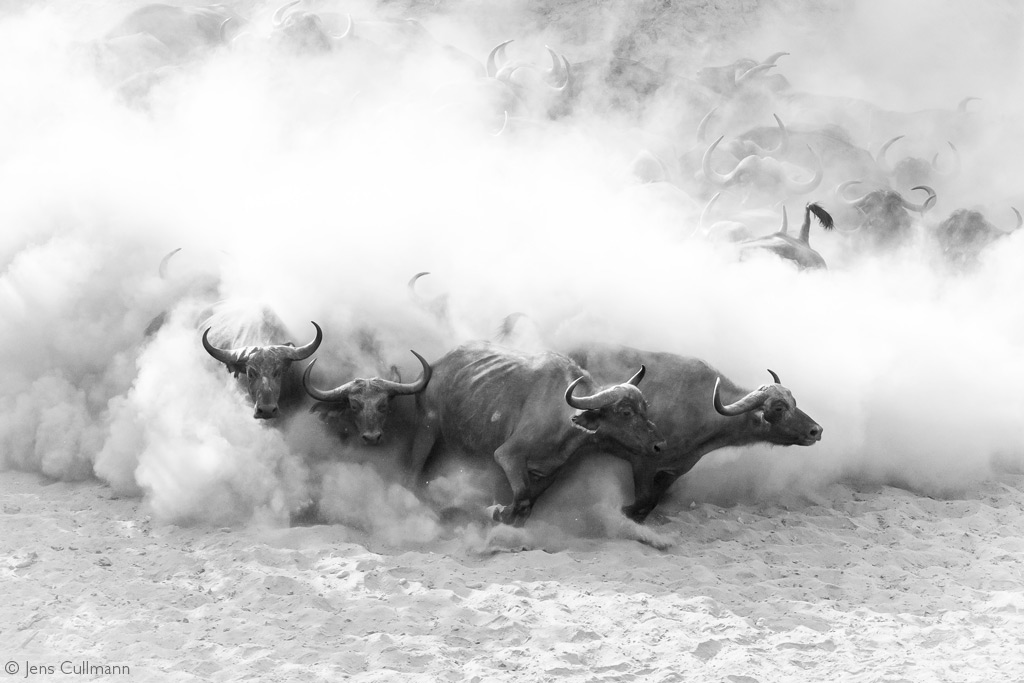
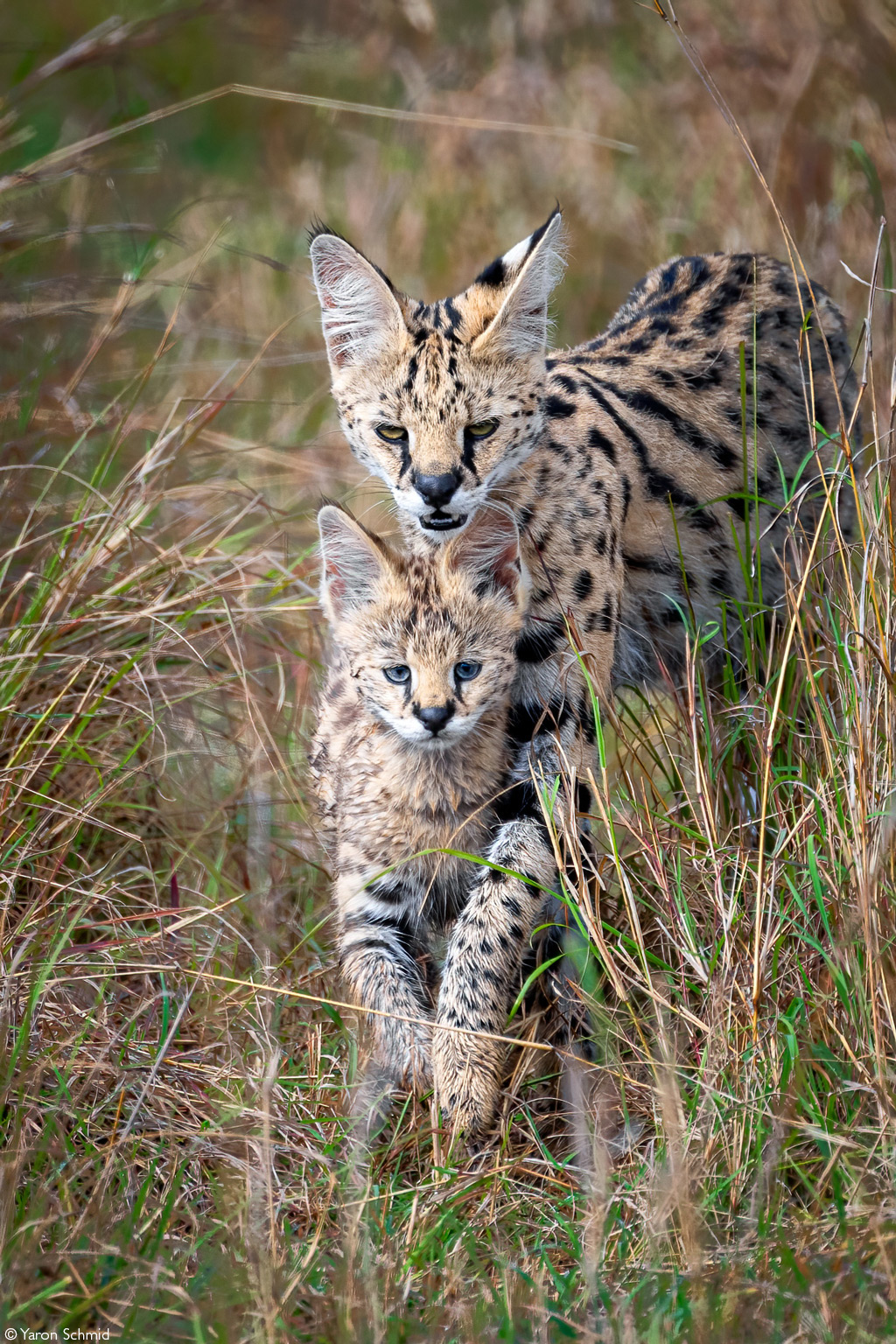
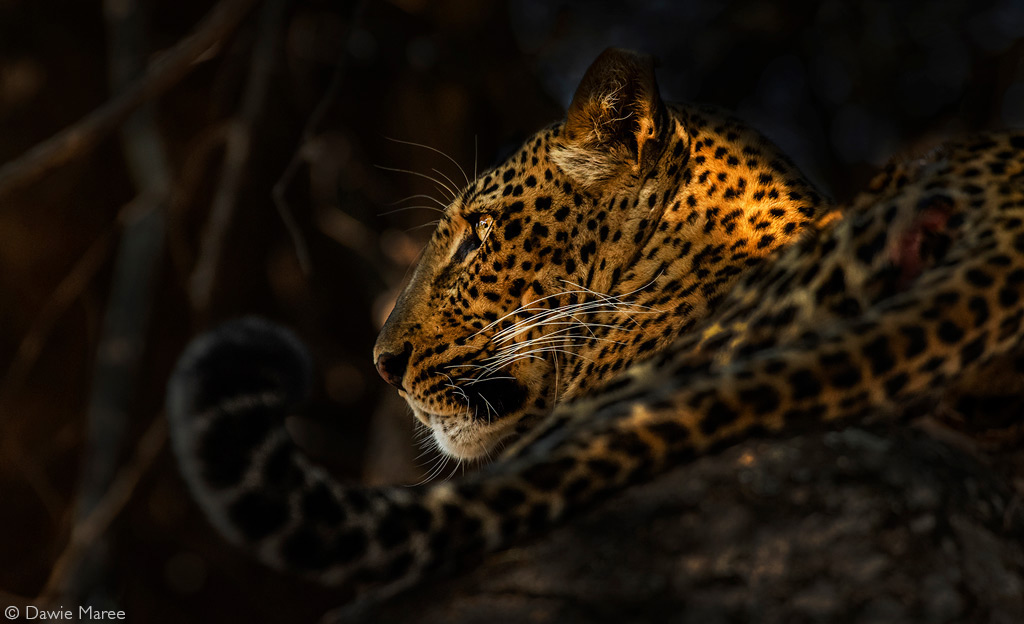
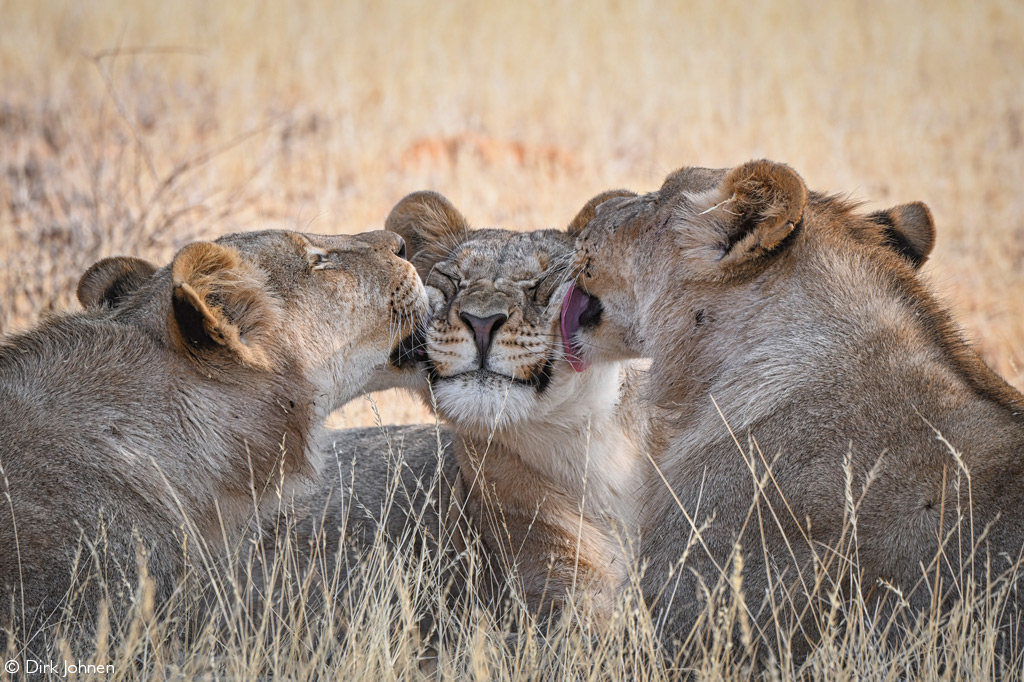
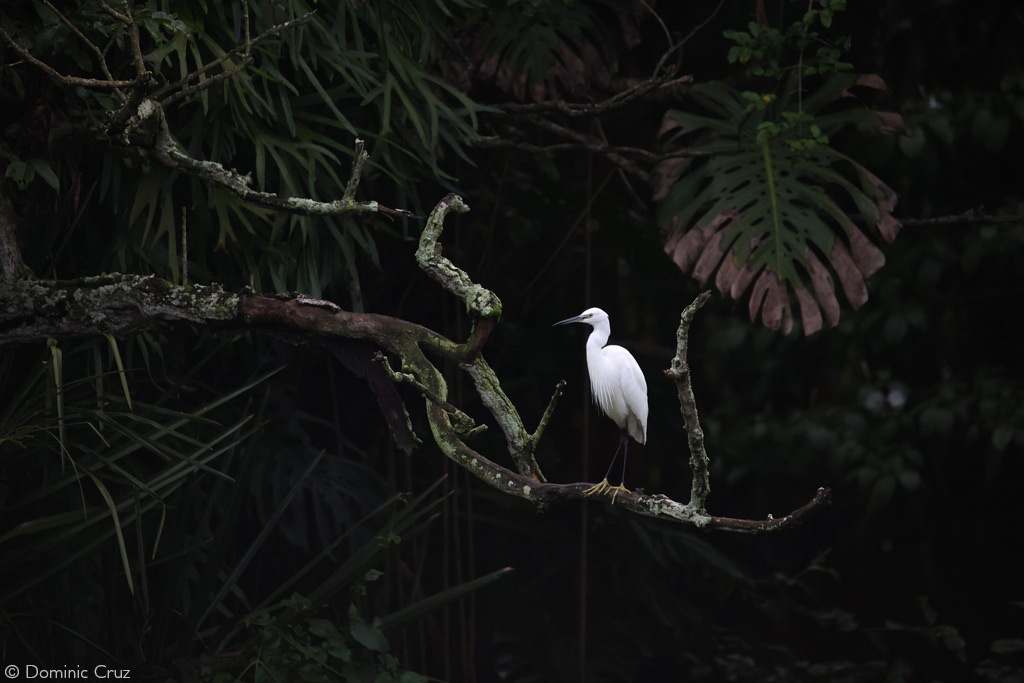
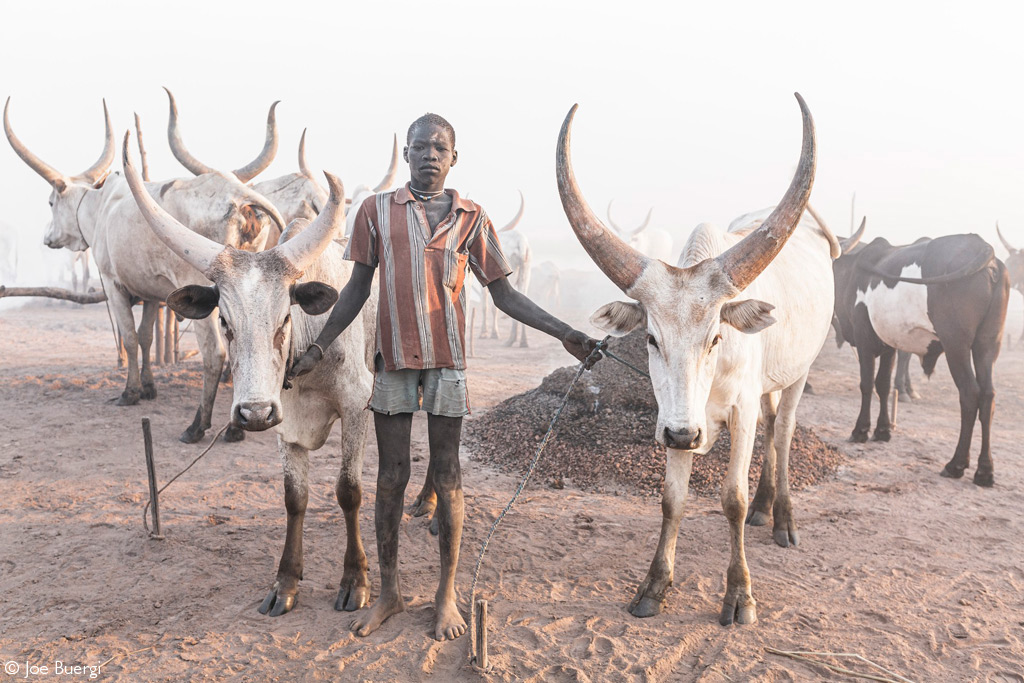
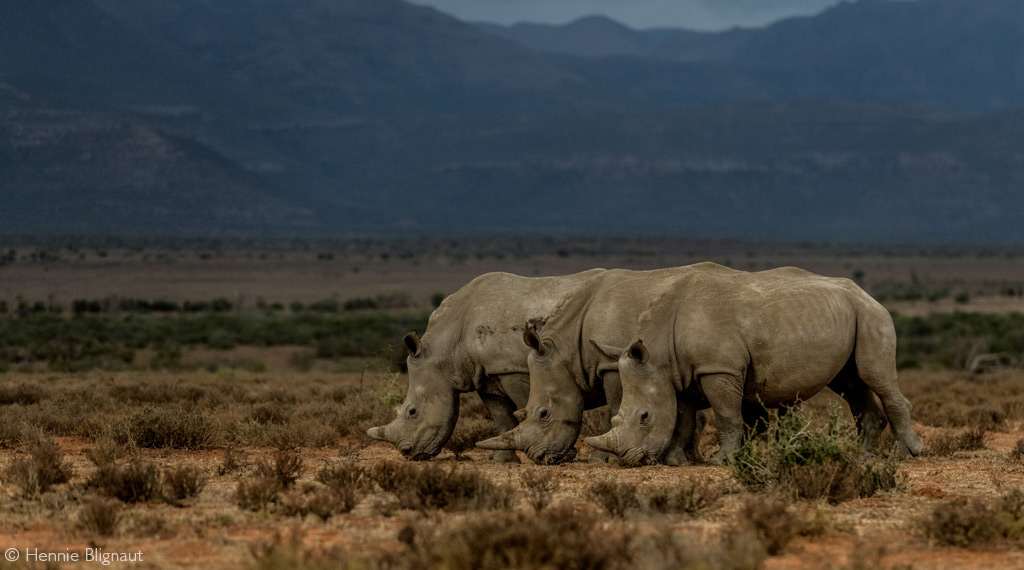
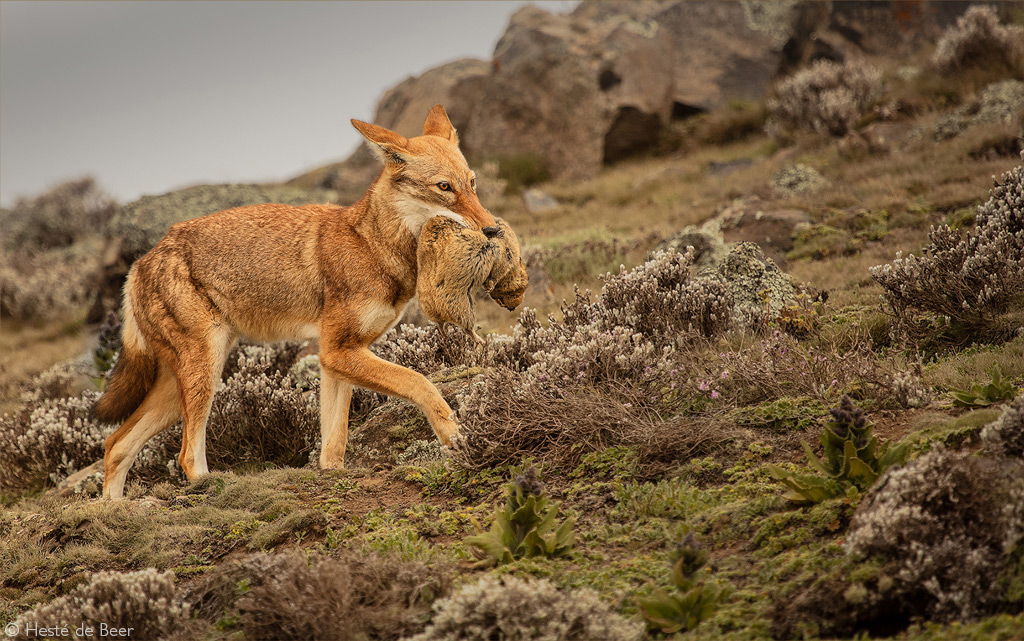
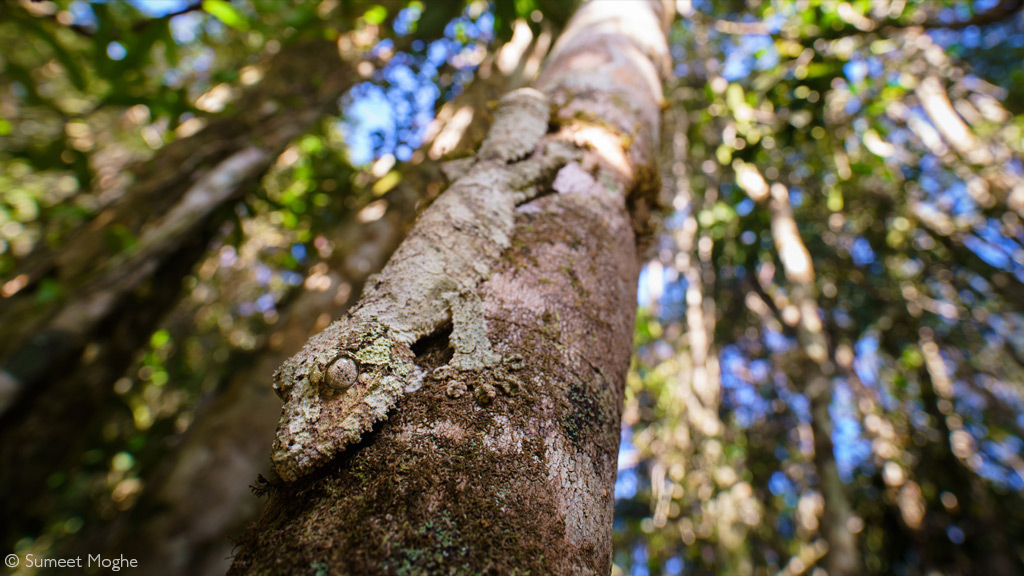
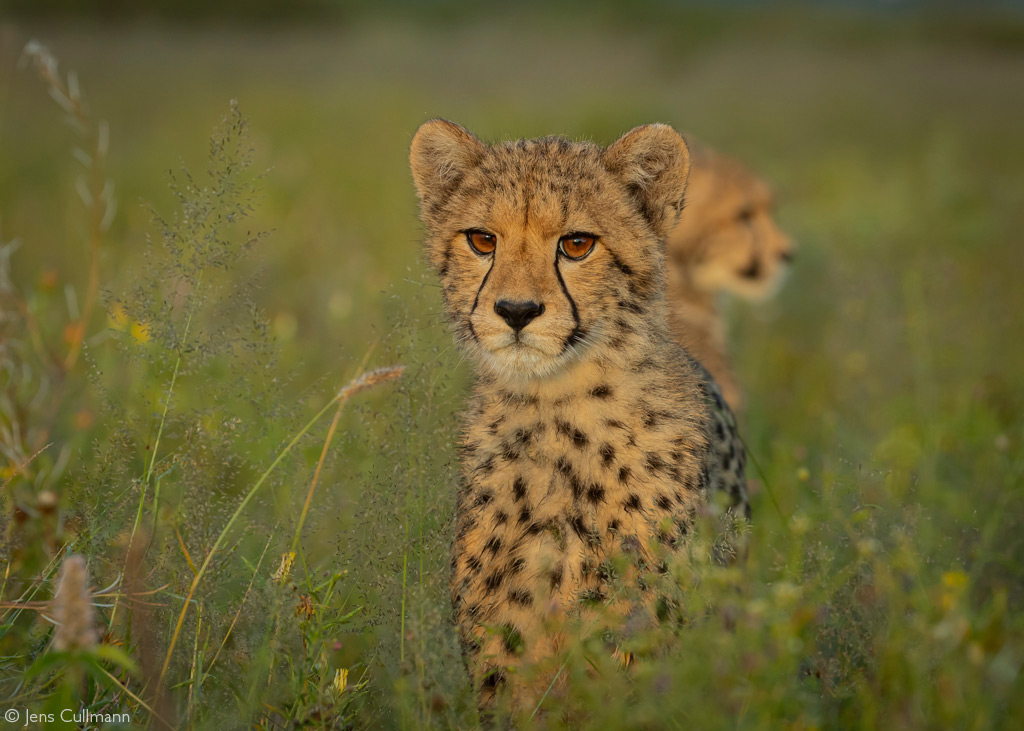
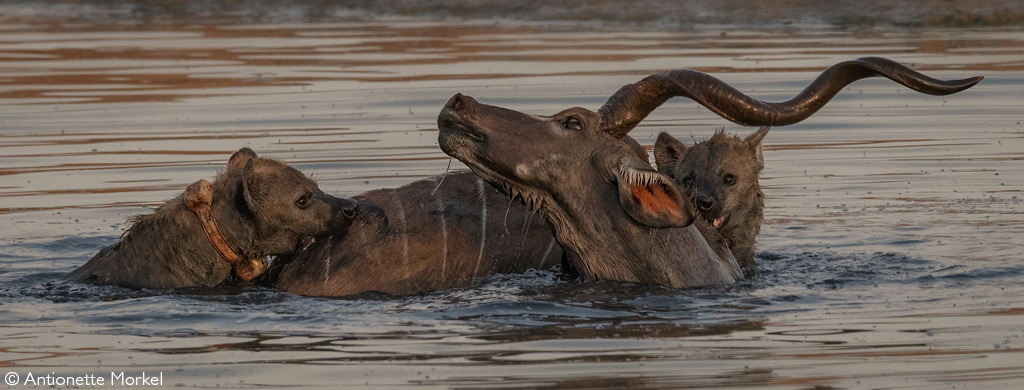
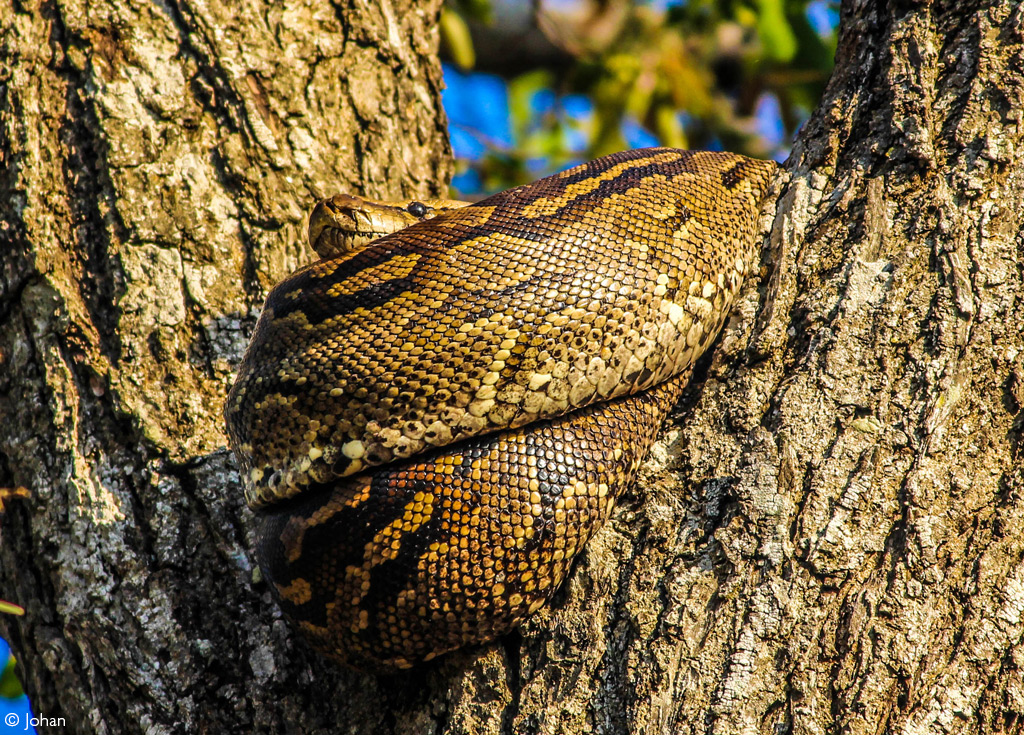
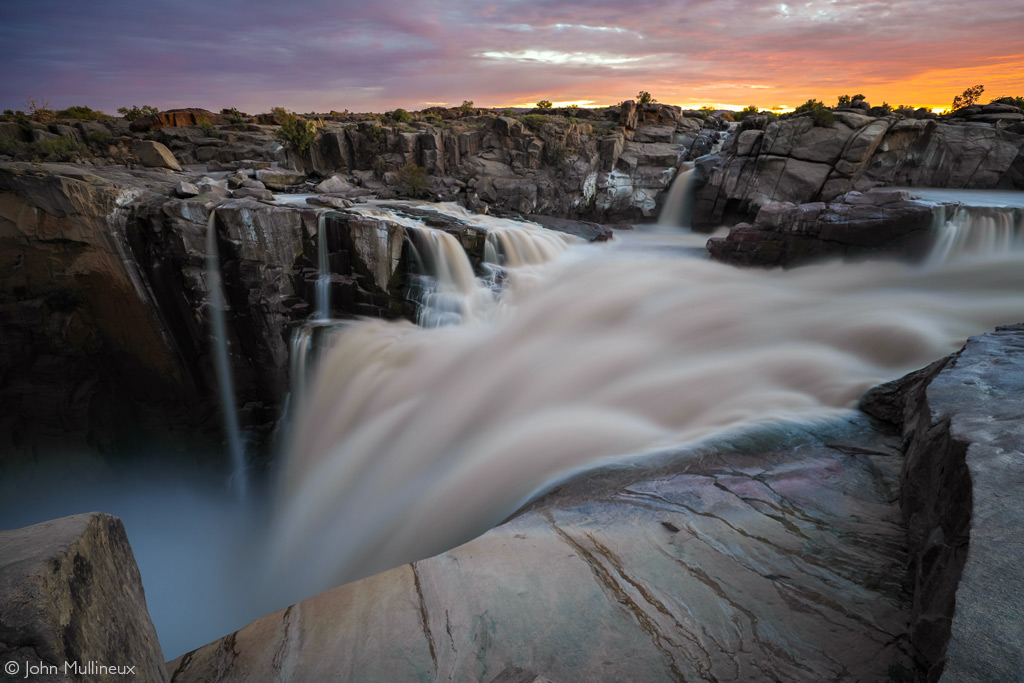
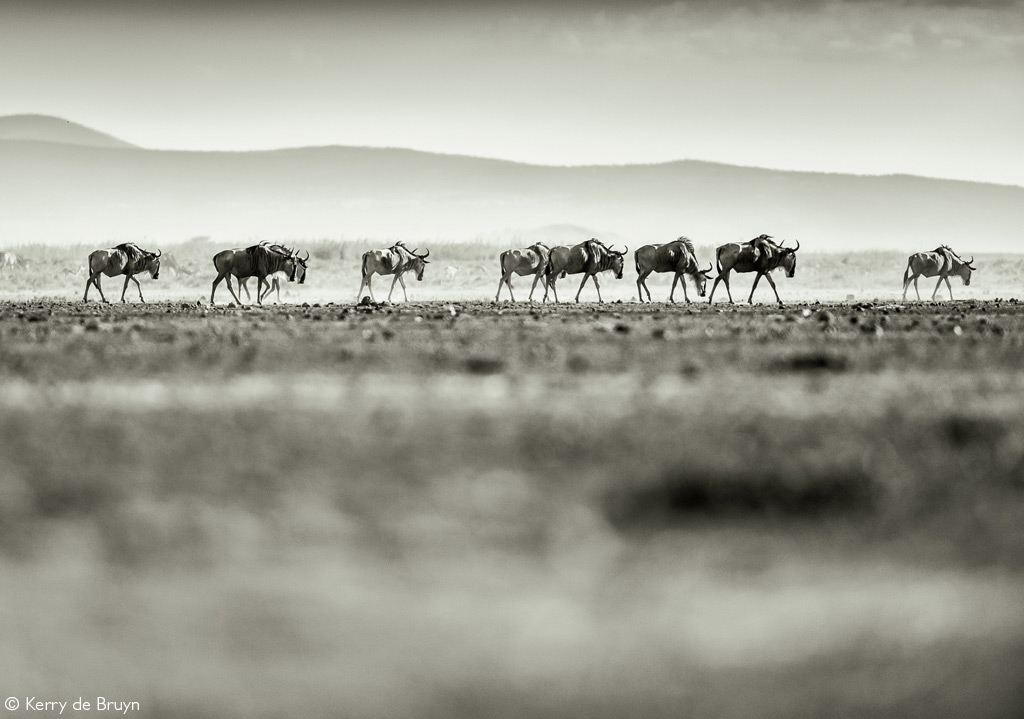
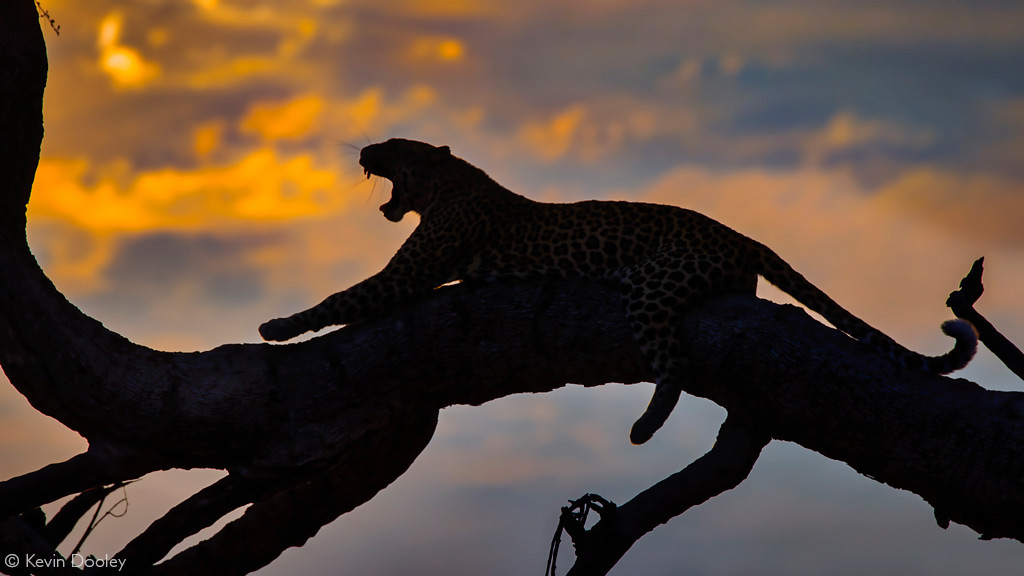
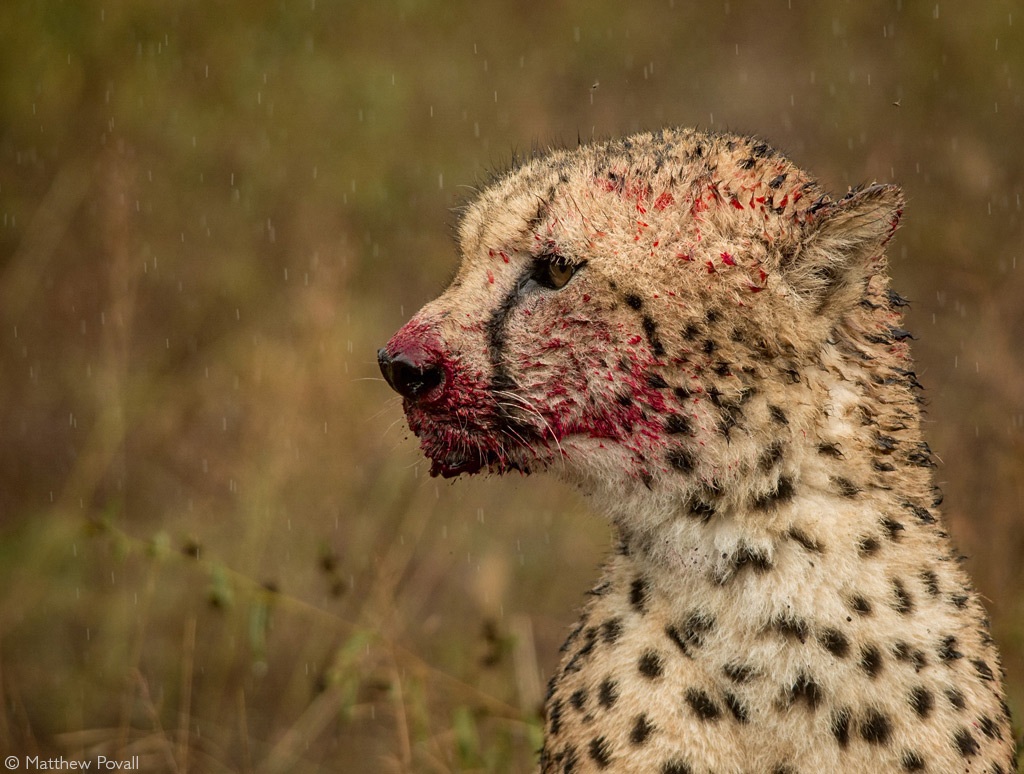
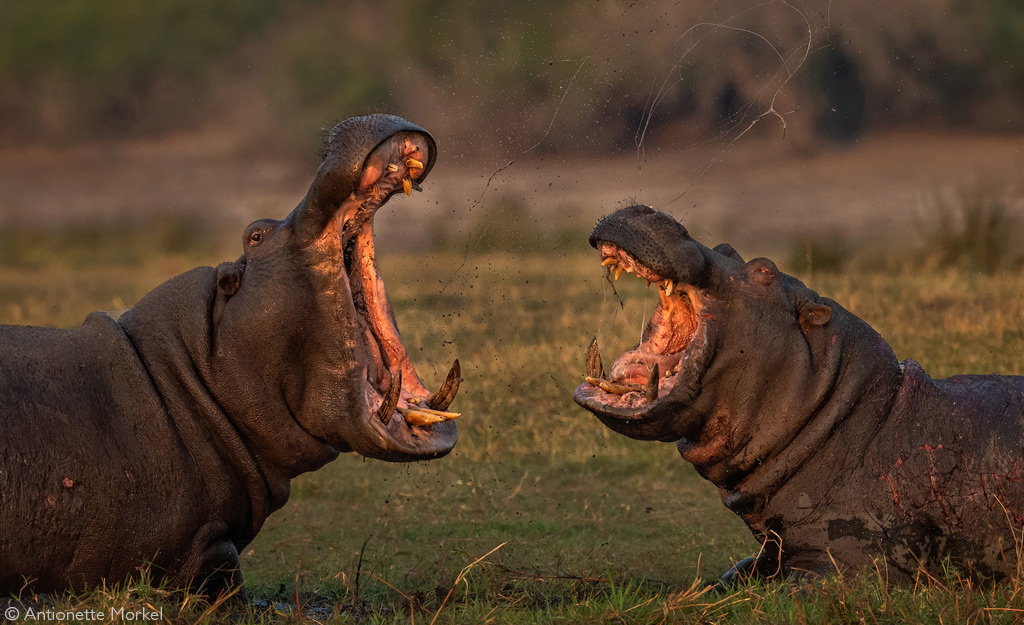
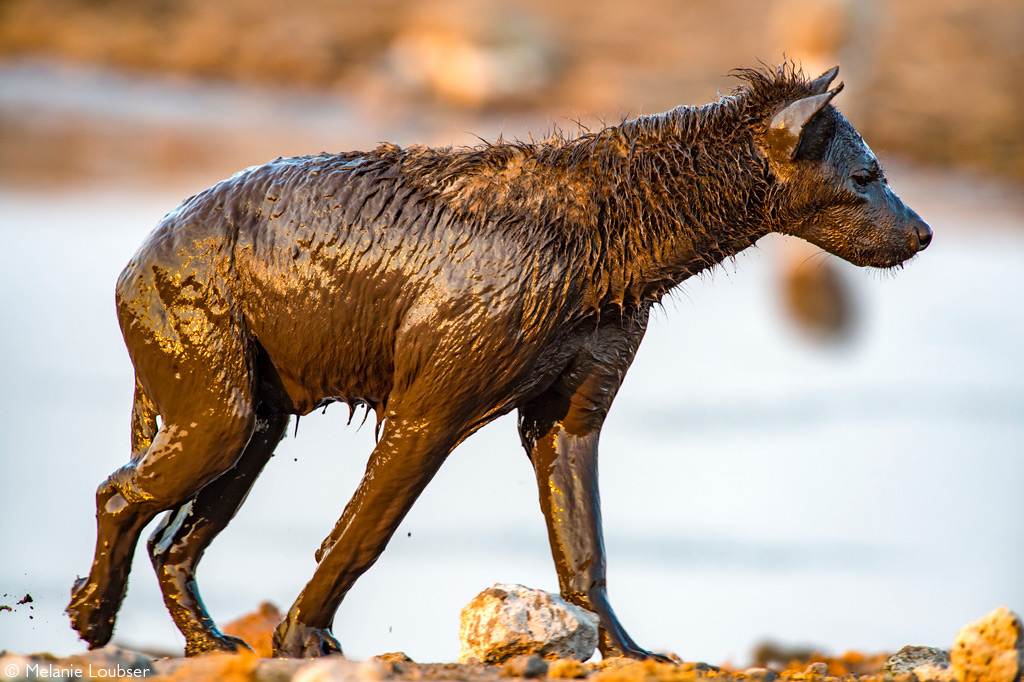
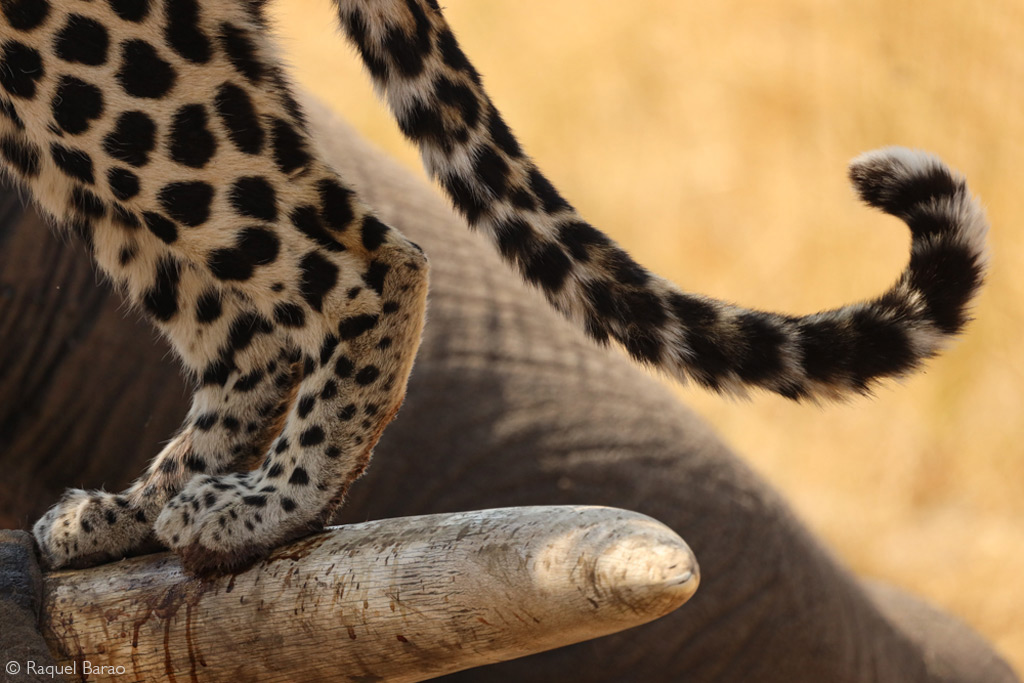
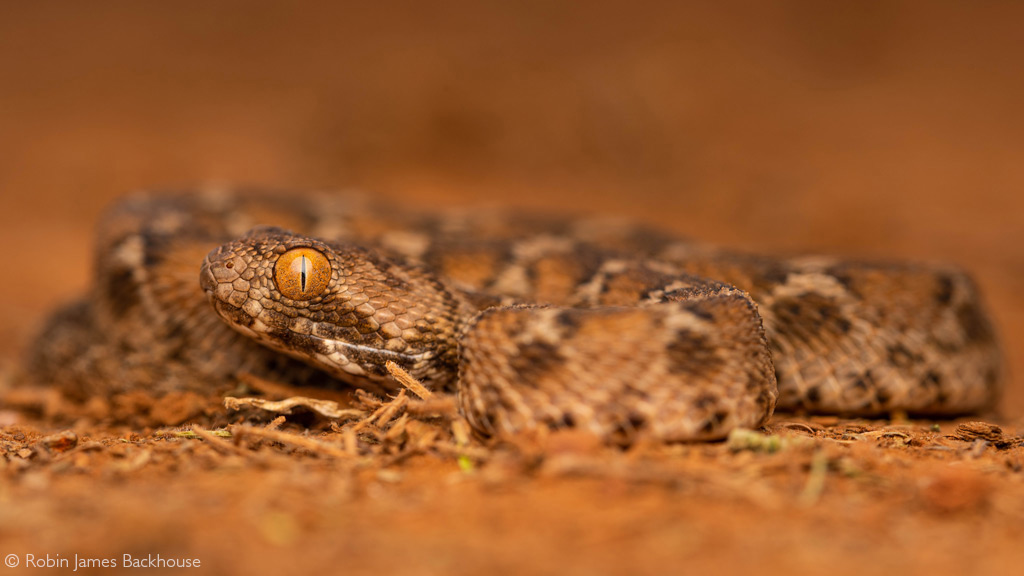
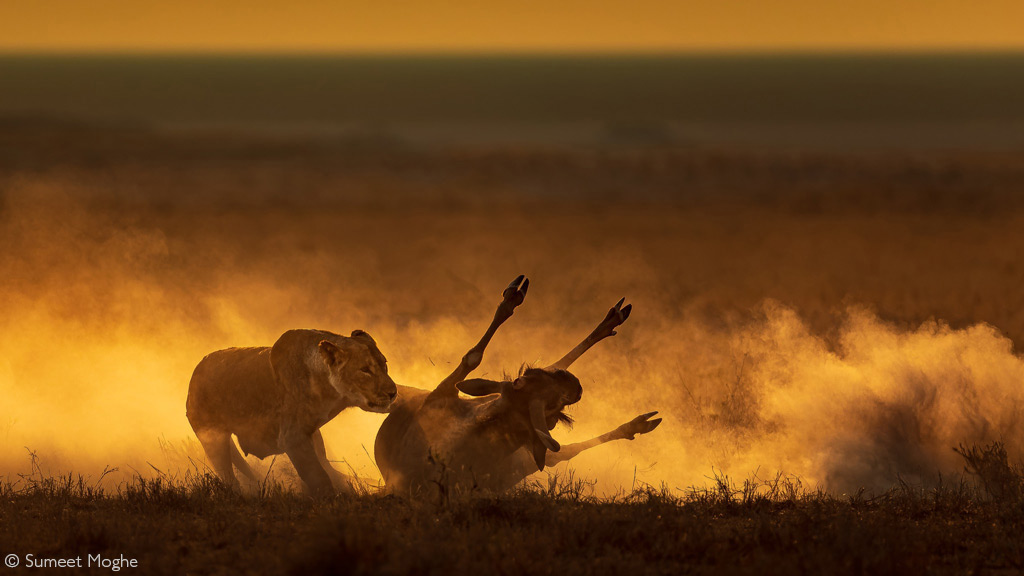
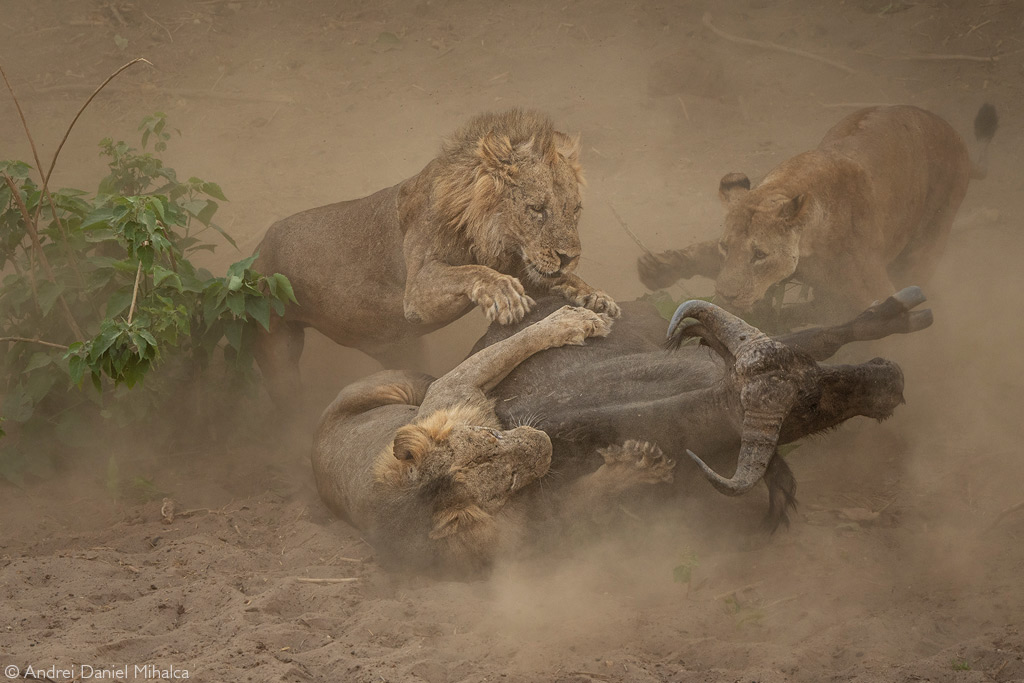
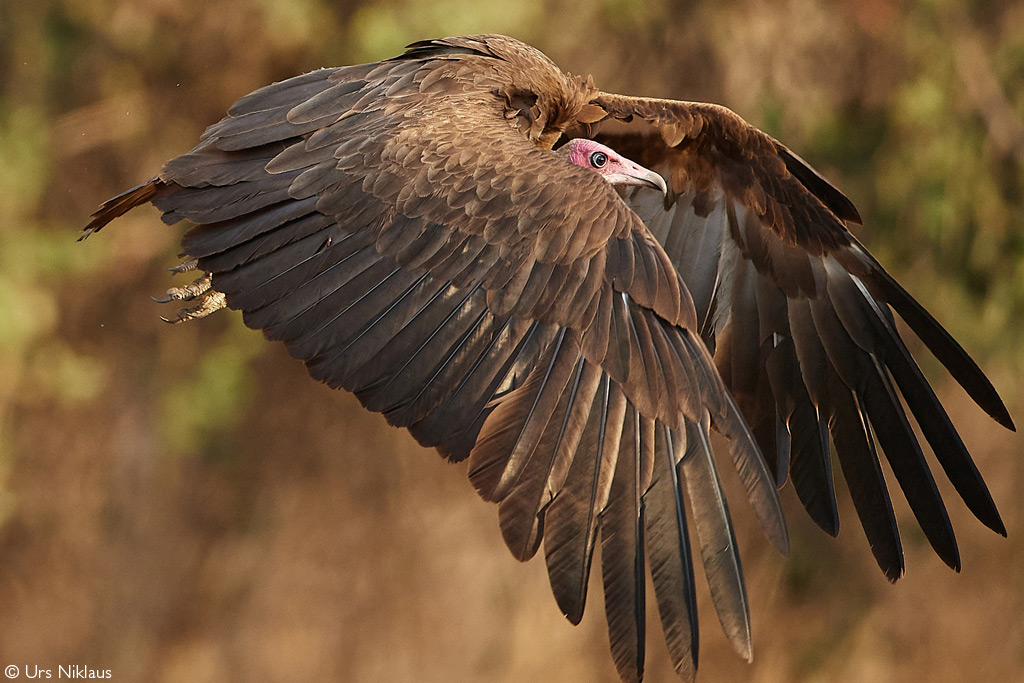
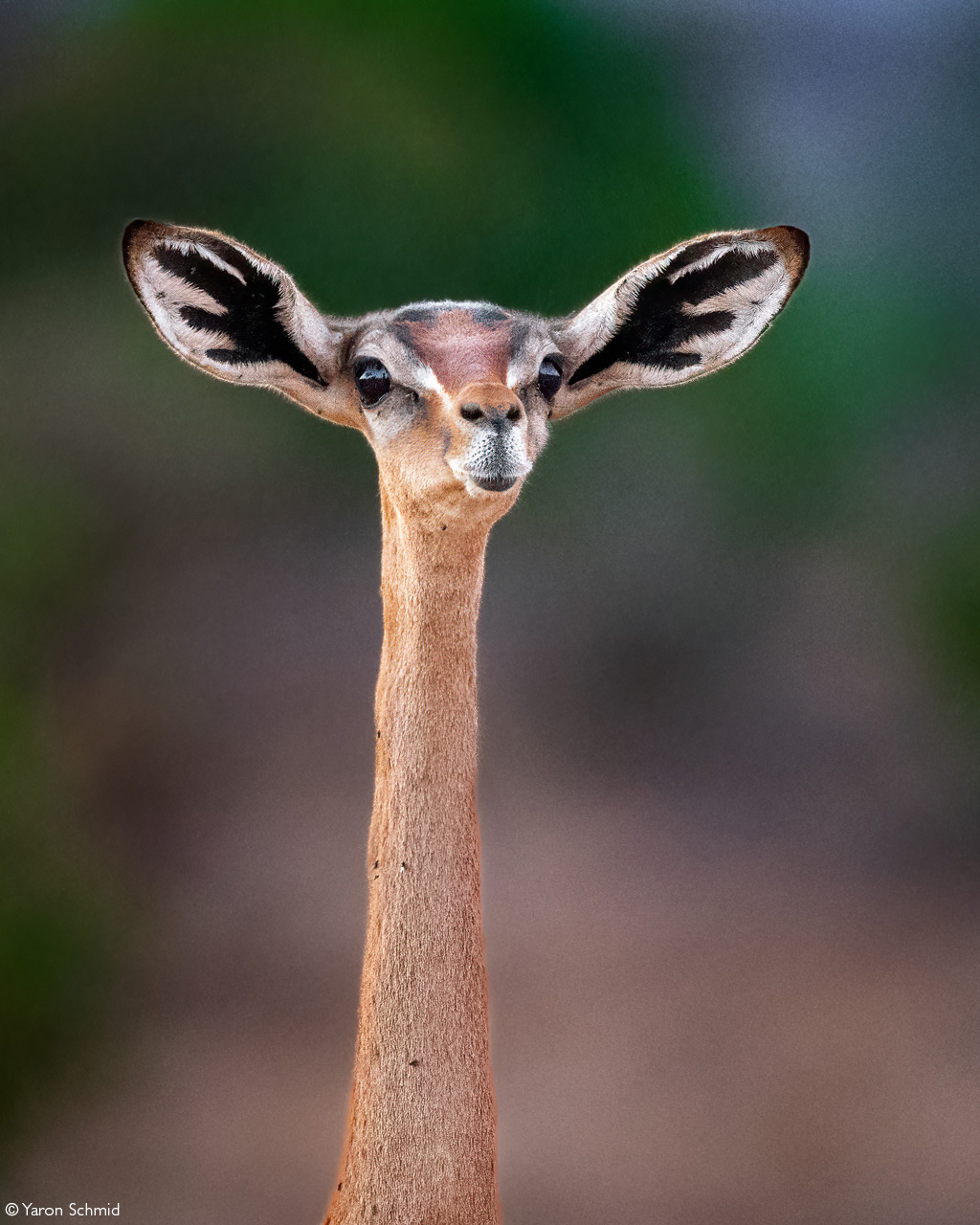
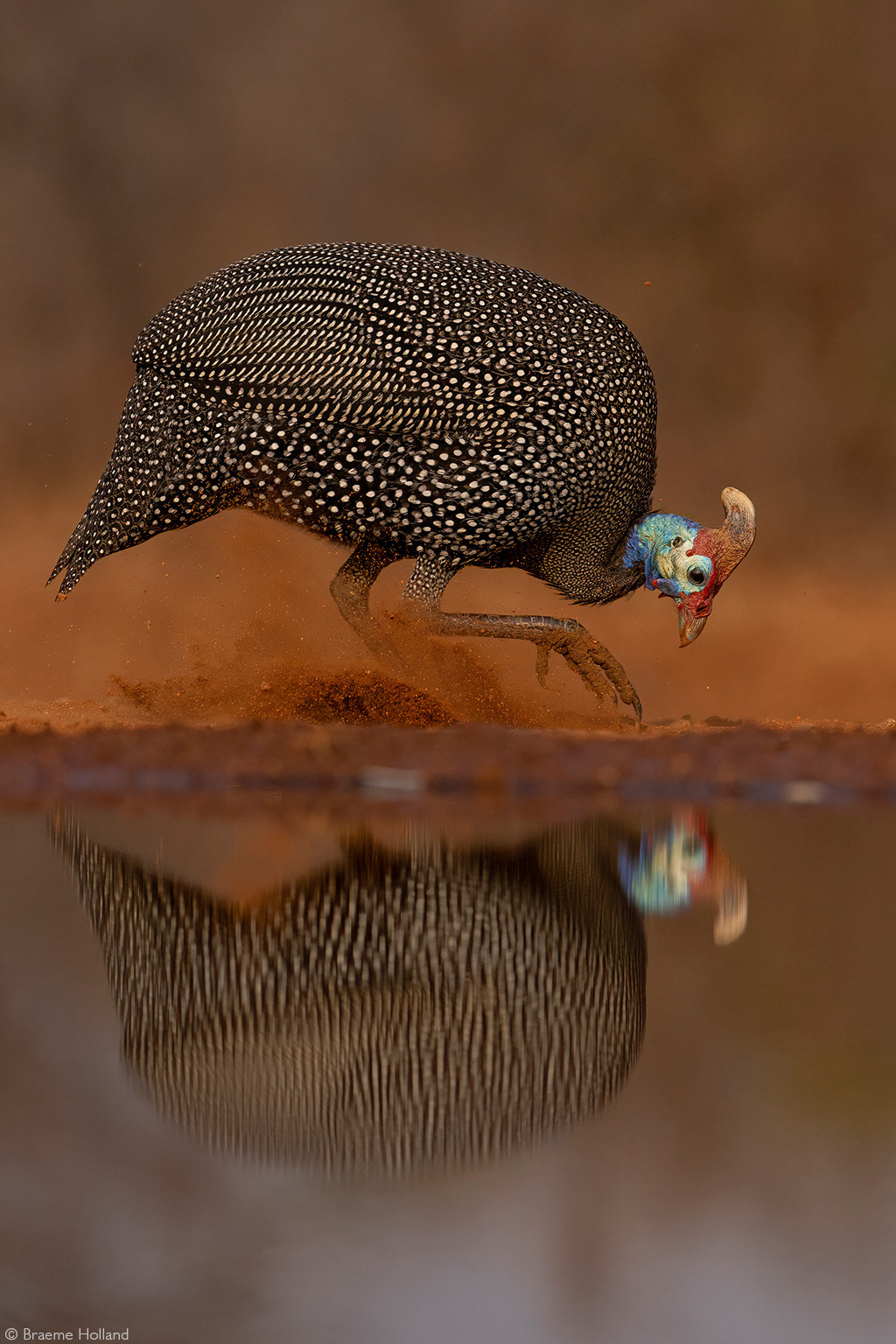
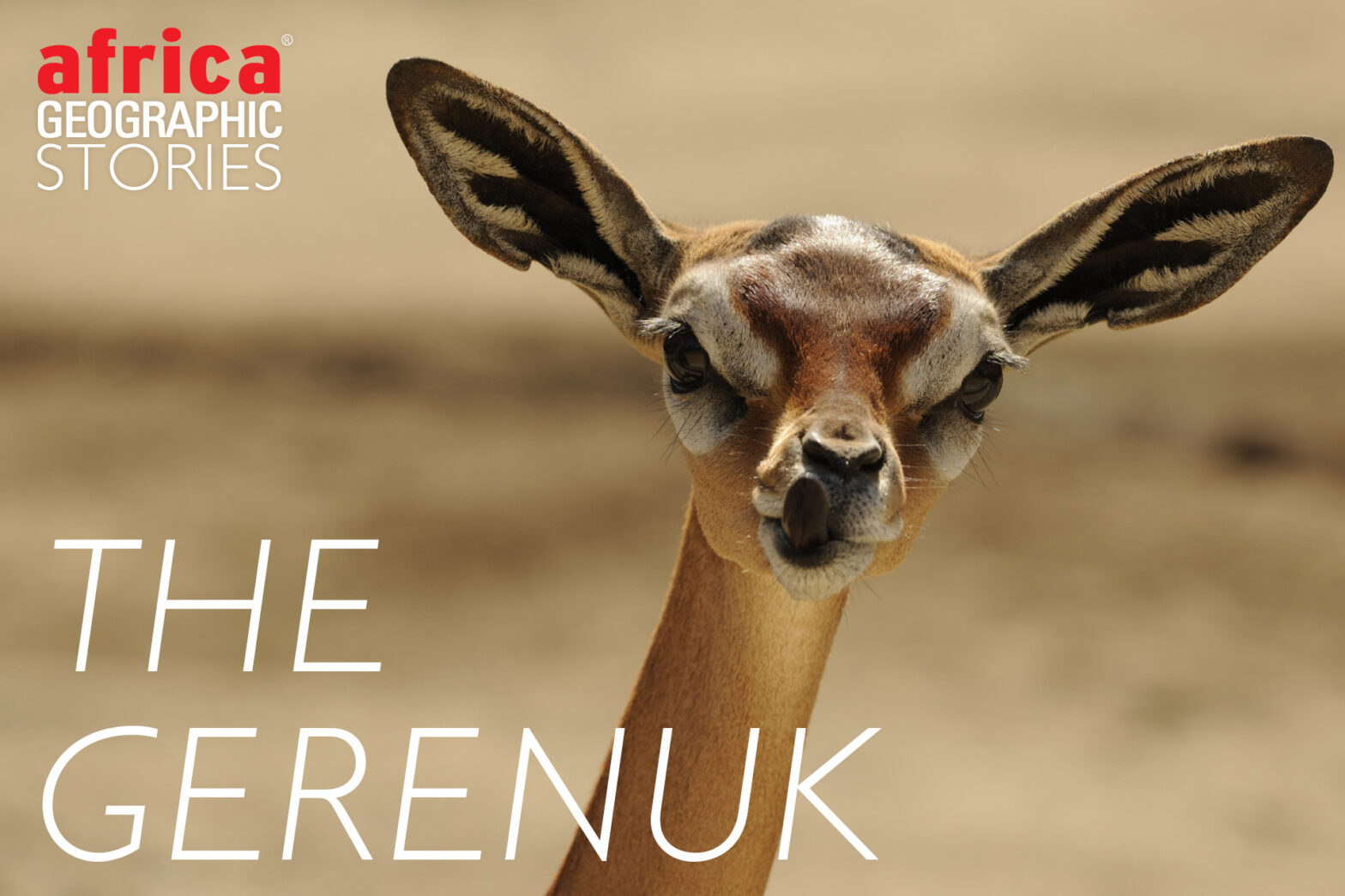
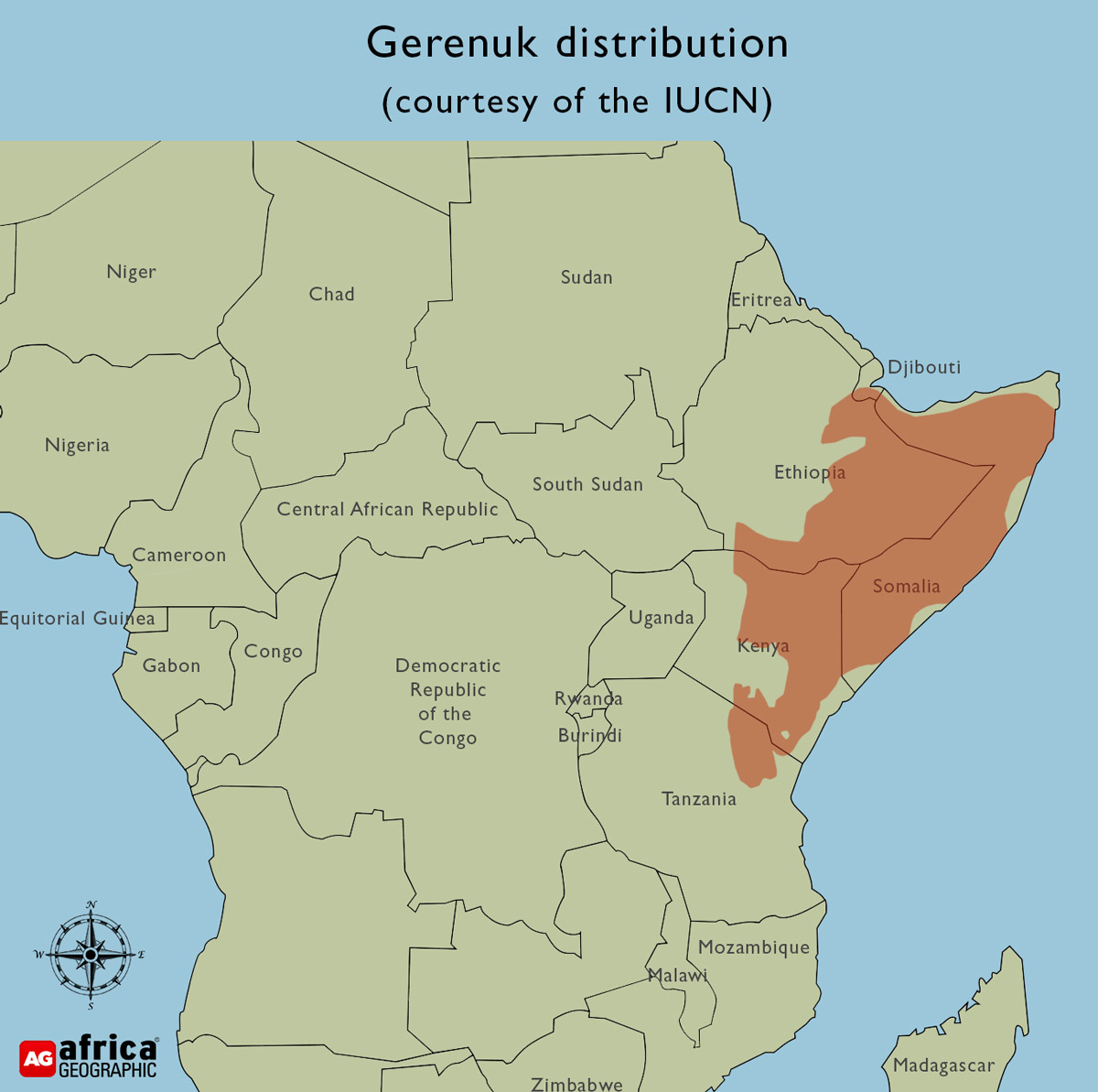
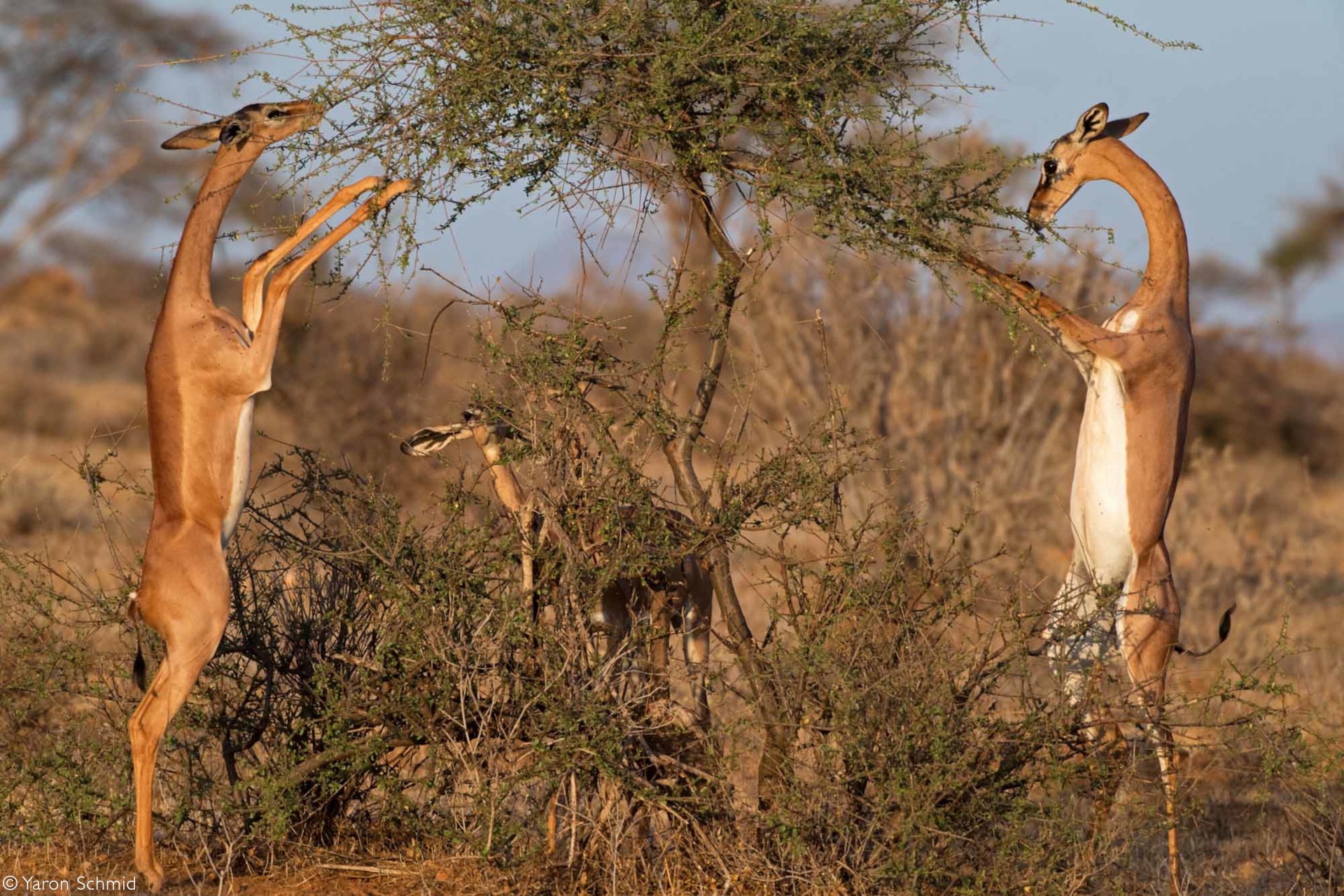
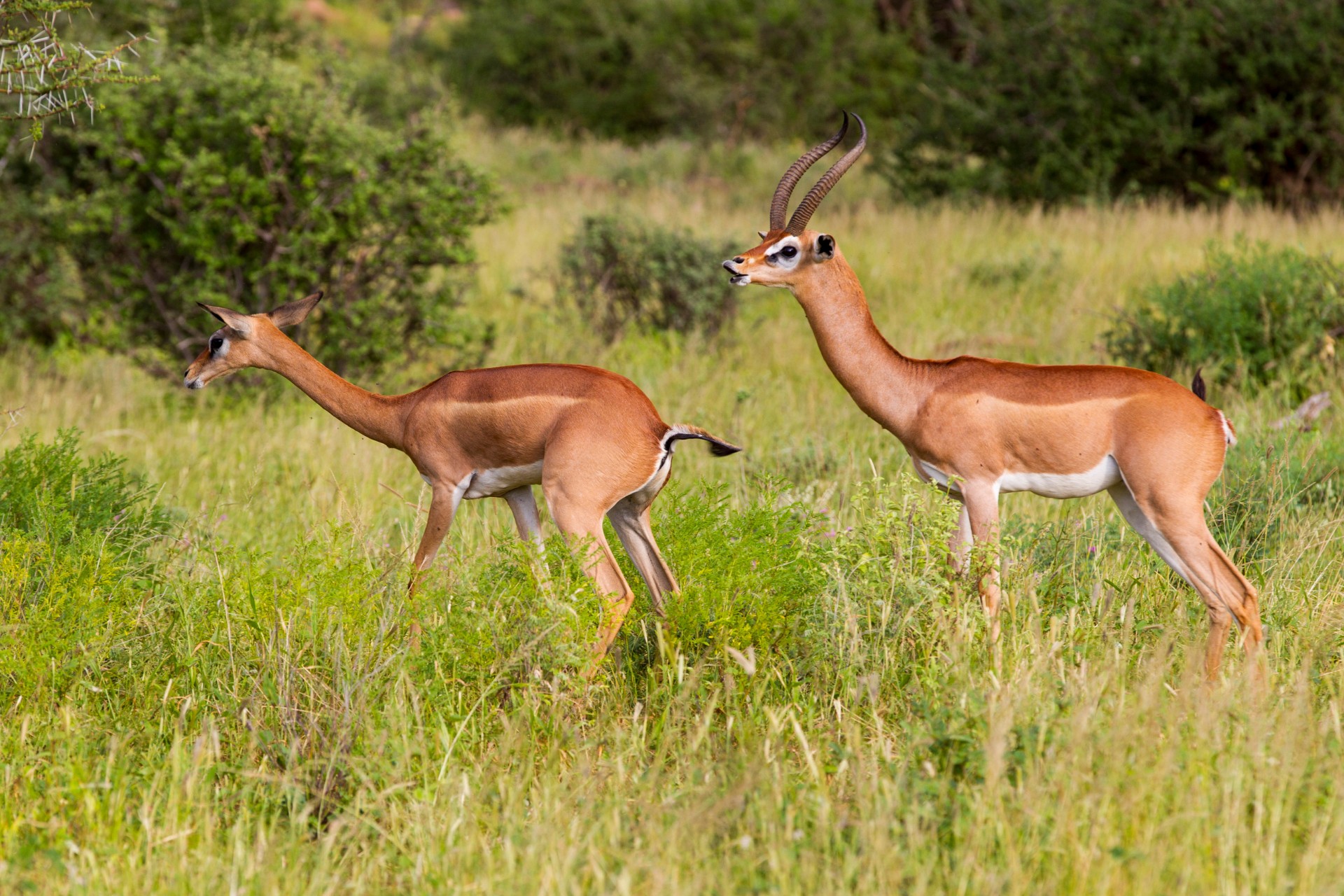
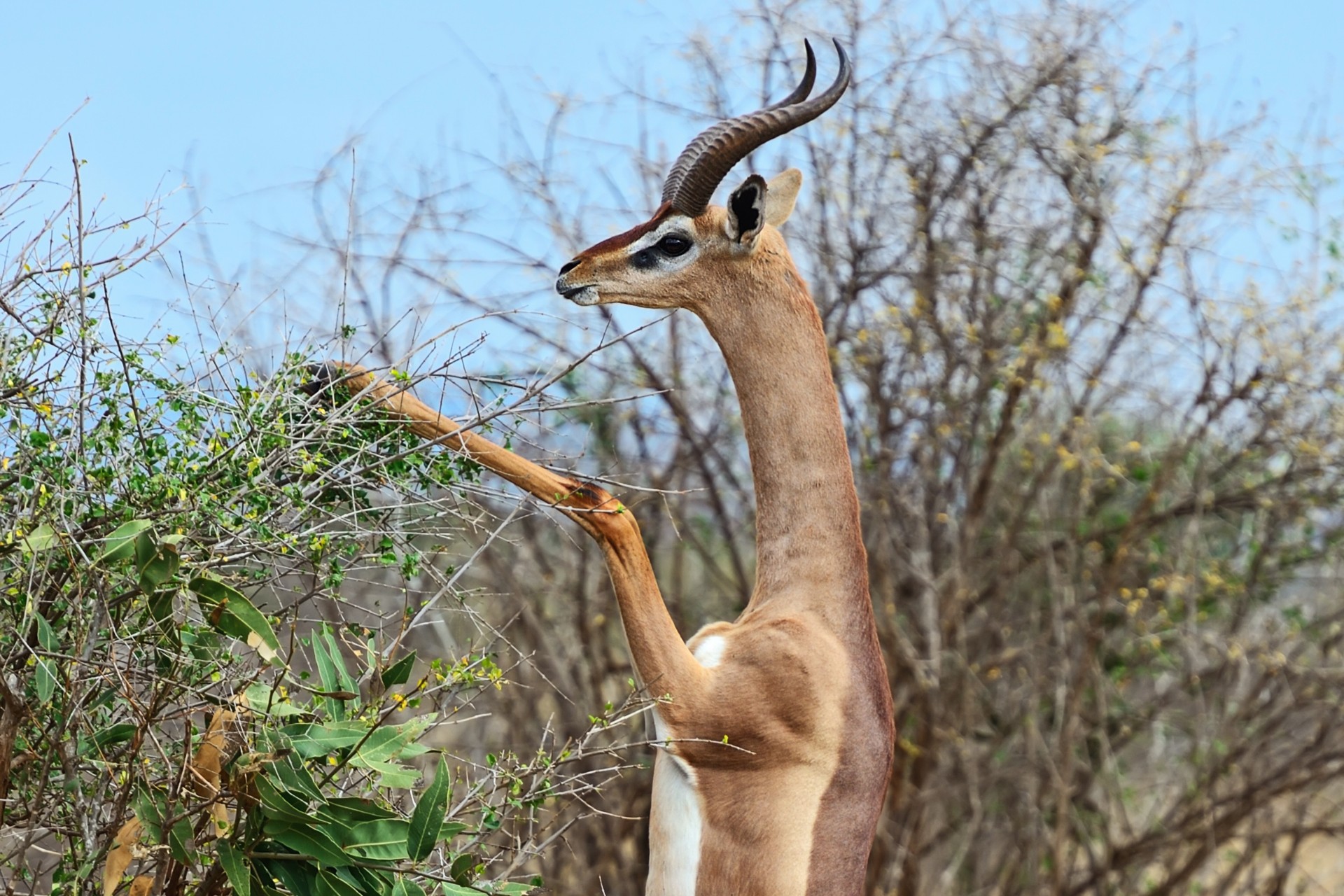
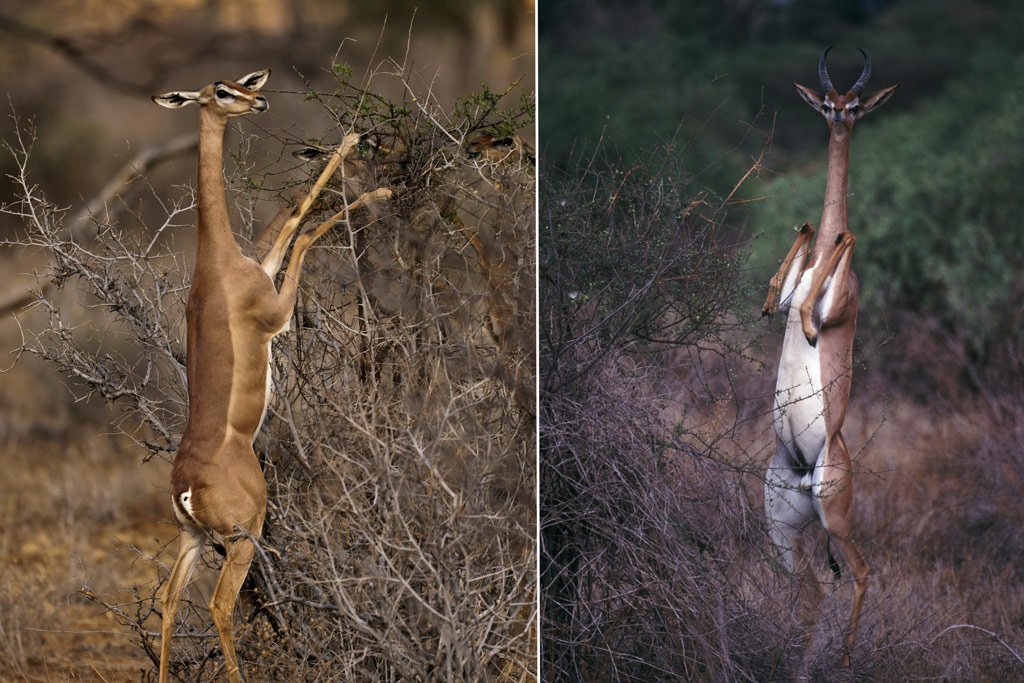
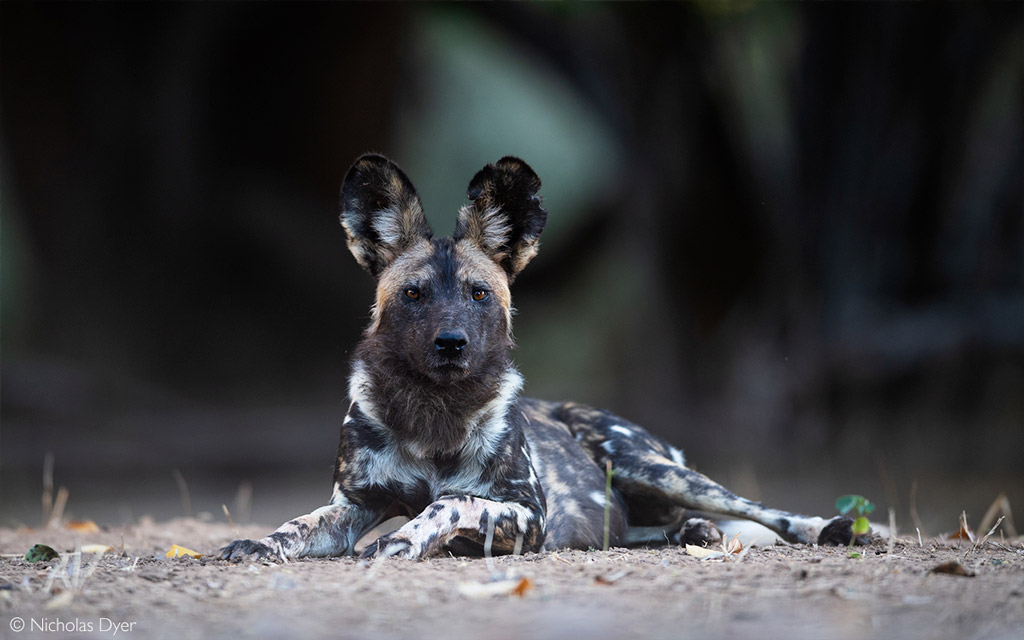
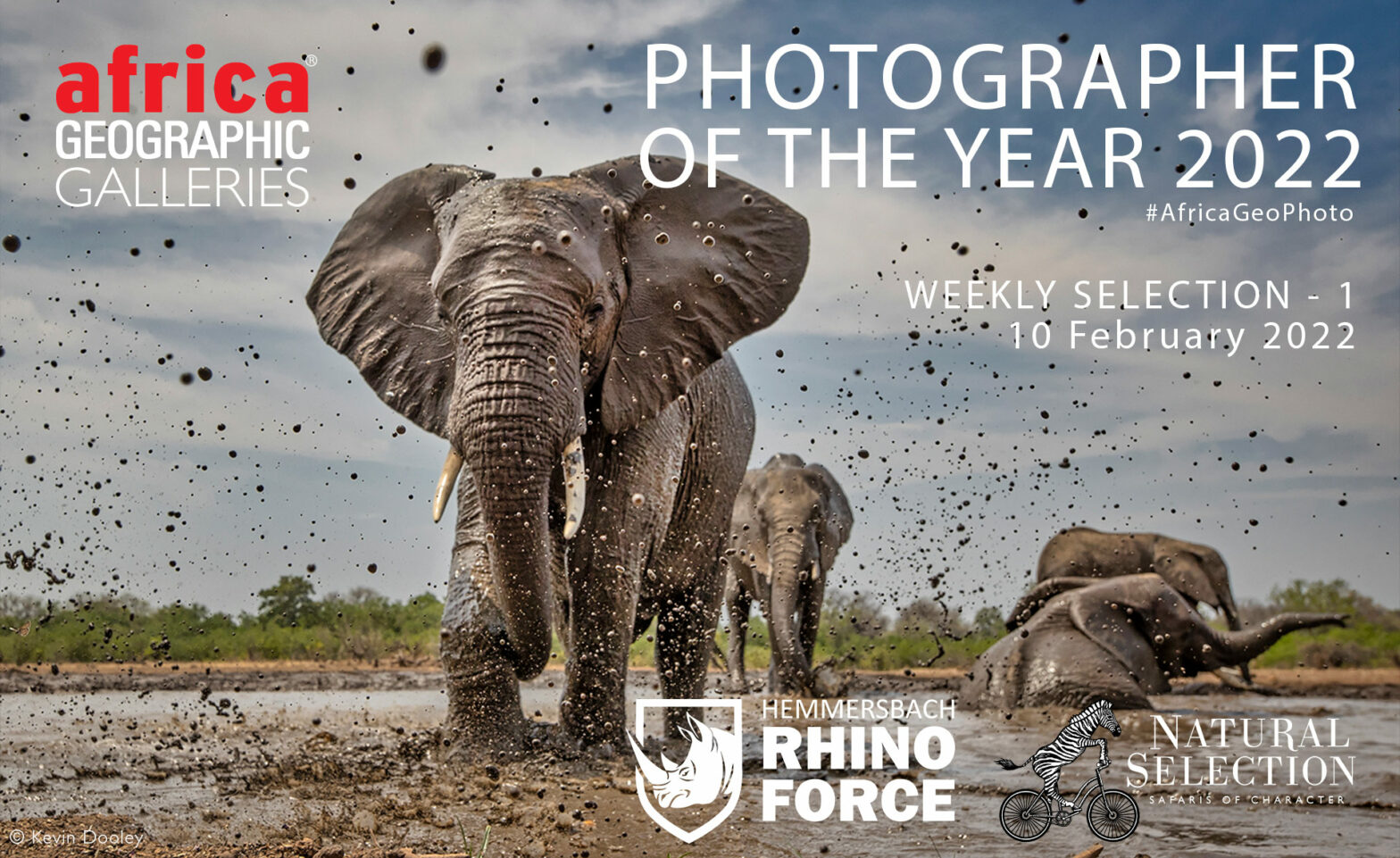
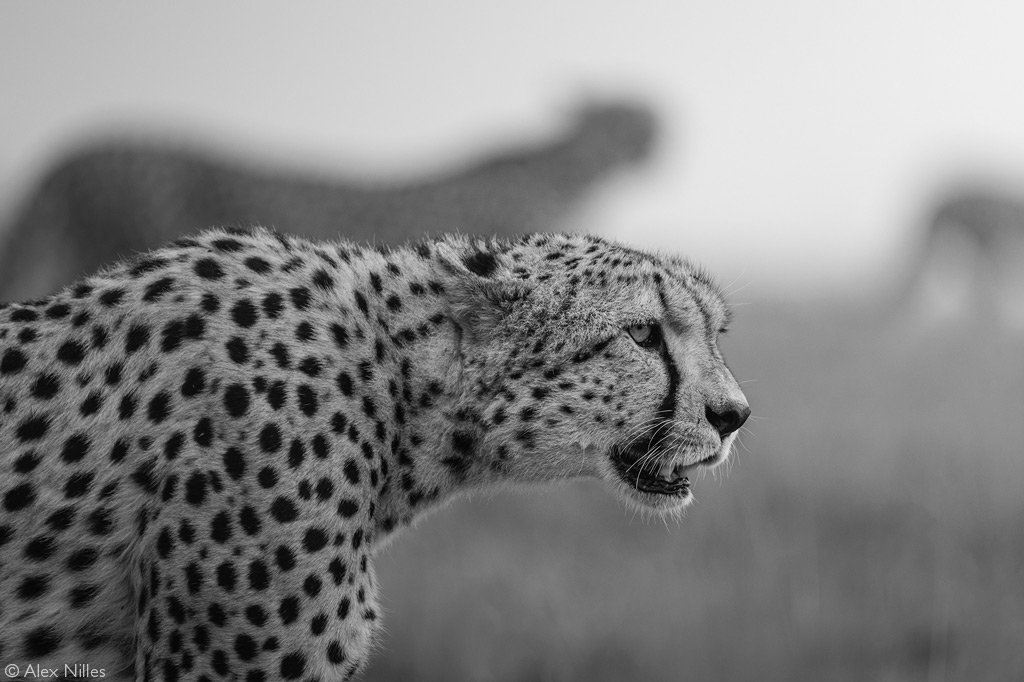
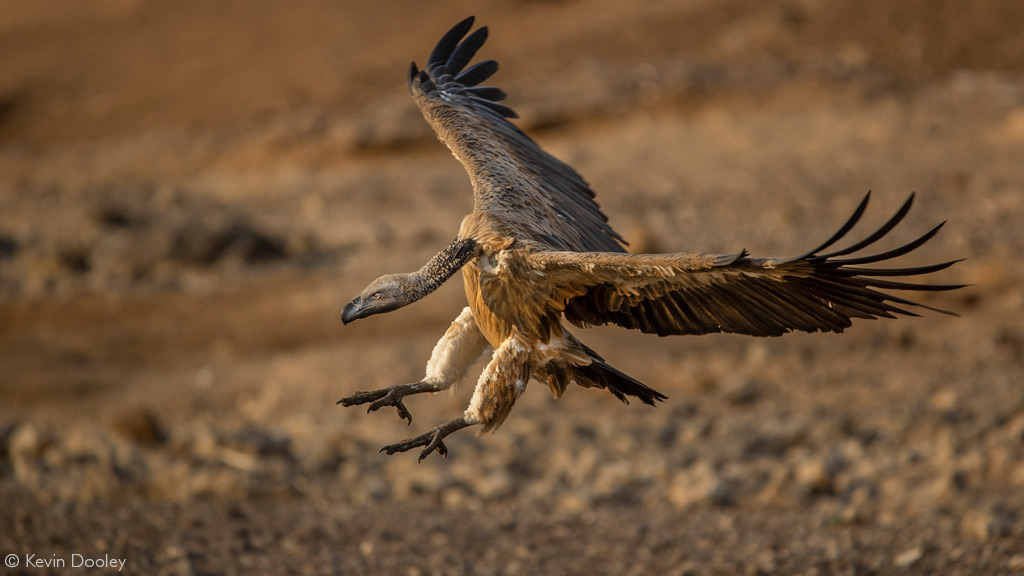
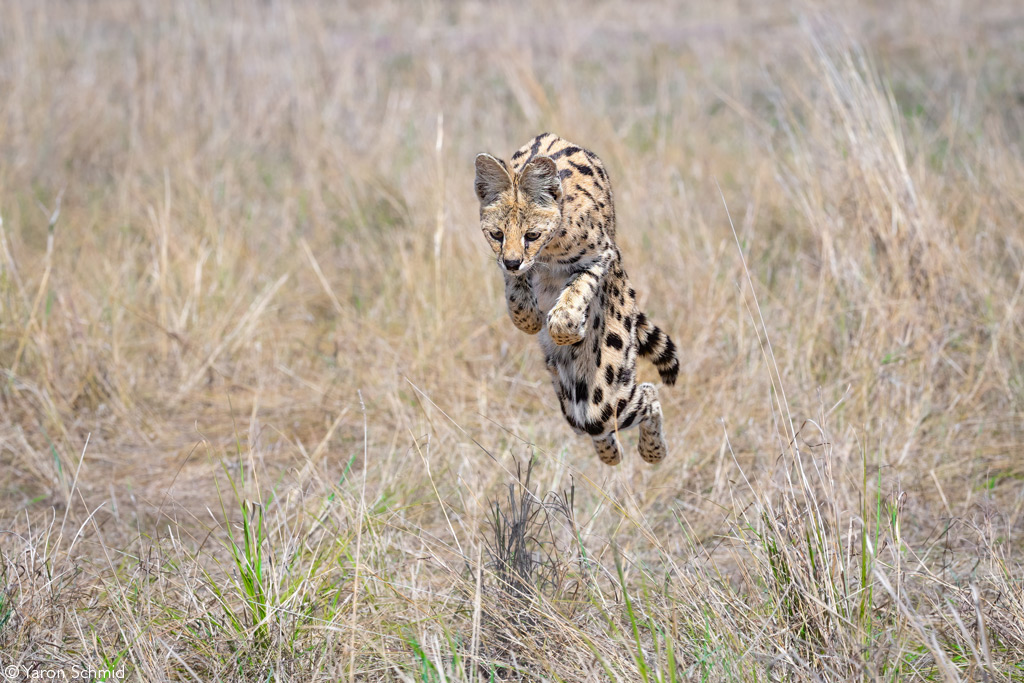
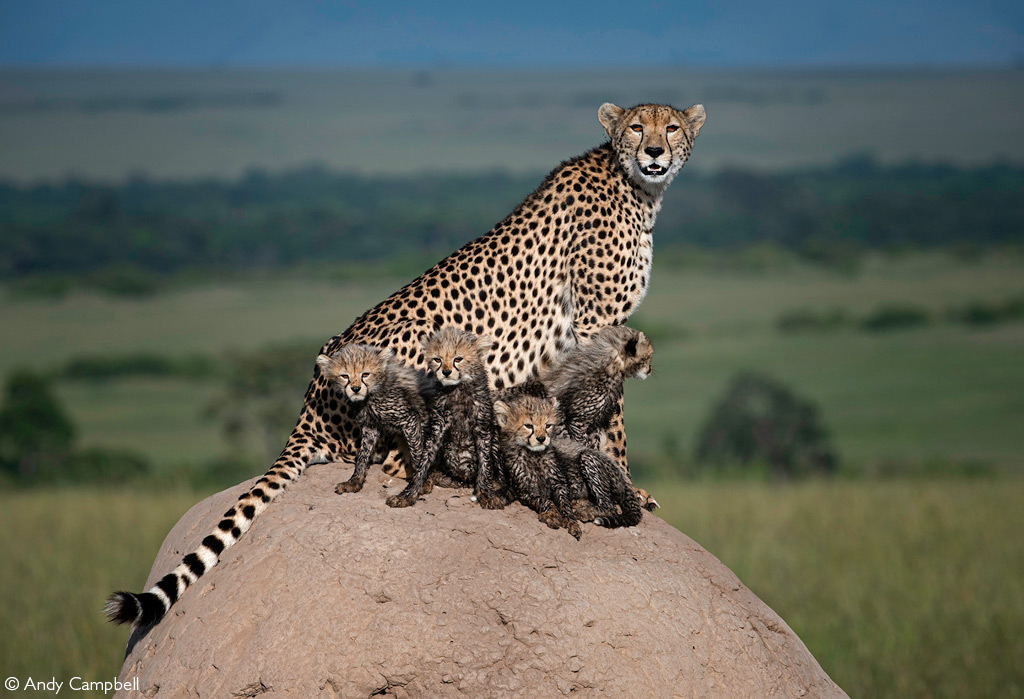
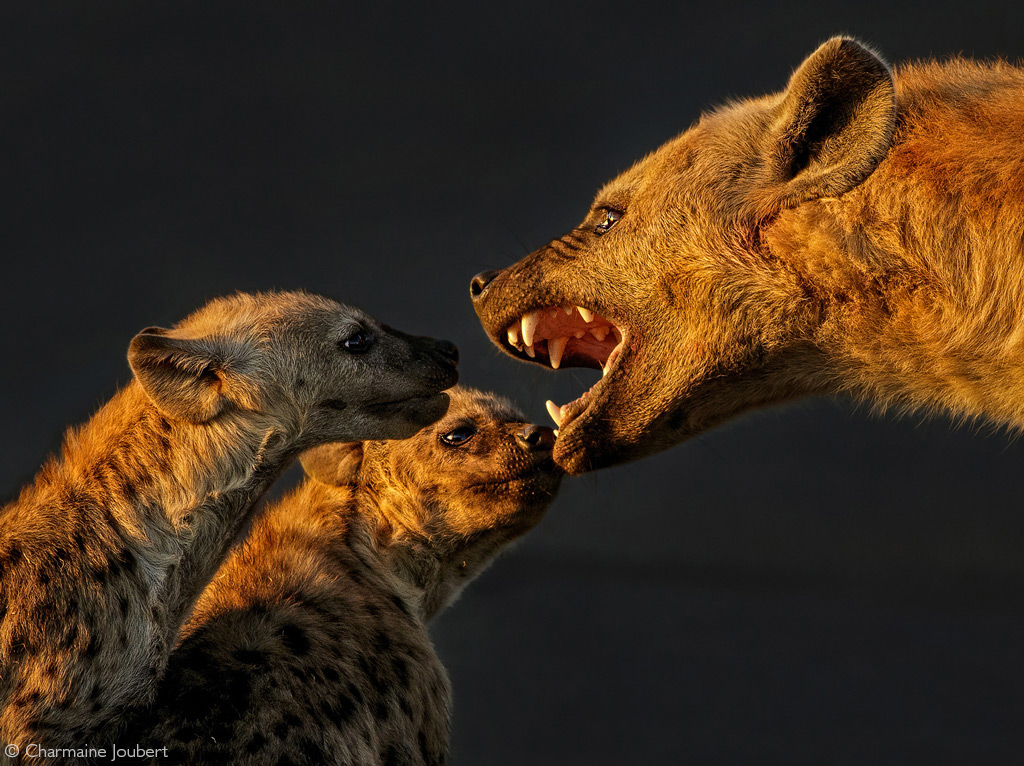
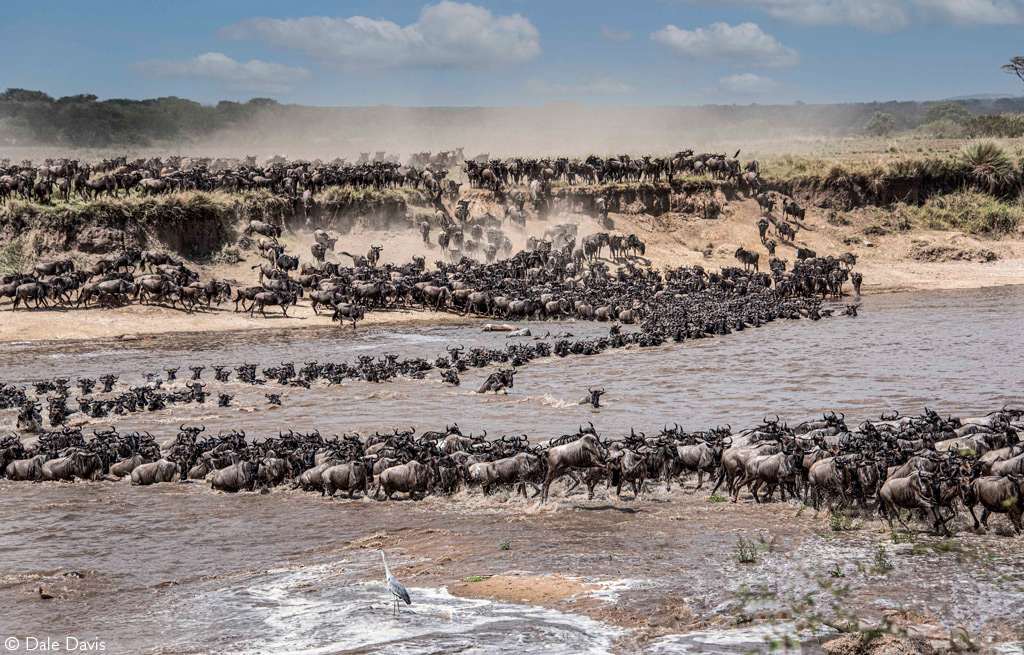
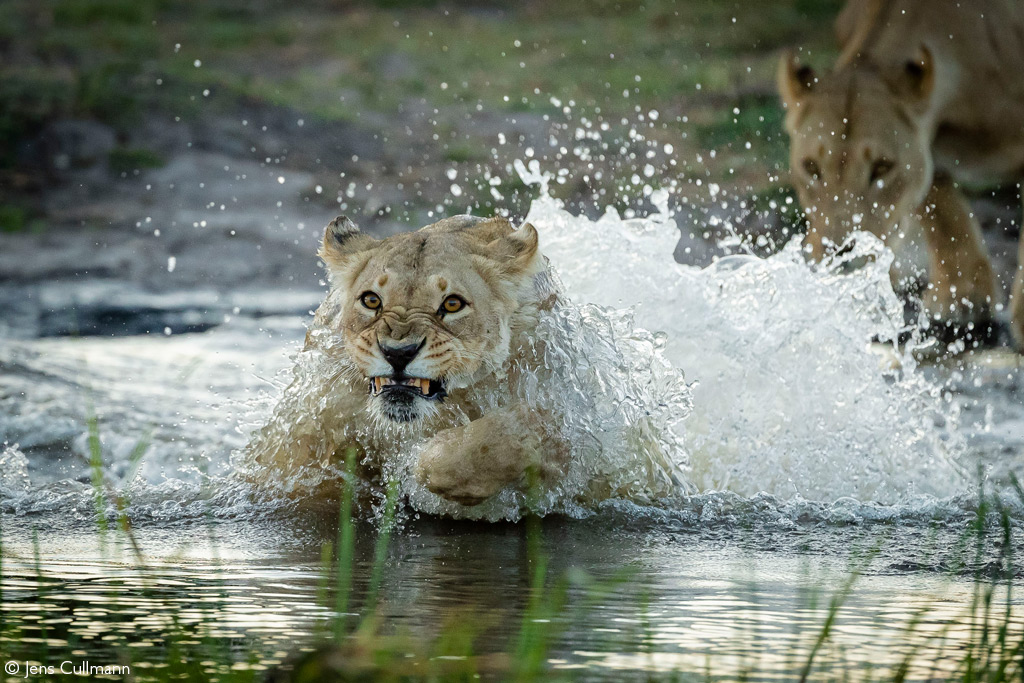
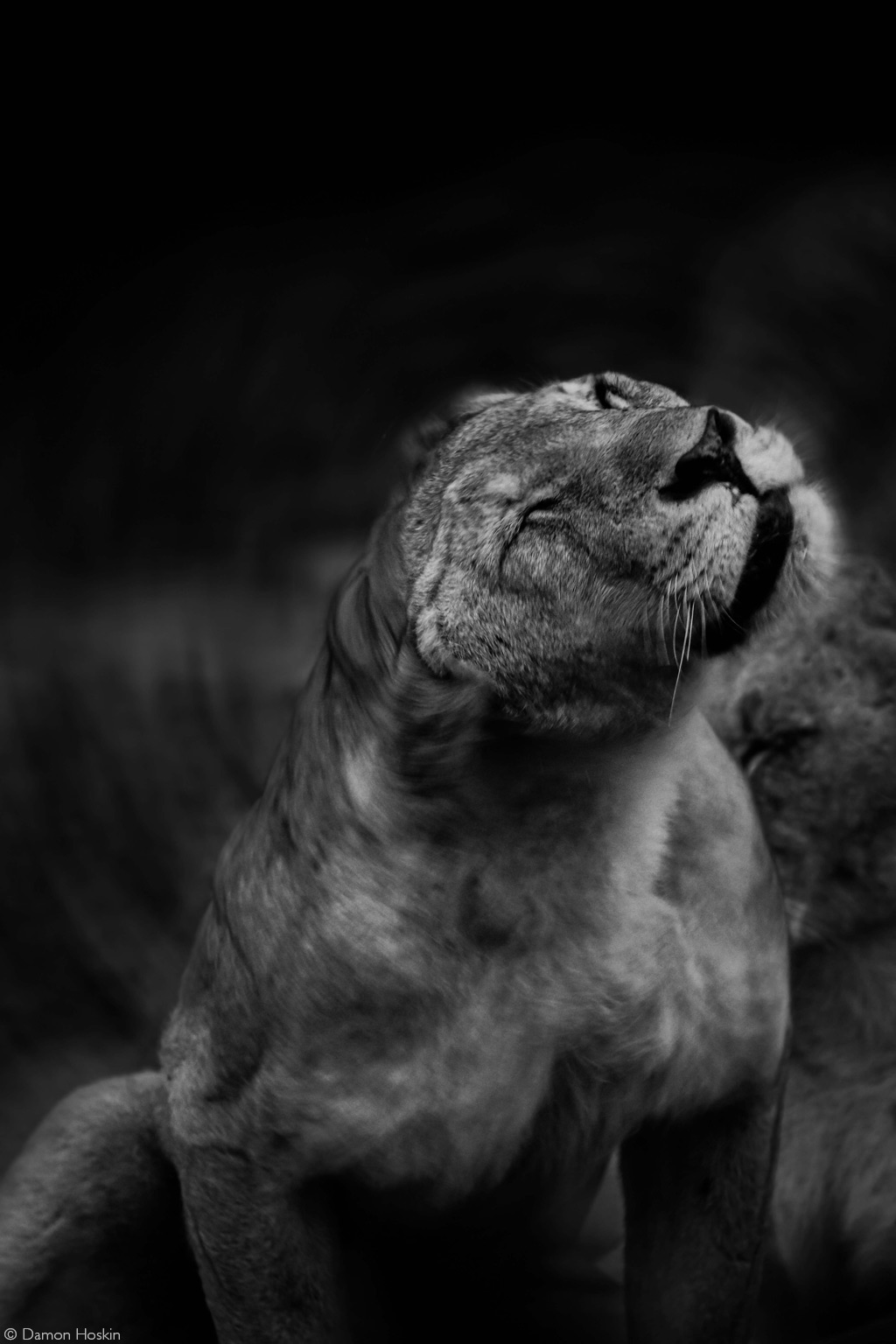
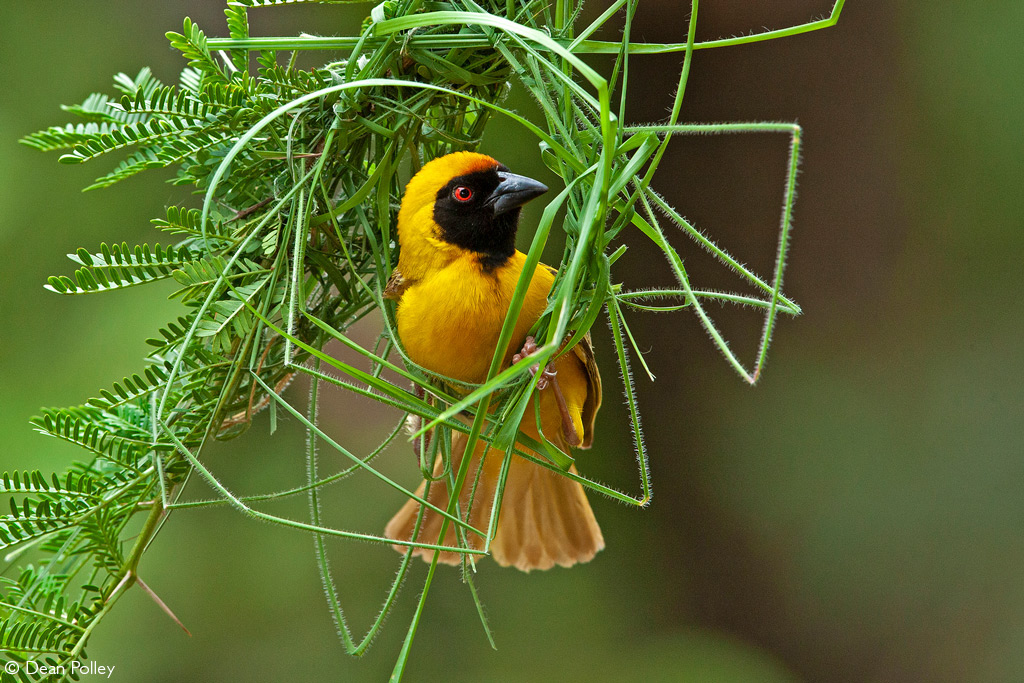
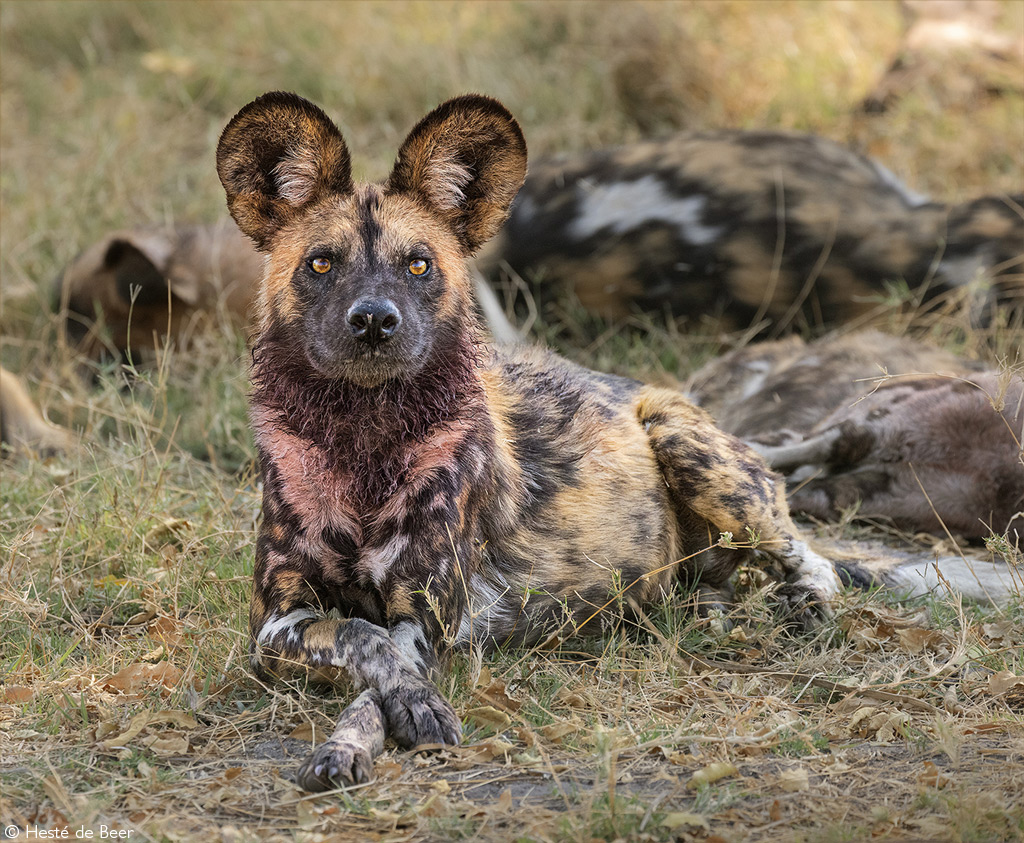
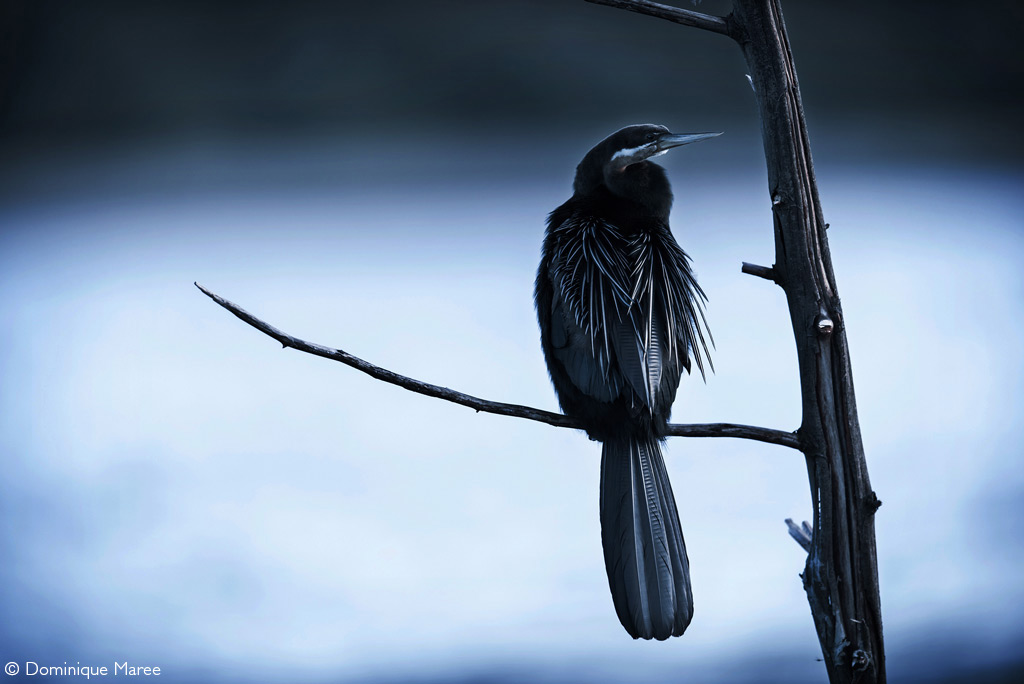
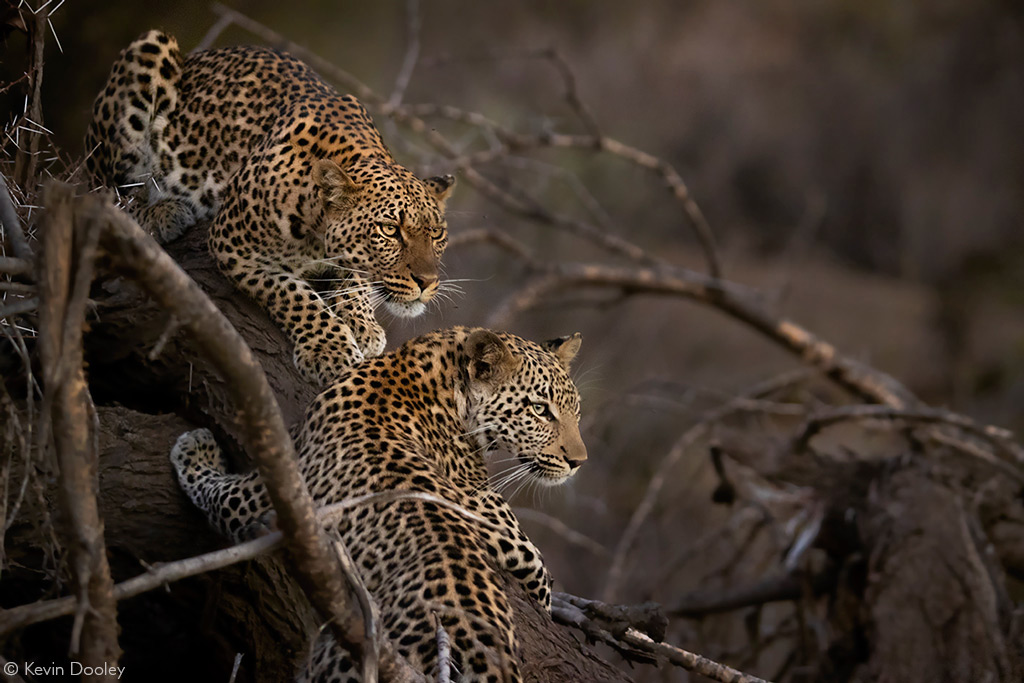
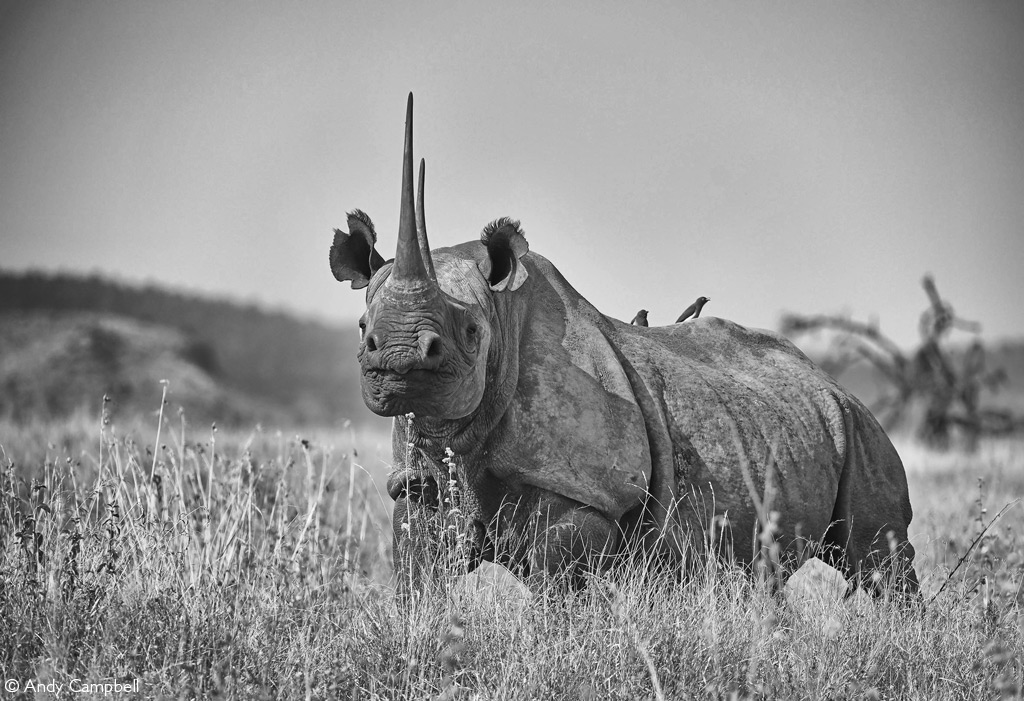
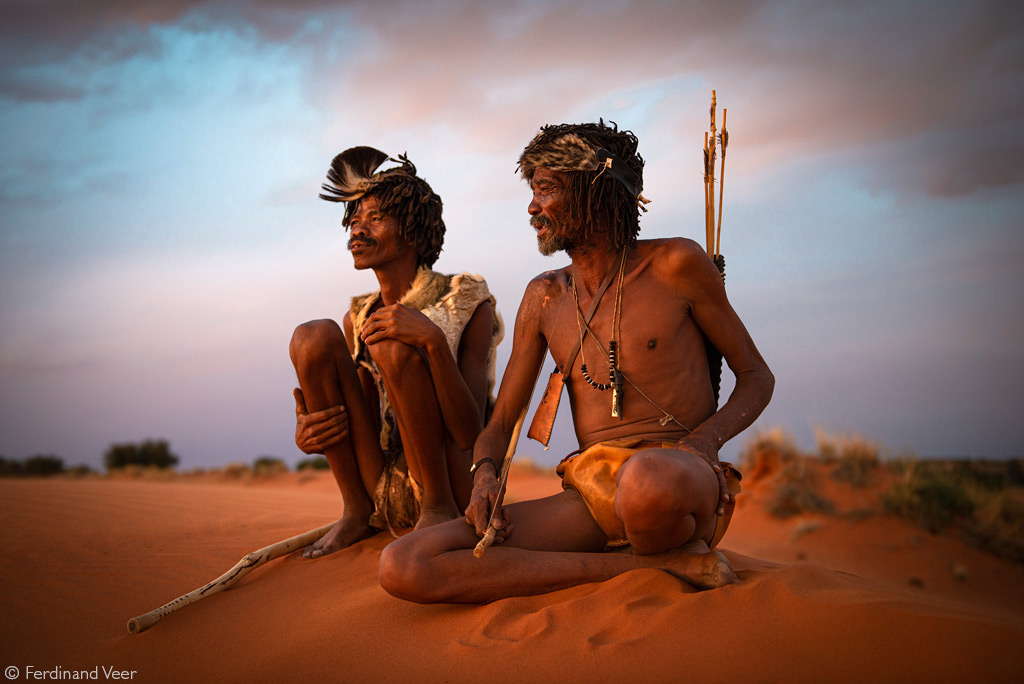
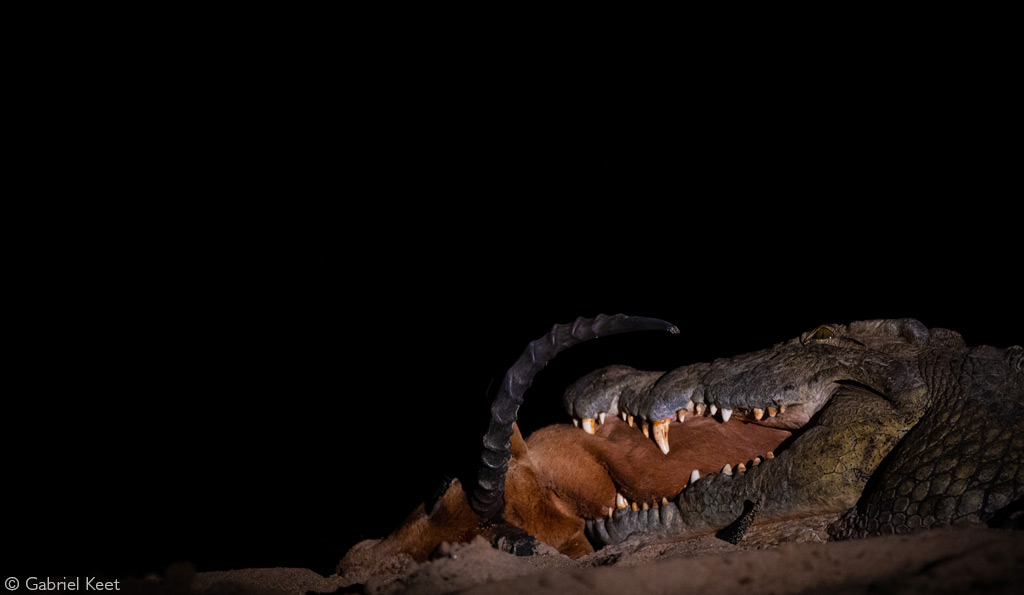
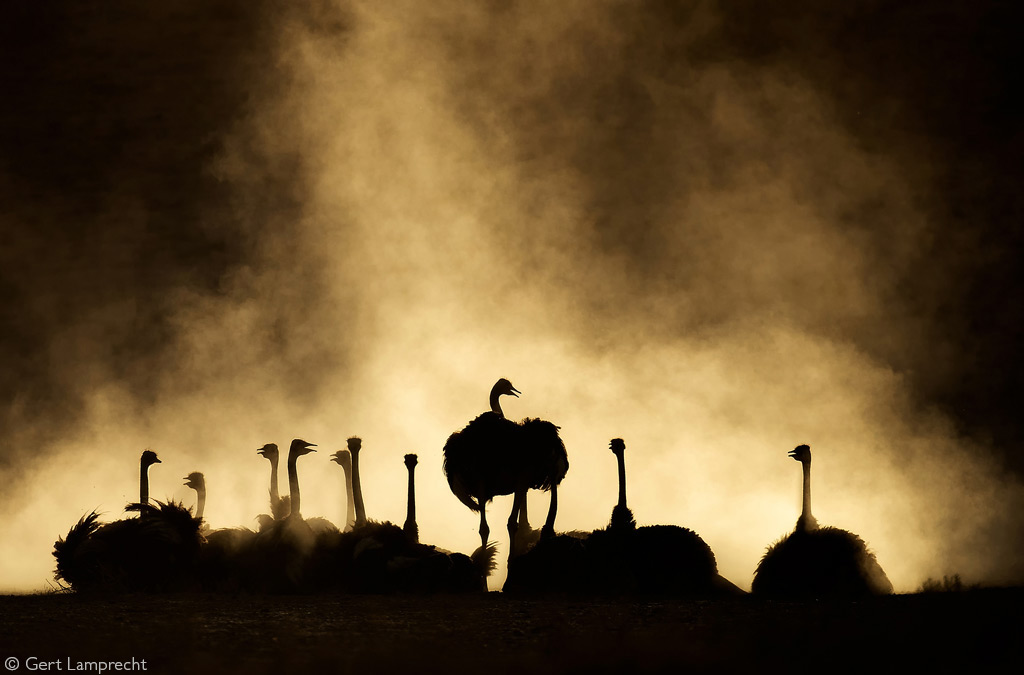
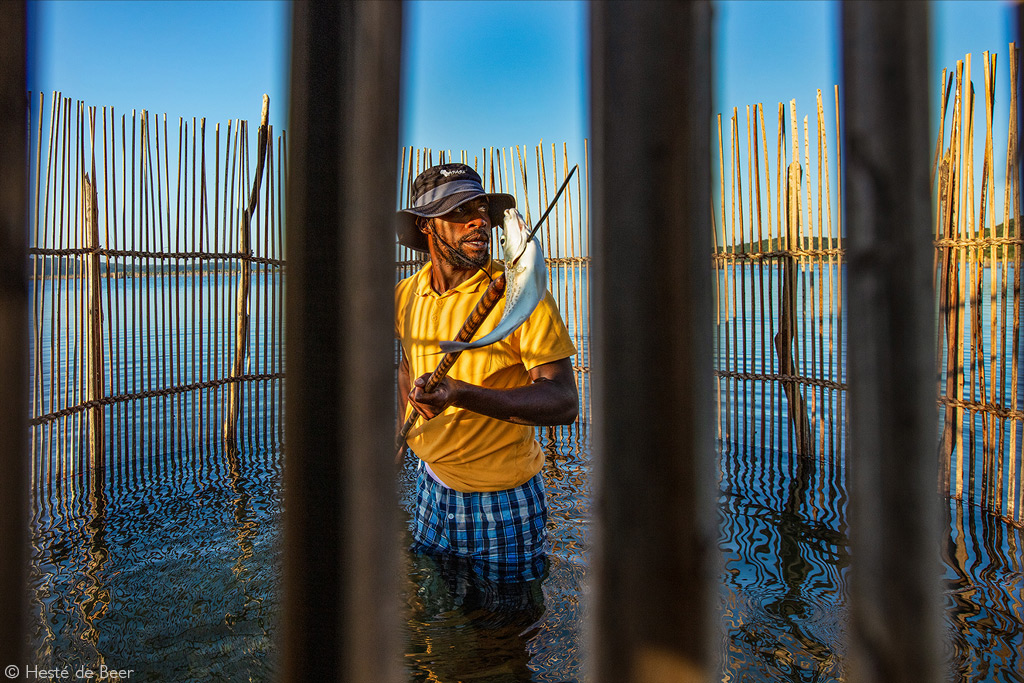
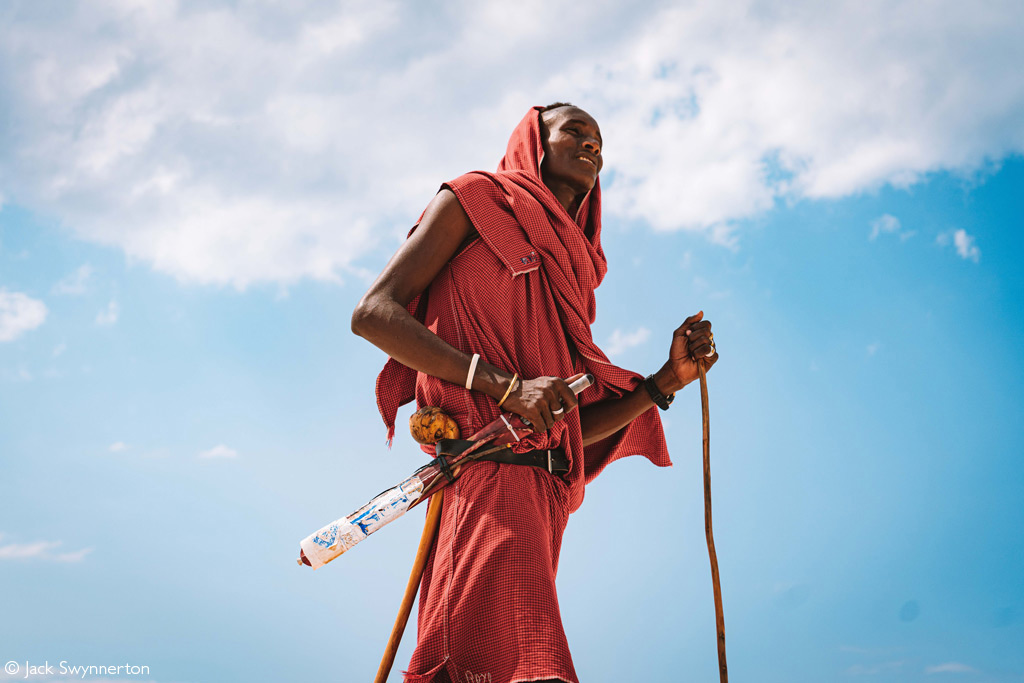
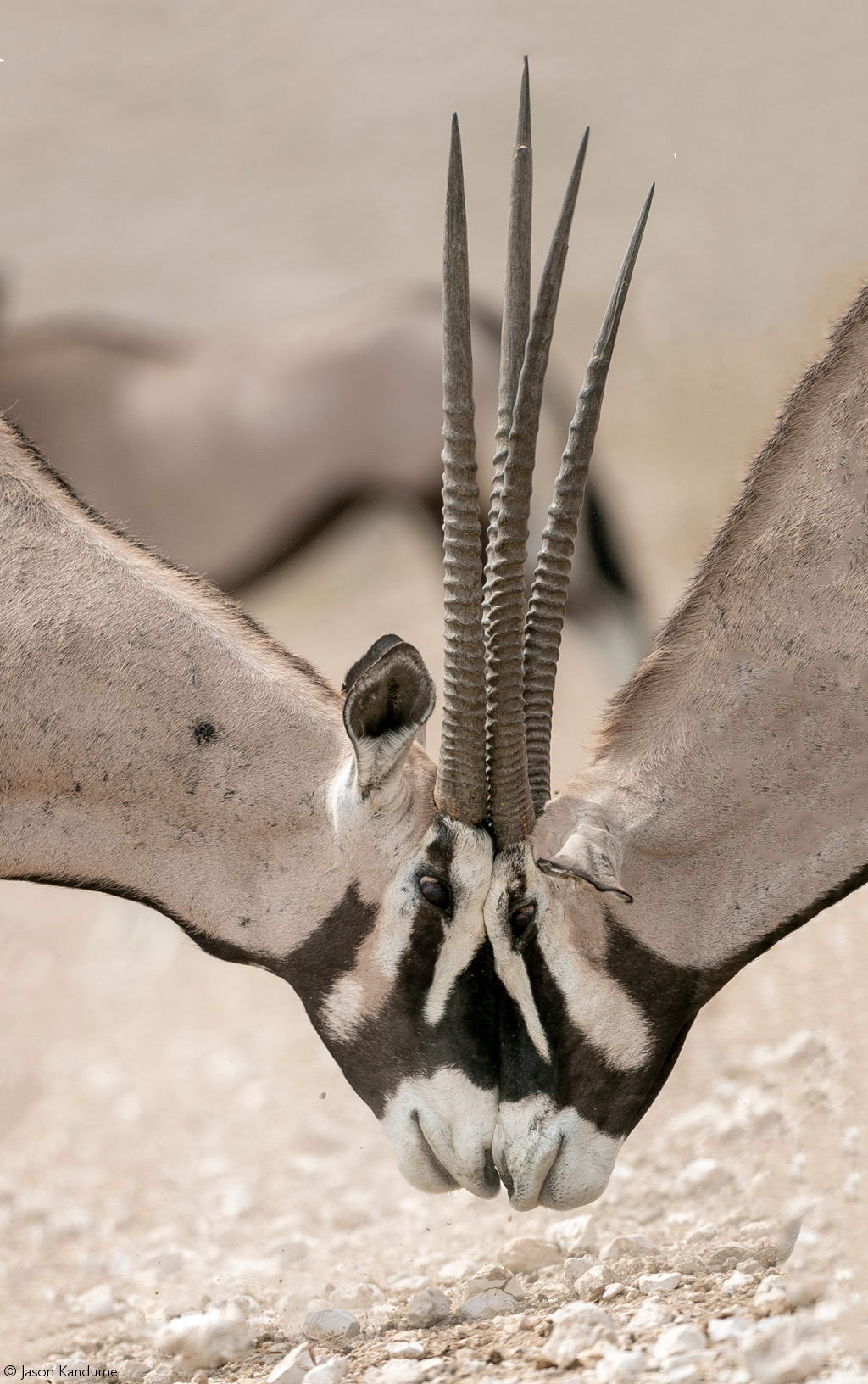
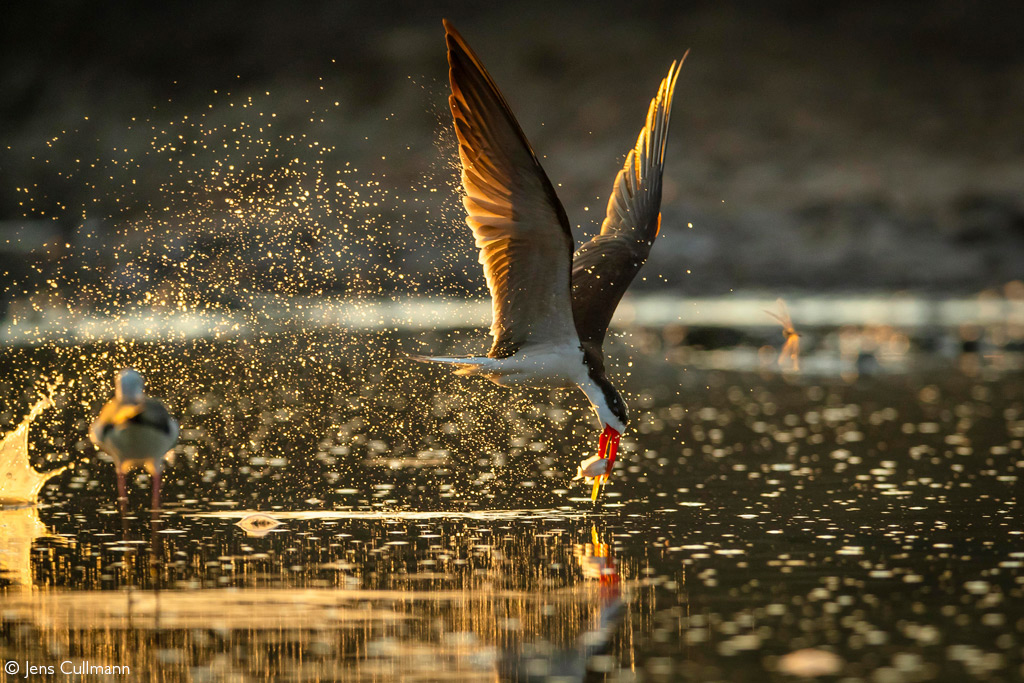
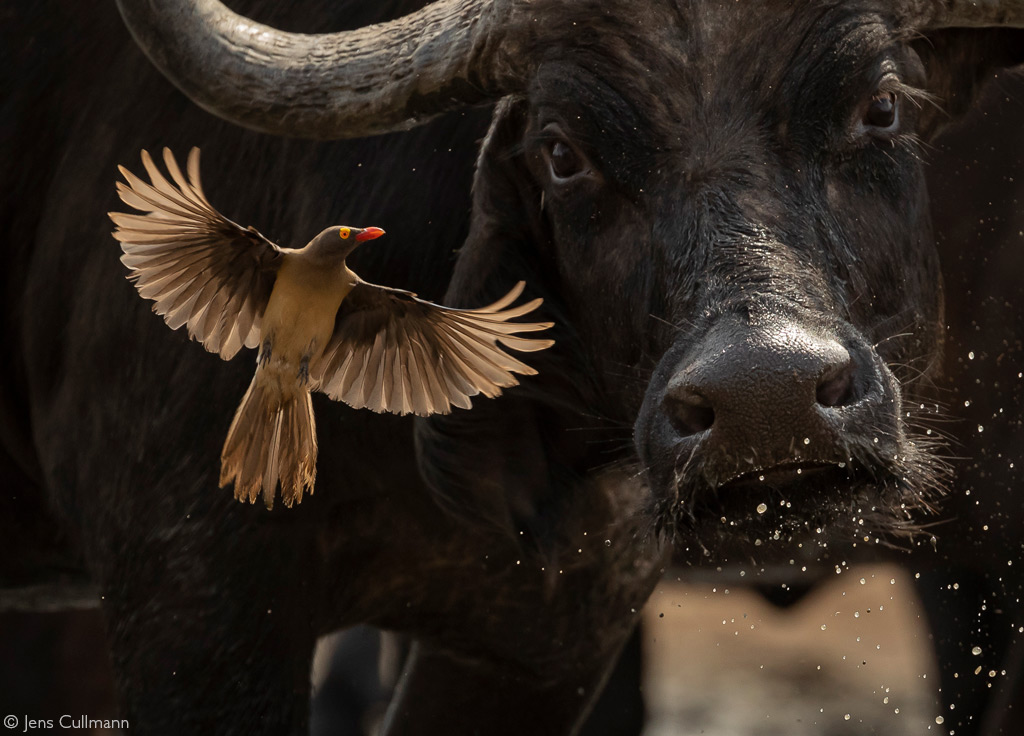
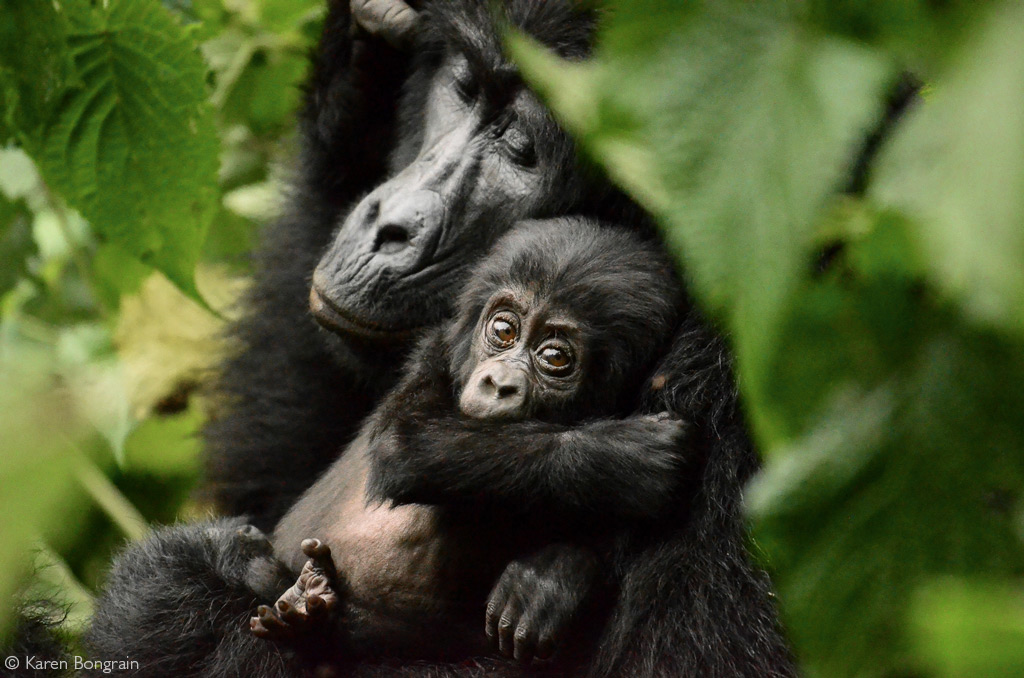
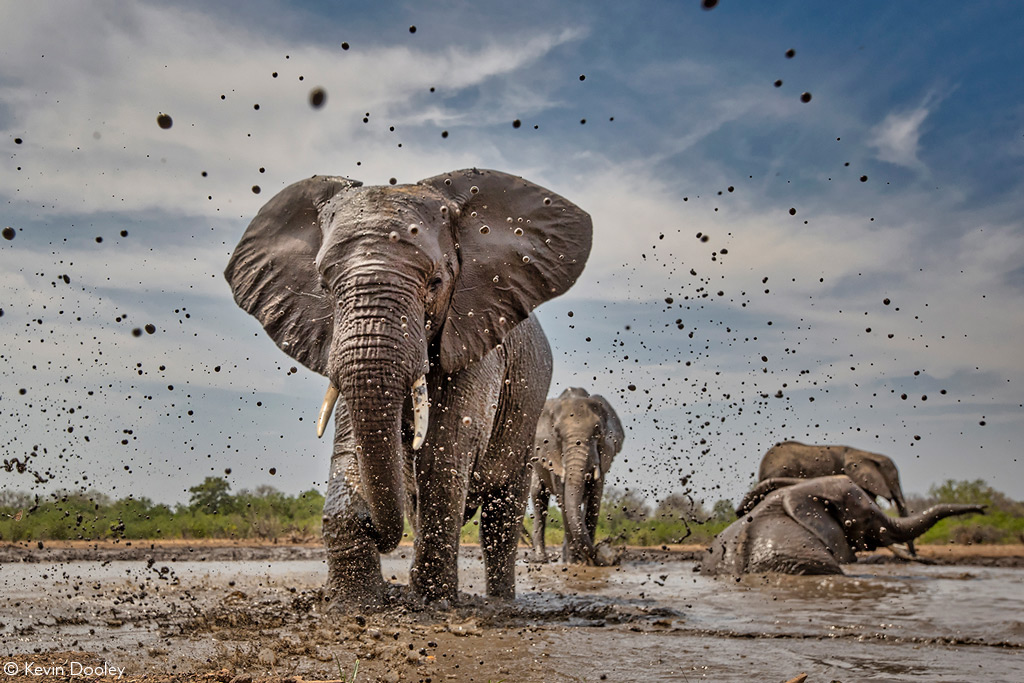
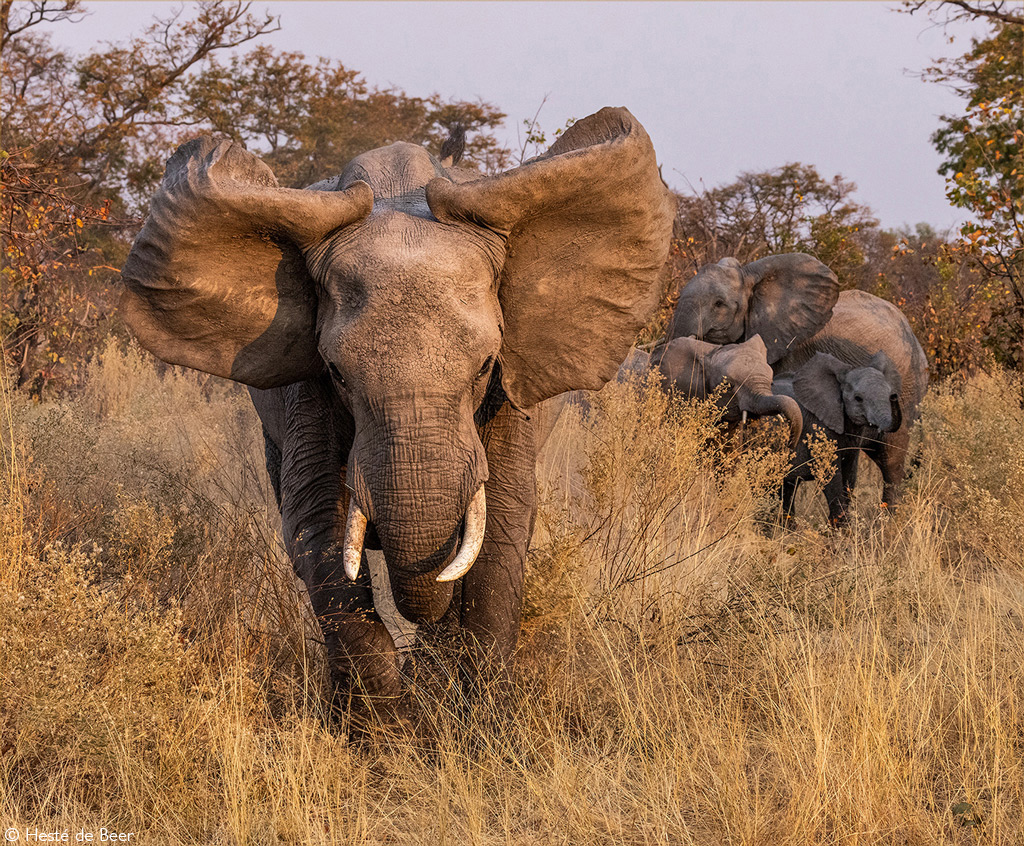
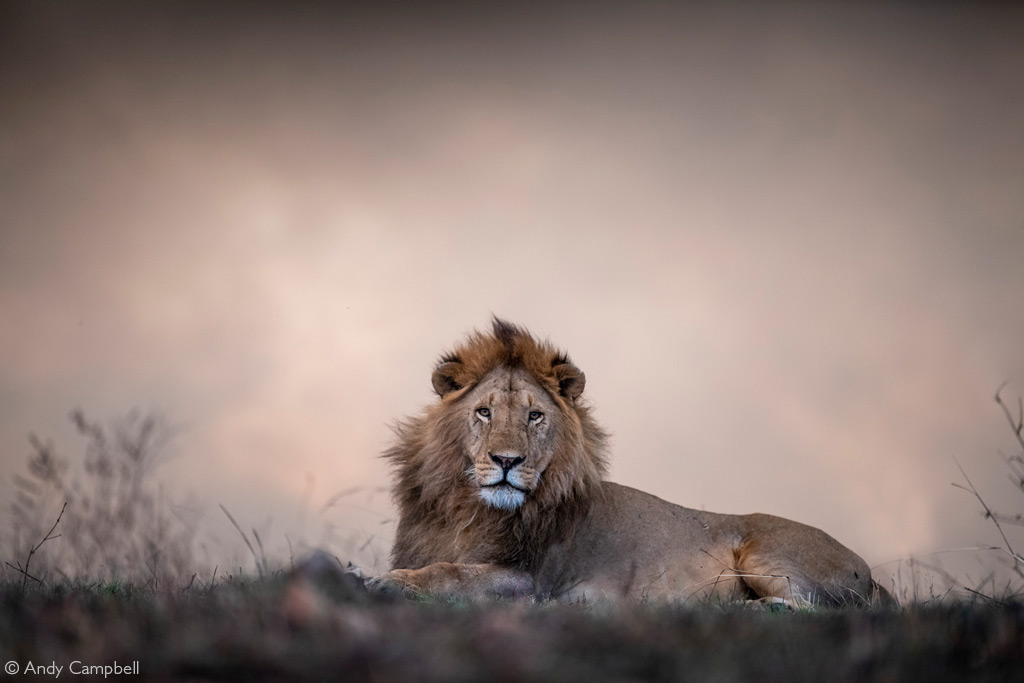
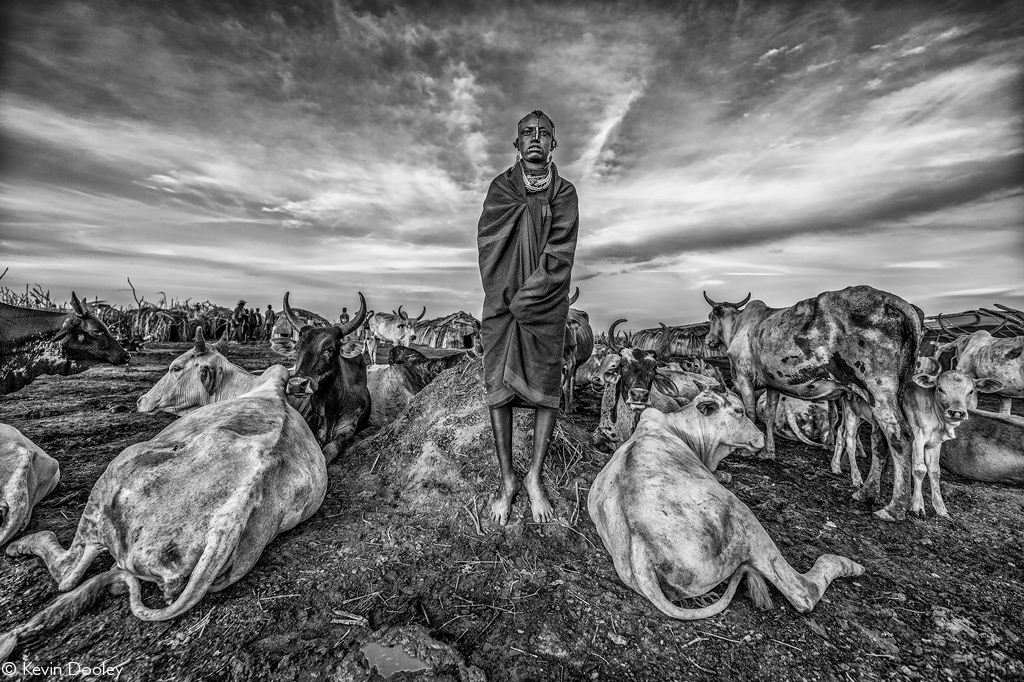
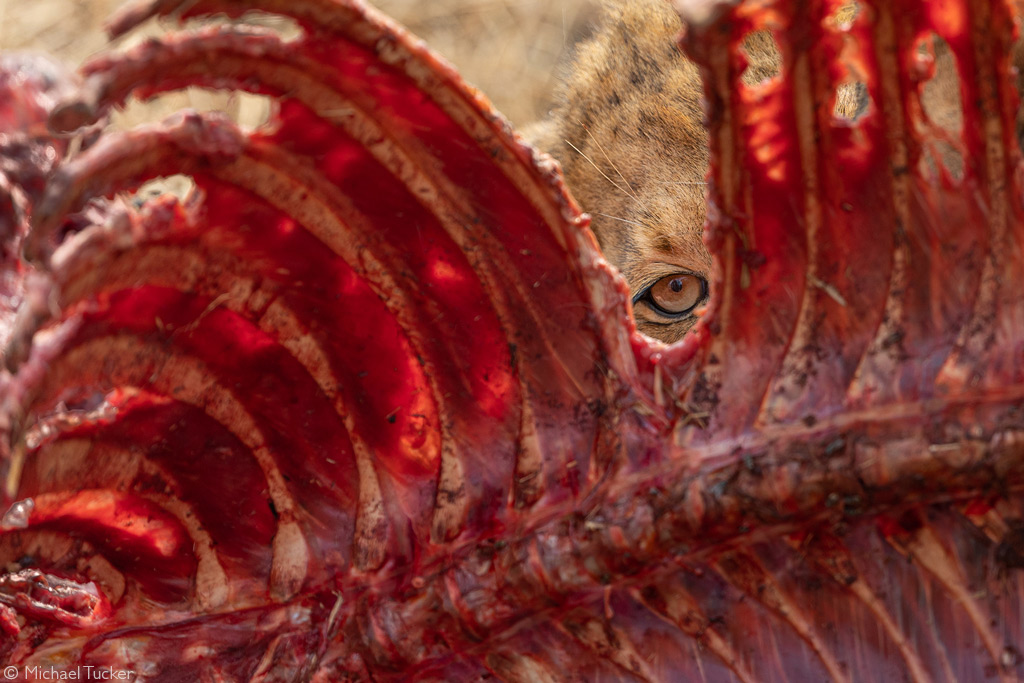
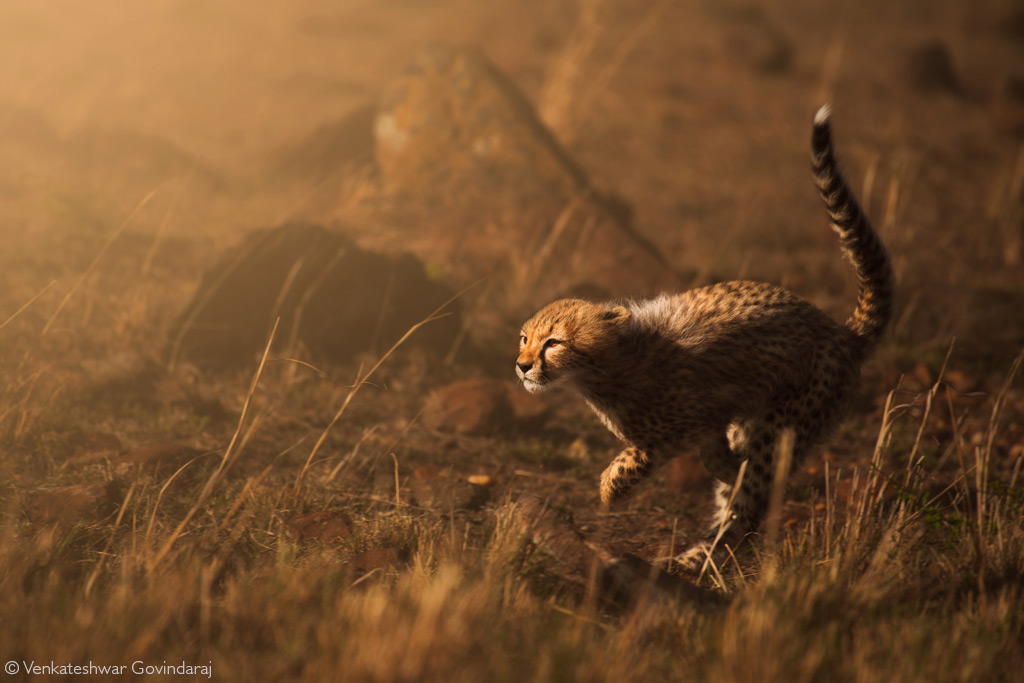
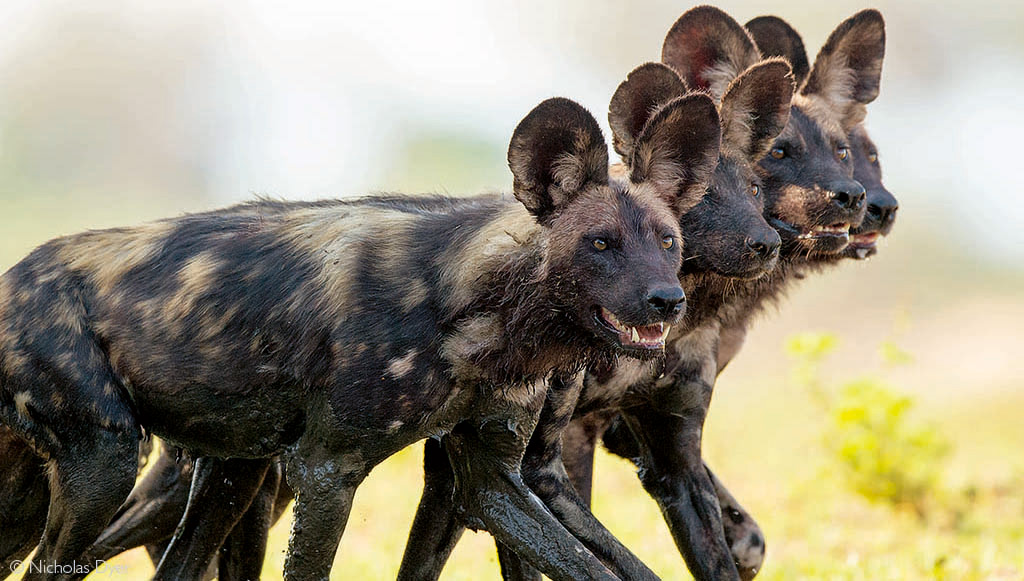
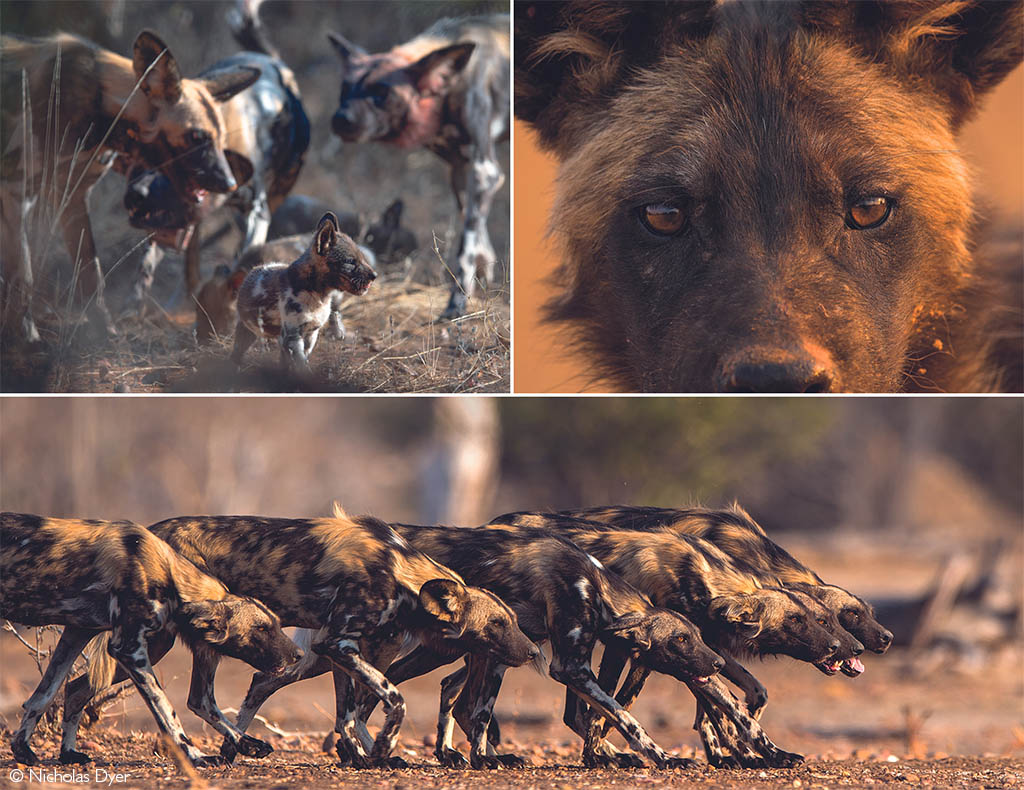
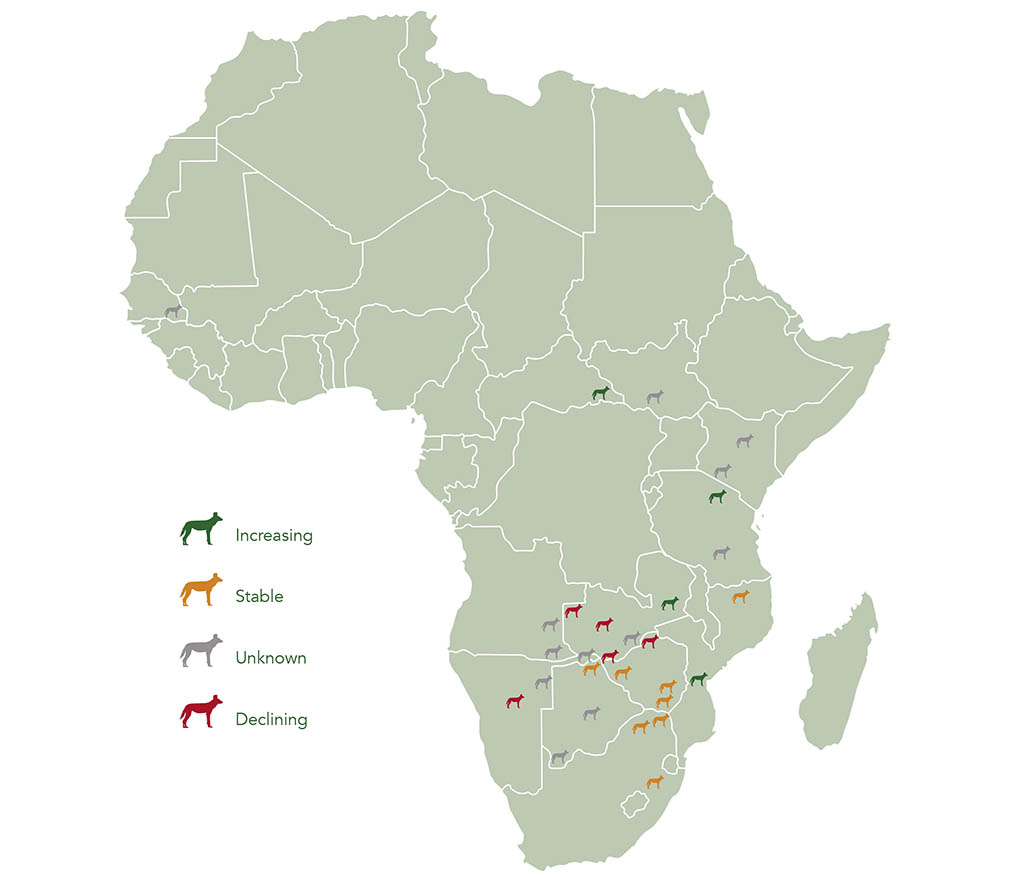
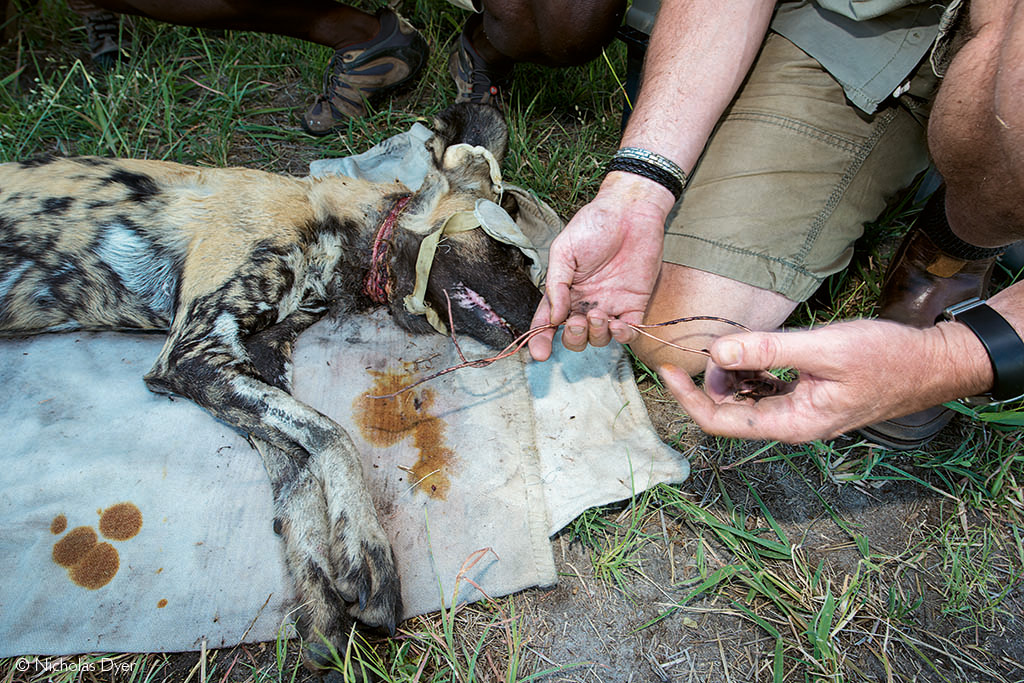
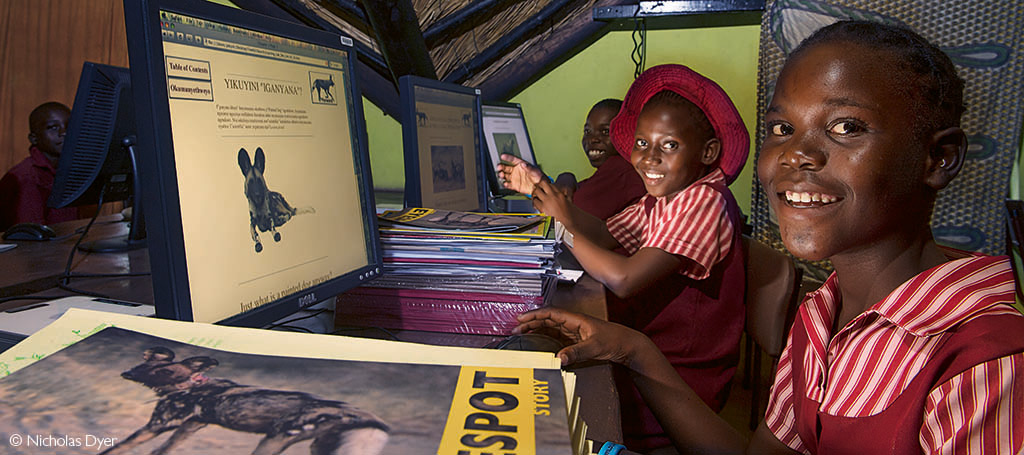
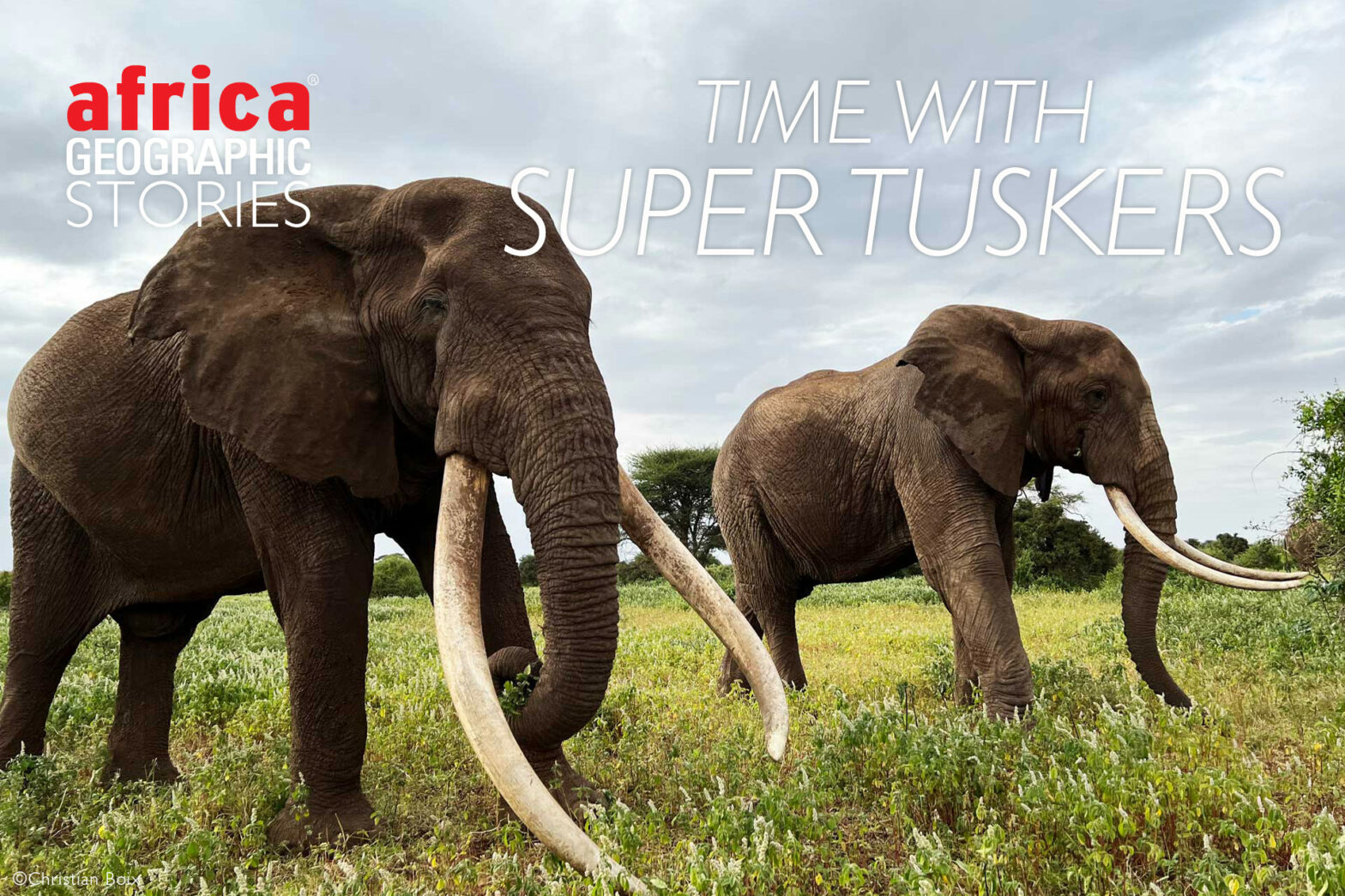
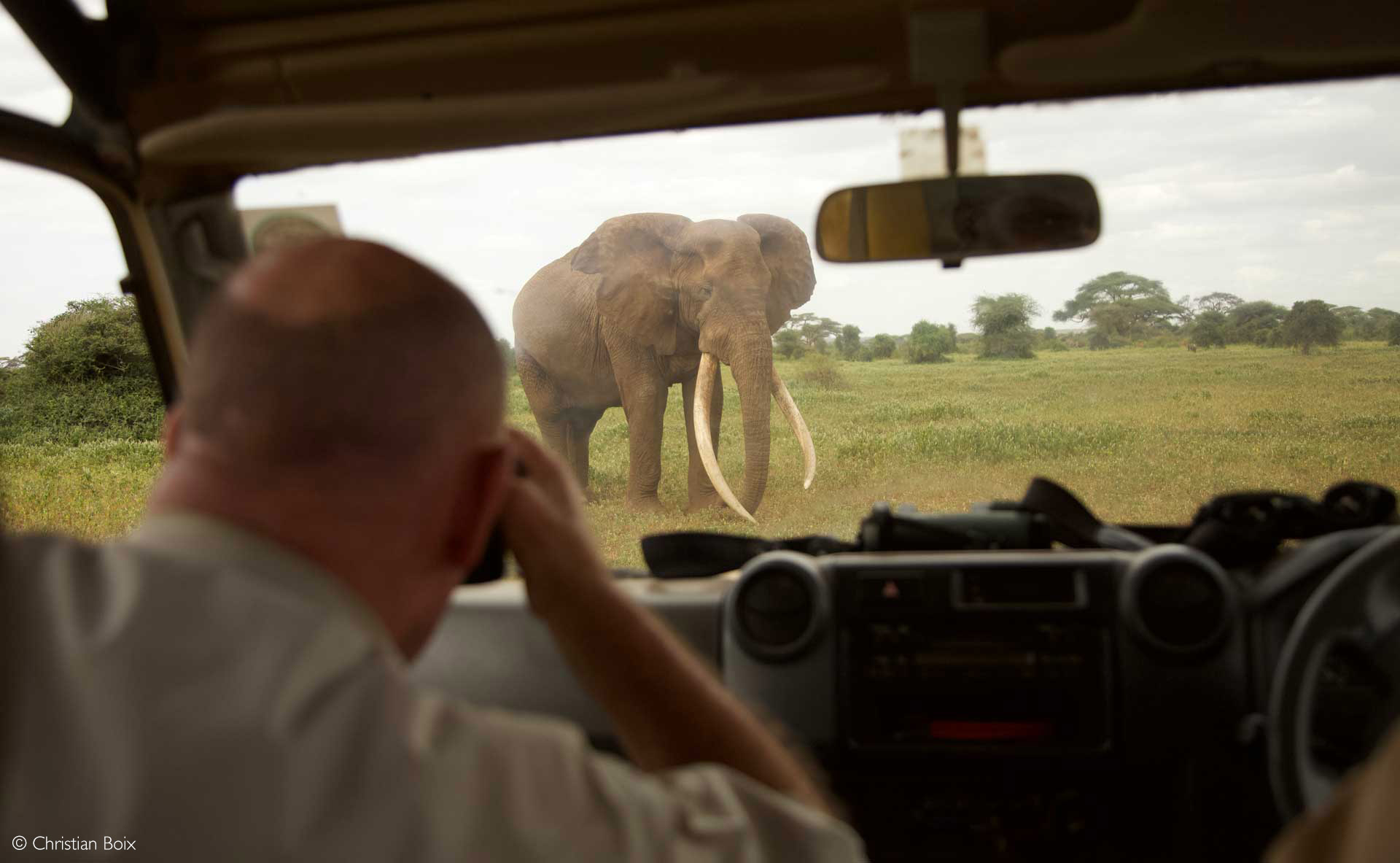
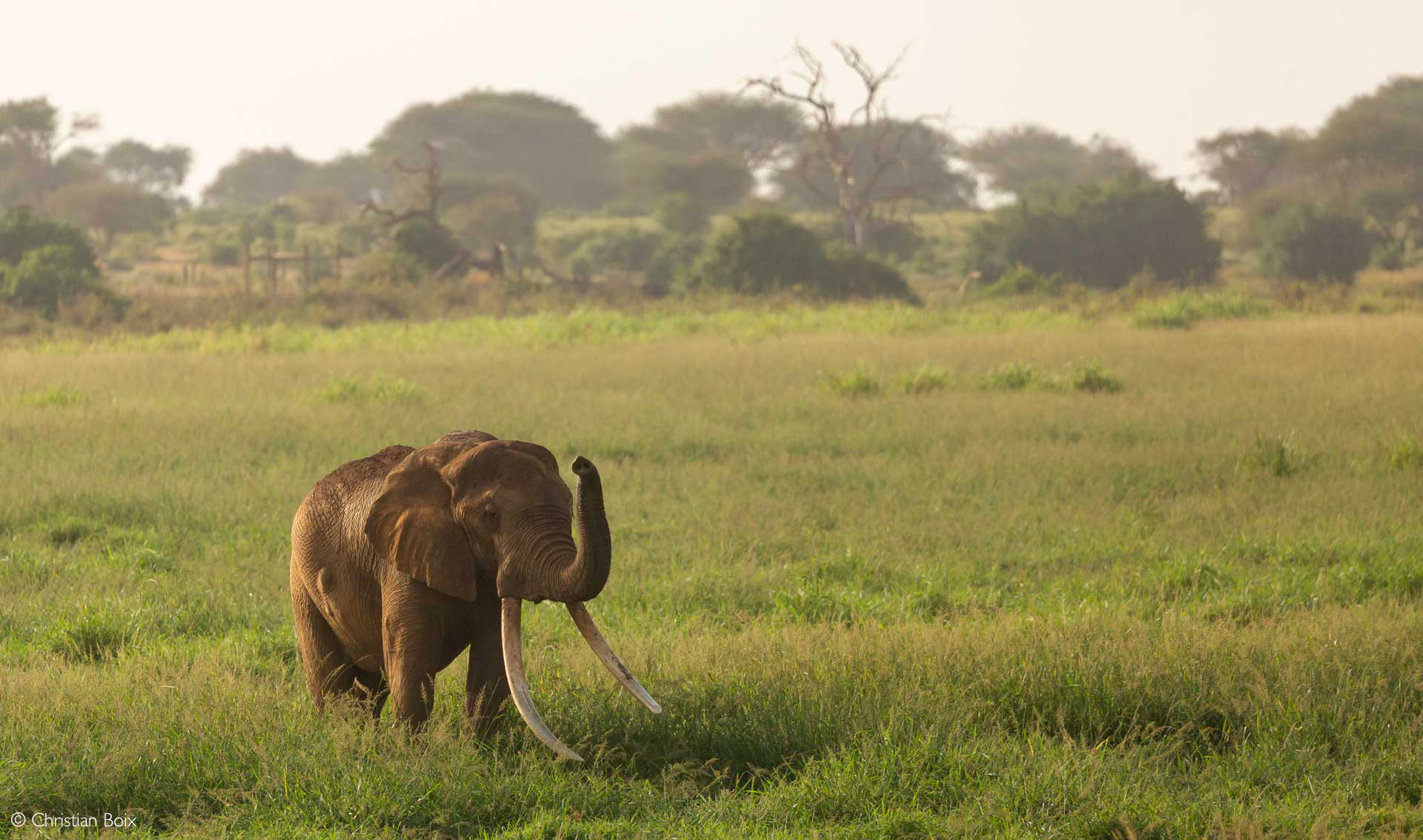
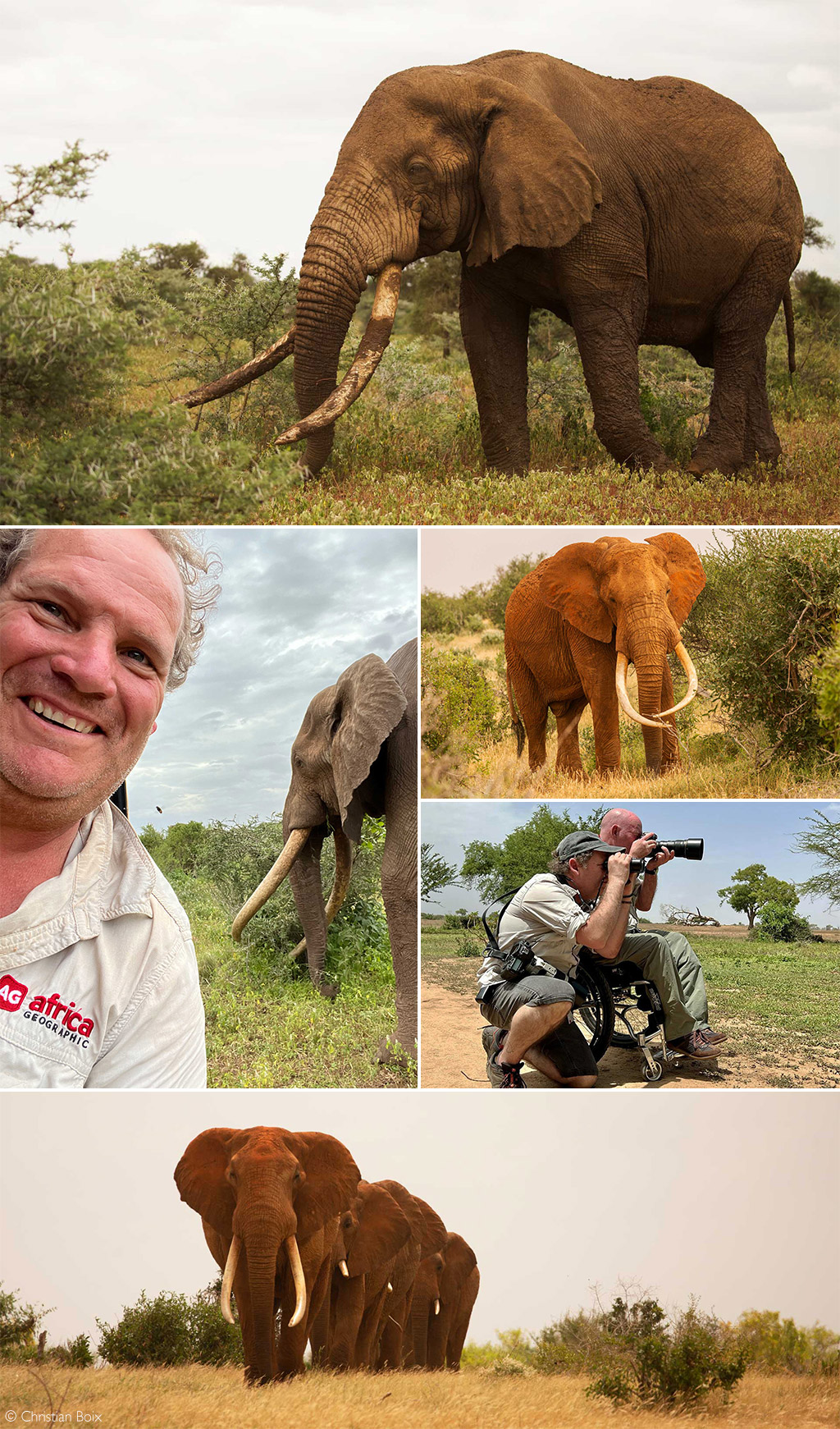
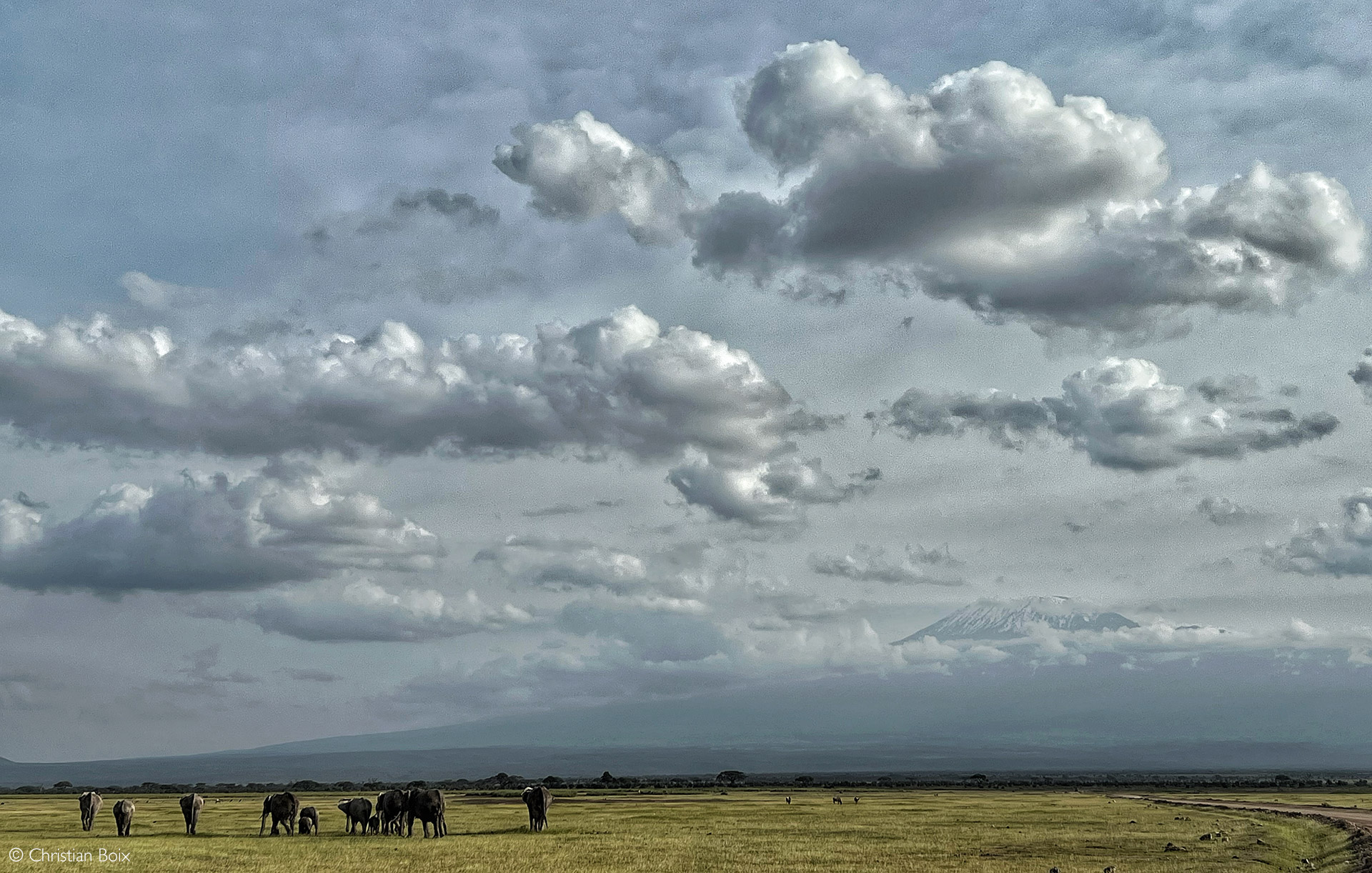
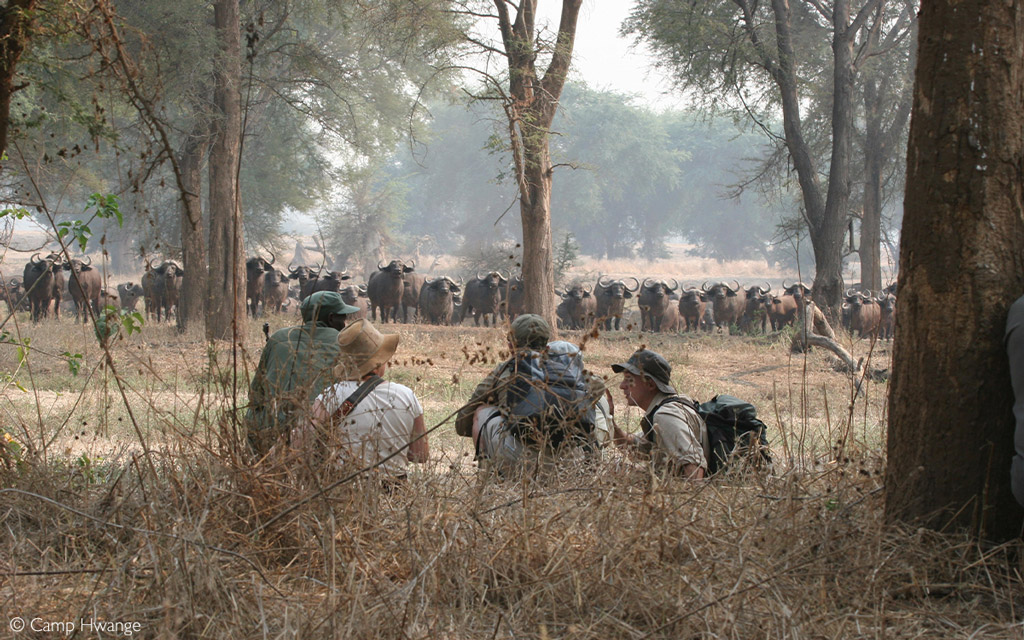
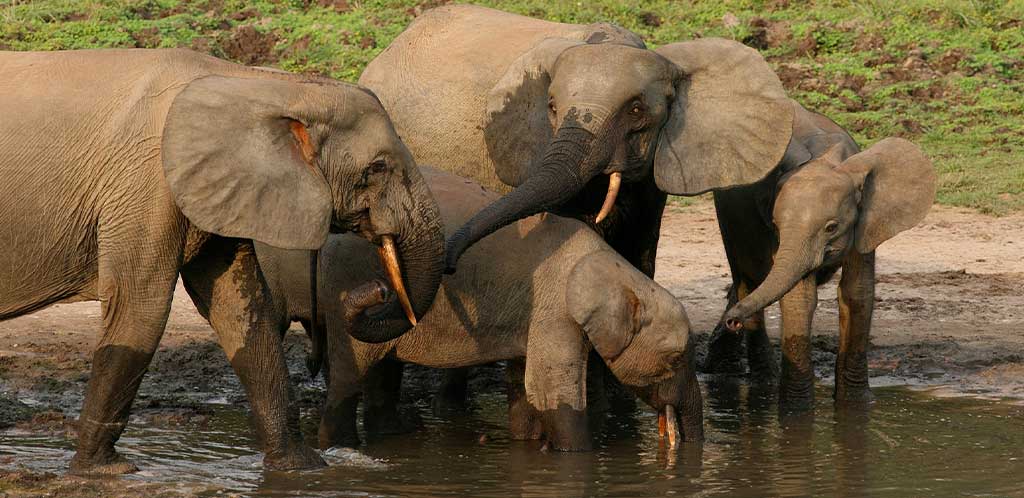
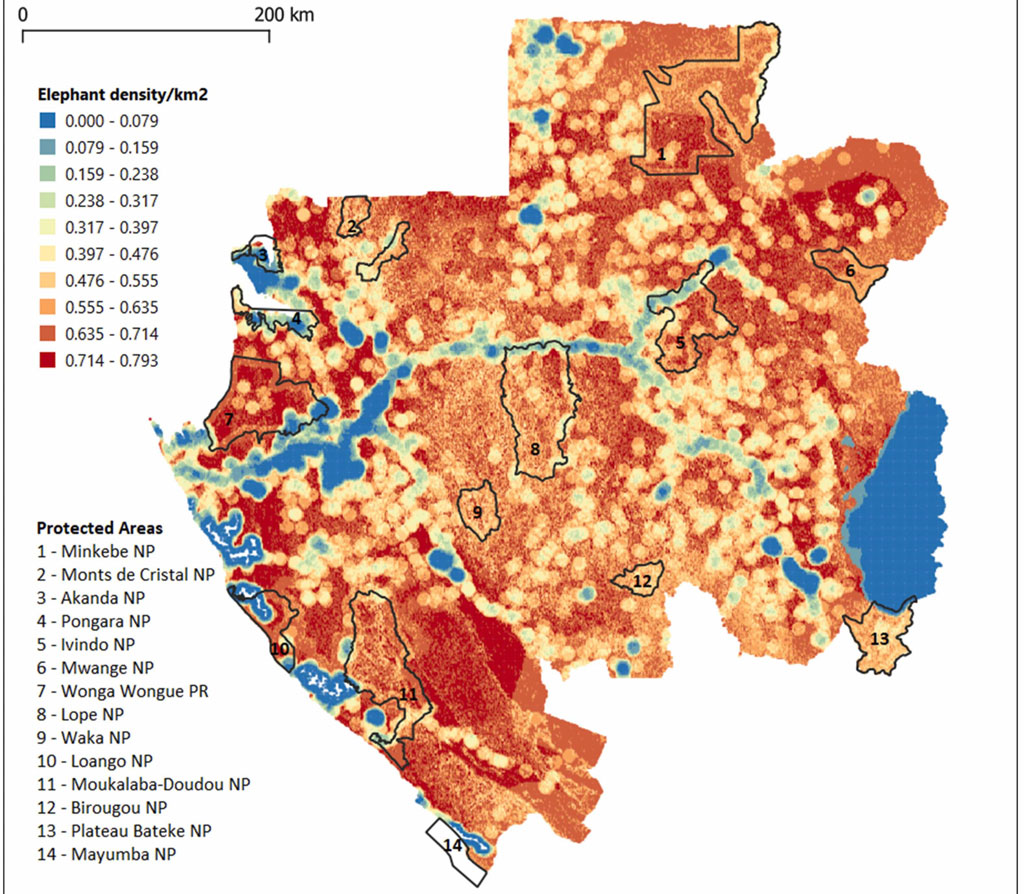
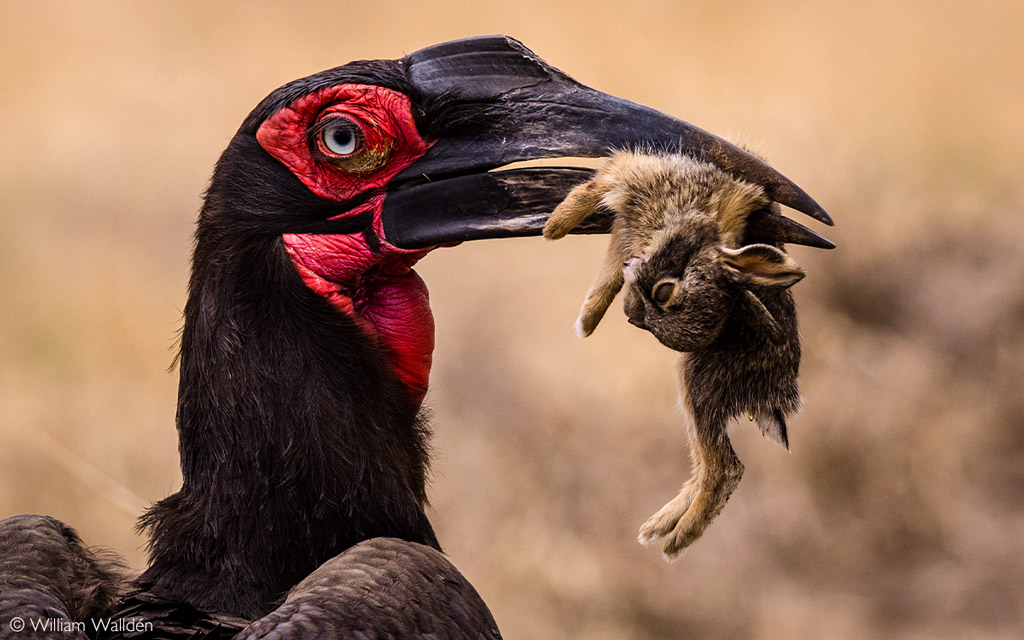
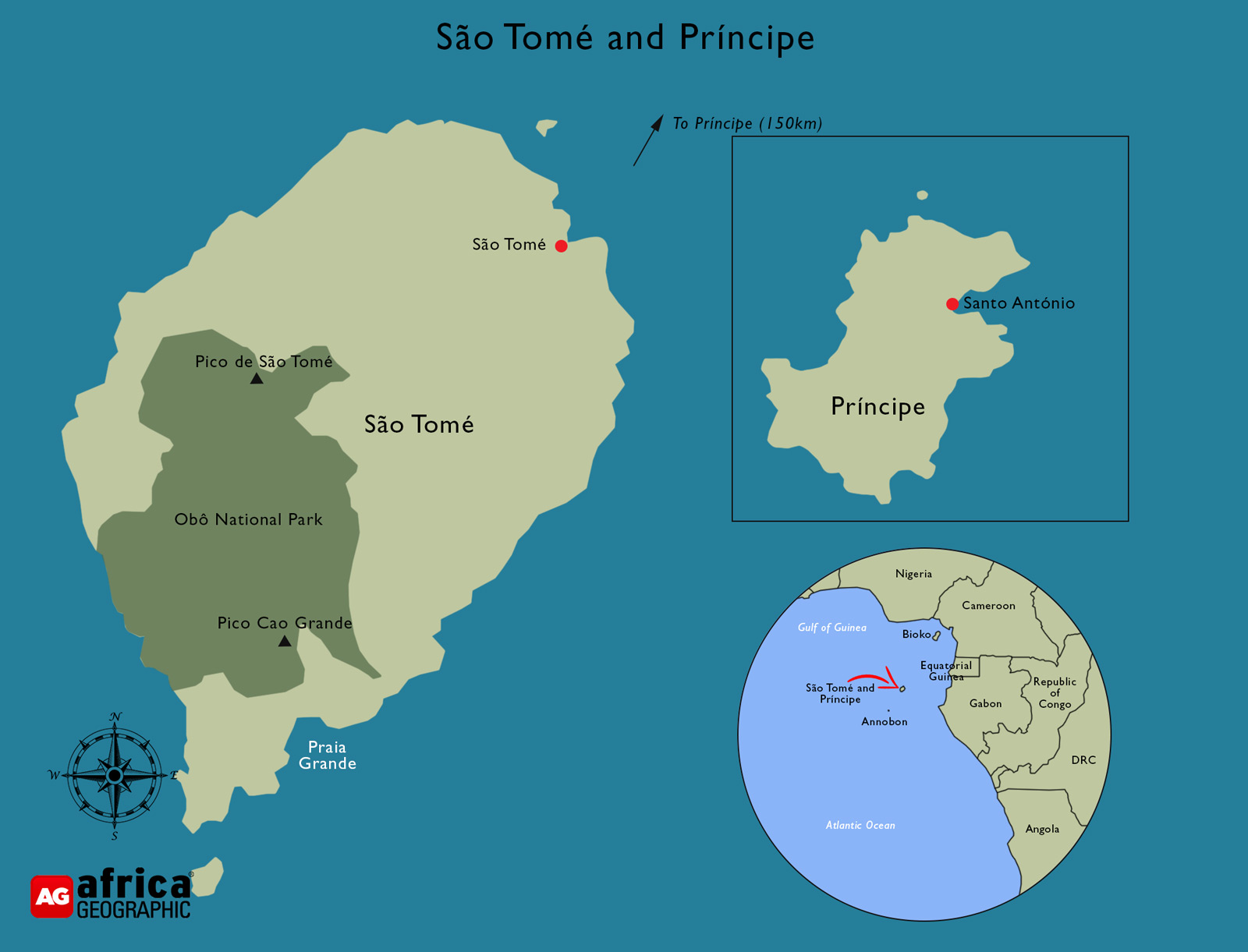
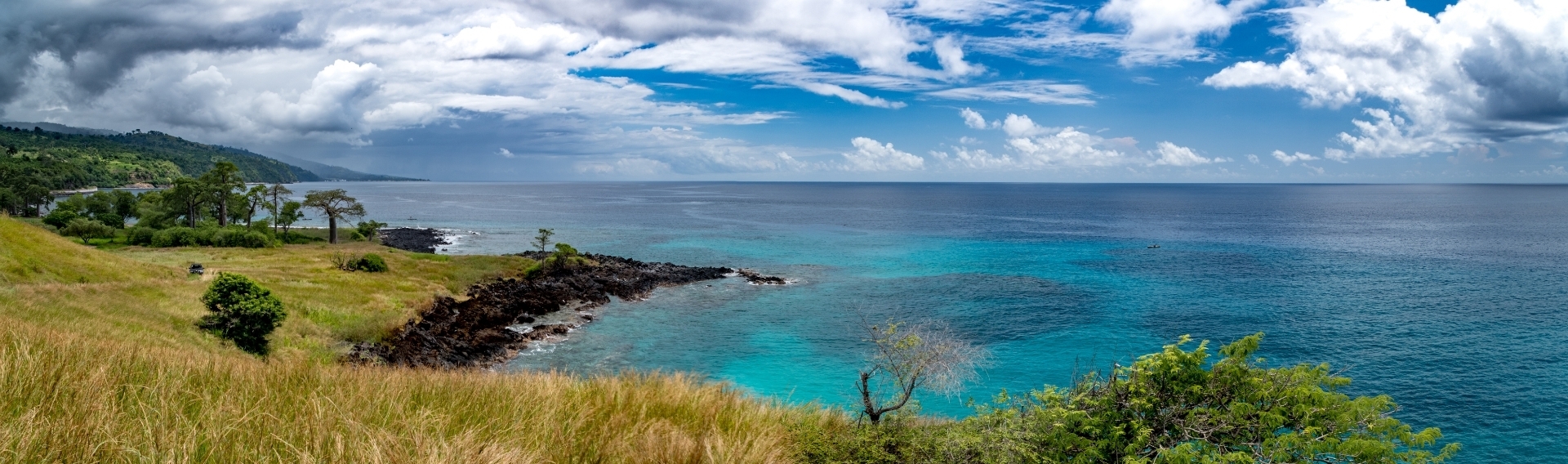
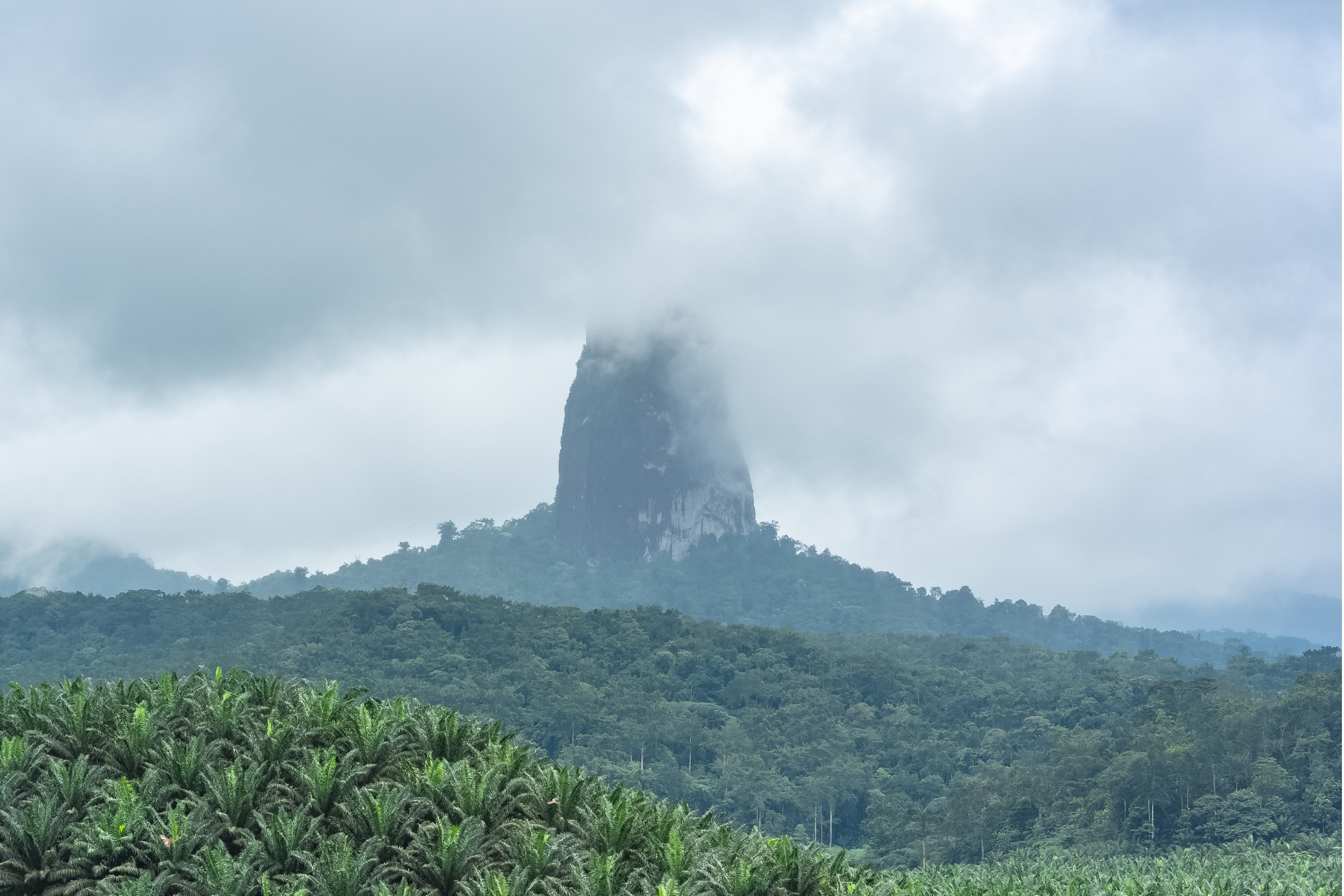
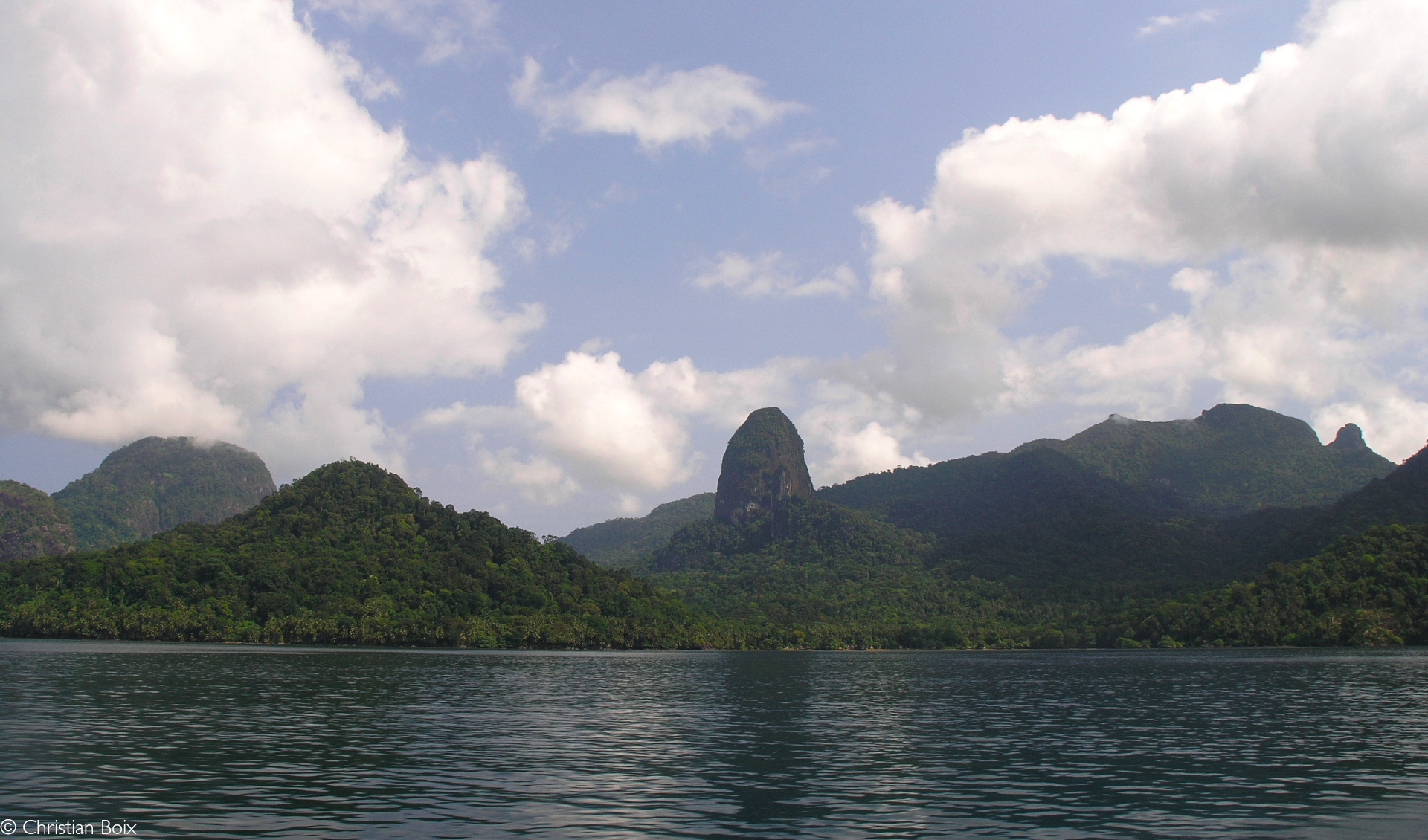
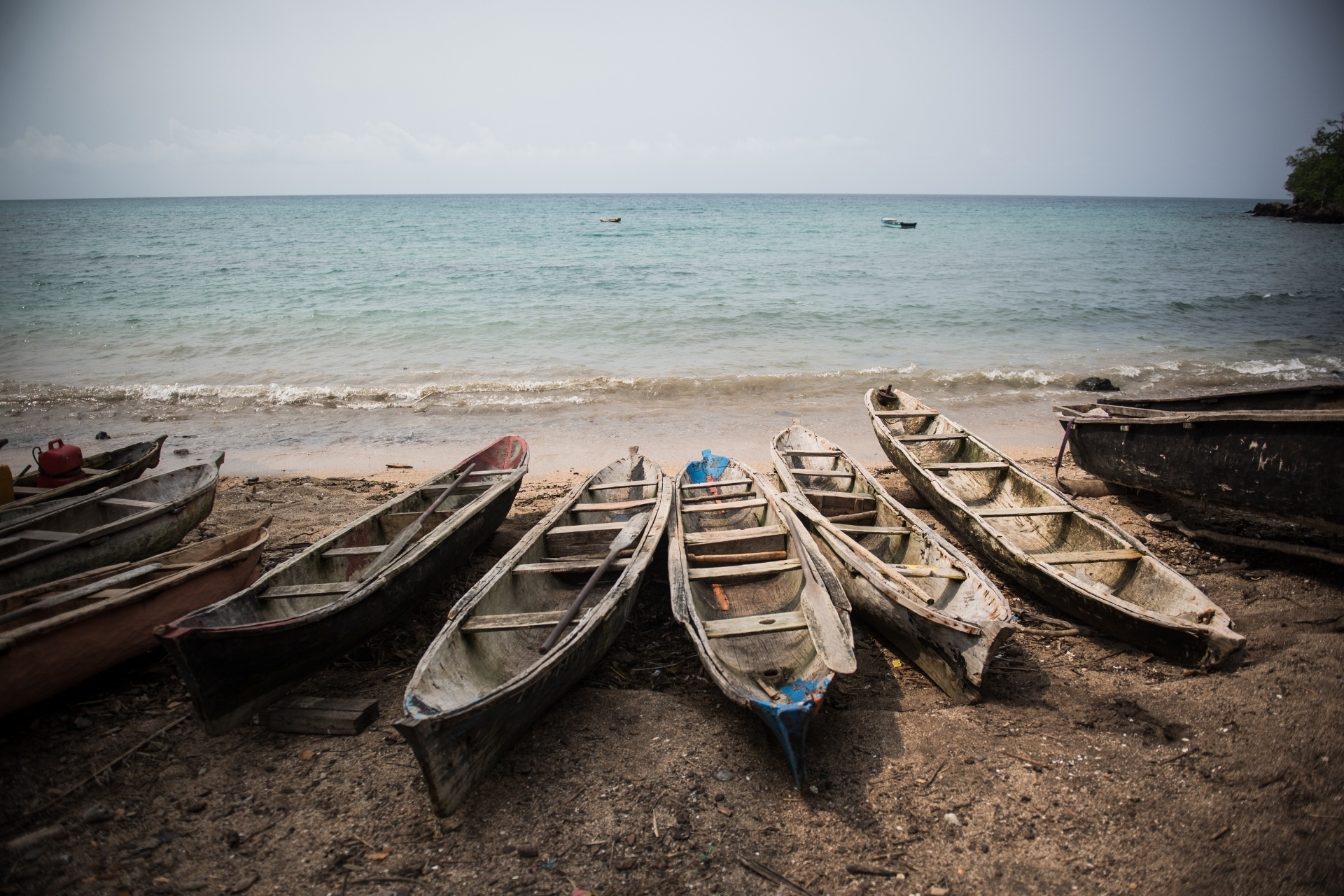
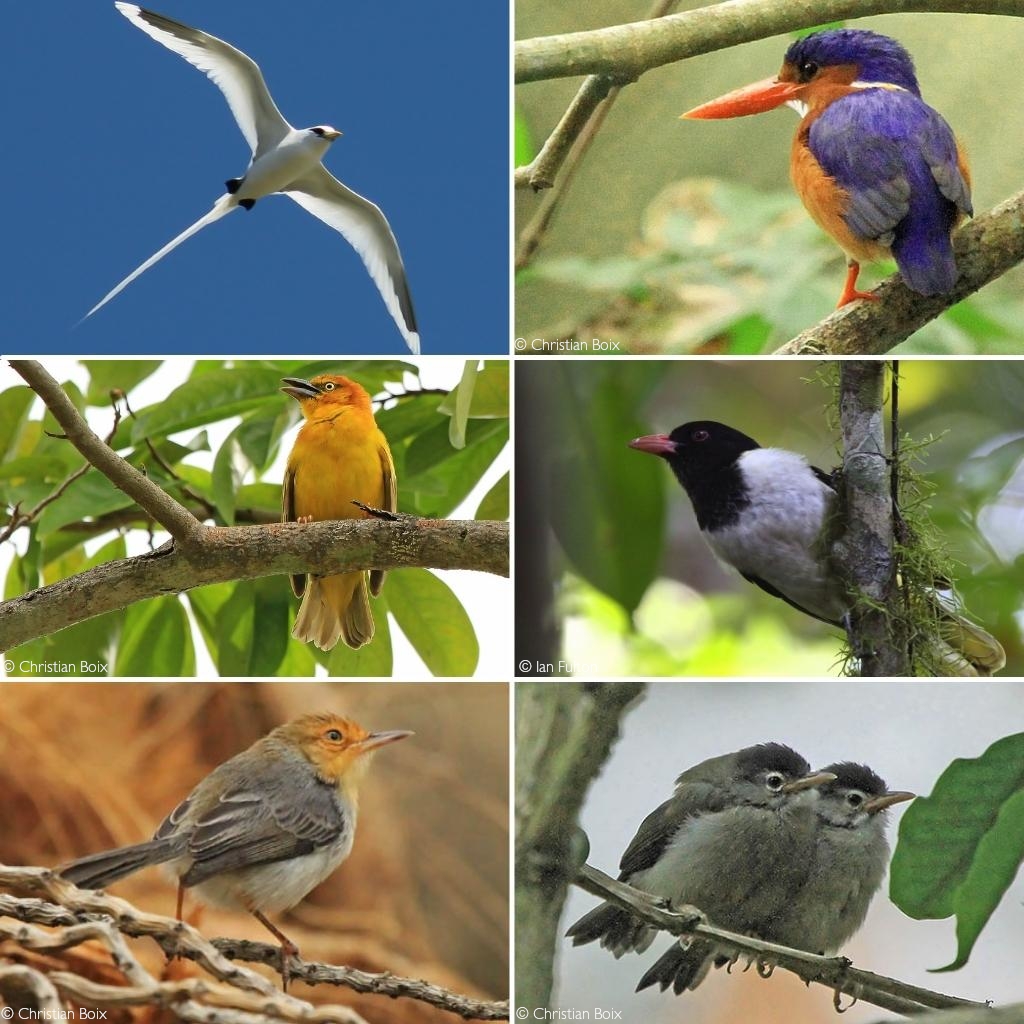
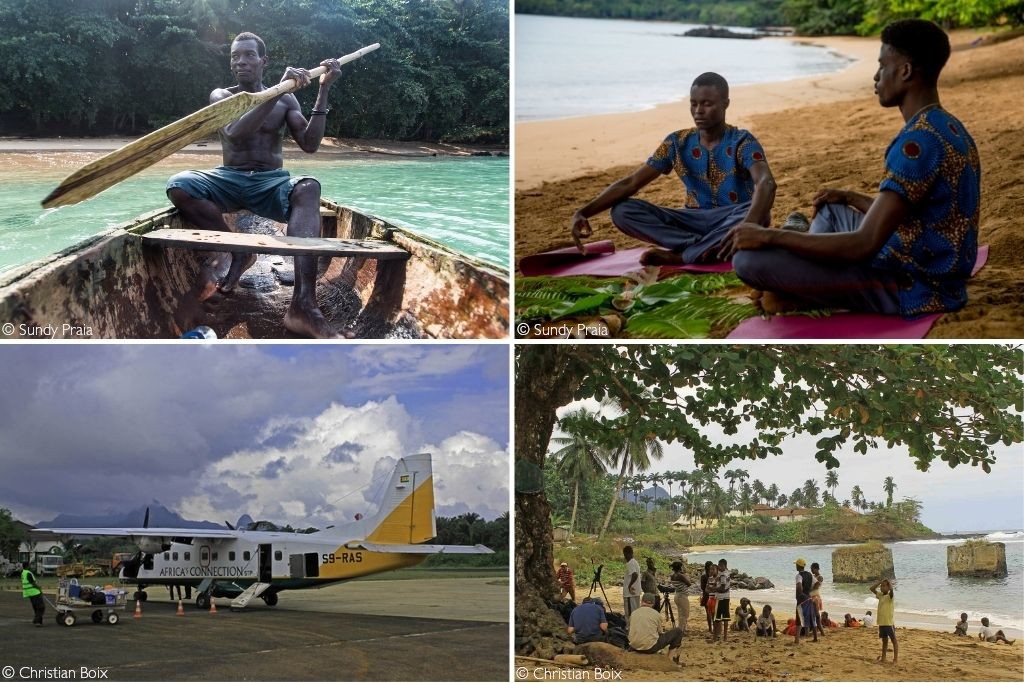
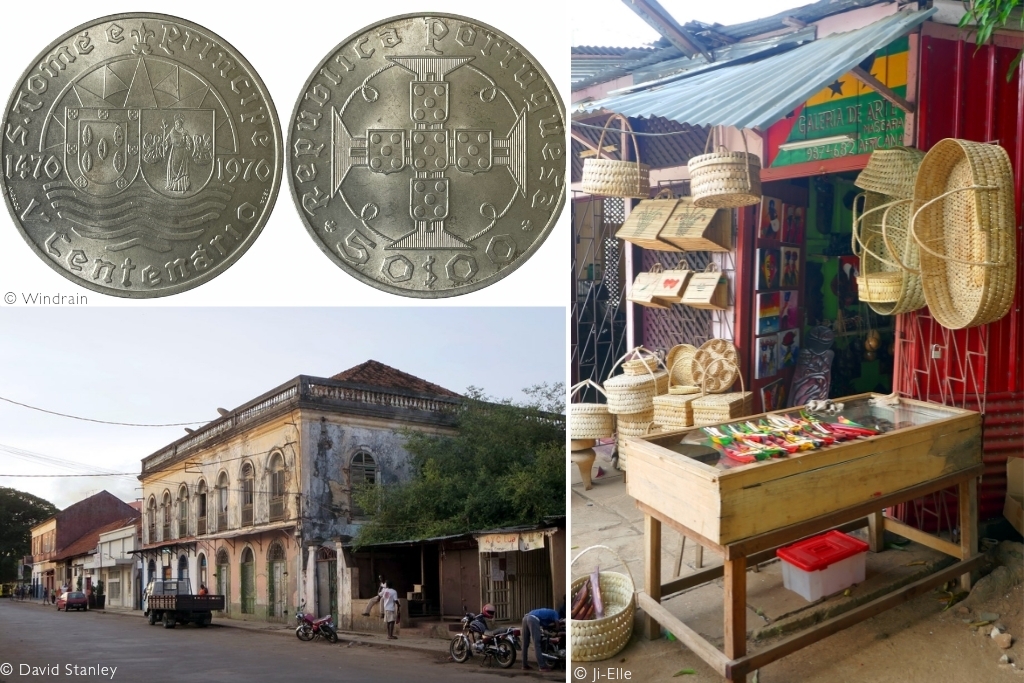
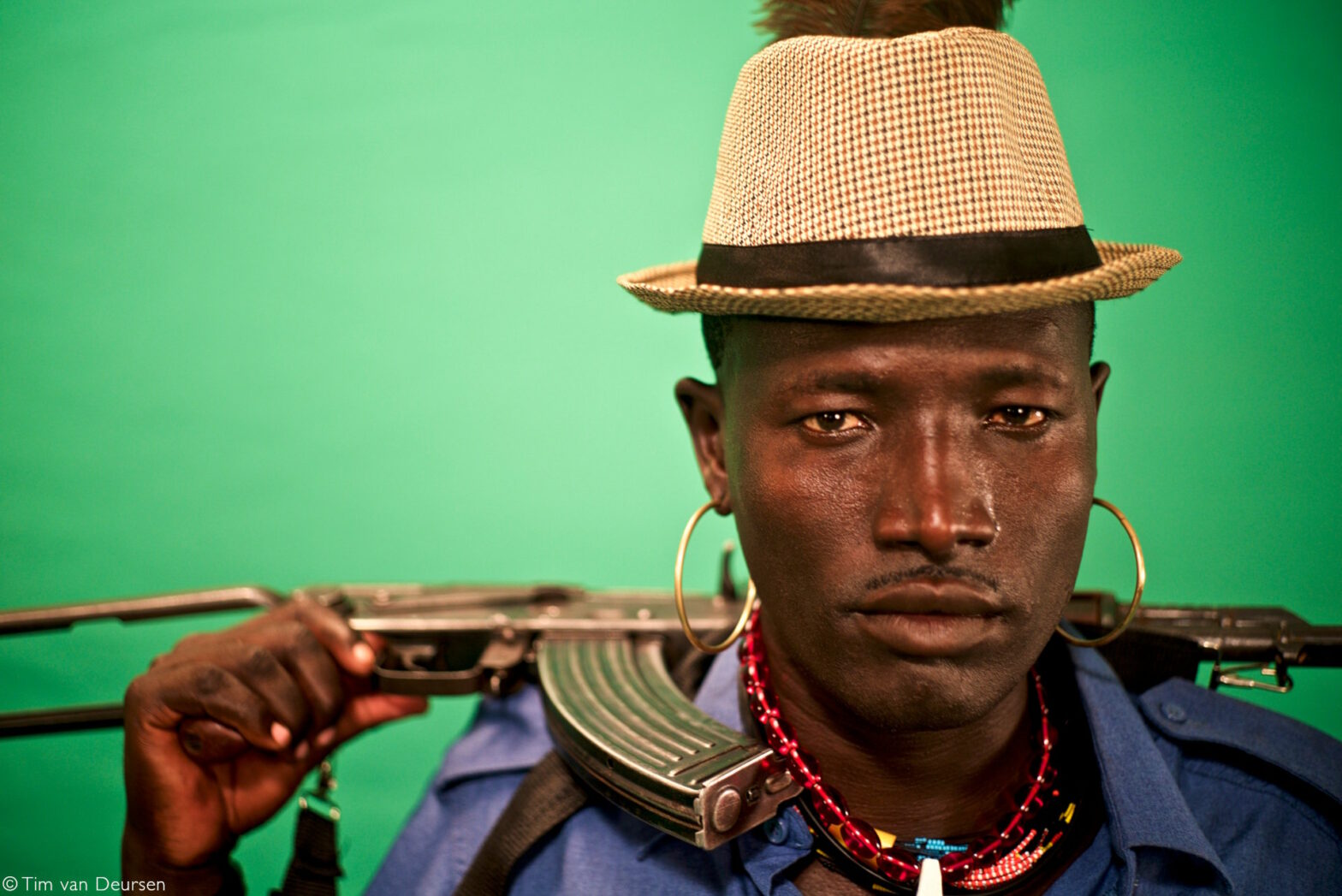
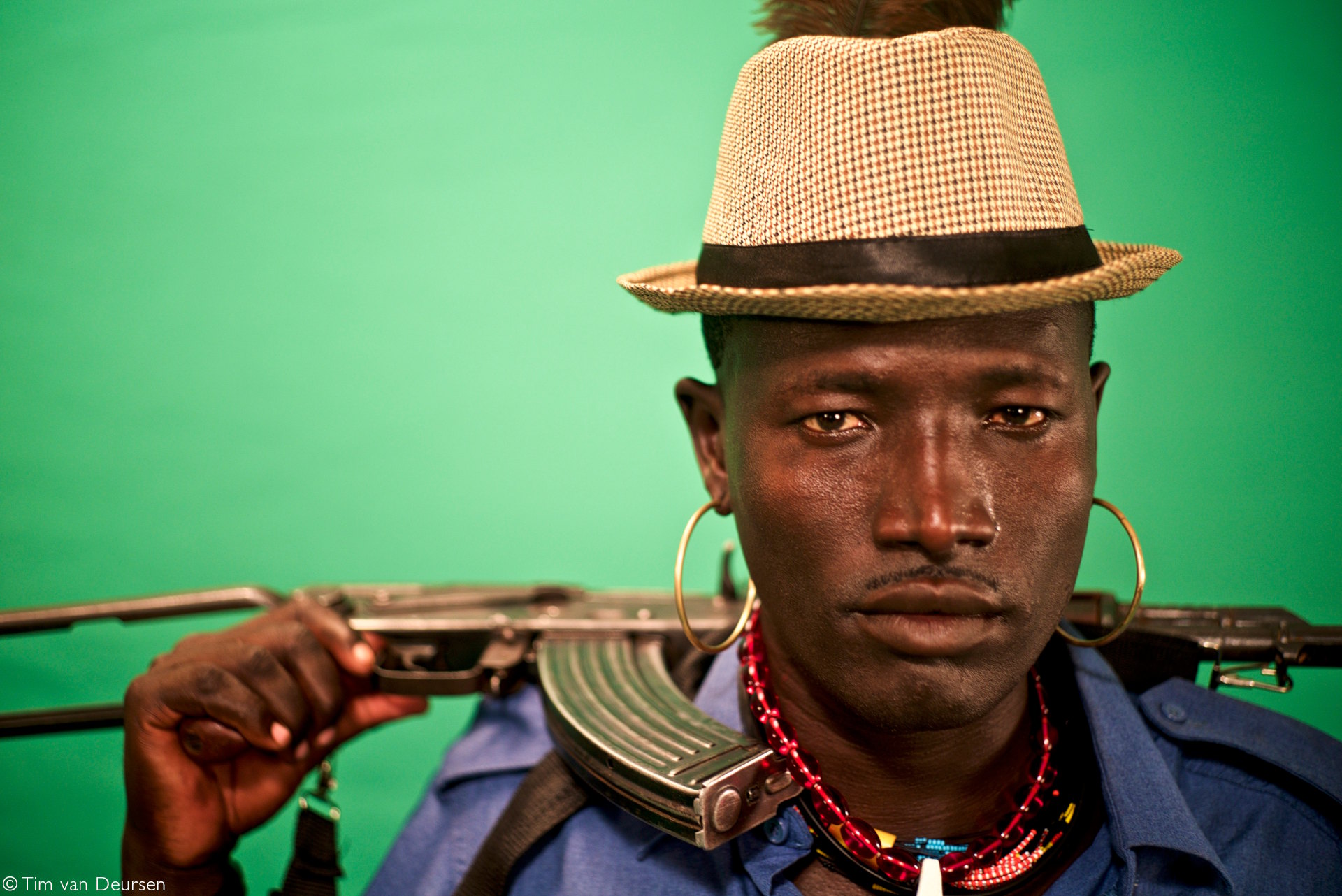


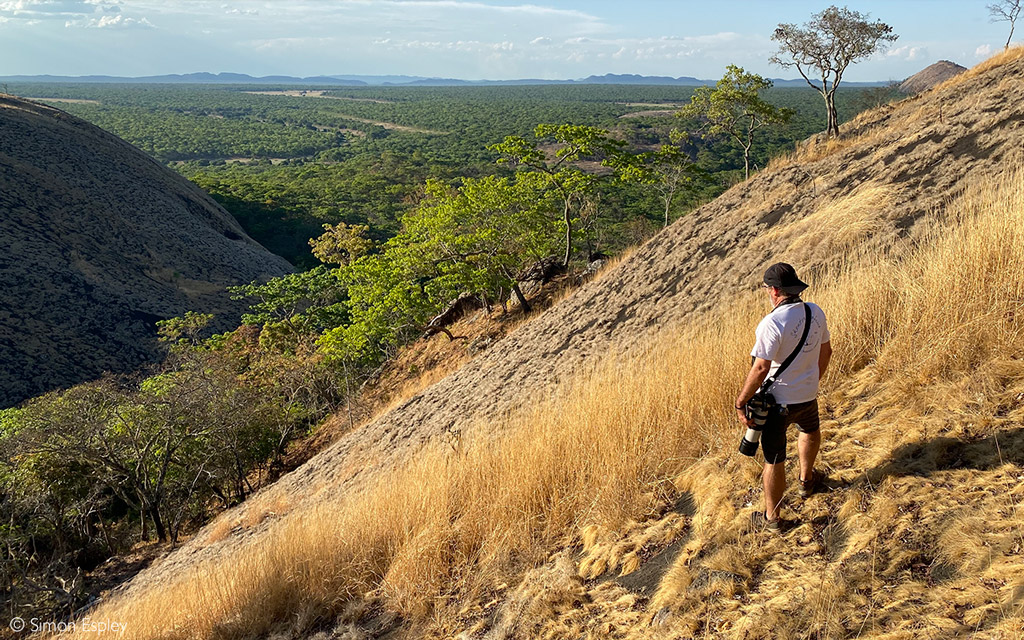
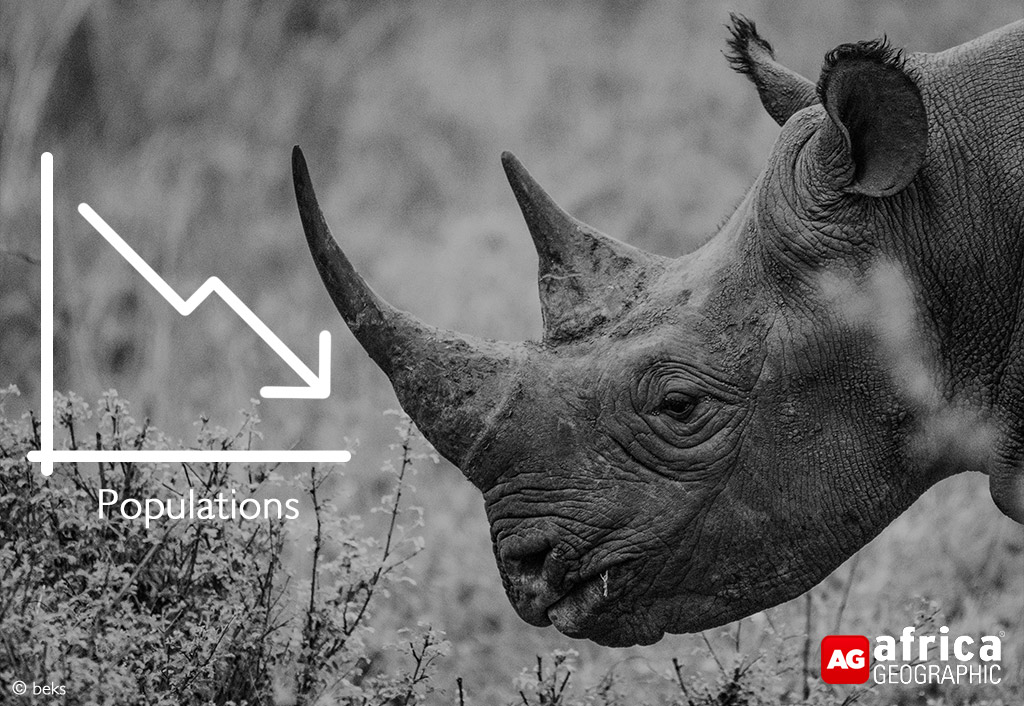
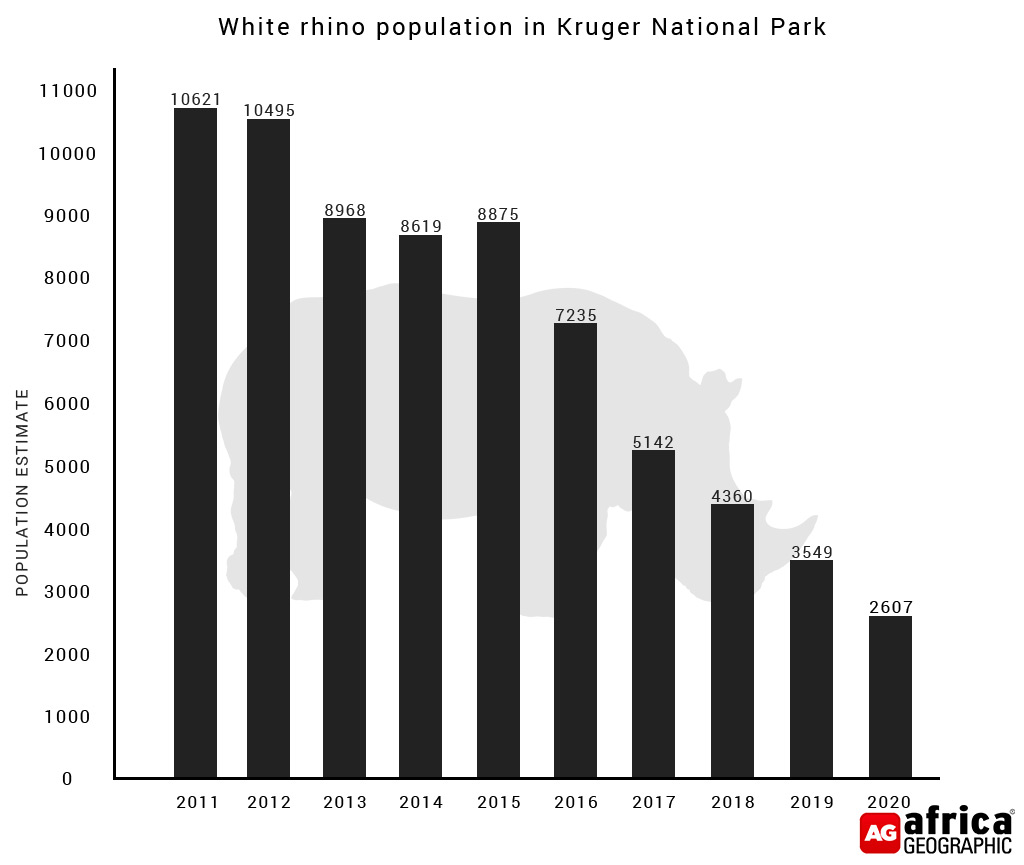
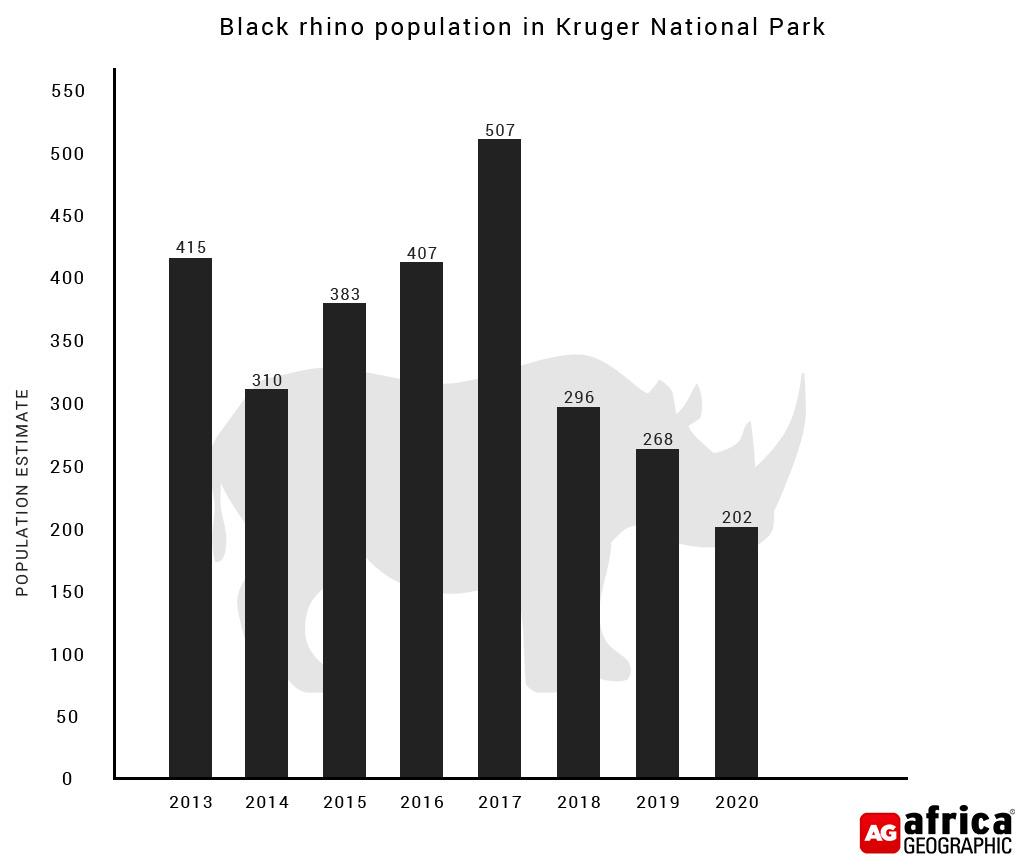
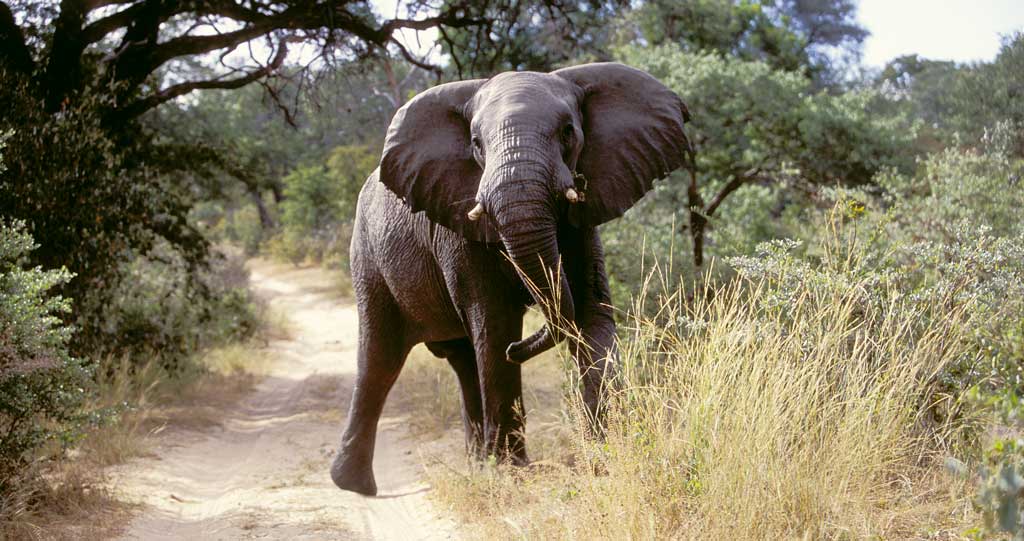
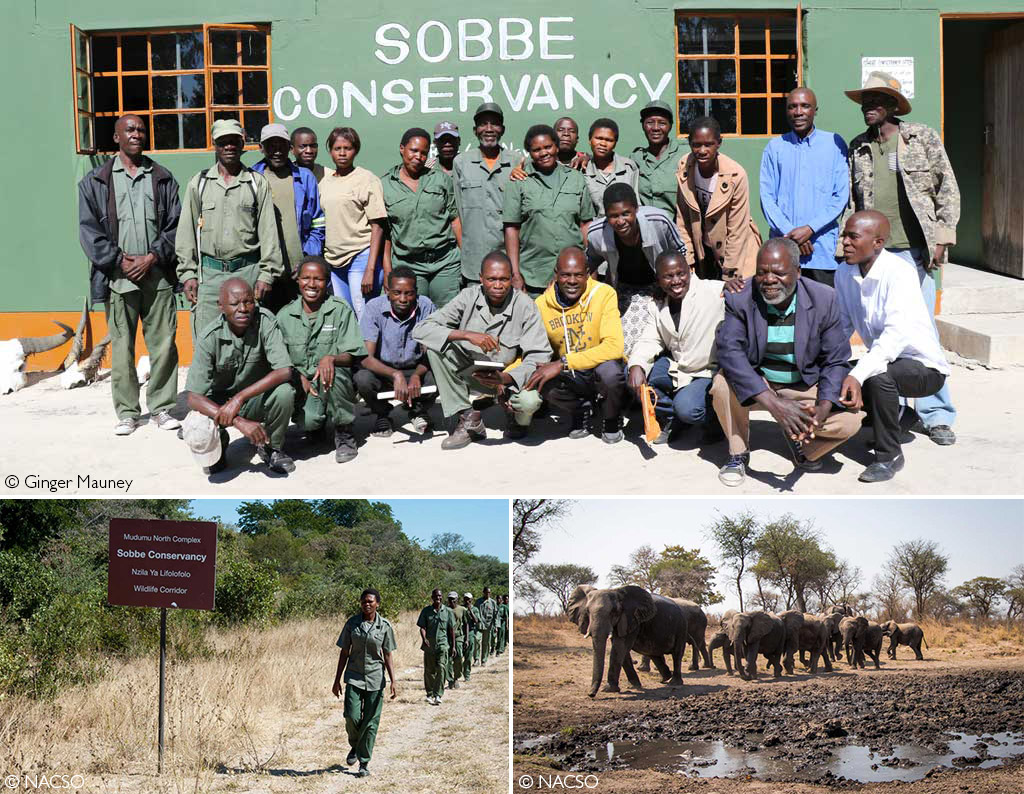
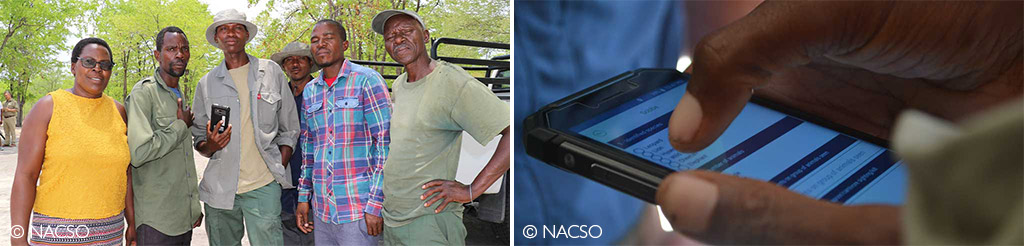
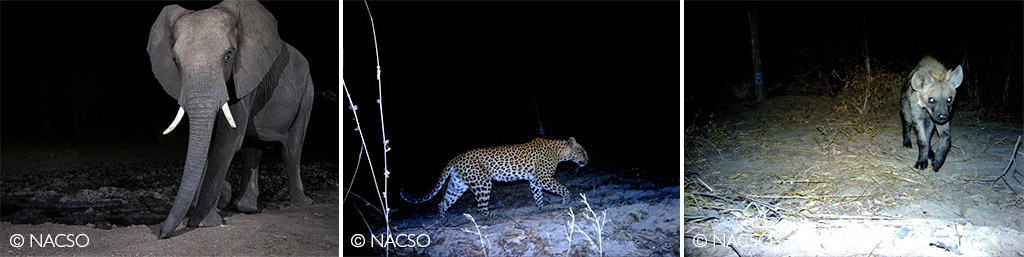
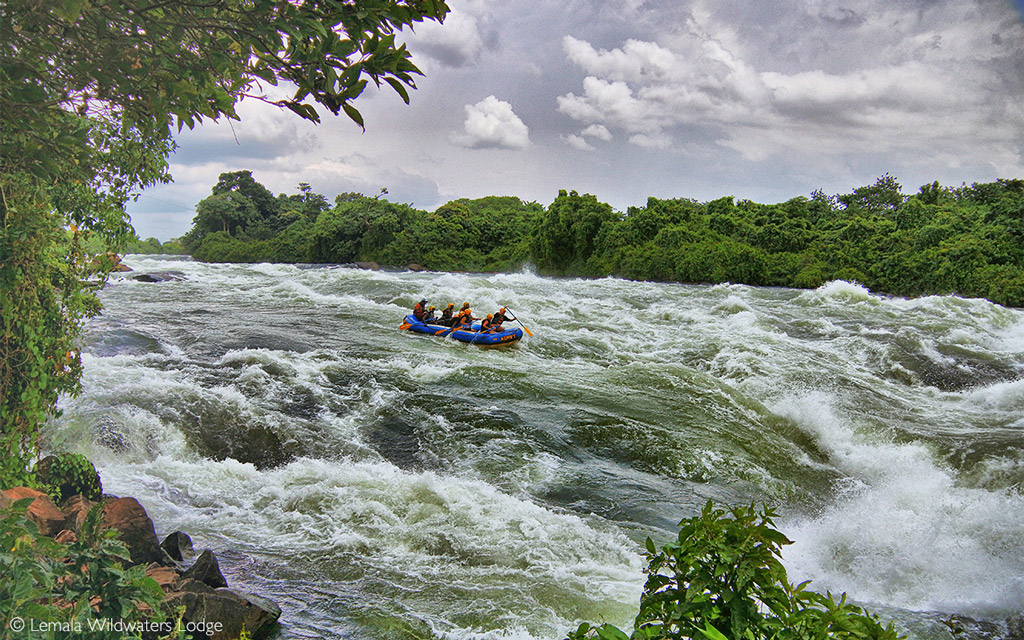
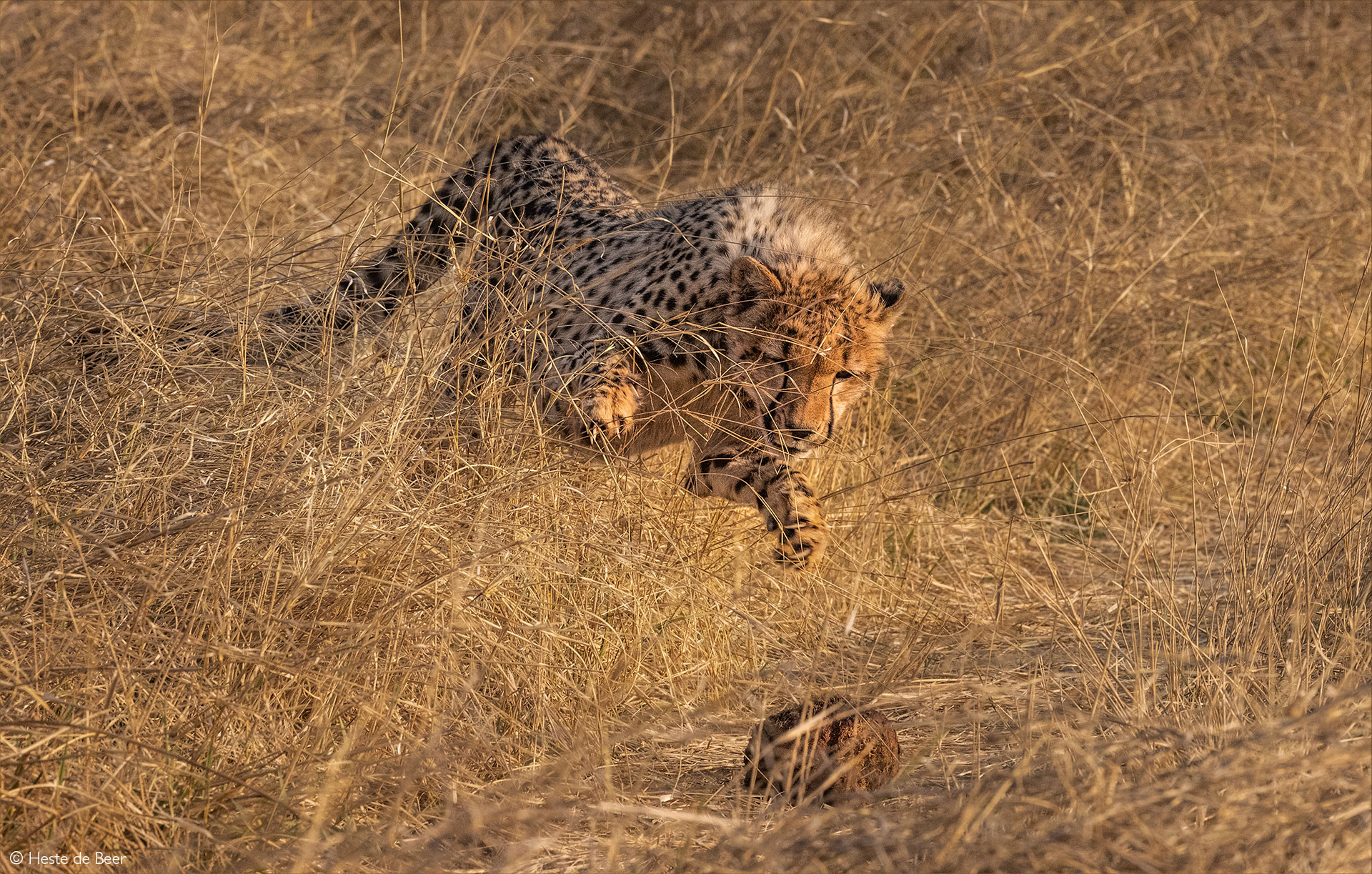
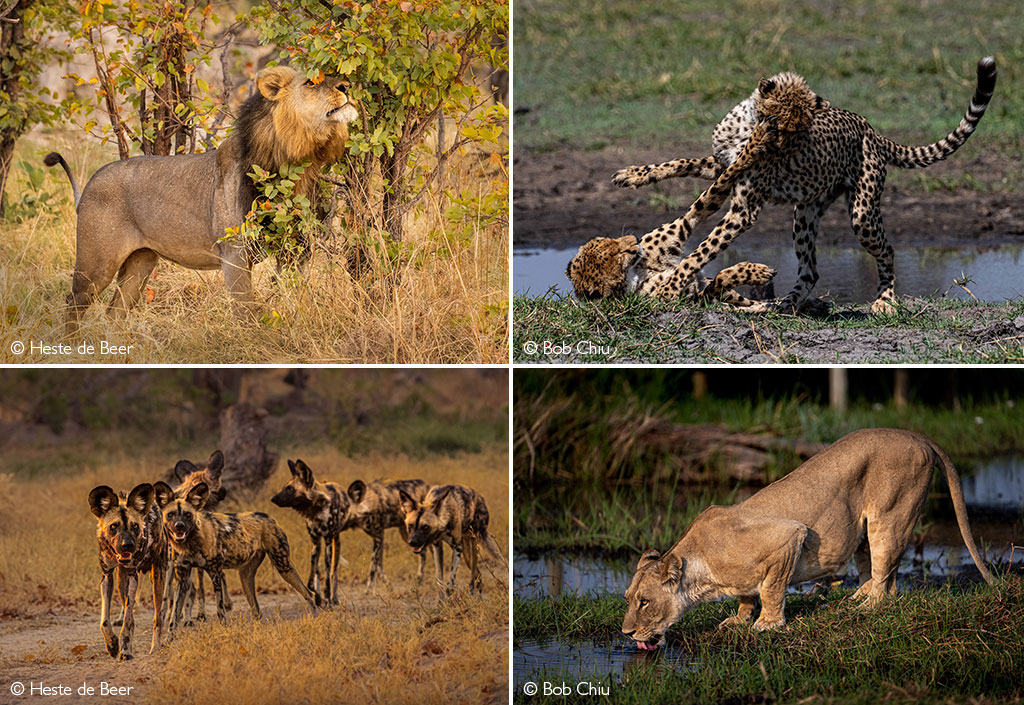
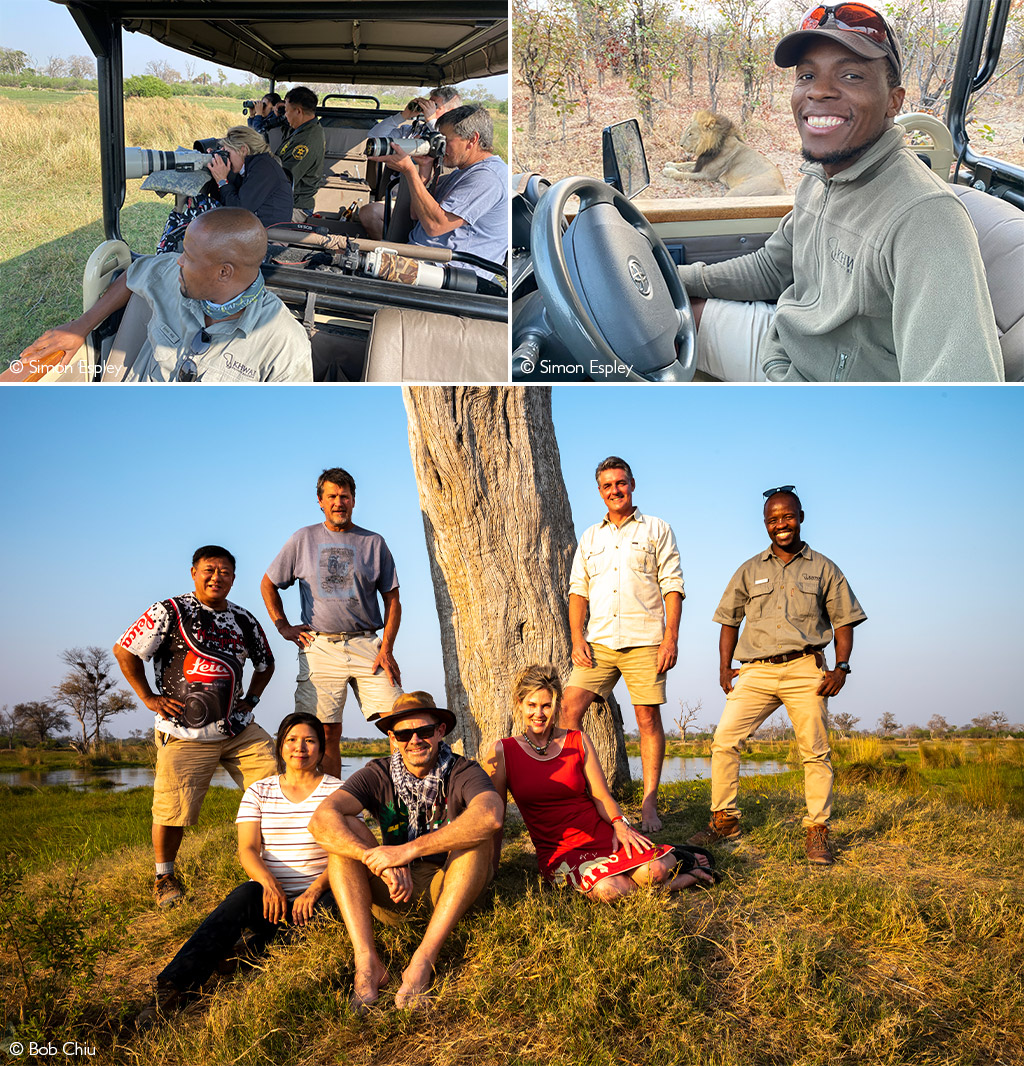
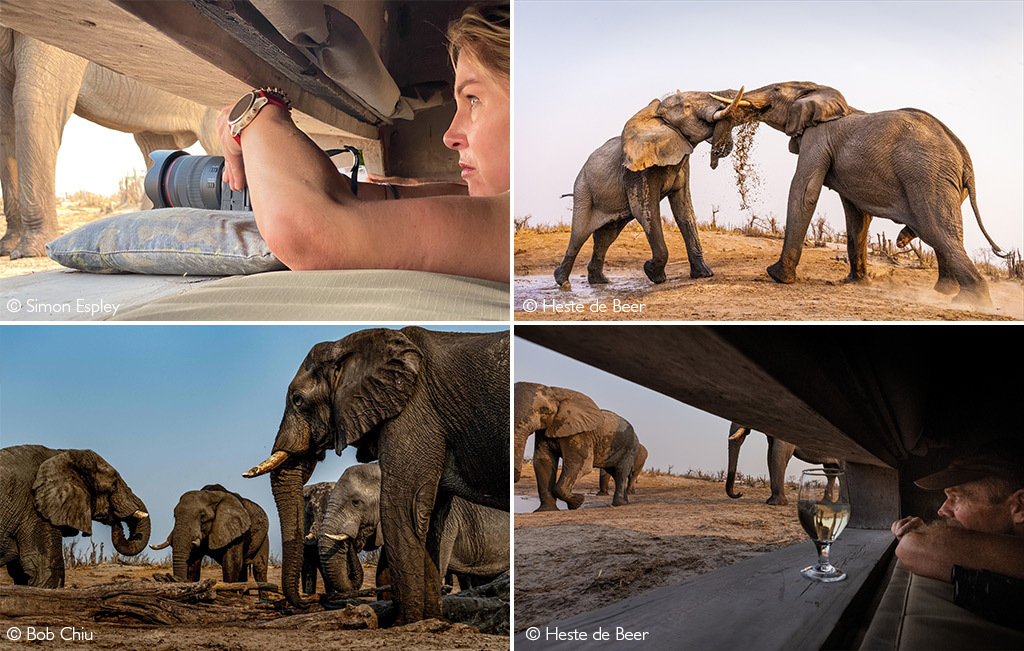
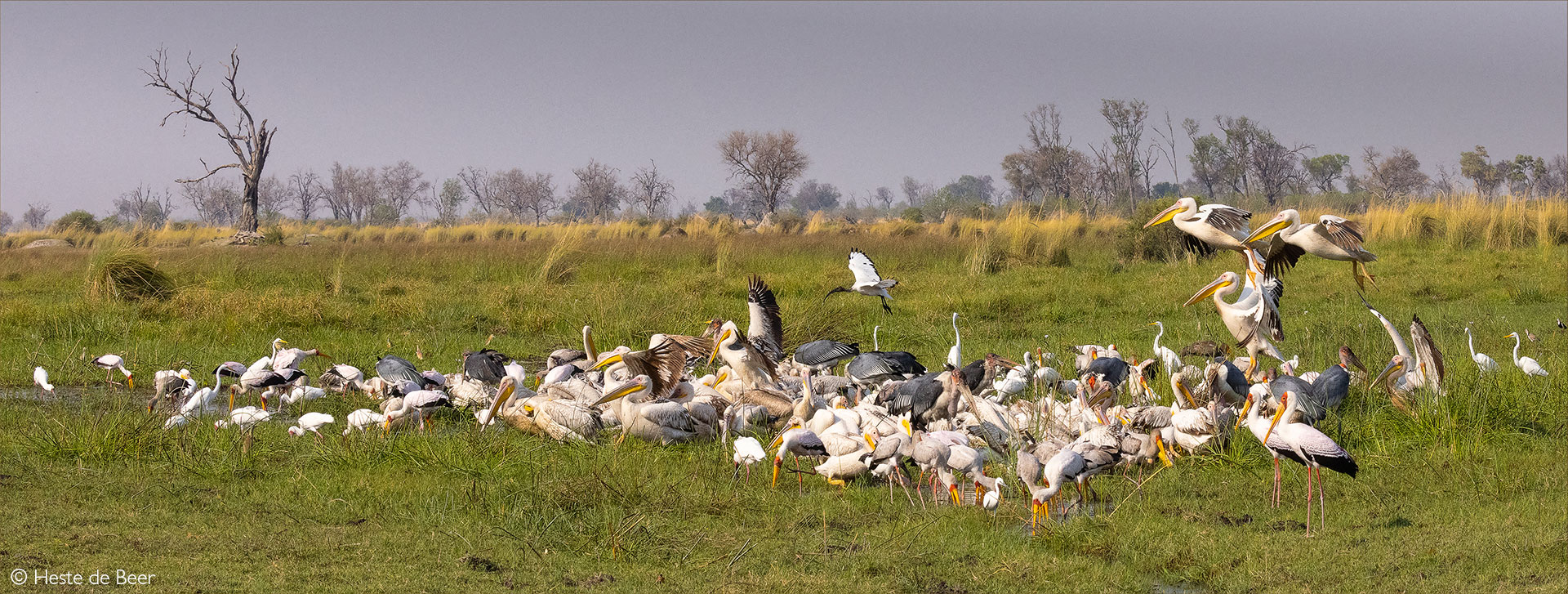
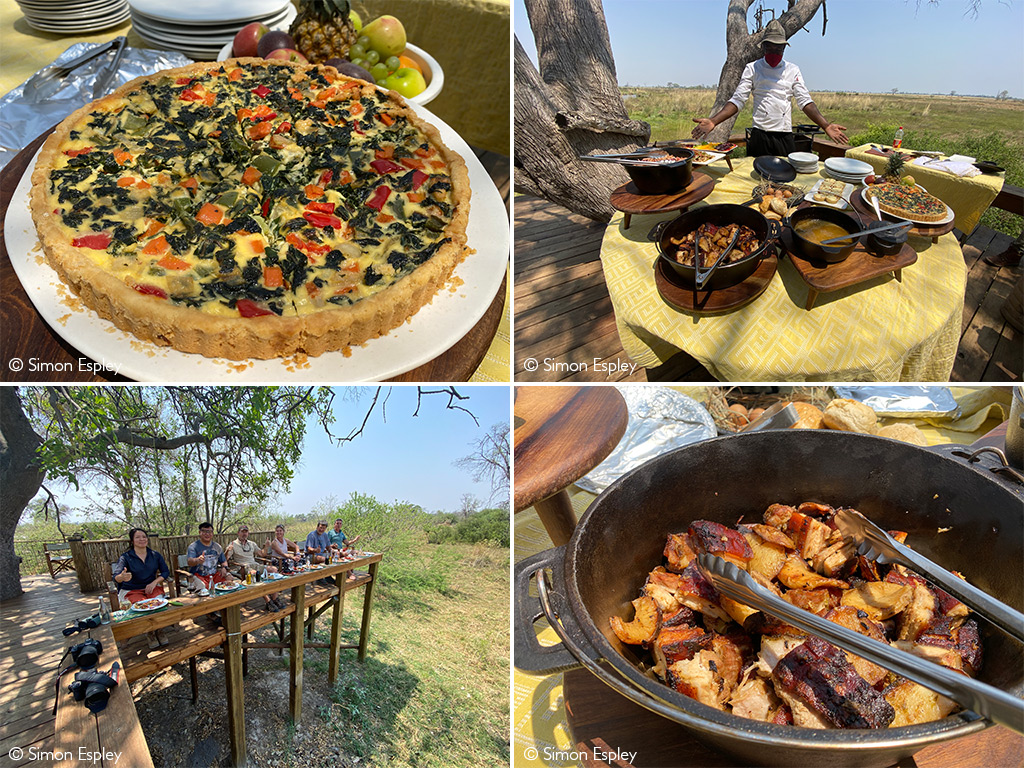
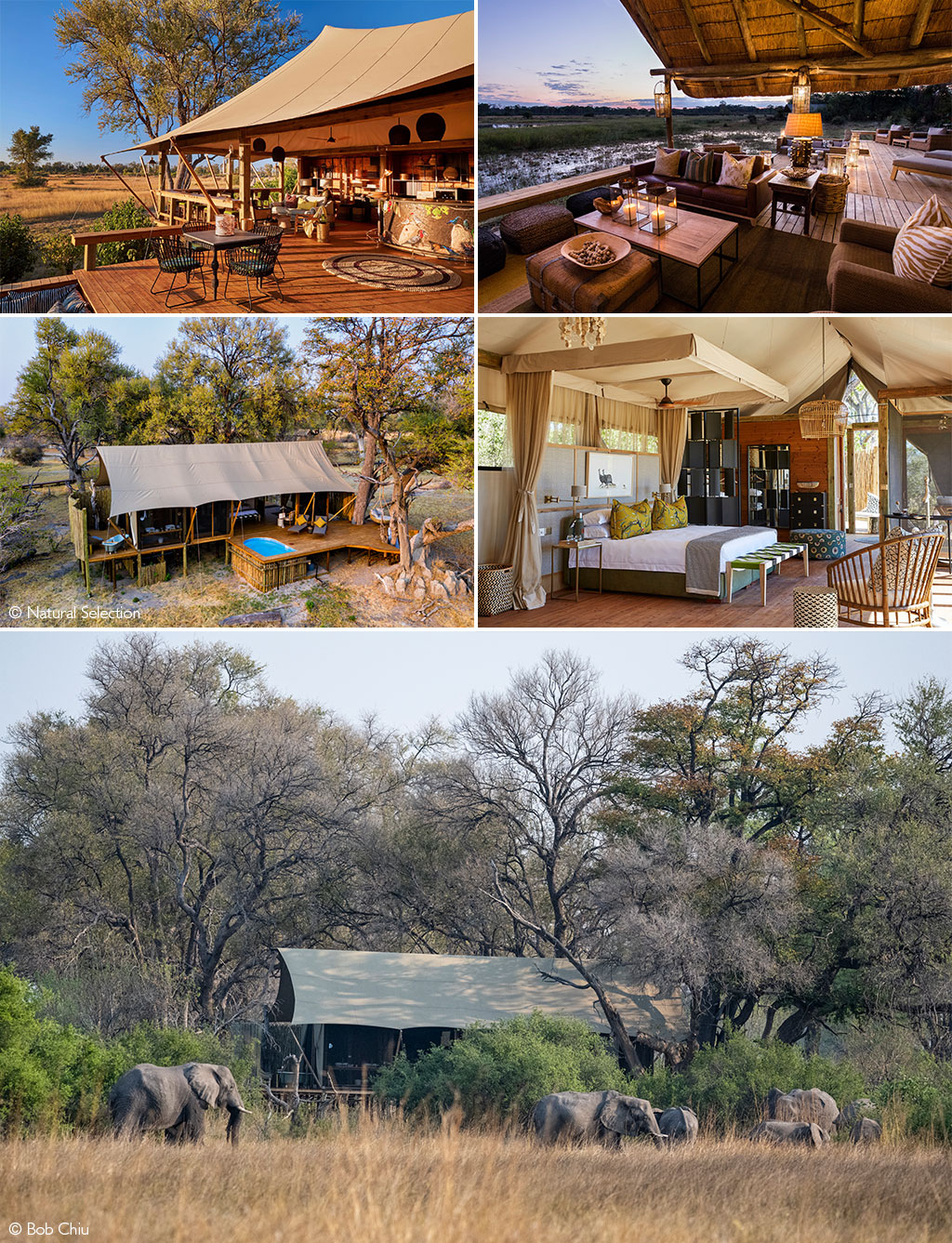
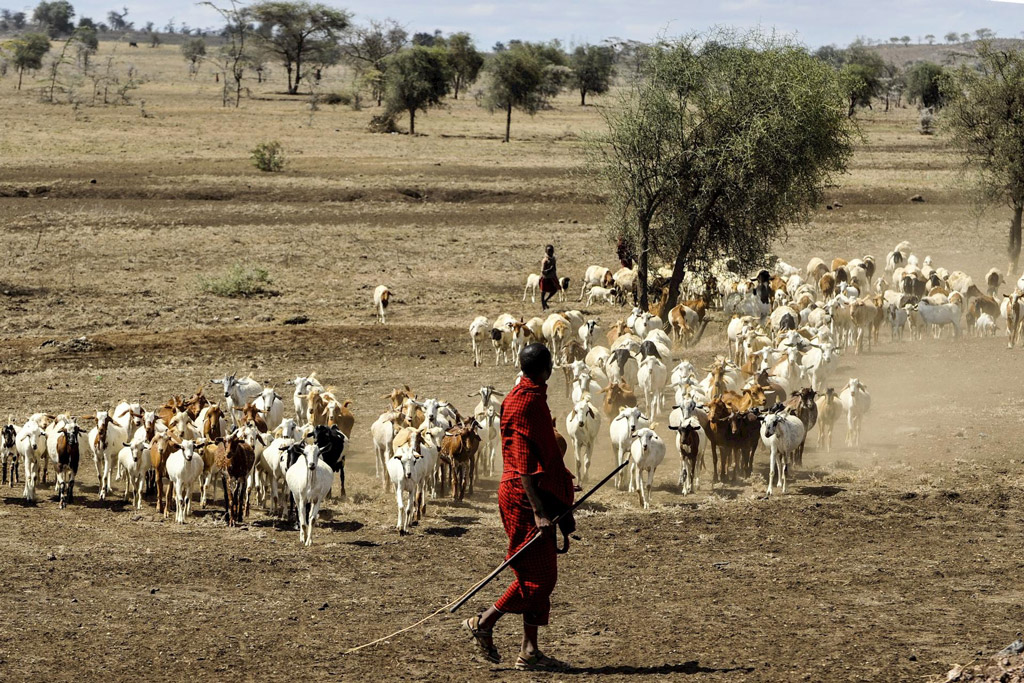
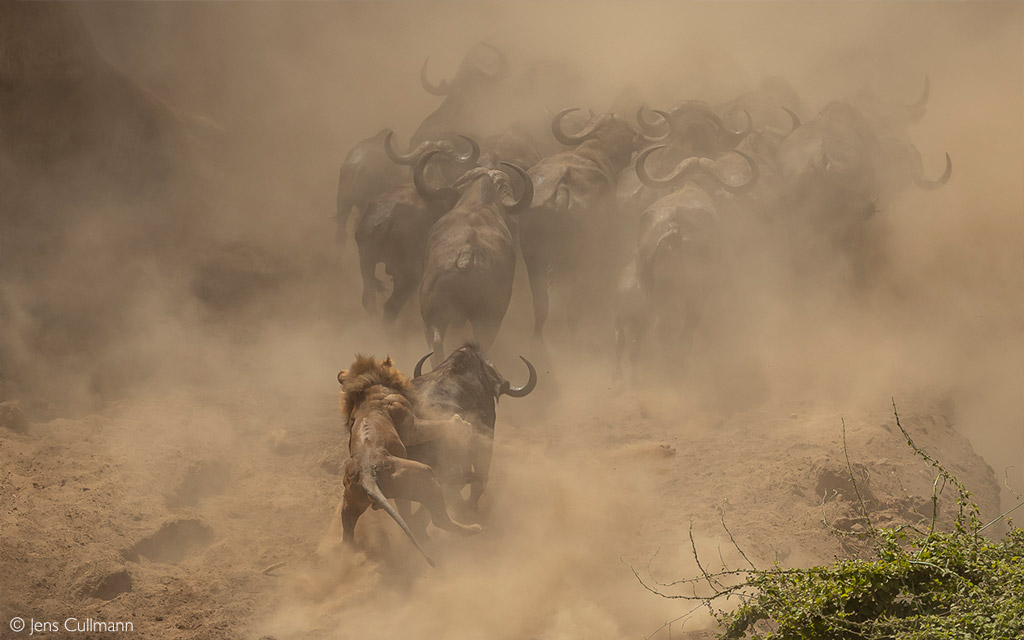
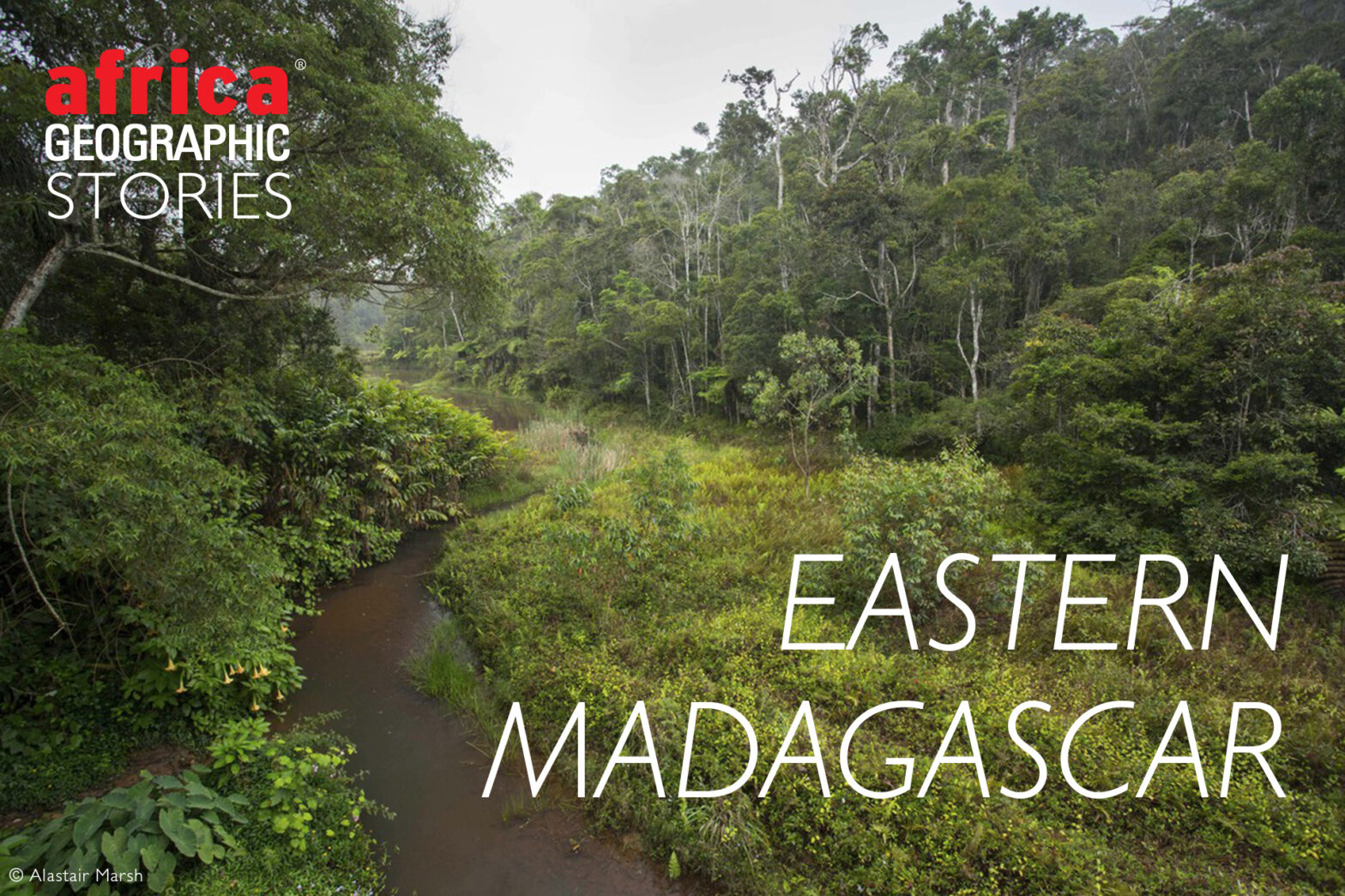
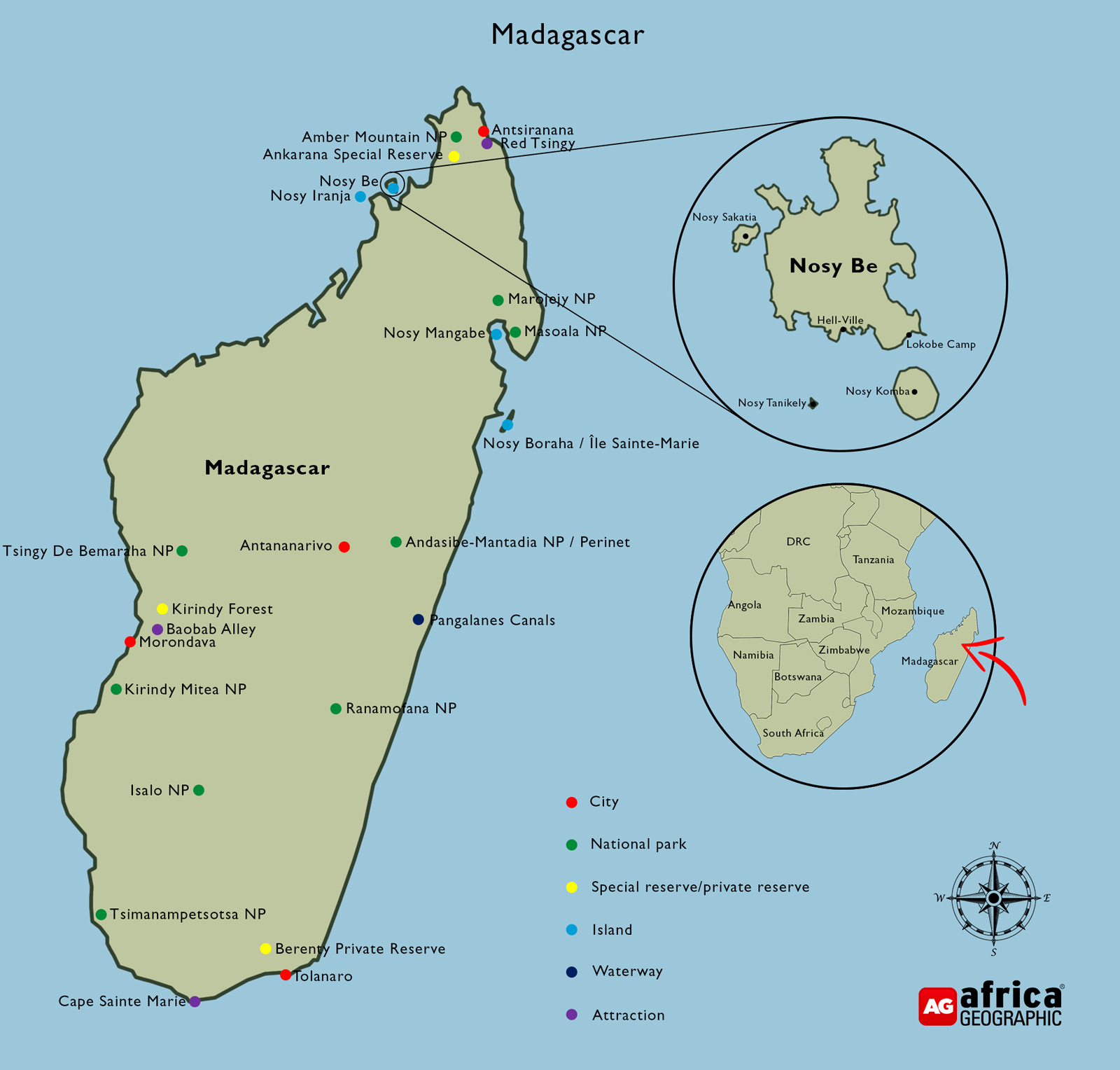
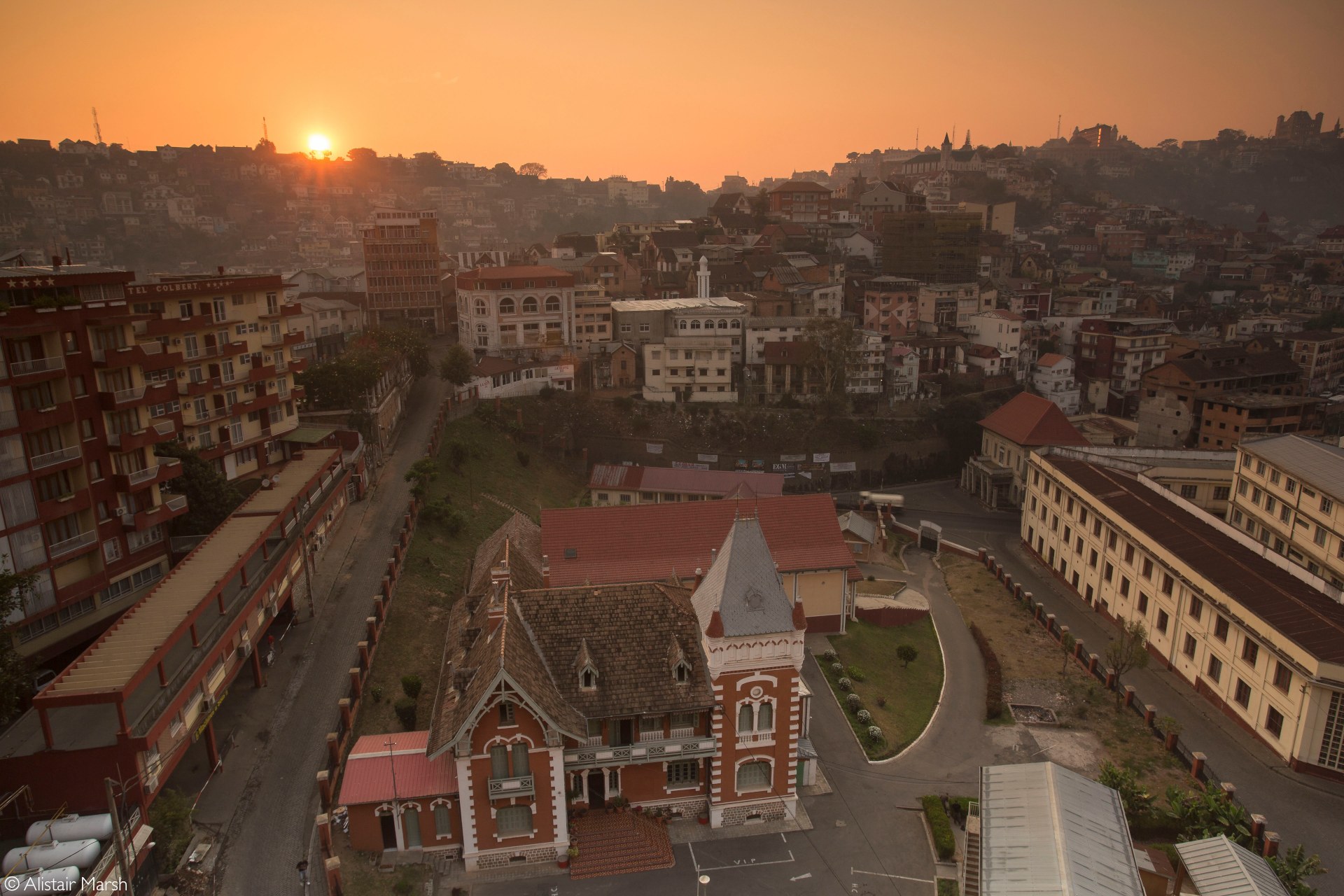
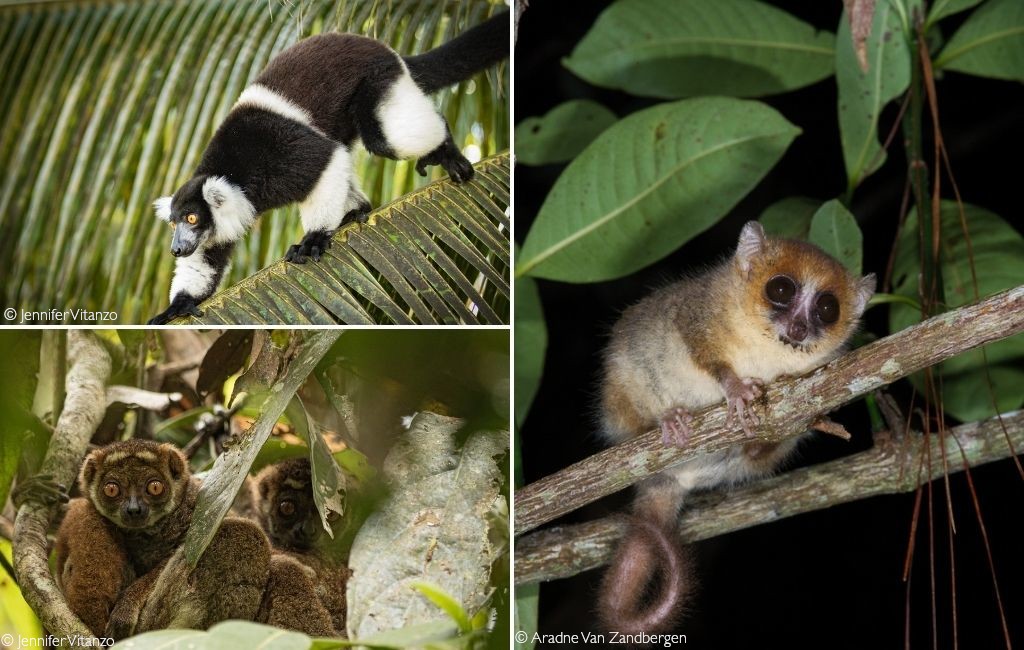
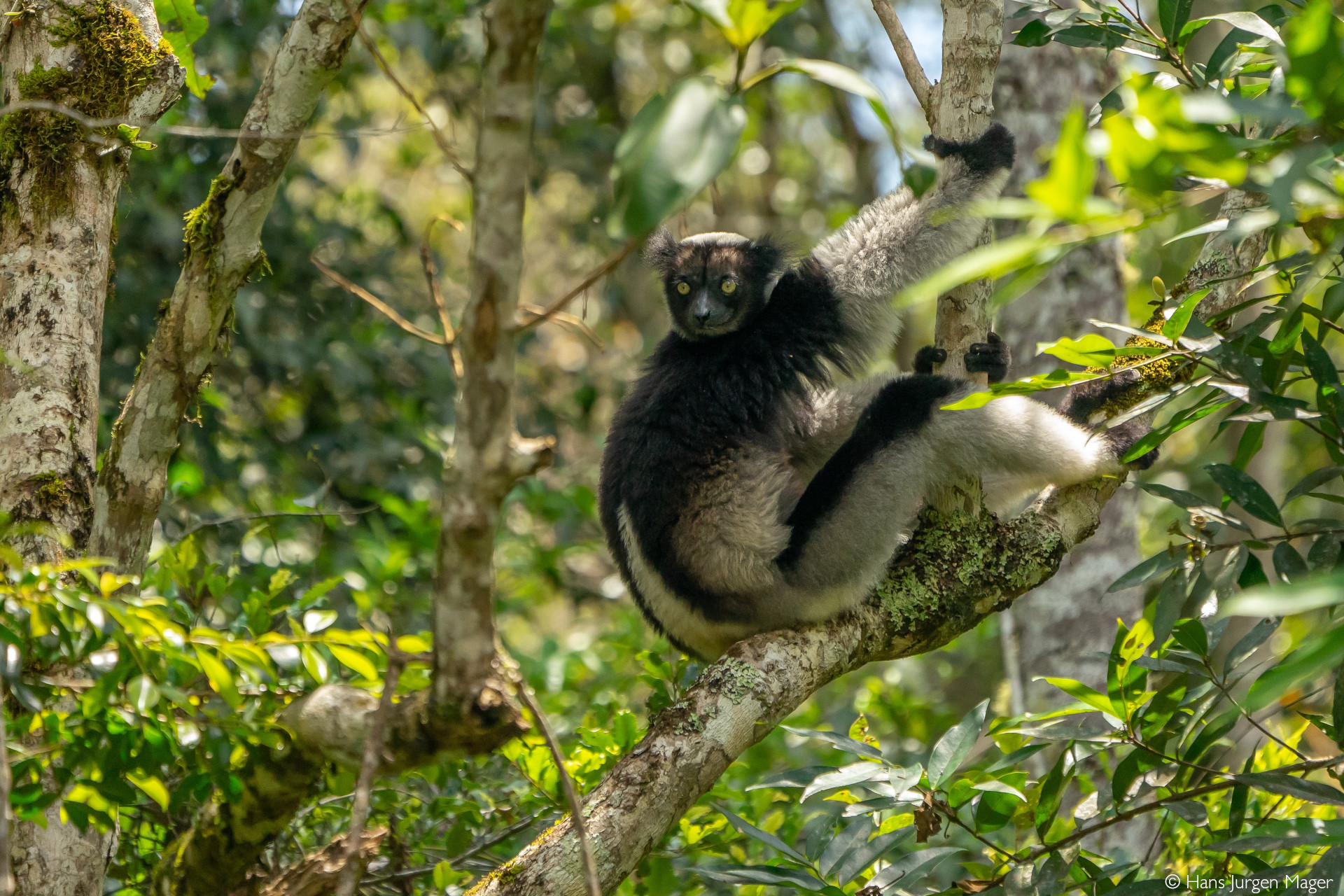
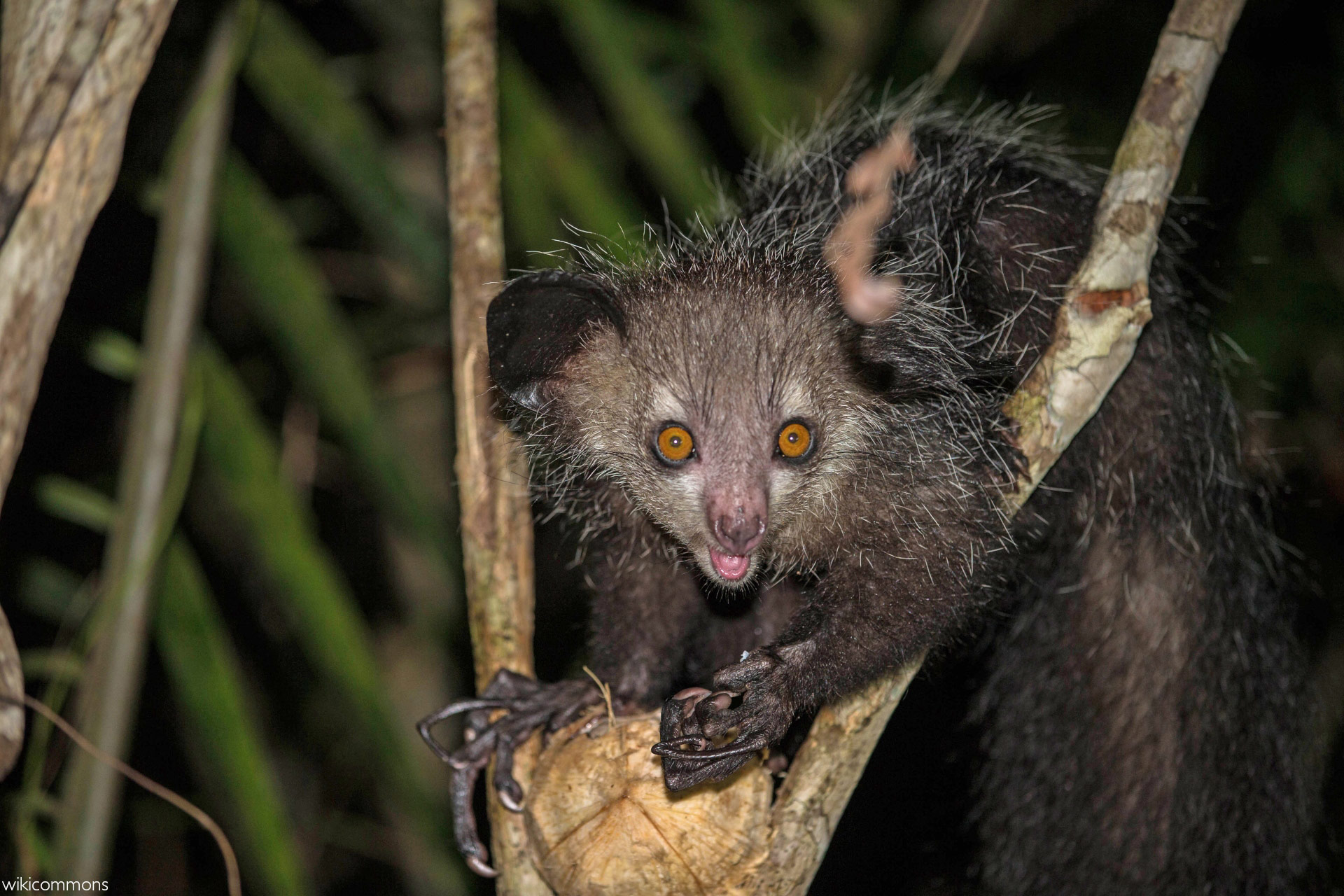
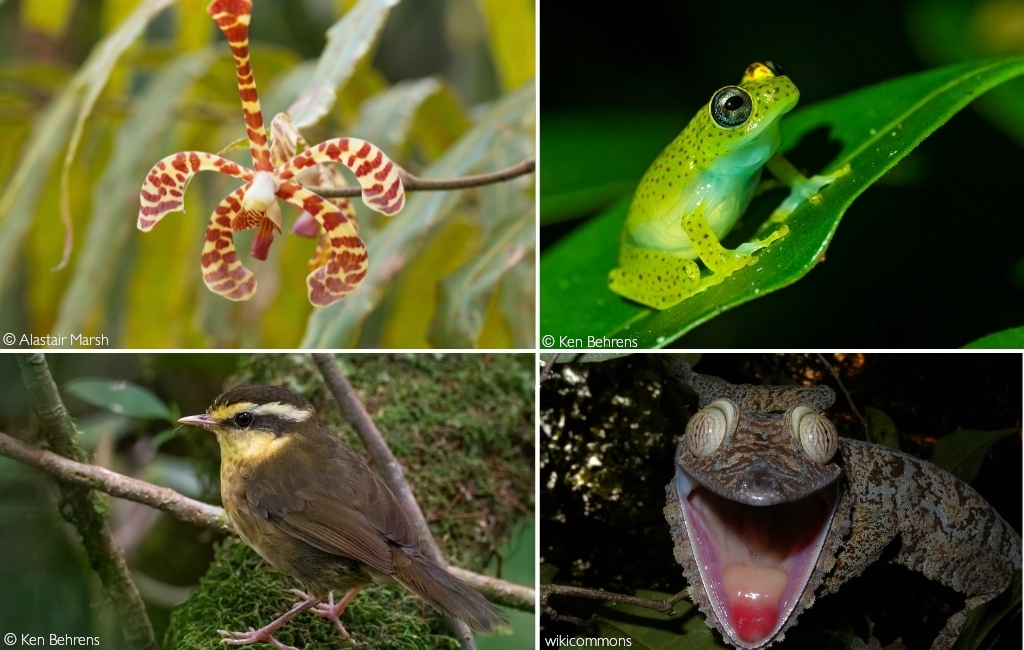
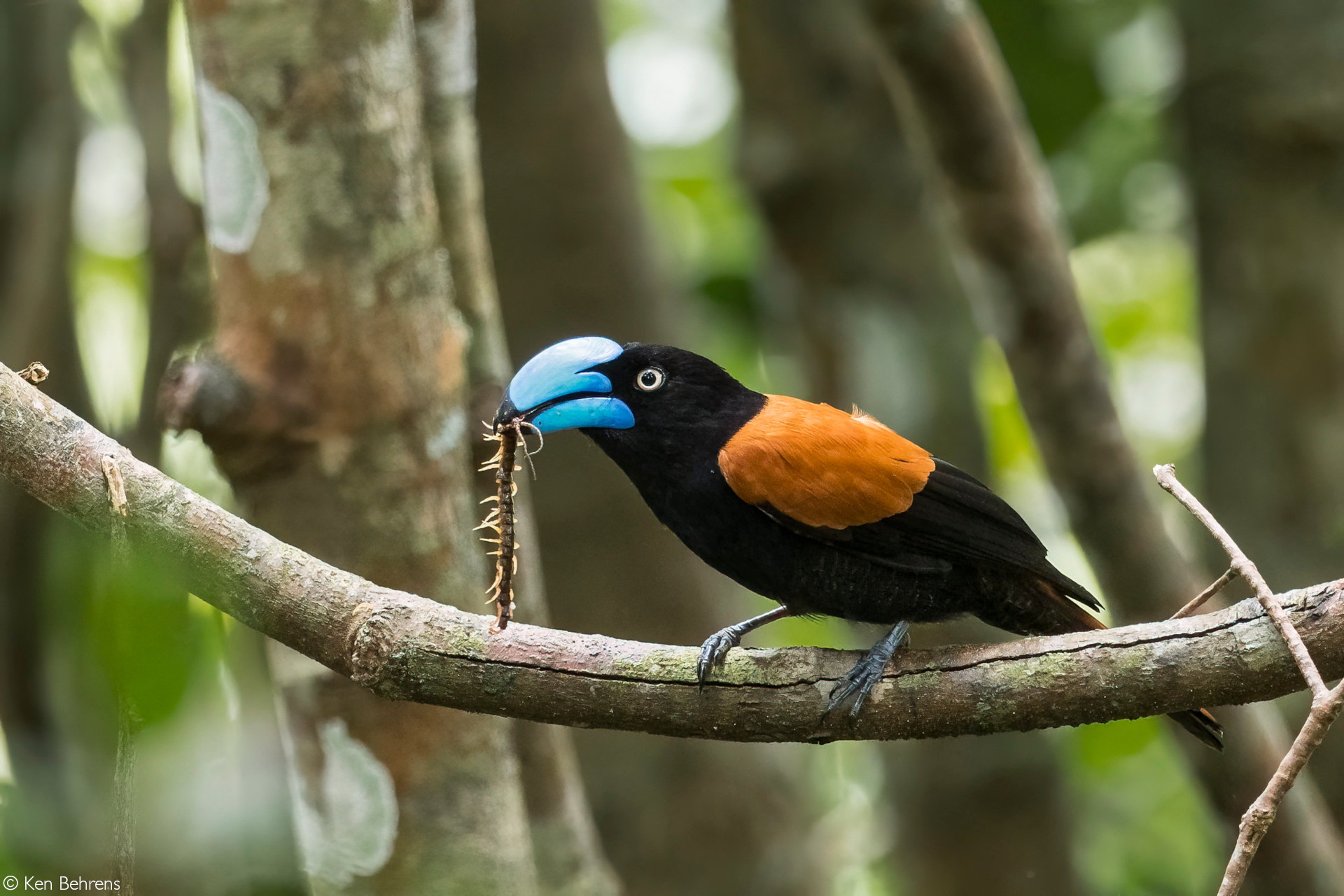
 Want to visit Madagascar for your next African safari?