


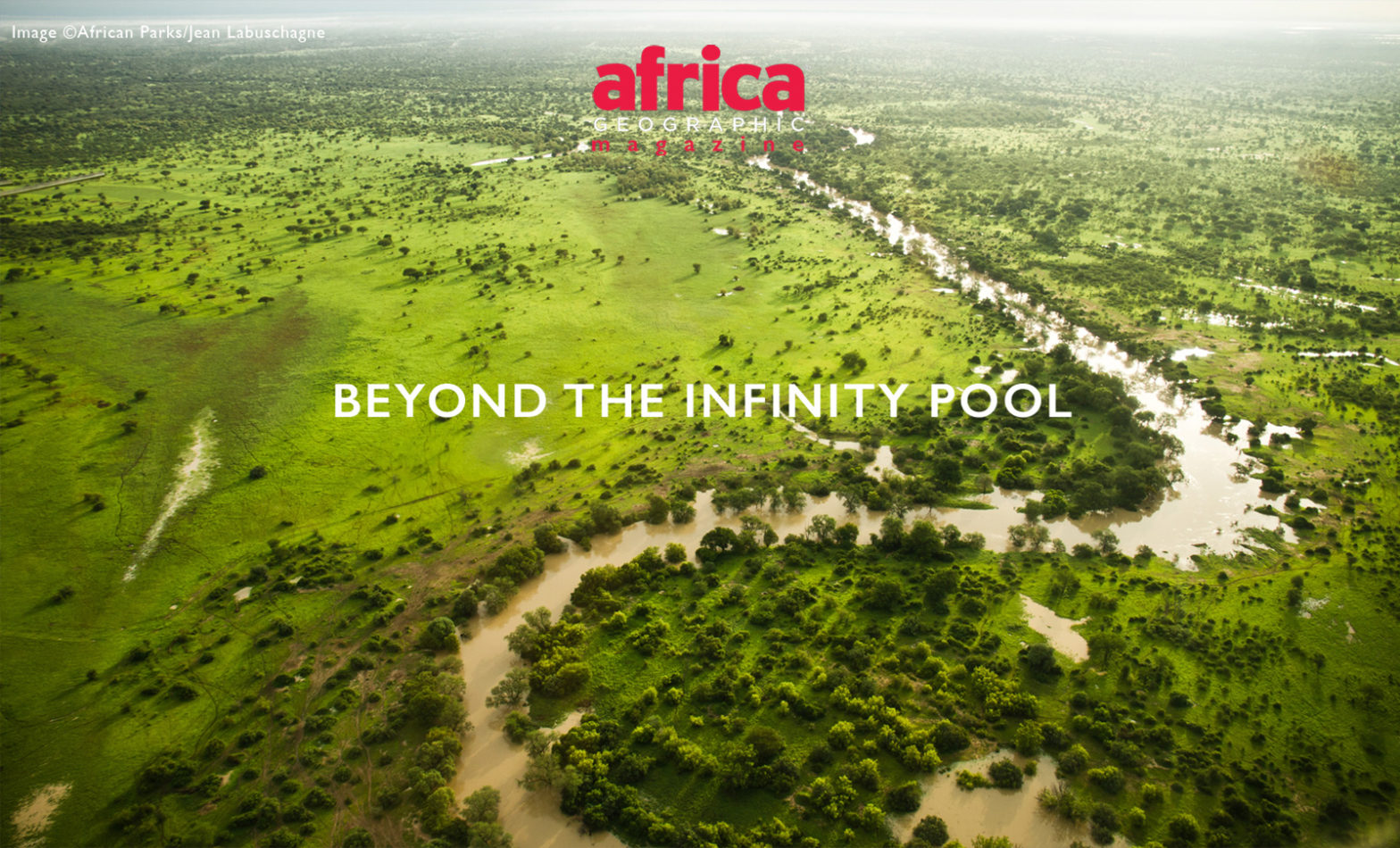
‘The current buzzword in the travel industry is “experiential”. But it’s been used to death. It’s old. It’s dull,’ says renowned safari guide Michael Lorentz. ‘A colleague of mine in Kenya, Peter Silvester, was talking about making spears the old way by smelting them in the sand, and other off-piste stuff, and he said to me, “Mike, screw it. Experiential travel is for the birds. What we want to be doing is experimental travel.”’
Lorentz recently returned from Zakouma National Park in Chad, where he was guiding guests for the first time. Chad isn’t on the romanticised safari circuit like Kenya and Tanzania. Chad’s recent political instability means the country’s tourism infrastructure is almost non-existent. But that’s what attracted Lorentz: a sense of the unknown – and the fact that Zakouma was being managed by African Parks, an organisation he thinks of as Africa’s conservation heroes.
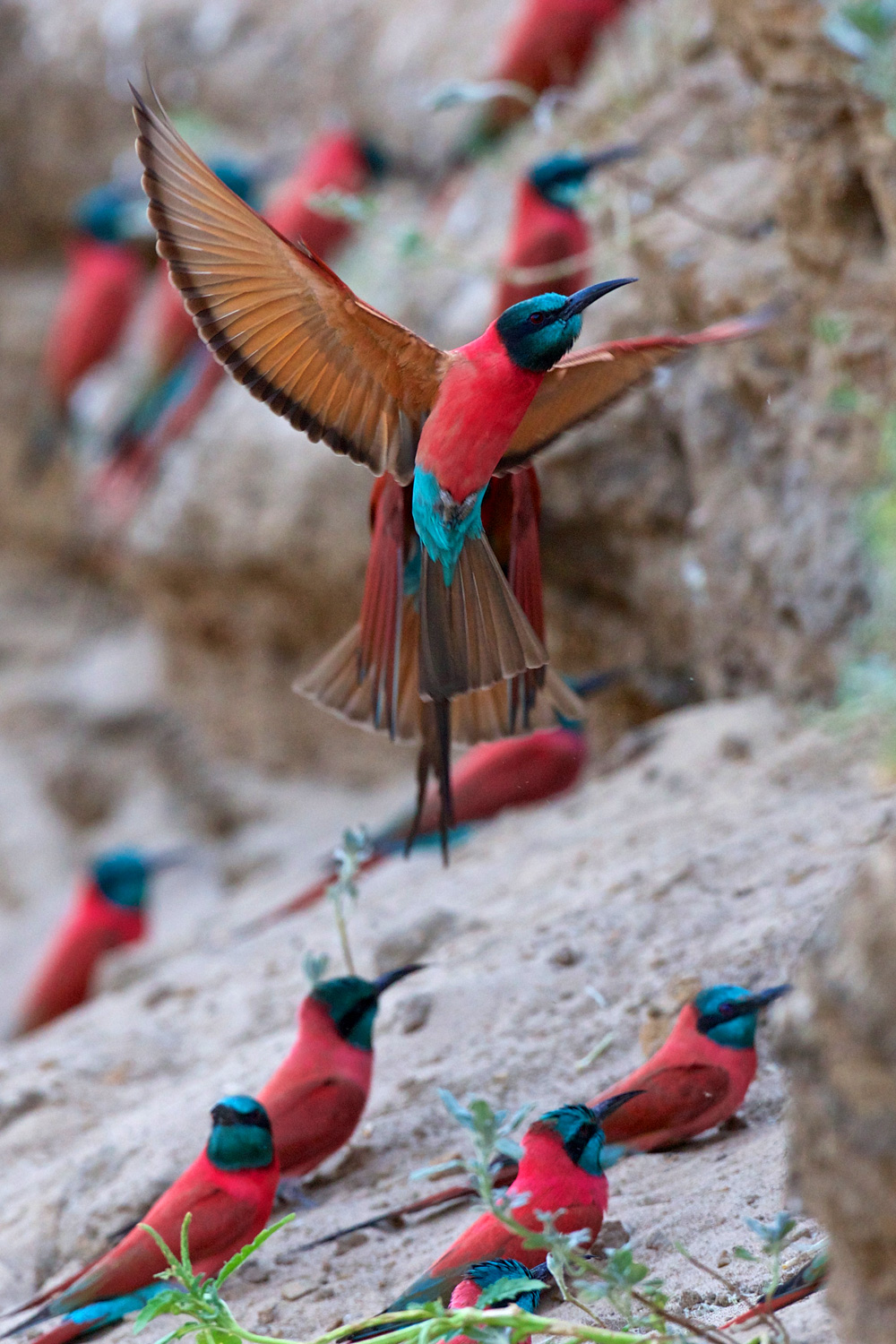
2. Northern carmine bee-eaters on a river bank.
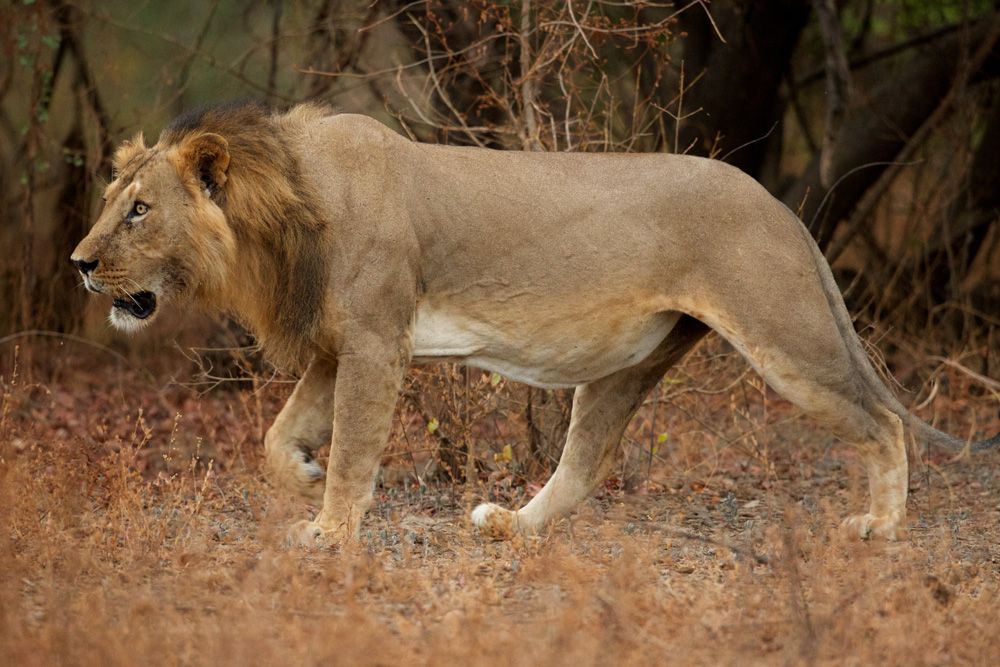
3. This Lion has its sights locked on prey.
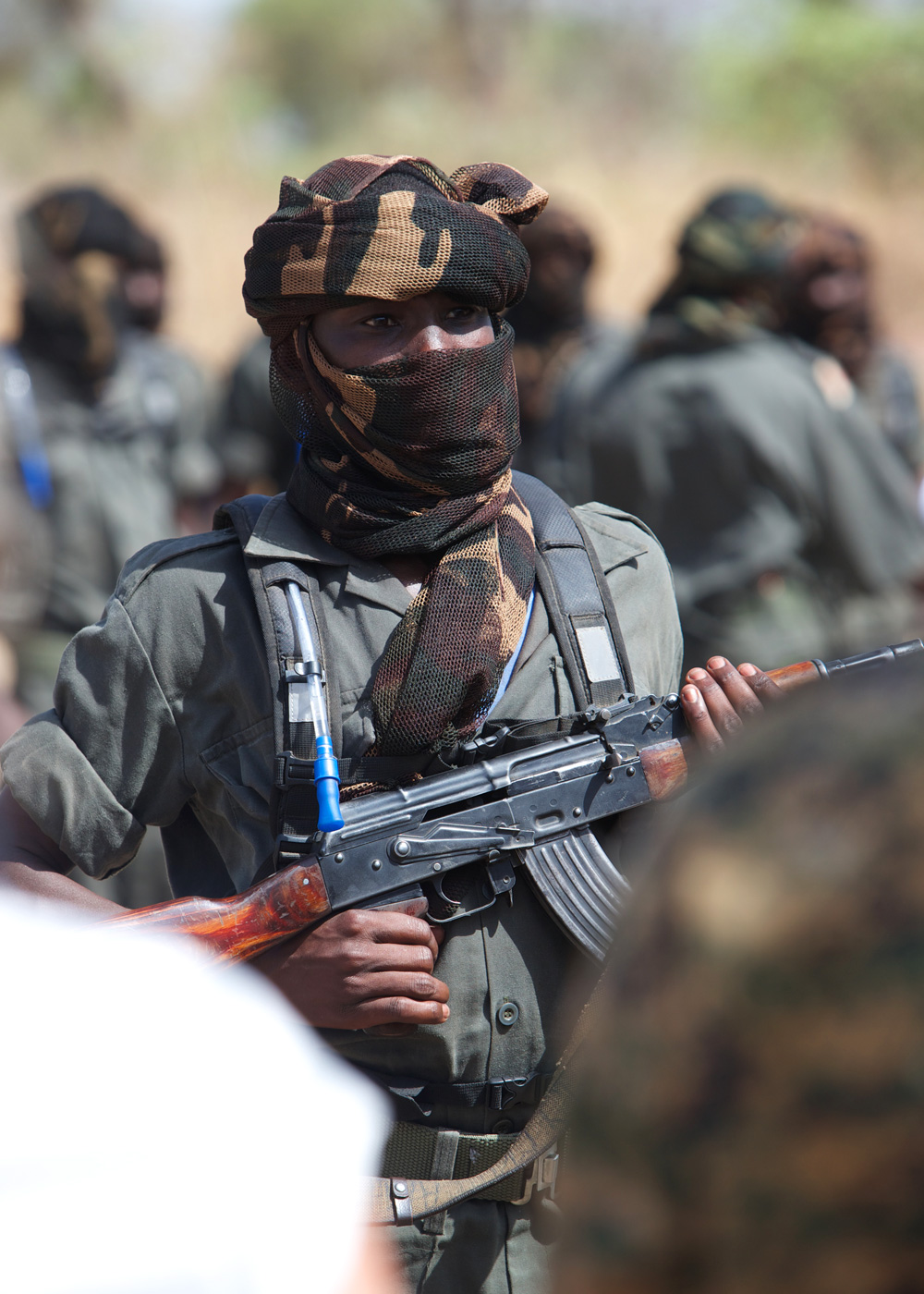
4. One of Zakouma’s newly trained and equipped rangers, a determined force against poachers. All images ©Michael Lorentz
‘The guests I took to Zakouma were hardcore safari enthusiasts, each with over 20 safaris under their belt. Doing something like this attracts guests looking for something beyond the infinity pool. Granted, we weren’t going into a war zone. We weren’t on the frontlines of anti-poaching patrols like the rangers are. But it’s not a family holiday. It’s incredibly remote. It’s uncomfortably hot. The Tsetse flies were so vicious in some parts that between eight and fifteen were biting you at one time – there were moments I wished I had a beekeeper’s suit. But it’s a privilege to be able to go to a place that has that kind of experience. It’s a real adventure.’
And Lorentz’s guests agree. Despite all of the incredible African trips they have under their belts, they said Zakouma was the safari highlight of their lives.
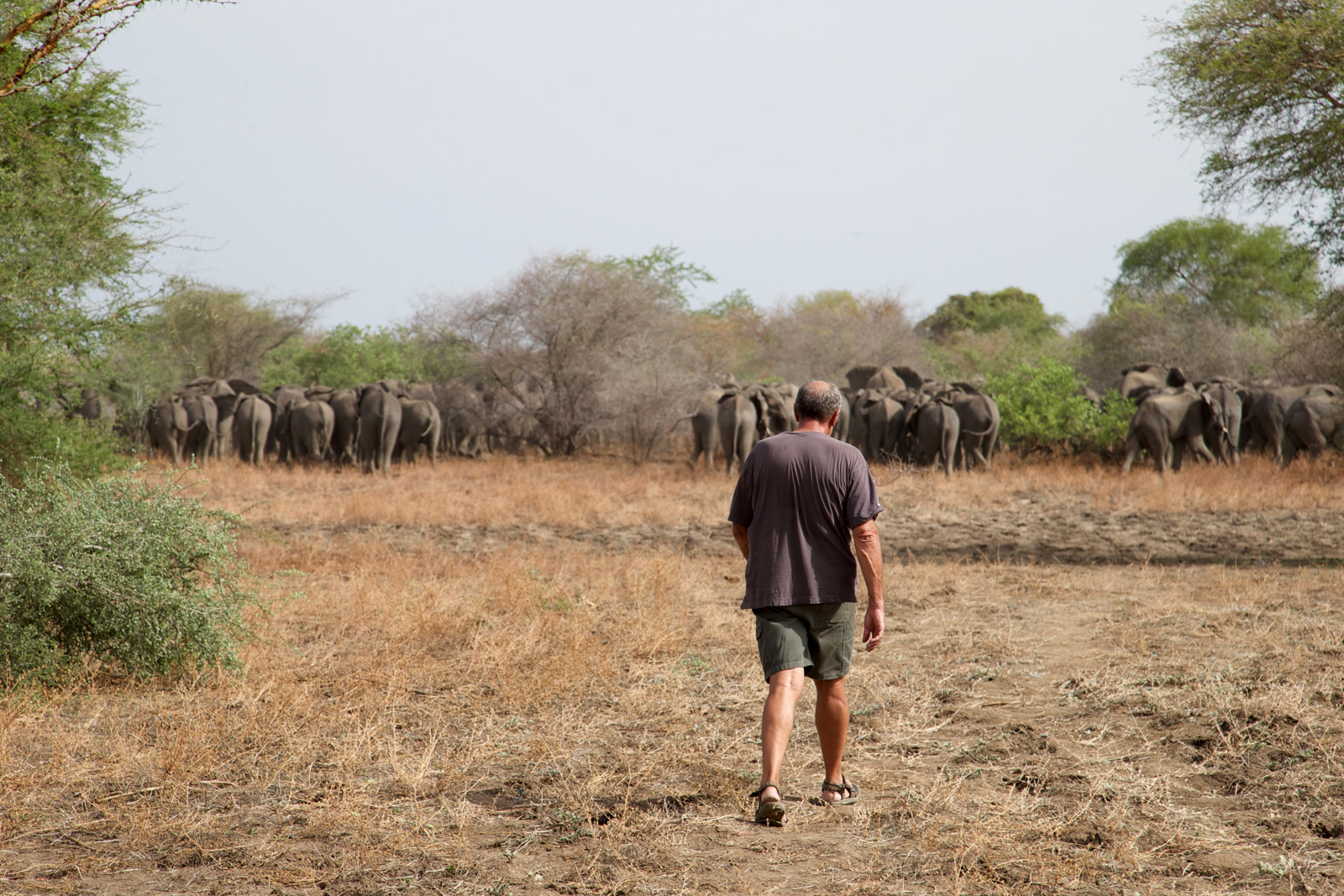
Tourism professionals spend so much time trying to avoid any hardships for their guests that the safari experience loses its wild edge. But there’s a breed of traveller who wants to go places where they are not mollycoddled and where authenticity isn’t manufactured. ‘We are at such a scary period in history. Everything is frightening. We need to retrain people to be adventurous,’ says Lorentz. ‘We may have thought that by taking away risk, we have created a happier life. But it’s not true.’
Some travellers want to go places where authenticity isn’t manufactured
Lorentz is quick to point out that the tourism industry would never put clients in harm’s way, but that it’s people’s perceptions of risk that need to be challenged. It rings true when it comes to tourists’ perceptions of Africa. Thousands are cancelling trips to the big safari hubs like Kenya, Tanzania and South Africa because of the Ebola outbreak, even though these regions are so distant from the affected areas that saying one is cancelling a trip to South Africa because of an Ebola outbreak in West Africa, is like cancelling a trip to Florida because of an outbreak in Alaska.
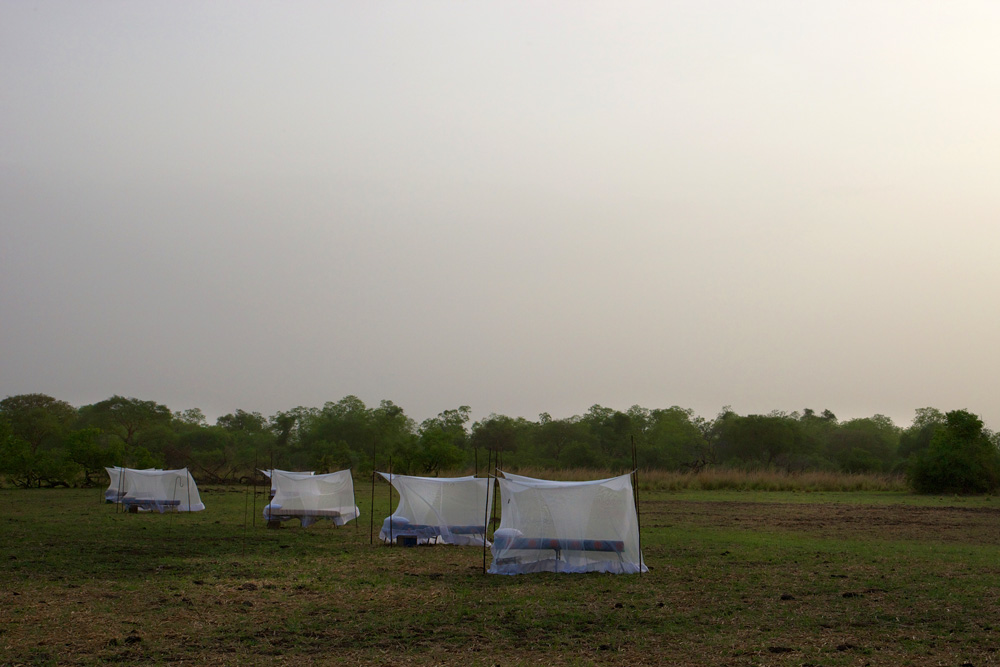
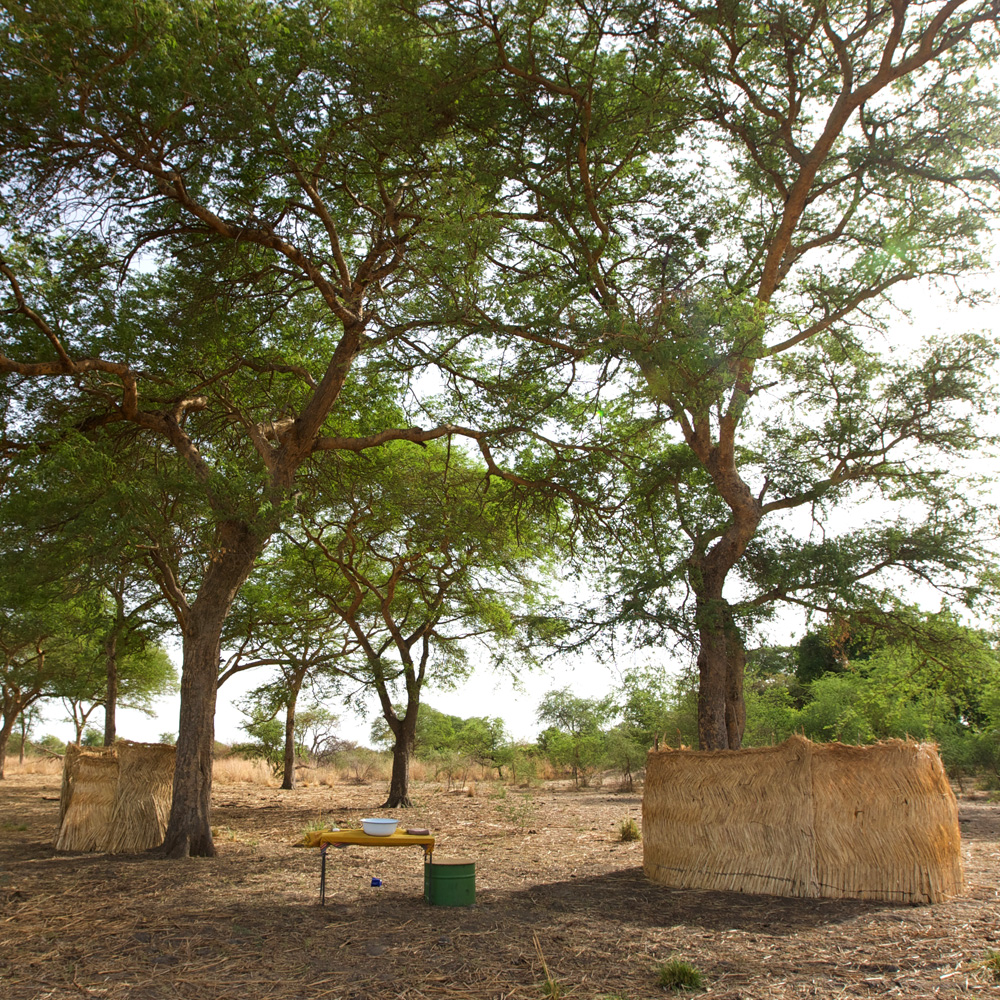
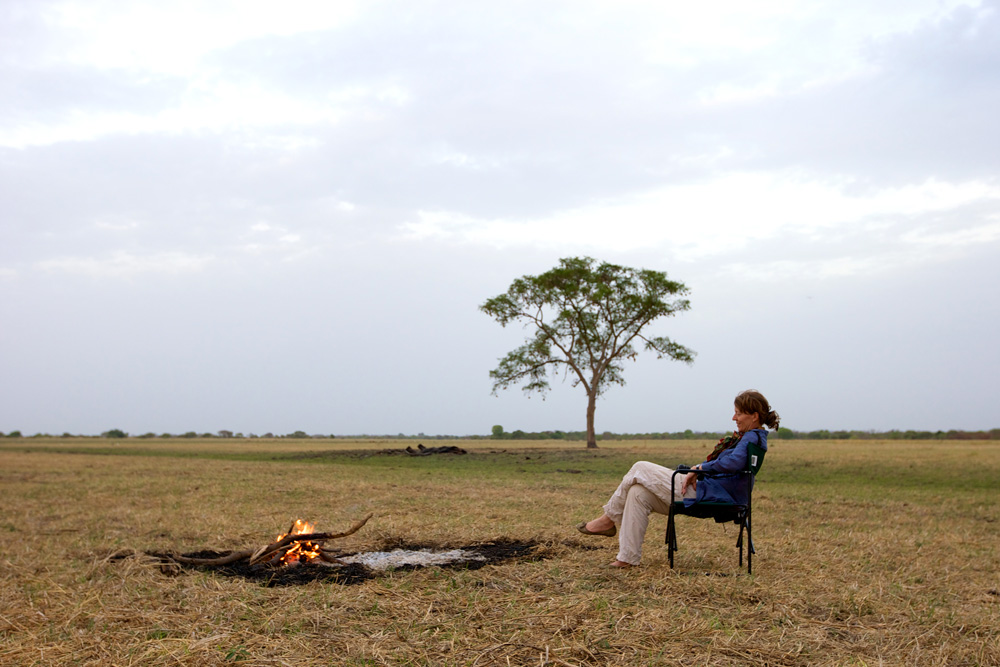
2. Ablution facilities at one of Zakouma’s fly camping stops.
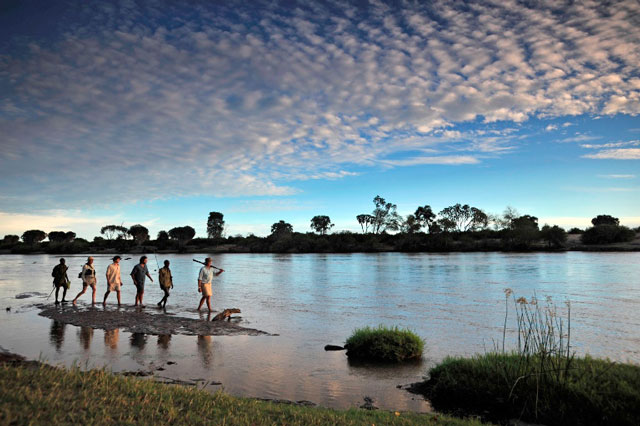
3. Winding down after a long day of walking.
All images ©Michael Lorentz
But if a tourist is willing to be a little more adventurous, the reward is far greater, and for a guide like Lorentz, who is extremely well-versed in conservation issues, it is doubly rewarding because it enables him to find out what is happening on the edge of conservation and beyond, which is where African Parks operates.
 DID YOU KNOW that African Parks offers safari camps (lodges and campsites) where 100% of tourism revenue goes to conservation and local communities? Find out more and book your African Parks safari.
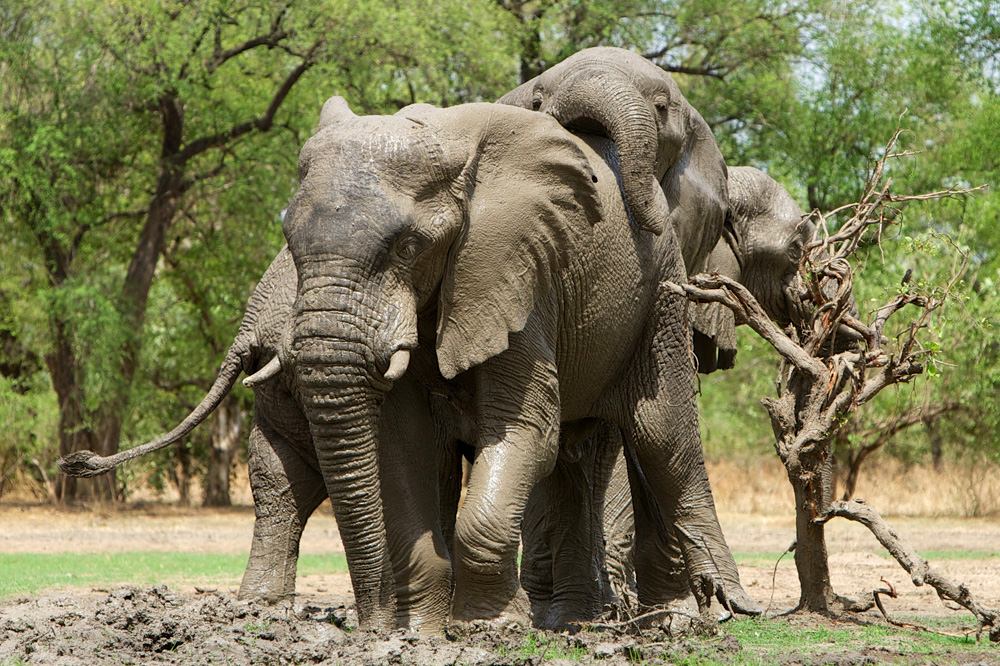
‘In many parts of Africa, conservationists are at war,’ says Lorentz. ‘And African Parks are going into the hardest areas knowing how important they are to conservation. Governments throughout Africa have struggled to manage their parks. But the Chadian government had the foresight to let African Parks manage Zakouma. And the results speak for themselves. The park would hardly have any elephants left without them.’
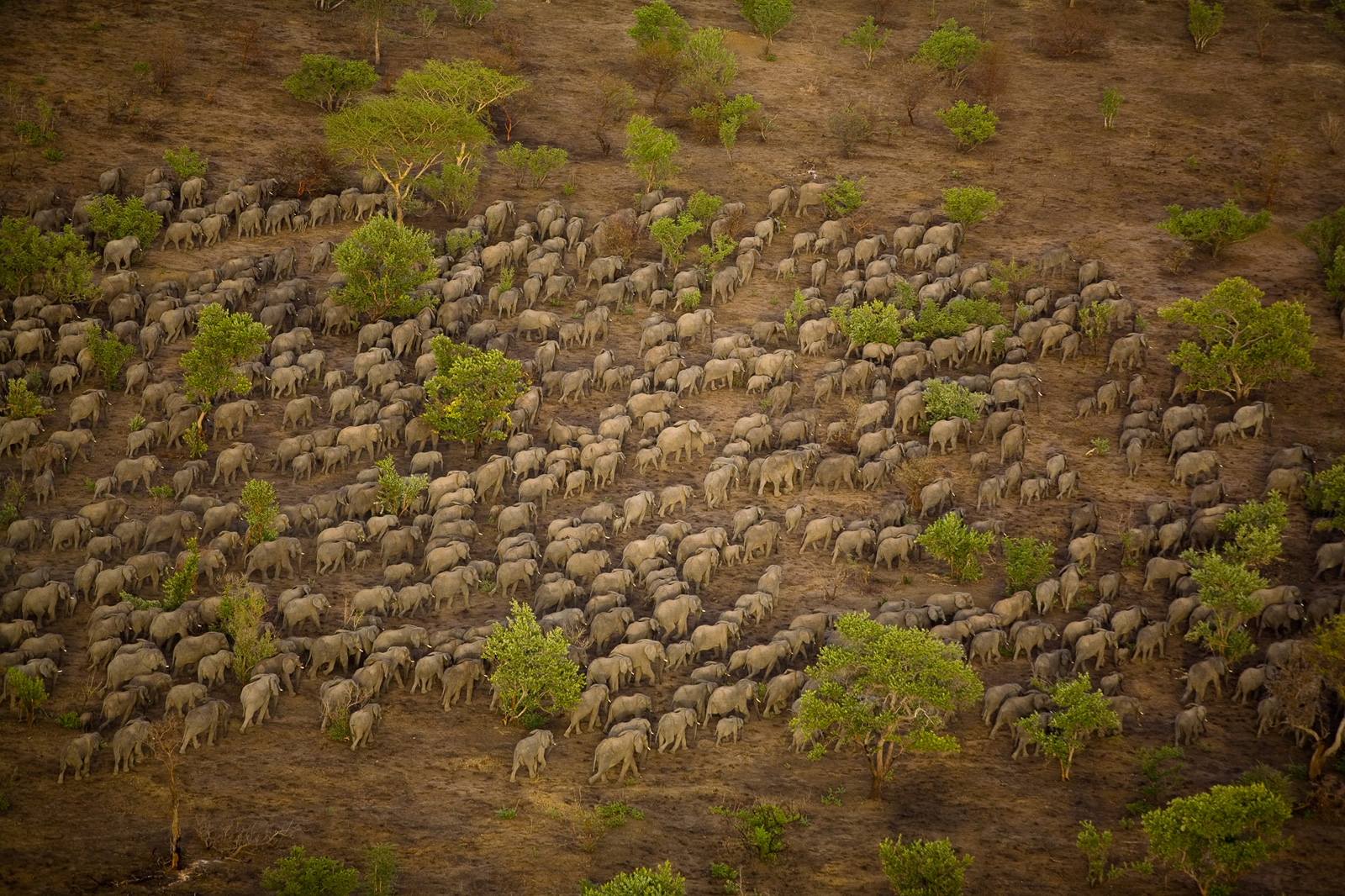
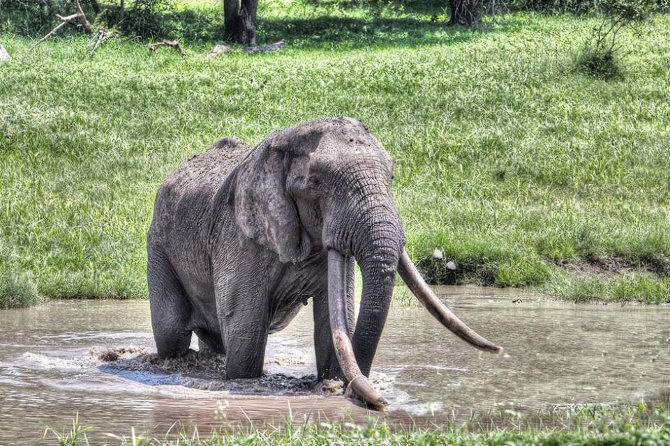
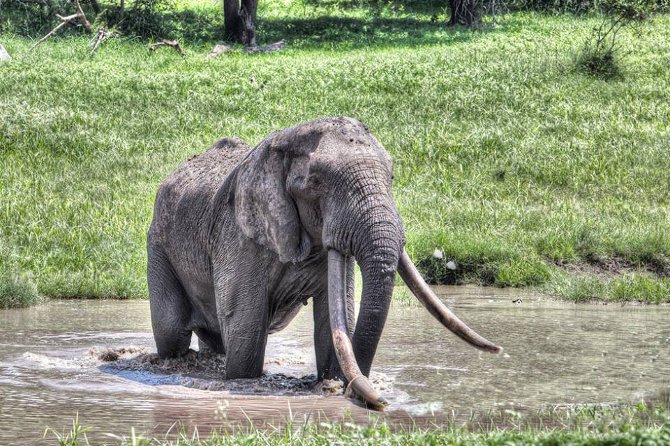
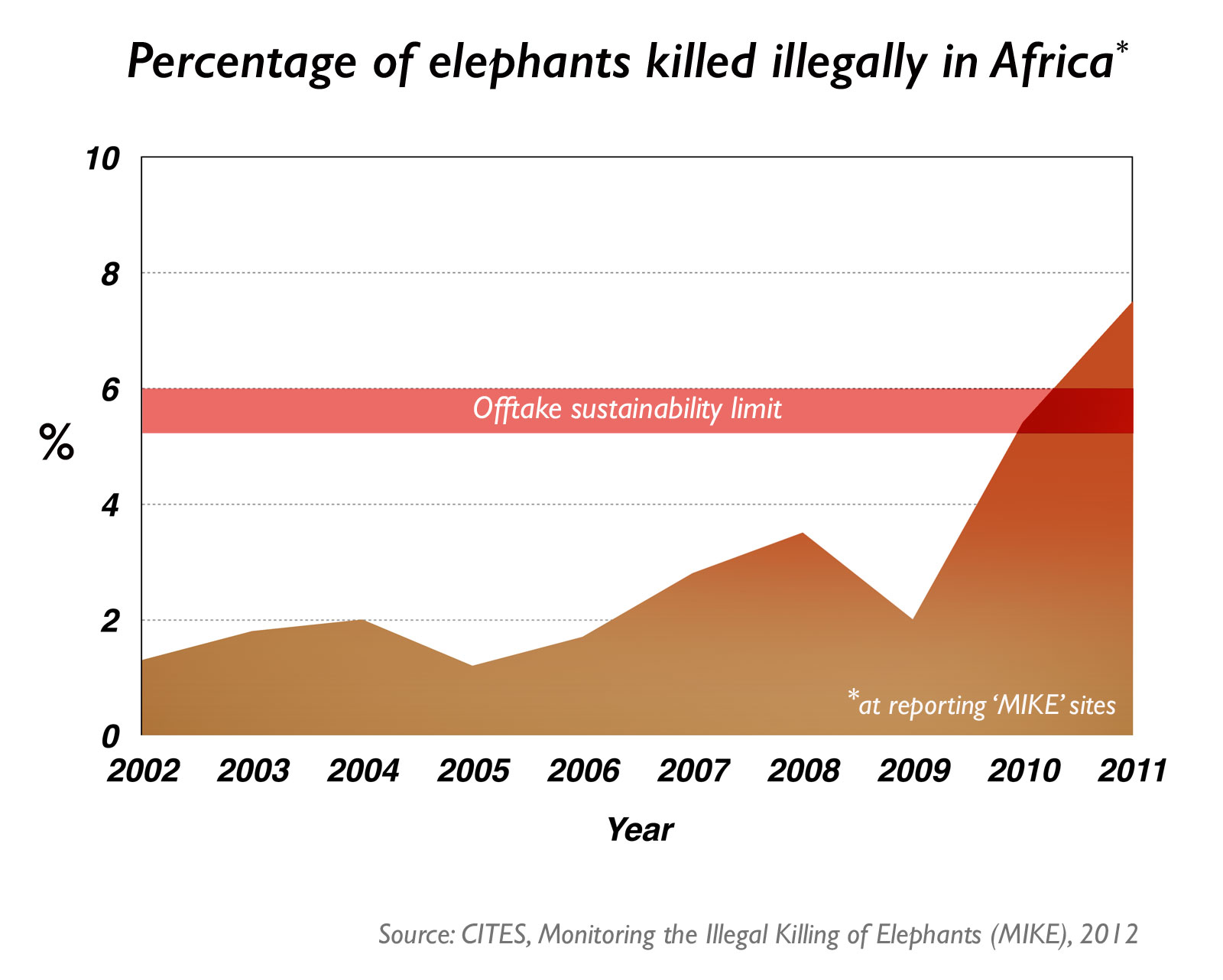
Zakouma is considered one of the last strongholds for central African wildlife, but demand for ivory has sky-rocketed over the last decade, and Zakouma’s elephant population has suffered terribly under the poacher’s gun. An estimated 4 300 elephants in 2002 were reduced to 450 by 2010.
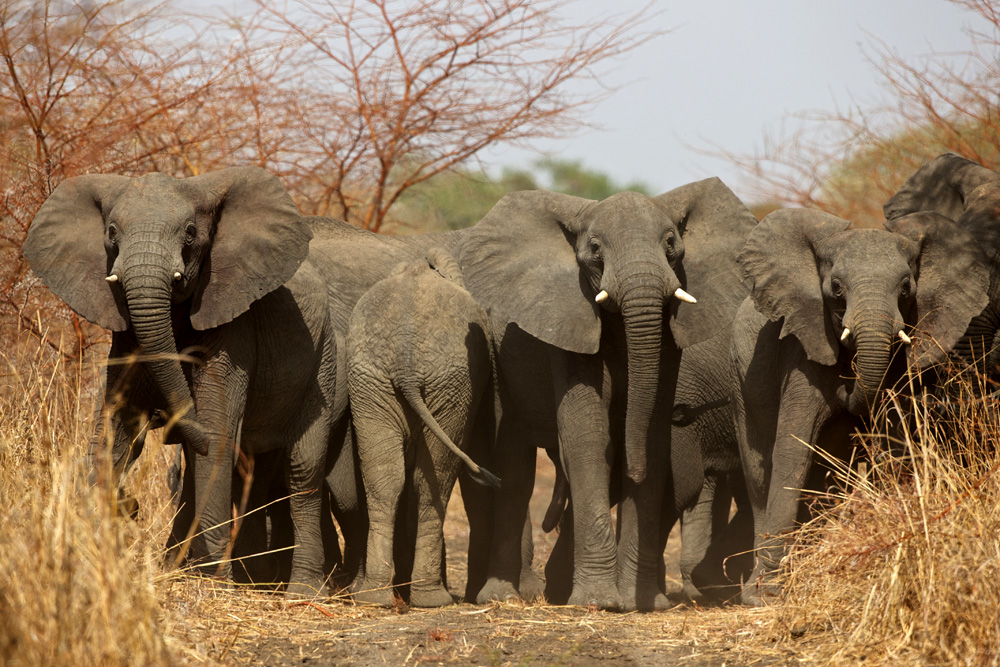
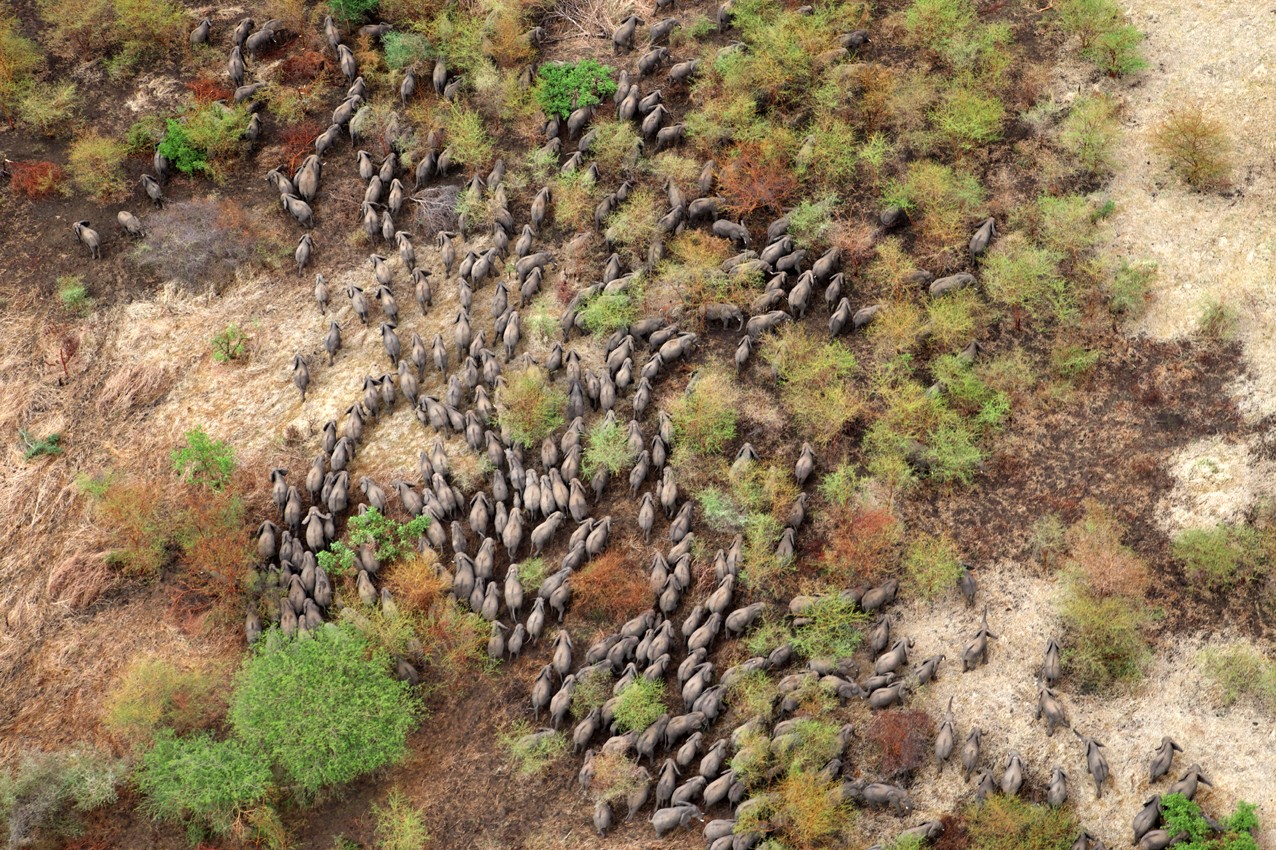
The massacre of Chad’s elephants is nothing new. Going back two centuries, Sudanese gangs mounted on horseback regularly made their way to the region to hunt elephants using spears. They would load the ivory onto camels and donkeys and return to Sudan with the loot. ‘Today, they use AK 47s and belt-fed machine guns. There have been massacres of 60-80 elephants at a time,’ says Zakouma National Park manager Rian Lubuschagne. ‘In Chad, the elephants are known for moving in tight groups for mutual protection. It was originally a defence against the horseman with spears who would have to separate individual elephants to kill them. But that dense grouping has become their greatest downfall. It now makes it easier for mounted poachers to corner the elephants, herd them in a direction, and ambush them with machine guns, shooting into the group.’
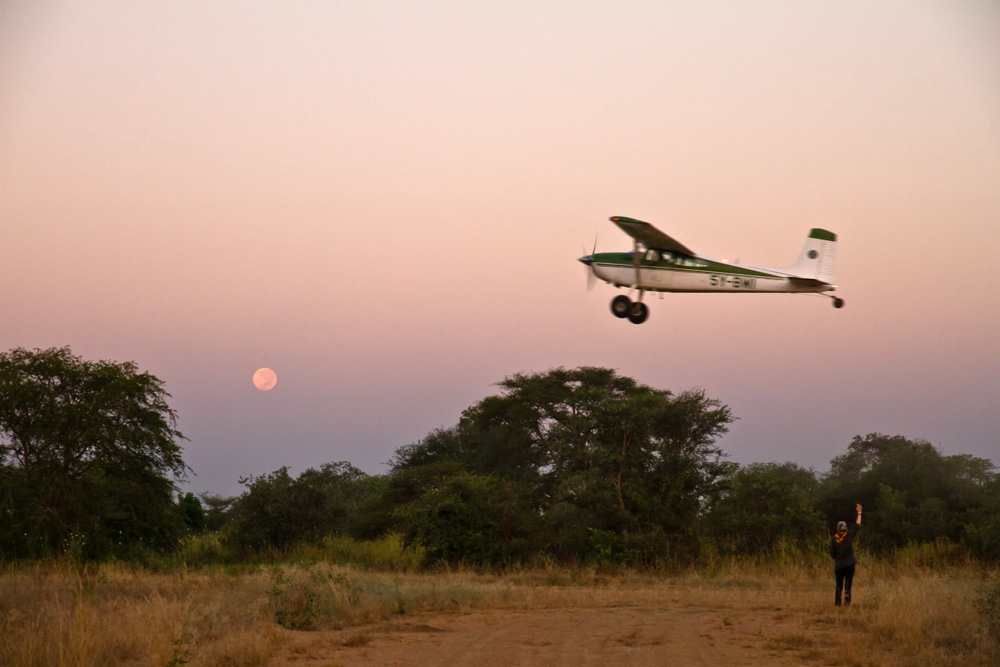
2. Take off from one of Zakouma’s many airstrips, which have proved vital in the fight against poaching. ©African Parks
Zakouma’s elephant population is now stable at just over 450 but might have been wiped out if African Parks hadn’t taken over in 2010. It wasn’t easy to convince Chad’s government to give them the sole mandate of managing the park – and to do so beyond the usual five-year project basis. ‘This had to be for the long term,’ says Labuschagne, ‘But steadily, once the government started seeing results and how we were working with the Chadians as partners, they started accepting it. They are very serious about it now. President Déby is driving it, and we get their full support.’
But how did they turn it around? Labuschagne explains that one of the keys was studying the history of Zakouma, particularly where and when the elephants were most threatened. It became clear that, for about three months during the wet season, when the park closed down, there was intensive poaching. The elephants moved in a very wide area to try and escape – moving up to 100 kilometres beyond the periphery, but it was here that poachers found it even easier to pick off the herds. The key was for African Parks to stay in the park and conduct operations for 12 months of the year.
12 airstrips were opened to deploy rangers and conduct extensive aerial patrols
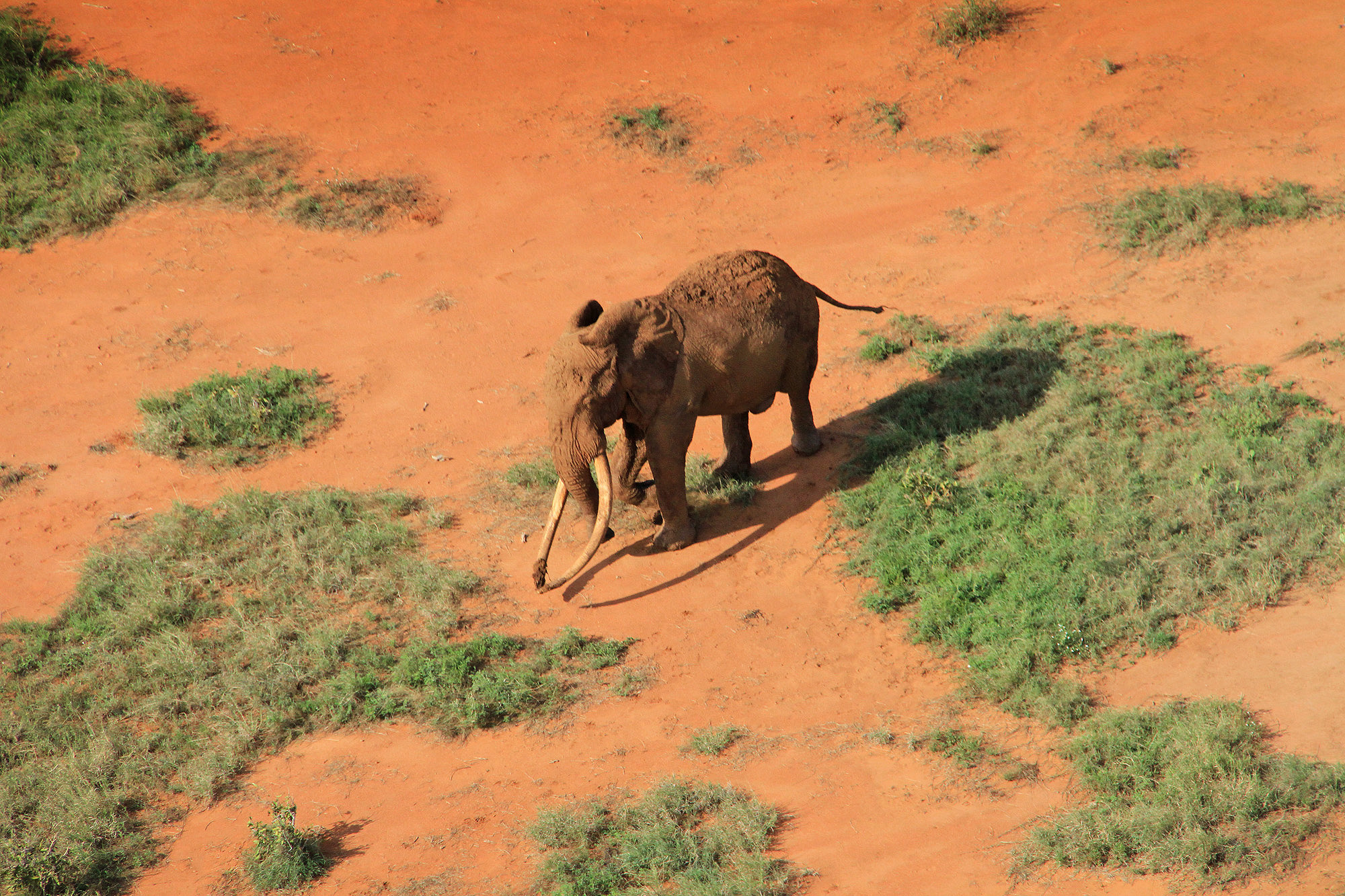
‘If you look out here now, it is one big lake. We’re on an island. We can just get to the headquarters with a 4×4 tractor,’ says Labuschagne. To resolve this, one of the first things they did was build an all-weather airstrip right next to the park. With good planning and the stockpiling of food, equipment and fuel, they could operate year-round. They also opened 12 small airstrips at key places throughout the park, and within the first year, they could follow the elephants as they moved. ‘10 to 12 satellite collars were fitted to elephants so we could track the main herds. This and the airstrips allowed us to plan and execute our ranger deployment and perform aerial patrols with efficiency.’
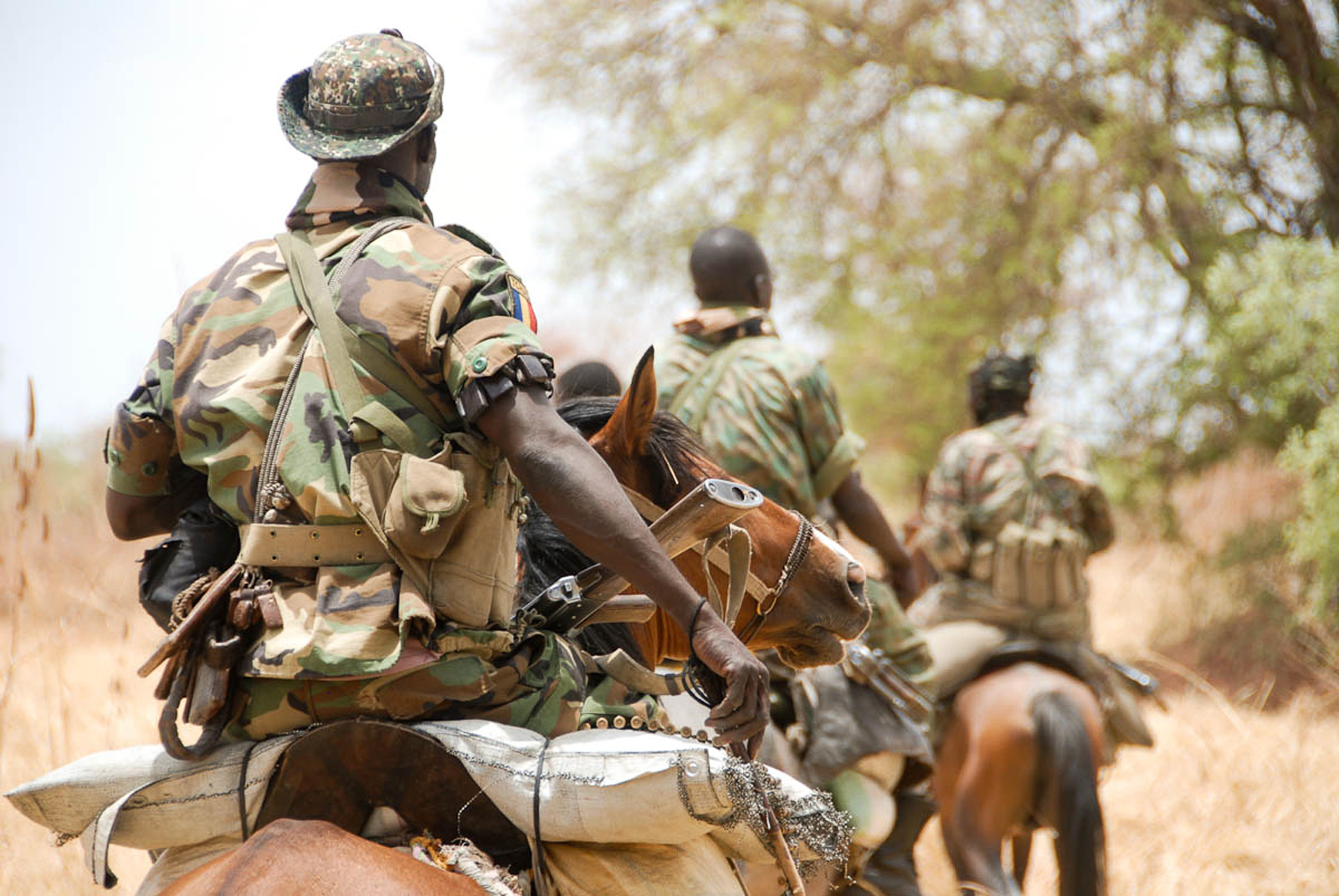
One of the other major issues was that rangers were informing locals – and poachers directly or indirectly – about their patrol areas and the location of the herds. African Parks eliminated this by withholding all information about upcoming patrols from the rangers until they were at central command and ready to be deployed. This way, they had no opportunity to inform anyone.
Putting rangers on horseback meant they were on a par with poachers
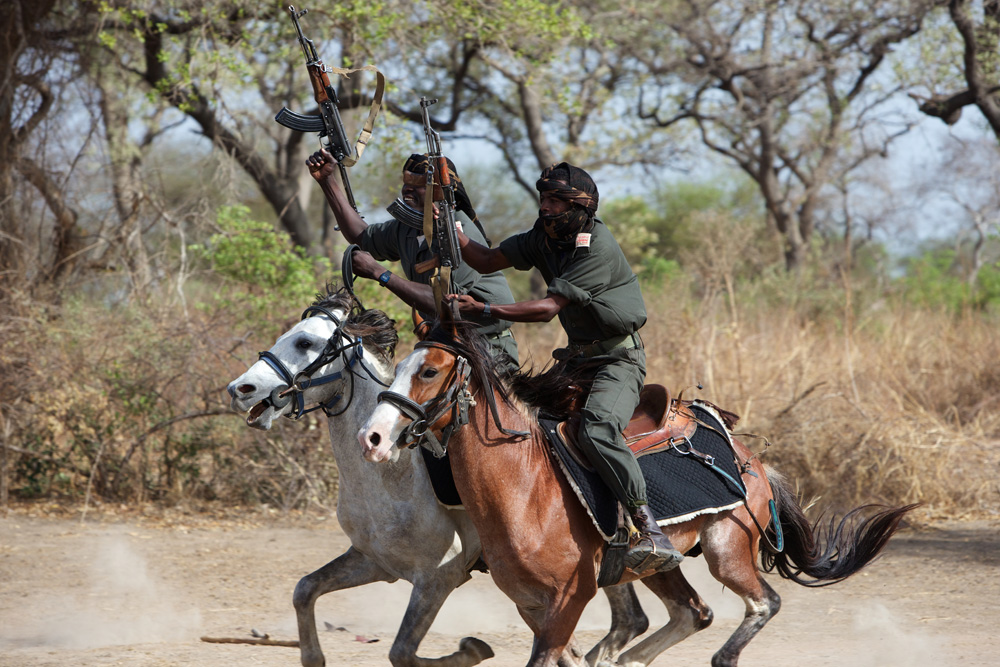
Approximately half of the rangers are now on horseback. This puts them on a par with poachers regarding ground operations, and the horses are even better utilised during the wet season when vehicles cannot negotiate the park. It also allows them to cover larger distances, carry more provisions and conduct patrols over a longer period. Thanks to the donation to African Parks of a thoroughbred stallion to breed with local mares, their horse stock has been improved. Also, as a contribution to community understanding and enrichment, the sire services have been extended to the local people’s horses.
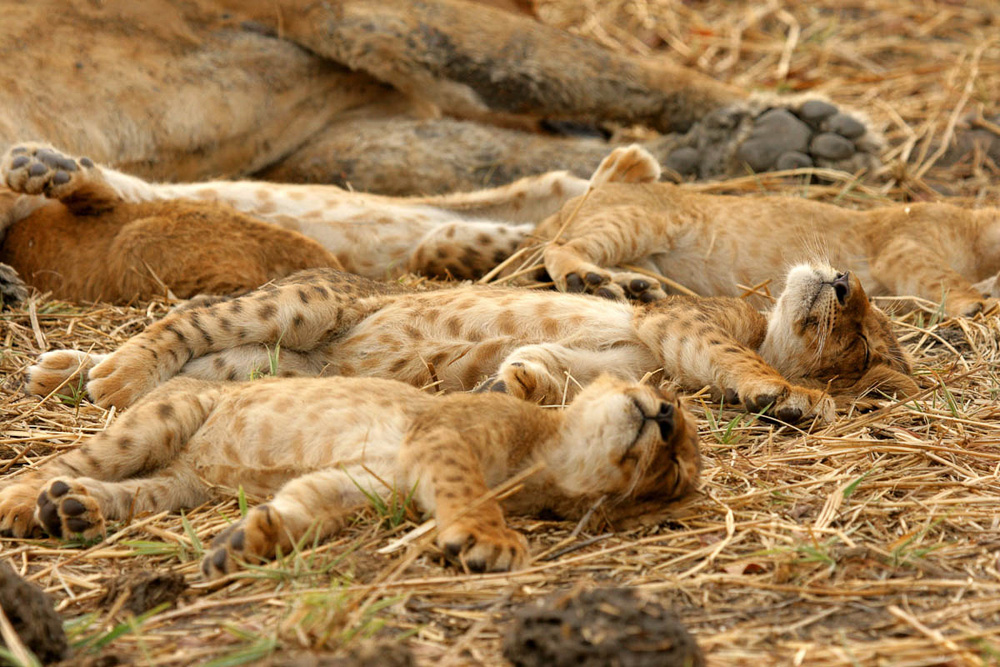
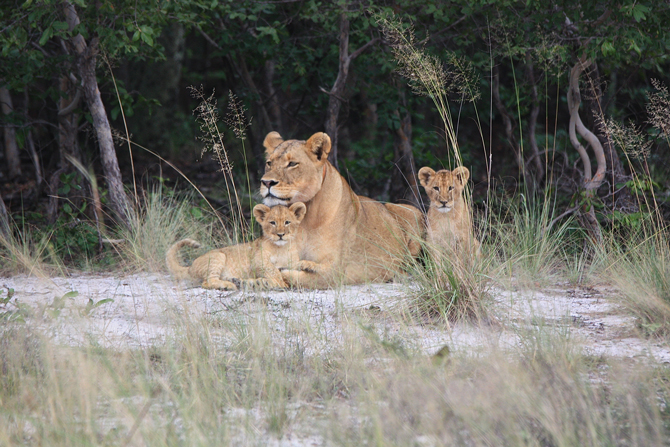
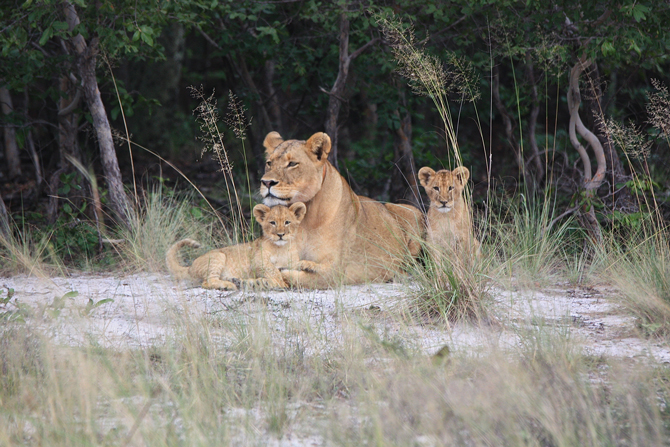
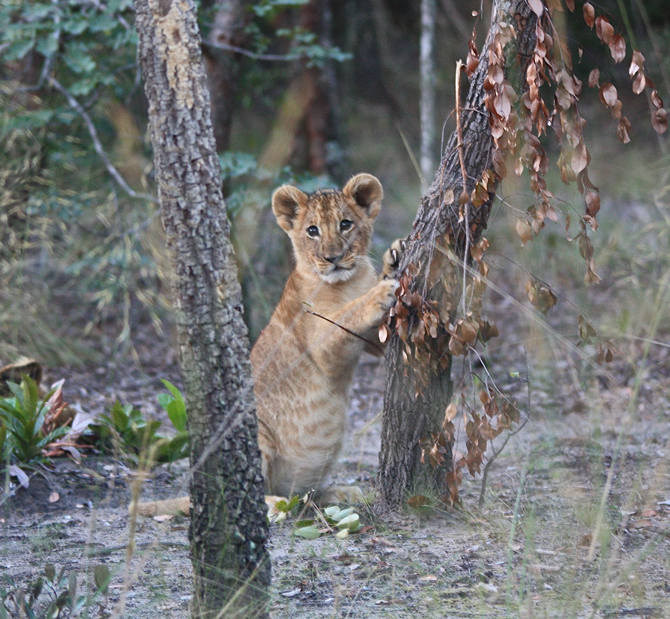
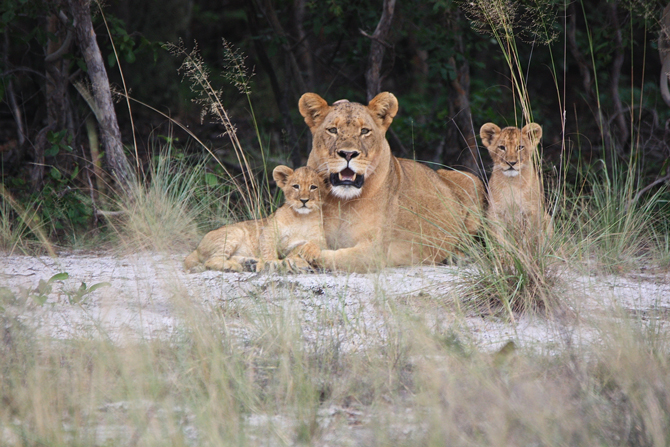
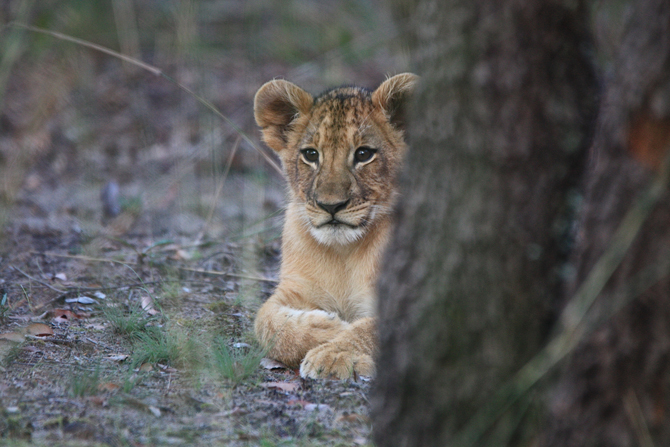
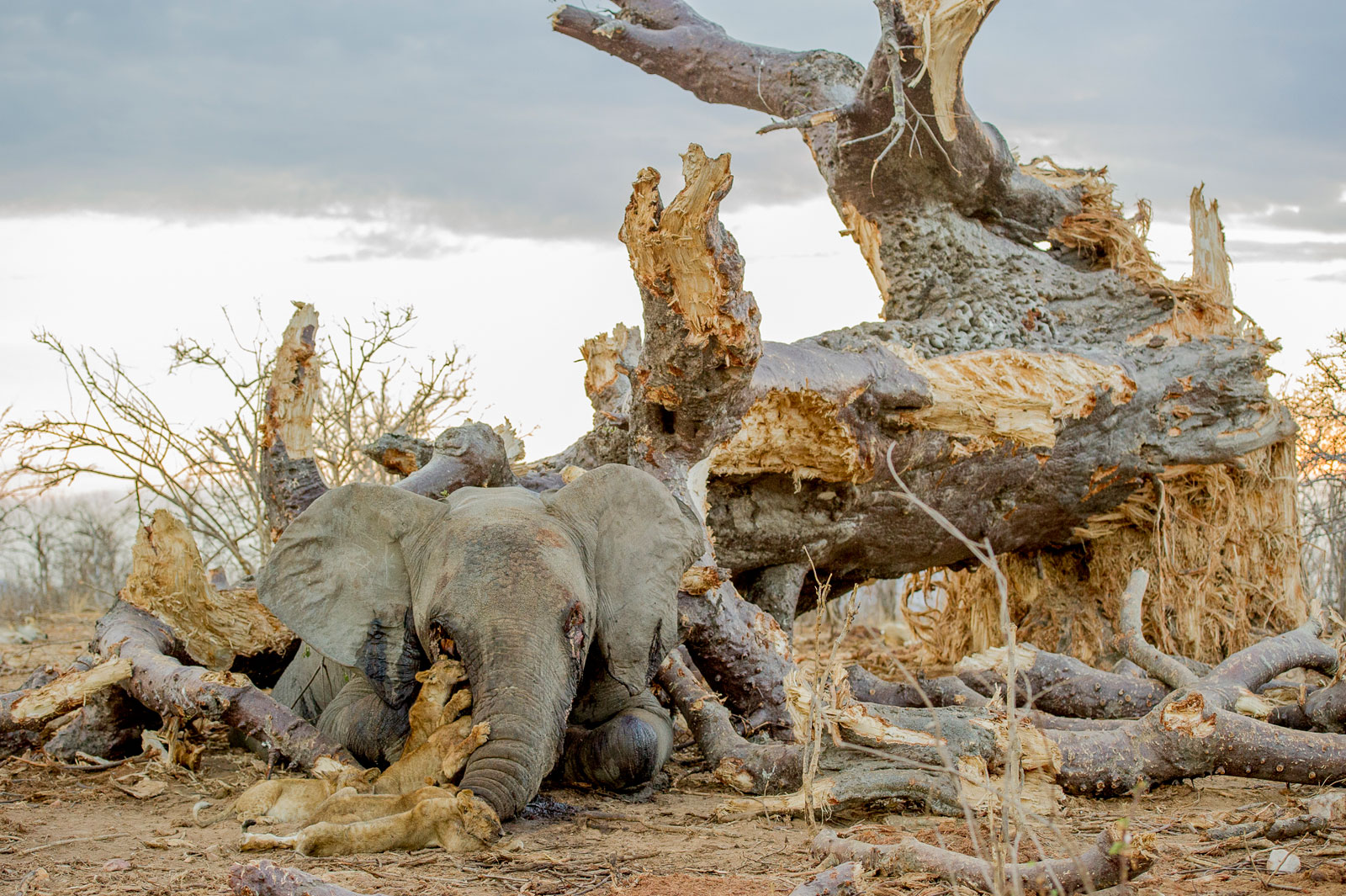
2. Lion cubs at rest. ©African Parks/Nuria Ortega
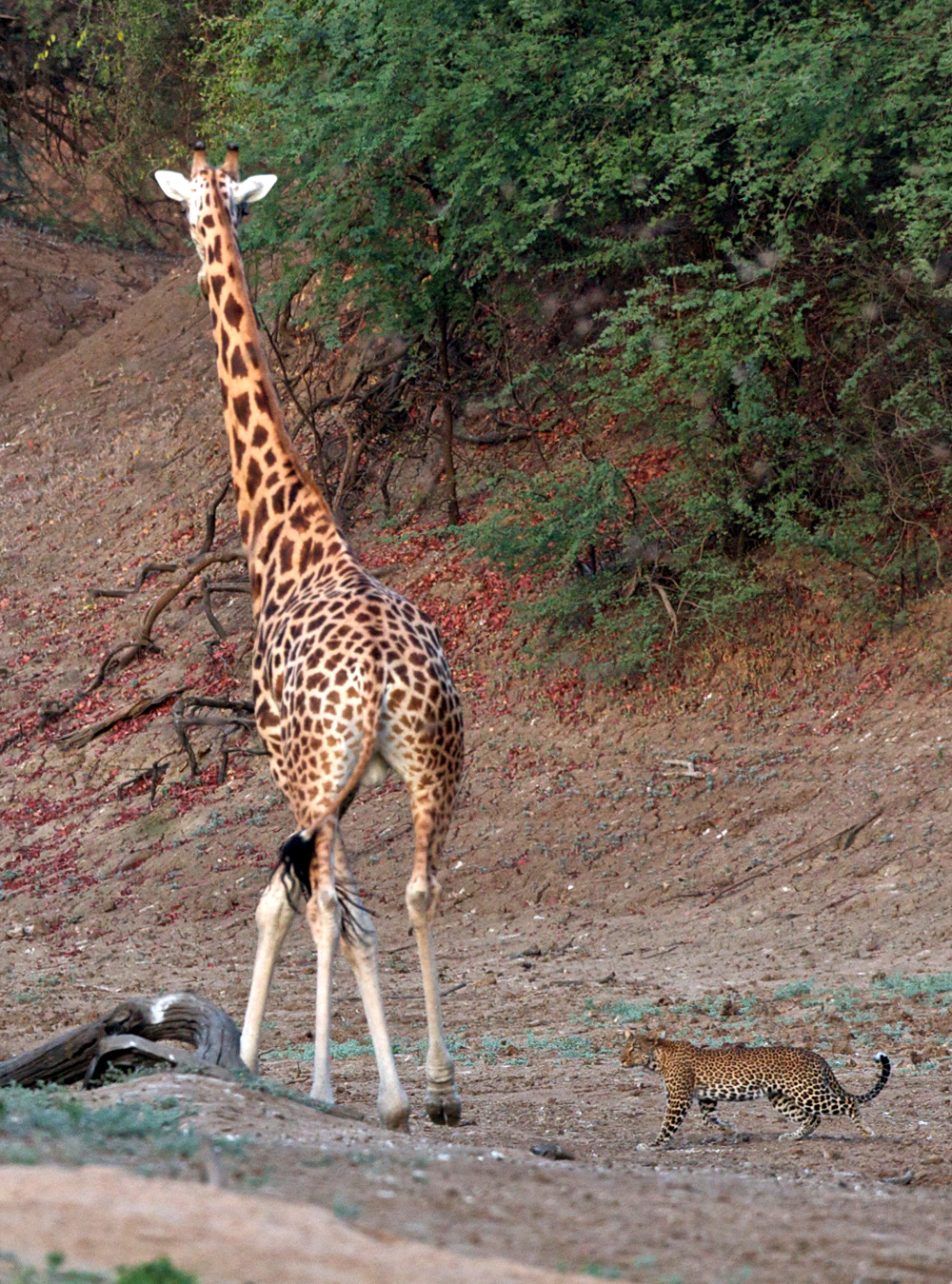
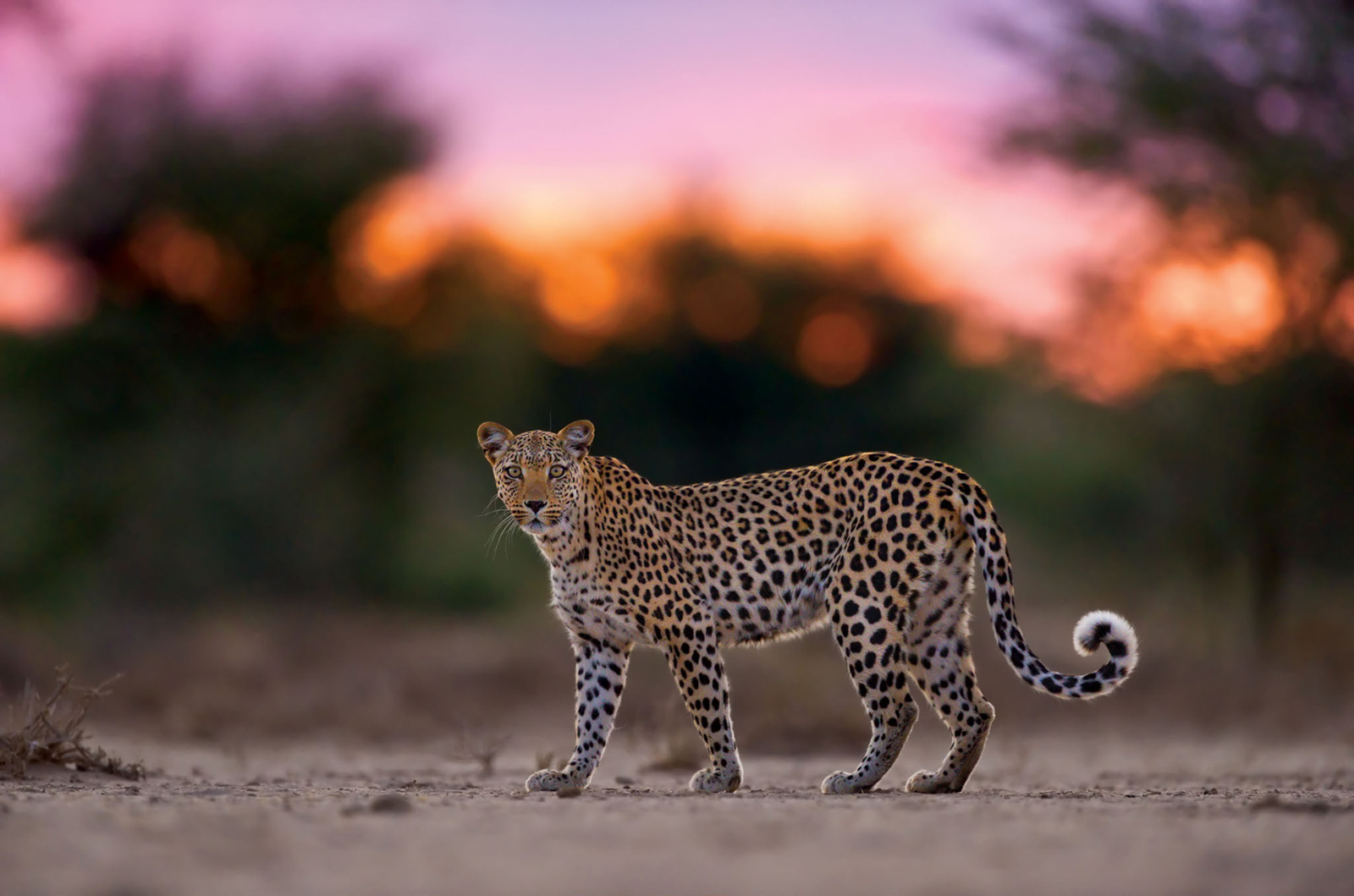
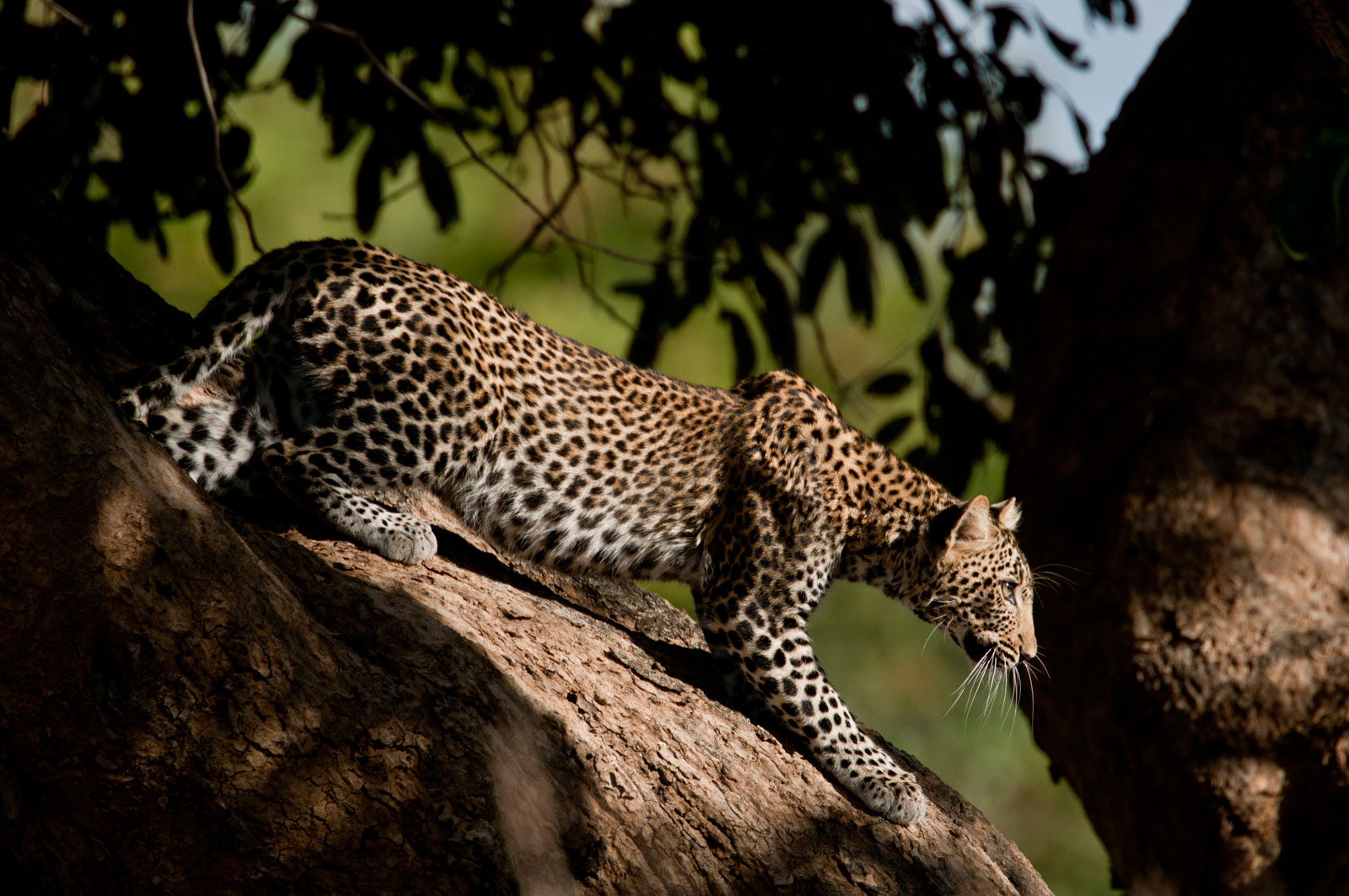
3. A giraffe and leopard cross paths on a Zakouma river bed. ©Michael Lorentz
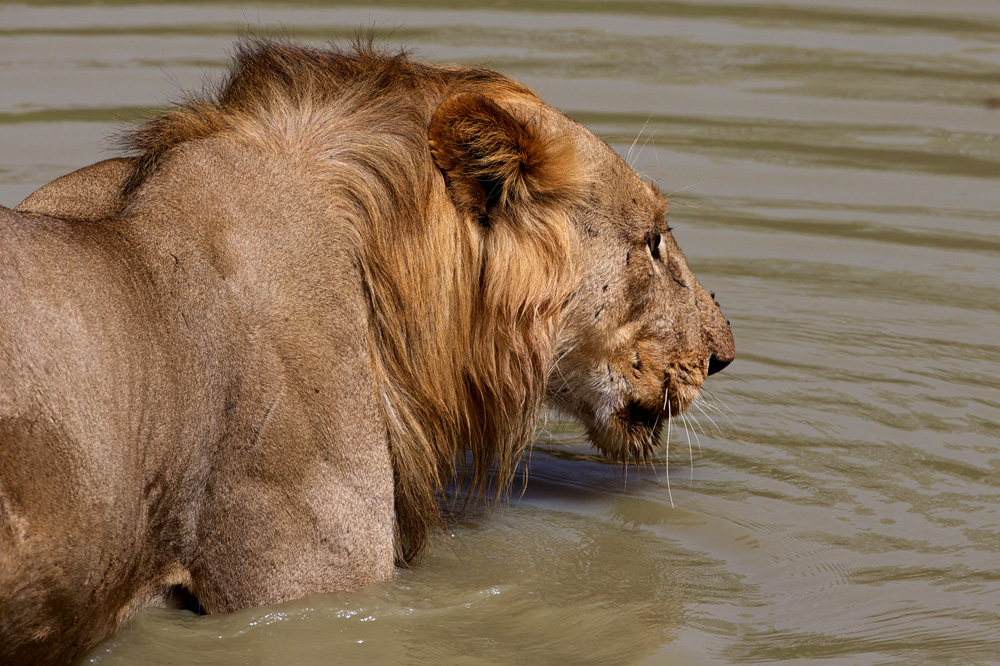
4. A male lion ventures into the water at one the author’s “infinity pools”. ©Michael Lorentz
But Zakouma is still probably the most dangerous park in Africa to be a ranger. ‘They have lost 23 rangers since the 90s in conflict with poaching gangs from Sudan,’ says Labuschagne. In September 2012, six Zakouma rangers were murdered while they were at morning prayer in what is considered a reprisal attack by poachers. French ex-military and ex-police Special Forces officers now conduct training.
This story of Zakouma is what Michael Lorentz wanted his guests to know and appreciate. Lorentz’s infinity pool is of a different sort. It is a place in Zakouma, a natural water point abundant in wildlife called Tinga Junction. ‘Sitting here for hours, with no weapon, no vehicle backing you up, you are just one of the elements,’ he says. ‘Creatures are reacting to you – your movements, your body language. That’s being in nature. That’s very hard to achieve at a typical infinity pool.’
RESOURCES
Blown away by Zakouma National Park – a trip report from a visit to Zakouma
Celebrating Zakouma National Park – a celebration of the Zakouma National Park’s creation
Keeping up with the Kordofans – more about the Kordofan giraffe
Contributors
 MICHAEL LORENTZ is passionate about wildlife, wilderness and elephants in particular. Born in South Africa, he knew from an early age that his true vision and happiness would lie in Africa’s wild places. A passionate and award-winning photographer, Michael’s work has been featured in several publications, as well as at the Smithsonian Museum of Natural History in Washington DC. Having guided for 26 years, this remains his first professional love, conducting safaris throughout Southern, East and Central Africa.
 ANTON CRONE quit the crazy-wonderful world of advertising to travel the world, sometimes working, sometimes drifting. Along the way, he unearthed a passion for Africa’s stories – not the sometimes hysterical news agency headlines we all feed off, but the real stories. Anton strongly empathises with Africa’s people and their need to meet daily requirements, often in remote, environmentally hostile areas cohabitated by Africa’s free-roaming animals.



 JANINE MARÉ is the first to confess that she has been bitten by the travel bug… badly. She loves all things travel, from basic tenting with creepy crawlies to luxury lodges; she will give it all a go. Janine is passionate about wildlife and conservation and comes from a long line of biologists, researchers and botanists. Janine is a former marketing manager at Africa Geographic.






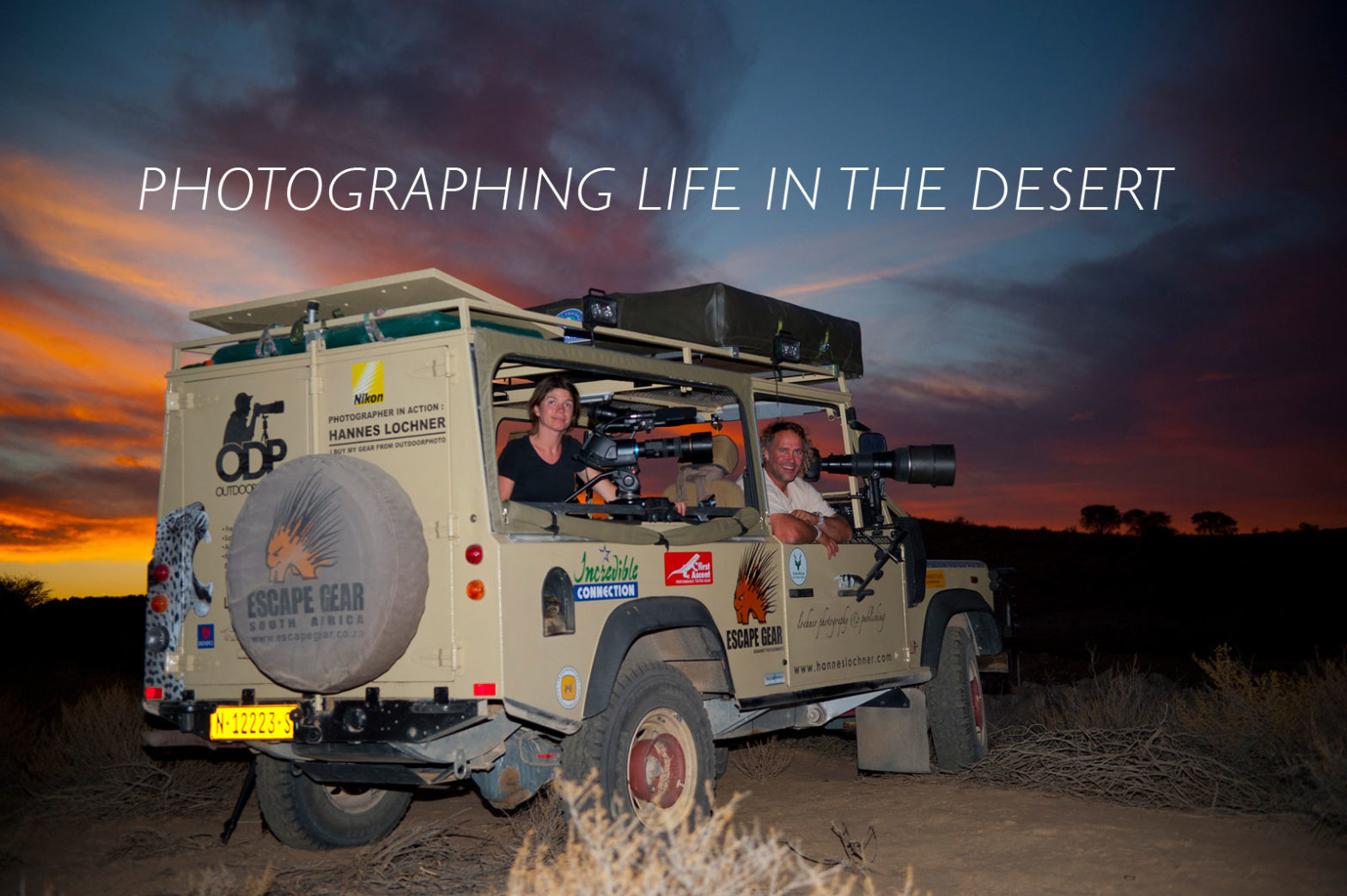
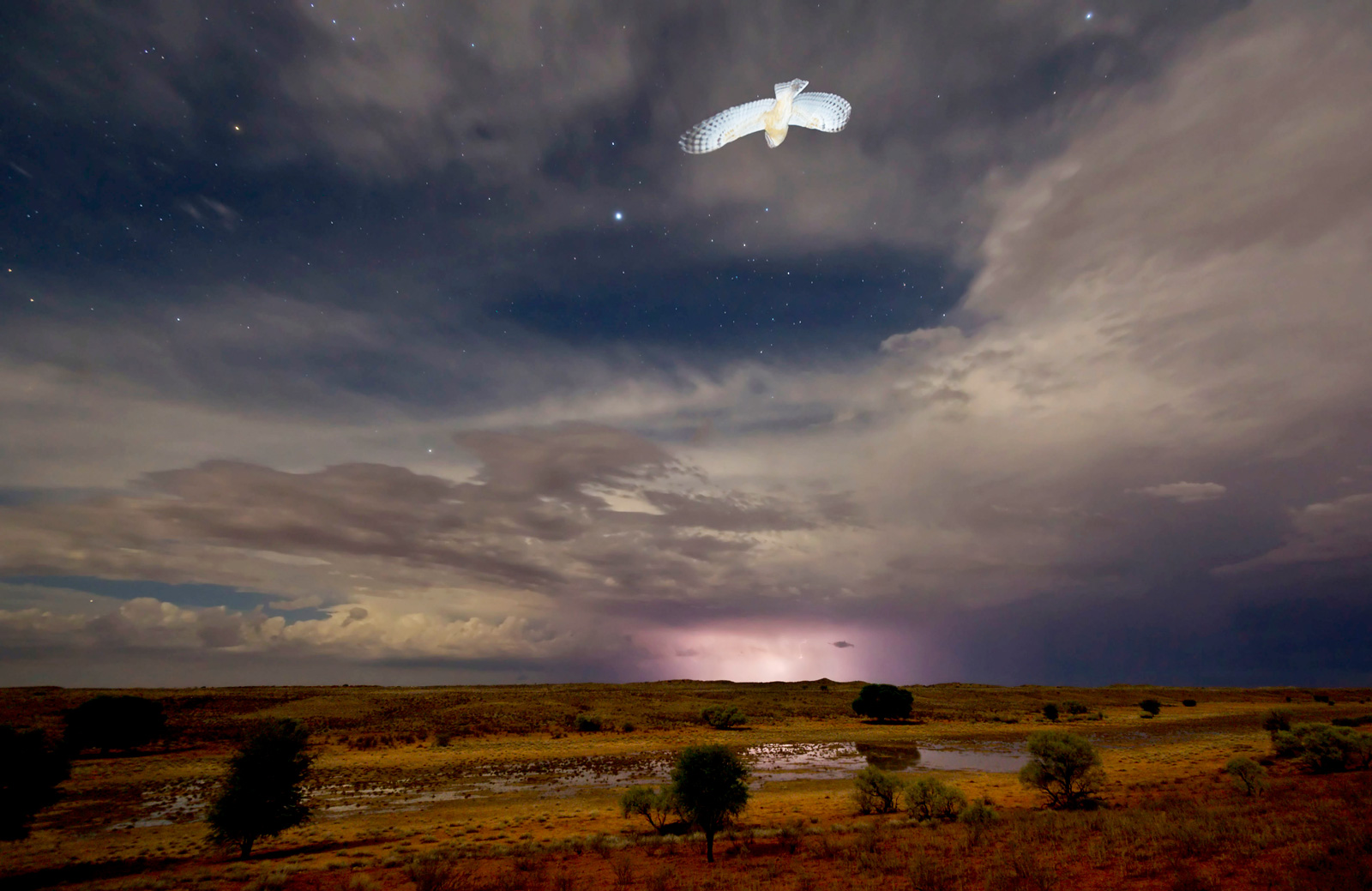
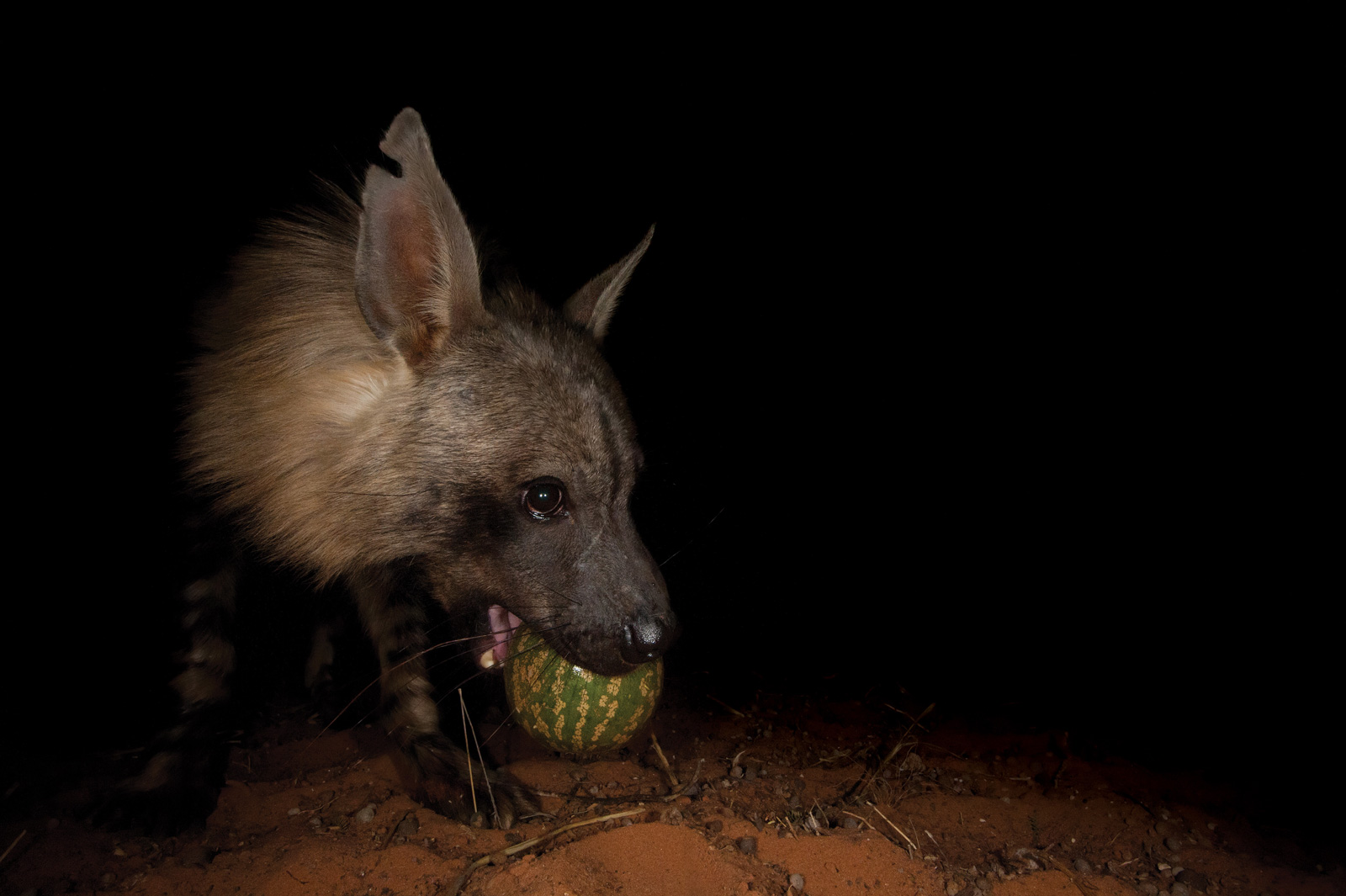
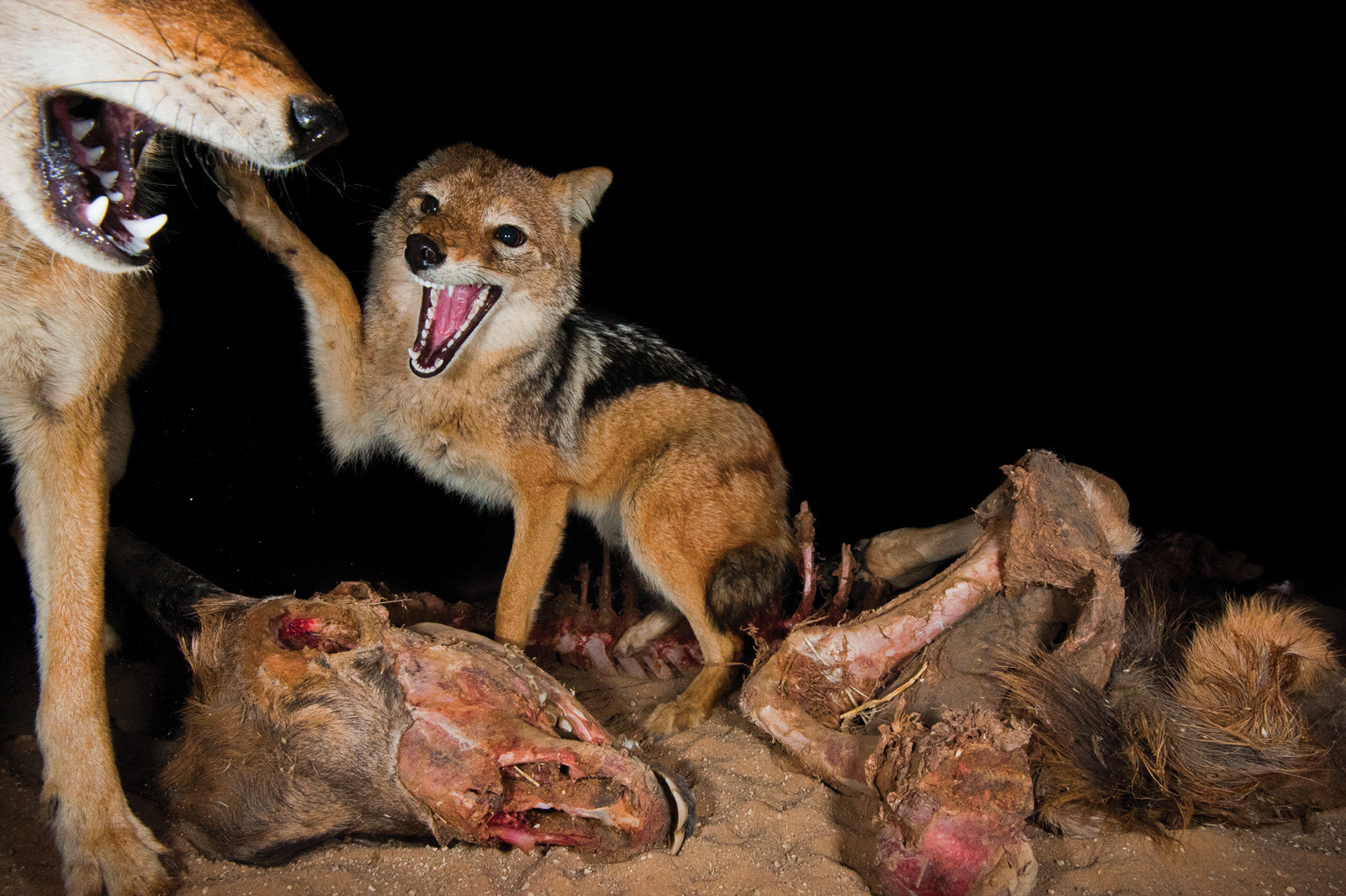
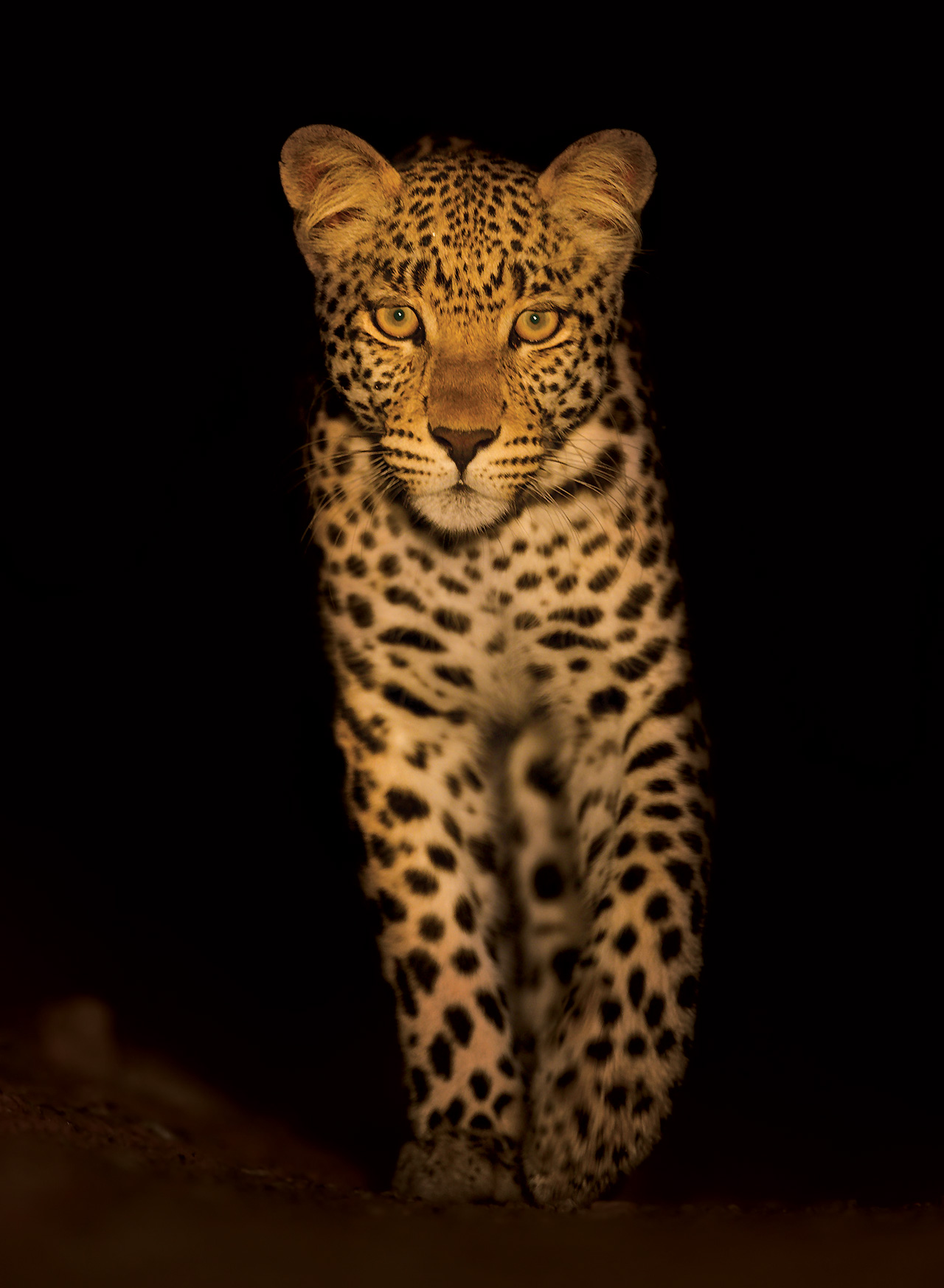
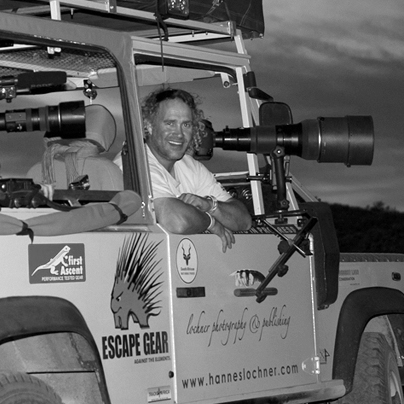 HANNES LOCHNER is a Cape Town-born photographer who has become synonymous with the Kalahari, having spent 5 years photographing the bounteous wildlife of this arid region. Before becoming a full-time wildlife photographer, Hannes was a graphic designer and travelled the world kayaking her rivers intensely. It was on returning to South Africa that he started his own rafting company, acting as a field guide on the Orange and Kunene Rivers. But his love for the fauna of Africa triumphed, and his career as a photographer took off. You can view more of Hannes’ work on his



 The
The  Simon Espley is an African of the digital tribe, a chartered accountant and CEO of Africa Geographic. His travels in Africa are searching for wilderness, real people with interesting stories and elusive birds. He lives in Hoedspruit with his wife, Lizz and two Jack Russells, and when not travelling or working, he will be on his mountain bike somewhere out there. His motto is ‘Live for now, have fun, be good, tread lightly and respect others. And embrace change.’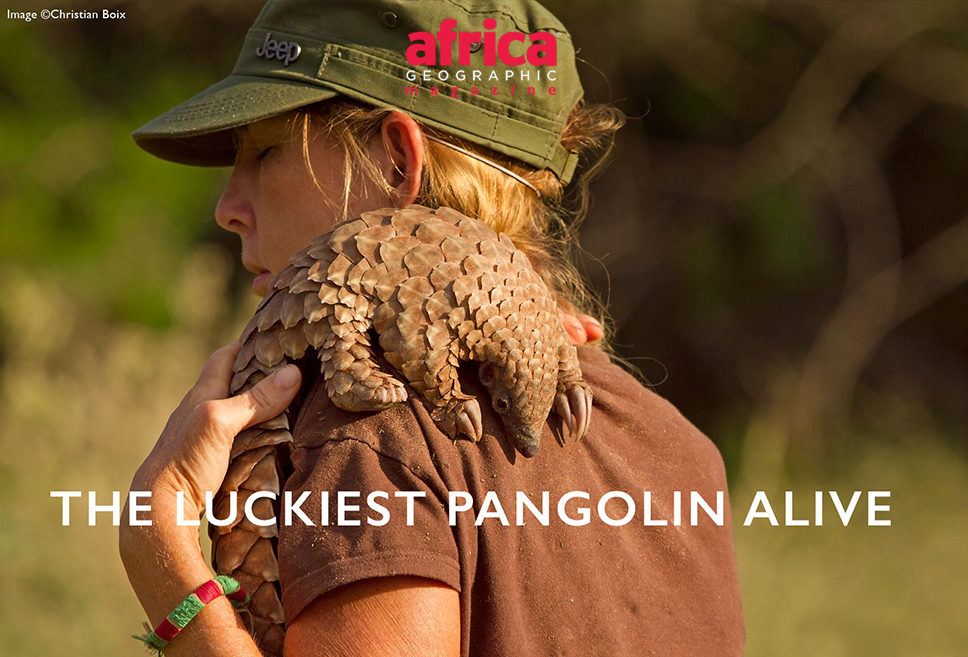
 SIMON ESPLEY is a proud African of the digital tribe and honoured to be CEO of Africa Geographic. His travels in Africa are searching for wilderness, real people with interesting stories and elusive birds. He lives in Hoedspruit, next to the Kruger National Park, with his wife Lizz and 2 Jack Russells. When not travelling or working, he is usually on his mountain bike somewhere out there. Simon qualified as a chartered accountant, but found his calling sharing Africa’s incredibleness with you. His motto is “Live for now, have fun, be good, tread lightly and respect others. And embrace change”.
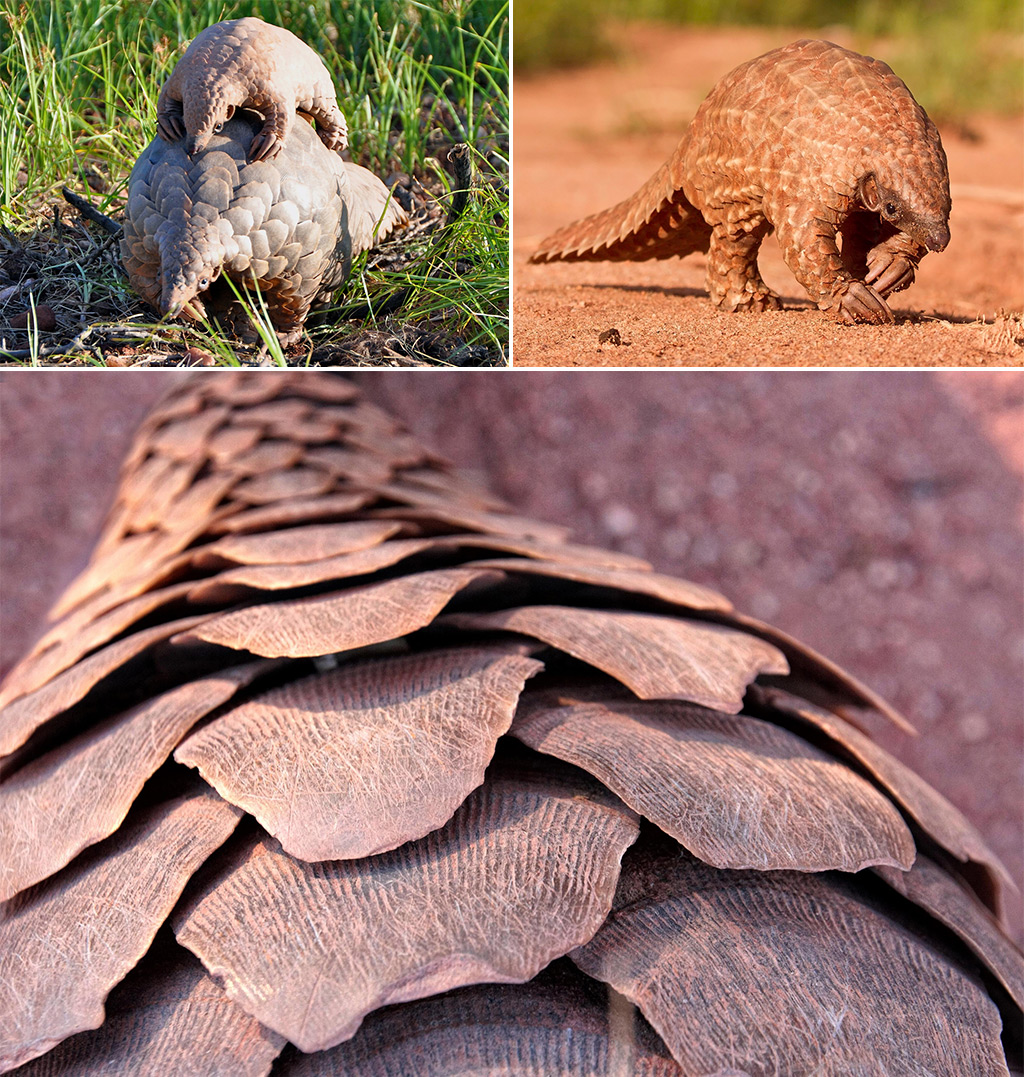
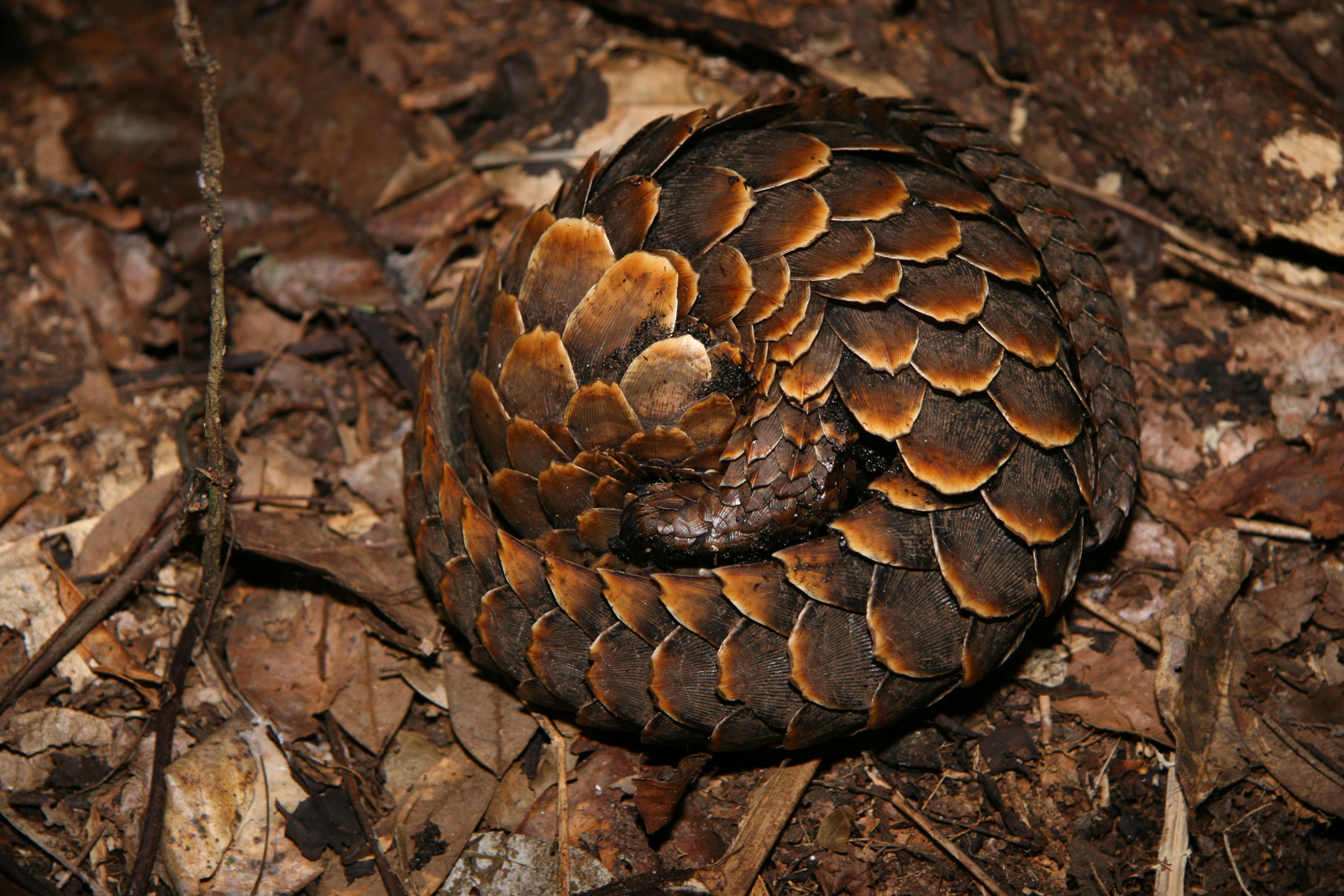
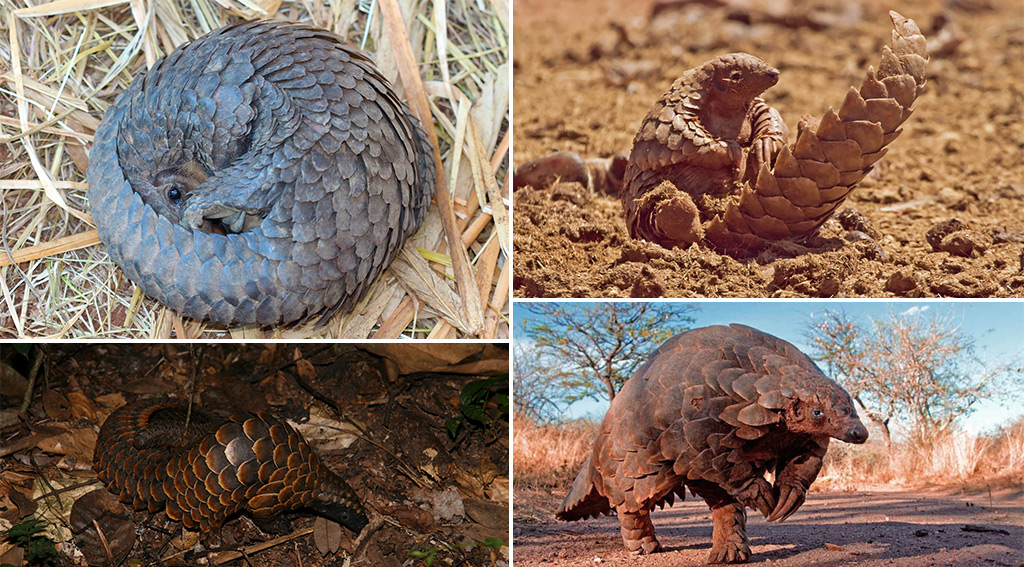
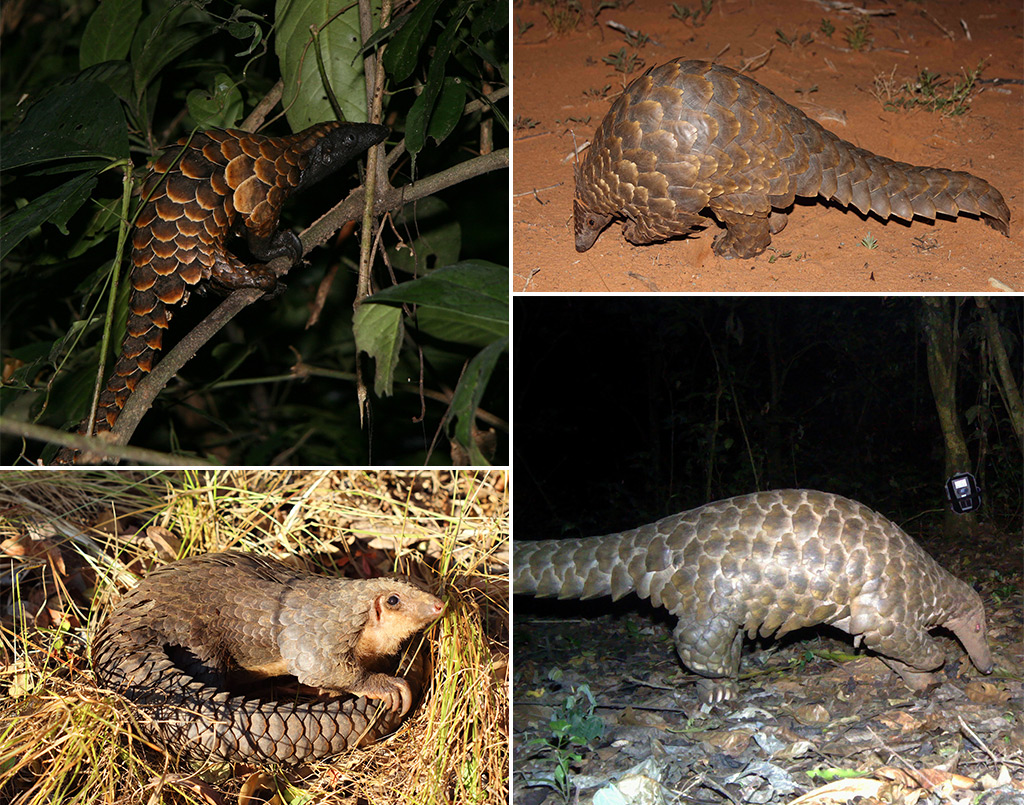
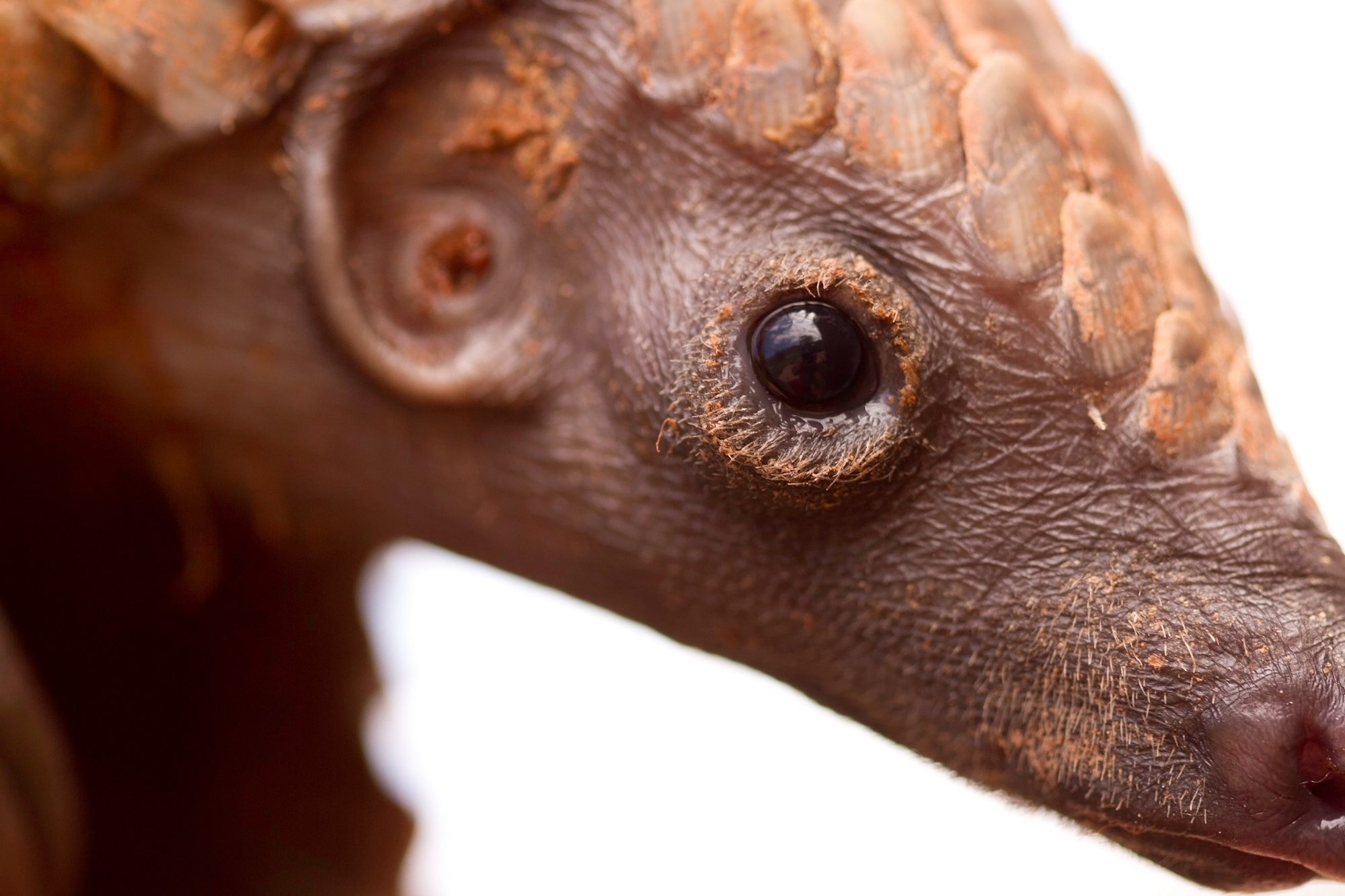
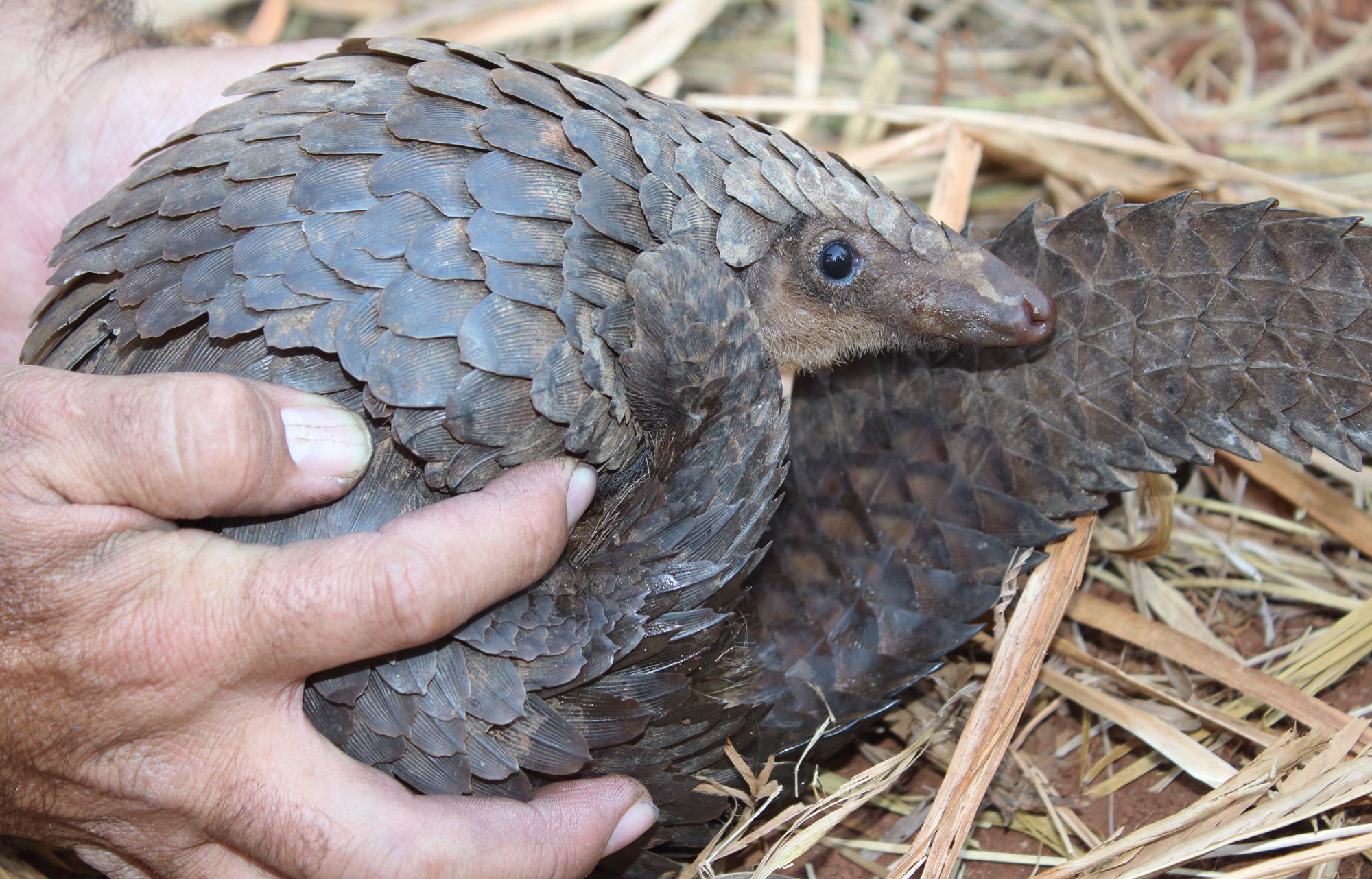
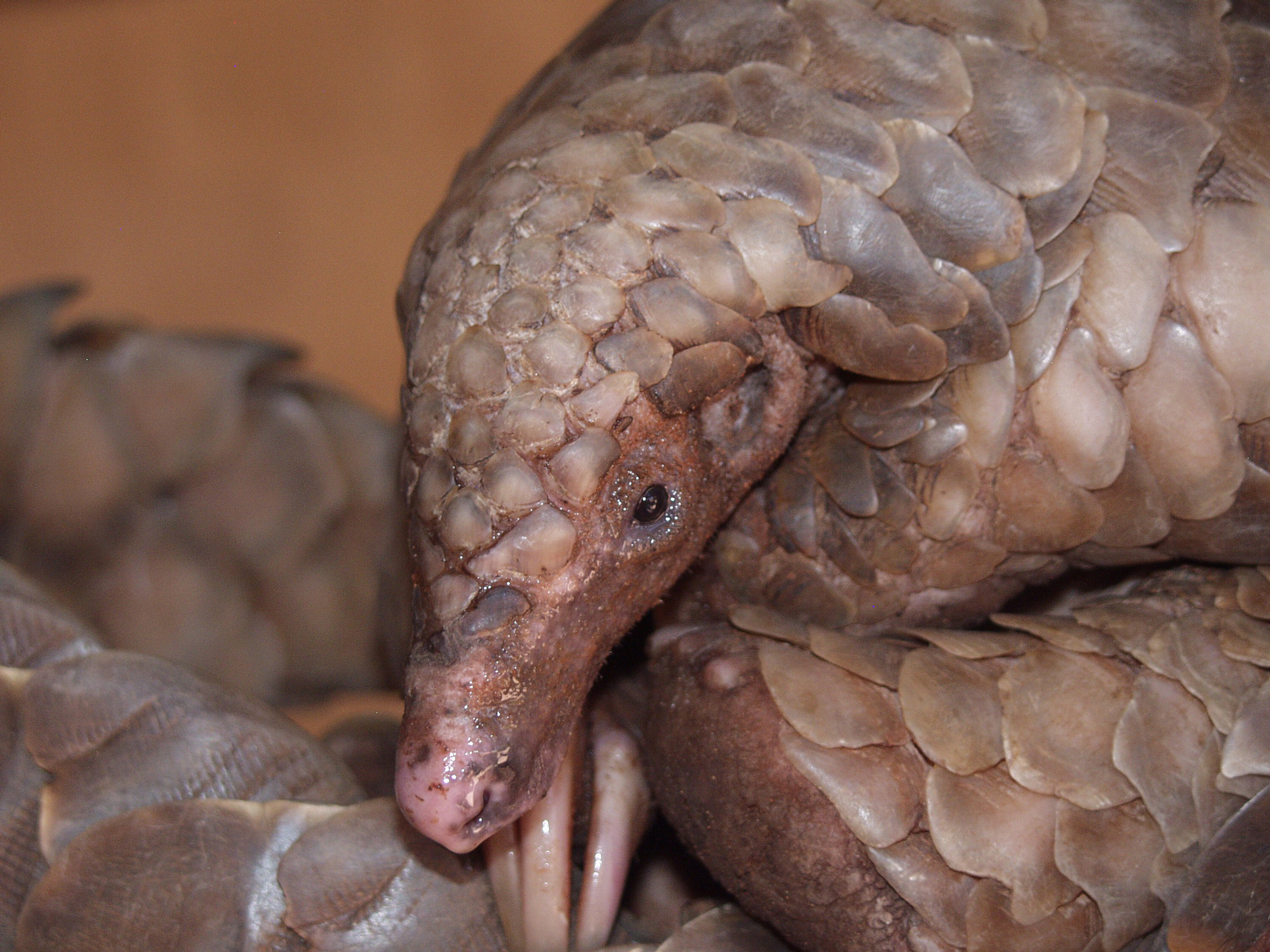
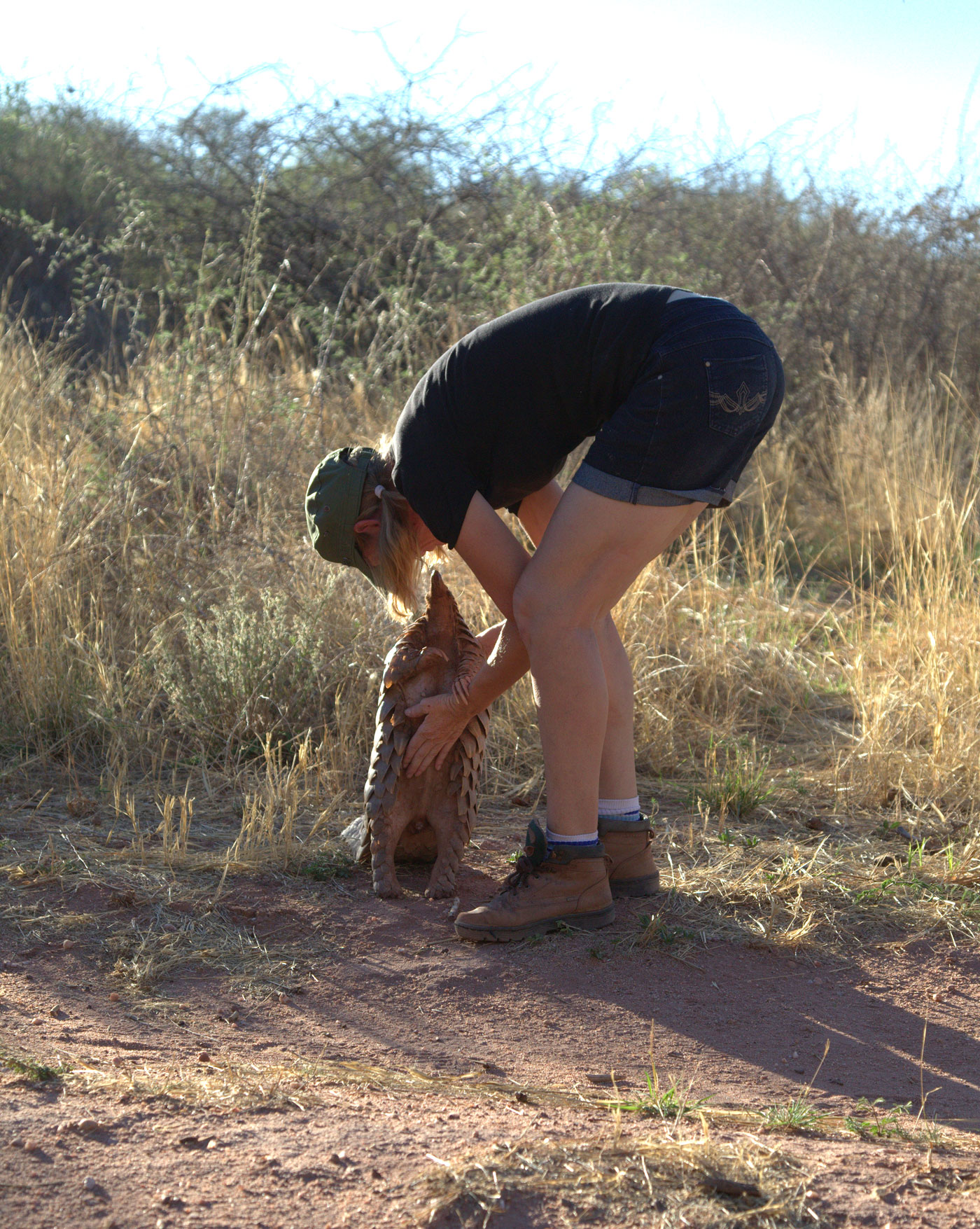
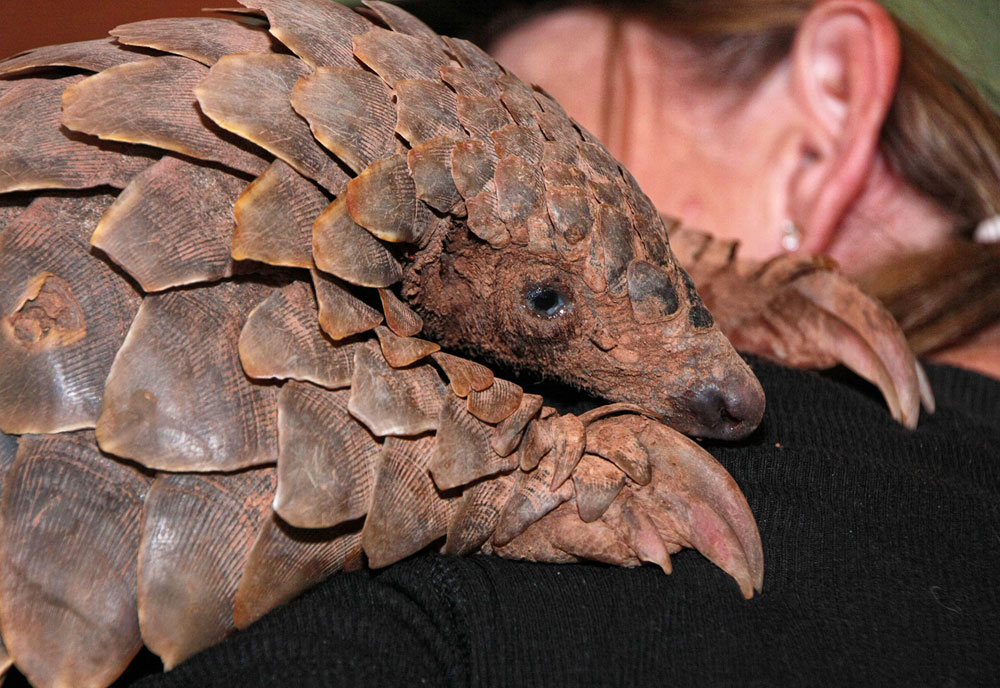
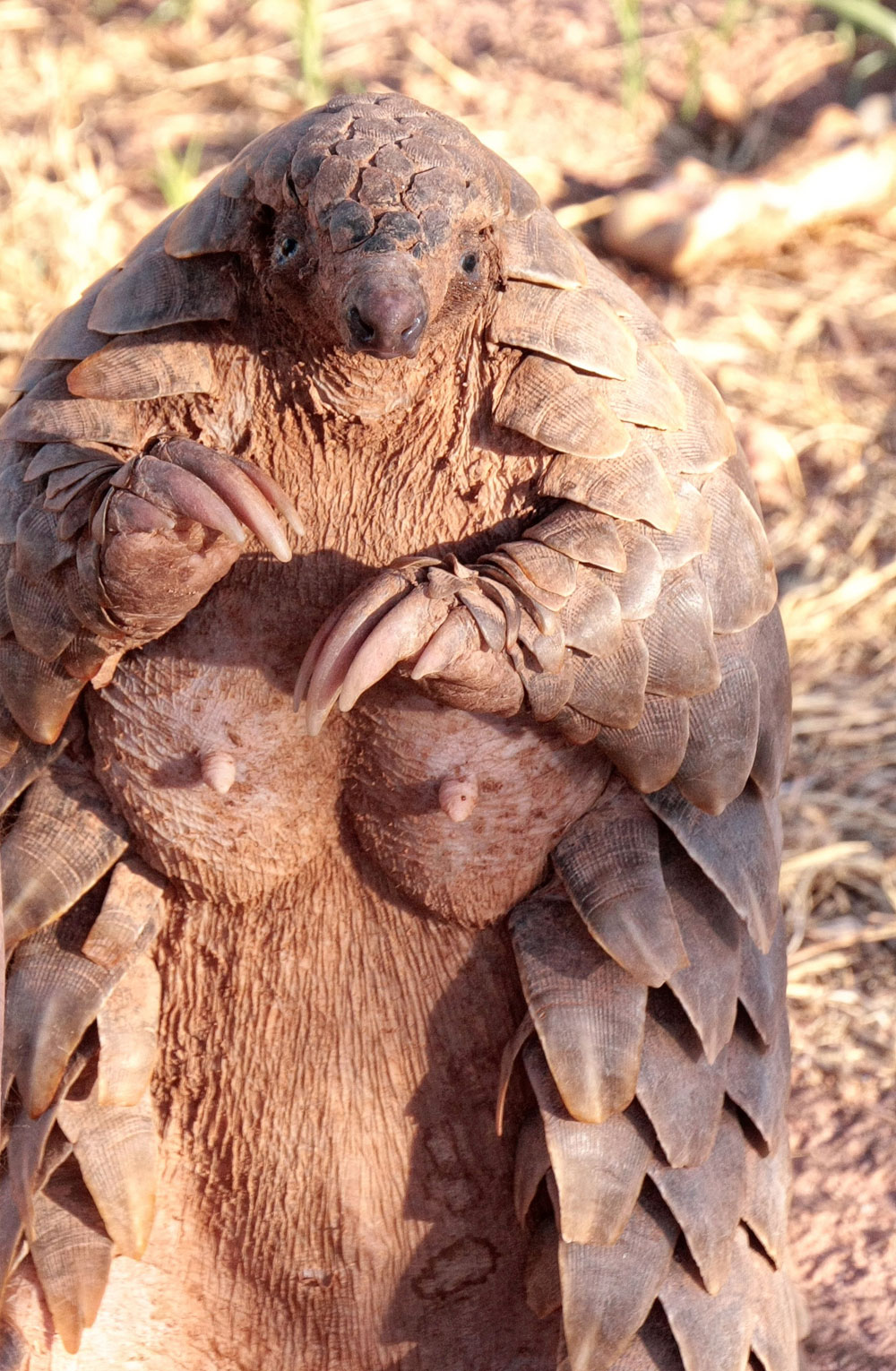
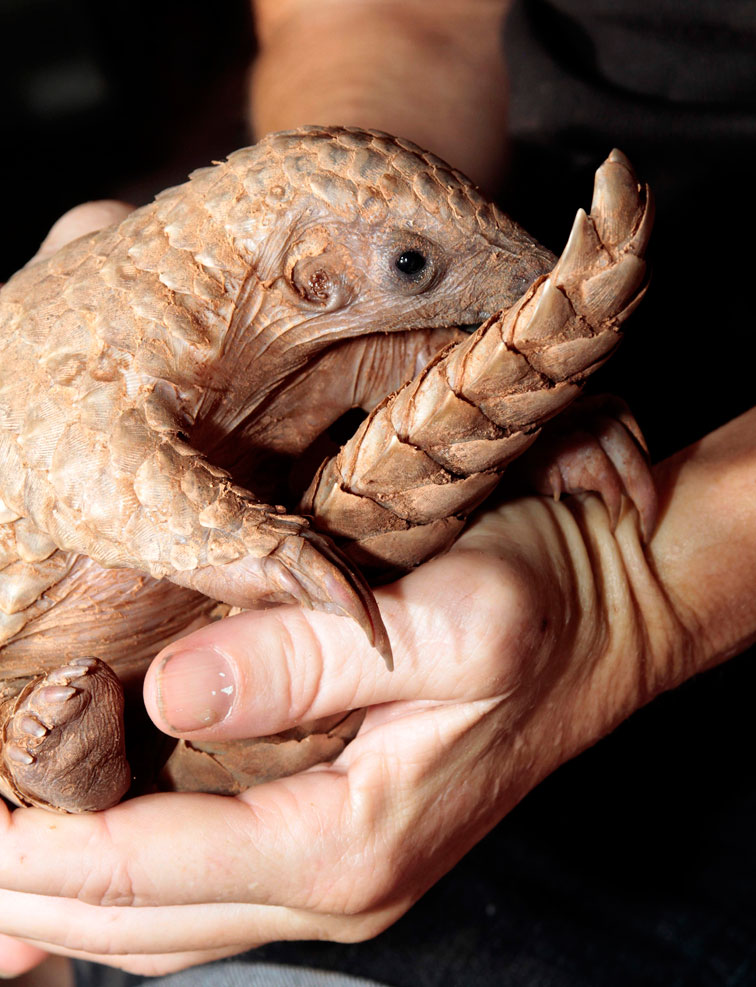
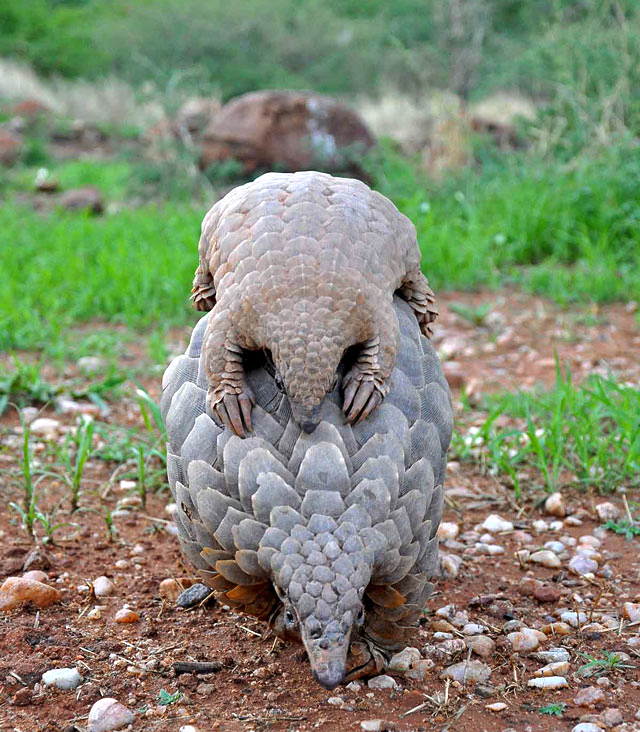
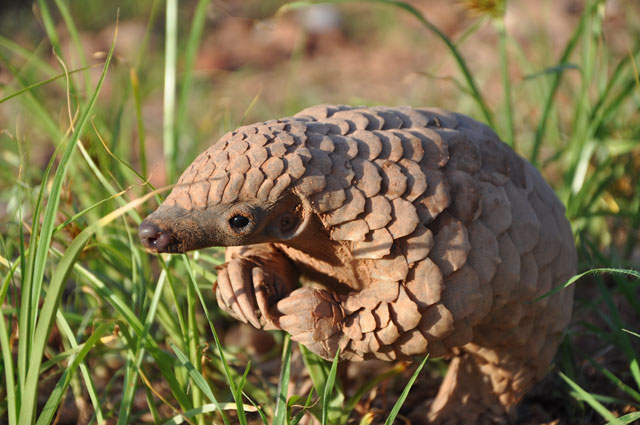
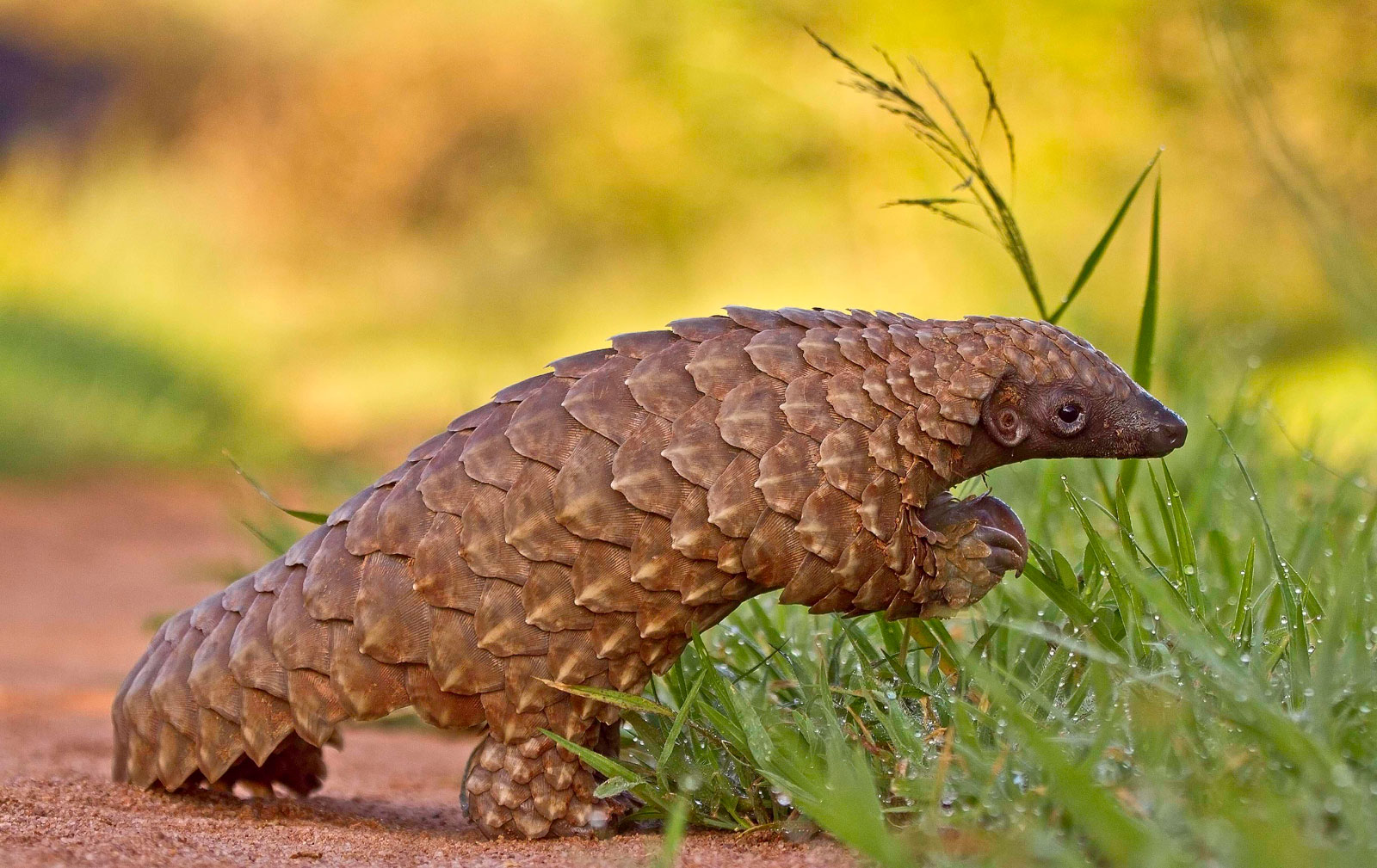
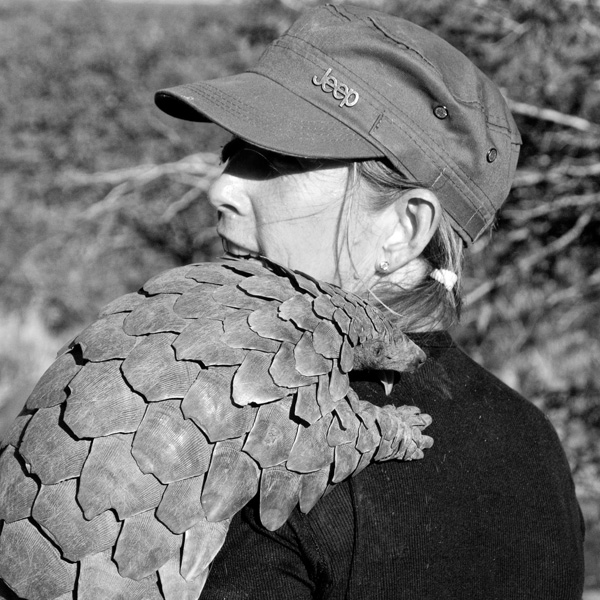 A special thanks to MARIA DIEKMANN, founder and director of Pangolins International. Maria has been a surrogate mother to the star of this issue, Katiti, and has rehabilitated and returned many other pangolins to the wild. While balancing this with the work she does to rehabilitate other species, Maria has always been at hand to provide us with vital content to make this issue possible.
 CHRISTIAN BOIX left his native Spain, its great food, siestas and fiestas, to become an ornithologist at the University of Cape Town and a specialist bird guide. Time passed, his daughter became convinced he was some kind of pilot, and his wife acquired a budgie for company – that’s when the penny dropped. Thrilled to join the Africa Geographic team; Christian is their resident safari expert and guide.
 JUDY & SCOTT HURD are photographers living and working in Namibia, a country they see as the most photogenic on the planet. They have accumulated a huge wildlife library, some of which you can view on their


 A special thanks goes to




 The USA is by far the largest market for trophies. The key drivers seem to be a large, wealthy hunting population and a colourful history of African big game hunting featuring iconic characters such as President Theodore Roosevelt, whose year-long African safari is the stuff of legends. In 1909, he and his son bagged over 500 big game, including 17 lions, 11 elephants and 20 rhinos.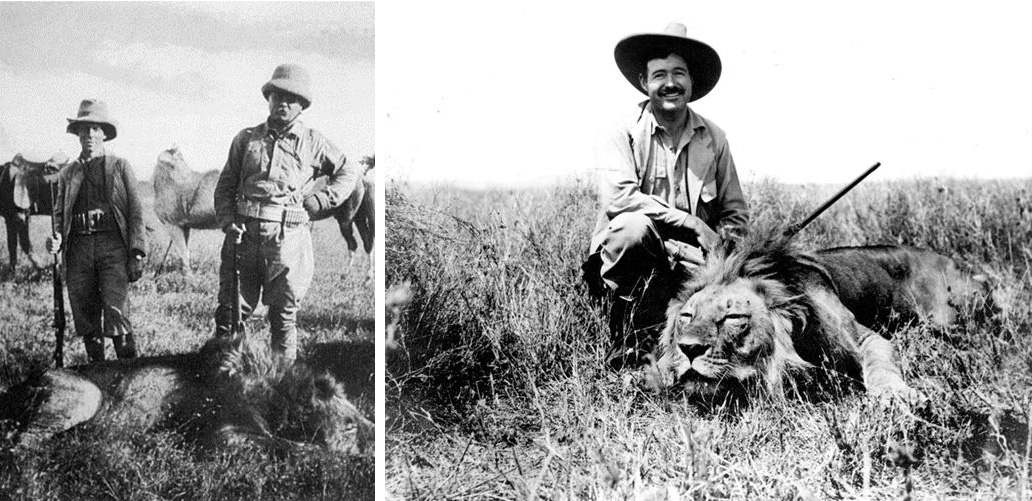
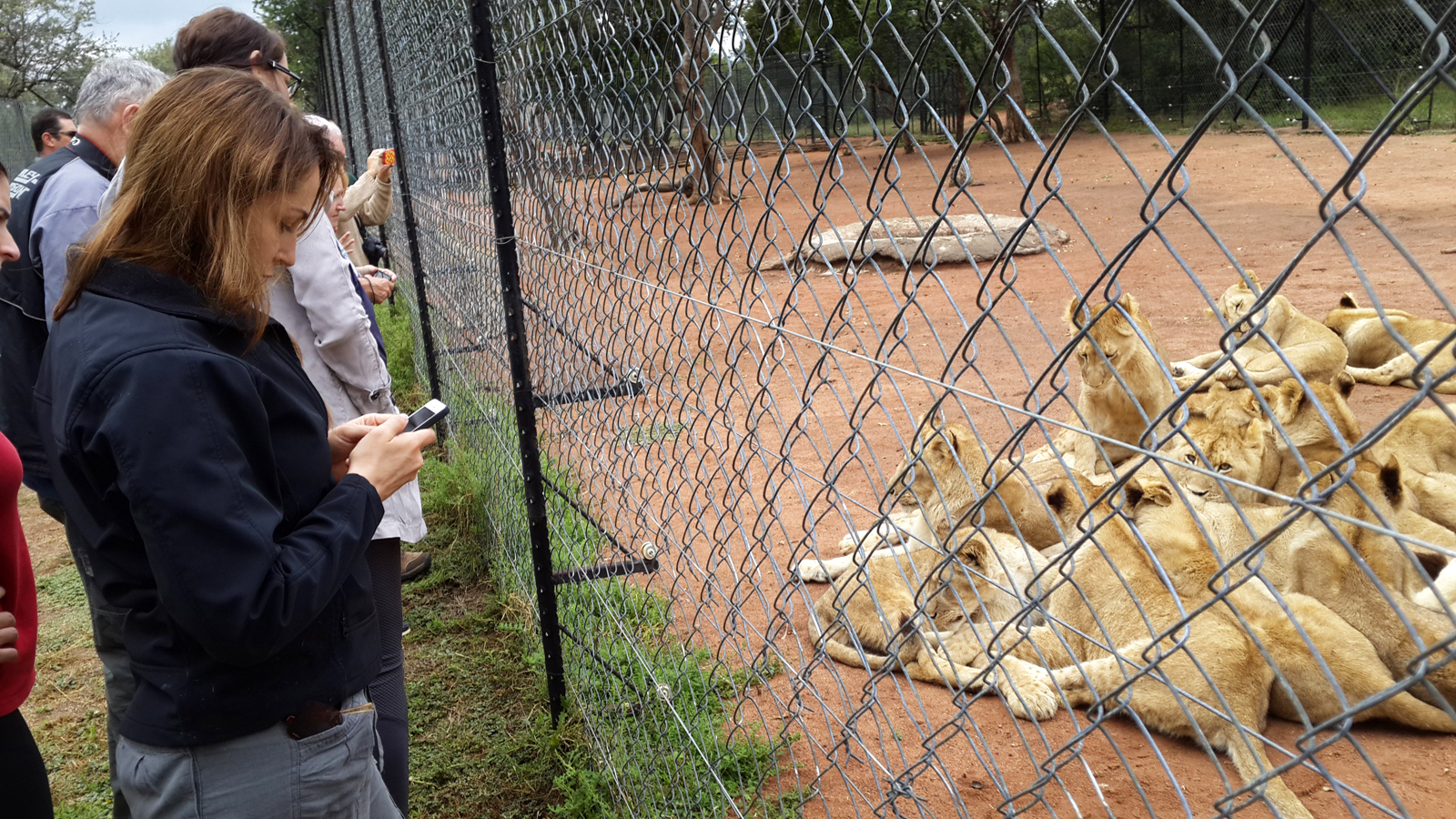
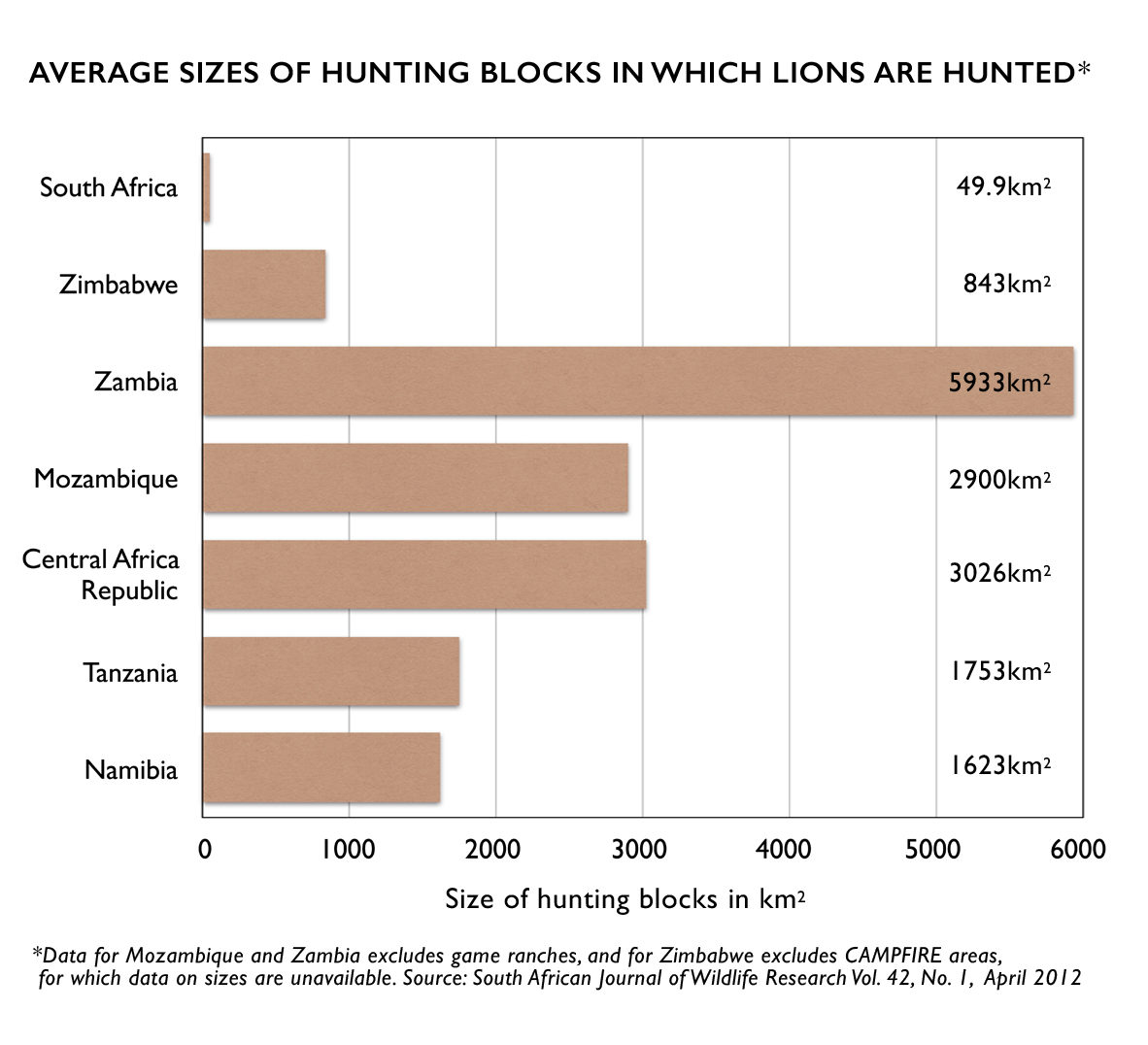 The South African Predator Association stipulates a minimum of 10km² hunting area for captive-bred lions. The legally required release period for captive-bred lions in the Free State Province and North West Province is 30 and 4 days, respectively (FS and NW are where most captive-bred lions are hunted)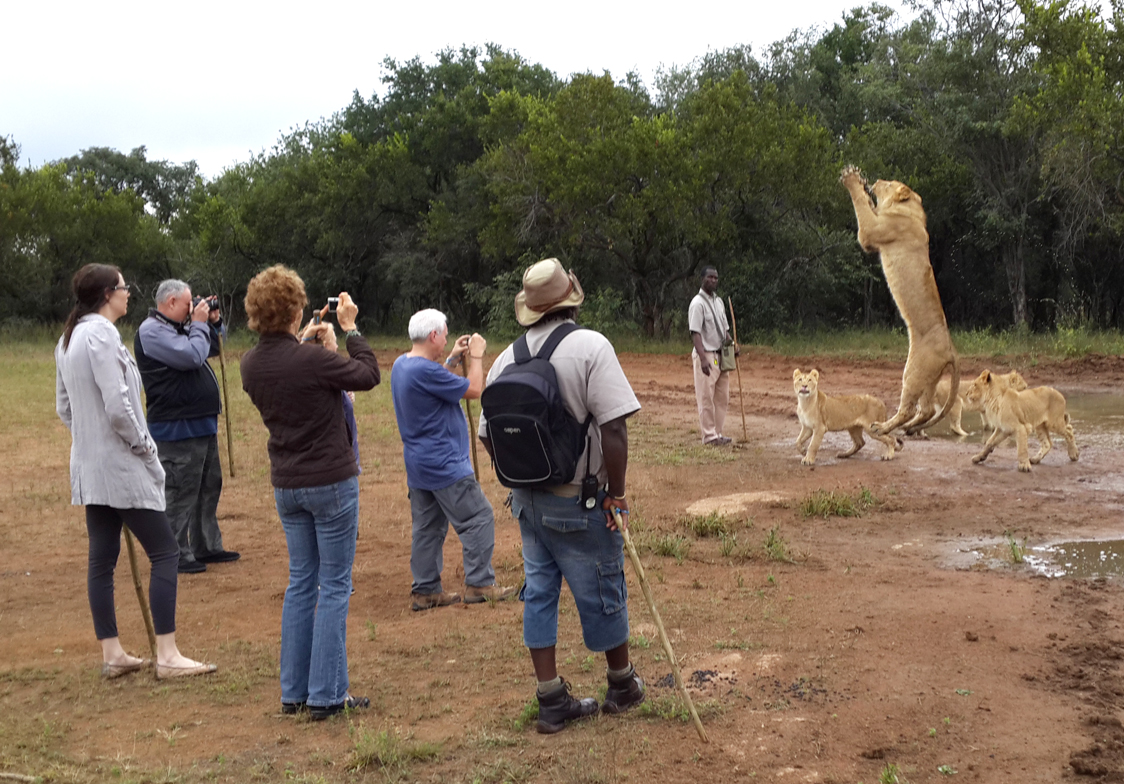


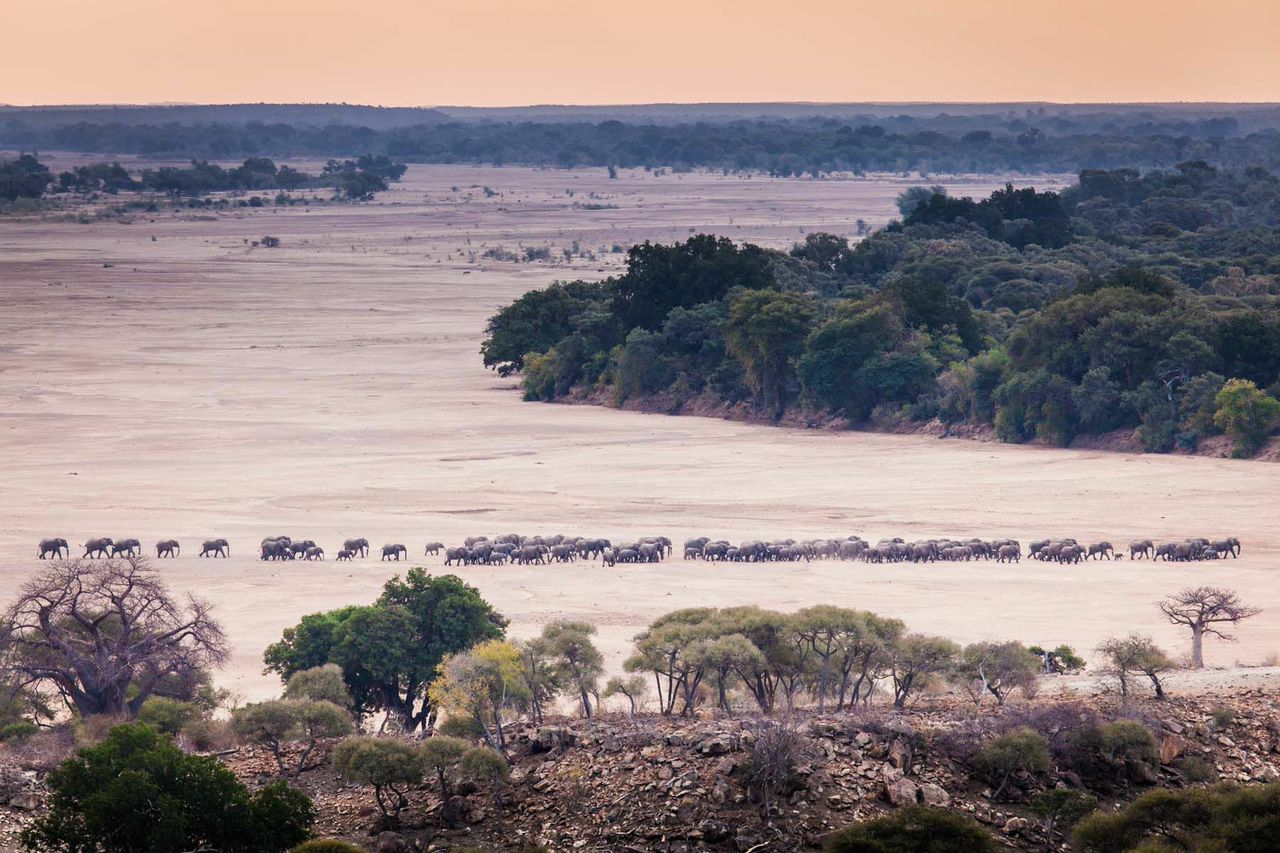
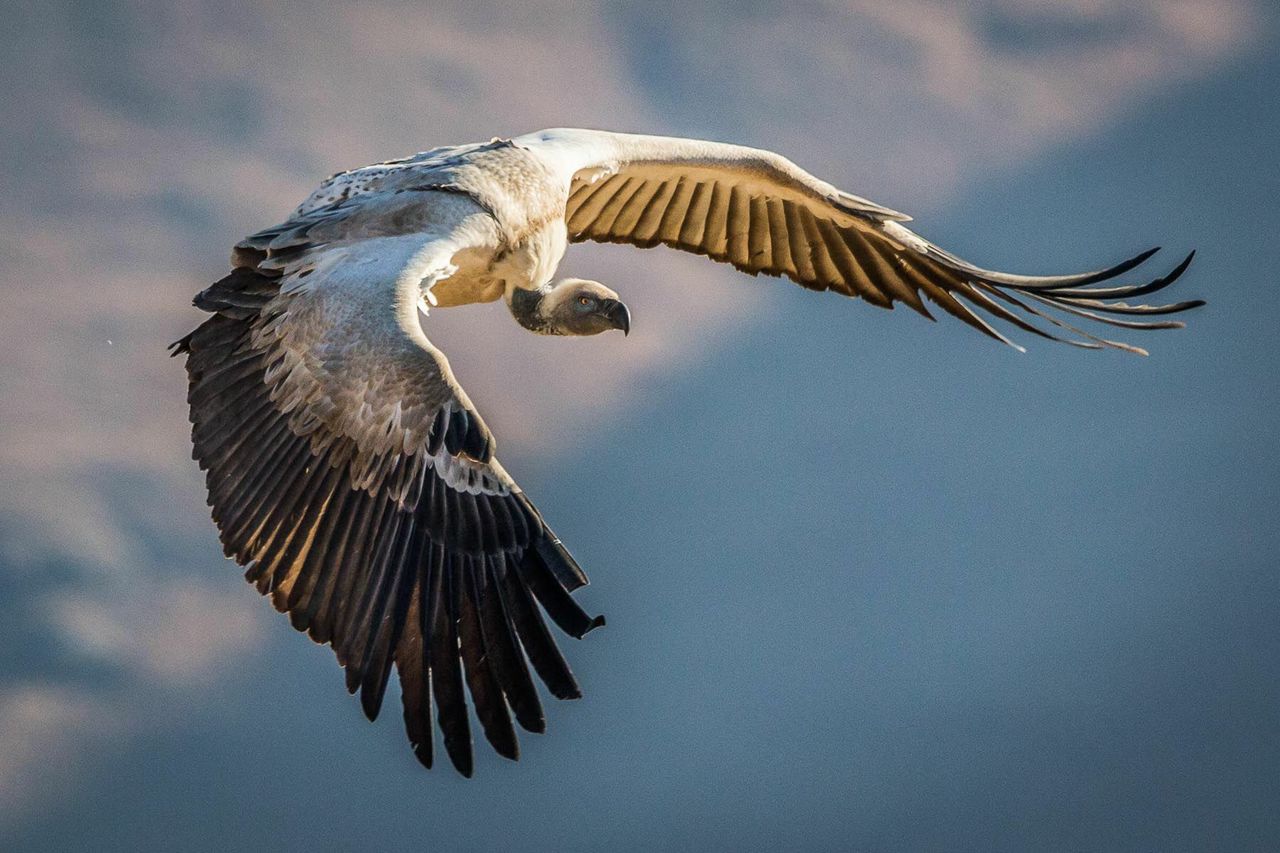
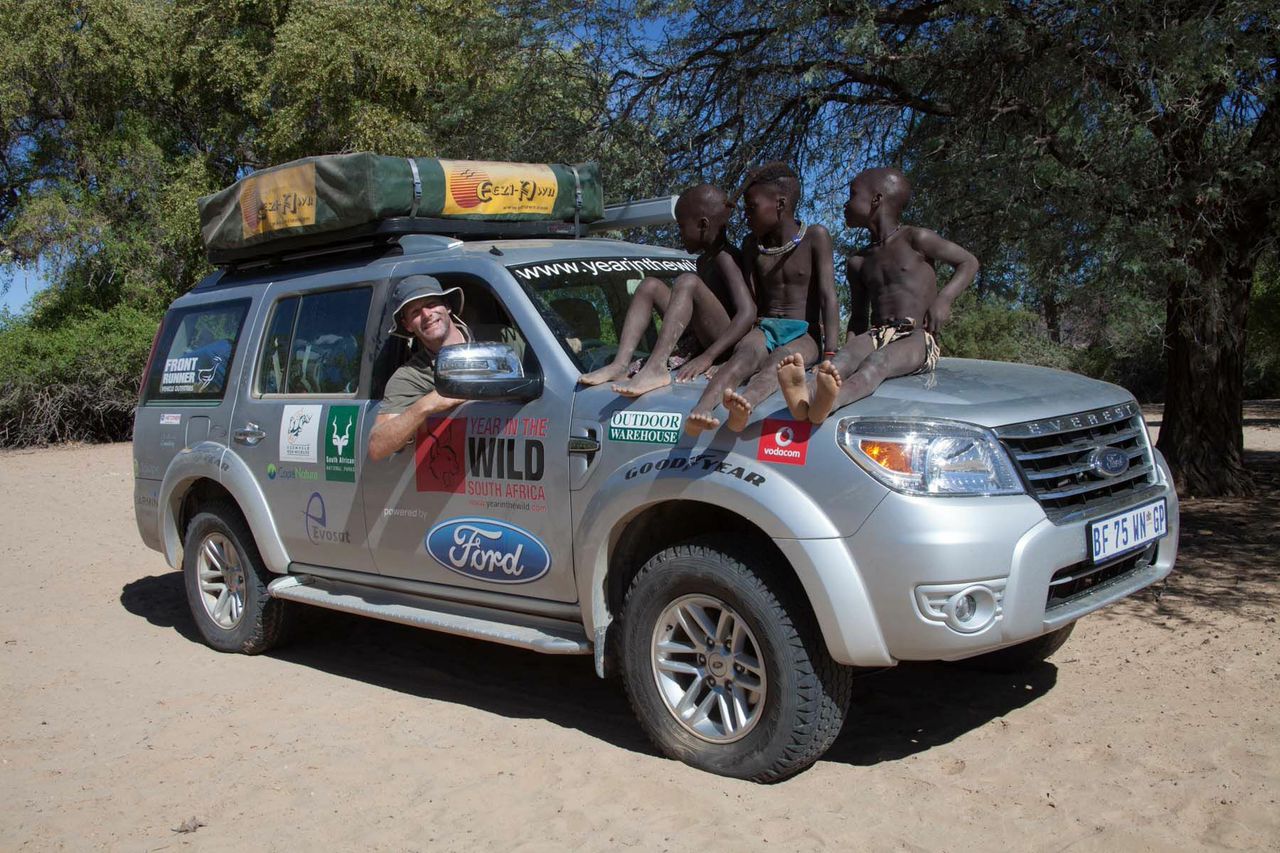
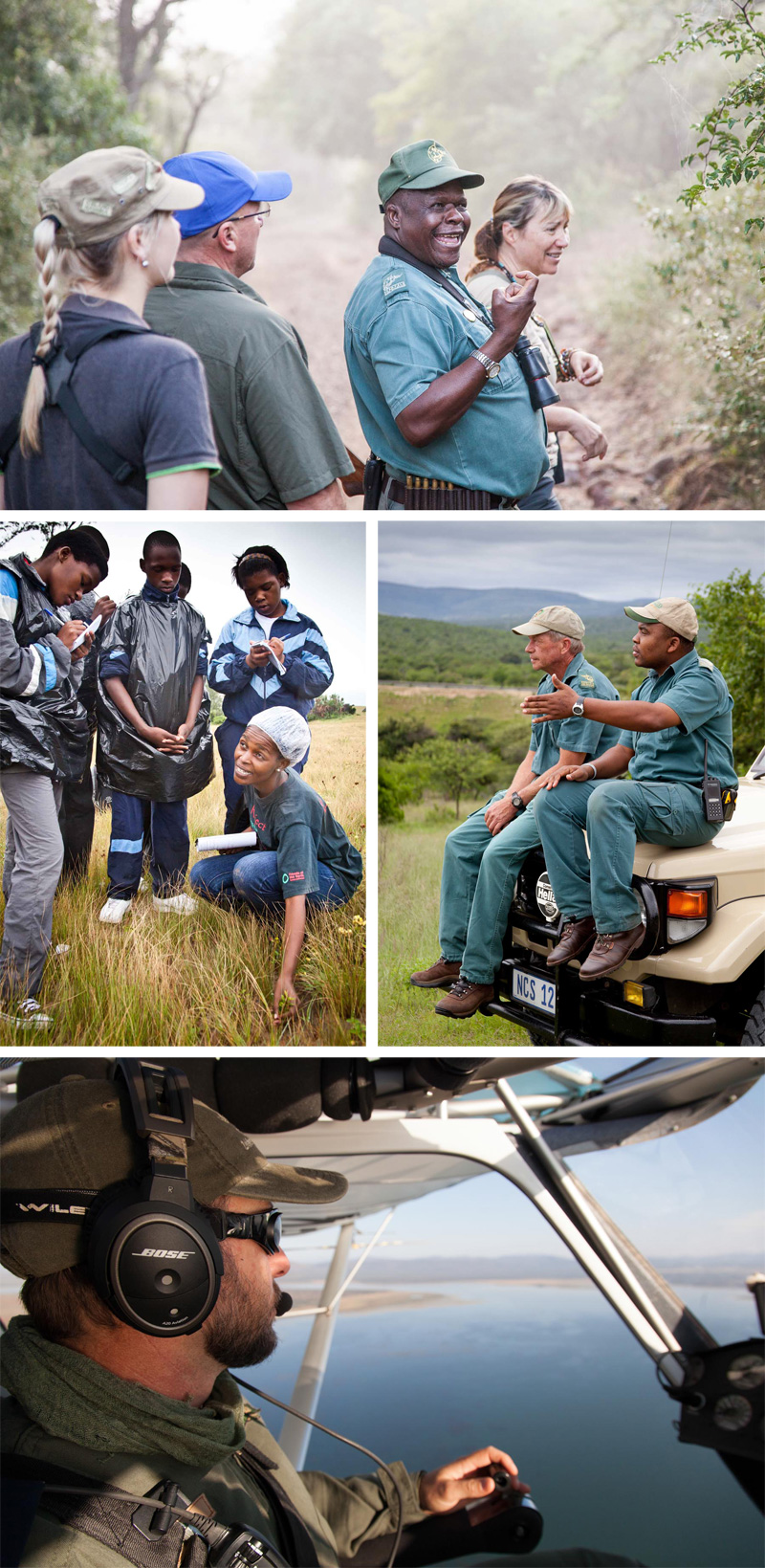
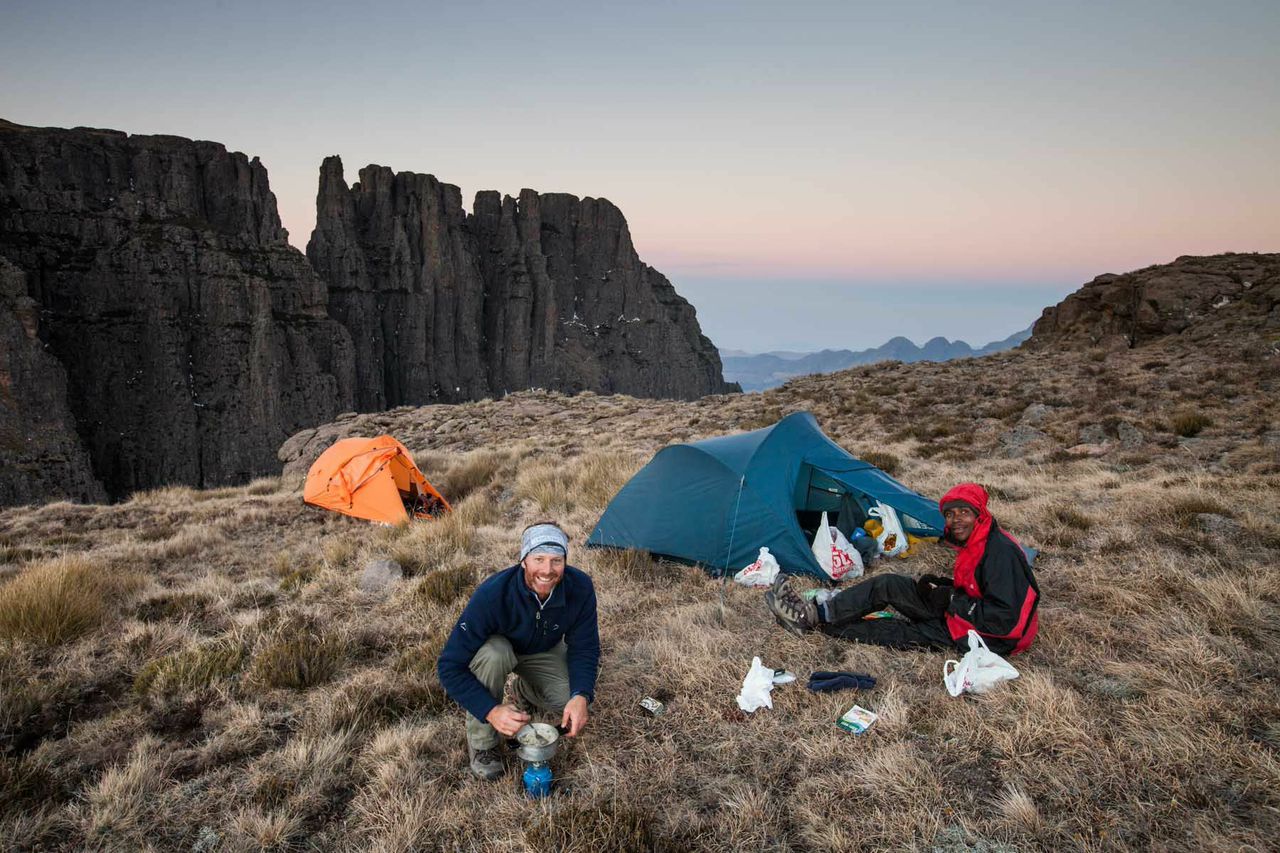
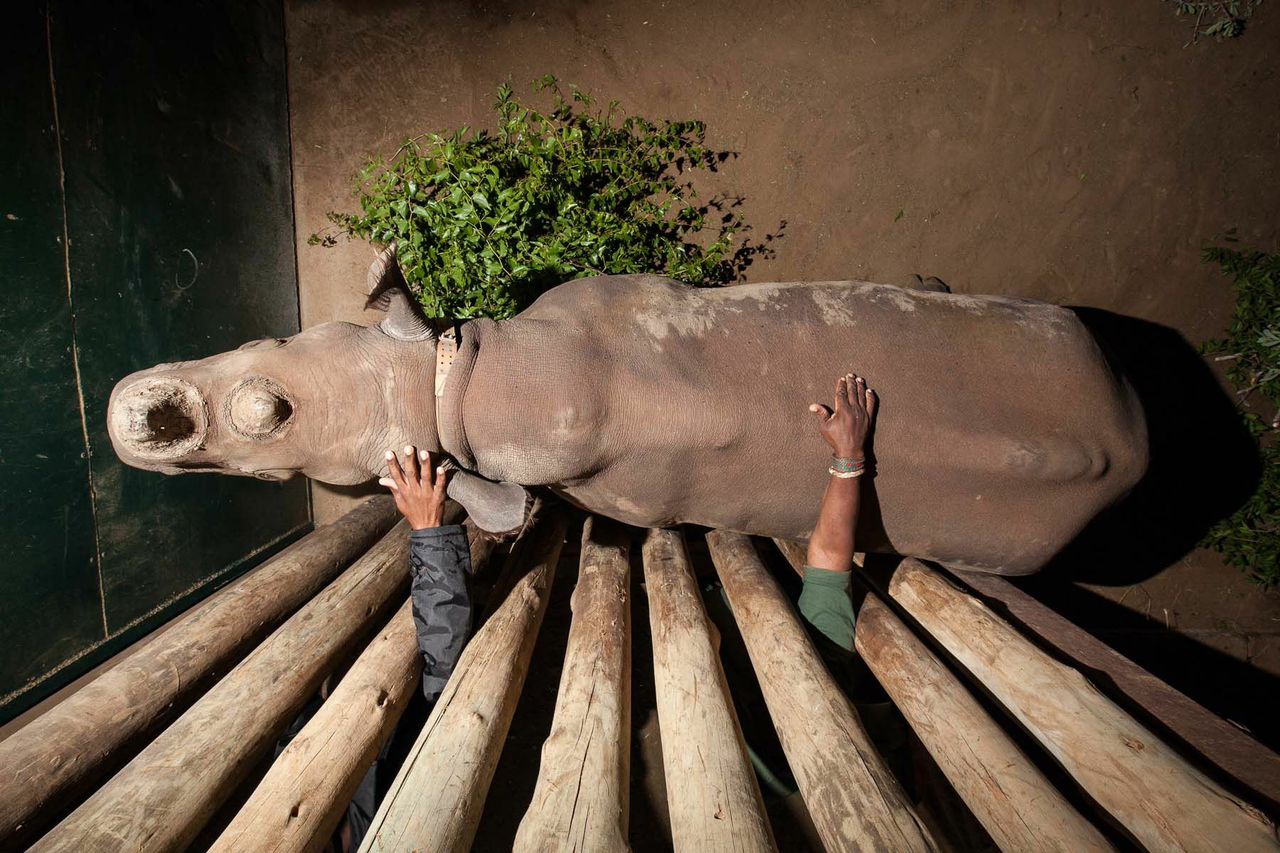
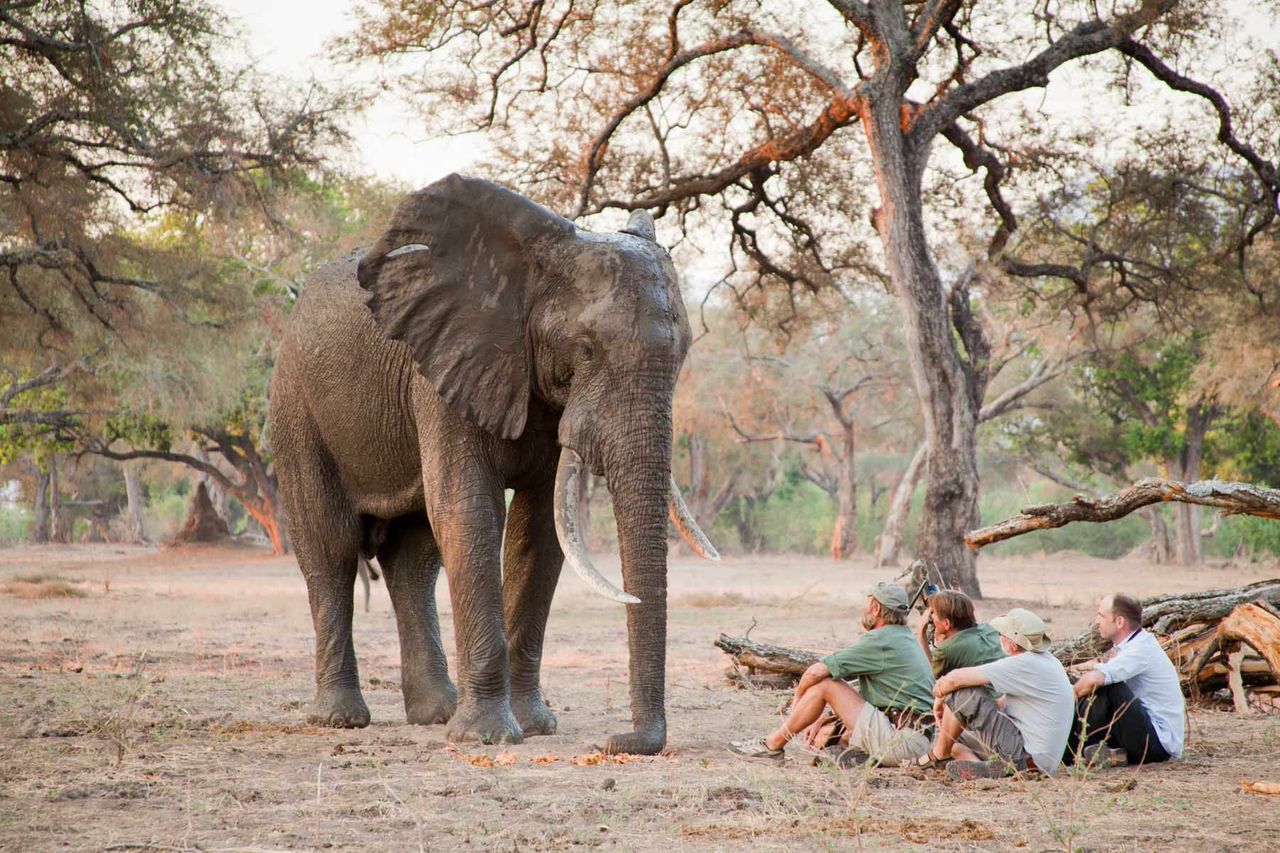
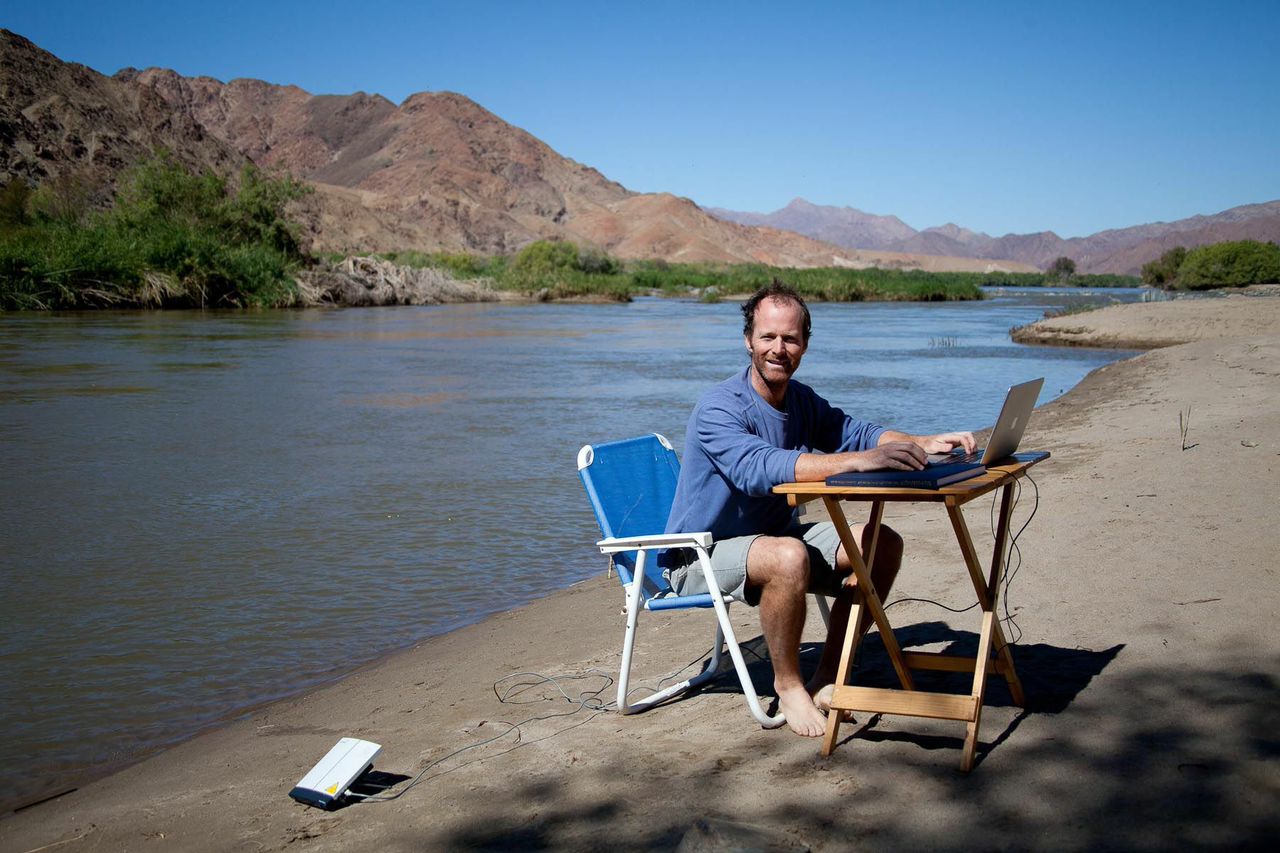 Scott Ramsay is still out there somewhere. But he’s not hiding. Through his work, Scott hopes to inspire others to travel to the continent’s national parks, and nature reserves, which Scott believes are Africa’s greatest assets and deserve to be protected at any cost, not only for their sake but for our own survival. His one-year journey to explore South Africa’s wild places turned into three. Perhaps as the wild places beyond South Africa’s borders lure him, the journey will continue for many years.


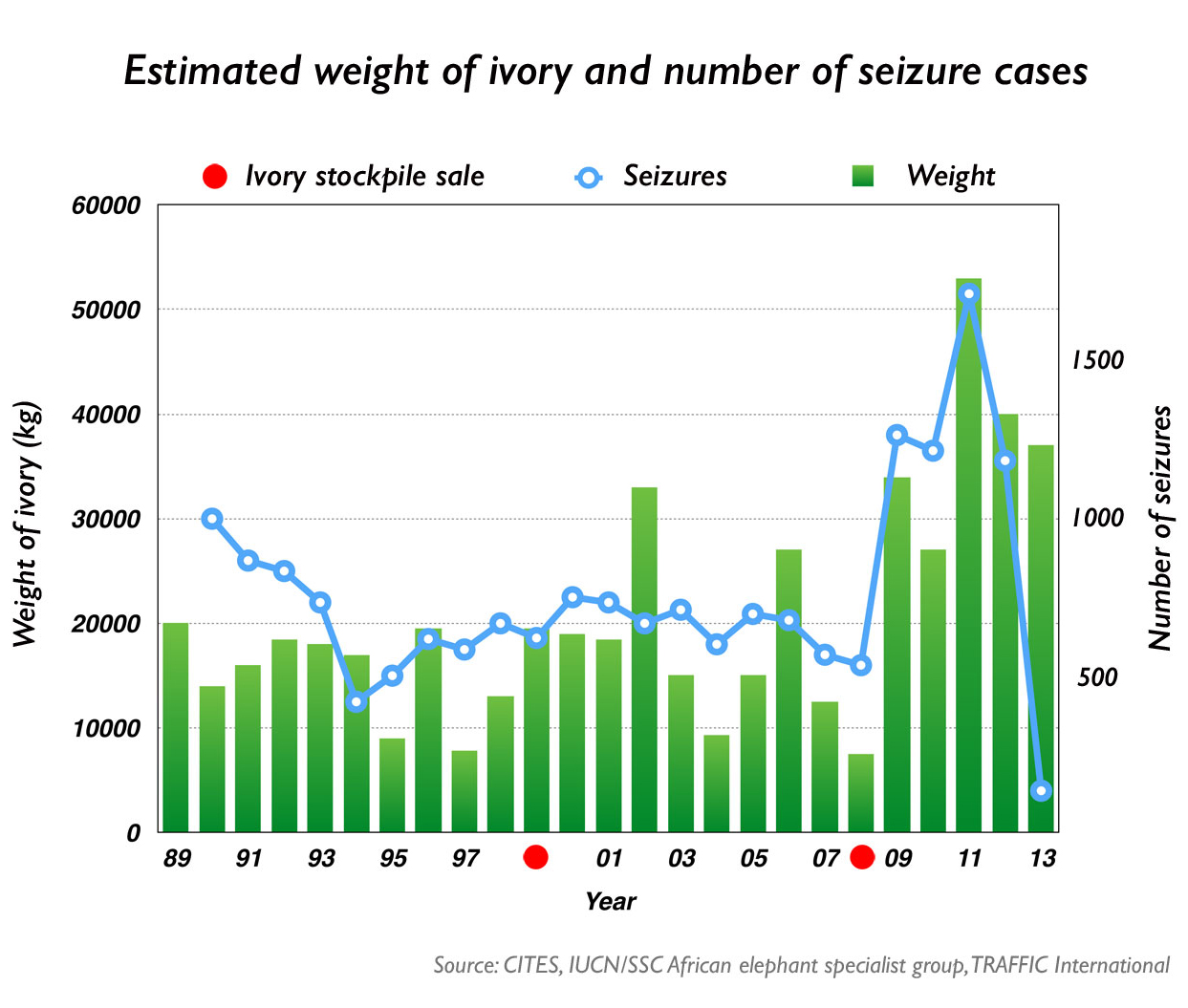 ‘The two objectives were to put money from those sales back into the hands of environmental law enforcement to increase conservation efforts further and to provide support and revenue for local communities,’ Bergin says. The experiment did not work, he continues to explain, because no one anticipated China’s tremendous economic rise, the huge increase in disposable income in that country, and the significant level of money laundering made possible by that new prosperity.
 MICHAEL SCHWARTZ is an American freelance writer, consultant and member of the
 DR. ROWAN MARTIN has been of vital assistance in writing this issue. Rowan heads up the
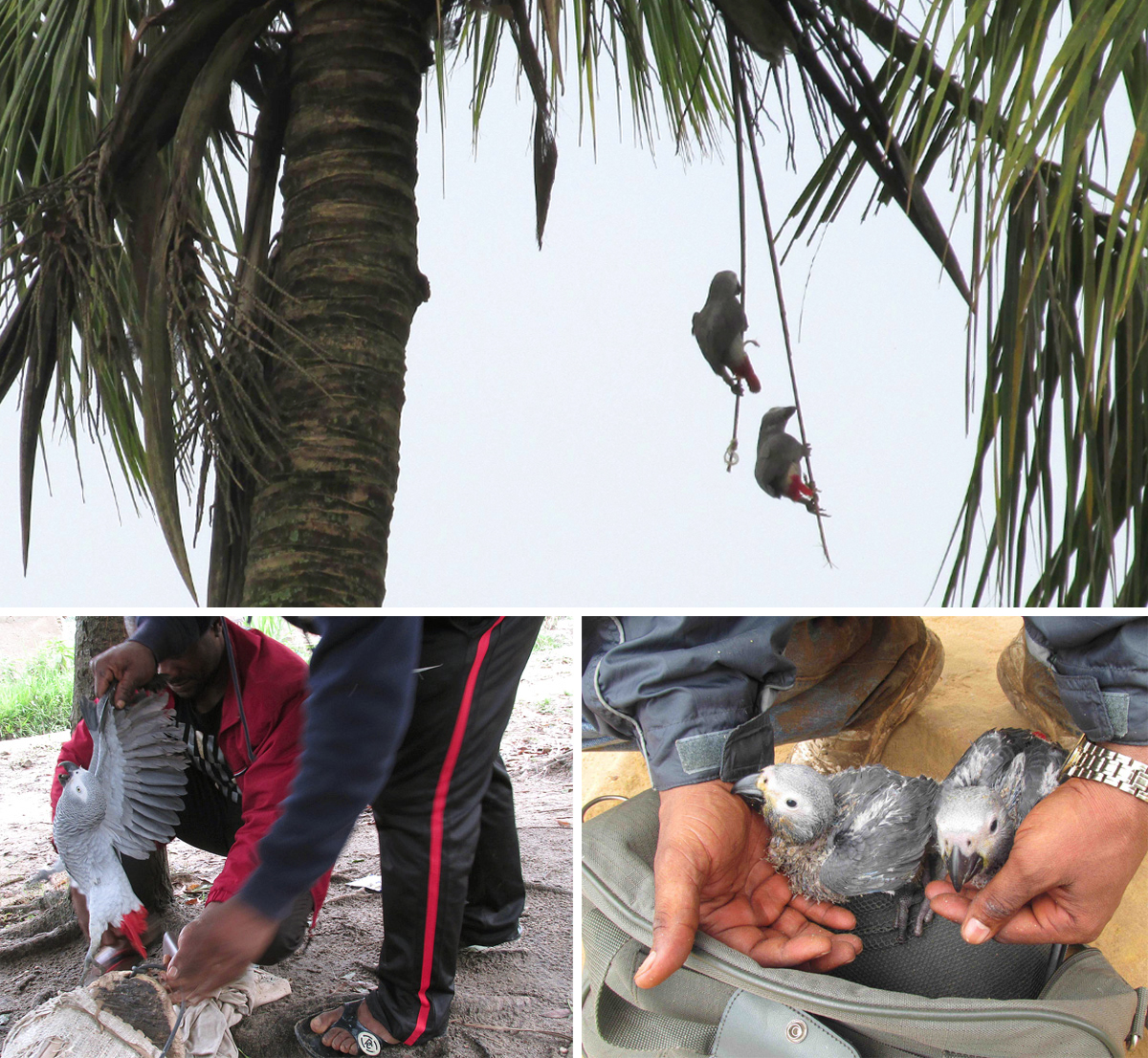
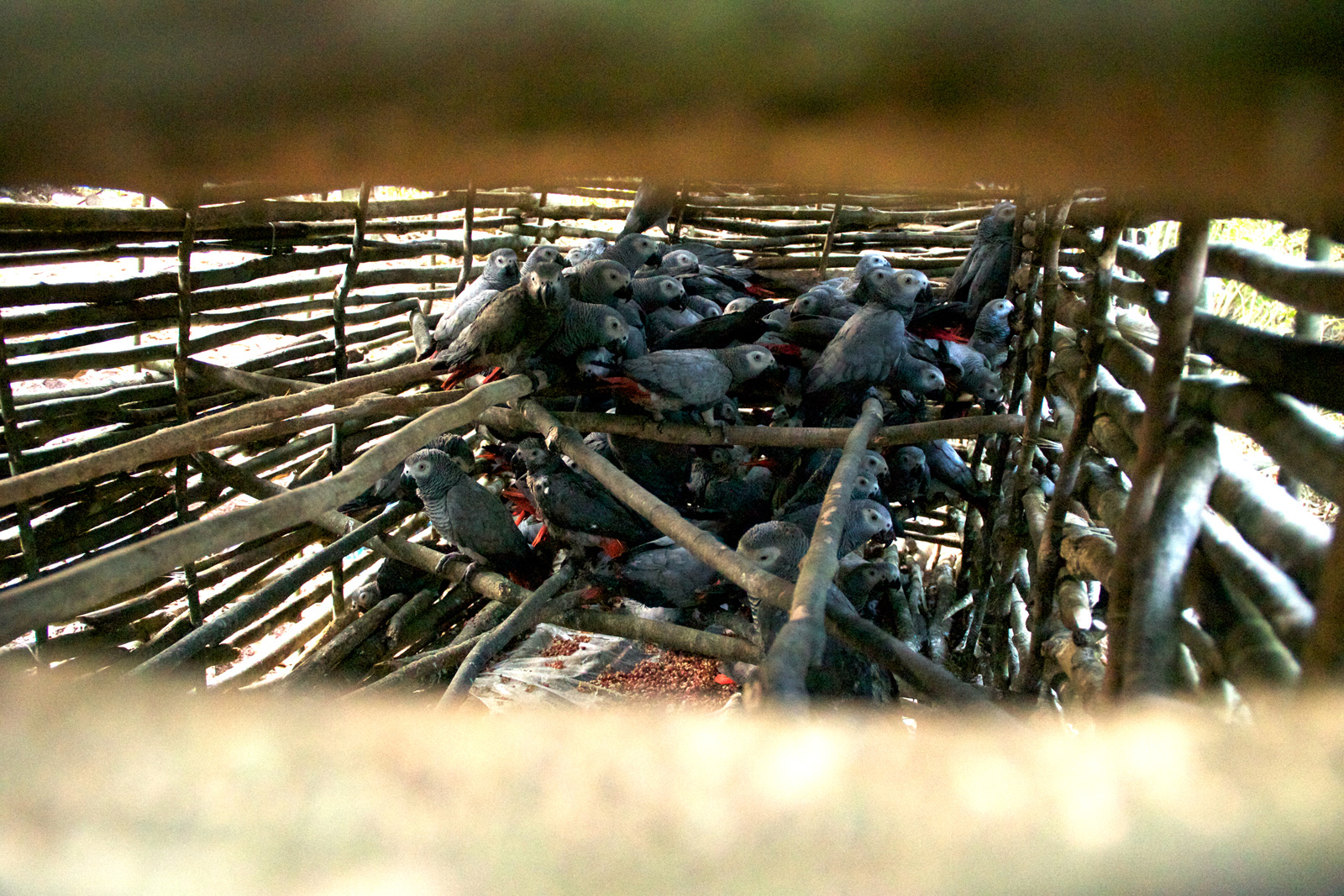
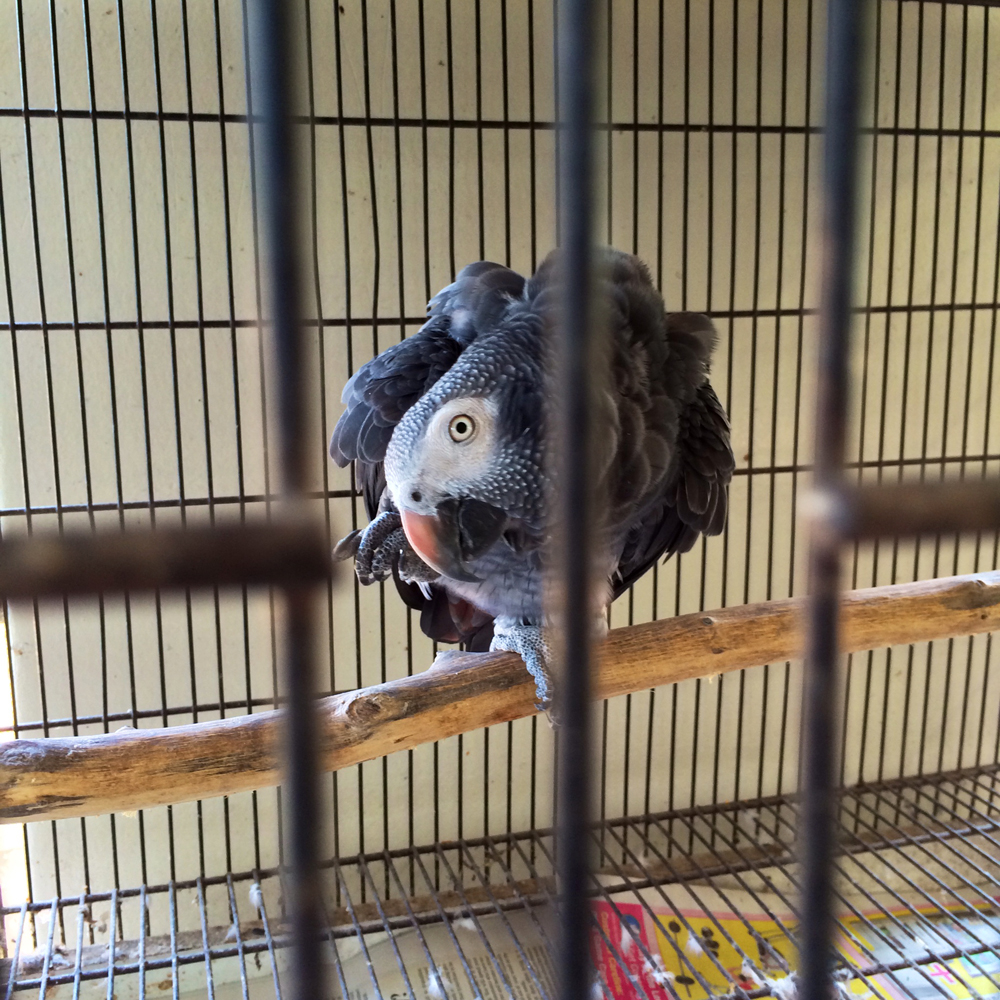
  CHRISTIAN MEERMANN is the photographer of our Congo grey parrot cover image. Based in Germany and active since 2007, his award winning fine art black & white portraits of animals have not only built a strong and still growing reputation in the photographic communities on the web, but also caught the interest of customers like the Sporting Clube de Portugal, Maxim magazine, Getty Images and Nike. You can find his work on his website and also on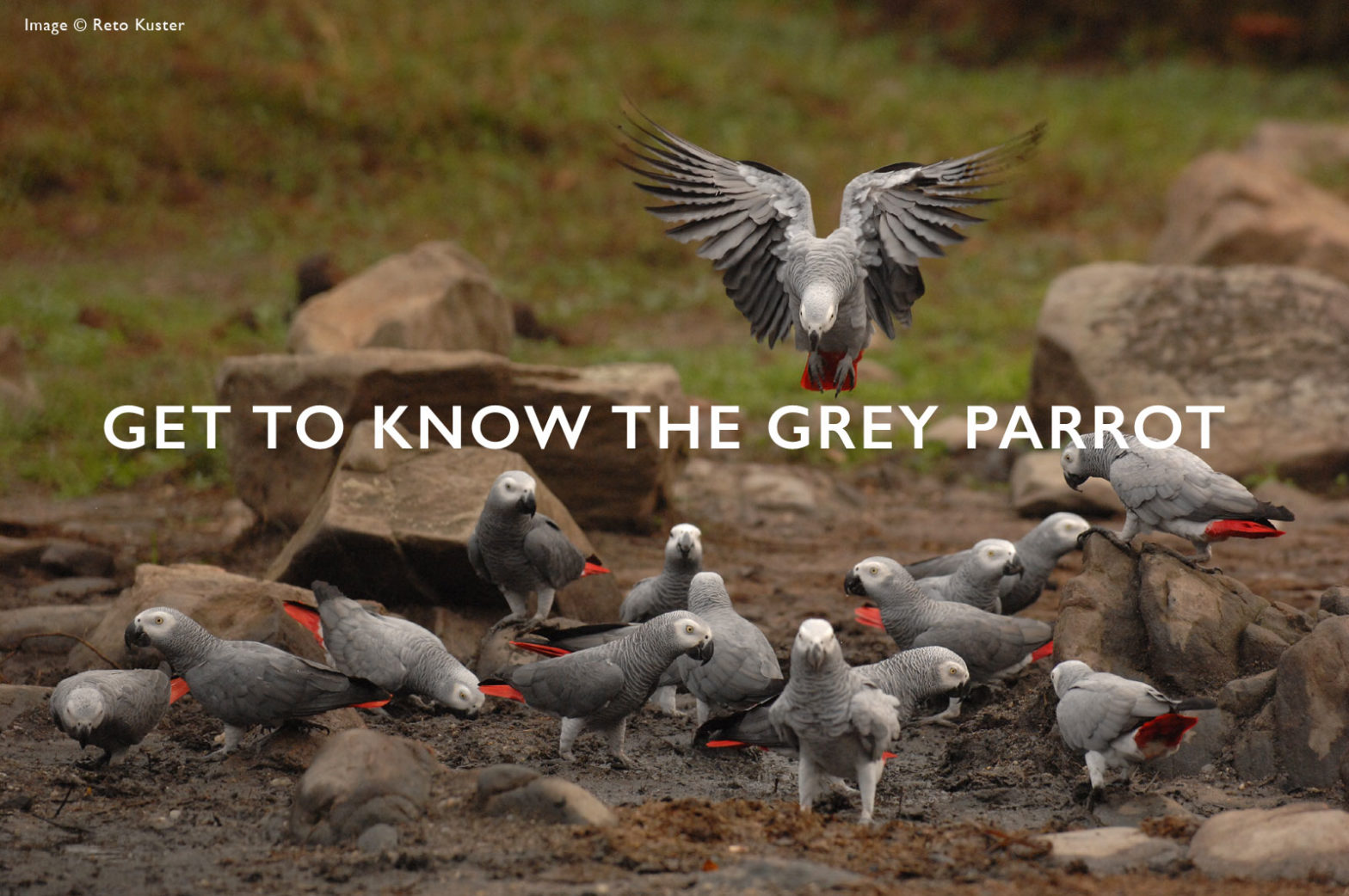
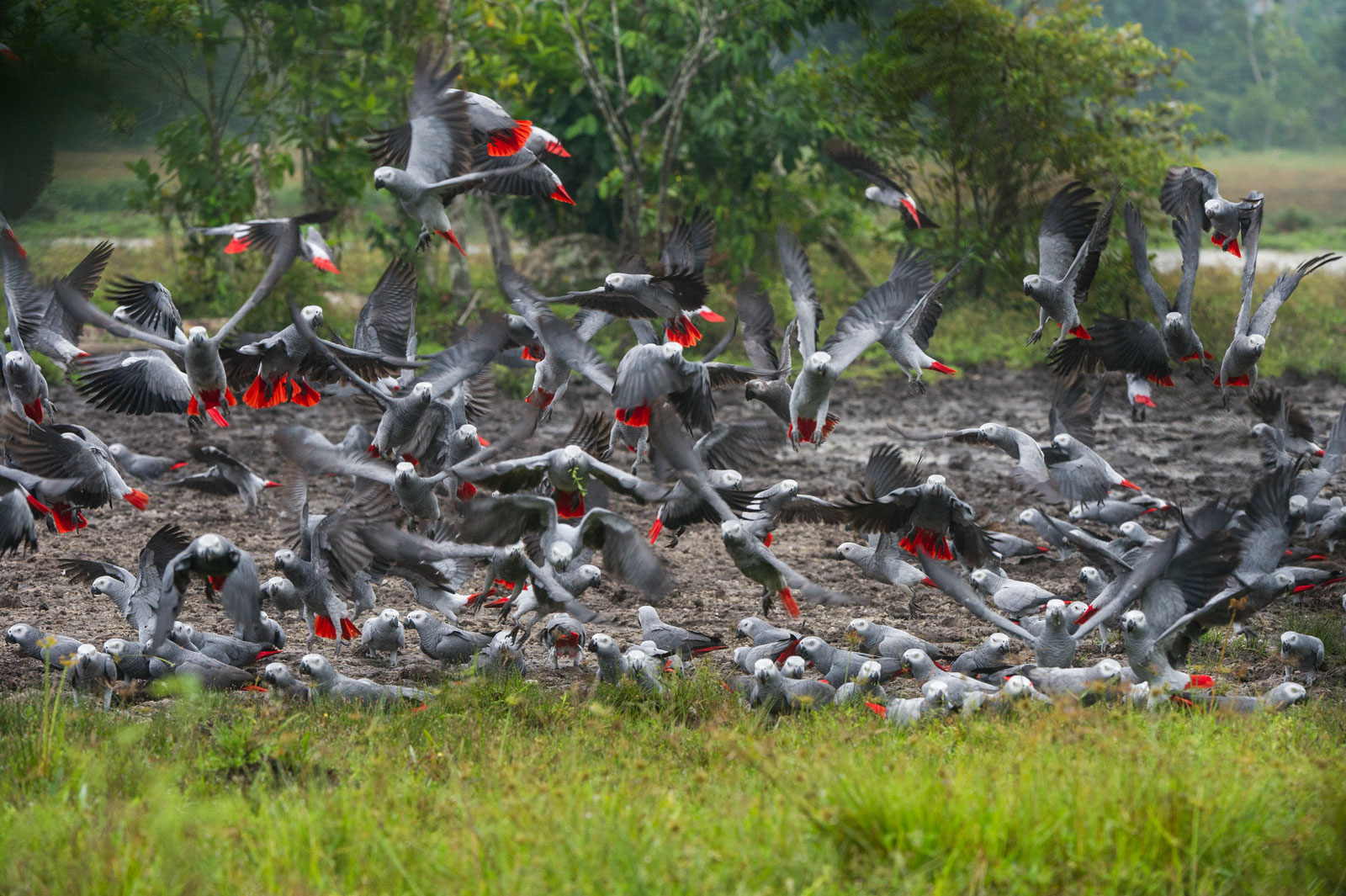
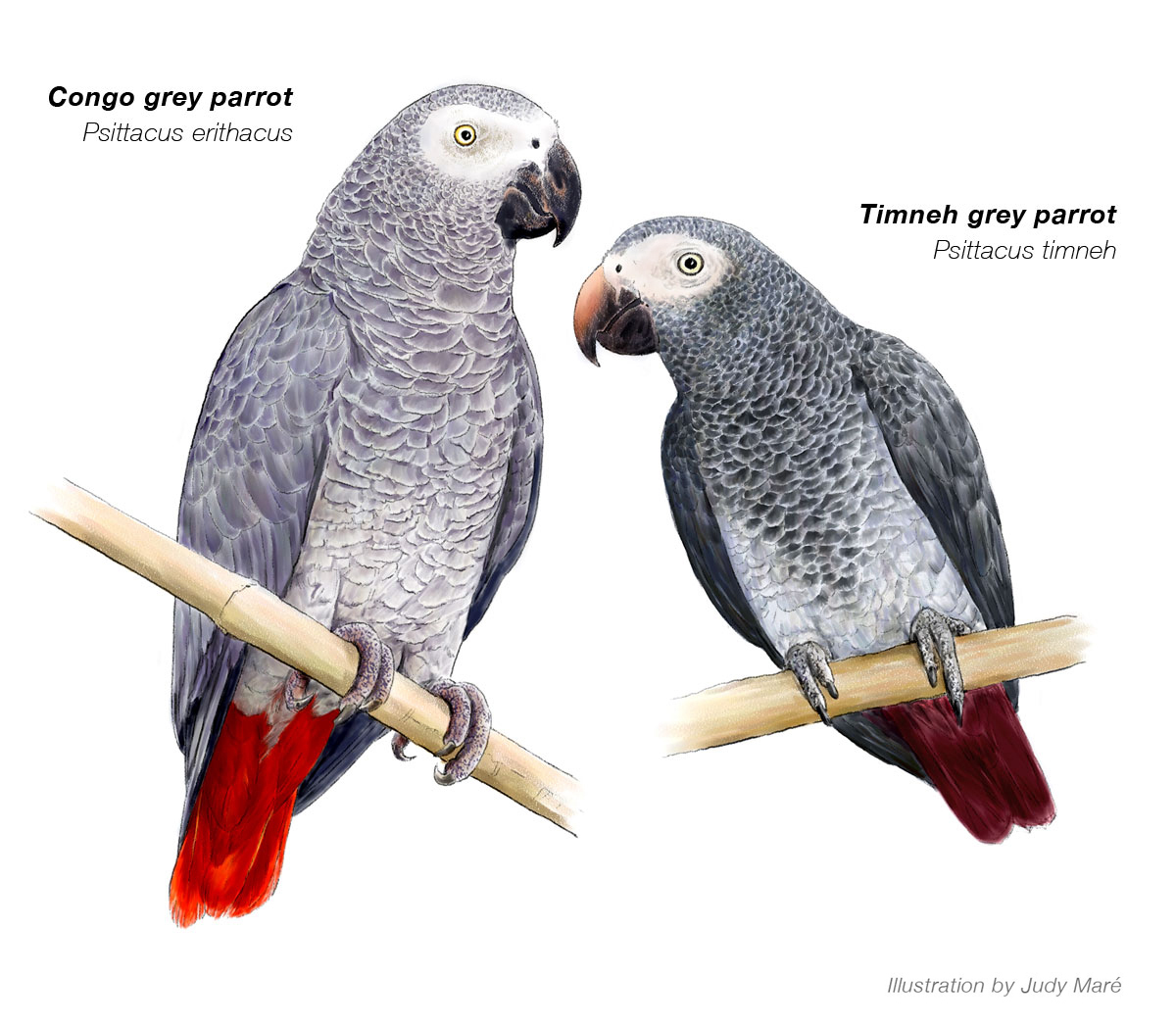 Congo grey parrot (Psittacus erithacus)
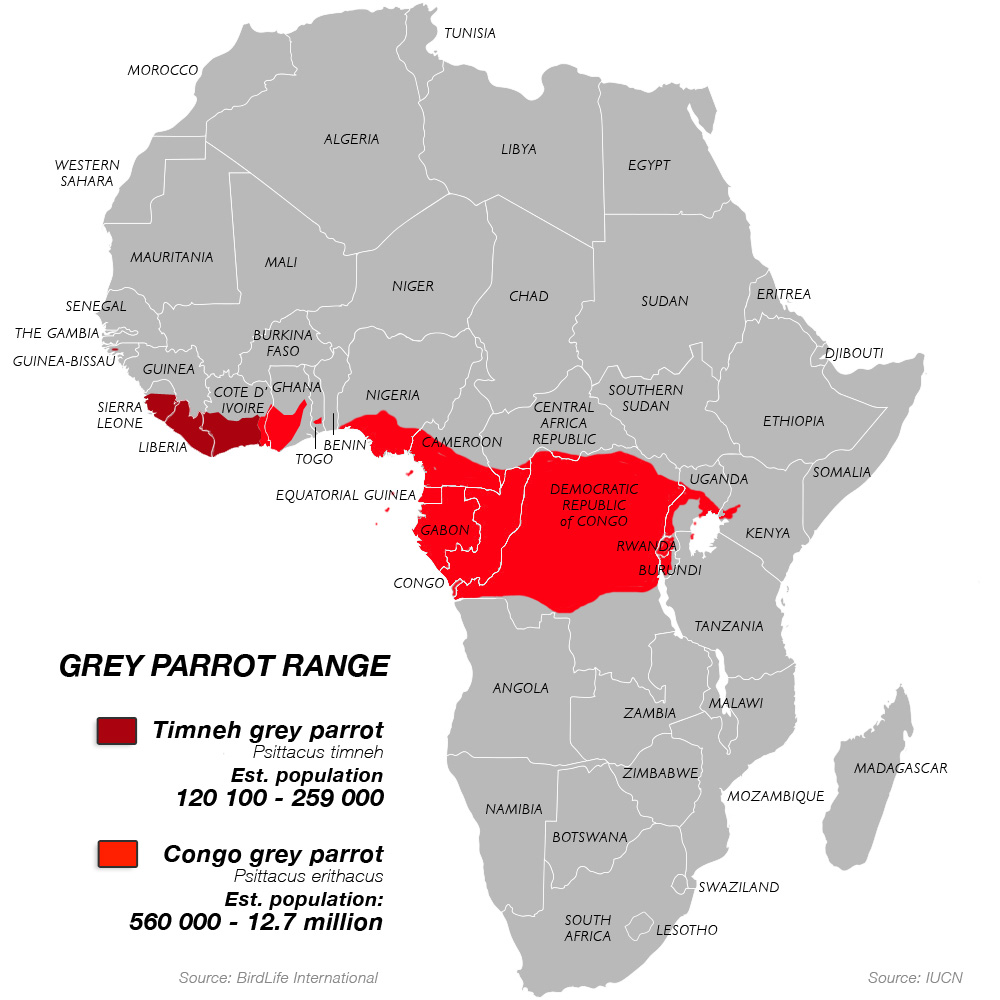 Population
 ETHAN KINSEYwas born and raised close to Arusha, where he and his wife now make their home. Being outside, immersed in nature, has always been a part of his life, from catching tadpoles and birding as a child to winter sports during college vacations. More recently, it has taken the form of sharing wildlife and wilderness experiences with guests, specialised guiding, guide-training, and personal learning ventures. Primarily engaged in designing and guiding private safaris throughout East Africa, he is also active in developing guiding standards through the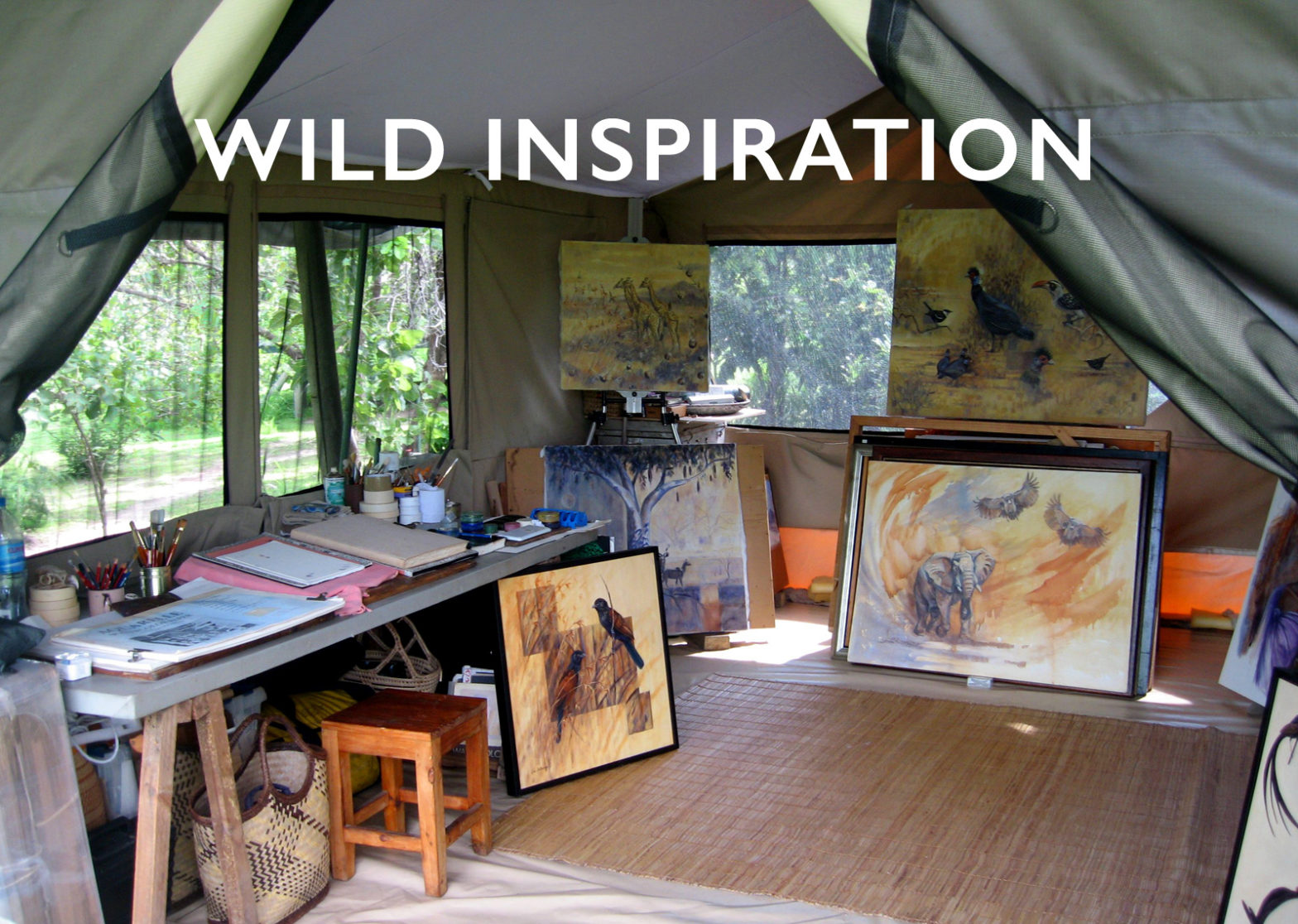
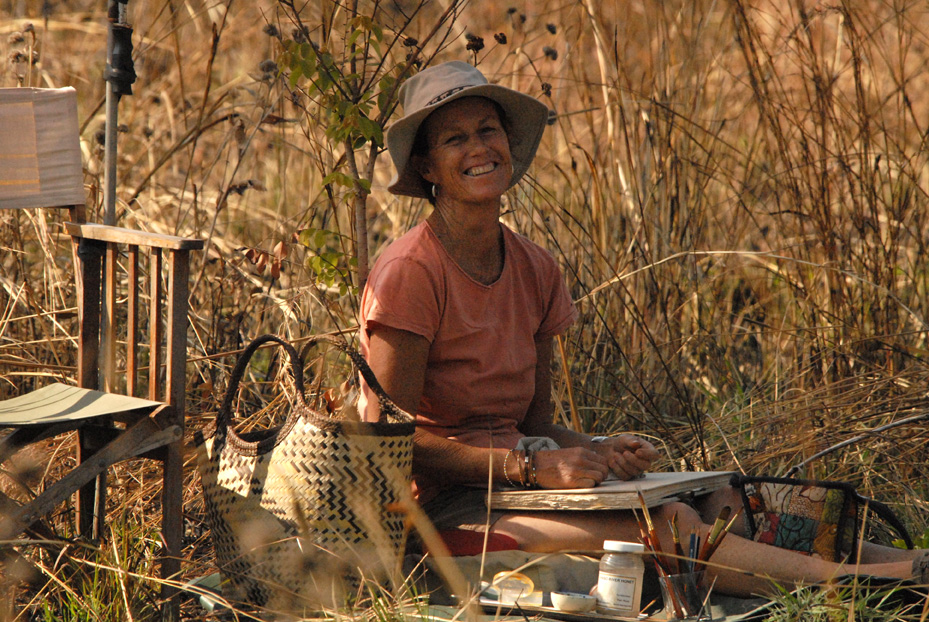
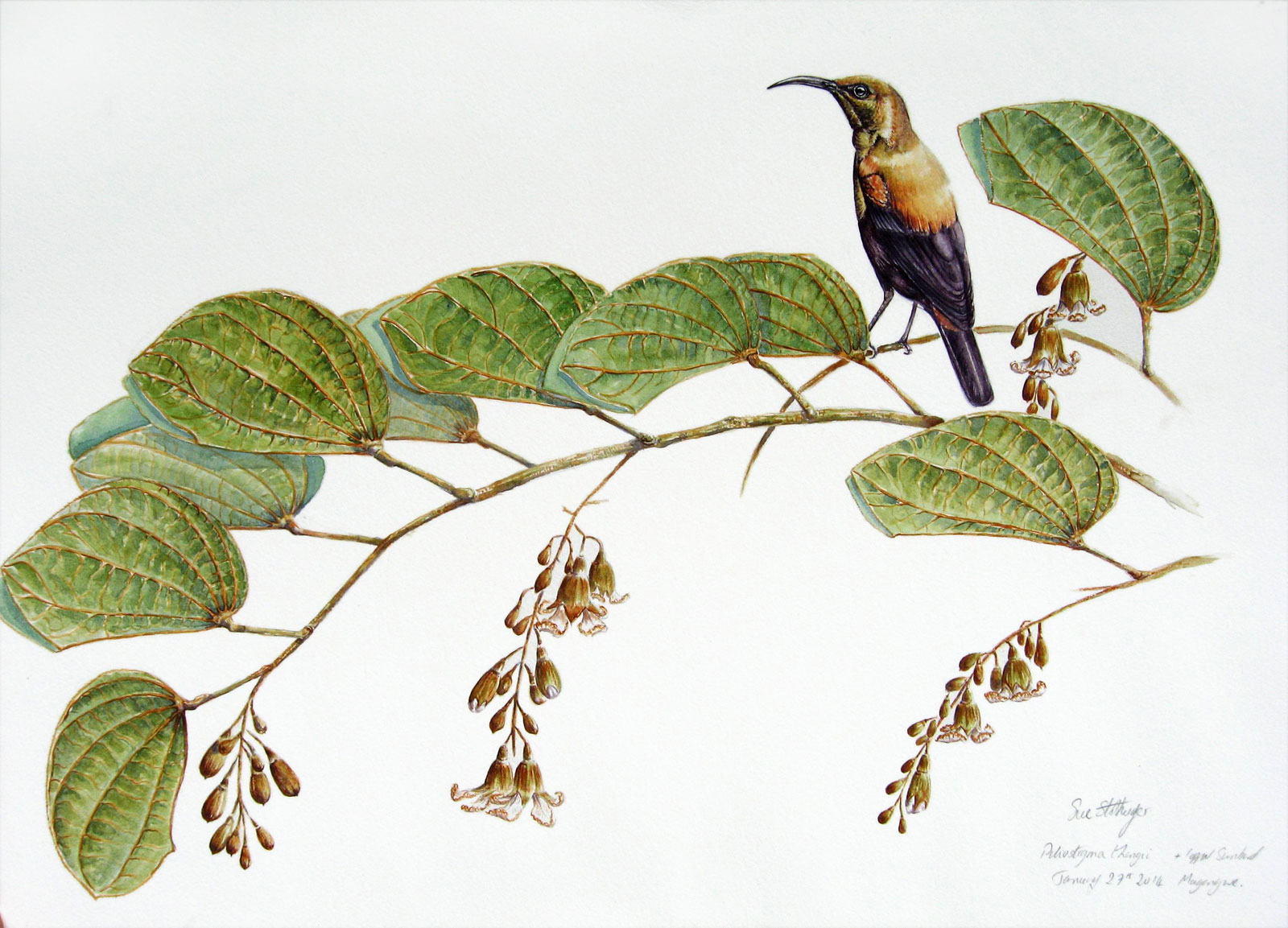
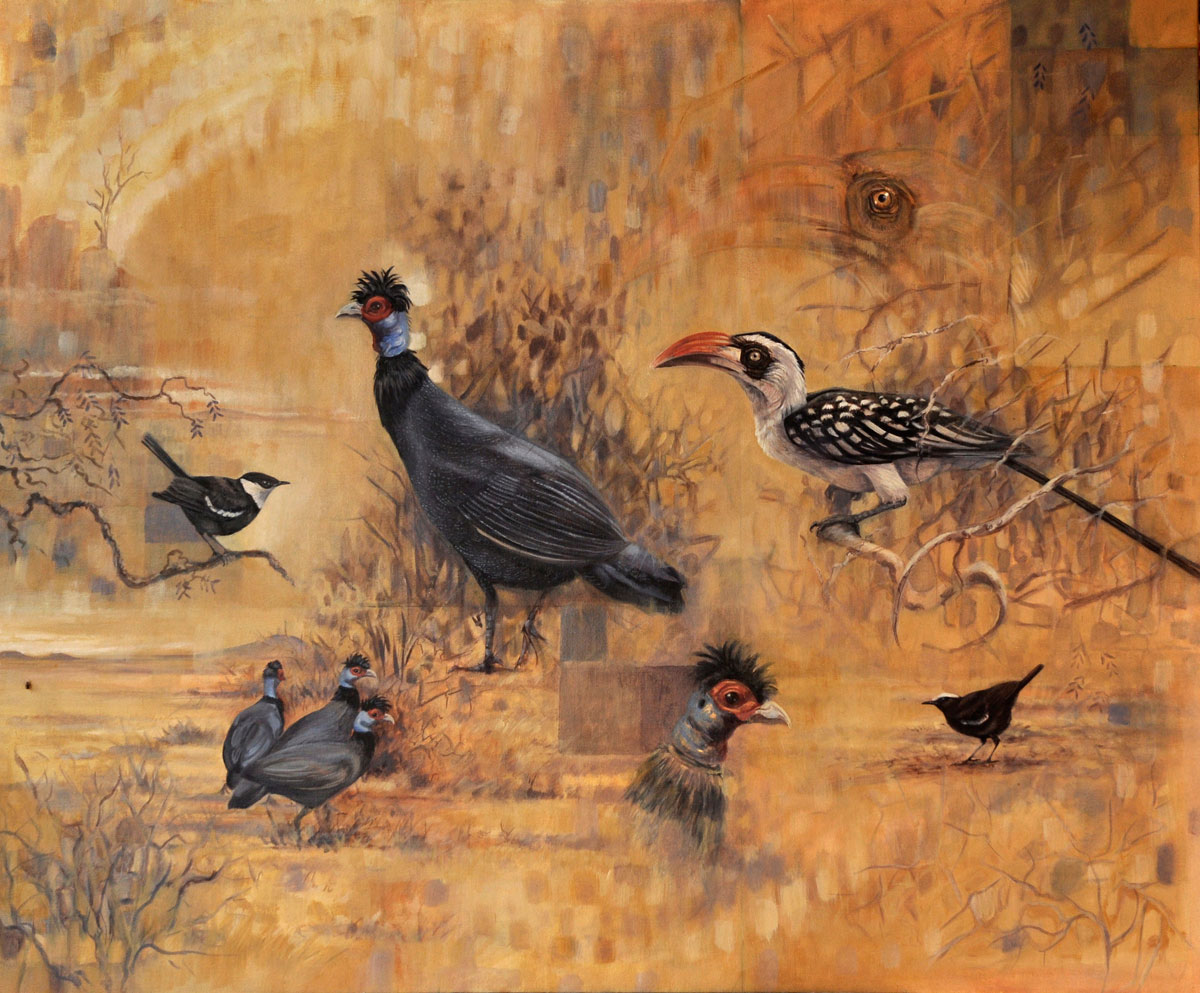
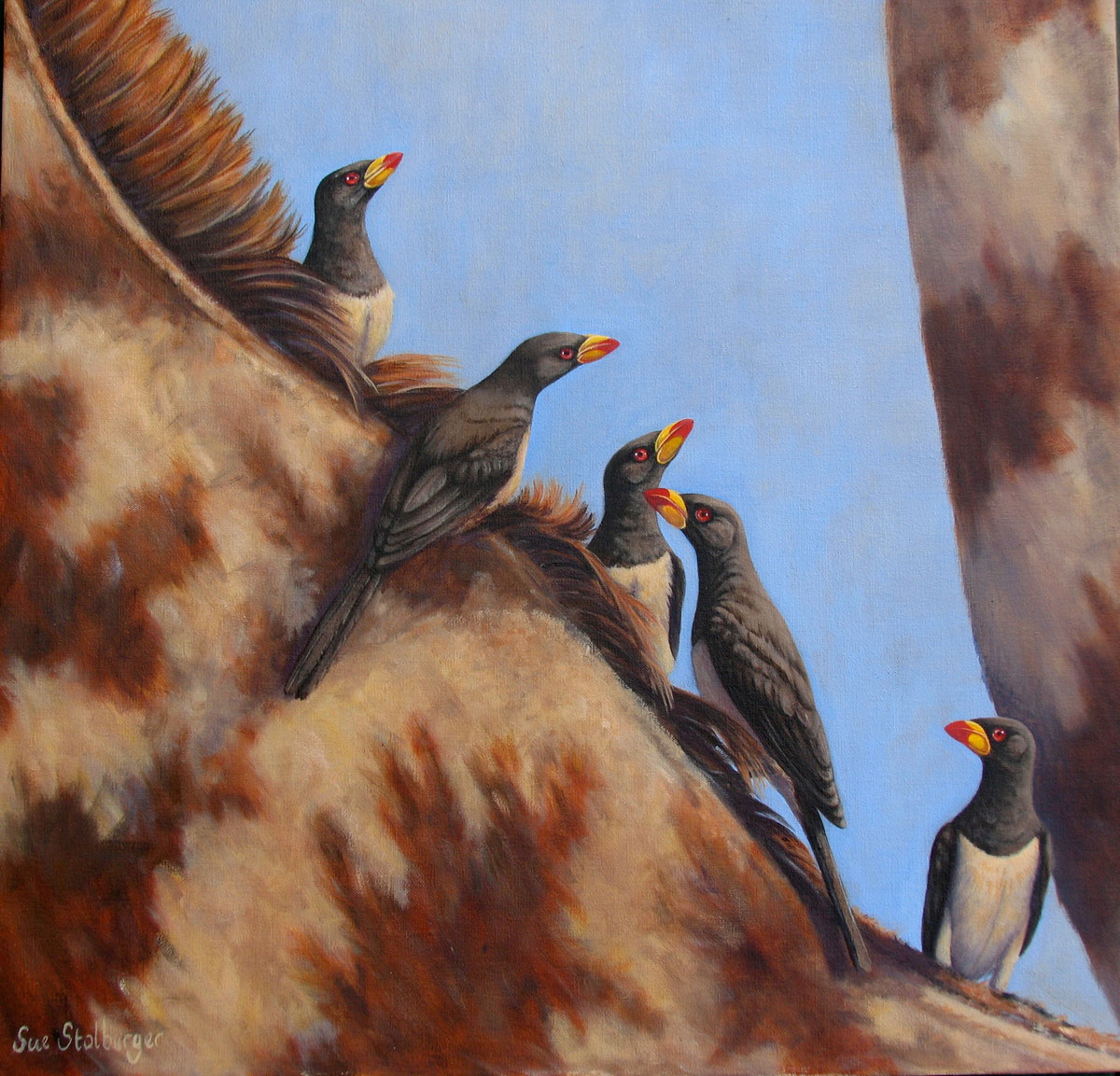 What has always fascinated me is how nature comes up with the most marvellous combinations of colour. It is these combinations of colour and design that spark many of my pictures. I have always loved painting birds; their patterns and colours are superb.
 I paint because it is what I love to do. I paint what inspires me or challenges me. It is very hard to catch that same spontaneous ‘inspiration’ from someone else’s idea. In the few commissions I have done, I am constantly wondering: ‘is this what they had in mind?’ I concluded that it would be unwise to accept commissions as, although one might be tempted to follow this route as it brings in money, in the end, it will be detrimental to one’s standard of work and one’s own inspiration. I can afford not to be controlled by fear of not having enough money because I know tomorrow will take care of itself.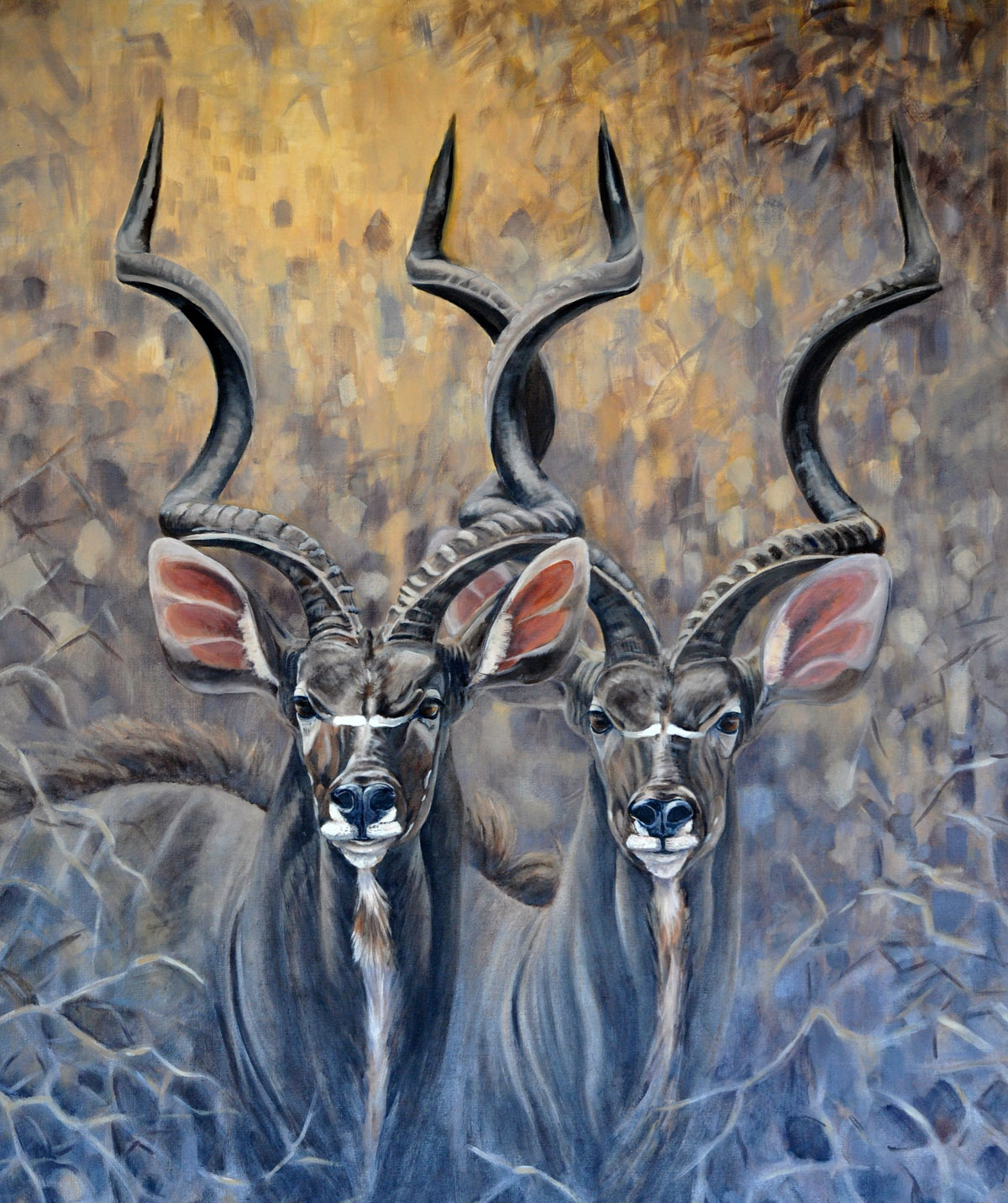
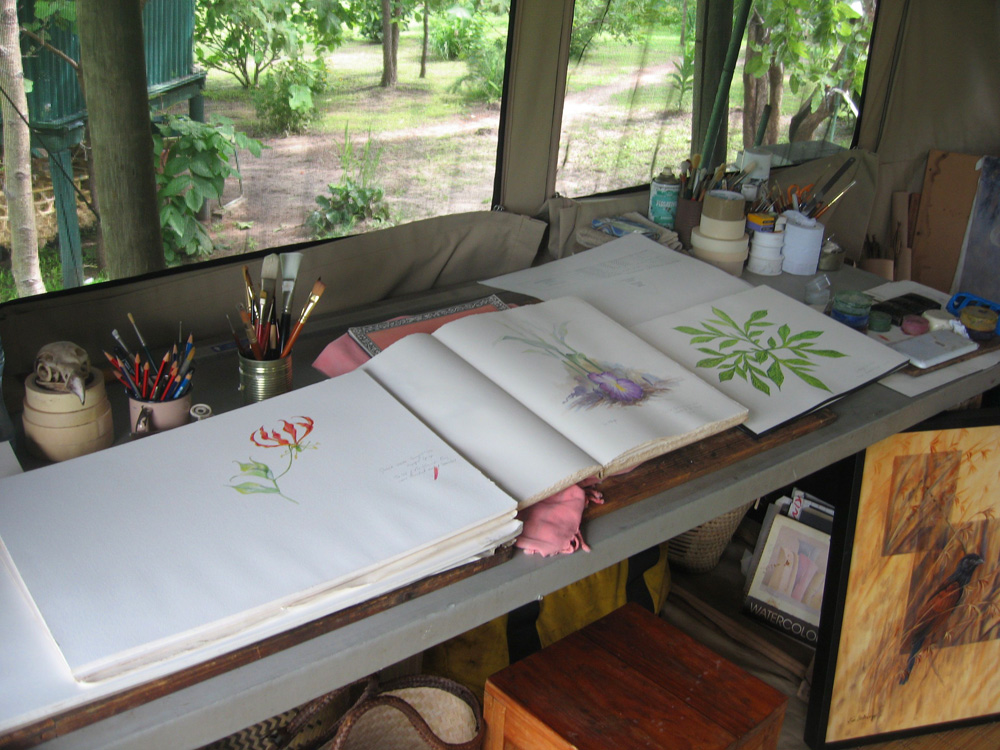
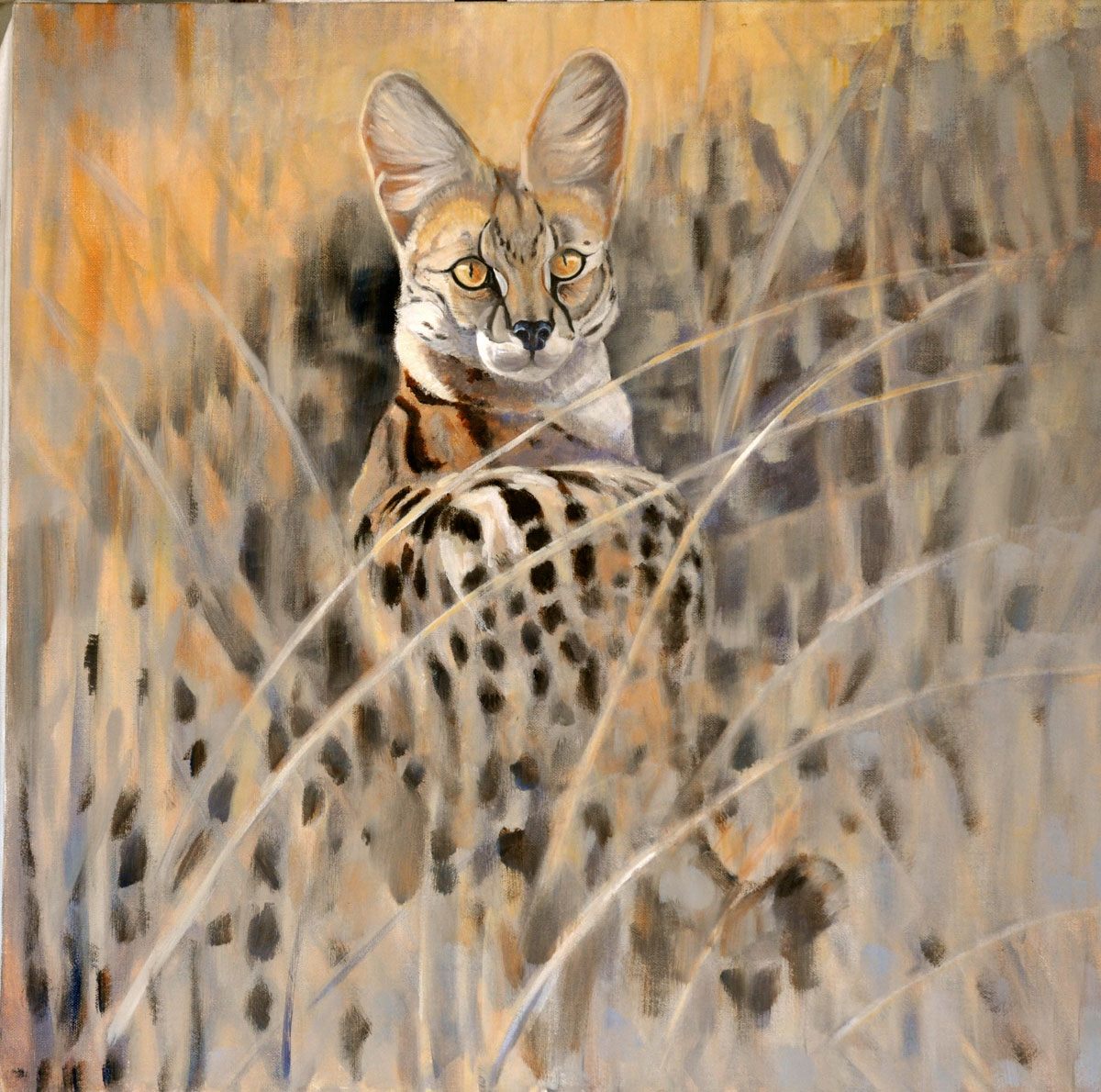 I am compiling countless little stories of my encounters and observations of the wonderful wildlife using photographs and sketches. And I have many oil paintings that are simmering away in my head, waiting for the right moment to appear on the canvas. These will be done randomly in between all the other projects. I will also be exhibiting and giving a talk in Vancouver at the Artist For Conservation exhibition at the end of September 2014.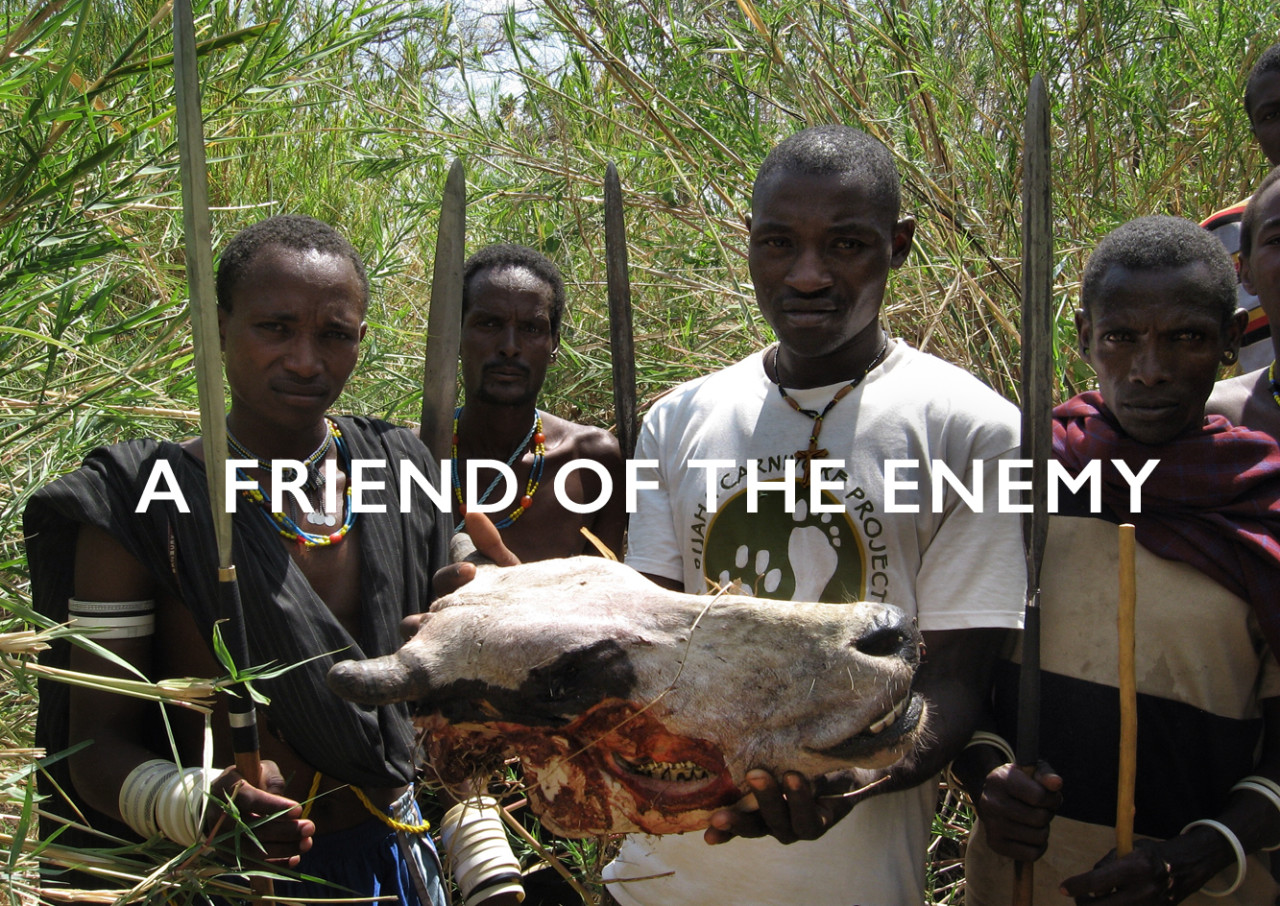
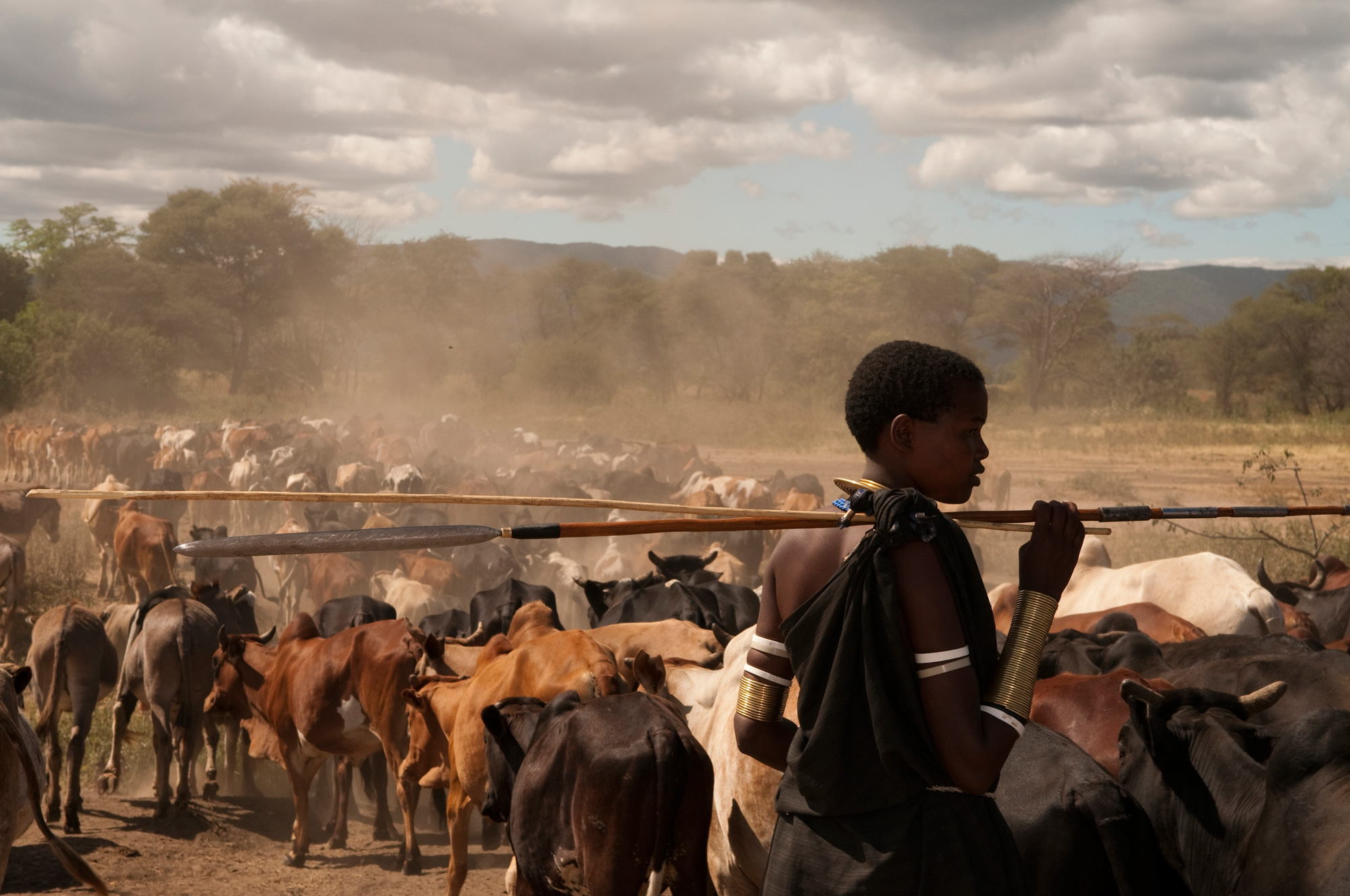
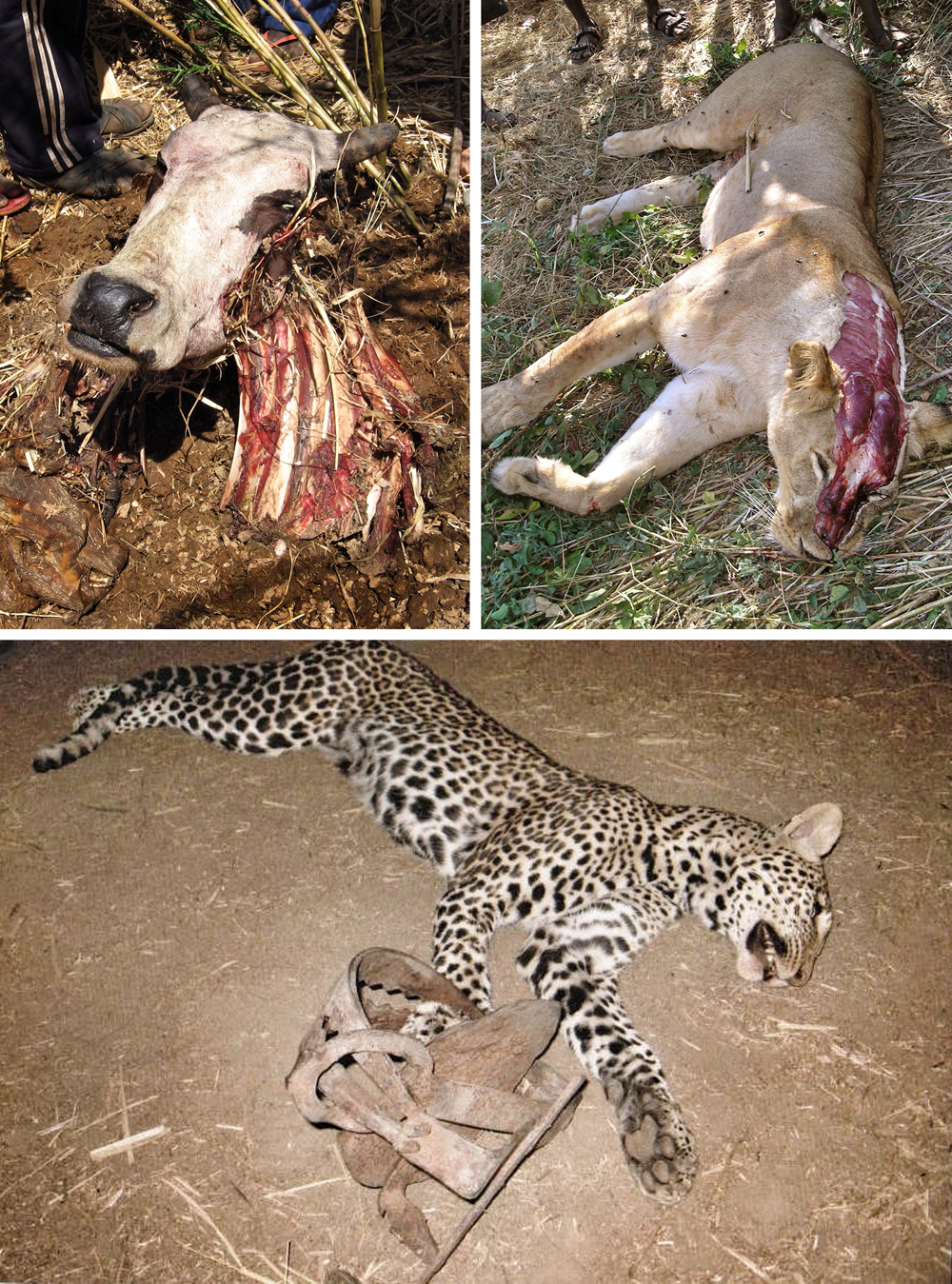
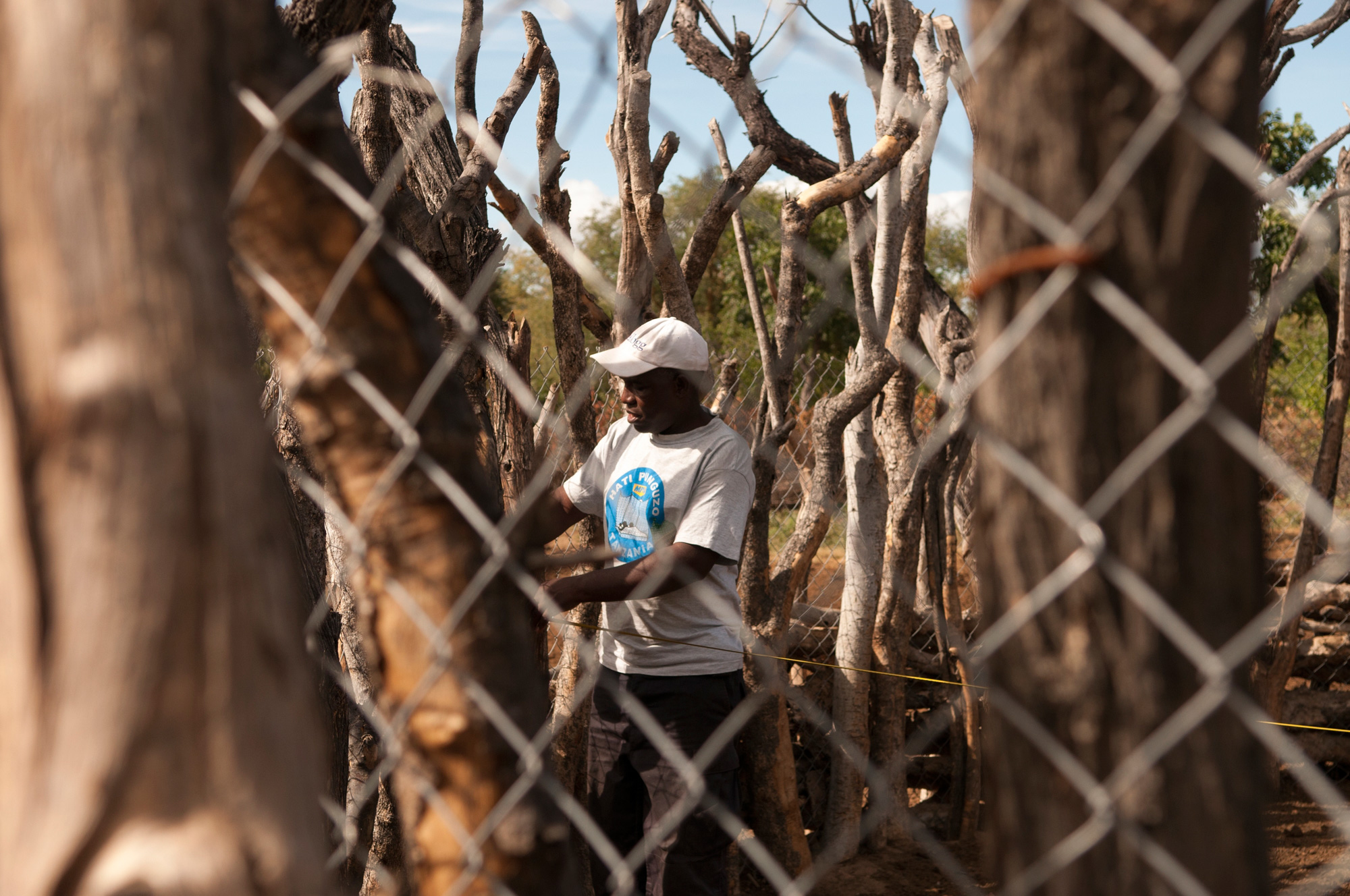
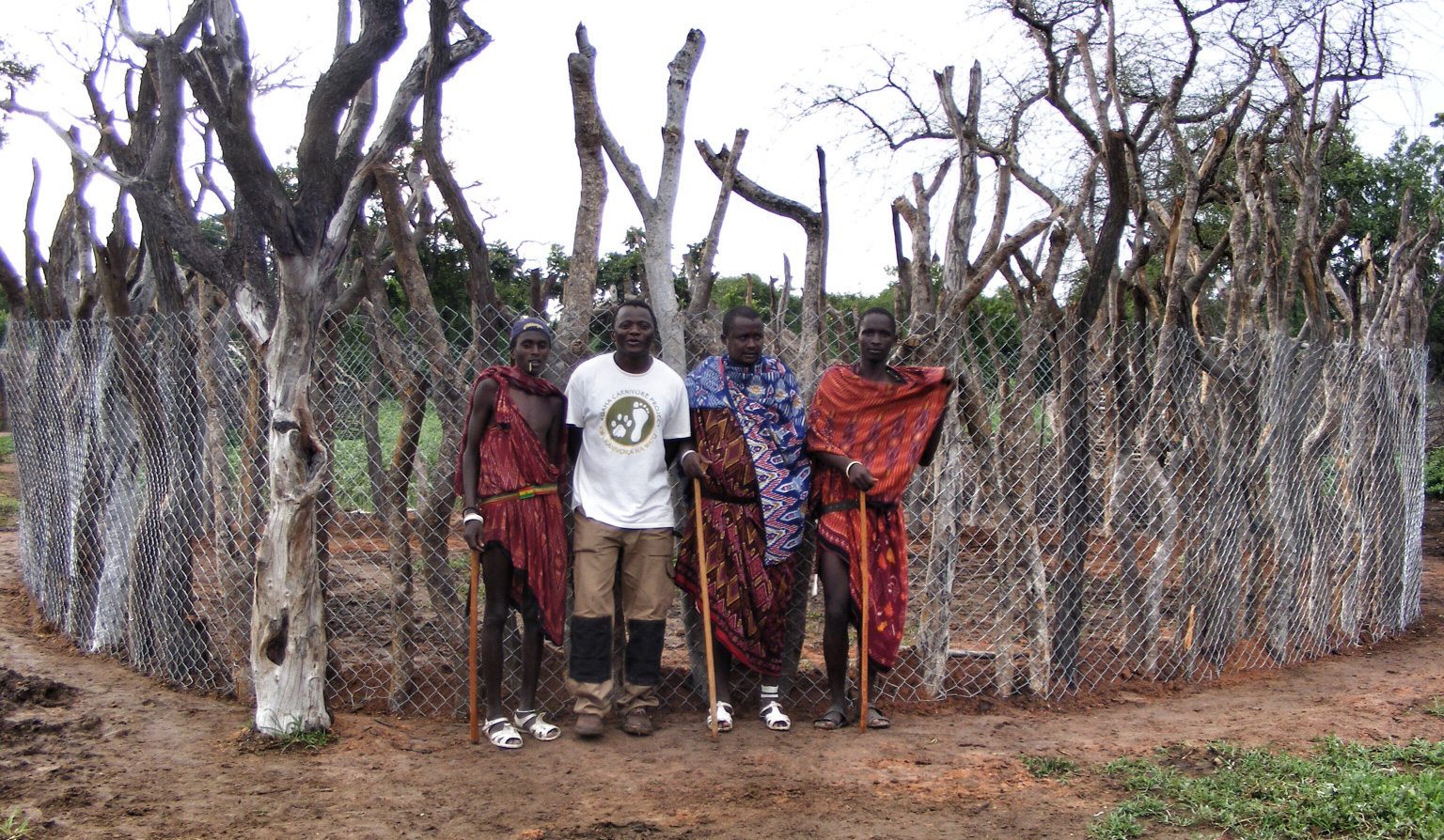
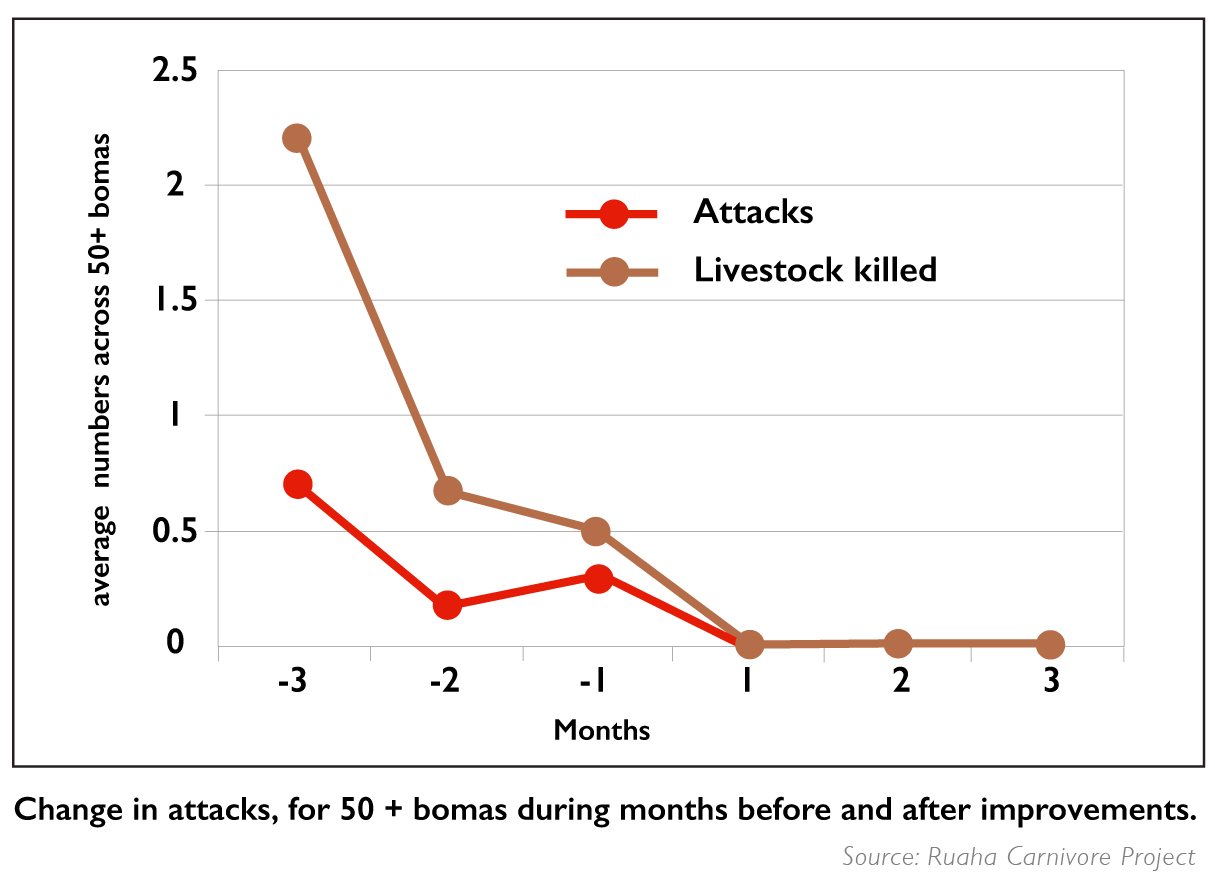 Our research showed that 65% of attacks occurred in livestock enclosures (bomas), the majority of which were poorly constructed. We introduced a cost-sharing initiative to construct predator-proof bomas made of diamond-mesh fencing. To date, we have constructed over 70, and they have proved 100% effective at preventing attacks. However, some attacks occur in the bush, so we have begun trials using specially trained Anatolian shepherd dogs to guard livestock. Although the project is in its infancy, the approach seems promising. In addition, we work intensively with village households to teach people how to identify carnivore attacks and how simple, low-tech measures can prevent such attacks from recurring. Together these measures have significantly reduced depredation, reducing economic pressures on people and the need for preventative or retaliatory killing.



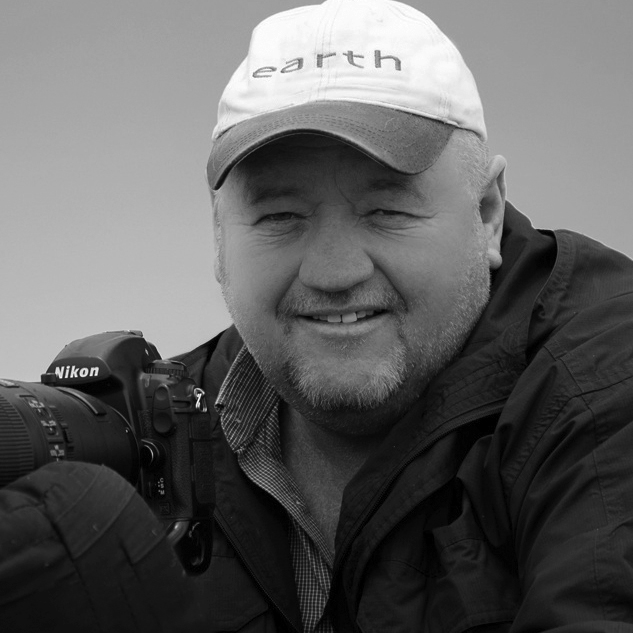
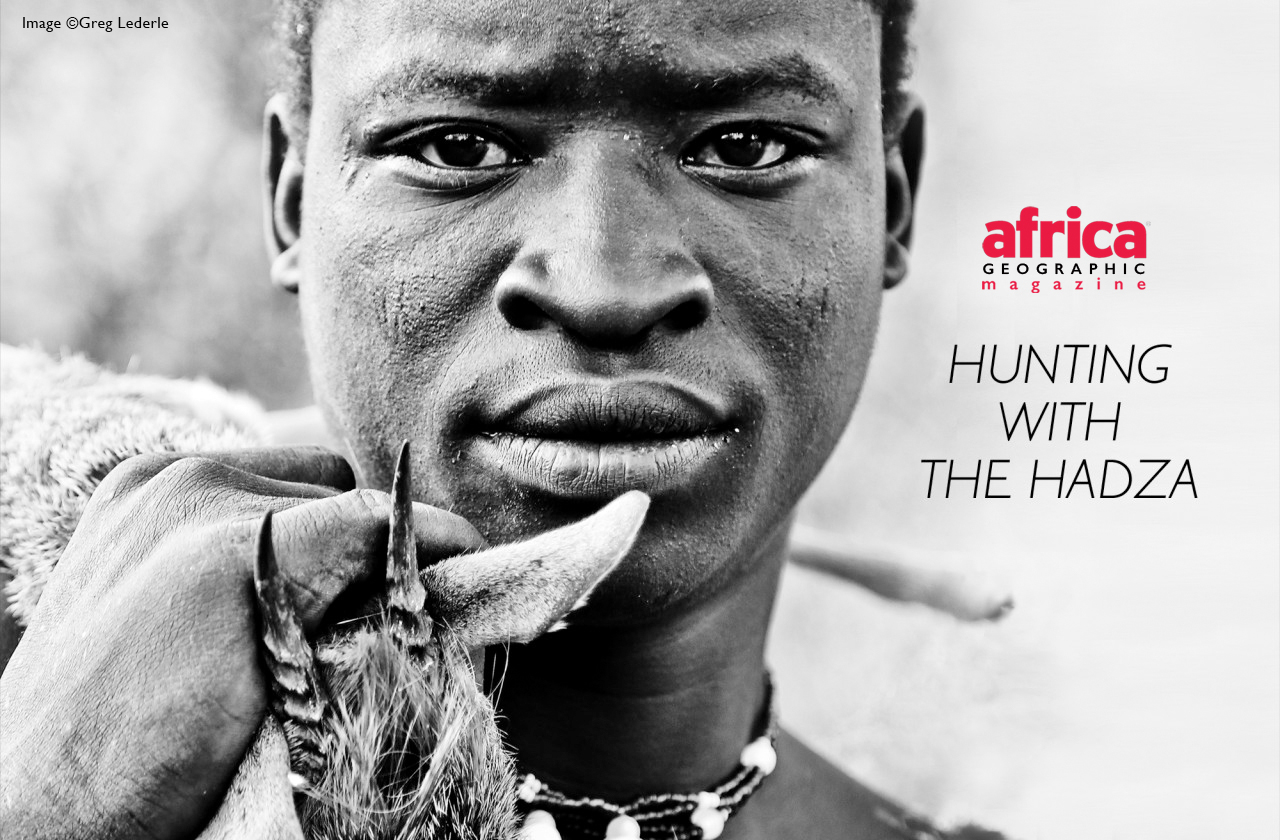
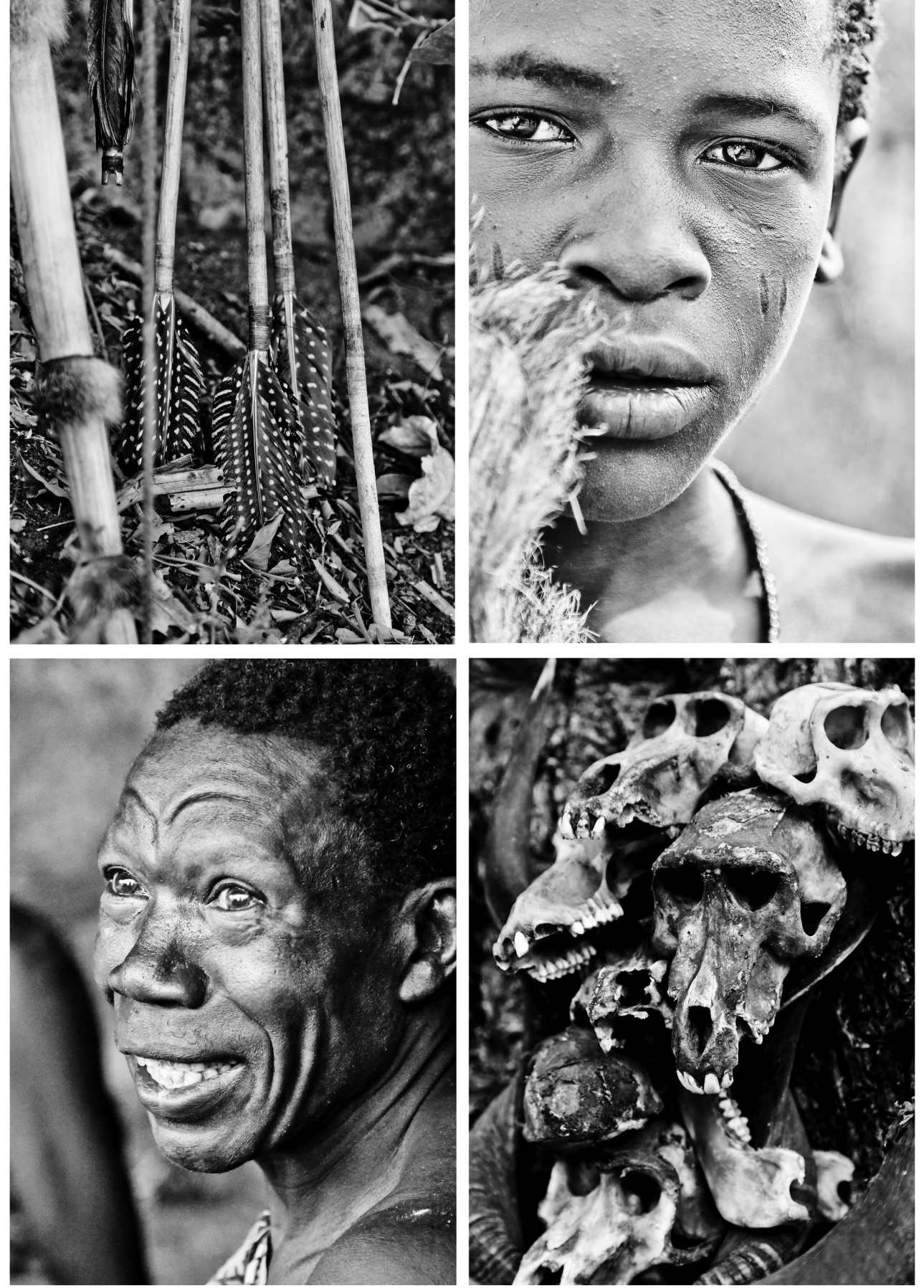
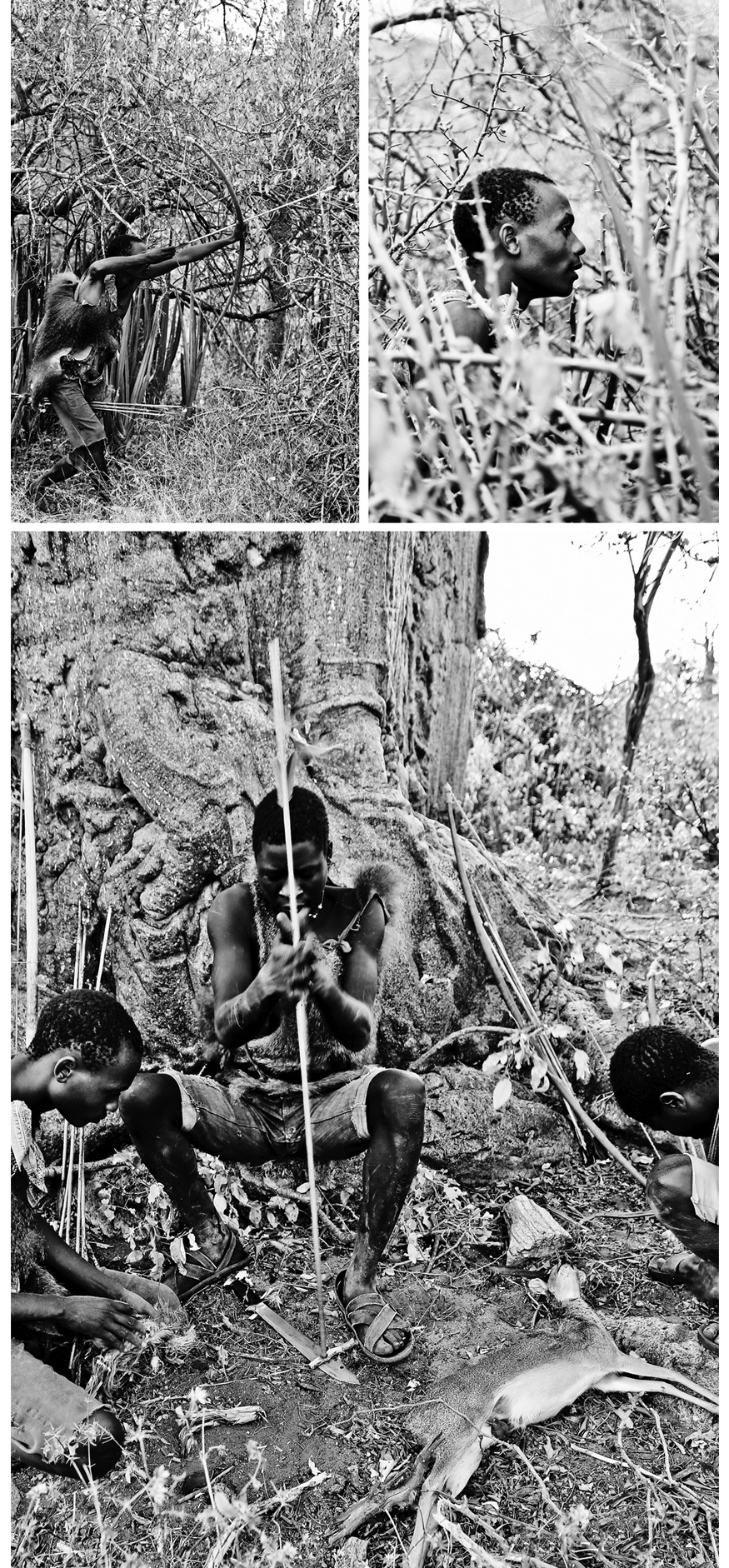
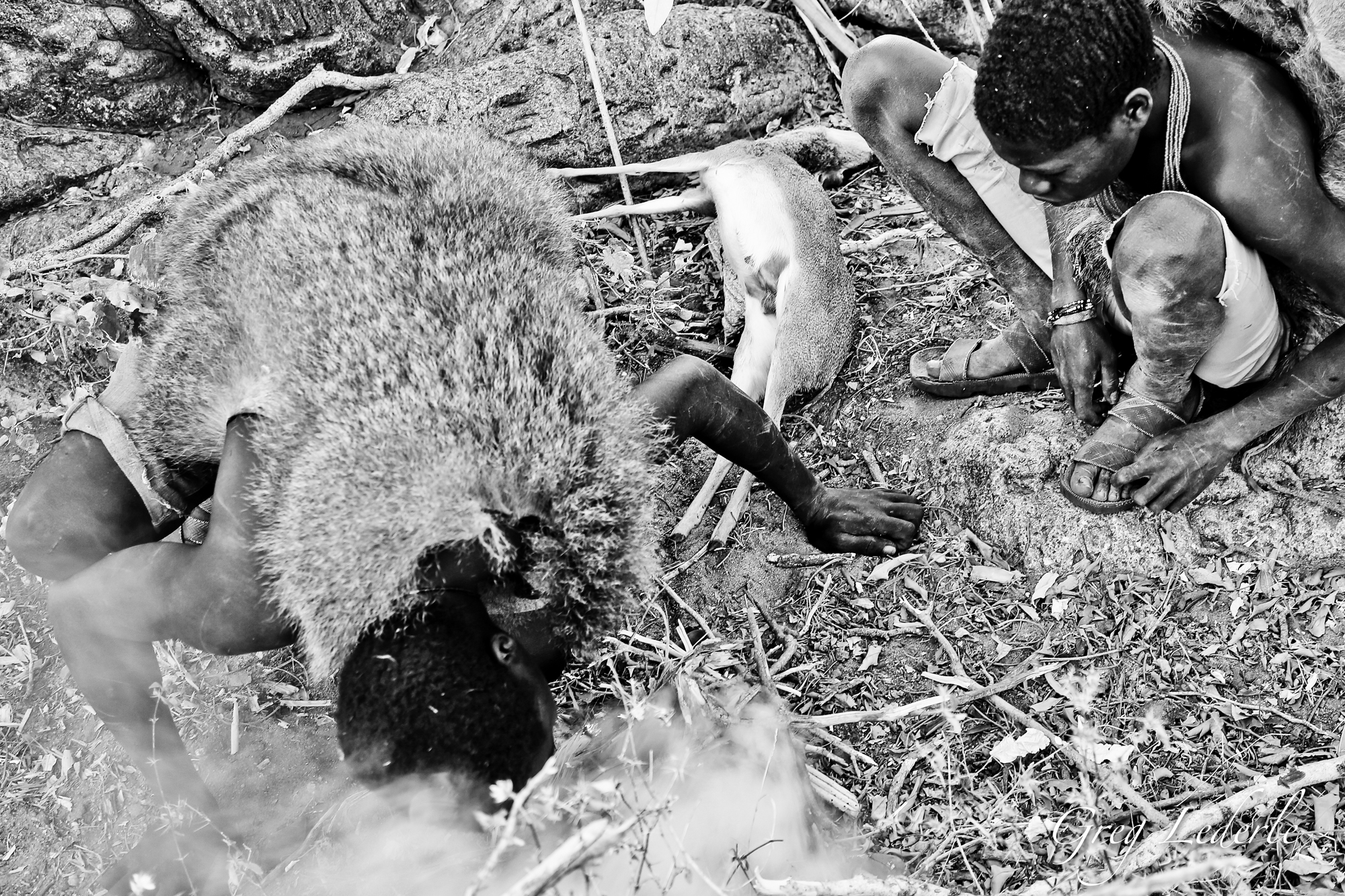
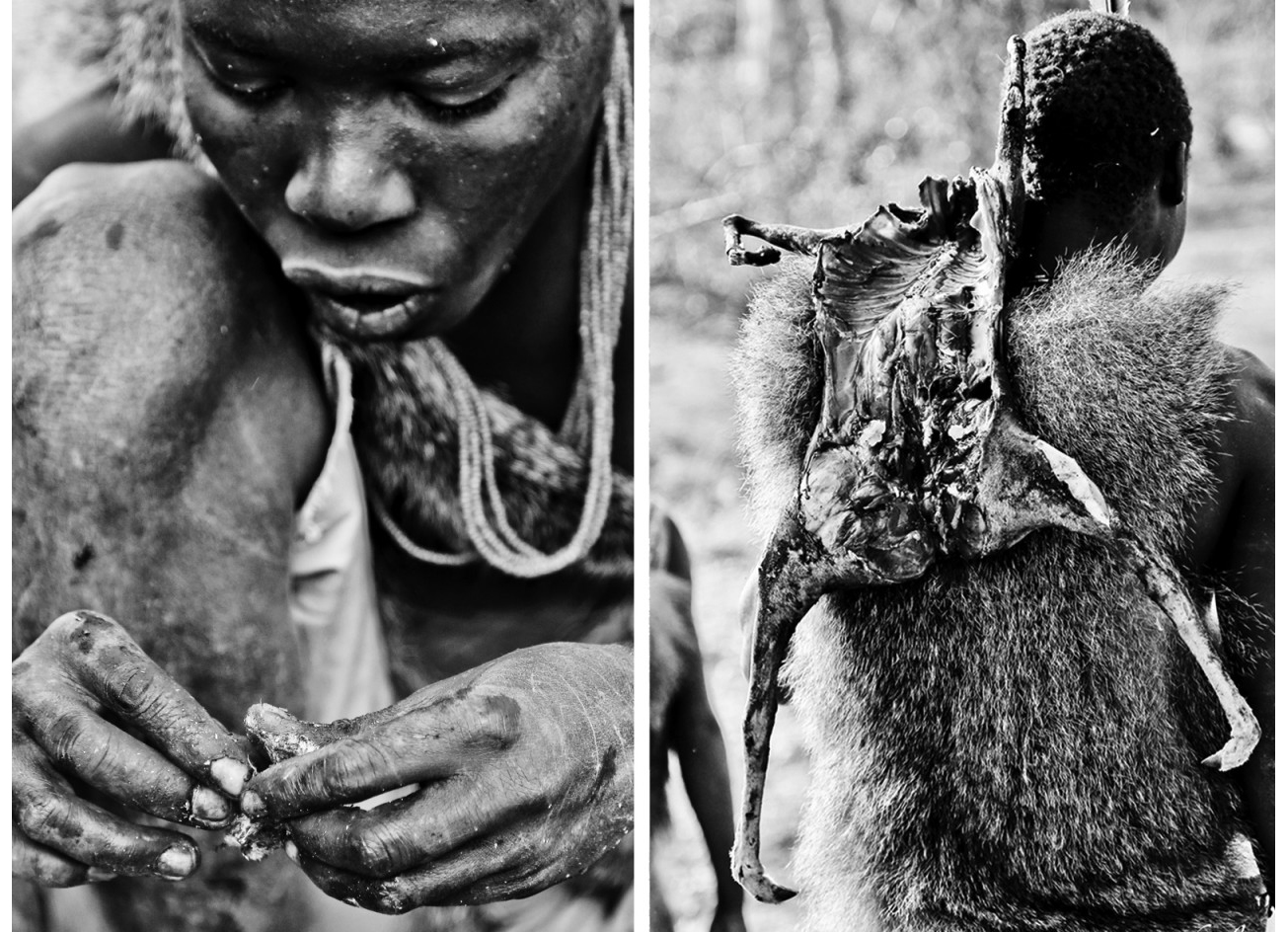
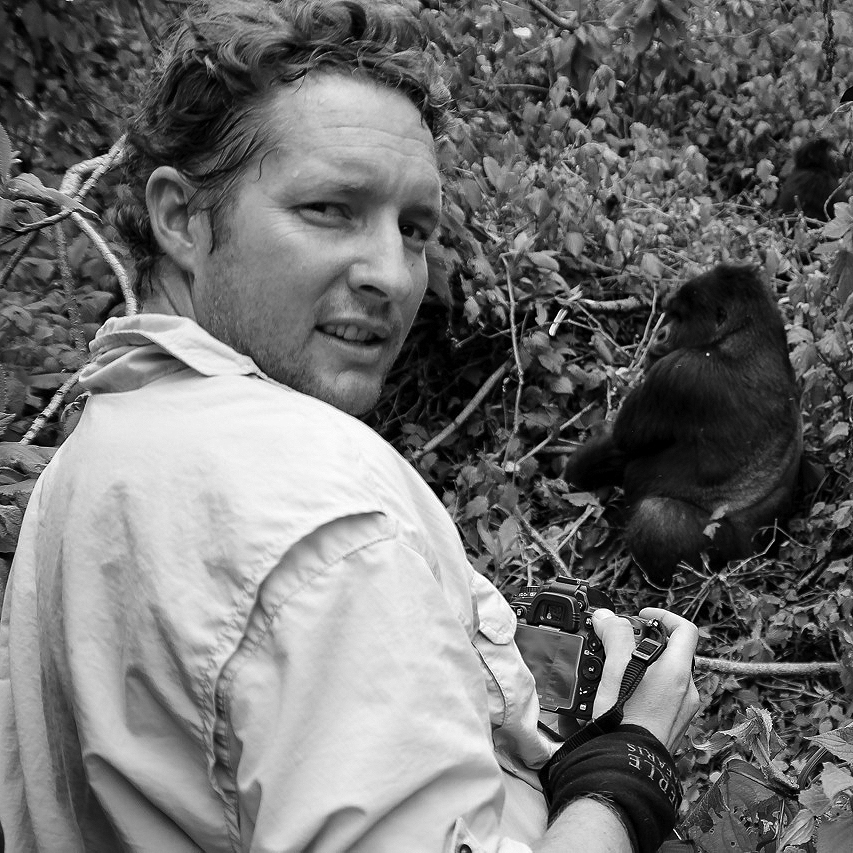 GREG LEDERLE is a multiple award-winning guide and the owner and co-founder of his own safari company – Lederle Safaris. Described by Forbes Life as “…a warm and effervescent personality”, Greg’s connection to and appreciation of Africa and travel is evident in his pursuit of off-the-beaten-track safari experiences.



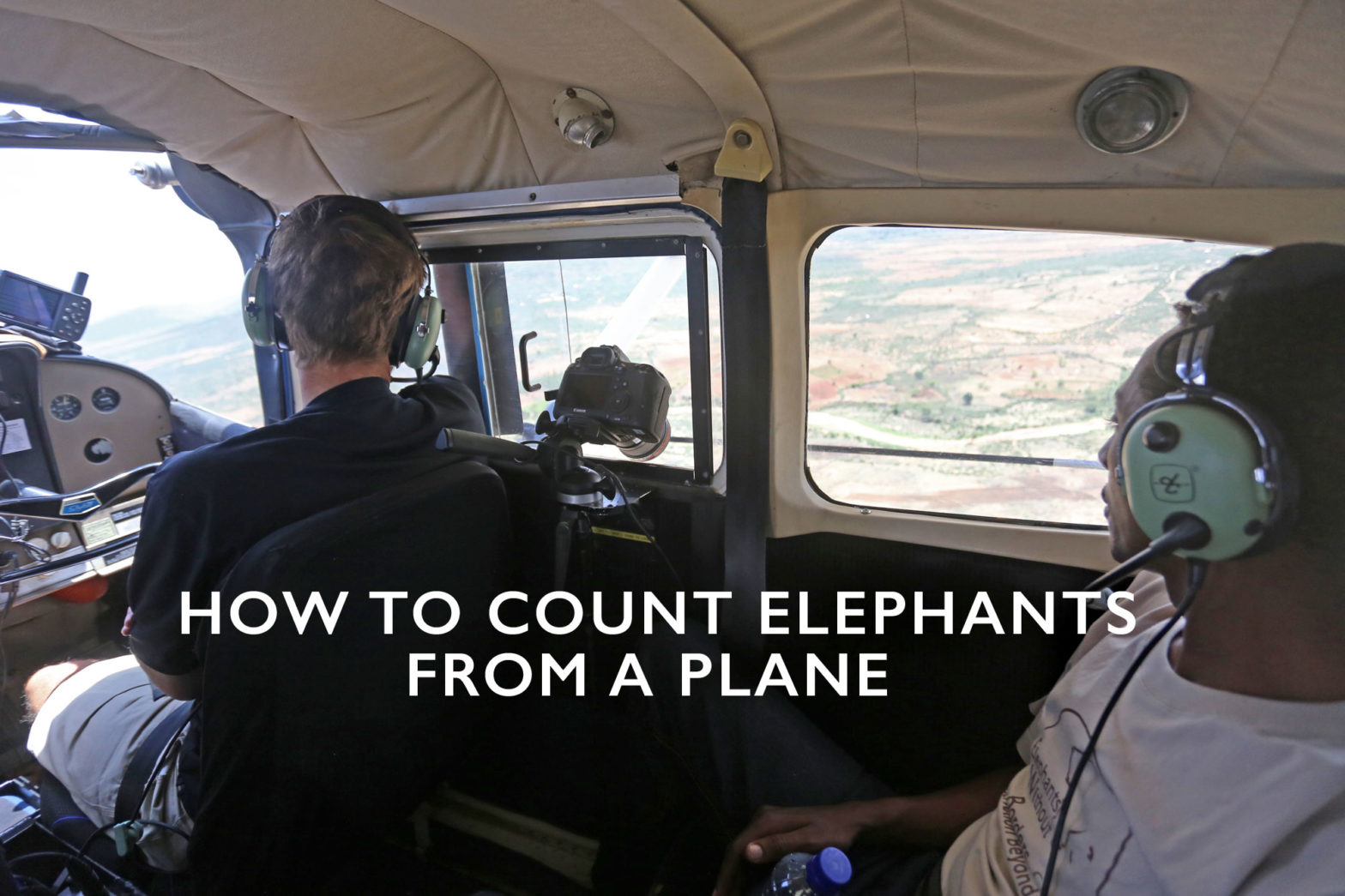
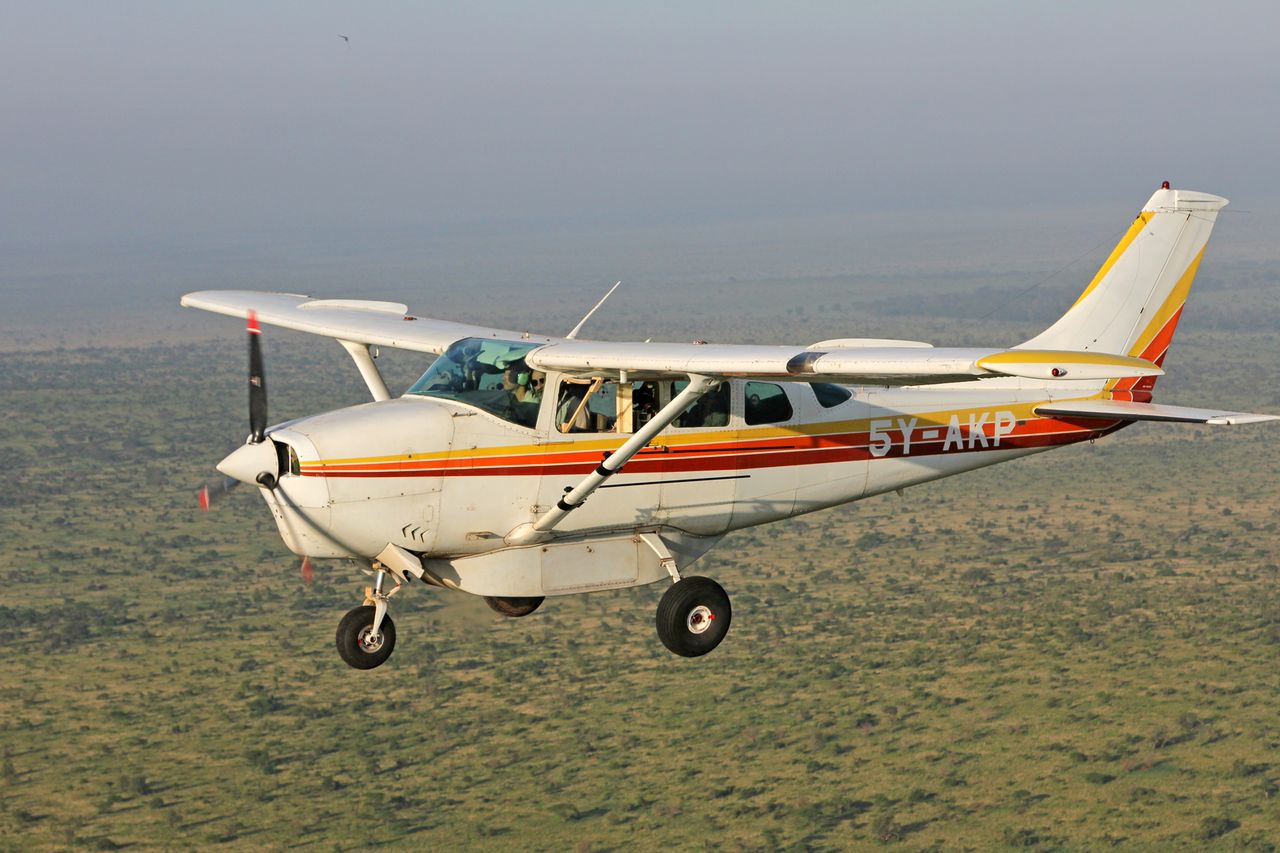
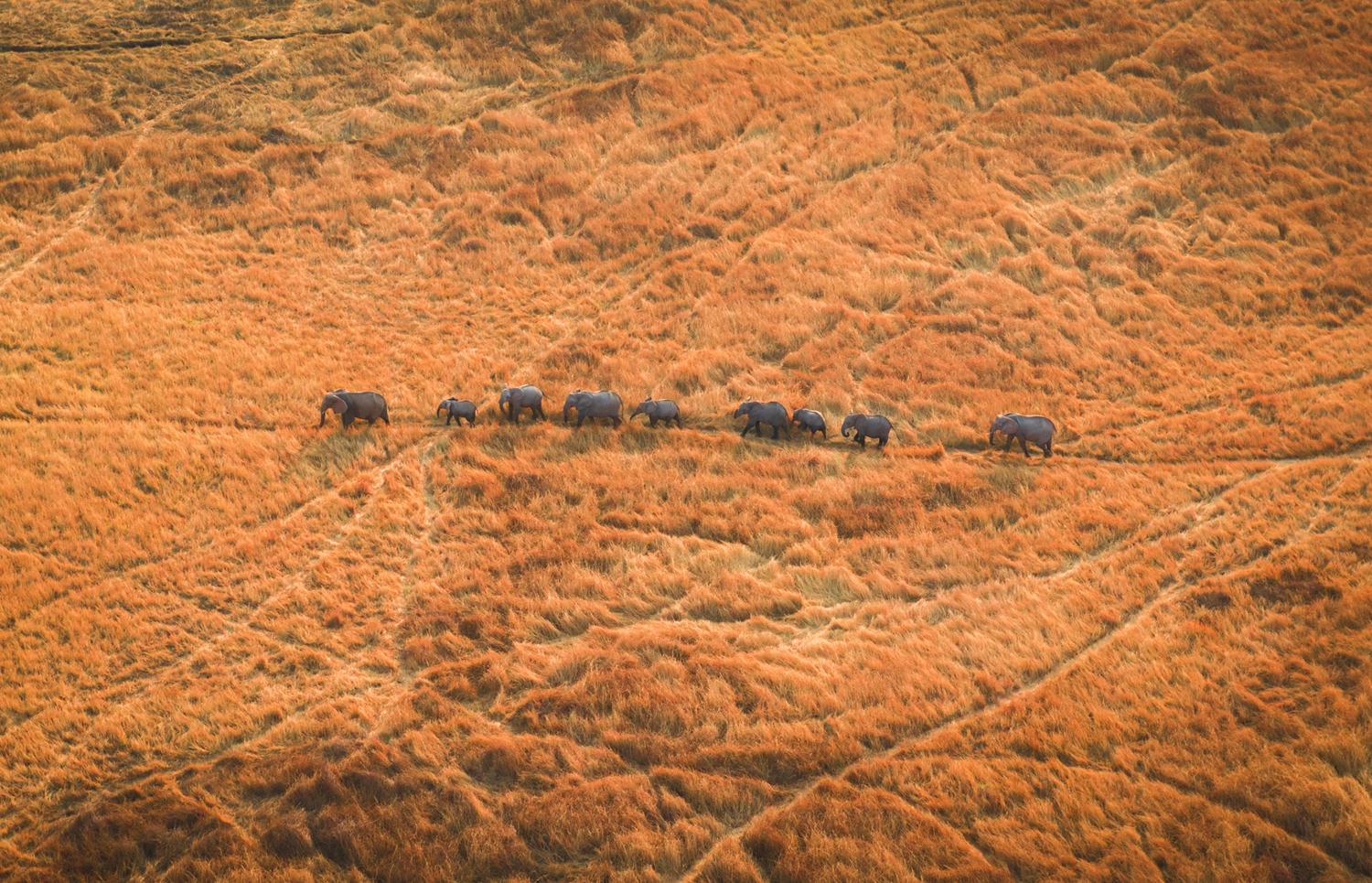
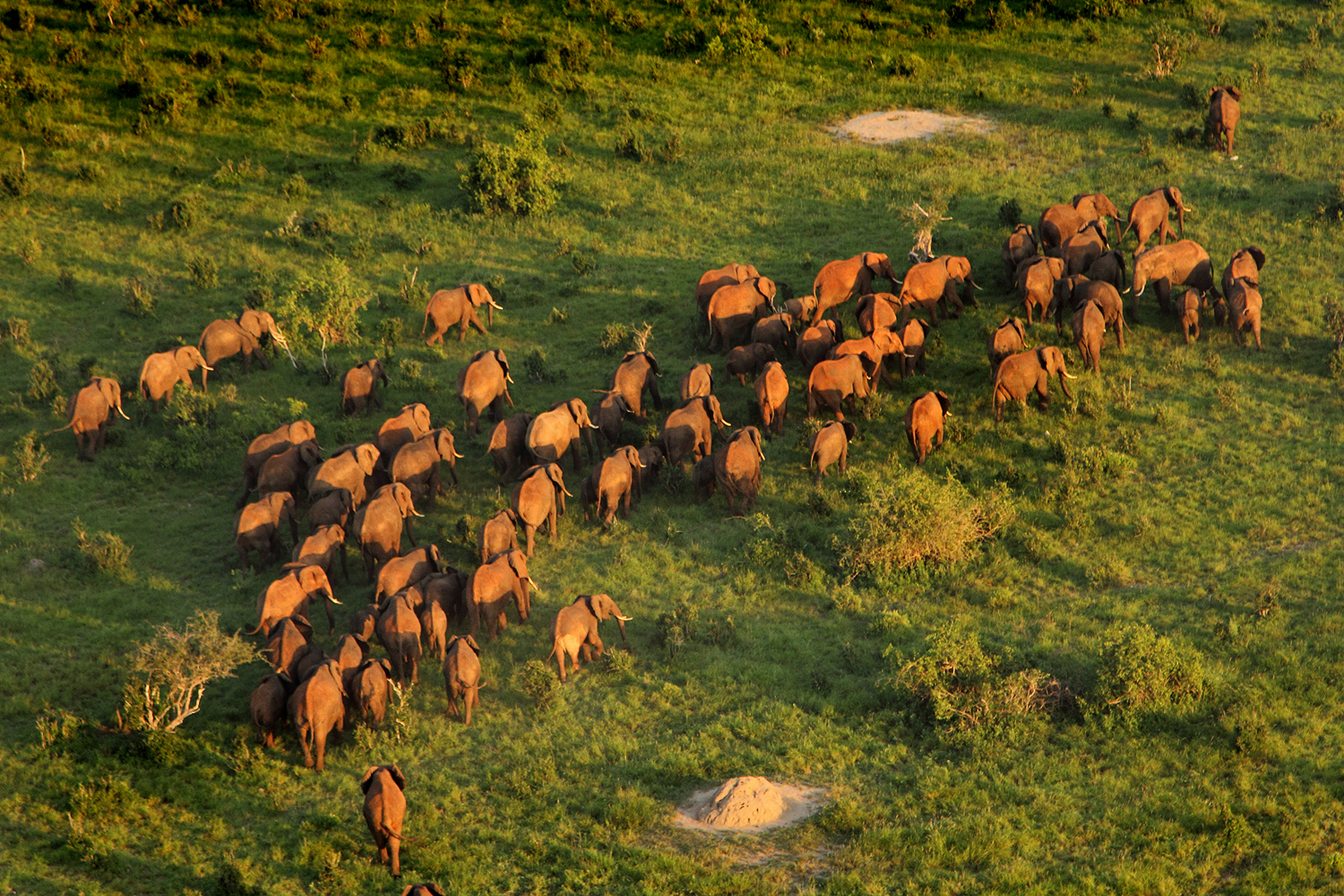
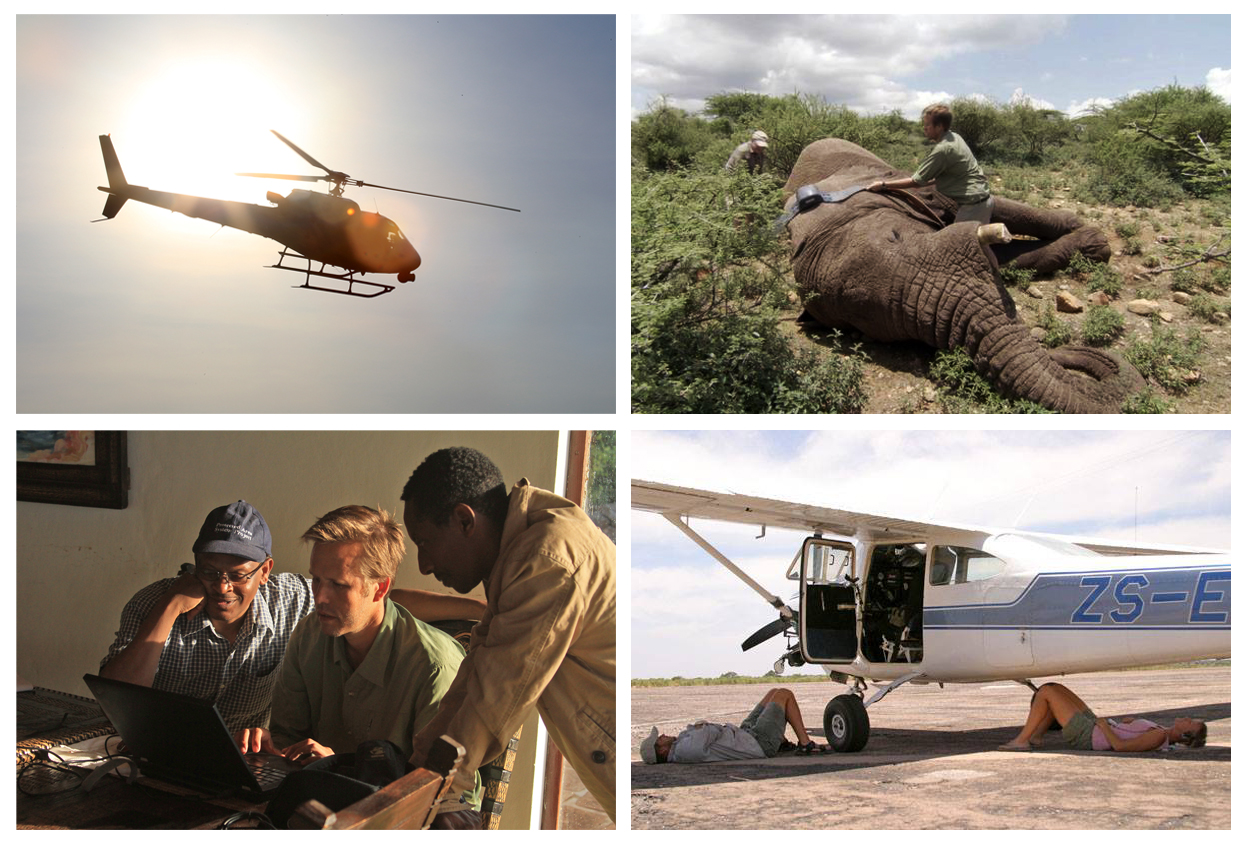
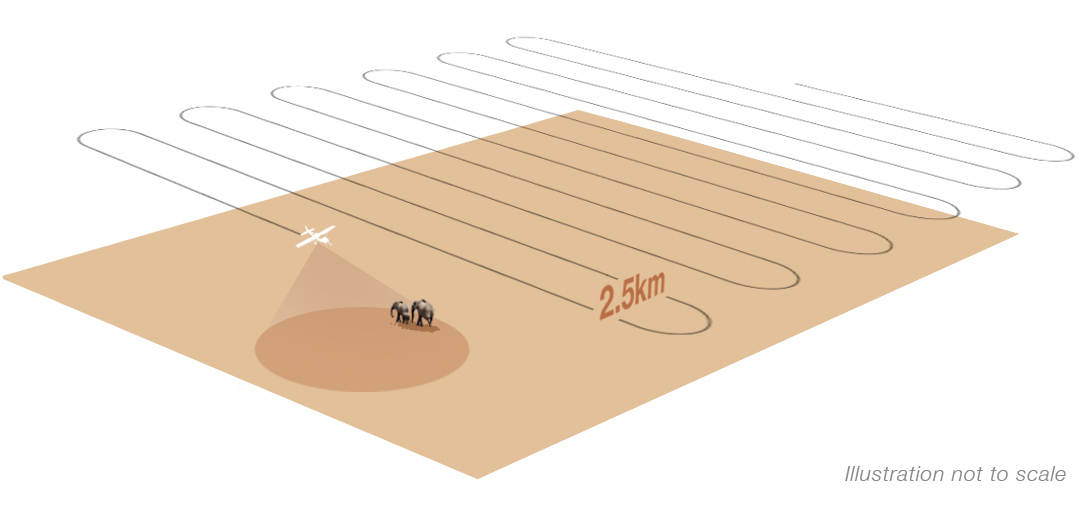 A typical total aerial count covers 100% of the target area, flying strips spaced 1 kilometre apart. A sample count differs in that it flies strips spaced further apart and covers areas chosen by factors such as the concentration of elephants and natural habitat. The strip spacing varies accordingly.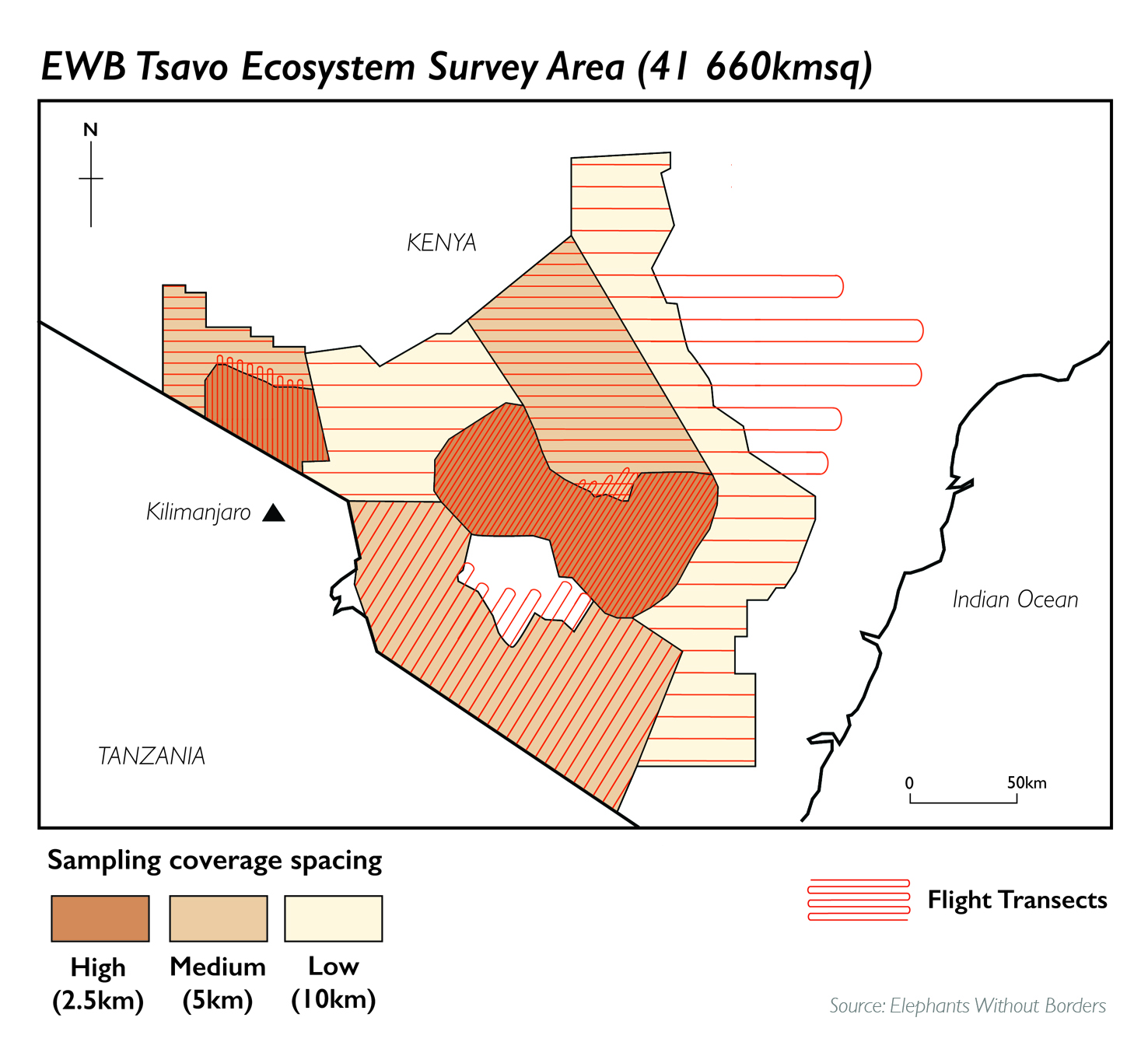
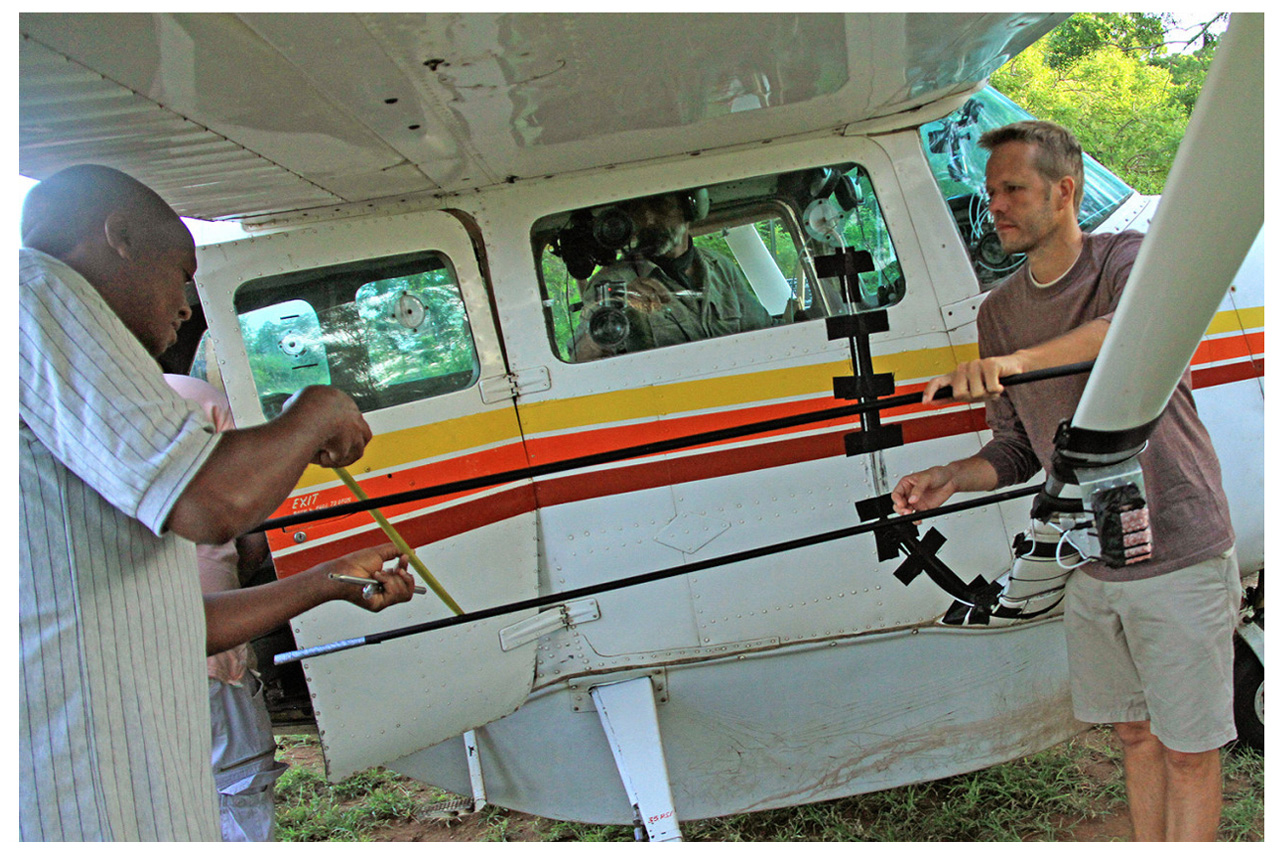
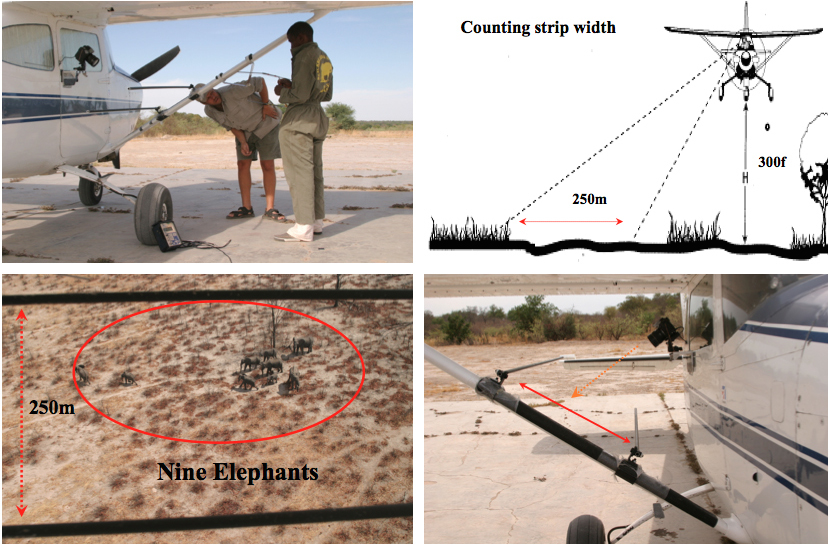 The plane flies at a certain altitude which keeps the area within a designated width of ground coverage, seen between the wands. The observer counts, and photos are taken of the wildlife seen between the wands. This is important for post-analysis for the population numbers to be extrapolated, considering ground coverage that could not be flown. The system is applied on both sides of the plane with at least 1 observer per side.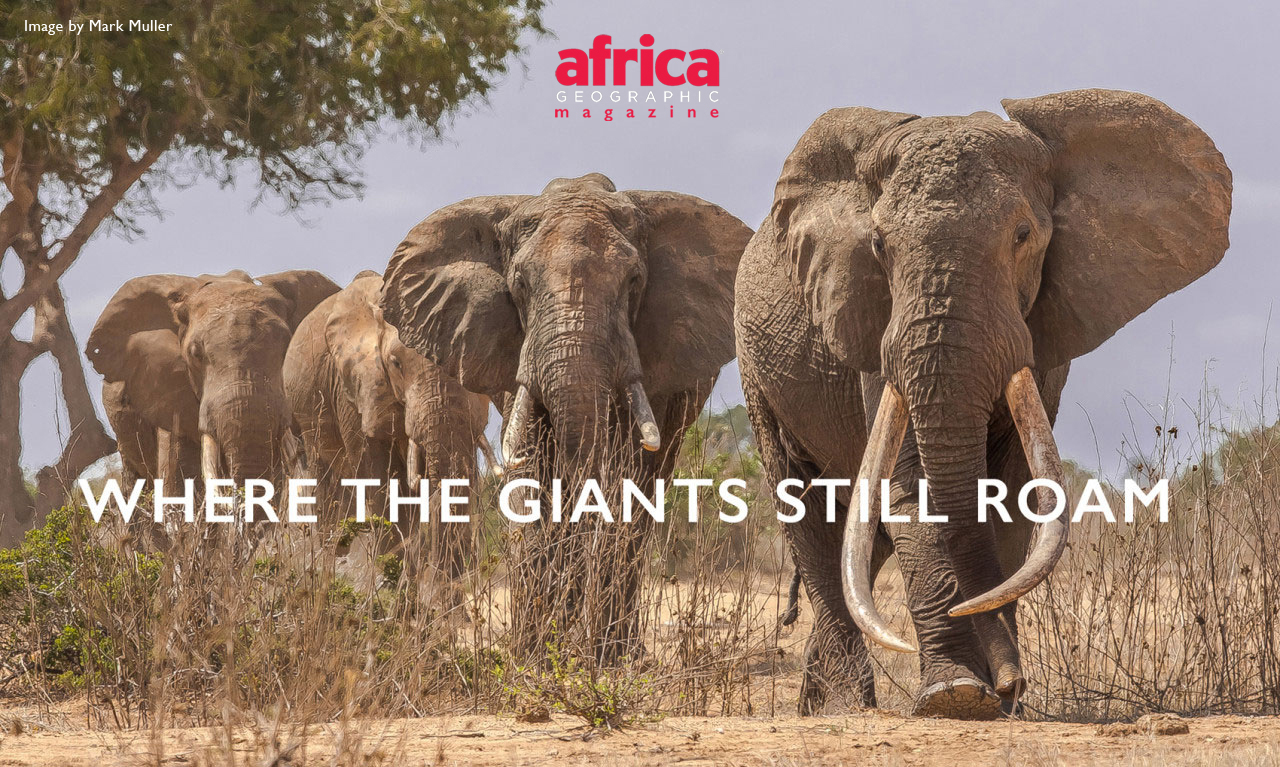
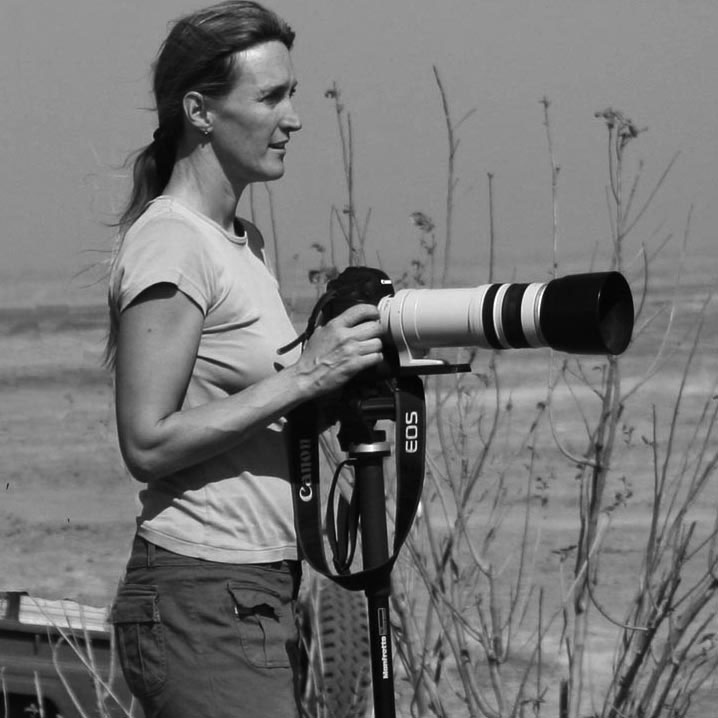 KELLY LANDEN threw down an anchor in 2002, abandoning a career on the oceans to dedicate herself to African conservation. Having a passion for wildlife and an affinity for photography, as
 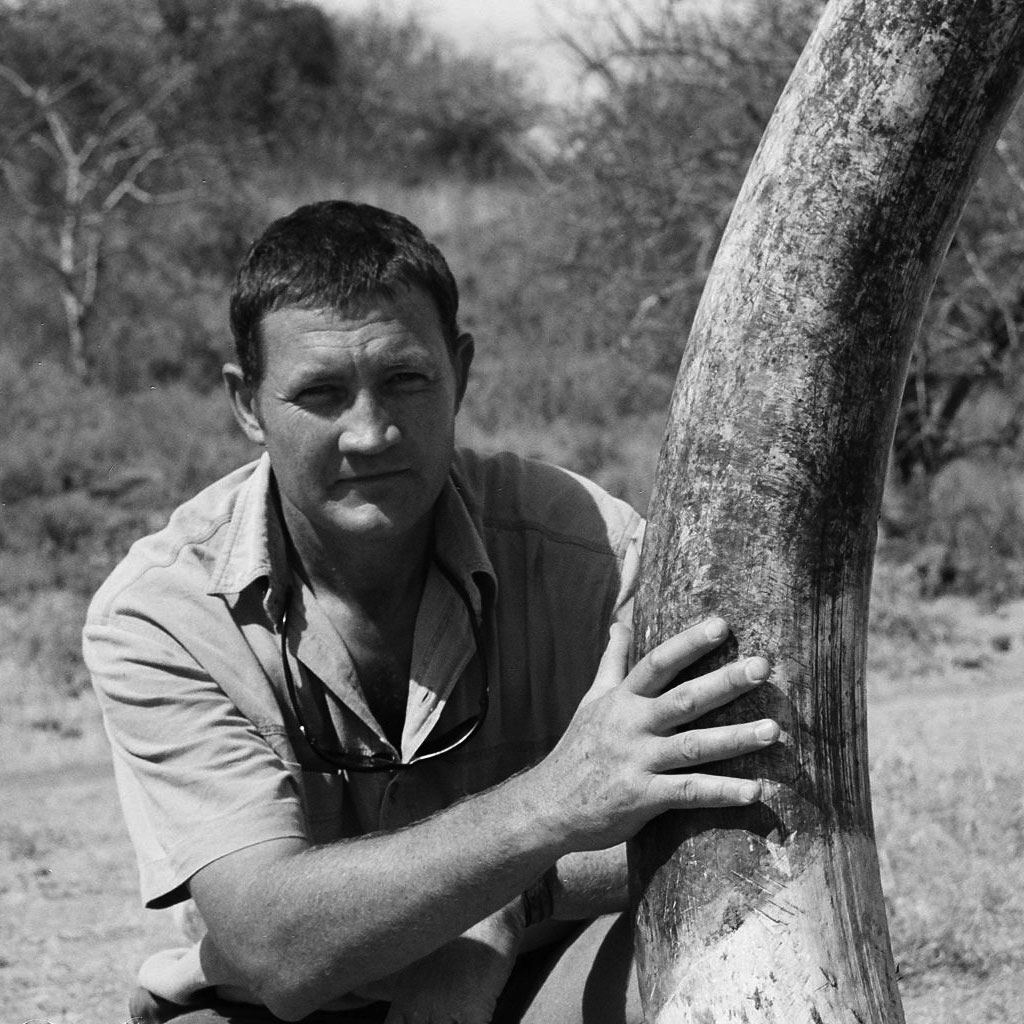 RICHARD MOLLER is one of Kenya’s most respected hands-on conservation project managers. As co-founder of the
 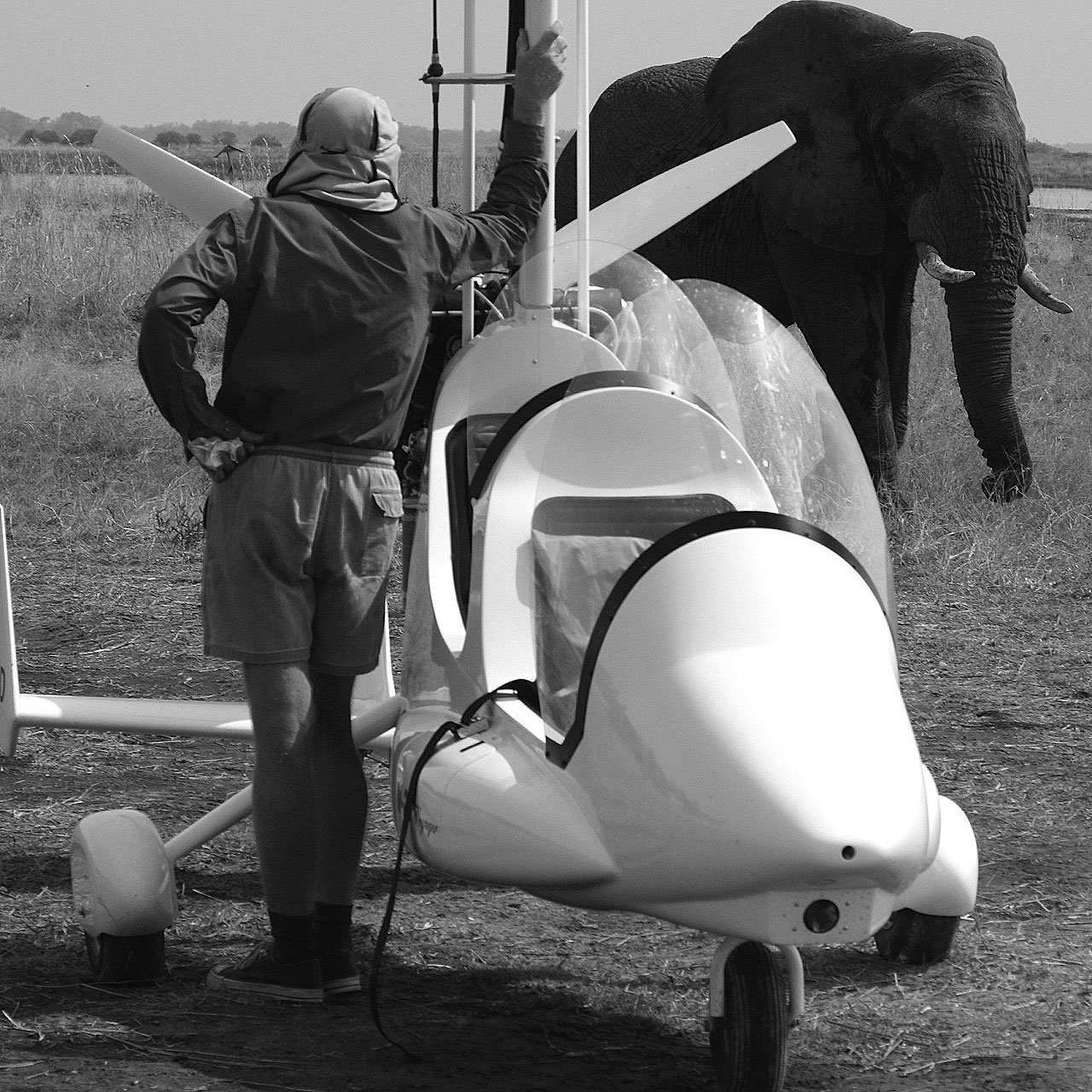 MARK MULLER was born & raised on a Coffee farm on the slopes of Kilimanjaro. He was schooled in Tanzania and Kenya and, immediately after school, came to Maun in Botswana, where he has spent the last 42 years. He has always had a passion for wildlife, with a particular love of elephants and birds. His love of photography was first sparked on a trip to Antarctica in 2006.
 BEN NEALE and KYLIE BERTRAM are the Australian couple behind Gallery Earth. At their core is a deep respect for conservation and a love of adventure. Not everyone has the opportunity to fly or travel, but they believe everyone appreciates and is inspired by the beauty of nature. They aspire to capture this beauty on their journeys, most often suspended beneath the canopy of a paraglider.