This is a copy of our weekly email newsletter. Subscribe here to receive the newsletter.
I had a brief discussion on Facebook with a guy who felt that his ‘2 minutes of research’ (his words) trumps my 30 years of experience in the topic at hand. I don’t often get involved in social media discussions any more, but because he was using factual inaccuracies to challenge an AG post, I engaged with him. It was like talking a cat out of a tree, and a good reminder for me to continue avoiding social media discussion.
Yay, it’s time to celebrate again! Submissions for our 2021 Photographer of the Year have started trickling in, and we have some stunners! Entrants are competing for prestige, US$10,000 cash and a Botswana safari – we expect the pace to pick up as the word gets out. Check out our first story below for a celebration of Africa at her finest.
Our second story is about Africa’s rarest parrot. I wonder how many people even know that Cape parrots cling to existence in the few remaining patches of mistbelt forest in South Africa. Centuries of logging of the old yellowwood trees on which they depend, disease and the caged bird industry are significant threats. And then along came climate change and Asian borer beetles …
And finally, our third story below is exciting – the possibility that we can monitor wildlife populations from space.
Story 1 BEST PHOTOS
Week one of our 2021 Photographer of the Year has produced some stunners.
Story 2 AFRICA’S RAREST PARROT
The Cape parrot is found only in small fragmented patches of the remaining mistbelt forests in South Africa
Story 3 JUMBOS FROM SPACE
Artificial intelligence and satellite images can help conservationists count elephants from space, says new research.
Our Photographer of the Year 2021 is open for submissions!
There are cash prizes of US$10,000 for the overall winner and the two runners-up. They and their partners will also join our CEO Simon Espley and his wife Lizz on the ultimate private safari in Botswana.
The competition runs from January to June 2021. Get your entries in now and join us in celebrating Africa!
South Africa’s remaining Mistbelt forests make up less than 0.15% of the country’s total land area, and less than 5% of these forests are under formal protection. They are small and fragmented, increasingly divided by the steady and persistent advance of human progress. Small though they may be, these forests are biodiversity hotspots in South Africa, home to some of the country’s most unique and unusual plant and animal life. One such creature is the Cape parrot. It is South Africa’s only endemic parrot species, and there are believed to be fewer than 2,000 left.
Introduction
Like all members of the Psittaciformes (the parrot family), Cape parrots are charismatic little characters; brightly coloured and intelligent. Similar in size to the African grey parrot (but with a larger beak), they measure between 251-349mm in length and weigh between 260-329g. While they are predominantly green in colour, the outer edges of their wings and shoulders are highlighted in vivid orange. They are occasionally mistaken for the more common and widely distributed grey-headed parrot (more on that later) due to the brownish feathers around the head and neck, though this colour can vary from olive-yellow to a golden brown. The juveniles and females have a bright orange patch of their foreheads, which the males typically lose upon reaching adulthood.
A flock of Cape parrots in flight
The parrot and the yellowwoods
While they occasionally do frequent other habitats, the lives of Cape parrots centre around the Mistbelt forests which are dominated by yellowwood trees and, as a result, the future of these parrots is intricately linked with that of South Africa’s national tree. Yellowwoods are large evergreen trees which may reach over 30m in height and, while lightweight, the wood is hard and durable. These characteristics meant that yellowwoods played a significant role in South Africa’s version of the industrial revolution, with millions of trees historically harvested for railway sleepers, mining, floors, wagons, and furniture. Today yellowwoods are officially protected, but the wood is prized for its quality and colour, making it one of the country’s highest-valued timber trees.
Cape parrots have the most specialized diet of any of their family members and show a distinct preference for yellowwood fruit kernels, though they will also feed on the kernels of other fruiting trees in the forests. They are pre-dispersal seed predators, and their powerful beaks crack open unripe kernels at a stage when their avian and mammal competition would find these unpalatable and inedible.
The fruiting of yellowwoods and other tree species varies and, as a result, Cape parrots are “food nomads”, sometimes flying up to 90km per day to find food. When other fruit resources are scarce, they have been known to feed on exotic species such as the seringa, jacaranda, and the black wattle, and will feed on protea flowerheads at certain times of the year. They have also been observed foraging in coastal forests and opportunistically feed on crop species like pecan nuts, which naturally puts them at risk of conflict with farmers.
The specialist dietary and breeding requirements of the Cape parrots means that their range is restricted to the mosaic of remaining Mistbelt forests in Eastern Cape and KwaZulu Natal, with a small population in the forests of Magoebaskloof in Limpopo. Research has shown that there are three genetically distinct subpopulations: one in the Amatole mountains in the Eastern Cape, another which ranges from Engcobo and Mthatha in the Eastern Cape to the midlands of KwaZulu Natal and the isolated population in Magoebaskloof.
Ripe fruits of a yellowwood tree – the nutritious kernel is the Cape parrot’s preferred food source
Birds of a feather
Cape parrots have been recorded to live for over 30 years in captivity and breed for the first time between 4 and 5 years old. Though they may gather in large flocks of up to 70 or more individuals around suitable roosting sites on the higher ridges of the forest, Cape parrots are solitary nesters with peak breeding occurring between August and February. The eggs are incubated for between 26-30 days, and both parents play a role in caring for the chicks. Once the young parrots have fledged (between 55-79 days after hatching), the young remain with their parents, and they often move around in family groups before joining large juvenile flocks. Vocal communication between family members and other parrots is almost continuous throughout the day, particularly in flight.
Cementing their reliance on yellowwoods even further, Cape parrots also prefer to nest in yellowwood trees, utilizing cavities or holes made by other bird species and in dead portions of mature trees and often returning to the same nest in subsequent years. Research also indicates that their chicks are fed on a diet consisting almost exclusively of yellowwood kernels.
The Innominate Parrot
Of all the parrot genus divisions, the genus Poicephalus is the most species-rich and widely distributed in Africa. The classification of the Cape parrot (Poicephalus robustus) has historically been the cause of significant contention within the scientific community, and it was only recognized as an individual species on the IUCN Red List of Threatened Species in 2017 based on a decision by BirdLife International. Before that, the species P. robustus was considered to have two subspecies: the grey-headed parrot (now P. fuscicollis suahelicus), the brown-necked parrot (now P. f. fuscicollis).
The taxonomic revision was based on an examination of differences in habitat usage, body size and morphology and behaviour. Although the revision was not based on genetic data, a genetic study by South African scientists which suggested the two taxa had diverged more than 2 million years ago did prompt BirdLife to take a second look. As in any situation where a species/subspecies division is under consideration, the classification of the Cape parrot as a separate species allows policymakers and conservationists to shape management strategies to protect them better.
Female Cape parrot. Their immensely powerful beaks are capable of cracking open unripe fruits and nuts
Conservation consequences
The change from subspecies to species on the Red List required the allocation of a conservation status, and the Cape Parrot is now considered to be ‘Vulnerable’ based on the fact that while the total population is small, the numbers seem to be relatively stable. However, within South Africa, the 2015 Eskom Red Data Book of Birds allocates the Cape parrot a local classification of ‘Endangered’, with the authors suggesting that in the next two generations, the population will have decreased by at least 20%.
The Cape Parrot Big Birding Day
The Cape Parrot Big Birding Day, an initiative of the Cape Parrot Working Group, began in 1998 and has been held on one day every year in April and May. Every year, volunteers gather at various appropriate sites to count birds and aid researchers in counting parrots, making this one of the longest-running citizen science projects in South Africa. As its popularity grew, more and more observers joined the process, and the first few population estimates increased dramatically from around 500 to over 1000 individuals before stabilizing at approximately 1,600 or so individual parrots. In 2019, the Cape Parrot Big Birding Day yielded the most extensive ever population estimate of 1,804 across the entire range. The 2021 count yielded 1,477 parrots.
The remaining patches of Mistbelt forests in South Africa provide the last refuge for Cape parrots
The threats
Habitat loss and fragmentation are the primary threats to remaining Cape parrot populations, though much of this damage was done before 1940 at the height of the logging of forest hardwoods. However, in some parts of the Cape parrots’ range, logging continues, especially of dead yellowwoods, which are their preferred nesting sites. An increase of non-indigenous trees (mainly pine) has also played a role in threatening Cape parrot populations. The knock-on effect of this logging and the degradation of natural habitats is a shortage of food. As mentioned earlier, fruiting in these forests tends to occur in “patches”. In the past, the forests would probably have been large enough that the parrots would simply move from place to place, but there are now times during the year when they are forced to seek food elsewhere, occasionally in orchards and farms.
While a robust breeding industry supplies the legal trade, Cape parrots are valued in the illegal wildlife trade, as is the case with all parrot species. The extent of this particular threat has yet to be quantified, but there are reports of birds being lured using bird calls and nestlings being harvested to supply the illegal trade.
Another major threat affecting both wild and captive Cape parrots is Psittacine Beak and Feather Disease (PBFD), caused by a Circovirus which is believed to have originated in Australia. The disease may cause abnormal feather growth and the loss of normal feathers, as well as painful sores around the bill, and in acute cases, there is only a slim chance of recovery. The birds have been observed to be particularly susceptible to the disease during times of drought when food resources are limited, and severe outbreaks have the potential to cause serious harm to the remaining populations.
Clearing of indigenous forest for farming remains a significant threat to Cape ParrotsPsittacine Beak and Feather Disease causes feather loss and painful sores around the beak
Emerging threats
As if the Cape parrots did not have enough to contend with, researchers have also identified two major emerging threats to their future stability. The first is climate change, which is likely to impact almost every fauna and flora species on the planet but particularly specialist species with a small population and restricted distribution. The second comes in the form of a threat to Mistbelt forests and, in particular, the tree species utilized by the parrots. The polyphagous shot hole borer (Euwallacea fornicates), native to south-east Asia, infects host trees with a fungus which spreads through the tree’s internal transport system, eventually blocking it and resulting in the death of the tree. The borer has spread rapidly through South Africa, and 43% of the tree species affected by it are feed on by Cape parrots.
A Plan of Action
In September 2019, the country’s foremost experts in Cape parrots and their conservation held a workshop to develop an Action Plan to guide future and ongoing conservation efforts of the Cape parrot, incorporating new research and information and building on previous action plans. Amongst others, representatives from the World Parrot Trust, the Cape Parrot Working Group, BirdLife and the Endangered Wildlife Trust were in attendance to share their expertise and experience. The report from the workshop details extensive assessments of the threats facing the parrots both now and in the future, and details what actions will be taken and how responsibility will be delegated.
The Action Plan links the conservation of the Cape parrots to the protection of their vital habitat. It includes everything from continued research, the development of a vaccine against PBFD, the early detection of borer beetles, the management of captive populations, the assessment of logging quotas, as well as the extensive rehabilitation of critical forests.
A young male Cape parrot
Conclusion
The vision statement of the aforementioned Action Plan is described as working collectively towards a “thriving population of Cape Parrots acting as a flagship for the protection and recovery of indigenous forests in South Africa, for the shared benefit of people and nature”.
These enigmatic and characterful birds, as South Africa’s only endemic parrot species, are undoubtedly deserving of protection in their own right. However, in reality, the knock-on benefits of protecting the Cape parrot are also of paramount importance, not least of which is the preservation of the country’s few remaining Mistbelt forests and the many species that rely upon them in turn.
An accurate estimate of a species population is an essential starting point for conservation efforts and shapes everything from on-the-ground activities to policy decisions and legal protection measures. Nevertheless, attaining and updating these population estimates can be complicated, and scientists are always working on new ways to improve the process. Researchers from the University of Oxford Wildlife Conservation Research Unit (WildCRU) and Machine Learning Research Group have found a new way to use technology to count elephants – using satellites to spot elephants from space.
Monitoring elephant numbers in Africa is vital, especially since their numbers have been decimated over the past century due to poaching, habitat fragmentation and uncontrolled trophy hunting of large-tusked individuals. Researchers use several different techniques to count elephants depending on the size and logistical realities of an area, including dung and track counts, camera trap grids and aerial surveys. However, all of the current methods are usually time-consuming, labour-intensive, and prohibitively expensive, where large scale aerial surveys are concerned. All of the traditional techniques are also subject to considerable human bias and, potentially, fatigue.
Satellite remote sensing is one of the newest approaches to emerge as a viable monitoring technique in detecting wildlife and has been used in previous research to detect animals in homogenous landscapes and seascapes. It offers several advantages, including the capacity to cover a large area in a short space of time, allowing for regular reassessments. This also reduces the risk of double-counting animals that may move during a count. Furthermore, it removes the risk of human disturbance of the animal entirely.
Both practically and politically, satellite remote sensing can also render previously inaccessible areas accessible and avoids the complex and time-consuming process of applying for permits. It is, however, influenced by the size of the animal and the type of habitat.
The satellites generate enormous quantities of imagery that require processing. If this were to be done manually, it would take researchers months to work through the data and pick out individual elephants. However, through automating the detection process, the process can be completed in a matter of hours.
Biologists have been using machine learning to detect wildlife in several different images, including camera trap images, aerial survey images and unmanned aerial vehicle images. However, before this study, only three species had been detected by satellite using deep learning (an artificial intelligence function that mimics the human brain): albatross, whales, and pack-ice seals.
Individual elephants highlighted by yellow squares demonstrate just how tricky it can be to distinguish them from surrounding vegetation
The study was conducted in Addo Elephant National Park in South Africa and to test the technology, the research team used a training image dataset of 1125 elephants. These images were sourced from the highest resolution satellite imagery currently available – Worldview 3 from Maxar Technologies – and fed into a Convolutional Neural Network (a type of deep learning algorithm). The results were compared to human analysis and confirmed that elephants could be detected in satellite imagery with an accuracy equal to human detection capabilities.
While previous studies have primarily focussed on marine species due to their inaccessibility, the results of this research indicate that it is possible to teach a machine to automatically detect elephants in satellite imagery, in both homogenous and complex heterogeneous habitats. The authors of the study believe that these conservation technologies will open a new world of possibilities. This power, say the scientists, should be embraced as a matter of urgency as we barrel through the sixth mass extinction event in our planet’s history.
The technology was able to distinguish elephants in both woodland and open habitats
This is a copy of our weekly email newsletter. Subscribe here to receive the newsletter.
Let me tell you a story. One of personal perspective and priorities. Two years ago my wife and I moved from Cape Town to the bushveld town of Hoedspruit. Our home is within a large residential wildlife estate bordering Kruger National Park – where dangerous wildlife species such as lion and elephant are EXCLUDED by a fence. There are leopards and hyena aplenty moving around the estate at night (fences mean nothing to them), and we keep our dogs indoors after dark. We fenced off the immediate area behind our house, to keep our dogs in and the warthogs out. It’s wonderful to share our lives with giraffe, zebra, waterbuck and many other species. And kudu. I thought it would be great to have these handsome antelope in the garden now and then. I was wrong.
You see during the peak of the dry bushveld months the grass and leaves have all but disappeared, and the desperate animals will eat just about anything. Kudus would hop easily over our fence and feast on our newly-planted indigenous trees and shrubs. In fact, they would annihilate our planted garden – nibbling huge aloes down to a withered stalk and even breaking a 4-meter sausage tree in half to get at the leaves (which they discarded).
Obviously, we would not knowingly harm any wildlife, but we also wanted a shady garden for our own enjoyment. Something had to be done. And so we increased the height of the fence by adding more wire strands (no electrification). It worked, and the kudus now cannot get to our precious plants, which are flourishing after excellent early summer rains.
I now have a different PERSPECTIVE of kudus from when I lived in Cape Town (which has no kudus).
Now imagine if I did not have the resources to keep wild animals out of my home. Imagine if the intruders were elephants or lions destroying my subsistence farming livelihood and threatening my family’s lives. That’s perspective for you …
Our first story below angers and saddens me – the state-sponsored rape of Namibia’s woodlands. How does the one-off annihilation of entire blocks of hardwood trees contribute to the country’s sustainable future? Note that the beneficiaries seem to be SHADY foreigners and local power brokers.
Then we celebrate Madikwe – a huge conservation success story where indigenous landowners invested in the future and are reaping the REWARDS. Good news indeed.
And finally, a DWARF GIRAFFE ?!?
Story 1 PLUNDER
Illegal logging is decimating Namibia’s remaining rosewood trees, earning millions for Chinese companies and political elites
Story 2 SAFARI SUCCESS STORY
Madikwe Game Reserve is a malaria-free safari haven and conservation success story that benefits people, wildlife and the ecosystem
Story 3 DWARF GIRAFFE!
Yes indeed, researchers have recently published a paper describing two dwarf giraffe in separate populations in Namibia and Uganda.
Just over three decades ago, a tract of land stretched across the corner of the North-West province of South Africa – a brown, dusty mosaic of degraded cattle farms, devoid of almost all life. The transformation of this landscape to today’s thriving Madikwe Game Reserve, though not without its challenges, is one of South Africa’s conservation success stories.
The story of Madikwe Game Reserve runs counter to that of most protected wild spaces, in that its beauty and biodiversity potential were realised only after the fact. The decision to proclaim the reserve was made for socioeconomic reasons – a conscious conclusion that ecotourism would bring more value to the community than farming. And so conservationists faced a vastly different task. Rather than protecting what was already there, they had to restore what once was.
The result is a thriving conservation model that has benefited not only wildlife but also local communities, while providing one of the premier safari destinations in South Africa.
The Reserve
Madikwe Game Reserve lies just south of South Africa’s border with Botswana, only 40km from Gaborone, and extends across 750km2 (75,000 hectares), including recently incorporated private land, making it the fifth-largest game reserve in South Africa. The reserve occupies a transition zone between Kalahari thornveld and savanna bushveld and is topographically varied and fascinating. Volcanic inselbergs break the region’s woodlands and plains. At the same time, the Groot Marico River (also known as the Madikwe River) provides riverine habitat along the eastern portion of the reserve, and the Dwarsberg Mountains dominate the southern skyline.
By the latter part of the 20th century, it became clear that poor farming practices combined with an arid climate and degraded soils had made the area almost entirely unsuitable for either crop or livestock farming. Faced with decisions about what to do with the land, the Settlement Planning Services of the Government of South Africa commissioned and conducted a comprehensive study of the most efficient land use and how it could benefit the area’s communities. They concluded that wildlife-based ecotourism would be the most economically sound use of the land.
In many ways, this practical and financial conclusion came to underlie the fundamental tenet that has made the Madikwe model so unique (and successful): people first.
Painted wolves (African wild dogs) keep visitors returning to Madikwe year after year.
The people-first approach
There is no doubt that the colonial “snatch-and-grab” approach has played a significant role in the history of many protected areas throughout Africa, and, as a result, the needs and opinions of local communities surrounding them have been sorely neglected or ignored. In many cases, wildlife reserves and national parks have prospered without their immediate neighbours benefiting. As a general rule, the mere presence of these people near or among wild animals has been viewed as working against the overall goals of conservation, to the extent that keeping local people and wildlife separated was seen as essential to ensuring the survival of biodiversity. A gradual shift in mindset has led to growing awareness that the fortunes of protected areas and their human populations are irrevocably linked. In the case of Madikwe, somewhat unusually, this value system was inculcated from the start.
Upon its inception, Madikwe Game Reserve was described as a partnership between three main stakeholders: North West Parks and Tourism Board (initially the Bophuthatswana Parks Board), the private sector, and local communities. The underlying strategy is that local communities should benefit through employment, business opportunities, and a share of the game reserve’s profits, which should be directed toward community development projects.
Clockwise from the top left: a lioness carries her tiny, precious cub; a pair of dung beetles search for a suitable spot to bury their dung ball; tiny painted wolf (African wild dog) puppies explore the world outside their den; an elephant gently guides a young calf.
Operation Phoenix
While the foundations of Madikwe were built on a people-first approach, the success of tourism-based land use depended on transforming barren farmland into a game reserve. This process began with the gradual restoration of soil and plant life, but also required the reintroduction of almost every large mammal species currently seen in the reserve. The translocation of wildlife to the reserve began in 1991 in an undertaking known colloquially as ‘Operation Phoenix’. Over the next seven years, nearly 10,000 animals, ranging from antelope to predators and rhinos to elephants, were relocated to Madikwe in what was, at the time, the largest wildlife relocation project of its kind.
Predator populations have flourished on Madikwe Game Reserve. Clockwise from top left: a cheetah coalition; a young elephant bull flares his ears at a pack of African painted wolves; a brave fork-tailed drongo mobs a martial eagle; and a rare sighting of a brown hyena feeding on a rhino carcass.
Risen from the dust
The success of Operation Phoenix is seen in Madikwe’s thriving wildlife population: the reserve now supports the second-largest elephant population in the country. The magic of Madikwe lies in its diverse ecosystems and its prime position between the Kalahari and Lowveld habitats. For visitors to the reserve, the safari is about more than merely seeing the Big 5 – painted wolves (African wild dogs), cheetahs, brown hyenas and sable and tsessebe antelopes are all significant drawcards that keep visitors returning year after year. Despite a series of natural challenges, including a rabies outbreak, Madikwe’s painted wolf population has thrived since their introduction in 1994, and the region is renowned for spoiling excited tourists with spectacular sightings of these energetic and endangered predators.
The inevitable consequence of the elephant population’s growth is the question of what to do next. While historically the region may well have been home to just as many elephants, they would have been free to move and migrate with the seasons, rainfall, and available vegetation. For many years, the state, management teams, and conservationists have been working to create a corridor system that would follow ancient migratory routes between Madikwe and Pilanesberg National Park – a distance of just 75km in a straight line. If this goal is ever realised, it would create an enormous, connected wilderness area of 3,000km2 (300,000 hectares) and form part of the proposed Segarona Heritage Experience.
The experience
Want to plan your Madikwe safari? Scroll down to the end of this story to research and get in touch with our travel team to start the discussion.
The creation of this corridor is likely to take many years, and for now, Madikwe remains a wilderness oasis offering some of the best safari experiences in the country. Unlike South Africa’s national parks, day visitors are not allowed into Madikwe, making the entire experience genuinely exclusive. From the back of a vehicle to the back of a horse, this exclusivity translates to a far more personal safari experience. There is a range of camps and lodges to choose from, from high-end luxury to family- or budget-friendly options, and, importantly, community-owned and run lodges that see profits go directly to community members.
Unlike many of the South African Big 5 safari options, Madikwe is malaria-free, making it a suitable alternative for families travelling with young children. It is also easily accessible from Johannesburg. The game viewing is at its best during the winter months – the dry season – as the animal life congregates around the available water (often at lodges). For birders looking to spot a few of Madikwe’s 350 recorded species, the reverse is accurate, and the summer months offer the best birding and exquisite verdant scenery to accompany the experience. It is worth remembering that the reserve lies on the fringes of the Kalahari, and winter nights can be somewhat chilly.
Researchers from the Giraffe Conservation Foundation (GCF) have recently published a paper in BMC Research Notes describing two dwarf giraffe in separate populations in Namibia and Uganda. This study represents the first known accounts of dwarf giraffe in the scientific literature. These giraffe were documented in Murchison Falls National Park, Uganda, and on a private farm in central Namibia during photographic surveys routinely conducted by GCF to determine numbers, population dynamics, and giraffe distribution throughout Africa. Using digital photogrammetry techniques, the researchers measured limb dimensions of the two dwarf giraffe and compared them to other giraffe in the populations, finding that these dwarf giraffe had shorter legs; more specifically, they had shorter radius and metacarpal bones compared to other giraffe of similar age. Click here to see a video of the dwarf giraffe in Murchison Falls, filmed by Dr Michael Brown.
“Instances of wild animals with these types of skeletal dysplasias are extraordinarily rare”, said lead author Dr Michael Brown. “It’s another interesting wrinkle in the unique story of giraffe in these diverse ecosystems.”
Gimli the dwarf giraffe in Uganda photographed in 2017
The study notes that Uganda’s giraffe population experienced a significant bottleneck in the late 1980s due to civil unrest and associated bushmeat poaching. However, it is unlikely (and unclear) if this particular giraffe – named ‘Gimli’ by the researchers in honour of Tolkien’s Lord of the Rings character – is related to a decrease in genetic diversity. It is unknown what effect, if any, these conditions might have on giraffe survival or reproduction, but fortunately the population is rebounding. In Namibia, ‘Nigel’ the dwarf giraffe, was born in 2014 and his unique body shape was first observed when he was about four years old; an age when male giraffe are close to maturity and fully gown. The GCF researchers will continue to monitor these two male giraffe to see if any observable variances in their behaviour and social status occur.
“While the Namibian farmer had spotted Nigel regularly over the years, it was only after our observations that he realised that Nigel was not a juvenile but a fully grown male giraffe”, said Emma Wells. “It is mainly in comparison to other giraffe that his difference in stature becomes obvious.”
Across Africa, giraffe have experienced significant population declines over the past 30 years, leading to a silent extinction crisis. Population monitoring efforts like those conducted by GCF and its partners in Namibia, Uganda and elsewhere are providing critical information to inform conservation efforts and ensure a future for wild giraffe throughout Africa. GCF estimates that only about 111,000 giraffe are remaining in the wild in all of Africa today. Read more about giraffes here: Giraffes – The Silent Extinction
Dwarf giraffe photographed in Namibia in 2018
“Giraffe are undergoing a silent extinction in Africa. The fact that this is the first description of dwarf giraffe is just another example of how little we know about these charismatic animals”, said Dr Julian Fennessy, Director and Co-Founder of GCF. “It is only recently that our research has shown that there are four distinct species of giraffe. There is just so much more to learn about giraffe in Africa, and we need to stand tall now to save them before it is too late.”
About the Giraffe Conservation Foundation
The Giraffe Conservation Foundation (GCF) is the only organisation in the world that concentrates solely on the conservation and management of giraffe in the wild throughout Africa. GCF currently implements and supports giraffe conservation efforts in 16 African countries. As an international science-based conservation organisation, GCF that provides innovative approaches to saving giraffe. GCF is dedicated to a sustainable future for all giraffe populations in the wild.
Lateral photographs of giraffe. A) A typical subadult male giraffe in Murchison Falls National Park, Uganda B) A subadult male exhibiting skeletal dysplasia-like syndrome in Murchison Falls National Park, Uganda. C) A subadult male exhibiting skeletal dysplasia like syndrome on a private farm in Namibia. (Figure from Brown & Wells, 2020.)
This is a copy of our weekly email newsletter. Subscribe here to receive the newsletter.
It’s DAY ONE of the rest of your life. 2020 was a shocker, and 2021 will get worse before it gets better – certainly here in Africa – so let’s pause to reboot our expectations and come up with a personal winning strategy for the year. My winning strategy to counter the Covid blues is to celebrate Africa every day of my life.
Today also heralds the first day of entries for our 2021 Photographer of the Year – Africa Geographic’s greatest annual celebration! This year we decided to shake the tree and offer a substantial CASH PRIZE in addition to a safari for the winning trio of photographers and their partners. After a record number of entries last year, our thinking for 2021 is that we all need extra incentive to refocus on the joy of life. Expect 6 months of eye-watering epicness as we share our weekly selection of the best entries, before selecting the winners in June.
Again, our judging will be based on whether the image evokes an emotion, tells a story and reflects the true diversity and amazingness of Africa. Of course, there are technical issues to consider, and these are important. But most important for us is that the photograph breaks through the clutter of everyday life and makes you FEEL Africa’s pulse. Check out this video for details.
Our three stories below reflect the variety that Africa brings to us all. Elephants are congregating in areas that they deem to be safe from the evil ones, which in turn creates real issues for humans living in those areas. This is a CONUNDRUM that requires astute management – of elephants and humans. We then delve into the fascinating world of how the NIGHT SKY has affected human thinking for millennia. And our last story below is from one of our tribe, who expresses her frustration that some activists call for BOYCOTTS of certain African tourism industries based on the wildlife policies adopted by those countries. What are your thoughts about this?
Story 1 THE PRICE OF SUCCESS
Managing elephants amongst rural villages is challenging where elephant populations are increasing due to successful conservation practices
Story 2 STARRY STARRY NIGHT
For centuries, African myths and legends have been recorded in the positions of the celestial bodies in the night sky. Starry starry night …
Story 3 BOYCOTT AFRICA!
One of our tribe asks if a boycott of African countries based on their wildlife policies is bad for conservation. What do you think?
Recently, an article by Africa Geographic arrived in my inbox on why Hwange National Park should be on everyone’s list of places to visit. Having worked in the park for the better part of ten years, I was naturally drawn to it and, as always, drifted to the comments below. To my dismay, one of the first responses to the story stated that she would boycott travel to Zimbabwe on principle, however much she would love to go there. Her comment was made in protest against the country’s policies on wildlife sales to other countries.
I have seen many similar comments in the past and my response to it is always the same – do your homework.
There are many misguided opinions on how those living outside of countries such as Zimbabwe can help wildlife in these areas. However, few people truly consider the reality of how their actions (or inactions) can affect conservation in these countries. We are all familiar with the aphorism “the road to hell is paved with good intentions”, and it rings particularly true in this instance. The protection and conservation of wildlife and wild areas is a community effort: many businesses, people and operations are involved in maintaining these protected areas, even where the connection might not be immediately apparent to the casual observer.
Many lodges in wildlife areas have established their own conservation programmes or throw their weight behind supporting existing ones, often donating a portion of their earnings to support local projects. These lodges rely on tourists to generate income, and without this income, they cannot support these valuable initiatives. Not only do these lodges employ numerous people from local communities, but the materials and services necessary to keep a lodge running are sourced from a large number of local businesses.
Without the employment and revenue generated by the hospitality and tourism industry, countless people would be unable to support their families in an already impoverished country, worsening their suffering. The inevitable outcome is that some will turn to illegal activities to survive, and poaching will increase. At the same time, the conservation initiatives that supply water to the wildlife, conduct research or run community development programmes will find themselves severely underfunded.
Yet in all this, the government has little concern for the views of armchair activists on the other side of the world. Few countries do.
Rather than making sweeping declarations and passive protests, perhaps one’s time might be better spent researching how you could actively help conservation. Donations to conservation programmes and community upliftment projects are always welcomed, as are contributions of equipment and supplies.
At the very least, generating awareness in your own community and friendship circles about these projects and how best to support them would go a lot further towards actually making a difference.
Kate Hughes has worked in Hwange National Park for Wilderness Safaris and The Hide where she was also involved in their in-house conservation projects. She continues to support Friends of Hwange and Conservation & Wildlife Fund in their efforts to keep Hwange safe.
Editorial note:
It has become commonplace to see comments from people, particularly on social media, threatening to boycott travel to certain countries based on their disagreement with that country’s conservation and wildlife policies. They often encourage others to do the same. Our concern is that these sweeping statements, while generally well-intentioned and based on admirable principles, are made without thorough consideration of their impact. In choosing to boycott a country and encouraging others to do the same, you will certainly do more harm than good.
We would respectfully suggest that this underlying passion and energy might be more effectively applied to directly benefit conservation. As Kate has written, there are numerous underfunded projects throughout Africa involved in everything from removing snares to supporting and empowering surrounding communities. Aside from donations, there are multiple other ways to help. You could, for example, lend your skills to conservation projects – from fund-raising to legal/financial advice, marketing and website/technology/social media assistance. And yes, tourism revenue plays an enormous part in keeping Africa’s remaining wild spaces safe, so travelling to these areas is an excellent way to help.
The sentiments behind calls to boycott are almost always laudable. Unfortunately, it is worth bearing in mind that these statements will have little impact on the governments of the country concerned. Instead, the wildlife and the people on the ground – who may well share the same feelings directed at their policy-makers – are the ones who will pay the bitter price.
Since the dawn of mankind, the human race has recorded its stories, myths, and legends in the tapestry of their starlit night sky. Regardless of geographical location and culture, the celestial realm has long been the ultimate storyboard upon which humanity has logged its thoughts, beliefs, and experiences. Their observations not only were not purely aesthetic in nature, however, and it did not take the early settlers long to begin to understand the world by watching the passage of the stars night after night.
People quickly began to notice the cyclical nature of the heavens, and with that came the concept of time. Of course, modern-day timekeeping was a long way off. Still, by recognising the positions of various celestial phenomena, it soon became apparent that recurring weather conditions and temperatures could be predicted with a reasonable amount of accuracy. This knowledge could then be used to anticipate vital information on animal movements based on rainfall, as well as fruiting times of the local flora. By the age of the pastoralists, this knowledge would prove invaluable for farming activities.
These early observations paved the way to modern society, and it is fascinating to realise just how much of today’s world is linked to our ancestors’ observations of the darkness. Did you know that the days of the week are all named after planets, or that our 12-month calendar is based on the phases of the Moon?? Perhaps this is why so many people are drawn to the stars and why just staring heavenwards at night is such a therapeutic and powerfully emotive experience.
Let us now delve back into history and investigate some of these stories.
The Milky Way
The ethereal, spiral arms of our galaxy can be seen arcing across the sky, particularly during the winter months when it passes almost directly overhead. Even from suburban areas, the glow of countless stars is evident, but imagine what the sky must have looked like before the advent of electricity and industry and the pollution that they now cause!
The early Bushman told that this celestial beacon was created when a young girl threw the ashes of her campfire high into the sky to guide her father home from his hunting trip. To some tribes, the diffuse white streak of the Milky Way represented the bellies of a vast herd of celestial springbok, while to others it traced a prodigious footpath upon which the spirits of our ancestors still tread. In Zulu culture, the opalescent band was created by the hooves of the gods’ great herd of cattle as they marched to and from their feeding grounds, slowly wearing through the boundary between the perpetually lit celestial realm and the Earth below.
The Moon
According to the Bushmen, the Moon is the sandal of a trickster god named !Kaggen that had been frozen in a local waterhole before being tossed into the sky to light up the night. However, the Sun was extremely unhappy about sharing the sky with another luminous object and, to this day, chases it through the night, cutting strips from the Moon until it is almost extinguished. At the last moment, the Moon begs for forgiveness and Sun relents its attack, allowing the Moon to recover until it becomes full again. At this point, the Sun recommences its onslaught once more.
Due to the repetitive phases of the Moon and its seemingly regular regeneration, much African folklore found it synonymous with reincarnation and recovery. This belief was honoured by the Bushmen during their hunting trips, trusting that if one looked at the Moon after shooting their quarry with a poison arrow, it would allow the prey to recover and escape.
As it takes approximately 29 days for the Moon to go through a full cycle and return to the same phase, these phases have also been used for millennia to mark the passage of time. The ‘Ishango Bone’, found in the former Belgian Congo, is a baboon fibula decorated with various etchings that indicate its use as an ancient lunar calendar. Scientists estimate that it is over 35,000 years old!
The Southern Cross
The Southern Cross, or Crux, is the smallest of the recognised 88 constellations but is probably the most famous in the southern sky. Not only does it point towards the south, an invaluable navigation tool, but there are also many recognised animal associations.
The most common interpretation in southern Africa is that the four brightest stars of Crux are a herd, or ‘journey’, of female giraffe and the two Pointer Stars (Alpha and Beta Centauri) represent a pair of giraffe bulls in hot pursuit. Another version of the story sees the cross as symbolising the head of a giant giraffe (due to the diamond shape), with the Pointers as its neck. Some Bushmen tribes believed that the stars of the cross are a pride of lionesses, along with their young cub (Epsilon Crucis) and the Pointers embodying their two pride males following close behind as they prowl towards the horizon.
Orion
Orion as a constellation does not have any specific African mythology associated with it, but aspects of the constellation are well documented. Many cultures have seen the famous Belt of Orion as various animals, including both tortoises and warthogs. One legend identifies them as three zebras. Mintaka, the first belt-star to rise was seen as the stallion, with Alnilam and Alnitak, his two mares following behind.
One version of Bushman starlore tells the story of the great god of East who set out hunting and climbed up to the Large Magellanic Cloud where he aimed his bow at the three zebras of Orion’s belt. According to beliefs at the time, zebras were restricted to the heavens and were not found in Earth. However, the god missed, his arrow falling short (symbolised by Orion’s ‘sword’ and the Great Orion Nebula). The arrow could not be retrieved due to the presence of a great lion represented by the giant red star, Betelgeuse. To honour the zebras’ escape, the god of the East sent them to Earth to live out their lives in peace.
The Magellanic Clouds
When looking directly south on a clear night, two imperfections stand out against the clarity of the darkness. The Large and Small Magellanic Clouds are sister galaxies of the Milky Way, locked in a gravitational war with us, and each other. They are named after the great Portuguese explorer Ferdinand Magellan who documented the ever-present clouds during his circumnavigation of the globe in the early 1500s.
However, these two smudges in the sky have been known since ancient times, and early settlers considered them to be indicators of summer and wet weather when visible at night. The Large Magellanic Cloud was often portrayed as the shield of ‘Naka’, the Horn Star (Canopus, the second brightest star in the sky), as it slowly emerged from the eastern horizon, dragging in the start of the new year.
The bushmen saw the clouds as a pair of celestial steenboks, perhaps due to their diffuse nature rendering them hard to see under less than perfect conditions, in the same way that the diminutive steenbok prefers to remain hidden. Others saw the testicles of a great lion! As strange as this may sound, one must remember that the bushmen had massive respect for the apex predator with whom they shared the land, and there are multiple of accounts of celestial lions in their history.
Conclusion
These examples are just a tiny percentage of ancient beliefs and stories associated with the heavens. Sadly, many records having been lost through the years, and much of history has been bastardised by centuries of oral tradition. Regardless of the specifics, it is plain to see that since mankind’s earliest origins, we have looked to the stars for guidance and a way to record our history.
This history is emblazoned in our genetics, and it is no surprise that we still gaze in awe at the glistening, inky expanse above, night after night after night. Space may or may not be infinite, but it contains the hopes and dreams of every man, woman and child that has ever trodden the Earth and will continue to be the ultimate blackboard upon which to etch our memories.
About the author: Ben Coley is a 15-year veteran of the guiding industry in South Africa and has always harboured a great fascination with the stars, the wonders of the cosmos and their influences on the natural world. This has culminated in his authoring a brand-new Astronomy qualification for field guides, as well founding his Astro-Tourism company, Celestial Events SA. Ben specialises in ‘Night Sky Safaris’ for the tourism industry, that offer a unique insight into the cultural history of the heavens, as well as out of this world views of distant worlds and other celestial phenomena.
I am indebted to three elephant experts for their input into this article.
Human-elephant conflict: Managing elephants in a landscape that includes rural human communities is a major challenge in countries where elephant populations are increasing as a result of successful conservation measures. Namibia, Botswana and Zimbabwe, in particular, must find ways to help their citizens living in rural areas to coexist with these great grey beasts that can be enchanting or terrifying, depending on your point of view.
In a previous article on the topic of elephants, hunting and coexistence with human communities, I pointed out that research findings on elephants must be balanced with the perspectives and needs of rural communities to make reasonable policies. Although the problems associated with human-elephant conflict were considered, we did not focus on addressing the conflict itself. In this article, we go a bit deeper into the role that research can play in managing human-elephant conflict. Namibia would benefit greatly from targeted research in this area that answers key questions for wildlife managers. If you are a student or researcher thinking about topics that can have real-world conservation outcomes, listen up.
First, let’s establish the difference between hunting elephants in order to reduce conflict with local communities and hunting to generate revenue and meat (the latter is called conservation hunting in Namibia, and trophy or sport hunting elsewhere). The conservation hunting concept is based on the principle that people living with elephants and other wildlife should benefit materially from their presence. Generating revenue and meat from elephants increases tolerance for the species and thus indirectly promotes human-elephant coexistence. Conservancies in Namibia use the income from conservation hunting to employ over 600 community game guards that assist with reporting conflict incidents and wildlife monitoring. At the national and conservancy level, conservation hunting income also contributes to the Human-Wildlife Conflict Self-Reliance Scheme, thus playing an important general role in addressing conflict. Conservation hunting is not, however, the primary topic discussed here.
The main issue I want to address is how hunting directly affects human-elephant relations in the areas where it occurs. Elephant hunting includes what is known in Namibia as problem animal control hunts, whereby specific individuals that frequently cause damages are killed. In terms of elephant behaviour, population numbers and demographics, all forms of hunting are likely to affect human-elephant interactions in some way. Figuring out what that effect might be and how hunting can be managed to improve human-elephant relations in the long term is a promising area of research. It is my hope that some of the questions below may spark the interest of Namibian researchers to delve deeper into these issues.
Human-elephant coexistence may be an unrealistic goal in areas where farm infrastructure was built when no elephants were present and the farmers living there see no direct or indirect benefits from elephant presence. Where coexistence is not possible in the short- or medium-term, options other than the ones presented here may have to be explored – like translocation or, as a last resort, culling. The research questions presented here are specifically for areas where elephant presence generates enough benefits such that reducing the costs associated with them can lead to human-elephant coexistence.
1) What effect does hunting have on long-term elephant damage?
Problem animal hunts, particularly, are meant to reduce human-elephant conflict. Research from Kenya reveals that male elephants cause more conflict (either in groups or as singletons) than females, and that some males can be classed as habitual crop raiders, while others only raid occasionally. Furthermore, habitual raiders may teach younger males their same bad habits. Removing habitual raiders from the population therefore appears to be a sound course of action for reducing conflict, at least in the short term.
With a long-term view, however, removing habitual raiders may just make space for other males to fill their shoes, thus not addressing the problem. Additionally, identifying habitual raiders is difficult, as many incidents happen at night and tracking a conflict-causing animal requires an extremely swift response to reports of damage that is not always possible. The question remains: if all else is equal (i.e. elephant and human density, habitat and agricultural practices), how does removing individual problem-causing elephants affect the long-term trend in human-elephant conflict? Conflict incidents and problem animal hunts are recorded in Event Books and through the hunting permit system, so this information can be used as a starting point for research in Namibia.
2) How does hunting influence elephant behaviour around people?
We already know that the total absence of older males leads to younger males becoming unusually aggressive to humans and other species. It is also possible that elephants that witness a hunt could become aggressive due to increased stress levels, but solid evidence for this is lacking. On the other side of the coin, there is increasing research on using a landscape of fear to reduce conflict with humans by using the animals’ instinctive desire to avoid risk.
An animal’s landscape of fear is based on their life experience and lessons from their parents (or others in their social groups) that tell them which parts of their environment or times of day are more or less risky. This is very similar to the way we decide how to move around our cities based on crime levels that we have experienced or heard about through our social circles. Theoretically, at least, one could manipulate the elephants’ landscape of fear to reduce the number of individuals willing to approach a village or enter a crop field (risky spaces), while encouraging their use of wildlife corridors and protected areas as safe spaces in the landscape.
The research challenge is to figure out how hunting contributes to either exacerbating the problem through increased elephant aggression or reducing the problem by creating a landscape of fear. Detailed records of all elephant hunts (for any purpose), followed by behavioural studies of affected elephant groups and supported by Event Book data would help us to understand the link between hunting and elephant behaviour. This understanding can be used in turn to create hunting guidelines that will limit human-elephant conflict.
3) Can non-lethal methods ultimately replace problem animal control?
The two questions above reveal that there are some uncertainties regarding how hunting can be used to reduce human-elephant conflict in the long term. When these questions are answered, lethal control must be considered alongside the non-lethal options for reducing conflict. Protecting crops and water installations at conflict hotspots should reduce the need for lethal control over time. Non-lethal elephant deterrents (e.g. burning chilli bombs or applying chilli oil to fences) could be used alongside occasional hunts to maintain and reinforce the landscape of fear around villages and crops.
One of the key drawbacks of implementing long-term non-lethal control methods is the cost. Some options can be installed using external funds, while others come at a cost to individual farmers (e.g. paying for diesel to pump water that elephants drink). In some cases, an external party makes the initial investment, but on-going maintenance is left to the farmer. By contrast, the meat of a hunted elephant is distributed among the affected people and the hunting fee may be used to offset losses incurred. Lethal control may therefore be a more attractive option for those who suffer the direct consequences of elephant damage and are expected to implement non-lethal methods (at least partially) at their own cost.
The effectiveness of non-lethal methods should be subjected to the same level of scrutiny as lethal methods, particularly to determine its long-term effectiveness, cost and practicality in the field. A method that relies solely on investment of the farmer’s time and money is unlikely to win more support than bringing in a hunter to deal with a problem animal. For any given non-lethal control method introduced into a community, we need to know how well it worked over what period of time and whether or not the farmers feel that they could integrate the method into their day-to-day lives.
Understanding the researcher’s role
Experts in human-wildlife conflict know that this particular field of science is even more influenced by human factors (e.g. relationships) than other areas of science. Coexistence with elephants is like a giant puzzle that involves turning over many important pieces through research and experience. The pieces we focused on here include the direct links between hunting and human-elephant conflict, yet the indirect links can be just as important. These include political willpower, historical context, local culture and benefits derived from elephants. While research can provide some important puzzle pieces, it takes people from a diverse array of stakeholders to solve the puzzle itself.
Solving the puzzle of human-wildlife conflict requires trust, communication and a willingness to listen and learn. If research results are used to try and force people to adopt certain ideas or methods (even if they work), they are almost guaranteed to fail. Alternatively, research can be part of a collaborative learning process whereby everyone is involved in identifying the right questions, developing sound methods to test possible solutions and discussing the results. If you have been inspired by these research questions, remember to include others in your search for answers.
This is a copy of our weekly email newsletter. Subscribe here to receive the newsletter.
OK, it’s Christmas Day so I will keep this brief.
Firstly, thanks for the many responses regarding the Okavango oil prospecting story we ran last week. We will keep our eyes on that situation and keep you apprised. For now, we expect plenty of posturing and bluster while the EVIL ONES determine whether there is sufficient oil to ruin yet another African ecosystem, bank the proceeds offshore and leave Africa’s people to pay the cost.
The video below is special for its rarity but also deeply disturbing to me. Does that make me a speciesist? That emaciated baby rhino carcass with no PROTECTIVE mom nearby probably tells another story …
Our first story below is a carbon copy of what has happened to so many species. Add passionate collectors and the pet trade to insatiable Far East demand for wild species as food, medicine and status – and you have an industry where legal and illegal traders operate side by side and often HAND-IN-GLOVE. Interesting that a few reptile collectors (they use a fancier term) tried to distract from the message on our social media shares of this story with claims of incorrect facts. When challenged, they disappeared back into the shadows.
Our two other stories, though, are good news. Both involve restocking of former ranges, and both projects were driven by organised, professional conservation entities, ably supported by their partners – including governmental. These successes give me HOPE that we can restock Africa’s wild areas and regain some of what has been lost – once we tame the illegal stuff.
Festive season greetings to you all. We will publish a newsletter on New Year’s Day – so please keep an eye on your emails.
Story 1 THE EXTINCTION BUSINESS
South Africa’s trade in reptiles is a growing industry that is unregulated, unsustainable, and unethical – says report
Story 2 SUCCESS!
15 critically endangered Nubian giraffe have been translocated from Murchison Falls NP to Pian Upe WR in Uganda
Story 3 MORE SUCCESS!
Three cheetahs have been successfully translocated from South Africa to Bangweulu in Zambia – the first cheetahs there in nearly a century
Bangweulu Wetlands in Zambia has received a small founding group of cheetahs – the first of their species to return to this unique community-owned, protected wetland in almost a century.
On Thursday, 17th December, the Government of Zambia announced the successful translocation of an initial three cheetahs from South Africa resulting from a collaboration between Zambia’s Department of National Parks and Wildlife (DNPW), African Parks, the Endangered Wildlife Trust (EWT), Ashia Cheetah Conservation and National Geographic. Their reintroduction is part of the ongoing process to restore Bangweulu’s biodiversity and aid efforts to secure safe spaces to promote the long-term survival of the species in the region.
One of the tranquillised cheetahs is closely monitored during transport.
“With the reintroduction of cheetahs to this extraordinary wetland, Bangweulu serves as a paragon for community conservation. Our unique partnership with the Community Resource Boards and African Parks has unlocked an opportunity here to help protect this vulnerable species from extinction in the wild while helping to revitalize Bangweulu and enhance nature-based tourism,” said Dr Chuma Simukonda, Director of the Department of National Parks and Wildlife. “We are proud to be working together to preserve biodiversity, securing lasting benefits not just for local communities and for all Zambians – but as a contribution to securing a sustainable legacy for the planet”.
The translocation initiative arises from a longstanding partnership between Zambia’s Department of National Parks and Wildlife (DNPW), six Community Resource Boards (CRBs) and conservation non-profit African Parks, which has managed Bangweulu Wetlands since 2008. The partnership worked with the EWT’s Cheetah Range Expansion Project to source three healthy males from reserves in South Africa, flown to Bangweulu, in north-eastern Zambia, on December 15th.
Translocated cheetah being carefully off-loaded from a plane in Bangweulu Wetlands, Zambia.
The cheetahs were safely released into temporary enclosures specially designed to support their acclimation and will be fitted with tracking collars to enable their long-term monitoring. The founder population is genetically unrelated, and the individuals were sourced from three reserves, namely Mountain Zebra National Park (Eastern Cape), Rogge Cloof (Northern Cape) and Welgevonden (Waterberg, Limpopo).
“In many parts of the continent, cheetahs face an uncertain future, but today the Zambian Government and Bangweulu’s communities are providing a chance for their recovery,” said James Milanzi, African Parks’ Zambia Director. “Thanks to our 12-year partnership with the DNPW and six CRBs, Bangweulu has seen a dramatic transformation. The reintroduction of cheetahs marks a new ecological milestone and an exciting new chapter for eco-tourism to this region”.
At 6,570 km², Bangweulu is of suitable size and habitat to support a viable cheetah population. Its connectivity to other protected areas provides the potential to establish a healthy metapopulation to promote the long-term persistence of the species in the region.
With fewer than 7,000 cheetahs remaining in only a fraction of their historical range, safe, protected areas are essential to the species’ survival in Africa’s wild landscapes. “We’ve managed to double wild Cheetah numbers in the fenced protected areas in Africa over the past decade. Thanks to community work initiated by African Parks, reintroductions into unfenced systems are now possible. This will be our first attempt,” said Vincent van der Merwe, EWT’s Cheetah Range Expansion Project Coordinator. “We are especially grateful to Ashia Cheetah Conservation which sponsored flights, collars and vet services, and National Geographic for making this reintroduction possible. We also want to thank the Ford Wildlife Foundation, PWC, and Paul King for logistical and financial support for the Cheetah Range Expansion Programme”.
The Bangweulu landscape
Bangweulu — ‘where the water meets the sky’— is designated as an Important Bird Area by BirdLife International and as a RAMSAR Wetland of International Importance. This unique community-owned, protected wetland is not only a life source for a wide variety of wildlife but supports 50,000 people who rely on the landscape’s rich resources. Progress in restoring Bangweulu has seen poaching decline dramatically; wildlife populations steadily climb, and tourism and other enterprise projects contribute revenue to the area and its communities.
Stichting Natura Africae, WWF-The Netherlands and WWF-Zambia have provided key multi-year support for the overall management of Bangweulu Wetlands, helping to build its ecological, economic, and social sustainability.
“Witnessing the loss of a species is heartbreaking,” said James Milanzi, “but there is nothing quite as hopeful as seeing its return.”
This year proved to be unprecedented on a great many levels. Covid-19 has made all of us adapt to an ever-changing and unpredictable schedule, from working from home, surviving varying levels of lock-down and social isolation, to coping with the realisation that we will likely take a while before we return to “normal” as we knew it – if ever. With all this in mind, we at the Giraffe Conservation Foundation (GCF) are happy to continue providing positive conservation stories. While so much has changed, there is still great work being done in support of giraffe conservation throughout Africa!
Nubian giraffe are a ‘Critically Endangered’ subspecies of the northern giraffe – a GPS tracking device has been fitted to the ossicone of one individual
Operation Twiga V (twiga is Swahili for giraffe) is the sixth consecutive giraffe conservation translocation that took place in Uganda. The ‘Pearl of Africa’ is home to over 60% of the Critically Endangered Nubian giraffe, one of three subspecies of the northern giraffe. Previous years have seen giraffe re-introduced to Lake Mburo National Park (NP) and the southern bank of Murchison Falls NP, as well as supplementing the small giraffe population in Kidepo Valley NP.
Last year, Operation Twiga IV saw the re-introduction of giraffe to Pian Upe Wildlife Reserve (WR), an area where giraffe had been locally extinct since the late 1990s. This undertaking was part one of a two-phased initiative to re-establish giraffe in Pian Upe WR. Earlier in 2020, it was unclear if this translocation would be possible but the stars aligned to allow the Uganda Wildlife Authority (UWA), with direct support from GCF, to proceed with this exciting initiative. Special considerations had to be made due to Covid-19; however, the slightly smaller but well sanitised and masked team took to the field in mid-November to capture giraffe and begin the operation. This followed weeks of weather-related delays as roads and bridges had to be rebuilt after heavy rainfalls.
The capture team had to wait until roads damaged by heavy rainfalls had been repaired.
Over three weeks, a total of 15 subadult Nubian giraffe (11 females, four males) were safely caught in the northern section of Murchison Falls NP, housed in a temporary boma, and transported over 480 km to Pian Upe WR – all without a hitch! The UWA, GCF and Uganda Wildlife and Education Centre (UWEC) team worked seamlessly together to make this one of the most successful translocations in Uganda’s history. This is a testament to a great team effort based on six years of joined experience coupled with the ongoing support and training from GCF and additional collaboration from wildlife and zoo professionals from around the world.
One of the giraffe captured in Murchison Falls National Park is transferred into the boma.
Pian Upe WR is the second-largest protected area and the largest wildlife reserve in Uganda. Established in 1965, it was home to the largest population of Nubian giraffe in Uganda until years of civil unrest and armed conflict resulted in the decimation of giraffe and most other wildlife species from this area. The remaining wildlife populations within the reserve have slowly recovered since the cessation of civil unrest in the country, aided by the efforts of UWA (along with support from partners such as Karamoja Overland Safaris) to increase security and management of the reserve. The initial population of giraffe re-introduced last year has been closely monitored, and all are adapting very well to their new habitat. With the additional 15 giraffe translocated during Operation Twiga V in November 2020, Pian Upe WR now has an excellent founder population on which to continue the rehabilitation of the reserve.
As with last year, three individuals were fitted with solar-powered GPS satellite tracking units (ossi-units) by GCF – to assist with post-translocation monitoring as well as to elucidate more on how the giraffe utilise their new space. The data gathered from these units will not only help with continued monitoring of giraffe movements but will also be used as part of GCF’s larger Twiga Tracker Initiative, the most extensive GPS satellite tracking study ever conducted on giraffes. To date, GCF has fitted more than 200 giraffe in ten African countries with such units to help monitor them remotely.
Uganda now boasts five thriving Nubian giraffe populations, and their numbers are steadily increasing. These translocations are a vital conservation tool to secure the future for the Critically Endangered Nubian giraffe, as emphasised in the National Giraffe Conservation Strategy and Action Plan (2020-2030). The largest Nubian giraffe population in Africa occurs in Murchison Falls NP, a park that is under pressure by impending oil exploration and drilling, intense infrastructure development, as well as poaching for bushmeat. It is, therefore, crucial to disperse giraffe back to their former historic ranges throughout Uganda to preserve the integrity of this iconic animal. We at GCF are proud to support all aspects of Uganda’s giraffe recovery, a real modern-day conservation success story.
One of the translocated giraffes gallops off into Pian Upe Wildlife Reserve
Operation Twiga V stands testament to what can be achieved when passionate people come together not only with the team on the ground but also with giraffe conservationists and supporters from around the world. Without funding support from partners and individuals across the globe, this amazing effort would not have been possible. We want to use this opportunity to thank all our supporters for their generosity and for helping us spread the word both on the plight of giraffe and these conservation success stories. It is a genuinely incredible conservation effort all around for the entire team led by UWA, and especially for veterinarians Drs Patrick Atimnedi, Robert Aruho, and Eric Enyel, as well as our GCF team, Drs Sara Ferguson and Patrick Okello.
The Giraffe Conservation Foundation (GCF) is the only organisation in the world that concentrates solely on the conservation and management of giraffe in the wild throughout Africa. GCF is dedicated to a sustainable future for all giraffe populations in the wild. From our base in Windhoek, Namibia, and regional offices in Kenya, Niger and Uganda, GCF’s small and dynamic team supports giraffe conservation efforts in 16 African countries. For more information, visit their website.
A large leopard tortoise being offered for sale at Pakchong Pets Shop in Thailand (Facebook page)
Reptile trade: Over the past few years, Ban Animal Trading and the EMS Foundation have been conducting extensive investigation and research into South Africa’s trade in live wild animals, publishing their results in The Extinction Business Investigative Report Series. The third instalment of this series deals with South Africa’s trade in reptiles and amphibians – exposing this growing industry as largely unregulated, unsustainable, and unethical.
As the report indicates at the outset, reptiles, amphibians, and arachnids are less charismatic than mammals or birds and, as a result, are perceived as having a far lower intrinsic value than the more iconic species. For the most part, public perception attaches negative stereotypes to creatures such as snakes, crocodiles, or frogs. Furthermore, ectotherms are considerably less expressive than mammals and birds, meaning that sick, injured, or stressed individuals suffer in silence. Their slow metabolic processes protract this suffering even further. Globally, reptiles are amongst the most inhumanely treated animals in the pet trade, with a mortality rate of some 70% at wholesalers being considered an acceptable industry standard.
The previous two reports in the series (The Extinction Business: Lion bone trade threatens world’s big cats and Wildlife trade between South Africa and China exposed – legal and illegal) examine in-depth how loopholes, corruption, and ineffective control systems in trade permits, including those of CITES, facilitate the laundering and smuggling of wildlife. These systemic failures have allowed the illegal trade to masquerade as legitimate and have been highlighted repeatedly by several different organizations and individual activists. Where reptiles, amphibians, and arachnids are concerned, this is often exacerbated by inadequate or non-existent population estimates or, in some cases, a failure to list entirely.
When compared to mammals or birds, catching these animals in the wild is relatively cheap and easy, spurred on by an ever-growing demand from collectors, hobbyists, and traders. According to the report, at least 50% of the reptiles and amphibians that move through international trade are wild-caught or poached. The remaining 50% are reported to be captive-bred, but little effort is made to investigate the validity of their origins and shipments, especially those containing venomous species, are seldom inspected.
Angulate and leopard tortoises arrive from South Africa
Nile crocodile arrives from South Africa
South African authorities issued the following export permits (both national and CITES) from 2013 to 2020:
2,179 indigenous tortoises – most of which were exported as part of the pet trade
12 Nile crocodiles – the majority were imported by zoos
262 indigenous snakes – most of which were exported into the pet trade
21 indigenous Armadillo girdled lizards
96 indigenous rock monitors
1,456 indigenous amphibians
While international trade is, in theory, governed by CITES regulations, this needs to be implemented, complemented, and bolstered by national law. In South Africa, the National Environmental Management: Biodiversity Act (NEMBA) was enacted in 2004 to regulate CITES-listed species. Under this act, the Threatened and Protected Species (ToPS) regulations govern any activities that could impact the survival of listed species. Any pursuit involving these species (such as capture, breeding or trading in wild specimens) should only be permitted after the South African Scientific Authority has issued a non-detrimental finding (NDF) as per the CITES treaty. For many of the species discussed in the report, such as tortoises, the necessary NDF is non-existent.
According to the report, when wild tortoises are confiscated by the provincial authorities or surrendered by a member of the public to the Johannesburg Zoo or the National Zoological Gardens in Pretoria, they are ‘reclassified’ as captive-bred, regardless of origin. Instead of being rehabilitated and released back into the wild, these are then sold on to wildlife traders and exported with minimal restrictions due to their new captive-bred status.
From the trade in snakes and lizards to frogs and arachnids, Ban Animal Trading and the EMS Foundation highlight several recurring failures. In many instances, the animal species concerned is not listed by CITES, meaning their origin (wild or captive-bred) and purpose for export is irrelevant. Where the animal species is listed, the exporters must declare them as either wild-sourced or captive-bred but do so in the knowledge that this is difficult to confirm and unlikely to be questioned. The report indicates that export permits were issued for “captive-bred” individuals of species not known to breed in captivity, such as Giant girdled lizards or rain frogs.
The report examines South Africa’s trade in endotherms in detail (both in terms of species as well as export destinations of these animals). It exposes just how damaging this trade is to the country’s indigenous wildlife. It highlights the failures of the Department of Forestry and Fisheries to implement existing legislation to ensure the regulation and management of biodiversity. Most importantly, the report stresses that this existing legislation is inadequate and failing the animals it purports to protect.
It concludes, somewhat poignantly, “Reptiles do not fit into our view of the world and its inhabitants, and because they instil a primordial fear in most humans, are not afforded the same protection as other animals. We pay little attention to the value these creatures that have lived on the earth for millions of years bring to biodiversity and their unique role in the ecosystem.”
This is a copy of our weekly email newsletter. Subscribe here to receive the newsletter.
RANT WARNING: OK, so if ongoing tests look promising they are going to drill for oil and frack large swathes of land in the northern reaches of the fragile Okavango Delta. The massive Namibian oil concession, owned by a Canadian company, is on the Kavango River and smack bang in the Kavango Basin – a vital feeder to the Delta.
Need I even mention the UNESCO World Heritage Site status, the thriving tourism industry, the artisanal fishing that is the lifeblood for local people – amongst the many vital aspects of this region that are now at risk? Oh, and the oil concession area will cut off the vital migration path for KAZA region elephants moving between Botswana, Namibia and Angola. The same elephants that are causing untold human misery in Botswana because their former migration routes are cut off by human activities such as this. It has been suggested that this particular migration route may be the only sustainable solution to the ‘elephant problem’ in Botswana. The environmental impact assessment was found to fall short of legal requirements – no surprises there. Expect the usual mining industry smoke and mirrors as this issue plays itself out on the world stage and in courtrooms.
At what point do governments stop strangling the goose that lays the golden eggs? Is Namibia so DESPERATE that it is prepared to sell the country from beneath its citizens and slash Botswana’s throat – all for a bit of cash and a handful of jobs? Our first story below refers.
In our second story, we delve into research about that age-old rivalry between two of Africa’s APEX predators. Those lucky enough to witness lions and hyenas slugging it out will understand how fierce and bloody this rivalry is.
Let’s finish off this week with a CELEBRATION! Check out the stunning images in our third story below. My only trip to Gorongosa some years back left me awed at the beauty and biodiversity of this special place.
Festive season greetings to you all. We will publish a newsletter on Christmas Day – so please keep an eye on your emails.
Story 1 FRACK THE OKAVANGO
A Canadian company has secured massive concessions – oil drilling & fracking loom on the horizon in Namibia and Botswana
Story 2 ARCH ENEMIES
Lions vs hyenas is the ultimate African drama. New research has shed light on the dynamics between these two apex predators
Story 3 GORONGOSA !
We celebrate the vibrant Gorongosa National Park in Mozambique in this epic gallery of images
For a distance of some 150km, Canadian company ReconAfrica’s oil and gas prospecting concessions border the Kavango River, a crucial source of water in a semi-arid area and the lifeline for one of Africa’s greatest concentrations of wild species in the Okavango Delta into which it discharges.
The fate of one of Africa’s most valuable ecosystems may depend on results from wells being drilled deep into the bedrock beneath the Kalahari of northern Namibia and Botswana in the hunt for a petroleum reservoir.
If the search by Canadian oil and gas company ReconAfrica is successful, the region could be irrevocably transmogrified by networks of access roads, truck traffic and heavy machinery, pipelines, drill rigs and hundreds of oil and gas production wells.
A group of yellow-billed storks and other birds feed on small fishes in the flooded grassland in the Kwedi concession of the Okavango Delta, about 30km north of Mombo, Botswana.
For ReconAfrica it would mean “the largest oil play of the decade” and immense financial profits. For social and environmental justice activists, it spells unmitigated disaster.
The role played by the Namibian government (a 10% shareholder in ReconAfrica’s Namibian exploration concession) is of grave concern. While the petroleum company is vocally proclaiming that they are on the brink of a major discovery, the Ministry of Mines and Energy (MME) is downplaying potential risks and suggesting that the focus is merely on “exploration”.
Does this mixed messaging suggest misinformation on the part of ReconAfrica to lure potential investors? Is the government trying to obfuscate what’s really happening in the region? Is this then a case for the US Securities Exchange Commission to investigate?
ReconAfrica holds exploration licences for an area of more than 25,000km² in north-eastern Namibia and a further 9,900km² across the border in Botswana. Beneath this land lies the Kavango Basin, a geological mega-structure which the company’s experts conservatively estimate to contain 120 billion barrels of oil equivalent.
To put the claimed size of this deposit into context, the largest oil field in history, Saudi Arabia’s Ghawar Field, is believed to have held a total of 88 to 104 billion barrels of oil, while the country estimated to have the biggest proven reserves is Venezuela at about 303 billion barrels.
A group of giraffes in the Kwedi concession of the Okavango Delta.
In a press release, the MME suggests that the “necessary environmental impact permits” are in place, but opponents question the efficacy and thoroughness of the process and argue that ReconAfrica’s environmental impact assessment (EIA) falls short of legal requirements.
One major concern is that the exploitation of oil or gas deposits may require the use of hydraulic fracking technology, which involves injecting pressurised, water-based, chemical-laced fluid into wells to help release hydrocarbons tightly held in so-called unconventional deposits.
In its extremely optimistic communications with the media, ReconAfrica implies that fracking may well be on the cards. Daniel Jarvie, a petroleum geochemist on the company’s technical team, states that its licences in Namibia and Botswana “offer large-scale plays that are both conventional and unconventional”. Such unconventional “plays” would require fracking.
Dr Annette Hübschle of the Environmental Futures Project of UCT’s Global Risk Governance Programme warns that “we should be very concerned about the long-term impacts of fracking on livelihoods, health, ecosystems, biodiversity conservation and especially climate change.”
A hamerkop rests on the branch of a tree in the Kwedi concession in the Okavango Delta.
The MME insists, however, that neither an onshore production licence nor a licence to develop unconventional resources has been applied for or granted. They declare that “no hydraulic fracking activities are planned in Namibia” and that “Recon will not be conducting any fracking activities in the Okavango Delta.”
While the MME seems to imply that what is going on is merely exploration for possible petroleum reserves, ReconAfrica appears ready to move into oil production as soon as possible, noting that once a commercial-scale discovery is declared, their agreement with the Namibian government entitles them “to obtain a 25-year production licence”.
Ultimately, the debate over fracking may be moot as there is little doubt about the overwhelmingly destructive effects of major petroleum production – with or without fracking – in a dry, ecologically-sensitive region.
And that’s without the occurrence of any disasters – an unrealistic expectation from an industry responsible for some of the biggest environmental catastrophes in history, from the Exxon Valdez and Deepwater Horizon to Canada’s tar sands and the devastation of the Niger Delta.
According to Hübschle, “the EIA fails to address the issue of the high volumes of water required for exploration and how the highly toxic and radioactive drill mud will be cleaned and disposed of.”
A threat to people and cultural heritage
A small herd of zebras in the Kwedi concession in the Okavango Delta.
What is indisputable are the risks to which large, industrialised oil production would expose the region.
For a distance of some 150km, ReconAfrica’s concessions border the Kavango River (often referred to as the Okavango River, and called Rio Cubango in Angola), a crucial source of water in a semi-arid area and the lifeline for one of Africa’s greatest concentrations of wild species in the Okavango Delta into which it discharges.
The region as a whole is home to around 200,000 people. The Okavango Delta, which is downstream from the suspected oil field, provides a livelihood for indigenous populations of at least five ethnic groups who rely on the landscape for water, fishing, hunting, wild plant foods, farming and tourism.
Of particular concern are local San communities whose already threatened lifestyle would be deeply impacted by the arrival of the oil industry. What’s more, the area where petroleum production would occur includes Botswana’s Tsodilo Hills — a Unesco World Heritage Site — which is celebrated as the “Louvre of the Desert” and protects over 4,500 San rock paintings, some of which are 1 200 years old.
Hübschle notes that “very few affected parties were consulted by government and the company. While the company is engaging in a winning hearts and minds campaign, there are many affected people who are deeply concerned about their land rights, ability to farm and derive income from community conservancies.”
A threat to wildlife and ecology
A female leopard rests on a termite hill in the Kwedi concession in the Okavango Delta,
A future Kavango Basin oil field not only poses an existential risk to the Okavango Delta, a Unesco World Heritage Site in its own right — Botswana’s most-visited tourist destination and home to a very large and diverse population of animals, including more than 70 species of fish and over 400 species of birds — but it also directly overlaps the world’s largest terrestrial cross-border wildlife sanctuary, the Kavango-Zambezi Transfrontier Conservation Area (Kaza), which straddles the borders of Botswana, Zimbabwe, Namibia, Angola and Zambia.
A source of millions of dollars of income from sustainable ecotourism, the area protects at least four species on the International Union for Conservation of Nature’s (IUCN) list of “critically endangered” animals, including the black rhino and the white-backed vulture, seven “endangered” species, including the grey-crowned crane and the African wild dog, as well as 20 species listed as “vulnerable”, such as the martial eagle and Temminck’s pangolin.
The region is also known for its extensive network of migration routes for the planet’s largest remaining elephant population. Studies have revealed that these animals have huge home ranges of nearly 25,000km² and roam across vast distances between Botswana, Namibia, Angola and Zambia.
The disruption of migration corridors by a massive new oil industry infrastructure would not just endanger the survival of the elephant population but is likely to increase detrimental interactions with local human communities.
“If full-scale drilling goes ahead”, says Hübschle, “the outlook for Kaza would be grim. Tourists won’t come on safari to look at oil rigs.”
From a global perspective, extracting vast amounts of fossil fuels from the region will exacerbate the ongoing human-induced climate crisis which is itself threatening the survival of the Okavango Delta as a result of decreasing annual rainfall in the catchment area.
A hippo bull roars in the Kwedi concession in the Okavango Delta.
In a deeper, geological irony, the rocks suspected of containing the oil and gas reserves of the Kavango Basin were deposited in the Permian Period which came to a cataclysmic end in the most extreme extinction event of the Earth’s history that wiped out 90% to 95% of all marine species and 70% of all land organisms.
Digging up and burning oil from these strata will push us even closer to a new global mass extinction.
In its myopic vision, all ReconAfrica sees in the northern Kalahari is money buried underground.
The Okavango Delta, Botswana.
At a time when the world’s few remaining wild places need all of the protection we can muster when biodiversity is declining rapidly and when global heating is wrecking the world, it’s the kind of vision that undermines the very foundations of our existence.
If we believe in restorative social and environmental justice, we ought to insist that the international fossil fuel industry funds Namibia and Botswana to keep the oil in the ground, to develop renewable energy systems instead and to safeguard their irreplaceable ecosystems.
Andreas Wilson-Späth is a part-time freelance writer and ex-geologist who lives and works in Cape Town.
Central Mozambique is a place in constant flux: fire and rain, conflict and peace, absence, and abundance. But in the middle of it all sits the unmoving fulcrum of Gorongosa National Park, tirelessly protecting one of the most diverse ecosystems on the planet. I was able to spend a few years documenting and living its story.
Taking to the skies to capture Gorongosa from a different perspective
I landed in Gorongosa National Park, fresh out of graduate school in 2016 as a biologist-turned-cinematographer and was immediately thrown right into the middle of things – filming wildlife on safari. My job was to track and film the nature and conservation stories that would endlessly blossom around the park. It was my first time on the continent, my first time living so far from home, and my first experience filming some of the world’s most dangerous animals in such close proximity.
Mozambique – a land of colours and a rich, complex history
Gorongosa National Park was proclaimed in 1960. The historical section covers an area of 3,719 km² (371,900 hectares), and the buffer zone around the park increases the total size of the protected area to 9,419 km² (941,900 hectares). The Gorongosa Mountain was proclaimed as a protected area in 2010.
The silhouette of an African openbill
Just as soon as the war for independence ended, civil war erupted in 1977 and continued for decades before it finally ended in 1992. In the centre of the country, Gorongosa National Park became embroiled in the heart of the conflict. The park’s wildlife became a resource for the fighters: bushmeat filled bellies and ivory lined pockets and paid for weapons. 90% of the region’s large mammal species vanished.
The wet season brings dramatic thunderstorms and transforms the landscape
The park languished for nearly twelve years until the Gorongosa Restoration Project was formed in a partnership between the Mozambican government and philanthropist Greg Carr – a project intended to breathe life back into the landscape. The goal of restoring the park to its former ecological glory was an ambitious one, but it is one that has seen hard-won progress since the project’s inception.
Animal populations have slowly recovered, filling the once barren landscape with life
When I arrived in Gorongosa, the process of recovery had been underway for nearly a decade. My first impression was similar to that of many visitors: the park was an antelope Eden. By then, their numbers had returned to pre-war levels. As the most abundant antelope species, waterbuck numbers had reached over 55,000 (more than 10 times as many as during the war), and they dotted the landscape like a southern Serengeti.
Gorongosa’s recovery was about more than just restoring large mammal populations
Beyond the vast antelope populations, there’s a kaleidoscope of unique life. Rainforests, savannas, grasslands, and even limestone gorges support a cast of characters from the tiny (like the pygmy chameleons found nowhere else on earth) to the gigantic.
Some of the park’s residents have not forgotten their persecution at the hands of humans
I spent days roaming the park in a specialised open Land Cruiser that had been modified for filming. Each day was a treasure hunt – searching for wildlife and showcasing fascinating behaviour, and chasing the perfect light and composition. One of the more common hazards was the herds of elephants. Being highly intelligent, many individuals carried physical and emotional wounds from the war.
The chaos and dust of capturing large herds of animalsThe process of recovery necessitated several interventions, including those for research purposes
My job entailed more than just filming natural history – it was more about telling the stories of how human and animal lives overlap, documenting the people living and working in and around the park. Stories of scientists, conservationists, veterinarians, rangers, health care workers, and the many communities outside the park.
A hands-on approach to recovery has been guided by the restoration efforts of a team of conservationists and biodiversity scientists. They monitor populations and habitats to strategise ways to build complexity into the web of life while maintaining stability for the park’s ecosystem.
Brett and Alfredo Matavele
Gorongosa is an entirely different place from the air – a perspective that reveals its true vastness. Watching masses of slithering crocodiles and snorting hippos from an open-door helicopter was one of my favourite moments, as was going on anti-poaching patrols with Alfredo Matavele, the pilot of the park’s Bat Hawk light aircraft.
Paola Bouley holds the GPS collar of a lion killed by a gin-trap
Tensions between humans and wildlife were particularly high when I arrived, and illegal hunting was commonplace. I spent much of my time with the Carnivore Conservation Team. The above image shows tireless conservationist Paola Bouley in front of the funeral pyre of M02 – one of the park’s lions. Paola is holding the GPS collar that had been used for monitoring the lion’s movements. Like many other lions, M02 was killed by a poacher’s gin-trap – an accidental death caused by indiscriminate poaching.
Agriculture is a crucial way of life in rural Mozambique
There have been people living in this area for thousands of years; they are part of the ecosystem, defining it with their actions. There are currently nearly 200,000 people living in the park’s buffer zone – the area between the park and the surrounding communities. As is the case throughout rural Mozambique, poverty levels are extremely high, and bushmeat poaching is tempting because meat is expensive, and protein shortages are common.
Most of Gorongosa’s immediate neighbours live in extreme poverty. This little girl should be in school but instead is preparing for a long day of selling bananas
Women are the most vulnerable to the effects of poverty. They are the backbone of this rural economy, but are disproportionately affected compared to men, especially when young. Child marriage, unwanted pregnancy, illiteracy and HIV are all pressing issues.
Mount Gorongosa
Towering high over these lives is Mount Gorongosa – the beating heart of the region, looking out for miles over the southern end of the Great Rift Valley. Lush forests along its slopes capture moisture floating in from the Indian Ocean that then feeds the arterial rivers below. Since 1970, nearly 40% of these forests have been lost to deforestation. It has also been the site of low-level insurgency in recent years.
Seen from above, the well structure forms an ankh – an ancient symbol for life
In the modern home in the developed world, one barely thinks twice of the seemingly endless supply of clean water. In Gorongosa, the community members devote hours of their time to collecting it. Most have no electricity or indoor plumbing, and women and children spend much of the day filling up containers for their family at community wells.
The wet season is vital to life in Gorongosa
A substantial wet season is critical not just for the park’s habitats but for farmers’ crops in the buffer zone. There have been instances of severe drought through the years, and in 2019, Cyclone Idai hit the area. This was one of the worst weather-related natural disasters that the southern hemisphere has ever experienced: 200,000 people were made homeless, and 2 million acres of crops were destroyed.
Dona Maria lost her leg to a crocodile
Even in an ideal year, with a good harvest and favourable weather, there is the inevitable unpredictability in living next door to a national park. Dona Maria (pictured above) lost her leg to a crocodile while bathing a few years ago and is regularly chased out of her home when elephants raid her crops at night.
A yellow-billed stork
Fencing the park boundary is not a feasible solution for an area that covers a million acres. The lives of both humans and animals are balanced on a razor’s edge, and the tenuous line between the park and the buffer zone must be protected for the sake of both.
Rangers sacrifice personal safety daily to keep the peace
The park approaches these challenges with a community-based conservation method. On the front lines are the Rangers, the park’s law enforcement unit of Mozambicans tasked with helping maintain coexistence.
Blessing the translocation of a brown hyena
Rangers are usually locals, tasked with bridging the gap of understanding between their own communities and the wildlife. In the above image, a local leader (far left) presides over a traditional ceremony to bless the translocation of a brown hyena into the park. The hyena had been killing chickens, goats and even dogs on community land, but the community reached out to the park instead of taking drastic action.
Firecrackers are used to scare elephants away from crops and drive them back into the park. Beehives are also used as a deterrentA rescued pangolin is fitted with a tracking device
To many in Mozambique, the capture of a pangolin is considered to be good luck, though Rangers are working to change these views in the buffer zone. During the first half of 2019, 13 trafficked pangolins were rescued by Gorongosa park rangers and cared for by veterinarians.
Mãe Zerina
The park is working on finding ways to alleviate poverty through creating human development programs that focus on improving the quality of life. Mãe Zerina (pictured above) is a Traditional Birth Attendant. She is 80 years old and spends most of her time accompanying pregnant women from her community to the nearest hospital for health check-ups, family planning and births.
Surrounding the remaining mountain forest with new coffee trees in an innovative answer to the deforestation problem on Mount GorongosaEmpowerment begins with education
Signs of hope are everywhere for those who know where to look. Girls Club is a before-and-after-school programme started by the park to teach essential life skills to empower young girls to stay in school and learn about personal safety, health, nutrition, and family planning. The club also takes the girls into the park, and for many, this is their first opportunity to see wild animals.
This container holds more than 10,000 snaresThere has been a 95% reduction in the snaring of lions – Gorongosa is on its way to becoming a population stronghold in Mozambique
To me, the most tangible sign of the park’s success has been the reduction of snaring. Teams sweep an area to find and remove snares, creating safe zones for the larger animals.
African painted wolves have been returned to the park after a 25-year absenceEvery painted wolf has its own unique charisma
Lions were the only large carnivore present during the park’s restoration. Now, with the lion population safe, a pack of 14 African painted wolves (wild dogs) have been reintroduced. Filming their reintroduction was my favourite project, and I spent innumerable hours with them, getting to know their unique characteristics: Beira the stoic alpha female, Minimini the young upstart, Ndarassica the trickster…
A typical playbill of a makeshift cinema within the buffer-zoneChildren spellbound by a public screening of footage filmed in Gorongosa
My work over the years was focused towards creating long-form documentaries rather than filming wildlife on safari, often specifically for Mozambicans to be broadcast on national television. Even in the buffer zone, cinema finds a way, and small movie-huts play DVDs for an enthralled audience. There is also a community outreach team that organises public screenings of park media. The look of amazement on these faces makes my job worthwhile. It gives these kids a chance to understand and connect with their home in a way they might not otherwise experience – and gives them something to aspire to.
New life and new hope for the endangered species of Gorongosa
Not many people get lucky enough to live with iconic wildlife and tell the daily stories of the people doing what it takes for conservation to succeed. It was an experience that was sometimes frustrating, at times funny, and always rewarding. Even better, during my last year in Gorongosa, a litter of 18 painted wolf puppies was born, and I was there to watch them grow up.
About Brett
Brett is a filmmaker and photographer who documents global wildlife, science, and conservation stories that inform and inspire action. A recovering biologist from the heartland of the United States, Brett embedded for nearly four years in Mozambique’s flagship conservation area, Gorongosa National Park. In his time there, he helped create multiple award-winning films that can be seen on PBS, National Geographic, and Mozambique television. His photography of the park has been featured in outlets such as The New York Times, The Guardian, The Associated Press, and Nature scientific journal.
Lions vs hyenas. The fractious and competitive relationship between lions and spotted hyenas is well-documented and has been observed across Africa wherever the two species are present in the same place. These dynamics are fluid, and the dominant species in any individual scenario is determined mostly by numbers and, in particular, the presence of male lions. While both species are active predators, lions and spotted hyenas will readily steal kills from the other (kleptoparasitism), as well as compete to scavenge on existing carcasses. Now, researchers from the University of Grenada have further unravelled the dynamics at play between these two apex predators in closed-system reserves in South Africa.
As a general rule, previous research into how lions and hyenas share food resources, as well as the mechanisms that reduce the effects of this competition, have been focussed on living prey and kleptoparasitism. Here researchers expanded this to include other shared food resources, providing insight into their dynamics in a true scavenging sense in that either lions or hyenas did not kill the carcass/carrion concerned. As the authors explain, this research is particularly relevant for in small, fenced protected areas where populations of apex predators are growing and competing over restricted resources.
For two years, researchers observed the interactions between lions and spotted hyenas feeding on carcasses in Hluhluwe-iMfolozi Park, as well as the feeding behaviours of spotted hyenas in Mkhuze Game Reserve (where, at the time when the research was conducted, lions were not present). Researchers used a range of carcasses of different sizes, including chickens, medium-sized antelope, buffalo, rhino, and elephant and monitored the feeding activity through the use of motion-triggered cameras. (None of the animals concerned apart from the chickens were killed for this study and most of the larger animals were found dead on the reserve).
The results of their research indicate that, as was expected, both spotted hyenas and lions will show high levels of scavenging where carrion is available. However, the lions showed a distinct preference for larger carcasses, ignoring the smaller carcasses almost entirely. Naturally, the larger the carcass, the greater the likelihood that both spotted hyenas and lions would be present, as these larger carcasses last longer and present greater opportunities for exploitation. Small and medium-sized carcasses were almost exclusively eaten by hyenas, which occur at higher numbers and, therefore, are more likely to find and consume the carcasses before the lions.
Interestingly, researchers found clear evidence that spotted hyenas modify their behaviour depending upon the presence of lions in a particular area. Where lions were present, the spotted hyenas showed increased levels of diurnal activity – presumably as a mechanism to reduce competition with the larger cats. Yet where lions were absent, the spotted hyenas became truly nocturnal. Observations around large carcasses indicated that the lions were the dominant of the two species in most cases for two reasons: the hyenas typically did not have sufficient numbers to displace the lions, and there was usually at least one male lion present at large carcasses. Instead, the hyenas would wait until the lions moved away to rest or drink before feeding. Hyenas were also more likely to detect carcasses faster if lions were present.
The study concludes by emphasizing the importance of understanding food resource usage and competitive behaviour between lions and spotted hyenas, particularly in closed reserves with relatively high predator densities. In particular, the presence of megaherbivore carcasses can help to mitigate the effects of lion/hyena conflict and competition and favour their coexistence in restricted areas.
This is a copy of our weekly email newsletter. Subscribe here to receive the newsletter.
Am I the only one who is OVER the shouting and chaos on social media? They are free because we are the product – we got what we paid for. And it will not change for the better – it is what it is. Time to migrate the conservation conversation to a safer, more productive space?
Again, I want to thank everyone who takes the time to email me on ceo@africageographic.com to share their thoughts and feedback to my random rants. CONVERSATION is not about right or wrong; it is about learning from each other and enjoying the experience. We don’t know what the future looks like exactly. No one does. What we do know is that we ALL have a role to play if we are to maintain biodiversity and ecosystems. We also know that respectful conversation is a good way to find solutions to problems. This truism is one of the main drivers behind what my team will deliver to you early next year. And expect a few delightful surprises and significant incentives to get involved in this journey. Stay tuned.
Our first story below is a change from most rhino coverage in the last years. This is a thoroughly interesting and INFORMATIVE study on rhinos – researched and written by our talented scientific editor Jamie. Did I mention the maps? We love our maps 🙂
Then we celebrate the resilience of elephants as they recolonise old stomping grounds. Image the WISDOM and stored memories going into this amazing journey. And the gentle giants are doing what they should – engineering the landscape to the benefit of other species now also moving back to old feeding grounds.
Our third story below had me smirking, because of the similarity to some humans that I know. You GO girls!
Story 1 RHINO FACTS: Africa’s 2 rhino species are the most numerous of the world’s 5 species. Here is everything you need to know about black and white rhinos Story 2 GREAT NEWS: 580 elephants have been seen moving again between protected areas in Uganda and DR Congo – and other species are following in their wake Story 3 CRAFTY STRATEGY: Female banded mongooses lead their groups into deliberate conflict with rival groups to increase their chances of mating – says research
It started as a relatively innocuous morning spent recording midden positions for a research project, barely 200 metres from our vehicle. I was crouched over a midden examining the freshness of the dung (very) when a soft snort drew our attention to the black rhino cow standing in a thicket some 50m away. She stared myopically at the three guides standing upwind of her for a second or two before wheeling around and trotting off in the opposite direction, tailed curled characteristically over her back. We changed our trajectory to avoid her and set about circling back.
As we stopped to record the coordinates of the next midden, she reappeared suddenly, again only 50m away but this time downwind of us. While we were dawdling, she had circled to get a better measure of the situation and had clearly decided that we were unequivocally not to be trusted. Aided by an exceptional sense of smell and hearing, she was no longer confused, and her head was raised as she stared directly at us. She took one step in our direction, then another. A quick assessment of my immediate surroundings showed a raisin bush to my left and a bushwillow sapling the width of my wrist to my right. Marvellous.
Then suddenly she was charging, closing the gap at an alarming pace. If clichés are to be believed, my life should then have flashed before my eyes, but I felt only an unreasonable bitterness directed at the useless bushwillow. One cliché did hold, however, and time seemed to slow as I become aware of every huff of her breath and the movement of her feet and, at what seemed like the last second, the way she dropped her head…
And then it was over. She whirled around in a cloud of dust less than two metres from us, turning in an impossibly tight circle, and trotting off with a surprising amount of dignity. Certainly, more than I was capable of at that moment. When, eventually, my thoughts had cleared (and my knees had stopped shaking), I was filled with a profound sense of respect for the wild, her creatures and the little black rhino cow, later known as Elizabeth, so determined to assert herself.
The conservation world is almost saturated with the tragic reality that ego and greed have desecrated the populations of one of the world’s most iconic animals. Innocuous lumbering giants made vulnerable by their size and an absurd human obsession with their keratinous horns, the very future of the planet’s rhinos hangs very much in the balance. An unfortunate consequence is that in many ways, the wave of polarized debates, heart-breaking stories and fury-inducing news items inevitably detracts from the fascinating ethology of one of the world’s largest land animals. What follows is a celebration of Africa’s rhinos – their characteristics, peculiarities, and nuances.
The basics
There are five extant (surviving) species of rhino across Africa and Asia: the white rhinoceros (‘Near Threatened’), the black rhinoceros (‘Critically Endangered’), the Indian rhinoceros (‘Vulnerable’), the Javan rhinoceros (‘Critically Endangered’) and the Sumatran rhinoceros (‘Critically Endangered’). Rhinos belong to the order Perissodactyla (or odd-toed ungulates) meaning that their closest relatives, somewhat counterintuitively, are horses, zebras, and tapirs.
The two Africa species: the black rhino (Diceros bicornis) and the white rhino (Ceratotherium simum) are further divided into subspecies depending on their distribution, some of which are now either extinct or survived only by a handful of individuals (such as the northern white rhino or the western black rhino). As is so often the case where subspecies distinctions are concerned, there are different classification approaches and levels of disagreement within the scientific community as to where the distinctions should lie.
Equally contested is the explanation behind the names “white” and “black” describing the two species. For many years, the convenient and widely-accepted explanation was that the name “white” resulted from an Englishman’s misinterpretation of the Afrikaans word “wyd” (in Dutch, “wijde”, meaning wide) used as a description of the white rhinoceros’ characteristic square upper lip. According to this particular theory, the name for the black rhino followed naturally from there. Unfortunately, however, Middle Dutch linguistic experts have disproved this – “wijde” was not used as an adjective to describe body parts of either humans or animals. While there are several other theories, often involving the soil types of the areas where notable biologists were studying these newly observed behemoths, there may never be a definitive answer as to why two grey animals found themselves thus labelled.
The names “square-lipped” (white) and “hook-lipped” (black) are also used to refer to the two species, as the shapes of their upper lips are clear distinguishing characteristics. The wide upper lip of the white rhino is used to crop grass, while the almost prehensile upper lip of the black rhino is used to pull and pluck leaves and branches.
The differences
Black rhino
White Rhino
Shoulder height
1.4-1.8m
1.6-1.86m
Mass
800-1,400kg
1,700-2,300kg (3,600kg max)
Diet
Browser
Grazer
Upper lip shape
Hooked
Flat
Head position
Raised
Lowered
Ear shape
Round
More elongated
Gestation
15 months
16 months
Number of offspring
1 calf
1 calf
Life expectancy
Up to 40 years
Up to 40 years
White and black rhino have very distinct behavioural reputations. For the most part, white rhinos are seen as more placid while black rhinos are often described as more solitary, unpredictable, and even cantankerous or capricious. There are certain truths to these generalizations, but, as is the case with any wild animal, individuals have unique personalities and variations exist under different circumstances. As the less numerous of the two species, and with a preference for dense habitats, black rhinos are often more skittish due simply to a lack of exposure to people and vehicles.
Social lives
Both black and white rhinos have a relatively flexible social structure that changes throughout their lives and is determined by the sex of the individual. The mature males of both species are usually territorial and generally solitary, spending a large portion of their time patrolling territorial boundaries and refreshing existing scent marks. The females are more social and often form loose aggregations of up to ten or more individuals. These herds (or “crashes”) consist of combinations of females, sub-adults and calves and the individuals therein may or may not be related. Rather than defending territories, cows move through large home ranges depending on seasonal food and resource availability. Mature males occasionally associate with these groups and are mostly tolerant of other young males approaching maturity, provided these sub-adults show the requisite submission and respect.
For an animal with excellent olfactory capabilities, it is only natural that much of their long-distance communication is through scent secured in middens. Any rhino passing through will deposit his or her dung to the pile, using chemical signals to indicate age, sex, and reproductive status. Territorial males will also mark these middens and other landmarks by spraying urine and scraping their feet through the scent. In areas where they overlap, both black and white rhino will readily use the same middens.
For more immediate interactions, rhinos rely on body language cues and a surprising vocal range of squeaks and groans that sound bizarrely similar to whale noises to the human ear. Research has also shown that white rhinos (and likely black rhinos) can communicate through low-frequency rumbles below the range of human hearing, like elephants.
Love and war
While conflicts between mature males are often decided based purely on posturing and intimidation displays, there are times when two evenly matched competitors will come to blows, sometimes battling intermittently for days at a time. When the fight is over a cow in oestrus, these jousting matches can result in serious stab wounds and, on rare occasions, may even prove fatal.
While on average the bulls are larger than the cows, the females are far from defenceless themselves, and they may reject the advances of prospective suitors for days at a time until the cow is satisfied that a better prospect is unlikely. During this protracted courtship, the bull is extremely possessive of the female and may view almost anything as a potential threat to his mating rights, including the cow’s current calf. A calf is usually around 18 months old when its mother comes back into oestrus once again and is typically still suckling, so this process can be exceptionally traumatizing. In some instances, the bull may even injure or kill the calf, despite the mother’s protective efforts.
Rhino calves
After a gestation period of just under a year and a half, the cow moves off on her own to give birth and usually remains alone for several days or weeks before re-joining other rhinos. For those with a current calf, now around 2.5 to 3 years old, this means first breaking the existing bond. One can only imagine the confusion a young rhino experiences when, overnight, its once loving mother becomes completely intolerant and drives it away, impervious to its desperate and indignant squeals. When the cow is comfortable that her new calf is ready, she may once again tolerate the presence of the older calf, though their relationship is never quite the same.
Rhino calves are one of the most beguiling creatures imaginable – all ears and over-sized feet. They are almost puppy-like in their behaviour – scampering, gambolling, and bounding around their indulgent mothers before falling into an exhausted sleep. A protective mother weighing more than a ton is generally sufficient to deter most predators and natural calf mortalities are relatively rare – only lions and spotted hyenas have enough numbers to overwhelm the mother’s defence. Even then, it generally is not worth the effort.
Conclusion
Sadly, the same cannot be said for humans because rhino horn has a perceived value of over $60,000 per kilogram. The extent of the poaching crisis is beyond the scope or purpose of this article but so often hidden under devastating statistics is the profound loss of individual animals, unique in their characters and personalities. Beyond their importance in the ecosystem, those who have spent time with rhinos come to know just how different each rhinoceros can be – from docile, confiding, or curious to grumpy and unpredictable. And while rhinos are not outwardly demonstrative in their affection, their social bonds are both important and extremely touching for those fortunate enough to witness them.
As for Elizabeth, no amount of courage or spirit could have saved her from the poacher’s bullet that claimed her life some three years after she gave me the fright of mine.
About the author
Jamie Paterson – Scientific Editor at Africa Geographic
Jamie was born in Johannesburg and after completing her schooling in South Africa, spent three years at the University of Cambridge studying law. On successfully finishing her honours, she returned to South Africa and decided to head into the wilderness where she has worked as a research guide and television presenter. A desire to tell Africa’s stories as they deserve to be told led her to Africa Geographic, where she now works as the scientific editor.
Elephants from the Ishasha area in Uganda’s Queen Elizabeth National Park are now again crossing into neighbouring Virunga National Park (DR Congo)
Some 580 elephants have taken everyone by surprise by moving between Queen Elizabeth National Park (Uganda) and the savanna area in neighbouring Virunga National Park (DR Congo).
At the start of this year, Virunga National Park in the Democratic Republic of Congo was home to just over 100 African bush elephants (savanna elephants – Loxodonta africana). Over the past thirty years, their numbers had been decimated from some 8,000 in 1980 to around 500 in 2015 and 120 by the start of 2020. Internal conflict in the region has fuelled poaching by rebel militia groups and made the work of the dedicated park staff and conservationists both vastly challenging and exceptionally dangerous. And so this latest development of significant conservation importance.
Virunga National Park, as Africa’s oldest national park, covers some 7,700km2 (nearly 800,000 hectares) and is a recognised UNESCO World Heritage Site due to its exceptional variety of habitats and biodiversity. The long, narrow park lies on the eastern boundary of the Democratic Republic of Congo and is perhaps most well-known for the extensive gorilla conservation efforts in the forested portions of the park.
Elephants in the Ishasha River, which is the border between Uganda and DR Congo
As with most parks throughout Africa, COVID-19 has placed Virunga under severe strain without any revenue from visiting tourists and both poaching incidents and attacks on park staff and civilians have increased. April 2020 saw one of the deadliest attacks in recent history when rebel militia killed four civilians and 13 staff members. Emergency funding from UNESCO and other organisations helped park officials erect walls and hire armed protection. The park also reached out to surrounding communities to help with providing security and economic support.
While still dealing with the aftermath of the tragic incident, park officials were stunned when 580 elephants entered the park in July. While in the past it was common for small herds to move between Queen Elizabeth National Park and Virunga, years of conflict had deterred most of their natural movements, and the return of such large numbers is unprecedented.
In the absence of elephants and other large herbivores, alien plant life was running rampant in the savanna regions of the park. However, according to Virunga officials, the bolstered elephant population has begun to reshape the landscape far sooner than anyone could have expected, restoring the habitat to grassland savanna.
Perhaps even more astoundingly, in just seven months, the return of the elephants and their subsequent impact on the habitat has prompted the return of other iconic mammals including buffalo, Ugandan kob, warthog and topi. The first lions were also seen in the region for the first time in nearly two decades.
The arrival of the elephants in Virunga is testament to the dedication of park authorities and conservationists under exceedingly trying conditions. It also means that they now have their work cut out for them in ensuring the safety of the new arrivals, as well as assuming responsibility for supporting neighbouring communities.
The director of Virunga National Park, Emmanuel De Merode, said, “The return of large elephant herds to Virunga is the outcome of decades of extraordinary efforts on the part of Congo’s park rangers. Considerable work remains to ensure that the park makes a significant contribution to the wellbeing of the local community.”
Elephants in Virunga National Park
Those wanting to support the park can do so through donations to the Virunga Fund, a joint effort between Virunga National Park, Global Wildlife Conservation, Emerson Collective, the European Commission and Leonardo DiCaprio. Funds will go towards law enforcement and security efforts in the park to protect both the wildlife and the people, as well as to the families of the rangers who have lost their lives in the line of duty.
Exploitative leadership is famously common in human societies, particularly in conflict situations where most members of society pay the price of warfare or conflict while self-serving leaders profit in some way. Now researchers have shown that female banded mongooses will lead their groups into deliberate conflict with rival groups to increase their chances of mating with unrelated individuals, often to the detriment of the males of the group.
Banded mongooses (Mungos mungo) are extremely social and live in groups of around 20 adult members which forage and sleep together as well as cooperating to defend and raise offspring. It is unusual for a banded mongoose to leave their natal groups (around 85% spent the duration of their lives in the same group in this particular study). If this does occur, same-sex groups may either be forcibly expelled or leave voluntarily. These groups, where the ratio of males to females is typically relatively high, are strictly territorial and are intolerant to invasions of rival neighbouring groups. Encounters between different groups are common and always aggressive, culminating in physical fights and occasional mortalities.
A research team from the University of Cambridge and the University of Exeter analyzed data from 10 to 12 groups of banded mongooses in Queen Elizabeth National Park in Uganda that had been consistently monitored from 2000 until 2019. This included nearly 600 records of intergroup conflict between different groups, marked by conspicuous calling, chasing, and fighting which can extend for up to an hour, with most resulting in a clear “winner”. For 539 of these observed mongoose battles, the researchers knew the oestrus states of the females within the groups.
As cooperative breeders, the oestrus cycles of female banded mongooses within a group are synchronized, and multiple females will give birth on the same day, in the same underground burrow. When they become sexually receptive, the males of the group become extremely protective and follow the females “nose-to-tail” throughout the day. What the researchers observed was that the females used this state of absolute distraction in the males to incite conflict with a rival group and, during the chaos and confusion, used the opportunity to mate with males from the rival group.
For the males of the group, this particular tendency came at a high cost, with disproportionately high conflict-related mortality rates recorded for male banded mongooses when they are forced into conflict situations against their own best interests. For the females, it presents the opportunity to gain genetic benefits in mating with unrelated individuals. Rather than following a “heroic” leadership model, the female mongooses demonstrate “exploitative” leadership that confers a benefit that they might otherwise be unable to attain while avoiding participating in the fights themselves and exposing the rest of the group to unnecessary risk.
The study also compared these results with conflict and conflict-related mortalities within meerkats, which, while also social, are typically dominated by an alpha female who is generally unrelated to her mate. Here researchers observed that without an incentive, the female showed no inclinations towards inciting encounters with rival groups. Instead, the female would typically exert her dominance to avoid encounters.
While these banded mongoose “wars” may be far removed from human reality, researchers believe that this study may go some way towards explaining the extremely destructive nature of our conflicts as a species. The model elucidated by the authors shows that this inequality (with some individuals in a group benefitting to the detriment of others) may favour the evolution of increased aggression during conflicts with rival groups. Though they do acknowledge that many factors may have shaped our violent encounters, they suggest that investigating how and when our “leaders” became removed from the costs of the violence they incite would be extremely valuable to understanding our own history.
This is a copy of our weekly email newsletter. Subscribe here to receive the newsletter.
It’s time. To stop treating elephants as political COLLATERAL for ideological campaigns. If you believe the extreme FRINGE of the vocal animal rights lobbies, then elephants were ‘there’ first and so humans must leave Africa’s rural areas. And the whining FRINGE of the trophy hunting industry will tell you that elephants are ecosystem destroyers that should be taken out in large numbers. Then there are the politicians, who hope that by trumpeting dramatic elephant-related announcements from the podium they will earn the popular vote. Of course, there is a thread of truth in all these sweeping statements – we all know that a good lie includes elements of the truth. My point is this: elephants are sentient creatures that should, by default, have our respect. They are also essential roleplayers in Africa’s ever-changing ecosystems, big drawcards for the mighty tourism Dollar and spiritual totems for many of Africa’s people. Elephants are both nuanced and hard-core in their impact on Africa’s people and on our reducing wild areas, and only science and Africa’s people can make the best decisions about them. So, the next time some evangelising lunatic tries to sell you an alternative lens through which to view elephants, walk away. Just walk away.
First up below, learn about Hwange and why it is such an iconic safari destination. This vast, ancient ecosystem has survived many generations of meddling humans and still offers an epic safari experience. GO THERE.
Our second story may only involve 39 parrots, but it does represent years of hard work in overcoming senseless political barriers related to returning wild-caught birds to their home ranges. SUCCESS at last – well done to all involved!
Our last story below covers a BEAUTIFULLY filmed documentary about one of the biggest issues facing our wildlife and our people. The production team is one of the most passionate, most talented in this space. Please read this interview and watch the doccie trailer.
HEADS-UP
Finally, my team and I are extremely excited about what will be coming your way early in 2021. I am just putting it out there that in a few months we will challenge you (yes, YOU) to join us on a long-term mission to make a real difference on the ground here in Africa. Stand by.
Story 1 FREE AT LAST: 39 poached & confiscated African grey parrots released in eastern DR Congo after being rehabilitated at Lwiro Primate Rehabilitation Centre
Story 2 SAFARI PARADISE: Zimbabwe’s oldest and largest national park, Hwange is a safari paradise that hosts large populations of elephants, lions and wild dogs
Story 3 THE EDGE: ‘The Edge of Existence’ tells the story of human-wildlife conflict on the western boundary of Tanzania’s Serengeti. We interview the filmmaker
The ever-increasing human population has made human-wildlife conflict one of the greatest threats facing wildlife and conservation areas in Africa. It also gravely affects the livelihoods and safety of people every day.
Through the years, conservation has focused on the preservation of untouched wilderness. Not long ago, the greatest prize for conservationists was to gain protected status for an area and then establish rigorously controlled boundaries around these important places – with the focus always on the protection of the species that live within these areas.
However, over the years, conservation has changed profoundly, and those involved in the field have come to realise that protecting an area in isolation is not enough – one has to focus on a much bigger picture. Modern conservation must take the surrounding communities into consideration and factor in human/wildlife interactions.
Produced by South African filmmakers Black Bean Productions, The Edge of Existence tells the story of human-wildlife conflict on the western boundary of the Singita Grumeti concession in Tanzania, the trailer for which can be viewed here.
Africa Geographic spoke to James Suter, a Co-Founder of Black Bean Productions and one of the directors of The Edge of Existence.
1. What are your reasons for producing The Edge of Existence and what change and action do you hope to come from it?
We set out to document and uncover the untold story of human-wildlife conflict in Africa. This issue is becoming a serious threat to wildlife and conservation areas due to the increasing population and pressures on wilderness areas.
It also affects the livelihood of many people daily. It is an issue without a simple answer. The documentary aims to tell the story of key characters on the ground, who face daily challenges in terms of living alongside Africa’s wildlife. We show the true meaning of conflict with wildlife from the perspective of those most affected by it and hear their point of view on this topic.
We hope to educate individuals around the world on what is happening – in many areas this problem is now reaching crisis level, and we hope the documentary will help to uncover solutions, connect communities, conservation authorities, and government.
What happens after the documentary is hugely important to us as a team – we want to see positive steps are taken that promote the co-existence of humans and wildlife not just in Africa, but around the world.
A member of the Grumeti Fund Anti-Poaching Unit collects and stores old wire snares. These are extremely dangerous and can be difficult to find in the wild as they are so easy to conceal. Snares do not discriminate and can cause irreversible damage to animals that were not the original target of the poachers.
2. How did you come to choose to focus on the Serengeti ecosystem?
We are focusing only on one area – but this is truly a microcosm of what is happening in Africa as a whole, as well as many other parts of the world. We had worked closely with the Grumeti Fund for several years before starting work on the documentary, and we were able to see first-hand how human-wildlife conflict is impacting wildlife and people in this area.
Throughout the documentary, we follow the Grumeti Fund, navigating through the challenges of human-wildlife conflict as they work to find solutions that enable people and wildlife to co-exist peacefully.
3. Do you believe enough education and awareness is being created in the communities in terms of the importance of why wildlife needs to be protected, and the vital role people play in their protection?
Conservation used to be about keeping the communities out and protecting the wildlife within. However, conservationists now understand that communities are essential if you want a conservation model to work.
Without the buy-in from people, conservation does not work – community members need to benefit from conservation too. We must consider the communities living in such close proximity to wildlife and understand the daily challenges they face while working to protect the wildlife that is impacted by communities encroaching on wilderness areas.
Conservation is not sustainable unless we find workable solutions to human-wildlife conflict that can support the communities affected. In this ecosystem, there is a focus on educating the youth about protecting the natural world and understanding the value of these resources. There needs to be more of this happening around the world, so that the next generation grows up with these values. Having said this, I can sympathise with someone who finds it difficult to see the value of an animal, if that animal has caused so much hardship and that individual has never directly received any benefits from the presence of that animal.
4. While filming, you experienced the consequences of human-wildlife conflict first-hand, both in terms of the loss of human and animal life. Witnessing that suffering and loss, how have your views on the topic changed, and how do you hope your audiences’ views will change?
This is something that inspired us to share this story. There is an entirely different perspective to the human-wildlife conflict that people are not always aware of. We have spent several years documenting human-wildlife conflict in the Serengeti, and a huge part of this was documenting the impact this conflict has on human lives.
We’ve seen families lose loved ones, parents witnessing their children being injured or killed by wild animals, and farmers who in a single night have lost their entire crop due to elephants. In an area as remote as the Serengeti, a farmer losing his crops can have devastating impacts that last for years.
The Grumeti Fund Law Enforcement’s Anti-Poaching Unit arrests a young man from a local community who has been caught poaching within the Grumeti Concession.
The other side of this, of course, is that as a result of retaliation and the conflict caused by communities living in such close proximity to wildlife, we are witnessing endangered animals being pushed to the brink of extinction. Experiencing this conflict first-hand affirmed our belief that the only way to ensure conservation efforts are successful and sustainable is to ensure these efforts look at the whole picture and include communities.
Our hope in sharing this film is that people will realise that human-wildlife conflict is not a black and white issue. This issue is far more complex and really requires us to look at conservation from a holistic point of view as well as the need to act now.
5. Elephants seem to have the biggest impact on the community’s livelihood in the Grumeti region- do you think there is a solution to the devastation that they cause, and why should people want to protect them when they are not benefitting from their presence?
While every situation requires a different set of mitigation tactics, in the western Serengeti the construction of a fence is the most recent solution to be implemented, effectively separating human areas and wild spaces without impacting on the natural movement patterns of wildlife. In Kenya, fencing has been proven to be the most effective solution to keep elephants out of community areas. The communities we spoke to in Tanzania feel this solution needs to be considered. By reducing conflict between elephants and people, community members may be more inclined to see value in protecting natural resources as long as they benefit as a community.
Fencing is expensive, and the kilometres are vast. We have partnered with the Grumeti Fund in Tanzania, and together we have launched an initiative to raise funds to put up a fence to protect communities living on the edge of a human/wildlife conflict hotspot on the western corridor of the Serengeti.
A group on men from the local village have gathered in anticipation of a retaliation attack against a predator which has entered their village.
6. Given the drastic effects it could have on the annual migration, what is your view on erecting an electric fence as a more permanent and effective solution in mitigating human-wildlife conflict?
Electric fences have been proven to be an effective measure to mitigate conflict in Africa, especially with regards to elephants. Elephants are the main culprits when it comes to HWC on the continent. Creating a permanent buffer between wildlife areas and communities does make sense, particularly where there are high incident rates of conflict and large populations of people living close to areas where wildlife populations thrive.
When considering fencing in the Serengeti ecosystem, one needs to consider several factors. What we have learnt is that in an ecosystem with migrating animals, you can’t just erect a fence anywhere. Fencing needs to be strategically placed and work as a buffer in high conflict areas, without restricting the movement of migratory species.
Fences also need to be semi-porous and allow for free movement of some animals but keep larger animals like elephants out of community areas. Typically, these fences are low structures, with electrified tendrils that point towards the reserve or wildlife area.
Again, one needs to be cognizant of the movement of animals and limit the negative impact on migrating animals. We have observed that while it does happen, herds will avoid areas of large populations of people as much as possible and historically move past these populated areas. If fences are strategically placed, this should allow for free movement of these herds and limit the negative impact on migrating herds, while protecting people in high-risk communities. There will however always be an impact when erecting a fence in a natural system, one just needs to find a balance.
7. What are your fears if we do not find a balance between people and wildlife?
We fear that the conflict between humans and wildlife will reach a breaking point. Human-wildlife conflict interrupts the conservation of animals in the natural habitats, it threatens the survival of wildlife in these areas, and it also has an enormous impact on local communities.
Black Bean Productions has partnered with the Grumeti Fund in Tanzania and together they have launched an initiative to raise funds to put up a fence to protect communities living on the edge of a human/wildlife conflict hotspot on the western corridor of the Serengeti.
The public can contribute towards a metre, or more, of this necessary fence – which is already under construction. For those interested in donating, a donate button can be found on the Black Bean Productions website, with an option to choose how many meters of fencing to pay for to support this project.
The Edge of Existence was lined up for several South African and international film festivals, but all of these have been placed on hold as the world lives through the lockdown. Black Bean Productions is currently negotiating with broadcasters to buy and flight the documentary, both in South Africa and internationally.
On the very fringes of the Kalahari Desert lies Hwange – Zimbabwe’s oldest and largest national park – crisscrossed by fossil riverbeds that bear testament to a time when water was abundant, and mudflats, swamps and forests thrived. These ancient rivers dried up many thousands of years ago, leaving the landscape, as well as its plant and animal life, at the mercy of the seasonal rains. The resultant collision of geography and climate has fostered a wilderness that transforms from a desiccated dust bowl to a verdant oasis every year. Every year, through the seasons, the doyenne of Zimbabwe’s parks has treated her visitors to truly magical moments of pure, untamed Africa.
The national park
Hwange National Park is situated in the north-western corner of Zimbabwe on the main road between Bulawayo and Victoria Falls, bordering Botswana. The 14,651 km² (1.46 million hectares) unfenced park is part of the greater Kavango-Zambezi Transfrontier Conservation Area, which centres on the confluence of the Zambezi and Chobe Rivers and includes protected areas in Botswana, Namibia, Zambia, Zimbabwe, and Angola.
Once a royal hunting area for Mzilikazi, the Mthwakazi king, Hwange’s shallow soils and scarce water resources made it unsuitable for agriculture. In 1928, Wankie Game Reserve (a colonial mispronunciation later rectified) was gazetted for the conservation of wildlife. By then, historical records suggest the park was largely devoid of wildlife due to the rampant hunting by early colonists. However, the scarcity of water resources would also have played a significant role. The first warden of Hwange National Park, Ted Davison, set out to remedy this by creating many artificial water points, using boreholes to access the area’s underground water supply. With ready access to permanent water and concerted conservation efforts, the animal populations flourished.
The park can be roughly divided into seven main areas, with three national park camps at Main Camp, Sinamatella and Robins Camp. Many of these areas include private concessions where specific lodges have exclusive use:
Main Camp area: one of the busiest areas in the park, which serves as the park’s maintenance headquarters. The Main Camp area also has several fossil riverbeds and pans (both pumped and natural), as well as the Mtoa ruins.
Sinamatella area: situated in the less arid northern part of the park, interspersed with small seasonal rivers, Sinamatella was declared an Intensive Rhino Protection Zone in the 1990s to safeguard the region’s remaining black rhino population. Sinamatella Camp serves as one of the Park’s administrative bases.
Robins Camp area: situated right on the northern boundary of the park, dominated by plains and rugged basalt and granite outcrops, as well as the Deka River and many pans. The Robins Camp area is also close to the Deteema Petrified Forest, where visitors can explore the rock-solid and ancient chunks of silicified wood.
Linkwasha concession area: a private concession in the south-eastern corner of the park, exclusively utilised by guests of private camps and inaccessible to self-drive visitors.
Dzivanini wilderness area: this remote and wild region of the park situated is situated in the southern section of the park.
Shakwanki wilderness area: one of the quieter regions of Hwange, Swakwanki is named for one of the main pans, in reference to the pan’s ear-like shape.
Tsamhole wilderness area: situated on the western boundary of the park, Tsamhole is home to Reedbuck vlei, a natural spring that serves as the source of the Deka River.
The southern and western parts of the park consist primarily of thick layers of Kalahari sand and ancient sand dunes largely dominated by xerophile vegetation (tolerant of dry conditions). The Kalahari sandveld, dry acacia forests, and mopane woodlands give way to large open plains dotted with vleis and salt pans, and, further east, stands of Zambian teak.
Surrounding the national park are several private concessions, many of which allow trophy hunting.
Thirsty elephants
Hwange is famous for its large elephant population, boasting the second-largest in Africa after Chobe in Botswana. There are no permanent natural water sources in Hwange, and it is highly likely that, historically, during the dry winter months, the elephants would have migrated out of the area, returning only with the rain and the revitalisation of plant life. However, the installation of 60 artificial pans changed everything by providing permanent water year-round, and so the elephant population grew. And grew and grew. Even following large culling operations in the 1980s and a disastrous drought in the mid-2000s, the elephant population increased from around 13,000 in 1986 to what is believed to be over 30,000 today (a 2019 game count yielded a population of over 40,000).
For conservationists, this means shouldering the responsibility of providing sufficient water to support these numbers through diesel, wind, and solar-powered water pumps, which, naturally, come at a cost. However, for visitors, the sizeable population means that a trip to Hwange is guaranteed to be shaped by memorable encounters with one of Africa’s most captivating creatures, often in “super herds” of hundreds of elephants.
Other wildlife
While elephants may be front and centre of the Hwange experience, this is not to say that other wildlife sightings inevitably take a backseat. Despite rumours to the contrary, recent game counts confirm that Hwange National Park is still home to healthy populations of buffalo, zebra, antelope species, spotted hyenas, painted wolves (African wild dogs) and lions, with the park being considered a Lion Conservation Unit by the IUCN. Encounters with cheetah, leopard, aardwolf, aardvark, and roan and sable antelopes are also a relatively regular occurrence. Unfortunately, despite concerted anti-poaching efforts, the black and white rhino numbers have been decimated, with only a handful of black rhinos alive today and no surviving white rhinos.
While the best wildlife viewing is to be had during the dry winter months, the rain of summer transforms Hwange National Park into a birder’s paradise as the year’s migrants return. Thanks to the variety of available habitats, there are over 400 recorded bird species. The pans attract hundreds of waders of every size, and long-limbed secretary birds pick their way through the grasslands, showing off their ostentatious feathery crests. The park is home to large numbers of Bradfield hornbills. Keen birders should keep their eyes peeled for great painted snipes, the adorable pygmy geese, dwarf bitterns, Dickinson’s kestrels, black-chested prinias, Arnot’s chats, and, for the extremely fortunate, the yellow form of the crimson-breasted shrike.
The experience
With its relatively well-maintained road network, a self-drive exploration of Hwange is entirely possible, with picnic sites, hides, and viewing platforms providing the ideal vantage points to observe the thrum of life around them. For intrepid explorers, a multitude of campsites, many of which are near water points, offer visitors budget accommodation and a truly immersive wild experience. It is worth remembering that this inevitably involves exposure to the elements, and while dry-season wildlife viewing is the best, the nights can be bitterly cold, and frost is not uncommon.
Naturally, a stay in one of the more luxurious lodges in an exclusive concession will add an entirely different level of luxury. Not much can top kicking back to watch a line of thirsty elephants arriving for a sneaky drink from the lodge swimming pool or sitting next to a fire under the stars, listening to the distant rumblings of roaring lions. Those tired of the seated approach to safari will also be able to explore Hwange’s great wilderness on foot.
By Lwiro Primate Rehabilitation Center/World Parrot Trust
39 African grey parrots were released on November 18th 2020 by Vice Governor of Sud Kivu Province Marc Malago and Director and Site Manager of Kahuzi-Biéga National Park De-Dieu Byaombe in Sud Kivu Province in the Democratic Republic of Congo (DRC). The first of its kind in the region, this project marks an important step towards permanently ending the wildlife trade for this imperilled species, threatened by decades of unsustainable trade.
The grey parrots (Psittacus erithacus) were confiscated by government officials in Sud Kivu and Maniema Provinces and taken to Lwiro Primate Rehabilitation Centre. A rescue centre run by three partners: Institut Congolais pour la Conservation de la Nature ICCN + Centre de Recherches en Science Naturelles + CSRN and a team of international NGOs. When seized, many of the parrots were in poor condition, with wing feathers cut to prevent them from flying. Although Lwiro is foremost a primate rescue centre, with the support of international groups, they were able to build new facilities and provide high-quality veterinary care for the birds. Over many months the parrots were able to rebuild their strength to prepare them for their return to the wild.
“This is an important landmark in the fight to end the illegal trade in endangered wildlife in the DRC,” said Itsaso Vélez del Burgo, Technical Director of Lwiro sanctuary. “The efforts of the DRC government are commendable, and we are very pleased they are taking this strong stand on behalf of wildlife.” Velez added, “collaboration has been critical to the success of this project, and we are deeply grateful to our partners, our core partner Ivan Carter Wildlife Conservation Alliance and the World Parrot Trust who have supported this initiative financially and technically from the outset.”
The international trade in African Grey parrots has caused wild populations to plummet threatening the species with extinction. The DRC has historically been one of the primary sources of grey parrots for the international market where they are sold as pets or used on breeding farms. They are highly vulnerable to over-exploitation as they breed slowly in the wild, and populations are unable to replenish.
“This effort sends a strong message of hope that the challenges facing these birds can be overcome. It’s the sort of good news that we all need to hear right now” said Dr Rowan Martin, Director of the World Parrot Trust’s Africa programme. “We’re thrilled with the commitment being shown by the authorities to ending the trade. This shows what is possible.”
In 2017, governments around the world voted overwhelmingly to end the international trade of the species because of concerns about declining populations driven by international trade. They were transferred to Appendix I, the highest level of protection available under CITES, the Convention on International Trade in Endangered Species of Wild Fauna and Flora. The ban prohibits trade in wild birds although trade in captive-bred parrots is still permitted under certain conditions. Before the ban, over 1.2 million wild African grey parrots have been trapped and exported from Africa. Research conducted in Maniema province showed a surge in trapping in the early 2010s, but recent reports suggest trapping has declined dramatically following sensitisation campaigns and enforcement efforts.
This is a copy of our weekly email newsletter. Subscribe here to receive the newsletter.
Big elephant bulls are magnificent beasts – my favourite encounter while on foot. They are also running out of space, as two of our stories below will attest to.
After having been harassed and moved from reserve to reserve, Riff Raff the large ‘problem-causing’ elephant bull has been shot and killed. He RAN OUT OF SPACE, and his various human caretakers ran out of patience. This is a tragic story that is set to repeat itself in South Africa where many fenced reserves are home to maturing elephant bulls that will try to do what they are hard-coded to do – find new pastures and spread their genes.
Our third story below is a huge reality check. We are witnessing IN OUR TIME the systemic collapse of eco-system components due to climate change, and the impact on the many species that live in those ecosystems will be severe. Elephants are the subject matter of this important research, but what about the myriad of other species that also depend on forest fruit?
OK, that’s the two bad news stories out of the way. To counter the negative space we all live in right now, why not download some African BUSH SOUNDSCAPES and allow peace and calmness to wash over you? Here is a sample soundscape and here is the shop to buy your own. A portion of the proceeds goes to Conservation South Luangwa and Elephants Alive.
Our natural history story this week is about chacma baboons – those TOUGH-AS-TEAK fellow primates that are the subject of many an amusing tale in Africa where they flourish in all spaces – wild and human-infested.
Finally, we present the second gallery by our reigning Photographer of the Year. Jens Cullmann’s images make me FEEL ALIVE, and I hope that you too enjoy his work. And remember that our 2021 Photographer of the Year starts on 1 January – stand by for more announcements. The prizes will be exceptional …
Story 1 PROBLEM: The ‘problem-causing’ elephant known as Riff Raff has been shot and killed by provincial authorities in South Africa
Story 2 CHACMA: The baboon is one of the largest monkeys in the world, with human-like cunning and 4cm canines that rival those of leopards
Story 3 REALITY CHECK: Forest elephants are losing body condition – most probably due to climate impacts on forest tree fruit production – say researchers
Story 4 OUTSTANDING: This fantastic gallery by Photographer of the Year 2020 winner Jens Cullmann will have you itching to enter for 2021. Stand by for entry details
When Jens Cullmann was notified that he had earned the title 2020 Photographer of the Year, he contacted us to find out why his image was selected above the hundreds of other superb images that made it to the final rounds of judging, many of which gave him ‘picture envy’.
Some images not only tell a story and invoke emotion, but they also speak of the photographer’s journey to secure that particular image – the back story. In Jen’s case, he spent months in Mana Pools during the sweltering peak of the dry season, when the bushveld was particularly ravaged after an extended drought period. His day would often involve many hours of walking in the oppressive heat and waiting patiently in whatever shade was available, while nature revealed her stories. This is a time when the bushveld is not for the squeamish, as many animals are suffering and dying due to lack of water and food. Jen’s photo gallery Circle of Life gives testament to the reality of life in drought-stricken Mana Pools at the time.
In awarding Jens this title, we recognize not only the many uncomfortable hours of patience and diligence behind his winning image but also his authentic, artisanal approach to photography.
In this second gallery (here is the first), we share a few of Jen’s favourite images. In the meantime, please visit his website and follow him on Instagram, where he regularly shares his images and thoughts.
Lopé National Park in Gabon is a UNESCO World Heritage site, and its Afrotropical forests provide a refuge for gorillas, chimpanzees, and forest elephants. However, a recently published study shows an 81% decline in fruiting over a 32-year-period and a corresponding 11% decline in forest elephant body condition over a decade. This fruit famine, say researchers, is mostly likely due to climate change and raises concerns over the long-term survival of the region’s forest elephants and other iconic species.
The future of Africa’s megafauna depends not only on safeguarding their habitats against threats from human encroachment and hunting but maintaining the health of the ecosystems that support them. The effects of climate and atmospheric changes can impact habitats, even in situations where direct human pressures are low. For scientists and conservationists, detecting, quantifying, and understanding these changes is a key conservation priority.
According to the study, the fruit is a keystone resource – its production is highly dependent on climatic cues, and there is abundant evidence that climate change has already caused shifts in the timing of plant reproduction. The critical minimum temperature hypothesis details how some Afrotropical plant species require temperatures to drop below a certain threshold to trigger flowering and, therefore, reproduction for these plants is cued less frequently as temperatures rise.
Automated camera trap photo of two malnourished forest elephants.
Lopé National Park hosts the longest continuous study of tropical tree phenology (the study of cyclical events influenced by seasonal variations in climate and habitat factors) in Africa. Researchers have been monitoring specific tree species important to gorillas, chimpanzees, and elephants since 1986. Once a month, the crowns of trees have been observed using binoculars and the proportions of the canopy covered with flowers, fruit and leaves have been recorded. The authors used this information to conclude that the trees in Lopé are reproducing less often and that the probability of encountering flowers and fruit has declined over time.
Observations of ripe fruits for important elephant fruiting tree species declined at an even faster rate of 87.8%. This decline translated to one in five trees being observed to be fruiting in 1987 to one in 40 in 2018, with a particularly noticeable drop between 2000 and 2003. The historical seasonality in fruit availability has disappeared in recent years with a significant reduction in ripe fruit observed from October to March, which was previously the season of abundance.
The declines in the probability of encountering flowers and unripened fruit suggest that this is not due to decreased pollination or maturation. The researchers concluded that this is most likely due to climate changes, as the minimum daily temperature has increased on average by 0.25C per decade at Lopé, with a simultaneous decrease in average rainfall (75mm each decade).
Drone photo of two researchers standing in a moabi tree crown in Lopé National Park.
To explore the effects of this reduction in fruit, researchers set about examining the body condition of the elephants. To this effect, a massive photographic database of over 2823 photos from between 1997 to 2018 was meticulously analysed. Disturbingly, the period between 1997 and 2018 saw a total decline of 5.0% in the mean body condition for all age classes of elephants. During the 2008-2018 period, the decline was particularly conspicuous, and the data from this period indicated an 11.1% decrease in average body condition.
It is uncertain whether or not the observed changes in body condition have affected the population health or dynamics in the forest elephants of Lopé, but previous studies have shown that environmental stressors have dramatic and long-term consequences for African savanna elephants.
The researchers conclude that the declines in both plant reproduction and elephant body condition are indicative of a system-wide change in the ecosystem. Given the scarcity of long-term datasets available for the tropics, the authors warn that similar changes may be occurring elsewhere, unrecorded. The study concludes: “these data are a reminder that even where direct human pressures are low, plant and animal communities may not be protected from the creeping influences of the Anthropocene”.
Fallen moabi tree fruits at Lopé National Park, Gabon.
“Large animals like forest elephants are already under severe pressure in Central Africa due to hunting, habitat loss and habitat degradation. If important protected areas like Lopé National Park in Gabon can no longer support them because there is not enough food, then we may see further population declines, jeopardising their survival in the long-term,” the co-lead author Dr Robin Whytock told the African Elephant Journal.
Towards the end of the 19th century, burgeoning industry and development saw railway lines spreading across South Africa – a network crisscrossing the country, despite the rumblings of war to come. Along the Port Elizabeth mainline, at the Uitenhage train station, a signal box worker was paid 20c and half a bottle of beer a week for the nine years that he worked for the railway before his death from tuberculosis in 1890. It was said that he never made a mistake during his employment by the railroad, which is particularly remarkable given that, while exceedingly diligent, he also happened to be a chacma baboon.
The story of how Jack the baboon helped his disabled owner is just one of the many historical anecdotes that highlights the complicated (and occasionally fractious) relationships between humans and baboons throughout our history together. It also serves as a prime example of the most attractive and potentially problematic characteristic of baboons – a fierce and profound intelligence.
In adult male baboons, powerful canines can grow to a length of 4cm – similar in size to those of a leopard
Introduction
Chacma baboons are one of the largest monkeys in the world, second only to the mandrill by mass, though baboons are longer and taller on average. Their scientific name – Papio ursinus – is a reference to their bear-like features (and swagger). In adult males, powerful canines can grow to a length of close to 4cm, similar in size to those of a leopard, and are used in battles for dominance and defence of the troop. Crocodiles, leopards, and lions will all prey on baboons, and some painted wolves (African wild dogs) of Mana Pools famously specialize in hunting the baboon troops of the region. Leopards, in particular, have a fierce rivalry with baboons, and certain individual leopards learn to take advantage of the diurnal habits of chacma baboons to stalk them at night while they rest in trees. That said, chacma baboons are imminently capable of turning this rivalry on its head; they have been known to grab and kill leopard cubs (and even a lion cub on rare occasions).
Baboons are known to hunt small antelope such as this young Thomson’s gazelle in Maasai Mara National Reserve, Kenya
Chacma baboons are omnivorous, and though the bulk of their diet consists of plant material, they do eat meat and have even been known to hunt small antelope. In agricultural areas, this makes them a threat to livestock, particularly for young farm animals. Their diet can be extremely varied and includes fruits, seeds, grass, blossoms, bulbs, insects, worms, rodents, birds (and eggs) and fungi. The chacma baboons found on the coast of South Africa regularly break open mussels and feed on the fleshy molluscs.
This liberal approach to food allows baboons to occupy a wide variety of habitats, including coastal, mountainous, and forested regions, as well as woodland savannahs and semi-deserts throughout Southern Africa, extending north from South Africa to Angola, Zambia, and Mozambique. Troop numbers vary considerably, with numbers of anywhere from 20 to over 100, and consist of a mixture of related and unrelated individuals subjugated by a handful of dominant males. Chacma baboons are sexually dimorphic, with males growing to almost double the size of the females.
Leucistic baboon in Arusha National Park, Tanzania
Quick facts
Social structure:
troops of anywhere from 20 to over 200
Size:
around 1m in length
Mass:
males between 21-45kg, females between 12-25kg
Gestation:
6 months
Number of offspring:
one, with twins a rare occurrence
Average life span:
probably around 35 in the wild, up to 45 years in captivity
Baboons lead complex family and social lives
Family resemblance
Baboons are found throughout Africa, with one species having an extended range into part of the Arabian Peninsula. Naturally, there has been hybridization between baboons of different species, and the distinctions are so blurred that some scientists recommended considering almost all baboon species to be subspecies of the hamadryas baboon (Papio hamadryas). Gelada baboons belong to the same tribe but are more distantly related and are grouped in a separate genus.
The IUCN Red List currently recognizes six species of baboon, with distinctions being largely distribution-based: the hamadryas baboon (P. hamadryas), the olive baboon (P. Anubis), the yellow baboon (P. cynocephalus), the Kinda baboon (P. kindae), the Guinea baboon (P. papio) and the chacma baboon (P. ursinus). All apart from the Guinea baboon (near threatened) are listed under the “least concern” conservation status.
There are also three recognized subspecies of chacma baboon: the Cape chacma (P. u. ursinus), the grey-footed chacma (P. u. griseipes) and the Ruacana chacma (P. u. raucana). It should be noted that although this article is dedicated to the chacma baboon, there are many ecological and behavioural similarities with other species, particularly yellow and olive baboons.
Colourful social lives
The typically large troop sizes inevitably lead to a complex arrangement of hierarchies and power-struggles, resulting in a social structure that is difficult to summarize. The troops consist of adult males, adult females, and their offspring and the females have their own separate hierarchy that is inherited in a manner similar to spotted hyenas. Females generally stay in their natal troop throughout their lives. In contrast, males often move between troops, and the status of the dominant males can be tenuous and subject to change. When a shift in dominant males occurs, a newly dominant male commonly commits infanticide to bring the female back into oestrous. As a result, females carefully foster close relationships with certain males in a manner that we would interpret as “friendship” (and is referred to as such in descriptions of baboon behaviour). Research indicates that this is most likely a counterstrategy to infanticide and that, in forming this friendship, this male may intervene to protect her youngster from another male.
The interplay of relationships, romances and the occasional ruckus makes observing baboons in the wild an imminently rewarding experience. Baboons breed all year round, and a troop will always include infants of various ages, from tiny creatures with absurdly prominent ears to the more rambunctious youngsters riding piggy-back style on their mother’s back. The infants are so childlike at times that it is almost unnerving to watch their innate curiosity as they begin to venture from their mothers to explore the world around them by mimicking adult behaviour.
Complex social structures come with complex forms of communications, and baboons interact with each other through a series of different vocalizations, as well as a range of body language subtleties and facial expressions. Their famously colourful backsides are just another tool in their spectrum of visual communication – these bald sections of skin underneath the tail are known as ischial callosities and can be used to differentiate between females and young males, as there is a clear central division in those of the females. While they do play a role in sexual signalling in mature individuals, they also aid the baboons when balanced on thin branches at night, allowing them to sleep sitting upright.
Baboons and people
Wild baboons, easily seen during Southern Africa safaris, are instinctively wary of humans but are quick to learn new tricks and pass this on to the next generation. When they learn to associate humans with free food, they can cause enormous damage and pose a potential threat to human safety, as well as their own. This is true of most monkey species but is particularly relevant to baboons due to their large size and strength – determined individuals have been known to lift glass sliding doors off their rails to gain entrance to a kitchen. It can be deeply distressing to return from a successful game drive at a lodge to discover your belongings strewn through the bushveld, a chewed tube of toothpaste and a pungent calling card in the bathroom sink for good measure.
These inconveniences can turn dangerous when humans ignore the rules and encourage this behaviour by failing to secure food or, worse, blatantly ignoring rules by feeding baboons. Those who do so tend to gravitate towards feeding the females and cute infants, rather than the males, which offends the very core of the baboon social hierarchy and can send the dominant male into fits of testosterone-driven rage. This is the case in South Africa’s Cape Peninsula, where the baboons of the area learnt to behave like thugs, opening house and car doors and physically intimidating tourists into dropping food. Due to their male-dominant hierarchy, baboons are quick to distinguish between human men and woman, showing more fear of the former and generally targeting the latter.
For farmers, baboons can cause extensive damage to field crops and orchards, especially during the dry season in Southern Africa when they are desperate for food, and are extremely difficult to deter. There are non-lethal ways of keeping baboons away, including the use of paintball guns, Anatolian shepherd dogs or even motion-triggered loudspeakers, but these require an inventive approach and commitment from the farmer concerned, as baboons are quick to learn and adapt. Behavioural biologists are constantly seeking different solutions to aid farmers but unfortunately for the baboons, they face the same threat as every other animal on this planet. Their habitat is ever-shrinking in the face of human development and those on the fringes are consistently forced into contact with people, usually to their detriment. Furthermore, in some areas, humans have dramatically reduced the numbers of the natural predators of baboons, resulting in explosive population growth.
This painted wolf (African wild dog) pack has learned to hunt baboons in Mana Pools National Park, Zimbabwe
Uncanny valley
A few years ago, scientists discovered the oldest known baboon skull – a partial cranium believed to be 2-million-years old – in a cave in the Cradle of Humankind of South Africa. It is quite possible that this early baboon displayed the same penchant for thievery as its modern ancestors, perhaps raiding the food of our ancestors sharing the same cave system. While our history together may go back millennia, many people find it much harder to like baboons or appreciate them the way they do other wildlife. Perhaps it’s our 94% shared DNA (and behavioural similarities that are occasionally too close for comfort) or maybe it’s the unfathomable but knowing look of those bright amber eyes. Either way, time spent with baboons is always guaranteed to provide entertainment.
This is a copy of our weekly email newsletter. Subscribe here to receive the newsletter.
Let’s kick off by scrolling down to our spectacular video for today – of a huge and very special elephant named Kilimanjaro and his close encounter with a group of researchers from Elephants Alive. Note: there was no vehicle involved – they were on foot.
To set the scene, this research team collectively has more than 50 years of EXPERIENCE with wild elephants, including many encounters with the collared Kilimanjaro. On this occasion, they were guided by Alan McSmith, a man who understands the soul of an elephant. I enjoyed a similarly close elephant encounter while on foot with Alan – albeit not with a giant like this. Our group encounter (I was with our Photographer of the Year winners of a few years ago) was in the fading evening light, and the gentle giant loomed over us just meters away for a good look at this seated circle of humans (humans without legs!) before silently continuing his journey.
So, you can safely assume that this research team know what they are doing. Of course, this should not be attempted by anybody lacking the experience and permissions. Do I really need to say that? Yes, sadly, because we all have carte blanche as instant experts to attempt (or criticize) anything that we see online.
Be sure to read the text underneath the video “We were seated, rooted, grounded and trusting of this bull we had come to know. He fed closer and closer in a deliberate straight line towards us…”
Our first story below is a deep dive into those special lemurs of Madagascar. Disneyland depictions have nothing on these fascinating creatures. Our second story is important because their industry colleagues are telling the rotten South African captive-bred lion killing machine that what they do is not acceptable. I do not doubt that the EVIL ONES involved will redefine terms such as ‘captive’ and so shift the conversation.
Speaking of Madagascar, our third story below is yet another example of nature saying ‘there, see, you have no clue what you have, let alone what you have lost’. GREAT stuff!
And finally, tourism brochures will tell you that the ONLY time to go on safari is during the dry season when wildlife sightings are at their most dramatic (they are) as if that is all there is to a safari. Those of us that live in the bushveld know otherwise. Read our fourth story below to get a feel for your December safari for 2021 and beyond.
Story 1
EVOLUTIONARY ODDITIES: The lemurs of Madagascar are a fascinating family of primates of all shapes & sizes that have evolved to fill every niche on the island
Story 2
NO KIDDING!: Captive-bred lion hunting “not responsible, sustainable, fair chase … damaging the reputation of hunters” – joint statement by 2 hunting bodies
Story 3
LOST & FOUND: ‘Celebrate! A ‘lost’ species – Voeltzkow’s chameleon – has been found in a hotel garden in Madagascar after being assumed to be extinct
The ‘problem-causing’ elephant known as Riff Raff has been shot and killed in consultation with provincial authorities in South Africa.
At around 45 years old, Riff Raff was an elephant bull in his prime, driven by ancient instincts at conflict with the space available to him. Over the past few years, Riff Raff’s fence-trampling tendencies marked him as a symbol of the impact of exclusion fences, the lack of space available to elephants and the inevitable human/wildlife conflict that follows. In the end, despite desperate efforts to find him a new home, Riff Raff’s ‘problem’ status was to cost him his life, and he was ‘humanely destroyed’ this past week.
Riff Raff was declared a damage-causing animal by the Limpopo Department of Economic Development, Environment and Tourism (LEDET) provincial authority for trampling fences to gain access to land that has been his core bull zone for more than half his adult life. The fences were erected by a landowner on Riff Raff’s reserve in 2016, directly excluding him from this long-established area of land to which, as one of the oldest and most dominant bulls on the property, he was genetically hard-wired to return. As a result, Riff Raff began to explore alternative options – learning how to destroy fences along the way and earning a reputation as a ‘problem’ elephant.
HSI/Africa and its partner Global Supplies have worked for more than three years to save the dominant male elephant from destruction after a landowner applied to have him shot. They have described the decision as a ‘devastating blow‘.
To save Riff Raff, HSI/Africa and Global Supplies relocated him to another reserve in Limpopo in 2018, but it was too close to his historical range, and he walked the 64 km journey back home. When a new destruction permit was applied for, and the campaigners’ request to relocate Riff Raff to a new reserve 400 km away was rejected by the Limpopo government, they asked the High Court to intervene and review the decision. Judge President Makgoba then granted Riff Raff extended protection in 2019 at his current reserve, pending a full review in 2020.
Once again, concerted fund-raising efforts by HSI/Africa saw Riff Raff relocated to yet another reserve, this time further from home in the North West province of South Africa where he was meant to spend the rest of his life in peace. Initially, all appeared to have gone smoothly in the relocation, and he was observed feeding and moving through the reserve. Unfortunately, however, just a few hours later, Riff Raff ignored the repeated attempts of both ground and air teams to keep him inside and once again broke out and left the protection of the reserve. After consultation with appropriate authorities, the decision was made to end his life.
In a statement to Africa Geographic about Riff Raff’s death, Audrey Delsink, HIS/Africa’s wildlife director and elephant behaviourist explained that “unfortunately, despite significant attempts to mitigate the animal’s behaviour, his lack of response – possibly related to years of sustained but inconsistent management pressures at the host reserve – made for additional consideration. The factors that led to the decision were the breaching, but also the proximity to neighbouring communities, the latter being of major consequence.”
In a previous statement, Audrey, who has spent over 20 years studying Riff Raff said that “lethal management interventions, particularly in the case of human-elephant conflict, should be the absolute last resort, and never employed where any other humane alternative exists. We share this land with these magnificent giants; it should be utterly unthinkable to kill them simply because to do so is easier than managing the land in a way that considers their normal biological drivers.”
The story of Riff Raff is one which has captured the attention of thousands of people across the world – the charismatic elephant bull simply following his instincts to disperse yet at the mercy of anthropogenic restrictions. As the elephant population in South Africa grows, the likelihood is that there will be many more bull elephants that find themselves in the same situation as Riff Raff. According to an independent study facilitated through the Elephant Specialist Advisory Group to assess the situation by South Africa’s provincial authorities, up to 50 destruction permits were issued during 2016-2017 by LEDET alone to kill so-called problem elephants.
“Destroying these animals through damage-causing animal policies is a band-aid to a haemorrhage,” said Audrey. “It will not solve the problem. This elephant was a dominant and powerful individual, important in his own ecological role as well as to his herd and bull’s hierarchy, and to our understanding of elephant management in South Africa. His loss is significant on many levels and I am deeply saddened by the tragic outcome. Riff Raff is a symbol of a systemic problem, that many other bulls will face as they mature and come into contact with humans, and that requires us to consider new and innovative alternatives that promote coexistence and proactive non-lethal mitigation not hampered by the slow wheels of policy and process.”
The practice of the hunting of captive-bred lion hunting is “not representative of responsible, sustainable, fair chase hunting … against resolutions of the IUCN … damaging the reputation of hunters, and sustainable hunting” – joint statement by the Dallas Safari Club and CIC – The International Council For Game And Wildlife Conservation.
FULL STATEMENT:
The undersigned organizations, each advocating for the conservation of nature through the sustainable use of wildlife:
Recognize that the practice of shooting lions bred in captivity has otherwise been referred to as ‘canned lion hunting’, ‘captive-bred lion hunting’, or using combinations thereof;
Agree that whatever the terminology used; and whether legal or illegal; the practice is not consistent with the definition of responsible, sustainable, fair chase hunting;
Highlight that the practise is contrary to the International Union for Conservation of Nature (IUCN) Resolution WCC-2016-Res-013 on ‘Terminating the hunting of captive-bred lions (Panthera leo) and other predators and captive breeding for commercial, non-conservation purposes’;
Emphasize that the shooting of lions bred in captivity damages the reputation of all hunters;
Call on any Governments that allow the legal shooting of lions bred in captivity, to consider the wider implications to responsible, sustainable, fair chase hunting;
Commit to discouraging members of signatory organizations from engaging in the practice of shooting lions that have been bred in captivity;
The signatories agree that this statement may be amended, as further information becomes available, should the signatories jointly agree on and sign the revised text.
Other organizations in agreement with this statement are encouraged to join as co-signatories. Organizations are invited to contact one of the existing signatories should they be interested in joining.
Some 135 million years ago, gradual yet enormous forces broke apart the supercontinent Gondwana, and a landmass comprising present-day Madagascar, India, Antarctica, and Australia drifted away from Africa. Approximately 47 million years later, Madagascar separated from India and drifted off the coast of Africa in the Indian Ocean. For the last 88 million years, life on Madagascar has been on its own, an island of evolutionary oddities that includes the family of lemurs.
The inevitable outcome of this geographic isolation is that 90% of the island’s fauna and flora are endemic, with phenomenal biodiversity that is quite literally worlds apart from anything else on the planet. The island is so large, and its environment so diverse, that some have even argued that it should be considered the world’s eighth continent. The island is home to over 300 recorded species of birds (60% of which are endemic) and 260 species of reptile, including two-thirds of the world’s chameleon species. Yet it is the primate species of Madagascar – the lemurs – that are the island’s real “flagship” species.
The IUCN currently recognises 107 species of lemurs, but their classification is an ongoing process that incorporates new knowledge and research regularly. The lemurs of Madagascar have evolved with the island, influencing plant life and filling every available niche to form an exceptionally diverse superfamily of diverse shapes and sizes. They have also generated significant interest in visiting Madagascar for a wildlife safari to observe lemurs.
A male red ruffed lemur (Varecia rubra)
Where did they come from?
Unravelling the history of Madagascar’s animal inhabitants has proved somewhat complicated for scientists because, despite numerous dinosaur fossils, there is almost no record from around 66 million years ago to about 26,000 years ago. However, based on a series of complex genetic studies, researchers infer that, rather than being present when Madagascar broke away, the ancestors of modern lemurs arrived sometime after Madagascar achieved geographic isolation, probably between 50 and 60 million years ago. Since then, the family has evolved into a wide variety of diverse primates whose closest relatives are bushbabies (galagos), lorises and pottos.
Clockwise, from the top left: a sportive lemur (Lepilemursp.), a bamboo lemur (Hapalemur sp.), a sportive lemur (Lepilemursp.) and a tiny common brown lemur (Eulemur fulvus)
The most popular theory is that early lemurs existed due to “sweepstakes dispersal” – a chance event that allowed an animal species to cross a massive geological barrier, in this case, the Mozambique channel. At some point, the lemur ancestors (which likely would have been relatively small) found themselves adrift at sea on a raft of plant material, perhaps due to a severe tropical storm or flood. Recent evidence indicates that ocean currents at the time moved toward Madagascar, and the island itself would have been slightly closer to its current position, making the journey relatively easy for a small primate to survive, especially one that could have entered a state of torpor.
This particular theory is, however, far from universal, and it is the aye-aye (see below) that has caused some of the controversies, as jawbones found in Africa (from a species known as Plesiopithecus) bear a very close resemblance to aye-aye morphology.
An eastern woolly lemur (Avahi laniger)
Giants of history
Assuming the early lemurs arrived by raft, once they disembarked, they colonised their new home, breeding, adapting, and evolving into the many species seen today. The absence of mammalian competition enabled them to fill several open ecological niches, although Madagascar’s harsh climate shaped this evolution, resulting in several shared traits, such as seasonal fat storage and strict breeding seasons (in all but two species).
A Verreaux’s sifaka (Propithecus verreauxi) and her youngster
While their classification is as controversial as their history, the consensus is that there are now five extant families of lemur: the Cheirogaleidae (the dwarf and mouse lemurs), the Daubentoniidae (the aye-aye is the only living representative), Indriidae (which includes the indri, woolly lemurs and sifakas), Lemuridae (which includes the “true” lemurs, the ring-tailed lemur, the ruffed lemurs and bamboo lemurs), and Lepilemuridae (sportive lemurs). The largest of these is the indri, which can weigh up to 9.5kg, and the smallest is the critically endangered Madame Berthe’s mouse lemur, which weighs around 30g.
Astoundingly, however, just 2000 years ago, there were three other families of much larger lemur species: the Arcaeolemuridae (monkey lemurs), Megaladapidae (koala lemurs) and the enormous Palaeopropithecidae (sloth lemurs). The largest of all lemurs was a member of the sloth lemur family, a species known as Archaeoindris fontoynontii or “giant sloth lemur”, which probably reached a mass of 160kg and was roughly the size of a small gorilla. While there is no conclusive evidence for why these larger lemur species died out, their disappearance coincides with the arrival of the first humans on Madagascar.
A female white-headed lemur (Eulemur albifrons), also known as a white-headed brown lemur.
All in favour say aye (aye)
By and large, lemur species are highly attractive, with thick, fluffy coats and striking colouration. The aye-aye could be considered the exception to this particular rule – it looks a little like a creature created by an overly-imaginative fantasy writer. Unfortunately for this entirely harmless and unassuming creature, its unusual appearance has inspired several supernatural and superstitious beliefs. The local myths around the aye-aye suggest that it is a harbinger of evil, occasionally sneaking into people’s houses to stab them in the neck with its absurdly long finger. The unfortunate result is that the aye-aye is often judiciously killed on sight, which may well account for the extinction of its cousin, the giant aye-aye.
The outlandish aye-aye (Daubentonia madagascariensis).
In reality, the aye-aye is Madagascar’s woodpecker (no, really). The tiny third finger, which has a ball-and-socket joint, is used to tap on the bark of trees, and the aye-aye listens to the resonance to locate the insect life within. Once it has struck it lucky, the aye-aye nibbles away the bark and uses the extended fourth finger to fish out the insect larvae. A sixth digit has evolved as a pseudo thumb to help the aye-aye keep its balance while feeding. This oddball design, coupled with continually growing incisors, has made the classification of the aye-aye a contentious subject, but as technology has developed, it has become clear that aye-ayes are, in fact, the oldest of all living lemur species, the basal family. However, some biologists contend that aye-ayes colonised Madagascar independently of other lemur ancestors.
An elegant ring-tailed lemur (Lemur catta) and a nocturnal fork-marked lemur (Phanersp.)
Other lemurs
Lemurs rival any other primate family in terms of diversity, and this diversity encompasses many different shapes, sizes, behaviours, dentitions, diets, and habitat use.
Cheirogaleids: the dwarf and mouse lemurs, as their name suggests, are the smallest of all lemurs, and, in fact, the mouse lemurs are the smallest primates in the world. These tiny primates are nocturnal and arboreal, moving through the trees like bush babies. Their diet consists primarily of fruit and some insects. Available research suggests that these lemurs are typically solitary, although they have occasionally been observed in pairs. Members of this family can remain in a state of torpor for several months.
Indriids: there are ten different medium- to large-sized lemur species belonging to the Indriidae family, with the woolly lemurs being the smallest and the indri being the largest of all lemur species. They are all arboreal, though some occasionally descend to move from tree to tree or forage. Sifakas, in particular, are known for their bipedal “dancing” when moving on the ground. Most species live in small groups that are predominantly female-dominated, and all species are almost entirely herbivorous.
Lemurids: one of the largest families of medium-sized lemurs, this family includes the famous ring-tailed lemurs, “true” lemurs, ruffed lemurs, and bamboo lemurs. All are primarily herbivorous and highly arboreal.
Lepilemurids: the sportive lemurs are strictly nocturnal, and most are solitary and territorial. Their hind legs are considerably longer than their front legs, making them ideally designed for leaping from tree to tree but restricting quadrupedal movement.
Conservation crisis
As fast as new lemur species are being described, their conservation status becomes more precarious. Some may even go extinct before scientists identify them as a separate species. Where once the lemurs were found throughout Madagascar, they are now believed to be restricted to less than 10% of their original distribution. Due to slash-and-burn agriculture and deforestation, lemur populations are now confined to highly fragmented, ever-shrinking forest patches (Madagascar has lost more than half of its forests in the last 60 years). This, coupled with bushmeat hunting and the illegal pet trade, makes lemurs one of the most at-risk animal families on the planet. In a recent announcement, the IUCN reported that 31% of lemur species in Madagascar are now listed as critically endangered, and 98% are threatened in some way.
The Verreaux’s sifaka (Propithecus verreauxi) is now listed as critically endangered.
Since the arrival of humans on Madagascar, all mammals over 10kg (including a pygmy hippopotamus species) have gone extinct, as have unknown numbers of bird and reptile species. Ring-tailed lemurs still give off a false alarm call for the long-extinct Malagasy crowned eagle, which once would have been one of their main predators. Despite extensive conservation efforts by dedicated individuals and organisations, Madagascar remains one of the poorest countries in the world, and only 3% of its land area is protected. Without severe and immediate intervention by the international community, it is a sobering reality that the haunting calls of lemurs echoing through Madagascar’s forests may be silenced forever.
The last official sighting of the Voeltzkow’s chameleon (Furcifer voeltzkowi) was in 1913 in Madagascar, earning it a spot on the Top 25 Most Wanted taxon in Global Wildlife Conservation’s Search for Lost Species initiative. A two-week expedition to north-western Madagascar resulted in not only the rediscovery of this unique chameleon but the very first description of the colourful females.
The Voeltzkow’s chameleon was first described from a male specimen collected by German biologist Alfred Voeltzkow in 1893. Little was known about this cryptic species, and no female specimens had ever been described. The expedition to find the Voeltzkow’s chameleon ran from the 25th of March to the 3rd of April 2018 (during Madagascar’s rainy season) and, according to the biologists, yielded nothing but frustration until the final few days. Angeluc Razafimanantsoa, a professional Malagasy guide and member of the expedition, was the first to spot one of the mysterious chameleons in the wild gardens of Chez Madame Chabaud hotel.
One explanation behind the difficulty in finding the Voeltzkow’s chameleon lies in its close relationship to the Labord’s chameleon (Furcifer labordi), which lives for just a few months every year. The eggs of the Labord’s chameleon hatch in November and the young chameleons reach sexual maturity extremely rapidly (within two months). Once the mature individuals have had the opportunity to mate and lay their eggs in January and February, they will die just a month or two later. Biologists believe it highly likely that the Voeltzkow’s chameleon follows a similar lifecycle which has made finding them a challenging task. This has been exacerbated by the fact that adult chameleons are active during Madagascar’s rainy season, where parts of the island become almost inaccessible.
Female Voeltzkow’s chameleon
Nevertheless, the team managed to find three males and 15 females – numbers which, according to the researchers, suggest the possibility of a healthy population for a short-lived species. They also discovered just how colourful the females, particularly gravid (pregnant) females, can be. The newly released paper on the discovery describes how the Voeltzkow’s chameleon is a sexually dimorphic species, with the males observed to be significantly less colourful than their female counterparts (though both are primarily green in colour when relaxed). Like all chameleons, the female Voeltzkow’s chameleons change colour according to their moods, particularly when antagonized in some way, displaying vivid and highly variable colour patterns of purple, orange, red, green, black, and white.
The newly published study released in Salamandra, the German Journal of Herpetology, the researchers detail the findings of the 2018 expedition, providing the first new information on the little animal’s genetics, morphology, and behaviour in over a century.
Madagascar is home to around half the world’s chameleon species, over 100 of which are endemic. Of these Malagasy chameleons, 52% are threatened, and 70% are considered threatened or near-threatened. Habitat loss and deforestation are some of the main threats facing most of the island’s endemic wildlife – it is believed that less than 10% of Madagascar’s natural forests remain.
“The Voeltzkow’s chameleon is a powerful flagship species for conservation in the region,” said Carlos Zanotelli, a member of the 2018 expedition. “It is imperative that we protect nature and treat natural habitats as if we would like to live there. Only in this way can we ensure the future of the incredible species, like the Voeltzkow’s chameleon, we share this planet with.”
Male Voeltzkow’s chameleon
Along with the rediscovery of the Somali sengi announced earlier this year, the Voeltzkow’s chameleon is the sixth species on the Global Wildlife Conservation’s 25 most wanted list to be confirmed as having been rediscovered. As the study on the Voeltzkow’s chameleon succinctly explains, “rediscoveries of “lost” species are important as they provide crucial data for conservation measures and bring some hope amidst the biodiversity crisis.”
This is a copy of our weekly email newsletter. Subscribe here to receive the newsletter.
“Right now it’s sweltering hot, and I am sitting in the shade of a tree as I watch a drying pool of water for signs of life. Early this morning I managed to get some wifi at reception, and heard from home that Germany is about to go into another LOCKDOWN! My thoughts are with my family and especially my grandmother, who turns 95 soon. Lockdown means no family gathering for her.” – Jens Cullmann via Whatsapp.
Jens, our reigning Photographer of the Year, is in Mana Pools as you read this, doing what he does – an annual immersion into this ICONIC protected area to get the best possible images as Mana transitions from dry to wet season. The above image was taken by Jens.
Our first story below provides useful info about Mana Pools (which I hope is on your SAFARI bucket list) accompanied, of course, by excellent imagery from our talented Photographer of the Year entrants. Speaking of which, our 2021 Photographer of the Year kicks off on 1 January and we have lined up the best ever prize of a safari to Khwai Private Reserve in Botswana! Start searching your image archives and watch this space for further announcements.
As you know, things are pretty DIRE in the safari and conservation industries right now. Our second story below explains the impact of Covid-19 on protected areas and the people who depend on them.
We also revisit a fantastic book CELEBRATING painted wolves in our third story below, where your purchase (as a festive season gift!) will help to keep these iconic predators safe. Our fourth story is a fascinating look at how good intentions can have bad consequences. I wonder how often this happens as humankind tries desperately to right the wrongs?
Thanks for all the emails responding to my question last week about the killing FOR FUN of ocean predators versus land predators. Every one of those who wrote to me stated unequivocally that there is no difference – each is as morally bankrupt as the other.
Story 1 ICONIC SAFARI: Mana Pools is Africa’s iconic park for bushwalking without a guide – renowned for encounters on foot with wild dogs & relaxed elephant bulls
Story 2 PERFECT STORM: A new report examines just how bad COVID-19 is for Africa’s wildlife and protected areas and what needs to be done to save our wild spaces
Story 3 GET INVOLVED: ‘Africa’s Wild Dogs – A Survival Story’ is a photographic book celebrating these charismatic predators and telling their story. Proceeds go to saving them
Story 4 SAVING RODENTS TO LOSE PRIMATES: Bushmeat trade: Viewing all bushmeat trade through one lens over-simplifies the complex situation and could lead to accelerated disappearance of some species
Much has been said and written about the devastating effects of COVID-19 on global economies, with the inevitable socio-economic impacts on all sectors of life and industry. The situation is not projected to improve any time soon, and for the already underfunded conservation industry in Africa, it spells disaster. A new report by renowned conservationists and scientists examines just how bad COVID-19 could be for Africa’s wildlife and protected areas and what needs to be done to save our wild spaces.
According to the report, Africa has nearly 2000 Key Biodiversity Areas and supports the world’s most diverse and abundant large mammal populations, with wildlife-based tourism generating over $29 billion every year and employing 3.6 million people. 7,800 terrestrial protected areas cover some 17% of the continent, most of which are state-owned but with considerable support from conservation NGOs and the private sector. Expanding conservation efforts on private and community land has seen increased available habitat for wildlife while simultaneously creating buffer zones. Vast transfrontier conservation areas protect wilderness areas across national boundaries.
From bad to worse
Even before COVID-19, Africa’s conservation industry was facing a crisis. The report states that state-owned protected areas with lions are repeatedly faced with budget deficits of $1.2 billion every year, with most other protected areas likely faring no better. This, in turn, renders these regions susceptible to the main threats facing wildlife today: habitat loss, degradation, fragmentation, encroachment, poaching and climate change, which, combined with poor governances, poverty, climbing human populations and the illegal wildlife trade, are driving wildlife declines. And the authors believe that this current pandemic could amplify this crisis to catastrophic effect.
Schematic of the potential cascading impacts of COVID-19 on conservation in Africa. Source: Lindsey, P., Allan, J., Brehony P., et al (2020), Nature Ecology & Evolution
While there have been limited positive environmental benefits to the global shutdown, these are temporary, and the ultimate impact will be strongly negative, with reduced funding, lower conservation capacity and increased threats to wildlife and ecosystems.
The effects
Reduced conservation funding:
As governments are faced with having to make severe budget cuts, there is a strong likelihood that wildlife authority budgets (already underfunded) are going to be substantially reduced. The impact of COVID-19 on the tourism industry is being felt on an unprecedented scale, and 90% of African tour operators have seen an over 75% decline in bookings. For most countries, tourism is the most significant contributor to protected area financing, and the loss of this revenue is going to have major ramifications. Aside from the day-to-day conservation activities, the lost revenue threatens jobs and livelihoods for some of the most impoverished communities on the continent.
Reduced donor funding is also inevitable, as economies struggle to recover, and corporations, private donors and foundations are unable to provide or may shift their focus to humanitarian causes. During the financial crisis of 2008/9, conservation endowments declined by 40%.
Impaired conservation operation
Reduced funding will restrict the capacity of conservation and management authorities to manage protected areas as necessary, as well as forcing the loss of staff members and preventing the purchase of necessary equipment and supplies. In areas where movement has been strictly restricted, rotating staff and supplying field rangers has proved difficult, resulting in exhausted staff and poor morale.
Increased conservation threats
The disastrous effects on tourism and the overall negative economic impact will increase rural poverty. The authors expect increased poaching, tree cutting, artisanal mining, encroachment, agricultural conversion and even the degazetting of severely affected protected areas.
Examples of realized and potential impacts of COVID-19 on conservation in Africa, as of April 2020. Source: Lindsey, P., Allan, J., Brehony P., et al (2020), Nature Ecology & Evolution
Risk of future outbreaks due to human impacts on nature
The report suggests that the combination of reduced conservation efforts and increased poverty could create a positive feedback loop where increased reliance on natural resources increases encroachment, exposure, and consumption of wild animals, ultimately increasing the risk of future pandemics.
What can be done?
The authors emphasise that a long-term perspective is essential – supporting conservation efforts will help local economies recover and create employment, especially as the tourism industry begins to bounce back. The report highlights three significant actions needed to mitigate these effects:
Manage the immediate crisis
The international community needs to intervene to provide crisis funding by recognising conservation as an essential service, and, realistically, this primary source of funding needs to be the developed world, as many governments in developing countries lack the capacity. This could involve donors creating an emergency fund for wildlife authorities, communities, private landowners, and conservation NGOs. The tourism industry, which underpins the conservation industry, needs support both in terms of tax breaks and direct financial assistance.
Defend against future disease outbreaks by regulating wildlife trade and minimising habitat loss
Governments and organisations across the world need to improve regulations and improve the enforcement of existing laws to curb unsafe wildlife trade practices that jeopardise either human health or conservation objectives. The authors do warn against undermining the legal, regulated wildlife trade that supports millions of livelihoods.
Conservation funding in Africa is currently insufficient, lacking diversity and vulnerable to shocks like the COVID-19 pandemic, but there are potential solutions. Source: Lindsey, P., Allan, J., Brehony P., et al (2020), Nature Ecology & Evolution
The report also suggests that efforts should be made to tackle other drivers of infectious disease such as habitat destruction, logging, and mining.
Address systematic flaws in the structure and function of conservation in Africa
Here the report suggests that COVID-19 has exposed the multifaceted shortcomings of conservation efforts in Africa, starting with the fact that funding is inadequate and reliance on short term, external funding streams is not sustainable. While tourism plays an enormous role, some countries are over-reliant on it for conservation funding, which makes efforts vulnerable to stochastic events such as pandemics. In areas where tourism does flourish, the communities that carry the cost of wildlife generally receive negligible benefits.
Increasing conservation resilience
The report suggests that this is an opportunity to rethink and restructure conservation funding in Africa to promote long-term resilience, with suggested solutions that would need to be tailored depending on the specific situation:
Recognise the reliance on the development of natural assets – that is, aligning conservation and development interests to build political and public will.
Quantify the value of natural assets and ecosystem services and incorporate those values in national budgets
Position protected areas as hubs for local development and service provision
Properly engage local people as stakeholders in conservations – allow communities to participate in protected area governance and ensure that communities benefit from tourism.
Encouraging conservation organisations to work with development specialists on visible support for communities
Support African civil society conservation efforts
Given that travel restrictions currently limit international conservation organisations, they should be supporting local conservation organisations by providing funding and sharing expertise which will increase local conservation capacity.
Diversify revenue-generating options from wildlife areas
The demonstrated volatility of international tourism, as well as the decline in trophy hunting, illustrate the need to create local revenue streams more resilient to global shocks. For some countries, that means fostering domestic tourism to increase resilience to global shock and build longer-term public support for conservation. The report also warns that, given current deficits, the collapse of the trophy hunting industry would have grave ramifications for conservation.
Increase domestic expenditure
African governments need to invest in protecting their assets – this could entail setting aside a budgetary allocation for the protection of nature.
Increase international funding
There are emerging mechanisms for international governments, organisations, and individuals to provide funding, including investment in land, payments for ecosystem services or debt-for-nature swaps.
Improve revenue distribution mechanisms
Africa needs to improve the mechanisms used to generate and disburse wildlife-related revenue in a way that recognises the role of governments, private landowners, and communities as custodians of wildlife.
a) The terrestrial ecoregions of Africa. b) Percentage tree cover with >10% canopy density in 2000 (source: Hansen/UMD/Google/USGS/NASA). c) Mammal species richness. d) Funding deficits of national protected area networks in African lion range states. e) The average number of annual international tourist arrivals to African countries from 2016–2018. f) The GDP per capita (corrected for purchasing power parity (PPP)) in current US dollars of African countries in 2018. In d–f, countries are filled white where data were unavailable. Source: Lindsey, P., Allan, J., Brehony P., et al (2020), Nature Ecology & Evolution
Conclusion
The authors of this report are some of the most prominent coal-face conservationists and scientists in the industry, and their sombre warnings carry significant weight. They conclude that the international community needs to act fast to protect and support Africa’s wildlife and protected areas, as well as the people who depend on them. This concerted effort will need the support and collaboration of the developed world, African governments, donors and conservation practitioners. “At this critical juncture, business, as usual, could be catastrophic, but decisive and collaborative action can ensure that Africa’s wildlife survives COVID-19 and that more resilient conservation models benefit humans and wildlife for generations”.
The allure of a safari adventure in Mana Pools is about far more than seeing lions, elephants and wild dogs; it is an experience that transcends spiritual barriers to create a sense of resonance with the land and her unique creatures. This connection is hard to find in our frenetic day-to-day existence, bombarded as we are by narrow information from brightly lit screens; which is why unfettered time spent in the wilderness acts as such a catharsis for the soul.
While there are many options available that offer this deliverance from daily reality, it is Zimbabwe’s Mana Pools National Park that truly epitomizes the salubrious and grounding effects of Africa’s untamed influence.
The Park and surrounds
Mana Pools National Park is a UNESCO World Heritage Site that encompasses 22,000km2 (220,000 hectares) of pristine African wilderness on Zimbabwe’s northern border, nestled between the Zambezi River to the north and the Zambezi escarpment to the south. The name ‘Mana’ comes from the Shona word for ‘four’, in reference to the four largest oxbow lakes – Main/Mana, Chine, Chisambuk and Long – remnants of a time when the mighty river flowed along a different route. On the floodplains, groves of Ana trees (Faidherbia albida) create the perfect photographic backdrop against which bull elephants stretch up to reach the nutritious seedpods, sometimes balancing on their hinds legs. The many islands, channels and sandbanks set the scene for the inevitable primordial battles for survival on their banks.
As one of the least developed parks in Africa, Mana Pools forms part of an enormous ecosystem and is contiguous with:
Zambia’s Lower Zambezi National Park (400, 000 hectares) – on the opposite bank of the Zambezi River
Sapi Safari Area (118, 000 hectares) – included with Mana Pools NP as a UNESCO World Heritage Site.
Chewore Safari Area (339, 000) – included with Mana Pools NP as a UNESCO World Heritage Site.
Hurungwe Safari Area (287, 000 hectares)
Dande Safari Area (52, 300 hectares)
Doma Safari Area (76, 400 hectares)
Charara Safari Area (170, 000 hectares)
Chiawa Game Management Area (approximately 234, 000 hectares)
The total protected area equates to almost 1.7 million hectares of some of the most remote wilderness in Southern Africa. Some of the areas outside of the national parks are utilized for trophy hunting.
Close encounters of the (somewhat) dangerous kind
There are many safari locations where the iconic wildlife is accustomed to the presence of humans, or at least humans in vehicles, but the animal occupants of Mana Pools take this relaxed approach to an entirely new level. None of the camps are fenced, and the park’s animal occupants are quite content to stroll through, at any hour of day or night. It is not uncommon to awaken in one of the more remote campsites to discover that a buffalo has decided to spend the night resting up against the side of your tent.
The wildlife viewing is spectacular, particularly during the dry season when large herds of elephants, buffaloes, zebras, waterbucks, and even eland and sable antelopes are drawn to the more permanent water sources. Naturally, the park supports the expected predators such as lions, leopards, cheetahs, and spotted hyenas but there is also the possibility of a rare glimpse of the shy brown hyenas. When it comes to predators, however, it is the painted wolves (African wild dogs) that have garnered the attention of regular safari-goers (more below).
Exploring Mana
Only a small area of the park is covered by the road network, the rest can only be explored on foot or by canoe. In fact, Mana is the only national park in Africa with large dangerous wildlife where you are permitted to walk without a guide. Zimbabwe is home to some of the best-trained and most experienced (and possibly eccentric) guides in Africa, and it is in Mana that they truly come into their own.
With over 12,000 elephants in the greater Mana ecosystem, an encounter with these giant, sentient beasts on foot is almost inevitable, and there is nothing in the world that genuinely compares to looking up into an elephant’s dark, heavily-lashed eyes when all artificial barriers are removed. It is a moment when time stands still, a heart-pounding combination of hyper-awareness, awe and a small (mostly healthy, certainly rational) dose of terror. Fortunately, these elephants are so used to the almost reverential attention of tourists that they are mostly content to ignore the somewhat physically inept primates around them. However, like any wild creature, elephants have the potential to be exceptionally dangerous, and it is incumbent on the tourists that visit to ensure that they are treated with the respect that 6 tonnes will otherwise demand.
Quite aside from heart-pounding encounters with Africa’s deadliest, walking is possibly the best way to get the most out of a safari experience, especially in Mana, where its wide-open spaces and rich diversity of habitats make it a playground for adventure. Long-neglected senses suddenly come into play as the human body quickly reverts to instinctive alertness, with tracks crisscrossing the earth like a wilderness newspaper. This extraordinary freedom was once nearly lost thanks to the foolhardy and arrogant behaviour of a handful of inconsiderate tourists. Fortunately, though, sense prevailed, and Mana remains available for bushwalking. However, a self-guided walk on the wild side is not for the inexperienced and, in most cases, it is more advisable to secure the services of a professional guide. This is partly due to the dangerous nature of the surroundings but, more importantly, because a wealth of knowledge is essential to experience the nuances of a walking safari.
Chitake Springs is a remote area at the base of the Zambezi Escarpment in the southern reaches of Mana Pools National Park – on the Chitake River, a tributary of the Zambezi River. The spring is a perennial water source in a usually dry riverbed and provides the only water source for concentrations of wildlife. Large herds of buffalo, elephant and other herbivores converge on the water – especially during the late dry season – and predators line the steep river channel banks to ambush their desperate prey as they drink.
Dogs, dogs, dogs
OK, so painted wolves are not really dogs. Or wolves. Read more about the name here. For our purposes, though, we will call them painted wolves. The painted wolves of Mana Pools are perhaps one of the park’s best known and loved aspects. There are two main reasons for this (apart from their documentary fame). The first is that, like the rest of Mana’s wild creatures, the painted wolves tend to be extremely comfortable with the company of humans, either on a vehicle or on foot. Nowhere else in the world is it possible to spend time at eye level with one of the planet’s most endangered carnivores at this proximity. Once again, this privilege is not one that should be abused.
The second reason is that by Southern African standards, the vegetation of Mana is relatively sparse, especially on the floodplains. This is ideal when viewing these lithe little predators because, once they get going, they can be extremely difficult to follow as their tireless lope eats up the ground ahead of them. It is only truly possible to appreciate their extraordinary athleticism out in the open.
Their unexpected and unexplained tendency to hunt baboons is also a significant factor in their popularity, as this is behaviour rarely seen outside of the Mana Pools environment.
Waterways
As the drought of the last few years has demonstrated, life in the national park is inexorably linked to water – whether the Zambezi River itself or the pools dotting the wetland region. The four pools that give Mana its name are found inland from the river, across the flood plains, and are filled with water long into the start of the dry season. The river itself teems with hippos, crocodiles, and sharp-toothed tigerfish and for those for whom that kind of thing holds some sort of appeal, it is possible to secure some of the best tiger fishing spots in Africa. Those who would instead do something more enjoyable can travel Mana’s waterways on a river cruise or even take the intimate approach of a canoe. This is a great way to explore the park from a different perspective, paddling peacefully past pods of hippos or perhaps watching elephants feeding peacefully on a nearby bank.
This is also an excellent way to enjoy some of Mana’s 380 bird species and, as carmine bee-eaters hawk overhead, keen birders can scour the banks for rufous-bellied herons and long-toed lapwings, or perhaps even spot a Pel’s fishing owl or African skimmer.
The experience
Are you keen to embark on your own trip to this epic safari destination? Check out our safaris to Mana Pools here. You can choose from ready-made safaris or ask us to build one just for you.
Remote and unspoilt though it may be, Mana Pools is not without luxury for those who would appreciate some pampering with their adventure. For those less luxury-minded (and possibly budget-restricted), there are several campsites to choose from, some of which are even positioned on the banks of the river itself. Booking ahead for the more private campsites is essential, as there are limited spaces available.
Mana Pools is a summer rainfall region, and many camps (and plenty of the roads) are closed during the peak of the rainy season from November until around March. The best time to visit (in terms of wildlife viewing) is during the dry season (between May and October) as animals congregate around the river and the remaining water in the main pools.
All funds and royalties raised from the sale of Africa’s Wild Dogs – A Survival Story will go into the non-profit organisation: Africa’s Wild Dog Survival Fund
Their tails are up, their spirits elevated and their eyes bright – light-footed and eager, the adult African wild dogs are off on the hunt…
Africa’s Wild Dogs – A Survival Story documents my adventures with one of Africa’s most successful predators, my insights into their lives and the outlook for their future.
Pack greeting
Historically, African wild dogs have been poorly understood, and it is only in the past 20 or so years that scientific revelations have started to unravel the nuances of their complex lives. Yet there is still so much to learn. Where do they go and how far do they travel when they are not denning? How will climate change affect the dogs’ hunting and pup rearing abilities? What made the Nagasanga pack in Mana Pools develop a taste for baboon? These are just some of the questions currently under investigation as scientists work to build upon our understanding of these enigmatic animals.
Dog and baboon headDog sleeping under trees
In studying wild dogs, researchers may sit for hours, watching a pack sleep, and drawing the patterns of their black, white, and tan coats for future identification. Even the smallest body language movement could be relevant, and scientists note every twitch of their satellite-dish shaped ears to keep track of their ongoing communication with each other.
Dog with puppy
It is these scientists and on-the-ground conservationists who also work tirelessly to keep the dogs safe – from engaging with enraged farmers who have lost livestock to educating local communities. As a photographer, I wanted to find a way to support this work, to capture and share the spirit and essence of these charismatic creatures.
Dogs playing with stick
We humans would be well-served to learn a thing or two from African wild dogs. They are forever celebrating; dancing and greeting each other with absolute exuberance, even on simply waking from an afternoon nap.
Playing in the waterCurious dog
Wild dogs are naturally curious, and during my time spent observing different packs, individuals regularly approached to investigate. No record of a wild dog attacking a human exists either in folklore or in a document. Whenever pups or adults have come over to ‘talk’ to me, I have always welcomed them in silence without any sense of fear. Instead, I have always felt an overwhelming sense of excitement and privilege.
Curious puppyPuppies are all ears
All funds raised from the sale of my Wild Dog images and all royalties from the sale of Africa’s Wild Dogs – A Survival Story will go into the non-profit organisation: Africa’s Wild Dog Survival Fund and from there to the following organisations across southern Africa in appreciation of their participation in the book:
Dr Harriet Davies-Mostert, Head of Conservation – Endangered Wildlife Trust (EWT) South Africa and Chair of WAG – Wild Dog Advisory Group.
Dr Tico McNutt, Botswana Predator Conservation Trust.
Reena Walker University of Idaho – who conducted her Sneeze to Leave research together with the Botswana Predator Conservation Trust.
Prof Scott Creel, Zambian Carnivore Programme.
Dr Rosemary Groom, African Wildlife Conservation Fund (AWCF) – Zimbabwe.
Dr Dave Druce, KZN Wild Dog Management Group
Nick Murray, Bushlife Conservancy: Painted Wolf Conservancy, Bushlife Support Unit Trust, Zimbabwe.
Jocelin Kagan’s passion for wildlife crystallised when she saw her first wild dog in 2010. ‘It was love at first sight’. Since then, Jocelin has been photographing and tracking wild dogs in Mana Pools in Zimbabwe, Botswana, the Timbavati in South Africa, and the Selous Game Reserve in Tanzania. Jocelin has embarked on an ambitious undertaking to make known the plight of this most successful strategist of all predators. She holds Higher Primary Teacher’s Diploma with specialization in Speech & Drama from the University of Cape Town, a Master Practitioner Certification in Neuro-Linguistic Programming and a Henley Management College MBA, and is the published author of four books, an educator, and a public speaker.
While there is a tendency to view the bushmeat trade as a homogenous process with the animals as the generic resource, researchers from the Max Planck Institute for Evolutionary Anthropology and the German Centre for Integrative Biodiversity Research propose a different approach. They suggest that understanding the drivers of hunting and trading in bushmeat is essential in developing a multifaceted strategy in managing and mitigating the effects on species numbers, especially in areas where consuming bushmeat is a vital aspect of everyday life.
While unsustainable hunting of certain species has had a devastating effect on species throughout the world (and continues to do so), viewing all bushmeat trade through one lens has the potential to over-simplify the complexity of the situation. For example, different approaches are needed for rodents as opposed to primates, since rodents have high reproductive rates and their populations are more resilient when hunted, whereas primate populations are less resilient, and their consumption is associated with increased risks of disease. Researchers set out to understand why certain species are selected by conducting interviews with the people around Taï National Park in Côte d’Ivoire.
Species that produce fewer offspring, like many primates, are threatened by even low levels of hunting. Hunters and consumers who were aware of the negative ecological consequences of unsustainable bushmeat hunting targeted or consumed primates less. Bushmeat traders, however, did not change their behaviour.
Because bushmeat trade is largely illegal, the researchers were initially met with a certain hesitance to provide information but, through careful work with local informants, they were able to interview 348 hunters, 202 bushmeat traders and 985 bushmeat consumers.
They identified several different motivating factors for each member of the trade chain from hunters to consumers and traders: financial gain, nutritional necessity, and cultural reasons. There are over 500 bushmeat species in Sub-Saharan Africa alone, and according to previous research, around 80% of bushmeat in West and Central Africa comes from fast-reproducing generalists such as rodents and small antelopes. These species can be a vital component of food security and livelihoods in certain areas. Interestingly, the research indicated that where hunters or consumers were aware that unsustainable hunting would have negative ecological effects on primates, they responded positively by avoiding hunting or consuming primates. Bushmeat traders, on the other hand, showed no such change in behaviour.
In situations where access to alternative protein sources was restricted, hunters and consumers generally targeted rodents. In contrast, hunters looking to make money from trading in bushmeat either targeted duiker or primates, and primates (7% of the analyzed trade) were almost invariably consumed as a “luxury” meat. Thus, the researchers point out, addressing a shortage of proteins through development-related projects could mitigate one of the main drivers of bushmeat trade but, at the same time, increased economic development could see an increase in primate hunting to feed a growing market for meat seen as a luxury. So, this approach would need to be complemented by educational strategies. Poorly planned interventions could have disparate and even unintended consequences at different stages of the bushmeat trade, as well as for the multiple species affected by it.
The study suggests that while the development, educational and cultural strategies currently broadly applied to control bushmeat consumption have the potential to be effective, they need to be directed at the correct groups of people in the correct manner to avoid wasting scant resources. While there is an understandably urgent need to protect certain species from unsustainable hunting, policies need to be tailored for each specific species. The authors emphasize that there is no “one-size-fits-all” solution to bushmeat consumption and strategies that aim to have conservation benefits need to be based on research that provides a clear understanding of the process within each community.
As Hjalmar Kühl, one of the leaders of the research team explains: “If we really want to solve the problem of the overexploitation of wildlife and reduce the threats associated with it, for species conservation and human well-being, we need to tackle it at its roots. We cannot continue ignoring this problem, but we need to invest resources and develop strategies that really help to create a more sustainable human-wildlife co-existence.”
Researchers studied a wildlife trading network in Côte d’Ivoire, West Africa, and compiled one of the most comprehensive data sets to date.
This is a copy of our weekly email newsletter. Subscribe here to receive the newsletter.
Interesting question: Is there any difference ethically in the KILLING FOR FUN of an apex predator of the oceans versus a free-roaming lion or leopard?
I ask because of my confusion stemming from a recent Facebook post by a respected wildlife activist. She posted a photo of herself triumphantly holding up the bloodied carcass of a yellowfin tuna she had just killed. She referred to the kill as a ‘bucket list’ moment, and she was clearly very enamoured with herself. Her friends were ecstatic and heralded her achievement as something quite extraordinary. The post and reactions were reminiscent of a trophy hunting post – based on the imagery and energy of the subsequent praise. Hence my confusion and question.
Note that I am NOT addressing sustainable harvesting arguments in this instance, nor the eating of the fish. Yes, I do eat fish and venison – when I know that they are sustainably harvested. My question is specific and relates to the selective way we experience and express our moral outrage over the killing of animals – what with her being a wildlife activist and all. I would welcome constructive and thoughtful responses to ceo@africageographic.com.
Our first story below will have you develop a new respect for ‘flatdogs’. Those of us who spend extended time in the bushveld know better than to hang about on the banks of water bodies, but few appreciate just how SPECIAL this prehistoric survivor is. In our second story, we provide rare images of a gorgeous STRAWBERRY leopard. Please note the bit at the end about protection against poachers and trophy hunting (sigh). And last in our list of specially-prepared stories (just for you) is an excellent question that could have some of you feeling a shade uncomfortable. Cycads are extremely popular garden features, and there is a massive COLLECTOR demand for large and rare individuals. You may be surprised at how many cycads in your neighbourhood were poached…
Story 1 HERE BE DRAGONS
The Nile crocodile has evolved over millennia to be a cunning, patient and ferocious predator that is capable of taking down large prey – including humans
Story 2 Strawberry leopard – a first for Gauteng
WOW ! The ‘strawberry leopard’ is a genetic rarity that seldom occurs, and is almost never seen. Well, one has now been seen and photographed in South Africa.
Story 3 Cycads: Are you living next door to a poacher?
WELL, ARE YOU? Are you living next door to a poacher? The most endangered living organisms in the world today are not rhinos, elephants, or even pangolins …
Note: See our editorial comment below if you are concerned about the possibility of this leopard being trophy hunted or poached.
Just 35 minutes from Pretoria you will find Gauteng’s first and only free-roaming Big 5 game reserve open to the public – Dinokeng Game Reserve. The reserve grew from a concept into reality through a partnership between local government and landowners/farmers and conservationists. September marked its 9th Birthday; in this time, it has come a long way from being the home of a few species of plains game and small predators to a fully-fledged and recognised Big 5 tourist location.
The past 9 years have seen the introduction of many species including lion, elephant, buffalo, black rhino, spotted hyena and cheetah. Although we have a great diversity of species, the lack of substantiated leopard sightings was a concern for us.
Leopard Conservation Project joined forces with Dinokeng management to track and trace leopards within the reserve – using a variety of methods ranging from trail cameras through to physical tracking of scat and spoor. 19 months into the project, and we had minimal success; only logging spoor and scat but no physical sightings or trail-cam photos. The elusive leopard had remained very secretive and evasive.
This all changed in late August during an aerial census of the reserve. During a routine grid flight taking photos of wildlife within the reserve, management team member Boshoff and his rangers flushed what they presumed to be a lion from the bushes within the wilderness area. Several photos were taken during this period, and when reviewing the photos, the management team noticed that this was a huge male leopard and that he had a rather strange colouration.
This was exciting for us – considering this was the first official documented leopard in the reserve. We subsequently met with reserve management and reviewed the photos. We had no doubt that this was a massive male leopard, and after further research and consultation with various parties, we confirmed that this rather special individual was an erythristic leopard – an extremely rare genetic trait.
The strawberry/golden/red leopard or pink panther was first seen in 2002 and only photographed for the first time in 2012 in Madikwe Game Reserve. To date, there have been fewer than a dozen sightings – predominantly within the North West, Limpopo and Mpumalanga provinces of South Africa. Erythrism requires the mating of two individuals carrying the rare genetic trait – at extremely low odds. The erythristic mutation causes the normally black pigmented rosettes to change into a reddish-brown colour. There is usually a total absence of black pigmentation on these rare leopards. As a result, these leopards appear pinkish in colour; hence the common names previously mentioned.
The fact that this leopard was found in the Dinokeng Game Reserve is especially important as it offers the reserve the opportunity to boast all of the BIG 5 as well as the fact that this specific mutation within the leopard population may be spreading beyond the previously documented range.
Dinokeng Game Reserve and Leopard Conservation Project believe this to be a unique opportunity to increase our research into this extraordinary leopard. We are expanding our operations in and around the reserve and would like to embark on a project to collect DNA samples from this particular leopard and from those in and around the greater Dinokeng area – to find if this mutated gene is being carried by more individuals in this range. It is our hope that we can collectively play an active role in protecting the leopards within our reserve and surroundings and hopefully increase the likelihood of having the strawberry leopard successfully increase its numbers.
As a footnote, since the initial sighting, he has been photographed on a trail cam within the reserve and, excitingly, there has been a second leopard photographed.
Editorial comment: We have confirmed with both the authors and Dinokeng management that in publishing this article, there is no increased risk to the safety of this leopard and no trophy hunting of the individual will be permitted. Their statements through direct correspondence are included below:
“Dinokeng is 100% committed to the conservation of animals in the reserve and not trophy hunting. We are a Game Reserve dedicated to the Conservation of Wildlife. We have specifically looked at various species that are key to building healthy gene pools and active populations within the Reserve and the Leopard is a key species we wish to protect within this Reserve”. – Mike Braun
“We can assure that the leopard is protected within the reserve.” – David Boshoff (Reserve General Manager of Dinokeng Game Reserve)]
When watching any animal in Africa smaller than a rhino approach the water’s edge, there is an almost palpable sense of terror to their body language. Slender limbed antelope skitter backwards and forwards before barely touching the surface with their lips, zebra snort and startle and even the ferocious lions snarl pre-emptively before quenching their thirst. Wildebeest driven to cross East Africa’s mighty rivers pile up on the banks, worked up into a frenzy of fear, too afraid to be the first to make the plunge. And for good reason. Crocodile!
Beneath the murky waters of Africa’s rivers and dams lurk prehistoric predators – lumbering giants whose presence is revealed only by an insidious ripple, waiting to explode in a fury of teeth and water. The wild animals of Africa know this. Stamped across their internal maps over every water source is the message: here be dragons.
Quick introduction
Neither dragons nor dinosaurs, crocodiles are the paradigm of an evolutionary recipe that proved successful – little about them has changed in the last 100 or so million years. They are perfectly designed apex predators with potentially massive bodies powered by robust muscles, covered in armoured scales and driven by clinical, calculating instinct. Crocodilians are also the ultimate masters of the ambush approach, drawing on their innate reptilian capacity for absolute stillness until launching an assault.
Of the five recognised crocodile species in Africa, the Nile crocodile (Crocodylus niloticus) is by far the most common and one of the largest crocodilian species in the world, second only in size to the saltwater crocodiles of Asia, Micronesia, and Australia. They have a life expectancy of up to 80 years and range in size from 30cm hatchlings to adults weighing over 500kg, with the largest ever recorded individual measuring 6.45m from snout to tail and weighing 1,089kg. Somewhat unexpectedly, they are more closely related to birds than they are to other reptiles.
Evolution
It is common to hear crocodiles described as “living fossils”, but this is not entirely accurate. Their ancestors successfully survived a mass extinction event around 250 million years ago. From there, the surviving evolutionary line branched into the Archosaurs (“the ruling lizards”) – with one earlier branch leading to the crocodilians and the other later branch leading to the dinosaurs (and, ultimately, birds). Unlike their dinosaur cousins, however, the crocodilian ancestors were destined to survive another mass extinction event at the end of the Cretaceous.
Fossils of these crocodilian ancestors indicate a far greater variety in terms of size, shape, and hunting styles than seen today. Some were terrestrial and predatory and bounded across land to chase down their prey, whilst others were predominantly herbivorous or omnivorous. For those that took to the water, all weight restrictions lifted and, for a time, mega-crocs the sizes of buses haunted the oceans and deep rivers of early Earth. From the Late Cretaceous and with the extinction of the dinosaurs, through ice ages, and the subsequent rise of the mammals, the surviving crocodilians have barely altered.
Perfect predators
The lack of evolutionary action can be at least partly explained by a successful foundation for exceptional hunting abilities. While younger Nile crocodiles are primarily reliant on regular meals of invertebrates, amphibians, and fish, those that survive to adulthood will attain the status of apex predator, capable of ambushing large prey twice their size including buffalo, giraffe, humans and even young elephants.
Unique among reptiles, crocodiles have a four-chambered heart, improving the efficiency of the transportation of oxygenated blood around the body which, combined with extremely high lactic acid levels, allows them to stay submerged for up to 2 hours at a time (provided they remain inactive underwater). Specialised muscles attached to the lungs, liver and pelvis can contract to pull the lungs backwards into the body cavity, changing the crocodile’s buoyancy and allowing it to submerge without creating ripples and alerting potential prey to their presence.
It is relatively well-known that Nile crocodiles have one of the strongest bite forces in the animal kingdom – some 30 times that of a human at 5,000 pounds per square inch. This is powered by enormous muscles that attach behind the skull and wrap around the lower jaw, allowing the jaw to close (and stay closed) with tremendous strength whilst still maintaining a low profile in the water. There are between 64-68 basic and cone-like teeth rigidly fixed into the jaw, designed to withstand considerable force from every direction. These may be replaced throughout the crocodile’s life. When a crocodile pulls its prey into the water, these teeth maintain a grip as the crocodile goes into a “death roll”, using its powerful tail to spin the prey underwater until it drowns.
Unspecialised teeth mean that crocodiles cannot chew or bite off chunks of meat so, for larger meals, they tear chunks of flesh away before swallowing them whole, hooves, horns and bones included. Their tracheas are reinforced to avoid being crushed when swallowing large portions of food and their stomachs distend in every direction to accommodate awkwardly shaped meals. To complete the process, crocodilians produce stomach acid some ten times the strength of a human’s gastric acid.
Like all reptiles, they are ectotherms, meaning that their metabolisms are slow and large crocodiles can survive for months without a meal.
Doting mothers
While their approach to hunting is silent and deadly, crocodiles are surprisingly vocal animals and never more so than during the breeding season (the timing of which varies depending on the area). Males show off by “roaring”, slapping their snouts on the water and exhaling sharply, intimidating rivals, and attracting females.
Two months after mating, the female selects a suitable nesting site on the shore or in a dry riverbed and digs a hole in which to lay her eggs. The clutch size will vary depending on the size of the female but is usually between 25-80 eggs. Unlike other crocodilian species, the female Nile crocodile does not use moribund vegetation to incubate the eggs so she will be selective in ensuring that the nest receives adequate sunlight to maintain the temperature. Like several other reptile species, crocodiles have temperature-dependent sex determination – if the temperature is between 31.7˚ and 34.5 ˚C, the offspring will hatch as males, anything above or below that range will hatch as females.
The mother guards her nest, often aggressively, for the three-month incubation period until the hatchlings begin to make bird-like chirps to indicate their readiness to escape the nest. The female then carefully digs open the nest and may even take the hatchlings in her mouth to water. For up to two years, she will stay close to them, defending them (though the hatchlings hunt for themselves immediately upon leaving the nest).
Despite the best efforts of the mothers, the mortality rate of hatchling Nile crocodiles is exceptionally high. Until they reach a comfortable size, baby crocodiles are faced with a multitude of potential predators: from monitor lizards to birds, and any number of opportunistic mammal species. In some areas, studies indicate that only 10% of the eggs survive to hatching, and just 1% of those will reach adulthood.
Maneaters and monsters
The young crocodiles approximately double their length during the first two years, spending almost as much of that time on land hunting invertebrates as they do in the water. However, as they grow, their hunting habits become almost entirely aquatic, and they become more dangerous to people.
According to the IUCN Crocodile Specialist Group, Nile crocodiles are responsible for more attacks on humans than any other species of crocodile, including saltwater crocodiles. This is easy to understand in context, given their massive size and widespread distribution throughout the various waterways of much of the African continent. In areas where human populations are reliant on this water for fishing, drinking, and bathing encounters with crocodiles are inevitable and, on most occasions, fatal. There are no reliable estimates as to the number of people killed by Nile crocodiles every year (in many circumstances, the victim simply disappears or the attack goes unreported). Still, experts estimate that the number of attacks on people exceeds 300 per year. According to the most recent research, 63% of these attacks are fatal. Almost all of these attacks occur near the edge of or in the water.
While their lives are water-dependent, large crocodiles may cover large distances in search of new territory or better resources. They may choose to occupy unlikely-looking wallows or dams in the process. When in doubt, throughout most of southern and East Africa, bodies of water should be treated with caution.
Conflict and consumerism
Naturally, this propensity for grabbing imprudent visitors to the water’s edge has not served to create a particularly positive reputation for the Nile crocodiles of Africa. This, combined with the use of their skins for high-quality leather, led to widespread persecution of the Nile crocodile across most of its natural range, particularly during the 20th century. Given their low survival rates and slow maturation, populations that have declined due to human impact are often slow to recover. However, with the increasing number of crocodile farms, the IUCN Red List currently classifies wild Nile crocodiles as being of “least concern”, with the most recent estimate putting their total number somewhere between 250,000 – 500,000.
This is not applicable across their entire range, however, particularly in Central and West Africa, where their numbers are far less stable. In some areas, they have been eradicated entirely. Conflict with people, loss of suitable wetland habitats, bushmeat hunting and even entanglement in fishing nets are all potential threats to the future of the crocodile species in Africa. Other regions have stable populations that can be observed on a Malawi safari adventure, for example.
Conclusion
There can be no question that Nile crocodiles have acquired a particularly sinister reputation, despite the best efforts of certain conservation television and YouTube personalities. In many ways, they are difficult to sympathise with – powerful, self-contained, and entirely expressionless (with somewhat graphic table manners), they are a throwback to a time when reptiles ruled the planet. Yet while they may be prehistoric, that does not equate to primitive, and it is this ancient combination of brawn and stealth that has kept the Nile crocodile at the top of the food chain for millions of years.
The most endangered living organisms in the world today are not rhinos, elephants, or even pangolins – they are plants called cycads, and they are worth millions of dollars annually in a thriving illegal market.
Specifically, many species of the Encephalartos family of southern African cycads are either extinct or on the brink of disappearing from the wild thanks to the same human emotion behind the threat to Africa’s mega-fauna – greed.
Passionate collectors are fuelling an illegal market which sees increasingly rare plants stolen from the wild and exported worldwide. It is estimated that about 15,000 rare cycads, worth more than US$600 million, have been illegally traded over the past 20 years.
Unlike the trade in rhino horn and elephant ivory, there is no particular race or country for armchair experts and xenophobes to point the finger at in this racket – the person responsible for the demise of these national treasures could be your next-door neighbour in Johannesburg, Los Angeles, Sydney, Dubai or Kuala Lumpur.
With their long spikey leaves, cycads might resemble palms, but they are actually gymnosperms, ancient seed plants most closely related to conifers. Like pine trees, they produce cones, often large and garishly coloured, which adds to their appeal to collectors. They are also known as the broodboom, or “bread tree” in Afrikaans, because in times of famine the woody core of the caudex (as the stem or ‘trunk’ is known) could be boiled, fermented and ground into meal. Cycads also have a place in African traditional medicine.
Suurberg Cycad – Encephalartos longifolius
This, however, is not the primary threat they face, according to Phakamani M’Afrika Xaba, Conservation Research Horticulturalist at Kirstenbosch National Botanical Garden in Cape Town.
“It’s bragging rights,” Xaba said of the real danger to cycads. Extremely wealthy collectors from around the world compete to see who can show off the biggest or most valuable collection of cycads. Fortunately, Xaba added, there are several cycad enthusiasts and farmers who are interested in the conservation of cycads and contributing to cycad research, such as the Cycads Society Branch in the Western Cape.
Collectors pay for cycads by the seed or centimetre of caudex length. With some plants fetching US$1000 per seed, a plant no more than a metre high could be worth US$100,000 – the value of a decent-sized rhino horn. Unlike rhino poachers, however, cycad smugglers are rarely up against armed rangers, and their crime has so far attracted a fraction of the media coverage devoted to iconic mammal species. And nor are the middlemen doing the dirty work, according to Xaba.
“People are poor here in South Africa, and in developing countries globally were cycads occur, and it’s very easy to exploit that,” he said. “You can go into a village and offer someone less than US$6 to dig up a plant from the wild, which you can sell for US$3000. Collectors should put more positive energy into conserving the cycads in habitat, or restoration of population, rather than removing them from the wild.”
Even though the cycad trade is legal and regulated, this does not stop the plants from being taken illegally from the wild. In fact, the opposite is true – the rarer the plant becomes in nature, the greater its value to collectors. The cycads most in demand by collectors are those that are already extinct in the wild, or very close to extinction. Among those most in demand, due to their rarity in the wild are the Venda cycad (E. hirsutus) and Heenan’s cycad (E. heenanii), while others in the high-value bracket include the Kaapsehoop cycad (E. laevifolius) and the Albany cycad (E. latifrons).
It is also easy for illegal dealers to get around the existing system, which requires permits for the trade and export of cycads. Cycads can survive weeks without water, so smugglers will sometimes simply drive their plants out of South Africa and export them from neighbouring countries with even fewer regulatory checks. Seeds and suckers (young cycads, also known as pups) and even medium-sized stems are also simply posted out of South Africa.
Eugene Swart, Deputy Director, Biodiversity Enforcement,with the Department of Environmental Affairs, makes the point that much of the damage to wild populations was done many years ago.
“During the past year or two, great strides have been made in combating illicit activities, which results in the successful prosecution of offenders with unique sentences,” Swart said. “For example, one convicted landowner had to forfeit 400 hectares of land which was donated to conservation.”
There have been fines issued ranging from R40,000 to R400,000, and in 2015 a trio of cycad poachers was imprisoned for a total of 25 years. The penalties are still well-short of those meted out to rhino poachers, and it’s fair to say awareness of the plight of cycads is not as high as for mammal species, but there are moves afoot to change that in South Africa.
Dedicated cycad champions are doing good work. At Kirstenbosch, Xaba and his team are working on artificial pollination techniques to help restore numbers of the rare E. latifrons, which numbers fewer than 70 in the wild.
Meanwhile, botanist Michele Hofmeyr has set up the South Africa Plant Conservation Trust, whose aim is to protect, research, conserve and support the management of rare and endangered plants.
The trust, established in conjunction with the NGO Conservation Outcomes, will also focus on training of a new generation of young botanists to fill a gap in the market.
“We need to combat ‘plant blindness’,” Hofmeyr said. “People look at the bush and think there are plenty of trees and flowers and it’s hard for them to get excited or passionate over a plant that’s missing because it has been collected to extinction from the wild.”
Allied to this blindness is a misconception peddled by collectors and middlemen that they are actually doing a service to rare plants by taking them from the wild, ‘protecting’ them in their gardens and producing seedlings. This ignores the fact that it was many of these same collectors who were responsible for the removal of cycads from the wild.
“Ecosystem services need to stay intact to maintain their integrity. If you take a plant out of its ecosystem, it’s like taking a tiny cog from a watch. You might not notice it missing initially, but it will not work properly, and then it’s too late.” Hofmeyr said.
Tony next to the loneliest plant in the world
“We all need to work towards conserving and appreciating our green heritage and creating an awareness of the value of all our indigenous plants. Cycads are the most vulnerable of all of these, so think twice before you are tempted to buy a cycad from an unknown or unreliable source.”
See Tony Park’s profile below. His latest novel, Last Survivor, deals with the illegal trade in cycads. For more information on the South Africa Plant Conservation Trust email michele@auroraafrica.co.za
When the billowing plumes of Atlantic mist part to reveal the enchanting Dorob coastline, expanses of vividly coloured water sprinkled with thousands of lesser and greater flamingo appear in a mesmerizing kaleidoscope of colour. Flying this section of coastline is in short, an aerial photographer’s and nature lover’s paradise and will take your breath away.
Sinuous inlets and waterways meander across the mudflats of the large saltwater lagoon of Sandwich Harbour. Namib Naukluft.An artist’s palette, the colours of salt adorn the coastal flats in a profusion of crusts and ruddy blotches. Skeleton coast.
To the north of the Dorob coastline, brine pans line the shores in a display of colour, shape and texture that leaves one’s heart racing with the ethereal beauty of it all. Further south a patchwork series of lime and raspberry saline lakes, edges encrusted with crystals, sparkle against a treeless landscape until they reach the shores of the Walvis Bay Lagoon.
Pale flocks of flamingo adorn the emerald brine pans south of Walvis Bay.Serpentine streamers of turquoise stand out in vivid contrast to the pale low tide sandbanks. Walvisbay Lagoon.
The cold Benguela current and its nutrient-rich waters, the commercial saline lakes and the Walvis Bay lagoon collectively made the area famous for the incredible profusion of birdlife it attracts each year. In this saline ecosystem, vast quantities of phytoplankton are produced which support other marine organisms such as algae and brine shrimp, food for many hundreds of thousands of resident and migratory birds including cormorants, terns, avocets and a profusion of shorebirds.
An upwelling of nutrients from the sea floor provides sustenance for a psychedelic algal bloom on the Atlantic Ocean.Like a giant marine lung; turquoise bronchi branch out through russet alveoli bringing with them the nutrients and habitat required by vast flocks of lesser and greater Flamingo that grace these shores. Walvisbay Lagoon.
According to Birdlife South Africa, the mudflats and lagoons sheltered from the open ocean by a sand spit at Pelican Point make this the most important coastal wetland in southern Africa and is one of the three most important coastal wetlands in Africa in terms of numbers and species of birds.
Seeming to float on an ocean of pinks, coastal rock outcrops emerge from the brine ponds north of Swakopmund.]
So how is it that these saline lakes display such gaudy colours? From lime green, clear turquoise to bright red these variations are caused by fluctuating concentrations of salinity and minerality and the various organisms that flourish in each. Cyanobacteria create the blue-green tones, and an algae called Dunaliella salina produces the rich pinks and reds. Brine shrimp rich in beta carotene are responsible for the rosy pink colour of the flocks of flamingos that forage this watery wonderland.
Serpentine streamers of pink stand out in vivid contrast to the dark shores of the Atlantic coastline.
Flying thousands of hours in their specially modified aircraft, aerial photographers Jay and Jan Roode have spent more than a decade photographing some of the most remote and spectacular wilderness areas of Southern Africa from above.
The continent of Africa has always held an irresistible allure and fascination for them, and they seem content only when free to roam the skies, capturing awe-inspiring images of the natural wonders of the region from above.
Their photography communicates their passion and reverence for the vast wild spaces of the region. As it allows us to start seeing whole ecosystems as entities in their own right; ecosystems that hold within them hundreds of thousands of expressions of life that need to be conserved.
Much of the scientific understanding of the public perception of trophy hunting is based on the views of the Western public, while most existing studies tend to overlook the opinions of African people. One researcher set out to analyse the responses of three social media pages with predominantly African followers to understand better how African people view trophy hunting.
Mucha Mkono of the University of Queensland focused her research on the Facebook pages of BBC News Africa, News24.com and NewsDay-Zimbabwe, exploring and categorising the responses to posts relating to trophy-hunting subjects (1,070 posts in total).
She identified the prevalence of three major patterns and themes in the responses of African readers:
The neo-colonial privileging of the Western elite;
animals being valued over human lives; and
the perceived greed of African politicians allowing the exploitation of wildlife resources.
The first of these – the neo-colonial character of trophy hunting – was one of the dominant patterns in the analysed social media responses, with 70% of African participants viewing trophy hunting as a privilege given to rich Westerners, economically excluding Africans. Many of the objections to trophy hunting were based not on animal welfare concerns but rather on the more complex historical and postcolonial associations surrounding it. Mkono points out that this pattern of responses resonates with the concept of “distributive (in)justice”, which centres around concerns related to whether monetary gains from the system flow back to local communities. Where this fails to happen, accrued revenues re-enact economic imbalances of the colonial past.
Around 80% of posters also criticised the Western community for championing animal rights causes while overlooking the suffering of African people living in proximity to the wildlife – and questioning the West’s assumed moral authority. From the analysis of the social media comments, the suggestion is that many African people feel that Westerners fail to appreciate or understand the impact or cost of co-existing with wildlife. Many of the responses also indicated a general dismissal of the West’s criticism of violence against animals as being exaggerated.
The final major criticism of trophy hunting was directed at African politicians and leaders, characterising them as greedy and lacking a moral compass. 60% of the responses indicated a feeling that elite groups were taking advantage of both the economic climate of Africa as well as the corrupt politicians, with trophy hunting resulting as a product of this complicity.
Naturally, there are acknowledged limitations to some of these results, not least of which is that it excludes by default the opinions of Africans not active on social media, particularly in areas where internet access is non-existent. The opinions of those living on the boundaries of protected areas or employed by the trophy hunting industry may not have been expressed. Mkono also suggests the possibility that sensationalist stories and bias in the original articles may also have directed the nature of the responses. There are also outlying views of certain responses by African people, including those who objected strongly to the animal welfare aspects of trophy hunting and the potential ramifications to the tourism industry.
Mkono’s study offers a different perspective on a debate that tends to centre around the moral acceptability of killing animals and the links between trophy hunting and conservation. The critiques of trophy hunting presented by African opinions on social media come from an alternative standpoint – one which observes a neo-colonial distribution of power, wealth, and access to resources. The study concludes that regardless of the conservation aspects of trophy hunting, “it is crucial to continue to interrogate consumptive forms of tourism such as trophy hunting, not only in terms of their economic value but also concerning their moral integrity, and from the perspective of local communities. In that endeavour, Africa’s leaders are likely to have more support if they find meaningful ways of engaging their citizens in wildlife policy decisions.”
The five striking and powerful cheetah males sit motionless, shoulder to shoulder, staring at grazing antelopes on a sun-drenched grassland in the Maasai Mara National Reserve. Suddenly, their attention is drawn to another cheetah, sitting at a distance in the shade of a bush. Driven by instinct, all five set out at speed to investigate the intruder, intent on discovering which cheetah has wandered into their territory and confident in their own size and strength. The female, seeing the huge males approaching, dashes for the slim protection offered by a nearby thicket, followed by her tiny cub. It is Nora with her 2-month old daughter, and she has suddenly found herself facing five male cheetahs: the largest known male coalition in the Maasai Mara.
An extraordinary coalition
This coalition of five male cheetahs has been named the Tano Bora coalition, meaning ‘The Magnificent Five’ in the local Maa language of the region. Each male has also been given a local name: Olpadan (‘Great Shooter’ in Maa), Olarishani (‘Judge’ in Maa), Leboo (‘The one who is always within a group’ in Maa), Winda (‘Hunter’ in Kiswahili), and Olonoyok (‘The one who puts efforts to achieve better results’ in Maa). Since they arrived in the Maasai Mara, the five have proved to be an extraordinary force to be reckoned with and turned people’s understanding of cheetah behaviour on its head. So how did such a coalition come to be?
A female cheetah typically leaves her cubs when they are around 20 months old, and siblings will stay together in a group for several months. Once they reach sexual maturity, female and male siblings separate. Cheetah males can either become solitary (if there was the only male in the litter) or form coalitions – lifelong unions, formed by the males-littermates, which in some cases, may accept unrelated males into the fold, or even temporary groups of unrelated individuals.
Cheetah litters may be large, but the mortalities rates for cubs are extremely high
The group of five young males came into the Maasai Mara National Reserve from the adjacent Naboisho conservancy at the end of 2016. Based on what we observed at the time, we believe that the coalition is made up of three separate parts, as two of the males were initially larger, and the three others were smaller and, therefore, most likely slightly younger. We do know that one of the smallest males at the time – Olpadan – split from his sister in November 2016 before joining four other males in December 2016. (His sister, Siligi also gained notoriety in 2019, when she emerged with 7 cubs, the largest littler recorded in the Maasai Mara.) Within a few months, Olpadan grew and established himself as the dominant male of the coalition.
Life in a group provides several benefits to its members: males can hold a “better” territory with more access to favourable habitat and prey; they can take down larger prey; they care for each other by sharing responsibilities in terms of vigilance and territorial patrols, and numbers provide better defence against rival males and kleptoparasites. The Tano Bora males are no exception to this rule and cooperate in everything, apart from breeding.
Breeding rights
The described encounter with the five males was not Nora’s first. Four of the males encountered her in December 2017, and Olarishani used his chance to mate with her while other members were off hunting. When the other three noticed the courting couple, they immediately rushed back and, not to be outdone, started mounting the pair. When in February 2019 the coalition again encountered Nora, she was with her single cub. Interestingly, although the males attacked Nora, they did not touch her cub, who fearlessly defended herself from approaching males by howling loudly, hissing, and growling at them. After investigating Nora’s reproductive status, all males lost interest and left her and the cub in peace. The same situation played out with another female – Rani. In March 2018, Olpadan mated with her, while two other males made attempts to mount. When the coalition next encountered Rani in June 2019, she was with a 4-month-old single cub. Again, the males were only interested in Rani and did not attack the cub. In August 2018, Olonyok mated with Nashipai, and 11 months later, all five males came across Nashipai with her two 2.5-months old cubs. Of all five males, Olonyok was the most persistent and interested in the female. He did not give up and returned to the female twice even after all the other males had left the spot.
Nora’s cub bravely defended herself against the onslaught of the five males
The most likely explanation is that, along with the successful mating with one male, the attempts of the other coalition members to mount the female (but in fact mounting other males) helped to prevent an attack on the cub. Each of the males could have thought they had sired the cub. On the one hand, by mating with multiple males, females gain benefits including confusing paternity and thus avoiding infanticide, or else increasing the genetic diversity of offspring within a litter. On the other hand, competition among males for a female in oestrus reduces chances for all of the members of a male coalition to mate. Sometimes, only one dominates and gets the opportunity to mate successfully, which can be particularly problematic for unrelated males in a coalition. To mitigate this, the Tano Bora males implement useful tactics – one male separates from a group for a day or two, following and mating with a female and then re-joins his coalition-mates. Each member of the Tano Bora coalition has been observed mating with different females.
Who’s in charge?
Social animal groupings typically have a hierarchy with a linear or near-linear ranking and with expressed leadership of one of the members. In well-maintained cheetah coalitions, members share responsibilities, the level of affiliative behaviours between members is high, and aggression is low. However, in cases where the group consists of unrelated members, cheetah males face hierarchical instability. Olpadan became the leader of the coalition soon after he had joined the other four males. He would initiate hunts and lead the group across large distances, often walking for hours at a time. He was also the most successful hunter. By mid-2017, another big male – Olarishani – became co-leader, and both males began taking turns to decide when and which direction to move, where to cross rivers and how to approach a hunt. Interestingly, Olarishani also played the role of peacemaker during intragroup fights. The unfortunate Olonyok was often the target of Olpadan’s reverse aggression (aggression seen in a situation where, for example, groups of tourists disturb the cheetahs) and often these fights would escalate to involve all males. Under these circumstances, Olarishani would always step in to protect Olonyok.
Indications of leadership can be subtle, such as choosing the direction that the group moves in
In most cases, the dominance hierarchy is relatively stable, and members usually step aside when confronted by the leader. However, suppose the leader is weakened by injury, disease, or senility. In that case, the shift in ranking may occur, and the individual with the highest rank will move down to the lowest position. During intraspecific fights, cheetah males target anogenital area of rivals, and there have even been cases where males have bitten and cut off the testicles of intruders. That is what happened to Olpadan. His dominant status began to waver around the beginning of 2019, when two members of the coalition, Winda and Leboo, began to attack him regularly. In two cases, the fight happened during the courtship with different females. One fight in mid-March 2019 resulted in a serious injury to one of Olpadan’s testicles.
A fall from grace for Olpadan
After the necessary veterinary intervention and orchiectomy surgery, Olpadan lost his leadership position entirely, and Olarishani and Winda stepped forward to become the dominant members of the coalition. From being the most dominant, Olpadan became the lowest-ranking male in the group, the last in all joint activities from moving to feeding and was often the target of aggression when the coalition fed on smaller prey. Interestingly, Olonyok, whom Olpadan had targeted, became the one who tolerated Olpadan feeding next to him and who engaged with the ex-leader in mutual grooming after eating.
Cheetah social life is complex – unrelated males form alliances and maintain bonds for as long as it benefits all members of a group. Under certain circumstances, one of the members may start looking for an alternative group to join. In mid-February 2019, Olpadan tried to join another coalition, after the Tano Bora males chased two young males: Mkali and Mwanga, who had strayed into their territory. The ensuing pursuit saw the two intruders fleeing into a thicket, closely followed by the intimidating five. For some time, all seven disappeared deep inside bushes on the bank of a river, making sounds indicative of aggressive and defensive behaviours. After a few hours, four of the Tano Bora males departed, leaving Mkali, Mwanga and Olpadan. Instead of looking for his coalition-mates, Olpadan started following two males trying to sniff them and rest nearby, without making any attempt to harm them. When the two males responded with defensive behaviours, Olpadan would respond by displaying submissive behaviour – just sitting with his back to them.
By the next morning, Olpadan had abandoned his efforts and was desperately looking and calling for his own coalition-mates. When in the afternoon three males (Leboo, Winda and Olonyok) appeared in the area, Olpadan did not attempt to approach them, and over an hour later, they slowly approached the insecure Olpadan. While in the past, Olpadan had met returning males with aggression, this time, three males accepted him peacefully, and all set off to hunt together.
Submission and dominance is communicated through body language cues
Cooperative Hunting and Cofeeding
Large groups of predators require more food, and each member must contribute to the hunt. It took five males over a year and a half to learn the necessary strategies for cooperative hunting. Initially, all members would chase different animals in a herd but, with time, developed an effective style of hunting where four would expose themselves to grazing antelopes, and the fifth would slowly stalk the prey. Group hunting by male coalition cheetahs has typically been associated with enhancing confidence among members. This we observed during the long rainy season of 2019-2020 when one male would confidently chase and tackle a bigger prey thrice its weight such as topi or even wildebeest (six times the weight of a cheetah!) Others will join the hunter when the prey is captured. Single cheetahs hardly ever hunt such big prey, unless they have recently lost coalition-mates.
The Tano Bora males have become extremely adept hunters
When taking down large antelope, all five divide duties and act quickly and efficiently to feed as much as possible before the arrival of kleptoparasites. Cheetahs often lose their prey to larger predators – sometimes to lions and, more regularly, to hyenas. However, the Tano Bora males stand out in their relationship with other predators as well. On several occasions, they have chosen not to argue with a hyena but rather to share their kill with it instead! In both recent cases, cheetahs had made large kills (an adult topi and a wildebeest), and in both instances, Olpadan refused to feed alongside the hyena. In the first instance, all the other males were fed on the carcass from the opposite end to the hyena, while Olpadan watched from a distance. In the second instance, Olarishani and later Olonyok fed fearlessly next to a hyena while the three other males waited to the side.
Choosing to feed next to a competing predator is relatively unusual
A coalition like no other
The Tano Bora coalition is 4 years old, and it is developing through time – the relations between individuals (who are now around 5,5 years old) are undergoing dynamic changes that we never tire of watching. Nature is fraught with a variety of mysterious and amazing things, and in observing her creatures, patiently and with respect, she reveals her secrets.
Dr Chelysheva is a renowned cheetah expert, with over 30 years experience of working with cheetahs in captivity and the wild. She is a PhD holder in cheetah ecology and behaviour and a member of the IUCN Conservation Planning Specialist Group. In 2001, Elena developed a cheetah identification method which helps to identify individuals from a month old. Using this method, she was able to determine kinship between individuals over the years and is now monitoring the fifth generation of some cheetahs. In 2011, Elena started cheetah research and conservation study in Kenya as a founder of the Mara-Meru Cheetah Project and here she shares her amazing discoveries.
Jeffrey Wu is a Canadian professional wildlife photographer based in Toronto, Canada. He is a judge of the Nikon Photo Contest and Nature’s Best Photography Africa and is also a Nikon China contracted photographer. He leads professional photo tours in Africa for ten months every year, mainly in the Masai Mara in Kenya. He is an expert on photographing cheetah hunting; he has photographed more than 300 cheetah hunting scenarios since 2013. His works have been published more than 50 magazines and newspapers internationally, including the Times, Outdoor Photography Canada, and Chinese National Geography.
“I just wanted to send my first-born child to school so that he could get an education and be different from me. I wanted him to have the opportunity which I was denied as a child.”
“What attracted me most is that they were living a good life, they had nice houses, and they could afford anything they wanted, whenever they wanted it. I wished for that. One day I went to the tavern with a person who poaches rhinos. We met some other people there. The way they were behaving made me look like I am not man enough because I couldn’t afford what they could. I was turned into a laughingstock in my community.”
“But you know, if I were working, I would not have gone and done this. It’s just sometimes when you are in [a] tough situation; you resort to desperate measures.”
Who are the poachers feeding the illegal wildlife trade and what motivates them? These are fundamental questions that should shape the policies surrounding the fight against illegal wildlife trade but are often dismissed or overlooked. Calling for increased security measures and harsher sentences is the inevitable rallying cry but understanding what motivates a person to enter the world of wildlife crime is equally vital. Now a new report by TRAFFIC investigates the driving factors of poaching activities and how policymakers might go about addressing them, introducing a more nuanced perspective of the first step in the trade in animal parts.
The report indicates that over the past ten years in South Africa alone poachers have taken over 8,000 rhinoceros for their horns, illegally harvested 96 million abalone between 2000 and 2016, and that the illegal trade in cycads is considered the main threat to their survival in the wild. TRAFFIC’s investigation focussed on incarcerated individuals convicted of crimes in the illegal wildlife trade (mostly poaching) in South Africa, a country considered to be key in the illicit trade in wildlife due to the role it plays as a source, transit and destination country. Of the 73 interviewed individuals, 54 were serving sentences for rhino-related offences, 10 for abalone related crimes and 9 for roles in the illegal cycad trade. Of those poachers interviewed:
97% were male
48% were South African (the remainder were Mozambican, Zimbabwean and Chinese)
5% were aged between 29 and 35
83% did not have secondary education
38% were unemployed, and 36% had informal employment
54% were influenced by peer pressure
78% had at least one dependent
66% had sufficient income to cover only the day-to-day basics of food, water, and shelter
The report goes on to identify several factors that emerged as a common thread during the interviews with poachers.
Income generation: Every single person interviewed pointed to income generation as a major influence in persuading them to participate in the illegal wildlife trade. For 70% of interviewees, this pressure related to providing for their families, in terms of either the basics such as food and schooling or more expensive hobbies or interests. Worryingly, the authors of the report note a trend to view “successful” individuals in communities as those who have accumulated wealth through involvement in poaching activities.
Opportunism: 80% of the offenders point to opportunity was a factor, usually through meeting another person actively involved in illegal wildlife trade.
Skewed perception of risk: While most of the interviewees were aware of the illegality of their actions, less than half of the interviewed individuals were aware of the seriousness or severity of the legal consequences, especially given that many members of the community were observed to be participating without consequences.
Normalisation (contested illegality): 75% of the offenders suggested that using natural resources was a normal and acceptable way to earn a living – as legitimate as fishing or harvesting plants. There were no social deterrents at play and no concerns related to retaliation or ostracisation from their communities, or even a risk of being reported by those community members.
High value of and demand for the commodity: Nearly 70% of the offenders referred to the high values of, and demand for, wildlife commodities and the fact that illegal wildlife trade was far more lucrative than other legitimate ways of earning money.
Lack of viable economic alternatives: 65% of the offenders pointed to a lack of alternative ways to improve their financial and social circumstances. Most of the interviewees from Mozambique and Zimbabwe came to South Africa to search for employment opportunities, but the official unemployment rate in South Africa is 29.1%. This is predicted to increase due to the economic fall-out from the pandemic.
Peer pressure: 44% of the interviewees indicated that they were influenced by peer pressure, almost invariably by family or close friends.
Lack of state legitimacy: 40% of the offenders made some reference to dissatisfaction with legal authorities, whether related to a lack of basic service delivery, lack of sufficient job opportunities, wasteful expenditure, or corruption. There was particular frustration with corruption linked to the illegal wildlife supply chain.
Omission: This category relates largely to those offenders that played a role in the supply chain, rather than active poaching. These interviewees perceive their activities to be distanced from the illegal wildlife trade.
Provision of employment for others: A small proportion of interviewees employed individuals involved in illegal wildlife trade and claimed that they were responsible for putting food on the table for their “employees’” families.
These factors can be roughly divided into societal, community, and individual motivating factors. Naturally, any individual could be influenced by any combination of particular factors. Therefore, the TRAFFIC report suggests that a combination of collective strategies would be needed to increase compliance and prevent engagement in the trade.
Recommendations
The authors of the TRAFFIC report put forward several recommendations based on the outcomes of the interviews with poachers and the larger socio-economic context in South Africa.
The first is that concerted effort should be placed on investigating, arresting and prosecuting individuals that occupy the higher levels of illegal wildlife trade, rather than simply arresting and prosecuting poachers and drivers. The aspects and strategies outlined by the National Integrated Strategy to Combat Wildlife Trafficking need to be approved and implemented by the South African government as a matter of urgency.
The second recommendation is that the provision of public services such as health care, quality education, employment opportunity, food security and infrastructure are provided to those communities most at risk of being exploited by criminal wildlife trade syndicates.
The third recommendation involves local community-based interventions and initiatives (such as the Black Mambas Anti-Poaching Unit), which may include increasing incentives for wildlife stewardship; supporting livelihoods unrelated to wildlife; decreasing the costs associated with human-wildlife conflict; increase the costs of participating in the illegal; or education and awareness-raising.
The final recommendation is for the development of social intervention strategies that emphasise personal and familial consequences (rather than legal ones) and equip individuals with knowledge and tools necessary to resist peer pressure. This could potentially involve the sharing of previously unreported personal consequences experienced by offenders.
Conclusion
While active measures to safeguard South Africa’s precious wildlife resources are essential, the incarceration of ground-level participants such as poachers will have little impact if societal factors continue to motivate their replacements. Addressing some of the economic and social drivers is a significant aspect of the battle against illicit wildlife trade, and this is only possible with a holistic understanding of these drivers. As such, TRAFFIC’s report has wide-reaching ramifications that extend beyond its South African context into the wider world of illegal wildlife trade.
At 20 years old and new to the guiding fraternity, I followed the lead of more experienced safari guides, quickly adopting the conduct status quo of the time. For years there was an attitude of “almost anything goes” when it came to finding and getting close to as many of the Big 5 as possible on every drive. Little to no consideration was given to consequences of this attitude of impulsively taking from nature, as and when the opportunity or desire arose. And no one asked questions…
At the time (28 years ago), as safari guides, our knowledge and communication skills were of primary concern and not once, at any of the numerous camps I worked at, was ecologically sensitive conduct a topic for discussion amongst guides (bar extraordinarily callous extremes). We did what was expected to get our job done. From suspending my Land Rover on shrub mopane trees in an attempt to access a pride of lions to the constant hounding of a female leopard just to witness her hunt an impala, this was all in a day’s work. Indignation, outrage, and disgust are all eagerly employed when condemning “others” from a self-proclaimed moral high ground. Yet, it was a far less comfortable retrospective awareness that forced my ignominious personal admission of ignorant complicity.
The gradual awakening from my ignorance was born of guiding burnout which led to a hiatus. For 12 months, I exchanged my Land Rover for a tractor and launched myself into “habitat management” on the reserve. This comprised of road relocation to combat accelerated erosion, alien-plant control, the creation of firebreaks, and encroachment control on artificial clearings.
Observing how the scars from indiscriminate off-road driving at a leopard sighting, months earlier, had eventually deteriorated into accelerated erosion and deep dongas made me think twice about the impact of vehicle traffic on various soils. Simultaneously, my new-found mindfulness prompted an awareness of the subtle (and occasionally not-so-subtle) body language cues of the animals being viewed or pursued by vehicles on a game drive. From the slight flattening of the ears towards a perceived threat (such as a vehicle following too closely) to the flicking of a tail or stern stare when annoyed at the unnecessary close proximity of a vehicle – these indications of unease became increasingly apparent until, eventually, I was unable to unsee or ignore them.
Though I did return to lodge guiding, these revelations had an indelible impact on my convictions and would eventually lead to a parting of ways with the private lodge industry. The following are examples of some of the experiences at camps, ranging from rustic bush camps to 5-star lodges, that prompted my somewhat abrupt departure.
During my induction drive with a head-guide at a new camp, a large elephant bull came into view. It was clear from his body language that he was entirely relaxed and could not have cared less about our presence. Slowly, we made our approach until we reached the point that I felt was the perfect spot to stop. But we didn’t – onwards we continued, ever closer. I was shocked as my legs involuntarily kicked against the floor in an attempt to stop the vehicle. I felt deeply uncomfortable with our imposition on the bull’s personal space. The realisation that many guests had previously suffered similarly under my own “guidance” left me embarrassed and disappointed…why had it taken so long for me to become sensitised to the consequences of my actions?
Eventually, we stopped a mere 15m from the bull, who was still feeding placidly. I started questioning my violent reaction to the proximity, given that the elephant was not bothered by it. What has changed within, I wondered, to render previously acceptable conduct suddenly so upsetting? An evolution was afoot, and it was becoming more about my relationship with my surroundings than just outright impact.
During that same drive, someone found a female cheetah with three sub-adult cubs. They were walking across a clearing only 15m from the road. Sticking to the road on the edge of the clearing would have given them the requisite space and avoided unnecessary off-road impact. Instead, the three vehicles went off-road onto the clearing, following so closely behind the cheetahs that they were walking with their ears turned back towards us. The herd of impala they were stalking way up ahead noticed the line of vehicles driving slowly and paid closer attention, saw the cheetahs, and darted off…
The next incident took place with another guide when we encountered three rhinos only 20m from us on a shrubby open area. As the guide saw the rhinos, he immediately turned the steering wheel without slowing down and veered straight towards them off-road. The crashing and twanging of whipping twigs on the suspension sent the cow and two calves scrambling… “Tsk…these rhinos are very skittish today,” is all the guide uttered before returning to the road and continuing.
Another incident occurred on a concession inside Kruger Park, where off-road driving is forbidden, and sensitive soils are prevalent. On a guide training drive during the rainy season, we noticed the stunning yellow flower of a mouse-whisker plant (Cleome angustifolia) about 5m off the road. The deputy-head guide stopped the vehicle, reversed, turned, and drove the 5m off-road on soggy soils to park next to the blossom. No one, not even the head guide sitting next to me on the rear seat, said anything. Disbelief and anger started welling up inside me like a brewing volcano. Then he leant over and plucked the flower, laid it on his camera bag next to him, snapped a photo, picked it up, said “wow, this is really stunning”, before chucking it overboard and driving off.
Recounting these details is not so much a criticism of the conduct of other guides as it is an indictment of my very own behaviour until then. I too, for many years, was asleep at the wheel. There are also untold accounts of disrespectful guests asking/demanding to get closer for that perfect picture or sensationalist experience. This induced pressure, especially on younger guides, is unjust and can manipulate their still pliable resolve.
However, we should never outsource accountability when it comes to ethical conduct, and it is incumbent on every person to take a respectful stand. In many lodges now, there is a strong ethos of ethical behaviour and ecological sensitivity, with guides responsible for holding themselves and each other to high standards. Pragmatically, mistakes happen, and lines of acceptable behaviour can be blurred. Still, open conversations are the only way to redefine what is appropriate and prompt an evolution in the approach taken by guides and guests.
If necessary, guests need to be able to speak up when they are uncomfortable with a situation and would prefer to adopt a more sensitive approach or leave the sighting altogether. Guides, in turn, need to be comfortable enough to declare that there is a line they are not willing to cross due to ethical considerations, where respect for wildlife is paramount to sustainable guiding as well as conservation as a whole. Guest experience and ethical guiding are not mutually exclusive, but finding the balance is everyone’s responsibility, and this cannot be done under a cloud of ignorant complicity.
Marius Swart
About Marius Swart
A passionate naturalist and consummate enthusiast, Marius has been sharing his wonder through guided adventures, since 1992. Spending the first decade working in the private lodge industry in the Timbavati and Sabi Sands (among others) provided a solid foundation which prompted personal growth, awakening and evolution. With a penchant for the visceral experiences afforded by on-foot explorations, he truly believes that being out in the wilds allows us to see rather than look, hear rather than listen and feel rather than think.
“If what a tree or a bush does is lost on you…you are surely lost” – Robert Wagoner.
“Please join me on a journey of discovery, not only of Nature’s treasure-chest…but of yourself!” – Marius Swart
Travel in Africa is about knowing when and where to go, and with whom. A few weeks too early/late or a few kilometres off course, and you could miss the greatest show on Earth. And wouldn’t that be a pity?
Trust & Safety
Guest payments are processed through Flywire, a leading international payment gateway known for its high safety and security standards. Also, we are members of SATSA, who attest to our integrity, legal compliance, and financial stability.
We donate a portion of the revenue from every safari sold to carefully selected conservation projects that make a significant difference at ground level.
YOUR safari choice does make a difference - thank you!






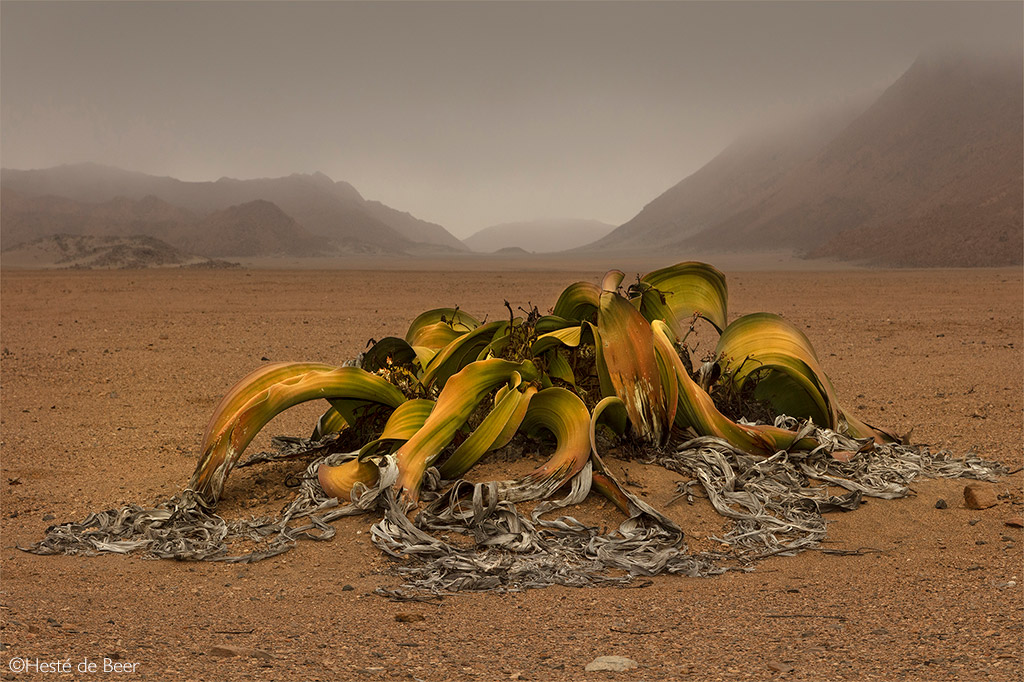


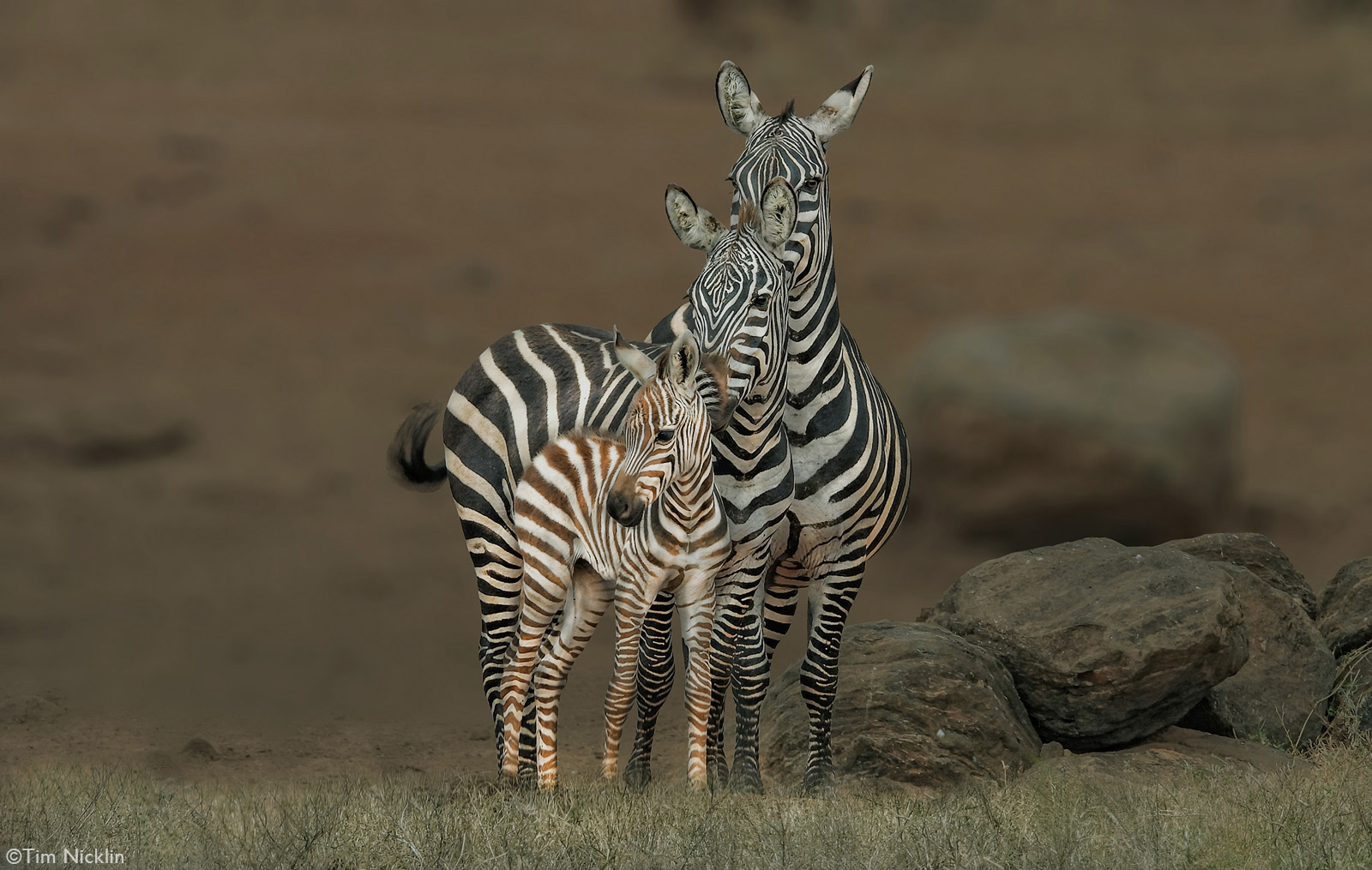
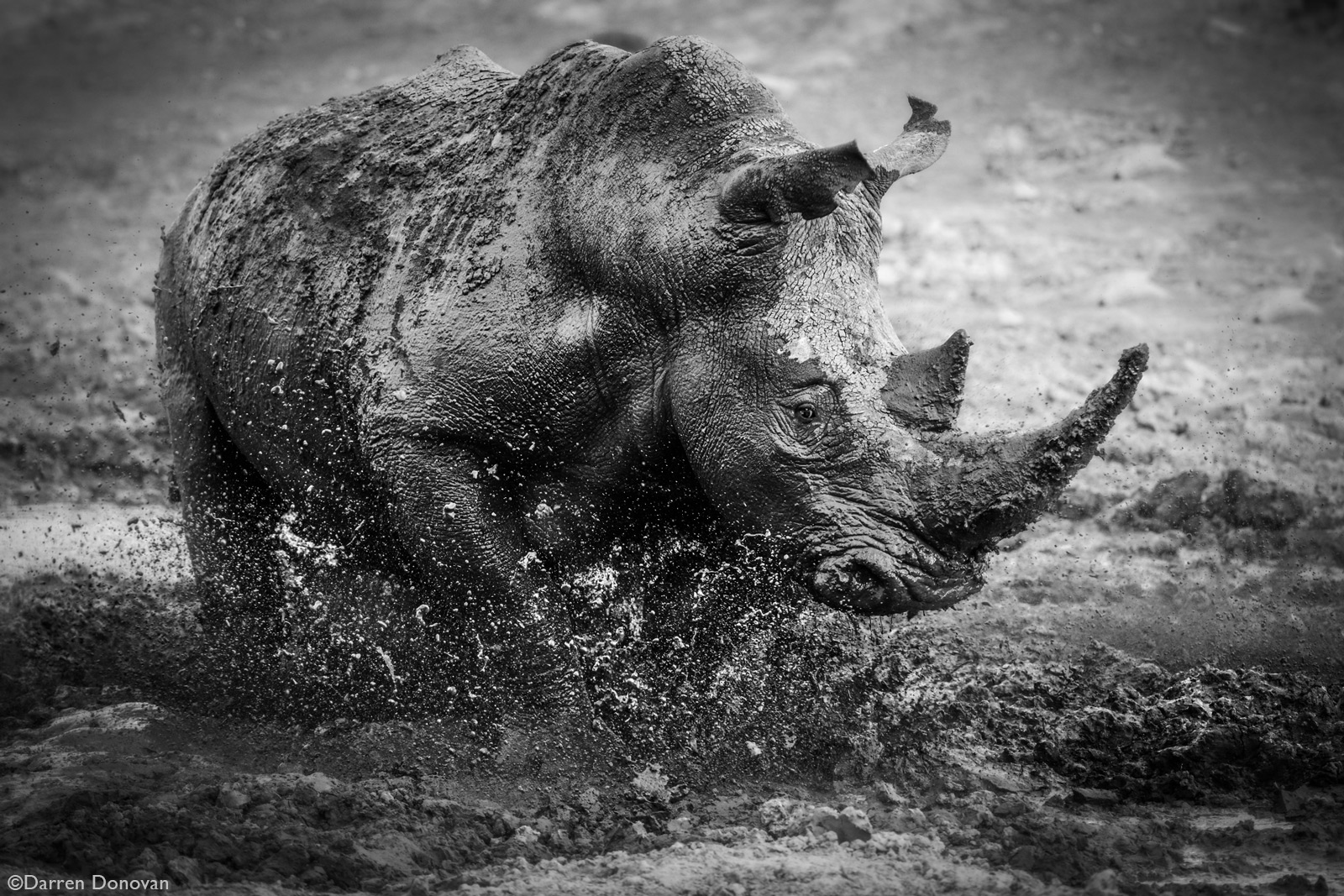
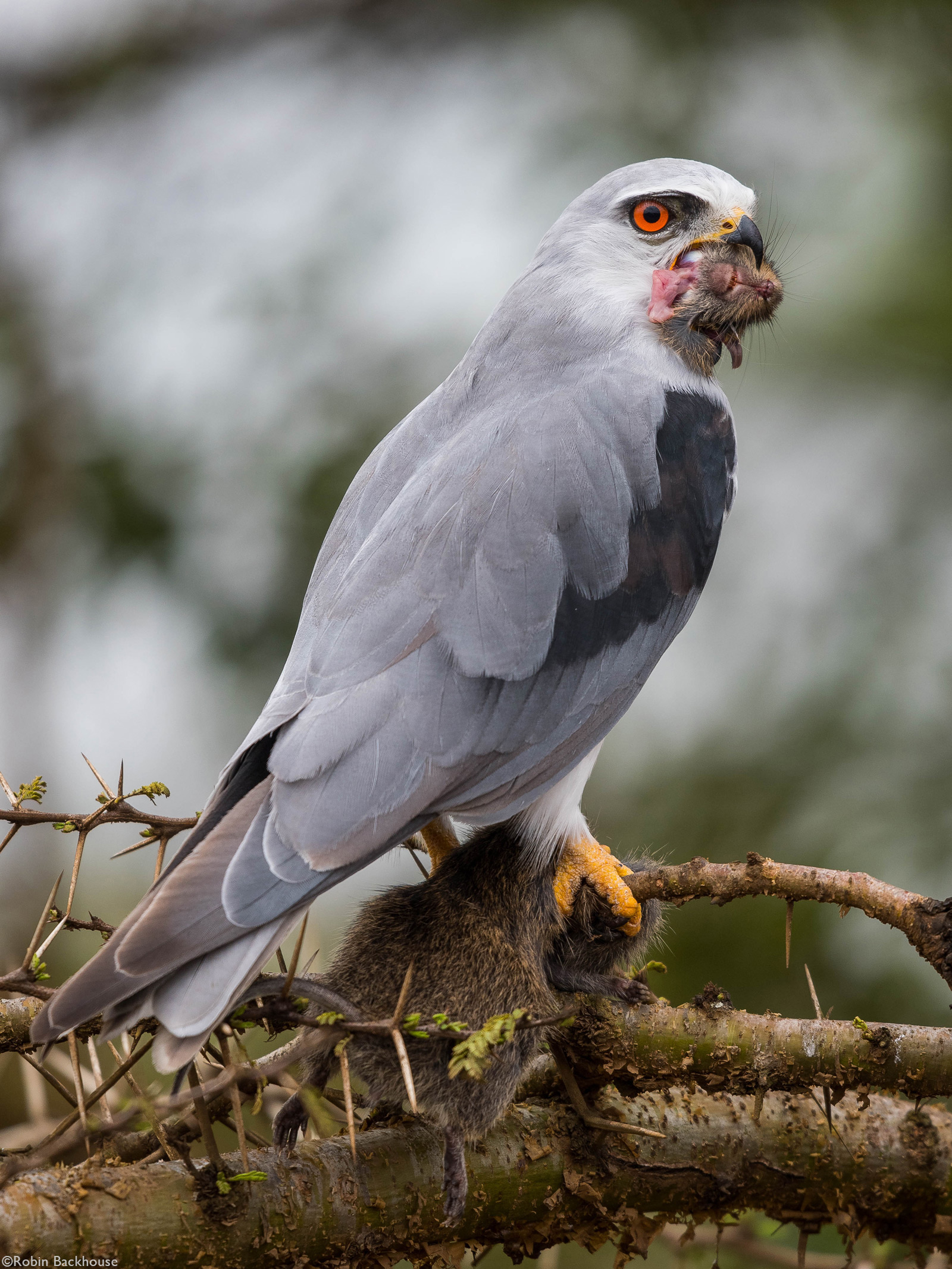
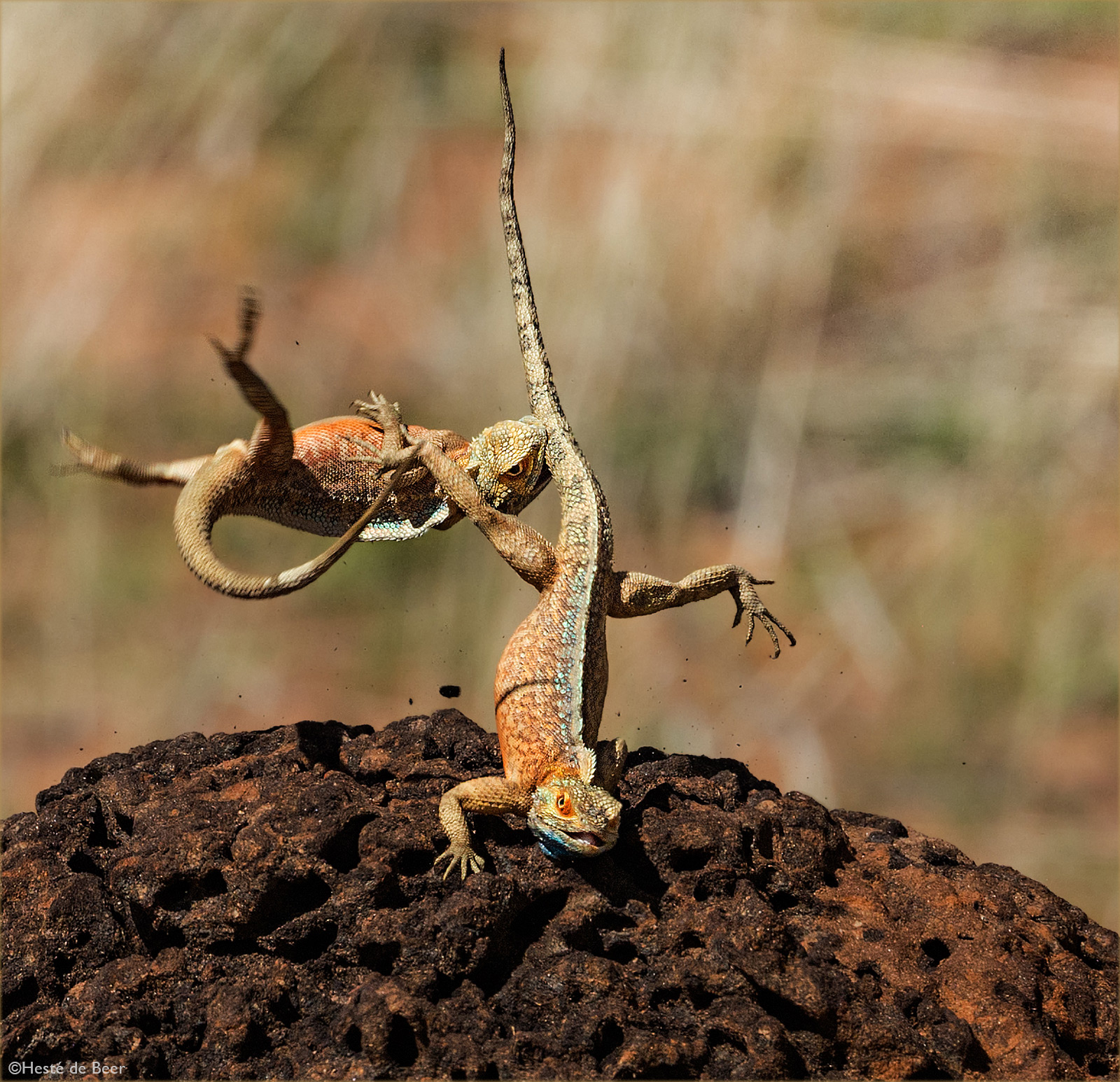
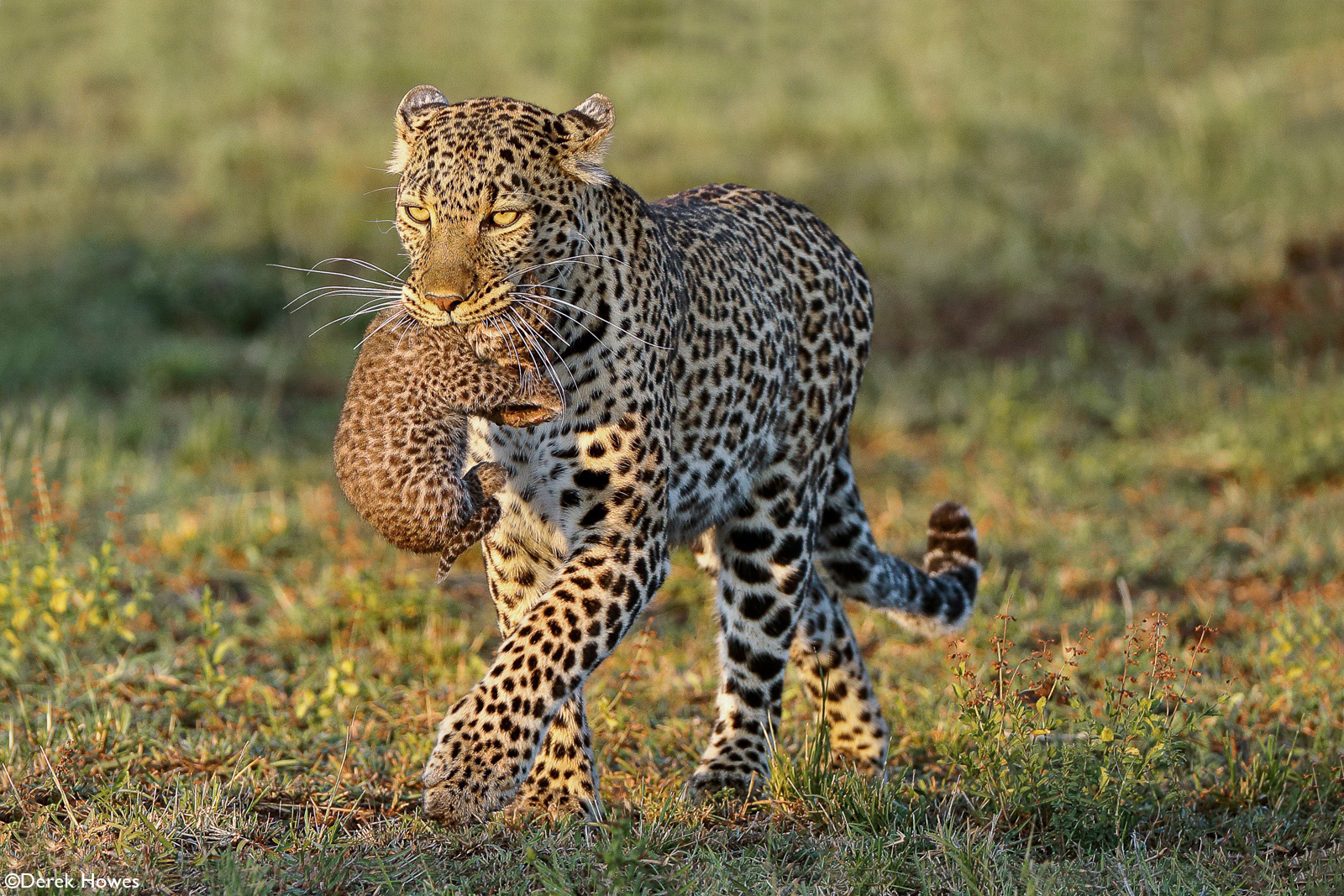
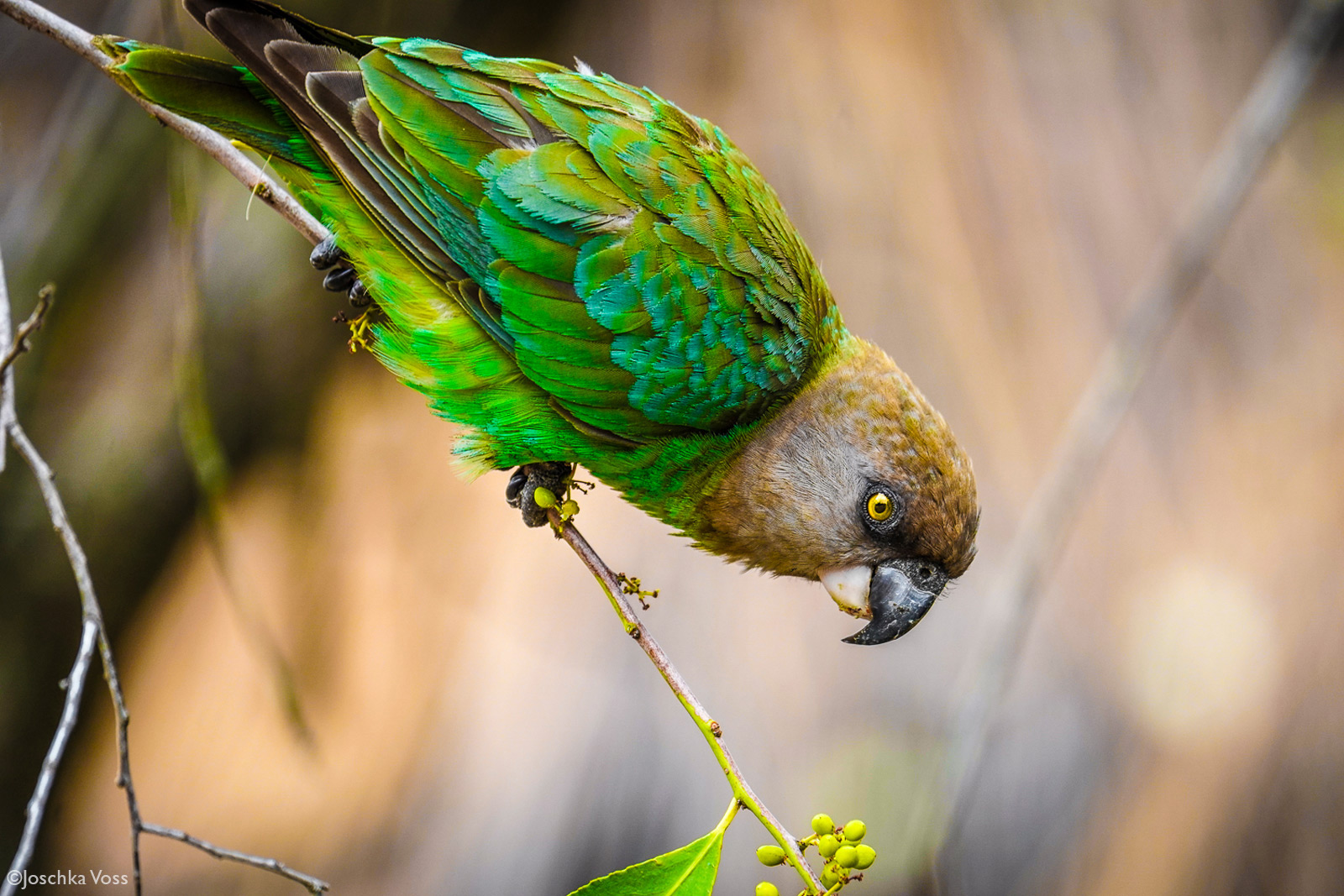
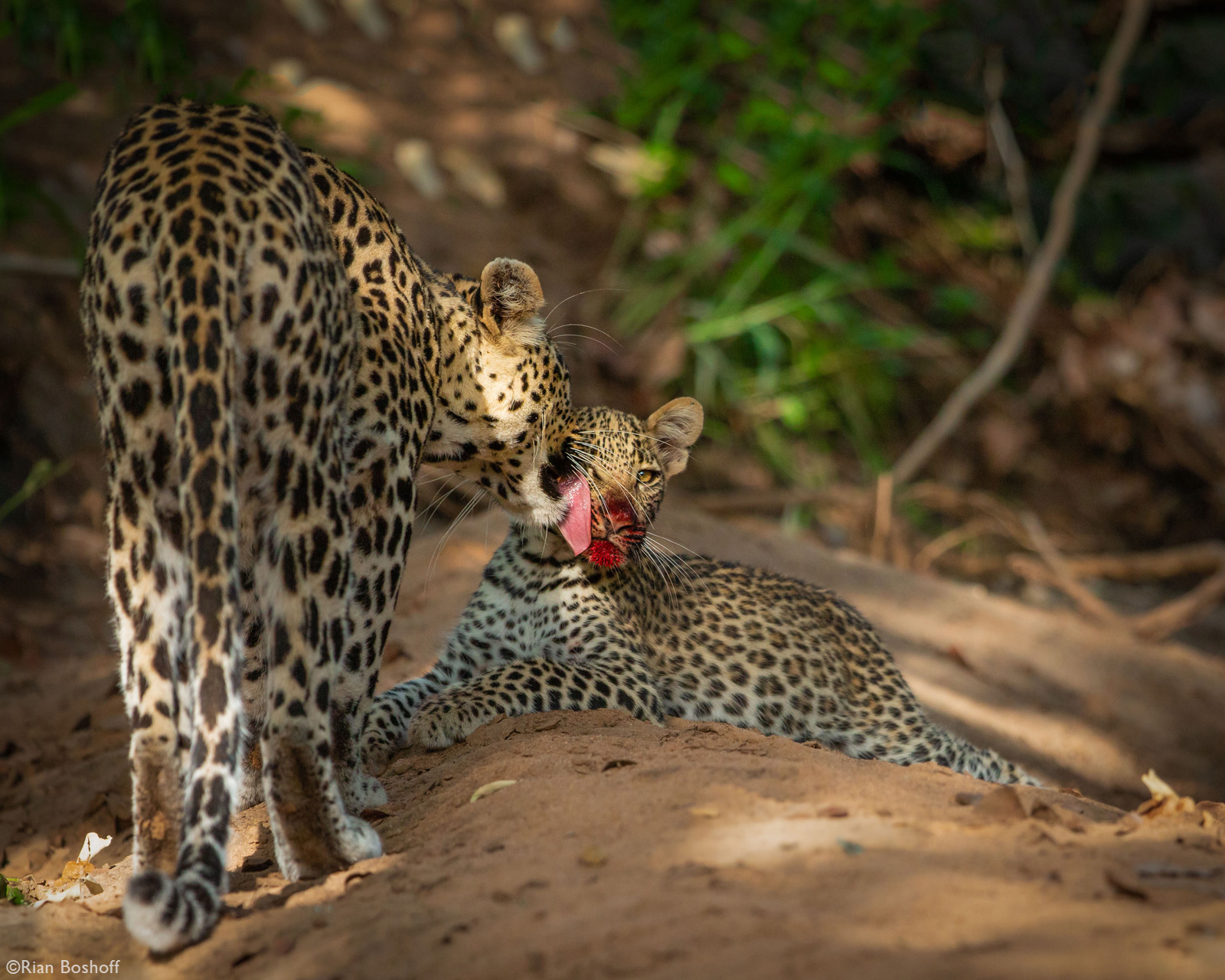
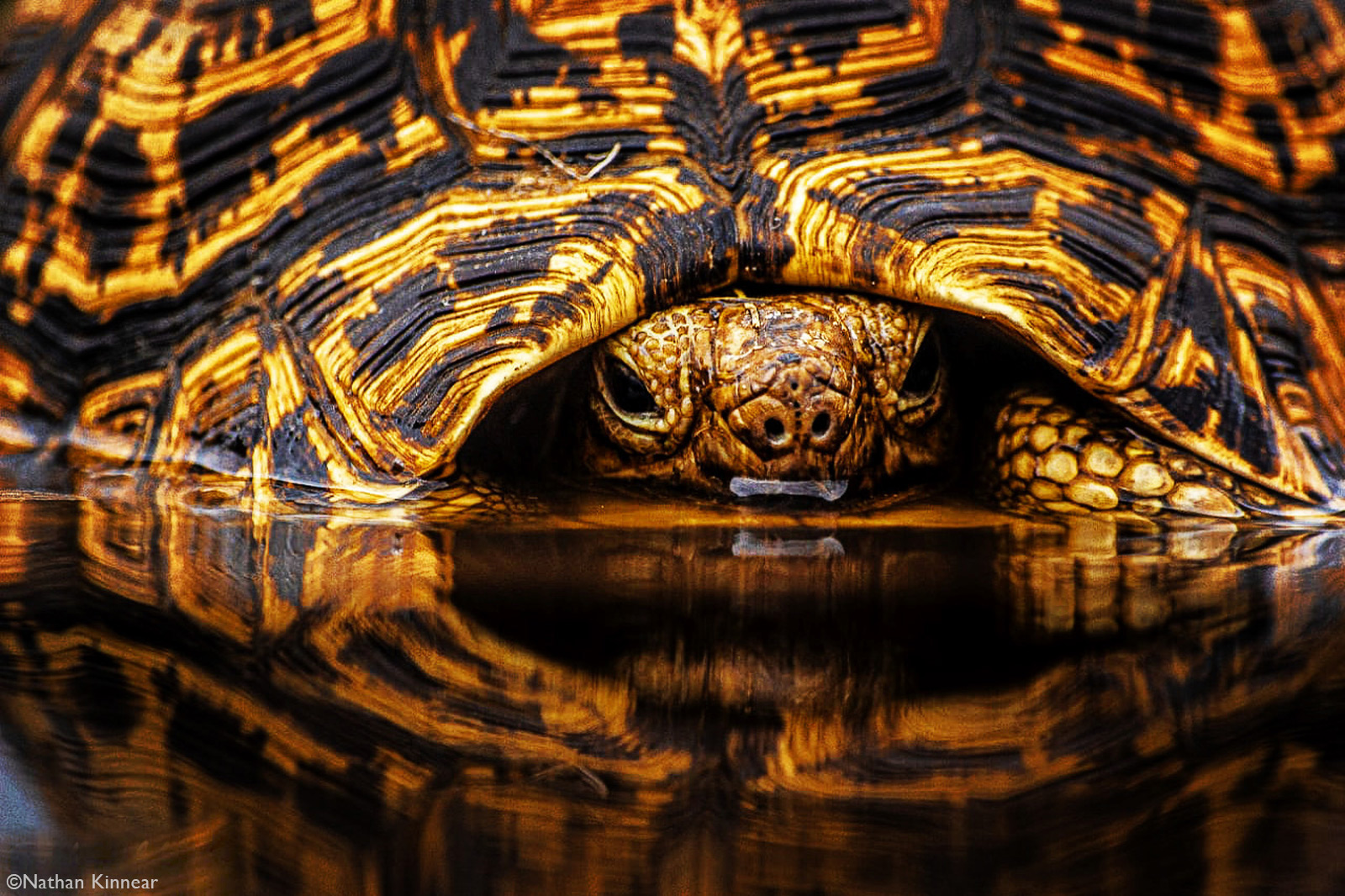
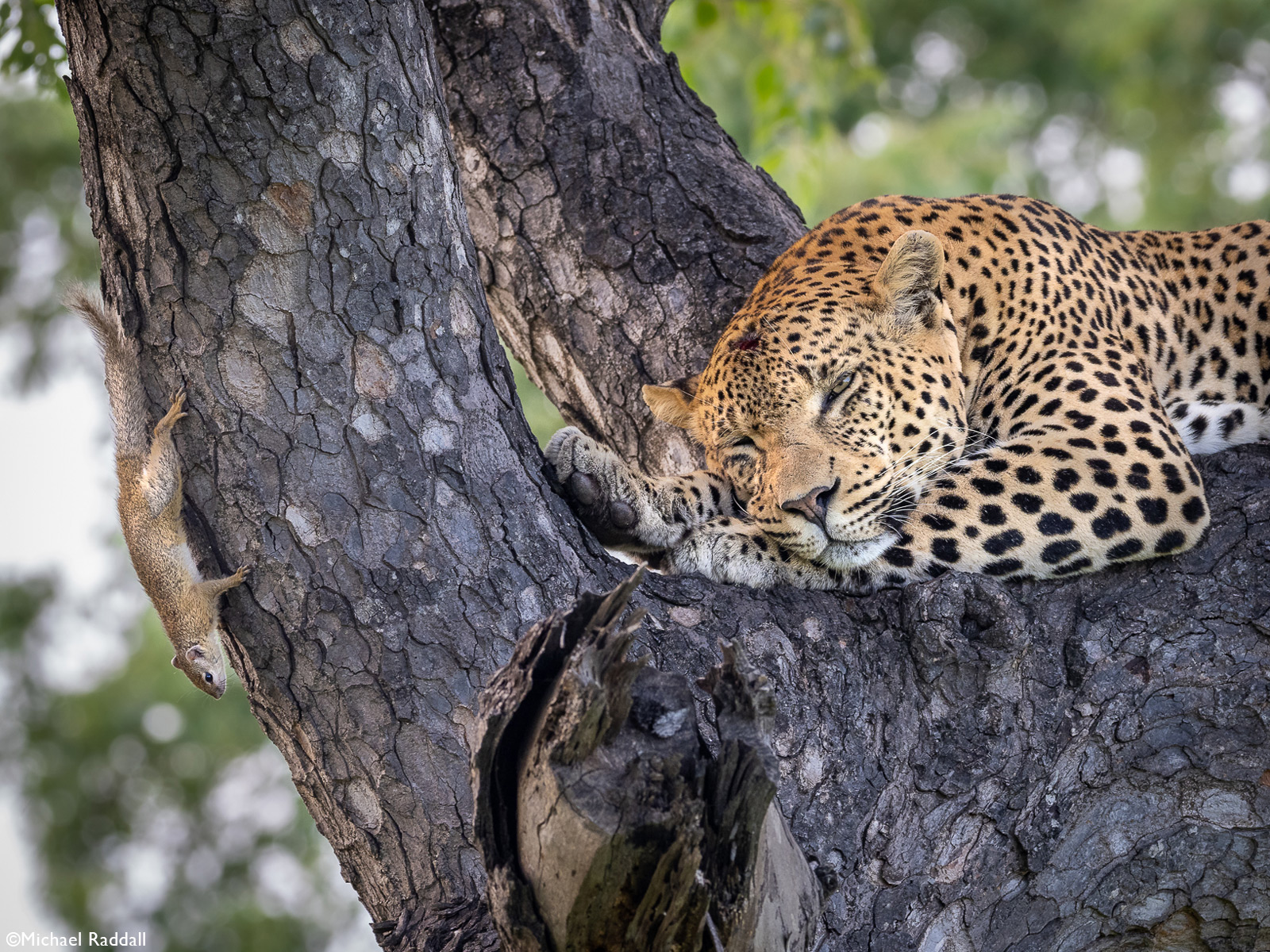
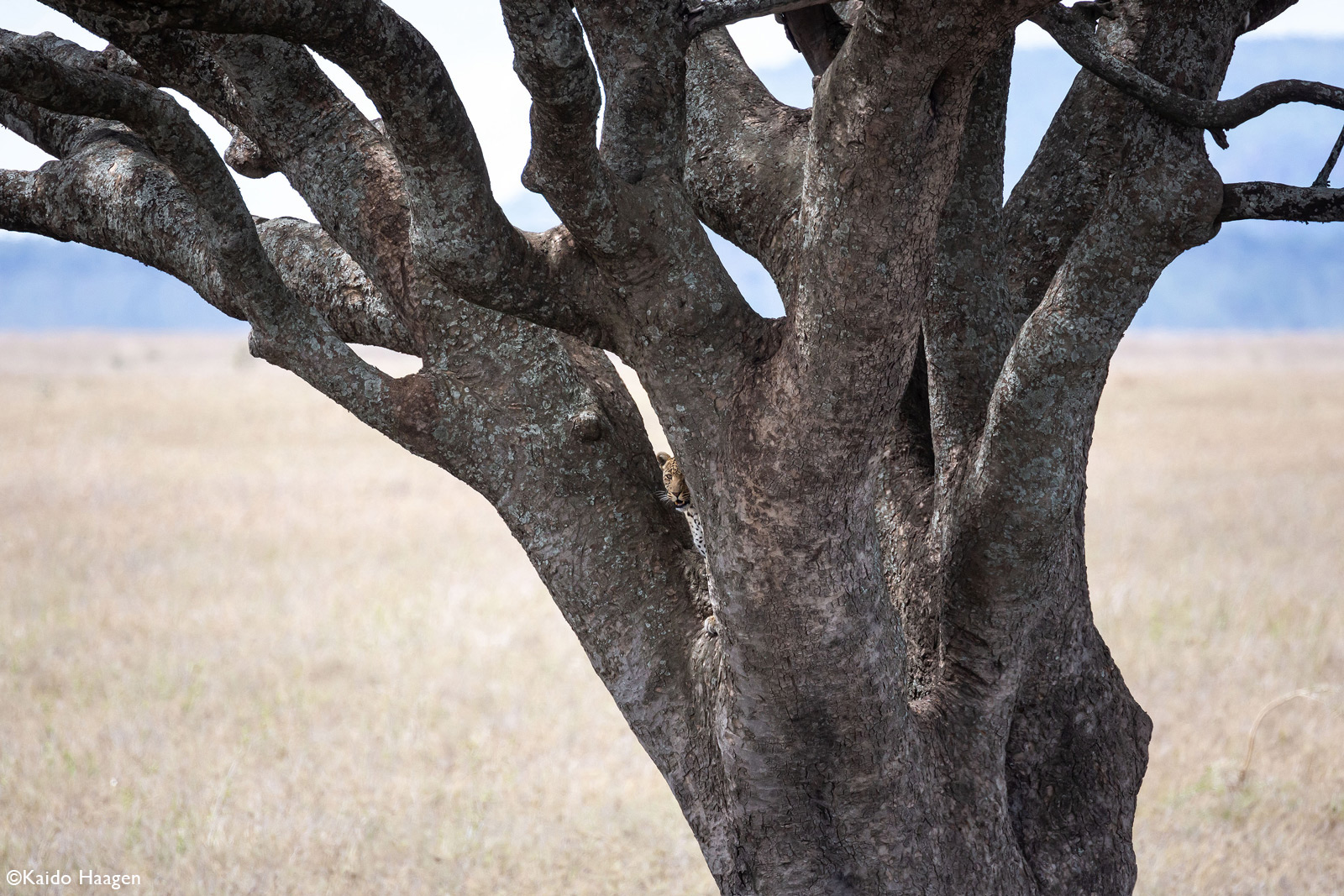
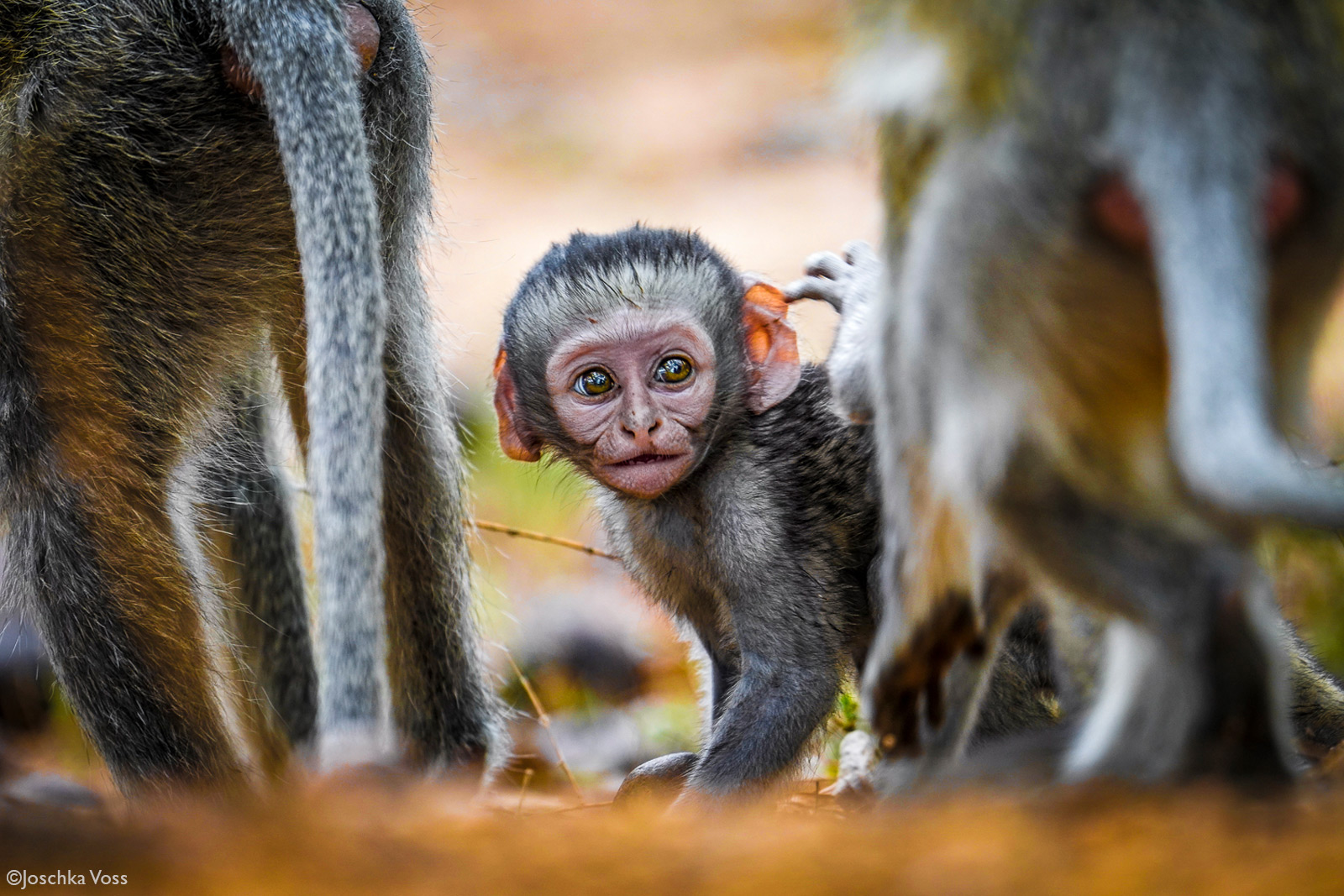
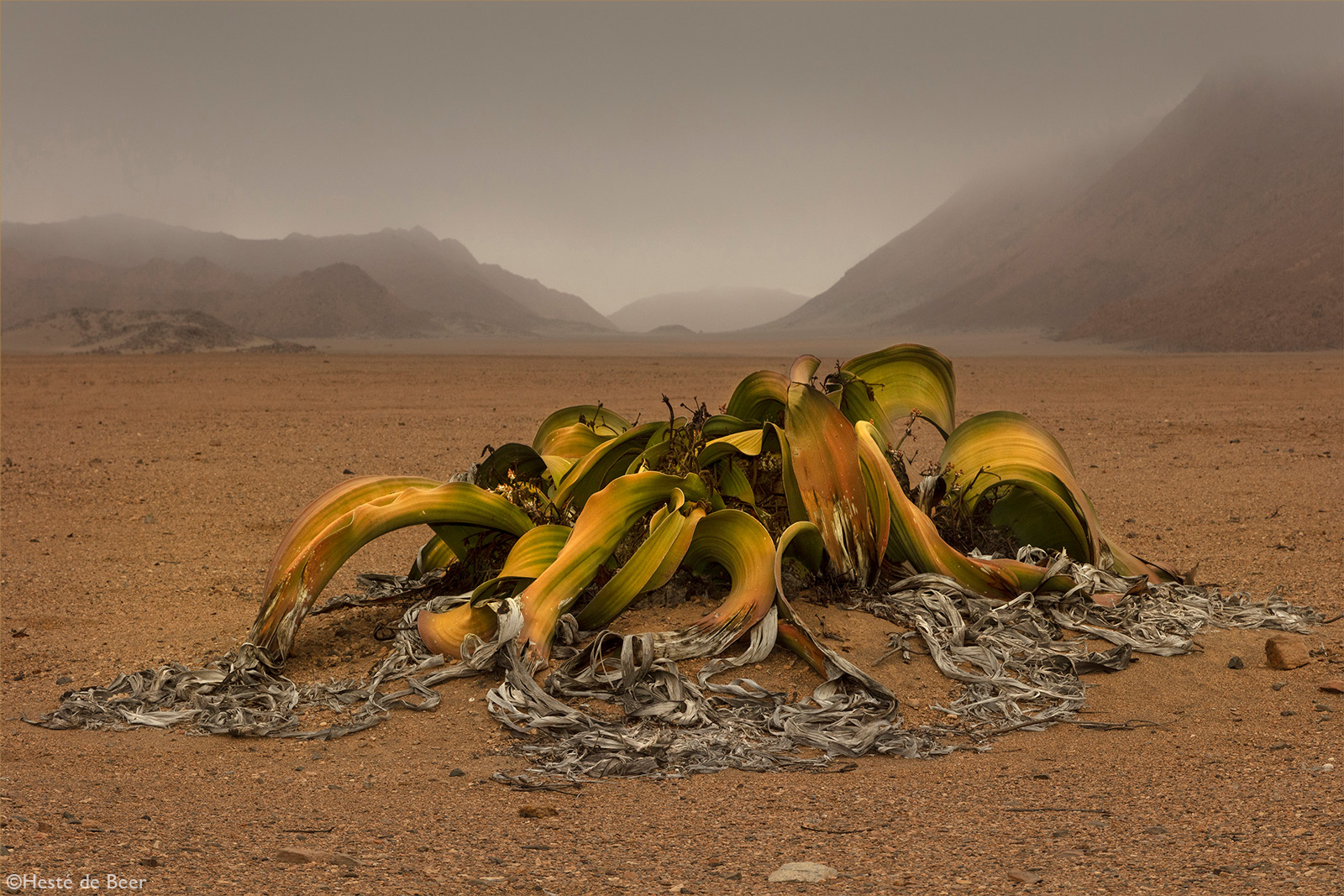
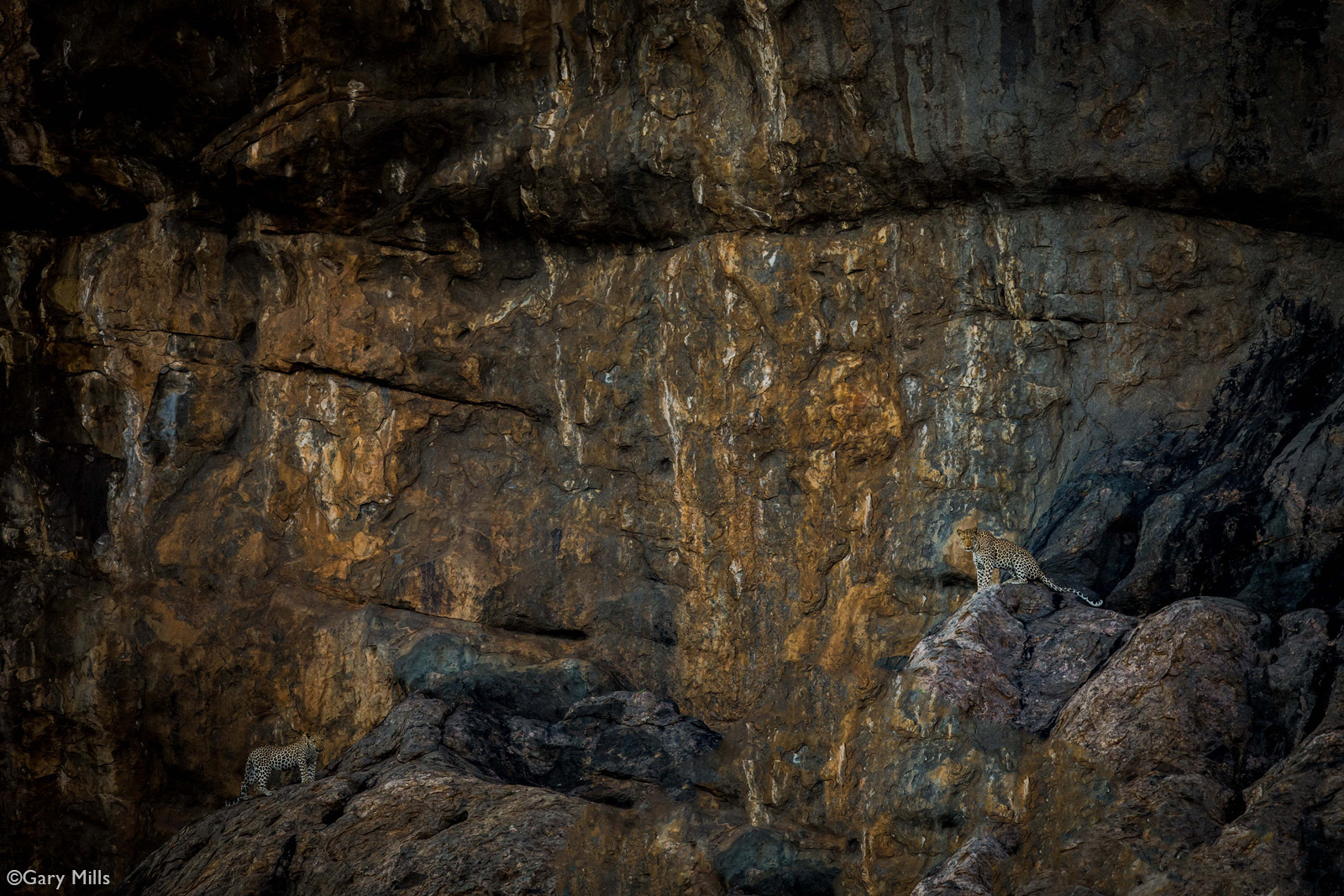
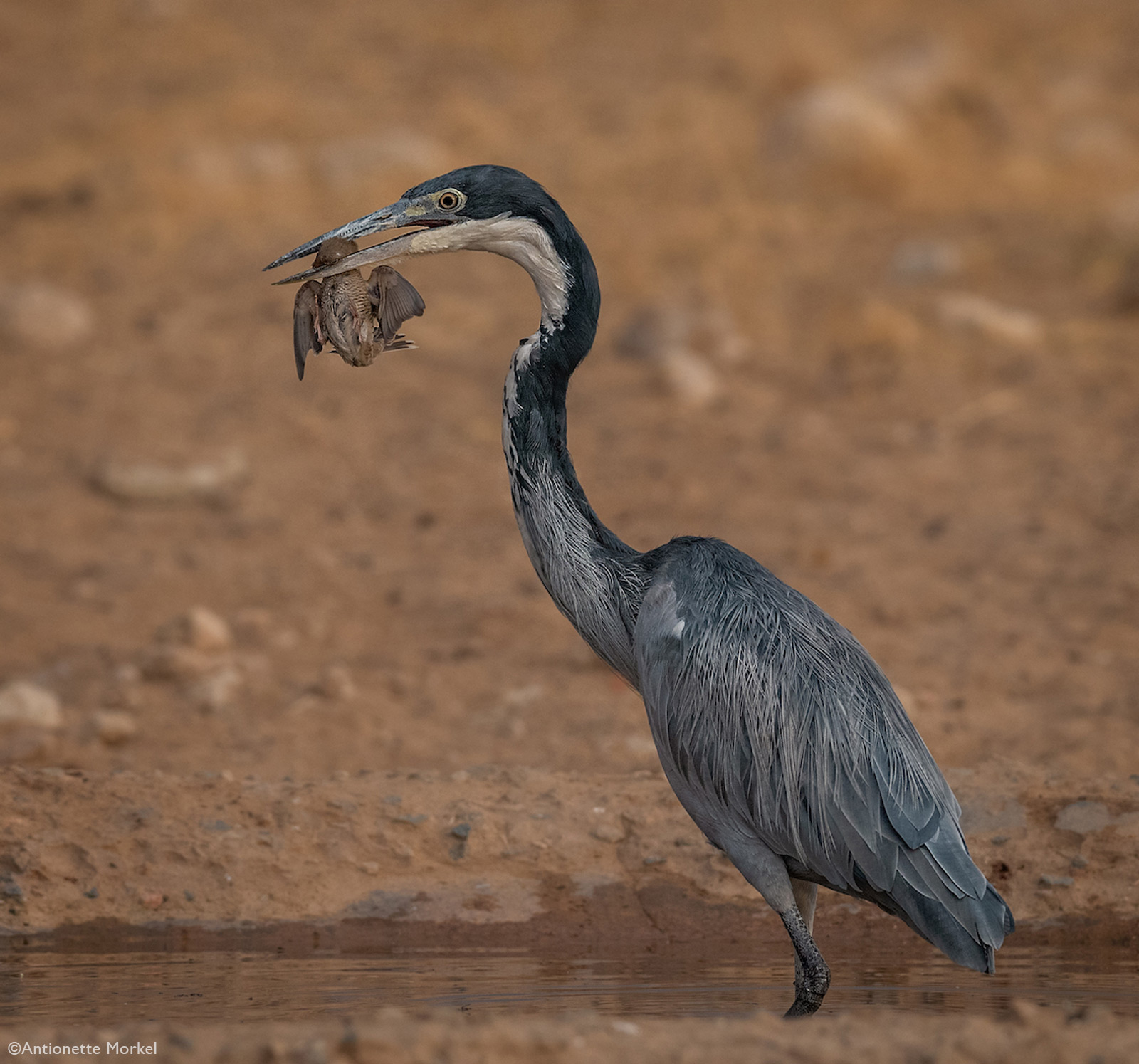
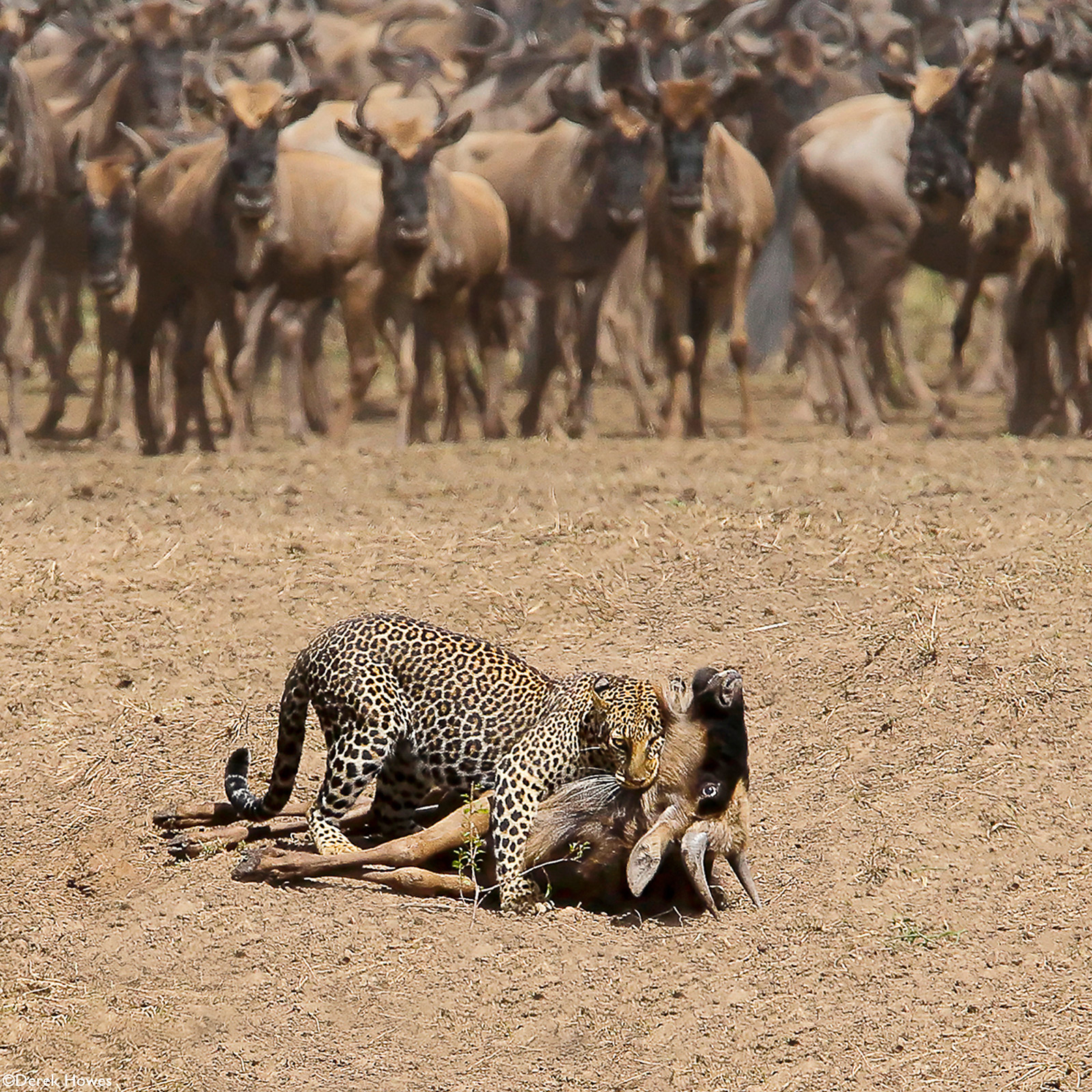
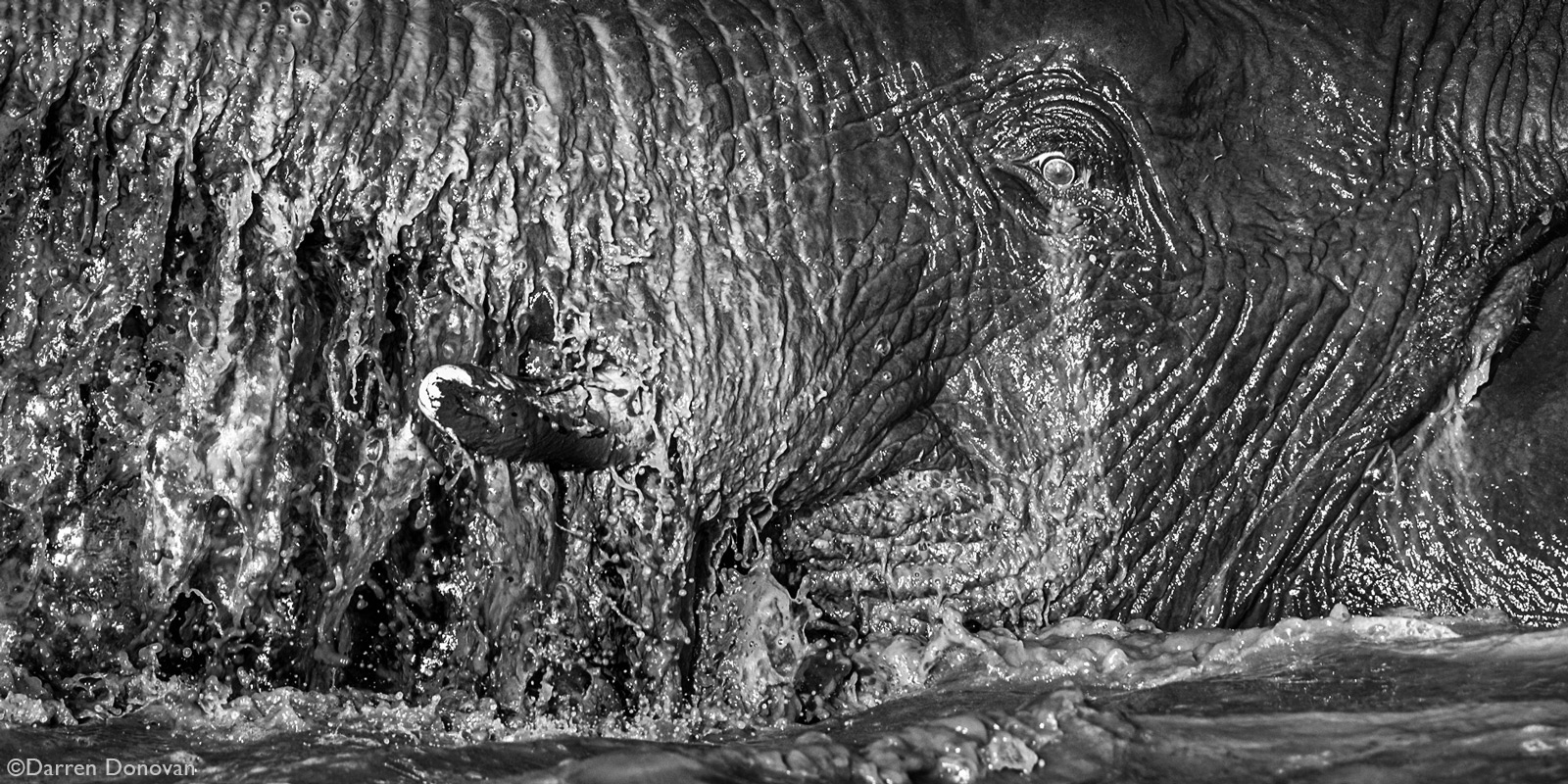
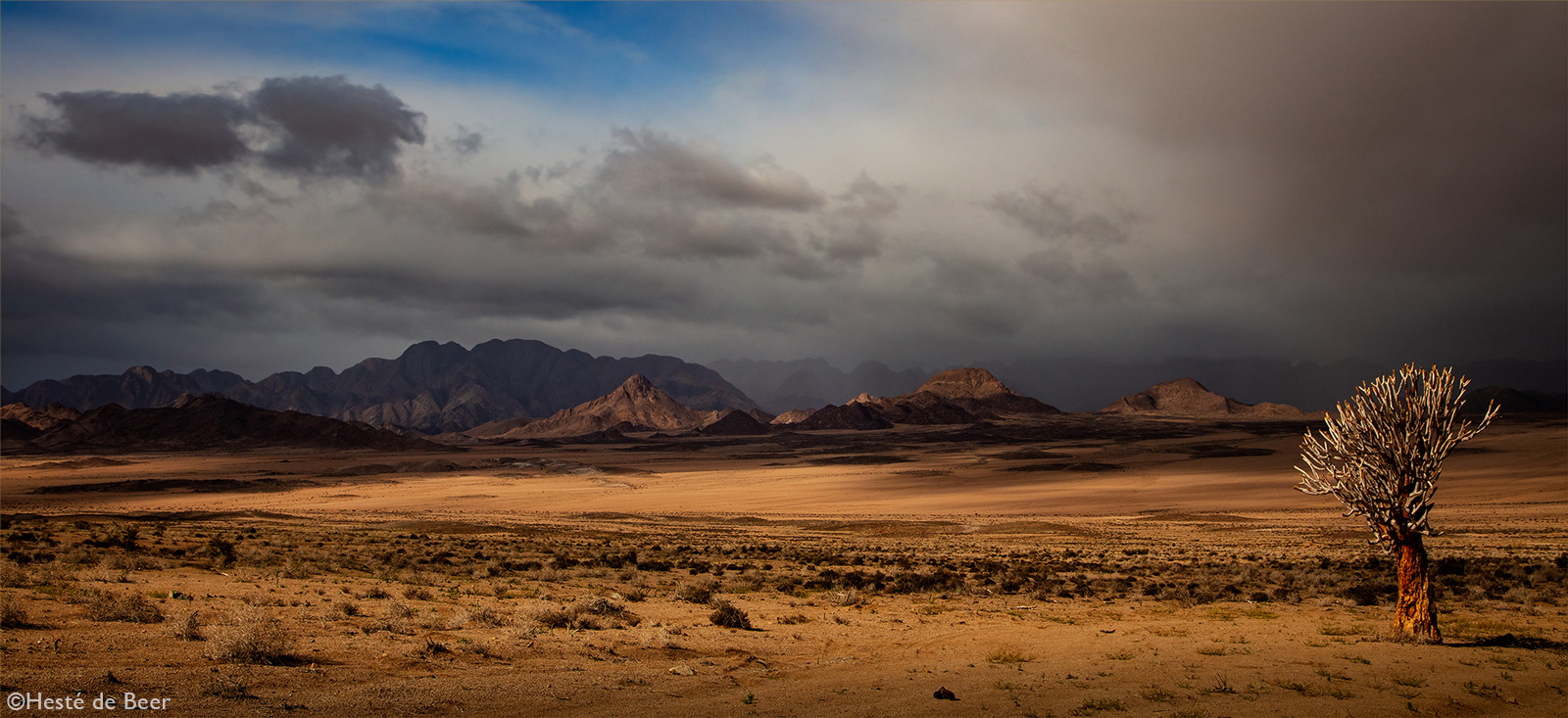
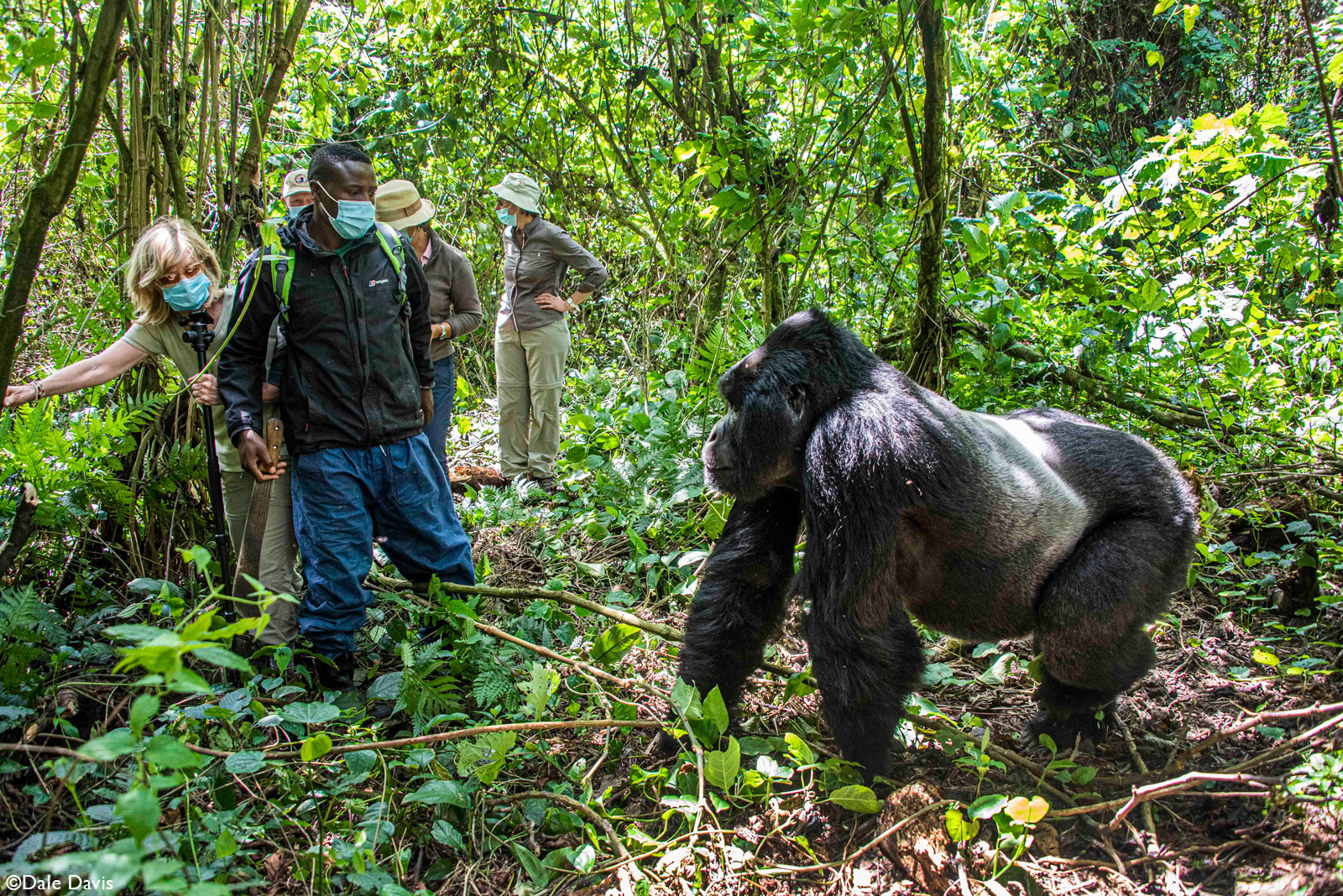
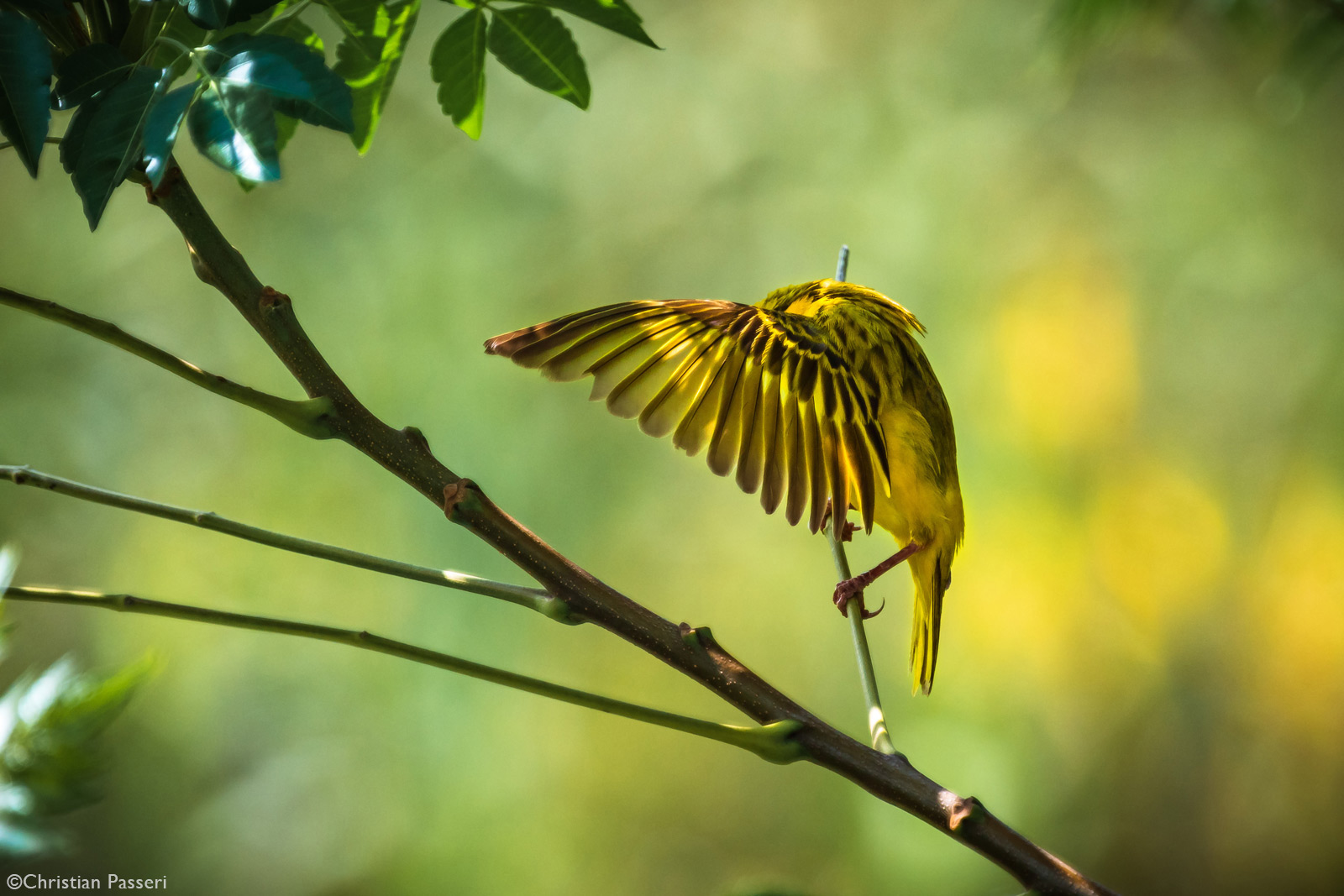
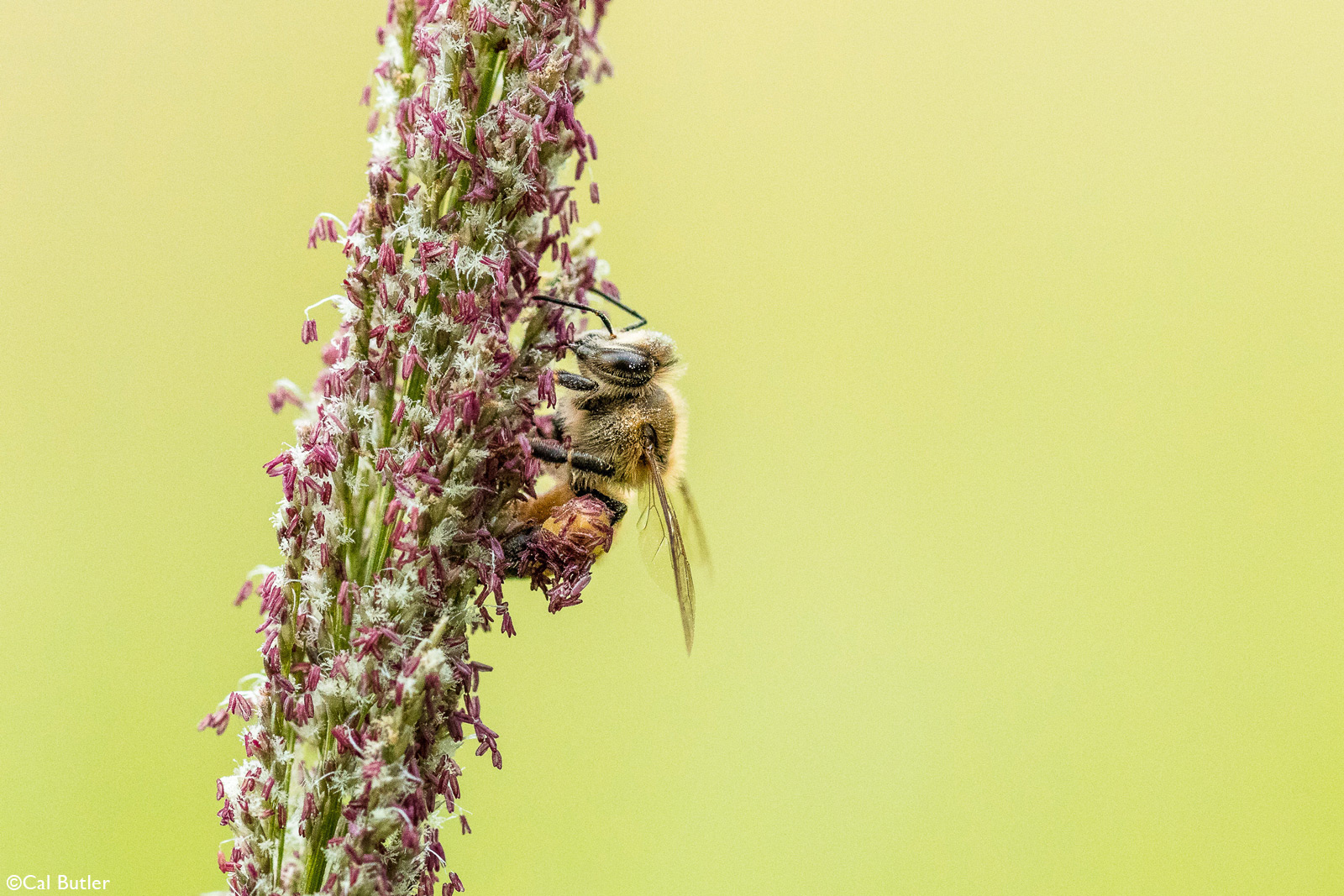
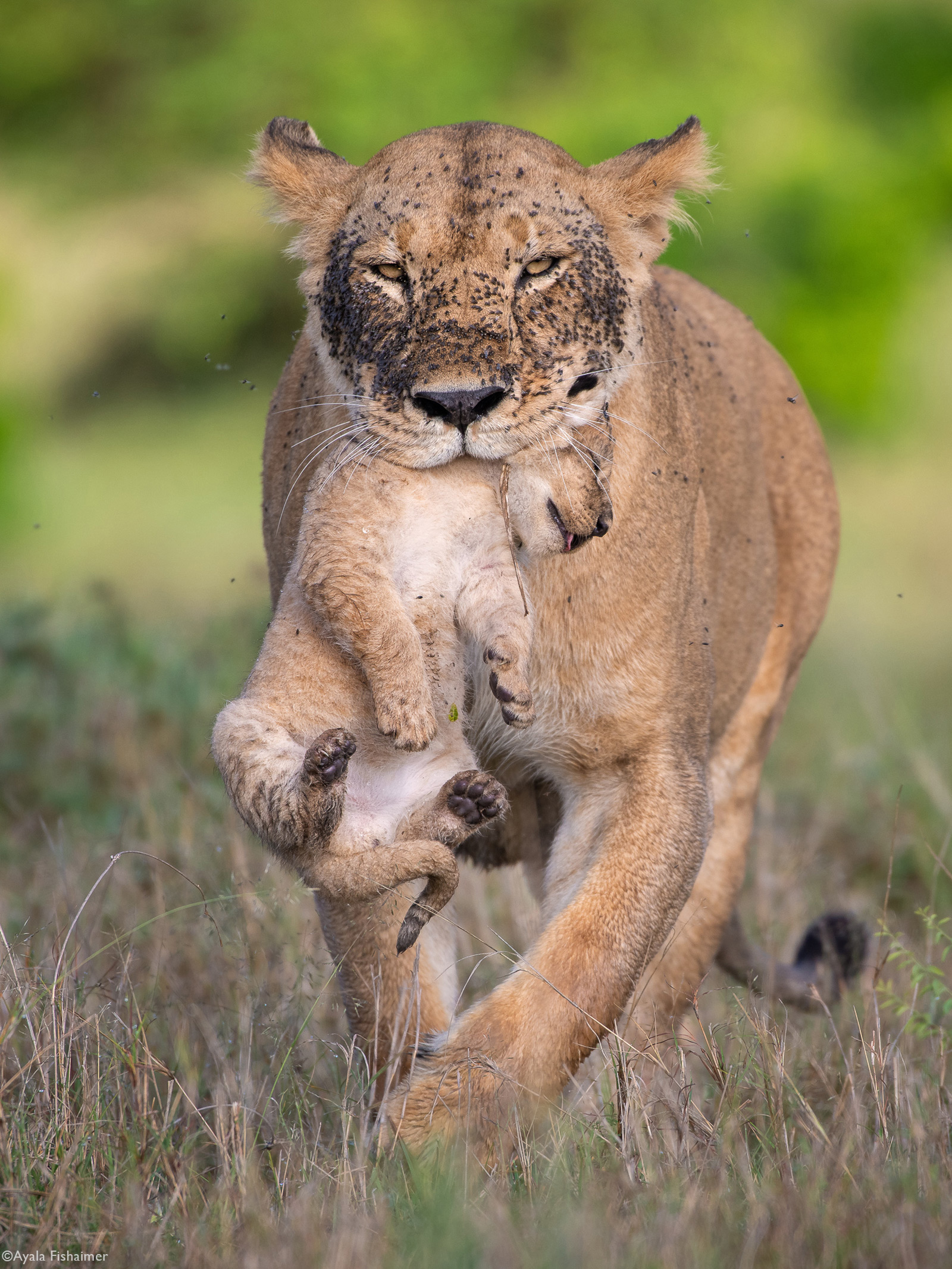
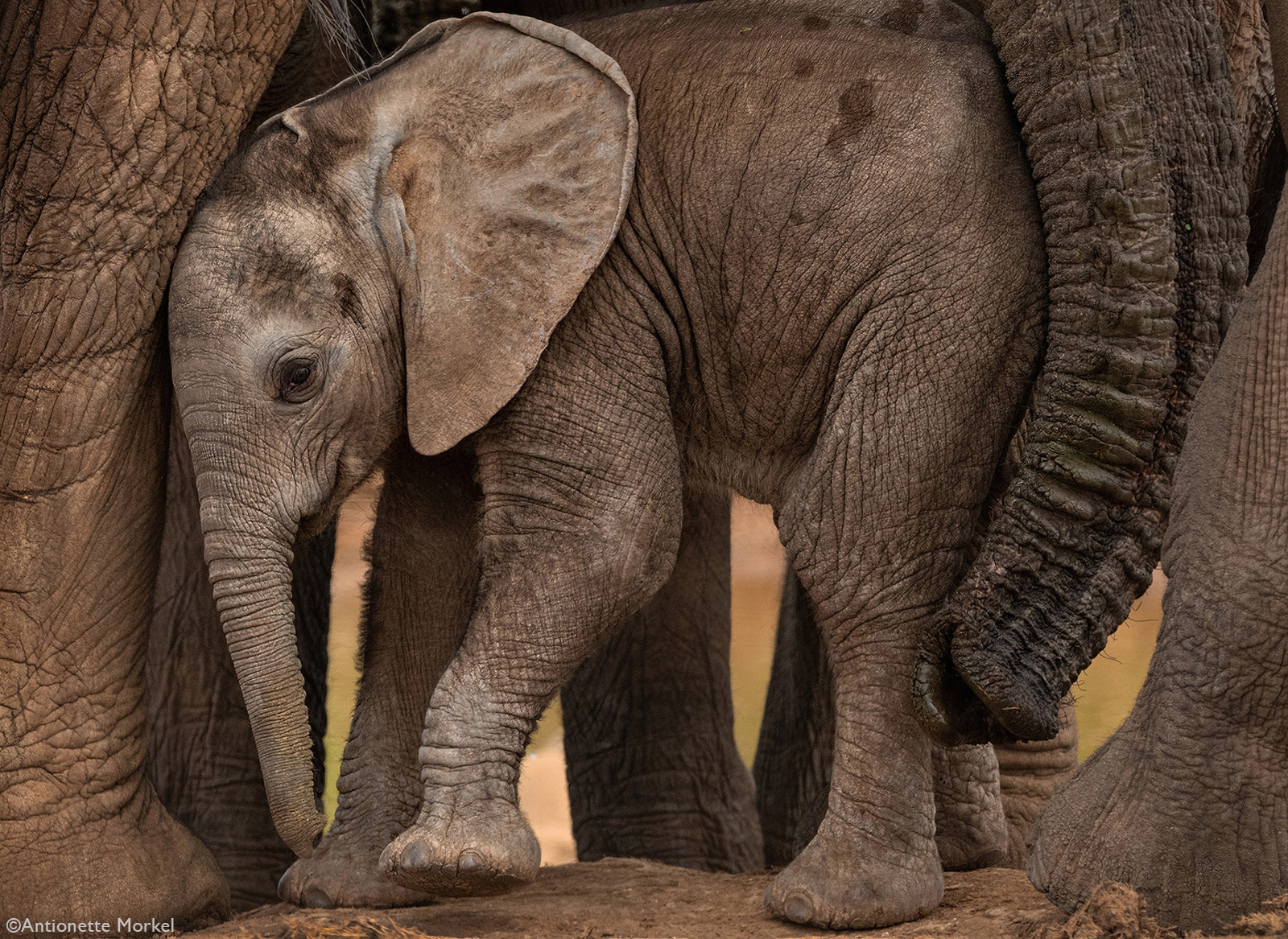
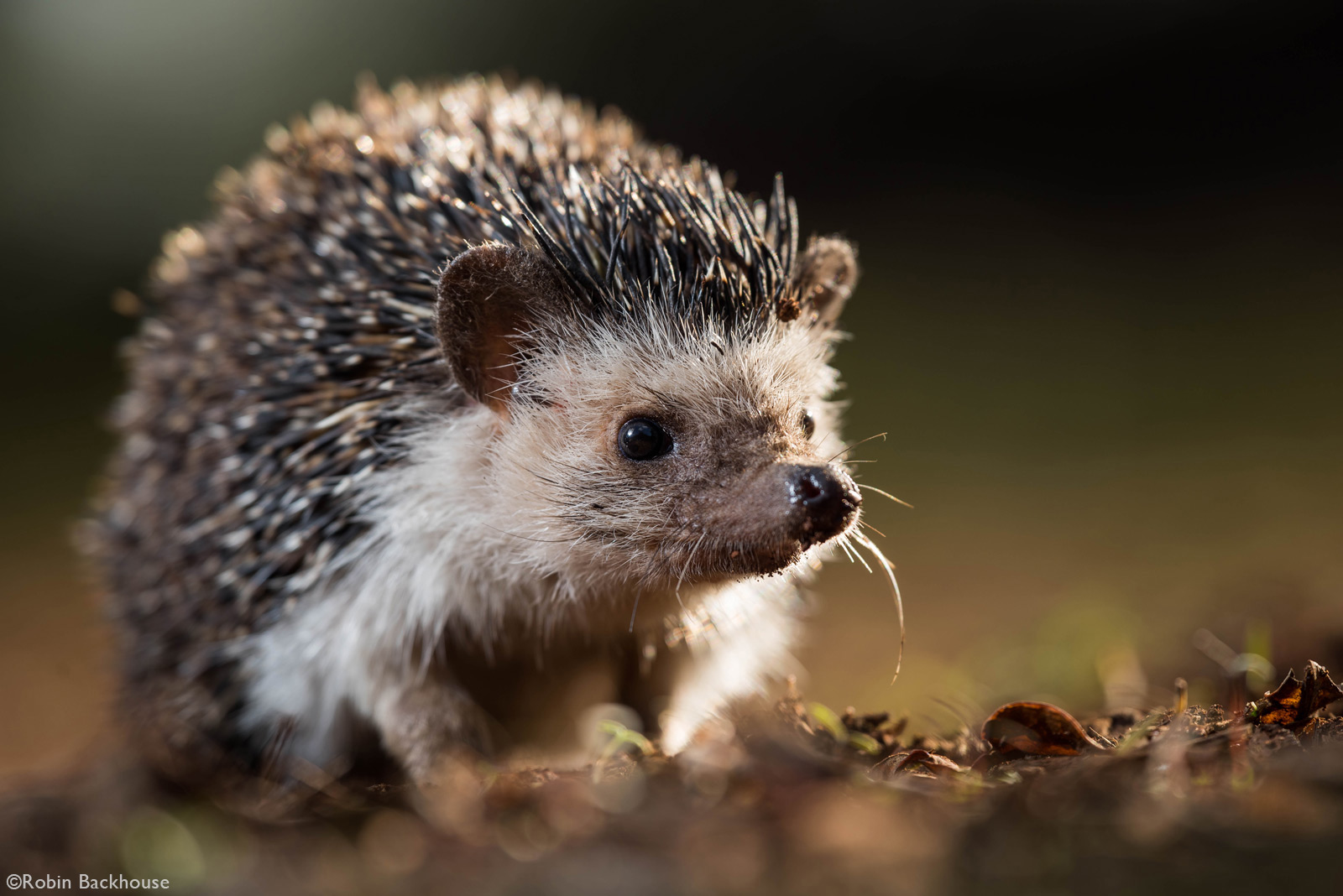
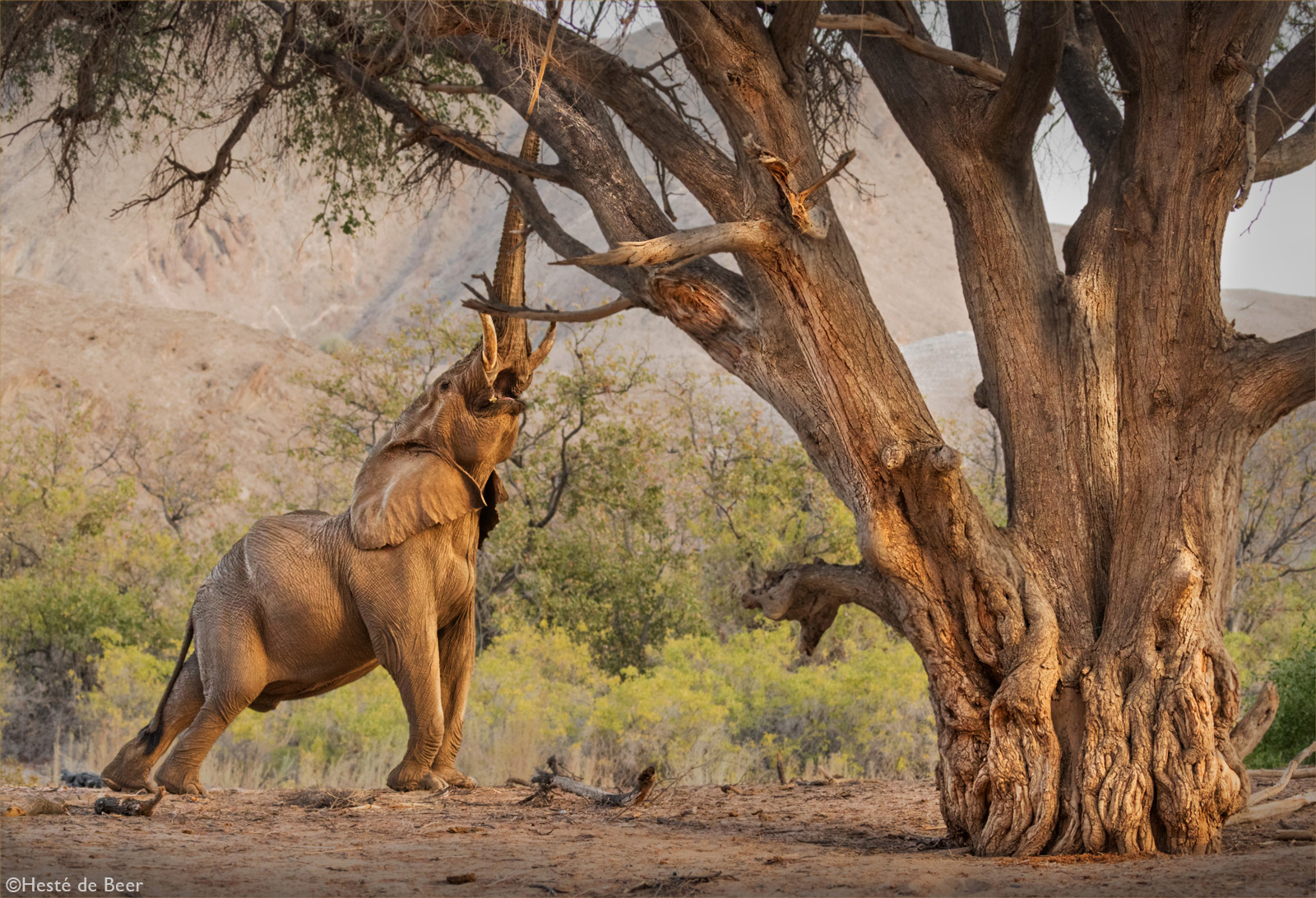
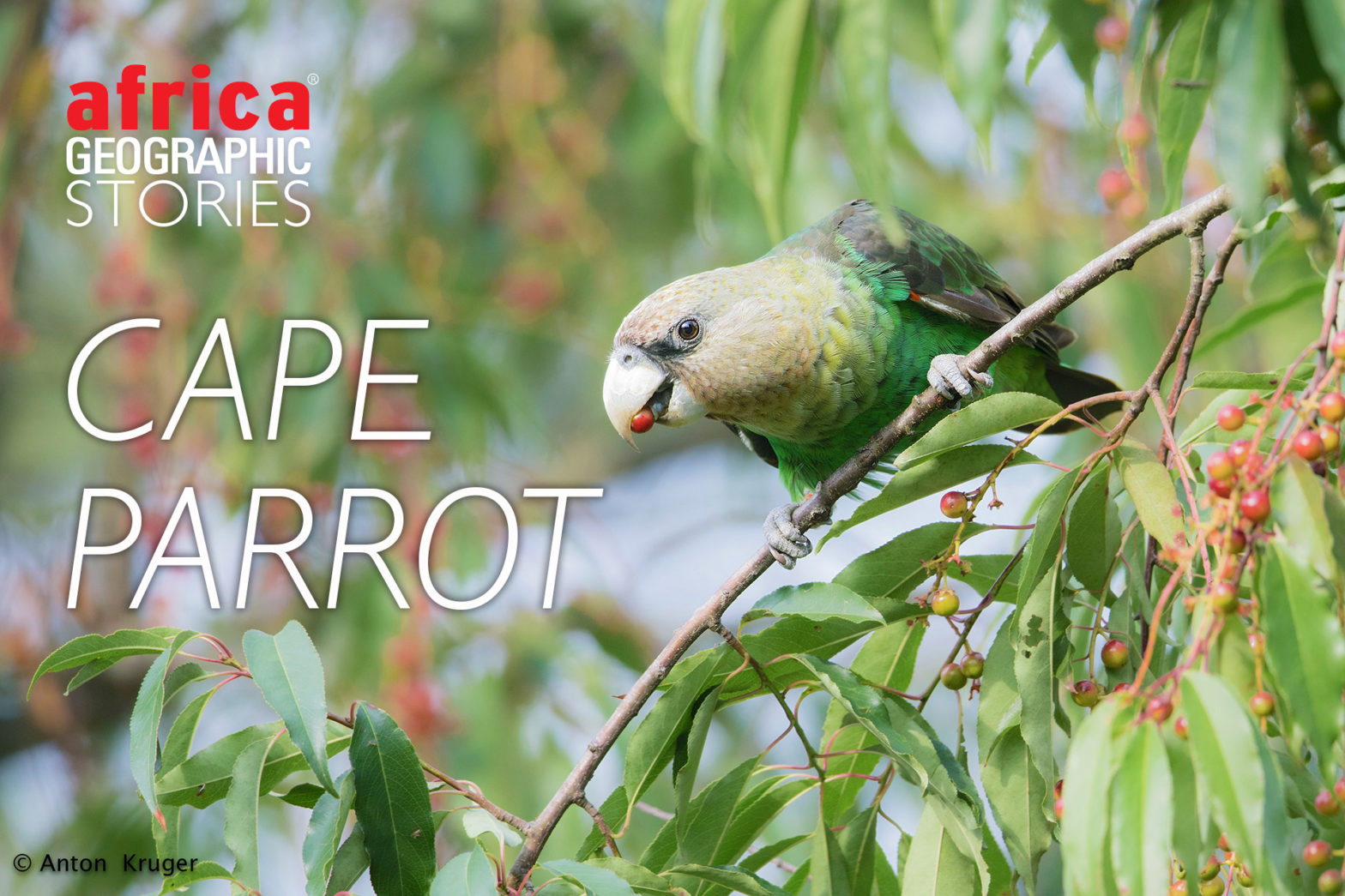
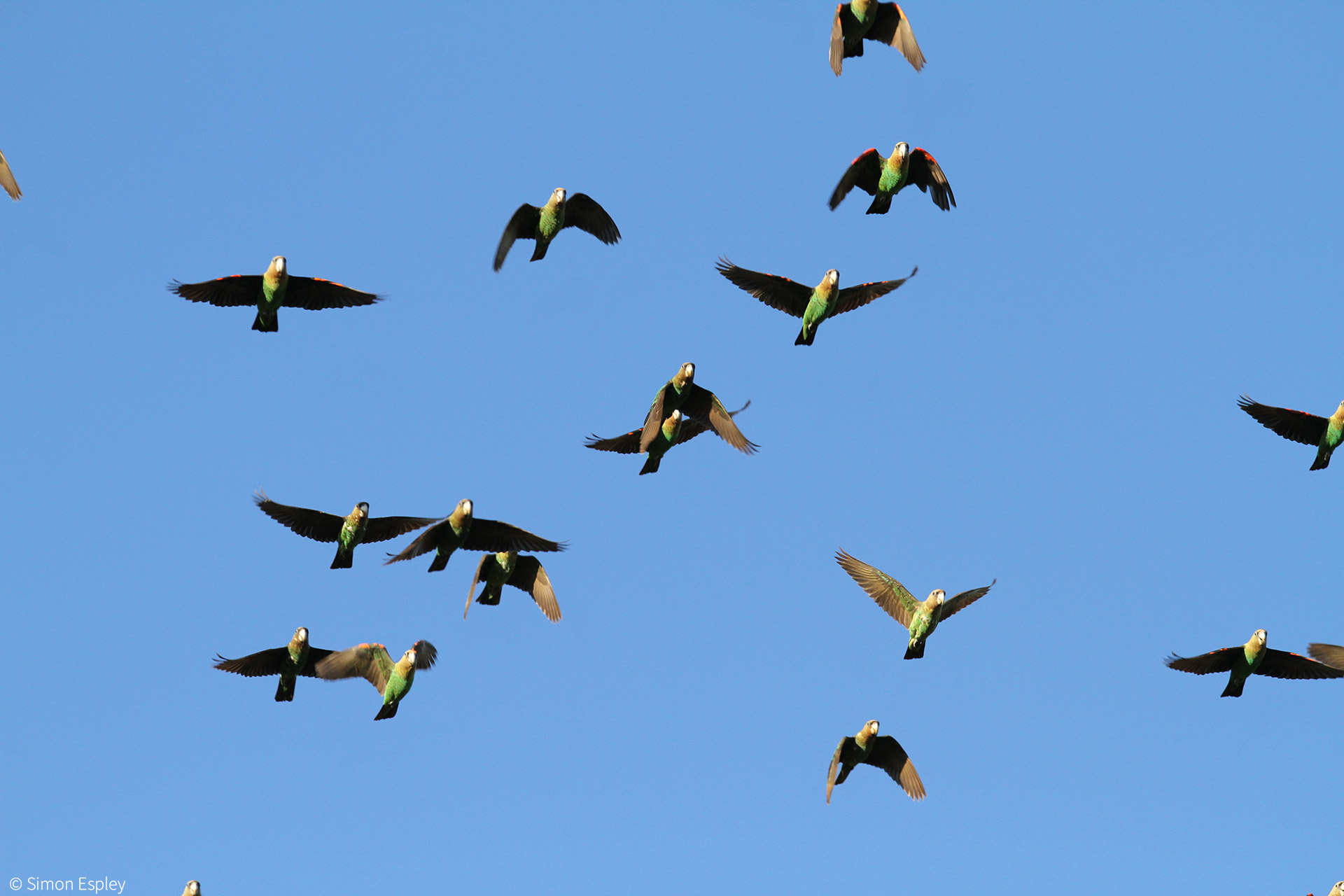
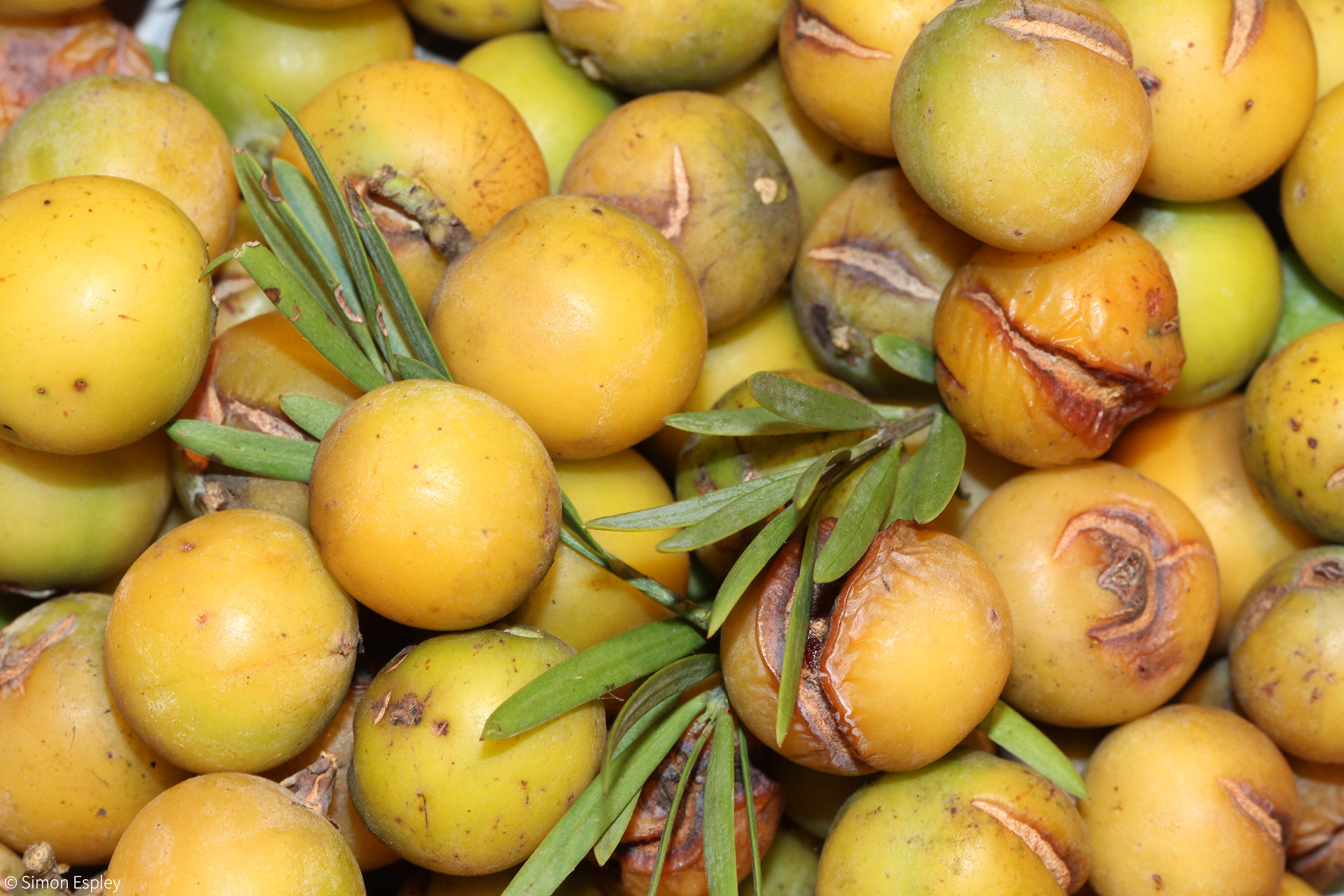
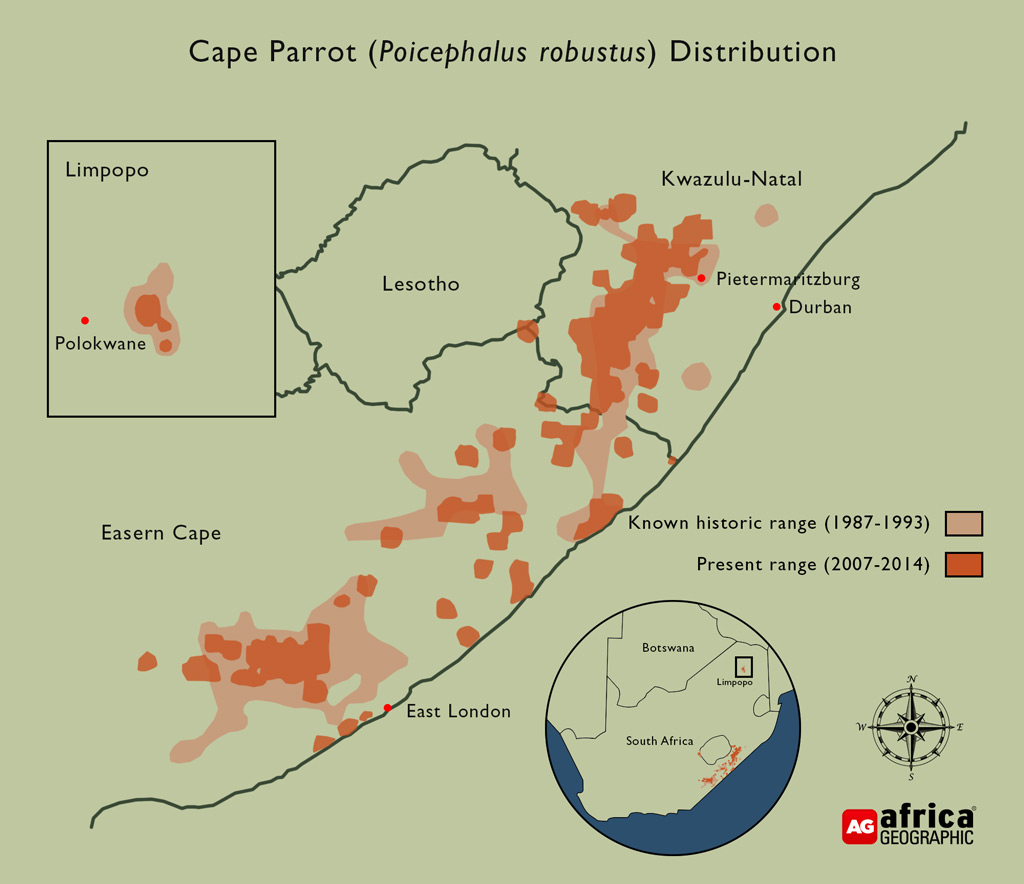
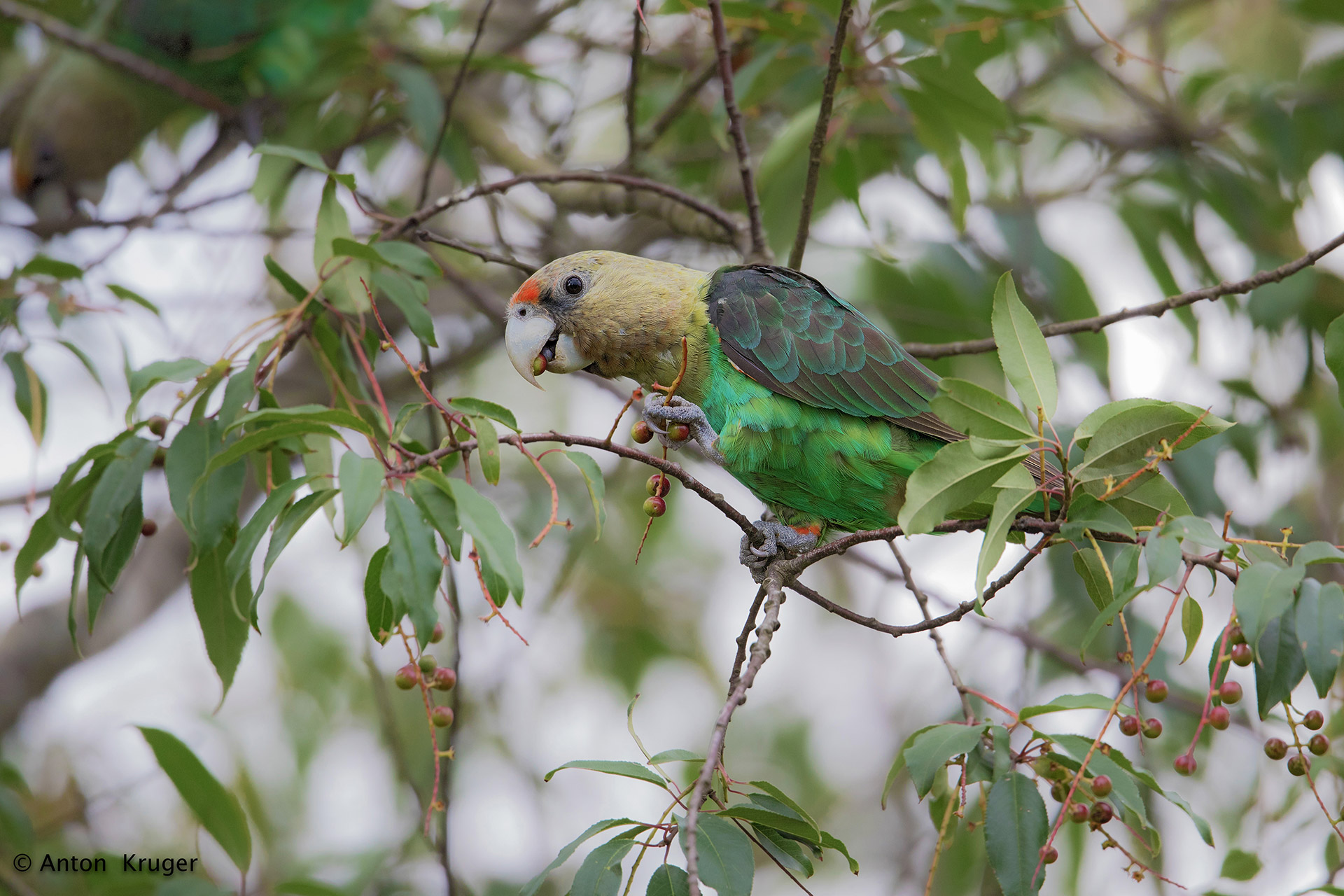
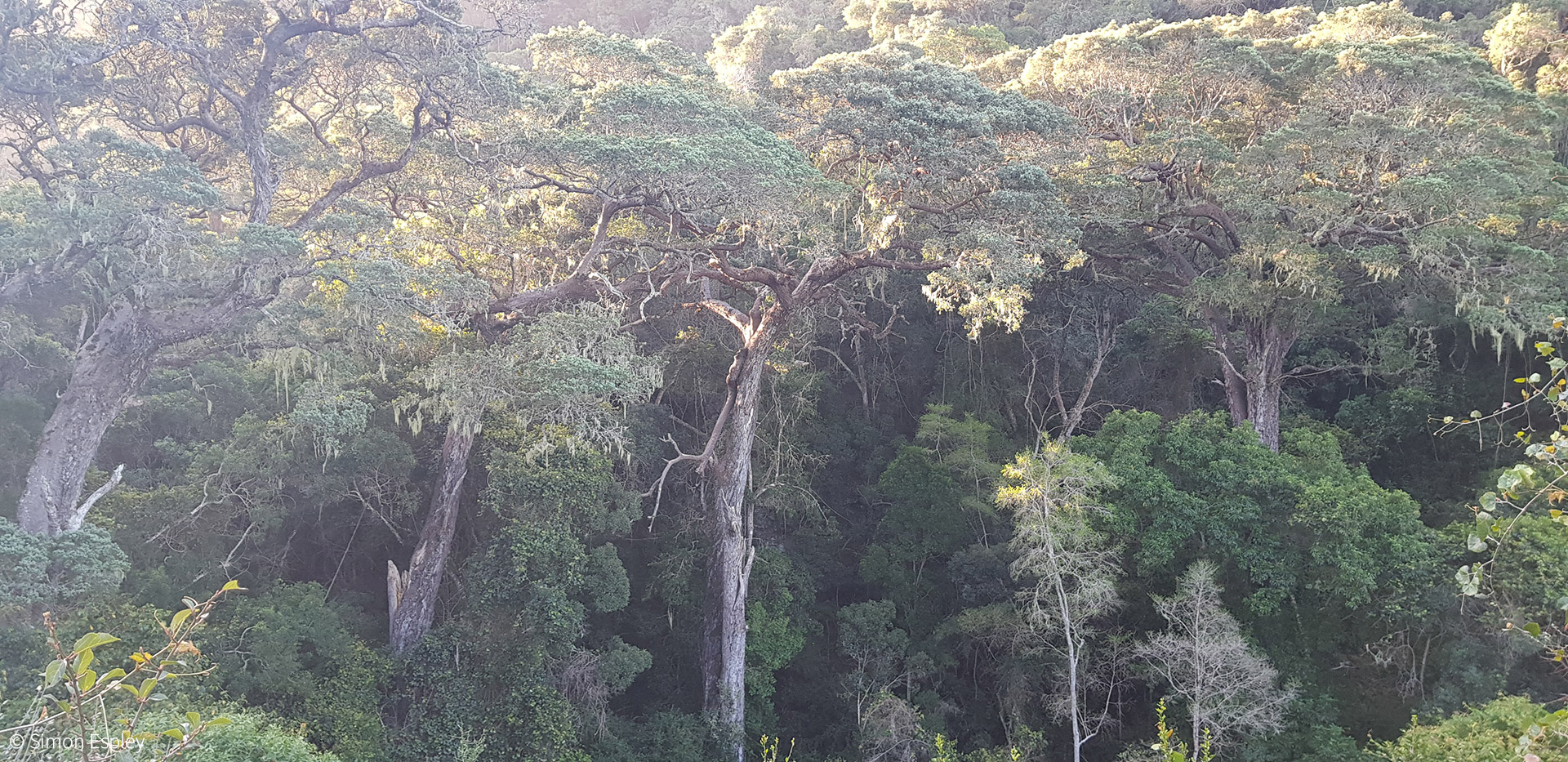
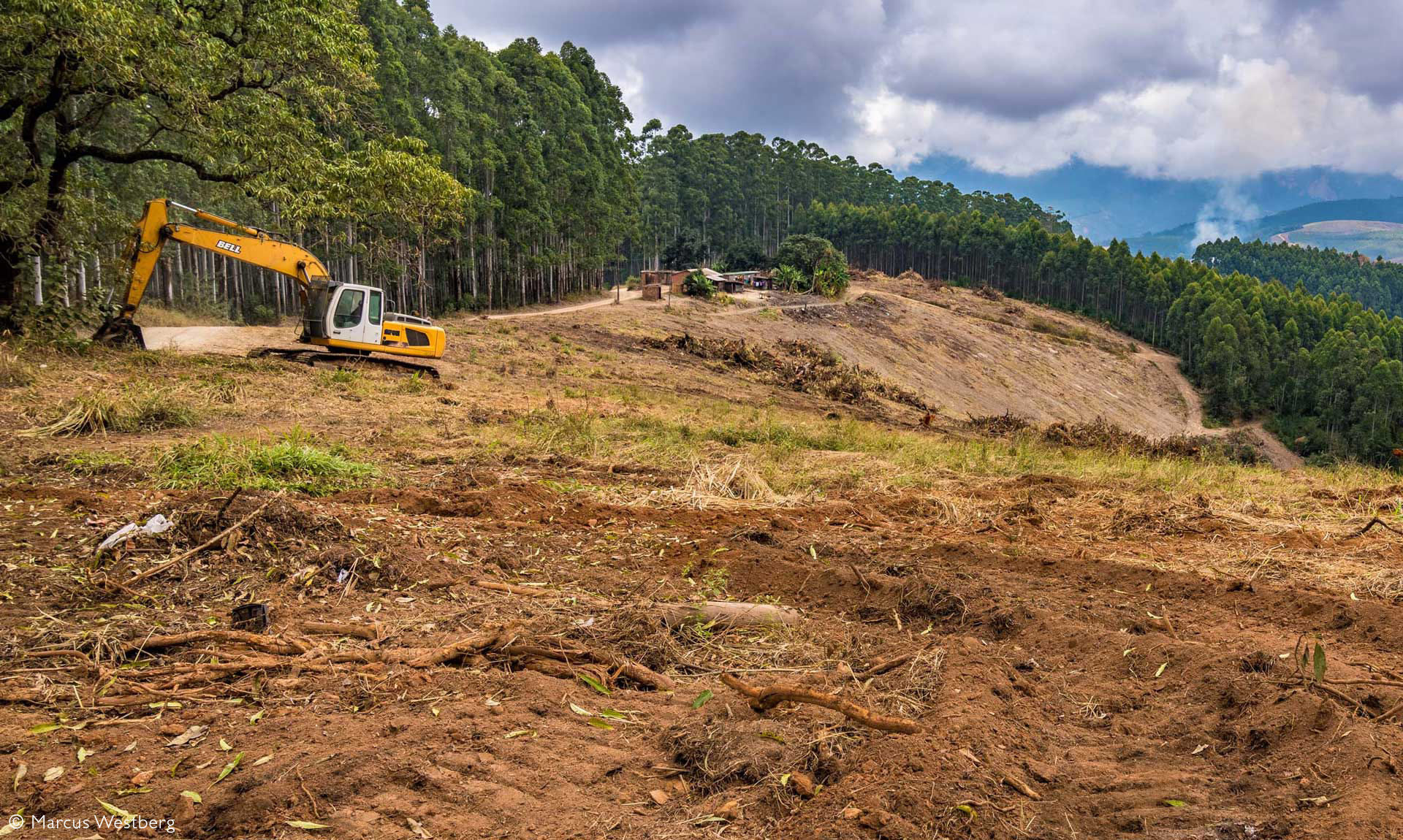
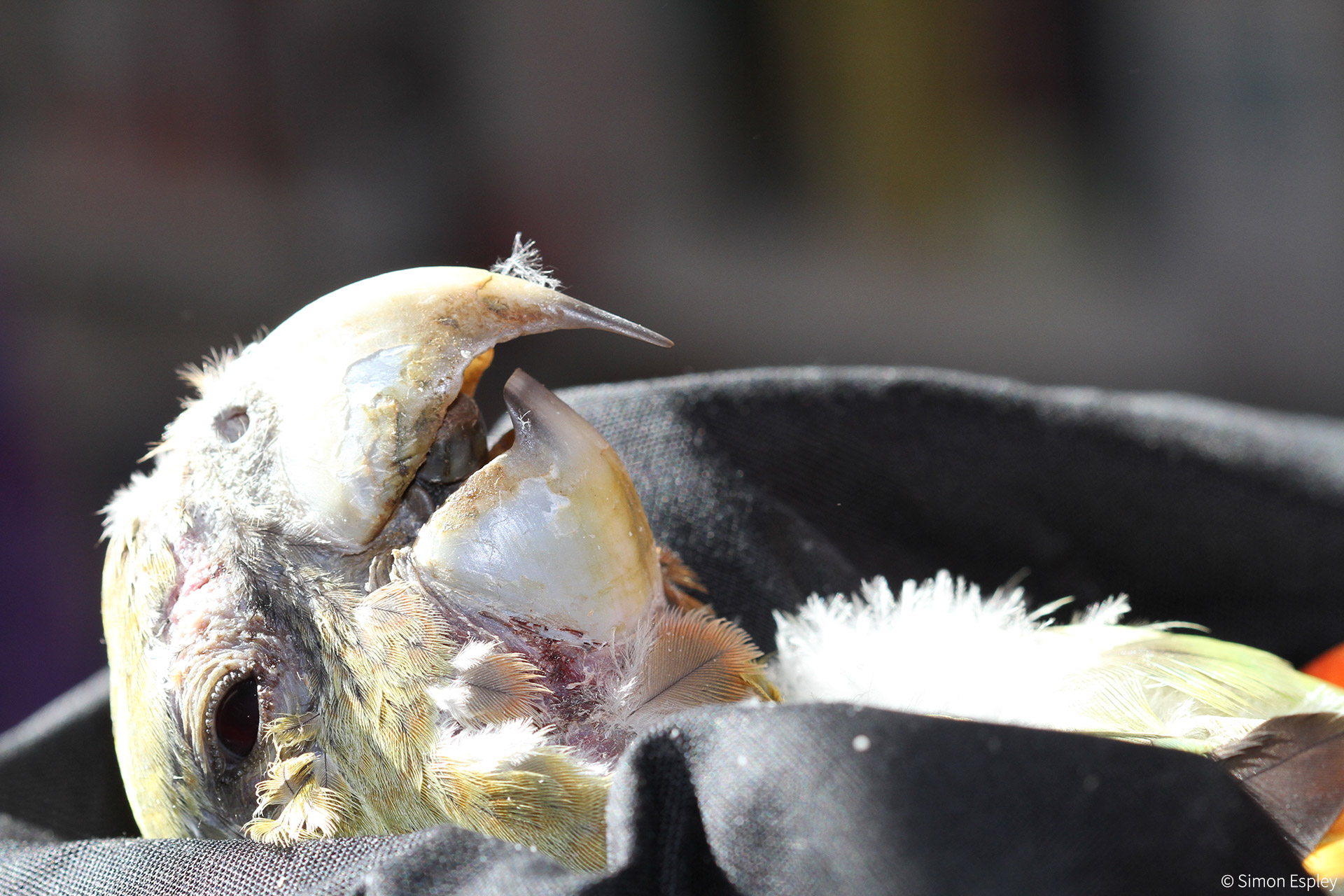
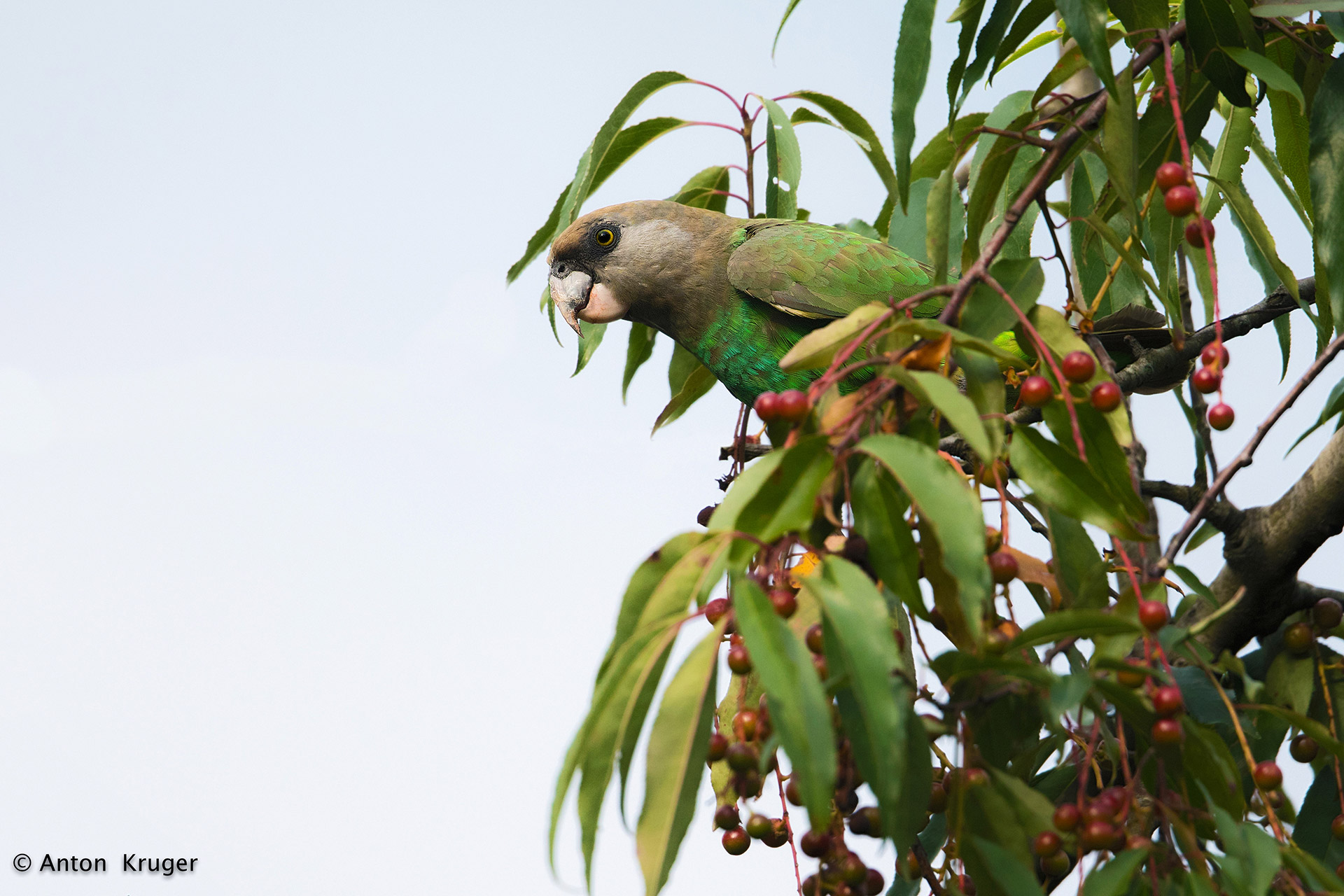

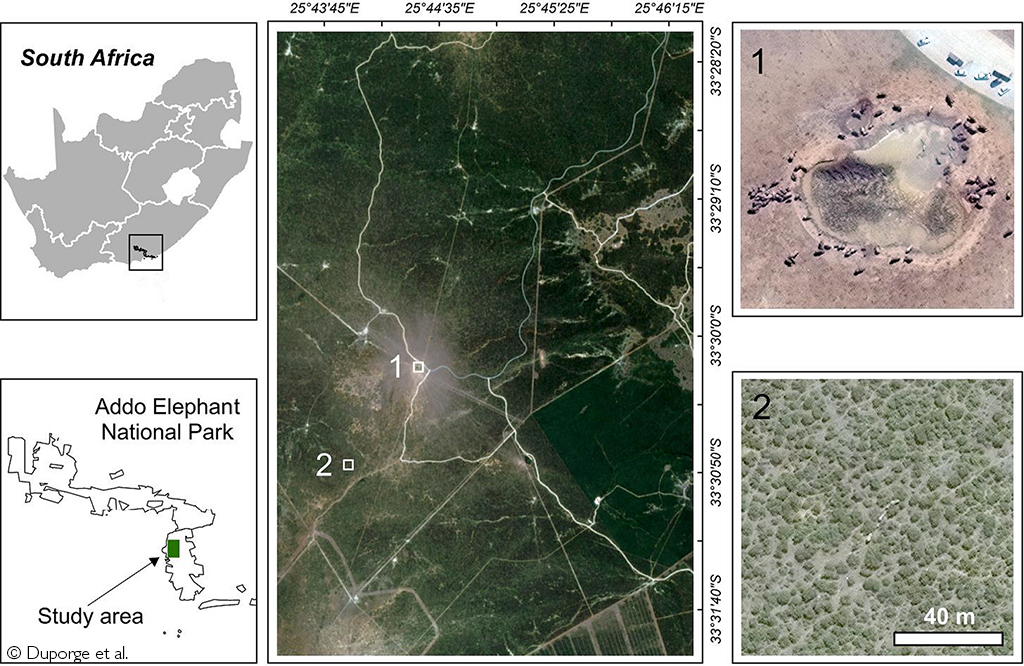
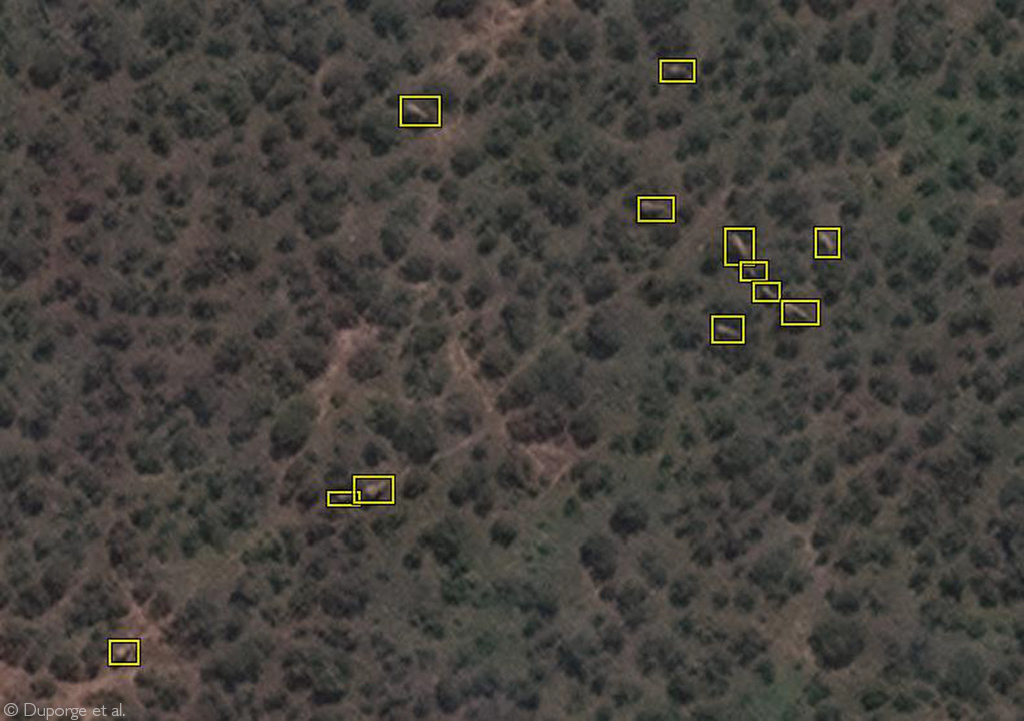
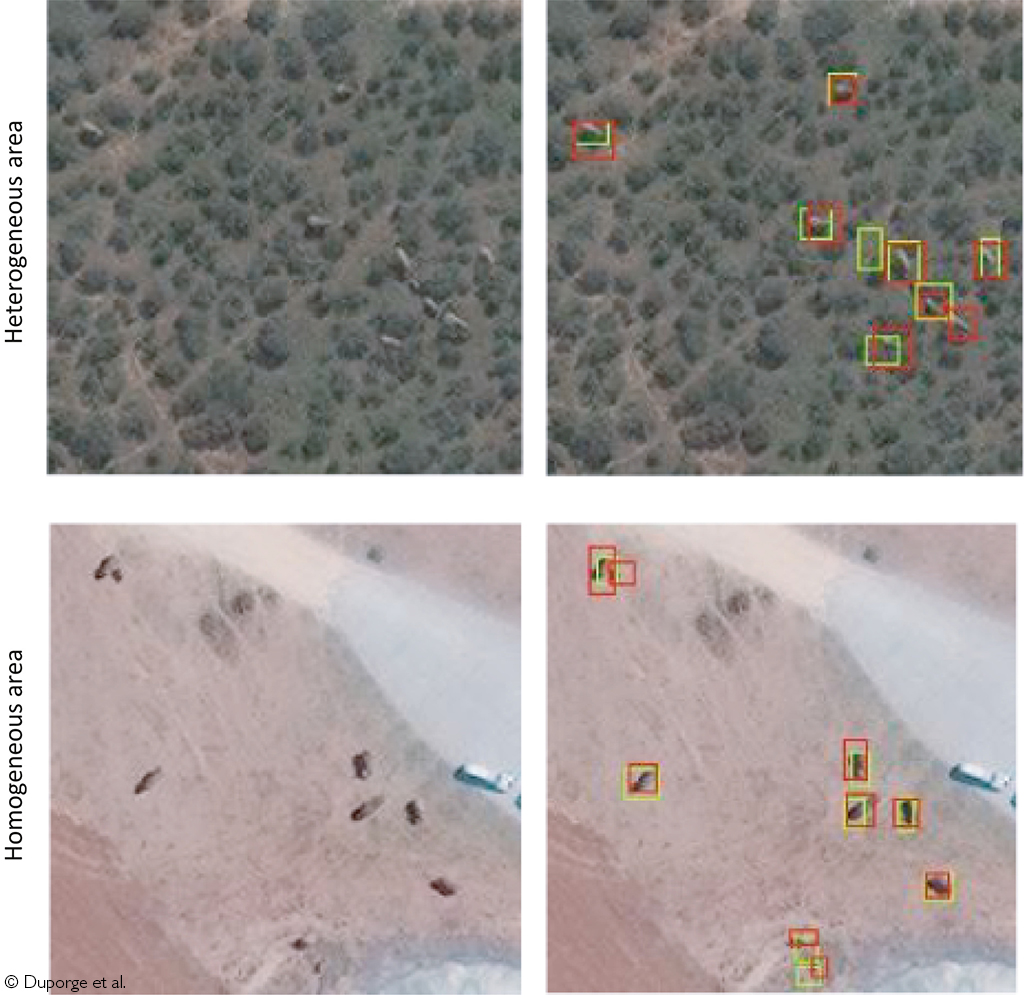
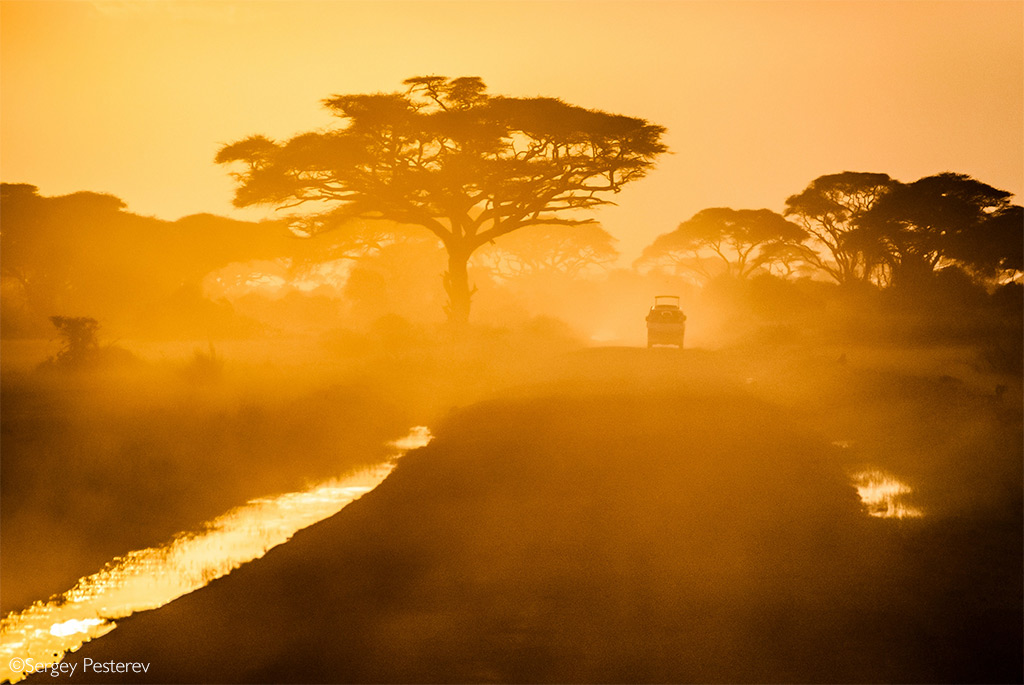
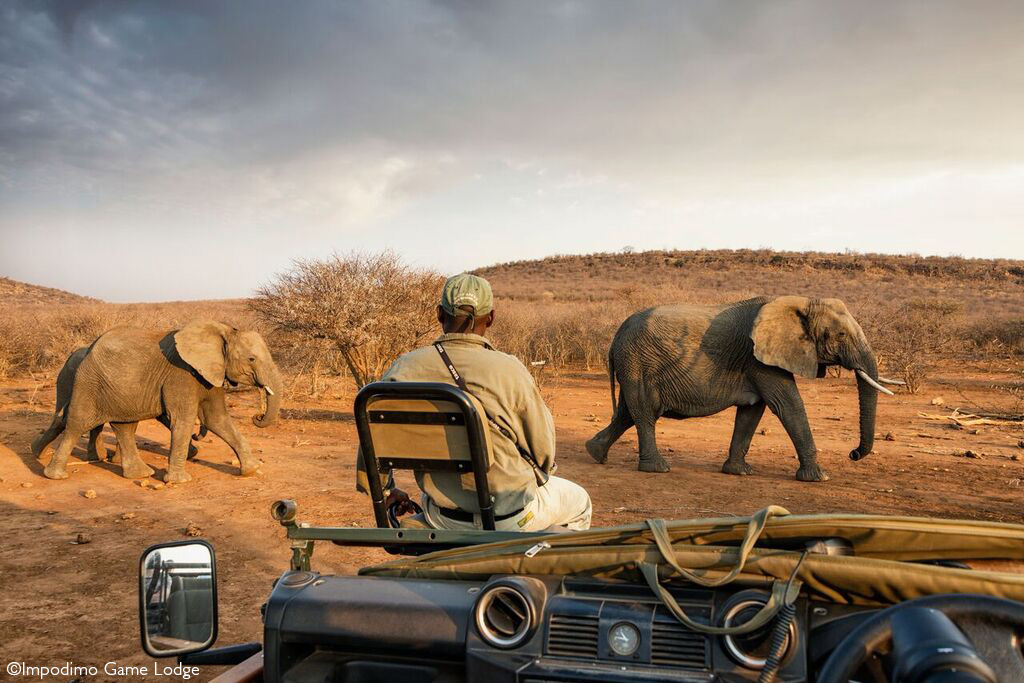
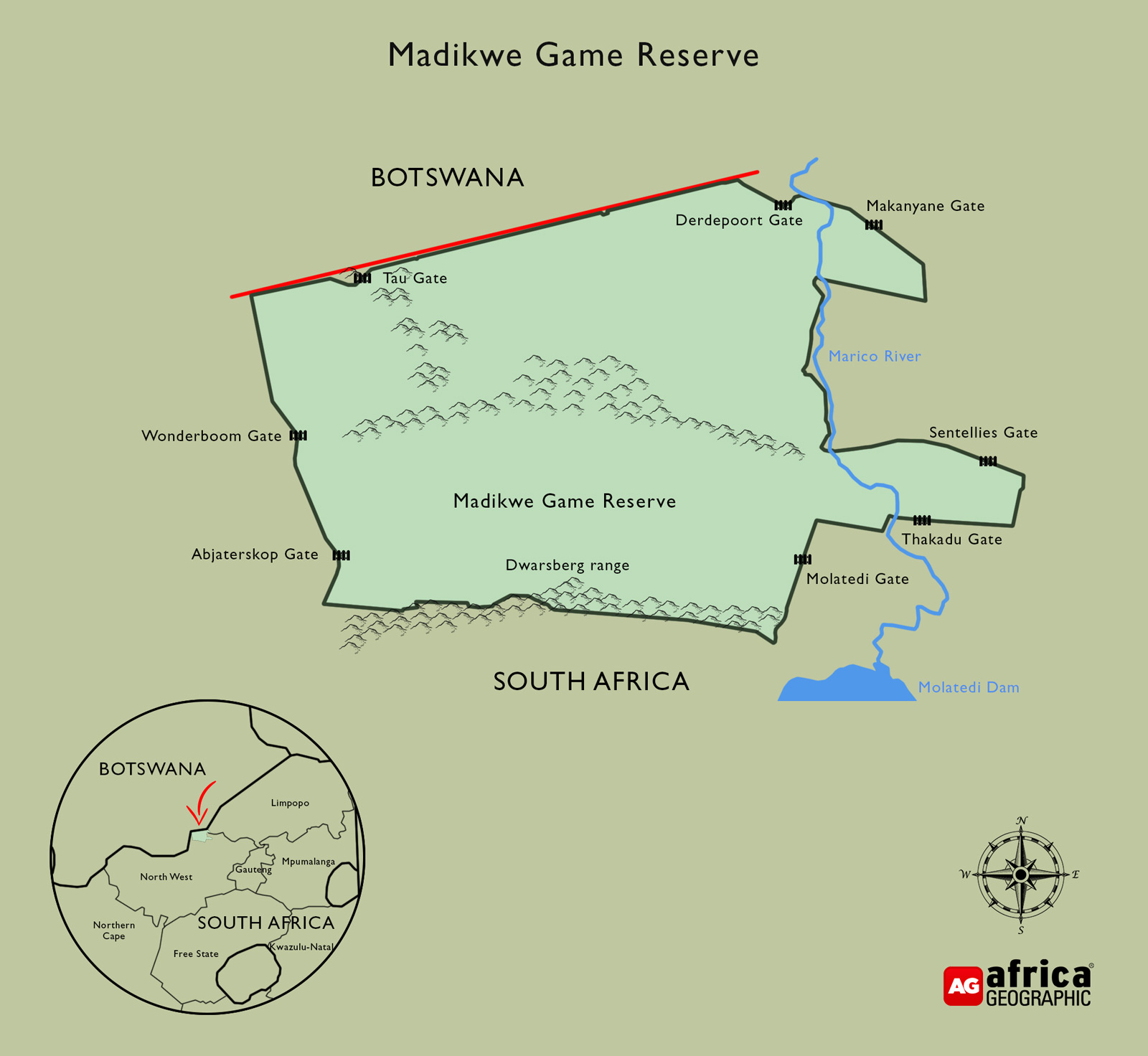
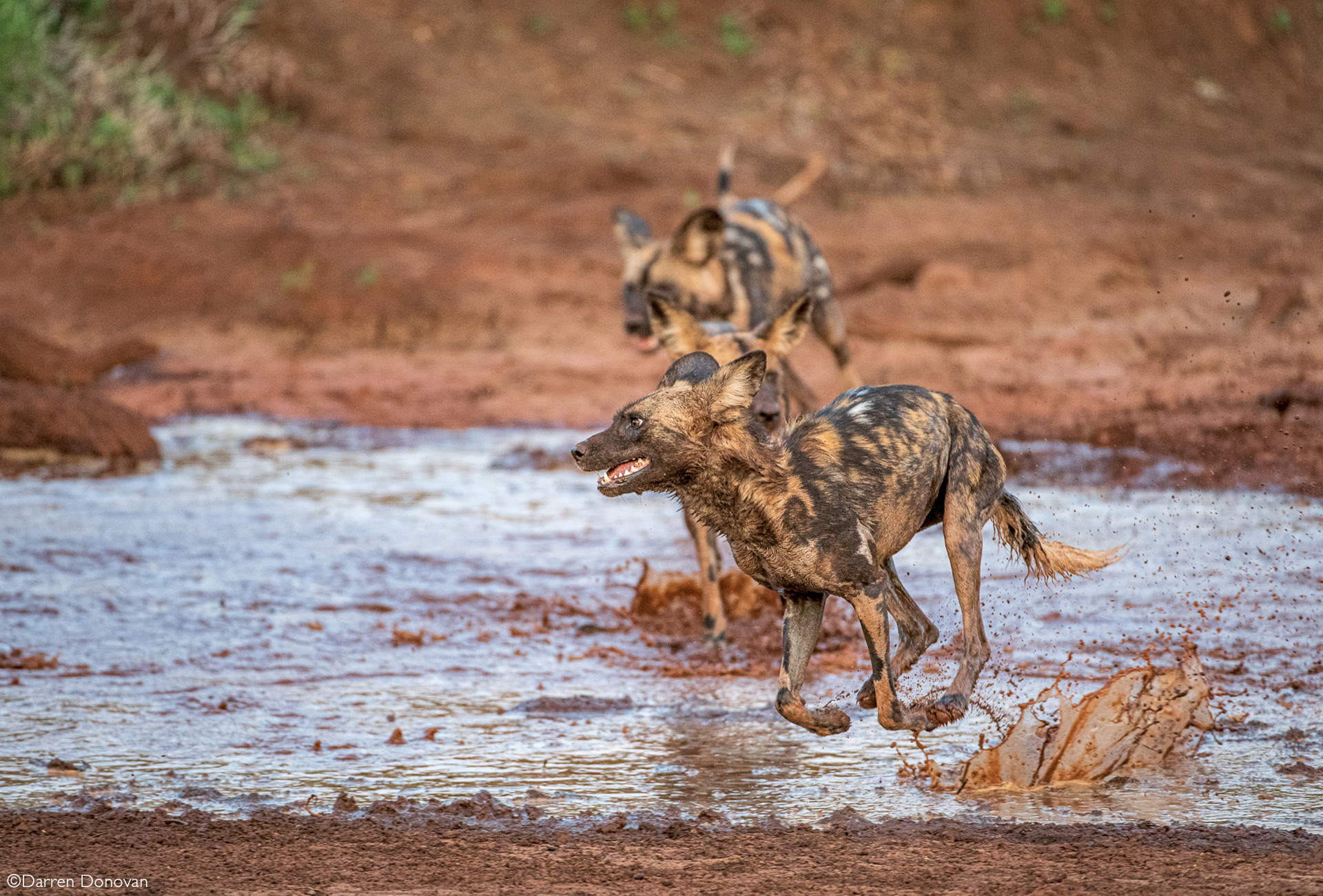
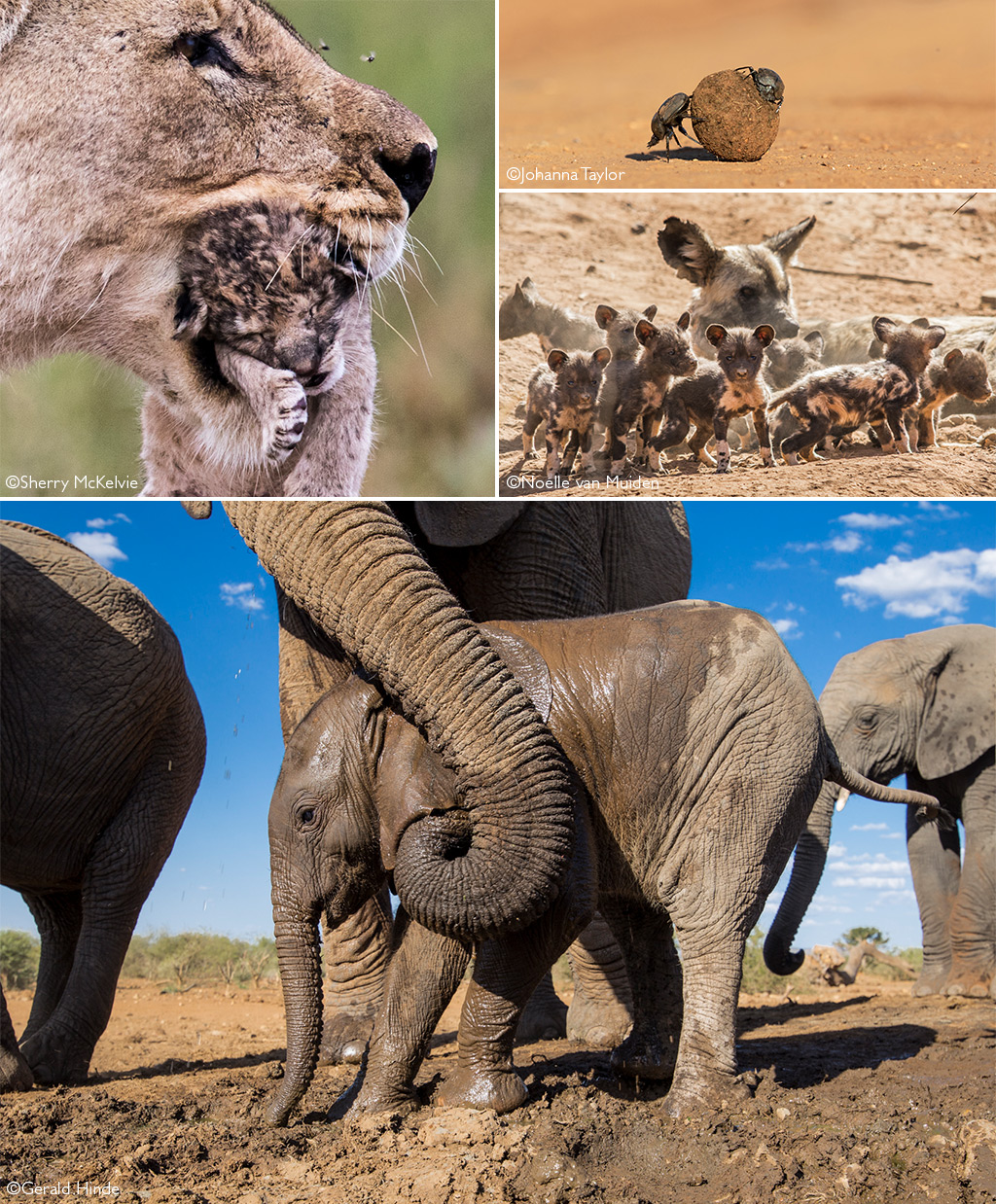
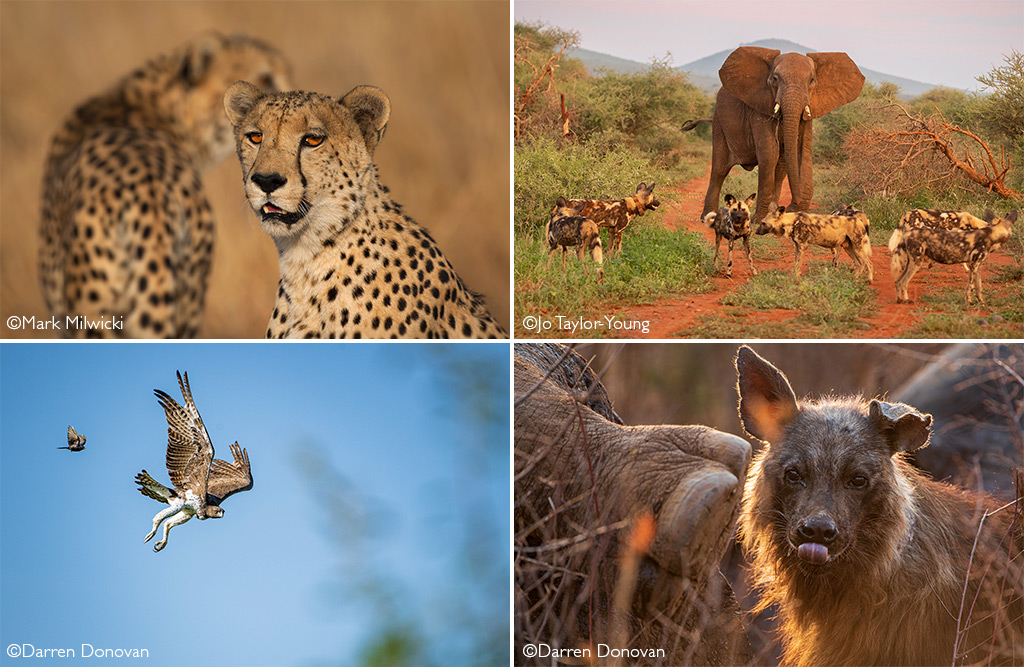
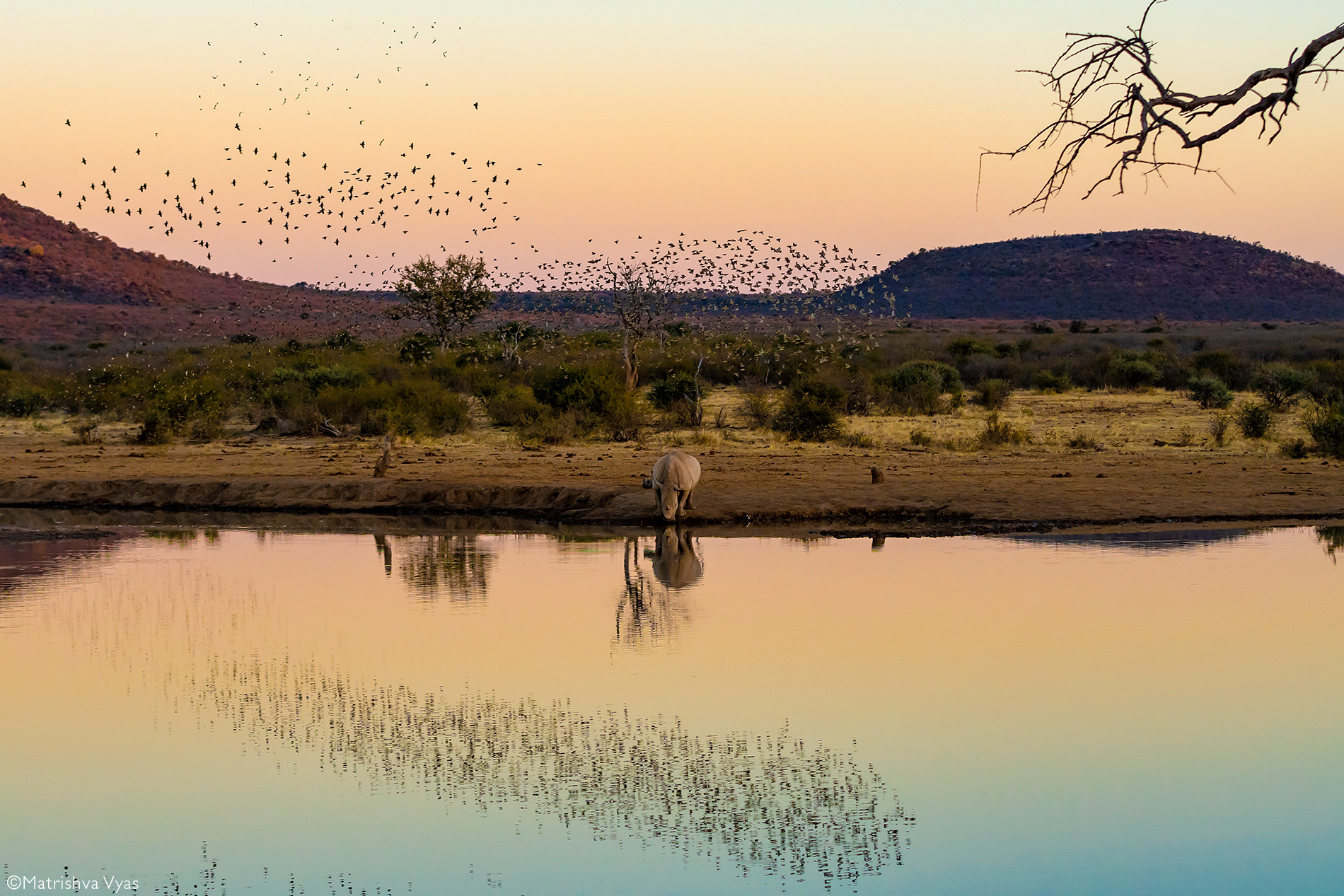
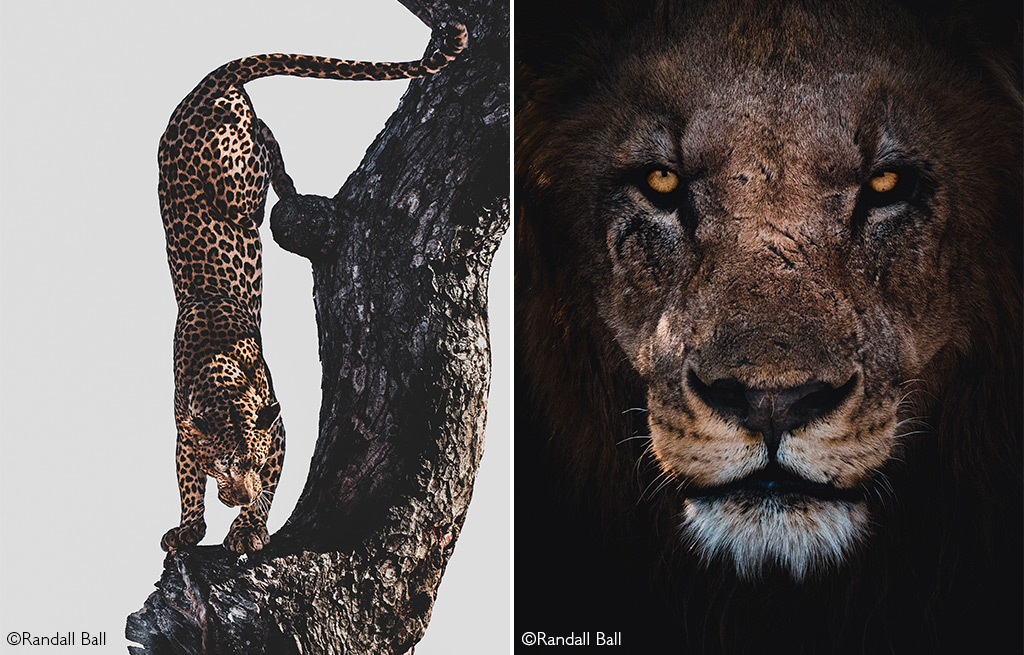
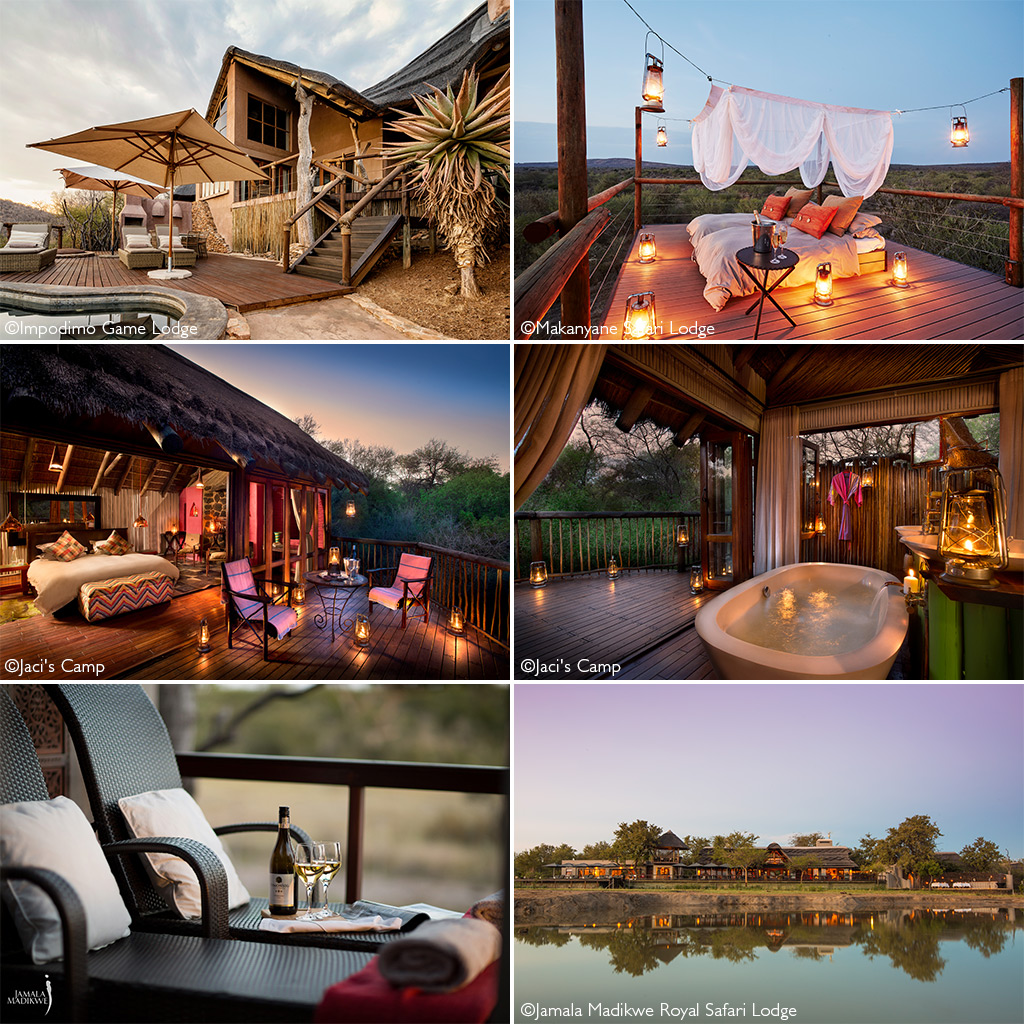
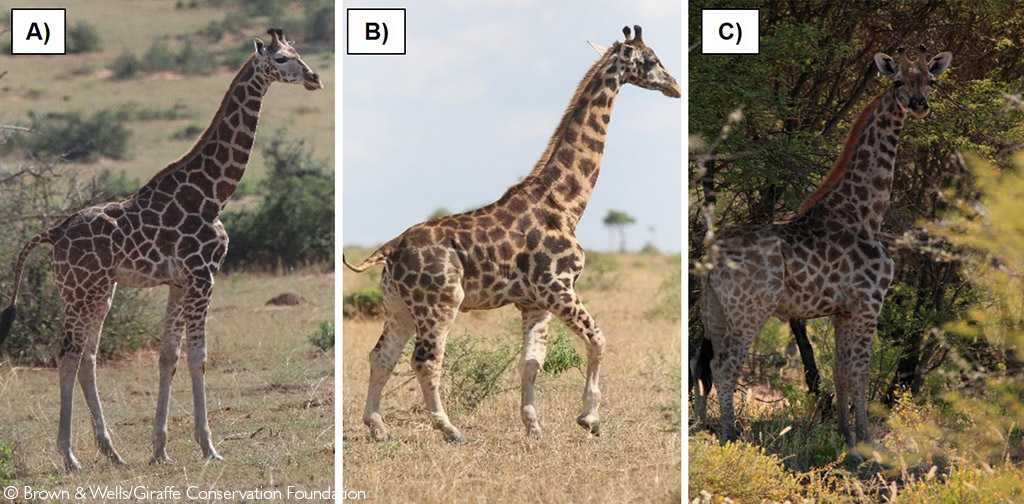
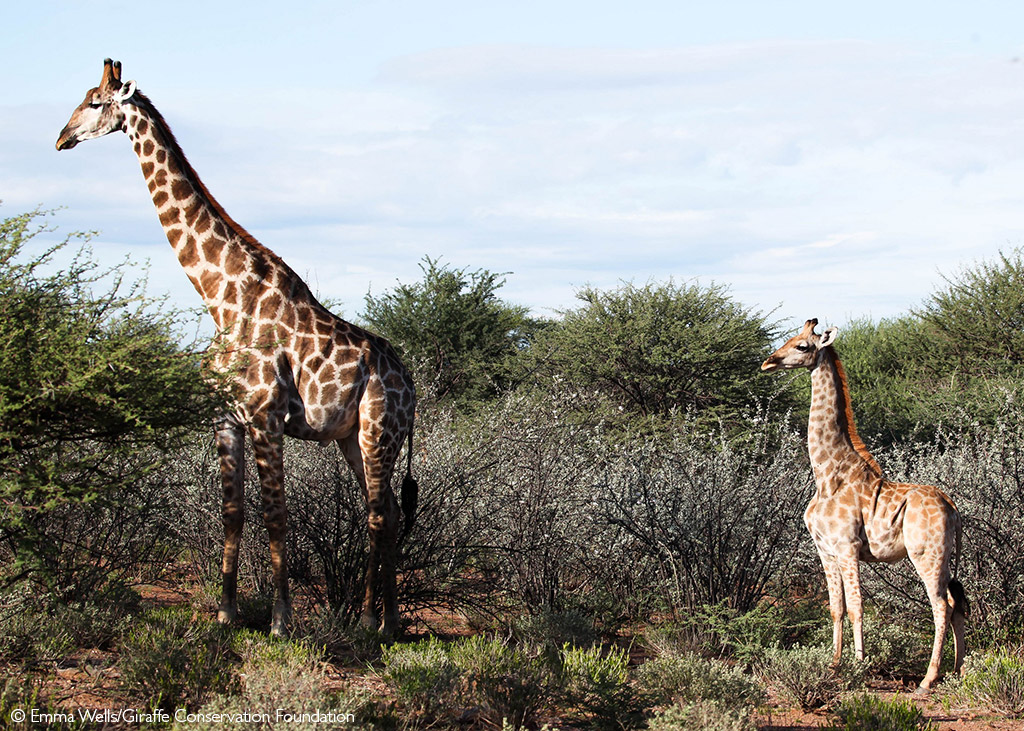
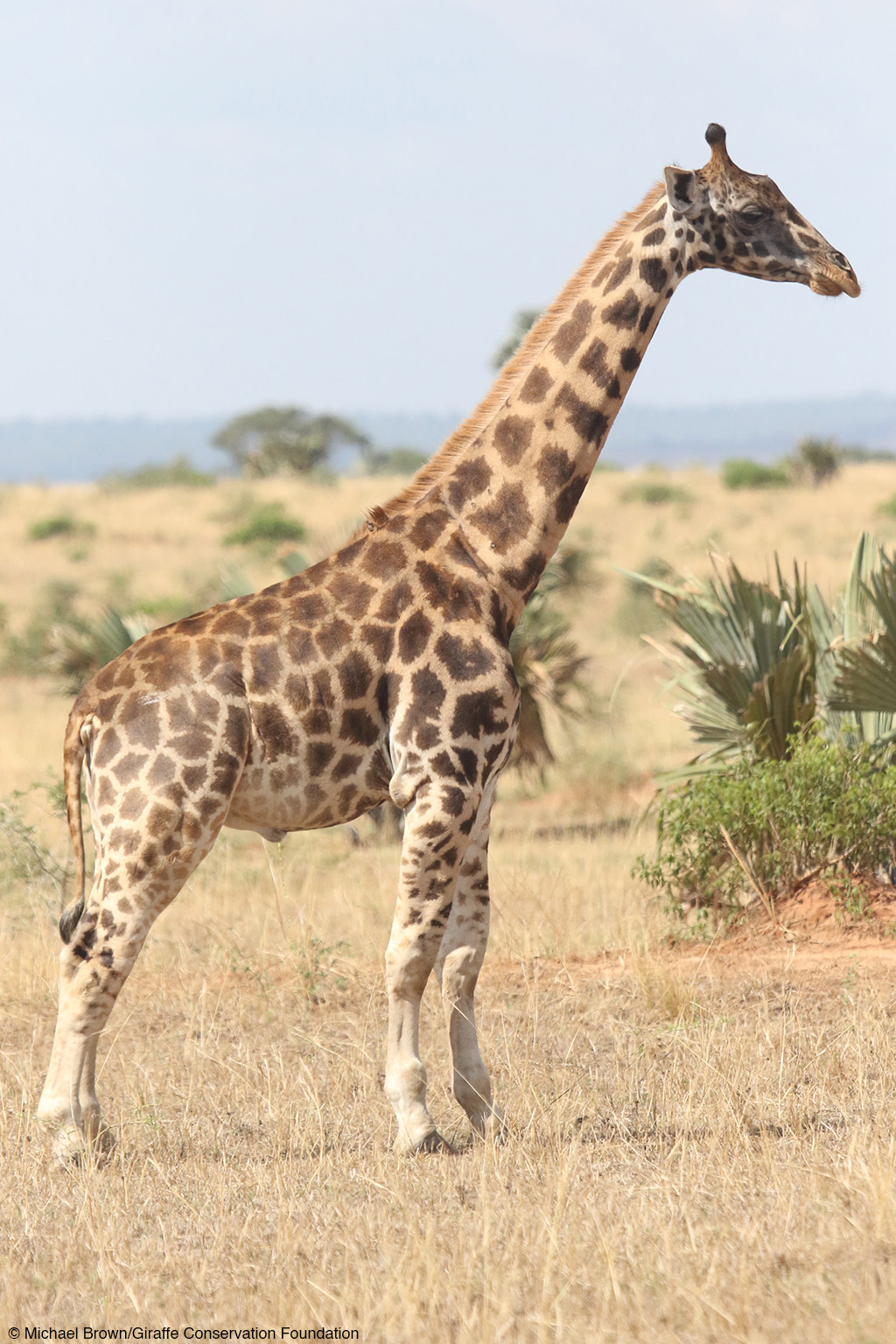
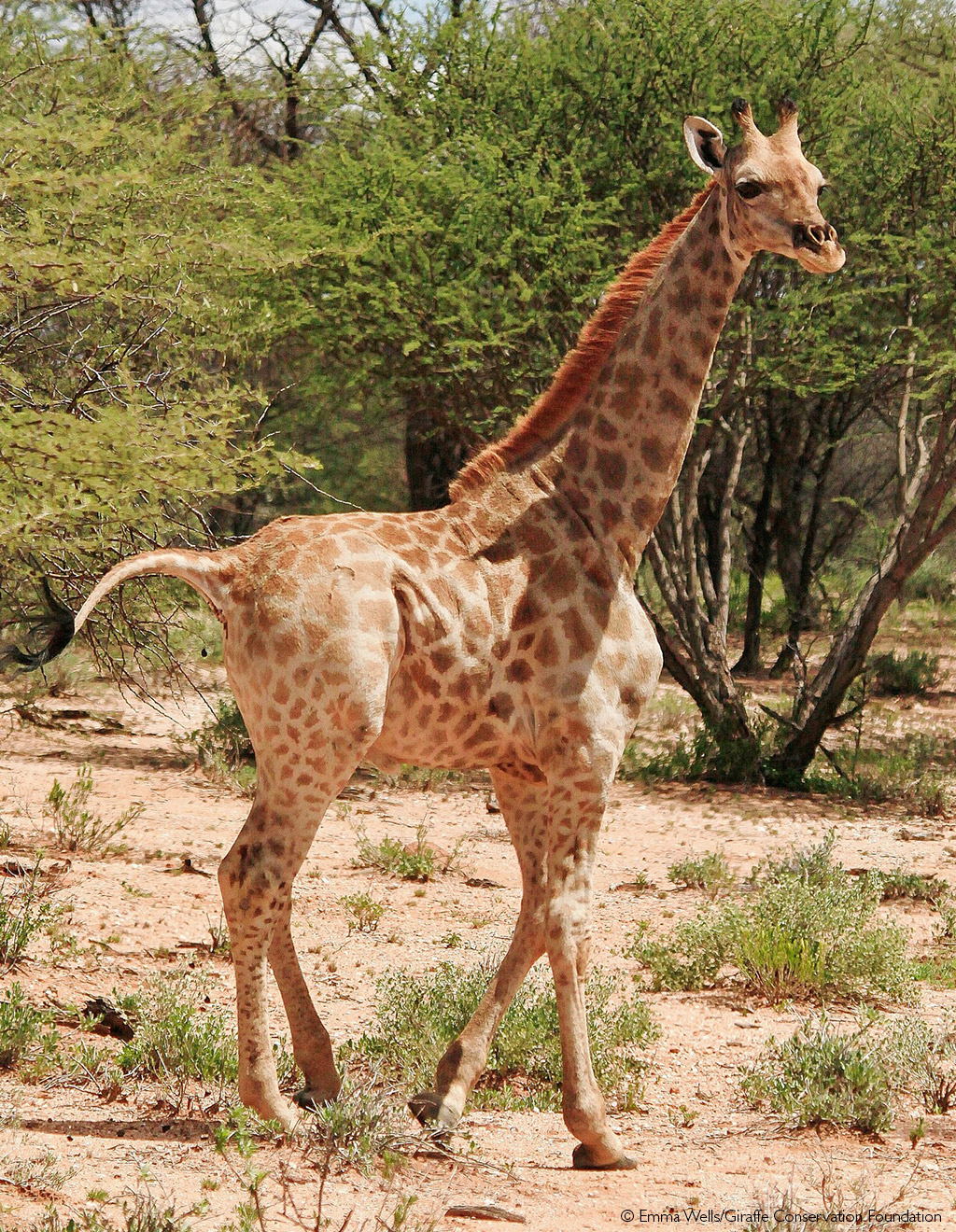
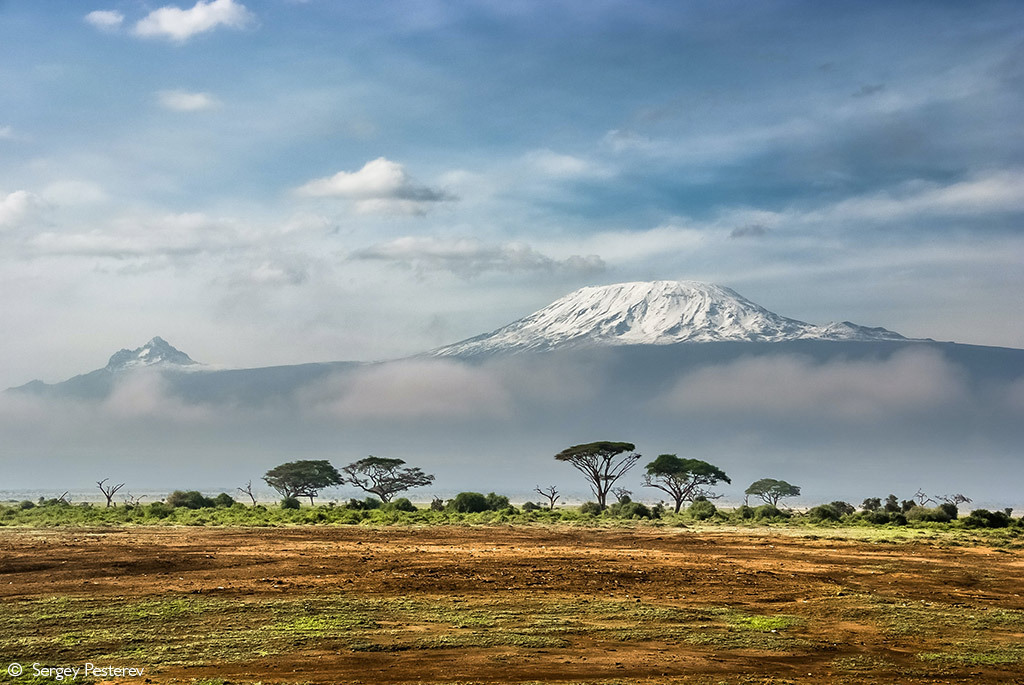



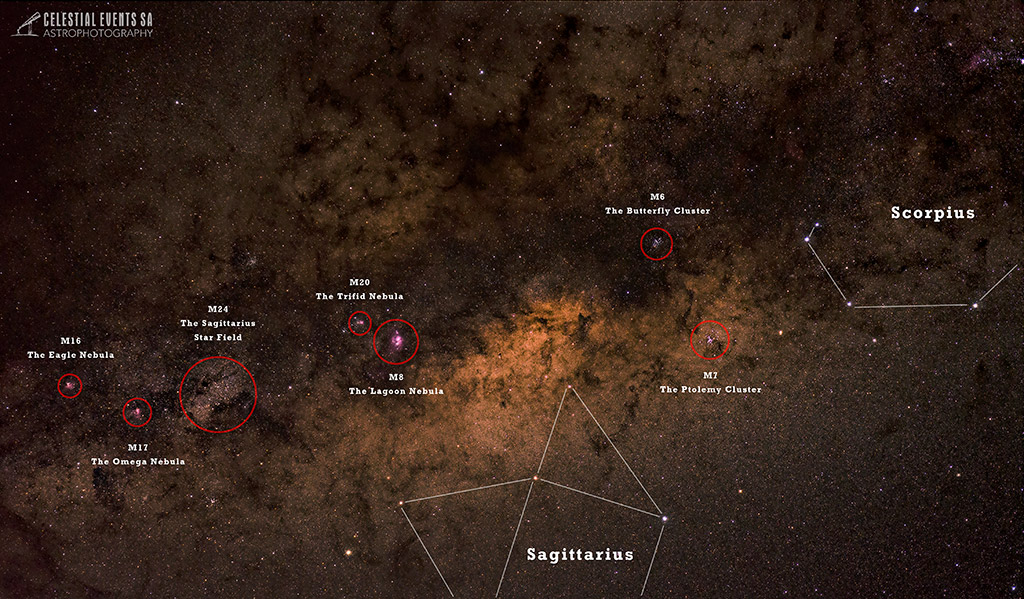




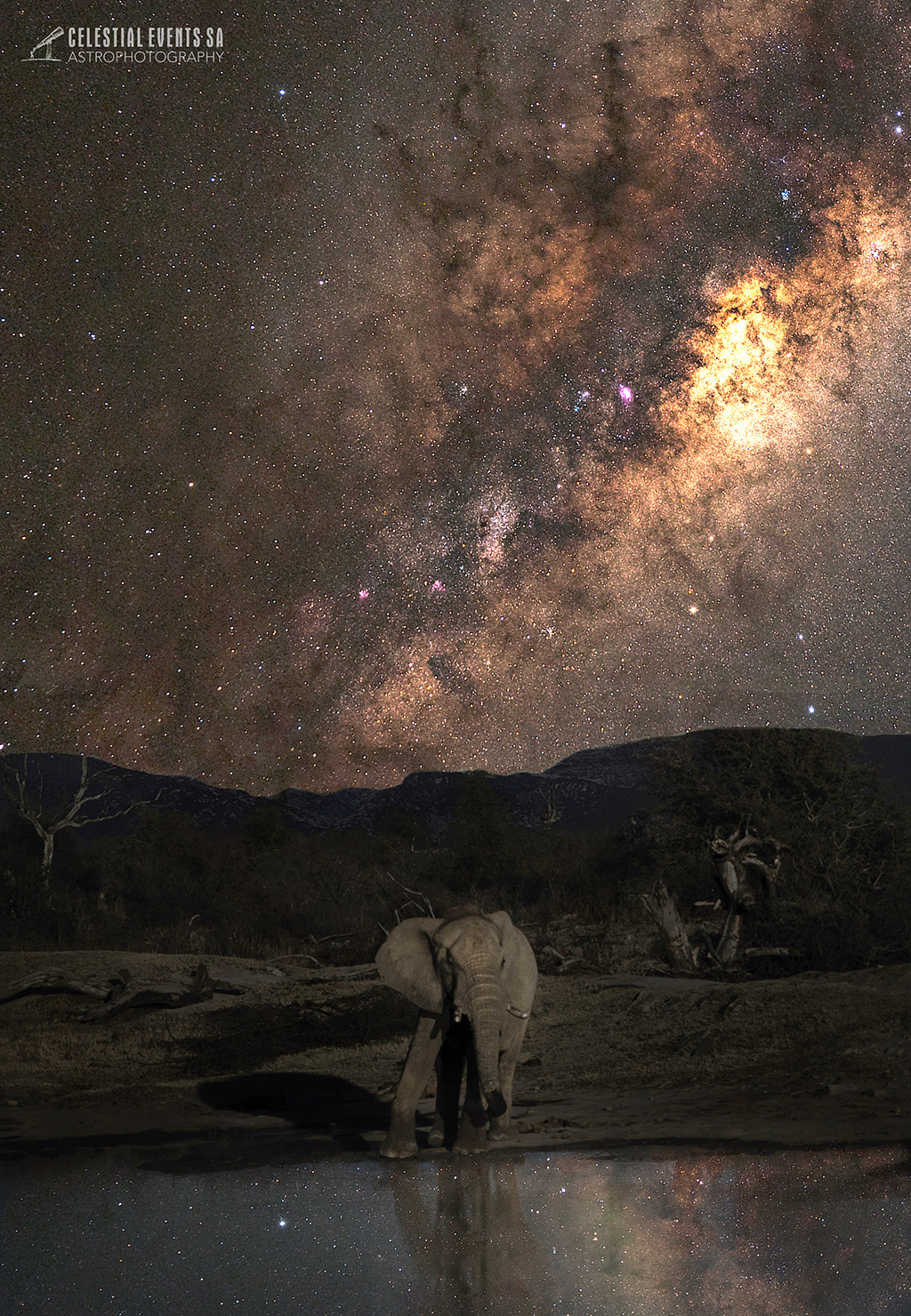

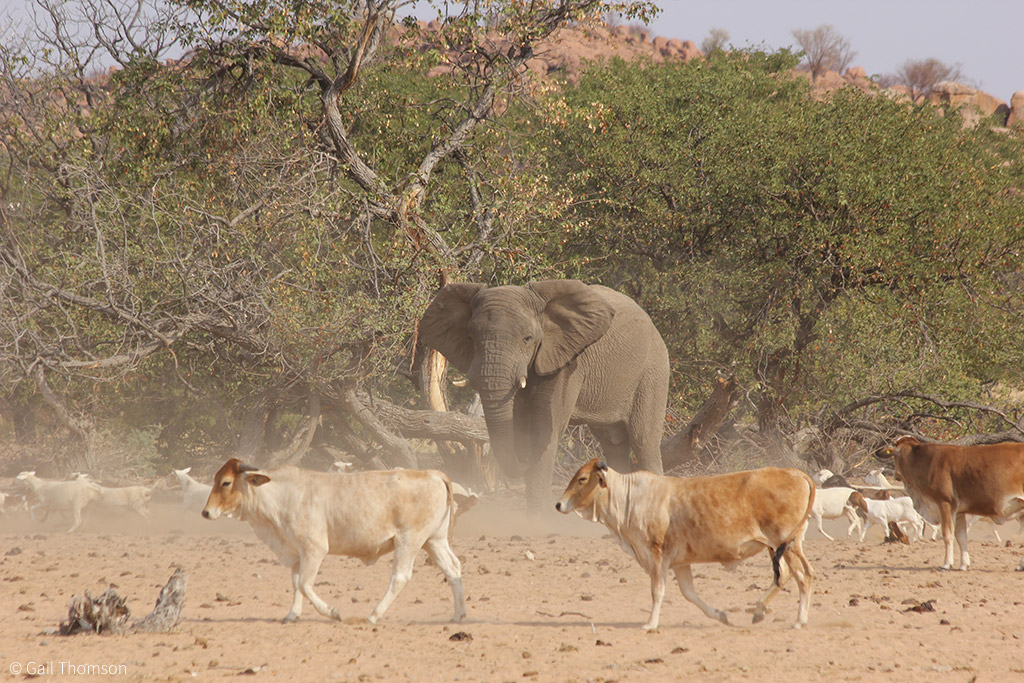
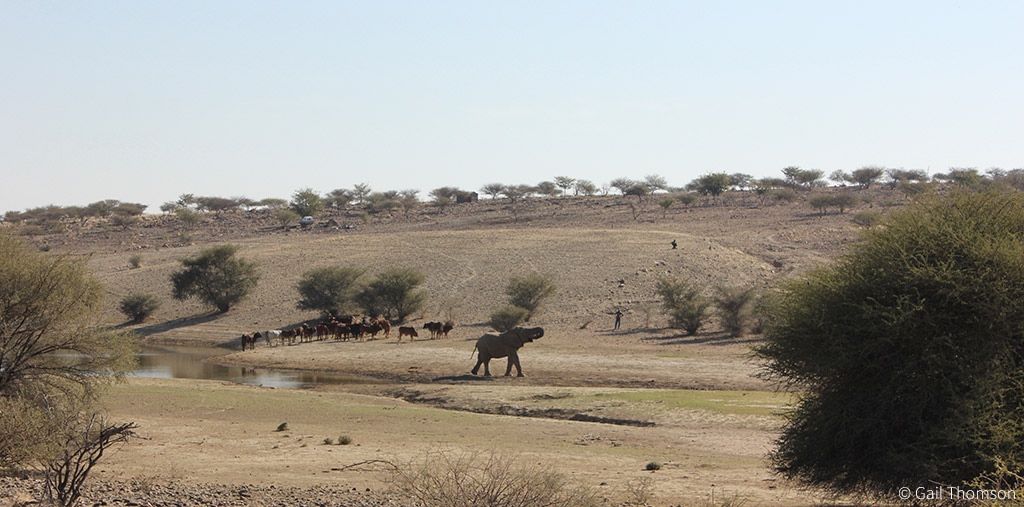
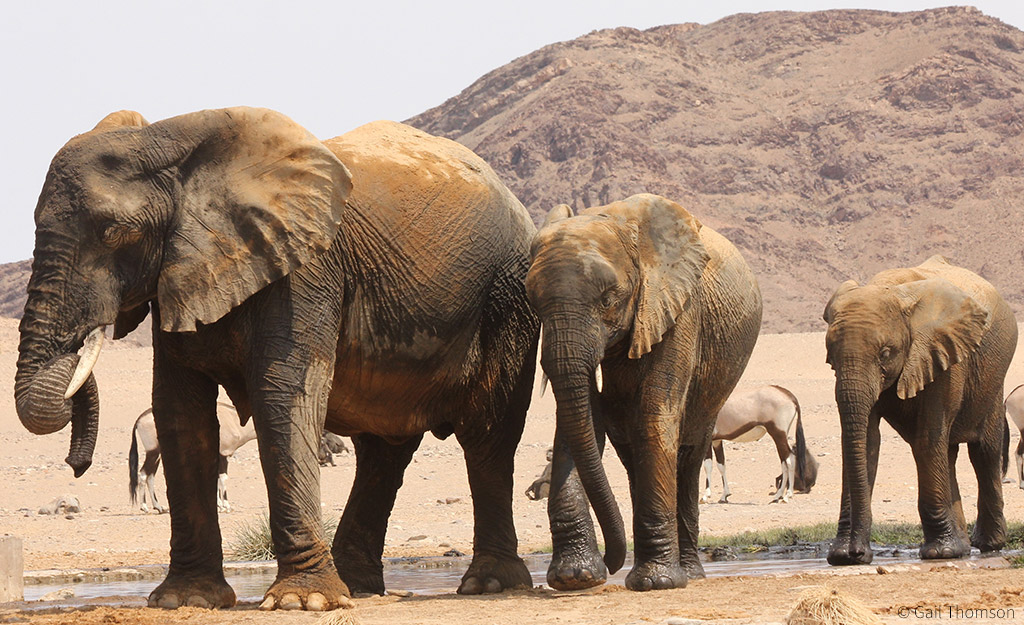
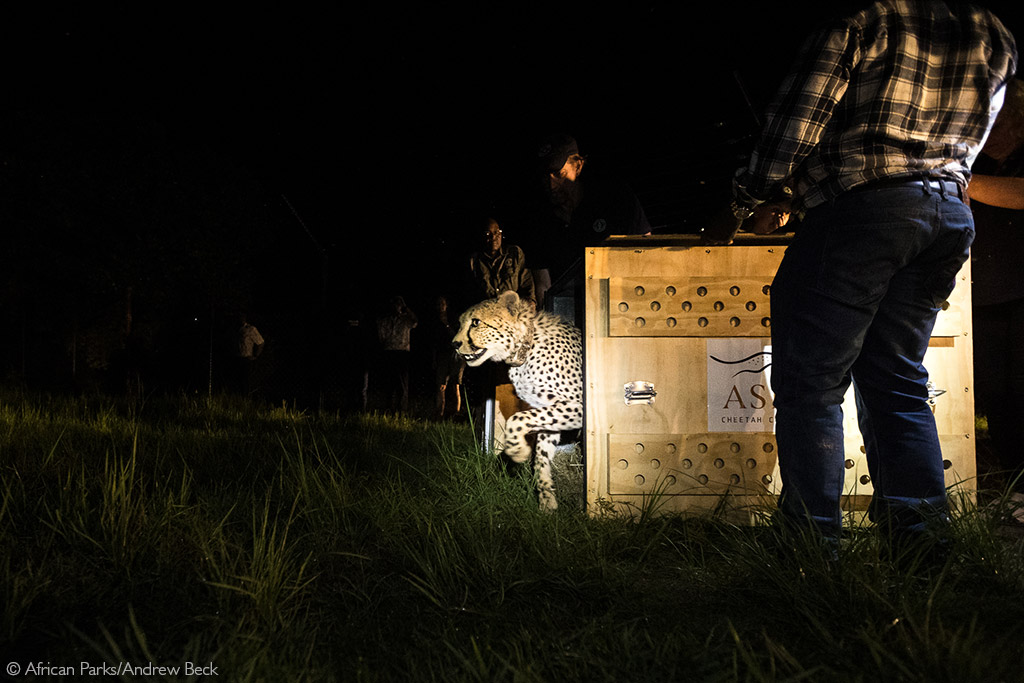
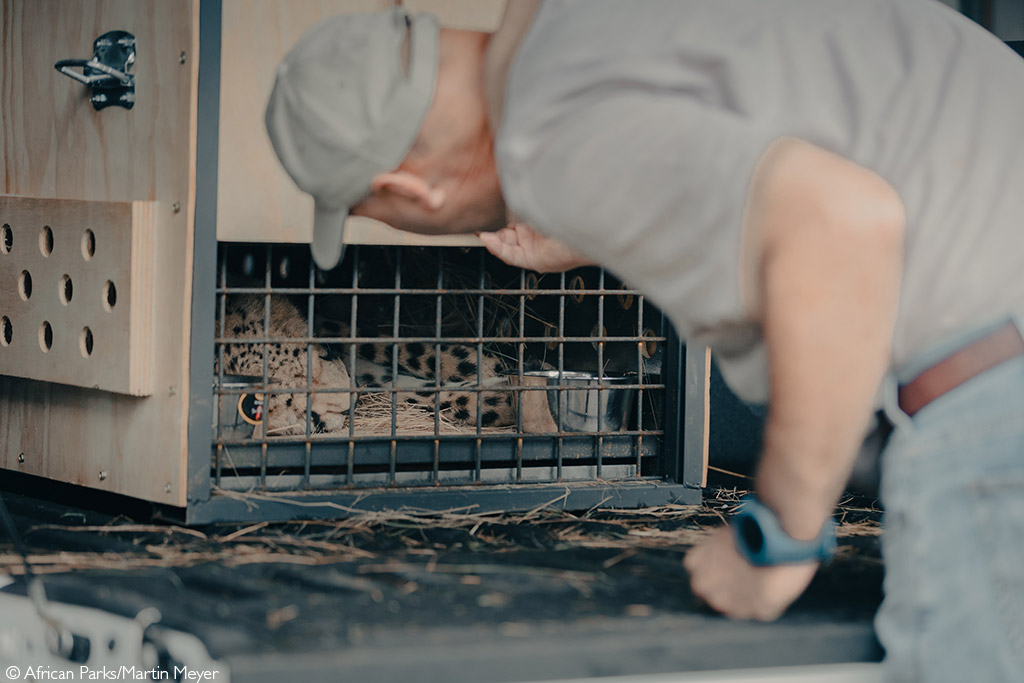


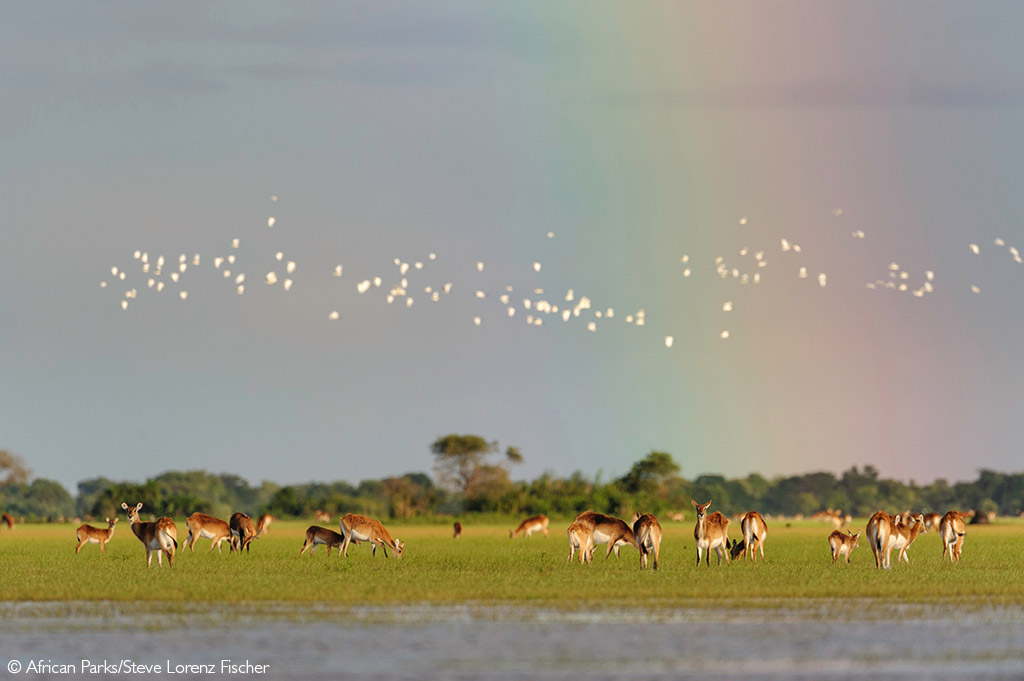
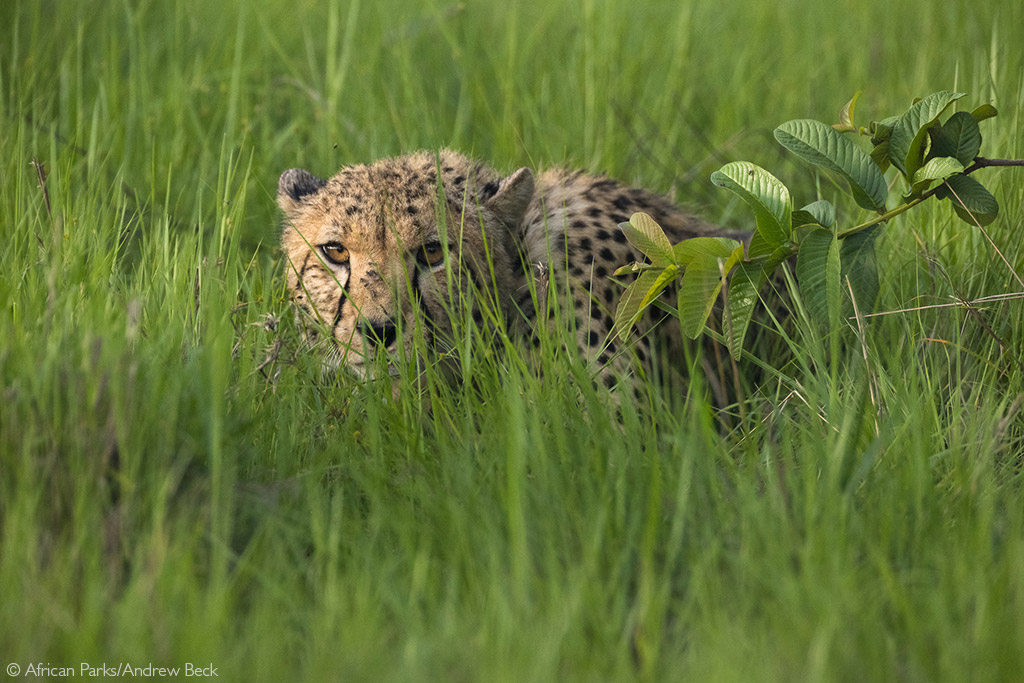
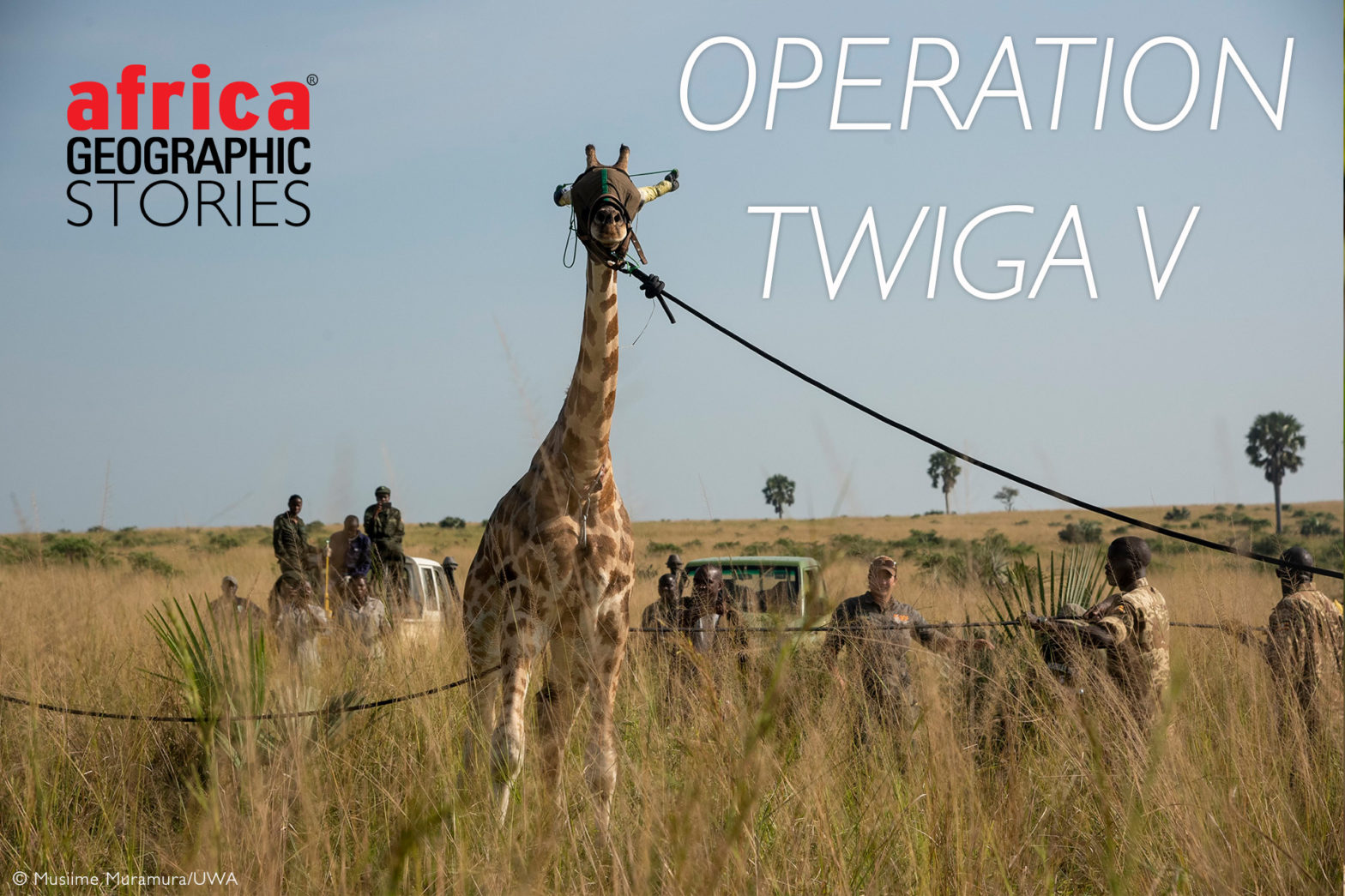
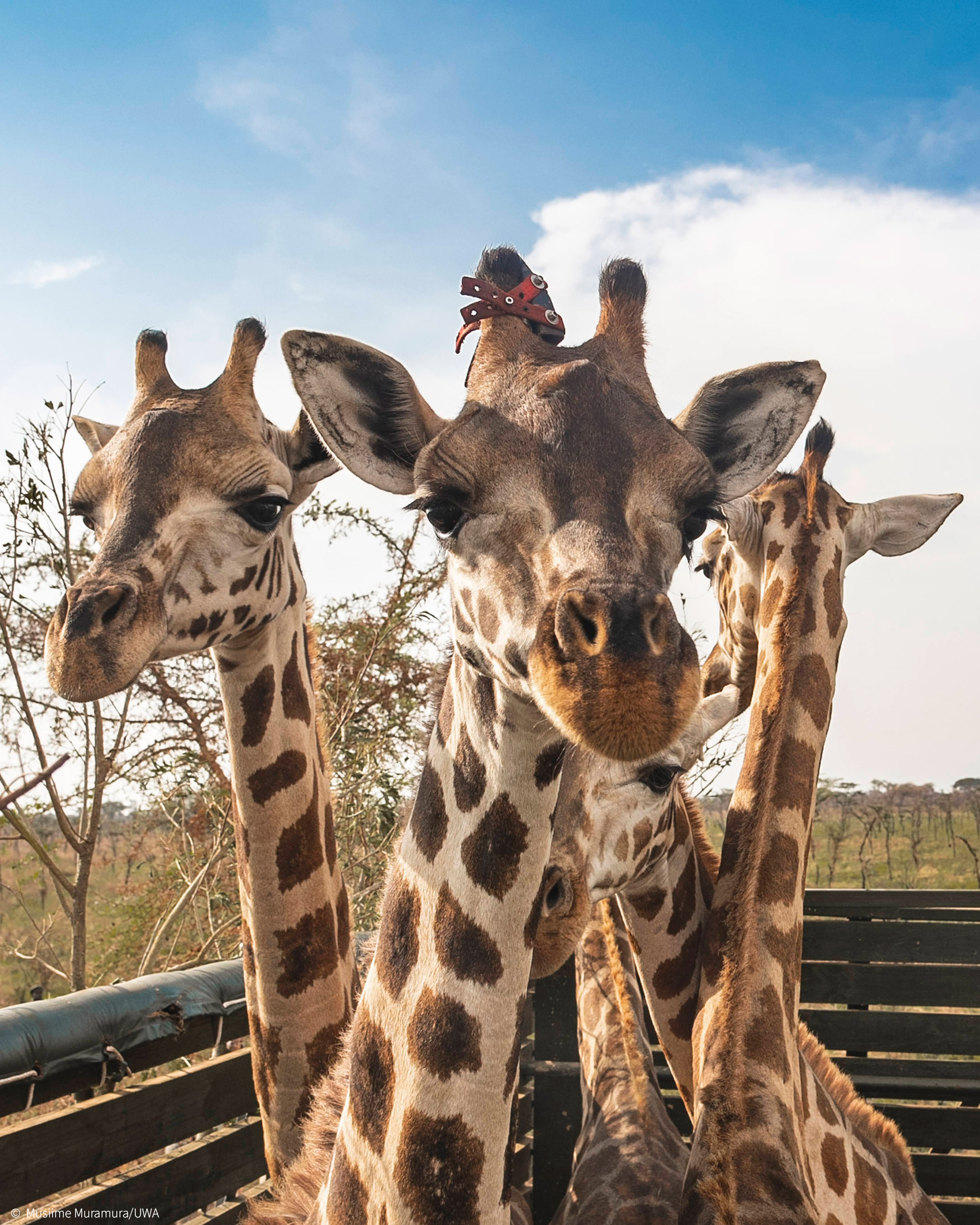
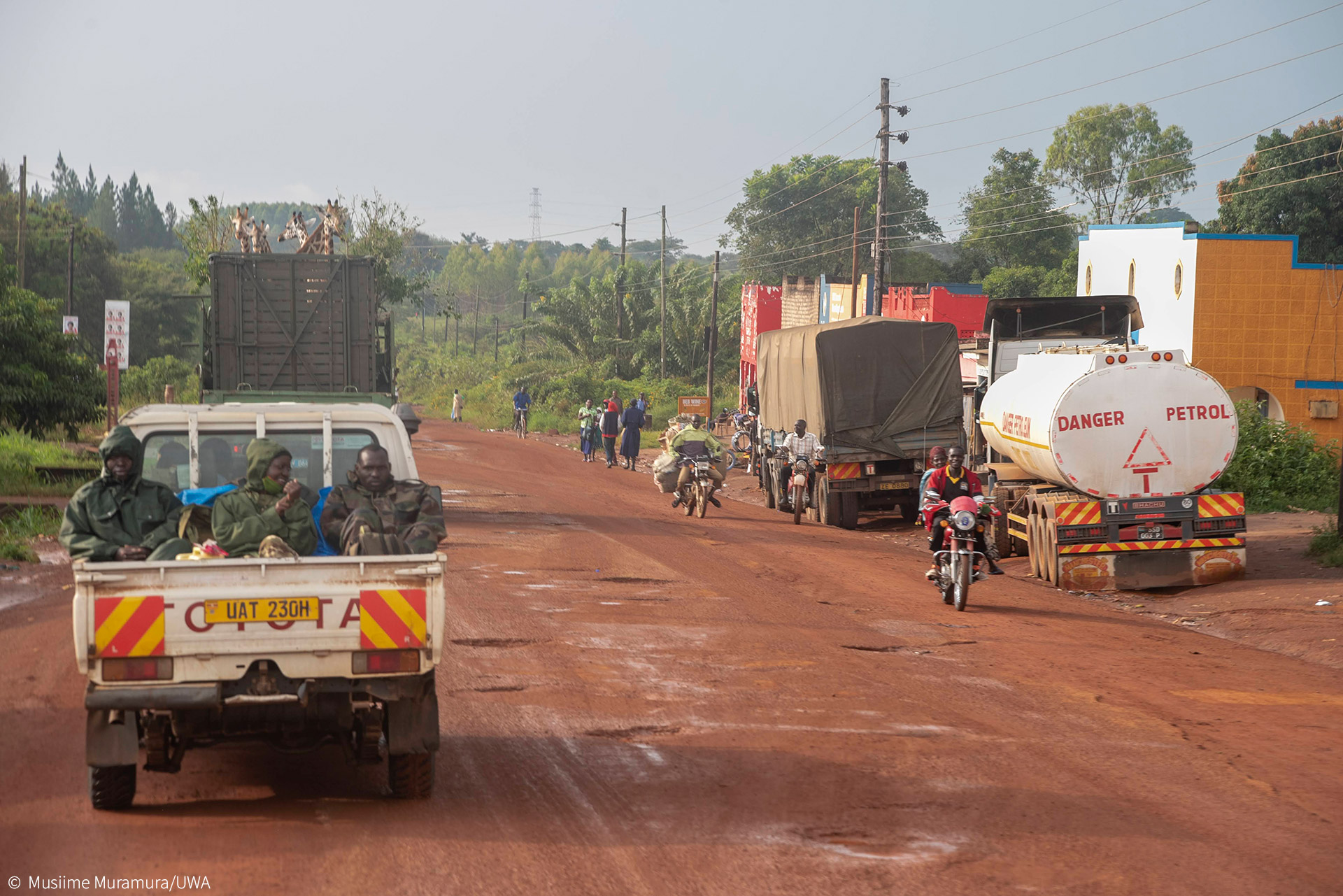
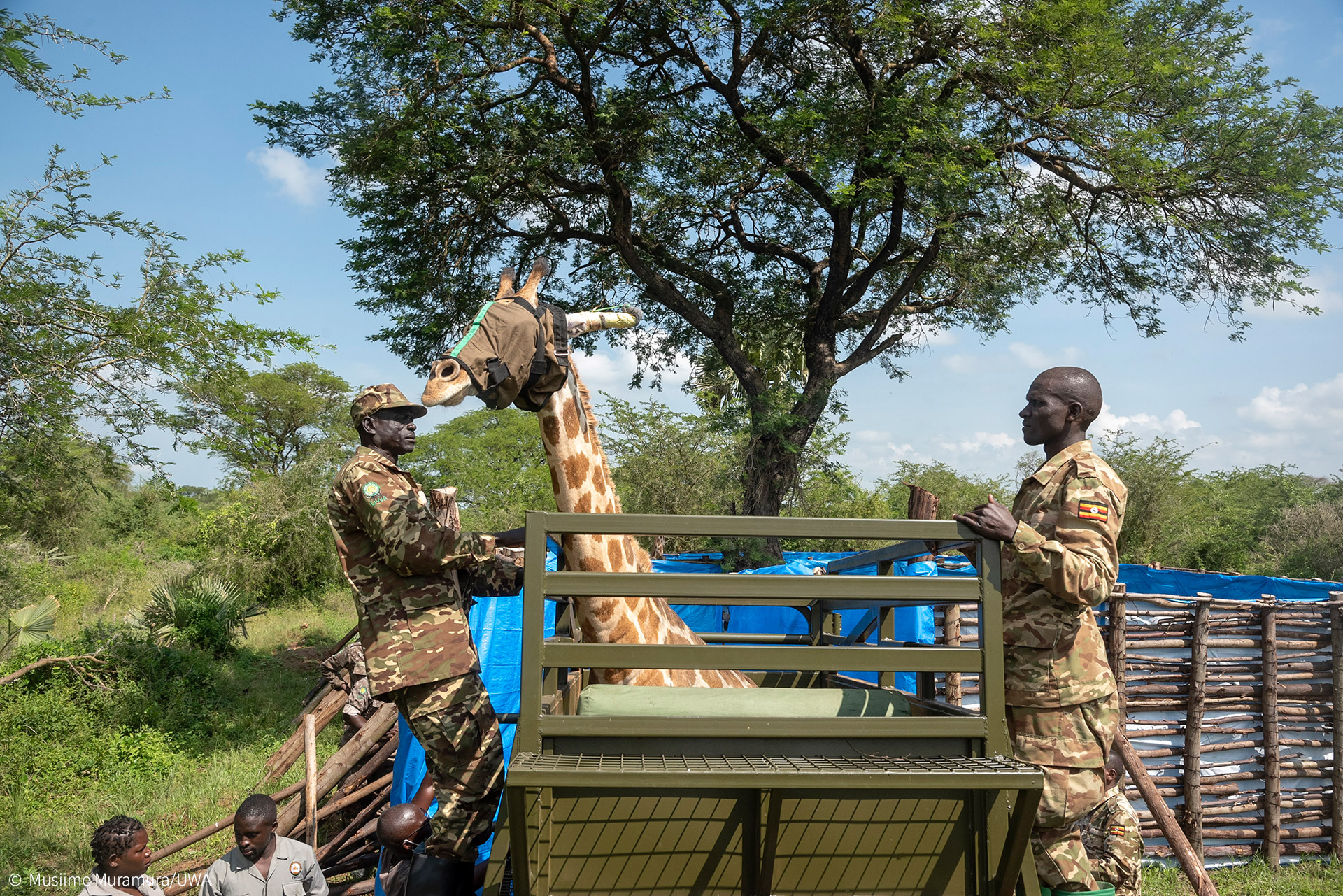
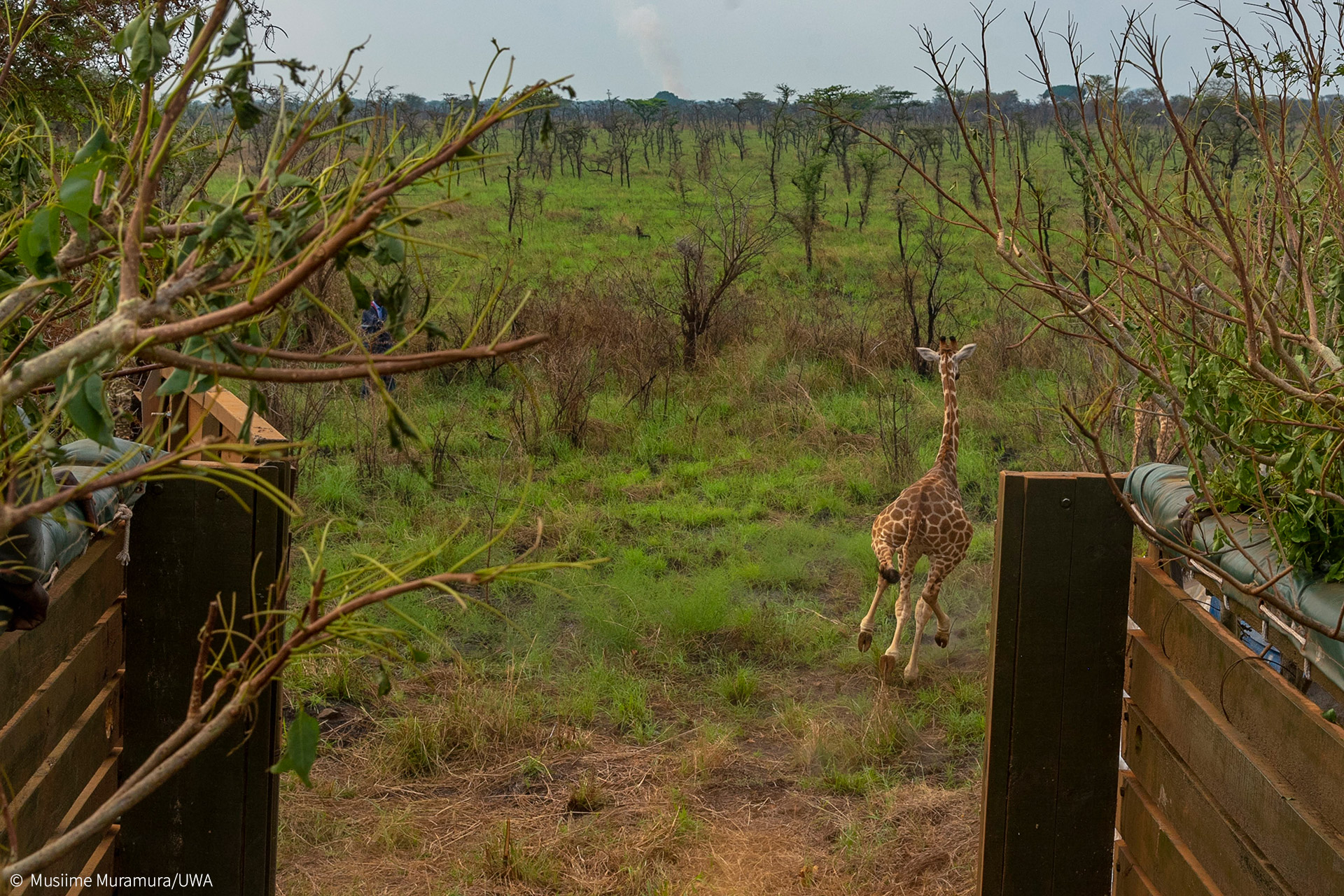
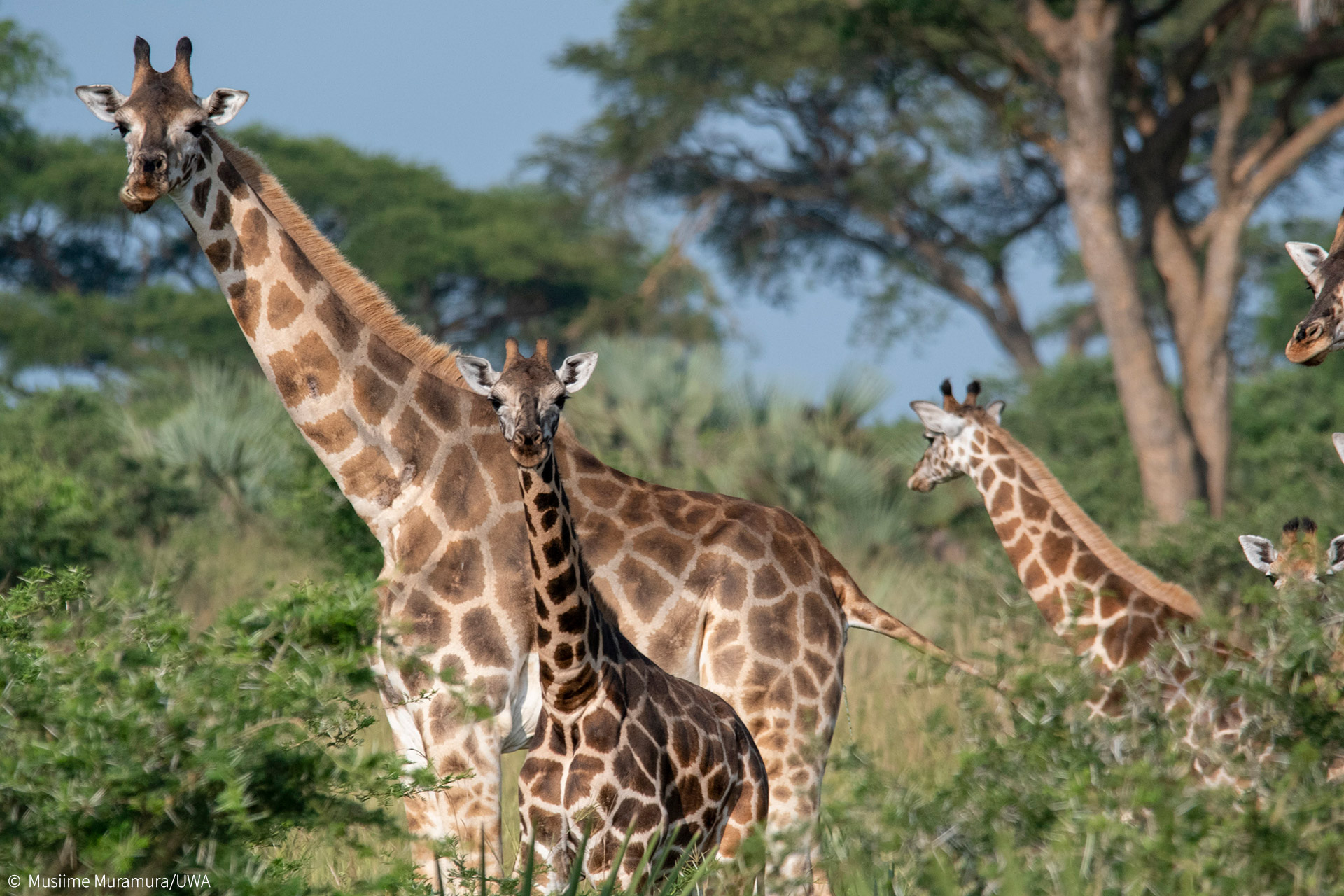
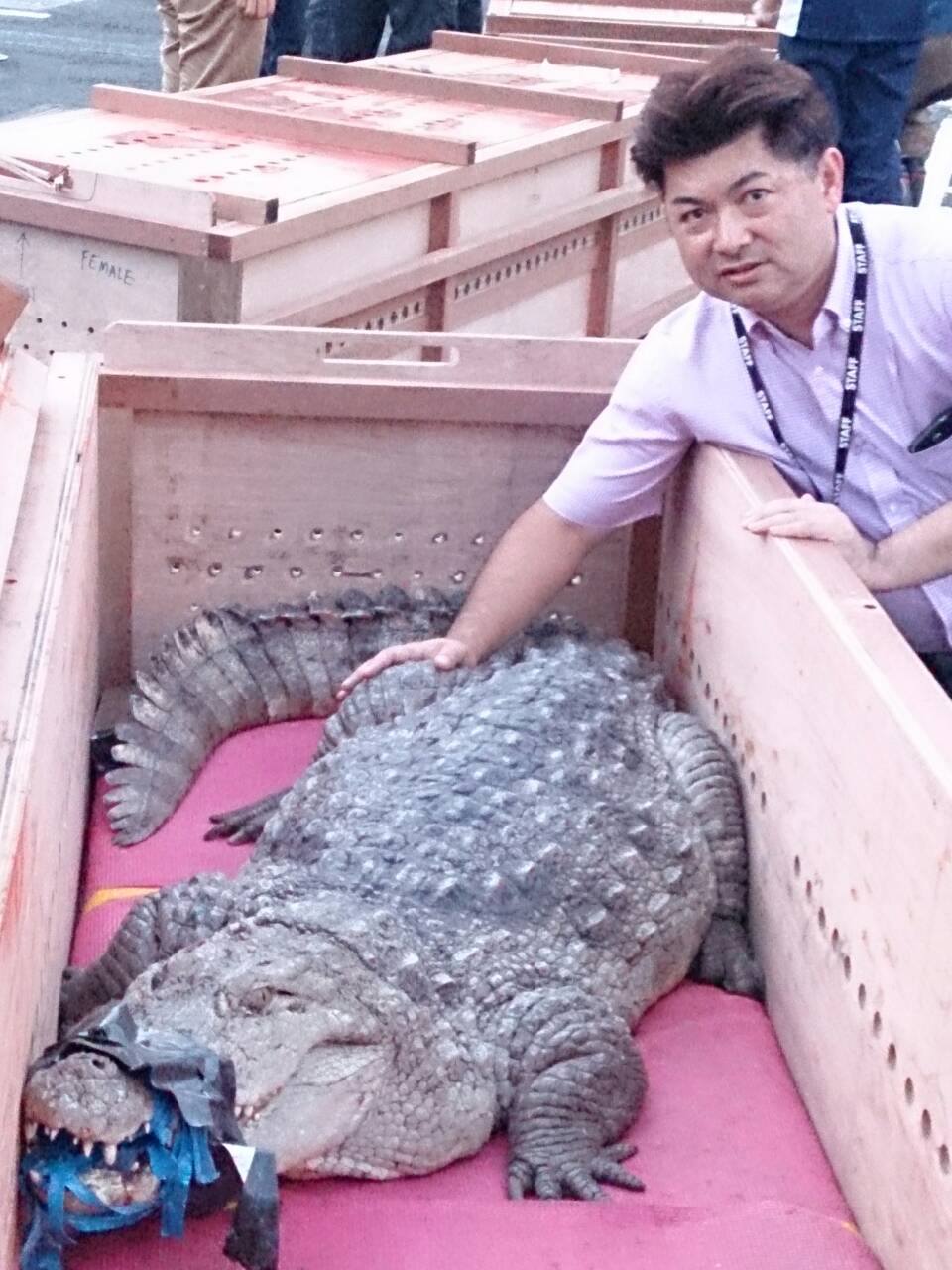
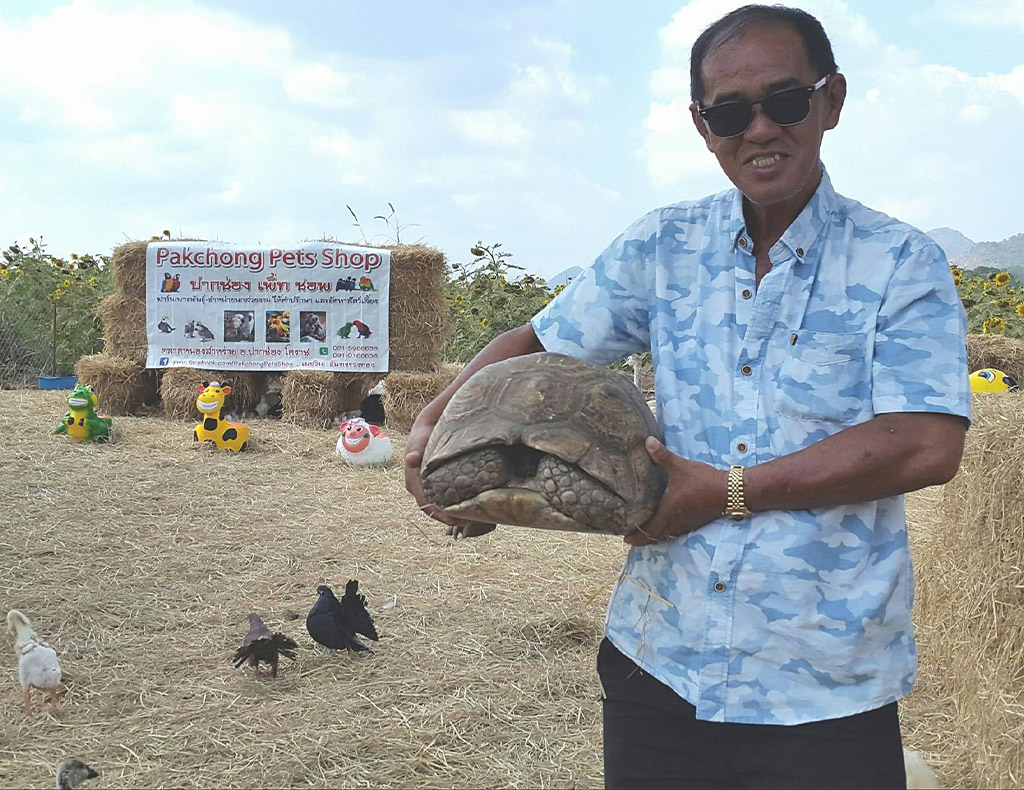
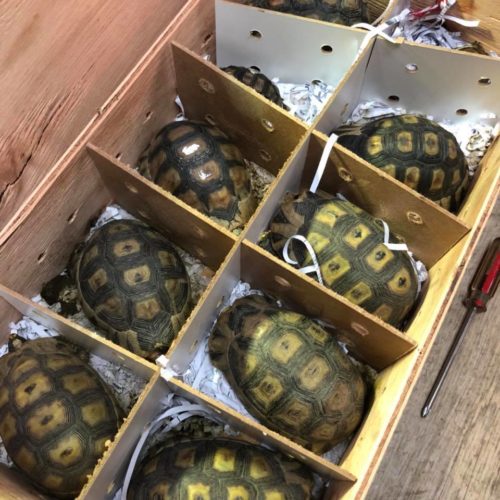
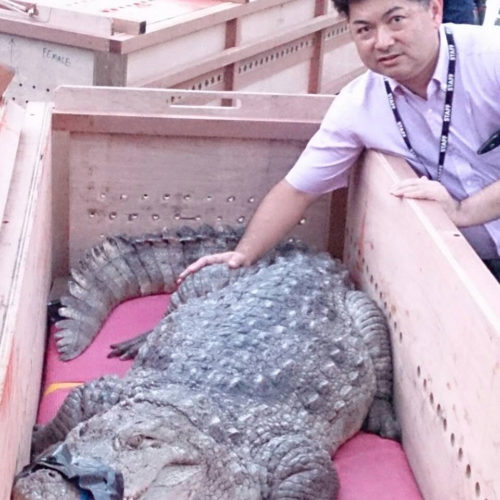
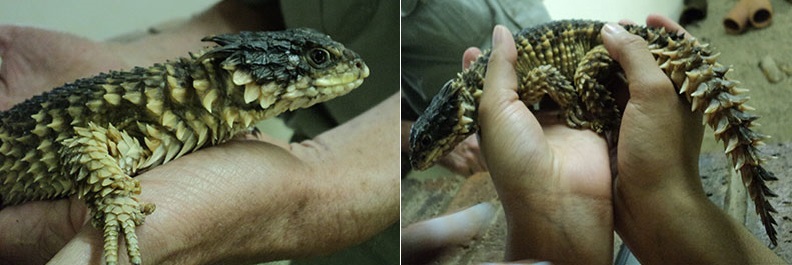
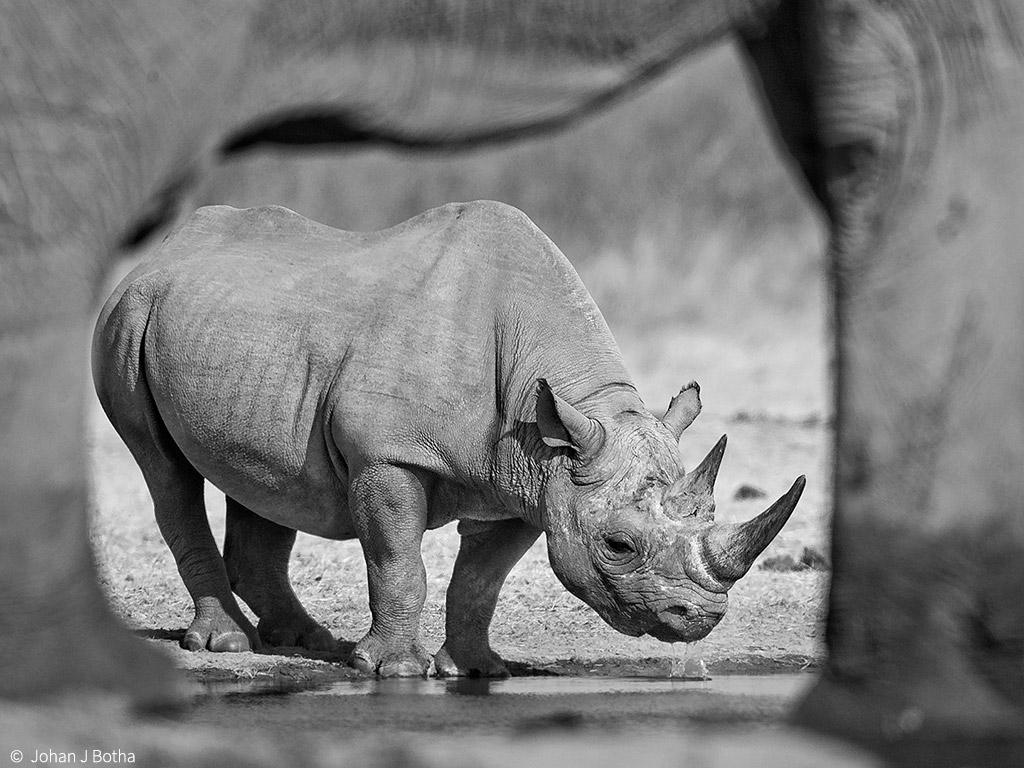
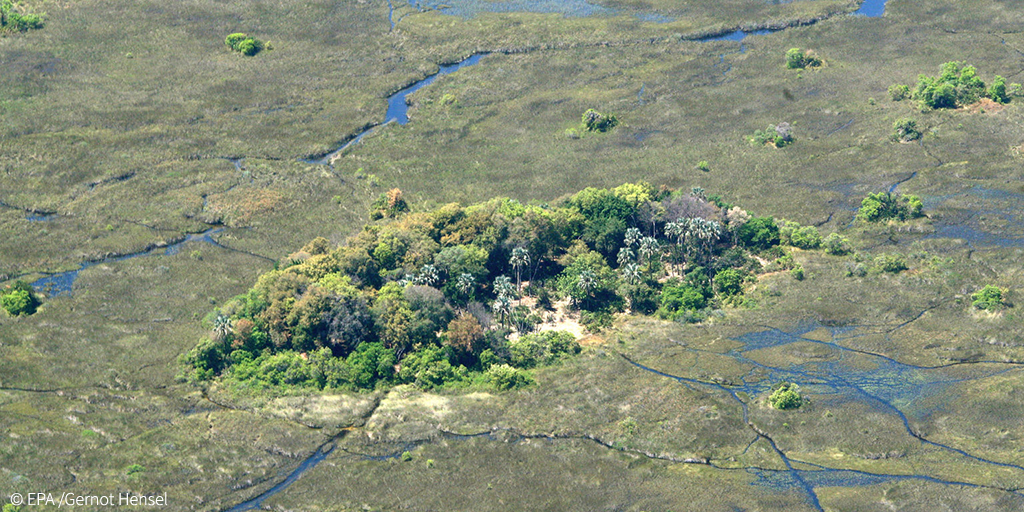
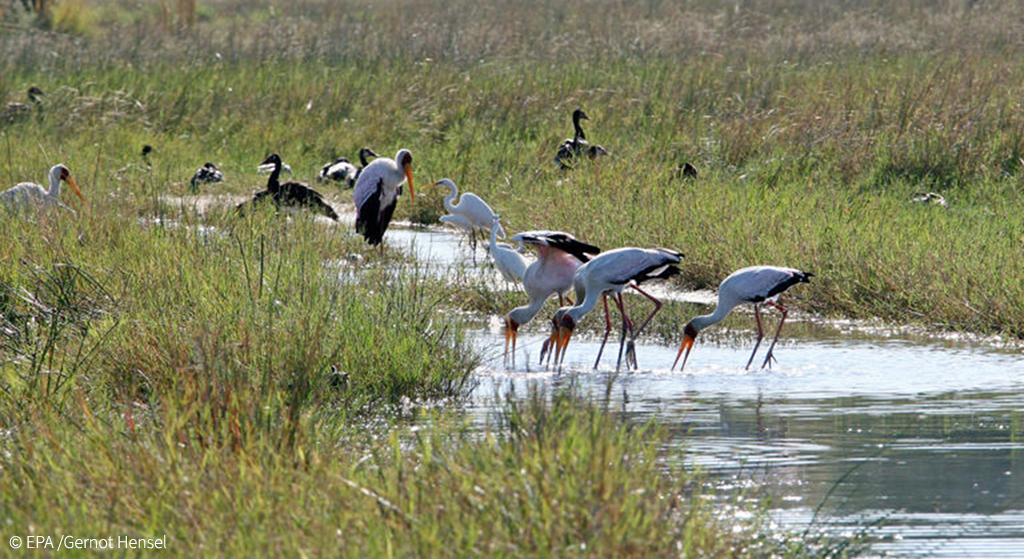
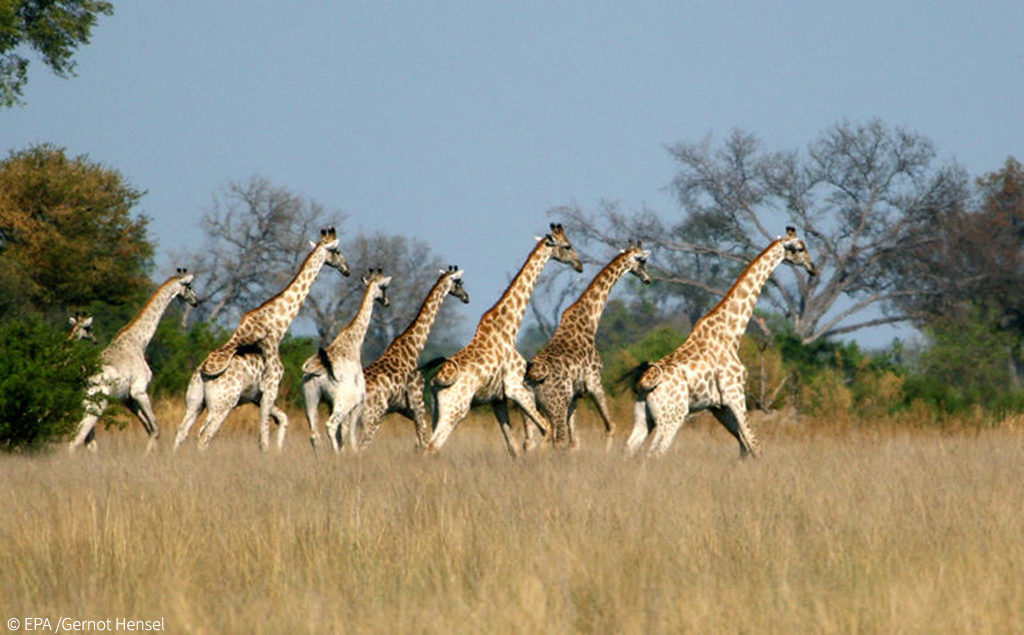
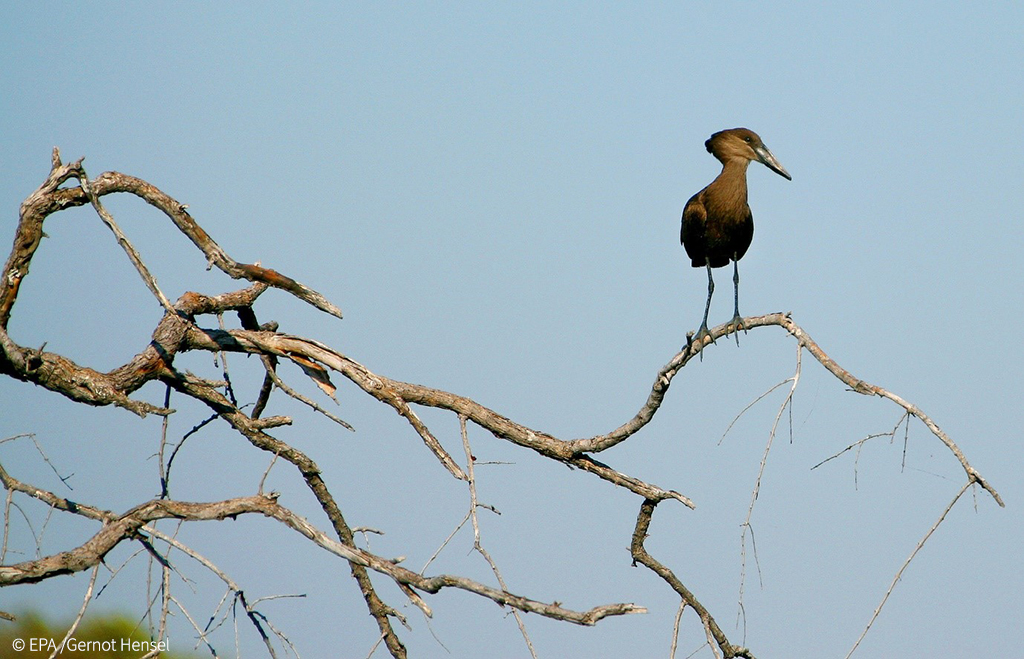
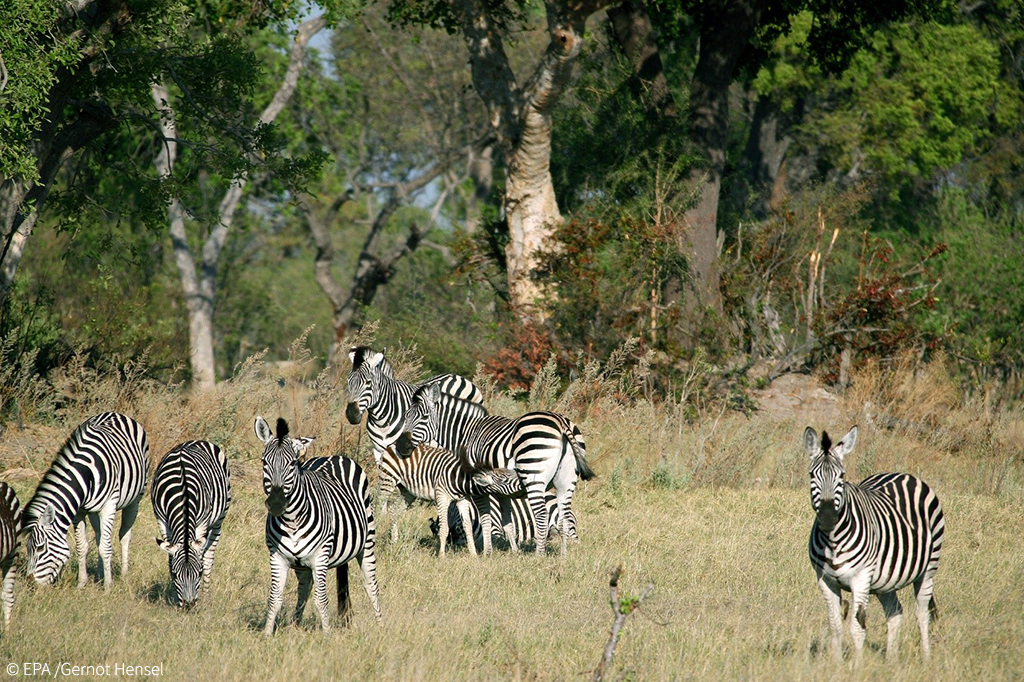
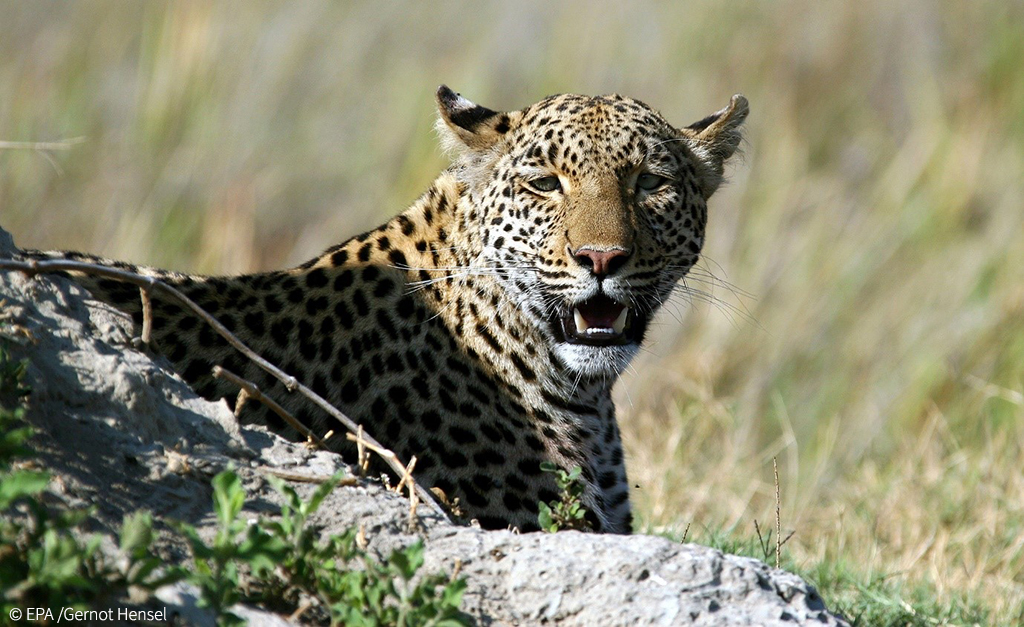
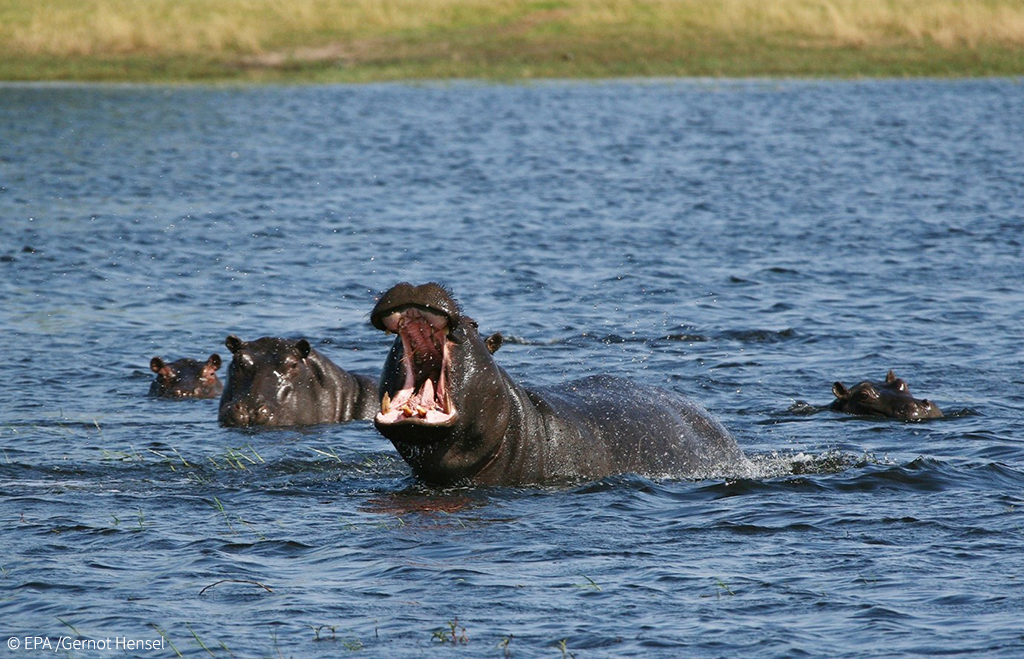
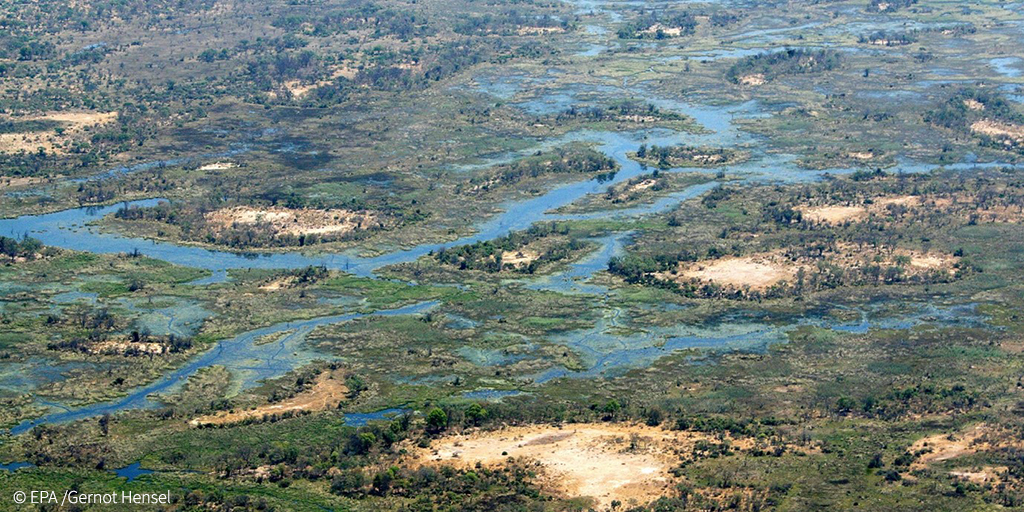
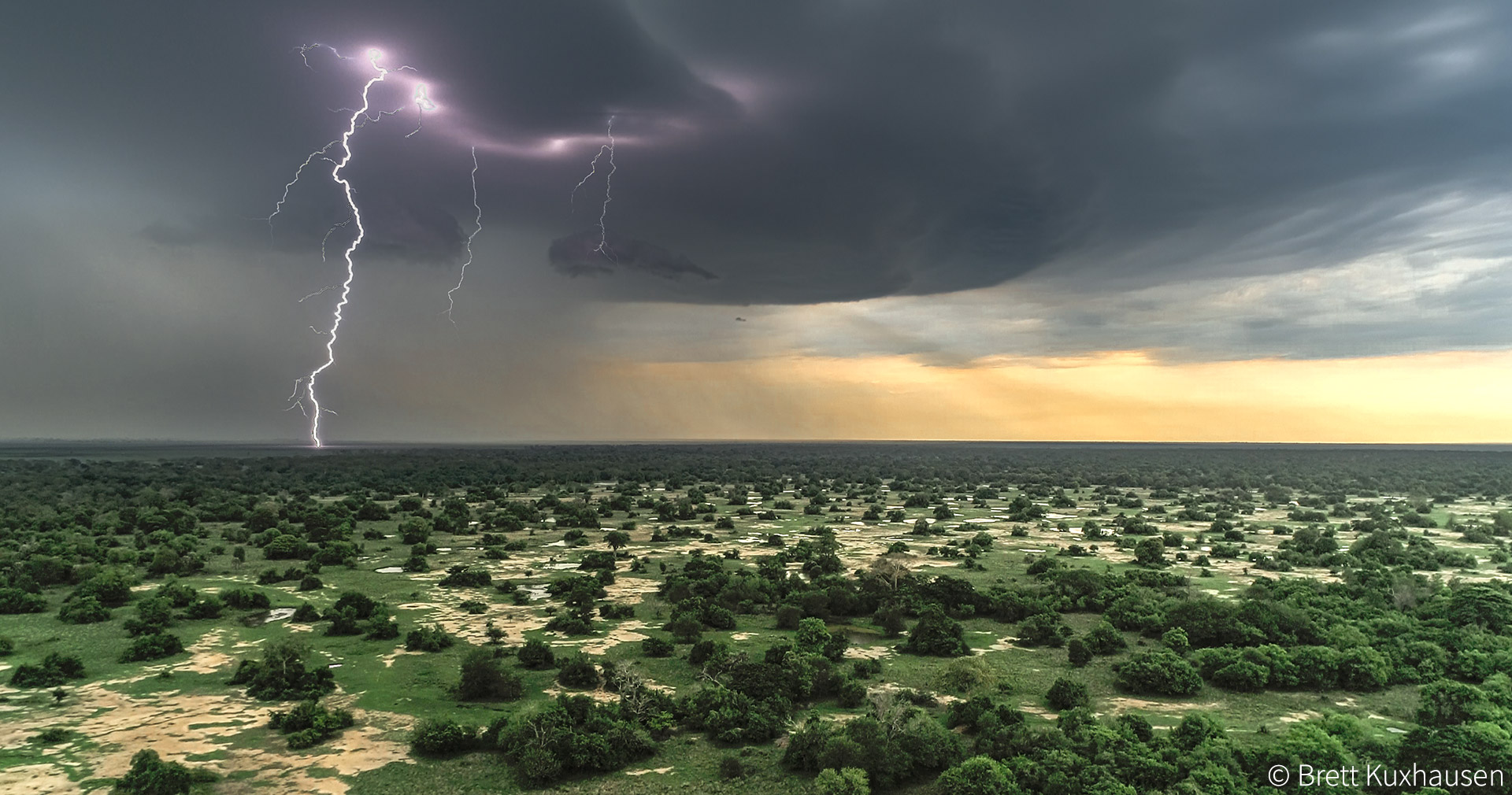
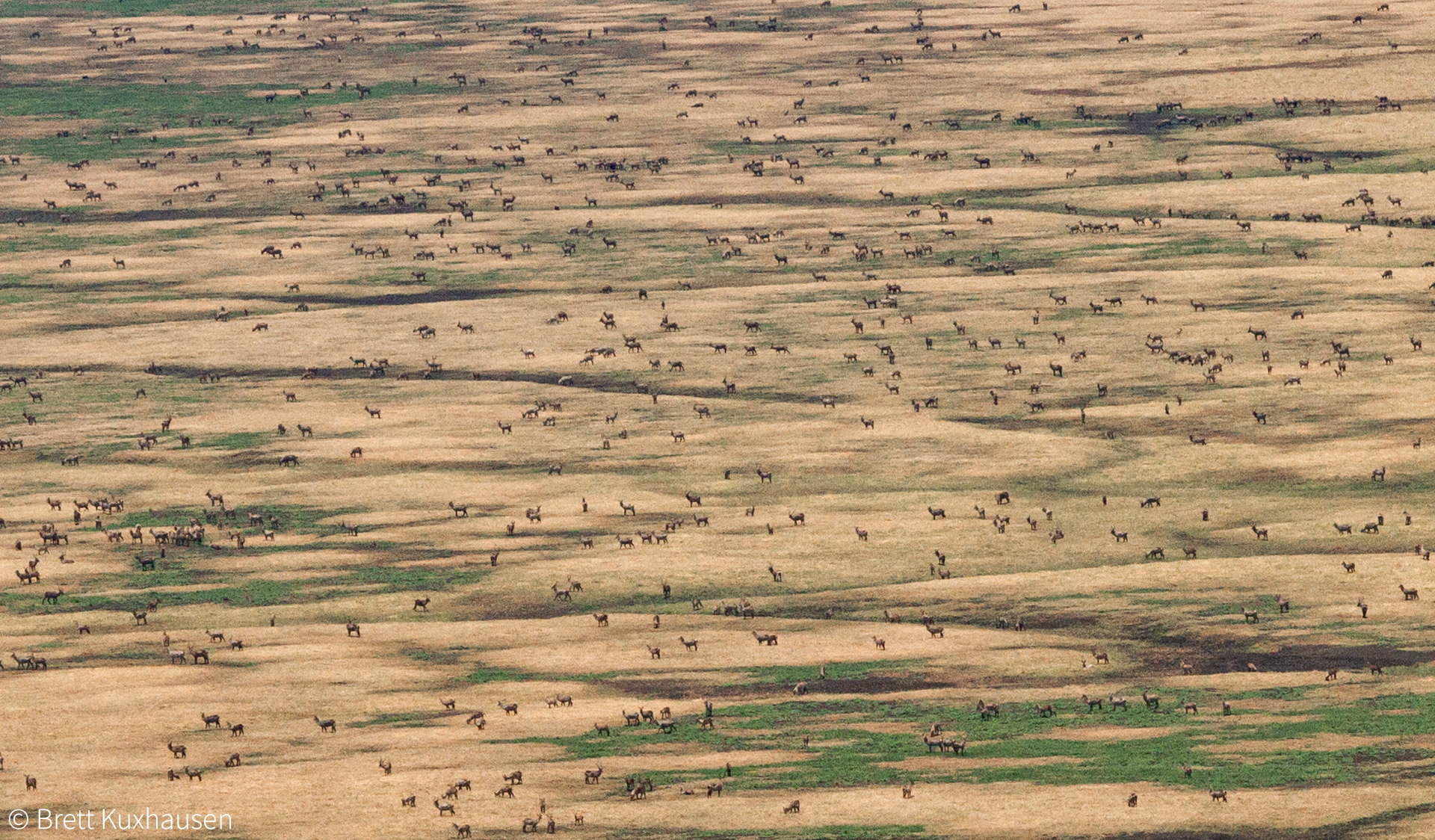
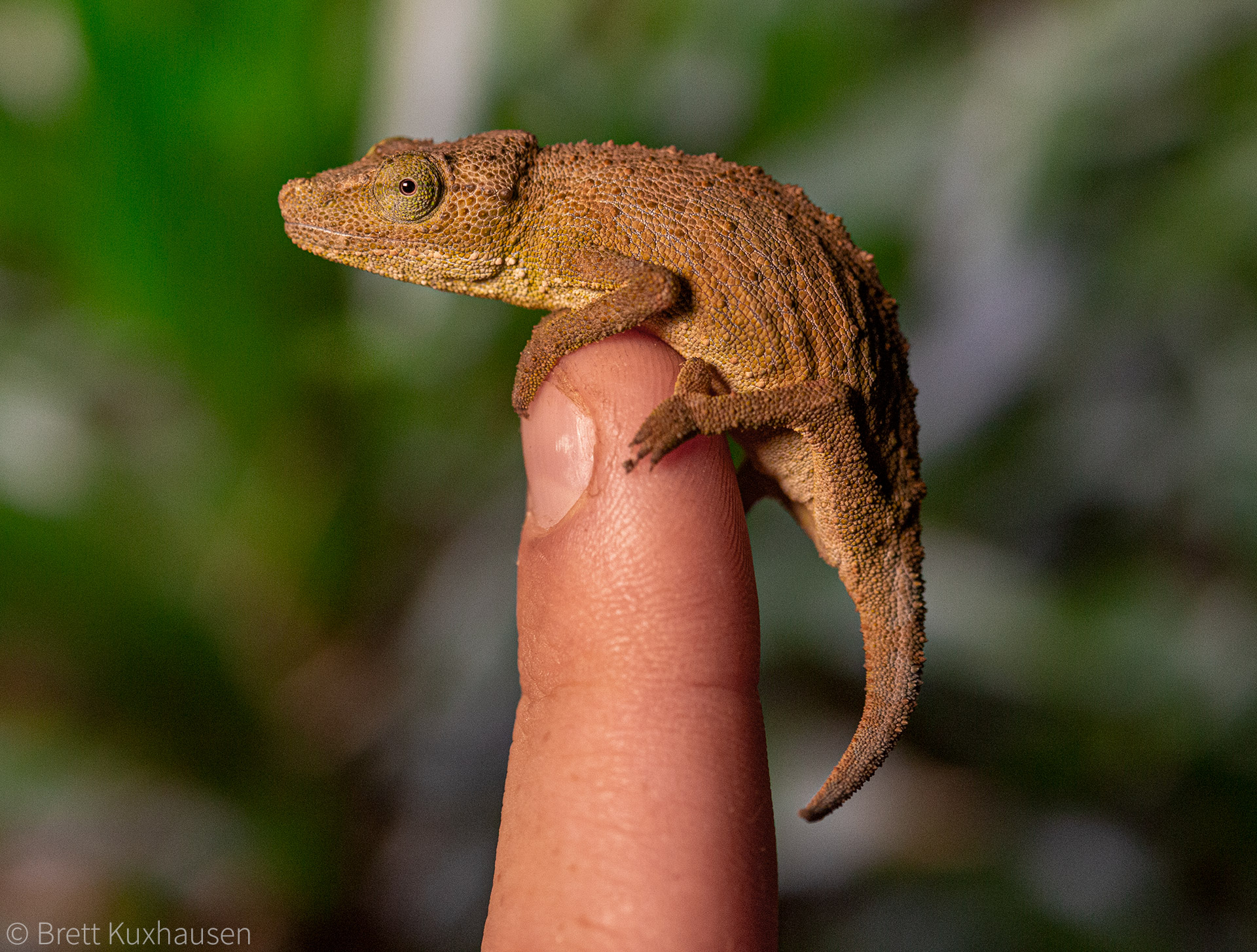
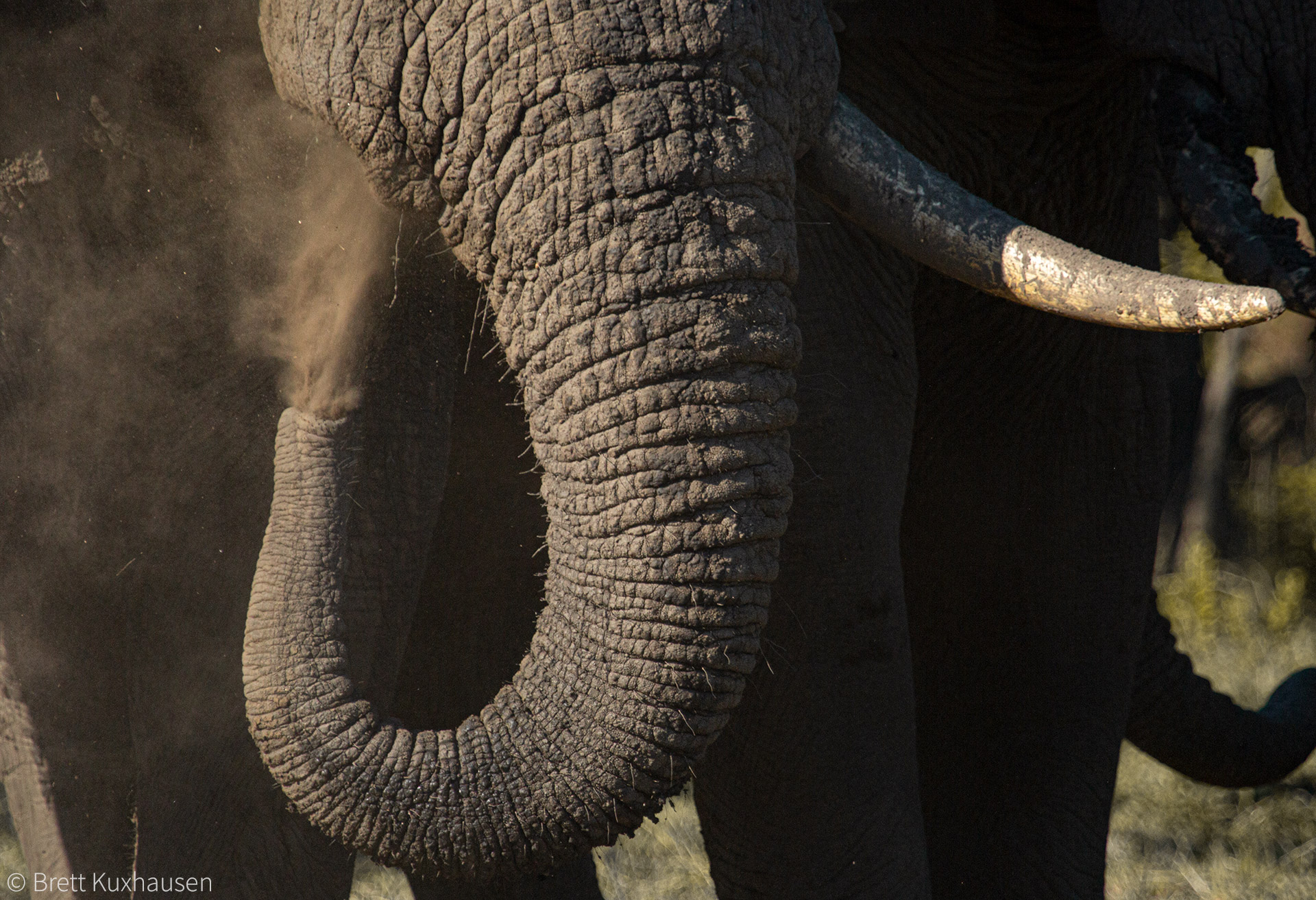
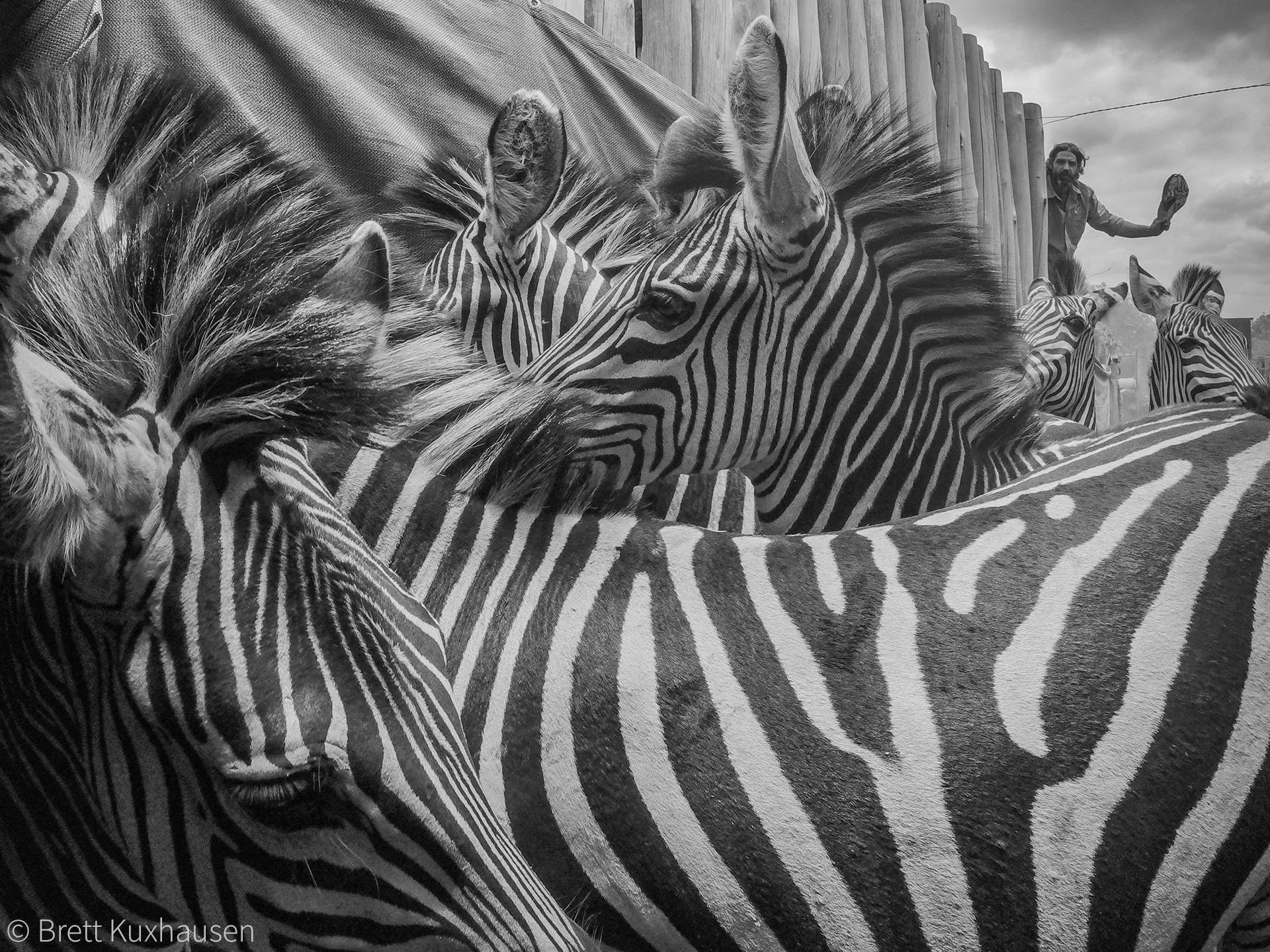
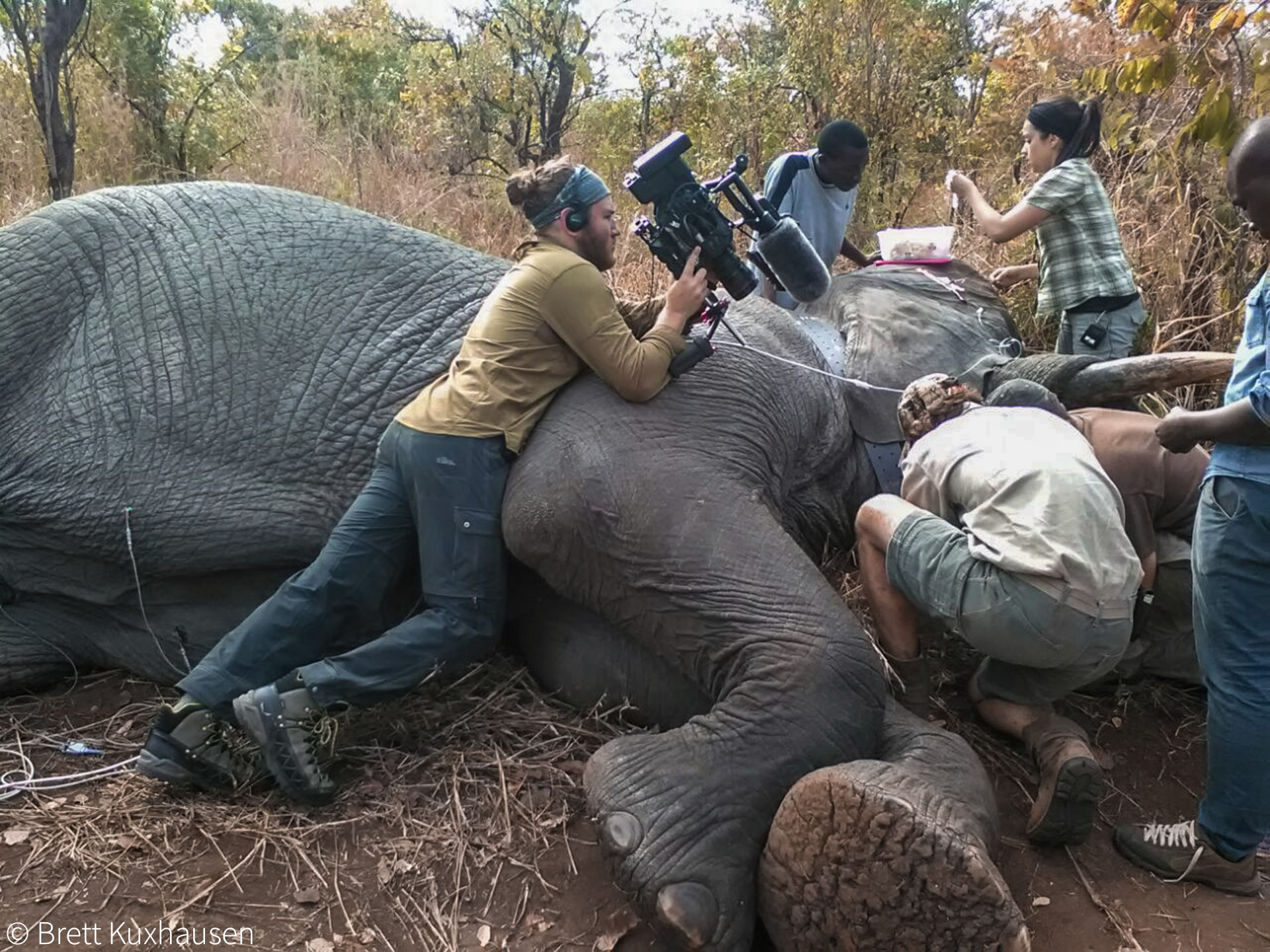
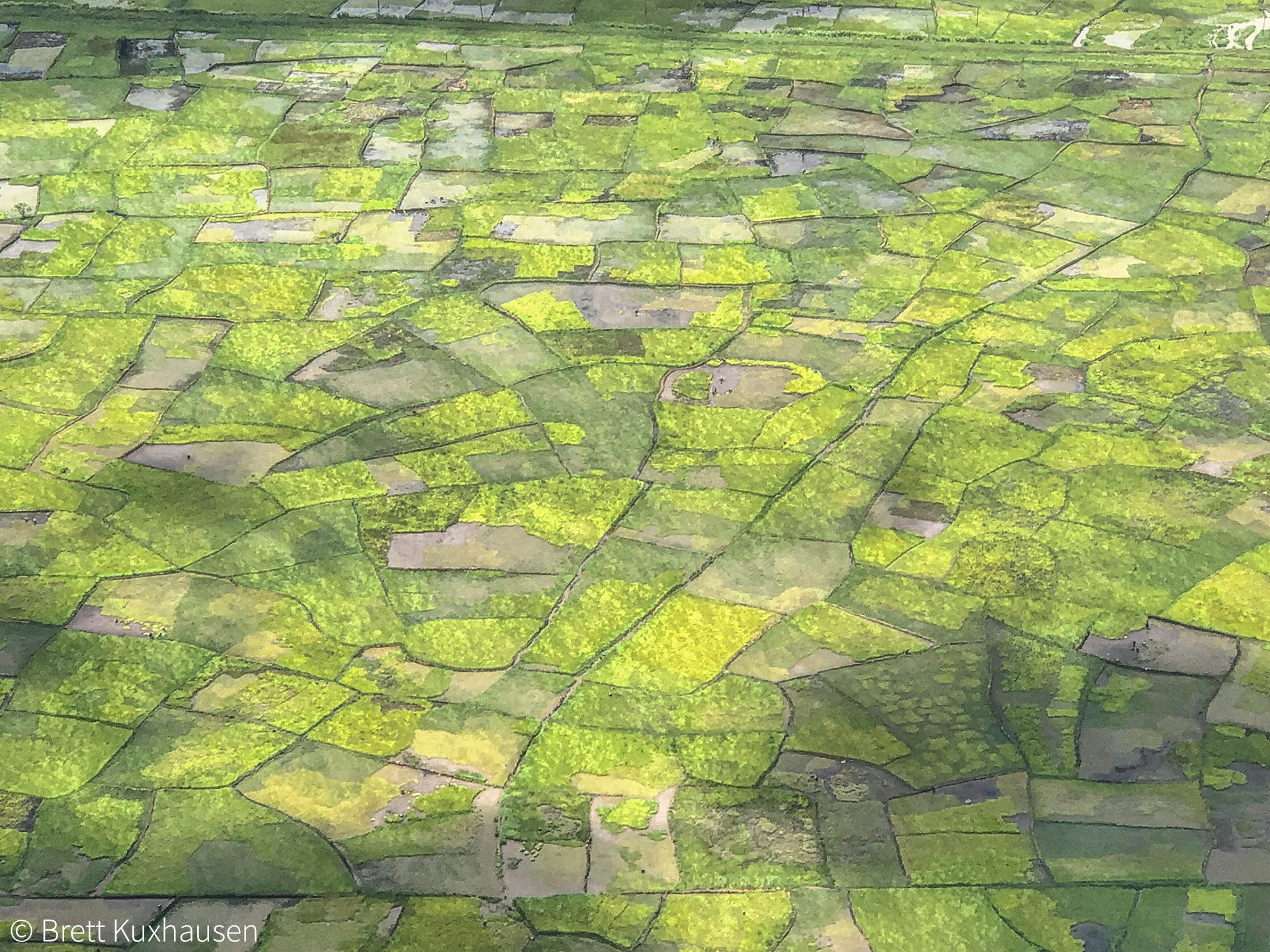
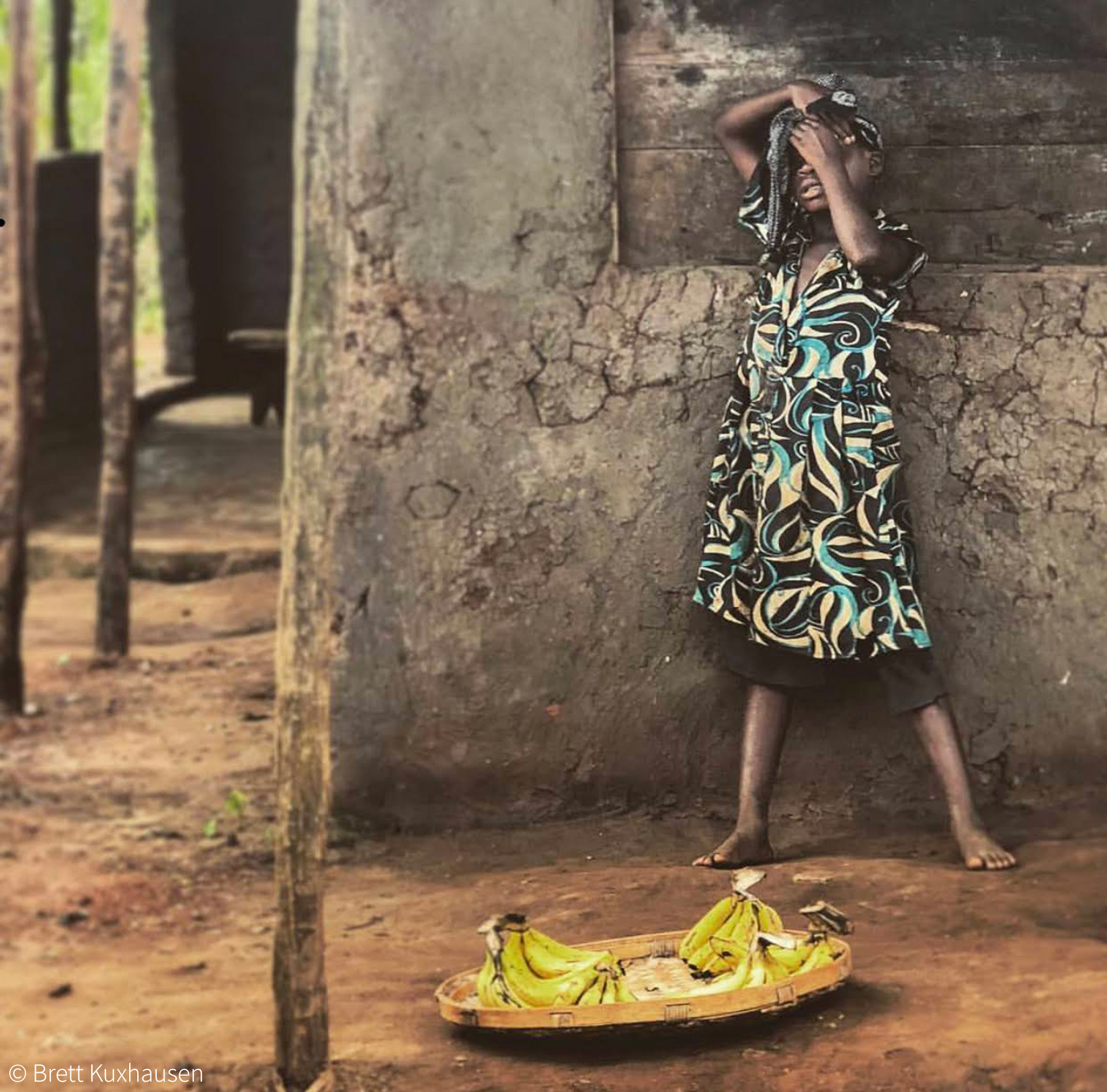
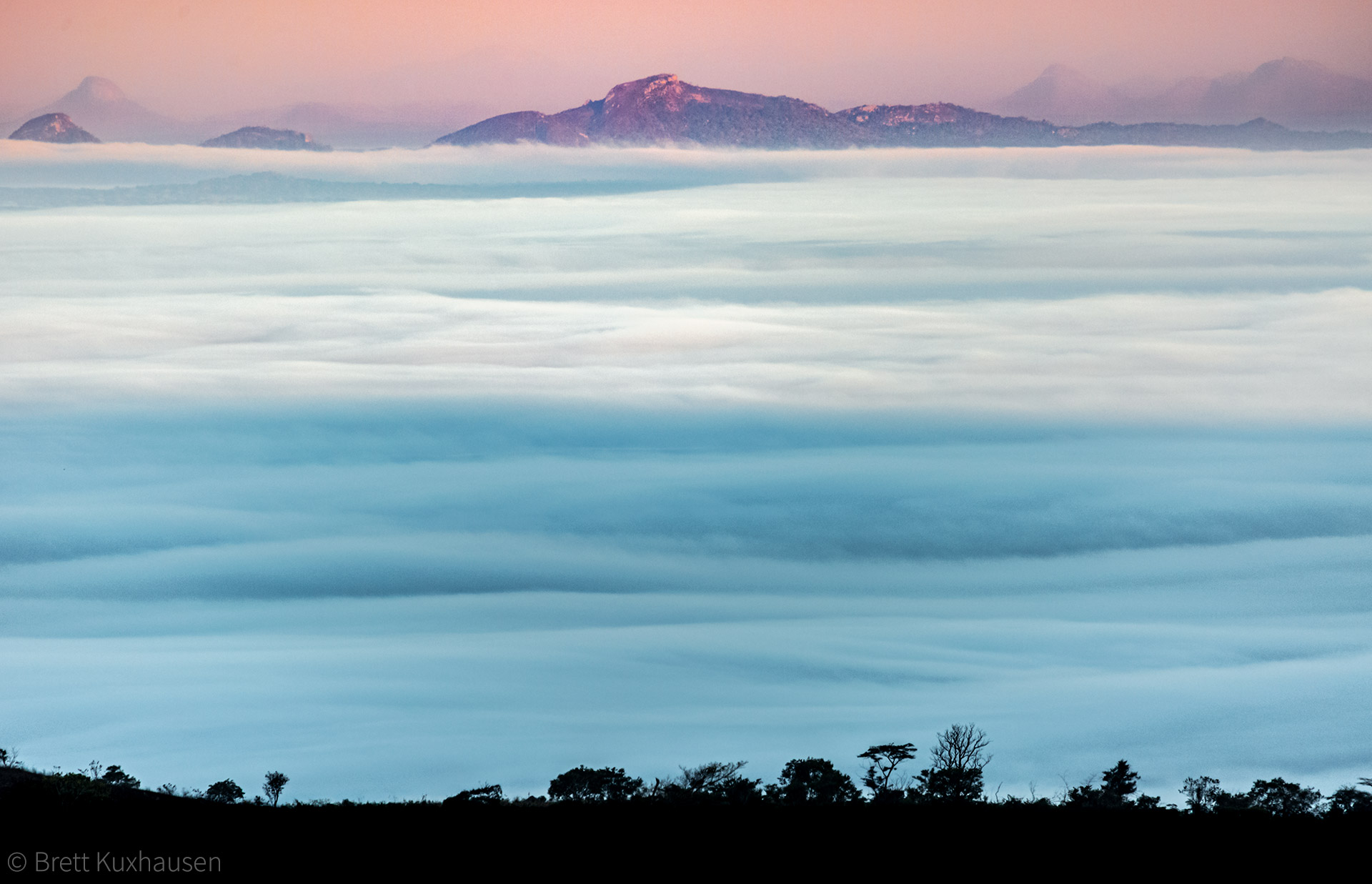
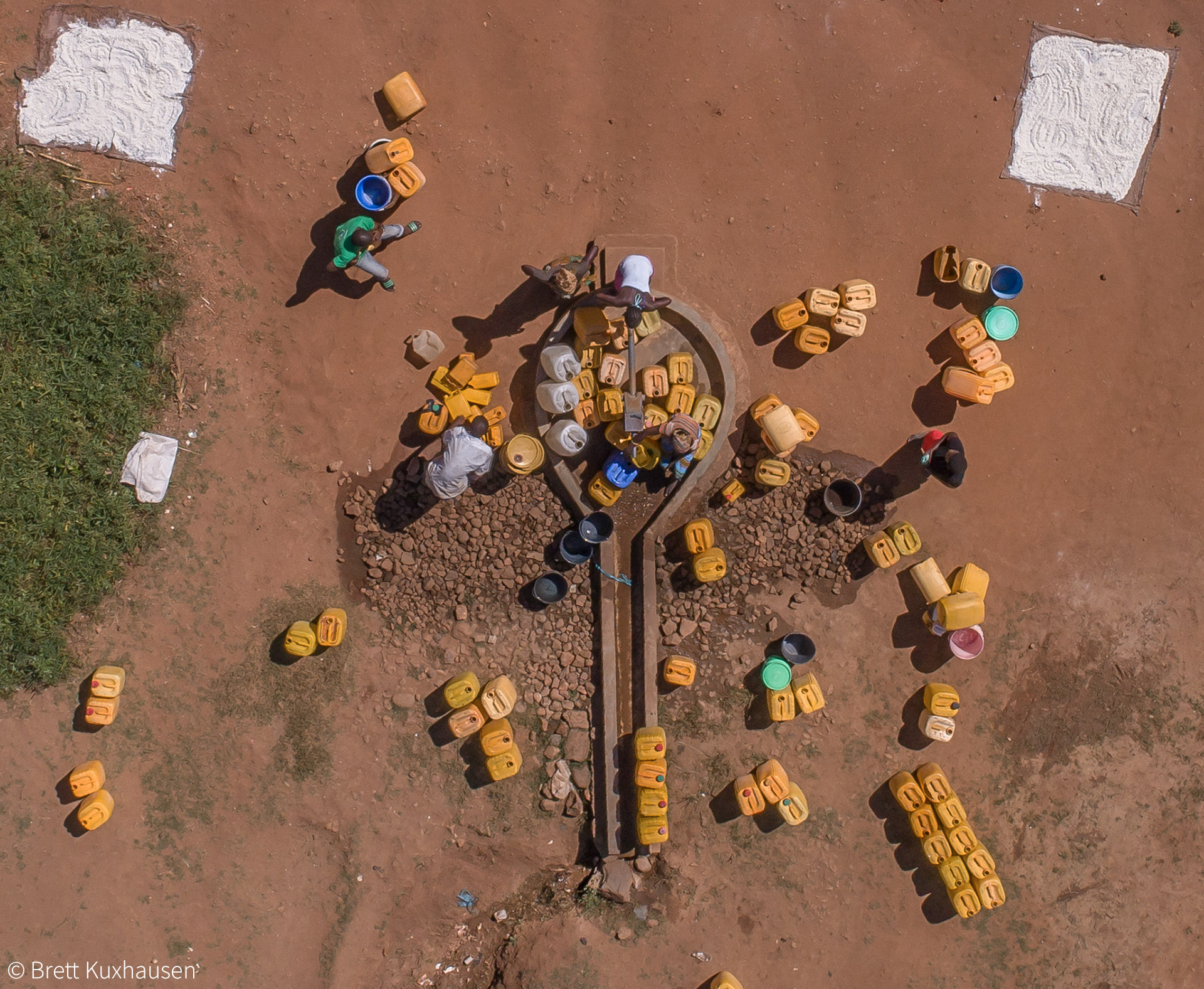
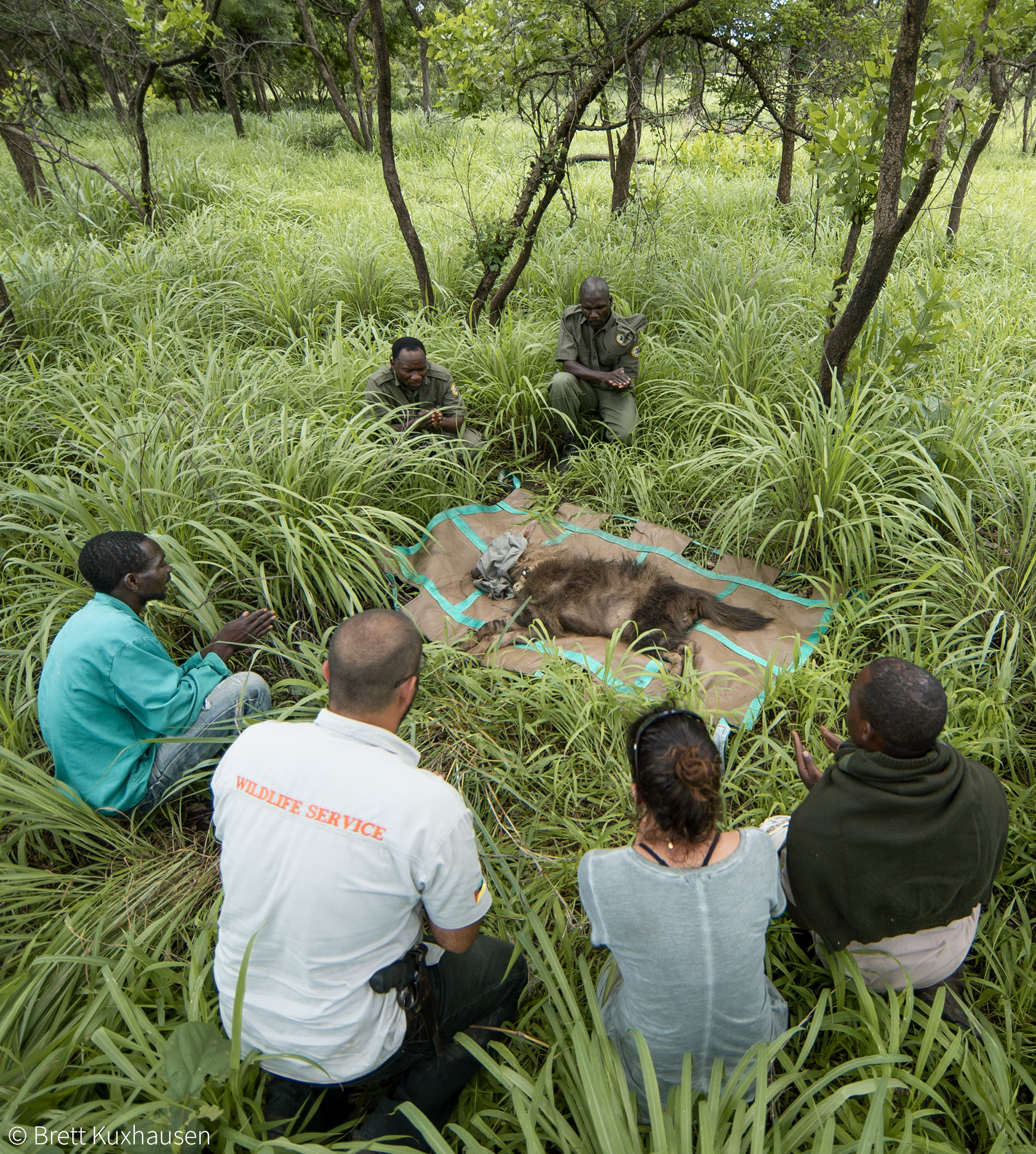
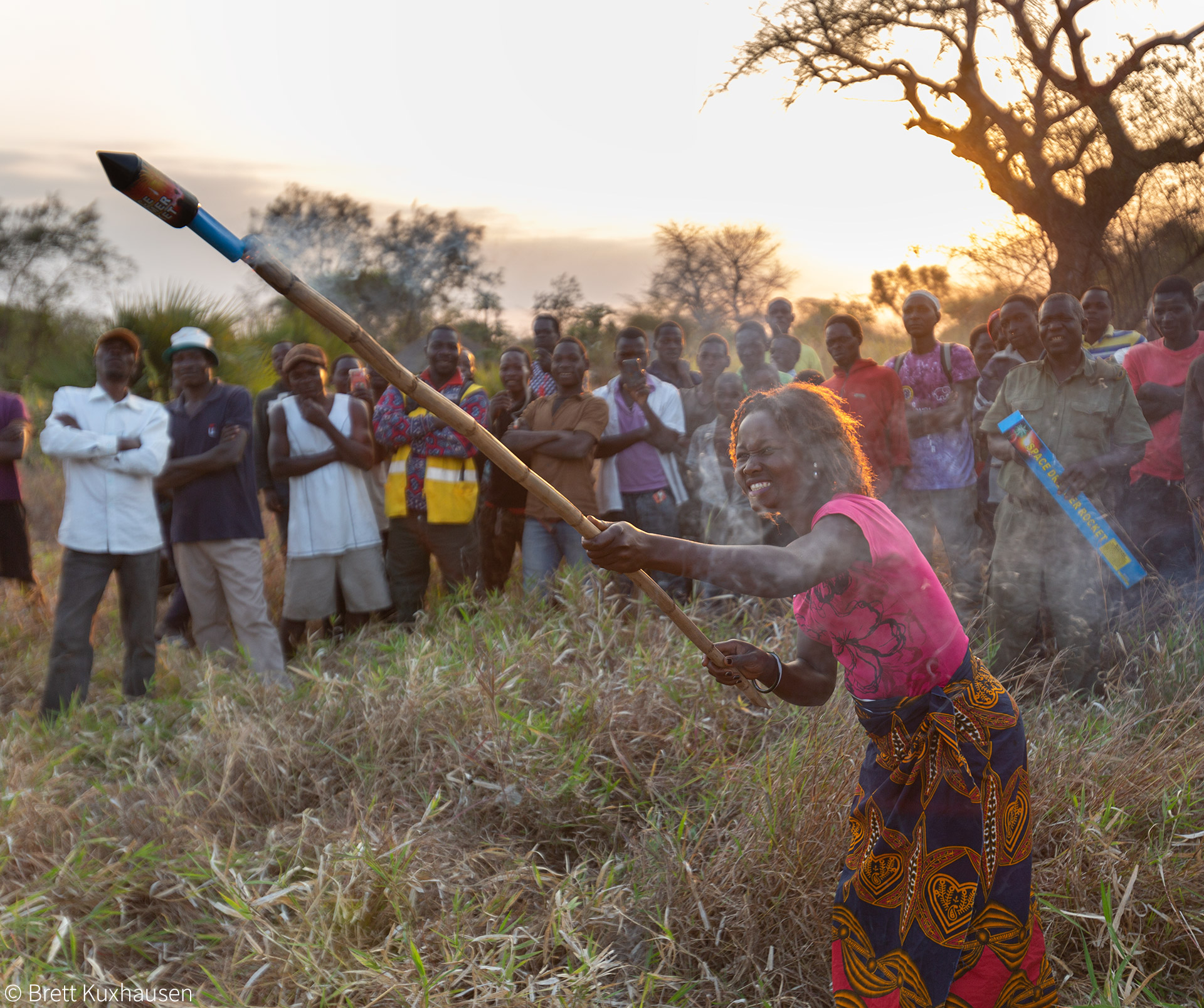
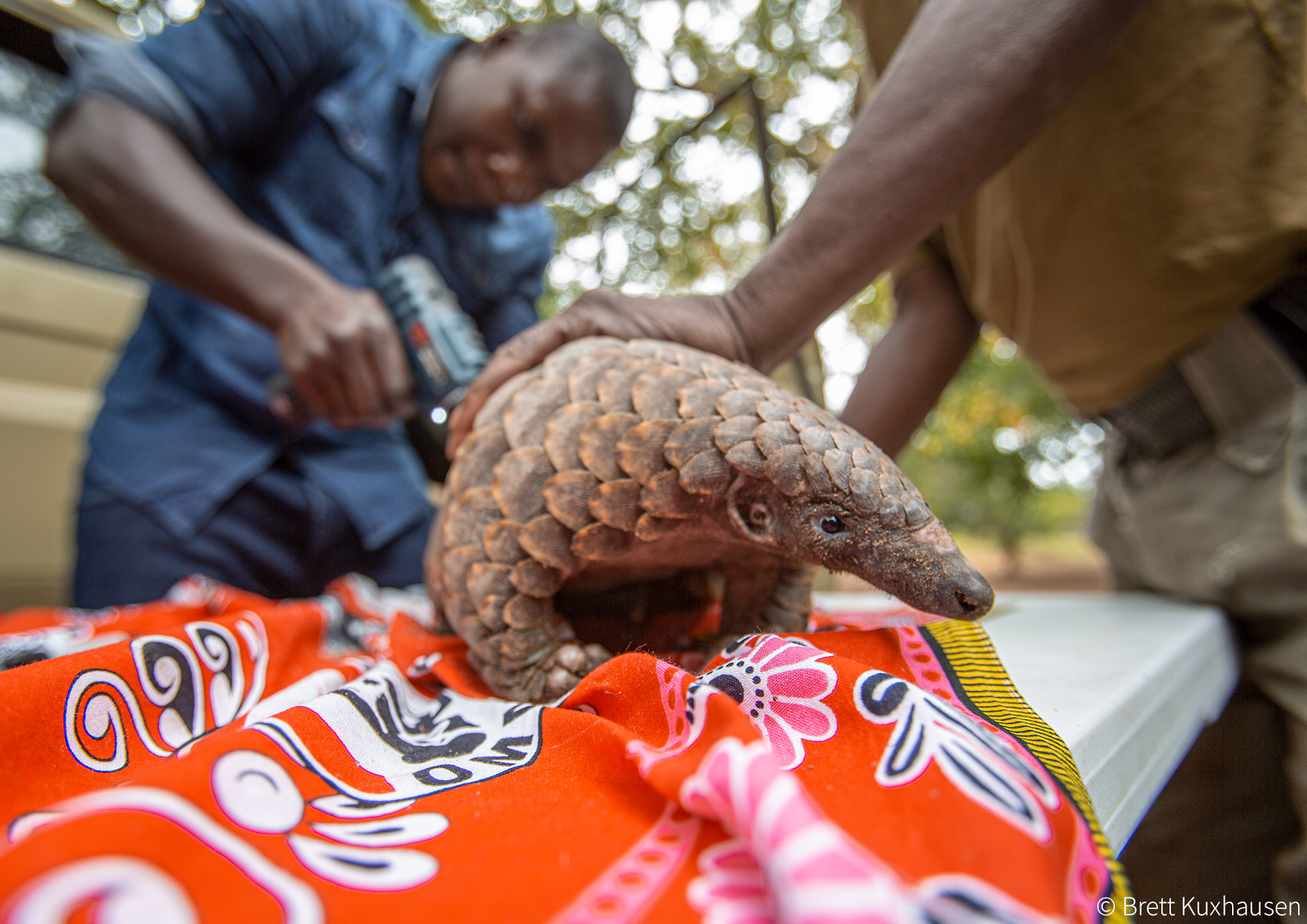
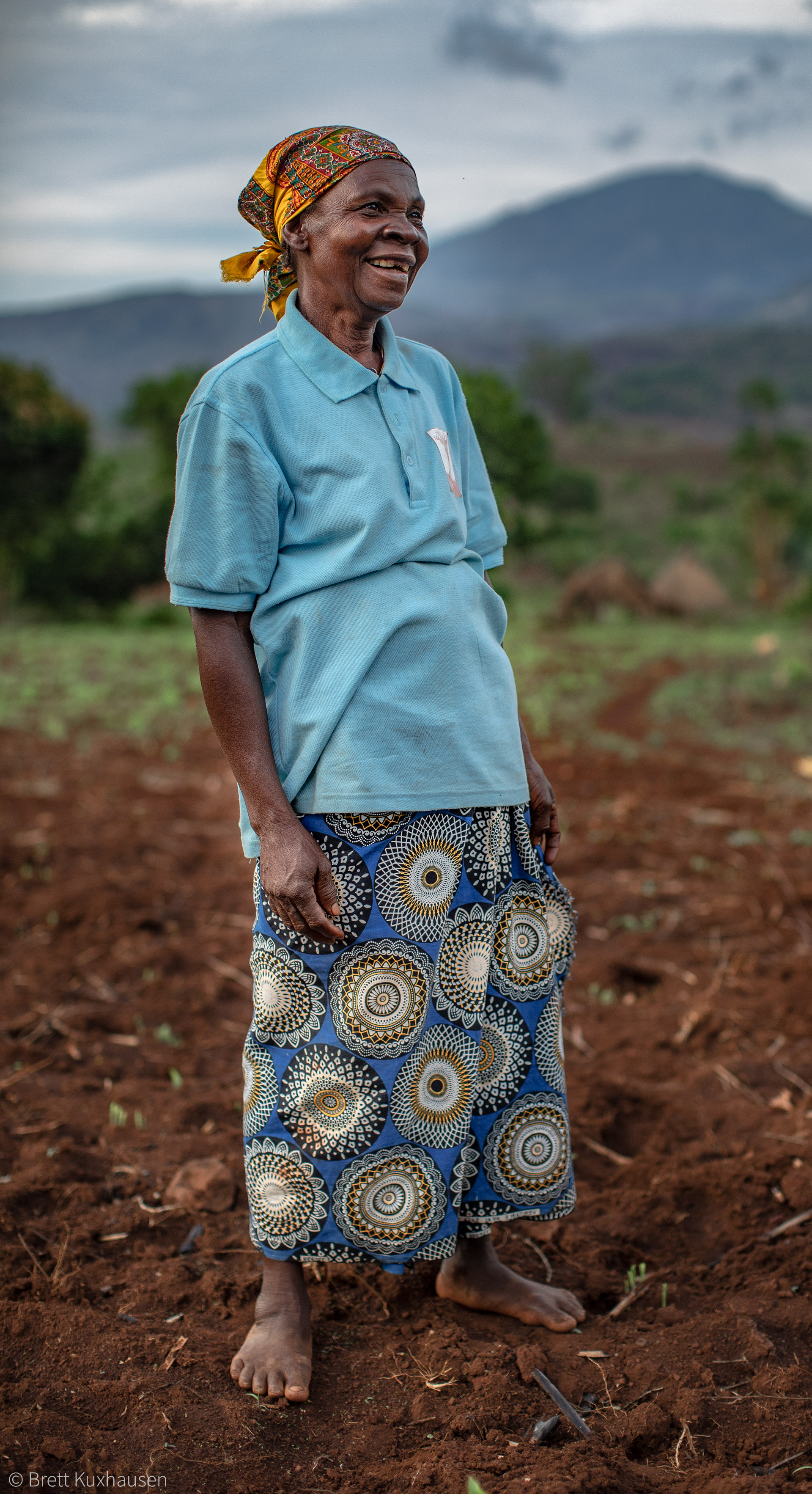
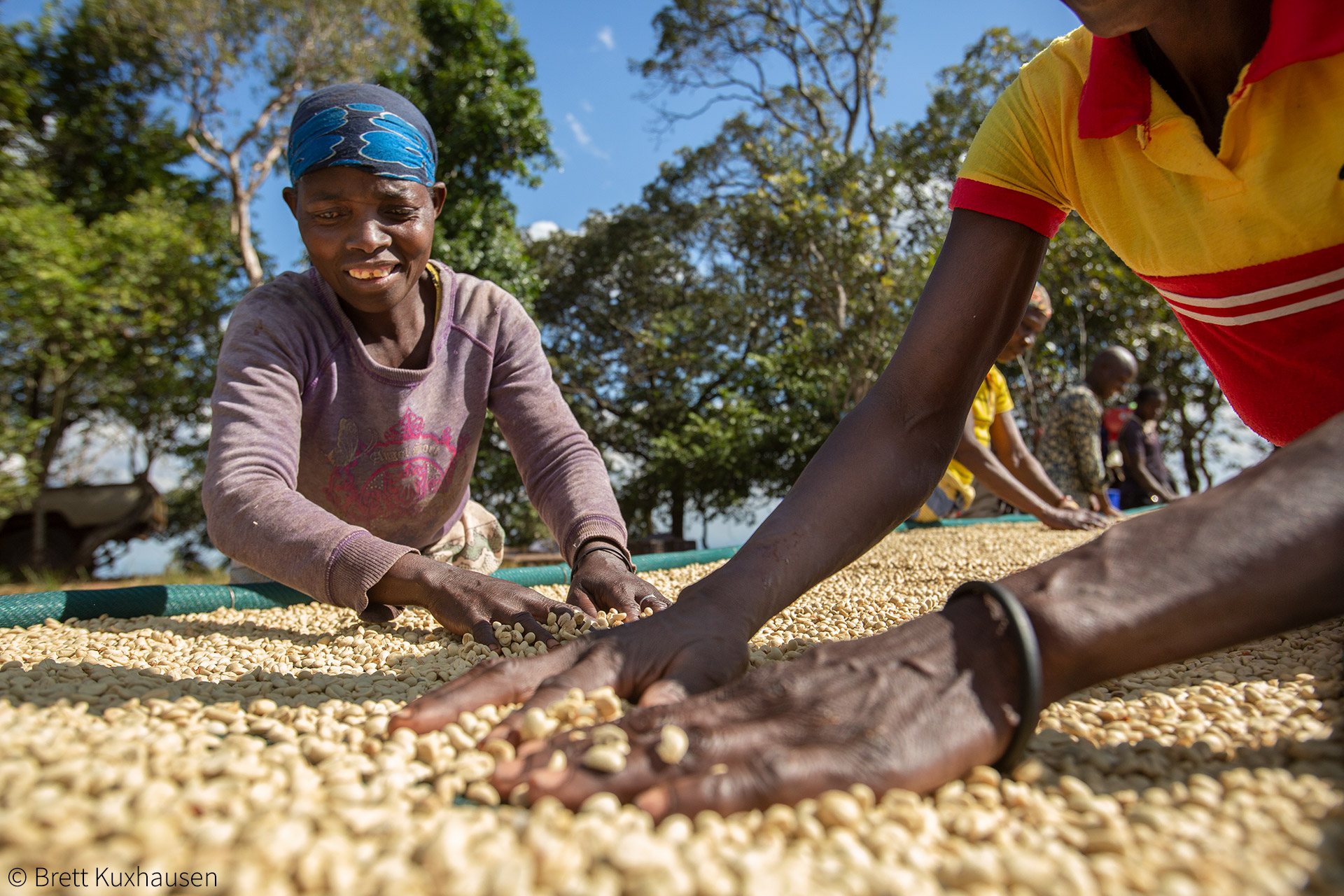
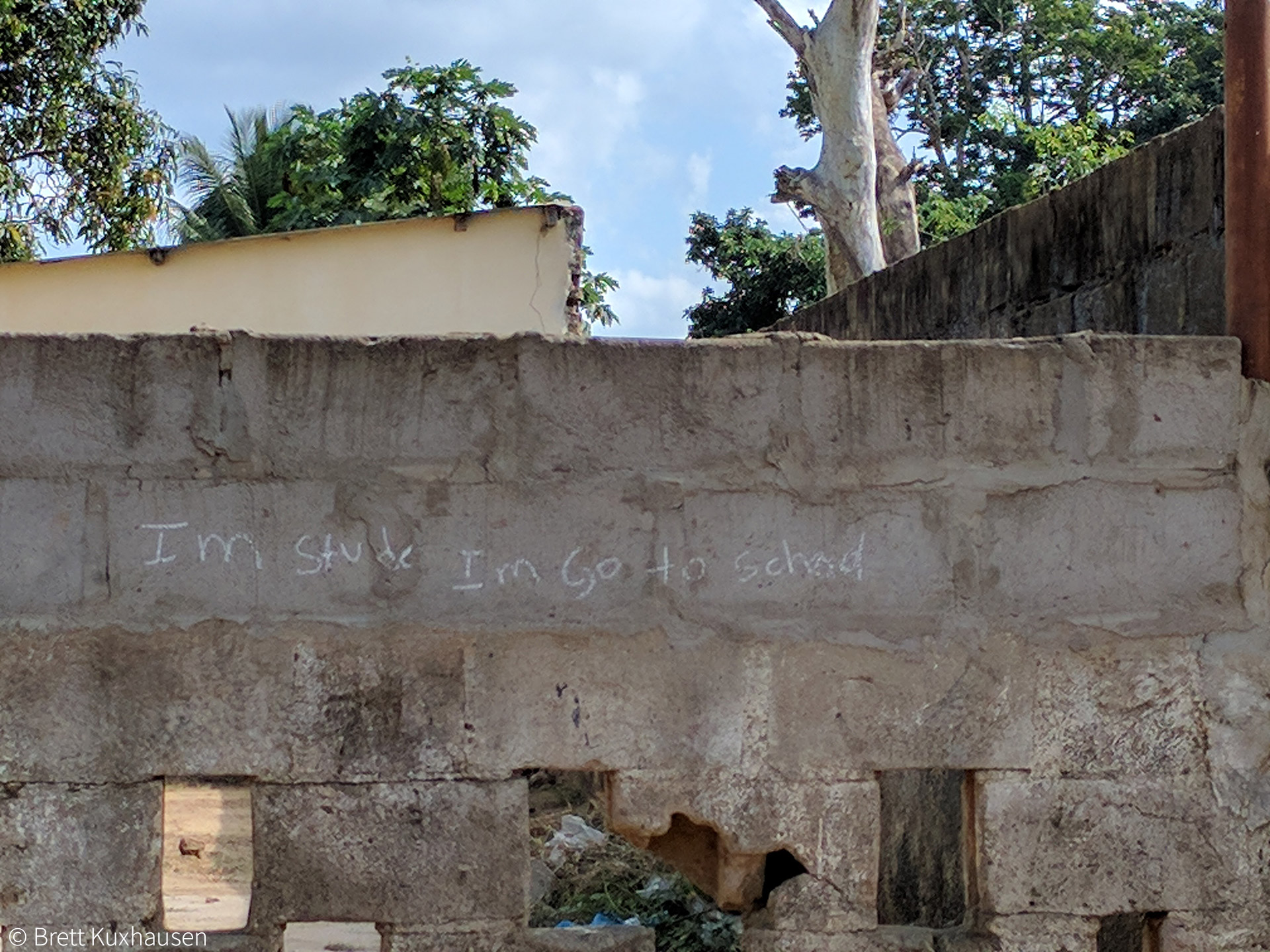
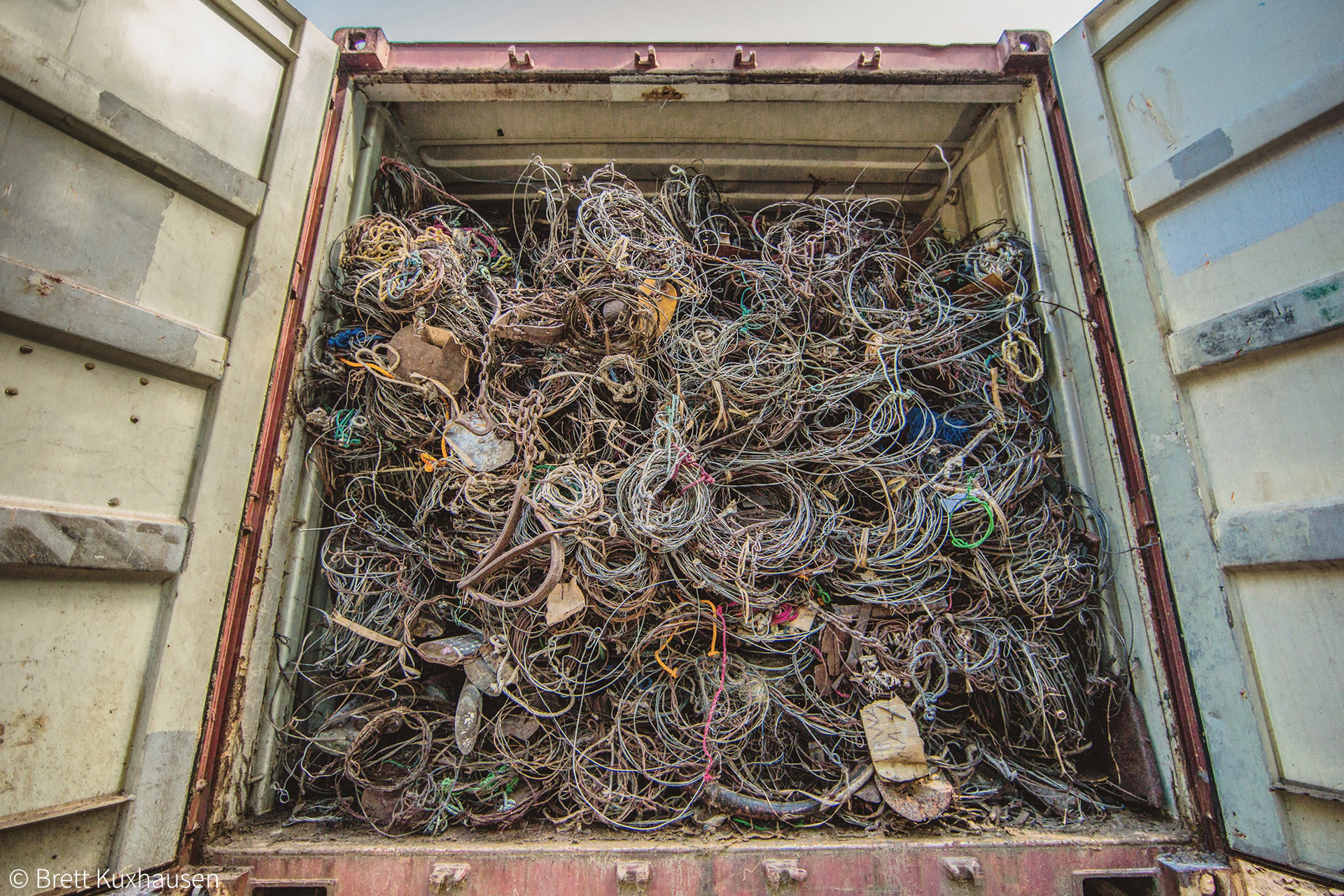
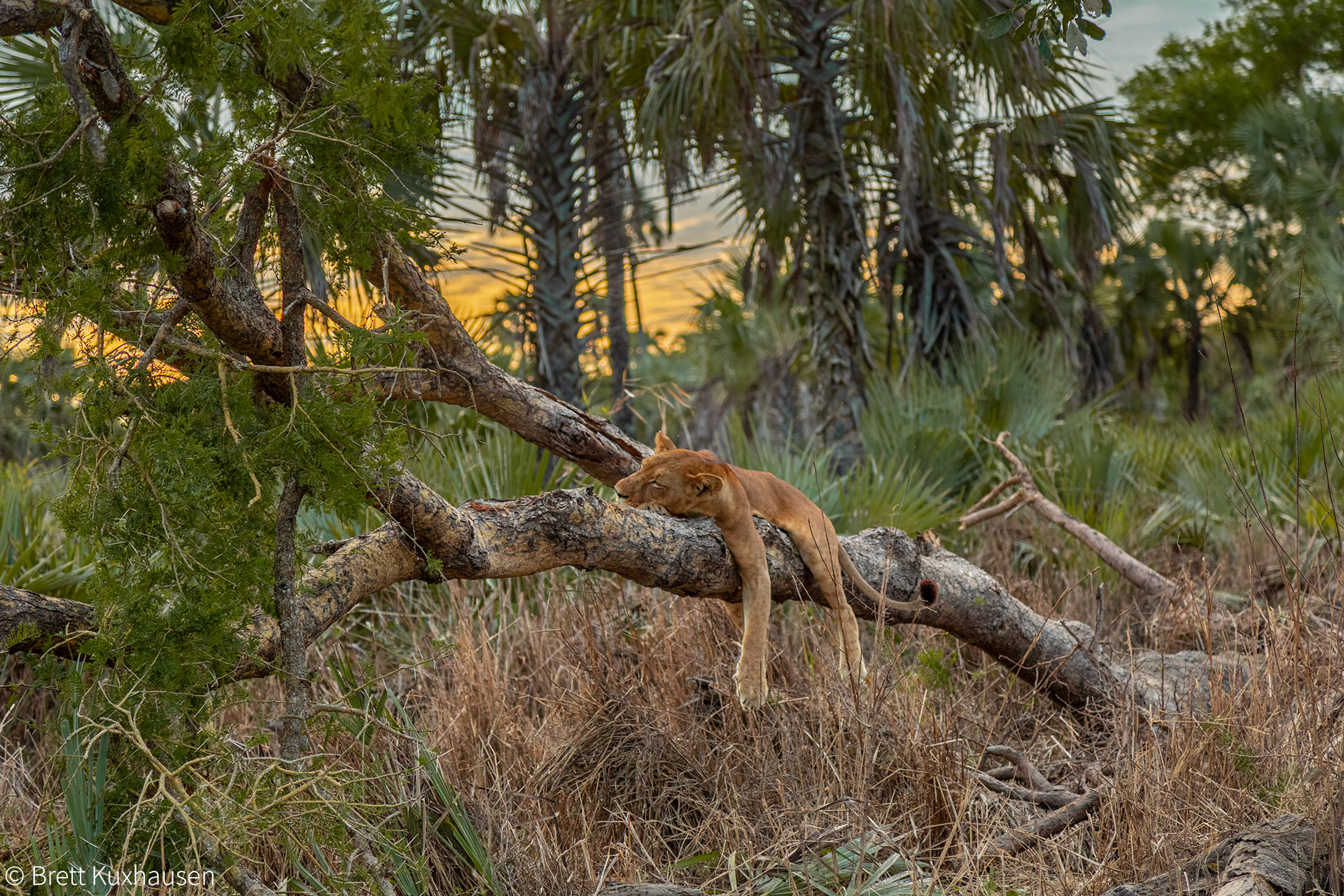
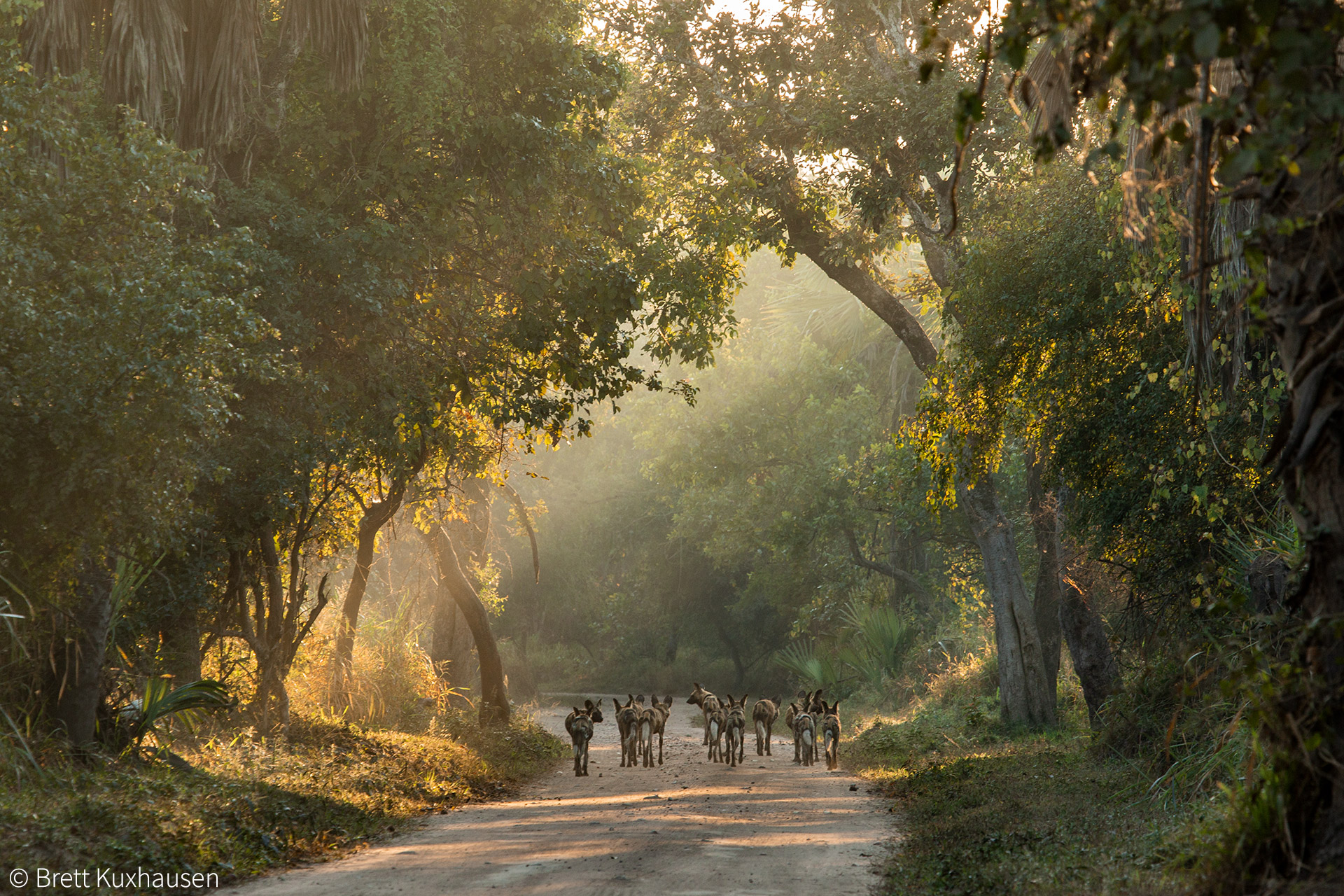
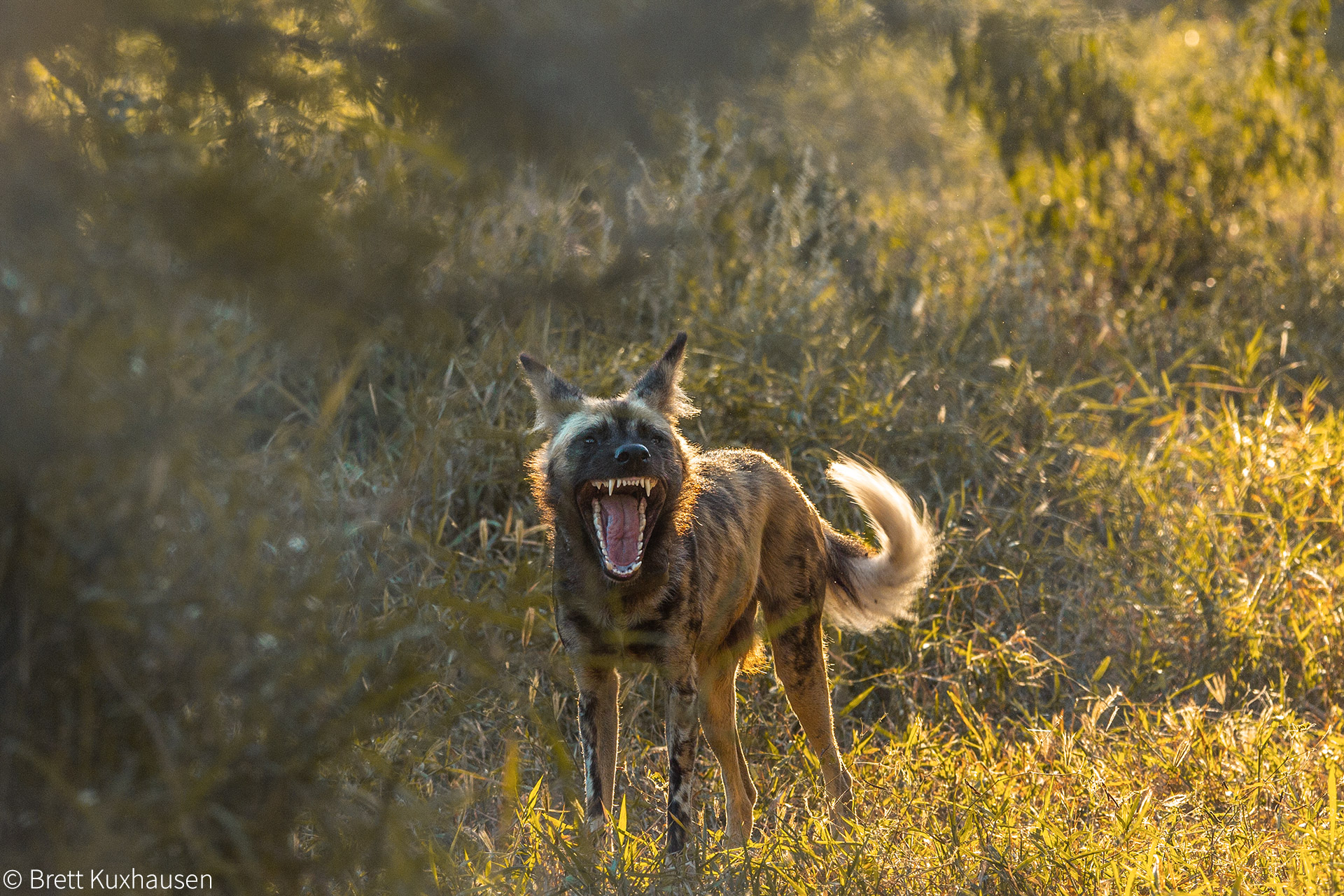
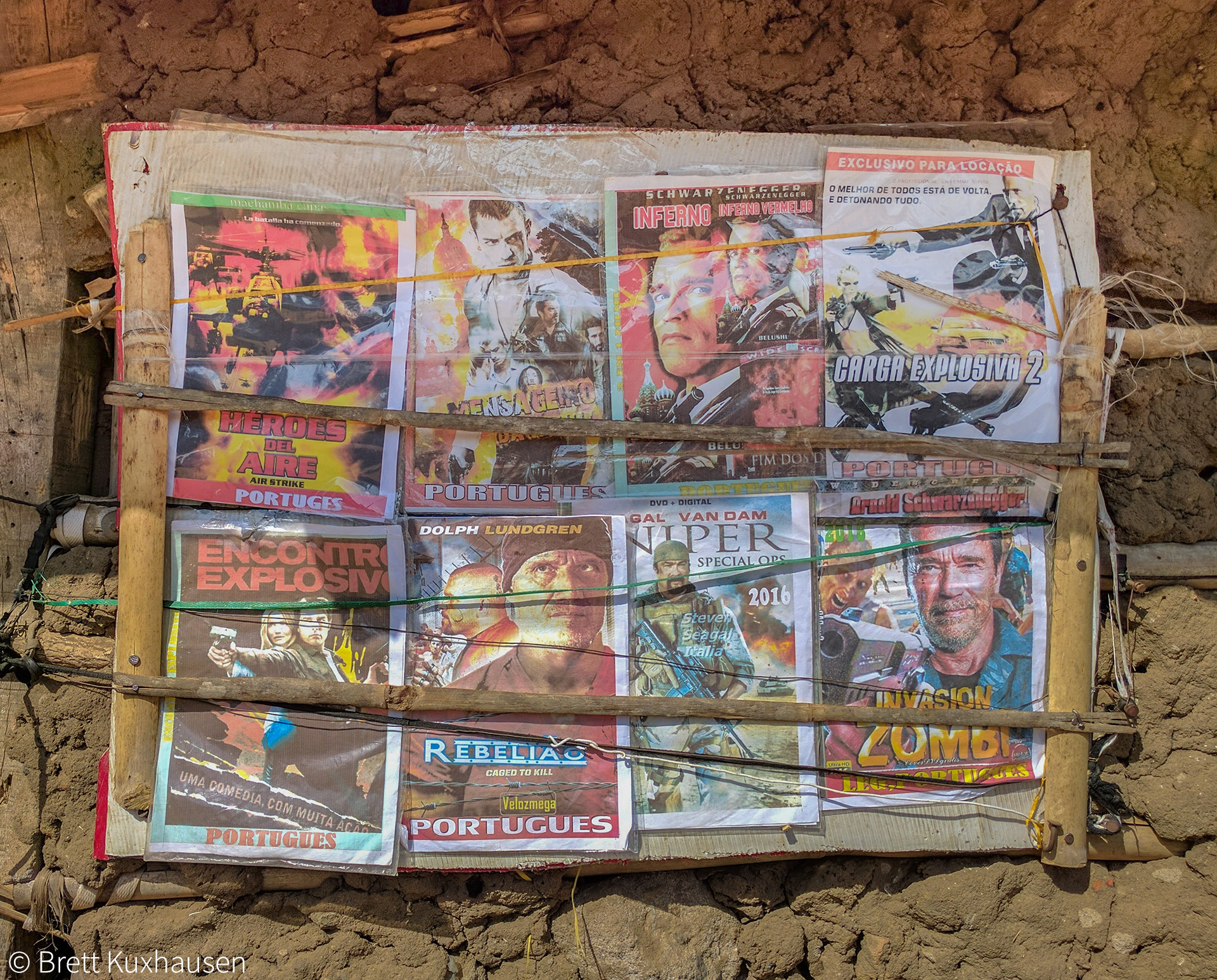
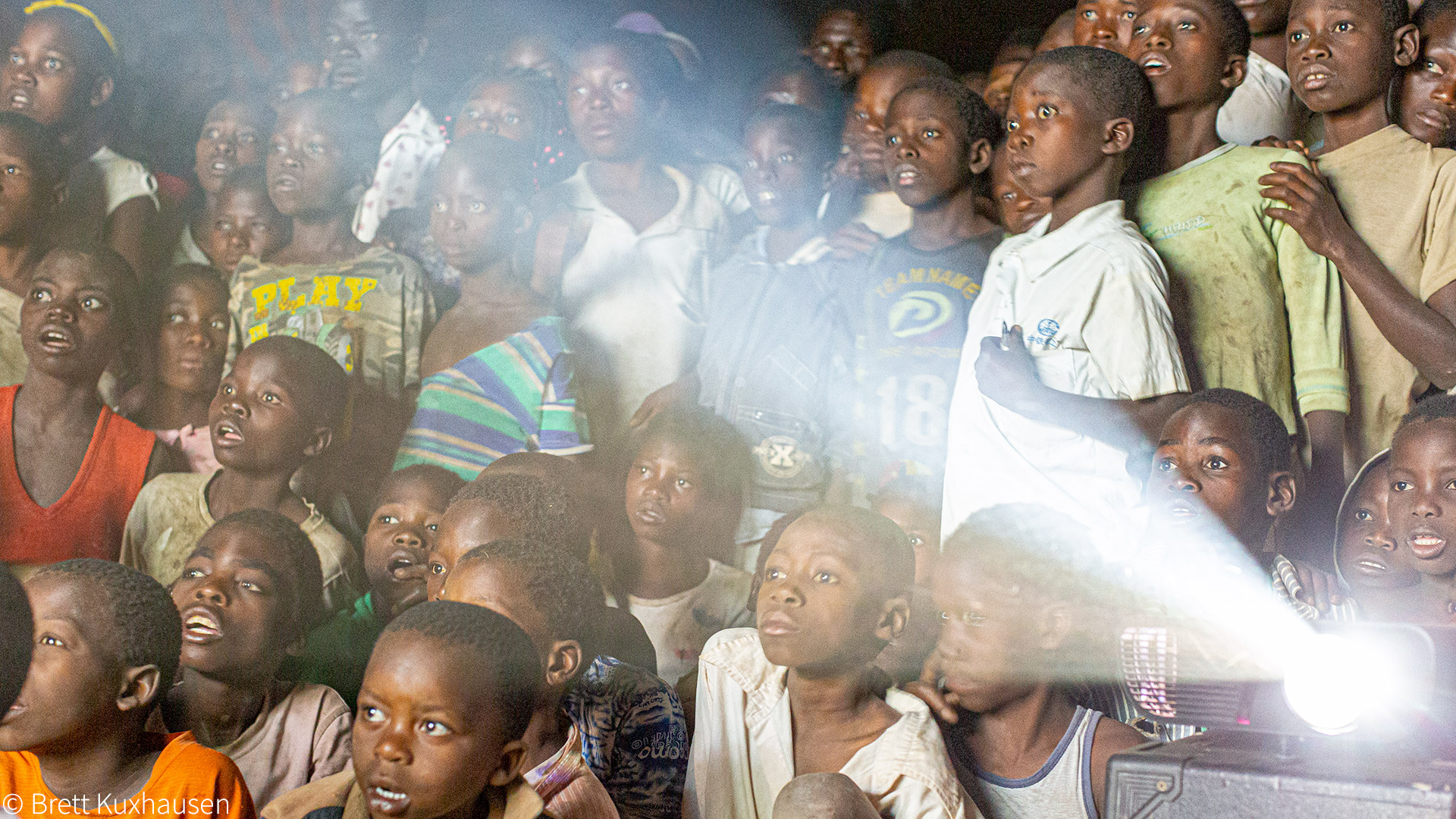
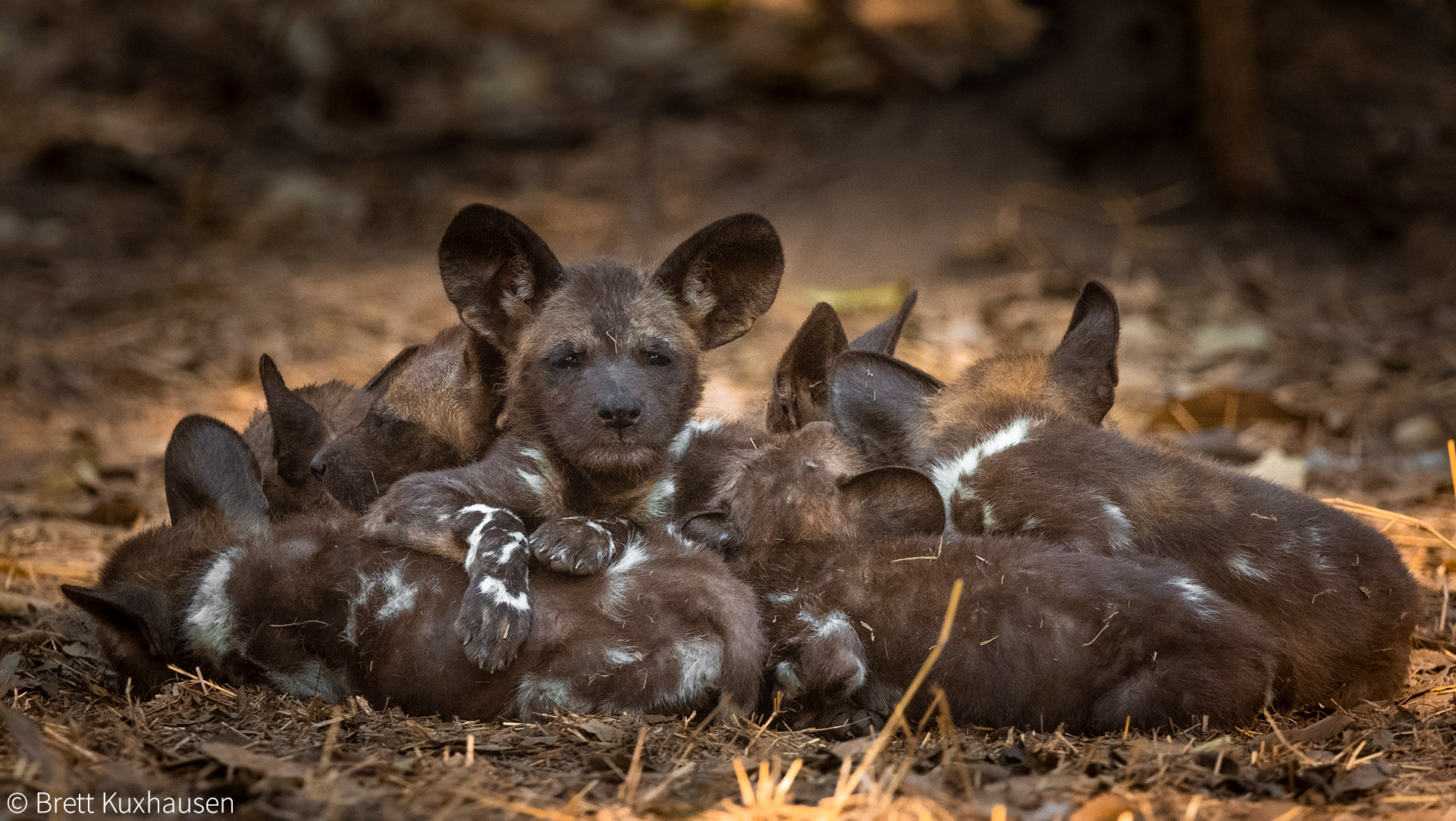
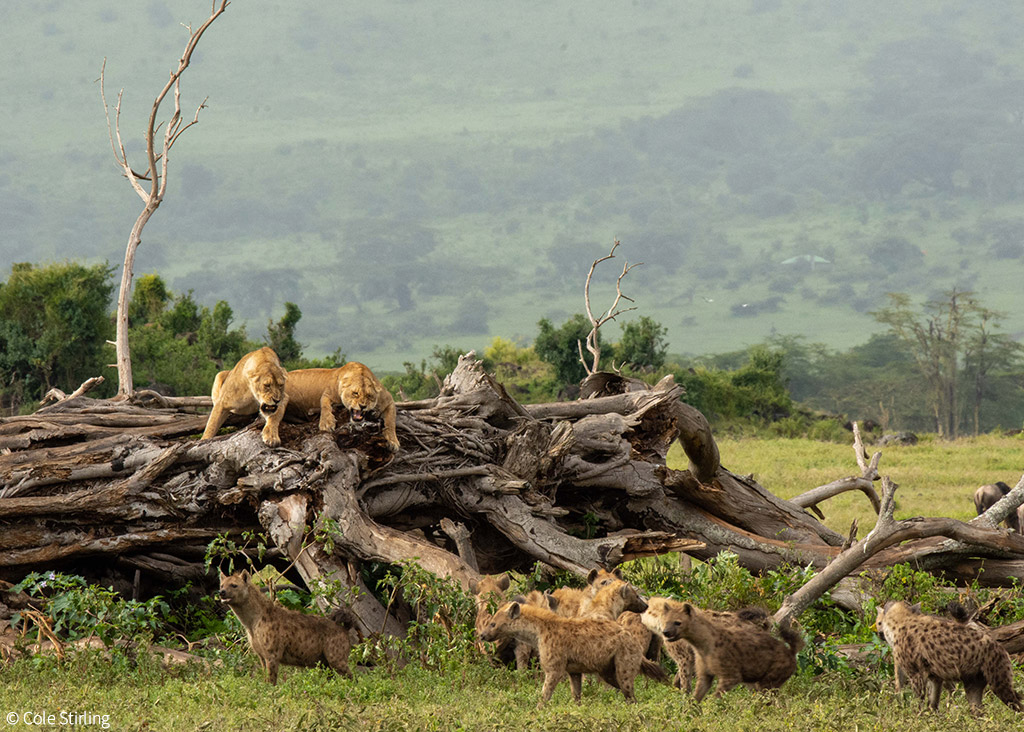
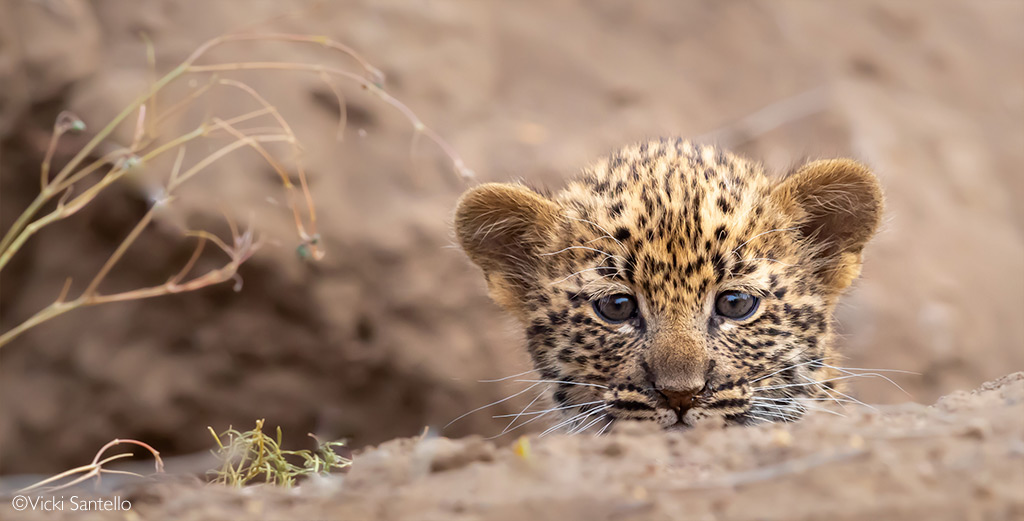
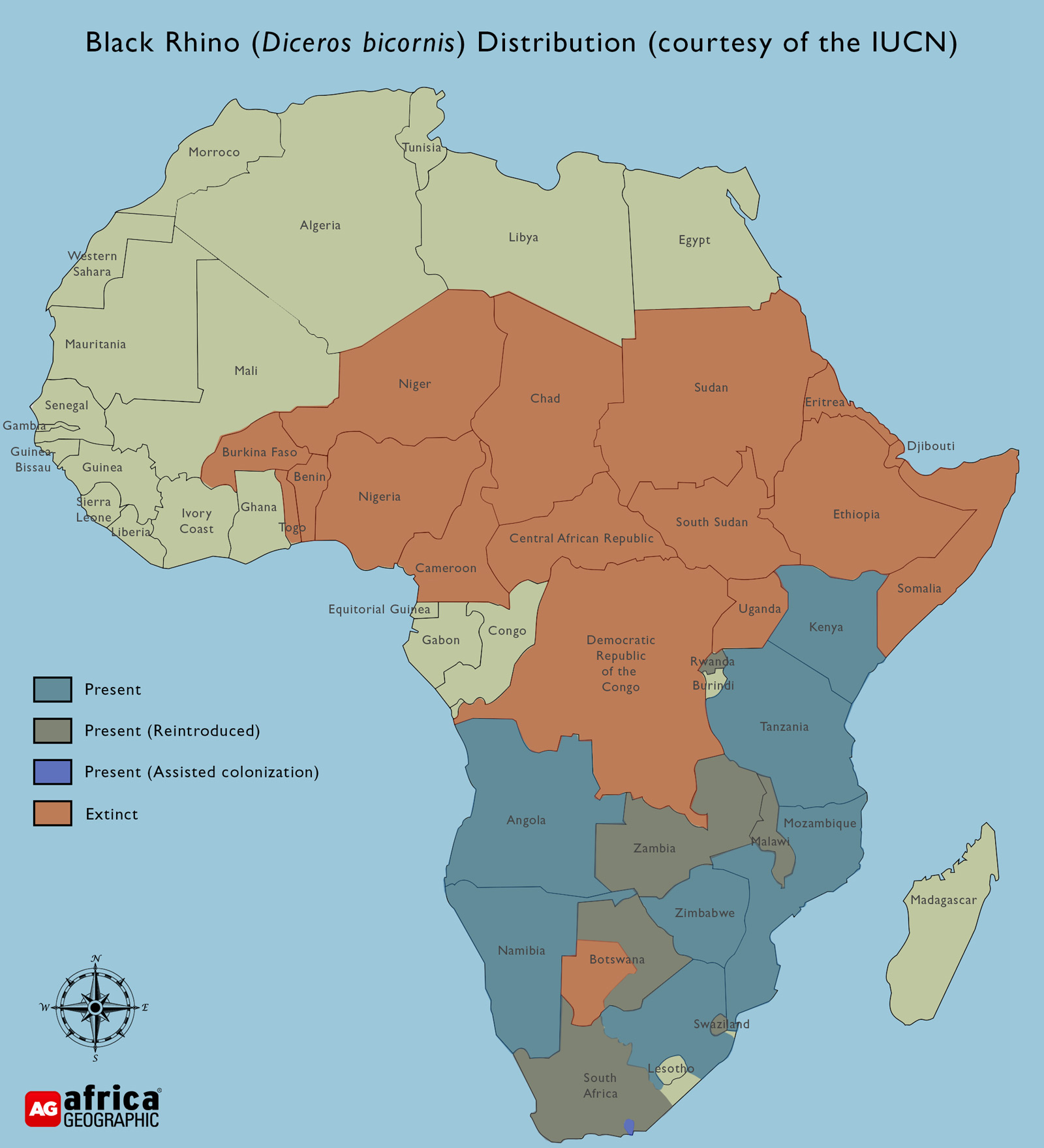
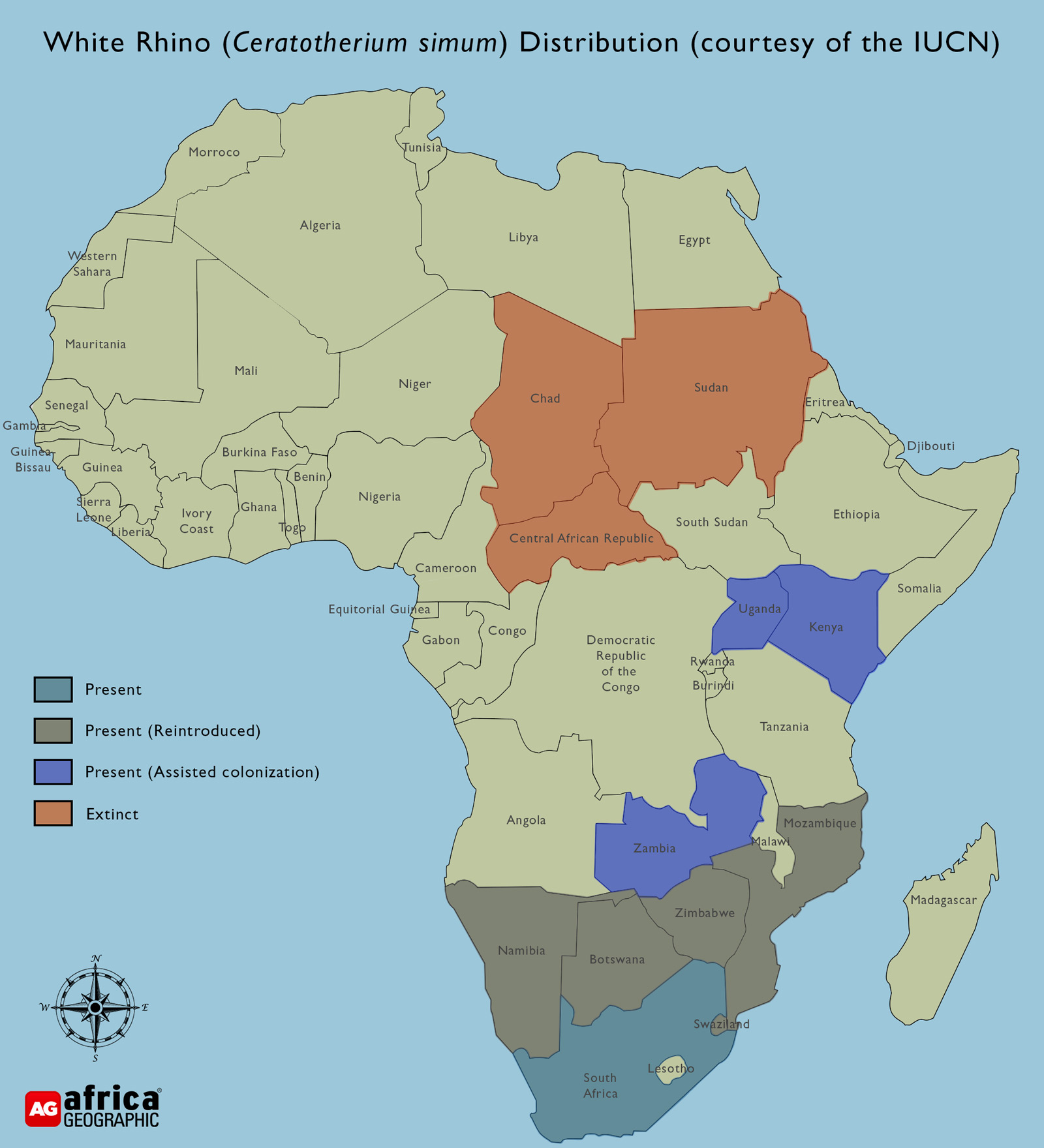
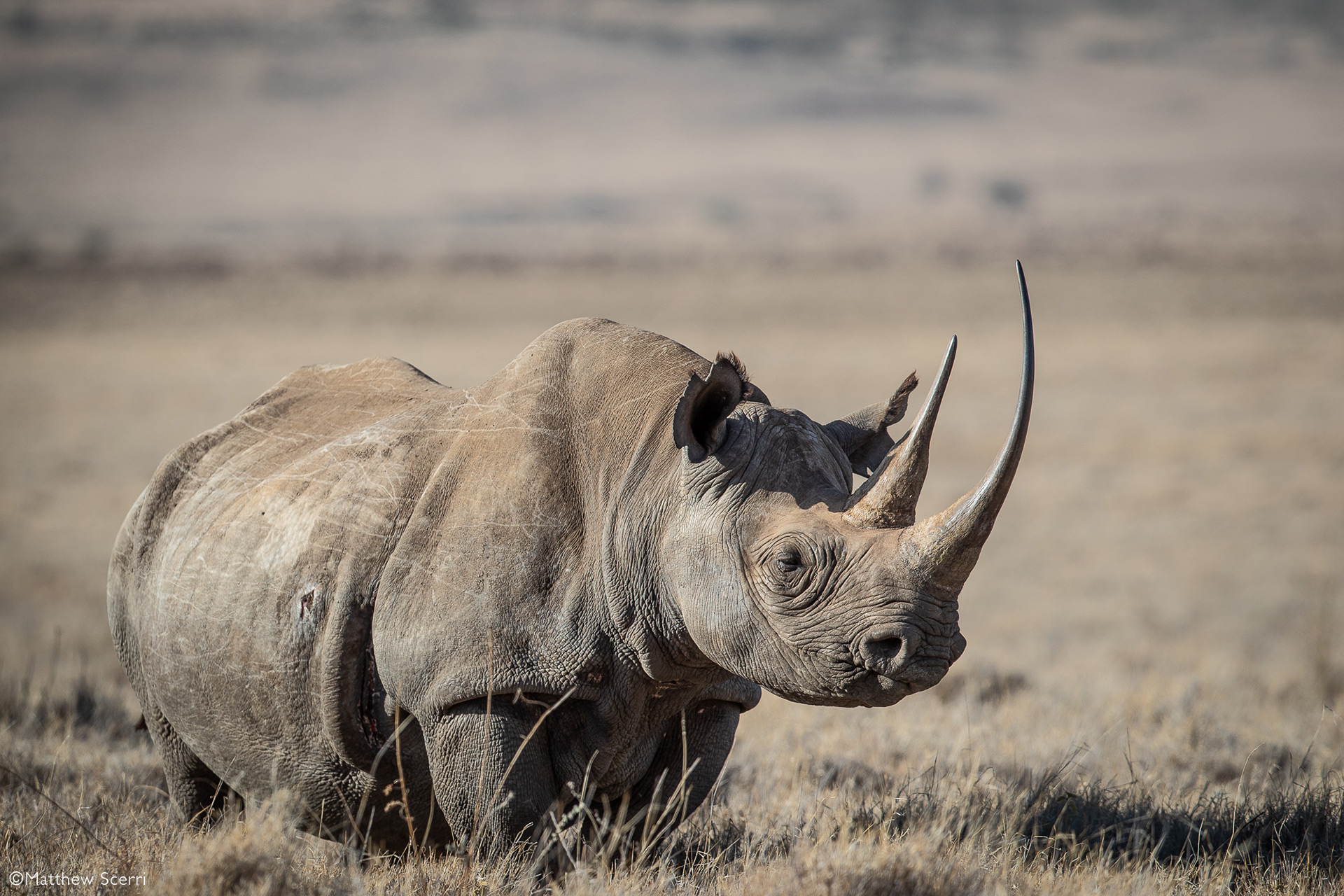
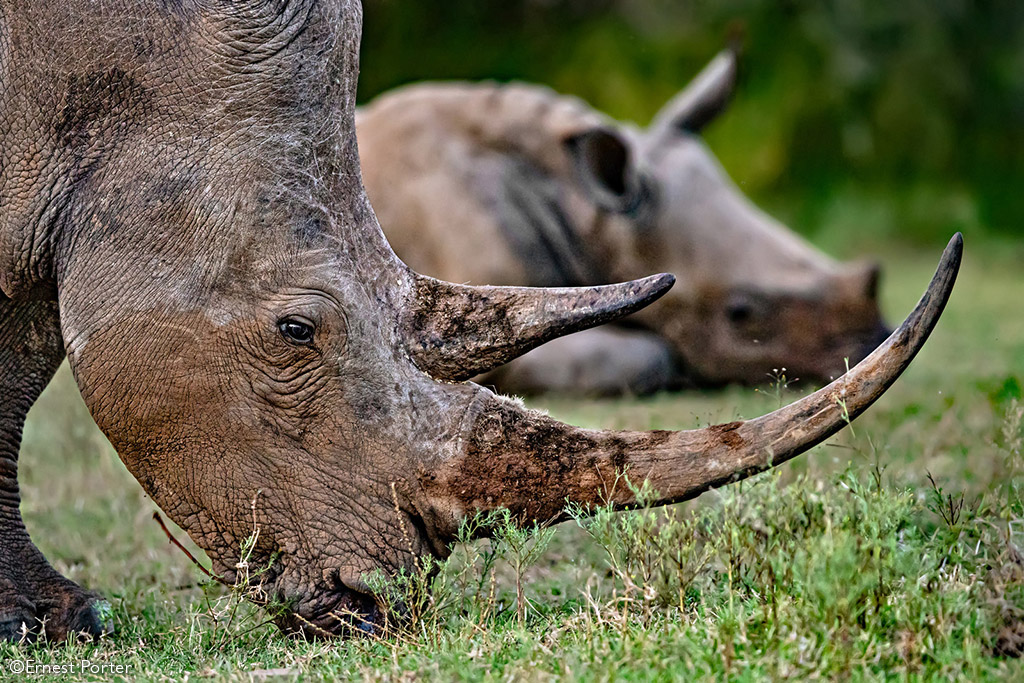
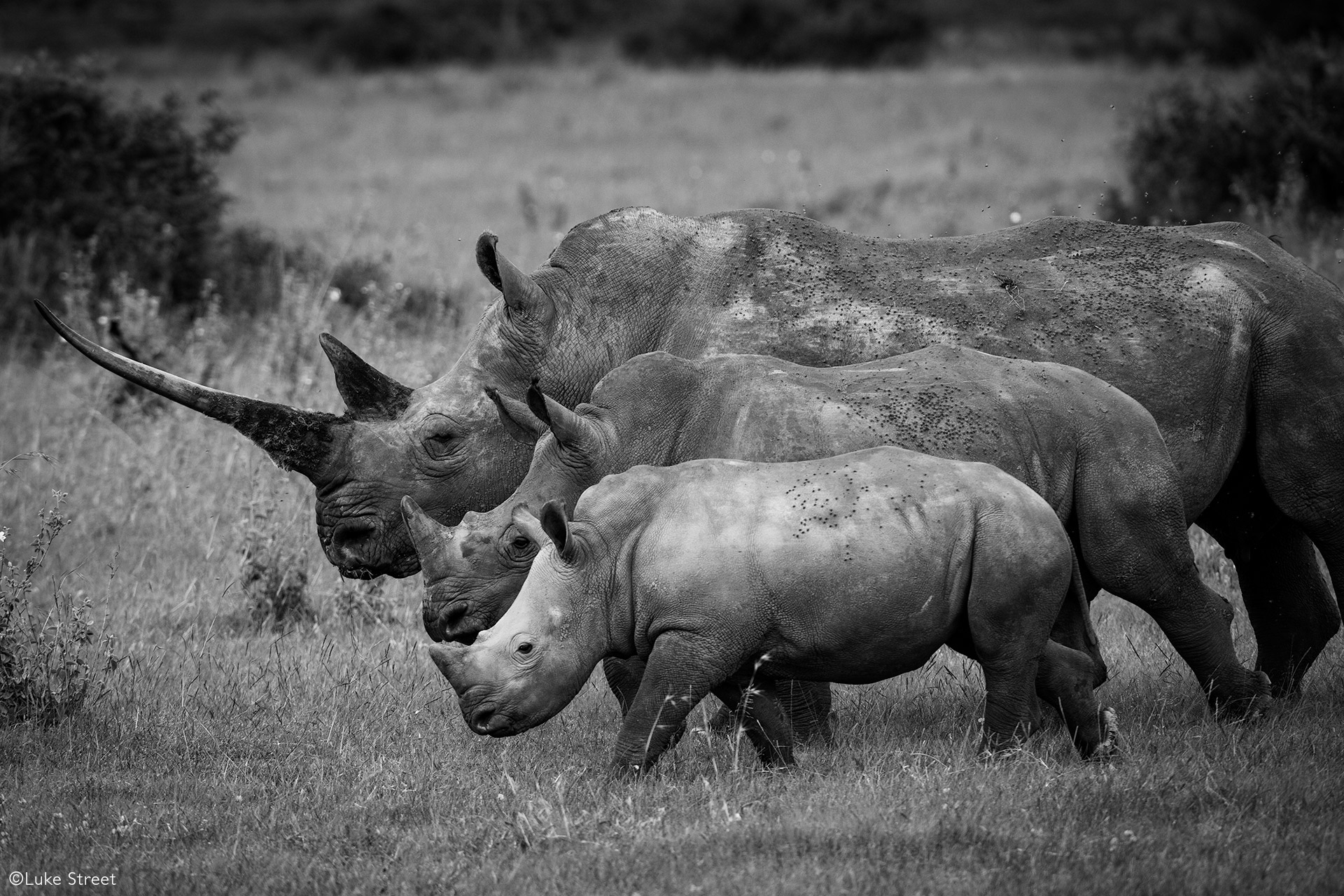
 Jamie Paterson – Scientific Editor at Africa Geographic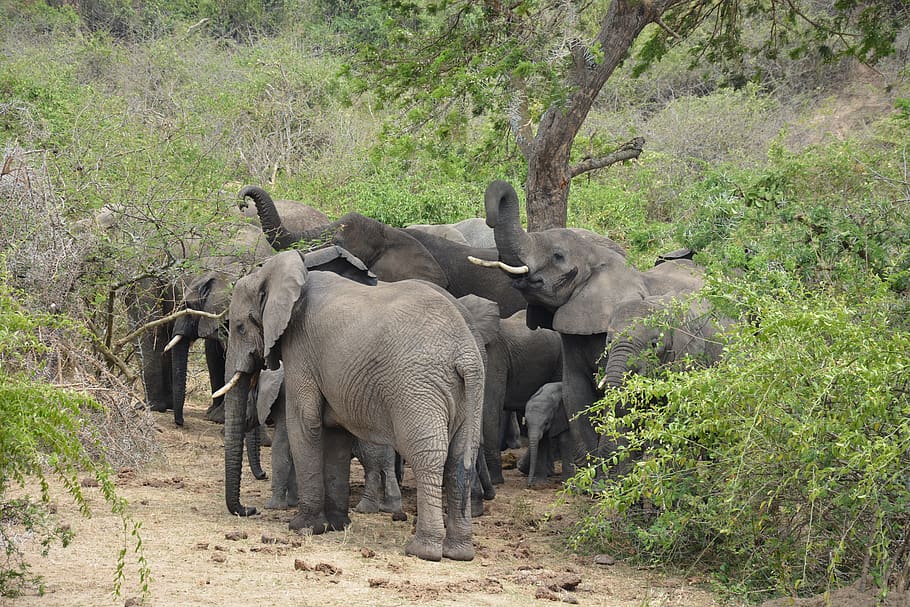
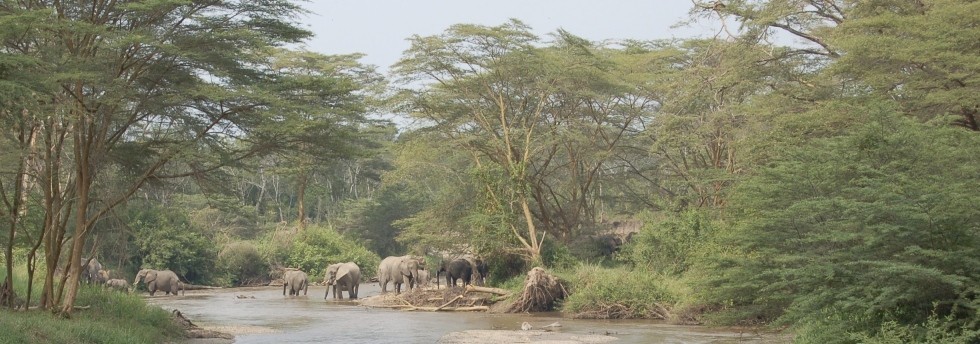
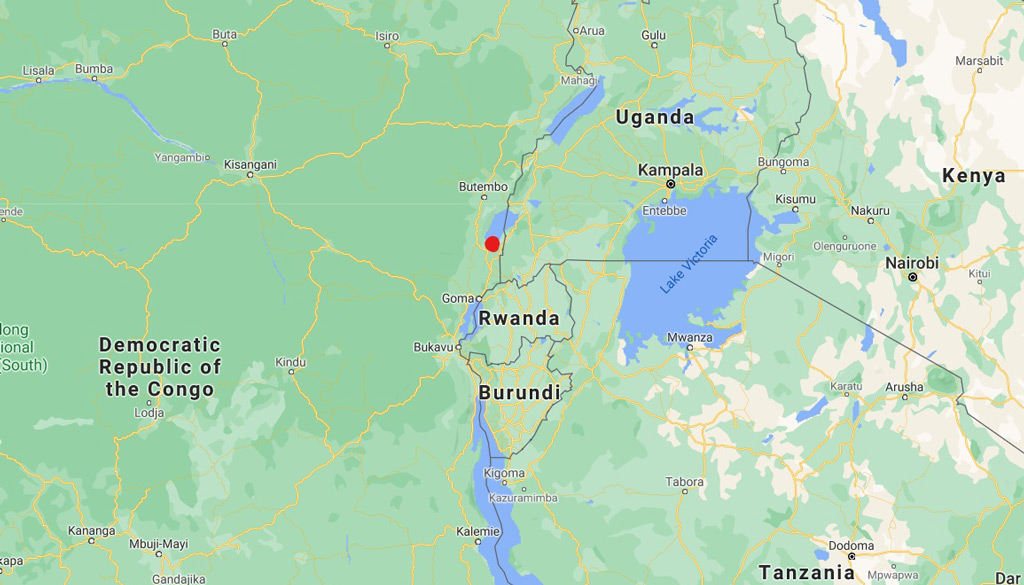
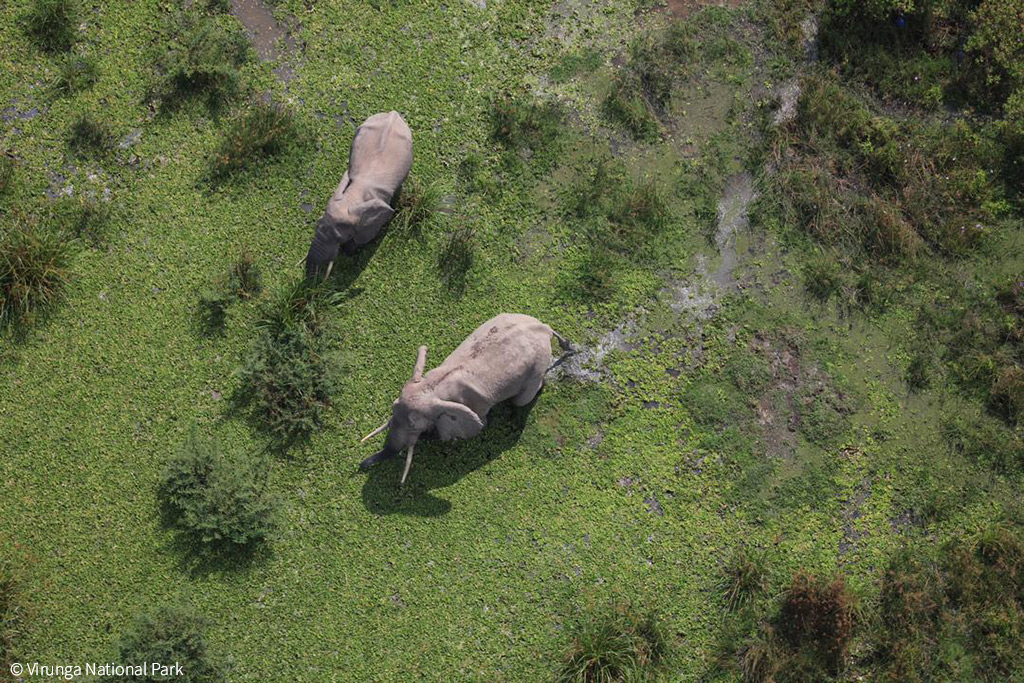
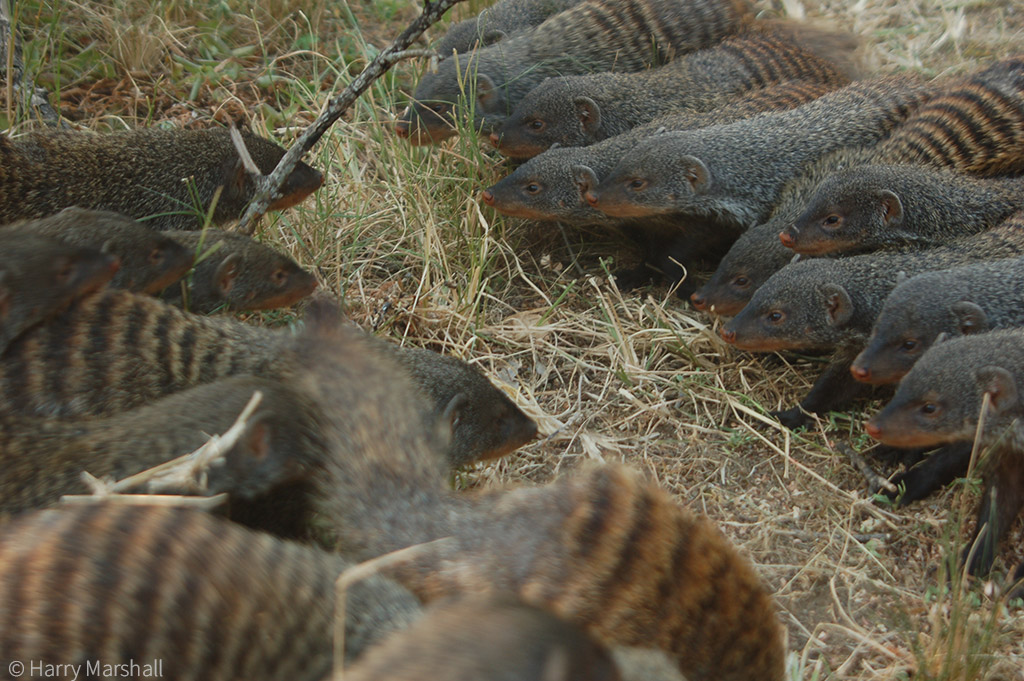
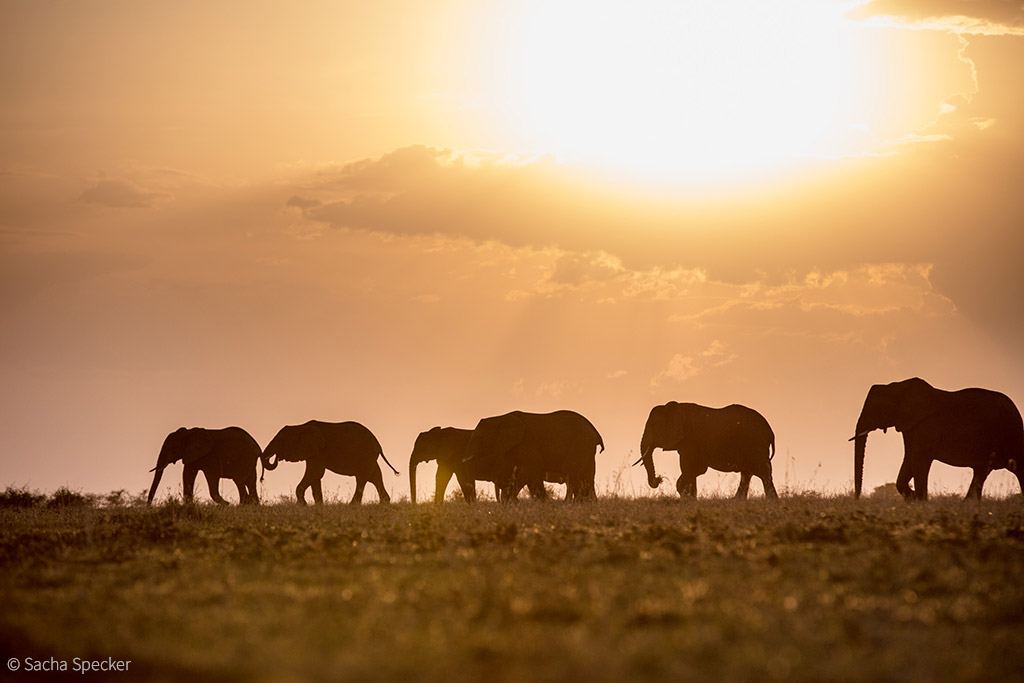
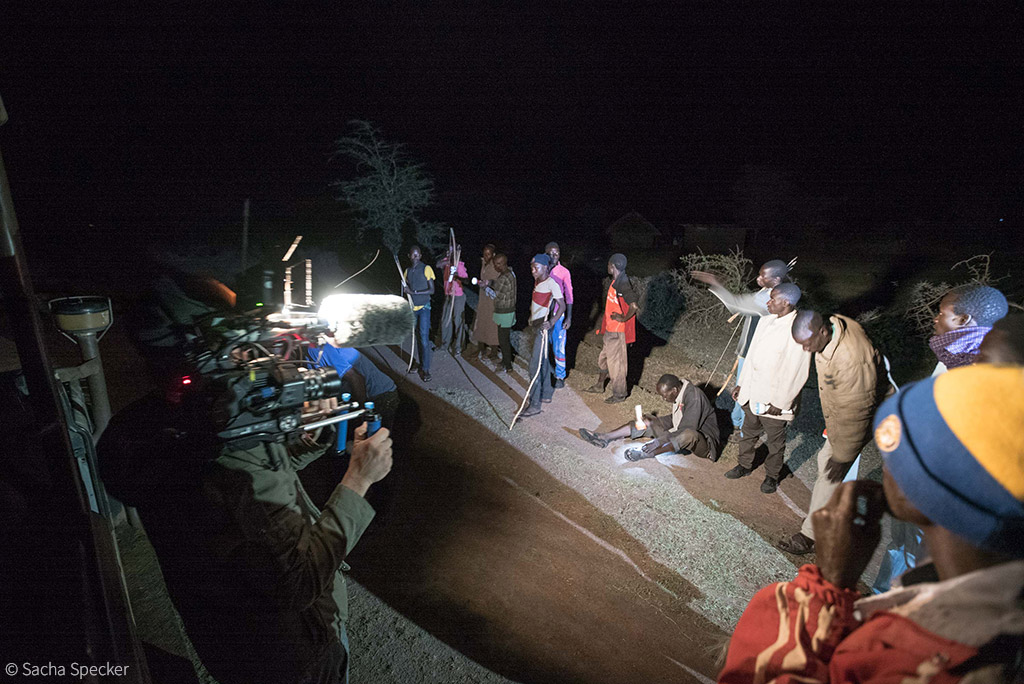
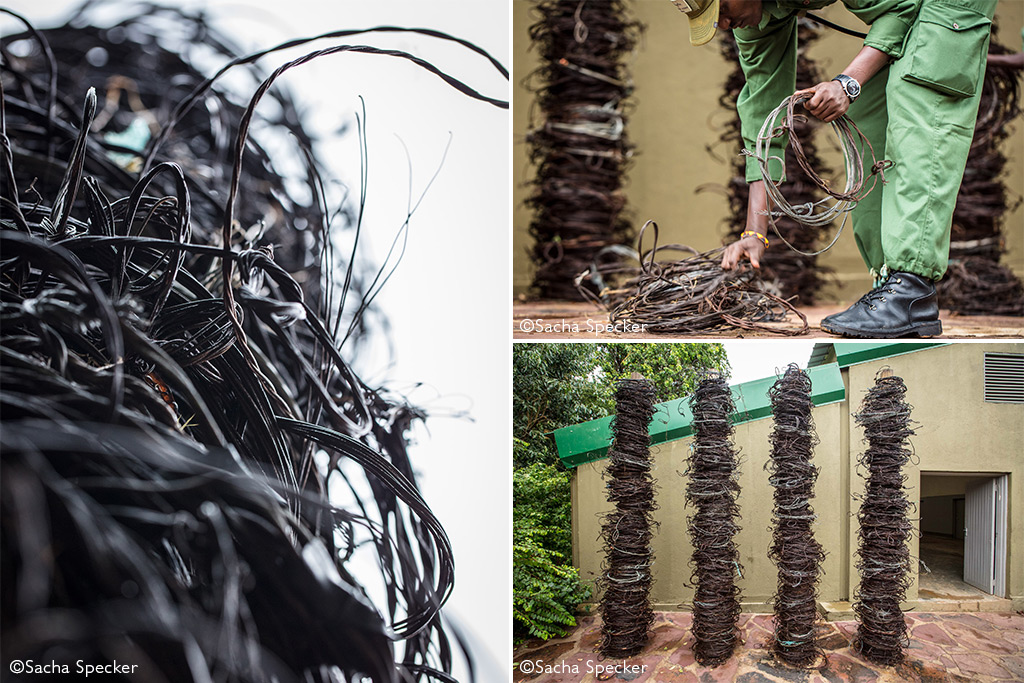
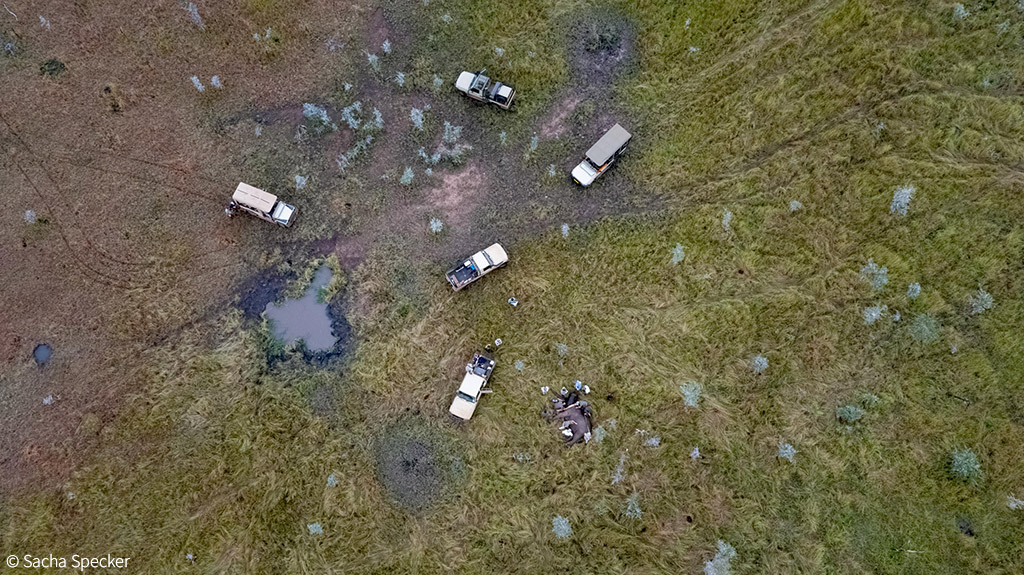
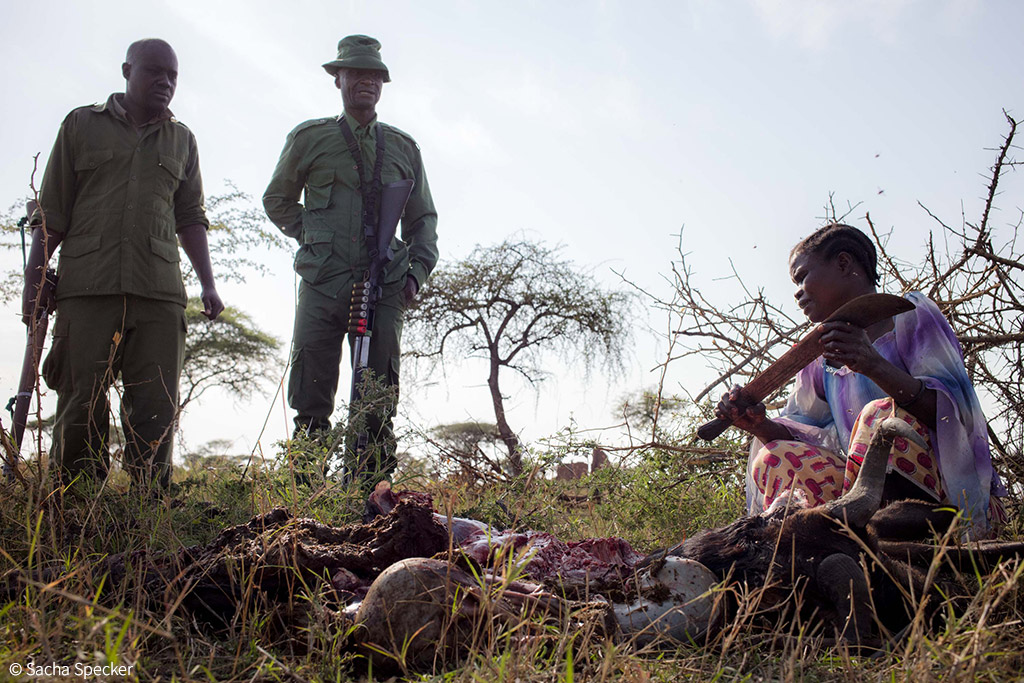
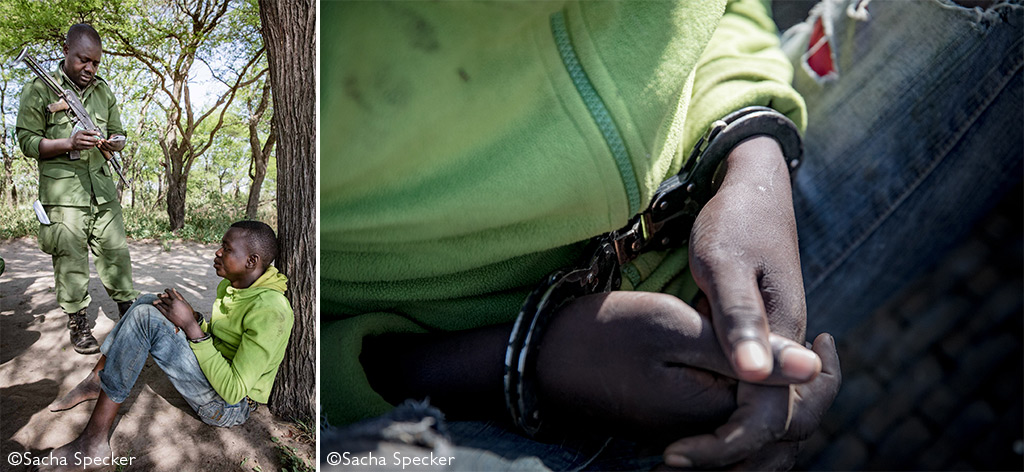
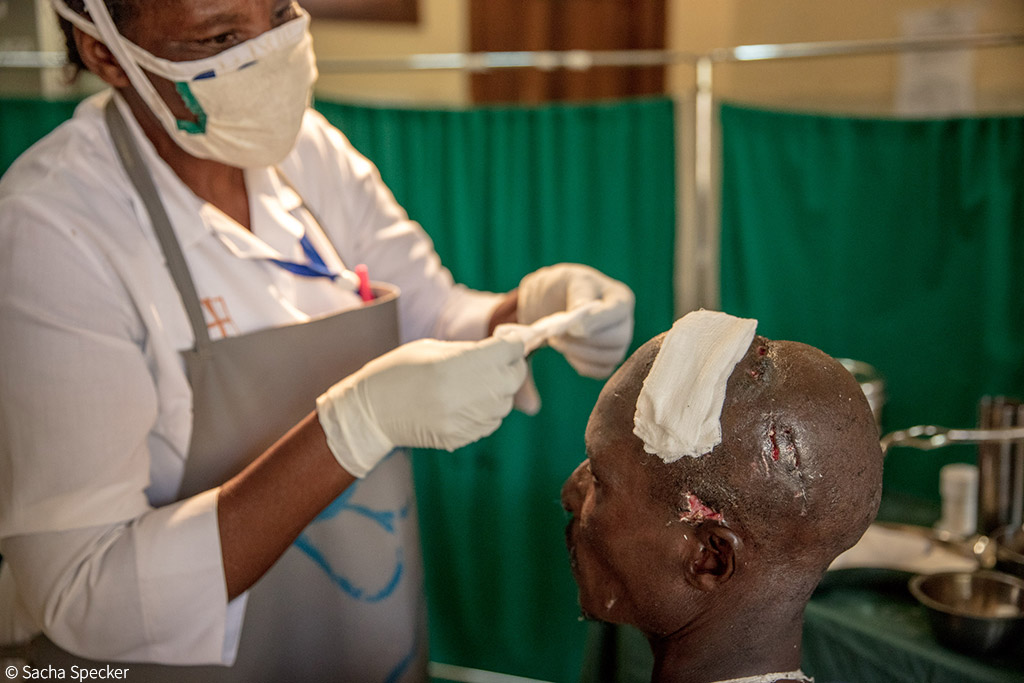
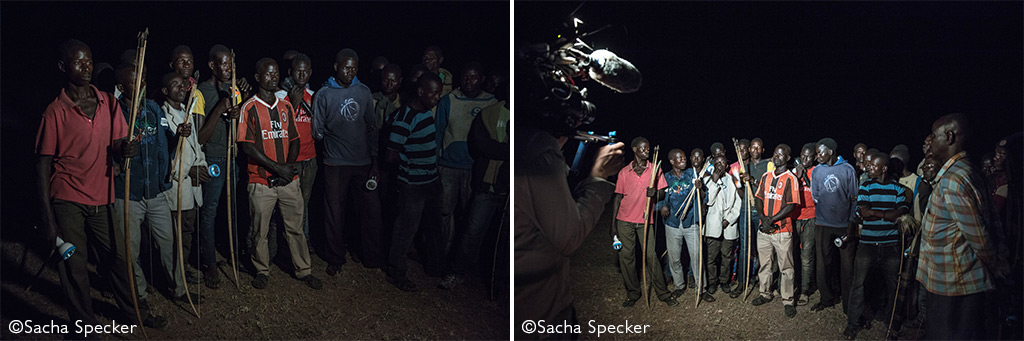
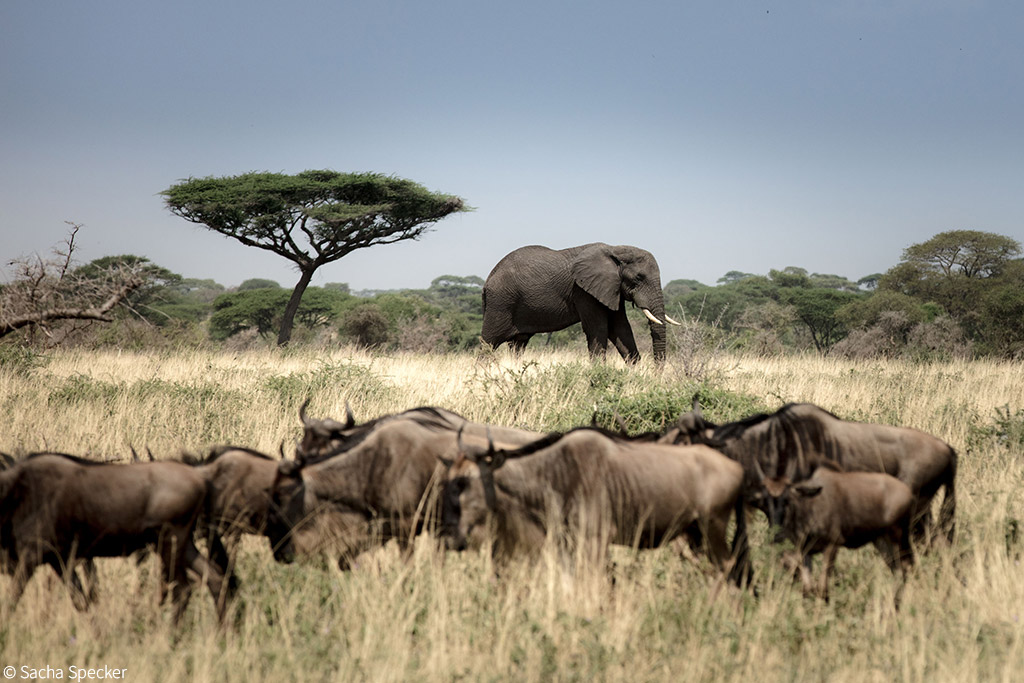
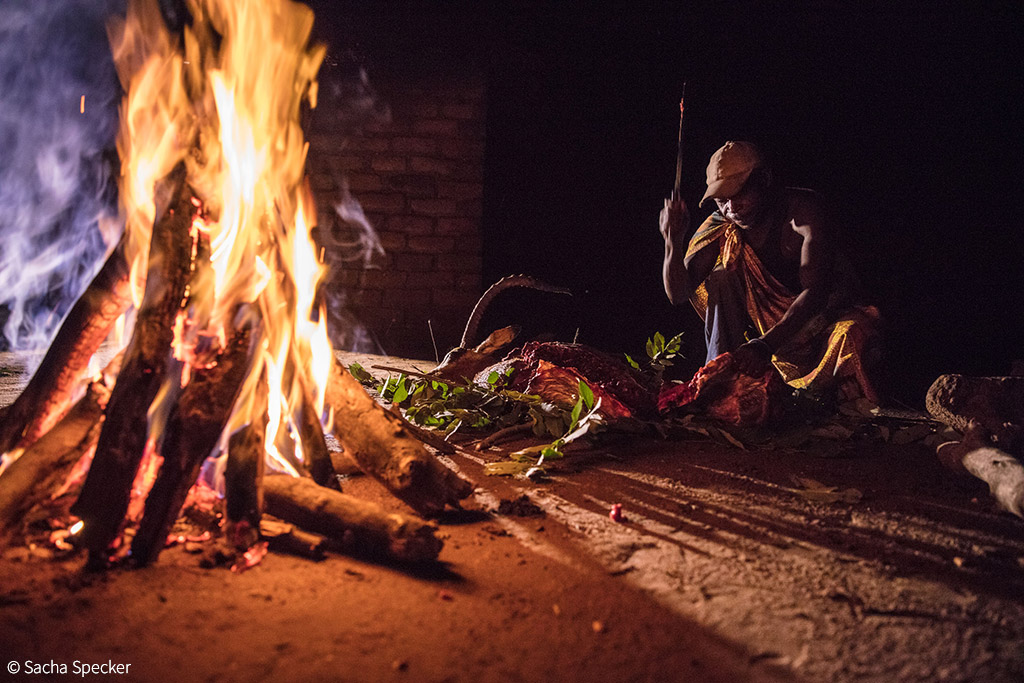
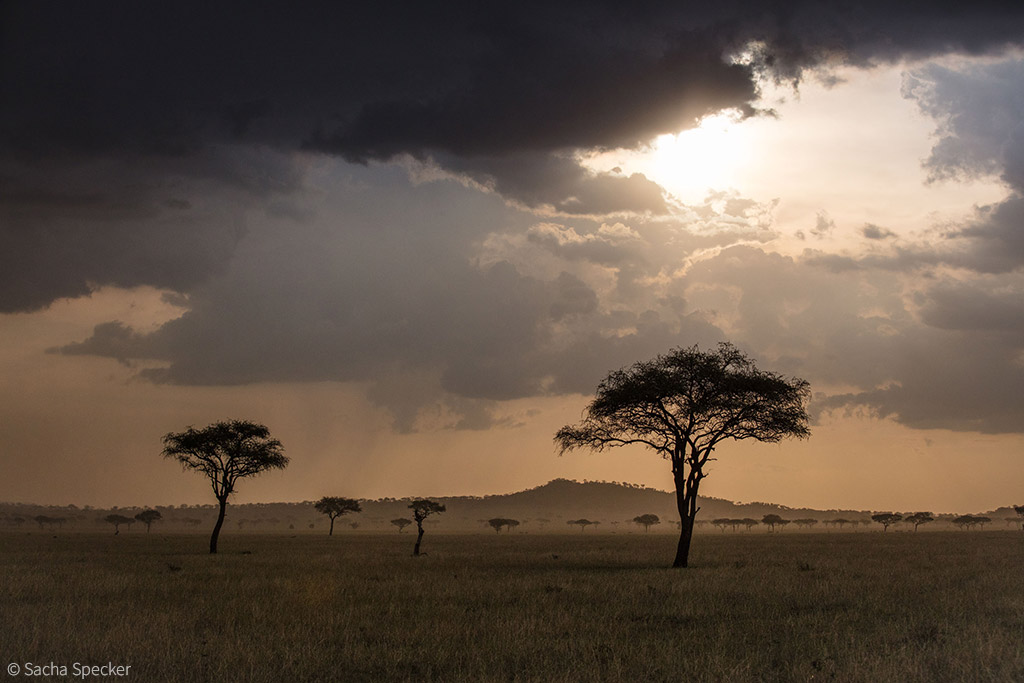
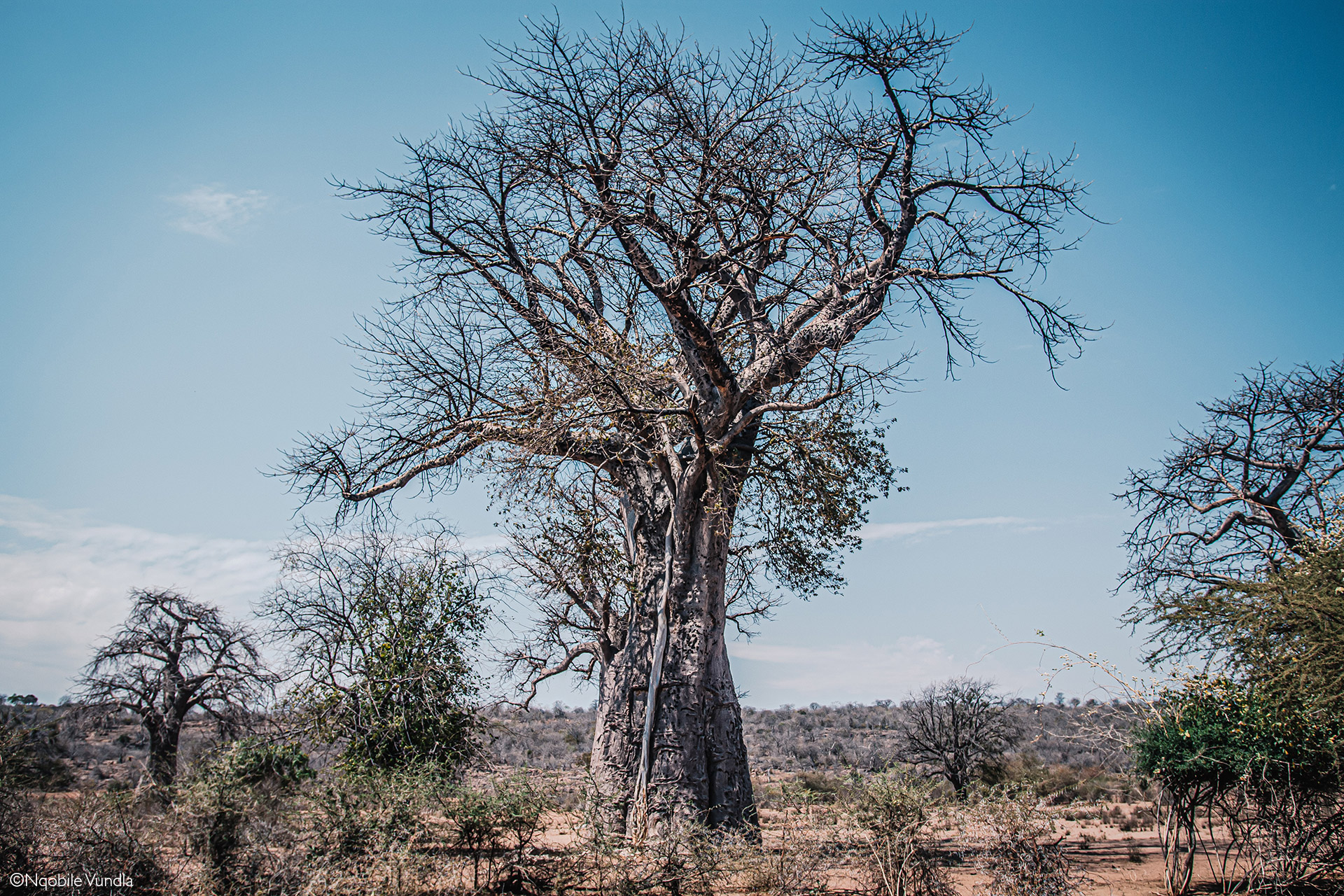
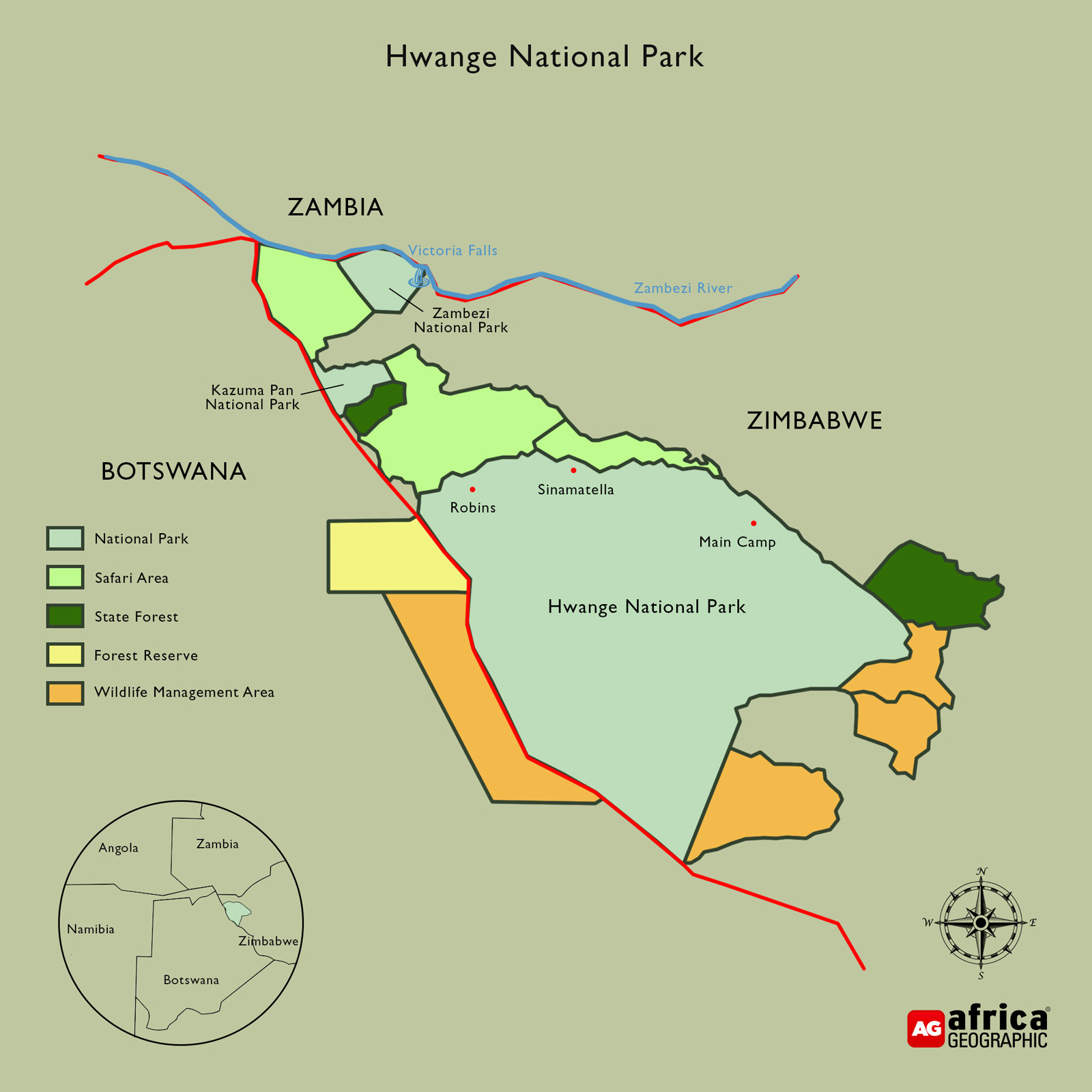
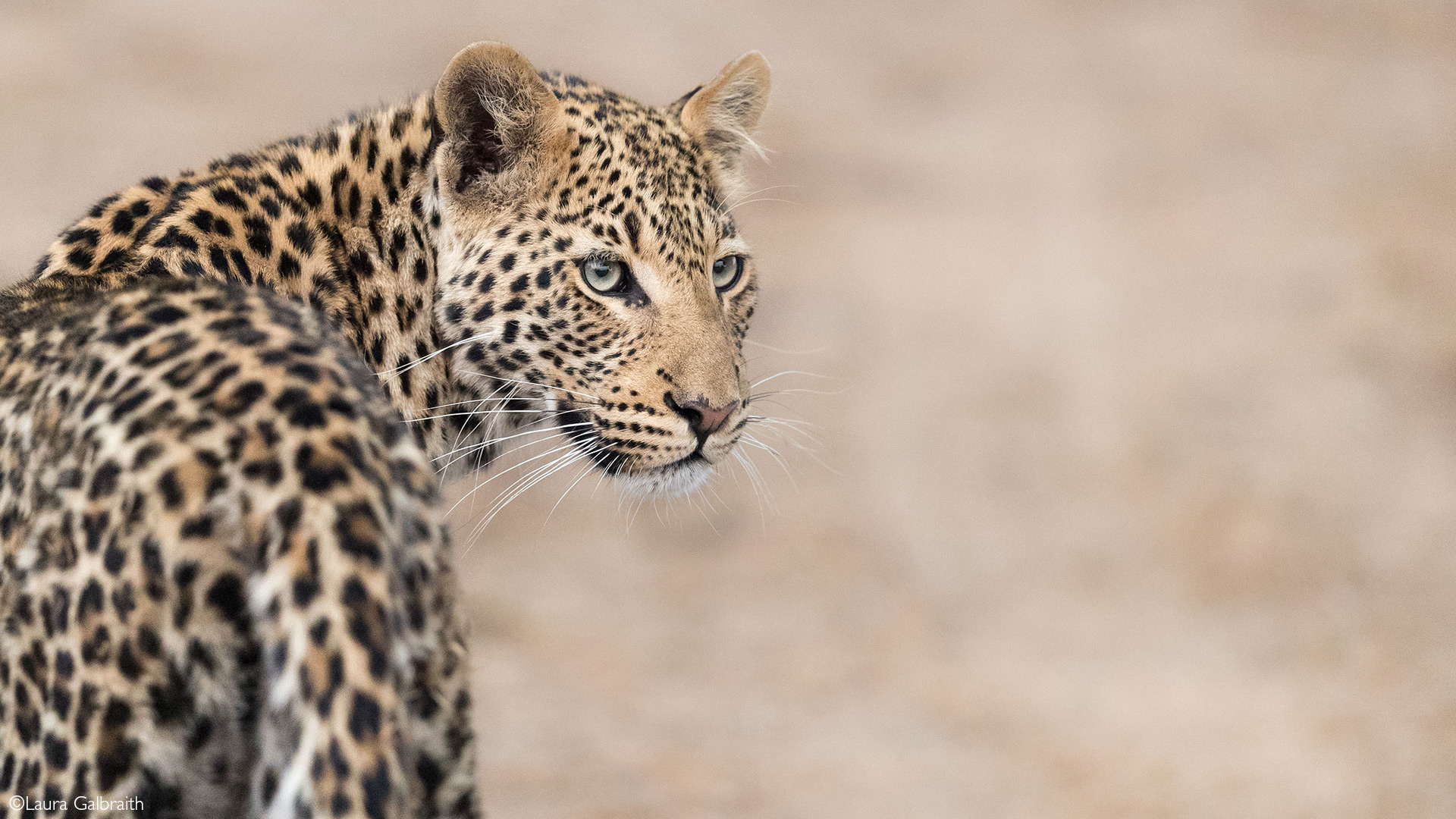
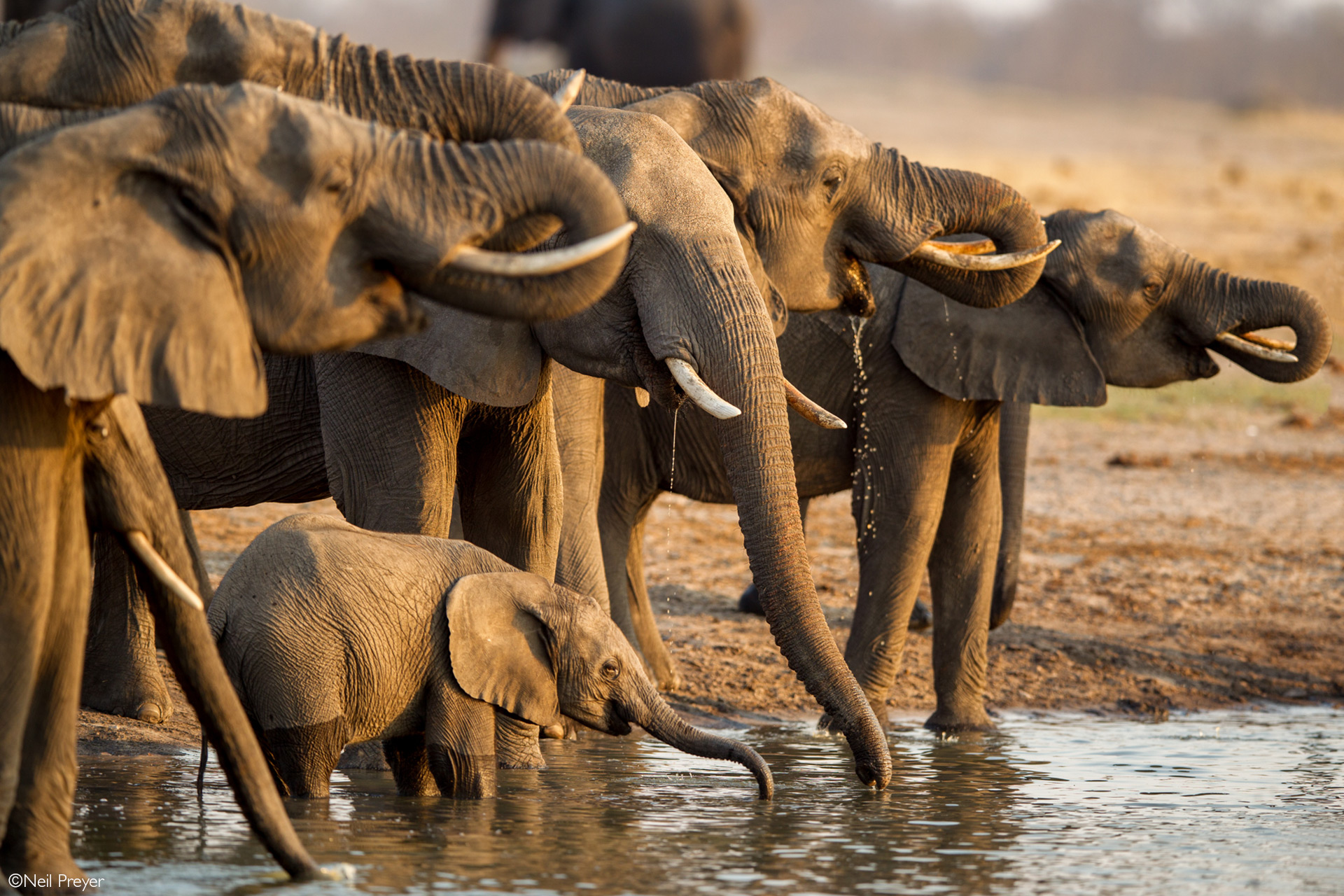
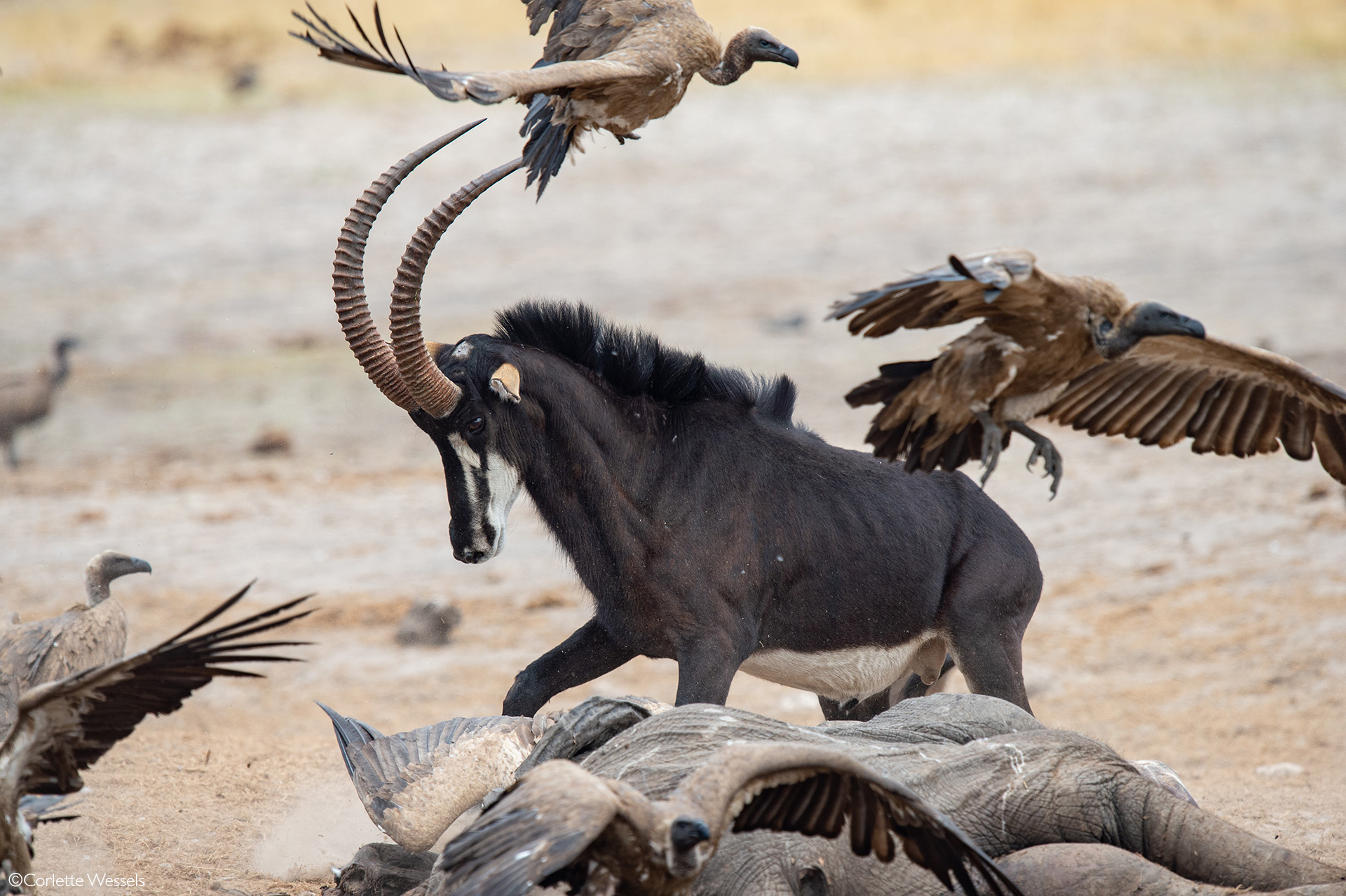
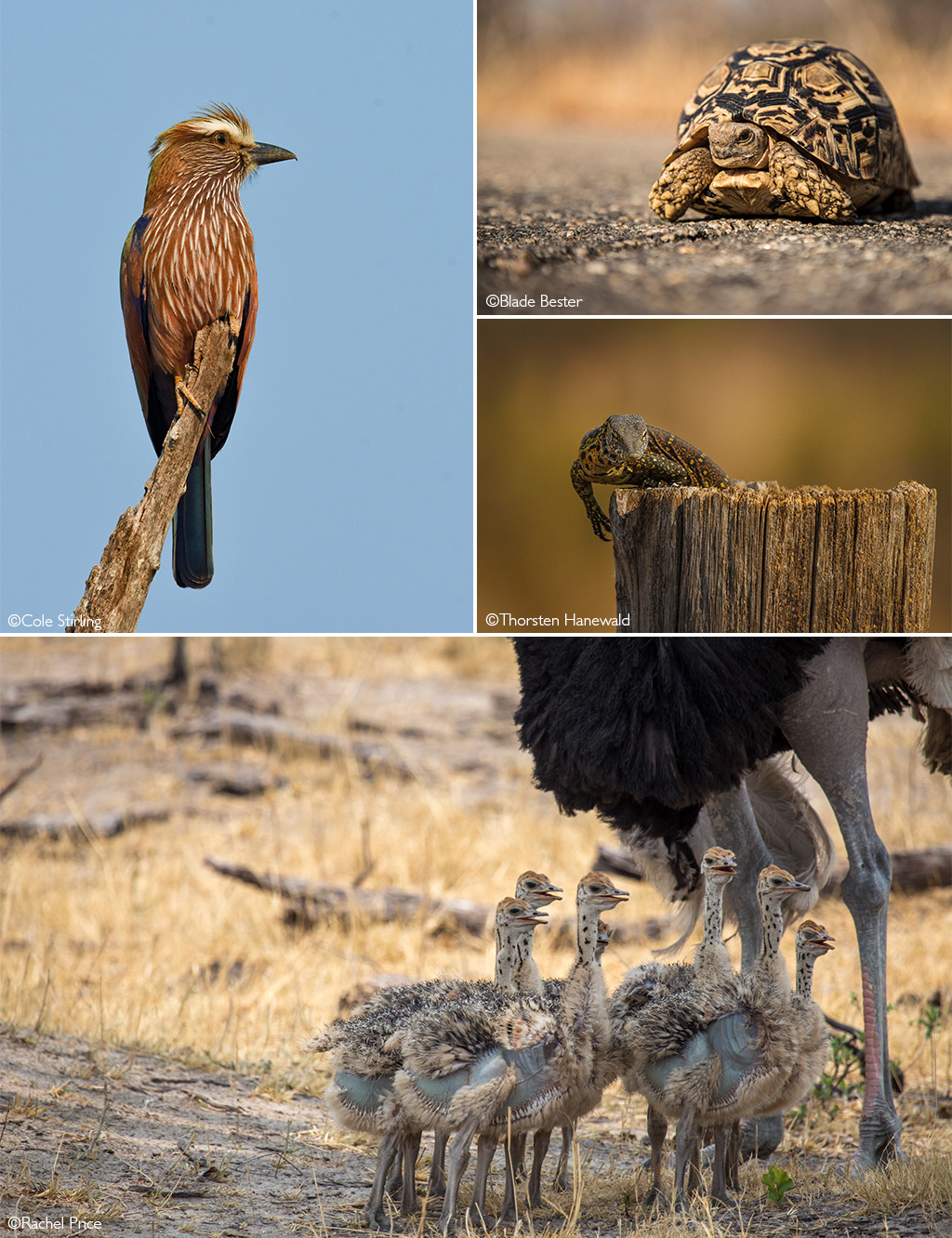
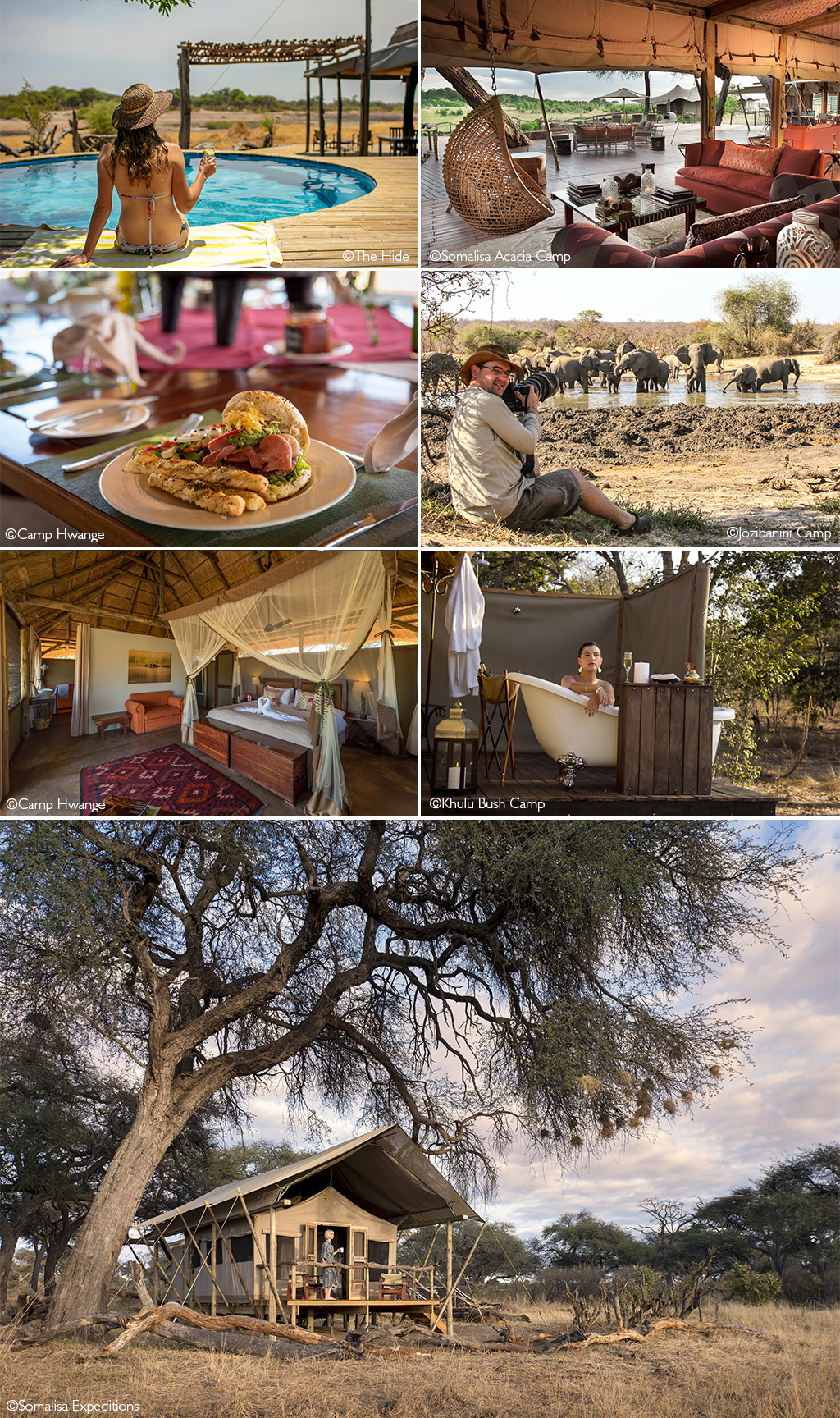
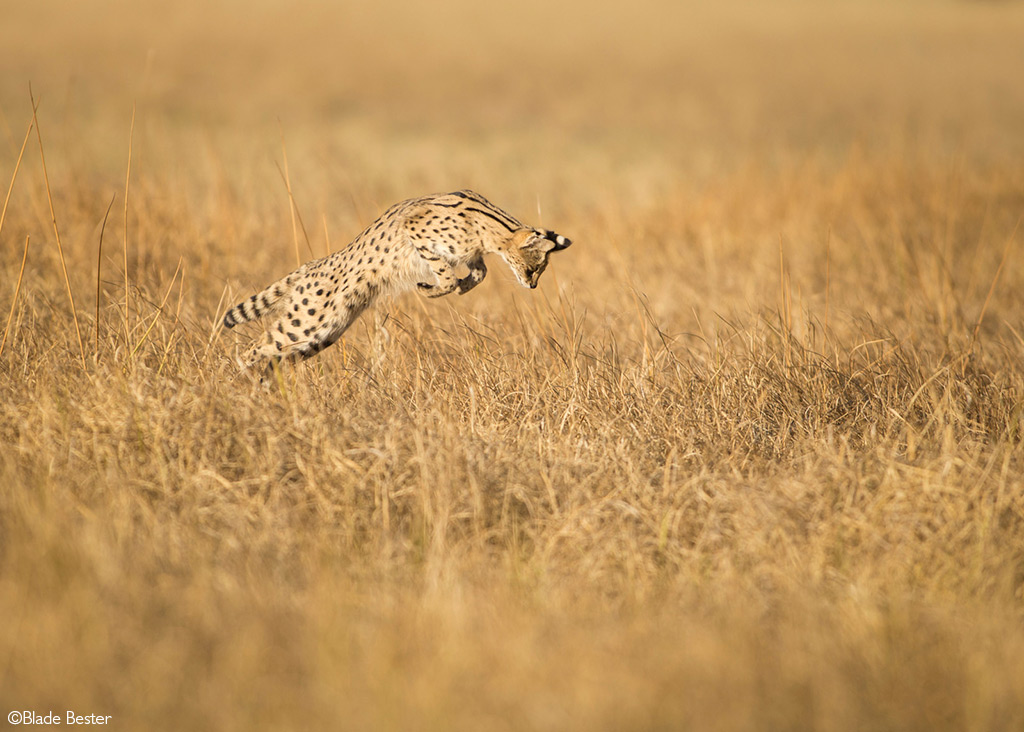
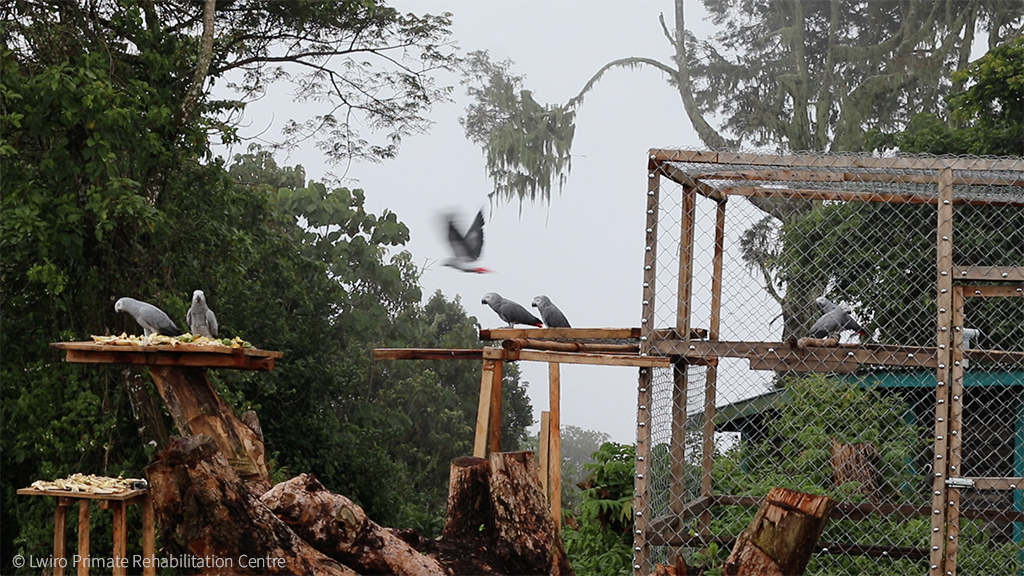
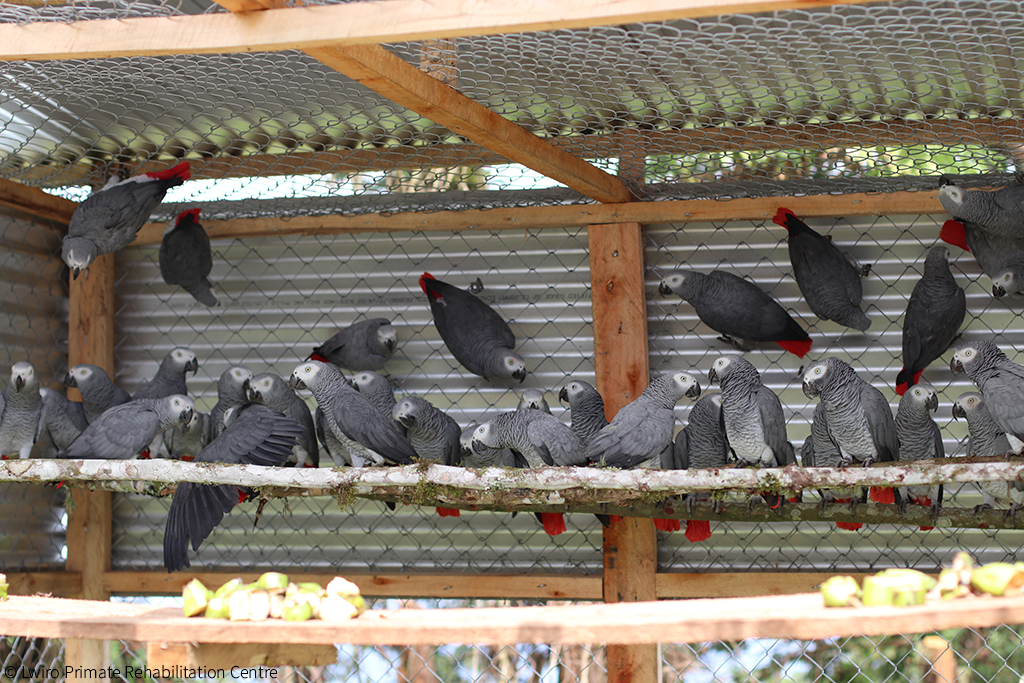
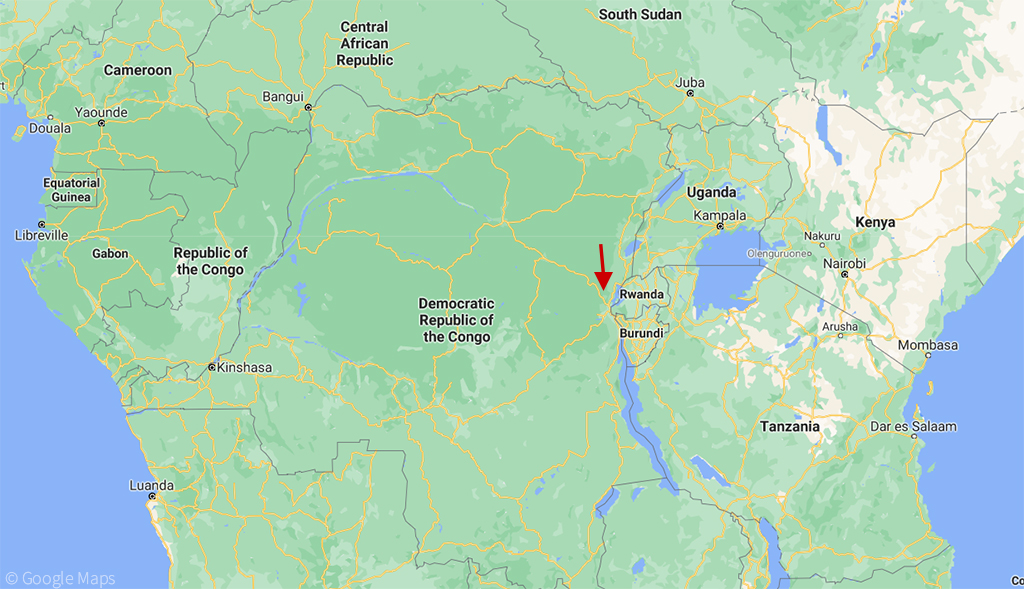
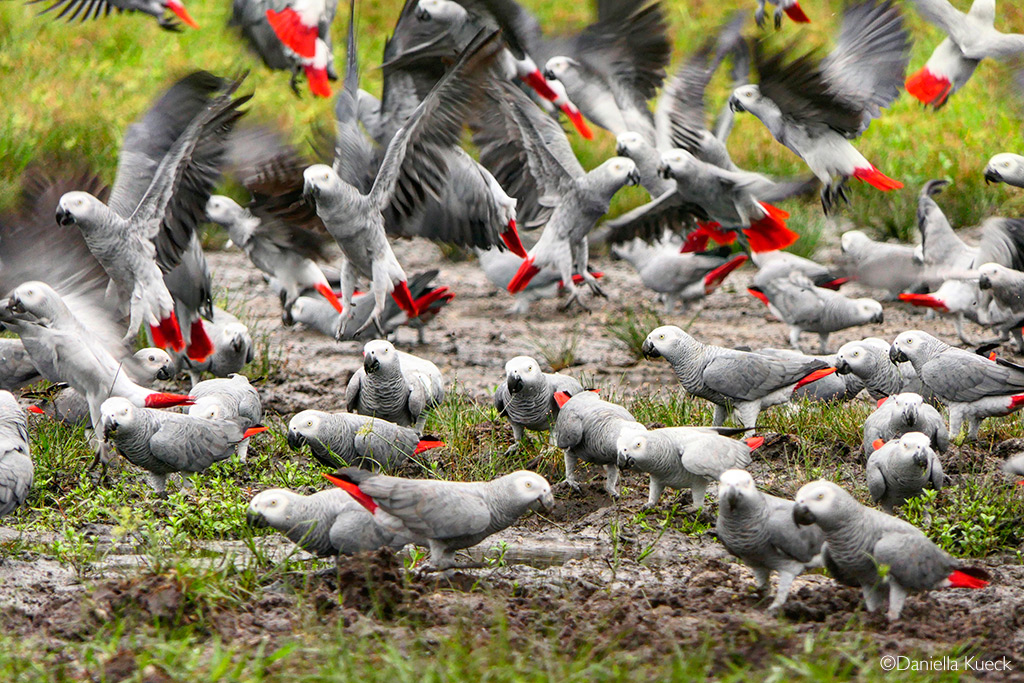
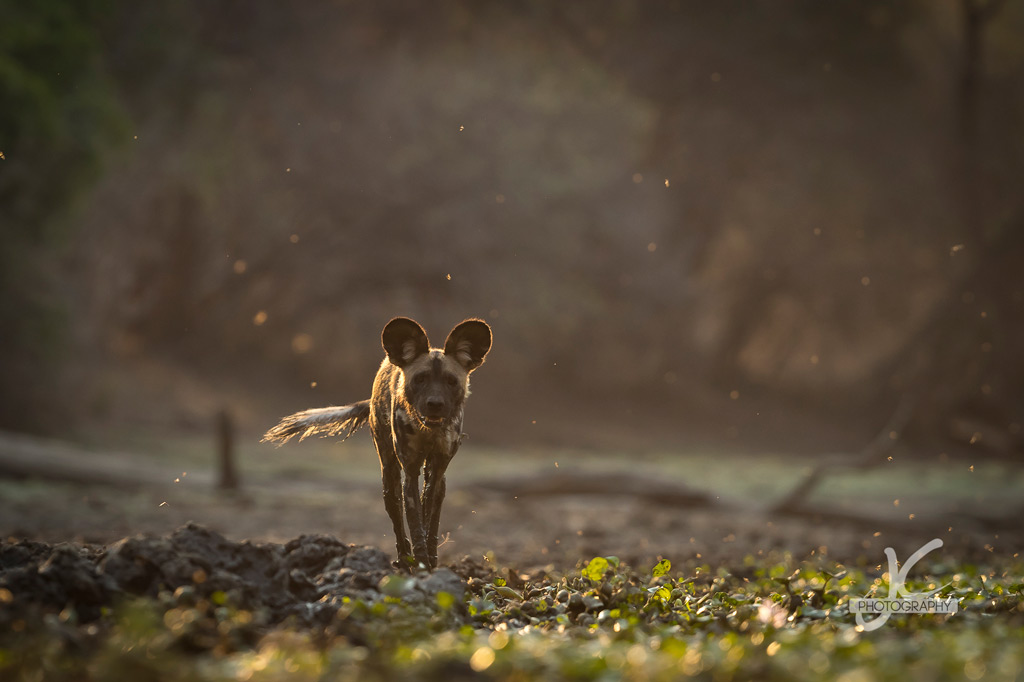
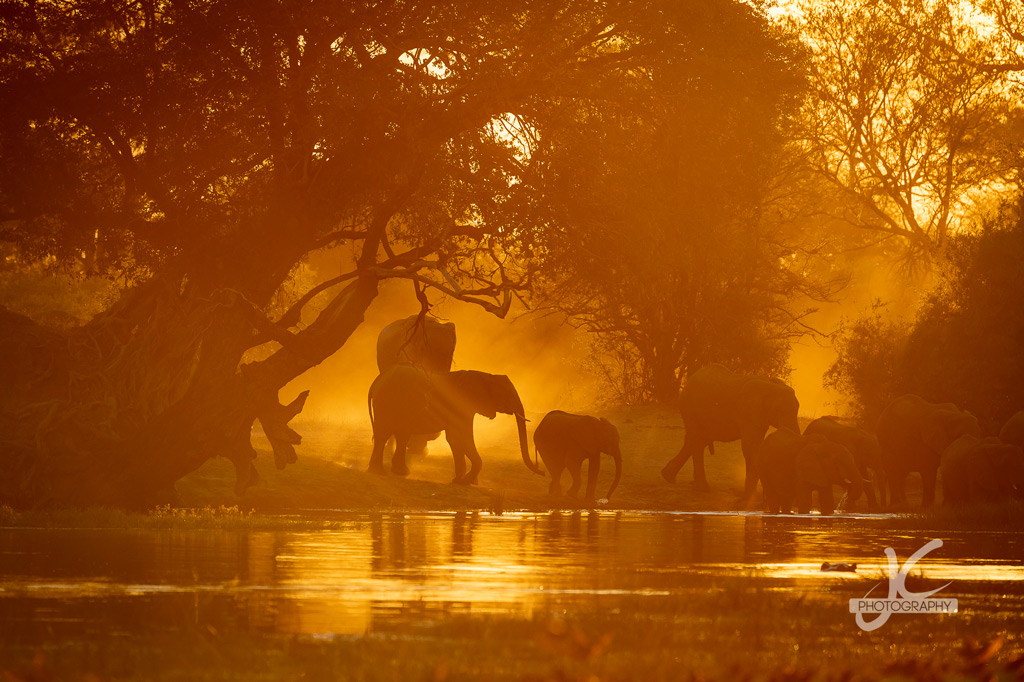
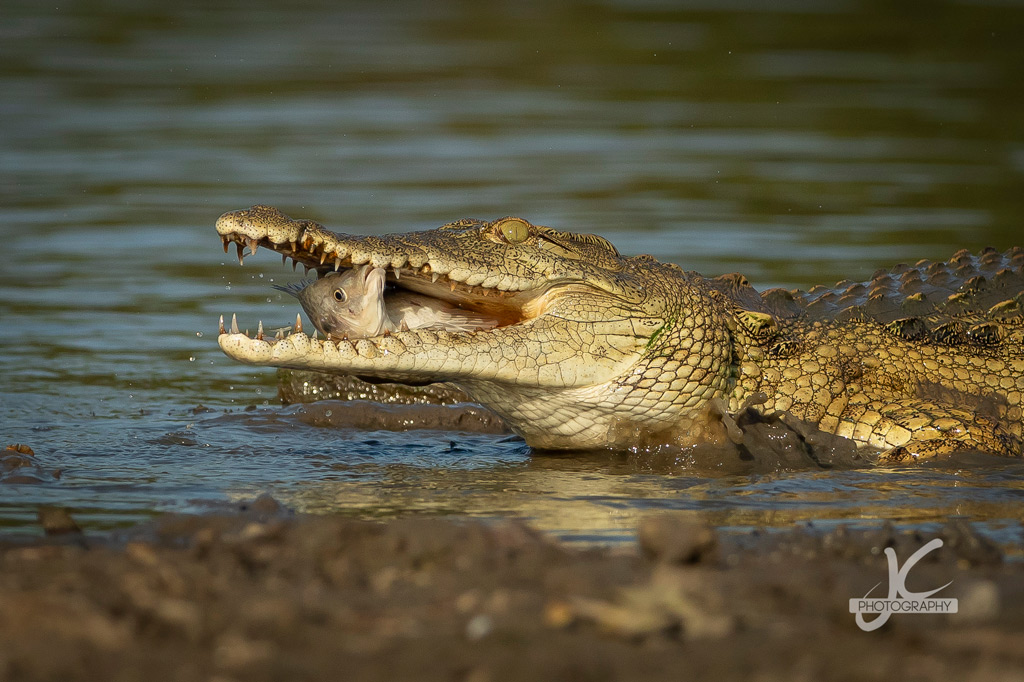
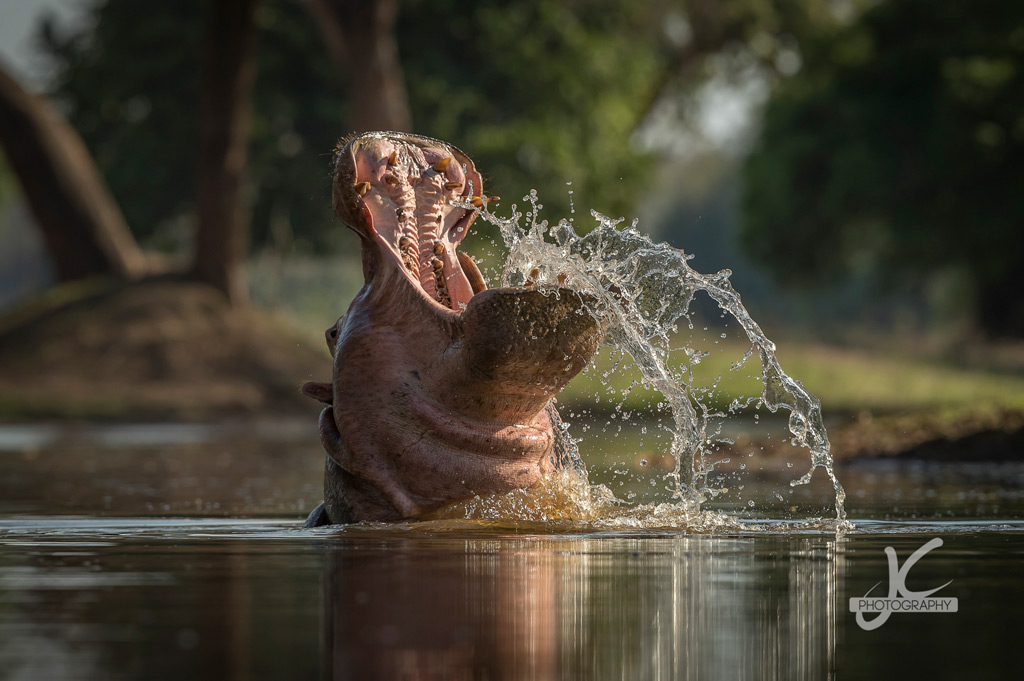
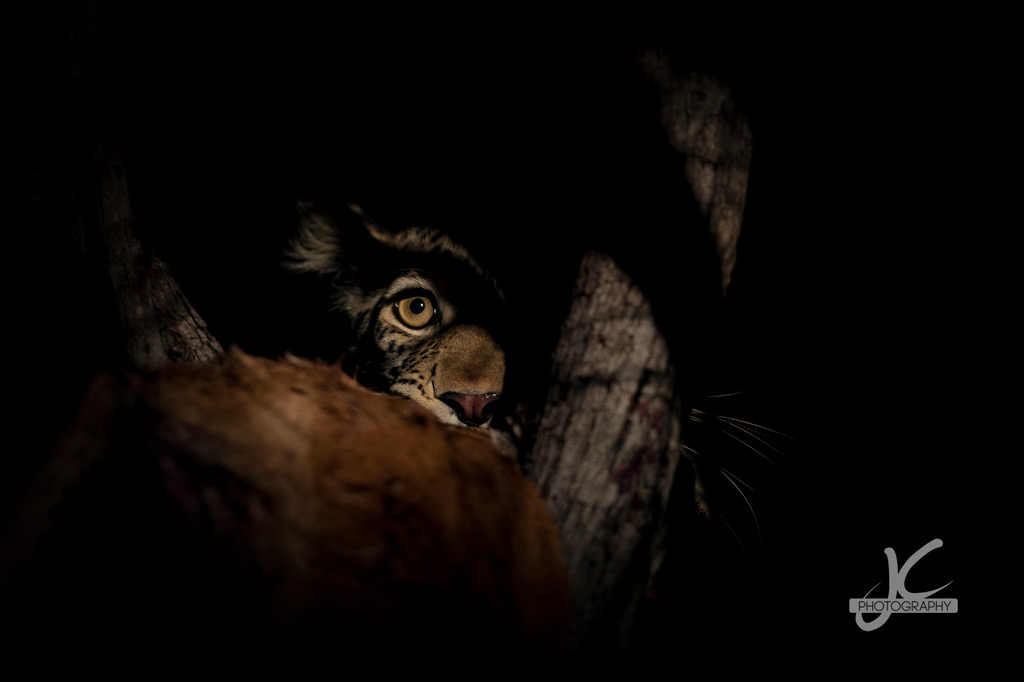
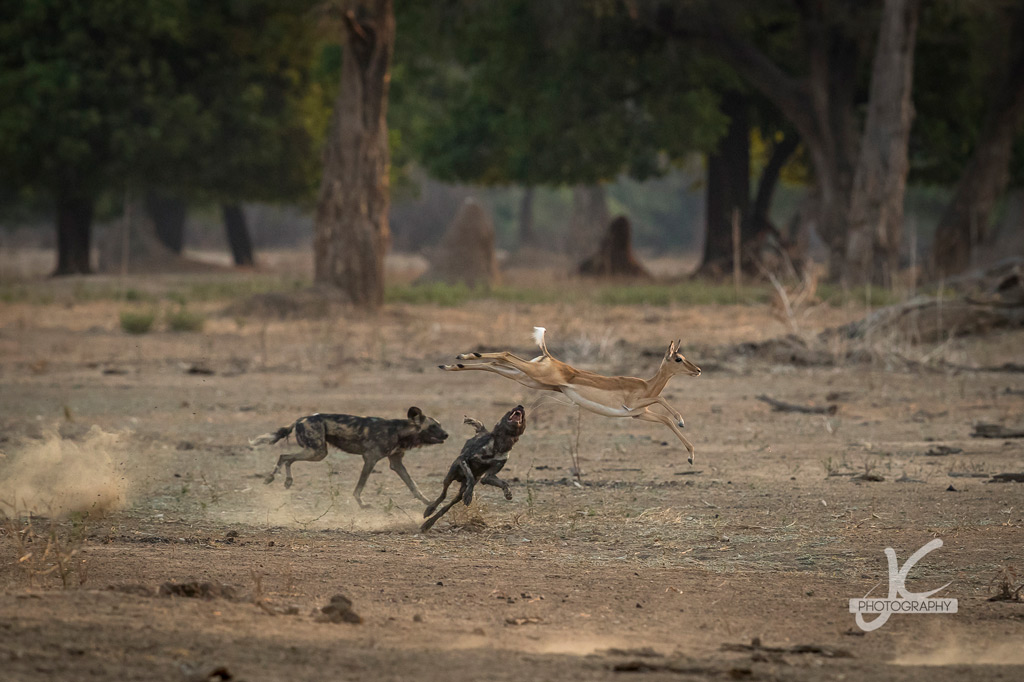
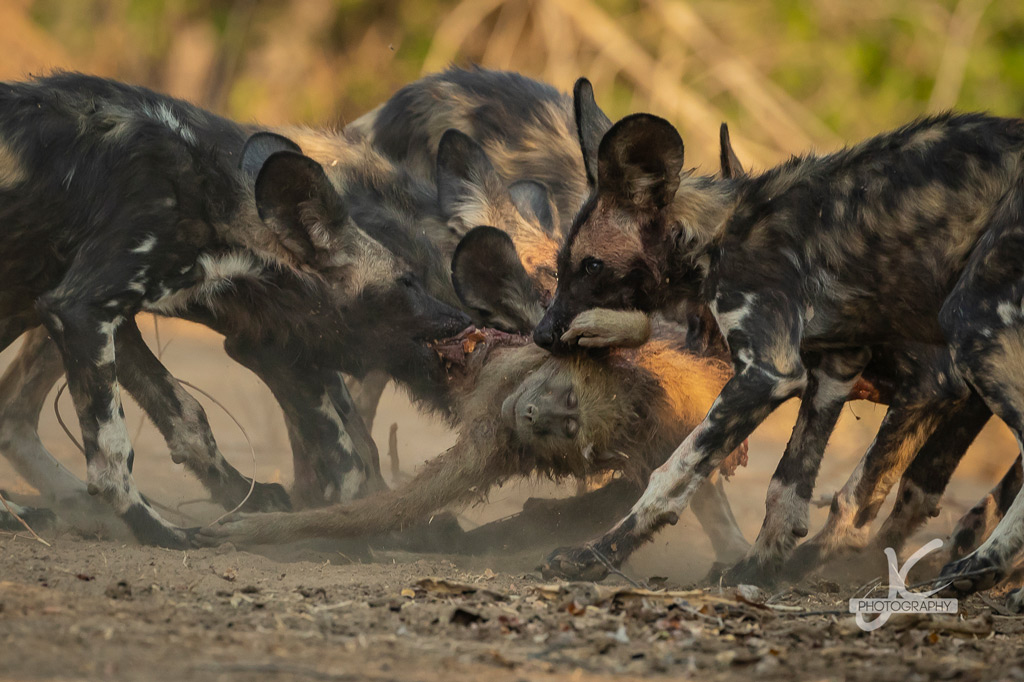
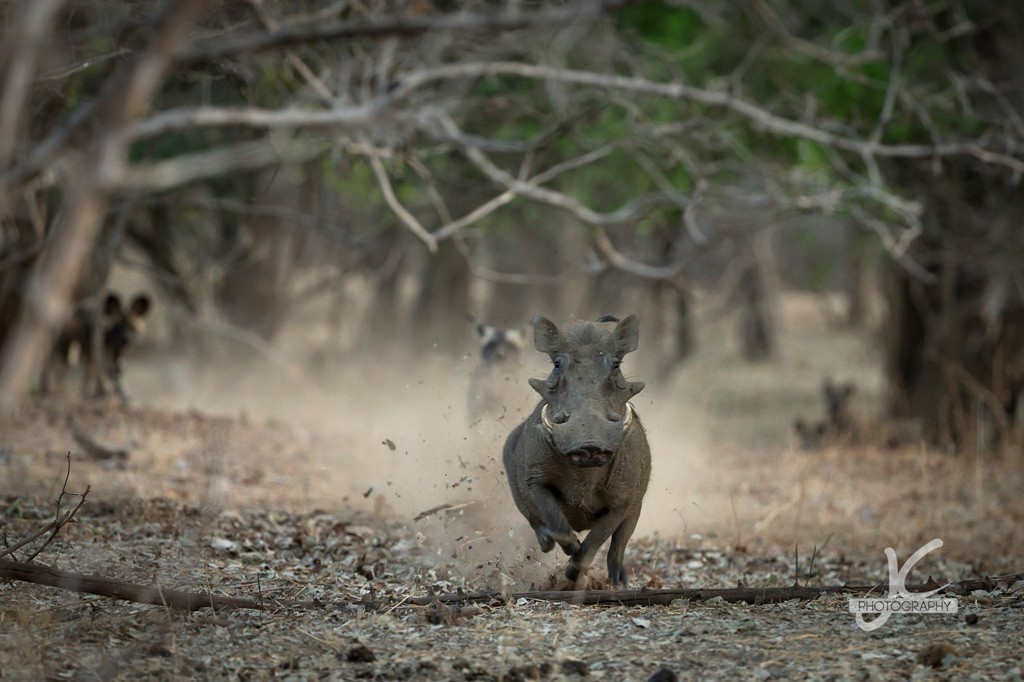
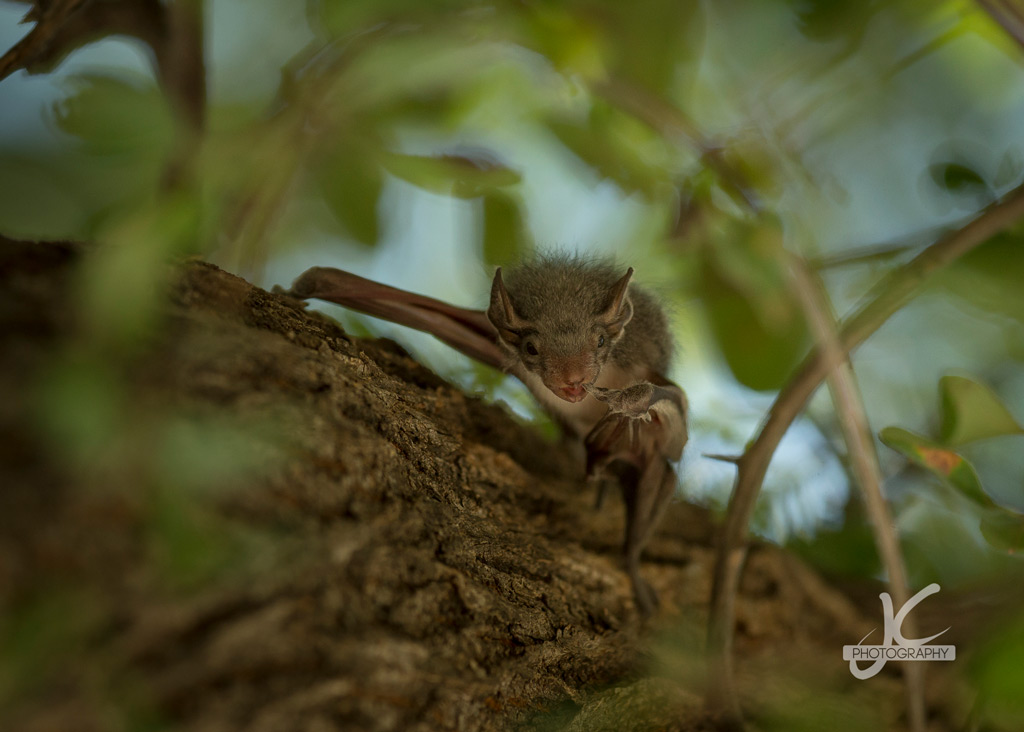
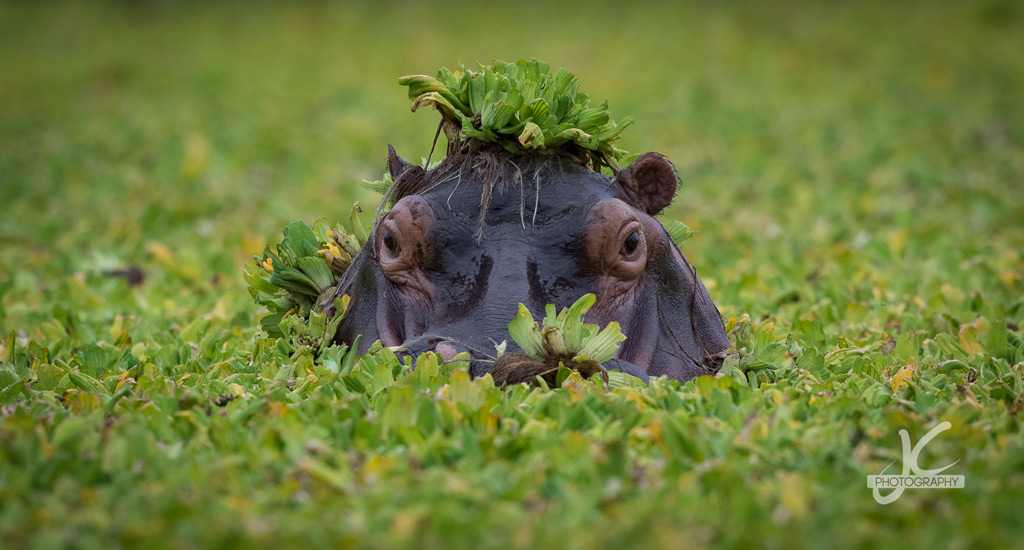
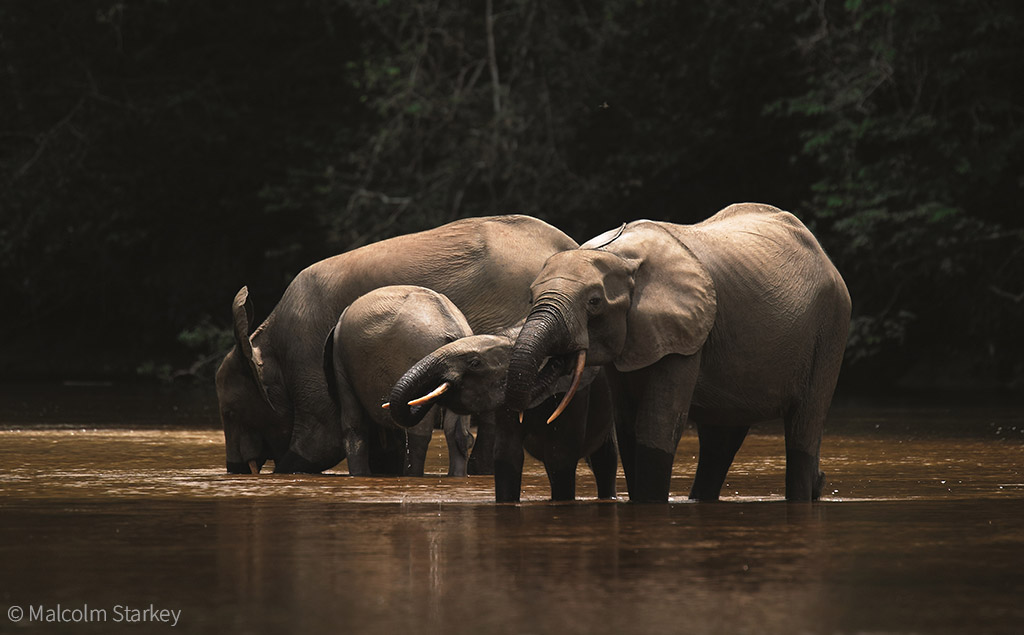
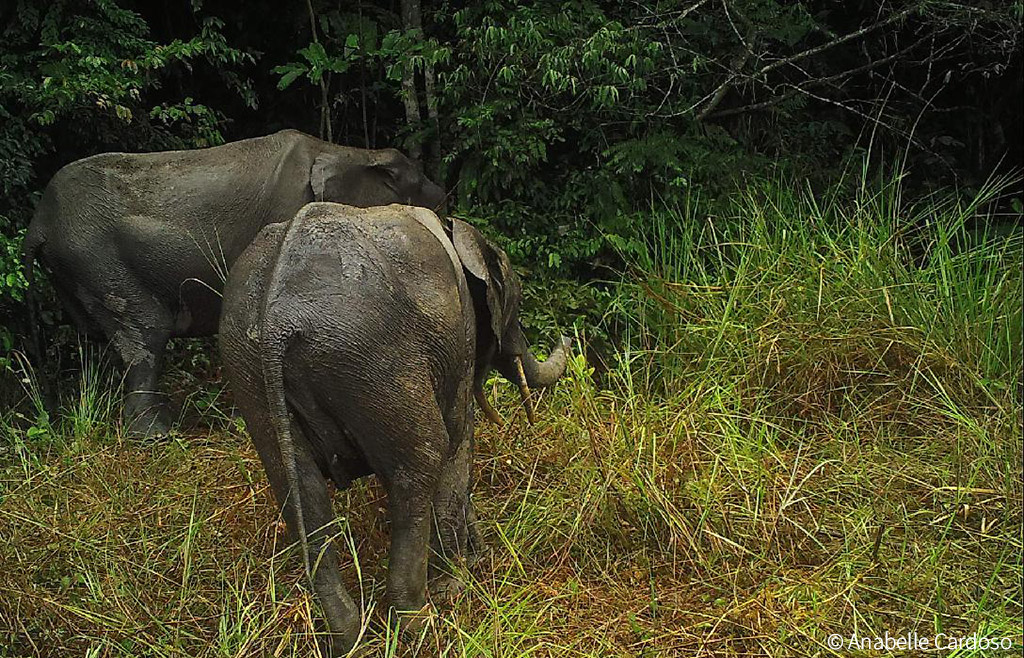
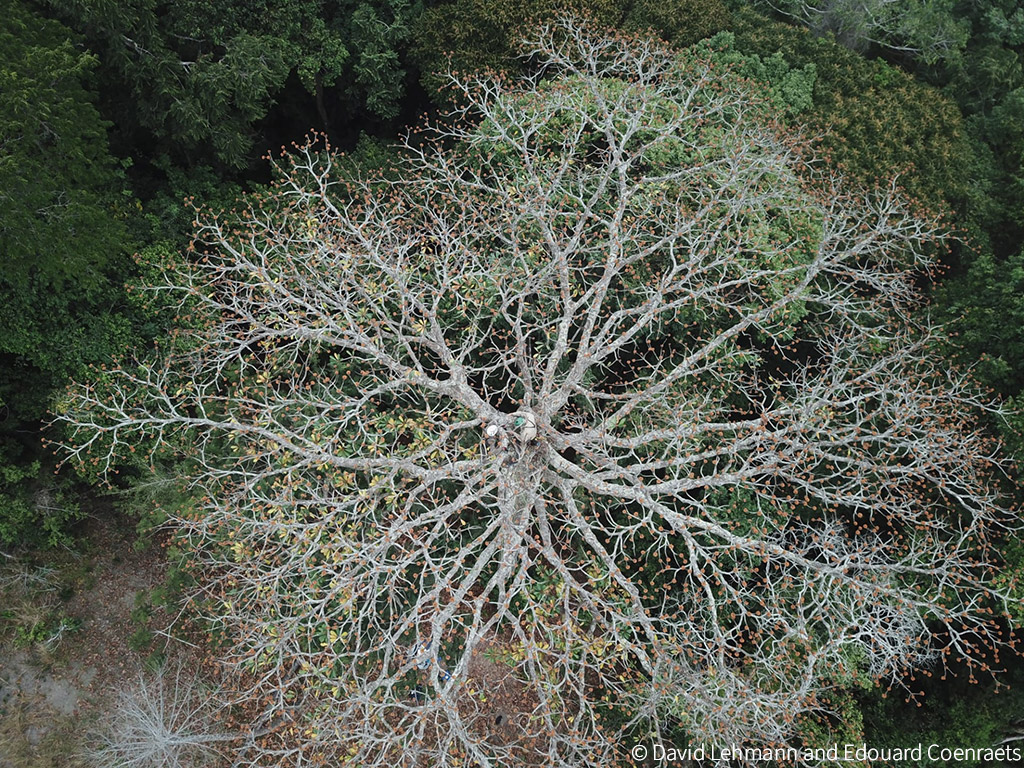
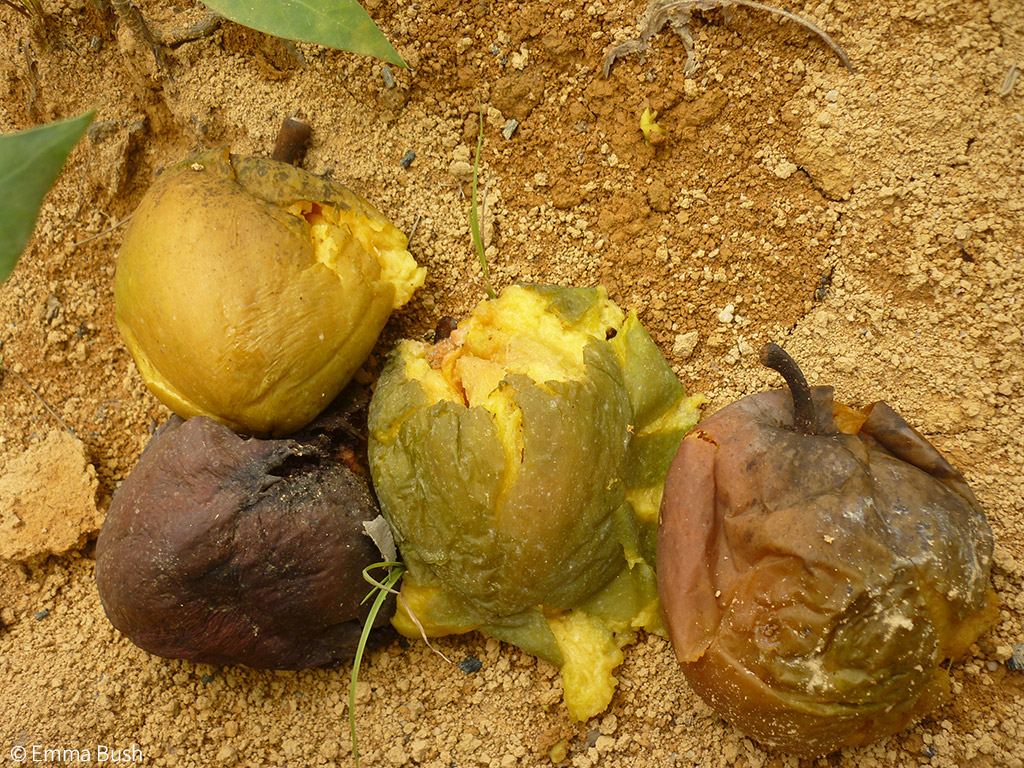
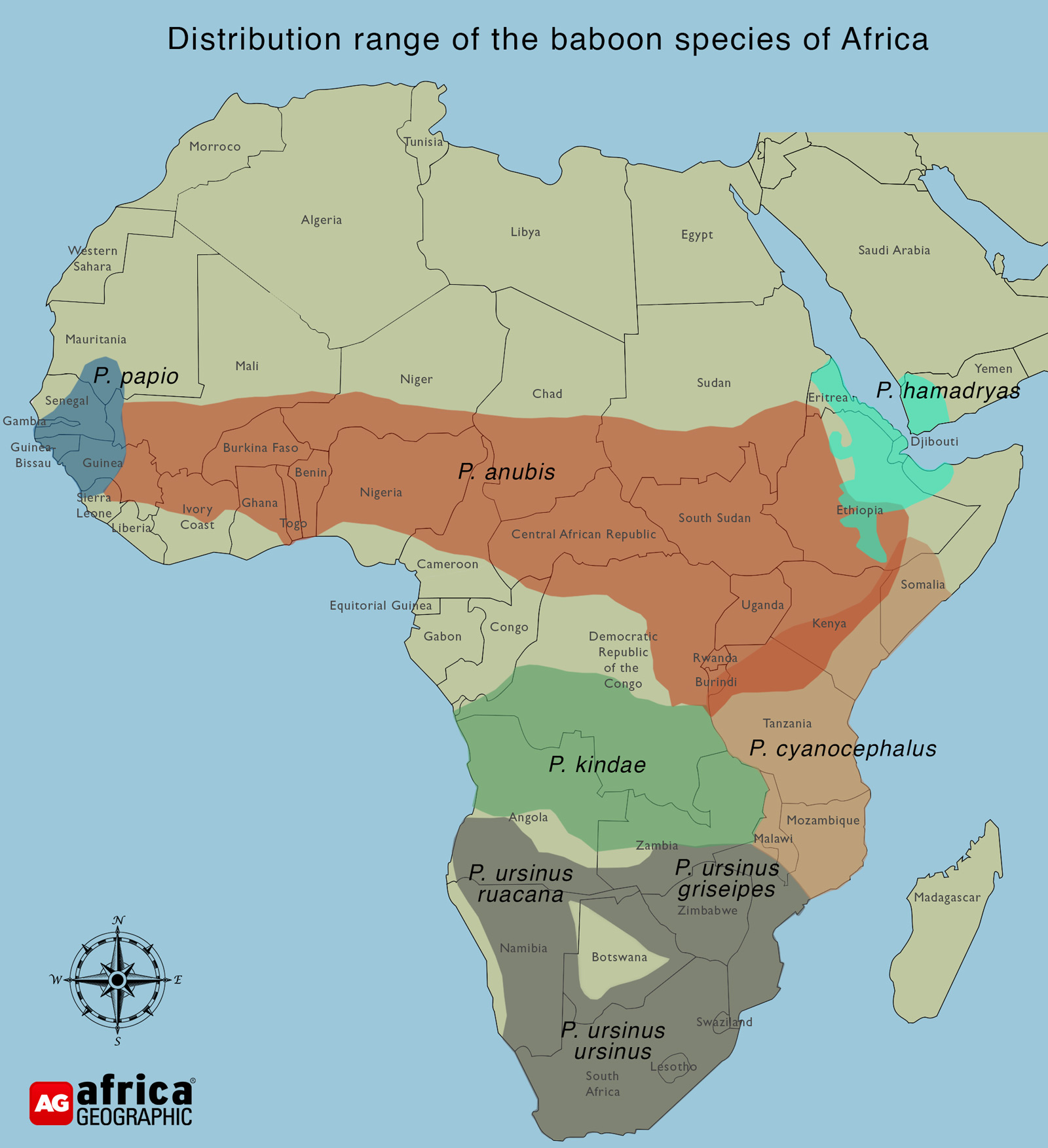
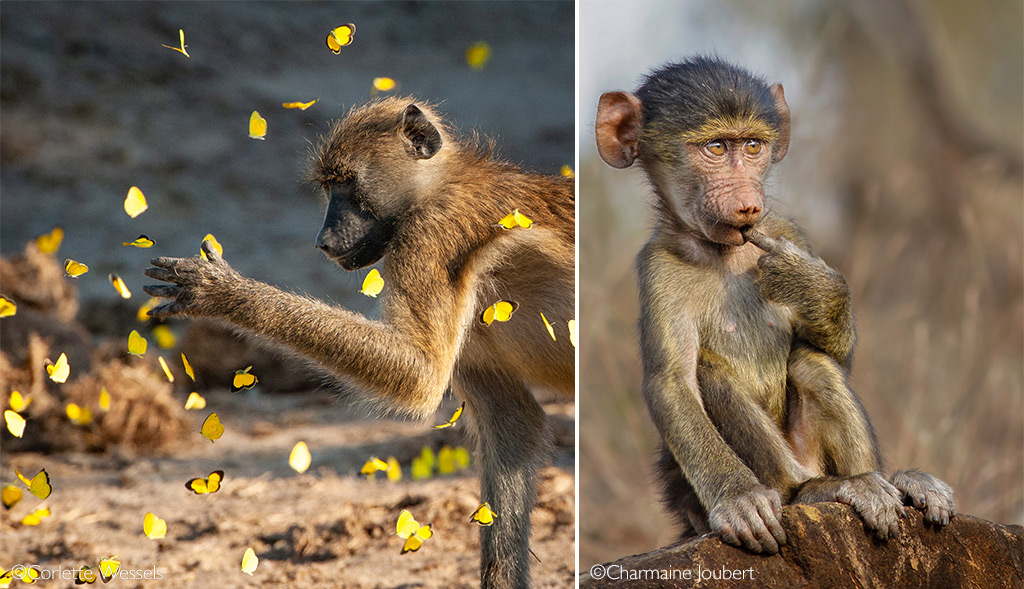
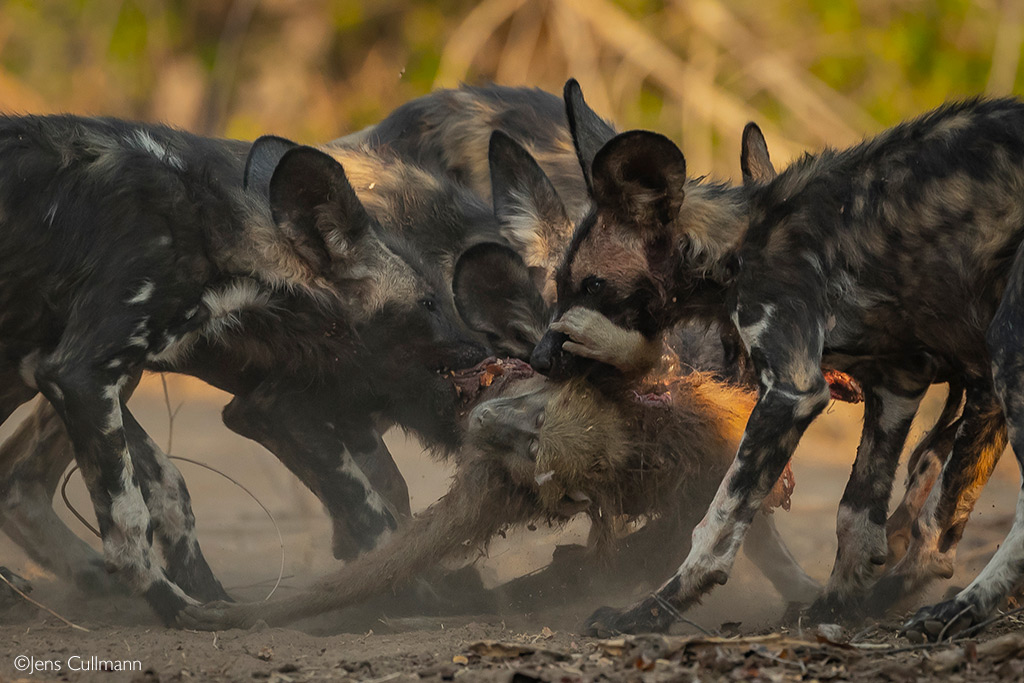
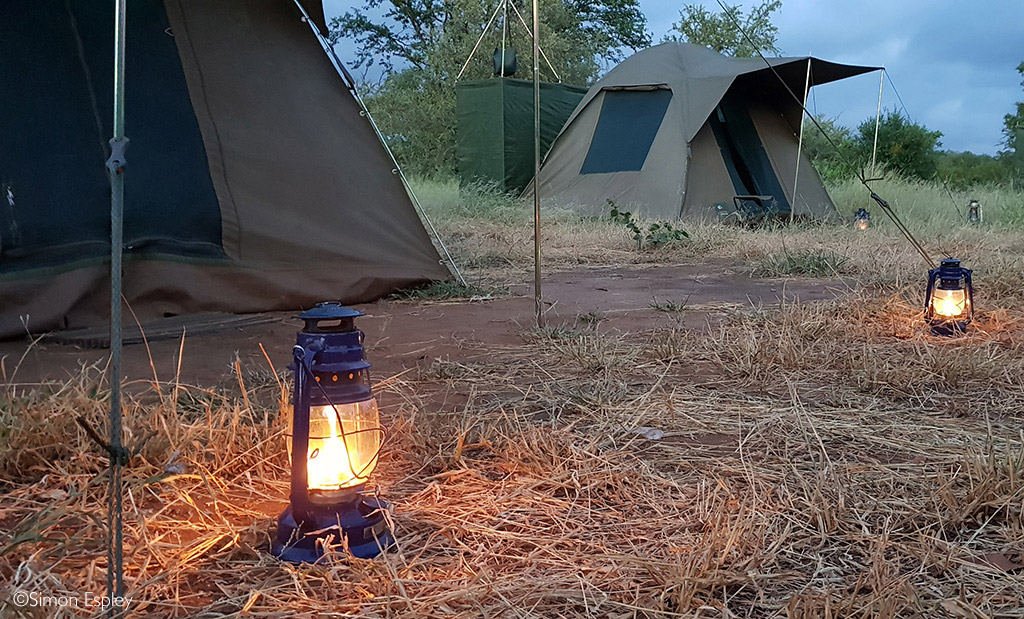
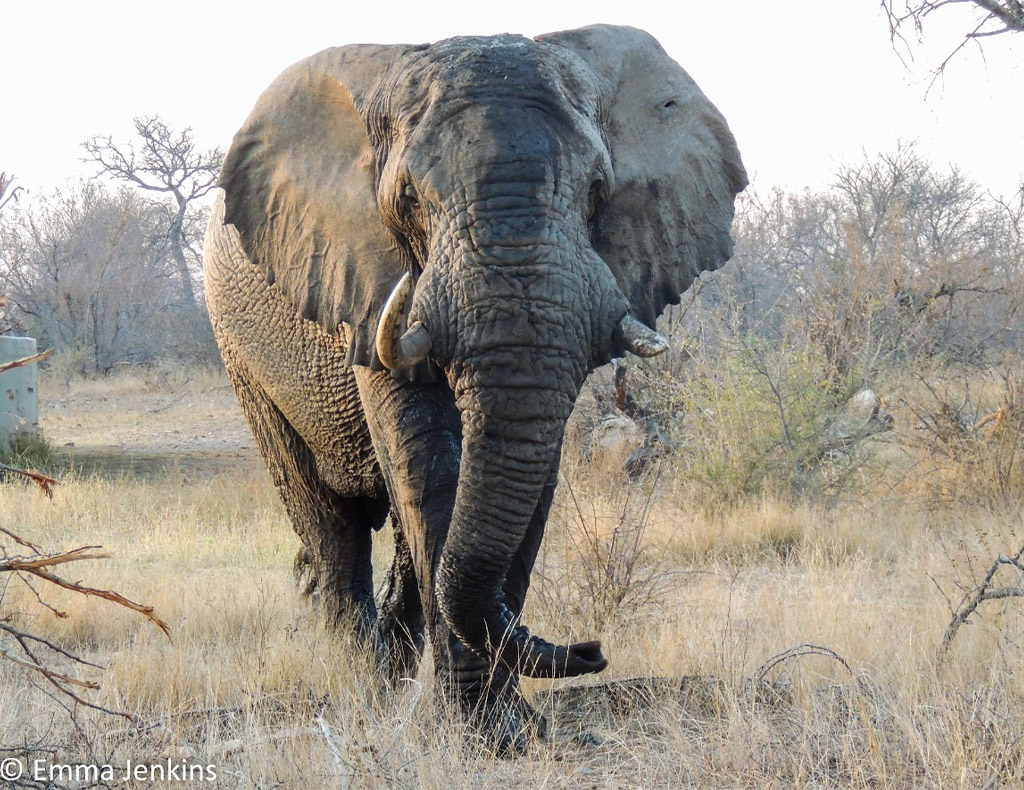
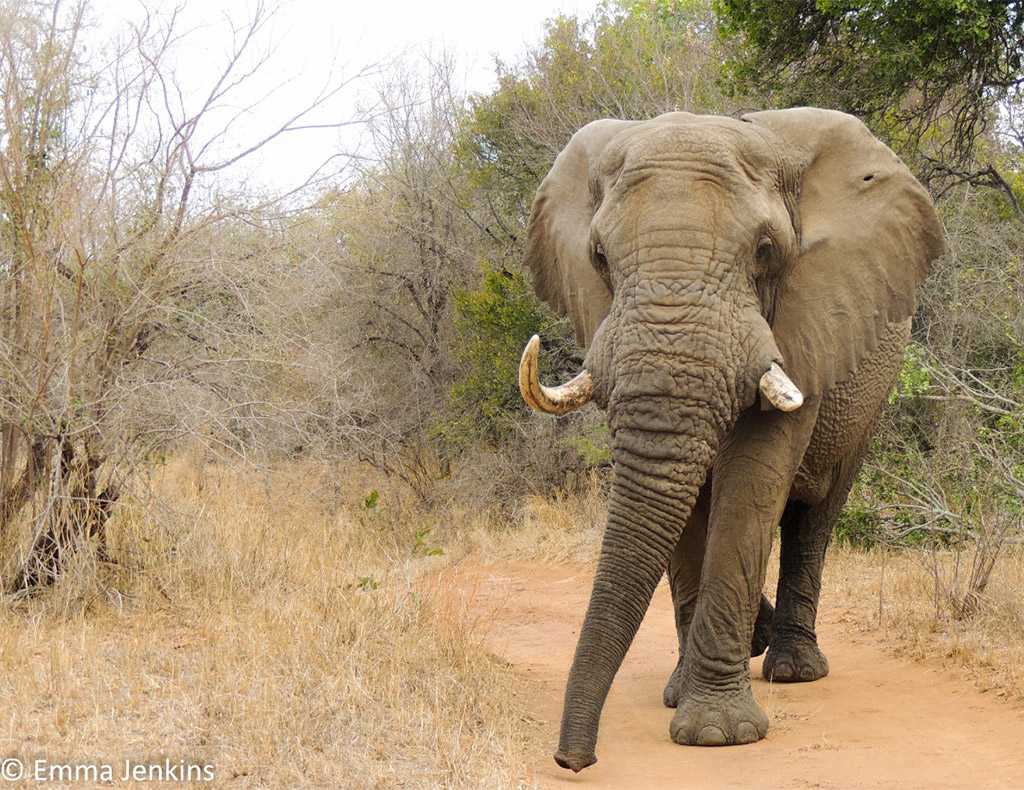
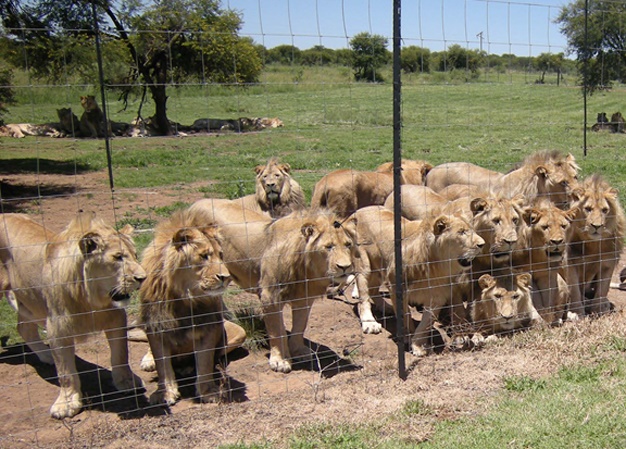
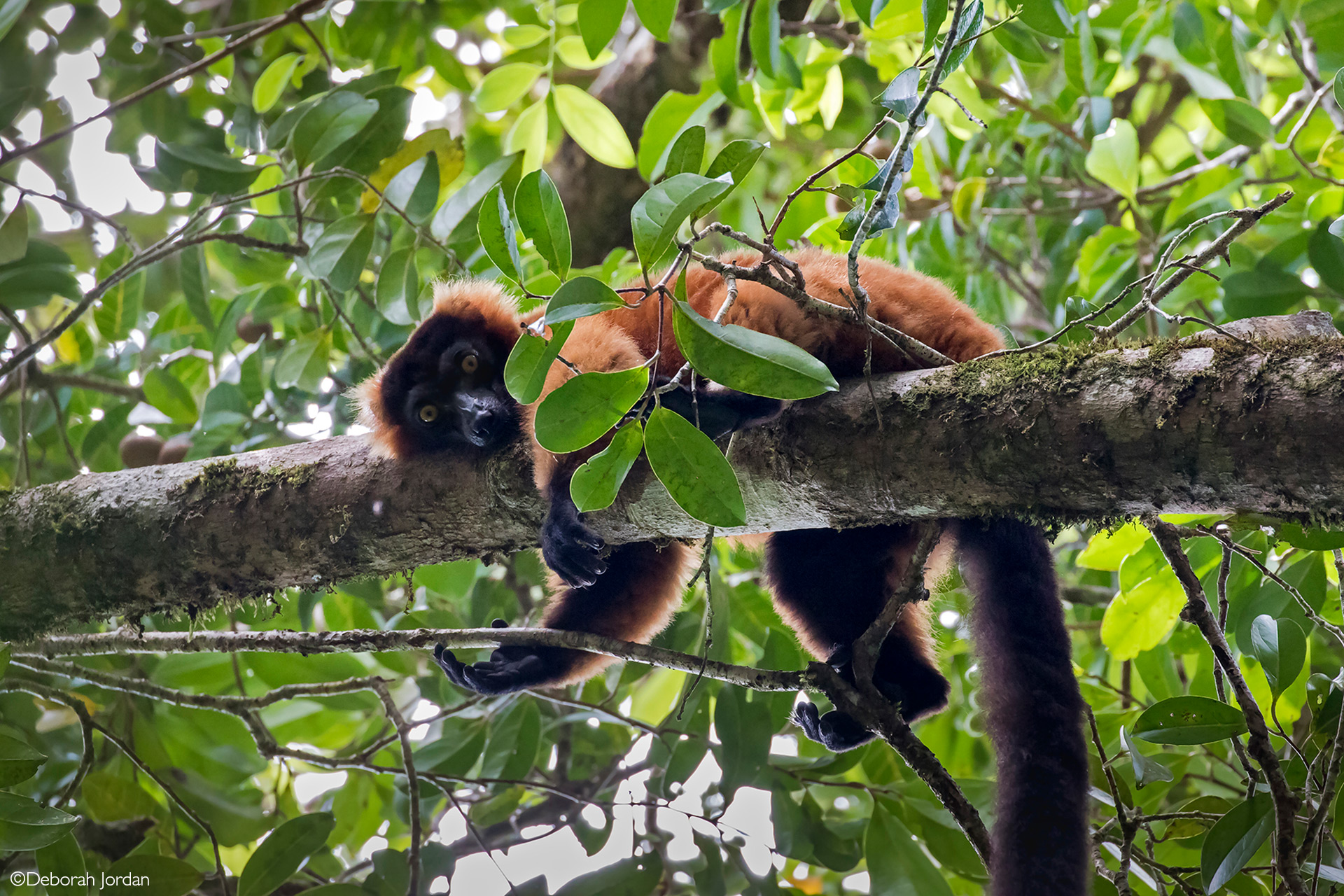
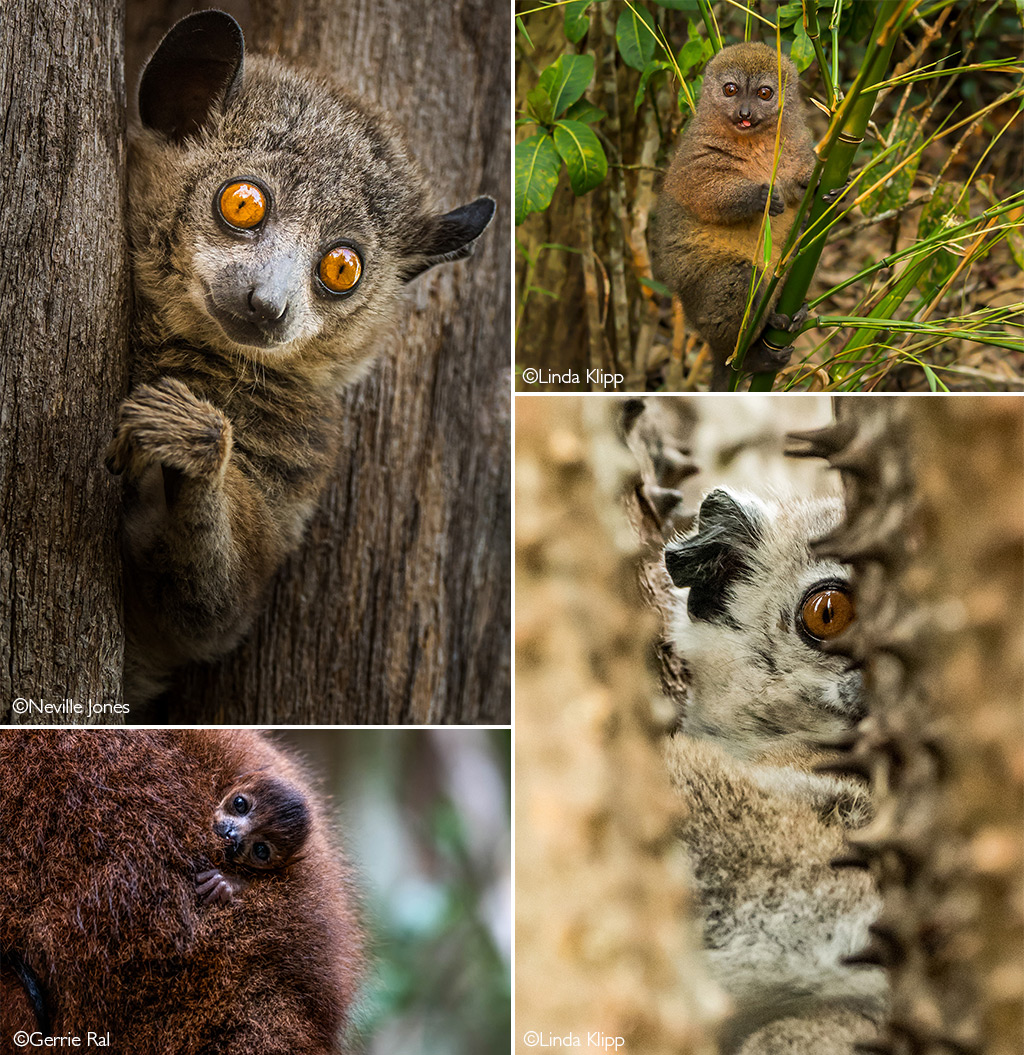
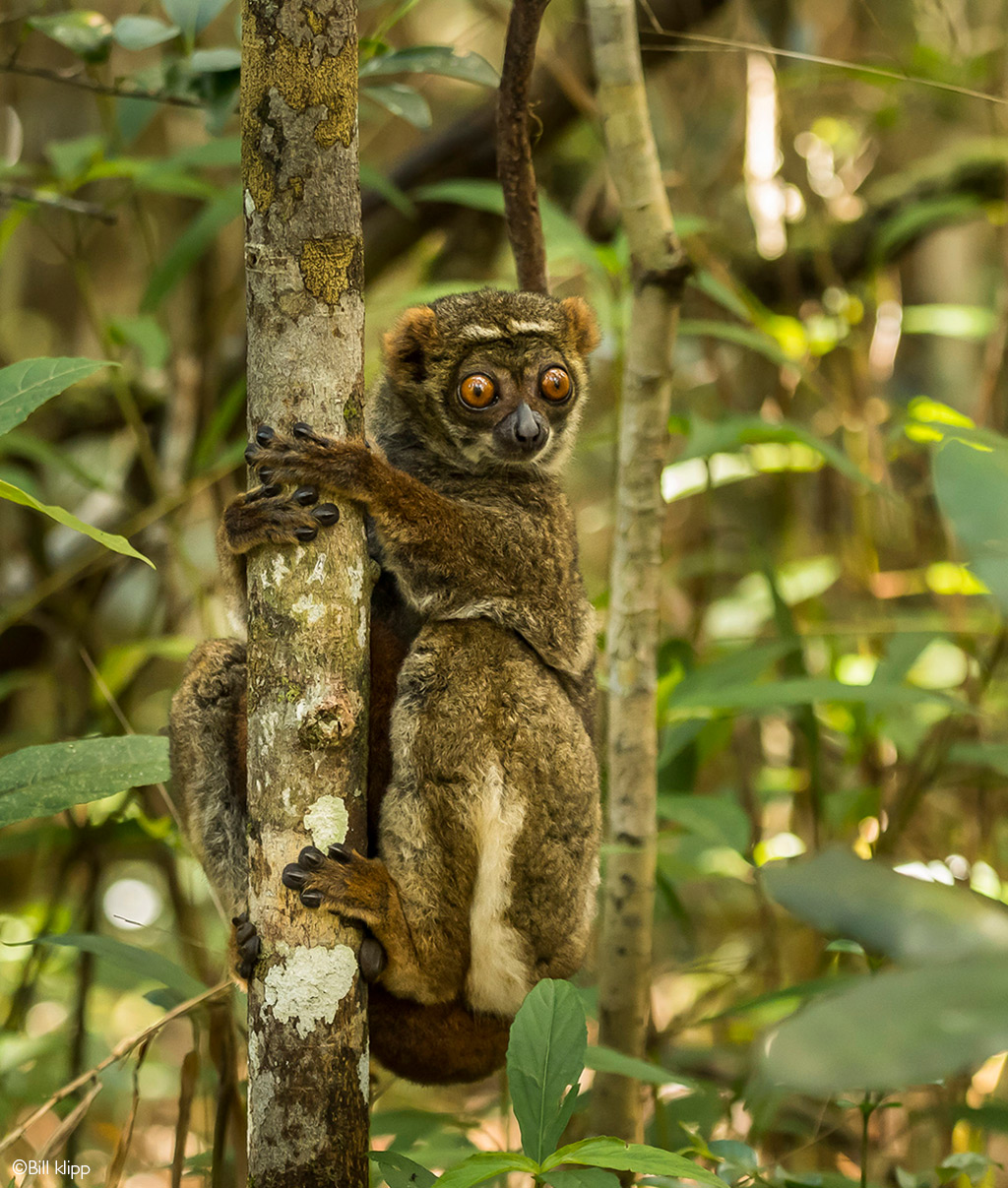
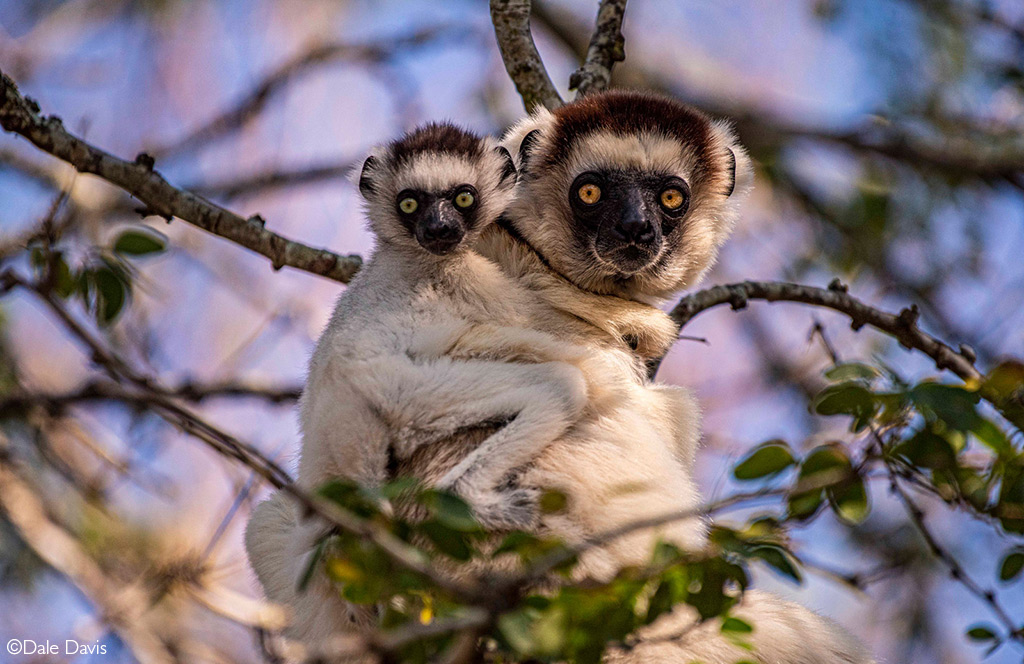
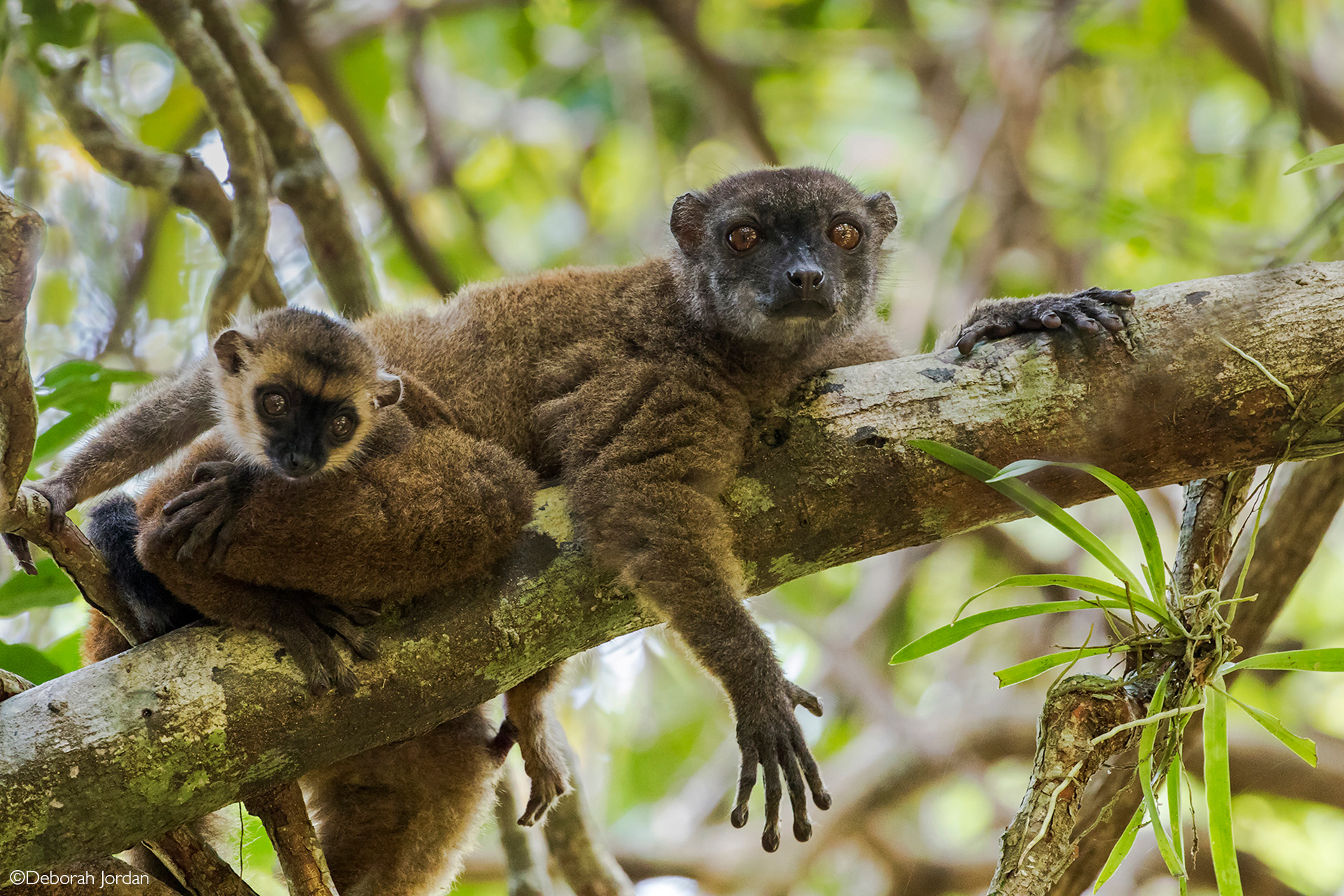
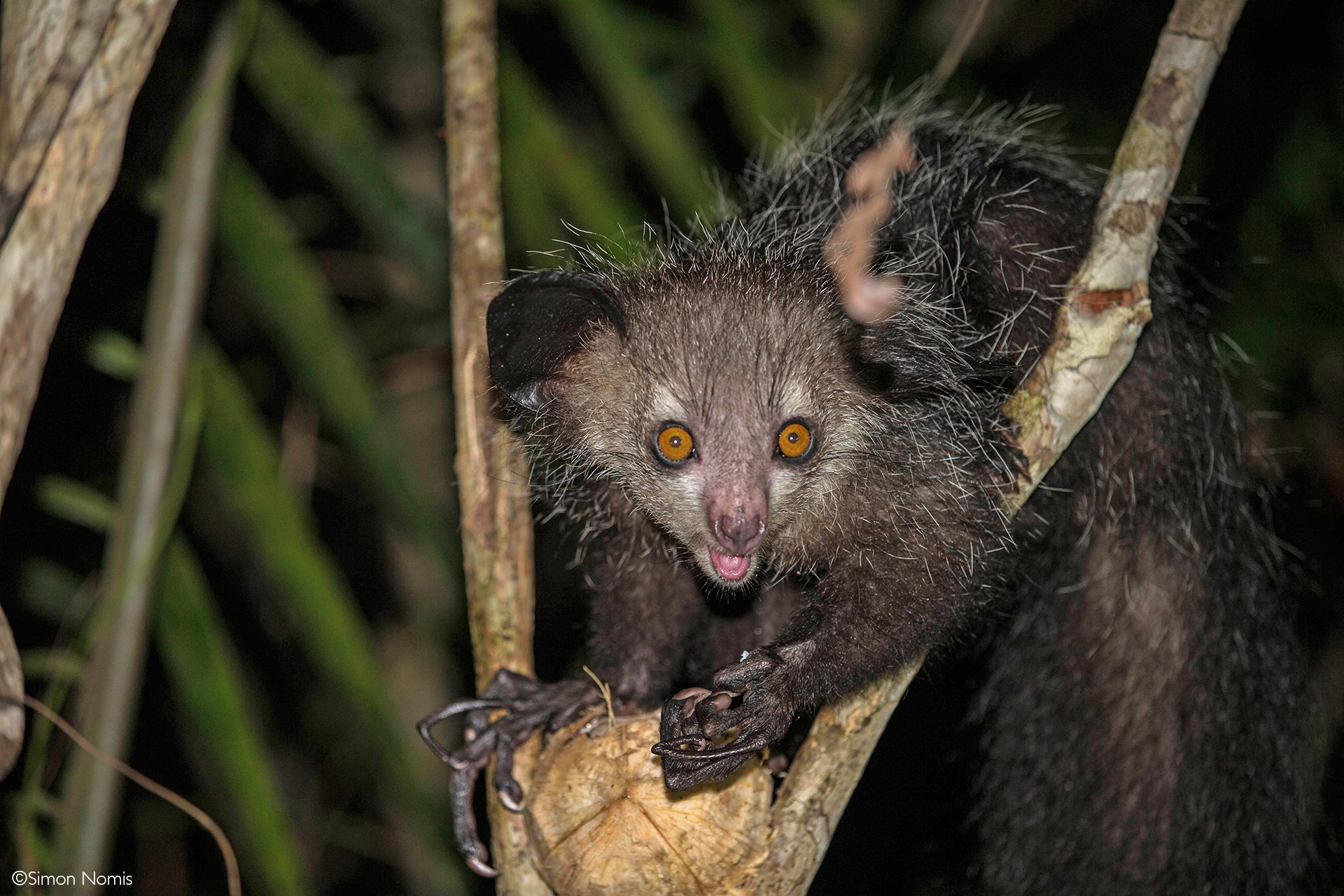

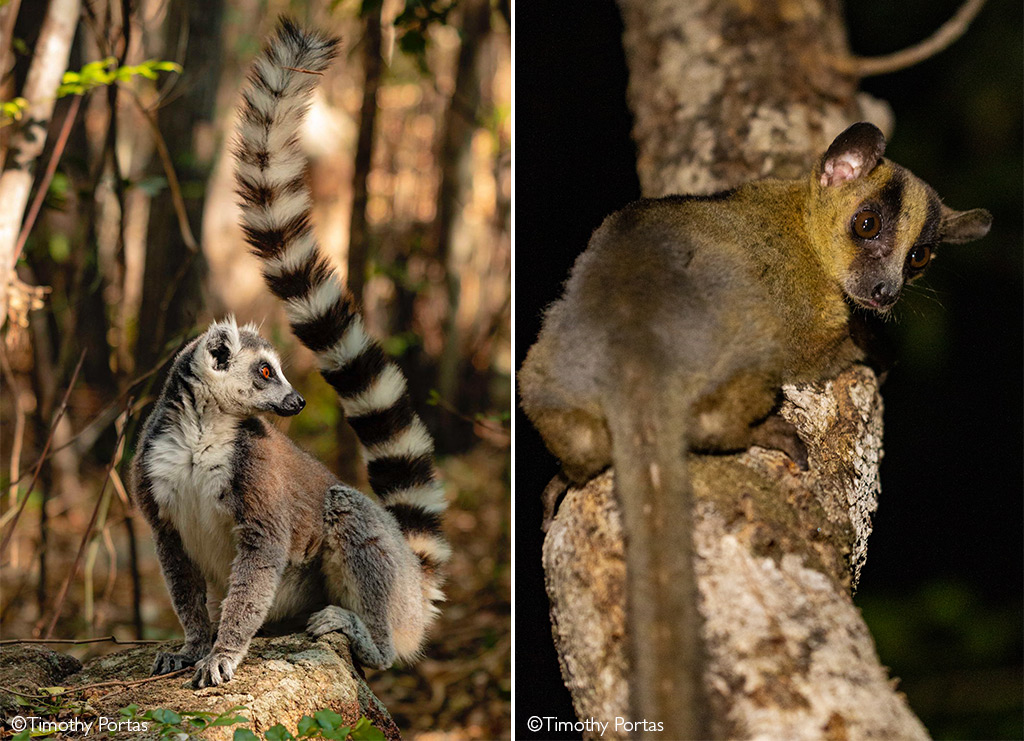
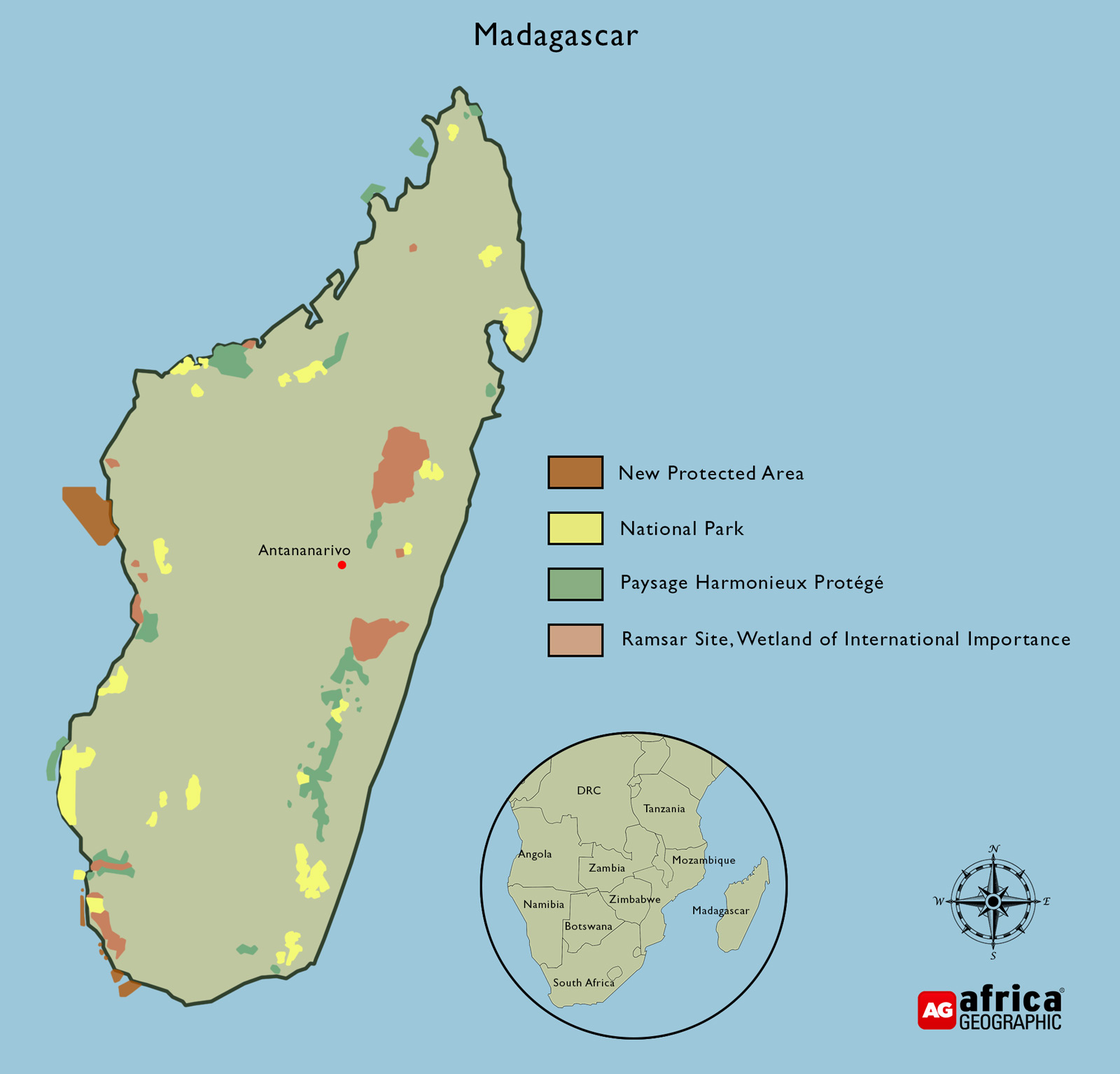
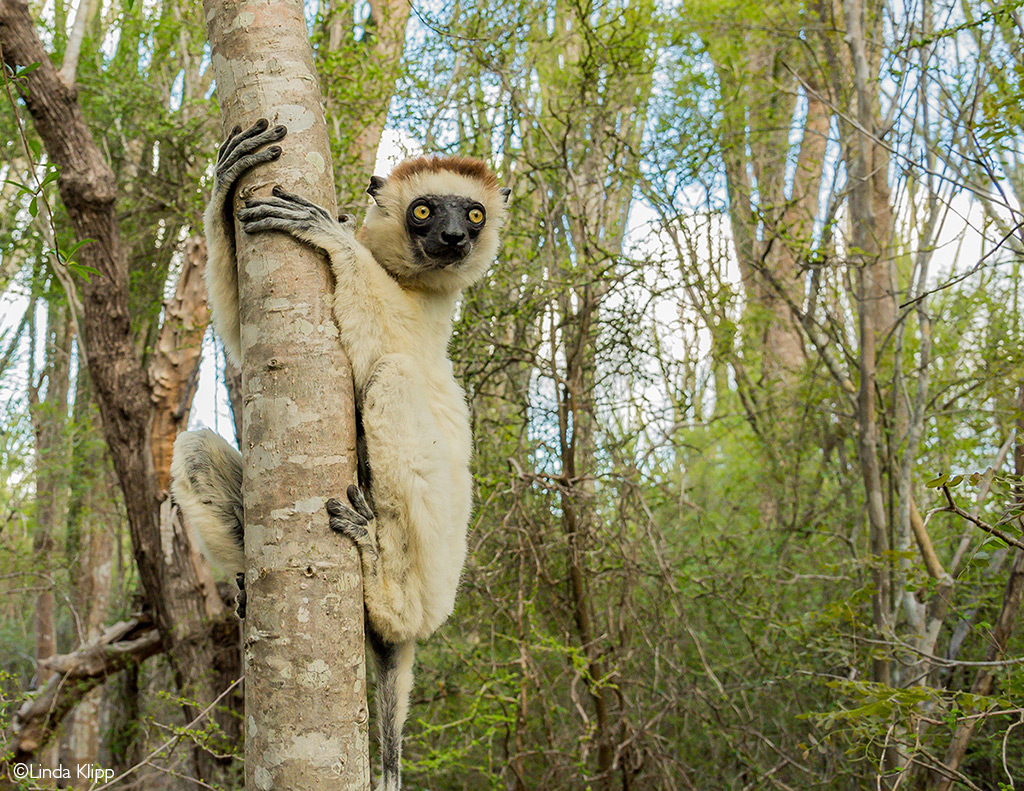
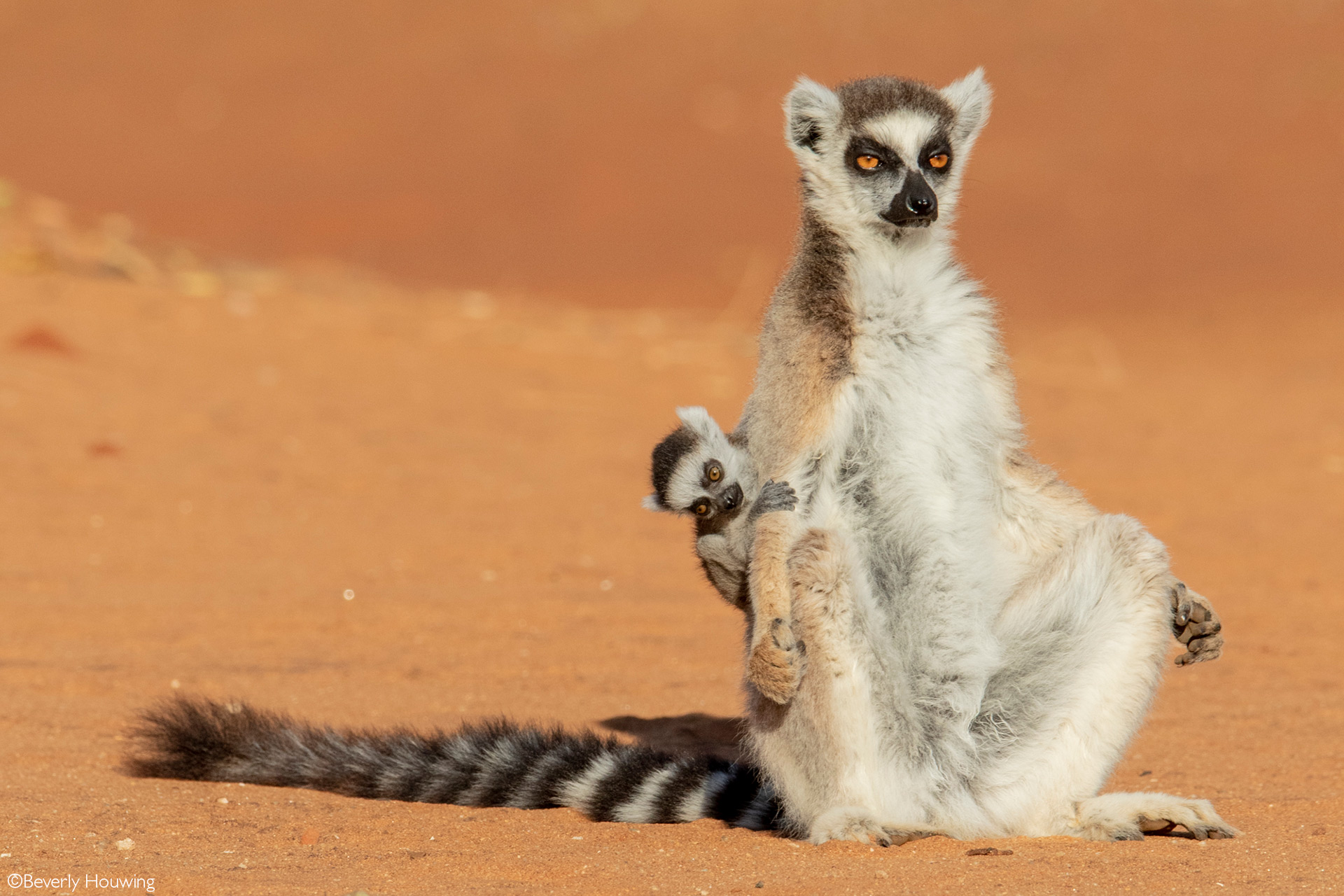
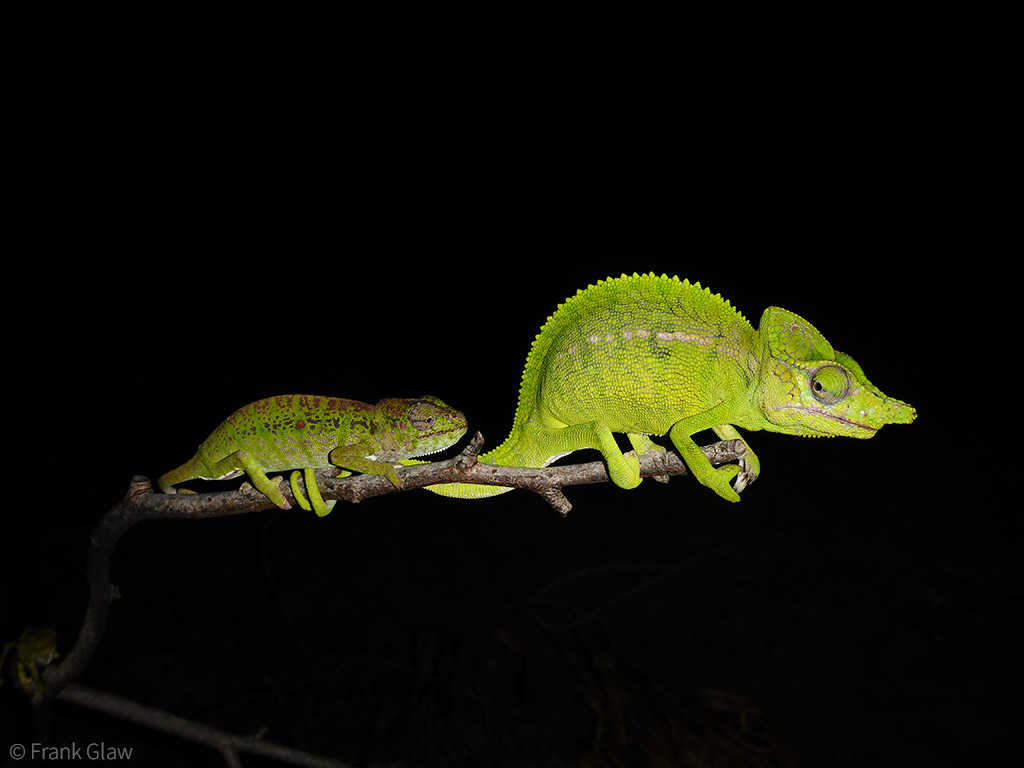
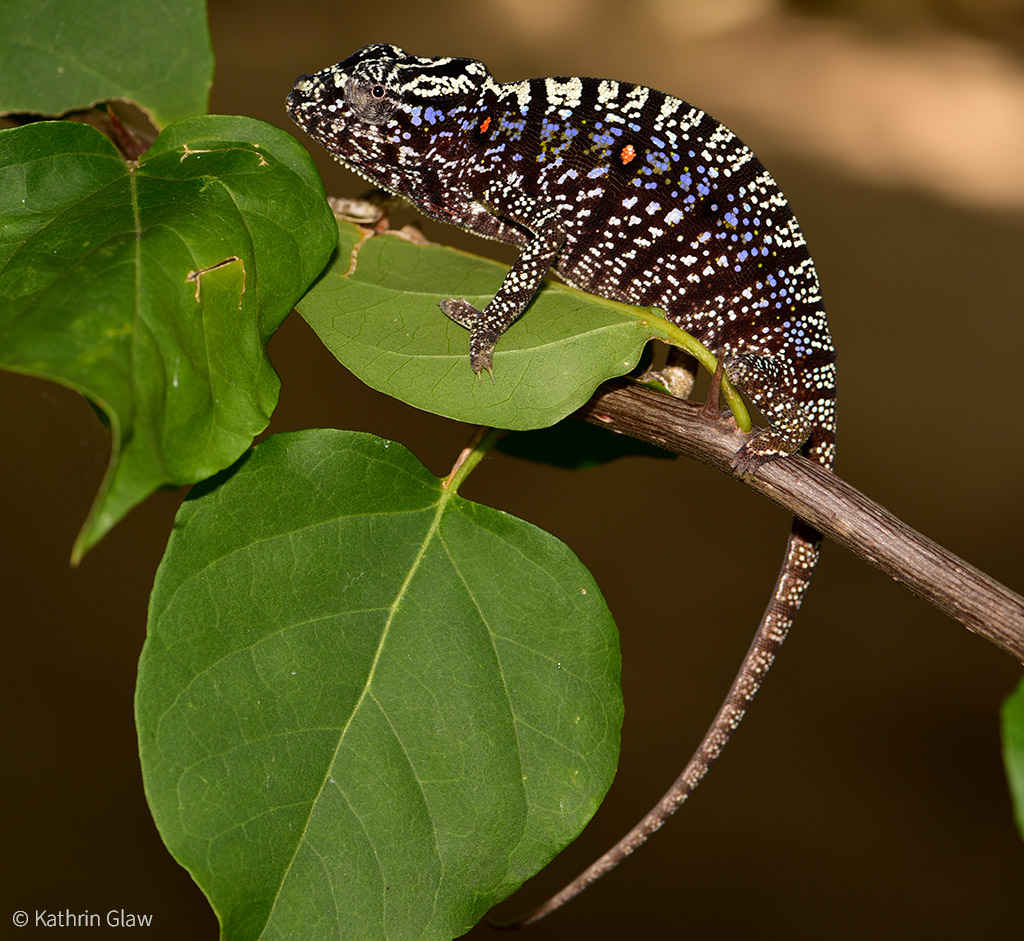
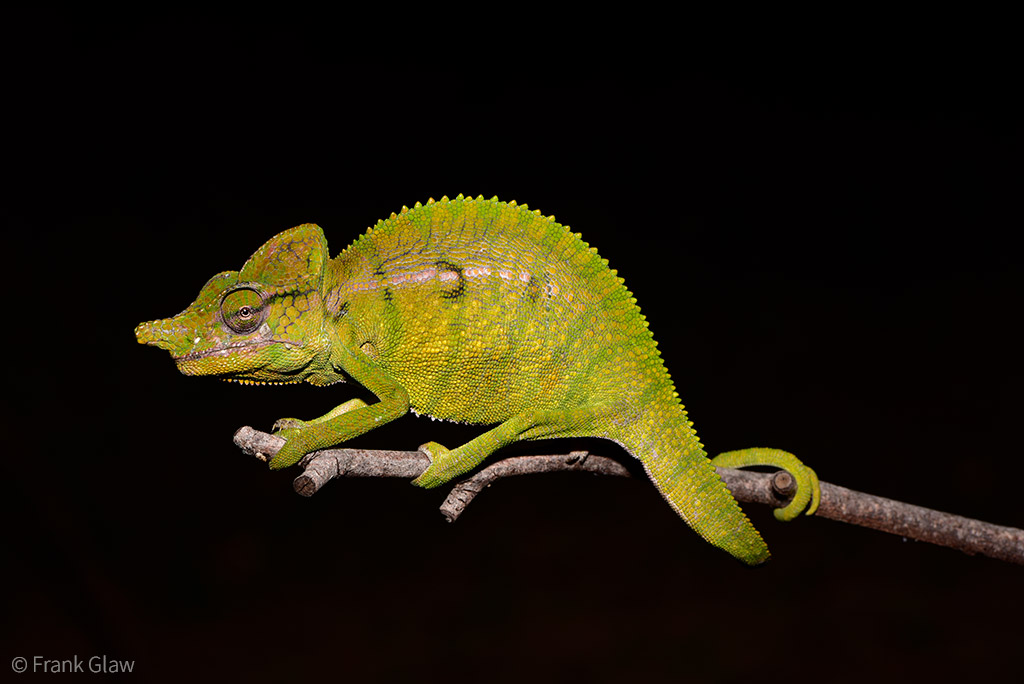
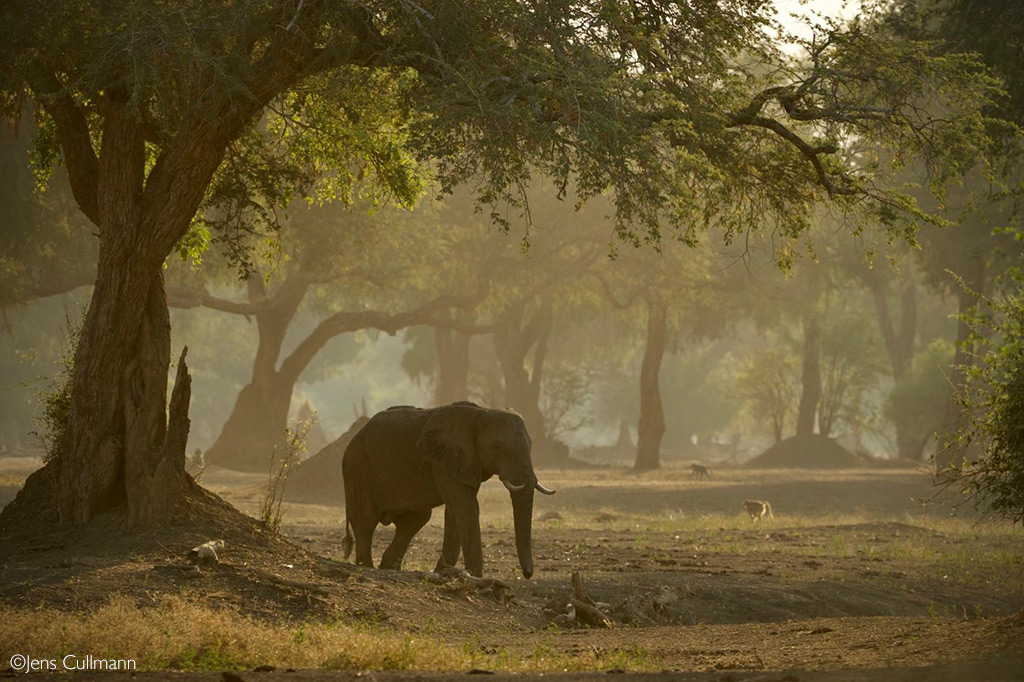
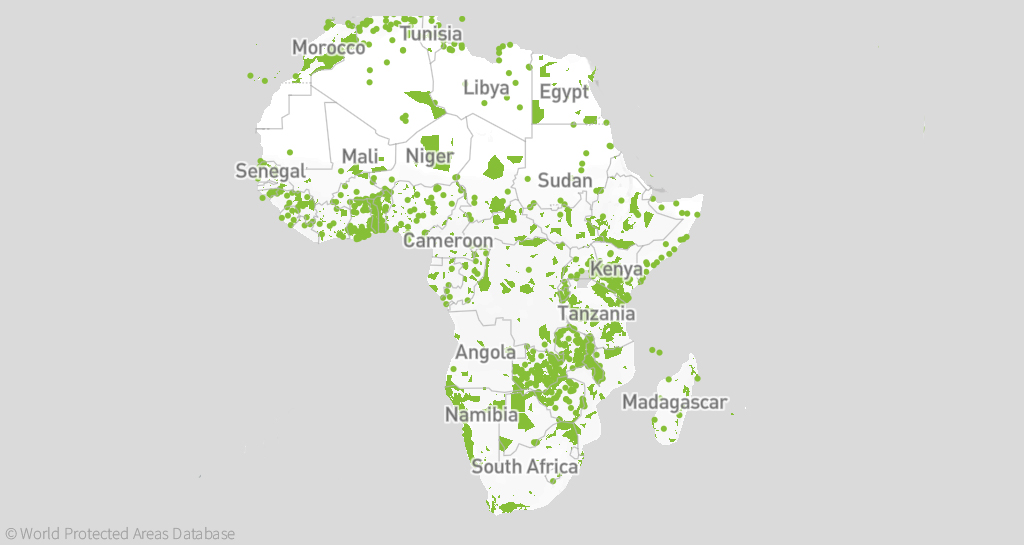
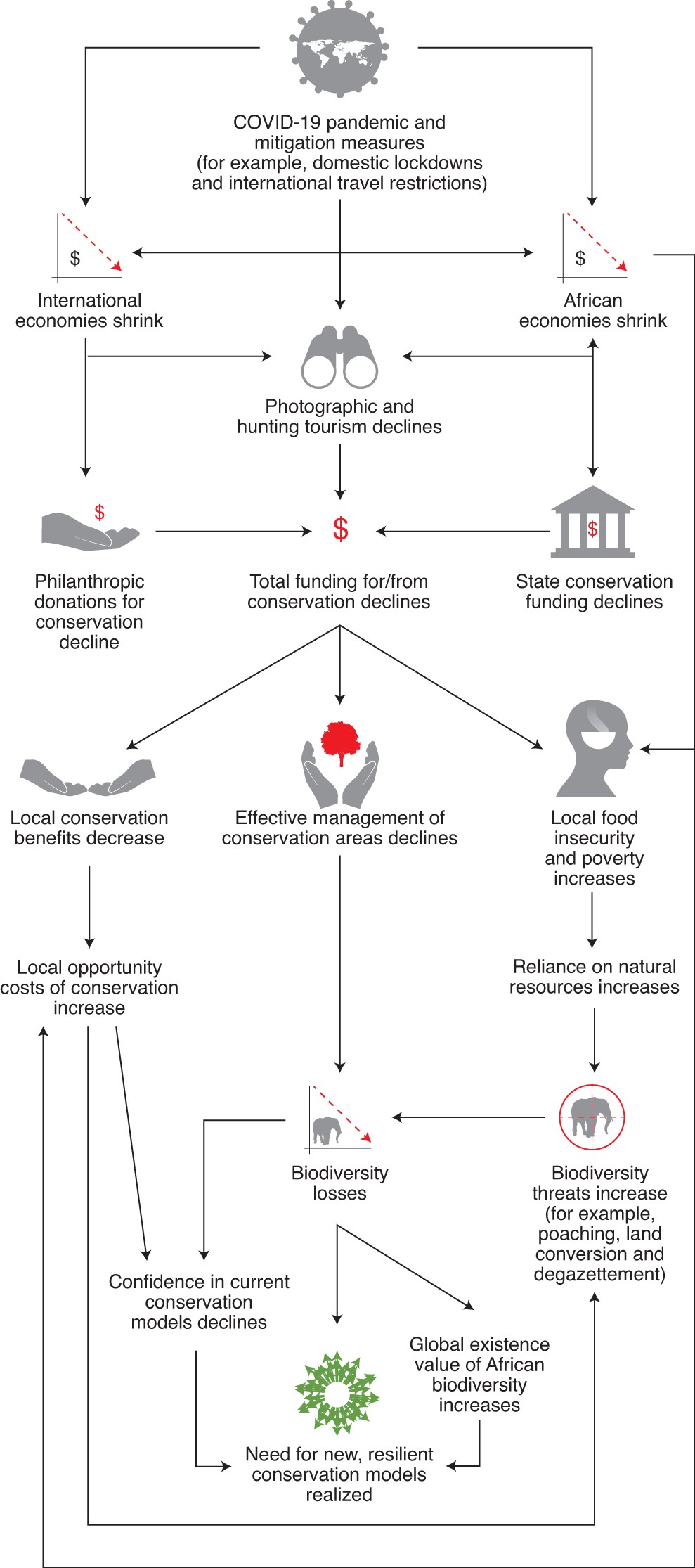
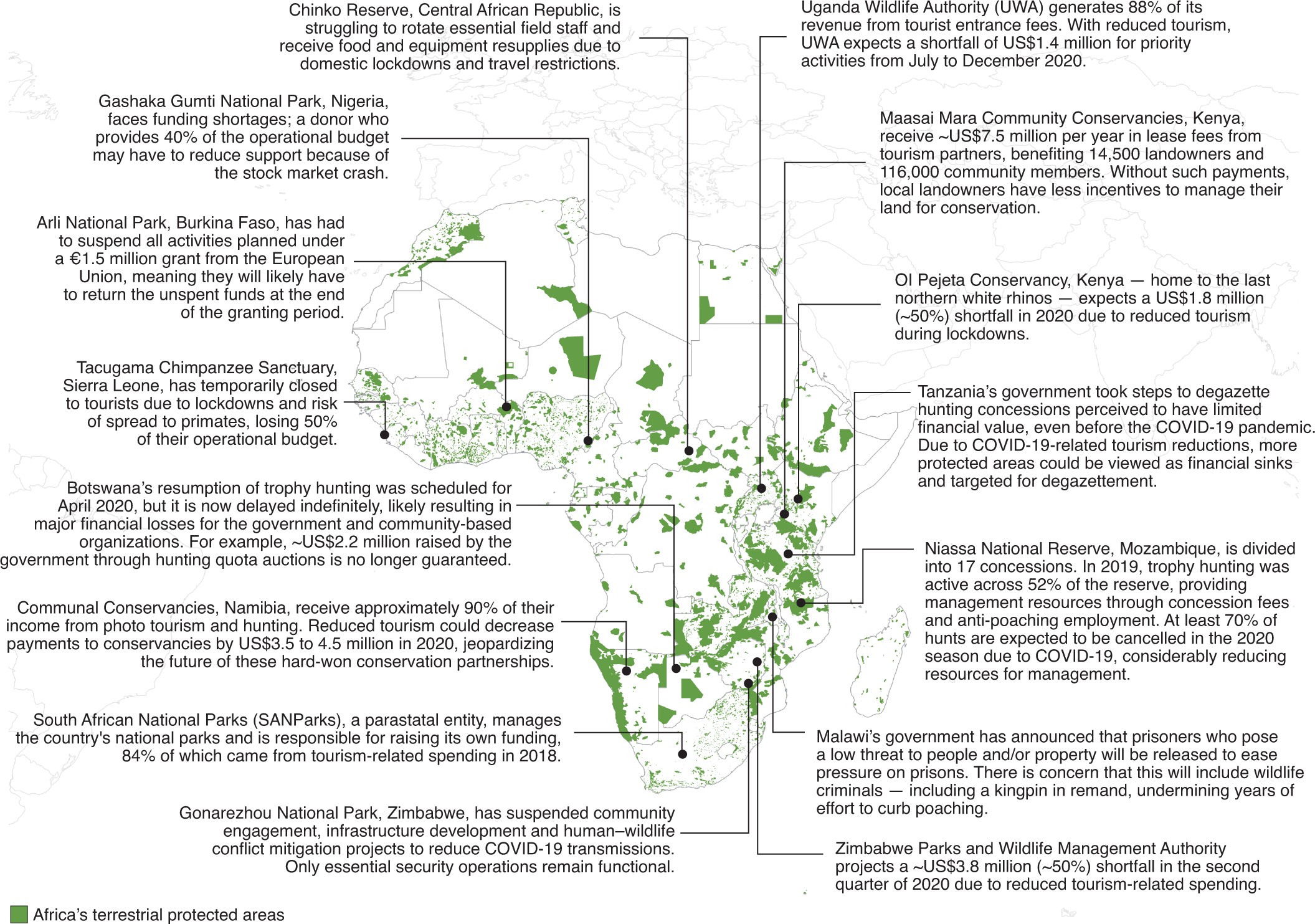
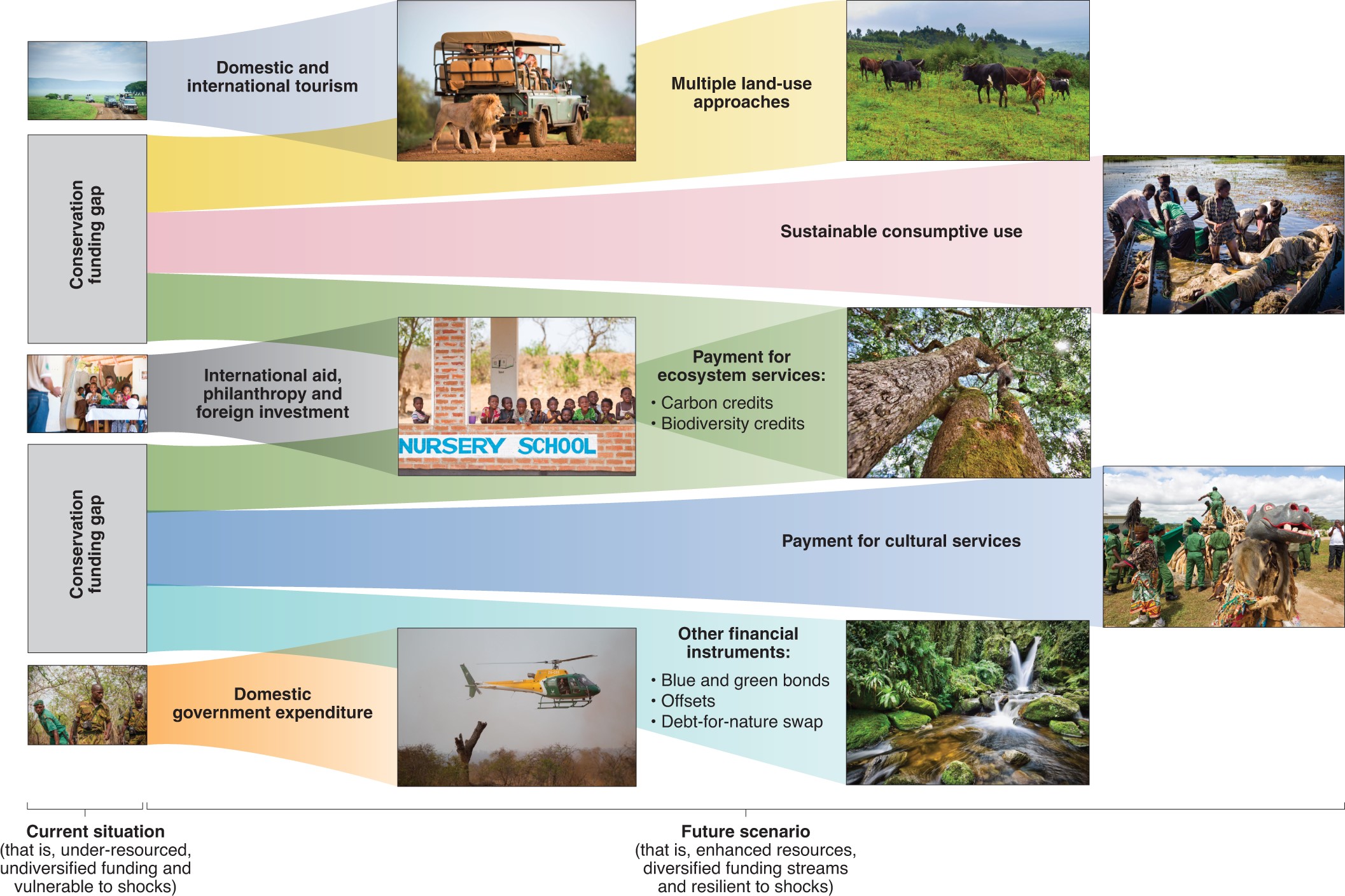
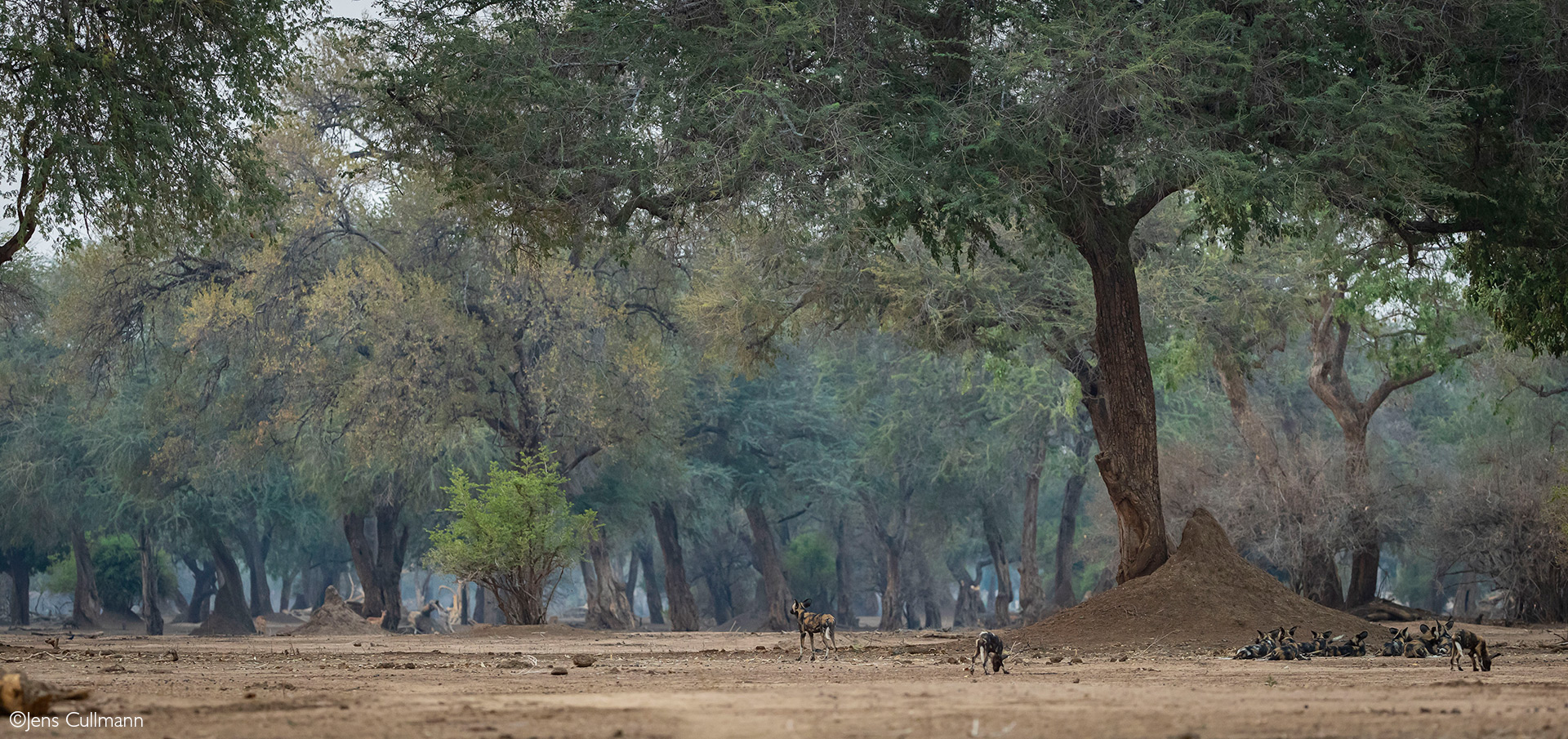
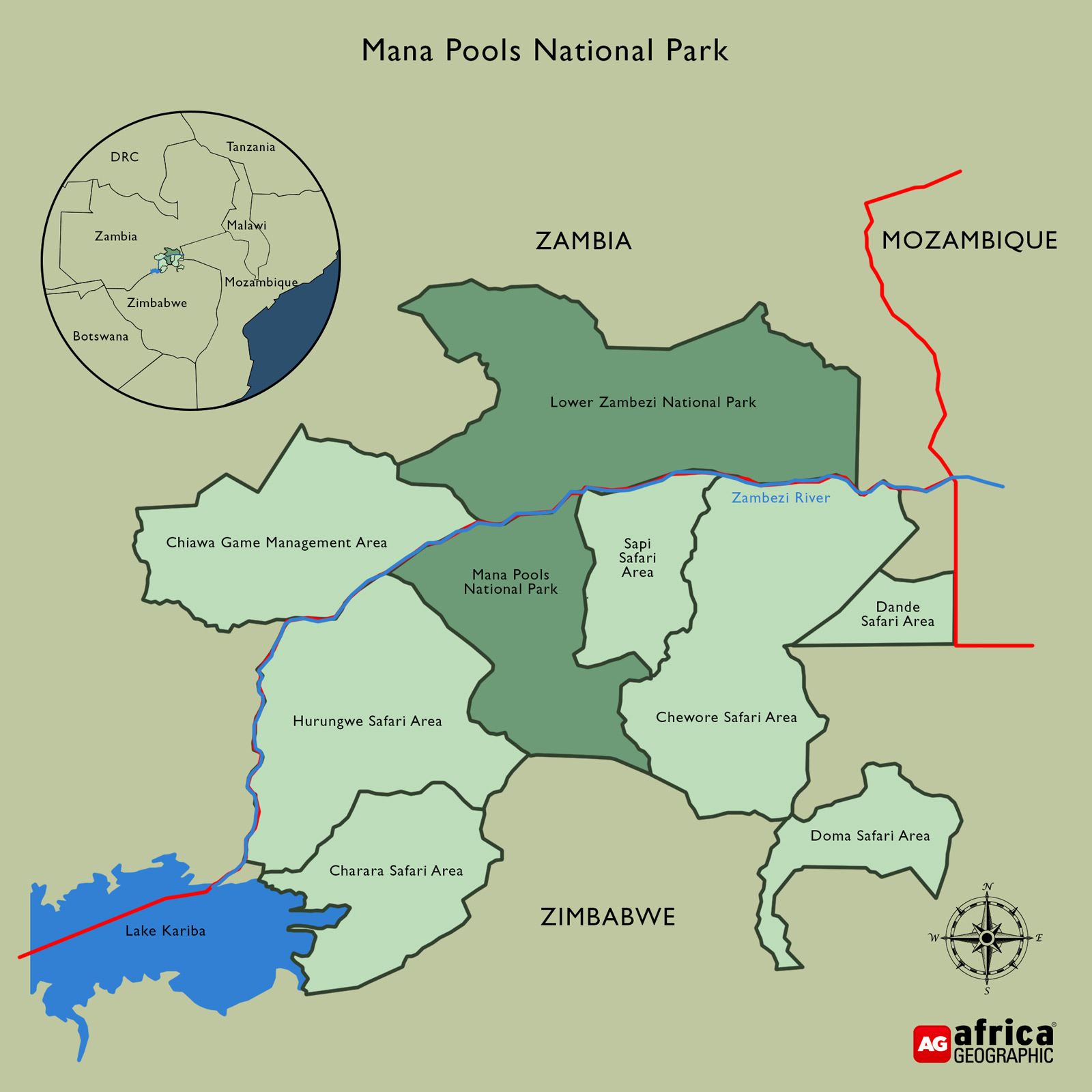
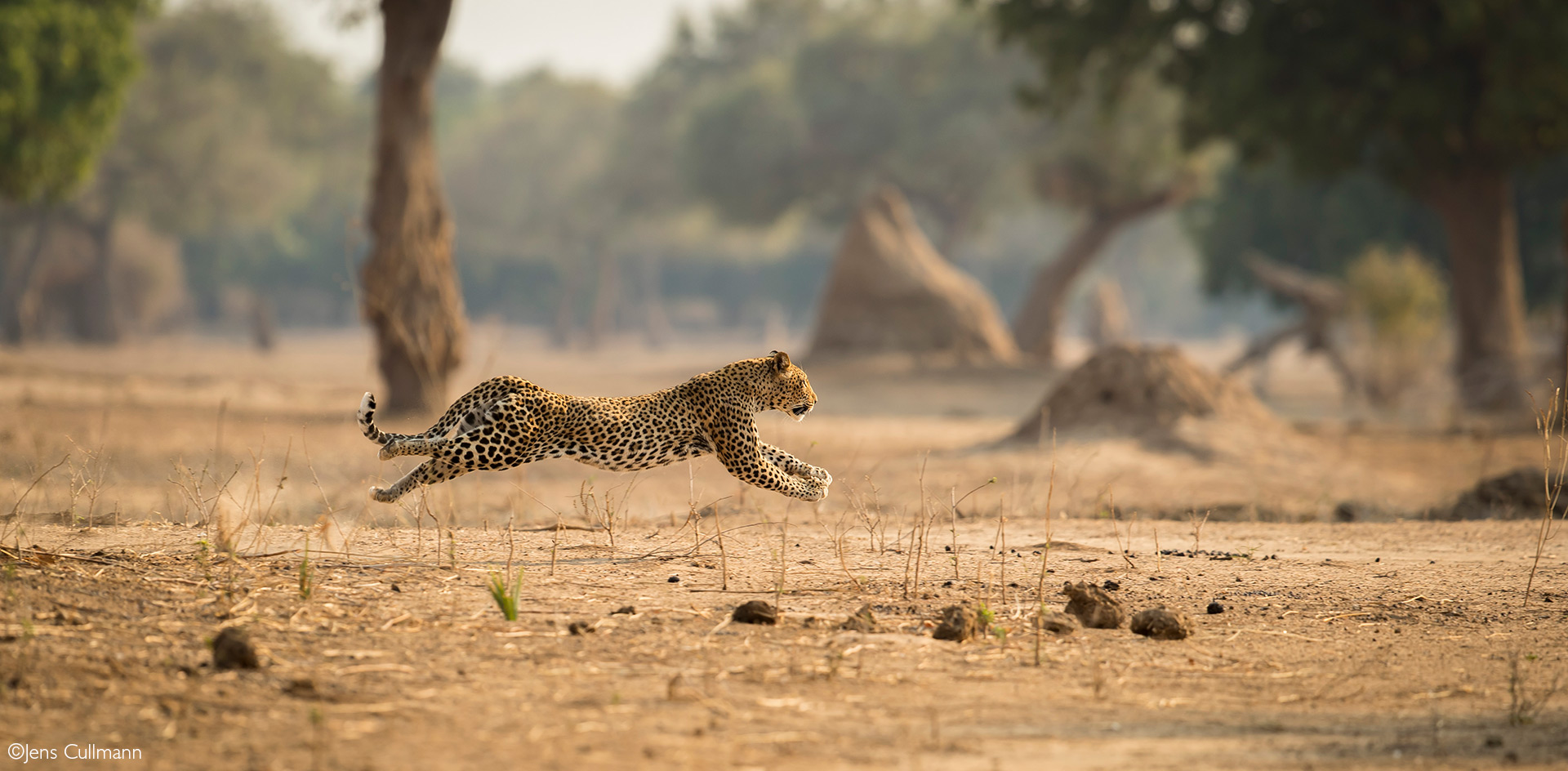
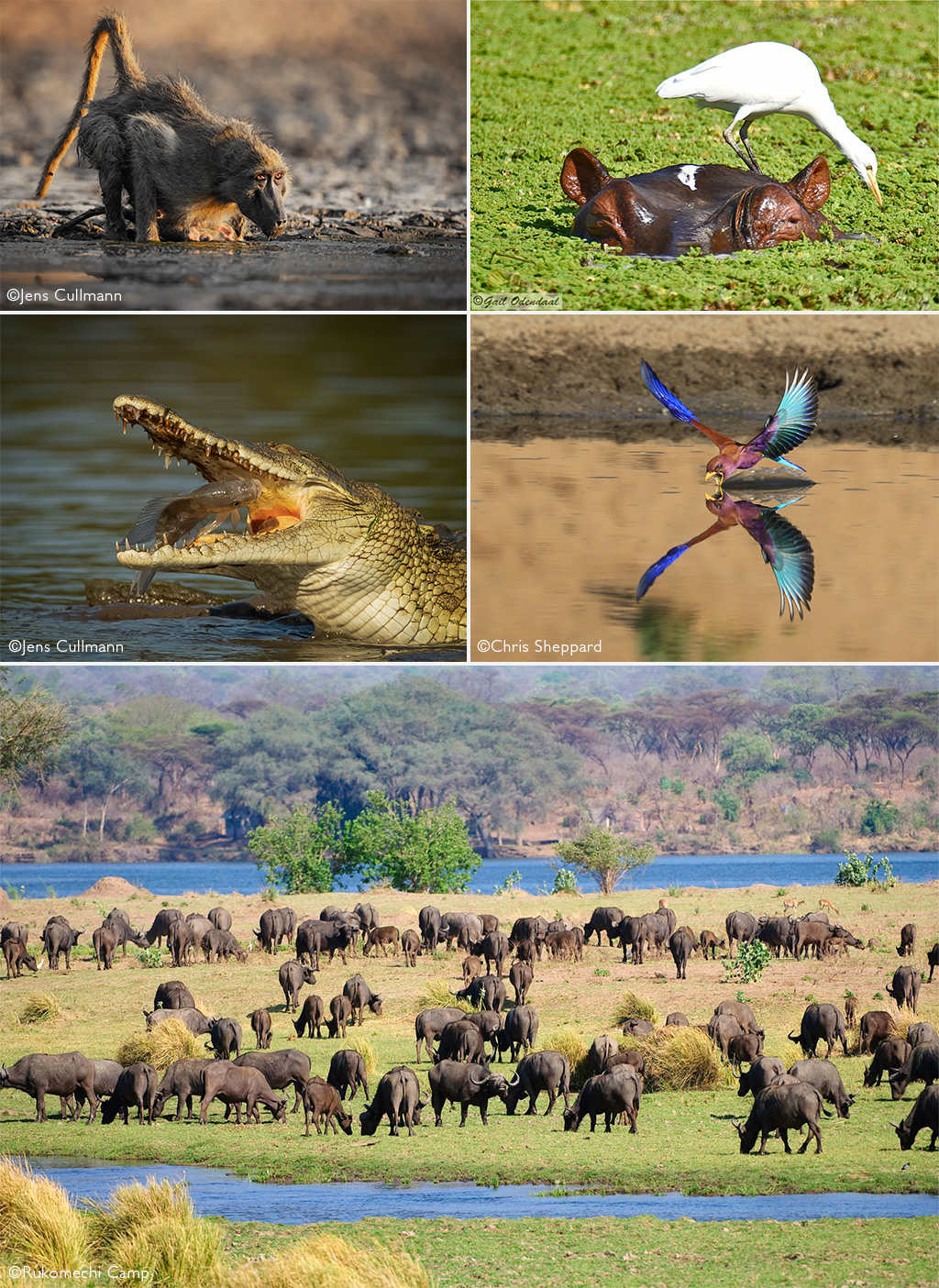
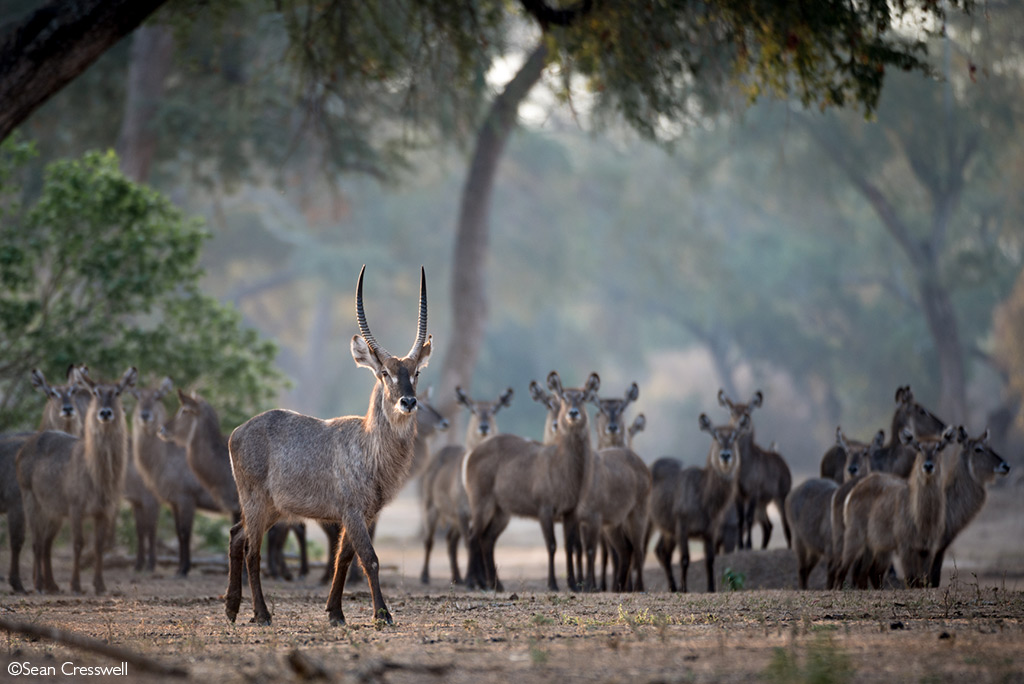
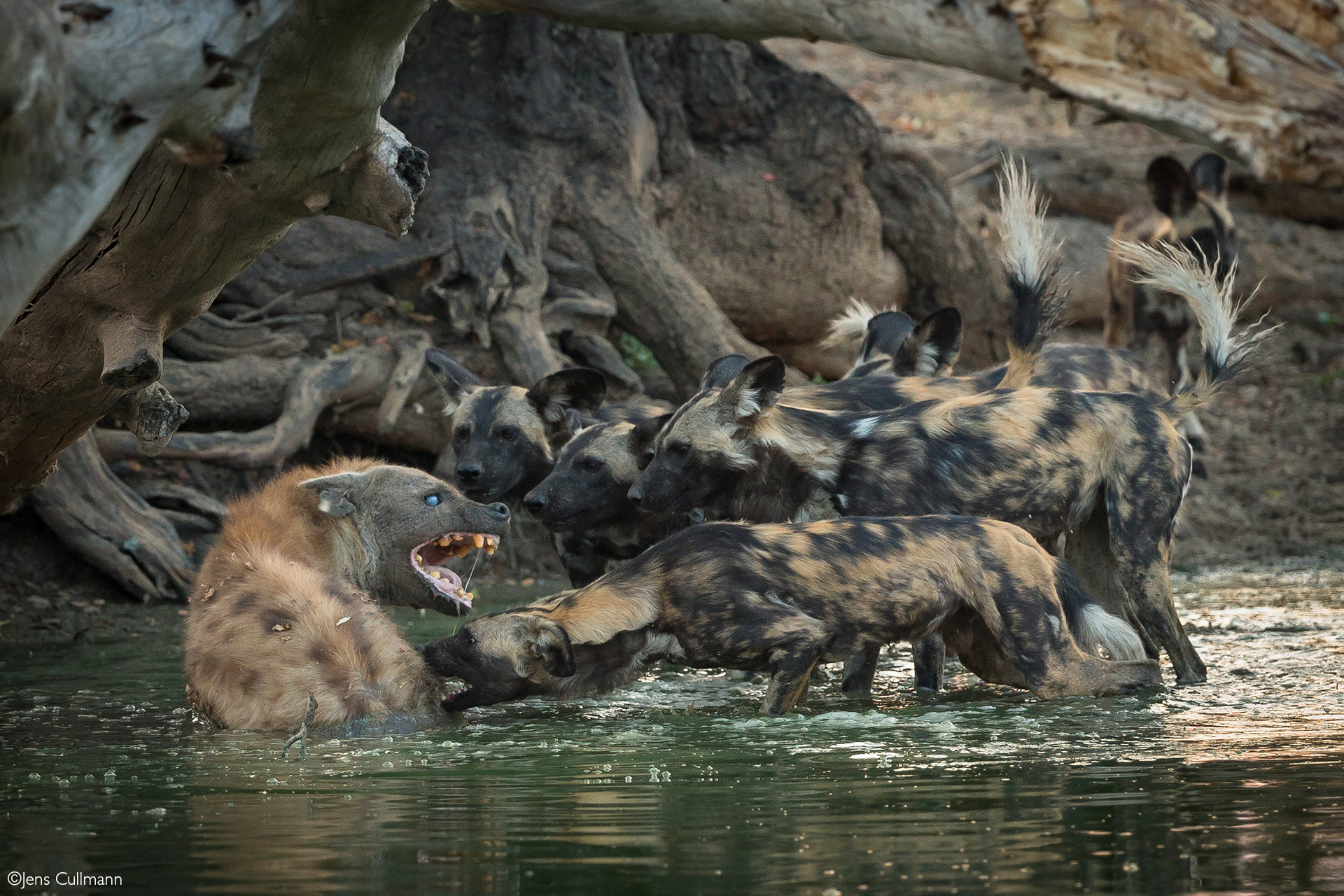
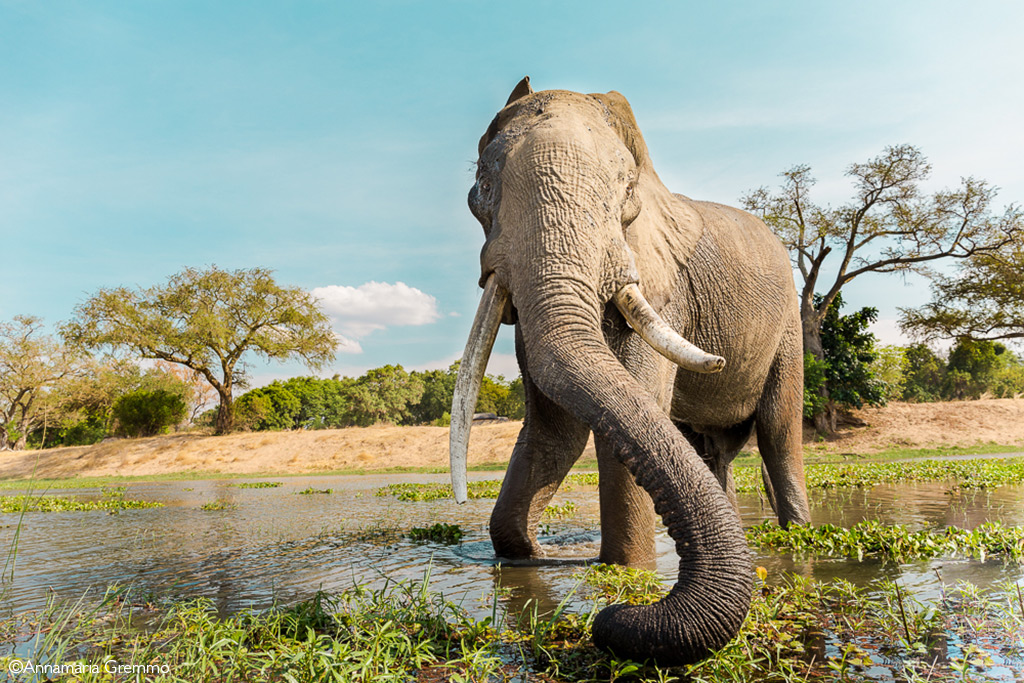

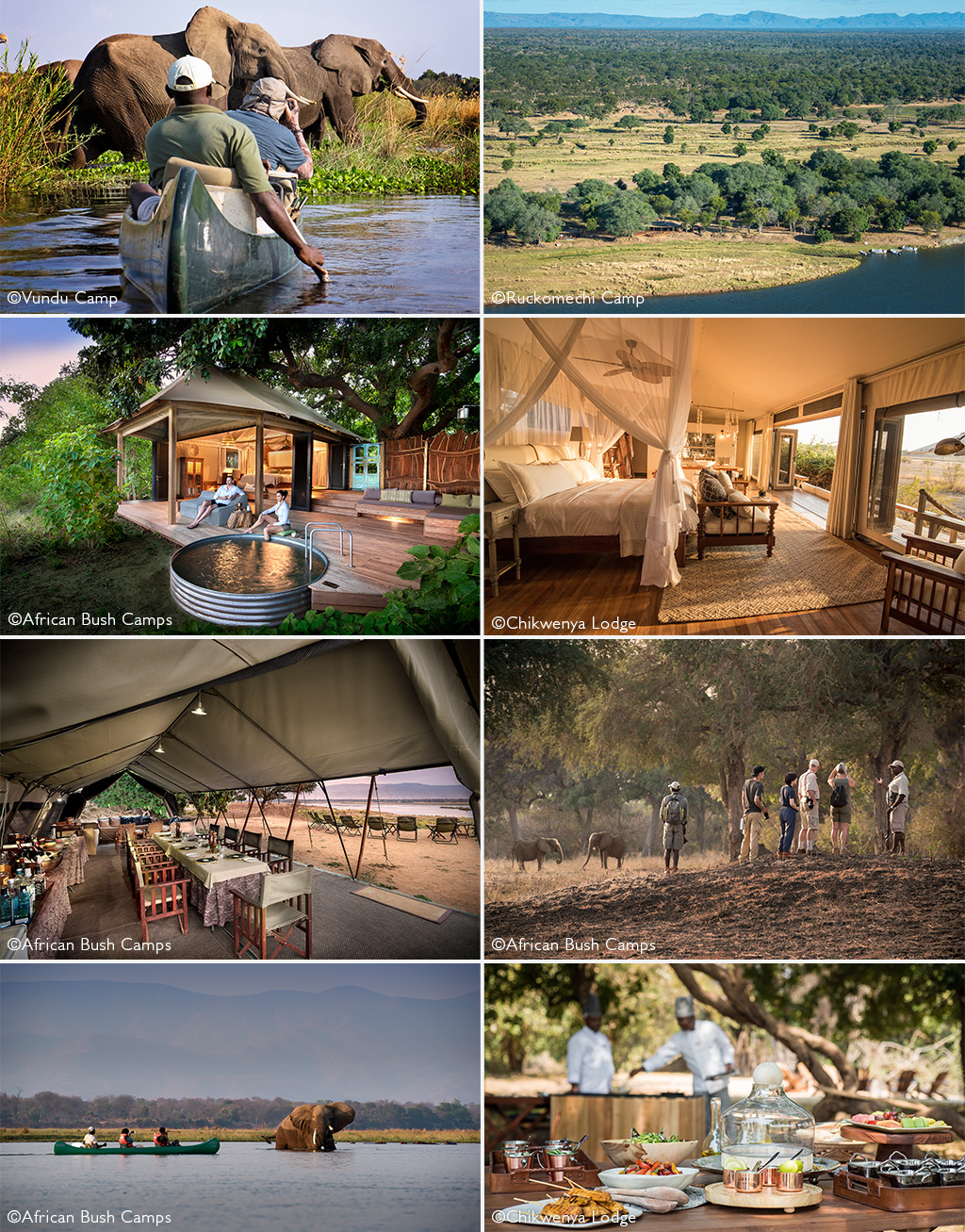
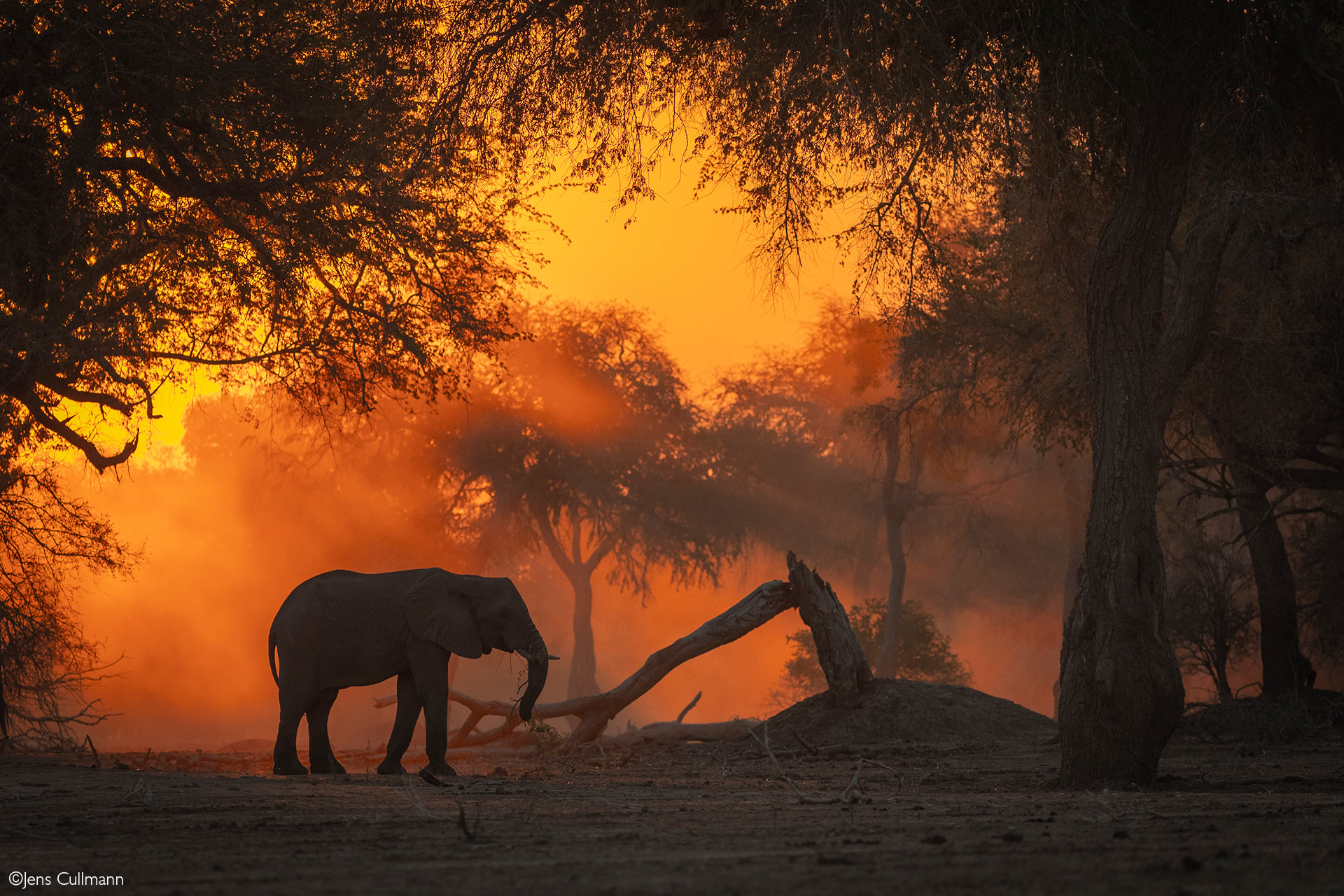
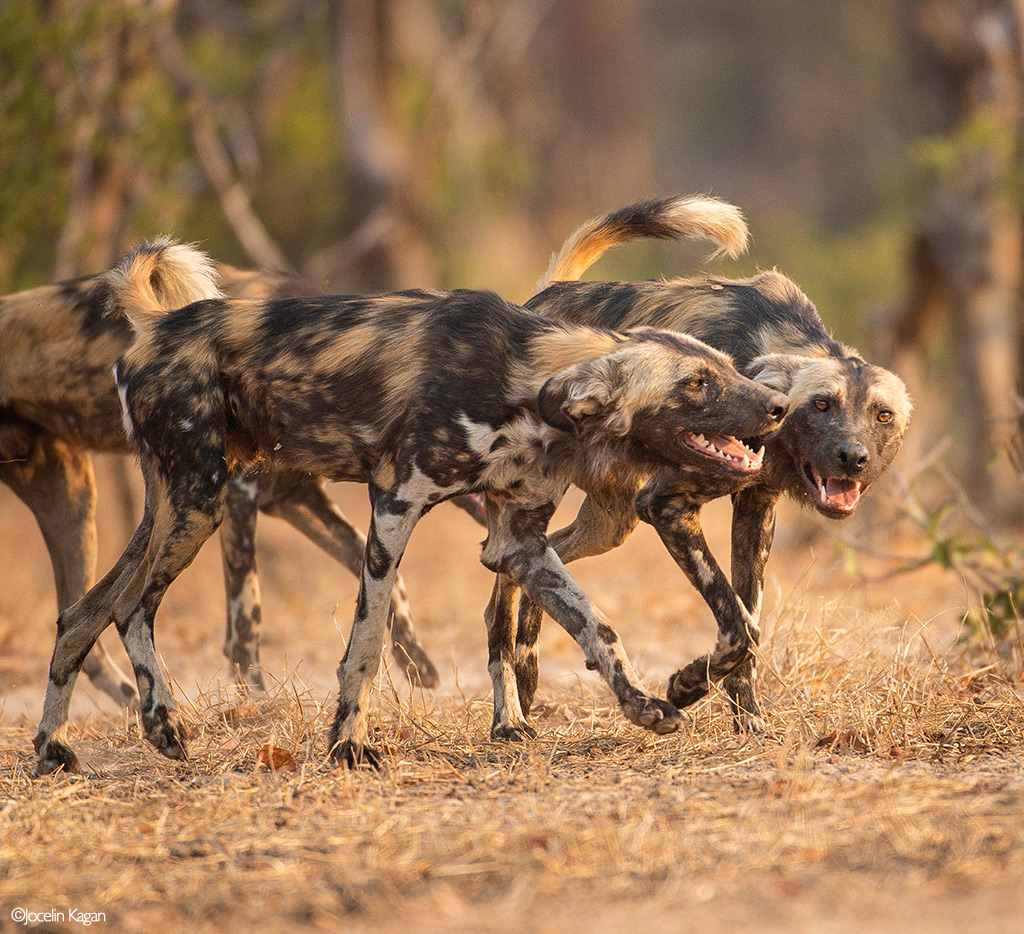
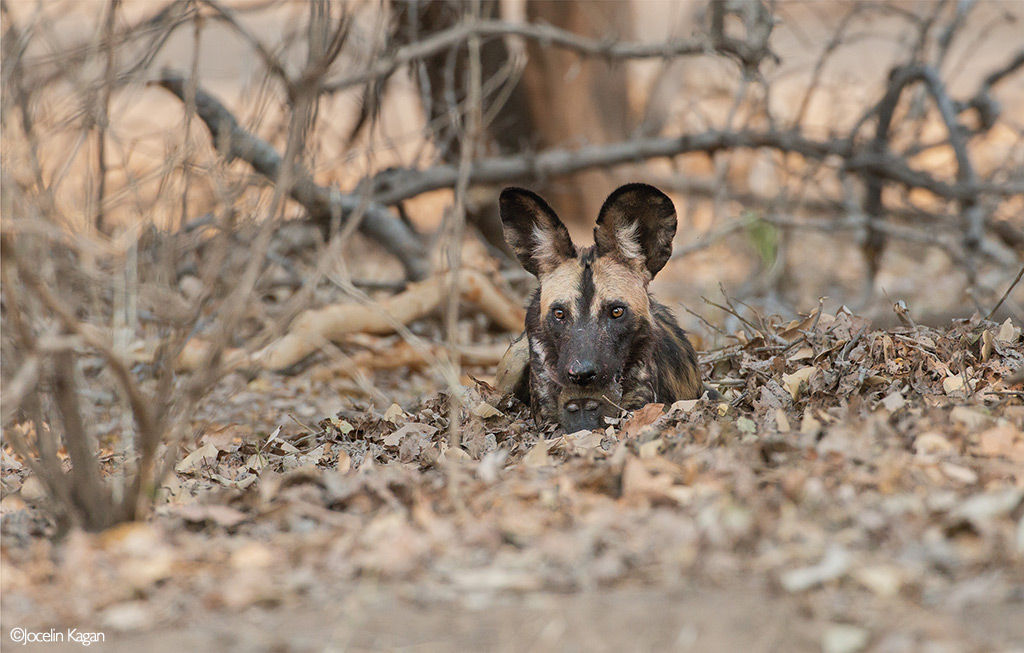
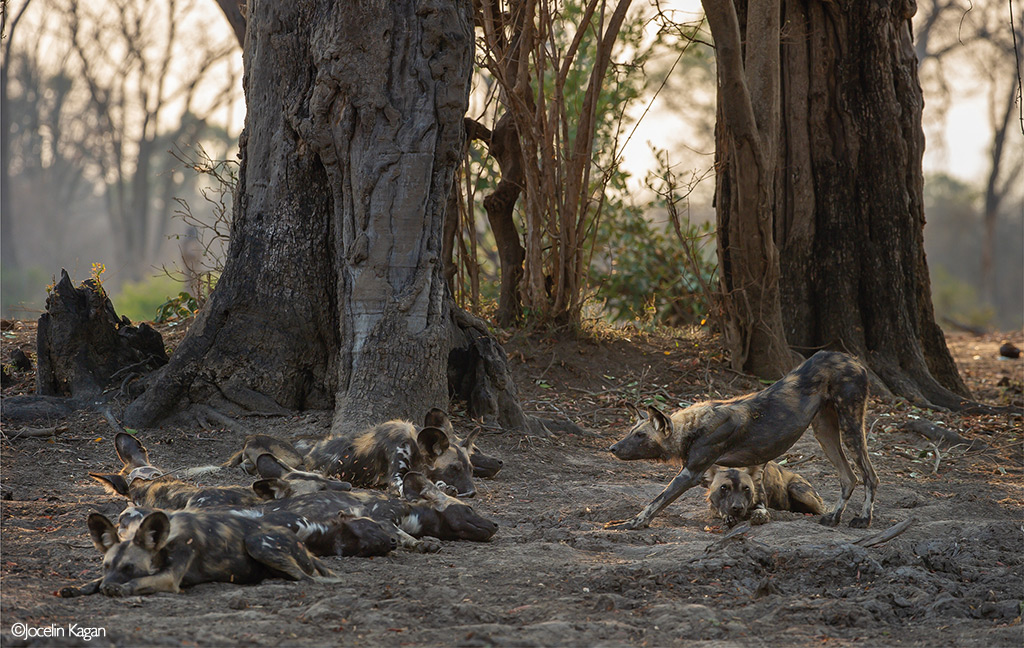
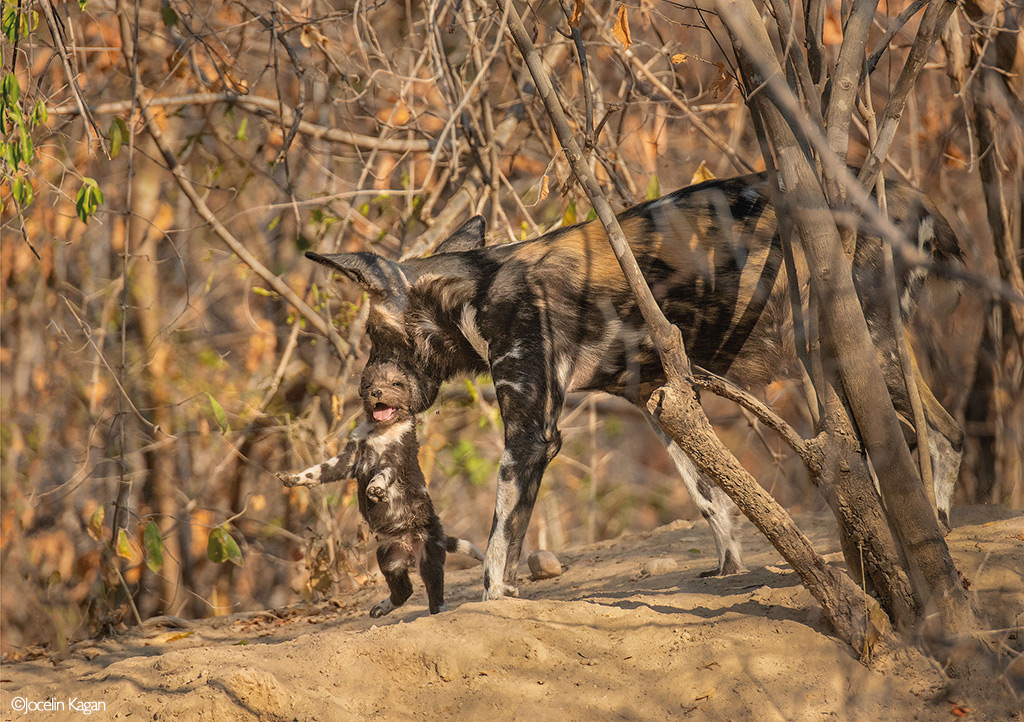
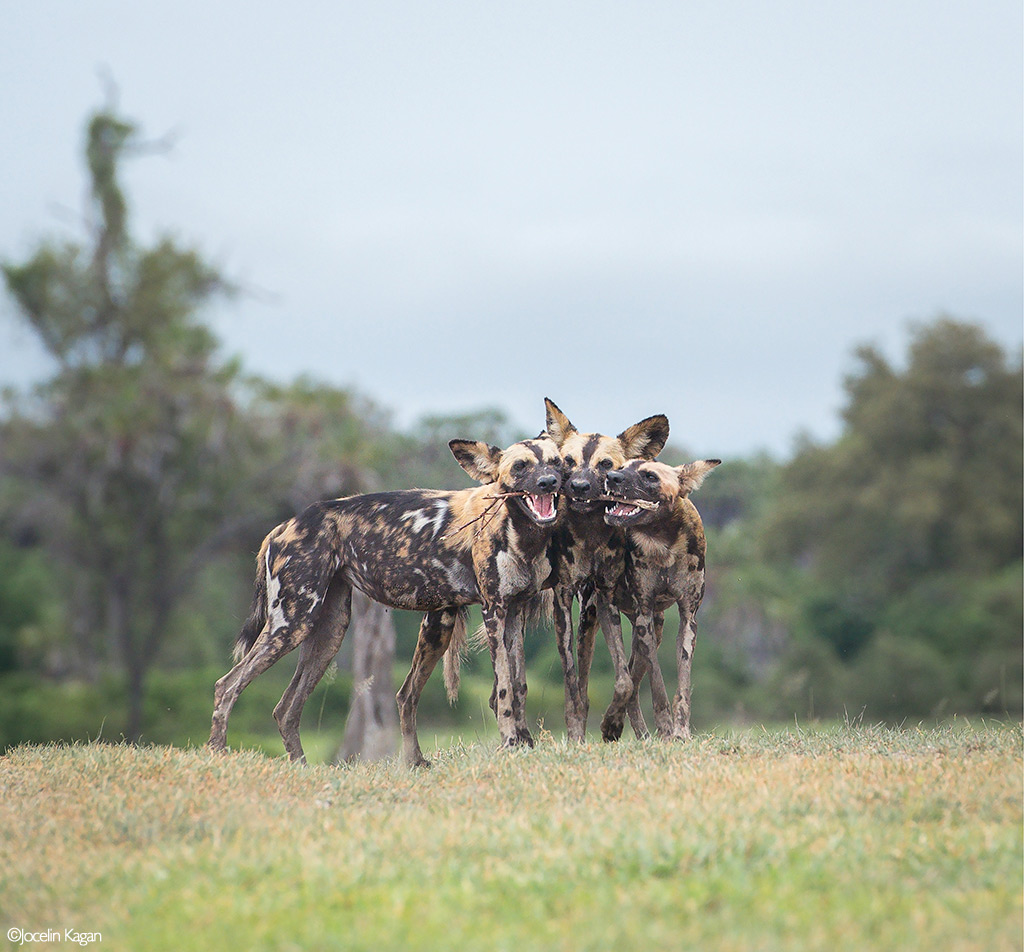
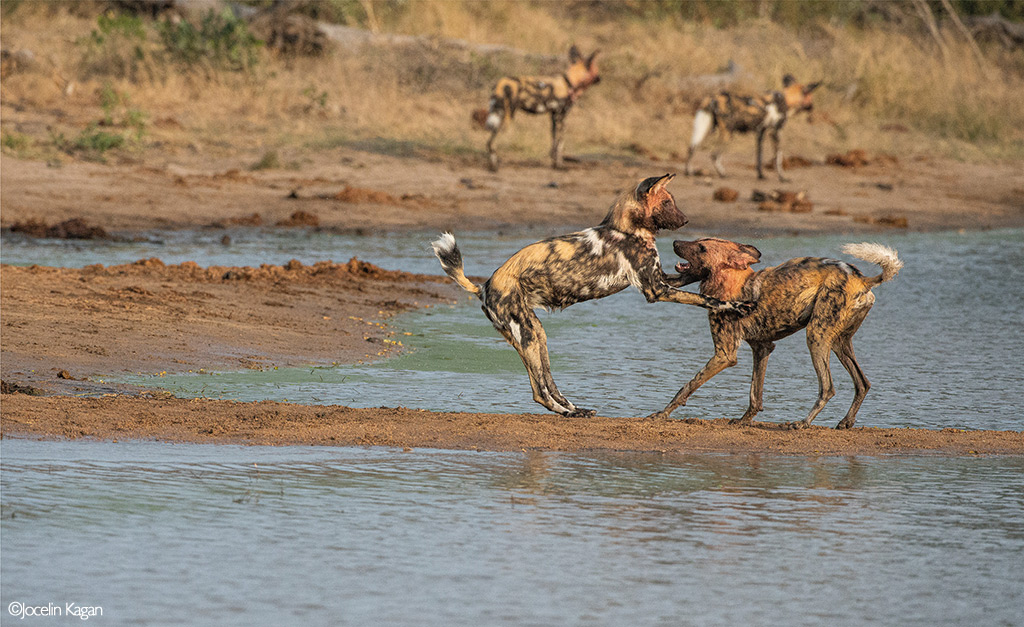
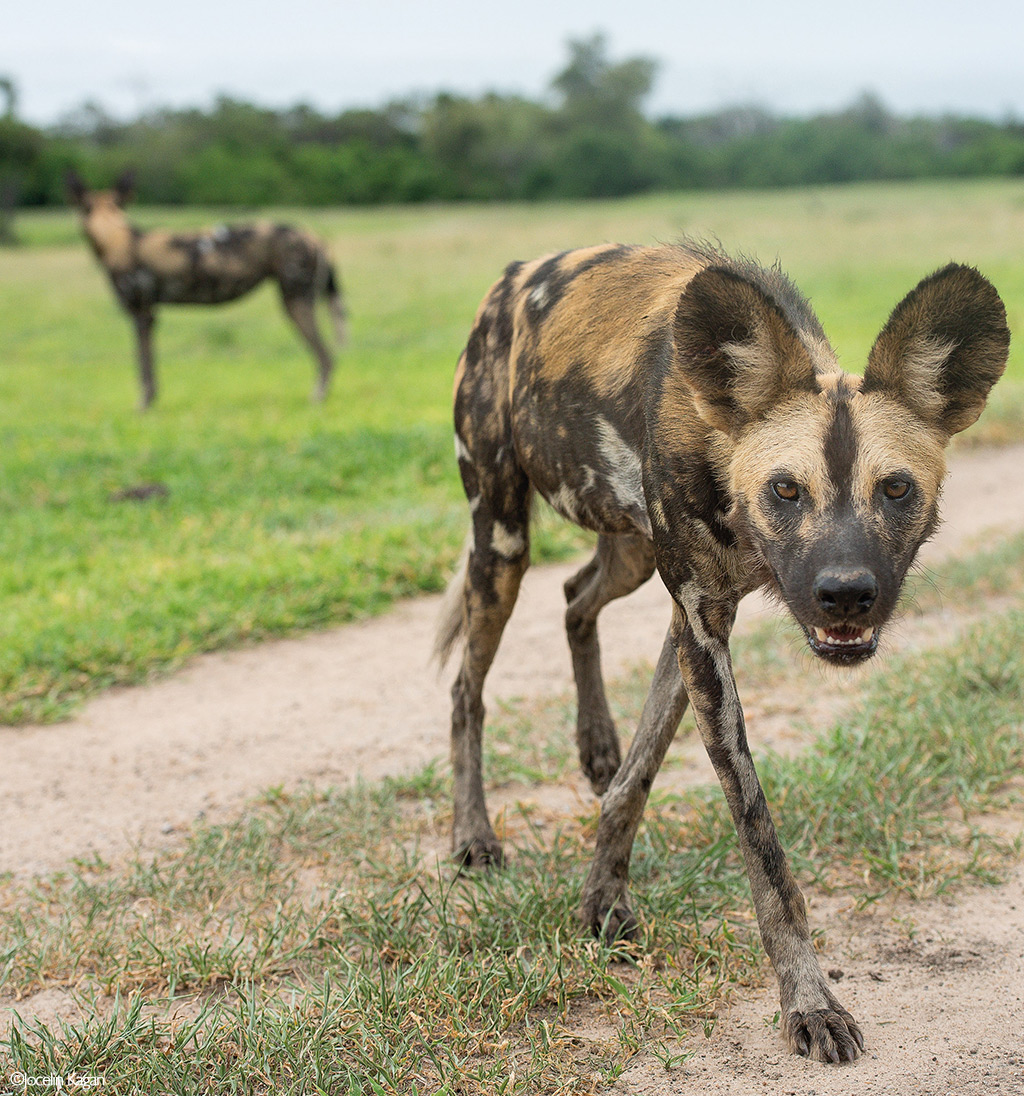
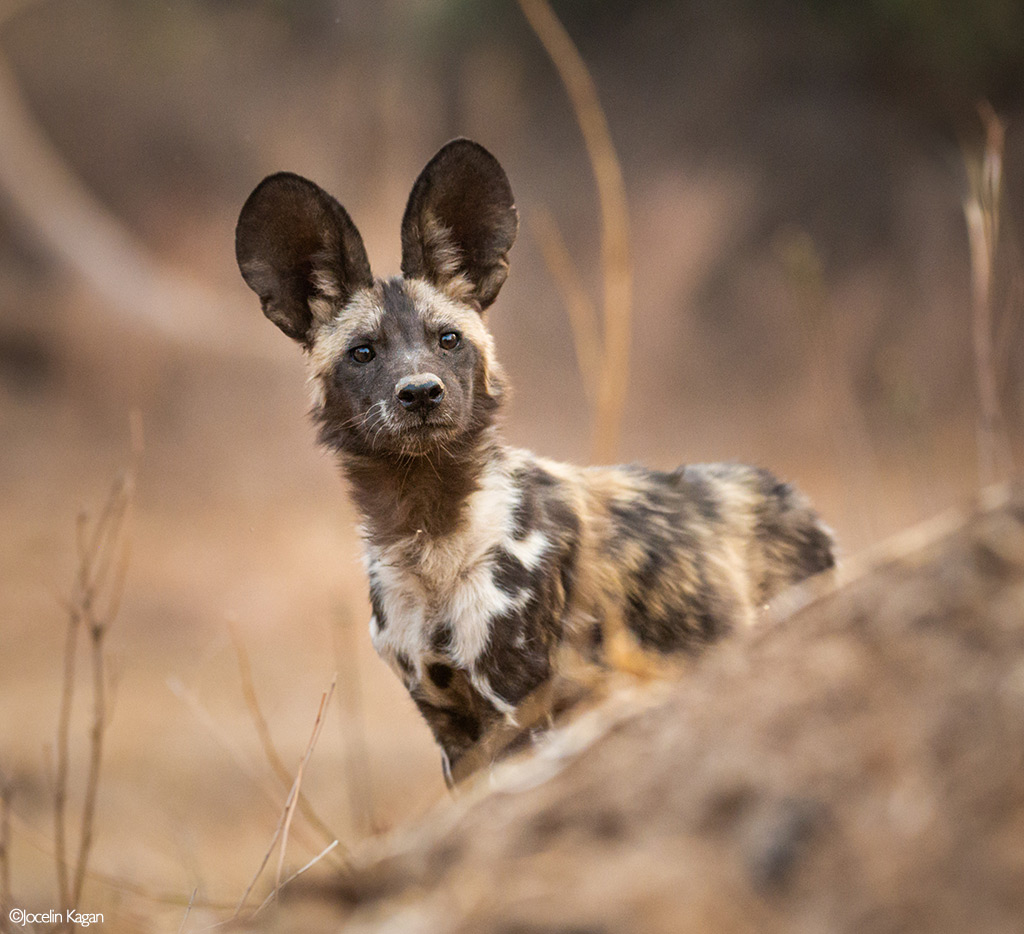
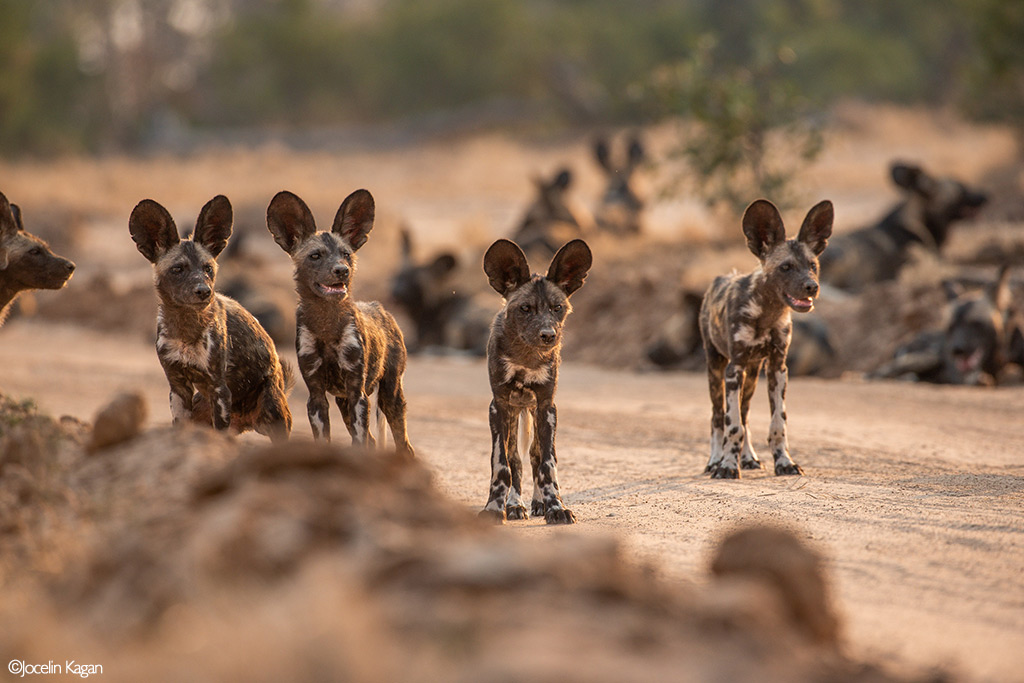
 Jocelin Kagan’s passion for wildlife crystallised when she saw her first wild dog in 2010. ‘It was love at first sight’. Since then, Jocelin has been photographing and tracking wild dogs in Mana Pools in Zimbabwe, Botswana, the Timbavati in South Africa, and the Selous Game Reserve in Tanzania. Jocelin has embarked on an ambitious undertaking to make known the plight of this most successful strategist of all predators. She holds Higher Primary Teacher’s Diploma with specialization in Speech & Drama from the University of Cape Town, a Master Practitioner Certification in Neuro-Linguistic Programming and a Henley Management College MBA, and is the published author of four books, an educator, and a public speaker.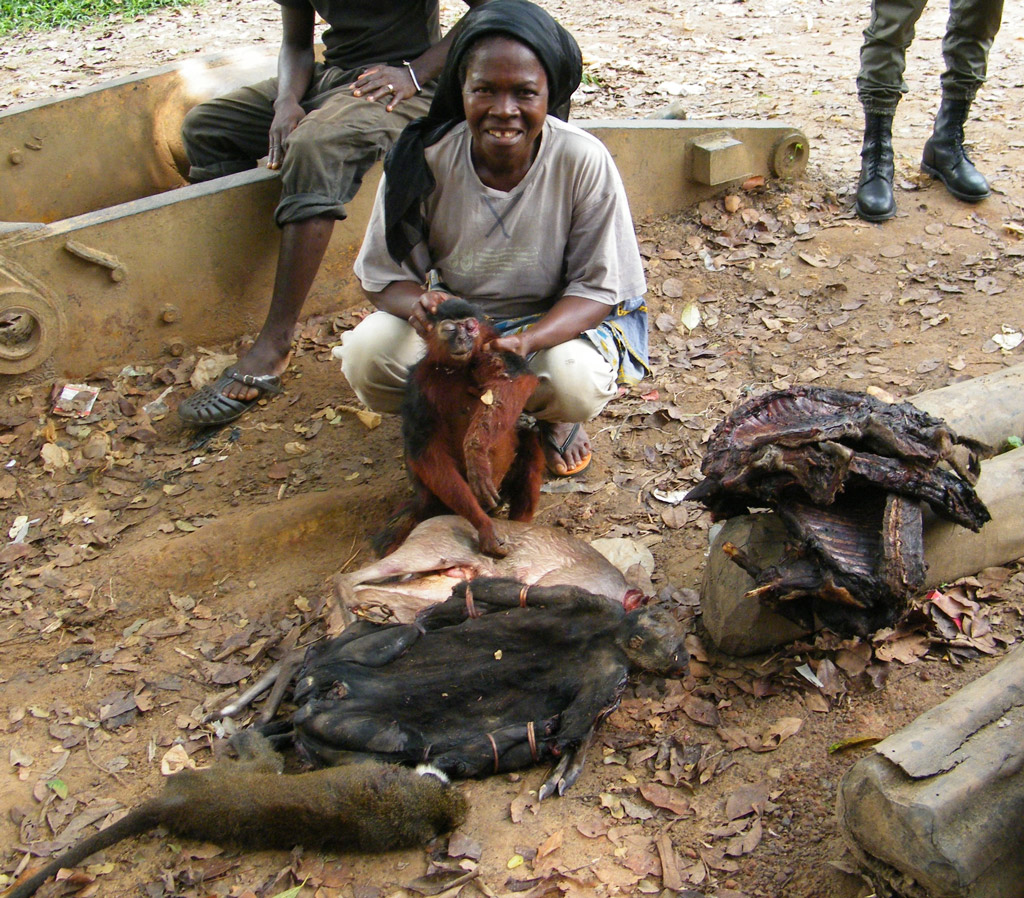
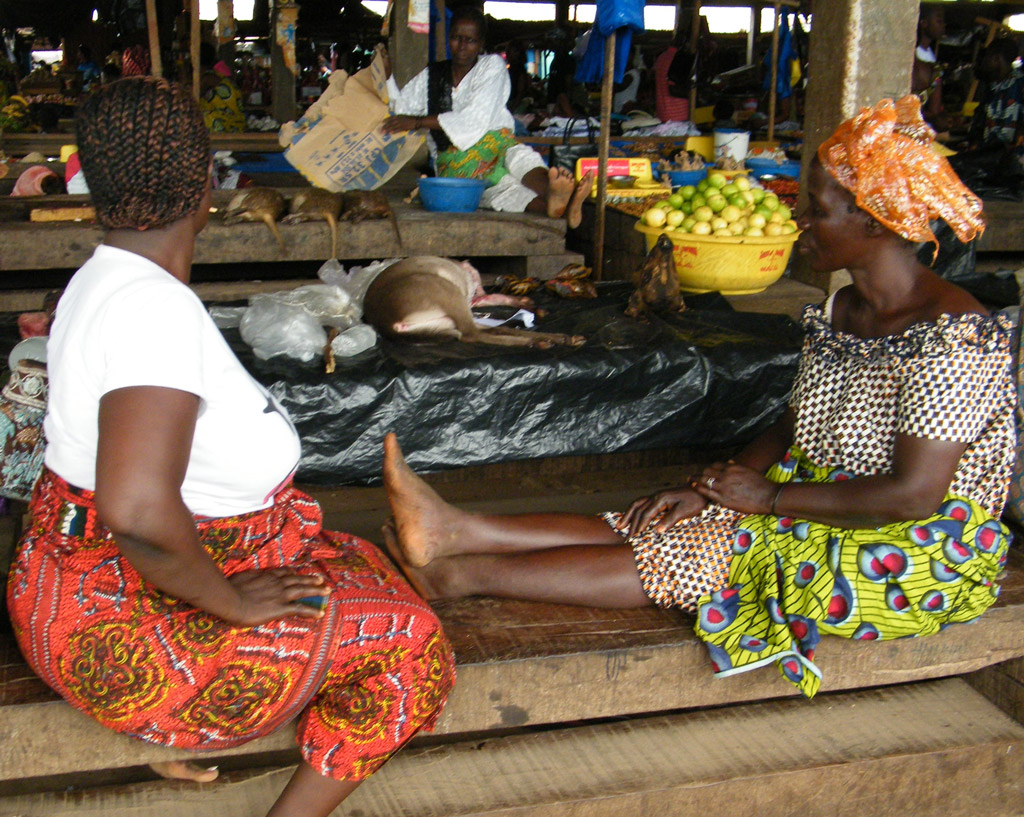
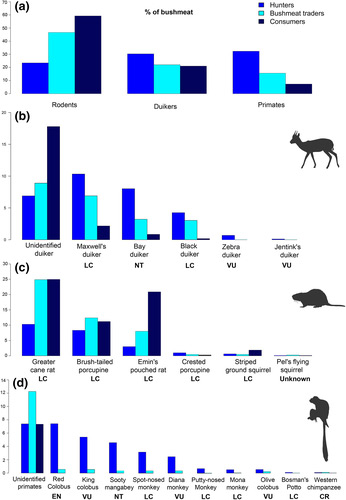
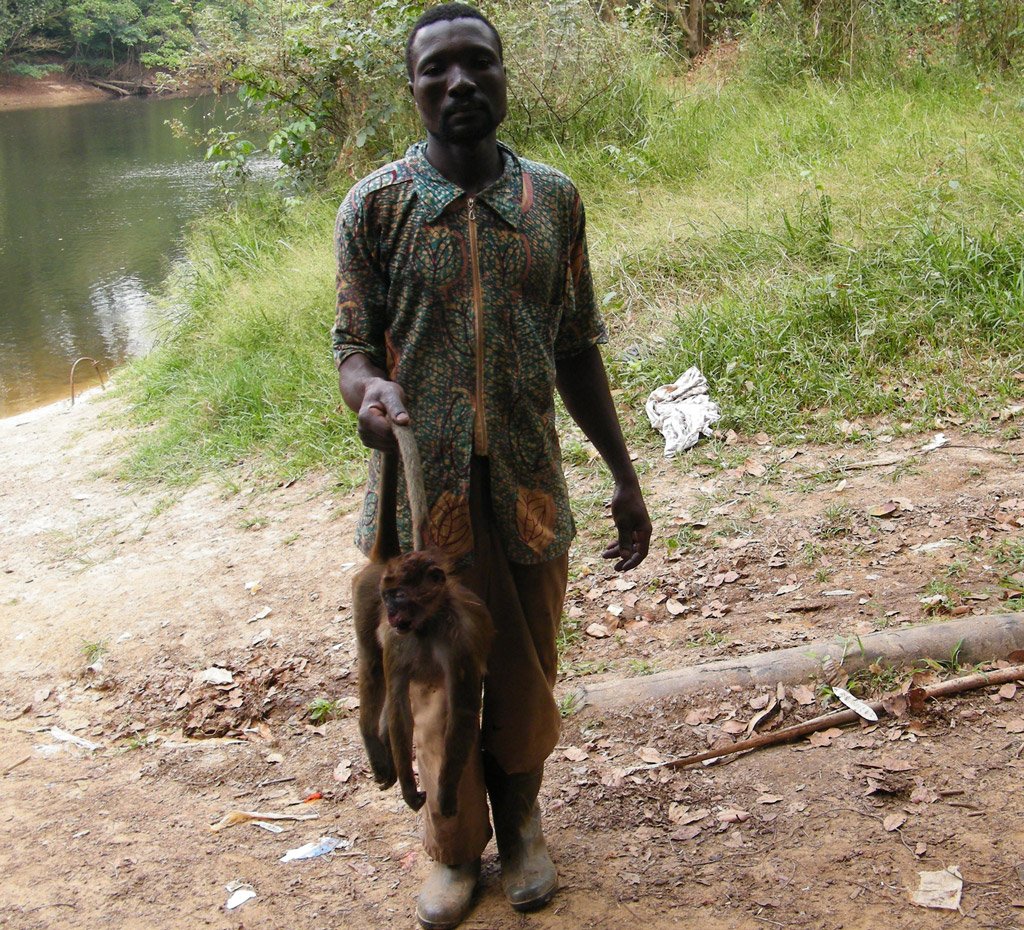
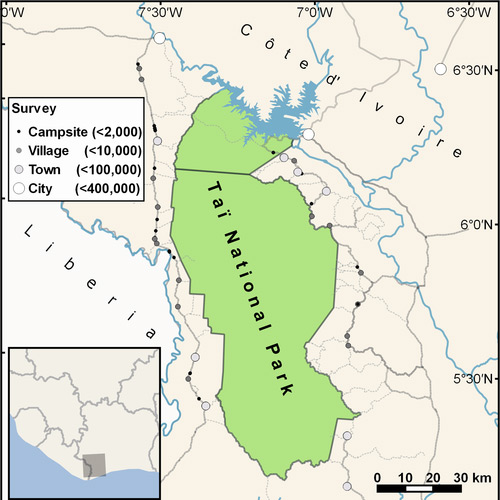 The study suggests that while the development, educational and cultural strategies currently broadly applied to control bushmeat consumption have the potential to be effective, they need to be directed at the correct groups of people in the correct manner to avoid wasting scant resources. While there is an understandably urgent need to protect certain species from unsustainable hunting, policies need to be tailored for each specific species. The authors emphasize that there is no “one-size-fits-all” solution to bushmeat consumption and strategies that aim to have conservation benefits need to be based on research that provides a clear understanding of the process within each community.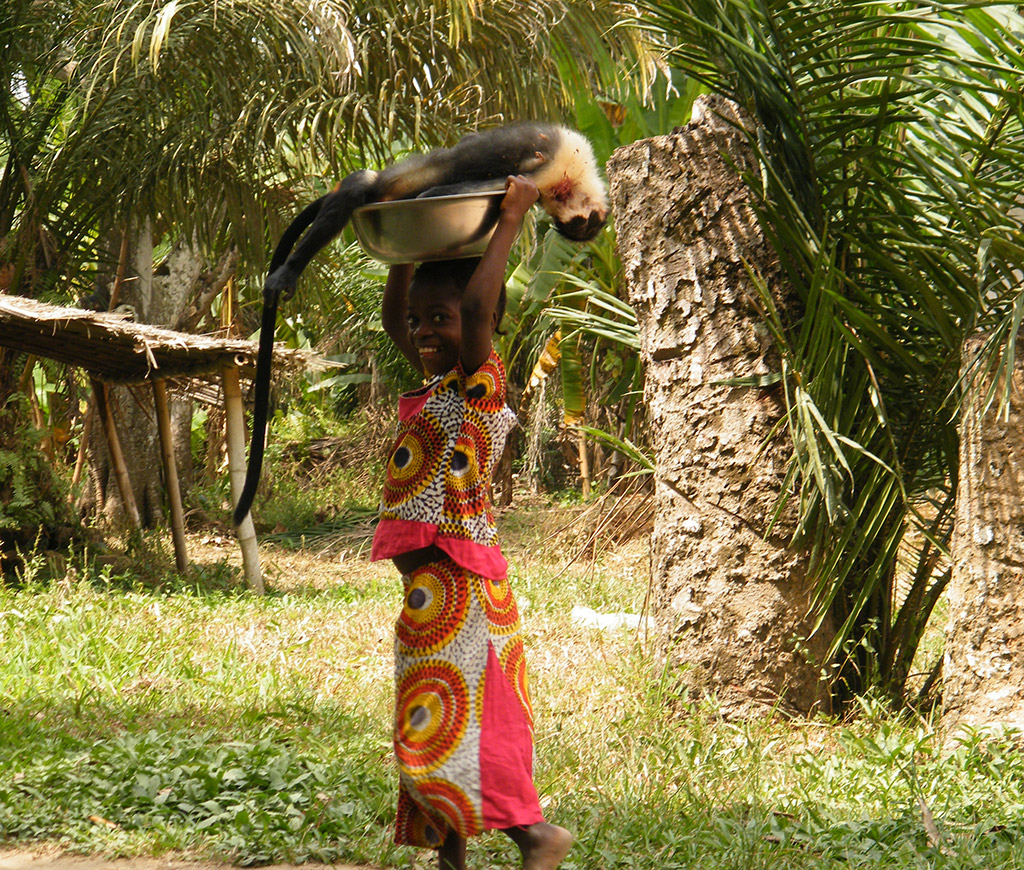
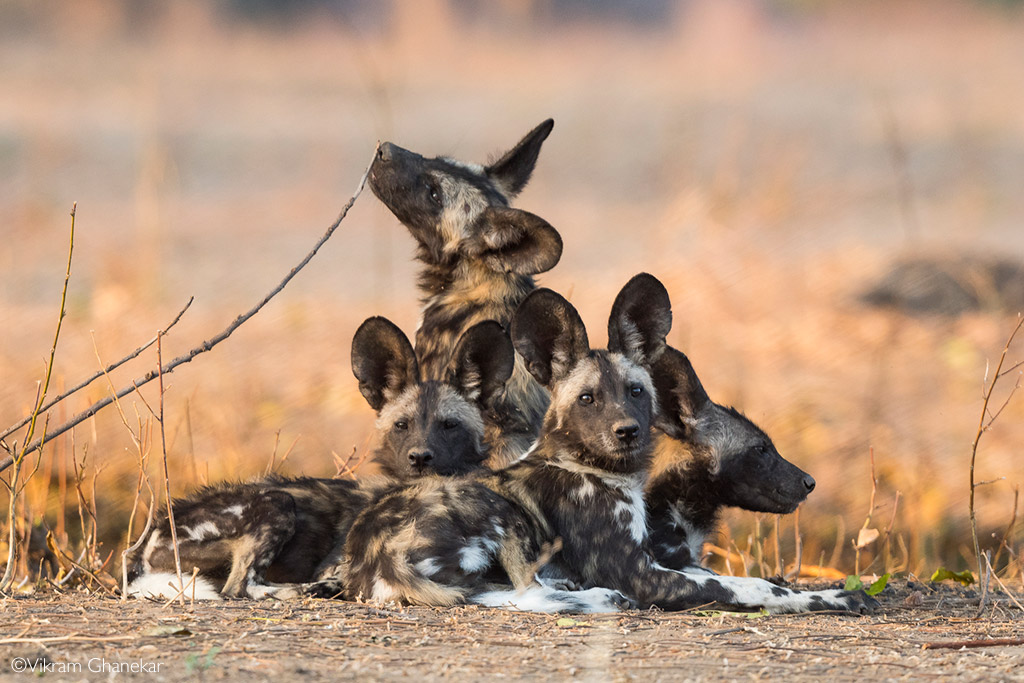
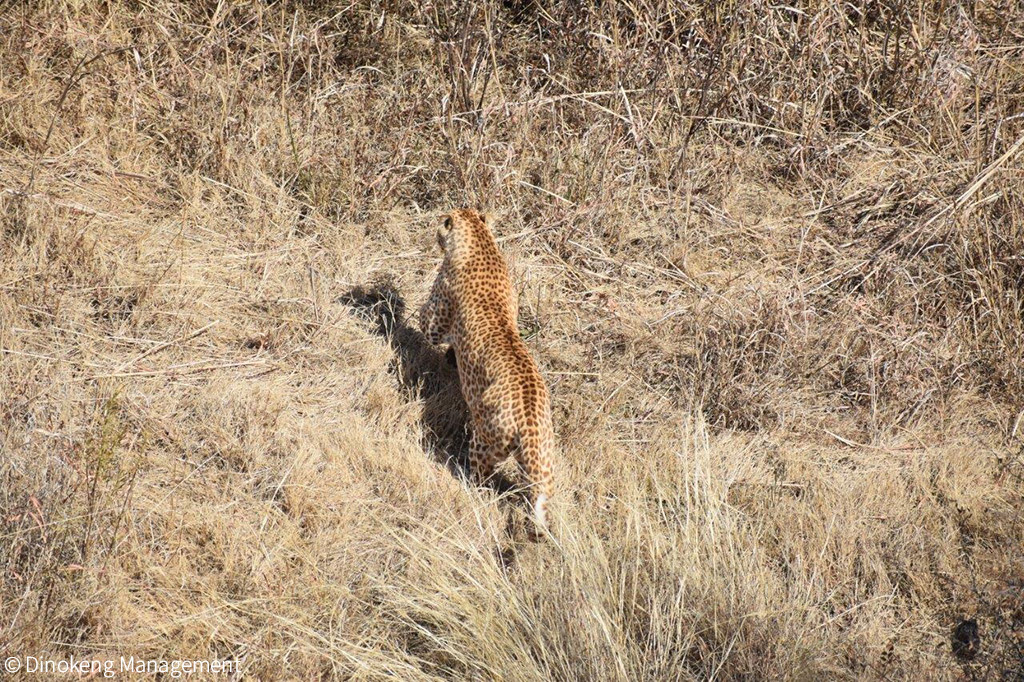
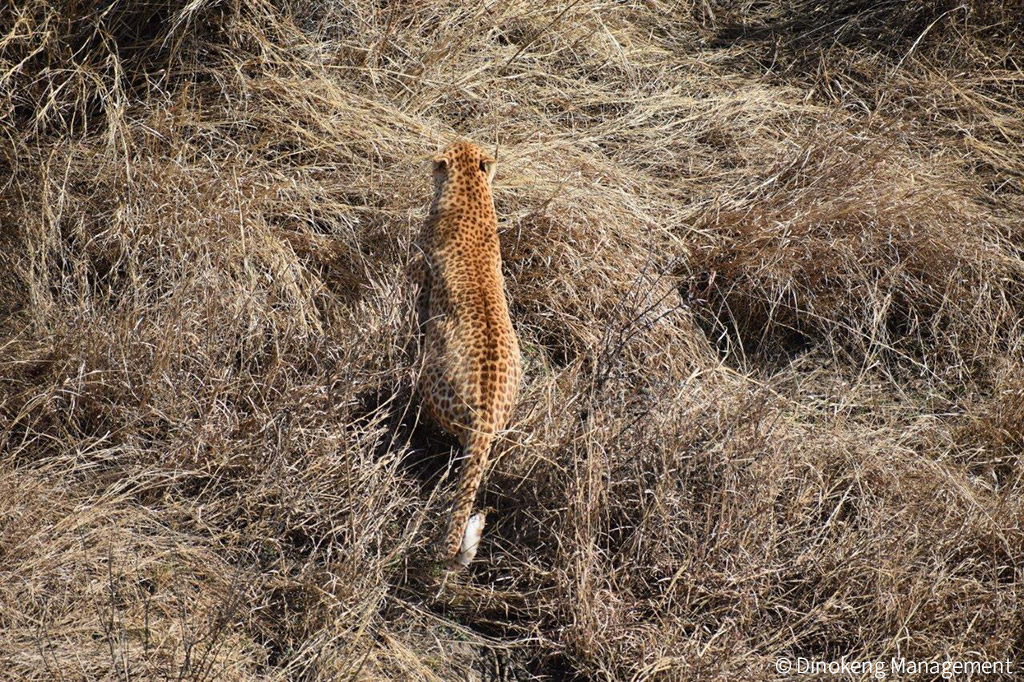
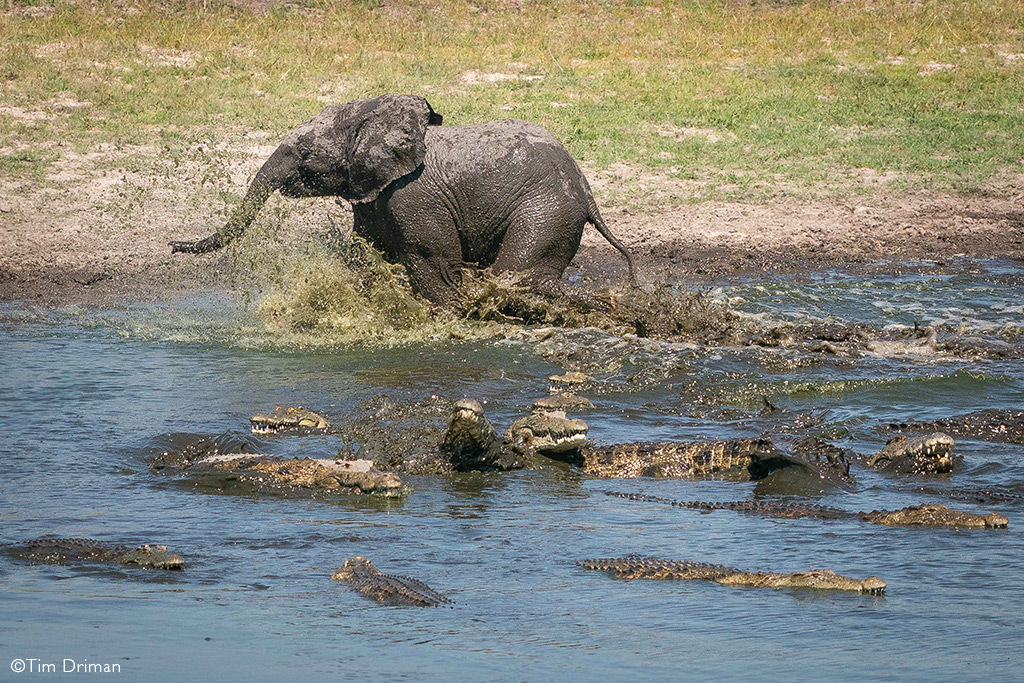
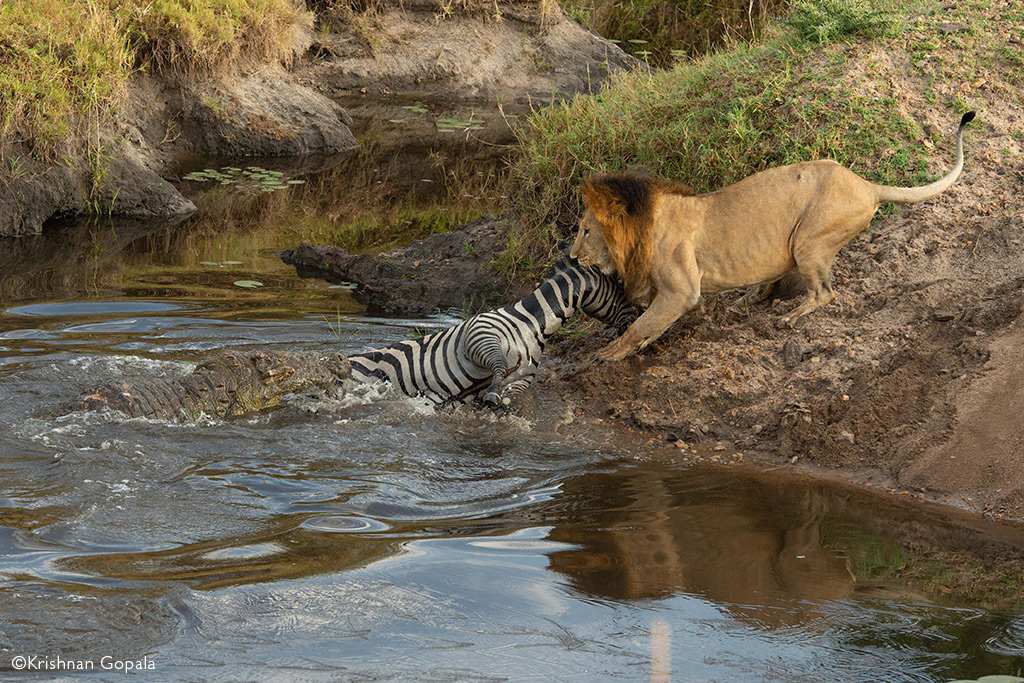
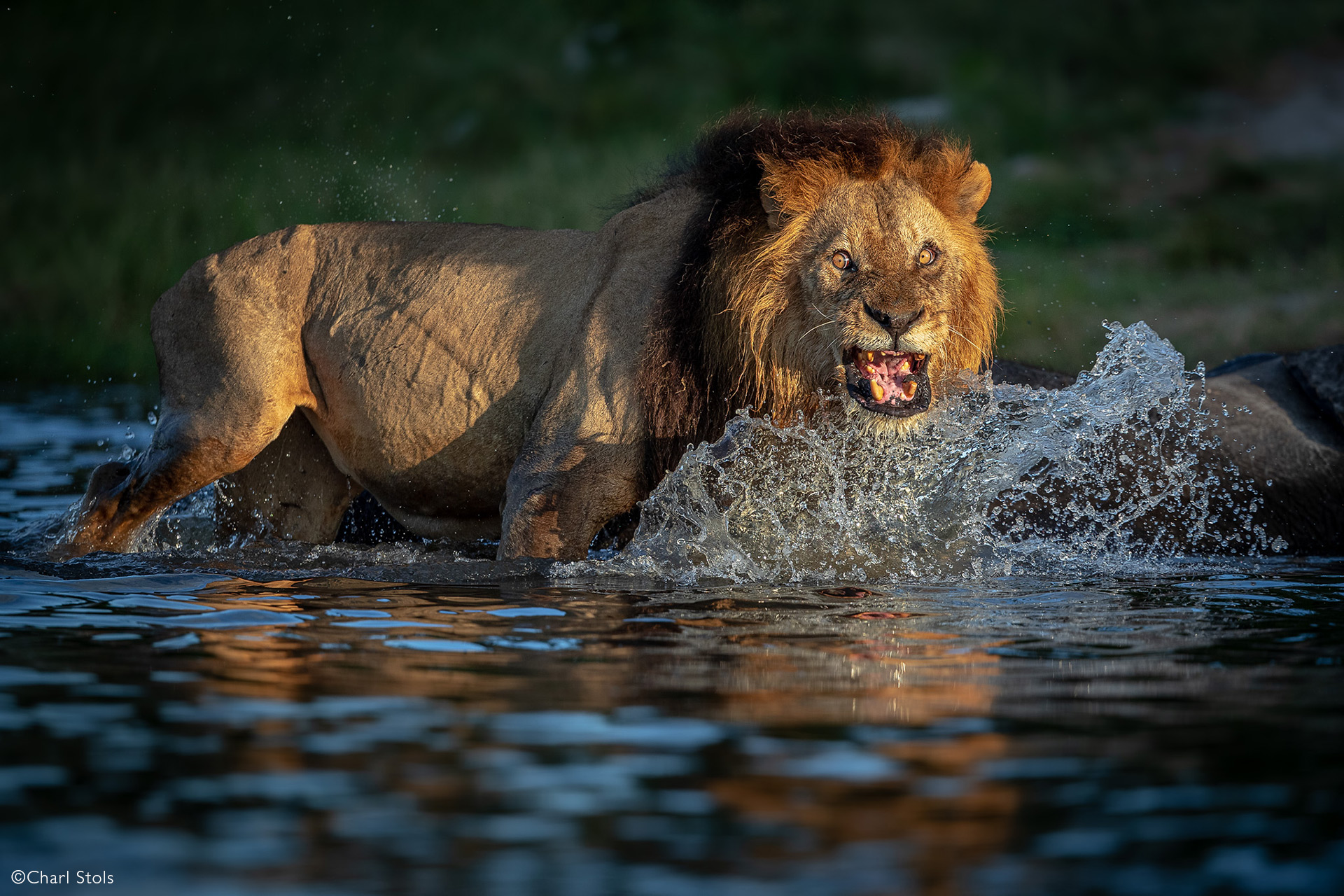
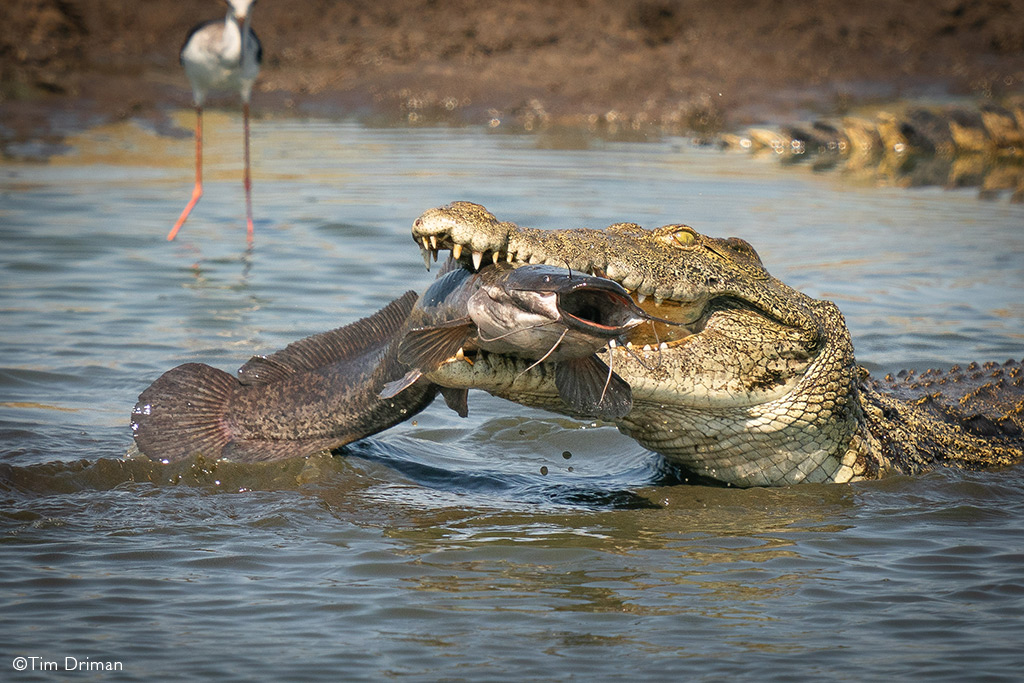
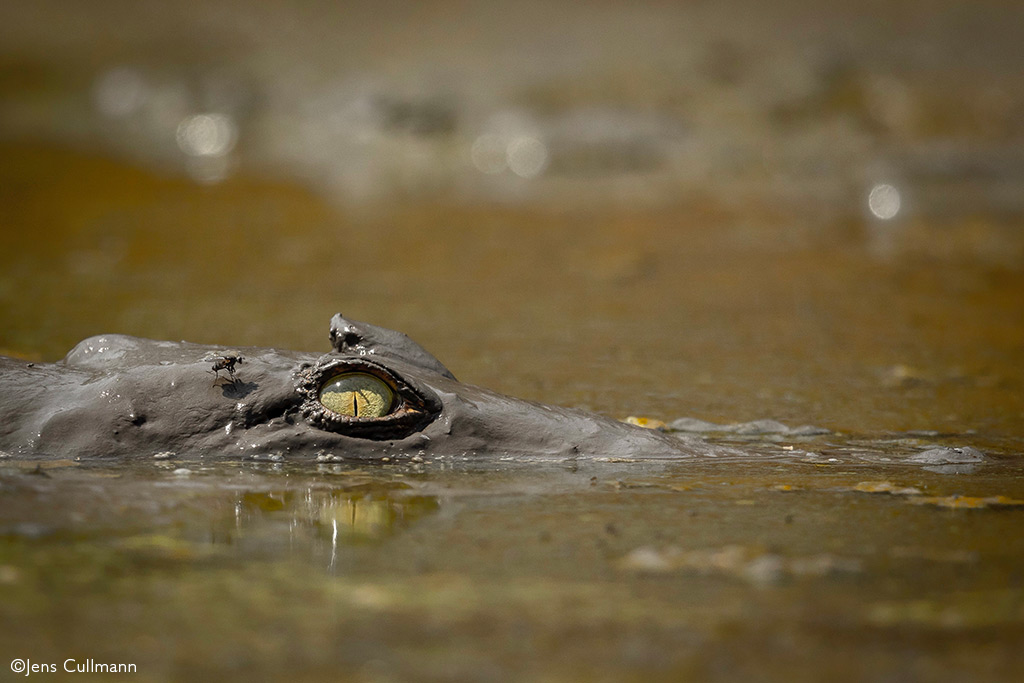
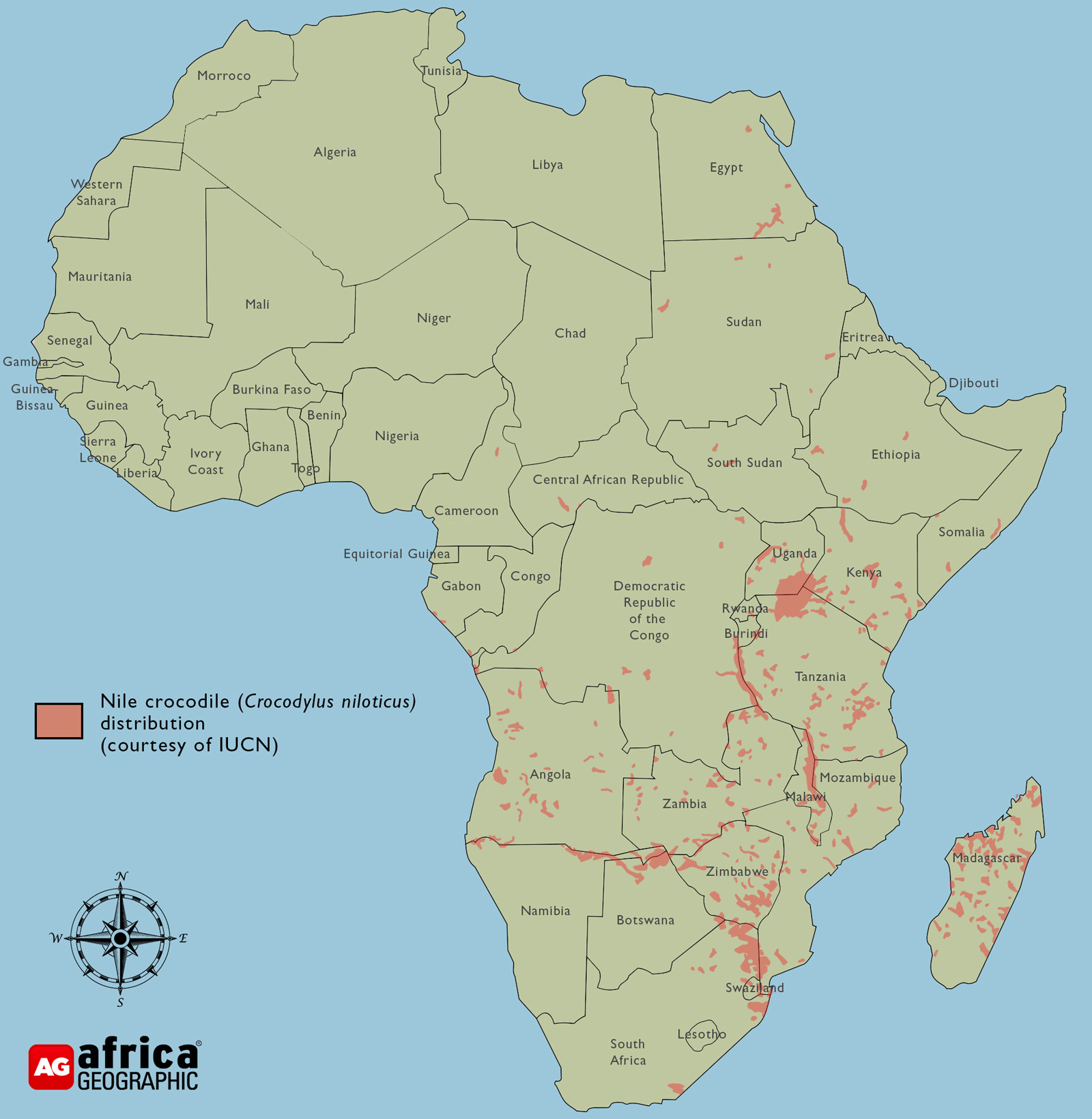
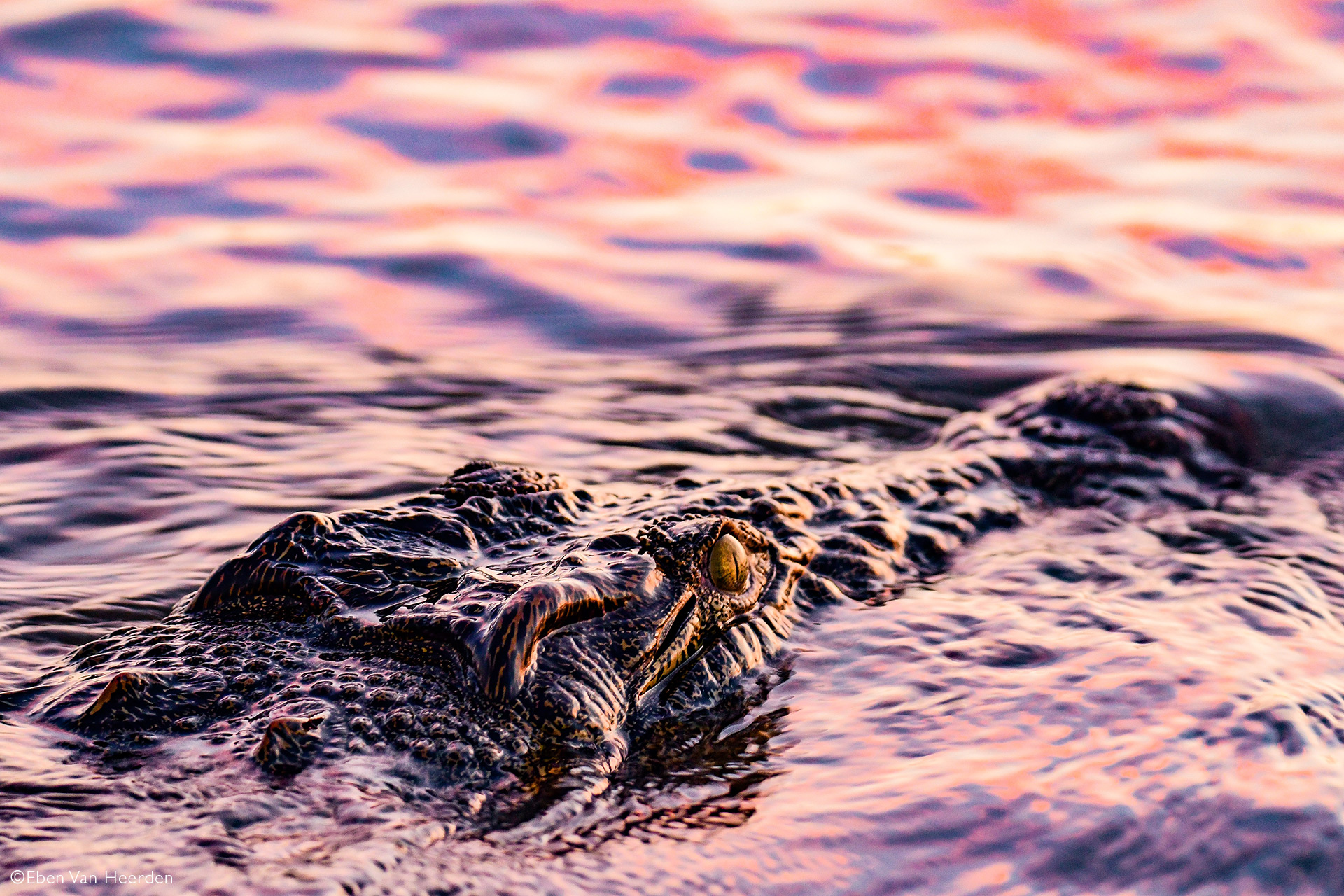
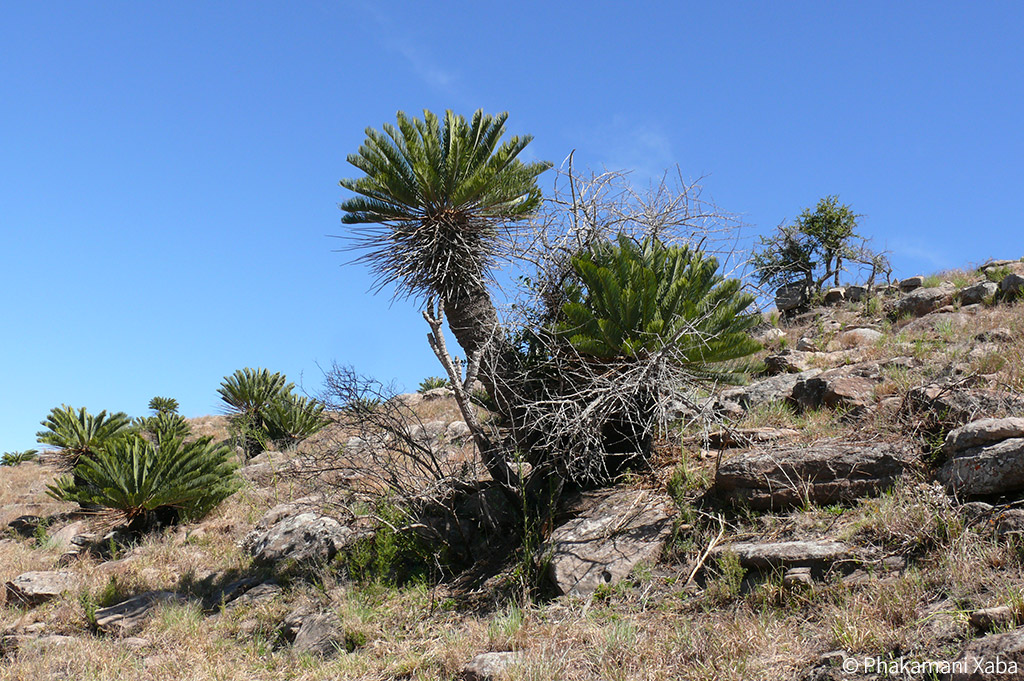
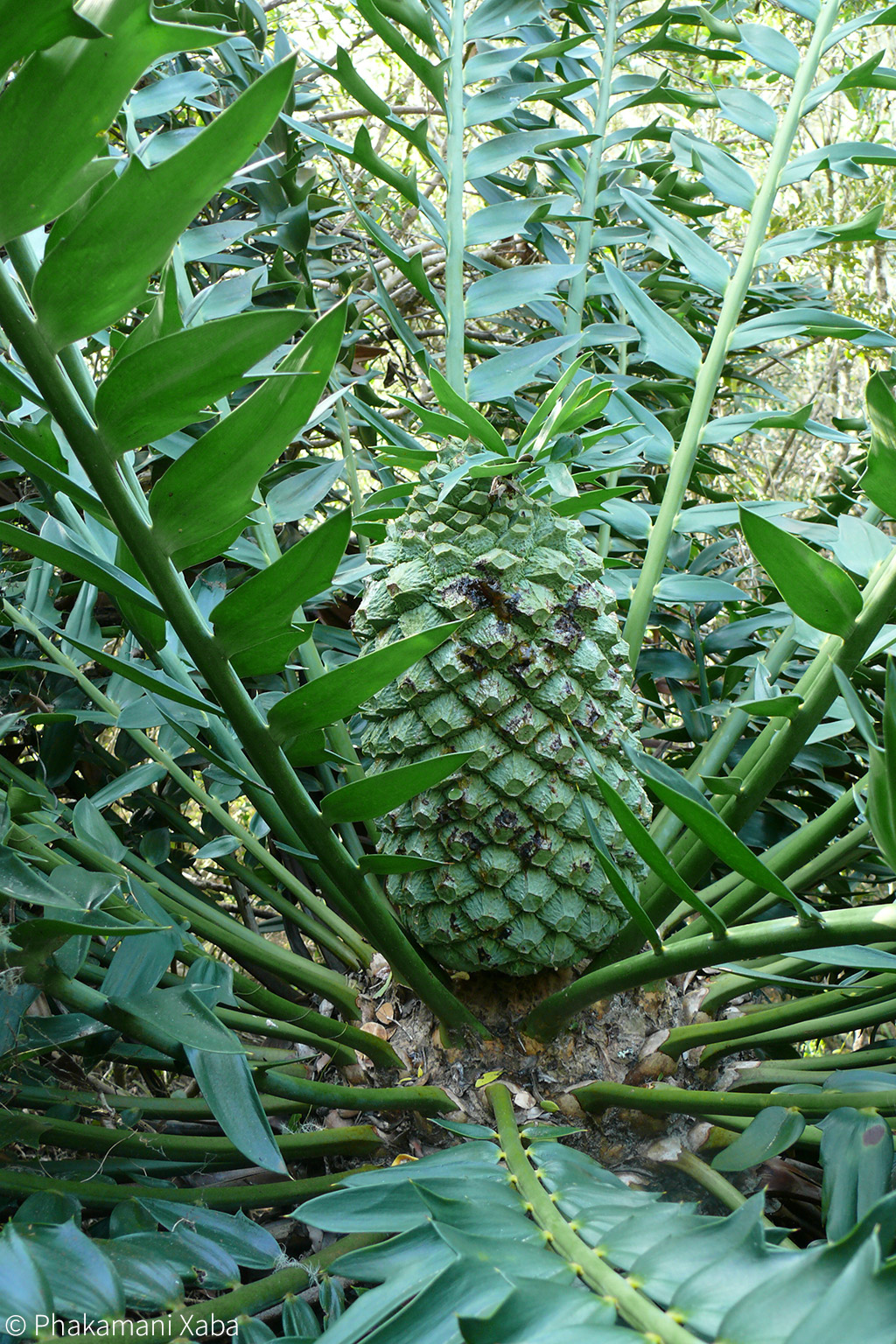
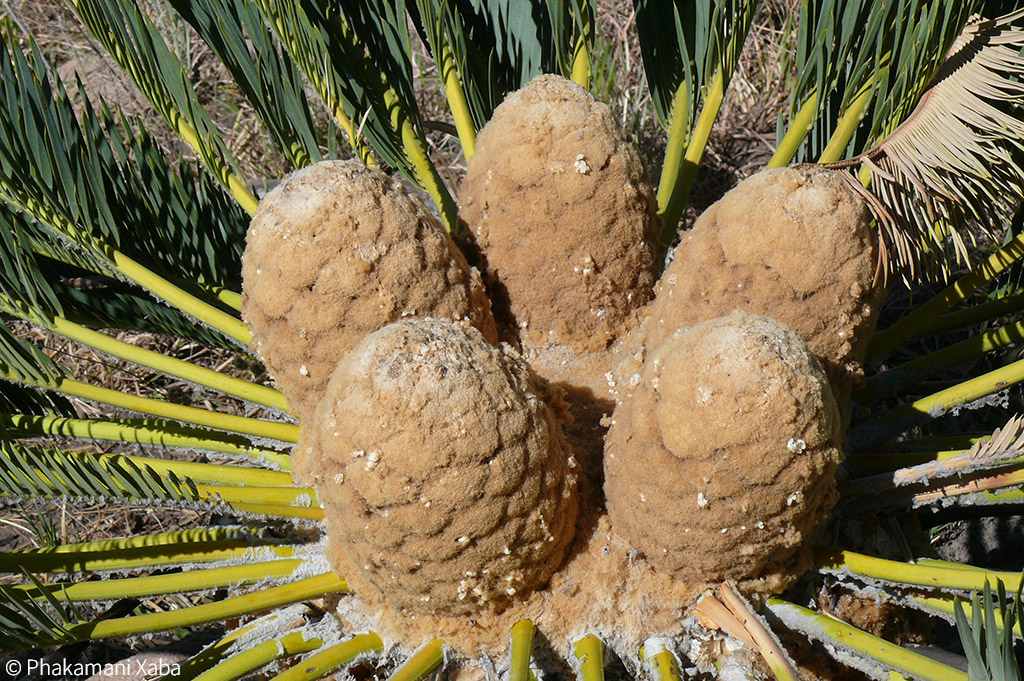
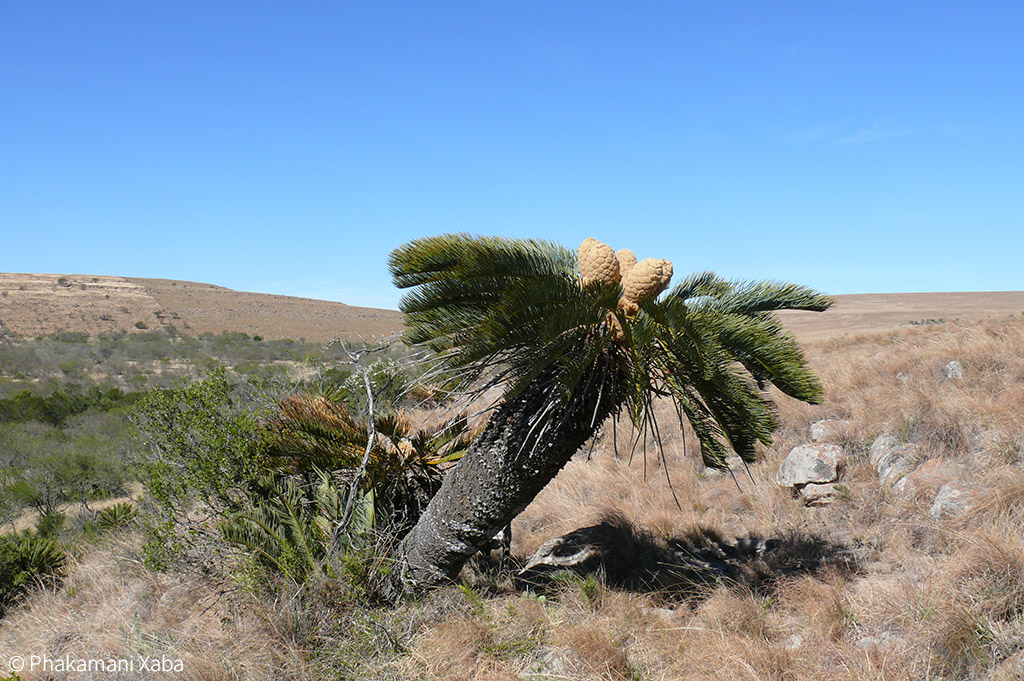
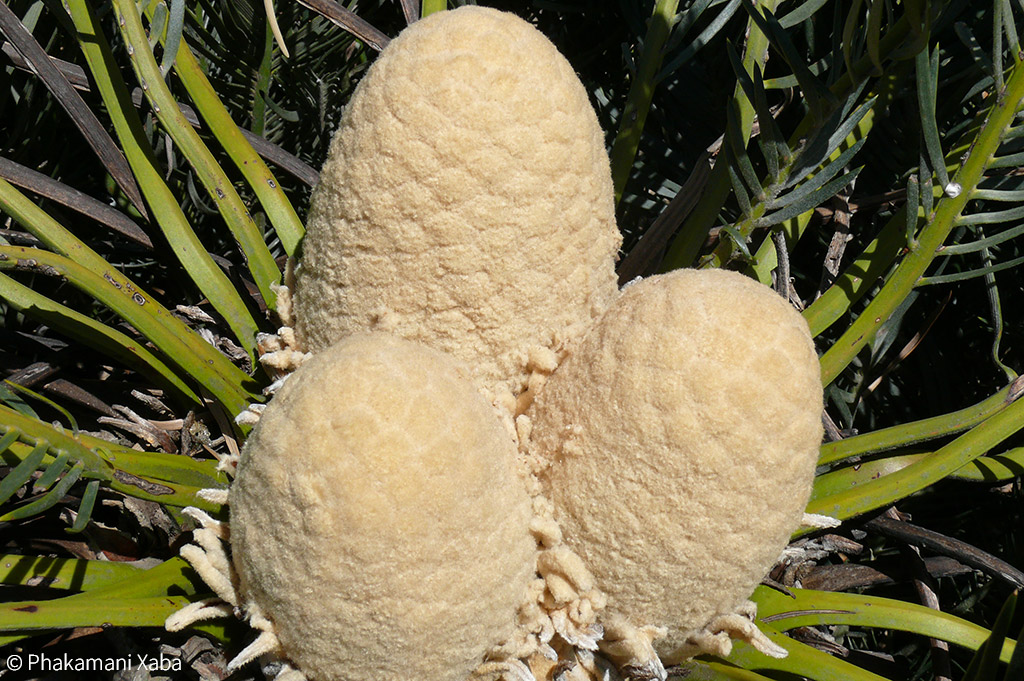
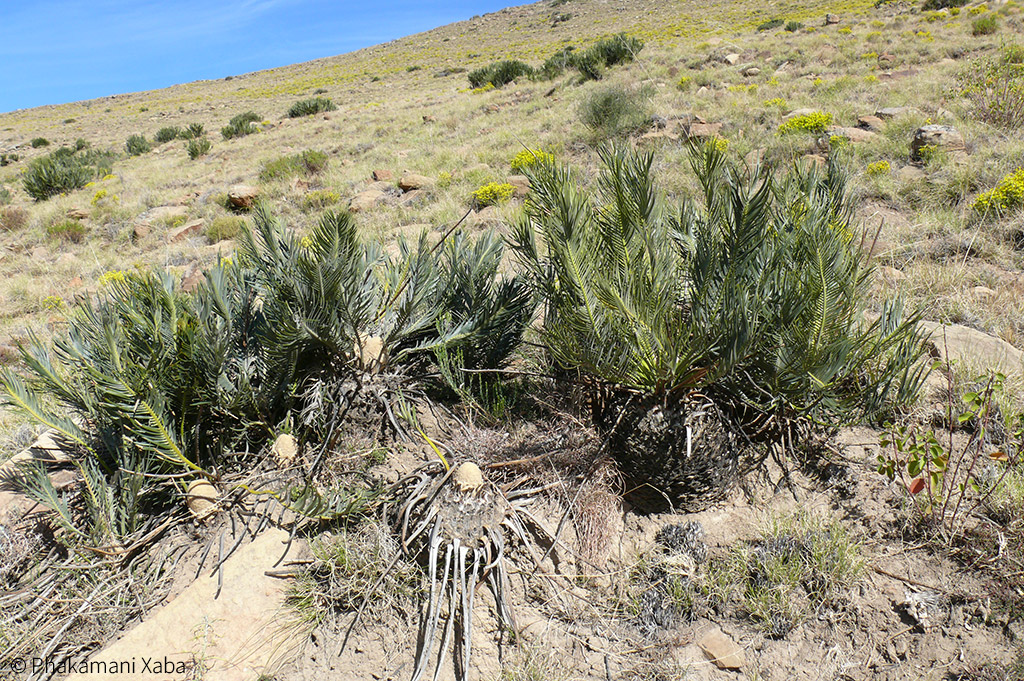
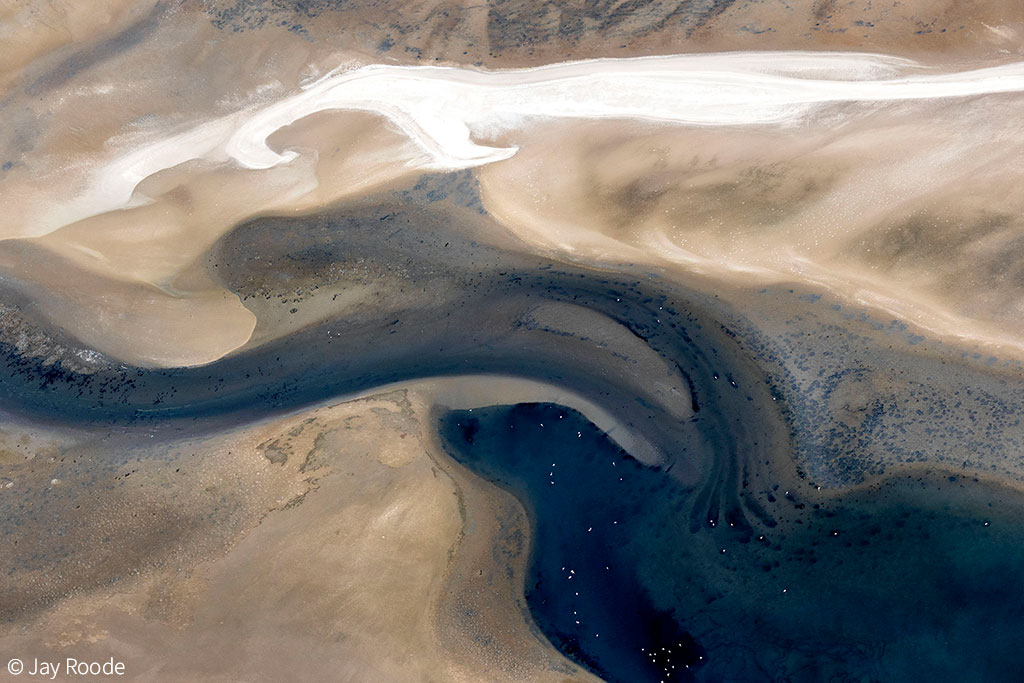

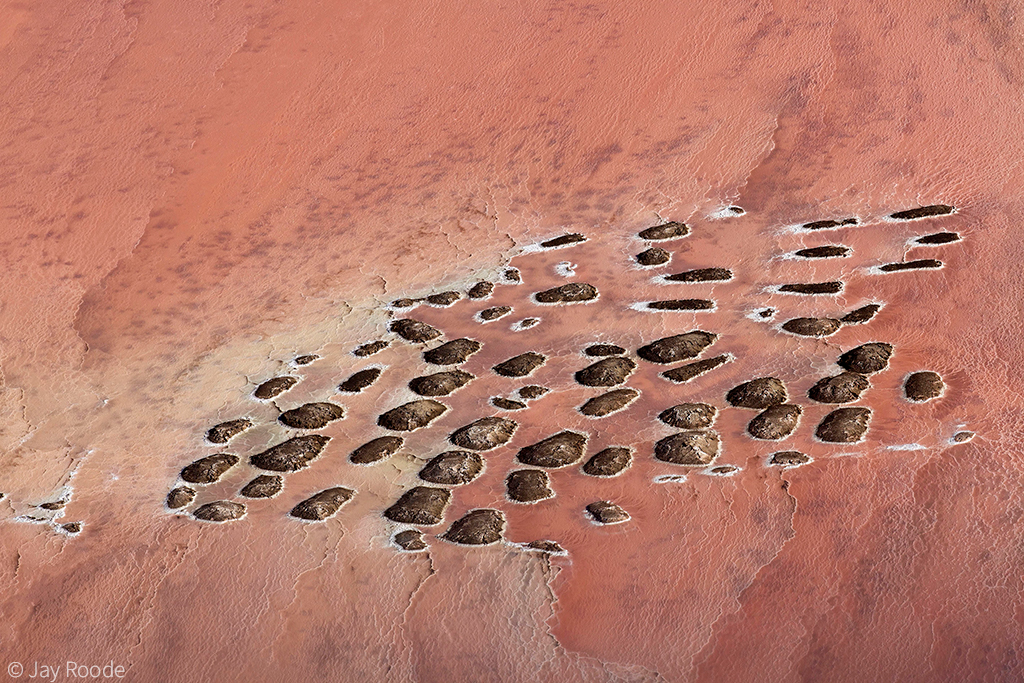

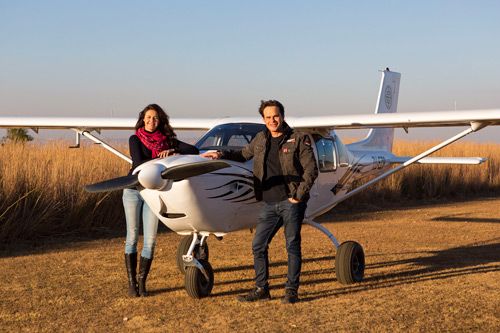 Flying thousands of hours in their specially modified aircraft, aerial photographers Jay and Jan Roode have spent more than a decade photographing some of the most remote and spectacular wilderness areas of Southern Africa from above.
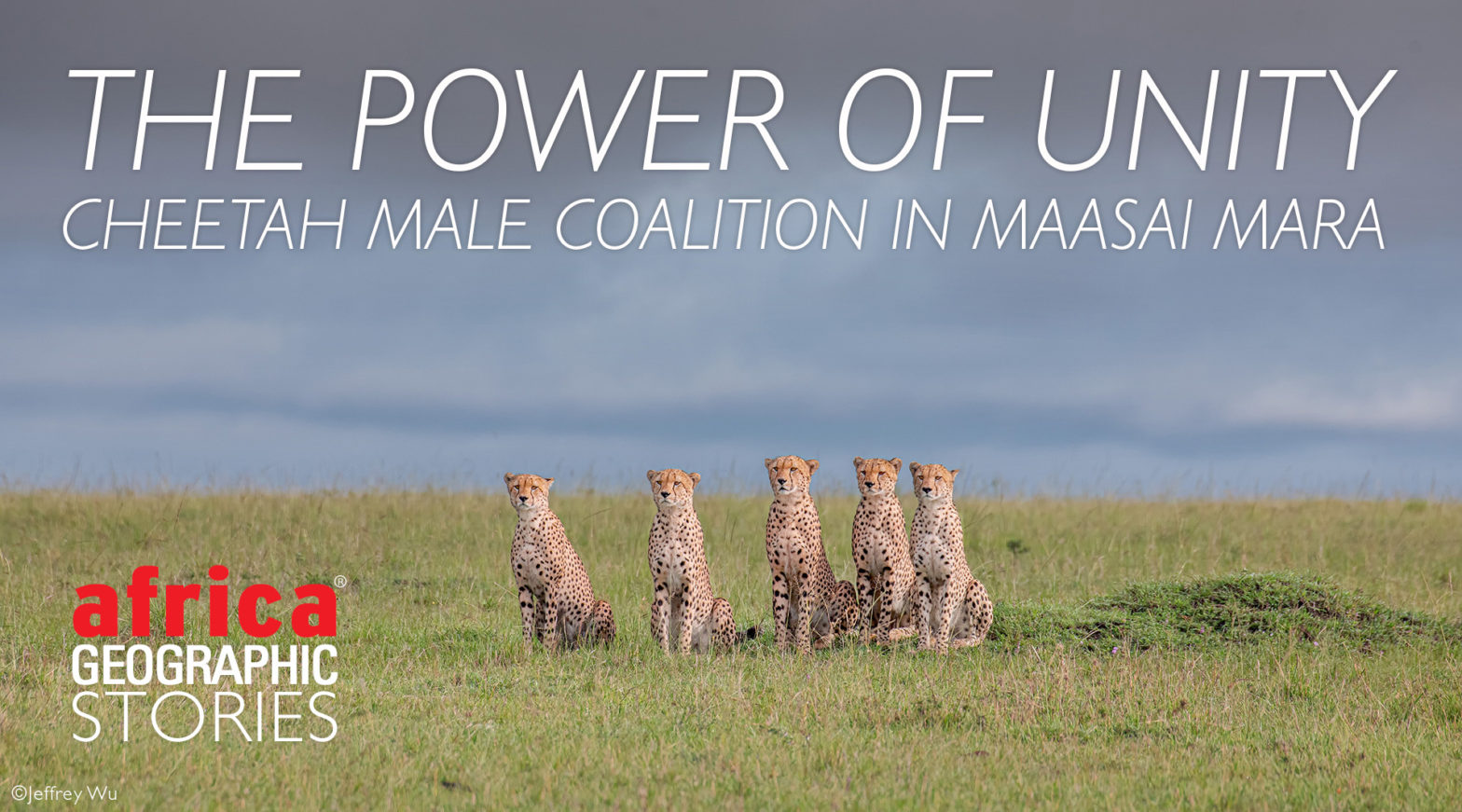
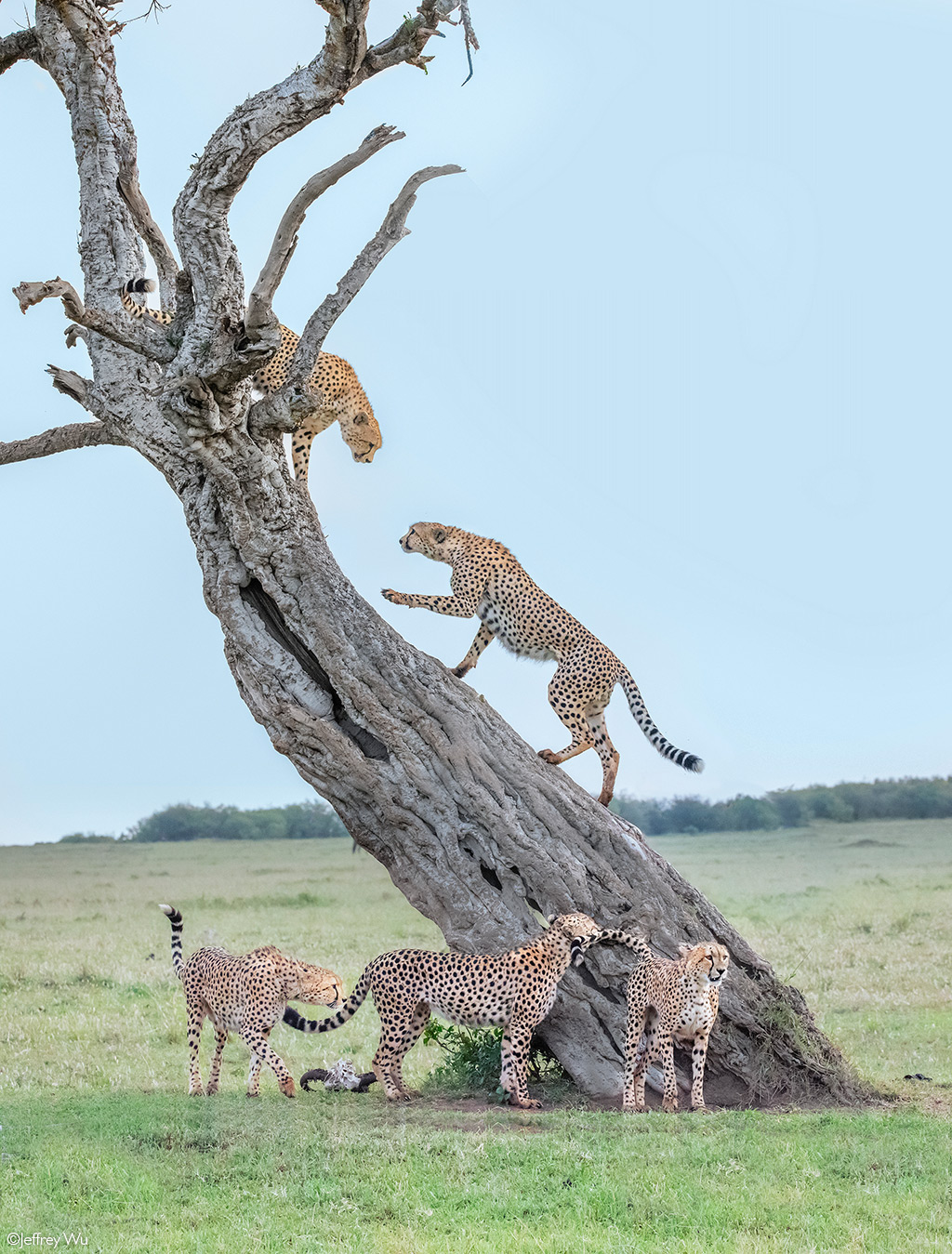
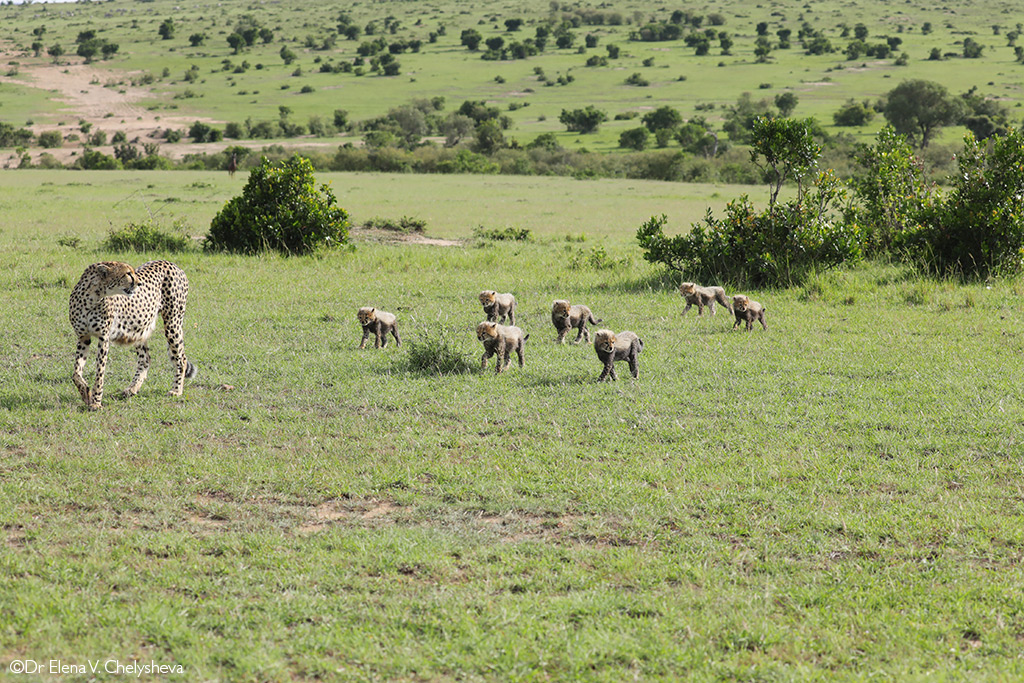
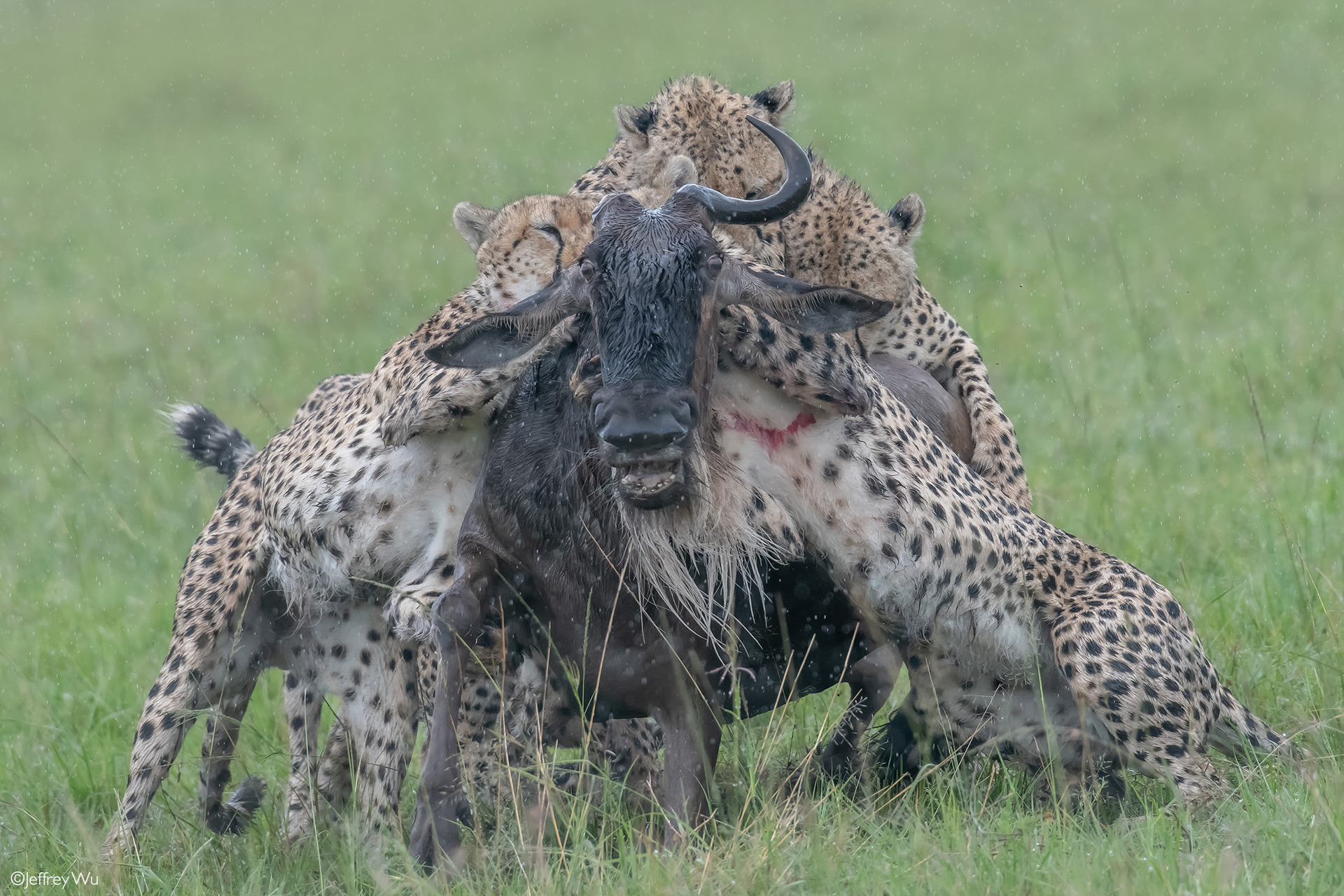
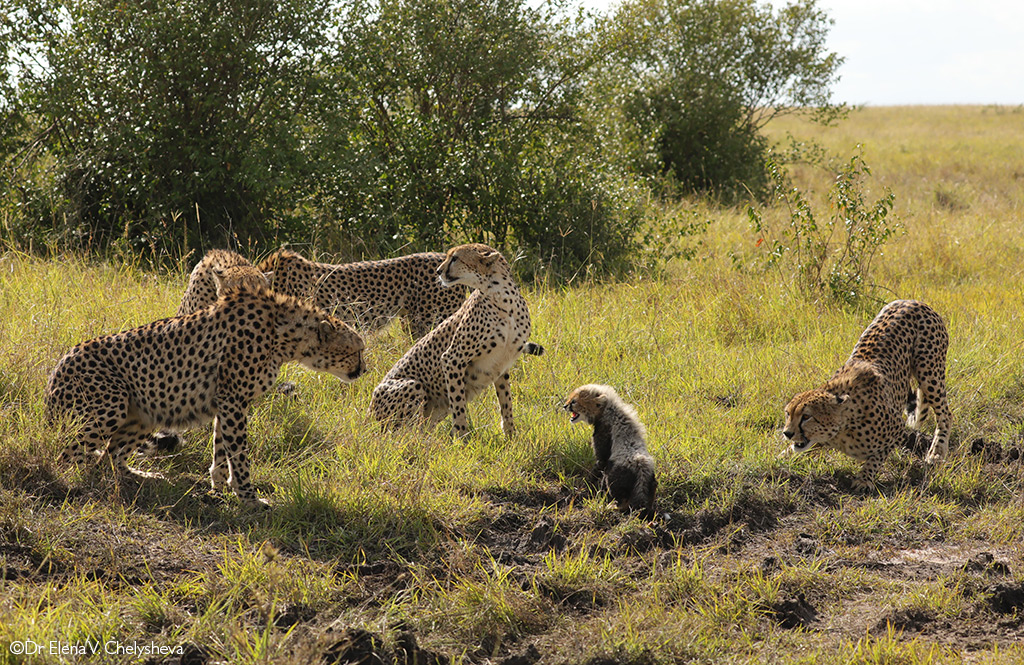
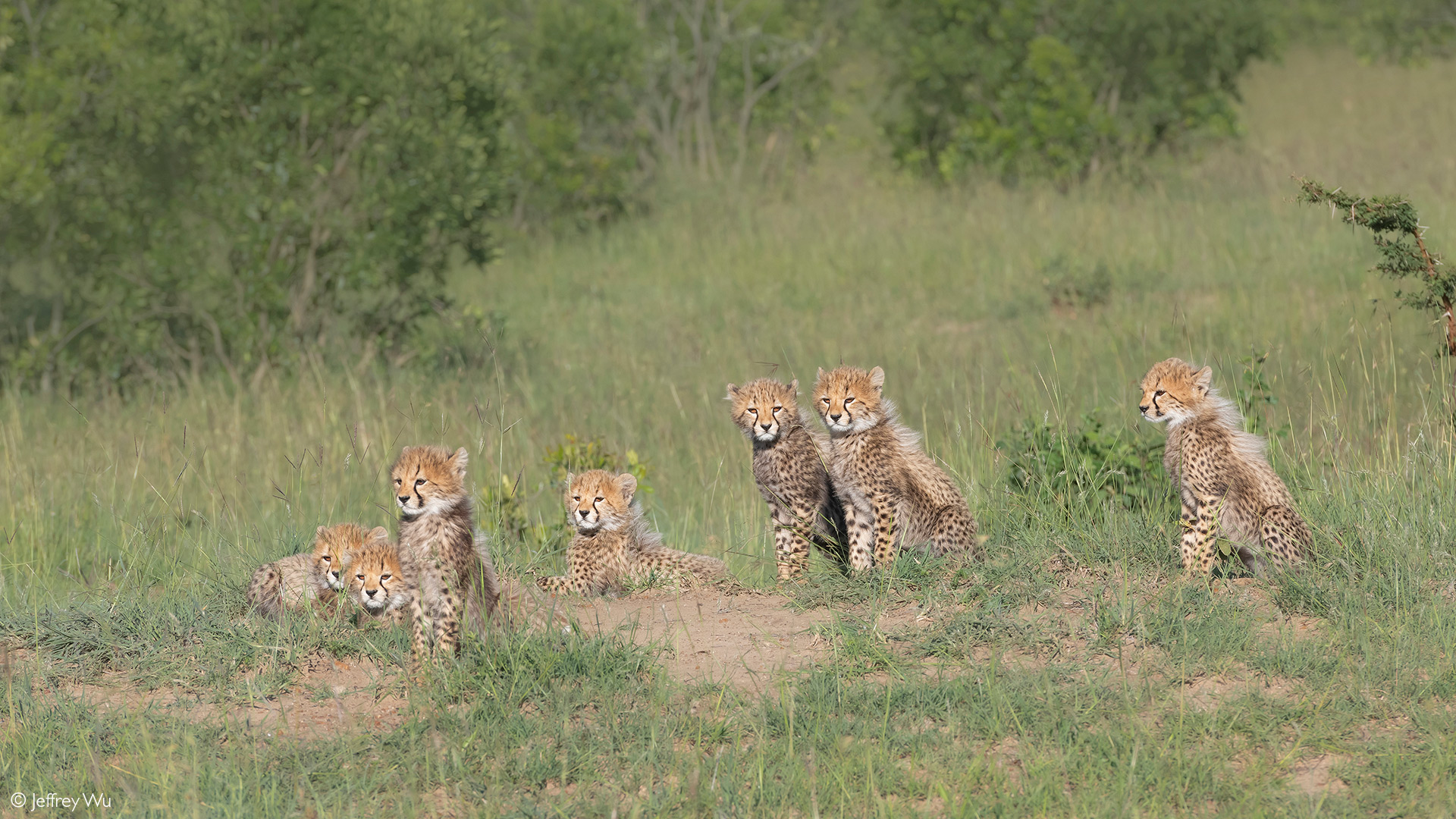
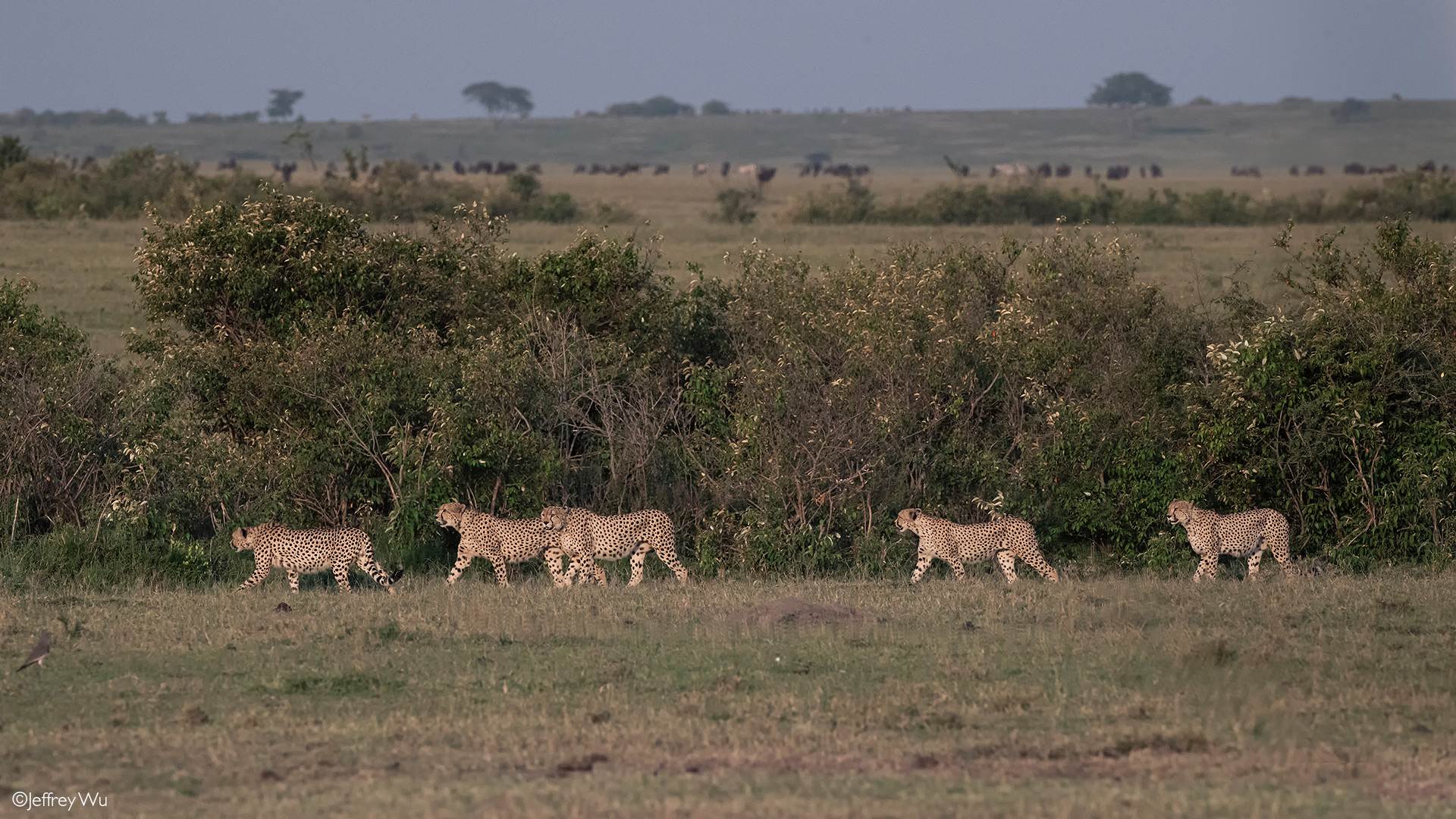
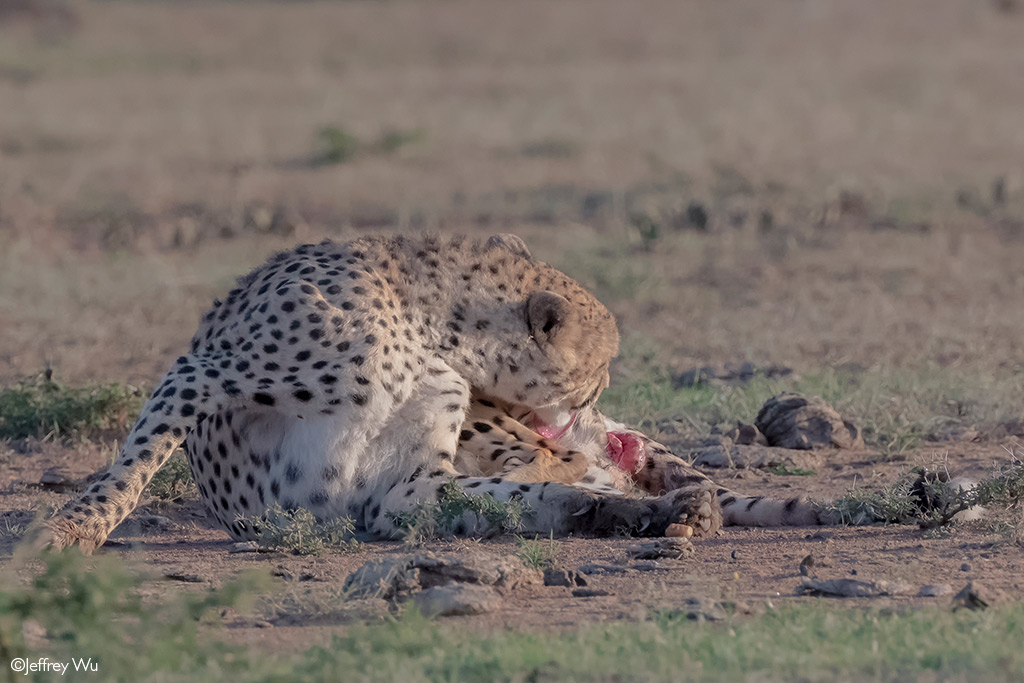
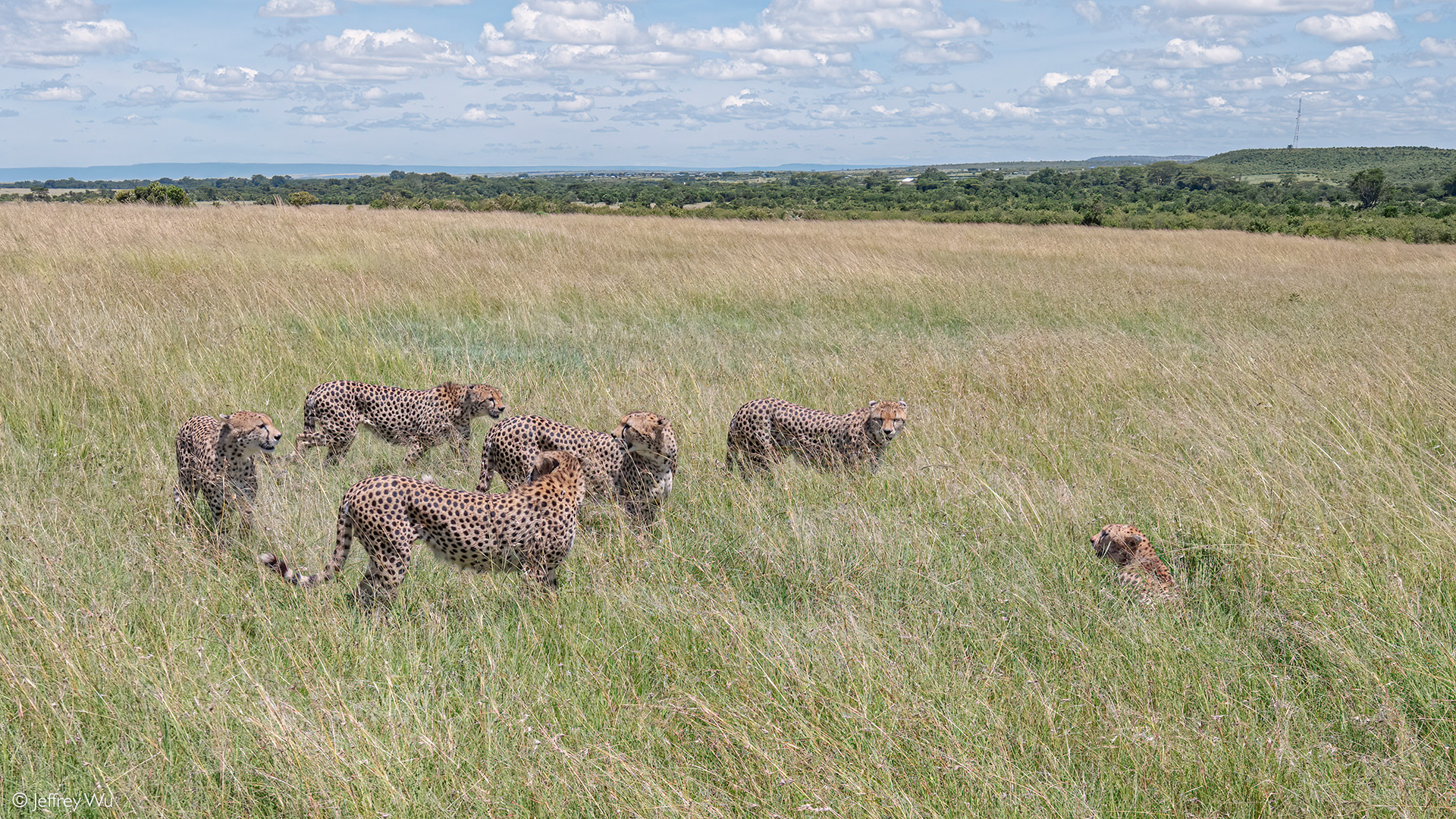
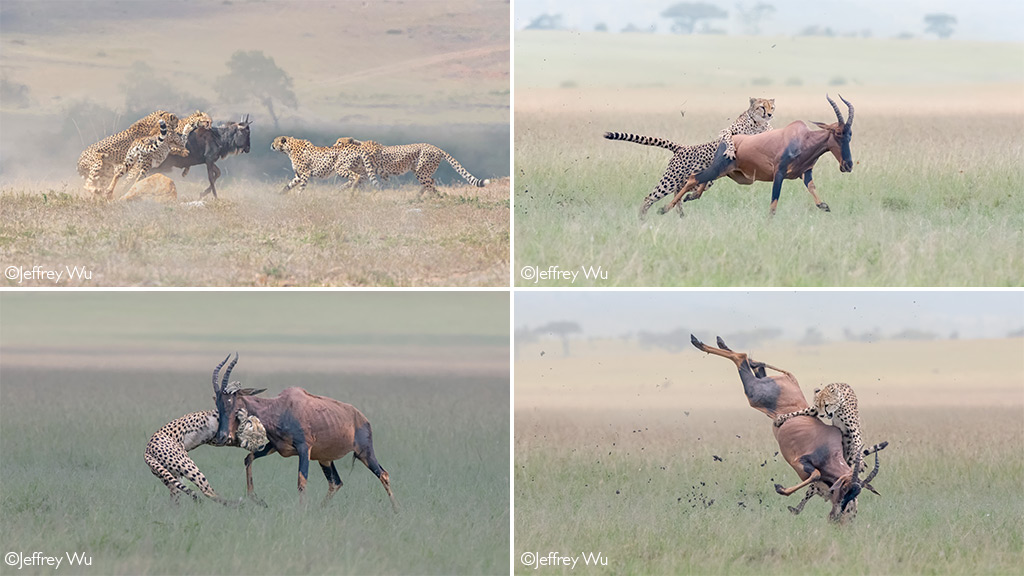
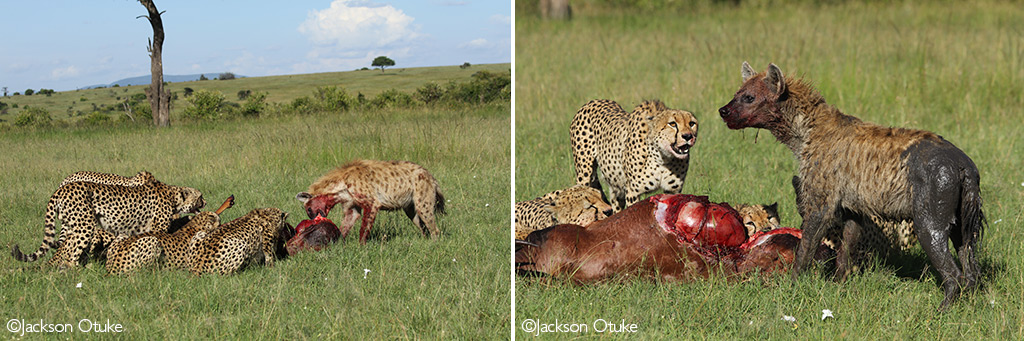
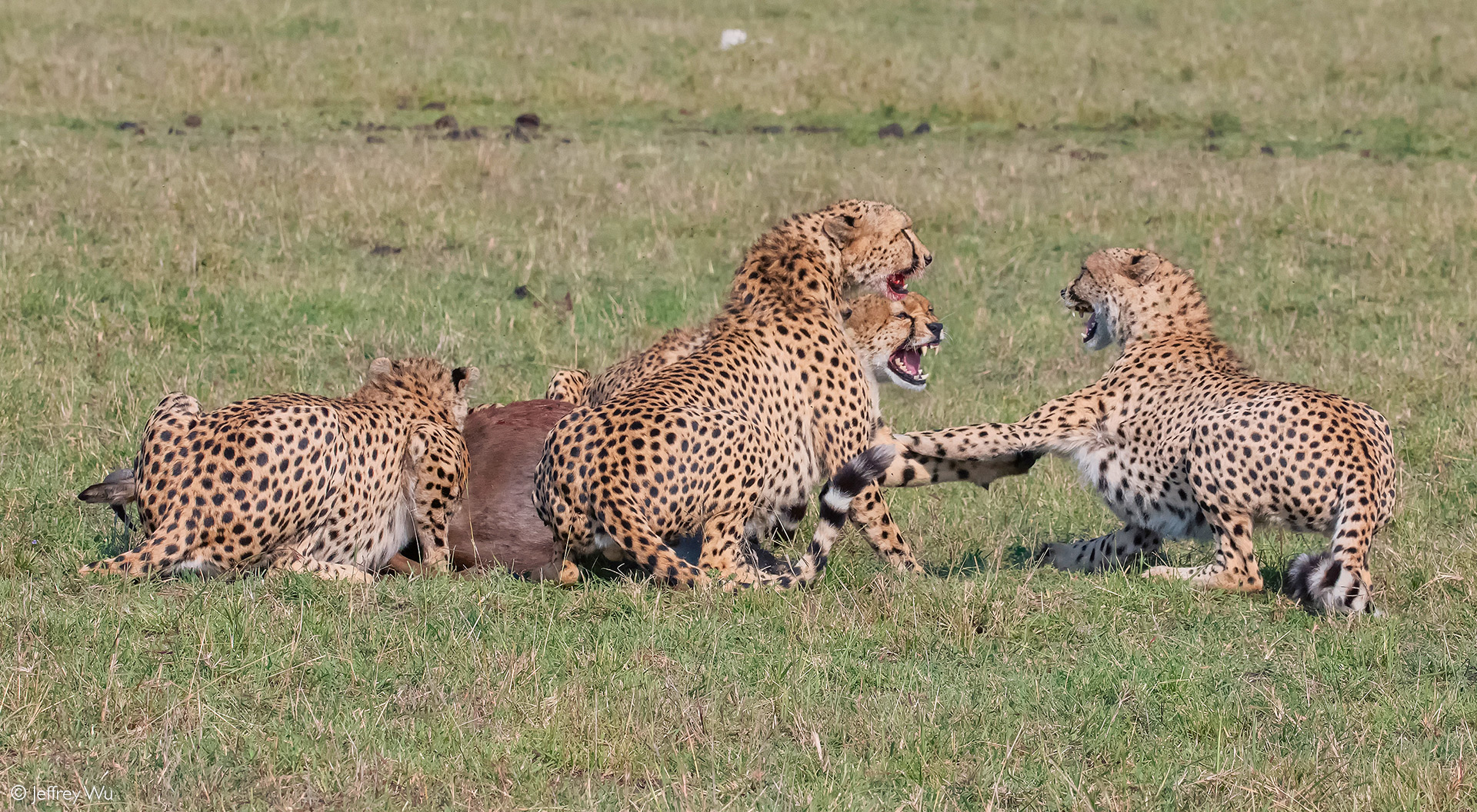
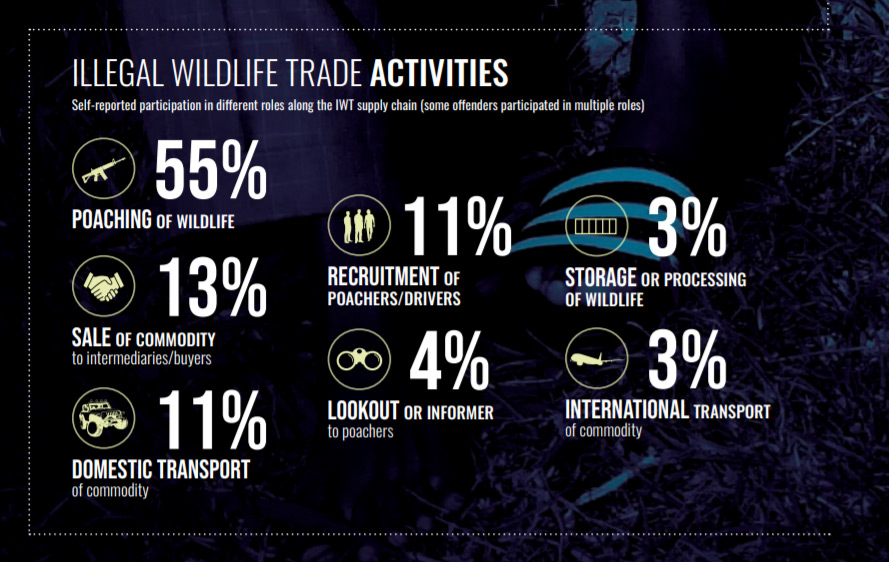
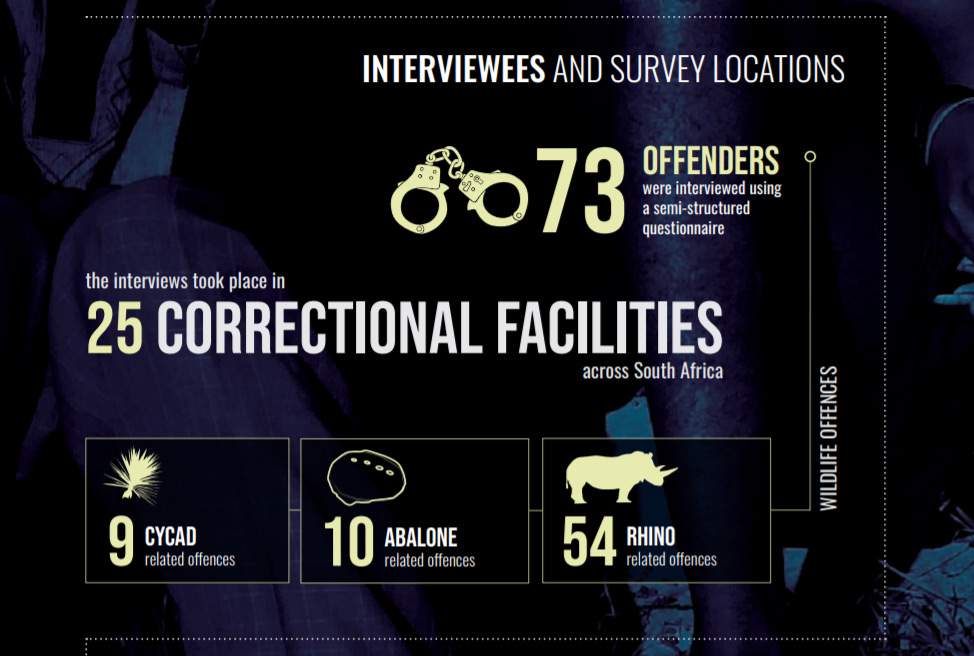
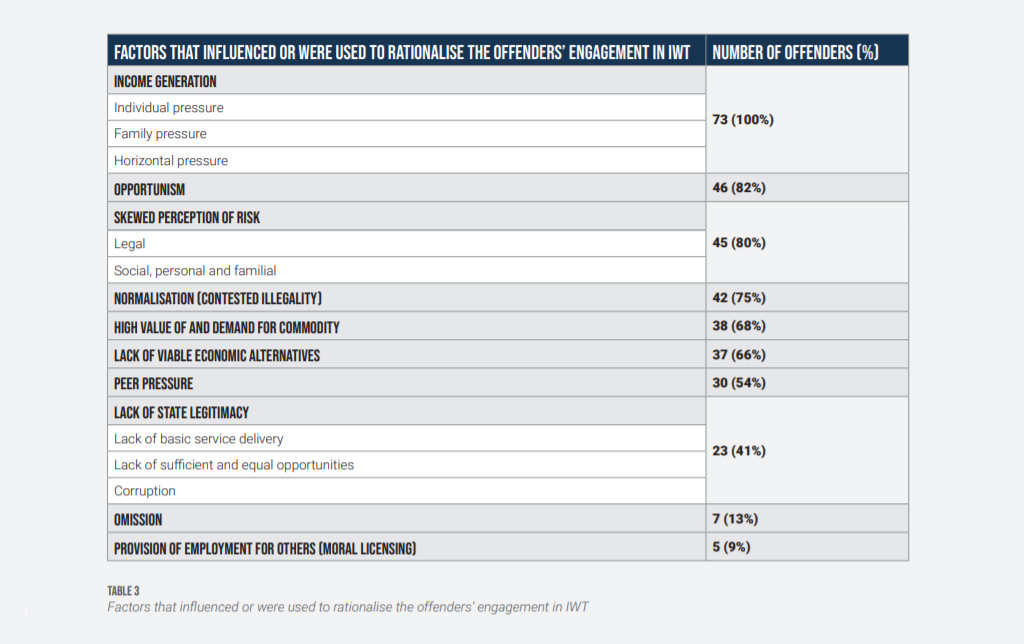
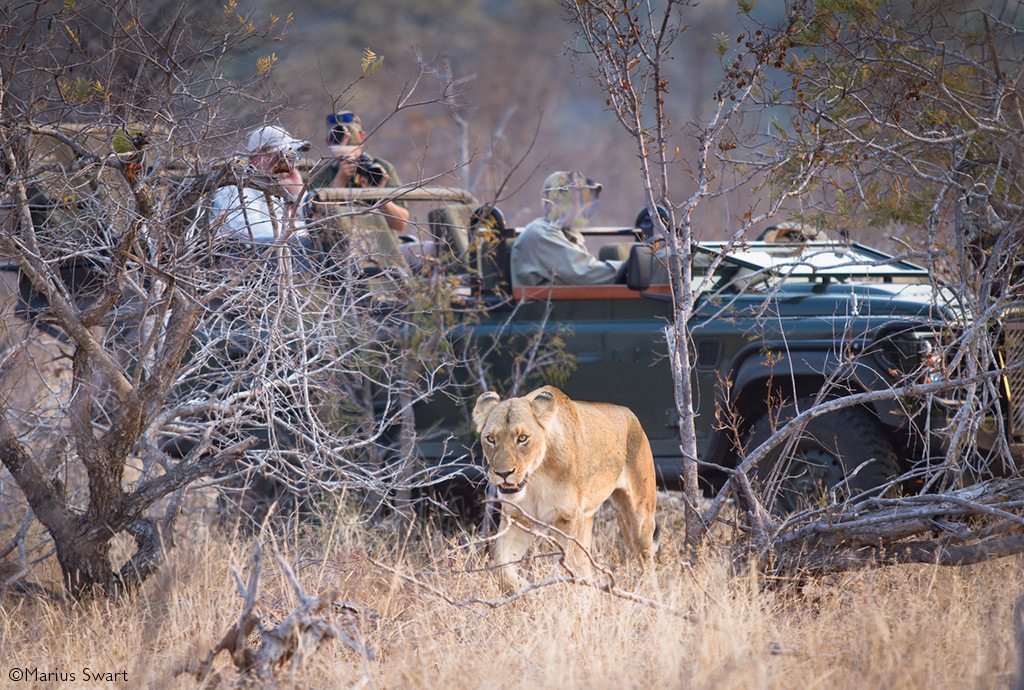
 A
A