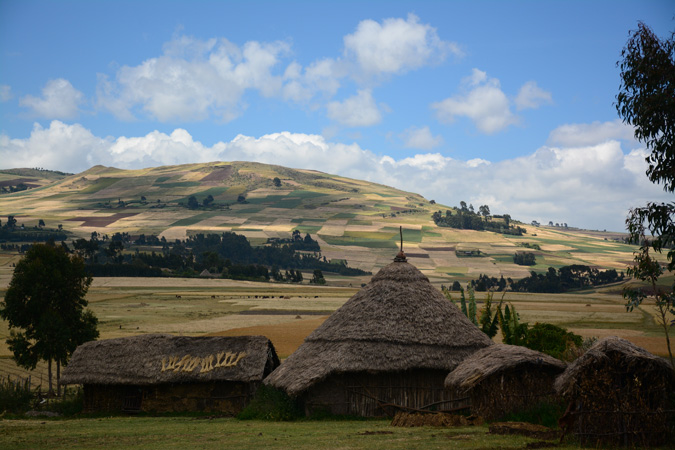
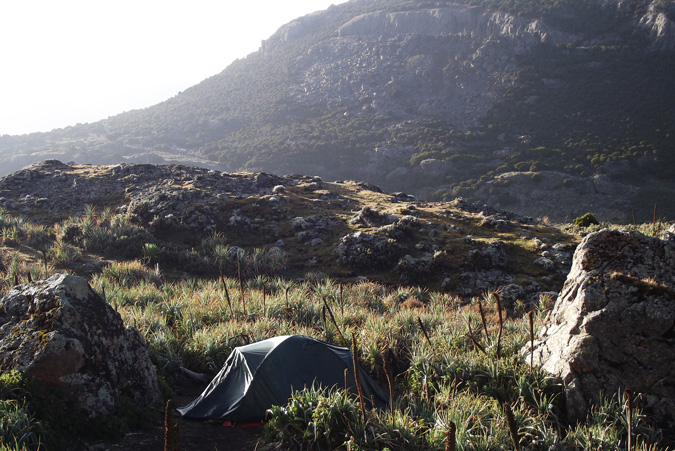
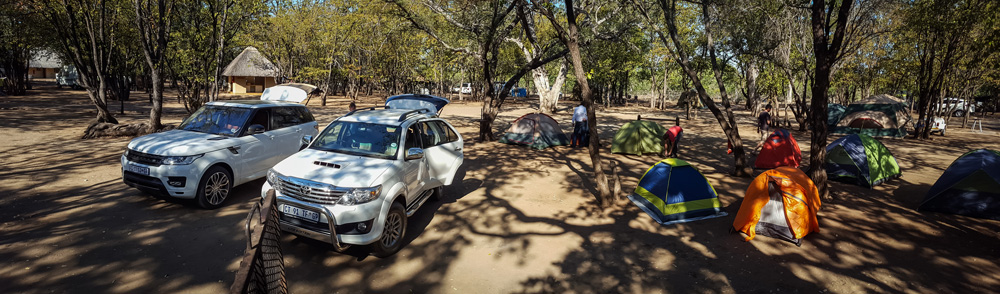
When it comes to going on a safari in Africa, you will soon discover that the selection of accommodation options is vast. From straw huts and mobile tented camps to ultra-luxury hotels and lodges, your choice of where you’ll unload your bags will be influenced mainly by your needs and budget.
Safari accommodation types:
For accommodation options at the best prices visit our collection of camps and lodges: private travel & conservation club. If you are not yet a member, see how to JOIN below this story.
• CITY HOTELS & GUESTHOUSES
These are situated in or near main cities or airports and are often used for overnight stays before heading on to your lodge/camp, or as a base for day excursions. Usually, we select these establishments based on ease of access to airports because of grid-lock rush-hour traffic. Here are two examples of city establishments that we use: The Victoria & Alfred Hotel (Cape Town, South Africa) and Wild Dogs Safari Lodge (Lusaka, Zambia).
Victoria & Alfred Hotel, V&A Waterfront, Cape Town, South Africa
• GAME LODGES
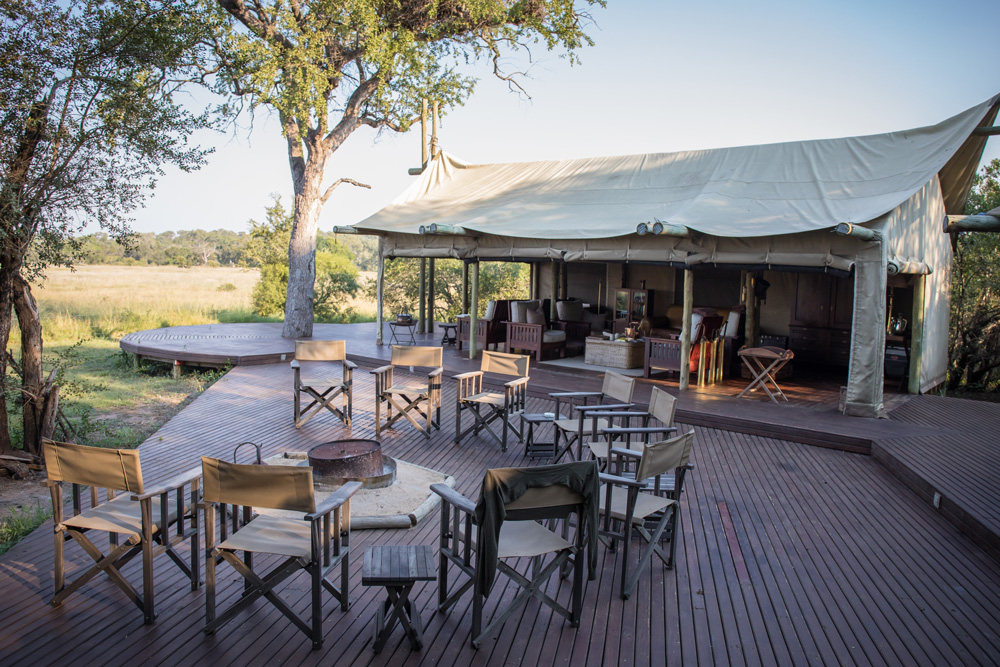
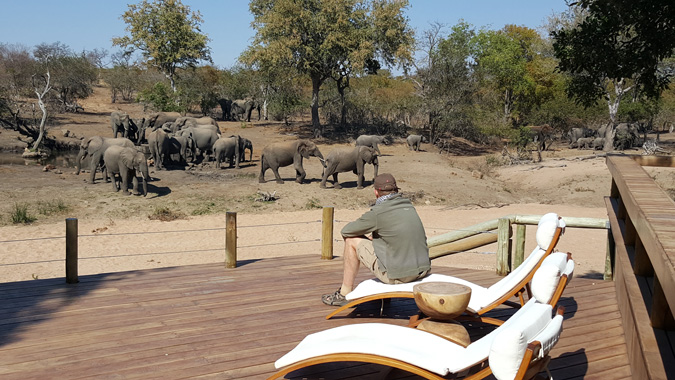
Lodges are usually permanently situated in or near game reserves or remote wild areas. You will find all levels of comfort on offer depending on your needs and budget, from no-frills to 5-star deluxe. The building style and materials range from bricks & mortar to canvass and from thatch to tin roofs. For example, in Botswana canvass tents are the norm, whereas, in South Africa’s Greater Kruger, bricks, mortar and thatch are favoured. Examples include Tintswalo Safari Lodge (Greater Kruger, South Africa) and Machaba Camp (Khwai, Botswana).
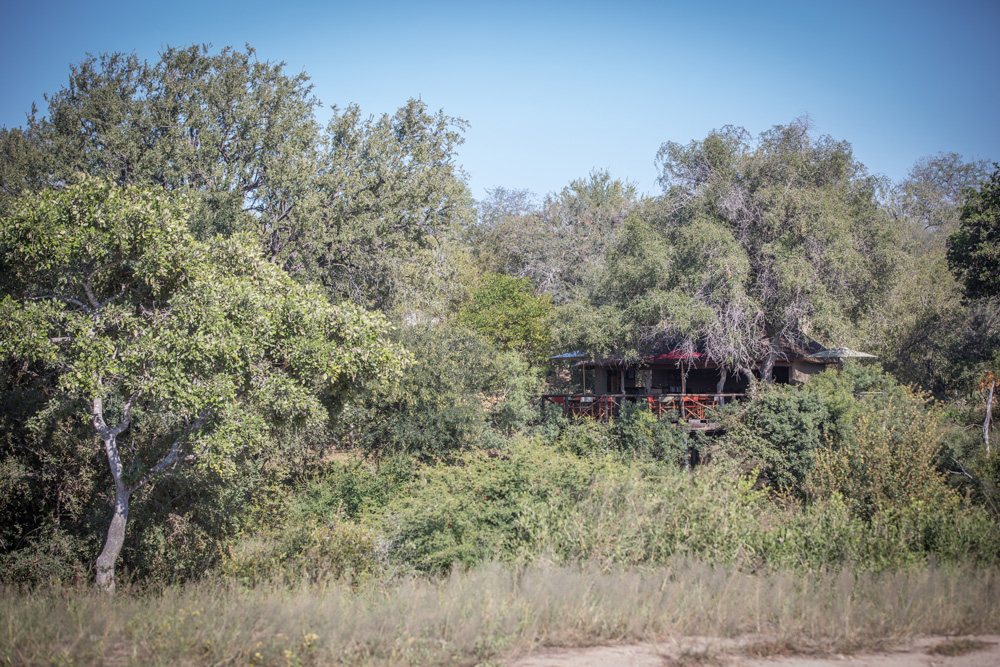
These small all-season camps are often located in remote areas, and the emphasis tends towards the rustic, wholesome experience rather than on the ‘luxury’ of expensive finishings. That said, bush camps that we select focus as much on excellent service as do any other lodges. Pungwe Safari Camp (Greater Kruger, South Africa) is one such example.
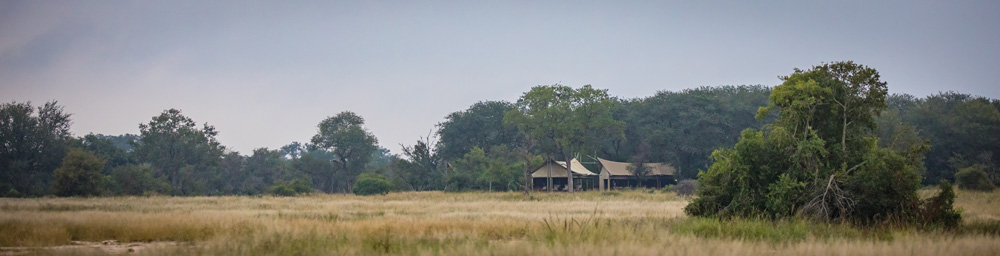
These camps are only in operation for a portion of each year. Seasonal camps are inaccessible during the rainy season, resulting in the camp being partially or even totally broken down and rebuilt each year. Example: Nkonzi Camp (South Luangwa, Zambia). Temporary camps are set up to take advantage of a specific natural event such as an animal migration. Example: Ewanjan Tented Camp (Serengeti, Tanzania).
Nkonzi Camp, South Luangwa, Zambia – a seasonal campEwanjan Tented Camp, Serengeti, Tanzania. This camp is open when the Great Migration herds are in the vicinity
• MOBILE TENTED CAMPS
Mobile camps are used for vehicle-based mobile safaris (video) which usually visit several locations during an extended overland tour. Most mobile camps operate only during the prime safari seasons of May to November each year and are broken down after the safari season. Others are erected and taken down for every tour group. They are generally established in game reserves and national parks.
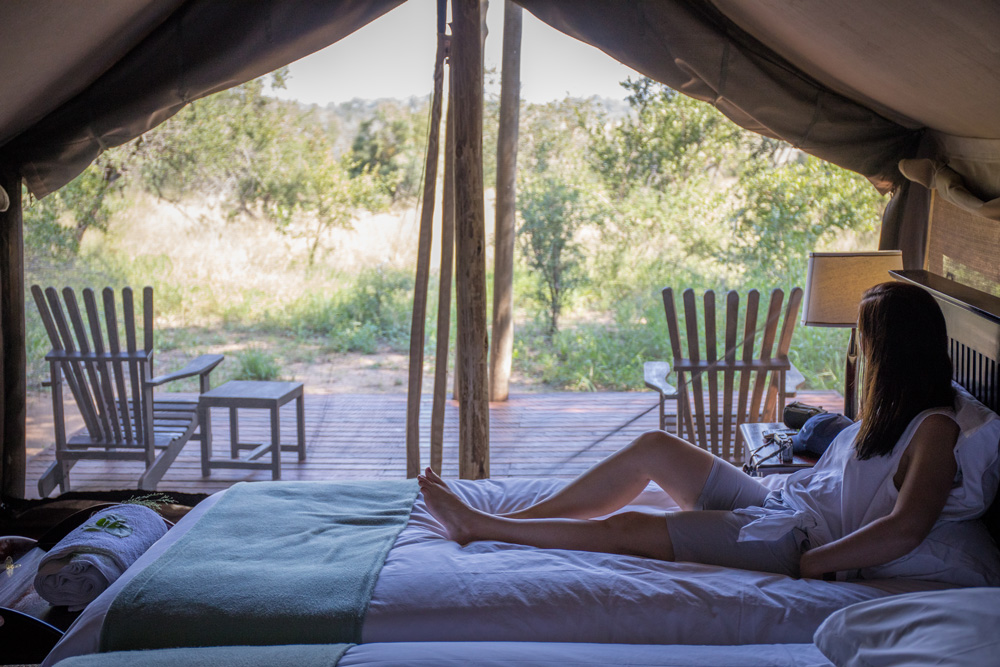
Inside a typical mobile tented camp
For accommodation options at the best prices visit our collection of camps and lodges: private travel & conservation club. If you are not yet a member, see how to JOIN below this story.
Editorial comment: Please do not try to approach elephants during your travels in Africa, or to forge bonds with elephants. The situation described below is unique, and based on a specific set of circumstances and characters.
When the dry season sets in and water is scarce, barriers blur and relationships are forged out of necessity. One such relationship is that of Benny the elephant and Mike the human.
Summer 2015 was an especially harsh dry season in Botswana, and elephants would arrive each day in their hundreds at the small waterhole at Elephant Sands lodge and campsite in northeast Botswana. Such were the queues of thirsty elephants that some would wait for up to 18 hours for their turn for life-saving water. Some elephants would even be so frantic for water that they would break down lodge walls, pull up pipes and push over water tanks meant for tourists.
And then came Benny.
Benny arrived with fanfare, trumpeting loudly and venturing a bit too close to campers. Elephant Sands manager Mike Toth repeatedly chased Benny away, but he kept returning. Realising it was water he was after, Mike filled up the water trough near one of the campsite bathrooms. The newly named Benny came to drink, and let Mike spray him with water, from a safe distance.
This became the routine over the next few days, with Mike filling up the trough and Benny coming to drink. But then Benny did something strange and extraordinary – he pointed to Mike with his trunk then rubbed his injured foot three times.
A few days later the festering wound had split open and Benny was visibly feverish, and so Mike decided to phone the vet. Benny was tranquillised and an emergency operation was performed to remove a piece of wood lodged in his foot.
For days later, Benny was back. Recognising his old friend, Mike walked right up to him and gave him some water. Over the coming months, Benny would arrive at camp, seek Mike out (often waiting patiently while Mike attended to his daily duties) and the two would go through the routine of greetings and provision of water, with Mike doing an assessment of the injury and of Benny’s recovery. The greetings and personal contact increased as the two came to trust each other. Mike always made sure that Benny initiated the first contact.
Over time Benny became more protective of Mike. On one occasion, while Mike was giving Benny water, a large bull elephant came in-between the two. Benny seemed to recognise the danger of another wild elephant so close to his human companion – he grabbed Mike’s hand with his trunk, pulled him away, and backed up into the large intruder.
This friendship has endured since then, with Benny returning every dry season to wait by the lodge for fresh water and his old friend.
Mike Toth and his family have established Water for Elephants Trust, to provide much-needed borehole water for elephants and other species in the arid Kalahari of northeast Botswana. For more information and exceptional photos, read this feature Water for Elephants.
“A tragedy occurred in Amboseli yesterday morning. One of the last big elephant bulls in Africa was shot and killed by the authorities because it was suspected he had killed a farmer. That bull was 49-year-old Little Male, the brother of Eudora and the son of Emily, who was the sister of Echo of the EB family. We have known him since he was five years old, so we have followed his life for 44 years. We watched him grow, become independent from his family, learn the ways of the world of the males, eventually coming into musth and competing for females. He was in his prime, fathering calves, passing on his good genes for robustness, good health and longevity.
“That important role he was playing in the Amboseli elephant population ended yesterday. It is times like these that we are tempted to give up but we don’t. It hurts so much, but we have to fight for the other elephants here including Little Male’s sons and daughters. But we must not forget the death of the farmer. It is a massive tragedy for his family. It is not a question of guilt and innocence here. We must strive for peaceful co-existence between humans and wildlife.”
Comment from the editors: For the Maasai people, cattle are considered extremely valuable and form an intrinsic part of their daily lives. Their cattle are at the centre of everything, providing them with food and materials, as well as playing an important role in their rituals and representing their wealth and status. For those of us living in urban areas, it is important to understand the Maasai culture, where the need to protect and care for their cattle is paramount.
Stephanie, who is married to a Maasai warrior, shared with us her video of the Maasai warriors watering their cattle. Some interesting comments were raised from our audience about the video, one such comment suggesting that cattle destroy the African savannah. Stephanie now provides her own unique insight and thoughts about the Maasai, their cattle, and the effects of overgrazing and overpopulation:
Stephanie Fuchs: “I used to be a conservationist and in some ways I still am, even though many of you will tell me that that is a lie, seeing as I live with the Maasai tribe whose cattle cause overgrazing and desertification of Tanzania’s woodlands and savannahs.
The surprising truth is though, that I have learned so much about the issues surrounding conservation by living in rural Tanzania with a tribe that tries to hold on to their traditional way of life.
From what I have learnt, the Maasai used to be very few – probably due to the harsh environment they lived in without access to clean water, food and shelter, but mainly because they used to be a warring tribe.
Warriors, or Moran in Maa, used to roam the plains of modern-day Ethiopia, Sudan and Kenya looking for cattle to steal from their neighbouring tribesmen. They used to wage wars for pasture lands, cattle and water. They could be out for months at a time and many of those who left would never return home, having died in battle or of hunger.
The Moran’s life expectancy was short and they were not allowed to marry until they were old enough to become ‘old men’. Many of them died without ever having fathered children. Women died due to circumcision or in childbirth. Birth rates were low and infant mortality high.
These days, due to the changing times, Maasai populations have grown considerably. You could say that the factors that brought this about are in the form of laws and regulations, police control and the institution of ‘order’, of peace talks between warring tribes, and the development of infrastructure in the form of schools and health care facilities.
Warriors have stopped warring, are marrying earlier, living longer lives and having children. Circumcision is no longer legal, and maternity care is offered to women. Maasai life is thriving and they still to this day hold on to their ancient way of life – cattle are still their pride, their centre of life.
Many Maasai, therefore, mean many cattle, which leads to potential overpopulation and overgrazing, causing a decline of local wildlife.
The Maasai love and respect nature (and never hunt wildlife), and I have come to understand that in the past they used to live in harmony with nature, cherishing Enkai, a higher spirit which would make the heavens open and bring life back to the savannah and make grass sprout again for their cattle to feed on after the dry season. They used to understand the balance of life, used to read the stars and navigate by the sun. Wildlife around them used to thrive as they would neither hunt nor disturb it in any sort of way.
Nowadays, so much of their traditions, their stories and their wisdom have been lost, covered by the desire to fit in, to adapt to modern life.
Unfortunately, due to overpopulation, land is becoming sparse and hunger is more frequent. People fight over farms and grazing land, and cattle don’t have enough grass to feed on.
In my opinion, too little has been done to help the Maasai deal with keeping the balance between a traditional lifestyle and the pressure caused by an ever-increasing human population. I believe that they have not been taught how to effectively manage their land and resources. Health care facilities are numerous and maternity care is making a difference for women’s lives, but should there not be a stronger focus on education about birth control and family planning in the name of sustainability?
Even today, despite the education they receive, the Maasai take pride in having large families. It is common for women to have eight children. I think it is right here where efforts to preserve the Maasai’s culture, along with the environment they live in, have to be focused.
So, is it fair to blame the Maasai and their cattle alone for the destruction of the wilderness they live in? I, for my part, think not.
Living with them has taught me that conservation is not only about animals, but is just as much about us humans. To preserve any one place we have to be mindful of the local communities that live within it and try to understand the way they view the world and mother nature.
I have come to believe that our world’s beauty consists of the diversity of its flora and fauna and that we, as humans, are as much part of this fauna as are lions and elephants.
I came to Africa as a conservationist and her people turned me into an anthropologist. For me, there is no choosing one over the other.”
Our first taste of Botswana began with us enjoying the relaxing views of the Boro River channel in Maun, as we overnighted in town the night before our exciting safari adventure. Written by Carolien du Plessis
Early the next morning we walked the few metres to the jetty and our guide, Philemon picked us up in his speed boat, for the three-and-a-half-hour cruise up the channel to our campsite in Moremi Game Reserve – the heart of the Okavango Delta. Everything was so exciting and like nothing we’d ever seen or experienced before!
When we arrived we were joyously surprised to see how everything was set up; even welcoming cold drinks were awaiting our arrival.
After a short debrief we set out for a walk on our own private island where our camp was situated. This island becomes separated from Chief’s Island when the annual flood arrives and waters in the delta rise. This was our safari home for the next three nights.
During our stay on the island, we had two guides, Philemon and BK, who looked after us and all our needs, pointing out the game on our walking safaris. A personal highlight was seeing a Pel’s fishing owl peering at us through the leaves!
BK was extremely knowledgeable and left no rock unturned in his mission to show us the area. He peppered our walks with interesting facts, sights and thoughts on things that we would otherwise have been oblivious to. We discovered that there really was so much more to the Delta than just the Big 5 and waterlilies.
One day Philemon took my son fishing (as a special request) and, incredibly, he caught a big sharptooth catfish – a moment he will never forget! Of course, he released the fish afterwards as we did not need the extra protein.
The visit to Philemon’s birthplace, Xaxaba Village, was most interesting and even allowed for some impromptu local craft shopping. Philemon is a kind and reserved person, and his face lit up every time he had the opportunity to share his huge knowledge and talk about his childhood in this paradise.
He is a Bayei Bushman and his knowledge of local animals is extensive, and his embellishment with fascinating folkloric tales added so much to our appreciation of the Okavango Delta.
The biggest surprise of the whole safari was the food! Joe, our chef, ensured that our tummies were always full and we looked forward to every meal. His culinary skills were exceptional – we got freshly baked bread, and even dessert, every day!
Our tents were comfortable and the bedding was clean and kept us quite warm – even though I was originally quite worried about leaving my thick duvet behind for cold Botswana winter nights!
Being unfamiliar with the bucket shower, I thought I would have only minutes to wash in lukewarm water – if I was lucky. But I was mistaken because I had enough time to get clean with nice warm water prepared by Lee, our camp hand. Even the ‘bush toilet’ with a sand flushing system made it feel as “wild and genuine” as it gets!
Besides walking, we got around via mokoros (dugout canoes). I cannot fully describe how peaceful and special it was to watch the sunset while gliding along the tranquil waters of the Okavango in a mokoro. Absolute bliss.
We were based at Mogotho campsite, about 100 metres from the Khwai River. The abundance of wildlife was clearly evident the minute we arrived and it was lovely to think that the animals could all move freely between Okavango/Moremi, Khwai, Chobe, Linyanti and Savute.
From the word go we encountered countless numbers of elephant, hippo, crocodile, impala, lechwe, zebra, steenbok, black-backed jackal, mongoose, waterbuck, giraffe, kudu, and then, of course, the famous wild dogs that call this area home – including their pups! And to top it off we also spotted lions with their cubs, and the coveted prince of darkness, leopard.
We had the privilege of joining lions on a hunt, as they stalked prey under the cover of darkness. We feasted our eyes on a leopard consuming its kill over two days, and then witnessed a wild dog hunt as they chased an impala through our campsite – while we were brushing our teeth! We crossed rivers where they were shallow enough and went on numerous night drives and walks – all of this made the whole experience brilliant and unique.
This combined walking and mobile game viewing safari is certainly very affordable – and great value for money! The overall experience was made even better by Philemon and his hardworking and friendly team – nothing we asked for was ever too much trouble.
One of the biggest positives of this trip was the privacy and exclusivity – which usually come at a much higher price tag! Everything was tailor-made just for our small group of three. It was wonderful to work with Africa Geographic and in so doing empower local people, such as Philemon, to uplift themselves and turn their good values, efforts and standards into a thriving business.
For anyone interested in an affordable, tailor-made tour to experience the Okavango and some of Botswana’s most iconic game reserves, please contact Africa Geographic – we cannot recommend them highly enough.
Sourced from third-party site: The Guardian, written by Adam Cruise and Christina Russo
Rare footage of the capture of wild young elephants in Zimbabwe shows the rough treatment of the calves as they are sedated and taken away.
The Guardian has been given exclusive footage which shows the capture of young, wild elephants in Zimbabwe in preparation, it is believed, for their legal sale to Chinese zoos.
These captures are usually kept as secret as possible. The Guardian understands that in this case the usual procedure was followed. First, a viable herd is identified. Then operatives in a helicopter pick off the younger elephants with a sedative fired from a rifle. As the elephant collapses, the pilot dive-bombs the immediate vicinity so the rest of the herd, attempting to come to the aid of the fallen animal, are kept at bay. When things quieten down, a ground-team approaches the sedated elephants on foot, bundles them up, and drags them on to trailers.
The footage, a series of isolated clips and photographs provided to the Guardian by an anonymous source associated with the operation, documents the moment that operatives are running into the bush, then shows them tying up one young elephant. The elephants are then seen herded together in a holding pen near the main tourist camp in Hwange.
Finally, in the most disturbing part of the footage, a small female elephant, likely around five years old, is seen standing in the trailer. Her body is tightly tied to the vehicle by two ropes. Only minutes after being taken from the wild, the animal, still groggy from the sedative, is unable to understand that the officials want her to back into the truck, so they smack her on her body, twist her trunk, pull her by her tail and repeatedly kick her in the head with their boots.
Altogether, 14 elephants were captured during this time period, according to the source, who asked to remain to anonymous for fear of reprisal. The intention was to take more elephants, but the helicopter crashed during one of the operations. It is estimated that 30-40 elephants were to be captured in total.
The elephants that were taken are now in holding pens at an off-limits facility within Hwange called Umtshibi, according to the source. One expert who reviewed the photographs, Joyce Poole, an expert on elephant behaviour and co-director of the Kenya-based organisation ElephantVoices, said the elephants were “bunching” – huddling together because they are frightened.
Audrey Delsink, an elephant behavioural ecologist and executive director for Humane Society International Africa, also reviewed the photos and footage. She believed that most of the elephants were aged between two and four. “Basically, these calves have just been weaned or are a year or two into the weaning process.” In the wild, elephants are completely dependent on their mother’s milk until they are two, and are not fully weaned until the age of five.
A number of the calves, she said, were displaying temporal streaming – a stress-induced activity. “Many of the gestures indicate apprehensive and displacement behaviour – trunk twisting, trunk curled under, face touching, foot swinging, head-shaking, ear-cocking, displacement feeding, amongst others.” Zimparks were approached but did not make a comment.
The buyer for the young elephants is a Chinese national, according to inside sources who asked not to be named. Last year he was associated with a case involving 11 wild hyenas, who were discovered in a truck at Harare international airport that had been on the road for 24 hours without food or water and were reportedly in an extremely stressed condition, dehydrated and emaciated and, in some cases, badly injured.
About the author: Sean de la Harpe-Parker is an avid safari fan who is passionate about Africa. Technology and social media have shaped the Kruger experience into something radically different from what it was ten years ago. From my perspective, there has been a radical change and yet, not all of it is necessarily disastrous. The north of the park has weathered this change far better than the south. So for all intents and purposes of this story, I’m referring to Kruger, south of Olifants.
Winding the clock back 20 or 30 years, there were far fewer people in the park and to most of us, she was a mysterious and vast wilderness that unlocked her secrets only to the deserving few. I remember in the 80s and 90s going to the park and not seeing a lion or leopard. If a leopard was spotted, it hightailed away without allowing for a decent view. We would drive all day and sometimes only come across a handful of cars. Stopping off during the day at rest camps to have a toasted sandwich was a very similar experience to many of the drives (long and dry).
And yet there was electricity in the air, all-consuming anticipation of what may be lurking just around the corner. The open road in the morning was a covetable spot and getting to the gate first usually resulted in something wonderful moving on the road. Nowadays staff vehicle movement has changed this on most roads. Most of us didn’t have cameras and so my memories are just that, images and nostalgia seen and felt in our imaginations and hearts. We recognised each other and the ‘Kruger Salute’ was almost a rite of passage and showed you truly deserved to be driving the roads and seeing the animals.
The Kruger of yesteryear was a place where we all belonged, shared stories, greeted each other, chatted in the shops or waiting for a toasty and above all, respected this magnificent place we all loved. Patience was the order of the day and after a week in Kruger of only seeing impala, one felt fulfilled, recharged and ready for the great big and scary world outside. We had escaped from the frenzy of the modern world into this untouched wilderness.
Fast forward to present time and things have done a complete 360. The old Kruger still exists, but she remains hidden and it is more of an effort to find her. Most of us have some kind of smartphone. It photographs, records and is connected to the world. Within seconds of taking a photo of a leopard sleeping in a tree, it is now possible to share this with an audience both within Kruger’s boundaries and the rest of the world. Technology has also made digital cameras more affordable and accessible to the masses.
Gone are the days of film, where one had no idea what your photos looked like, had to find the time during your busy schedule to have them developed (weeping painful tears when the entire spool was compromised) and like me, perhaps some of you have undeveloped rolls of film lying in a drawer somewhere. We shared the photos with our families in an album that lived in a cupboard or on a shelf. The reality is that these pics hardly got seen again.
Now we are bombarded with fantastic imagery of the most wonderful sightings Kruger has to offer. Pangolin, leopard, lion, cheetah, wild dog… kills and more. This has opened Kruger to the world and the world has arrived. Unprecedented numbers of guests are arriving in Kruger and this too has shaped the overall experience. What this constant barrage of sharing does, is create unrealistic expectations of what you should see during your Kruger break.
Everyone simply expects to see EVERYTHING and with the tour operators pretty much guaranteeing everything, we now have the instant gratification brigade swarming into Kruger en masse, using the most advanced kinds of technology to guarantee sightings and breaking rules in the process.
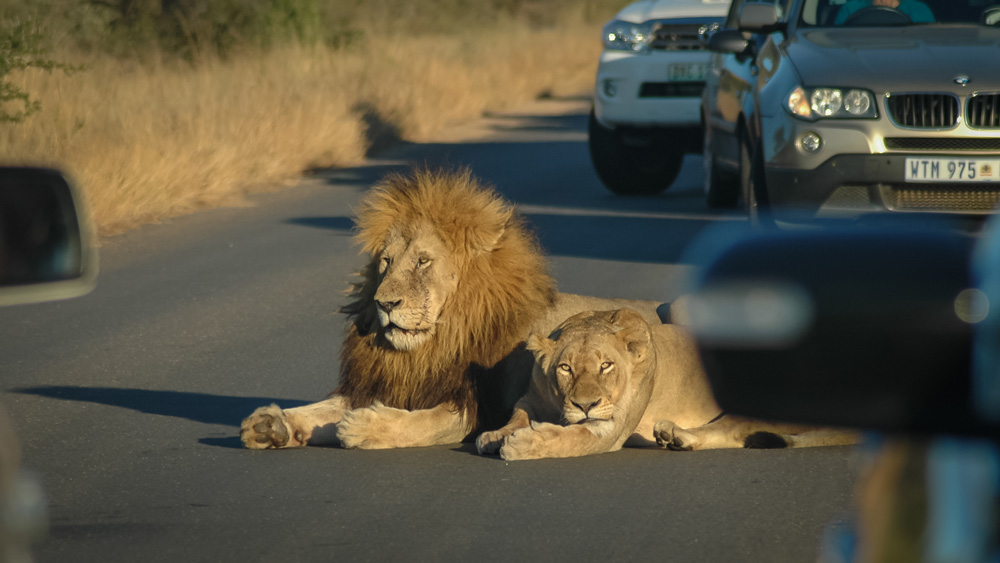
WhatsApp groups, Facebook pages and radio contact means that no animal is sacred. Technology has now arrived and is making it easy for visitors to access all the information they need to tick off the Big 5 in a morning drive. There is massive conflict in Kruger right now. Those who remember days gone by and where there were perhaps only a handful of cars at a sighting. One could stay as long as you liked and so long as everyone had a glimpse of the animal, everyone was happy. Nowadays, every animal found is lined up by a barrage of lenses. Each lens determined to get the best shot to share on social media. The expectation of a 1000 likes on one of the groups or making a quick buck on YouTube.
If you have ‘tak your pic will be kak’ (branches will ruin photos) and this means that everyone wants that prime position. Hooting, swearing, shouting and a sense of entitlement has taken hold. Private cars and open safari vehicles are going into battle as to who is more or less badly behaved. Kruger has entered the world stage and people from all over are coming to Kruger to see the Big 5. Their friends will be so impressed by all the megafauna, that they will in turn come to Kruger to rinse and repeat the spectacular. Many of the newer generations are simply not going to be satisfied by seeing an elephant or impala and as such the tour operator industry is backed into the corner of instant gratification, whilst making the most of the technology available to guarantee those sightings.
Kruger has turned into a shark feeding frenzy. It is motivated by whose photo will be most popular and shared. Kruger fame is desired. Everyone wants to be known as the “best” or “luckiest” or “skilled”. The competition is on!
Travelling to Kruger in years gone past, you were an unknown. These days we have Kruger celebrities! Let’s be honest, being recognised and being given compliments is extremely rewarding. Most humans thrive on recognition and so with the advent of social media and all supporting devices, this recognition is a mere click away. Yes, people have always behaved poorly and yes there were fewer people in years gone by. Unfortunately, the world we live in today is far more motivating for bad behaviour.
The pressure of getting a better trip than your mates, the best photos, getting the viral post and all the bragging rights associated has seen an exponential increase in selfish and bad behaviour. There is more crowding at sightings (previously restricted to the main roads and now nothing there is sacred), more speeding, more people getting out of their cars to get a better photo… more, more, more, bigger, better, sharper and no damn takke (branches)!
Please don’t get me wrong. I love Kruger and love sharing my photos and experiences. When I leave camp in the morning I head away from the gates and take the lesser travelled dirt roads. This way I am able to connect with the Kruger I grew up in, at least for a few hours. I have come to accept the presence of open safari vehicles and the increased numbers of people visiting the park. I understand we are all different and if instant gratification is what works for some, then great. After all, everyone on Earth deserves to experience Kruger. I have learnt we all love Kruger in our own way and experience Kruger differently.
What I don’t accept is the bad behaviour, reporting of sightings in any way, shape or form – with the increased number of people on the roads I even think the sightings boards and word of mouth is a bad idea. Let us all allow the mystery of Kruger to reveal herself once again – speeding, overcrowding and putting pressure on the animals. All our wildlife is sacred and should be respected. We shouldn’t treat each and every sighting like we have seen a celebrity and then mob the animal like the paparazzi.
Sure, the Kruger of yesteryear did not remain unscathed from occasional bad behaviour or crowding at sightings, but these incidents have grown exponentially in the modern Kruger. I would love to find harmony with this digital age we live in. Bumble around not knowing what we will see, use my modern gadgets to record what I see and then when I return home, share it with the world and get all the likes and affirmations we all so enjoy. The magic is still there to enjoy and the Kruger as some of us know it still exists. We simply have to work around this technological age and head further off the beaten track. Some people even use this technology to see which areas to avoid congestion.
It is important to note that Kruger belongs to us all. She has become a global sensation and as such needs to appeal to a much wider audience. Change is inevitable and progress waits for no man or beast.
*This is my perception and may differ vastly from yours. I recognise that each of our realities will be different.
With China in the process of phasing out its legal ivory trade market, one would think that the fight against combating the illegal market in Asia would be gaining ground. However, a new study has revealed that China’s neighbouring country, Laos, has now become the fastest-growing ivory market in the world, as traders and everyone else in the chain move their businesses across the border.
At a news conference held in Nairobi recently, Save the Elephants – a Kenya-based conservation group – released their extensive report that reveals how the illegal African ivory sales in Laos is growing at an incredible rate.
Between 2013 and 2016, there was a significant increase in the number of Chinese-owned retail outlets that sell ivory, with the main consumers being Chinese nationals – who buy up to 80% of the ivory items in Laos.
Some of the ivory is processed in Vietnam and smuggled into Laos, while in other cases it is processed in Laos by Chinese traders.
Ivory items, such as pendants, necklaces, bangles and beads are sold openly in the shops around the country as there is no proper law enforcement in place, despite Laos being a member of CITES where there are regulations that prohibit the import and export of ivory.
There is a growing concern that with China shutting down its legal ivory market, that more and more consumers will turn to countries such as Laos and the illegal ivory trade will continue to flourish.
Lions from Etosha National Park have reportedly escaped into the Sesfontein Constituency in the Kunene Region killed 19 goats in one night, according to online Namibian newspaper, Informanté.
The incident was confirmed by a spokesperson from the Ministry of Environment and Tourism (MET), Romeo Munyunda. “A total of 19 goats were killed and on different nights, a number of sheep and cattle were also killed by two lions at farms near Opuwo in the Kunene Region”, said Muyunda. He added that the ministry is currently monitoring the movement of the lions via satellite.
The number of lions is unknown, but farmers in the area are now financially affected by the attacks. Muyunda said that their loss could well be over N$50,000.
The human-wildlife conflict in Namibia is a serious problem and efforts have been made by MET to handle this and have recently updated their National Policy on Human-Wildlife Conflict.
AfriCat Foundation director, Tammy Hoth, said that they were aware of the escaped lions prior to the recent attacks and had advised the farmers to ensure their kraals were secure against lions. She went on to say that in some cases lions do not kill to consume, but rather kill livestock in instances when mother lions are teaching their cubs how to hunt. In the case of the 19 goats, none of them were consumed.
Hoth said that the Kaokoland is currently being patrolled and it is believed that there are seven cubs with their mothers roaming the area. The local livestock farmers have been made aware of the escaped lions.
Madikwe Game Reserve is an extraordinary place. It was established in 1991 on a tract of mismanaged farmland that had been depleted of nearly all its natural resources. Approximately 10,000 animals were relocated to the area as part of Operation Phoenix over seven years.
At the time, Operation Phoenix was the largest wildlife relocation project of its kind in the world – it aimed to generate a wildlife-tourism economy of significant benefit to local communities in this remote region of South Africa. It is still a world-renowned conservation project today and is bearing fruit in ways the visionaries could hardly have imagined.
My wife and I were fortunate enough to spend two nights in Madikwe recently. I have visited Madikwe several times over the past 16 years, and was keen to share some of that quintessential Madikwe magic with my wife – it was her first time in the reserve, and I wanted it to be as special for her as it has been for me over the years. Little did I know that I would rediscover the magic of Madikwe for myself, entirely!
Usually, man-made structures interfere with my sense of the wilderness around me. They’re a distraction to what I feel should be pure wilderness. But, after a lengthy discussion on the topic with our knowledgeable guide, Armand, I started to think that Madikwe is one of the rare wild places where I can accept a few old structures as part of the wilderness landscape.
It’s part of Madikwe’s history and serves not only as a reminder of how things were before, but also as a reminder that Africa’s wilderness can be restored from the damage caused by humanity. For me, Madikwe is a pilot reserve in ‘bringing back wild Africa’ – as the success of Operation Phoenix attests to. It was one of the first reserves in Southern Africa to take the mammoth task of rewilding seriously, and it’s a privilege to enjoy the rewards of those genuine African conservation efforts today.
Stars and special sightings
After our arrival and delicious lunch at Jaci’s Safari Lodge, we settled into our magnificent Starbed Suite. It’s a huge room with a panoramic view of a tributary of the Marico River, where wildlife constantly moves through the riverine bush below. After a quick shower (with a choice of three showers!), we got ready for our first afternoon drive.
Before departing, Armand asked us if we would like to see anything specific. I’m sure he was used to some of the more typical answers – Big 5 animals like elephant, lion and rhino, for example. To his bewilderment, I asked him to try to get us a rare photo opportunity with a yellow-throated sandgrouse.
And, can you believe it, he delivered on our first game drive! As an avid birder, this was a thrilling sighting – what a way to start our safari in Madikwe!
We spotted a few yellow-throated sandgrouses that morning, got some great photos of this notoriously tricky bird and moved on, with smiles on our faces. The next sighting was one of the rarest and unique you could wish to have on any safari anywhere in Africa – African wild dogs! And, as if that was not enough, we managed to add two male lions and a white rhino to our list for the first afternoon. Game viewing in Madikwe is truly spectacular; it is known as one of the best places in Southern Africa for lion sightings!
After dinner and a sensational day of game viewing on safari in Madikwe, we settled onto the roof of our Starbed Suite. We listened to the sounds of the African bush under the stars, full of anticipation for our morning drive.
Madikwe mornings
Our first morning drive was one for the safari books, as Madikwe delivered in hugely unexpected ways! We started with three old buffalo bulls, followed by a Verreaux’s eagle-owl on a nest close to camp, and then continued to tick off all the members of the Big 5 within our four-hour drive!
I had my first leopard sighting in Madikwe a few years back, and this time around, I got one of my best leopard photos to date (see cover image)! It was a very relaxed male leopard, lazing a few metres from our vehicle. With the excitement overflowing from our fantastic game drive, we returned to camp to enjoy a lovely brunch on the lodge’s deck.
After our delicious brunch, we couldn’t wait to go and check out the Terrapin hide – a famous, eye-level hide situated in the middle of the waterhole, accessed only via an underwater tunnel. We spent some time here observing the passing wildlife, with my favourite moment being when a grey heron caught a fish a few metres away from me. He was so close – I got one of my favourite photographs of this graceful bird.
On our afternoon drive, we decided to explore the quieter southern parts of the reserve, since we’d already had quality sightings of most of the species on offer here. We got onto some fresh leopard tracks, but after more than an hour spent tracking, it had managed to evade us, staying true to its secretive nature.
We did see more elephants, white rhinos and two male lions, and it was a relaxed drive for our final afternoon. Upon returning to the lodge, we came across the resident male brown hyena drinking at the waterhole – brown hyena are far rarer and skittish than their more popular laughing cousins, the spotted hyena.
A rhino to remember
I was hoping for a good sighting of a black rhino, but, as I know from experience, it’s not easy. Their favourite habitat is in dense acacia thickets, which makes sightings very difficult and photo opportunities close to impossible.
It was our last morning drive, and we were on a mission. Armand said that there was a thicket where he sometimes bumps into black rhinos early in the morning, so we decided to go for it! Maybe, just maybe, we would get lucky. And lo and behold, we got lucky! We found a black rhino mother and her calf!
After spending some time with them (without any real photo opportunities), they became more relaxed and moved through a clearing where we were able to get some fantastic and memorable photos.
Why Madikwe?
A Madikwe safari is one of the best travel choices you can make when deciding to come on safari in South Africa. You’ll get to explore the full 75,000 hectares of the reserve and not just a small concession area like in other reserves. The habitat is diverse, with mountains, waterholes, and the Marico River to the east.
Game viewing is exceptional, and the area is malaria-free, which makes Madikwe an excellent choice for a family safari.
For my wife and me, Jaci’s Safari Lodge delivered on all aspects and more. The game viewing was incredible, the food was out of this world, the accommodation was better than perfect, and the staff made us feel like family! It has since surged to the top of our list of African safari destinations – maybe you’d like to add it to your list too?
At 750 km² (75,000 ha), Madikwe is the fifth-largest game reserve in South Africa.
The reserve was formally established in 1991 by the government of Bophuthatswana, a former homeland area of South Africa. It was flagged for the potential to develop a thriving wildlife tourism economy that would benefit local communities – shortly after, Operation Phoenix began. This mammoth ecosystem rewilding operation involved many world firsts, including translocating entire family herds of elephants.
Madikwe lies in a unique location on the fringes of the Kalahari Desert between Botswana and South Africa. Because of the incredible variety in ecosystems between the Lowveld of South Africa and the Kalahari thornveld of Botswana, the region is host to a staggering array of species – to be precise, 66 mammal species and more than 300 bird species.
The famous Mafikeng Road – a historical road used by traders, hunters, missionaries and explorers – runs through the reserve. King Mzilikazi of the Matabele tribe ventured through the Madikwe area on this road over a century ago on his way to expanding the Matabele Kingdom.
Madikwe is home to the Big 5 and a haven for thriving populations of African wild dogs and cheetahs.
There is currently a corridor conservation project underway, known as the ‘Heritage Park’ conservation corridor, set to join Madikwe Game Reserve and Pilanesberg National Park. The project is estimated to be finished in two years.
Madikwe is easily reached from Johannesburg or Pretoria, on a short three-and-a-half-hour drive, or a 45-minute charter flight. The best time to visit Madikwe is between March and November, when temperatures are not soaring hot, and wildlife is more active.
ABOUT THE AUTHOR
Anton lives in Pretoria, South Africa, and works in his family’s property development and investment business. He and his wife, Renate, both have a passion for wildlife, with a particular interest in birds.
A large bull elephant was shot and killed in Zambia this past weekend by a trophy hunter. The term ‘iconic Tusker’ was used to describe the elephant and celebrate the hunt, but it is not clear if this was indeed a true ‘Tusker’ (with tusks weighing 100 pounds on each side). It is estimated that there are fewer than 50 true Tuskers left in Africa, and probably only 25-30.
The hunt was reportedly legally organised through Stone Hunting Safaris, where hunting in Zambia takes place in “the Luangwa Valley, Kafue Flats, and Bangweulu Swamps in governmental conservation areas or large privately owned ranches, depending on the required species”.
“Biggest elephant shot in Zambia in decades, iconic Tusker. Well done great trophy ? ??and yes all meat was utilized donated to local villages and schools. Lot of money was payed [sic] for the license to shoot the bull and that money goes towards conservation of not only next elephant generations but the whole ecosystem there benefits from legal controlled hunting.”
Game Animals of the Past and Present explained, in reply to numerous comments, that all parts of the elephant were used. The hunter receives the skin and tusks, and the meat is donated to local villages and schools. In addition, the money paid by the hunter goes towards conservation practices in the region.
A transboundary elephant connectivity study has been launched in western Zambia with the fitting of satellite tracking collars to wild elephants to investigate their cross-border movements.
The Elephant Connection Research Project in Zambia has initiated a study of elephant movements in the Kavango Zambezi Transfrontier Conservation Area (KAZA TFCA) to investigate the connectivity between Zambian elephant populations and their cross-border cousins.
Of critical conservation concern throughout Africa is the isolation of elephant populations due to shrinking habitat, a problem that this study is designed to address. Headed by Dr Kerryn Carter, the project founder and head researcher, this first phase of the study will track movements of eight elephants from Zambia’s Sioma Ngwezi National Park to determine elephant utilisation of the transboundary landscape and identify impediments to their movements and threats to their survival that restrict connectivity with cross-border populations.
Together with Zambia’s Department of National Parks and Wildlife and partners WWF, the research seeks to identify transboundary wildlife movement corridors which, once adequately protected, can help to protect all wildlife species that use them. To this end, there are plans to track a greater number of elephants and also giraffe throughout the Zambian component of KAZA TFCA in the coming years.
The KAZA Transfrontier Conservation Area is one of the largest of its kind in the world, encompassing 520,000 km² of protected areas and communal lands in Zambia, Angola, Botswana, Namibia and Zimbabwe. KAZA TFCA, established in 2011, links some of the iconic National Parks (NP) of southern Africa such as Zambia’s Kafue NP, Botswana’s Chobe NP and Okavango Delta, and Zimbabwe’s Hwange NP, along with more than 30 adjacent reserves, conservancies and wildlife management areas.
Transfrontier Conservation Areas can assist wildlife movements by bringing together separately managed national parks that are adjacent to political boundaries, so that wildlife can be managed under one umbrella. This provides the opportunity for suitable and safe habitat to be maintained between protected areas to enable connectivity of otherwise separated wildlife populations, which is one of the main objectives of KAZA TFCA.
However, information about functional connectivity is lacking and secure landscape linkages between many of these areas have yet to be realised. With more frequent droughts as a result of climate change reducing the amount of natural forage and water available, wildlife will need areas of safe passage to move across the landscape in search of scarce resources. Knowledge of wildlife movement pathways generated by this study will assist Zambia’s Department of National Parks and Wildlife in planning anti-poaching patrols to ensure identified elephant habitats are secured so that dispersing elephants will not be at increased risk of poaching as they attempt to navigate routes through increasingly disturbed landscapes.
Elephants historically moved throughout much of Africa as part of an interconnected population and this enabled genetic mixing and minimised the degradation of habitats that can occur at high elephant densities. These long-distance movements are now difficult for many elephants that exist in protected areas that have become surrounded by human habitation. The dire consequences that can occur when populations are isolated are overuse of food resources to the extent that the habitat is destroyed and becomes unsuitable for other species, human-elephant conflict and genetic bottlenecks from inbreeding.
If the habitat between protected areas is conserved to enable elephants to undertake long-distance movements, these problems can be avoided. At least half of the estimated number of elephants in Africa occurs within the KAZA TFCA. Consequently, the provision of corridors linking protected areas in this region will unite many of southern Africa’s elephants into a single entity and improve the functionality of the elephant meta-population in the region.
This study has been made possible with generous donations from WWF (Zambia & Namibia) and a donation by Wildlife Crime Prevention (Zambia) of their aircraft to help locate elephant herds for collaring.
Hanko stamps are the Japanese version of a signature and have been in use for many centuries – dating as far back as the 3rd century when they were used by samurai and government officials. The choice of ivory as one of the materials used to create these everyday tools has been a significant contributor to the demand for ivory.
These stamps are used for a variety of purposes, from opening bank accounts and purchasing vehicles, to accepting deliveries and ‘signing’ on important documents. It is said that the average person owns up to five personal hanko stamps during their lifetime.
Cheap, run-of-the-mill stamps can be bought ready-made in shops, and are usually made out of plastic or wood, used for casual purchases and informal documents. The other, more expensive, option is a customised stamp – used to sign important documentation – and those are usually made out of horn, crystal or ivory.
Elephant ivory hanko stamps gained popularity from the mid-1900s, and in 1983 more than one million pounds of ivory (approximately 5000 elephants-worth), for the purpose of being made into hanko stamps, was imported from Kenya – which was legal at the time.
Since then, Japan has become a member of CITES (the Convention of International Trade for Endangered Species), and in 2016 agreed, along with 179 other parties, to call for the closure of legal domestic ivory markets that are linked to illegal trade or poaching.
One of Japan’s largest retail companies, Aeon, recently announced that by March 2020, the sale of ivory-made products will cease in all of their stores nationwide.
Aeon released an official announcement stating that since June 2015, their directly operated stores have refrained from selling elephant ivory products, and now they are looking to their 180 hanko stamp tenants – that use ivory as one of the materials – to comply with their policy and start looking at “replacing the ivory products with products made of environmentally friendly alternative materials in stages by the end of March 2020”.
However, even though retailers such as Aeon, as well as e-commerce retailer Rakuten, are changing their policies and taking a stand to close down their ivory trade, there are still others out there who are still trading in ivory, such as Yahoo! Japan, who continue to sell ivory products (such as hanko stamps) through their online auction and shopping site.
Many wildlife organisations, such as EIA, have made it clear that the Japanese government needs to close its domestic ivory market for good following its agreement with CITES in order to protect elephants and clamp down on the illegal trade of ivory.
Guide, Alon Cassidy, describes watching western lowland gorillas feeding on seasonal fruits in Odzala-Kokoua National Park, Republic of Congo:
August was a particularly fruitful month in Odzala in many ways. The western lowland gorilla groups living in the forest close to Ngaga could feast on seasonal landolphia and anonnidium fruits, and we enjoyed some wonderful sightings of these primates enjoying their seasonal treats.
Landolphia is medium-sized fruit which grows from a large vine. It’s quite rich and can be rather sour, but despite this, it is enjoyed by humans just as much as by our near relatives, the gorillas. Like all the best rewards, a little bit of work is required to enjoy it – you need to tear or cut through the fleshy skin and its rubbery latex to expose a cluster of pips in the centre; each of these is covered in a soft, fleshy and nutritious mesocarp.
The gorillas have perfected a technique that gets them to the good stuff in just three deft moves. They pluck the fruit from the vine, bite it open to reveal the juicy flesh, and enjoy. All of which means that during fruiting season, it’s unwise to stand under a landolphia vine as there may be a gorilla above you, contentedly discarding bits of fruit rind.
The typical diet of western lowland gorillas in Odzala contains a lot of fruit (in the right season). The availability of fruits determines their movements, and in fruiting seasons they can cover a lot of ground as they visit and revisit favourite trees and vines.
When one of our expert local trackers says that we need to pick up our pace to be in the right place at the right time, you know he means that there’s going to be a show. Western lowland gorillas are far more arboreal than their mountain cousins, and fruiting season means more opportunities for viewing them above the level of the dense undergrowth.
Taking photographs of gorillas in trees can be challenging, however, as you’ll often be shooting against the bright sunlight piercing the rainforest canopy.
One particularly memorable recent sighting involved the habituated gorilla group led by the large and powerful silverback, Jupiter. They were seen making nests near the landolphia vines, and we set off on a brisk walk with Gaben, one of our experienced trackers. He motioned to us that we should wait as the gorillas were on their way.
His prediction was uncannily accurate – just five minutes later, Jupiter’s group began to climb the vines in search of fruit. Standing spellbound with our two guests, we watched as eight gorillas plucked fruits from the vines that straddled the canopy. Jupiter himself chose not to climb, preferring to wait at the base of the trees and collect any fruit that fell. However, all he seemed to find were rinds, and he had to resort to eating marantaceae leaves instead.
The second key fruit at this time is the large anonnidium (or obei) which grows on a medium-sized tree. The obei slightly resembles a pineapple, and can grow to around 40cm in length. It’s popular with the guides, but it can be a challenge for them to find a ripe one that the gorillas have not gotten to first.
Watching Neptuno’s group eat obei fruits gave us important clues as to the hierarchy within his group, as the gorillas which get the biggest and best pieces tend to be the ones which are higher up in the pecking order.
We observed one youngster climb up into the obei tree as if to assure himself of first choice of the ripe fruits, but he then seemed to deliberately drop several them in the direction of the silverback, Neptuno.
This seemed to satisfy Neptuno, and he soon had morsels of bright yellow fruit stuck to his face as he enjoyed the obei that the youngster had gathered for him.
Elephants killed after being electrocuted when they pushed power lines into a pool of water they were drinking from. The blood is from burst blood vessels, a common symptom of electrocution.
In a tragic accident, 9 elephants have died in a freak accident after being electrocuted by power lines near Sua Pan and a village called Dukwi in Botswana.
The elephants were drinking water from a leaking pipe that supplies water to the village. They knocked down an overhead power line, which fell into the pool of water and electrocuted the elephants. The Ministry of Wildlife, Environment and Tourism has confirmed the accident and said that an investigation has been launched.
This area of Botswana has few natural sources of water once the pools of water resulting from seasonal rain have dried up, and elephants frequently seek water from water pipes and boreholes.
Botswana hosts more than one-third of Africa’s elephant population, partly due to the country’s successful wildlife conservation strategy and tourism policies, and partly due to pressure in other countries from habitat loss, poaching and human-wildlife conflict. This population represents a significant conservation resource in ongoing attempts to repopulate areas of Angola, Namibia, Zambia and Zimbabwe. One significant hurdle to overcome is that of the provision of sufficient water, as elephants can no longer range over their historical migratory paths because of direct persecution and the rapid growth in human populations, farming activities and other development. Elephants are increasingly being marginalised into areas with insufficient water and food.
Water for Elephants Trust has an ongoing program of providing borehole water to thirsty elephants in this arid region.
What I miss most about fly-in safaris is the satisfaction of having journeyed. After all, the Swahili word ‘safari’ is derived from ‘safar’, the Arabic word for journey.
Don’t get me wrong. For time-strapped holidaymakers, flying to your lodge saves time and offers a different perspective of the bushveld. But, there’s something immensely satisfying about loading up your kit and navigating bush tracks to reach your destination.
Although most of us don’t have the equipment or experience to do this ourselves, fear not. In Botswana, you can still experience a mobile safari while others do the hard work.
In May this year, I joined a mobile safari through the Moremi Game Reserve in Botswana. You can book an entire mobile expedition for your family and friends, but, as a single traveller (my wife was holding the fort at home), I latched onto an existing expedition.
My travel companions were a German fellow (also sans his wife) and a wonderful family of five from the Dominican Republic on their annual holiday. Each year, this spirited family journeys in the real sense. They pick a destination and experience it in as granular a way as possible. They’d already slept under Namibian desert stars on this safari and driven themselves through Namibia to Botswana.
They were now on a mobile safari from Maun to Kasane, travelling through the wildlife gems of Moremi, Khwai, Savute and Chobe. I journeyed with them until Khwai, where I hopped off to spend time at a few lodges before flying back to Cape Town from Maun.
Camps that leave no trace
Let’s talk about accommodation because many people use that filter to help them decide on their next safari.
The hard-working backup crew drove ahead of us to set up camp and prepare meals. It was a fantastic feeling to arrive at a new campsite after a morning of game viewing to find our home all built and snugly ready for us.
Mobile safari camps are set up to have the least impact on the environment. Leave only footprints …
Each campsite we used was exclusively ours for that period, so there was a sense of absolute privacy that added to the appeal. You can choose between large, luxury Meru-style tents, which I enjoyed, or smaller dome-style tents, which my colleague Christian Boix thoroughly enjoyed earlier this year when he booked a mobile safari for his family.
Pictures do a better job of describing the campsite than I can. But, I will say that having stayed at many lodges of all luxury levels in my 25 years in this business, these Meru-styled mobile camps do it for me.
The inside of a typical Meru-styled mobile safari tent
Each tent has an en-suite bathroom with a bucket shower – a large canvas bag filled with water heated over a wood fire. There’s also a bush toilet: a deep hole dug in the ground, covered by a throne to remind you of home.
Once the crew dismantles your campsite, all that remains are footprints. The loo pits are filled in, and your contribution to local biodiversity is soon composted.
Each mobile safari camp has a dining area with a canvas roof
A potent digital detox
Perhaps you’re wondering about internet access? Well, once you’re clear of Maun and Kasane, there is none. This is an opportunity to detox from that incessant social media chatter. Instead, you’ll have time to tune into bush chatter: tree squirrel alarm calls, distant leopard grunts, and the perpetual burbling backing track of insects and birds.
There’s a rhythm to this mobile safari that encourages you to truly, seriously unwind. On a ten-day safari, you’ll typically be based in three or four areas for a few days each, with travel days in between.
And, aside from the first day’s drive from Maun to Moremi, even travel days are just an extended game drive, ending at a new campsite in the early or mid-afternoon after a bush lunch along the way.
Time takes on a different meaning on a mobile safari, perhaps because you have more of it. Our guide, Sam, was extremely relaxed. He knew that with the ten full days at his disposal, and the wide range of habitats we’d journey through, he’d be able to show his guests all the most sought-after species, including lions, leopards and wild dogs.
And, he was right. Compare that to the unfortunate fly-in safari guides who have only a few hours a day and perhaps three days in total to deliver on a long laundry list of expectations.
Leopards are amongst the most sought-after wildlife sightings and regularly seen on mobile safarisThe Okavango is one of Africa’s lion strongholdsWild dogs are frequently seen during mobile safaris in northern Botswana
The slow safari schedule
Each day, you leave camp first thing in the morning after coffee and a light breakfast to catch the early morning ‘newspaper’ – tracks and other signs left by wildlife. After some fantastic wildlife encounters and a stop for coffee and biscuits (ask for Amarula in your coffee – yum!) you meander back to camp by late morning for brunch. This is followed by downtime and a siesta.
Late afternoon brings tea and cake before you head out for another game drive. There’ll be sundowner drinks and snacks somewhere out there. Shortly after dark, you’re back in camp for campfire stories accompanied by your favourite tipple (or two) and a delicious dinner cooked over the fire by talented bush chefs.
With heavy eyes and a full tummy, you stagger to bed. Your lullabies are sung by hyenas, lions, leopards, hippos, nightjars, and several species of owls. Yes, you may just pick up a pound or two because you’ll be pampered, bush-style, from dawn to dusk. But, you’ll also recharge your batteries and reconnect with the real you. Safari njema!
Moremi Game Reserve
Moremi makes up about 26 percent of the renowned Okavango Delta. It’s largely dedicated to self-drive tourists and mobile safari operators. It was the first reserve in Africa to be established by local residents.
The Batawana people of Ngamiland were concerned by the rapid depletion of wildlife due to uncontrolled hunting and cattle encroachment. In 1963, under the leadership of the late Chief Moremi III’s wife, they took the bold initiative to proclaim Moremi a game reserve.
The Okavango Delta comprises more than 15,000 km² of watery paradise. It’s a lush wilderness of papyrus, impenetrable reed beds, grassy floodplains, and tree-covered islands.
The complex water channel network of varying depths is engineered and maintained by hippos and elephants. Some areas are permanently underwater. Others are submerged only when the annual floodwaters arrive from Angola.
This constant ebb and flow of water creates one of the most fascinating and diverse ecosystems on the planet. Unsurprisingly, the Okavango Delta is both a RAMSAR Site and a UNESCO World Heritage Site.
No safari to the Okavango Delta is complete without a mokoro outing
The Okavango Delta is not a national park, so there are fewer restrictions on activities. Off-road driving when following wildlife is allowed, as are night drives and walking safaris. Unlike the national parks, the Okavango is largely unavailable to self-drive tourists (except for the Moremi section), so your safari is likely to be private and exclusive.
A bucket-list activity unique to this area is gliding down the myriad waterways in a mokoro (a traditional dugout canoe). Your poler guide will expertly slide the mokoro along channels lined with tall papyrus and reeds, giving you a unique perspective and fantastic photographic opportunities as you silently sneak up on birds, frogs, otters, and possibly even larger animals such as hippos, crocodiles, and elephants. A lucky few will see the elusive and wary sitatunga antelope.
Wildlife includes the Big 5 (lion, leopard, elephant, buffalo and rhino), many antelope species, zebras, giraffes, hippos, and crocodiles. There are good populations of cheetahs, hyenas and wild dogs, as well as a plethora of smaller species such as serval, aardwolf, pangolin, aardvark and bat-eared fox. You will see more wildlife in areas that are not permanently flooded.
Birdwatching can be spectacular. There are over 400 species, including avian jewels such as Pel’s fishing owl, slaty egret, pygmy goose, crowned and wattled cranes, western banded snake-eagle, coppery-tailed coucal and colonies of incandescent carmine bee-eaters.
Simon Espley is an African of the digital tribe, a chartered accountant and CEO of Africa Geographic. His travels in Africa are in search of wilderness, real people with interesting stories and elusive birds. He lives in South Africa with his wife Lizz and 2 Jack Russells, and when not travelling or working, he will be on his mountain bike somewhere out there. His motto is ‘Live for now, have fun, be good, tread lightly and respect others. And embrace change.’
Cape Town is an eclectic and exciting city, and on many bucket lists. With its beautiful beaches, buzzing cosmopolitan centre, world-class wine country, spectacular scenery and dramatic coastlines; there is so much to do and see in South Africa’s ‘Mother City’.
BUT how do you combine Cape Town with a quintessential African bush safari?
Summer is a popular and busy time in Cape Town, and for good reason. Located at the southernmost tip of the African continent, the Cape has a totally different weather pattern from the rest of Africa. It has a typically Mediterranean climate which means the summer days are long, hot and dry – perfect for lazy days on the beach and sundowner drinks with a view, followed by fine dining and world-beating wines.
Find out about Cape Town for your next African safari. We have ready-made safaris to choose from, or ask us to build one just for you.
And of course, no African trip is complete without that other item on the bucket-list – a bushveld safari, in pursuit of the Big 5 and plenty more exciting wildlife encounters.
But here’s the hitch: In bushveld areas, the average summer day is very hot, with thundershowers now and then. The bushveld is buzzing and alive with birds, baby animals and flowers (and mosquitoes), but animals can be difficult to see because of the thickness of the green shrubbery. Most safari enthusiasts prefer the dry cool winter months when the bushveld has thinned out and the lack of water makes wildlife concentrate near water sources and is easier to see.
So, how exactly does one combine Cape Town’s summer splendours with a wild Big 5 bushveld safari?
Here are four suggestions
Serengeti, Tanzania
The Great Wildebeest Migration is in full swing in Tanzania’s Serengeti during the first few months of the year, and you can expect exceptional sightings as the great herds are calving and the predators gorge themselves on easy pickings.
Expect high tourist volumes at predator sightings (unless you are in a private concession) and higher prices during this peak season.
Fly direct from Cape Town to Maun in Botswana in two-and-a-half-hours and step straight into your mokoro or speed boat for a spot of ‘glamping’ on a deserted Okavango Delta island paradise. Or take a short flight from Maun to any one of a number of luxury lodges.
Enjoy beautiful green bushveld and reasonable wildlife encounters (prime wildlife viewing is during the dry winter months). Expect fewer tourists and lower prices than during prime safari season.
The Cape Game Reserves of South Africa are closer to Cape Town than any other bushveld safari, and offer great wildlife opportunities to complete an idyllic beach and bush combo trip.
Hire a car in Cape Town and drive the Garden Route and Little Karoo to end up at your bushveld destination, or fly to Gqeberha (Port Elizabeth) to meet your lodge transfer. Some of these bushveld lodges offer boat trips down winding rivers for a day at the nearby idyllic beaches.
Expect more tourists and higher prices during the warm summer season than during the winter, when temperatures can be a bit chilly.
Greater Kruger National Park
The Greater Kruger National Park area offers a wide variety of lodges and bush camps. Direct flights from Cape Town to Skukuza and Hoedspruit mean that you could be on safari within hours of leaving Cape Town.
Enjoy beautiful green bushveld and good wildlife encounters in the private reserves bordering the Kruger, even during the summer months (winter months always deliver more wildlife encounters). Expect a variety of prices and fewer crowds in summer if you avoid the local school holiday periods.
I have had the great fortune of having travelled in many parts of the world and have experienced many things. This was my third trip to Africa, and second to South Africa. I can say, without a scintilla of doubt, this was the most memorable, impactful, emotional and life-altering trip of my life.
My wife, Tamara, and son, Max and I recently spent ten days in South Africa. We were fortunate enough to spend five of those days in the bush near the Kruger National Park, at a temporary camp on the beautiful property of Mr James Campbell, with eight other YPO families and a cadre of world-class resources.
The enthusiasm, optimism, construction and progress that we experienced first-hand while spending time with everyday South Africans was contagious. As Max commented, “I think they may be some of the happiest and most content people in the world!”
Our trip was hosted by my friend, Dex Kotze, a fellow YPOer from South Africa. Dex is a businessman, an activist, a philanthropist, educator, thought-leader and an amazing husband and father. He operates his own NGO, Youth 4 African Wildlife, an educational organisation dedicated to teaching young people about the conservation of wild animals in Africa. For this experience, Dex had partnered with Elephants Alive and other NGOs and reserves and, with the help of the incredible Annie Sowden, he put together a program dedicated to education, adventure and camaraderie.
The YPO Experience
In total, we were nine YPO families, joined by the most compelling group of talented people imaginable. These included everyone from world-class park rangers and guides to scientists, researchers, philanthropist land-owners, activists, a world-class eco-journalist, wildlife vets, adventurers and two of the most insane helicopter pilots I’ve ever seen (have you ever seen a Robinson 44 fly in reverse while chasing after a rhino with a vet hanging out the side holding his dart gun!?).
We camped together, drank coffee at dawn around the fire together, drove in search of elephants and rhinos together, walked through the African wild tracking lions together and, most compellingly, participated hands-on in tracking, collaring and tagging wild elephants and rhinos together. And of course, we had ourselves a few ‘proper’ G&Ts at sundown around the campfire together.
All along, we learned about every aspect of the nature around us, from the water to the vegetation, from the trees to the insects and every other type of wild animal around us.
We had the opportunity of having one of the pre-eminent eco-journalists in Africa, Ian Michler, present with us on the trip. Ian, the creator of Blood Lions – a film about canned lion hunts – and I shared several ‘proper’ gin and tonics during the week and explored all aspects of environmentalism – from philosophical to political to economical. It was indeed an honour and a pleasure to spend time with him.
When I say this was a hands-on week, I mean just that. Dex and the scientists created the opportunity for us to do things that we will likely never again be able to do. To see the rangers and helicopter pilots rave about what we were doing and talk about how unique the experiences were, even for them, was an indication of the job that Dex and his team had done.
Just a sampling of some of my own experiences from the trip: I pulled the satellite collar around elephant necks, helped lift and move elephant and rhino limbs to make it possible to take anatomical measurements, milked an elephant for scientific purposes, injected an elephant with the antidote for the anaesthetic dart, removed a DNA sample from the drill bit shavings of a rhino horn, helped to place a tag into a rhino horn, and much, much more. All of this in the wild, on tens of thousands of acres of continuous fence-free land linking to the Kruger Park.
Along the way, we learned and witnessed firsthand the range of humanity’s severe impact on the environment. We learned about the impact of human encroachment on the wilderness. We learned about the economics of poaching. We saw, firsthand, the gut-wrenching result of poaching, where the world’s most magnificent animals are illegally shot and killed and left as food for vultures so that their horn can be ground up and used for mythical medicinal purposes somewhere far away.
We met and spent time with landowners and their team of anti-poaching rangers who are spending significant sums of money out of their own pockets to buy, protect and care for contiguous property that extends Kruger National Park through private land ownership, remove fences in between and pay for them to be patrolled so that future generations can view the planet in its raw form.
What we saw, in my view, was not the triumph of government but the triumph of individuals who have come together voluntarily, spending their time, money and resources, not to suck every last dollar of value out of the land through development, but in fact to protect and preserve it and its inhabitants.
At the same time, all of these individuals show a deep and genuine commitment to the local population. They hire locally, invest locally and are doing their best to add economic value through training and education of the local communities. They understand deeply that these are not political issues. These are issues of right and wrong and basic humanity. These are issues about the present and the future of human-wildlife coexistence.
For example, one James Campbell – a man who grew up as a potato farmer in Ireland, only to end up on the board of directors of De Beers and Anglo American. In the years between picking potatoes and attending De Beers board meetings, he talked his way into Cambridge University, became a scientist and a geologist, got to know people at the highest levels of business and government, got involved with multiple businesses, and finally became a private reserve owner in a large block near Kruger – where he lives out his dream of being a conservationist.
We met and spent time in the bush and around the fire with Craig Spencer – a park ranger and the founder of the Black Mambas, an all-female local anti-poaching crew. Craig and his team oversee an extensive area of land (40,000 hectares if I remember correctly) and are in charge of protecting it from the barrage of poachers who are intent on ridding his land of its most magnificent inhabitants.
To say that he is a larger-than-life, charismatic personality is to diminish what it’s like to spend time with him. I am not sure if I have laughed harder recently than I did listening to Craig’s tales of his adventures and regaling his bush stories. He is a man from a different time and a different place. A man with the mannerism of a classic British private school education, but the look of a park ranger who has no problem spending a few nights out in the bush with nothing but a couple of blankets and a knife (and one who has never met a barber that he liked).
I will never forget when, in the immediate conclusion of tagging a particularly large rhino (after he had finished drilling a hole in the rhino’s horn so that the microchip can be dropped in), he took a couple of steps back, wiped the sweat off his forehead and then reached into his pocket, pulled out a pipe, filled it, lit it and began smoking it as if he was in some after-dinner gentlemen’s club in London 100 years ago. Classically, while taking puffs from his pipe, I watched him as he walked away from us while muttering something under his breath about how these magnificent animals “don’t stand an f&#ing chance against these f&#ing killers who don’t give a f#%& …”.
While Craig’s competence and confidence were mixed with the wit and humour of a comedian, our other rangers displayed theirs with good cheer, humility, a more quiet charisma, and an equal passion for every aspect of their surroundings. Led by Sean Pattrick, a published author, naturalist and anti-poaching expert with the body of a rhino and the calm personality of a Buddhist monk, these men and women never ceased to amaze us with the depth and breadth of their knowledge.
There was not a question, whether brilliant or not (lots of those) that they did not answer with depth, patience and expertise. Sean and his team were a world of knowledge, entertainment and observations.
But what was most striking about all of our rangers was the almost bizarre combination of their obvious physical strength, humility, respect and passion for the wildlife around them, as well as the sheer depth and breadth of their scientific knowledge about everything from termites and ants, to elephants and giraffe (and every living thing in between). These were the kinds of genuine, humble and intellectually curious people whom I would be proud to have the opportunity to call “my friends”.
I will never forget tracking a lion on foot with Max and a few others, led by guides Sean and Quentin. Max and I walked behind Sean and Dex and watched Sean pick up the hundreds of different tracks over soft and hard surfaces while attempting to get into the lion’s head to figure out where it would’ve walked or under which bush it would’ve crossed. To watch him pick out the lion track amongst a plethora of marks in the dirt was pure magic.
Walking with these guys through the rugged African environment looking for a lion is an experience that one can’t easily forget. The level of harmony that they have achieved with their surroundings, including their understanding of the behaviour of these animals means that actual violent interaction between them and the animals is virtually non-existent and unnecessary.
Although one certainly can’t help but feel exposed while walking amongst the dead grass, the bushes and the rocks, not knowing where a lion could be lying perfectly camouflaged, the confidence and competence of our guides was all that we needed to take in everything around us.
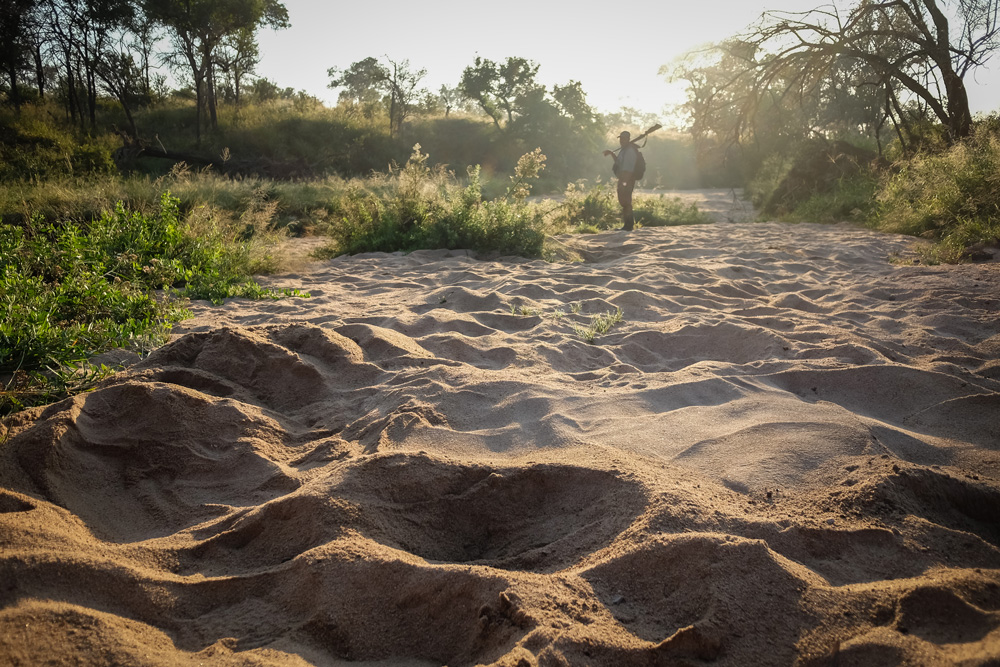
The ability of our guides to pick up on the smallest signals, the tiniest indentation in the sand, the wet portion of a small branch or some broken stalks of grass, and use those pieces to put together the puzzle of what animals were in front of us, where they went and what they were doing, was magic in motion.
The realities of Africa
The single most sombre and emotional experience of our trip came the next day when a group of us hiked from the camp to find a rhino that had been killed by poachers the day before. We had to wait a full day because the location of the kill is considered a crime scene that needs to be investigated by the authorities.
We discovered that the poachers had escaped without the horn, probably because they had heard or seen the anti-poaching units coming towards them.
As you can see, by the time we followed the vultures to the carcass, the lions, hyenas and vultures had mostly eaten the whole animal (the white marks are the droppings from the vultures). As we got closer and closer to where the vultures told us the body of the rhino lay, the mood of the group got more grave and sombre. Grave, because we all knew there could still be lions hanging around the carcass, and sombre because we all knew we would soon come face to face with the reality of the purpose of our entire trip.
Walking up to the site of the rhino carcass was, in fact, as emotional and challenging as one can imagine. What made it more difficult was seeing the genuine sadness and anger of our rangers, at their helplessness. As Craig told me: “Look, I am not used to losing. I’m not used to being helpless. It just drives me mad to realise that I can’t stop this.”
This was not the end, however. Less than 24 hours later we learned that two pregnant rhino cows were killed less than two kilometres from our camp, likely by the same poachers who had not been able to get the horns from the first rhino. Tragically, the pregnant cows were killed and their horns removed. Their unborn calves do not get counted in the statistics, nor will any of the rhino calves that will never be conceived or born from those two dead cows.
The dedicated teams
In addition to the landowners, the rangers and the helicopter pilots – all of whom displayed an incredible command of their craft – we spent time with three of the most impressive and charismatic scientists I’ve ever met in my life: Drs. Cobus Raath, Peter Rogers, and Michelle Henley. These guys led a team of students, volunteers and professionals in what can only be described as Africa’s version of Formula 1 pit stop.
Being with these professionals and seeing them lean out of helicopters to fire darts, land the helicopters in an area the size of a couple of parking spots amongst trees and rocks, jump out of Land Rovers and helicopters to stabilise the animals with fascinating techniques (folding the ears of the elephant over their eyes or keeping their trunks open with a couple of small sticks) – and then within a few minutes take DNA samples, physiological and biological measurements, inject the animals with an antidote and run away and watch while, within a couple of minutes these animals awaken, stand up and walk away, is not something that any of us will ever forget.
We were so incredibly fortunate to be allowed to help in such a hands-on manner, literally working side by side with these professionals on the 13 large animals that we collared and tagged. That privilege was given to us by these scientists who, in their role as team leaders, saw the benefits of involving us in such an intimate and practical manner. As someone on the trip said, these scientists were simply poetry in motion. Watching them direct the teams, in an environment of total controlled chaos, while patiently answering every last question was unforgettable. Their passion for protecting these animals is an inspiration for all of us who may at one point or another seek a higher purpose in what we do. That, in and of itself, was a critical takeaway from this past week.
Finally, I must say a word about my old friend Dex Kotze and my new YPO friends with whom I had the pleasure of sharing the experiences of the past week. I want to say thank you for allowing all of us to experience your backyard in a manner that very few ever have or ever will. The pictures speak for themselves, but the memories and the lessons will be unique to each of us individually. We each know what our take-away was from the past week.
I will hang this experience like another ornament on the Christmas tree of life, and will fondly look back at it often. I will do so because I don’t want to forget the emotional connections we made with each other and with the animals, and want to remember them when the mundanity of everyday life inevitably rears its head.
Watch a video of this incredible, once-in-a-lifetime conservation experience below:
Dan Afrasiabi is President and CEO at Geneva Woods Health Care Services and member of the YPO Pacific and the US at large chapters. He has found a special place in his heart for African conservation efforts and is now a lifetime ambassador for Mother Africa.
I have just finished a photographic safari in the Nsefu area of South Luangwa with Clive and Sue Ferreira from South Africa, who booked their safari with Africa Geographic Travel. By Edward Selfe (Safari guide and photo safari specialist)
They were looking forward to great wildlife sightings and the remote seclusion offered by the Nsefu Sector, and I believe that Luangwa delivered on both! It was a pleasure to take them on safari and show them around South Luangwa National Park in Zambia.
Here’s what Clive had to say about the trip:
“I had a good and instructive time, and you certainly have a good eye and know the Canon 1DX well. This was a huge, unexpected bonus, in addition to your knowing your territory so well and sharing your intimate knowledge of the Luangwa bush with me. I learnt a lot more about my camera and clearly need to practise my fingers with all the new sets of skills. That was a huge bonus, and I am eternally grateful.”
Here follows a photographic rundown of the safari:
I will be back in the Nsefu Sector in a couple of weeks, running several private photographic safaris with new and returning Africa Geographic Travel clients, and once more based out of Zikomo.
It is a privilege and a joy to spend so much time in this magical area, and I am elated to offer unique and affordable photographic safari alternatives to both SADC and international photographers.
Labelled the butterflies of the sea, we often ask ourselves why are marine flatworms so vibrantly coloured? Is it simply that they can be, therefore they are? Or is there a deeper significance?
The answer is made all the more mysterious because they technically do not see in colour as they don’t have ‘eyes’ with retina and cones, though they do have patches of cells that can detect light and may be able to differentiate between some wavelengths of light.
Some flatworms take up pigments from what they eat, while others because of selection pressures for mimicry (such as mimicking a nudibranch mollusc) and camouflage – increasing their chances of survival and reproduction.
This probably plays a large part in the colour combinations that we see, but as yet we still do not know the exact answer and can only be grateful for their presence because the resulting colours are a pure delight!
Flatworms get their name because they are just that – flat worms. They have very primitive bodies, no internal body cavity, very few organs, they breathe by simple diffusion of gases and digest their food through direct contact, having first excreted digestive juices onto their food.
Many of the marine flatworms are beautiful and free-living, in stark contrast to the more numerous species of dowdy flatworms that live as parasites inside the bodies of other animals.
Flatworms are very small, most of them between 10 – 50mm in length, and usually less than 1mm thick – making them extremely delicate. Being so flat they are very mobile and can squeeze into many crevices, making them hard to spot.
Occasionally they can be found swimming, very inefficiently, by undulating the edges of their flat bodies.
Flatworms are hermaphrodites (they have both male and female reproductive organs), and mating flatworms engage in penis wars (better known as ‘penis fencing’). The first to penetrate their mate releases sperm, forcing the other to nurture the fertilised eggs.
Have you ever heard of nudibranchs? The Mafia Island Marine Park in Tanzania is host to a wide diversity of corals, fish, invertebrates and vertebrates. In fact the diversity was one of the reasons that it was first protected as a fisheries reserve in the 1970s.
Now it is a fully gazetted marine park and a fabulous place to dive, with the water temperature around 26 – 29ºC. This area is a great place for warm-water species as it survived the last coral bleaching event remarkably well with rapid recovery to the vibrancy and pre-bleaching colours and diversity.
The marine park is the home of giants and magnificent marine critters. The big fish dives with giant groupers, giant oceanic manta rays, giant moray eels, and great barracuda are exciting, but do they compare with treasure hunting for nudibranchs?
Nudibranchs (the naked gills) are molluscs, the flamboyant snails of the ocean. Their colours and shapes are stunning, and their multiple forms elegant and striking.
Searching for a new one becomes addictive!
Nudibranchs are often found exquisitely stationed on rocky outcrops, sentinel to the life going on around them, camouflaged or vibrant in opposition to the background colour. Finding a nudibranch is a treat – finding one that you have never seen before an even bigger treat!
Mating nudibranchs are not often seen. They are hermaphrodites and to mate they align themselves right sides together to pierce each other with their penis-like structure resulting in exchange of eggs and sperm. They can do this even in raging currents.
Carnivorous nudibranchs are occasionally found eating one of their kind. Hunting nudibranchs can be found perched and poised to pounce.
Nudibranchs are usually found stationary but occasionally they can be found on the move. To join the current and relocate their muscular foot lets go of its attachment to the coral to roll in the current, paragliding to another destination sometimes helped by a stone and slime anchor that moderates their descent
They are mostly solitary, doing their own thing, though sometimes they can be found in tandem.
Some photographers have a knack for capturing the moment when nature is showing off the most. That moment could be the supreme magnificence of a huge male lion in full flight or the regal stare of a bateleur eagle. It could be during a specialist photographic safari or a private moment alone. It may be the inquisitiveness as the aardwolf notices you for the first time or the delicacy of a waxbill sipping water from its mirror reflection.
John Vosloo, our Photographer of the Year 2017 winner, is one such photographer. He is living proof that a picture is worth a thousand words, that amateur photography has risen to the heights once occupied exclusively by professionals.
Join us in celebrating Africa’s incredible richness through the lens of this passionate story-teller.
Hong Kong has always been regarded as the epicentre of the global wildlife trade. It appears however that this trade is not adequately controlled by authorities and may lead many species to the brink of extinction.
Unfortunately, many news headlines announce illegal elephant ivory and rhino horn trade being processed through Hong Kong’s borders. Many other threatened animals are caught up in this illegal trade as well, from pangolins and turtles, to wrasse and even hippos – hippo teeth contain ivory, and carvings made from the teeth are cheaper than elephant ivory.
The findings from the study reveal that CITES trade records show that there are discrepancies in the volume of hippo teeth declared by exporters and importers in Hong Kong. Since 1975, Hong Kong has processed 90% of the 770,000kg of hippo teeth that have been traded internationally.
Two countries in Africa stand out as jointly providing 75% of hippo ivory into Hong Kong: Tanzania and Uganda.
Tanzania joined CITES in 1980, and it is the duty of a CITES party to report accurate trade numbers in threatened species. However, since 1980, an amount of 3,176kg of hippo teeth over the declared export amount from Tanzania has been received by Hong Kong. In addition, Uganda, which joined CITES in 1991, has completed 19 trade transactions with Hong Kong, but according to the trade records, Hong Kong has received less hippo ivory than declared by Uganda.
These figures amount to discrepancies in the volume of trade of over 14,000kg of hippo ivory – about 2,700 individual hippos.
Hippo teeth are carved into ivory ornaments. Photo credit: Peripitus/HKU
Hippos are listed as Vulnerable by the IUCN, and they predict that over the next 30 years the population will decrease by 30%. Over-exploitation and the illegal trade of hippo teeth are some of the reasons for the decline in population, along with habitat loss and climate change. The IUCN also says that with the rate at which population decline is going, hippos could be extinct within the next 100 years.
To prevent further mismanagement of threatened species, the study looks to the authorities, urging them to increase their efforts in checking trade numbers on imports and exports, and working together to report any discrepancies and signs of illegal trade.
If nothing is done, and this sort of mismanagement continues, then hippos and many other species are ultimately headed for extinction sooner than we think.
Hippo teeth products for sale in an ivory shop in Sheung Wan, Hong Kong. Photo credit: Alexandra Andersson/HKU
The first three-day online rhino horn auction came to a close this past Friday and has been met with “disappointing” results, according to South African rhino farmer, John Hume.
Hume claims that there were fewer bidders and sales than expected, amidst an outcry from conservationists.
Hume, who owns a rhino farm in Johannesburg, blamed the last-minute issuing of the auction sale permit by Environmental Affair Minister Edna Molewa, leaving potential bidders less than two days to sign up and pay the R100,000 registration fee to gain access to the online auction.
The auction website – that was translated into Chinese and Vietnamese – advertised 264 rhino horns up for auction (almost 500kgs) and was catered toward both local and foreign buyers.
His lawyers released a formal statement from Hume stating, “The auction yielded fewer bidders and fewer sales than anticipated‚ but the legal domestic trade has now been re-established and the road has been paved for future sales”.
He continued, saying that “no longer will rhino need to be killed for their horn. No longer shall the supply come exclusively from dead rhino. From this day live rhino shall become more valuable than dead rhino. Despite government bullying tactics and illogical unsustainable animal rights propaganda‚ we will continue our fight to bring this dark trade into the light in order to conserve our rhinos”.
The names of the buyers, along with the prices the horns were sold at, will not be published. However, according to Hume’s lawyers, “all bidders were duly authorised to participate in the auction and were issued with legally required permits to participate”.
Hume owns 1,500 rhinos on his farm in South Africa, and harvests the horns on a regular basis. He says the method of removing the horns are humane and painless, placing the rhino under sedation while carefully sawing the horn off at a point where it allows for natural regrowth. He also says that this method wards off poachers.
The sungazer – a name that would fit that of a mighty dragon! Well, technically it does, as its scientific name is Smaug giganteus – a wonderful reference to Smaug the dragon in Tolkien’s The Hobbit. And the resemblance to Daenerys Targaryen’s dragon children in Game of Thrones is almost uncanny.
But that is where the fantasy world ends for the rare sungazer lizards, and reality begins.
NOTE: Sungazer lizards do not make good pets, and it is illegal to keep them in captivity.
Why sungazers are endangered
It can be summed up in one word: Humans. In South Africa, the only country where this lizard occurs naturally, the constant increase in human population means that more land is being transformed to meet agricultural, residential and transport needs. These are primary contributors to their habitat fragmentation – not to mention worldwide biodiversity loss. The construction of roads, pipelines and electricity infrastructure are the major culprits.
However, it doesn’t end there. Sungazers are used in the Sotho and Zulu practice of traditional medicine to make love potions. And reptile collectors and others LEGALLY keep them as pets and exhibits. Note that the keeping of these reptiles is legal in South Africa only if you have a permit. 1194 live sungazers were legally exported overseas, to 15 countries, between the years of 1985 – 2014.
There is a much darker side; a side that stokes the fire of the urgency of conservation management initiatives. Sungazers have also become victim of the ILLEGAL pet trade. Highly sought after all over the world because of their dragon-like appearance, these stunning creatures have been reduced to nothing more than a commodity traded for financial gain.
The sungazer lizard is endemic to the Highveld grasslands of the Free State and Mpumalanga provinces of South Africa. Interestingly, these lizards live in burrows underground, as opposed to around rocks like many other members of their family.
It’s clear that conservation management initiatives need to be implemented to avoid eradication of the sungazer. It can’t be denied that this isn’t a simple task, as the continued development of societal infrastructure and money to be made from illegal harvesting are ever-present.
It’s time to use social media to our advantage. Popular platforms such as Facebook and Instagram are habitually used to advertise sales of sungazers. Experts need to ensure that they are familiar with the jargon and overall “language” of social media. This has #GOT to happen!
Efforts need to be intensified to find a successful translocation method from areas under development to safe alternative areas. Yes, this will be difficult, considering that living in artificial burrows is not their nature, but that is where scientifically sound practical solutions have to be found.
If action isn’t taken now, then unlike Game of Thrones, they won’t be able to renew for another season.
The magic of Mana Pools Mana Pools National Park in Zimbabwe is a UNESCO World Heritage Site and a RAMSAR site of international importance. However, besides these titles, there is a special magic that lives here that safari-goers often describe as ‘the magic of Mana’.
Perhaps it’s the setting on the biodiversity-rich floodplains of the mighty Zambezi River. Or perhaps it’s the opportunity for up close and personal walking and canoeing safaris – and the chance for those once-in-a-lifetime game sightings.
Whatever it is, we on the AG team were lucky enough to experience the ‘magic of Mana’ vicariously through some incredible entries into our Photographer of the Year 2017 competition. All of the images in this gallery were taken in Mana Pools, and for us, they convey that special magic that exists only there. The chance to see it and experience it in real life would indeed be magical.
One of the most pressing and challenging issues currently facing African conservation is ensuring that elephants and other wildlife can coexist peacefully with humans.
In southern Tanzania, as in many other African places, this relates largely to elephants leaving their national park homes to forage among crops in nearby human settlements.
Not only is this a threat to the local villages’ livelihoods, but it is also a potential threat to elephant populations as the culprit elephants are often killed as a result.
The first step to understanding the issue as a whole is to consider why these elephants would choose to venture astray from their natural food sources in the first place. Considering that there are plenty of food sources in the region (including Udzungwa and Selous), there is more than simply diet to consider.
Interestingly, it was found, in the study of Smit et al, that all of the elephants captured by camera traps in the crop fields were male. This is quite a significant finding, given the number of elephants in the region. It was also found, going by the age range of the elephants recorded on the camera traps, that the behaviour of leaving natural feeding grounds to forage elsewhere can be linked to certain milestones in the lives of elephant bulls. These milestones are:
♦ The start of reproduction in bulls, at ages 20-30 years
♦ The reproductive peak of bull elephants at around 40 years old
The relationship between the fact that only males were found foraging in the crop fields, and their age ranges, lies in the fact that bull elephants are seeking high-risk, high-reward behaviour at this stage of their lives. Their willingness to take risks to meet their increased energy demands makes the crop fields attractive to the bulls – not only as a source of food but also as a means of engaging in high-risk, high-reward behaviour, which is necessary for the bull’s development at this stage.
An additional bonus for the bulls is that the distances they have to travel to obtain this risky food source are significantly shortened because of the close proximity of the outer-lying crop fields to the national parks. So, the bulls are lucky to have these crop fields as a convenient source of food and adrenaline – but the impact on the livelihood of the human settlements is significant enough to warrant retaliation and further disrupt peaceful coexistence.
These findings from the camera traps are a fantastic example of how using patient and calculated scientific methods has led to a deeper understanding of animal behaviour, which, in this case, can be used to aid the coexistence between elephants and humans. Crop foraging is a primary obstacle to peaceful coexistence, so it’s important to gain a deeper understanding of not only why it happens but also what to do about it.
In their study, Smit et al. found a high degree of variation in crop foraging among individuals, with most bulls venturing sporadically and infrequently into the crop fields. This is an important finding in relation to prevention strategies because it means that the legal or condoned killing of these bulls as ‘Problem Animal Control’ would result in a higher number of individual bulls being killed – a significant loss for a species already under major threat from poaching in the area. It also means that killing individuals as retaliation to incidents is unlikely to affect crop loss, as many individuals are foraging at irregular intervals.
Further, killing these bulls would mean that the herd loses important breeding individuals, affecting its population dynamics and structure. If the bulls were to continue being killed, the young would potentially lose a vital source of social, behavioural, and ecological knowledge.
Thankfully, there are more effective, non-lethal strategies that have been proven to curb crop losses and the subsequent devastating killing of elephant bulls. For example, in an ongoing study in Kenya, the use of beehive fences has been shown to have an 80% success rate in keeping elephants out of the nearby farmlands – and, what’s more, the community was also able to benefit from the sale of ‘elephant friendly’ honey.
The use of beehive fences is a good example of land-use consideration in community conservation efforts. A negative spin-off of land use inconsideration, together with rapidly growing human populations, has been the destruction of natural wildlife corridors. Therefore, it is now appropriate to consider mitigation efforts more carefully and sustainably.
Finally
Ultimately, it’s about ensuring the peaceful coexistence of humans and elephants in close proximity. Science has helped us understand these complex issues so that we can develop science-backed strategies and solutions—in this case, non-lethal strategies that promote peace.
On the surface, the upcoming legal auction of rhino horn set to begin on August 21 might appear to be a harmless propaganda exercise, but it may in fact signal a deepening of the rhino crisis. Written by Peter Knights, co-founder and CEO of WildAid
The domestic market for rhino horn in South Africa is small, and history shows that criminals will exploit all possible loopholes to obtain horn for trafficking to markets abroad. Further, the track record of South Africa’s Department of Environmental Affairs (DEA) in regulating legal trade in rhino horn does not instill confidence.
The recent rhino poaching crisis was triggered about a decade ago as new uses for horn – and new ways of obtaining horn – emerged in Vietnam. Vietnamese criminals, working with South African hunters, realised that they could import rhino “hunting trophies” into Vietnam with little or no oversight. This was replicated in China and provided a means for traffickers to supply horns to East Asian markets. The practice, now known as “pseudo-hunting,” was allowed to continue for years without action from the DEA. Although the commercial sale of hunting trophies was prohibited, South African authorities had no way to regulate what was done with trophy horns once they left the country. This will also be the case with horns purchased at auction.
Between 20 and 25% of South Africa’s rhinos are in the possession of private rhino owners, many of whom have stockpiled large quantities of horn from natural deaths and de-horning live rhinos. They portray the forthcoming horn auction as strictly for South Africa-based buyers and, therefore, within the law. Yet the auction has been advertised in Chinese and Vietnamese, leading to confusion and arousing suspicion. These mixed messages have caused the DEA to issue a statement reaffirming that international trade in rhino horn remains banned.
A moratorium on domestic horn sales was in effect in South Africa from 2009 until it was overturned earlier this year upon legal challenge from private owners. Before the moratorium, an average of only 100 kilograms of horns were sold domestically each year, according to a 2014 DEA report. While the figure was believed to be a low estimate, it is agreed that the domestic market is small, with limited demand for horn. Therefore, there is little to gain financially from an auction targeted solely at domestic bidders.
Previous sales before the moratorium indicate that horns will likely be trafficked abroad. The same 2014 DEA report includes information from seven unnamed private rhino owners who sold horns before the 2009 moratorium. One stated that the buyers were Chinese and that s/he suspected that the horns were taken to China. Three others indicated suspicions that the horns purchased had been smuggled out of the country to be traded on the black market. The three remaining sellers were “unsure” of what happened to their horns.
By opening a “domestic” trade in rhino horn with this auction, there is a real threat that, without credible enforcement, these horns will fuel the rampant international trade and sustain the poaching crisis. While rhino poaching has started to decline slightly in South Africa, far too many rhinos are being killed for their horns. In recent years, more than 1,000 of the country’s remaining 20,000 rhinos have been lost to poachers annually, and high-level traffickers continue to evade prosecution.
At the opposite end of the trade chain, campaigns to reduce rhino demand in Asia have shown signs of progress. Horns are now being sold at around one-third of previously reported levels. Opening up a new source of horn through “domestic” auctions in South Africa may well re-stimulate consumer demand, just as “pseudo-hunting” did before it.
At this critical moment for Africa’s rhinos, we would do well to remember the hard lesson learned from legal ivory sales. Although intended to satiate Asian demand, legal ivory sales ignited it instead. About 30,000 African elephants are killed each year for their ivory as the international community attempts to correct its mistake.
Conservationists fear that most of the rhino horn sold at the upcoming “domestic” auction will be taken out of the country. Sellers must also be aware of this, and the DEA must be extremely naive to think that the bidders will be buying purely for the domestic market. We should acknowledge the presence of the rhino in the room and recognise the proposed auction for what it is: the first stage of a wider plan to legalise the export of rhino horn, a plan that the DEA has already put in motion.
Private commercial considerations have been elevated over conserving wildlife, which is evident in almost all DEA decisions. The commercial tail continues to wag the policy dog at the expense of Africa’s rhinos.
So often, we hear from the pro-hunting lobby that by killing free-roaming lions, trophy hunters are actually saving lions. Well, if my aunt had balls she’d be my uncle. The term “sustainable offtake” often creeps into the justification. The trophy hunting of free-roaming lions is about as sustainable as putting ice cubes in a mug of steaming coffee. Let’s dig deeper into this issue of sustainability, shall we?
Consider the following six examples of why the trophy hunting of free-roaming lions is NOT sustainable – from the very countries held high by the trophy hunting industry itself as being paragons of sustainable hunting practices:
1. The Namibian government does not know how many breeding-age desert-adapted lions are left, how many territory/pride males there are, or even how many of each sex are killed during human-lion conflict. They told me so – see this article written by me. And yet each year they set trophy hunting quotas for large male desert-adapted lions. The awarding of trophy hunting quotas off the back of no relevant statistics is NOT sustainable.
2. Namibian laws permit rural livestock owners to request for the lethal removal of predators targeting their livestock – so-called ‘problem animals’. Fair enough. BUT trophy hunters are often used to perform the execution, and we know that trophy hunters want to shoot big male lions. And communities benefit financially when ‘problem animals’ are identified and taken down by hunters. Is it a coincidence then that there is a large bias towards male lions amongst those lions reported as being ‘problem animals’, and consequently executed by trophy hunters?
In the last scientific research report on Namibia’s desert-adapted lions, published in 2010, the author states, when referring to six collared male lions killed by trophy hunters as ‘problem animals’: “In all six cases, however, it is arguable whether the adult males that were shot, were in fact the lions responsible for the killing of livestock.”
This gap in legislation – empowering the two beneficiaries of ‘problem animal’ execution to act as witness, jury, judge and executioner – is NOT sustainable.
3. The above report concluded: “The long-term viability of the desert lion population has been compromised by the excessive killing of adult and sub-adult males. There is an urgent need to adapt the management and utilisation strategies relating to lions if the long-term conservation of the species in the Kunene were to be secured.”
Since then the situation has worsened as regards male lion offtake, with some areas now almost devoid of male lions. Even the last known adult male lion in the Sesfontein Conservancy was earmarked to be shot – again conveniently classified as a ‘problem animal’ – until international pressure forced the Minister to change his mind. A rapidly reducing male/female lion ratio is NOT sustainable.
4. Craig Packer, director of the Lion Research Center at the University of Minnesota, has led a series of studies identifying overhunting as the major reason for the steep decline in lion populations in Tanzania, the lion-hunting mecca. Packer was banned from entering Tanzania for exposing corruption regarding lion trophy hunting.
Being tagged as the cause of crashing lion populations makes trophy hunting of lions in Tanzania NOT sustainable, and the widespread use of fraud and corruption as a business tool suggests a morally bankrupt industry. Read our interview with Craig Packer here.
5. When 13-year-old Cecil the lion was shot in Zimbabwe, the overriding justification was that he was ‘too old’ to breed or to successfully hold a territory (as if those are the only uses of a mature lion). Then, Cecil’s son, Xanda, was also shot by a hunter, at the age of six – and the professional hunter Richard Cooke knew that Xanda was a pride male with cubs, and lied about the situation. In fact, Cooke also led the hunt that killed Xanda’s other son – at the age of four.
So, lions of all ages are being shot, and the trophy hunting industry lies and re-invents the justifications each time to suit their need to keep the business model rolling. That is NOT sustainable.
6. Rural communities living amongst wild lions have to see meaningful and sustainable benefit from having lions in the area. Lions are often a threat to lives and livelihoods and these people have the right to expect to be compensated to behave differently. After all, the rest of the world has mostly sanitised itself of large predators.
Surely for trophy hunting to be truly sustainable, these communities must receive a significant portion of the trophy fee? A 2013 study by Economists at Large, an Australian organisation of conservation-minded economists, found that on average only 3% of money generated by trophy hunting winds up in the hands of local people.
During research for my article referred to in point one above, Namibian government officials told me that the relevant community only receives about 12.5% of the trophy hunting fee for a quota lion (US$10,000 of the ± US$80,000 fee) – and only about 1% in the case of a ‘problem animal’ hunt. The rest goes to the professional hunting operator. This is NOT fair or sustainable.
This is what we do know about lions: Populations have crashed from about 450,000 in the 1940’s to about 20,000 today – mostly due to human-wildlife conflict, habitat loss, prey base loss and trophy hunting (US Fish and Wildlife Services). There are multiple references in this USFWS document to trophy hunting being a threat to lion populations, including: “Unless reforms are made to the current management of trophy hunting, we expect the declines specifically documented from excessive offtakes in Benin, Cameroon, Tanzania, Zambia, and Zimbabwe to continue. Furthermore, we expect excessive harvests to further contribute to declines in the species across its African range.”
The remaining pockets of lions are increasingly isolated from other populations, and no longer able to disperse and so maintain population genetic diversity and stability. When young males flee from dominant pride males, and seek out other lions, they leave protected areas and are picked off by hunters and livestock farmers – thus preventing the vital dispersal of young lions to other areas.
The surgical removal of big male lions by trophy hunters within the context of the above is NOT sustainable in any way, shape or form – regardless of what the other causes of lion population reductions are. The trophy hunting industry claim of sustainable practises is nothing but a lie. It’s a fiercely protected justification to continue the senseless and outdated fetish for killing off Africa’s big male lions for fun and ego. The fantasies of a few rich people are taking precedence over the survival of an African icon, over the proper functioning of Africa’s wild places and over the tourism industry which brings in many times more revenue, jobs, skills enhancement and societal benefits.
The trophy hunting of Africa’s wild, free-roaming lions is NOT sustainable and has to stop.
At Africa Geographic, we make it our mission to celebrate amateur photography. We believe that you don’t have to be a professional to capture a compelling and powerful image.
Perhaps the best example we can think of is the winner of our Photographer of the Year 2017 competition – amateur photographer, John Vosloo. This gallery aims to showcase and celebrate some of his best artistic work. He says that he is still high on the proverbial moon after winning the competition with this remarkable photograph.
John spends most of his spare time taking wildlife photos in his backyard of the Eastern Cape, South Africa – where he frequents the Addo Elephant National Park. He has been on a four-year mission to improve his photography and to capture the region’s stunning wildlife.
Here are some of the fruits of that journey – inspiration for budding wildlife and conservation photographers who dream of having their photos published. He also gives us his thoughts on having the opportunity to see his photos published in our 2017 Yearbook: “This photographic concept gives viewers, who may not be fortunate to have the opportunity to see Africa’s magnificent wildlife for themselves, the opportunity to see these high-quality photos and to deeply experience the messages portrayed through them. This, in turn, provides an important platform to promote biodiversity awareness, which ultimately promotes nature conservation at large. By merely having entered our photographs in this contest, we are playing a vital role in promoting conservation, which begs for as much publicity as possible. Publicity which will hopefully lead to action.”
We are very proud to be associated with amateur photographers like John, and others like him, who passionately celebrate Africa and allow us the privilege of sharing that passion with our audience.
Baby elephants are always curious and playful. Although this little chap appears to be on his own, they are usually under the vigilant watch of the rest of the adults and sub-adults in the herd.
The intensity and focus in the eyes of a cheetah are awe-inspiring, and always something to be marvelled at. Of the three big cat species, cheetahs are the only ones who are diurnal – they are more active in the day and generally hunt during daylight hours. They also have a unique social structure involving solitary females and social males.
There are estimated to be fewer than 7000 cheetahs left in the wilds of Africa today. The opportunity to see these elegant and graceful cats anywhere in the wild is a rare and special privilege.
Birdlife is amazingly abundant at these lesser-known salt pans, which are a sanctuary for an enormous mixed flock of greater and lesser flamingos. The pans are one of the few viable breeding grounds for flamingos in the Eastern Cape.
Young bull elephants are renowned for showing intimacy and greeting each other with affection. In the elephant world, family links are strong and powerful. It is a touching and heartwarming sight to see the way they interact with each other.
A zebra inspects and sniffs a tiny plant, an action that eventually led to it sneezing. The mesmerising intricacy and perfection of a zebra’s stripes seen up close could be studied for hours. Just another of Africa’s iconic sights.
Getting the primary symbolic and powerful features of the majestic elephant in one photo: the trunk, tusk, ear and eye. Sadly, their tusks have been wrongfully celebrated as possessions for centuries, leading to a scourge of poaching across Africa and their current status at ‘Vulnerable’ on the IUCN Red List of Threatened Species.
‘Dagga Boys’ – male buffaloes that have been kicked out of the herd to spend the rest of their days alone – are some of the most dangerous creatures in all of Africa, and many wild bush stories involve unfortunate encounters with them. It is rare to get so close to them to capture an intimate photo like this one.
An African goshawk exquisitely captured preening its feathers. Birds preen their feathers to keep them in tip-top condition – the process involves the uropygial (or preen) gland secreting an oily substance that contains wax to help waterproof the feathers and keep them flexible.
For their size, elephants move in an uncannily ordered manner in their herds, especially when they are on a mission to drink. An adult elephant can drink up to 50 gallons of water a day – as much as a household bathtub.
A male lion letting all and sundry know he is there, awake and not about to take any nonsense whatsoever. After 130 years of their absence, lions were successfully reintroduced back into the park in April 2013.
From biggest to smallest – elephants walking in single file in dazzling light. Elephants will often let their little ones lead the way in a group, placing trust in them and encouraging them to build their confidence in the wild world.
A spectacularly captured photo of the rarely seen interaction between two African spoonbills. The spoon shape of their bills makes it easier to grab slippery prey that might try to escape when they hunt in muddy, shallow waters. They feed by sticking their wide bills into the water and sweeping from side to side.
The malaria-free Madikwe Game Reserve in northern South Africa, close to the Botswana border, is favoured by those who want a Big 5 safari – lion, leopard, rhino, elephant and buffalo – without the crowds sometimes associated with larger, more popular reserves.
Madikwe does not permit day-trippers or self-drive game drives, ensuring the ultimate private safari experience.
The dry Kalahari ecosystem offers an alternative to the lush Lowveld bush seen in the Kruger National Park, so Madikwe offers unique and exhilarating safari game-viewing and photographic opportunities.
Aside from the Big 5 species, Madikwe offers the chance to see wild dogs, cheetahs, brown hyenas, large numbers of plains game, and about 360 bird species.
The absence of malaria, plus easy access from Johannesburg via road and air, makes Madikwe an excellent choice for family safaris – some lodges even offer child-friendly activities.
From luxury to basic, the range of accommodation means that there is something for everyone.
Madikwe is something of a success story for wildlife conservation, local community economic empowerment and private/public enterprise.
The state manages the land and animals, private investors own the lodges, and three nearby villages benefit from sustainable jobs and skills advancement.
Read what Africa Geographic safari client Marc de Chalain had to say about his Madikwe safari:
“We had been in Madikwe for a couple of days, and WOW, we had seen so much already! We had seen cheetahs on a kill, lions in great light, wild dogs, spotted hyenas, a brown hyena, rhinos, elephants, many bird species and much more.
And then our excellent guide, Francois, presented us with a dilemma: Male lions on a kill, or stake out a brown hyena den in the hope of seeing the cubs?
Debate ensued, and we decided to go for the baby brown hyenas. Brown hyenas are rarely seen in most reserves, although they are regularly seen in Madikwe. BUT baby brown hyenas are very seldom seen anywhere.
We waited silently and patiently at the den in the fading light, and after a long while, the mother ghosted in from the surrounding thickets, approaching the den cautiously. Then a small cub appeared, and shortly after, another.
What a privilege to observe these shy and wary creatures go about their lives in front of us. Amidst a cacophony of shutter releases, the adrenaline and joy we all experienced were tangible.
We had seen Africa reveal herself in a way which mere words can hardly do justice to.”
One of our Photographer of the Year entrants, Nelis Wolmarans, shared with us a sombre update on the subject matter of a photo that got him a place in the 2017 finals – the silverback gorilla, Giraneza.
“I am deeply saddened to learn about the death of this phenomenal silverback, Giraneza. He had fought hard battles to secure a family of his own and finally settled at the base of Bisoke Volcano in Rwanda’s Volcanoes National Park with his small family.
It is believed that his untimely death was a result of an illness.
Despite his fearsome reputation in gorilla circles, Giraneza was a true ‘Gentle Giant’ to the people who had the privilege of visiting him and his family. R.I.P big guy!”
One of South Africa’s most threatened plant species needs your help! Cycads, which date back 280 million years are under increasing threat from the illegal trade and harvesting of these plants from the wild, as well as habitat destruction, use in traditional practices and threats from alien vegetation.
Enter the Botanical Society of South Africa (BOTSOC) – they realised that while the world is intently focused on the plight of our rhinos, elephants and other threatened wildlife species, the plight of the cycads is largely unheard of.
We met up with Zaitoon Rabaney, Executive Director of BOTSOC at Kirstenbosch National Botanical Gardens in Cape Town, South Africa, to find out more.
So, how were they going to change this?
BOTSOC have come up with a ‘Save the Cycads’ educational campaign – a programme developed for schools and other learning institutes that provides teachers the materials and resources they need to incorporate the importance of endangered plant species into the curriculum.
A bit of history… and dinosaurs
Cycads were common during the Jurassic period, the time when dinosaurs roamed the earth, up until 65 million years ago when a massive asteroid struck the earth and brought about the extinction of the dinosaurs, along with three-quarters of all life on our planet. But the cycads survived!
South Africa has been recognised as one of the global hotspots for cycad diversity. The country has 38 cycad species (37 species of Encephalartos and one species of Strangeria).
Cycads are characterised by their unique appearance: they have a trunk, leaves and cones, all of which are covered with stiff, sharp spines. Cycads will either be male or female and when they are in a reproductive condition they bear large cones.
Cycads and dinosaurs at Kirstenbosch Botanical Gardens, Cape Town, South Africa
Today, cycads are the most threatened group of living organisms, and they could soon share the same fate as the dinosaurs, but what threatens their survival is no catastrophic asteroid strike but the greed and selfishness of mankind.
To put it into perspective, Zaitoon tells us that “Our cycads are rarer than the rhino and are more endanger of extinction”.
Cycad numbers
This unique and ancient plant has fallen victim to poaching at frightening levels. Of South Africa’s 38 cycad species, three are extinct in the wild, 12 are critically endangered, four are endangered, nine are vulnerable and seven are near threatened.
The biggest threat facing cycads is the poaching of plants from the wild to supply domestic and international trade.
In South Africa, the indigenous Encephalartos cycad species is protected under provincial legislation and/or the National Environmental Management: Biodiversity Act 10 of 2004. But times call for more hands-on measures, the BOTSOC ‘Save our Cycad’ educational campaign will be used across the board throughout the country, and will align itself with strategy management plans nationwide.
The educational programme is set to launch later this year.
There is an urgent need for South Africa to focus its attention on cycads, in order to prevent further extinctions and to allow for the recovery of overexploited wild cycad populations.
Ndawe the tusker was the missing link, the proof we sought. We were sure that elephants made the long journey between Tsavo and Amboseli, and he was the confirmation. By Big Life Foundation
Ndawe was known as a ‘hundred pounder/tusker’, an elephant whose tusks weigh 100 pounds or more, and of which there are thought to be less than 100 on the entire continent. He was first spotted from the air in late 2016 and, on a whim, Big Life sent the photograph to THE TSAVO TRUST, who monitor the tuskers of Tsavo. The response was exciting – this was indeed a tusker that they knew, last seen in 2014. We have no idea how frequently he made the journey and still don’t know how many others do the same.
Sadly Ndawe’s journey has ended at the hands of humans, death delivered by four spears. He was speared for the first time in late April this year and treated by the joint Kenya Wildlife Service/The David Sheldrick Wildlife Trust mobile veterinary unit. We don’t know why he was speared this first time, it was potentially the result of crop-raiding and conflict with humans.
The next spearings are more sinister. The area where Ndawe lived is now separated from cropland by the newly constructed electric crop-protection fence, and so it is highly unlikely that these are the result of conflict. The fact that three spears hit is even more unlikely in a spontaneous conflict incident. Big Life is confident that this was a poaching attempt, perhaps opportunistic.
Ndawe’s condition had been declining since the first spear wound treatment, and his recovery was not helped by the dry conditions and poor quality forage at this time of the year. It is likely that this did not go unnoticed, and he was targeted by poachers due to his weakness.
But none of the spears killed this tusker immediately, rangers reported the wounds and he was darted for treatment once again. Sadly, this time he did not get up. Infection from the wounds, his poor health, and age all contributed, but it was spears that killed him. At an estimated 55-60 years, he was a grand old bull and with his teeth worn down he was right at the end of his life, but this was a sad way to finish it.
The only consolation is that his tusks have been retrieved, and his death will not line a poacher’s pockets. We are doing what we can to track his killers, but for now, the scent is cold.
However, his life will have an enduring impact because he is proof of the importance of the Kimana conservancies and corridor, a highly threatened but critical link that elephants use to travel around the ecosystem. His name will certainly be a powerful force in the future as Big Life continues to work to protect this important corridor.
CELEBRATING KRUGER’S BIG TUSKERS. This gallery is aimed at celebrating the recent identification by The Emerging Tuskers Project of 12 additional large-tusked elephants in South Africa’s Kruger National Park and to encourage visitors to the park to submit their photographs of large-tusked elephants. Due to poaching concerns, specific locations are not provided in this gallery and should not be made available to the public by anybody.
The project, formalised in 2003, allows for the recording of valuable data which can be used to determine the development timeline of the elephants’ tusks, as well as the distribution patterns of these magnificent creatures. This special project is a working example of ‘citizen science’ in African wildlife conservation, in which photographs and sightings from park guests are entered into the project database – and ultimately used to identify and name these rare tuskers. Visitors to the adjoining reserves, such as Manyeleti Game Reserve, are also encouraged to take part.
In 1980, Dr Uys de Villiers Pienaar named the park’s most impressive tuskers the “Magnificent Seven” – after the classic Hollywood western movie from 1960. These magnificent tuskers are likely some of the park’s most famous elephants of all time. They were respected, not just in South Africa but throughout the world, and their story did so much to bring the African elephants’ plight during a dark time to the attention of the world. Sadly, they have all long since passed onto greener pastures, but thankfully Kruger Park has been blessed with an ongoing legacy of large tuskers.
Big tuskers are very rare because of the rarity of big tusker genes and the very low proportion of old elephants in existing elephant populations. The current elephant population of Kruger (2015) was estimated at around 17,000. In this population, only 22 were classified as tuskers. Kruger remains one of the few places in Africa to see these unique and magnificent animals.
Name: Vusopfa Origin of name: Tsonga, meaning ‘untidy’. Vusopfa refers to the heavily torn and scraggly ears of this bull, making him easily identifiable. Special features: This bull has very distinctive features, most notably a noticeably marked left ear with multiple u-shaped and v-shaped notches of varying sizes throughout the full length of the ear lobe. A small hole at the top of the lobe is also visible when fully displayed. The right lobe is less scraggly but also supports notable markings. A long, extended U-shaped notch is visible at the lower point of the lobe; an uneven W-shaped notch can be seen towards the middle of the lobe. From a frontal view, this elephant’s tusks are fairly wide apart and symmetrical – with both growing relatively straight and curving at the tip. From a side profile, the left tusk appears more curved than the right. General: This bull was first sighted in December 2013. With no other submission at the time, it was decided to monitor him until additional sightings could confirm his status. Sightings since then were limited, with a few confirmed sightings in late 2014 and early 2015, increasing in 2016. Due to this, it was felt that there was sufficient evidence of his characteristics to name him and confirm his status as an emerging tusker.
Name: N’wamisejani Origin of name: N’wamisejani, meaning ‘clever or notorious woman’, refers specifically to this cow’s role of matriarch in her herd and the often revered manner in which the females in the herd will protect their offspring and siblings. Special features: This cow’s most notable feature is its tusks. However, the longest tusk of N’wamisejani grows at an angle to the trunk, protruding slightly sideways. A shallow w-shaped notch is visible on the left ear lobe toward the upper middle, and a small v-shaped notch can be seen toward the middle of the right lobe. General: This female was first sighted in 2014/2015. Given the unusual length of the tusks on this cow and an excellent photographic series showing the ear markings clearly, it was decided to name her.
Name: N’watindlopfu Origin of name: N’watindlopfu Spruit means ‘spruit of the elephants’ in Tsonga, and refers to the historic site where, in 1987, a striking and well-preserved panel of rock paintings depicting a group of four elephants was found on a small granite koppie. The name is a reference to the proof of the early existence of elephants in the Kruger National Park and, therefore, links to the great discovery that was this bull’s sudden appearance as a large tusker. Special features: This bull has small u and v-shaped notches in his right ear throughout the lobe. A larger nick is present in the upper part of the same lobe. The left lobe has more distinct markings and, when fully open, an inverted wide u-shape is visible in the middle of the lobe. In the lower level of the lobe, small u and v-shaped notches are visible. N’watindlopfu has a very slightly thickened area of skin on the upper and middle regions of his trunk. There is a small, elongated growth on his upper front thigh that is visible from the left side. His tusks are what would be referred to as the ‘typical’ Kruger shape, with one very long tusk that is straighter than a slightly shorter and more curved tusk. The tusks curve at different levels. In his case, the right tusk is straighter and shows indication of an old chip off the tip. General: This large bull had an interesting start in the tuskers project. A sighting on the 31st July 2014 initially created great confusion as to an ID on such an impressive bull due to an unclear location and similarities to other known bulls. Through back-tracking, it was established that he had been seen elsewhere to the other bulls and it was confirmed, as we had suspected, that we had a new tusker.
Further submissions by regular contributors in quick succession, with clear images of the left ear markings and tusks, confirmed this bull as a new tusker to the area. This bull seems to prefer being out of the limelight, which is perhaps why it took so long to find him.
Name: Jubilala Origin of name: Jub(a)ilala is a Siswati word, meaning ‘cut the ilala palm’, referring to the cutting of palms in Mozambique. Special features: This cow has very unusual tusks. Not only does the right tusk carry a very significant length for a female elephant, but the tusk also grows at a complete angle to her body. The left tusk is much shorter than the right and has a break in it that occurred in 2011. Thankfully, not much length was lost with this break – only the initial sharply pointed curve has gone, and the end is more rounded. A small, coin-sized hole can be seen in the right lobe just above halfway; a very small, shallow U-shaped nick is also visible at the top of the lobe. The left ear has two small V-shaped notches: one on the lower section of the lobe and the other towards the lower middle of the lobe. Most notable with this cow, after her tusks, is the tennis ball-sized growth on the back of the front right leg in line with her body. General: This cow was first sighted in December 2010. While she is a very impressive cow, due to the angle of the right tusk, it was felt that she would break this tusk easily, and there was a reluctance to name her if this was going to be the case. No further sightings of her were received until late 2011, so it could not be determined whether our suspicions were correct.
Sightings in December 2011 confirmed concerns, but to our surprise, the angled long tusk remained intact. However, she had broken the sharp curve of her left tusk. At this time, it was decided she should be named, and she has joined the ranks of the privileged few female tuskers in the large tusker status.
This cow seems to shy away from public areas and is very seldom seen, with an average of only one sighting per annum, but seeing her is worth the wait if she can be found.
Name: Xindzulundzulu Origin of name: Xindzulundzulu is Tsonga for ‘walking round and round in circles’. This is in reference to this bull’s very localised home range. Special features: This bull has very distinct tusks widely splayed from a front view, long and straight, with tapered, pointed ends. The left tusk has a slightly rounded tip with a dip in the tip. Side profiles of the bull do show a shallow curve in the tusks. His ear lobes are fairly clean, with a small v-shaped notch in the right ear towards the top of the lobe. The left ear has two small notches mid-ear, creating a U-shape between these. Very small growths appear on the thigh of the rear left leg. General: This bull was first sighted by Section Ranger Robert Bryden in 2009, at the time he was considered a worthwhile bull to monitor. The tusks lacked significant length, but given his young age, it was decided to continue to monitor him. Minimal sightings of him were submitted in the upcoming years, however, a growth spurt in his tusks in 2014 drew more attention to him and sightings of him increased considerably between 2014 – 2016. Given this significant growth and current length, it was decided to name him, confirming his status as a large tusker.
Name: Matlakusa Origin of name: Matlakusa from ‘tlakusa’, is a Tsonga word meaning to ‘raise, lift up’. Special features: This bull’s tusks closely resemble those of Xindzulundzulu, in that it is relatively symmetrical, straight and widely splayed, with a shallow curve from a side profile. The left ear holds the defining characteristics that separate these two bulls; there is a coin-sized hole in the tip of the lobe, as well as an area of damaged cartilage at the top, giving a large v-shaped ‘collapse’ in the ear. A very small u-shaped notch and two smaller holes are visible on the middle of the lobe but only at close inspection – and with the ears extended. The right earlobe had a smaller-sized hole towards the bottom of the lobe that has recently been torn and is now a U-shaped notch with a small hole towards the inner lobe above this. Other than this, the lobe is relatively clean-edged. A small protrusion of skin is visible on the trunk at the top, adjacent to the left tusk. Visible from a side profile is a growth on the left foreleg behind the leg, just above the joint. General: Initial images of this bull were identified as Xindzulundzulu, due to the tusk shape. Later, in 2014, a full series of images submitted caused a little dilemma, as Xindzulundulu was known to only be local to a specific area and a new bull was suspected. Additional images regularly submitted showing his left and right side allowed the defining characteristics to be seen, and we were able to determine that these were, in fact, two separate bulls.
This revelation allowed two previous sightings in 2012, which were thought to be Xindzulundzulu, but could not be confirmed as the locations did not make sense – and defining characteristics in these images were unclear – to be accurately identified as Matlakusa. The receipt of the 2014 submission with clearer images would confirm these identifications. Several other images placed with Xindzulundzulu’s monitoring file could now also be separated out as being those of Matlakusa – and in 2015/2016, it was decided that sightings of him were sufficient to name the bull confirming his status.
Name: Ndlovane Origin of name: Ndlovane, meaning ‘small elephant’, has been given to this elephant not for his size but for his young age and great potential to develop into a future great tusker. Special features: On the left ear lobe, towards the bottom, there are several small nodules and holes in the lobe, with a few additional nicks and nodules further up the ear. The right ear lobe has a few more distinctive markings: a small hole is visible towards the bottom and middle of the lobe. Towards the top of the lobe is an inverted U-shaped piece of the lobe caused by two shallow U-shaped indentations in the lobe. The tusks of this bull are irregularly shaped and very similar in shape to those of Ngonyama – for whom this bull is often mistaken. The right tusk is straighter and longer in appearance than the left tusk, which is curved forward – giving the illusion that it is the shorter tusk. Side profiles of the tusks provide the appearance of them being very close together, much like Ngonyama. However, from a front view, they are more splayed. This bull’s tusks are not as splayed as Ngonyama, but the side and front profiles are similar enough to confuse. A slightly less notable characteristic is his remarkable lack of tail hair. General: The first clear series of images showing this bull’s identifying features and confirming his status as a new tusker was submitted by a park staff member in 2014. This series allowed for the linking of other sightings in 2012 and 2013. These previous submissions were considered valuable enough to open monitoring files, but due to the angle of the bull or the image quality, the defining characteristics could not be fully determined. This bull is often mistaken for Ngonyama, as their tusk shape is very similar. However, the distinctive hole in the left ear lobe, thickening on the trunk, as well as growths on the rear are not visible in this bull – and as previously indicated, the tusks on this bull are closer together. Sightings of this bull increased dramatically in 2014 – 2016, leading to the decision to name him and confirm his status as an emerging tusker.
Name: N’waMndlovu Origin of name: N’waMndlovu is a Tsonga word, meaning ‘daughter of the elephant’. It refers to this cow’s role within the breeding herd. The images received would indicate that she is not the matriarch but one of the more senior cows in the herd structure, possibly a potential successor to the matriarch. Special features: Long, thin and curved tusks, with the right tusk having a previous break and shorter than the left, with a more rounded end. The ears of this cow are relatively clean; there are several small, w-shaped notches towards the top of the right ear lobe, the lower one being the largest of the series. A wide, W-shaped notch is noticeable on the top of the left ear lobe when the ears are fully displayed. General: This cow was a relatively new arrival to the tusker project, and was not monitored long after her first sighting in April 2014. Due to the exceptional tusk length for a female elephant, it was decided to name her immediately as sufficient information was available.
Name: Botsotso Origin of name: Botsotso is a Tsonga word that refers to a particular style of jeans that were worn in the olden days – it is a direct reference to the large and prominent folds of skin on the rear of this bull, making them one of his key identification characteristics. Special features: Once again, we have a bull with a similar tusk shape to Matlakusa and Xindzulundzulu. Although, this bull’s straight and symmetrical ivory is not as widely splayed, and shows an inward curve of both tusks towards the bottom. His most notable ear markings are found on his left ear – at the bottom of the lobe there is a deep, u-shaped tear in the tip. Further up towards the middle of the lobe, there is a small, v-shaped notch. In the outer lobe, above this, towards the top of the lobe there is a deeper w-shaped notch – both of these are only visible in high-resolution images. In earlier images, there are signs that the right tusk experienced a small break, which has subsequently smoothed over, and the re-growth has allowed the tusks to remain reasonably symmetrical. The trunk does offer a few key identification characteristics – at the lip line on the right tusk there is a scarring growth that looks like a tennis or golf ball between the tusk and trunk. General: This is another bull that started out being monitored slowly, as there was only one submission of him in 2010. A further single submission in 2011 confirmed the identifying characteristics, however, it was still felt that with limited submissions, he should continue to be monitored. From 2014 to 2016, sightings of this bull increased dramatically, and it was then decided to confirm his status as an emerging tusker by naming him.
Name: Ngwenya Origin of name: Ngwenya, meaning ‘crocodile’ in Tsonga. Special features: Ngwenya has a very noticeable, deep, U-shaped notch in his left ear lobe. Less notable on the same lobe are an inverted v-shaped notch below the large notch and a v-shaped nick below this. A small coin-sized hole is visible above the inverted v-shape towards the middle of the lobe. His right ear lobe does not have any noticeable markings, a very small v-shaped notch is visible towards the middle of the lobe, as well as a very shallow long u-shaped notch towards the top of the lobe. Ngwenya’s tusks are very curved, and from a direct side profile, the left tusk appears more curved and higher than the right tusk. A recent break (2016) in the left tusk has given the tusks a more even appearance. General: This bull was first sighted in 2013. There was limited footage of this bull at this time, with only a second sighting in December 2013. It was decided to monitor him until more submissions were made. A dramatic increase in sightings in late 2014 – 2016 cemented his status as a large tusker, and the decision was taken to name him.
Name: Hahlwa Origin of name: The name Hahlwa is a Tsonga word meaning ‘twin’. The tusks and the ear markings of this bull resemble, almost identically, those of Masasana – and in many images, he would seem to be his twin. Special features: The right tusk of this bull is slightly longer and straighter than the left tusk, which has a small curve at the tip. The tusks, like Masasana, are close together and from a side profile appear straight. The left ear has a w-shaped notch that has a piece of skin hanging in the middle, forming the w-shape towards the middle of the ear – very similar to Masasana. The right ear is the biggest differing identification mark between the bulls, where a wide square notch is visible on his lower right lobe. An oval, tennis ball-sized growth is also visible on his left front leg, close to the top, but this is not always prominently seen in images. The thickening on the trunk closely resembles the thick line markings on Masasana, although with a small variation in shape towards the centre of the trunk and top left, close to the ivory lip. General: This bull caused considerable confusion with his initial sightings in October 2015, primarily due to the majority of his identification markings being virtually identical to Masasana – but he was sighted in an area considered unusual for Masasana, who until recently had remained local to a more specific area elsewhere. Despite scrutiny of all his key identifying features by several experts, confirmation of his identity could not be offered. The ‘new’ notch in the right ear left questions as to whether Masasana was extending his home range due to the dry conditions prevailing in the KNP. At the time, this was a distinct possibility as many known bulls had changed their ‘traditional’ movements due to water shortages.
A committed answer to these questions could not be made until confirmed sightings of Masasana were received, as the bulls were just too similar. Fortunately, the wait was not long, and sightings of the ‘twin bull’ in late January 2016 and Masasana in another location in March 2016 confirmed that these were two different bulls.
Name: N’wendlamuharhi Origin of name: N’wendlamuharhi is Shangaan for ‘sand river’, meaning that ‘the river that is fierce when in flood’. Special features: Most notable on this bull are his tusks. His left tusk suffered a dramatic break many years back, and while there has been substantial growth of the tusk since then, there is a marked difference in length between the two tusks. The left tusk break has smoothed over time and has developed quite a prominent point to it. There are very few notable ear markings on this bull, aside from a small v-shaped nick visible in the left lobe towards the top, and small u-shaped marks towards the top of the right ear lobe. Visible from a left-side profile is a cluster of small growths on the front of the left foreleg, fairly high up the leg. The ear lobe often obscures these in frontal images. General: This bull was first noted by retired Section Ranger Johann Oelofse in 2010, shortly after the death of the similar-looking Mandhevhu. As these images did not identify any defining characteristics, it was decided to monitor him. The second submission in 2011 confirmed this bull’s status as a tusker, but it was decided to continue to monitor him to determine if there would be any continued growth.
Submissions of this bull increased dramatically at the end of 2013 and throughout 2014 – 2016. All submissions show considerable growth in the broken tusk, therefore the decision was made to name the bull confirming his status as a large tusker.
The images and information for this gallery have been provided with thanks to the dedicated people at Kruger National Park who work on this important conservation project.
If you would like to submit your photos to the project, please email your submissions to tuskers@sanparks.org.
Find out about the Greater Kruger for your next African safari. You can choose a ready-made safari or ask us to build one just for you.
The Zimbabwean trophy hunter who shot Cecil the Lion’s son, Xanda, was lying about the circumstances of the hunt, says Oxford University researcher Andrew Loveridge from WildCru.
The professional hunter, Richard Cooke, and the Zimbabwe Professional Hunters and Guides Association said that Xanda was a lone male who had moved out of Hwange National Park (where hunting is banned) because he had been ousted from his pride and that he had no dependent cubs.
But according to WildCru, Xanda was part of a pride with seven cubs and his territory spanned areas beyond the national park boundaries. Apparently, Mr Loveridge said that his staff had warned Cooke that shooting Xanda would be detrimental to the population of lions.
Andrew Loveridge was quoted by The Times as saying:
“These cubs were too young to survive on their own and will certainly be vulnerable to infanticide” – male lions normally kill their rival’s offspring when they take control of a pride. Therefore, Xanda’s cubs are vulnerable to being killed.
“There is no question that Mr Cook was fully aware that this animal was a pride male. He was a territorial male in a pride of three females with at least seven dependant cubs of between one and 1 1/2 years old.”
“Ethics is about not just adhering to the letter of the law, but also making informed ethical choices to limit the detrimental impacts of hunting activities.”
Xanda, the 6-year-old son of Cecil the Lion, has been shot and killed by a client of Zimbabwean professional hunter Richard Cooke, a Victoria Falls resident. Xanda, in his prime years and the father of several young cubs, was killed just outside Hwange National Park, as was his famous father.
Although the hunt was reportedly legal, Cooke has refused to divulge his client’s identity. Cooke also led the hunt in 2015 that killed Cecil the Lion’s other son when that lion was 4 years old.
Like Cecil the Lion, Xanda was wearing an electronic collar, fitted by Oxford University researchers monitoring lion movements in the area. Andrew Loveridge from the Department of Zoology at the university, said: “I fitted it last October. It was monitored almost daily, and we were aware that Xanda and his pride were spending a lot of time out of the park in the last six months, but there is not much we can do about that. Richard Cooke is one of the ‘good’ guys. He is ethical, and he returned the collar and communicated what had happened. His hunt was legal, and Xanda was over 6 years old, so it is all within the stipulated regulations.”
The 2015 killing of 13-year-old Cecil sparked international outrage after Walter Palmer shot the lion while legally hunting in Hwange National Park. Many pro-hunters declared Cecil the Lion to be ‘past his breeding prime’ and, therefore, fair game. One wonders what the same people would say about 6-year-old Xanda’s breeding status.
South Africa should implement a ‘shoot-to-kill’ policy for poachers, suggest Botswana academics Goemeone EJ Mogomotsi and Patricia Kelilwe Madigele in a report titled ‘Live by the gun, die by the gun’.
Mogomotsi and Madigele suggest that Botswana’s relatively good anti-poaching track record compared to its neighbours is because of that country’s controversial adoption of this policy in 2013.
The report observes that private rhino owners in South Africa are even moving rhinos to Botswana precisely because of the relative safety of that country compared to South Africa, and that the ‘shoot-to-kill’ policy is a ‘necessary evil’ that is cheaper to implement than other strategies.
The report does cover, but not in any great detail, the legal or human rights perspectives. It also does not discount the usefulness of other conservation methods – rather it argues that in order for those methods to be effective, they need to be implemented alongside a ‘shoot-to-kill’ policy.
Poaching poses a serious threat to biodiversity, socio-economic conditions and national security – especially for countries that depend on tourism as a generator of revenue. Poaching continues to rise in many countries, despite the implementation of fines and prison terms, and governments are trying to find ways to curb this rise. The Botswana government considers poaching an act of war.
The report acknowledges that the ‘green militarisation’ policy has created tension in northern Botswana, where communities have to live amongst wildlife, but suggests that these tensions relate to poorly managed human-wildlife conflicts and rural communities’ belief that the government prioritises conservation over human welfare. This tension belies the effectiveness of the policy and proves that the policy is a means to and end and not the entire solution.
The other parts of a total solution do not deter poachers, whereas the ‘shoot-to-kill’ policy does deter poachers very effectively. The report claims that Zimbabwe’s elephant population increased from 52,000 to 72,000 when the same policy was implemented in the 1980s.
The authors argue that the introduction of ‘shoot-to-kill’ by the Botswana Defence Force in 2013 resulted in:
1. The effective end of mega-fauna poaching in Northern Botswana;
2. An improved sense of stability amongst local people and tourists alike.
Disasters involving art materials are nothing new to me after years of travelling and sketching in southern Africa.
My pretty collection of pastel sticks were pummeled into tiny pieces by drives through the thick sand of the Central Kalahari Game Reserve. Ambitious plans to paint large watercolours were scuppered by the dry heat and hot winds of Namibia, so tubes of paint and heavy pads of unused watercolour paper made the trek from one end of the country to the other without leaving my bag. Simple line drawings in charcoal returned home smudged to the point where they look like they may have actually been drawn by the giraffe I was sketching.
So, having learned some harsh, sandy, dusty lessons about field sketching materials, I recommend pens or pencils for sketching on Art Safaris, with some watercolor for use at camp. Sounds simple, right?
Not exactly, because the wide variety of pens and pencils available – greyscale; coloured; pastel; watercolor; biros; markers; water-soluble or permanent; brush-style or regular nib – can fill an entire suitcase. Even worse, and much heavier, is the astonishing array of papers available. Then there are watercolors and brushes.
So, although you might spend many happy hours in your local art supply store choosing materials, bringing too much with you on the Art Safari will mean you spend more time finding the right pencil than doing any sketching.
So here is my absolute essentials list:
♦ Pencils: 2H, HB, 2B – plus sharpener and pencil case.
♦ Pads of paper with hard covers (ring-bound), and at least 50 sheets in each, 11 x 14″ or 35 x 28cms.
Even if you leave everything else behind, you’ll be fine if you have these. Having enough sketching paper is especially important, as you will use a lot of it, and you only ever want to draw on one side of the paper – unless you want to create a masterpiece on both sides!
Optional extras:
♦ Watercolour field box set containing a dozen solid half-pan colours.
♦ Small water container with a screw-top lid.
♦ Three types of brushes: 3 round, 7 round, 14 round.
I have high praise for my Windsor & Newton field box set, which is so tiny and yet so easy to use and transport. The only thing I discard is the brush that comes with it – cute though it is. The box set could go in the list of the essential materials, but watercolour is not for everyone, so it remains in the optional list.
Incidentally, my first Windsor & Newton field box set was accidentally driven over and crushed in Botswana. But I think it would be a little unfair to blame this on the construction of the field box set, especially as my second box set has been faithfully recording scenes from around Africa with me for the last 18 years!
Now you have the essentials (and maybe some optional extras), you can think about any new materials you might want to experiment with on your Art Safari. Once again, less is more. If trying coloured pencils is your aim, don’t bring a lovely metal box with 200 colours laid out in meticulous order in two trays.
Instead, bring 20-25 pencils in a range of colours and keep them in your pencil case. Believe me – you won’t have time to miss the things you didn’t bring, but you may regret carrying something you didn’t use.
Now you’ve done the hard work and finished reading, reward yourself by joining fellow artists and me on an Art Safari in South Africa!
South African lion farmers are supplying large volumes of lion bone, teeth and claws as ‘tiger parts’ to an insatiable Asian market – says a report recently published by the Environmental Investigation Agency. South Africa is the world’s largest exporter of lion body parts.
The report goes on to say that this growing industry in South Africa is fuelling the demand for tiger products and driving the poaching of wild tigers and other big cats. Consumer demand for wild animal parts ensures ongoing poaching of wild tigers and wild African lions, leopards, clouded leopards, snow leopards and jaguars.
The supply of African lion parts into Asia frustrates enforcement efforts in Asia and undermines demand-reduction efforts to end the tiger trade.
There are now twice as many captive tigers in Asia than wild tigers, as wild tiger populations continue to crash and the population of captive tigers rises.
And South Africa’s government has contributed to these catastrophic knock-on effects on wild big cat populations by sanctioning the export of 800 lion skeletons a year in order to generate profits for lion farmers. This decision was made ostensibly to protect local wild lion populations, despite evidence that the same decision made by the Chinese government failed to curb the poaching of wild tigers.
The legislation in South Africa relating to tigers is relatively weak because tigers are not indigenous to the region, opening up the industry for abuse and laundering of wild tiger parts. Lack of cooperation and differing legislation between provincial authorities in South Africa contributes to the problem.
In South Africa, there are approximately 6,000 to 8,000 captive lions in about 200 facilities, dwarfing the wild population of approximately 3,490 lions. In addition, there are at least 280 tigers in South Africa in at least 44 facilities.
Tiger bone is consumed primarily in China, Vietnam and Lao People’s Democratic Republic as traditional medicine, high-end ‘tiger bone wine’ and as a virility product.
A recently completed 11-month undercover investigation by Elephant Action League (EAL) called Grinding Rhino has exposed the networks, the players and the means by which rhino horn is trafficked into China.
A separate 200-page Confidential Intelligence Brief (CIB) has been prepared for law enforcement only, and it includes detailed information and evidence on 55 identified Persons of Interest involved in rhino horn trafficking in China and Vietnam.
Although completely illegal since 1993, anyone with the desire and means can easily buy rhinoceros horn in China. All you need to do is walk into an ‘antiques’ shop and ask.
1. The rhino horn trade is an extremely complex web of traffickers, transporters, wholesale dealers, and traders, making law enforcement incredibly difficult;
2. Rhino horn and other wildlife contraband generally moves from Vietnam to the Guangxi or Yunnan Provinces and then to China’s primary retail markets (Guangdong, Fujian, Zhejiang, Beijing);
3. Local populations at the China-Vietnam border use the smuggling business as a means to support themselves and their families;
4. Smugglers use individuals to transport contraband across the border; individuals can more easily pass through the border without inspection or detection;
5. Official ports of entry and private border crossings are both used to smuggle goods, but private crossings have weaker security;
6. Most high-crime smuggling occurs via mountain and land routes, but moving goods across the border via boat is still a common practice in some areas;
7. In Vietnam, wildlife dealers claim to have relationships built with shipping companies so that they can ship contraband directly to customers throughout China;
8. In China, many traders offer delivery of illicit goods via registered courier services;
9. Similar routes are used by smugglers for all types of contraband, including illegal arms and narcotics;
10. The corruption exhibited by customs and law enforcement authorities in Vietnamese and Chinese border regions is substantial; fining smugglers and taking bribes is standard practice at most ports of entry;
11. Many illegal wildlife product dealers are involved in the redwood furniture business, or similar art and antiquities businesses, and traditional Chinese medicine markets, with established connections in Vietnam and/or Guangxi.
12. Most dealers do not hold a large inventory of rhino horn (whole, raw, or carved), instead, material is generally sourced on-demand and primarily sold only to familiar customers in order to avoid detection by authorities;
13. WeChat, the mobile application, is used extensively by dealers to connect with buyers and exhibit available rhino horn products; Alipay is used by many to process payment transactions;
14. One contact alleged that he sells rhino horn scrap to a Chinese international pharmaceutical company, Tong Ren Tang, for use in medical products. This is unconfirmed by EAL and denied by another POI that previously worked for the company;
15. A seasoned rhino horn dealer, who is also a Vice President of the local Association of Collectors, alleged involvement with commanders in the Chinese military, where they used him to identify authentic wildlife products (such as rhino horn) for them to purchase, as well as allowed the Chinese navy fleet to pick up and carry wildlife contraband back to China;
16. EAL investigators also found large quantities of other wildlife products such as tiger (teeth, skins and bones), as well as ivory, bear paws, bile and gall bladders, hawksbill turtle shells, helmeted hornbill beaks, snow leopard skins, civet cats, king cobras, wolf skin and teeth, and corals;
17. The price identified was between $26,500 and $40,000/kg for whole raw rhino horn, and between $34 and $70/gram for cut objects (see products list and prices on the report).
Screaming Namibian newspaper headlines and vocal activist outbursts on social media speak of what looks like the systematic removal of some of Namibia’s last free-roaming lions in that area by livestock farmers, intent on eradicating the enemy.
But scratch a bit deeper, and you soon see that although the root of the problem lies in human-wildlife conflict (HWC), the situation is magnified by an information vacuum – leading to a sad cocktail of simmering tensions and intolerance.
Look, let’s not pretend that humans killing off the competition is a new thing – most of the Western world has been sanitised of dangerous critters, and their former wild areas have been tamed and converted into comfortable, non-threatening lifestyle collateral. And so, too, the remaining wild areas in Africa are under massive threat as humankind rolls out its exclusive-use model. But what makes this situation so desperately sad is that Namibia has been a shining light when it comes to increasing wildlife populations in the face of human pressure.
There are now about 150 desert-adapted lions in the arid 52,000 km² rangeland of northwestern Namibia, up from 25 in 1999. This success is due to involving and empowering affected rural communities in managing wildlife, a strategy that makes Namibia a leader in the field.
HOWEVER …
I started asking questions in February this year about Namibia’s desert-adapted lions after reading a 2010 report by researcher Dr Flip Stander that illustrates an alarming drop in male/female ratios. Stander’s Desert Lion Conservation Project is a long-standing research project mandated by the Ministry of Environment and Tourism (MET). My interest was further triggered by ongoing reports via social media about the double whammy of the selective trophy hunting of large male lions and the ongoing loss of lions to HWC.
MET is pretty transparent that they allocate annual trophy hunting permits, and I assumed that these would be based on a sustainable strategy and hard facts resulting from scientific research. I was curious about how many male lions of breeding age there are currently in the population of 150 and how many male lions die each year from human-wildlife conflict incidents – because these facts would surely indicate how sustainable the trophy hunting quota is.
And so, in February, I started digging. And that, ladies and gentlemen, is where the fun started.
Approaching the lodge owners
My first port of call was to various lodge owners that operate in the area. They could not provide the answers and referred me to MET and the project website.
Tourism plays a fundamental role in providing significant employment, skills training, anti-poaching support and many other conservation benefits and services in the area. I was surprised that the experienced lodge owners I spoke to seemed to have no knowledge about the current status of the lions other than the total population figure, which they hold up as evidence of the success of their own conservation objectives.
I do, though, understand the sensitivities surrounding their relationship with MET and affected communities and their reluctance to engage on the topic.
Approaching MET
I also approached MET with a request for information. I was impressed that several high-ranking officials engaged with me and, after a fair amount of prodding, provided some information.
The thing is though that in reply to my question, ‘How many breeding-age males and breeding-age females are in that population of 150? How many territory/pride males?’, MET replied: “… we are still awaiting latest results to give us further information.”
And in reply to my question, ‘How many lions killed due to HWC were firstly adult males and secondly adult females?’, MET replied: “The accurate figures in term of age and sex is not available at the moment.”
So, MET has no current data on how many male lions there are and how many die each year due to human-lion conflict. And yet each year, male lions are shot by trophy hunters based on a MET quota.
Does this not seem strange? Note that the number of lions killed by trophy hunters is generally less than those killed due to HWC, but the placing of lions on hunting quotas is a proactive strategy that could be stopped if found to be unsustainable.
The questions that MET did reply to:
1. Are hunters prohibited from shooting territory/pride males, and if so, how is this differentiation enforced?
MET: “Hunters are prohibited from shooting females and encouraged to hunt post-productive males. This is difficult to enforce at the moment because operators do not have to be accompanied by MET officials in conservancies where there are conservancy game guards available.”
2. What is the annual trophy hunting quota for desert-adapted lions in this area, and how is it calculated?
“The quota for lions in 2016 was a total of four lions.”
3. How much does the community receive from the ±US$80,000 fee for a lion trophy hunt such as this? And how much does the government receive? Lastly, with regard to revenue, how much stays overseas?
“The conservancies, on average, receive about US$10 000 for a lion. The government does not receive any money for hunting in conservancies unless through government concessions when lions are part of the package and if they are hunted as problem animals. In this case, N$10 000 is paid into the Game Product Trust Fund for each lion, and the rest is paid to the conservancy where the animal was declared.”
4. Is the baiting of lions permitted?
“Baiting is permitted, but using live animals for baiting is not permitted.”
5. How many lions have been shot as hunting trophies in the region in the past 10 years?
“In the past 10 years, about 15 lions have been trophy hunted in the region.”
6. How many lions have been killed as problem animals in the region in the past 10 years? Of these, how many were killed firstly by community members/farmers, secondly by MET officials and thirdly by trophy hunters?
“In the past 10 years, ±17 have been killed due to HWC, of which six are by professional hunters with a MET permit, and the rest by the community. It is very possible that some cases are not reported to MET.”
Approaching Dr Flip Stander
And, of course, I approached researcher Dr Flip Stander, who is the leading light in this vital research project. It appears that he alone has the information I seek. I have never met Stander but have high regard for him. He is, by most accounts, totally committed to the cause and has dedicated his life to it. He is, however, a recluse operating in an extremely remote area and unfortunately did not reply to my emails – although his assistant did reply and promised feedback. I am still waiting, and recent reminders have been ignored.
♦ 47 collared lions died, of which 32 were killed by people – 20 as a result of HWC and 12 by trophy hunters. 77% of these lions killed were male.
♦ Stander collared 31 young male lions – of which only eight were alive at the date of the report – two adults and six young lions. Of these collared male lions, 19 were killed by people – 11 of those by trophy hunters. Of the trophy hunting killings, five were on quota permits, and the remaining six were so-called ‘problem animals’ – a gap in the legislation that permits communities to nominate ‘problem’ lions that trophy hunters are invited to kill. Stander’s comment in his report speaks volumes about this practice: “In all six cases, however, it is arguable whether the adult males that were shot were in fact the lions responsible for the killing of livestock.”
♦ Stander’s stats reflect a serious decline in the ratio of males to females, and he concludes: “The long-term viability of the Desert lion population has been compromised by the excessive killing of adult and sub-adult males. There is an urgent need to adapt the management and utilisation strategies relating to lions if the long-term conservation of the species in the Kunene were to be secured.”
And that is why I have been trying, since February, to obtain current statistics relating to male desert-adapted lions.
Spats with social media-empowered keyboard warriors have driven Stander even further underground. Judging by some of the comments I have seen on Facebook, some activists think that Stander should go beyond the clearly defined boundaries of his project and assist with hands-on human-wildlife conflict prevention and mitigation. Lack of engagement by anybody from his project has fed the flames and got some keyboard warriors all riled up – some have even accused him of colluding with MET to cause the downfall of these lions!
The activists and concerned citizens
I constantly engage with many activists and concerned citizens, who feed me with valuable raw information. Some Namibian-based activists have stepped into the breach by monitoring some of the lions and providing practical livestock protection assistance to communities. But these good people do so in their spare time and with limited resources.
Unfortunately, other activists simply feed the spiral of confusion and anger with their emotional outbursts and conspiracy theories. Others call for boycotts of Namibian tourism – clearly not the appropriate solution.
Approaching a community representative
I also approached a community representative who was referred to me as the go-to person in this regard. After a Facebook message promising feedback, he slipped off the radar and ignored all subsequent emails and Facebook requests for feedback.
Fundamental to understanding the Namibian situation is to respect the fact that rural Namibian communities are the key to solving this crisis. They have to live with dangerous animals in the neighbourhood – animals that threaten lives and livelihoods. For this problem to be overcome, the relevant communities have to see benefits that outweigh the costs and risks – their expectations are no different to yours and mine.
Conclusion
Despite the existence of a long-running research project, it would appear that the key decision-makers (MET) are flying blind, awarding trophy hunting permits without current desert lion population statistics. This is disappointing, considering the comparably stellar record that Namibia has with regard to increasing wildlife populations.
Most importantly, the vital support and understanding of some rural communities seem to be on the wane, as frustration leads to tension and even vigilantism – a clear and present threat to fragile desert-adapted lion populations and other species like cheetahs, rhinos and elephants. What a damming reflection on all concerned.
Cape leopards are extremely camera shy and rarely encountered. team AG recently met up with The Cape Leopard Trust to discover more about these big cats that are found in the remote Cape mountain ranges and how camera traps are revealing their secret lives to researchers.
Today there are approximately 30 – 35 adult male and female Cape leopards in a 3000km² area of the Cederberg Wilderness. Read more about them here.
A study by Martins (2011) in the Cederberg region showed that the leopards here utilise far larger home ranges (between 235 km² and 600 km²) than previously recorded and hence that they occur at lower population densities than previously thought. In the wetter, fynbos region of the western Cederberg Wilderness Area, as well as in the Boland mountains, leopards have somewhat smaller ranges compared to the drier Karoo areas, and the population density is therefore slightly higher.
There is no definitive total for leopard numbers in the Western Cape, however, data from recent leopard studies in three distinct mountain areas suggest that there are fewer than 1000 leopards in the Western Cape.
On 4 May 2017, the #CederbergProject was launched with a lengthy deployment of cameras for their long-awaited camera trap survey. This survey comprises 130 cameras at 65 paired stations in a 1625km² area of mainly fynbos habitat in the Cederberg Wilderness Area and adjacent private property.
To place these cameras, the team had to hike to remote locations, clocking long hours in the rugged Cederberg terrain. These camera traps will provide invaluable insights into the lives of these elusive cats and become great educational resources for their outreach programmes.
Who wouldn’t be inspired to protect and conserve the leopard after seeing this video from a Boland project camera trap!
The Cape Leopard Trust was launched in 2004 as an active predator conservation working group in the Cape. It uses research as a tool for conservation, finding solutions to human-wildlife conflict and inspiring interest in the environment through an interactive and dynamic environmental education programme.
The turquoise water teemed with tropical fish, palm trees swayed, and warm waves lapped at our toes on the sandy beach. We could easily have been on a beach in the Indian Ocean. But we were at Greystoke Mahale.
This lodge, inside Mahale Mountains National Park, Tanzania, is on the shores of Lake Tanganyika. It’s about halfway between the borders of Burundi and Zambia. Behind us, within hiking distance of the beach, loomed the foothills of the Mahale Mountains, covered in a mix of miombo woodland and rainforest.
Hidden beneath this canopy is a thriving population of wild chimpanzees.
Mahale Mountains is one of Africa’s few national parks that can be experienced only on foot. There is no single road in the 1,613km² of the park. Add to this the fact that the only way in or out of Mahale is by boat, and you begin to get an idea of the true remoteness of the place.
For those searching for an entirely new wilderness experience, there’s little to compare with the excitement and beauty of this remote park. Mahale is a long way off the beaten path, but the lake, the beaches, the extraordinary forest and – of course – the chimpanzees make it a journey well worth taking.
The shoreline of Lake Tanganyika is an area of great beauty. The lake is part of the western Rift Valley and has several million years of history. It’s the longest lake in the world (673km) and the second deepest (1,470m at its deepest point). Lake Tanganyika holds a staggering 17 percent of the world’s fresh water.
The lake water at Mahale is crystal clear and filled with an incredible array of tropical fish. There are about 250 species of cichlids in Lake Tanganyika, 98 percent of which are endemic to the lake. Although there are crocodiles in many places along the shore, they’re rare at Greystoke, so we could snorkel in the shallows quite safely.
However, we had come to the Mahale Mountains to see the chimpanzees, so we temporarily turned our backs on the lake and headed off into the hills. There are only two protected areas for chimpanzees in Tanzania. Gombe Stream National Park was made famous by researcher Jane Goodall. But Mahale is 50 times the size and infinitely more diverse.
The chimpanzee population in Mahale Mountains National Park is the world’s largest protected population of the eastern subspecies of chimpanzee (Pan troglodytes schweinfurthii). Thanks to the park’s size and remoteness, they are flourishing. Mahale has approximately 800 chimpanzees. However, only one group has been semi-habituated by humans and is regularly visited. This M group, of about 60 individuals, was the group we would look for.
If trekking five to six hours a day up steep inclines in humid jungle conditions is not for you, think carefully before deciding to visit Mahale! M group’s territory is approximately 39km² and covers beaches, lowland forest, hills and valleys, much of which is impenetrable to the average human tracker. The seasons determine where the chimps will be found. Different fruits ripen in different locations at different times. So, knowing what’s on the menu is essential.
Traditionally, the Batongwe and Holoholo people lived in the Mahale Mountains. They’d been there for hundreds – possibly thousands – of years and were highly attuned to the natural environment. They lived with minimal impact on the ecology and coexisted peacefully with the chimpanzees. They regarded them as ancestors and never hunted them for bushmeat.
When the Mahale Mountains National Park was established in 1985, about 35,000 people were relocated from the mountains into surrounding villages. In the formerly inhabited parts of Mahale, you can see the exotic and cultivated plants they left behind: palm trees (for oil), mangos, guavas and lemons. These trees form part of the diet of both the chimpanzees and some of the park’s other primates, including yellow baboons, vervet, red-tailed, and colobus monkeys (both the red and Angolan black-and-white colobus).
To prevent too much competition between the rapidly growing baboon population and the chimpanzees, the exotic trees weren’t eradicated when the people were moved away. Since the fruit trees are found mainly along the shoreline, chimpanzees regularly come down from the hills and dine right by the camps when the fruit is ripe.
On foot through the forests
Unfortunately, exotic fruits were not on M group’s shopping list during our time in Mahale. Consequently, day one was quite a long slog. Two hours of trekking uphill with Greystoke Mahale’s terrific trio, Mwiga, Mathius and Butati, had the group dripping with sweat. Some were wondering what they had signed up for, and one declared it was so humid he had developed a severe case of swamp ass.
But, nothing can adequately convey the adrenaline rush that kicked in when we first heard the calls of the chimpanzees. Heat, distance, aching legs, swampy asses – all was forgotten as the shrill cries echoed through the forest canopy. Redoubling our speed, with energy miraculously restored, we hurried on through the dense vegetation. Suddenly, there they were.
Our first sighting was of just three chimps: a mother, her baby and another female. We’d been too slow to catch the rest of the group. They’d been hunting red colobus monkeys and, after a successful hunt, had descended at speed back down the mountain we’d worked so hard to climb.
Fortunately, this group of three had remained, and we could sit and spend time watching them. Mum was eating the remains of the monkey carcass, and the baby was clearly bored. He swung in the trees, hanging first by one arm, then the other. He swung upside down, performing aerial somersaults, and occasionally reached out to touch the tail of the red colobus monkey that his mother was eating – a somewhat macabre choice of toy.
Spectators at a primal drama
After this tantalising taste, we didn’t see any chimpanzees for a few days. We swam, fished, snorkelled and kayaked while we waited for the trackers to find the elusive M group again. On day four, we finally got word that the trackers had located them. So, off we set up the mountains again.
This time, we knew what to expect, although it didn’t make it any easier. Again, we heard the spine-chilling screams and cries of the chimpanzees as they hunted another red colobus monkey. We listened to the whoops of excitement when the hunt was successful. This time, we reached them in time to witness group politics playing out.
The alpha male took possession of the kill, dragging the bedraggled corpse through the forest and across the riverbed. The others followed in hot pursuit. Some begged, others attempted to ingratiate themselves with him, and yet more pretended to be indifferent. Their tactics depended on their hierarchy in the tribe.
The alpha male had difficulty deciding whether to eat the kill or court one of the in-season females. He wanted to have his cake and eat it too, and this was proving a dilemma.
Time close to the chimps is limited to an hour to minimise interference and disturbance. But for us, time seemed to stand still. It felt like we had been with them both for two minutes and two hours. The adrenaline and excitement of the chase, followed by plenty of time to observe the group dynamics and get so close to so many different individuals, was simply amazing.
The secret life of chimpanzees
The researchers studying wild chimpanzees in Mahale since the 1960s depended on habituating the animals for much of their research. Initially, this was achieved by feeding them sugarcane and bananas. But, once reasonable levels of habituation were established, feeding was reduced. By 1987, it had been completely abandoned.
Now, researchers follow the chimpanzees as they range freely in the forest, monitoring their activities and social structure. Field research has also shed light on how our closest genetic relatives can cure some of their afflictions in the wild.
Chimps in Mahale use medicinal plants to treat a variety of ailments. For example, chimpanzees have been witnessed eating two different plants to treat themselves for roundworm. One plant contains a chemical that kills the worms. The other is a fibrous leaf that the chimps fold up accordion-style, swallow and excrete whole, physically scraping the worms from their intestines.
While chimpanzees are adept at treating several ailments with plant medicines, they aren’t immune to human disease, which has proven fatal in some cases. A few years ago, flu was transmitted from humans to chimpanzees, and a large number of the community died as a result. Now, anyone anywhere near the chimps must wear a surgical mask and refrain from eating or drinking. If unwell, you may not visit them at all.
You’re also supposed to keep a minimum distance of 10 metres from the chimpanzees at all times. However, this is sometimes proved difficult. M group was always on the move and showed a complete lack of interest in us, regularly passing and sitting very close by. One of our group was given a resounding thump by Christmas, one of the senior males, as he ran past her. Apparently, he was trying to reinforce his position in the clan. She had quite a bruise as a souvenir the next day. In another instance, Teddy, another male, quite literally sat on the foot of one of our group. Teddy was so close that the man couldn’t even focus his camera to photograph his new friend.
We’d been warned not to be startled or to run away if charged at by any of the chimps. While this was good advice, in theory, it wasn’t as easy as it sounds. Chimpanzees are about five times stronger than humans, so holding my ground as six young males came charging down the hill, whooping, screaming, chasing one another – and coming close enough to me that the hair on their bodies brushed against my bare legs – took considerable will power.
Descending from their night nests in the morning, chimpanzees feed on fruits, leaves, buds and blossoms. Once their appetites are sated, they become vocal. This is the best time to locate them. Rama, our knowledgeable guide at Kungwe Beach Lodge, informed us that we could expect to hear them at 10 am. Sure enough, we heard the first calls at 10:05.
Chimps are amongst the noisiest wild animals, which certainly made finding them in the dense undergrowth a little bit easier. We found a group of around 15 individuals in dense foliage. It was too dark, and the space was too confined for photography, but this was actually a good thing.
Putting aside cameras gave us time to focus on the behaviour and mannerisms of various individuals. We watched an infant playing with his elder sister. We laughed as we saw him practising being a grown-up, stamping the ground and doing mini displays with puny twigs and leaves. Then, some of the older males arrived, and we saw another side to them as they tickled and patted the infant in passing before settling down to groom each other.
Another day, another five hours of trekking. We had started on a visible path, but as soon as we heard the chimps vocalising – right on time at 10:01 – we veered sharply off the trail and spent at least two hours bush-bashing through decidedly prickly vines and thorny vegetation. Samjee, another of our guides, took the lead and got busy with a machete, hacking a trail through the undergrowth.
We spent large sections of that day on our hands and knees, crawling under bushes and scrabbling through dense undergrowth. We even used vines like ropes where there was no other possible route. When we first heard the vocalisations of the chimpanzees that morning, they were celebrating another successful monkey hunt. But, by the time we reached them, there was no sign of the meat.
Many of the group were high up in the trees, and we only caught glimpses of them. So, we sat down and focused on the ten or so individuals on the ground nearby. Chimpanzees use a complicated system of sounds to communicate with one another. They accompany this with much touching, hand-holding, grooming, and even kissing. This was our last day in Mahale, and we enjoyed observing the group relaxing in the shadows.
A pair of surprise sightings
When it was time to leave, we reluctantly returned to the lodge. But Mahale hadn’t finished with us yet. Halfway back to camp, we came across a lone female chimpanzee and her baby in a tree beside the trail. We enjoyed another half an hour watching them.
The baby bounced up and down on branches, trying his best to intimidate us. Then, like a child with ADHD losing concentration, he performed some daredevil midair stunts. Suddenly remembering us again, he’d quickly do some more practice displaying. We could have watched him for hours. We returned to camp bruised, battered, and bleeding – but very, very happy.
Mondays and Thursdays are rest days for the chimps; no visitors go trekking on those days. This coincides with the twice-weekly flights in and out of the Mahale airstrip (a 90-minute boat ride away from the lodges). So, we spent our last morning on the lake in a wooden dhow.
It was cool, with no hint of the heat and humidity to come later in the day. While there are lions, zebras, giraffes, roans, sables, and hartebeest on the other side of the mountains, we, like most people, wouldn’t get that far.
However, we did see hippos, palm-nut vultures, and violet-backed starlings (new to us). And then—to round off a perfect morning—a leopard on the beach. He sat calmly on the sand, watching us pass by, looking like a cat who had just lapped from the gigantic saucer that is Lake Tanganyika.
Where to stay in Mahale
Greystoke Mahale
Greystoke Mahale sits on a pristine, white sandy beach overlooking the turquoise water of Lake Tanganyika, with the forested slopes of the Mahale Mountains rising behind.
It has just six en-suite wood and thatch bandas set on the forest’s edge. The rooms are tucked back into the forest line so that your only view is of the beach and the lake beyond. They’re also made almost entirely from sustainable materials sourced on Lake Tanganyika.
The central mess is the only structure on the beach, and days start there, eating breakfast while waiting to hear news of the chimps. Evenings end with sundowners on the rocks of the headland, where drinks are served around the lamp-lit bar.
Kungwe Beach Lodge
Kungwe Beach Lodge sits on a stretch of secluded golden beach surrounded by the dramatic mountain range and crystal clear waters of Lake Tanganyika.
On a gentle boat safari down the lake, you may encounter crocodiles, hippos and otters and an abundance of birdlife. Test your skills against the local methods of freshwater fishing and explore the lake on a kayak, or spend the day relaxing on the beach.
Enjoy a sundowner around a crackling fire in the evening while the sun slowly dips down over the mountains. This romantic getaway is the perfect blend of comfort and luxury.
About the Author
Born and raised in Sydney, Australia, before moving to Africa at the age of 21, Sarah Kingdom is a mountain guide, traveller, and mother of two. When not climbing, she also owns and operates a 3,000-hectare cattle ranch in central Zambia.
She guides and runs trips regularly in India, Nepal, Tibet, Russia, Turkey, and Uganda, and takes travellers up Tanzania’s Mount Kilimanjaro numerous times a year.
Located in southeastern Ethiopia, 400km from Addis Ababa, the Bale Mountains are a landscape created by volcanic fires and shaped by glacial ice.
The highlands are almost always ringed by clouds and covered in mist, rain or sleet. Giant lobelia plants stand guard over the undulating plateau and its numerous glacial lakes and swamps. You are surrounded on all sides by volcanic ridges and peaks.
Only about 200 people a year trek in the Bale Mountains, and given the recent unrest in Ethiopia, tourist numbers nationwide are drastically down; so we pretty much had the place to ourselves.
We didn’t see another trekker for the week we spent in the park, and if it hadn’t been quite so cloudy when we climbed to the top of Tullu Demtu (Ethiopia’s second-highest mountain at 4,377m) I know there wouldn’t have been another person below us in this spectacular, ethereal landscape for as far as the eye could see.
Averaging 4,000m above sea level, there is nowhere else like it on the African continent, a place where natural selection has been hard at work; plants, animals and birds have all been fine-tuned to withstand the extremes of temperature, oxygen depletion, fierce winds and extreme ultraviolet radiation.
The result has been the creation of an ecosystem that is one of those rare and rarefied places, where many of the things that live here are found nowhere else. There are more animals unique to these mountains than just about anywhere else on the planet!
The Bale Highlands are home to 20 endemic Ethiopian mammals (five of which, including the magnificent and endangered mountain nyala, are found only here), 12 endemic amphibians, 12 reptiles, 16 endemic birds and all the Bale monkeys and big-headed mole-rats in the world.
The Bale Mountains are rated one of the four top birding spots in Africa, and it is easy to see why, with such rare birds as the blue-winged goose, Abyssinian catbird, spot-breasted plover, and Abyssinian ground-hornbill to be seen.
Ethiopia has more than 860 species of birds, 283 of which are found in the Bale Mountains and 16 of which are endemic to these highlands.
Mountain nyala
In 1969, 215,000 hectares of the Bale Mountains were declared a National Park, and in 2009, nominated as a World Heritage site. But Bale is not a national park in the usual Western sense of the term.
Somewhere between 20,000 and 40,000 people live within the park’s boundaries, divided between local villagers in the Harrena forest and pastoralists tending cattle, sheep and horses on the Senetti Plateau. Stock numbers now exceed the sustainable utilisation of the fragile moorlands, threatening the rodents’ food source, which, in turn, is the principal food source for all carnivores, including the Ethiopian wolf.
The star of the Bale show is undoubtedly the Ethiopian wolf (Canis simensis). With its thick, brick-red coat on top and white belly below, its narrow snout and lithe body, it looks more like a large fox or a jackal than a wolf. The afro-alpine zone of the park is home to about half of the world’s total population of between 400 and 450 Ethiopian wolves – this is the rarest canid on the planet and Africa’s most endangered carnivore.
An even bigger threat to the wolves than the shortage of rodents to eat is the presence of several thousand domestic dogs in the park. These dogs are rabies carriers and interact openly with the wolves. In 2010, rabies and distemper killed 106 of the wolves (about 40% of the Bale population at the time), and again in 2014, between 30 and 50% of the park’s wolves were killed by rabies.
The numbers have recovered slightly now, due to a rabies vaccination project and the Ethiopian Wolf Conservation Project, which aims to vaccinate 4000 domestic dogs and all wolves in the park annually. We were lucky to see twelve wolves during our time in the park, and also met some of the researchers working with the conservation project as they walked the plateau, making notes on the wolves they saw.
Conservationists worry that if a viable solution is not found and efforts to control the unsustainable exploitation of the park’s natural resources are not successful, not only the Ethiopian wolf but also a number of other rare and endangered animals in Bale will vanish.
A week was barely long enough to do justice to this beautiful park. We trekked across approximately one-third of the park, starting in the tiny rural town of Dinsho, crossing the Senetti Plateau and finishing in the Harrena Forest. It was a ‘rustic’ style trip, food was basic, to say the least, our cook had a repertoire that consisted solely of rice with cabbage or pasta with tomato sauce, and we ate these dishes with regular monotony; always knowing that whichever we ate for lunch, the other would, without fail, appear at dinner!
The accommodation was tents, which were tiny but snug and warm and many mornings we awoke to find it covered with a layer of ice. This was an amazing opportunity to visit Ethiopia’s most important biodiversity hotspot and see some of the world’s rarest creatures.
Witnessing the birth of a wild animal is an incredibly rare and special event. Imagine the excitement when guests on safari at Nsefu Camp in Zambia’s South Luangwa National Park could watch a spotted hyena giving birth.
A new hyena den was discovered near the camp recently, and while guests were admiring the pack of hyenas going about the family business, their guide, Julius, realised that one female was in the process of giving birth. The incredible arrival of three healthy hyena cubs followed, right before the guests’ wide eyes.
The proud mum briefly took her young cubs into the den before emerging with them again. Almost instantly, the three new siblings started testily sizing each other up to see who was king of the hill while the adults all watched on, seemingly entertained by the newcomers and their antics.
Female hyena anatomy – it’s no laughing matter
While any animal birth is awe-inspiring in its own way, hyena births are particularly interesting and, quite frankly, a little bizarre. We might know the hyena for its infamous ‘laugh’, but the female hyena anatomy is definitely no laughing matter.
Spotted hyenas live in a clan dominated by one female, known as the matriarch, and all females outrank males. While this is quite unusual in the animal kingdom, there is a good reason why girl power rules the hyena clans. Female hyenas have three times more testosterone in their bodies than their male counterparts! This results in them being more muscular and more aggressive. And, as if that wasn’t enough, it also causes the hyena females to grow a pseudo-penis!
This makes it incredibly difficult to differentiate between male and female hyenas. The females don’t have external vaginas and urinate through their pseudo-penises, just like the male hyenas. And, in case you were wondering, yes, they are capable of an erection.
Keen on an African safari? We have a range of ready-made options and our safari experts will also build one just for you.
Hardcore hyena moms
Just when you thought it couldn’t get any weirder, the poor female hyenas need to give birth through their pseudo-penis. No surprise here, but it’s quite a painful process for the mother and often tragic for her babies.
Hyenas usually bear litters of two to four cubs, but sadly about 60% of them suffocate on their way out. The mothers are also in danger as the birth canal is only an inch in diameter, often making the birthing process fatal, as evidenced by the high death rate for first-time mothers.
Cuddly cubs
Interestingly, the spotted hyena cubs are born with their eyes open, contrary to the other two species (the striped hyenas and brown hyenas). The hyena cubs will suckle for as long as 12 to 18 months, which is unusually long for carnivores.
At about 5 months old, they will begin to snack on meat from kills near the den. Then when they are about a year old, cubs begin to follow their mothers on their hunting and scavenging forays. Until then, they are left behind at the den with a babysitting adult.
It’s rare and wonderful sightings like witnessing the birth of hyena cubs that make the South Luangwa National Park such a epic safari destination.
The Kruger National Park is South Africa’s flagship national park. Wherever you are in the world, if you’re even remotely interested in the safari experience in Africa, you’ve likely heard of the Kruger. It offers a wilderness safari experience that is right up there with the best that Africa has to offer. There’s so much to see and so many adventures to be had in Kruger, that it’s always helpful to figure out what kind of safari experience you want before embarking on the trip of a lifetime!
That’s why this article is a must-read for all first-time visitors to the greater Kruger National Park area, and repeat visitors keen for a change. Essentially, there are two options for your safari to this area: a lodge-based safari in some of the Greater Kruger’s more luxurious safari lodges, or a self-drive visit to the adjacent national park, overnighting inside the park in the traditional chalets or camping facilities offered by SANParks.
By looking at some of the advantages of both options, you can make an informed decision before embarking on one of the greatest journeys of your life to one of the best safari destinations Africa has to offer!
Private Kruger lodges
My wife and I are experienced safari-goers, having travelled to most national parks in southern Africa (the whole spectrum, from luxury lodging to wilderness camping). We recently headed to the Greater Kruger region to experience a lodge-based safari to refresh our minds about why we love this special wilderness area of Africa so much. We visited two very different lodges, each with its unique appeal – and each reminded us why this is such a fantastic option for safari-goers.
The first lodge we stayed was called Rhino Post Safari Lodge, which also has Rhino Walking Safaris’ Plains Camp, where we stayed for two nights. These lodges are inside the national park, and the focus here is on delivering a great bushwalking safari – highly recommended. Although we were lucky enough to spot lions, cheetahs, rhinos, a large herd of buffalo and a whole host of other game on foot, it dawned on me that it’s the finer details that matter most when considering this type of safari.
You’re gifted with the time to better understand how the bush functions, the circle of life in Africa and the fascinating biodiverse ecosystems that play host to these special animals – all of which are a privilege to see in the wild. Only a few special places in Africa offer such authentic, wild bushwalking experiences, and this is one of them. The opportunity to learn about the African bushveld, while being in the heart of one of Africa’s most precious wilderness areas is extraordinary. That is something you can experience first-hand when staying at a lodge.
We then spent two nights at Umlani Bush Camp, in the prestigious Timbavati Private Game Reserve, which is famous for excellent game viewing. There’s no electricity here, although there is a generator for power to charge your devices and for limited wifi access, and lighting is done with lanterns, which adds to the charm and makes for a romantic setting. Here we had the chance to sit back, relax and unwind with a magnificent view of the wild Kruger as we watched elephants and other wildlife make their way past the camp from our viewing deck.
This is a different kind of wilderness experience, being an eco-lodge run almost entirely off the grid and well off the beaten path of the tourist routes. If you consider that the national park attracts roughly half a million tourists every year, why not be one of the tourists that escape the crowds? That’s the experience that Umlani – and indeed many of the other private lodges in the Great Kruger – offers travellers seeking personal, intimate experiences in wild places.
So, why would you consider visiting a lodge instead of exploring the Kruger on a self-drive basis? As a first-time traveller to South Africa, it’s definitely worth the money to spend a few nights at a lodge. Firstly, everything is catered for, and you are treated like royalty. The food and accommodation are excellent, the service is five-star, and the rangers who guide you on the safari are incredibly professional and knowledgeable. You are guaranteed to have some excellent sightings, and you might even be lucky enough to see all of the Big 5, including the ever-elusive leopard.
To drive around in an open game-viewing vehicle, exploring the small gravel tracks, and taking in the sights, sounds and smells of nature is good soul food.
What’s nice about the game drives is that no more than three vehicles are allowed at a sighting. The pressure and human interference with the animals are kept to an absolute minimum and guests are ensured excellent viewing opportunities. The rangers are also allowed to go off-road, which provides good sightings.
Also, if you’re a first-time visitor to the park, the expert bush knowledge of the highly professional guides and staff at the lodges is invaluable in creating those unique, wild memories of your first Kruger experience.
Lodges offer the traveller a luxury experience, with fantastic food, excellent game viewing and photographic opportunities and five-star service and accommodation. This is the kind of safari experience that is guaranteed to stay with you for a lifetime.
Find out about the Greater Kruger for your next African safari. You can choose a ready-made safari or ask us to build one just for you.
Self-drive Kruger safari
So, after touching on the fantastic safari you can experience at a lodge, why would you even consider a self-drive Kruger National Park safari?
Because a self-drive and self-catering Kruger safari has so much to offer the wild traveller! The Kruger boasts an incredible array of activities, including self-drives, guided game drives and night drives, guided bush walks and wilderness trails, and even mountain biking, to name a few. There’s also a whole range of accommodation options, including guesthouses, chalets, bush camps and rustic camping. These might not be as luxurious as the private lodge options, but they offer a completely different experience – one that is more rustic, intimate and authentically Kruger, taking you back in time to when the park was first opened to tourists in the early 1900s.
The Kruger is an incredible place, and the diversity of game and different habitats from north to south is astounding. There’s an excellent road network in a wilderness area of two million hectares, which is about the size of Israel!
I have thought a lot about the Kruger self-drive experience and what makes this flagship national park stand out for me. Yes, it can be busy with other tourists, and there may be some traffic jams at sightings, but there are also real wilderness areas and roads with meagre traffic numbers, especially in the north. Even on the busy roads, it is still a unique wilderness and a privilege to enjoy.
So what makes the Kruger self-drive experience so unique?
I don’t think there are a lot of places where you can still take a map, plan a route and travel through Big 5 country on your own, on your own timing. The choice of where your adventure takes you is in your own hands. That freedom to explore this magnificent wilderness is, for me, the quintessential Kruger experience.
With such a vast wilderness to explore and with enough time, a Kruger self-drive could give you the strongest sense of freedom you’ve felt in a long time.
I often think that in our busy lives in the 21st century, we all miss the adventure of life—we all long to reconnect with the wild and to have our hearts filled. That’s exactly what a safari to the Kruger offers and is something I feel each time I visit—that sense of fulfilment, that re-connection. That’s something to consider if you’re considering a safari trip to Africa. The Kruger will give you that. How you experience it is up to you.
Find out about the Greater Kruger for your next African safari. You can choose a ready-made safari or ask us to build one just for you.
ABOUT THE AUTHOR
Anton lives in Pretoria, South Africa, and works in his family’s property development and investment business. He and his wife, Renate, both have a passion for wildlife, with a particular interest in birds.
Some pressure groups regularly call to boycott tourism in certain African countries, reacting to the death of animals that could conceivably have been prevented.
This is particularly so when the animals are hunted or culled or when the government in question has been slow in preventing human-wildlife conflict situations that result in the death of animals. And the resulting angst is magnified when a charismatic, named animal dies.
I disagree with the strategy to boycott tourism. After personally engaging with several pressure groups over the years, I thought I would summarise my basic counterargument in this opinion editorial.
The logic seems to be that threatening the government’s treasured tourism revenue streams will convince them to change their ways, thereby saving the animals. This logic does not hold up to scrutiny because damaging the tourism industry will result in:
1. Fewer people being employed in tourism, and those in rural areas (where the animals are and where there is little scope for alternative employment) could then turn to some form of wildlife extraction (as they did in the past) to meet their basic needs. Habitats will be modified to suit cattle and goats and tolerance of wild animals, which are often a threat to lives and livelihoods, will disappear. In other words, more animals will die, and ecosystems will be damaged.
2. Less tourism revenue for government coffers, and the resultant need to switch to alternative revenue streams in order to keep the lights on – such as hunting, mining, fishing, logging etc. In other words, more animals will die, and ecosystems will be ruined.
And so, the call for tourism boycotts to save animals is logically flawed.
The personal dimension
All of us who care react emotionally when confronted with upsetting imagery and seek the end of the carnage. And herein lies the rub – most calls to boycott tourism come from a deeply personal place, and the call for a boycott is really saying, ‘if you don’t change your ways to reflect my personal ideology, I will take you down’.
This is where some people lose the plot and cross the line into hypocrisy. Many of those who argue aggressively to boycott tourism are from the Western world, where most wildlife has been removed, and the countryside has been tamed and turned into wealth that provides a comfortable lifestyle, free of the daily issues that plague most African countries. There seems to be a pervading view amongst this sect of people that Africa should be a wild and undeveloped place so that they can feel at peace with life.
Some of this personal bias is because of the ongoing ‘Disneyfication’ of Africa, where mainstream media portrays Africa as having two dimensions: On the one hand, we have sprawling human poverty, and on the other hand, we have pristine wilderness sans humans, where animals roam freely.
Here at Africa Geographic, we host active discussions on a 24/7 basis that stem from our articles. And so often, the reaction on Facebook to tragic news such as R.I.P Tullamore, the last lion of the 5 Musketeers is: “What are humans doing there in the first place? They should be removed!”.
The inconvenient truth, of course, is that humans live in these vast areas where lions and elephants roam and have done so since before the Western world was ravaged by humans. Humans are expanding their ranges in Africa, as they are doing all over the world, and human-wildlife conflict is increasing. We need solutions for that, and boycotting the entire tourism industry is not one of those solutions.
This might come as a shock to those who have grown up believing in a ‘Disney’ Africa and who think that entire countries should bow to their personal demands. There is a really big need in the Western world, particularly among social media activists, for education about the real Africa.
During a recent Facebook discussion with a person from Europe – who called for boycotts of Namibia because of the named lion Tullamore’s death (refer to the link above) – I questioned whether they had called for boycotts of their own country because it voted at the recent CITES Council of the Parties conference in favour of trade in ivory, baby elephants and lion parts. Their reaction? “My country does not have safaris, so we cannot boycott them.” Such is the depth of their Western world indoctrination about Africa.
The best way to build up any African country’s wildlife and ecosystems is to help them justify to their people why these animals should be tolerated and that the ecosystems should not be turned to pasture for cattle and goats. Tourism is a massive part of that process. Yes, many African countries have corruption problems, and many are not very efficient in carrying out their duties, but name one country in the world that is free of these issues. Just one.
Madikwe Game Reserve is a special place with such a high diversity of animals that one just never knows what’s in store for a group of photographers. Written by Francois van Heerden (photographic guide)
And this Africa Geographic safari was no different! On our very first drive, we set out eagerly to see what the reserve had to offer – and found the elusive wild dogs!
“Leopard Rock was excellent, extremely homely and friendly. Francois was brilliant, offering great photographic advice and really doing his best to show us as much as possible. Incredibly knowledgeable.” ~ comment and photograph by Bruce Braithwaite
Earlier that morning, the pack managed to corner a big bull kudu, but this kudu did not back down and fought for his life – until the dogs (and the kudu) were so exhausted that there was a stalemate. We thought the kudu might get away as the dogs moved off later that afternoon, but the next morning, we found out that the wild dogs’ persistence had paid off, and they had managed to overpower the kudu.
On the next two drives, we saw two separate male lion coalitions, brown hyenas (always a highlight), and loads of general game, including herds of elephant at the lodge waterhole, which offered perfect photographic opportunities.
Our plan for the second afternoon was to head to the river for some bird photography. But any good plan can be turned on its head, and we found ourselves watching herd after herd of elephants coming down to the river to drink.
We stayed with the elephants in lovely back-lit conditions, practising our photography skills in the tricky light.
“We had a fantastic time in Madikwe, and Francois is an amazing guide. Everything there was absolutely perfect, including our involuntary encounter with a black mamba.”~ comment and photograph by Robert Leder
The next morning of our Madikwe safari, as the sun was rising, we set out to find the wild dogs again, and luckily, we did! Eventually, we realised that they were heading back to their kudu kill, which we had heard had attracted spotted hyenas. Realising we might see some predator interaction, we followed the wild dogs with anticipation.
We positioned ourselves in a good spot close to the hyenas and waited for the dogs. At first, they stood a distance away, but after a while, they built up the courage and came running in with a high-pitched chattering – trying to intimidate the hyenas off the carcass.
The dogs managed to corner one hyena, but the rest just stood their ground close to the kill. The hyenas had the upper hand, with numbers on their side, and eventually the dogs left the hyenas with the carcass.
After that, we continued following the dogs until we lost sight of them in some very thick bush. In awe and full memory cards, we stopped for a mug of warm coffee.
As if we couldn’t get any luckier, after coffee, we saw two cheetahs posing nicely on top of a termite mound. We took the opportunity to photograph them from various angles and compositions.
The last evening was spent with a lovely braai under a star-lit sky, reminiscing about our exciting week of photography and game viewing, celebrating the formation of new friendships and the creation of long-lasting memories.
Find out about Madikwe for your next African safari. You can choose a ready-made safari or ask us to build one just for you.
Tullamore, the last of the famous ‘5 musketeers’ desert-adapted lions of northern Namibia, has been killed in the Okongue area, along with a lioness and two cubs, in the ongoing battle between rural cattle farmers and free-roaming lions. The lions were poisoned. Tullamore was the last surviving member of a group of 5 desert-adapted lions made famous by the movie ‘The Vanishing Kings’.
Since Vanishing Kings was made, Tullamore’s 4 musketeer comrades were all killed by farmers – three were poisoned, and one was shot in 2016. Tullamore was then moved to the Okongue area for his own safety. He then became the dominant male of a new pride, some of whom were killed with him in this latest incident. Both Tullamore and the lioness carried collars, which were allegedly burned after the killings. The killings may have happened a while ago, as Tullamore was reported missing by researcher Flip Stander in early April.
Records dating back to 1934 reflect these big cats inhabiting the northern Namib desert along the Skeleton Coast in Namibia. It was then observed that desert-adapted lions were common in the coastal mountains and riverbeds between the lower Kuiseb River and the Kunene River. They were believed to be plentiful in the Kaokoveld and along the Kunene valley. The Skeleton Coast National Park was proclaimed in 1967, and since then, Namibian desert-adapted lions have been put on the map as an iconic species of this unique desert region.
Today, the population of an estimated 150 lions is under pressure from human influence, with human-lion conflict the primary threat.
Travel in Africa is about knowing when and where to go, and with whom. A few weeks too early/late or a few kilometres off course, and you could miss the greatest show on Earth. And wouldn’t that be a pity?
Trust & Safety
Guest payments are processed through Flywire, a leading international payment gateway known for its high safety and security standards. Also, we are members of SATSA, who attest to our integrity, legal compliance, and financial stability.
We donate a portion of the revenue from every safari sold to carefully selected conservation projects that make a significant difference at ground level.
YOUR safari choice does make a difference - thank you!






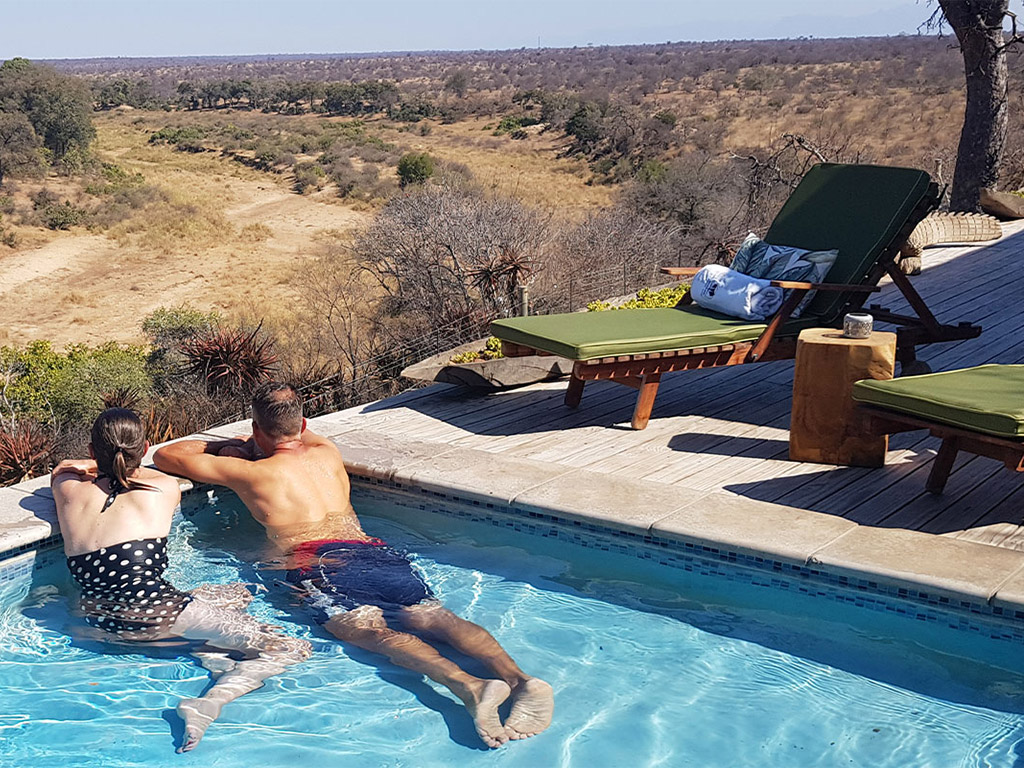
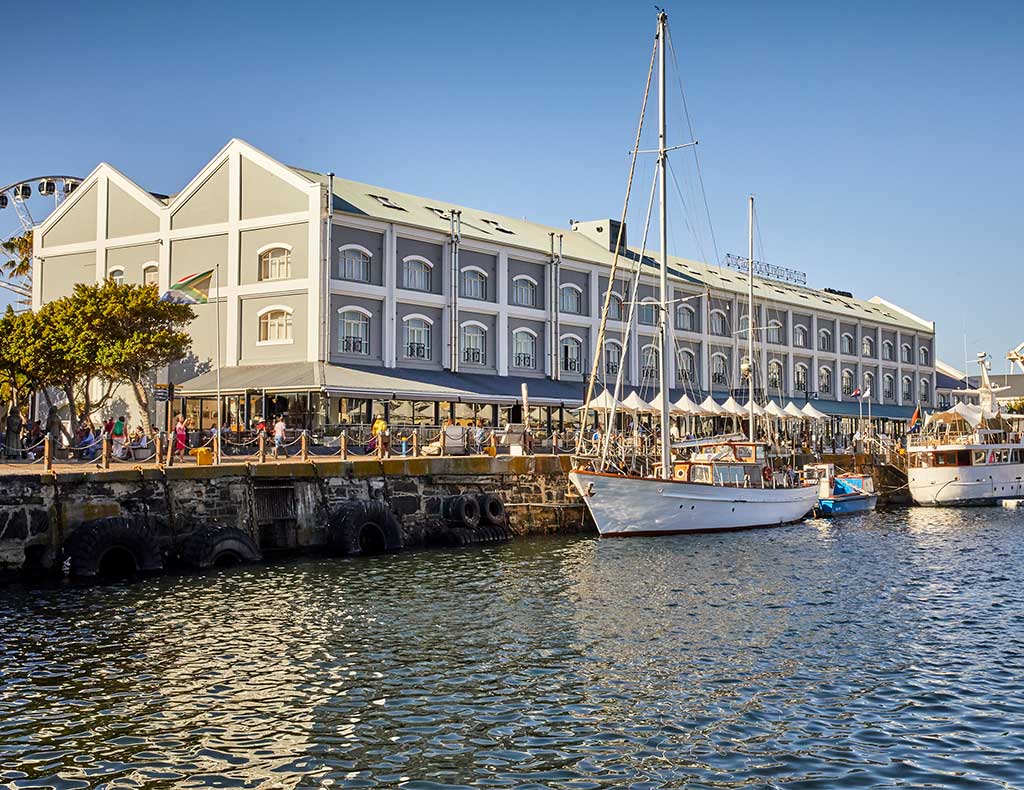
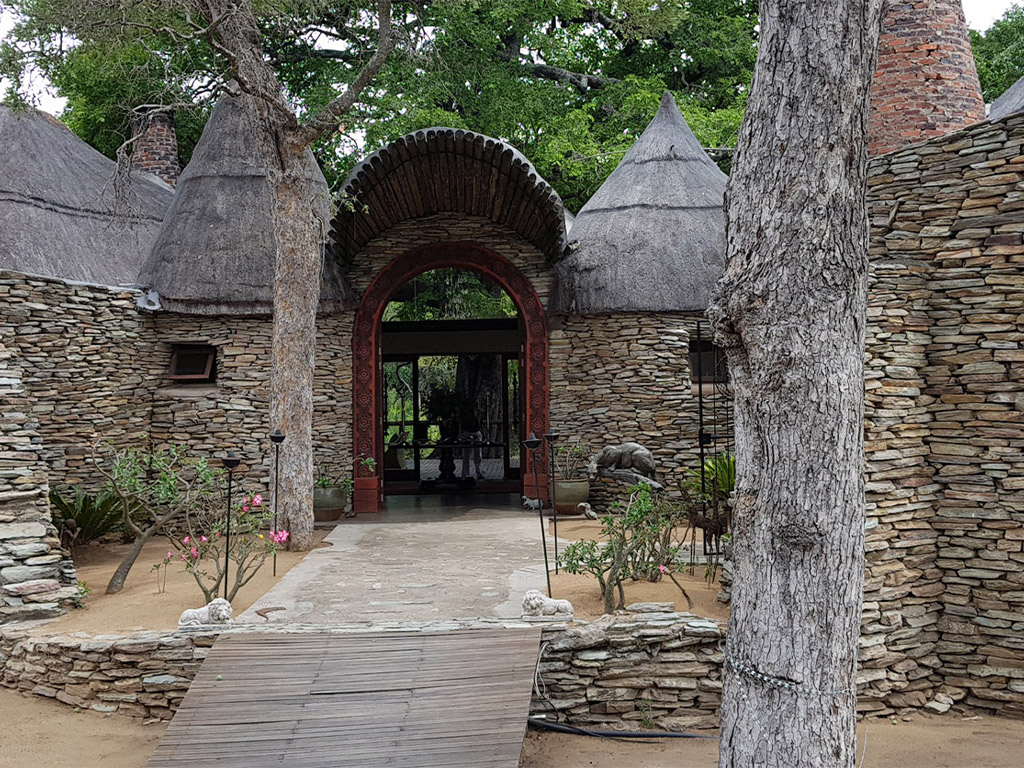
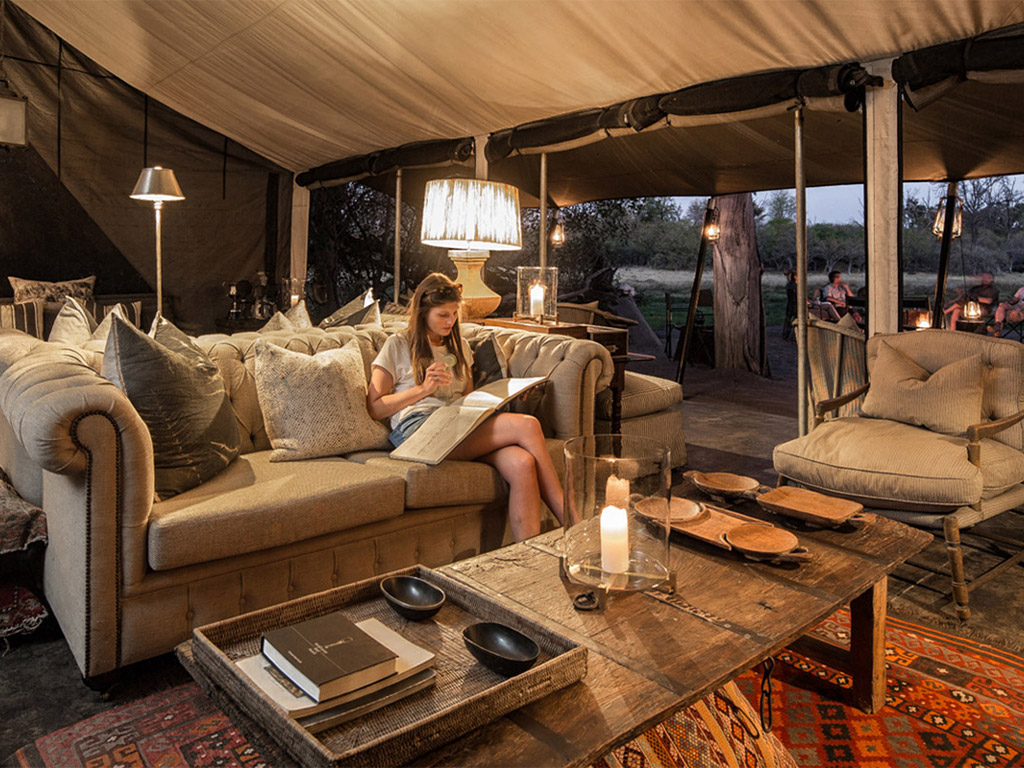
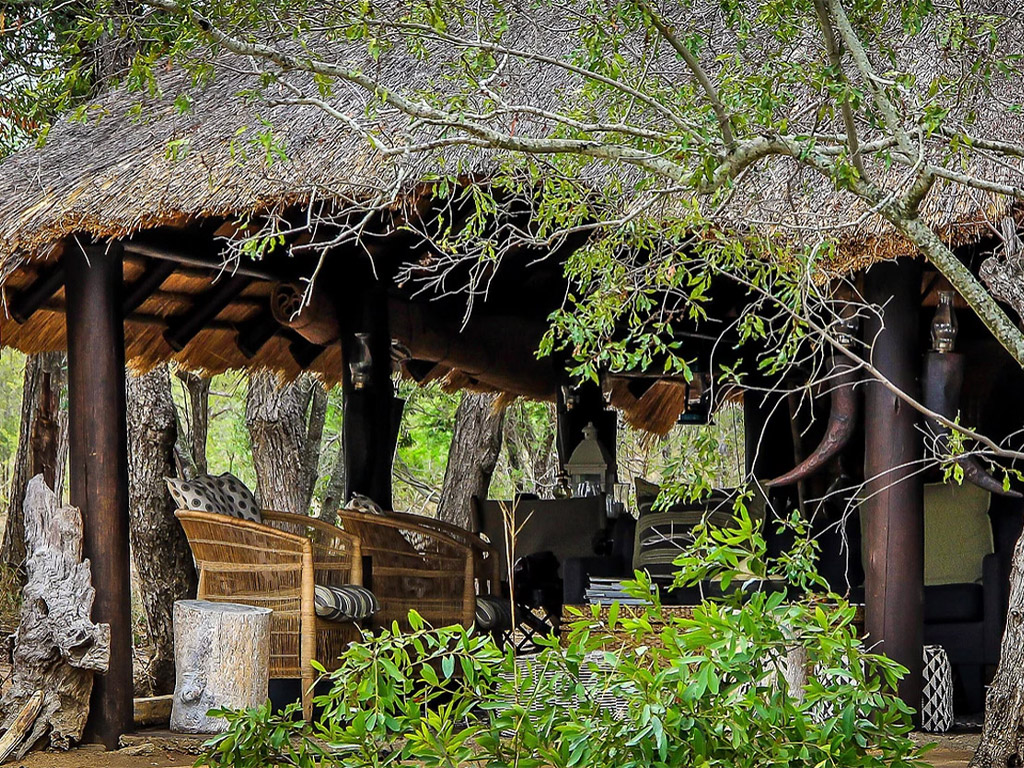
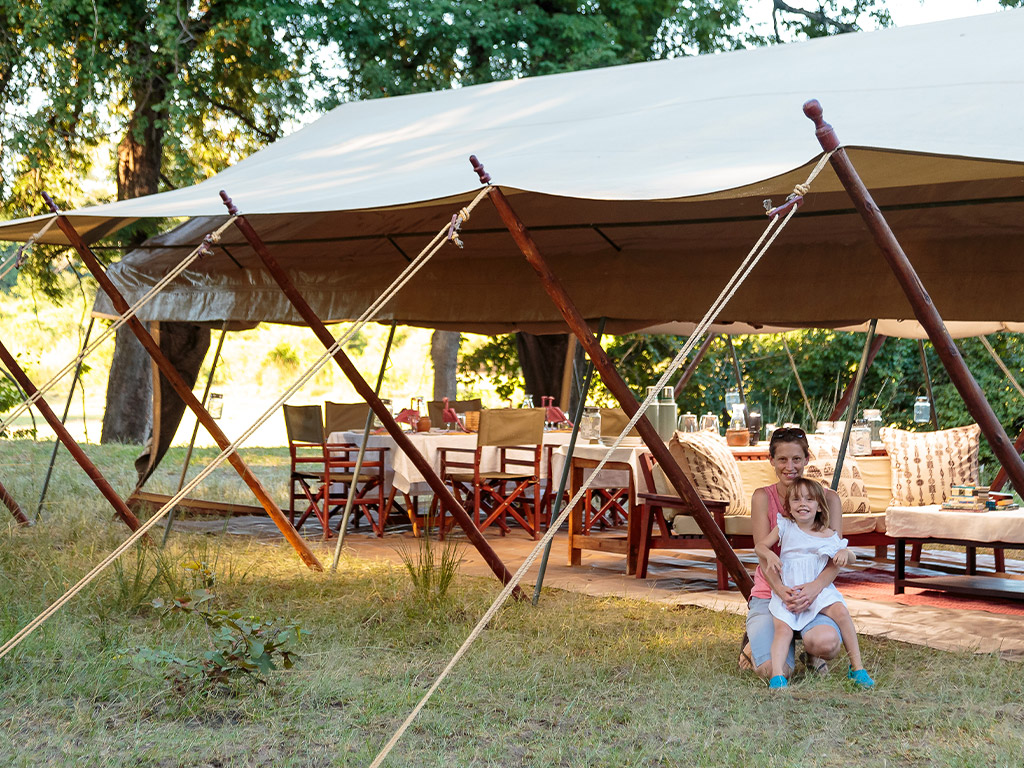
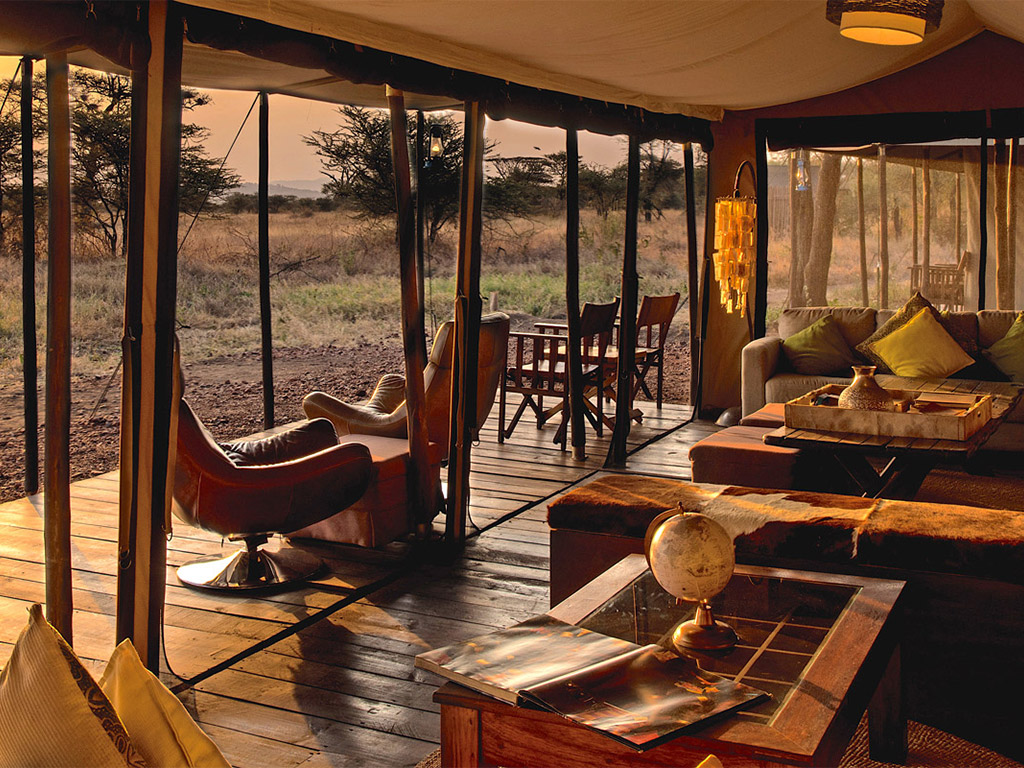
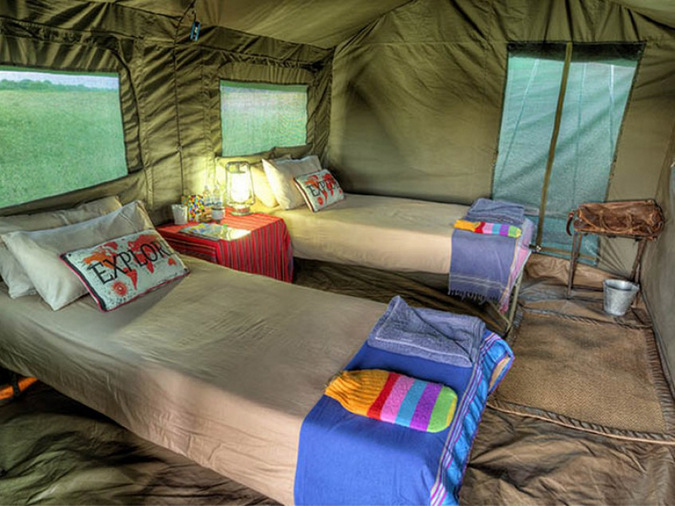
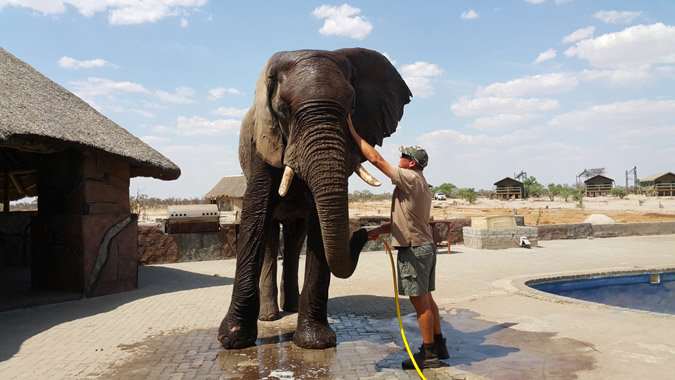
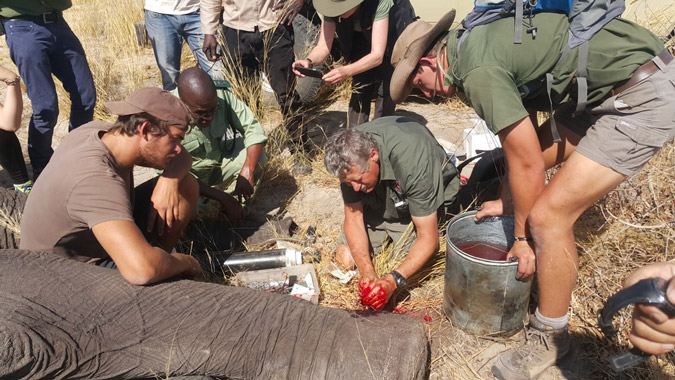
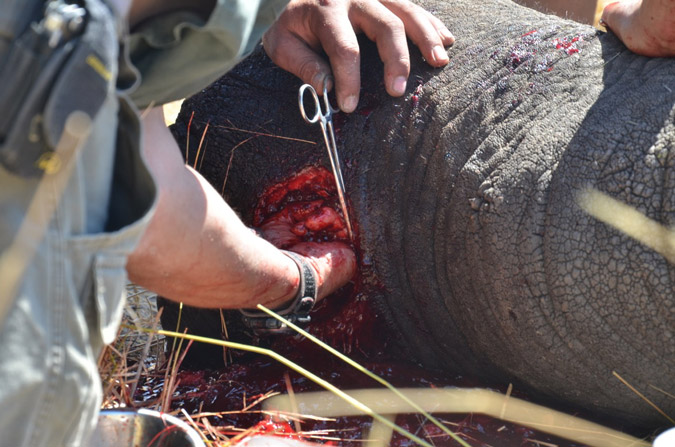
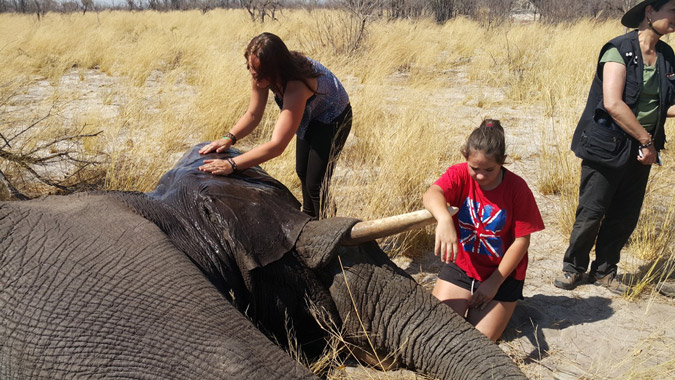
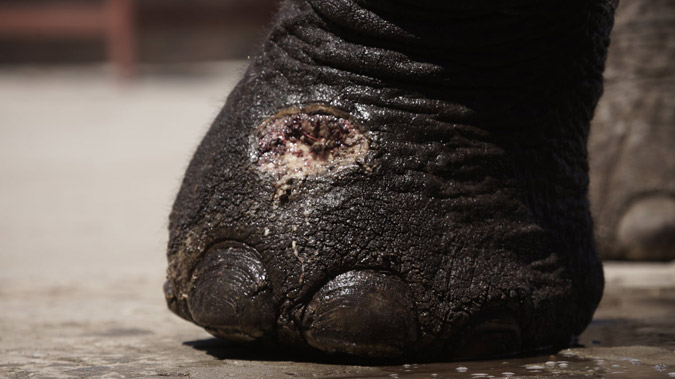
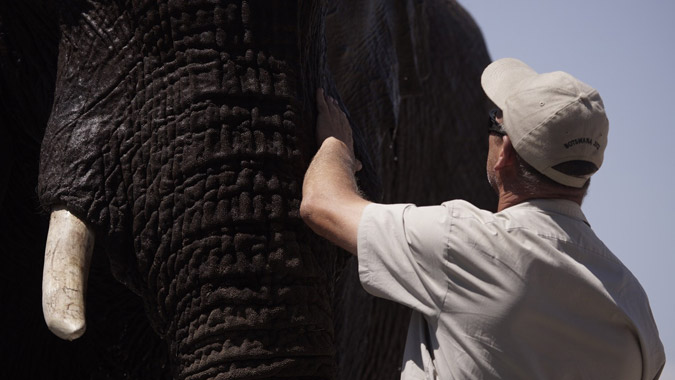
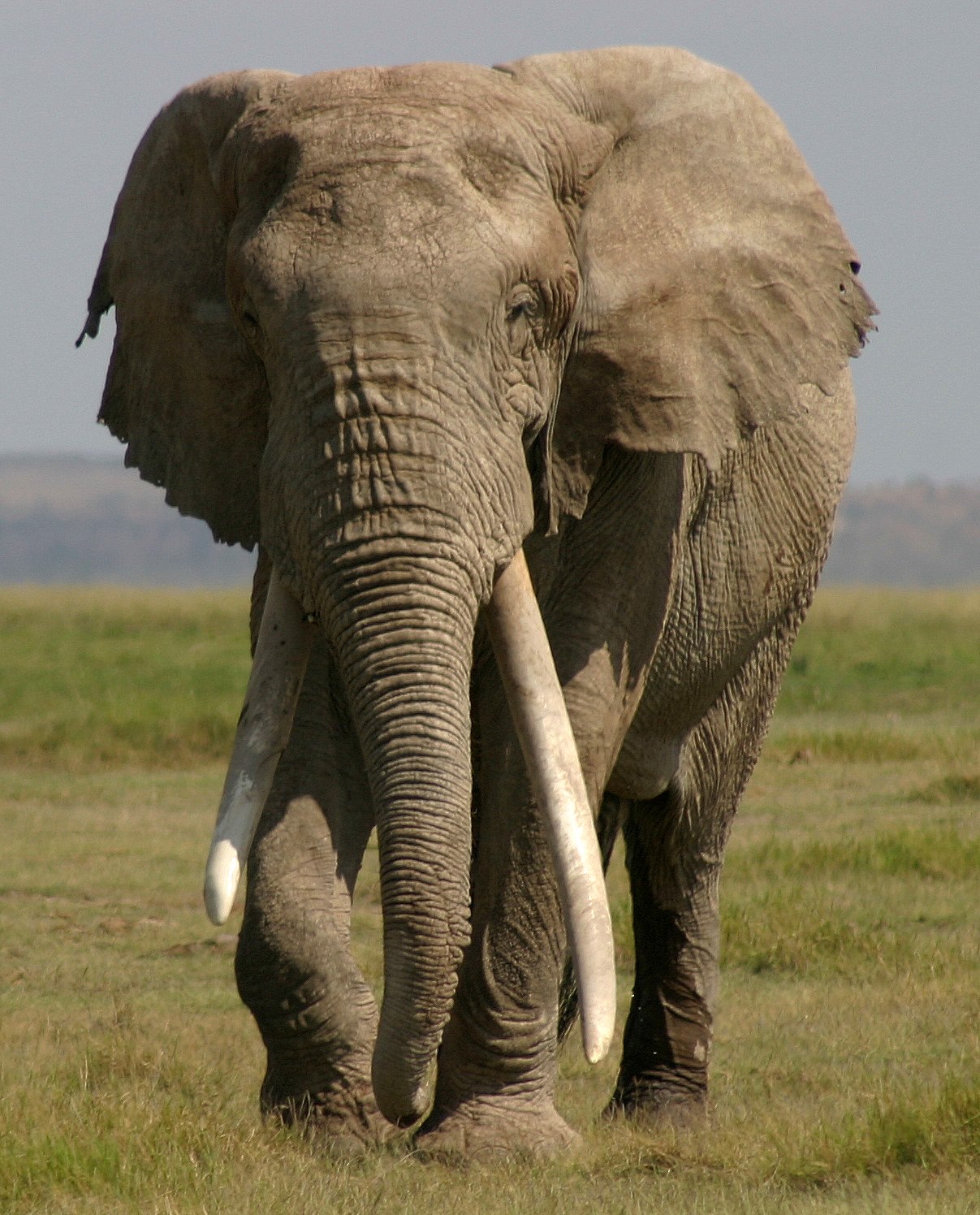
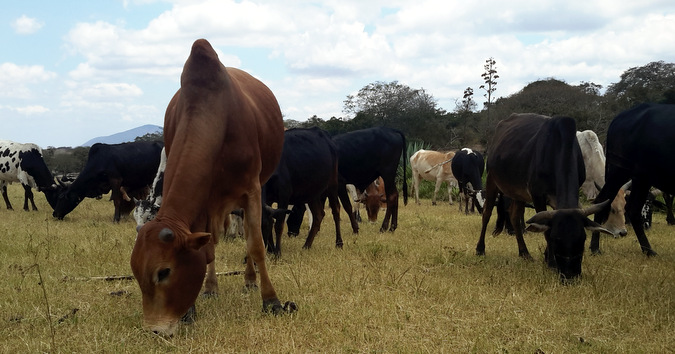
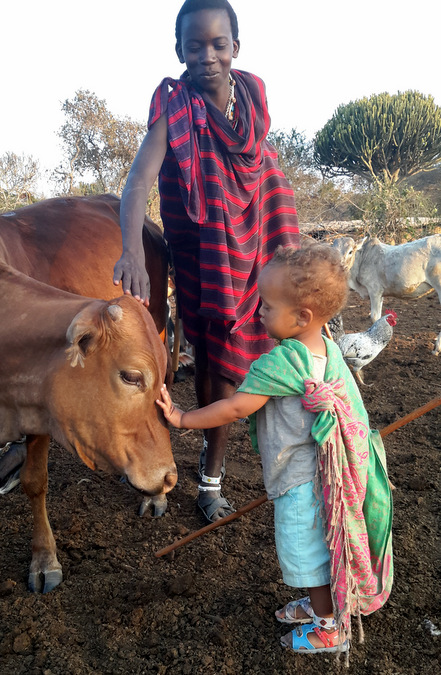
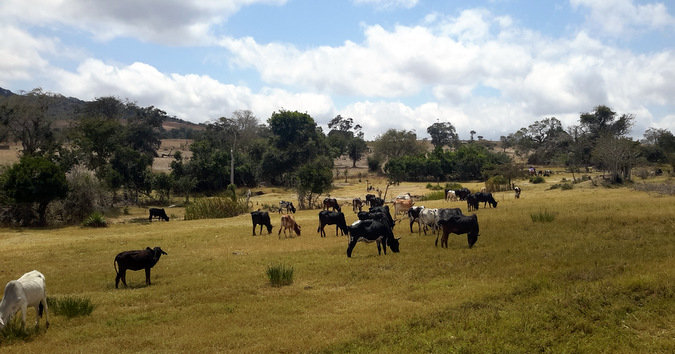
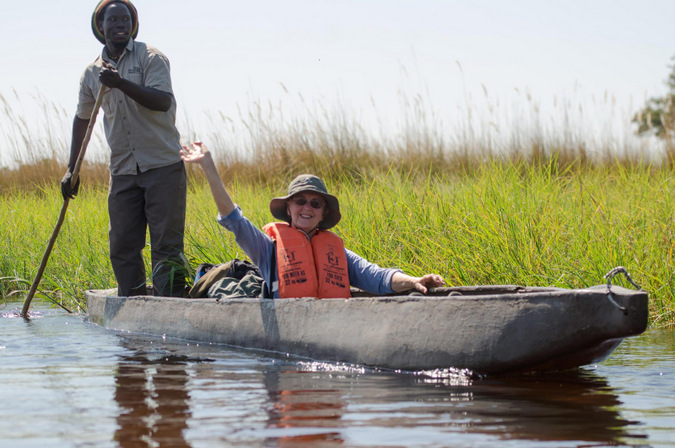
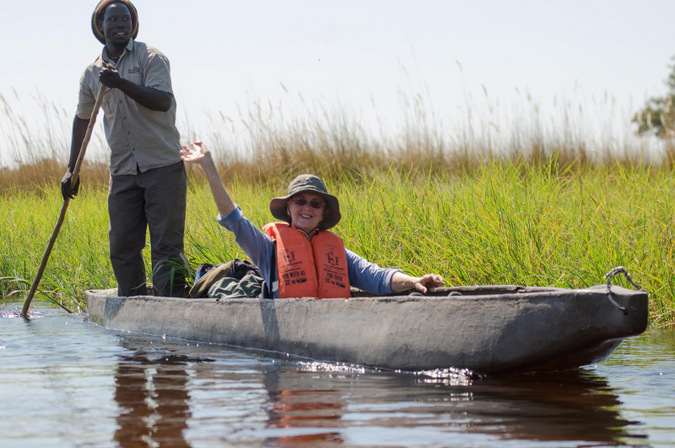
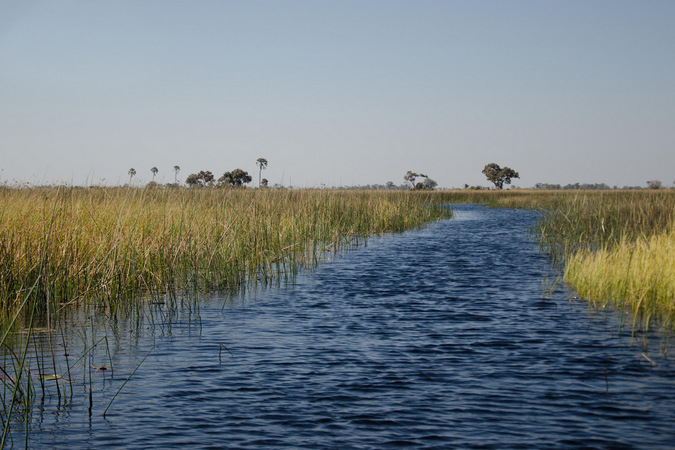
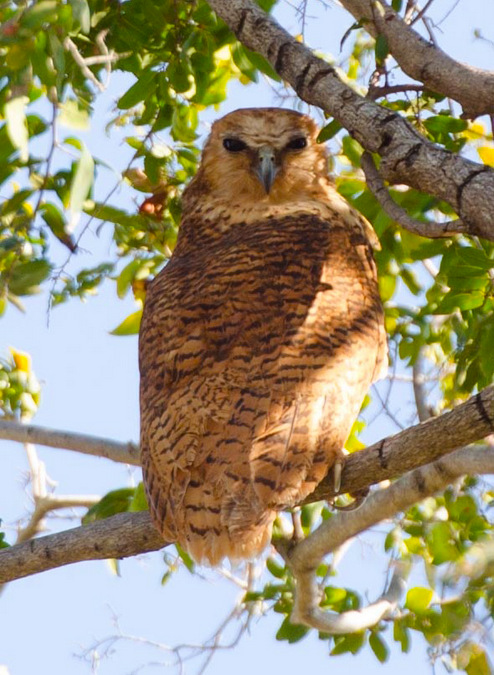
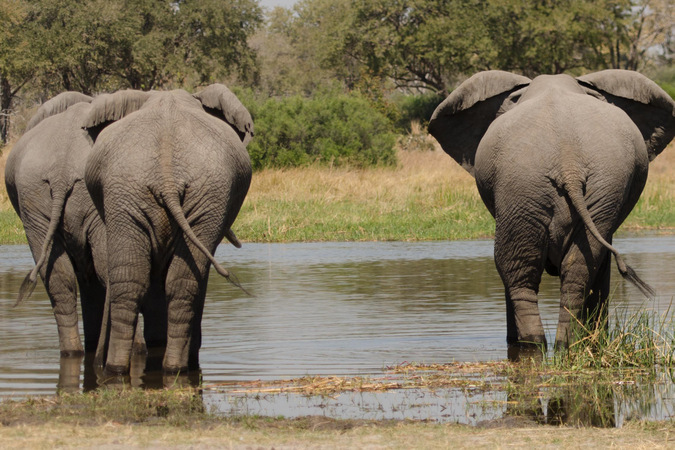
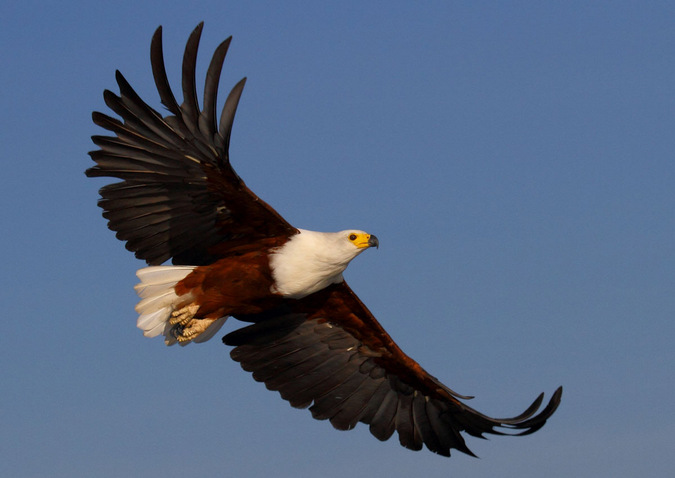
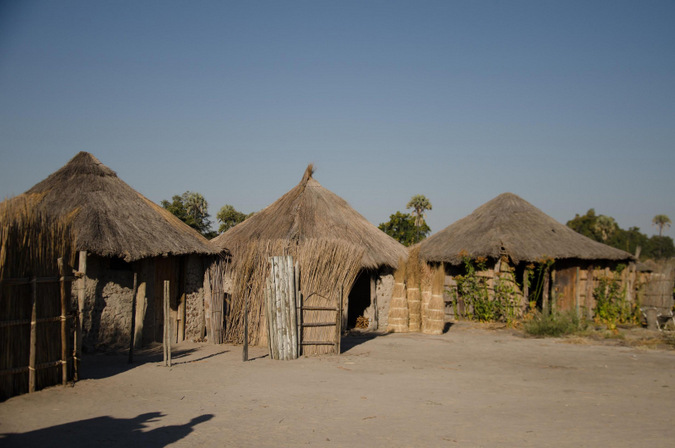
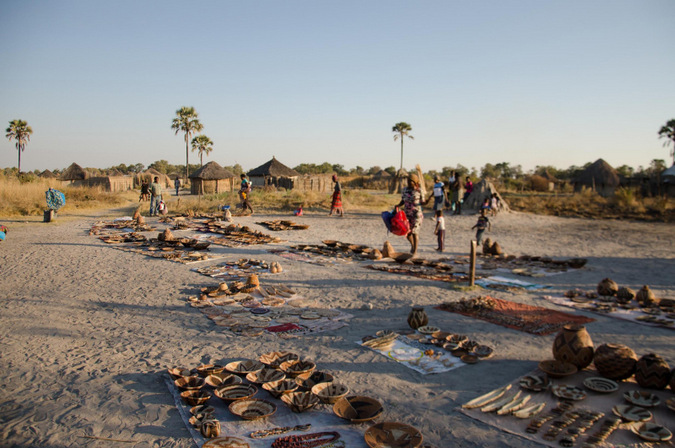
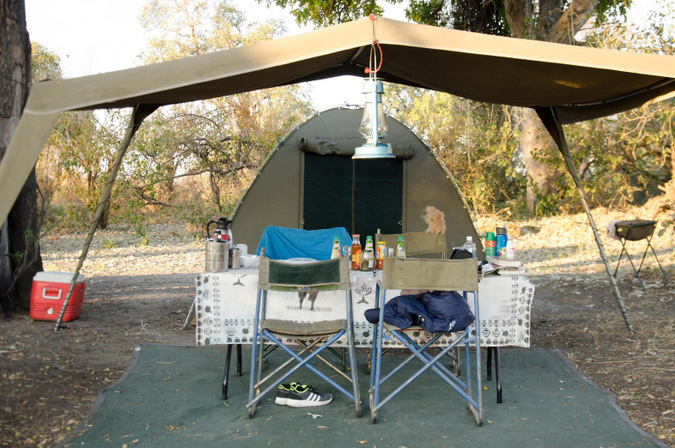
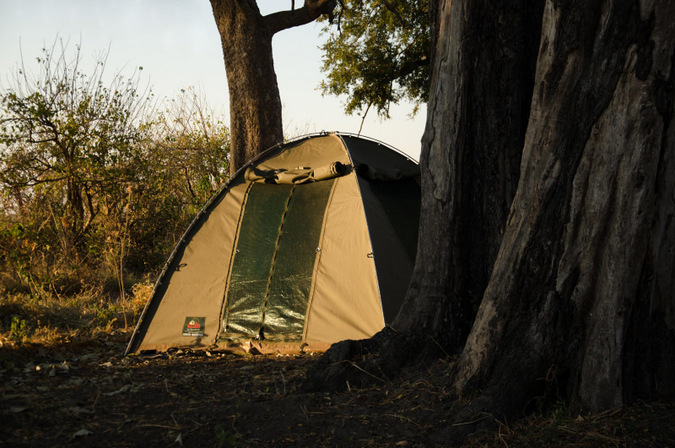
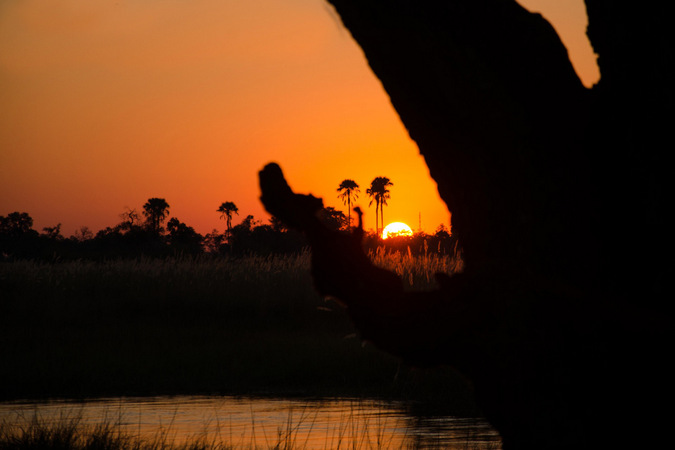
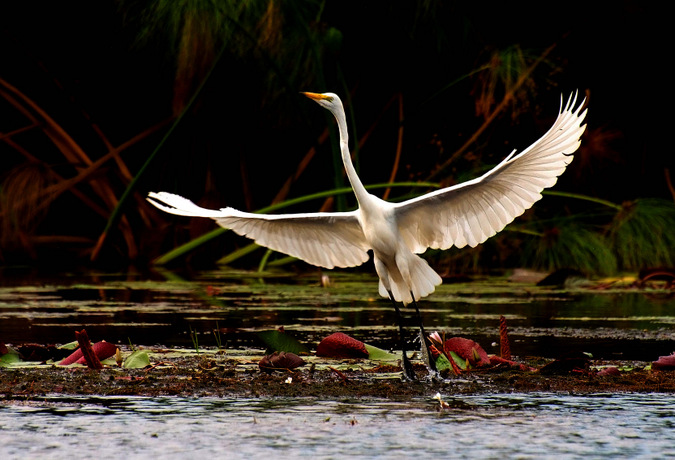
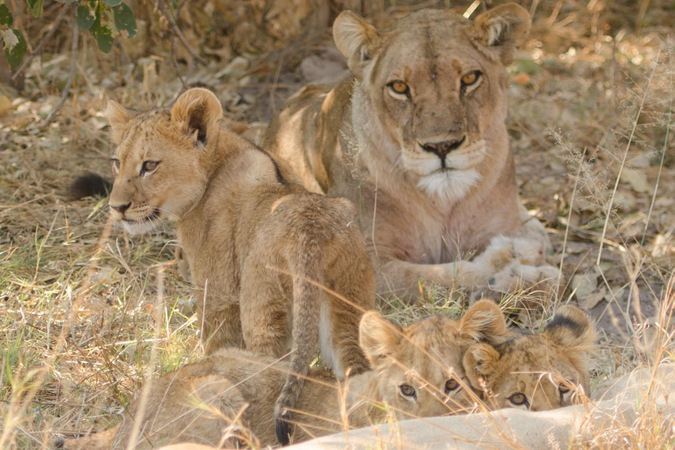
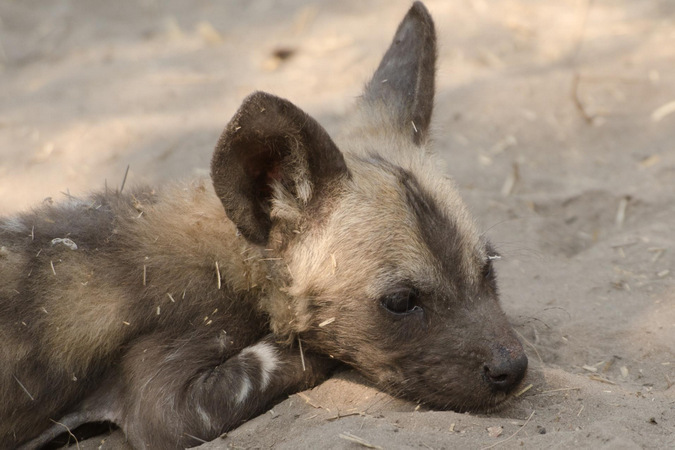
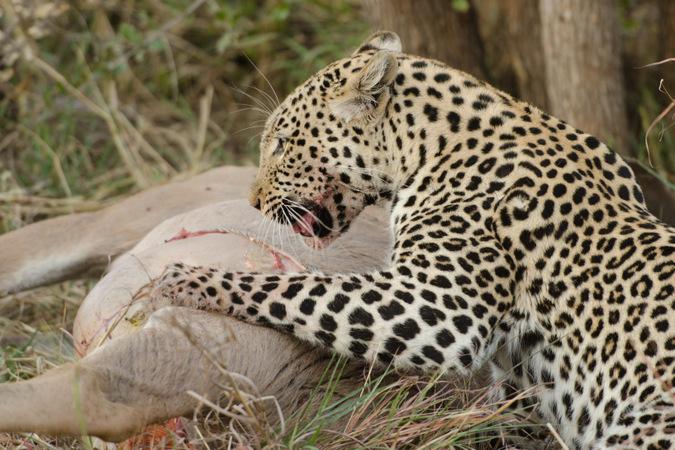
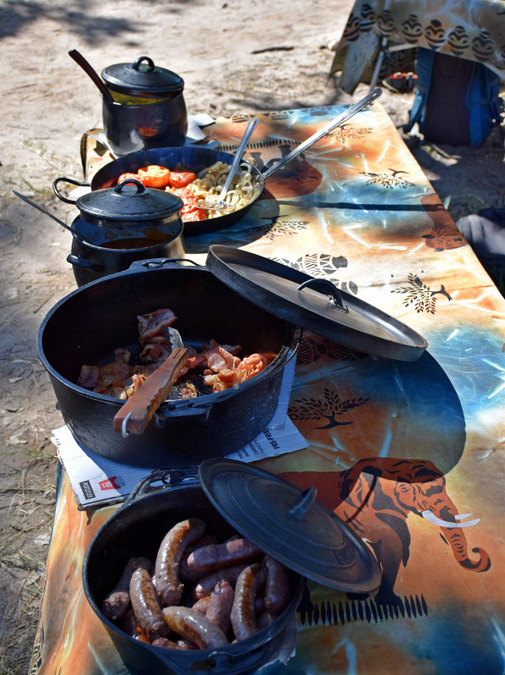
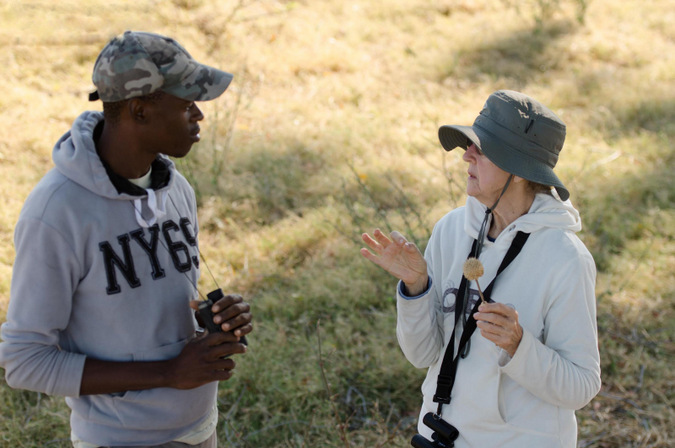
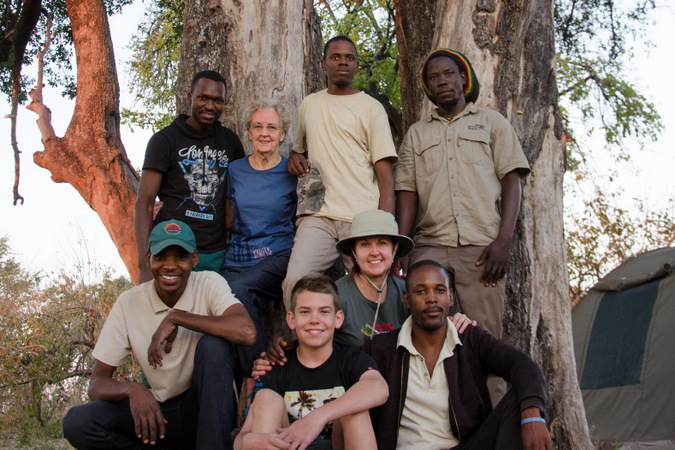
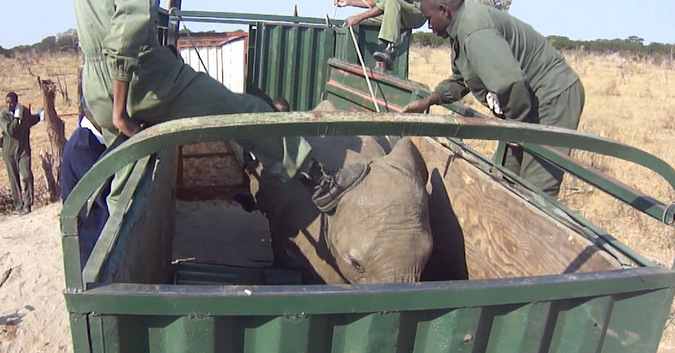
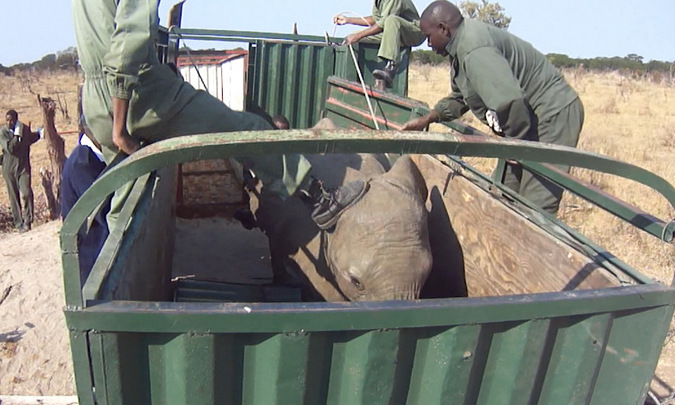
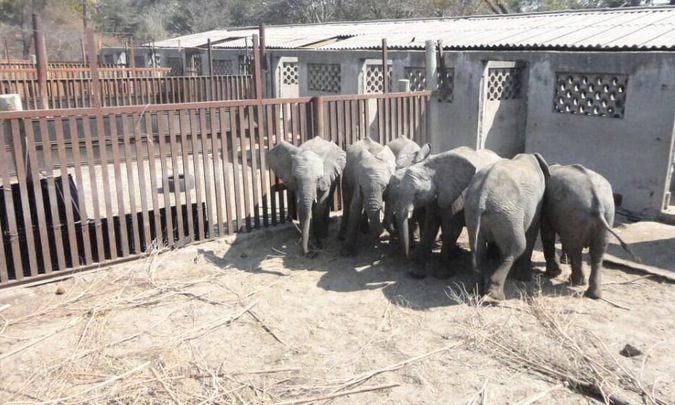
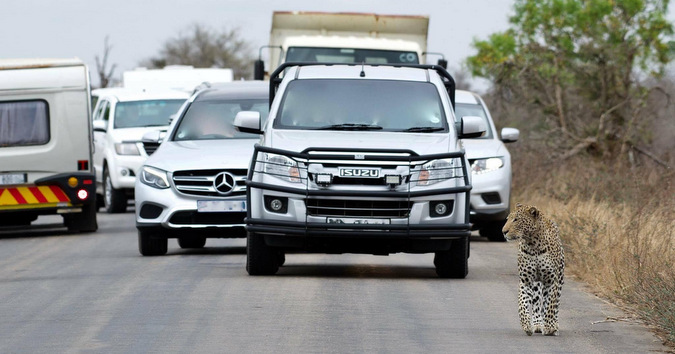
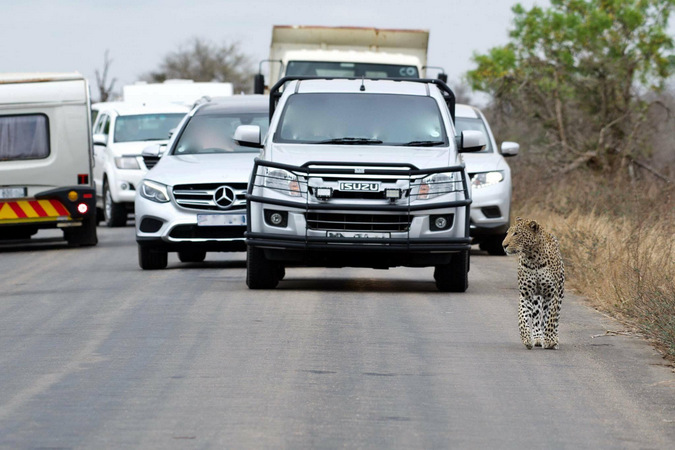
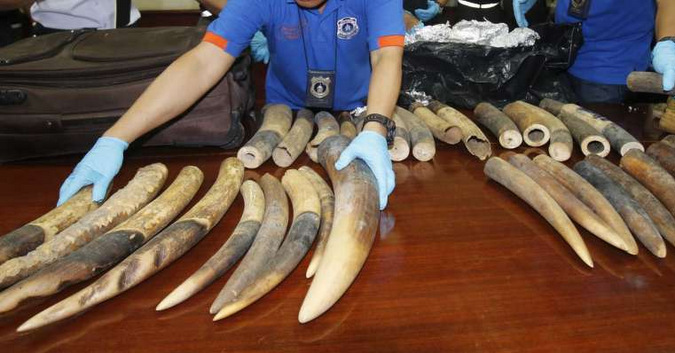
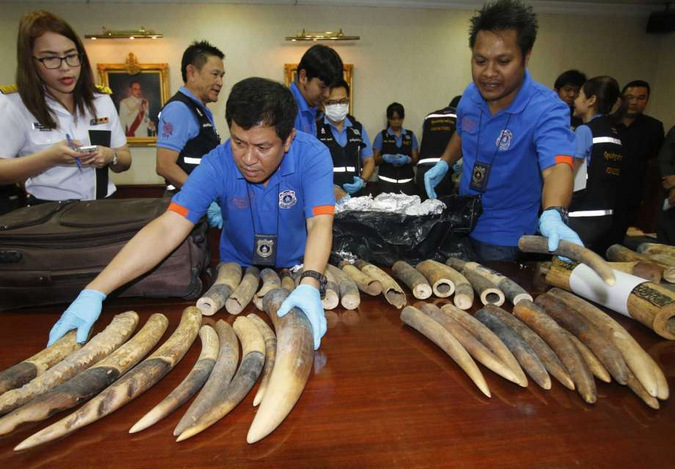
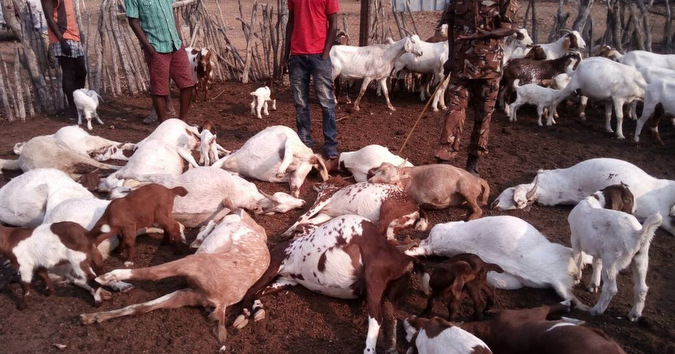
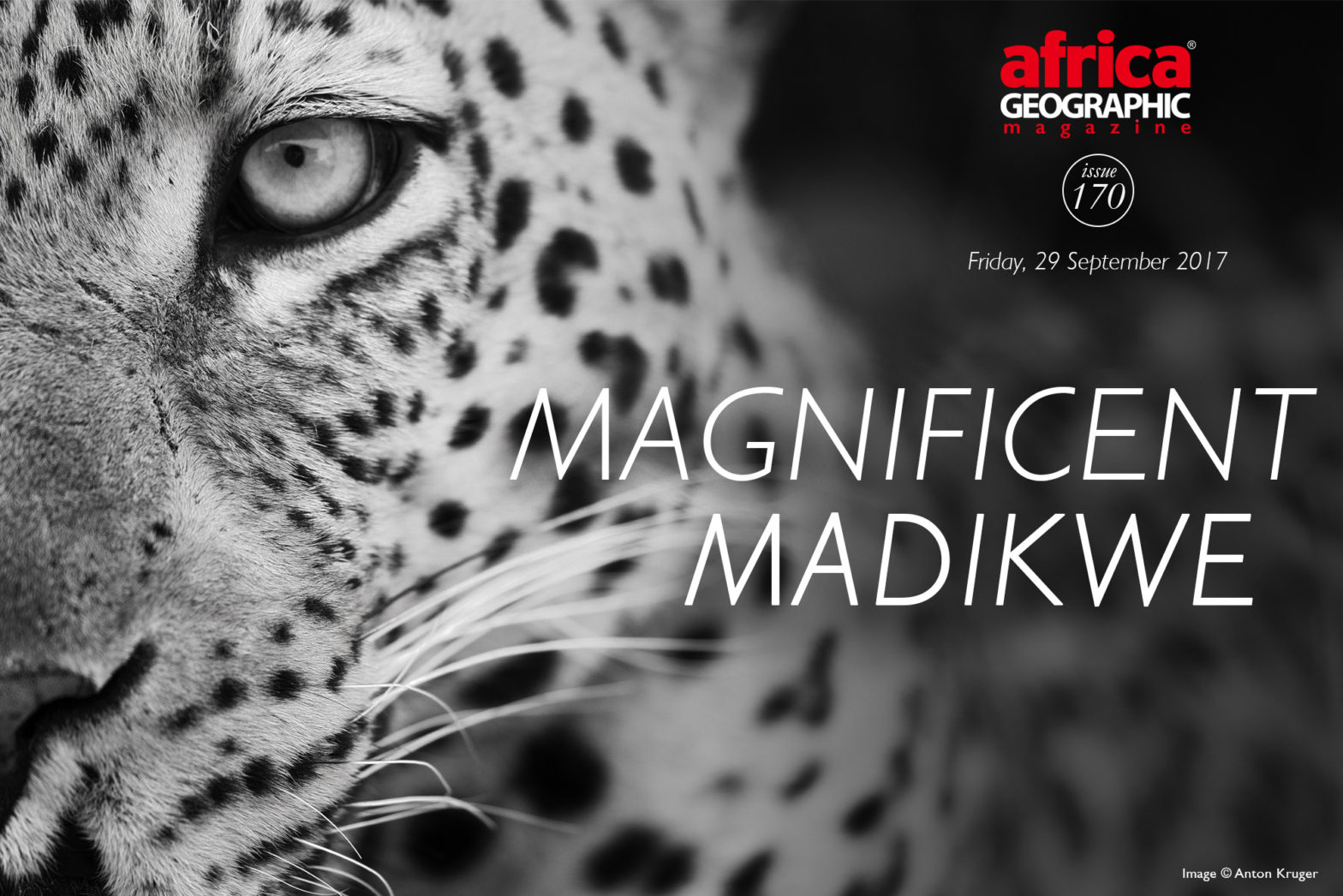
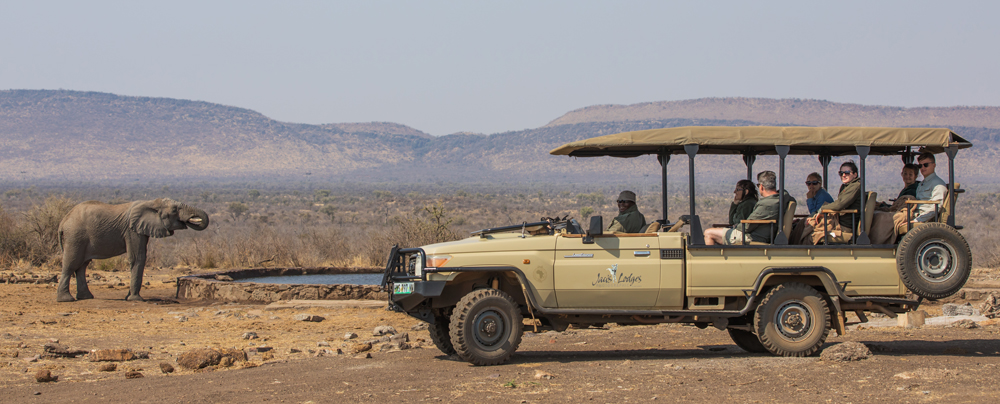
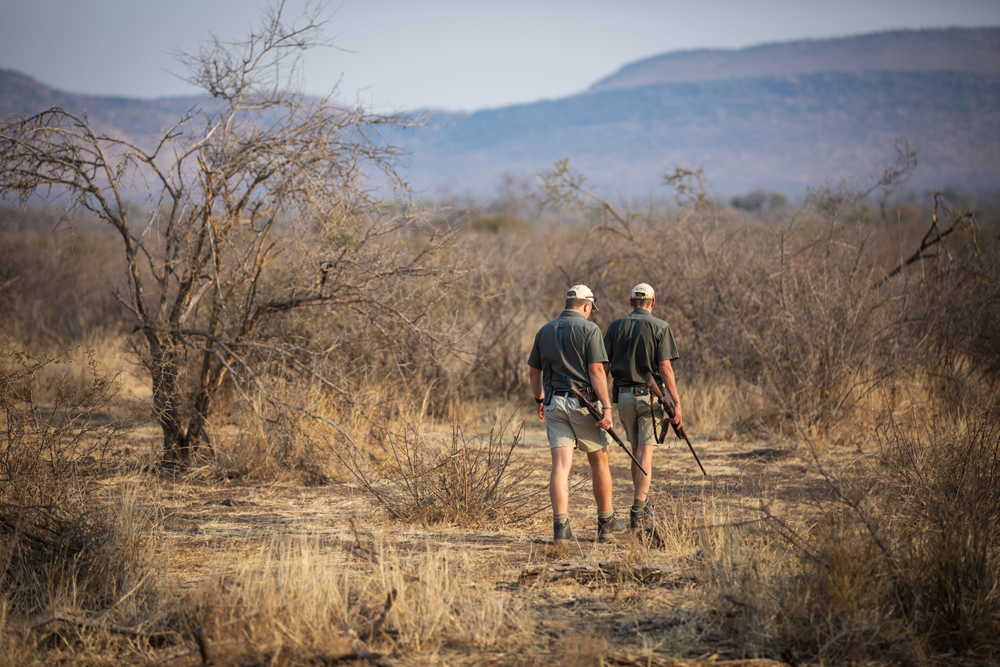
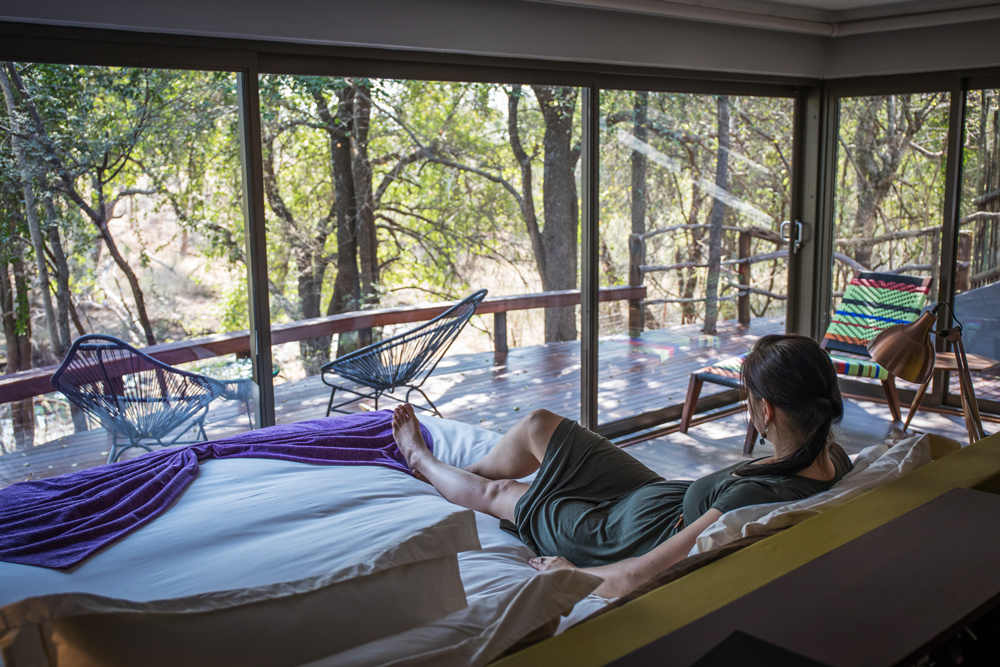
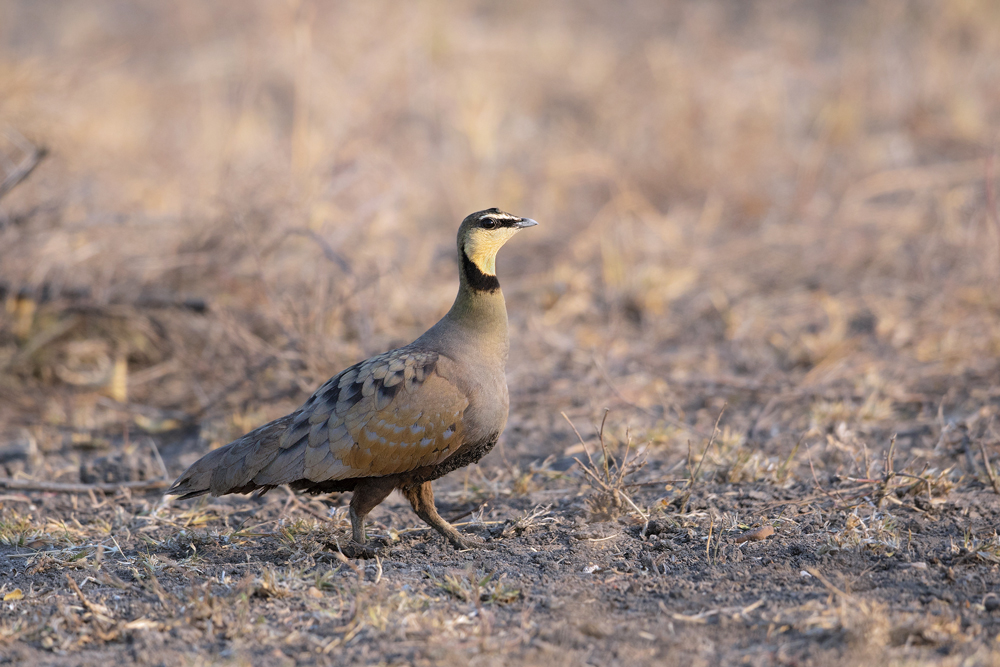
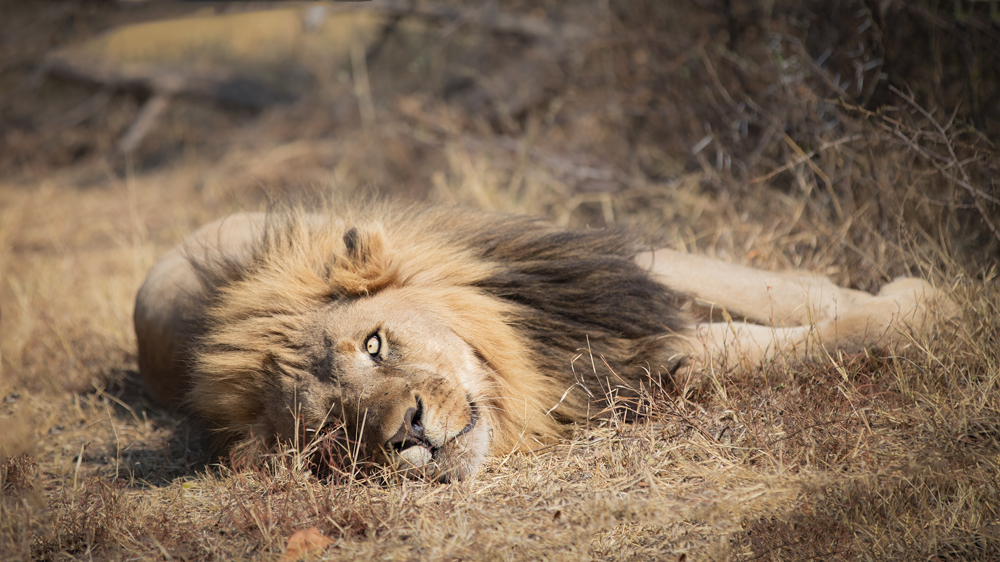
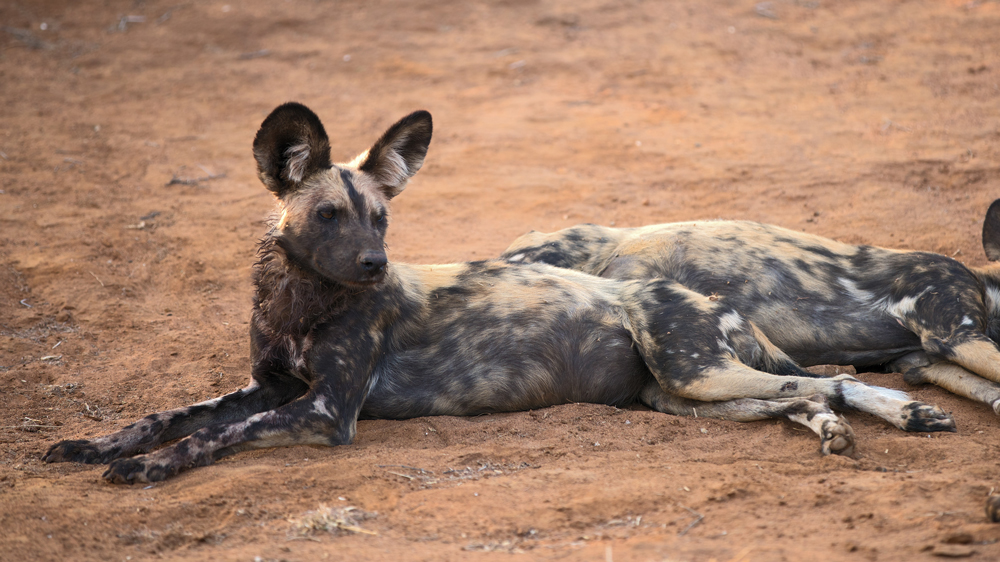
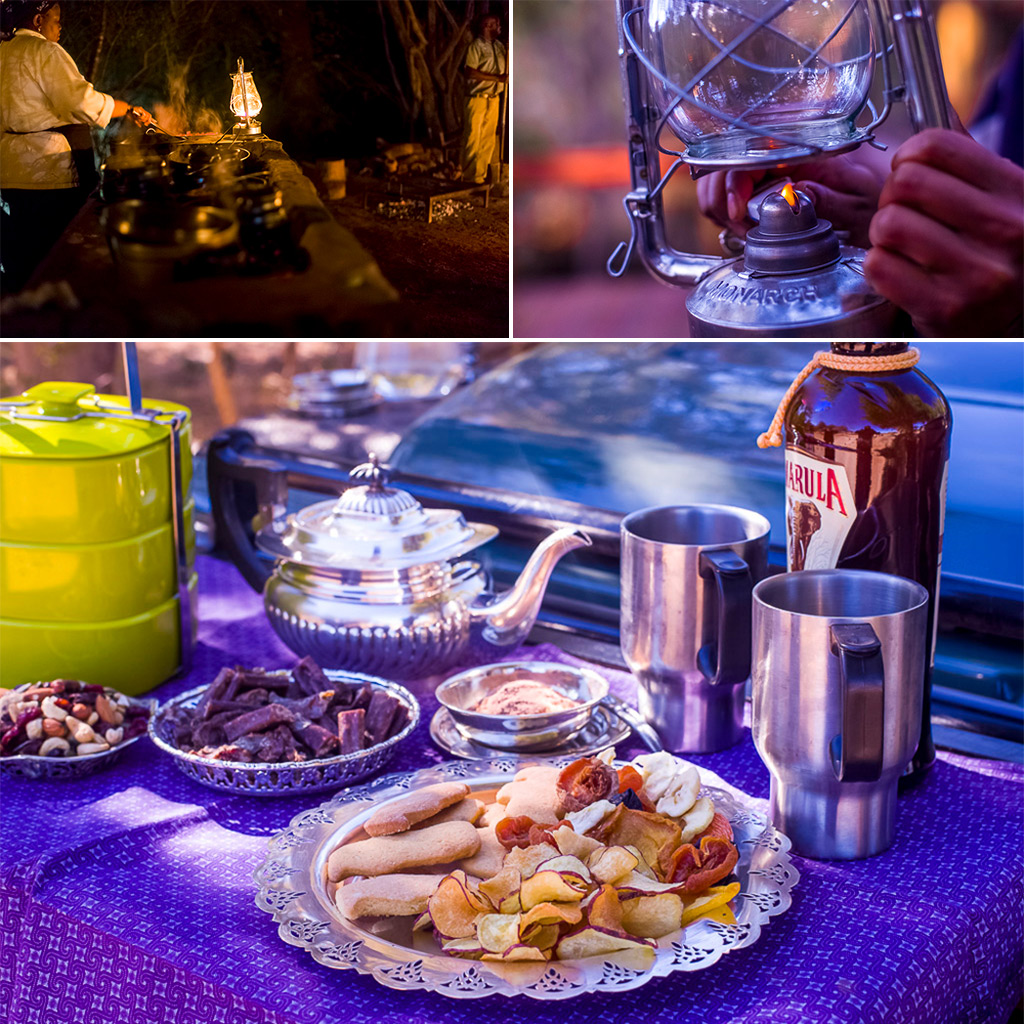
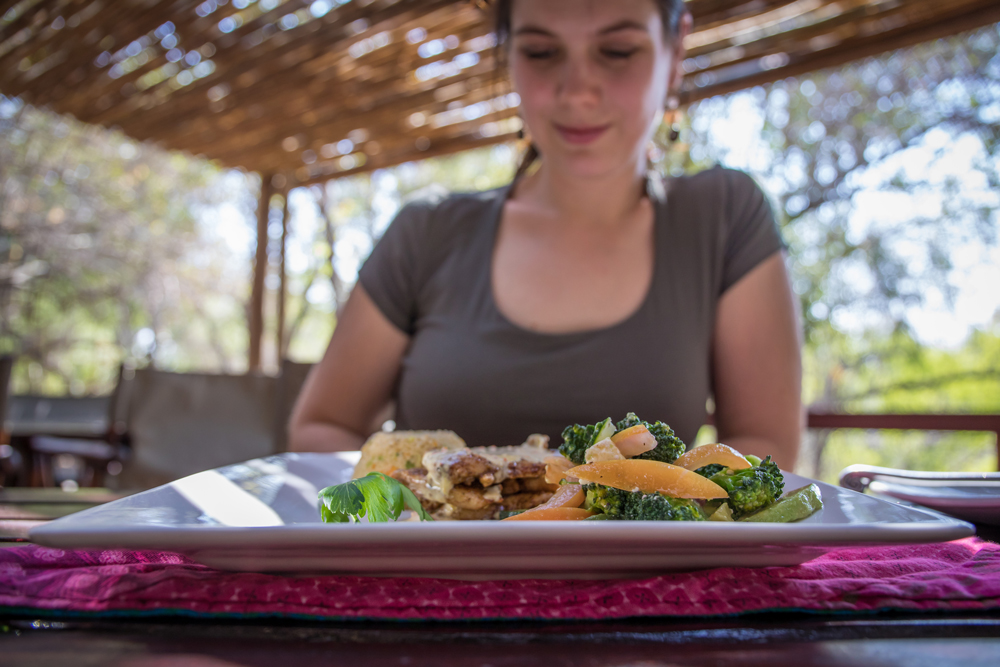
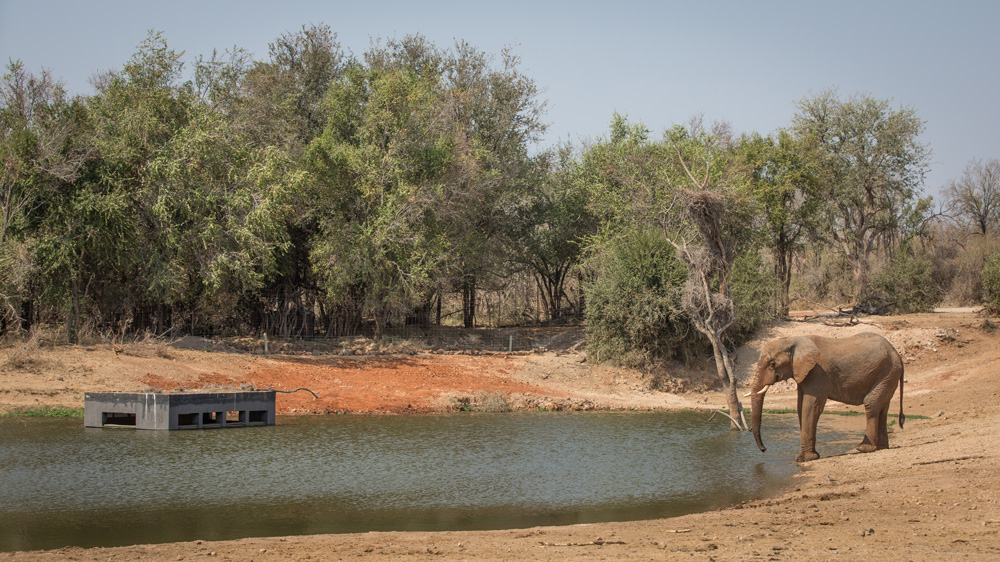
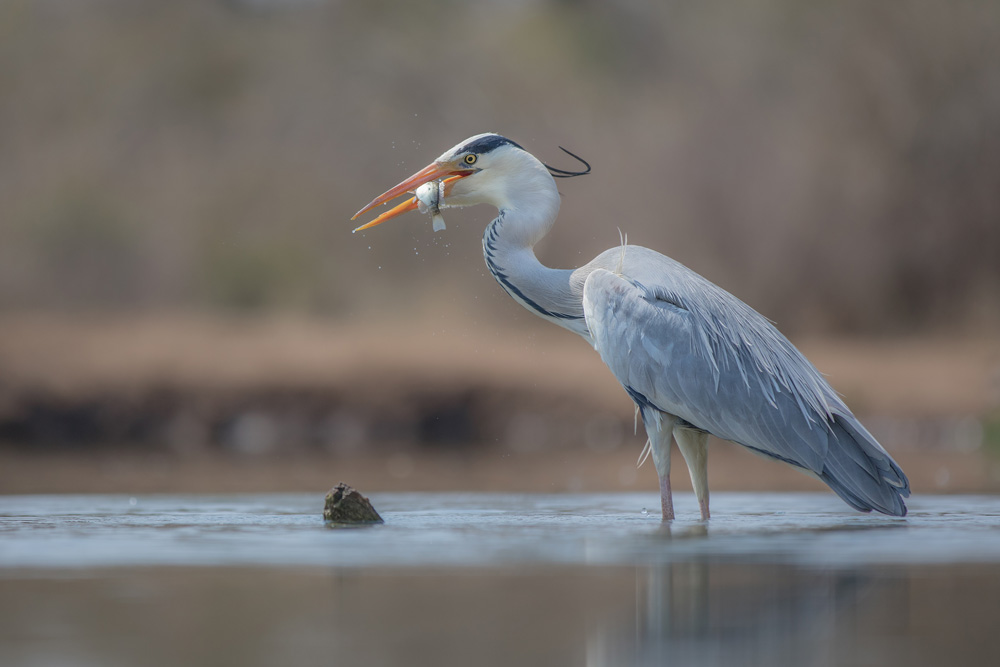
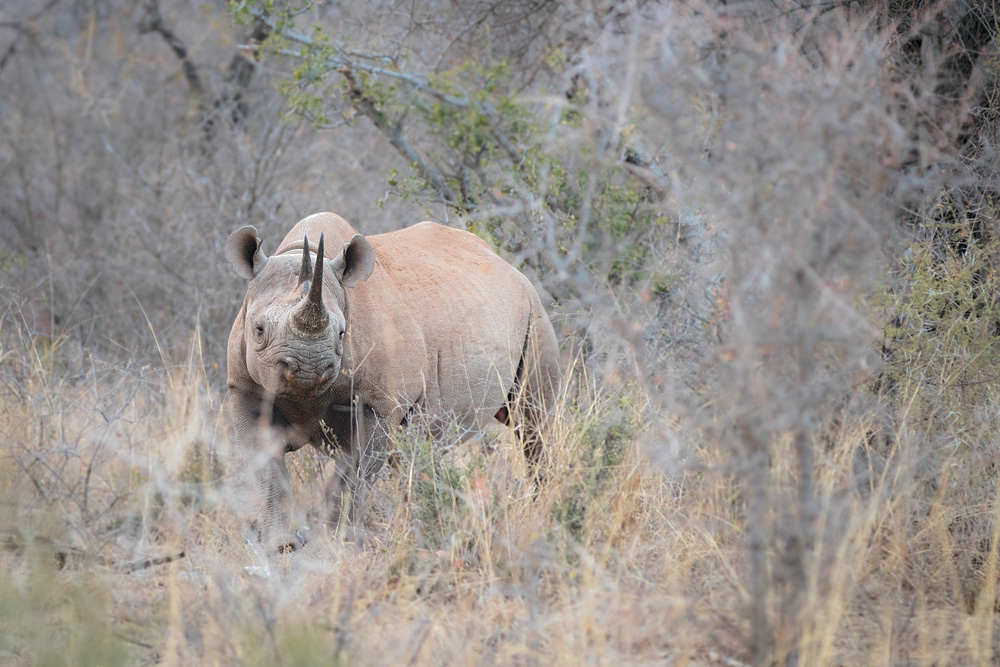
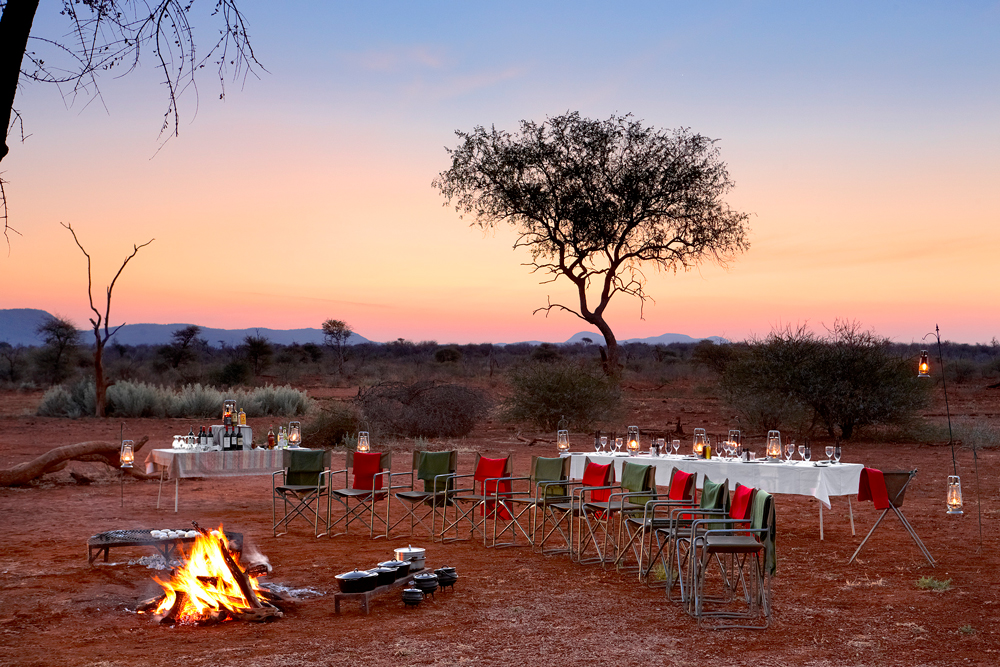
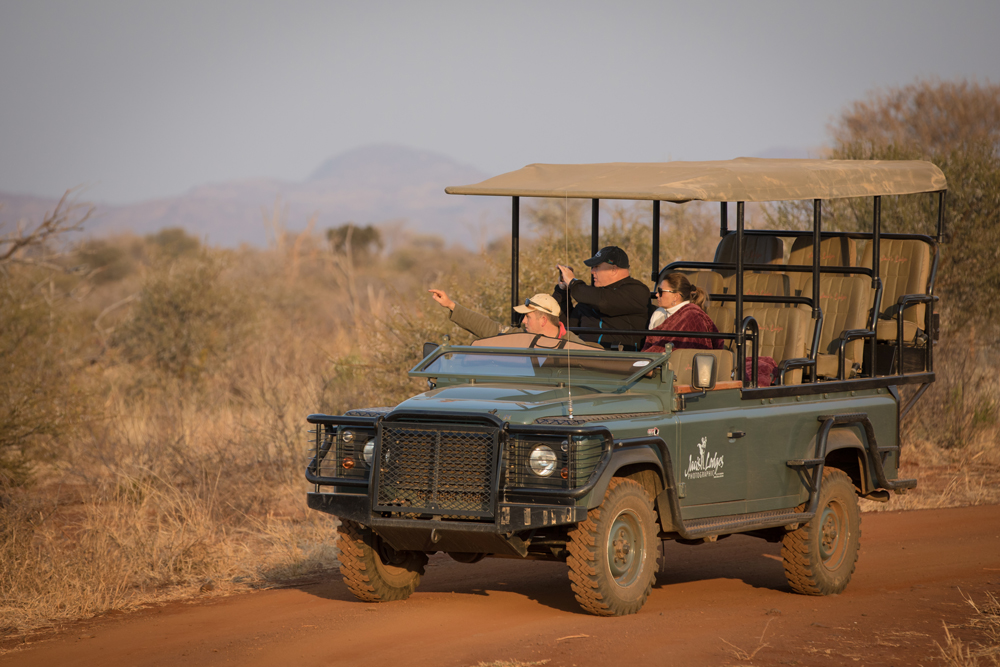
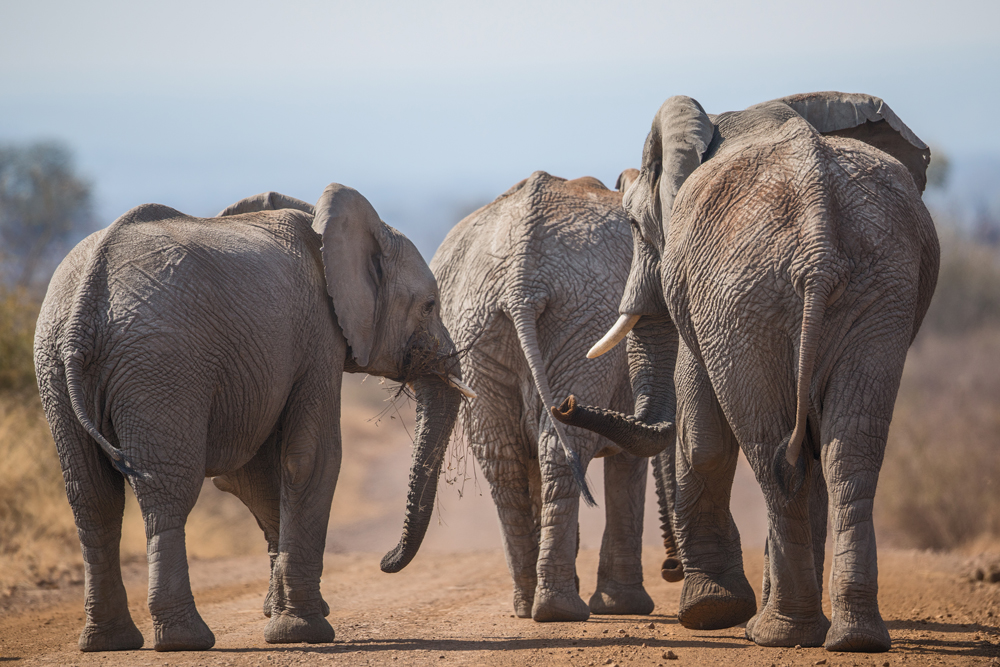
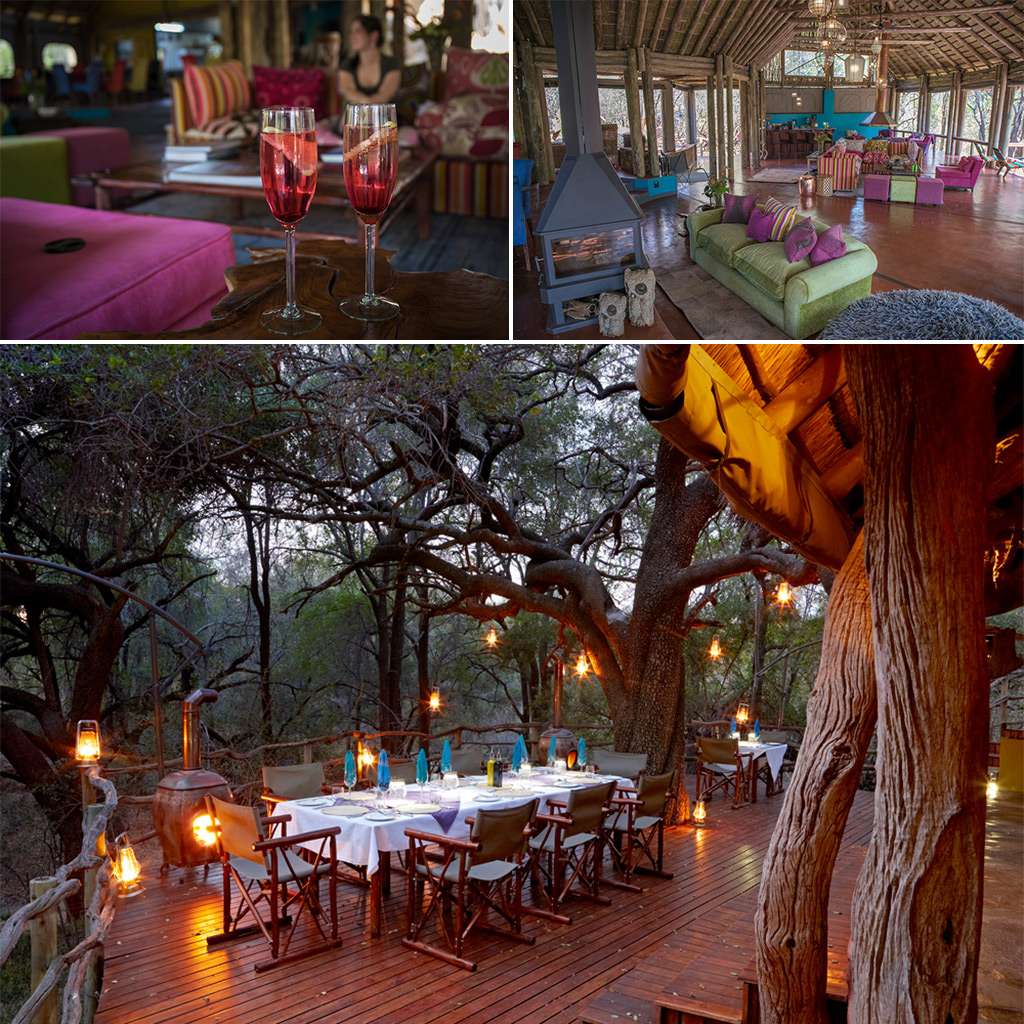
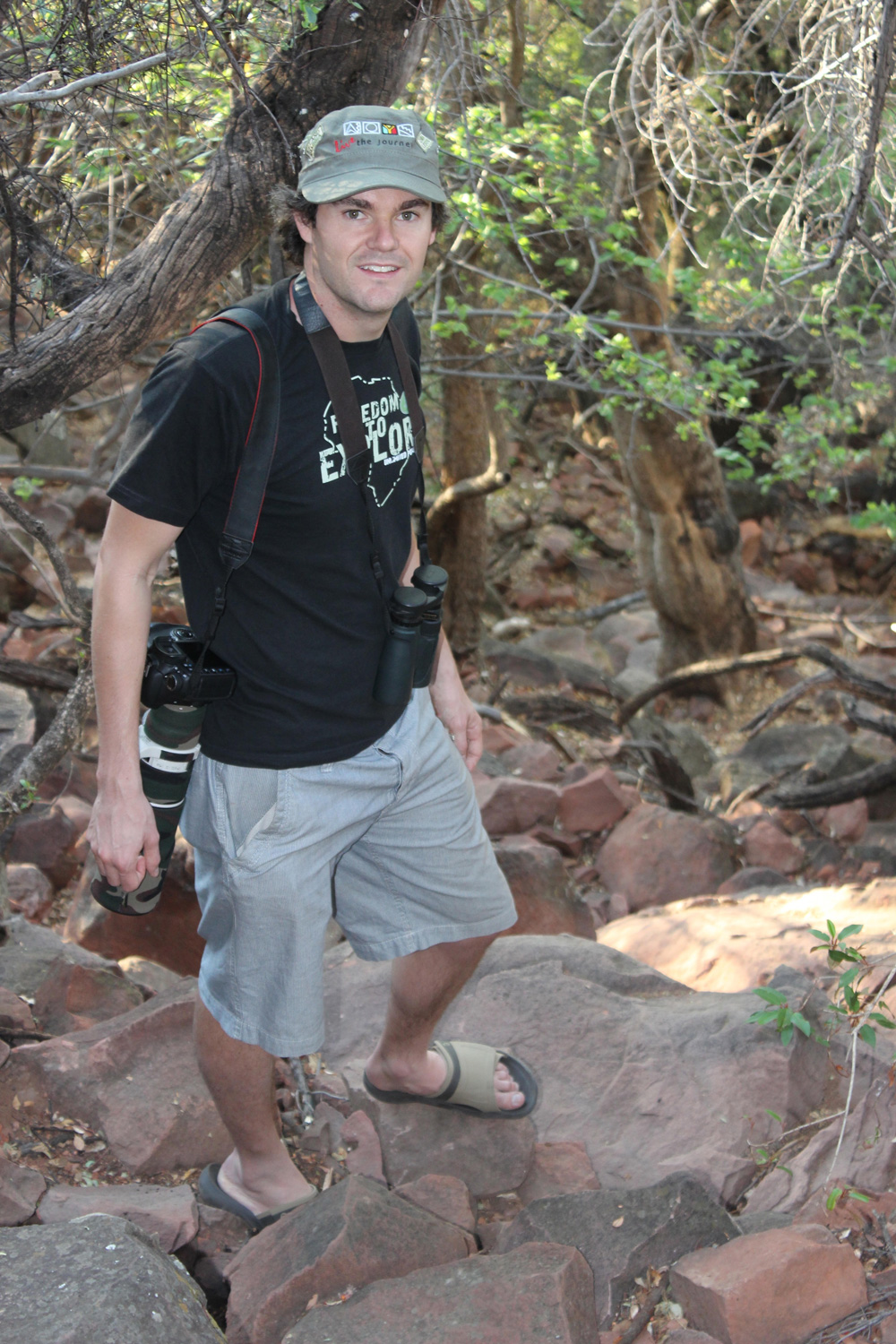 Anton lives in Pretoria, South Africa, and works in his family’s property development and investment business. He and his wife, Renate, both have a passion for wildlife, with a particular interest in birds.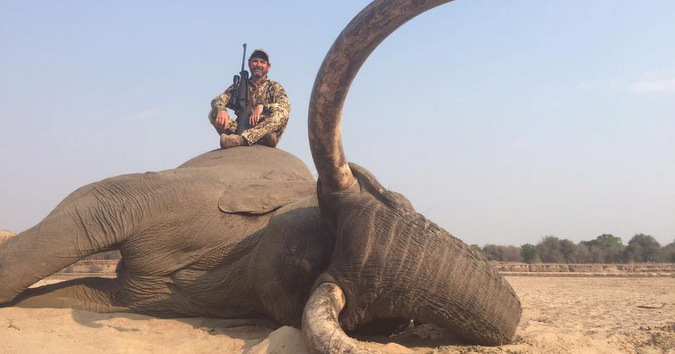
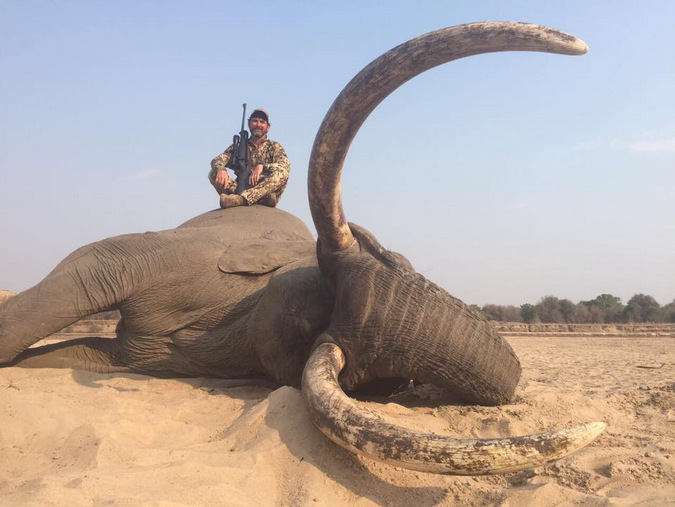
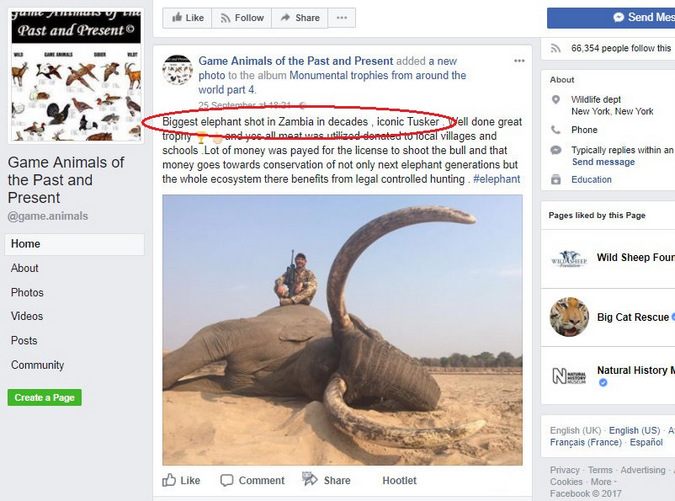
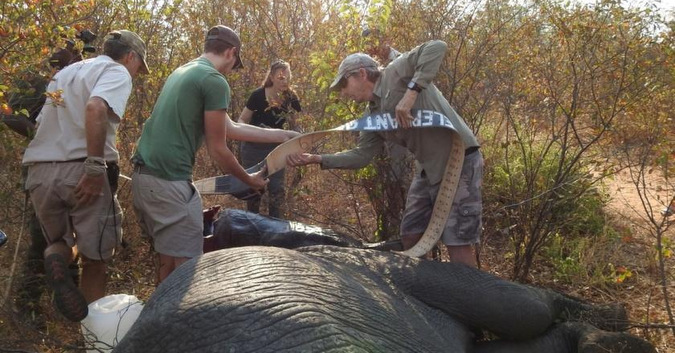
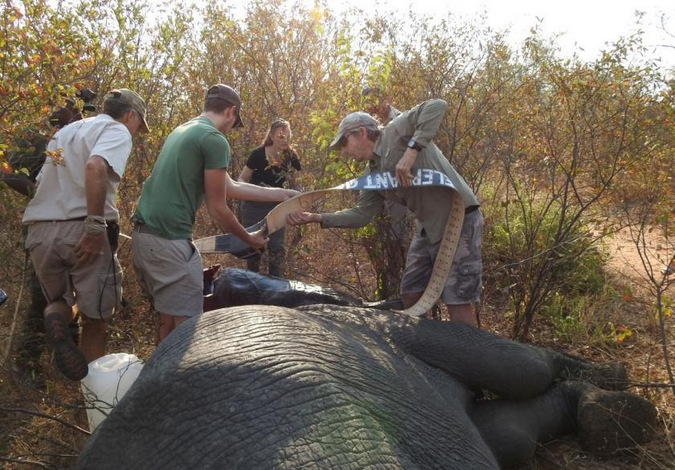
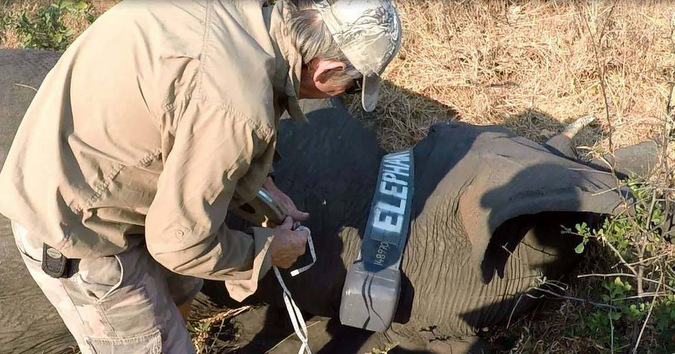
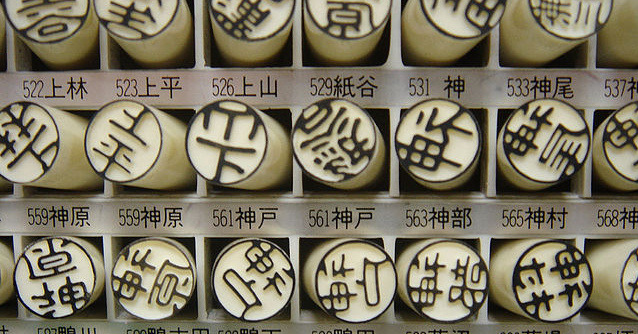

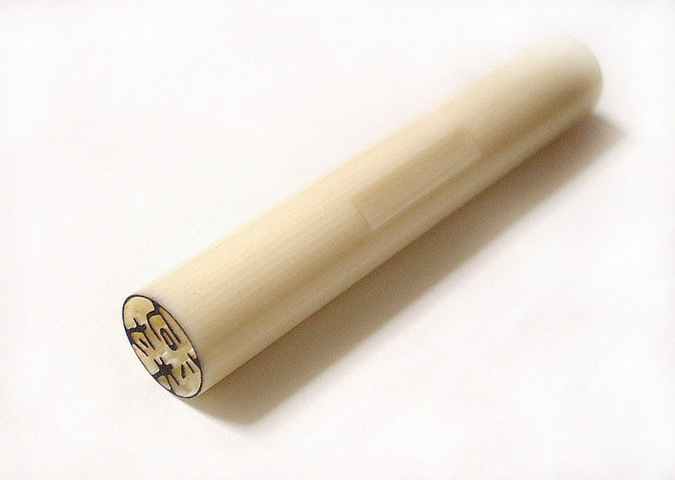

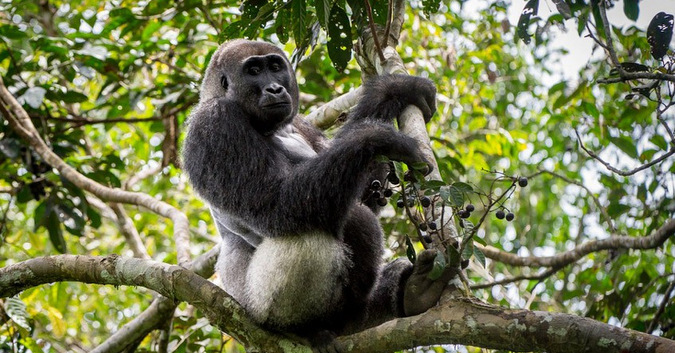
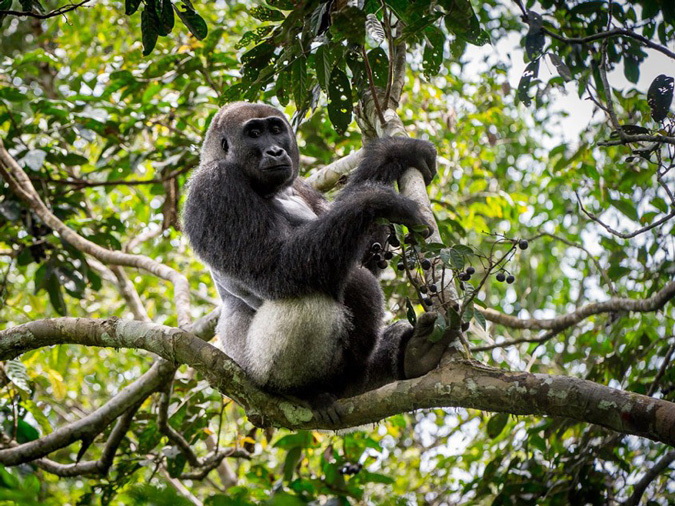
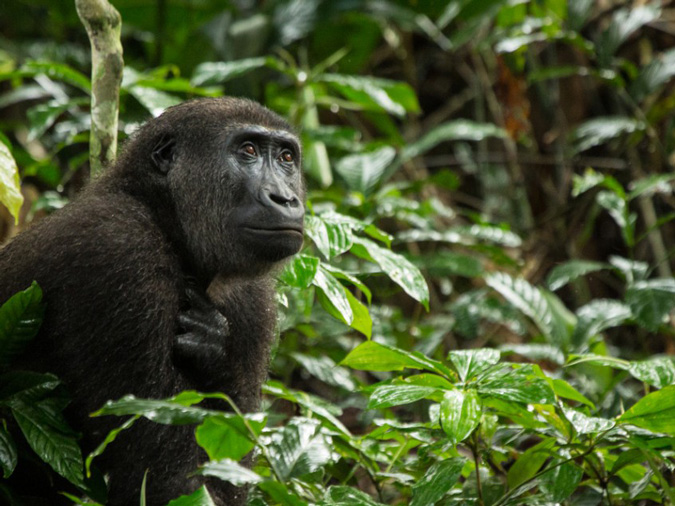
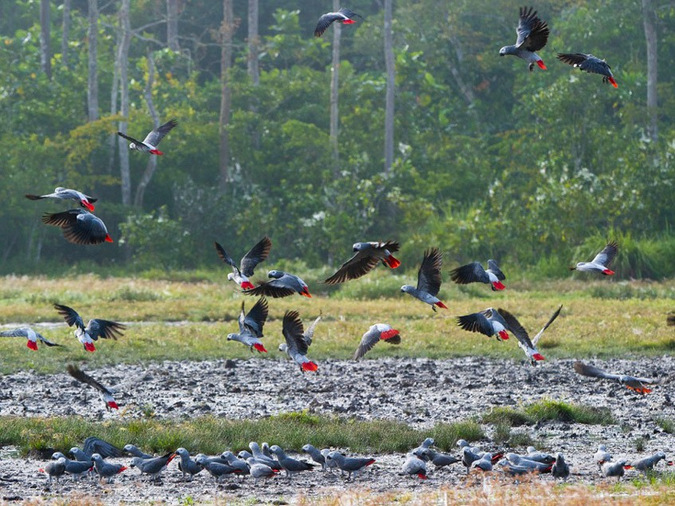
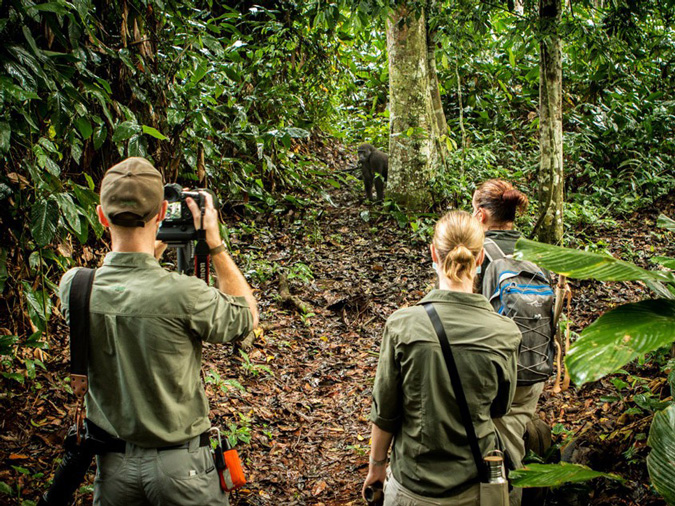
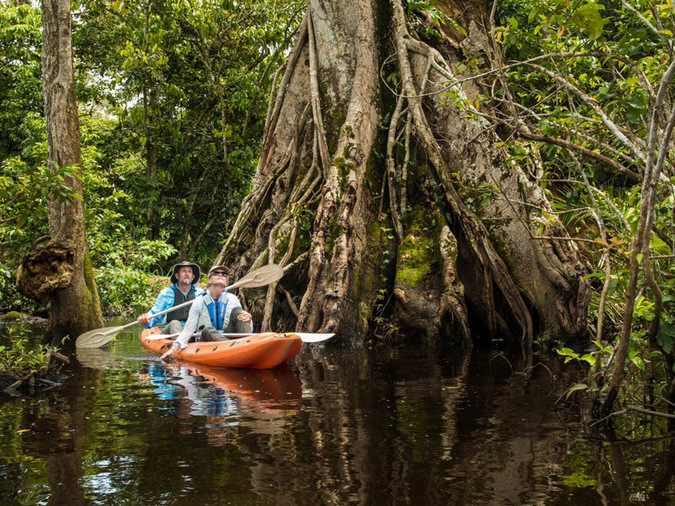
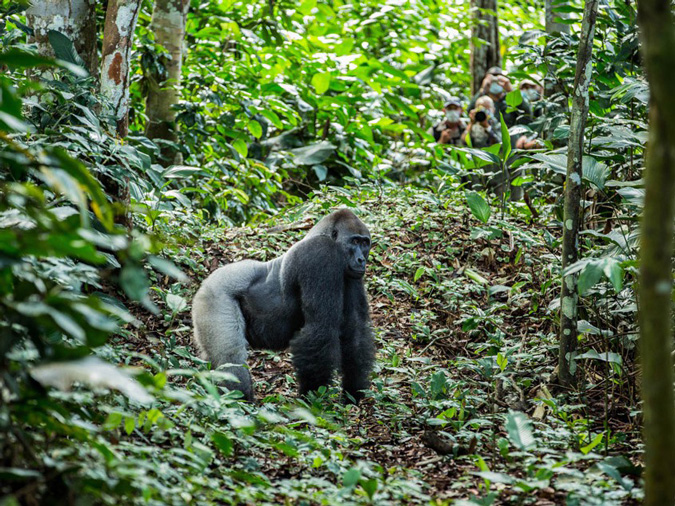
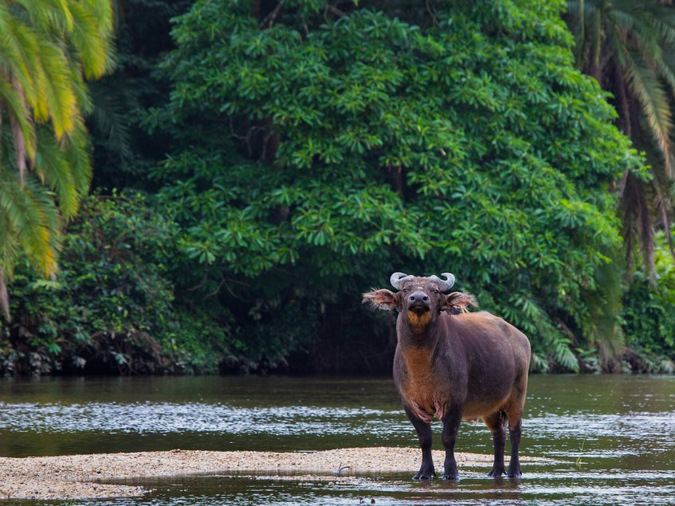
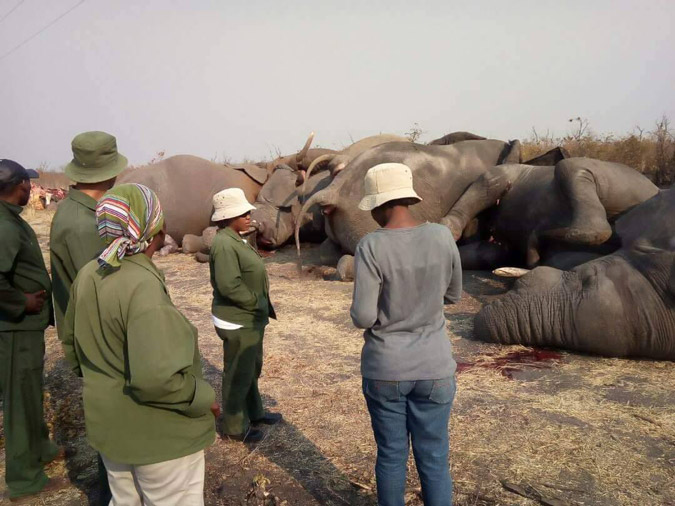
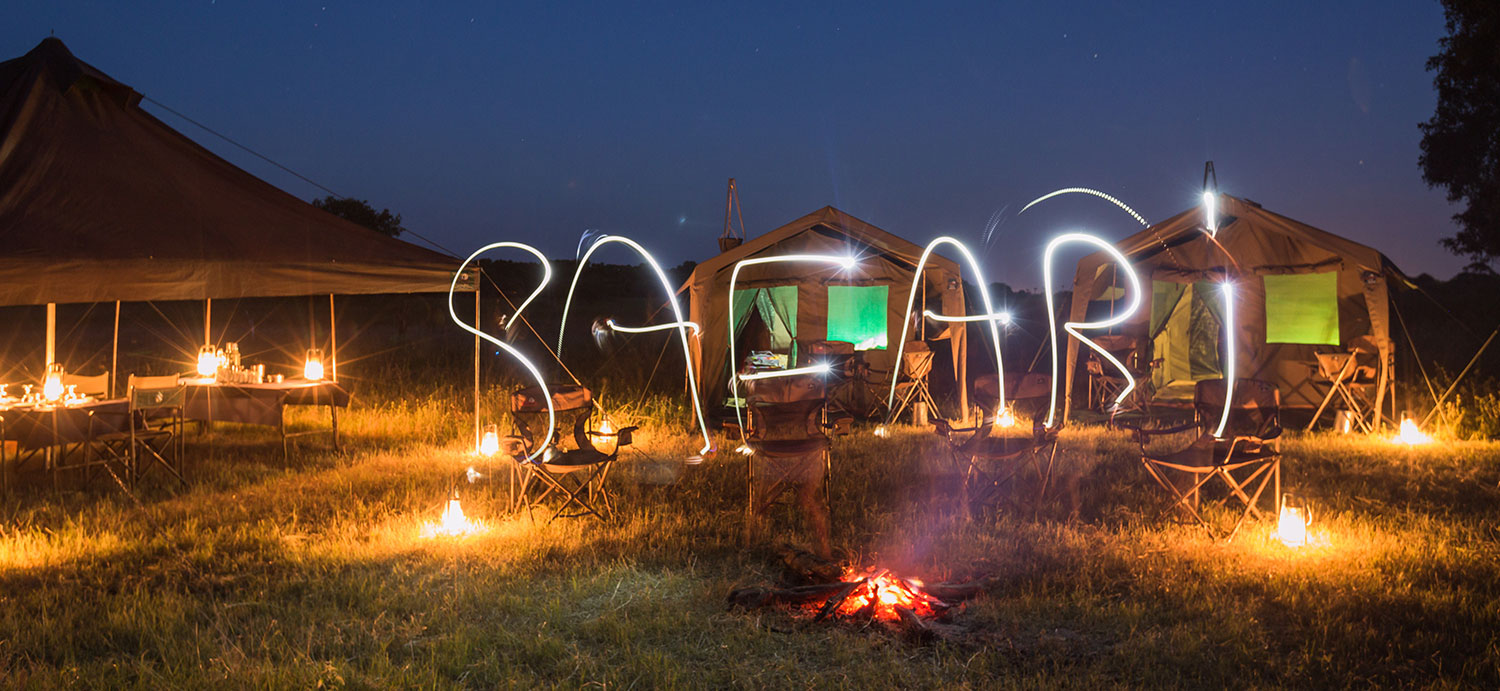
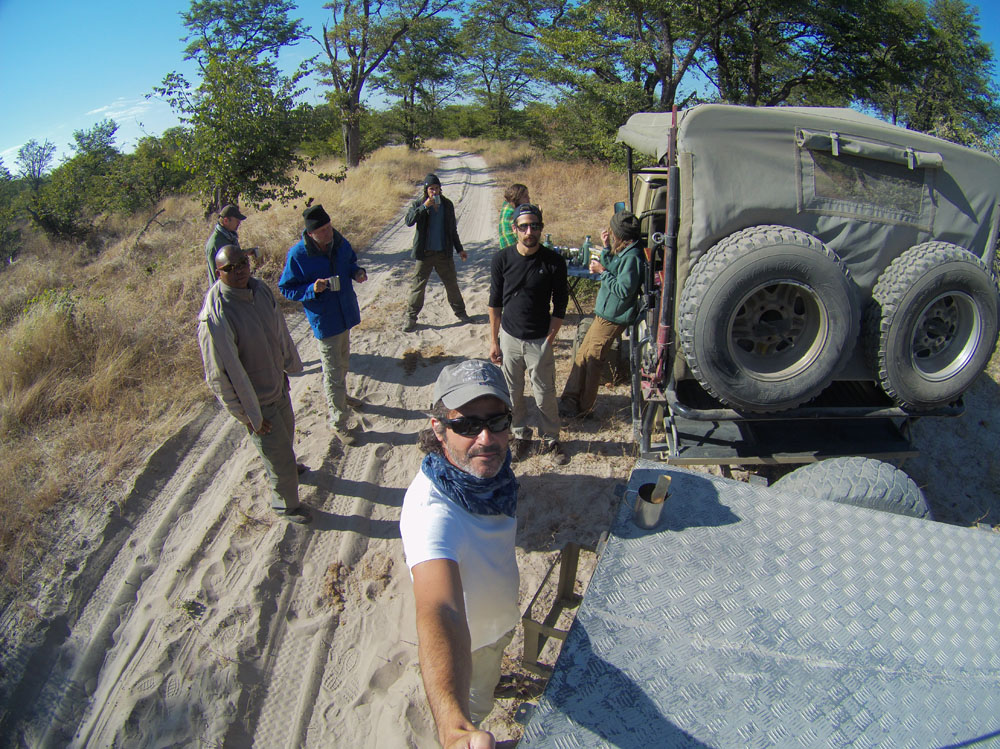
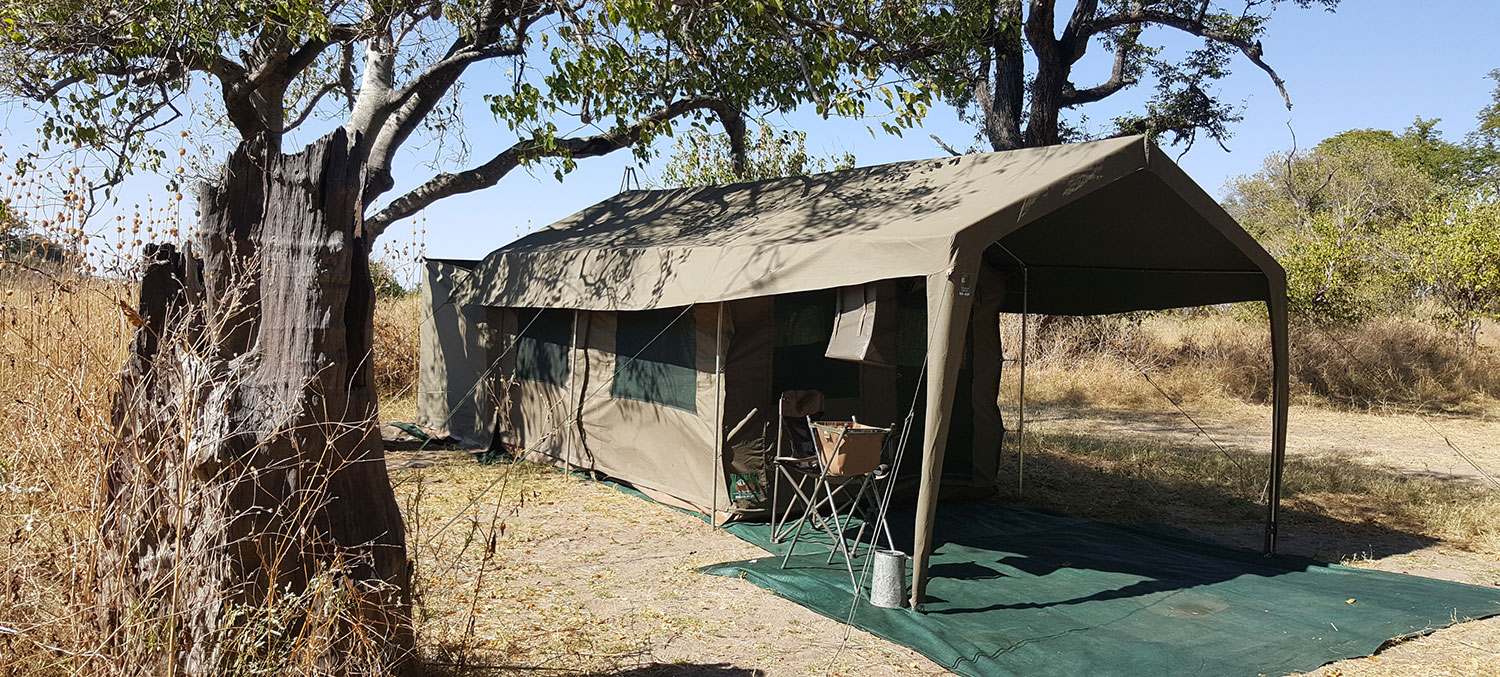
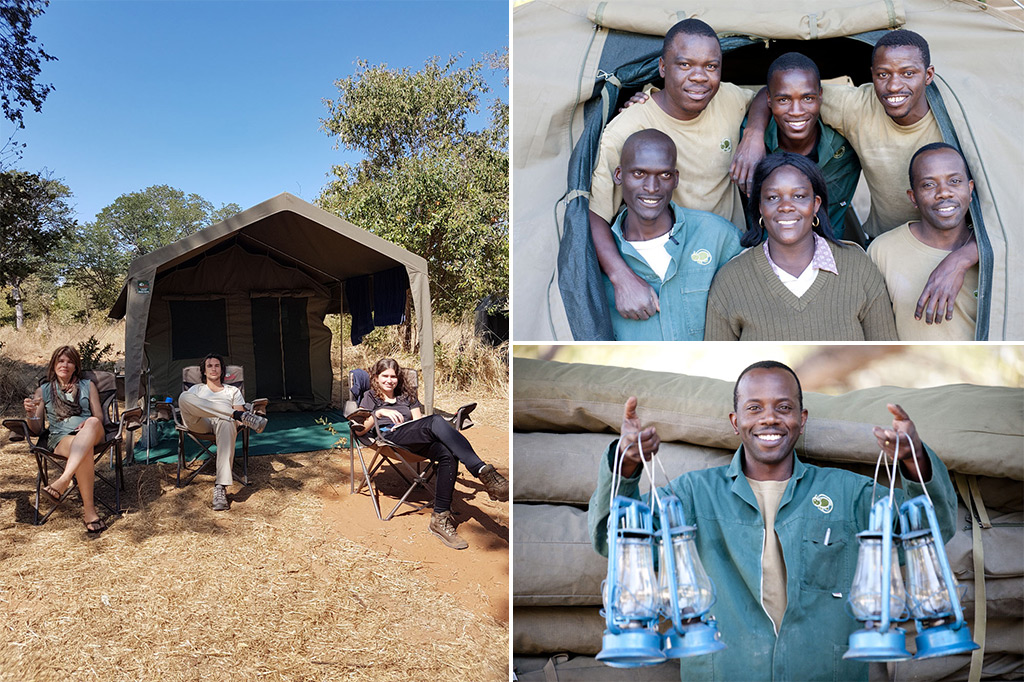
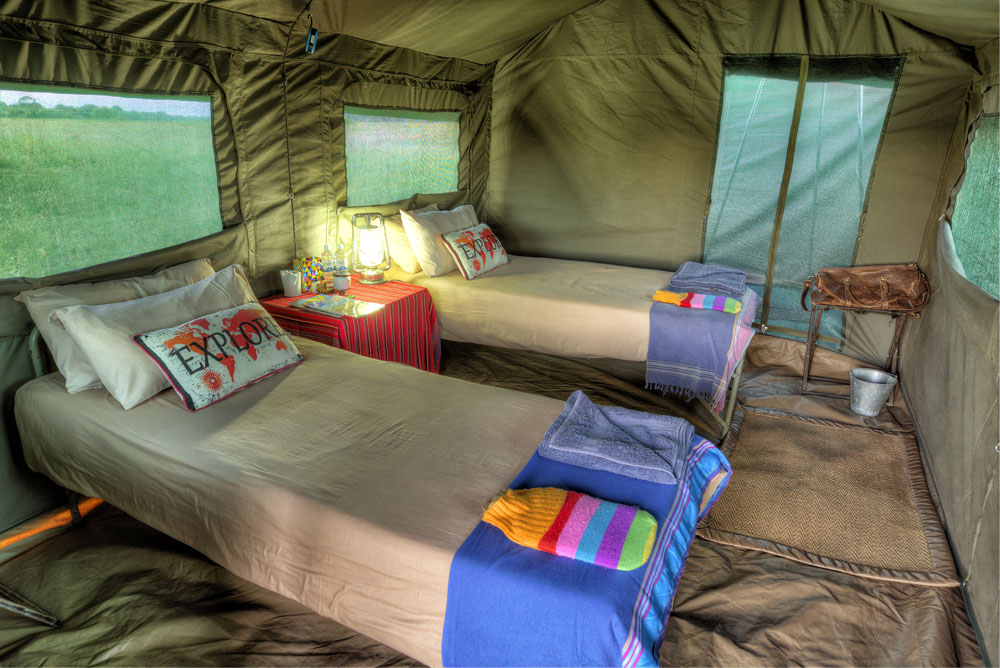
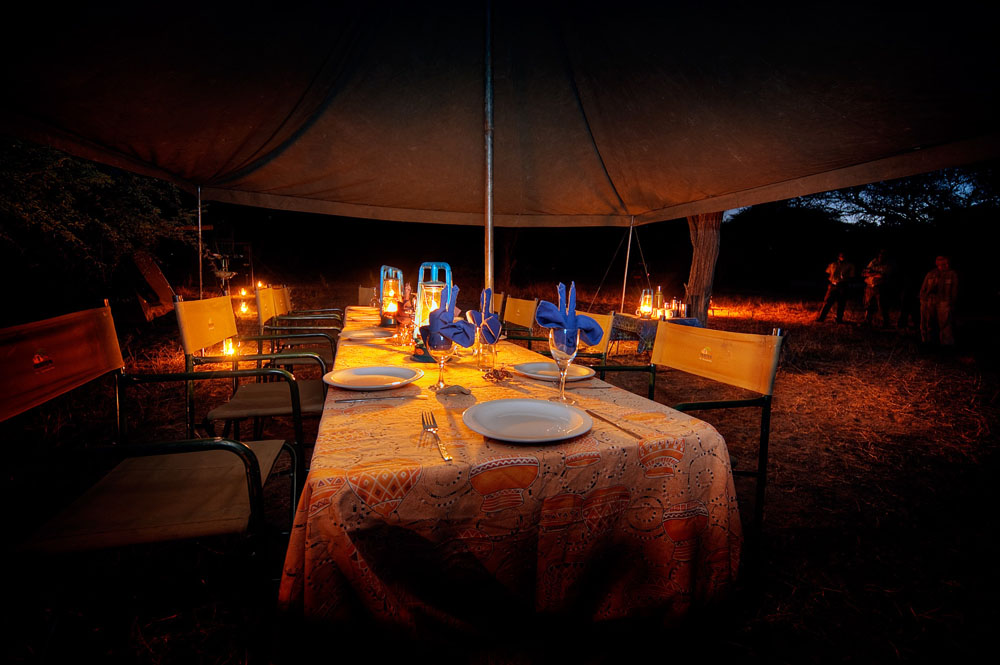
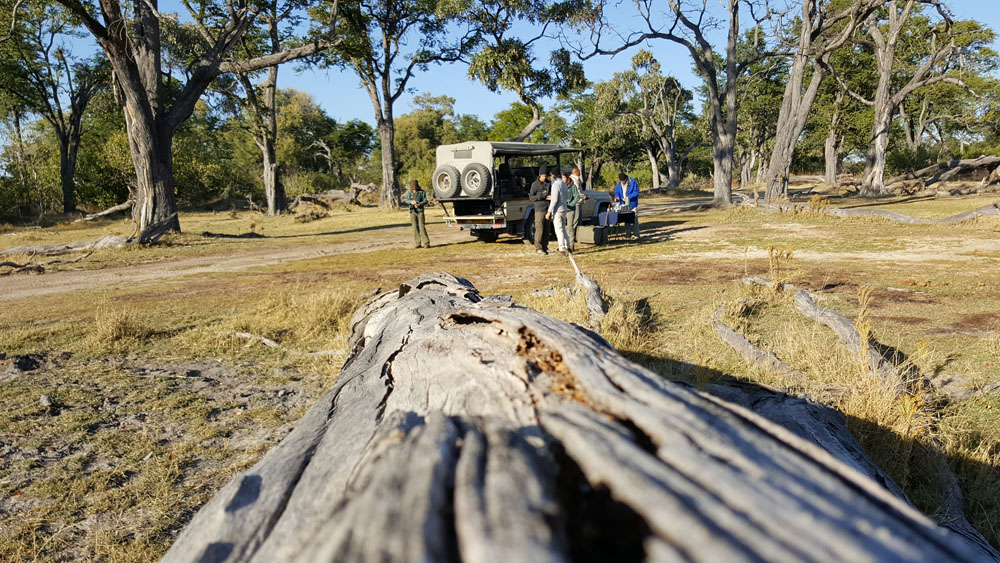
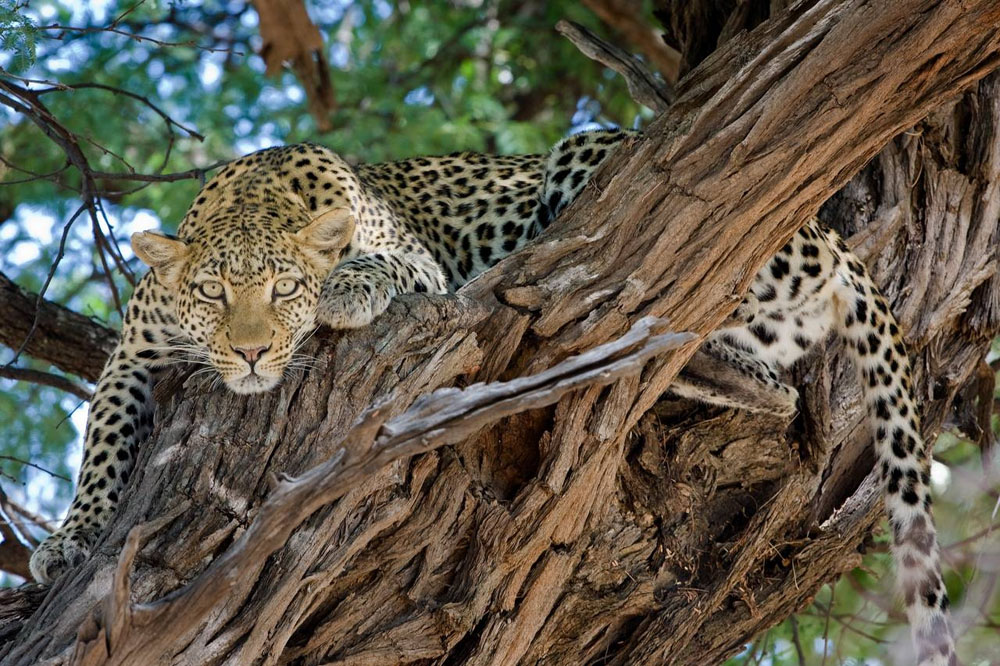
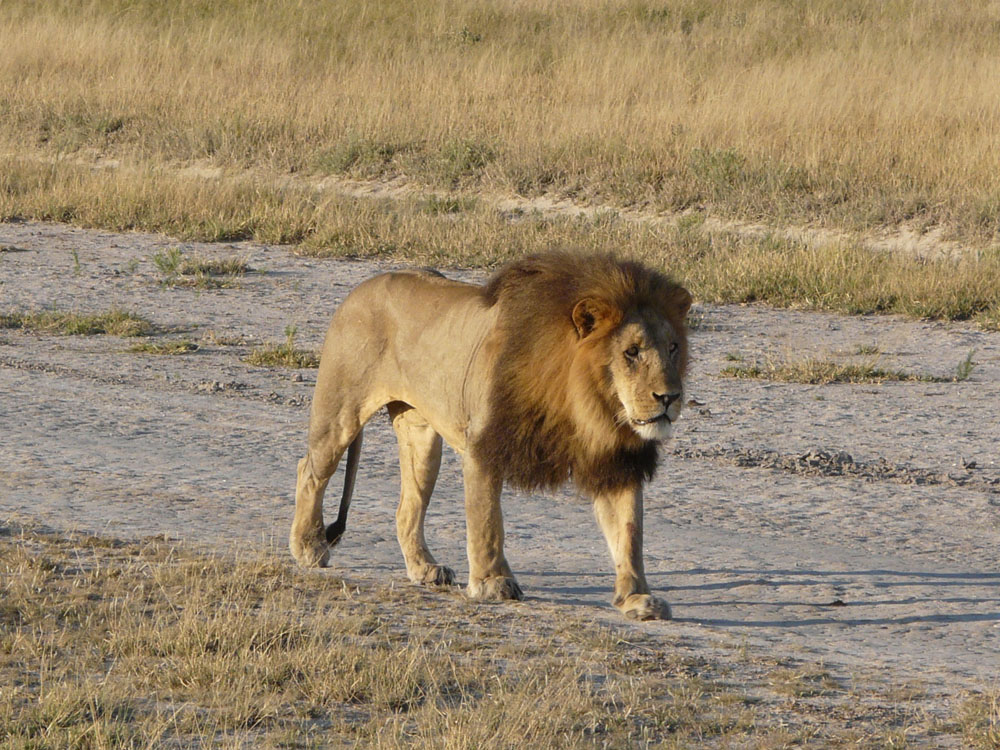
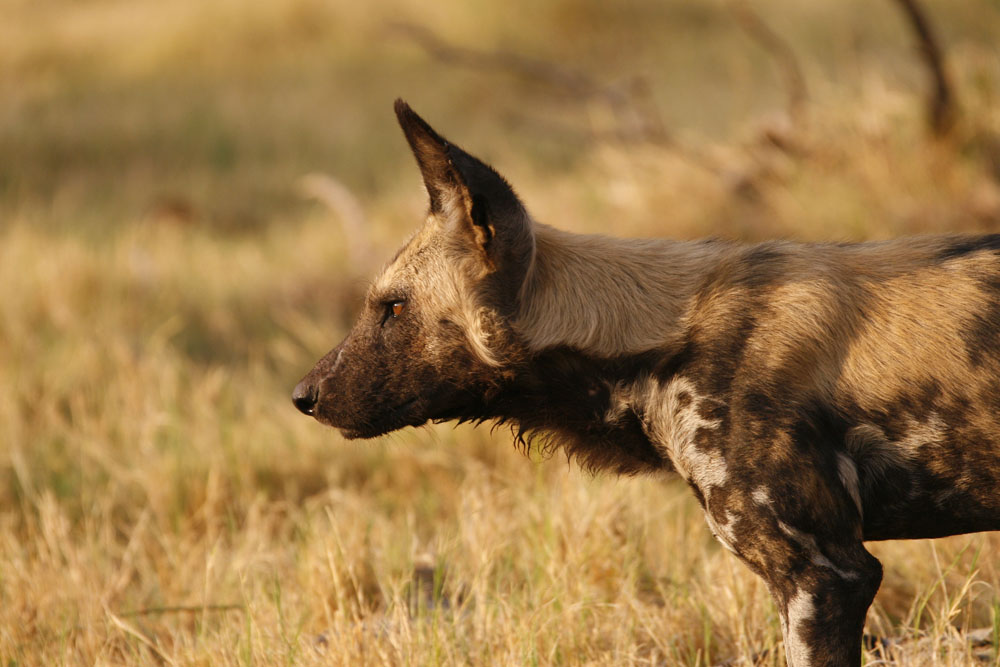
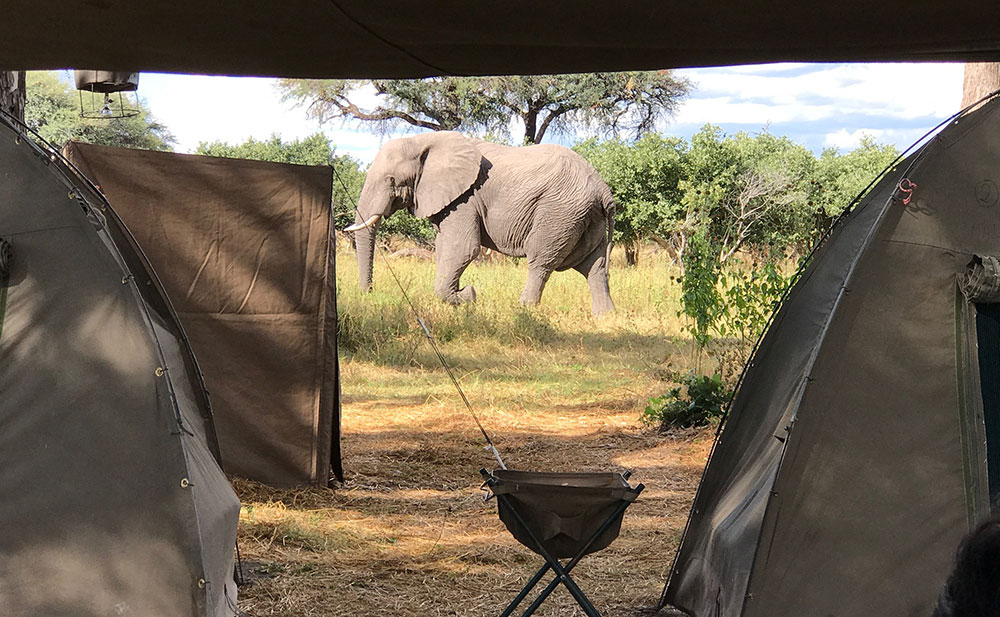


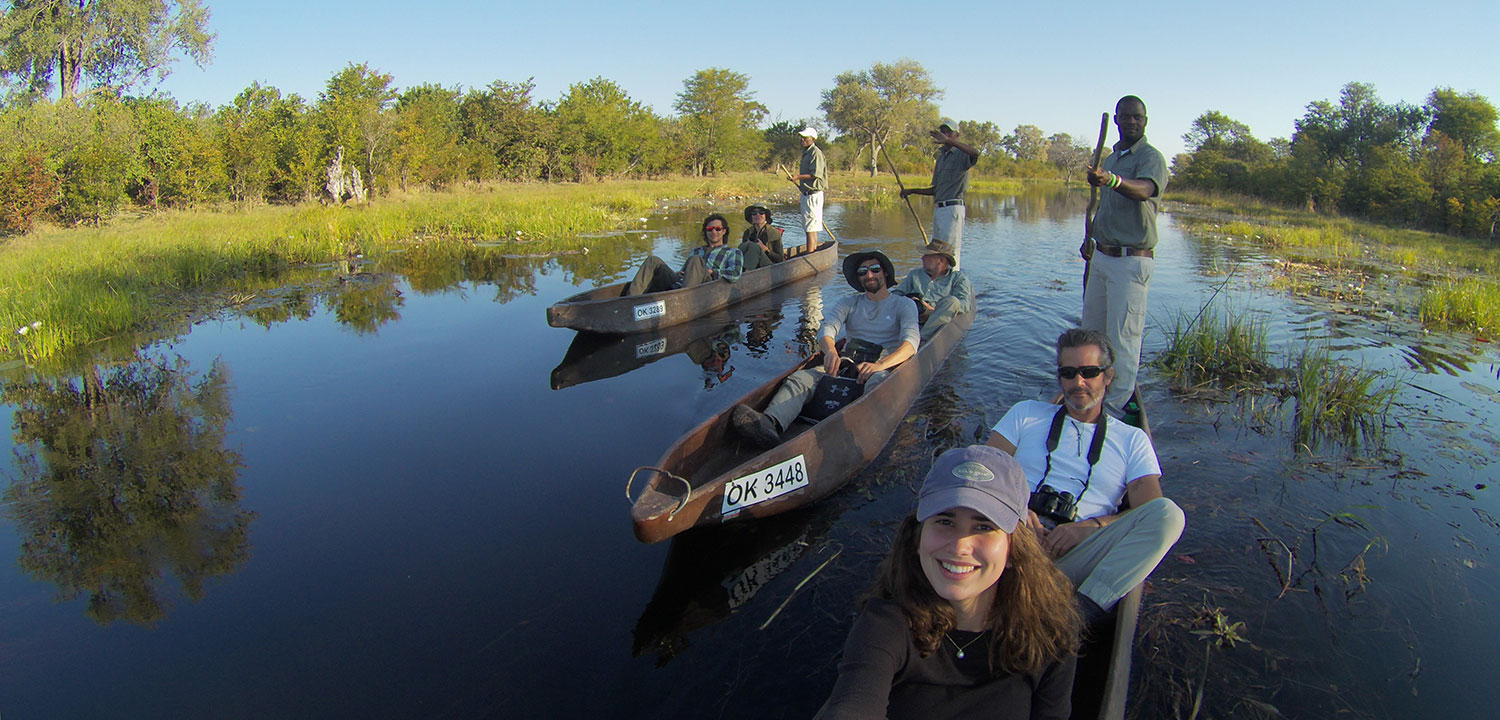
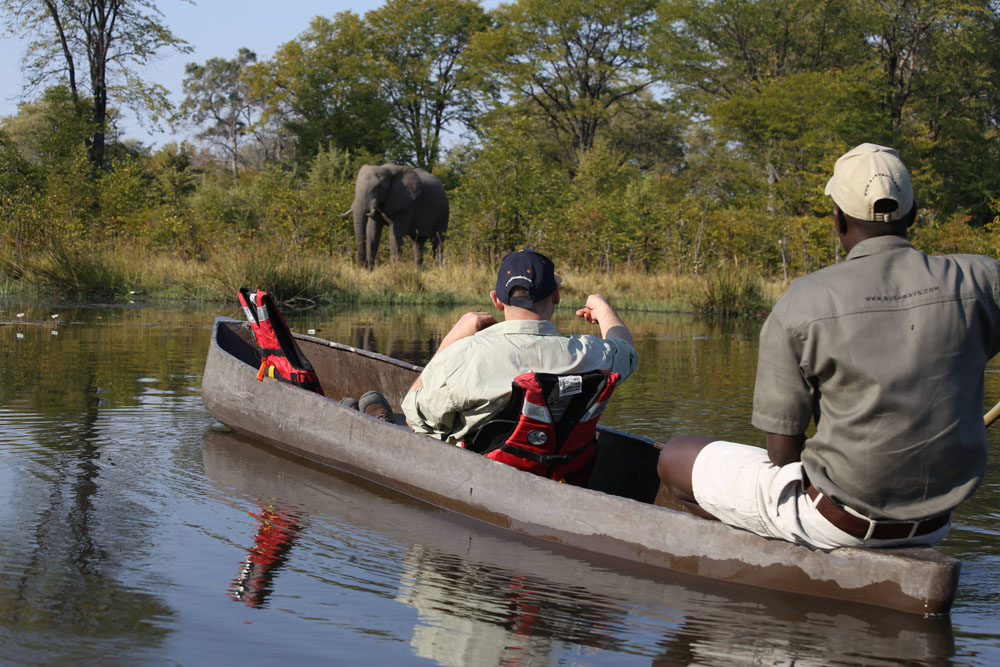
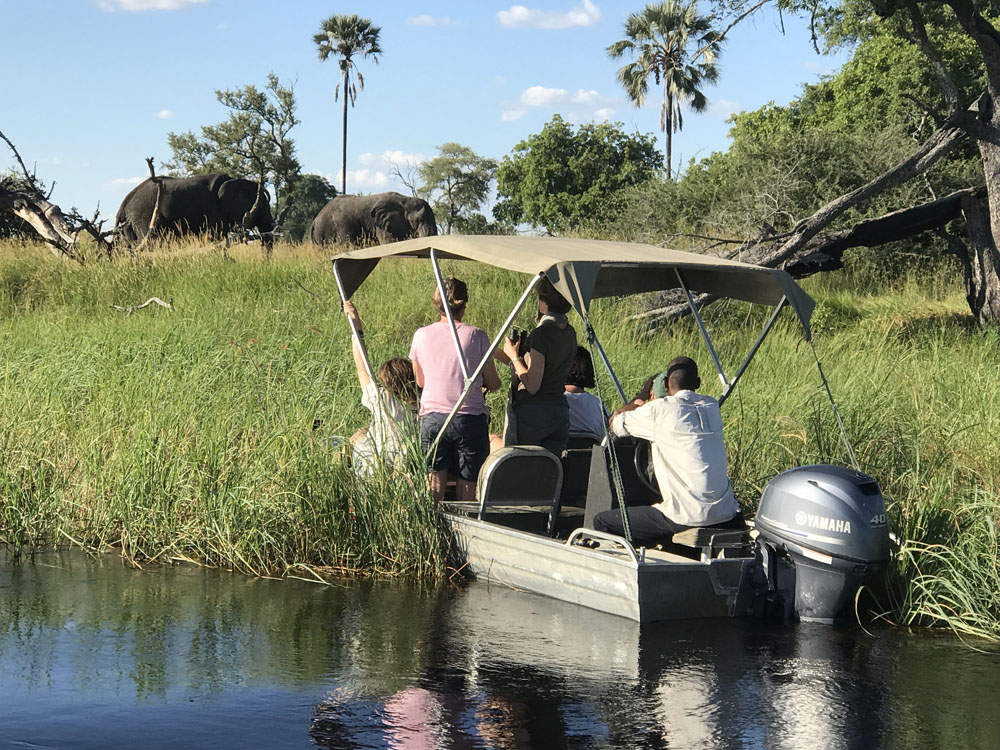
 WATCH:
  Simon Espley is an African of the digital tribe, a chartered accountant and CEO of Africa Geographic. His travels in Africa are in search of wilderness, real people with interesting stories and elusive birds. He lives in South Africa with his wife Lizz and 2 Jack Russells, and when not travelling or working, he will be on his mountain bike somewhere out there. His motto is ‘Live for now, have fun, be good, tread lightly and respect others. And embrace change.’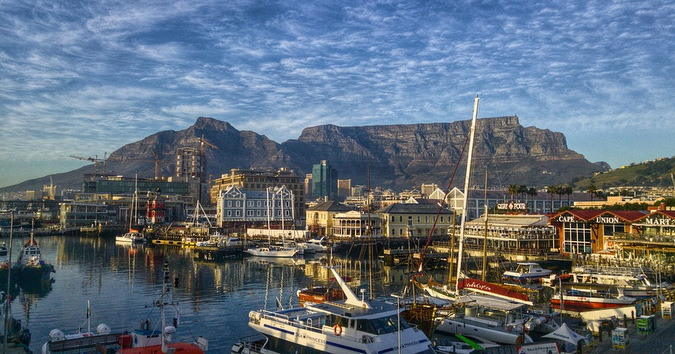

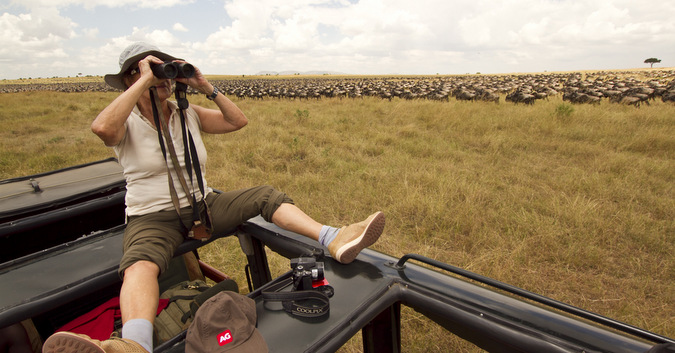
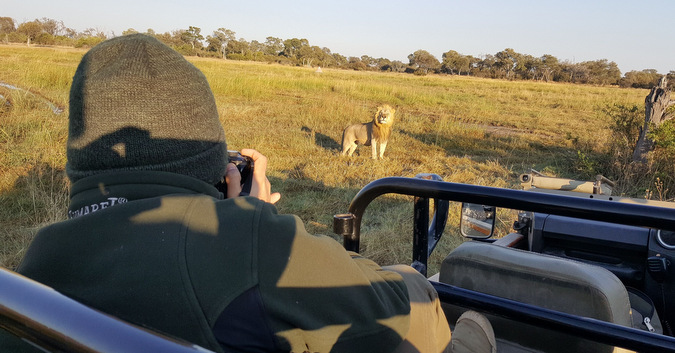
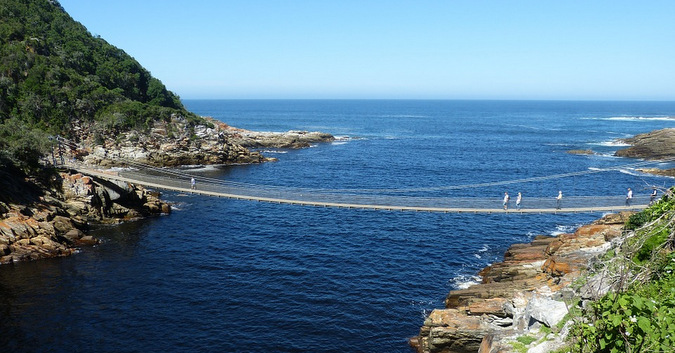
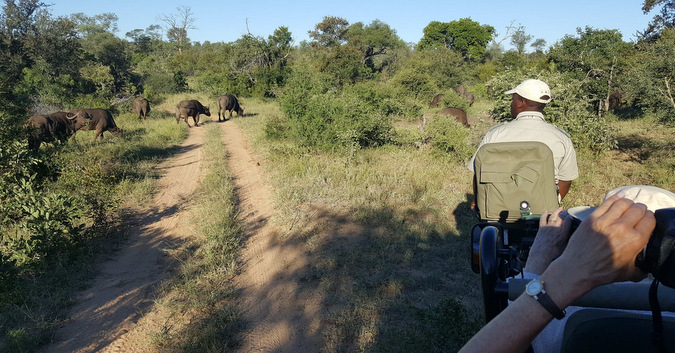
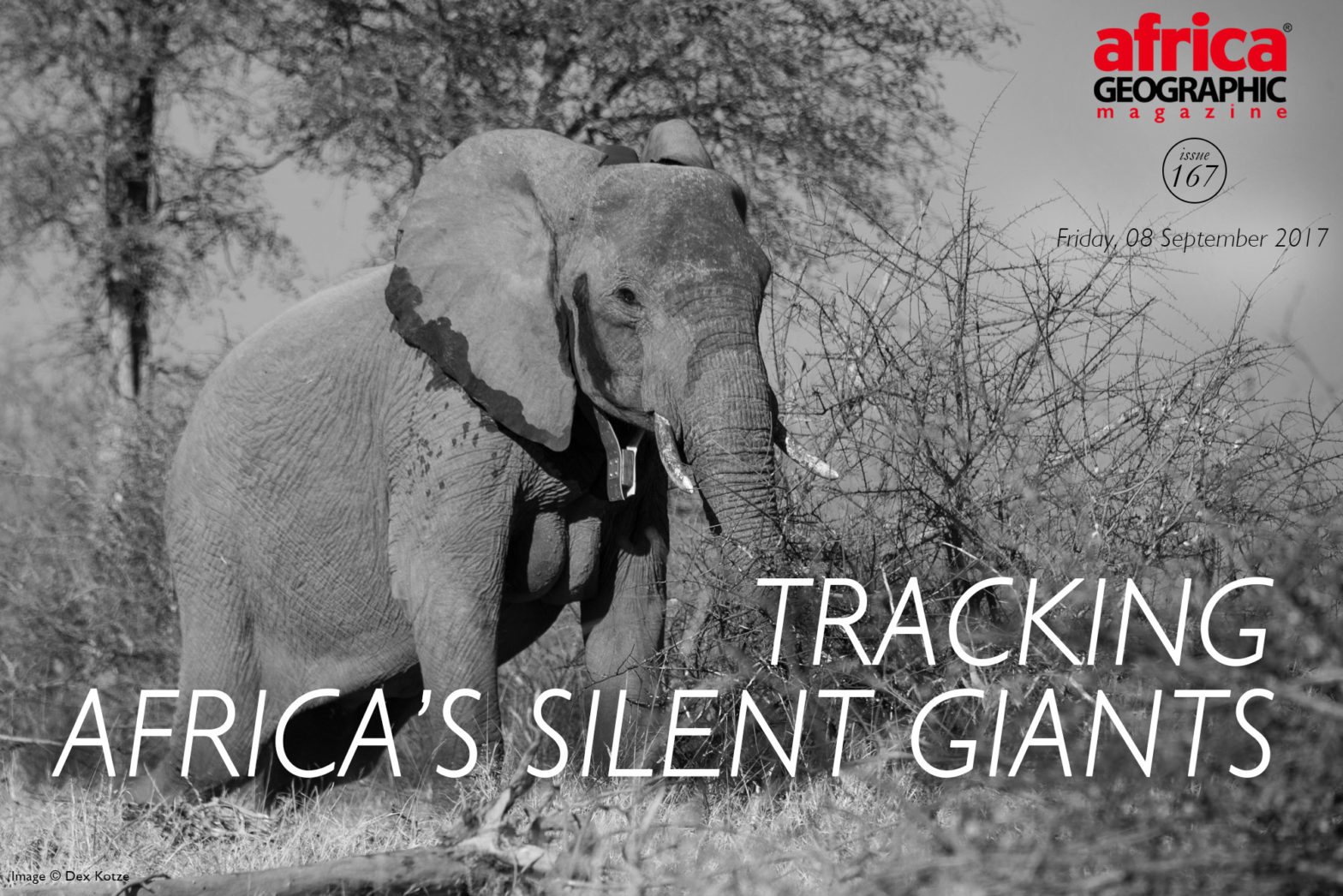
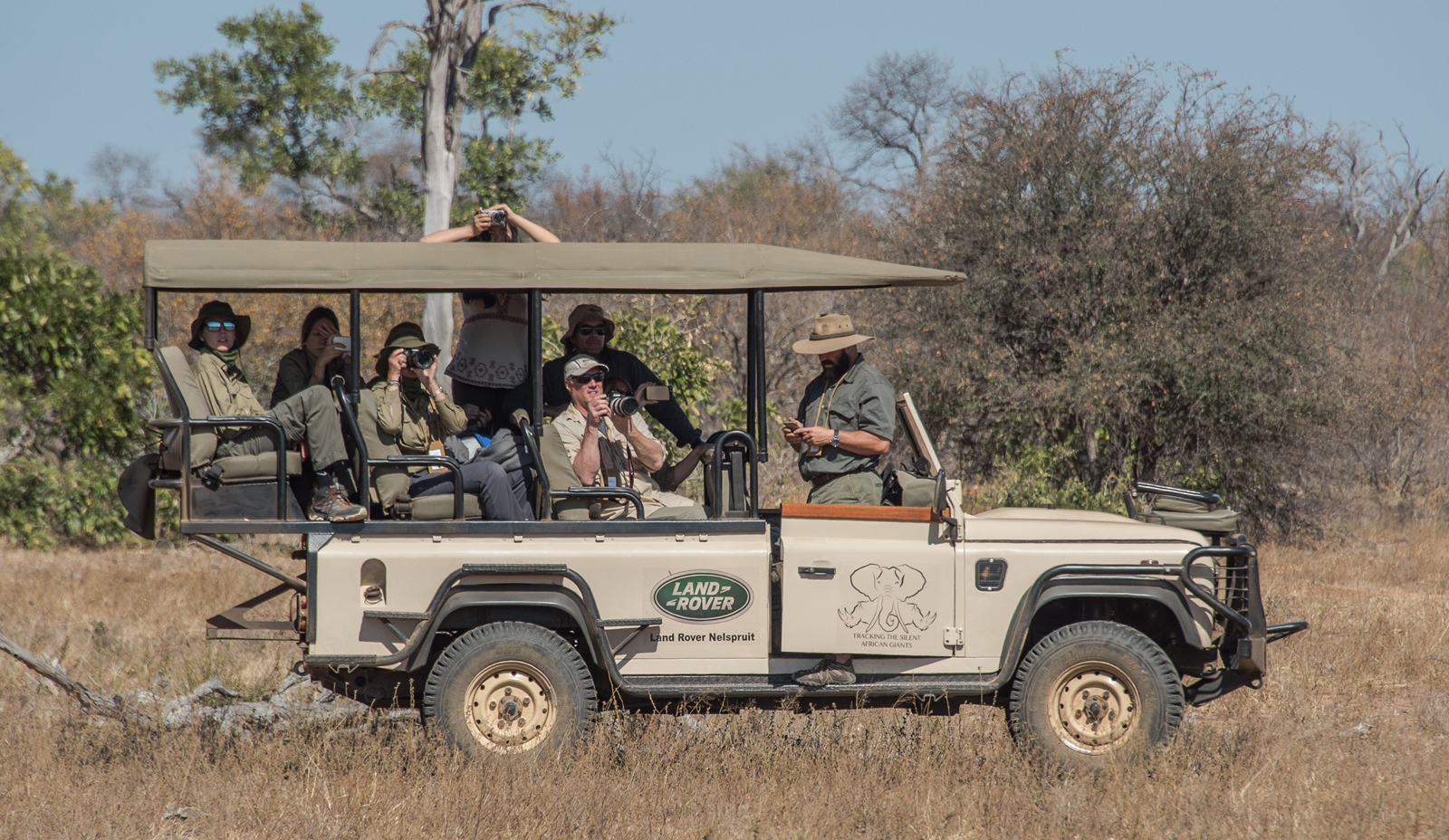
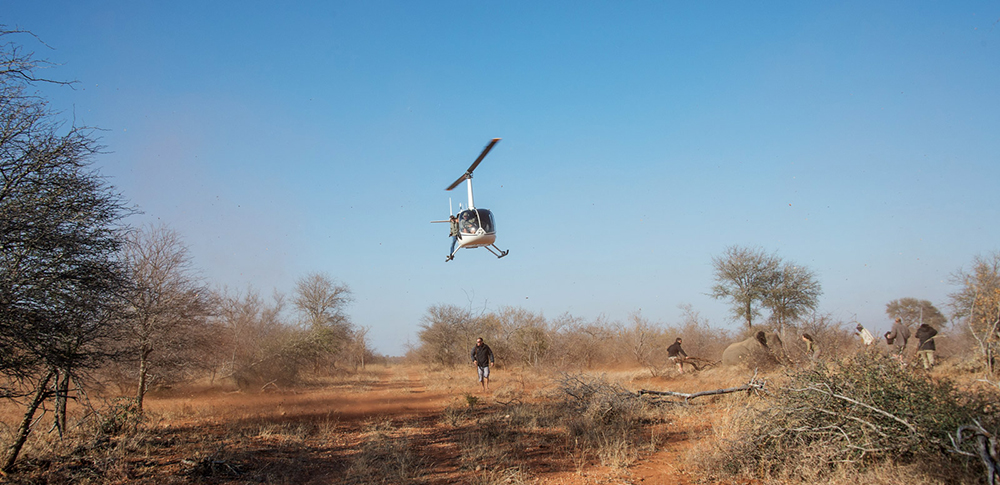
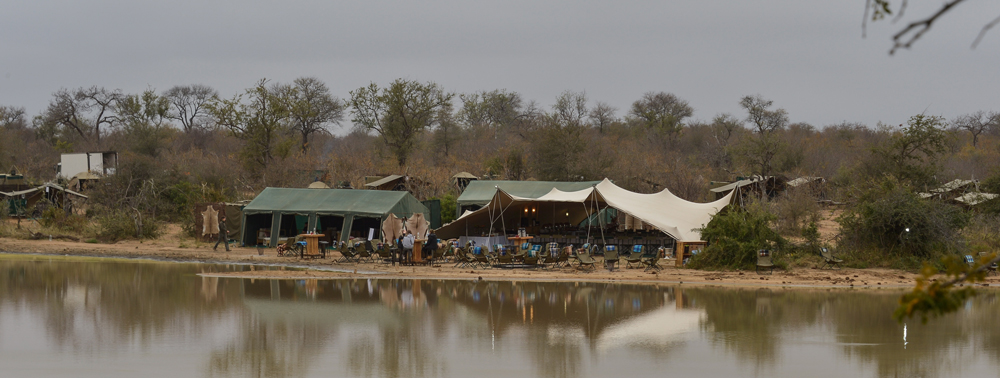
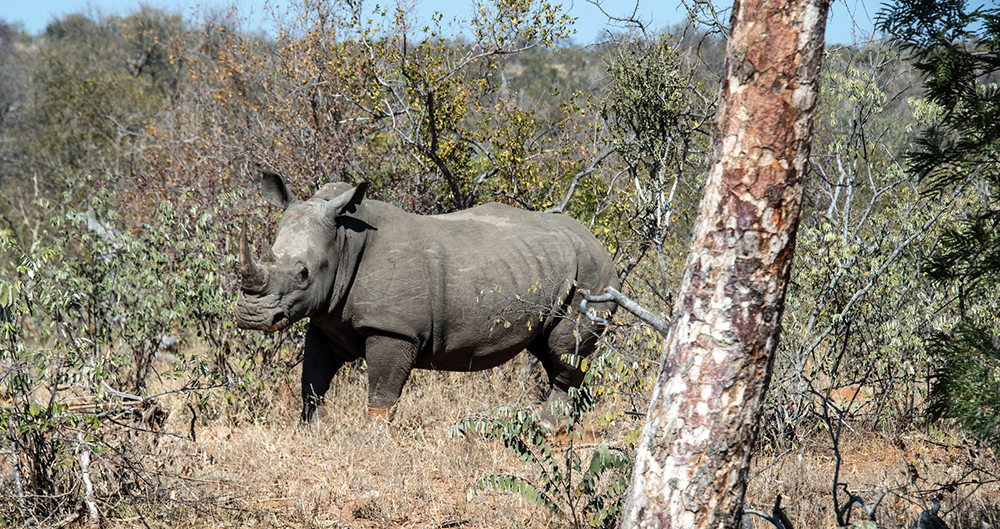
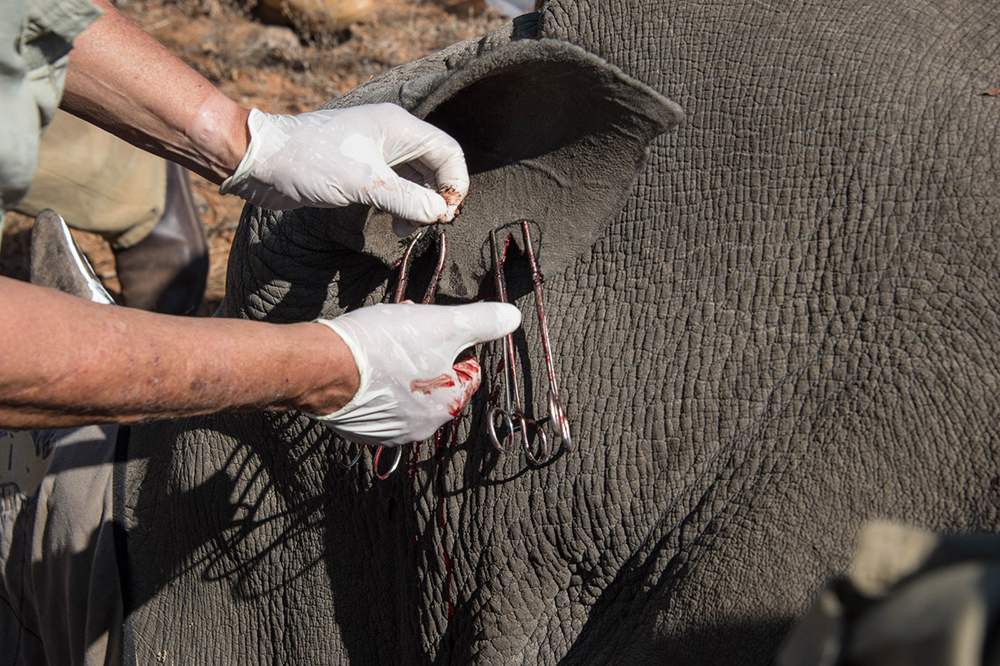
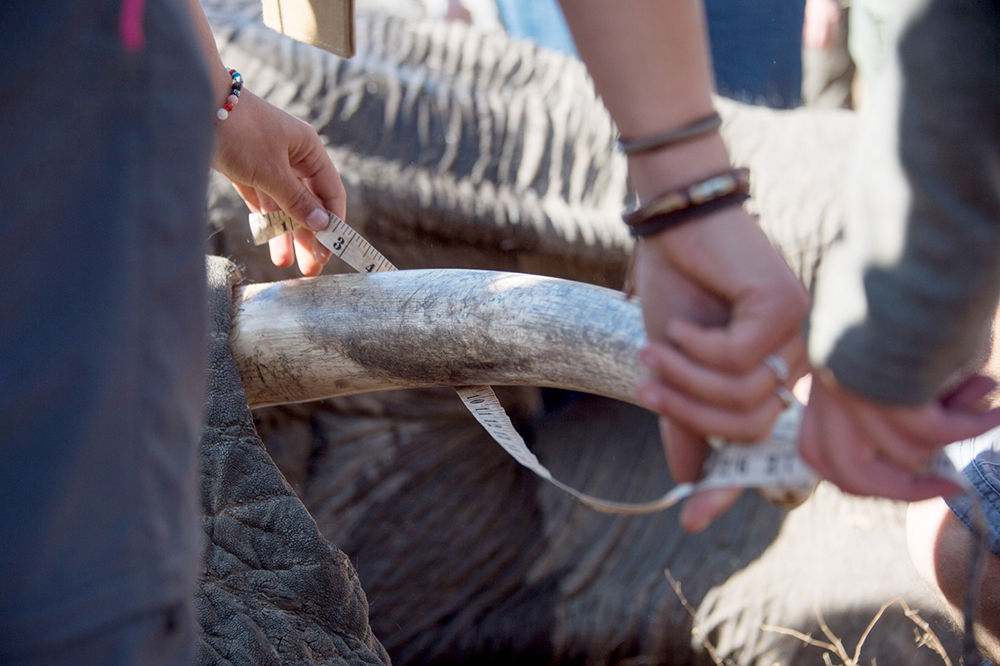
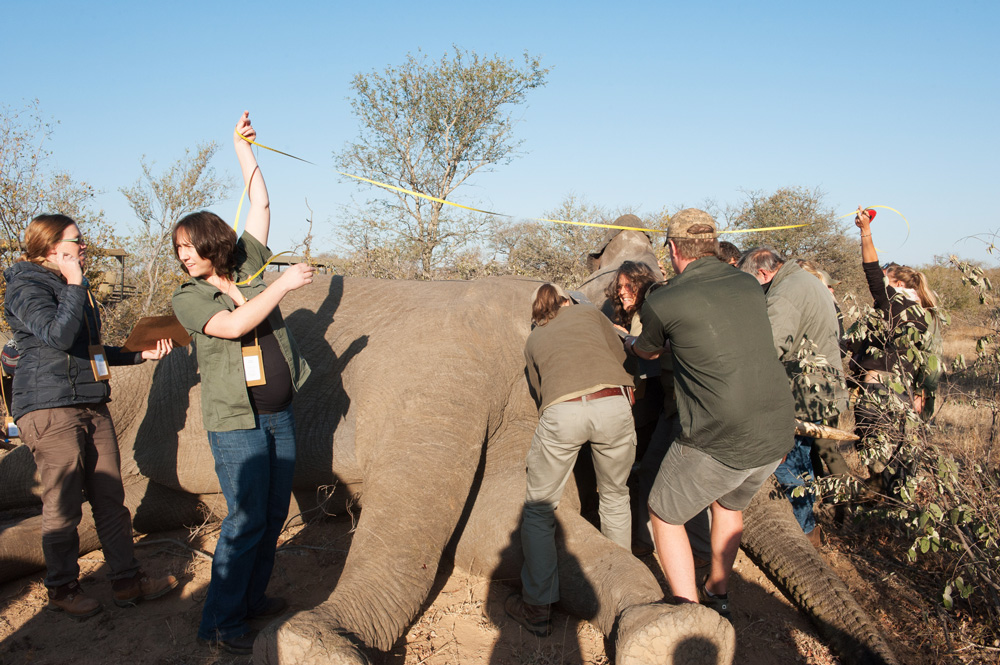
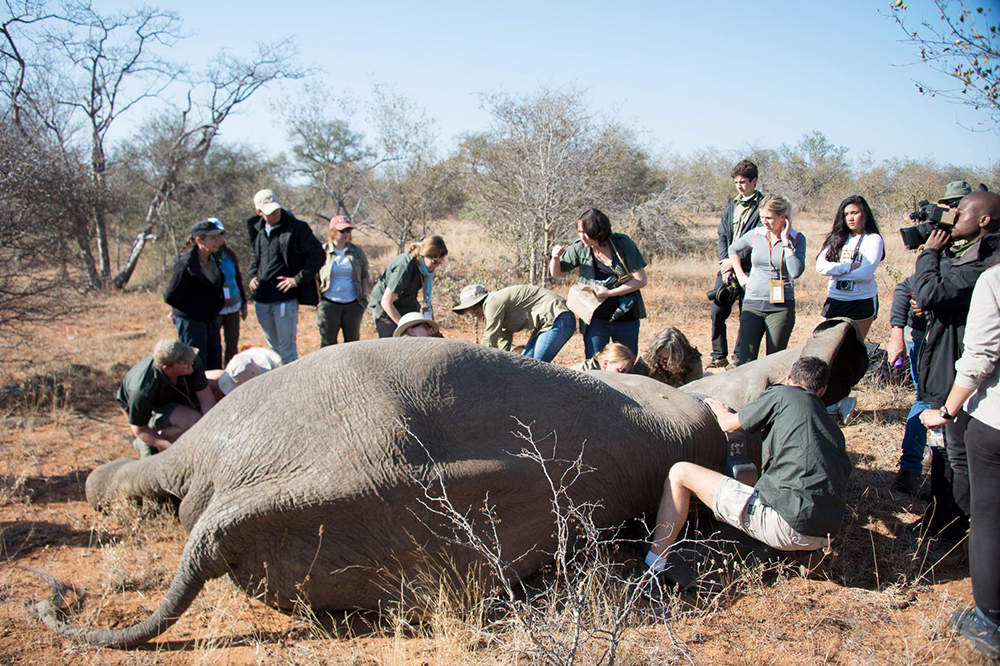
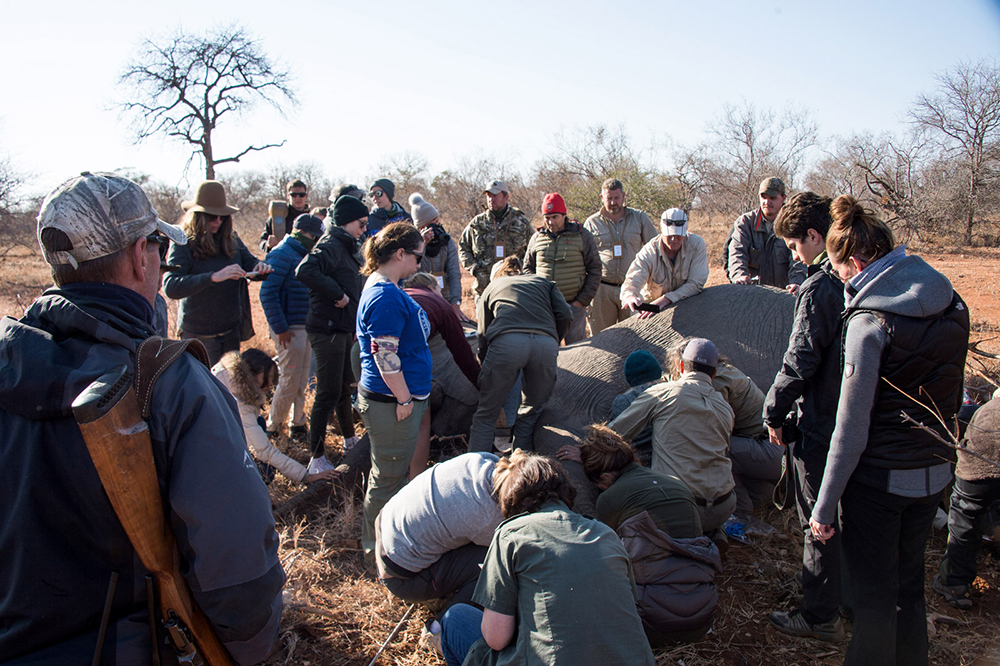
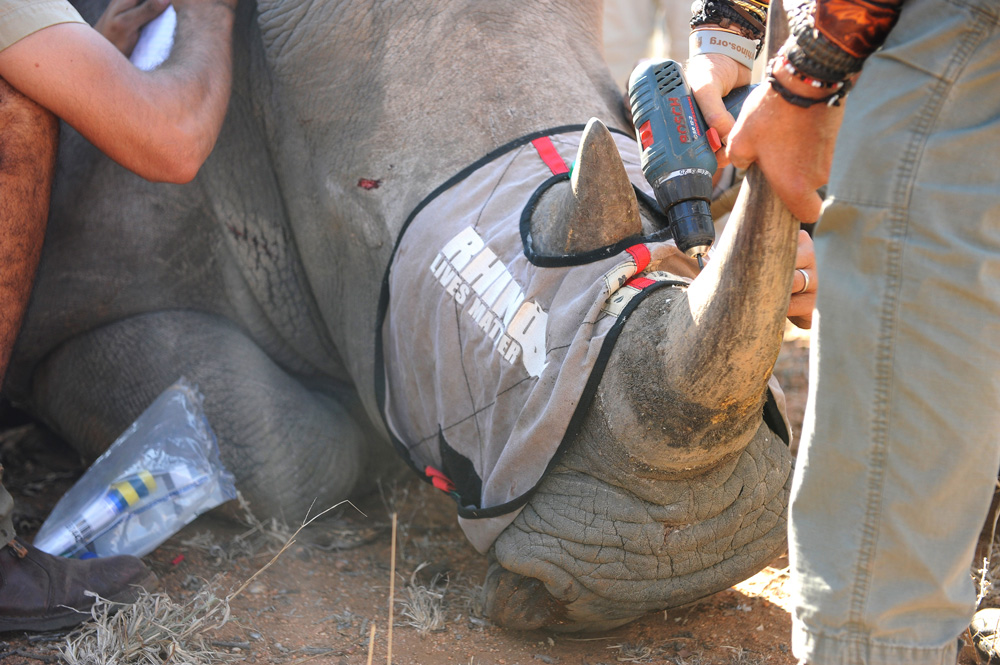
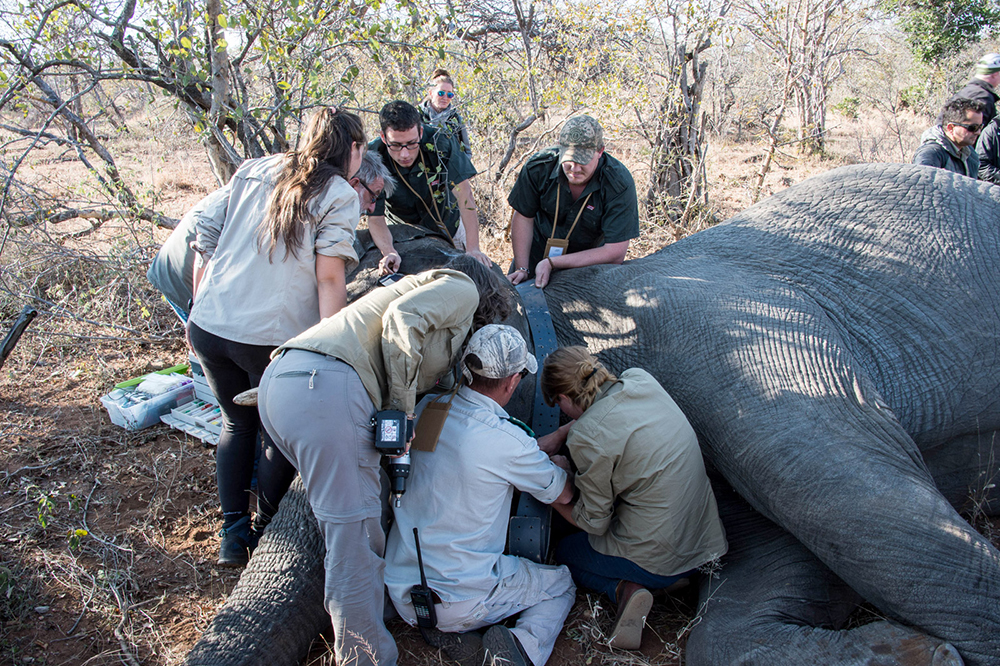
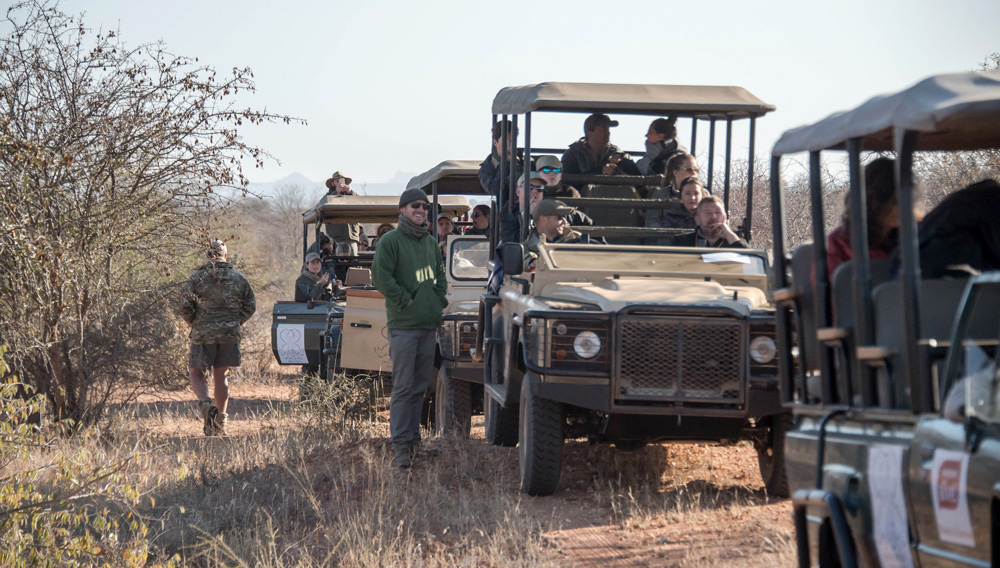
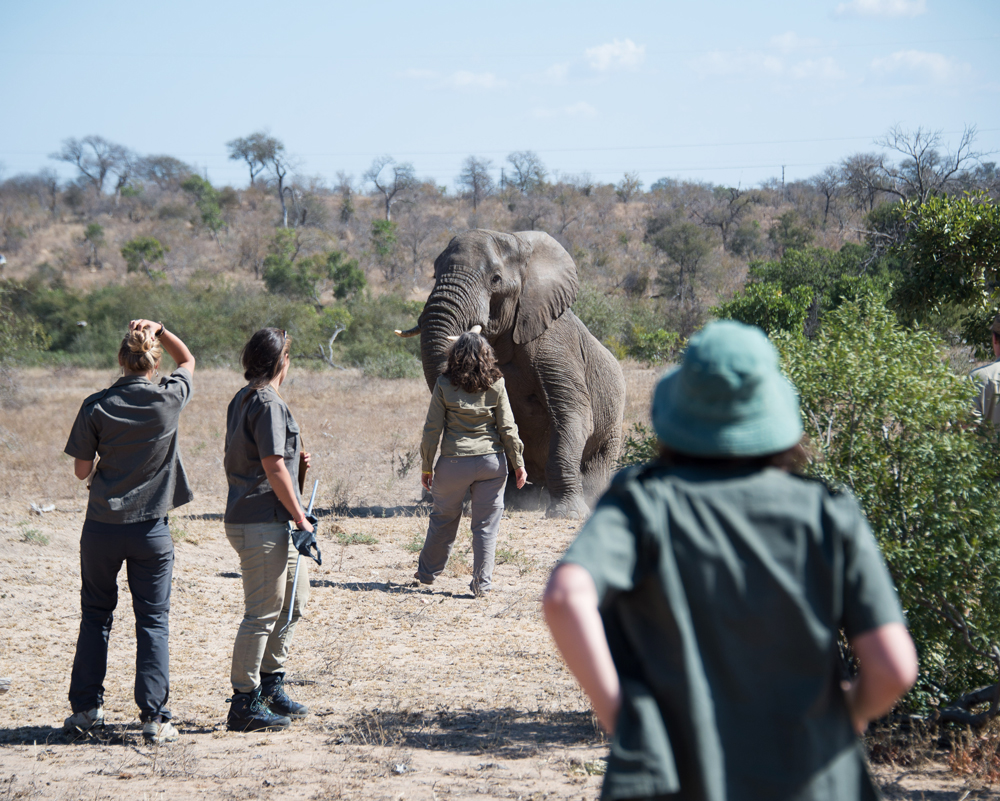
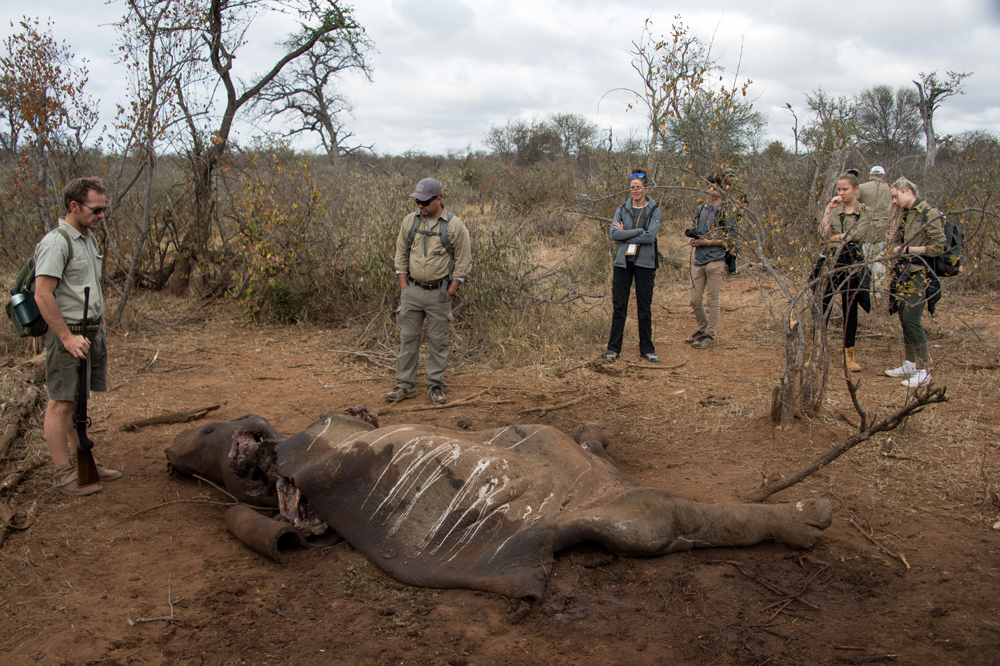
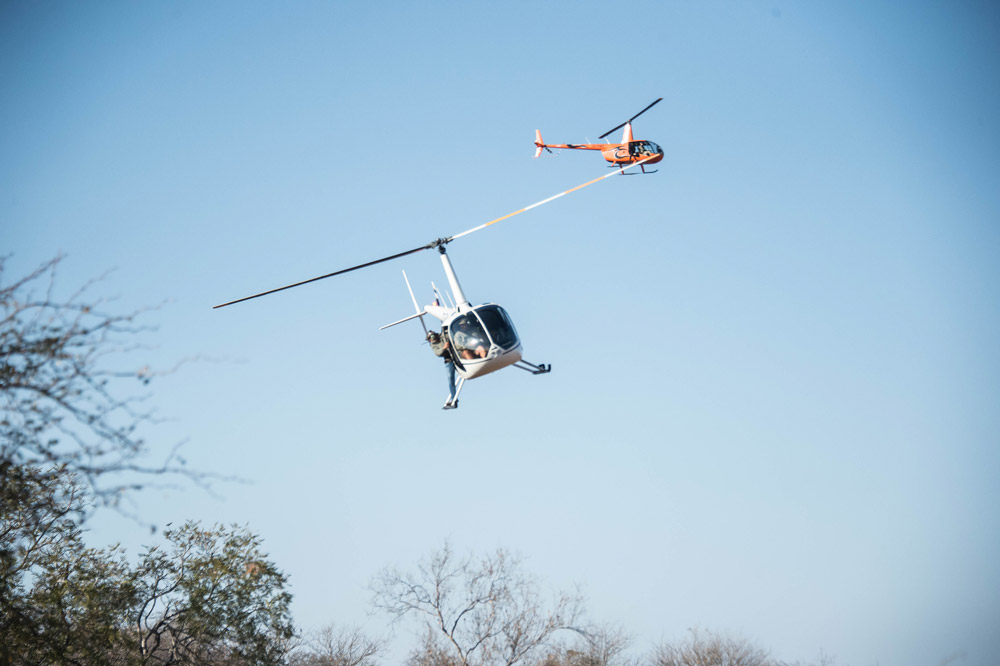
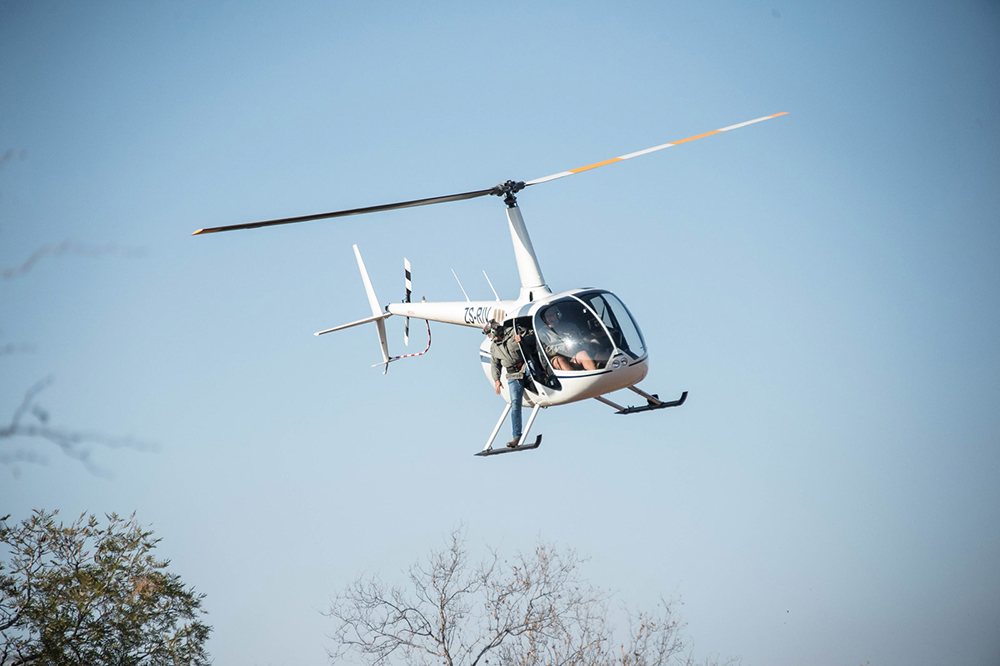
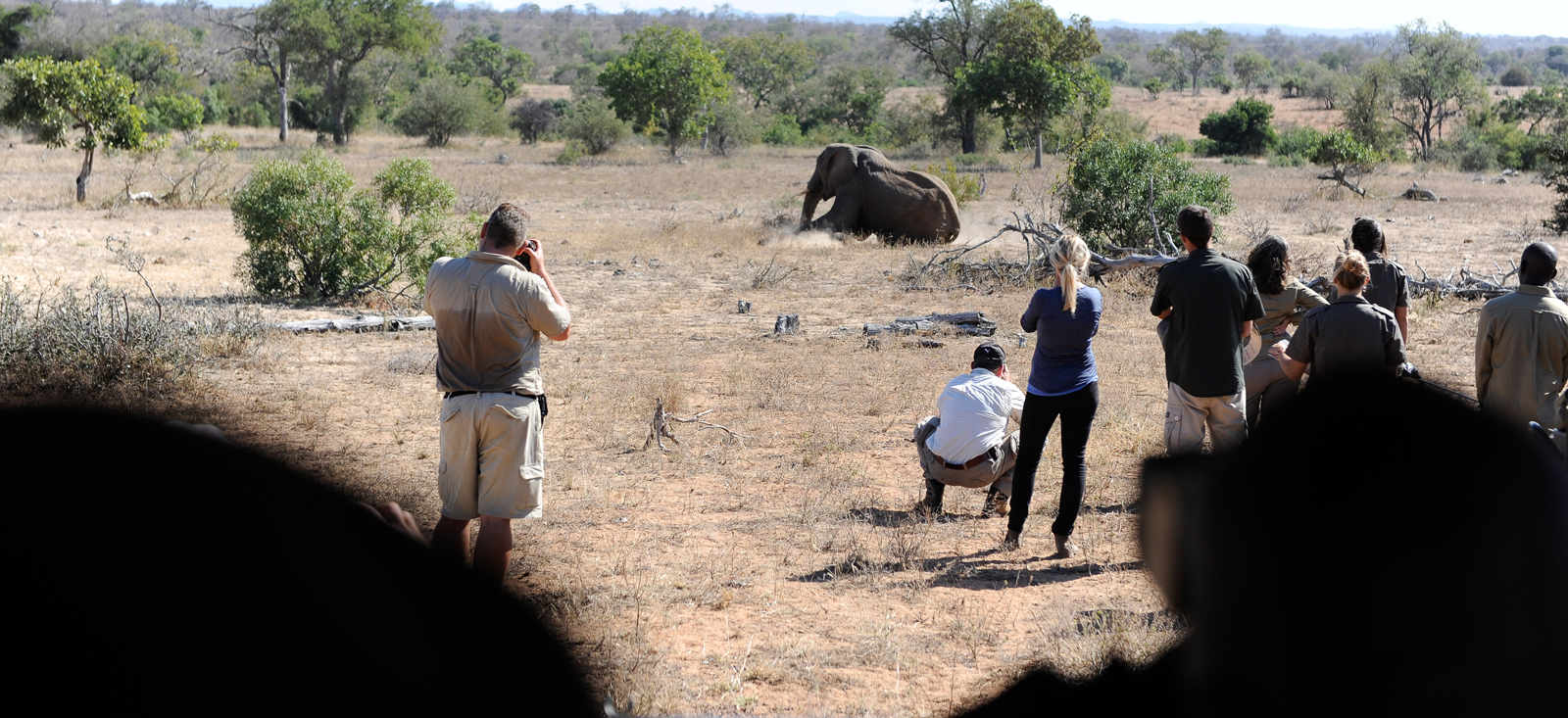
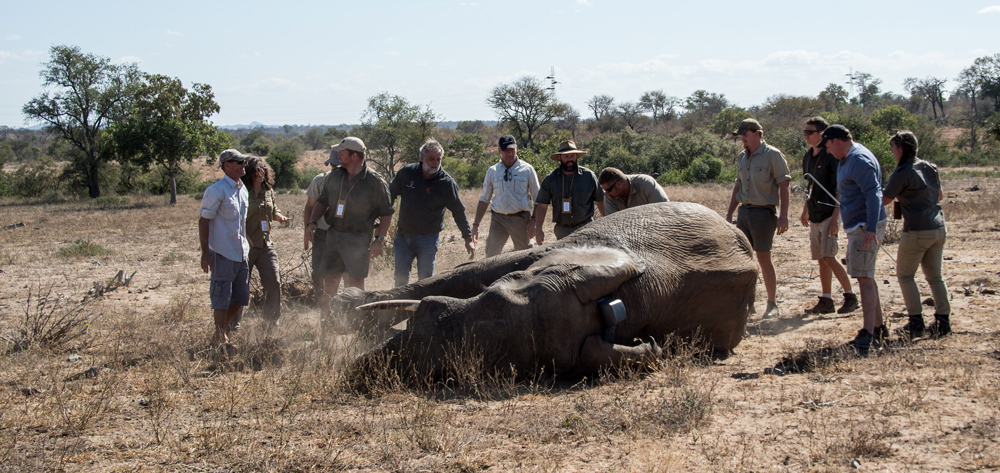
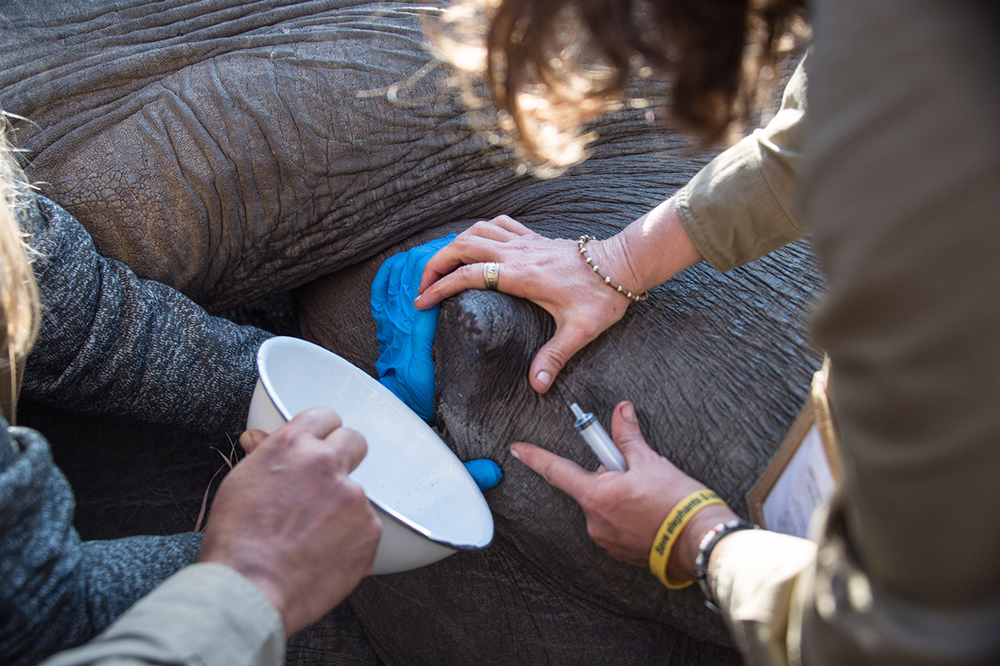
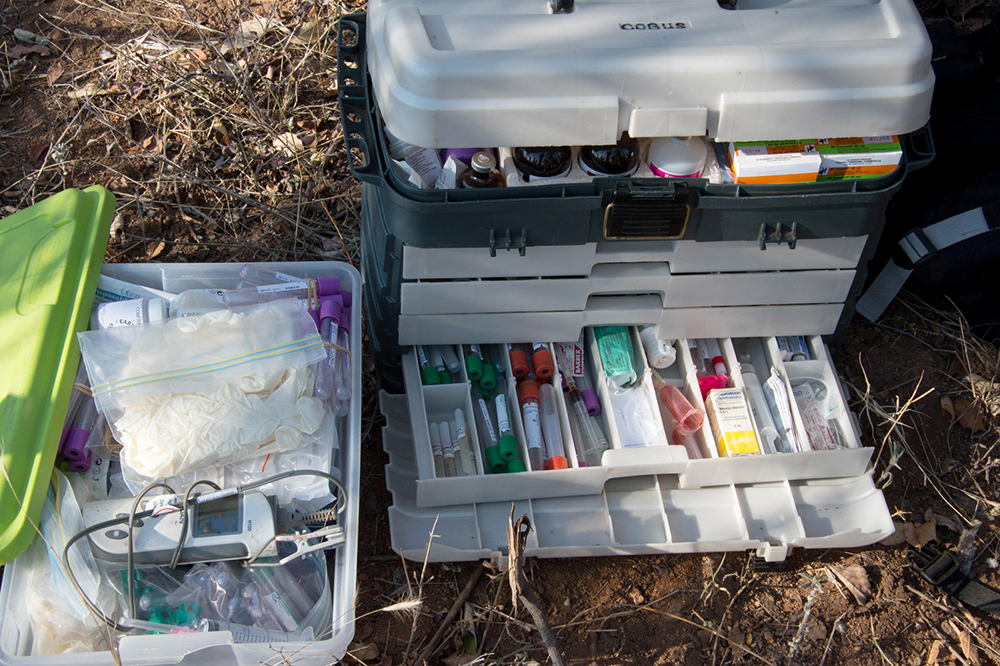
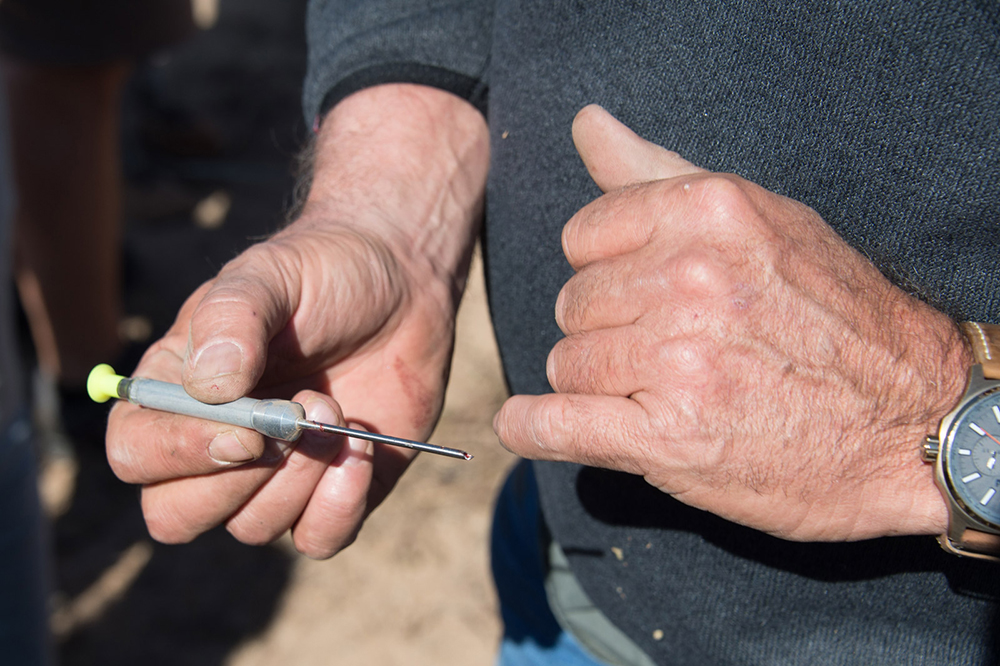
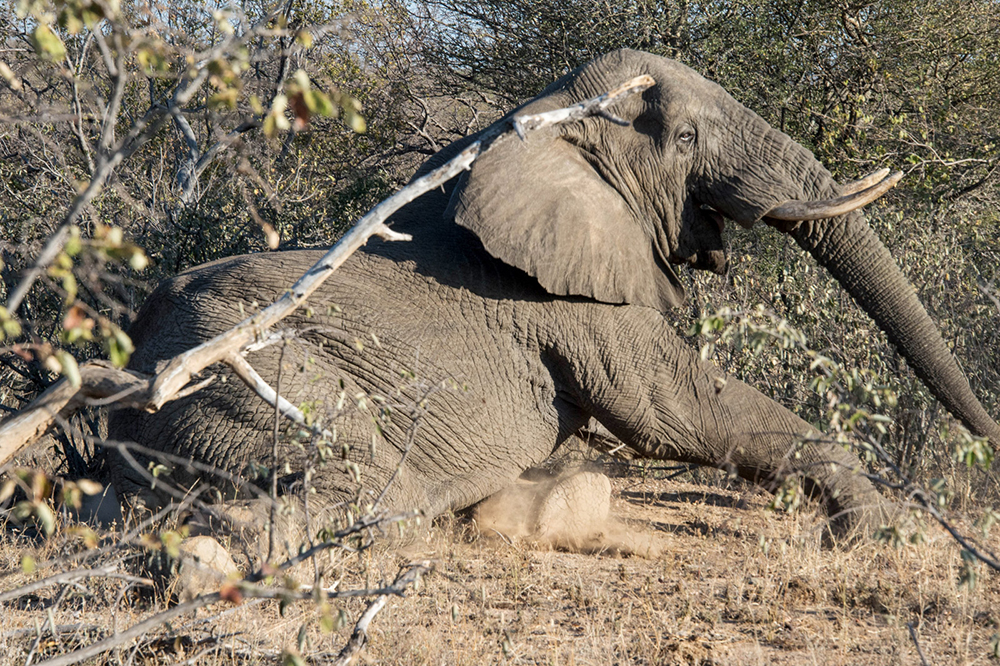
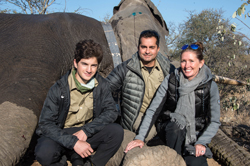 Dan Afrasiabi is President and CEO at Geneva Woods Health Care Services and member of the YPO Pacific and the US at large chapters. He has found a special place in his heart for African conservation efforts and is now a lifetime ambassador for Mother Africa.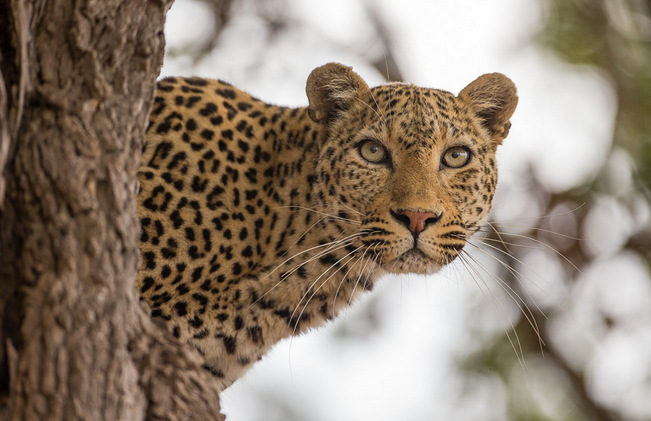
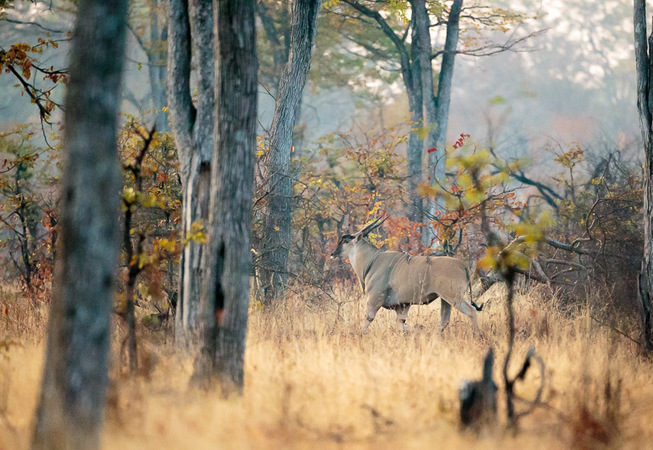
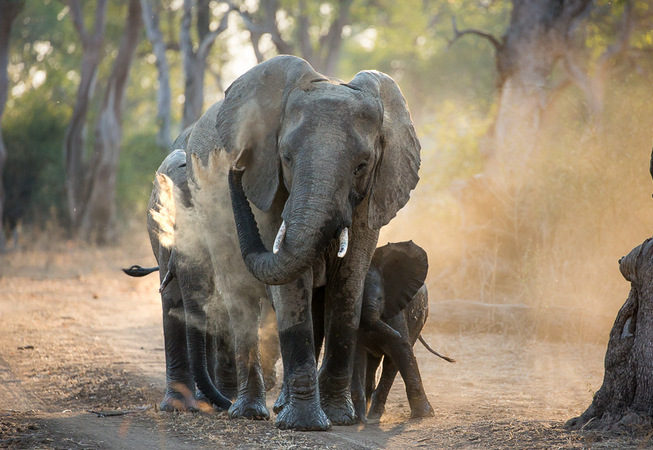
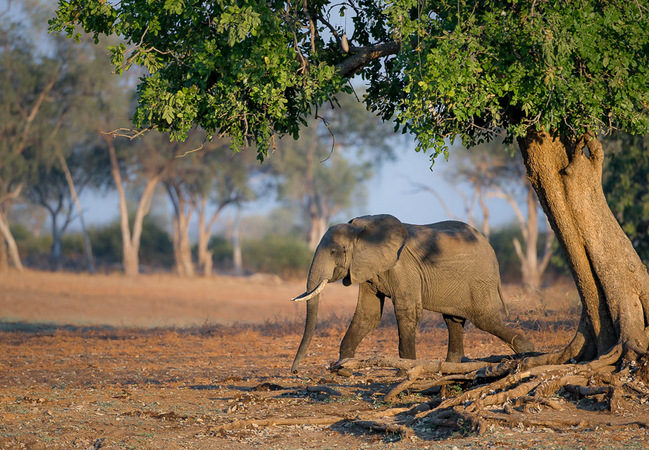
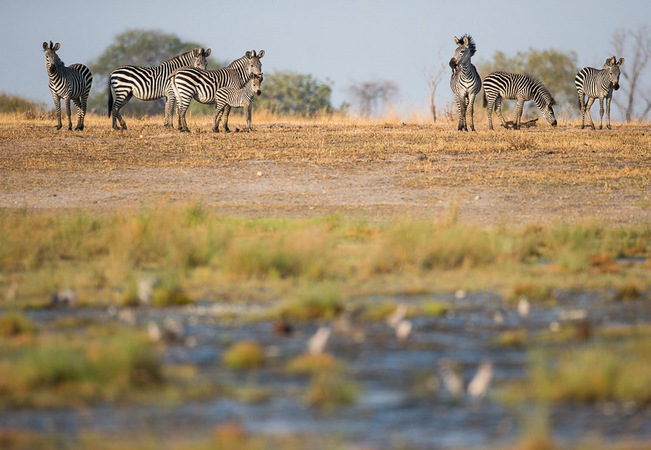
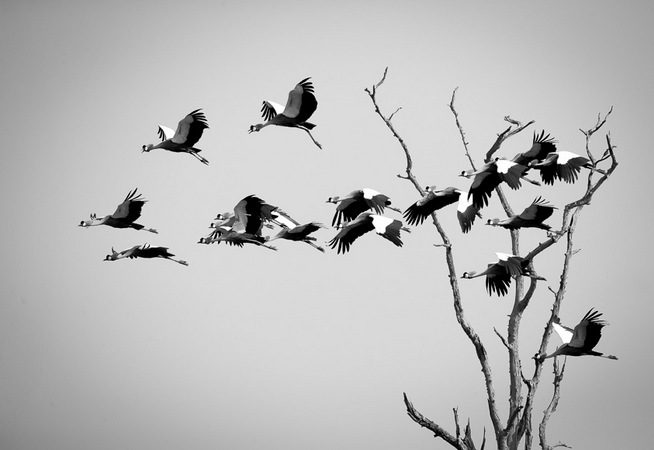
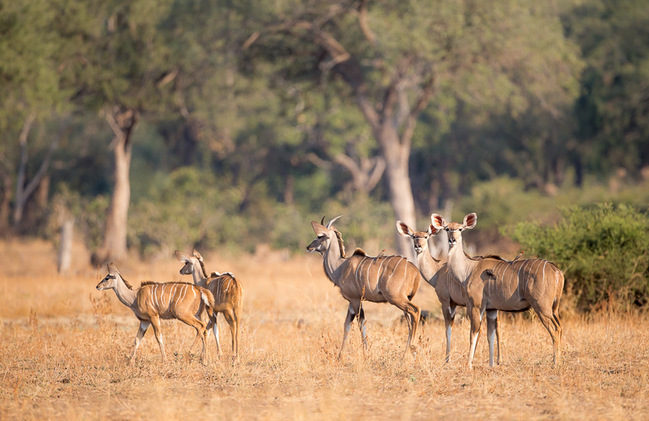
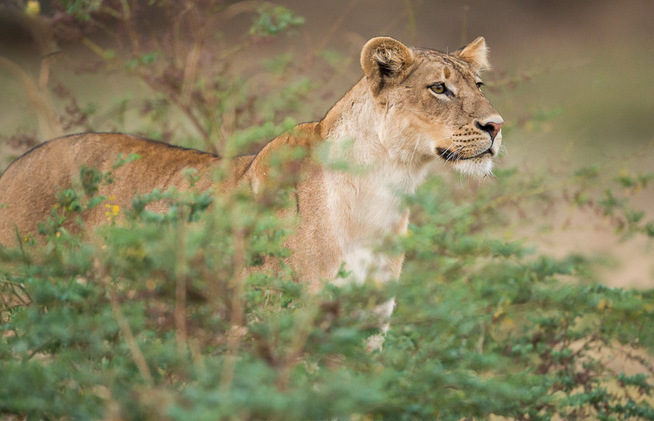
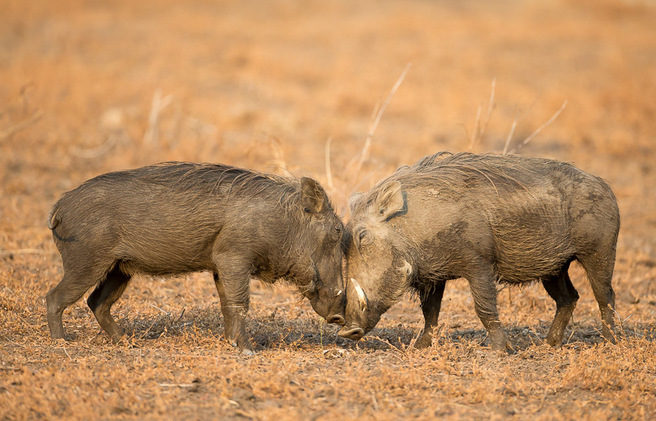
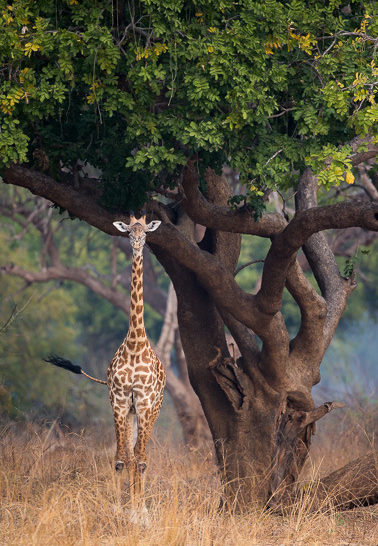
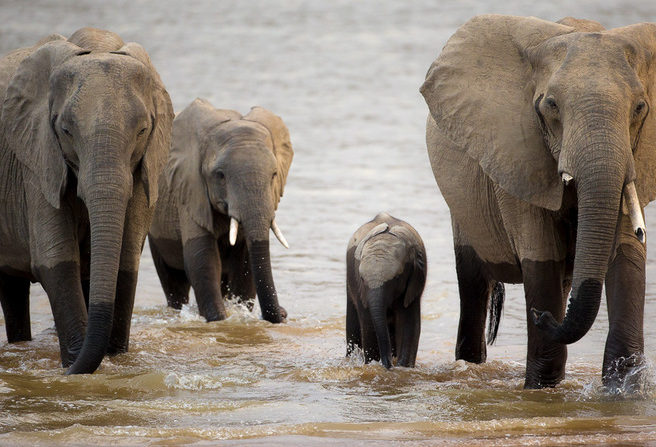
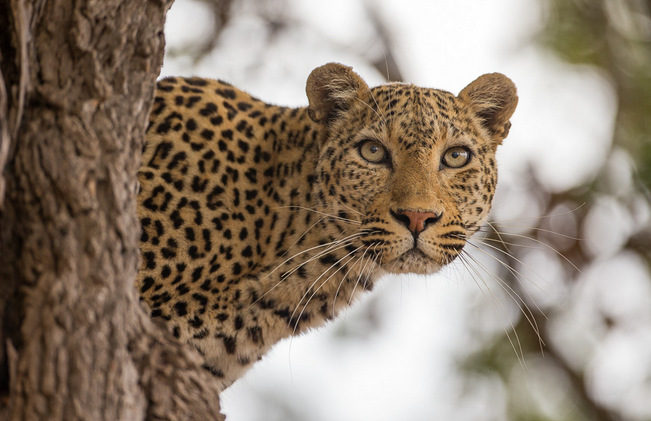
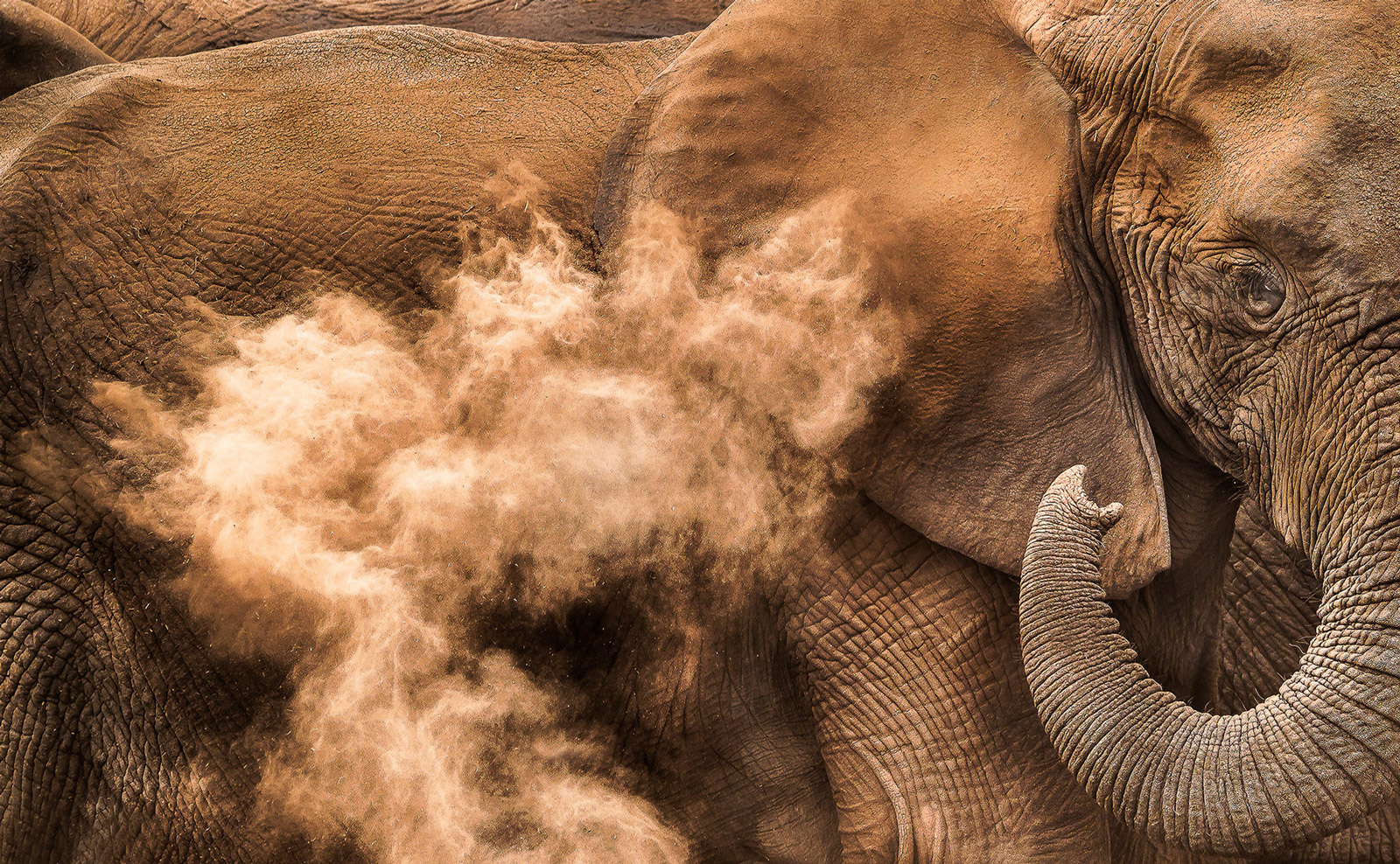
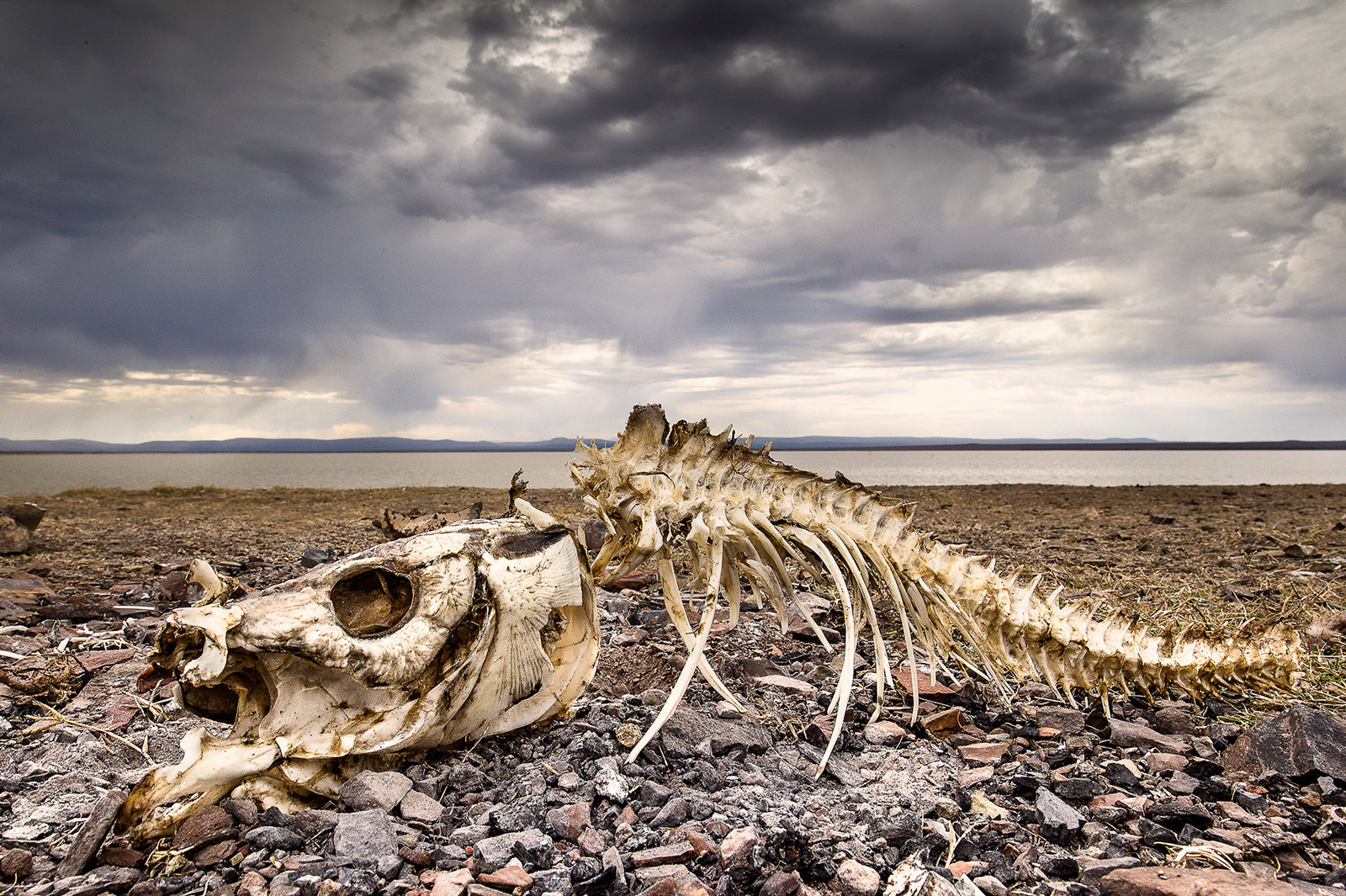
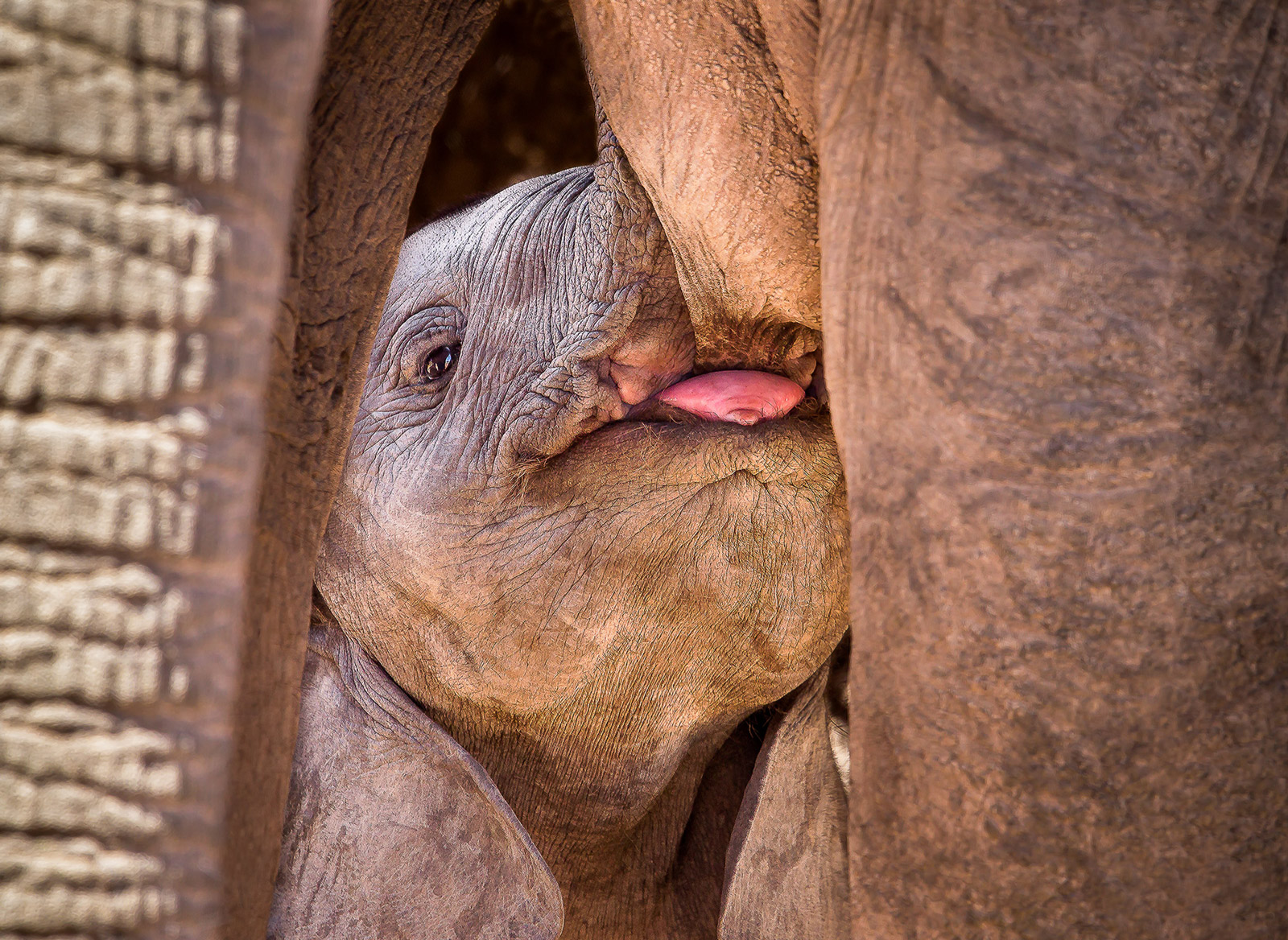
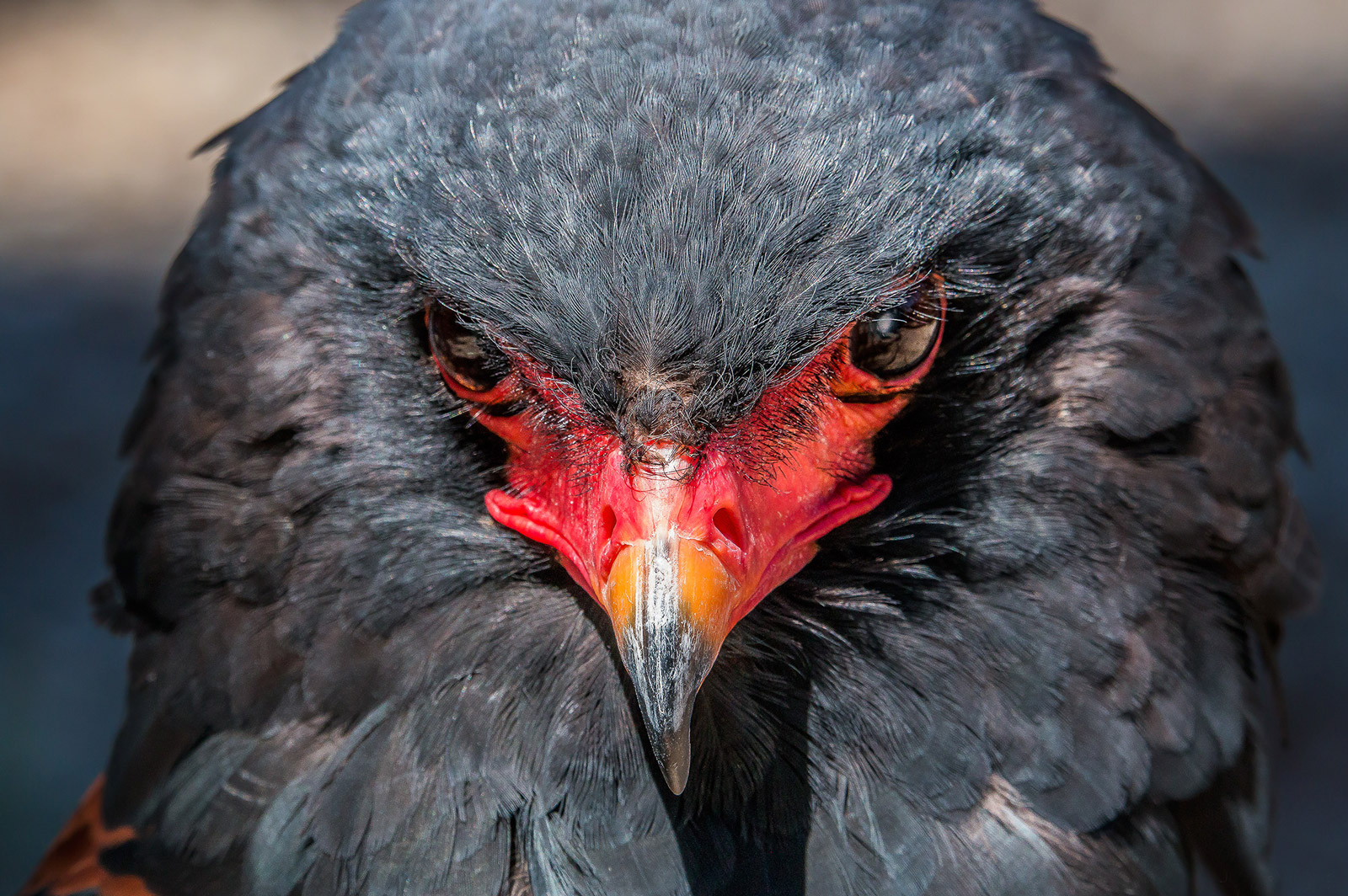
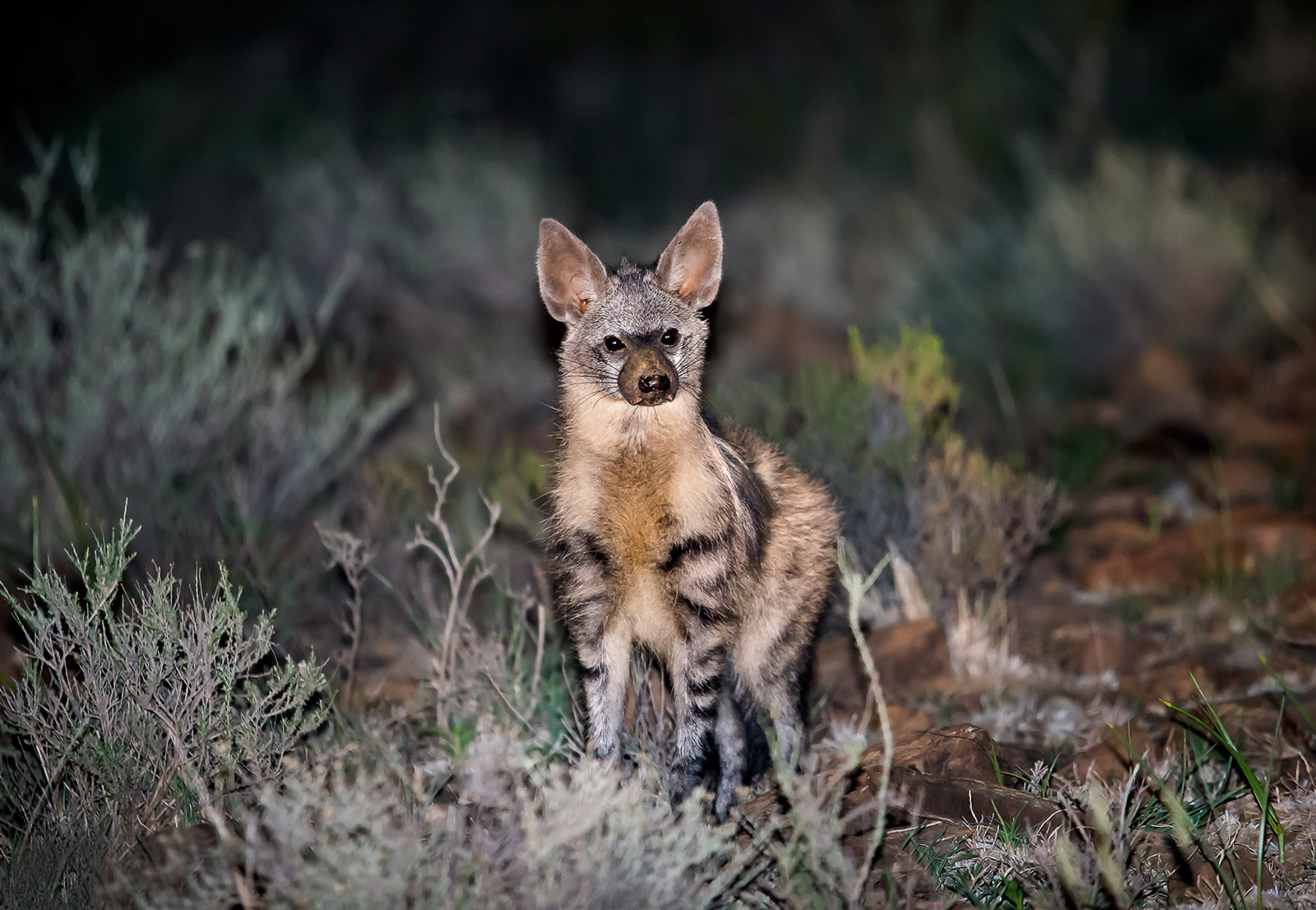
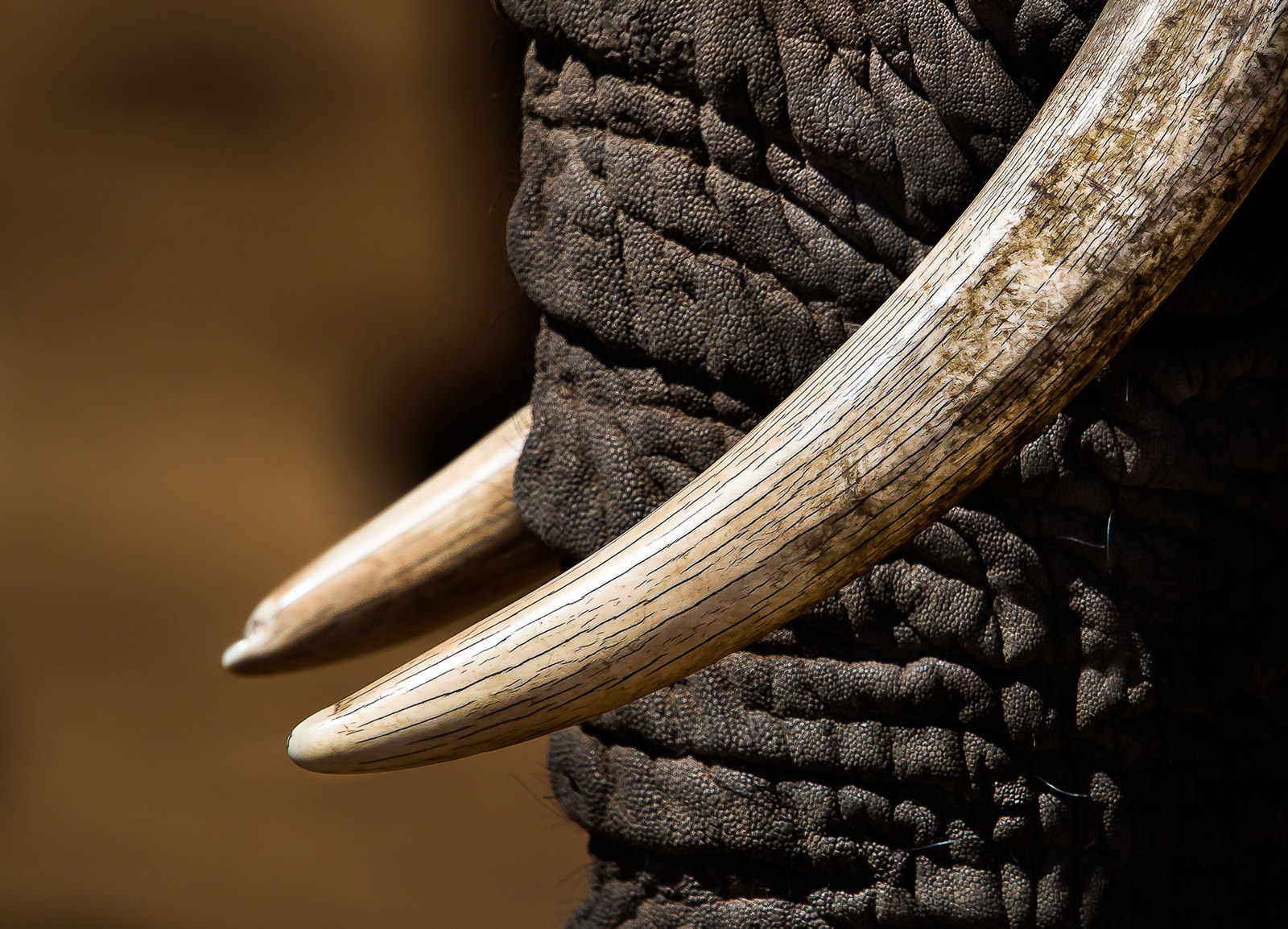
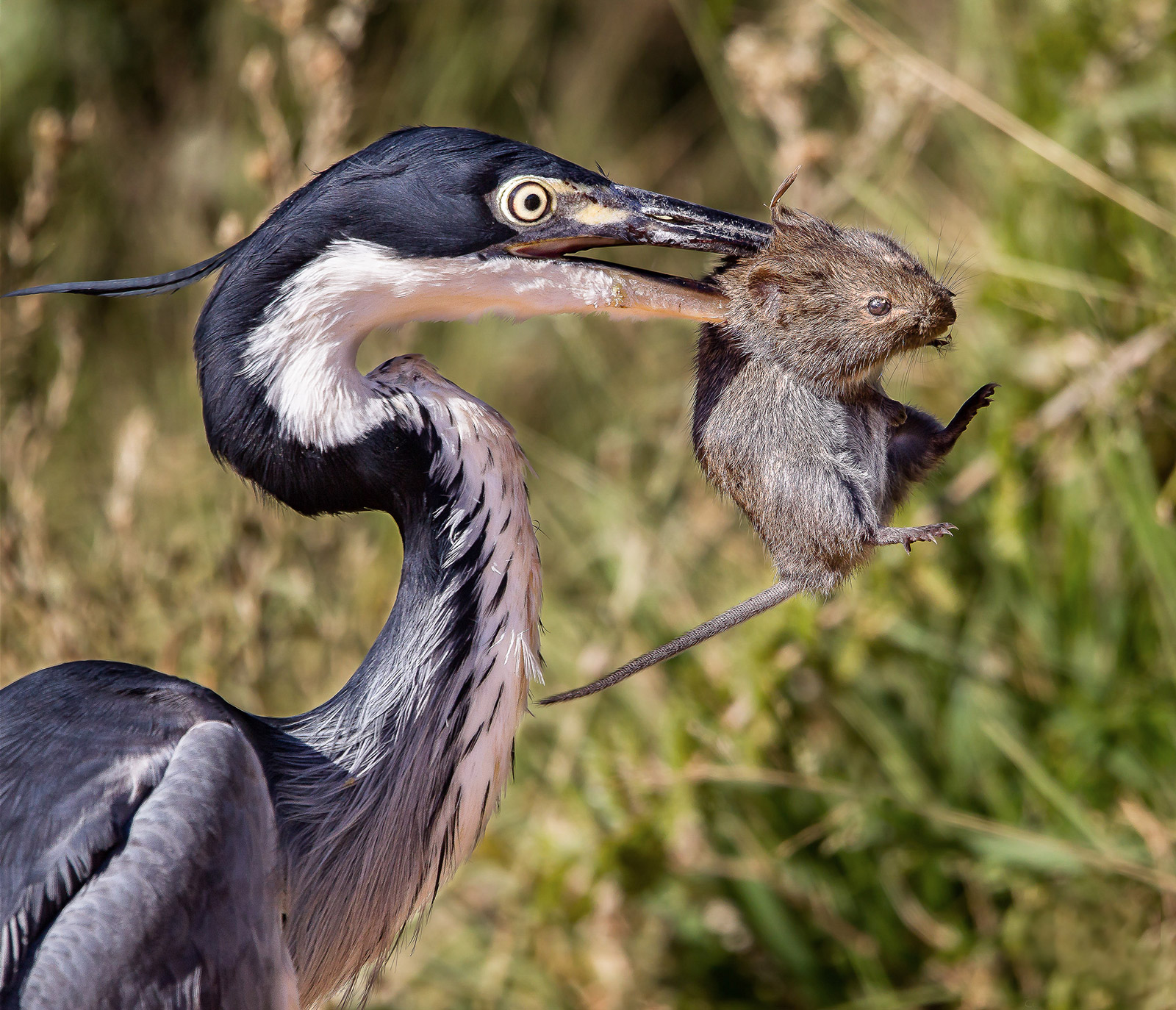
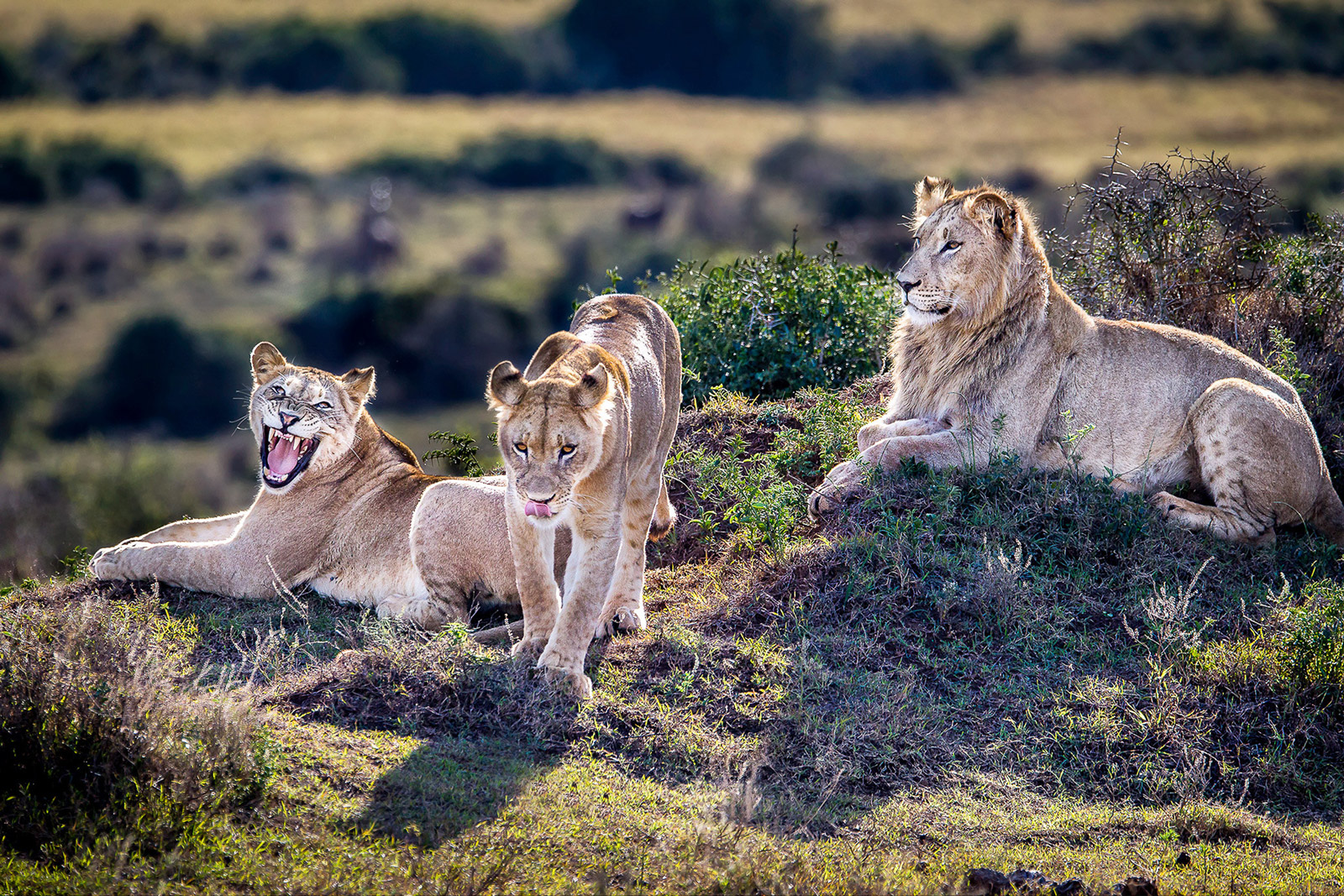
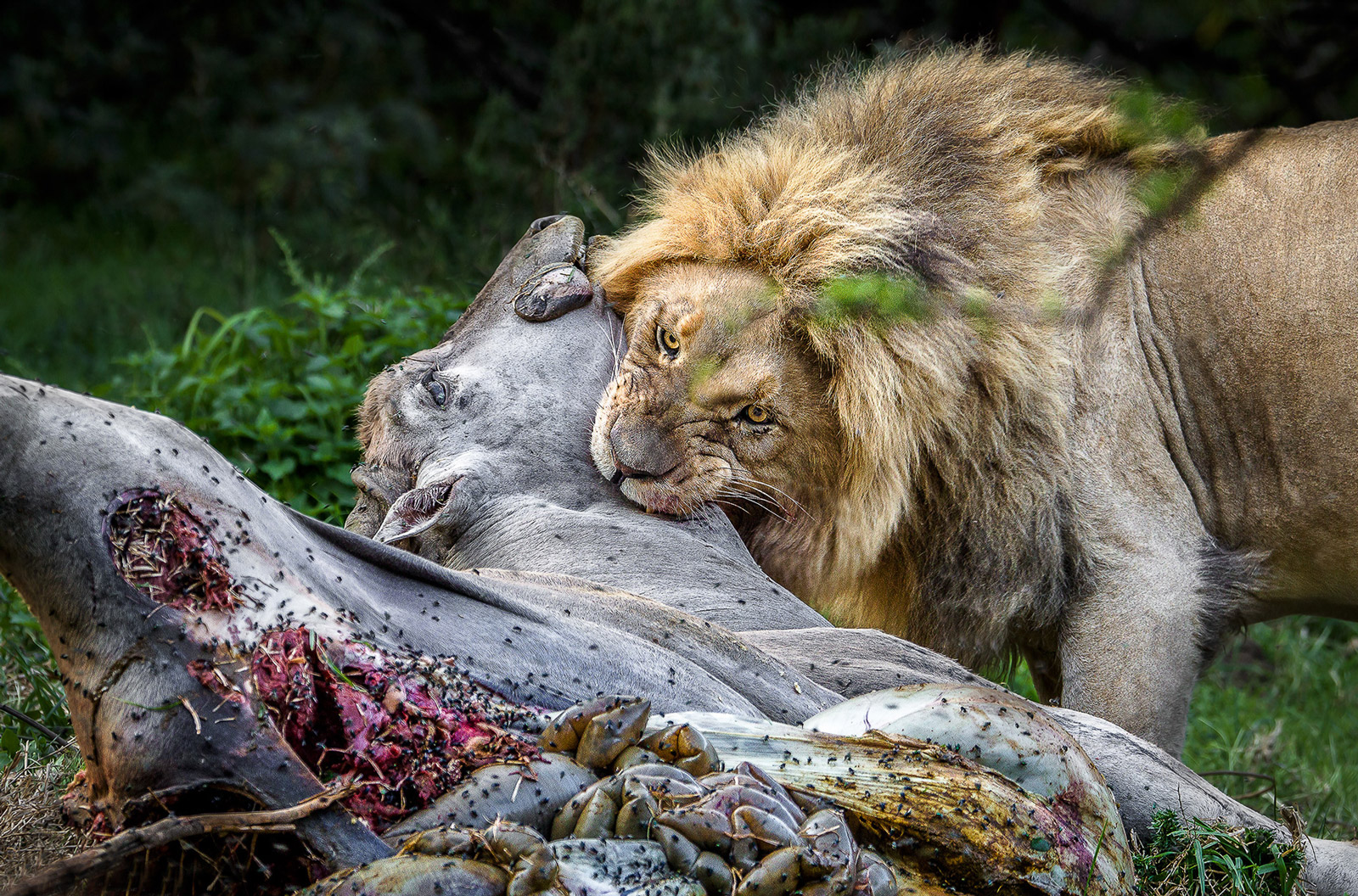
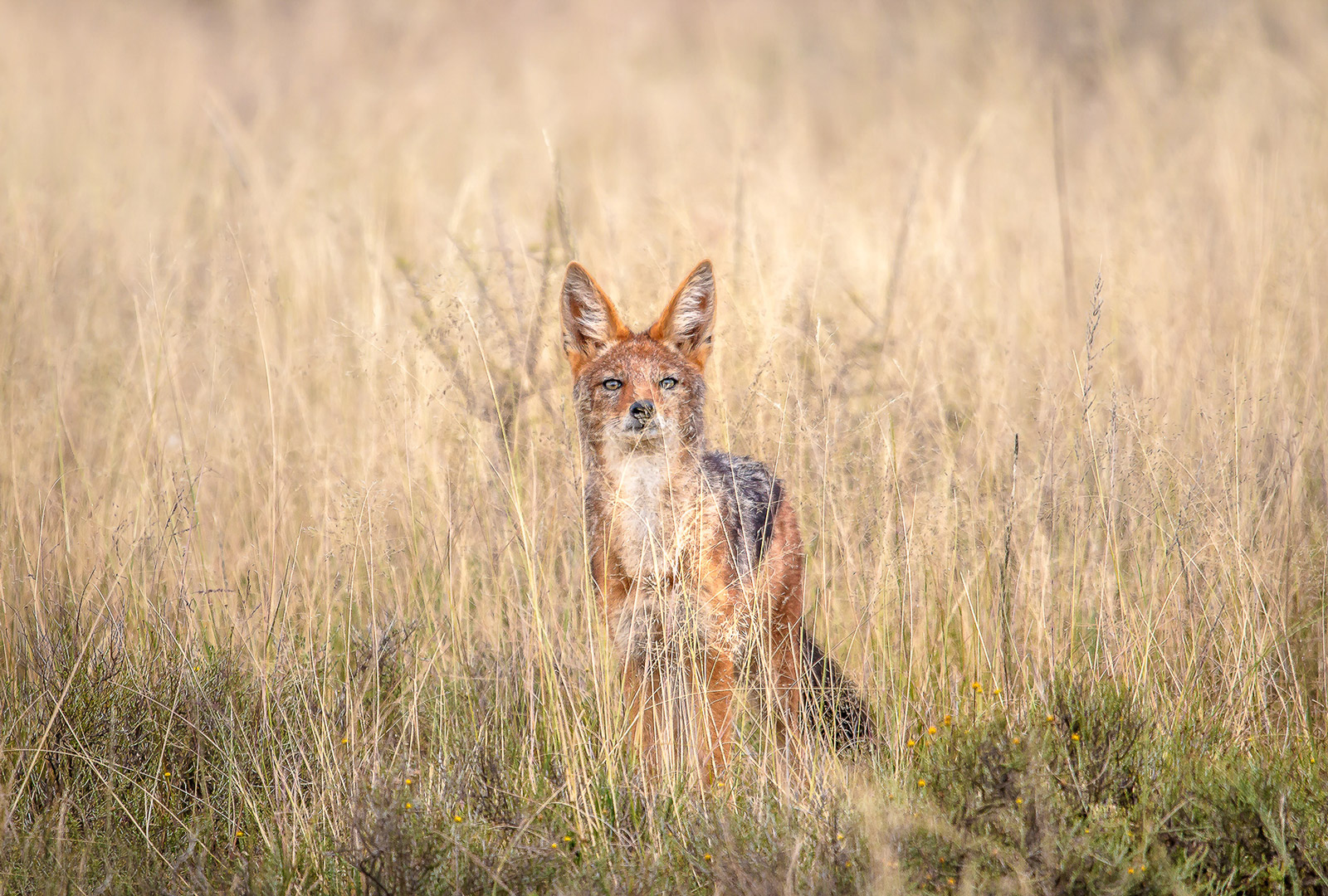
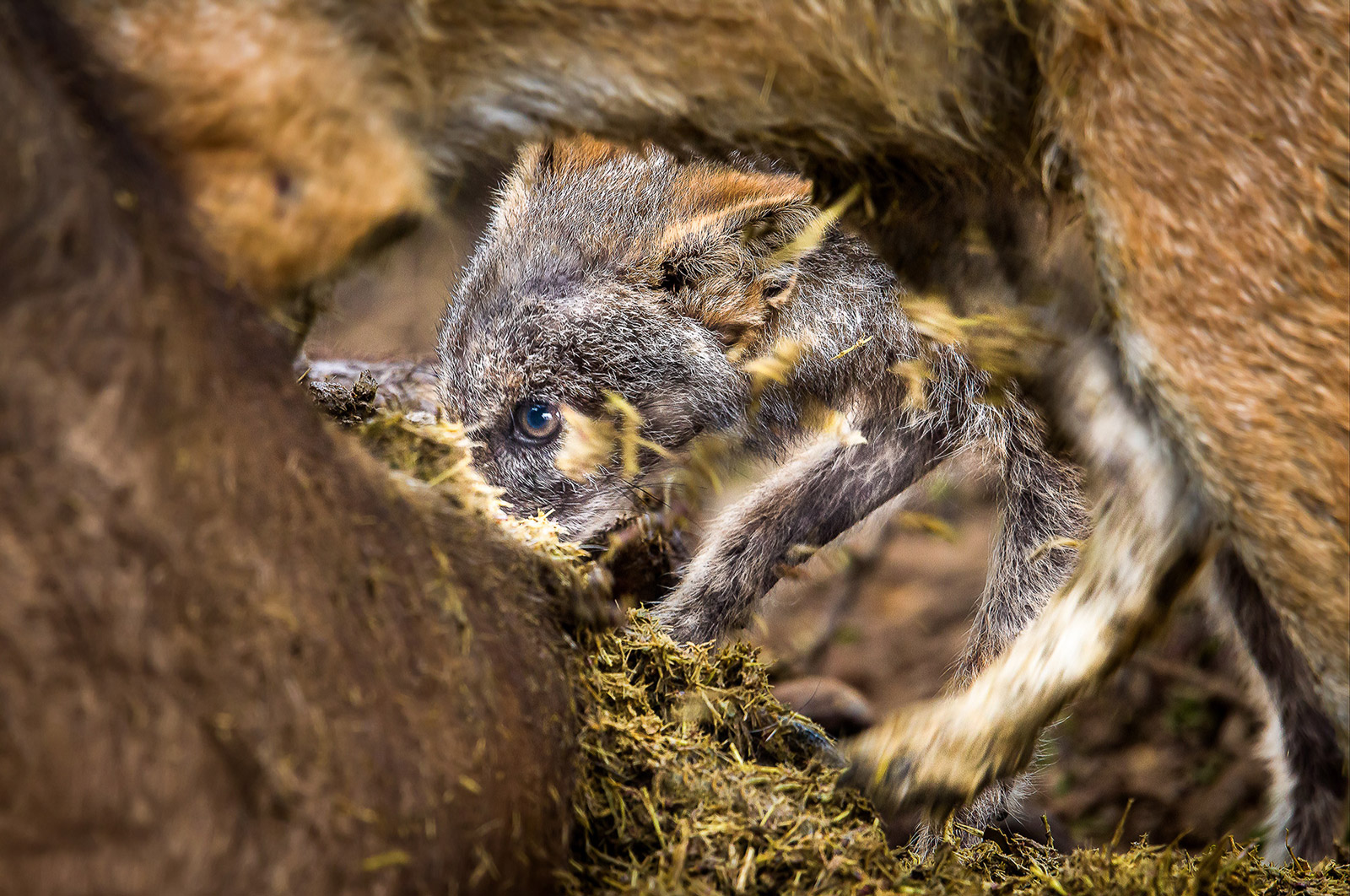
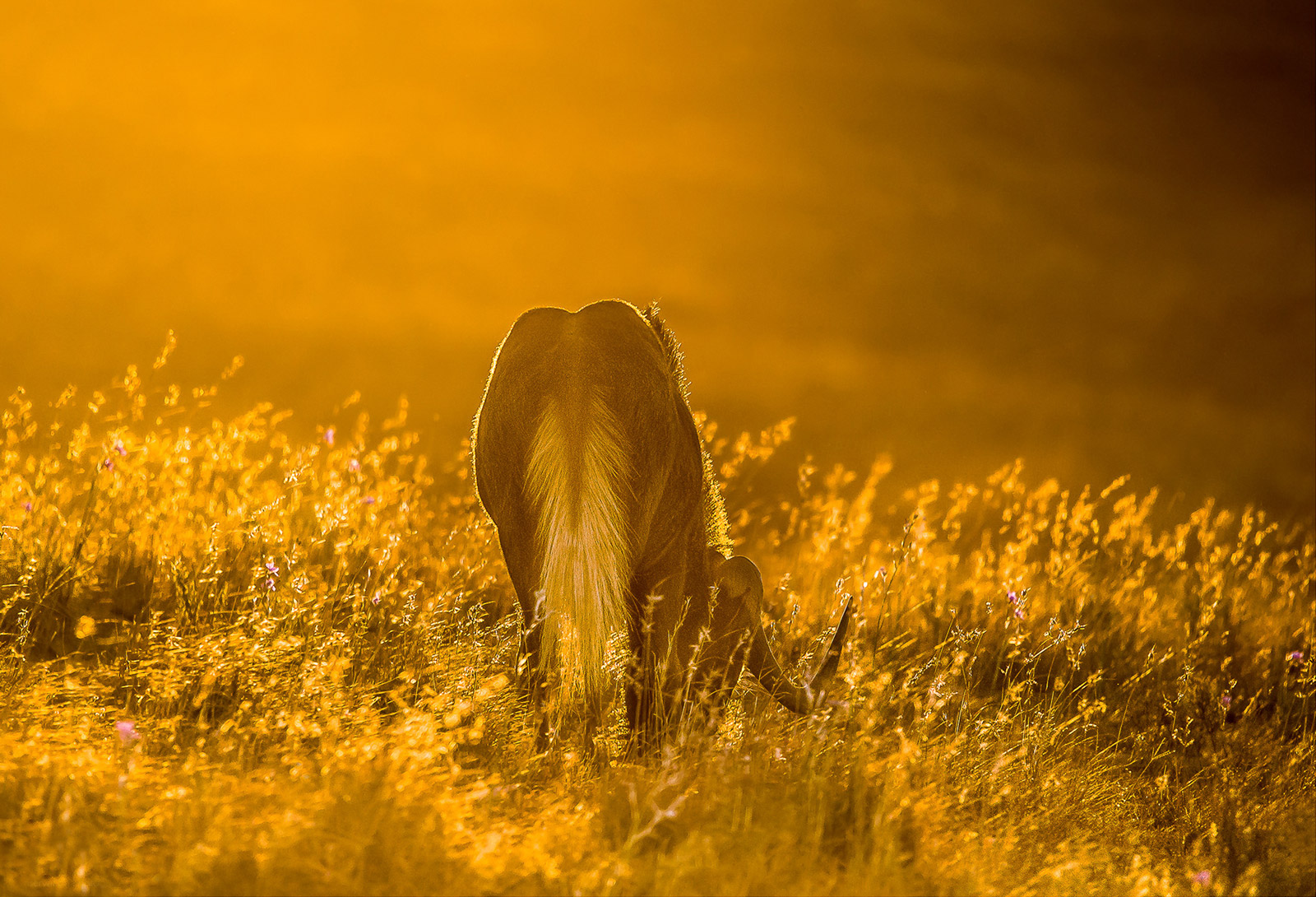
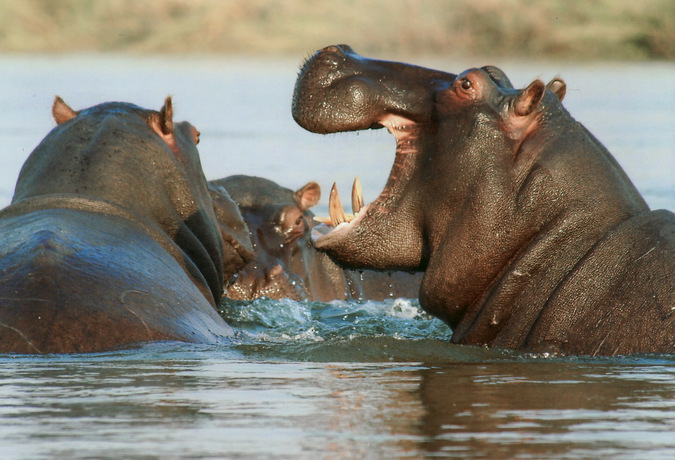
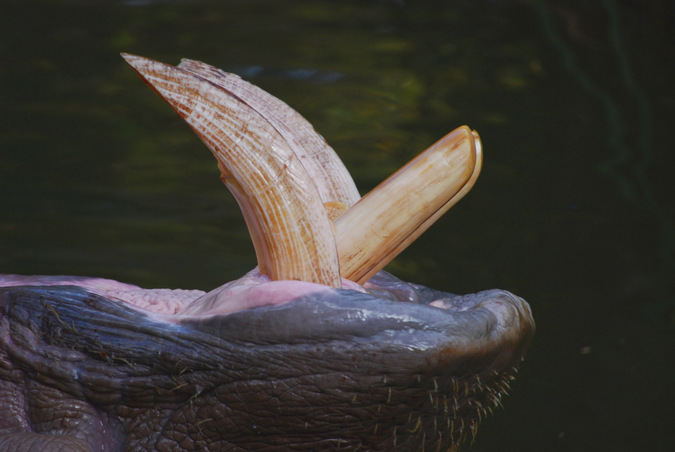
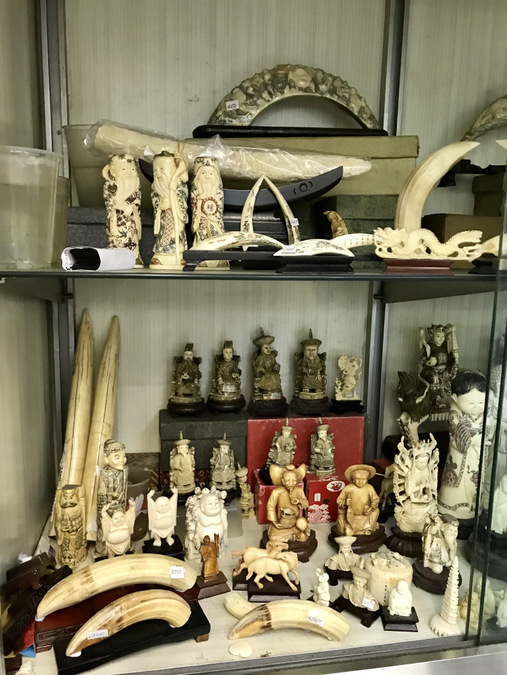
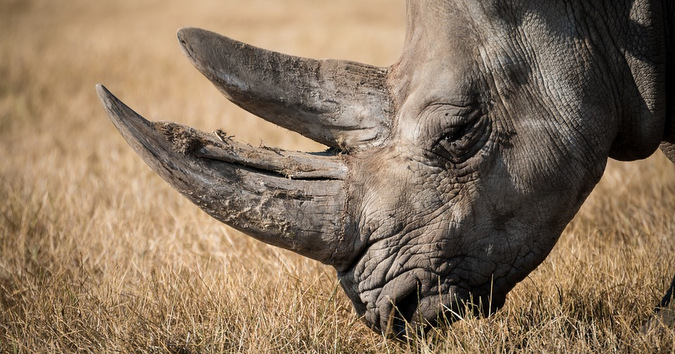
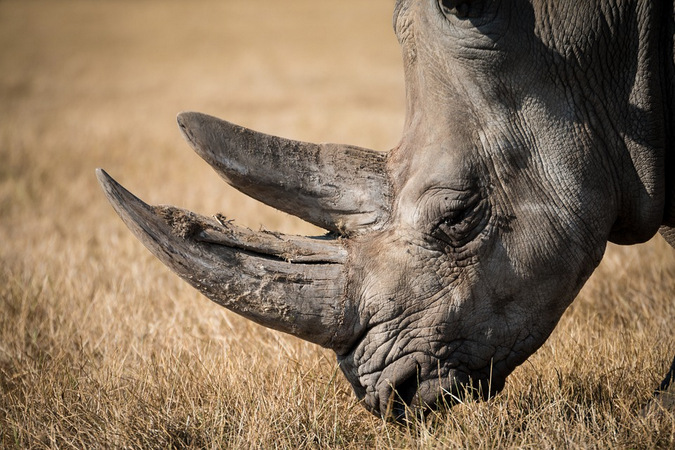
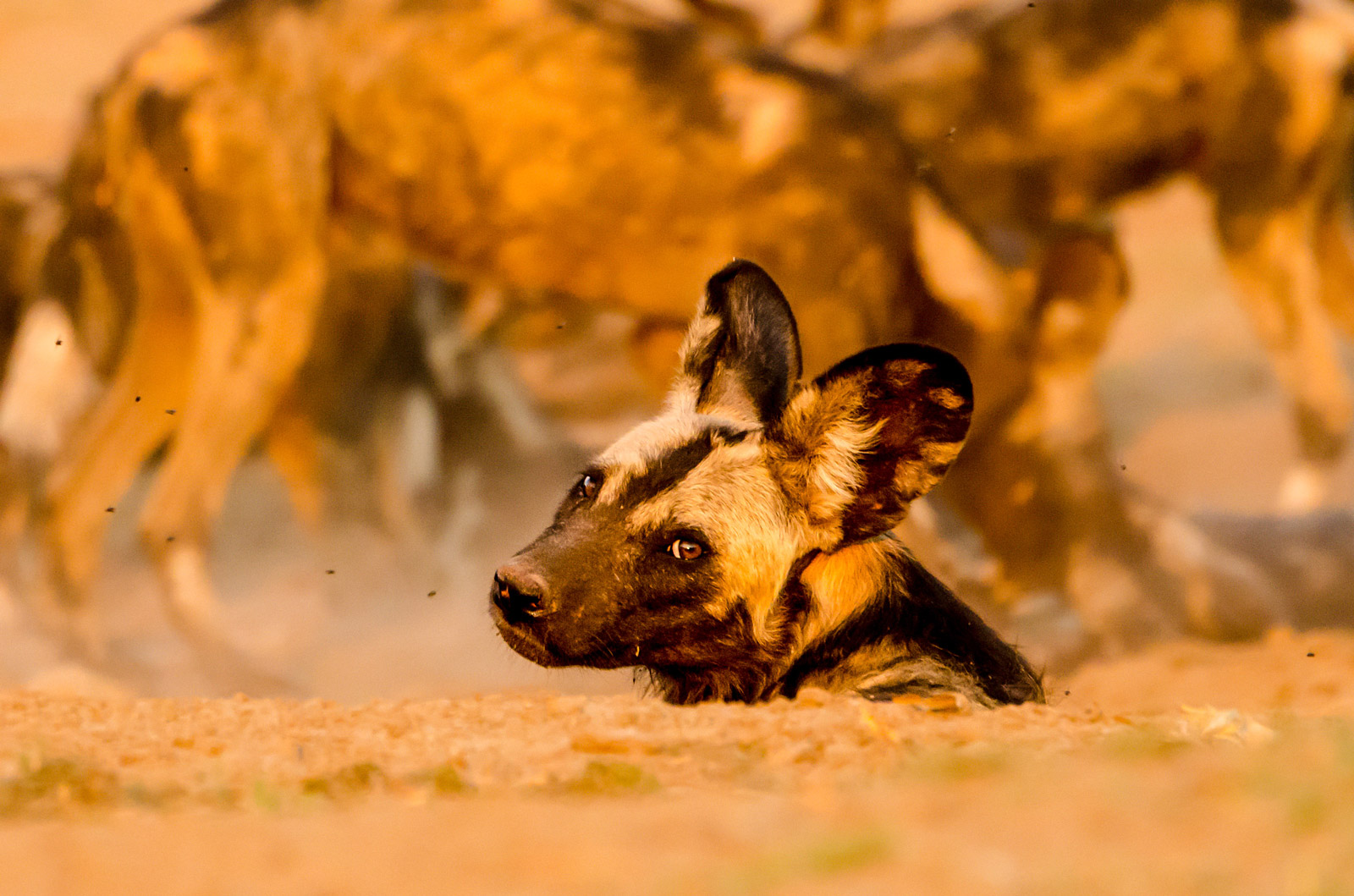
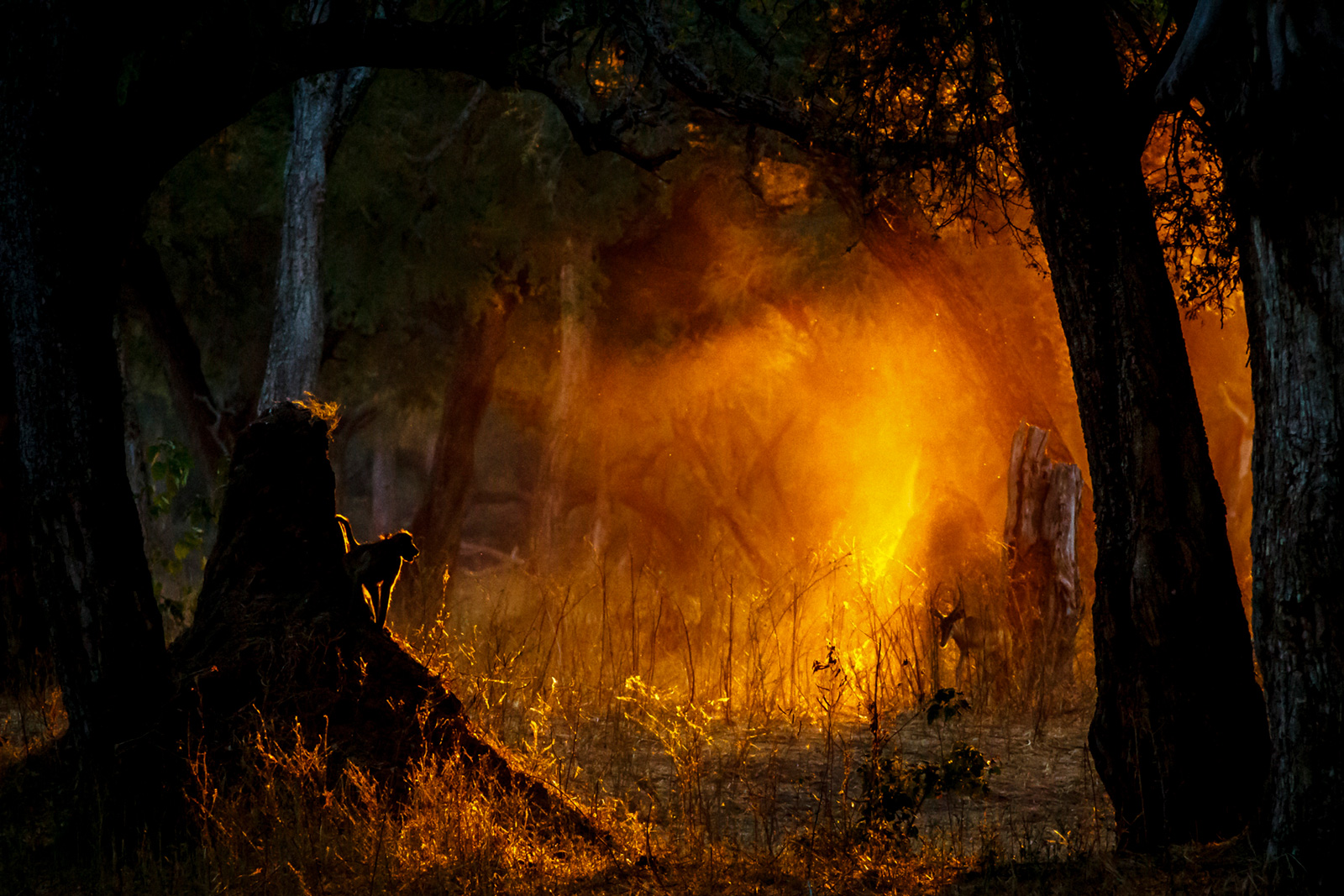
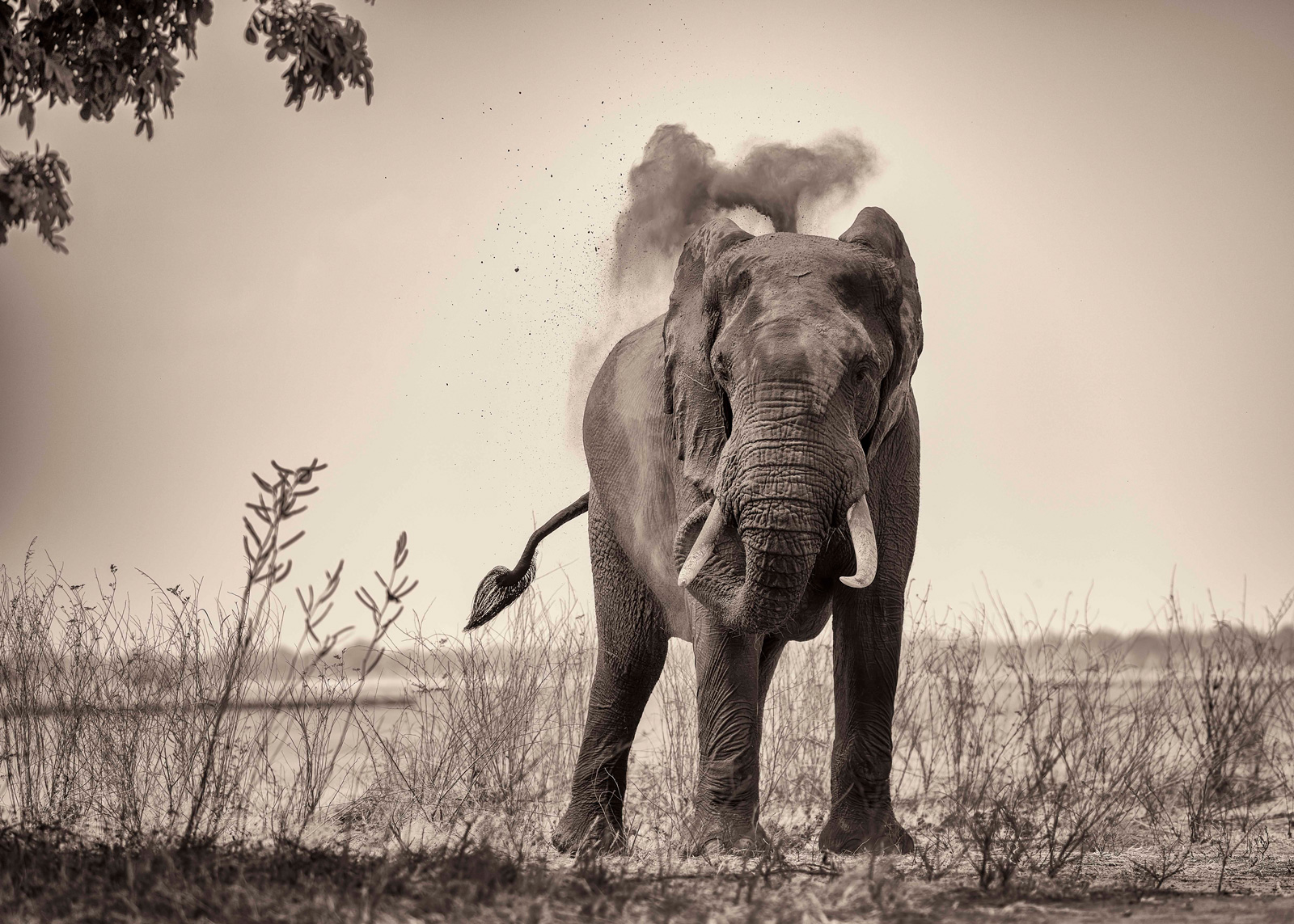
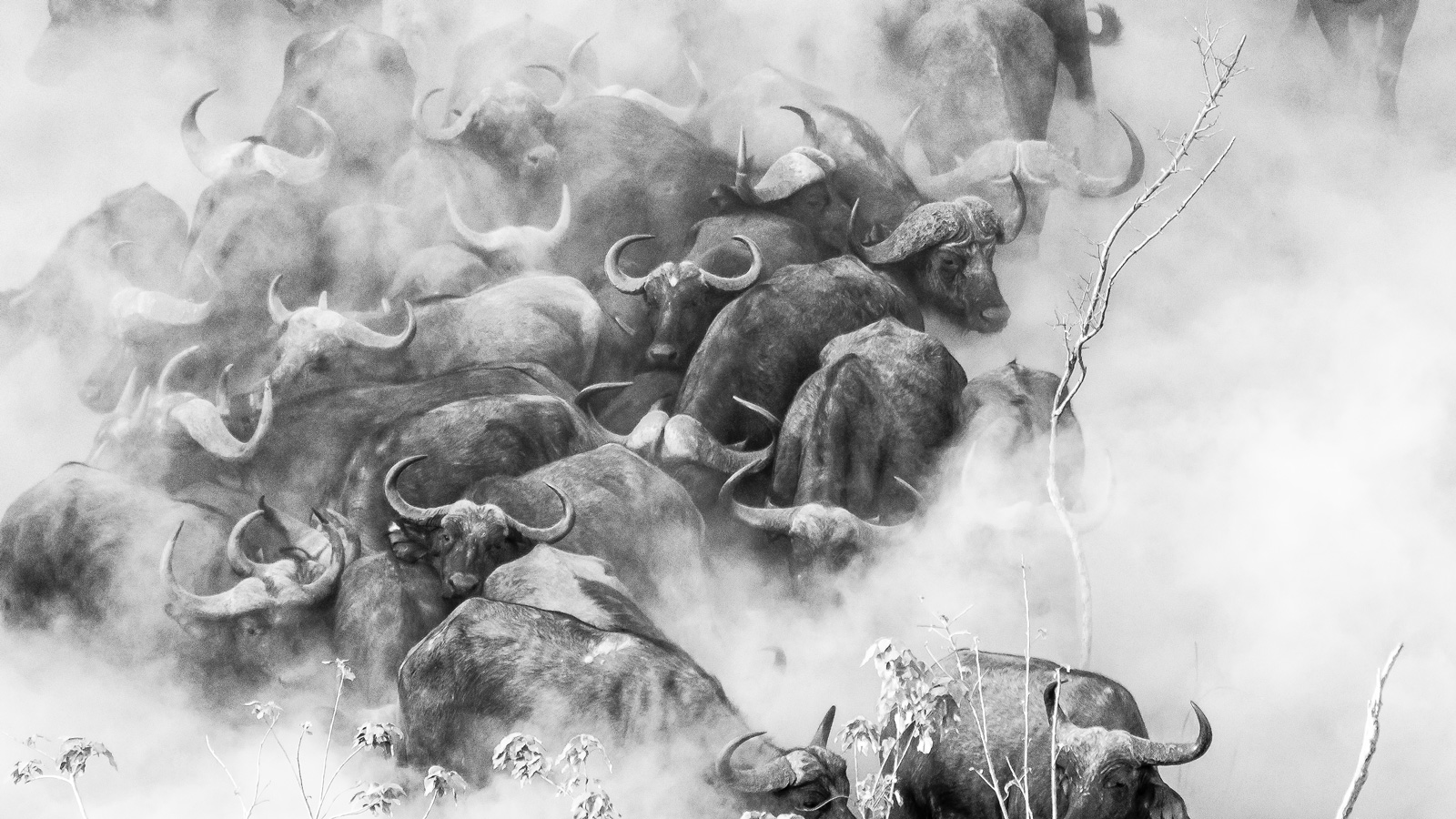
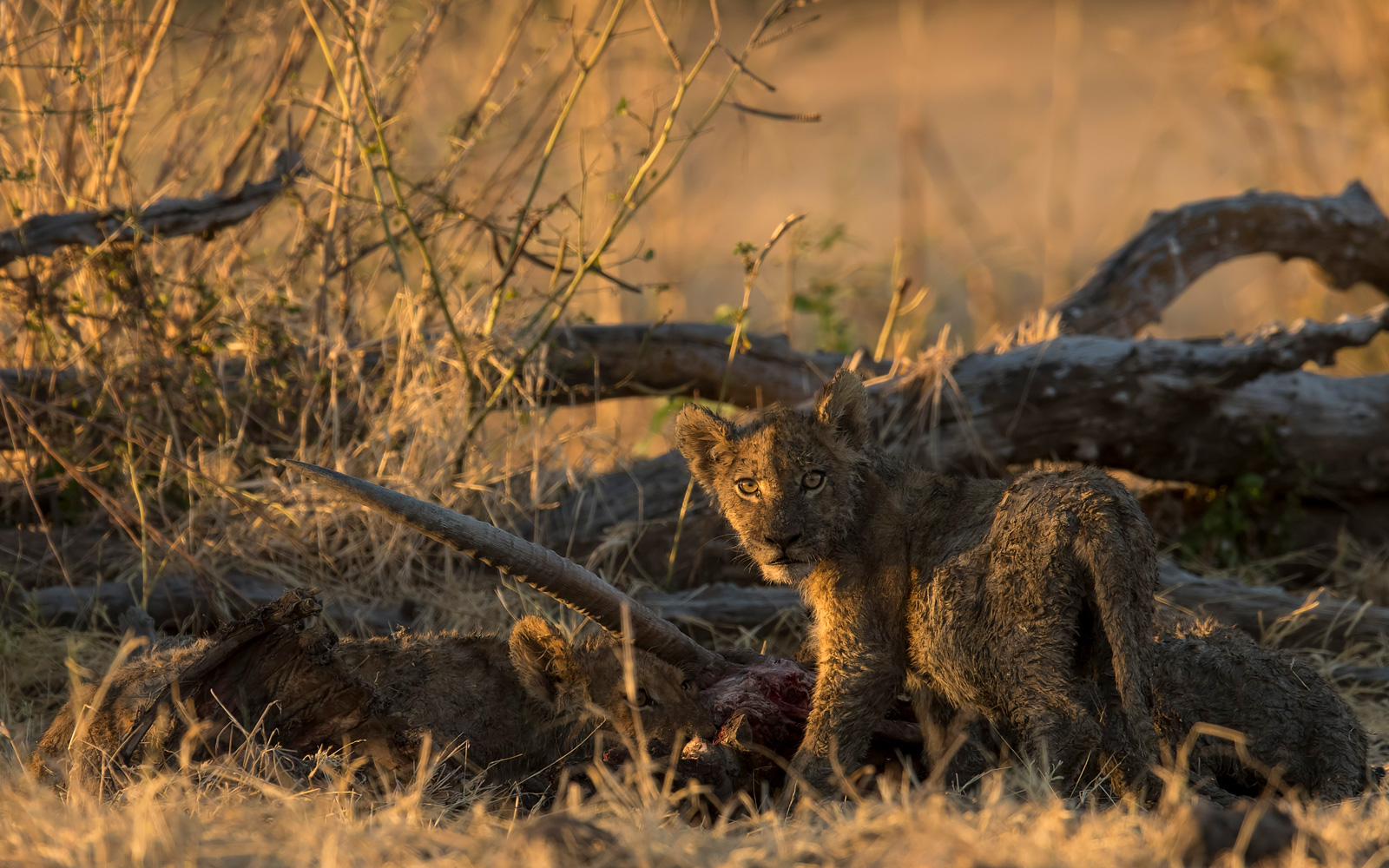
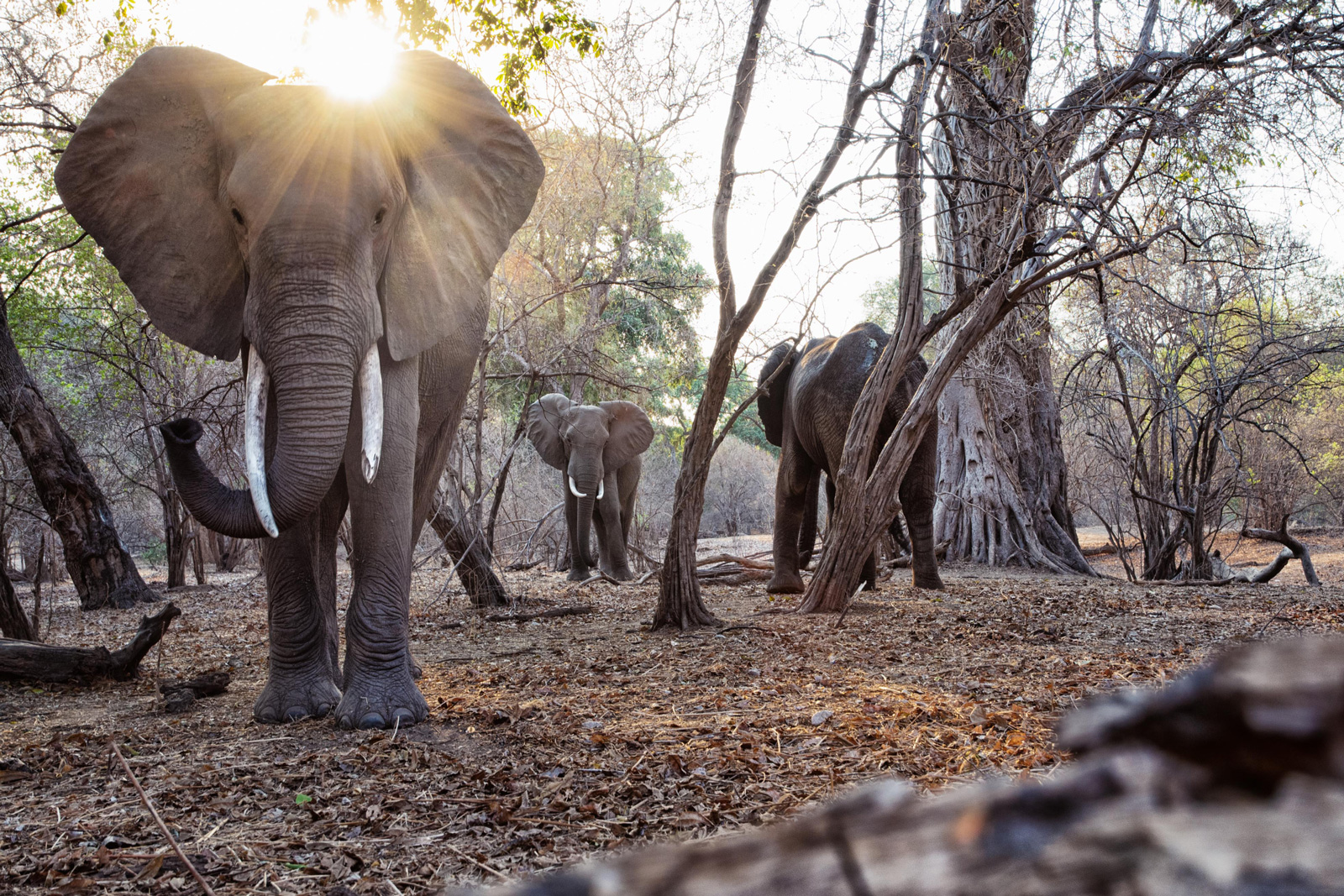
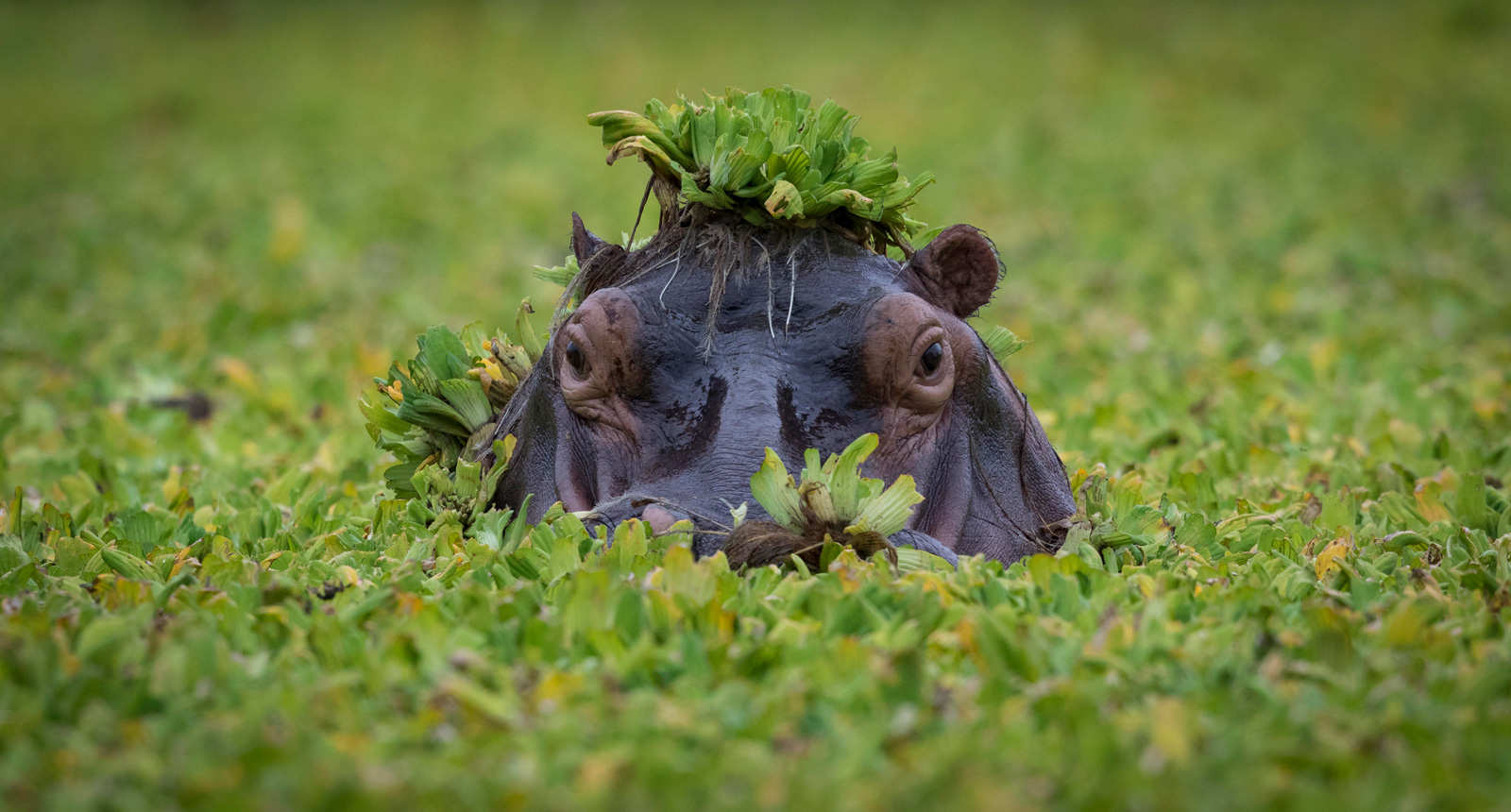
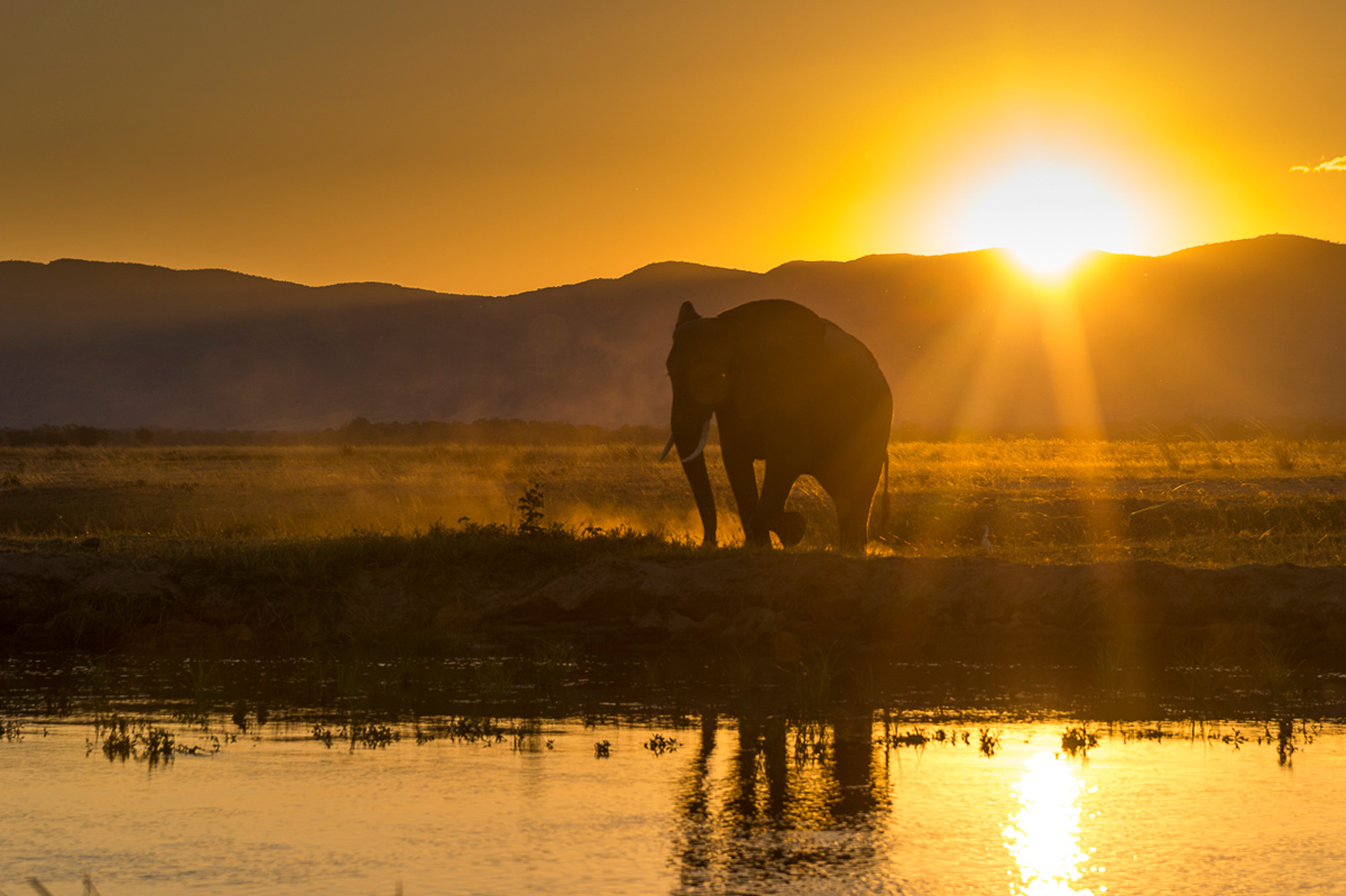
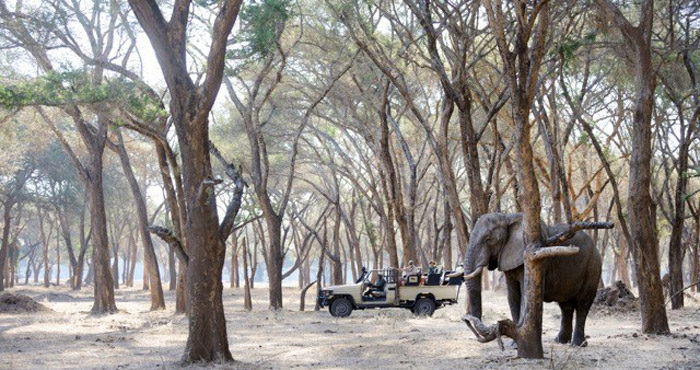
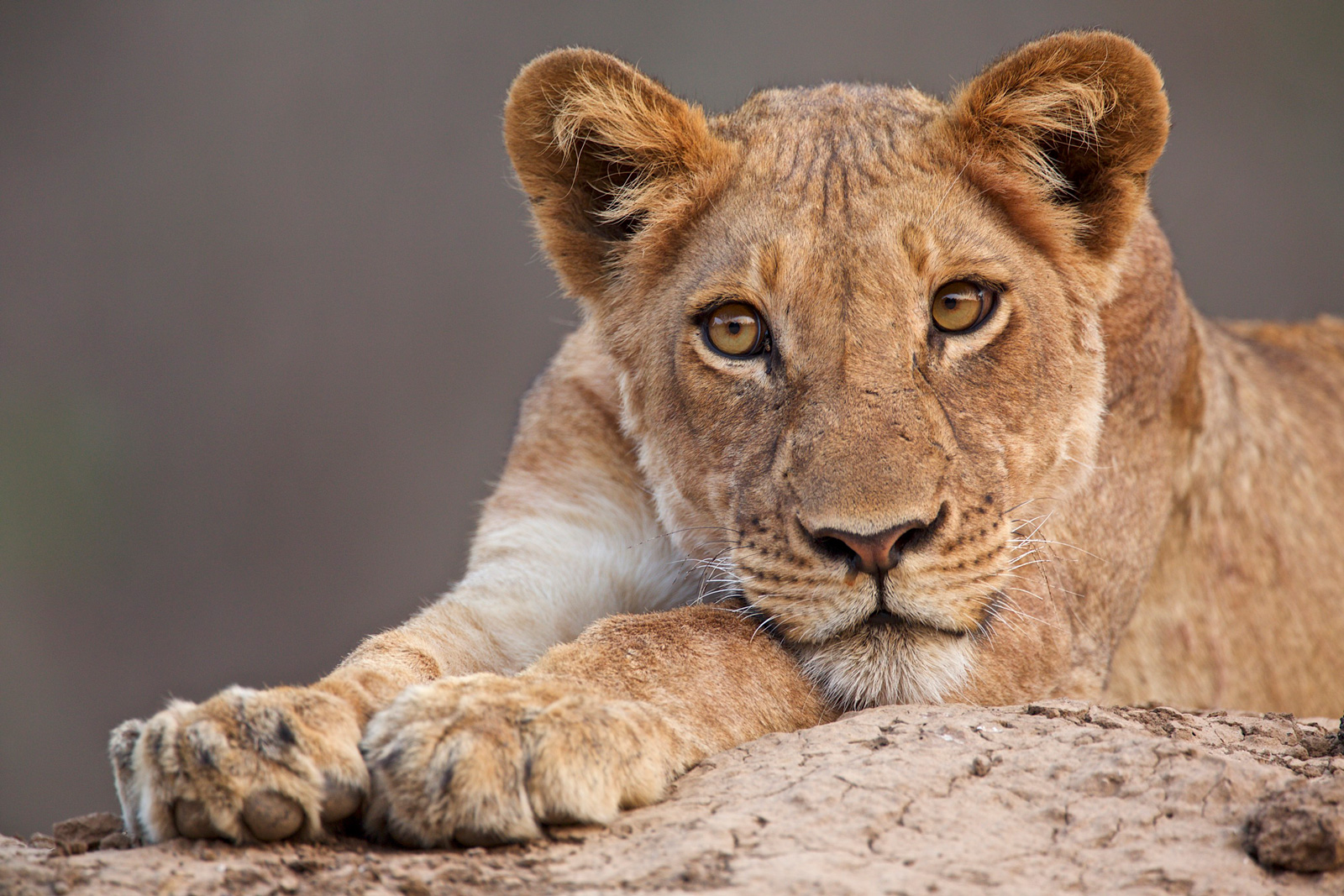
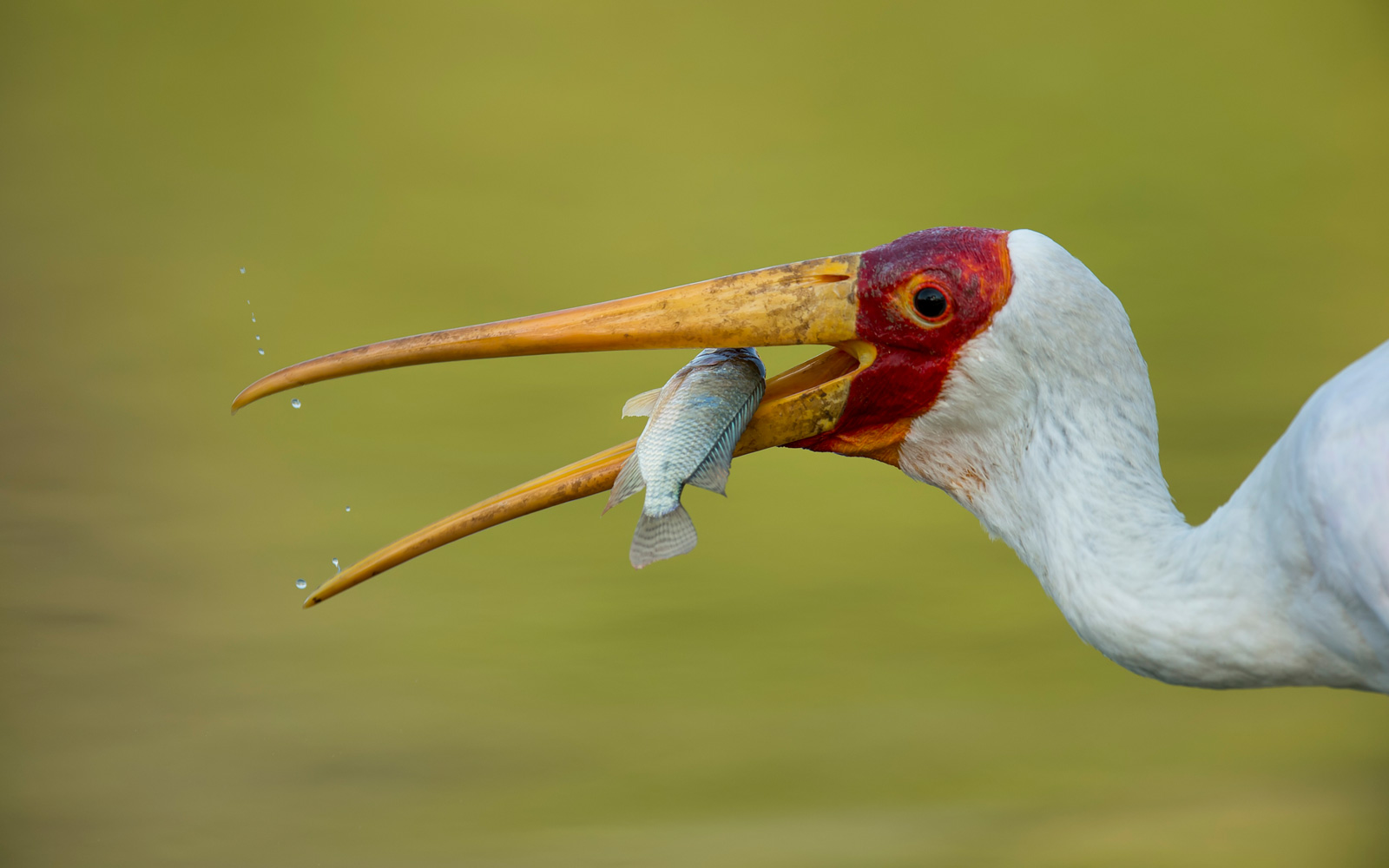
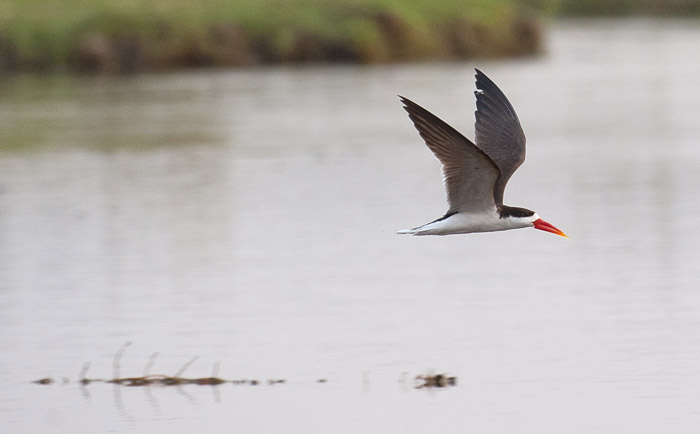
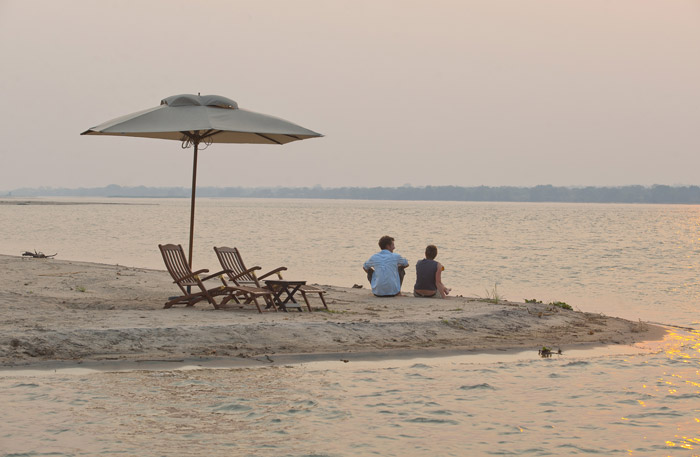
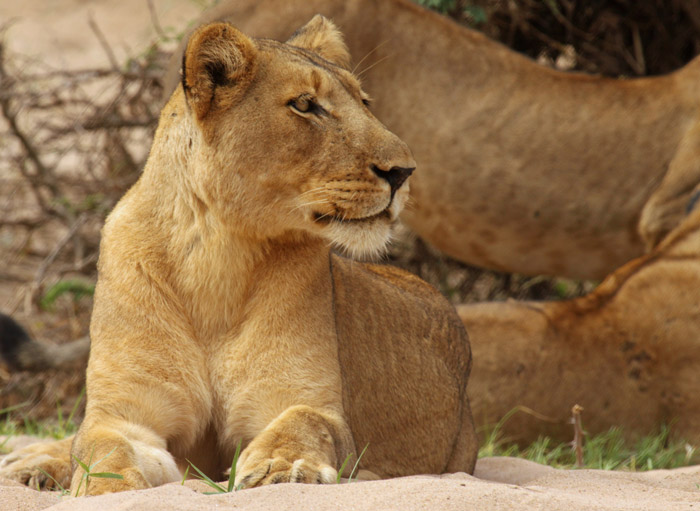
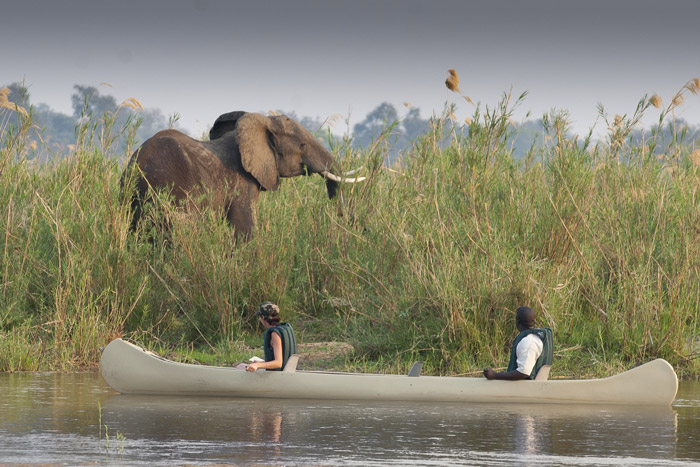
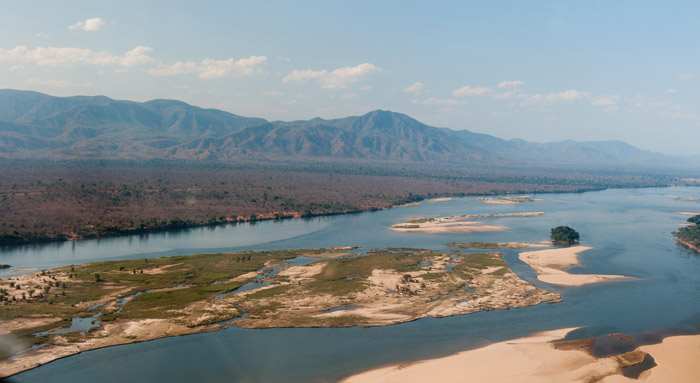
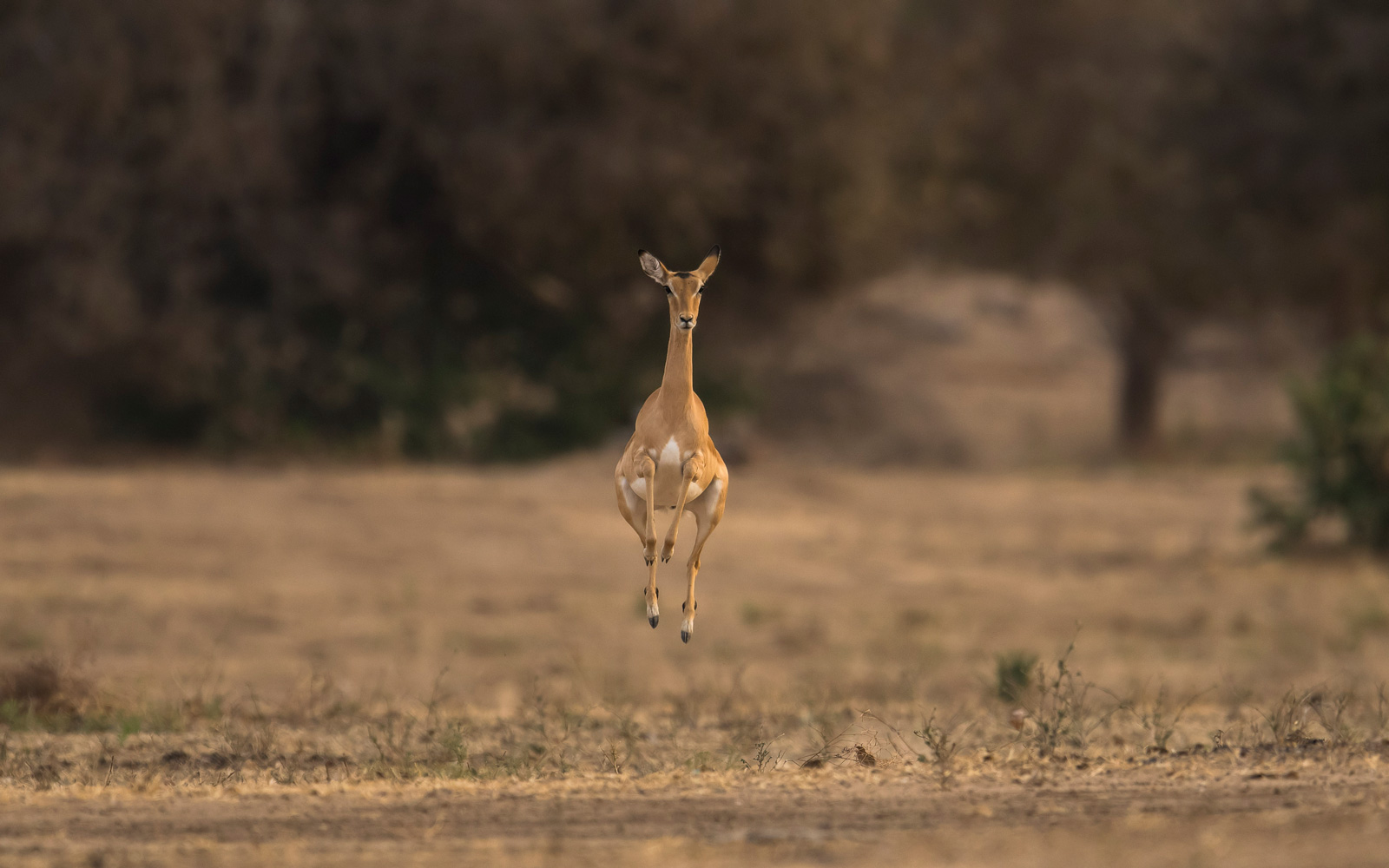
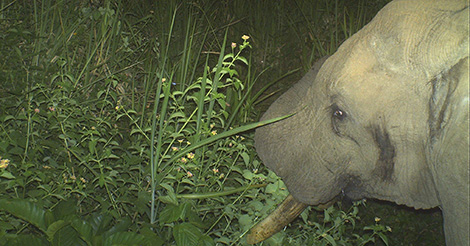
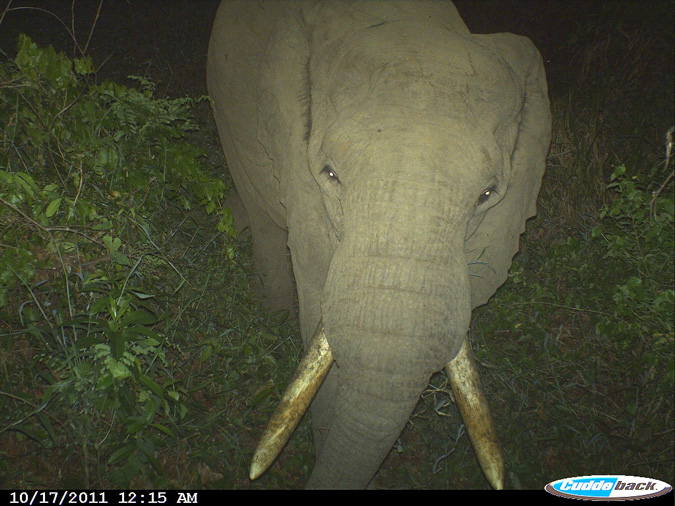
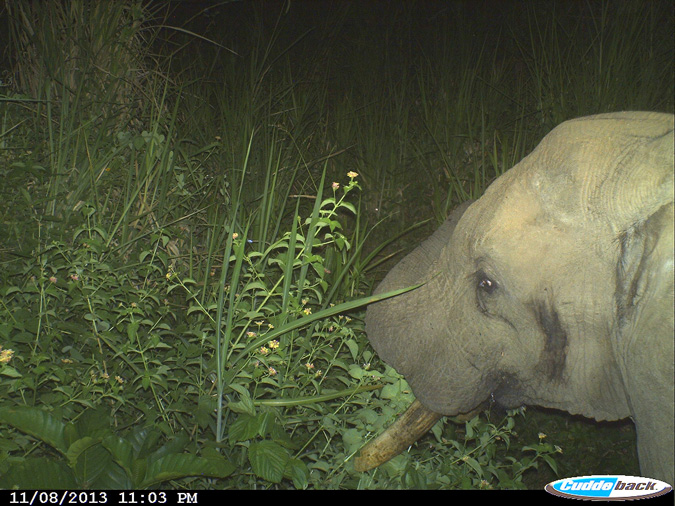
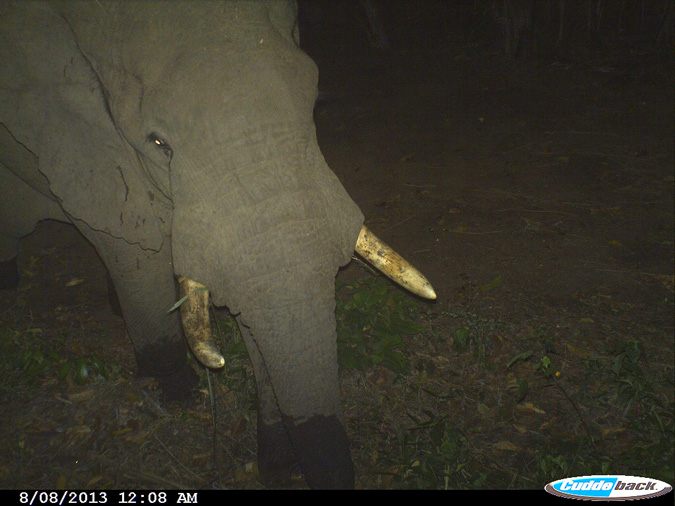
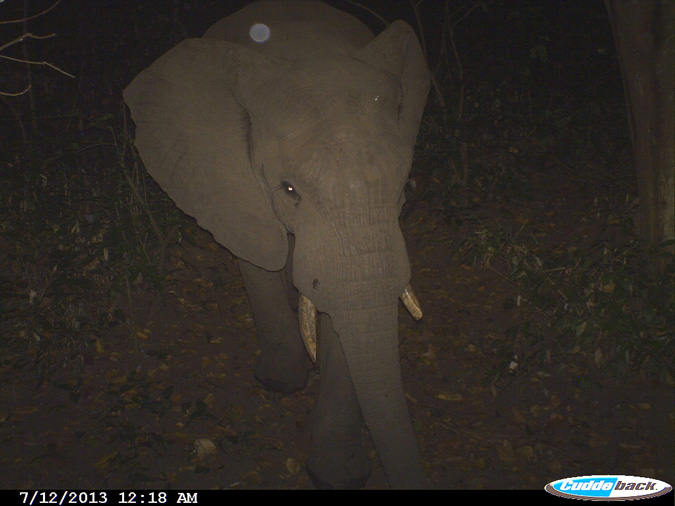
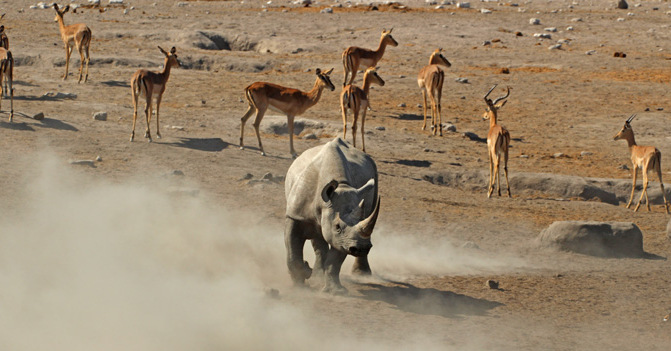
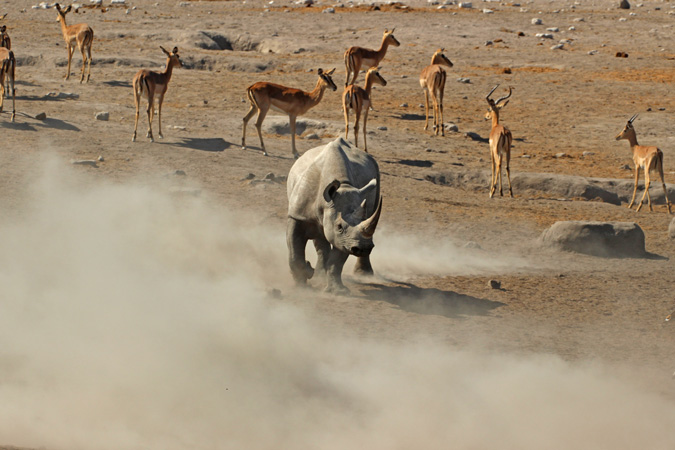
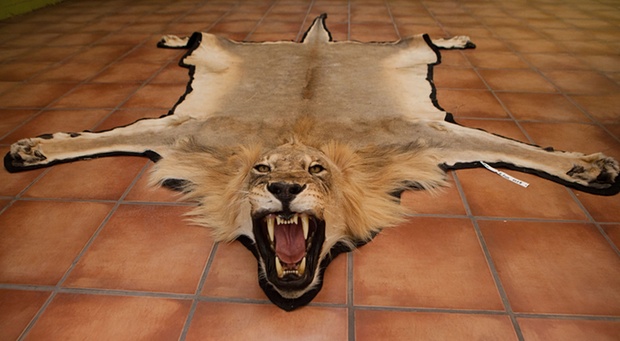
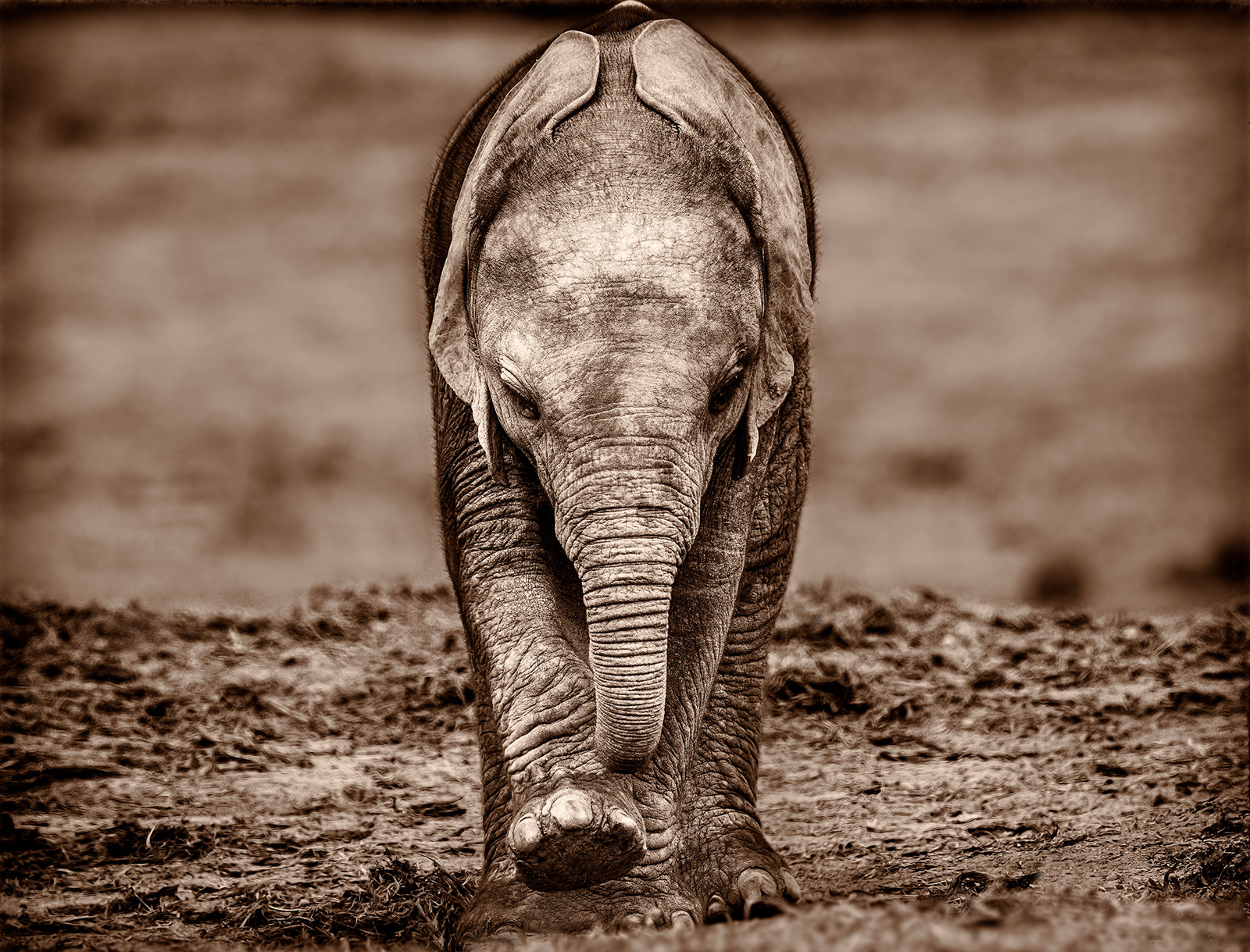
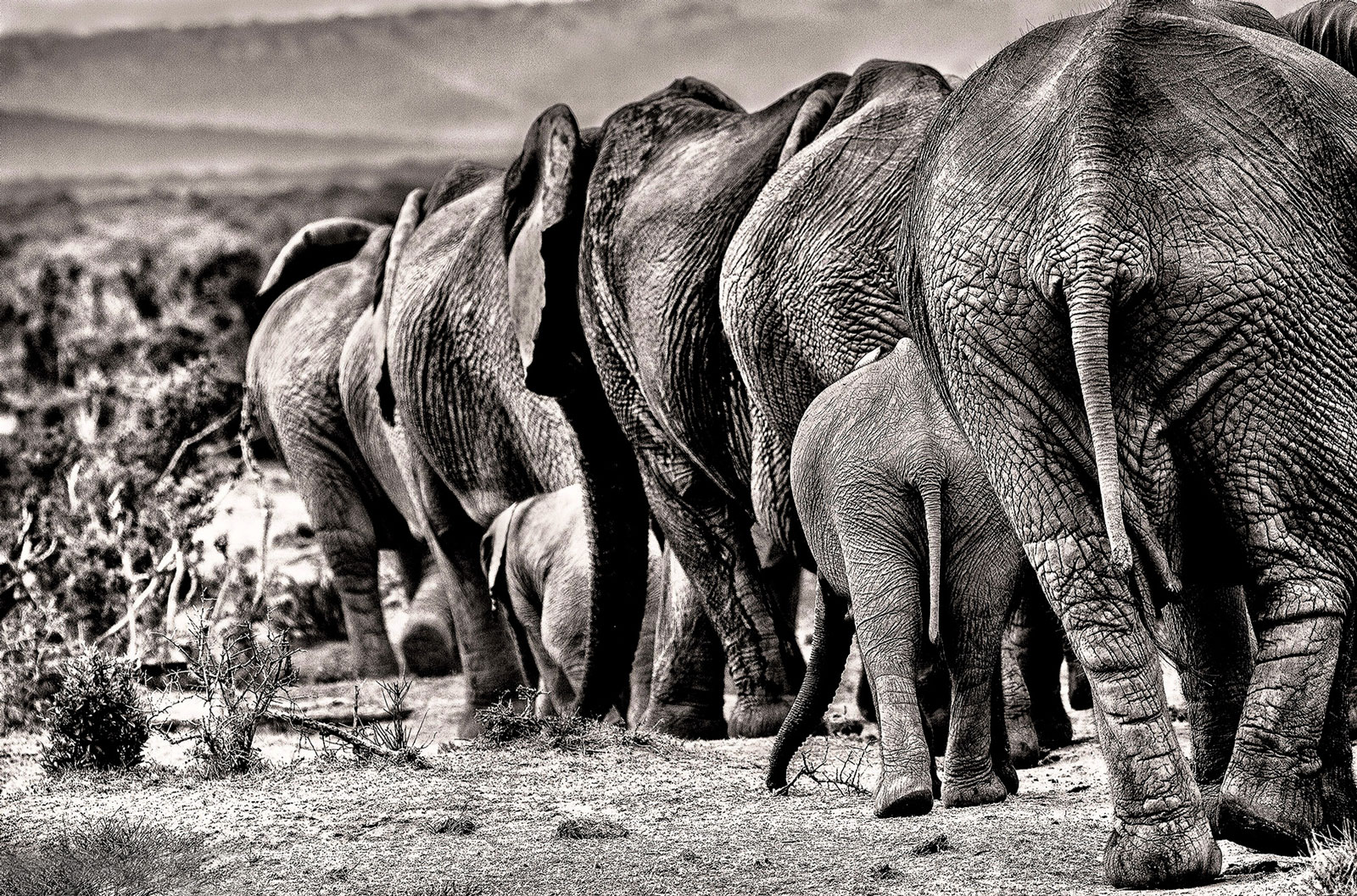
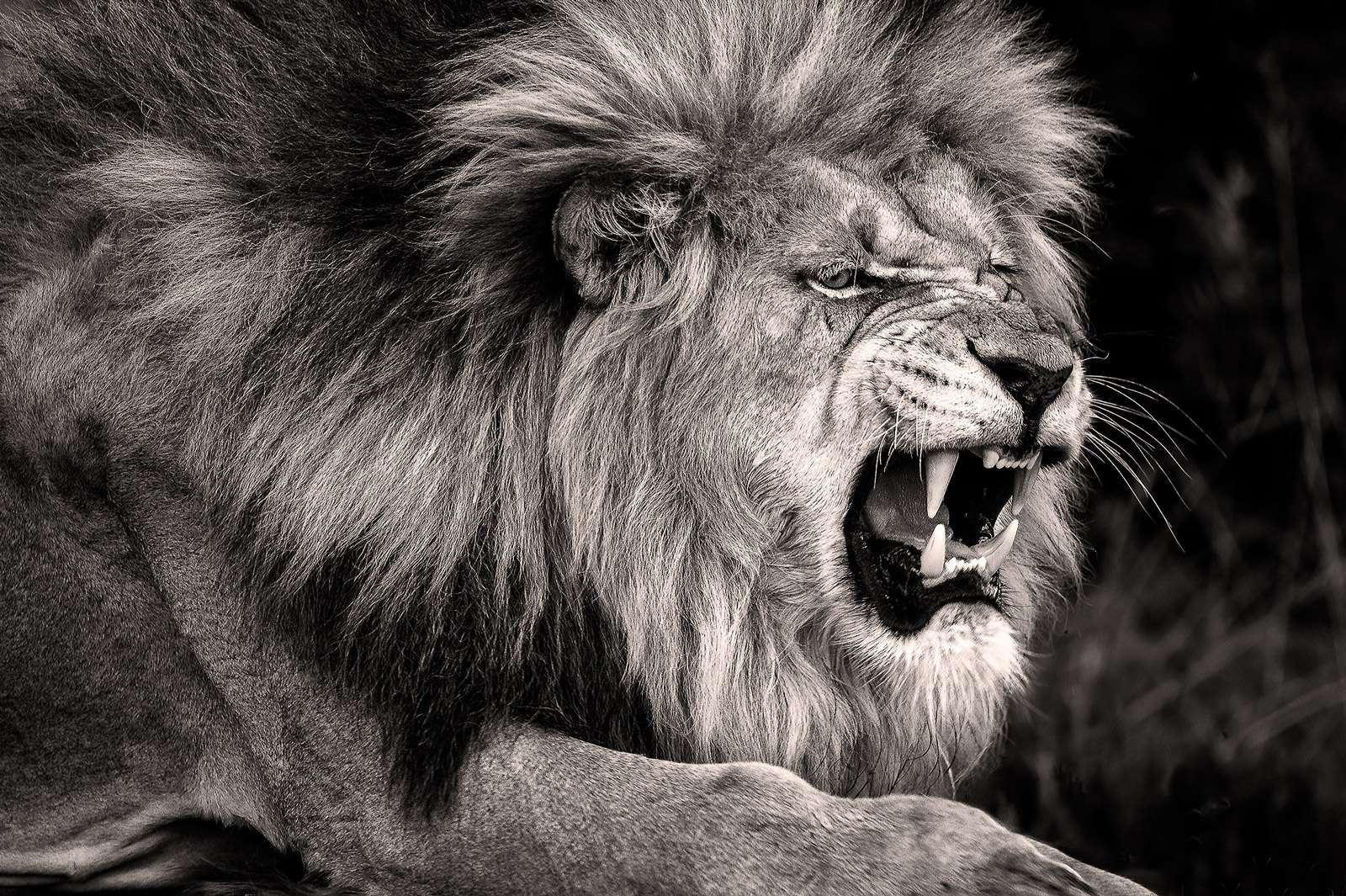
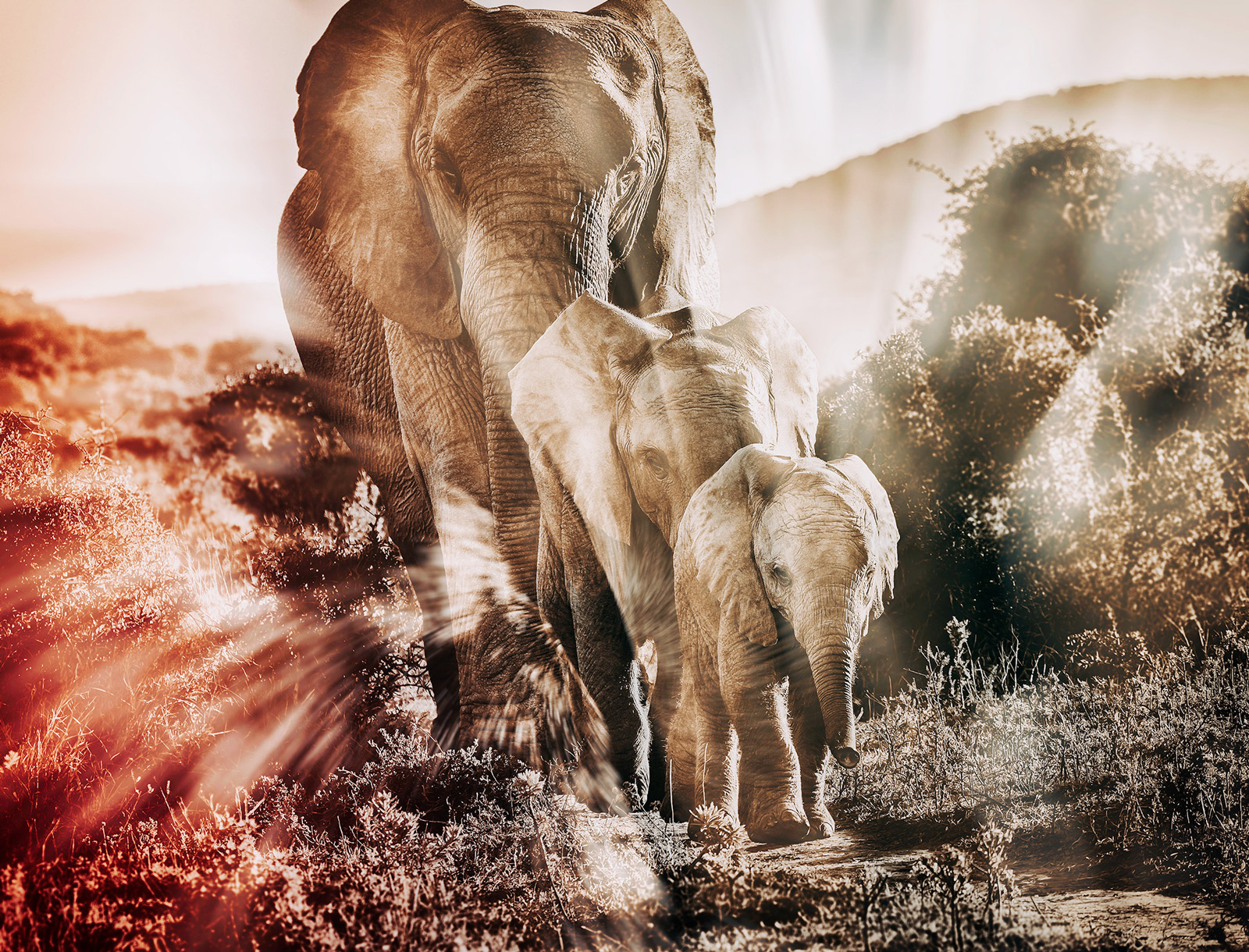
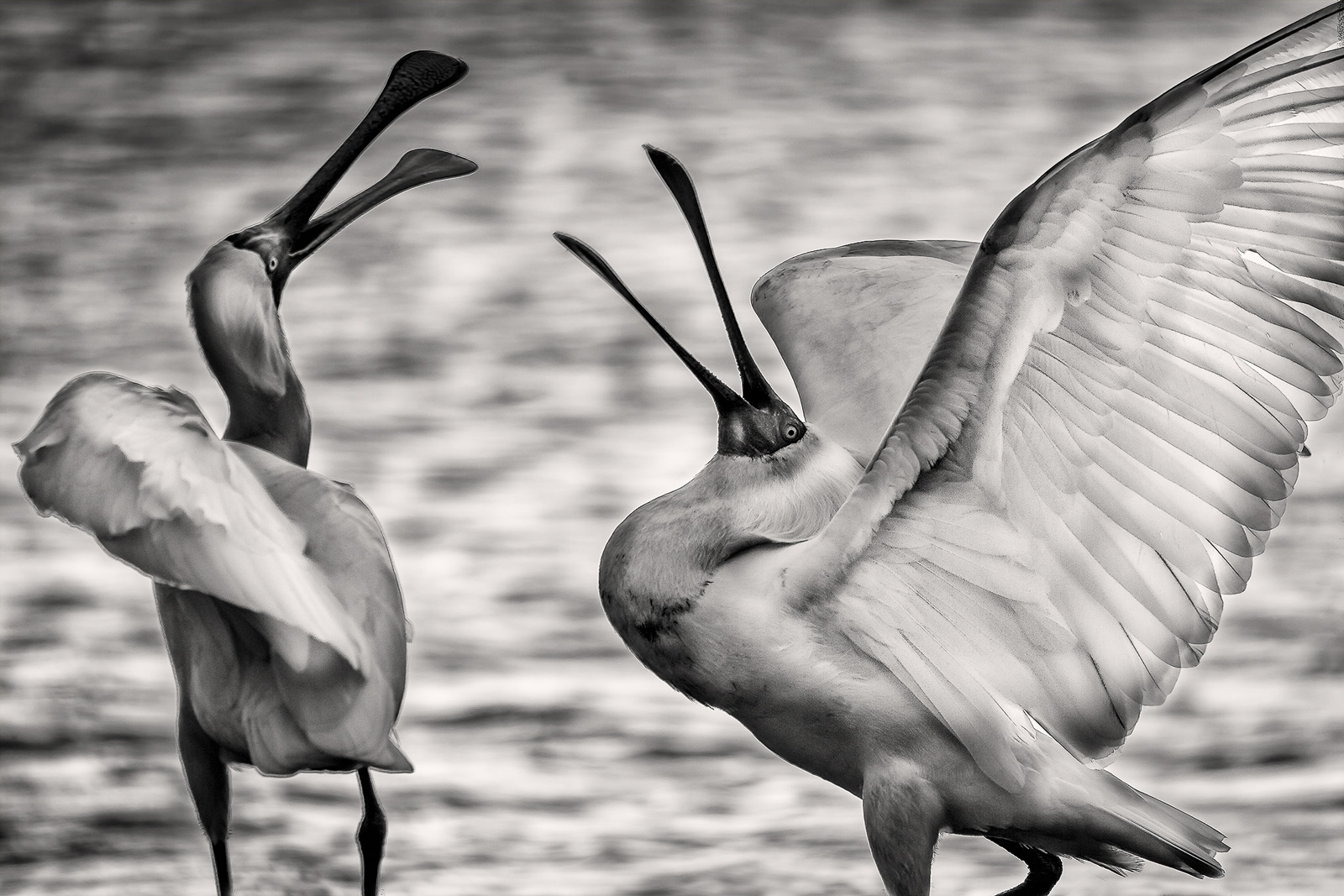
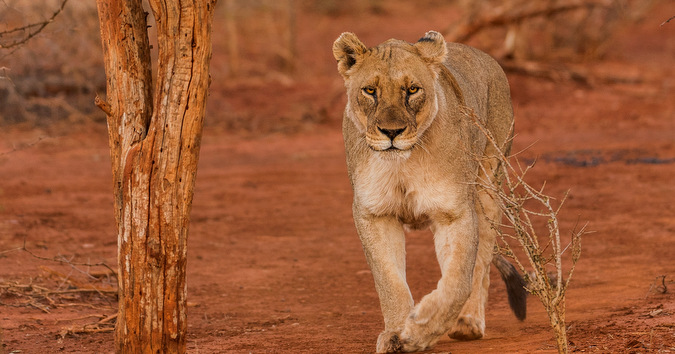
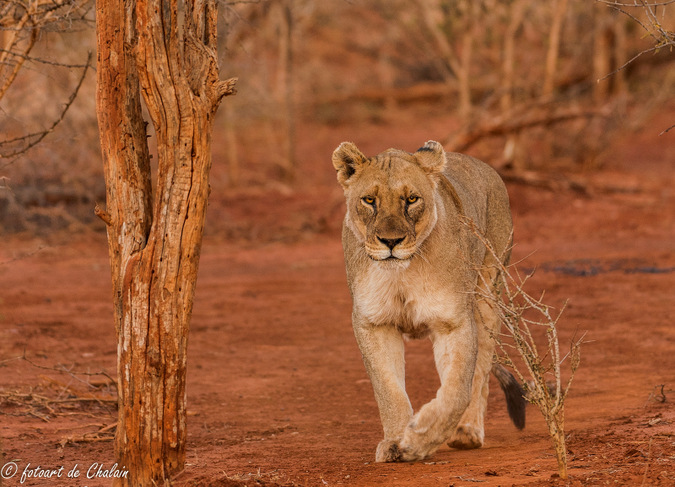
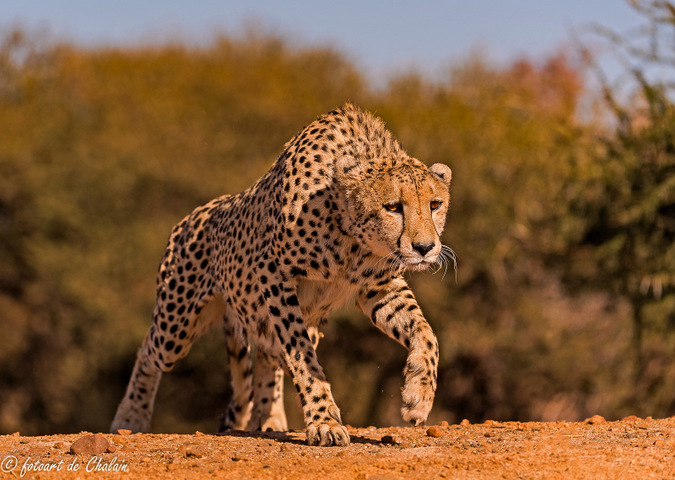
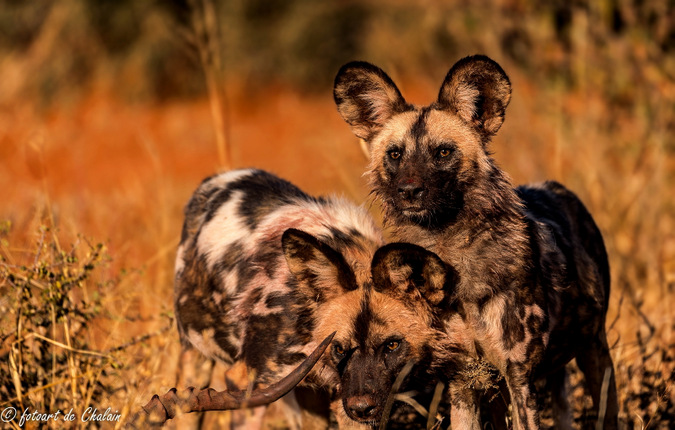
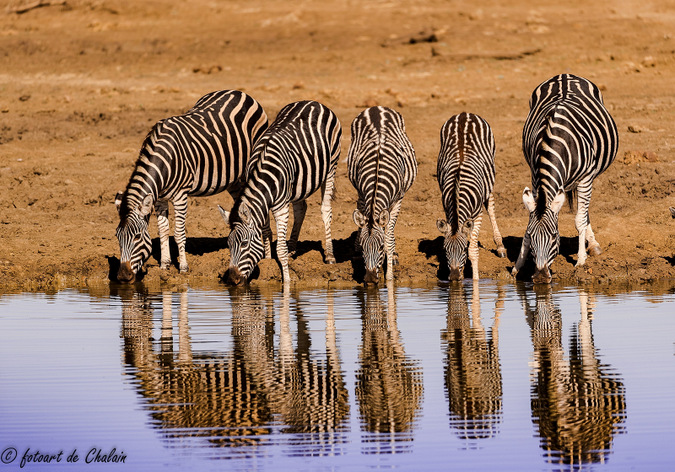
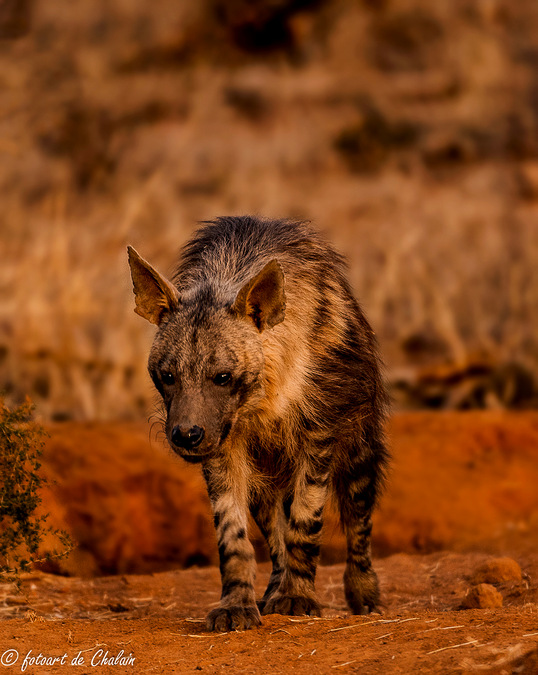
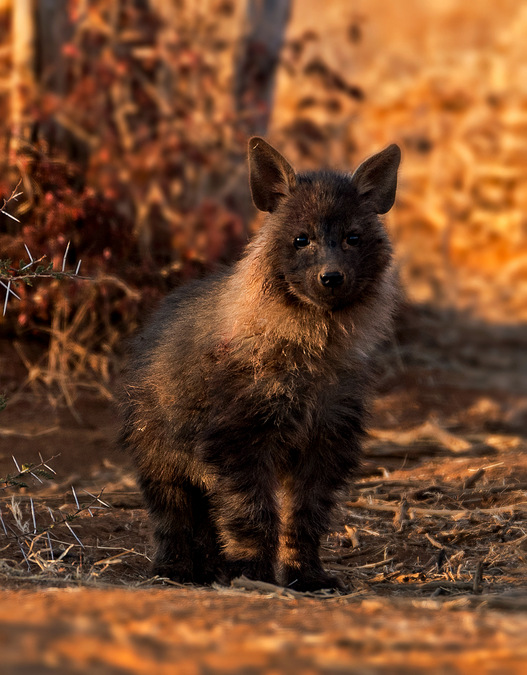
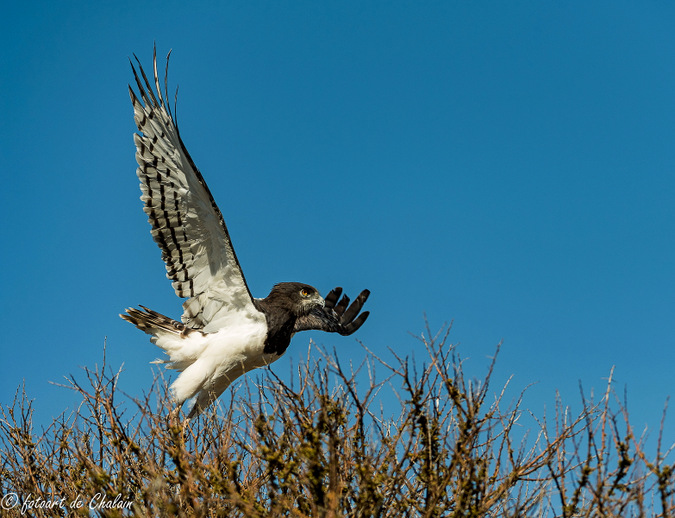
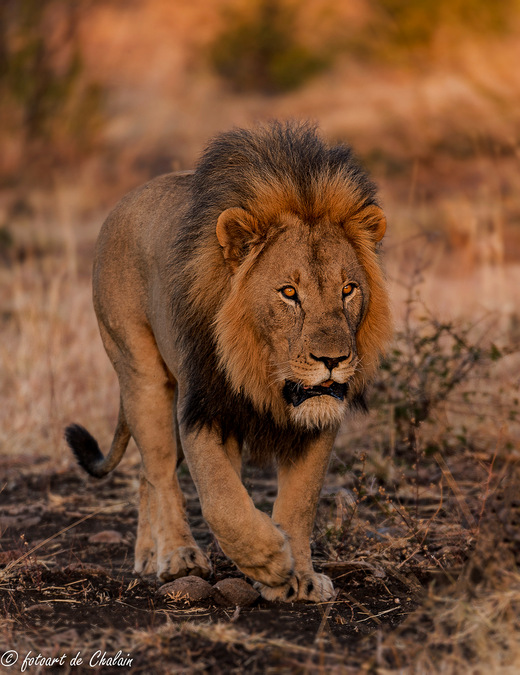
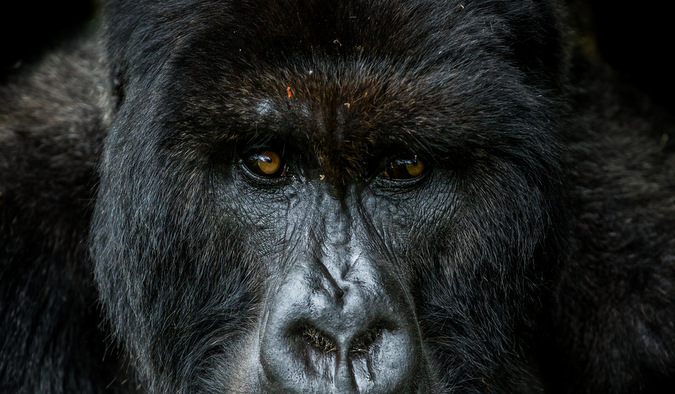
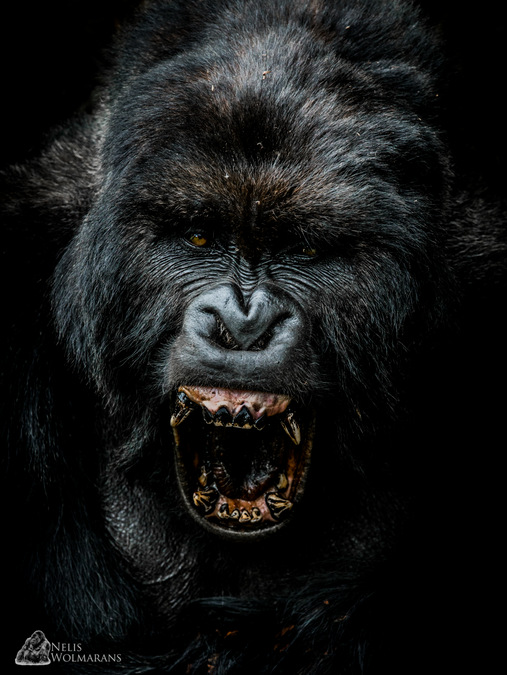
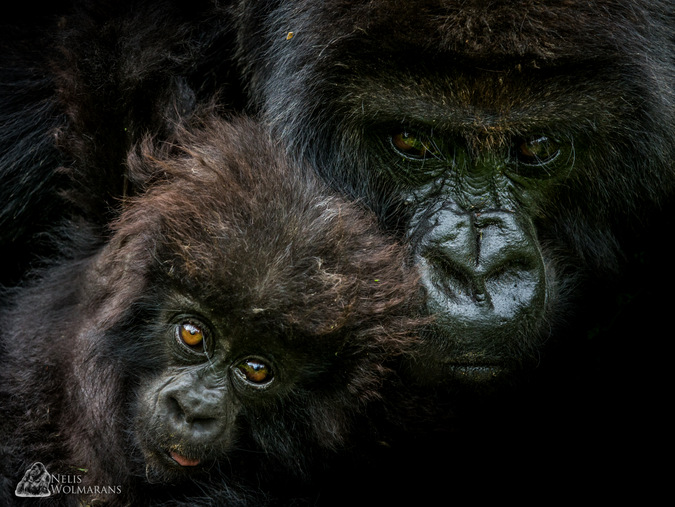
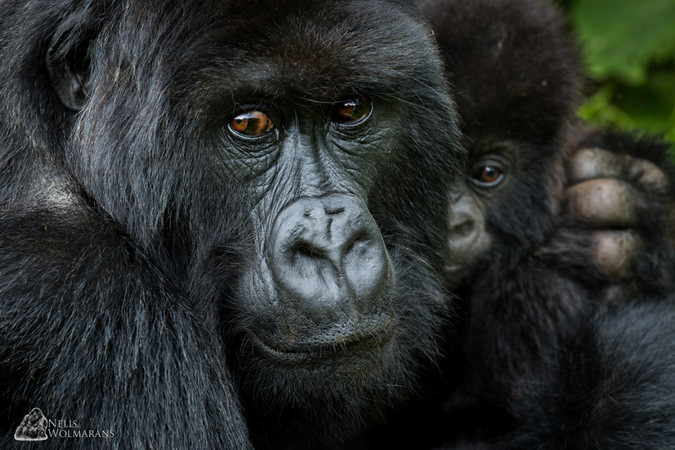
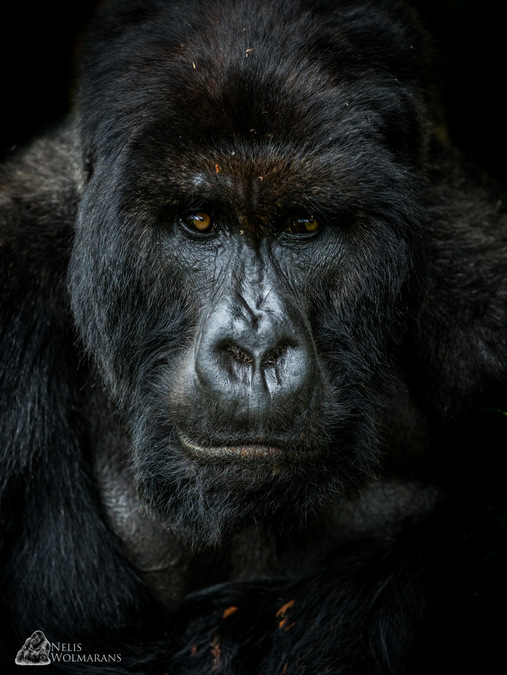
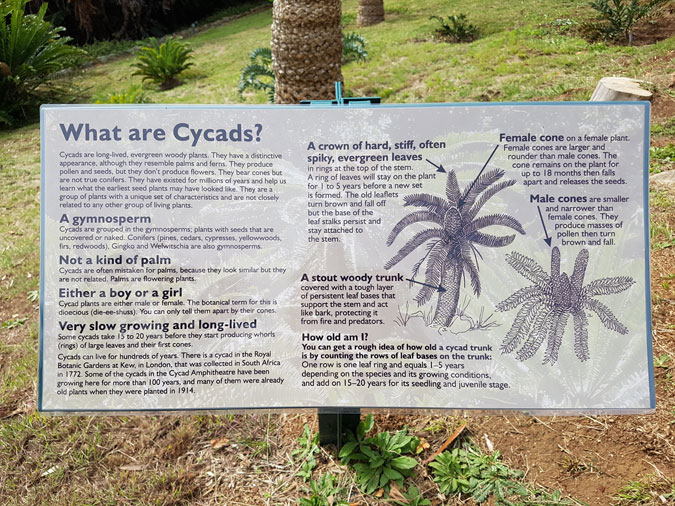
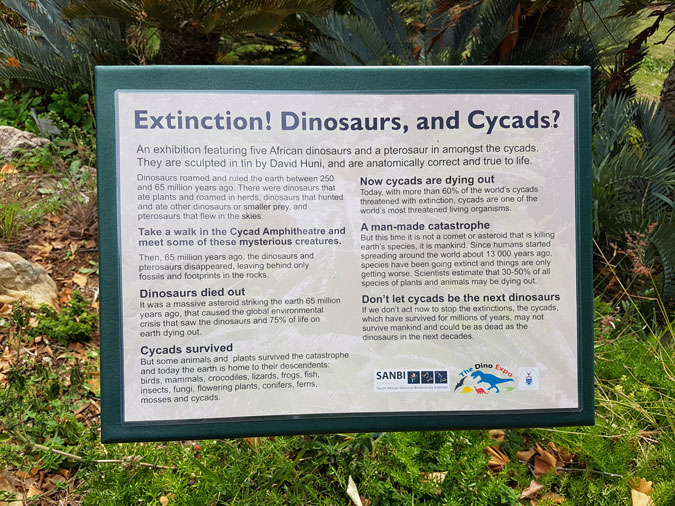
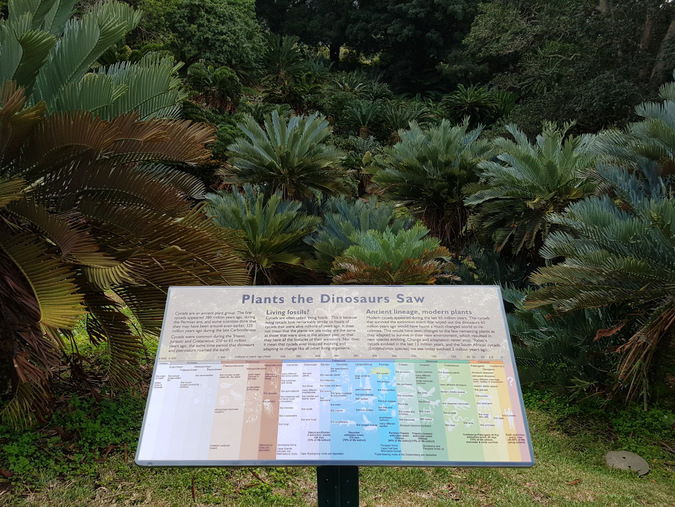
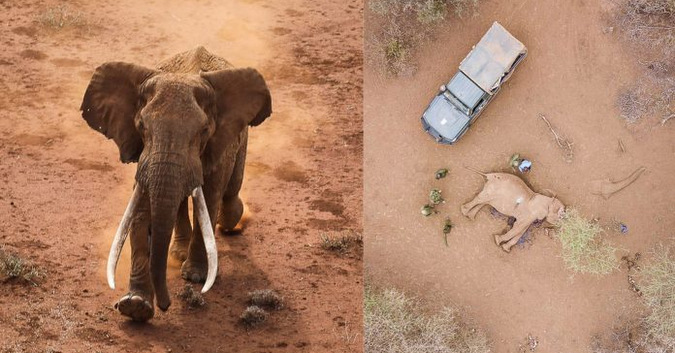
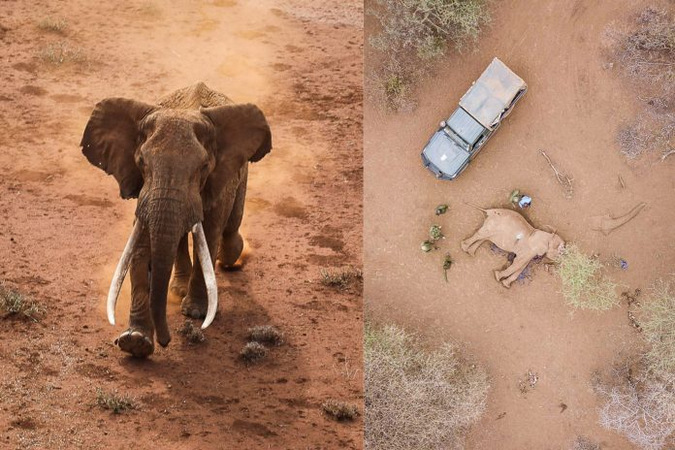
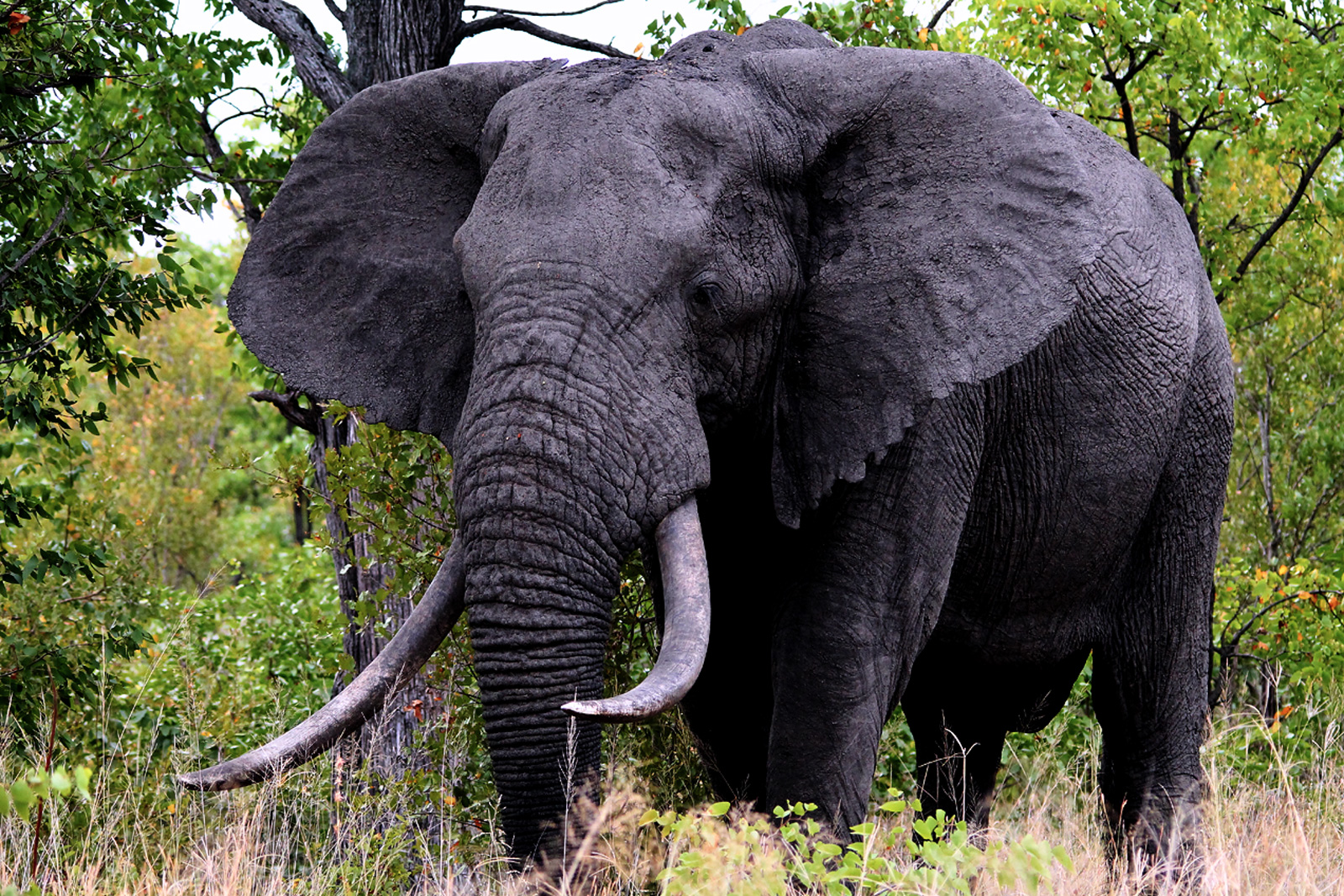
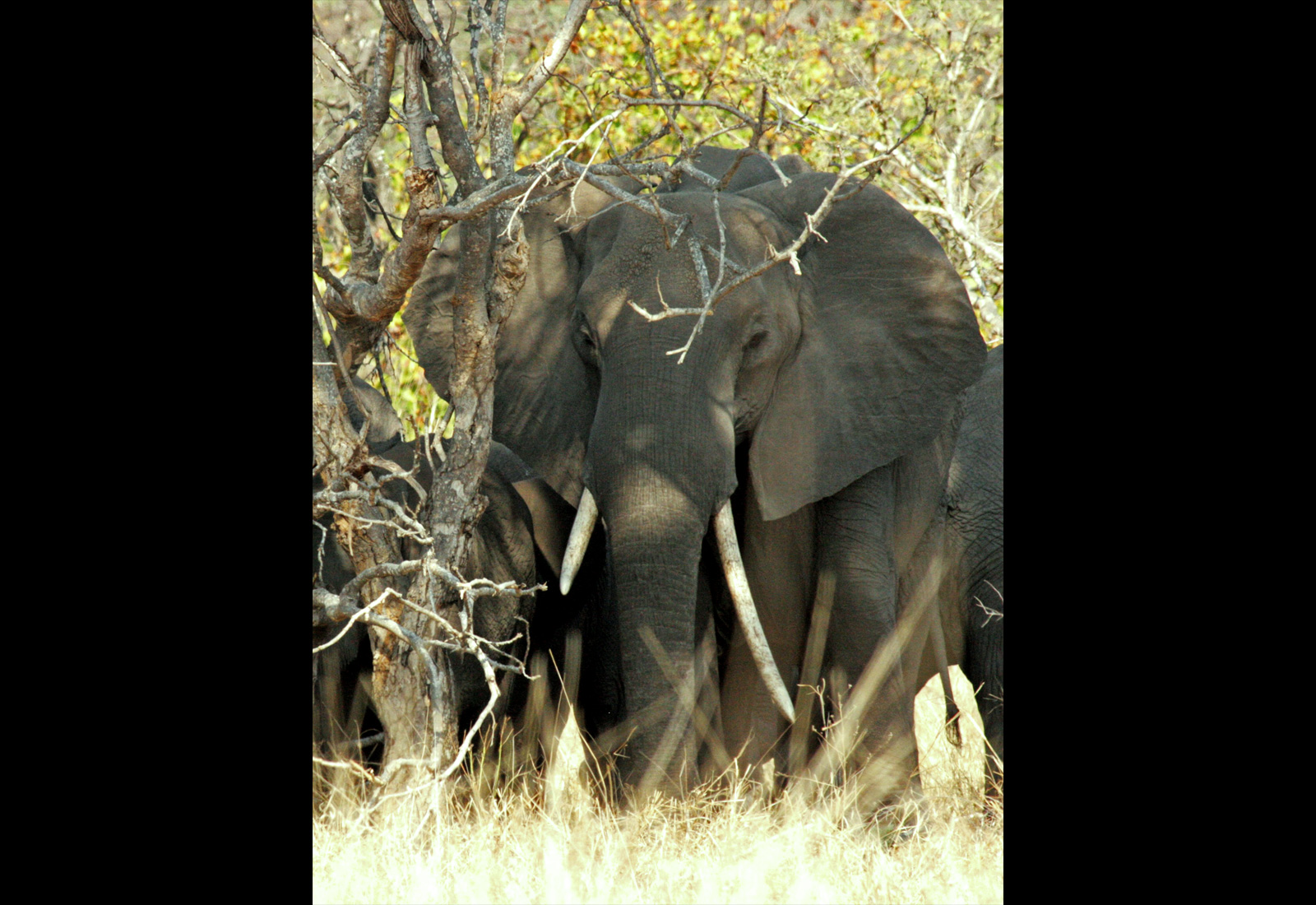
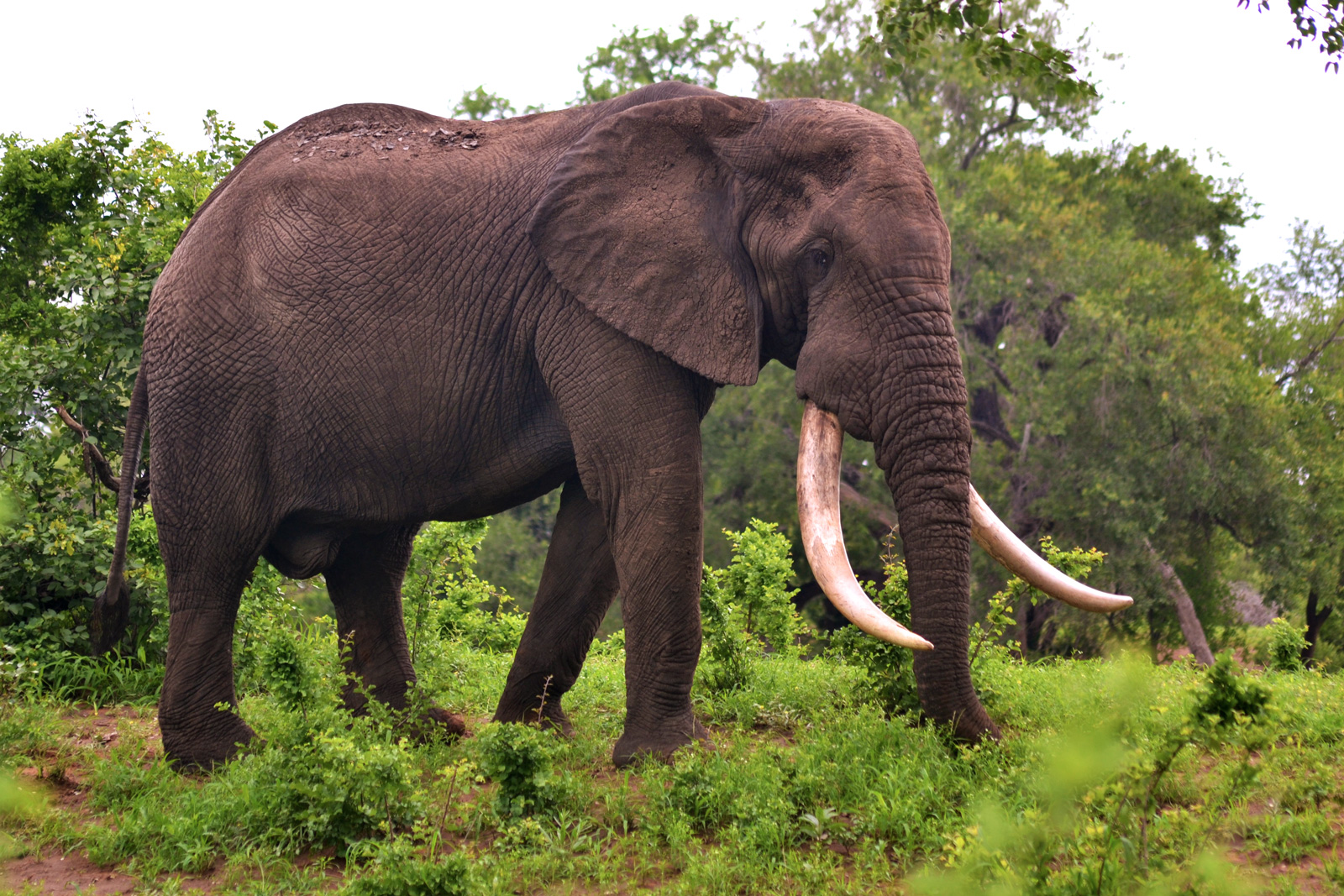
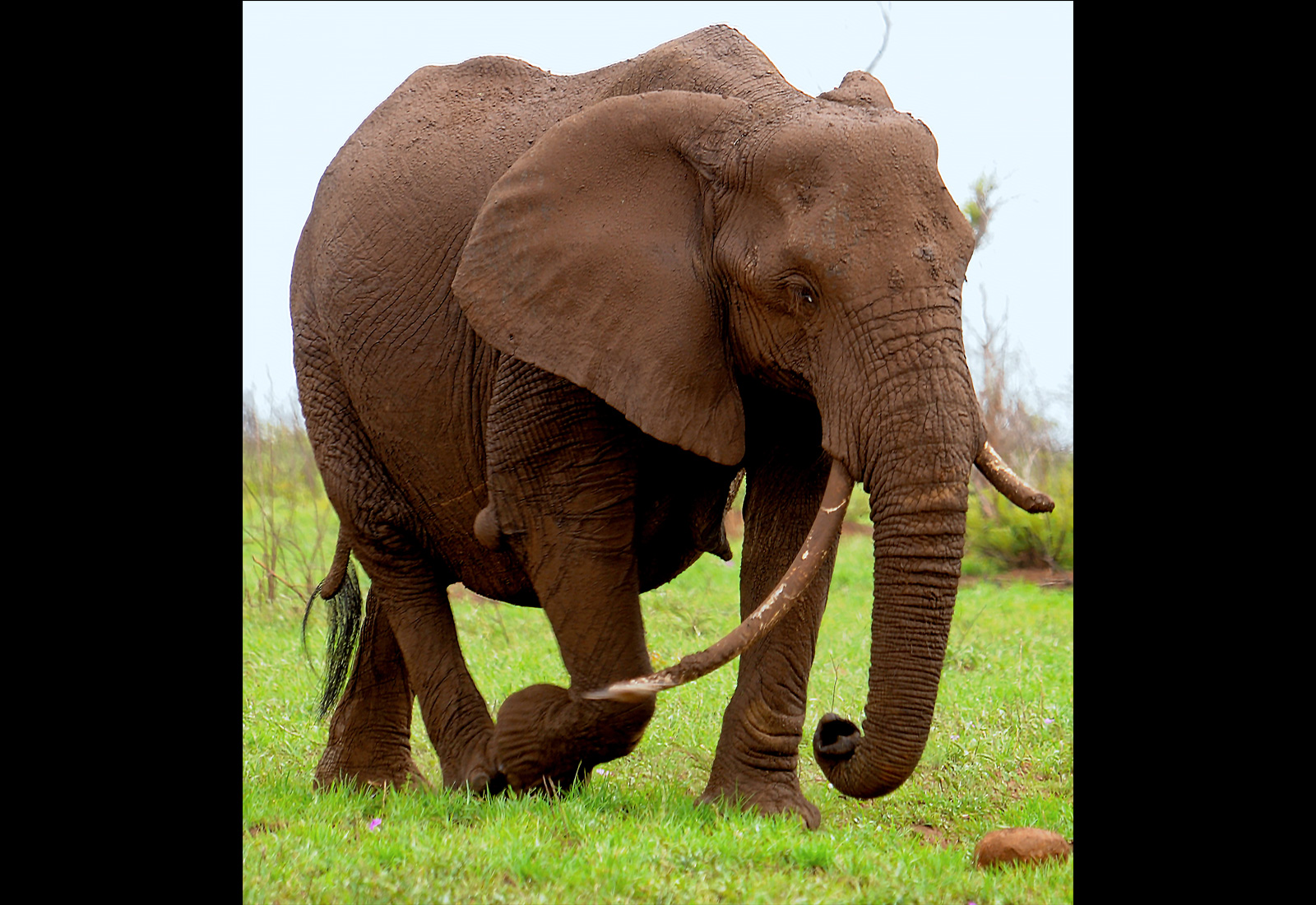
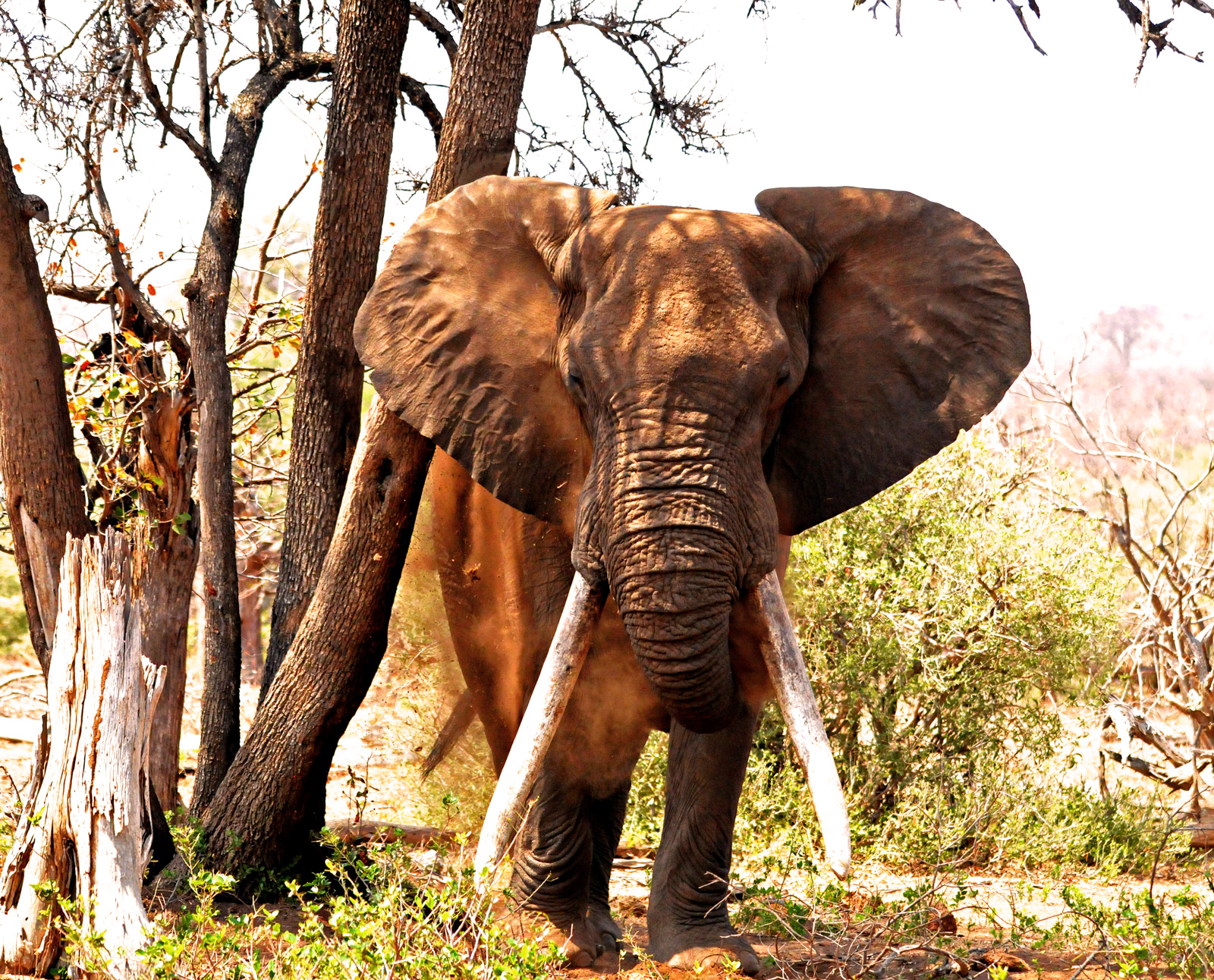
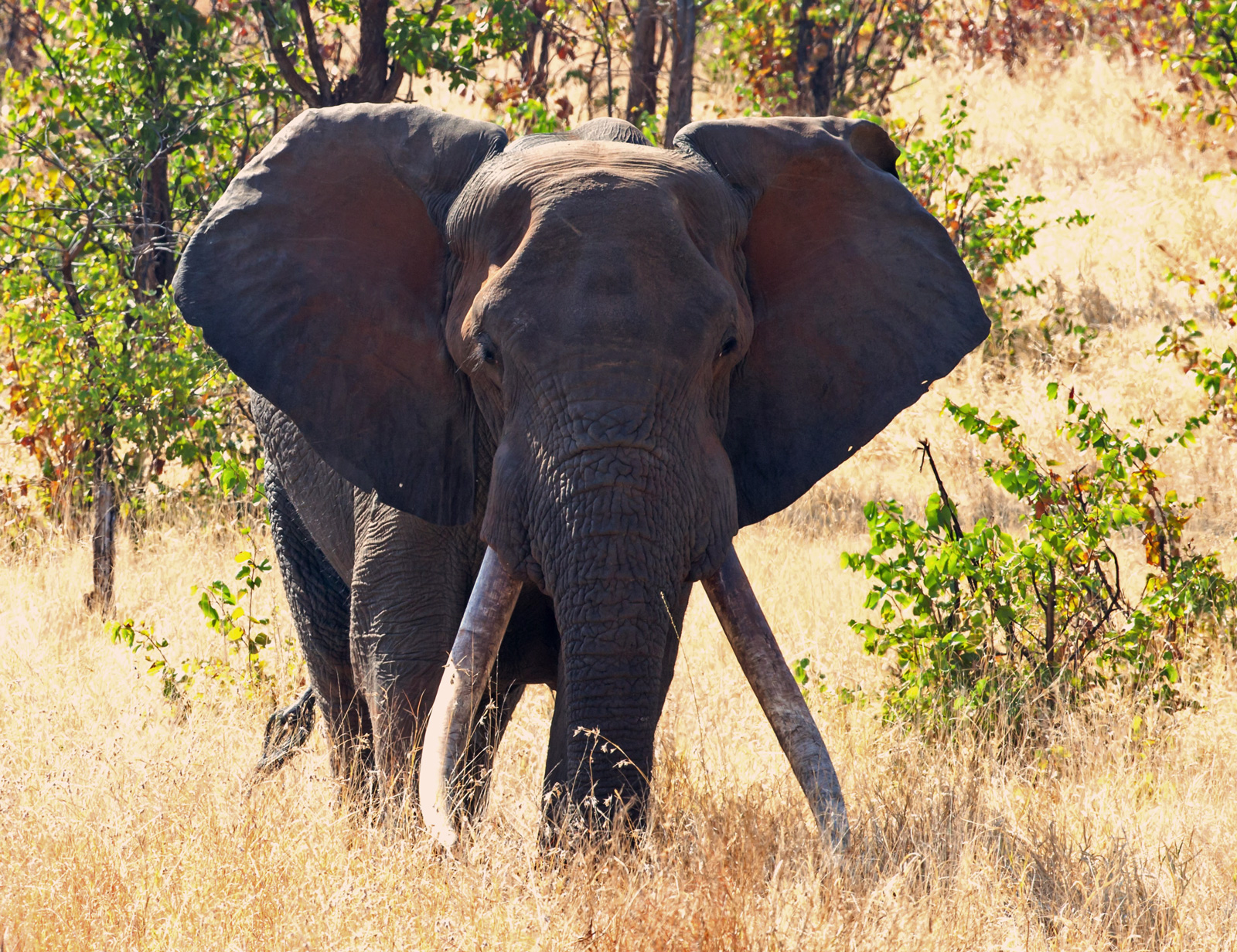
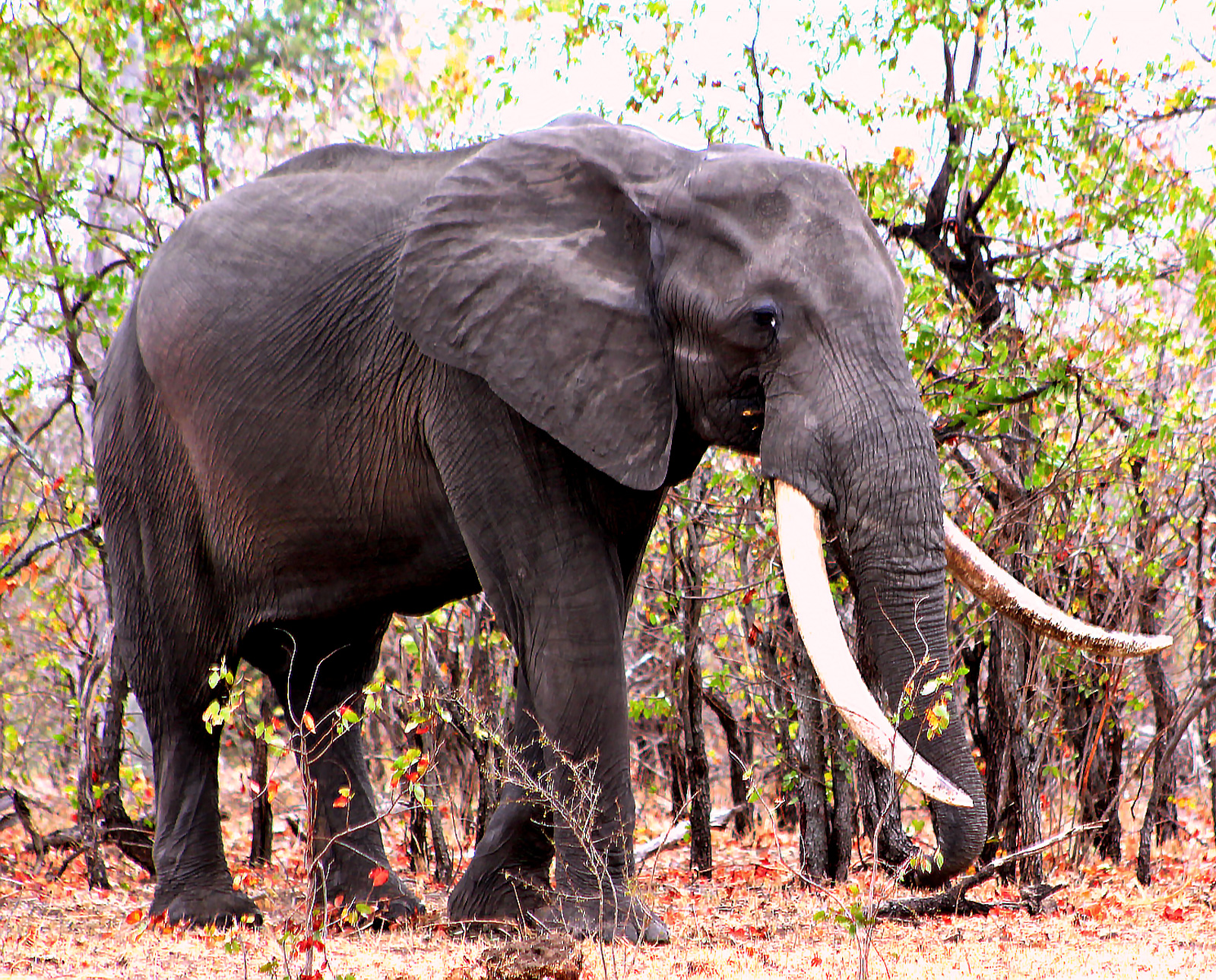
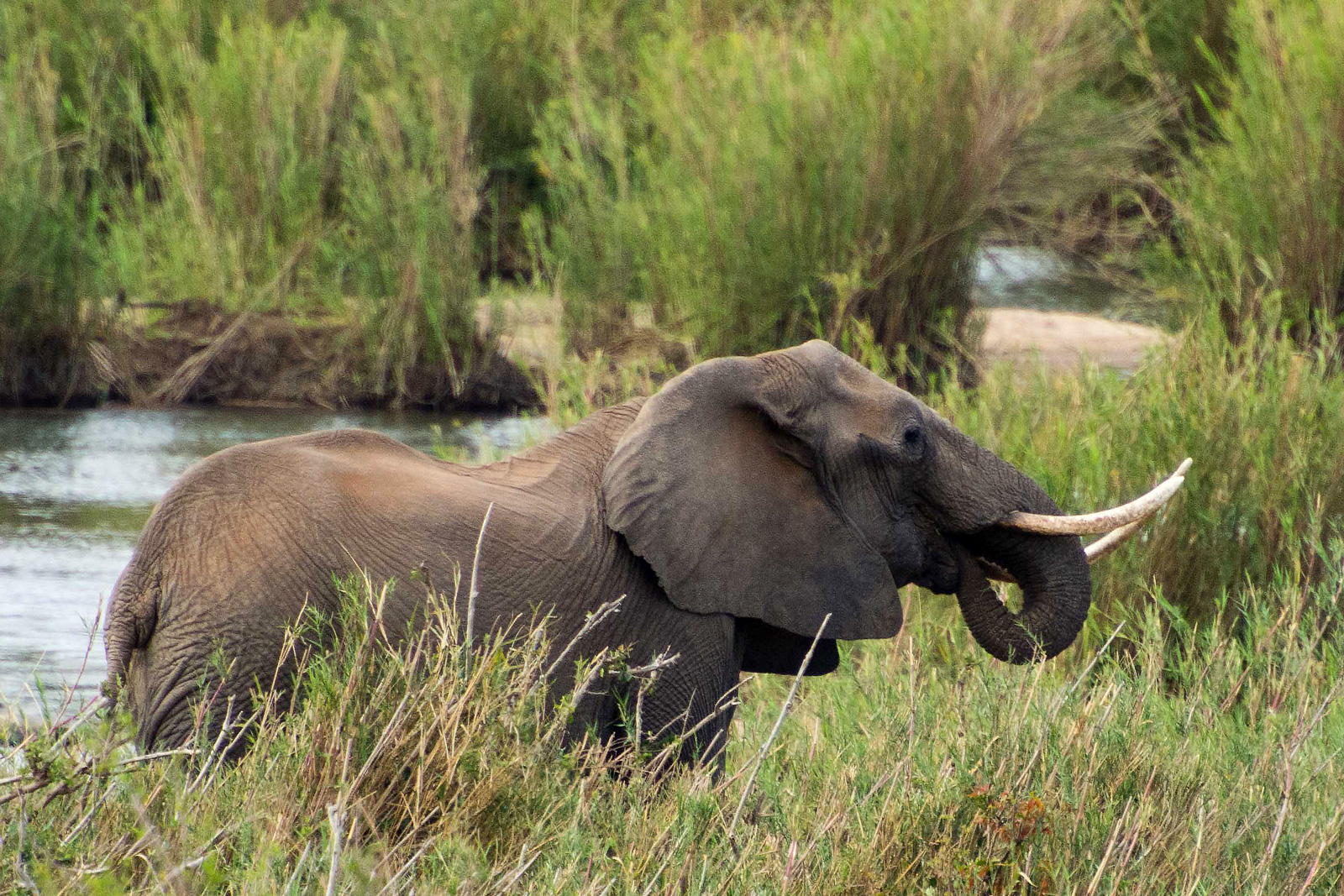
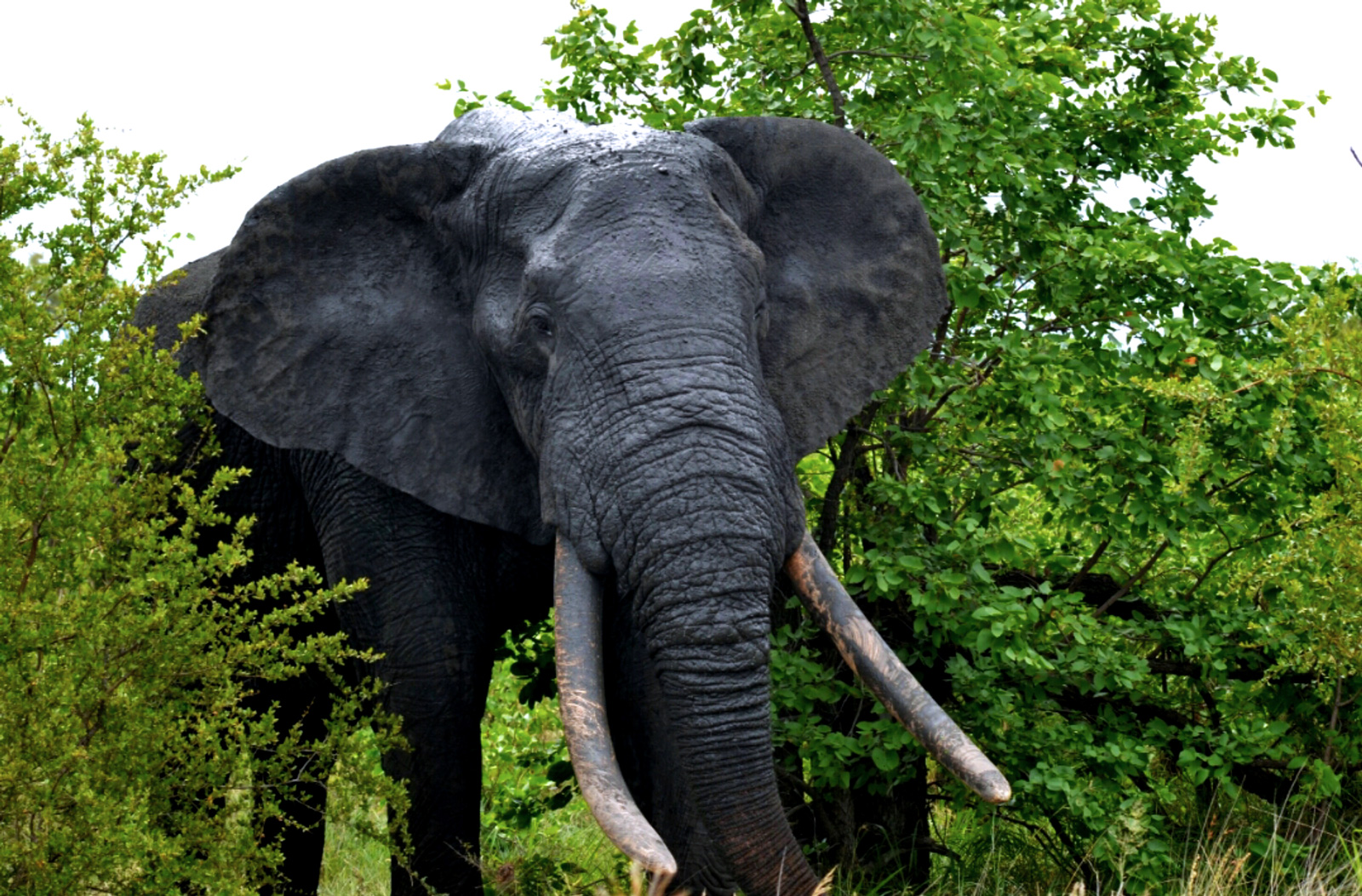
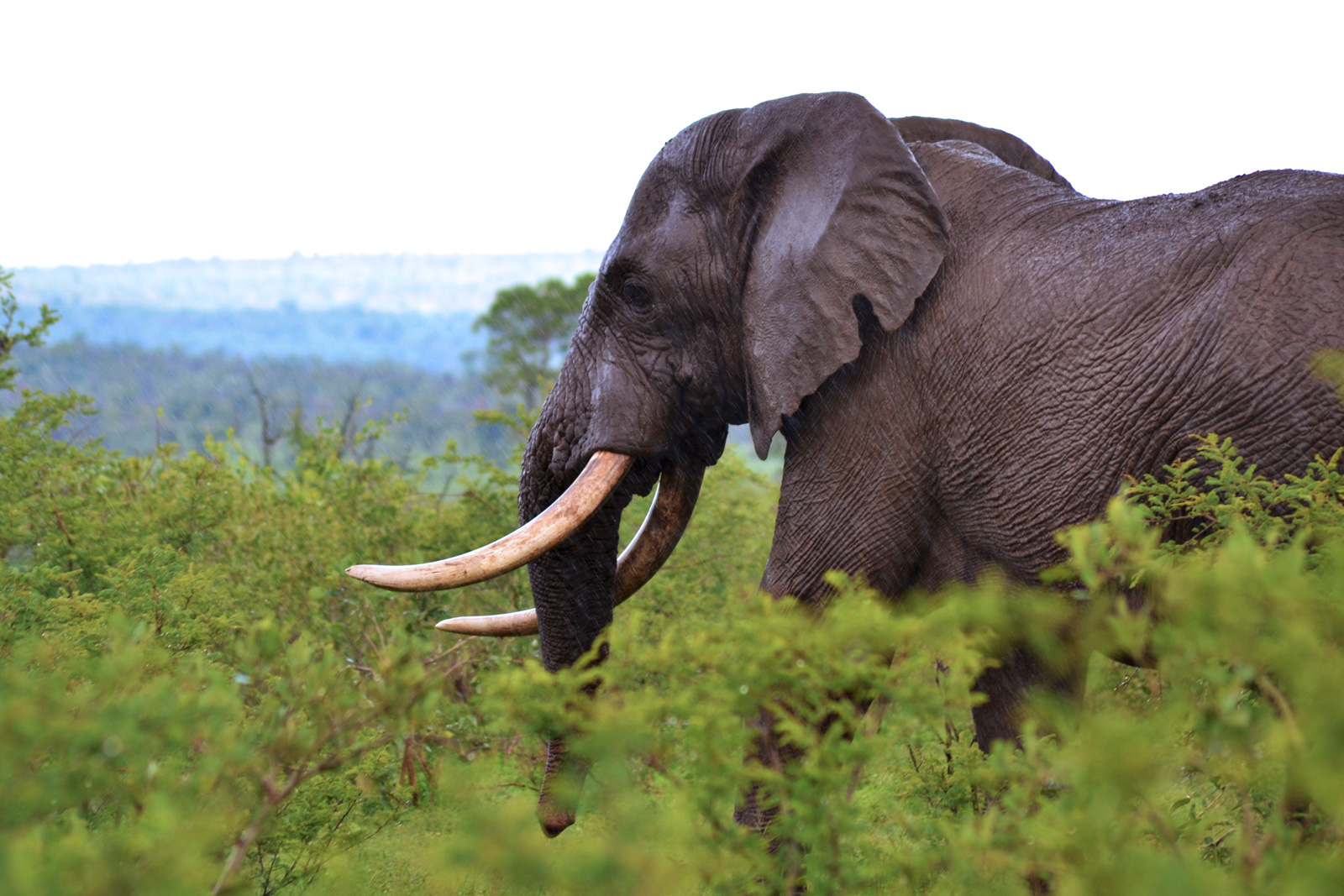
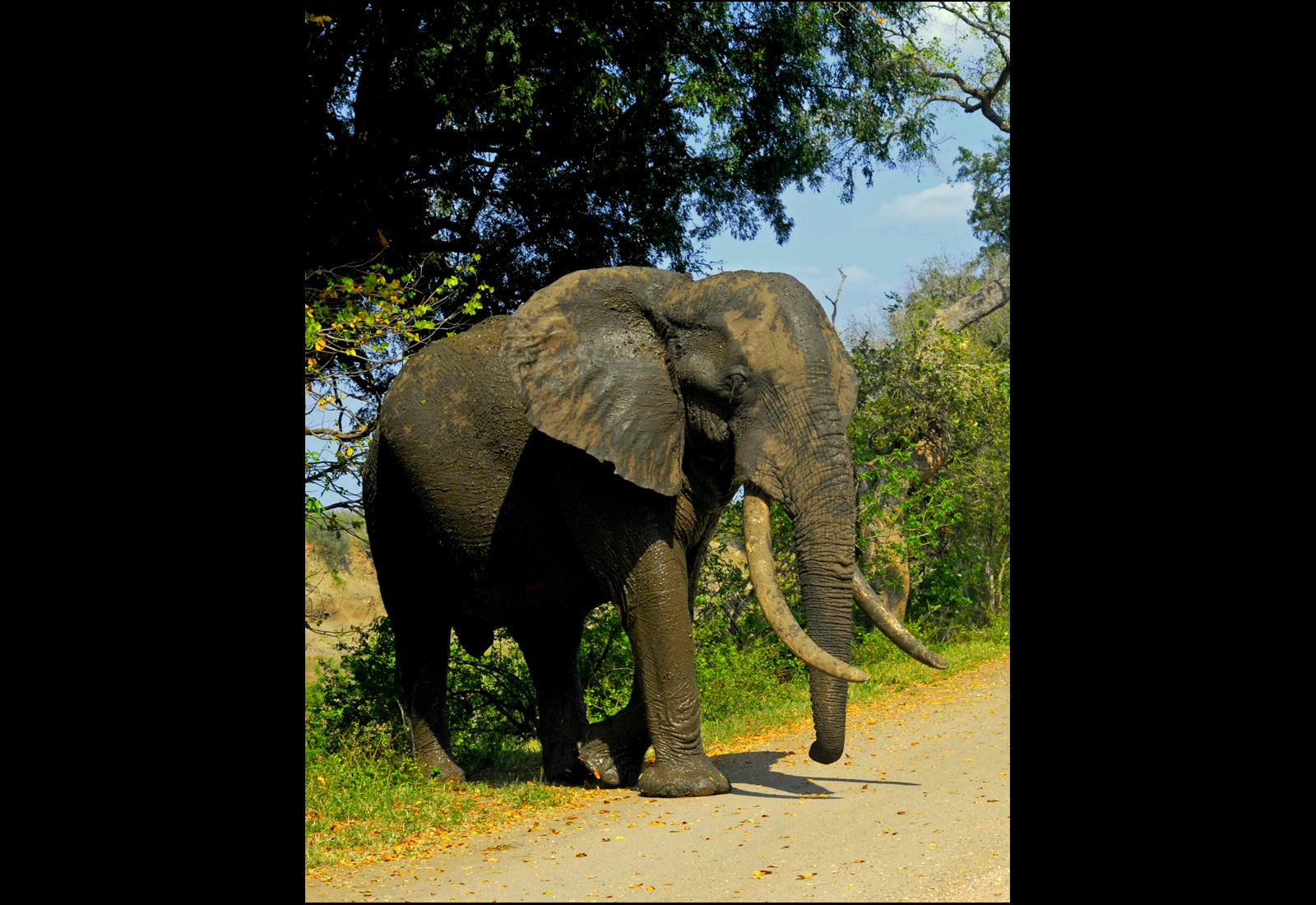
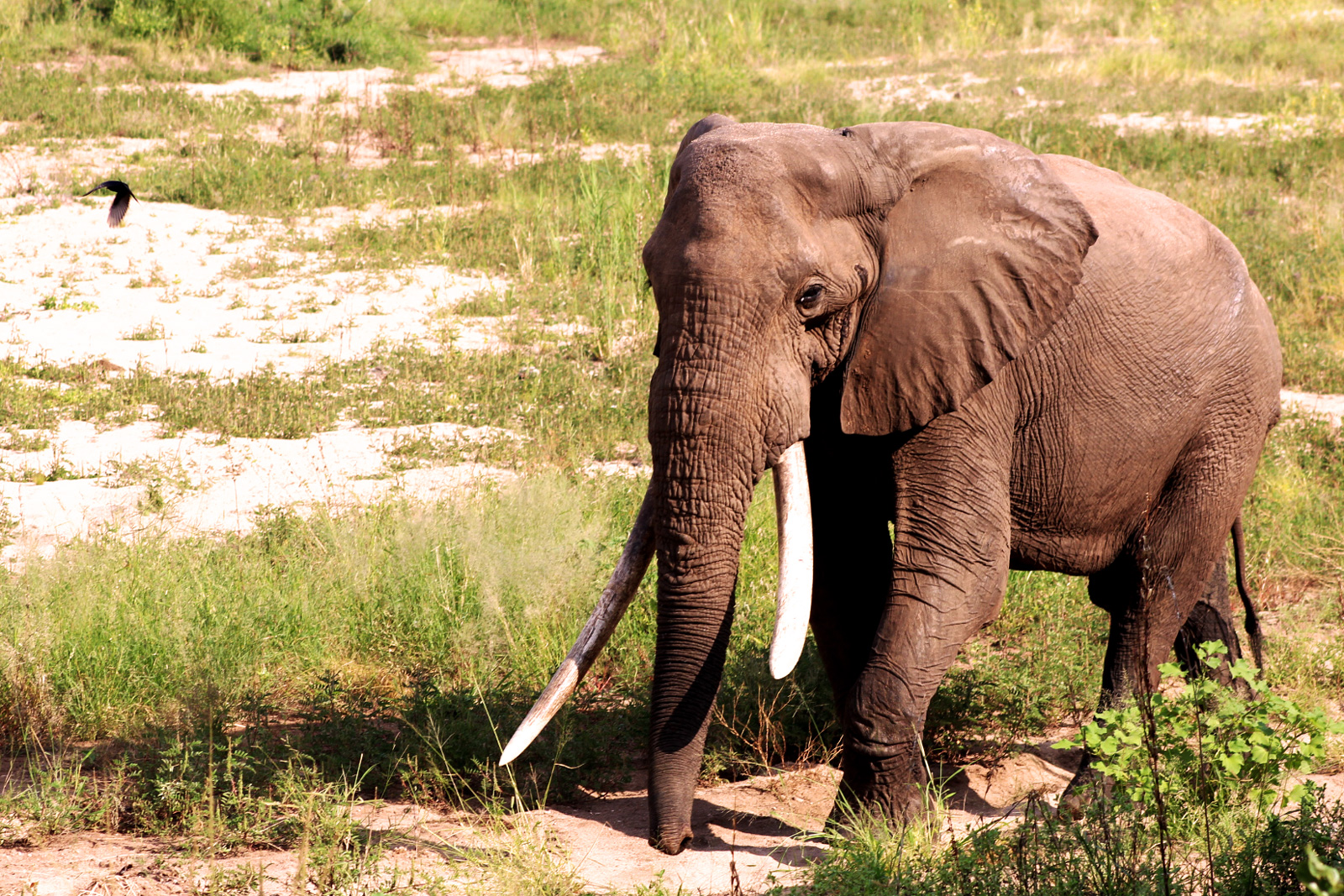
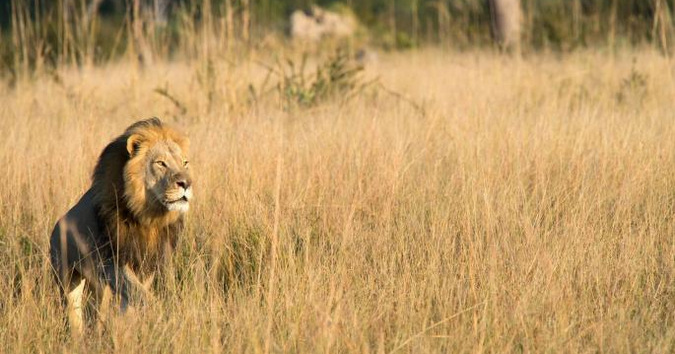
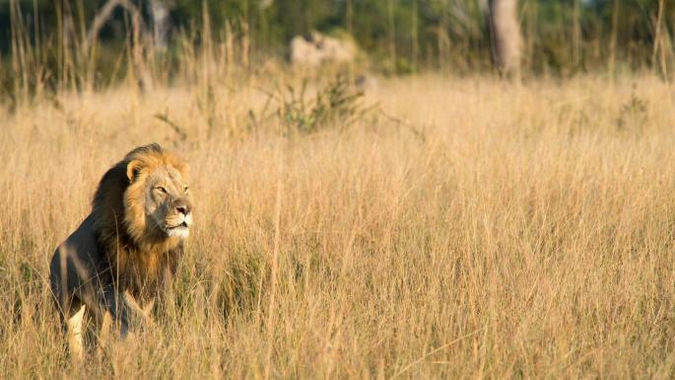
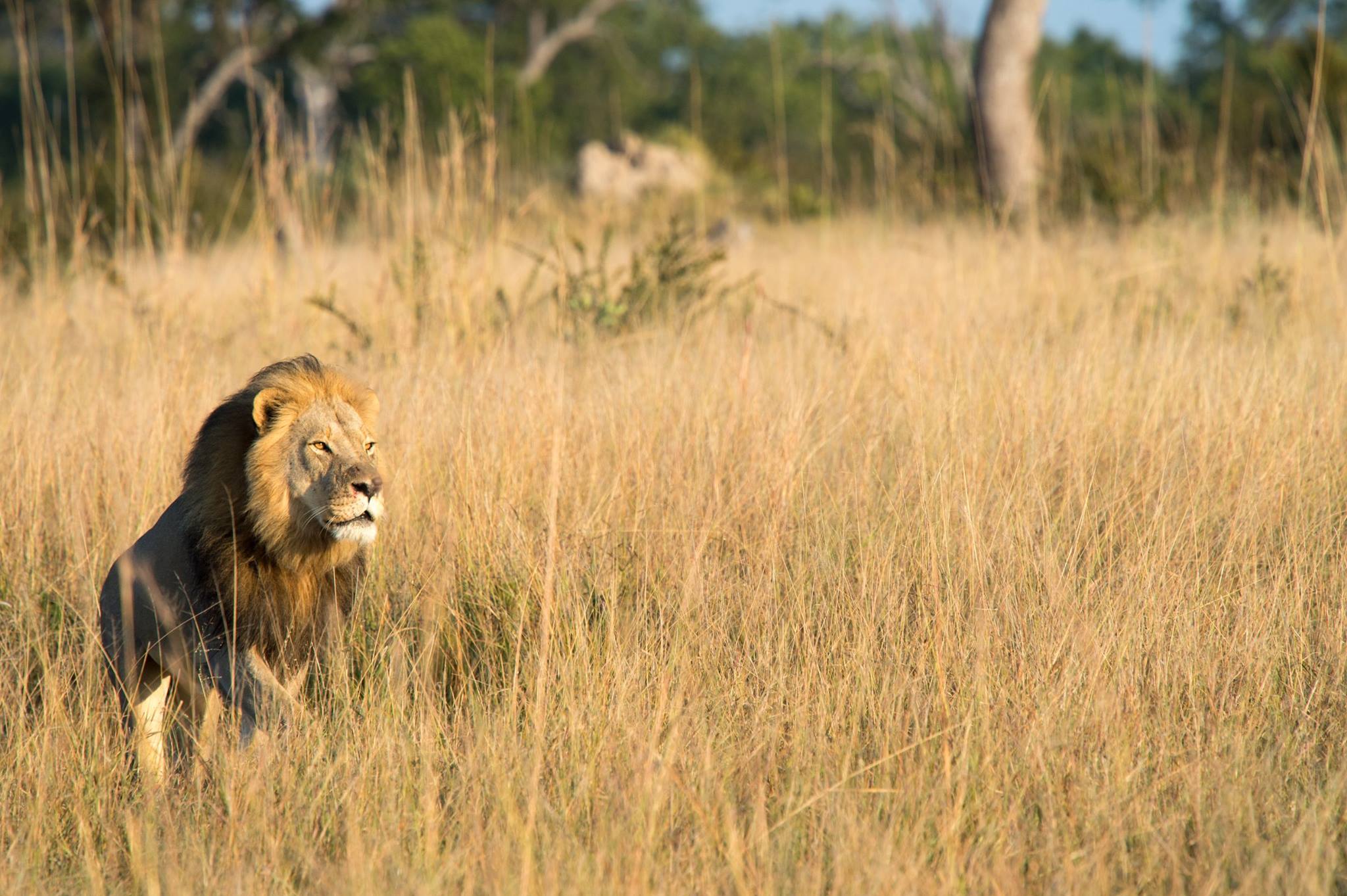

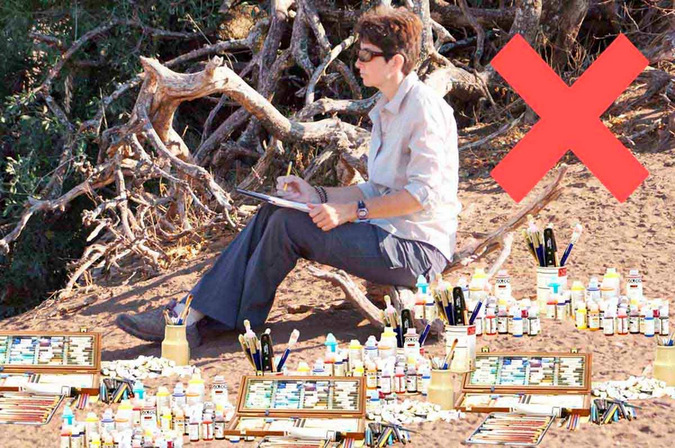
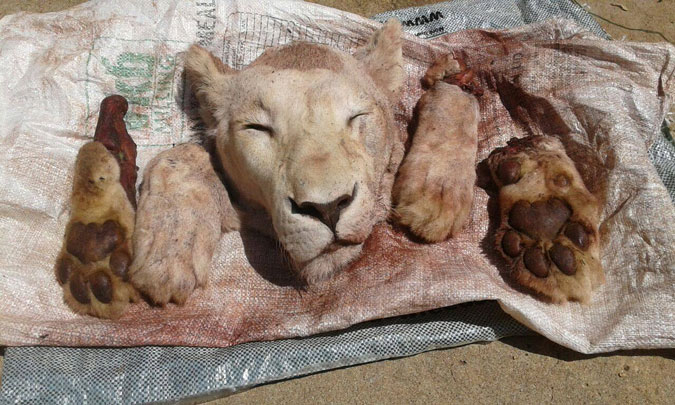
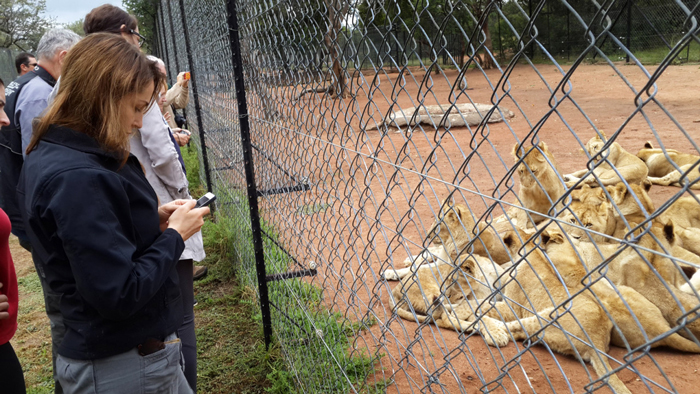
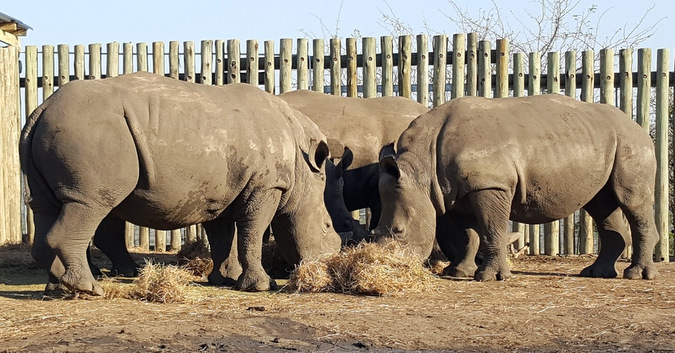
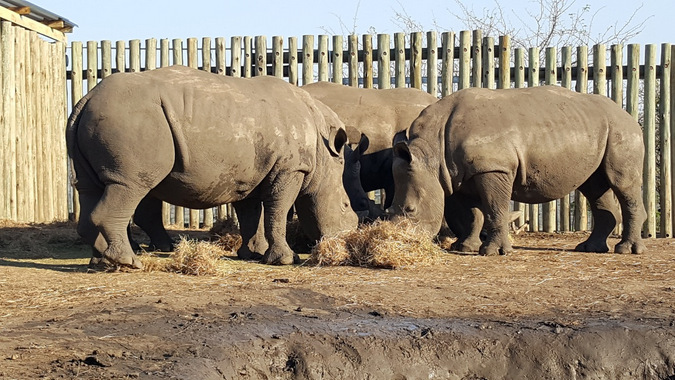
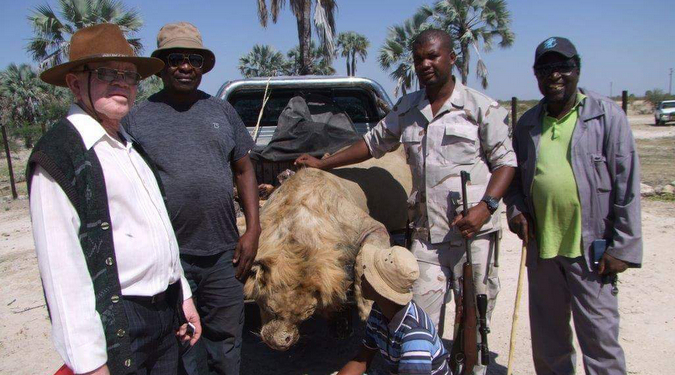
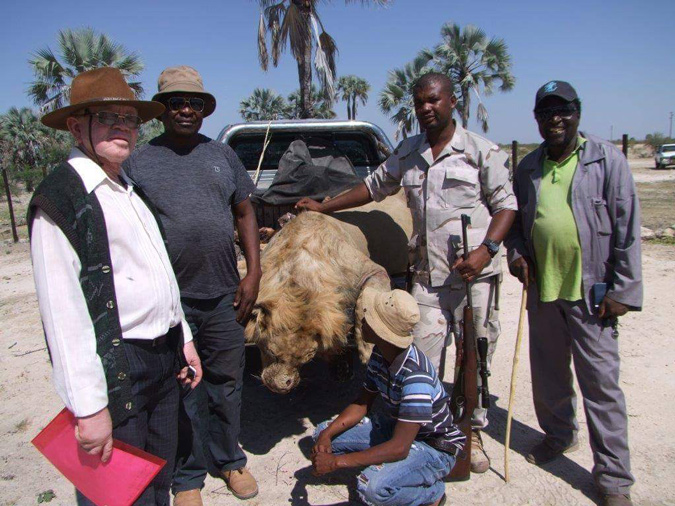
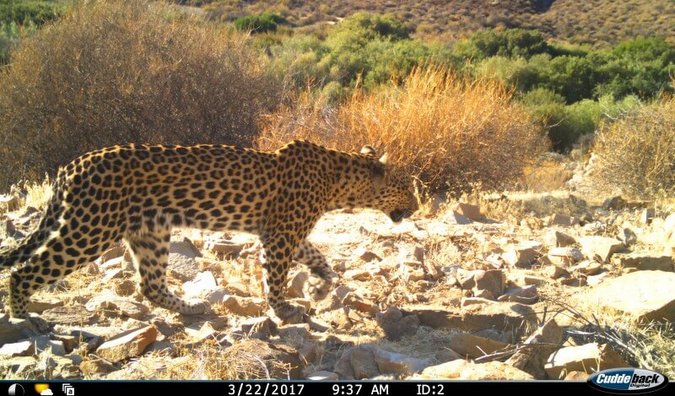
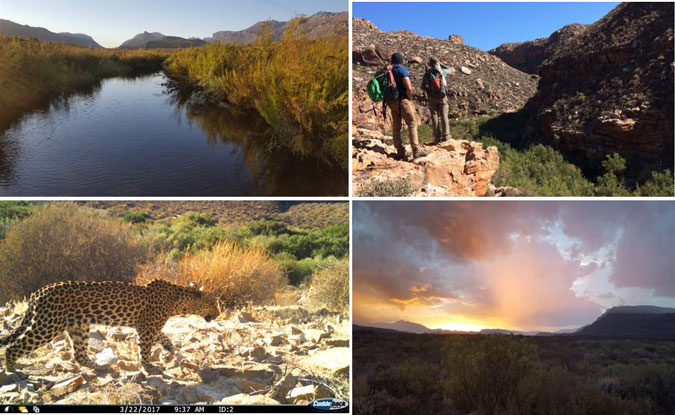
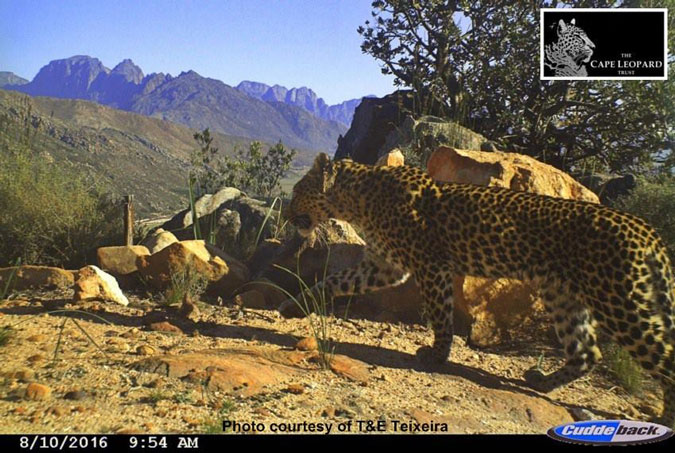
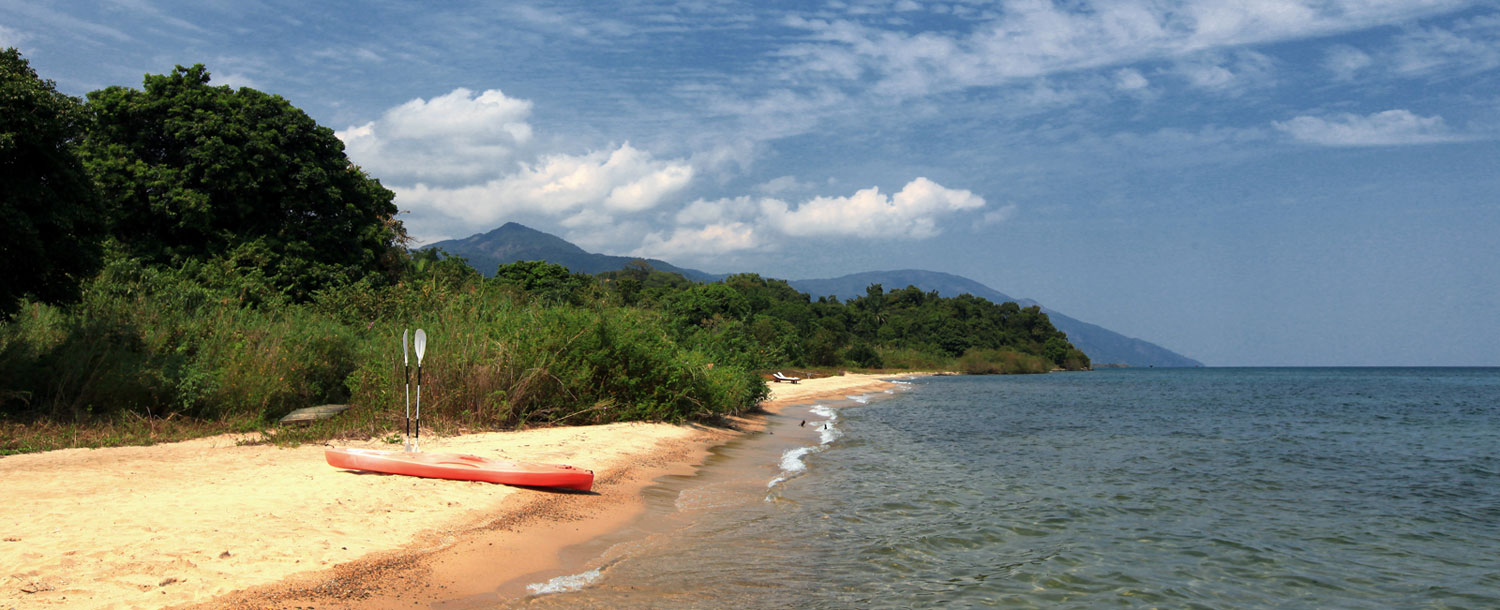
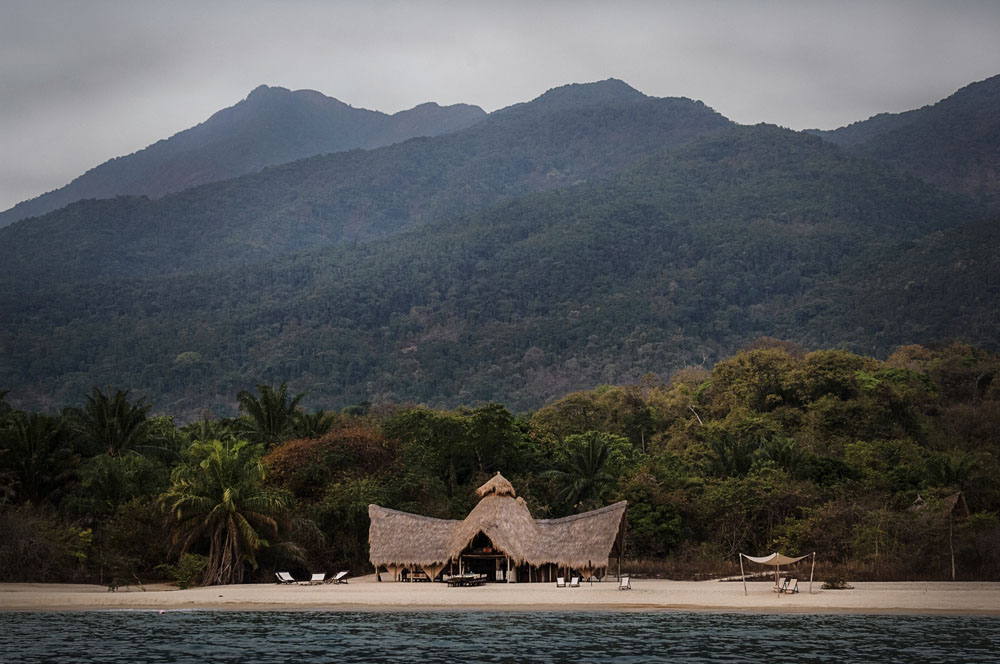
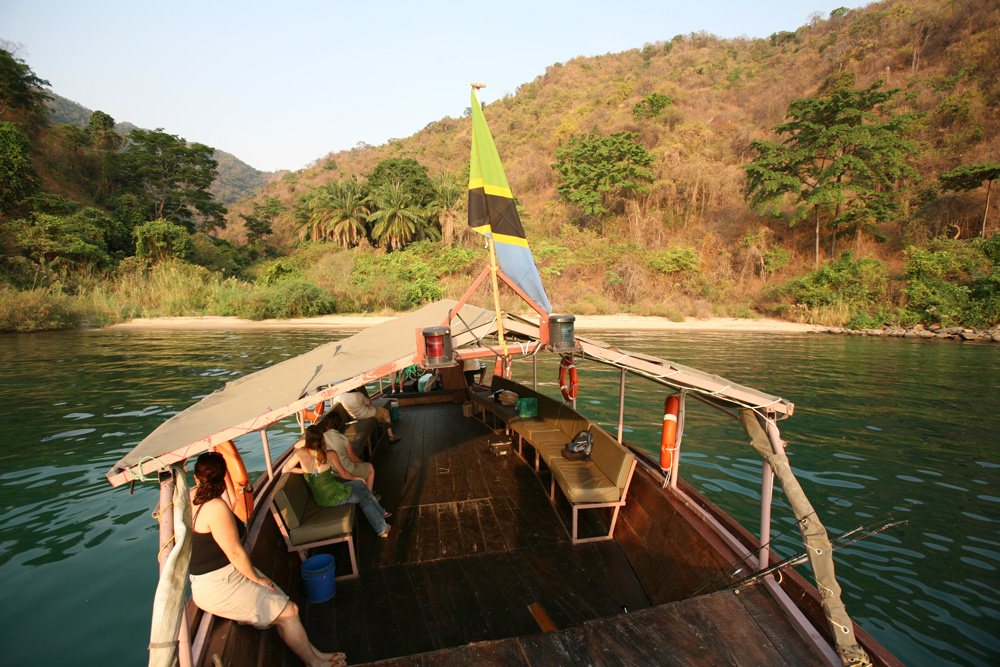
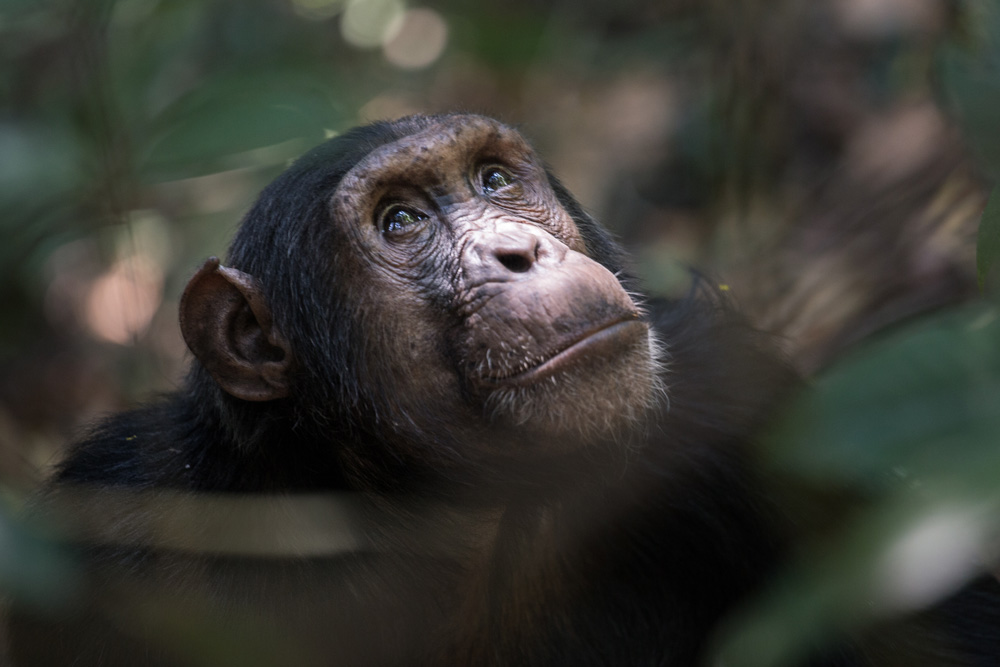
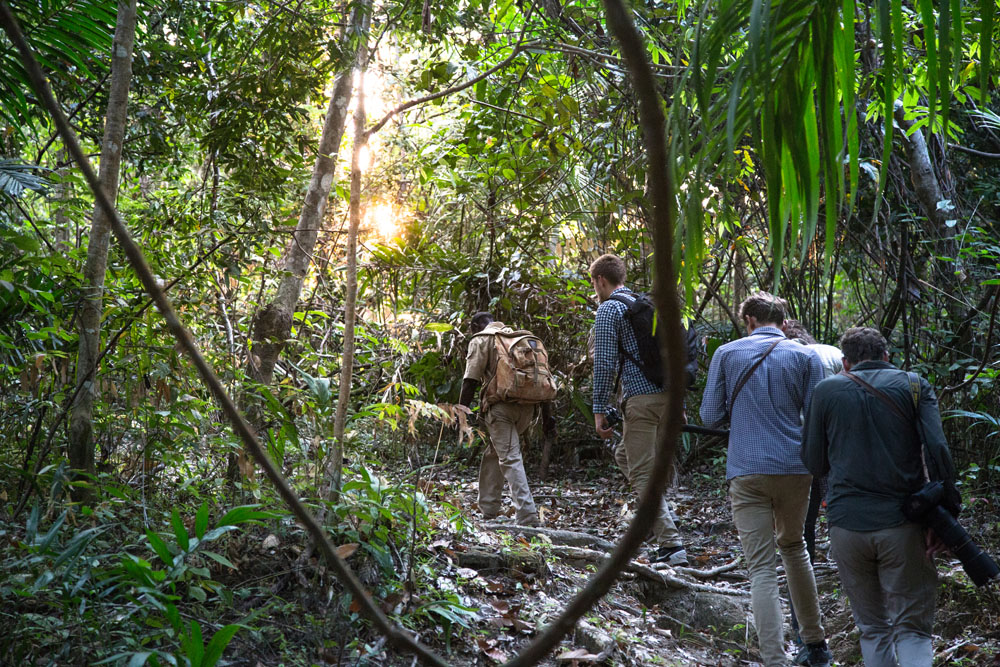
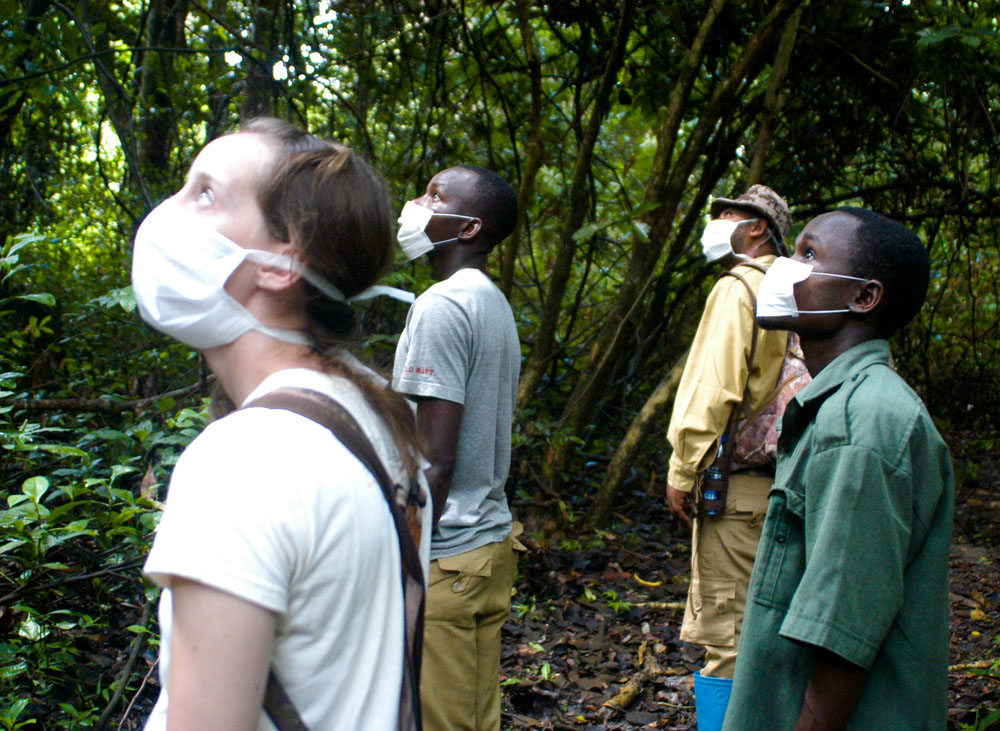
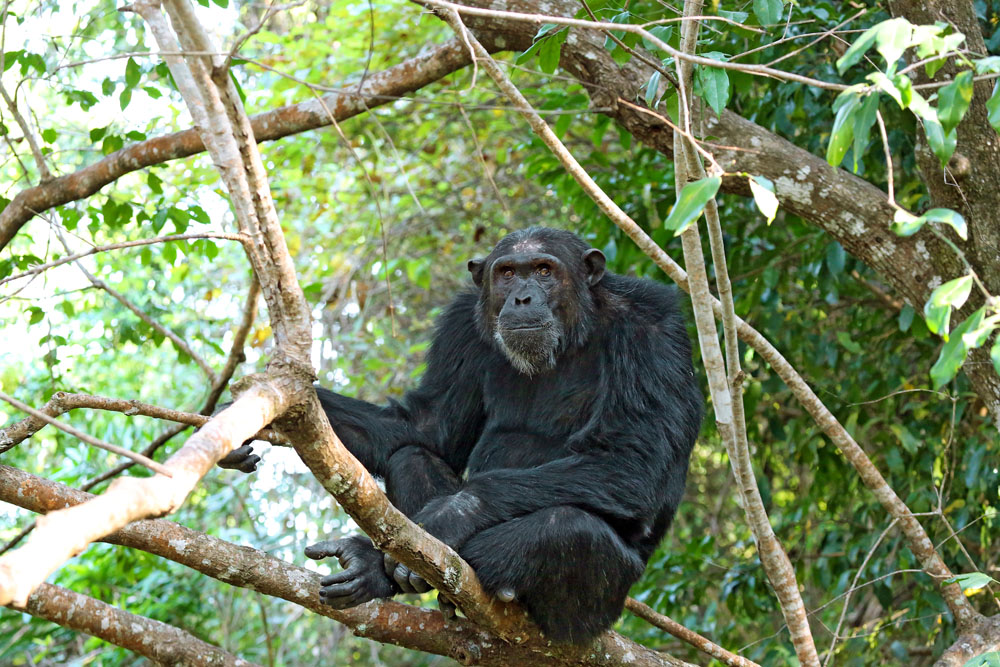
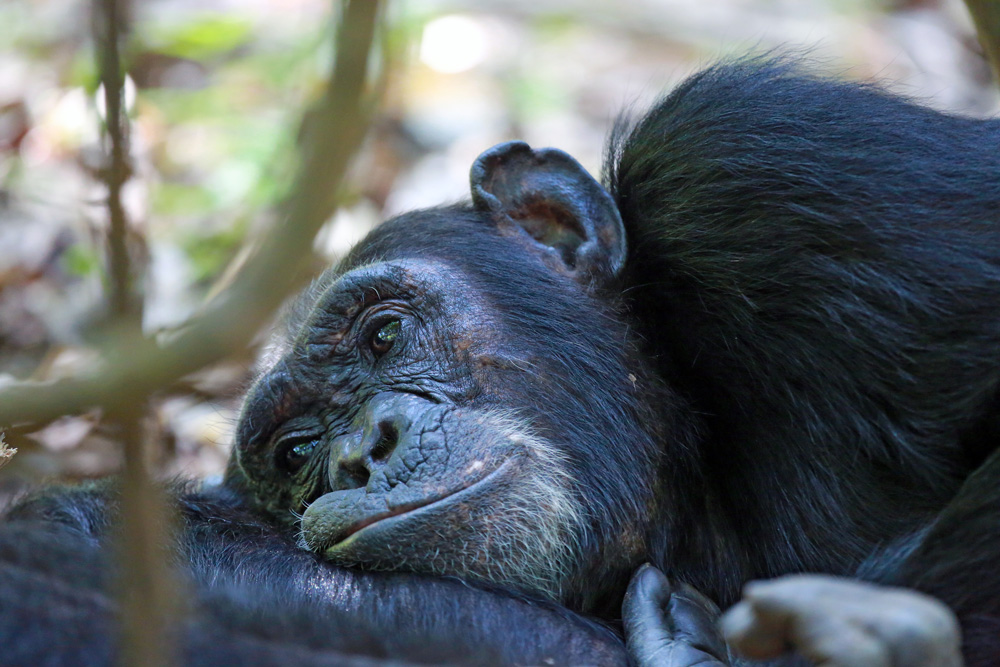
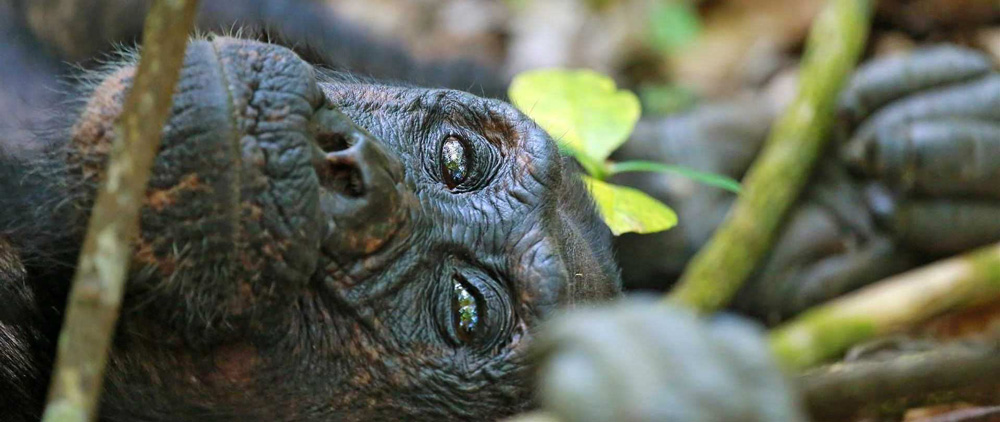
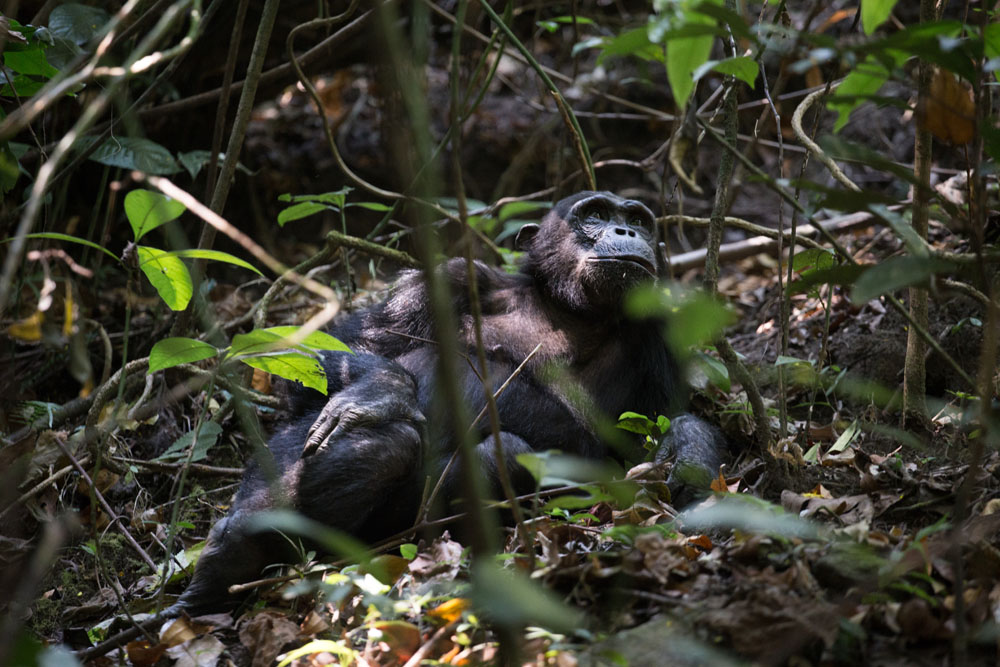
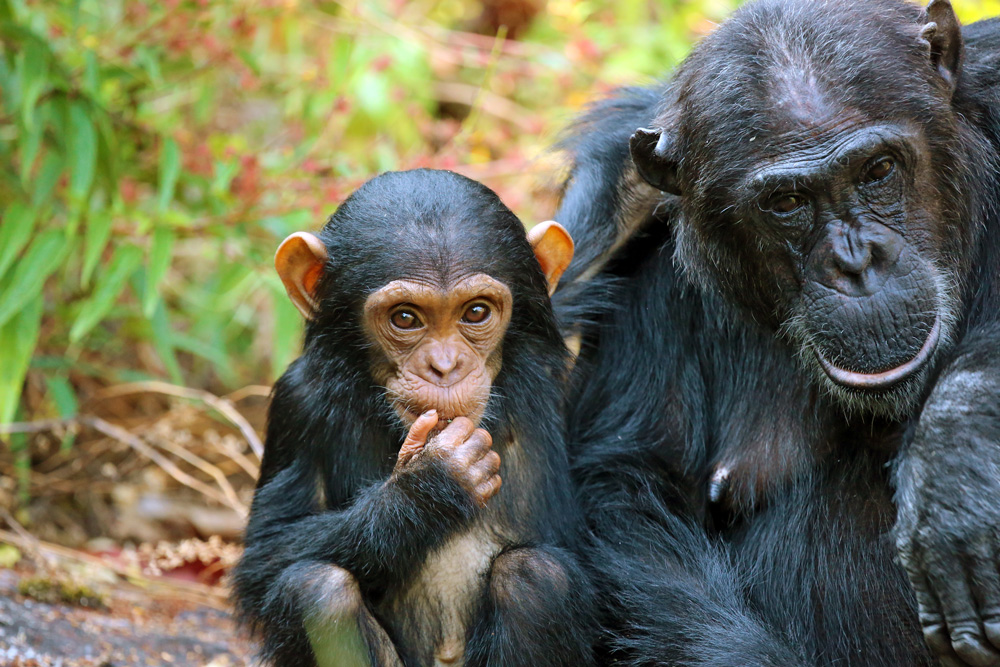
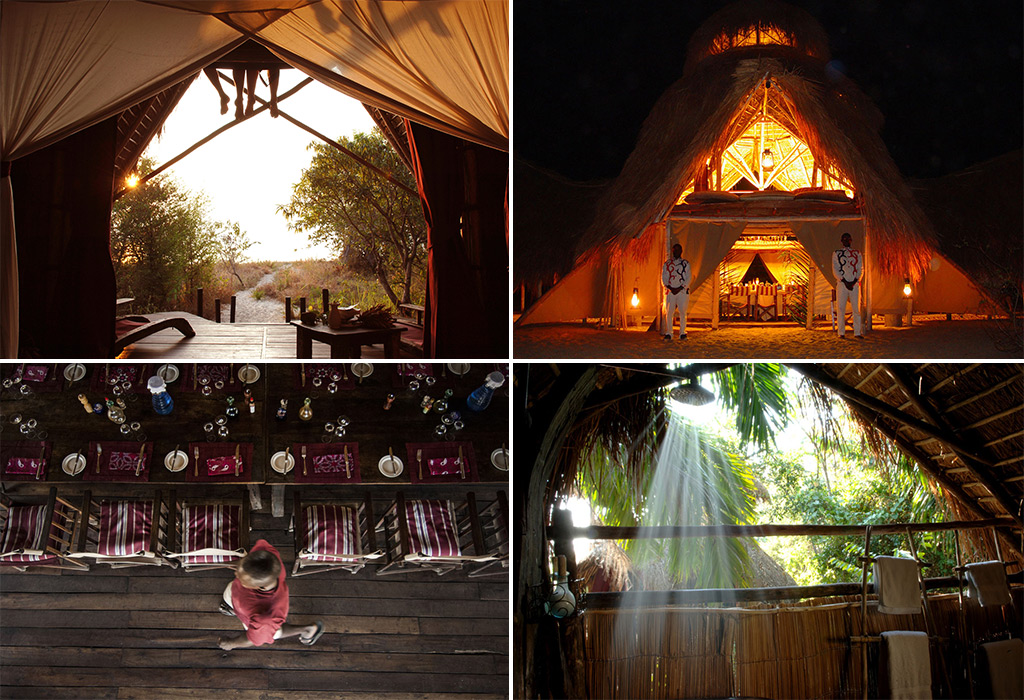
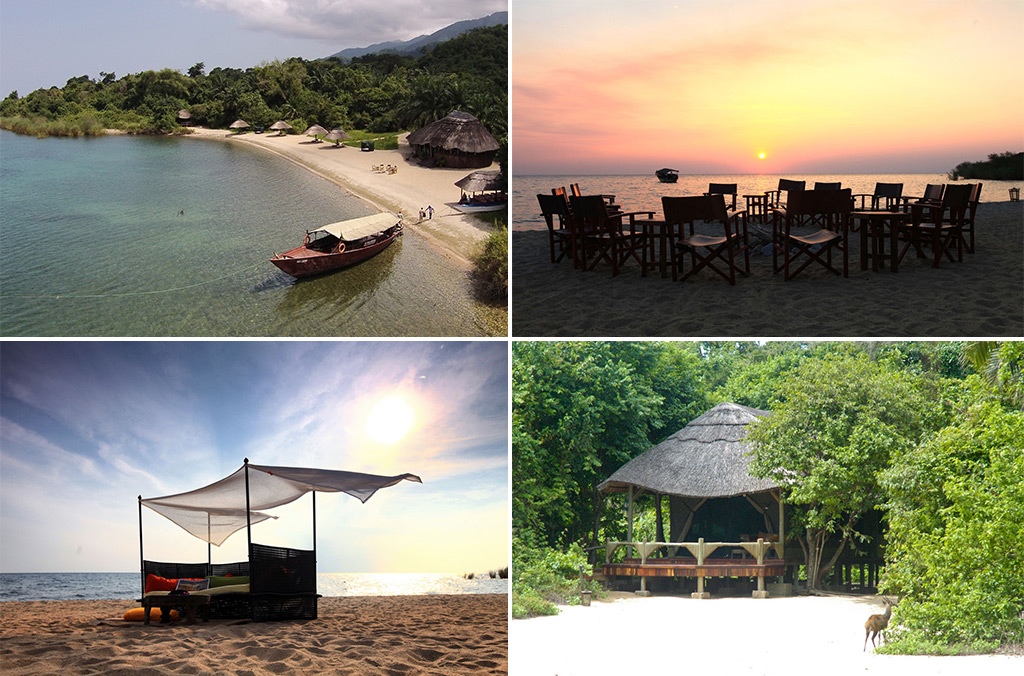
 Born and raised in Sydney, Australia, before moving to Africa at the age of 21, Sarah Kingdom is a mountain guide, traveller, and mother of two. When not climbing, she also owns and operates a 3,000-hectare cattle ranch in central Zambia.