Twenty-seven of Africa’s rarest parrots – the Cape parrot – cavorted in the pecan nut trees above us, screeching as they played, squabbling and scoffing delicious, ripe nuts. I was entranced and rooted to the spot, absorbed by the energy and amazingness of the moment. But for the next few days, when it mattered, we saw no parrots.
Our beautiful counting site on a mountain top near Magoebaskloof
We were in Magoebaskloof, South Africa, enjoying a sneak peek at these national treasures at a popular Cape parrot hangout the day before our participation in the annual Cape Parrot Big Birding Day. For the following two days, our designated count site was atop a remote mountain a few hours drive away. My counting partners and I – teamAG – were in an old pecan nut grove on a working farm, with local birdman extraordinaire and professional guide David Letsoalo. The tasty nuts are an irresistible temptation for parrots – especially with the decline of South Africa’s Mist-belt forests that contain the birds’ natural food sources (yellowwood and other indigenous tree fruit and nuts). Unfortunately, regular feasting on pecan nuts is terrible for parrot health – a bit like too much pizza for humans.
Top: a half-eaten pecan nut. Bottom: A Cape parrot using its dextrous feet and sharp beak to crack open a tasty pecan nut.
Before I get into the count itself, a quick shout out to Amorentia Farm owner Howard Blight and manager Wynand Espach, who host not only these unique birds that descend to mutilate their crop but also welcome crazy bird-watchers like me who come to see the Capes. The farm’s business model has moved away from pecan nut harvesting (although the trees have been left standing for the Capes to feast on) and now focuses on dragon fruit, ornamental flowers, avocado, and macadamia saplings. Howard and Wynand are rapidly becoming legendary ‘parrot-whisperers’, so passionate are they about their former nemeses. Thanks also to John Davies of Endangered Wildlife Trust, who put in long hours to arrange the Magoebaskloof counting groups.
Before heading to our count site the following morning, we spent more time with David scouting the indigenous forests around Magoebaskloof – his backyard. We were lucky again, relishing a few sightings of Capes, one at a nest site high in an old (alien) gum tree and another of a black sparrow-hawk hunting a flock of five parrots. During this thoroughly enjoyable morning, we also ticked off olive woodpecker, olive bushshrike, yellow-streaked greenbul, yellow woodland warbler, blue-mantled crested flycatcher and black-fronted bushshrike, amongst other avian jewels. David was a superb guide, and his intimate understanding of Cape parrots and immense birding skills make him a must-have guide for any birding trip to this area.
Cape parrot pair at their nest site in an old gum tree. Bottom photo: Male on left, female on right.
Okay, so back to the count. It was May, early winter, and even the Lowveld at this altitude can be inclement. And so it was – cold and blustery. TeamAG (me, safari product manager Nadia and Photographer of the Year runner-up Marcus) was allocated a never-before monitored site overlooking a deep ravine with snatches of forest below. Our spot was on a remote mountain plateau, so we required a four-wheel drive and camping equipment (including a spade …) for this off-the-grid adventure.
We sat diligently at our posts for the allocated late afternoon and early morning slots and heard a flock of three to five parrots noisily chattering as they winged their way to their roosts in the evening and again the following morning as they left to forage at lower altitudes. But unfortunately, we did not see them, because each time they flew by just below the lip of the ravine below us. This is why the farm and forest visits the day before were so special.
The two-day sojourn was thoroughly enjoyable, and we will be back next year – hopefully with more volunteers.
Clockwise from top left: At the count spot; in the forest enjoying the expert avian knowledge of David Letsoalo; David Letsoalo listening to a bird call; our remote campsite; our dining room
Others positioned in and around Magoebaskloof were luckier – as were groups at other count sites in KwaZulu-Natal and the Eastern Cape. That said, fewer birds were counted this year (1,477) than in 2019 (1,804).
Quote from Colleen Downs – Cape Parrot Working Group chairperson
“This was the 23rd count since we launched this fantastic citizen science project in 1998. The only year we did not count was in 2020 – for Covid reasons. This year 163 volunteers were posted at a minimum of 70 localities across the provinces. 2022 will be the 25th anniversary of the first count – a significant milestone. Please diarise Saturday 7 May and Sunday 8 May 2022 if you wish to help.”
Contact The Cape Parrot Working Group via email if you wish to volunteer for this epic adventure and become a much-valued citizen scientist.
Taxonomists have prodigious power – their choice of the scientific name for everything from viruses to large mammals leaves behind an enduring historical footprint of our understanding of evolutionary relationships. In recent years, newly discovered species are given names based on everything from bad puns to popular culture (Agra vation – a type of canopy beetle, Polemistus chewbacca – a wasp). Taxonomists of old went in for a more descriptive approach, and while it is impossible to know whether or not it was ever tongue in cheek, the outcome is sometimes equally entertaining. Enter the Hippotragus (sable and roan antelope) – the two magnificent “horse-goats” of the ungulate world.
Early artistic representations of the roan antelope (left), the sable antelope (top right) and the now extinct blue buck (bottom right)
Hippotragus
With long faces, caprine ears, and brawny, equine musculature, there is something “horse-goaty” about the only two surviving members of the Hippotragus genus. Both the roan and sable are among the most attractive antelope in Africa. Characterised by striking markings, robust bodies, and backward curving horns, the family resemblance between the two is evident in shape if not in coat colour (both species take their English names from the predominant colour of their fur).
One glance at their morphology should be sufficient to see an unmistakable resemblance to the oryx family, albeit with a different approach to weaponry. Thus, the roan and sable are grouped into the subfamily Hippotraginae (the “grazing antelopes”) along with the four oryx species and the addax – a collection of seven extant species belonging to three genera. These likely evolved from a common ancestor, with the Oryx and Addax settling in northern Africa initially and the Hippotragus adapted to the savanna habitats of the south. Ruminant classification, particularly antelope, remains a work-in-progress, but great strides have been made with recent genetic analysis.
Though the roan and sable diverged some five or more million years ago, they still show considerable similarities in behaviour, features and adaptations. Fascinatingly, even though they have spent millions of years evolving sympatrically (within overlapping ranges), recent evidence indicates that they can and do hybridise. Hybridisation is most frequently observed in Angola, where declining giant sable numbers (more below) have seen sable and roan interbreeding. This is sometimes referred to as Hubb’s principle or ‘desperation’ hypothesis and creates a vicious cycle where a rare species is more likely to mate with a similar species. (Disappointingly, there is no record that these hybrids are ever referred to as either “soans” or “rables”.)
Quick facts
Roan
Sable
Mass
223-300kg
220-235kg
Shoulder height
135-160cm
117-140cm
Gestation period
278 days
273 days
Number of young
One calf (twins occasionally recorded)
One calf (twins occasionally recorded)
Average life expectancy
Up to 25 years in captivity (around 17 years in the wild)
15-20 years in captivity (less in the wild)
Even without hybridisation, the tiny calves of sable and roan antelope are almost indistinguishable during their early months. However, by six months, the youngsters begin to take on the distinctive colouration of the adults. The two species stand almost the same height at the shoulder, but the roan is slightly taller and significantly heavier. Roan and sable are both specialist grazers and, as a general rule of thumb, both flourish in regions where competition with other grazers is reduced.
Sable and roan share a virtually identical social structure, with territorial bulls, a breeding herd of females and their youngsters and bachelor groups of immature or displaced males. The only significant difference is that roan breeding herds tend to be slightly smaller on average (5-15 as opposed to 15-22) but show more variation. Like many other antelope species, the bulls defend suitable territories (ideally with plentiful resources) and the females come and go, despite the male’s best efforts to detain them. The females have a strict hierarchy that is usually age-related and maintained by regular displays of low-intensity aggression.
The females hide their calves after birth and will only introduce them to the rest of the herd after a few weeks. The calves then spend most of their time with others of a similar age, and research indicates that sable calves, at least, have preferred playmates whose company they choose over others.
The IUCN Red List lists both species as ‘least concern’, but it must be remembered that these classifications are based on an overall view of the species and are not always applicable to specific regions.
A sable antelope bull
Sable (Hippotragus niger – the “black horse-goat”)
The remarkable sable cannot be mistaken for any other antelope. The coat of the males is jet-black (hence the name), the inky hide broken only by vivid splashes of white on the belly and face. Adult males are equipped with sharp-tipped crescent horns that extend back over their arched necks. Males usually carry their heads high in a show of dominance except for threat displays when they drop their heads and scythe their horns from side to side. The females are furnished with arched horns, and while these are shorter and thinner than those of the bulls, they are still potentially deadly weapons. The cows lack the ebony sheen of the males, and their coats are more subtly chestnut coloured.
Sable can be exceptionally defensive when provoked, attacked, or injured, and, as adults, their only natural predators are lions and crocodiles (and very occasionally, Africa painted wolves and spotted hyenas). Like most antelope, sable are generally shy around people, but captive individuals are less nervous. A warning charge from a sable bull can be singularly terrifying. (Watch here for an entertaining insight into how quick wildlife vets need to be on their feet.)
Sable have a preference for miombo woodland and are found in savanna and grassland habitats across south-east and south-central Africa, with a small isolated population found in Angola. While classified as specialist grazers, they readily browse during the dry season when they compensate for poor grazing with leaves and forbs. There are four recognised subspecies of sable (though the validity of these divisions remains in question and most are not yet recognised by the IUCN): the southern sable (H. n. niger), Zambian sable (H. n. kirkii), eastern sable (H. n. roosevelti) and the giant sable (H. n. variani).
Though the first three subspecies occur in relatively stable numbers, the resplendent giant sable of the Angolan savanna is critically endangered. Despite being a national symbol of Angola, the latest assessment of their numbers by the IUCN suggests that fewer than 250 mature individuals remain. As the descriptor “giant” indicates, they are the largest of the four sable subspecies, and their horns can reach over 1.5m in length.
Roan antelope cow
Roan (Hippotragus equinus – the “horsey horse-goat”)
As their vernacular name suggests, roan range in colour from a pale grey to reddish-brown, with their faces marked by bold black and white patterns. They are the second tallest and third heaviest antelope in Africa. Their horns are proportionately shorter than those of the sable (the record is just over 90cm) and are slightly less curved. The sexual dimorphism is considerably less marked in roan, and adult females are only fractionally smaller than the males. The most beguiling feature of roan antelope is their elongated and angled ears, which add a somewhat absurd edge to an otherwise handsome animal. Like sable, roan are placid until provoked, at which point they fight viciously and have been known to kill lions in self-defence.
Roan antelope inhabit woodland and grassland savanna habitats, and their range overlaps with that of the sable in several areas. However, roan are the only Hippotragus antelope found north of the Equator and across into West Africa. Six subspecies are currently recognised, which has made fragmented populations challenging to manage and added to conservation challenges. There are parts of Africa where the roan numbers have plummeted, particularly in South Africa’s Kruger National Park and the Ruma National Park in Kenya.
The extinct blue buck
Bluebuck (Hippotragus leucophaeus– the lost “horse-goat”)
Until the late 1700s, a third Hippotragus antelope roamed the southern tip of Africa. The bluebuck was the first large mammal to become extinct in historical times, hunted to extinction around 1800 and followed shortly by the quagga a few years later. The unfortunate bluebuck was likely restricted to a small range within the Cape area of South Africa. And genetic studies indicate that bluebuck numbers were low even before European settlers arrived in South Africa. Though hunting finished them off, there were likely several other contributory factors, including disruption of ancient migratory pathways due to natural climate shifts, loss of habitat and competition with roan and then livestock.
While the blue buck was once considered a subspecies of the roan, genetic studies confirm that it was a distinct species. However, experts have had to work extremely hard to clarify its exact history because many of the collected specimens were either roan or sable. The bluebuck was probably more closely related to the sable, with a small population becoming geographically isolated and eventually evolving into a separate species.
Slightly smaller than both sable and roan, the bluebuck was likely equally attractive and charismatic.
Where to find them in the wild?
Though both sable and roan have a relatively widespread distribution throughout Africa, there is nowhere that they could be considered to be particularly common. Moremi Game Reserve and Chobe National Park in Botswana, as well as Hwange National Park in Zimbabwe are good places to spot both. Malawi’s Nyika Plateau is an excellent location to view roan antelope, as are the Busanga Plains of Kafue in Zambia. The miombo woodlands of southern Tanzania and western Zambia both support large populations of sable.
For camps & lodges at the best prices and our famous ready-made safari packages, log into our app. If you do not yet have our app see the instructions below this story.
A sable bull chases some vultures off an elephant carcass
This is a copy of our weekly email newsletter. Subscribe here to receive the newsletter.
Most heroes get on with their hero work anonymously. Often their only reward is the personal knowledge of a job well done, or, a pat on the back from a proud spouse, parent or colleague. Many have and will die, as they lived – in penury, rewarded with memories rather than money.
We can all think of such people – courageous rangers who, as we acknowledge on World Rhino Day on the 22nd of September, risk life and limb to protect our precious wildlife; passionate researchers who toil in heat, cold and dust in the pursuit of knowledge; tireless fundraisers who pry open the coffers of the well-to-do; the generous donors who hand out largesse without ever asking for acknowledgement.
In our first story below, we take a look at a tiny proportion of the substantial academic literature related to lion hunting in Africa. This is a fascinating and important area of research undertaken by academic heroes who work in politically and physically dangerous spaces, making a huge difference to African predator conservation.
Our second story below is a wonderful tale of a family smitten by African wilderness. While on a canoe trip, they passed an idyllic spot on the Zambezi River bank below Kariba Dam and fell in love. Now their lives are dedicated to restoring nature at Mukalya Private Game Reserve.
Reading academic tomes can be like mainlining anaesthetic drugs. Our third story below is an exception. It is a summary of a massive report compiled by the School of Wildlife Conservation at the African Leadership University. It’s the result of years of often thankless research compiled by unsung heroes at the coalface of trying to understand the future of Africa’s wild spaces.
James Hendry – Editor-in-Chief
From our Scientific Editor
The distressing decline of insect numbers across the globe is cause for tremendous concern. Not only do these helpful animals play a role in removing detritus but, most importantly, they pollinate many of the crop species that feed the world. Whatever the reason for this disappearance, it could exponentially worsen malnutrition and nutritional deficiencies (particularly vitamin A) for hundreds of thousands of people. Have a look at our “Did you know” fact of the week – it is a terrifying realisation that the future of our chocolate supply potentially rests on the tiny shoulders of the cacao plants’ midge pollinators.
Story 1 LION HUNTING SUSTAINABLE?
Is lion hunting sustainable? Pragmatic experts desperate to conserve our remaining wild lions have done fascinating research.
Story 2 SAFARI INSPIRATION
Inspiring story, gorgeous safari – Mukalya Private Game Reserve is a restored wilderness on the banks of the Zambezi River.
Story 3 WILDLIFE ECONOMY
African wildlife economy – unlocking potential and inspiring investment in nature for conservation and development. Club members only
TRAVEL DESK UPDATES:
• If this evocative video filmed in Tanzania’s remote Katavi NP does not get you dreaming of your next safari, nothing will. Tip: visit our club lodge selection and search for ‘Katavi’ or ‘Tanzania’ for the best lodges and prices.
• Travel insurance is vital for your safari plans. Make sure your insurance package includes cancellation or curtailment of the safari (including due to Covid), emergency evacuation expenses, medical expenses, repatriation expenses, damage/theft/loss of personal baggage, money and goods.
• Intrepid travellers are taking advantage of killer prices – out there as you read this enjoying their safaris arranged by teamAG. Check out this review of an excellent safari to Greater Kruger, South Africa.
In March 2021, the School of Wildlife Conservation (SOWC) at the African Leadership University published a report – State of the Wildlife Economy in Africa – based on research to determine the value of wildlife in Africa. The goal: to encourage more public and private investments in natural landscapes to improve conservation outcomes and support economic development.
Africa possesses extraordinarily rich and diverse wildlife resources. They comprise the planet’s largest mammal species assemblages, second-largest tropical rainforest and three of the most productive marine ecosystems. Africa’s wild resources – its wildlife (fauna and flora, marine and terrestrial) and its natural landscapes are, however, largely not recognised for their economic, livelihood, and health contributions. And they should be, as should ecosystem services linked to wild resources such as agriculture and commercial forestry.
Given that the Global Risks Report has ranked biodiversity loss as one of the top five global risks in the next ten years (WEF, 2019), it is critical that governments invest in protecting biodiversity. This will stimulate development by supporting the growth of the wildlife economy, increasing revenues and employment. Investments in conservation deliver competitive returns compared with other mainstream sectors. Therefore, African governments must step up to create an enabling environment for investment in the sustainable use of wildlife and natural landscapes. This is especially important given how many local livelihoods and macro-economies are tied to and reliant on wildlife and other natural resources.
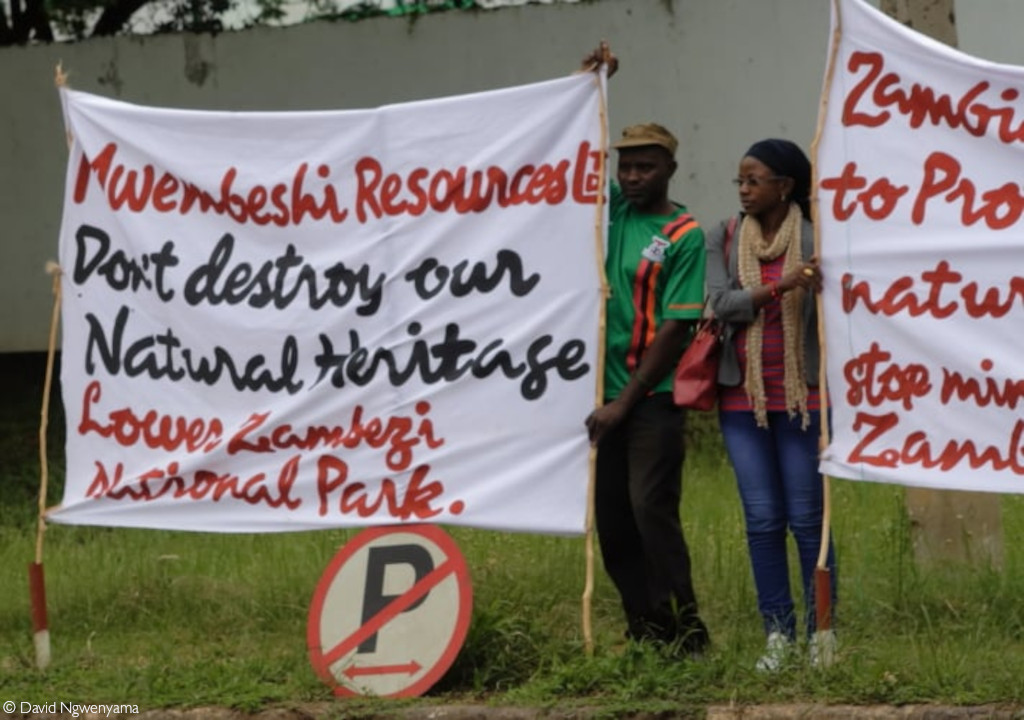
The sun slips towards the horizon, turning the sky from blue to shades of pale pink and orange. We’re staying at Mukalya Private Game Reserve (upstream from Lower Zambezi National Park and downstream of Victoria Falls) and have just spent the afternoon fishing on the Zambezi River in Zambia. As we drift downstream, we catch sight of an elephant, a lone young bull, who uses his prehensile trunk to grasp clumps of grass and leaves. He slowly ambles along the bank, almost keeping pace with our drifting boat for a couple of kilometres, before he climbs the steep bank and disappears.
My husband resumes fishing, and I continue to watch the bank where groups of women gather to wash the family laundry and children splash in the shallows. Men relax, chat, and doubtless discuss the merits of various fishing sites and methods. We drift past islands, big and small.
The massive corkscrew horns of a kudu bull loom above the boat as we glide on, while impala gaze passively down from the riverbank and pied kingfishers dive for fish. Then, a movement on the bank catches our eyes. A magnificent male leopard, indifferent to us, saunters along the soft sand. We watch until he disappears.
My husband begs for “one more cast”, and his afternoon suddenly improves as he hooks a tiger fish. The river predator puts up a brave fight but, after a brief tousle, is landed, weighed, measured, photographed and returned to the water. A leopard and a ‘tiger’ in one afternoon – impressive.
Clockwise from top left: African fish eagle; water monitor lizard; puku cows; kudu bulls; a young leopard; a territorial hippo.
Mukalya Private Game Reserve
We are staying at Mukalya Private Game Reserve on the banks of the Zambezi. Seventy years ago, this was an area of incredible biodiversity and wildlife. It was also where most of Zambia’s rhino lived. However, poaching, habitat loss caused by deforestation (both for farming and charcoal production) denuded the area of wildlife. Just over a decade ago, barely an animal was to be seen. Then in 2006, on a canoe trip down the river, a family fell in love with the area and decided to restore it. They developed a vision for reintroducing wildlife, protecting the forests and restoring the space to its former glory.
Once they had securely fenced the reserve, they began reintroducing wildlife and educating the local villagers about the value of wildlife conservation. To date, the family has reintroduced 14 mammal species (including sable, eland, tsessebe, giraffe and zebra). This was not a process without its challenges. Some animals died during transportation; others failed to adjust to their new environment. A severe drought necessitated additional feed while elephants and hippos regularly broke fences, causing costly repairs. A pride of lions swam across the river from the Zimbabwean Hurungwe Game Management Area and consumed many newly introduced residents.
Local fishermen plying their trade on the Zambezi River
Conflict
Initially, there were also challenges with the members of the local community. Poaching, conflicts over boundaries, and widespread tree felling were some. But the family’s hard work has paid off. Local people are now benefiting through much-needed employment and social projects that include community schools, clinics, solar lighting, agricultural inputs for local farmers, wells and the provision of water pumps. In addition, the family has worked with the Zambian Wildlife Authority to reduce poaching and have not lost a single animal to illegal hunting in the last six years. Indeed, when an animal escapes from the Mukalya now, the local villagers inform the family and play an active role in herding the escapee home.
Mukalya’s stunning hospitality experience
Turning to tourism
The re-stocking project was costly, as were the ongoing costs of staffing and maintaining the reserve. With this in mind, the family recently decided to open a tourism operation to help the reserve support itself.
The previous afternoon we had headed upstream and into the Kariba Gorge. The river here has carved its way through the basalt rock, creating dramatic cliffs. As we entered the gorge, the river narrowed. Water swished and swirled around our boat. The precipitous banks are covered in dense vegetation, and we passed the occasional sandy beach and seasonal waterfall cascading into the river. There were scores of fish eagles dotted in the trees above the turbulent waters. In the shadows of the gorge, we saw two rare, rufous-plumaged Pel’s fishing owls.
Precipitous gorges of the Zambezi River
Heading further upstream, towards the Kariba Dam (the largest dam in the world for storage capacity), we passed ‘Nyami Nyami Rock’. Local legend has it that this rock island is the Zambezi River God, Nyami Nyami, trapped forever in the river below the wall, while his wife remains trapped in the dam above. Traditionally, superstitious fishermen wouldn’t pass this rock and would never fish upstream of it, but time has softened traditions, and we saw a couple of dugout canoes and local men trying their luck as we headed towards the wall.
The closer we got to the wall, the more the water seethed and swirled, rushing over rocks and creating hundreds of tiny whirlpools. Then, suddenly, it loomed out of the water ahead of us. We sat in the boat, engine idling, and looked up at the massive construction, holding back 185 billion cubic metres of water.
Nyami Nyami rock
Strolling in the wild
The following morning, we explored the local area on foot – a 12km round trip to some hot springs. We walked through the reserve, surrounded by groves of false chestnut trees (local name Mundoli, scientific name Triplochiton zambesiacus). These vast, wide-canopied trees, with mottled, grey-white bark, large-lobed leaves and clusters of pale yellow flowers, are restricted to the Zambezi Valley.
We spotted kudu, duiker, sable and waterbuck in the dappled shade. An African golden oriole flew overhead, and we stepped over the fat tracks of a python. We had hoped for a sighting of the elusive, migratory African pitta (formerly Angolan pitta), which is in the area from November to February. It was March, and sadly there were no lingering pittas. We did see and hear a variety of other birdlife, however.
Between August and November, thousands of southern carmine bee-eaters paint the sky, bushes and steep, sandy riverbanks dazzling pinks and blues. We stood in the dry bed of one the Zambezi’s tributaries and marvelled at the extensive network of tunnels excavated into the towering banks above.
We were there at the right time to examine some of the smaller critters, including creepy, omnivorous (and occasionally cannibalistic) harvester crickets. We also watched numerous spider-hunting wasps, which paralyse their prey, burying it live with their eggs, to provide the young with ‘fresh’ food.
Elephants cooling off in the Zambezi River
Hot Springs
Leaving the reserve behind, we walked through local villages, waving at cattle and goat herders, greeting school children and stopping to have a chat with the village headman, before reaching the hot springs. At 90°C, the water was much too hot to touch, and clouds of mist rose above it in the cool morning air. Local women sometimes bring their pumpkins here to cook in the hot water while they tend the fields nearby. Further from the source, in a shaded clearing, the water was cooler, and our guide told us that bathing here, with the natural salts, sulphur and other minerals, has numerous health benefits. We didn’t stop to swim though; our tummies were rumbling.
Brunch was a scrumptious affair, and after our morning exertions, we felt we had earned it. Zebra looked on while we sat and chatted with the family. Uncle Josh regaled us with tales of the past, the giant trees that had grown here, and the wild animals roaming the area before poaching and human encroachment changed everything.
Sitting, coffee in hand and bellies full, we chatted with Michael, the driving force behind the project. He spoke of Mukalya’s future – the expansion of the reserve, the reintroduction of more animals, combating deforestation, plastic waste reduction, recycling projects, sustainable local fishing methods and future community projects. The family hopes to drop fences with neighbouring properties to increase the conservation footprint.
We couldn’t help but be inspired by the passion and commitment that has gone into the development of Mukalya Private Game Reserve. We hope the future will be a bright one and that it won’t be long before we return to check on progress.
In the wake of the bow-hunting of Mopane the lion, we searched for some literature and expert commentary on the sustainability of the trophy hunting of free-roaming lions in Africa, particularly around Hwange National Park in Zimbabwe. We came across extensive scientific literature on African lion hunting and its effects on population dynamics and numbers.
Around 20 – 30 male lions are shot by trophy hunters every year in Zimbabwe. Some of these are in community-owned conservancies and some private hunting concessions, which may border national parks.
Hwange National Park
We wanted to know if the hunting of lions around Hwange as it is currently practised might drive lions to local extinction. The answer is most likely not. Hwange is part of a massive, open system stretching to Victoria Falls in the northwest and the Okavango Delta (and beyond) in the west. Hwange hunting is like ‘nibbling on the edges’ of the greater transfrontier protected area.
That is not to say the effect of hunting is negligible by any means. Between 1999 and 2012, of 206 recorded lion mortalities in Hwange, human beings caused 88% of male and 67% of female deaths. Trophy hunters caused the vast majority of male deaths while lionesses fell to bycatch snaring, retaliatory killing and hunting 1.
Lion hunting in Hwange has wrought tremendous changes on lion demographics and has certainly reduced lion numbers 2. When male lion offtakes were highest, survival of all age and sex classes were lowest. Over the period 1999 – 2021, reduced hunting quotas coincided with an increase in the overall population (62%) and a male density increase of 200 %! According to the 2016 study (footnote 2), the population started to decline again with increased hunting pressure and higher mortalities. When hunting was most intense in the early 2000s, population ratios were highly skewed towards females.
The Hwange situation has been repeated in various parts of Tanzania, where over-hunting has reduced lion numbers on a national scale 3 and lower population growth rates are expected where trophy hunting persists 4.
It is also important to appreciate that anthropogenic lion deaths around Hwange are not only caused by trophy hunters. Unintentional deaths from snaring and intentional killing due to human-wildlife conflict also reduce lion numbers. All of these causes combined could lead to a population crash – but at the moment, this seems unlikely. In many parts of Africa, it is simply not known how many lions are lost to anthropogenic mortality 5.
Why the six-year-old threshold?
In Zimbabwe, the minimum age for a trophy-sized male lion is six years old. This threshold comes from a mathematical model developed by Anthony Starfield in the early 1980s in the Kruger National Park, South Africa 6. The model was expanded and refined in 2007 by Whitman et al. 7. Further research, however, indicates that harvesting males after they have reared their first cohort of cubs can be sustainable but that in Southern Africa, where lions appear to mature more slowly than in East Africa, the threshold of six years is too low and should be increased to at least seven 8.
However, this assessment of sustainability assumes two things. First, the hunting operator is ethical in so much as he will not allow a client to shoot an animal too young (not always the case9), and second that he can accurately age the lion his client is about to kill. One study shows that hunters achieved a success rate of only 63% when ageing lions, normally overestimating the ages10. The study recommended that to negate the effects of these errors, the minimum threshold for lion hunting should be greater than seven years. Beyond this age, hunters were much more accurate at ageing their targets. This is supported by at least one study 11 that showed lion population numbers to be negatively affected by the hunting of lions under the age of seven years.
Sinks
What killing lions on the edge of Hwange does cause is a change in lion demography and a vacuum or sink effect. It is not impossible for old lions like Cecil (13) and Mopane (12) to be dominant over prides in an area where lion trophy hunting is prohibited, but it is not common. It is possible and even probable that these old lions were still dominant because trophy hunting has created a dearth of male lions in the Hwange area. By continually shooting dominant males on the edge of the reserve, i.e. by creating vacant territories, males looking for territory will naturally move into these areas – often young nomads looking for their first territories or older males who have already been excluded from their first or second territories. This ‘sink’ effect pulls males into the hunting area and denudes other areas 12.
Likewise, trophy hunting on the Hwange boundary seems to exert a measurable edge effect where lions of all ages and genders living close to the boundary exhibit lower survival compared with more distant groups 13.
Should lions be hunted on the Hwange boundaries?
From a PR perspective, hunting male lions on the boundary of one of Africa’s most famous, most visited photographic safari destinations makes absolutely no sense. In the case of named lions, tourists come to see specific animals and take photographs of them. This is a sustainable, largely non-consumptive practice that lasts for the lifetime of the lion concerned. Famous, named lions attract tourist dollars and act as ambassadors for conservation 14. Shooting a named lion ends this long-term conservation and tourism reward.
Less directly, the negative publicity associated with killing lions – especially when bowhunters are involved in maiming them – could easily result in a booking reduction for photo tourism operators in Hwange. Why would a safari-goer travel to a destination where the latest headlines lament the maiming and killing of a famous lion? Tourists can choose from hundreds of safari locations where the killing of lions is not allowed, thus many, with cash to burn and a dislike of sport killing, will simply spend their money elsewhere. It is possible that for the hunting operators, the adage ‘no publicity is bad publicity’ applies, but it seldom applies to tourism marketing.
Sources in the Hwange area say that local safari guides who ply their trade in the National Park (and other high-profile hunting areas) where hunting on the boundaries is allowed also resent the hunting of iconic animals. Not only do they face the risk of cancelled bookings at their lodges and a reduction in occupancy, but they’re also unable to show their guests the iconic animals that have made their areas famous. This could directly impact their ability to make a living.
Conclusion
So is lion hunting driving lions to extinction, or is it contributing to their conservation counter-intuitively as it may sound? One model suggests that there are no continuous harvesting strategies that do not result in population declines15. The model suggests that hunting periods should be interspersed with periods of no hunting and that the cost of lion hunting should increase due to diminished supply.
While the argument that keeping areas for trophy hunting (which includes lions) keeps that land under wildlife seems to be anecdotally supported, there is a dearth of research confirming this16.
More worrying is the difficulty of following the money trail. In the end, it doesn’t seem to make a great deal of sense for a private landowner and hunting operator on the borders of a national park to benefit from shooting lions that contribute so much to the incomes of so many involved in photo-tourism. If lion hunting takes place in community-owned conservation areas that lack income from photo tourism and the money flow is transparent and equitable (for land, people and lions), then it makes more sense. This is not always the case. In some Zimbabwean CAMPFIRE areas (community-run conservation zones set up to benefit local people and promote positive attitudes to wildlife conservation), residents bemoan the fact that they earn very little from hunting and that wildlife continues to menace their lives17.
Other than in Namibia, it is extremely difficult to determine exactly what proportions of hunting revenue are directed to local communities18.
The sport hunting of lions to satisfy human needs is repellant to many of us (me and many of the scientists referenced here). What many of these scientists desperately want, however, is to find the best possible way of conserving lions into the future while taking into account myriad complexities (the needs of local people, habitat protection, economic necessity). As Macdonald et al.(2017) suggest, lion hunting should be strictly regulated to ensure that it contributes to conservation (people, land and lions). Where hunting is banned, suitable alternatives need to be found for the economic shortfall. It is also worth bearing in mind that overall, the cost of biodiversity loss exceeds income from both photo tourism and hunting.
References (this is a tiny fraction of the available academic literature on trophy hunting)
1 Loveridge A.J., Valeix, M. Elliot, N.B., & Macdonald, D.W. 2017. The landscape of anthropogenic mortality: how African lions respond to spatial variation in risk. Journal of Applied Ecology 2017, 54, 815–825.
2 Loveridge A.J., Valeix, M., Chapron, G., Davidson, Z., Mtare G., Macdonald, D.W. 2016. Conservation of large predator populations: Demographic and spatialresponses of African lions to the intensity of trophy hunting. Biological Conservation 204 (2016) 247–254.
3 Packer, C., Brink, H., Kissui, B.M., Maliti, H., Kushnir, H. & Caro, T. 2011. Effects of trophy hunting on lion and leopard populations in Tanzania. Conservation Biology 25:142–153. https://doi.org/10.1111/j.1523-1739.2010.01576.x.
4 Packer, C., Loveridge, A., Canney, S., Caro, T., Garnett, S.T. & Pfeifer M et al. 2013 Conserving large carnivores: dollars and fence. Ecology Letters 16: 635–641. https://doi.org/10.1111/ele.12091.
5 Macdonald, D.W., Loveridge, A.J., Dickman, A., Johnson, P.J., Jacobsen, K.S. & Du Preez, B. (2017) Lions, trophy hunting and beyond: knowledge gaps and why they matter. Mammal Review, 47(4) 247 – 253.
6 Starfield, A.M, Shiell, J.D. & Smuts, G.L. 1981. Simulations of lion control strategies in a large game reserve. Ecol. Modelling, 13: 17-28.
7 Whitman, K.L., Starfield, A.M., Quadling, H., Packer, C., 2007. Modelling the effects of trophy selection and environmental disturbance on a simulated population of African lions. Conserv. Biol. 21, 591–601. http://dx.doi.org/10.1111/j.1523-1739.2007.00700.x.
8 Miller. J. R. B., Balme, G., Lindsey, P.A., Loveridge, A.J., Becker, M.S., Begg, C., Brink, H., Dolrenry, S., Hunt, J.E., Janssoni, I., Macdonald, D.W., Mandisodza-Chikerema, R.L., Cotterill A.O., Packer, C., Rosengren, D., Stratford, K., Trinkel, M., White, P.A.,Winterbach, C., Winterbach, C.EK., & Funston, P. 2016. Ageing traits and sustainable trophy hunting of African lions. Biological Conservation 201 (2016) 160–168.
9 Loveridge, A.J., Searleb, A.W., Murindagomo, F., Macdonald, D.W. 2007. The impact of sport-hunting on the population dynamicsof an African lion population in a protected area. Biological Conservation 134 (2007) 548 – 558.
11 Creel, S., M’soka,J., Dröge, E., Rosenblatt, E., Becker, M.S., Matandiko, W. & Twakundine, S. 2016. Assessing the sustainability of African lion trophy hunting, with recommendations for policy. Ecological Applications, 26(7), 2016, pp. 2347–2357.
This is a copy of our weekly email newsletter. Subscribe here to receive the newsletter.
RIGHT NOW, I am loving it in Botswana’s spectacular Khwai Private Reserve – hosting our 2021 Photographer of the Year winners. This is my first international foray since Covid descended on us all, and it’s good to be back in the saddle.
I have always enjoyed excellent wild dog encounters in Khwai (both the private reserve and community concession) and look forward to the same thrill on this safari. Mostly though, I will be kicking back and enveloping myself in the heady aroma of wild sage, the soothing motion of a mokoro sliding along water channels, and the early morning avian chorus.
I will also be checking out new lodges on behalf of our travel desk and being re-acquainted with others – stand by for my thoughts.
Keep the passion
Simon Espley – CEO, Africa Geographic
From our Scientific Editor
The microbiological world is a battlefield. Everyday, our immune systems face down microscopic invaders and every now and again, something slips past our defences. Of the seven and a half billion people on the planet, scientists believe that at least two billion are infected with a microscopic protozoan called Toxoplasma gondii. Luckily, most healthy adults are asymptomatic. Now, new research shows that this same parasite alters hyena cub behaviour – often with fatal consequences. Could this parasite be programming its hosts to sacrifice themselves? Read our second story to find out and then perhaps go and clean out your cat’s litterbox.
From our Editor-in-Chief
I was jogging through a reserve last weekend as dawn broke. Giraffe watched, their jaws chewing the night’s cud and a herd of wildebeest scattered into the woodland at the sight of my (less than impressive) human physique. The rhythm of my footfalls, combined with a burgeoning hangover, conjured a song in my mind. ‘There is enough’ croons Peter Garrett of Midnight Oil, ‘for everyone.’. My thoughts drifted to trophy hunting – I try and keep an open mind to it. I know it funds conservation. But the Oil’s lyrics kept repeating ‘there is enough’.
If people can afford to come to Africa to destroy elephants, lions and leopards (as our first story below refers) and often because they claim to love nature, why not just donate the money to conservation? Why the need to hold swathes of land to ransom by refusing to conserve it unless they can kill something and extract it? How is that love? ‘I love you so much that I must shoot you and hang you above my mantlepiece. This is how I express my profound love.’
I have descended from my soapbox now to tell you to sit back and dream of the bizarre, wacky and wonderful world that is Madagascar in our third story below. This is the first of a four-part series on Madagascar, and it takes you on a journey to the northern reaches of the magical island.
If you haven’t joined the AG Club yet, then you can do so here. You could join in wonderful forum discussions created by club members such as guide Greg Lederle who wrote a thought-provoking post on naming wildlife after human beings (see our fourth story below).
Story 1 70 LEOPARDS TO BE HUNTED
Leopard trophy hunting – the Botswana government has allocated a quota of 70 leopards for 2022. Is this sustainable?
Story 2 SELF-SACRIFICING HYENAS
Hyena cubs ‘self-sacrifice’ by recklessly approaching lions if infected by a microscopic parasite
Story 3 MAGICAL MADAGASCAR
Magical Northern Madagascar! Biodiversity wonderland of lemurs, rainforests, azure lagoons and palm-fringed beaches
Story 4 OFFENSIVE WILDLIFE NAMES
Are some wildlife names offensive? Join the discussion. Club members only
In a recent Government Notice, (482 of 2021) signed on the 2nd of September, the Department of Wildlife and National Parks (DWNP) of Botswana announced the wildlife hunting quotas for the year 2022. The total number of leopard trophy hunting quotas allocated equates to 70 leopards across the country.
The quotas are allocated per area/concession. Of the 70 leopards, 15 were allocated to the region around the Kgalagadi Transfrontier Park, 16 come from the area between the Okavango Delta and Makgadikgadi, 12 from the area west of the Central Kalahari Game Reserve and six from the Chobe region. The Government Notice can be found here and a map of relevant areas can be found here. This Government Notice was sent to Africa Geographic by one of our sources and we have been unable to confirm its veracity or trace a version officially released by the Botswana government that is freely available to the public.
Though the Government Notice includes quotas for a total of 16 different species (including elephants but not lions), this article focuses specifically on leopards. As largely solitary, territorial big cats, unsustainable trophy hunting can have potentially devastating effects on leopard numbers and demographics (Balme et al., 2009).
How many leopards are there in Botswana?
As they are a cryptic species, obtaining a reliable population count of leopards is notoriously difficult. An actual physical count at national level is next to impossible so scientists rely on a number of different techniques such as camera trap studies, spoor (track) counts, and citizen science photographic surveys. The density of leopards (usually in number of leopards/100km2) is then calculated and extrapolated to give a rough estimate of leopard numbers depending on the vegetation type/habitat. As a result, population estimates of leopards usually have extremely large confidence intervals (the population could be anywhere within an extensive range). The next step is to use this method to analyse the population trend over the years to determine the impact of human activity, including legal and illegal “offtake” and conservation measures.
A report from the DWNP from May 2020 gives an estimated population of 4,295 leopards, with a caveat to this being that this number could range from anywhere between 1,893 and 6,700. The report also breaks down the estimated leopard population. The DWNP acknowledges that data on leopard population trends is limited, though comparison with a previous count in 2004 from the Central Statistics Office shows a decline in numbers. The DWNP suggests that this is due to an overestimate of numbers by the 2004 report, rather than a declining leopard population. They also point to other “proxy trend measures” such as a stable number of leopard attacks on livestock to demonstrate that the population is stable.
The report states that the data for leopard numbers and densities were compiled by the Botswana Carnivore Forum (a coalition of carnivore projects). We have attempted to reach them for comment on the hunting quotas for leopards and asked if they are happy that the numbers specific to allocated areas are sustainable. We have not yet received a response but will update as and if we do.
The Government Notice includes quotas for a total of 16 different species including elephants but not lions
CITES quotas, hunting quotas and over-estimates
Each year, CITES issues export quotas for various species. These quotas are a limit on the number or quantity of specimens of a particular species that may be exported from the country concerned within a 12-month period. This is not the same as the hunting quota set by the national government, the two numbers are set independently but clearly if a national government sets a hunting quota for a particular species at a number higher than the CITES quota, then that country will not be able to export that excess.
The May 2020 report from the DWNP was compiled as part of a legal CITES requirement for member states to submit a review and non-detriment determination for their annual CITES export quota of leopard hunting trophies and skins. The high CITES leopard export quotas up to 2018 came under fire from academics as being “fundamentally at odds with principles of sustainable use, precaution and adaptive management” (Trouwborst et al., 2019). See Leopard hunting: CITES quotas not sustainable for further information.
At present, Botswana has a CITES export quota for 130 leopard trophies – a number that the May 2020 report states is sustainable and that the DWNP requested be maintained. It states that “the leopard population sustainably supported trophy hunting offtakes when the annual quota was set at 130, and there is no reason to expect that there has been a subsequent decline in leopard numbers and no evidence of such a decline”. Similarly, Namibia and South Africa both requested that their CITES quotas remain the same, at 250 and 150 respectively. Both Kenya and Malawi have scrapped their quotas entirely.
It is important to note that these quotas are not targets and many of the 12 leopard range states with export quotas do not make use of their full quotas. So Botswana has an international export quota from CITES for leopard trophies and skins of 130 but has only issued 70 national hunting quotas, so they do not intend to fill their quota for 2022. South Africa is another good example here, where the most recent national leopard hunting quota was set at 11.
In response to the 2018 national reviews of leopard hunting quotas, the IUCN Cat Specialist Group released a position statement cautioning that “robust information on distribution, abundance and population size and trends at the national level and in hunting areas” is “largely missing” and that “extrapolations based on incorrect assumptions have resulted in overestimates of abundance”. Botswana, Namibia and South Africa all went some way towards addressing these concerns in their subsequent quota reviews.
Apples and oranges
To put Botswana’s leopard quotas into context, it is useful to compare their approach to that of both Namibia and South Africa, especially as these two countries offer arguably the most robust data on national leopard densities. However, it is important to bear in mind that each of these countries has its own unique circumstances, leopard densities, and pressures.
In South Africa, the government imposed a moratorium on leopard hunting in 2016 and 2017 after the country’s Scientific Authority expressed concern that the number of leopards in South Africa was unknown and that trophy hunting posed a high risk to the remaining population. Quotas for seven and 11 leopards were then allocated in 2018 and 2020 respectively. The government has not yet released the quota allocation for 2021. However, South Africa differs from both Botswana and Namibia in that protected areas only cover eight per cent of the country. Recent studies suggest that leopards are extinct in 67% of South Africa (Jacobson et al. 2016) and that the population could be declining by as much as 11% per year (Mann et al. 2018). There is no reliable estimate of the national leopard population. (See Leopard Quota Review: South Africa.)
In contrast, around 40% of Namibia falls under some level of ecological protection, a percentage similar to that of Botswana. Leopards are believed to be present in around 63% and 70% of Botswana and Namibia respectively (Jacobson et al. 2016 and Stein et al. 2011). Between 2004 and 2017, an average of 142 leopards were hunted per year in Namibia, with the highest number of leopards hunted being 161 in 2017. Namibia’s leopard population was most recently estimated at 11,733 leopards in an extensive study from 2019 that delves into everything from leopard densities and population trends to human-wildlife conflict and the sustainability of current trophy hunting quotas. The methods used are clearly outlined, as are the potential limitations of the study, and can be accessed here: the National Leopard Census and Sustainable Hunting Practices Study Report. Importantly, the study does not necessarily indicate a country-wide decline in leopards between 2011 and 2019, despite the relatively high number of leopard trophy hunting quotas.
Disparities
Even when taking into account that estimating leopard populations is complex, there is a glaring discrepancy between the estimated totals and densities in Botswana and Namibia (4,295 versus 11,733). In Botswana there are swathes of what should be prime leopard habitat: the Okavango Delta, Chobe, and Savuti for example, yet the density of leopards is approximately 0.7 per 100 square kilometres, while Namibia’s leopard density is almost twice that in a more arid country. Is it really likely that Namibia has a leopard population twice the density of Botswana’s? If so, this is surely something that warrants further investigation. With such massive uncertainty, how can the effects of trophy hunting (or indeed, any other anthropogenic offtake) be effectively monitored?
Trending
Experts believe that global leopard populations have likely declined by over 30% in the last three leopard generations – less than 30 years (Stein et al. 2016), resulting in their recent change in listing to “Vulnerable” on the IUCN’s Red List. Of course, this does not necessarily reflect the trend for every individual country within their range.
Leopards are notoriously secretive which in the past has led to the misplaced “assumption that their conservation status is assured” (Balme et al. 2010). Quotas should, in theory, always be based on the best available data and age restrictions should be in place to ensure that the offtake is sustainable (Packer et al. 2009). When that data is deficient, the approach should always be to err on the side of caution in line with the precautionary principle. This does not automatically translate to “when in doubt, don’t”, but rather suggests a high standard of proof required when setting quotas. Given how difficult it is to accurately count leopards, it is safe to assume that confidence intervals within estimates will always be large, even as counting and extrapolation methods become more accurate.
There are places, such as the Sabi Sands Game Reserve in South Africa, where leopard populations are accurately known. This is, however, a product of a high density of tourist vehicles over a relatively small area, with each individual leopard tracked down regularly. Guides are able to identify individuals on sight and this is recorded in a Pathera database that tracks every leopard sighting. However, this is clearly not possible in most places which is why an analysis of population trends is essential to inform adaptive management policies that allow for quotas to be changed depending on available data. As leopard densities differ tremendously depending on area and habitat, it is vital that long-term data is relevant and specific to the areas where trophy quotas are allocated.
It is interesting to note that the DWNP’s review of leopard hunting quotas makes no reference to adaptive management, though there is a promise of a planned national census of leopard populations.
Effective communication
We have had no response to our request for comment from the DWNP. It also required considerable digging to find Botswana’s most recent leopard data. These quotas clearly took planning and with trophy hunting a predictably emotive issue, it is hard to understand why the Botswana government has chosen such an opaque approach once again – particularly if they are confident that the data is reliable and that the quotas are sustainable. Empirical evidence surrounding leopard populations is one thing but analysing sustainability is another, longer-term process that needs to be subject to scientific scrutiny. Namibia has gone a long way towards demonstrating the sustainability of their hunting practices and acknowledging a willingness to adapt their strategies if necessary. Are we satisfied that the DWNP have done the same? Now that the hunting moratorium has ended, is there a plan in place to ensure it is done sustainably? Who should the onus fall on to prove that is the case?
References:
Balme, G. A., Slotow, R. and Hunter, L. T., (2009) Impact of conservation interventions on the dynamics and persistence of a persecuted leopard (Panthera pardus) population. Biological Conservation, 142(11): 2681-2690.
Balme, G.A., Hunter, L.T., Goodman, P., Ferguson, H., Craigie, J. and Slotow, R., (2010) An adaptive management approach to trophy hunting of leopards Panthera pardus: a case study from KwaZulu-Natal, South Africa. Biology and conservation of wild felids, Oxford University Press, Oxford, pp.341-352.
Jacobson, A.P., Gerngross, P., Lemeris Jr, J.R., Schoonover, R.F., Anco, C., Breitenmoser-Würsten, C., Durant, S.M., Farhadinia, M.S., Henschel, P., Kamler, J.F. and Laguardia, A., 2016. Leopard (Panthera pardus) status, distribution, and the research efforts across its range. PeerJ, 4, p.e1974. https://peerj.com/articles/1974/
Mann, G., Pitman, R., Broadfield, J., Taylor, J., Whittington-Jones, G., Rogan, M., Dubay, S., and Balme, G. (2018). South African Leopard Monitoring Project, Annual report for the South African National Biodiversity Institute.
Toxoplasma gondii is a parasitic protozoan that reproduces in felid (cat) hosts. The microscopic, single-celled organisms are then passed on to intermediate hosts, including humans, often through faecal contamination or consumption of infected tissue. In rats, an infection by Toxoplasma gondii has been shown to alter their behaviour to increase the likelihood they will be preyed upon by cats. Now, new research reveals this process playing out on a much larger scale in the Maasai Mara, Kenya: hyena cubs infected by the protozoans are more likely to be killed by lions! The kicker? The parasite can only sexually reproduce in felid hosts…
The study was conducted by Michigan State University’s Mara Hyena Project – one of the longest-running studies of any mammal species anywhere on Earth. Their findings, published in Nature Communications, are based on three decades of field observations and reveal that T. gondii infected hyena cubs approach lions more closely and have higher rates of lion mortality.
T. gondii has long been suspected of being an example of host manipulation by a parasite. Infected rodents demonstrate diverse self-destructive behaviours, including reduced avoidance (or even attraction to) feline urine and increased boldness. Many scientists hypothesise that this is an evolved method for the protozoan to facilitate prey-predator transmission and allow the parasite to return to its definitive felid host. (Recent research now suggests that human infections – estimated at around 2 billion people – may be associated with behavioural risk-taking. There is even a possible link with bipolar and schizophrenia.)
Of the 166 surveyed hyenas, 65% presented with antibodies specific to T. gondii – indicating exposure to the parasite. Unsurprisingly, adult hyenas are more likely to have been exposed to T. gondii, as many cubs have not yet consumed infected tissues or faeces. (Like healthy human adults, the adult hyenas are often asymptomatic.) Of the cubs tested, 17 cubs (35%) were infected by the parasite. Eleven of these cubs died – all of them killed by lions. In other words, lions accounted for 100% of the infected hyena cub mortalities. By contrast, only 17% of uninfected cub mortalities were due to lions.
Like most predators, the first year in a hyena’s life is the most dangerous, and for hyena cubs, lions are their main external enemy. Yet infected cubs were consistently recorded venturing closer to lions. This pattern was not observed to the same degree in adult infected/uninfected hyenas, possibly because older individuals could assess threats and inhibit risky behaviour. (Adult hyenas also stray closer to lions than juvenile hyenas, as a matter of course.)
While widely tested under laboratory conditions, this study offers important insight into the impact of T. gondii on wild host/felid interactions. However, whether or not this behaviour is induced via adaptive parasitic traits evolved to facilitate transmission remains unanswered. The exact mechanism behind why infected hosts exhibit costly boldness in the presence of feline species remains something of a mystery. The parasite may be manipulating the host’s behaviour to “sacrifice” itself to a felid species, but there are other plausible theories that could explain the effects. One such explanation is that the parasite causes encephalitis (inflammation of the brain), and the fearless behaviours are a simple side-effect. (This does not explain why the mortalities were all caused by interactions with lions specifically.)
This is a copy of our weekly email newsletter. Subscribe here to receive the newsletter.
It’s surely time for the ENTIRE safari industry to take stock of the sustainability of doing business in our wild areas – the true costs to ecosystems and biodiversity and the genuine benefits for local people. This has to be an honest, transparent process if we are to protect Africa from the ravages of human population growth and the headlong rush to extract every resource as quickly as possible.
So many safari camps and lodges are the LIFEBLOOD of entire regions – without them, we would see a catastrophic reduction in our wild areas. But others seem to believe that sponsoring a local village vegetable garden is nothing short of heroic. As for tour operators and travel agents (AG included) – including many that are hidden from the public eye – how many are involved in long term, genuine conservation activities?
The core message from Michael Schwartz’ exceptionally well-written and BRAVE opinion post below feeds this thought process. Are we all exaggerating the benefits and ignoring the true costs of what we do?
Keep the passion
Simon Espley – CEO, Africa Geographic
From our Editor-in-Chief
Spring has sprung, the weavers are building, the blossoms are, well, blossoming. For the dryer areas, a few months of expectantly looking at the sky await as the heat builds to a crescendo. It is a special time of the year, but then, every season has its charms.
Renewable power is an essential part of our species’ future, but it doesn’t come without ecological consequences, especially when tacked onto the buffer zone of a premier ecotourism destination. Our first story below examines an industrial-scale wind farm on the borders of South Africa’s Addo Elephant National Park.
Conservation is often unfathomably complex. In our second story below, Michael Shwartz has encapsulated and explained so much of this complexity in a brilliant treatise on our desperate efforts to protect Africa’s last remaining wild areas. Full story for club members only.
While it may seem slightly incongruous to have a story on autumn travel in the spring (our third story below), this is the perfect time for you to think about booking a safari at the end of the southern summer.
Story 1 WIND FARM FURORE
Uproar over a proposed wind farm in the Addo Elephant National Park buffer zone.
Story 2 CONSERVATION CONUNDRUMS
Which of hunting and photo tourism is better for conservation, or are they both failing to deliver? Michael Schwartz asks and answers – club members only
Story 3 TIME TO SAFARI
Check out the best African destinations and when to visit them
TRAVEL DESK UPDATES:
• Great News: Namibia has extended the negative Covid PCR test requirement to 7 days before arrival – making travel easier. This requirement also applies to vaccinated travellers. Unfortunately, antigen rapid diagnostic test results are not accepted for entry into Namibia.
• While you plan your next epic Namibian safari why not immerse yourself in this live video stream from Ongava Lodge – bordering the spectacular Etosha National Park. Tip: As a club member, you have access to the best rates for Ongava and other camps.
• Now that you are suitably inspired to travel to Africa take a look at the ultimate packing list for your Safari.
DID YOU KNOW: Some male insects mate for as long as possible to avoid sperm competition from other males – the record? 79 days for a species of Indian stick insect! (Download the PowerPoint presentation)
In 2015, I submitted what I’d then considered an infallible op-ed to the East African Wild Life Society’s SWARA magazine. The published title was Conservation: Is It Warped by a Love For Animals? This was before the killing of Cecil, famed lion of Zimbabwe’s Hwange National Park. I argued that sport hunting is sometimes necessary for African wildlife protection and the conservation of their habitats. I made the case that derision and mounting global pressure against hunting would result in swathes of African wilderness being swallowed by human expansion while opening the doors to more illegal poaching. Eden could only be protected in certain places with a well-regulated sacrifice made at the altar of what for many (including myself) is an incomprehensible act.
Now in 2021, I write from a hopefully matured perspective. We would do well to remember hunting’s role in habitat protection (significantly more than that of Africa’s national parks). If effective wildlife conservation boils down to the fraternal order of gun and bow, then the upshot should mean a bolstering of biodiversity. Apart from some success stories, parts of Namibia and Mozambique being two examples, this doesn’t appear to be the case.
Bayview Wind Power (Pty) LTD plans to build a wind farm (wind energy facility or WEF) on the western slopes of the Sundays River Valley with the closest turbine just five kilometres from the western boundary of the internationally acclaimed Addo Elephant National Park. The development is planned to consist of some 40 turbines with a turbine tower height of 150m and a blade diameter of 150m – a total height of 225m. (This is more than twice the height of the Statue of Liberty). The proposed wind farm falls within both the park’s buffer zone and viewshed protection area.
A number of groups have raised concerns about the proposed development, the major ones being SANParks (as the custodians of Addo Elephant National Park), Wilderness Foundation, the Endangered Wildlife Trust, and Indalo (a consortium of private game reserves that form the nucleus of the proposed Addo to Great Fish corridor). Grass Ridge WEF, a neighbouring wind farm concerned about the impact of the new development on their energy production, has also objected. (Note that Grass Ridge’s location to the west of Bayview means that it is not subject to the same environmental concerns as Bayview).
A representation of the Bayview windfarm as seen from Addo Elephant National Park
Environmental Impact Report number 1
Around 20 September 2018, the final environmental impact report (EIR) for the Bayview WEF was submitted to the Department of Forestry, Fisheries and Environment (DFFE). This was after a public consultation process that included public engagement on the Draft Scoping and Draft EIR reports. Rather bizarrely, the records indicate that SANParks was either not adequately consulted or had nothing to say about the EIR for a massive industrial development on the doorstep of one of their greatest assets: the Addo Elephant National Park.
The environmental impact assessment (EIA) documentation was sent to three SANParks email addresses. One address had a spelling mistake, one was to an official no longer working at Addo, and the other was to a junior who saw no reason to pass it on to anyone else. Whatever the reason, the right people at SANParks did not appear to have had sight of the wind farm EIR. Strangely, the environmental consultant (CES) apparently did not pursue comment from SANParks. It is unclear why CES did not persist in trying to contact Addo management, given their major role in the region and the development being located in the Addo buffer zone and viewshed. It is also unclear as to why CES failed to mention in their reports the fact that the Bayview development would be in the Addo buffer zone.
On 4 February 2019, the environmental authorisation was granted by the DFFE. This authorisation galvanised Grass Ridge WEF, and they lodged an appeal. In broad strokes, the basis of their appeal was that the Bayview turbines’ proposed locations and specifications would cause turbulence for the Grass Ridge turbines, which would, in turn, cause a decrease in efficiency for Grass Ridge, as well as an increase in wear and tear.
A Reversal
After this appeal, the Minister duly set aside the authorisation for the wind farm and sent it back for further ‘wake impact assessment’ on 14 October 2019. Bayview then undertook a wake impact assessment and rejigged their turbine layout plan, increasing the turbine height to 150m and dropping three turbines from the plan. They then resubmitted the second EIR for public comment.
Environmental Impact Report number 2
This time around, the right people at SANParks saw the amended EIR during the public consultation phase and were predictably alarmed. They objected for several reasons (see below). The Wilderness Foundation, which carries out anti-poaching aerial patrols in and along the Addo boundary using light aircraft, also objected.
SANParks objected on the basis that:
The low-frequency noise produced by the turbines could seriously hamper elephant communications and social interactions in Addo;
The viewshed of the wind farm would impinge on tourists’ experience
Light pollution at night would impinge on tourists’ experience
Addo is a major economic driver in the Eastern Cape, and this type of development en route to the national park and in sight of the national park impacts tourist “sense of place”.
The potential harm to birds flying in the area (cranes, endangered black harriers, and vultures in particular)
SANParks submitted a specialist report on elephant communications. Despite the objections, the second EIR was submitted to the DFFE in November 2020. SANParks’ concerns were either dismissed or downplayed and, in some cases, seem to have been ignored. SANParks then formally met with the DFFE in December 2020 to alert them to the seriousness of Bayview’s impact on the park but apparently to no avail.
Enter Indalo
A group of private game reserve owners called Indalo, realising that SANParks seemed to be at the mercy of the DFFE, then decided to make common cause with SANParks as a ‘friend of the environment’. They enlisted another environmental consultancy (EScience Associates) to complete an independent environmental assessment of the Bayview wind farm. EScience compiled independent specialist reports and found that the same objections made by SANParks were valid and wrote to the DFFE warning them of the fatal defects of the EIR for the following reasons:
Noise and faunal noise impacts:
The low-frequency noise generated by the turbines will impact elephants and elephant communication. A multidisciplinary team of scientists led by Dr Angela Stoger-Horwath of the Mammal Communication Lab of the University of Vienna considered the impact of wind turbine noise on elephant communication and found that it could be a significant problem for one of the country’s most iconic elephant herds. Of further relevance, an acoustic engineer from Machoy (consulting acoustic engineers) noted that the general noise level at the boundary of Addo would exceed permissible limits.
Visual and tourism impacts:
An independent visual impact study found that the Bayview WEF would significantly impact Addo’s southern game viewing section. This was contrary to the CES visual impact assessment that did not consider any views from Addo even though the closest turbines are just five km from the park. The impacts of a wind farm situated so close to the boundary of a national park that relies heavily on tourism for income and acts as a tourist focal point for the Eastern Cape is clearly not desirable. (SANParks generates around 85% of their income from tourism and relies on 15% additional income from DFFE).
Aviation impact: The turbulence caused by the turbines will cause dangerous conditions for the light aircraft flying antipoaching patrols.
Expansion strategy: The new wind farm will severely hamper the government’s protected area expansion strategy envisaged to help nature conservation and nature-based tourism.
Biodiversity: Parts of the Bayview operation fall within or near a critical biodiversity area, causing a threat to various amphibians, reptiles (including a critically endangered species), birds and mammals (particularly bats).
Precedent: The Indalo and SANParks group make the point that allowing a large-scale industrial development in the national park’s buffer zone will set a dangerous precedent that could threaten all protected areas in the country.
Financial: The Bayview project has not been shown to be financially viable, and it may not be able to compete with better-resourced wind farms. There is no energy yield assessment business plan in the environmental application, and a high-level independent assessment indicates that the site is marginal.
General objections:
Indalo and SANParks also objected to the methodologies used in the EIR, claiming they were subjective.
If the first objection (relating to the wake impact for Grass Ridge) was considered, then there can be no reason why the objections raised by SANParks and Indalo should not be considered in the second appeal.
Authorisation number 2
Even though SANParks made formal objections during the EIR process and Indalo made substantive submissions based on independent studies, the DFEE granted environmental authorisation for a second time on 23 March 2021. It took no notice of the SANParks and Indalo objections. Based on the decision, it seems that the DFFE ignored the objections from private and government conservation and ecotourism operators in the area.
Indalo and the Wilderness Foundation have subsequently launched an appeal with the Minister of Environment, Forestry and Fisheries. They requested the DFFE for access to the documents that informed the authorisation to ascertain why the decision to authorise was given despite the objections. Following various delays, DFFE provided the documentation, following which Indalo put together an appeal which was also distributed to interested and affected parties.
The Appeal statement
In the appeal, Indalo asks the minister to convene an independent panel to assess the Indalo submissions because they contain detailed, specialist reports. In Indalo’s view, either the minister will see that the Bayview project is fatally flawed, or she will need to constitute a panel to reassess the environmental authorisation.
On 5 July 2021, Bayview sent an appeals response that mostly avoids, or otherwise tries to contradict, the Indalo submission. They stand, and possibly fall, by the following two arguments:
That Indalo doesn’t have the standing to make submissions on the matter. (Indalo disputes this on the basis that anybody can act in the interests of the environment.)
That the post appeal EIR which SANParks commented on and Indalo made comprehensive submissions on, is limited to the wake impact aspect.
In response to queries by AG, CES furnished no further details other than those in the public record. CES gave the official line that all legal requirements as stipulated by the relevant acts were adhered to, and that all concerns raised were dealt with as legally required.
Indalo thinks that the response does not address the substantive issues of the appeal. The minister is likely to dismiss them and constitute a panel to address the Indalo (and SANParks) concerns.
This is an interesting story to watch. There is no doubt that South Africa needs to move from toxic, fossil-fuel power generation to more renewable sources of electricity. At the same time, the country’s natural heritage is the source of significant tourism revenue and preserves biodiversity crucial to our human future.
See life from a different perspective – Lewa, Kenya. Find this paradise in our private travel & conservation club. @Lewa Wilderness
This is a copy of our weekly email newsletter. Subscribe here to receive the newsletter.
I met an eccentric Australian couple years back while hosting AG safari clients in Uganda – including an epic few days on the mighty River Nile at Murchison Falls. I say ‘eccentric’ because I have never before seen such intense, almost child-like, passion for nature, blended with a clear scientific focus and interpretation of what they encounter. Bob and Sally are extremely experienced and qualified scientists. We have since become close friends, with regular meetings in various places across Africa. And they hosted Lizz and me in Perth when we visited the Australian outback to assist in the annual count of the rare and gobsmackingly beautiful Gouldian finch. It was Bob who identified the fig tree in my garden, which I refer to in last week’s note.
I mention these two wonderful humans because this dreadful pandemic has cauterised personal encounters, and I miss their energy and insatiable appetite to learn from their observations. I am sure that many of you have similar stories and that you all miss your African safaris.
Hang in there; this too shall pass.
Keep the passion
Simon Espley – CEO, Africa Geographic
From our Scientific Editor
A pair of Cape sparrows have taken up residence in the rafters of my loft. Perhaps it is my imagination, but a distinct glint in the male’s eye seems to emphasise the fact that spring is well on its way. After a few long, cold (and, in the highveld, ugly) months, this is a thrilling prospect.
Our first story takes a somewhat chilling look at the first observation of chimpanzees attacking and killing infant gorillas. The question as to why may well go to the heart of our human evolutionary history.
The second story of the week is a celebration of resilience: in this case, the gradual return of Murchison Falls National Park to one of Uganda’s (and Africa’s) premier safari destinations. And finally, our third story examines research on the impact of a tourism growth corridor in Namibia. Assessing the contribution of tourism to rural communities is one of the first steps in developing long-term, sustainable strategies for the future.
Story 1 PRIMATE WARS
Chimps kill gorilla babies in two separate incidents in Loango National Park, Gabon – the first time the behaviour has ever been observed
Story 2 MURCHISON MAGIC
Uganda’s Murchison Falls: home to a smorgasbord of wildlife and diversity set against the backdrop of the spectacular Nile River
Story 3 INTERESTING
Does tourism always benefit local people? A new study of an established project in Namibia suggests not
TRAVEL DESK UPDATES:
• Wondering what a Maasai Mara safari is like under the Covid shadow? This review of a recently completed safari speaks volumes: Trustpilot.
• Xigera Safari Lodge in Botswana’s Okavango Delta has undergone a stunning refurbishment – can YOU imagine reclining on the catwalk with your ice-cold G&T? Check out this video that had teamAG drooling. Also check out an African wildlife safari.
One of the fundamental arguments for wildlife tourism in sub-Saharan Africa is that it theoretically offers the ideal sustainable development plan: simultaneously stimulating poor rural economies, offering local value and preserving natural ecosystems. The success and value brought by tourism operations are contingent upon a host of different factors, including infrastructure. At the same time, the tangential benefits extend to external industries such as local agricultural production and transportation. Now, comprehensive new research delves into the benefits and challenges facing Namibia’s Zambezi region and associated Walvis Bay-Ndola-Lubumbashi Development Corridor.
The concept of a development/growth corridor as a spatial development instrument is a relatively simple one. In tourism, it essentially means an area that is identified as being particularly valuable for investment in infrastructure and targeted interventions to boost industries. In this example, the Walvis Bay-Ndola-Lubumbashi Development Corridor (WBNLDC – based upon the previous Trans-Caprivi Corridor) was created to connect Namibia’s capital city Windhoek to the remote and previously hard-to-reach Zambezi region. The development went beyond simply tarring the road and improving infrastructure to lay down the groundwork for “hubs”, “gateways”, and targeted value-chain promotion (involving private individuals, businesses, and state organisations).
In analysing the effectiveness of the WBNLDC, the authors set out to answer two main questions: whether or not the growth corridor succeeded in enhancing value creation from tourism in the remote Zambezi region and whether the local residents could appropriate the created value.
To answer these questions, they set about a complex analysis of several different data sets, including a business survey, qualitative interviews with tourism stakeholders, a traffic census, and a household survey. They also considered the history of the Zambezi region, scientific and government reports going back decades and the policy plans and reports relating to the WBNLDC. By collating a multi-perspective approach, their research goes to considerable lengths to convey just how complex such an analysis of tourism can be.
The number of accommodation establishments in the Zambezi region doubled from 2005 to 2018, as did the estimated number of visitors. Around a third of these visitors were domestic tourists, with Europeans accounting for the most numerous foreign visitors. The qualitative interviews with tourism operators indicated that the tarring of the main road, in particular, had contributed to the expansion of the tourism sector.
The authors conclude that there is a definitive link between infrastructure development and tourism-orientated policies on the one hand and increased value creation from tourism in the region on the other. In other words, the development of the WBNLDC was successful in helping to foster tourism in the Zambezi region by improving access.
However, despite intentions to the contrary, proportionately few rural residents have benefitted. Within the Zambezi region, only 4% of the respondents to the survey (652 households) are employed in tourism or the conservancies. Almost all of those were employed in low-wage jobs such as waiters/waitresses, security guards or bartenders at the lodges. The authors calculated that tourism contributed just 5.5% of the household income of the rural population in the Zambezi region. The indirect contributions – such as the procurement of food and building materials – were also found to be relatively minimal. However, through contributions to the national tax base, the expansion of the tourism industry also benefits households through social grants.
The loss of wildlife habitats in sub-Saharan Africa is one of the greatest threats facing conservation on the continent. Most conservation scientists agree that to mitigate this problem, the livelihoods of local residents need to benefit from wildlife. The findings of marginal benefit to rural residents are in line with previous studies from Botswana and Uganda and speak to the necessity of investigating why this is the case and how to remedy the problem. To this end, the authors point to three issues in need of further exploration:
The configuration of the tourism industry – particularly with regard to where operations and their spin-offs are situated and who owns these.
The distribution of benefits from tourism activities.
The entry barriers that hinder local residents from participating in the industry other than via low-wage jobs.
The study also suggests that tourism should be used as a catalyst to stimulate other economic activities connected to conservation because wildlife tourism cannot simply be upscaled without risking the environment’s integrity.
Studies such as these are vital to increasing our understanding of the effectiveness of specific development plans, tourism projects, and wildlife policies. It also goes some way to establishing repeatable methods of analysing these vast social development strategies. Rather than interpreting this research as a criticism of the growth of the Zambezi region and the WBNLDC, it should be viewed as a case study that can be used to guide future research and decisions.
In the heart of Murchison Falls National Park, the stone edifice of an enormous, historic lodge looms out of the tangled, overgrown vegetation. The shell of the old Pakuba Lodge, complete with an algae-tinted, blue-tiled swimming pool, is all that is left of the once grandiose establishment overlooking Lake Albert. Through the empty rooms and deserted grounds, whispers of sinister history wind their way through the ruins. Pakuba was once the favourite hideaway of former Ugandan dictator Idi Amin – he gathered here with his inner circle to plot and plan their dominance over the region’s people.
Today, over four decades later, the wild has reclaimed old Pakuba Lodge (watch). Lions and spotted hyenas slink through the rubble, and leopards stash their kills in surrounding trees. Warthogs and porcupines have excavated tunnels below the foundations, baboons and monkeys leap from pillar to wall, and elephants feed peacefully on the savannah below. It is undeniably allegorical – a testament to the resilience of Africa’s wild, the astonishing recovery of Murchison Falls National Park and the gradual healing of Uganda.
Murchison Falls National Park
Murchison Falls National Park is situated on the western edge of Uganda and covers some 3,840km2 (384,000 hectares) of wilderness on both sides of the Nile River, east of Lake Albert and west of Karuma Falls. It is one of Uganda’s oldest and largest protected areas and was once Africa’s most visited park. Today, the national park is part of the greater Murchison Falls Conservation Area. To the south, west and east, it is contiguous with Bugungu Wildlife Reserve (782km2 – 78,200 hectares), Budongo Forest Reserve (825km2 – 82,500 hectares) and Karuma Falls Wildlife Reserve (720km2 – 72,000 hectares). These reserves, while diverse ecosystems in their own right, serve a vital function as buffer zones between the national park and the rural villages of western Uganda.
The landscape is dominated by savannah-woodland habitat dotted with Borassus palms and encompasses vast tracts of tropical forests, swathes of grassland and wetland habitats. The park is divided by a stretch of Nile River known as the Victoria Nile, which creates a tapestry of riverine habitat and flows into the park’s eponymous waterfall – its most distinctive feature. Murchison Falls, named after famous British geologist Sir Roderick Murchison (who, incidentally, believed Africa to be a geologically boring continent), marks the river’s entry to the East African Rift. Here some 300 cubic metres of water per second is forced through a narrow gorge just seven metres wide before plunging 43 meters in a cloud of mist and churning water. These dramatic falls, lined by verdant plant life, can be viewed from above after a short hike or at a more leisurely pace in a boat from below.
Murchison Falls National Park is home to the second largest elephant population in Uganda
A brief history of recovery
During the first half of the 20th century, Murchison Falls and its surrounds were a hunting playground for the wealthy. In 1909, President Theodore Roosevelt famously paid a visit to the region as part of the most lavish hunting safari of all time. By the end of his year-long trip across East Africa, the Smithsonian-Roosevelt Africa Expedition had killed and collected 11,400 specimens for the Smithsonian Institution.
By the mid-century, hunting activities became more regulated and, as animal populations recovered, the then Bunyoro-Gulu Game Reserve became Murchison Falls National Park. In the 1960s, it was one of the premier safari destinations in Africa, boasting up to 60,000 visitors annually. However, with the rise of Idi Amin’s despotic reign and resultant genocide, the park’s (and Uganda’s) wildlife populations were decimated by uncontrolled (and state-encouraged) hunting and poaching. Murchison Falls National Park’s rhinos were killed off entirely, and the elephant population was reduced to fewer than 500 individuals. Carnivore and herbivore numbers suffered equally at the hands of soldiers and desperate civilians.
Though Amin was ousted in 1979, it was to be another two decades before the Uganda Wildlife Authority and the Uganda Conservation Foundation were able to stabilise the core tourism area of the park. Recovering tourist numbers supported the painstaking work of restoring the park to its former glory. Though poaching, particularly snares set for bushmeat, has remained a serious concern on the outer fringes, concerted efforts have been made to ensure there is investment in surrounding communities. In addition to everything from education initiatives to employment schemes, 20% of the gate fees are fed back to the community.
In short, the restoration of Murchison Falls National Park has built a solid foundation for the park’s long-term future.
Clockwise from top left: an inquisitive herd of African buffalo; a lion pride against the magnificent Nile; a journey of Nubian giraffe; and a reflective chimpanzee in the Budongo Forest
An Assortment of Animals
The restoration efforts have proved exceedingly successful for much of the wildlife of Murchison Falls, and visitors today are likely to find themselves overwhelmed by the smorgasbord of life on display. Resident hippos cast a wary eye in the direction of the various boats, while enormous Nile crocodiles up to six metres long glide silently through the water or wait patiently for their unsuspecting prey. Against the backdrop of magnificent scenery, lions stalk herds of Ugandan kob or fill the night air with their sonorous roars, accompanied by the “whoops” of spotted hyenas. Though leopard sightings are not guaranteed, it is well worth scanning the crown of the enormous sausage trees in the hopes of a spotted cat draped across a bough.
Murchison Falls is also home to the largest population of the threatened Rothchild’s giraffe (now believed to be conspecific with the Nubian giraffe and a subspecies of the Northern giraffe). The park is also well-known for its huge herds of buffalo and elephant. Rare, ground-dwelling patas monkeys pick their way through the grasslands. Rhinos have yet to be reintroduced to the park, but visitors can easily spend a day tracking them on foot in the neighbouring Ziwa Rhino Sanctuary.
(Photo credit: Musiime P Muramura) Teams from the Giraffe Conservation Foundation (follow link to join our club and donate) and the Ugandan Wildlife Authority capture a Nubian giraffe for reintroduction to the Pian Upe Wildlife Reserve. Murchison Falls is a stronghold of these critically endangered animals and these individuals were relocated to establish thriving populations in parts of their former range.
The Chimps
Chimpanzee trekking is another major highlight for many visitors to Murchison Falls. The adjacent Budongo Forest is home to 600-700 chimpanzees. Some of the families have been researched and habituated for the past 30 years. Field Assistants from the Budongo Conservation Field Station can recognise individual chimpanzees on sight, which only adds to what is already a profound and humbling experience.
Under certain circumstances, visitors may also be allowed to participate in chimpanzee habituation – a rare opportunity in the world of large primate tourism. While typical chimp treks only allow for an hour spent with the animals, the habituation experience typically entails an entire day spent in the company of chimpanzees. For lucky tourists, this means accompanying our closest cousins from the time they rise until they make their nests for the evening. The experience is made even more memorable by the giant mahoganies, figs and ironwoods of the magical forest scenery.
A prehistoric-looking shoebill uses its powerful beak to snatch up a fishy meal
The Birdlife of Murchison
Not to be upstaged by the mammal abundance, the birds of Murchison Falls present an equally spectacular profusion with over 450 recorded species. For birders and non-birders, the prehistoric Shoebill is high on the list of must-sees, and the swampy delta of the Nile and Lake Albert is one of the best places to spot one. Birders can cruise the river, scanning the reeds for a flash of slate-grey feathers and listening out for the characteristic call of the black-headed gonolek or checking closer to the waterfall for rock pratincoles.
The next step for avian enthusiasts is a trip along the Royal Mile in the Budongo Forest Reserve. White-thighed hornbills fill the air with their loud croaks while Nahan’s francolins, Cassin’s and Savine’s spinetails, blue-throated rollers, Ugandan woodland-warblers and tiny chocolate-backed kingfishers are all present along the mythical Royal Mile.
The list of exciting birds to spot in Murchison Falls is seemingly endless: brown twinspots, red-throated bee-eaters, northern carmine bee-eaters, blue swallows, Abyssinian ground hornbills and Beaudouin’s snake-eagle. From the aptly named beautiful sunbird to the genuinely great and decidedly blue great blue turaco, even non-birders will find themselves appreciating the diverse avifauna of Uganda.
The Nile River and its tumbling falls offer the perfect backdrop for a relaxing safari experience
Explore & stay
The exceptional variety on offer in Murchison Falls spills over into experiences and accommodation options. There are numerous basic yet pleasant camping sites and lodges for the more budget-restricted traveller, and the year-round warm climate makes camping a convenient and cheap possibility. (However, it is essential to remember that tsetse flies are present in the park, and precautions should be taken to keep them at bay). For those keen on an even more intimate natural immersion, arrangements can be made to camp in a private section of the park with an armed ranger. Self-drive through the park is permitted, though this should be done with some forethought and planning, including factoring in a ferry ride to cross the Nile from one side of the park to the other.
There are a handful of lodges that offer exclusive accommodation and facilities, including a vehicle and guide to make the most of the safari experience.
Want to go on safari to Murchison Falls? To find lodges, search for our ready-made packages or get in touch with our travel team to arrange your safari, scroll down to after this story.
Weather-wise, Murchison Falls has something to offer all year round. The dry seasons from June to August and December to March offer the best wildlife viewing, and the entire park will be accessible. The Nile is also relatively low, making the dry season the best time to view the falls. This may sound counterintuitive, but spray due to high water levels can obscure the view entirely and force the sightseeing boats to stay further away. The rainy seasons are best enjoyed by the more relaxed traveller, content on enjoying lower rates, a quieter park, green surroundings and the best birding.
It is also possible to view the park from a hot air balloon. The experience of silently (mostly – the burner is loud when it is fired) gliding through the sky and watching the landscape racing below is exciting and evocative. Though perhaps a bit of a stretch, it is easy to imagine what a bird of prey might see as they glide through the air.
Murchison Falls – a park on the rise
Whatever its history, Murchison Falls National Park has its gaze fixed firmly on the future. Careful planning has created a positive feedback loop of increased tourism and improved conservation measures. Step by step, the park is well on its way to returning to its historical place as one of Africa’s most prized safari destinations.
Researchers have recorded the first known instance of chimpanzees killing gorilla babies. During the two observed events in Loango National Park, Gabon, chimpanzees approached and intimidated smaller troops of western lowland gorillas. In each case, an infant gorilla was killed.
Interestingly, the Loango Chimpanzee Project has researched these chimpanzee troops for over 16 years, yet this is the first time they have observed lethal coalitionary attacks. This, in turn, has led researchers from the Osnabrück University and the Max Planck Institute for Evolutionary Anthropology in Leipzig, Germany, to question whether habitat loss and climate change have increased competition for food and led to increasingly aggressive encounters between the two species.
Intraspecific killing (within a species) has been observed across chimpanzee and gorilla groups throughout their various ranges in Africa. Male coalitions of chimpanzees, in particular, are known to travel into neighbouring communities and launch attacks on adjacent troops of chimps. However, where chimps and gorillas overlap, their interactions have previously always been observed to be relaxed, peaceful and, occasionally, playful.
The two attacks are described in detail in a paper published in Scientific Reports. The supplementary material includes two videos of the interspecies clashes. [Editorial note: if wearing headphones, we would advise, from experience, turning the volume down somewhat before playing these. We cannot link the videos to this post, so please see them at the bottom of the original paper.]
An angry chimpanzee
The first lethal encounter occurred in February 2019, involved a confrontation between chimpanzees of the Rekambo community and gorillas, and lasted for 56 minutes. A subgroup of 18 chimpanzees encountered approximately five gorillas, including a silverback. Though the silverback attempted to defend himself and the rest of the group, he was surrounded by a group of around nine male chimpanzees who eventually chased him off. During the chaos, an infant gorilla was separated from its mother and killed. Its body was passed between chimp group members but not eaten.
The second encounter also involved some of the same individual chimpanzees from the Rekambo community and played out over 79 minutes in December 2019. A group of around 27 chimpanzees encountered a group of gorillas in the canopy and surrounded them. This time, the silverback climbed out of the trees and fled. When one female tried to escape with her infant, she was challenged by the adult male chimpanzees, who then tried to pry the infant from her. She managed to escape, but another female gorilla was not as fortunate. Surrounded by eight adult male chimpanzees and one adolescent female, she was apparently unable to hold on to her infant and was observed without it a short while later. An adolescent chimpanzee was then observed holding the infant gorilla carcass. In this instance, the dead baby was almost entirely consumed.
The researchers offer several possible explanations for these attacks. The first, and probably most obvious, is that the attacks are opportunistic predation by the chimpanzees. However, the behaviour during the attacks does not fit with observed hunting behaviours – both before and after the interactions. During the encounters, the chimpanzees were highly vocal, emitting alarm barks and screams and performing threat displays. After the baby gorillas were killed, the adult male chimpanzees showed little interest in the carcasses; in contrast with hunting forays when the adult males are normally first to feed.
Another possibility is that the encounters were a product of interspecific competition (as might occur between lions and hyenas, for example). Gorillas and chimpanzees have high dietary overlap, and the attacks occurred during times of food scarcity with increased competition for fruit resources. Previously peaceful co-feeding between the two species occurred during April – a month of low dietary overlap. This explanation also fits the behaviours of the chimpanzees, which bore similarities to intraspecific encounters between rival groups. Infanticide is common during these raids.
Whatever the reason, it remains to be seen if and when a fatal encounter between the two species will be observed again. This research provides the first evidence that chimpanzees can have a lethal impact on gorillas. It will be vital to understand if this kind of conflict is being driven by competition for resources – particularly as reduced fruit availability has already been shown to be negatively affecting forest elephants.
Over the course of our human evolution, our ancestors would have interacted with other sympatric ape species – occasionally in competition. The researchers suggest that information from these “living models” (the chimpanzees and gorillas) could be combined with new insights from fossil records. This we could use to interpret the ecological constraints and mechanisms that would have shaped our own coexistence (or lack thereof) with other species.
This is a copy of our weekly email newsletter. Subscribe here to receive the newsletter.
It’s early morning as I write this message to you from the stoop (verandah) of our home. The hairy rock fig tree 20 meters away bustles with squabbling black-headed orioles, acacia pied and black-collared barbets, grey hornbills, tree squirrels and a pair of spectacular green pigeons – all cashing in on the second fig crop of the year. The huge knobthorn tree above me has a crown of white flowers, and the scent wafts down to mingle with the strong aroma of my black coffee. Life is good!
Each day I am thankful for nature’s wonders, her mysteries and her exuberance. Thanks so much for joining our team as we indulge our passion for this magnificent continent.
Keep the passion
Simon Espley – CEO, Africa Geographic
From our Scientific Editor
When I was a little girl, the highlight of my year was our annual Kruger trip – rising in the dark and being allowed a small cup of condensed milk coffee (in hindsight, my parents were very brave). We would drive through the gates as the sun appeared over the horizon, and I would stick my head out of the window, ignore the accompanying squawks about letting the cold air in and revel in the smell of the early morning bushveld and the excitement of the unfolding day.
I miss that unadulterated enjoyment of the wild, that barefoot, innocent faith in the permanence of our natural world and her wonders. Bombarded as we are by bad news, it is so easy to find oneself overwhelmed by fear and sadness on behalf of our planet. Scientists have even come up with a name for this pervasive melancholy: “ecological grief“.
This is why it is so important to keep celebrating the good news, the success stories and those who fight to protect the majesty of the continent’s wild spaces and creatures. We can still embrace our childlike hope while tempering it with adult wisdom. Our first story is just that: a celebration of Odzala-Kokoua National Park in the Republic of Congo, a patch of pristine Central African habitat safeguarding astonishing biodiversity.
Our second story for the week takes an in-depth look at the state of leopard conservation in South Africa, including the need for a more transparent strategy at government level, as well as more conservation-applicable research. It is time for us to face the fact that these secretive spotted cats are not simply in hiding – they too are in decline.
Finally, join me and others in the club for a discussion about the naming of wild animals – the good, the bad, and the occasionally bizarre. See the discussion link below.
Story 1 PARADISE !
Odzala-Kokoua in Congo is one of Africa’s hidden gems – for the safari connoisseur
Story 2 LEOPARDS – WHAT NOW?
Leopard conservation in South Africa requires a metapopulation strategy and a sustained, transparent commitment from government – expert opinion
Story 3 HAVE YOUR SAY
Should we be naming wild animals? Join the conversation – club members only.
Along the Earth’s equator, vast, tropical rainforests spread across the continents like enormous green lungs, absorbing carbon dioxide from our atmosphere. These dark and often mysterious worlds are estimated to hold some 50% of the world’s terrestrial life forms – boasting higher biodiversity levels than any other habitat. They even play a role in controlling weather patterns. After the Amazon, Central Africa’s rainforest is the largest in the world. It includes the enormous section protected by Odzala-Kokoua National Park.
Odzala-Kokoua National Park
Odzala-Kokoua National Park or Parc National d’Odzala (Odzala from hereon) is one of Africa’s oldest national parks. The expansive 13,500km2 (1.35 million hectares) park is situated in the northern reaches of Congo-Brazzaville – not to be confused with the Democratic Republic of the Congo (DRC) to the east. As part of the much larger Congo Basin and an integral part of the TRIDOM Transfrontier forest, this magnificent reserve encompasses the famous forests, colourful swamps and vibrant swathes of savanna brimming with life.
The park has always been somewhat off the beaten track, but its fortunes turned when, in 2010, African Parks entered into a 25-year-long agreement with the ROC’s Ministry of Forest Economy, Sustainable Development and Environment. The park has been operating under African Parks management ever since. African Parks also runs the Sangha Trinational further north on the borders of the Central African Republic and Cameroon.
The complex and intricate community initiatives by African Parks recognise that the fortunes of the park and its people are inextricably linked. Their efforts even included an amnesty program, where poachers were allowed to surrender their weapons and train as park rangers. The result is a thriving ecosystem.
A herd of forest elephants foraging on the forest margins
The baïs and surrounds
The park’s multitudinous habitats encompass everything from dense forests to open savannas, each with unique characteristics. The northwest’s dense forests open up into what is termed Marantaceae forest – defined by the flowering plants of the Marantaceae or arrowroot family that form a dense understory. These give way to gallery forests lining the floodplains of the more extensive waterways such as the Mambili and Lokoué Rivers – tributaries of the Congo River. The dry savannas are dotted with enormous termite mounds that create an other-worldly atmosphere.
However, the most distinctive characteristic of the Congo rainforest is the forest baïs – island clearings in the sea of trees. Here, marshy areas rich in minerals and salts attract a plethora of wildlife, from enormous flocks of green pigeons to western lowland gorillas and critically-endangered forest elephants.
Of the region’s megafauna, the forest elephants and western lowland gorillas are probably the park’s two main drawcards. A wildlife census conducted by African Parks in 2012 revealed that the park is home to some 9,600 forest elephants, and those that inhabit the more popular parts of Odzala have gradually become more accustomed to people.
Despite the devastating effects of the Ebola outbreak in the 2000s, Odzala is still a population stronghold of the western lowland gorilla and boasts the highest density on the continent. The gorilla numbers have gradually recovered, and there are now estimated to be around 7,500 gorillas in the park. The western lowland gorilla, a subspecies of the western gorilla (Gorilla gorilla), is the smallest of all subspecies. In Odzala, observing gorillas from elevated lookouts on the edge of baïs or visiting habituated family groups is particularly exciting because lowland gorillas are more arboreal than their mountain counterparts (such as those viewed in Rwanda or Uganda), and they are almost constantly on the move. The expert guides and trackers know the forest and the gorillas intimately. Wild chimpanzees are also in the forest, though none of the groups has been habituated yet.
Odzala is also one of the best places in Africa to see the bongo – a striking spiral-horned antelope. These shy animals are sometimes spotted on the forest baïs, along with sitatunga. The final two ‘Forest Five’ members – the forest buffalo and the giant forest hog are also drawn to the saline soils of the baïs.
Great blue turaco
Wildlife – the rest
Odzala-Kokoua is a naturalist’s paradise, bursting with almost incomprehensible biodiversity at every turn. Scientists estimate that the forest is home to some 4,500 species of plants, at least 100 mammal and over 440 bird species. You could search for dwarf crocodile, golden potto, Demidoff’s dwarf galago, Lord Derby’s flying squirrel or a host of other mysterious creatures. The open Marantaceae forest teems with insect life, and crocodiles, fishes, and frogs populate the swamps and rivers. View the Odzala mammal and birds lists here.
Expect to be fascinated by the variety of monkeys leaping through the canopy and intrigued by the possibility of spotting one of several small duiker species or even a serval or African golden cat. Though seldom seen, camera trap studies have revealed the presence of leopards, and spotted hyenas prowl the outskirts of the camps.
The antics of the red river hogs, with their hilariously tufted ears, are guaranteed to keep you entertained, while clouds of delicate butterflies add splashes of colour to the forest scene.
The birding in Odzala-Kokoua is excellent. The bird species tally of over 440 includes Hartlaub’s duck, Nkulengu rail, spot-breasted ibis, Congo serpent eagle, long-tailed hawk, vermiculated fishing owl, bare-cheeked trogon, white-crested hornbill, chocolate-backed kingfisher, lyre-tailed honeyguide, African piculet, grey parrot, African pitta, rufous-bellied helmetshrike and western bluebill.
With long-term stability in Congo-Brazzaville, tourism infrastructure has improved immeasurably. Odzala-Kokoua now offers tourists a safe way to experience one of Africa’s most breathtaking ecosystems. Even for the seasoned traveller, Odzala-Kokoua is a safari experience unlike any other.
A visit to Odzala-Kokoua is about adventure and discovery in one of Africa’s wildest spaces – it is not for the luxury-minded traveller looking for a laidback holiday. Most exploring is done from elevated lookouts on the edge of baïs, or on foot on elephant trails in the forest and wading through the small waterways or paddling along the Lokoué River in a kayak. The camps offer guided night walks to investigate the creatures that come out to play when the sun goes down for those entranced by the forest and eager to learn more.
Of course, taking a moment to soak in the atmosphere is always important. So, a day spent scrambling along forest paths in pursuit of gorillas can be rewarded by soaking tired feet in a crystal-clear stream. Or perhaps lounging on the lodge deck, serenaded by the strident cacophony of the rainforest.
The park has a few accommodation options, all designed to blend seamlessly into the scenery. Camp Imbalanga is a rustic, off-the-grid camp. Imbalanga baï is about 400m (3-minute walk) from the camp – offering an elevated lookout to watch western lowland gorillas, forest elephants and other wildlife. To find out more about this camp and make a booking, click here.
Apart from the extraordinary wildlife, the magic of Odzala-Kokoua lies in its remote, undiscovered status. It is not unusual for a tourist to be one of only a handful exploring over one million hectares of pristine, Central African habitat. The verdant greens of the park’s swamps and primary forests are spectacular all year round, though there are officially two rainy seasons: from March to May and September to October. It is a rainforest on the equator, so wet weather is inevitable, but with sufficient preparation and sensible packing, this will not put a damper on the activities. Two pairs of comfortable shoes are a must, as is waterproofing for all camera gear, books, and binoculars.
Malaria is present and guests are advised to take suitable precautions and chat with a medical professional before travelling. A yellow fever vaccine is compulsory.
The hunting season for many species in South Africa has just begun. This has prompted people interested in leopard conservation to make enquiries regarding the leopard hunting quota for SA for 2021 – a task that should be quite simple, given that the public is legally allowed access to this information. However, it has proven almost impossible to obtain any information regarding 2021 quotas, the science that advised the upping of quotas from 2018 to 2020 and for some areas, how many leopards were hunted in 2020.
Enquiries to the Department of Forestry, Fisheries and the Environment (DFFE), the South African National Biodiversity Institute (SANBI) and the North West Province have been ignored completely. LEDET (Limpopo Province) was more forthcoming. In answer to a query as to whether any of the nine leopards allocated to this province for 2020 had been hunted, they responded that four were hunted. They also revealed that a 2021 leopard hunting quota for Limpopo Province had not yet been set. Therefore, I can only assume that quotas have not been set for any province in SA for 2021.
It seems that more openness, honesty, and a willingness to share information on this topic are sorely needed. If the DFFE were to provide clarity and less obfuscation regarding who the public should turn to for enquiries regarding permits, quotas and the latest population trends, they would instil more trust in those of us concerned with leopard conservation in South Africa.
Declining leopard numbers
To understand the concerns regarding the current status of leopard conservation in South Africa, it is important to outline some recent history related to the species in this country. In 2002, leopards were listed as least concern on the IUCN Global Red List (Figure 1). Alarmingly, however, due to continuing decline in leopard populations globally and nationally1, this status changed to “Near Threatened” in 2008 and then “Vulnerable” in 20162. A study3 showed leopards to have disappeared from at least 37% of their historic African range. However, more recent studies1,4, paint a bleaker picture of an extensive leopard range reduction in the region of approximately 60%-70%1,4 with only 17% of the existing range protected and disturbingly, that leopards are extinct in 67% of South Africa4.
Figure 1: IUCN global red list classifications
Improving leopard science
Before 2016, leopard hunting in South Africa was very poorly regulated. National population estimates to inform the CITES leopard quotas were based on outdated and meaningless studies20 that used rainfall and vegetation types to estimate population numbers and assumed that leopards occur at maximum population densities in all available habitats. These studies massively overinflated leopard numbers5. Credit needs to be given to the Scientific Authority (a group including scientists from SANBI, SANParks, one representative from each of the provincial conservation agencies and representatives from some NGOs such as Panthera and EWT). In the lead up to the hunting quotas being set in 2016, and against a massive backlash from the South African hunting community, the Scientific Authority fought for a zero hunting quota to be adopted by government. This allowed time to gain a comprehensive and more scientifically informed understanding of leopard populations across the country. Additionally, they wanted the opportunity to develop a framework for better regulated leopard hunting in SA. Thankfully, government took heed of the concerns raised, and the leopard hunting quota was set to zero for the years 2016 and 2017. This bought some time for scientists to collect the necessary data required for more informed decisions.
Undoubtedly, most scientists working to achieve these goals would have loved nothing more than to stop leopard hunting in the country altogether. Realistically, however, they understood the power and influence of the hunting lobby. They dealt with the pervasive threats by members of the hunting and game farming fraternity, who claimed that if they could not make money from the leopard on their land, they would simply shoot them and bury the evidence 21, 22. The scientists also acknowledged the contribution that hunting makes to conservation in terms of the land set aside for wildlife, which could easily be given to livestock farming, or worse, should hunting become unprofitable.
In a race against time, at huge expense and with the hunting community baying for blood, a concerted effort was made to set up an adaptive management framework for ethical hunting practices. This included establishing the South African Leopard Monitoring Project, a cooperative effort between the NGO Panthera, SANBI and other partners. Panthera had been monitoring leopard populations using camera trap surveys in parts of KwaZulu-Natal and Limpopo since 2013. SANBI provided additional funding to expand the project to other provinces in 2016. These surveys were intended to inform leopard conservation policy and provide a reference point to gauge the impact of future management decisions6.
Illogical quota increases
Shockingly, until the 2016 leopard quota review in South Africa, there were no restrictions on the size, age or sex of leopard that were legally hunted7. CITES allowed any leopard trophies to be exported as long as they were within quota and accompanied by the requisite permits. CITES, by the way, has a track record of bad decision making for leopards and other species. The existing quotas are unsustainably high5. It beggars belief that with global and regional red lists over the last 20 years showing a concerning decline in the status of leopard, the CITES quotas for leopard in all African range states has INCREASED or remained unchanged since 1983 (Table 1). Not a single reduction in CITES export quotas for leopard for African range states has occurred5.
The new SA management framework stipulated that only male leopards aged seven or above were allowed to be legally hunted in South Africa. Although this age has come under harsh criticism from many, (particularly because leopards are an infanticidal species, seven-year-old males are in the prime of their breeding lives, and hunters have proven very poor at ageing leopards)7, there is no doubt that it is a huge improvement on what was in place before. For more details on problems with the government’s proposed norms and standards for leopard hunting8, see the objection9 submitted to government in 2017 in the references.
A continued decline
The results of the South African Leopard Monitoring Project’s population survey for 2017 to 2018 suggested a concerning 11% per year decline of the leopard population in SA6. The monitoring was conducted in protected areas across the country. If these “protected” populations showed 11% declines, then it suggests non-protected areas, which form the bulk of South African leopard habitat (and where leopard hunting will take place), are experiencing far greater declines.
The survey report called for urgent action to combat the illegal trade in leopard body parts, which the authors saw as the biggest and most immediate threat to leopard in South Africa. In a devastating response to this report, the government, rather than implementing a plan to stop the illegal killing of leopard for traditional use, immediately set a leopard hunting quota of seven animals for 2018 and suggested that the CITES export quota of 150 leopard trophy’s stay the same. The hunting quota has since increased to 11(nine allocated to Limpopo Province and two to North West Province) in 2020, and Government has remained steadfastly quiet about its plans to deal with the traditional and cultural use of skins.
A note on the CITES quota of 150: In the years between 2005 and 2016, South Africa never fully used its export quota of 150 skins, but rather an average of about 70 per year. With hunting quotas set so low at the moment, it seems strange that the DFFE would have wanted to retain the high CITES quota unless they are planning on increasing hunting quotas quite dramatically over the next few years. By CITES own admission, exporting species at a level that is well below a CITES quota normally implies that the quota was set arbitrarily. Yet, our government asked for this obviously ridiculous quota to be retained. WHY?
Pointless research
Researchers have been rapped over the knuckles by scientists12, who found that most leopard research in South Africa had little relevance to the conservation of the species. Most studies were concentrated in areas of low conservation concern and focused on basic research, like feeding ecology in protected areas, rather than applied research relevant to the conservation of the species. Other findings 10,11 questioned the necessity of leopards being collared for research purposes. They drew attention to many studies submitted to the South African Journal for Wildlife Research that lacked ethical clearance or permitting approvals. Radio telemetry11 was found to be the most common method used to study leopard in South Africa, but the costs often outweighed its benefits, as collars frequently caused death or injury to the animals. They suggested that non-invasive methods like camera traps be used where possible and proposed a method to enable researchers to balance the welfare concerns of individual leopards with the urgent requirement for accurate data to inform conservation decisions. Organisations doing the most relevant research were found to be NGOs. Researchers urgently need to focus their attention on studies that will contribute to the conservation of the species by identifying the preeminent threats to leopards and designing research activity around those threats.
Why not consider metapopulation management of leopard?
Conservation scientists, government, ecotourism, NGOs, law enforcement and the game farming industry need to pull together to establish a Metapopulation Management Plan for leopard, similar to those in place for cheetah and African wild dog. Essentially a Metapopulation Management Plan, instead of managing leopard in each game reserve or area separately, treats the population in the country or sub-region as one large metapopulation. Animals can then be regularly moved from areas where populations are healthy and growing to areas where the species is locally extinct, or numbers are low15. A system like this allows managers to increase the genetic diversity of small fragmented groups of a species and creates opportunities to move problem animals to other areas instead of shooting them.
Like parts of the Drakensberg, some areas in our country have perfect leopard habitat but seem to have virtually no leopards, according to recent camera trap surveys6. Leopards that are earmarked for hunting could theoretically be used to repopulate these empty areas. This warrants consideration as a matter of urgency for leopard before, not after, the species becomes critically endangered. Perhaps metapopulation plans have not been put into place for leopard because the perception is that they are notoriously difficult to relocate, but recent research suggests that as long as certain conditions are met, leopards can and have been relocated successfully. 16, 17, 18, 19
Conclusion
In closing, there is no doubt that leopards are in trouble in South Africa – as confirmed by the above population surveys. Historically, the hunting fraternity, The SA Government, and CITES have all failed to protect them. The adaptive management plan put in place by the Scientific Authority, while far from perfect, is an attempt to rectify this. However, it is unacceptable that the government has not been more direct in tackling the cultural and traditional use of leopard body parts, rather relying on organisations like Panthera13 to run these programmes with little visible support from the DFFE.
The gauntlet has also been thrown down by some of the preeminent leopard specialists in the country, the ones who are providing quality research that is relevant to the conservation of the species. Conservation scientists and ecotourism businesses need to play their part in furthering our knowledge of the species in a relevant way to their conservation. This will enable us to improve on the adaptive management plan for the benefit of leopard conservation.
It is unacceptable that the public is not granted access to information on the latest leopard population trends and hunting quota information. It creates an atmosphere of secrecy, suspicion and distrust. Concerned South Africans need to be informed to ensure that our government doesn’t follow the example of CITES and keep putting quotas up when all evidence points to a population in dire straits.
Mann, G., Pitman, R., Broadfield, J., Taylor, J., Whittington-Jones, G., Rogan, M., Dubay, S., and Balme, G. (2018). South African Leopard Monitoring Project, Annual report for the South African National Biodiversity Institute.
Balme, G. A., Hunter, L., & Braczkowski, A. R. (2012). Applicability of age-based hunting regulations for African leopards. PloS one, 7(4), e35209. https://journals.plos.org/plosone/article?id=10.1371/journal.pone.0035209
Balme, G., Dickerson, T., Fatterbert, J., Lindsay, P., Swanepoel, L., and Hunter, L., (unpublished manuscript) A decision framework for reconciling ethics, science and conservation in wildlife research.
Balme, G.A., Lindsey, P.A., Swanepoel, L.H. and Hunter, L.T., 2014. Failure of research to address the rangewide conservation needs of large carnivores: leopards in South Africa as a case study. Conservation Letters, 7(1), pp.3-11. https://conbio.onlinelibrary.wiley.com/doi/pdfdirect/10.1111/conl.12028
Martin, R.B. and De Meulenaer, T., 1988. Survey of the status of the leopard (Panthera pardus) in sub-Saharan Africa. Secretariat of the Convention on International Trade Endangered Species of Wild Fauna and Flora.
This is a copy of our weekly email newsletter. Subscribe here to receive the newsletter.
The edgy but respectful discussion about the controversial Hwange lion hunt has been FASCINATING and a good example of the type of engagement that is so important for Africa going forward. Enough of the barking and bullying on social media! Soon our app will include ongoing safari tips and other useful info, including exciting desert and delta experiences. Stand by.
CLUB note: If you haven’t yet made use of your invitation code to join up (emailed to you on 9+11 August – check your spam folders), please please please do so. The club is free – with significant travel and other benefits. Non-newsletter subscribers have to go through a vetting process in order to join the club. If you can’t find that emailed invitation code, please email teamAG and request one.
Chuffed, got my second Pfizer Covid jab a few days ago! The sooner we’re all jabbed up the sooner Africa’s safari industry will recommence.
Keep the passion
Simon Espley – CEO, Africa Geographic
From our Editor-in-Chief
Zambia has a new president-elect. Congrats to him etc. Now, if we might prevail upon his soon-to-be Excellency Hakainde Hichilema and his liberal government to reverse some of the, to put it mildly, bizarre decisions to exploit that magnificent country’s exceptional national heritage (mining and commercial agriculture).
In our first story below, we journey to Western Namibia. It is difficult to describe the feeling of driving down the salt highway, the Atlantic on one side, the Namib desert on the other; of being lost in the red dunes; of exploring the ephemeral rivers and craggy mountains. This is a landscape that sings rich songs to the human soul.
In our third story below, we treat you to a gallery of wonders from our Photographer of the Year – a selection of Hannes Lochner’s favourites and the stories behind each image. A perfect way to settle into the weekend and inspire your next trip to the African wild.
From our Scientific Editor
Our newsletter this week features two different aspects of western Namibia – the first a more complicated look at a local community’s conservation strategy, the second a celebration of its beauty and tourism wonder.
As is always the case when trophy hunting in Africa is placed under the spotlight, the furore over the death of Mopane the male lion has once again raised familiar questions about the benefit of hunting to local communities and conservation in general. The inevitable outcome is that popular opinion tars all hunting operations by the same disapproving brush.
Of course, the situation is always far more complex. As our third story attests, there are places where, by all accounts, sustainable hunting has proved a successful conservation tool. Read more about how one community in western Namibia turned from cattle farming to wildlife hunting – protecting precious habitats, saving wildlife and improving livelihoods in the process.
Story 1 THIRSTLAND SAFARI
Western Namibia is a land of heat, sand, sea and remarkable biodiversity surviving against the backdrop of harsh but stunning scenery
Story 2 WILDLIFE vs CATTLE
Rural communities choose wildlife over cattle if they can see and enjoy long term benefits from trophy hunting – says Namibian community member
Story 3 EPIC IMAGES
2021 Photographer of the Year Hannes Lochner shares a selection of his favourite images and the stories behind them
DID YOU KNOW: The word porcupine’s roots are the Latin words ‘porcus’ or pig and ‘spina’ meaning thorns – a thorny pig. Of course, the porcupines are rodents not porkers!
Hannes Lochner, our 2021 Photographer of the Year, shares a selection of his favourite images.
This National Geographic Cover of Luna is one of my favourites. My wife Noa and I followed her for two and a half years. To work so hard and be rewarded with a National Geographic cover four years later was very satisfying after our time and effort.After a good meal, a Cape cobra came down from a sociable weaver nest in which it was looking for chicks. The leopard, meanwhile, wanted to return to the springbok he had stashed on top of the nest. The cat and the snake stared at each other for a few seconds before deciding a conflict wasn’t worth it. The snake went up, and the leopard lay down again. This photo is where my career started – where I decided to become a full-time photographer. I love images that tell stories. And this is one of them.I have spent nearly five years perfecting this remote wireless technology to photograph intimate portraits of wild African animals (at night predominantly). In the Kgalagadi Transfrontier Park, South Africa, I set up a camera near a waterhole, hiding it from lions especially – their playful ways can cause damage! I was settled in my vehicle just as the sun set, the dust in the air creating a special kind of Kalahari light. A pride of lions arrived, and by repeatedly clicking the shutter, I coaxed the ever-curious cubs forward. This bold individual gazed into the lens as it sniffed the strange object. All the camera settings were on manual, and I had pre-focused. I just hoped I had judged the lighting and angle correctly.A lion cub tries to nudge dad, but the male is grumpy. At the click of the shutter, a fly passes through the focus point and the pupil of the eye. The blunt teeth indicate an old male – but clearly, one still to be feared. Cubs always tread lightly around the males, weary of a swipe. This is my Africa Geographic 2021 Photographer of the Year winning image.A different image altogether. I overexposed and blew out all the detail in the background. I love the simplicity. The star is actually the little oxpecker!One of my favourite sightings in Namibia recently was an albino black-backed jackal. Albinism is a congenital disorder that can be only be expressed if both parents carry the recessive albino gene.This young male seemed blissfully unconcerned by the lightning and thunder rolling in across the Kalahari. I came across him stretched out next to the road. He raised his head to look at me a couple of times, but he wasn’t interested in either me or the dramatic goings-on behind him. I worked fast, framing the lion against the illuminated night sky at the moment a bolt of lightning flashed to the ground. Just after I took this picture, there were a few more lightning bolts, and then everything went still and dark again.A lunar moth emerges from a mopane thicket and alights on an elephant. A harmless meeting of two different worlds.After a massive fight between two hippo bulls, the older one succumbed to his wounds. The crocodiles took their share before the smell attracted some hyenas that dragged the carcass out of the water. They feasted for a while before two lions appeared on the other side of the river. The cats walked downstream, crossed where it was narrower and arrived at the carcass to chase the hyenas away. They feasted long into the morning. Every so often, the hippo responsible for the carcass walked out of the water and chased the lions off his victim for some strange reason. I tried to capture the whole scene, two lions feasting, hippo and the river in the background, all overhung by the Milky Way.I love spending time with baboons; the bigger the group, the better. There is always something to photograph. I tested out the latest Sony 600mm lens with a 2x converter and was blown away by the sharpness. Monday blues for this baboon, after an evening of fermented marulas.A leopard’s eyes reflect the moon in my 600mm lens. We waited until it rose over a dusty African plain in the Kalahari Desert. I shot images with different light sources from the side, front and back. But this one with just the reflections of my lens remains my favourite.The last rays of the hot Kalahari sun caught the mane of this magnificent, black-maned lion. I purposely underexposed to make the sunlit areas stand out.I was fortunate enough to be in a game reserve during the lockdown, staying in a house close to a small ravine. I set up a camera on a game path among some ruby gnidia flowers that had popped up after the first rains of the season. One of the tracks I saw had been made by a bushpig, a rarely seen nocturnal mammal that forages in leafy vegetation.Photography is all about timing. A fly was irritating a meerkat while it looked out for danger. I snapped this image as he seemed to shield his eyes from the sun. Timing can change everything.The Kalahari desert is a hot, harsh place, but the creatures that live there are experts at making the most of every opportunity. Rain had brought out a host of insects and, in turn, geckos looking for a meal. The Bibron’s thick-toed gecko is an acrobat, running, jumping and leaping from bush to bush to catch insects. They ran across our tent roof, leaping up to grab meals mid-air. After one such leap, this individual landed on a tumbleweed that was glowing in the light of the campfire. Gambling on capturing the Milky Way as a backdrop, I risked a long exposure. Using a soft flash to freeze the gecko as it paused, I captured the spiky reptile, the spiky seedpods and the stars.A pack of African painted dogs tried to corner an impala against a crocodile and hippo infested river. The antelope took a leap of faith and jumped into a pool of hippos in an attempt to escape. Two hippos immediately swam towards the impala, flung it in the air, and then bounced on top of it. An hour earlier, a similar scene had played out with another impala. This one was luckier, though, and it escaped. Shocked but with only a small cut on its back.
Hannes uses Sonyalpha systems, and both Noa and Hannes use Cartoni camera supports for equipment support and Lacie tech drives for image and video storage. You can follow Hannes on Instagram or his website.
When rural communities see long term benefits from hunting, such as this elephant-proof water pump and storage, they prioritise wildlife over farmed animals
By Emmanuel Koro
If you want to be the number one enemy in rural African communities, tell them to stop using their land for cattle production. Cattle are considered a status symbol in Africa. A family’s wealth or status is generally measured by the size of the herd of cattle it owns.
Despite this, Namibia’s Anabeb Conservancy residents switched from using their land for cattle production in favour of wildlife trophy hunting. Why did they do this?
The benefits that the Anabeb Conservancy’s 200 households have been receiving from hunting over the years led to a decision in 2019 to completely abandon a centuries-old African culture of using land to support cattle. Today, wildlife roams freely where herds of cattle used to graze. It is a rare cultural transformation brought about by the extraordinary and life-changing wildlife hunting benefits.
For Anabeb Conservancy members, wildlife hunting brings more money and makes more economic and conservation sense than cattle. Cattle need more water and grazing land than wildlife. The wildlife land-use option also reduces human-wildlife conflict, as there are no wildlife revenge-killings for attacks on their cattle.
Water made available to remote communities because of hunting
“If you sell one cow you get US$125(N$2000) while a kudu fetches US$935 (N$15 000) or more depending on size,” said Anabeb Conservancy Chairman, Ovehi Kasaona, in an interview this week. “Therefore, our Conservancy decided last year to sell all our cattle and use the land for wildlife hunting and tourism lodges that we have built using hunting revenue.”
The hunting benefits to Namibia’s Anabeb Conservancy include the provision of water “within a five-metre distance for each household.” This has drastically reduced the long distances women and children would walk every day to fetch water in the dry landscape.
These impressive advancements due to hunting revenue have resulted in a significant improvement to people’s livelihoods in the Anabeb Conservancy, including better educational, health and sanitation services. The Conservancy recently used some of this revenue to buy an ambulance for the local clinic, making it easier for pregnant women and other residents from this community to receive emergency medical care. This, in turn, helps to prevent needless loss of lives.
Chairman Kasaona said that other infrastructural developments include the recent construction of a children’s learning centre or kindergarten, known as a crèche in some parts of southern Africa.
“Last year we built a kindergarten using hunting revenue,” he said. “We also upgraded ablution facilities at a local school. So, whoever is doubting the benefits of hunting must come and witness the benefits that Anabeb Conservancy where residents are getting significant benefits from hunting.”
He said that more crèches and primary schools would be built in the future. Every village with 50 households shall have a kindergarten and a primary school.
“We want to cut down on walking distances to school for our children,” said Chairman Kasaona. “We will also start a trust fund to send people from this Conservancy to university to study tourism.”
All the 200 households in Anabebi Conservancy now have tap water, unlike before when women and children walked long distances to fetch water. This has removed the risk of being bitten by snakes while fetching water and crossing dangerous roads. It has also lessened the danger of women and children being victims of crime.
Cattle are not good for ecosystems – wildlife is the better option
“Wildlife hunting revenue has brought us water and backyard gardens,” said Chairman Kasaona. “The Anabeb Conservancy residents are now producing their own fruits and vegetables. That’s empowerment. They no longer need to go and buy fresh produce from the market. This helps fight poverty as they are now saving money that they used to buy vegetables and fruits from local stores. Anyone can come and witness for themselves these rare life-improving developments.”
Chairman Kasaona said that residents of Anabeb Conservancy are very excited about the socio-economic benefits that they are enjoying from wildlife revenue.
“When our animals see us, they are happy, and they don’t run away from us,” he said. “We are friends.”
Reacting to the anti-hunting Western animal rights groups, Chairman Kasaona said that these Western people “seem to be ignorant” about how people love wildlife in Anabeb Conservancy.
“We protect our wildlife, he said. “Therefore, we condemn such anti-hunting attitudes because we are harvesting wildlife sustainably and so protecting them. We totally reject the whole Western animal rights movement’s anti-wildlife-use ideology. For us, in Namibia, we are sorted, and we love our animals. We look after them. We are co-existing with wildlife very well. We are happy.”
The benefits of wildlife have brought a complete change of attitude towards wildlife in the entire community. Some of the Anabeb Conservancy residents, once wildlife poachers, have become the protectors of wildlife. Apart from being the leader of Anabeb Conservancy, Chairman Kasaona perhaps represents the most dramatic mindset reformation – from being a poacher to a wildlife conservation champion.
“I remember poaching a big kudu for meat,” said Chairman Kasaona. “My friends were also poachers for meat, including my father and grandfather. My uncle even poached for rhino horn sale. In the past, when we saw wildlife, we saw meat for the pot. Now we are associating wildlife with tourism business such as lodges that we have built using money from wildlife hunting. This has created employment for people who work at the lodges and those involved with game drives.”
The important wildlife conservation lesson from Anabeb Conservancy is that when people benefit from wildlife, they see the need to conserve it.
“When they see a poacher, they inform the police about the presence of suspicious people in the area,” he said. “We benefit a lot from hunting. Species that are hunted here include kudu, mountain zebra, springboks, baboons, lions and oryx.”
Rural community school – built from hunting revenue
The gains of wildlife hunting revenue also include the potential of even bringing electricity to brighten up rural communities that get plunged into darkness when night falls. Accordingly, the Anabeb Conservancy has already planned to roll out in 2021, a wildlife hunting revenue funded solar power supply to all the 200 households.
“We want to invest in our children and the future generation. Our children do not have to suffer the hardships that we endured when we were growing up. The introduction of solar lighting means that our school children will be able to study for longer hours in comfortable environments, achieve pass rates and go on to do better professions,” said Chairman Kasaona. “This will further help uplift the community from poverty. The investment in solar lighting is a great investment since it is environmentally friendly as it removes the cutting down of trees for firewood and lighting and reduces climate change-causing carbon emissions. Indeed, we made a wise decision by shifting from cattle farming to wildlife hunting.”
About the writer: Emmanuel Koro is a Johannesburg-based award-winning independent environmental journalist who writes and has written extensively on environment and development issues in Africa
Scattered along the regions of Western Namibia, half-buried ghost towns are being reclaimed by the sand. Quite aside from providing the perfect setting for reflective social media posts by a travelling influencer, these towns are a testament to the immutable powers of desert and ocean. In a land of extremes, the daily battle for survival plays out against the backdrop of stunning scenery.
Western Namibia and the Namib Desert
Namibia has one of the highest percentages of protected land in Africa, with approximately 40% of the country under state, private, or community protection. Much of this is found along the country’s western edge, bordering the savage Atlantic Ocean coastline. Here, desert meets sea, where ocean winds and thick sea fogs have shaped a rippling vista of sinuous dunes sheltering some of the most superbly adapted life on the planet.
The Namib Desert (from which Namibia takes its name) is one of the world’s oldest deserts – some 55-80 million years. The word “Namib” originates in the Khoekhoe language and literally means “vast place”. The desert stretches in a narrow strip along Namibia’s coast, from the Olifants River in South Africa to the Coporala-Carunjamba catchment in Angola. There are sections where the average annual rainfall is just two mm. Despite the exceptional aridity, scientists believe that it is home to more endemic species than any other desert.
The Namib is also extremely rich in diamonds, which have played a significant role in the shaping of Namibia’s history. The Tsau ||Khaeb National Park (formerly Sperrgebiet) along the southern coastline remains entirely inaccessible to self-drive tourists, despite mining operations taking place in five per cent of the park. It was here that the Bom Jesus, a 500-year-old shipwreck, was found sheltering secrets of the historic ivory trade. Further north, however, is where the true Namibian jewels are to be found – otherworldly landscapes, magnificent scenery, desert-adapted wildlife and star-studded night skies devoid of light pollution.
Sossusvlei (and the Namib-Naukluft National Park)
Sossusvlei is perhaps Namibia’s most famous landmark and is undoubtedly one of the most photographed places in sub-Saharan Africa – for good reason. It is an endorheic drainage basin for the Tsauchab River, with “Sossusvlei” roughly translating as “no return” or “dead-end marsh”. The salt and clay pan is surrounded by spectacular dunes, coloured bright red and orange by oxidised iron. The Tsauchab River is ephemeral, and years of dry spells can pass before it flows, filling the pan with precious but short-lived water.
Sossusvlei is at the heart of the enormous Namib-Naukluft National Park, which is Namibia’s largest protected area at 50,000km2 (5 million hectares). However, so renowned is Sossusvlei that it is often used colloquially to refer to any of the surrounding landmarks and vleis. The rich, soft sand has blown in over the centuries to create some of the largest dunes in the world, their shape dynamic and ever-changing. The tallest of these in the national park is Dune 7, standing at 388m, while Big Daddy overlooks the Sossusvlei area from a height of 325m. Scampering up to the top of these dunes on sliding sands presents a view unlike any other, with the umber sands stretching as far as the eye can see.
Not far from Sossusvlei and flanked by Dune 45, Deadvlei is equally scenic. Here, the skeletons of trees fed by a river, now long redirected, bear witness to the harshness of the desert. The lack of moisture has prevented the trees’ natural decomposition, leaving them standing as eerie silhouettes against the pale white of the salt pan.
Staring in awe at the night sky is a human experience shared across continents, cultures and circumstances. From practical navigation to fanciful myths and legends, people are drawn to the infinite splendour of the Milky Way, studded with diamonds and the silvery glow of the gentle moon. Without so much as a hint of light pollution, stargazing in the Namib-Naukluft National Park is a positively humbling experience. NamibRand Nature Reserve, a private reserve adjacent to the park, is the only official International Dark Sky Association Reserve in Africa.
A victim of the Atlantic Ocean
The Skeleton Coast
North of Swakopmund, the desert coastline continues as the aptly named Skeleton Coast, which encompasses the 16,000km2 (1.6 million hectares) Skeleton Coast National Park. The San people of Namibia’s interior are reputed to call it “the land god made in anger”, while Portuguese traders referred to the “gates of hell”. At the mercy of perfidious tides and cruel winds, the beaches are strewn with the debris of countless shipwrecks where everything from liners to gunboats has foundered over the centuries. No one knows for sure how many ships have been claimed by Namibia’s wicked coastlines – many buried quite literally by the shifting sands of time. However, the skeletal remains of luckless vessels are not alone, and bleached white whale bones bear testament to the leviathans’ struggles to navigate the waters. The net effect is an eldritch but astonishingly beautiful setting.
Sailors of old who survived their near-drowning would have found themselves stranded in an inhospitable setting, faced with the rolling dunes and rocky hills of the Namib Desert. It seems counterintuitive that anything could survive here, especially large mammals, but the Skeleton Coast is home to desert-adapted elephants, rhinos, and lions. Here, the long-limbed elephants cover up to 60km in a day, with ancestral survival skills passed from mother to offspring in an enduring repository of herd memory. The predators, too, have learnt to live on a knife-edge. Lions, jackals, and hyenas trawl the beaches for food. A rotting whale carcass is a rare boon, not to be passed up.
While the icy seas have made the land uninviting, the cold currents are rich in marine life, which in turn supports a massive colony of Cape fur seals at the Cape Cross Seal Reserve just north of Hentie’s Bay. Here, visitors can watch the bulls fight during the breeding season in November and December, timed to coincide with the emergence of the tiny, vulnerable seal pups. Though deeply endearing, a gathering of this many seals is a viscerally pungent experience capable of singeing the nose hairs and bringing tears to the eyes.
Somewhat unsurprisingly, the putrid stink does little to deter hungry predators. Resourceful jackals and brown hyenas are always lurking on the periphery, waiting to take advantage of an overly adventurous or lonely pup. Since their recovery in the park, the beach-combing lions have once again learnt to capitalise on marine resources, and up to 79% of their diet will consist of seals and seabirds. (For more on the fascinating lives of Namibia’s beach lions, see here.)
A Cape fur seal mother and pup have a disagreement
Huab River Valley (Damaraland) and Kaokoland
Bridging the gap between the Skeleton Coast to the west and Etosha National Park to the East, the Huab River Valley (Damaraland) and Kaokoland mark the transition from desert to arid savanna habitat. Equally dramatic and breathtaking as Sossusvlei, the scenery here is all hard lines and granite angles, moulded from rock rather than soft, shifting sands. There are no national parks – instead, the land is “unofficially” protected by a series of private and community conservancies. The entire region is a kind of open-air museum exhibiting everything from ancient geological wonders to early human history.
Hidden within the sun-burnished rock formations and mountains is one of the finest collections of prehistoric rock art in Southern Africa. The vast majority are found at the Twyfelfontein engravings, a UNESCO World Heritage Site. There are approximately 2,500 etchings depicting people, wild animals (including a penguin and a seal, although the coast is 100km away), and cattle. The petroglyphs are believed to be between 2,000 and 6,000 years old and were probably instructional, teaching young hunters about their prey. Further south, the many caves and overhangs of Brandberg Mountain house more than 1,000 rock paintings. The most famous of these is the “White Lady”, now believed to depict a mystical, shaman-like figure.
Left and top right – Engravings and a painting from Twyfelfontein; Bottom right – The White Lady found of the Brandberg mountain
Geological wonders of the area include the famous Spitzkoppe granite inselbergs and the Organ Pipes – a series of jagged, narrow rock formations formed when the supercontinent of Gondwana began to pull apart. Even older than the Organ Pipes, the Petrified Forest displays the remnants of a flood dating back more than 200 million years ago, when enormous trees were washed downstream as the ice age ended. The trees were covered in cloying mud and eventually fossilised. Research indicates that they belonged to the ancestral family of European firs and spruces.
Although perhaps not in the same numbers as those depicted in their rock art, wildlife still flourishes in this section of north-central Namibia. Many of the concessions and conservancies are contiguous with the Skeleton Coast National Park. The desert-adapted elephants and lions are always highlights, but visitors can also spend time on foot tracking the critically endangered black rhinos that inhabit the area.
Clockwise from top left: A herd of desert-adapted elephants forage in an ephemeral river; lithops in flower; desert-adapted lions have an argument; flamingos enjoy a saline pan; a desert rhino searches for danger; a little crab scans the beach.
Life on the edge
Consistent across western Namibia is nature’s remarkable capacity to adapt to extreme conditions. This applies to everything from plants to elephants. For smaller plants and animals, it is often the thick ocean fog (so cursed by sailors) that is key to their survival. The primitive welwitschia, with its gnarled and unassuming appearance, can survive for hundreds of years on mist and dew alone. The marvellous little lithops are equally fantastical. These plants are living stones – clever succulents perfectly designed to blend into the pebbles. Their fenestrated leaves and transparent epidermal windows enable the plant to photosynthesise without water loss.
An ancient welwitschia plant
At a more mobile level, Namibia is home to a beetle family that has inspired several water-saving biomimetic designs. A series of specialised bumps, ridges, and grooves on Namib desert beetles’ exoskeletons help harvest the fog and direct dribbles of water to their mouths.
Clockwise from top left: Searching for desert animals; ballooning over the Namib; eating out in the desert; dune boarding; a midday picnic out on the drive; exploring on a quad bike.
Travel, marvel, explore
As unwelcoming as the landscape may seem, travelling in Namibia is so safe and easy that it is sometimes referred to as “Africa for beginners”. A self-drive adventure is relatively straightforward, and although some of the dirt roads are bumpy and corrugated, the slow progress offers a chance to explore the country’s charms. When travelling from delightful, isolated farmhouse accommodation to quaint souvenir shops, the boundless scenery offers ample opportunities to take romantic, appropriately filtered Instagram shots or photos for canvas masterpieces. Although accommodation options tend to be quite expensive outside the main cities, low-budget campsites are readily available. In a country with the second-lowest population density in the world, a journey through Namibia can feel like stepping back in time.
Want to go on safari to Western Namibia? To find lodges, search for our ready-made packages or get in touch with our travel team to arrange your safari, scroll down to after this story.
Accommodation for most budgets
Close to the main city of Walvis Bay and the town of Swakopmund, the daredevil traveller will find more adrenaline-inducing activities like sandboarding down the dunes. However, the real magic of western Namibia lies in the ability to lose oneself in the exquisite surroundings and bask under a blanket of silence and in the sense of pure isolation. In today’s fast-paced world, it is the perfect way to return to a more human schedule.
This is a copy of our weekly email newsletter. Subscribe here to receive the newsletter.
5 days old, and our private travel & conservation club is GROWING like a dry season bush fire, fanned by the August winds!
And already the JUICES are flowing with our first donation – for Lion Landscapes (apt, considering our first story below). Thanks for getting the ball rolling Ulla Meixner, and to others for your donations since then. Remember that every Dollar counts, and that AG takes no share in donations made. We will forward donations to the relevant conservation projects every few months.
And club member Anthony Robinson has shared this shocking video of crazy guide behaviour during the Maasai Mara migration river crossing season. HAVE YOUR SAY about what can be done to stop this irresponsible behaviour.
Obviously, your favourite AG stories are all available in the private club, as well as on our public website. That said, as from today, we have de-activated comments on our public website.
Remember that, as a newsletter subscriber, you have been PRE-APPROVED for club membership – your invitation code and instructions were emailed to you this week. If you have not seen our email with subject line “Your invitation to join our private club” then please scroll through your email spam folder.
Keep the passion
Simon Espley – CEO, Africa Geographic
From our Editor-in-Chief
In many parts of South Africa, there is a hint that winter may be ending. In some cases, this hint is a little disturbing – trees seem to be flowering slightly earlier, possibly as a result of our warming planet. Still, I’m only too pleased for the lengthening days. The expectation of birds, flowers, smells and greenery makes me smile.
I try to keep an open mind about trophy hunting and I am prepared to listen to arguments in its favour where benefits genuinely flow to local people in marginal areas. Our first story below, detailing the death of a lion called Mopane, however, shows the outright savagery of various echelons of the trophy hunting industry.
Yesterday was world elephant day and the Elephant Crisis Fund has launched a campaign for the critically endangered forest species. Our second story below explains the importance of these hidden gardeners of the forest.
I’m not sure how the subjects of our fourth story below feel about the changing season. No doubt, the meerkats will be looking forward to easier foraging as temperatures warm, but this will be tempered by the fact that they live in some of the hottest (though most beautiful) parts of Southern Africa.
From our Scientific Editor
Our relationship with dogs goes back further than any other domestic species. Though hard to imagine now, every pampered pinscher or breathless brachycephalic pug can trace its lineage back to the wild wolves of old. At some point at least 15,000 years ago (though probably more), our ancestors realised that our lives would be infinitely improved by a four-legged companion.
Since then, working dogs have been bred for various tasks – from hunting and herding to security and sniffing out illicit substances. In keeping with this fine tradition, the Cheetah Conservation Fund has been supplying farmers in Namibia with Anatolian shepherds to protect their livestock from wild predators. Read our third story to find out how these dogs are contributing to cheetah conservation.
Story 1 ANOTHER CECIL TRAGEDY
Trophy hunters kill another breeding lion (named Mopane) from Zimbabwe’s Hwange NP – in a mirror of the Cecil tragedy
Story 2 FOREST ELEPHANTS
Forest elephant numbers are believed to have plummeted 86% in just 31 years yet their role in maintaining forest ecosystems is critical
Story 3 DOGS SAVING CHEETAHS
Guard dogs are saving cheetahs, says new research that provides telling statistics
Story 4 MEERKAT MAGIC
Meerkats are small, desert-dwelling mongoose of Southern Africa. They are characters known for their complex and intriguing social lives
A lion called Mopane was shot by a bowhunter on 5 August 2021 on a hunting concession bordering the unfenced Hwange National Park in Zimbabwe. He was 12 years old and a breeding pride male.
What we know about the hunters:
Information extracted from a Tweet by LionExpose! and confirmed via reliable sources:
The trophy hunter who killed Mopane is Phillip Smith of Columbia, Missouri, United States.
The professional hunter accompanying the hunt was Dennis Nyakane, working for Chattaronga Safaris – a South African hunting operator/agent. Nyakane is listed as ‘hunting staff’ on the Chattaronga website. We contacted two email addresses and two phone numbers for Chattaronga Safaris but had no reply to any of our queries.
The Zimbabwean hunting operator was Dinguzulu Safaris ZTA HOP 0257 – the same operator responsible for the death of Cecil the lion.
What we know about the hunt:
Mopane was feeding on a bait (i.e. a dead animal used to lure the trophy lion into a position where the hunter could shoot him).
The killing took place on the border of Hwange, in a hunting concession called Antoinette. There are no fences between Hwange and Antoinette. The Antoinette concession is co-owned by a Mr Honest Ndlovu and is the same concession where Cecil was killed.
Mopane did not die immediately. Instead, he apparently spent the next 24 hours wounded, after which time he was finally killed. We do not know if his misery was ended by another arrow or by a bullet. We cannot confirm the time he suffered because Chattaronga Safaris, the hunting outfitter, did not reply to our queries.
We do not know if Mopane was lured out of the park intentionally or if he simply happened upon the bait. We do know that he was apt to cross park boundaries, most likely because his territory extended into these areas.
Mopane was advertised as a trophy specimen as early as 5 December 2020 by Big Game Safaris International (see image below).
The advertisement on social media (since taken down) for Mopane (spelt mopani). The hashtags give some insight into the mentality of potential clients and the advertiser.
At the time of his death, Mopane was dominant over two prides. He leaves behind two lionesses and six subadult offspring aged around 17 months – the Somadada pride. His other pride, an offshoot of the Guvulava Pride, consists of two lionesses with two cubs, likely sired by the Chiz Boys. Interestingly Mopane seemed to have adopted these roughly six-month-old cubs. It would have been fascinating to see how the dynamics of this fledgling pride played out. Mopane was in a coalition with another male lion, Sidhule, with both lions frequently seen by photographic lodges in Hwange. In August 2019 Sidhule was lured from Hwange and killed by another Chattaronga client.
Mopane, the two lionesses of the Guvulava offshoot and two cubs belonging to the deceased Chiz Boys
No Zimbabwean national laws were broken, and therefore, there was nothing illegal about this hunt.
Over the last 12 years, hunters have killed more than 20 named lions in the region. Some of their names include The Ngamo Boys (four lions), Judah, Scaredy-cat, Ugly, Seamus, Oliver, Cecil, Xander, Xander’s brother, Sidhule (killed on World Lion Day, 2019), Chikarubi, Almondo, Bush, Castor, Isipoko, Ebusuku, Kakori, Lumuno, Nxaha, Peugeot, Cruiser, Raah, Tequila, Vanilla,
Of the 62 Hwange lions (28 males and 34 females) tagged during a five-year (1999 to 2004) research project by Oxford University’s Wildlife Conservation Research Unit, 24 were killed by trophy hunters. Of these, 13 were adult males and six were sub-adult males. Let’s be clear about this point – 72% of male Hwange lions identified by a research project were killed by trophy hunters and, of those, 30% were under four years old. Source.
Lions trophy hunted in the Hwange region over the last 12 years
Questions
There are plenty of questions to be asked about trophy hunts like this. In an attempt to understand the whole situation, we attempted over the course of the last week to contact Zimbabwe Parks and Wildlife Authority (ZimParks), the Zimbabwean Professional Hunters and Guides Association and Chattaronga Safaris. We have had no reply from anyone, despite promises by ZimParks of a response.
These are the issues we would like to understand:
Why is the legal age for a trophy male in this area six years and older? Mopane was 12 years old and still dominant over two prides. He had sub-adult offspring and his presence protected them from marauding interlopers. Surely the justification for killing a lion this age because he supposedly no longer has an ecological role to play must be reconsidered? Cecil was 13 and still dominant. Cecil’s son Xanda was six when killed – and father of several cubs at the time. Xanda’s brother was also killed by trophy hunters – at the age of four (below the required age). Questions like these beget further questions about the sustainability of lion hunting in this area.
2. Where did the money go? If the trophy hunting fraternity wants those who find their entertainment abhorrent to listen to their arguments in favour, they need to come clean with where the money goes and in what proportions. How much of the hunt proceeds went to local people and conservation authorities vs how much went to the hunting operators? How many long-term, sustainable opportunities for local people were created by this and other trophy hunts? These questions were asked of ZimParks, but as is often typical when asking for facts and figures relating to the benefits of trophy hunting, there seems to be a shroud of secrecy that only serves to increase suspicion.
3. What manner of logic sees ZimParks so deaf and blind to the atrocious publicity caused by hunts of this nature? Cecil’s death created an international stink from Eden Prairie, Minnesota, to Harare. Why allow the same practice here? Why on earth would you allow a known photographic icon to be advertised, then horrifically injured by a bowhunter and left to suffer on the borders of a world-famous national park? This is not only bad for trophy hunters but more so for the photographic tourism operators whose businesses will be affected by this ongoing tragedy.
4. Trophy hunters often justify their industry by invoking the claim that it provides economic viability to areas that are unviable for photographic tourism. How then is a hunt like this justified given that the animal killed was a photographic favourite in Hwange?
5. How does baiting an animal qualify as ‘fair-chase’? Surely sitting in a blind waiting for a territorial male lion to scavenge on a carcass cannot be considered ‘fair chase’?
6. Lastly, why is it necessary for trophy hunters, who claim to love nature, to use bows and arrows to kill animals? How on earth can they possibly think this is a humane way to take an animal’s life given how high the chances of injuring the animal are? Cecil the lion, shot by an incompetent bow hunter, spent TEN HOURS with an arrow injury before he could be found and finally killed. What is the conservation justification for this practice? What possible rationale can there be for increasing the risk of inflicting a drawn-out, painful death on an animal?
Hwange tourism stakeholders fear to speak out
Some of the Hwange tourism stakeholders affected by hunting on the national park’s borders issued the following statement to us.
We, as stakeholders in Hwange, are forced to speak anonymously due to imminent threats posed by hunters and ZimParks profiteering from the hunting of lions. We are absolutely devastated by the killing of Mopane, a dominant pride male that lived in Hwange National Park and its boundaries. The killing of dominant males on the boundary areas is not conservation. It is unsustainable and will lead to the further demise of an already depleted and dysfunctional lion population.
That said, these stakeholders have had productive interactions with members of the Zimbabwean Professional Hunters and Guides Association, some of whom are apparently appalled at Mopane’s demise but had not replied to our questions at the time of writing. They feel that any hunter in Zimbabwe should have to be part of their organisation and subject to their ethics committee. We are not sure what this means for lion hunting or the methods trophy hunters choose to use.
An approximate location of Antoinette Hunting Farm in relation to Hwange National Park
Conclusion
Far more questions than answers remain about this hunt.
Given what we know about lion biology, it is frankly bizarre to assert that the hunting of an animal like Mopane will not affect lion population dynamics. The killing of Mopane could result in the deaths of up to eight cubs and subadults and possibly their mothers. The consequences of his demise were entirely predictable and avoidable – Mopane was not an unknown lion living in a far off concession with unfathomable lion dynamics. He was a well-known, territorial pride male in a popular photographic safari area. Indeed, he was advertised as a potential trophy many months before being shot. To assert that Mopane was in some way superfluous to the lion ecology of the area is patently ridiculous.
Unfortunately, the same could be argued to a greater or lesser extent for just about any large or old male mammal. Evolution has not blessed many animals with life after their ecological role is complete – it simply doesn’t work that way. And so every old animal is special – ecologically. The more we learn about older animals, the more we learn about their ecological functions. Old elephants have a social role. This old lion Mopane was still playing a breeding and protective role.
When Cecil was killed, the outcry was criticised by some commentators who bemoaned animal activist tears over the death of a lion while those same eyes remain dry in the face of so much human suffering. This was often valid commentary. However, the death of Mopane (and Cecil) is less about animal rights and much more about poor conservation, profiteering, and appalling PR, which will harm a tourism industry that provides long-term jobs and foreign income.
So, where does this leave the question of trophy hunting male lions? Well, if this is how trophy hunters are going to conduct themselves: baiting and then horrifically injuring breeding territorial male lions with archaic weapons while giving no consideration to the consequences for other lions or photographic tourism operations, how can the practice be tolerated? Likewise, if the veil of secrecy around revenue flows continues, then it is impossible to justify hunts like this on the basis that the income is paying for conservation.
Whenever African elephants are mentioned, it is understandably the savannah elephant (Loxodonta africana) that receives the most headlines. Ask any child in the world, and they would probably be able to identify one from a line-up. I doubt many of these children, or even most adults, are aware of the lesser-known forest elephant (Loxodonta cyclotis).
The magnificent, intelligent, and highly endangered forest elephant made headlines in March this year when the International Union for Conservation of Nature (IUCN) updated its status to critically endangered. Their population is believed to have declined a staggering 86% in just 31 years. Yet, most people would be forgiven for not knowing about them. Despite being recognised as a separate species by some experts since 1900, this year marks the first time the IUCN has declared forest and savannah elephants to be two distinct species.
Logging is just one of the threats facing forest elephant habitats.
Elephants are elephants, so what?
According to genetic analysis, forest elephant and their savannah cousins diverged from a common ancestor around 5.5 million years ago. This is around the same time Asian elephants split from the woolly mammoth (Mammuthus primigenius), and humans split from chimpanzees. The two African species have therefore been living separately for a very long time. (See here for a detailed look at the three different elephant species).
A close inspection of forest elephants reveals they are morphologically quite different too. Compared to their savannah cousins, their tusks are straighter, thinner, and direct, mainly downwards. Their ears are smaller and more rounded, and their forequarters are lower than their hindquarters, making forest elephants’ bodies more compact. Having lower forequarters is a trait shared with other rainforest dwelling mammals of Central Africa, like the striking and enigmatic western bongo. This allows them to move around the rainforest so effectively that they seem able to melt away in a moment, which is partly why they have been so understudied.
One of the main reasons scientific bodies like the IUCN have only just defined the forest elephant as a separate species is that they have been known to produce fertile hybrids with savannah elephants. Observed in eastern Democratic Republic of Congo (DRC), western Uganda and parts of West Africa, hybridisation is quite a divisive topic amongst geneticists and taxonomists. It is often said that truly distinct species cannot interbreed. However, paleogeneticist Dr Eleftheria Palkopoulou points out [1]that reproductive hybrids amongst closely related mammals are not unprecedented. Furthermore, she stresses that the “capacity for hybridisation is the norm rather than the exception in many mammalian species over a time scale of millions of years”.
Uncontrolled fires and slash and burn agriculture continue to reduce forest elephant habitat in Central Africa.
Rapid population decline
Forest elephants occur in the tropical rainforests of Central Africa and fragmented habitats in West Africa. They have been observed living in savannah environments in many areas, including Gabon and parts of West Africa. To make things more complicated, savannah elephants are known to live happily in forests in Kenya and elsewhere.
Gabon is home to the largest population of forest elephant. A diminutive country by African standards, around 88% of its landmass is covered by forest. However, a recent study estimates that in just one decade from 2004-2014, the population in Minkébé National Park declined by 78-81%, a loss of more than 25,000 elephants[2]. This amounts to almost seven elephants killed every day for ten years and serves as a stark warning that nowhere in Central Africa can be considered genuinely safe from poaching.
A small herd of forest elephant drinking in Odzala-Kokua National Park, Republic of Congo
Fragile amphitheatres of Eden
Because they spend most of their time in small family groups of three to four female relatives, with the males roaming the forests by themselves, forest elephant can be tough to study. Therefore, most observations are limited to forest clearings known as “bais”, a word from the Babenzélé language spoken by the nomadic pygmy peoples who also inhabit these forests. In Dzanga Bai (meaning “village of the elephants”) in the CAR, it is not uncommon to observe 60 to 70 elephants congregating, interacting, and feeding in what is one of nature’s greatest spectacles.
The architects of these fragile amphitheatres of Eden are forest elephants, who excavate and compact pits with their tusks and feet. In turn, these clearings are frequented by many different species seeking out the water, minerals, and clay soils the elephants unearth. The disappearance of the gentle giants would herald the end of these vital rainforest oases, impoverishing the entire ecosystem as a result.
A herd of forest elephant feeding in Dzanga Bai, Central African Republic
“Mega-gardeners” of the forest
The great rainforests of Central and West Africa provide forest elephants with a vast larder to choose from. Their frugivorous predilection means they consume the most diverse range of seed species compared to any other rainforest mammal. They then disburse these seeds, often several kilometres from the parent tree. Many plant species rely on elephants for their distribution, and so these elephants play an integral role in the maintenance of forest structure and diversity. Their excellent excrement is responsible for planting over a hundred species of plants and trees, which in turn support myriad other invertebrate, avian, and mammalian rainforest life.
It is little wonder they are dubbed the “mega-gardeners” of the forest. They maintain it primarily by breaking it, opening areas by knocking down trees, trampling vegetation, and stimulating decomposition by shattering rotting logs. The absence of this constructive destruction would bring about severe shifts in the stability of Africa’s rainforests, which in turn, would affect the lives of innumerable species that share these habitats.
Impact on our lives
One of the species whose lives would be significantly affected by the disappearance of the forest elephant, is ours.
Studies have suggested that forest elephants contribute to carbon sequestration. In simple terms, by preferring to eat smaller tree species over trees with high wood density, elephants thin out smaller trees with less carbon-storing capabilities, allowing the larger trees to grow. Worryingly, it appears that climate change is already destabilising the delicate balance of these rainforest ecosystems. The fruiting trees, upon which elephants and a host of other species depend, require subtle decreases in temperature to come into flower. As a result of rising average temperatures, scientists have observed an 81% decline in fruit yields between 1986 and 2018[3], hampering the development of muscle and fat in elephants. Over a 20-year study, researchers noted an 11% decline in their body condition[4].
We have shared a very long history with elephants. Civilisations in the Indus Valley domesticated Asian elephants (Elephas maximas) as early as 5,000 years ago. You may be familiar with the exploits of the great Carthaginian leader Hannibal, who used African elephants to cross the Alps to wage war with Rome. These elephants are believed to have been part of an extinct subspecies, imaginatively called the North African elephant (their Latin name, as is often the case, is far more poetic: Loxodonta africana pharoensis). Yet, it is widely agreed that African elephants do not appreciate being handled by humans and are not generally used in circuses or zoos as they are too dangerous. But did you know that humans have tamed forest elephants?
During the Belgian rule over what is today the DRC, King Leopold II personally funded a project to tame elephants, a feat not achieved on the continent for over two millennia. These were forest elephant, and they were used due to the lack of trade routes and viable methods of transporting goods. Most draft animals succumbed very quickly to the sleeping sickness of the Tsetse fly, and elephants seemed an effective solution.
Capture began in 1901 in the village of Api, northern DRC. In 51 years, around 600 elephants were trained in several camps and sent off to work in various locations throughout the country. The advent of the tractor and the gradual destabilisation of Belgian rule brought an end to this fascinating historical footnote, but a few elephants were still being trained until the 1980s.
Mining for gold in the DRC destroys forests
What does the future hold for Loxodonta cyclotis?
Forest elephants are one of the slowest reproducing mammals in the world, a recent paper calculated that it would take 60 years for the population to double if killing rates remain as they are. To put this into context, it is three times slower than the average savannah elephant population growth rate. To save the forest elephant, “nations must cooperate by designing multinational protected areas, coordinating law enforcement, and prosecuting nationals who commit or encourage wildlife crimes in other countries”[5].
About the Elephant Crisis Fund
The Elephant Crisis Fund was created by Save the Elephants and the Wildlife Conservation Network in partnership with the Leonardo DiCaprio Foundation. It works with a coalition of individuals, scientists, conservation organisations, and governments to stop the killing of elephants, prevent ivory from reaching markets, reduce the profitability of the trade in ivory products, and promote human-elephant coexistence. It has so far granted USD 25 million to partners since 2013.
This August 12, for World Elephant Day, we’re launching a campaign to save this important species and the habitats they call home. Join us on social media in our efforts to create a safer world for forest elephants. Learn more at elephantcrisisfund.org/worldelephantday.
About the author: Josh Clay grew up in Herefordshire and London and studied French and philosophy at the University of Edinburgh. He joined Save the Elephants as an intern in May 2021. Having harboured a mild obsession for the natural world since he was young, Josh is keen to share his passion through writing, with a particular focus on local and international solutions to the problems facing human and wildlife coexistence.
[1] Palkopoulou, Eleftheria et al. “A comprehensive genomic history of extinct and living elephants.” Proceedings of the National Academy of Sciences. 115.11 (2018): E2566-E2574.
[2] Poulsen, John R et al. “Poaching empties critical Central African wilderness of forest elephants.” Current biology: CB vol. 27,4 (2017): R134-R135.
[3] Bush, Emma R et al. “Long-term collapse in fruit availability threatens Central African forest megafauna.” Science (New York, N.Y.) vol. 370,6521 (2020): 1219-1222.
[4] Bush, Emma R et al. “Long-term collapse in fruit availability threatens Central African forest megafauna.” Science (New York, N.Y.) vol. 370,6521 (2020): 1219-1222.
[5] Poulsen, John R et al. “Poaching empties critical Central African wilderness of forest elephants.” Current biology: CB vol. 27,4 (2017): R134-R135.
The sands of the Kalahari dunes are thick and soft – murder on the calves of the uninitiated – especially after a day spent following meerkats, feeling ungainly in their light, scampering presence. I was with a reserve meerkat monitor, and we were returning to the burrow ahead of the energetic foraging team in order to witness the reunion between adults and the pups left behind. As the sun began to dip, we arrived at the burrow to find it abandoned and silent. Worse still, I spotted a thick and unmistakable snake track cutting through the sand into one of the main tunnels. A glance into the gloom revealed a sinister, scaly head.
I was silently devastated, having watched the four tiny pups suckle from their mother just a few hours earlier. My heart clenched as the rest of the meerkat mob arrived, chattering and racing anxiously from entrance to entrance, searching for their youngest members. The night was drawing in, and temperatures were plummeting when one of the meerkats gave an excited chitter and raced off through the silky Stipagrostis grass.
We followed them to another set of tunnels, about 500 metres away, just in time to witness the joyous reunion as the four pups emerged and dived into their mother’s warm embrace. Their two young babysitters, without help or guidance and not yet fully grown themselves, had ferried the youngsters away from the snake to the safety of a new burrow.
Of all the endearing traits of the charismatic meerkat, it is their altruism that is perhaps their most attractive. Their complicated, soap-opera-like lives embroiled in trials, triumphs, and tragedies have entrenched them in hearts and minds the world over. From intense battles to complex alliances, these tiny creatures have enormous personalities (or the animal equivalent).
An enchanting meerkat pup
Introduction
The meerkat (Suricata suricatta), or suricate, is a small, desert-dwelling mongoose found across the more arid regions of Southern Africa. These attractive little characters are known for their complex and intriguing social lives and are categorised as eusocial, the highest form of sociality in the animal kingdom. Each meerkat takes responsibility for the good of the clan as a whole. They are phylogenetically grouped with other social mongooses (like banded and dwarf) in a specific clade of the Herpistidae family.
Though they are one of the smaller mongooses, what they lack in size, suricates make up for in attitude and powerful curiosity. They have a phenomenal sense of smell, and their front paws are highly adapted for digging and foraging. A generalisation in nature is that the more social animals in a particular group are, the higher the intelligence (as we understand it). Meerkats fit this pattern very neatly. They can coordinate as a group when problem-solving but have also been shown to use individual thought and rationalisation in the process.
Meerkats defend territories of around 5km2 of open habitat with minimal woodland cover available for shelter. They move between various burrow systems within their territories and rely on their highly tuned eyesight to keep them safe from aerial and terrestrial predators. While their coats are perfectly coloured to blend with their desert surroundings, the dark rings around their eyes are believed to reduce glare. Members of the group take turns keeping watch while others forage. The sentinels give off specific vocalisations for different threats.
Pups learn to be alert from a very early age
Quick facts:
Social structure:
A mob/clan of between two and 30 individuals
Mass:
0.62-0.97kg (dominant females may be heavier)
Length:
24-35cm
Gestation period:
60-70 days
Number of young:
three to seven pups
Average life expectancy:
five to 15 years (record in captivity is over 20 years)
Pocket-sized predators and fierce fighters
Like all mongoose species, meerkats are lithe and efficient predators. Though most of their diet consists of insects, they will also eat other arthropods, reptiles, small birds, and eggs. Meerkats are water independent and meet their moisture needs through ingesting plant and fungal material, including assorted fruits, roots, tubers, tsamma melons and even Kalahari truffles.
There is a common misconception that meerkats, as part of the mongoose family, are immune to both snake and scorpion venom. This is not entirely accurate, and while they may have a level of resistance to some toxins, a sting from a Parabuthus scorpion or bite from a venomous snake could seriously compromise, if not kill a meerkat. They rely on lightning-fast reflexes to tackle dangerous prey like scorpions and remove the tail as quickly as possible. They then rub the exoskeleton on the sand to scrape off any remaining venom that may have sprayed in the process.
Members of the clan often mob dangerous snakes, especially near burrows. A rallying cry from one of the clan will bring the rest of the family rushing with tails upright and teeth bared, bristling with irritation. They surround the snake and take turns rushing it while the others stay just outside striking distance. More often than not, even the most venomous snakes will admit defeat and slither away from the barrier of sharp teeth.
A hapless meerkat that failed to spot a swooping pale-chanting goshawk
Desert survivors
Surviving the extremes of a desert requires specific adaptations, including excellent thermoregulation and water conservation. Research has shown that meerkats have a remarkably low basal metabolic rate compared to other carnivores, which in turn helps conserve water. When the temperature drops overnight, their heart rate and oxygen consumption drop to save energy and they huddle together, sheltered by the microclimates of their tunnels.
Alpha autocrats and altruism
The true secret to the meerkat’s survival strategy is their social structure, which is highly organised and, most importantly, based around cooperative breeding. Like any other mammal social grouping, the more individuals there are in a group, the more complex their pecking order and intrapersonal relationships. This is especially true in animals such as meerkats, hyenas, or primates, where the group consists of related and unrelated individuals.
Meerkats have a strict dominance hierarchy and are ruled by the iron fist (claw?) of the dominant male and female. These coveted positions are usually held by older individuals and often acquired through physical combat or sustained aggression and assertion. Only the dominant female will breed, and when the pups are born (usually around the rainy season, but birth can be at any time of the year), the clan’s life revolves around protecting, feeding, and nurturing them. Pups from a subordinate female could divide the clan’s attentions – a risk that the dominant female is seldom prepared to tolerate. It is not uncommon for her to kill pups other than her own or ostracise the disgraced subordinate mother (even if it is her own adult daughter).
Of course, the biological drive to reproduce is potent. Subordinates are faced with three options: wait it out, disperse, or risk a sneaky liaison. Both males and females do disperse, but females are less likely to do so. Instead, they usually choose to linger in the hope of a chance at the top spot. Males may disperse alone or in coalitions and search for an existing group to join. It takes time to be accepted into a new clan, but the males have a far greater chance than emigrant females. Other males have found a slightly less permanent solution to the problem and have been observed sneaking off into rival territories searching for willing females. These rascals have found a way to have the best of both worlds – fathering pups without having to leave the clan. Astonishingly, one study suggests that around a quarter of meerkat pups in the whole population are sired in this manner.
A tasty scorpion, the venomous tail most likely removed before consumption
And baby makes three (and four and five and…)
A dominant female may have up to four litters in the space of a year, so a meerkat clan is almost constantly involved in raising youngsters. Subordinate females, denied pups of their own, will even suckle the dominant’s offspring. Meerkat pups are astonishingly cute, especially when they first emerge from underground at around 16 days. They begin foraging with the adults some ten days later. After a few initial wobbles as they find their feet, meerkat pups race around bow-legged from adult to adult, chittering and begging for food. They learn vital skills in this way, especially when finding food and tackling more dangerous prey. An adult will remove a scorpion’s tail and then leave the pup to figure out how to tackle the pincers.
Everybody’s talking
Meerkats are highly vocal and chatter away to each other almost constantly throughout the day. Their most common vocalisations are used to communicate while foraging so that every member of the group stays in contact with the others. This broad repertoire also includes alarm calls specific to different predators – a jackal, for instance, will provoke a distinct sound and reaction compared with those for an eagle. Meerkats are also able to communicate distance and urgency or recruit members to mob a snake.
Famously, the fork-tailed drongos have learnt to capitalise on this tendency. These shiny, black birds are notorious mimics, and through observation, some individuals have learnt to imitate the alarm sounds that send meerkats rushing for cover. The drongo will bide its time until the meerkat has secured a juicy meal before causing pandemonium and swooping in to claim its prize. So why don’t the meerkats learn? Research shows that some drongos can produce over 30 different alarm calls, including their own “drongo-specific” cry for genuine threats. They rotate between them and make sure to give off an alarm call for real predators. In short, the meerkats cannot afford to ignore the drongo that cries falcon, even if they know that they may be hoodwinked.
Wild meerkats habituate easily to human beings
Final thoughts
For the last three decades, researchers at the Kalahari Meerkat Project have been studying sixteen groups of meerkats over multiple generations. Their work has offered unparalleled insight into the daily lives of these intelligent mongooses and the generational battles that play out across the years.
From Meerkat Manor to Timon in The Lion King, meerkats have scampered their way across popular culture. While much of their portrayal usually comes with a great deal of anthropomorphism, the truth is that the meerkats are surprisingly relatable animals. From acts of astonishing bravery to treacherous moments of betrayal, life in a meerkat mob is never dull.
Mitigating human-wildlife conflict is one of the foremost challenges facing conservation organisations in Africa. In Namibia, 90% of the cheetah population is found outside protected areas, and the risk of conflict with farmers is high. Over the past 25 years, a Cheetah Conservation Fund programme has supplied farmers with Anatolian Shepherds as livestock guarding dogs. A new study based on the longest-running research in Africa confirms that these dogs have reduced livestock losses by 91%.
Livestock guarding dogs (LGD) are used as a non-lethal protection technique to facilitate coexistence between farmers and wild predators. The dogs deter predators mainly through marking territories and barking and are particularly effective at guarding smaller livestock species (sheep and goats) across many continents and in multiple contexts. This study offers the most extensive collection and longest reaching data set of the LGD technique in Africa.
The Cheetah Conservation Fund’s Livestock Guarding Dog Program is specifically targeted at protecting cheetah. These cats hunt during the day on open farmlands and are at high risk of conflict with farmers. Anatolian Shepherds originated in Turkey, and were specifically bred over 6,000 years ago to protect livestock. They are known for their independent personalities (critical for dogs left alone with livestock for extended periods). They are large, intimidating-looking animals that tolerate extreme climates and harsh terrains. The dogs are bred and trained on a CCF farm before being supplied to farmers at a young age (around 10-12 weeks) to bond with the herd and, hopefully, treat the livestock as conspecifics. The dogs are carefully trained, and the CCF works with farmers throughout the dog’s life to monitor its health, supply veterinary care and determine efficiency.
Throughout the programme, the CCF has conducted regular surveys with farmers to determine the effectiveness of the dogs and analyse the changing attitudes towards wild predators. Over 1,500 surveys from 1994 (the programme’s inception) to 2018 were analysed, during which period 634 LGDs were placed with farmers. The responses were overwhelmingly positive.
Puppies trained and cared for by the Cheetah Conservation Fund
The complete study also details the demographics of the LGD population over the years, the average life expectancy, leading causes of death, and age-related effectiveness. Interestingly, the research shows that the dog’s age did not affect livestock losses, but it did change the farmers’ perceptions of efficiency – younger dogs, under 12 months, were assumed to be less effective.
The research goes on to analyse the physical condition of the LGDs (which was monitored by the CCF), as well as any potential behaviour issues. Some challenges such as “staying at home” and “chasing game” were noted in specific dogs, and 48% of puppies were observed to be playing too roughly with their livestock companions. The behavioural problems were often linked to the poor physical health of the dog concerned and were shown to have decreased over time as breeding and training improved.
Most importantly, the surveys indicated that the LGDs showed a high level of stock protectiveness. 97% of farmers reported that the dogs were bonded to their stock, with almost all being submissive to the livestock animals. The surveys indicated that 89% of respondents said that the dogs’ performances were ‘good’ or ‘excellent’, 94% indicated that the dogs effectively guarded livestock, and 94% found them economically beneficial. Those farmers who reported poor performance were 69% more likely to have dogs with poor body condition. All in all, the dogs reduced livestock losses by 91%.
The use of LGDs has proved to be so effective that the CCF has helped other organisations launch similar programmes in South Africa, Botswana, and Tanzania. “With fewer than 7,500 cheetahs remaining in the wild, and with Namibia’s tourism industry dependent on having healthy populations – we are ‘The Cheetah Capital of the World’. Helping farmers develop non-lethal approaches to control predation is critical”, said Dr Laurie Marker, CFF’s Founder and Executive Director. “The CCF Livestock Guarding Dog Programme was born from the need to reduce losses and facilitate coexistence.”
This is a copy of our weekly email newsletter. Subscribe here to receive the newsletter.
We are gathering the most important people into one place & YOU are invited.
Finally, I can share with you that, after a year of intensive under-the-hood technology work, AG has evolved into a PRIVATE TRAVEL & CONSERVATION CLUB for safaris, discussions & donations that make a real difference! So what has changed, and why are we going old school – back to the future? For that and more see the story link below, after my colleagues have told you why this club is so important.
Keep an eye on your email inbox on MONDAY – for your invitation code and instructions to join the club. It’s free – for now. As a valued tribe member, you have been pre-approved for club membership. Others have to go through a manual vetting process to ensure no creepy trolls or fake profiles.
Be the change! See you on the inside 🙂
Simon Espley – CEO, Africa Geographic
Christian Boix – travel director
TRAVELLING WITH PURPOSE is so important to us all. Our unique selection of authentic camps and lodges across Africa (many are owner-run) not only ooze charm and excellent services levels, they have also bought into the AG ethos of conservation values and local community empowerment. AND we offer the BEST PRICES available at these fine establishments!
Watch this space because we have plans to evolve from this simple listing with great prices to a powerful SAFARI PLANNING TOOL for YOU, supported by our inhouse safari experts.
Antje Mouton – marketing manager
How often have you come across desperate pleas for financial assistance to fund research or to relocate a free-roaming lion from a rural village – amongst other worthy projects? And yet how to assess legitimacy, let alone DONATE EASILY AND SECURELY?
In our travel & conservation club, you will find carefully considered conservation projects that deserve your support. And the donations process is quick and easy – every Dollar counts. We have taken the guesswork and hard slog out of the process for you. And we do not take any share of your much-needed donation – this is our pledge to you and to the projects gathered in the club.
Jamie Paterson – scientific editor
One has only to look at the current misinformation surrounding vaccinations to realise how popular it has become to twist and reject science or practical experience with dogged scepticism. So it is in the public world of conservation. Most of us know that there are no simple solutions, no silver bullets, no one-size-fits-all fix to the challenges facing our wild spaces and animals. We believe in the critical importance of SCIENCE, CONSIDERED OPINION and CONSTRUCTIVE DISCUSSION. Yet the vociferous minority are dominating the conversation with overly simplistic perspectives and making it impossible for the majority to have a say. Our club was curated to remedy this problem by providing a safe platform for scientists, ecologists, rangers, policy-makers, community members and conservationists to share their hard-earned knowledge with each other and with you. THEIRS are the voices that deserve to be heard.
That is not to say we all have to agree. But we do owe it to ourselves, others and the continent we all love to ensure our opinions are based on a reflection of the most pertinent information available.
James Hendry – editor-in-chief
African wildlife is a global asset – but the costs of its conservation are often borne by rural Africans teetering on the breadline. Potentially dangerous animals leave parks and wreak havoc on livelihoods. Protected areas suffer from a legacy of colonial attitudes and forced removals. This is a disastrous recipe for conservation.
As we forge into the third decade of the 21st century, Africa Geographic commits to fostering a future that prioritises inclusive AFRICAN SOLUTIONS to African conservation challenges for the benefit of local people and the whole planet. We commit to giving a platform to local voices and experiences that will inform the conservation of African wildlife into the future – enriched by your involvement at whatever level you choose – be it safari, discussions and/or donations.
What & why MEMBERS ONLY
The private travel & conservation club for safaris, discussions & donations that make a real difference – Africa Geographic
This is a copy of our weekly email newsletter. Subscribe here to receive the newsletter.
A few weeks back I quietly observed two young ladies take selfies after composing themselves suitably – duck lips pout, come-hither eyes – you know how it goes. And then, once their faces had resumed the usual format, they did what seems to be de rigueur these days. They spent minutes editing the images on their phones to resemble a fictitious person. I know what they were doing because there was a running commentary of the physical ‘shortcomings’ that were being removed and replaced with suitable alternatives. Then, once happy with the alterations, they shared their selfies on social media.
I mention this because that process (of replacing physical reality with preferred but ultimately fake versions) is how some people approach conservation. What they want to see in Africa is preferred over the reality on the ground, and some go to extraordinary lengths to keep the dream alive – despite clear and present evidence that Africa requires a different approach.
Watch out for your newsletter next week – expect exciting news 😉
Keep the passion
Simon Espley – CEO, Africa Geographic
From our Editor-in-Chief
Our first story below was supposed to be a short lament on the killing of another huge-tusked elephant by a wealthy trophy hunter. Instead, it forced me to take a painfully honest look at my own perceptions. It will continue to do so. I had a productive and illuminating discussion with the Botswana government and the Botswana Wildlife Producer’s Association. To be clear, I continue to abhor trophy hunting. I seriously doubt anything I argue will influence what either party thinks, but I am grateful for their unusual and refreshing openness.
In our second story below, we take a look at the dozy looking wildebeest…except it turns out he ain’t nearly so snoozy as he looks. Wildebeest function on far less sleep than the average human nightclubber.
Finally, our third story below is a voyage down the east coast of Africa in search of endangered turtles and their nests. It’s a perfect virtual escape to warm, tropical islands in these troubled times. If you want an actual escape for cocktails, white sands, azure oceans and adorable turtles, give our travel team a call.
Story 1 TUSKER DOWN
Another giant elephant shot in Botswana. We ask what are the consequences for elephants, local communities, and hunting operations?
Story 2 GNU SNOOZE
Wildebeest sleep for just four and a half hours in a 24 hour period – most deeply in the dead of night – says new research
Story 3 TURTLE TALES
Five of the world’s seven magnificent sea turtles swim Africa’s oceans and nest on the beaches – all are threatened by human beings
Elephant bull shot in the CH8 concession, Botswana, on or around 17 July – a so-called ‘100 pounder’.
Around 17 July 2021, a hunter shot a massive elephant bull (a tusker) in the Controlled Hunting Area (CHA) CH8 in the Chobe region of Botswana. The hunt was legal from what we can gather (i.e. conducted with the requisite permits, licences, etc.). According to the owner of the hunting operation that led the hunt, it was conducted ethically. What this means is not entirely clear as no further details were forthcoming despite repeated requests. The hunting operator was cagey, as is often the case.
Map of Botswana hunting concessions and the 2020 elephant quotas allocated to each. (Courtesy of Elephants without borders)
The measurements for this bull were as follows:
108-pound (49 kg) tusker (mass of the heaviest tusk or an average of the two tusks)
57 inches out (144 cm) (length of the tusks from the lip to the tip)
19 1/2 inches at the lip (49.5 cm) (circumference of the tusk at the lip)
These measurements provided by our sources could not, unfortunately, be verified. The owner of the concession, Thys de Vries, responded as follows:
Unfortunately, I cannot comment on your query (for reasons I am sure you are aware of with the social media frenzy shit storm that happens when things go public). All I will say is it was an ethical, legal hunt within our CHA CH 8 Concession out of an overpopulated Botswana elephant population.
This was supposed to be a short, sad story on the death of another great tusker at the hands of a wealthy hunter armed with a high-calibre hunting rifle. Instead, it has turned into a rather tricky, often intensely personal, exercise in considering all the stakeholders in the Botswana hunting melange – the rural communities, the trophy hunters, the Botswana government and, not least, the elephants. The government of Botswana and the Botswana Association of Wildlife Producers, unlike the hunter, were refreshingly forthcoming with facts and figures.
Declaration
I must admit at the outset that I consider trophy hunting to be archaic and distasteful. I think it will eventually be consigned to the scrapheap of humanity’s abuse of nature. But I might be wrong. I cannot, in good conscience, not examine why I feel like this and ask if my feelings are justified while accepting that virtually nothing in this world is black or white, wrong or right. I must admit that my perspective is coloured by genetics, upbringing, education, experience and those with whom I have associated. The revulsion I feel about trophy hunting is not necessarily correct, right or even justified – no matter how real it is to me.
Some background: I wasn’t raised fishing and hunting. My parents hated guns, and no amount of begging could convince them to give me a pellet gun. We never talked about hunting; the activity was entirely beyond our frame of reference. We ate meat, and I can’t recall ever discussing where it came from or considering the living conditions of the animals we braaied on summer Saturday afternoons. I still eat meat, although seldom, and only if I am relatively satisfied that the animal wasn’t treated with cruelty.
When I left university, I trained to be a guide and in the course of the training, I had to learn to use a high-calibre rifle in case I should ever have to defend my guests from a charging animal.
I have shot animals.
The first impala I shot left me awash with wildly differing emotions. I fired the rifle and ran from cover to find the ram, eyes open, tongue lolling, the final twitches of death shuddering through him. Tears flowed. I felt ashamed and sad and elated all at once. I dragged the hapless ram back to camp, where a line of cheering people clapped me on the back and told me how clever I was. I felt elated again. Then I felt sad again. This was the final test I had to pass to become a guide – it tested my skill with the weapon and the bushcraft I had learnt. We ate him a few days later.
I have shot other impala for the pot, thankfully all clean hits – this was harvesting from a vehicle for food. I did not feel awful about this – it would have been illogical as a meat-eater. We are predators – human beings have consumed animal products for millennia. Our physiologies are adapted to this (even if we are not obligate carnivores).
A few years after my first impala hunt, a runaway fire caught a herd of elephants in the Kruger National Park. The traumatised animals came onto the concession where I worked, and the Kruger section ranger asked me to help him euthanase them – they were horrifically burnt and suffering terribly. I remember standing in front of the first big cow. She turned to face us, her head held high, ears out.
We shot her.
I have to confess to a certain sense of exhilaration as the massive animal fell. I felt, for want of a better term, powerful. For me, this quickly faded to sadness. I can only assume that the thrill is more permanent to people who repeatedly hunt – that the rush of standing in front of an adult elephant, front on, and then ending its life is something they crave.
Hunting in Botswana – lifting of the moratorium
On 23 May 2019, the Botswana Government lifted the five-year moratorium on hunting. This created a predictable flaring of the pro versus anti-hunting rhetoric, the same arguments rehashed and shouted from various soapboxes.
Regardless of how you feel about the trophy hunting of elephants, elephant populations in Botswana, what constitutes an ethical hunt (if such a thing exists), research shows that the numbers of tuskers like the bull shot on 17 July are in decline. This is not the fault of all trophy hunters operating today but rather a legacy of centuries of ivory trading, poaching and trophy hunting.
Various elephants shot in Botswana
Why the need for big ivory?
Poachers will target so-called ‘hundred pounders’ or any large tusked elephants – the more the ivory, the greater the pay. However, it is not clear why some trophy hunters, who bleat about how they only hunt because they love nature, would seek to shoot the remaining big tuskers. It is also unclear to me (as a non-hunter of trophies) why an animal with big tusks is more rewarding to shoot than one with smaller tusks – the tracking, risks, etc., are the same. There is nothing more dangerous or difficult about hunting a big tusker compared with a tuskless animal.
Unfortunately, to my mind anyway, the desire to shoot large-tusked bulls must surely have its roots in the human ego and not in the love for tracking, nature or ‘fair chase’. It must come from the desire to say ‘mine is bigger than yours’. The same goes for record antelope horns. We assign arbitrary human value to a genetic expression.
At the same time, I must acknowledge that by bemoaning the hunting of big tusked elephants, I am also assigning an arbitrary value to elephant tusk size and suggesting that, if people insist on shooting elephants, they choose ones with smaller tusks. Smaller tusked elephants would be justifiably alarmed by this – who is to say that they are of less value to the species in general than their larger tusked compatriots? I am not aware of any science that suggests this. To the average marula or knobthorn tree, the ideal elephant is a tuskless one.
That said, I don’t think anyone – from the most ardent hunter to the most rabid anti-hunter – would disagree with the assertion that it would be sad to lose the last remaining tuskers. They’re impressive beasts, fantastic to photograph, and evolution has dictated that they are here, so let’s not make a dodo or quagga of them.
In the case of the bull that started this reflection, perhaps the hunter thought he was beyond breeding age – we don’t know because the hunter wouldn’t comment. Botswana Wildlife Producers Association committee member, Debbie Peake, justified the shooting of tuskers as sustainable because, by the time their tusks reach 100 pounds, they have already mated any number of times and, therefore, their genes exist in the population.
Dr FJ Verreynne (BVSc, M.Phil Wildlife Management), Coordinator: Research and Veterinary Working Group Botswana Wildlife Producers Association notes the following:
‘Controlled hunting of elephant bulls in Botswana under the international CITES annual export quota of 400 individuals is part of the sustainable utilization policy of the Government of Botswana. There is no legal ceiling on the size of the tusks to be hunted although tusks of less than 11kg may not be exported. It is therefore expected for bulls with bigger tusks to be hunted in Botswana. It is encouraged to hunt older bulls which genes have already been spread within the wider population.
‘BWPA acknowledges the intrinsic value of big tusk elephant bulls. We have therefore approached the DWNP in December 2020 to fund and fit monitoring collars on ten of the big tuskers known to be present in Northern Botswana. This will allow the Association, anti-poaching authorities and our members to look after the animals, and protect them against poaching and hunting. We have received no response from the Department on our request and therefore refer all enquiries regarding the hunting of big tusk elephant bulls to The Director: Department of Wildlife and National Parks.’
This does not explain the research showing a decline in large tuskers. It gives no hard facts about how many youngsters the tusker may have sired or how many he could have sired before being shot. In theory, elephant bulls are perfectly capable of breeding almost until they die. If there was a chance that this animal could breed again, then the hunt reduced his genetic legacy. Indeed research shows that far from slowing down as they get older, 50-year-old bulls move twice as fast and over 3.5 times the area when in musth compared with their 20-year-old counterparts. Other research (Bull elephants – their importance as individuals in elephant societies and Why identifying individual elephants is important, and the pivotal roles matriarchs and older bulls play) shows that elephant bulls of all ages are important in elephant society – as mates, mentors and disciplinarians.
Was the sacrifice of this bull worth it? Well, let’s examine what these hunts are worth financially.
An elephant bull in Nxai Pan National Park, a park surrounded by hunting concessions
Background to current Botswana hunting
The Botswana Government argued, in broad strokes, that the hunting moratorium should be lifted because:
There was inadequate community consultation when the ban was imposed;
The ban was not based on scientific evidence;
There had been an increase in human-elephant conflict (HEC);
There had been an increase in human-predator conflict; and
The lack of hunting was having drastic adverse effects on rural livelihoods.
The Ministry reasserted Botswana’s sovereign right to lift the hunting ban and claimed that all stakeholders were consulted (NGOs, conservationists, scientists, leaders of neighbouring countries). The decision was made in the best interests of the rural communities and aimed to stem HEC and encourage communities to support sustainable use conservation and tourism. It also claimed that Community-Based Organisations (CBO) that have marginal land would again benefit.
I am not sure how seriously anybody takes the justification of hunting on the grounds that it will reduce HEC. It stretches the limits of credulity to suggest that the hunting of 277 elephants from a population of some 130,000 will stop or minimise HEC. However, the economic arguments are worth considering and, for anti-trophy hunters like me, they’re even more critical.
How much money and where it is going?
What follows applies to the Special Elephant Quota (70 animals) and not the Citizen Quota or the Community Concession Quota (see below in the section ‘From the Director-General’ for further explanation).
The government put the 70 elephants up for auction. The quota was allocated to marginal areas that do not benefit from photographic tourism because they are unsuitable for various reasons. In broad strokes, hunting operations bid for allocations of ten elephants at a time. Because of the travel bans caused by the Covid 19 pandemic, the quotas for 2020 were rolled over to 2021.
The ten-elephant quota bundles sold for between BWP 3.6 million (USD 326,520) and BWP 4.75 million (USD 430,825). A seventh package didn’t meet the government’s reserve price of BWP 2 million. The most expensive hunt went for USD 43 000 per elephant.
The Special elephant quota generated a total of BWP 25.7 million (approx. USD 2.3 million) for the Conservation Trust Fund, which is administered by the Ministry of Environment, Natural Resources, Conservation and Tourism. People in rural areas can apply to the fund for various development projects (see comment below from the Department of Wildlife and National Parks).
After the auction, the hunting operators sold the hunts at a profit. This season, the prices from various operators ranged from US$ 28,000 to US$ 80,000, depending on the area. This is the package cost of the hunt and will include accommodations, professional hunters fees, government hunting fees, conservation fees, trophy fees – all of which vary according to the area. Some areas are difficult to access, have rustic camps, are challenging to hunt in and have more people living in and around them. Others are wilder, easier to access and have luxury camps.
In addition, the government collected around BWP 5.74 (USD 521,000) million from license fees.
Meat from hunts is distributed to residents or adjoining communities where possible, and processed meat generates significant revenue for local-level households. It is difficult to quantify this, but the amount probably extends to a few hundred thousand pula over all the concessions (according to the Botswana Wildlife Producers Association).
From the Director-General
Below is an outline of the hunting process and the benefits outlined to me by Doctor Kabelo Senyatso, director-general of the Department of Wildlife and National Parks (DWNP).
Simplified, the hunting quota in Botswana consists of 3 components:
Community/concession quota. The DWNP issues a quota to Community Based Organisations (CBOs), which are legal entities representing communities where the CBO exists – or concessionaires of particular Controlled Hunting Areas (CHAs). They then dispose of their quotas as they see fit, e.g. some auction their quotas as single lots, some in several lots. Some enter joint venture partnerships where profits are shared after hunts. Income from these sales goes directly to the CBOs.
Citizen quota. These are issued to CHAs and not CBOs. They are disposed of via a raffle system to citizens. They are transferable only once to other citizens, and during the transfer, the winner of the raffle sells off their right at a rate negotiated with the ‘purchasing citizen’.
Special elephant quota. These are auctioned by DWNP, and funds go into a Conservation Trust Fund (CTF) managed by DWNP. The CTF is then used to support (i) elephant conservation projects and (ii) community livelihoods projects in the elephant range. One hundred per cent of the special elephant quota goes into the CTF, from which elephant conservation projects (70%) and community livelihood projects (30%) are funded.
Added to the above, the CBOs also charge hunting parties various fees associated with the hunts, all of which then add to the average price of a hunt.
Doctor Senyatso went on to say, ‘In June 2020, we reached a milestone of BWP 100,000,000 (USD 9,070,000) of the CTF having been disbursed for elephant conservation and upliftment of communities in the elephant range (since CTF inception in 1999), which is worth celebrating.’
Conclusion
Even the most ardent anti-trophy hunter cannot fail to be impressed by some of these figures. Only the most heartless and ignorant (of facts at ground level) would claim that the poor people living in these marginal areas do not deserve to benefit from maintaining the wildlands and not turning them into cattle ranches and ploughed fields.
That said, I find the justification that wealthy hunters are saving marginal wildlife areas offensive – even though it is inescapably true in some cases. The logic broadly being that unless the moneyed hunter who loves nature can get something out of that nature (in the form of a trophy, an adrenaline rush etc.), they will not invest in protecting it. But the same could be said of any commercial tourism operation – all the employment and other benefits that come with a prosperous business would disappear without profit – their investors would put their money elsewhere. Many luxury photo tourism operations have a significant environmental footprint per guest and, therefore, are extractive and damaging. Both trophy hunting and much photographic tourism are subjecting nature conservation to forces of the ‘market’. This is despite the fact that the ‘market’ is utterly oblivious to its effect on the environment in countless industries.
It is also beholden on me to acknowledge the contribution that trophy hunting operations make to rural people’s well-being and economic development if the figures quoted above are accurate. They come from two independent sources and I do not have any reason to doubt them at this stage.
So, where does that leave the argument?
I don’t know. But I do know that productive engagements like the ones I had with the Botswana government and with the Botswana Association of Wildlife Producers are extremely helpful. As offensive as I find the idea of shooting an animal minding its own business, stuffing it and mounting it on a wall, I can accept that the practice is not entirely harmful, albeit a practice I do not understand and still believe will disappear in the future. For anti-trophy hunters, the challenge remains – who will fill the financial gap if/ when the trophy hunters shut up shop?
Finally, back to the tusker shot on 17 July. I do think there is little value in shooting tuskers for the sake of it. Detailed research shows that the practice is reducing their genetic legacy. They provide no more meat, tracking challenge or adrenaline rush to the hunter than smaller-tusked elephants.
In all of this, let us try, impossible as it may be, to keep our minds open, our egos at bay and to be aware of where our particular perspectives originate.
Africa is bounded by seemingly limitless turtle habitats, from the Atlantic and Indian Oceans to the Mediterranean and Red Seas. Five of the world’s seven sea turtles (leatherback, olive ridley, green, hawksbill, and loggerhead) inhabit these waters and nest on Africa’s shores. Sea turtles are amongst the most widely ranging creatures on Earth, and many that nest outside Africa still spend time in African waters.
All African sea turtles face anthropogenic threats, and pressure from humans has taken an enormous toll on populations. Although most coastal African countries have enacted laws specifically to protect sea turtles, and while local NGOs and communities lead conservation and research, there is still much to be done.
I have travelled the islands of northern Tanzania, the Mozambican archipelagos and coastline, and the islands of Reunion and Mauritius. In all these places, I have seen, swum with and watched sea turtles in their natural environment, learning about the threats they face.
A hawksbill sea turtle (Eretmochelys imbricata) with eager observers
A trip to Juani
We climbed aboard a traditional wooden dhow on Mafia Island for a 30-minute voyage to nearby Juani Island. Mooring at the base of some of the biggest baobabs I’d ever seen, we set off on foot across the island through dense rainforest till we reached the island’s eastern shore. We were there to witness and count newly hatched, endangered green turtles. Plastic waste littered the white sand beach. This was not local rubbish, but litter carried on ocean currents from far away. Every wave brought in a few more pieces of plastic: straws, bottles, a single flip flop, a worn-out toothbrush, a couple of earbuds, and various other unidentifiable detritus. High up on the beach, community volunteers, trained by NGO Sea Sense, stood protectively over a patch of uneven sand. They gestured us over, telling us that tiny turtle hatchlings would start to emerge at any moment.
We waited and watched. At first, nothing. Then what looked like mini ‘eruptions’ started. First, one miniature head, then another, started to break through the sand. Flippers flapping wildly, like windup toys, the pocket-sized babies dug their way up and out of the sand.
An endangered green turtle hatchling
That afternoon we counted 87 newly hatched turtles making their instinctive and erratic scramble down the white, sandy beach into the warm Indian Ocean waters. The waves proved a formidable obstacle, and a number of the hatchlings were deposited back up the beach to try again. A few started having second thoughts, and halfway to the water, turned around and tried to head back to the nest. It was tempting to reach out a helping hand and set them back on track, but it is strictly forbidden to touch or interfere with them in any way. Eventually, they came to their senses, and we felt like proud parents at a school athletics day as they finally reached the shoreline before disappearing out to sea.
Only one in every thousand of these little turtles will survive to adulthood, but those that do, will return to the waters around the islands to mate, and, in roughly 30 years, the females will lay their eggs on the very same beach where we watched them take their first steps.
Green turtle hatchlings rushing for the sea
A rich history
Sea turtles have been nesting on what are now Tanzanian beaches for more than 150 million years. Between June and September, it is possible to see this amazing phenomenon for yourself. But if it wasn’t for the vital conservation activities of Sea Sense, this might not be the case. Sea Sense supports and trains community conservation officers who, in turn, play an important role in the conservation of nesting sites. Each conservation officer undertakes a daily foot patrol of their local beach, looking for evidence of sea turtle nesting activity. ‘Tractor style’ tracks in the sand are an indication that a female has come ashore the previous night. Each nest is checked to confirm it contains eggs and is allocated an identification number. If the nest is at risk from predators, poachers or the tides, the conservation officer will carefully relocate it to a safer spot.
Each nest is monitored for the approximately two month incubation period. After hatching occurs, the conservation officer calculates the success rate by excavating the nest and counting the number of empty shells, rotten eggs and failed embryos. This data is centrally stored and used to identify important nesting sites, determine nesting seasonality and assess trends in nesting activity.
Sea Sense, now in its 20th year of operations, has protected over 6,400 turtle nests, enabling 502,000 green and hawksbill hatchlings to safely reach the sea and begin their long journey to adulthood.
A traditional wooden dhow sails the Indian Ocean
Quirimbas
Five hundred km south of Mafia, in the far northeast corner of Mozambique, is the Quirimbas Archipelago and the Quirimbas National Park. This is the largest marine protected area in Africa, stretching 110 km along Mozambique’s Indian Ocean coast. We travelled the length of the Quirimbas, north to south, and were amazed at the incredible beauty and diversity of the underwater wonderland. The marine park is home to dugongs and dolphins (including rare humpbacked dolphins), and migrating humpbacked whales pass through the archipelago with their young, while bull (Zambezi), hammerhead and tiger sharks are all found around the reefs.
After several days of sailing on a traditional wooden dhow and camping on local beaches, we arrived at the gorgeous Quilálea Island. The waters around the island form the Quilálea Marine Sanctuary, the first marine protected area in the Quirimbas Archipelago. From this sanctuary, the 500,000 hectare Quirimbas National Park grew. Just off the island, a stunning coral reef teemed with colourful fish, rays, nudibranchs, starfish and more. We spent a few days submerged here on the reef, either scuba diving or snorkelling, and every time we put our heads underwater; we saw turtles, some swimming, some resting on the sandy seabed, and some hiding in caves and crevices amongst the coral.
When we were back on dry land, we circumnavigated the island on foot till we reached Turtle Beach, where several green turtles bobbed up and down in the waves, each eyeing the beach for potential nesting spots to lay their eggs in the night. Quilálea is an important site for green and hawksbill turtles, both of which nest here. Under cover of darkness, a female will crawl out of the sea and, using her front flippers, drag herself up the beach to a nest site. Here she will excavate an egg chamber and spend up to an hour laying a clutch of leathery-shelled eggs. Once the eggs are laid, she will refill the chamber with sand and, three or four hours after emerging from the water, crawl back to the ocean, exhausted.
Green turtle hatchlings embark on their ‘lost years’
Peril
Sea turtles are a fundamental link in marine ecosystems, but they are under increasing pressure despite legislative protection. Climate change, overharvesting, pollution, habitat loss, fishing nets, illegal trade, nearby towns and villages, and burgeoning tourist developments present threats to the turtles and their habitats both on shore and at sea. Today, nearly all sea turtle species are classified as endangered, with three (including the hawksbill) being critically endangered.
A green sea turtle (Chelonia mydas)
SEA TURTLE BREEDING INFORMATION
At around 30 years of age, turtles return to the beaches on which they were born to lay their own eggs, some swimming more than 2,600 kilometres to reach their breeding grounds. This ability to return to their birthplace is known as natal homing. Males also have this ‘homing instinct’ and return to their birthplace to mate.
The incubation temperature within the nest determines the hatching time and sex of the babies. Hatchings occur more quickly in warmer nests, and nesting sites with temperatures of 28-29 degrees Celsius tend to give an even mix of male and female hatchlings. Nesting site temperatures above 30 degrees favour the development of more females, and those with lower temperatures tend to produce more male hatchlings. An egg’s position in the nest also affects sex determination, with eggs in the warmer centre of the nest tending to hatch as females.
Scientists are worried that, in addition to the rise in global temperatures, plastic, particularly microplastics, can change the composition of beaches where marine turtles nest. Microplastics may increase the sand temperature, especially if the plastic pigment is dark. This could affect turtle nesting environments, biasing the sex ratio of hatchlings towards female and influencing reproductive success.
After about 60 days incubation, the babies begin to pip or break out of their shells, using a small, temporary tooth located on the front of the snout. In a natural hatching situation, anywhere from 25-30% of the hatchlings will be taken out by predators on the beach (birds, crabs, lizards etc.) and some will even get stuck inside their eggs, never to emerge. The hatchlings, which are about 4cm across at this point, make their way to the water in a coordinated group effort, orientating themselves to the brightest horizon. The hatchlings face a 90% hatching rate and only a 75% chance of surviving their trek to the sea. Once they reach the water, they begin a ‘swimming frenzy’, which may last for several days and gets them away from the dangerous shoreline where predation is high.
Once the hatchlings reach the water, their ‘lost years’ begin and their whereabouts can be unknown for as long as a decade. When they have grown to about the size of a dinner plate, these juvenile turtles return to the coastal areas, where they forage and continue to grow. Experts estimate that only 1 out of 1,000 hatchlings survive to adulthood.
Want to go on a turtle safari? To find lodges, search for our ready-made packages or get in touch with our travel team to arrange your safari, scroll down to after this story.
Travel writer, mountain guide and mother, Sarah Kingdom was born and brought up in Sydney, Australia. Coming to Africa at 21, she fell in love with the continent and stayed. Sarah guides on Kilimanjaro several times a year, and has lost count of how many times she has stood on the roof of Africa. She has climbed and guided throughout the Himalayas and now spends most of her time visiting remote places in Africa. When she is not travelling, she runs a cattle ranch in Zambia with her husband.
Sleep is a source of endless fascination for some scientists. It is a highly conserved physical cycle across animal evolution, and there are very few creatures that can survive without it. For humans, a lack of sleep is debilitating and, eventually, fatal. Yet despite its enormous importance, we are far from understanding the diverse processes and mechanisms behind sleep, and scientists are regularly revealing fascinating similarities and differences in mammal sleep “architecture”. New research demonstrates that wildebeest sleep just 4.5 hours per day.
The new study, compiled by researchers at the School of Anatomical Sciences at the University of Witwatersrand, recorded the sleep of two free-roaming male wildebeest in Dinokeng Game Reserve in South Africa. Most studies examining animal sleep are conducted in controlled environments (zoos or laboratory situations). This is one of the few carried out under relatively natural conditions.
Wildebeest sleep for 4.5 hours in 24 hours – mostly between 03.30 and 04.30 in the morning
There are two significant stages of sleep – rapid-eye-movement sleep (REM) and slow-wave or non-rapid-eye-movement sleep (non-REM) – which alternate in a cycle that may be repeated several times during a sleep episode. The way these cycles are repeated, their duration and phasing (in total, the sleep architecture) varies considerably in different mammal species. The authors suggest that comparative studies could provide insight into the function and evolution of sleep.
To examine the wildebeest sleep architecture, the scientists used two different monitoring methods: polysomnography (PSG) and actigraphy (ACT). The PSG method is more invasive than ACT and requires the surgical implantation of electrodes on the brain’s surface. ACT is a more modern method widely used in human sleep monitoring but has not been thoroughly tested in other contexts. Part of this research aimed to test the concordance between the two methods in the hope that the less invasive ACT method could eventually replace PSG (which is currently considered the “gold standard” in sleep monitoring).
The researchers found that wildebeest slept for around 4.5 hours a day, with 4.3 hours spent in non-REM sleep and just 18 minutes in REM sleep. Their main sleep bout was between the hours of 03.30 and 04.30 in the morning. These results appear to be in line with other Artiodactyls (even-toed ungulates), though there is little comparative research on wild, free-roaming herbivores. The only other phylogenetically comparable wild mammals that have been studied are giraffes and Arabian oryxes.
Though total sleep time is consistent across both wild and domestic Artiodactyl species, the study points to a possible trend in the percentage of REM sleep. Domestic animals appear to have a substantially higher proportion of sleep occupied by REM when compared to wild species. This could indicate that domestication may have been a factor in increasing REM sleep. The authors also suggest drawing an analogy between humans and chimpanzees. Though chimpanzees have a longer average sleep time per day than the average human (10.8 hours compared to 8 hours), the chimpanzee’s total REM sleep is still less than a human’s (97 minutes compared with 114 minutes).
The study also shows a fair amount of concordance between PSG and ACT techniques but suggests that further refinement will be necessary before ACT can be used as a suitable replacement. However, if certain adjustments can be made, ACT could prove to be a far more viable alternative for monitoring sleep in natural settings. Most importantly, it could provide a technique for long-term monitoring. At present, we have little idea about whether or not sleep changes under different environmental conditions, during the breeding or birthing season or when wildebeest are migrating long-distance. Validating ACT methodology would open up opportunities to study sleep in a multitude of large mammalian species.
Dr Illke Malungo, the lead author of the study, plans to build up a vast body of data for comparison purposes by conducting similar research on more mammal species, including predators. It will be interesting to see how claims that lions sleep up to 22 hours every day will bear up under scientific scrutiny…
This is a copy of our weekly email newsletter. Subscribe here to receive the newsletter.
How often have you seen self-appointed experts claim that there are ‘too many’ elephants and that we have an ‘elephant problem’?
No scientific evidence – just generic claims based on casual observation or vested interests. And that chorus line is repeated again and again – and usually followed by wild speculation to do with dead trees and habitat carrying capacity. After a while, of course, the accumulated opinion becomes ‘fact’. And then often we hear about the need to kill even more elephants than we are losing in any case to poaching, habitat loss, human-wildlife conflict and trophy hunters (those large-tusked elephants). My colleagues have put together the best factual summary about this controversial issue that I have read. Ever. Next time you bump into the ‘too many’ or ‘problem’ arguments please paste the link below into the discussion. Prepare yourself though for the usual backlash when facts butt up against beliefs 😉
Keep the passion
Simon Espley – CEO, Africa Geographic
From our Editor-in-Chief
In our first story below, we take a deep dive into the vexing question of the so-called ‘elephant problem’. It is a convoluted story, and there are no blanket management regimes applicable to all areas where these great pachyderms occur. The situation is made more complex by commentators, armchair naturalists, ecologists and peanut galleries weighing in with preconceived ideas and deeply held ideologies not based on science. To look after our elephants, we require minds as dynamic as the ecological systems of which elephants are the principal architects.
One would have thought that by 2021, three decades after the advent of democracy in South Africa, the government would have made sure that the socio-economic development potential of conservation areas would be maximised. Well, our government in its limitless capacity for ineptitude, corruption and apparent cruelty, has allowed a 8,000 ha piece of prime Greater Kruger go to waste while the people living on its borders suffer unnecessarily. Our second story below is the first part of our look into the sad tale of the Mthimkhulu Game Reserve.
After all that heaviness, let’s go on safari. Our third story below is a celebration of one of the most iconic safari destinations in Africa – the Ngorongoro Crater in Tanzania. Travel is opening up so max out your credit cards, cash in your investments and come for some wilderness healing in Africa. Our safari team is on standby for your enquiries.
Story 1 FACTS MATTER
The ‘elephant problem’ – ecologists, landowners and tourists are grappling with the elephant problem. But what does this mean?
Story 2 GOVERNMENT BUNGLING
Mthimkhulu Game Reserve is 8,000ha of prime land in the Greater Kruger area with a desperately sad past and a hopeful future
Story 3 SAFARI CALLING
Ngorongoro in Tanzania – that famous crater – for a spectacular safari of abundance, vistas and ancient history
Some two million years ago, a volcano roughly the size of Mount Kilimanjaro exploded dramatically and collapsed in on itself. Millennia later, its caldera’s ancient walls, in what is now the Ngorongoro Conservation Area (NCA), are still intact, encircling and cradling one of the most biodiverse and precious wild spaces in Africa. The effect is almost cinematic, creating an impression of motionless time, sheltered and protected from the unrelenting advance of human development.
People and wildlife share the swamps, grasslands, forests, and savannas of the NCA in Tanzania; a spectacular wilderness that offers wild marvels, breath-taking scenery and complex insight into human history at every turn.
Quick facts
The NCA covers a massive area of 8,292 km² (829,200 hectares) in northern Tanzania. It is situated on the Serengeti National Park’s south-eastern boundary and is also contiguous with Maswa Game Reserve to the west, the Loliondo Game Controlled Area to the north and the Lake Natron Game Controlled Area to the north-east. It is part of the much larger Serengeti-Mara ecosystem, and while the Great Migration essentially follows a circular route, the northwest of the NCA is considered its starting point.
The Crater is the area’s flagship tourism feature, but the NCA also encompasses several smaller craters, forests, gorges, mountains, lakes, and wetlands in a smorgasbord of ecological variety. Wildlife aside, the secrets of humanity’s ancient histories are enfolded within Ngorongoro’s unique landscapes, and to many, this is the ‘cradle of humankind’. Some of the most famous paleoanthropological sites in the world are found in Olduvai Gorge, while Laetoli is home to literal footprints of hominid history.
Somewhat unsurprisingly, given the exceptional biodiversity and historical value, the NCA is a designated World Heritage Site. However, under Tanzania’s national law, it is neither a national park nor a game reserve. It is managed independently by the Ngorongoro Conservation Area Authority as a parastatal organisation.
Clockwise from top left: elephant bulls meander through the flowers; a successful morning hunt for a caracal; a lion’s breath on a chilly Ngorongoro morning; a cheetah cub enjoying breakfast
The brief, recent history
In the mid-20th century, Ngorongoro was incorporated into the Serengeti National Park, but this was met with considerable backlash from local Maasai pastoralists, who had already been excluded from vast swathes of their homelands to make way for protected areas. Ngorongoro was born of a compromise between conserving history and biodiversity while recognising the value of the land to the Maasai people and neighbouring tribes. This unique multiple-use area was the first of its kind in Africa, and the experiment has proved largely successful. However, burgeoning human populations have necessitated certain policy changes.
These Tanzanian conservation areas are recognised for their ecological importance, historical significance, cultural value and utility for traditional land uses.
A black rhino strolls across the crater floor
The Crater
At 264 km² (26,400 hectares), Ngorongoro Crater is the largest intact caldera in the world, surrounded by a heavily forested rim that rises to 2,300m above the grasslands below. The crater’s centre is dominated by the seasonal Lake Magadi (also spelt Makati), fed by the Ngoitokitok Spring and the Munge River. Courtesy of a complex geological history, the alkaline lake is mineral-rich, and every year, lesser flamingos are attracted to its salty, shallow waters during the breeding season between October and December.
Given the extraordinary biodiversity, it is only to be expected that the wildlife on offer is equally varied and exciting. Almost all of Africa’s most iconic animals, including the Big 5 and beyond, shelter in this geological cradle. Visitors to the crater have the best chance of seeing one of the region’s fabled black rhinos, which are notoriously difficult to spot. The crater’s black rhinos spend their evenings hidden in the yellow-green fever-trees of the Lerai Forest but descend to the open plains during the day. Though hit hard by poaching in the last century, the numbers have been bolstered by translocated black rhinos from South Africa, and each rhino is now individually monitored and protected.
The crater is also rumoured to be home to the highest lion density in Africa, possibly by creative marketing teams. Regardless of this speculation’s veracity, it is highly unusual to visit the crater without encountering Africa’s largest cat. Their fiercest competition, spotted hyenas, are also present in large numbers and are the subjects of a decades-long research project. Keep an eye out for these misrepresented predators lurking along the banks of Lake Magadi, waiting for the opportunity to charge through the shallow waters and snatch up an unsuspecting flamingo.
Massive flocks of flamingos in Lake Magadi
Souvenirs of history
Olduvai (or Oldupai) Gorge is a steep-sided ravine, named for the Maasai word “oldupai”, which means the “place of the wild sisal” in reference to the plants which dominate. Archaeological research in Olduvai Gorge, nearby Lake Ndutu, and surrounding sites has yielded a timeline of our species’ evolution. It traces the progression from scavenging/hunting to the use of stone tools and, eventually, to iron. The scattered fossils, tools and bone fragments reveal the gradual development of communal societies and social complexities that would eventually define our successes (and failures) as a species.
Bone fragments of Homo habilis (approximately 1.9 million years old), Paranthropus boisei (about 1.8 million years old), Homo erectus (1.2 million years old) and, eventually, Homo sapiens (17,000 years ago) have all been found around the gorge.
Just 45km south of Olduvai, the discovery of several sets of footprints preserved for close to 4 million years settled the archaeological debate about whether bipedalism or large brain size evolved first. Famed archaeologist Mary Leakey and her team excavated the Laetoli footprints, which are tentatively believed to have belonged to Australopithecus afarensis. This discovery has been interpreted as proof that early hominids were bipedal long before the evolution of the human brain. Somewhat whimsically, the footprints were discovered by Andrew Hill, who was visiting Dr Leakey at the time. He dodged an elephant dung missile lobbed by a colleague, fell over and found himself staring at history preserved in solidified volcanic ash.
The footprints have since been covered to prevent erosion damage, and none of the active archaeological sites is open to tourists. However, as one of the largest onsite museums in Africa, the Olduvai Gorge Museum offers curious tourists the opportunity to view the footprints’ casts and read about their interpretation. Founded by Mary Leakey in the 1970s, the museum sits on the gorge’s edge and showcases many of the paleoanthropological artefacts from the area.
Walking in the steps of humanity’s history
Ngorongoro’s wildlife
While the geography and history of Ngorongoro are deeply fascinating, the main attraction for most is the spectacular wildlife, even beyond the crater.
From December to February, over a million wildebeest halt their almost ceaseless migration on the short grass plains of Serengeti and the Ndutu region of Ngorongoro to calve over a two-week period. The resultant spectacle is a once-in-a-lifetime experience for dazzled tourists. Predators and scavengers of every description throw themselves into the wildebeest melee, dodging the sharp horns of defensive mothers to take advantage of the vulnerable calves. For Ngorongoro’s carnivores, this yearly glut increases their own offspring’s chances of survival while providing ample opportunity for inexperienced youngsters to practice their hunting skills. Fortunately, with over 8,000 calves born every day, it is not all death for the calves, and visitors can also soak up the joy of watching the wobbly, fawn-coloured calves find their feet and learn to run.
Quite aside from the adrenaline-inducing battles for survival, Ngorongoro is a paradise for keen birders. From the highland forests draped in orchids and lichen on the crater rim to the marshes and lakes below, the varied habitats of Ngorongoro make it a bird Eden for more than 500 species.
Some of Africa’s most scenically placed lodges line the rim of the ancient crater
Explore Ngorongoro
Want to go on a safari to Ngorongoro? To find lodges, search for our ready-made packages or get in touch with our travel team to arrange your safari, scroll down to after this story.
So many exciting opportunities for Ngorongoro visitors are available that an article covering the basics reads like a checklist. If there is a drawback to a safari in the Maasai Mara or Serengeti, it is that each day is focused on exploring the largely open scenery in search of more conventional sightings, which can translate into a kind of safari overload. In contrast, a safari through Ngorongoro can be interspersed with the many diversions and learning experiences.
For example, the Ngoitokitok spring is a popular picnic spot with visitors. Lunch can be enjoyed to the serenading of grunting hippopotamus bobbing about in the pool below the spring. Alternatively, the two smaller craters, Olmoti and Empakaai, can be explored on foot with an experienced guide and official NCA ranger. Not far from Olduvai Gorge, the gneiss inselberg of Naseru Rock protrudes sharply from the plains, and a trip to the neighbouring Lake Natron Game Controlled Area will allow visitors to see Ol Doinyo Lengai (“The Mountain of God”), an active volcano whose recent rumblings suggest that an eruption is imminent. And while the craters are often bursting with eager tourists, the geologically fascinating Gol Mountains are more remote and less crowded for the adventurous traveller.
There are high-end lodges dotted along the Crater’s rim and in the surrounding areas, offering spectacular views and luxurious facilities for the discerning (well-healed) tourist. July to October and December through until January are the area’s busiest tourist seasons. Still, the entire region is spectacular year-round, and budget-strapped visitors can take advantage of lower-priced camping options during the quieter seasons.
There is so much more to experience in Ngorongoro than the traditional safari drives
Conclusion
Some 3.5 million years ago, a trio of our hominin ancestors took a stroll through some soft volcanic ash towards the local waterhole. They left behind a powerful reminder of our ancient, varied human roots. One can but wonder at the lives experienced by the people who left their footprints in the ash.
In many ways, this legacy has continued in the NCA. The multiple-land-use policy recognises the intimate connection that human residents have to land and its creatures. For tourists, the NCA offers an opportunity to dive back in and reconnect with history, wild spaces, and animals against the primordial backdrop of breathtaking Ngorongoro.
At a dinner party, round a campfire or in a pub, someone raises the topic of the ‘elephant problem’ in Southern Africa…
‘When are they going to do something about the elephants in Kruger? They just everywhere. They destroying the place, you must see. The trees are down, debarking everywhere, dead baby trees, nothing for the other animals to eat. I tell you, those elephants are outta control. Somebody needs to do something about them.’
Often, the speaker has just returned from a dry season visit to the Kruger National Park, where every artificial waterhole they’ve driven past has been attended by a herd or two of elephants, and the vegetation in the vicinity has been decimated. If they’ve been out at midday, the dust, oppressive heat and mangled bushes give the impression of their beloved park on the verge of desertification.
Does our after-dinner ecologist have a point? Do we have an elephant problem in parts of Africa?
There are many strongly held views and beliefs about elephants and how they should be managed. Many of these are not based on science but on casual observation, cultural norms, stories and ‘experience’ (all of which vary widely, inevitably coloured by myriad human biases).
Herds of elephants gather at artificial water points in the Kruger National Park, September 2018
For whom is there an elephant problem, and what is it?
For our after-dinner ecologist, there are simply too many elephants. A rural farmer living with elephants might agree locally. For elephant conservationists, the elephant problem is a lack of space for our remaining elephants, which have suffered alarming population reductions on an Africa-wide basis.
As many scientists and rangers have advocated for a while now [1],[2], we need to take a holistic view of elephants and their long term effects on an entire system while considering changing landscapes, human beings living with elephants, anthropogenic changes to the land and the elephants themselves. We’ll look largely at Southern Africa in this story, but many of the principles and ideas discussed apply anywhere elephants might live.
History
Let’s take a quick squizz at the history of elephants in the Lowveld of South Africa.
When the Sabi Game Reserve (roughly the southern half of the present-day Kruger National Park) was proclaimed, there were fewer than ten elephants left in the area. Voracious ivory hunting had denuded the area of these great creatures. While many thousands were killed for their ivory, many upped sticks and left the neighbourhood for fear of falling to our insatiable desire for their teeth. This situation had been escalating for a century or more until the herds that used to roam what is now the Kruger disappeared.
Elephants are a keystone species. In other words, if you take them out of an ecosystem, then that system will change. We do not have accurate records of the vegetation of the greater Kruger area prior to the arrival of the ivory hunters. When they arrived, they didn’t take particularly accurate measurements of the vegetation structure or pay too much heed to the composition of the grass sward as they blazed away.
The indigenous people of the area kept no written records of the vegetation, and accurate oral histories of ecology from 200 years ago are almost certainly impossible to come by. We can infer something about the historical extent of woodlands in southern Africa from paleoecology[3] – such evidence indicates that woodland extension and contraction seem to have been influenced by climate. Again, it is complicated to understand the relationships between elephants and woodlands in these times, nor is it possible to understand exactly what elephant numbers were. [4]
Elephants’ historical relationship with human beings is easier to understand. People kill animals and always have. We are the most effective predator the world has ever known (just ask the swathe of extinct species whose ghosts whisper in stories and travelogues). We do not tolerate wildlife that inconveniences us or threatens to kill us and our children. Meat is also an important protein source for human beings. This means that we have preyed on elephants from time to time for food and defence. So even before the colonists arrived with their guns, elephants would have avoided areas where human beings lived.
The point of this trip back through time is to illustrate that we do not know what the vegetation looked like before the colonialists started blazing away, mad with ivory and blood lust. This is important because this lack of knowledge has not stopped us from assigning dogmatic, ideal variables to how the vegetation should look and then attempting to manage the biggest architects of the system based on supposition and unscientific dogma.
A young elephant browses on a black monkey thorn (Senegalia burkei)
Where do elephants like to live?
Savanna elephants like to live close to water and far from people. They are most at home in savannas and will avoid thick forest and grassland devoid of trees. They need shade in the hottest parts of the day, mud for cooling down and a diverse range of plants to eat. They will graze where good grass is available and browse when herbaceous forage quality drops. When grass cover drops, elephants, especially bulls, have the greatest impact on woody plants.
Elephants are now constrained from moving through much of their potential range (they occupy just 17% of their potential range)[5] by fences and human habitation. They are no longer free to move through heterogeneous landscapes, suffering and enjoying the whims of climate-induced habitat change. Instead, elephants occupy smaller areas with insufficient space and heterogeneity of habitat for their numbers to stabilise naturally.
The Kruger National Park, although large by national standards, is long and narrow. East-West migration routes between the coastal plains of Mozambique and the Drakensberg in the west have been cut off entirely. As a result, the variety of foods and habitats available to elephants are greatly reduced. Where bulls (the most destructive feeders) would previously have spent much of their time feeding on the floodplain grasses of the coastal plain, they can no longer do that in the Kruger region. Likewise, access to such habitat has been reduced by fencing and human activity.
Elephants are lured to green croplands when times are tough, especially when cultivated fields are close to water sources. However, when the density of humanity or the land conversion attains a threshold, elephants will leave (thresholds change from place to place).
How do elephants affect vegetation?
The link between diminishing big trees and the presence of elephants is not as strong as it may seem [6].
There is no question that elephants break trees – debark, push over, stunt. But in the process, they provide habitat for other species, disperse seed, fertilise the landscape, and open up woodlands. In open systems, they seldom, if ever, destroy ecosystems irreversibly. They’re massive animals, so their effect on vegetation is obvious to the casual observer, but the effect of their absence really isn’t immediately obvious at all (yet it is no less profound[7]).
Research indicates that one to four percent of trees are destroyed by elephants each year in the protected areas of Southern Africa [2]. This level of loss may be supportable, but at the same time, it must be appreciated that this kind of utilisation will change the structure of the vegetation. It is also important to understand that elephants are not alone in their destruction of trees (from seedlings to much larger individuals – for example, there is evidence to suggest impala eat a far greater volume of tree seedlings[6], [8]). The combined effects of other herbivores, fire, flood, drought and disease all contribute to tree survival rates.
Elephants have an especially noticeable effect on the vegetation along riverbeds. Much concern is expressed about the destruction of marula, thorn trees and baobabs in Southern Africa. (Elephants also tend to stunt mopane and combretum woodland). Little heed is given to three important factors here, however:
There is a natural die-off of hardwood species and prolonged decay and thus an accumulation of ‘destroyed wood’.
The rinderpest epidemic and over-hunting cut a swathe of destruction in the early 1900s, decimated wildlife populations and numbers didn’t recover for at least 50 years afterwards. Clearly, this lack of animals provided an opportunity for unusual woodland development, especially along the riverbanks. The current usage patterns and vegetation structure in these areas are likely more ‘natural’, and this is reflected in floodplains throughout Southern Africa[2].
Historically, where people lived (often along watercourses), they would have come into conflict with elephants (through defence or predation). This would have caused elephants to avoid areas of heavy human settlement. In turn, those areas occupied by human beings would have had vegetation that exhibited far less elephant impact than those further afield.
There is one other thing to bear in mind when considering elephants and their effect on vegetation. A cycle of vegetation change in line with elephant population change in natural areas is almost certainly longer than a human life span. In other words, even dedicated scientists assessing elephants are just seeing snapshots of a much greater cycle in nature (many scientists acknowledge this) that is very difficult to understand, much less manage for.
A young elephant bull debarks a marula tree (Sclerocarya birrea) in winter
The golden carrying capacity
In 1967, when elephant culling began in earnest in the Kruger National Park, wildlife managers were focused on maintaining a ‘natural balance’ of species. During the 1960s, 70s and 80s, controlling animal numbers was the primary focus of much wildlife management. [2]
The Kruger National Park aimed to maintain the elephant population at 7000. This number was based on a supposed carrying capacity of one elephant per square mile, but it is difficult to locate the exact science behind this number. Indeed, it seems rather conspicuous by its absence [8].
More than 70 000 elephants were destroyed in the attempt to maintain the golden carrying capacity in Southern Africa (mostly in Hwange) and, in so doing, protect elephant habitat and the species they shared those habitats with. With hindsight and much better science, it seems that the culling programme was rather simplistic.
For starters, the amount of artificial water provided for animals in Southern Africa does not appear to have affected the management approach to elephants – there seemed to be ignorance (willful or otherwise) that pumping water everywhere was increasing elephant numbers through better survival rates and decreasing emigration.
While the provision of artificial water may have been done with the greater good in mind, the results were dubious at best. As Professor Rudi van Aarde says: ‘the control of elephant numbers did little to address their impact. This is not surprising considering that impact is due to factors other than numbers alone…’[2]
Alan Savory, distinguished from many experts by his ability to admit to mistakes, was responsible for slaughtering 40,000 elephants in Zimbabwe during the 1960s. After that period in his life, he decided that elephants were not the problem and that culling them did little to improve the conditions of the rangelands where he worked.[9]
Elephants need water to drink and cool off…and enjoying playing in it too
Life’s most precious resource
Elephants seldom go further than ten km (pers. comm. Bruce Clegg) from water but ideally like to be within five km of water [2]. When food in the vicinity of water depletes, then elephants will move further afield. This movement creates stress, especially in drought times and has a negative effect on calf survival. Artificial water clearly removes this effect.
In the large protected areas of Southern Africa, such as Linyanti in northern Botswana, water is concentrated in perennial rivers and, during the wet season, in annual streams and seasonal pans. This distribution of water means that during the dry winter, elephants (and other animals) will congregate along perennial water sources and spread out during the wet summer. Clearly, movement like this will allow a heterogeneous use of the landscape by browsing and grazing herbivores.
Up until 1994, more than 300 artificial water points blossomed in the Kruger. Unsurprisingly, the elephant population increased. This was great initially because wildlife needed to be nurtured – it was recovering from more than a century of pillage. But the maintenance of the water points into the 1990s was ill-advised. Likewise, the provision of water in Hwange National Park, Etosha National Park and Chobe National Park accentuated the impact on vegetation in the vicinity of the water. It intensified die-offs during droughts (and still does in some cases).[2]
It is not only elephants that benefit from the provision of artificial water. Wildebeest, zebra and impala (particularly the latter two) are highly dependent on water and will not stray far from it. When their numbers increase in the presence of artificial water, they outcompete some species and attract predators. More mixed feeders like impala mean a greater toll on tree seedlings. In the Kruger, this meant the demise of healthy sable, roan and eland populations and also the local extinction of brown hyena [10].
If we look at the private reserves on the western boundary of the Kruger, we see a patchwork of tiny properties with landowners all managing for their (or their tourists’) needs. All the little properties have numerous dams and pumped pans. Many are the times I’ve heard landowners bemoaning the fact that the elephants are pushing down trees but not making any connection to the fact that by pumping water, they are ensuring that the elephants don’t ever have cause to leave their land. Pumping water means that the most desperate times (droughts) – when trees are most likely to be pushed over for forage – are precisely the times when elephants will concentrate on their land.
Elephants use areas close to water much more intensively than they do areas further afield. If water is equally distributed across a landscape as it is in the Sabi Sands, for example, (compared with the Kruger where there are now large swathes of land without artificial water) then the impact of elephants will be uniform. Areas that might build up a bank of forage that could be used in times of drought are used intensively all the time with the consequence that die-offs from starvation during drought are that much more intensive in areas where water is provided.
Population numbers increasing or decreasing?
In much of Southern Africa, elephants have not been intensively managed. We’ve given them water in some places and provided anti-poaching. In South Africa, we have subjected them to far more intensive management through the provision of huge amounts of water, culling, translocations and fences. Population growth in South Africa is less variable and much higher than in areas where elephants are left alone, suggesting that our well-meaning intentions stimulated population growth.[2]
You might be surprised to hear that elephant numbers in Southern Africa are actually relatively stable. In northern Botswana, the elephant population has remained stable at around 130,000 animals for more than a decade. There is some debate over this number but it is possible discrepancies come from cross-border elephant movements. This is not to dismiss any concerns about their impact, but it does suggest some sort of natural equilibrium being reached. How long this might last is not clear, and the situation should be constantly evaluated.
Human-elephant conflict
One of the major calls for elephant numbers to be reduced comes from people living with them – outside or near unfenced protected areas. This is understandable. Very few people, especially those who could lose all they hold dear (crops, family, livestock) in a single, aggressive elephant encounter, could tolerate the risk to life and livelihood. Sadly, the plight of rural people living with elephants has been co-opted by politicians and elements of the trophy hunting fraternity to encourage the lethal reduction of elephant numbers[11]. It is doubtful that trophy hunting, unless implemented on an industrial scale, will have any effect on human-elephant conflict – it may even cause the reverse by making elephants more terrified of human beings and therefore increase the likelihood of aggressive encounters.
As human and/or elephant populations grow outside protected areas, the chances of conflict between elephants and humans will increase. We have similar habitat needs – human settlements need to be close to water while the growing of crops in fertile soil attracts the attention of elephants, especially bulls. There are a lot of people working to mitigate the conflict between elephants and people in rural areas. However, it must be noted that while elephant populations in unfenced areas across Southern Africa are relatively stable, human populations are growing. Therefore defining the problem in terms of the number of elephants alone is incorrect.
That said, it is crucial that rural people don’t see elephants as a threat to survival. Ideally, they need to benefit from elephants (through tourism and, much as it stings to say, perhaps through protein and trophy fees – avoiding targeting large-tusked animals and removing their genes from the population). The bottom line is that the people who live with elephants have to see an advantage to their existence.
Heterogeneity – a key management objective
The key goal for most conservation organisations is to improve and maintain biodiversity. One of the ways of achieving this is to manage areas for maximum heterogeneity. In other words, management for an area like the Great Limpopo Transfrontier Park (GLTP) needs to maximise the number of different habitats. Some of these will be prime areas, some marginal, some vacant, some occupied. Densities should vary naturally across time and space in accordance with patchy resource availability. In large enough areas, this heterogeneity of landscapes would, ideally, result in subpopulations that will vary in number, growth rates etc. These would then be managed through the lens of a metapopulation.[12], [14]
One of the ways that the Kruger is currently aiming to do this is by closing waterholes and leaving large areas with no artificial water. Between 1995 and 2008, Kruger management reduced the number of waterholes from 340 to 116. This allows less water-dependent species to flourish in the absence of competition from those that are more water-dependent. Indeed SANParks management initiatives focus on spatial manipulation to control impact rather than ‘command and control’ approaches used between the 50s and early 90s.[2], [13]
Our after-dinner ecologist doesn’t understand that when he drives his family down the main road between Mopani and Shingwedzi Rest Camps of an October midday, the waterhole that looks as if an apocalypse has befallen it is placed where it is so that he and his family will see the elephants (and other animals) coming for their midday snifter. He is failing to understand that the proportion of the park he can behold is a very tiny fraction of the entire system. And one that, because of the waterhole’s location and time of year, looks fairly dire.
Reducing artificial water is probably the most important intervention we can make. Closely distributed waterholes cause uniform impact over an area, reduce roaming distances, and reduce stress on young elephants, increasing their survival rates. Closing water points results in more intensive use of vegetation around water, which could cause stress on calves and reduce population growth. At the same time, vegetation away from water can recover. Clearly, this only applies to large heterogeneous areas and not to small, fenced reserves where much more direct management of elephants is required (contraception, translocation etc.). The larger the area, the greater the chance that elephants will experience a variety of living conditions that could limit their population growth rates across the region and possibly across the continent.[2]
The way forward
Ideally, elephant areas need to be joined with corridors and augmented with buffer zones to create a variety of landscapes and habitats and uneven use of vegetation. In many parts of Africa, elephants roam widely out of protected areas – which are also important repositories of biodiversity, even when people are present. It is here that human-elephant conflict must be mitigated, and people who are expected to live with elephants should benefit from their conservation in some way. As distasteful as this may be to many of us, arguments in favour of hunting must be heard.
Adaptive management is also crucial – the questions are complex and require dynamic solutions based on a constantly changing knowledge base. We need to continually re-think conservation and management, especially of keystone species that are both emotive and emotional. The ‘command and control’ approach to keeping the ‘balance of nature’ is no longer in vogue outside of small parks. It has given way to approaches that aim to mimic the dynamism of natural systems. Modern approaches focus on land and ensuring the integrity of ecological processes rather than on elephant (and other species) numbers. In the case of elephants, this means excluding them from sensitive areas and restoring areas by removing artificial water (as has been done in Kruger).
Transfrontier parks also play a massive role – the fewer fences we have, the more easily elephants can move between protected areas. The less concentrated their effects will be as long as we do not discourage emigration by providing water.
Has any of this actually been tested? Yes, in the GLTP and the Kruger. When culling ended in 1994, there was a massive growth in elephant numbers, but since 2003, the growth rate has slowed (from 6.5 % during the culling period to roughly 4.2%). Growth rates in areas more than five km from water fluctuate without trend, and those within this five km zone are constant [2]. In 2017 there were an estimated 19 927 elephants in the Kruger National Park. Will it level off? We don’t know yet but quite possibly given the landscape management (as opposed to numbers management) of the GLTP. Encouragingly, come 2012, 22 of 36 elephant populations across East and Southern Africa had stabilised for roughly a decade. It is not certain that this will remain the case forever, but it points to natural processes limiting elephant numbers.
As human beings with an interest in nature, it is imperative that we understand that we do not have the historical records or ecological understanding to be implementing ‘command and control’ approaches to the conservation of keystone species in large protected areas. We have to manage the land for heterogeneity and do our best to mimic nature while accepting that anthropogenic landscape changes are irreversible in some places. We also have to accept that sometimes, as a very last resort, lethal measures may be necessary.
So, do we have an elephant problem? It depends on your perspective, where you live, what piece of land you are referring to and what your goals are. As with all things in nature, it is a question with answers more complicated than our current understanding.
An elephant bull considers the Maasai Mara
Acknowledgements
My gratitude to Rudi van Aarde (Emeritus Professor, University of Pretoria), Bruce Clegg (Resident Ecologist Malilingwe Trust) for answering my questions and SANParks for information on elephant numbers.
[8] WHYTE, I.J. (2001). Headaches and Heartaches – the elephant management dilemma. In: Environmental Ethics: Introductory readings. Eds. Schmidtz, D & Willot, E. pp293-305. New York: Oxford University Press.
The 8,000 ha Mthimkhulu Game Reserve is part of the Greater Kruger, an open ecosystem with Kruger National Park and the Great Limpopo Transfrontier Park where animals roam more than 3.5 million ha with no internal fences. One would think that an 8,000 ha piece of the Greater Kruger with more than 40 km of river frontage would be a cash cow for the lucky owners. After all, similar land in the Sabi Sands Game Reserve has been valued at more than ZAR 70,000/ha. Let’s be conservative here and halve that for Mthimkhulu because it’s not an established tourist hotspot and the soils and vegetation probably won’t support quite the same density of animals that places in the Sabi Sands might.
So, at ZAR 35,000/ha, we’re looking at a piece of land worth roughly ZAR 245 million. Let’s halve it again just to be safe because there is minimal infrastructure on the reserve, the fences need to be fixed, and a crack anti-poaching unit is required. That gives the owners an asset worth somewhere in the region of ZAR 120 million – still a lot of ZAR.
Yet, on the borders of the Mthimkhulu Game Reserve, about 50 km north of Phalaborwa, there are two of the most impoverished rural villages you could ever hope to find. The people of Mbaula and Phalaubeni should, by rights, be the owners and beneficiaries of this piece of paradise on the Kruger’s western boundary – they are the only people living anywhere near the reserve and were forcibly removed to their current location in 1967.
That they are not benefitting from Mthimkhulu is a long, sad story of callous politics, corrupt trophy hunting and ineptitude of the highest order. Mercifully, things may be turning around for the reserve and, therefore, the people.
Mthimkhulu is dotted with gorgeous, granite koppies
On our first morning walk, we left camp heading south, parallel with the Klein Letaba. On the bank, we walked beneath ancient jackalberries, apple leaves (the season’s fallen foliage crunching underfoot), and some of the hugest leadwoods I’ve seen. In the sandy riverbed, our guides from Manukuza Walking Safaris pointed out myriad tracks – buffalo, giraffe, elephant, waterbuck, genet, civet and a male leopard. We also found a dragonfly nymph in a little crystalline pool. As the morning warmed, we shed layers and made for a granite outcrop that, apart from a grazed knee, offered an endless panoramic view of a landscape bathed in the reds, bronzes and greens of the early winter; a landscape that has inspired adventures and dreams for centuries.
Geography
Mthimkhulu is bounded by the annual Klein Letaba River on the east and the perennial Groot Letaba River to the south. The vegetation is a mix of mopane woodland, broad-leafed combretum woodland, marula-topped crests and riverine woodland dominated by apple leaf and jackalberry trees. Several granite koppies stand guard, topped with white kirkias and Natal rock figs, giving stunning vantage of the area. The region receives an annual rainfall of around 550 mm.
The grass sward shows many signs indicating a dearth of large grazing herbivores, the result being swathes of relatively low-grazing value species. This situation can only be remedied by the influx of buffalo, elephant and other bulk grazers – all animals that avoid the reserve because of poaching.
To the south of the Groot Letaba River is the Letaba Ranch, a reserve administered by The Limpopo Department of Economic Development Environment and Tourism (LEDET). As far as the Letaba Ranch is concerned, the only thing accurate in the LEDET name is the word Limpopo. Economic development, environmental care and tourism are phantoms. In practice, the reserve has been plundered, allegedly with tacit approval from officials, hunters, and, if you can believe it, a miner. This fine, upstanding fellow removed half a hillside before a community involved in a land claim chased him off. Parts of the western fence (effectively the western fence line of the Kruger National Park) wouldn’t hinder an asthmatic duiker, let alone an elephant.
We returned to camp around 13h00 and, after some midday snifters and a meal, my seven comrades and I fell into various states of slumber as the perfectly still afternoon passed lazily overhead. The evening stroll netted us a fleeting view of a buffalo bull, who took exception to our exploring and disappeared into the mopane woodland. Perhaps he’d been spooked by the male lion whose pug marks dotted the river bed. There was also an incongruous pool set behind a natural granite weir. Myriad fish shot between the smooth pebbles coloured emerald with algae. The highlight for me was a female painted snipe foraging in a muddy puddle. As dusk fell, we lit a fire on the banks of the river, cooked a basic but delicious meal and shared stories beneath a star-sprayed sky.
Apartheid’s relics
So why is the community living on the reserve’s boundary not benefitting from it? Well, mainly because the government (provincial and national) cannot or will not decide who the correct traditional authority of the area is supposed to be. (The fact that there is a debate over who has the genetic right to benefit from a piece of land in a constitutional democracy is a brain-melting discussion for another time.)
In brief, the chief who claims ownership of the reserve and dominion over Mbaula and Phalaubeni villages, Ngove, lives some 50 km away near Giyani. The chieftaincy was created by the Native Commissioner in the 60s, before the Mthimkhulu community’s forced removal from the Tzaneen area. The Mabunda family, who live in Mbaula, claim that the chieftaincy is theirs. Extensive research completed by a University of South Africa academic indicates that the Mabunda claim is valid. Obviously, Ngove doesn’t want to give up the cash cow that Mthimkhulu could be.
The dispute has been to court any number of times over the last 26 (!) years. For reasons that go well beyond the scope of this story (but including allegations of political collusion and skulduggery), the dispute has never been settled. As I write this, another application based on a constitutional provision that allows communities to benefit from the land they live on, regardless of which traditional authority is in charge, is with the courts. In it, the people of Mbaula and Phalaubeni are applying to benefit from their land without the need for the chieftaincy to be resolved.
The upshot of this convoluted legal/ cultural/ social/ story is that there is no clear landowner. This means that no investor or tourism operator can sign or secure a long-term lease. Without a secure, legally binding lease, money is impossible to raise, and potential investors are understandably reticent.
Tracking a leopard in the Klein Letaba during the wet season
As the second frigid morning dawned, our guides hustled us into the vehicle before it was light. There was a lot of grumbling. We drove down to the confluence of the Groot and Klein Letaba Rivers, where, finally, we were allowed to mainline some caffeinated liquid as the sun rose over the historic confluence. There is a profound sense of memory about the place. As the mist rose off the water, we could almost sense the ghosts of the Khoisan, refugees from the Zulu wars, ancient traders coming to barter their wares from the coast, and the Boer hunters looking for winter biltong.
Where are the animals?
While all this political tomfoolery has ground on with the speed of frozen treacle mooching uphill, the people of the two villages have suffered through neglect, corruption and unscrupulous trophy hunting operations. For many years, various trophy hunting outfits have plundered Mthimkhulu. They have bribed community leaders for access and made minimal contributions to the running and upkeep of the land from which they took the animals. An estimated 20 million rand has flowed to the hunters over the years, with less than a tenth making it into the villages.
Sadly, poaching is rife. It is essentially meat poaching – some for the pot and some for the commercial bushmeat trade. There is simply not enough financial input to maintain the fences and keep a permanent anti-poaching unit.
Several photo-tourism operators have done their best to obtain a lease for Mthimkhulu because it has such potential. Most have eventually left with their tails tucked firmly between their legs. Without an indisputably legal, long-term lease, no funder with a quarter of a brain is going to invest the kind of money required to develop an ecotourism hotspot. Likewise, no conservation NPO is going to step in and foot the bill for looking after the reserve if there is no certainty. SANParks, who look after the Kruger, will also not get involved until the dispute is settled.
The upshot is a poached and pillaged, yet potentially thriving safari hotspot.
Clockwise from top left: Armoured ground cricket (Acanthoplus sp.); western yellow-bellied sand snake; red-veined drop wing; wild cotton (Gossypium herbaceum)
After our warming drinks, we headed inland away from the rivers. Mammals we did not see, but we saw plenty of encouraging signs as we wove between the mopane trees towards another gorgeous koppie. Aardvarks, hyenas, warthogs and buffalo clearly wandered the game paths with relative frequency. On the koppie, we watched a bateleur searching the seemingly endless wilderness for signs of brunch. A zephyr blew the last of the leaves from the Kirkia trees as we contemplated the winter woodlands below. Those ghosts from the confluence seemed to have followed us up, and I couldn’t help but wonder who else had rested on the rocks over the millennia – what marvels they must have seen.
The Villages
Travelling through Mbaula and Phalaubeni, one can scarcely be surprised that some people have taken to poaching – there is very little to eat, and employment is a dream so far from reality it may as well include unicorns. There is no running water and very little in the way of electricity (and only for those who can afford it). The nearest medical facility (and that is to give it a compliment it almost certainly doesn’t deserve) is 20 km away in the village of Makhuba. If you do not have a car and you have a medical emergency, then good luck.
I am always struck by how different the villages feel depending on the time of day. Midday is the worst – the harsh light makes the dusty, litter-strewn lanes, wilting gardens of maize and half-built homes look that much more desperate. But as the evening comes, the light softens, and people – tremendously resilient people – come out of their homes to chat to neighbours. Children play amongst the goats, donkeys and clucking chickens. The sound of cattle bells grows as men return the cattle to their kraals for the night while women light fires for cooking or warmth in their yards. Those with enough cash might head to the local tavern to drink quarts of beer.
Life in these villages is hard. All of the social ills that come with an economically depressed area manifest, yet the people somehow carry on. They collect water from intermittently dry boreholes (often privately installed), clear mopane woodland by hand to plant maize and a few other crops, herd their livestock into the woodlands to graze and do whatever odd jobs they can. The children go to school (covid allowing) and try their best to glean something from the human rights tragedy that is our government’s idea of education.
Clockwise from top left: a homestead; children wandering the street of a Sunday afternoon; many of the houses are incomplete with owners building as and when they have money to spare; a fallow maize field; wood remains the primary fuel for cooking and heating
The afternoon passed like only a Lowveld afternoon can – warm, gentle and smiling. As the sun moved towards the mountains in the west, we made our way onto a massive island of rocks in the middle of the Klein Letaba River. We watched a pied kingfisher trophy hunting one of the pools, silhouetted against the tangerine orb in the west. We listened as the corn crickets crackled at each other. Someone claimed they heard a leopard sawing nearby. Just before dark, we wandered back to our campfire for a sing-song and more stories – stories all the more richly told for the atmosphere created by the fire, the Milky Way and the wilderness where we sat.
Potential
Mthimkhulu’s potential is enormous. Mbaula and Phalaubeni are relatively small villages. There is a lot of communal land outside the reserve that could be incorporated into the fence or be more productively used for farming, grazing or projects that could supply tourism operations. This is not a luxury of which many reserves on the borders of Greater Kruger can boast. A brief gander at a map of the Sabi Sands will reveal villages right up against the western boundary fence – this is not the case for Mthimkhulu.
Two sides of the reserve are bounded by rivers. Mthimkhulu has more river frontage than any other similar-sized private game reserve in the Lowveld. The nearest commercial airport is a 60 minutes drive away (Phalaborwa) on an excellent tar road. It is a shorter, more pleasant drive than, for example, that from Hoedspruit into the northern Sabi Sands, which will leave you in need of severe chiropractic and dental attention. An airstrip could easily be built outside the reserve to service charter flights.
What is needed is a valid authority to sign a valid lease with a seriously innovative tourism operation (or more than one). Ideally, the costs and practicalities of maintaining the reserve should be borne by a conservation NPO in partnership with the government. The land management needs to be cutting edge. Strong consideration should be given to using the herding four health (H4H) model being employed in parts of the Great Limpopo Transfrontier Park, where communities graze their cattle as one herd inside the park according to holistic resource management principles. This will benefit not only the cattle and their owners but also the grasses and soils of Mthimkhulu.
Poaching remains a problem at Mthimkhulu.
On our last morning, we headed north up the river as the sun poked its head over the Kruger. We were rewarded with an excellent view of a small buffalo herd moving east across the riverbed post a dawn drink (substantially more algae rich than mine had been). We crossed back onto the Mthimkhulu side, cautiously walking along a game path fringed by thick riverine bush when our guide motioned for us to freeze. He went ahead slightly then turned, waving for us to retreat quickly.
‘Go, behind that bush,’ I said to the two behind me. I expected a buffalo to come thundering out of the undergrowth at any second.
‘But there’s a person!’ hissed the sharp-eyed woman in front of me.
‘It’s cattle, not buffalo,’ the guide realised.
Two of us leapt up the bank to see if we could find the man but he’d melted into the mopane. As we returned to join the rest, the guide spotted something shiny in a tree – a thick wire snare, expertly strung with bark sinews, purposed to catch a buffalo.
We spent the next hour removing a total of 24 snares from the area – all made from cable most likely stolen from the Kruger fence just to the north.
Sharing stories around the fire after a great day on foot in the wild
A new dawn
There is hope for Mthimkhulu. In the next few months, another court date could well see the disputes finally put to bed. This will allow the people of Mbaula and Phalaubeni to sign a lease with a serious investor. And there are quite a few groups standing by to get things going. One of these is Manukuza Walking Safaris, which is forging ahead and delivering excellent bush experiences on this historical game reserve despite the challenges. If you’re thinking of a rustic, authentic experience in some of the wildest parts of the Greater Kruger that will make a meaningful conservation difference, then give them a shout.
This is a copy of our weekly email newsletter. Subscribe here to receive the newsletter.
So the Aspinall Foundation plans to spend a fortune of donor money to rehome captive-bred elephants from their zoo in Kent, England to a wildlife reserve in Kenya. This, while wild-caught baby elephants are being taken from their mothers and sold by the Namibian and Zimbabwean authorities to zoos in China and elsewhere. Am I alone in believing that the donor money could be better spent?
GREAT NEWS is that the attempt to STRIP MINE Selati Game Reserve near the Kruger NP has been CALLED OFF. I confirmed this with the reserve general manager Bryan Havemann. Well done to Bryan, his team and everyone who helped publicise this attack on wildlife land.
Thanks to all who provided feedback on the new citrus farm on the Greater Kruger border. My team and I are glad to see that most people value objective journalism and the need for accurate facts to best assess this unfortunate situation. But thanks also to the gent who criticised me for being too ‘balanced’ and for his ‘outrage’ that I was not more radical in my reporting. His right to express an opinion aside, feedback like this reminds us of the vast chasm between reality and ideology. Another person was less subtle in her rant and personal attacks on me and on brand AG – for reporting the facts! We soldier on …
Keep the passion
Simon Espley – CEO, Africa Geographic
From our Editor-in-Chief
As I watched the carnage unfolding in South Africa this week, reported on by international news agencies, I, like most people, was filled with a deep sense of depression. This is not the place to discuss the travesty and its social causes. It is, however, the place to lament the damage it could do to our already fragile tourism industry, much of which depends on international travel.
To those of you thinking about coming to South Africa for your safari, please take heed not of the thugs but rather of the volunteers, mostly poor and often unemployed, who emerged to clean up their streets and communities. These selfless, beautiful, determined, stoic and resilient people are the South Africans that will demonstrate the spirit of our country to you when you arrive here to marvel at our natural wonders.
As our first story below refers, ReconAfrica, the hideous Canadian company that think it would be a great idea to drill for oil in the Kavango basin, have been exposed as a pack of penny-stock pedlars.
If you’re after the wildest kind of safari in one of the most untouched and vast wilderness areas in Africa, then look no further than the Luangwa Valley in Zambia, showcased in our second story below. It is the perfect place to escape the madness humanity has created for ourselves.
Lastly, in our third story below, we discuss the rather fascinating science behind rebranding Lycaon pictus. It would seem that ‘painted dog’ evokes the most positive response.
Story 1 OKAVANGO OIL SCAM
Okavango oil exploration by ReconAfrica called a scam by independent financial research organisation Viceroy Research – new report
Story 2 LUANGWA VALLEY SAFARI
The Luangwa Valley is a vast Zambian wilderness and playground for tourists seeking an authentic safari experience
Story 3 REBRANDING WILD DOGS
Rebranding wild dogs (Lycaon pictus) – new research suggests that “painted dog” triggers the most positive reaction from humans
Independent financial research organisation Viceroy Research has released a damning report on Reconnaissance Energy Africa Ltd (ReconAfrica) – the Canadian oil and gas company that has set its sights on the Kavango Basin in Namibia and Botswana. The Viceroy report labels ReconAfrica a “stock-promoted junior explorer, drilling imaginary oil basins in a fragile ecosystem”. It concludes by saying that the detailed findings have been shared with Canadian regulators.
ReconAfrica has rejected suggestions that it is a “pump and dump” stock. In this illegal practice, stock prices are inflated through misleading assertions, allowing insiders to sell off their shares for profit after a surge in interest before the price crashes. ReconAfrica’s share price has risen from around USD 0.5 to USD 13 in the past 18 months, despite serious concerns about the environmental implications of the proposed mining operations.
However, Viceroy’s report states that “once (ReconAfrica’s) promotional veil has been pulled back, we believe the company will revert to trading as a speculative, but highly unimpressive, penny stock”.
In summary, the report highlights the following geological and practical concerns:
Drilling blind
ReconAfrica has been marketing its exploration allotment as a potential shale (unconventional) play – a type of exploration banned by the Namibian Government. The Botswana Government has denied that ReconAfrica has permission to conduct this type of exploration and has stated that the company is only in the initial stages of assessing geological data.
The company has used surface geology analysis, geochemical sniffing and aeromagnetic data to indicate the possibility of a basin that might justify real oil and gas exploration – “this severe overreaction is the equivalent of justifying a gold mine at a beach because a metal detector pinged”.
The company is years and tens of millions of dollars away from drilling an exploratory well with any chance of discovering commercial oil or gas. The three stratigraphic wells were drilled to “justify overly optimistic press releases, swindle investors and fulfil their immediate commitments to the government to retain their leases”.
No well data has been released because the two wells drilled so far failed to encounter oil or gas.
“This approach of drilling blind was common in the 1940s to the 1960s among the oil and gas giants who had billions to burn; for a smaller company with limited case and time, this is a last-ditch effort.”
Their licence to drill
ReconAfrica’s license requires them to forfeit 75% of the lease area by January 2022, and it is unlikely they will have sufficient data to determine which sites to relinquish – “they are rapidly running out of time to do anything that would yield a commercial discovery.”
The Sproule Report
The report produced by Sproule, an external reserves auditor, was purely conceptual, based on potential analogues in other countries – it is a work of “geo-fantasy”.
Regardless, Sproule estimates just a 3.3% chance of commercial success.
The “Kavango” Basin
The Viceroy analysts believe that ReconAfrica’s lease is likely on the Owambo basin rather than the previously unexplored Kavango basin. The Owambo basin has been extensively prospected but with limited success
Along with the environmental concerns, the Viceroy report also indicates that various members of ReconAfrica’s management come with chequered histories, ranging from bribery to incompetence and a trail of ecological damage and unrehabilitated wells. The retail interest they have acquired, according to the report, is due to a strategy of duping unsophisticated investors through crooked analysts, stock promoters, YouTubers and “ClickBait masters”. ReconAfrica’s association with Namibian businessman Knowledge Katti created the impression of insider political connections to “do the magic” with government officials.
The critical report concludes by stating that ReconAfrica is a “tale as old as time”, manipulating investors that will ultimately be burned when the fiction is revealed as such. Viceroy’s report prompted a brief dip in share price and an immediate backlash from ReconAfrica in a press release refuting the “false, short report”, to which Viceroy responded as follows.
[Editorial note: Viceroy is headed by short-sellers whose research has, in recent years, triggered stock collapses in German company Wirecard and South Africa company Steinhoff.]
From individual identities to brands, names carry significant weight in human interpretation. The words associated with particular objects or animals create a series of mental connections and a perception of certain qualities or traits. For this reason, some scientists have been calling for a rebranding of the African wild dog – to escape the negative connotations and associations with stray or feral domestic dogs. However, the IUCN and many conservation organisations still refer to them as African wild dogs. A recent paper puts forward an evidence-based approach for understanding the conservation implications behind the vernacular name of choice for the charismatic Lycaon pictus.
The scientific name Lycaon pictus translates roughly into a “painted wolf-like creature”, but the African painted wolf belongs to a distinct genus only distantly related to either domestic dogs or wolves. It is well-established that painted wolf populations have suffered dramatically through human persecution and habitat loss throughout the continent. In many situations, they are still perceived as blood-thirsty and brutal predators. The question is whether their name has contributed to this persecution and whether or not a rebranding could invest people in their conservation.
The author, ecologist Bryony Blades, was inspired by the 4th episode of BBC’s Dynasties, titled “Painted Wolf”, and the subsequent debate that resurfaced with little evidence-based support on either side. To provide evidence in a more quantifiable manner, she investigated previous scientific journal entries and conducted online surveys aimed at the general public. The first of these surveys was a willingness-to-pay (WTP) survey to establish the influence of the name on the donating behaviour of the participants. Every participant was presented with a picture paired with one of the four names for painted wolves: African wild dog, painted wolf, African hunting dog, or Cape hunting dog. The responses from the 781 respondents across six different continents showed no significant differences in donations between the name variations.
An interesting aspect of these results was that Australasia donated the second largest mean amount by continent, even though the term “wild dog” is used in Australia to refer to feral domestic dogs, dingoes and dingo-domestic dog hybrids. Though the negative perceptions of the name choice were expected to be pertinent to donations from Australia, this was not reflected in the data.
The second survey yielded more potentially significant results. This word association survey used the individual terms “hunting”, “wolf”, “wild”, “dog”, and “painted”. Respondents were asked to associate these terms with another word, and these responses were then judged as being either negative or positive/neutral. Somewhat predictably, the word “hunting” returned the highest number of negative reactions, though the author acknowledges that this may have been due to its association with human activities. However, as the purpose of the survey was to ascertain the primary, subconscious response to a word, the negative reactions are still valid. The responses to “painted” and “dog” were almost all positive. Interestingly, of the 730 responses, there were 51 negative associations with the word “wolf” and 23 associated with the word “wild” as being “dangerous” or “scary”.
As the author explains, the common name of Lycaon pictus is only a part of a much broader conservation issue. However, it is helpful to frame the debate in marketing terms to understand why some conservationists are searching for a rebranding that distances the endangered canids from historic negative associations. Changing a brand name is commonplace in the commercial world, and it is worth considering the effects on environmental conservation. While the linguistic choice does not seem to impact donating behaviour, it does influence perception. Overall, the research concludes that “painted dog” triggers the most positive linguistic associations.
Whatever the ultimate conclusion, there is no question that any attempt at rebranding (or rejection thereof) must be a collaborative and collective effort. This, in turn, should be driven by the scientists and organisations most invested in the future of Lycaon pictus.
It is easy to understand why the symbolism attached to valleys is similar across cultures and continents. They are places that represent life and beauty – inspiring artists, poets and musicians. For the more practically-minded, valleys are sheltered places of safety, guarded by mountains and made fertile by rivers and streams flowing from their slopes. Luangwa Valley is the perfect African example – a vast Zambian wilderness; a playground for tourists seeking an authentic, unfussy safari experience.
It is rugged unspoilt, and best explored on foot in the company of some of Africa’s best guides.
Being on foot in Africa is a connective nature experience like no other
A river runs through it
Life in the Luangwa Valley centres around the Luangwa River and its rich floodplains that spill over into the surrounding plains, savannas and woodlands. The eponymous river is one of Zambia’s most extensive, rising in the north-eastern corner of the country and meandering south-west before flowing into the Zambezi River. As part of the tail-end of Africa’s Great Rift Valley, the ancient tectonic forces that shaped the landscape laid the foundations for spectacular scenery. The magnificent Muchinga Mountains form an escarpment that plunges some 700m to the valley floor, which reaches a width of up to 100km wide. The river changes its course regularly when in flood, creating new oxbow lakes and hairpin bends for the hippos to occupy in their hundreds.
There are four national parks within the Luangwa Valley: South Luangwa National Park (SLNP), North Luangwa National Park (NLNP), Luambe National Park (Luambe NP) and Lukusuzi National Park (Lukusuzi NP). These are surrounded by numerous unfenced Game Management Areas and, with the Mid-Zambezi Valley, the ecosystem covers a relatively undisturbed 70,000km2 of wilderness.
The rich and vibrant habitats are home to some of the highest densities of wildlife in Zambia. According to the Zambian Carnivore Programme, this section of eastern Zambia boasts the largest lion population in the country and the second largest population of African painted wolves. The region is also home to a Luangwa endemic: the Thornicroft’s giraffe (suspected subspecies of the Masai giraffe). Other Zambian specialities include the Cookson’s wildebeest (a subspecies of the blue wildebeest) and the Crawshay’s zebra (a subspecies of the plains zebra).
On foot in the valley
Luangwa is often referred to as the home of the walking safari, and the region was among the first places on the continent to offer walking safaris. Game warden, conservationist, and travel-pioneer Norman Carr famously believed that it was impossible to know an area without exploring it properly on foot. Generations of expert guides have followed in his footsteps, trained to embrace the same ethos and appreciation for the wild as the first walking guides.
There is a twinge of adrenaline heading out on foot into the presence of Africa’s most revered (and potentially dangerous) animals. The genuine value, however, lies in the complete nature immersion. For most, the ordinary human senses are dulled by overstimulation and frenetic schedules. So, it is almost astonishing how, when in the company of an expert guide, it is suddenly possible to revert to a far more primal state of awareness. The sudden amplification of sound, smell and touch (and fear) can be profoundly grounding.
What is more, the Luangwa Valley is a biodiversity hotspot. Rather than hoping for an encounter with a big animal (which will likely happen regardless), revel in the small things. Appreciate the morning light catching the dew of a perfect spider web or marvel at the tenacity of a dung beetle in action. Stop to admire the intricate network of veins in an elephant track and the careful construction of a batis nest or run a hand over the rough bark of an ancient ebony tree. The magic of the Luangwa Valley is so overwhelming that it takes time to soak in fully.
The Luangwa Valley offers some of the best walking safaris in Africa
South Luangwa National Park
The largest of the valley’s four national parks, South Luangwa National Park (SLNP), is also the most popular (though it remains almost entirely unspoilt and operates at relatively low tourist densities). The Muchinga Escarpment borders the 9,059km2 park along its western and northern edges, while much of the infrastructure centres around the Luangwa River and its many tributaries. As a general rule, the Mfuwe area is the park’s busiest, and sightings can become somewhat frenetic during the high season. The Nsefu sector of the park is quieter and more remote, offering a more exclusive feel.
Along with enormous herds of elephants and buffalo, SLNP is renowned for its dazzling leopard sightings, and visitors are regularly treated to more than one leopard in a day. SLNP is also home to one of the most well-known elephant herds in the world. These brazen pachyderms famously return year after year to snack on the wild mangos in Mfuwe Lodge. The herds merrily stride through the reception area, oblivious to the amazement of guests and staff (or perhaps simply accepting it as their due).
Just before the start of the rainy season in November, the park’s skies are filled with flashes of pink as the carmine bee-eaters return for the summer. These gloriously coloured birds nest in holes excavated in sandbanks, and appreciative guests can while away the hours at a hide watching the flashing colours as the birds prepare for the breeding season. (Have a look at this wonderful trip report for an account of a South Luangwa safari)
An African painted wolf observes a flock of carmine bee-eaters, their nests in the riverbank below
North Luangwa NP
North Luangwa National Park is far more remote, and visitors here are unlikely to encounter another tourist group in the entire 4,636 km2. The road network is relatively sparse, and the camps are rustic and fully immersive, designed to be dismantled during the rainy season.
This park is not suitable for solo exploration, and permission to enter must be secured from the Department of National Parks and Wildlife Services ahead of time. Though elephant and leopard sightings are not as common as in SLNP, there are large prides of lions accustomed to people on foot.
Forty years ago, Zambia had one of the largest black rhino populations in Africa, with around a third of them found in the Luangwa Valley. In 1998, they were declared extinct in Zambia due to rampant poaching. With increasing efforts to secure SLNP and NLNP in particular, the North Luangwa Conservation Programme has released 25 black rhinos into the park since 2003, effectively re-establishing a viable population.
The woodlands of the escarpment offer the best chance of spotting both sable and roan antelope, as well as unique birding opportunities. Over 400 different species of birds have been recorded in both SLNP and NLNP.
Luambe National Park
Situated between NLNP and SLNP, Luambe NP lies on the eastern side of the Luangwa River and, at less than 300km2, is one of Zambia’s smallest national parks. After decades of neglect and a shortage of resources, a 2014 report found that the park held just 5% of its wildlife potential. Fortunately, things have turned around in recent years. The Luambe Conservation Project was created to restore the park to its former glory as one of the most biodiverse parks in Zambia.
As a result, the wildlife is gradually recovering, and visitors have the entire park to themselves. There is only one camp currently offering accommodation in Luambe, consisting of five comfortable safari tents. Not only are tourists treated to Zambian-style rustic luxury, but they can also witness the restoration in action. From monitoring camera traps and tracking African painted wolves to tagging vultures and recording nesting patterns of the carmine bee-eaters, guests are welcomed as an essential part of the conservation recovery process.
Lukusuzi NP is the fourth and final national park considered to be part of the Luangwa Valley. Situated to the southeast of Luambe, the 2,720km2 park is devoid of infrastructure, facilities, or accommodation. A single dirt track traverses the park, but even this is only traversable in a 4X4 vehicle during the dry season. Little is known about the state of the park’s wildlife populations.
Ecotourism in the Luangwa Valley offers a multitude of activities for all tastes. From the pampered to the basic, they’re all designed to connect humans to nature
The when, why and how
Luangwa Valley is best experienced during the dry season, especially for novice safari-goers. From around May until October, all camps are fully operational, and wildlife sightings are best as animals congregate around the remaining water. From November onwards, the rains arrive and turn the valley’s black cotton soils into a sticky sludge that not even the most experienced drivers will be able to navigate. Only a handful of South Luangwa’s lodges remain open during the wet season. Most bush camps are packed away, only to be resurrected in a flurry of activity at the start of the following dry season. Those lodges that do remain open during the green season, when birding is spectacular, take advantage of the water by offering river trips and boat cruises.
Accommodation options range from budget camps (only in or bordering SLNP) to more luxurious and exclusive lodges and private villas. However, true to form for Luangwa Valley, even the most expensive lodges share the authentic, down-to-earth tone that epitomises the Zambian safari experience. It is an approach that recognises that the real grandeur lies in the scenery, the wildlife, and the stories. Why waste time fussing with canapes when you can watch the sunset with your feet soaking in the cool waters of the river, swapping tales of the day’s sightings?
Want to plan your Luangwa Valley safari? Scroll down to the end of this story to research and get in touch with our travel team to start the discussion.
Camping to uber-luxury – the Luangwa Valley has it all
This is a copy of our weekly email newsletter. Subscribe here to receive the newsletter.
I wrote the elephants & oranges story below because I had to see for myself what is going on down the road from my home. We covered this controversial situation from the beginning – but mostly from the perspective of being against this citrus farm in ‘our’ wildlife space.
I was and remain opposed to this intensive farming operation on the border of the Greater Kruger. BUT I now understand better the context and the complexities, and I hope that my notes below will resource you to debate this controversial topic from a factual perspective.
Also, I had my first Pfizer Covid jab yesterday. For some reason, I now feel more in charge of my own future. If you are fortunate enough to live in a country that is pro-actively vaccinating its population, just do it. Aside from the obvious health benefits, being vaccinated means you have a clearer runway to your next safari! Peace out.
Keep the passion
Simon Espley – CEO, Africa Geographic
From our Editor-in-Chief
Imagine, if you will, Zorg, an alien biologist from the planet Hegzabra. She’s been commissioned by the Ministry of Intergalactic Zoology to do a routine study of a primitive, bipedal mammal living on the planet Earth. After long and arduous study (Hegzabrans have a lifespan of roughly 600 human years), Zorg is utterly perplexed. Here is a species capable of astonishing acts of kindness, self-sacrifice and, unlike any other species on the planet, it is capable of profound self-awareness. Yet, despite this awareness, it is also apparently hell-bent on its own annihilation. Despite ample evidence of their destructive ways, this strange life form chooses to be led by people obsessed with obliterating the only fragile biosphere that can support it.
This rather fanciful musing came to me as I contemplated yet another multinational bunch of weapon’s-grade buffoons, in connivance with our less than useful government, trying to wreck our natural heritage in their search for fossil fuels and greenbacks.
I am as perplexed as Zorg.
That said, this morning, as I contemplated the delicious silence before dawn, a Cape robin chat began singing from a leafless oak. I drew some encouragement from the fact that although we have done our best to destroy nature, she is strong, resilient and will be here long after we’ve gone.
In our first two stories below, we have a look at the dire conversion of natural heritage to commercial agriculture.
In our third story below, we forget all the bad stuff and escape to gorgeous Lake Malawi – its azure waters, stunning islands, colourful fishes and beautiful people.
Story 1 ELEPHANTS & ORANGES
The Casketts citrus farm on the Greater Kruger border is here to stay. We consider the context and settle a few rumours and untruths
Story 2 LOCAL KNOWLEDGE
Casketts citrus farm on Greater Kruger border – conservationist Trevor Jordan provides some context in this opinion post
Story 3 SAFARI FINALE
Lake Malawi is one of Africa’s best-kept travel secrets. A freshwater lake surrounded by gorgeous beaches, islands and biodiversity
A new intensive citrus farm bordering the renowned Timbavati and Klaserie private nature reserves – Greater Kruger – appears a fait accompli.
I did not understand this reality when I arranged to meet farmer Kobus van Staden at his new project Casketts Sitrus. But I do now.
Van Staden met me at the gate to Casketts and jumped into my venerable Landy Defender to guide me to the farm HQ. I had loaded up a key question: whether he would consider dropping the intensive farming idea and instead partner with others to open a lodge or other tourism service. That question disappeared like mist under the African sun when we emerged from hectares of scrappy thorn scrub to a vista of ploughed fields with rows of plastic irrigation pipes and a newly-planted cash crop of gem squash seedlings. Here and there, on the cleared fields, large marula, leadwood and knobthorn trees had been left standing their ground defiantly. I saw a large area enclosed by shade-net to the side of the fields – sheltering the citrus saplings that will be planted once the season turns and the cash crop is harvested. About 60,000 trees.
OK then, this is a done deal. With that level of investment, there is little realistic chance of an about-turn in land use and rehabilitation of this farm back to ‘bushveld’ status.
Clockwise, from top left: Ploughed fields with a cash crop of gem squash + Citrus saplings awaiting planting + the Casketts entrance a short distance from the gate to Timbavati and Klaserie private nature reserves.
I followed van Staden and fellow Casketts owner Jurie van Vuren to a rustic farmhouse veranda overlooking the Klaserie River and beyond to prime Big 5 safari country – the Greater Kruger. What followed was a cordial but frank discussion, followed by a tour of the farm. My every request for information was met without hesitation, and I was left free to photograph anything – including a cleared area beyond the authorised limits.
There has been much said and written about this controversial situation, and the battle became intensely personal, with van Staden taking body blows to his reputation. Team AG initially requested members of the public to exercise their legal right to have a say in December 2018 and then followed up with regular opinions from respected scientists opposed to the new farm, who also questioned the Impact Report. However, what we had failed to do to date was speak to the farmer, a situation I was keen to remedy.
Context to these notes:
I was and remain opposed to this intensive farming operation on the border of the Greater Kruger. BUT I now understand better the context and the complexities, and I hope that my notes below will resource you to debate this controversial topic from a factual perspective.
Caskett’s farm, Greater Kruger area
The farm Casketts
The 420ha farm was subdivided and purchased from former owner Rocco Gioia for about R35million (US$2,5m) – and is entirely surrounded by Gioia’s remaining farms. The authorities have authorised 102 hectares for irrigated citrus orchards based on an existing water right.
The farm was purchased in 1967 by Libero Gioia, who farmed cattle, tomatoes and cattle fodder. When his son Rocco took over the farm, he focused on tobacco, mangoes, sweet potatoes, tomatoes, chillies, lucerne, blue buffalo grass and various game species – some of which are hunted. Rocco Gioia continues to utilise the remaining 2,400ha surrounding Casketts primarily for game farming.
Water rights
Casketts has a legal right to extract sufficient water to irrigate 120 hectares. This right was granted in 1950 when the Klaserie Irrigation Board was constituted by the then governor-general of the Union of South Africa.
That water offtake is sufficient for Casketts purposes – they have made no application for additional offtake, and no other water use license is required in terms of the Water Act.
The Klaserie Dam was built in the 1950s on the Klaserie River about 22 km upstream of Casketts specifically to enable the farmers to access reliable water for their crops. The total water listed for farmers from the dam is to irrigate 1,100ha, of which about 500ha is currently utilised.
Water is regularly released from the dam to provide the farmers’ required water and maintain the river’s ecological state (theoretically). Casketts has a pump to extract that water directly from the river as it flows past. This water is then pumped to earth dams for storage and then irrigation.
Left: A 1965 map of Casketts and its neighbours on the Klaserie River – note the irrigated fields on either side of the river, including on land that is now incorporated into the Greater Kruger. Right: Casketts pump on the Klaserie River.
Water rights conflict of interest?
A perceived conflict of interest has been raised in some quarters because Casketts’ co-owner Jurie van Vuren is also a board member (and chairperson) of the Klaserie Irrigation Board. The general suspicion being whispered is that he either used his position to grant the necessary water rights (not possible because the water rights were allocated in 1950, as described above) or will influence future decisions related to water and Casketts.
The Department of Water Affairs owns the Klaserie Dam, and the relevant farmers own allocated water volume rights. The only way to be on the Irrigation Board is if you are a water right owner. All board members are beneficiaries of decisions made by themselves. In other words, this is not a public democracy; it’s a club of people who own rights to a water resource and who rely on their collective intent and skills to best manage that resource. This is no different to the many other forms of cooperative resource management boards, such as those governing the Timbavati and Klaserie private nature reserves (PNR), for example.
When I questioned van Vuren about the timing of his appointment to the Board, he advised: “I became a shareholder of Casketts on 09 September 2018 and a board member of Klaserie Irrigation Board on 23 November 2018.”
So, van Vuren was not alive when the water right was granted. Could he conceivably influence water-related decisions in favour of Casketts? Yes, absolutely. But then, so could every other Klaserie Irrigation Board member serve their interests in this way. The conflict of interest is there, it’s intentional, and it is no different to other boards that serve a similar purpose. Perhaps boards such as these – with significant environmental impact – should be opened up to include independent board members? But that’s a conversation for another day.
The farm dams
Casketts has four long-existing dams on a drainage line that feeds into the Klaserie River. Two still hold water, and two were breached during the 2012 floods and are currently empty. Van Staden has repaired the largest of the broken dams and indicated that he wouldn’t repair the other dam. The EIA conditions stipulate that he cannot increase the size of the repaired dam, from the original 70m length, 6m width and 5m height.
Our tour of Casketts included the dam in question. It was apparent that the dam floor had been scraped – “to remove the accumulated sand from the rocky floor of the dam”, he told me. The repaired dam wall does not appear to exceed the permitted 5m height limit. The wall is now wider than 6m, increased to 12m in places. Van Staden’s explanation that this was to ensure no further breaches during floods makes sense, as does his further justification that the wider wall now permits them to use the dam wall as the main road to access the portion of the farm on the other side of the drainage line with heavy farming vehicles. In this way, they avoid making roads through the protected riverine area. The length of the wall has been increased to allow for a spillway to prevent future floods – the original dam did not have a spillway. The spillway does not increase the holding capacity of the dam.
I am no dam expert (obviously), but I was no more alarmed at what I saw here than I was last year when one of the largest landowners in Timbavati PNR repaired the 2012 flood-damaged dam wall at his lodge on the Nhlaralumi River. He moved large amounts of sand from the dam floor. I was alerted to this by a downstream property owner who was surprised to see little or no flowing water immediately after excellent rains early this year, when the Nhlaralumi was flowing bank-to-bank a short distance upstream. This is a large dam with no agricultural benefit. The flow of this non-perennial river is impeded to provide a visually appealing lodge site and attract wildlife for those gin and tonic moments. As an aside, one reason for the concentration of elephants in the Greater Kruger during the dry months, and subsequent destruction of local trees, is these man-made dams. But that’s another discussion entirely.
Do these increases in width and length of the Casketts dam wall represent an opportunity for legal and punitive action? Time will tell. Should every dam repair, regardless of where, be appropriately scrutinised for environmental reasons? Certainly.
Protected trees and clearing beyond the demarcated area
The EIA stipulates that no protected trees may be removed during the bush clearing process, without a permit. Van Staden assured me that no such trees were removed, but of course, I have no way to verify that claim. Google Earth shows old fields with scant natural cover – much like the damaged scrubland we drove through on the way from the gate to the orchards. Nevertheless, there were some sizeable, defiant leadwood, marula, and knobthorn trees dotted amidst the moonscape – and each had been marked with plastic tape.
I noticed that part of the clearing was taking place beyond the clearly defined EIA boundary limits and questioned van Staden about that. He explained that he had to decide how to make up the permitted 102ha of land to be cleared because some of the area approved for clearing featured more trees than the area he chose to clear. This transgression did not result in him exceeding the 102ha allocation, and he seemed philosophical about potential ramifications.
Clockwise from top left: The newly repaired dam on a drainage line that feeds into the Klaserie River + Looking across cleared fields and over the drainage line towards recently revamped farm structures + A spared leadwood tree stands defiantly on the cleared fields.
Chemicals and groundwater contamination
Another primary concern is how Casketts will ‘deal with’ the overload of insects that can be expected to invade the citrus orchards from the neighbouring biodiversity-rich Greater Kruger area. The likely chemical warfare will surely impact groundwater pollution and wildlife that feeds on poisoned insects.
Van Staden dismissed my concerns – mainly on the basis that Casketts will, like his other farms, be GLOBALG.A.P. certified to export their fruit and that the requirements are so precise, traceable and transparent that there is no room for errors. He also emphasised that he requires his chemical processes to be bee-friendly to ensure the fertilisation by bees of his orchards. He mentioned using predator insects as one tactic to remove insects that could harm his citrus crop. He further added that GLOBALG.A.P. is very sensitive to negative social media publicity and extra vigilant during the annual audit process.
I found myself silenced by his confident dismissal and was not knowledgeable enough to counter. And yet, I am mindful that scientists cite the ubiquitous use of agricultural pesticides and the spread of monoculture crops as a primary reason for the fall-off of the world’s insect populations. Other scientists conclude that insect declines are linked to the intensification of agriculture in the last 50 years.
Legal action and the authorities
Much of the legal tussle going on between the parties seems to hinge on whether any of the bush clearing occurred while the appeal process was underway, which would be illegal. This Daily Maverick article provides the relevant detail, and I won’t go into this matter any further. Van Staden did not want to comment on this matter because of the impending legal actions, but he did express frustration at the costly delays related to the appeal process. In this timeline below, it becomes clear that the authorities (Office of the M.E.C., Limpopo Department of Economic Development, Environment & Tourism (LEDET)) took 21 months to finalise an appeal process that they are obligated to complete in 90 days. Despite the LEDET tardiness, appeals lodged by some parties after the stipulated 20-day deadline were rejected as being late!
Legal timeline
23/03/2017: Application for subdivision of property;
24/07/2017: Dept. Agriculture grants permission to cultivate the property;
28/11/2017: Subdivision of the property approved;
15/10/2018: Transfer of property into the name of Soleil Mashishimale Pty Ltd;
15/10/2018: EIA process initiated;
02/08/2019: EIA approved;
02/08/2019: Appeals lodged by Timbavati PNR, Klaserie PNR and Elephants Alive, amongst others. Various other appeals were not submitted timeously and therefore dismissed;
24/03/2021: Above appeals dismissed, approval of the EIA granted on 02/08/2019 upheld;
04/2021: Application by above appellants against the M.E.C: LEDET & Others for a judicial review of the decision by the M.E.C.
04/2021: Urgent application by above appellants to prevent any further development until the judicial review has been finalised;
08/06/2021: Dismissal of the above urgent application.
It is unlikely that the above application (in bold) will see the courtroom sooner than eighteen months from now – we can expect Covid-related delays – and by then, the citrus trees will be in the ground, and the farming enterprise will be well on its way.
WHY is this farm not included in Greater Kruger?
Farms in this area are sought-after because they are close to the Greater Kruger and could one day conceivably be incorporated into this successful conservation endeavour, which would add significantly to their value and revenue-generation potential.
I was curious as to how this valuable wildlife land could end up as a citrus farm. My enquiry as to why Casketts was not fenced into the prestigious Timbavati or Klaserie private nature reserves was referred to the previous owner, Rocco Gioia. As a local landowner, Gioia cooperates extensively with Timbavati and Klaserie management during their anti-poaching efforts to protect their rhino – his farms border those reserves – and maintains a good relationship with them.
HOWEVER, Gioia pointed out in an email that his requests for his farm to be included in the Timbavati Private Nature Reserve were turned down.
I discussed these historic rejections with a former Timbavati warden, who confirmed that the decision-makers viewed Gioia’s property as not suitable for inclusion. We also extracted this statement from the Timbavati chairman, Anthony Hare: “We took a decision based on our ability to absorb a large property, beyond our natural footprint. This would have meant considerable extra resources and cost required, and without being able to leverage the existing operations to take it on. We did not rule it out forever, just at the time.”
Gioia also mentioned several attempts to have his farm included in the Klaserie Private Nature Reserve, including one request based on operating as a hunting camp. We were advised by the current Klaserie warden, Colin Rowles, that according to his records, Gioia applied at some stage in the 1990s but subsequently withdrew that application.
Gioia provided several examples of specific requests made by him to both reserves going back about 30 years, and the reasons for rejection varied each time. His obvious frustration provides a clear indication that things need to change if we are to avoid similar scenarios repeating themselves. Angry neighbours, of whatever level of economic empowerment, make for bad conservation bedfellows.
Elephants and oranges
The concern about animals being killed by various means as they target the citrus trees is valid, and this scenario is mirrored on most commercial farms in the world. Animals will die in their pursuit of nourishment from these trees – from insects to birds and mammals. Hopefully, there will be mitigation strategies in place (van Staden says there will be), but the reality is that some animals will die.
The issue that has hogged the limelight has been the likelihood of elephants targeting the oranges and what will happen if and when they do.
Van Staden seemed open to any considered, well-managed collaborations to reduce the risk of this happening and to prevent elephant crop-raiders from being killed or harmed by working with local authorities and NGOs. He seemed to be relaxed about this risk and confused about the focus on elephants as the main issue at play. “Elephants will have to come through four fences before they get to my property”, he said – the Greater Kruger fence, a neighbour farm fence, the Gioia farm fence and the Casketts farm fence. The EIA requires him to install an elephant-proof fence on Casketts – and he assured me that this would be done.
To help me understand the elephant-oranges issue better, I spoke to Kevin Leo-Smith, manager of Rietspruit Game Reserve, just outside Hoedspruit and across the busy R40 road from the Greater Kruger area in question. His input is very relevant because he recently managed the reintroduction of elephants to Rietspruit, which borders directly onto established citrus farms. The neighbour consultation process involved explaining to concerned farmers his mitigation procedures if elephants escape Rietspruit to raid the citrus orchards.
Leo-Smith explained that there is no scientific evidence that elephants specifically target citrus as a general rule. There is plenty of anecdotal evidence of elephants eating oranges in farm orchards, but elephants target just about anything edible. For example, three bull elephants that escaped from the nearby Balule Private Nature Reserve (Greater Kruger) about four years ago followed the Blyde River upstream as they pursued their natural dispersal instinct. They did not make their way to nearby citrus farms; instead, they feasted on the mango orchards along the way before being captured and returned to the reserve. The Malelane and Komatipoort areas, about 250 km south of Hoedspruit, are awash with huge sugar cane and citrus farms, amongst other crops, and few if any elephant issues are reported by farmers.
Leo-Smith explained that bull elephants in particular will, through learned behaviour, regularly visit sources of reliable nutrition – including citrus crops – but that they are more likely to target grass crops like sugar cane, maize (corn) and sorghum, which more closely resemble their preferred grass diet.
‘Pristine, virgin bushveld’
Several people I have spoken to recently seem under the impression that this area bordering the Greater Kruger is unspoilt bushveld. I live here and can tell you that this is a fallacy. The area has been farmed extensively, and the veld bears the scars, with large tracts of invasive shrub species such as sickle bush Dichrostachys cinerea and no sign of palatable grass or large trees. We also have massive mining operations nearby (including on the Kruger National Park border) and even a railway line running through the Greater Kruger delivering mica and other minerals to insatiable international markets. A brief scrutiny of the area on Google Earth reveals massive, currently used irrigation fields at several places on or near the Greater Kruger border. I mention this to add a touch of reality to some perceptions.
A man who is better placed than I to provide input is local businessman and conservationist Trevor Jordan, who added these interesting notes about the history of the Hoedspruit area (click the link to open a new website tab).
Left: The Casketts farm area between the cleared lands and the farm entrance gate consists of arid shrub veld dominated by the invasive (but indigenous) sickle bush. Right: An area beyond the EIA limits being cleared, with large trees left standing.
Where to from here?
One thing I am sure of is that this citrus farm will go ahead. What remains to be seen is how much financial damage the warring parties will suffer before the storm passes.
On the one side is a wealthy, astute local farmer who is meticulous in his planning. On the other side are extremely wealthy, mostly non-resident landowners and a respected team of elephant scientists.
As much as van Staden has outmanoeuvred his opponents to date, his journey has been made easier by a notoriously lax local government that is the bane of most wildlife landowners. LEDET should hang their heads in shame for twiddling their thumbs while their missed deadlines wreak havoc for all of us.
There is no question in my mind that a significant conservation concern is the lack of employment for local people, and Caskett’s promised 60 permanent and 120 seasonal local jobs (employees need SA identity documents and local bank accounts) trumps what was on offer before. Perhaps things would be different if Gioia’s application for his farm to be included in the Greater Kruger had been successful?
We all recognise the critical role that both farming and wildlife tourism play in SA and that where they meet/compete, we have to be pragmatic in finding ways to solve problems and work together. Perhaps once the time and money have been spent on legal proceedings, all parties should sit down and agree on a mitigation strategy for the inevitable consequences of this intensive citrus farm on the Greater Kruger’s border. Perhaps the conservationists should also work out how this happened on their watch and make sure it does not happen again.
As a long-term resident of Hoedspruit, a wildlife property developer, and conservationist, I believe it is vital to understand that long-term conservation sustainability must consider the intersection of conservation organisations, agriculture, tourism, the causes of poaching and job creation. I believe it is necessary to address certain statements and misconceptions regarding the Casketts citrus farm.
Before I publicly air my views, I wish to state that the opinion expressed herein is personal and not representative of those held by any entities with which I am associated. I have no financial interest whatsoever in this matter. Instead, my involvement and interest are to seek the best possible outcome for all affected parties and the conservation ethos of the area.
Wide-open, undisturbed natural spaces, pristine landscapes without human interference, teaming with wildlife are the first prizes and dreamsfor me! This would, however, mean the exclusion of humans and their requirements. Is this possible? I do not think so, especially considering the world’s continued population growth.
It is, therefore, necessary to manage reality in the best way possible, to strike a balance between the conservation dream mentioned above and the burgeoning needs of human beings.
The Lowveld is a mixed-use area and has been for over a century. Hoedspruit town was founded in the mid 1900s as a railway siding on the Selati railway line and has been at the core of a growing economy that has still maintained ecological integrity and natural resources.
Mines opened in Phalaborwa, Gravelotte and Mica, and towns like Acornhoek and Bushbuckridge sprung up. The railway line and roads came a bit later. The Kruger National Park (KNP) was proclaimed a protected area to demarcate a zone that could not be mined, farmed, or occupied by human settlements.
Over time we have become ‘greener’ and endeavoured to practise more sustainable land use in the face of surging human population numbers. It is a difficult balance to achieve, but in Hoedspruit, we have accomplished many positive outcomes. We have removed many fences, creating more space for wildlife, partially restoring the historical, seasonal east-west migration patterns between the Mozambique coast and Drakensberg Mountains west of Hoedspruit.
Tourism played a significant role in this progress in the early 1980s. The opening of Eastgate Airport (previously the SANDF Hoedspruit air force base) with scheduled flights provided easy access and boosted tourism.
The success of tourism lodges has driven the demand to expand wildlife areas, with Big-5 safari operations being in high demand. These have created many jobs and opportunities for skills development.
The agricultural sector saw a swing away from livestock, with cattle farms converting to game areas to take advantage of the demand for tourism. Some areas close to perennial rivers were further cultivated under irrigation with high density and high-value crops. Like the tourism industry, the farms also created jobs and transferred skills. Both industries contributed to a vibrant economy and generated valuable foreign currency.
However, both these sectors face threats. For example, irrigation farms have limited water resources, while tourism could cause an overuse of land, threatening the exclusive ‘low volume, high value’ tourism model.
The neighbouring towns of Acornhoek and Bushbuckridge, previously tribal trust lands, are now some of the most densely populated areas in South Africa. They also experience one of the highest unemployment rates in the country. Despite the employment offered in tourist lodges and allied industries, these private reserves are perceived to be of little benefit to the communities. They are regarded as playgrounds for the privileged few. The populations are outgrowing the job availability in the tourism sector, exacerbated in these COVID times with job and income losses over 50%.
We need all forms of responsible economic development as there are many socioeconomic issues that, if not addressed, will become a significant threat to the stability of the region.
The Casketts citrus project is one that, as a conservation community, we should be encouraging and supporting, if not even partnering. It should not be seen as an enemy of conservation, as indicated by some. Rather it should be seen as a contributor to the local economy and one that will aid the socio-economic challenges that the region faces.
In 1991 I was involved in discussions regarding the western boundary fence of the Kruger, which led to the incorporation of the private reserves that now make up the Greater Kruger. The discussions were between the leadership of the KNP, the Transvaal Department of Nature Conservation, SA Department of Veterinary Services and Peace Parks. They were all very enthusiastic about the idea.
After discussion with the private reserves, independent landowners and other interested and affected parties, a conference was held at the Thornybush Private Game Reserve on 10 and 11 August 1991. Besides the KNP fence and private land incorporation discussion, the conference’s central theme was: “Die bewaarings toekoms van die Laeveld” – The Conservation future of the Lowveld.
After robust discussions, the delegates came to the following non-negotiable directives that were to be implemented in conjunction with the removal of the western fence:
There was a need for a collaborative process involving all interested parties;
That a task force be established;
Unifying conservation in the region to enhance its benefits and be of relevance to all its inhabitants. Consideration was to be given to some critical points:
Our natural resources are there for all the region’s inhabitants and should be considered an asset to everyone;
The disproportionate population increase in the region, which was well more than the average birth rate, presented the prospect of increased deprivation, unemployment and pressure on the land;
Historically, the perception existed that conservation and the current model of land usage were irrelevant to the requirements of the various human communities. This was to be addressed through consultation, participation, and optimal economic development;
The region’s resources and existing forms of economic utilisation, such as commercial lodges, hunting andagriculture, constituted a competitive advantage in the national and international market, capable of elevating these businesses through increased revenues and job creation;
Economic development and tourism expansion need not be inconsistent with nature conservation, as long as the concept of sustainable utilisation is applied;
The meeting concluded that we all needed to work together, respecting each other’s interests and land-use rights to ensure the conservation success of the region.
In an ideal world, we would prevent agricultural development from happening near this highly prized conservation area; however, if this massive job creator can conserve our rhino through feasible employment (thereby reducing one root cause of poaching), I feel this is a reasonable and necessary compromise to make.
We cannot afford the luxury of pure wildlife conservation areas – the dream I wrote of earlier in this letter. I believe that sustainable, responsible agricultural developments that create much-needed employment for neighbouring communities should be wholeheartedly embraced and not seen as an enemy to conservation.
———-
Trevor Jordan is a property developer and conservationist. His residential estate and game lodge developments are dotted throughout the Lowveld area of South Africa, and his many conservation activities in the region have added significantly to the cause.
This is a copy of our weekly email newsletter. Subscribe here to receive the newsletter.
After the helter-skelter and deadlines of our Photographer of the Year season, it’s great to again focus on unearthing fascinating topics and digging deeper into important issues that plague us all.
Importantly, the African safari industry is still reeling from the impact of Covid – not only in terms of the third wave of infections but also financially. Many tourism-related businesses have gone under, and the unemployment rate has skyrocketed. Here in South Africa, the brief respite afforded to lodges by highly discounted offerings to local travellers was dealt a hefty blow when our government enforced a third-wave shut down of leisure travel in and out of Gauteng – our economic powerhouse. Lodges in the Greater Kruger area (and others) relied on Gauteng travellers to at least fund basic overheads such as some salaries – but for now that door has been slammed shut. Again. As a result, those lodge owners, staff members and suppliers that were not already DIGGING DEEP are most certainly now doing so.
That said, this is a resilient industry and we will bounce back. That’s the thing about industries driven by PASSION – the bottom line is only one metric that we apply to measure success.
Here at AG we were as badly affected as the rest – with a 100% revenue reduction at the time that Covid lockdown was enforced. We have seen a gradual recovery from ground zero, with our loyal safari clients now planning for 2022 and the more intrepid taking advantage of huge discounts to travel this year. Thanks to all of you for your support and for helping refloat the African safari industry.
We have taken this opportunity to reflect and reboot ourselves – expect THE BIG REVEAL in about a month. Till then, please enjoy our stories and consider planning your next safari with us. Safari njema!
Keep the passion
Simon Espley – CEO, Africa Geographic
From our Editor-in-Chief
The wilderness is a great tonic to mind, body and spirit. If you are stuck at home, unable to travel because it’s too dangerous or you are stricken with this awful plague, then this week’s stories will draw you away to the profound healing of the wild.
In our first story below, we take a look at travelling in Africa during September, October and November. There’s heat, dust and action in the south, magic in the Horn of Africa and the Indian Ocean is gorgeously inviting.
In 2006, Al Gore made Kilimanjaro’s receding glaciers one of the rallying points for the climate crisis. Well-intentioned this may have been but science it was not as our second story below explains.
Otters are some of the most adored of all wild animals. Yes, they smell like rotting fish innards much of the time but they’re cute, affectionate and clever. In our third story below, we take a look at the four delightful otters that ply their trade in the waterways of Africa.
Story 1 SAFARI TIPS
When is the best safari season in Africa? Learn the best places to go on safari in Africa
Story 2 RETREATING KILI ICE
Kilimanjaro’s disappearing glaciers have been a symbol of climate change for more than than 15 years. Science says it’s much more complicated
Story 3 OTTERS
There are four species of otter in Africa – all of them intelligent, playful, fascinating predators
“Within the decade, there will be no more snows of Kilimanjaro.” Al Gore (2006), An Inconvenient Truth.
It is now 15 years since Al Gore’s startling pronouncement, and, for now, Africa’s tallest mountain still has its iconic white icecap. In the intervening years, Mount Kilimanjaro has become a poster-child for the grim effects of climate change. Yet buried beneath the avalanche of panicked headlines and shock-inducing before-and-after pictures, the voices of scientists have largely been lost. Glaciologists who have studied the ancient volcano for decades argued that the link between climate change and Kilimanjaro’s disappearing glaciers is tenuous at best. Which, bizarrely, has turned out to be a far less convenient (and less emotive) truth.
Kilimanjaro’s glaciers are disappearing – rapidly. Over the last century, the ice coverage has shrunk by over 90% and, if things continue at the same rate, conservative estimates suggest that most of the ice will be gone by 2040. At the same time, global average temperatures have been steadily rising, and, throughout the world, wide-spread glacial retreat at mid and low altitudes can be directly attributed to this increase. It is not hard to see how the connection was made between Kilimanjaro and global warming. But Kilimanjaro, say the experts, is different.
What sets Kilimanjaro apart?
The relative size of any glacier is determined by a combination of energy and mass exchanges between the glacier and the surrounding air. Depending on where this balance falls, the glacier can either grow or shrink. Precipitation (rain or snow) replaces what is lost to melting or sublimation (when a solid moves directly to the gaseous phase without melting to liquid). It will also affect the reflectiveness of the glacier’s surface: rain makes the surface darker and light absorbent, while snow lightens the surface and makes it more reflective.
Most glaciers are sensitive to immediate air temperature changes because they lie close to the mean 0˚C level (the mean freezing level). However, Mount Kilimanjaro’s glaciers occur about 1000m above where this freezing level exists. In other words, they lie at altitudes too high to be affected by small local air temperature changes. Research indicates that the temperatures at the glacial point on the ancient volcanoes that make up Kilimanjaro have remained well below freezing.
So why then is the glacier disappearing if not melting due to air temperatures? The answer lies in absorbed solar radiation, much of which results in the sublimation of the ice, which then causes a loss of glacier mass. Precipitation should replace this loss, but where Kilimanjaro is concerned, there has been a dramatic reduction of precipitation over the last century. The effects of solar radiation on glaciers are complex and variable depending on cloud cover, shade, and the reflective surface. The shape of glaciers also impacts how falling snow gathers and whether it will become part of the glacier. The vertical cliff faces of the plateau glaciers on Kilimanjaro make it particularly difficult for snow to settle, freeze and become part of the ice sheet.
Why is there less precipitation?
Analysis of historical observations and measurements, climate modelling, sea sediments and corals all indicate that at some point in the late 19th century, the dynamics of the Indian Ocean shifted (specifically the major currents and atmospheric flow above the ocean). As a result, less moist air flows into East Africa from the Indian Ocean. The increase in the frequency of dry air masses complicated cloud formation over the volcanoes, resulting in less precipitation. Snowfall over Kilimanjaro decreased, and the glaciers began to shrink.
This shift in ocean dynamics was natural in origin but, in recent years, has likely been maintained by global warming. However, research suggests that climate change would have accounted for only a fraction of the decline in glacier size.
Scientists have also disproved the idea that deforestation has caused a decline in precipitation over the summit. (Though there is evidence that this has reduced rainfall in the forest belt of the mountain.)
In summary
Glaciology is complex and the physical processes that impact the size of a glacier are multi-faceted. The glaciers on Kilimanjaro have shrunk because there is less snow falling over them. Changes in Indian Ocean dynamics are the culprits for decreased precipitation, and global warming has played a small role in maintaining this state of affairs.
The scientists investigating Mount Kilimanjaro do not suggest that climate change due to global greenhouse gas emissions is not of tremendous concern, and there is no question that it has significantly impacted some glaciers. The end of Mount Kilimanjaro’s glaciers is a devastating prospect and will mean the loss of vital equatorial glacier biodiversity. However, using Kilimanjaro’s glaciers as an example of the drastic effects of climate change is misleading.
The effects of climate change will be far-reaching and unpredictable. Determining the parameters of causality will be a fundamental challenge to be faced by conservationists, policymakers, and the public. Awareness around the meticulous research of scientists is vital in sorting fact from fiction. Kilimanjaro was a powerful symbol of climate change – it just wasn’t an accurate one.
There is something unaccountably beguiling about otters. Perhaps, as Ted Hughes wrote, it is their duality: a creature equally at home on land or in the rivers and oceans of the world. Or maybe it is the coiled tension in their sinuous bodies, which melt, sleek and powerful, into the water. Like their cousins worldwide, the otters of Africa have lively eyes, expressive features and utterly adorable squeaks, which have gone a long way to securing literary and internet fame.
Otters are intelligent and fascinating predators with an irresistible propensity for play. In Africa, this appeal is complemented by a sense of the mysterious – otter sightings are brief, infrequent and treasured by those fortunate enough to catch a glimpse of these extraordinary, amphibious mammals.
The musky mustelids
There are 13 recognised otter species, four of which are found in Africa. They belong to the mustelid family – the largest family within the order Carnivora and one of the oldest and most diverse. Other mustelids include weasels, badgers, wolverines and honey badgers. Almost all mustelids share a similar morphological design, with long slender bodies, short legs, and thick fur. Most are fierce, little predators. Another characteristic held in common is that almost all mustelids possess anal glands which produce a pungent (and to the human nose, obscenely malodorous) secretion used in olfactory communication.
The otters of Africa are sometimes referred to as “fisi maji” in Swahili, which translates as “water hyena”. Though the initial similarities may seem somewhat obscure, this is a surprisingly apt description. Like hyenas, otters are fast-paced and efficient hunters, but they are also opportunistic carnivores with mighty jaws capable of cracking open even the hardest crustacean shells. Otters are also expert problem-solvers.
The largest of the 13 otter species is the sea otter, which is also the heaviest member of the mustelid family and an exception to most otter “rules”. Sea otters are the only entirely marine species and, as a result, do not return to land or occupy burrows. Survival on the open sea has also necessitated a more flexible social structure than most freshwater otter species. Those plying their trade in fresh water spend much of the time on land and use holts/couches (the official names for otter dens) underground or in dense vegetation. All the otters of Africa otters are freshwater dwelling, though most will happily venture into the sea.
The African clawless otter is Africa’s most well-known and is widely distributed throughout most of sub-Saharan Africa (though they are most common in Southern Africa). As the second-largest freshwater otter species in the world, African clawless otters can reach over 1.5m in length and weigh up to 36kg (though the average is between 12 and 21kg). While not entirely clawless as their name suggests, their claws are significantly reduced, and their toes are only partially webbed, allowing for much greater dexterity.
Adaptable and resilient, African clawless otters can be found in various habitats, from dense forests to semi-arid savannas (provided there is a permanent body of water surrounded by sufficient vegetation). Though most are found in freshwater rivers and dams, African clawless otters will also readily enter the shallow ocean surf to hunt. They will also scavenge along beaches in search of crustaceans. Clawless otters are not picky eaters, and everything from fish and shellfish to amphibians and invertebrates are on the menu. Unlike the spotted-necked otter (discussed below), their thick whiskers allow them to hunt in murky water.
African clawless otters are primarily solitary but live within relatively tolerant family groups. Each individual occupies its range in a communal territory, marked by anal gland secretions, urine, and droppings (referred to as “spraints”). The females usually have between two and five pups, and the male plays no parental role.
Clawless otters are preyed upon by pythons, crocodiles and fish eagles in the wild, but habitat loss and water pollution are far greater threats. These factors have contributed to significant population declines over the last century. The IUCN currently lists African clawless otters as near-threatened.
Congo clawless otter
Congo clawless otter (Aonyx congicus)
Fractionally smaller and slenderer than the African clawless otter, the Congo clawless otter was once believed to be a subspecies of the former (a matter that some zoologists still contest). As its species status is still relatively new (and their habitat comparatively tricky to traverse), this is probably the least researched or understood of the African otters.
They inhabit the swampy areas of the Congo Basin, and researchers believe that they are likely to be more terrestrial than other otter species. The agile fingers on the front feet are used to dig through the mud in search of molluscs and worms. Though little is known about their populations, the IUCN lists the Congo clawless otter as near-threatened.
Spotted-necked otter
Spotted-necked otter (Hydrictis maculicollis)
This tiny otter is considerably smaller than the two clawless species, though its distribution overlaps with both. Even the heaviest individuals seldom weigh more than 6kg. With their keen eyesight and webbed feet, spotted-necked otters are expert fish hunters, though they have been recorded eating crustaceans and amphibians as well. They are sight hunters and prefer deep, clear, flowing water.
The little white markings and spots on their chests are unique to each otter and can be used to identify individuals. They are also more sociable than the larger African otter species, though solitary when hunting. Spotted-necked otters manage their busy social lives through a wide range of vocal squeaks, and they are known to chatter merrily away during social encounters. The IUCN lists the spotted-necked otter as near-threatened
Eurasian otter
Eurasian otter (Lutra lutra)
The Eurasian otter, while highly elusive, has one of the widest distributions of any Palearctic mammal. These are probably the most well-known of all otters, yet few people realise that they occur in northern Africa (as well as across most of Europe and Asia).
Eurasian otters are strongly territorial and solitary, apart from mothers with young pups. Hunting and water pollution (particularly by pesticides) decimated otter numbers over the latter half of the 20th century. Increased restrictions have seen numbers recover in parts of their range, particularly in the United Kingdom. Their current population numbers in Africa are unknown and in urgent need of further research, according to the IUCN’s Otter Specialist Group. Overall, the species is listed as near threatened.
Pet pebbles and other otter oddities
Though tricky in itself to define, tool-use in the animal kingdom is often used to measure cognitive ability and subject to considerable research. Many animals use tools to varying degrees – including primates, elephants, cetaceans, birds, and, of course, otters. Sea otters are the most famous example – they use rocks to break open abalone shells and show a distinct preference for a specific rock suited to this purpose. These favoured rocks and pebbles are stored beneath a flap of skin in the otter’s armpit and are often kept for life.
Other otter species have been observed ‘juggling’ favourite rocks, displaying a considerable degree of dexterity and skill in the process (have a look here). The reasons behind this entertaining behaviour are a matter of considerable debate. It has been described as displacement behaviour (often observed in captive otters) or possibly as an indication of hunger-frustration. Whatever the biological reasons, this unusual behaviour comes across as playful and charming to the casual observer.
African clawless otter
Pet otters
Unfortunately, there is an inevitable aspect to the charisma and charms of otters. “Celebrity” pet otters have seen a meteoric rise to fame on social media in recent years, and, inevitably, this has precipitated a demand in the pet trade (both legal and illegal). Worse still, “otter-petting cafés” have sprung up in parts of Asia, with the predictable associated welfare concerns. Though this trend has yet to affect African otters, the ever-increasing demand for exotic pets may well add the illegal pet trade to the list of threats facing otters in Africa.
Though exacerbated by social media in recent years, this is not a new phenomenon. Perhaps most famously, otters captured the heart and mind of Scottish naturalist Gavin Maxwell. However, the loving, playful character of Mij, the pet otter, described by the novel (and film) Ring of Brightwater, eclipsed a much darker tale. Edal, Maxwell’s female African clawless otter, was as famously misanthropic as the author himself and regularly attacked visitors. Edal once removed two fingers from one of her caretakers with one swift bite in a fit of understandable pique born of her captive frustration.
It should go without saying that otters do not make good pets. They are territorial and fierce, driven by wild instincts and possess strong jaws full of sharp teeth capable of biting through bone. These powerful and fascinating carnivores are designed to spend their days gliding through the waterways of the world, and it is in the wild that the otters of Africa are best appreciated.
This is a copy of our weekly email newsletter. Subscribe here to receive the newsletter.
What an incredible array of Photographer of the Year images we feasted our eyes on this year! James adds more detail in the gallery below, but know this from me: Each year, I feel so honoured and humbled that so many passionate people share their images with us that my head feels like it will explode. And I marvel at the dazzling variety and the brief glimpses into this majestic, mysterious continent that is my birthplace and home. PROUD African!
After you scroll down to our 2021 Photographer of the Year gallery (the last for this year), please take the time to read our other stories. The first story is an unfolding tragedy that has a CALL TO ACTION – this is where YOU can help. Please share this appeal to anyone that cares.
Keep the passion
Simon Espley – CEO, Africa Geographic
From our Editor-in-Chief
I am one of those people who thinks summer is around the corner as soon as the winter solstice passes. This is bat-guano illogical of course. In the rarified atmosphere of Johannesburg, we are still a good two months from any warmth – on the odd occasion this mad city has received snow, it has normally been in September. Yet while it is skin-scaling dry, frosty and despite the fact that no South African architect has worked out how to insulate a home (for hot or cold), nature still finds a way to provide a little wonder. Yesterday, I was banging away at my computer when the call of a grey hornbill interrupted my thoughts. I assumed my wife was editing a video of the birds but then, lo and behold, two of them landed in the magnolia tree outside my window. I dived for a camera and, rather like a first-time safari-goer, took 400 mostly unusable pictures in my feverish excitement.
Our first story below is rather devastating. Some shady dealings, bizarre legal decisions and a lot of weapons-grade dim-wittery have seen the last barriers to an open cast copper mine in Lower Zambezi National Park finally removed. We are still hopeful for an 11th-hour political or legal intervention but this may be a pipedream.
Many are the naturalist photographers who bemoan the presence of collars on wild animals. A collar definitely detracts from a feeling of wilderness but, as our second story below shows, they are integral to our understanding of the wild species we aim to conserve and they appear to have a little adverse effect on the animals concerned.
With that all out of the way, it is time to celebrate photographs of beautiful Africa. In our third story below, we share the experiences of last years winners as they travelled into the Greater Kruger recently (Covid-delayed) to share stories and take great pics.
And finally, with a great drum roll, trumpet fanfare and ululation, we reveal the winner, runners-up and highly commended images of this year’s Photographer of Year. Well done to EVERYONE who submitted their art, your gracious willingness to share your creativity with us is hugely appreciated. I shall look forward to next year’s competition in eager anticipation.
Story 1 CALL TO ACTION
Tragedy: there WILL be a large-scale, open-cast copper mine in the heart of the Lower Zambezi National Park in Zambia – the latest development
Story 2 GOOD QUESTION
Do tracking collars, that have revolutionised data available to wildlife researchers, harm the animal’s welfare? Read the research
Story 3 SAFARI PRIZE
Our 2020 Photographer of the Year winners enjoy their Covid-delayed safari prize in the Big 5 Sabi Sands Game Reserve, Greater Kruger
Story 4 WINNERS!
And the winners of our 2021 Photographer of the Year are …
Our 2021 Photographer of the Year has come to a glorious finale as we present the best submissions. The winner and two runners-up will share the princely sum of USD 10 000 and join their partners and our CEO Simon Espley and his wife Lizz on the >ultimate private safari in Botswana, where they’ll take more wonderful snaps of our wildlife, landscapes and fascinating, resilient people.
MESSAGE FROM OUR EDITOR-IN-CHIEF:
It has been a great joy and privilege to receive your entries each week, to see the vastly different perspectives of Africa. Over the desert sands, across the savannas, through the forests, under the ocean and from the mountain fastnesses, you have sent us images that inspired awe, wanderlust and a connection to wild places we so desperately need.
We have managed to pick a winner from 25,023 photographs of our magnificent continent (well, 99.9% celebrated Africa; a few entries celebrated motorcycles, house pets and body parts – but they do not feature here).
It is fashionable in competitions to lament how hard the judging process is. We must repeat the cliche because it was genuinely challenging to pick the winners.
We judge images on their ability to tell a story, evoke emotion and capture the essence of Africa. We also look at technical aspects of the photos – both in the capture and edit stages of creating an image. We are but human, and therefore the judging cannot be entirely objective – many entries may well succeed in other competitions.
To all who had the courage to enter, thank you from Africa Geographic and all our tribe who have enjoyed their vicarious connection to African wilderness through your efforts. We hope you’ll take part again next year. Entries open on 1 January 2022.
A lion cub tries to nudge dad, but the male is grumpy. At the click of the shutter, a fly passes through the focus point and the pupil of the eye. The blunt teeth indicate an old male – but clearly, one still to be feared. Cubs always tread lightly around the males, weary of a swipe.
Judges’ comment
With one snap of the shutter, this image succeeds with so many of the criteria that make an excellent photograph. It is technically brilliant from the perspective of timing, anticipation and setting the camera perfectly for the predicted behaviour. The edit is also captivating – the colour and contrast create a mood that complement the lion’s palpable anger. Then, as with so many great wildlife shots, luck played a huge part as the fly just happened into frame at the right time.
About the photographer Hannes Lochner – Read more
Hannes Lochner is a renowned, award-winning wildlife photographer and has been taking pictures professionally since 2007. He has long been fascinated by the arid zones of Southern Africa, which of course, include the Kalahari. His name is now synonymous with the Kgalagadi Transfrontier Park and the park’s leopards in particular.
Hannes was born in South Africa and knows the countries of Southern Africa exceptionally well. Since childhood, he has travelled to Namibia at least once a year and has a profound knowledge of that country and its photo spots.
He has published several, amazing books, two of which were entirely dedicated to the Kalahari. To realise these projects, he lived for six years in the Kalahari and invested hundreds of hours in photographing the magical landscape and fascinating wildlife. His new coffee table book, Planet Okavango, was published recently. Hannes spent two years completing it in Botswana.
Hannes is extraordinarily talented at image composition and the interplay of various light conditions. His pictures show the essence of the landscape and its animals while telling their stories. His passion for art ensures that his pictures stand out from the work of conventional wildlife photographers. His skills enable him to produce work that attracts great attention continuously. Hannes is also passionate about passing on his knowledge.
He has been awarded various international awards over the past few years.
This photo was taken in a Mursi village in southern Ethiopia. Many people believe that photography in Africa is all about animals and landscapes. However, the people of this part of the world are actually more fascinating to me. Whether it is Ethiopia or Morocco, there is a great depth of culture and history.
On my way out of the village, I saw this woman holding an AK47, nursing her child. As I walked closer, it was the baby’s eyes that attracted my attention. He stared straight at me. I used body language to ask the mother if I could take a photo of her and her baby. She granted permission, and I started to use my wide-angle lens to focus solely on the baby boy. It felt like he was talking to me through the lens – I believe this is what photography is meant to do. I asked my guide for the reason the mother was holding the weapon and he answered that she was simply trying to show off that she has a husband who is a good warrior.
Judges’ comment
This is an exceptionally powerful image that is as incongruous as it is moving. It captures the hardship experienced by so many women in Africa while managing to express their strength and resiliance at the same time. Add the myriad gorgeous textures – warthog tusk, rifle stock, rope, bell, hair – and you have a cracking shot.
About the photographer Bob Chiu – Read more
Bob Chiu was born in Hong Kong and lives in Los Angeles, USA. He is a visual storyteller whose images from travel to street photography convey the beauty of various human cultures, emphasising human interactions. He aims to capture precious moments of unique human interaction in a rapidly changing world. He hopes his work can help make the world a smaller place by allowing people from different parts of the globe to know each other better.
Besides the United States and Canada, Bob has travelled to China, India, Ethiopia, Cuba, Iran, Morocco, Israel, Russia, Ecuador (Amazon Rainforest), the Balkans and other parts of Asia and Europe. In 2018 and 2019, he held exhibitions and talks at Leica India where he showcased his work on Ethiopia. His work was also part of the Leica Club International of Moscow’s exhibition in 2019.
His work, “The Land of Buddha”, was a finalist at the 2020 “Art of Building” annual competition of the Chartered Institute of Building in the UK.
Bob holds the following photography distinctions:
Grand Master (GMPSA), Gold (GPSA) – Photographic Society of America PSA
Associate (ARPS) & Licentiate (LRPS) – Royal Photographic Society RPS
Excellent (EFIAP) – Federation Internationale de I’Art Photographique FIAP
Certified Master (CMP) & Certified Excellence (CEP) – Professional Photographers International PPI
Follow (FAPAS) – Association of Photographic Artists Singapore
I found this white rhino mother and calf resting in the heat of the day and returned to a nearby waterhole just before sunset, hoping they might visit to drink. I realised that the dusty ground would create a dramatic effect if I shot into the sun and underexposed as the rhinos were walking past. So, having snatched a couple of shots of them drinking, I relocated to get a view of the route I expected them to take when they left. With lots of trees in the area, the rhinos would only be in the open for a few seconds, and if they left in a different direction, I wouldn’t get a single shot. Fortunately, the gamble paid off.
Instead of focusing on the negative aspects of rhino poaching, I wanted my picture to convey a sense of hope – a new beginning almost – as if these were the first rhinos being forged in the fires of creation. The effect of the backlit dust, creating a blurred shadow image, added to the ethereal effect. Botswana’s battle against poaching has been well-documented. Sadly, the health of the rhino reintroduction programme has been hit hard, particularly in the last year when the lack of tourists has left conservation areas unguarded. For me, the decreasing rhino numbers give this image even more resonance. It is now vital that the remaining rhinos in Botswana are conserved for future generations.
Judges’ comment
This is the sort of image in which you see something new every time you look at it. It’s a clever capture that shows the photographer has a great appreciation of light and how his camera interacts with it. It conjures a feeling of awe and positivity with regard to rhinos.
About the photographer James Gifford – Read more
Based in Botswana for the last 15 years, James Gifford is a multi-award-winning photographer, writer and videographer, with two published books and numerous magazine credits to his name. In between guiding specialist photographic safaris and creating marketing content for safari companies, he takes every opportunity to get into the bush to create images that can influence how we think about the world and conserve the bounty of wildlife that is still left on our planet.
I titled this image ‘The Murderous Pharaoh’ because of the nature of the cheetah’s pose and the blood dripping down the chin, very much resembling a pharaoh’s beard. The brutality of a cheetah kill often goes unnoticed. The violence involved and the fierceness displayed left me at a loss for words.
Judges’ comment
This image manages to be both brutal and somehow darkly amusing at the same time. The viscera dripping from the cheetah’s face evokes the savagery of a hunt on the plains but his expression indicates a slight dissatisfaction with the mess he’s made.
About the photographer Aditya Nair – Read more
My name is Aditya Nair, and I specialise in wildlife photography with an added touch of surrealism. I grew up in Kenya snd couldn’t help but feel connected to the wildlife around me. Every time I saw a different species for the first time, I felt responsible for telling stories about us and them.
Several media platforms helped form my strategy of digitally capturing the true essence of nature and translating it into a format that creates a bond with anyone who views it.
Photography, videography, and editing allow me to document my relationship with these beautiful creatures. It’s an emotion rather than a conversation. The wilderness is the only place in the world I can happily wake up before sunrise and still be able to describe why!
On a calm afternoon, I spotted a mother giraffe and her newborn calf on the plains of the Maasai Mara. As I approached them, I noticed that the calf had discomfort in its right eye, maybe due to the fall at birth. It was uplifting to see how caring the mother was. She attended incessantly, tenderly cleaning her minute son.
Judges’ comment
This lovely image reflects so beautifully the mammalian bond between mother and offspring – it evokes the mother’s affection and the calf’s (reluctant?) acceptance. The black and white with added contrast pulls the animals from the distracting wonder of the Mara backdrop.
About the photographer Ana Zinger – Read more
From Brazilian jazz clubs to Africa’s national parks, Ana Zinger sings and photographs. Born in Rio de Janeiro, Brazil, she majored in music and vocal performance in 2003. She developed an interest in photography at an early age, only to find her inspiration reached a peak when she visited Africa for the first time in 2000. Mesmerised by the beauty of the African wilderness, she started travelling back to Africa to photograph its wildlife. It has been 20 years now… Her work has featured in several expositions, magazines, Brazilian newspapers and Africa Geographic. Ana’s mission has been to connect people to Earth’s wild inhabitants through her lenses, throwing light on the importance of a respectful human-wildlife coexistence in a changing world.
“I found myself and rediscovered photography on this continent to which I have been travelling for twenty years. In Africa, I heard my own voice whisper: ‘I am home.’ The wild places of Africa and its creatures are part of my identity, and without them, I would suffer from a profound loneliness of spirit. Photographing and being in the wild gives me a deep sense of belonging and gratitude.”
I almost did not go out this day; it was cold and overcast, but the need for some “phototherapy” at one of my happy places, Rietvlei Nature Reserve, overrode the urge to stay in my warm bed. I am so glad it did as I managed to capture this beautiful male yellow-crowned bishop (Euplectes afer) in full breeding plumage. He was trying his best to attract a female to his nest with his beautiful song, flaring his yellow feathers, putting on quite a show in a field of pompom weeds. While I know the pompom weeds are rapidly becoming a serious threat to the conservation of grasslands in South Africa, they do make for a colourful backdrop complimenting the stunning yellow plumage of the bishop. The moral of the story, get out of bed and explore our stunning Africa to see the beauty in even the simple things like this little bird on a stick.
Judges’ comment
It is the lovely combination of colour in this image that grabs the attention first. Then, possibly, the detail in the animated bishop’s feathers and expression. Overall the photo gives a sense of excitement at the breeding season.
About the photographer Eleanor Hattingh – Read more
I am an amateur hobby photographer raised in South Africa. I have a deep-seated love for wildlife, photography and the African bush.
I bought my Nikon camera in 2013 (I still use it today) and so began my journey in wildlife photography. Being a full time working, single mom of two amazing boys, I do not get to the bush to photograph as much as I would like, so I make the most of every opportunity. Even a day trip to the local botanical gardens or nature reserve offers great opportunities for bird photography which, in turn, has ignited a new passion for birding.
My photography has taught me to see the beauty in the simple and ordinary things that most tend to overlook in the busy lives we lead. This beauty is what I hope to share with the world through my lens.
Quench – I think it would be safe to say that 2020 turned out completely different from the way we expected it to. For a waterman and somebody whose energy is rejuvenated by spending time in the ocean, the hard lockdown in South Africa left me feeling like a fish out of water for many months.
Fortunately, I had access to a backyard facing open space. And so I started to focus my attention on the wildlife which could visit me. I set up various hides and started to observe and photograph the birds in the area.
One morning, a Cape weaver (Ploceus capensis) came to quench its thirst by catching water dripping from above. I was elated when I managed to capture, in those few fleeting moments, a perfectly shaped drop a split second before the weaver caught it, despite the slow frame rate of my camera. This moment quenched the “drought” I was feeling as much as it quenched the weaver’s thirst.
Judges’ comment
This remarkable capture radiates a sense of joy and relief of the kind that comes with harvesting Africa’s most precious resource, a resource that, as this photo demonstrates, is precious to the last drop. It’s a very tricky shot that took a great deal of patience, skill and luck.
About the photographer Geo Cloete – Read more
Geo Cloete is a multi-talented artist with an architectural degree from Nelson Mandela Bay University (South Africa) in 1999. The fruits of his labour have seen him complete award-winning works in architecture, jewellery, sculpture and photography. Sharing the beauty and splendour of the natural world, especially the underwater world, is a primary focus of his photographic projects. In recognition of his contribution to spreading awareness of ocean conservation, Geo was invited to become a Mission Blue partner in 2015.
His photographic work has been awarded multiple times in many of the most prestigious national and international competitions.
The event took place in the Maasai Mara ( Olare Motorogi Conservancy) in Kenya. During a morning game drive, I saw two lionesses watching a giraffe and her calf from the cover of a croton bush. Soon the lions started stalking the giraffes and I told my guests to get their cameras ready. The lions managed to jump onto the calf, but the mother giraffe chased them away. Once the rest of the pride arrived, they surrounded the giraffes, and after about half an hour, a lioness managed to jump onto the mother’s back and distract her. During the brief separation, the lions killed the calf. The mother eventually escaped.
Judges’ comment
This is an unadulterated image that conveys the vicious side of the African wild. Although the giraffes are unable to express their emotions facially, the photo manages to display the mother’s terror and calf’s hopeless predicament. It begs the question ‘what happened next?’
About the photographer James Nampaso – Read more
I grew up in a small nomadic Maasai community in the southern part of Kenya. I now work as a professional safari guide showing international guests the beauty of nature in Olare Motorogi Conservancy.
I developed my photography skills by guiding many photographers from around the world and learning from them.
On this fine morning in Kolwezi, DRC, as I gazed at a chinspot batis that was hawking insects. I noticed she wasn’t consuming her prey. Then to my surprise, she landed on a nearby nest with two chicks in it. The nest was situated on a fallen branch, allowing me to observe the birds at eye level. I visited the area during weekends, and on the 3rd week, I was lucky enough to witness the two chicks fly to a nearby branch. This image reminded me that I am one with them and one with nature.
Judges’ comment
This image just radiates warmth. The colours, the perfecton and comfort of the tastefully decorated nest, and the dedication of the mother all combine to give a sense of peace and wonder.
About the photographer Kirkamon Cabello – Read more
Kirkamon Alarin Cabello was born in the Philippines. Nature hikes led him to a love for photography at an early age. He worked as a signage layout artist in a mining company based in the Democratic Republic of Congo. During this time, he became even more enamoured with nature photography and birding. Through this art, Kirkamon eased his loneliness away from family and loved ones. It was therapy to keep him sane and happy. He has successfully entered several local competitions in the Philippines for birding photography.
“For me, bird photography is about having a sense of connection to the environment and the audience. It is having a thousand words printed in the pixels. Photography is a never-ending passion – a desire to translate an image into a wonderful, pictorial representation – which I find both enjoyable and rewarding.”
The ears, large and wide, manage to save this fennec fox from the sweltering weather. This is the smallest fox in the world, here immortalised while walking in the perfect dunes of the Tunisian desert. It is comfortably camouflaged despite the hostile climate of this region.
I have always been fascinated by deserts and their colours. I have long looked for an ideal location to photograph the mythical fennec fox. After much research, I decided to go to the heart of the Tunisian desert with expert guides. After several days of searching at temperatures above 45 degrees, I finally managed to immortalise my fox in its natural environment in the midst of splendid dunes.
Judges’ comment
This is an astonishing shot of a very rare and elusive animal about which little is known. That it was captured in beautiful light, with such clarity is a testament to the photographer’s determination and skill in tricky conditions.
About the photographer Marcello Galleano – Read more
Marcello Galleano, an entrepreneur in the field of nutraceuticals and herbal medicine, has always been a lover of nature and adventure trips. He has visited more than 86 countries worldwide and collaborates with non-profit associations in Africa and South America. Passionate about wildlife photography, he loves to capture the most incredible moments that the various environments offer and share the world’s beauty.
I visited the northern section of the Kruger National Park in April, a couple of months after the area had received an exceptional amount of rain accompanying cyclone Eloise. As a result, the vegetation in the area had flourished to unprecedented densities, making game viewing (and photography in particular) a real challenge. After another unsuccessful drive, we retired to our camp for the evening when a light shower provided some relief from the heat. The bush came alive when the rain subsided, and insects congregated around the camp’s lights. Among the ranks of creatures hunting them was an eruption of small amphibians brought out by the rain. I found this individual on a low hanging rain tree leaf. Backlighting by the camp’s lights and my headlamp provided the effect I was looking for. Having nothing but an ancient kit lens in my arsenal for this focal length, I was well pleased with the result. It just goes to show that there is always something to see in nature and many ways of getting interesting compositions if you just look a little closer (you also don’t always need the most expensive kit).
Judges’ comment
This image makes great use of available opportunities and imagination. The detail in the leaf is stunning, all the more so because of the lack of colour, while the frog, despite being a tiny part of the frame is the obvious star of the show.
About the photographer Mattheuns Pretorius – Read more
I am a conservation scientist, drone pilot and an avid wildlife photographer based in Gauteng, South Africa. I completed my formal training in 2007 as a nature conservation student in the Kgalagadi Transfrontier Park, whereafter I conducted a postgraduate study on the vulnerable African Grass Owl on the Highveld of South Africa. I am currently employed by a non-profit conservation organisation. My primary role is to study novel ways to protect wildlife from power line electrocutions and collisions. I also pilot unmanned aerial vehicles for various conservation missions. My love for wildlife photography blossomed in the Kgalagadi and has since been nurtured by a passion for birding, scuba diving and various other outdoor hobbies I share with my wife.
I took this photograph from the low water bridge over the Sabie River near Lower Sabie Camp in the Kruger National Park. It was January and extremely hot; most of the animals had retreated to the shade of tall trees in the riparian zone. This hippopotamus found relief in the cool rapids below the bridge and seemed to be thoroughly enjoying itself. Completely unperturbed by the human onlookers, it even fell into a brief midday snooze. I wanted to capture the scene in a way that brought across the peaceful expression on its face and opted for a slow shutter speed to enhance the feel of flowing water around the hippo in its ‘natural jacuzzi’.
Judges’ comment
This is such a cleverly designed and considered, artistic shot. The sharpness of the hippo contrasting with a blur of the water and the expression of apparent relaxation of the hippo’s face are utterly captivating.
About the photographer Mattheuns Pretorius – Read more
I am a conservation scientist, drone pilot and an avid wildlife photographer based in Gauteng, South Africa. I completed my formal training in 2007 as a nature conservation student in the Kgalagadi Transfrontier Park, whereafter I conducted a postgraduate study on the vulnerable African Grass Owl on the Highveld of South Africa. I am currently employed by a non-profit conservation organization. My primary role is to study novel ways to protect wildlife from power line electrocutions and collisions. I also pilot unmanned aerial vehicles for various conservation missions. My love for wildlife photography blossomed in the Kgalagadi and has since been nurtured by a passion for birding, scuba diving and various other outdoor hobbies I share with my wife.
I captured this image of a Hartlaub’s Gull at ‘The Kom’, in the seaside village of Kommetjie situated in the South Peninsula of Cape Town.
The morning the image was taken, ‘The Kom’ was calm and glassy. The gulls were jumping and diving, a perfect scenario to capture the Hartlaub’s Gull in action with a partial reflection in the still water.
‘The Kom’ is a small sheltered bay almost entirely enclosed by a ridge of boulders which was once a Stone Age fish trap. When conditions are right, it is one of the best sites on land from which to see seabirds.
Judges’ comment
This is a perfectly timed image from a wonderful angle that probably took a good deal of patience and experimentation to achieve. The edit really makes the bird and the water pop out of the background.
About the photographer Philip Jackson – Read more
Philip Jackson was born in the United Kingdom. In 1992, at the age of 28, in need of adventure and tired of grey skies, he embarked on a bicycle ride to South Africa to start a new life. He fell in love with the country and has lived there ever since.
Being a nature lover his whole life, it was finally the lure of birds that encouraged him to pick up a camera and start photographing all things feathered. Seven years later, his passion for bird photography is still on an upward trajectory. He is often spotted wading into swamps, oceans, rivers or bushes in an attempt to capture the perfect bird shot. Philip now resides in Imhoff’s Gift, on the edge of Wildevoelvlei in the Western Cape. He is fortunate enough to have fish eagles, swamp hens, pied kingfishers, flamingos and many other bird species on his doorstep.
The graceful Mozambican long-fingered bat (Miniopterus mossambicus) is a fast-flying predator of insects, targeting them with echolocation signals emitted through the open mouth (many bats echolocate through the nose). A large colony of this species lives in the limestone caves of the Cheringoma Plateau in Gorongosa National Park. They emerge at dusk to hunt moths and beetles before returning to the safety of their cave shortly before sunrise. I took this photo using an infrared beam that triggered the camera as soon as the bat broke it with its body.
Judges’ comment
Photographing bats on the wing, especially the nocturnal ones, is very tricky. This image is a great example of the skillful use of technology combined with an artistic eye and a great understanding of the subject’s behaviour.
About the photographer Piotr Naskrecki – Read more
Piotr Naskrecki is an entomologist, conservation biologist, and photographer with over 20 years of experience in biodiversity research in academic environments and non-profit conservation organisations. He received his PhD in entomology from the University of Connecticut, USA. His interests concentrate on sound communication in insects and other animals, new species discovery, biodiversity conservation, and popularisation of scientific knowledge.
Piotr has published over 60 peer-reviewed papers, several books, and numerous popular articles. He has discovered and described over 150 species new to science, including new katydids, crabs, bats, and lizards. He has conducted biodiversity research and led expeditions in tropical areas across the globe. Currently, he directs the E.O. Wilson Biodiversity Laboratory in Gorongosa National Park, Mozambique, where he designed and helped create a unique research and education facility that includes a molecular laboratory, biological synoptic collections, and a comprehensive bioinformatics infrastructure. He has also initiated and helped develop an extensive biodiversity education program for Mozambican students, including Mozambique’s first graduate program leading to the M.Sc. degree in conservation biology, all in the remote wilderness of Gorongosa.
He is actively involved in the work of the IUCN Red List and serves as the first Chair of the Half-Earth Project of the E.O. Wilson Foundation, leading the Half-Earth Scholars initiative in Mozambique. In addition to conservation and education work in Mozambique, he has an active research program in systematics and insect behaviour, including a comparative study of acoustic and other behavioural responses of katydids to bat echolocation in the Old World (Mozambique) and the New World (Costa Rica).
Piotr is also an accomplished photographer whose images have been among the winners of major competitions, such as the Big Picture and Wildlife Photographer of the Year. He has authored several books illustrated with his photos (“The Smaller Majority”, “Relics”, “Hidden Kingdom”).
Marimba is a Ground Pangolin. Like many others of her species, her mother was poached for her scales to be used in traditional Chinese medicine. Marimba was thought to have been just a year old when she was orphaned – too young to fend for herself. The decision was therefore made to take her to the Wild is Life sanctuary in Harare, Zimbabwe, where she met her full-time carer, Mateo.
Pangolins are notoriously difficult to look after in captivity and require particular and personal care. Mateo’s gentle nature seemed like a perfect fit, and a remarkable relationship was born.
Pangolins are naturally nocturnal. However, for their safety, Marimba and Mateo go out in the day so she can satisfy her insatiable appetite for specific species of ants and termites. Marimba and Mateo have spent ten hours a day together for the past thirteen years, and it shows – they are inseparable. Many attempts have been made to rewild Marimba, but she always finds a way back to Mateo. She is simply too attached to him, and being so young when her mother died, she never learnt the essential skills required to survive in the wild.
As Marimba cannot be released, she will live the rest of her life at the sanctuary as an ambassador for her species. Her story has already touched the lives of so many, highlighting the importance of protecting these wonderfully unique creatures so that others do not succumb to the same fate as her mother.
Do not be fooled by their reptilian appearance. Pangolins are affectionate, gentle, sentient beings that are rapidly disappearing from our planet. They are the most trafficked group of animals in the world, and unfortunately, most human-pangolin interactions end in another pile of lifeless scales.
In a perfect world, the close connection between Marimba and Mateo would have never existed. However, I hope that this image portrays the relationship that we as a species should strive to have with pangolin to save them from extinction—one of trust, love, and compassion.
Judges’ comment
The story told by this powerful image is both sad and encouraging – speaking of humanity’s destruction of nature and of the selfless commitment many have made to save our most vulnerable species.
About the photographer Sam Turley – Read more
Sam Turley was born in Staffordshire, England, in 1992. Growing up in the countryside, Sam’s fascination with the natural world started at a very young age and has never left him. He has since dedicated his life to wildlife conservation, and after studying zoology in the UK, he went on to qualify as a field guide in South Africa, where he worked for three years. During a trip to Namibia in 2016, Sam’s passion for wildlife photography ignited, and he has been obsessed ever since. He was the overall winner of the 2020 Wilderness Safaris People’s Choice Award and was a three-time finalist in the highly prestigious 2020 Natural History Museum’s Photographer of the Year competition. His work has also been featured in many magazines, including The Telegraph, Getaway and Travel Africa. He now lives and works in Zimbabwe on a rhino conservancy where he plans to run photographic workshops and tours.
“My unique background in zoology and my experiences working as a guide help me to understand complex conservation issues. Through my photography, I aim to highlight and celebrate successful conservation initiatives whilst connecting audiences to the natural world on an emotional level. I believe that our relationship with the natural world has never been more important than it is today. I hope that my images help people to fall in love with wildlife and to ultimately understand the importance of protecting it. For, in the end, we will only conserve what we love.”
It was a particularly rainy December in Hillcrest, the garden shrubs and trees green and growing. The insects, including flies and mosquitoes, were also thriving.
On this morning, I happened to see a little tree frog hiding in a Ligularia leaf which is a bushy plant that attracts lots of flies and insects when in flower. Of course, not to miss a wonderful opportunity, I ran to grab my camera, which happened to have a flash attached to it. I managed to take several shots before the frog disappeared into the leafy trees above. My settings were Manual Mode, F16, shutter speed 100, ISO 800, Macro lens, handheld.
Judges’ comment
This image is beautifully presented. The way the frog is looking at the camera, his right foot draped leisurely over the edge of his leafy refuge, gives a sense of fairy tale curiosity and joy. The gentler side of nature.
About the photographer Shirley Gillitt – Read more
I was born and educated in Zimbabwe, moved to KwaZulu Natal, South Africa to complete a midwifery diploma as a young woman and married a South African farmer who is passionate about wildlife. So it was that my interest in wildlife and photography slowly began.
I am an amateur photographer who takes photography seriously, exploring most genres. However, my passion is wildlife, a genre that requires patience, perseverance and observance. To watch and understand animal behaviour is hugely rewarding for me. The abundance of game reserves available to us is an absolute privilege, and we try to visit most as much as possible. On many trips to game reserves, I spend time admiring the small creatures, birds and flora while trying to bypass the other 80% of people chasing the big five.
I live in Hillcrest, KwaZulu Natal, a subtropical temperate climate where the tree frogs hang out.
I have been lucky and privileged to have visited the mountain gorillas of Bwindi in Uganda a few times and what surprises me the most each time I encounter them is how similar they are to us. I was attracted to this silverback who was very relaxed and lying down, observing my movements and keeping a close eye on the rest of us.
His hands caught my attention; I was amazed at how similar they are to our human hands. Perhaps they are not like modern-life hands, but rather hands that have worked and harvested – like a farmer without modern machinery.
Judges’ comment
This image somehow manages to convey contemplation, power and vulnerability all at once. The hands’ likeness to our own also demonstrates humanity’s connection to nature and wilderness
About the photographer Valentino Morgante – Read more
From Italian origins, Valentino Morgante was born in Malawi, in the heart of Africa, where he spent his first 18 years living in close contact with African nature and culture. He completed his last years of study in Johannesburg and then moved to Italy. There, he began his working life, where he developed, among other things, a passion for nature and sports photography.
In the 90s, the call of Africa brought him back to his native land, this time to Namibia, where he started as a specialised tour guide and then a tour operator. Valentino is still living his dream and leads small groups of photographers to iconic African parks. His unconditional love for Africa is clearly recognisable in his passion for nature photography, which represents an artistic expression capable of enhancing the beauty of African nature and wildlife.
I visited Kenya for photography in 2019. The trip aimed to capture Kenya’s natural scenery, wild animals, and local people. On this day, before dawn, we drove from the Lentorre Lodge, where we stayed to a nearby village of Maasai people. When we arrived, the village was just coming alive. The children began to play, and the adults drove the cattle and sheep. Animals are important assets to the Maasai people, and animal husbandry is their main source of livelihood. This was an unforgettable day in my photography career.
Judge’s comment
This image has so many layers to it. The glorious colours of the dawn and the Maasai shukas, the movement of the goats and sheep, the children playing to the left and the dust. It also manages to convey a sense of peace and daily rhythm.
About the photographer Ying Shi – Read more
Ying Shi is a Chinese photographer who has lived in Canada for nearly 20 years. He is a member of the Canadian Association For Photographic Art, a council member of the Jiahua Elite Photography Association, and a member of the Photographic Society of America. He was awarded The Distinguished Canadian Photographer by the 126th Toronto International Salon of Photography in 2019. His photographs in Kenya have won many awards in international photography competitions.
Nestled on the northern banks of the mighty Zambezi River, opposite Zimbabwe’s Mana Pools, lies the Lower Zambezi National Park in Zambia. It is one of Africa’s most pristine wilderness areas – remote, unspoilt, and spectacular. For years dedicated individuals and organisations have been fighting against the proposed Kangaluwi mine, but the final appeal was dismissed in February 2021.
Mwembeshi Resources Ltd holds the licence for the mine, and the proposed mine site would cover 12km2 (1,200 hectares), situated between two seasonal rivers that discharge directly into the Zambezi River.
After close to a decade of delays and obfuscations, the High Court dismissed the case on a legal technicality in favour of Mwembeshi in 2018. The final appeal to the Court of Appeal of Zambia was dismissed in a judgement delivered by Justice Ngulube in February 2021, possibly marking the end of any legal challenges open to those looking to stop the mining operations.
The final barrier was the validity of the Decision Letter (and thus the Environmental Impact Statement) granting mining rights. After the ruling in their favour, Mwembeshi Resources immediately applied for an extension of validity. David Ngwenyama, an expert ecologist and one of the parties fighting against the mine, confirmed that the Zambia Environmental Management Authority (ZEMA) had granted the extension in June 2021.
The argument that the previous judge had failed to consider the public interest of the matter was summarily rejected.
The timeline
Early 2000s – Australian company Zambezi Resources Ltd applied for and was granted an exploration licence for an area of 240km2 in the Lower Zambezi Game Park. They registered a subsidiary called Mwembeshi Resources Ltd.
2010 – 17 local chieftains in the region signed an agreement to oppose all mining. An application was made to open Kangaluwi Copper Mine.
2011 – Zambezi Resources and the local subsidiary, Mwembeshi Resources, were granted a 25-year mining licence by the Zambian government and began prospecting for copper. An Environmental Impact Statement (EIS) was submitted to ZEMA for the Kangaluwi Copper Project shortly afterwards.
2012 – ZEMA rejected the EIS and released the following statement: “The proposed site is not suitable for the nature of the project because it is located in the middle of a national park and thus intends to compromise the ecological value of the park as well as the ecosystem.”
January 2014 – The minister of lands, natural resources and environmental protection, Harry Kalaba, overturned the ZEMA decision, and the project was given full permission.
February 2014 – David Ngwenyama, acting in his personal capacity, and five different NGOs began legal proceedings to appeal the decision to allow mining in Lower Zambezi National Park. The court granted an injunction to halt mining during the proceedings.
November 2014 – Dr K Leigh prepared a damning independent analysis of the EIS and proposed mine site for the Lower Zambezi Tourism Association.
April 2015 – the Appeal was adjourned by the High Court, pending judgement by Justice Chali.
April 2015 – 2019 – The court process stagnated. Upon the death of the presiding judge, a new judge was assigned under a mandate to clear the backlogged cases.
October 2019 – High Court of Zambia upheld the decision to grant mining rights in Lower Zambezi National Park on a legal technicality (a failure to file a Record of Appeal in the early stages of the proceedings).
January 2020 – Tourism and Arts Minister Ronald Chitotela announced that the project would not go ahead because the EIS was no longer valid. Experts and insiders warned that this did not necessarily confirm that the project would be cancelled.
February 2021 – The Court of Appeal of Zambia dismissed the final appeal brought by David Ngwenyama. For various reasons, many of them financial, David Ngwenyama was unable to take this matter to the Supreme Court after the appeal was dismissed.
June 2021 – Mwembeshi was granted an extension of validity for the Decision Letter (and, therefore, the EIS).
The company and legal loopholes
Bermuda-registered Mwembeshi Resources Ltd is a subsidiary of Australian-owned Zambezi Resources Ltd (subsequently renamed Trek Metals). The parent company was then sold to Dubai-based Grand Resources Limited – a company that has proved to be impossible to contact.
The Zambian Mines and Mineral Development Act of 2008 does not contain any substantial provisions relating to mining in protected areas. The Environmental Management Act of 2011 does not require a developer to carry out a fresh EIS following the expiry of the period of validity of the Decision Letter (usually three years). All that is required is a request for extension – an administrative arrangement that does not require a public hearing nor any other form of consultation with stakeholders.
For foreign investors who face more robust legislation in their own countries, Zambia is an easy target. Political games and murmurs of corruption have conferred a relentless momentum to a project that may not even be economically viable. Hamstrung by procedural regulations and an insubstantial legal framework, the courts have done little to stand in Mwembeshi’s way. Ultimately, the final judgement did not even delve into the case’s merits.
David Ngwenyama investigating an unrehabilitated exploration shaft
Collective objection
It goes without saying that an open-cast copper mine in the centre of Lower Zambezi National Park would do tremendous damage to the environment and biodiversity of the park. The devastating effects would extend to polluting the Zambezi River itself and affect neighbouring Mana Pools, the surrounding ecosystem in Zimbabwe and Mozambique.
The mine saga galvanized a diverse community of people in Zambia to rise up against the mine – NGOs, private individuals, community organisations, conservationists and ecotourism operators. The potential mine has also given rise to a new generation of environmental activists that didn’t have a voice before. Zambian youth formed a group called IMPI and organised marches to deliver petitions, held press conferences, and created a lot of noise when the appeal was dismissed in 2019.
One of the people involved is ecologist David Ngwenyama. He joined the original court battle in 2014 in his personal capacity, believing that it represented a collective fight to protect his country’s heritage. When the High Court dismissed the case, he filed the appeal at a personal legal cost of some $50,000. For seven years, he has fought for the future of Lower Zambezi National Park.
Mr Ngwenyama has now reached out to ZEMA to allow the setting up of a tripartite meeting with the developer and ZEMA to set strict biodiversity offset and associated conditions including a program of environmental social monitoring if the mine is allowed to proceed as is. ZEMA seems agreeable to this.
Protesting the mine
The future
There is also some disagreement over whether or not Mwembeshi is legally obliged to re-do the EIS given that nine years have passed since the original EIS but Mr Ngwenyama is of the opinion that Mwembeshi is now free to break ground. Various stakeholders are looking into possible legal alternatives to stop the mine, and there are glimmers of hope in this regard.
The approval process seems to be irregular and the stakeholders above are trying to inform the public. The fact that two extremely contentious projects (farming in the Kasanka National Park buffer zone and the Lower Zambezi mining) which will both impact significantly on the environment were signed off with Parliament dissolved in the run-up to the elections, is worth consideration.
The WWF, CI, CLZ and a number of other stakeholders have developed a social media campaign to educate the local public on what the approval of the mine could mean (see below).
TAKE ACTION:
If you would like to support the cause to stop this mine going ahead. Sign the petition and join the movement. Use the #SaveZambezi for any social media posts.
Travel in Africa is about knowing when and where to go, and with whom. A few weeks too early/late or a few kilometres off course, and you could miss the greatest show on Earth. And wouldn’t that be a pity?
Trust & Safety
Guest payments are processed through Flywire, a leading international payment gateway known for its high safety and security standards. Also, we are members of SATSA, who attest to our integrity, legal compliance, and financial stability.
We donate a portion of the revenue from every safari sold to carefully selected conservation projects that make a significant difference at ground level.
YOUR safari choice does make a difference - thank you!






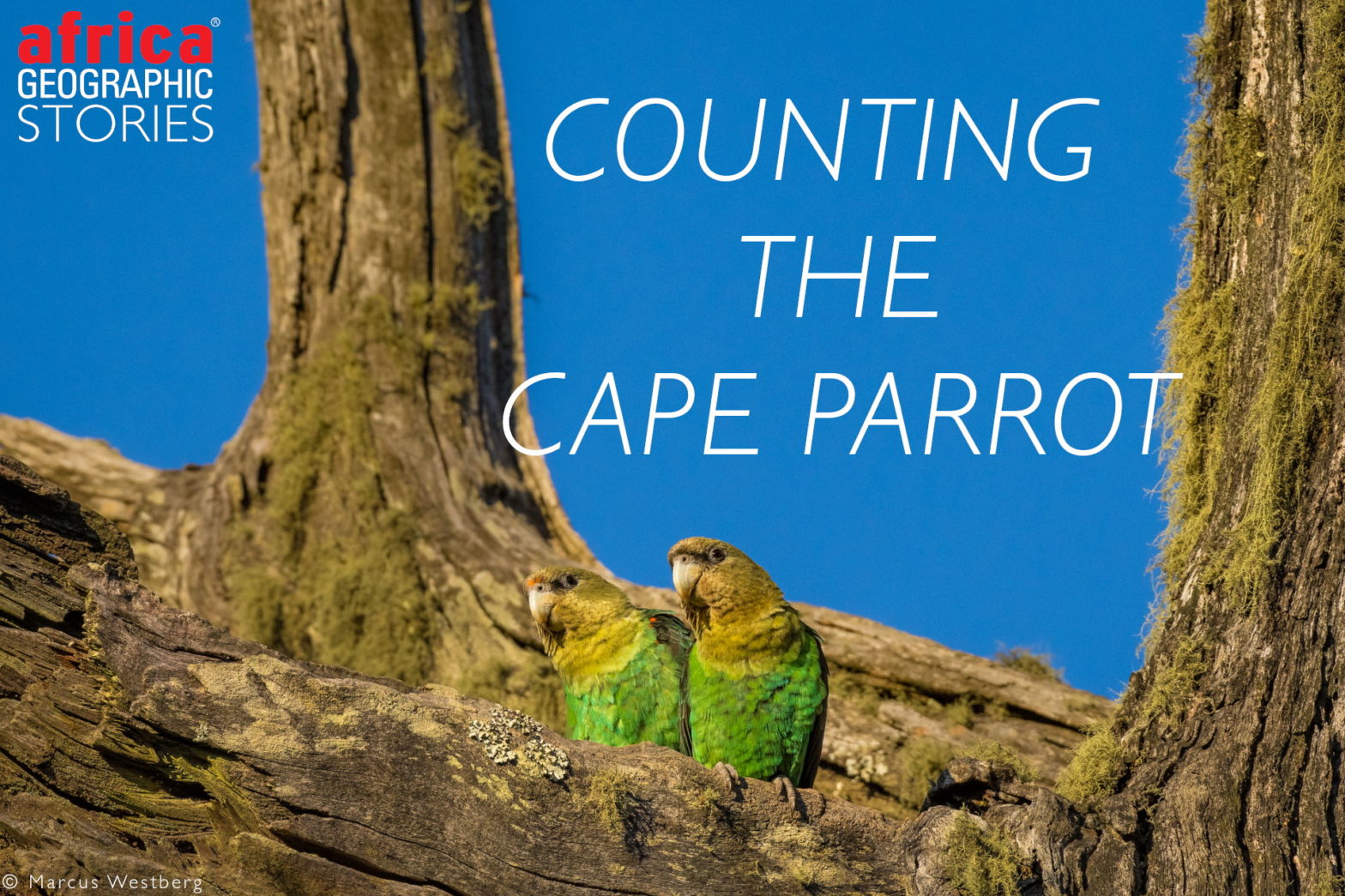
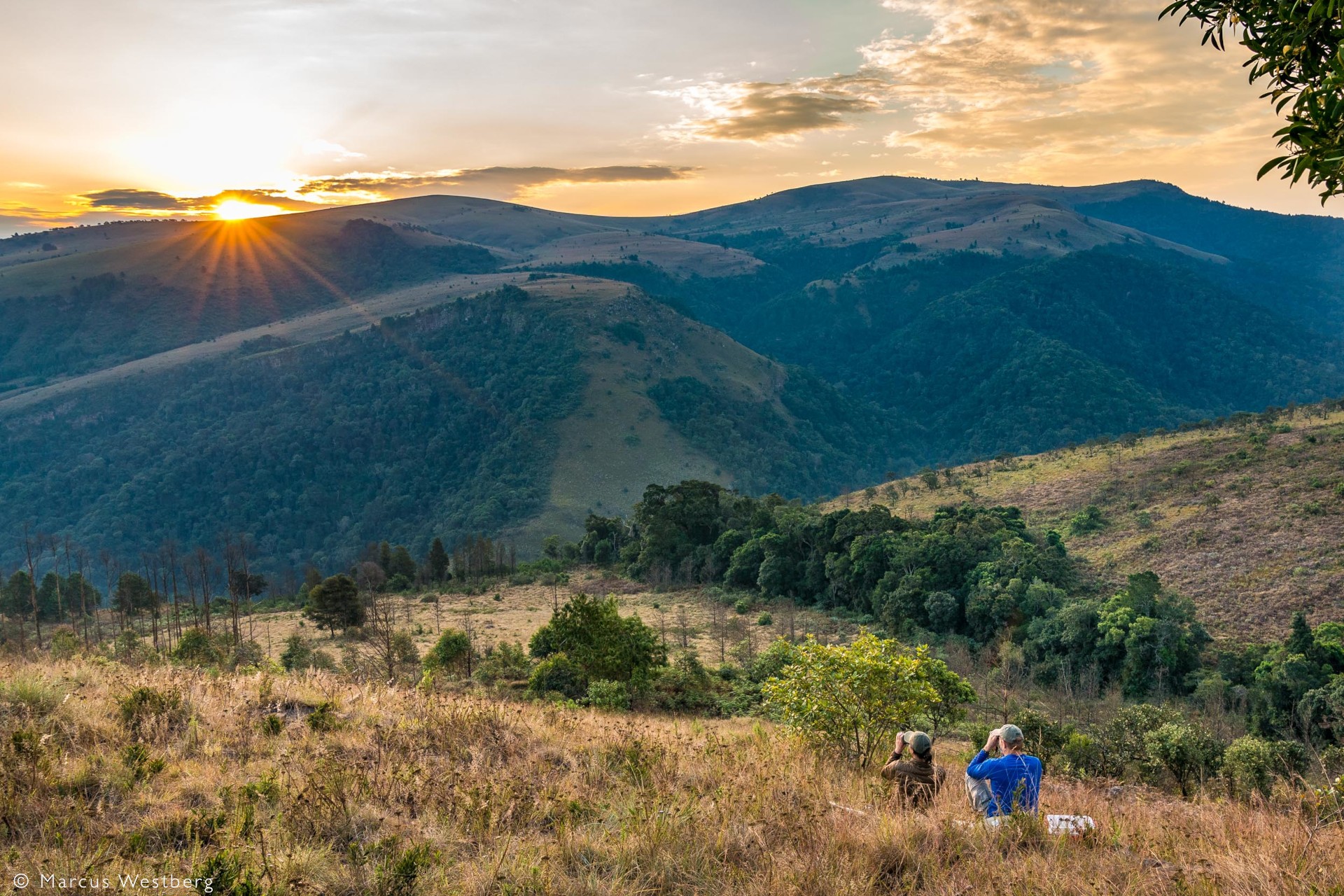
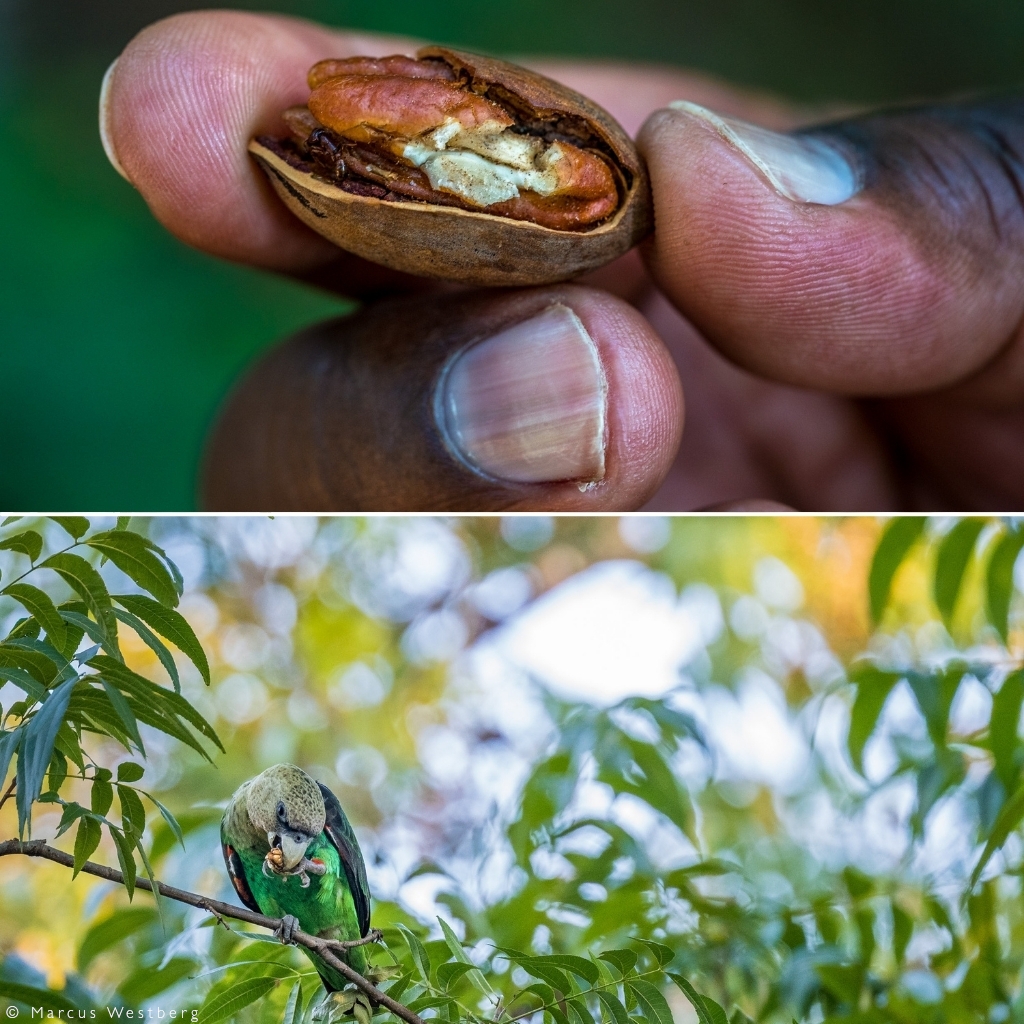
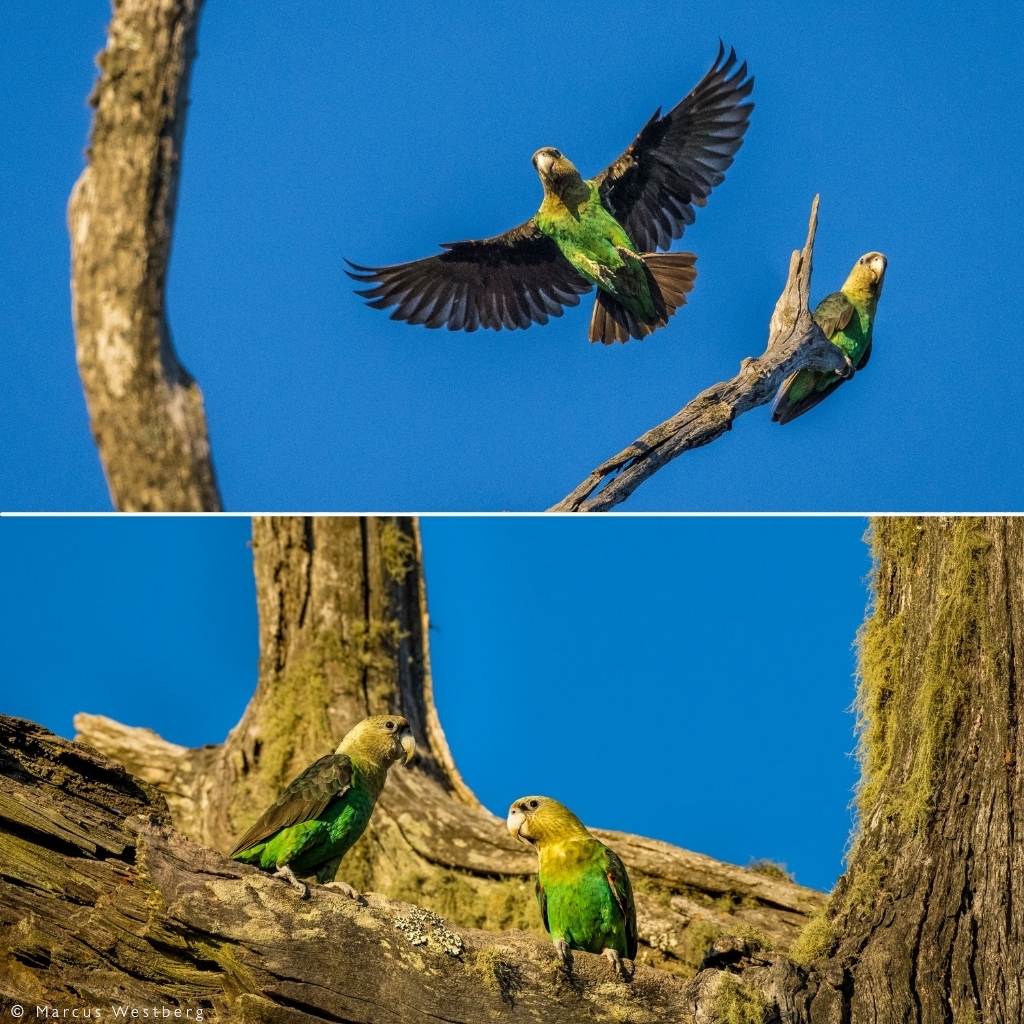
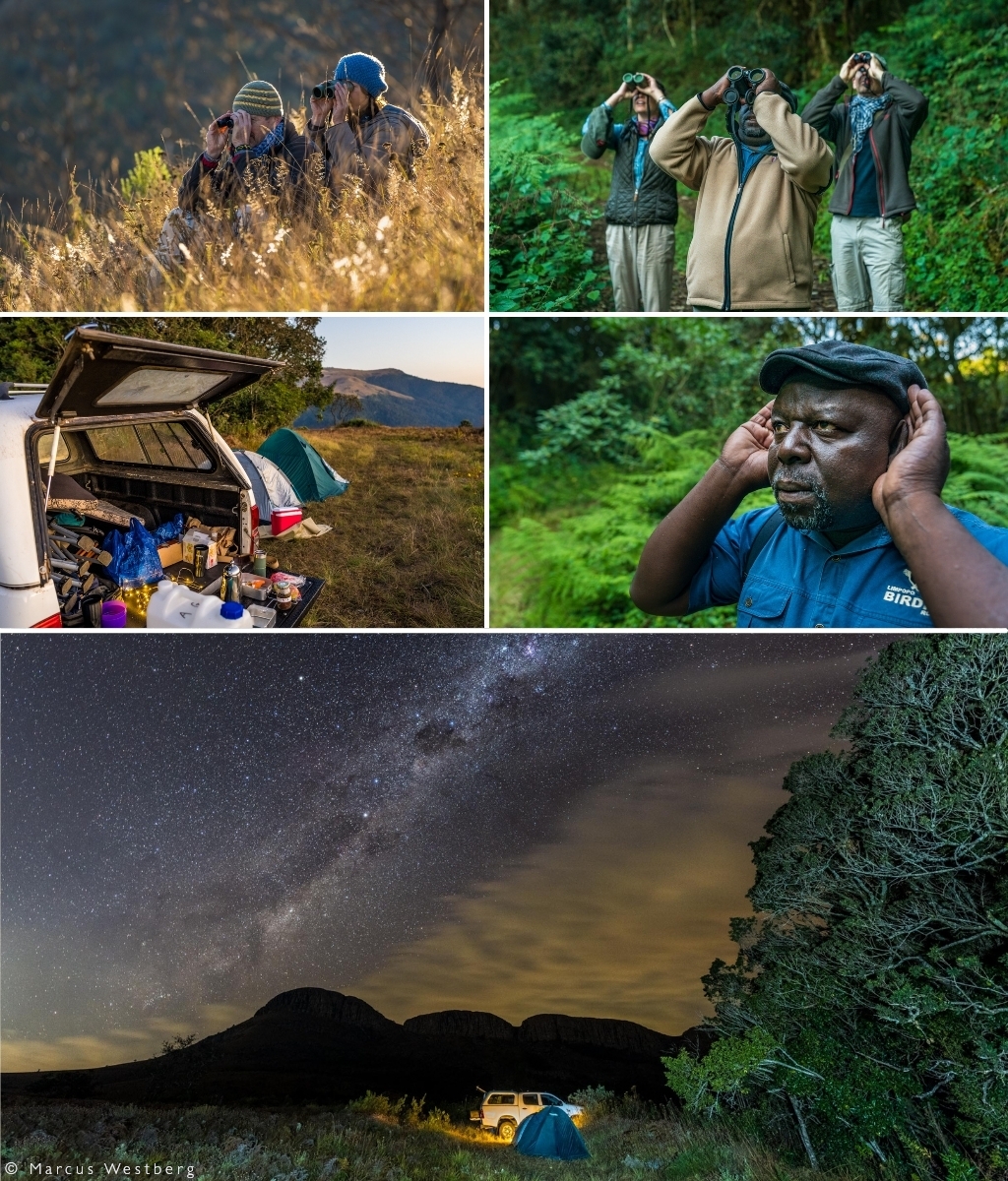
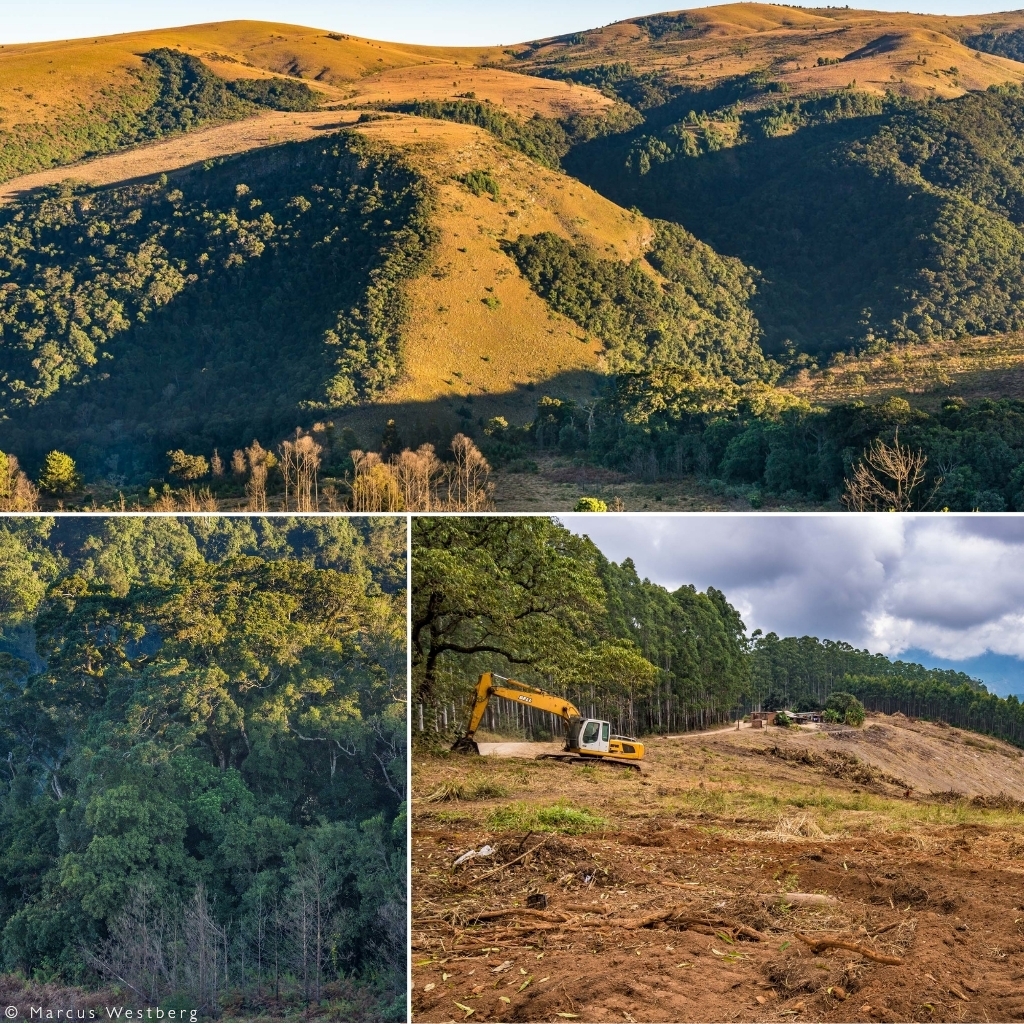
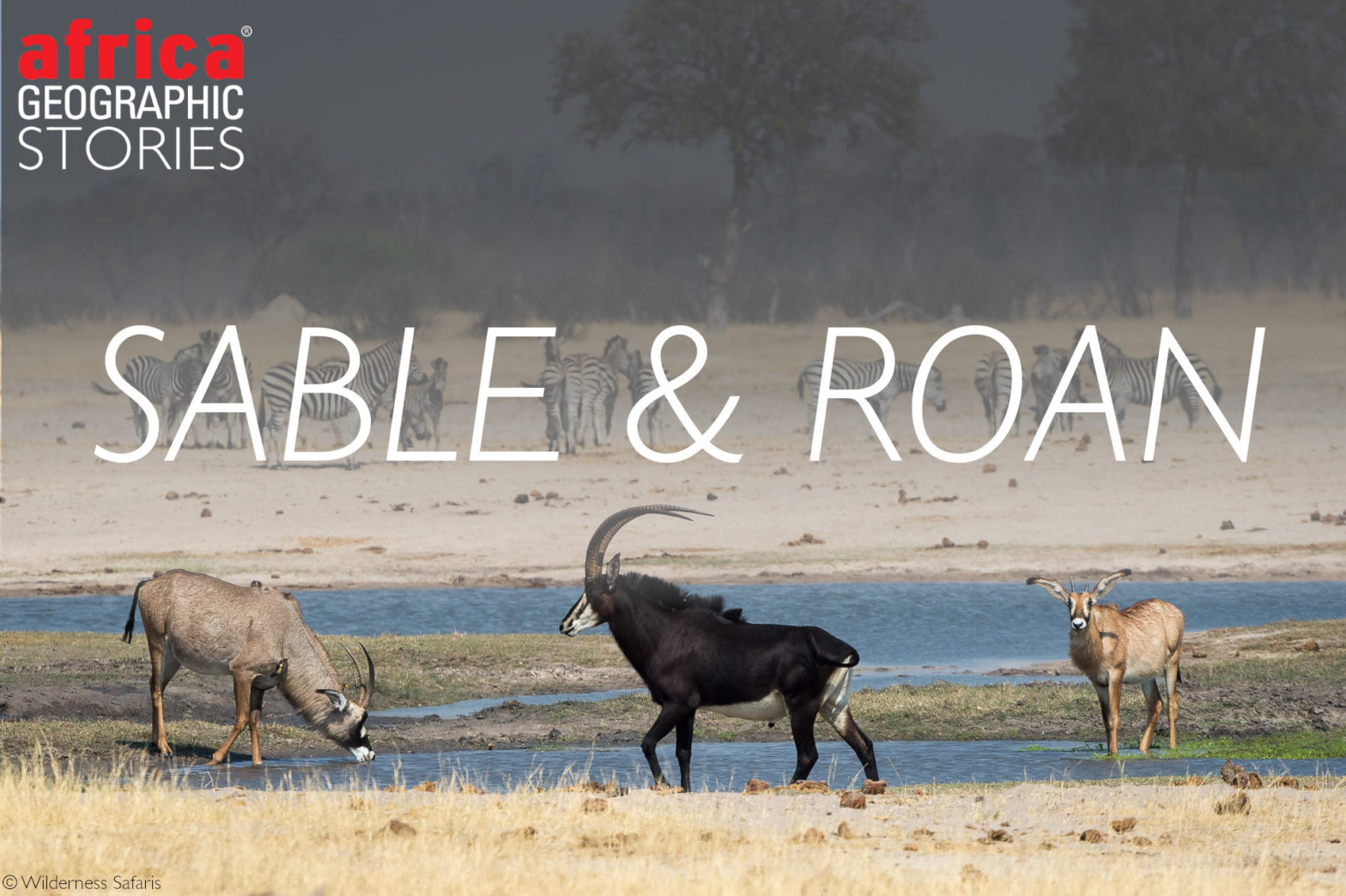
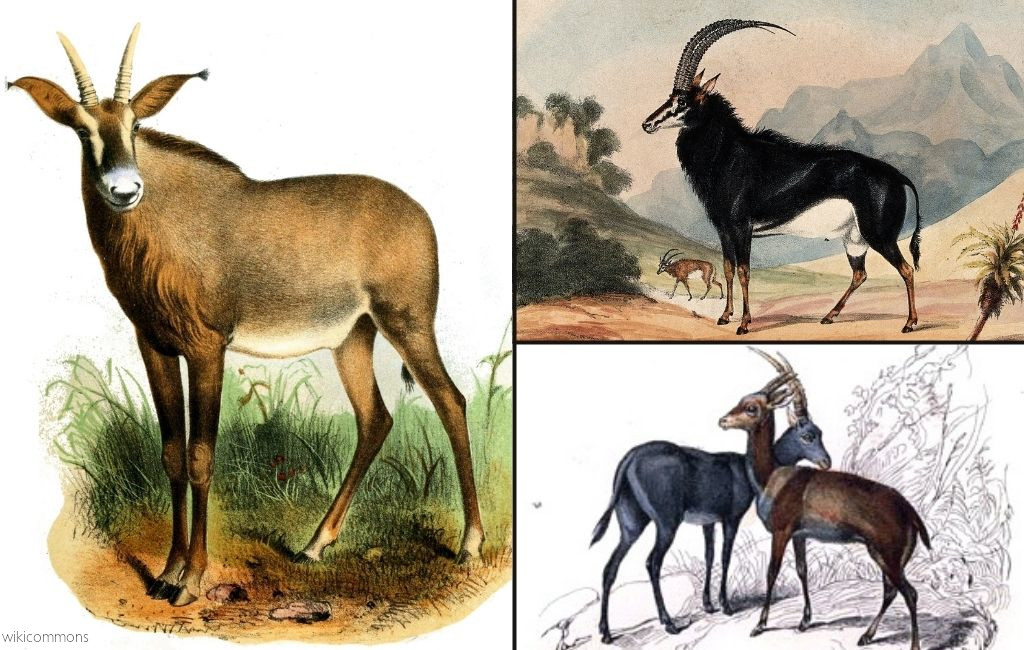
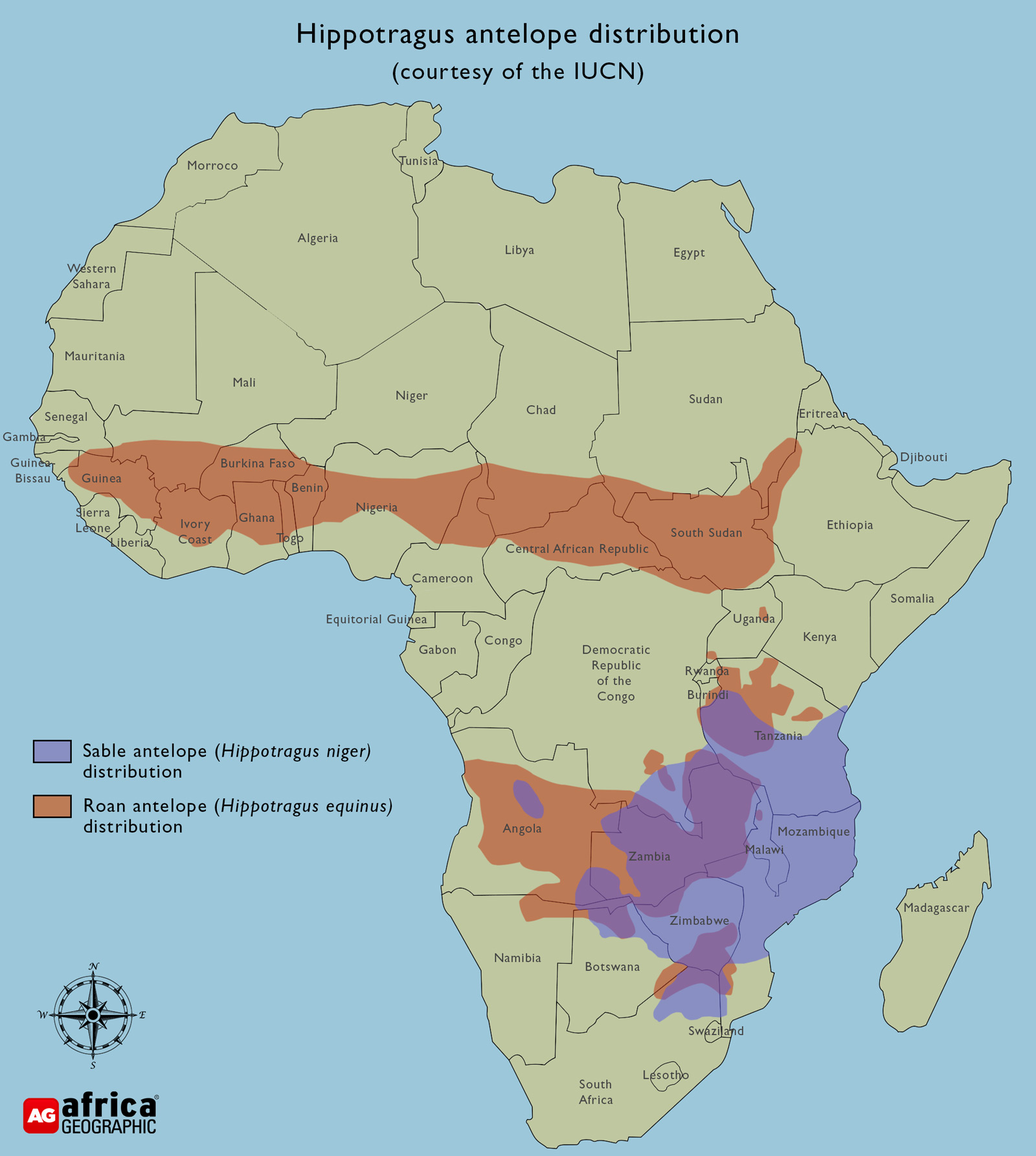
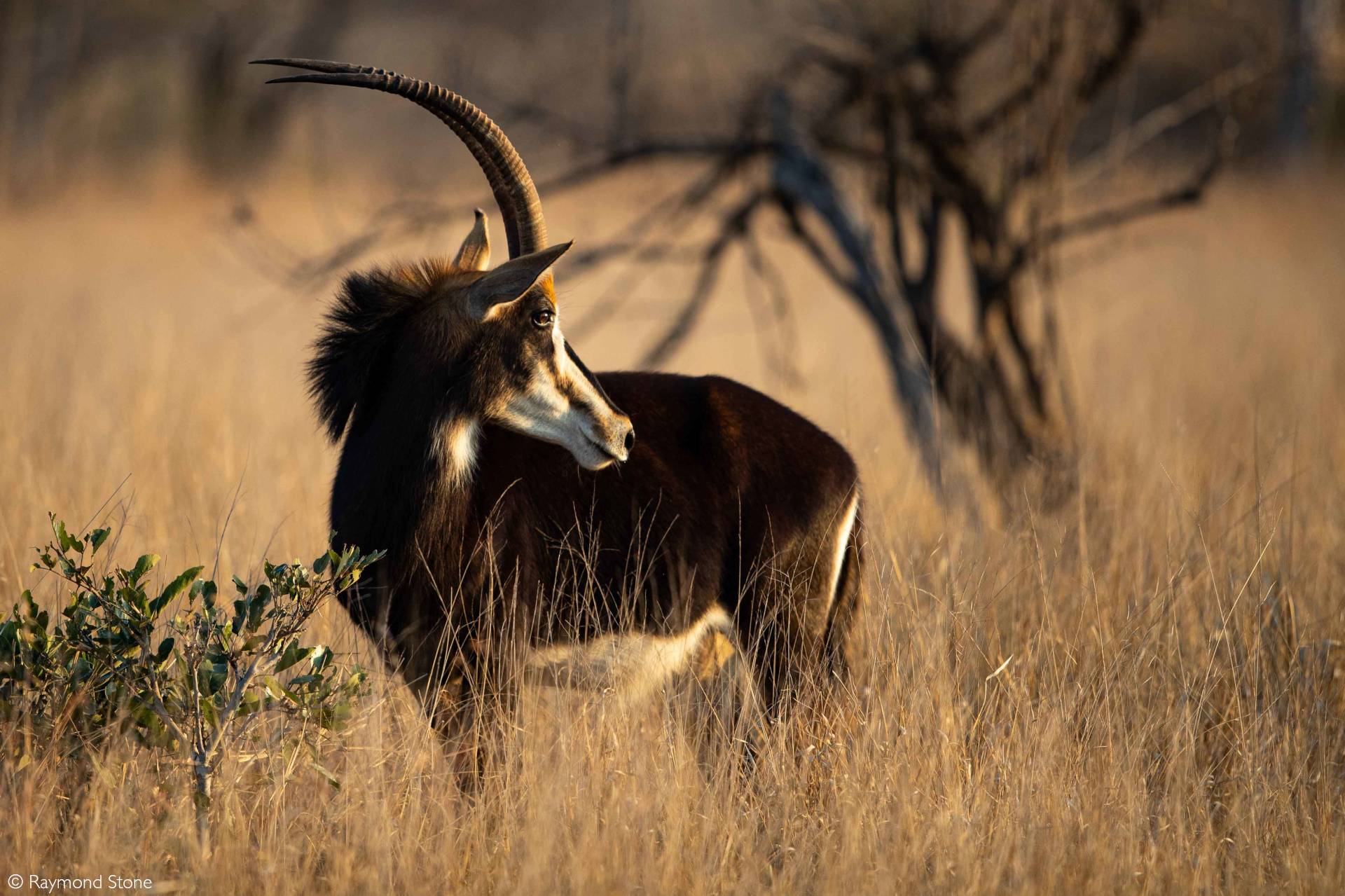
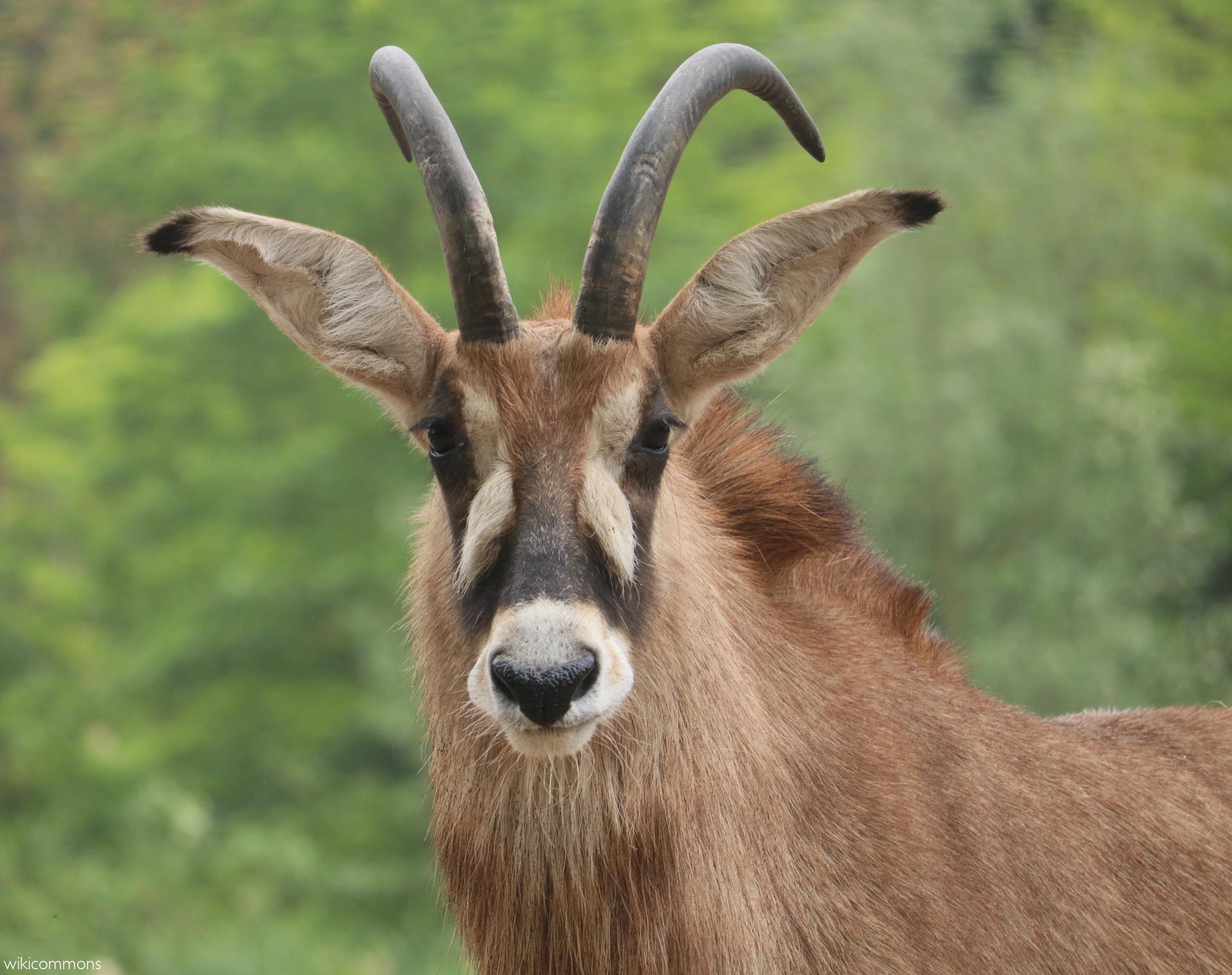
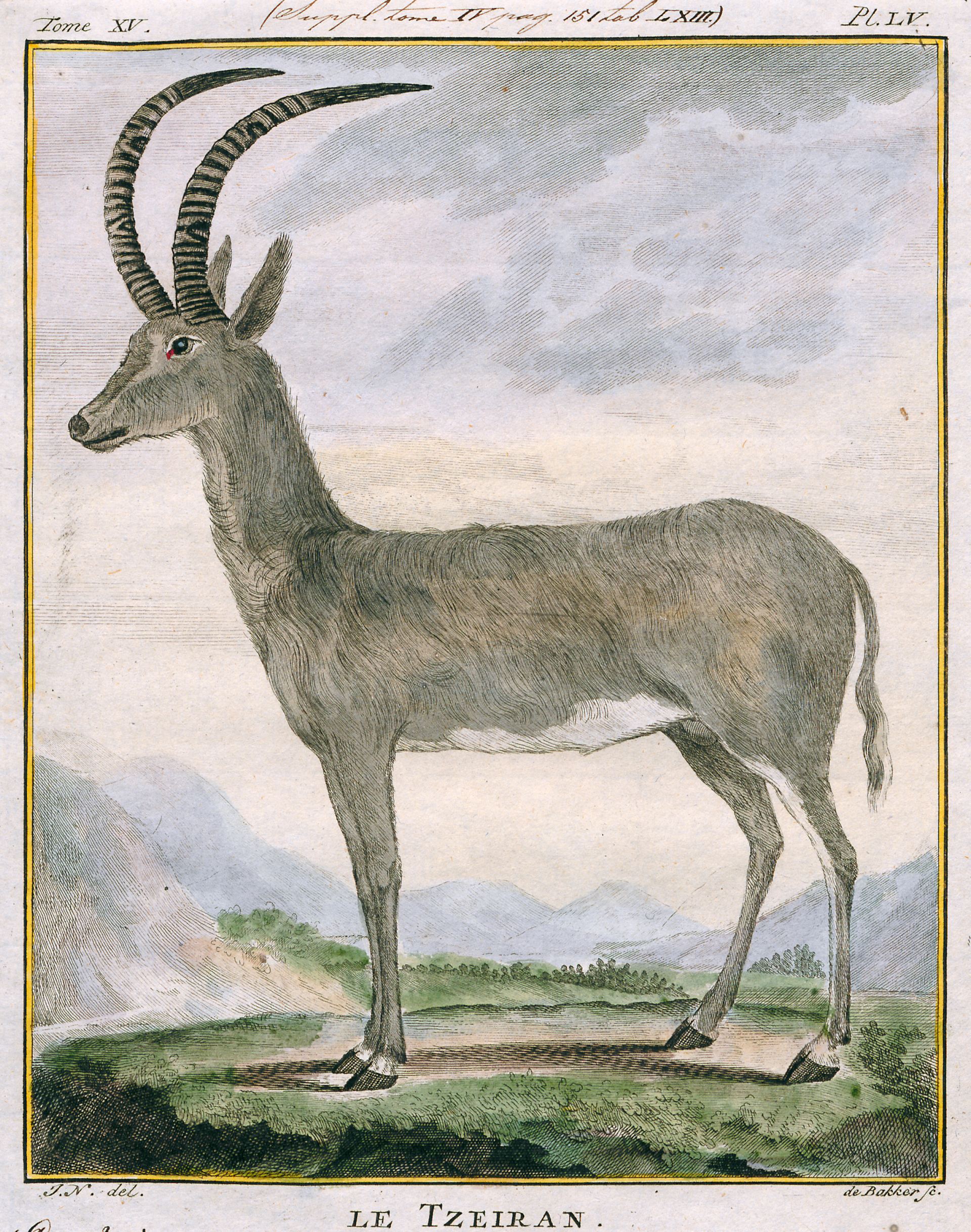
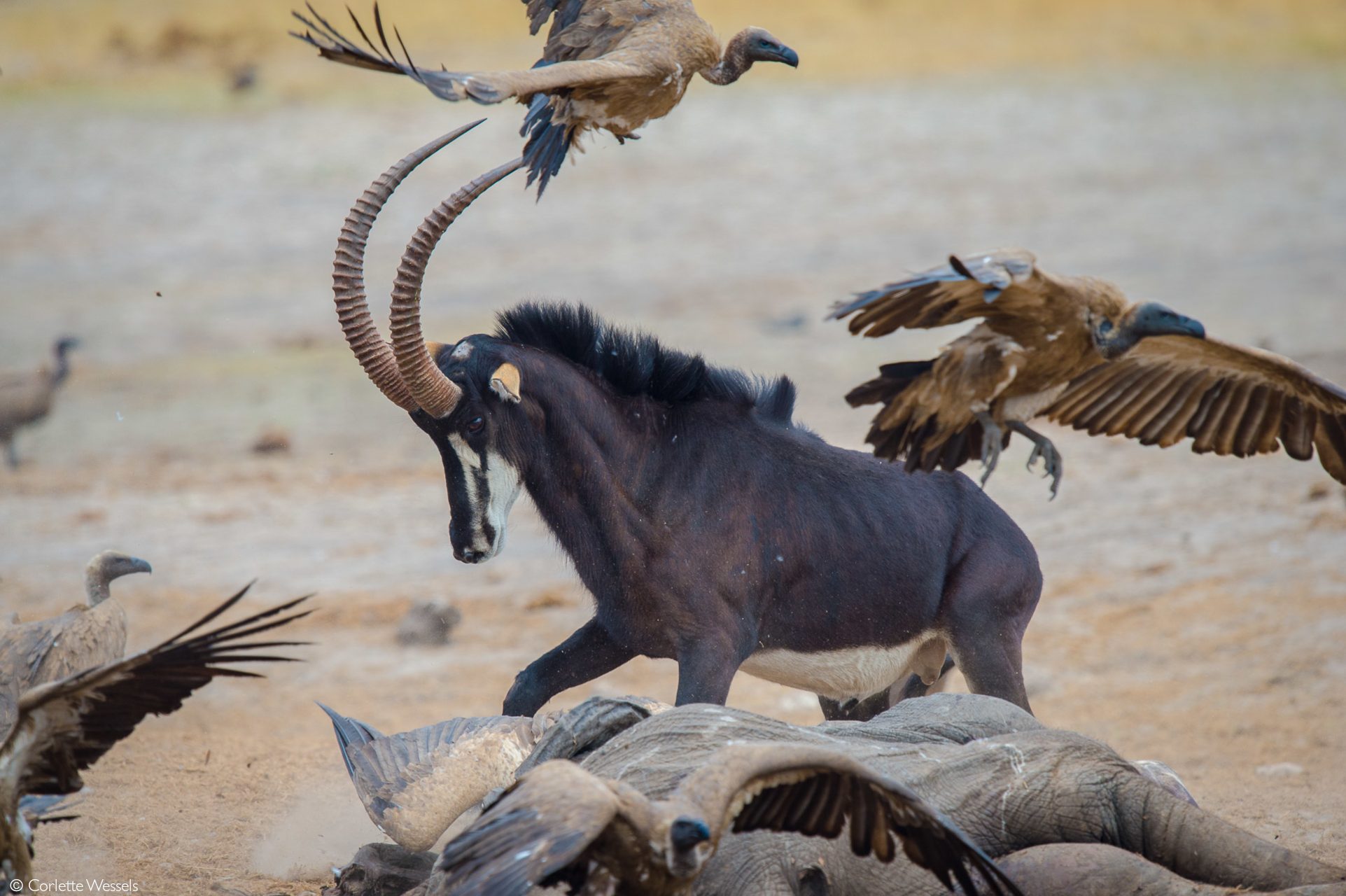
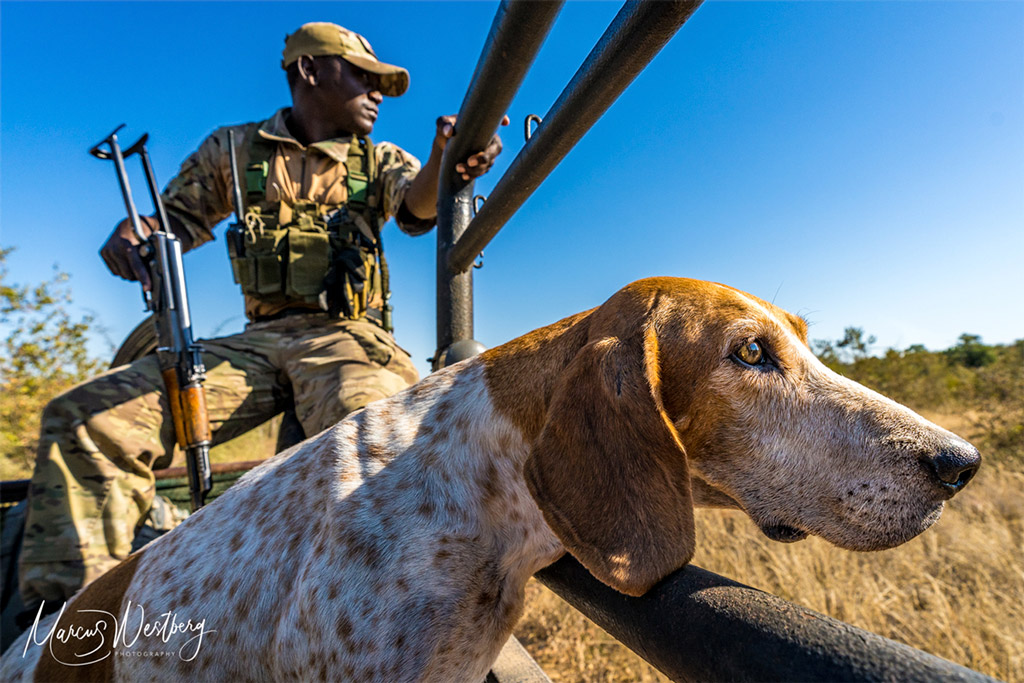
 Most heroes get on with their hero work anonymously. Often their only reward is the personal knowledge of a job well done, or, a pat on the back from a proud spouse, parent or colleague. Many have and will die, as they lived – in penury, rewarded with memories rather than money.



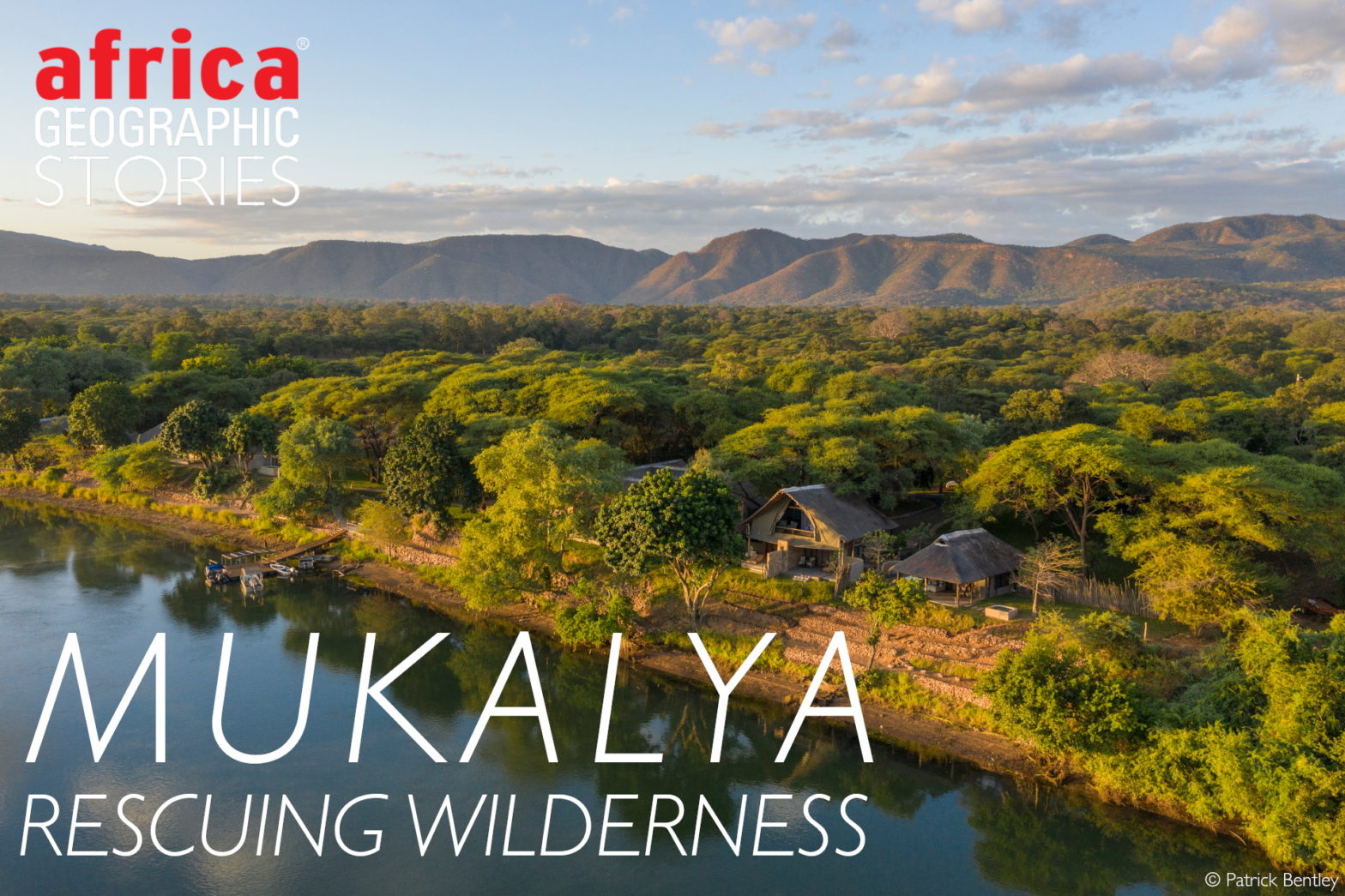
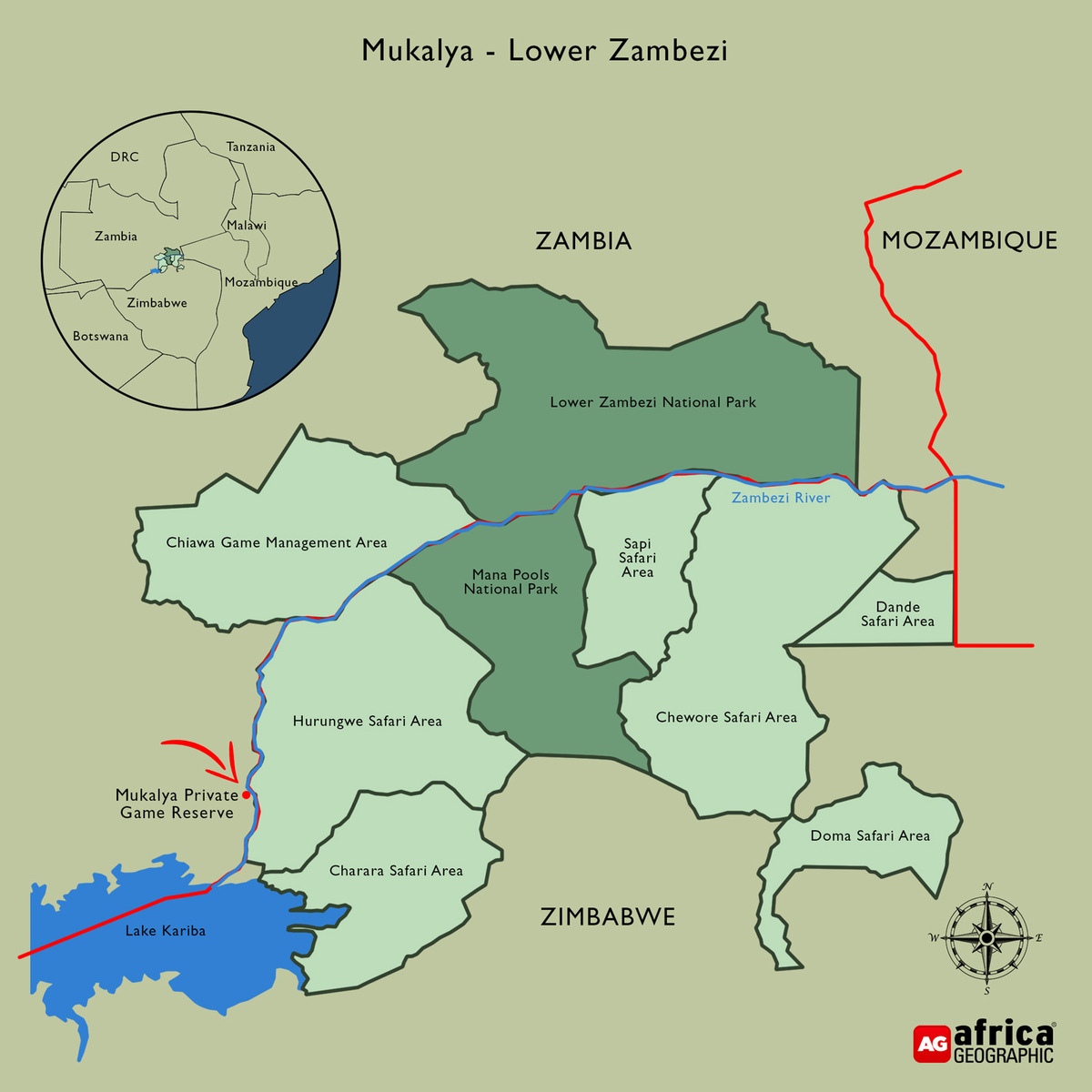
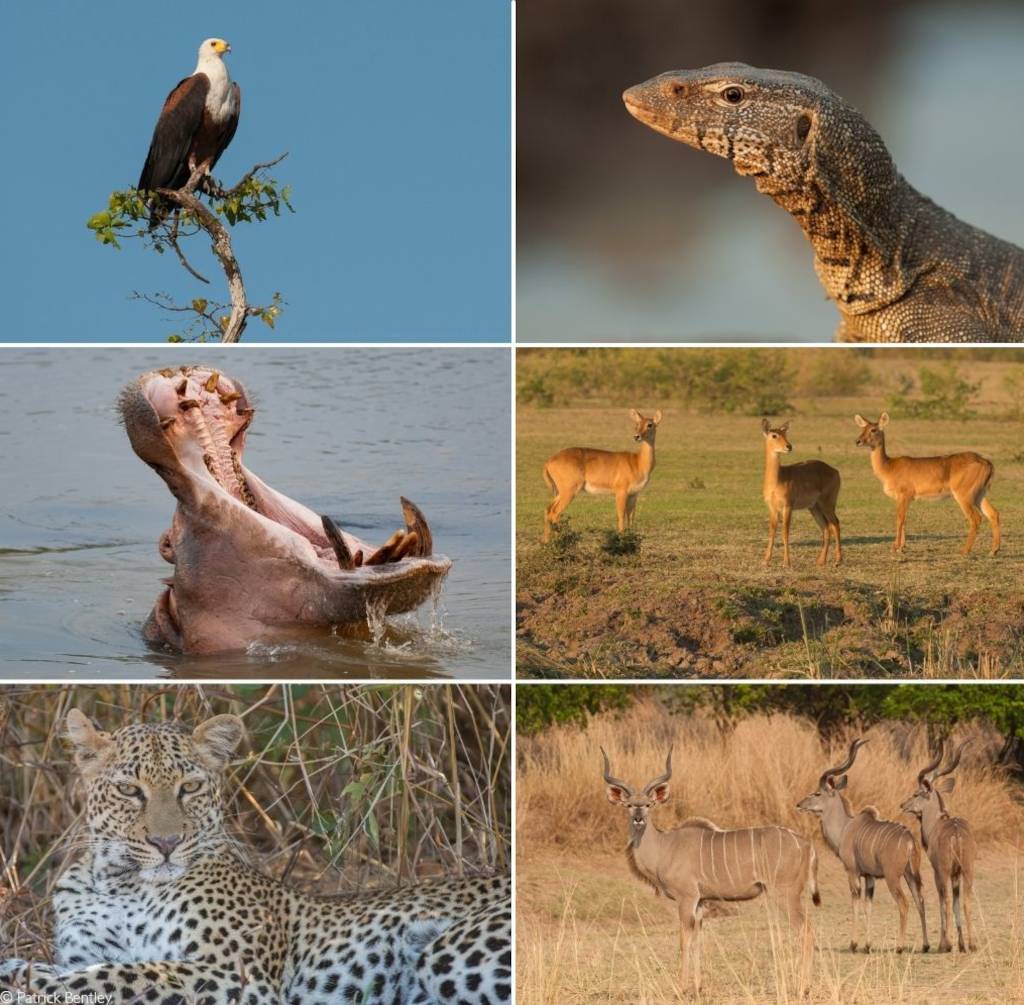
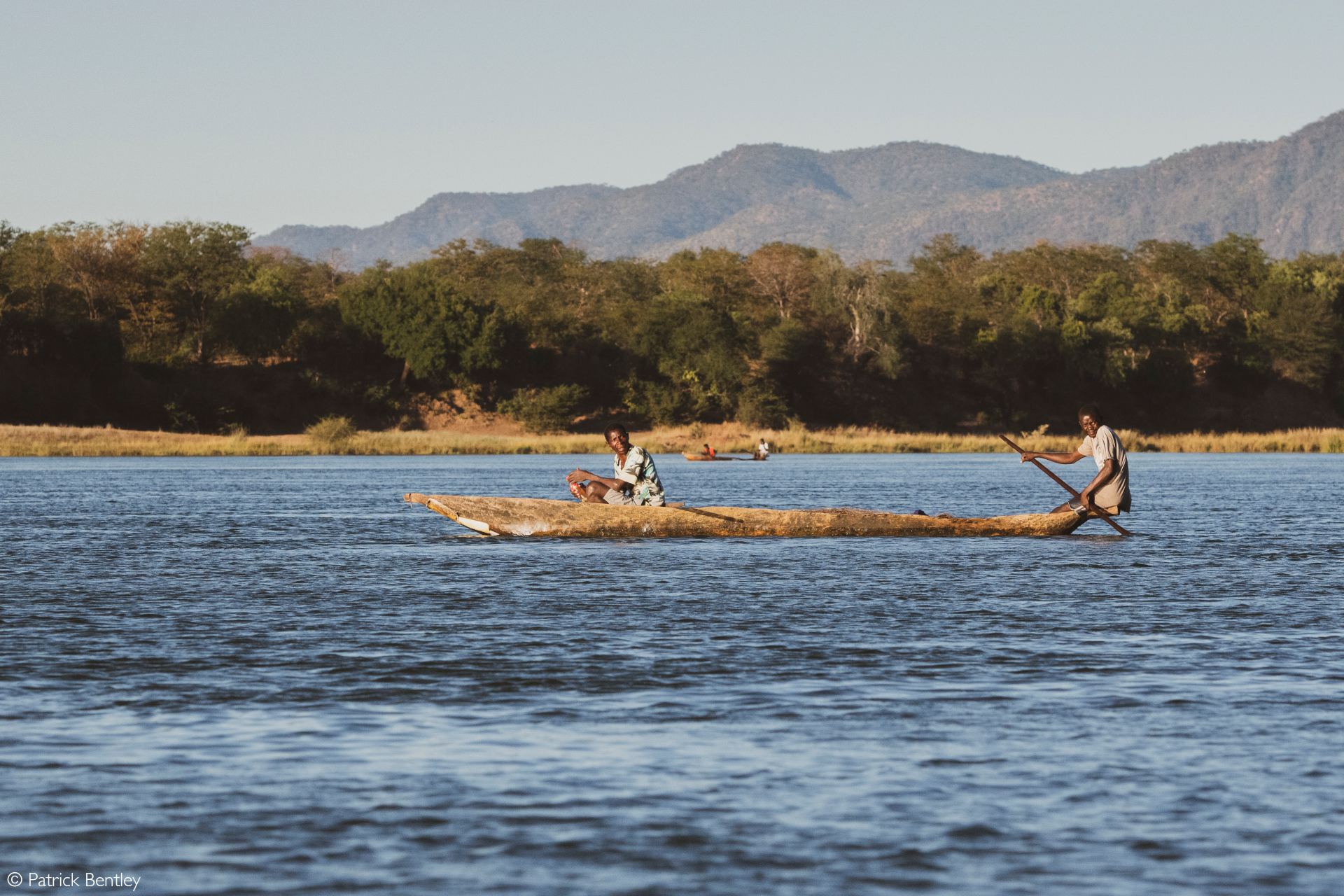
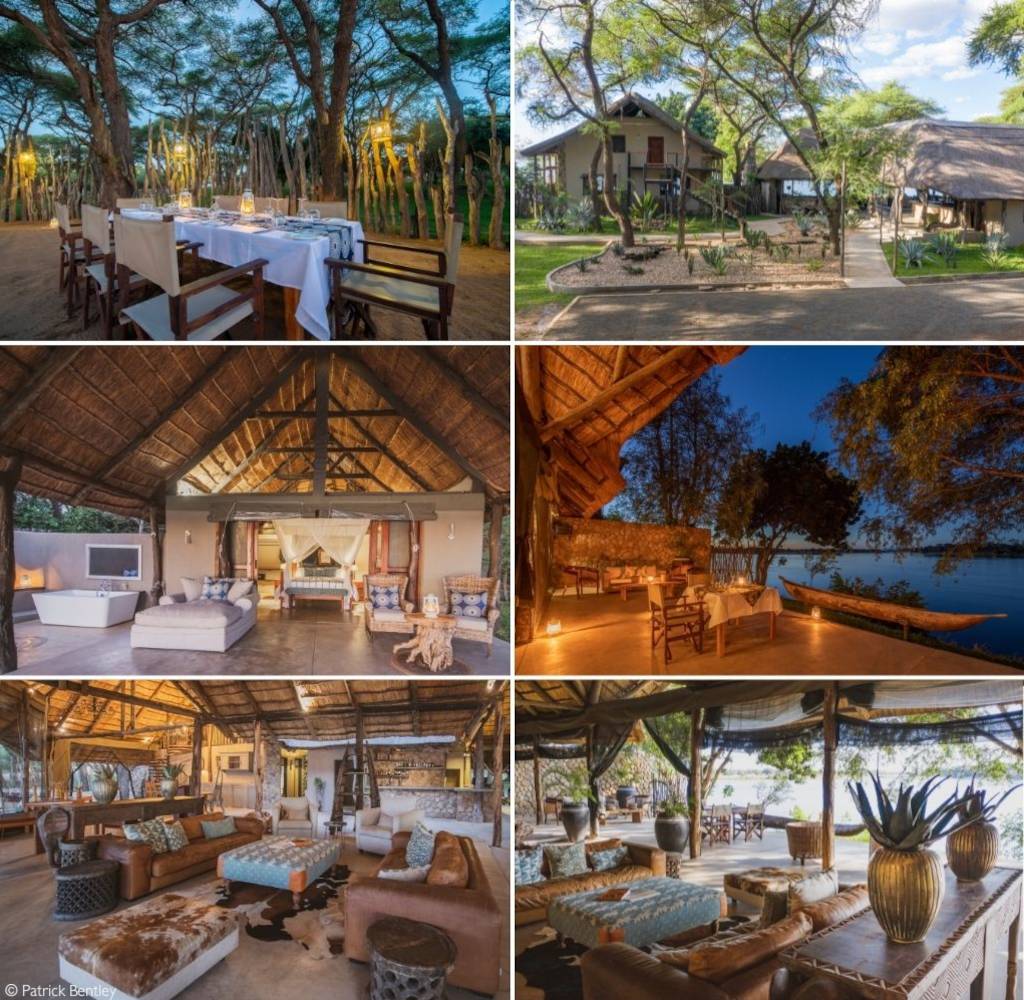
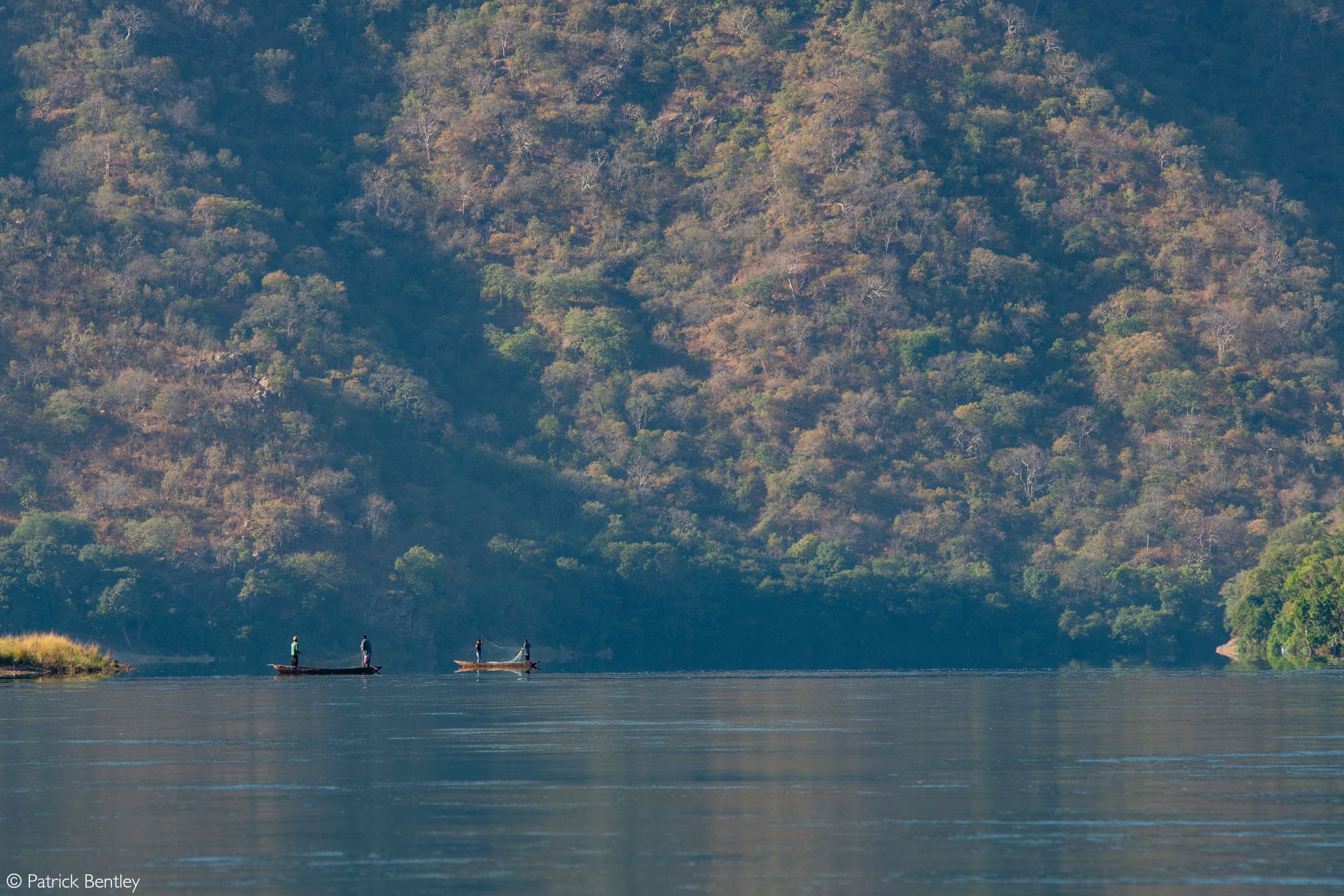
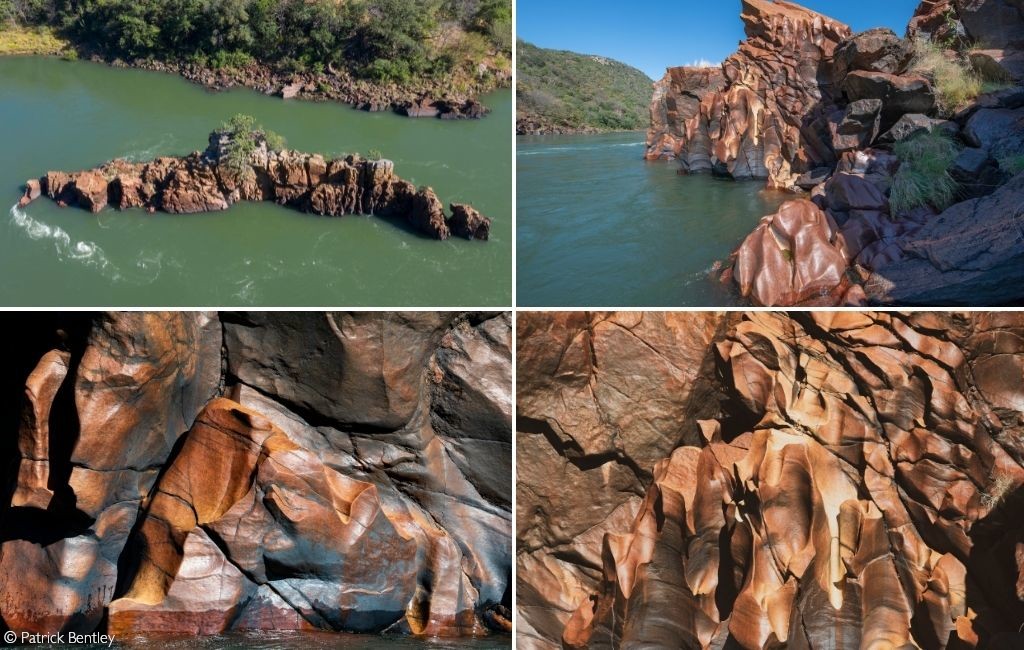
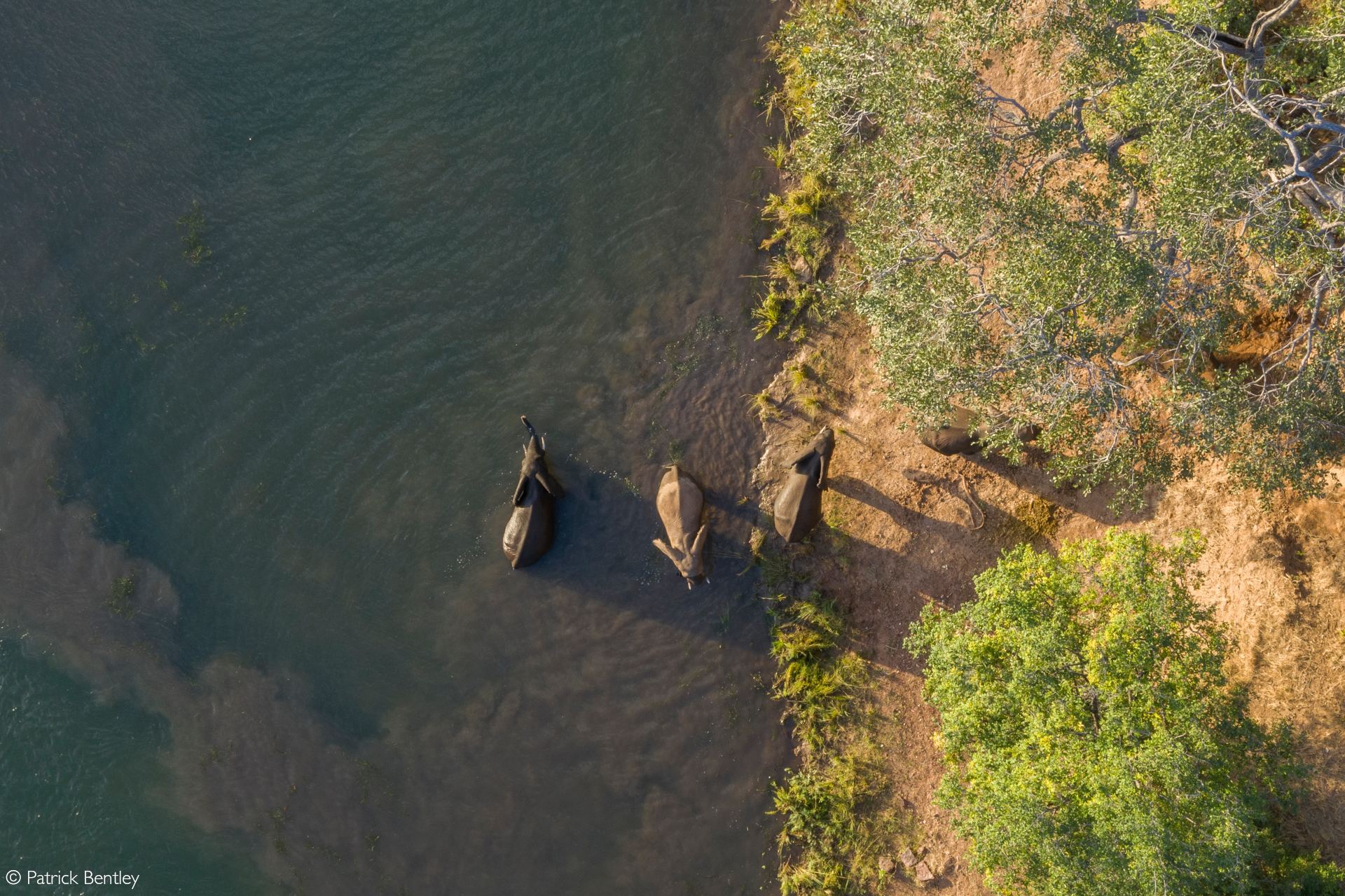
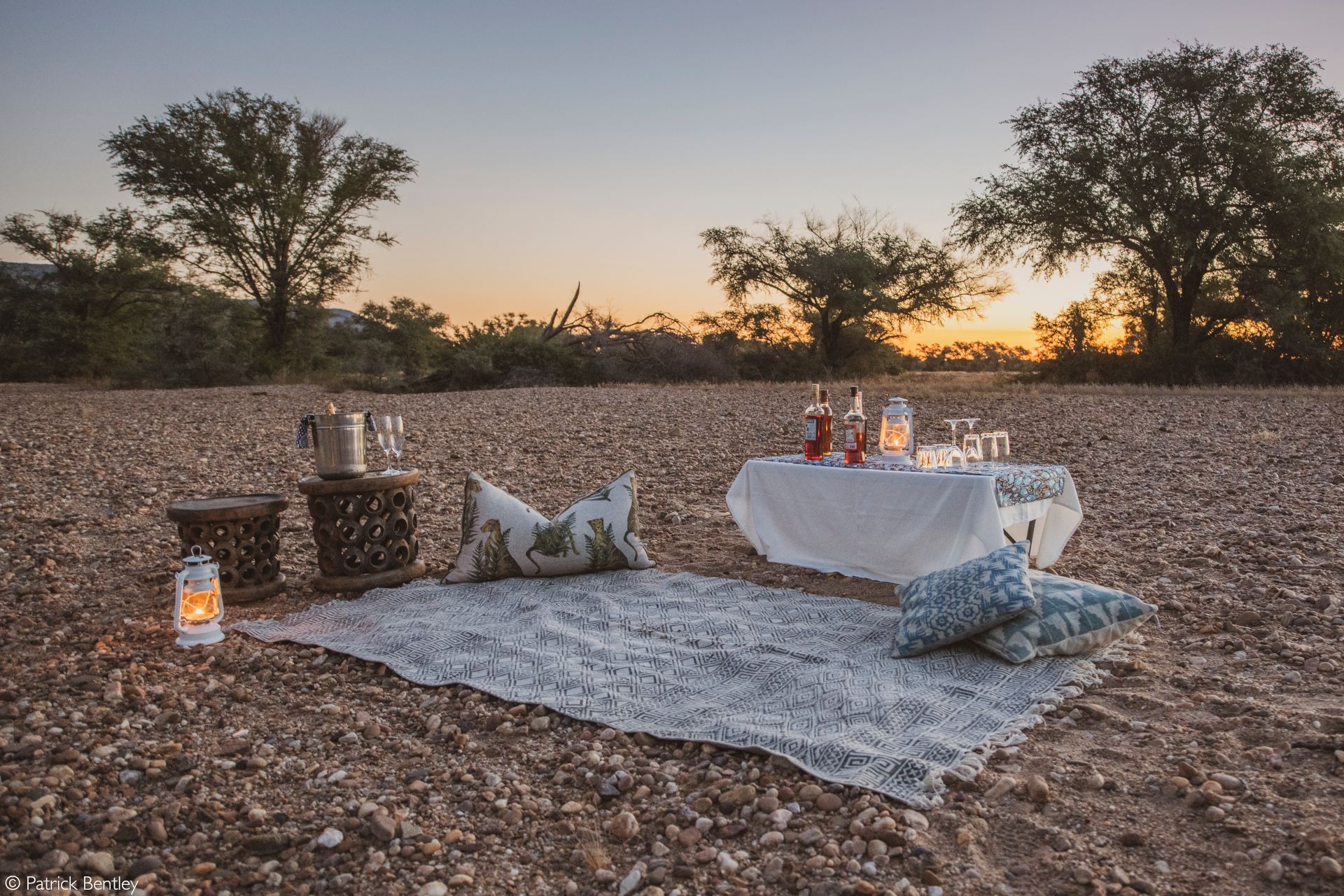
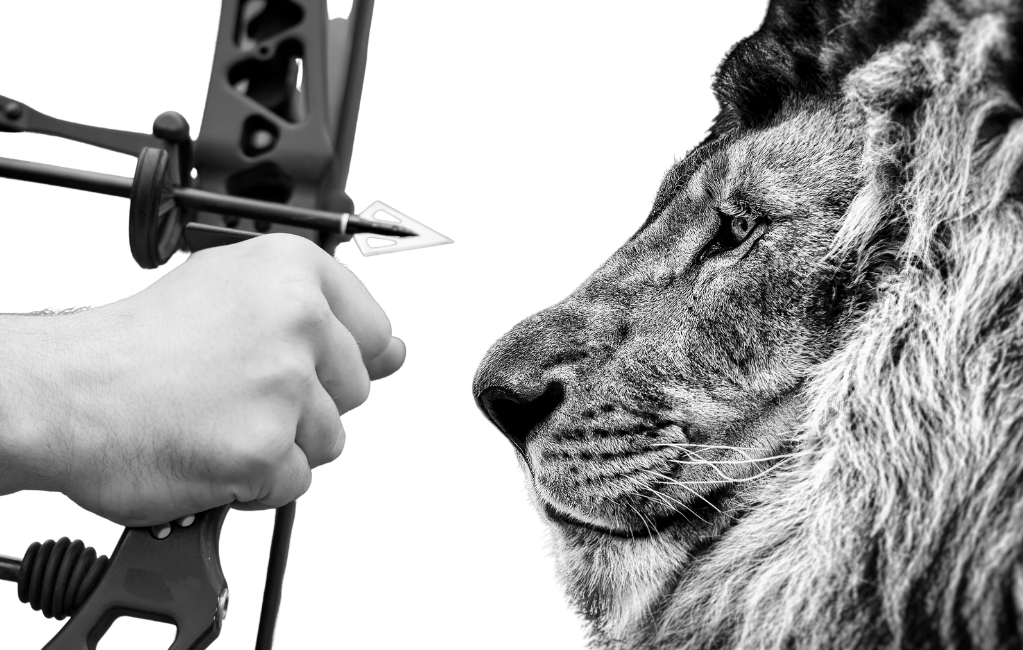
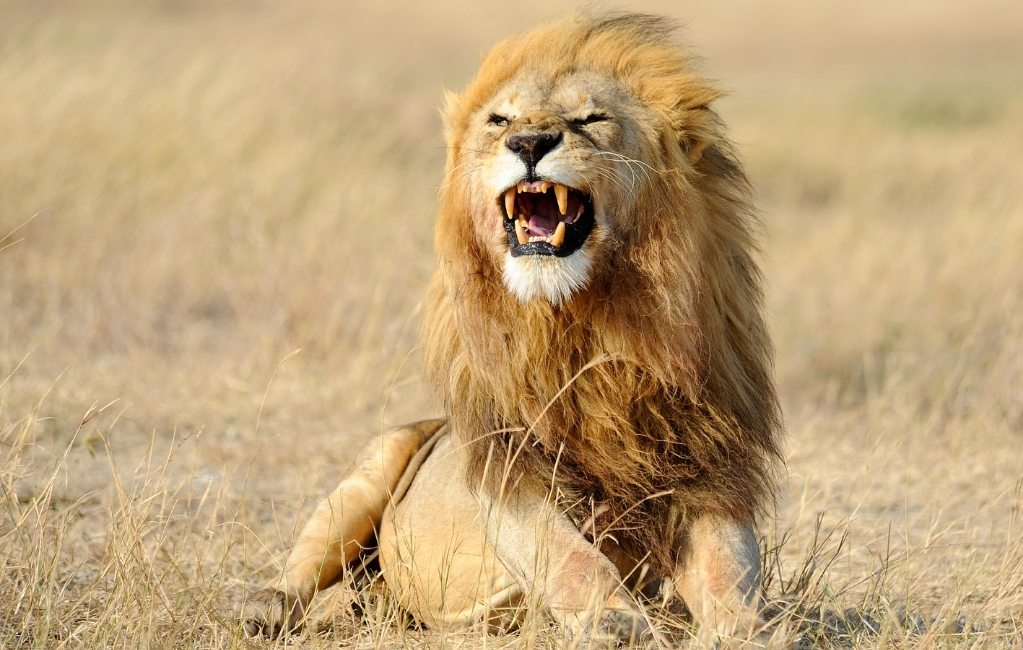
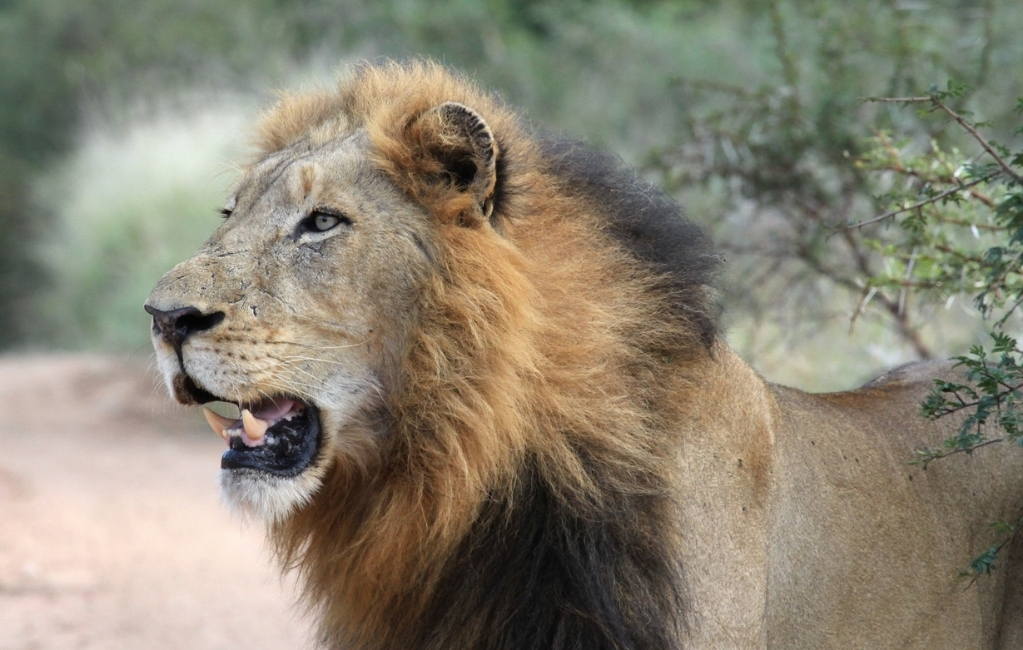

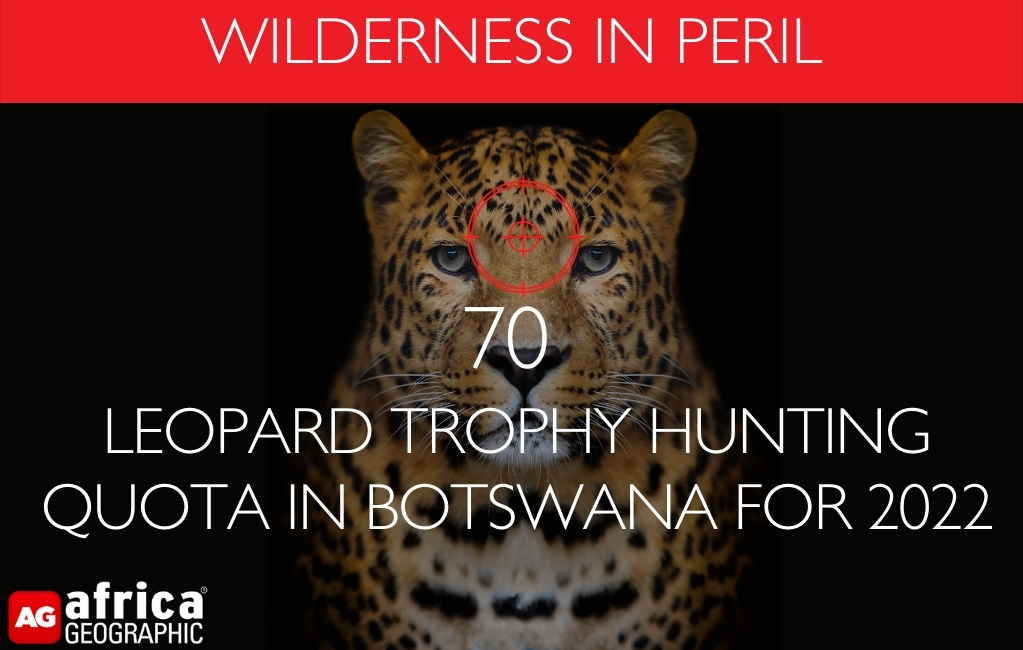
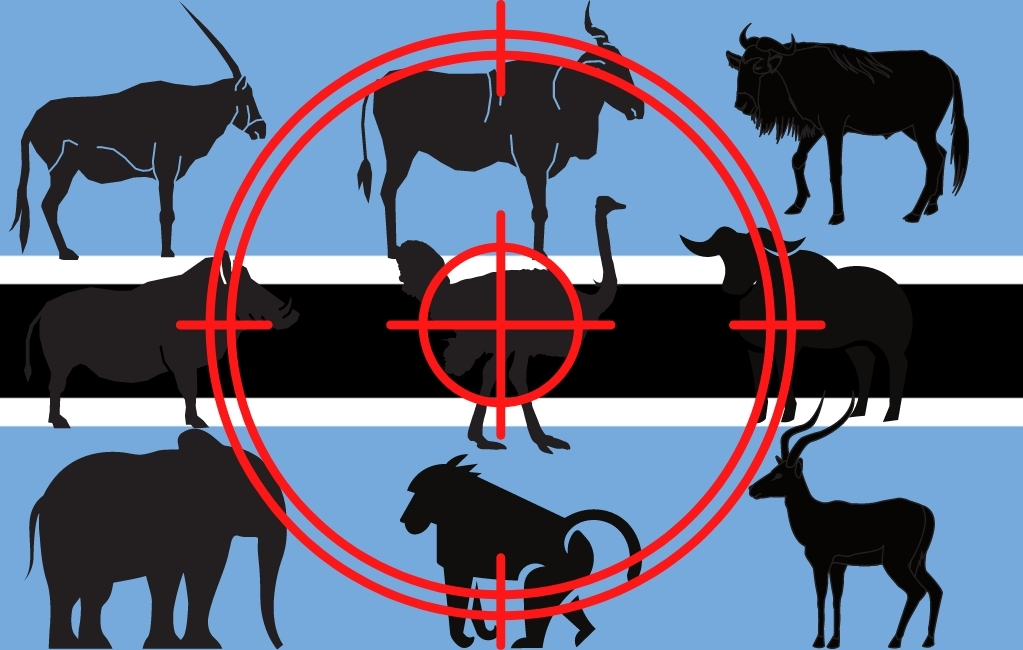
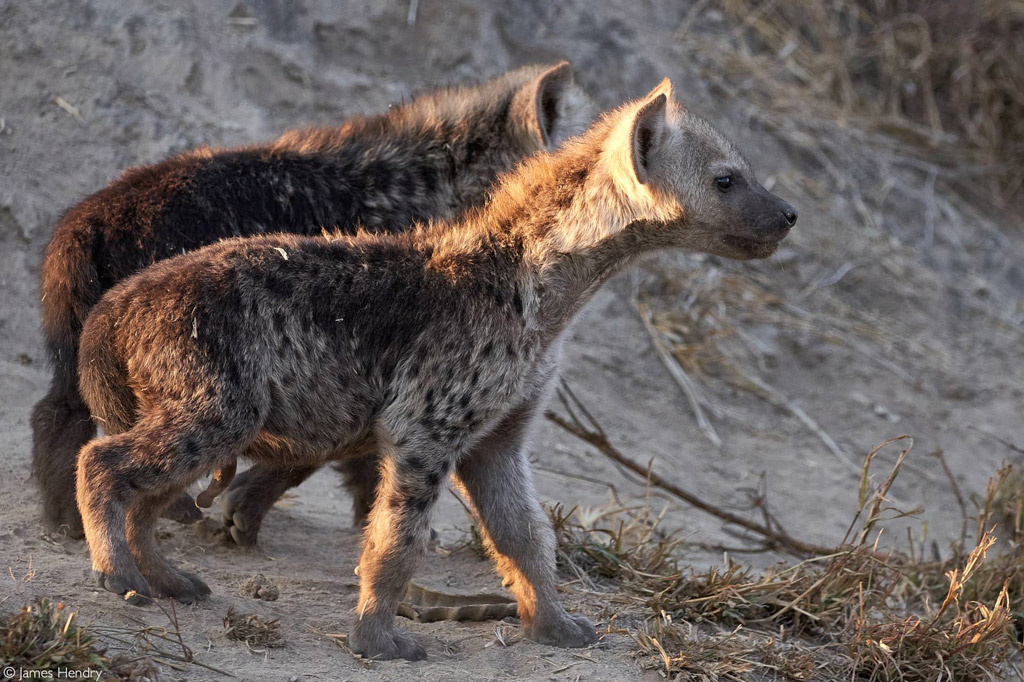

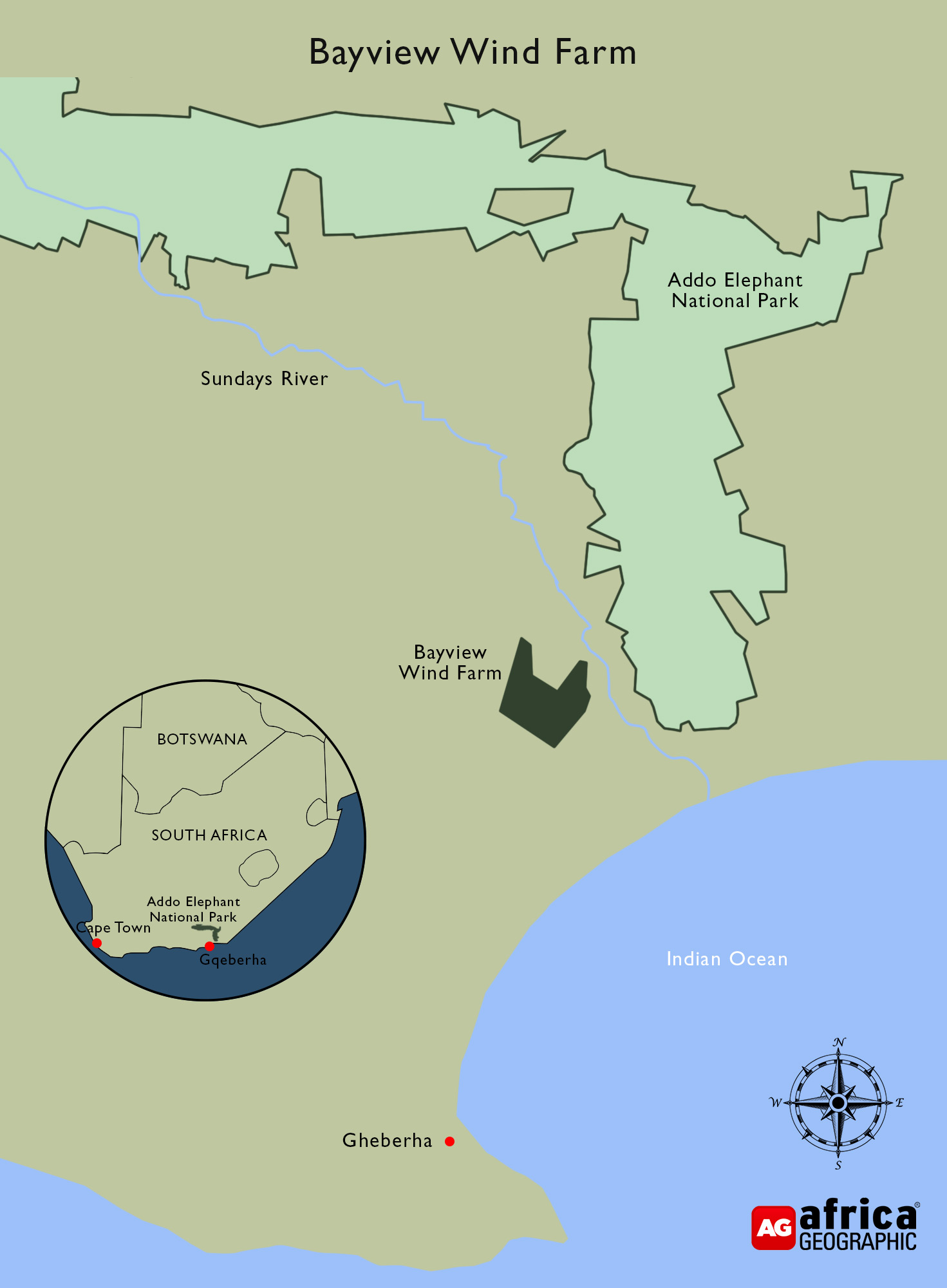
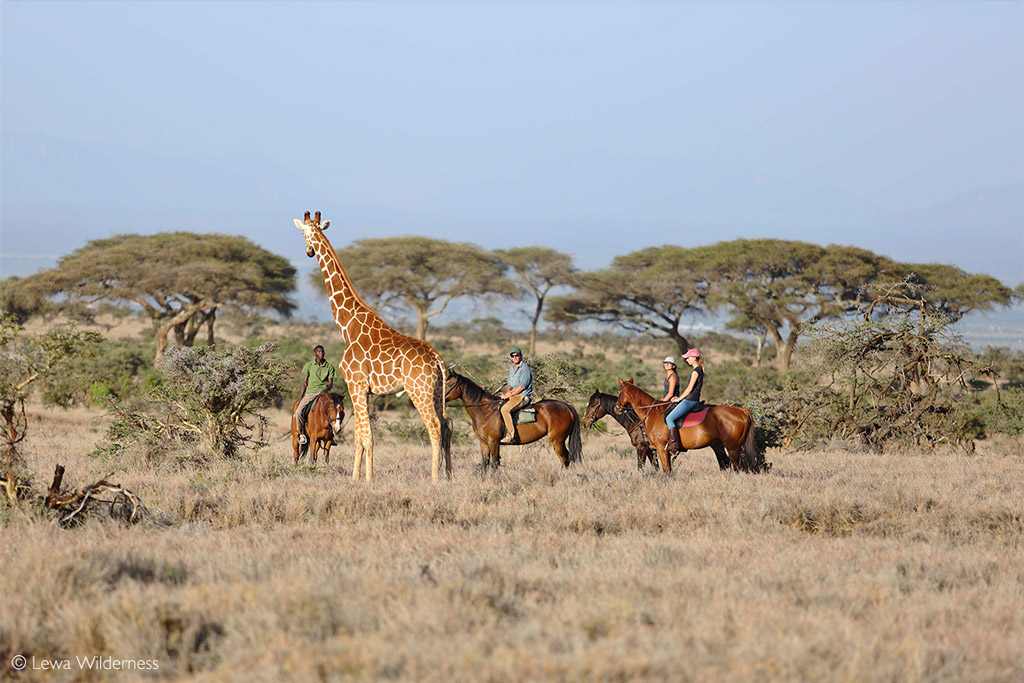
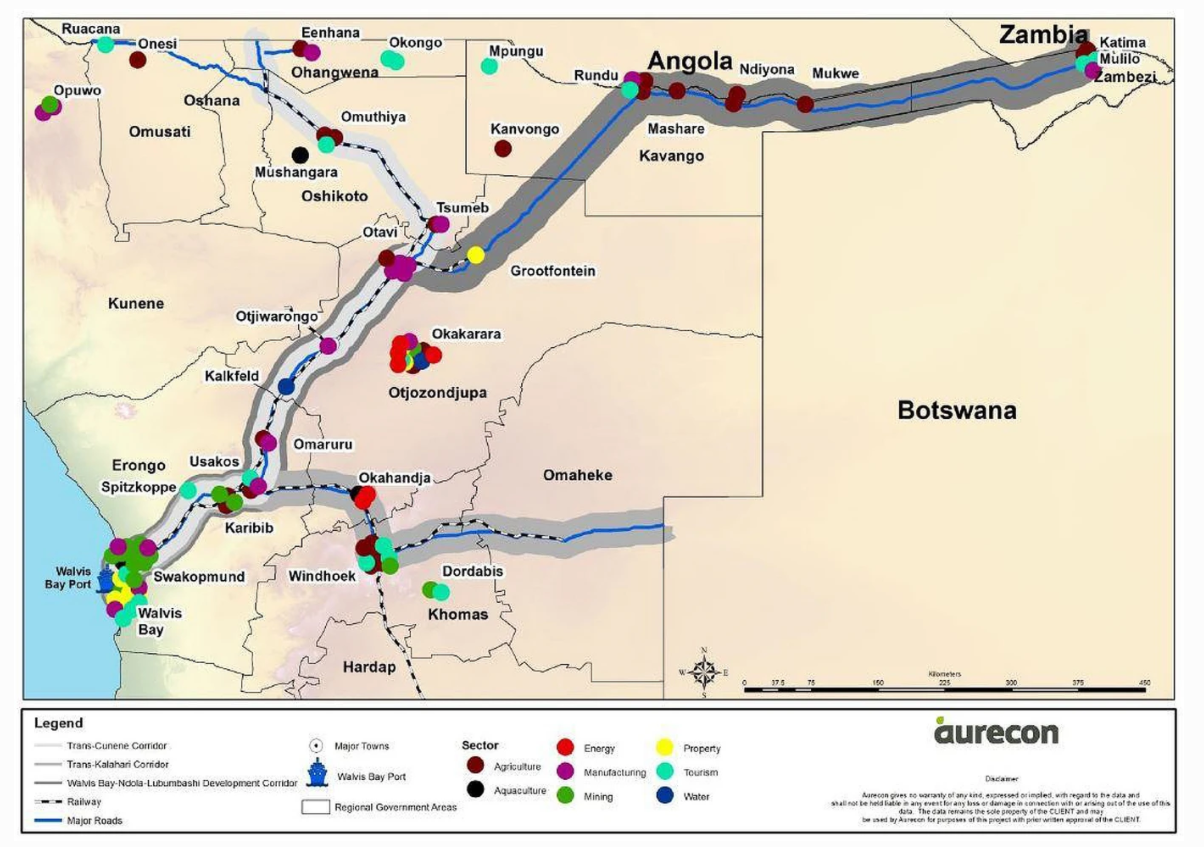
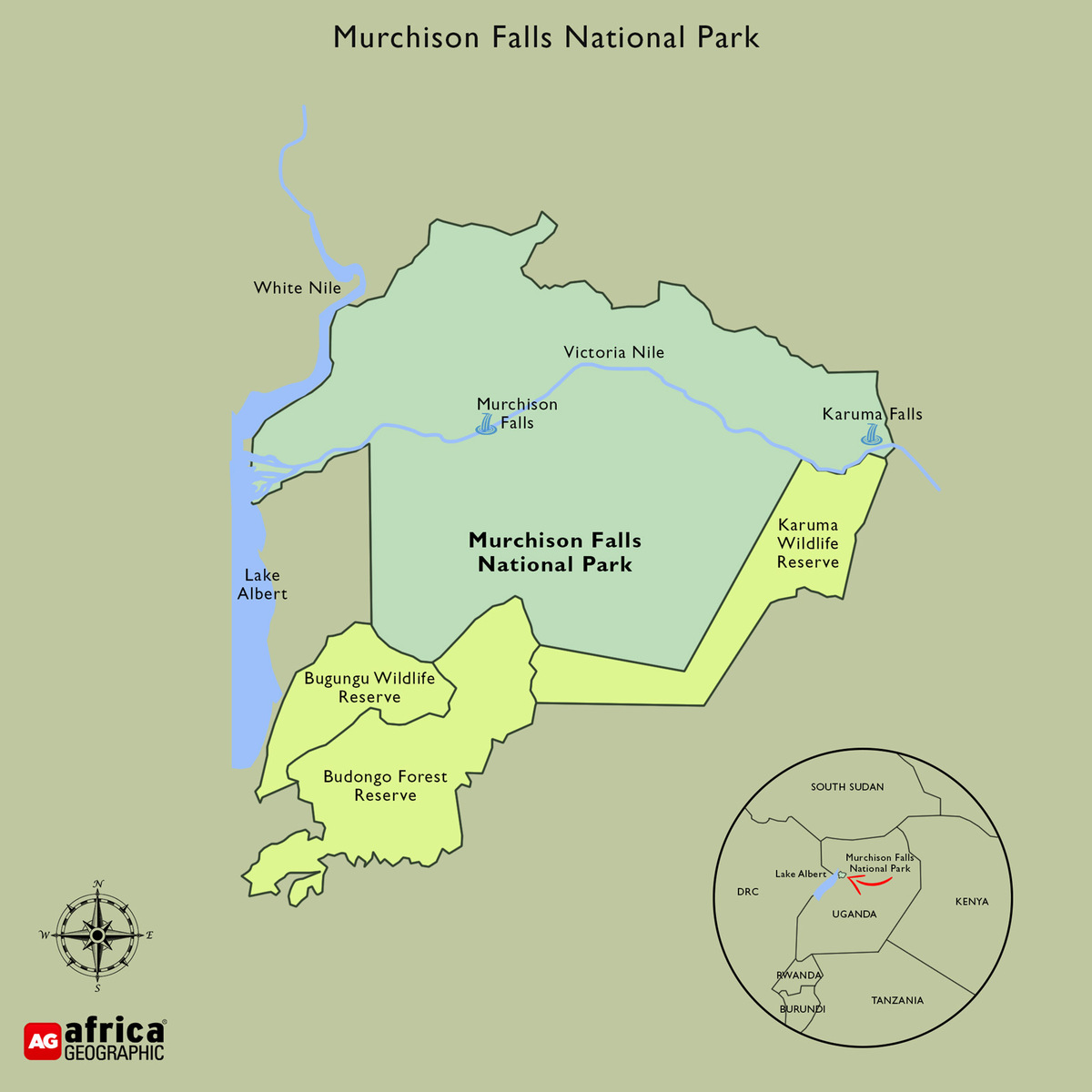
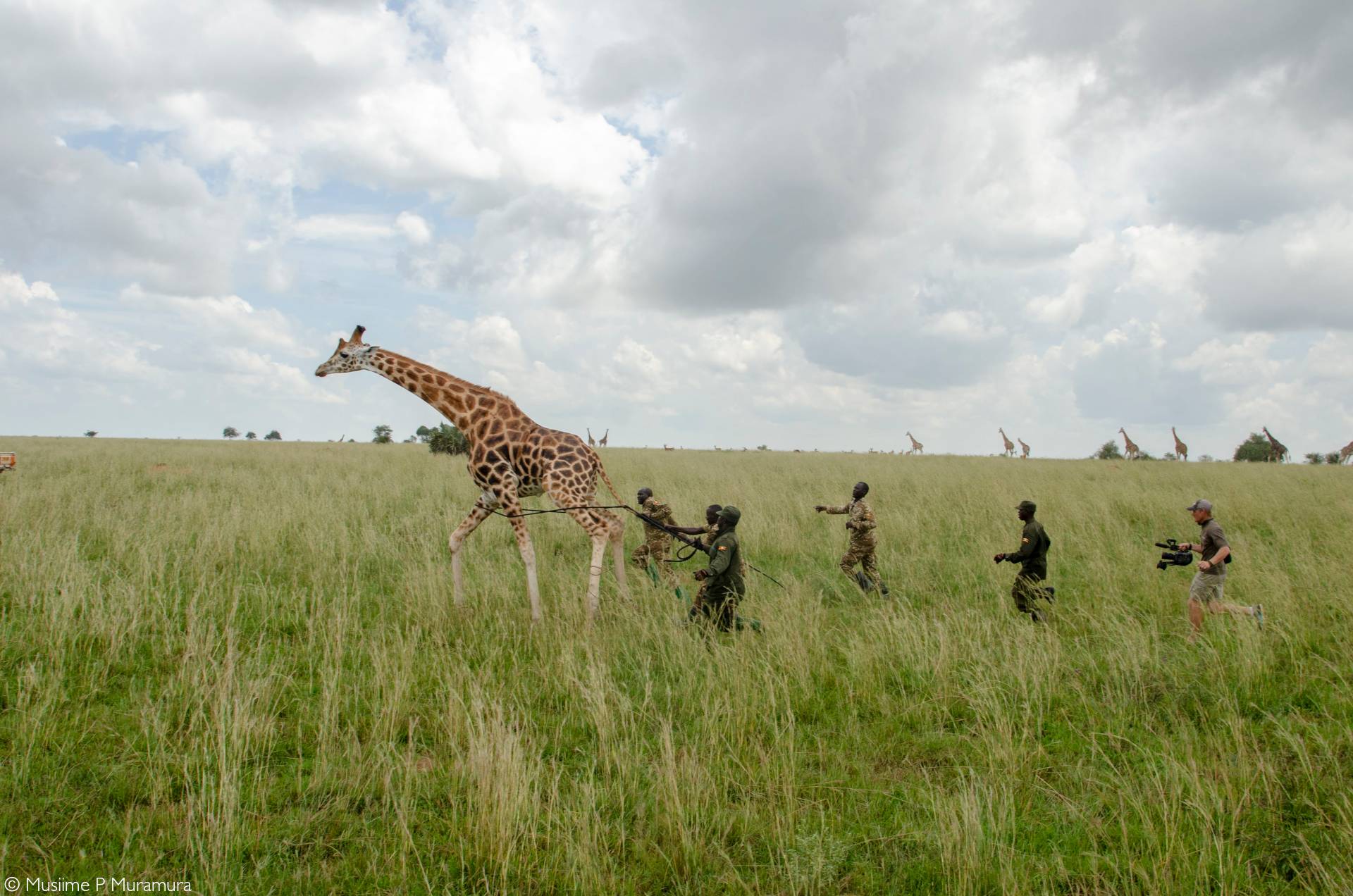
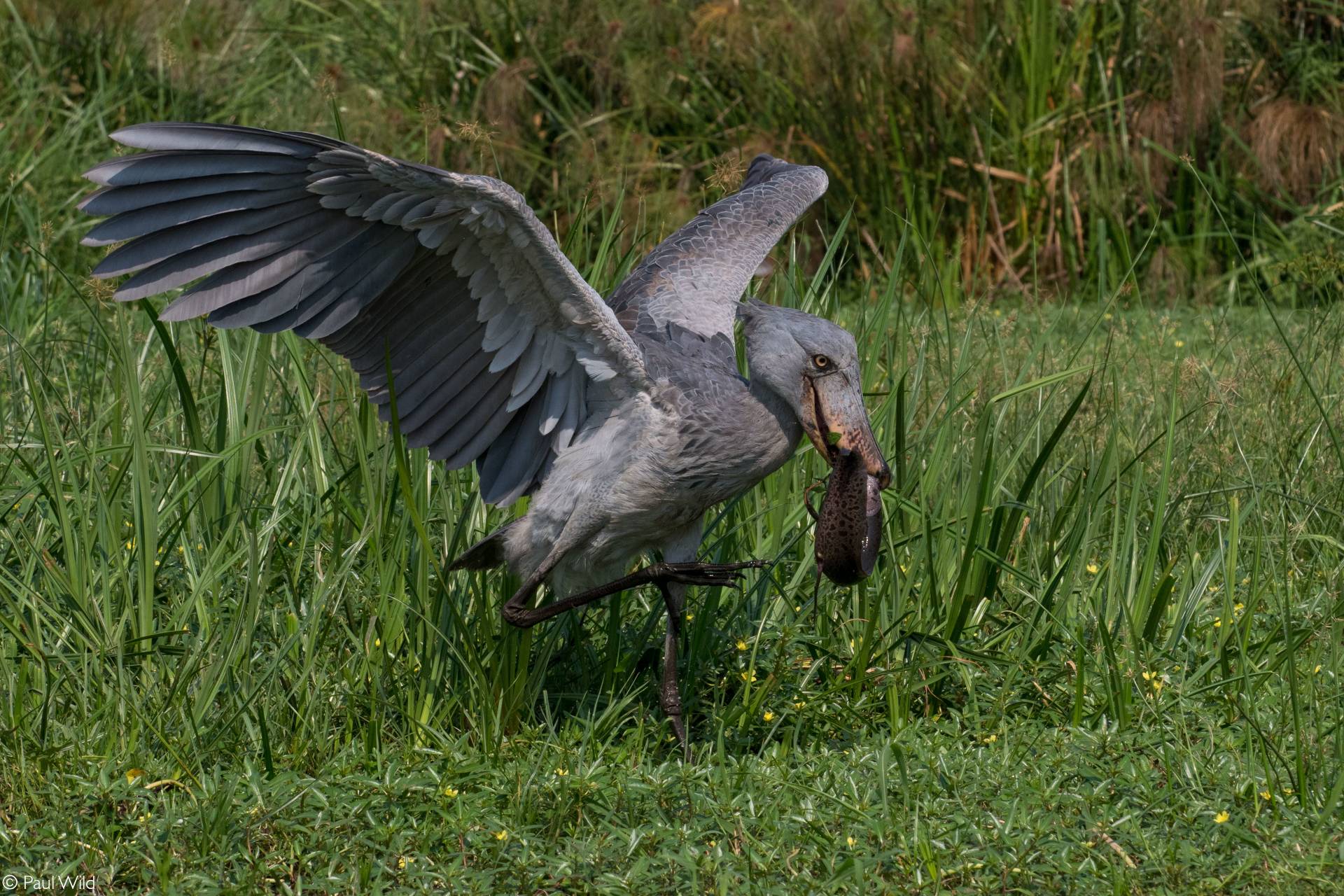
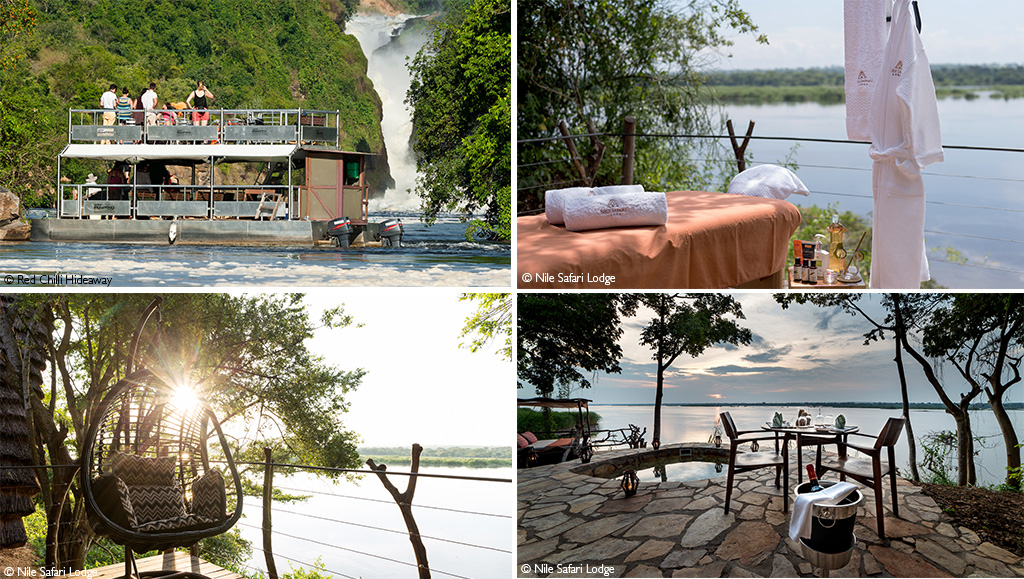
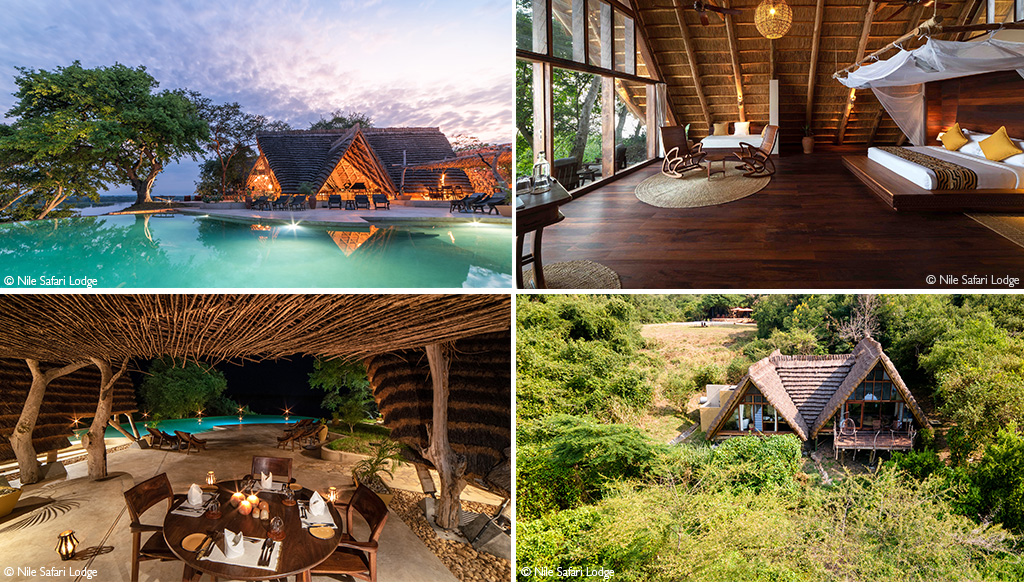
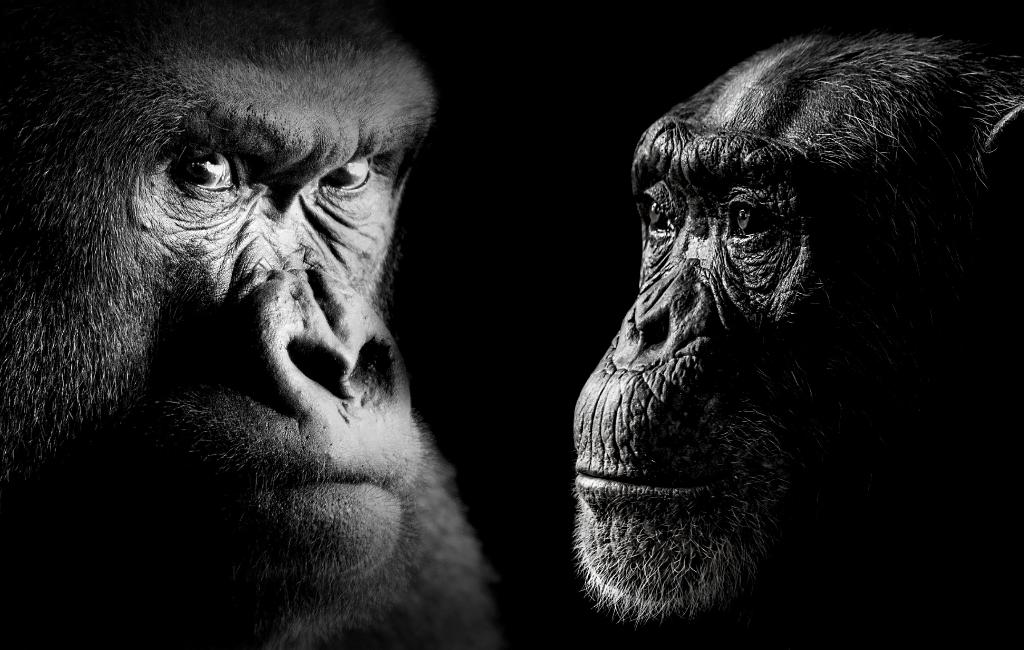
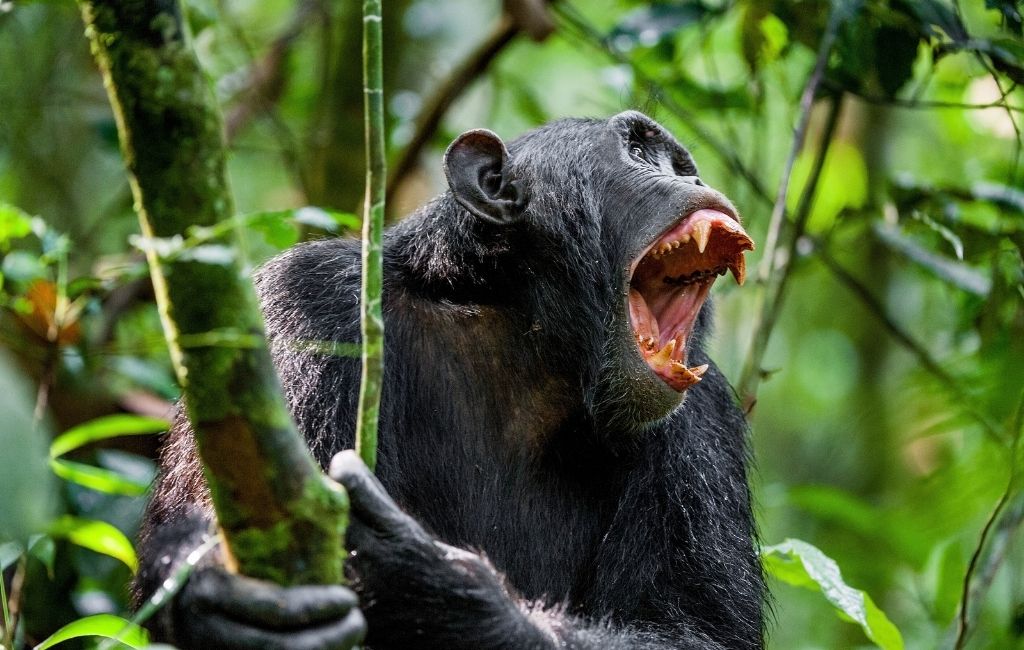
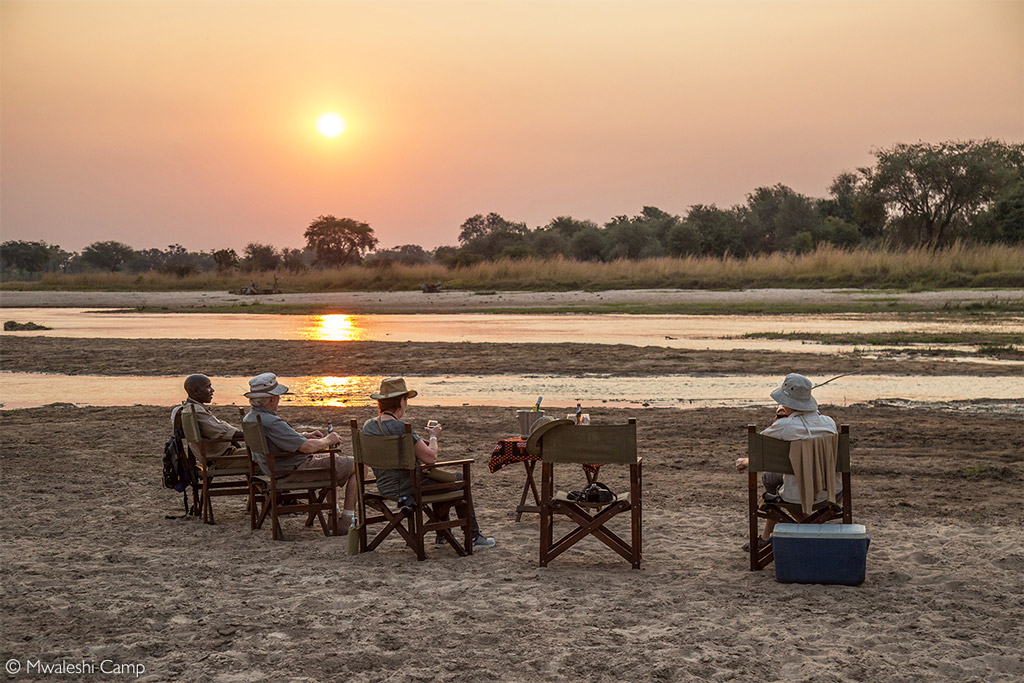


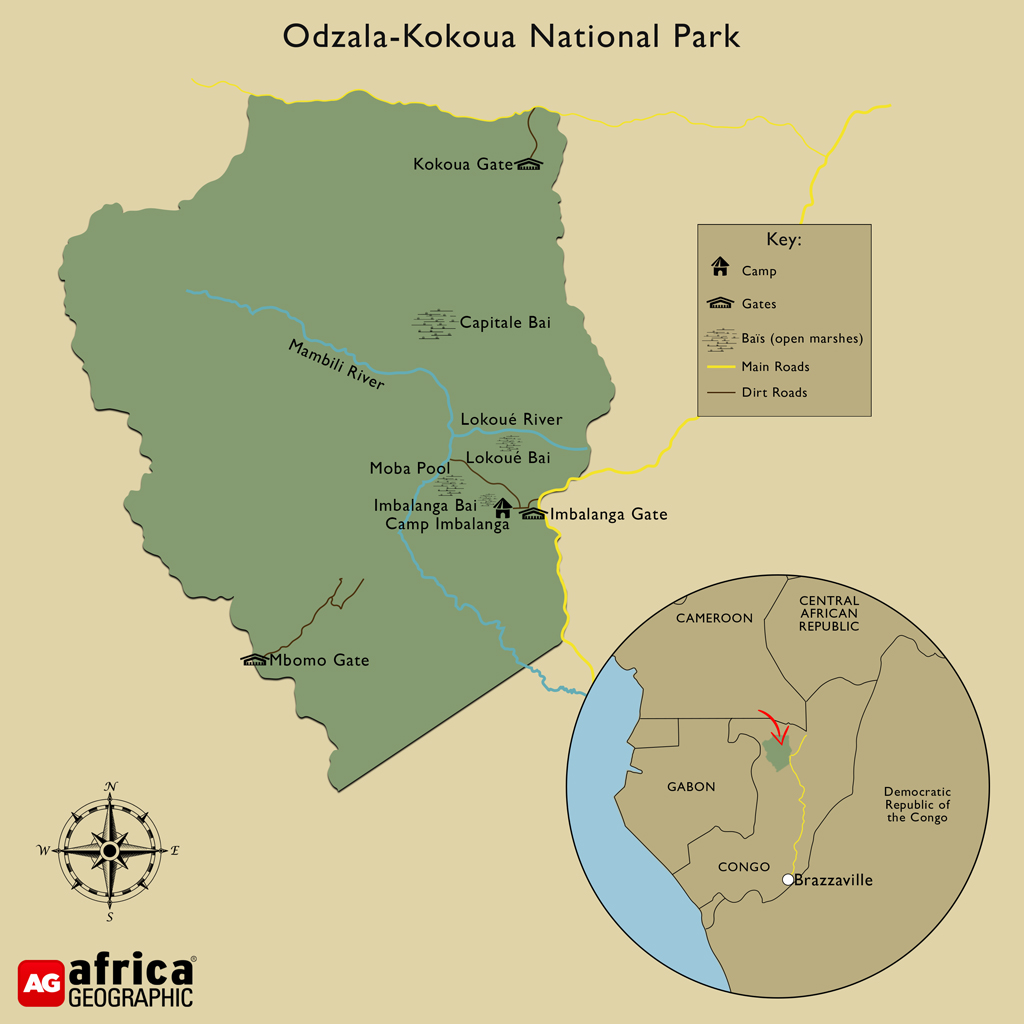
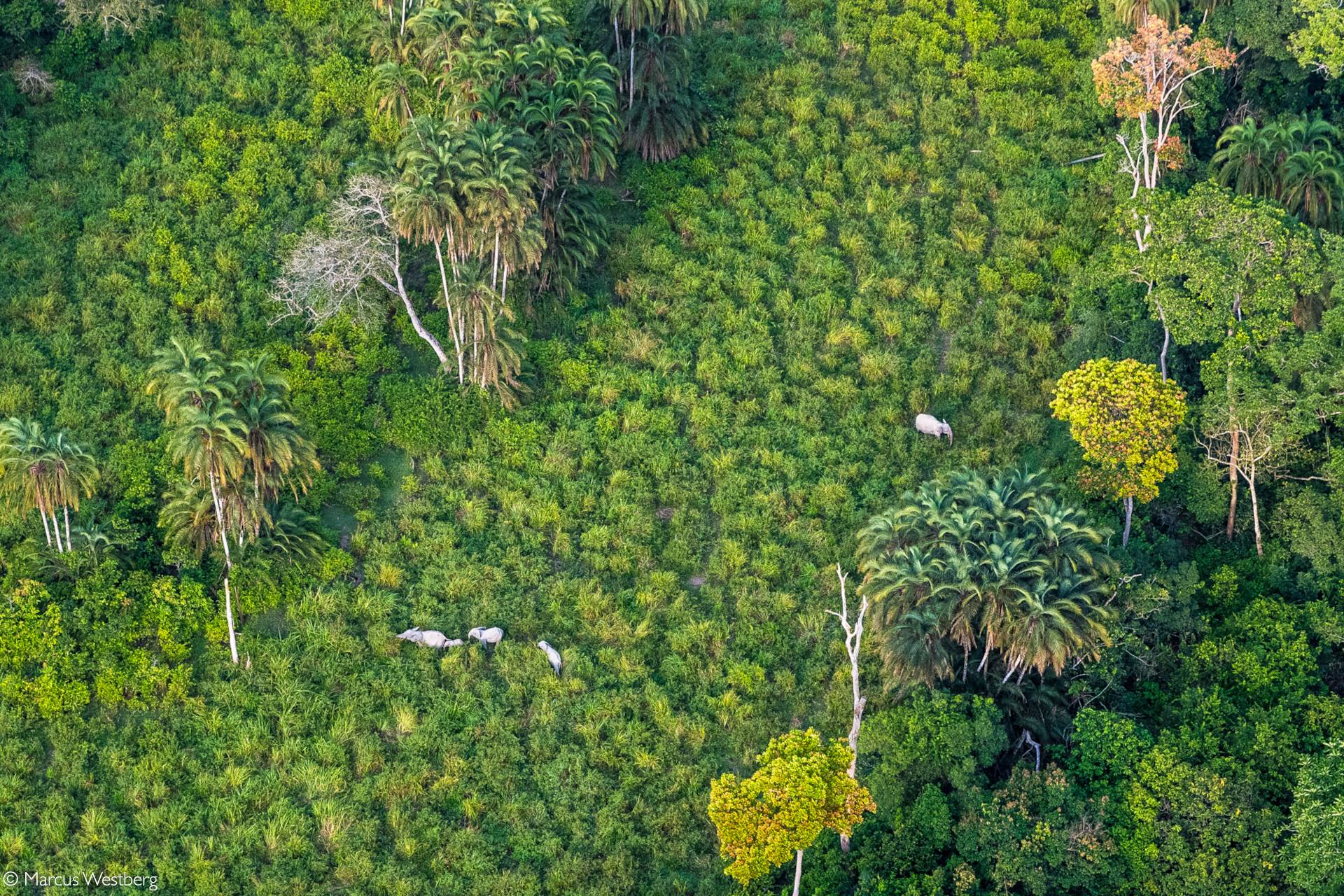
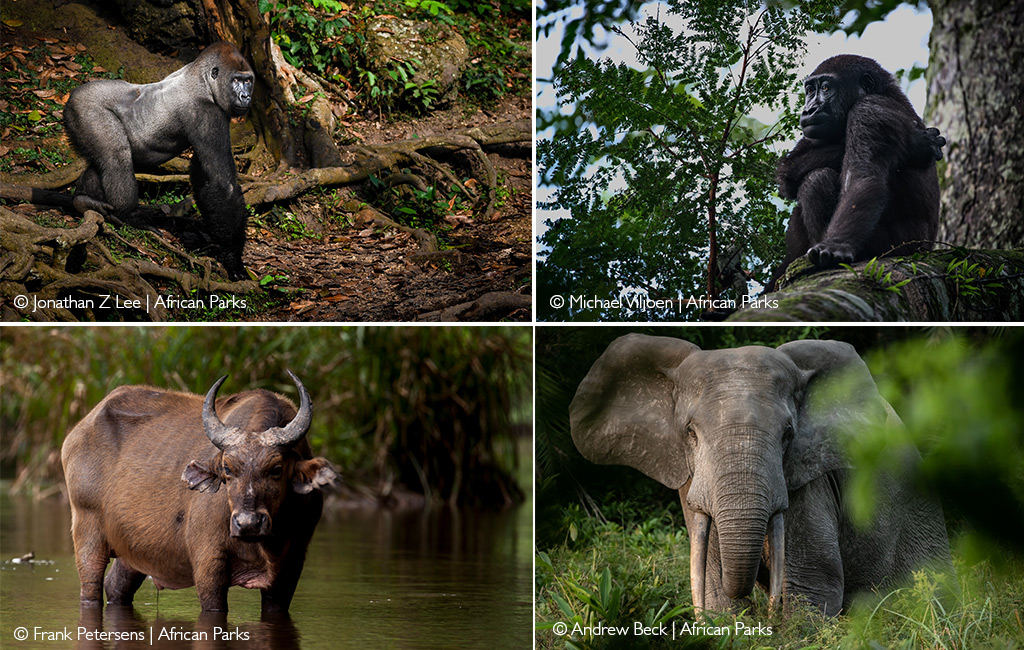
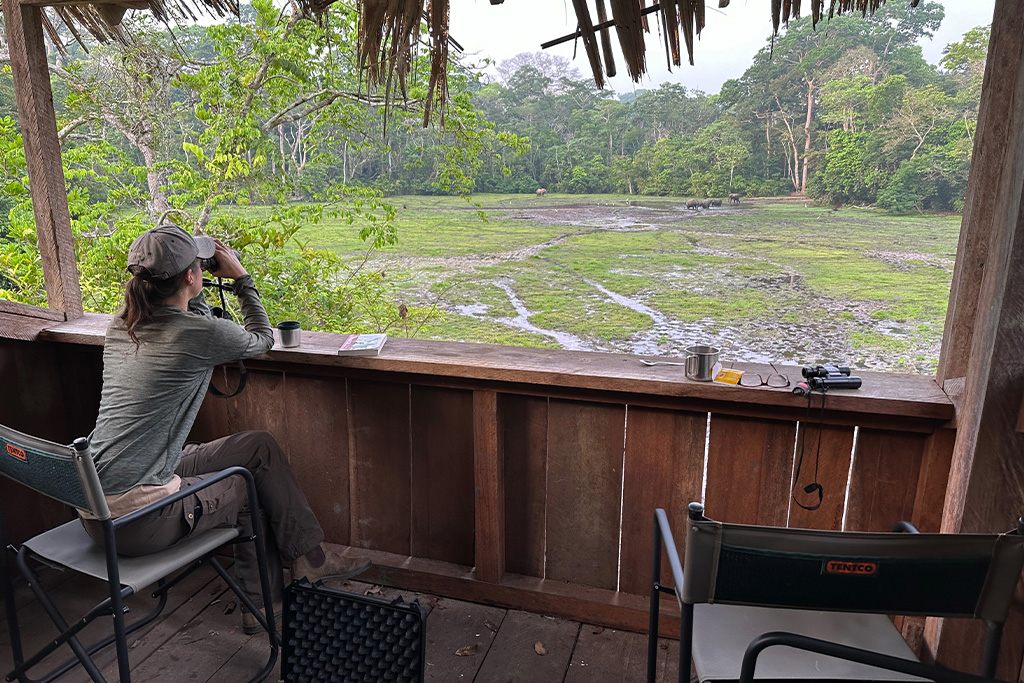
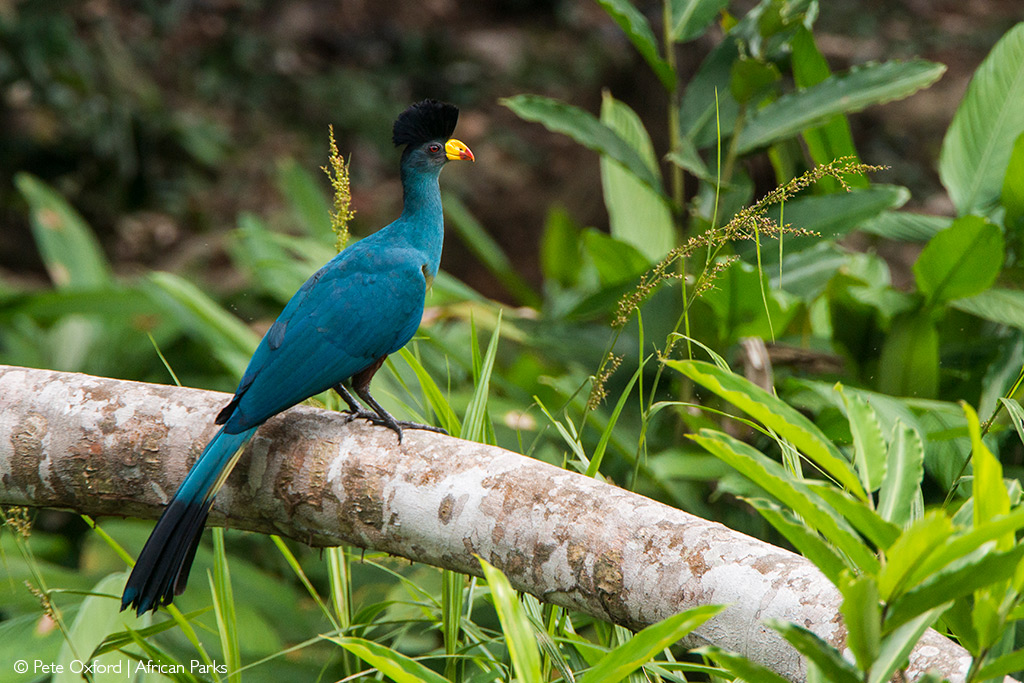
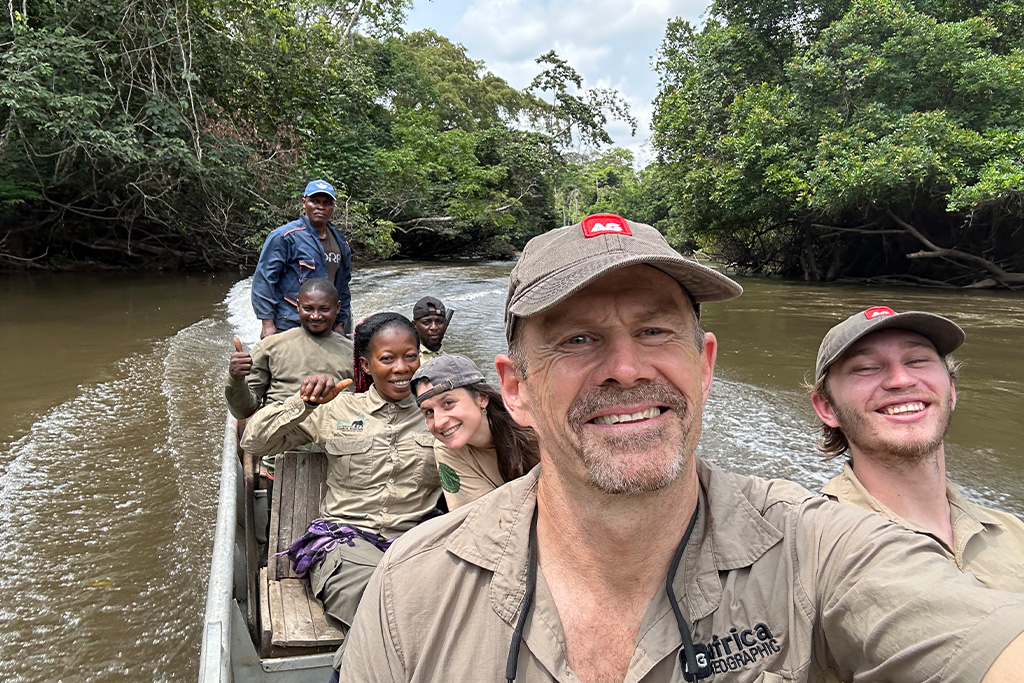

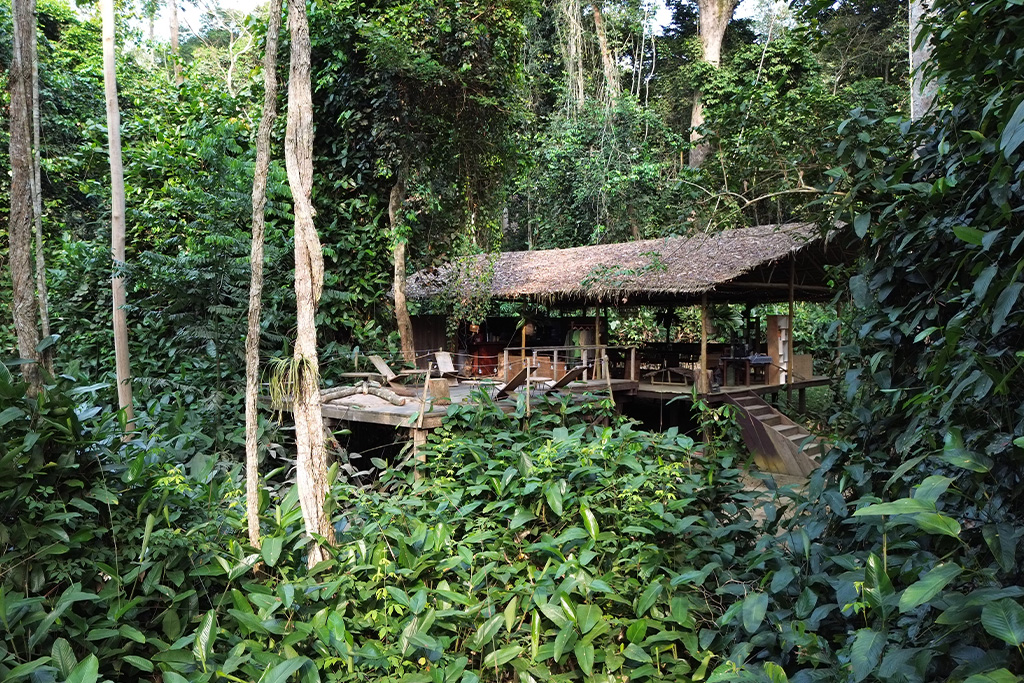
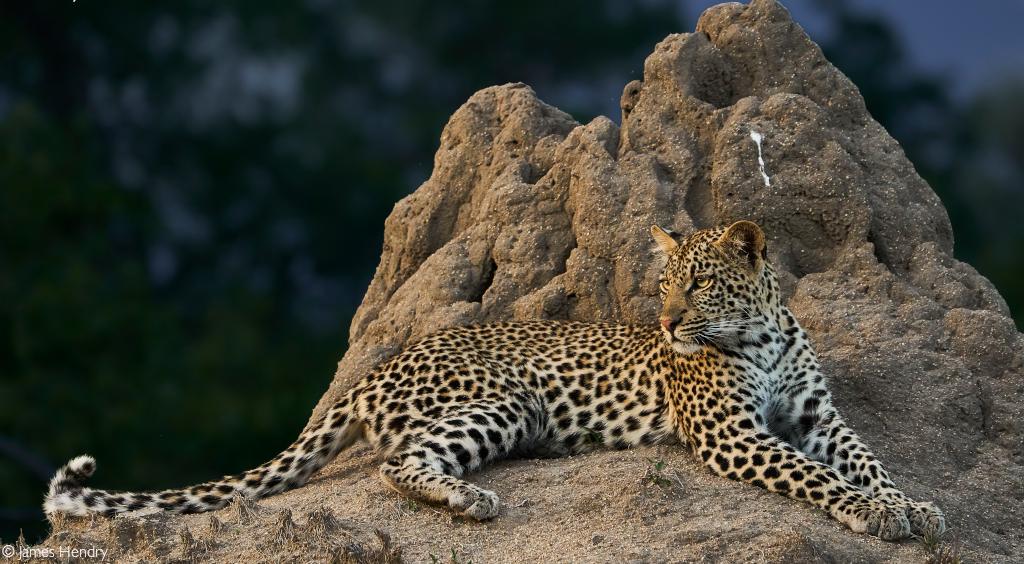
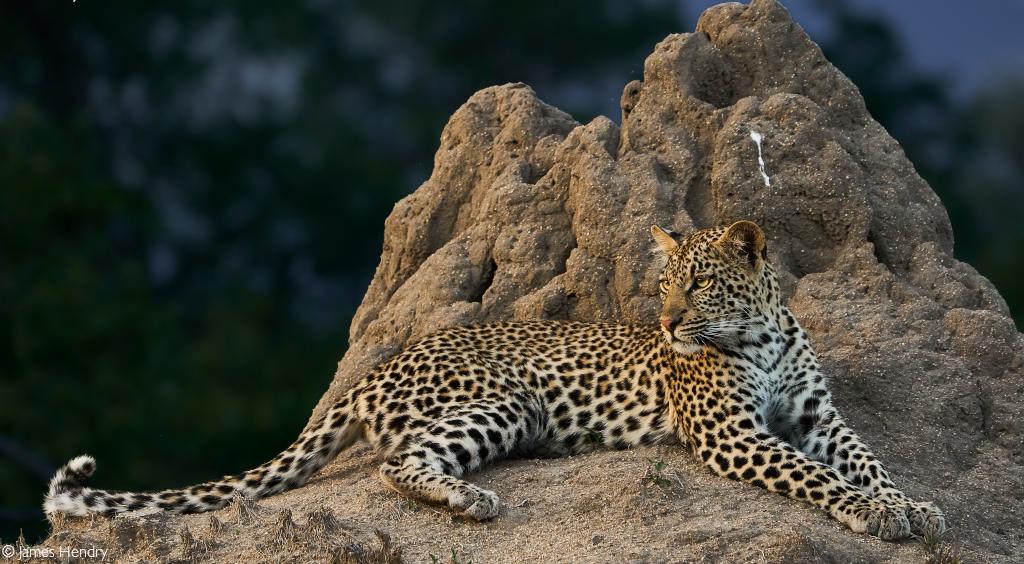
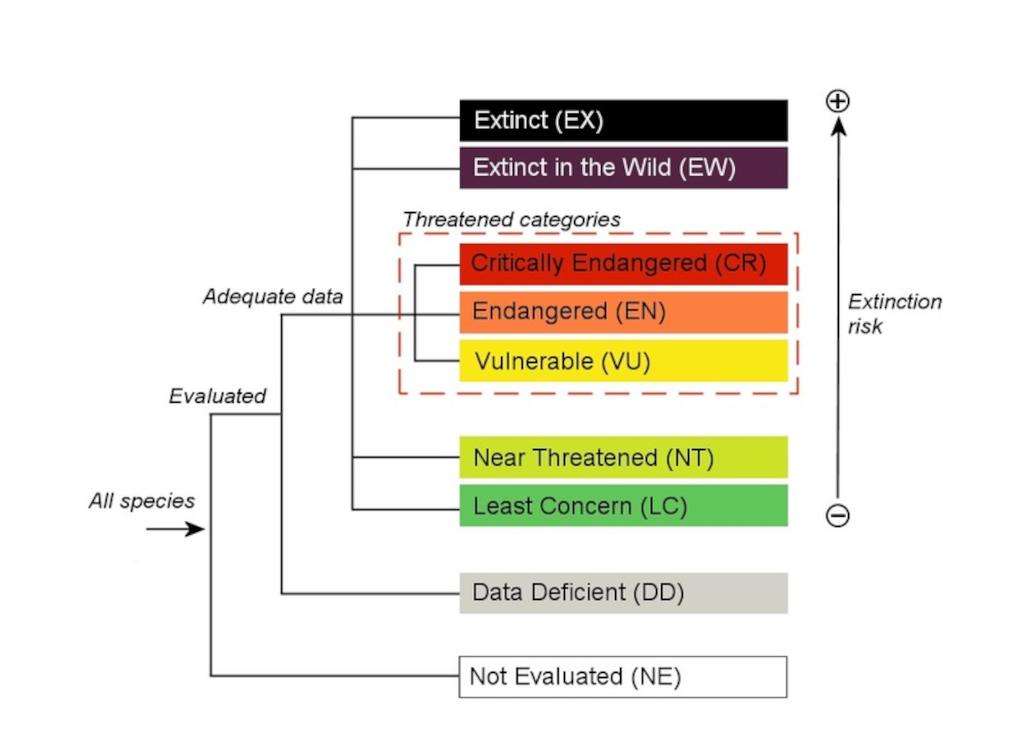
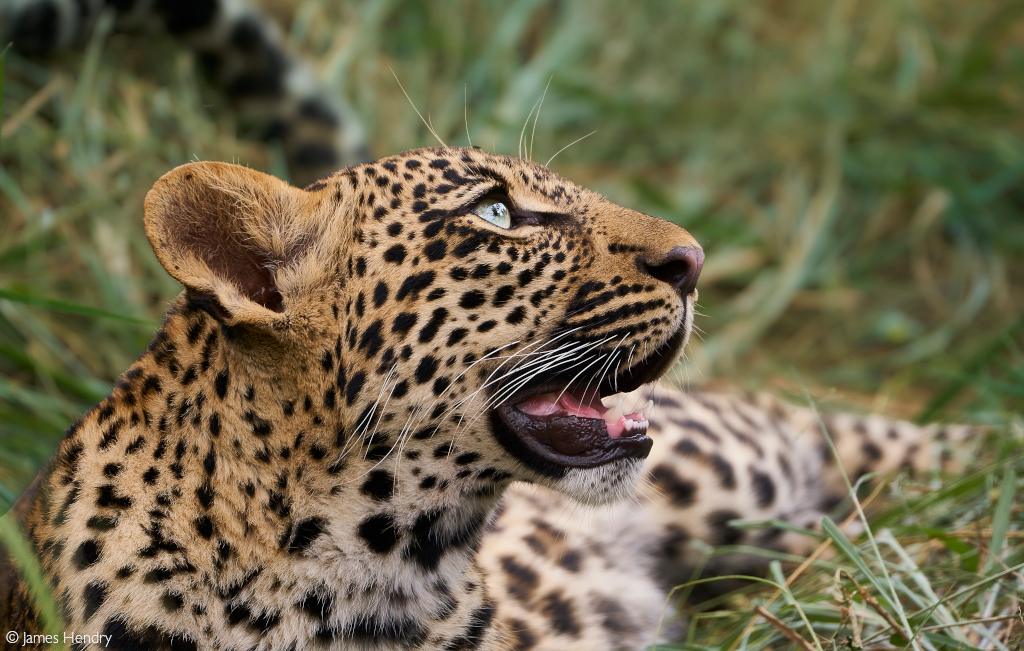
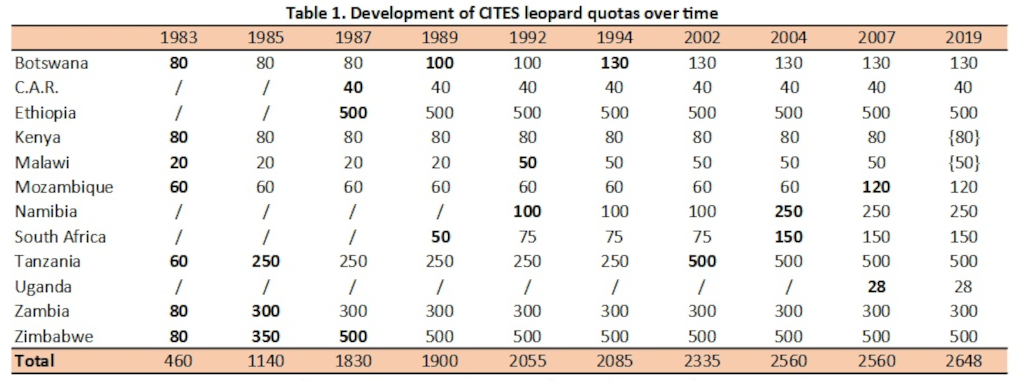
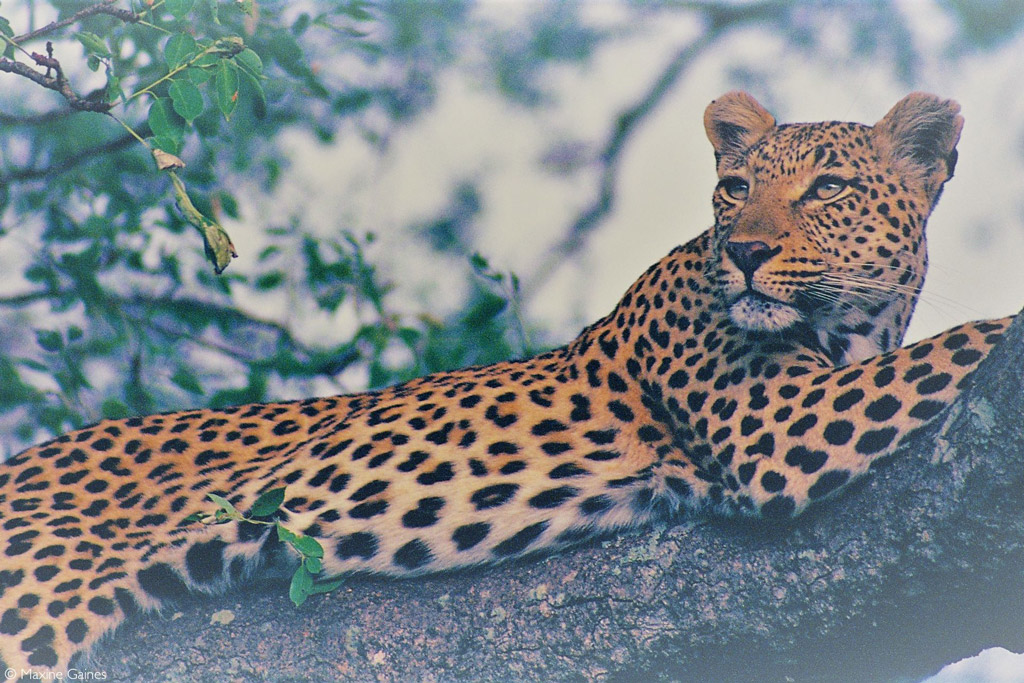
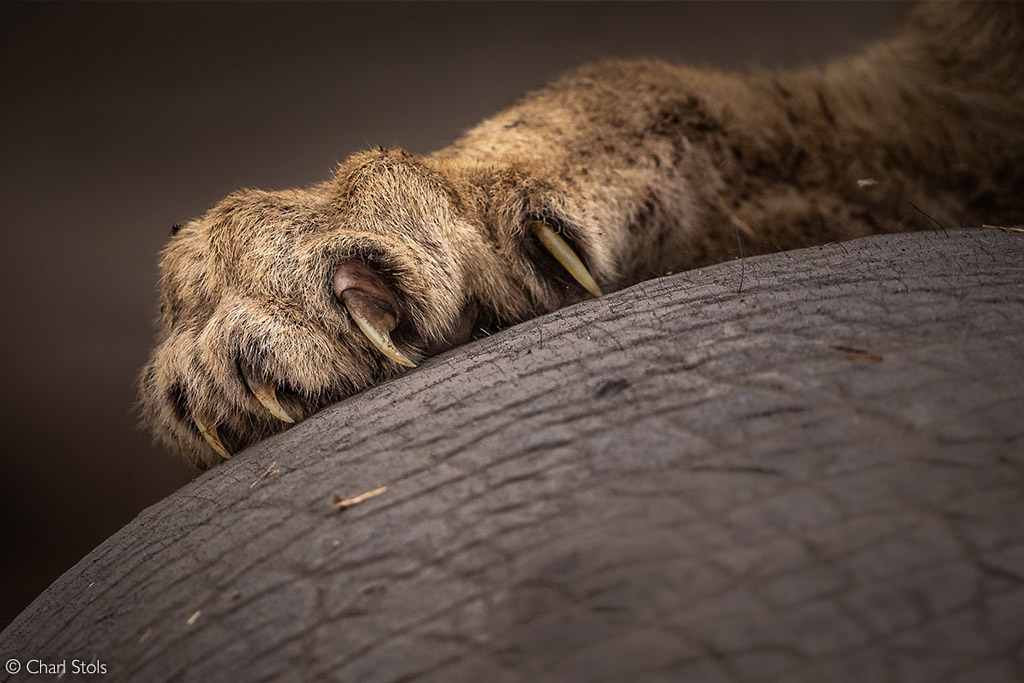
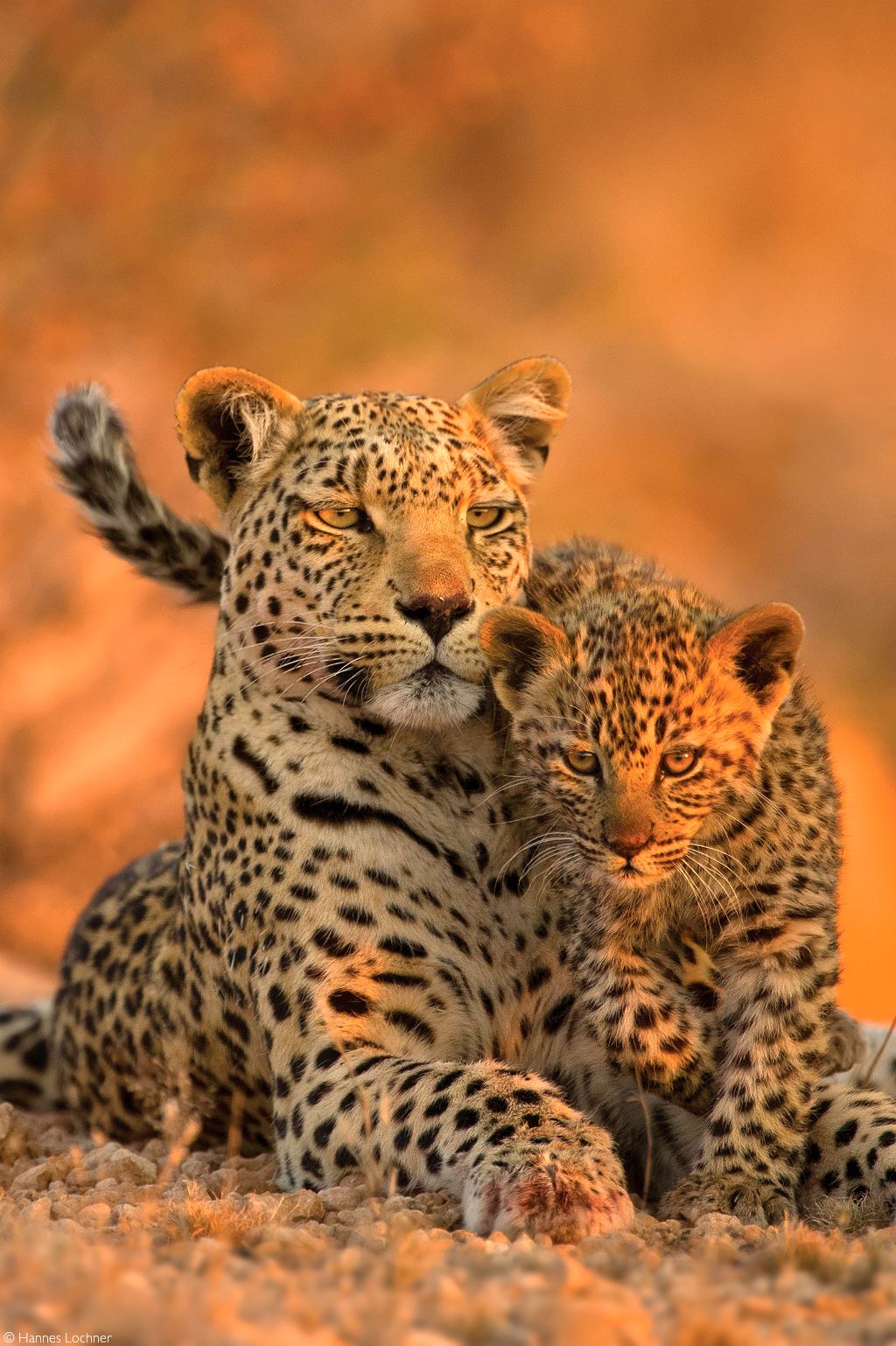
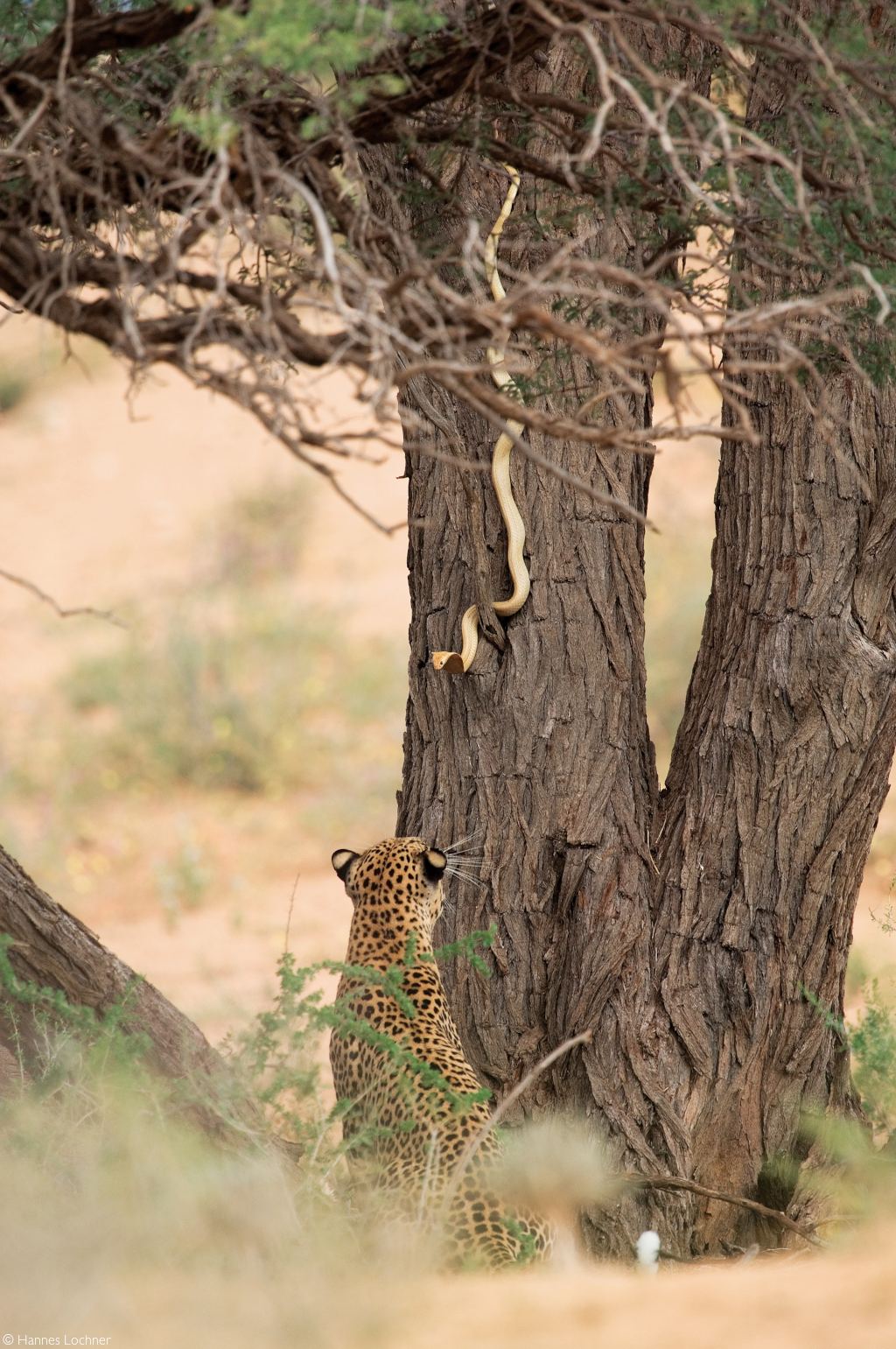
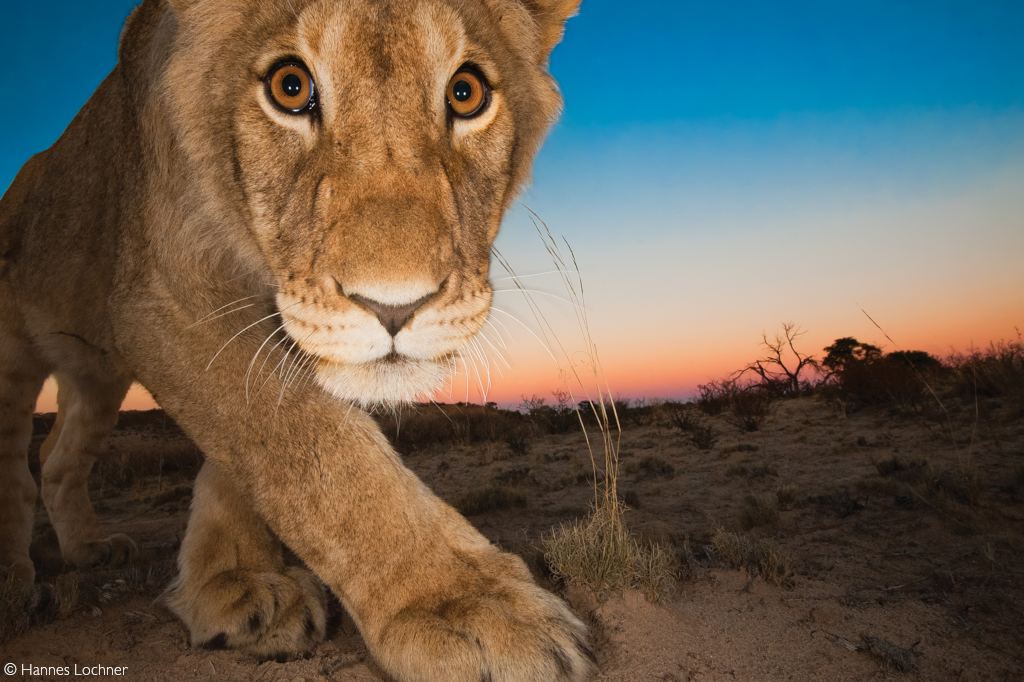
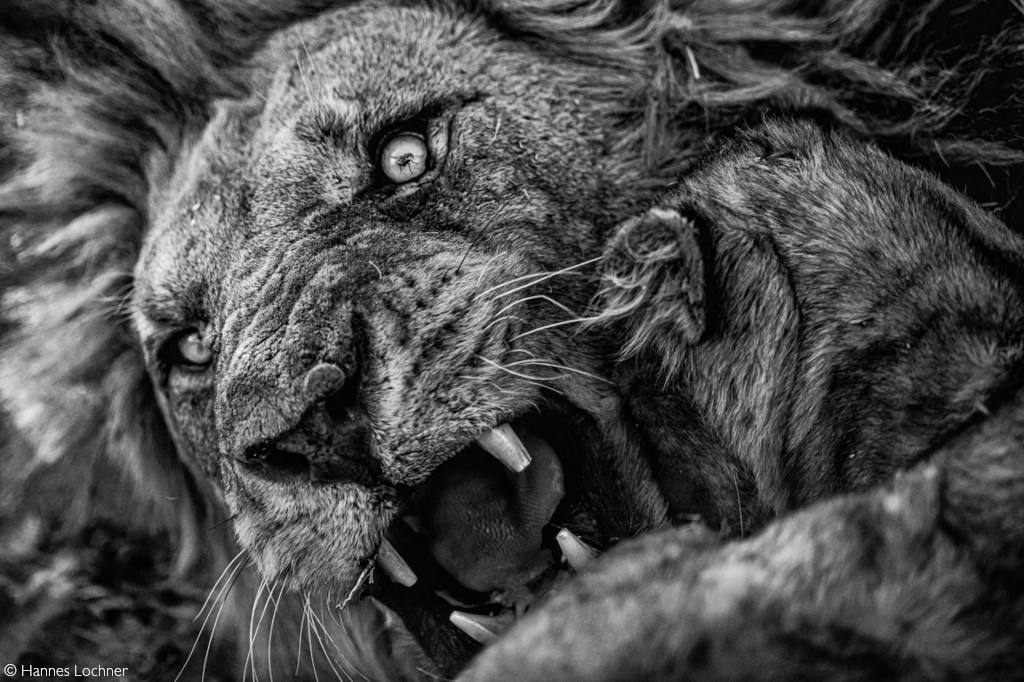
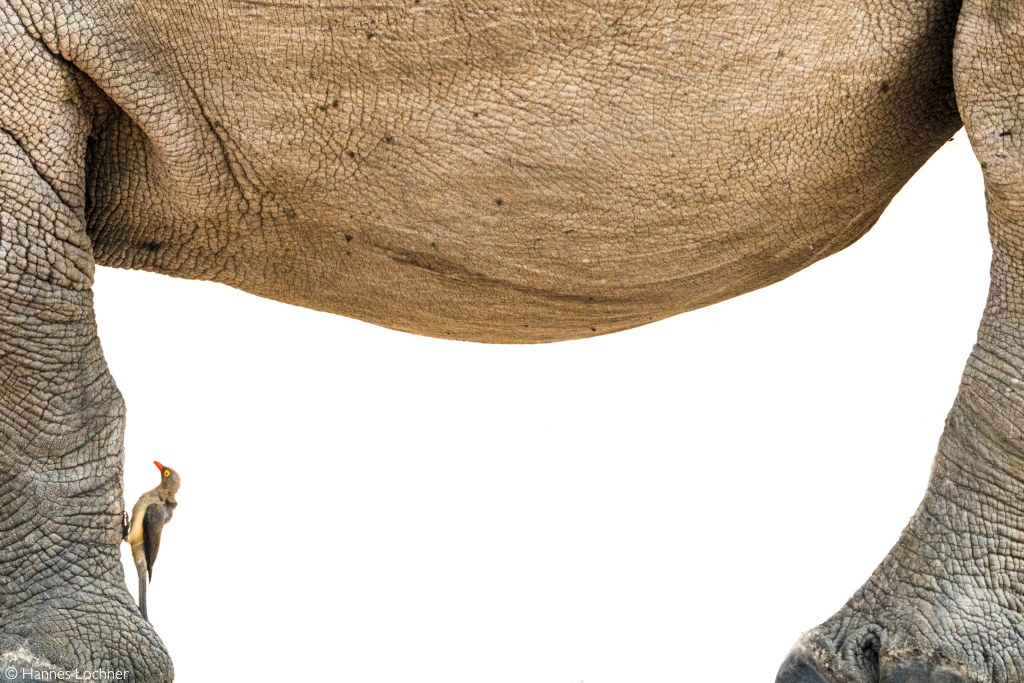

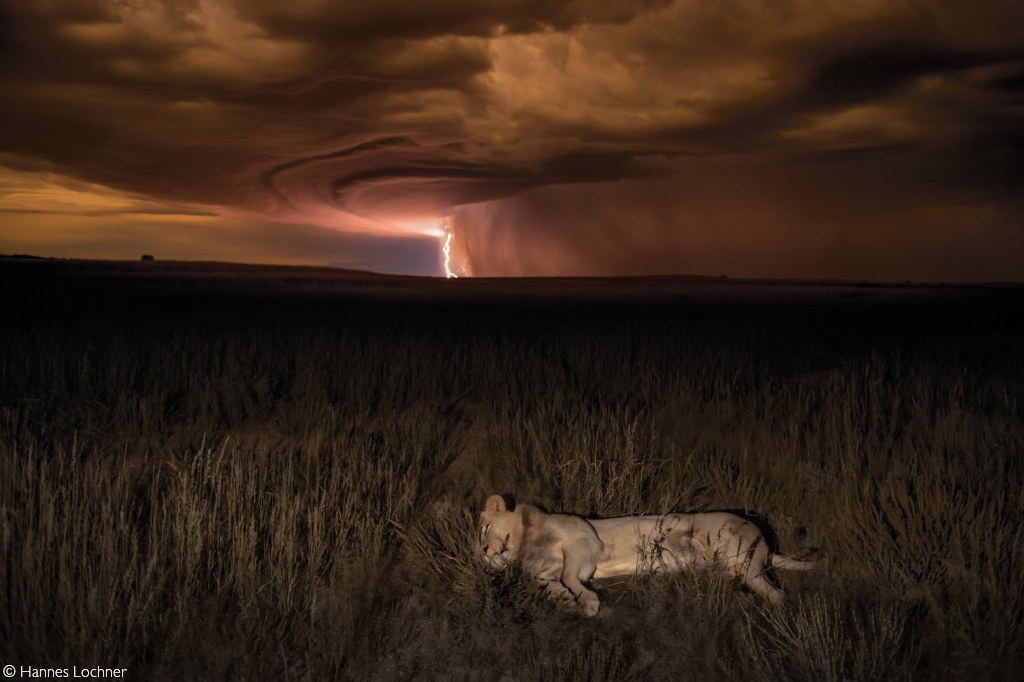
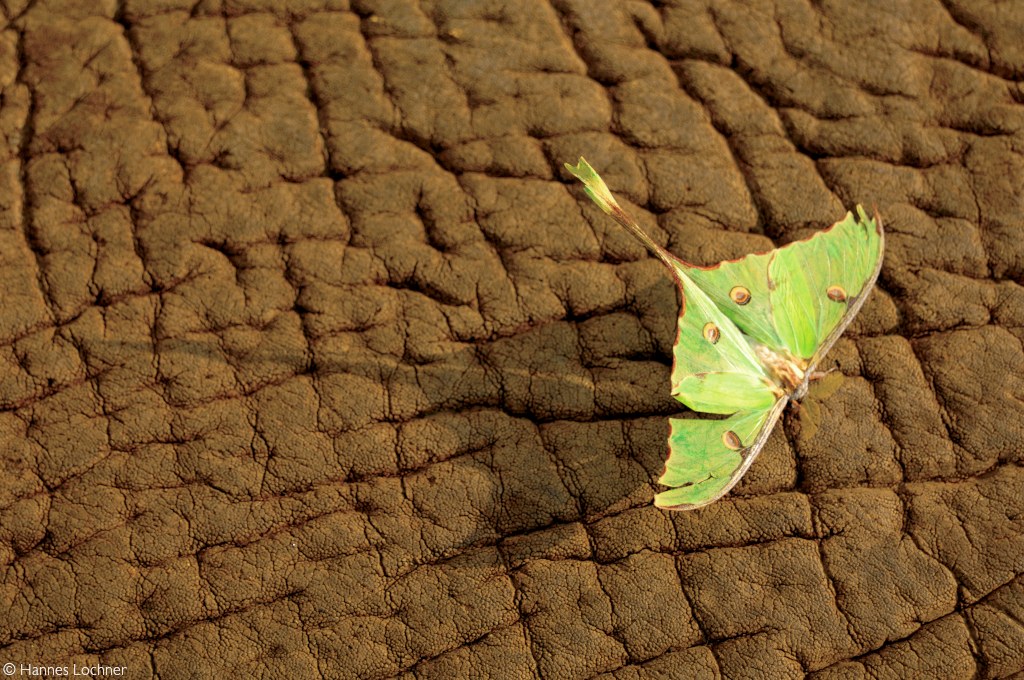
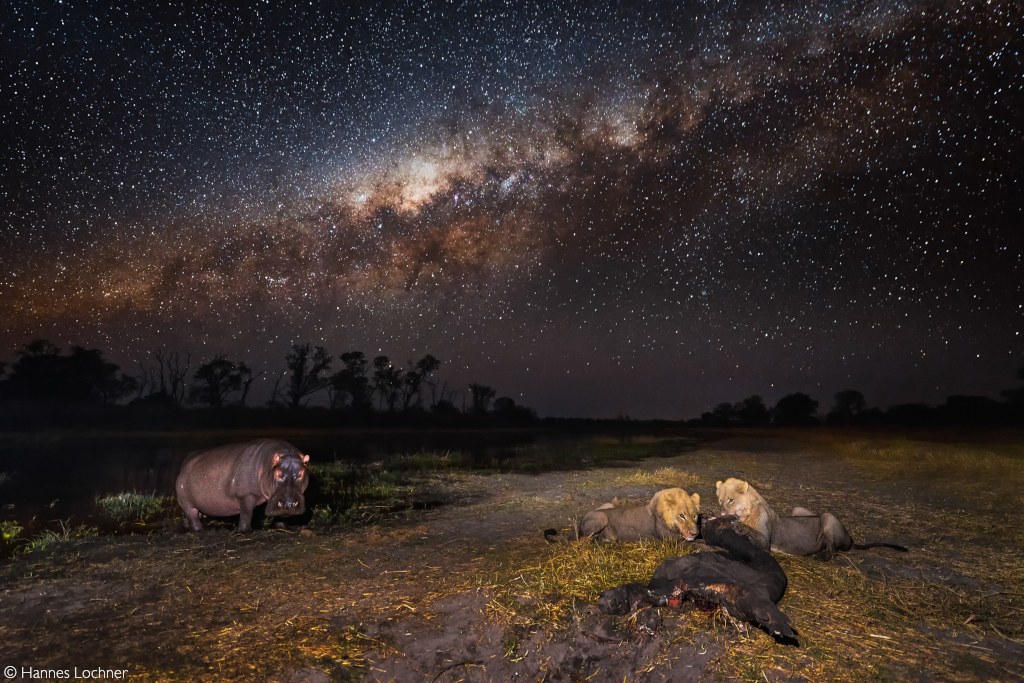
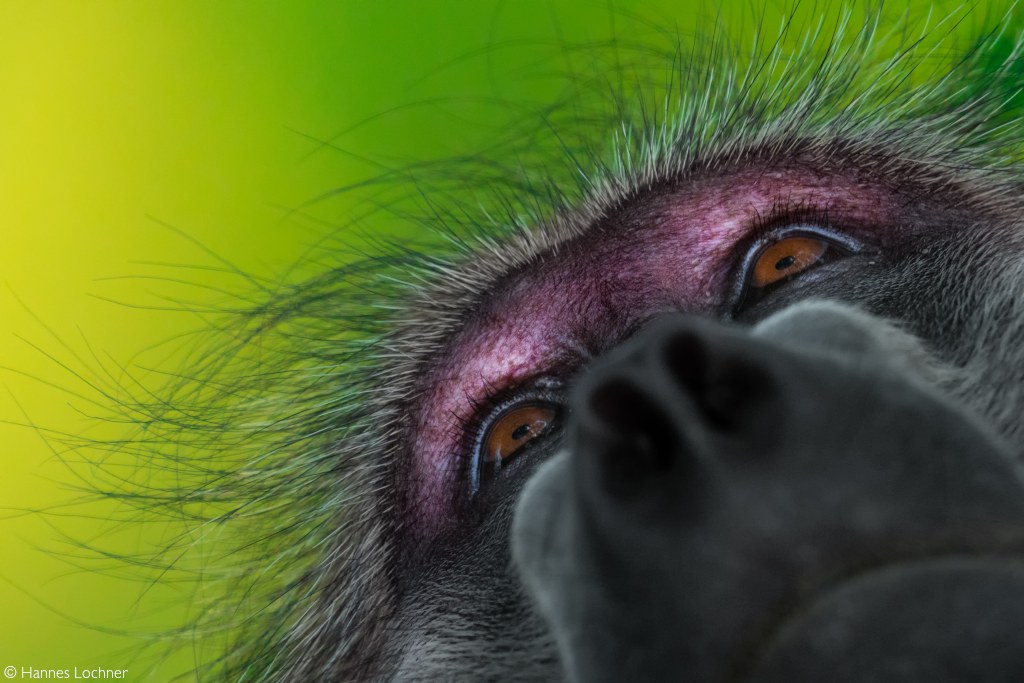



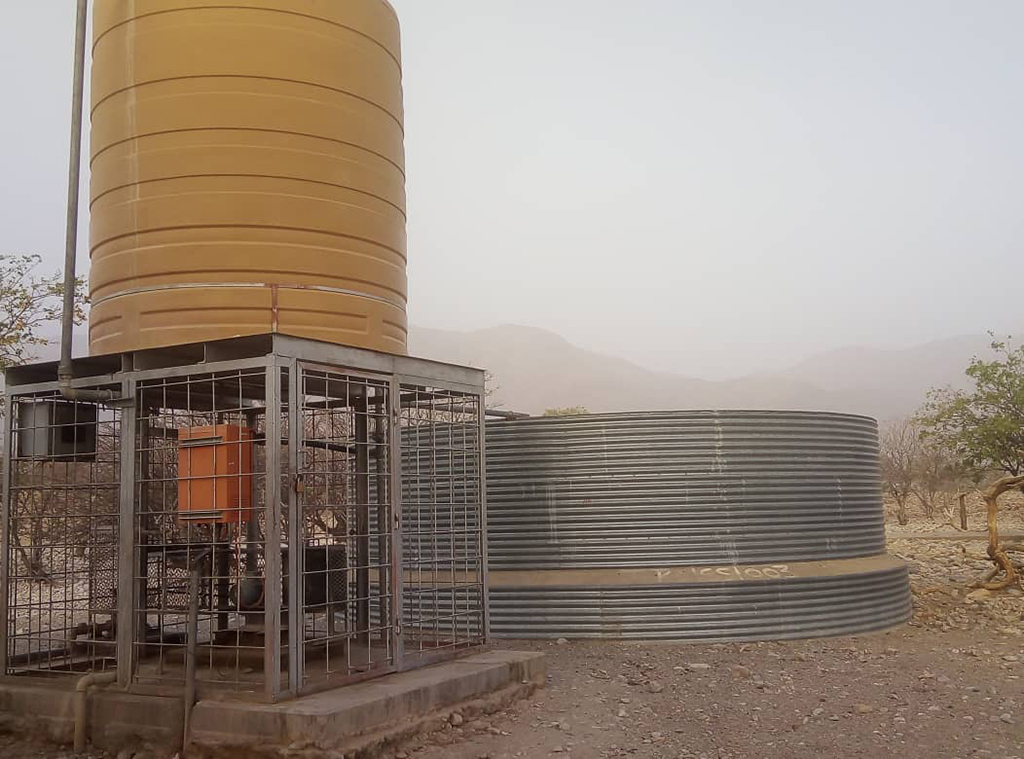
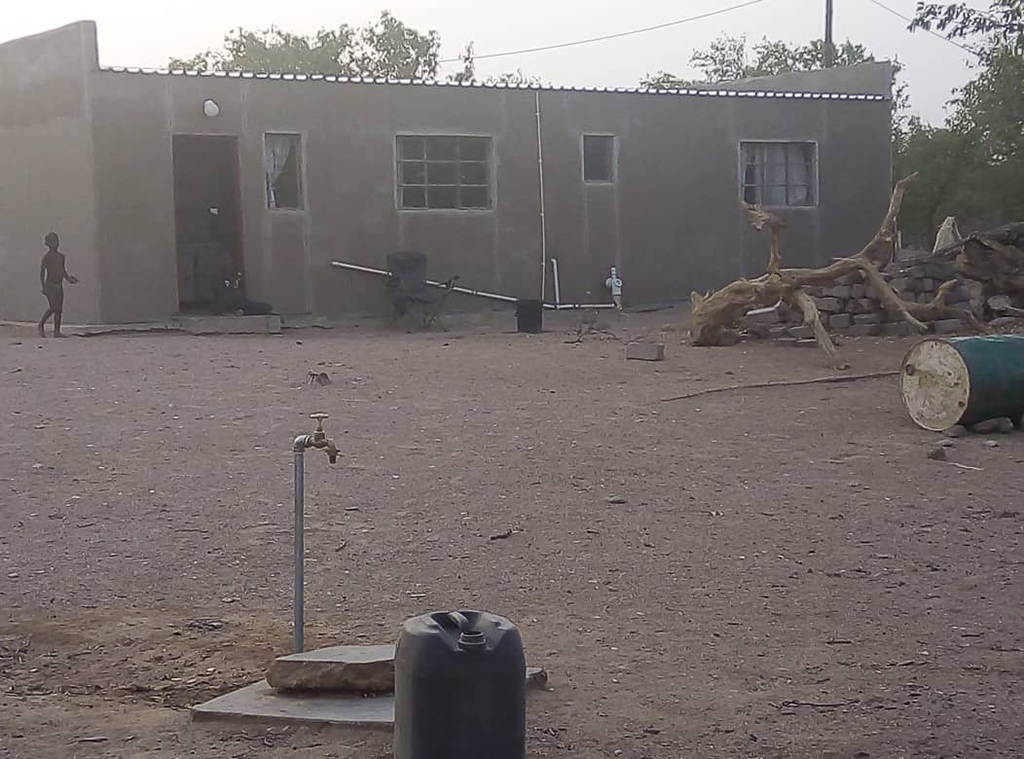
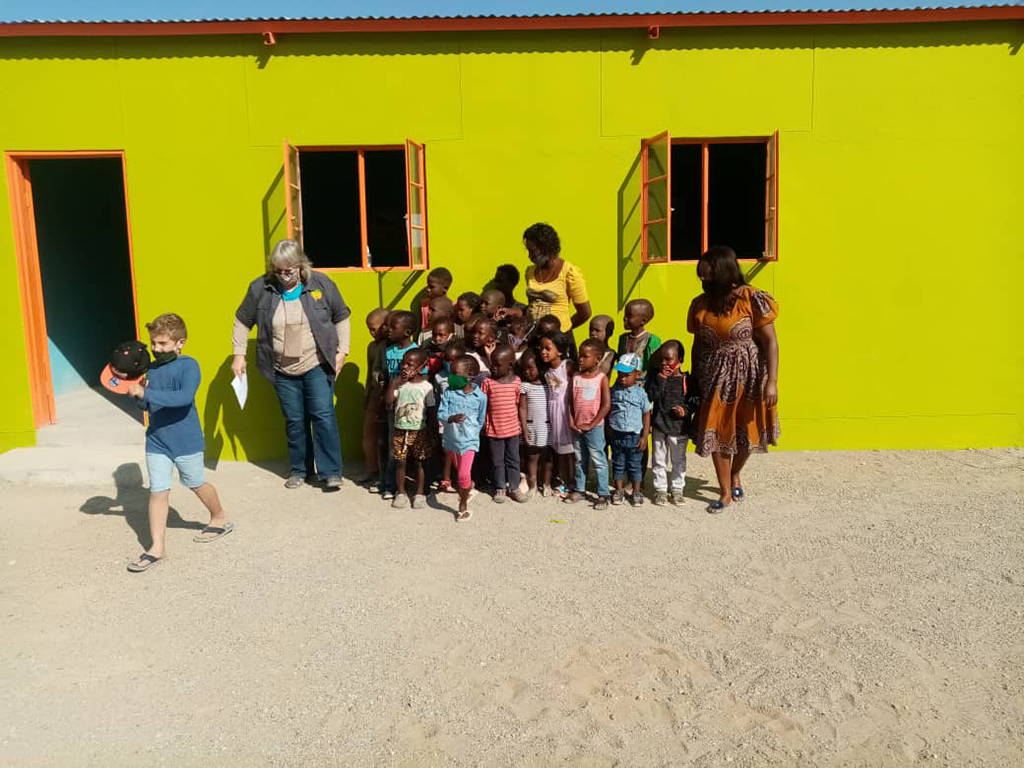
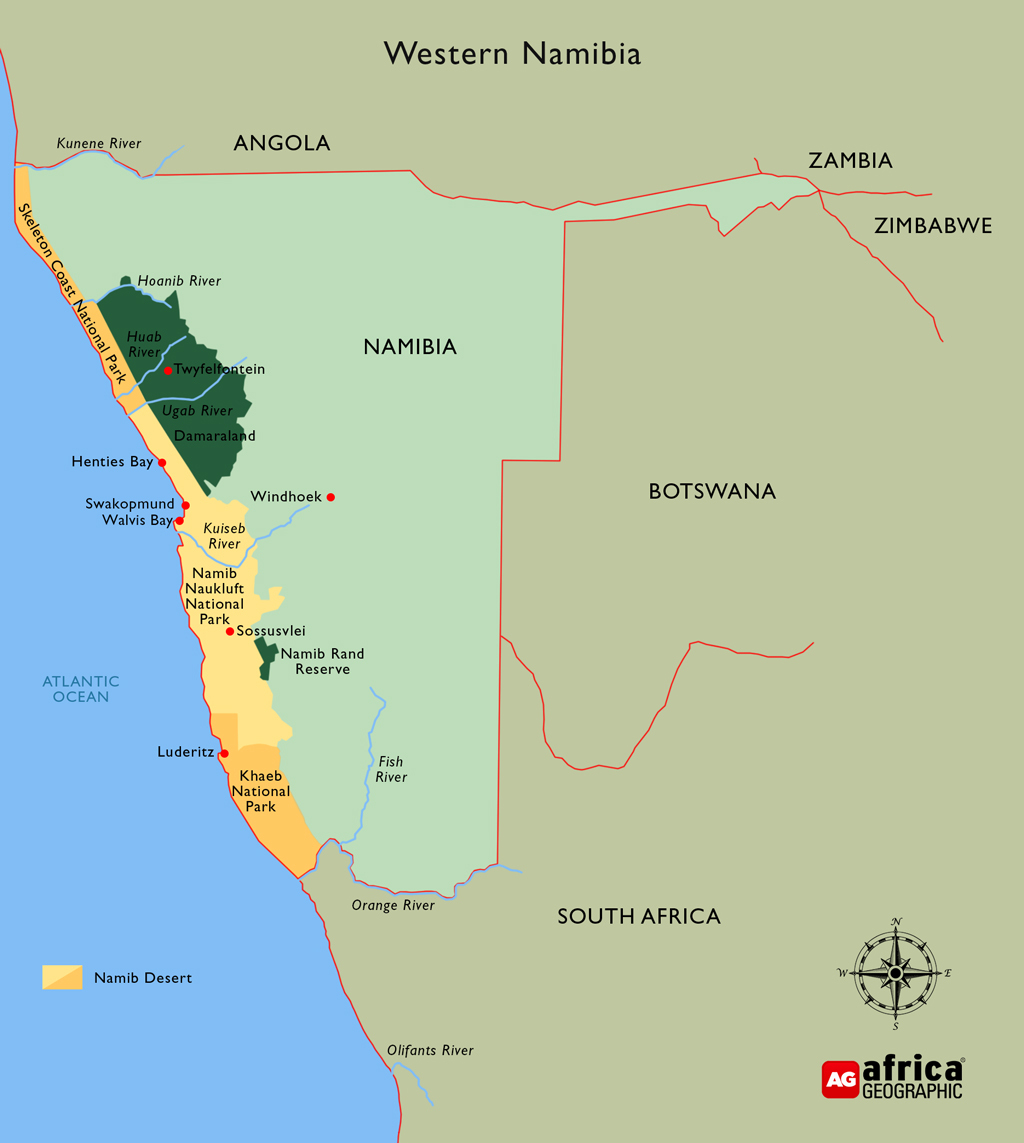
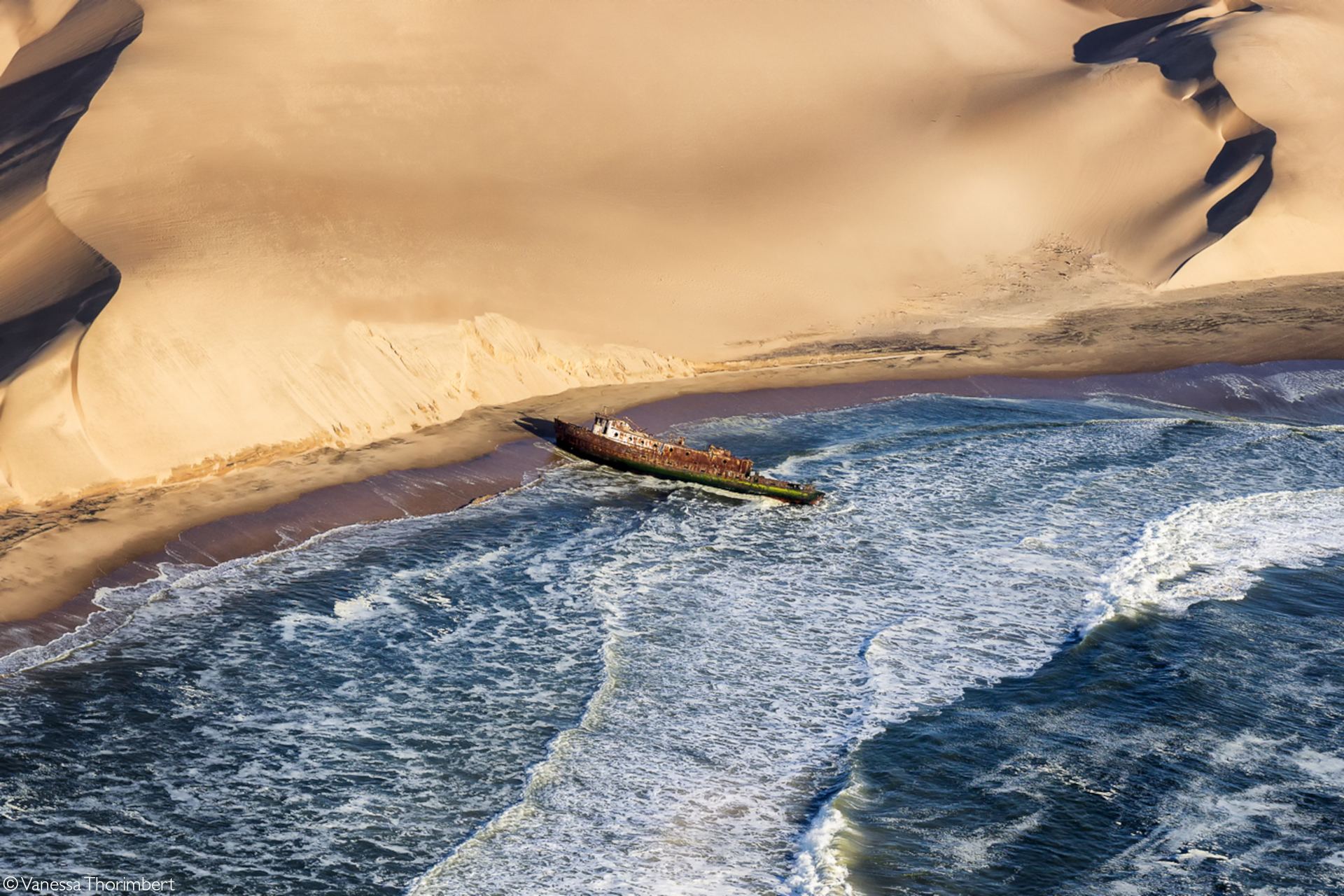
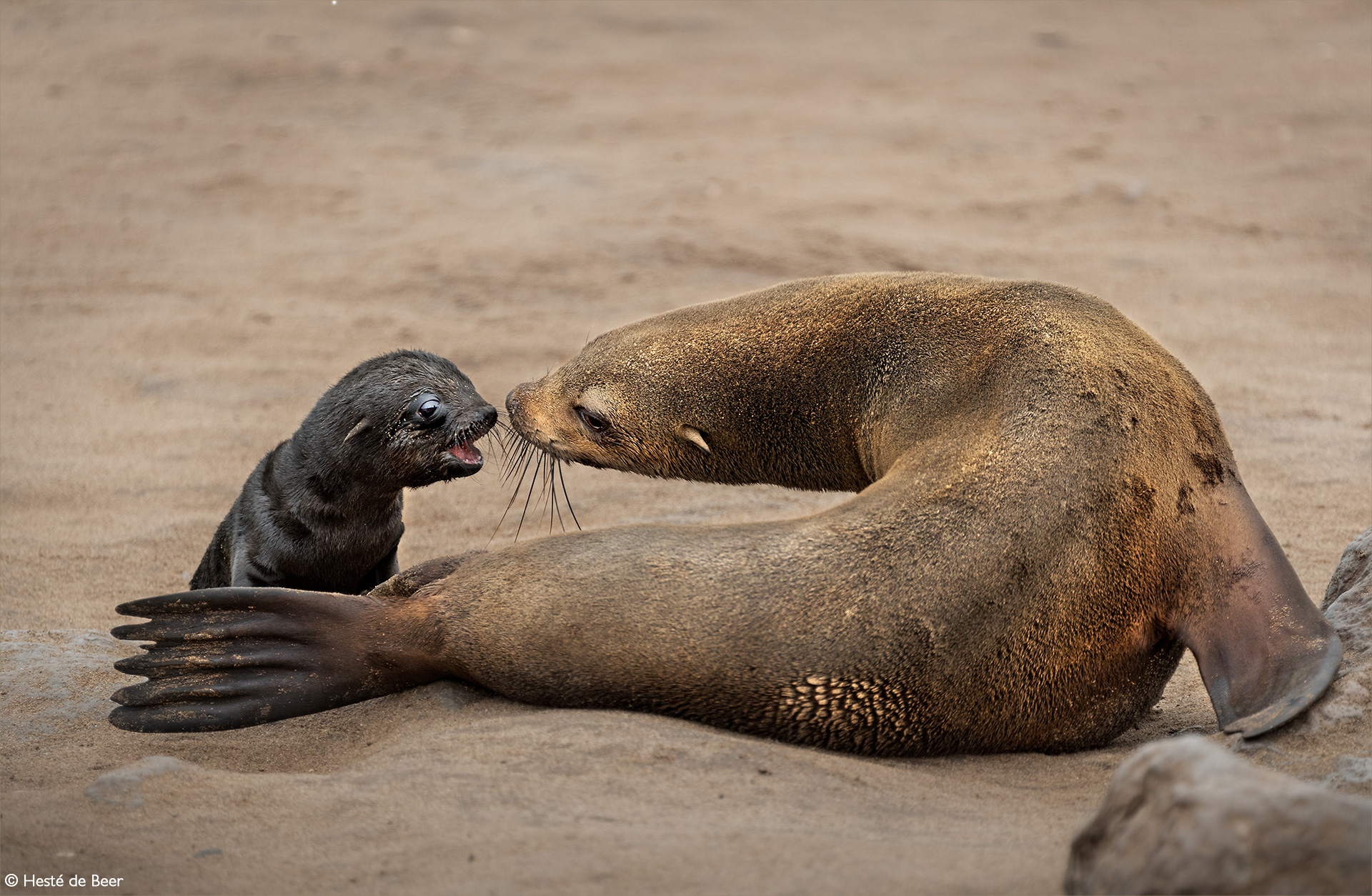
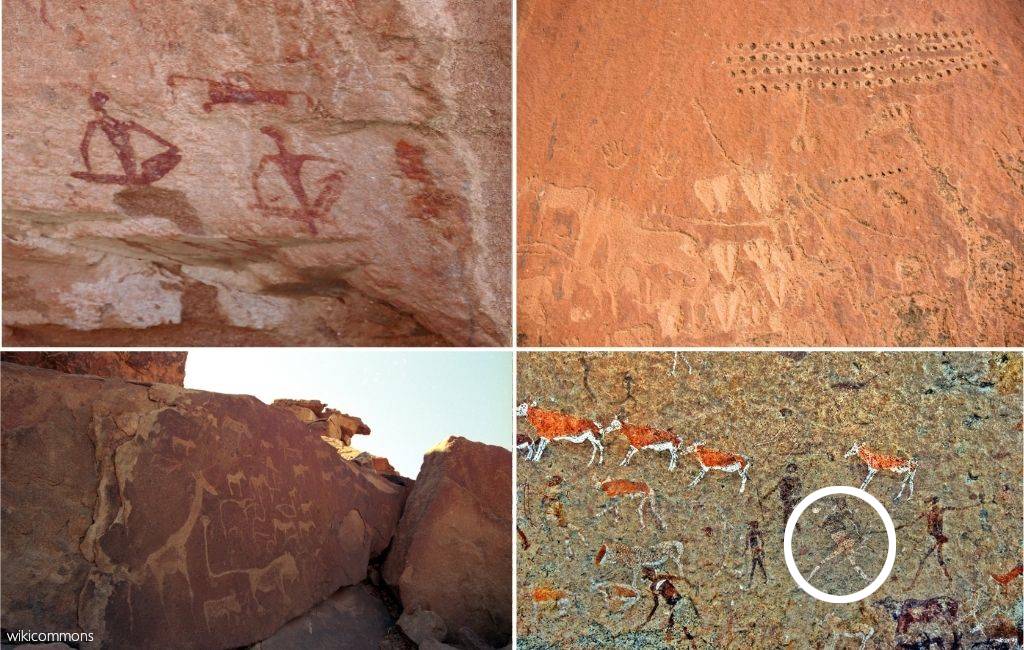
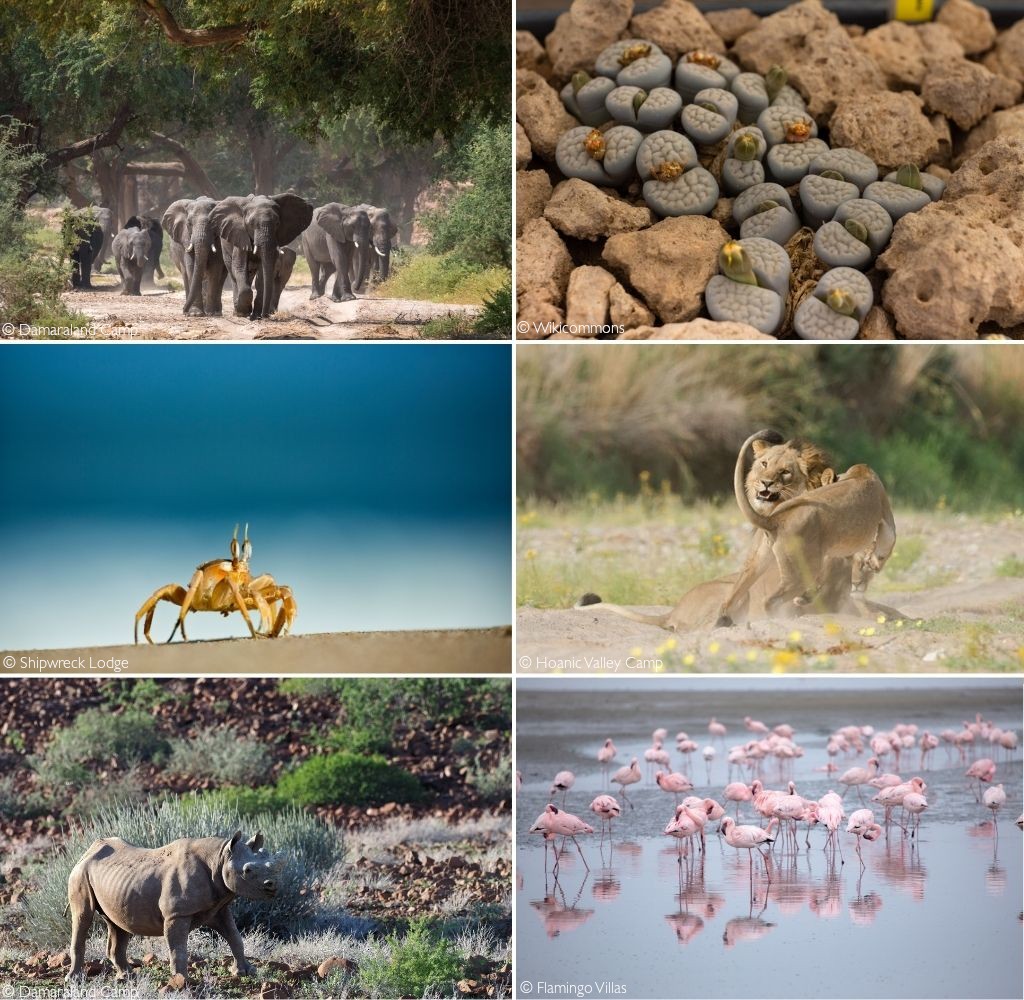
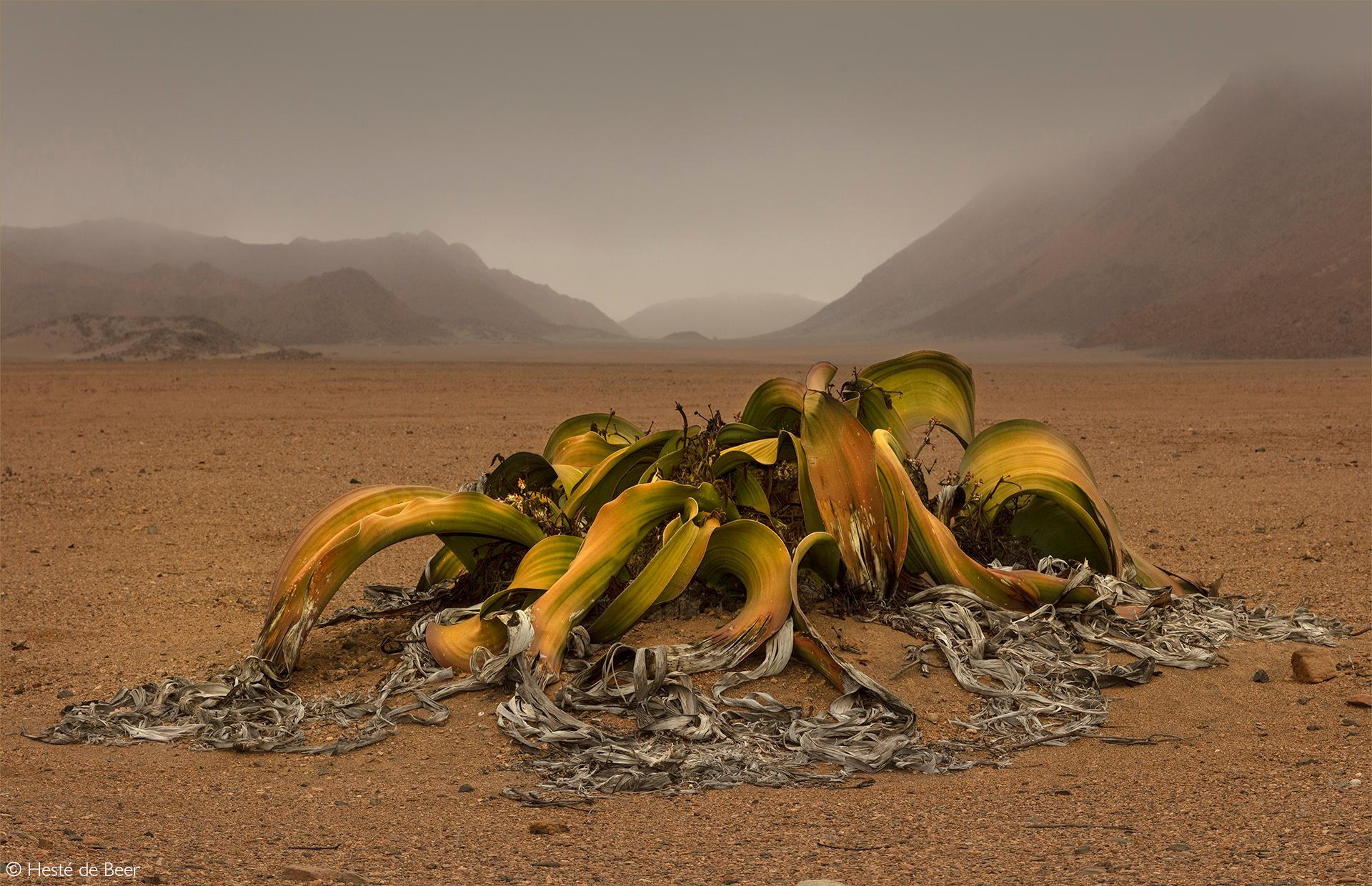
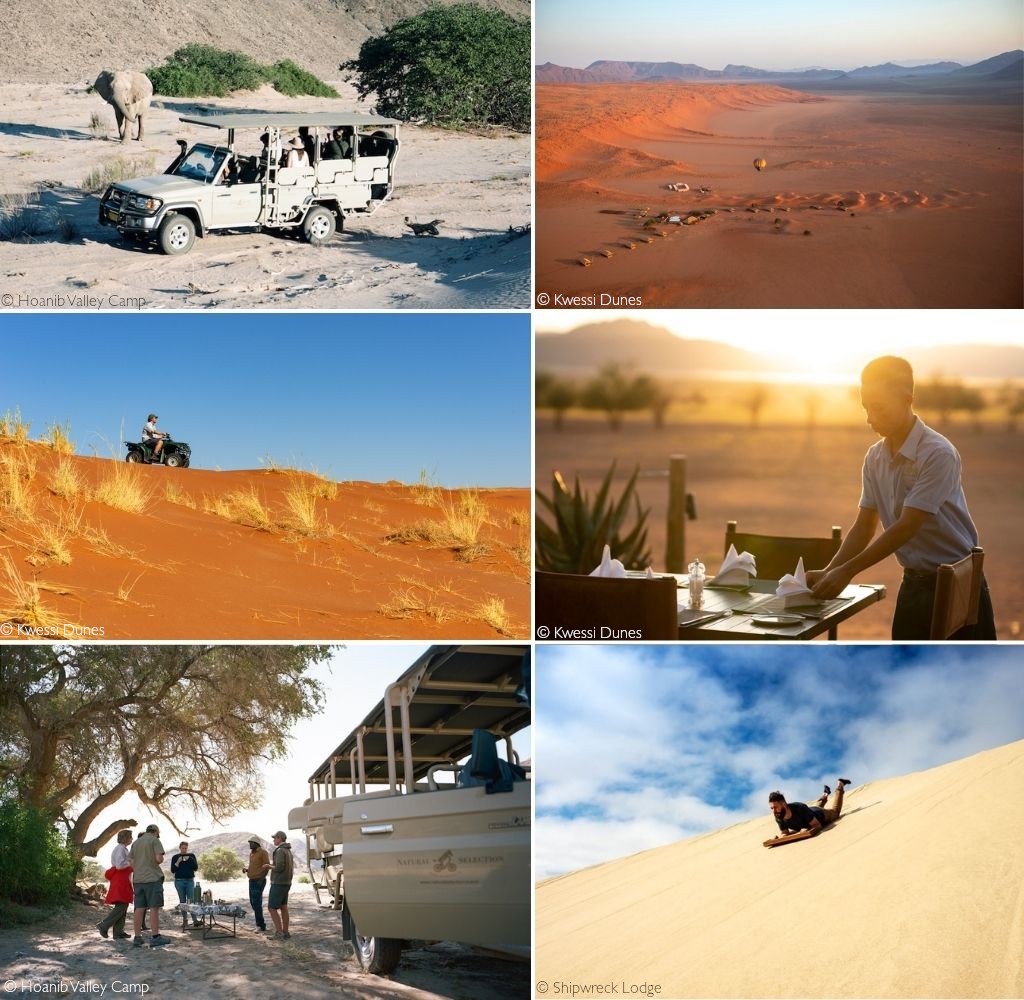
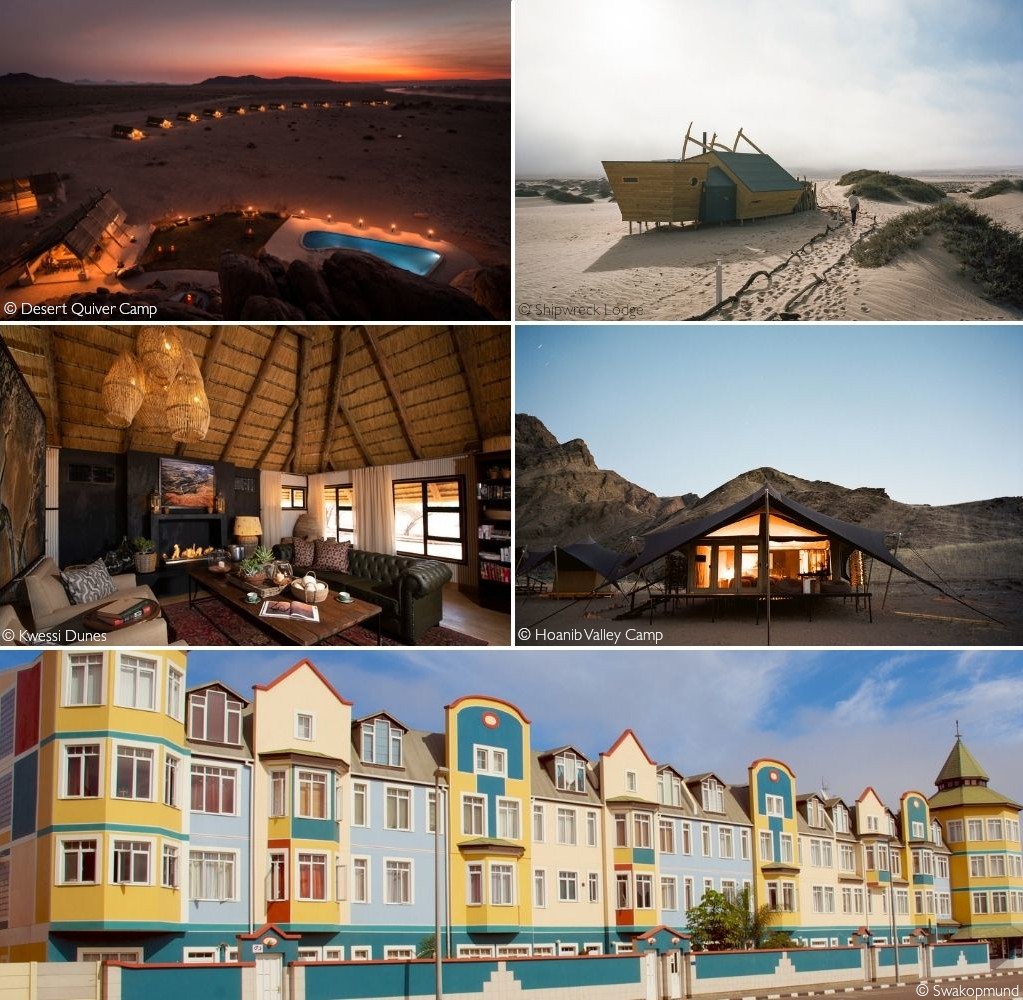
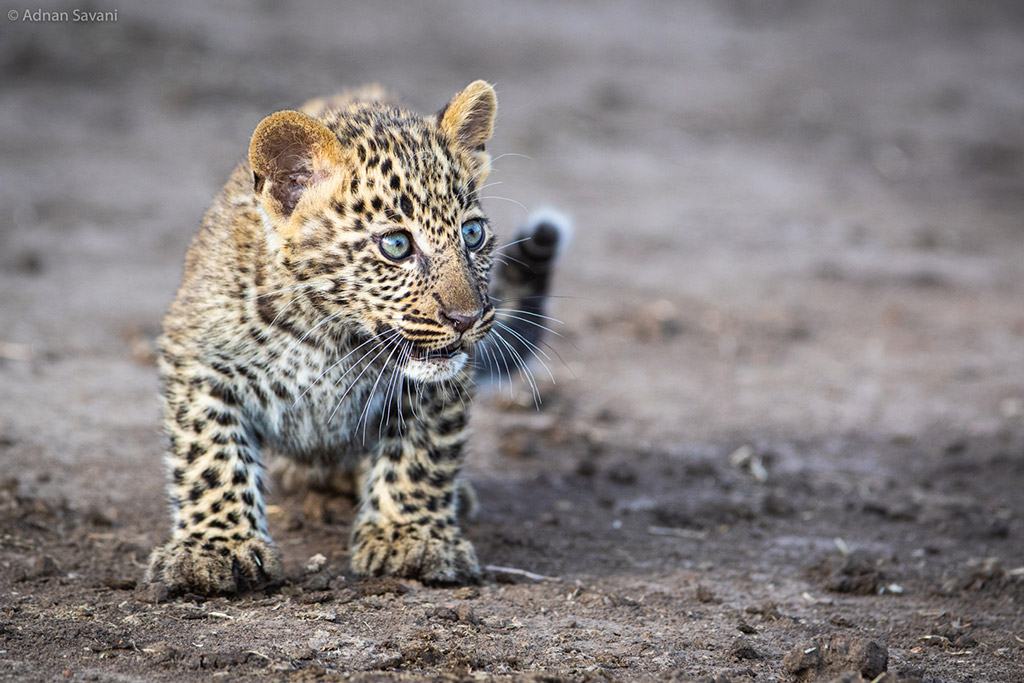
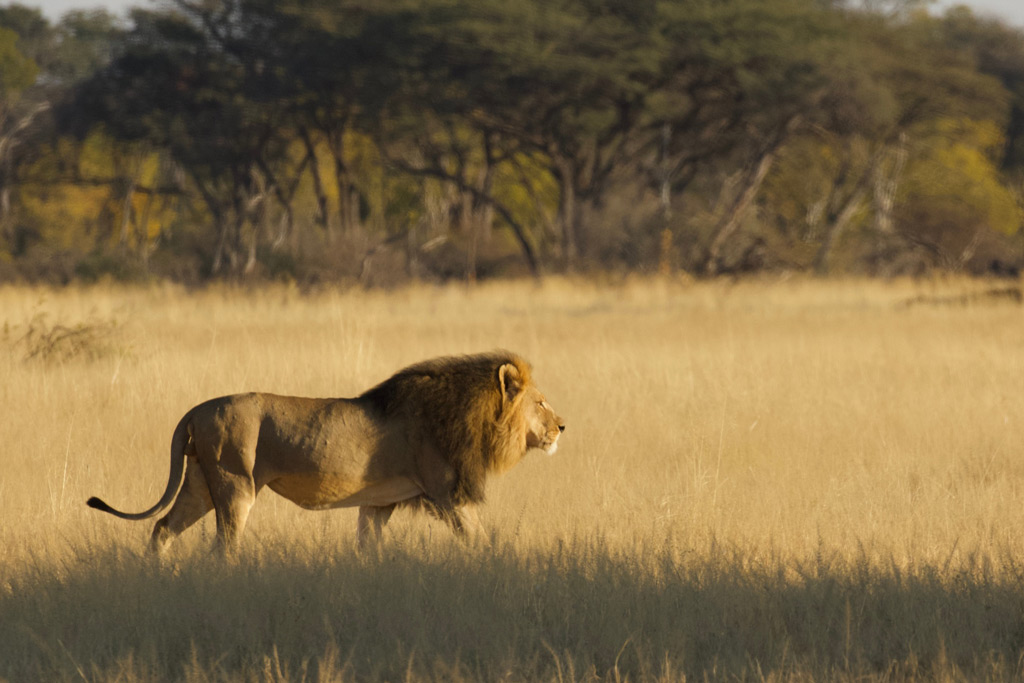
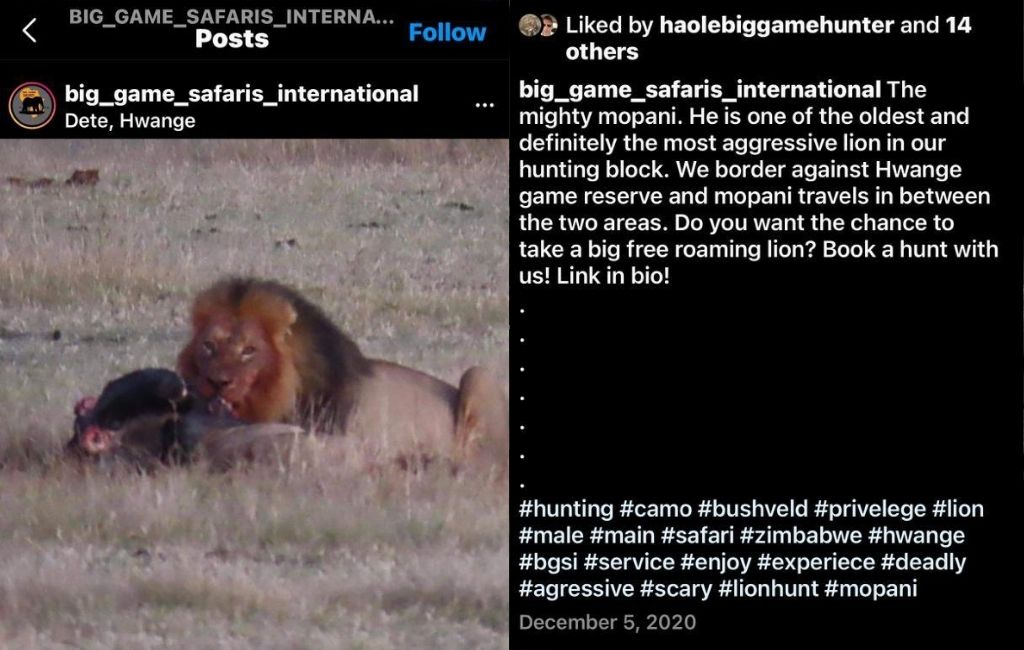
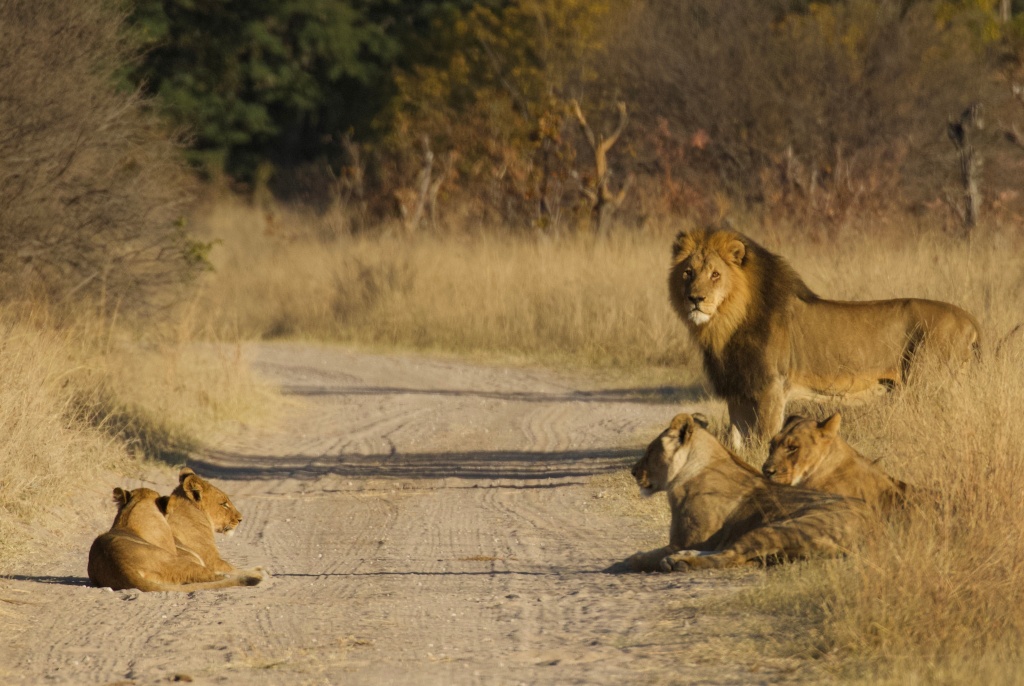
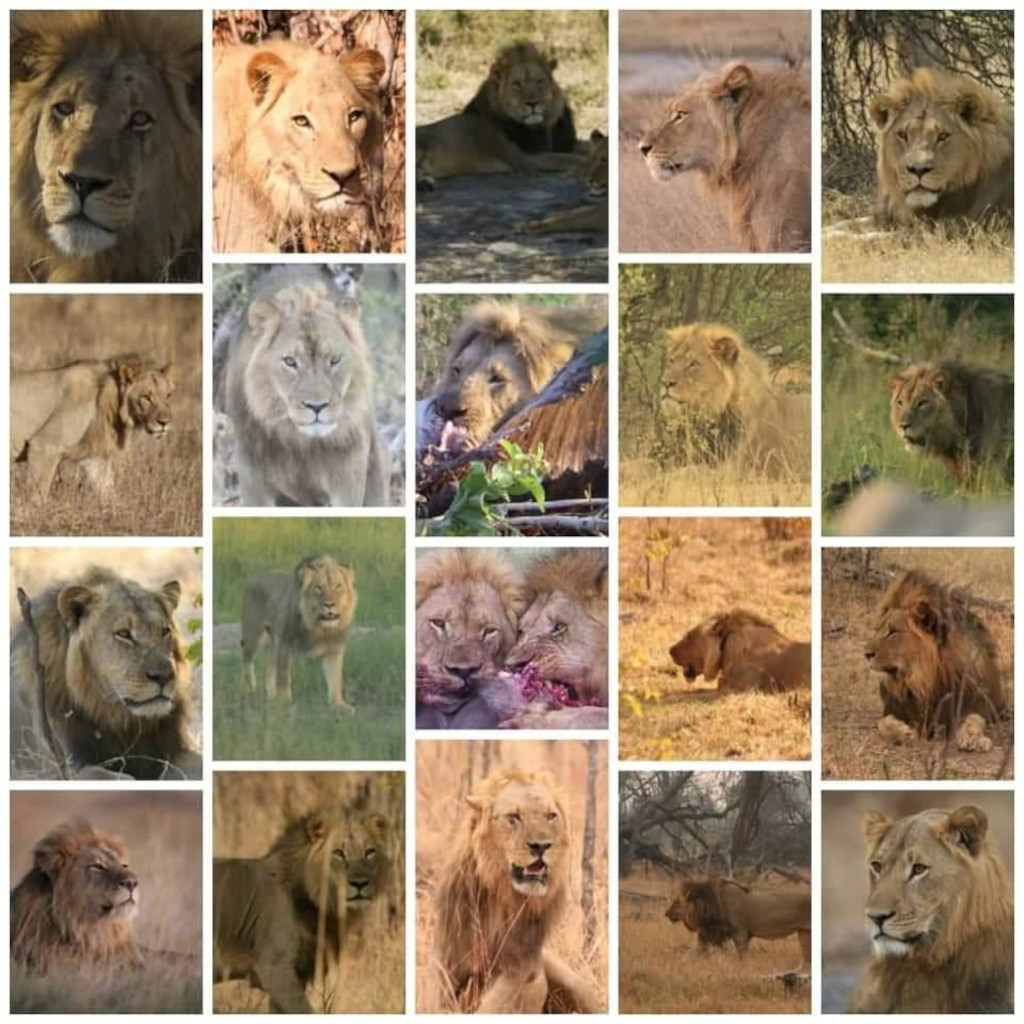
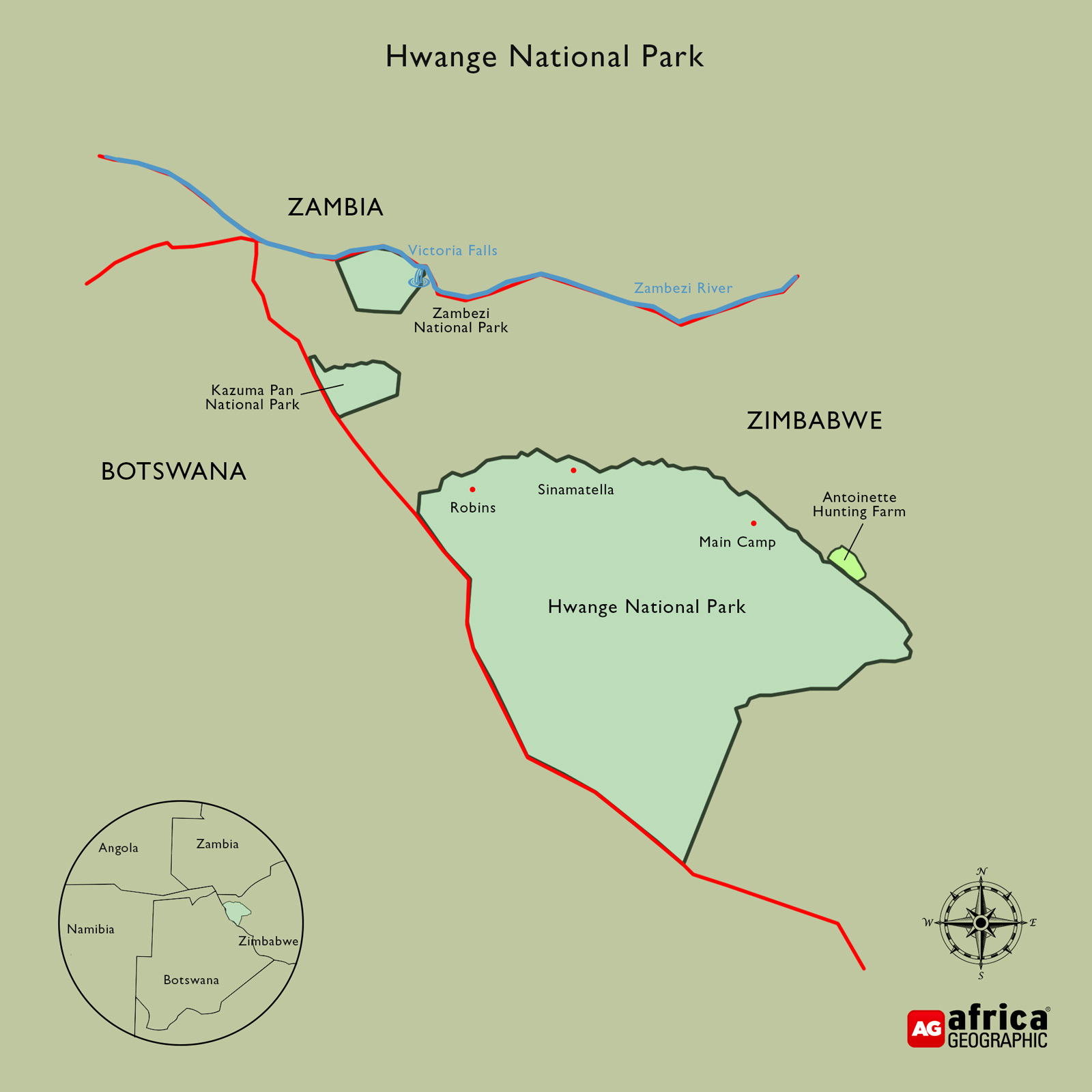
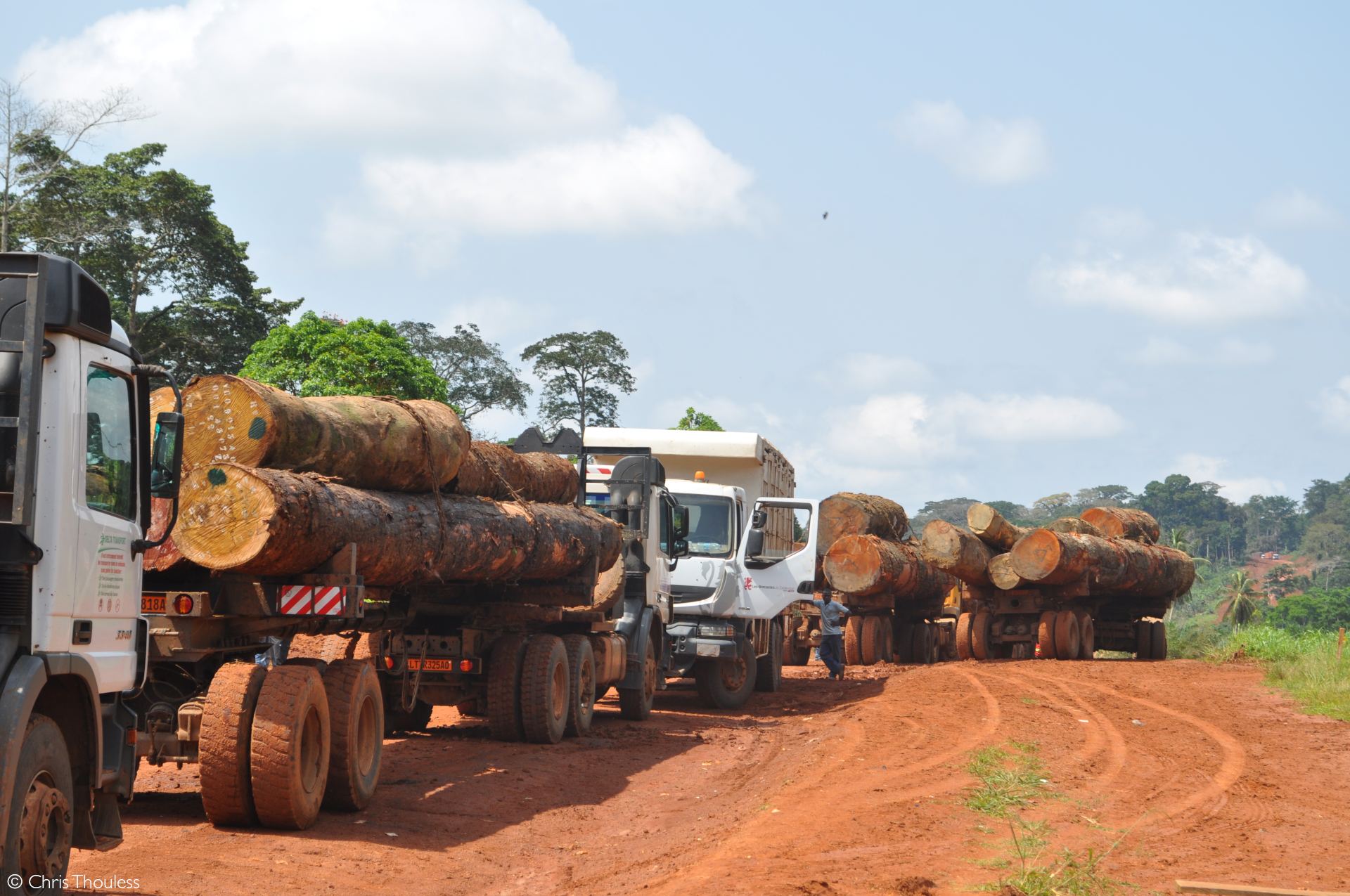
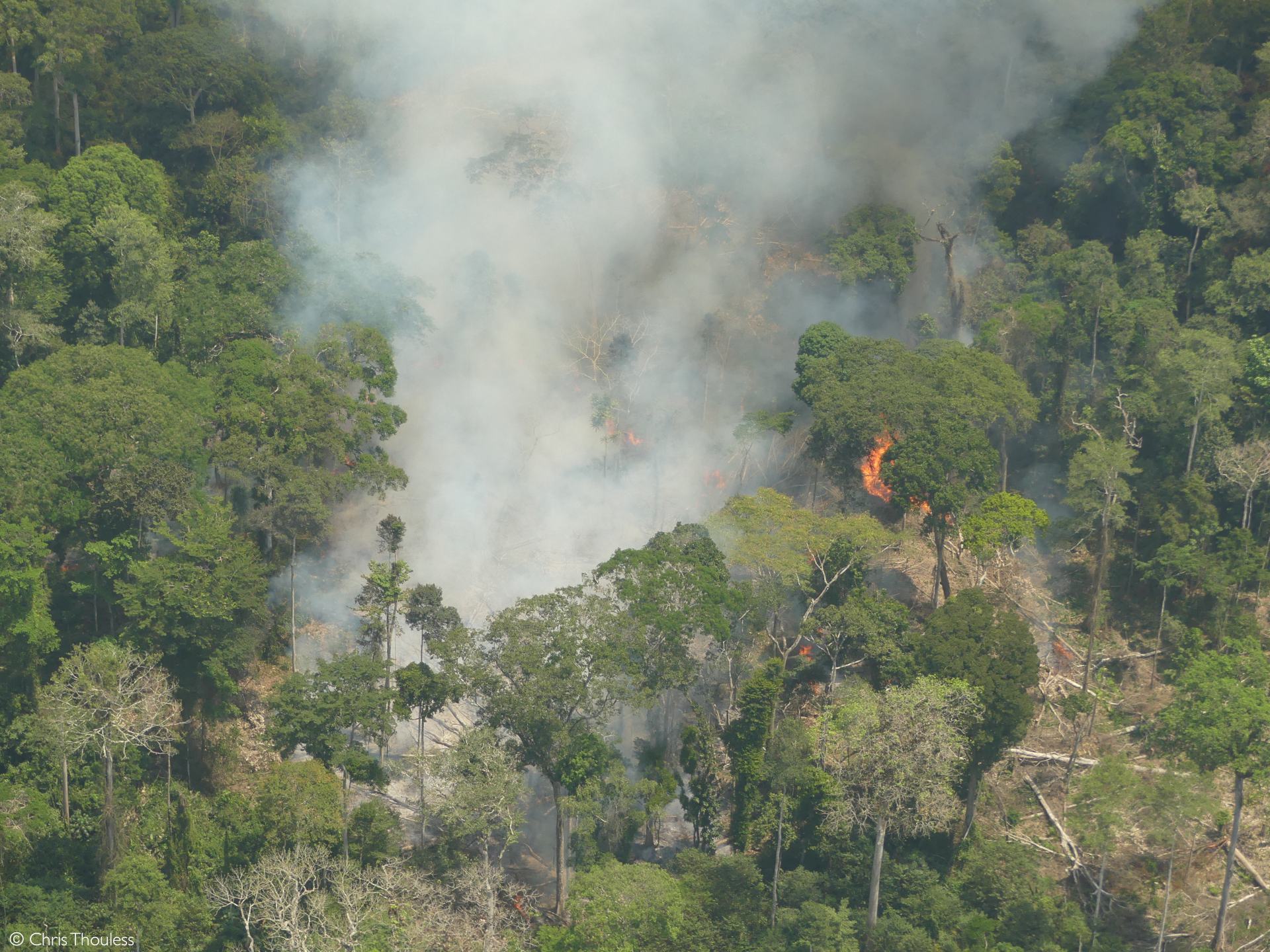
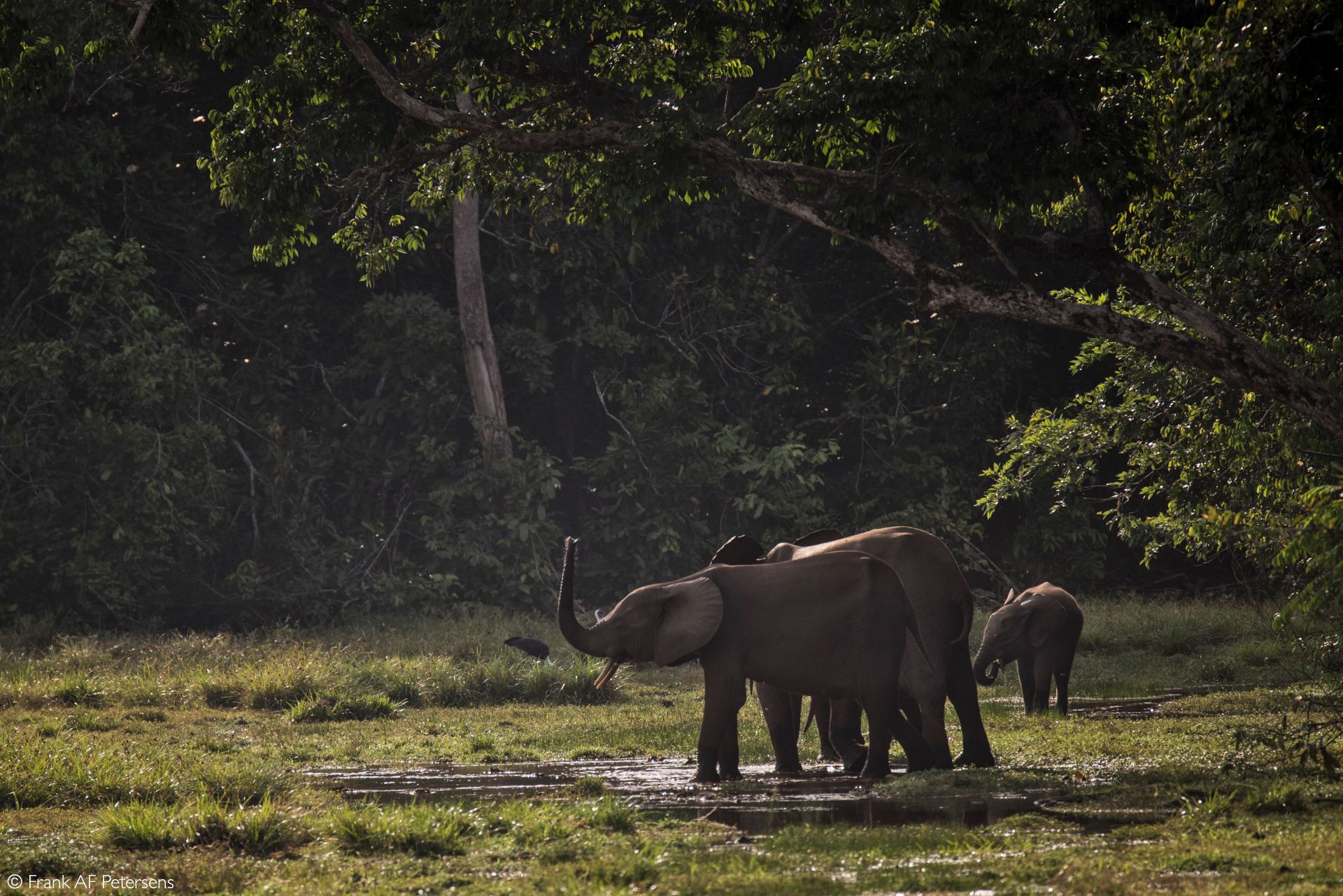
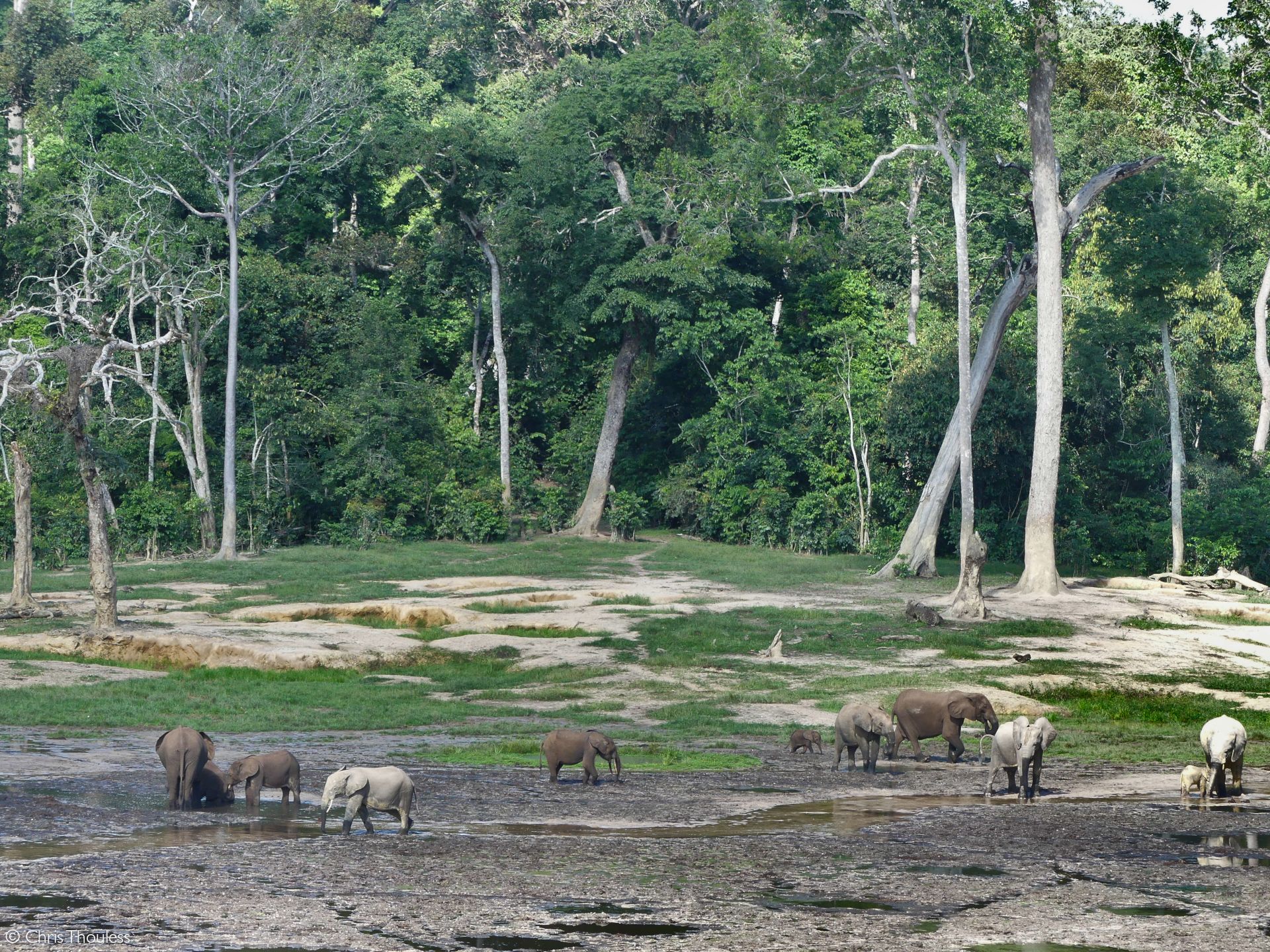
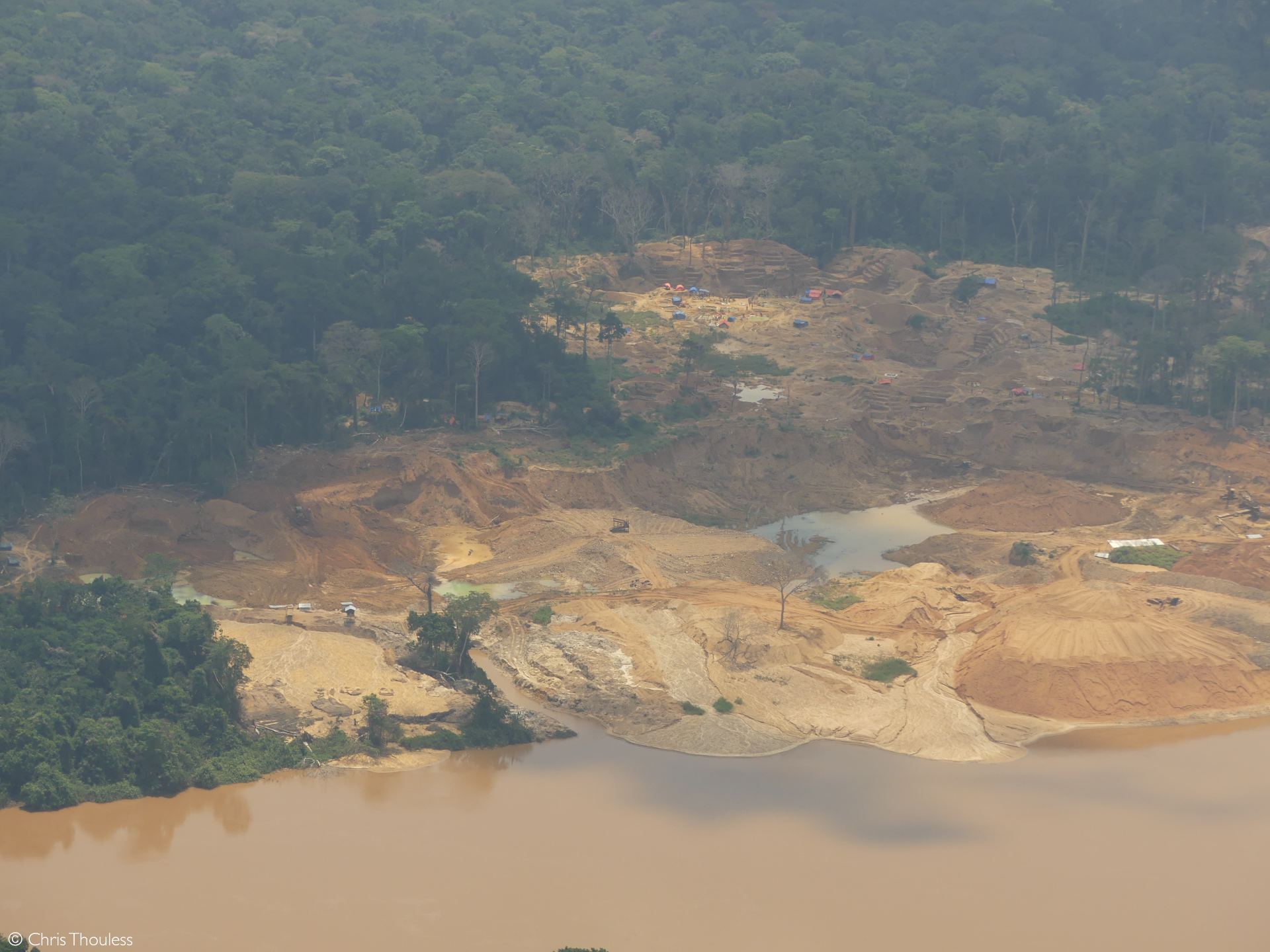
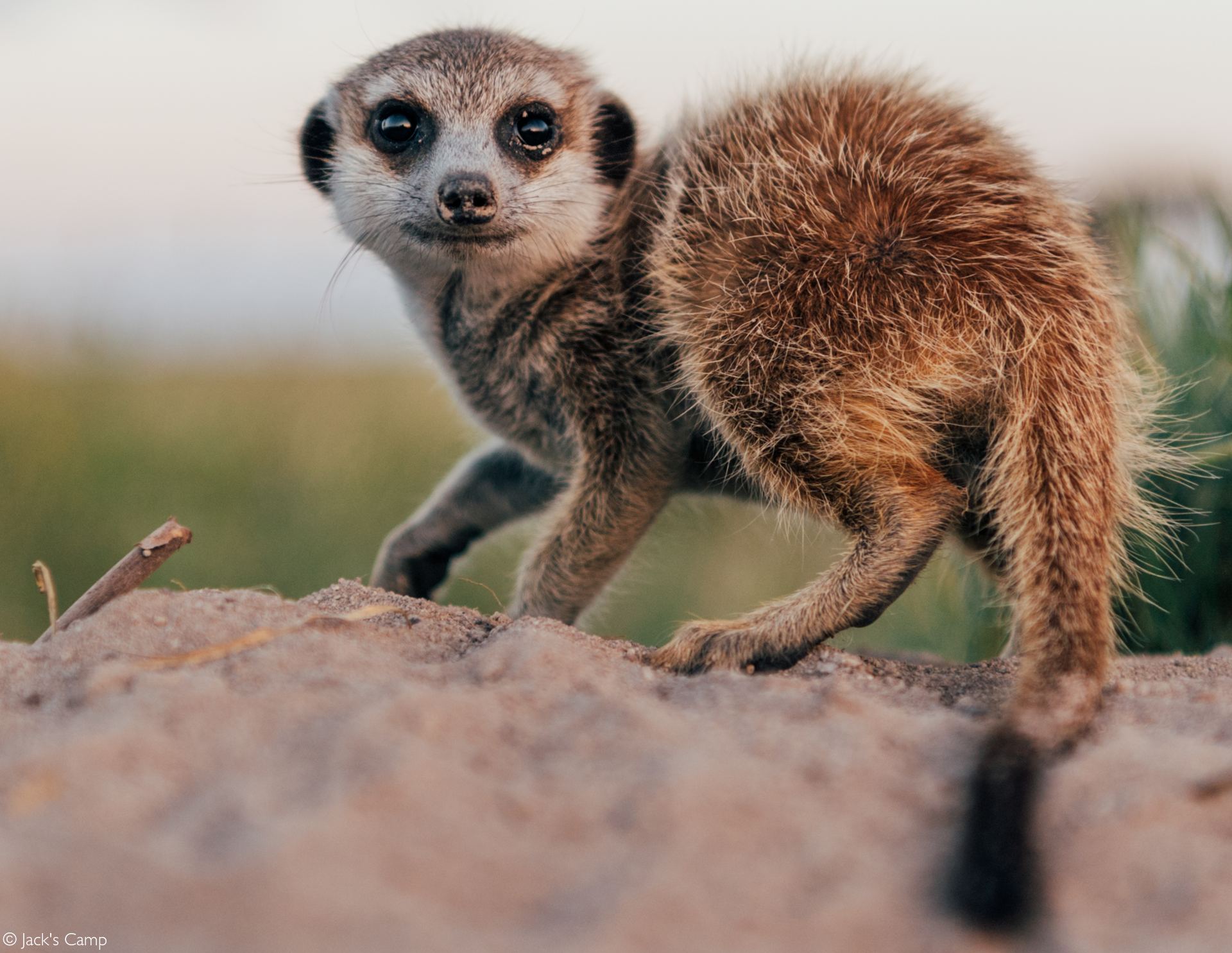
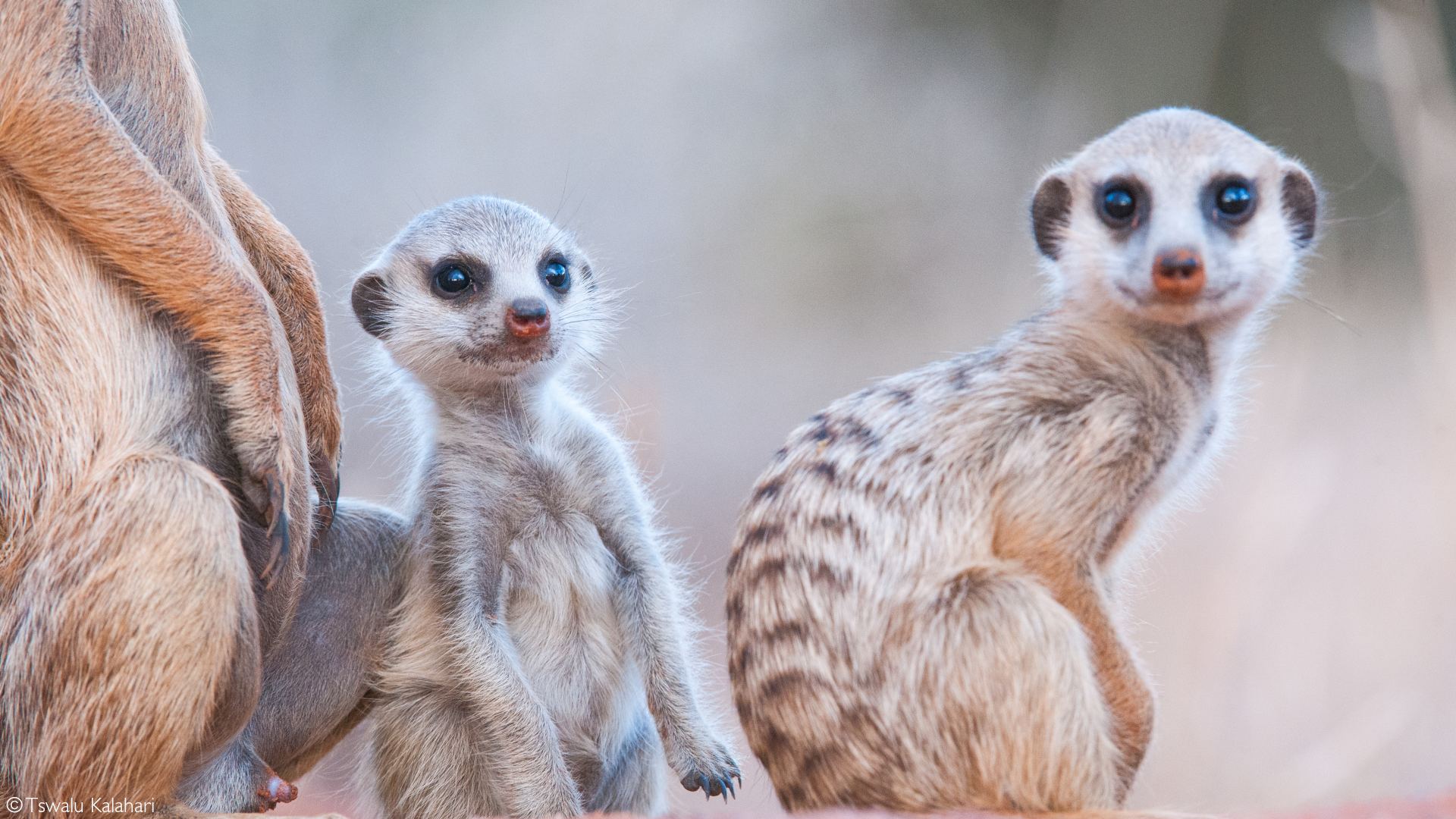
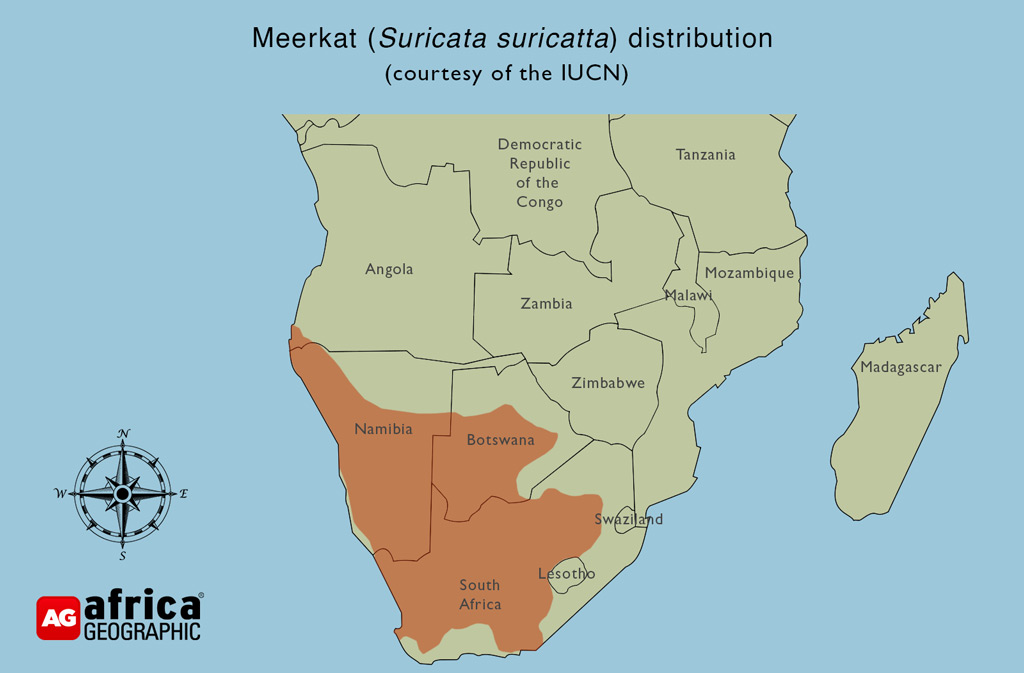
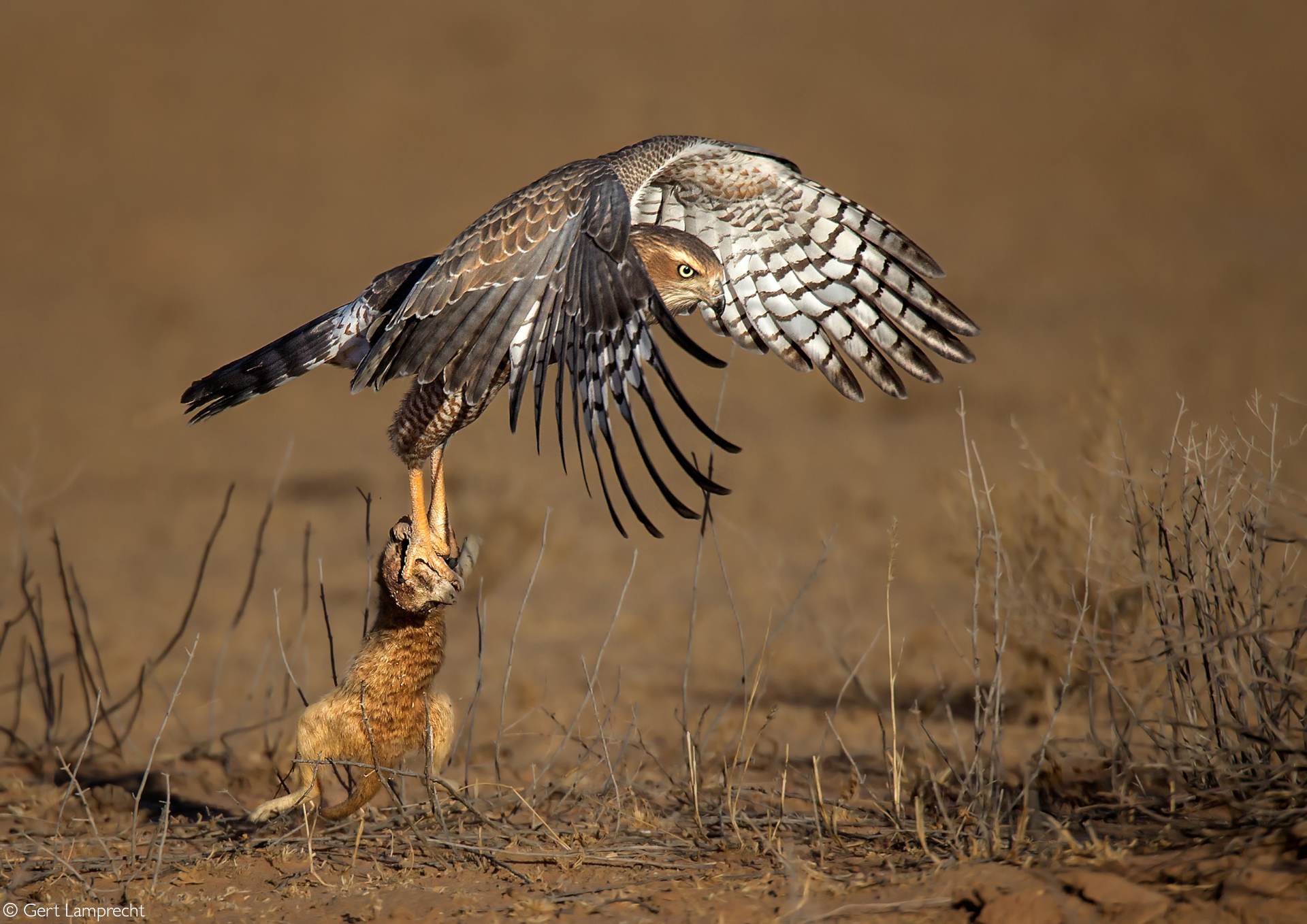
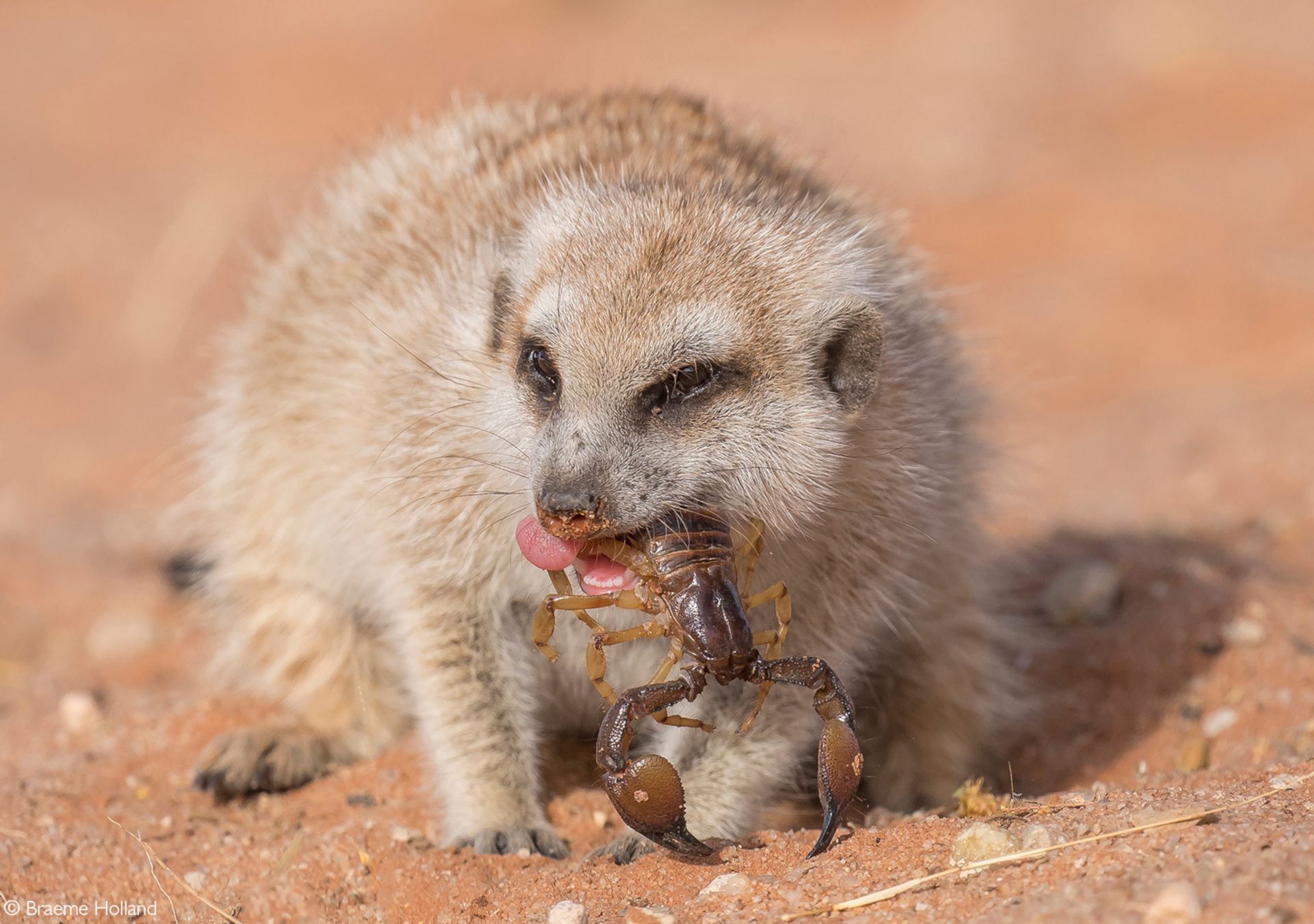
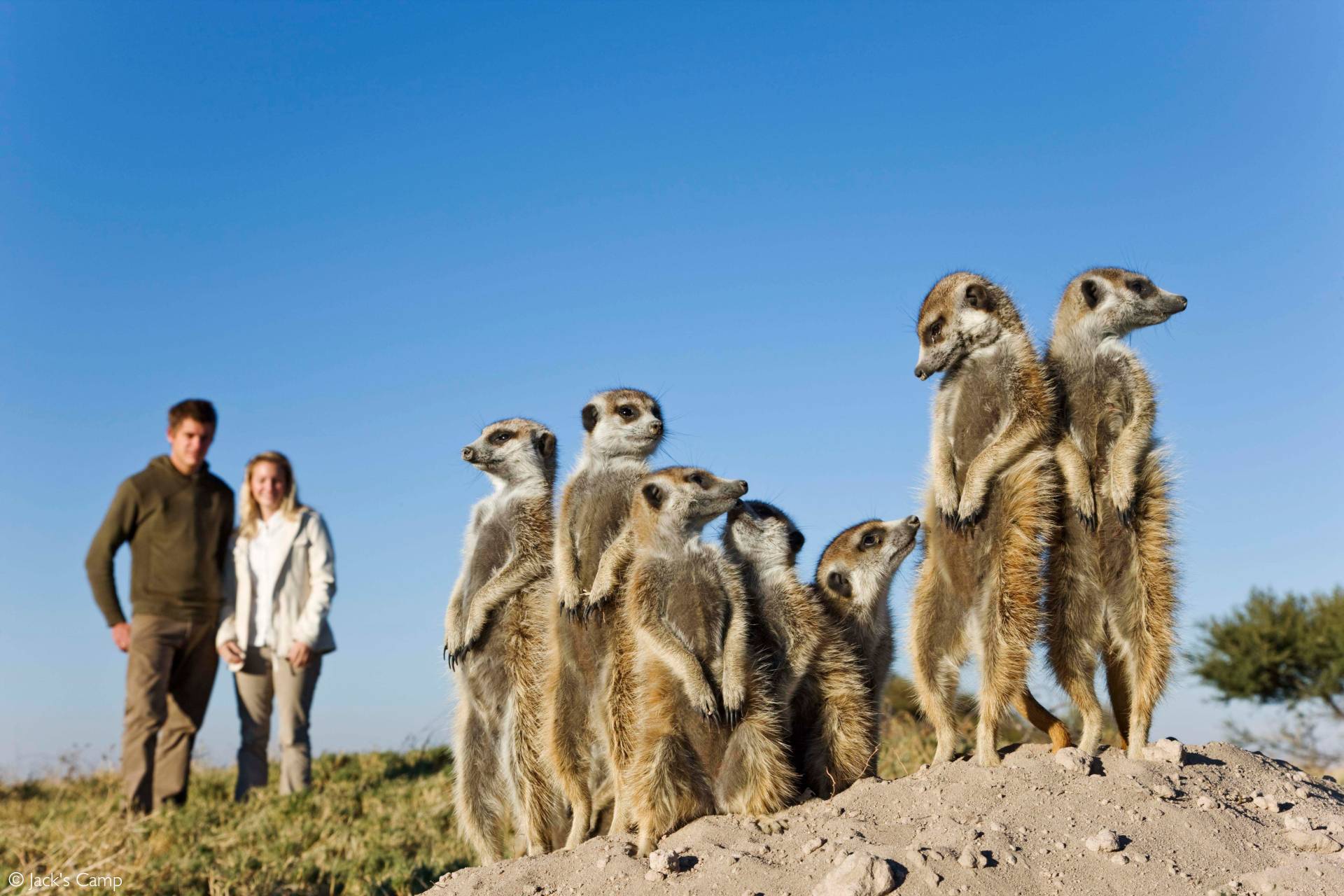
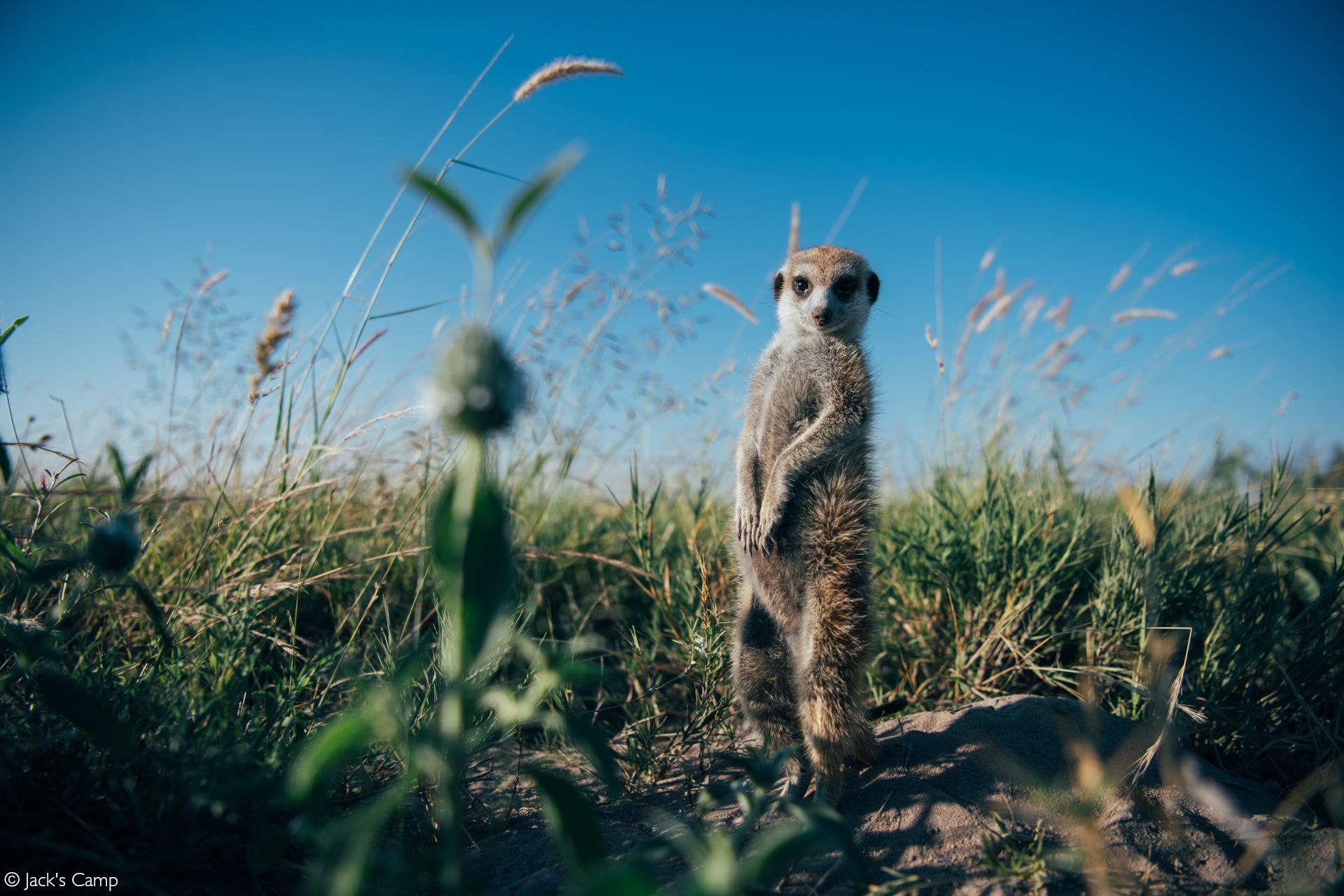
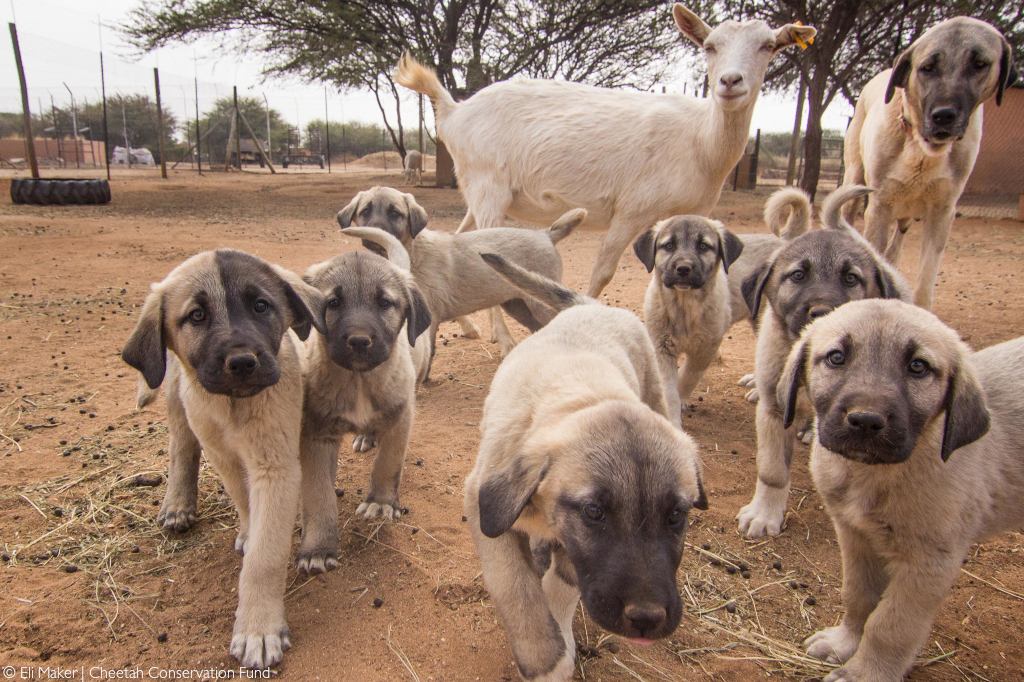
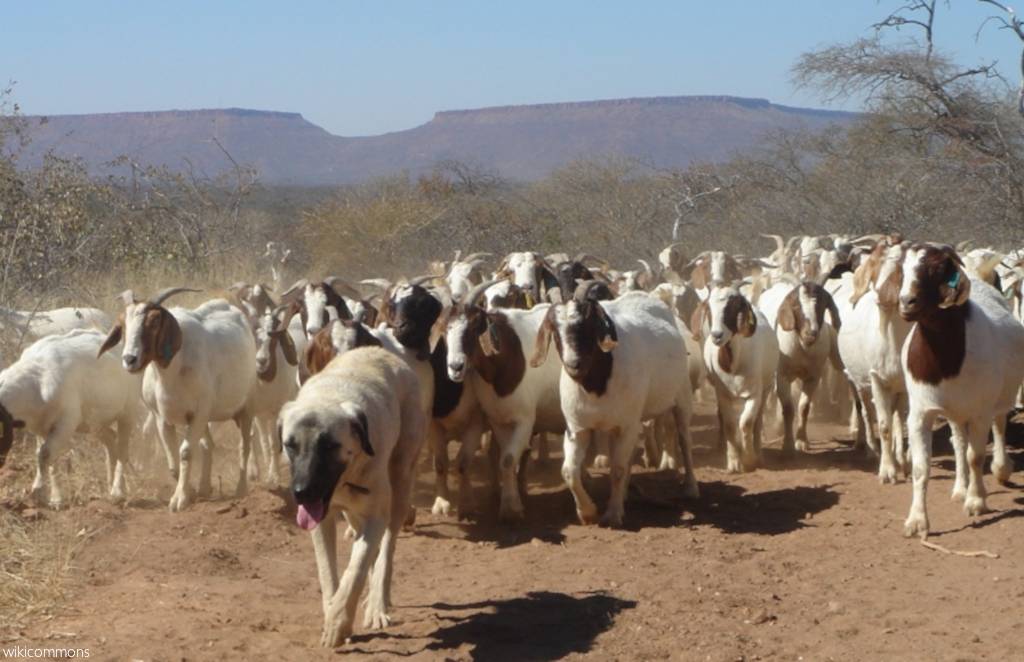
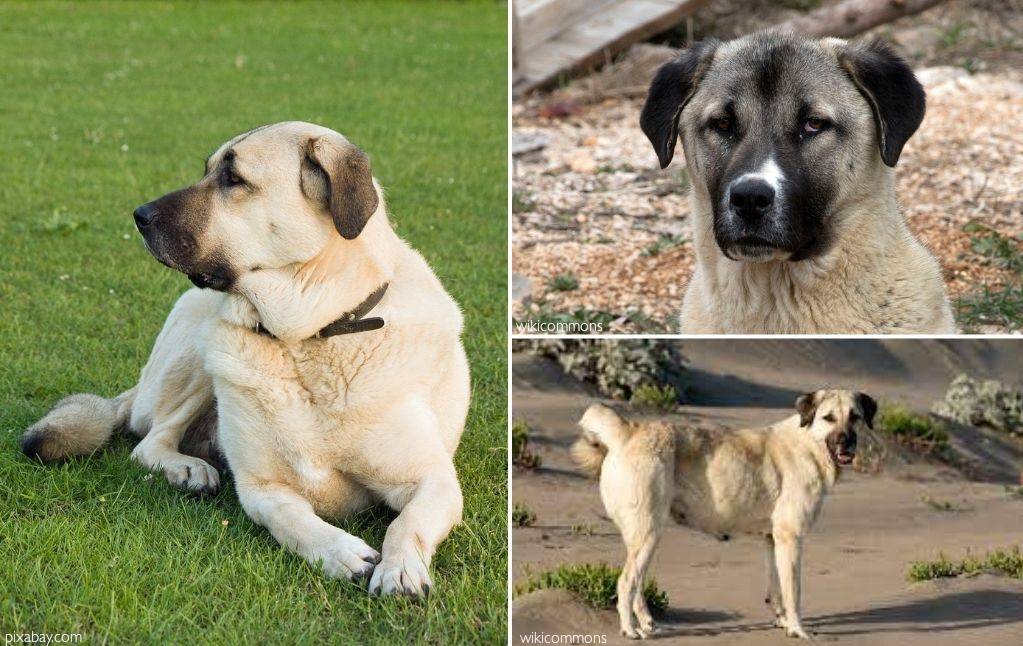

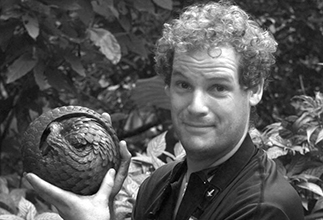




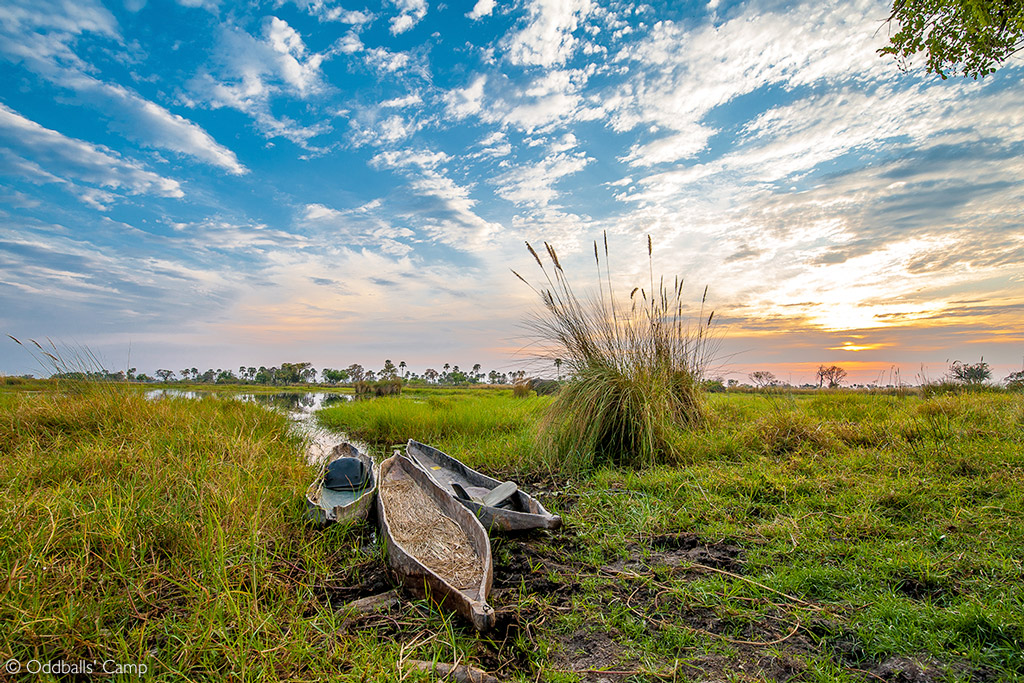
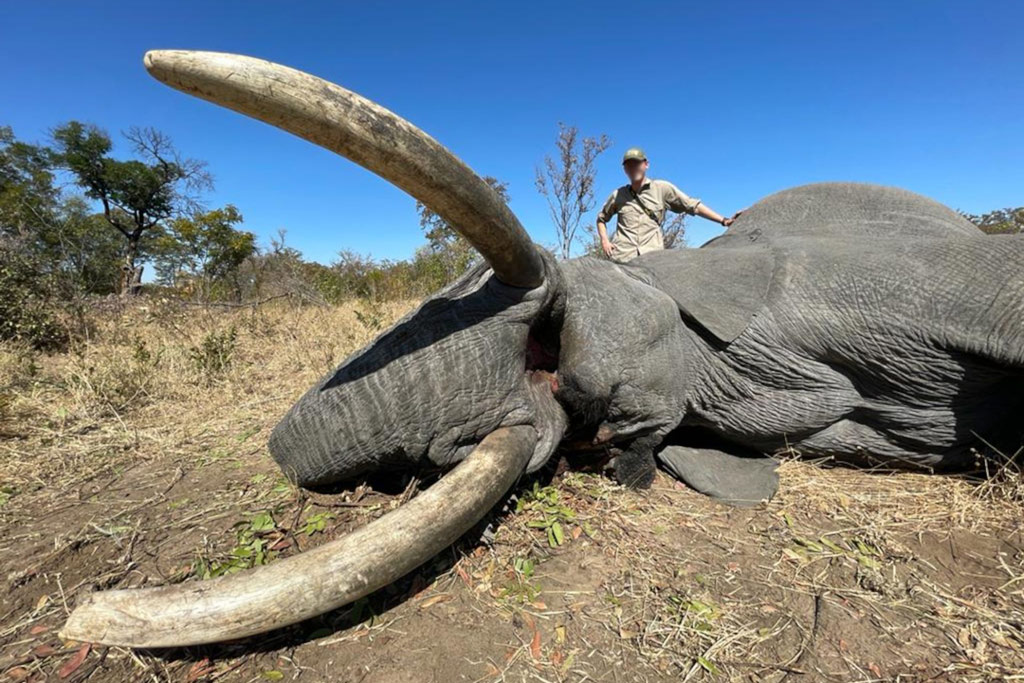
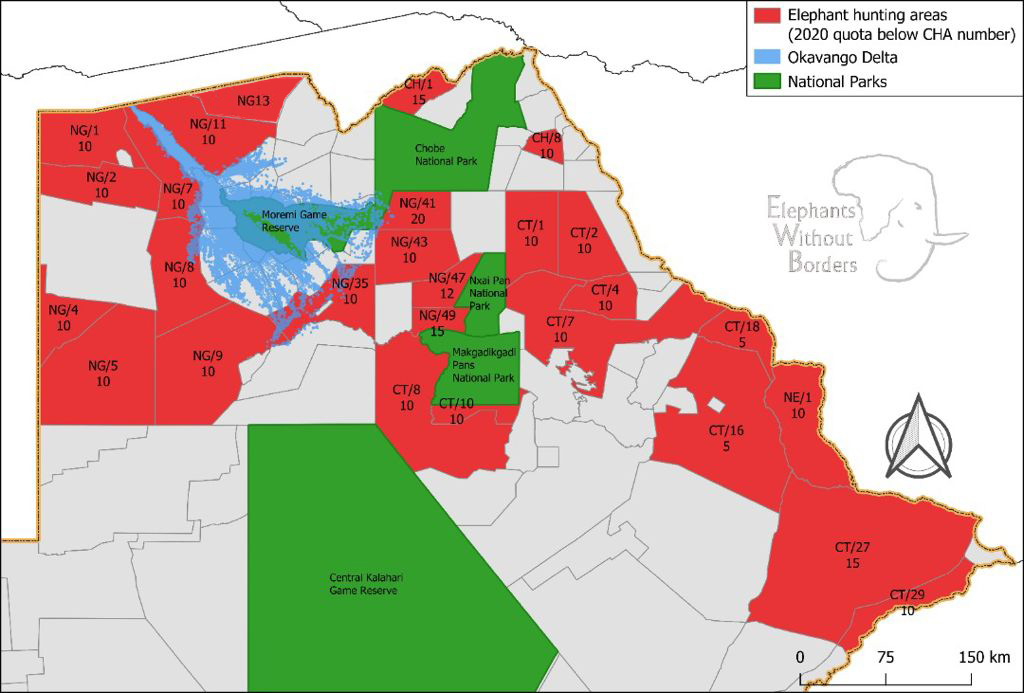
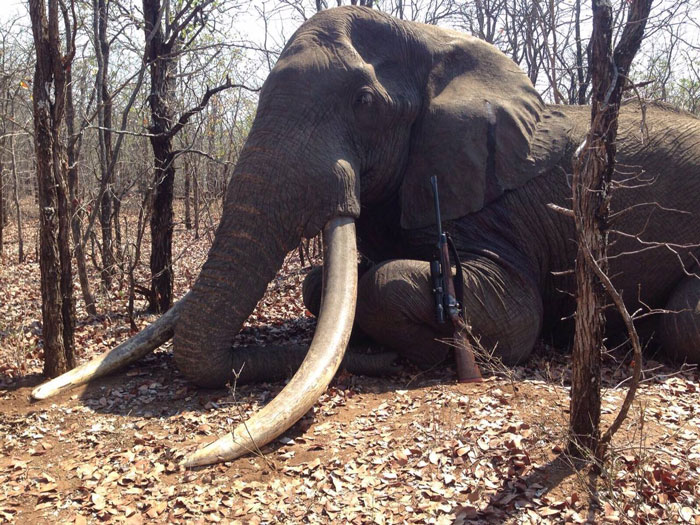
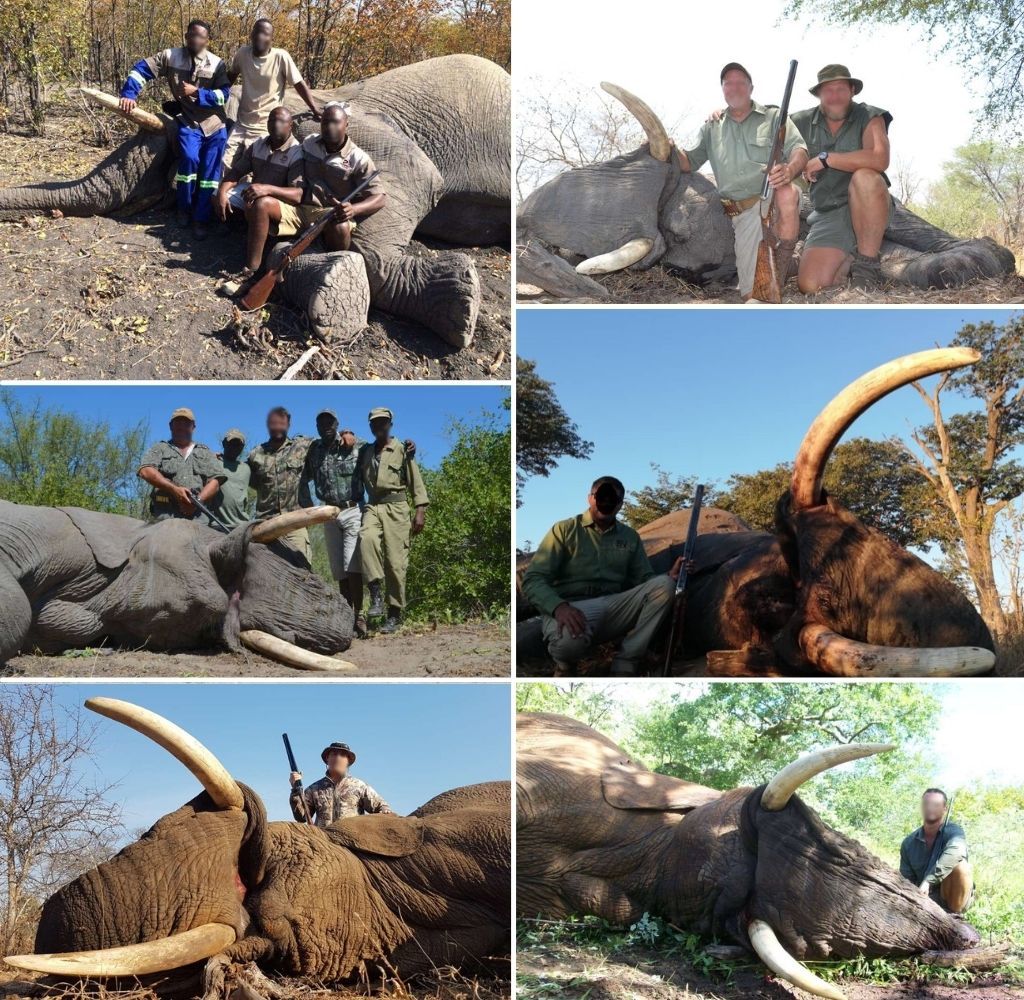
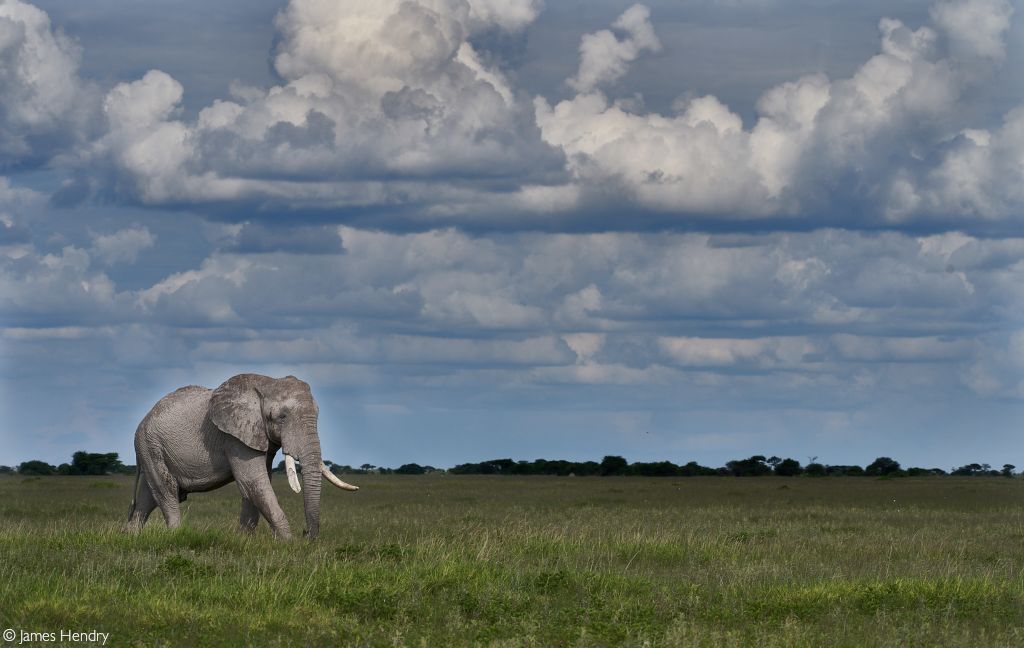
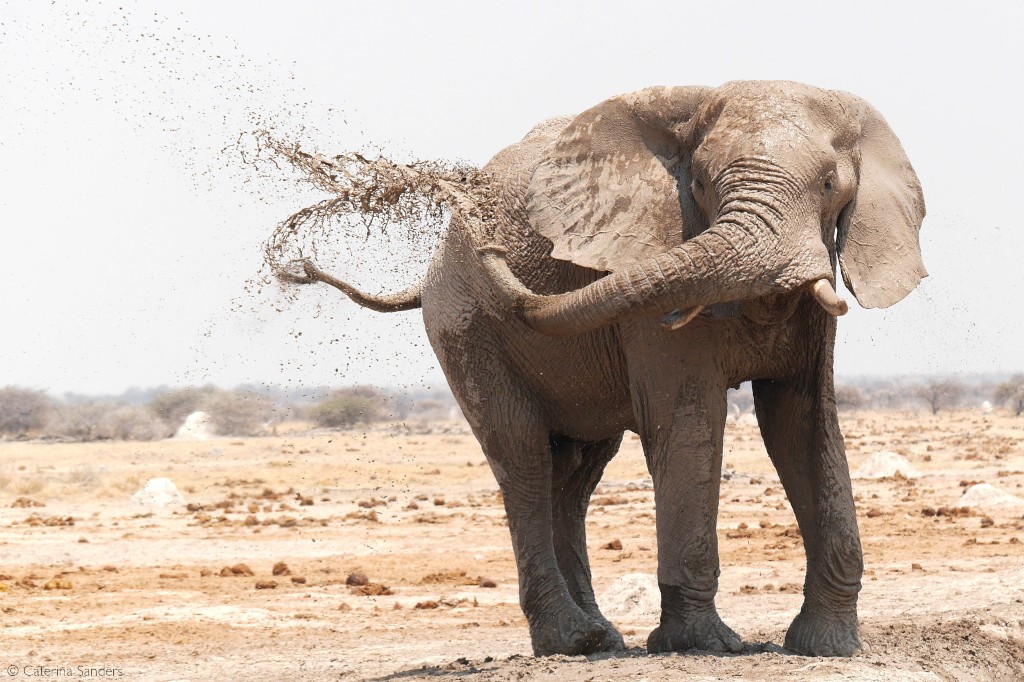
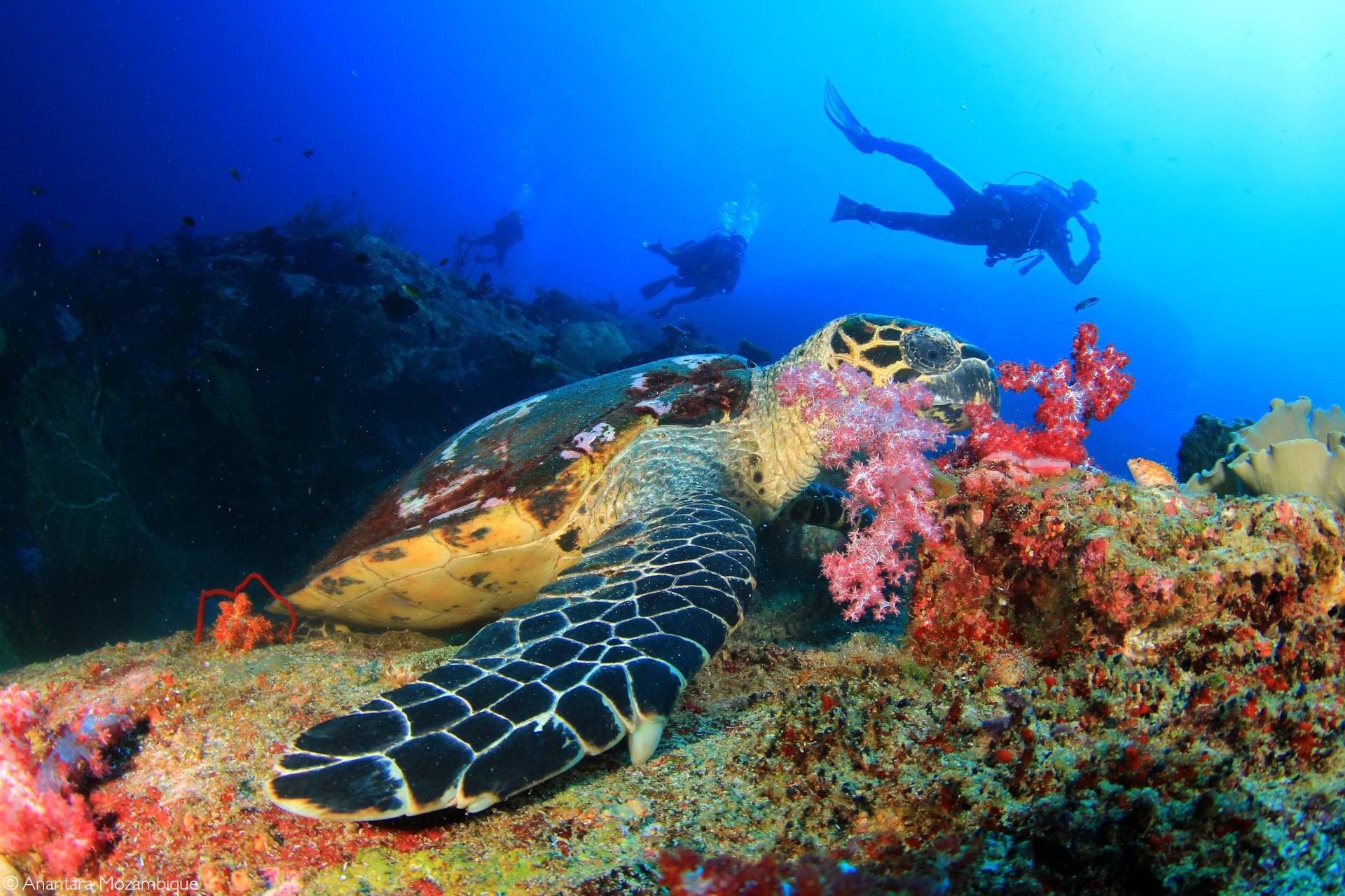
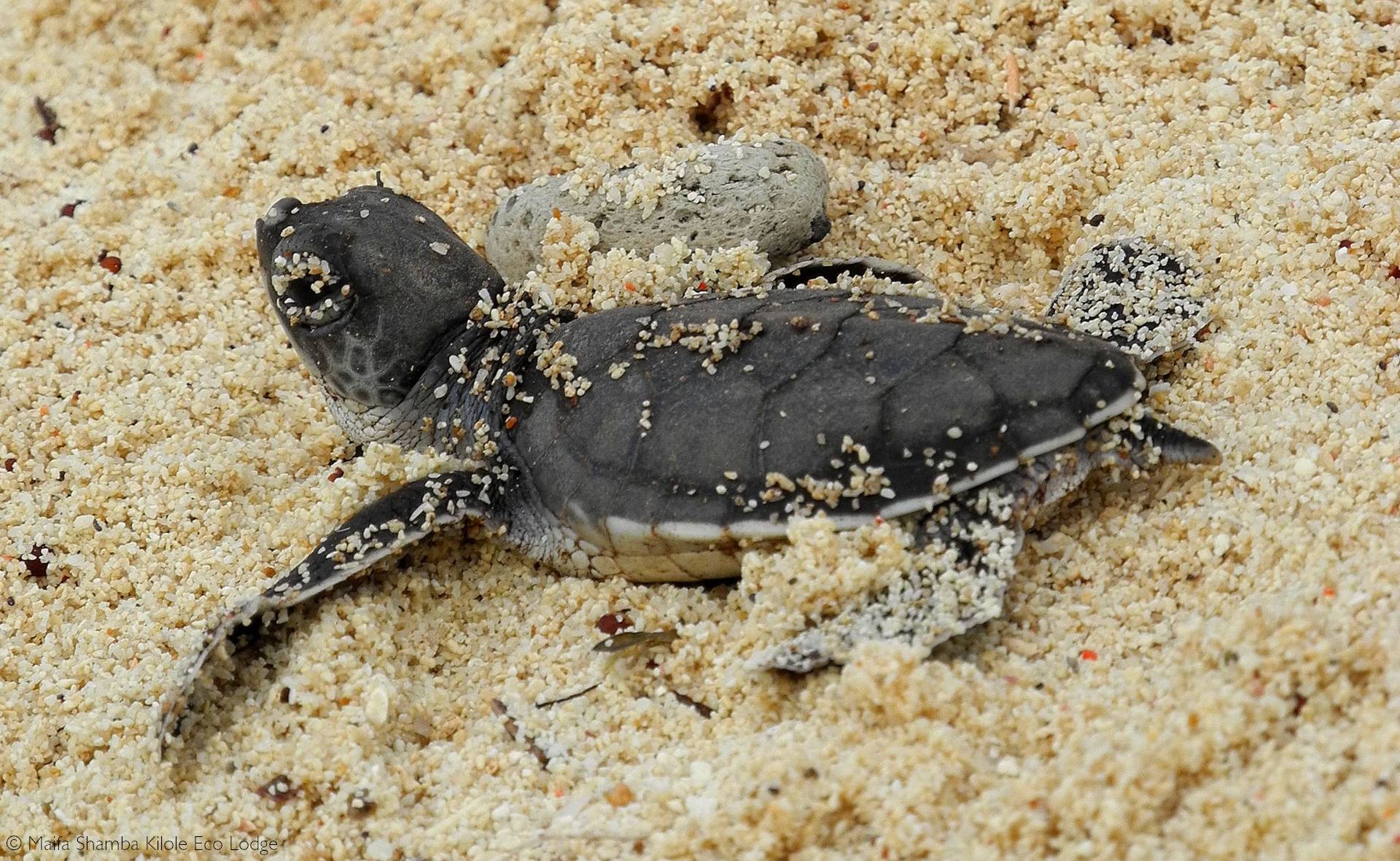
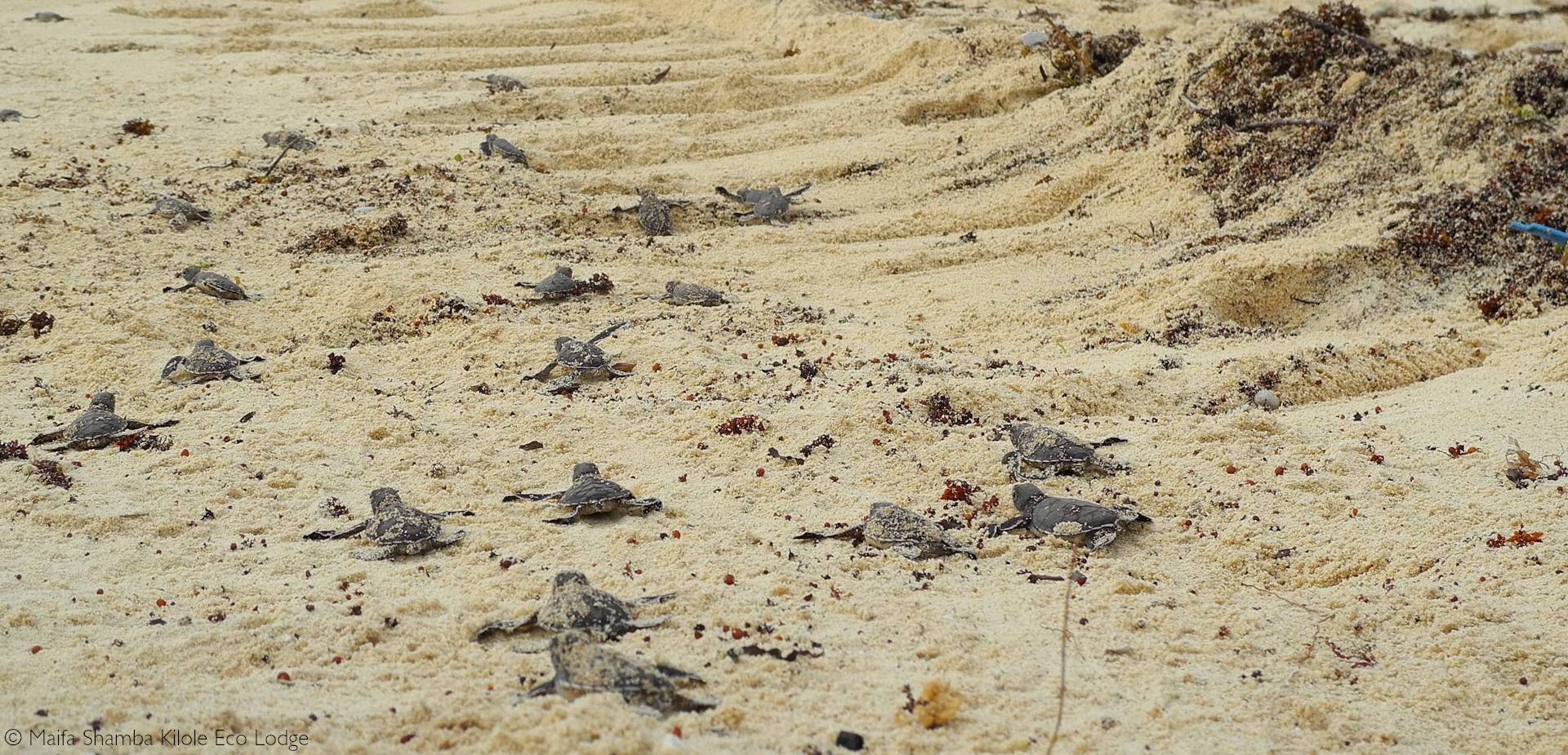
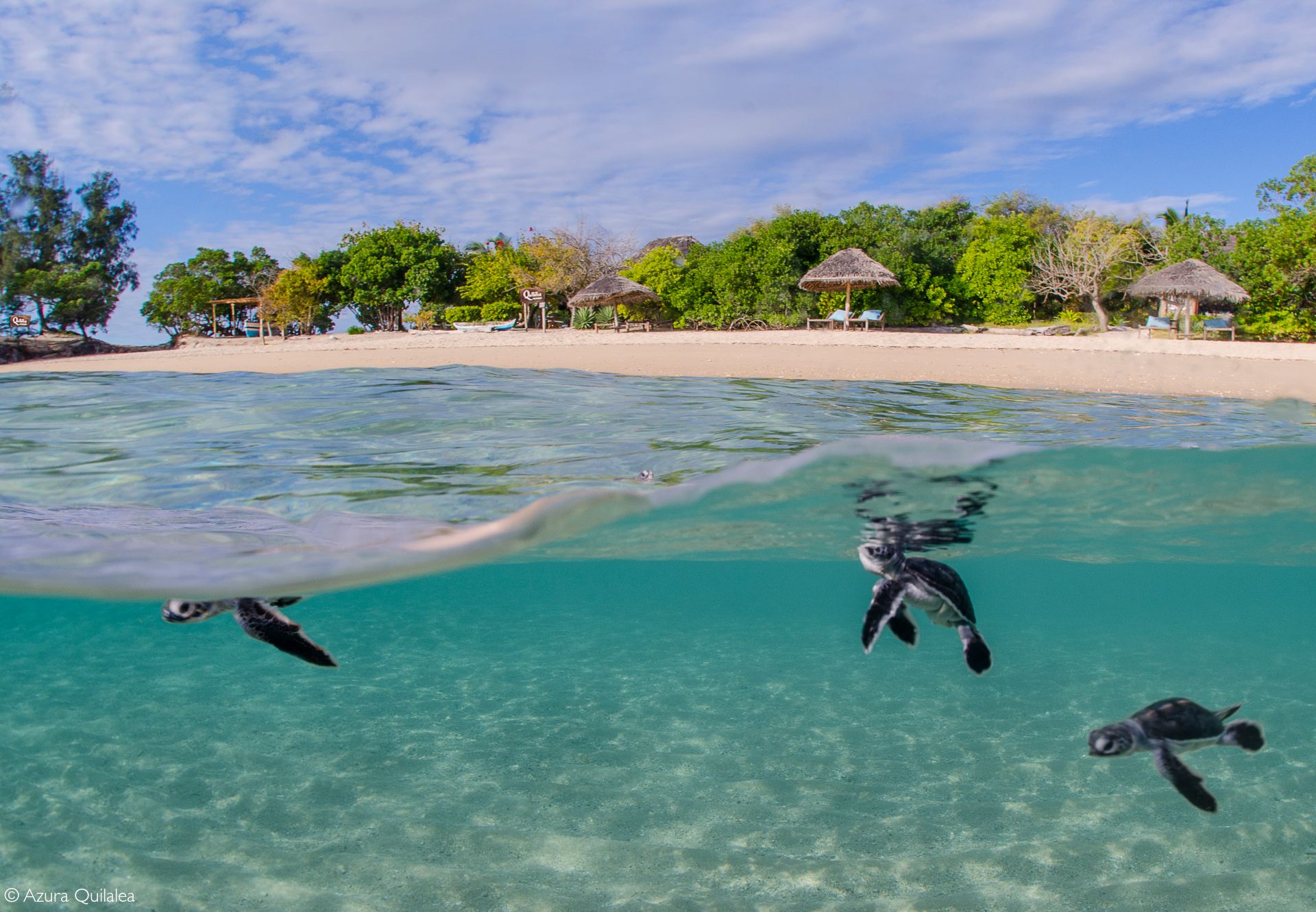
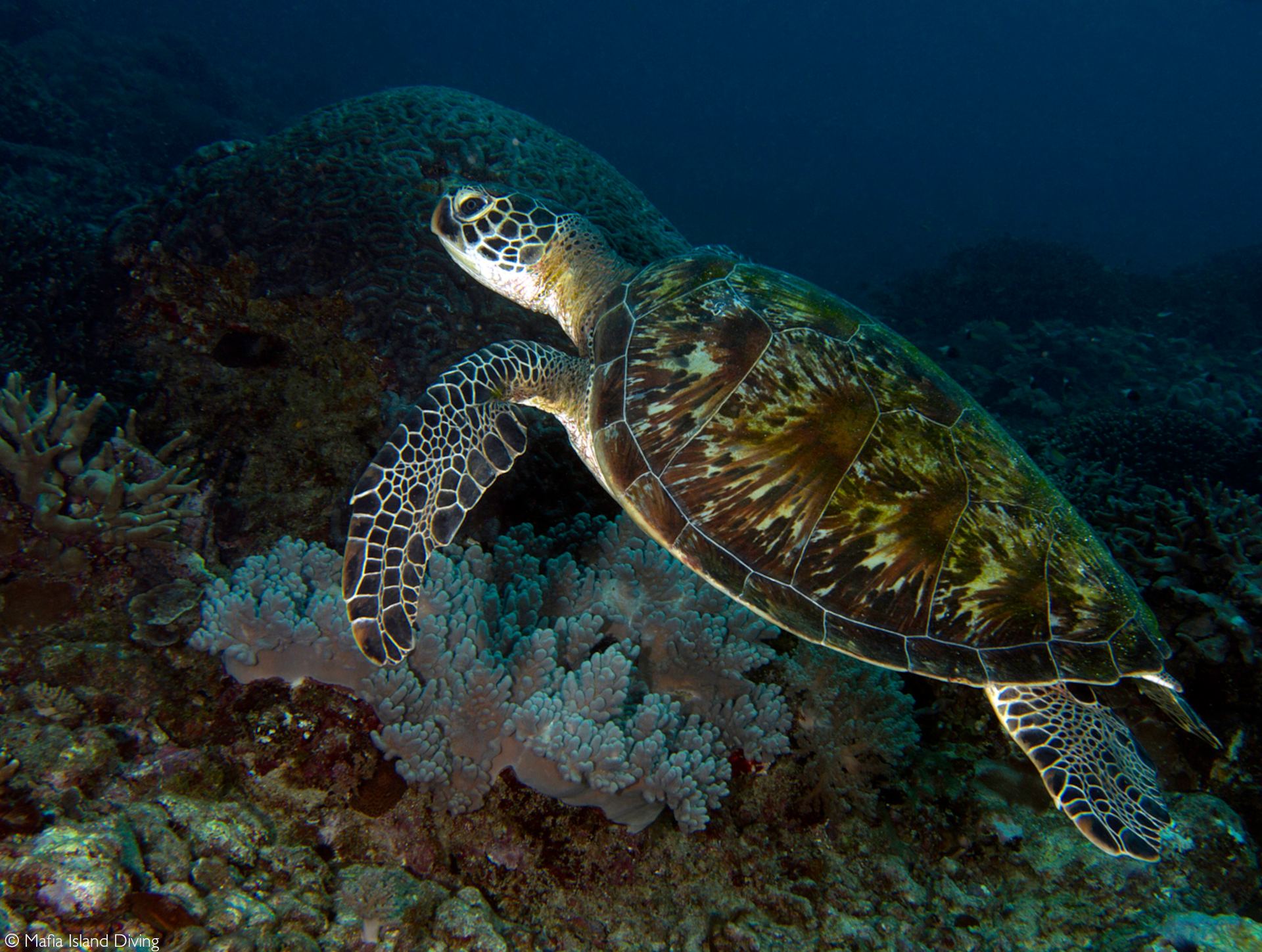
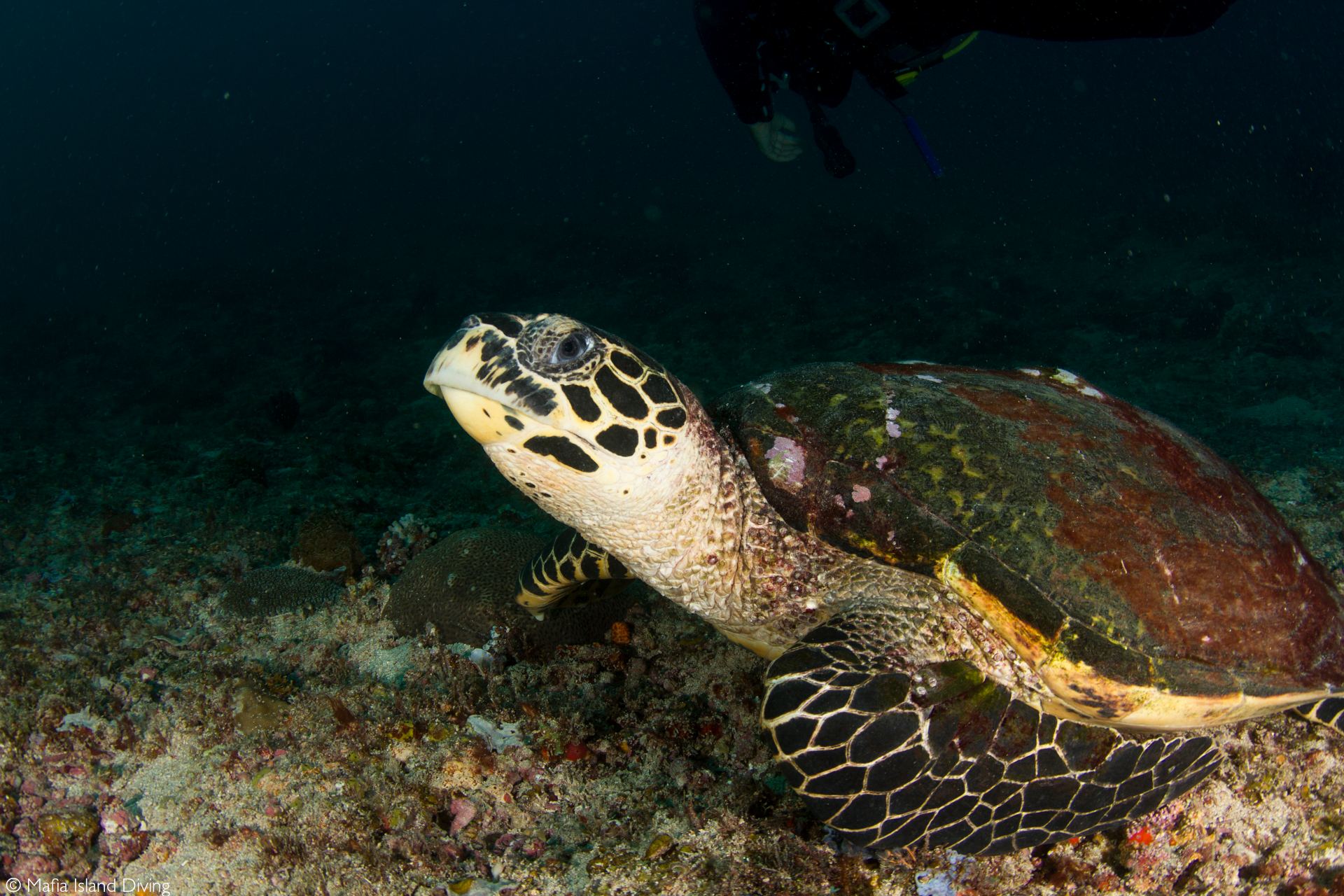
 Travel writer, mountain guide and mother, Sarah Kingdom was born and brought up in Sydney, Australia. Coming to Africa at 21, she fell in love with the continent and stayed. Sarah guides on Kilimanjaro several times a year, and has lost count of how many times she has stood on the roof of Africa. She has climbed and guided throughout the Himalayas and now spends most of her time visiting remote places in Africa. When she is not travelling, she runs a cattle ranch in Zambia with her husband.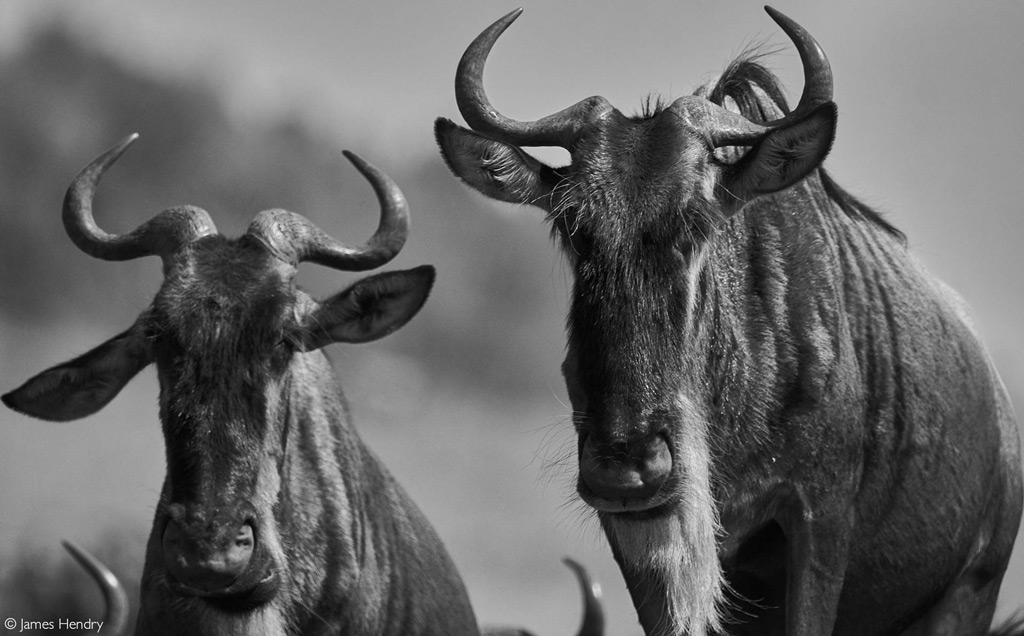
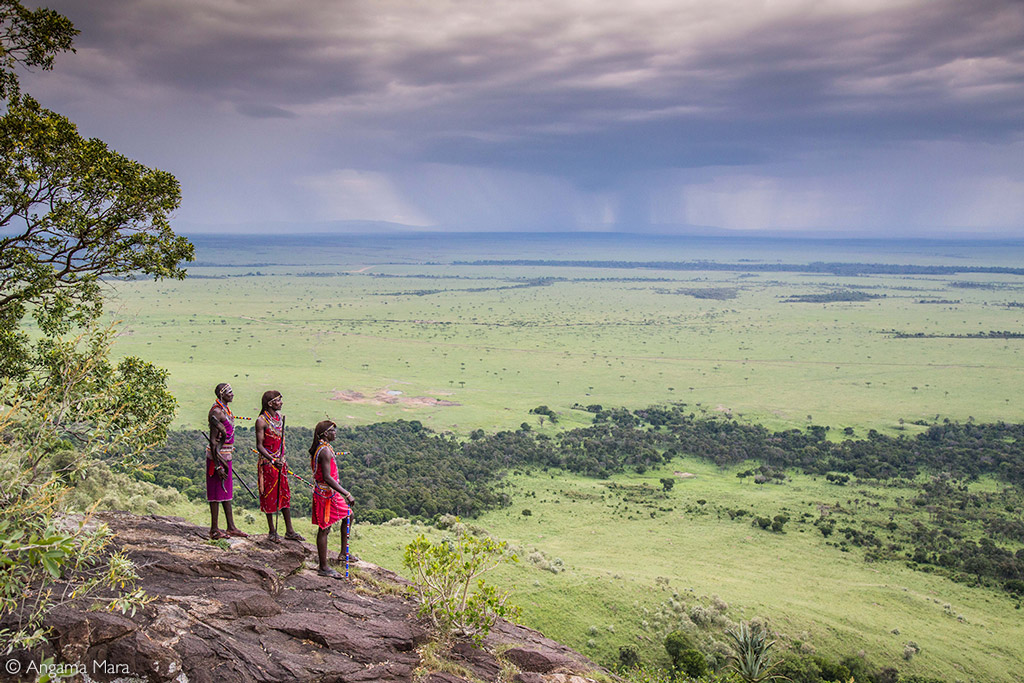
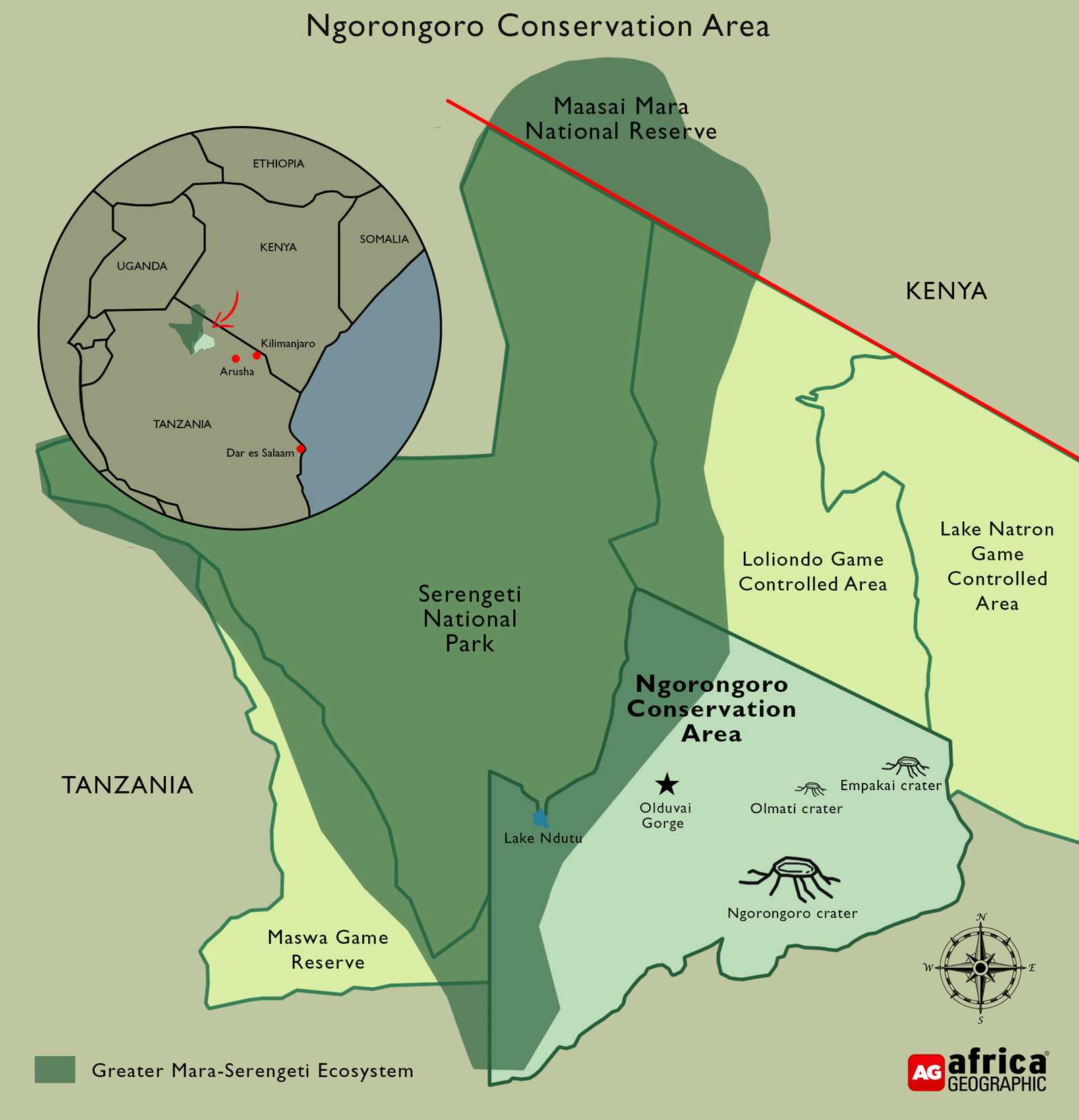
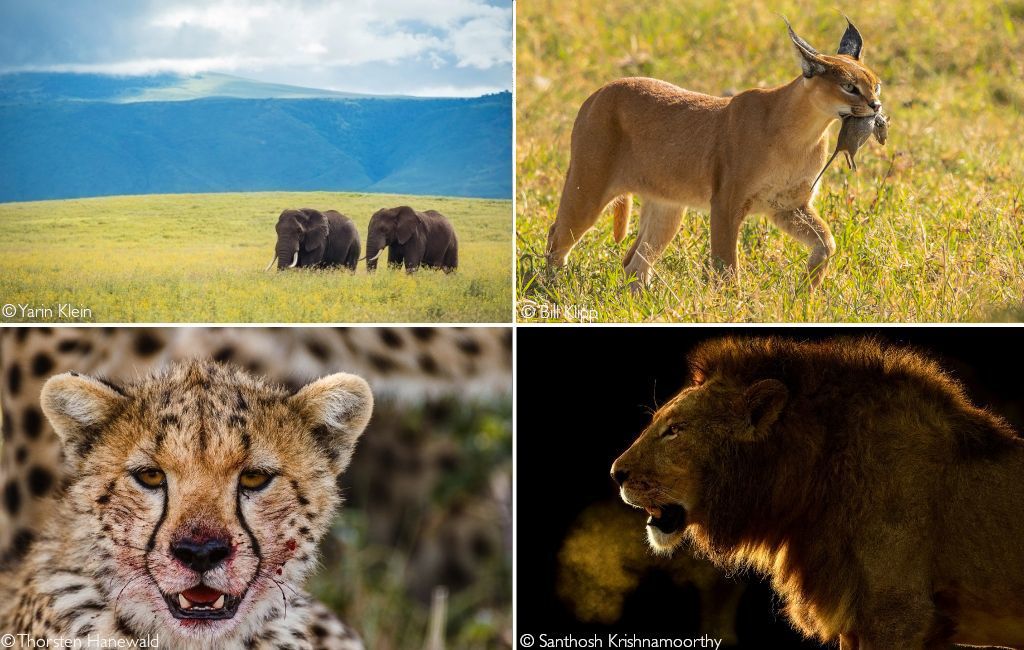
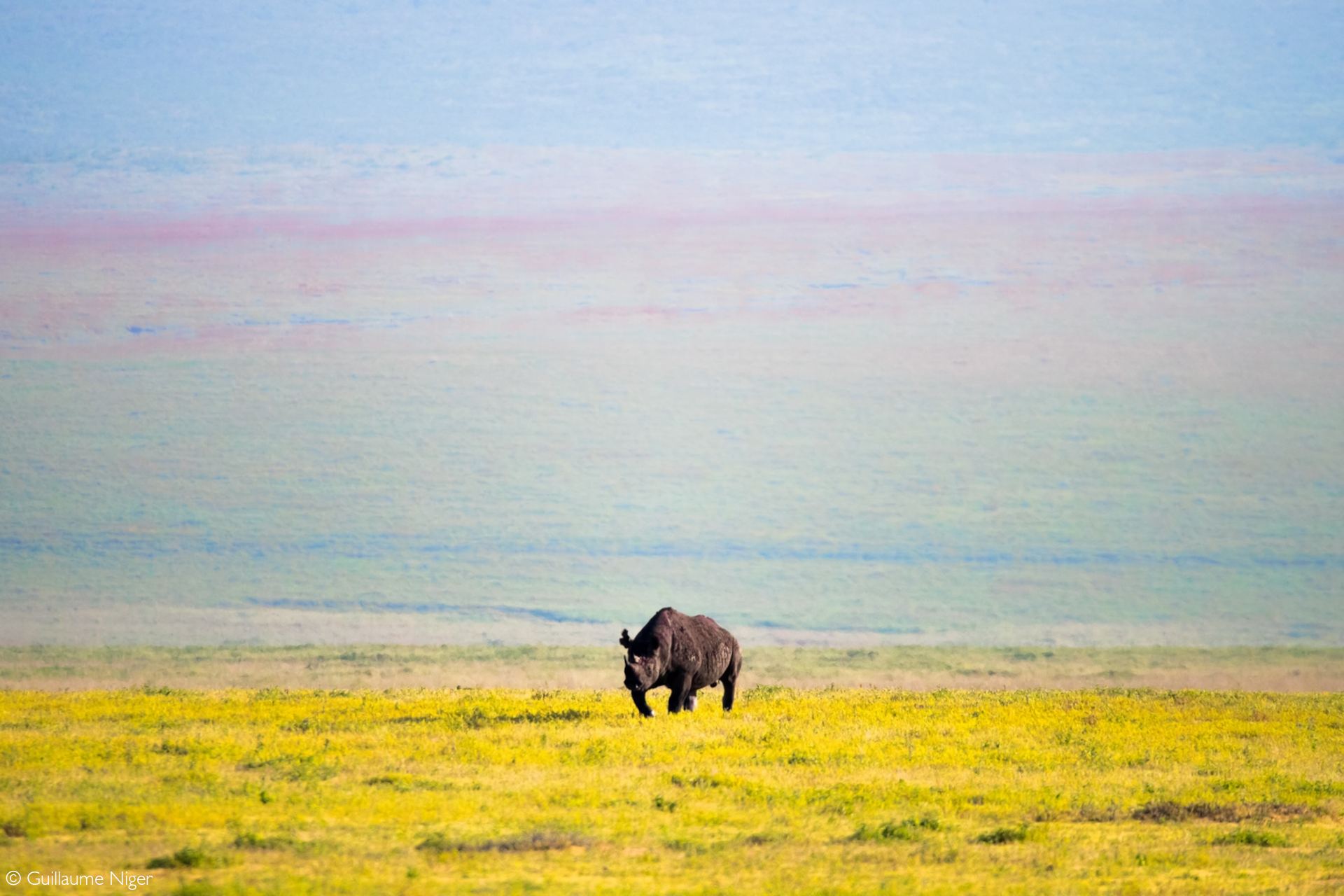
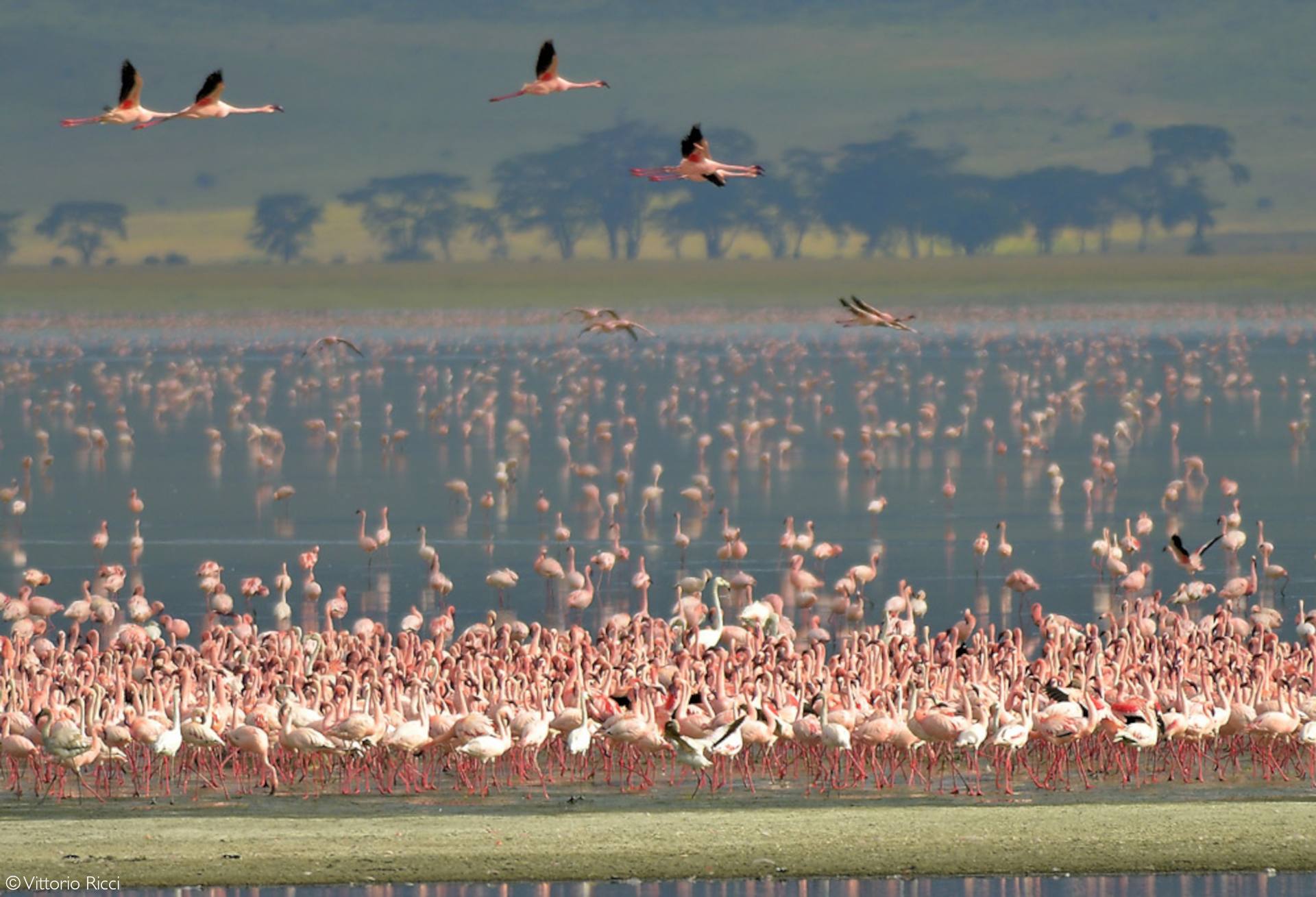
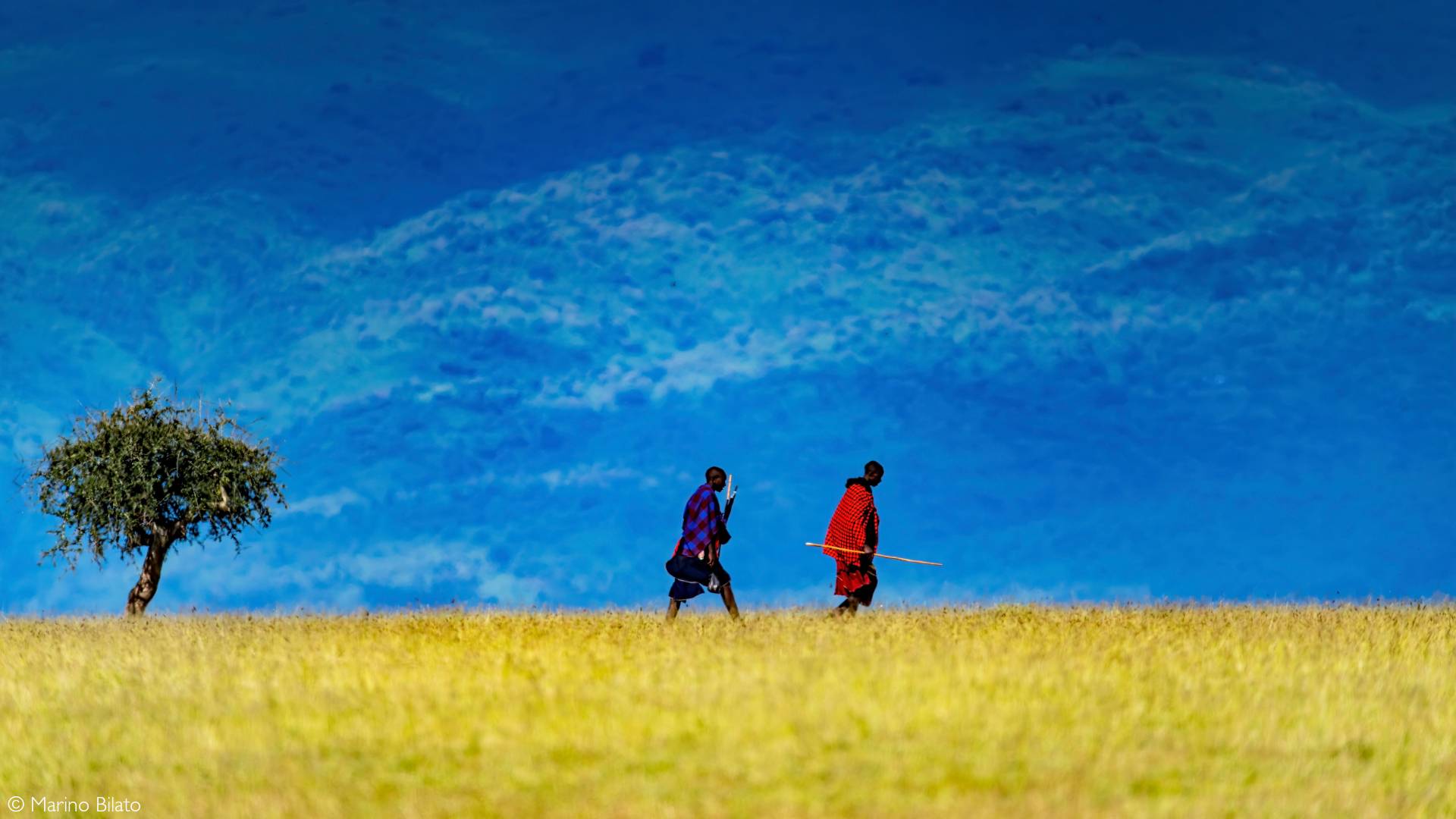
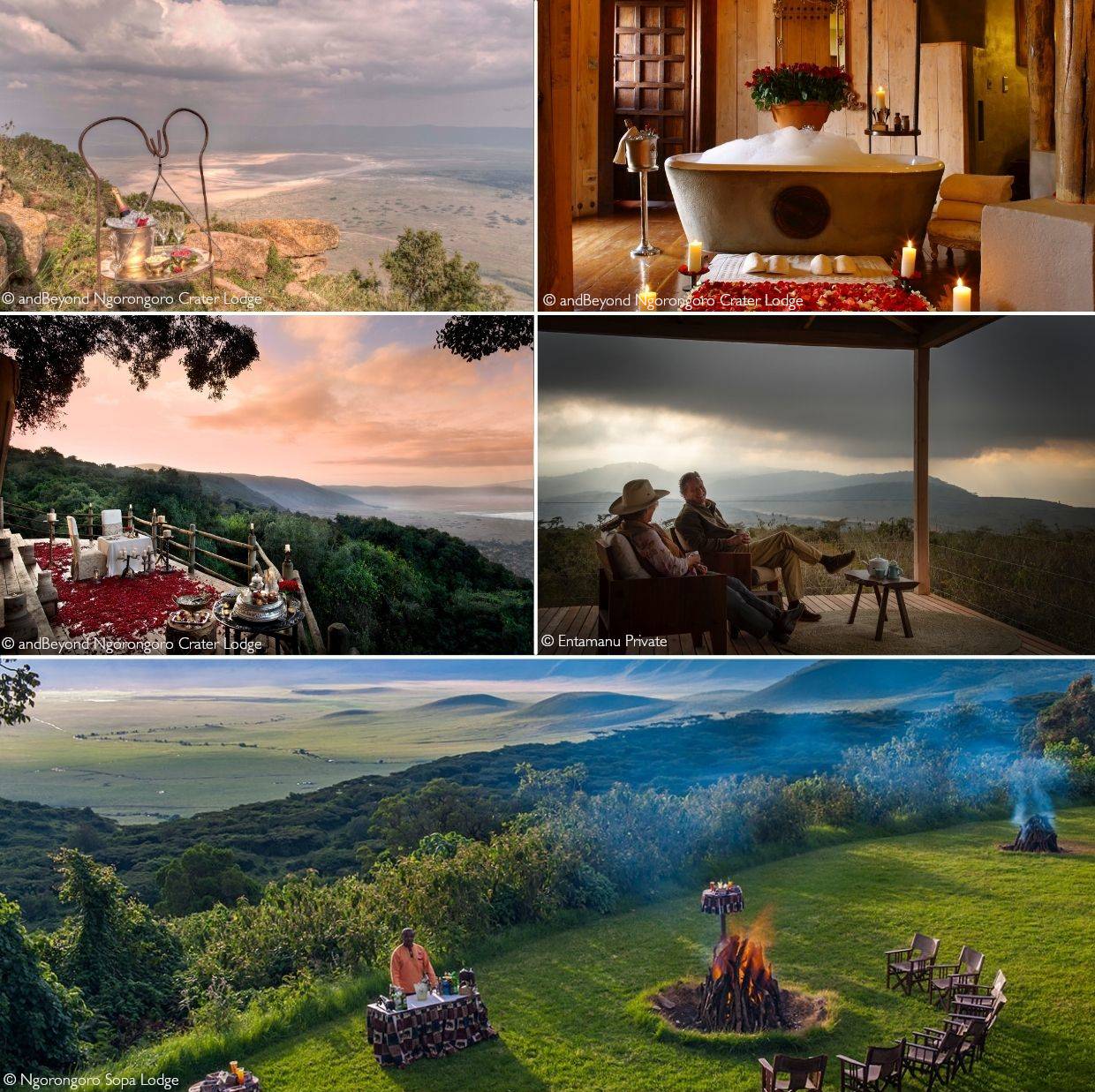
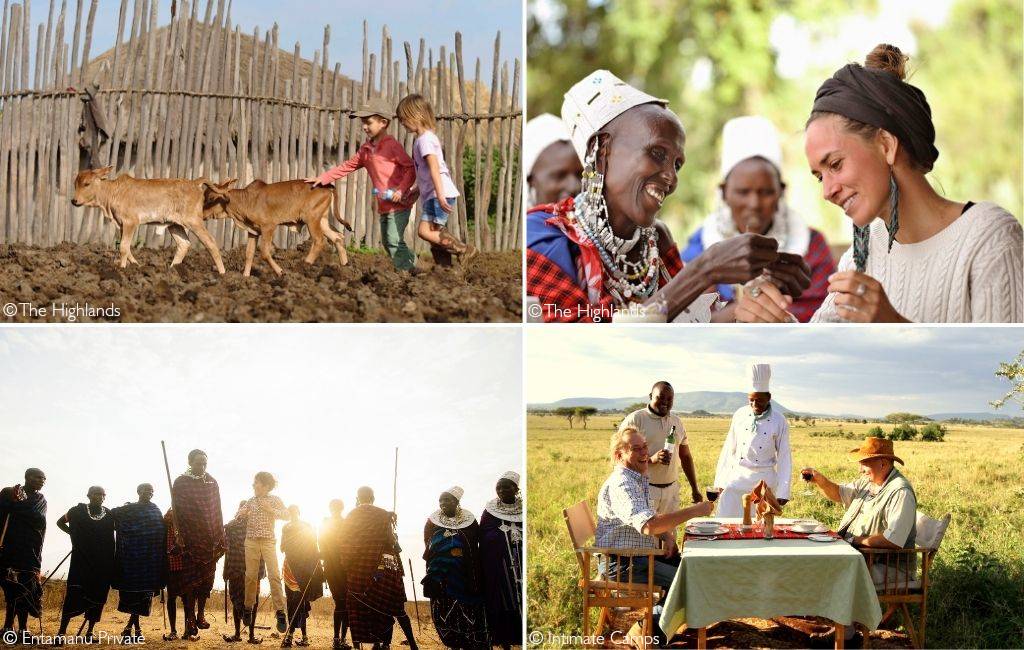
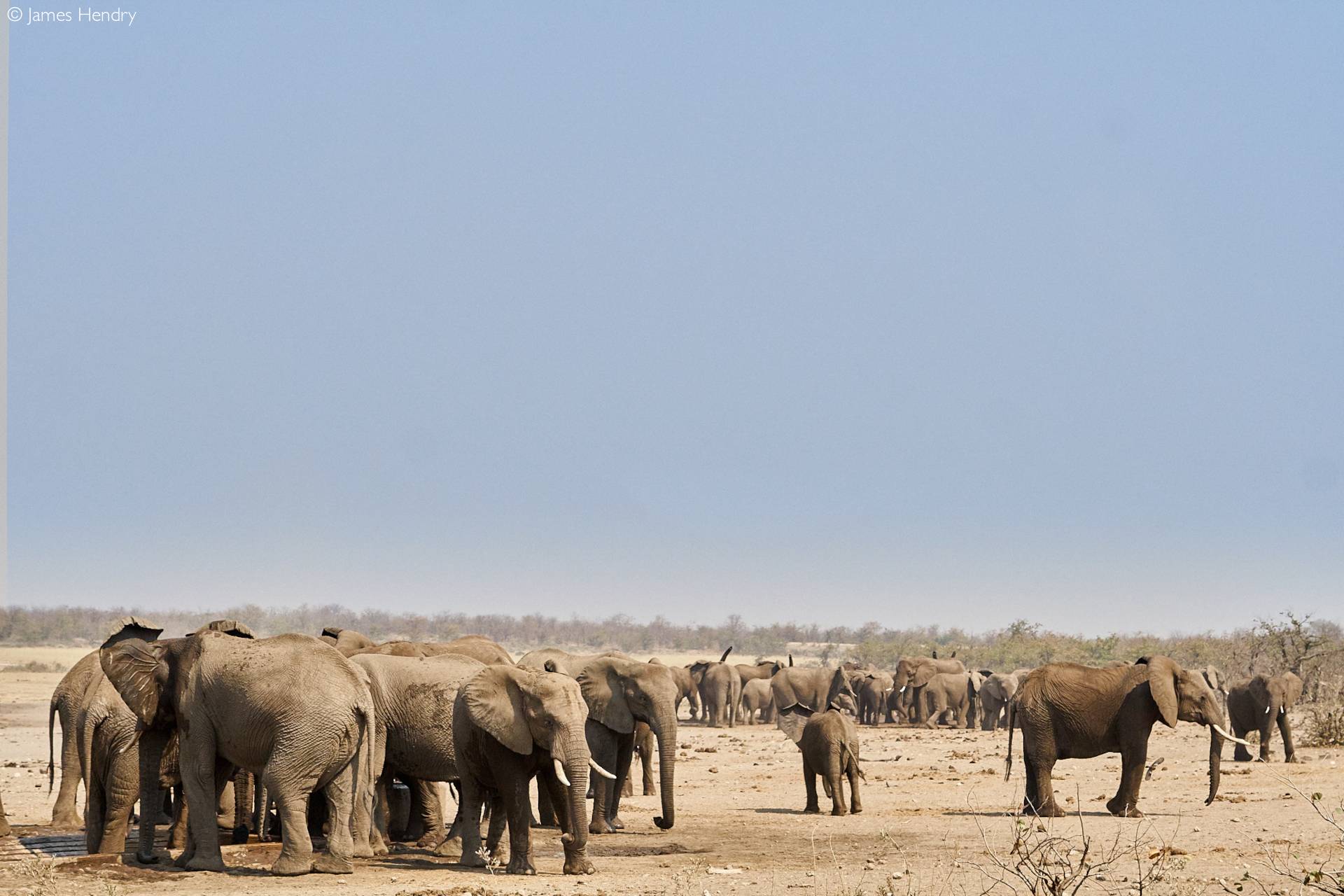
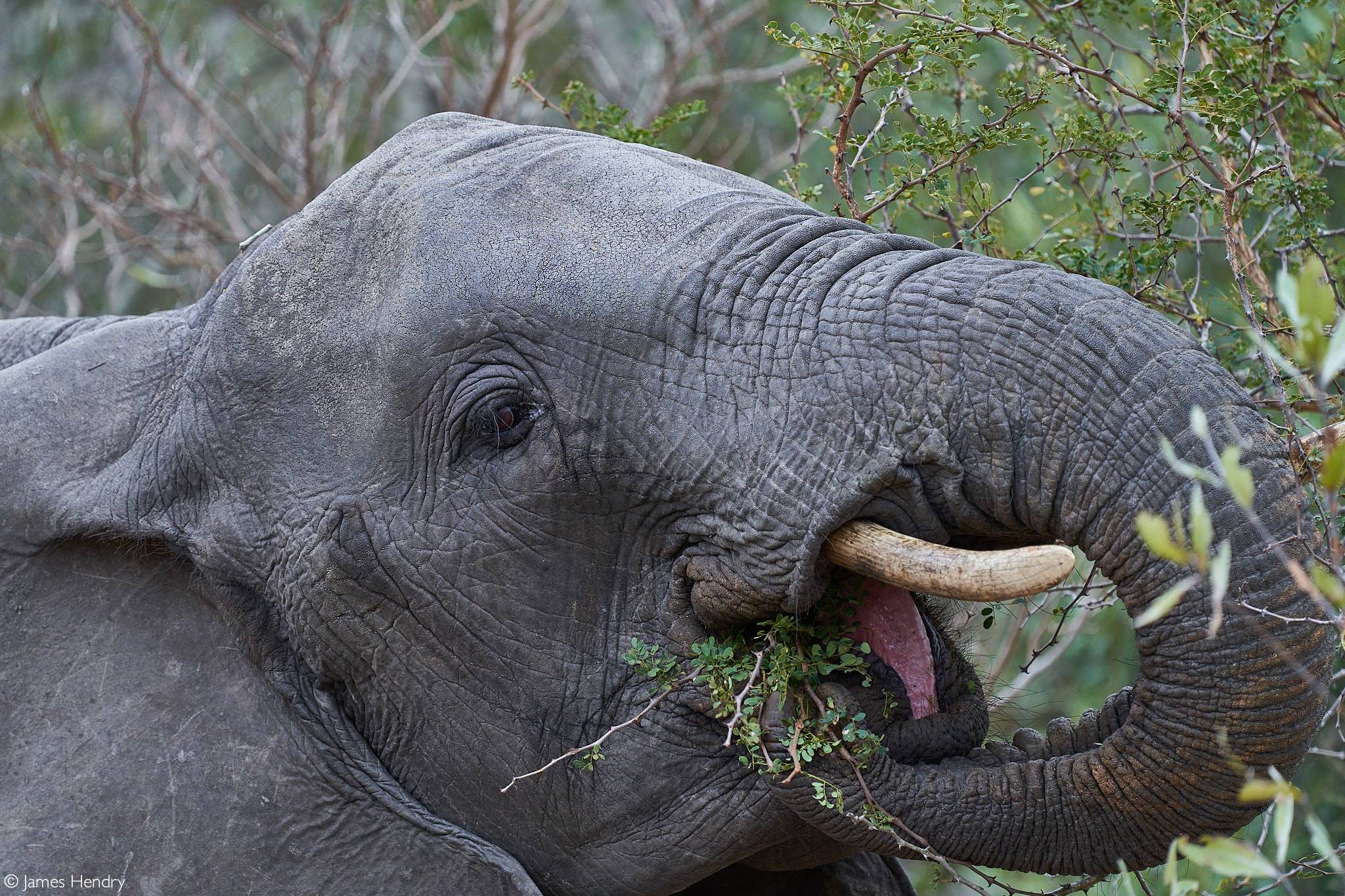
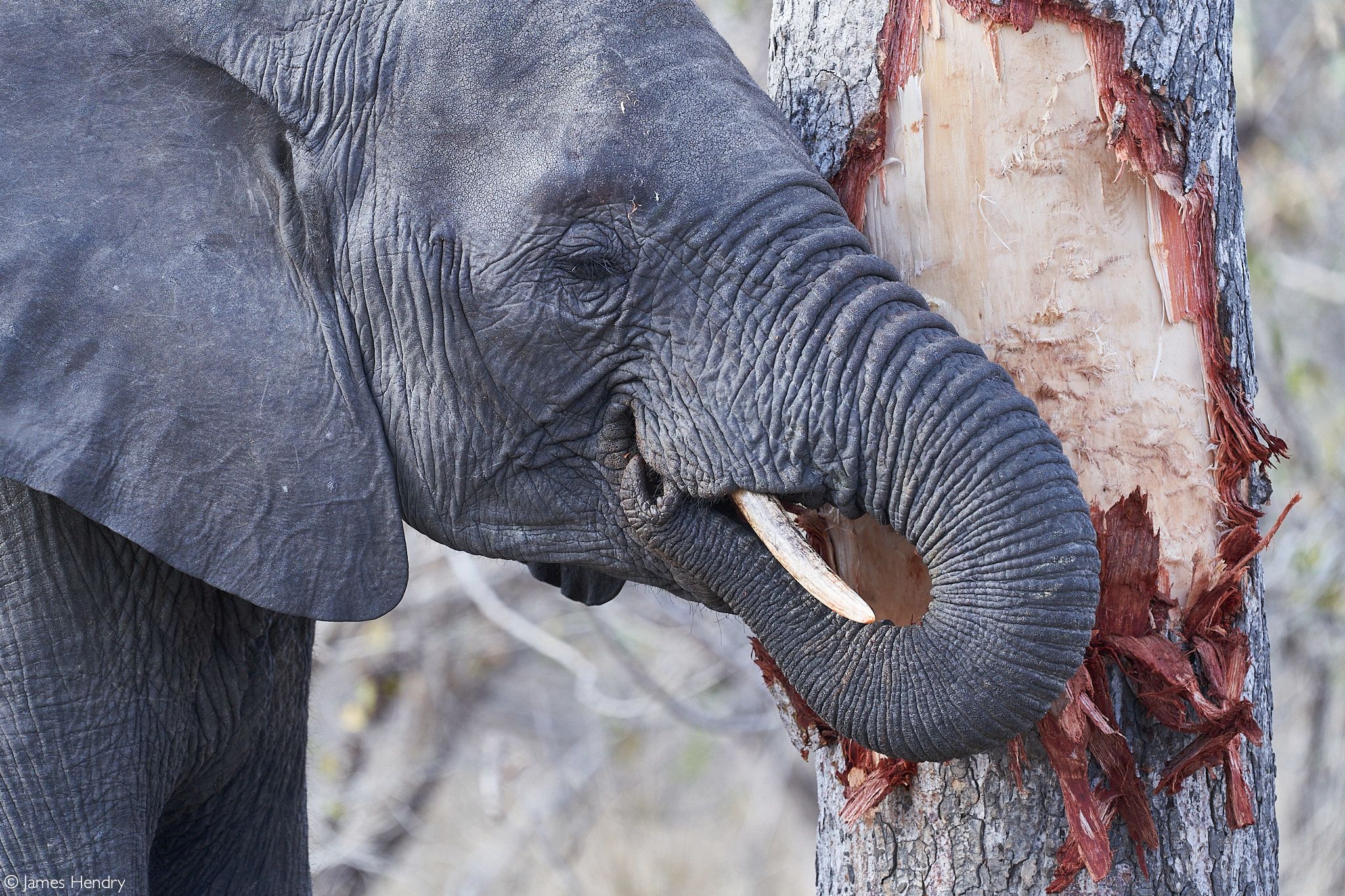
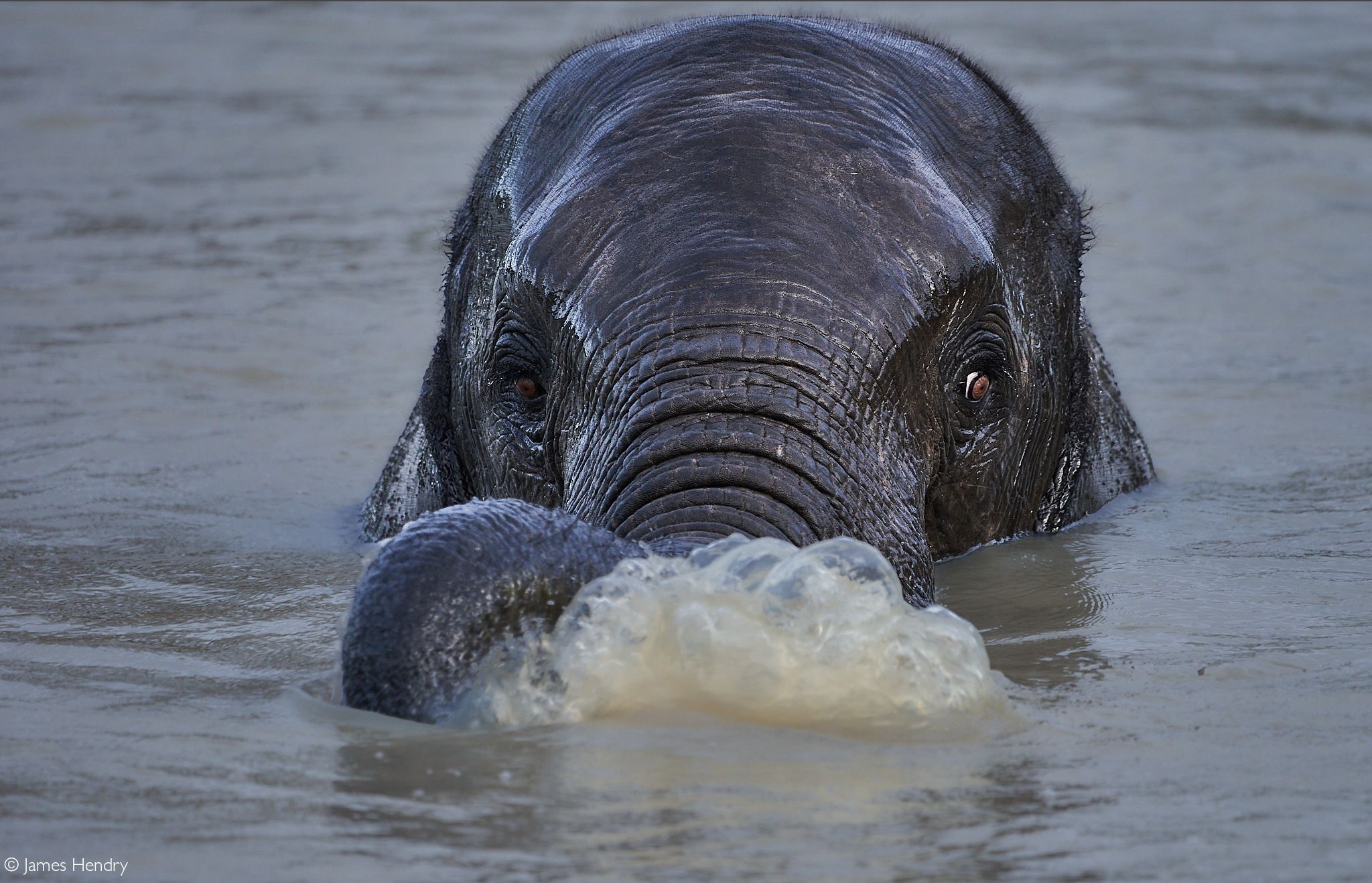
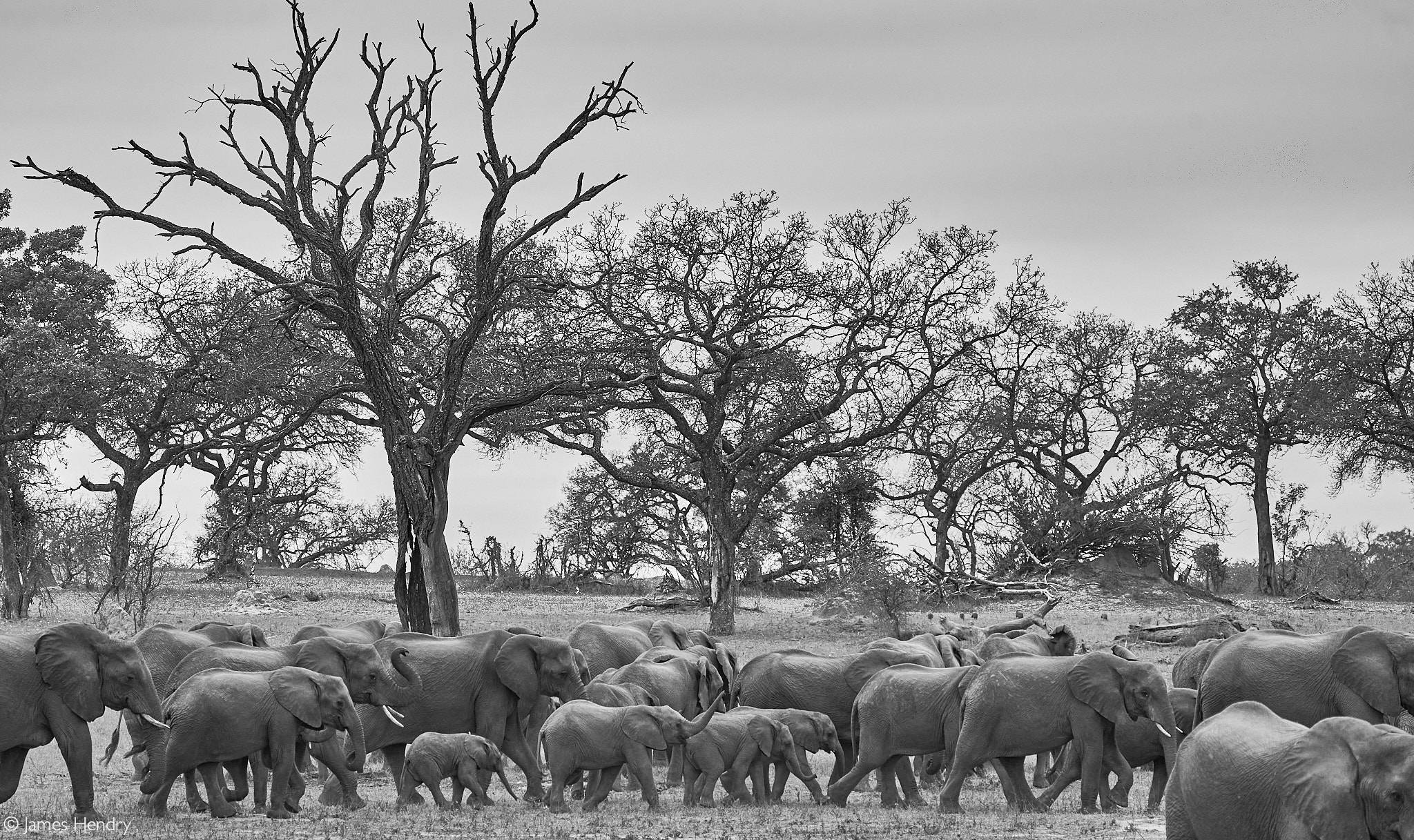
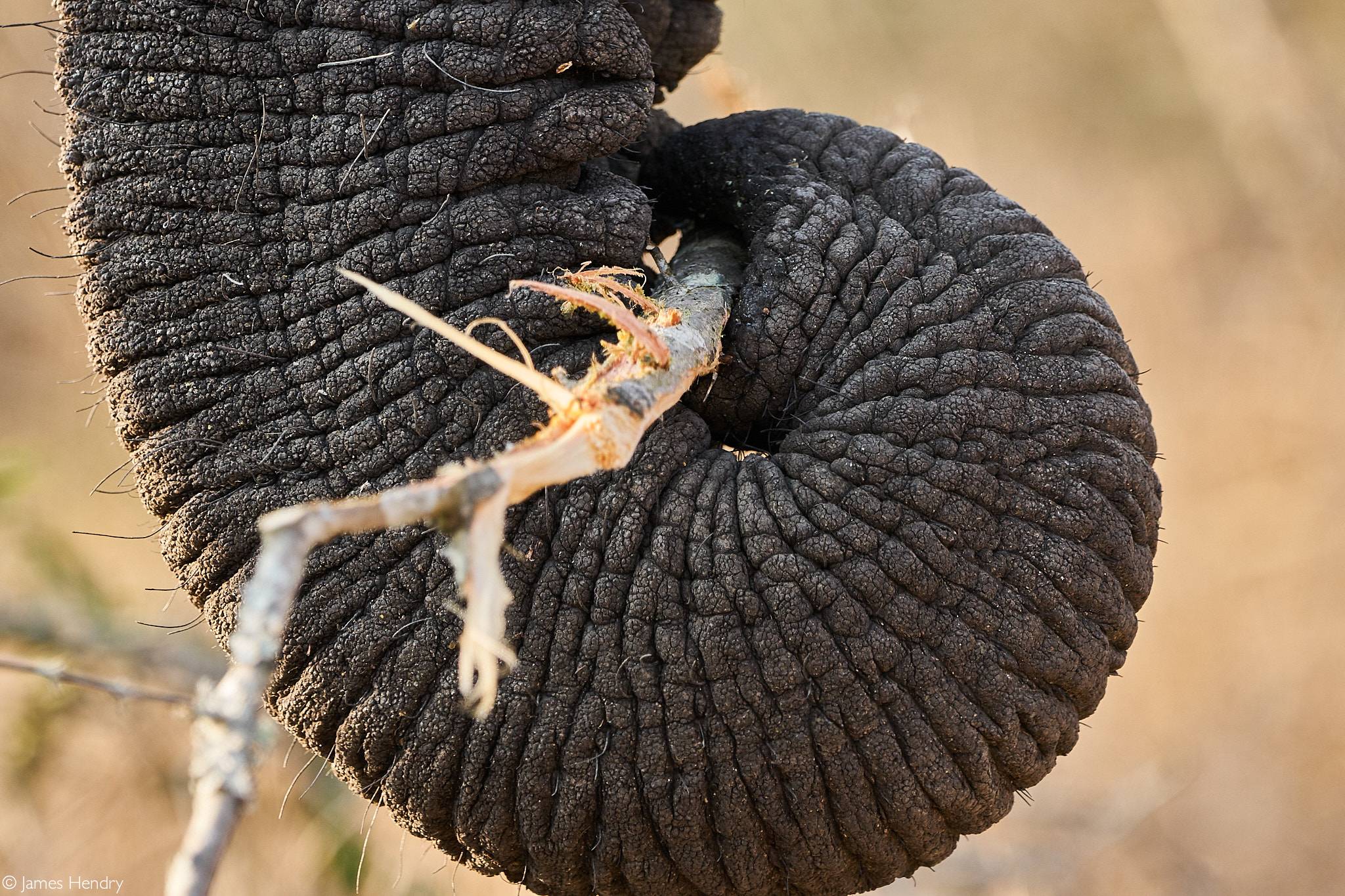
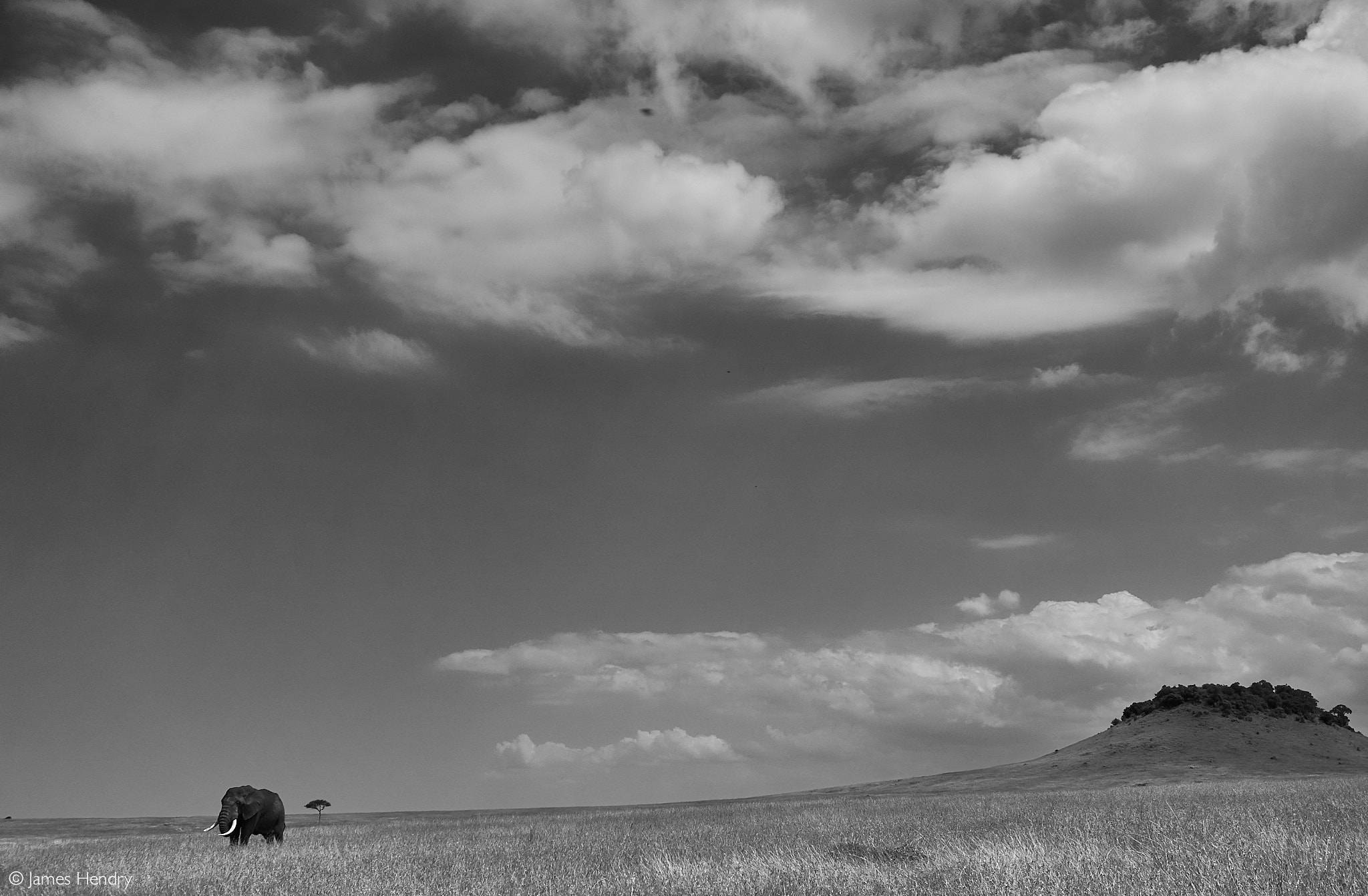
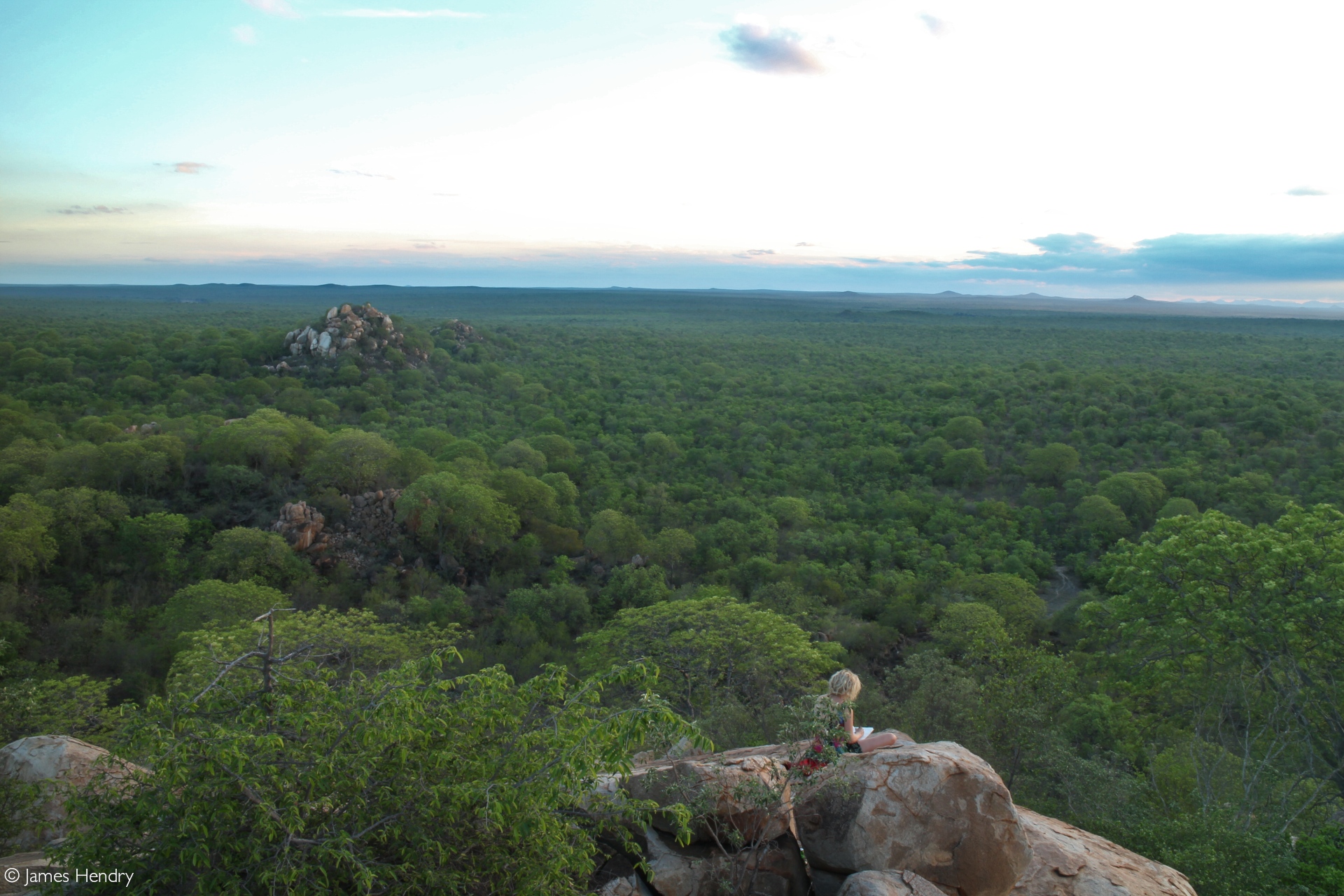
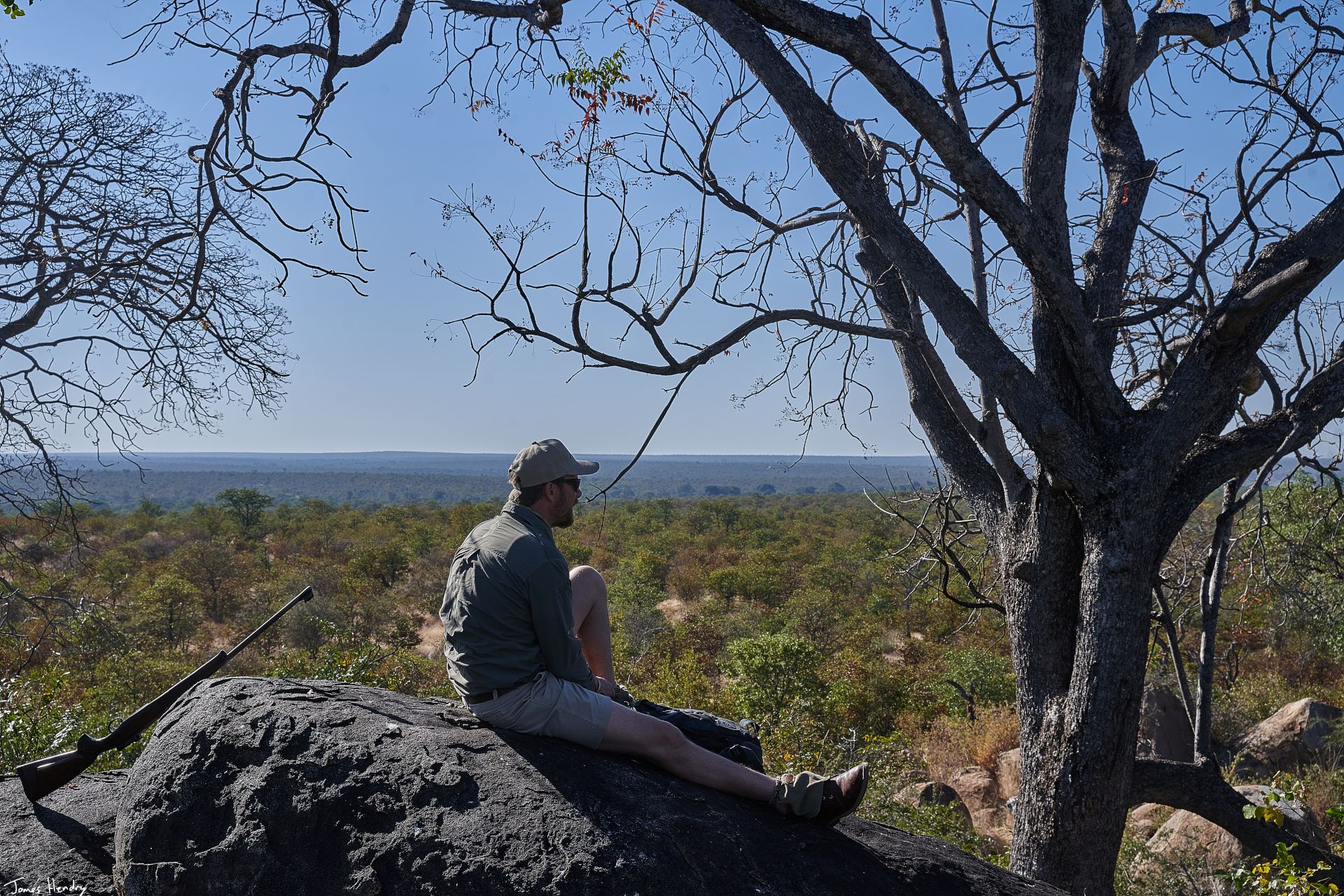
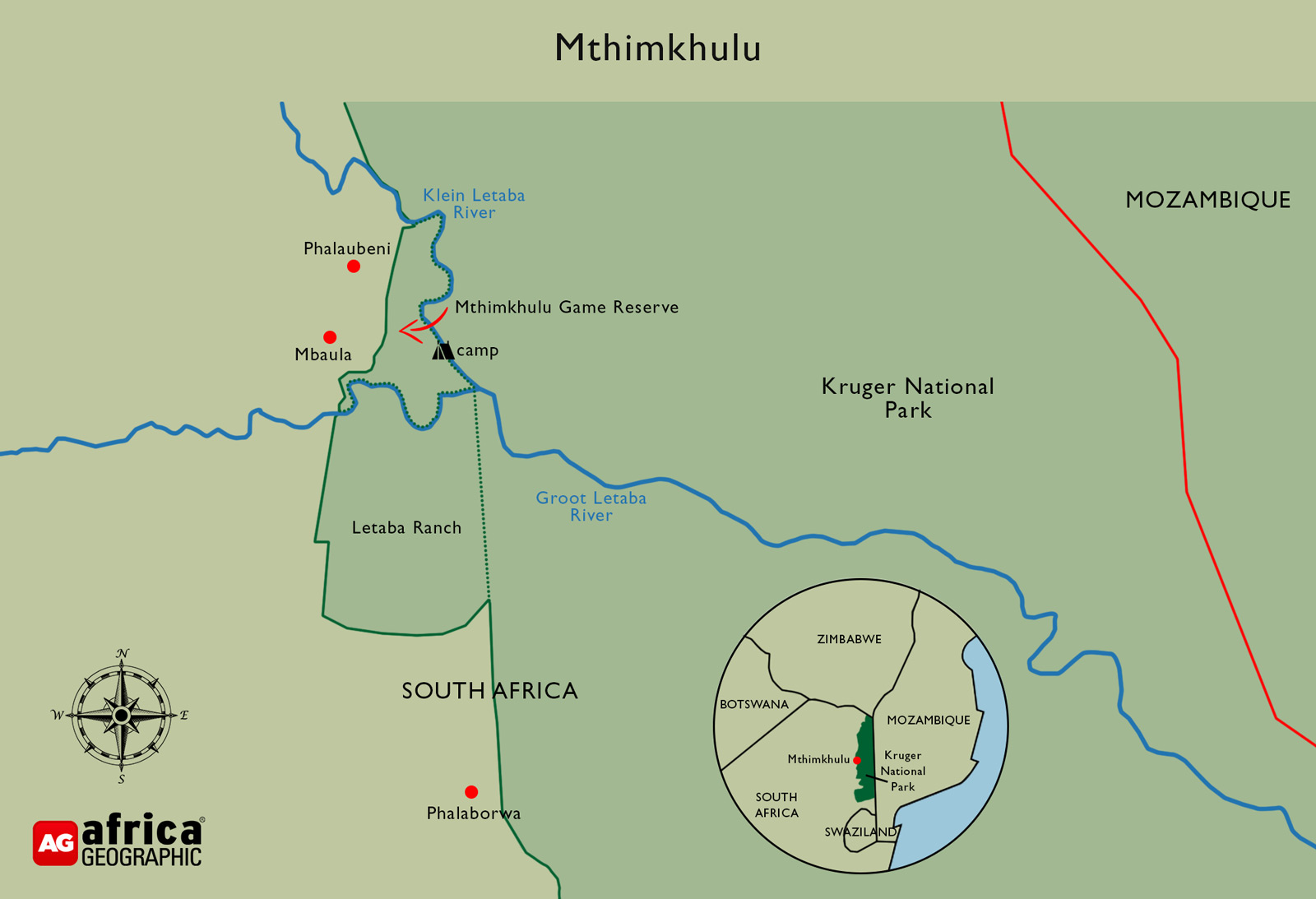
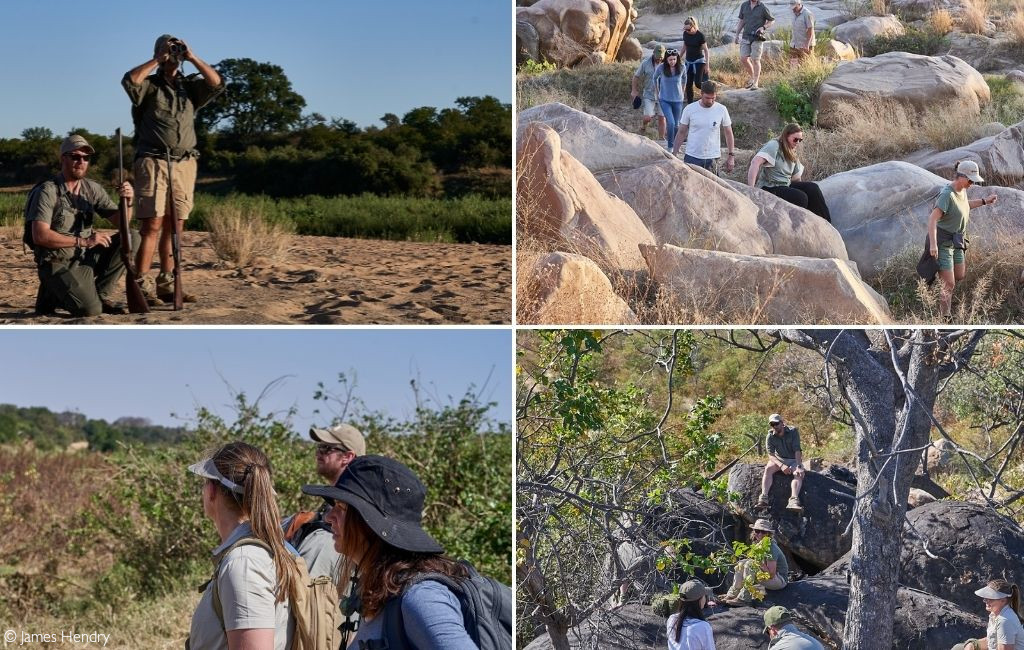
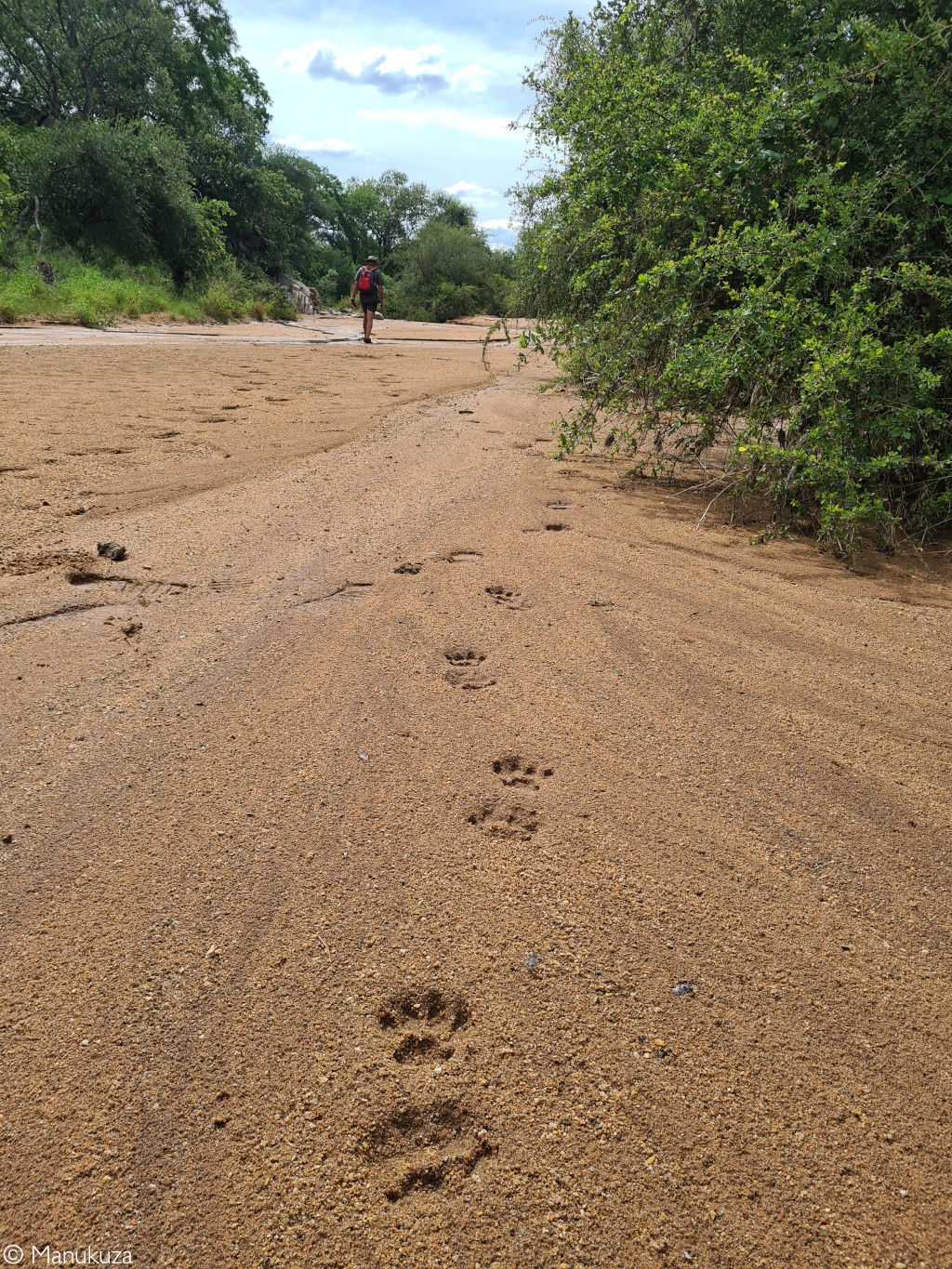
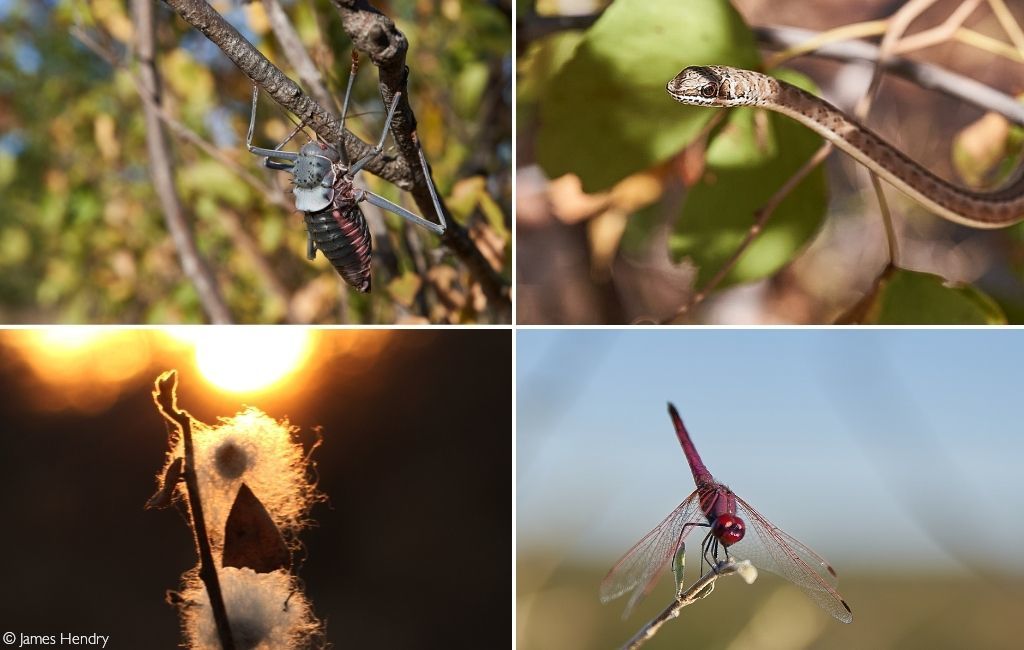
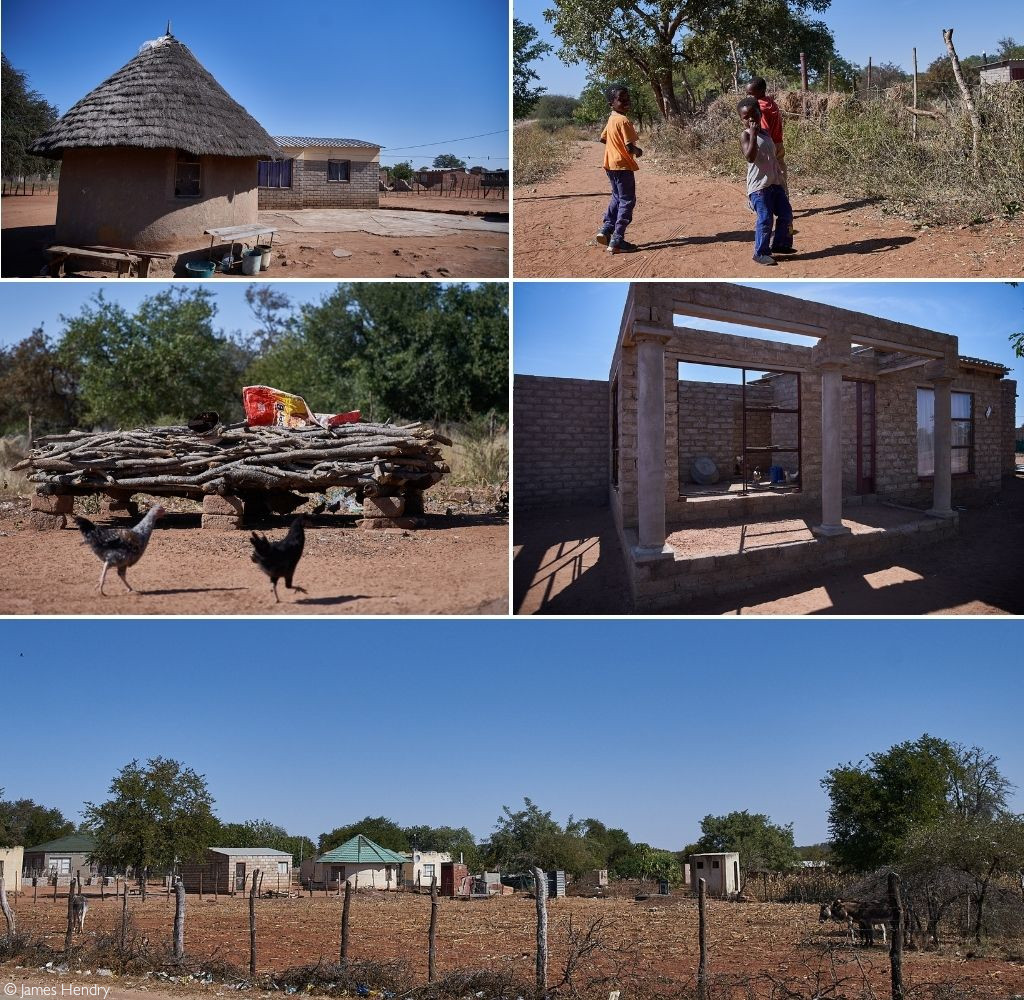
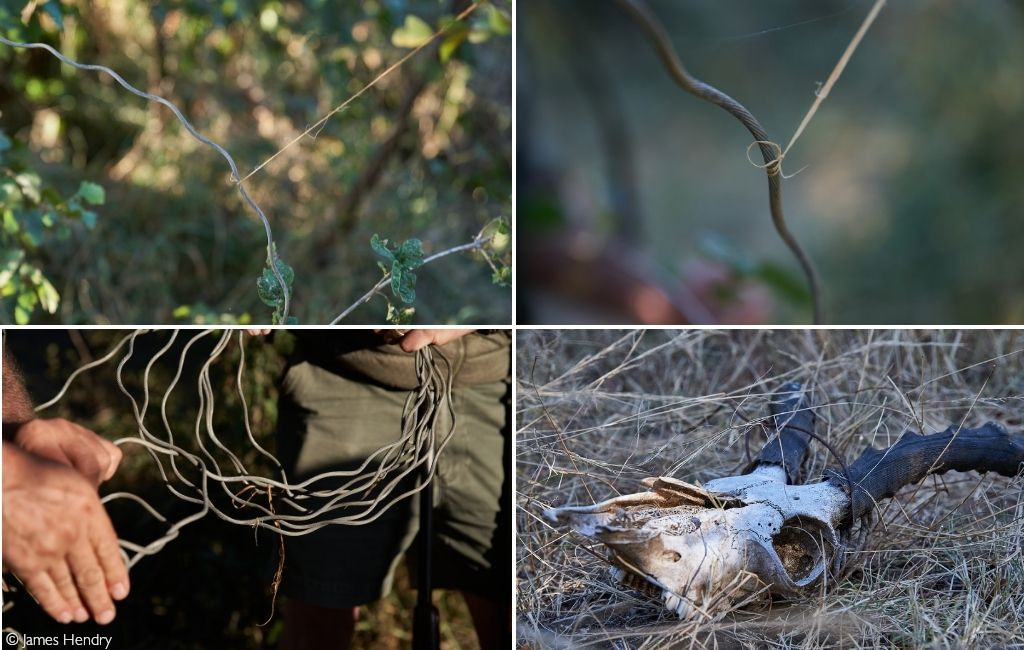
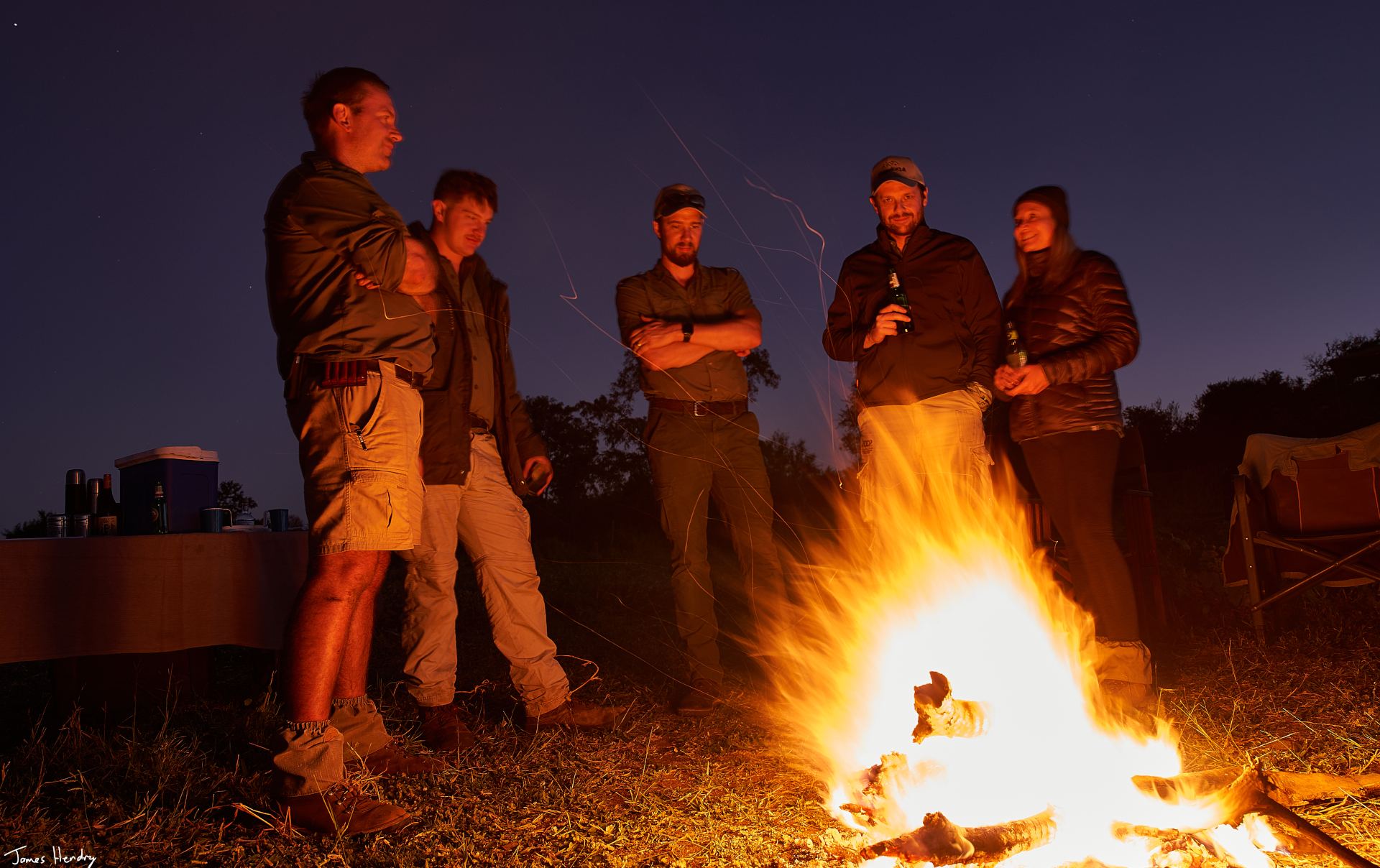
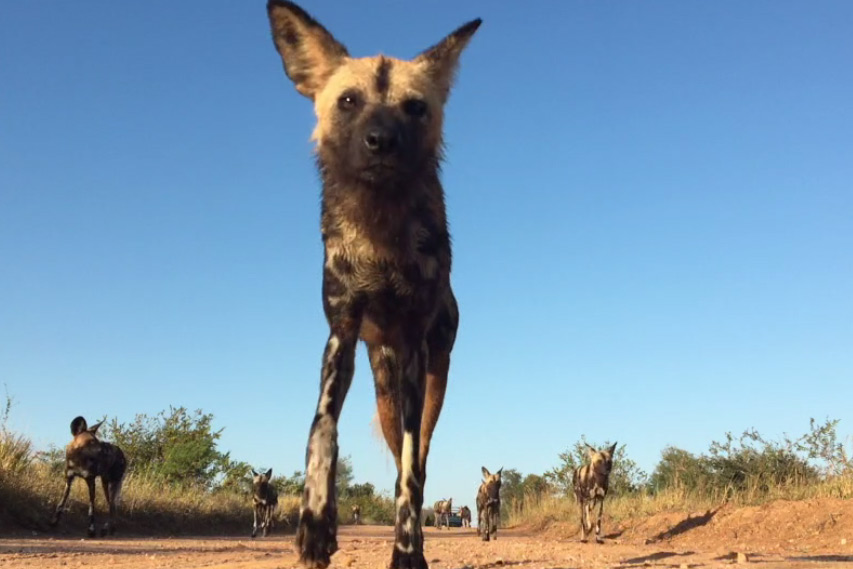
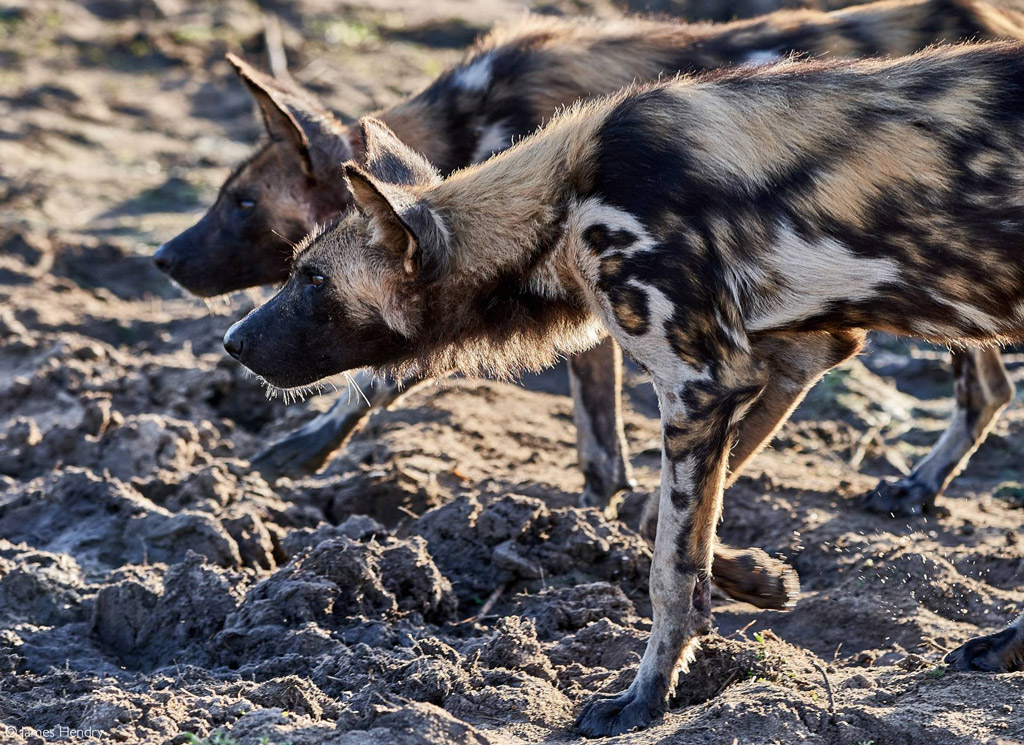
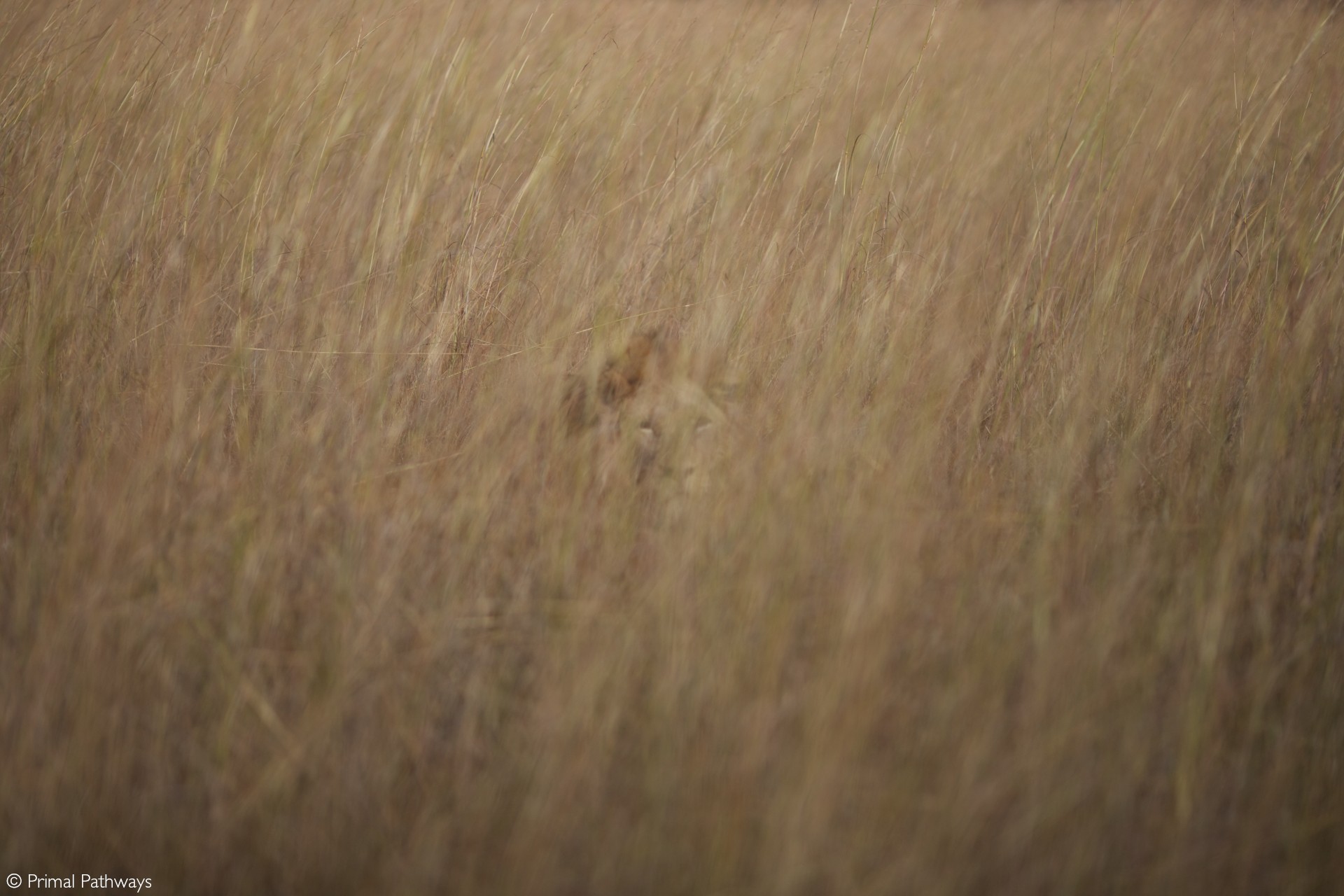
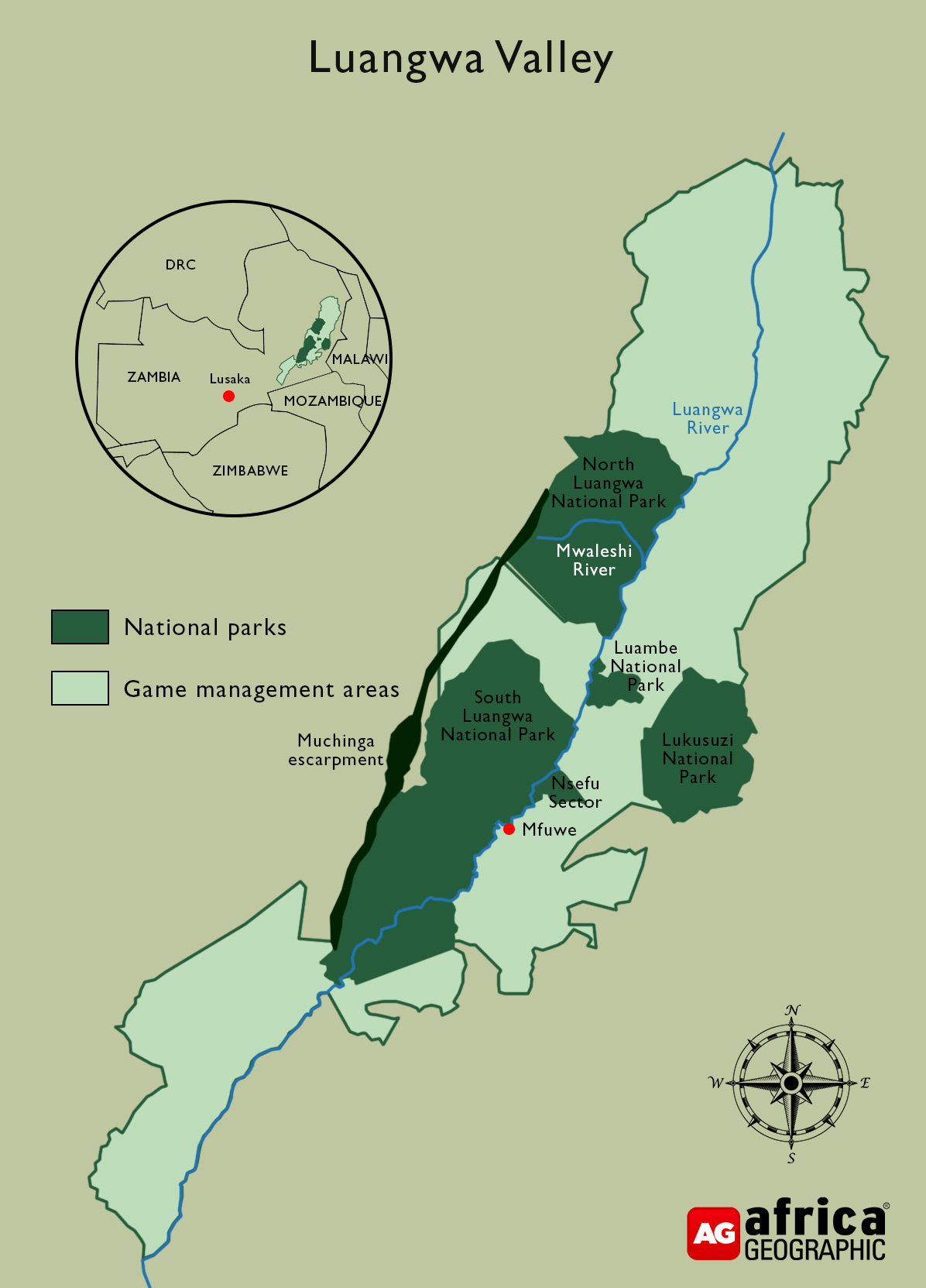
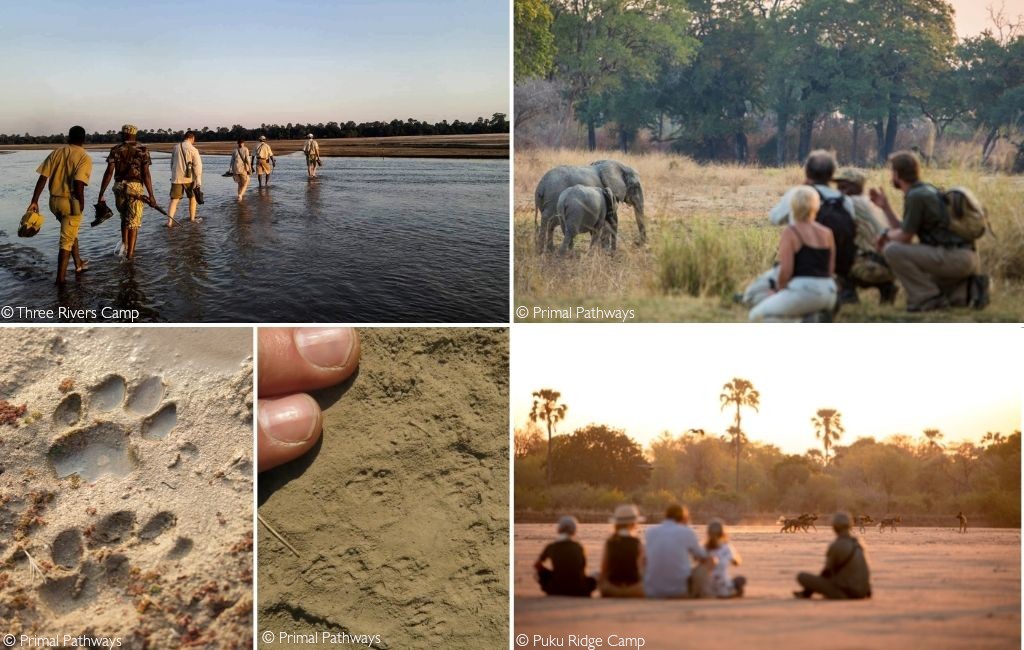
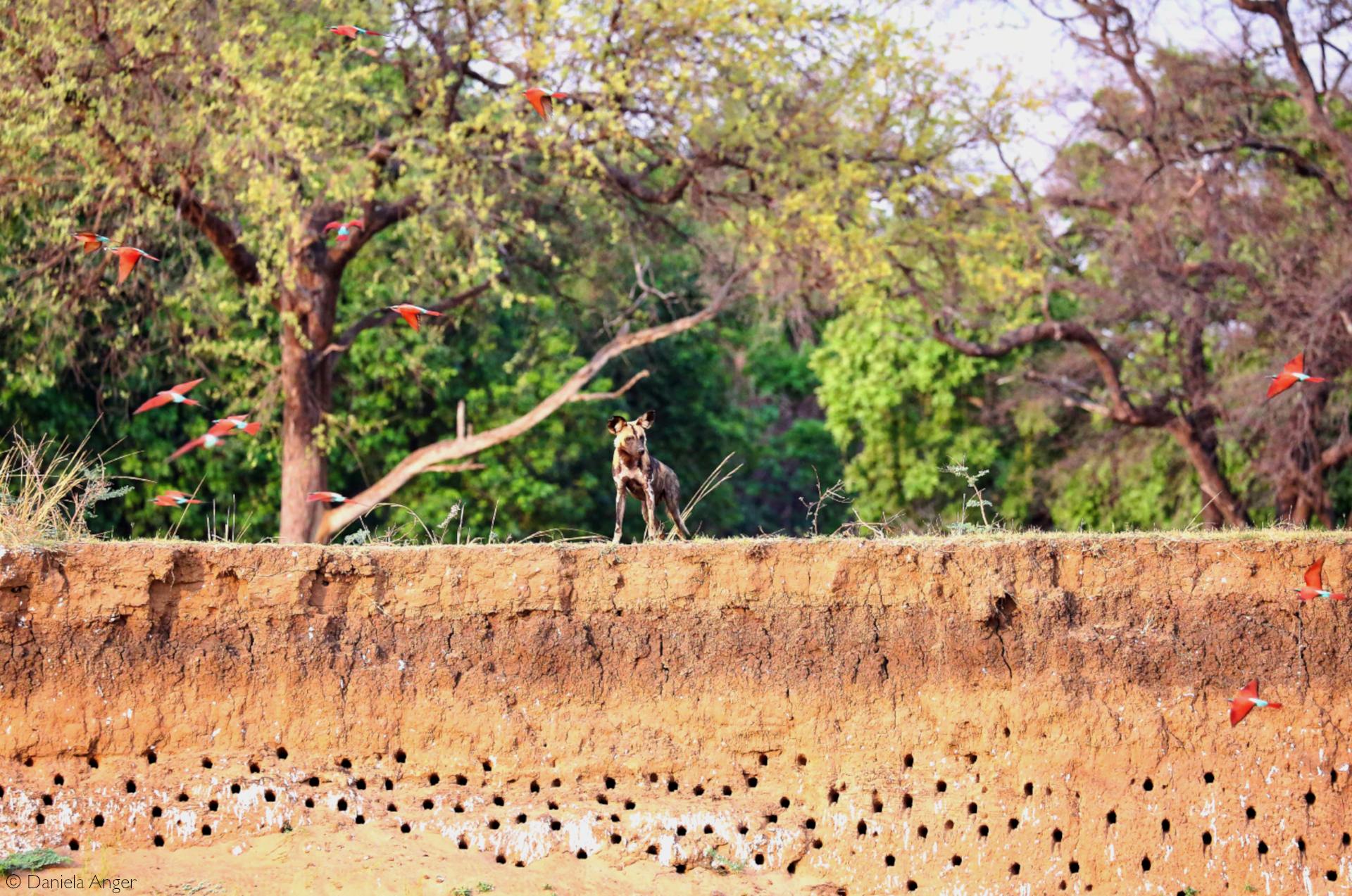
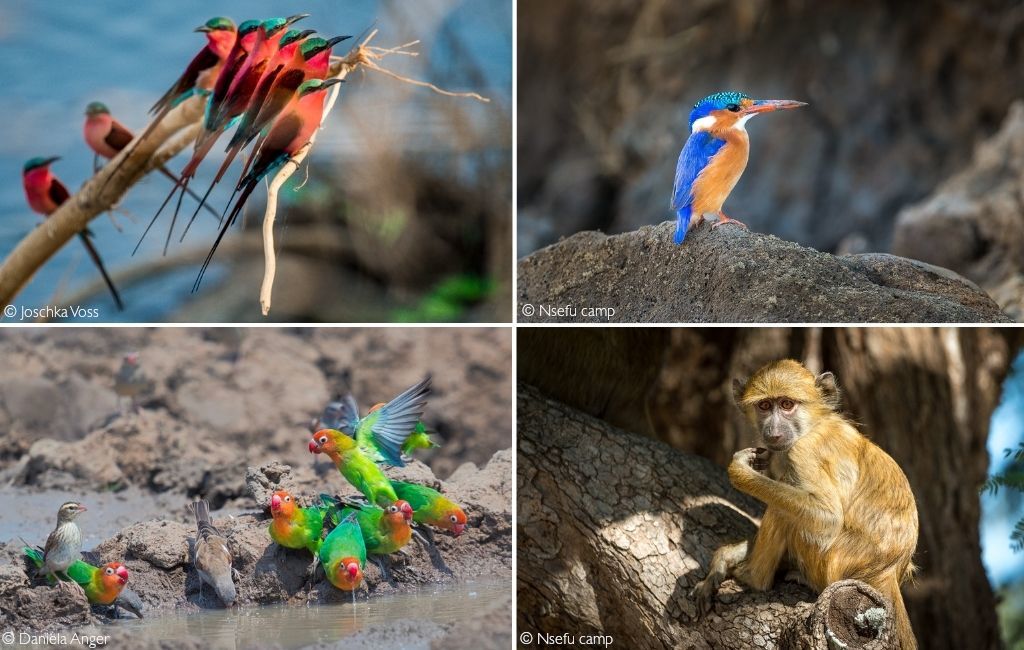
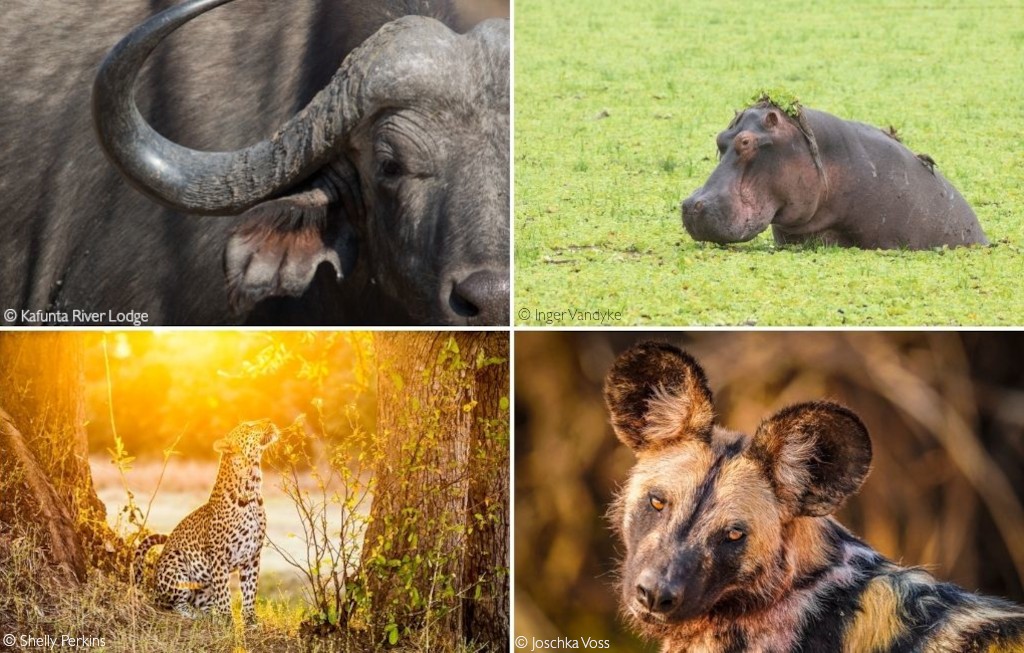
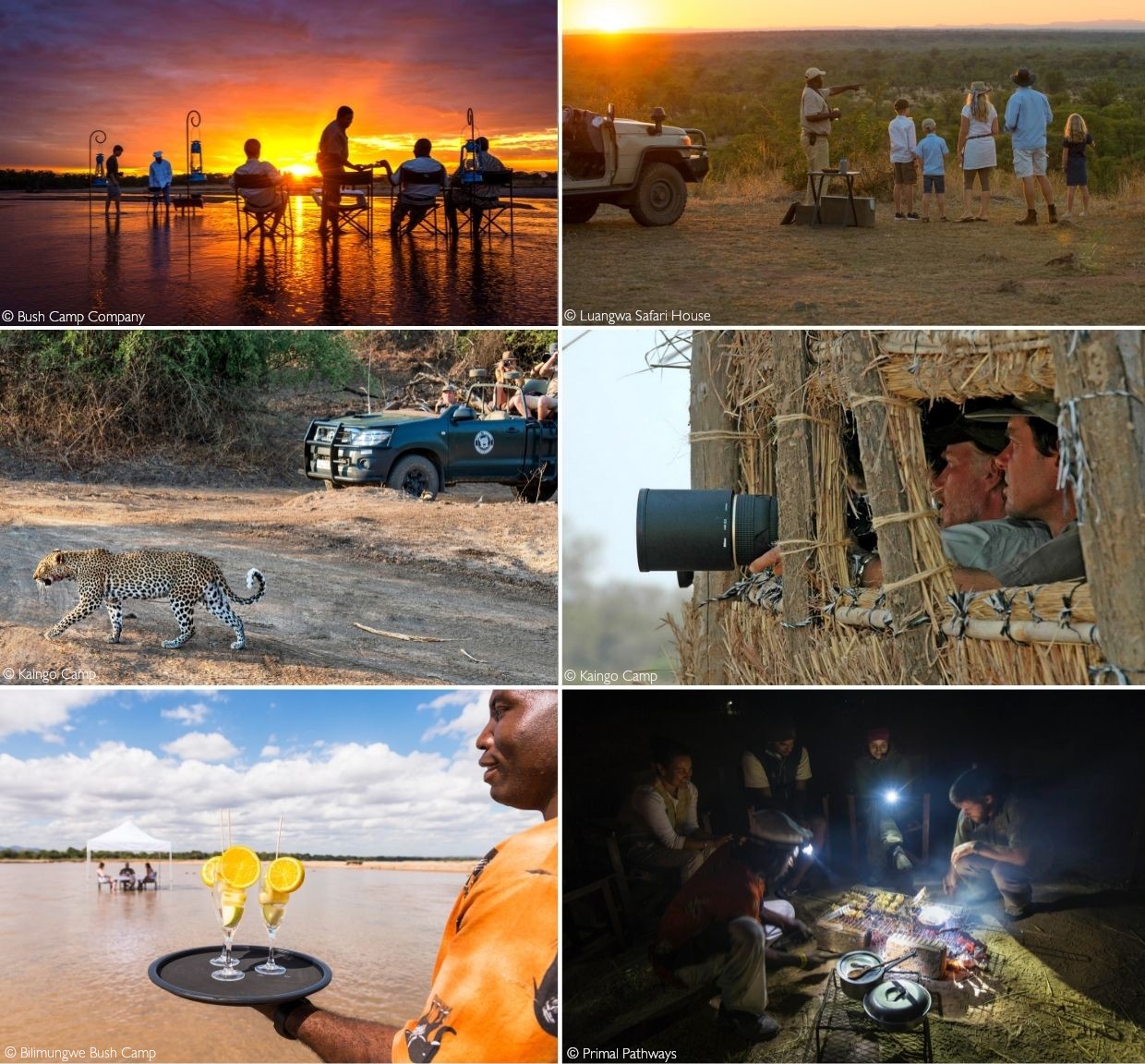
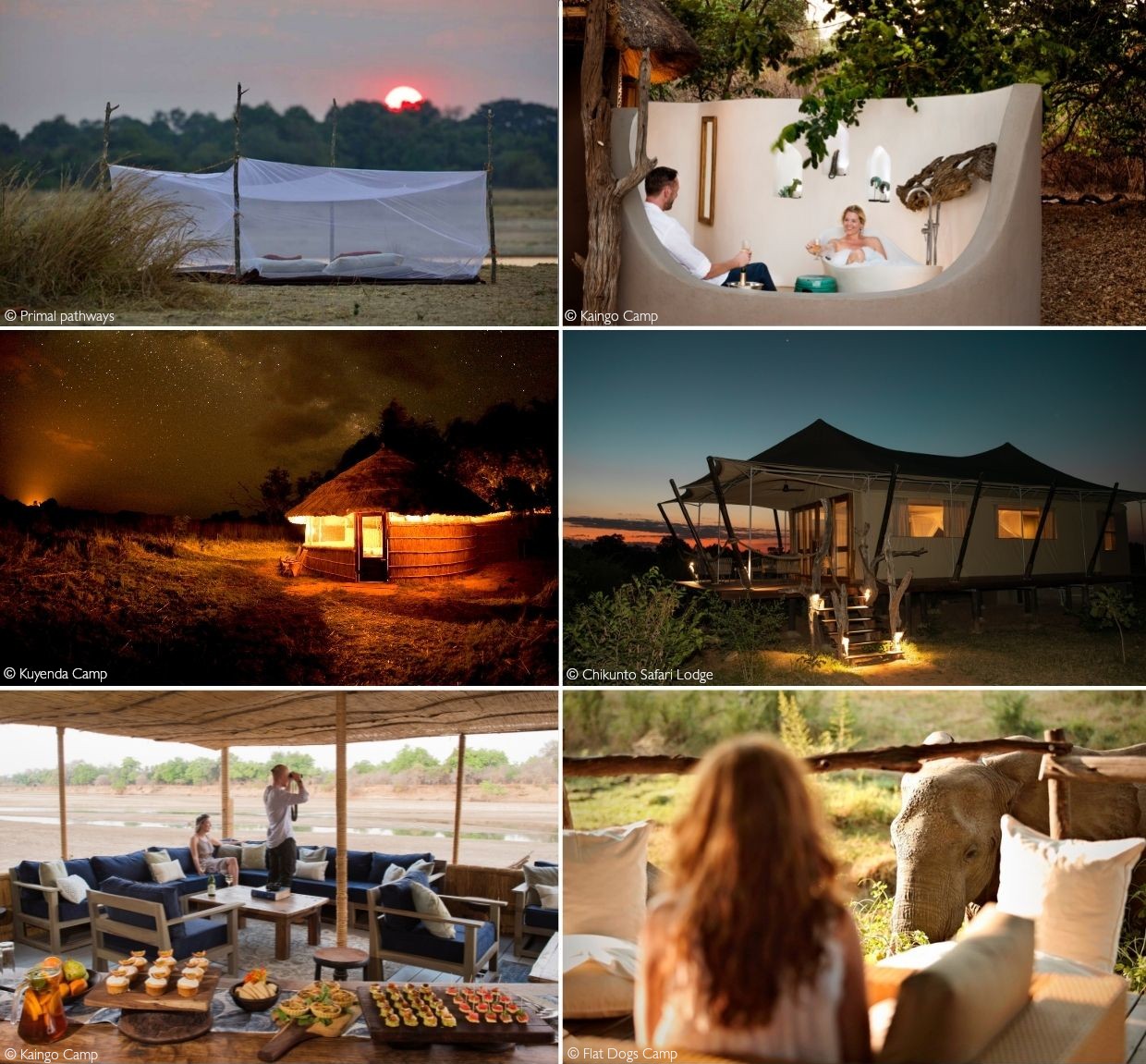
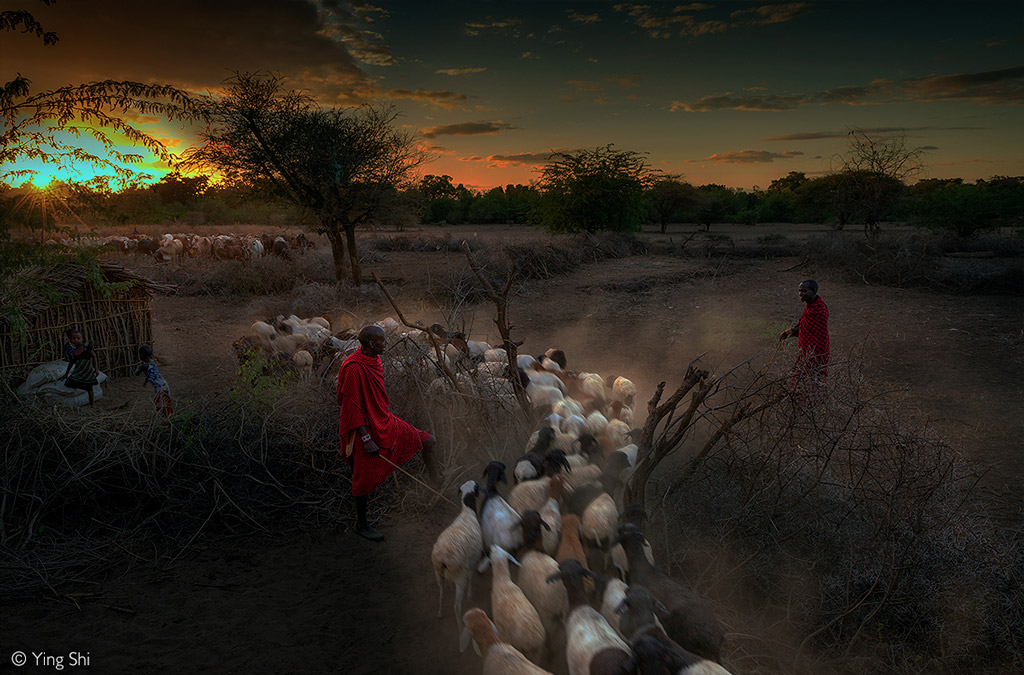
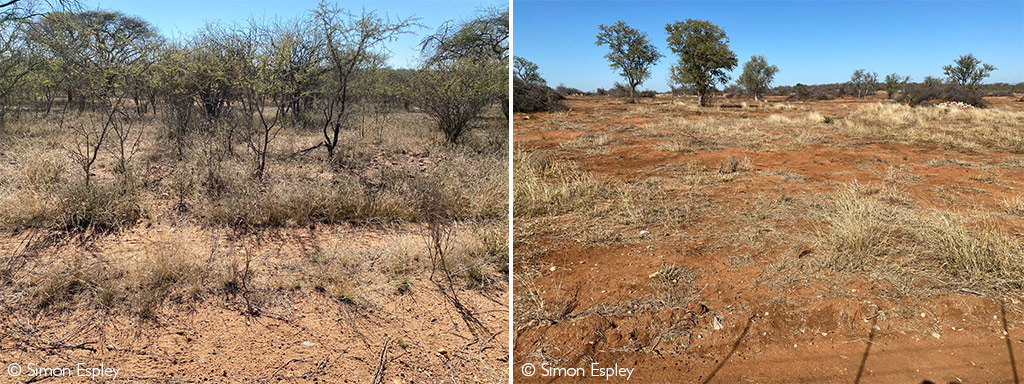
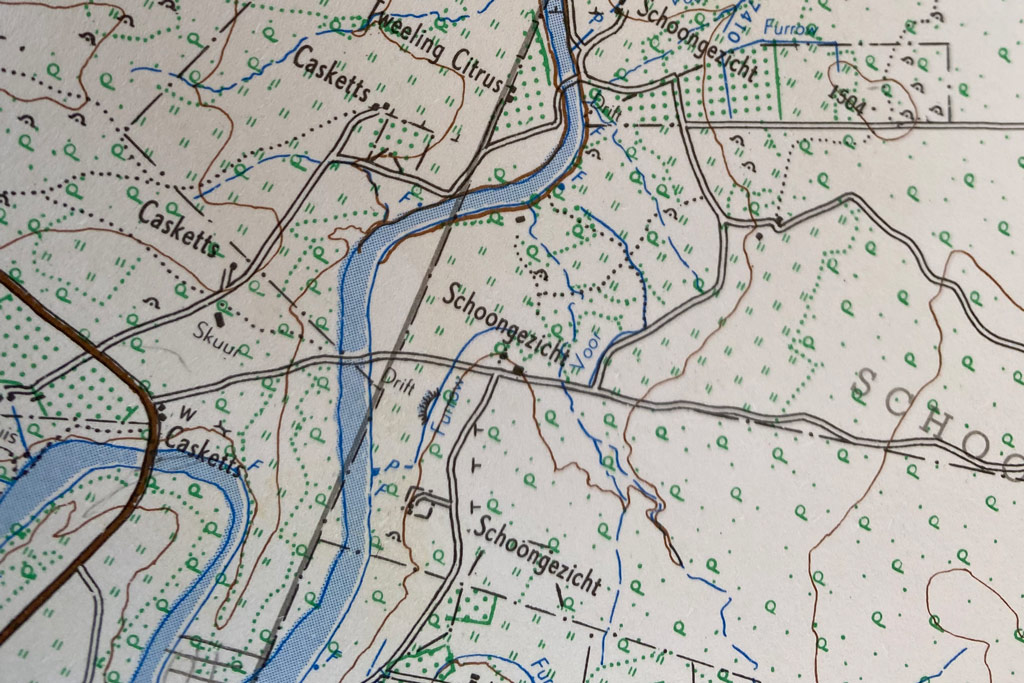
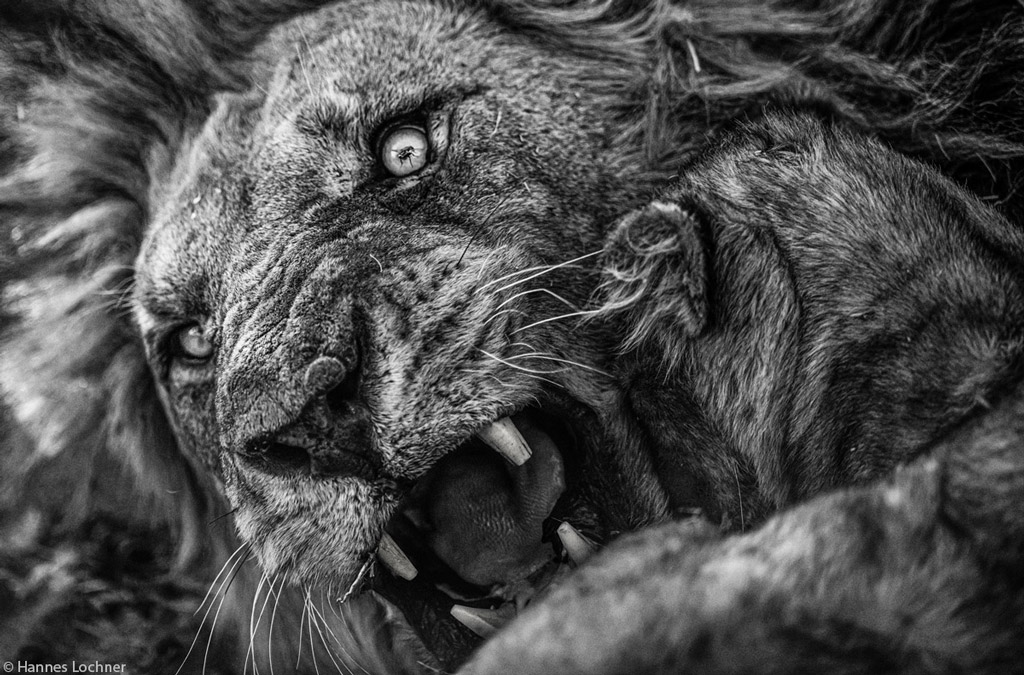
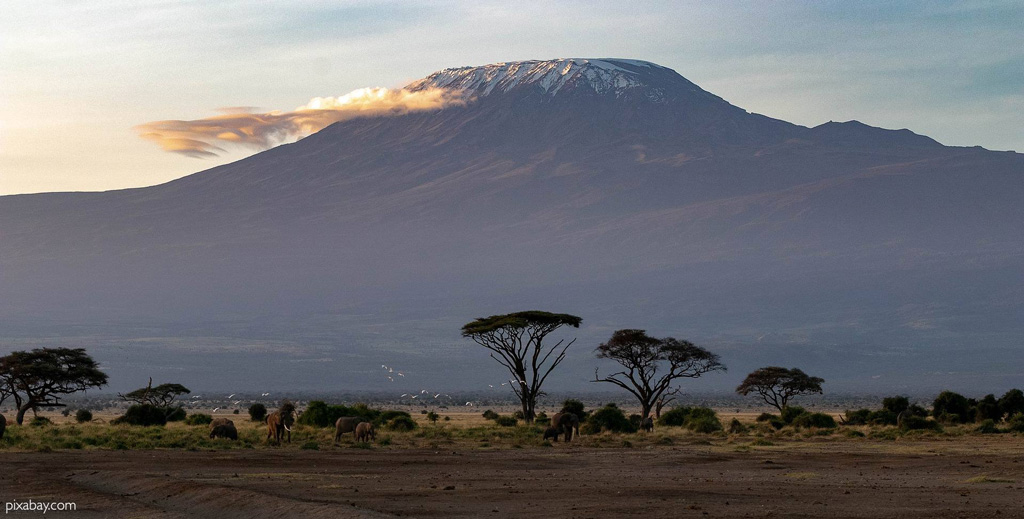
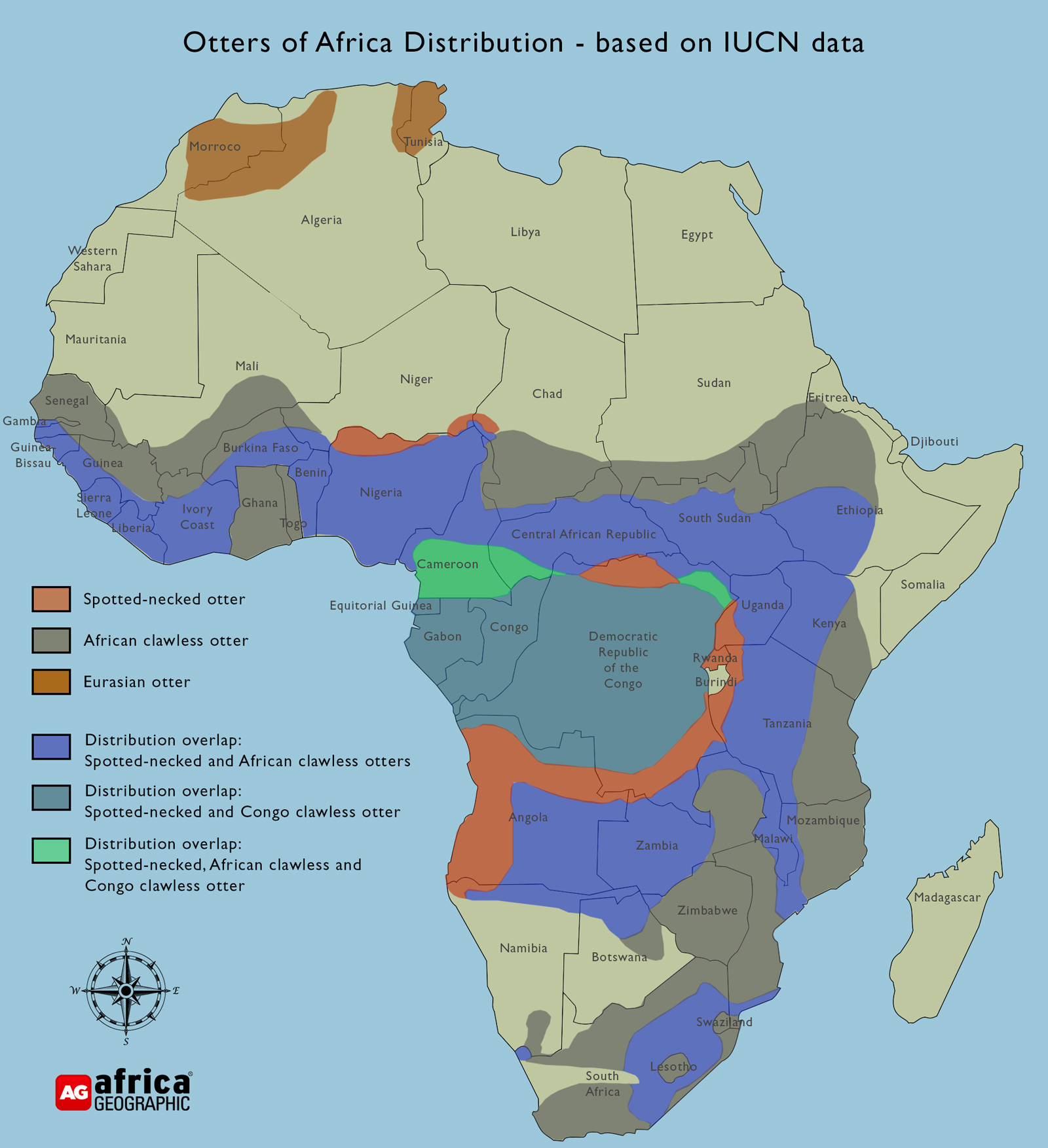
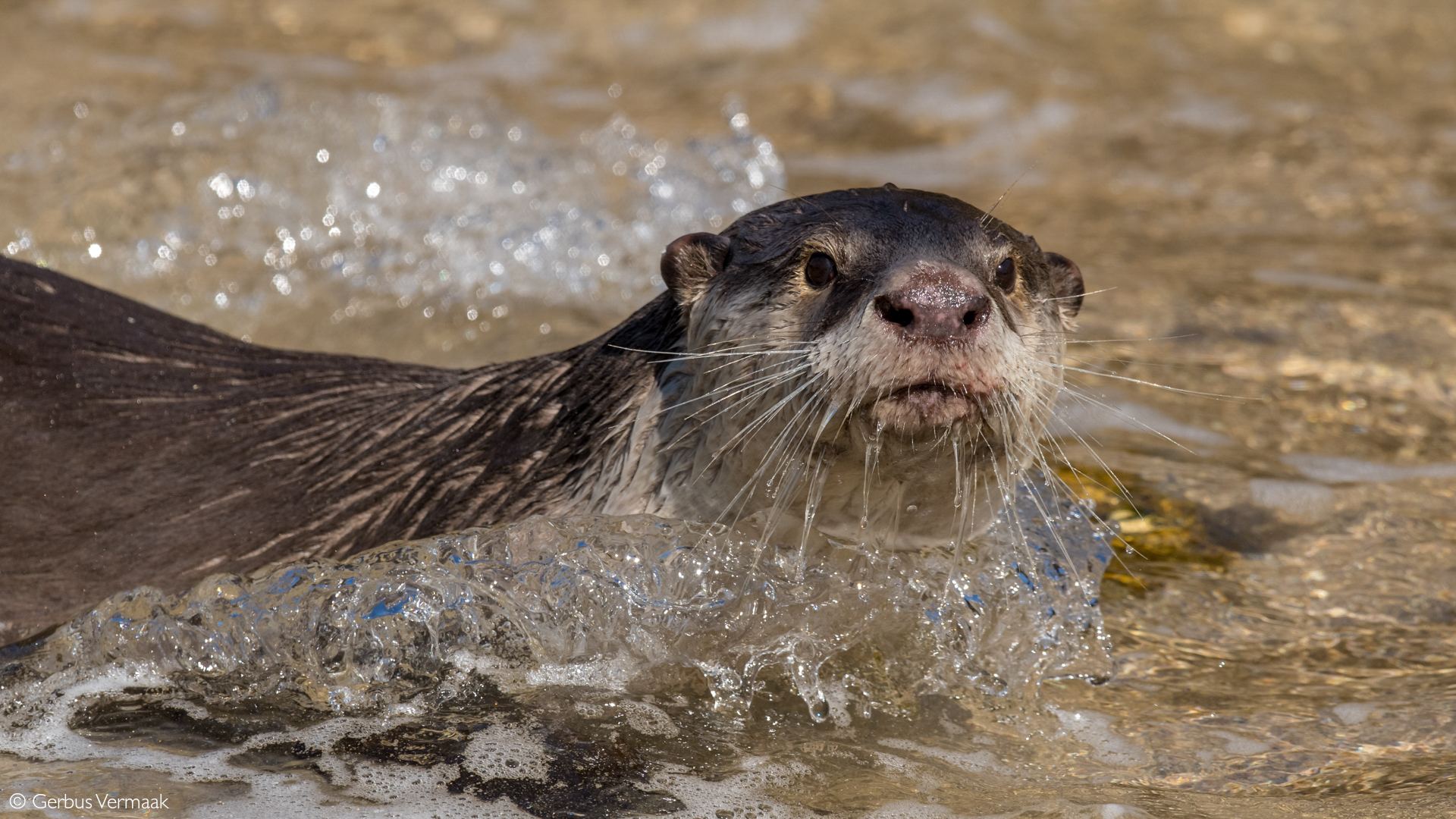
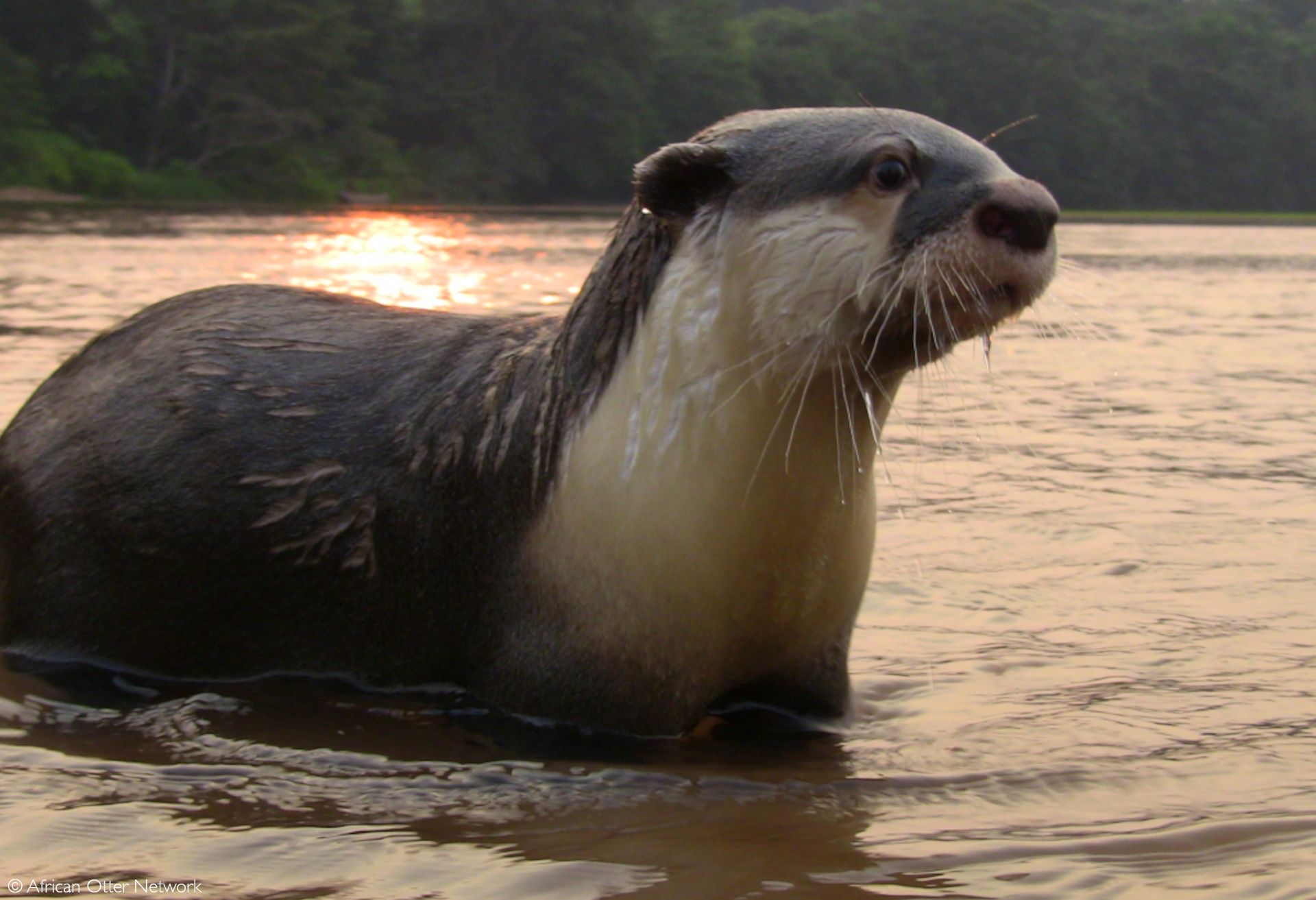

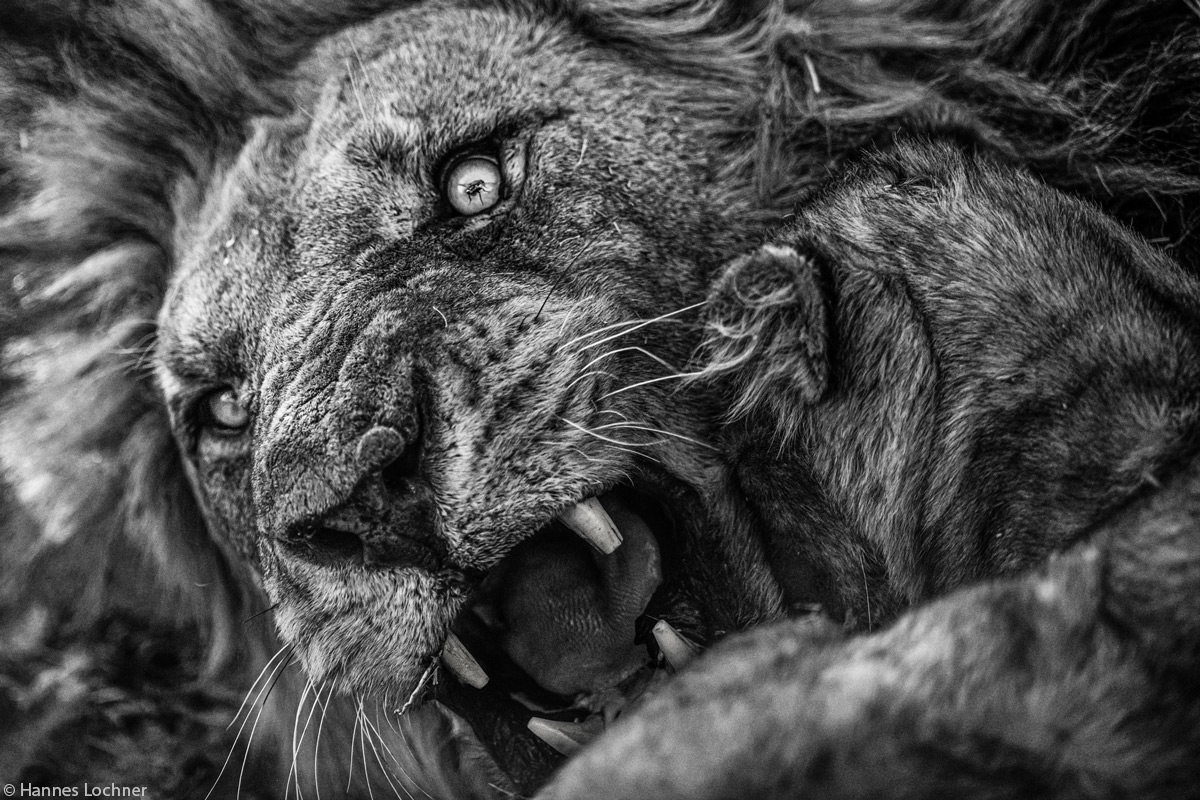
 Hannes Lochner is a renowned, award-winning wildlife photographer and has been taking pictures professionally since 2007. He has long been fascinated by the arid zones of Southern Africa, which of course, include the Kalahari. His name is now synonymous with the Kgalagadi Transfrontier Park and the park’s leopards in particular.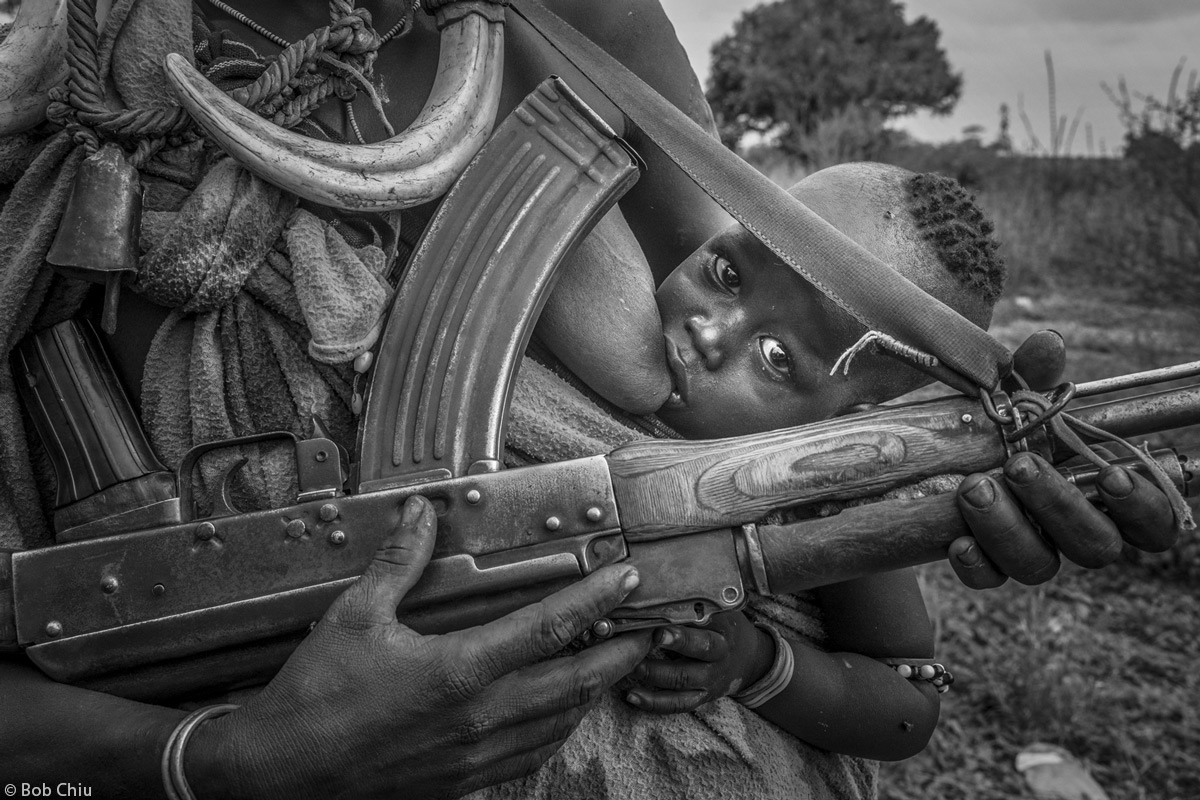
 Bob Chiu was born in Hong Kong and lives in Los Angeles, USA. He is a visual storyteller whose images from travel to street photography convey the beauty of various human cultures, emphasising human interactions. He aims to capture precious moments of unique human interaction in a rapidly changing world. He hopes his work can help make the world a smaller place by allowing people from different parts of the globe to know each other better.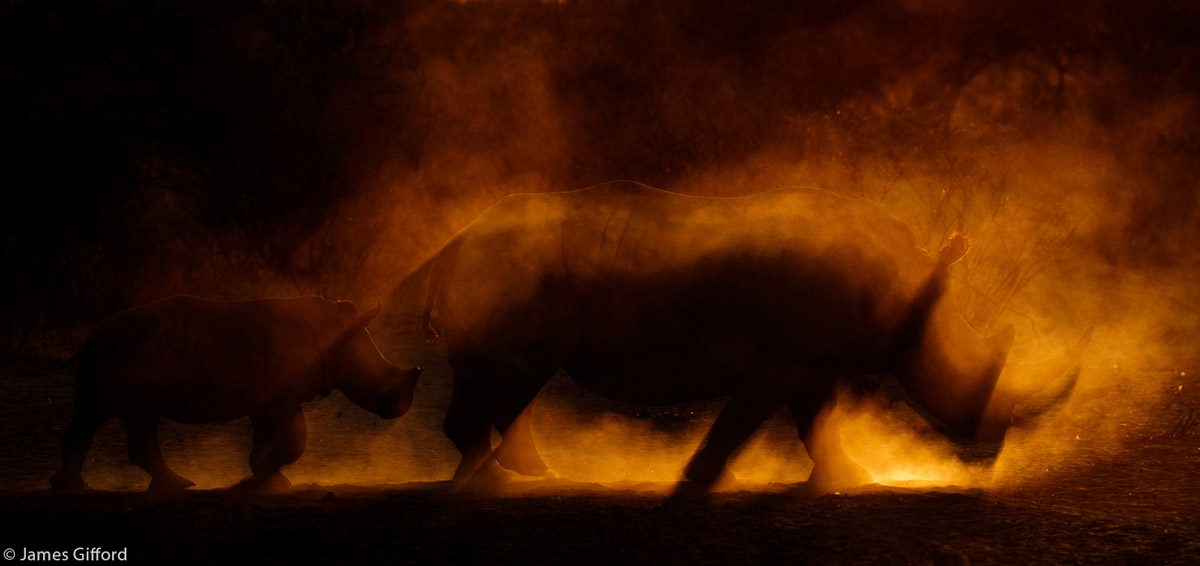
 Based in Botswana for the last 15 years, James Gifford is a multi-award-winning photographer, writer and videographer, with two published books and numerous magazine credits to his name. In between guiding specialist photographic safaris and creating marketing content for safari companies, he takes every opportunity to get into the bush to create images that can influence how we think about the world and conserve the bounty of wildlife that is still left on our planet.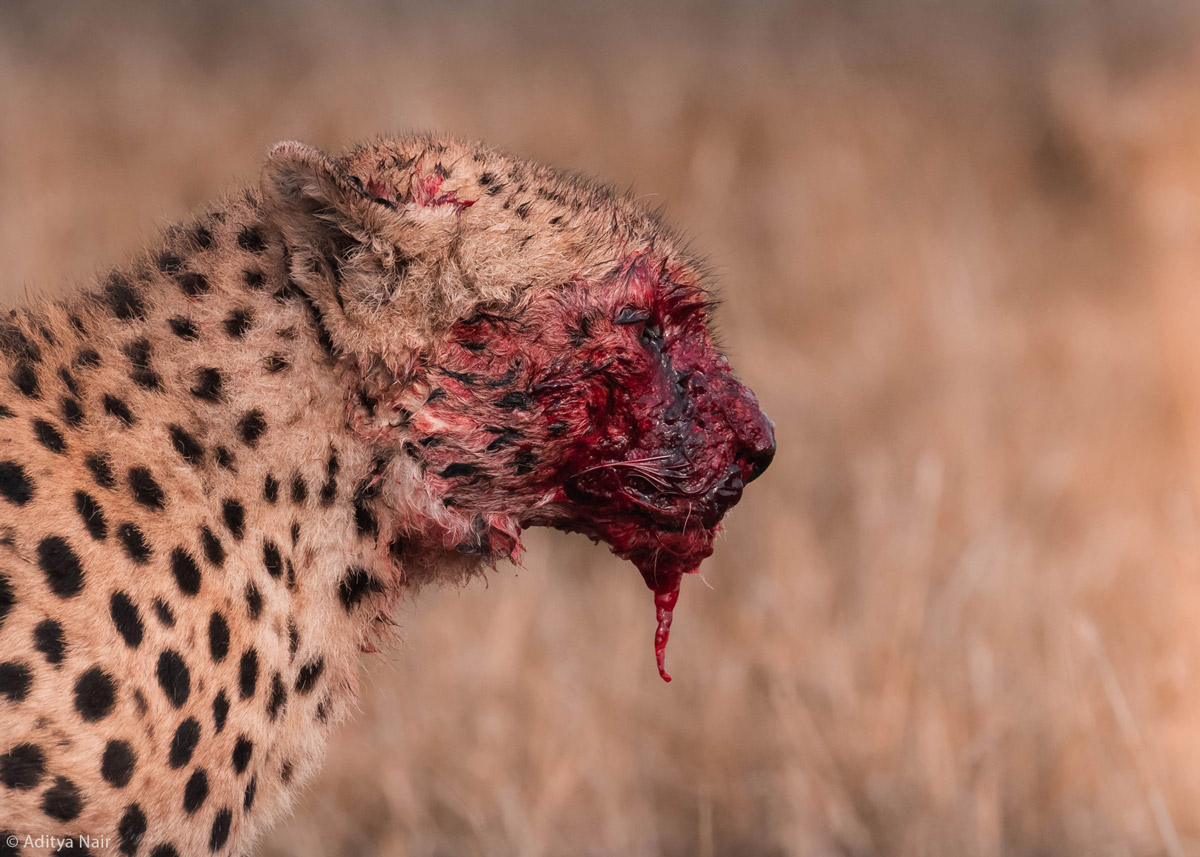
 My name is Aditya Nair, and I specialise in wildlife photography with an added touch of surrealism. I grew up in Kenya snd couldn’t help but feel connected to the wildlife around me. Every time I saw a different species for the first time, I felt responsible for telling stories about us and them.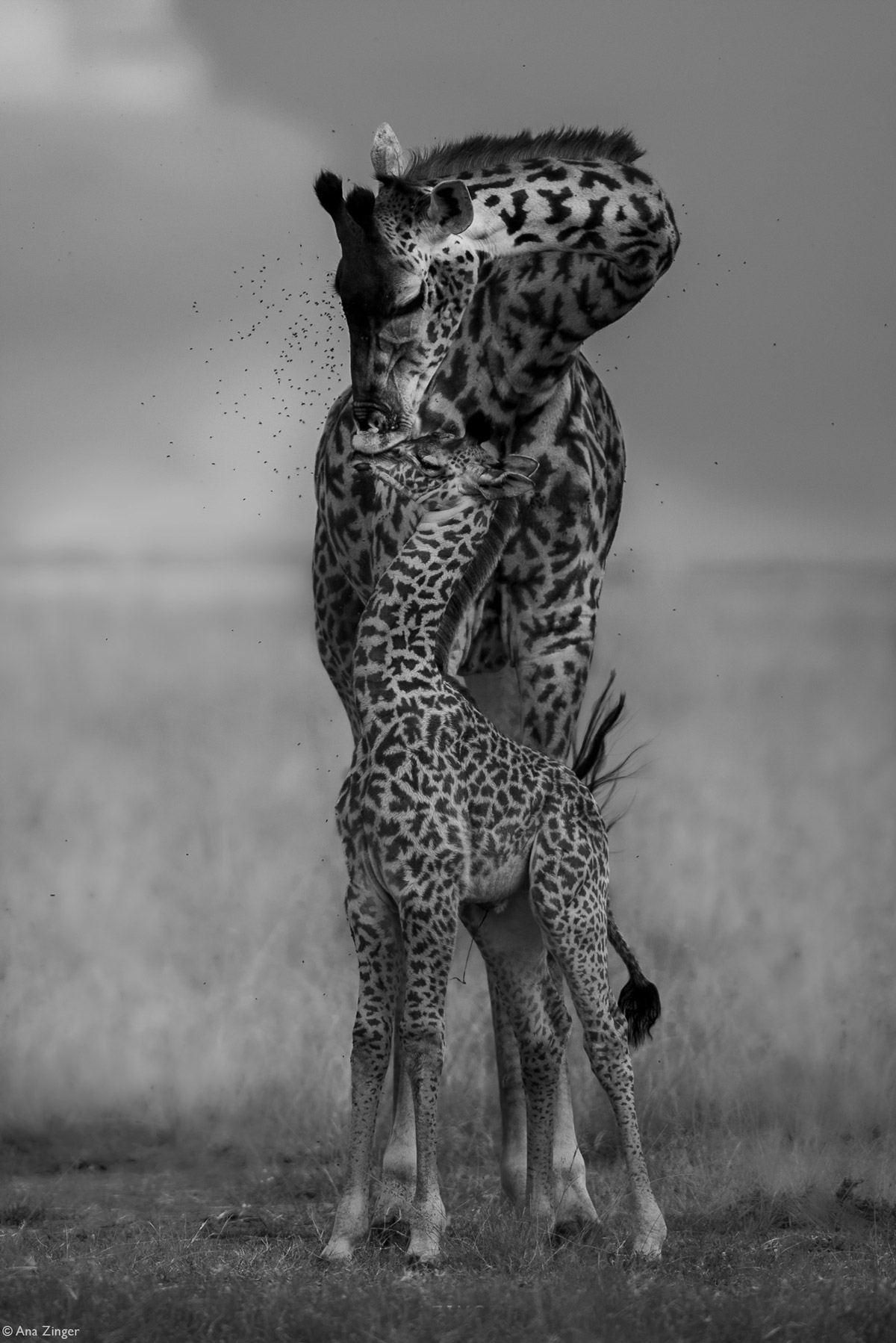
 From Brazilian jazz clubs to Africa’s national parks, Ana Zinger sings and photographs. Born in Rio de Janeiro, Brazil, she majored in music and vocal performance in 2003. She developed an interest in photography at an early age, only to find her inspiration reached a peak when she visited Africa for the first time in 2000. Mesmerised by the beauty of the African wilderness, she started travelling back to Africa to photograph its wildlife. It has been 20 years now… Her work has featured in several expositions, magazines, Brazilian newspapers and Africa Geographic. Ana’s mission has been to connect people to Earth’s wild inhabitants through her lenses, throwing light on the importance of a respectful human-wildlife coexistence in a changing world.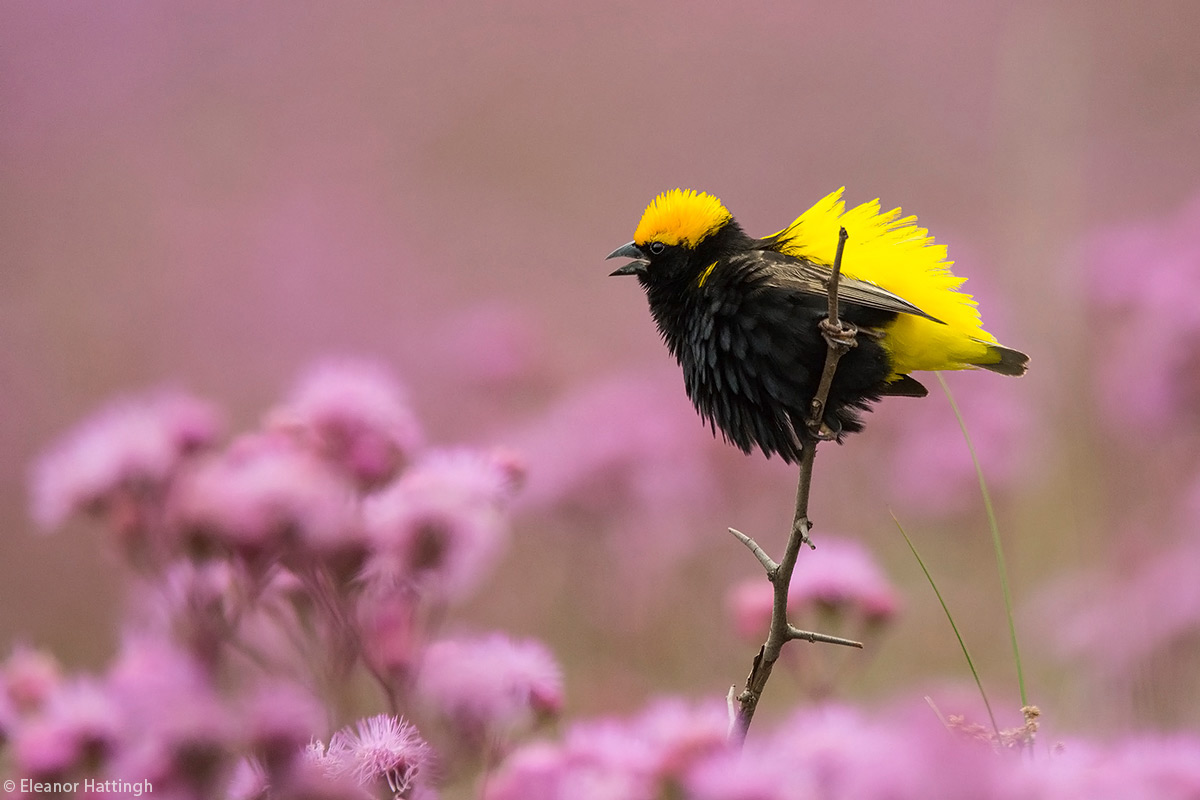
 I am an amateur hobby photographer raised in South Africa. I have a deep-seated love for wildlife, photography and the African bush.
 Geo Cloete is a multi-talented artist with an architectural degree from Nelson Mandela Bay University (South Africa) in 1999. The fruits of his labour have seen him complete award-winning works in architecture, jewellery, sculpture and photography. Sharing the beauty and splendour of the natural world, especially the underwater world, is a primary focus of his photographic projects. In recognition of his contribution to spreading awareness of ocean conservation, Geo was invited to become a Mission Blue partner in 2015.
 I grew up in a small nomadic Maasai community in the southern part of Kenya. I now work as a professional safari guide showing international guests the beauty of nature in Olare Motorogi Conservancy.
 Kirkamon Alarin Cabello was born in the Philippines. Nature hikes led him to a love for photography at an early age. He worked as a signage layout artist in a mining company based in the Democratic Republic of Congo. During this time, he became even more enamoured with nature photography and birding. Through this art, Kirkamon eased his loneliness away from family and loved ones. It was therapy to keep him sane and happy. He has successfully entered several local competitions in the Philippines for birding photography.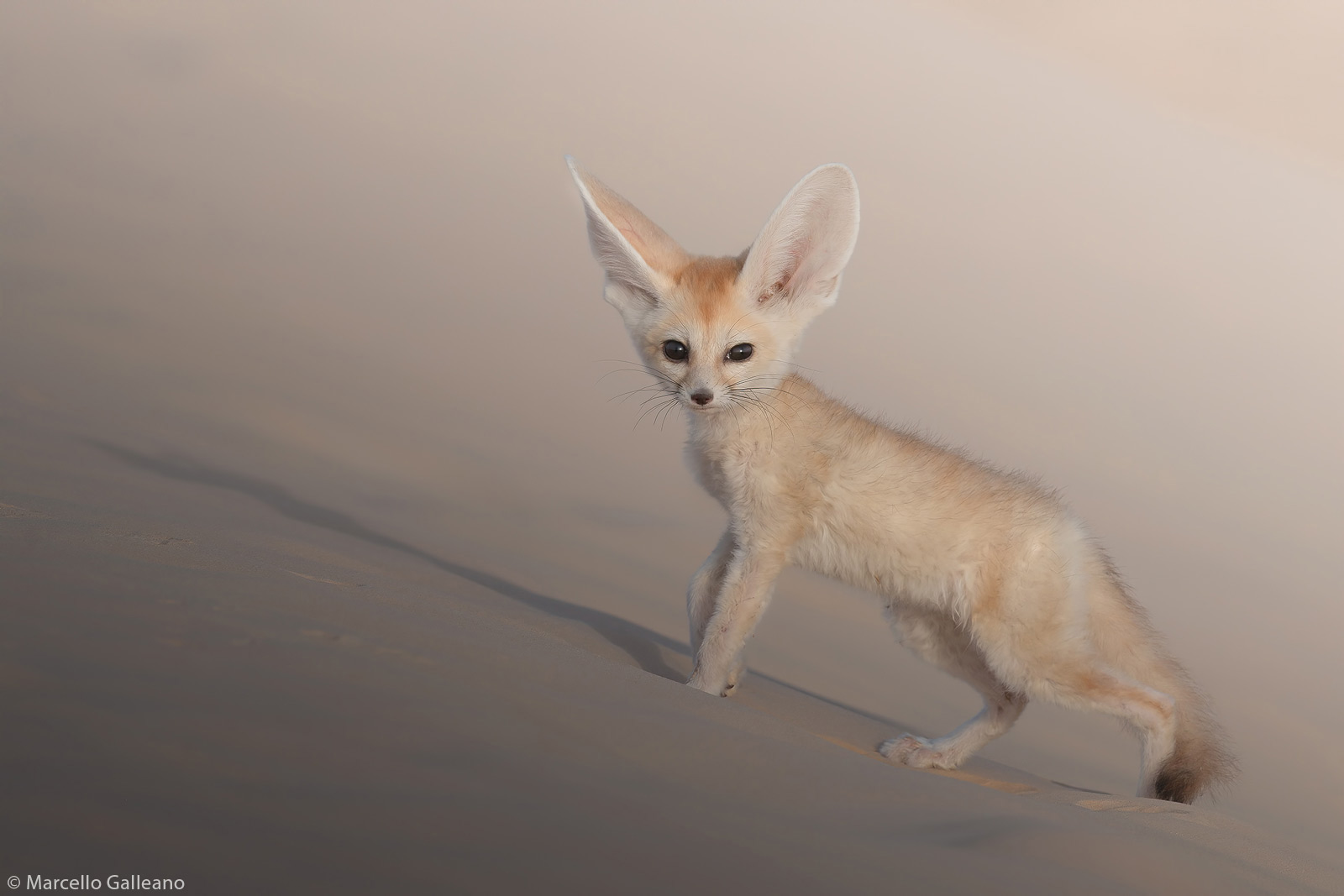
 Marcello Galleano, an entrepreneur in the field of nutraceuticals and herbal medicine, has always been a lover of nature and adventure trips. He has visited more than 86 countries worldwide and collaborates with non-profit associations in Africa and South America. Passionate about wildlife photography, he loves to capture the most incredible moments that the various environments offer and share the world’s beauty.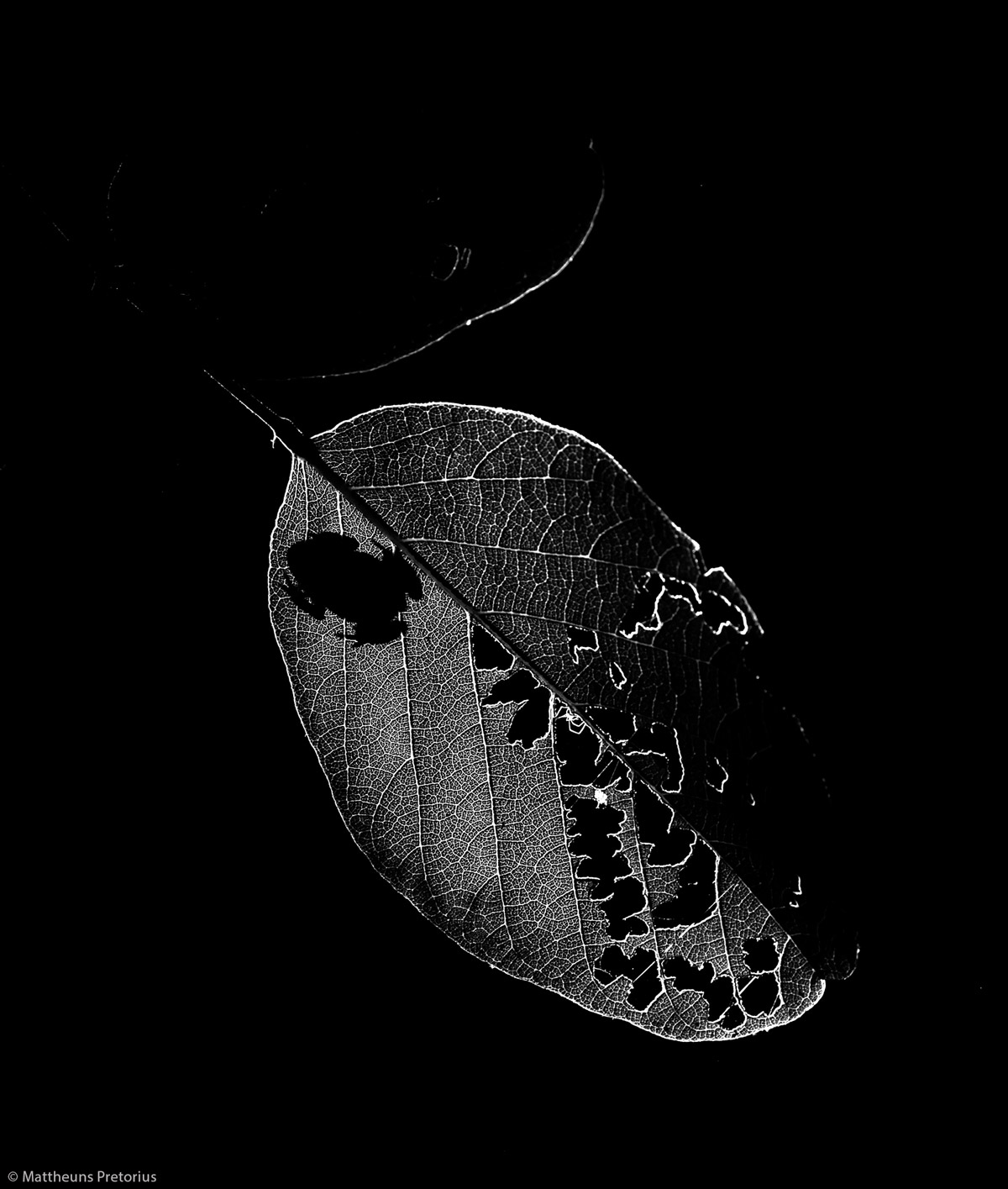
 I am a conservation scientist, drone pilot and an avid wildlife photographer based in Gauteng, South Africa. I completed my formal training in 2007 as a nature conservation student in the Kgalagadi Transfrontier Park, whereafter I conducted a postgraduate study on the vulnerable African Grass Owl on the Highveld of South Africa. I am currently employed by a non-profit conservation organisation. My primary role is to study novel ways to protect wildlife from power line electrocutions and collisions. I also pilot unmanned aerial vehicles for various conservation missions. My love for wildlife photography blossomed in the Kgalagadi and has since been nurtured by a passion for birding, scuba diving and various other outdoor hobbies I share with my wife.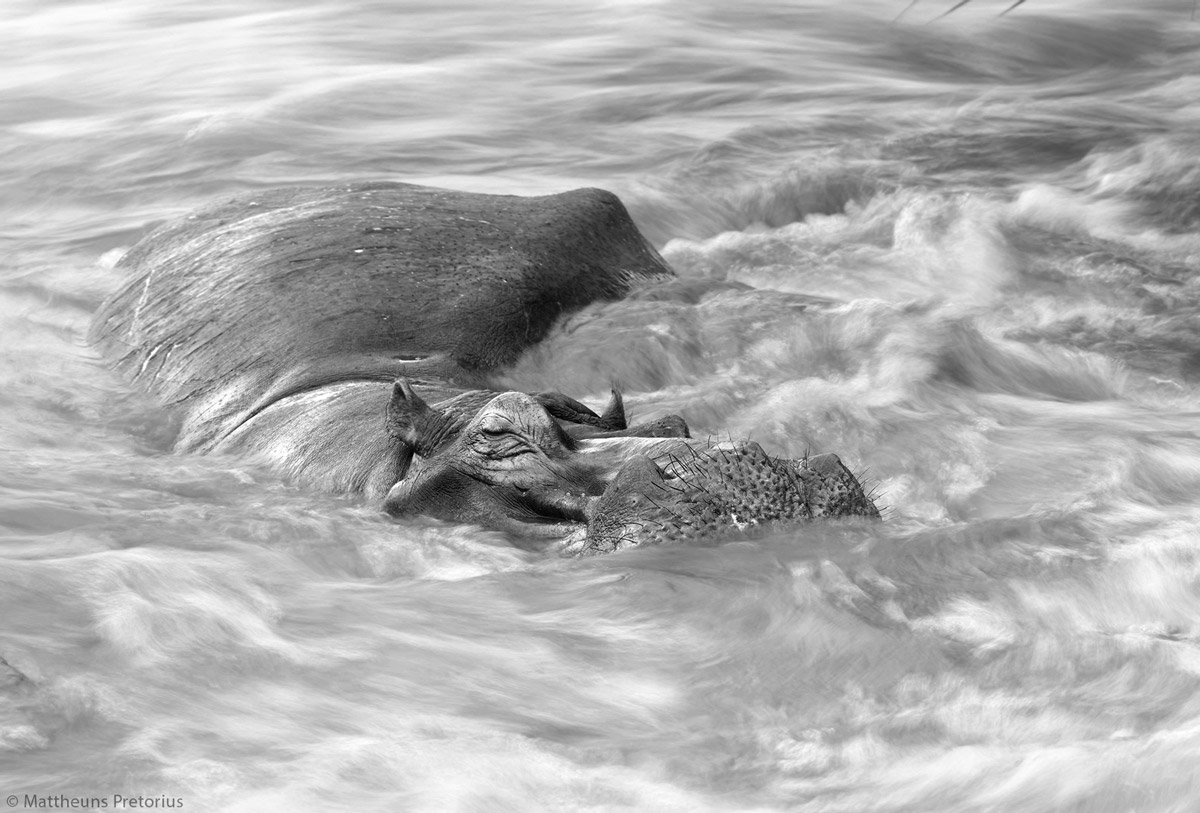
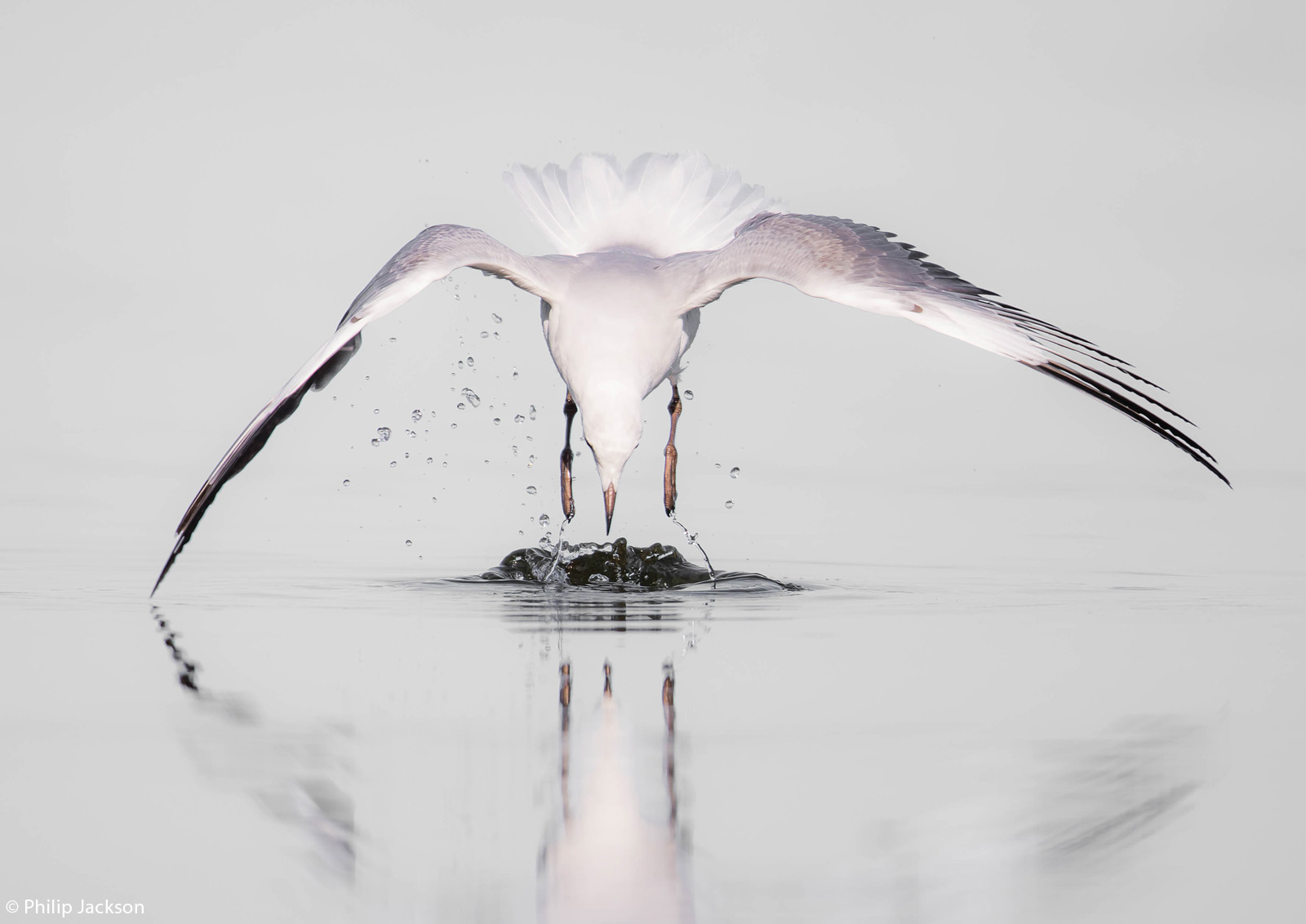
 Philip Jackson was born in the United Kingdom. In 1992, at the age of 28, in need of adventure and tired of grey skies, he embarked on a bicycle ride to South Africa to start a new life. He fell in love with the country and has lived there ever since.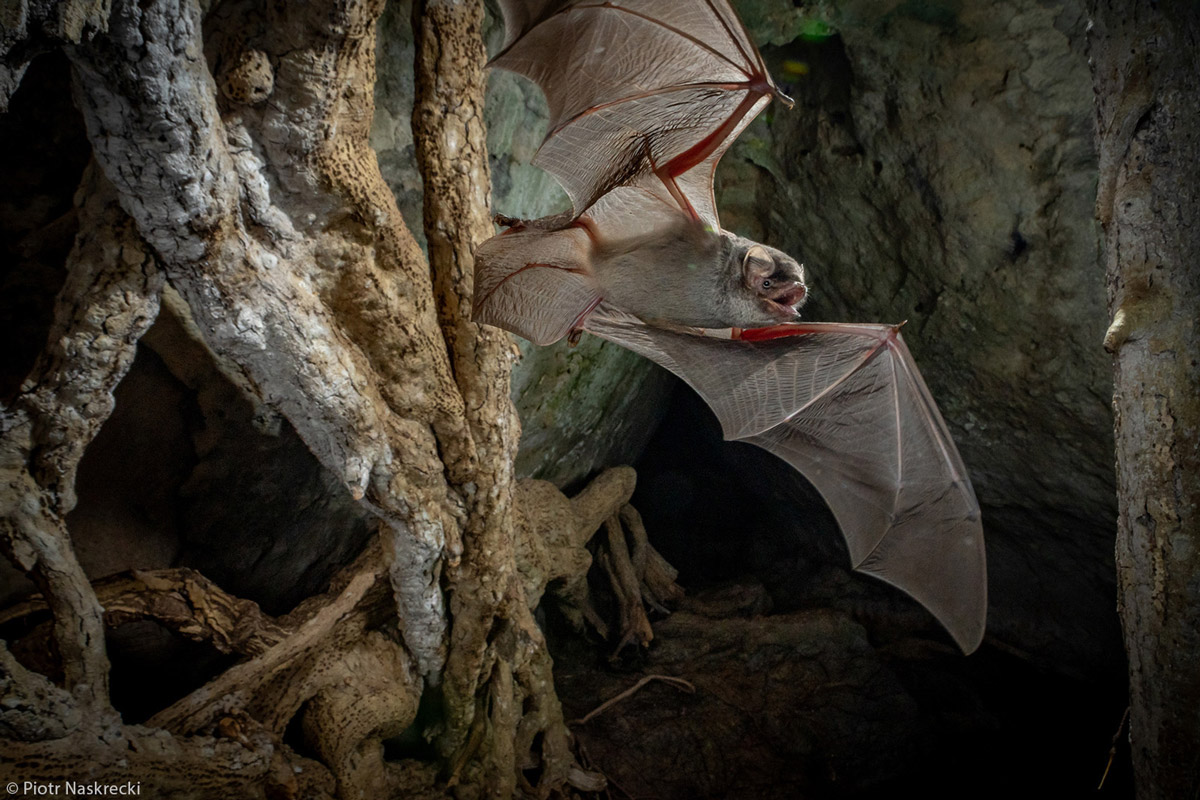
 Piotr Naskrecki is an entomologist, conservation biologist, and photographer with over 20 years of experience in biodiversity research in academic environments and non-profit conservation organisations. He received his PhD in entomology from the University of Connecticut, USA. His interests concentrate on sound communication in insects and other animals, new species discovery, biodiversity conservation, and popularisation of scientific knowledge.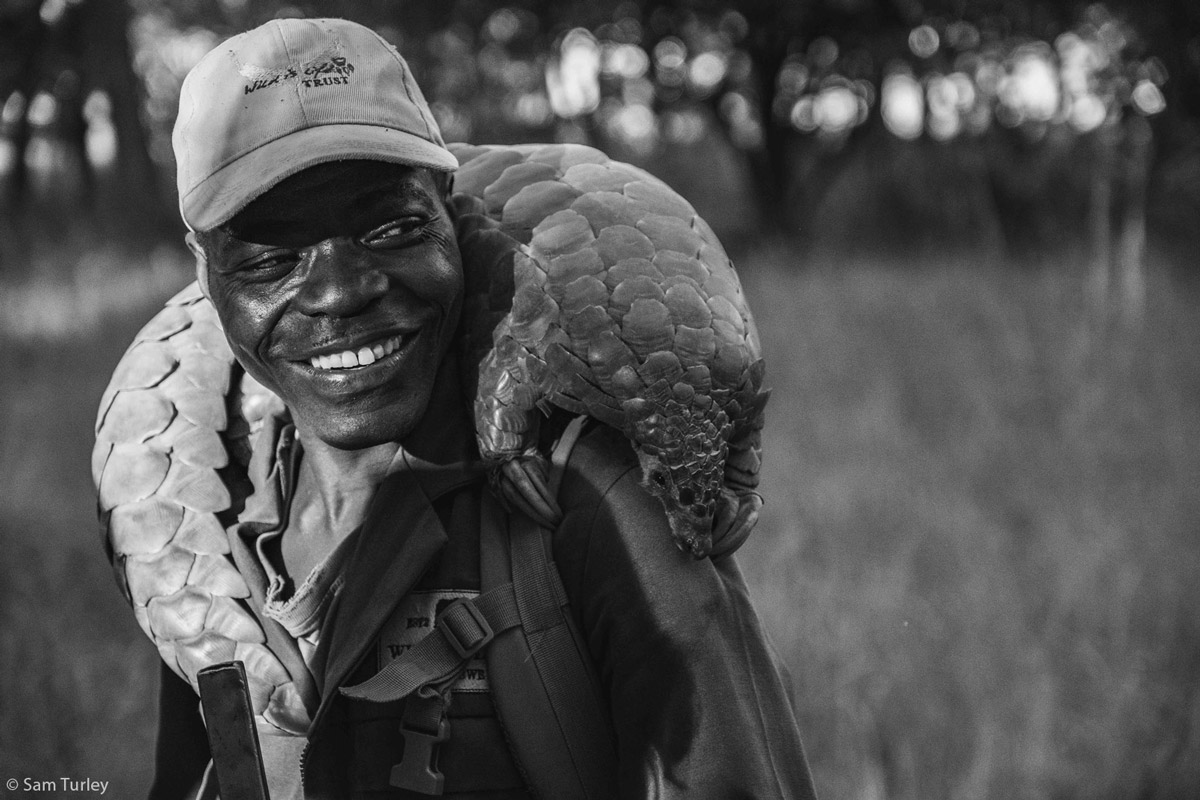
 Sam Turley was born in Staffordshire, England, in 1992. Growing up in the countryside, Sam’s fascination with the natural world started at a very young age and has never left him. He has since dedicated his life to wildlife conservation, and after studying zoology in the UK, he went on to qualify as a field guide in South Africa, where he worked for three years. During a trip to Namibia in 2016, Sam’s passion for wildlife photography ignited, and he has been obsessed ever since. He was the overall winner of the 2020 Wilderness Safaris People’s Choice Award and was a three-time finalist in the highly prestigious 2020 Natural History Museum’s Photographer of the Year competition. His work has also been featured in many magazines, including The Telegraph, Getaway and Travel Africa. He now lives and works in Zimbabwe on a rhino conservancy where he plans to run photographic workshops and tours.
 I was born and educated in Zimbabwe, moved to KwaZulu Natal, South Africa to complete a midwifery diploma as a young woman and married a South African farmer who is passionate about wildlife. So it was that my interest in wildlife and photography slowly began.
 From Italian origins, Valentino Morgante was born in Malawi, in the heart of Africa, where he spent his first 18 years living in close contact with African nature and culture. He completed his last years of study in Johannesburg and then moved to Italy. There, he began his working life, where he developed, among other things, a passion for nature and sports photography.
 Ying Shi is a Chinese photographer who has lived in Canada for nearly 20 years. He is a member of the Canadian Association For Photographic Art, a council member of the Jiahua Elite Photography Association, and a member of the Photographic Society of America. He was awarded The Distinguished Canadian Photographer by the 126th Toronto International Salon of Photography in 2019. His photographs in Kenya have won many awards in international photography competitions.