I am lucky to call Cape Town home because it means I’m able to enjoy the ocean right alongside mountain wilderness, five-star dining enhanced by fine wines, a buzzing art scene and a vibrant nightlife, the ramifications of which can be cured with exceptional coffee found on every street. To leave Cape Town for a holiday seems like madness, but perhaps it’s okay if it’s just for a weekend.
A certain train leaves Cape Town for Simonstown in False Bay every second weekend. Catch it, and you’ll travel back in time – not just because Simonstown clings to a bygone era, but because this train runs on steam. As you chug away from Cape Town, the expanse of False Bay is steadily revealed. Before long, the ocean is almost lapping at the rails, the hiss of the engine marks your passage in time and you eventually arrive, with a steamy shudder, in the 1800s.
Victorian buildings line Simonstown’s streets. With shuttered windows flung open to the bay and naval flags lining the eaves, it’s clearly the ocean upon which this town thrives. A centuries-old naval base gives credence to the old cannons that spike the surrounding hills, and a yacht club lures sailing ships from around the world. Not far from the old town, on the way towards the jagged cliffs of the Cape Peninsula, penguins make their home on protected beaches, and False Bay’s secrets of kelp forests and strange creatures are hidden beneath the waves.
Find out about Cape Town for your next African safari. We have ready-made safaris to choose from, or ask us to build one just for you.
It’s a wonderful place from which to explore the peninsula, surf the waves of Muizenberg and commune in the antiquarian haunts and coffee shops of nearby Kalk Bay. But don’t miss lunch at The Flagship back in Simonstown. Chef Duncan Doherty is the relaxed and funny host of this unique establishment – more of a delightful home than a lodge and restaurant.
Much of his fare comes from the ocean on his doorstep, and although many arrive at his table as strangers, they soon kick their shoes off as friends. I kicked mine off, made some new American friends and stayed the night, anticipating the next leg of my next trip around False Bay on a more modern form of transport.
If motorcycles came with cup holders, I might have taken off immediately, but coffee was enjoyed sitting on Kalk Bay’s vibrant street, gazing alternately at the passersby and the imposing motorcycle that Tyger Valley Harley Davidson had lent me. I couldn’t help comparing it to a steam train because it handled like it was on rails. The size of the bike belies surprisingly nimble handling on the most curvaceous of bends.
Sticking to the coast after Muizenberg, the road skirts along a windswept stretch of beach, making up the deepest cut of False Bay; then, after crawling through Strand and Gordons Bay, you are rewarded with the most scenic stretch of coastal road in South Africa, if not the entire continent. It’s also the most fun. You can’t take a train around the tight turns of Clarence Drive, but on a bike, it becomes a fairground ride enhanced by the sea air washing up from the waves below and the breathtaking views around every bend.
When the curves run out, you can’t just stop and turn around, no matter how enticing the road. Hermanus is too close to ignore, especially during the whale season, and it’s a perfect base to explore the beautiful Hemel-en-Aarde wine valley just outside Hermanus and commune with the water creatures of Walker Bay.
Birkenhead House is an incredible base, the hotel’s location being the envy of many – on a small cliff-top in Hermanus overlooking Walker Bay, where so many whales come to calve their young.
The unobtrusive entrance gives little away of its wonderful interior. As you descend its three expansive levels, flanked by an enviable collection of contemporary art, the ocean grows larger and larger in your view until you walk through the lounge and stand on the pool deck with the entire bay at your feet. Then a whale waves a flipper in greeting, a chilled glass of wine is put in your hand, and you think, perhaps getting away from Cape Town is something I should do more often.
Whale Watching by boat: Ivanhoe Sea Safaris specialises in boat-based whale watching from June to September. They are located in Gansbaai, just 40 minutes from Hermanus, operating in the waters of Walker Bay which is famous for its whale activity. Ivanhoe also offers eco trips focussing on the wider marine life and private charters.
Whale Watching by plane: African Wings takes off from Stanford, just 25 minutes from Hermanus, giving you a unique perspective on the whales in Walker Bay. Flights take up to three people and vary in duration between 30, 45 and 60 minutes. African Wings also offers a variety of scenic flights and tailor-made experiences.
Before reaching Hermanus when driving from Cape Town, turn left onto the R320 Hemel-en-Aarde Road to explore the wines and landscape of this beautiful valley. It’s a refreshing alternative to Franschhoek and Stellenbosch, with a wide selection of award-winning vineyards and restaurants.
Ataraxia’s tasting room, The Wine Lounge, is built as a chapel situated on what must be the most spectacular spot in the valley – an ideal place to sit and contemplate their delicious wines.
Creation Wines has wonderful wine pairings with tapas, brunch pairings and a secret food & wine pairing.
Birkenhead House is situated in a quiet part of Hermanus on a cliff-top overlooking the whale haven of Africa. It comprises three houses with 11 eclectically decorated rooms, a spa, gym, and two pools. Stylish luxury contrasts with a laid-back atmosphere that has you feeling completely at home. Everything is at your own pace here, and the staff treat you more like friends than guests.
Boulders penguin colony:
As part of Table Mountain National Park, Boulders Beach is the protected home of over 2,000 endangered African penguins. But it doesn’t mean you can’t visit to delight in the antics of these characterful birds. From the turnstile entrance, a walkway means you can view the penguins without destroying their natural habitat, and there is also access to a sheltered beach where you and the kids can swim – but don’t touch the penguins.
The penguins are supported by SANCCOB (Southern African Foundation for the Conservation of Coastal Birds)
The variety of eclectic shops, restaurants and cafés on Simonstown’s main street and waterside belie the quaint size of this town. You can lose yourself here for a day hunting down that art piece, learning about the history and sampling the tasty wares of its restaurants and cafés.
Hard work like this needs a respite, and the restaurants on the waterfront are a good place to relax for a maritime meal while you watch the sailboats bob in the harbour. Boat excursions to Cape Point and Seal Island can also be arranged here with Boat Company and whale watching excursions in False Bay.
Simonstown Naval Museum:
The town’s naval history goes back to 1810, when the Royal Navy moved its headquarters from Cape Town to Simonstown. It’s a fascinating place to learn about the history of South Africa’s fighting and defensive ships, from the days of sails through to the minesweepers and submarines of World War 2 and beyond. Most surprising are the mapped records of German U-boat activity along South Africa’s coast, making one realise this wasn’t necessarily a quiet theatre of maritime war.
Chef Duncan Doherty hails from the renowned culinary and wine capital of Franschhoek, his connection with wine and food showing in his portfolio of work with Haute Cabriere, Fancourt, The Lanzerac Hotel and the Graham Beck Wine Estate. At The Flagship, he builds your 5-course meal around the best wines, pairing them with local, sustainable seafood in a relaxed atmosphere that makes you feel completely at home. To top it off, four sea-facing suites are waiting for you so you can linger in Simonstown for much longer.
This seaside town is the hip sister of Simonstown with restaurants, cafés and shops that range from cool and funky to discerning and chic. Kalk Bay’s harbour is a small, buzzing fish market where fishing boats offload their catch daily. A couple of tasty fish and chip restaurants line the harbour, and the finer fare can be found at Harbour House, with a view over the crashing waves of False Bay. Punctuating the shops of this town are several cafés, each with its own eclectic vibe, but make sure to sample the fare of Lekker, an Afrikaans word meaning “tasty”.
The Western Cape’s coastal roads are ideal for two-wheel touring – with twisty roads and incredible scenery, there’s no better way to experience it. If it’s for a weekend away, you can fit everything you need on a tourer like the Ultra Limited, which has enough luggage space for you and a passenger.
Atlantic Rail gets underway every second weekend, steaming down the track towards Simonstown or Stellenbosch and back again. Invite friends and family, take a picnic along, and if you really want to get into the swing of it, wear period costume for a true journey back in time.
About the author
ANTON CRONE quit the crazy-wonderful world of advertising to travel the world, sometimes working and drifting. Along the way, he unearthed a passion for Africa’s stories – not the sometimes hysterical news agency headlines we all feed off, but the real stories. Anton strongly empathises with Africa’s people and their need to meet daily requirements, often in remote, environmentally hostile areas co-habitated by Africa’s free-roaming animals.
His Excellency Minister Oldemiro Júlio Margues Baloi – Mozambique’s Minister of Foreign Affairs – has declared the country free of all known landmines.
APOPO, has been working in the country to help clear the landmines since 2007, extended their heartfelt congratulations to the people and government of Mozambique. Tess Tewelde, APOPO’s Head of Mine Action Africa, said, “APOPO is extremely proud to have played a part in this historic achievement that now allows the people of Mozambique to finally live without the fear of landmines and explosive remnants of war.”
Following the completion of remaining landmine sites in Manica and Sofala provinces in early 2015, APOPO proudly and safely finalised all their humanitarian tasks in Mozambique, in the process destroying a total of 13,274 landmines and returning 11,124,446 square metres of land for safe and productive use.
APOPO has helped rid five provinces of landmines, returning safe land to local communities to live, work, farm and play without fear. Most households in these areas are headed by smallholder farmers who have been unable to use the land to grow crops and sustain their livestock for decades until APOPO arrived to clear and release the area.
APOPO remains in the country at the request of the National Institute of Demining to continue providing technical expertise and capacity for any residual or remaining clearance work, such as the former ammunition store now known as the Malhazine Ecological Park, which Mozambique’s Ministry of Environment is transforming into a nature reserve, educational and tourism centre.
Mozambique’s landmine problem was once one of the most severe in the world, with a legacy of landmines and explosive remnants of war from decades of conflict. Thousands of landmines were laid in the country during its 1964-1975 fight for independence and the following civil war. All factions used landmines to defend provincial and district towns, roads, airstrips, key bridges, power supply infrastructure and military posts. Although the civil war ended in the early 1990s, landmines and unexploded ordnance have continued to claim hundreds of lives of innocent people and hinder development.
A large-scale mine clearance effort was launched in 1993 by the United Nations Operations in Mozambique and international NGOs. At that time, Mozambique was considered one of the most mine-affected countries in the world.
As well as traditional approaches to mine action such as manual de-miners with metals detectors, ground preparation, and de-mining machines, APOPO also deploys its unique mine detection rats to help speed up operations as they detect only explosive material (TNT) and ignore harmless scrap metal. One HeroRAT can check an area of 200m² in about 20 minutes – a task that would take a conventional de-miner up to four days.
An NSPCA report has revealed that tourists are still riding elephants in South Africa, despite a growing international move away from the controversial practice. Written by: Melissa Reitz
A report by the NSPCA (National Council of SPCAs) on the welfare status of elephants in captivity at 26 elephant facilities nationwide (14 of which offer elephant-back riding) reveals that nearly all captive elephants suffer welfare deficiencies in one way or another. This highlights the fact that South Africa is lagging in a growing global trend against using captive elephants for entertainment.
The report, compiled by the NSPCA’s Wildlife Protection Unit, has been submitted to all relevant government departments in South Africa and NGOs nationally and abroad and offers a scientific overview of the cruel realities that many captive elephants endure physically and emotionally.
The report also confirms the lack of conservation benefits of the captive elephant industry. The WWF (World Wide Fund for Nature) and IUCN (International Union for Conservation of Nature) do not consider captive breeding a significant contribution to elephant conservation due to low breeding and high mortality rates. Also noted in the report is the high number of human injuries and fatalities due to public interaction with captive elephants.
According to the NSPCA report, more than half of the 26 facilities keeping captive elephants for public interaction use a method called: “free contact”, which includes the use of physical punishment, using an ankus or hook, to train elephants into submission.
“If tourists knew what it took to train an elephant for their ‘pleasure’, South African tourism could be damaged,” states Dr Mandy Lombard of Public Watch. “Although we hear of people being killed, few incidents where elephant handlers or tourists are attacked have been publicised.”
In the rest of the world, a growing movement against elephant back riding is emerging – with many travel agencies taking elephant riding off their itineraries and dissuading customers from supporting the practice.
Unlike South Africa, thirty-seven countries across the globe have bans on animals in circuses, including Mexico, Greece, Belgium and the Netherlands. Although not yet nationally endorsed, certain states of America have also issued circus animal bans. Still, England remains divided on this as political parties debate whether or not to change legislation.
After being sent the following offer several times from professional hunter Ivan Carter, award-winning filmmaker, Dereck Joubert decides to reply.
Dear Ivan,
This economic case is intriguing and worth unpacking scientifically and politely. Your note has a blend of economics and ‘experience’ or emotion, and I will attempt to separate them.
1. We have done much of this list already. Most guests in eco-tourism camps go out each day and do what most hunters do, except, of course, the experience is different as they actually walk more than trophy hunters do and leave the wildlife intact.
During the period from 1995 to 2003, I took notes on trophy hunting in what was called Area 6 (Linyanti Selinda) in Botswana and between 90-95% of animals were shot from vehicles so very little walking and stalking was involved. This, of course, was illegal, but this discussion is about viability, not infringements.
2. The photographic tourist with a camera gets up close enough to take a decent image with a 300mm lens, which is about 30% closer than a hunter has to with a high-powered rifle and a telescopic sight.
3. It’s a misnomer that each buffalo costs US$3,000 to stalk. This makes a basic assumption error that once you photograph the buffalo, you cannot take another photograph of it, either that day, the next or ever again. An image taken and a bullet fired have two completely different outcomes. The argument presented also assumes that while the buffalo may live for another 15 years, no one else can visit, pay the fees or photograph the buffalo. Great Plains provides free cameras in most of its camps, and the resulting statistics are revealing: most people take about 1,000 images a day. With a burn rate (those that are not keepers) of 50%, that implies 500 photographic trophies per day per person or couple! It is not fair to equate one photograph to one bullet. One bullet ends the potential. I would argue that each photograph gets taken back to the visitor’s circle of friends and serves as a brochure for more travellers to visit that same buffalo. One bullet? End of that cycle.
We once did a survey in Savuti in Botswana and calculated the value of a male lion dead (as a trophy) versus its value as an eco-tourism asset. It is complicated, but its value dead was US$15,000 then, whereas its value alive was around US$2,000,000. This is because of that basic oversight in your argument: a photographed lion yawns at the dawn repeatedly for photographs for over 10 years, attracting fees and lodging costs and also, importantly, distributing value down the chain to airlines, wages, curios, communities and food purchases (none of which were actually included in the US$2M calculation). However, one bullet ends those yawns in the sunrise forever for that lion.
Today you can hunt a lion for about US$23,000 for a male and, shockingly, just US$9,000 for a lioness! Who wants to shoot a lioness, by the way? A rare white lion will set you back about US$30,000. Who wants to shoot a rare white lion and end its life? I could run the numbers again in today’s terms, and we would find a proportionate increase in its value to be kept alive and wild.
4 An average stay at a place in Botswana, like the Zarafa Dhow Suite or Mombo, will cost you US$2,500 per day per person. In contrast, the average lodging fees for most hunting companies (I researched about 40) are around US$350-$450 per person.
5. Another miscalculation is in the sum that goes to the government. According to three sources, this is less than 5% of the price paid for the trophy, rather than your calculation of a third. And one of these sources was a government of Botswana study in 1999 and later a study by Animal Rights of Africa in 2008. Similar results are cropping up in IFAW and other NGO studies.
6. All of the Great Plains camps do actually give US$100 to communities as a conservancy or community fee, as do many others, so that is at least equal to your ‘offer’. However, most hunting concessions can only service 12-15 or so hunters a year. Even on a seven-day safari, that is, at best, 20 clients a year. So the average hunting operation produces US$15,000 in community fees in a five-month hunting season. From one camp like Mara Plains, at a 60% occupancy of 14 guests per night for 12 months, the community fee would be US$306,000. Even if we remove from this any anti-poaching contribution, which on a hunting concession calculation may be US$15,000 (per your note), a very liberal comparison would work out as a net benefit to the community and conservation of US$30,000 for hunting versus US$300,000 for a photographic trip.
7. Keeping the animals alive is clearly more viable but also increases exponentially if you consider the addition of their offspring to the ecosystem. In the case of lions, each male lion would add a further US$2M every time a cub survives to adulthood, and lions have an average output of about six cubs in their lifetimes.
8. The entire safari cost of US$20,000-$25,000 you quote equates to a ten-day photographic safari with Great Plains. That excludes flights and tips etc. However, I see that if two people are on a hunt, the fee goes down by about 33% for the second person, so a trophy hunt for two people would be about 15% less than an average photographic safari. Hence photographic safaris, in some cases, already exceed the prices achieved from hunting.
9. So yes, converting that land to non-hunting ground would probably make more money, especially if your business model, which now aims at 15 people, could be increased to 100 as per your request.
10. To summarise, it is impossible to win any economic argument for hunting, so it comes down to an emotional one. Ironically, the hunting representatives urge everyone not to get emotional about the subject, yet hunters come to Africa to get the (emotional) thrill of killing. Anyone who says it is for conservation can simply write a cheque to any great NGOs saving wildlife today.
The argument for hunting gets thinner each time it is tested. Ultimately, it may be reduced to some small game farms in South Africa, but it should certainly not exist in the wild.
Cape granite flax was considered extinct, and the only evidence of its existence was scans of herbarium sheets dating back to the 1830s. Gigi Laidler was told to go and find one. In the wild. No pressure, then.
Gigi Laidler, a staff member at CREW, has this to say about the project, “One of the first things I learnt when I joined the CREW team is that ‘special’ doesn’t always mean big or showy when it comes to threatened species. There is much reward to be found in the small and seemingly uninteresting plants.
On my very first outing with the team, I was instructed to seek and find Granite Cape Flax Polycarena silenoides – a tall order for a small plant found only on Lion’s Head granites and presumed to be extinct. The only visual material I had to work with were scans of herbarium sheets dating back to the 1830s and descriptions gleaned from sources like Cape Plants and other Cape Floras. According to the Red List website, the status is Critically Endangered, possibly extinct and “Known from the slopes of Lion’s Head – three collections were made before 1940. We suspect this species may be extinct due to alien grass invasions and incorrect fire management.”
Of course, we didn’t find our plant on our first search in October, but undaunted, if I subsequently heard of anyone going anywhere near Signal Hill/Lion’s Head, I beseeched them to look out for a small plant in granitic areas.
Then one Sunday, I set off in search of this elusive target on a mild, overcast morning, with the odd hint of impending bad weather threatening to disrupt our botanising fun. Eventually, we reached our main target area on the lower road on the western side below Lion’s Head, where the granites start. We split the group with those feeling nimble and fleet-of-foot exploring the more bouldery section while the more “cautious” of us would simply scramble our way up the steep slope to the path, where we would rendezvous before returning to our vehicles.
I opted for the more direct scramble up the slope, and I didn’t get very far when an insignificant little weed-like plant about 8 or 9cm high caught my eye. Closer inspection confirmed all the “boxes” for the identifying features appeared to be “ticked”, – so I hazarded a guess that we had finally found our plant and proceeded to take many pictures. I will admit that the prospect of rediscovering a presumed extinct species is exhilarating, so Sunday night was a bit restless for me!
On Monday morning, my find was indeed confirmed as being the long-lost Polycarena silenoides – a little plant that can be easily overlooked and dismissed as being something common. Granite Cape flax, as it is commonly known, was probably obscured by mature vegetation on previous searches, and we are fortunate that after the fire, it is now visible in the burnt area, where there is not too much competition from other larger plants.
This population of Polycarena silenoides will now need to be more fully assessed and monitored so that its Red List status can be revised, and more can be learnt about its life form and responses to fire and other threats.
It is encouraging to know that perseverance pays off, and small can be exciting too. So let’s keep looking for those elusive threatened plants, and who knows how many other long-lost species are waiting to be rediscovered.”
The Cape Floristic Region Custodians of Rare and Endangered Wildflowers (CREW) team is a citizen science programme that uses volunteers passionate about plants, many of which are also members of the Botanical Society of South Africa. CREW data feeds into IUCN Red Listing data with the SANBI Threatened Species Programme and is a way for the general public to make a meaningful contribution to conserving our unique natural heritage. This is plant conservation in action.
A hundred years ago, our fynbos rivers pulsed with fish life: glowing redfins swarmed among the cobbles, speckled galaxias suspended weightless in the bubble line, and a pack of mottled kurpers lurked silently in the shadows. Wiley eels grinned in their cavernous lairs as night set in and their hunt began. Large cyprinids, like the Clanwilliam sandfish, migrate great distances upstream to their rocky spawning grounds as the winter floods subside. But sadly, those days are now long gone.
Breede River redfins swarming among cobbles
Low-lying reaches have been degraded by human activities like agriculture, and fish populations have been decimated by predatory alien fish. Today our fynbos rivers are largely devoid of native fish species – a depressing realisation given that most of these species occur nowhere else on the planet. Our sensitive fynbos fishes are backed into a corner like a wounded boxer. They have retracted deep into isolated mountain tributaries, now their last outposts within vast networks of uninhabitable riverscapes.
Smallmouth bass have eaten their way through our fragile native fish populations.
Nearly all of these species have made their way into the pages of the IUCN’s red list, and some are now so rare and isolated that they are literally swimming on the edge of extinction. Again, a depressing prospect, but there may yet be light at the end of this dark tunnel.
In 2012/13, an ambitious conservation project conducted in the Rondegat River in the Cederberg demonstrated, under the disapproving eyes of its many sceptics, that sections of rivers can be rehabilitated and cleansed of alien fish. The project was spearheaded by the local conservation authority CapeNature, and monitoring by the South African Institute for Aquatic Biodiversity (SAIAB) revealed rapid recolonisation by native fishes and aquatic invertebrates from upstream following alien fish eradication. The project showed that a chemical called rotenone can eliminate alien fish without detrimental long-term effects on the rest of the river ecosystem and thereby give our native species back some room to survive – an aquatic miracle if ever there was one!
Unfortunately, though, this solution doesn’t come cheap. This project, which successfully eradicated alien bass from four kilometres of stream and rehabilitated riparian habitat, cost more than ZAR4 million. While several species desperately need this type of intervention, future projects will rest on our ability to acquire the necessary funds – a tough challenge when working to save small, shy aquatic creatures that fall outside of the conservation spotlight.
With my new film, Fins in the Fynbos, I hope to raise the profile of these unique but globally threatened fish, highlight their struggles and offer a way to invest in their future by supporting very much-needed conservation interventions:
“Our relationship with the wild has always been important in my work. This series on starlit baobab and quiver trees was inspired by two fascinating scientific studies that connect tree growth with celestial movement and astral cycles. Most locations were truly wild and remote – far from civilisation and light pollution – in Botswana, Namibia and South Africa. Mighty and eccentric baobab and surreal quiver trees are featured in my work, each titled after constellations named by the ancient Greeks and Romans.” Beth Moon
“LYRA”
“CORVUS”
“ANDROMEDA”
“POLARIS”
“ARA”
“IZAR”
“HERCULES”
“VELA”
“OCTANS”
ABOUT THE PHOTOGRAPHER
The American-born photographer BETH MOON has gained international recognition for her large-scale, richly-toned platinum prints. Since 1999, Moon’s work has appeared in more than sixty solo and group exhibitions in the United States, Italy, England, France, Israel, Brazil, Dubai, Malaysia and Singapore, receiving widespread critical praise. Her prints are held in numerous public and private collections, and in 2013, the first monograph of her work, Between Earth and Sky, was published by Charta Art Books of Milan. In 2014, Abbeville Press published Ancient Trees: Portraits of Time, with a third book to follow in 2015 from German publisher Galerie Vevais titled La Langue Verte. Beth’s work can be seen at www.bethmoon.com
Her book Ancient Trees: Portraits of Time is available from the publisher Abbeville Press or Amazon.
As I apprehensively shuffled into the caged box, my stomach clenched, and my heart stopped. I immediately knew I was in a bad place and desperately wanted to run straight back out.
But something told me to carry on; something told me that by enduring the next hour in this awful place, I could hope to make a positive change to the hell that I currently found myself encased in. And that’s when I decided that I should try my absolute hardest to turn my experience into a huge positive. And that’s when I came up with this experiment.
I spammed this lion cub petting photo the following day across my social media platforms. Within minutes of uploading the image, likes and comments immediately began to pour in, as I predicted they would.
Everyone loves to see a cute lion cub gazing into the camera, heightened by the fact that he had his paw on my shoulder as I stared lovingly into his beautiful big eyes.
However, the truth of the lion cub petting industry is that one of the enclosures that I was taken into contained three lion cubs that, at merely three weeks old, had been taken away from their mother, who was in another enclosure far away. The cubs were given “lion milk formula”. The sad thing is that the guide answered absolutely every question I asked him without thinking anything was wrong. Knowing full well that everyone who pets these poor cubs in their enclosures is making them more accustomed to humans and losing their instinctual fear.
Sadly, many places in South Africa like this one claim to be good places for animals, which thousands of tourists believe. They make millions by attracting tourists from all over the world to see, hold and interact with ‘wild animals’. There are currently only about 2,000 lions left in the wild in South Africa, whilst there are as many as 7,000 currently in captivity.
While you may see a cute lion, happy to be involved in today’s selfie culture, this cub’s future is headed for the canned hunting industry. So if you dream about stroking, holding and taking your selfies with lions, know that you will contribute to a multi-million dollar lion cub petting industry that ends in a bullet lodged in this lion’s brain – to put it straight to you. Sorry.
If you are unfamiliar with the term ‘canned hunting’, let’s use the example of the lion in my selfie and call him Leo.
When Leo reaches an age when he is too big to cuddle, he will be taken on walks with tourists who pay big bucks for that ‘privilege’. When Leo turns two years old, he will be too big or dangerous to interact with people closely, although he is now very comfortable with the idea after interacting with hundreds every week.
Leo will then be left in an enclosure until he reaches his prime – to look his most impressive. When Leo is about six, a trophy hunter will travel to South Africa, after paying around US$38,000, to point his big man gun at Leo while accompanied by guides to protect the trophy hunter.
Meat will even be put out for Leo so that the hunter will know exactly where he will be. And as Leo has been around people since he was taken from his mother at two weeks old, he has no reason to fear the hunter.
Now that the bullet is lodged in Leo’s brain let’s take a selfie next to this trophy. What a brave ‘hunter’.
And while you may venture to these lion cub petting places and think that they are doing good for conservation due to the sheer volume of animals held in these places, know that these animals are suffering greatly – both physically from malnutrition and poor living conditions and mentally after being taken from their mothers at such a young age.
The horrors I saw included hyenas in cages with lions “to see if they will be friends.” I also experienced an attempted attack by an older tiger cub who I was told was “just playing” as his claws dug into me, hissing caracals being shoved into my arms, and three-week-old lion cubs with chunks of their fur missing.
Is this conservation? Is this right?
Whilst I strive to share my story far and wide to educate as many people as possible about the truth, I remain optimistic that there is hope for the future of our wildlife. With the release of the canned hunting exposé Blood Lions, I am filled with faith that as much as people are trying to harm our animals, more are trying to save them.
When I attended a talk by Blood Lions star Ian Michler in South Africa, I could feel the passion-driven fight in every person in the audience wanting to contribute to saving these majestic species. And that has only increased recently since Blood Lions was released in South Africa. With plans for screenings worldwide, the impact of this footage will surely unite the world in fighting against these awful lion prisons.
And whilst many see the death of Zimbabwe’s most famous lion as a heartbreaking truth of the occurrences of our modern society, I see it as a window of hope. To me, Cecil did not die in vain. His death has caused a stir in the world, and many are finally opening their eyes to the extent of the problem.
Blood Lions, together with the killing of Cecil, has sent the world into action, with airlines including British Airways, Virgin, Delta and many more, banning the transport of animal “trophies”, meaning that the estimated 15,000 American tourists who visit Africa every year on hunting safaris will struggle to return home with their “prize”.
People increasingly question the hunters’ statements that their actions are all for conservation. It costs an estimated US$26,000 for a lion conservation charity to continue their research, whilst a hunter will pay up to US$50,000 to kill one male lion. So if a trophy hunter told you they are helping conservation by shooting a lion, would you now believe them?
All I ask is that you share this message and my story so that our children can grow up knowing the beauty of the natural and rightful king of the jungle. We will not stop fighting!
On an African safari, we see hippos lazing in the water with the tips of their ears and eyes poking out and the occasional spout of water as they take their next breath. But some of us working in the safari industry in Botswana discovered another side to these animals while on a weekend away in Hwange National Park in Zimbabwe. Written by: James Wilson and Tim Frayne
After an exceptional shortage of rain during the wet season, the heavens opened for two consecutive days in April. After waiting the whole morning for the downpour to subside, we realised that we were waiting in vain and decided to pack a lunch and set out for one of the many game-viewing hides strategically placed above a waterhole.
What transpired was a scene like no other – none of us had ever experienced such a thing.
As the rain continued to pour, it became apparent that a mother hippo (separated from the pod) was suckling her newborn calf. On closer inspection, we saw that the hippo calf was only a couple of days old and had not yet been introduced to the rest of the pod. Mother hippos usually isolate themselves from the pod to give birth and slowly introduce the calf when ready. Fortunately, we arrived when she revealed her calf to the pod – a special experience.
Slowly, the hippo mother exited the water to the waterhole’s edge. Almost instinctively, other pod members inquisitively made their way to the water’s edge. Three or four family members came out of the water and proceeded closer to the mother and calf. While the mother was protective of the calf, she did not try to keep the other hippos from coming too close as it wobbled precariously during its first steps on land.
For no apparent reason, the mother began backtracking and quietly returned to the water, while the other hippos that came to inspect the newcomer also backtracked to the water.
Something was about to go down.
A scene of complete chaos ensued that none of us expected after such a touching family moment. As if the incessant tapping of the raindrops on the tops of their heads had caused them to lose all sense of control, they attacked the mother. Three adults launched towards her and sent her fleeing for safety into the deeper water of the waterhole.
After this battle, the calf was left stranded on the other side while the hippos continued to target the mother. After about two minutes of the mother defending herself and the deafening grunts and groans of the fight, things began to settle down again.
Suspecting the hippo calf might be in trouble, we watched as a few adult hippos cornered the mother on one side of the waterhole while about seven hippos began moving in on the calf. We’ve seen dominant bulls attack younger male hippos that may threaten their dominance, but here both males and females seemed to have a collective plot to attack the calf.
Chaos ensued once more as they lunged for the helpless calf and flung it into the air. This set off the rest of the pod, and the scene turned to carnage, the small waterhole becoming a whirlpool of blood and drama. The mother watched helplessly as the entire pod attacked and slaughtered the calf. Each adult fought for an opportunity to attack the calf, pulling it from one side of the waterhole to the other.
Even the most seasoned guides felt a little traumatised by the sight of the baby hippo killed.
We’re not sure exactly what possessed the hippos to do this and how they did it. They may know the pressure on the pod every dry season as water dwindles in the waterholes. Perhaps this female had migrated from another region last season and wasn’t fully accepted by the pod.
The point is that this is the reality of life and death in the African bushveld. Like everything in nature, the carcass made for much-needed sustenance for the resident crocodiles, terrapins and fish. Although all a little startled by what we had just seen, we knew we had been fortunate enough to witness an incredible natural moment while on safari.
During a recent trip to Madikwe Game Reserve, we were tracking lion spoor in the early morning light. The game ranger left the vehicle and followed the spoor that had veered off into the veld. He returned quickly with an excited glint in his eyes that had us all thinking: ‘Yes, lions!’ He informed us that he had not seen the lions but had found something else that was also, apparently, very interesting. The lions had led us to an enormous dead African rock python which was exceptionally fascinating to us as we flicked through pictures on his phone, but not interesting enough for the king of beasts as they had moved on.
Our ranger said we could see it for ourselves. I jumped at the opportunity – my 9-year-old son is mad about snakes, and a sighting like this would make me his heroin.
So, off we went to go and see the snake. When our group descended upon the snake, we fell silent out of respect and amazement for this five-metre-long legend of a snake. We slowly stepped closer to examine the dead python – there were no ants or insects on the snake and minimal signs of decay, so it couldn’t have been dead very long. So, why did it die?
The closer we got, the more we could smell a rotting stench coming from the snake’s middle, which was confusing as the corpse didn’t look old at all. There was fresh jackal spoor around the snake and pieces of flesh missing from the snake’s back where the jackal had begun to eat.
By now, I was truly curious! I wanted to know what happened! This was turning into an episode of bushveld CSI. The ranger pointed out that horns had punctured the snake’s bulging side – whatever the snake had eaten, a small impala or steenbok. That was it; that was how a python this big had died!
My first wild python sighting blew me away: the snake’s size, its exquisite patterns, the colours – just breathtaking and what an unfortunate death, but such is nature.
On my return home, I decided to turn to Facebook for answers. Hopefully, a few reptile specialists would be able to explain what happened.
Johan Marais of African Snake Bite Institute thinks that the snake caught the antelope and was unable to digest it and was trying to regurgitate the meal then his horns punctured his body.
To me, this sounds like what could have happened. The smell was wafting directly from the middle of the snake’s bulging belly, not from the head or where the jackal had begun eating. So, that is probably how the African Rock python died.
It happens in seconds. Tusks turn towards the sky, and the 5-ton elephant stops, scuttles backwards, flaps its ears, turns around… and runs in the opposite direction. The reason? Drones. Written by: Christina Goldbaum
“People think the drones work because they sound like bees,” says conservation biologist David Olson, noting that bees are a nuisance to elephants. “And the drones are like the mother of all Tsetse flies.”
Olson and his team at the conservation organisation RESOLVE and the Tanzania Wildlife Research Institute have been experimenting with the ability of small drones to herd elephants out of farms and into protected areas in Tanzania. The goal is to reduce human-elephant conflict (HEC), the decade-old struggle between farmers trying to grow crops and elephants scavenging for a meal. Unable to effectively discourage the elephants, farmers have begun resorting to extreme measures, including killing the animals with poisoned watermelons and arrows to save their crops.
The project is being tested this month in Tarangire National Park as crops are harvested and the height of elephant raiding season begins. Community scouts patrol the surrounding farms each night, calling in rangers armed with drones when they spot an elephant crossing into farmland.
And so far, the test results are clear: drones work.
“Elephants react in thirty seconds, and it only takes four minutes or less to chase the elephant off the farm,” says RESOLVE’s Jonathan Konuche, who has helped to train rangers to use drones. “And the rangers are in their vehicle at a safe distance.”
Before using drones, rangers flashed lights, made loud noises, and threw firecrackers wrapped in chilli – a substance elephants hate – to chase the animals out of farms, but the process was time-consuming and often ineffective.
When the possibility of using the aerial machines emerged, the team imagined attaching small sacks of chilli powder to the drones’ bellies, flying them over stubborn bulls, and shaking the drones to disperse chilli powder over the elephants – what they dub “chilli clouds.” But after initial tests, rangers realised that using chilli would present more problems than solutions.
“We’ve had a lot of chilli in the eye,” Konuche laughs. “But the rangers are tough.”
Chilli accidents aren’t the project’s only challenge, though. The drones are expensive (roughly US$1,100 per drone), their batteries last only twenty minutes, and their durability in tough field conditions is still uncertain.
“We can’t afford to buy six new drones yearly,” says Olson. “They need to last two to three seasons.”
Olson still hopes to scale the programme in Tanzania, where the elephant population has plummeted by 60% in the last five years, according to a new report from the Tanzanian National Parks Authority.
“We’re losing elephants fast,” Olson says. “We think these drones have a good use wherever elephants are.”
Hermann Meyeridricks, president of the Professional Hunters’ Association of South Africa (PHASA), is asking the hunting association to reconsider its position on lion hunting. This comes after Meyeridricks and the CEO of PHASA, Adri Kitzhoff, attended a screening of Blood Lions, a new film exposing the brutal practices of the captive breeding and canned hunting industries.
In a letter emailed to PHASA members dated 24 July 2015, Meyeridricks says that the campaign against trophy hunting has intensified around the canned or captive-bred lion hunting issue since its current policy on lion hunting was adopted at its AGM in November 2013.
“We took the view that our position was a stepping-stone to clean up the captive-bred lion hunting industry and made it clear that it was certainly not our final word on the hunting of lions,” he says.
“From my dealings with the media and the community, it has become clear to me that those against the hunting of lions bred in captivity are no longer just a small if vociferous group of animal-rights activists. Broader society is no longer neutral on this question and the tide of public opinion is turning strongly against this form of hunting, however it is termed. Even within our own ranks, as well as in the hunting fraternity as a whole, respected voices are speaking out publicly against it.”
Meyeridricks says that with some airlines and shipping lines refusing to transport hunting trophies, PHASA has to face the fact that the lion issue is putting at risk the reputation of professional hunting in South Africa and its very survival.
“PHASA’s current policy on the issue is, broadly speaking, that it recognises the legality of and demand for captive-bred lion hunting, and is working with the predator breeders and government to improve its standards and conditions to a generally acceptable level. We have made little demonstrable progress on this front,” he says.
“Against this background, I have come to believe that, as it stands, our position on lion hunting is no longer tenable. The matter will be on the agenda again for our next annual general meeting and I appeal to you to give it your serious consideration, so that together we can deliver a policy that is defensible in the court of public opinion,” he says in the letter.
People panic in the event of a snakebite. The victim panics – so much so that he or she may get nauseous and start vomiting; those in attendance panic and make poor decisions as to applying first aid and assisting the victim; even doctors panic when faced with an emergency – several have called me, desperate for advice. So, when young Crawford Coulson walked into my office one Saturday morning in the Valley of a Thousand Hills (near Durban, South Africa) with a terrified look on his face and said, “A black mamba has just bitten me,” I knew I had to think fast.
I did not doubt that Crawford knew what he was talking about – he was the snake park curator at Assagai Safari Park, a crocodile and snake park in the Valley of a Thousand Hills. Although it may take 3 – 16 hours for mamba venom to kill an adult, there are many cases where the victim has died within an hour.
“I have just been bitten by a black mamba”
We were about a thirty-minute drive from Addington Hospital in Durban, and Crawford clearly had a severe bite – the snake bit him on the back of the calf, and its fangs got stuck for several seconds. Within minutes Crawford complained that his lips were going numb. I got him into a vehicle and ran to the restaurant for help, but it was chaotic with tourists that had just emerged from two luxury buses. I drove to the owner’s house about 100 meters up the driveway, but it was empty – they had all gone shopping.
I sped off for Addington Hospital with the little BMW drifting from side to side as I took the corners on the highway. After fifteen minutes, Crawford was going downhill fast. He was sweating profusely, finding it difficult to keep his head up, and his speech was intermittent and slurred. I contemplated stopping at the closer Westville Hospital but knew they did not have a trauma unit, and I was not sure whether doctors would be available to deal with a snakebite emergency. I resolved to head for Addington, the main snakebite hospital in Durban at the time. The road was busy, as it is most Saturday mornings; I had my emergency lights on, and I was hooting to usher vehicles out of the way. As I entered Durban off the Western freeway, I blew the fuse on the hooter and had to worm through the traffic.
Crawford survived the bite without antivenom
As I pulled into Addington, Crawford was slipping into unconsciousness, and he was rushed into I.C.U. There was chaos and panic as they had no antivenom. But eleven hours later, after excellent hospital care, Crawford was out of danger, and he returned to work within a few days.
Miraculously, by being placed on a ventilator, Crawford survived the bite without antivenom.
The major effect of neurotoxic envenomation is that the venom paralysis the chest muscles and the victim stops breathing. But if the patient is properly ventilated, he or she may survive the bite without antivenom as the body eventually breaks down the venom – I stress, may survive; this is risky and does not always work.
Mamba bites are few and far between in South Africa, and in most years we hear of just a dozen bites or so. This deadly snake with its fearsome reputation and supposedly aggressive nature is far from the deadly attacker that people imagine; the black mamba is in fact a very shy and elusive snake that is quick to escape when disturbed. But if cornered or threatened without hope for escape, it will bite and may even deliver multiple bites.
In Crawford’s case, the snake was coiled up in the morning sun and fast asleep when he accidentally stepped onto it. About two weeks later I caught a 2.5metre black mamba a few paces from where Crawford was bitten.
The main snakebite culprits
Cytotoxic venom
The vast majority of snakebites are inflicted by snakes with cytotoxic venom. Cytotoxic venom, though extremely destructive to tissue, seldom causes fatalities, and most victims recover quite quickly, although some require multiple operations to counter the devastating effects of the destructive venom on body tissue.
Symptoms include:
– severe pain.
– excessive swelling.
– in many cases, blisters followed by necrosis (death of body tissue).
Neurotoxic venom
The two snakes that cause the most fatal bites are the black mamba and the Cape cobra. Their venom is potently neurotoxic and fast-acting.
Symptoms include:
– Nausea.
– Slurred speech.
– Ptosis (drooping or falling of the upper or lower eyelid).
– Progressive weakness.
– Eventual paralysis of chest muscles causes difficulty in breathing and death. In severe cases, victims struggle to breathe within 20 minutes, but in untreated cases, death could take about 4 – 16 hours.
Haemotoxic venom
Two of Southern Africa’s snakes, the boomslang and the twig or vine snake, have haemotoxic venom, affecting the blood clotting mechanism. Fortunately, both these snakes are placid and seldom bite unless captured or accidentally stepped on. One or two boomslang bites are reported yearly, and virtually all twig snake victims are snake handlers.
Symptoms include:
– Victims may experience no symptoms for several hours after a bite, but eventually, blood starts oozing from the fang punctures.
– This is followed by a bleeding nose, bleeding from the mucous membrane and eventually massive internal haemorrhaging. This could take a day or two and, in untreated cases, a slow and painful death.
Preventing snakebite
Most snakebites occur during warm wet summer nights from January to March/April.
Should you encounter any snake, back off and move away. Five metres or more from any snake is a safe distance, and it is a myth that snakes chase after people. Even the deadly black mamba never chases people and avoids confrontations unless cornered. It is not an aggressive snake and seldom accounts for bites.
– Wear adequate boots when in the field.
– Never handle any snake, regardless of size (some snakes play dead).
– Use a torch when walking at night.
– Keep your tent zipped closed at all times when camping.
In the event of a snakebite, it is best to keep the victim calm and rapidly, but safely, transport them to the closest hospital with a trauma unit.
Do not do any of the following:
– Never cut or try to suck the venom out. It does not work, and you will do more damage than good.
– Never apply a tourniquet. Arterial tourniquets do not slow the rate at which venom is absorbed and often do far more damage than good.
– Do not apply ice or heat; never give the victim alcohol.
– Forget about traditional remedies, including Condy’s crystals and charcoal – no traditional remedies help for snakebite.
– Never inject antivenom, cortisone or antihistamine. Antivenom is highly effective when required and must be administered by a medical doctor in a hospital environment. Many people are allergic to antivenom (it is made from horse blood), which may result in anaphylaxis in severe cases. This critical medical condition will require urgent medical intervention by a doctor.
The biggest danger is a neurotoxic bite that affects breathing
The first aid options for snakebites are limited, and victims must be transported to a hospital urgently. The biggest danger is a neurotoxic bite that affects breathing. If you are several hours from a hospital and have pressure bandages (crepe bandages), and you are quite sure it was a mamba or cobra bite, you can apply the pressure bandages around the limb from the bite towards the heart as tight as you would for a sprained ankle. This puts pressure on the lymphatic system and may delay the rate at which venom is spread through the body. But the pressure bandage should not be used for cytotoxic venoms with a lot of swelling.
Otherwise, one can assist-breathe the patient or resort to C.P.R., but that is seldom effective for more than 15-20 minutes. Never attempt mouth-to-mouth resuscitation without a face mask – you do not want to swallow someone else’s bodily fluids. The most effective form of first aid in serious bites from snakes with neurotoxic venom is using a bag valve mask (BVM) which could be life-saving. But one would need some training in using a BVM – something worth considering if you are far away from medical help or often venture into the bush.
In Southern Africa, snakebite is a reality that many people have to deal with. There are over 170 different types of snakes in the region and of them, about 20 are potentially deadly. About 7,000 snakebites are recorded annually here, with up to 50 fatalities.
Johan Marais has devoted most of his life to his favourite hobby – reptiles. He grew up in Durban, where he encountered common reptiles regularly. In his early twenties, he worked at the Fitzsimons Snake Park in Durban and then moved up to the Transvaal Snake Park in Halfway House where he worked as curator for three years followed by about six years farming crocodiles. During this time, he was an active member of the Crocodile Specialist Group of the International Union for Conservation of Nature.
Over the years Johan has conducted numerous reptile field trips with friends and scientists either in search of specific reptiles or conducting reptile surveys. Today he spends most of his time lecturing on reptiles, training people to handle snakes safely, conducting field trips, photographing reptiles and talking on the corporate circuit.
African Parks is pleased to announce that it has agreed with the Government of Malawi to manage and operate Liwonde National Park and Nkhotakota Wildlife Reserve for 20 years. The agreement follows an application and evaluation process administered by the Public-Private Partnership Commission in which African Parks emerged as the preferred partner to manage the two protected areas.
Liwonde National Park, located in southern Malawi, is 548m² and consists of woodland, floodplains, grasslands, and lagoon. It supports the largest remaining population of elephants in the country as well as one of two populations of black rhino. Other mammal species include hippo, hyena, buffalo, warthog, several antelope species and more than 400 bird species. Lions were once commonplace, and the healthy populations of other large mammals will allow for the quick reintroduction of predators.
Nkhotakota Wildlife Reserve, located in the central region of Malawi, is 1,800 km², lying within the miombo woodland zone. It is a major catchment area for Lake Malawi. Although a depleted park, it still has remnant populations of elephant, warthog, baboon, and various antelope species, as well as 280 bird species. Well managed, it has the potential to become an important area for elephant conservation in Malawi. Black rhinos, lions, cheetahs and wild dogs once existed here but are now all locally extinct.
“We are excited about the mandate granted to us by the Ministry Of Information, Tourism and Culture and are encouraged about the potential of both projects,” said Peter Fearnhead, African Parks CEO. “We aim to restore the biodiversity in both Liwonde and Nkhotakota completely, enhance the tourism product and experience, reduce the extensive human-wildlife conflict, ensure the sustainable use of natural resources and contribute to the socio-economic development of local communities living around the two areas. This will be achieved through a US$18m investment in the two parks over five years, made possible by a few key partners of African Parks”.
African Parks is a non-profit organisation that takes on total responsibility for the rehabilitation and long-term management of national parks and protected areas in partnership with governments and local communities. With the addition of the Liwonde and Nkhotakota tour portfolio, they now manage three parks in Malawi, including Majete Wilderness Reserve.
DID YOU KNOW that African Parks offers safari camps (lodges and campsites) where 100% of tourism revenue goes to conservation and local communities? Find out more and book your African Parks safari.
With only 31 museum specimens and a handful of possible sightings over the last twenty years, the Pousargues’s or savanna mongoose (Dologale dybowskii) is one of the least known carnivores in the world. But now we can learn more about them. Written by: Thierry Aebischer & Raffael Hickisch
During our fieldwork between 2011 to 2015 in the southeastern part of the Central African Republic, we discovered a population of this forgotten dwarf mongoose in the Chinko Project Area, a conservation zone recently founded and now part of the African Parks network.
Before we started the first expedition, almost nothing was known about the wildlife in the eastern Central African Republic. We now have a better understanding of this small carnivore and its social structures thanks to direct field observations and strategically placed camera traps installed around termite mounds occupied by Pousargues’ mongoose. Astonishingly, the Pousargues’s mongoose shares its jungle home with eight different species of mongoose.
Observations from the Chinko show that Pousargues’s mongoose lives in small groups ranging from three to 12 individuals, which regularly move between their favourite termite mounds. Breeding has been observed taking place in mid-May during the early rainy season. A small group of three adults have been observed caring for an infant, carrying it around in their mouths. A first genetic survey based on collected scat samples shows the Pousargues’s mongoose being a close relative of the forest-dwelling Kusimanse crossarchus.
Based on more than 1,500km of walked transects, over 14,500 camera traps, days spent in more than 400 different locations and countless hours of field observations, Pousargues’ Mongoose seem to occur in much lower densities than most other mongoose in the Chinko Project Area. Habitat preferences and their ecological recommendations are still largely unknown, so further studies are needed. The vegetation is relatively pristine in eastern CAR, South Sudan and northern DRC due to less human interference in these areas. As such, it can be assumed that the habitat of Pousargues’s mongoose is still available at scale.
Poaching and overgrazing seriously threaten animals like lions, elephants, wild dogs and possibly this little mongoose in the Central African Republic. Therefore, managing large-scale reserves like the Chinko Project Area is important to secure a functional ecosystem and the long-term survival of a diverse wildlife community, including nondescript dwarfs like the Pousargues’s mongoose.
DID YOU KNOW that African Parks offers safari camps (lodges and campsites) where 100% of tourism revenue goes to conservation and local communities? Find out more and book your African Parks safari.
Many tourists are lured to South Africa with the prospect of petting a lion cub or walking with young lions. Some come as “volunteers”, paying to stay at lion breeding facilities where they hand-rear cute cubs. All are sold the lie that their money and help go towards increasing lion numbers and conserving the species. These are ‘blood lions’.
The truth is that most of these lions are bred for the bullet, with over 800 captive-bred lions being killed annually by trophy hunters. Due for release at the Durban International Film Festival on 22 July, Blood Lions is set to expose this bloody and brutal industry.
Every single day in South Africa at least two to three captive bred or tame lions are being killed in canned hunts.
There are about 200 farms and breeding facilities holding as many as 7,000 lions in captivity today – about three times the number of wild lions in legitimate conservation areas. Breeding farms supply hunting operators with adult lions to be shot in confined areas. This makes it difficult for the lions to evade hunters, and easier for hunters to locate and kill them. Canned or captive hunting has opened up an entirely new market for people that would otherwise not have been able to afford a wild hunt, and business is booming.
The film follows longtime wildlife campaigner Ian Michler on his quest to uncover the truth behind these breeding facilities and the canned hunting industry. Opponents to predator breeding and canned hunting have been calling for an end to these practices for almost 20 years, but with little lasting success as both practices continue to grow.
“The Blood Lions team believes the film will provide the campaign with a significant boost,” says Michler. “Powerful footage and a compelling narrative from a number of world-renowned conservationists and welfare experts will leave viewers in little doubt as to what is taking place on many private farms across South Africa. Other than greed and ego, there are no reasons to be breeding lions in captivity to be killed in captivity. We believe the film can be a global tool for meaningful change.”
Filming undercover
One of the greatest challenges for Michler and filmmaker Nick Chevallier was gaining access to and filming on breeding and hunting farms that are not open to scrutiny. “Many of the operators, which includes the hunters as well as the cub-petting and other farms, are hostile to any inquisitive questioning because they do not want the fraud exposed,” says Michler.
“Investigative filming techniques became critical to telling this story and to the journalistic process,” explains Chevallier who has been involved with wildlife documentaries for most of his long career. ‘This documentary was different in that the story unravelled over a couple of years. We knew it was going to be a difficult project in view of the secrecy and sensitivity of the topic. Getting access to places was a big challenge, as was trying to film and capture sequences without revealing too much of what we were doing. In the field, it was also emotionally challenging for me, particularly on the breeding farms, and later when viewing footage.”
There is no doubt that the revealing and graphic nature of the film will affect animal lovers and wildlife campaigners alike, potentially motivating them to action. But one of the key questions is if it will motivate trophy hunters and hunting organizations.
Breeding lions have no real conservation or educational purpose
“Given that breeding and canned hunting of lions serves no real conservation or educational purpose, and that the ethics and sportsmanship of the behaviour are seriously questionable, you would have thought that any self-respecting hunter would be completely on-sides in trying to have the practices stopped,” says Michler. “However, the mainstream bodies, PHASA (Professional Hunters Association of South Africa) included, have decided to side with the breeders and canned hunters as these practices provide easy trophies to a far greater market than traditional fair-chase hunting could ever do. Throw in all the other commercial activities such as cub-petting, trading and the volunteer tourist scam, and you have an industry that provides significant profit opportunities to their membership. So the lucrative financial spinoffs have trumped everything else.”
The breeding and hunting industries try to justify their activities on the grounds that they are making significant contributions to conservation, either financially or by protecting the species. But Michler says they can make no such claims and that it is detrimental to conservation. “The breeders and hunters do not work with any recognised conservation agencies or lion ecologists,” says Michler. ‘”y making the claims they do, the true conservation messages and priorities are being confused and vital funding is being directed away from where it is needed most.”
Asked about the ability of such documentaries to generate public awareness, Chevallier said, “Today there are a lot more well researched, investigative type stories out there focusing on cruelty issues and the viewer respects this opportunity of ‘lifting the lid’. As much as viewers worldwide love to watch beautiful natural history documentaries that show animal behaviour in wild settings, the world is changing fast, as are concepts like ‘wilderness’. The global human population explosion is obviously having a major impact on wildlife, as is the commoditisation of nature, and people are catching on to this. There’s more awareness and social media is playing a very big role.”
Hunters standing up against canned hunting
Thanks to this awareness there has been positive progress in the campaign to eradicate the exploitation of wildlife. Recently a number of international airlines banned the transport of animal parts, including hunting trophies, on their flights, and Australia has banned the import of hunting trophies. There is also progress in hunting circles. “There is a growing group of professional hunters here in South Africa that have stood up against the practices. They have taken on PHASA and are prepared to see a split in the body between the ethical and unethical hunters,” says Michler. “I do see opposition to breeding and canned hunting growing significantly across the world and hopefully many more hunting organisations will realise they are damaging their reputation if they continue to support canned hunting.”
Blood Lions has already been accepted in some international film festivals and will be screened in parliaments around the globe, universities and schools, as well as to select audiences of decision-makers.
Chevallier considers himself fortunate to be able to influence some way “I really enjoy tackling nature-based, environmental stories where I can help support the “voiceless”.”
Michler says he sees the film as a significant step up in over 15 years of efforts for him. “The process is unfolding at a quicker rate. Throughout the Blood Lions film and the campaign, I have noticed two things”, he says. ‘One: opposition to hunting, in general, is growing, and, other than for those involved, it is almost universal when it comes to canned hunting. Two: The justifications have run out for the vested interests, especially those that make the killing or make money.”
A hunter recently shot and killed a female elephant while trying to hunt a bull elephant at Mabalingwe Nature Reserve near Bela-Bela in Limpopo province. Written by: Sharon van Wyk
Controversy surrounds issuing the permit to hunt the bull and killing the apparently very docile cow. teamAG attempted to speak to the management at Mabalingwe and was referred to Hannes Wessels, who did not return telephone messages.
According to Mabalingwe shareholder Rob Preller, one of the owners, Hannes Wessels, approached Limpopo’s Department of Economic Development, Environment and Tourism (LEDET) for a permit to shoot the bull. The application was declined because Mabalingwe didn’t have an elephant management plan, a legal requirement for reserves with wild elephants.
Dr Yolande Pretorius of the University of Pretoria’s Centre for Wildlife Management was contracted to draw up the plan, and interim recommendations included the use of GnRH and putting the female elephants on a contraceptive programme. A bull elephant, without other competitive bulls around, stays in permanent musth, which is a state of sexual arousal. This makes it aggressive but the issue can be managed by administering a course of vaccines known as GnRH that lower testosterone levels.
“He apparently gave the bull the first round of GnRH, but it seems likely that he didn’t complete the course, and continued to be aggressive as a result,” said Dr Pretorius.
“At this stage, I brokered a deal to buy the bull and translocate it,” says Rob Preller, but added that Wessels refused the deal, preferring to shoot it.
Pretorius says Wessels pressured her to finish the elephant management plan by the end of June. “I became uneasy because I knew he wanted to get a permit to shoot the bull and couldn’t without the management plan,” she says. “After constant pressure from him – and the fact that he had ignored my recommendations to manage the bull properly – I withdrew my services without finishing the management plan.”
Investigations suggest that Wessels may have persuaded LEDET to issue a permit on the grounds that the bull was a ‘damage-causing animal’ (DCA). “If he did, I don’t know how,” says Preller, “because LEDET is supposed to investigate DCA claims before issuing permits, and no such investigation occurred. LEDET is also legally obliged to either put down the problem animal themselves or use a professional hunter, and a nature conservation officer must supervise the shooting. Instead, it appears Wessels ‘sold’ the permit to a local hunter.”
That’s when things went awfully wrong. A female elephant allegedly charged the vehicle carrying the hunter during the hunt and was shot instead. Wessels refused to comment on the incident, claiming it was ‘too controversial’.
The head of the Mabalingwe Common Property Association, Jan Zeederberg, was also unavailable for comment, as was Matie Barnard, manager of Mabalingwe’s agents, Waterberg Property Management. Kgmotoso Theko of LEDET’s Modimolle permit office was not taking calls, and the LEDET communications officer, Mboni Mushiana, has not responded.
With the hunting permit still valid, the bull’s future is uncertain, although sources at Mabalingwe suggest it has been postponed.
“We’ve got the solution to this problem in the form of the GnRH,” says Preller. “But it seems that Mabalingwe’s owners are more concerned with making money from its death than giving it a fair chance at life.”
To ease us into the “staycation” concept, our city safari adventure began at the vibey Unity Brasserie & Bar. Durban is known for being quiet on weeknights, and Unity proved that wrong by being packed at 6 pm on a rainy Tuesday night. We were treated to a local beer tasting courtesy of That Brewing Co., then dived into our new favourite brew “Beasts of the Deep”. To stave off any hangovers, we also tucked into outstanding veg burgers; their gourmet bunnies are the stuff of legends.
Our beer buzz on, we made a late check-in to our home for the next two nights. The Concierge Boutique Bungalows shares premises with the innovative Freedom Cafe, made of two bright red shipping containers. We did not expect to find the colourful art explosion that burst out of our room as we opened the door and loved the Daschund-inspired graphics and wine. Our room opened out onto our own partitioned patio garden, so we felt like we were in an exotic Henri Rousseau painting when our doors were open.
The next morning, after a good strong cup of coffee on our private patio, we arrived at what must be one of the regeneration cornerstones of the Glenwood neighbourhood – The Corner Café. Editorial note: Corner Cafe has subsequently closed. Founder Judd has become something of a Durban institution himself, building on his ethos of seasonal and locally grown produce served in the warm and homely atmosphere of the Café.
Tucked away in the depths of Glenwood is another local legend, 36o3, a cosy sibling-run restaurant that has built a reputation for some of the most vibrant and innovative food in Durban. We don’t usually seek out the chef to compliment them, but Andy felt he needed to hug Brett Gentles after the best meal we have ever eaten in Durban or South Africa.
One morning we were lucky enough to get a table at the always bustling Glenwood Bakery, surrounded by the aromas of freshly baked artisanal bread.
We often filled our faces in the tasty Glenwood neighbourhood before heading out for the day to see what Durban had to show us.
A twenty-minute drive from Glenwood found us in the Valley of a Thousand Hills, surrounded by what looked like giant hamster balls. There are two types of balls, officially known as Groovy Balls – an Aqua Ball, aka “Washing Machine”, and a Harness Ball, aka “Tumble Dryer”. We both jumped inside the washing machine and linked arms to prevent head-on collisions. After throwing a bucket of warm water in with us, we were rolled down a hill for an intense 27-second churn in what felt like a giant slip ’n slide. This will definitely whet any adrenaline junkie’s appetite!
With every turn of the spiralling road, we delved into a Durban we knew nothing about
An incredible homemade lunch was had at Kloof’s famous Sprigs restaurant; then we headed deeper into the hills. Our next adventure was in the rural village of isiThumba, and with every turn of the spiralling road, we delved into a Durban we knew nothing about and felt the anticipation we usually get when arriving in exotic and far-flung places.
Our guide Nhlakanipho, from Durban Green Corridor, spent the afternoon with us in the village of his birth and proudly shared stories of the area and the people who live here. He explained that isiThumba means “kidnapping” and is named after the mountain above the valley. According to legend, after some local herdsmen disappeared, their chief, wanting to avoid a war with the neighbouring village suspected of killing the herdsmen, told the community that the mountain had kidnapped the men and that they should avoid that area at all costs. While the story may have passed into folklore, the name remains.
Feeling irie
Venturing into the heart of the Inanda Valley, the great people of Durban Green Corridor took us to one of Durban’s most unique attractions: the Rasta Caves. We were beneath a huge rock overhang after a long walk and steep ascent along the cliff face near the uMzinyathi Waterfall. The cave walls are decorated with paintings and Rasta scriptures. Until recently, a community of Rastafarians lived and worshipped here. While nosy tourists like ourselves have largely chased them off, we were fortunate enough to meet 17-year-old Shadow Shakes, who looks after the caves and lives there in solitude, worshipping Jah.
Feeling irie and having spent some time in Ethiopia and fallen in love with their food, it was a delight to sit in the home of Habesha back in Glenwood that evening, where we relived the magical energy of Ethiopia and North African cuisine. A good shiro wot (spicy chickpea stew), injera (the spongy pancake-like accompaniment to all Ethiopian meals) and a cup of buna (strong, aromatic Ethiopian coffee) was the perfect way to end an exhausting yet enlightening day.
Being a terrible human before 10 am, the idea of Stand-Up-Paddle boarding at sunrise was something I (Szerdi) was dreading. Luckily we had the vibrant Charlotte from Xpressions and the flattest sea I have ever seen. After a quick lesson on the beach, we struck out for open water only to be dumped by an ankle-high wave; finally, I was awake and ready to see Durban from the sea.
After that wobbly start and a stance that resembled someone hovering over a port-a-loo, I finally got the feel of it and “SUPed” forth. Seeing the city’s beauty from such an unusual vantage point took my breath away.
While at the beach, one of the best ways for couples to explore Durban’s seafront promenade is on a tandem from Bike and Bean. Despite being the middle of winter, Durban weather is relatively warm, and locals keep in shape throughout the year, so we rode along with many other riders and runners. Once back at Bike and Bean, we recharged with muffins and coffee while taking in the unspoilt sea view.
You can’t but love Durban’s South Asian influence, and the Bangladesh market tucked away in the suburb of Chatsworth is a must. Walking down the market aisles, you’re struck with sensory overload. There was so much to see, hear, smell and taste, and we ended up chatting with friendly stall owners and shoppers as we wandered through the vibrant market.
Down the road is the Hare Krishna temple. The Temple of Understanding, as it’s known, is hard to miss with its three gold-tipped towers. The temple’s restaurant is famous in Durban for its vegetarian meals. After spending a good deal of time sampling pretty much everything, we were lucky enough to be in time for a ceremony known as the Raj Bhoga-arati.
The burning of incense and rhythmic drumming brings devotees into the centre of the temple, where they await the unveiling of curtains that reveal statues of their gods, to which they sing while receiving a blessing. The chanting, drumming and burning incense that filled the great hall created a powerfully calming atmosphere.
One evening we found ourselves at one of Durban’s best-kept secrets, Palki. Tucked away in an old Berea house, this restaurant has served authentic Indian cuisine for eighteen years. It has become a favourite with Durban’s Indian community and a growing number of people keen to expand their culinary horizons. With our tummies full of spicy goodness, we ventured across the (Umgeni) River for our night at the luxurious Three Cities Auberge Hollandaise Guesthouse. Being regular travellers, our idea of luxury is our own toilet and hot water. Still, our room was almost half the size of our entire house, and we felt completely rejuvenated by the luxury of it all.
Leaving the luxury behind, we headed for the vibrance of downtown Durban. As sheltered suburbanites, it’s embarrassing to admit that this is one area we have been dying to explore but lacked the nerve to do so. What’s strange is that everywhere else we travel, we are usually the first to seek out and explore the rougher areas, but home-based prejudices seem to be the hardest to break. We are so glad we finally did. Seeing this part of Durban really illustrates what a melting pot of African and international cultures Durban is, and engaging with the street life of our city was one of the turning points for turning our crush on this city into a fully-fledged love affair.
We ultimately met up with Stembiso and Jonas, owners of the energetic and bespoke Street Scene Tours, who took us on a passion-filled, shebeen hopping tour of the KwaMashu township. Ste’s passion for his hometown and his depth of historical knowledge saw us visiting the homes of Mahatma Gandhi and the Ohlange School, where Nelson Mandela cast his historic vote in the 1994 elections.
What made this tour so special was meeting people like Mandla, an IEC worker who was the first person to shake Mandela’s hand on the day of the election and whose story left us with goosebumps and tears, and the personal relationships Street Scene has built up with the community. After a few quarts at the shebeens, which certainly enhanced our passion for Durban, we ended our day and exploration of our city with a Durban classic: a beans bunny chow at the Britannia, Durban’s oldest hotel.
In hindsight, we were naive to think that a staycation in our own city wouldn’t show us anything we didn’t already know. We’ve always had a lukewarm admiration for our city – the same fondness for that ugly but warm sweater you don’t wear anywhere else but home. But Durban proved us wrong. Now, when talking to other travellers, our “go-to” list of cool South African places won’t be limited to the safari icon of Kruger National Park and Cape Town – the Mother City; our Durban will have pride of place.
ANDY STENT AND SZERDI NAGY are a married photographic team intent on exploring and discovering as much of our incredible world as they can. Their passion for travel was sparked when they travelled to Nepal in 2010 and since then they have used their wedding photography business to fund their adventures. They love exploring Africa in their trusty Land Rover, Murray, and having the chance to meet and interact with people from all over the world. They also have a quest to find the most beautiful campsite on the planet.
Follow Andy and Szerdi on Instagram @wechooseadventure and @knotjustpics. See more of their incredible adventures on their website.
Rising hundreds of meters off the desert floor, the ancient Namib Nauklift National Park dunes in Namibia are unforgettable.
“After soaring high above the vast landscapes of Namibia, we feel blessed and privileged to be alive. We have seen landscapes that have left us breathless with their beauty, terrified at their expanse and lonely in their isolation. There is a certain stillness you find deep inside when viewing the wild open places of Namibia from above…… great herds of buffalo, a lone elephant bull on an endless plain, marching dunes, dancing flamingos, the swirling and meandering Kavango and crashing waves on empty desert shores. It has been a journey and an adventure – a true African safari.” Photographer Jay Roode
Some say over 800 years old, an ancient camel thorn tree stands at the tip of a river that once flowed, its shadow reaching out, it seems, to the life that could have been. Deadvlei.A herd of desert-adapted elephants wander across the baked landscapes of northern Damaraland.A tidal river on the Walvis Bay lagoon creeps inland with fingers of blue, bringing with it life.The Eduard Bolean – the shipwreck of an old Portuguese steamer that ran aground in 1908. The shadow almost seems more solid than the ship and is the only indication of what this vessel must have looked like in its heyday. Sperrgebiet coastline.Each year thousands of Flamingos flock to feed on the jet-black brine pans south of Walvis Bay on the Sperrgebiet coastline.A truck makes its way across a sand corridor bordered by the luminous pink brine pans south of Walvis Bay.The Kunene River snakes its way across a landscape etched with the delicate pattern of forgotten pathways it once took.A small family of Hartmann’s mountain zebras drink their fill at the aptly named Zebra watering hole late one afternoon in the Namibrand Nature Reserve.Where the icy Atlantic kisses the sun burnt shores of the Sperrgebiet. Here Conception Bay shimmers an emerald green in the midday sun.Alien landing spot? These are the remains of a discontinued Decca navigation system/Radar station. The grid pattern is a system of underground cables which were part of the operational system.It is seldom that this desert feels soft rain falling on its shoulders. Here, a pan amongst Sossusvlei’s majestic dunes is filled with water after an unusual rainy spell.
More than 100 rock art sites at the Ennedi Plateau in Chad have been identified, thanks to Rocco Rava, the park manager. African Parks, who manage Ennedi, has been evaluating the potential for Ennedi to be established as a wildlife and cultural protected area. These sites show thousands of paintings and engravings on cave and rock walls, some dating back 8,000 years.
In February, African Parks concluded a memorandum of understanding with the Chadian Government to assess the landscape, obtain an understanding of the people and pinpoint the challenges in establishing Ennedi as a protected area.
Located in northeast Chad, in the Sahara Desert, Ennedi is famous for its rock paintings, towering rock arches, and quivering, yellow sands. A portion of Ennedi falls within a proposed UNESCO World Heritage site.
Its rock art tells a story of the area before it was impacted by climate change, of the presence of elephants, giraffes, rhinos, cheetahs and ostrich. Paintings also vividly depict the lives of communities, as highlighted by hundreds of scenes featuring warriors, herdsmen with cattle and dancing women.
Left unprotected, this rich tapestry of the region’s archaeological history will continue to be eroded – through sandstorms, animal defecation, human contact with the art, and the pillaging of chunks of rock art to sell to tourists. It’s one of several reasons to restore and conserve this unique landscape.
Rock art is a cultural treasure in Ennedi that needs to be protected and preserved. African Parks expects to conclude its assessment of Ennedi by November 2016 and will shortly thereafter present its recommendations to the Chadian Government for their consideration in establishing Ennedi as a protected area.
DID YOU KNOW that African Parks offers safari camps (lodges and campsites) where 100% of tourism revenue goes to conservation and local communities? Find out more and book your African Parks safari.
The Endangered Wildlife Trust (EWT) is growing increasingly concerned about the proliferation of captive facilities holding a range of carnivores in South Africa for the sole purpose of tourism and financial gain. We urge the public to consider a few facts when visiting any of these facilities that hold lions, cheetahs, leopards, wild dogs, hyenas and even some exotic (non-native to South Africa) species such as tigers and panthers.
No captive carnivore facility is breeding carnivores for release into the wild, despite what they may claim. Captive carnivores do not contribute to the conservation of free-roaming populations; they are not releasable and do not form part of any registered conservation or management plan for any carnivore in Africa.
In many carnivore facilities, petting and bottle feeding of cubs are offered for a fee. These cubs are often taken away from their mothers to stimulate faster reproduction and provide a constant supply of petting carnivores. Visitors pay to pet the animal and have their photograph taken with it and their slightly older tame carnivore siblings.
These carnivores become human-imprinted; they do not grow up in a natural social group, making it impossible to release them into a natural habitat for the long term. This, coupled with the disease risk posed by captive-bred animals, as well as their potentially dubious genetic lineage, renders them a risk for release to not only themselves but to other free-roaming carnivores.
Frequently, a ‘paying volunteer’ is exploited for further financial gain, with volunteers being told that the carnivore mothers cannot care for their offspring and that once they are old enough, hand-raised carnivores will be returned to the wild.
“There are approximately 6,000 captive lions in South Africa bred for various economic purposes”, as opposed to approximately 2,300 free-roaming in reserves and parks. [Draft Biodiversity Management Plan (BMP) for Lions, 2015]. The BMP defines captive lions as “lions [that] are bred exclusively to generate money. Managers actively manipulate all vital rates and demographics.”
The EWT’s concern relates to the public’s understanding of the role and the purpose of captive carnivores and these facilities in carnivore conservation, and we urge the public to understand better the role of these facilities as well as the risk that these animals may pose to the public:
– Captive-bred carnivores are always more dangerous than their wild counterparts. They lose their fear of humans and associate humans with food providers. Their social structures are heavily interfered with, and their natural cycles are often manipulated. A wild carnivore will usually steer away from humans, but a captive-bred carnivore may not need such caution.
– A facility breeding carnivores will usually have to sell their offspring; it stands to reason that they cannot always have cubs and youngsters if they do not sell ‘excess’ animals.
– The captive-bred lion hunting industry in South Africa has increased rapidly in recent years, and South Africa is increasingly supplying captive-bred lion bones for export to Asian markets.
– The Department of Environmental Affairs released figures in December 2013 that stated that “South Africa officially issued permits for the export of nearly (if not more than) 1,300 dead lions from South Africa to China, Lao PDR and Viet Nam from 2011 to 2012 inclusive.” BMP, 2015.
– “The so-called ‘canned hunting’ industry for lions has also increased in recent years, and the total value generated from hunting captive lions amounted to about R98 million in 2006/2007.” Lion BMP, 2015.
This raises the question: where do all these lions come from or go to? In South Africa, a thriving canned hunting industry can, in many cases, be linked to an equally thriving industry based on cub petting and commercial captive breeding centres.
Some may argue that there is educational value in allowing people to handle wild animals. However, this kind of education provides the incorrect message that wild animals exist for human entertainment, and that they can be petted like domestic animals. They also do not learn much about the natural behaviour, social structure or role of free-roaming carnivores.
It is important to note that captive breeding is not a conservation recommendation for any carnivore species in South Africa. Carnivores breed extremely well in the right conditions. For almost all our threatened carnivore species, the conservation priorities include reducing human-wildlife conflict, securing suitable habitat, reducing illegal offtake and maintaining balanced, functioning ecosystems. Without these in place, captive breeding leads to an over-supply of non-releasable animals which often end up as trophies. We also question whether any funding generated from captive carnivore breeding supports the conservation of free-roaming carnivores.
The EWT does not allege that any specific facility is breeding carnivores for the lion bone trade or for the practice of ‘canned hunting’, but we do urge the public that visits these facilities to ask at the very least these critical questions:
– What is the plan for the long-term future of the animals in this facility?
– Where are the cubs’ mothers?
– Why are cubs not being raised by their mothers?
– What happens to the facility’s cubs when they grow up?
– If they are released into larger wildlife areas, where ate they located, and can the facility provide documentation to prove a viable, ethical and successful release process?
– If the facility is breeding, do they have a management plan that determines responsible husbandry and management of all stock?
– Do any of the ‘stock’ have the opportunity to live out their natural lives, or are they hunted or bred with again?
– What happens to the facility’s surplus animals?
– Can the public inspect the facility’s record books and follow an individual animal’s life cycle?
– If these animals become part of another breeding programme, for what purpose?
The EWT calls for more active participation from the public in questioning the role of all captive carnivore facilities and the management of the animals in their care. We also call on the tourism sector to recognise the role that they may be playing in supporting some facilities that cannot account for the conservation claims that they make.
The journey for these seven lions began on the 29th of June in a truck bound from KwaZulu Natal to OR Tambo International Airport in Johannesburg. The cats were accompanied by a team of veterinarians in a chartered plane from OR Tambo to Kigali International Airport. 46 hours later, they arrived in Rwanda and were loaded into trucks and taken to a boma in the north of Akagera National Park.
Excited children and citizens serenaded the pride’s arrival, waving them on their way. Unseasonal rains also greeted the entourage on the route, making the trip a bit longer and muddier than originally expected.
The two males proved timid on release but eventually left the safety of their crates. On the other hand, the females emerged from the crates immediately and began to regroup and explore. The cats were hungry and feasted on a buffalo carcass left in the boma.
The pride will be in the boma for the next 14 days as part of a quarantine process.
The Akagera Park manager and a team of rangers are keeping a watchful eye on the regal felines. It is an exciting time for Rwanda as the return of one of the Big 5 to the park is a monumental leap for conservation and the African safari industry. Akagera National Park is managed by African Parks in partnership with the Rwanda government.
A local baboon troop was the first to discover the presence of the cats – in a series of alarm calls, they notified the rest of the park so hopefully, the buffalo, zebras and giraffes all know what’s coming, as the natural order of life is restored in Akagera.
DID YOU KNOW that African Parks offers safari camps (lodges and campsites) where 100% of tourism revenue goes to conservation and local communities? Find out more and book your African Parks safari.
An international research team suggests that African vultures will likely qualify as ‘Critically Endangered’ under the International Union for Conservation of Nature’s global threat criteria. Written by: Andre Botha, Manager of the EWT’s Birds of Prey Programme and Co-chair of the IUCN SSC Vulture Specialist Group
In a report published in the scientific journal Conservation Letters, scientists from across Africa, Europe and North America have published the first estimates of decline rates in African vultures on the continent. Their findings show that many national parks and game reserves offer little effective protection to African vulture species.
African white-backed vulture in the Maasai Mara National Reserve
Scavengers such as vultures are essential to a healthy ecosystem. Without them, carcasses would be largely consumed by scavengers such as dogs and jackals, which could increase levels of disease transmission with possibly dire consequences for human health.
Hooded vultures in the Maasai Mara National Reserve
Dr Ralph Buij of Alterra Wageningen University highlighted that: “the trade in vulture parts for traditional medicine is particularly widespread in West Africa, where vultures are openly traded at large markets, especially in Nigeria and Benin. As vultures remove large amounts of pathogen-infested meat and other waste products each day, they limit disease spread in rural and urban areas. Ironically, therefore, the trade of vultures for traditional medicine may, in fact, enhance the spread of disease.”
Lappet-faced vultures in the Maasai Mara National Reserve
As long-lived, slow breeders, vultures take several years to reach maturity and typically fledge only a single offspring every one to two years. Yet the study indicates that Africa’s vultures are declining at between 70% and 97% over three generations, a time interval used by the International Union for Conservation of Nature (IUCN) when assessing a species’ threat status. Since six of the eight species are largely or wholly confined to Africa and are projected to decline by at least 80% over three generations, the study suggests that they are likely to qualify as ‘Critically Endangered’ under the IUCN’s global threat criteria.
Lappet-faced vulture in Limpopo
Dr Darcy Ogada of The Peregrine Fund, National Museums of Kenya, and lead author of the study said: “Large declines of African vultures should ring alarm bells due to their immense ecological importance. Vultures are vital to a healthy environment, especially in Africa, where ‘free’ ecosystem services such as disposing of carcasses and other waste products remain the norm. If we don’t take urgent steps to save these birds, particularly to curtail wildlife poisoning, we should expect long-term consequences for the environment and humans in Africa. What makes our results so concerning is that national parks and game reserves appear to offer these birds very little effective protection. Because vultures are mobile and can easily travel hundreds or thousands of kilometres, decline rates were worryingly high even within protected areas.”
White-headed vulture in the Maasai Mara National Reserve
The study’s authors highlight two important distinctions between the Asian vulture crisis and that in Africa. Firstly, the decline rates evident in Africa have been substantially lower than in Asia to date, affording African governments a window of opportunity to head off the environmental consequences of a collapse.
Secondly, while Asian vultures have declined largely due to ingesting the anti-inflammatory drug, Diclofenac, African vultures face multiple threats. They include incidental and deliberate poisoning, the illegal trade in vulture body parts for traditional medicine, killing for bushmeat, mortality caused by power lines and wind turbines, and a reduction in habitat and food availability.
Hooded vulture
The study suggests that poisoning is the greatest quantifiable threat to Africa’s vultures, accounting for 61% of all reported deaths. African vultures are often the unintended victims of poisoning incidents, in which carcasses are baited with highly toxic agricultural pesticides to kill livestock predators. However, the study also shows that the recent rapid increase in elephant and rhino poaching throughout Africa has led to a surge in the number of vulture deaths recorded, as carcasses have been poisoned specifically to eliminate vultures, whose overhead circling might otherwise reveal the poachers’ illicit activities.
Poisoned African white-backed vultures on Imfolozi Game Reserve
Dr Ogada added, “The situation requires the resolution of a number of environmental and cultural issues. We propose a range of measures, including more effective regulation of importing and selling agricultural and other chemicals commonly used as poisons. This would benefit not just vultures but all species widely targeted by pastoralists and poachers in Africa.”
African white-backed vulture in KZN
According to Dr Munir Virani, the Africa Program Director for The Peregrine Fund, “Saving African vultures from extinction will require unstinting support from African governments. In addition, outreach programs geared toward pastoral communities in East Africa will be critical in ensuring that they perceive vultures as a vital and integral component of ecosystems and economies”.
The giraffe was lying on the track with an impressive male lion crouched nearby. It was a once-in-a-lifetime experience for me to see lions on a fresh kill at such close range on the fringes of the Namib Desert in Torra Conservancy. A once-in-a-lifetime experience even for community conservation veteran Garth Owen-Smith, who accompanied us. Written by: Helge Denker
There are 30 known lions in Torra, a communal farmland area, and over 150 estimated in Namibia’s northwest. This specific male’s pride is believed to consist of 14 individuals. The lions are relatively unbothered by vehicles – as many tourists have found on their African safari.
The conservation of these lions is hugely important in the face of rapidly diminishing global lion ranges and numbers. Once widespread, even across parts of Europe and Asia, lions today occur only in fragmented pockets across Africa, mostly in large national parks. However, in Namibia, lion range and numbers are expanding, at least for now. Current estimates indicate between 600 and 800 animals.
Yet Garth Owen-Smith predicts real lion trouble for the northwest and says actions must be taken now to counter it. Garth saw lions starving at the end of the drought of the early 1980s when lion numbers – and drought conditions – were similar to what they are now.
Droughts can be a time of plenty for predators. Lions enjoy favourable conditions because wildlife is concentrated in the few areas where rain has fallen or around isolated waterholes. But game dispersal in search of grazing can also work against the lions, as it did in the early 80s, and will then bring them into increasing conflict with livestock. Today, more people and livestock use the northwest than thirty years ago. Farmers trying to access sparse grazing are forced to move livestock into lion areas.
“People do not want to hear about lions; the lions have made farmers poor,” says Vitalis Florry. Talking with the Torra Conservancy field officer (and livestock farmer), it’s clear that trouble is brewing. In the last two months, one horse, two cattle, three donkeys and 25 goats were lost to lions in Torra. Elephants demolished one of the three lion-proof stock enclosures built with donor funding to reduce conflicts last year. The others work well, but such enclosures are costly and provide only localised relief for farmers facing lion troubles. Lions now range across some 25 conservancies, and the sentiments of communities are similar everywhere: the costs and dangers of living with lions outweigh the benefits.
Lion proof? A conservancy lion kraal can be successful if livestock is actively herded and the kraal is well-maintained. The enclosures are costly and accessible to only some farmers facing lion troubles.
Lion rangers are employed in several conservancies to help monitor lion movements and reduce conflicts. Their salaries are paid by conservancies, tourism operators and NGOs. But monitoring lion movements in rugged terrain can be near impossible without remote tracking technology. While about a third of the adult lions have been fitted with transmitters, mostly by Dr Philip ‘Flip’ Stander as part of the Desert Lion Conservation Project, the early warning system that remote tracking could enable is currently not active. Funding and manpower are the main problems. Who pays for and maintains the tracking technology? Who sends out warnings to local communities? Flip Stander cannot do all of that alone. Conservation NGO Africat has taken this on in some conservancies but covers only a small portion of lion range.
Most rural communities want to see fewer lions. Actively zoning core wildlife areas helps. But wildlife moves, especially during times of drought. The northwest is marginal wildlife habitat, and wildlife needs to wander and opportunistically use available resources to stay alive – including the odd livestock meal for lions. More must be done to reduce conflicts, but some will always occur and need to be offset by direct returns from lions.
Who’s threatening who? The fresh tracks of lion and man alongside each other in Omatendeka Conservancy symbolise the often uneasy coexistence of man and beast.
African safari tourism is part of the long-term solution. Yet current tourism contributions are limited. Joint-venture lodges generate most of the returns for communities. Input from the mobile tourism sector is generally meagre. The TOSCO Trust (Tourism Supporting Conservation) is now trying out a system of conservation contributions in a few core areas to help address this.
Trophy hunting is making an important contribution, funding game guard salaries and other conservancy running costs, especially in the many areas without tourism. Yet lion hunting is extremely controversial. Trophy hunters are accused of singling out prime breeding males, skewing population demographics and upsetting pride structures. Desert Lion Conservation Project data shows that significantly more lions are killed by locals than by trophy hunters – without generating any conservation returns. Targeted trophy hunting of selected lions could reduce lion troubles and generate significant conservation revenue. Yet poor practices by some operators reinforce the stigma, and around the globe, pressure is mounting to ban trophy hunting of lions altogether.
There is a new guard of concerned conservationists fighting the cause of the lions and collecting funds for their conservation. The efforts are making an important difference, especially in research, but as long as they remain ad hoc, they offer only short-term relief. If lions are to survive outside national parks for generations to come, more permanent funding streams need to flow directly into conflict mitigation.
Some loss compensation payments are made via the Ministry of Environment and Tourism’s Human-wildlife Self Reliance Scheme. After initial start-up funding from the MET’s Game Products Trust Fund, conservancies pay compensation from their own income, reinforcing the importance of generating direct returns from wildlife.
The concept of wildlife incentives is now being piloted in a few conservancies. Local communities are encouraged to conserve predators (and other problematic species) through payments for wildlife sightings made by tourism operators. The idea includes securing funds from external partners to match tourism operator contributions and is being coordinated by the Natural Resources Working Group of NACSO. This may prove to be a vital, ongoing funding source – if it is embraced.
“Funding needs to be used effectively where it is most needed,” says Russell Vinjevold, who coordinates human-wildlife conflict mitigation for Integrated Rural Development and Nature Conservation and knows of the difficulties of accessing funds to actually make a difference in the field. “The problem is finding a lasting balance between the aspirations of people and the needs of wildlife.”
It all comes down to people and land use – more than money. Lions are dangerous predators that are difficult to live with. That’s why they disappeared from Europe and Asia long ago. That’s why their numbers are dwindling across Africa. That’s why they are not tolerated on commercial farmland in Namibia, why no one wants them in their ‘backyard’. If we want communal farmers to put up with this threat to their livestock and their lives, we need real innovation. We need to stop talking about saving ‘the last of the desert lions’, because we can hardly expect more than 150 lions to coexist with people in the north-west. We must listen to the people out there and help them live with the lions.
The street food festival is the city and local cultures come alive, where languages, lives and customs collide ….
Cow cheeks, mielies, samoosas, shisa nyama, bunny chows, gatsbys, rotis and vetkoek will be ready and waiting for the hungry and the adventurous at South Africa’s Street Food Festival on the 26th of July and the 1st of August!
The festival, that started in 2014, attracts some of South Africa’s best street food vendors and will be serving up street treats at the Side Street Studios in Woodstock on Sunday 26 July before making it’s way up north, for the very first time, to Johannesburg at the Hazard Gallery in the Maboneng Precinct on Saturday the 1st of August.
Showcasing many of Cape Town’s favourites, be prepared to chow down on all the goodness that Max Bagels has to offer, the heavily dark brews of The Department of Coffee, Didi’s Burritos little wrapped bundles of joy, the tasty delights from Meisies Kitchen food truck, the unforgettable meat of Southern Smoke and Argies’ proper Argentinean asado.
Whereas in Joburg you can expect to nab something delicious from The Counter, the wonderfully loud and atmospheric Sumting Fresh, the Middle Eastern and African flavours of Tutto Laffa’s yellow food truck, meaty Greek love on a stick from Soul Souvlaki, Maboneng staples Little Addis, saucy nibbles at Ribs, Wings ‘n Things, all the fun that comes with a Braaied Mielie Lady and a Roasted Nut Lady, with Grounded Smoothies to wash it all down.
You will have the opportunity to not only try new things and rediscover classics created with love and crafted care at the street food market but to learn from some of the big names in South Africa’s food industry at the festival’s day-long congress. “By showcasing our South African street food culture, we hope to inspire and empower people to pursue their love for food as a career,” explains Hannerie Visser, Street Food Festival Director.
The day finally culminates in a dinner designed to celebrate African cuisine, prepared by the Max Bagels guys (Matthew Freemantle and Andrew Kai) in collaboration with local African immigrant cooks. On the night you look forward to (depending on availability of produce, of course): Nigerian bitter leaf soup, Malawian grilled tilapia with nsima (pap), Zimbabwean mopani worms, Somali style kid meat stew and Ghanaian plantain milkshakes.
Book now to taste and learn your way through the South African streets. Admission to the market is free, whereas the conference is R300 and the dinner is R350. Tickets can be booked at Quicket.co.za.
Bat-eared foxes are cute and a popular sighting during African safaris. Guides often get asked the following questions about the cute and charismatic bat-eared fox:
They are fairly common throughout the dryer regions of Southern and Eastern Africa, where they are most often seen foraging at night or in the early morning in warmer months and during the day when the weather turns colder. Bat-eared foxes like to lie in the shade of acacia trees and favour short grasslands and arid savannah. They are often seen where domestic and wild ungulates have extensively grazed, but they venture into tall grass and thick shrub areas if threatened. They dig dens to raise their young and provide shelter from extreme temperatures and high winds. They are highly social, so if you spot one, watch for more.
What do bat-eared foxes eat?
Most bat-eared fox’s diet consists of small invertebrates such as ants, termites, spiders, scorpions and crickets. They will also eat small birds, mammals, reptiles, and even desert truffles.
What are the major threats to bat-eared foxes?
They are killed by larger carnivores such as lions, leopards, cheetahs, hyenas and African wild dogs if they can catch them. Pups are also vulnerable to smaller predators such as the black-backed jackal and the martial eagle. Humans are also responsible for the death of large numbers of bat-eared foxes due to traps and poison intended for predators. They are also hunted for their pelts.
Other threats to the bat-eared fox include diseases such as rabies, canine parvovirus and canine distemper virus, drought, and habitat loss.
Four fun facts about the bat-eared fox:
1. The bat-eared fox has extremely pointed teeth, which enables it to quickly and efficiently chew its meals to aid digestion;
2. They seldom drink water as they obtain most of the moisture they need from their food;
3. Unlike other canids, the male undertakes most parental care duties, while the female forages for food that maintains her milk production;
4. From a farmer’s perspective, bat-eared foxes play a vital role in controlling harvester termite populations, which farmers consider a pest.
In 2009 I was commissioned to document a complex rock art panel on the roof of a shelter in a remote area of South Africa’s Drakensberg Mountains. The area is out of bounds to the general public and required me to visit the site on three occasions to capture all the relevant information from the rock surface. During this time, it occurred to me again just how observant and skilful the early San artists were regarding their understanding of paint and implement making. This, combined with the rich and detailed imagery and symbolism they had represented on the rock, made for a challenging and absorbing project. The Christmas Shelter project has definitely been one of the highlights of my painting career, and I owe a great deal of gratitude and appreciation to the people who made it possible.
Paint and brush material was sourced from animals hunted nearby
Years of weathering and layers of surface deposits, like dust and salts, can obscure detail in the art that is only made clear by close inspection with magnifiers and lighting. The tracing process allows one to capture this detail very accurately. It is a slow and painstaking process and only years of practice enables one to more clearly ‘read’ the often faded imagery. I have often taken visitors to sites where imagery is faded, only to be told they cannot ‘see’ much on the rock. But after time at the site, and with assistance in ‘piecing’ together the faded motifs, they exclaim that they see much more and enthusiastically re-examine other sections of rock they had passed over moments before.
To accurately record the images at Christmas Shelter, I needed to draw from my stock of existing ochres and search for new materials in the landscape. During this time, I shot a blesbok and two ground squirrels. I divided the meat between myself and my staff, and the hair from these animals was a source of paintbrushes that I made and used for the project. I used strands from the tendons of the blesbok’s forelegs to bind the hairs onto wooden paintbrush shafts. The blood, a very good carrying and binding agent for dry pigment, was also used in the paint-making process. Combined with egg and plant juices from certain succulent plants, these two components make a very good paint.
‘I often felt like it was cracking the code of the rock’
Completing the final documentary artwork depicting the Christmas Shelter panel took six months. I spent many hours at the site meticulously tracing the images on the rock face and colour-matching the various hues and tonal variations in the rock. Steps, cracks, undulations and exfoliated segments must be noted and recorded. On occasions, the unfinished work was taken to the site as a work-in-progress comparison to ensure I captured the feel of the rock. I often felt like it was cracking the code of the rock – that is to say, getting the right mix of techniques and colours that would accurately reflect the rock surface I was trying to depict on canvas. Once the code was worked out, I always felt a surge of energy and confidence regarding the way I would tackle the rest of the scene.
The creation of the panel required all my years of skill and experience in documenting rock art. Many different methods and techniques were used to faithfully recreate both the rock background and the imagery that had been placed there.
A description of the Christmas Shelter Documentary art.
The idea that rock paintings can best be interpreted in terms of the rich cosmology and religious beliefs of the people who did them is a strongly held view by contemporary researchers. Rock paintings, apart from their intrinsic beauty, played an integral and crucial role in the life of these early communities. Through the paintings, communication with the past and the spirit world was possible. The rock surface was seen as a veil between the real world and the spirit world. It was in these two worlds that one animal dominated the minds of the painters more than any other and that was the eland. It was greatly admired and revered by the San and is the most painted antelope in San rock art in South Africa. There are at least 8 clearly definable images of eland in the Christmas Shelter panel. On the left side of the panel, a large eland in red and a human figure, dominate this section. The upper torso and head of the human figure has been painted between the forelegs of the eland. It appears as if the human figure is touching one of the forelegs of the eland. Behind this figure are three nested, ethereal looking male human figures with what appears to be red lines extending from their heads. The San Shaman spoke about a potency boiling up inside him and exiting through the head or neck region. Middle right of the painting there is a beautiful image of an eland from the rear in a foreshortened position. The fat on both eland and San women was believed to have great potency.
Returning to the old ways
I saw my first San painting at 14 and asked questions that many people must ask when seeing the art for the first time: Who made them, how old are they, what do they mean, and what did the artists use to create them? I was with my uncle, ‘Ginger’ Townley Johnson, then. Having lost my father at a young age, I found myself drawn to this adventurous relative. A well-liked, humorous and eccentric man, he had become interested in rock art through his father, Frederick Townley Johnson, who had been looking for rock paintings in the Oudsthoorn district of the Southern Cape since 1910. In time, Ginger and his two friends, Hyme Rabinowitz and Percy Sieff would rediscover and document hundreds of sites throughout South Africa and particularly the Cederberg mountains in the Western Cape. Their work began in the 1950s and continued through into the early 1990s. These records would eventually become part of much larger databases at universities and museums in South Africa.
‘It was the technology behind the paintings that beckoned me most’
One of my uncle’s principal concerns was the art’s vulnerability to natural weathering. Unlike the deep limestone caves of western Europe, where rock paintings are mostly shielded from harsh wind, sun and rain, the majority of sites containing rock paintings in South Africa are in shallow caves or underexposed rocky overhangs. This, coupled with damage to the art by people and livestock, motivated my uncle to develop a method of recording the images onto paper using various techniques. I accompanied him on many field trips and watched him work at rock art sites and his studio in Llandudno. I was fascinated by how he would accurately re-create images we had seen weeks earlier and in rock shelters hundreds of miles away. Of the questions above about art, it was the last one that intrigued me most. While the meaning and age of the images were important to me, questions about the technology behind the paintings beckoned me the most. It came to me very clearly one day that I, too, wanted to continue in my uncle’s footsteps by locating and documenting this fragile and irreplaceable art legacy. However, instead of using commercially available paints as he was doing, I resolved to make my own paints and implements from materials I would collect in the landscape in which I so often walked.
‘I would need to discard the tools I was using and begin a kind of experimental archaeology’
I found little in written records on how early cave artists made their paintings. If I wanted to show what cave artists might have used to create their art, I should make my own implements and paints and duplicate their paintings using materials and methods that would have been available to them. This meant attempting to think as an early cave artist would have thought. I would need to discard the tools I was using, like pocket knives, spatulas, plastic and metal containers and commercially available brushes, and begin a kind of experimental archaeology. I had already decided to make art my livelihood, and this new path seemed like the beginning of a new adventure. So, apart from using a rifle to shoot an animal, all other processes would be accomplished using what I could find in the veld.
Some mountain slopes yielded various ochres that I could use as a pigment base. Others yielded a dark grey stone that, when struck against another stone, yielded a very sharp cutting edge. A gemsbok horn, when cut into segments with end caps made from the dried scrotums of a grey rhebok, made a good holding vessel for my delicate feather-tipped brushes. A giraffe’s knee cap component makes an excellent, lightweight holding vessel for mixed paint, naturally hollowed small loose rocks make excellent paint pots, and scapulas from animal skeletons bleached white by the sun make good mixing surfaces. The landscape around me became a veritable supermarket for tools and materials.
Colours from rock and bone
I learned that there are four basic pigments that early cave artists had at their disposal. Mineral pigments, such as red and yellow ochres, are iron-rich clays and present as soft or semi-hard rock that can be ground into fine powder to form a durable paint base. The other two pigments are white and black. White comes from white clay, kaolin, raptor droppings or burnt eggshell and bone, and black comes from charcoal and manganese oxide. I divided the painting process into three stages. Firstly, identifying pigments and their manufacture into a workable paint using various binding and carrying agents. Secondly, the collection and/or manufacture of vessels to hold the pigments and mixed paint. Thirdly, an array of implements would enable me to apply the mixed paint to the surface of the rock.
‘I have found that different animals yield different quality brushes’
Over the years, I have found that different animals yield different quality brushes, and hair from different parts of the animal can yield different types of brushes. Different brushes would, in turn, have different uses or applications at the rock face. Feather-tipped brushes are not as durable while making good painting implements and do not hold as much paint as a bristle brush. During my rock surface trials, I found that fat and egg make good binding agents. Animal blood and sap from certain plants, such as the euphorbia species, can also bind. In contrast, saliva, water and animal gall are good carrying agents (i.e. they hold the finely ground pigment particles in suspension, allowing the paint to be drawn out on the rock surface).
Flat stones can be used as mixing surfaces or as heating stones. Animal bones, hooves and horns, stone paint pots, and plants (i.e. small calabash) are all important utensils when painting at the rock face.
When confronted with beautifully rendered polychrome roof paintings and tried to do the same with elementary implements like chewed sticks and quills, I realised that more sophisticated implements must surely have been used. These were those ‘Aha…’ moments when one sees things differently. The paint mix and viscosity must be just right; the painting implement should be of such a construction that relatively large amounts of paint could be held in a reservoir of some kind to be released onto the roof of a shelter in the correct manner.
Broadly speaking, South Africa’s geology is a great horseshoe of mountain ranges surrounding a relatively flat hinterland. From the Gifberg mountain ranges in the west to the Makabeng Plateau in the northeast, one can find rock paintings in thousands of caves and rocky overhangs. The Drakensberg mountain range is particularly rich in rock art. With its abundant rainfall and plentiful supply of flora and fauna, San communities inhabited these mountains for thousands of years, and over time there was significant contact and cultural exchange between San groups and Bantu herder communities that moved into the region. This is evident in many aspects, one being language. The clicks in various Nguni-speaking languages originate in contact with San communities.
In 2005 I was fortunate enough to work on a project with an old man named Kerrick Ntusi, who had both Sotho and San genealogy. Kerrick was an initiation leader in his younger days and always wanted to complete a “healing of the land ceremony” for his people and his forbears. He could remember his grandfather painting in a cave in Lesotho, and I was tasked at the time with recording in the paint under instruction from Kerrick, on a sheltering wall in KwaZulu-Natal, the images that he could remember from his birth cave, as part of this ceremony. This was an extraordinary experience for me and one that I will always remember.
Where to see the art
Researchers in other countries, such as Australia, have found that it is better to only open two or three to the public in an area where there may be ten painted sites. These are termed “sacrificial sites”, and although they are both monitored and managed, they nevertheless are susceptible to vandalism by the public. This management policy safeguards the other seven or eight sites that are not open to public viewing. This is the case with Christmas Shelter. Two primary places of interest for the public to learn about rock art and view it are the Didema Rock Art Centre in the Cathedral Peak area and the Kamberg Rock Art Centre in the Nottingham Road area.
Within two hours walk from the Kamberg Rock Art Centre is the world-famous Game Pass Shelter site open to the public. Visitors must be accompanied by a guide, who one can arrange through the Kamberg Rock Art Centre. On route to Game Pass Shelter, one passes the much smaller Waterfall rock art site, which also contains several rock art images. Today, the Christmas Shelter documentary artwork hangs at the Rock Art Research Institute at Wits University, Johannesburg. Who knows when more of the panel will exfoliate from the cave ceiling and be lost in the accumulated debris of the shelter floor? The heat from periodic veld fires through the area will certainly accelerate weathering. In some small way, at least a moment in the painting’s life has been captured and is encapsulated behind glass in a building in Johannesburg for visitors to see.
An exhibition, “Tracing the Cosmos – follow the brush strokes of the cave artists”, runs from 24th June to 30th August 2015 at the Origins Centre, Wits University, Johannesburg. The Christmas Shelter artwork will form part of this exhibition.
About the author
STEPHEN TOWNLEY BASSET was born in Cape Town, graduating from the University of Cape Town with a Bachelor of Social Science degree. He is the third generation in his family to be involved in the location and documentation of rock art in Southern Africa and is today a specialist in the field. His primary interests lie in the accurate, full-colour documentation of the art and research into pigments, paints and implements used by early hunter-gatherers of the region. Stephen consults with farmers and landowners on the conservation and management of sites. He is regularly involved in rehabilitating rock art sites and removing graffiti from vandalised sites.
Stephen lives with his wife, Karen, and their two children in Queenstown and has recently relocated his gallery and studio to the town of Cathcart on the N6 between Queenstown and East London in the Eastern Cape province of South Africa. At this studio and gallery, he will set up a display of the pigments, paints and implements both sourced and used for his paintings. Both original artwork and various limited edition art prints will be sold from this location.
Editorial note: Subsequent to this post, SA Express has placed into liquidation – amidst accusations of ineptitude, fraud and corruption.
Open letter to the CEO of SA Express
Dear Mr Ntshanga
I stopped flying SA Express a few years ago after repeat problems, but SA Express was the only option for my recent trip to Hoedspruit. And so, when my outbound flight was delayed and the return flight cancelled, I was instantly taken back to those bad days.
I guess we all expect really bad service from SA Express these days – and your staff seem resigned to that fact. Apart from the resultant stress, extra costs and those stale nuts you import from China, what really incensed me was the arrogance of the way your team deals with these issues and the impregnable wall of protection you have built between yourselves and aggrieved clients. Regarding the delay on the first flight, your staff suggested that I contact the supervisor, who “is currently not available but would be available in 2 days” (2 days after my flight). In the case of the cancelled direct flight to Cape Town and subsequent rerouting on much later flights via Johannesburg, the staff at the airport said they could not help me as they were merely agents, and your call centre advised my personal assistant that “all supervisors are in a meeting and unable to assist”.
Both sets of your staff told me very firmly that SA Express does not refund clients for costs incurred due to changes – even when clients paid a premium for direct flights and did not receive that benefit. That, Mr Ntshanga, is theft.
As to why the changes were made, various SA Express staff advised us that the changes were due to low passenger numbers, but some later blamed technical issues – even pulling the classic “your safety is important to us” line.
When I attempted to contact you directly, your team refused access and shepherded my requests to a PR person, who broadcast the standard corporate-speak at me. I was assured of follow up from your team – which of course never happened. A week later I am still waiting for a resolution.
This country deserves better than this. You and your team are surely generating large amounts of negative equity for our passionate tourism industry. Complete safari offerings require reliable flights to Africa’s wild places, and you and your team failed to deliver. How many of our precious local and international tourists and business people have you and your team left stranded, angry and out of pocket? An informal request to my personal network on Facebook resulted in numerous sad stories of shocking service from SA Express, and refusal to refund costs.
My advice to clients and friends is to avoid using SA Express if they can.
Senegal’s Lake Retba is separated from the Atlantic Ocean by a narrow corridor and is known for its high salt content, up to 40% in places. It is dubbed Lac Rose (Pink Lake) due to its pink waters, the result of Dunaliella salina algae which produces a red pigment to absorb sunlight. The colour is most robUST during the dry season from November to June and less visible during the wet season. Some 3,000 people arrive at Pink Lake from all over West Africa to harvest salt, much of which is used to preserve fish, a staple diet in the region. Images by Nigerian photographer Ayo Obuseh.
AYO OBUSEH was born in Nigeria, West Africa. He became a professional photographer after several years of working internationally as a soldier and an epidemiologist. His African background brings a particular style to his photos. He likes the rural elements as well as the frontal perspectives. Typically Ayo shoots glamorous photographs of families, wild animals in their natural habitat and serene, picturesque environments. His photographs of lakes and ancient structures beneath vibrant skies blast off the screen and page with explosive colours. As part of his photographic portfolio, one may also find sepia-infused works that resonate with an essence of nostalgia. Follow Ayo on Facebook.
Since man tamed the horse, the majestic animal has gone from a means of transport to a tool of industry and war. Human society has advanced on the backs of horses, but we have since dismounted, finding little use for horses other than leisure. However, in some remote corners of Africa, the horse plays a crucial role in conservation. Perhaps it’s time we mounted up again.
Some wildlife areas are inaccessible by vehicle or plane and are too vast or treacherous for man to patrol on foot. But here, the horse comes into its own, giving conservation professionals and rangers access to areas that would otherwise suffer heavily from poaching. One area, in particular, is Zakouma National Park in Chad, where African Parks, who took over management of Zakouma in 2010, uses local rangers who are natural horsemen to patrol vast areas of the park.
Local poachers are natural horsemen, but then so are the park rangers
‘Zakouma undergoes an astounding transformation during the rains when much of the park becomes inundated with water,’ says Darren Potgieter, Field Operations Manager of Zakouma National Park. ‘At this time, most roads become completely impassable to vehicles; headquarters gets cut off from the western part of the park, and other access is severely restricted. There is a critical period at the beginning of the rains and again at the end when it starts to dry up when vehicles cannot get around, but one can still move on horseback. Historically poachers would take this opportunity to penetrate the park on horseback to shoot elephants. During this period, horse patrols are our only means to access and provide the spatial coverage required to protect the elephants.’
Even in the dry season, when foot patrols and vehicle access are possible, horses play an important function in allowing rangers to cover a lot of ground rapidly and with minimal effort. Horses also allow improved visibility to the rider in the long grass. ‘There is also a “fighting fire with fire” element to using horses,’ says Potgieter. ‘The primary poaching threat is from armed horseman, so follow-up, tracking and intervention are best done on horseback.’
One horse patrol team is always within earshot of the breeding elephant herd
As part of a wider anti-poaching strategy in Zakouma, the horses have played a vital role in halting the slaughter of what used to be vast elephant herds. In fact, they have been so effective that there has not been one poaching incident in Zakouma for over three years. Horses are also used to track the family herds equipped with GPS satellite collars, and there is always a horse patrol team within earshot of the breeding herd.
Zakouma National Park has four horse patrol teams, together with foot patrol and motorbike patrol teams comprising a total of 70 rangers (52 active in the field, the others are eco-guards, radio operators, drivers, gate guards, etc.) and 32 horses, all Chadian stallions descendent from the Spanish Barb or Berber horse believed to have originated in North Africa during the 8th century when Muslim invaders reached the region.
Horses are vital to co-operation between the park and local clans
Local communities are primarily nomadic and have relied on horses for centuries. African Parks has ensured collaboration between the community and the park officials, and horses have played an important role in achieving this. A racing stallion, Horus, was donated by a Chadian businessman and breeder to be used as part of Zakouma’s community program. Horus’s good genes were offered to the nomadic communities around the park, and the stallion covered 49 mares last dry season.
This works both ways. A nomad horse, Andrine, was donated to Zakouma National Park as a token of cooperation from a clan of the Ouled Rachid tribe that spends the dry season in the south of Zakouma. ‘We have community game guards in a similar nomad community to the north of the park that assist the park with patrolling their area on their horses and providing information on a secure digital radio network,’ explains Potgieter. ‘Being in constant contact and collaboration with the park and the rangers brings tangible security benefits and employment to these communities, and this particular group of nomads would like to start the same program in their area, hence the donation of the horse to Zakouma.’ Potgieter says Andrine is a fiery horse and, as is common to this breed, he’s resilient and copes well in tough work conditions.
Why aren’t horses used more in anti-poaching roles?
It is rare for horses to be used in anti-poaching roles. Among other small programs in Africa, horseback patrols are conducted on the slopes of Mount Kenya, Bale Mountain National Park in Ethiopia and Kruger National Park in South Africa. Horses are being introduced to another African Parks managed area, the Bangweulu Wetlands of Zambia, where, like Zakouma, vast areas are inundated with water. But horses are more commonly used as a way for guests to experience the wild in a thrilling, more natural way.
The expense of the intensive care that horses need and the training of specialist rangers makes using horses in anti-poaching roles prohibitive – unless the area is virtually inaccessible by other means, and the local community are horsemen themselves. The model has been proven in the tourism industry, where horseback riding safaris are a popular safari activity even in remote areas. In Zakouma, horses have proven remarkably effective, but elsewhere technology has meant we have long since dismounted and left the horse behind. Yet much of that technology has proven ineffective against poaching.
The ranger on horseback can cover far more distance in a far shorter time than a ranger on foot. On a horse, he can manoeuvre through or over obstacles that would stop a vehicle. On a horse, he is a formidable and intimidating presence. One wonders if the expense might be worth using more horses and training more riders as part of a wider anti-poaching strategy. Perhaps it’s time we mounted up against poaching.
DID YOU KNOW that African Parks offers safari camps (lodges and campsites) where 100% of tourism revenue goes to conservation and local communities? Find out more and book your African Parks safari.
Contributors
ANTON CRONE quit the crazy-wonderful world of advertising to travel the world, sometimes working, and drifting. Along the way, he unearthed a passion for Africa’s stories – not the sometimes hysterical news agency headlines we all feed off, but the real stories. Anton strongly empathises with Africa’s people and their need to meet daily requirements, often in remote, environmentally hostile areas cohabitated by Africa’s free-roaming animals.
SANCCOB (the Southern African Foundation for the Conservation of Coastal Birds) is caring for 30 oiled African penguins and four orphaned African penguin chicks at its centre in Cape St. Francis this week.
The birds were admitted from Bird and St. Croix islands off Port Elizabeth, and they will be washed and rehabilitated for the next few weeks until they are ready to be released back into the wild.
Rangers from the marine section of the Addo Elephant National Park rescued these African penguins, air-lifted them via helicopter, and then transported them by road to SANCCOB’s seabird centre. The birds received a few days of intensive care to improve their strength and hydration, and the first batch of oiled penguins, with 50 to 80% of their bodies covered in oil, were washed earlier this week. For the next few weeks, the washed birds will continue to be fed, hydrated and swum to ensure they regain the natural waterproofing of their feathers.
The four African penguin chicks under three weeks old were removed from their nests as their parents were also oiled and rescued. Weighing a mere 500 grams upon admission and with their bodies covered in fluffy down feathers, these chicks will be hand-reared by the SANCCOB Eastern Cape team to ensure that the tiny chicks have everything they need to grow into healthy, fit youngsters.
Thus far, the oiled birds and their chicks have responded well to rehabilitation.
“The ongoing chronic pollution of seabirds is a major concern for SANCCOB. The number of oiled birds captured for rehabilitation rarely reflects the actual impact of chronic oil pollution on seabird populations”, said Juanita Raath, Rehabilitation Coordinator at SANCCOB in Cape St. Francis.
The exact source of the oil that affected these birds is unknown, but it is a well-known fact that hundreds of thousands of seabirds worldwide are affected by chronic oil pollution. There is a significant overlap between the busy shipping lanes around our coast, especially those close to busy harbours (such as Port Elizabeth and the Coega Region), and areas with a high concentration of seabirds (such as Algoa Bay). The illegal and incidental operational discharges from ships, the possibility of wrecks leaking oil, and the seeping from faulty pipelines constantly threaten seabirds along our coastline.
The recent shift in the availability of sardine and pilchard, which is the main source of food for African penguins, has also caused penguins to travel further distances from their breeding locations to find enough food to sustain themselves and their chicks. The extended periods that they are now spending in the water also increase their risk of becoming oiled, as well as reducing the likelihood of them being able to return to the colony if they are oiled.
Addo Elephant National Park manages the only two African penguin colonies in the Eastern Cape, the rangers identify and stabilise all seabirds needing rehabilitation and hand-rearing and transport them to SANCCOB for rehabilitation. SANCCOB is the only organisation mandated by the South African government to respond to oiled seabirds. The oiling of these penguins highlights the importance of maintaining a well-trained team ready to respond to catastrophic events and these ongoing, smaller spills.
For visitors to Namibia, Mesosaurus Camp should be high on their destination list. Mesosaurus Camp is situated on the farm, Spitzkop, about 40 km outside Keetmanshoop. Massive nests in camel-thorn trees, home to the sociable weaver can be found at the campsite. Written by: Dr Martin Briggs
Quiver trees dot the surrounding hills, and the base of one of these resembles a dinosaur foot grasping the rocks – an analogy to the fossils for which this farm is famous.
The base of a quiver tree – a living fossil resembling the foot of a dinosaur
We were fortunate enough to arrive on a day that Giel Steenkamp was taking a group to view the fossils. Giel stumbled on these reptilian fossils and thought the imprints embedded in the rocks were those of the salamander. However, it took Dr Oelofse of the University of Pretoria to identify them. Dr Oelofse immediately realised that the creatures on Spitzkop Farm predated the salamander and correctly identified them as fossils of the order Mesosauria.
Mesosaurus fossil with indentations of the dorsal spinous processes clearly visible.
Giel explained how the geological ages affected these parts of Gondwanaland and how it was once covered in water, with swamps populated by reptiles, crabs, fish, and prawn-like creatures. These lived in water mostly no deeper than 35 to 100 centimetres during the late Carboniferous and early Permian ages. Ceratosaurus and Megapnosaurus probably also lived here at a later stage.
Mesosaurus (meaning “middle lizard”) is an extinct genus of reptiles from the Early Permian age. Mesosaurus was long thought to have been one of the first marine reptiles.
Mesosaurus, an amphibian reptile living here about 270 million years ago, was the apex predator of this age and locality and is probably one of the most convincing examples to prove the drifting of continents. The same genus in the same rock formations is found in southern Africa and South America.
Their teeth were too soft to attack larger prey – they were predominantly filter feeders (e.g. plankton). As the waters receded, these inhabitants sank into the mud to be preserved as fossils. Sediment blown into the lake also covered the remnants.
Giel takes care to prevent damage to the fossil beds from livestock and the elements. Lifting a protective sheet of corrugated iron roofing, Giel pointed out the grooves delineating a fossil embedded in the Dwyker shale. The spine and limbs of an ancient Mesosaurus were revealed. So detailed was the imprint that indentations indicating the dorsal spinous processes were clearly visible, and even a fracture suffered by the specimen in a toe could be determined in the smooth shale surface.
We learned that the Mesosaurus fossils on Giel’s farm were the oldest reptilian fossils in southern Africa. Another site revealed a Mesosaurus fossil with intact faeces. Although long since turned to stone, this’ coprolite’ still showed vividly as a brown streak. Giel explained that Dr Oelofse determined the diet by examining specimens of this coprolite.
Giel Steenkamp displays a Mesosaurus fossil
Giel, joking that he was another fossil on the farm, spritely opened and closed gates as he led our convoy towards a kopje where quiver trees grew in abundance. The stem of the quiver tree is a living fossil, consisting mainly of fibre, proficient at storing water. Giel enlightened us as to the origin of the name and showed us how the Bushmen made quivers for their arrows by removing the fibrous innards of a branch. Closing one end of this ‘tube’ with a pelt resulted in a perfectly hollowed receptacle, or quiver. Small flowers appear in May, June and July in the canopy of leaves. Giel explained that, as one would expect, the leaves of this aloe are bitter, and kudu will occasionally reach up to feed on the canopy. This is possibly because of the anti-parasitical properties of the sap; early stockmen added these leaves to livestock water troughs, maintaining that parasites, such as ticks, would be suitably dislodged. The forest of quiver trees grew amongst stacked dolerite boulders, and Giel explained that the dark colouration was magnesium oxide, while iron oxide formed the lighter colours. Locally, these pigmentations are known as ‘desert varnish’.
An elephant still roams the Knysna forest in South Africa – she has been seen on rare occasions. About 500 kilometres east lies Addo Elephant National Park, a primary tourist destination and home to more than 600 elephants.
Not many people remember that these two elephant groups were once connected: just 200 hundred years ago, elephants moved freely between Knysna’s Garden of Eden and Addo. Human presence and settlements have put a stop to this migration path.
The NGO, Eden to Addo, has been working tirelessly since 2006 to make this migration a reality again. To undertake such epic work, Eden to Addo focuses on developing ecological corridors between existing protected areas: the Garden Route National Park, the Tsitsikamma National Park, the Baviaanskloof World Heritage Site and Addo Elephant National Park.
Such corridors consist of privately-owned land: the agglomeration of landowner partners allows communication between these areas, thus enforcing biodiversity and ensuring ecological processes and connectivity for species. The organisation has already successfully developed corridors between the Garden Route National Park and the Robberg Peninsula and between the Tsitsikamma National Park and the Baviaanskloof World Heritage Site. Current work is focusing on the Springbokvlakte, between the Baviaanskloof and the Addo Elephant National Park, where thousands of springboks used to roam.
The area Eden to Addo cares for is the most bio-diverse in the world: it includes five different biomes of South Africa’s seven. Among these, mistbelt forest might be one of the most fragile because of its fragmentation during European settlement. The fynbos biome also lies within the area and hosts over 9,000 plant species. The corridor includes the Nama Karoo and Succulent Karoo, offering the visitor a sensation of deep immersion in nature.
Such diversity makes the corridor a stunning area to see and hike in. Eden to Addo initiated an annual Great Corridor Hike in 2006 to raise funds and achieve its mission. It starts in the Garden Route and ends in the Addo Elephant National Park – 20 days and 450 kilometres later. This slack pack adventure allows you to witness Eden to Addo’s conservation work while experiencing beautiful wilderness areas, including those exclusive to Eden to Addo.
Hiking the Great Corridor is an opportunity not to be missed. It enforces the dedication of Eden to Addo’s work: protecting nature from Man’s impact without excluding him from his natural common heritage.
The male initiation ceremony of the Xhosa people of South Africa, Ulwaluko, is an age-old tradition. It’s a mystical, secretive ritual that occurs far away from the eyes of the public. The only information non-participants and non-family members ever have about it is the disturbing death toll from what the newspapers call botched circumcisions. As a result, there is pressure from some quarters to ban the custom altogether.
And, as winter approaches and a new crop of abakwetha are preparing to ‘go to the mountain’ to earn the right to call themselves men, the controversy is bound to resurface. But, having spent the 2014 winter season filming a documentary with three abakwetha, I can testify that the ceremony is a test of courage and is much more than a circumcision ritual.
Banning it is a ridiculous notion. Ulwaluko is fundamental to Xhosa life
I think banning it is a ridiculous notion. Ulwaluko is fundamental to Xhosa life, but it’s not a rigid, inflexible ritual. It changes with the times. For example, the abakwetha no longer actually go to the mountains, but somewhere close by yet cut off from the village. And the seclusion period is much shorter. When 63-year-old Bangile Pakamile went through initiation he was away for six months, and his younger brothers, who are in their forties, spent three months in seclusion. Now their sons Sandile and Anathi, and their close friend Lulama, will spend one month in the bush.
There are two seasons for the Ulwaluko – winter and summer. Despite village elders murmuring, ‘we had it harder’, the month in the bush is not easy, particularly in winter. Every boy knows the inherent dangers – the number of deaths mounts up on the front pages like a recurring nightmare. Indeed, by the time Sandile, Nathi and Lulama had safely stepped out as new men, 39 initiates had died in the Eastern Cape, and more than 300 had been hospitalised.
The number of deaths mount up on the front pages like a recurring nightmare
The initiates, known collectively as abakwetha or individually as umkwetha, surrender their names. Their clothes are shredded in the days leading up to their exclusion, and they carry a short stick with a white cloth tied to one end. Women cut dry grass for thatching while men chop down flexible saplings. Dressed in traditional clothing, the adults construct a domed dwelling called iboma that will serve as the home for the abakwetha. Each of the customs is intricate and detailed, but there is no instruction booklet, so the men constantly remind each other of the many important details as the preparation continues.
The structure is surrounded by a symbolic barrier of thorn branches with a single entry and exit point. One member of the construction crew accidentally stepped across the thorn branches and was scolded by one of the elders. His indiscretion was probably due to ceremonial brandy rather than a failure to adhere to traditional guidelines. Alcohol has woven its way into every stage of the ceremony. Where traditional beer known as umqombothi might have once served a role, brandy and Castle Lager have been added. I find myself included in this custom, and a bottle of brandy is requested from me. All those present contribute in one way or another. The greatest contribution comes from the parents of the initiate. By my calculations, it costs somewhere in the region of ZAR10,000 (US$900) to put a boy through the initiation. There are cows and at least two goats to slaughter, traditional blankets, a month’s worth of food, traditional surgeon fees, overseer fees and food and drinks for parties. And the brand new smart clothes worn at the end of the month can cost in excess of ZAR2,000 alone. It’s a significant burden on already financially stretched families.
Buttons with no holes
John Pakamile, a 20-year veteran overseer of the initiates, tells me that the early white settlers brought two things to the Xhosa people. Alcohol and buttons with no holes. I sat dumbfounded, pondering ‘buttons with no holes’. John laughed at me and said: ‘We had everything we needed. Fresh water from the rivers, wild animals to hunt, livestock and gardens – what use did we have for money?’
For rural people far away from industrial and commercial centres, making ‘buttons with no holes’ is a constant struggle. But despite the economic hardships, many live full and dynamic lives filled with humour, warmth, love and generosity. It is a close community, and participation in the Ulwaluko involves every member of the wider family group and friends. While elders ensure practices are correctly adhered to, five or six younger boys will be in constant attendance at the abakwetha. Delighting in their role as inqalathi, the young boys chop wood from the nearby forest and begin making a pile of firewood outside the entrance to the iboma.
To comply with regulations governing traditional circumcision initiates must be at least 18 years of age and must present written parental or guardian consent to the central office of records for initiates. The initiates, the traditional surgeon, and the overseer must all be registered and have the necessary permits. There are actually traditional police who visit during the season demanding the official papers, which are kept in a plastic sleeve and tucked up into the thatching of the iboma. Failure to comply may result in fines and/or prison.
At the office of records, we met with the traditional surgeon. Although the circumcision is still done with an assegai (spear), I am assured by John that hygiene standards are rigorous. For two initiates, the spear has two sharp blades, one on each end. For three initiates, the surgeon brings two spears. The surgeon is an outsider who only appears for the removal of foreskins. He attends to all the initiates in the area and, thankfully, is not a participant in alcohol-related rituals at any time.
When the big day arrives for Sandile, Anathi and Lulama there is a huge gathering at the family homestead. The abakwetha are stripped naked and ushered inside the family kraal (traditionally a collection of huts within an enclosure). They sit on the bare ground draped in grey blankets while a cow and goat are slaughtered. There is a great deal of alcohol consumed by those in attendance, especially the old men who sit looking on from a semi-circle of chairs. Axes and knives flash in the winter sun as the animals are butchered, cooked in big pots, and then rapidly consumed by all.
All the while, in the swirl of dust, blood and noise, the abakwetha sit quietly with heads bowed in submission while attending men explain what is to come and what is expected of them. Their heads and pubic hair are shaved. They are offered choice cuts of goat and cow and encouraged to fill up.
They find the surgeon waiting for them in the bush with spear in hand
At dusk, all the men rise and encircle the abakwetha, singing an immensely powerful song. They slowly shuffle and dance along the road while the entire village ululates and shouts. The energy in the group feels edgy and somewhat dangerous. The men carry an assortment of sticks, and small scuffles break out as they near the edge of the village. Suddenly the three abakwetha drop their blankets and run for their lives as the men tear after them, shouting and wielding their sticks. It must have their teenage hearts beating out of their chests.
Having escaped one terror, they find the surgeon waiting for them in the bush with a spear in hand. They sit down with legs apart, and a rapid single cut from the assegai removes the foreskin. The boys make no sound; they don’t flinch, stoic bravery being an important part of this and the hurdles to come. Their wounds are dressed with a medicinal plant called izichwe and tied with a leather thong around their waists. There is only a small group in attendance, and in the fading light, I can just see one of the boys’ shoulders rise as the thong is pulled taut, but he makes no sound.
The white cloth tied to the stick that they carried is thrown high into the air, a signal that it is done. A collective cry from the village follows – it is the last time the women will see or hear anything of the abakwetha for a month.
The abakwetha are understandably in great pain and discomfort for the first few days. They eat only half-boiled maize and no water for seven days. They have a blanket and a little straw between them and the cold earth. The little inqalathi are their lifesavers keeping the fire burning through the night. It’s freezing cold, and the abakwetha lie with their knees raised, progressively weakening as the days go by.
Their overseer John Pakamile shows them how to dress the wounds with ischwe leaves, visiting them up to four times a day during this critical time. After five days, John covers their faces, arms and legs in the white clay of the initiate. It is supposed to keep them warm and protect their skin from the sun, but no deeper meaning is forthcoming. The initiates must keep up this application of white clay or be punished. They are also given beautiful white blankets with red stripes and sit silently in the sun as John delivers the next set of instructions.
It will be two days before they are allowed water. They appear thin and weak. They tell each other stories to avoid boredom and talk about food often. Their jaws hurt from grinding half-cooked maize.
They must show vigilance in their actions. After dressing the wounds, John makes them hold the water bottle for him to wash his hands. Even though they are dying of thirst, they never complain.
They are so weak on the morning of the seventh day they can barely stand. What were once three vigorous teenagers now appear like old men, hunched over their sticks. They hardly talk as they slowly apply white clay to their bodies before leaving the iboma. A goat is slaughtered outside, and the men in attendance drink ceremonial brandy in the warm winter sun. The abakwetha are given great spoonfuls of maize meal and sour milk followed by hunks of broiled goat. Their personalities and vigour return; they begin to laugh, tell jokes and even dance.
In the following days, they go for walks to collect leaves for dressing their wounds. The big stiff leaves are rolled between two bottles to soften them for comfort. I tried to help by collecting leaves and, on offering some to Sandile, he looked at them and said, ‘Not big enough, Rich.’ I don’t think he meant to joke; he just needed bigger leaves than I would.
The seclusion, suffering and pain represent the trials of life
There are two other iboma built across the hills where six more abakwetha are undergoing the Ulwaluko. We went for a long walk to see how they were doing. Their iboma is very impressive. I later find out one of the boy’s fathers works for a thatching company and that he used old thatch and poles. These initiates are attended by a gaggle of their inqalathi. These micro-lumberjacks scale the thorn trees and work their machetes to keep firewood coming.
As the days pass slowly, the abakwetha walk in the hills chopping wood, teasing the inqalati and following their strict regimen. By day 20, their spirits are high. They dance, stick fight and hunt for rabbits in the bush. Their little helpers continue to devastate the thorn tree population.
The inqalathi are learning all the time. They watch all the ceremonies and learn the ‘language’ of the abakwetha, taking in with some trepidation what their rite of passage will require when it is upon them.
The verbal transfer of knowledge seems secondary to the symbolism. The seclusion, suffering and pain represent the trials of life; it is the process that matters, not what is said. It is a test of personal character and fortitude. Of course, no boy should needlessly die, but I wonder if the Xhosa people would place such a high value on the ceremony if there were zero chance of fatalities.
The abakwetha sing a beautiful song about their ordeal. Patrick, one of the inqalathi, translates it for me. While the backing singers repeat the phrase ‘It’s hard to be a man’, Lulama, who has a higher voice, sings the guidelines of the abakwetha. In particular, one verse is repeated: ‘I won’t go to Makiwane, no, no, no, it is not the time for Makiwane. Be quiet little boy; it’s hard to be a man.’
Cecilia Makiwane Hospital is a public hospital on the outskirts of East London. I asked them what it would take for one of them to go to the hospital. Sandile points his finger at the ground of the iboma and says, ‘We will never go. We would rather die here than go to the hospital.’
‘We will rather die here than go to hospital’
Meanwhile, the death toll for initiates stands at 35 in the Eastern Cape for this winter season, and there is still a week to go. This reluctance to seek outside help is one of the key reasons so many initiates die, but some overseers act responsibly. Last year pneumonia spread amongst initiates nearby. The supervisor blamed bad spirits in the iboma, and got all the boys proper medical attention. When they were well again, they returned to another iboma, away from the previous site. A smart application of spiritual beliefs saved the boys’ lives – and upheld tradition.
I have often filmed the abakwetha carrying out the morning ritual of applying white river clay. Today, perhaps through boredom, they adorn Anathi’s back with a giant NIKE logo – another strange clash of the traditional and the new. Lulama gets Zebra stripes on his back, and Sandile gets his girlfriend’s name. It seems rebellious. I dread to think how many whacks of the cane John might give them if he sees the NIKE logo. Maybe he won’t mind. Understanding the taboos is a minefield, and perhaps that’s the idea – to keep the abakwetha on their toes.
Their mood is high at this stage, and they count the days towards the 12th of July. I have taken to showing them videos of my children in Sydney. We all laugh; they see Charlie’s fourth birthday cake and are stunned as if they have never seen anything so amazing.
John and his youngest son cut palm leaves that they bend into three crowns for the initiates as a symbol that their homecoming is near. Their heads are freshly shaved, and John instructs them to shave the head of one of the inqalathi, ten-year-old Athiti. It is an honour for him, as he will serve as a mascot over the coming two days. He will lead the procession back to the village and participate as if he were an umkwetha himself.
On their final day in the bush, the abakwetha and inqalathi work hard, chopping a huge stockpile of wood. Men build a bonfire outside the iboma and play a traditional initiation game called ceya through the night. It’s played with short and long twigs concealed in each hand, accompanied by what seem to be impersonations of animals, and spirits with strange clicks and squeals. In the firelight, the wild gesticulations, explosive laughter and warmth between the men of all ages is magical. How long have men played ceya by the fire under the spectacular African night sky?
At dawn, John leads the abakwetha to the river. Before entering the water, they pay homage to the ancestors by daubing river clay on their foreheads, then they stand knee-deep and carefully wash all remnants of white clay from their bodies. In the cold morning light, they head back to camp naked. Bangile, the eldest of the Pakamile family, covers their bodies in butter. He then covers them in coloured blankets, leaving them just a tiny peephole through which they hold their black sticks.
Forming a single line behind young Athiti, they shuffle away from the iboma, where the men break into song and set the hut alight. Within minutes it is a fireball; all the trappings of the last month incinerated. The abakwetha do not look back as they walk on, followed by dozens of men, young and old. As they move through the village, women ululate, and small children join the group. When they reach the Pakamile homestead, the women beat sticks onto a corrugated iron sheet.
The boys sit outside the kraal, the little mascot Athiti at one end and an older man at the other, representing the generations. Seated around the boys are more than a dozen old men. Each of them stands to impart words of wisdom to the abakwetha. After each speech, a symbolic offering of one or two Rand coins represents the first step on a much larger journey. All I can think about is buttons with no holes.
After the speeches, the initiates are moved inside, surrounded by friends and siblings. Two girls enter and transform the boys by painting their faces with red ochre and wrapping their heads with black and white cloth. From being amakhwetha the initiates have become amakrwala. Finally, they begin to relax their stoic demeanour.
The following day, after a hearty breakfast of soup, vegetables and meat, the three amakrwala are escorted to Lulama’s rural home, a beautiful spot overlooking a pristine valley.
As a thank you to the overseer and the people of Chintsa village, the family slaughter a pig for their guests and mark the occasion with more brandy and beer. While family members sit in the morning sun, men butcher the pig and cook it on the open fire. The amakrwala sit in the grass, and Lulama sees his siblings for the first time in a month. At a certain point, John ushers him into a hut. Lulama washes and bathes his whole body while standing in a large enamel dish. He finally reappears in brand-new Western clothes. Lulama’s face is then smeared with a brownish paste to mark the final stage of the transition.
The entire group then travels back to Chintsa village. Sandile and Nathi wash and dress in smart flat caps, jackets, pressed trousers and leather-soled shoes. Bangile, the oldest man, embraces them and warmly slaps them on the back. There are brief speeches and ceremonial brandy shots, and it is finally over. They walk out of the hut and take their first steps on the long journey of life as men.
Not once did I witness fighting, drinking or disobedience from the abakwetha. Likewise, the adults in direct supervisory roles performed their duties skillfully and responsibly. Because the tradition isn’t written down or uniform across the Xhosa nation, I am sure the ceremony has many variations. I suspect the deaths and mutilations may result from badly run initiation schools. Perhaps because I have witnessed a school run well, I am biased, but people from my culture circumcise babies and voluntarily risk their lives with breast augmentation and nose jobs. We are quick to judge traditional cultures and even quicker to forget our similarities.
I loved the warmth and comfort shown by the community of men. I have never sat in communion around so many fires and seen children and adults work together so effortlessly for a common cause. All had their role, and all had respect for each other. I was shown incredible kindness and understanding and was never questioned about my presence or purpose. They trusted me. The long ceremony gave me the time to ponder my own role as a man, something Westerners like me blunder into via alcohol-fuelled 21st birthday parties.
When I asked the abakwetha why they had to go through all this, they replied: It’s hard to be a man. You can’t buy or be given it; you must be it. You have to endure pain, hunger and hardship. When times get tough in your life, you know you got through your initiation, so you can get through whatever challenge you face.
Richard Bullock with the Xhosa initiates he filmed and wrote about.
Australian-born RICHARD BULLOCK began his professional life as an advertising copywriter in Sydney with Chiat/Day/Mojo. This was followed by a long stint at TBWA Hunt Lascaris in Johannesburg South Africa, where his love for the African continent took hold. Along with his South African wife, Richard travelled and worked worldwide, often returning to their second home in Chintsa on South Africa’s east coast. In 2004 he began writing and directing film projects for clients. Eventually, he crossed over from advertising to directing full-time, helming projects globally for Adidas, Sony, Amnesty, Omega, Motorola and many more. One of his unique talents is directing projects in remote and sometimes difficult locations. He has shot films about climate change in Peru, eye surgery in Mongolia, heart disease in Rwanda and plastic surgery in South Africa. His long-form films have run on the National Geographic Channel, Eurosport and the BBC. One of his latest projects involved documenting the controversial Xhosa circumcision ritual near his Chintsa home.
The infamous black mamba is a snake with an unfortunately bad and arguably exaggerated reputation. It is the most feared snake in Africa and is known for being highly aggressive and thought to attack without hesitation. However, this is not quite true. Written by: Nick Evans
Black mambas are majestic animals that are incredibly strong and intelligent. They are alert snakes with a keen sense of sight. Also, they have a fast metabolism to digest prey quickly.
During the day, they actively hunt on the ground and in trees. They’re excellent climbers and often bask in the sun from the treetops in the morning. Their diet consists mainly of rodents and other small mammals, birds and reptiles.
The way that black mambas kill their prey is quick and efficient. They strike the animal, injecting it with their potent, fast-acting neurotoxic venom. They then wait and let the venom do its work. The bitten animal dies shortly after being envenomated. The mamba then starts working its jaws around the dead animal and swallows it whole.
Contrary to popular belief, black mambas are also not actually black. They usually have a grey or light brown colouration with a white underbelly, which turns a shade of black towards the tail. Their name comes from the inside of the mouth, which is pitch black.
Black mambas are not nearly as aggressive as they are made out to be. If disturbed, they tend to flee rather than fight. They are one of the world’s fastest-moving snakes, so they can disappear in seconds.
If threatened, they will raise their heads off the ground, spread their narrow hood, and gape at the threat, thus showing off the pitch-black inside of their mouth. This serves as a warning sign and can prove to be intimidating enough. Humans have this warning to be thankful for, as a bite can kill a human quicker than most other snake species.
Claims have been made that mambas can raise themselves high enough to stare at human eye level. While they can rise high up off the ground, possibly to chest height, this is a rare occurrence, and they usually disappear long before they need to take this line of defence.
If you ever encounter a black mamba in the wild, try to appreciate and enjoy the sighting. Admire its beauty and watch how it moves through the bushveld. There’s just no other snake quite like a black mamba.
South Africa’s Boland mountain chain (stretching from Bainskloof in the north down to the Kogelberg coast in the south) is a key geographical landmark in the Western Cape. And camera traps are helping to appreciate its biodiversity. By: Jeannie Hayward & Anita Meyer of The Cape Leopard Trust Boland Project
Grysbok
Hundreds of thousands of people see the Boland mountain chain from a distance every day, and tens of thousands more live and farm on its slopes, enjoy Cape wildlife safaris and use it for hiking and mountain biking. And yet one of these mountains’ most important original inhabitants – the leopard – remains unknown to most of these people.
Many suitable leopard habitats in the Boland are located on private reserves and farms adjacent to the core mountain reserves. The involvement and support of private landowners – especially concerning access to their land to place camera traps – is pivotal to the success of the Cape Leopard Trust Boland Project.
The Boland Project coordinators, Jeannie Hayward & Anita Meyer, continually promote public participation in their research. One way of doing so is encouraging private landowners to purchase their own camera traps and submit their data to the project.
Honey badger
Another way is to get private persons or groups to sponsor camera traps, and then be involved in deploying and servicing the equipment should they so wish.
Klipspringer
The Boland Project has finite resources, and the involvement and support of landowners and sponsors is invaluable. Through the participation of landowners in this manner, the Boland Project has been able to confirm the presence of leopards on isolated mountains like Simonsberg and Paardeberg and to continually monitor known leopards and record new individuals in areas where the Cape Leopard Trust camera traps are not currently active.
Baboon
Another benefit of camera trapping on private land is the spontaneous sense of stewardship that arises from obtaining photos of secretive and nocturnal wildlife since this makes biodiversity a tangible and marketable reality.
PorcupineLarge spotted genetRed rock rabbit
The Boland team has assisted with many public enquiries on the best camera models to purchase and how to deploy a camera trap successfully.
Small grey mongoose
It is also heartening to note that individuals who learn of and buy camera traps without any initial contact with the Cape Leopard Trust Boland Project are also increasingly sharing their leopard photo data with the project when they learn of the importance and relevance of these data, thereby broadening the reach of the project and supporting predator research and conservation.
Caracal
Included here are just some of the Boland mountain creatures that these cameras have photographed.
For 52 years, scientists and conservation staff have walked, driven or ridden tens of thousands of kilometres on one of the most beautiful and unspoilt stretches of beach in the world in search of sea turtles. This area is now contained within the iSimangaliso Wetland Park, which became South Africa’s first natural world heritage site recognised by UNESCO in 1999.
Turtles played a part in changing the conservation status of the coast
This achievement was not an accident. In 1963, when the Natal Parks Board first became aware that sea turtles nested on the coast of what was then commonly referred to as Tongaland, the entire coastline had no conservation status and received scant attention from the Department of Bantu Administration, which controlled the area. All that has changed, thanks partly to the two wonderful species of sea turtles that emerge every summer to lay eggs in the warm, golden sand.
By the end of the Second World War, when global concern about the potential loss of wildlife species was first being raised and the formation of international conservation efforts was under consideration, there is little doubt that the outlook for sea turtles was bleak indeed, and informed opinion was that they were headed for extinction. So the 1963 discovery in South Africa of two species of nesting sea turtles – the loggerhead turtle (Caretta caretta) and the leatherback turtle (Dermochelys coriacea) – was cause for celebration. And the resulting conservation effort has more than justified this surge of optimism.
Absolutely nothing was known about these turtles then, so conservationists and biologists started – hesitantly at first – researching their biology, life cycles and distribution.
The Loggerhead
The most common of the two species nesting here is the loggerhead. Over the past 52 years, thousands of tagging hours have shown that loggerheads nesting in Maputaland range through some fifteen million square kilometres of the western Indian and South Atlantic Oceans. It is now known that they are long-lived, perhaps surviving as long as 80 to 100 years and that they nest many times each year, laying over 400 eggs per season. They can repeat visits over 37 years, varying the intervals between nesting seasons according to their ability to withstand and recover from the heavy physiological strain of a nesting event.
Populations rose from barely 200 to more than 1,000 loggerheads
Very few turtles were found in the early years, barely 200 per season, possibly because of steady attrition by poaching, which was then very common in Mozambique, but more probably as a result of the excessive collection of eggs by the local amaThonga people living close to the beaches. All this was stopped in 1963 and since then, to the delight of scientists and conservationists alike, the number of visiting females has steadily and exponentially increased until, at present, more than 1,000 nesting animals are seen annually. This success has facilitated the growth of tourist lodges and turtle guiding concessions, some of which are managed and run by the local amaThonga people who have long recognised the greater value of a thriving turtle population over an extinct one.
There can be no greater reward for conservationists’ effort and commitment than clear proof that a population is drawing away from the brink of extinction. The South African programme was the first in Africa, inspiring neighbouring countries to join the campaign. So today the shared population of loggerheads is increasing in Mozambique, where it is also becoming significant.
The leatherback response to conservation has been positive but not as spectacular as that of the loggerhead. From an all-time low of only six female leatherbacks seen in 1966, the number rose to as many as 160 in the 1980s – but it has subsequently dropped to between 60 and 100 females per season.
The recorded inter-season movements of leatherbacks fitted with satellite transponders have been eagerly followed. These truly pelagic animals move freely between the Indian and Atlantic Oceans, feeding only on jellyfish and returning to their home beach to lay eggs after varying intervals. Although they can lay up to 1,000 eggs in any one season, the increase in population has been disappointingly slow, possibly because of the many hazards they face as they travel up to 20,000 km a year through the open ocean. As well as the many natural dangers inherent in long ocean migrations, turtles also face the very real risk of being killed by long lining and drift netting.
Fewer than 2 of every 1,000 survives to continue the species
One exciting and valuable long-term research result came from the programme designed to establish the destinations of newly-hatched loggerhead turtles and the age at which the survivors return to the natal beaches as nesting adults. Over about 31 years, some 350,000 hatchlings were caught, marked and optimistically released into the ocean off the Maputaland coast. With the excellent cooperation of the media in the early 1970s, this programme soon demonstrated that the little turtles enter the powerful Agulhas Current in which they drift south at speeds of up to 100km a day, with some reaching Cape Agulhas – 1,600 km away – in 16 days.
Over the past decade, recovery of adult females bearing evidence of having been marked as hatchlings has made it possible to ascertain that the average age of nesting maturity is 36 years and suggests that fewer than 2 out of every 1,000 hatchlings entering the sea survive to continue the species.
The South African programme has had many spin-offs of benefit to sea turtles and has inspired other Indian Ocean nations to monitor their turtle populations. French scientists based in Réunion Island have expanded the research programme started in 1970 by a South African researcher to include observation of the green turtle (Chelonia mydas), which nests on the islands around Madagascar.
A successful satellite programme that monitors sub-adult loggerheads passing Mauritius, Réunion and Rodrigues has shown that South African loggerhead hatchlings travel thousands of kilometres in the southern Indian Ocean gyre, eventually reaching the South Equatorial Current, where they mix with many more thousands of loggerhead hatchlings originating in Oman. Together they sweep back towards Madagascar, eventually splitting into two separate groups – one going north to return to their home beaches of Oman and the other turning south to add their genes to the South African populations. These amazing journeys start when the little turtles are only 45mm long.
Their amazing journeys start when they are a mere 45mm long
Annual counts indicate that many turtle populations in the southwestern Indian Ocean are increasing. Although some growth records are slower than others, the trends are positive. The World Heritage status accorded to the iSimangaliso Wetland Park – a popular African safari destination – recognises and rewards the committed protection of the turtles of the Maputaland coast by South Africa. There should, however, be some sort of reward and recognition of an animal that can start life as such a tiny, vulnerable baby, travel such extraordinary distances, spend so long exposed to the numerous dangers of the open ocean, and repeatedly return to its natal beach to ensure the survival of its species.
It is nice to think that we have helped, but even so, one can only doff one’s hat to a family of very singular animals.
Scottish born in 1939, DR GEORGE HUGHES became a game ranger in South Africa’s Giants Castle in 1961 before leaving to study Zoology at the University of Natal in 1965. He pursued a higher degree in Zoology, studying sea turtles throughout the South Western Indian Ocean and finished his PhD in 1974, rejoining the Natal Parks Board as Senior Scientist. In 1975 Dr Hughes was appointed a senior manager becoming Chief Executive Officer of the Natal Parks Board, and in 1998 CEO of the Board’s successor Ezemvelo KZN Wildlife. During his career, he has remained active in sea turtle research and has visited many parts of the world as a conservation expert. He has accompanied or led official South African delegations to conservation conferences with objectives as diverse as Sustainable Use, CITES and Conservation Economics.
Dr Hughes has received numerous awards, including a Lifetime Achievement award from the International Sea Turtle Society.
Retired after 42 years, he continues to be involved in sea turtle conservation, enjoys writing (305 publications, including his most recent book “Between the Tides” – in Search of Sea Turtles) and lecturing and spent four years as Chairman of a national radio programme “Talking of Nature”.
African wild dogs (sometimes known as ‘painted dogs’ or ‘painted wolves’) are one of Africa’s most beautiful yet endangered carnivore species. Native to the open plains of sub-Saharan Africa, they are formidable hunters that live in highly social packs dominated by a top (or ‘alpha’) mating pair. Written by: The Serengeti Painted Wolves Project
But the species has been in decline across its range. Diseases such as rabies and canine distemper, and encroachment of farming activity into their habitats have taken their toll, and wild dogs now occupy just 7% of their former ranges. In a further blow to the species’ future, in 1992, the population in the Serengeti National Park vanished and was presumed extinct.
Then in 2000, there was good news – wild dogs began reappearing in the Maasai community lands in Loliondo, to the east of the Serengeti National Park. A few elusive dogs were spotted initially, but by 2004 twenty-six individuals had established themselves in four packs, though they didn’t recolonise the park itself.
Genetic testing of these dogs by the University of Glasgow researchers in collaboration with Tanzanian partners showed that these animals were, in fact, the same population as those that vanished from the park years before. The genetic studies also showed no evidence of inbreeding, despite the population having undergone a recent bottleneck.
But the wild dog recovery also brought problems to local communities. A lack of wildlife in these pastoral areas was forcing the wild dogs to hunt livestock, which are critical for the livelihoods of the Maasai. In retaliation, the wild dogs have been poisoned, killed and harassed.
The ‘Serengeti Painted Wolves Project’ was established by the Tanzanian Wildlife Research Institute to conserve some of the endangered packs outside the protected area and move them back into the national park. Over the last few years, a total of 66 wild dogs from six of the most severely threatened packs have been captured and moved from the Loliondo area to a holding pen in the western Serengeti and then released into the park. With one exception, all the packs have settled within the national park boundaries.
The Serengeti is now celebrating five new litters of wild dogs born to the reintroduced packs. Despite initially feasting on goats, the wild dogs now feed only on wildlife, the abundant impala and young wildebeest calves found inside the park. Even the open boundaries between the protected area and village lands have been free of conflicts between the newly settled wild dogs and domestic stock.
The President of Tanzania, Jakaya Kikwete, came specifically to join in the latest release of a wild dog pack in the western Serengeti this month. President Kikwete is a keen supporter of the Serengeti Painted Wolf Project and has recognised the efforts of the Tanzania Wildlife Research Institute and the University of Glasgow to re-establish the wild dog population in the Serengeti. Such dedication to conservation is reflected across many sectors in Tanzania and is the essence of the nation’s commitment to protecting global biodiversity.
The enormous hard work the Tanzanian field team put in was rewarded when the enclosure gates were opened, and the thirteen wild dogs ran excitedly into the bush. They immediately settled into their new life and successfully hunted twice within two days of the release. Painted wolves, wild once more.
The return of the painted wolves is undoubtedly enriching the beautiful savannahs of the Serengeti. But we still need to understand more about the ecology and demography of the dogs. What competition do they face from other large carnivores, such as lions and hyenas? What determines whether they will move outside the protected areas, and how far the packs range? Answering these questions will help us define the core habitat of this species and whether we are doing enough to protect this iconic species and the stunning environments in which they live.
The Serengeti Painted Wolves Project is a joint effort by the Tanzanian Wildlife Research Institute (TAWIRI) and by the University of Glasgow, Institute of Biodiversity, Animal Health and Comparative Medicine. It is funded by the Paul Tudor Jones Family Foundation and a private grant from the President of Tanzania, Dr JK Kikwete. Authors: Eblate Ernest, Emmanuel Masenga (TAWIRI), Markus Borner, and Grant C.Hopcraft (University of Glasgow).
It was the end of the summer, and I was driving along the south coast of South Africa. The international success of my previous exhibition of photography, Sign of Life, had left me in the enviable position of not having to work for a couple of years but in truth, I was suffering from ‘second album syndrome’, and I felt bereft of any concrete ideas regarding a new visual narrative to follow up Sign of Life. By Christopher Rimmer
I stayed the night in Grahamstown in the Eastern Cape, and the following morning over breakfast, I read a news report of a fatal shark attack on a 71-year-old Austrian tourist further up the coast in a small seaside hamlet called Port St Johns.
In the background of the pictures that accompanied the news report stood a large bull, seemingly oblivious to all the drama going on around him and whilst it wasn’t the focus of the story, I was immediately struck by the graphic power of the huge beast standing on the wet sand with the shimmering cobalt Indian Ocean forming a backdrop. It was unexpected, absurd even, but I also found the scene strangely moving.
I decided I’d better drive further up the coast to investigate.
Port St Johns sits in a deep rocky gorge where the Umzimvubu River spills out into the Indian Ocean. The community is made up primarily of a sub-branch of the Xhosa tribe; the Pondo, and the surrounding area is known as Pondoland.
The cattle herds of the Pondo people are more than just a source of labour and food; they are inextricably interwoven into the fabric of Pondo existence. An elaborate vocabulary has evolved, which the Pondo people employ to express their feelings, both about the value of their cattle and their aesthetic responses to the grace and beauty of these animals. Cattle are milked, cherished and addressed by evocative metaphor in Pondo culture. Traditionally, they have been kept close to home after nightfall in a central byre or kraal surrounded by the huts of the people who care for them.
Released from the kraal at sunrise, the animals graze along this pristine coastal fringe of tumbling hills, bisected by many rivers and streams, with deep valleys and ravines buried in dark indigenous forests. During the afternoon’s heat, the horizon shimmers with the cobalt blue of the Indian Ocean while the animals make their way to one of the most shark-infested beaches on earth to cool off in the gentle sea breeze.
Following a comprehensive survey of the locale with my assistant, we decided to work initially at the beach known locally as Second Beach due to the flat topography and its cove-like shape with steep grassy land features rising on either side. Cattle arrived at the beach spasmodically throughout the day, thus requiring several exposure strategies.
From a technical point of view, the creation of the Amapondo photography collection presented several issues, firstly in terms of the dynamic range; some compromises would need to be made, which would involve decisions on over or under-exposing certain elements of the composition or filling the subject with artificial light. Depending on the season, the area has some amazing cloud formations, but often the sky would be a featureless blue for days on end. Some days, the cattle wouldn’t show, or the beach would be full of tourists.
As summer extended into autumn, I realised that this project would be a longer process than I first imagined. After a month-long break in Bali, where I was shooting a feature for the Spanish edition of Conde de Nast Traveller, I returned to Port St Johns. Winter had set in, and the behaviour of the cattle regarding their beach visitations had changed dramatically. During the cooler months of the year, the animals sit high on the beach where the sun has warmed the sand, and no amount of encouragement was sufficient to shift them into the position I required, so I packed up and went back home to Australia.
Returning for a third shoot in November, conditions proved much more favourable, with beasts down in the tidal zones daily and elaborate cloud formations on the horizon. Within two weeks, Amapondo was in the can.
Following a highly successful debut in New York, where art business magazine nominated me as the Top Artist to Watch in 2015, Amapondo returns to the country where it was made with a June 4th opening at the beautiful Jan Royce Gallery in Cape Town. The exhibition will run until 27 June 2015. Above all the other exhibitions booked for this year, I am most looking forward to my South African show. I was raised in South Africa, and I left my heart in this absurdly beautiful and complex country when I left. Seeing my work hung in a South African gallery will be a homecoming for me in every sense of the word.
We were alerted to a vulture poisoning incident on a private farm near Hoedspruit late in the afternoon on 6 May 2015. After contacting the farm manager and obtaining initial information about the incident, we met with him first thing the next morning and assessed the scene, which was secured overnight to ensure that no further exposure to mammalian, vultures or other avian scavengers would occur. The farm is located on the confluence of the Blyde and Olifants rivers. Written by Andre Botha, Manager of the Endangered Wildlife Trust‘s Birds of Prey Programme and Co-chair for the IUCN SSC Vulture Specialist Group
A total of 65 vultures of various ages and a single adult tawny eagle were found dead at various locations on the scene. This included African white-backed (globally endangered), hooded (globally endangered) and Cape (globally vulnerable, regionally endangered, near-endemic) vultures. Many of the birds were adults of breeding age, which will have severe consequences and cause the loss or break-up of several breeding pairs at this early stage of the breeding season.
During our assessment of the scene, it was obvious that the poisoning was associated with substantial meat-poaching activities. The team recovered many wire snares and found what appeared to be a camp where poachers spent some time slaughtering a range of animals. Parts of carcasses that were not removed to be sold as meat were scattered on the scene. Based on the evidence, it seems that a zebra carcass was first laced with poison which killed a first batch of birds, and this was followed up a few days later by the remains of a kudu cow that was also poisoned and that killed the remainder of the birds. The latter carcass was also cut up, and parts of it were placed in the trees, apparently a deliberate attempt to poison avian rather mammalian scavengers.
We did find signs of mammalian scavenging on some of the older carcasses, so it is likely that jackals and/or hyenas could also have been poisoned. A report of a dying jackal showing classic poisoning symptoms was received from a neighbouring farm early on Friday.
Samples for toxicological and other analyses were collected from several carcasses. We believe a chemical with acute toxicity was used as many of the dead birds still had food in their mouths when they died. A carbamate-based chemical was likely used to kill the birds. These types of chemicals are widely used in agricultural practices. Despite the same substances being banned in the last year, substantial stockpiles of these are still in circulation and available for use.
The crime scene was properly cleaned up and sterilised to prevent further poisoning of birds and other wildlife. All remains of the killed birds, poisoned carcasses, and found baits were incinerated. The Limpopo Department of Environment and Tourism apparently visited the scene briefly on Wednesday afternoon, but it is unsure whether a formal investigation was launched or a docket opened in this regard.
Like any worthwhile destination, the Ruvuma River does not give up her secrets easily. The journey from Arusha in Tanzania is a three-and-a-half-day commitment by Land Rover, made marginally easier by the stretches of blacktop gradually added to the national road network. First, to Iringa via Singida, Manyoni and Dodoma, then to Songea over the Southern Highlands and through the Makambako Gap, where you geographically enter southern Africa. The stretches of Miombo woodland and riverine vegetation in Ruvuma Region are more akin to the mopane woodlands of Zambia and Zimbabwe, and the further south one drives in Tanzania, the more you feel that this is a different country altogether.
Tanzania feels like a different country the further south one goes
From Songea, following a short meeting with the charming and helpful Regional Administrative Secretary, we continued to Tunduru, a backwater town dominated by artisanal mining of precious and semi-precious stones – soon to be transformed by uranium mining operations in the southern part of nearby Selous Game Reserve. Thanks to heavy rains and deteriorating roads, we only reached the object of our plans and dreams at lunchtime on the fourth day.
At Tungane, the Ruvuma is a broad, lazy stream broken by low rocks and wide sandbanks. On arrival, we set about hauling the canoes, supplies and other equipment off Gian’s trusty Land Rover, affectionately known as “kiboko” – as sturdy as a hippo and equally unwieldy! Once all was packed into the canoes, we waved goodbye to our anxious-looking ground support, who would pick us up at the end, and we paddled off into the afternoon heat.
Back in September 2000, Marc Baker and I travelled to the Ruvuma to see where the river could be navigated and to obtain a preliminary idea of the conservation and tourism potential of the landscape. It has always been known that the wide expanses of Miombo woodlands between Selous and the Ruvuma River are the wildlife corridor to the equally wild and remote Niassa National Reserve in Northern Mozambique. But little was known about the Ruvuma River and whether it harboured any important populations of flora or fauna.
Aside from fishermen, there is scant record of people on the river
In the 19th Century, Livingstone navigated the river up from the coast, a little past the confluence with the Lugenda River flowing in from the south. In modern times there has been scant record of people on the river besides local fishermen. An internet search yields a couple of accounts by South African teams who have managed to canoe or raft certain sections. Still, nothing systematic has been attempted to cover a defined portion of the river, unsupported by land-based teams, while recording specific data along the way.
Our foray in 2000 did little to add to this scant knowledge. Still, it did emphasise how difficult the Ruvuma River is to access for long stretches and how difficult it was to navigate in an inflatable craft due to the wildly varying nature of the waterways – sometimes broad and shallow, then narrow and rocky, often disappearing into sandy shoals or meandering through mazes of thickly vegetated islands and rocks.
Into the Unknown
Even in today’s digital world, where the internet answers the most prosaic questions, obtaining facts, figures, and a sense of what to expect during our expedition was not easy. Google Earth offered interesting insights into the varying widths of the Ruvuma and where obstacles such as rapids and islands are. One of our key sponsors, Garmin, provided GPS units that allowed us to “see” ahead to some extent using Basemaps and downloaded datasets. But even the highest resolution images or GPS data could not accurately reveal the depth of water at any one point, the presence or absence of hippos or the seasonal fluctuations in the main flow of the Ruvuma.
Small victories buoyed us while dark storm clouds gathered
Our first day took us a few kilometres downstream, leaving haphazard agricultural areas radiating out from Tungane Village and then entering the Mwambesi Forest Reserve. By evening we had found an exposed sand bar, a feature that would become a regular favourite campsite on our trip. The distinctive tracks of the African clawless otter were found, and we had already recorded two of our target bird species, the rock pratincole and the white-fronted sandplover. While these small victories buoyed us, the dark storm clouds quickening in the west cast a very real cloud over our plans for the next day. If it rained heavily, what would that do to the water levels, and would it make sections of the river ahead impassable?
The grey clouds remained as dawn broke on day two, and a fine drizzle started falling. We decided there was nothing to do but push on, and although the morning was quietly passed, paddling in light rain, by lunch, the skies had cleared, and the sun was out, a state of affairs we enjoyed for the next eight days. By late morning we encountered our first real rapids, an area of rocky cascades and wooded islands that required us to carry and float the canoes through the foaming waterways. Due to our need for eight days worth of supplies and our expectation of long stretches with very shallow water, our canoes were open-topped Canadian “Trapper” style. This meant they were not equipped to ride out areas of water that had the potential to spill over the canoe’s edge. A full load further limited their ability to run white water since they sat low in the water. But our second day proved an excellent testing period as we began to appreciate their performance limits in various water conditions along the Ruvuma.
Day three proceeded much as the first two, with some stunning sections of river. Some channels ran between thickly forested islands reminiscent of tropical rainforest and punctuated with the calls of bush shrikes and hornbills. These alternated with open sweeping stretches of river, sometimes close to a kilometre across, flanked by the multi-colour hues of late-season miombo woodland tumbling down to the water’s edge. Cool clear waters mitigated the day’s heat, and our camps on wide sand bars in the river kept us away from the insect-ridden woodlands at night. We observed few large mammals but were thrilled with sightings of some truly special birds: the deep orange-coloured Pel’s fishing owl skulking in the branches of an overhanging tree; the large-eyed, nocturnal white-backed night heron silently fleeing from its perch, and pairs of perky rock pratincoles dancing in flight over the river or boldly standing their ground on their special rock homes as we passed by.
The easy rhythm of these first few days was shattered
The easy rhythm of these first few days was shattered on day four when we came upon the Sunda Rapids, an area of confusing rocky channels, boulders and islands where the river drops a few hundred feet in a short distance. These rapids, clearly visible on Google Earth, herald the beginning of a 12-kilometre section dominated by a sheer rock canyon that cuts its way through a land of giants – enormous granite megaliths soaring into the sky on either side of the river. The canyon, while not deep or very wide, provides few options once inside, and where the channel narrows and the water boils through a six-foot-wide chasm, polishing the basalt to a shining sable blackness, there is no option but to portage to a less hostile section of water.
We repeated this ritual for two days, portaging to avoid the more aggressive parts of this wild canyon, scalding our hands on the black rocks, which we dubbed “The Anvil of the Sun” after T.E. Lawrence’s rocky Arabian desert. We eventually emerged from the mouth of the last rapid into a wonderworld of giant rock outcrops surrounded by oceans of miombo woodlands on both sides of the river. It was unanimously agreed that our campsite that evening on the lip of one of the megaliths, looking west down the meandering river, ranked with the best of our many bush trips. Anyone who loves finding hidden corners of treasured wilderness, out of cell phone range and beyond sight of human settlement or electric light, would recognise why this counted as a genuinely special place. That campsite defined the trip for me, encapsulating what it meant to be on a self-sufficient expedition. After the two physically strenuous days of portaging through the canyon, we slept happily and deeply, lulled into unconsciousness by the barking of yellow baboons and the eery whistling of bush hyrax.
It seemed we were walking and carrying more than we were canoeing
The final few days saw us alternating between easy paddling on slack water and arduous hauling of canoes and equipment over flat rocks and through thick vegetation. Frustration built as it seemed we were walking and carrying more than we were canoeing on the water – the antithesis of a river journey. Additionally, regular encounters with pods of hippos ate up time as we walked our canoes far from the dangerous creatures. As for the highly publicised presence of giant crocodiles in the Ruvuma, either we missed them, or they had moved to another part of the river for, aside from a few smaller specimens, we saw few of these infamous reptiles.
Where The Wild Things Are?
And what, I hear you cry, of all the other wild animals, lurking in the bushveld, ready to eat us? The sad reality throughout the areas that we surveyed is that, while officially designated as wildlife conservation areas of one kind or another, the large mammal populations of these vast woodlands have been steadily reduced through a combination of poorly regulated hunting, illegal bushmeat hunting and poaching. Specifically for elephants, the startling upswing in ivory poaching over the last eight years has drastically reduced populations. In a land where giants once roamed in great numbers, now the only ones of significance are those of immobile granite.
These remote and difficult-to-access habitats are a challenge to patrol against poaching gangs, and lack of direct tourism revenue, or interest, means that they will remain a low priority for a cash-strapped government when compared to the African safari ‘poster-boys’ like Serengeti National Park and Ngorongoro Conservation Area.
Finally, having come to the edge of the Lukwika Game Reserve, we met our long-suffering ground support team. We began our long journey back from the Ruvuma to Arusha, happy to have largely fulfilled our goals but hungry to return to complete other sections of this enigmatic waterway and to bathe in its breathtaking landscapes.
Expedition team from left: safari guide and filmmaker Gian Schachenman; ornithologist and conservationist Marc Baker; mammal specialist Alessandra Soresina; author of this article, biologist and conservationist Jo Anderson.
Location & geopolitical significance of the Ruvuma River:
Forms the international border between Tanzania and Mozambique for 650km. Total length: 760kms. Basin catchment: 152, 200km2 of which 65% in Mozambique, 34% in Tanzania. Physical features: Crystalline/sandy soils dominated by Brachystegia/Julbardnnia woodland of the Central Zambesian Biome. Main protected areas along the length of river: Mozambique – Niassa Game Reserve (and associated hunting blocks); Tanzania – Liparamba Game Reserve; Lukwika-Lumesule Game Reserve; Mwambesi Forest Reserve; Mbangala Forest Reserve. Wildlife of interest: Historic range of large savannah elephant population, important populations of African wild dog, significant sable antelope populations, African clawless otter, hippopotamus and greater kudu. Sponsors: Ferarelle; The Italian Association of African Experts; Code 39Films; Garmin; Swarovski Optik.
Contributors
Biologist and conservationist JOHN (JO) ANDERSON moved to East Africa in 1995 shortly after graduating from Oxford University. He has since conducted wildlife research and environmental work throughout East Africa, guided Mount Kilimanjaro climbs more than 50 times, and led specialist travel groups on safaris in Tanzania, and Kenya. Rwanda, Botswana, Mozambique, South Africa, Uganda, and Zambia. Jo is a founding partner in Carbon Tanzania, which recently became the first organization in Tanzania to develop a community-led forest-based carbon offset project, working with the hunter-gatherer Hadza people of Northern Tanzania. He lives with his wife and two children in Arusha, Northern Tanzania.
Mammal Specialist ALESSANDRA SORESINA has worked on several wildlife projects around the world. In Saadani Game Reserve in Southern Tanzania, she was involved in a mammal monitoring project which led to Saadani being upgraded to a National Park. In 2001 she set up the lion project in Tarangire National Park, northern Tanzania, and for over 5 years, Alessandra has concentrated her efforts on lion–human interactions. During this time, she has greatly contributed to what is known about lions in and around the Tarangire ecosystem. One of her major goals was implementing the radio-tracking program in Tarangire, allowing conservationists and national park management to understand lion movements in the Tarangire ecosystem fully. After setting up a snow leopard project in the Himalayas with the Università degli Studi di Siena, she is now involved in mammal monitoring projects in Mozambique, Tanzania, Gabon and Botswana which are essential to the implementation of new protected areas.
Bird Specialist MARC BAKER is the owner and director of Ecological Initiatives Ltd, a Tanzanian company that supports forestry and wildlife conservation in Tanzania. Based in Arusha, Marc has worked in conservation and ecotourism since 1998. Initially, as an ornithologist for the United Nations Development Program – Global Environmental Fund cross-border biodiversity project from 1998 – 2000, conducting a range of biodiversity surveys in Tanzania and Kenya. As a wildlife specialist, Marc works on various ecological issues, such as wildlife management, out-of-protected area tourism viability and carbon forestry for Danida (Danish Development Agency), Care International, the Wildlife Division of Tanzania and the Tanzania bird atlas.
Adventure sports specialist GIAN SCHAUCHERMANN holds a degree in ecology and fisheries management. Gian has worked on Rubondo Island in Lake Victoria and built bushcamps in Tarangire and Serengeti National Parks. He also spent a great deal of time in the remote areas of Loliondo, where he guided walking safaris and captured some of the finest wild dog photographs. Gian has formal training and certification as a walking safari guide, is a member of the Interpretive Guides Society, and has a pure love of adventure. In his free time, Gian can be found building canoes in his backyard, climbing volcanoes, or adventuring across Tanzania on his motorbike or paramotor.
The horses at the Bangweulu Wetlands were introduced by the previous conservation manager, Craig Reid. He was a keen horseman who was convinced that horses could greatly assist with monitoring wildlife and, eventually, with anti-poaching patrols. Written by: Andrea Reid
The horses arrived in early 2013, and no one knew how they would adapt to Bangweulu Wetlands with its thick elephant grass and vast dambos. Local communities, who had never seen a horse, greeted them with suspicion and excitement. The Bisa people are traditionally hunter-gathers, and keeping livestock is not common.
But the equestrian unit has been a valuable addition to the area. The horses can cover four times the distance than rangers on a foot patrol. They have a height advantage, with the ability to see poachers and wildlife ahead of them, which is a great advantage in a place like Bangweulu, with its small hills and high grass. Wildlife is also more relaxed in horses’ presence, enabling management to better understand species diversity and populations.
However, the integration of the horses has taken time as the horses needed to adapt to their new environment, which is very different to their lush Kikuyu pastures. The staff also needed to build relationships with the horses.
Albert Mupangachabe, one of the scouts at Bangweulu, was the first to express interest and proved to be a great horseman. Albert took to riding immediately and was a natural on a horse. When you ask Albert about the highlights of his job, he explains how much he enjoys riding and his encounters with animals whilst on horseback. Recently he identified a remnant population of sable antelope, which are thriving due to the extra protection they receive from the Bangweulu Wetlands scouts. He returned that day excitedly, telling the park members how close the sable came to him and how they just continued to graze. He added, “I also enjoy it when each morning I arrive at work and Fiddles greets me with a ‘whinny’.”
The riders have also been taught that it is important to know how to care for the horses – including equestrian-related tasks such as mucking out stables, grooming and feeding. Bangweulu Wetlands plans to grow the equestrian unit to include four members working on rotation.
Visit Bangweulu Wetlands on safari to see conservation in action and to find shoebills and the rare and endemic black lechwe. Bangweulu Wetlands is managed by African Parks.
Garamba National Park is 4,900km² of pure beauty, located in the Haut-Uélé district of the Democratic Republic of the Congo. The region is a biological treasure trove and, as a result, was made a UNESCO World Heritage Site in 1980. Here are nine fast facts on Garamba
1. Garamba is one of the oldest national parks in Africa! Belgium colonised the DRC, and Garamba National Park was established in 1938 by Royal Decree, making it one of the oldest conservation areas in Africa.
2. Garamba is home to a subspecies of the northern giraffe known as the Kordofan giraffe Giraffa camelopardalis antiquorum. The Kordofan giraffe forms the park’s symbol, as Garamba’s giraffes are the only known giraffe population in the DRC. In 2012 Fundación Biodiversidad sponsored the collaring of five giraffes for scientific research. Read more about giraffes here.
3. Sadly, one of the collared giraffes was killed. The poachers kept the satellite collar, and officials could track the collar over the border. The good news is the South Sudanese authorities later apprehended the poachers.
4. Did you know that it is speculated that the elephants that occur in Garamba are hybrids of the savannah and forest elephants?
5. In 1920, the Elephant Domestication Centre was created by Belgium colonial rule in Garamba, where 100 elephants were trained to work in agricultural fields.
6. Coups, ceasefires, colonial wars and civil wars have plagued DRC’s wildlife and conservation areas, a reality for many African conservation areas. Although, with African Park’s involvement from 2005, Garamba’s general biodiversity is rising!
7. Garamba was home to the northern white rhino, with Southern Chad, the Central African Republic, Southwestern Sudan, and Northwestern Uganda. The park was one of the last strongholds of this subspecies of rhino in the late 1900s and early 2000s until they became regionally extinct.
8. Garamba is home to the charismatic sausage tree, one of Africa’s iconic trees. It has a large sausage-shaped fruit used to treat skin conditions and make a red dye used in traditional practices. Mature fruit can be up to 0.6m long and weigh a whopping 6.8kg. This tree’s attractive blood-moon red flowers have a strong scent that attracts many pollinators but is not appealing to humans.
9. Through African Parks community initiatives, thousands of schoolchildren on the periphery of Garamba have been educated about the importance of their natural heritage and conservation via documentaries, environmental lessons and school outings to the park.
African Parks offers safari camps and lodges in their protected areas – and your stay generates revenue that goes DIRECTLY to wildlife conservation and local community upliftment. Book your stay in one of their parks.
Of the 36 recorded snake species known to occur in iSimangaliso Wetland Park, the beautiful Gaboon adder (Bitis gabonica) is surely the most iconic.
The Gaboon adder is one of Africa’s most recognisable snakes.Another of South Africa’s well-known venomous snakes, the Puff adder, is seen here on the left compared to the Gaboon adder on the right.
The Gaboon adder is a sedentary species renowned for its striking geometric patterning – and is the world’s heaviest adder. Stocky and often obese, the species can attain lengths up to 2 metres, although in iSimangaliso, individuals rarely exceed 1.3 metres. The disproportionately large head resembles a dead leaf with a dark dorsal stripe that mimics a midvein. Among snakes, Gaboon adders have the longest fangs (max. 40mm) and the highest venom yields. Bites from Gaboon adders are medical emergencies, but the species is of docile disposition, and most bites occur from the handling of captive individuals by snake enthusiasts. Envenomation incurs mostly cytotoxic symptoms, although toxic effects on humans are not well known, and only one human death is described in the literature.
This extremely rare inhabitant recently had its numbers boosted by 26 following the release of neonates at three locations on the Eastern Shores of iSimangaliso. Born in captivity at the iSimangaliso St Lucia Crocodile and Education Centre, their release into the wild was in line with the release protocol suggested by a three-year study (2005-2007) by registered researcher Jon Warner who recently completed his Master of Science thesis on the conservation biology of the species in South Africa.
According to the park CEO Andrew Zaloumis, “Jon’s Gaboon research was one of the 185 current registered research projects ongoing in the World Heritage Site. iSimangaliso encourages research in numerous fields to inform and improve our management strategies and contribute to the creation of scientific knowledge. Jon’s finding points to the importance of maintaining the continuity and integrity of the entire iSimangaliso dune forest corridor to protect and conserve the Gaboon adder. This is a good example of how iSimangaliso conserves high conservation value species by protecting their habitats.”
The young Gaboon adders were collected at the iSimangaliso St Lucia Crocodile and Education Centre, seen above in a container, before being released gently into thickly forested habitat on the Eastern Shores.
Although primarily a tropical species extending into equatorial Africa, their distribution is very restricted in South Africa and is mainly confined to iSimangaliso, highlighting the park’s importance for the future conservation of the South African population.
Researcher Jon Warner recording habitat variables and marking the exact location of the snake. The Gaboon adder, previously captured and fitted with the radio-tracking device, is in the white circle.
Following the insertion of tracking devices in the belly of selected Gaboon adders, Jon could track and monitor their movements as part of his research.
The core activity area averaged 6.7 hectares, with the mean male core activity centre almost five times greater than that of females. Snakes tracked (using VHF telemetry) were highly sedentary, especially during winter when individuals remained at single localities for extended periods (max. 87 days). Activity peaked for both sexes at the onset of the breeding season during March, with individuals averaging a movement distance of 598 metres.
The Gaboon adder is a terrestrial forest Adderid, and its habitat preferences in iSimangaliso are strongly influenced by season, with individuals selecting open-canopied areas during cooler months. This behaviour is presumably because the forested habitat individuals utilise for the rest of the year is inadequate for the species’ thermoregulatory requirements during winter. Females used slightly less shrubby microhabitats than males, and “thicket” microhabitat is important for the protection, thermoregulation and food acquisition requirements of Gaboon adders in iSimangaliso.
The feeding activity of Gaboon adders varied between seasons, with individuals spending long periods at single localities in an ambush position, especially during summer. Snakes exhibited strong ambush site fidelity, often remaining immobile for weeks at a time. Sites where ambush behaviour was observed were frequently in proximity (less than 1 metre) to game trails created by antelope. Gaboon adders may feed on prey as large as Red duiker (Cephalophus natalensis).
Ecological research from Jon’s study, coupled with new molecular data showing that South African and central African Gaboon adders are genetically similar, suggests the South African Gaboon adder population’s conservation status is better than previously assumed. However, long-term protection and management of the coastal dune forest corridor (found primarily inside iSimangaliso) is needed for a viable, local Gaboon adder population.
St Lucia residents Charne von Plaster & Leon Steyn were cycling through the Igwalagwala Trail recently when they spotted this well-fed Gaboon lying in their pathway.
Visitors walking the self-guided trails in the Igwalagwala Trail and St Lucia Nature Park areas of iSimangaliso should keep a careful eye open for these snakes as they are fond of lying in a sunny patch of the path or amongst fallen leaves. Several visitors have reported spotting Gaboons, wisely choosing to leave a wide berth between themselves and the snoozing snake. A sighting should be considered a rare and special privilege and just another example of the miracles awaiting discovery in iSimangaliso.
‘What’s great about the ocean is that you swim a hundred and fifty meters from the shore, and you feel vulnerable – you are in the wilderness,’ says Craig Foster. Feeling vulnerable is something most modern humans try to avoid, but it would have been a regular part of our ancestors’ lives, and it draws Craig into the cold waters of South Africa’s False Bay. He has been exploring these waters every day for four years, discovering previously unknown species and inspiring scientists and children alike to reconnect with the wild. The Sea Change Project he is developing is multidimensional, involving film, photography and storytelling in live presentations, mobile exhibitions, and an expansive website. ‘The basis of it is that when you immerse in nature as deeply as you can, there’s this sea change – or transformation – that takes place because we are basically aligning ourselves with our original design,’ says Craig. ‘All those neural networks in the brain start functioning – all those things that activate primal joy. The water is a more extreme environment than land. You are inside water.’
By immersing yourself in nature you activate primal joy
I felt vulnerable, just sticking my toe in the cold water. Craig invited me to join him, his young son Tom and Ross Frylinck for a dive in False Bay. Ross is the director of surf lifestyle website Wavescape and a writer and director for Sea Change.
A prerequisite to diving with Craig is not wearing a wetsuit. ‘I want to get into the mind of Stone Age Man. I want to see how they saw things when they hunted in the ocean.’
We jumped from the rocks, and, before I could surface and take my first shaky breath, Craig, Tom, and Ross were swimming to the edge of the Kelp Forest. Soon they were motioning for me to join them, ‘Stingray! Come and see this.’ But I couldn’t pry myself from the shallows where I struggled to breathe. I needed time to adjust to the cold, and when I got there, the stingray was gone. ‘It was huge, about four meters,’ said Craig happily, adding how unusual it was to see it here in the kelp. But I wasn’t disappointed because by swimming down in search of the stingray, I entered a world where I felt cold, vulnerable, and ecstatic.
Later, from the shore, Ros and Tom noticed a great white shark taking some prey some 50 meters off the kelp line. Craig realised this was why the stingray and some seals had come into the kelp, but because the water was clear we were not threatened by the shark as it does not identify humans as prey.
Foster, at a young age, was obsessed with the intertidal zone. He grew up along the coast in his family’s wooden bungalow, the lower level of which was below the high watermark. ‘In the big Atlantic storms, we had to board up the windows. The bottom of the house would often fill up with seawater.’
He and his brother were walking and diving along the coast by age three. In those days, there was no supervision. There was no iPad. They would spend whole days exploring the tidal pools and kelp forests. Their food was what the ocean provided, and they could survive like that by the age of six.
Sea Change reawakens the first African coastal family
This deeply influenced Craig; as an adult, he wanted to learn more. But no more coastal hunters were left around False Bay, and no mentors to guide the brothers through the finer arts of wilderness survival. ‘That’s what drew me away from the ocean to the Kalahari, where the San are the masters of wilderness survival.’ The Foster brothers spent three years filming their celebrated documentary The Great Dance: A Hunter’s Story there.
After a long series of films, Craig was burnt out. His way to recovery was to return to the ocean, so he moved to Simons Town, where he swam daily, gradually recovering and reconnecting with the wild in False Bay.
During that time, Canadian anthropologist and filmmaker Niobe Thompson, who had seen The Great Dance, and was creating a human origins series, approached Craig and asked him to recreate and film the first African coastal family. It turned out to be one of the foundations for the Sea Change Project.
Craig was determined to be completely faithful in recreating a 100,000-year-old Stone Age family and collaborated with archaeologist Christopher Henshilwood and ethno-ecologist Tony Cunningham. ‘I got a real feeling for original existence along the coast – a time when Homo sapiens were innovating at an incredible level.’
He describes evidence of rock art discovered by Henshilwood in Blombos cave near Stillbaai dated to 77,000 years ago, which makes it about 40,000 years older than the oldest art in Europe. Also found at Blombos is an abalone shell containing a mixture of red ochre, bone and charcoal. It is estimated to be about 100,000 years old, making it the oldest human-made container ever found and the world’s oldest chemical mixture for adornment. He believes that the carpet of low-tide kelp would have been the environment where we first learned how to wade, swim and eventually dive by following rich food sources, like abalone and crayfish, deeper into the ocean. ‘People might shoot me down, but I think this time was when humans lived at their highest potential.’
Thompson expected him to work on the project for six weeks, but Craig spent eight months creating the family with local fishing people who had a strong connection with the ocean.
Donovan van der Heyden is one of them. A traditional fisherman and community leader, Donovan is active in establishing the rights of traditional fishermen. As resources dwindle due to commercial fishing and poaching, his community is under pressure. ‘Youngsters are being lured into poaching by the quick money,’ he says. ‘I want to be able to educate them about the importance of conserving wildlife and remind them of our spiritual connection with the ocean.’ In working with Craig in recreating our roots, Donovan has rekindled his connection with the ocean and feels the Sea Change Project can be integral in his quest to teach the youth about their marine heritage and how to conserve it.
THE POWER OF COLD
‘There’s a strange thing that happens to our bodies when it comes to cold water – with immersion and holding our breath. Everything is fast-tracked,’ says Craig.
I recognised this as I swam through the kelp forest, pulling myself down on long kelp stems to reach the rocky floor, holding my breath for longer as I dived deeper. The reward was a clarity of vision, a sharpening of the senses. While my inner core kept itself warm, my skin took on the temperature of the water. After a short while, I did not feel cold; I just felt like I was part of it. We swam for about 45 minutes, flying through the Kelp forest between myriad fish, diving down to greet octopus and crabs and anemones and sea urchins of every colour imaginable.
‘We are supposed to be cold-adapted as humans, but today we are programmed to keep warm – put on our jackets when there’s a chill – but it’s not natural. When you become cold-adapted, your hormonal system changes; your immune system strengthens. There’s a transformation on many levels. We don’t step back into the original design, but some of that criterion is fulfilled. Ultimately you feel more human,’ says Craig. ‘Some of the kids involved in this project have gone home to do ice baths, and their parents ban them from doing it. So they sneak cold showers. It’s hard to stay cold in our mad world!’
One of those kids is 12-year-old Epiphany Stransham-Ford. Her father went diving with Craig and afterwards encouraged Epiphany to join them. ‘My dad thought it was the most incredible experience, and he knew how much I loved animals, so he suggested I go along too,’ she explains. Since then, Epiphany has become one of the ambassadors of Sea Change.
‘I was never interested in marine life before. I wanted to be a wildlife veterinarian and work in the bush. But when I went diving with Craig, that changed,’ she says. ‘My first dive wasn’t great, but on my second dive, I opened up. I totally relaxed and began appreciating the beauty of the surroundings.’
By her own initiative, Epiphany has been working with the Sea Change Project and the conservation organisation Mission Blue, headed up by renowned Ocean Explorer Dr Sylvia Earle. Mission Blue has designated Hope Spots along the globe’s shores – places critical to the ocean’s health – and False Bay is one of them. Through her learning and ocean experience, Epiphany now talks at schools where she inspires kids to conserve the ocean.
Aided by his heightened senses and the frequency with which he explores the water near his home, Craig started noticing creatures not recorded in guidebooks. He reached out to Emeritus Professor Charles Griffiths to help identify them. Griffiths headed up the marine biology team at the University of Cape Town for 25 years and is one of the authors of Two Oceans, A Guide to Marine Life of Southern Africa. He has also become a mentor to Craig, who holds him in the highest esteem for the valuable expertise and time he has given to the project.
‘Craig has a particular style of photography, and he’s photographed some remarkable things,’ says Griffiths. ‘What Craig does is valuable because he lives on the shore and often dives in the same places. For example, if Craig sees a snail laying a group of eggs and goes back every day to observe and document it, we can learn an extraordinary amount from it. As scientists, we don’t often have the time and resources to do that.’
One of Craig’s most remarkable observations is the never before seen behaviour of cuttlefish, which Griffiths and marine biology student Jannes Landschoff are studying. Its behaviour is unique and has not been documented until now.
To evade predators, the cuttlefish adapts its skin colour, texture and body shape to mimic other creatures, such as a whelk (sea snail), which it lies beside and mirrors, as seen in the image above. When under threat, instead of swimming away and drawing attention to itself, the cuttlefish can also use its tentacles to mimic the legs of a hermit crab, fooling predators by slowly walking away like a crab.
Craig joins Charles and Jannes to explore and share information as often as possible. Jannes, who is originally from the north of Germany, is, as he says, naturally cold-adapted.
‘The marine life on the coast here is so diverse,’ says Jannes. ‘Bays are unusual along this part of Africa’s coast, and the life in False Bay is so rich because it is well sheltered. It’s also between two oceans where you have warm and cold currents meet.’
Much of the sea life has been wiped out on the coasts of Europe, so for Jannes, it is thrilling to study here, and Craig enhances that experience for him. ‘Craig is so in tune with nature. It gives me a completely different approach. When I first met Craig, I thought he was either a genius or completely mad. I came to realise he is both,’ laughs Jannes. ‘I don’t think he is fully aware of his amazing work, and I don’t know anybody with a similar approach. The spiritual philosophy behind what Craig does makes it translatable to an audience. I’m not religious; I guess if I have spirituality, it has always been science, and Craig’s philosophy is something I can tune into.’
‘There are many more animals in the water than there are on land,’ says Craig. ‘Big animals are approaching you. On land, that doesn’t happen because they’ve had millions of years to become afraid of us. But we never dominated water, so the animals aren’t scared of you. They often make contact if they don’t sense you are a threat. That’s why you’ve got to relax in the water.’
I couldn’t relax when Ross handed me a small cat shark. It was gently ensconced in his hands as he swam up to me, but I was wary so as he handed it to me, it became catatonic, coiling in on itself suddenly and sinking to the ocean floor. Once it sensed no further threat, it uncoiled and swam off again. I definitely needed to relax. And I decided the best way to do that was to give myself to the water.
Craig introduced me to a crab that, after resting for a while on my hands where we could study each other, climbed along my arm and seated itself there as I swam along like a steward. It made me feel relaxed, and welcome. It would have stayed there for longer if I hadn’t returned it to the ocean floor. Soon after, Craig brought an octopus up to greet me. He put it into my open hands, where it coiled its tentacles gently around my arms and sat facing me. I watched its bulbous head expand with every breath, its skin changing colour from dark purple to light pink, its eyes looking into mine.
‘It can happen anywhere – you can make these relationships with nature on land and in water,’ says Craig. ‘When you give an animal your attention, it can feel it. Imagine doing that with hundreds of species the whole time – a reciprocal bonding between you and nature. This is what the San call the ropes to God. It’s part of our psychological makeup. Imagine just cutting that off.’
The octopus and I stared at each other for a while. It’s the closest I have ever felt to nature. In that cold water, it was a feeling of warmth. Then it calmly swam away, and I followed it for a while like it was tugging me along.
Contributor
ANTON CRONE quit the crazy-wonderful world of advertising to travel the world, sometimes working, and drifting. Along the way, he unearthed a passion for Africa’s stories – not the sometimes hysterical news agency headlines we all feed off, but the real stories. Anton strongly empathises with Africa’s people and their need to meet daily requirements, often in remote, environmentally hostile areas cohabitated by Africa’s free-roaming animals.
We had been at Mombo for nearly a week when we heard the call over the radio – the Western Pride had been located. This was significant for me because I am trying to create identification cards for all the lions on the Mombo concession for monitoring, but mostly because I am intrigued about Mmamoriri. As we drive into the sighting, one of the guides points her out. Lazing under the shade of a rain tree with her pride members is a maned lioness with a full black mane. Written by: Robynne Kotzee
Mmamoriri is not the first of the Western Pride to sport a mane, nor is she the only maned lioness on Chief’s Island in the Okavango Delta, Botswana. Martina, her predecessor, was regularly sighted around Mombo, and while her mane was much blonder, it was equally impressive. Recently, in a more southern pride on the concession, another young maned lioness has been spotted flaunting the first few tufts of a maturing mane. While this is not the norm, there has been an increase in reported incidences of these unusual felines on and around Chief’s Island over the last few years.
Later in the afternoon, the entire Western Pride came together to rest in the centre of the island, where they were located earlier in the day by guides at Mombo Camp. Here, we had a good chance to gauge her size and compare her features to the rest of the females in the pride and the pride male.
In an attempt to discover the reasons behind this anomaly, Simon Dures, while conducting his PhD research on the genetic diversity of lion populations in northern Botswana, took blood samples from Mmamoriri to conduct genetic and hormone tests. While the research, in association with the Zoological Society of London and Imperial College London, is still ongoing, initial testing has started to unravel the mystery. Molecular testing aimed at examining chromosomes – the genetic material which determines sex – has revealed that Mmamoriri is genetically a female, despite her masculine features. This rules out at least one of the theories that she may have possessed an extra Y-chromosome (usually unique to males) that would have led to her ambiguous sex characteristics.
So what is it that led to Mmamoriri’s unusual appearance?
“Due to the location of the maned females, the prevalence of the condition and the symptoms, it is unlikely not to be a genetic trait – but this still needs to be confirmed,” Simon adds. Given what we know now, it seems quite likely that Mmamoriri’s condition developed in the womb. Certain genetic conditions may result in the exposure of the foetus to excess androgens, which could result in the development of male sex characteristics in females. In the lion’s case, this may be a mane and a slightly larger body size.
While this condition is well-documented in humans, it is quite uncommon in the animal kingdom.
What does this trait’s propagation mean for the Okavango lions?
“Implications of the trait are limited due to the current low prevalence, but if the trait is recessive, and with the number of incidences appearing to increase, this could change. She (Mmamoriri) appears infertile and, if this is true, any lions with the condition are essentially removed from the gene pool, reducing the breeding population, and thus increasing the risk of population decline,” Simon states.
Simon’s data analysis has further revealed that genetically, the lions of the Okavango Delta are more isolated than lions from elsewhere in northern Botswana. This means that there has been somewhat limited movement of genetic material between the Okavango and surrounding conservation areas. This type of isolation over time may cause certain genetic traits, such as the maned lioness Mmamoriri’s, to increase in frequency.
Escalating human-carnivore conflict on the edges of protected areas, where lions are killed in retaliation for predating on cattle, is one factor that may limit genetic flow both to and from the Okavango. Young male lions, whose dispersal is the key to gene flow between different populations, are particularly vulnerable, as they often turn to prey on cattle during this stage of their lives.
Another factor which may be relevant, particularly on the northern section of Chief’s Island, where the trait keeps surfacing, is swelling water levels. Over the past decade, an increase in flood regime has caused the Mombo concession to become increasingly isolated as swamps surrounding the island have expanded and have remained flooded for longer. While this is not an impenetrable barrier to movement, it may deter young, inexperienced male dispersers from leaving the island to cross seemingly endless and unfamiliar swamps.
While the trait is something of a marvel and does not as yet pose a significant threat to the lions of the Delta, it is a reminder that on a larger scale, we need to ensure genetic flow between increasingly isolated populations of species such as the lion. Corridors linking sub-populations need to be maintained and, if lost, restored to allow for the natural dispersal of such wide-ranging predators.
By the time we reached the Western Pride it was late afternoon, and they had congregated in the shade in the middle of the island. The pride male is there, and I notice that while bigger than the other females, Mmamoriri is still noticeably smaller than him and does not share the same bulk and broader face typical of mature males. Nevertheless, seeing such an exquisite and unique maned lioness while on safari is a wonder.
In the highlands of Ethiopia, American scientist Meg Lowman is working with local forest ecologist Alemayehu Wassie to protect ancient church forests.
As in many developing countries, much of Ethiopia’s original forests have been cleared for subsistence agriculture and for harvesting timber and firewood, diminishing northern Ethiopia’s forest cover from 45% of its territory in the early 20th century to less than 5 percent today.
A large portion of the remaining forests is concentrated in the northern part of the country, especially in the Lake Tana area. There, bright-green patches of trees surround 3,500 Orthodox Tewahido Churches – a consequence of the Church’s belief in maintaining a woodland home for all God’s creatures around the place of worship. These are Ethiopia’s church forests.
The tree canopy is believed to prevent prayers from being lost to the sky
The forests are said to be necklaces around the church, and the tree canopy is believed to prevent prayers from being lost to the sky. According to the Alliance of Religions and Conservation, an estimated five to ten percent of wild lands across the globe are currently held by religious organisations.
Ranging in size from five acres to more than 1,000, some of Ethiopia’s church forests are more than 1,500 years old, rivalling the ancient cultures of the Omo Valley in their historical significance and attracting tourists keen on an Ethiopian adventure. All are remnants of the country’s Afromontane forests, which are cooler and more humid than the surrounding lowlands, and many have freshwater springs. These church forests have become the centrepiece in the struggle to conserve what remains of northern Ethiopia’s biodiversity.
“They are native seed banks for the future of that landscape,” says Dr Wassie.
Spiritually designated woods sequester
carbon, conserve water, reduce soil erosion
and provide shade and medicine
Besides being rich in biodiversity, these spiritually designated woods sequester carbon, conserve water, reduce soil erosion, and provide shade and natural medicine. They also harbour pollinator species, including native bees and other insects that add value to outlying crops.
But threats to Ethiopia’s church forests are many. Villagers harvest the timber, cattle trample and eat seedlings, and farmers cultivate the wooded edges. Pressure from a rapidly growing population, 80% of whom live in rural areas and rely on subsistence agriculture, and warming temperatures that have forced farmers to shift their plantations to higher elevations, have taken their toll.
Pressure from a rapidly growing population has taken its toll
Lacking alternatives, the priests sometimes use the wood to repair their church, make charcoal for church activities, and carve sacred utensils. Plants from the forest are eaten or used to make dyes. Deadfall is sold to congregants for cash.
“The biggest solutions to these forests come from inside: the church members and clergy who believe they are the stewards of all of God’s creatures, a similar mission to us as conservation biologists. We all understand that the sad thing about vanishing forest islands is that once they are gone, we will never know what used to live there or what might be missing or extinct.”
“Forest patches are like families of trees, and trees are the building blocks of life on Earth. One of the most successful ‘machines’ for storing carbon, trees transform sunlight into energy and food. Forests worldwide provide homes for up to half of the species on our planet. They also provide spiritual sanctuary. Humans could not live if trees and forests were not part of our environment,” Lowman says.
A parent of two grown boys, Meg Lowman compares trees to mothers: “We have a great deal in common.”
Trees are the heart of the productivity of many ecosystems. Just as mothers function as the biological centre of birth and life, trees provide sustenance for their entire community. They quietly drive important functions that make all life possible in the surrounding ecosystem.
“If only I, as a mother, could have achieved as much as a tree,” Meg says with a smile.
Sacred places are being recognized for their value as conservation sites
“If we can better understand the complexities of biodiversity, then the chance of survival for all Earth’s life forms will certainly grow,” says Wassie. At the twenty-eight Church sites he identified as high in biodiversity, the team is helping local people build protective rock walls around the forests.
“The locals consider the forests as jewellery to the church, and the walls are the clothing. We have invoked a cultural shift for conservation because now all the churches want walls built around their ‘naked’ forests,” says Meg.
When viewed from above, it’s apparent that unsustainable deforestation has rendered these church woodlands as green island sanctuaries scattered among bare land, fields, pastures and human settlements.
Thanks to researchers like Lowman and Wassie, these sacred places are beginning to be recognised as conservation sites worth studying and protecting. “The Church and scientists like Dr Wassie and I have the same mission. They call it God’s creatures, and we call it biodiversity, but we’re all trying to conserve it,” says Lowman.
Travel in Africa is about knowing when and where to go, and with whom. A few weeks too early / late and a few kilometres off course, you could miss the greatest show on Earth. And wouldn’t that be a pity? Contact an Africa Geographic safari consultant to plan your dream vacation.
Contributors
LORI ROBINSON sold her California home and most of her belongings in 2009 for a simpler, more nomadic life. As a lover of the wild, Lori strives to live more in tune with the rhythms of nature. She rotates between California, New Mexico, Wyoming and Africa, writing about wildlife and wild places and working on her memoir. She designs and leads safaris to Africa and is a contributor to Africa Geographic, Travelers Tales and Conscious Lifestyle Magazine, and the founder of SavingWild.com, where you can find interviews with the world’s top conservationists, book reviews, and stories about Lori’s lifelong friendship with Dr Jane Goodall.
RAISA MIRZA grew up between Bangladesh and Montreal, Canada, spending most of her time reading National Geographic magazines and dreaming of wild, open spaces. She works in the intersection of community development, food security and behaviour change communications. Through her photography, she aims to portray the diversity of the world’s people and wild spaces while changing people’s perceptions of the developing world. You can find more of her work on her Facebook page.
The baobab tree is a strange-looking tree that grows in low-lying areas on the African mainland, Madagascar and Australia. It can grow to enormous sizes, and carbon dating indicates it may live to 3,000 years old. They go by many names, including baobab, boab, boaboa, tabaldi, bottle tree, upside-down tree, monkey bread tree, and the dead-rat tree (from the appearance of the fruit).
So, do you love seeing baobabs while on safari as much as we do?
Well, here we provide some interesting facts about your favourite African tree:
1. There are eight species of the baobab tree (genus Adansonia) – six from Madagascar and one each from mainland Africa and Australia.
2. The baobab’s biggest enemies are drought, waterlogging, lightning, elephants and black fungus.
3. Baobabs are deciduous, and their bat-pollinated flowers bloom at night.
4. Baobabs store large volumes of water in their trunks, so elephants, eland and other animals chew the bark during the dry seasons.
5. Humans utilise baobabs for many purposes, including shelter, ceremonies, food, medicine, fibre, juices and beer.
6. Animals like baboons and warthogs eat the seed pods; weavers build their nests in the huge branches; and barn owls, mottled spinetails, and ground-hornbills roost in the many hollows. The creased trunks and hollowed interiors also provide homes to countless reptiles, insects and bats.
7. Cream of tartar (a cooking ingredient) was initially produced from the acidic baobab seed pulp but is now mainly sourced as a by-product from the wine-making process.
8. The massive trunks (the largest circumference on record is 47 metres) have been used as jails, post offices and bush pubs, amongst other creative uses.
9. Many baobabs live to a ripe old age – with one recently collapsed Namibian tree known as “Grootboom” thought to be 1,275 years old.
I admit it. I’m addicted to Africa. I became hooked on my first safari to Kenya in 1992 and while I was fixated then on seeing the Big Five, I now get even more excited to see the lesser-known species that make Africa so special and diverse – like the black-bellied pangolin. On my 12th safari to Africa in March 2015, I ventured into the equatorial forests of the Central African Republic (CAR). Written by: Joel Gunter
I had been following the sad political events in CAR closely and befriended a lodge owner in the region, Rod Cassidy. When he gave the “all-clear” to visit, I set out for Sangha Lodge and the Dzanga Sangha Special Reserve.
Rod and his wife not only run the lodge, but they also are passionate about the area’s flora and fauna. The rainforest is on the front lines of human-wildlife conflict as the demand for bushmeat threatens to strip the forests of life. It’s no longer hunter-gatherers like the Ba’aka forest people eating just what they need, but it has turned into a mass supply for markets in the villages, which is unsustainable.
At Sangha Lodge, I was privileged to “meet” one of the most mysterious and mythical creatures of the forest, the black-bellied pangolin. Rod and Tamar have rescued many a pangolin headed for the dinner table. They clean them up, check their health and release them back into the forest as soon as possible. However, they have taken on the difficult task of raising orphaned pangolins when the mother has either been sold at the market or eaten, and that’s how “Pangi”, the black-bellied pangolin arrived at Sangha Lodge.
The black-bellied pangolin and I
Orphaned by the bushmeat trade, Pangi was brought to a local lodge by villagers. Raising a pangolin is incredibly difficult. In fact, it’s unknown whether any human has ever successfully raised a black-bellied pangolin. So little is known about their habits, and pangolins, one of the most trafficked animals on the planet, are notoriously difficult to keep alive in captivity. So it’s a monumental task to raise an orphaned pangolin (plus an orphaned baby blue duiker or two) and run a lodge simultaneously!
Dzanga Sangha Special Reserve is known for “The Greatest (Elephant) Show On Earth” at Dzanga Bai (see BBC Planet Earth series) and the groups of habituated western lowland gorillas, which you can track. You can also see bongo, but truth be known, I was just as excited to meet “Pangi” as I was to see the other more charismatic species in the park. For an animal covered in scales, she seemed so delicate. This “pine cone-looking thing”, or something akin to a mammalian artichoke, moved precisely like a motorised toy. She emitted not a sound, save for the snuffling of her nose checking the air for food. Her caretakers told me she spent a lot of time curled in a ball napping when back in camp, but when I followed them out into the forest, she came alive – visibly excited and active to be in her element.
Armand and PangiThe Ba’aka helped find ant nests that Pangi would eat each day
In the first few weeks, Pangi was bottle-fed milk for sustenance. But as she grew older, she seemed to develop an intolerance for the milk, and after a couple of scary nights, it was clear that she needed more ants in her diet. How interesting to watch these caregivers trying to think like a mama pangolin while reaching out to the few experts worldwide via the internet to keep this rare animal alive. Every day the lodge staff and Ba’aka co-workers would enter the forest to scout out and mark locations where ant nests were in the trees. They would then take Pangi into the forest to learn to be a wild pangolin and feed like one, and I would follow along behind.
Black-bellied pangolins are arboreal and have extremely long prehensile tails that cantilever out, freeing up their forelegs to dig in with their claws and tear open the ant nests. Pangi was very particular about what kind of ants she would eat. After digging into a nest in the crook of a tree, darting her long tongue in and out of the crevices, her face and scaly exterior covered in ants, she would stop eating as suddenly as she started. I was told the ants emitted a pheromone or something unappetising, and Pangi would move on even though there were still plenty of ants she could eat – nature’s way of preserving itself! Then she would climb upward towards the canopy, her instincts kicking in.
My visit to the Central African Republic fulfilled a dream I had for many years, but the opportunity to observe one of the most mysterious creatures on the continent made it all a richer experience. When I posted photos and videos, most of my friends back home had never seen such an animal. It’s hard to secure the future of a creature no one knows exists!
The day of my departure, a new orphan arrived – a white-bellied pangolin.
In September 2013, a high-profile announcement was made in New York about a bold Clinton Global Initiative, bringing together NGOs, governments and concerned citizens to stop the slaughter of Africa’s elephants. Making international headlines, the Initiative pledged $80 million over three years to counteract the elephant crisis with a three-pronged strategy to “stop the slaughter, stop the trafficking, and stop the demand”. However, it emerged that of the $80 million in pledged funds, $78 million comprised the already-funded budgets of over a dozen conservation organisations working in Africa. There was no funding from the Clinton Foundation; indeed, a significant portion was European Union funding that had long been committed to protected areas in Africa. The impact for elephant charities was all in the packaging.
Such is the confusing world of wildlife conservation, where initiatives to save iconic species compete in a game of recognition and power, often completely missing the conservation goal. With hundreds of NGOs proclaiming to protect elephants, how do philanthropists decide who to support? The answer is not easy, and the givers themselves are often motivated by personal goals, simply wishing to feel virtuous with an easy click and credit-card swipe entry on a website. NGO websites encourage this approach: for a few dollars, you can supposedly sponsor an orphaned elephant or equip a park ranger. But how much of the money really goes there?
Available research data indicate a population of +- 550,000, but some scientists swayed by the poaching onslaught claim the number is as low as 250,000. Media headlines shout about an apocalypse; they predict that Africa’s elephants will be extinct in 20 years while ignoring the fact that elephants breed at 5% per annum – helping to offset poaching statistics. NGOs benefit from alarmist talk, and every poaching outrage ensures an influx of funds into their coffers. But responsible conservation should present considered facts and opinions, genuine action, and accountability. Africa’s elephants may not be on their way to extinction, but in many regions, they are being lost with breathtaking speed. West Africa is almost devoid of elephants, and a huge swathe of central Africa has lost its savannah herds. Tanzania and Mozambique are the current elephant-killing fields, and central Africa’s forests are an unseen frontline where the future of the forest elephant is at stake. These are real threats, and an alarmed Western world is responding with shock, anger and unprecedented amounts of funding. Governments, foundations and individuals are desperate to help but are bamboozled by the plethora of headlines and funding options.
If donors want to contribute effectively, the role of different NGOs needs to be understood, their literature examined, and quantifiable results sought. Donors also need to understand the relevance of data – if poaching arrests increase, have anti-poaching efforts become more effective or have poaching pressures increased? Are arrests translating to prosecutions or to bribed releases? If more rangers are deployed, are they being effective or actually contributing to the problem by colluding with poachers? The only real measure of success is an increase in population numbers or the slowing of a downward trend – but accurate statistics have been difficult to establish.
How do you determine which among the many NGOs best deserves your support?
The Global NGOs
Global NGOs dominate Africa’s conservation space with big budgets and high profile marketing campaigns. WWF, WCS, IFAW and CI (World Wide Fund for Nature, Wildlife Conservation Society, International Fund for Animal Welfare and Conservation International) have an annual budget of over $1 billion, with over $100 million spent in Africa. But being a big player also means multiple layers of command, hefty overhead costs and major marketing spend to ensure donations continue. For each donor dollar channelled to these NGOs, at least 15% goes to overheads – 26% in the case of WWF and 34% for IFAW.
Of the global NGOs, Wildlife Conservation Society is credited with doing the most effective work in Africa. Based out of New York’s Bronx Zoo, WCS is at heart a scientific organisation, and much of Africa’s wildlife census work has been conducted by its people. But in recent years, WCS has strived to become more hands-on, taking on the co-management of several protected areas in partnership with governments. In 2012 WCS earned respect for entering into territory where few NGOs will venture – the Niassa National Reserve in northern Mozambique, an area the size of Denmark with one of the most threatened elephant populations in Africa.
Operating in a country with massive corruption, WCS has had its work cut out, compounded by the fact that 35,000 people live in the reserve. Tanzanian poachers cross the border into Niassa, often reportedly aided by officials. Poaching has ravaged Niassa’s elephants, with numbers plummeting from 20,000 in 2009 to 13,000 in 2013. Yet under the helm of South African conservationist Alistair Nelson, WCS has taken on the challenge, investing in anti-poaching efforts that have helped slow the onslaught and lobbying the government for increased penalties – until recently, neither ivory poaching nor trading warranted incarceration in Mozambique. In September 2014, there was a breakthrough when a major poaching gang with 39 recent elephant kills was arrested. But, as in the past, the poachers escaped from prison – indicative of the systemic corruption that makes conviction so difficult. WCS swung its publicity machine into gear, spotlighting the case to ensure that it will be harder in the future for officials to turn a blind eye or take part in corruption.
Mozambique was teeming with elephants a hundred years ago, including some of Africa’s biggest tuskers. Today, Niassa’s 12,000 elephants are the country’s largest population, and their number is dwindling. But thanks to WCS’s presence, Niassa’s beleaguered elephants at least stand a chance.
NGOs like African Parks, which manage protected areas in partnership with governments, are increasingly attracting donor funds because they are accountable for their actions. In signing formal public-private partnership (PPP) agreements, they secure full management responsibility for a protected area and are held responsible for what happens under their watch.
The Republic of Congo had the foresight to engage in PPPs for three of its national parks – Odzala-Kokoua in partnership with African Parks, and Nouabale-Ndoki and Conkouti-Douli in partnership with Wildlife Conservation Society. Less than five years underway, if these partnerships prove successful, the future of 12-13,000 forest elephants could be secured.
Through an amnesty program, poachers are turned into protectors
Odzala-Kokoua has about 9,600 forest elephants, probably the largest population remaining in a single protected area. African Parks has managed Odzala-Kokoua since 2010, and whilst high levels of corruption make it difficult to bring poachers to justice, their conservation efforts are bearing fruit. Odzala’s elephant population is stable, with the effects of any poaching offset by compression as elephants congregate in the safety of the park to avoid threats in surrounding areas. African Parks has been lauded for its poacher-to-protector amnesty programme, which allows poachers to surrender their weapons and apply for work in the park; to date, 45 have been trained and deployed in the field as eco-guards or wildlife monitors. A major achievement was the arrest of a regional ivory kingpin who was sentenced to five years in jail, almost unheard of in Congo’s dysfunctional judicial system.
African Parks is known for its no-nonsense approach, and donors like the fact that almost all incoming funds go towards their efforts on the ground while proceeds from an endowment fund cover most of the overheads.
WCS protects about 3,000 elephants at Noubale-Ndoki and Conkouti-Douli national parks. Together with Odzala’s population, this comprises about 15% of forest elephants remaining. Says Lee White, head of Gabon’s national park agency, Agence Nationale des Parcs Nationaux: “We’re fighting for the survival of the forest elephant. Already far too many forests are silent.”
WCS estimates that 65% of forest elephants have been lost to poaching since 2002 and that fewer than 100,000 remain – 400,000 are thought to have been lost over 20 years.
The Scientists
Hardened field rangers can be disparaging about scientists’ predilection to count and collar wildlife, but this neglects the important contribution they make in researching population sizes, ranges, movements, behaviours and trends – work vitally needed to inform conservation management.
Africa’s biggest elephant population is in Botswana, where up to 200,000 elephants roam more-or-less freely, venturing across its borders into neighbouring Zimbabwe, Namibia, Angola and Zambia. Botswana-based scientist Dr Mike Chase is the expert on these movements – his PhD study on the spatial ecology of north Botswana’s elephants helped define the borders of the Kavango Zambezi Transfrontier Conservation Area (KAZA), which spans these five countries. Chase’s NGO, Elephants Without Borders, has highlighted the return of elephants from Botswana into Angola since the end of its civil war, where elephant numbers in southern Angola have grown from 36 in 2001 to more than 8,000 today. Providing safe passage across political boundaries is key to the future of elephants like these.
Safe passage across political boundaries is key to the future of elephants
In 2014, EWB took on its most challenging project yet – a pan-African survey of savannah elephants spanning 18 countries and covering 80% of their rangeland. Funded by Microsoft co-founder Paul Allan, the Great Elephant Census involves 50 scientists, African governments, and NGOs, totting up to 600,000 km of aerial transects. Although impressive in scale, the $8 million project has excluded forest elephants which are notoriously difficult to count, giving an incomplete picture of the African elephant story. Some conservationists question whether the census is the best application for $8 million of donor funding and say the data must have management applicability. Chase says the goal is to use the data to marshal conservation efforts across Africa; a continental elephant management strategy would be ideal.
No one is closer to the coal face than the anti-poaching ranger – and no one more subject to its dangers. Over the last decade, over 1,000 rangers have lost their lives in the field, mostly to elephant poachers. As poaching becomes more militarized, many donors have been keen to fund sophisticated weaponry and aerial drones. But in reality, old-fashioned boots on the ground (supplemented by expert bush pilots) have proven the most effective. There is no silver bullet to ensure anti-poaching success. It takes hard work, training, discipline, and good ground intelligence based on trust with local communities.
Big Life is a dedicated anti-poaching initiative in Kenya’s Amboseli-Tsavo region that impresses philanthropists. Founded by English photographer Nick Brandt in partnership with Kenyan Richard Bonham, it is the first outfit to achieve coordinated cross-border operations between Kenya and Tanzania. Brandt has long celebrated Amboseli’s magnificent tuskers in stirring images that have captivated global audiences. But during a visit to the National Park in 2009, he was horrified to discover that poachers had killed many of the elephants he photographed. The other shock was the dearth of rangers and the inability to pursue poachers across the border into Tanzania. “Clearly, what was needed was teams of rangers on both sides of the border working in close communication,” he says. “It was obvious, but no one was doing this.”
“If you don’t have the local community on your side, you’re screwed”
Within five months of Big Life’s inception, it established 12 anti-poaching outposts, bought nine anti-poaching patrol vehicles, recruited platoon commanders and a training instructor to oversee 85 rangers, acquired a microlight for aerial monitoring, brought in tracker dogs and established an informer network on both sides of the border. In no time, Big Life had broken up the worst of the poaching gangs operating in the Amboseli region. Says Brandt: “You have to have your leader on the ground to see, direct and coordinate operations first-hand, to marshall resources and to have an open door and ear to the local community. If you don’t have the local community on your side, you’re screwed.”
Since 2010, Big Life’s rangers have made 1,790 arrests and confiscated over 3,000 weapons and poaching tools. Today the NGO employs 315 rangers at 31 outposts in the region, protecting 800,000 hectares of wilderness that support 2,000 elephants. Big Life’s teams now apprehend poachers almost every time they kill an animal. But Brandt says that Big Life is doing far more than anti-poaching, with human-wildlife conflict a major area of focus. With its clear agenda and focused action, Big Life is clearly a model to replicate.
The Grassroots NGOs
Generally, organisations working closest to the ground use donor funds the most sparingly. Some of the most effective, in terms of bang for donor dollar, are lean local NGOs staffed by dedicated, lowly-paid people, working tirelessly to protect wildlife in rough or dangerous circumstances.
In 2005, Zimbabwe’s flagship Hwange National Park had a devastating drought. The National Parks and Wildlife Authority, suffering from the economic collapse in the country, had no funds to keep borehole pumps going to fill the park’s waterholes and thousands of animals were dying of thirst. Hwange lies in a transition zone between desert and savannah woodlands and has virtually no natural water. When it was first proclaimed a National Park in 1928, fewer than 1,000 elephants remained. In a bid to establish Hwange as a wildlife haven, founding warden Ted Davidson drilled dozens of boreholes and established 60 pans. As long as the pans remained filled, the wildlife would be sustained during the dry season in Africa. But with the pans dry, the 2005 winter looked set for disaster.
A small band of concerned Zimbabweans averted a crisis
A small band of concerned Zimbabweans sprang into action and bought enough diesel to get ten borehole pumps going again. That simple act averted the crisis. Since then, Friends of Hwange has kept up the good work, buying diesel and maintaining ten waterholes in the park. Today Hwange supports over 22,000 elephants, thanks in part to this small NGO comprising a handful of committed people.
This illustrates what focused efforts on the ground can achieve without millions of dollars and global campaigns. However, there is another side to the Hwange story. The artificial water supply has fuelled a huge rise in the park’s elephant population, and the consequent destruction of habitat is drastically impacting other wildlife. The ever-full waterholes attract elephants that would normally only be there in the rainy season. Such is the paradox facing elephant conservation in Africa – numbers plummeting in most regions while Chobe in Botswana and Hwange in Zimbabwe seem to have too many.
Small NGOs are busting their guts all over Africa, trying to expose the corruption inherent in wildlife poaching and trafficking. By shining a light on criminal syndicates, corrupt government officials and those in the criminal justice system, they can often score gains that anti-poaching field units cannot.
Naftali Honig is a man on such a mission. His small organisation, PALF (Project for the Application of Law for Fauna), based in Congo’s Brazzaville, investigates wildlife crimes, helps secure arrests and lobbies Congo’s judicial sector into jailing the culprits. Against almost insurmountable odds, PALF is succeeding. In 2013, an ivory poaching kingpin was jailed for five years, a sentence previously unheard of in Congo. Since then, PALF has helped secure several ivory busts and arrests. Naftali and his small team follow every step of the judicial process, lobbying the media, politicians and civil society and attending court cases to ensure due process is followed. It takes unshakeable resolve to achieve this, but not huge quantities of funds.
In Tanzania, the UK-based Environmental Investigation Agency (EIA) is shining a light on the Government corruption fuelling its massive poaching industry. Nearly half of Africa’s annual ivory haul is thought to hail from Tanzania, with its elephant population plummeting from 109,000 in 2009 to less than 70,000 today. Vanishing Point, the EIA’s pull-no-punches report published in November 2014, details how Chinese-led criminal gangs conspired with corrupt Tanzanian officials to move huge amounts of ivory out of the country. Tanzania vehemently denies the allegations, but the Government is under the spotlight and struggling to avoid international censure. EIA’s executive director, Mary Rice, is also trying to change international laws and government policies.
NGOs such as these eschew flash offices and business class travel, work on frugal budgets, and often perform dangerous undercover investigative work. Although small and unassuming, both PALF and EIA’s successes are on the radar screens of global philanthropists.
Dr Ian Douglas-Hamilton exemplifies the genre of zoologists who have migrated from the field to the global advocacy platform. In the 1970s, he conducted the first pan-African elephant survey and was the first to alert the world to the ivory poaching crisis that halved Africa’s elephant population in the 1980s. Under the banner of his NGO, Save the Elephants, he has spent 30 years lobbying for elephants on global platforms, including addressing the US Senate’s Foreign Relations Committee on Ivory and Security in 2012 and attending White House meetings that fed into Obama’s 2013 Executive Order on Combatting Wildlife Trafficking.
Other NGOs are committed to combatting the demand for ivory in the East. The WildAid media campaign makes waves with popular Asian celebrities conveying its powerful message: “When the Buying Stops, the Killing Can Too”. However, proponents of the ivory trade claim that for Africans to conserve elephants, economic value is needed. Dr John Hanks, former CEO of WWF SA and Peace Parks Foundation: “Campaigns to eliminate consumptive use of wildlife are well-meaning, but they ignore the realities of poverty in Africa, human-wildlife conflict and the underfunding of protected areas. Unless local people and their national governments want to conserve wildlife, it will not survive.”
Over the next three years, hundreds of millions of dollars will pour into elephant conservation, some of it misguided and frittered away, with little concrete outcome. What is heartening, though, is the increasing demand for results, with foundations and government agencies insisting on detailed objectives, strategies and outcomes before parting with funds. The smart money is demanding accountability from donor recipients and has realised that often the most effective outcomes lie in the hands of dedicated, low-key people, working exhaustive hours in the field or in scruffy offices. With so much money and the future of Africa’s elephants at stake, donors and recipients must be held firmly accountable. This is not the time for glib marketing campaigns or gratuitous gloom and doom. It is the time for facts and focus.
Disclaimer:
As previous manager of Nedbank’s green affinity programme in partnership with WWF SA, and previous marketing and philanthropy director for African Parks, Author Jane Edge is well informed. Still, she does not work for or receive fees from these or any organisation that could benefit from the publication of this article. Many other NGOs do valuable conservation work in Africa; the philanthropy community respects all the organisations featured here.
Contributors
JANE EDGE is a former environmental journalist who cut her teeth reporting on the elephant and rhino poaching crisis in the 1980s. She subsequently became a director of Phinda Resource Reserve, communications director of CC Africa (now &Beyond), and manager of Nedbank’s green affinity programme in partnership with WWF SA. She was the marketing and philanthropy director for African Parks before leaving in late 2014 to establish her consultancy, Afrothropic. She has also served on the board of Fair Trade Tourism, where she was acting general manager for a period.
Travel in Africa is about knowing when and where to go, and with whom. A few weeks too early/late or a few kilometres off course, and you could miss the greatest show on Earth. And wouldn’t that be a pity?
Trust & Safety
Guest payments are processed through Flywire, a leading international payment gateway known for its high safety and security standards. Also, we are members of SATSA, who attest to our integrity, legal compliance, and financial stability.
We donate a portion of the revenue from every safari sold to carefully selected conservation projects that make a significant difference at ground level.
YOUR safari choice does make a difference - thank you!






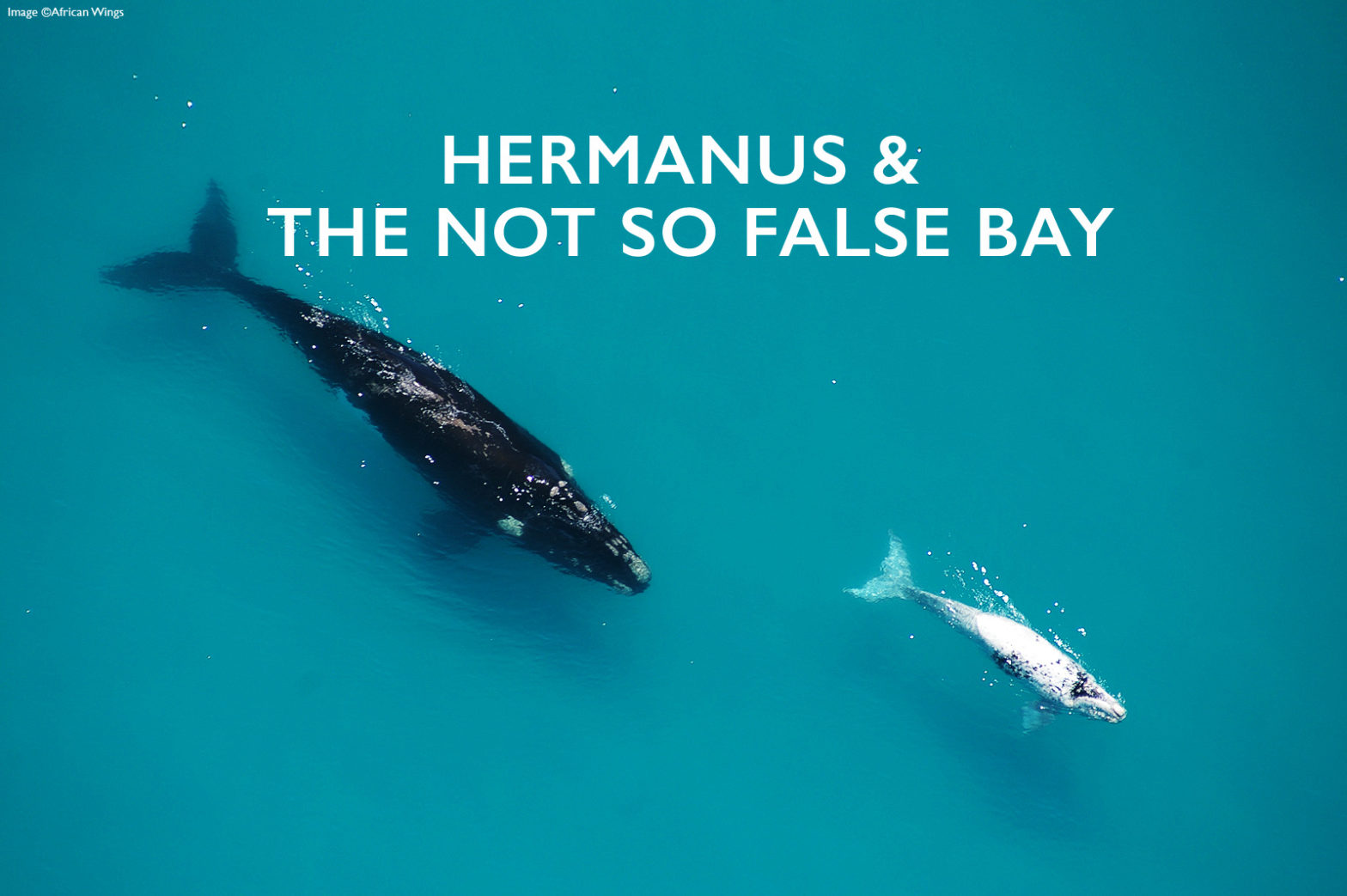
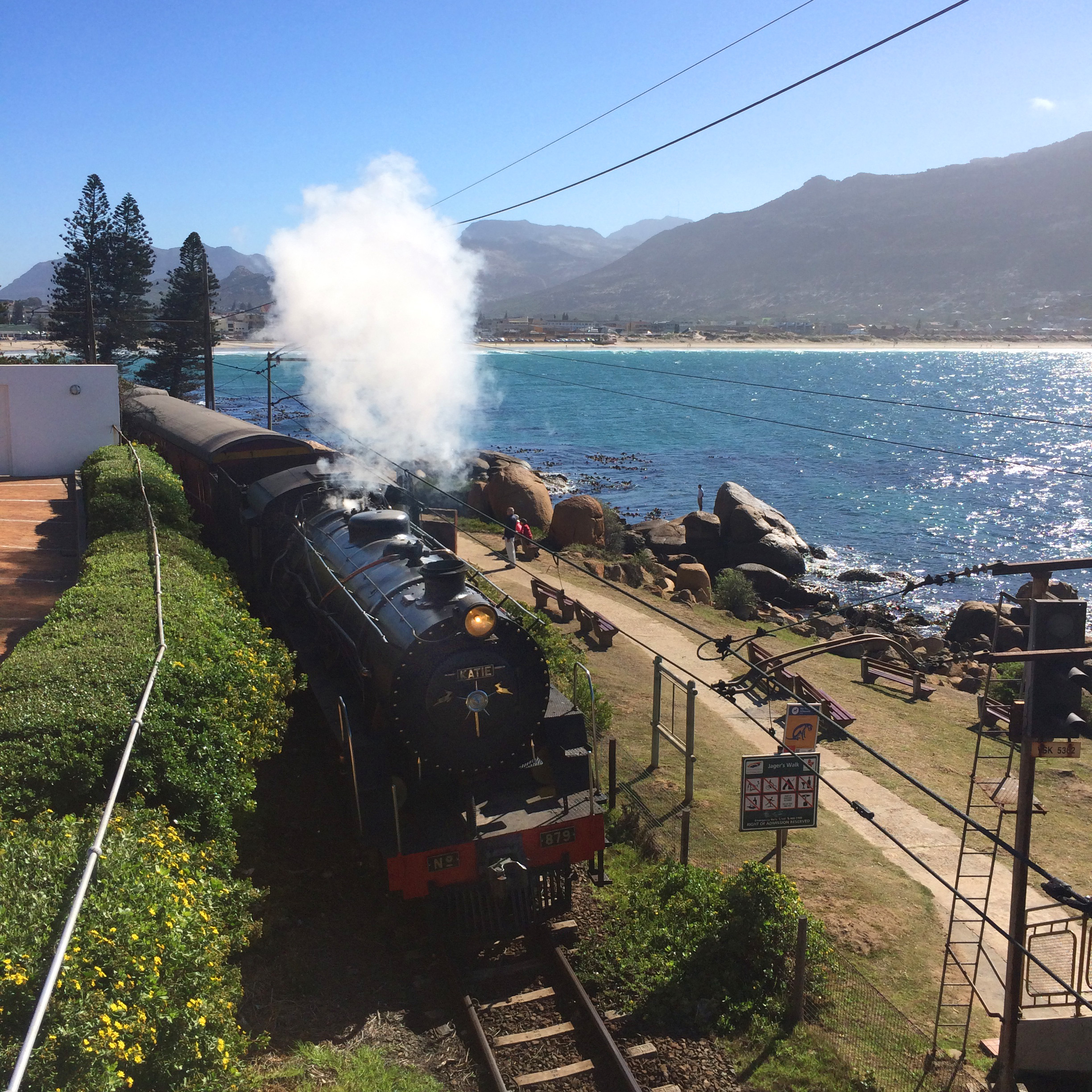
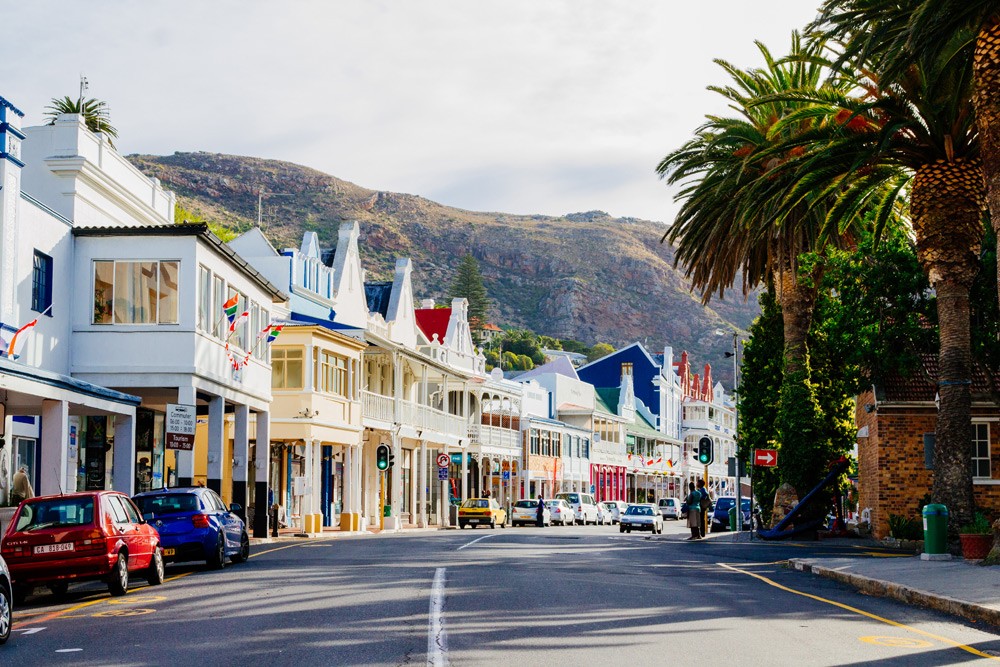
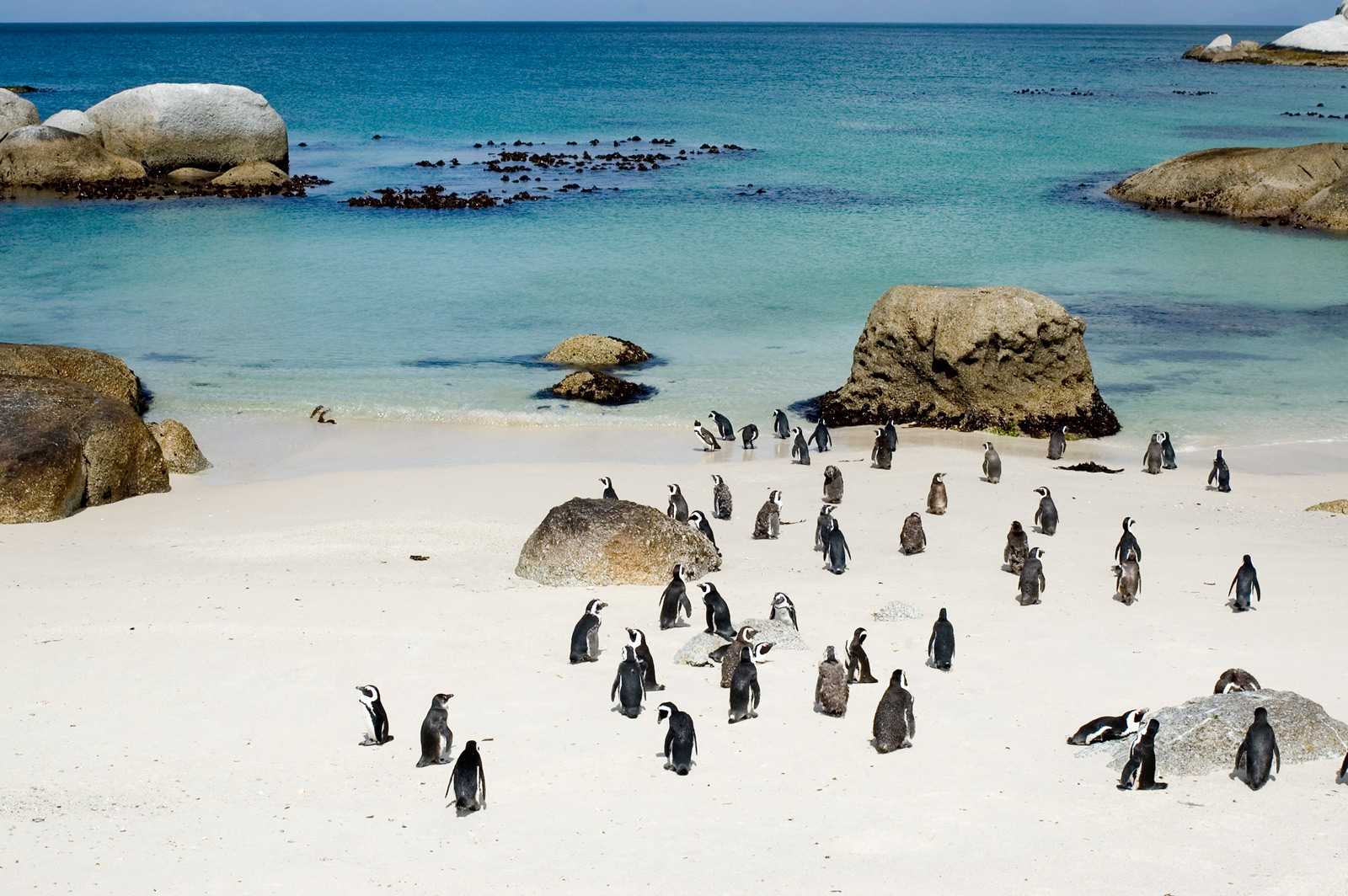
 Find out about Cape Town for your next African safari. We have ready-made safaris to choose from, or ask us to build one just for you.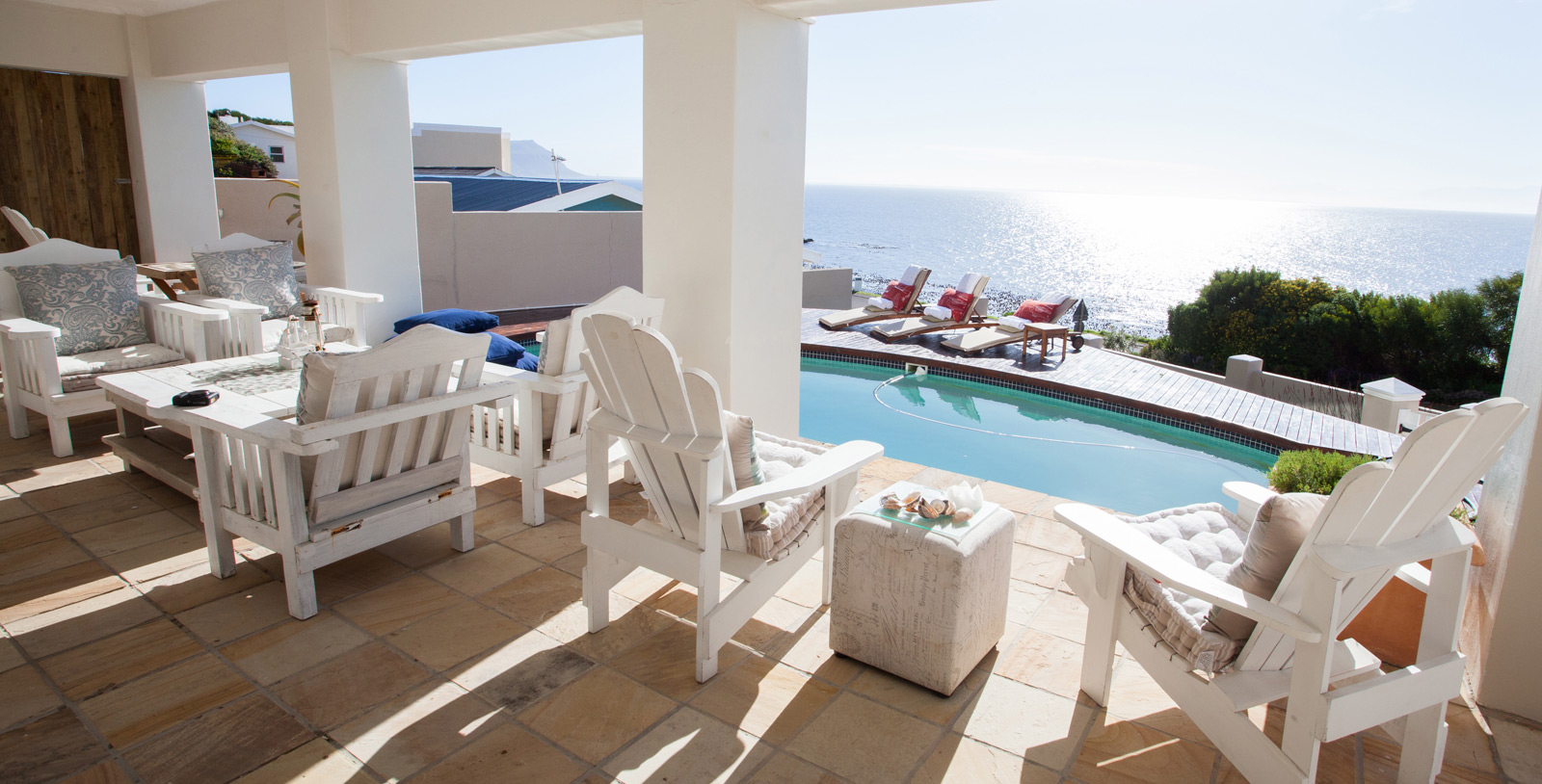
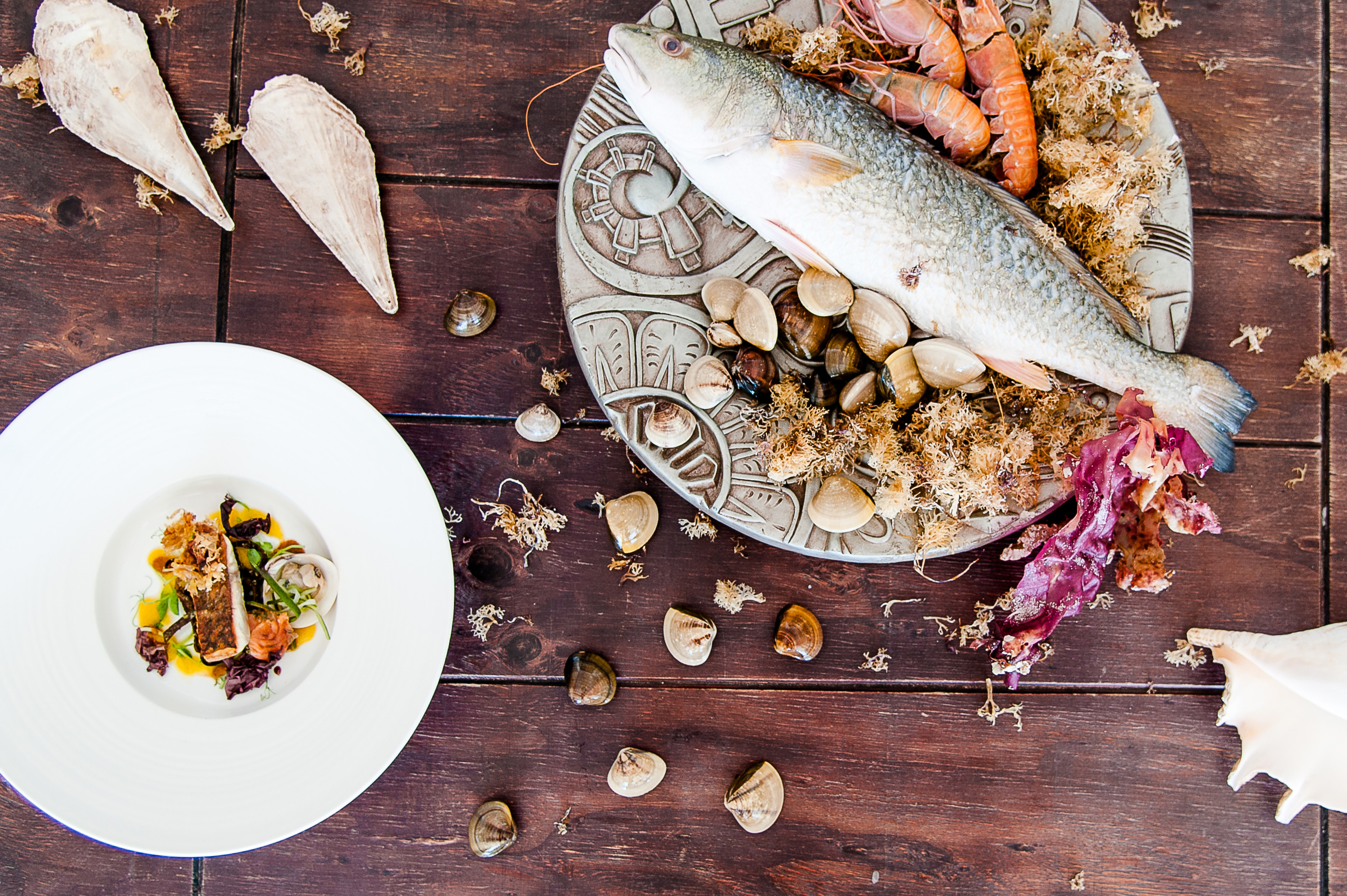
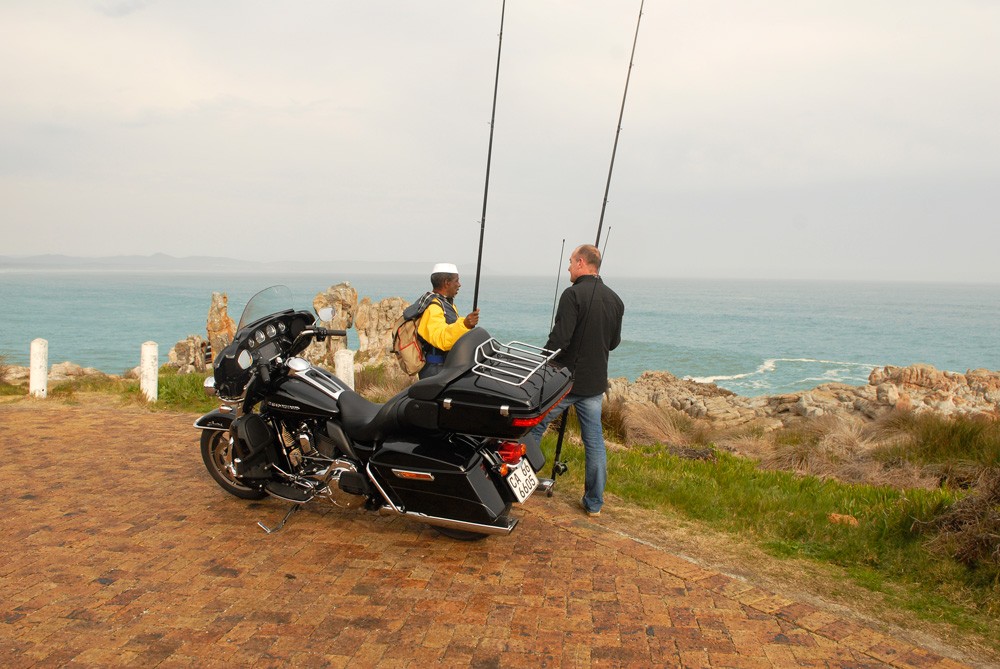

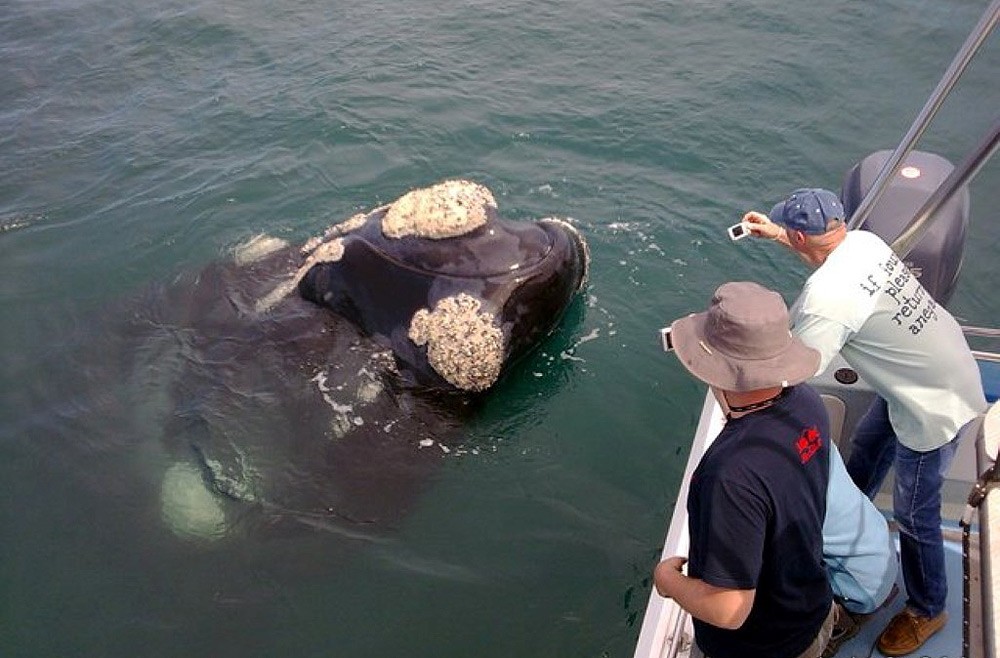
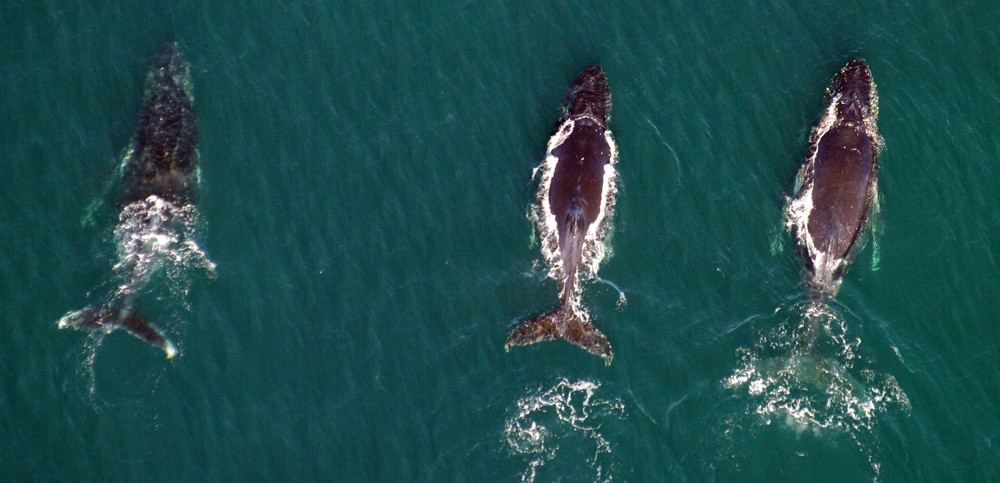
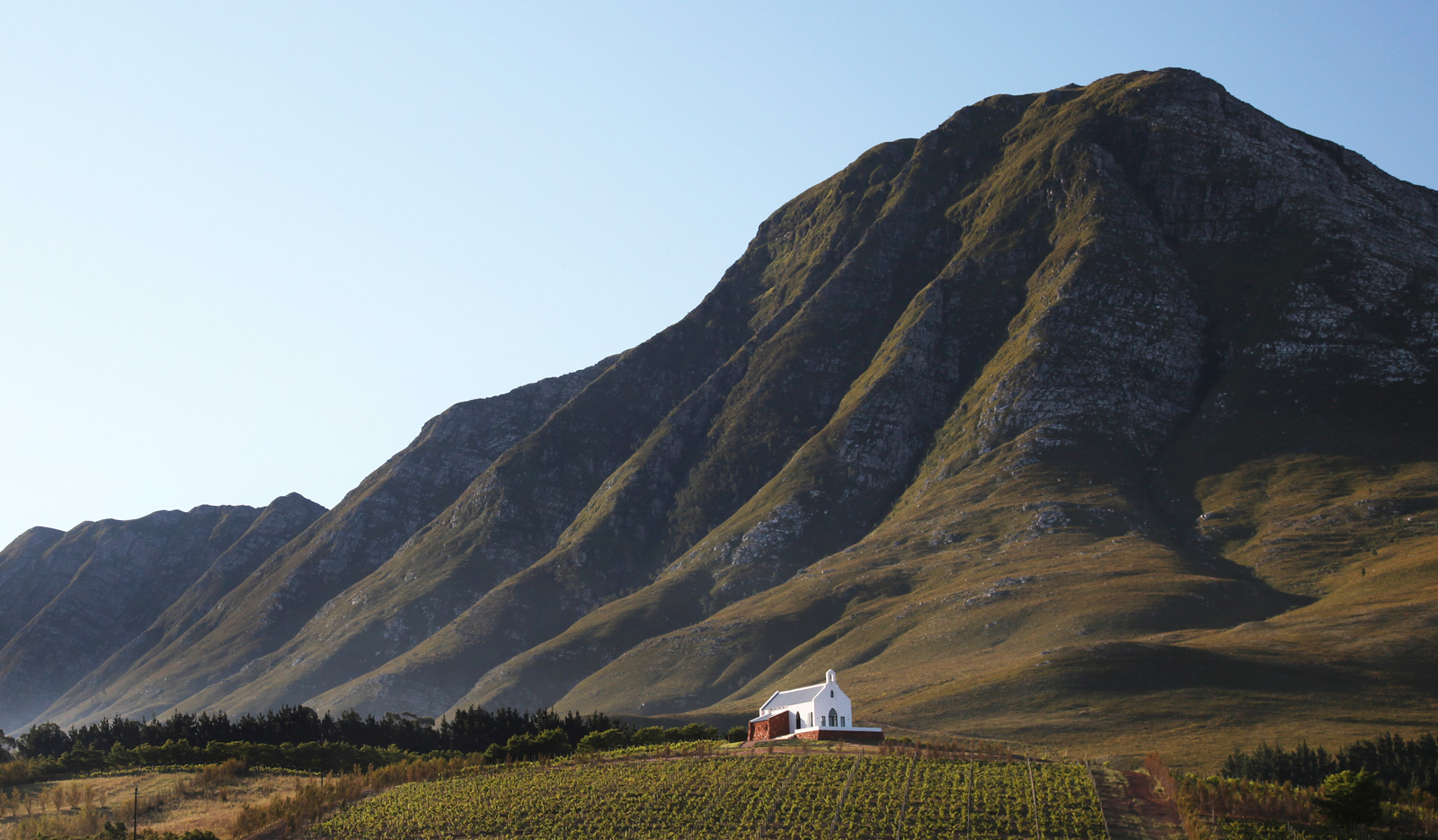
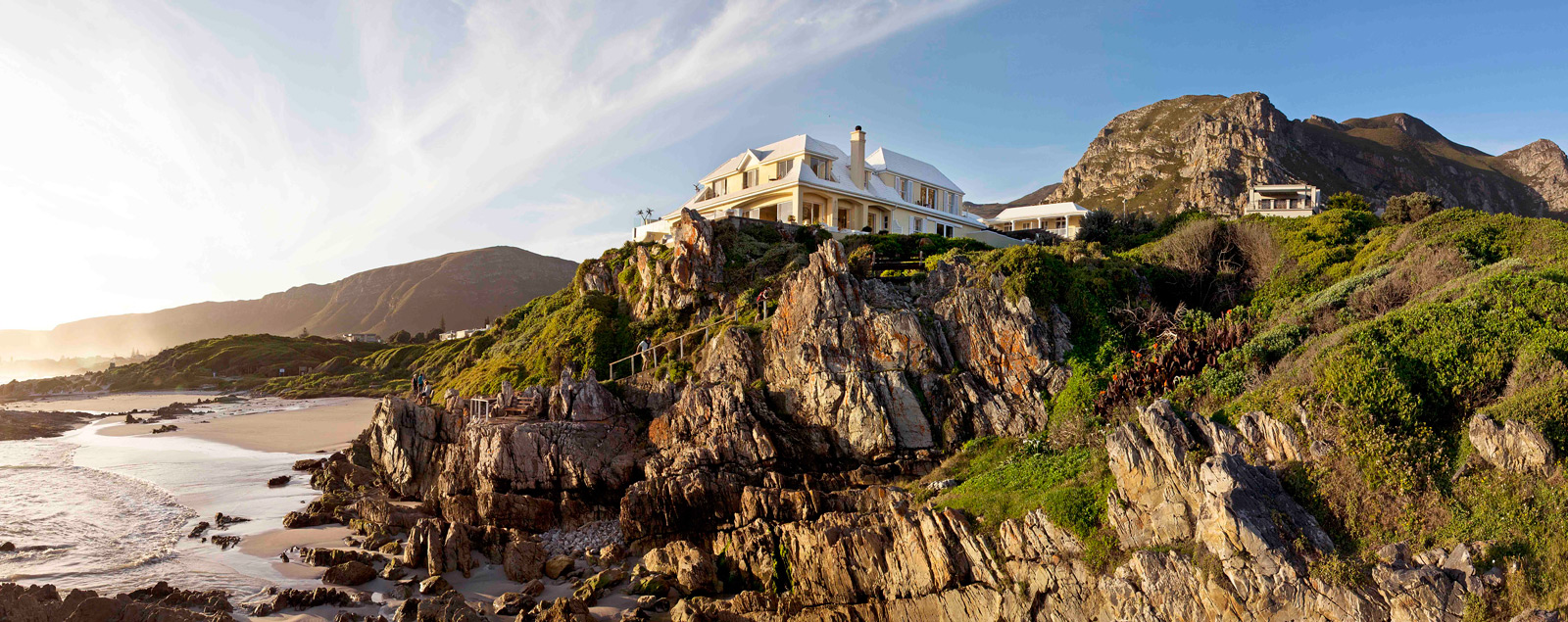

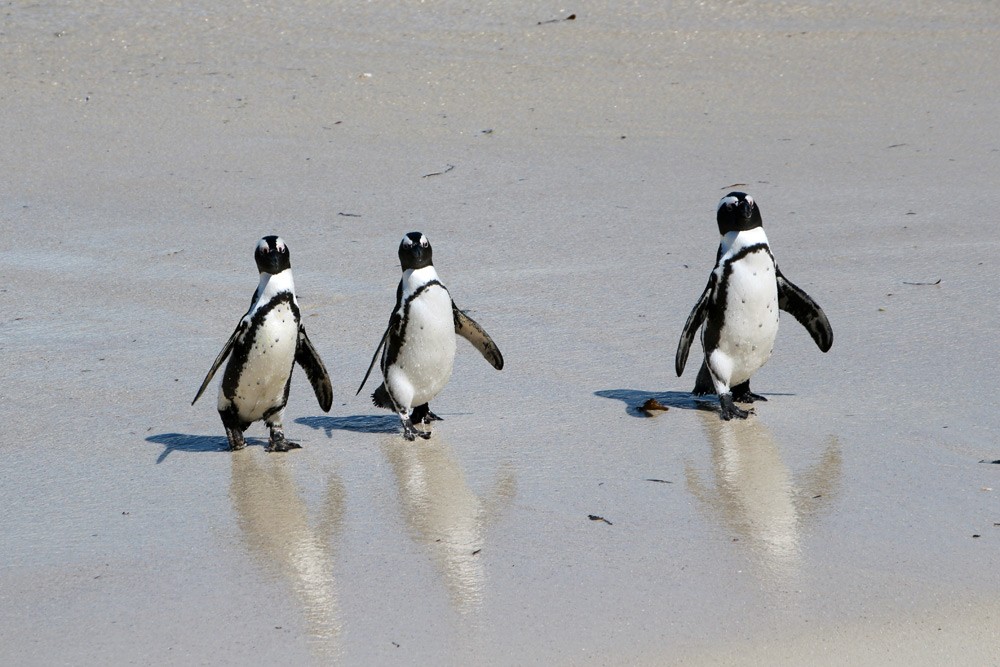
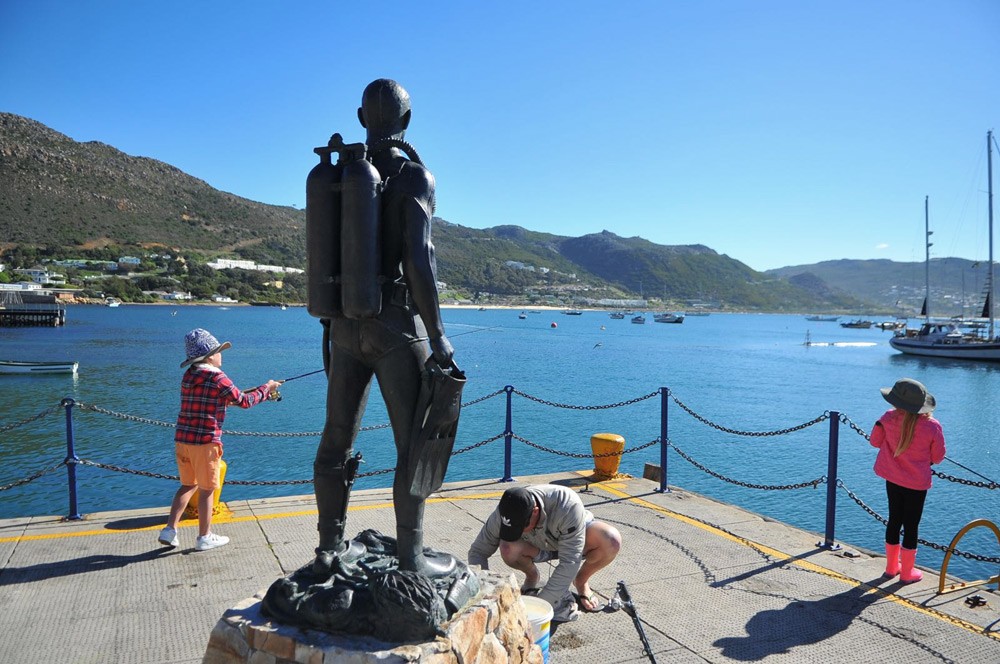
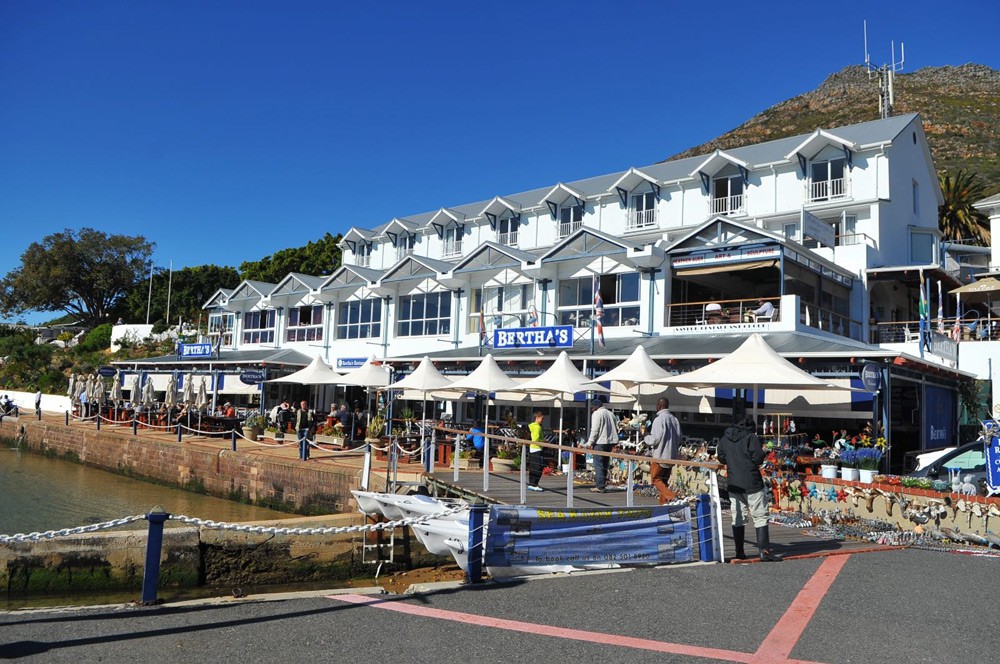
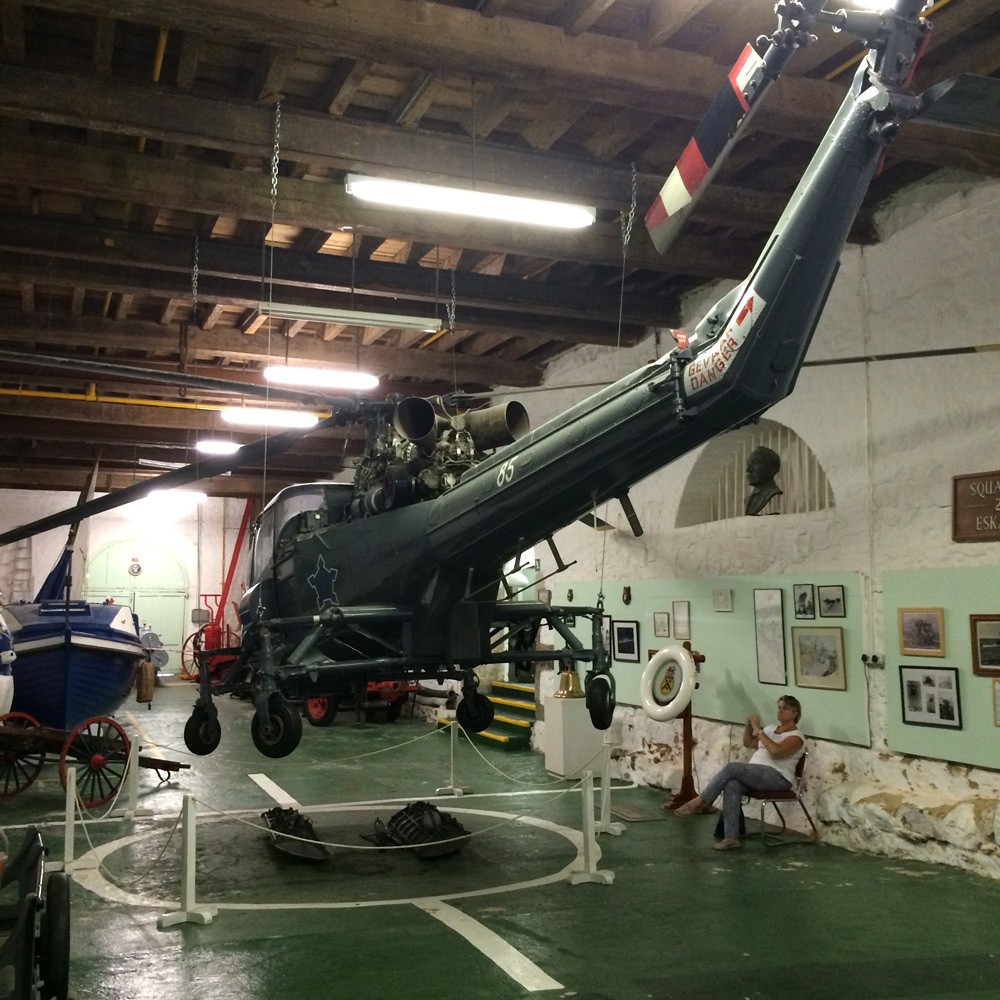
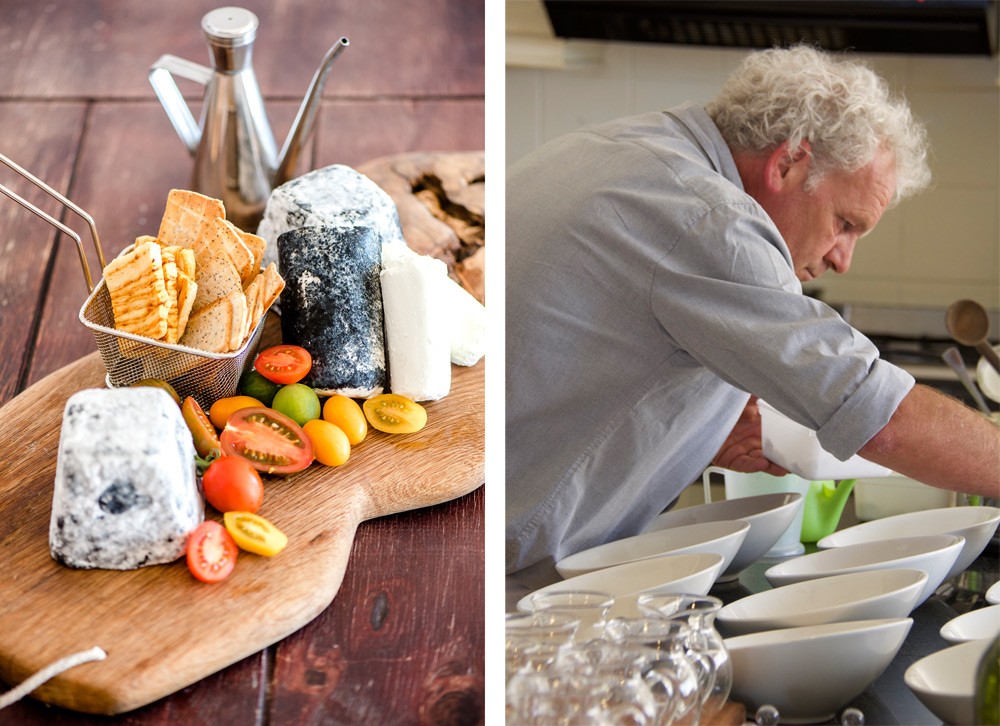
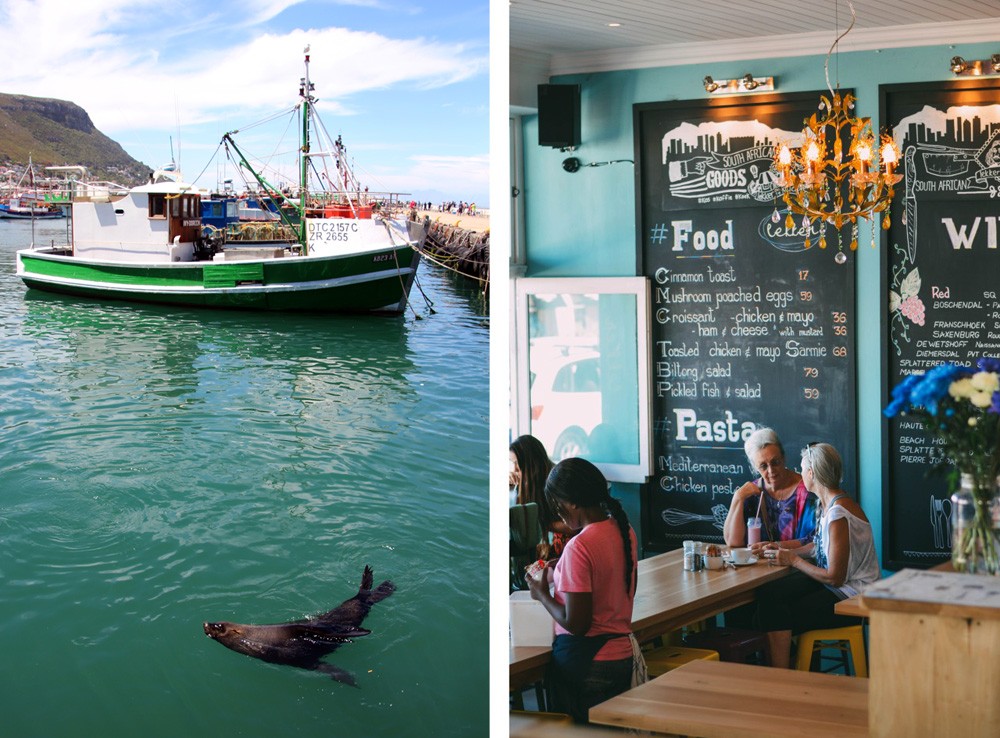

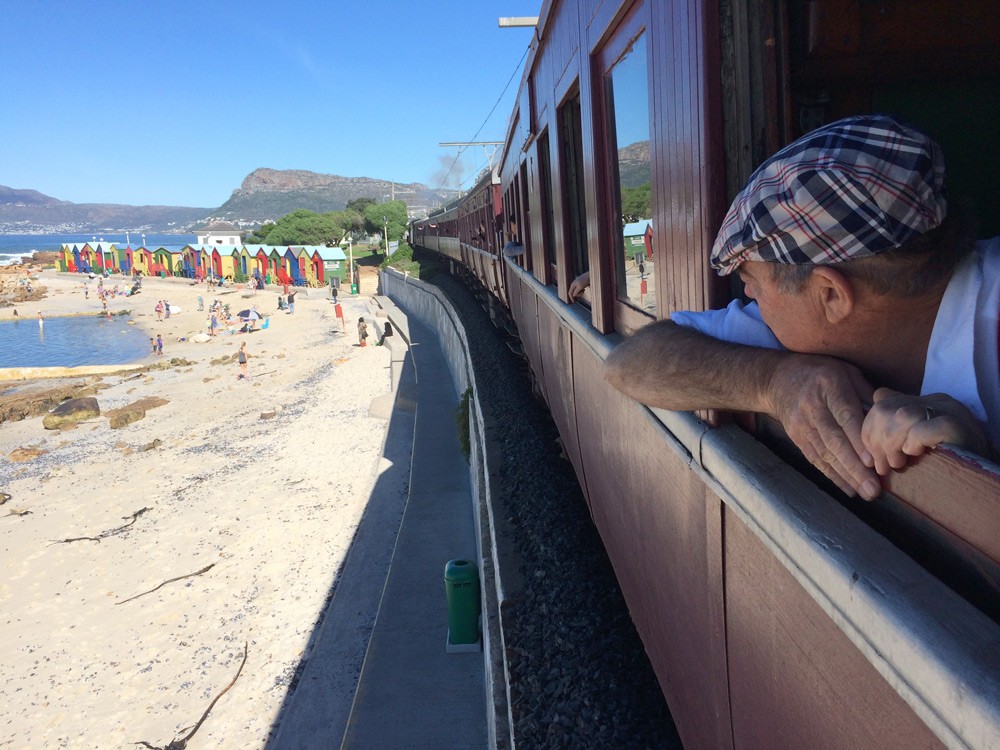
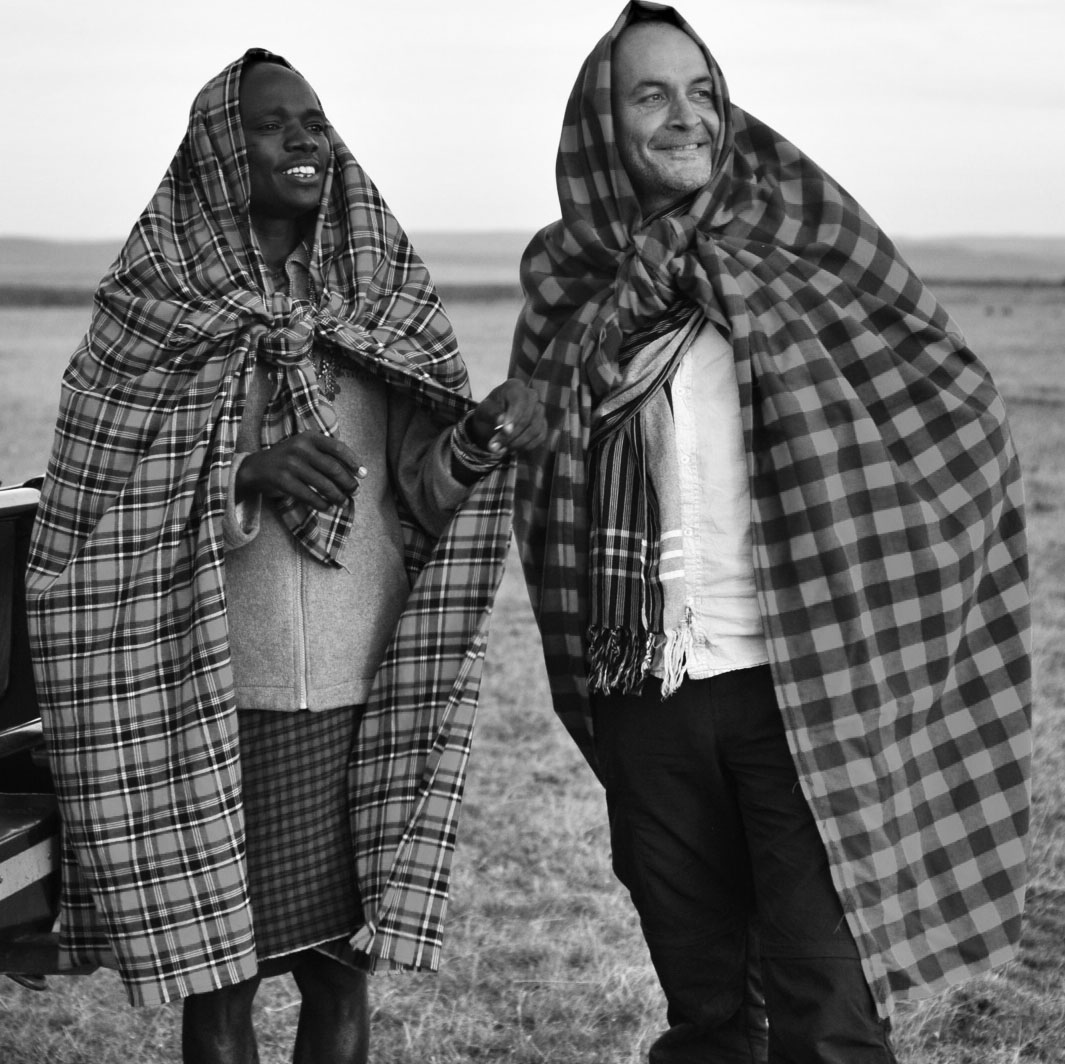

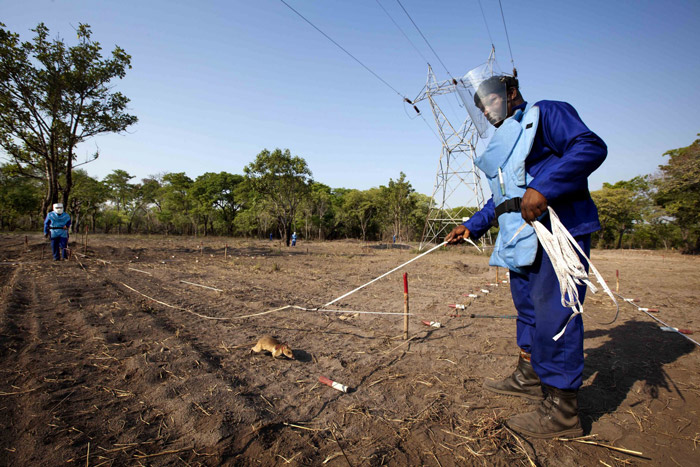
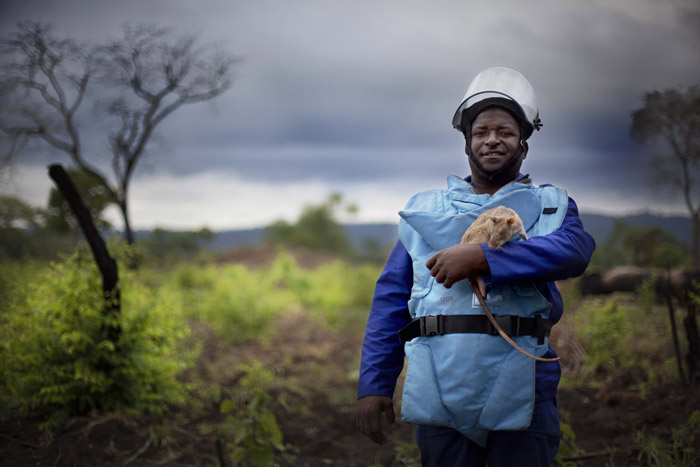
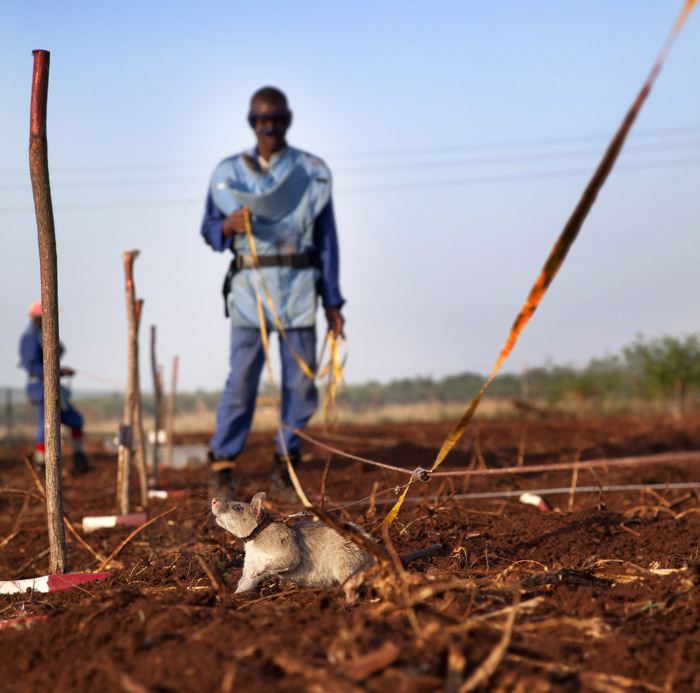

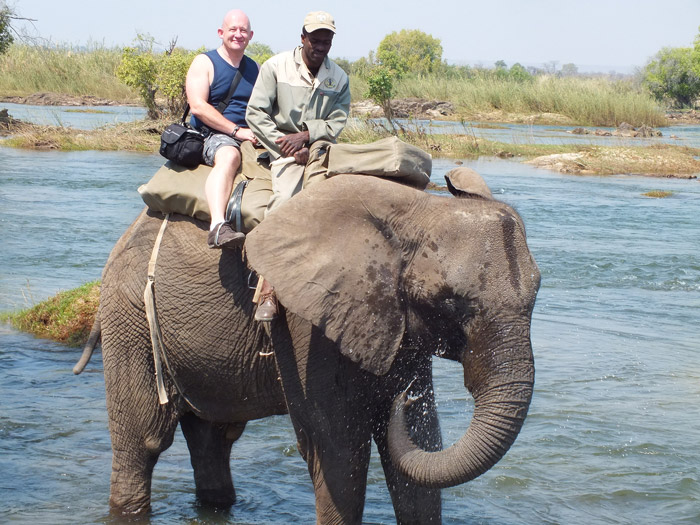
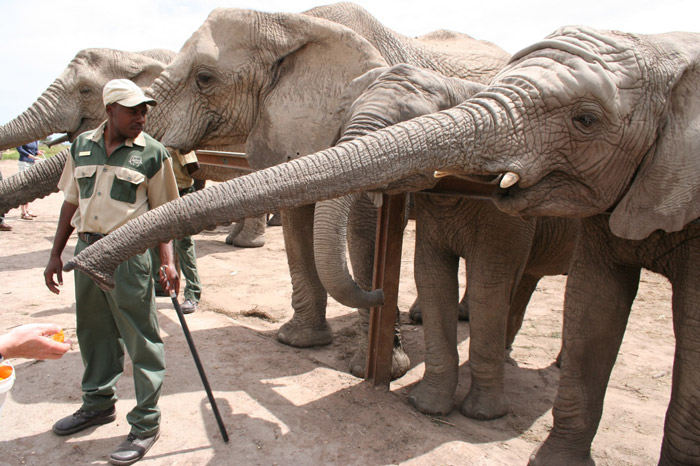
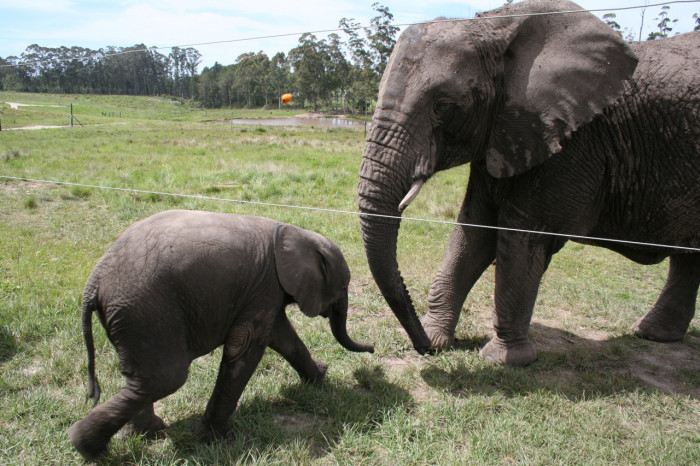
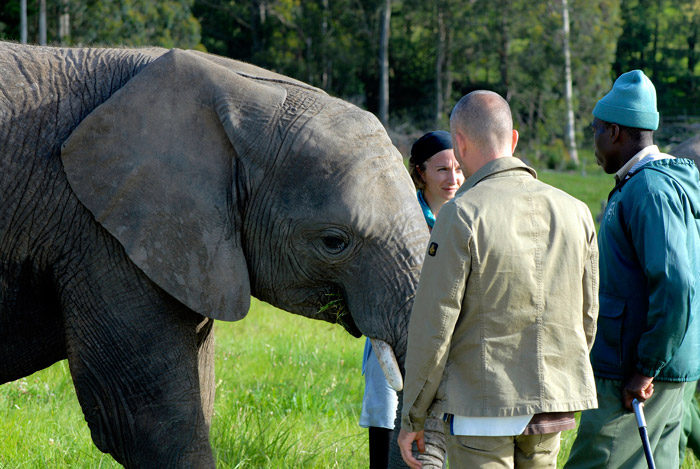
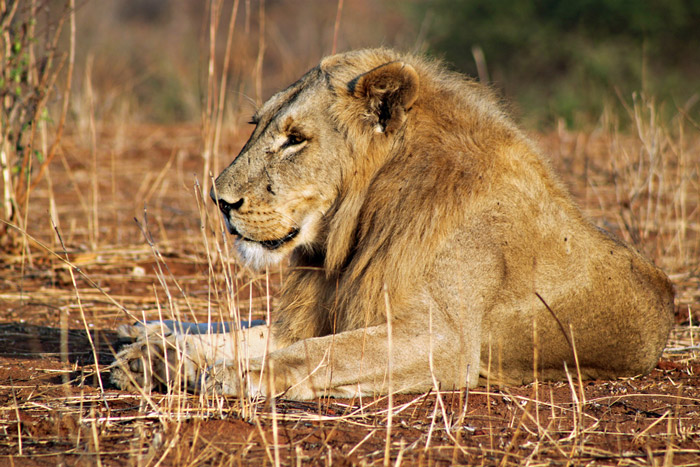
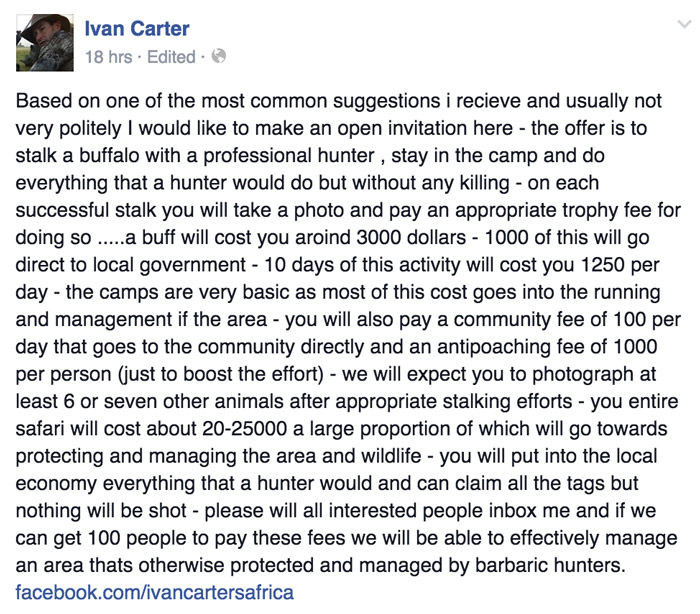
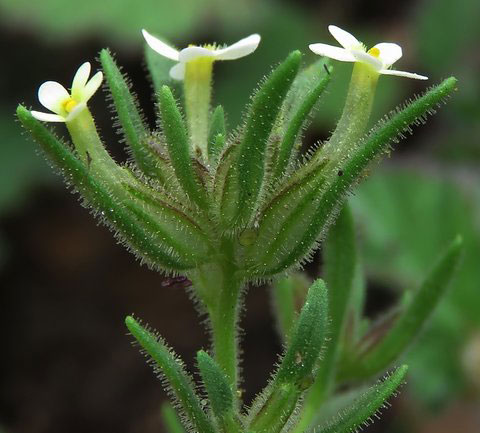
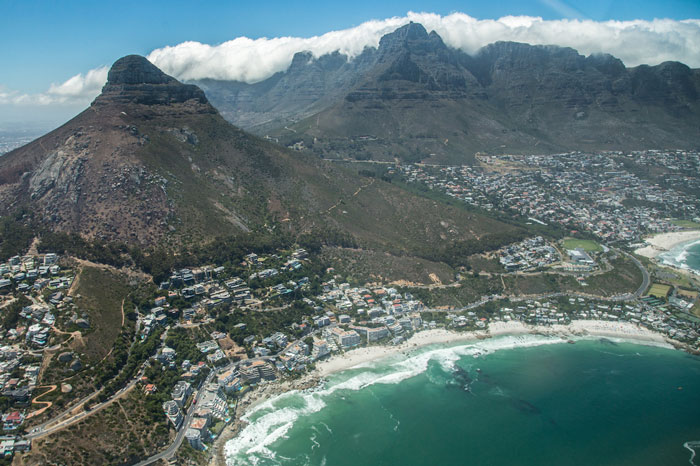

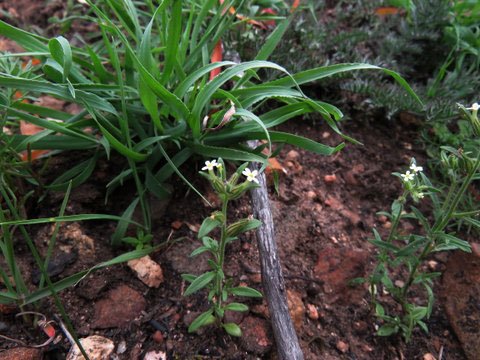
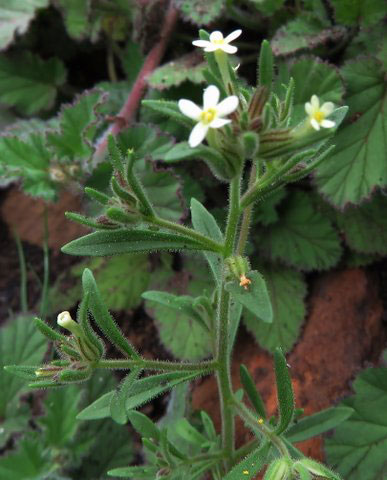


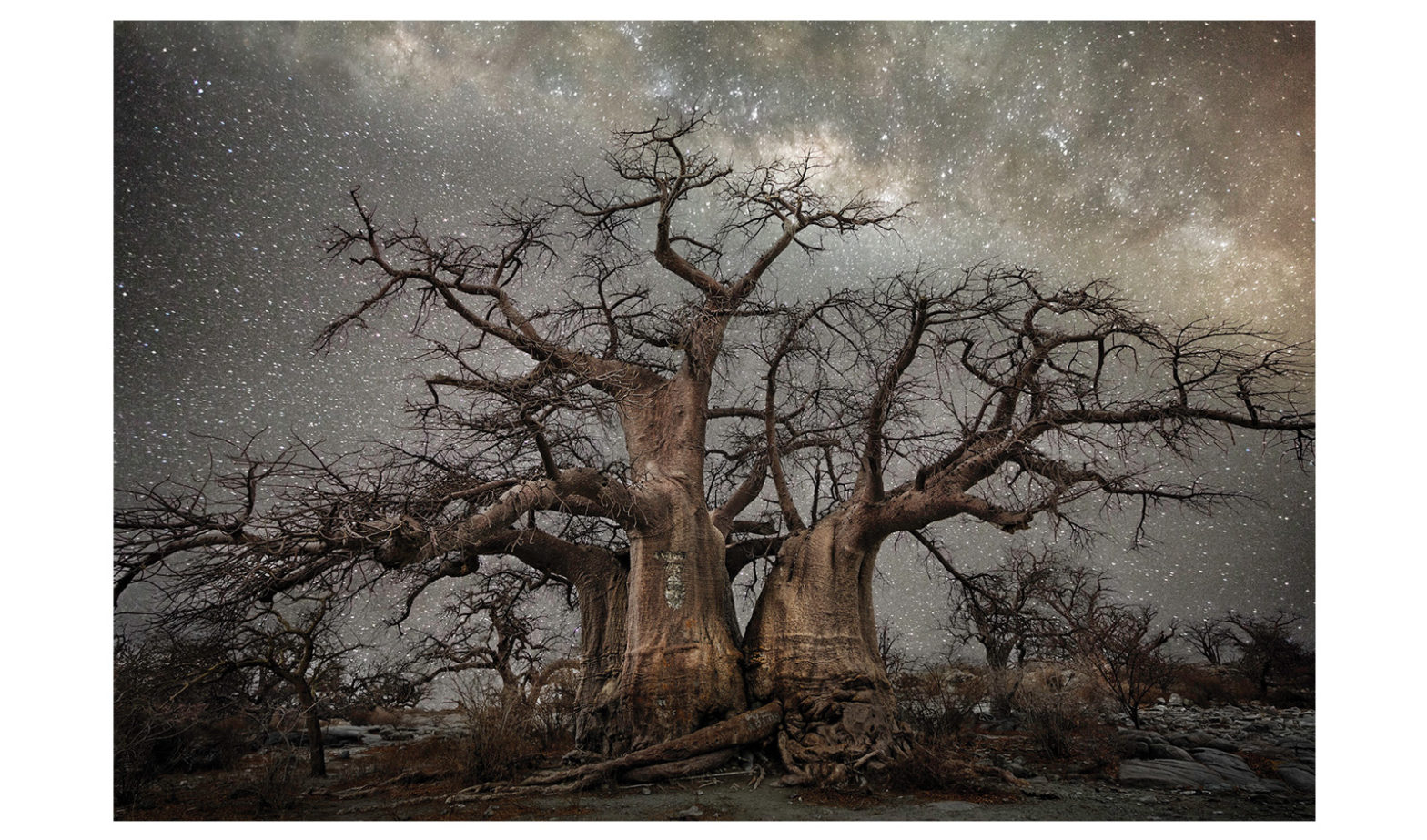
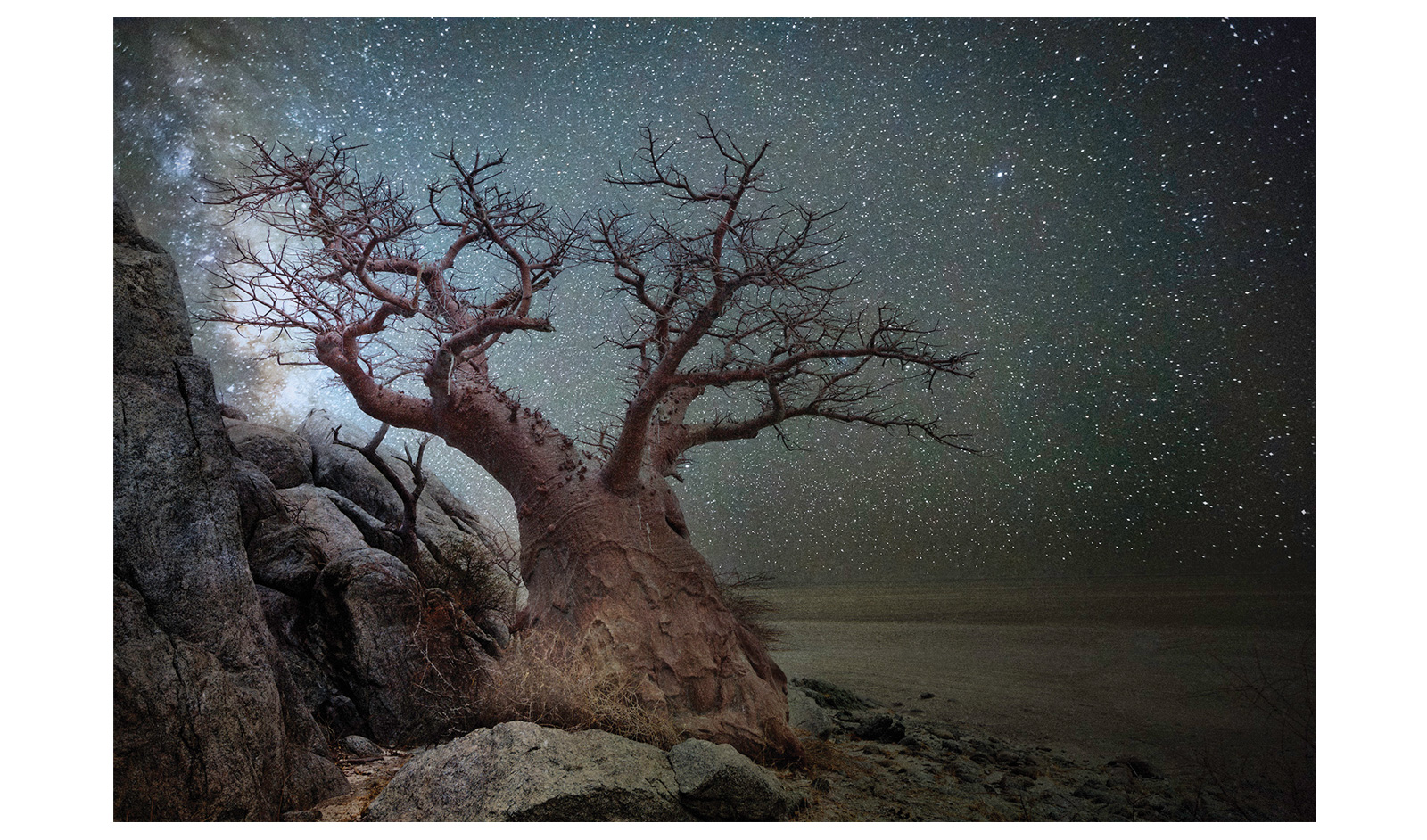
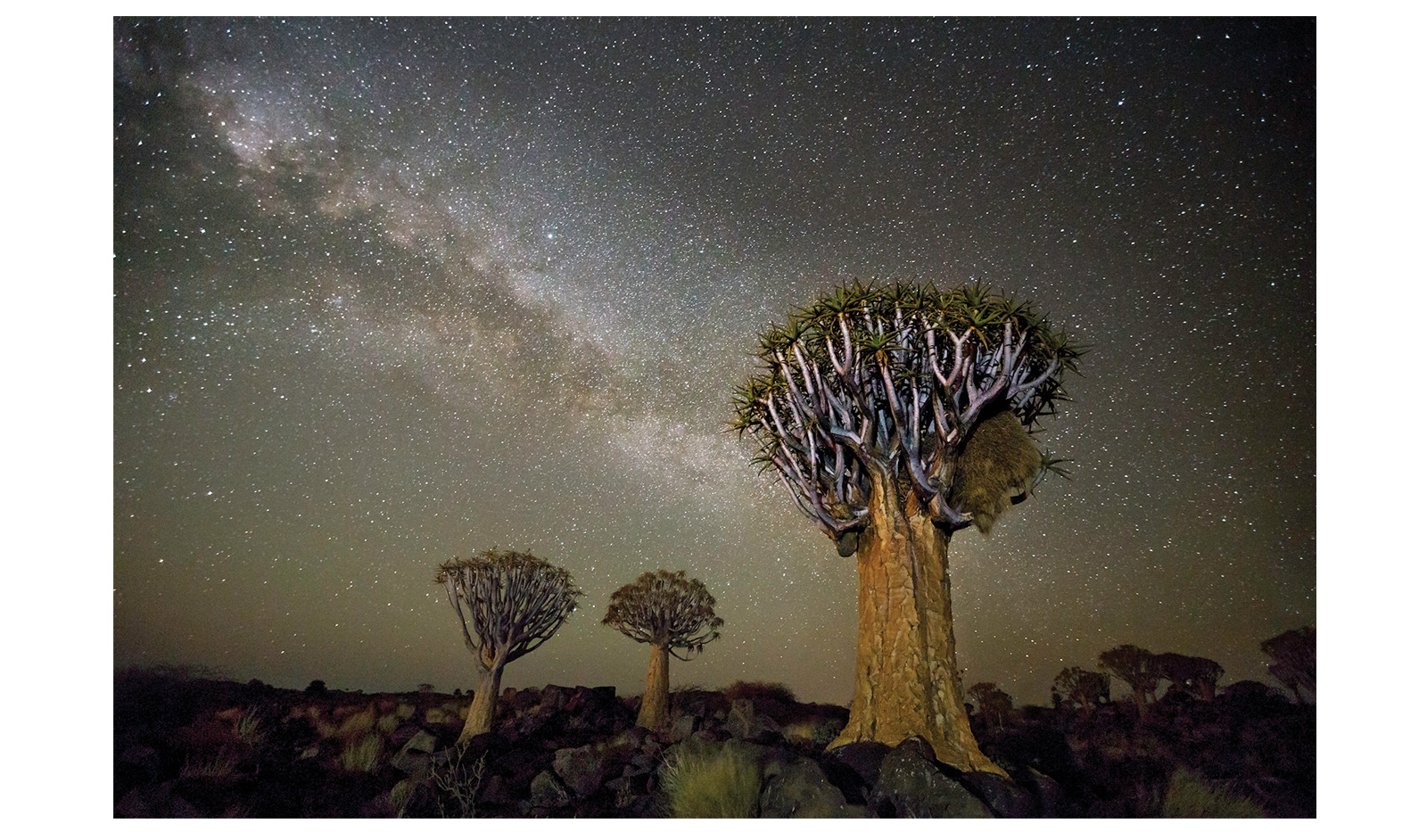
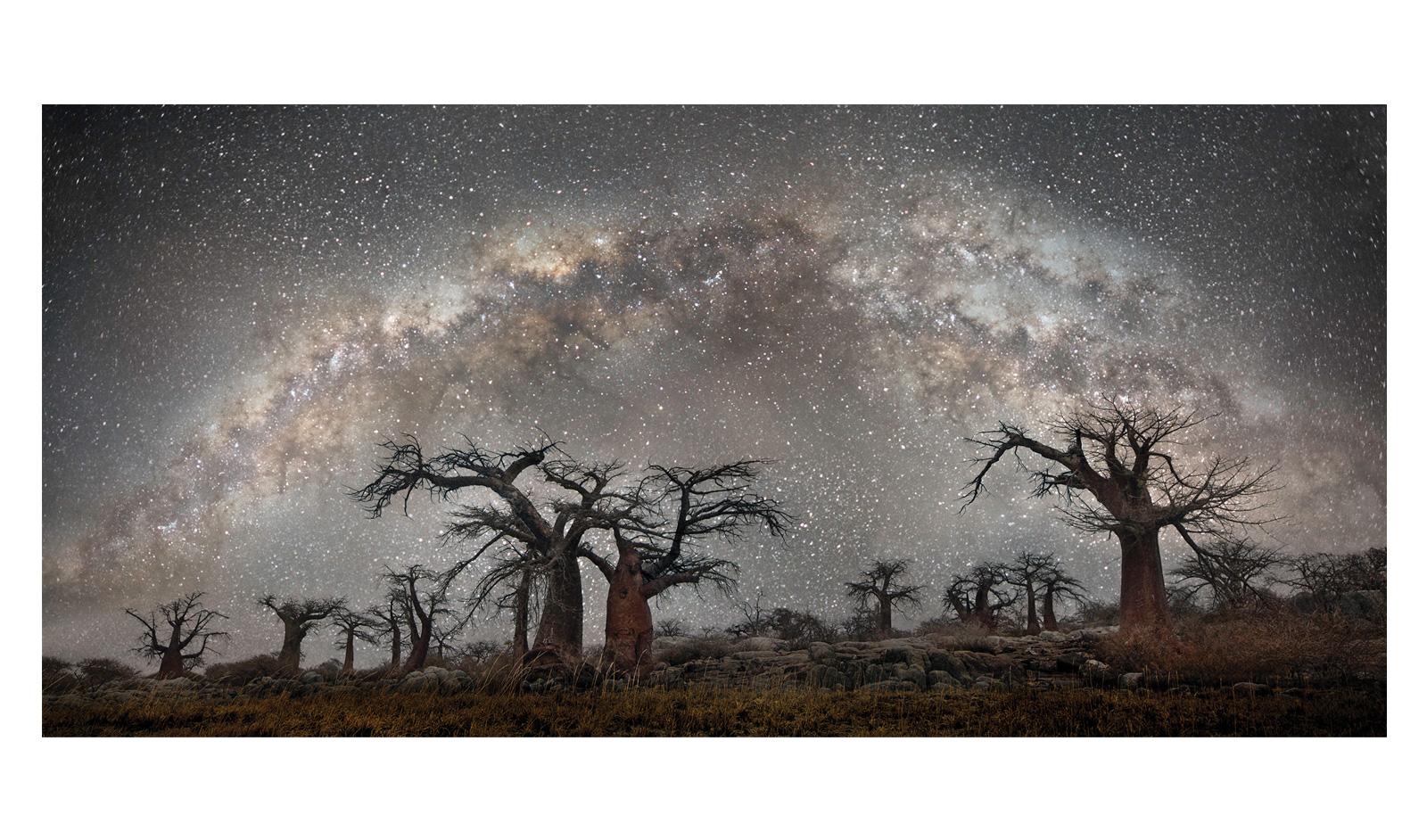
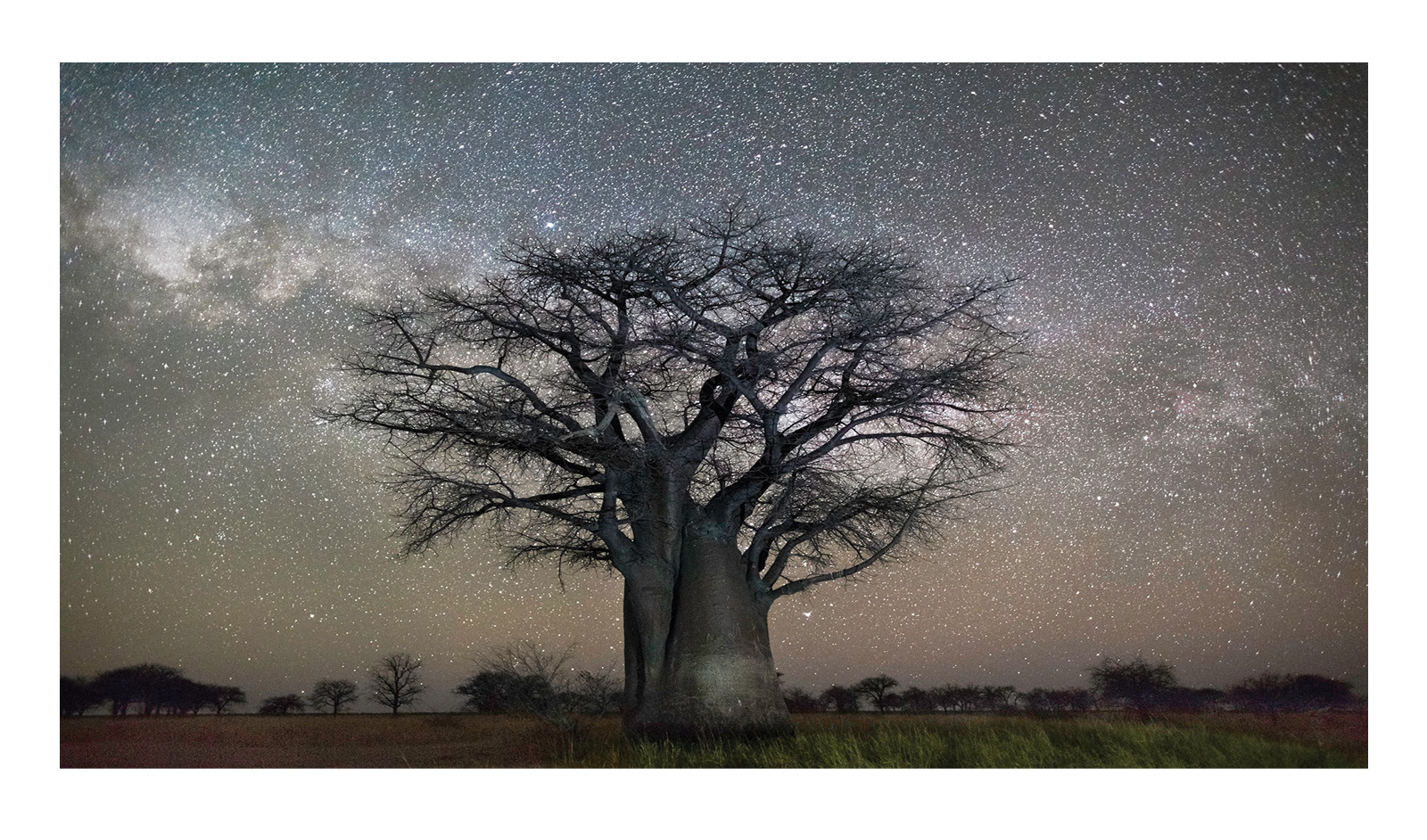
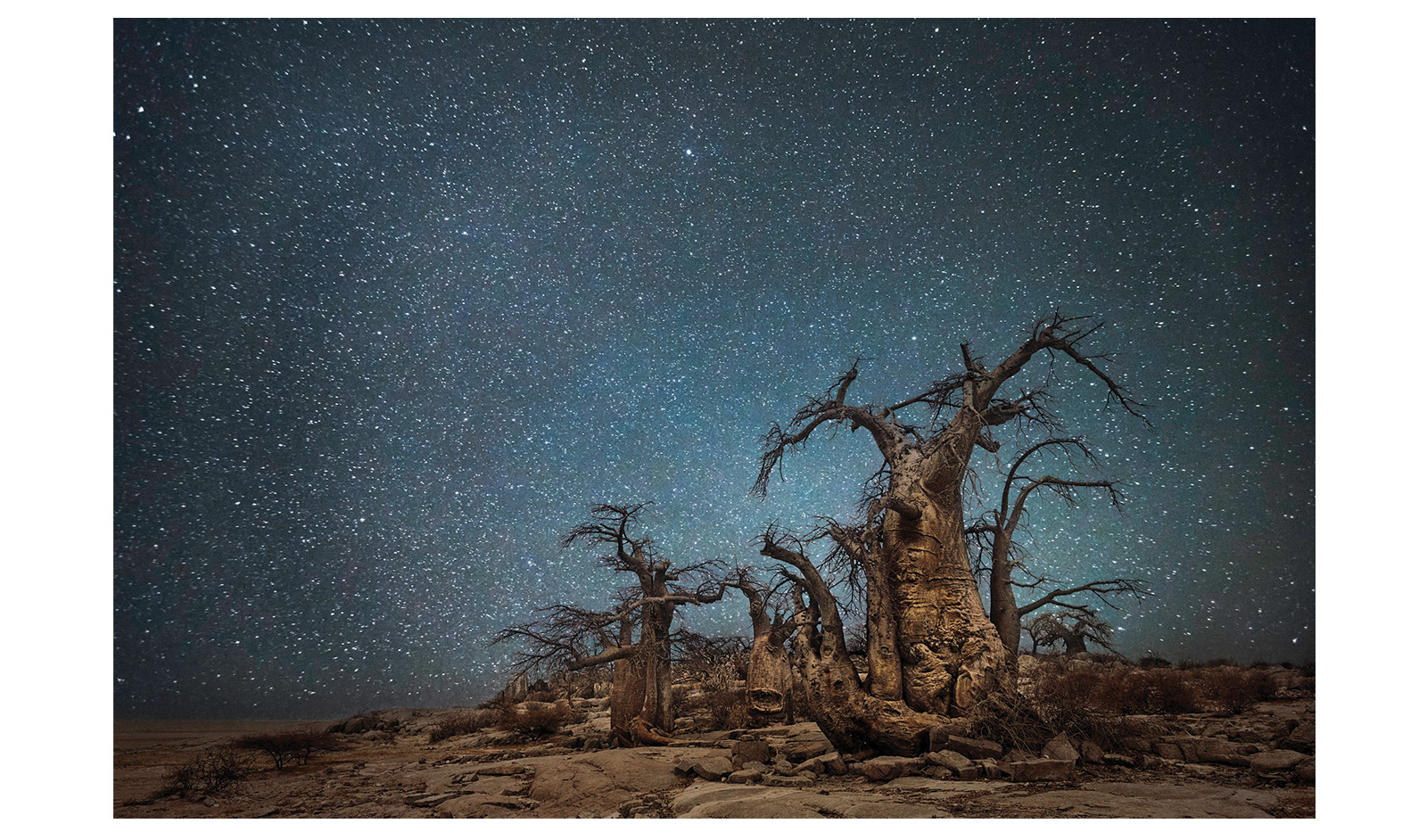
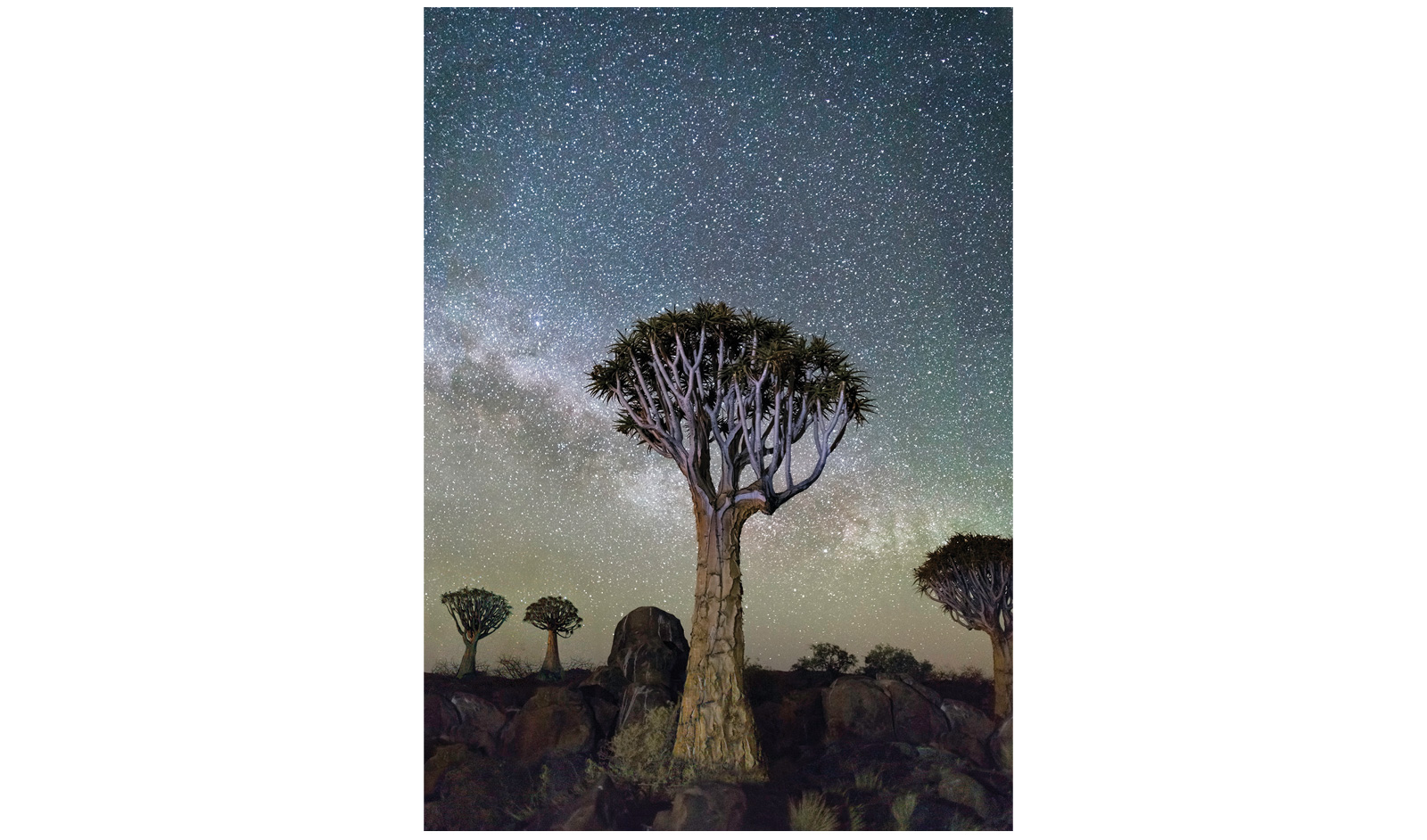
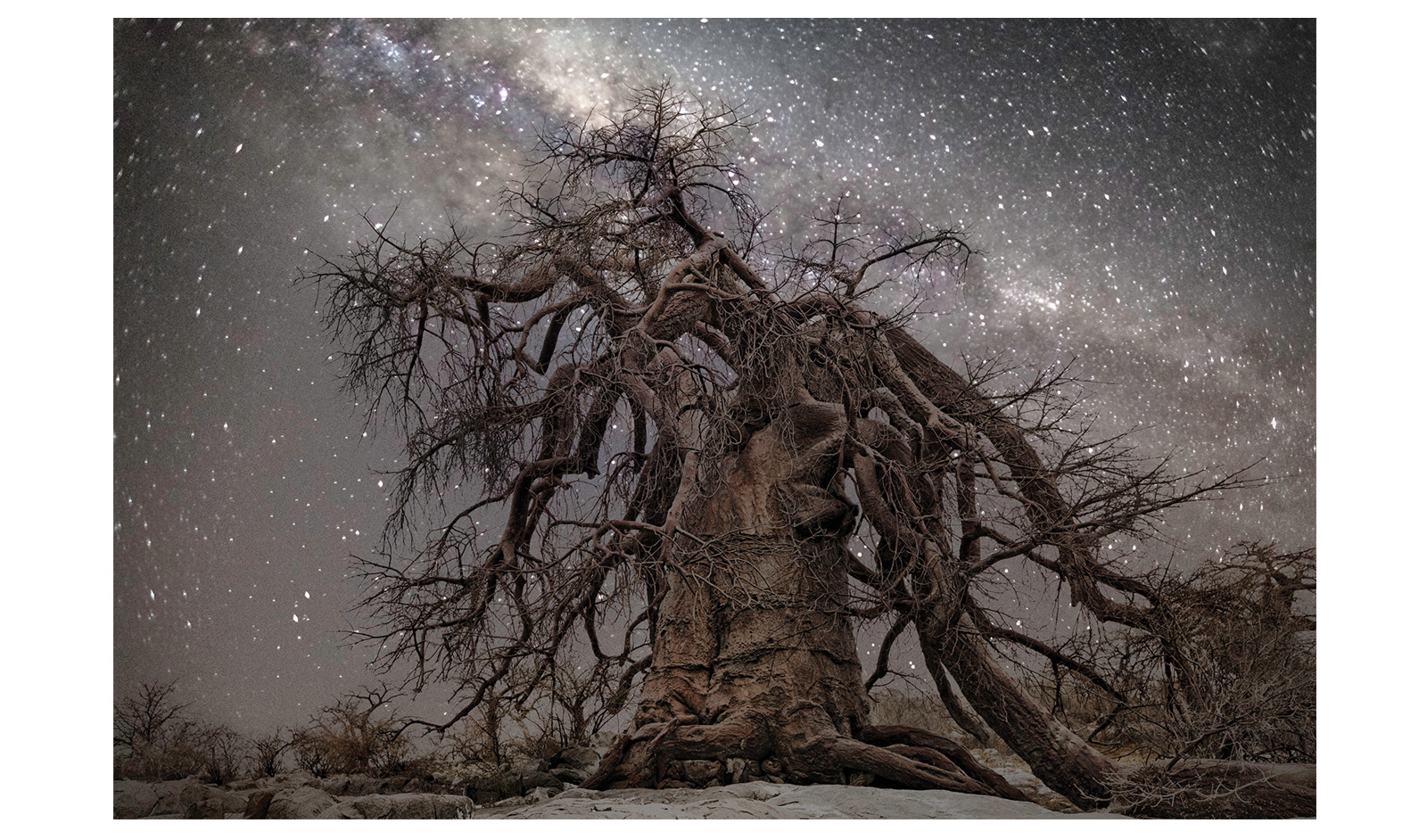
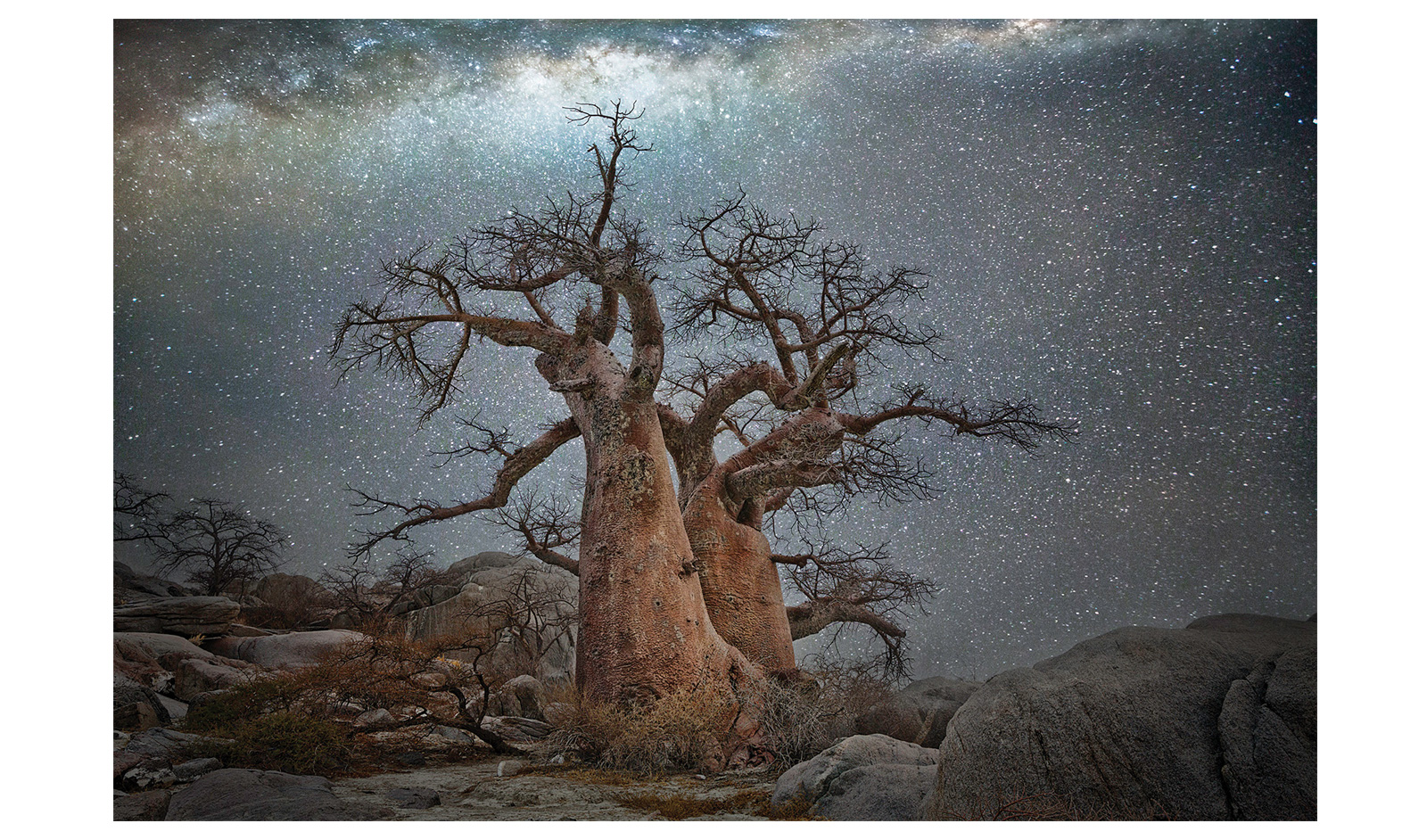
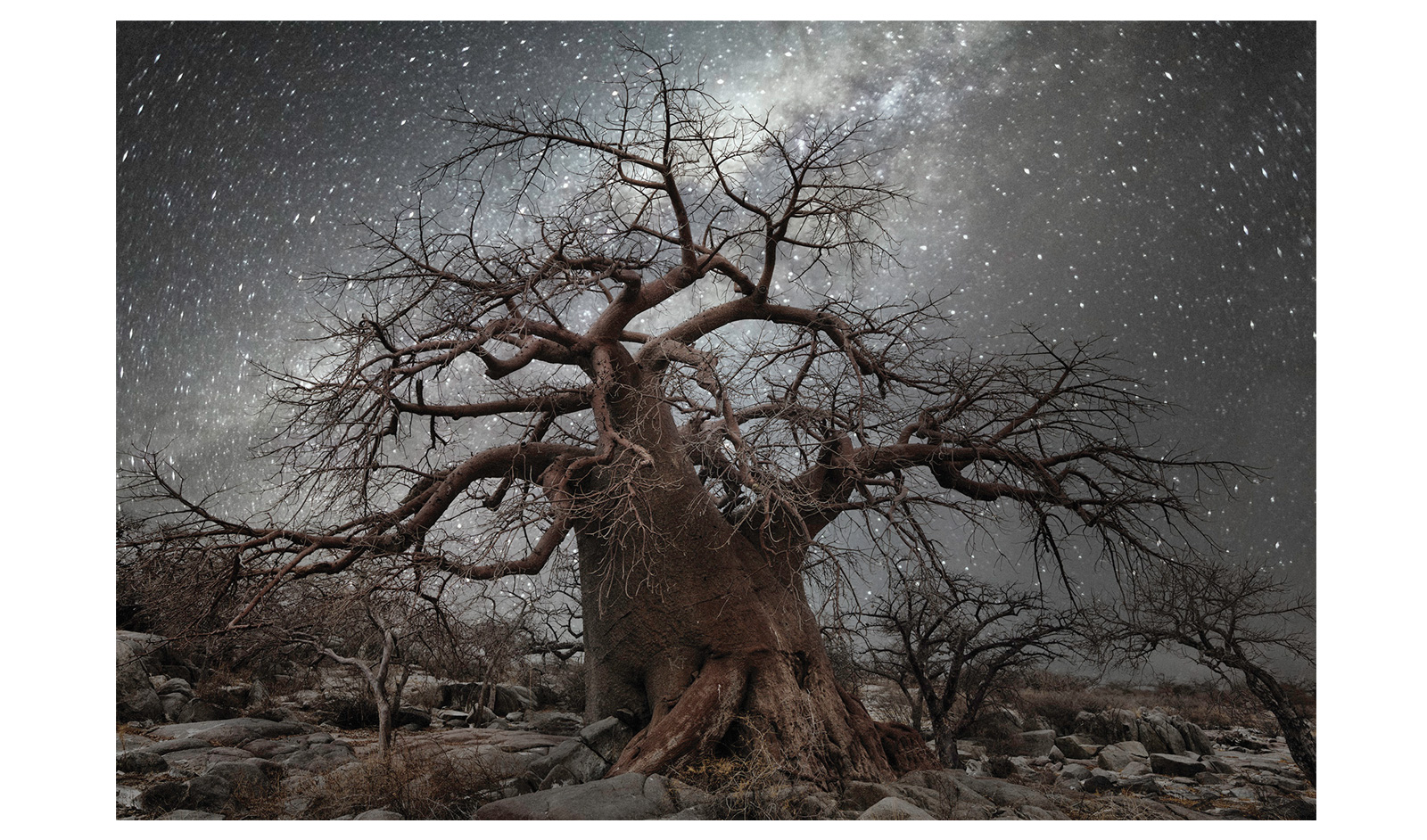

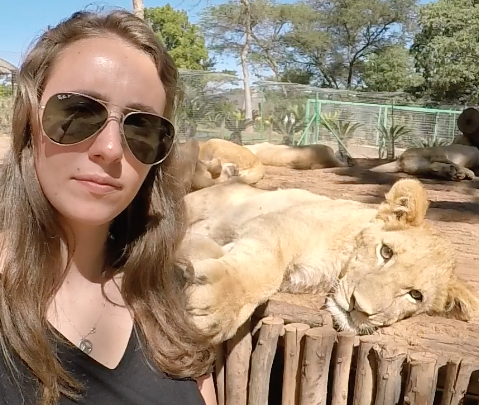
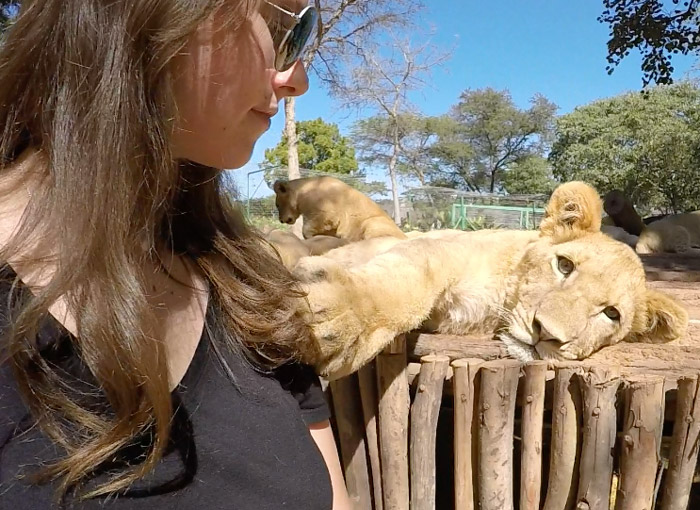
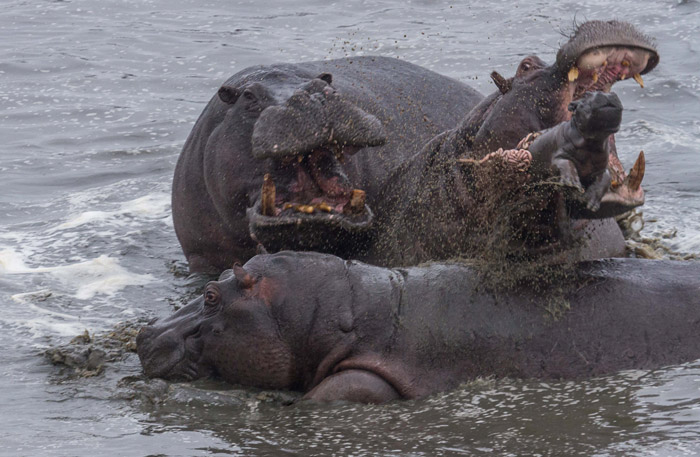
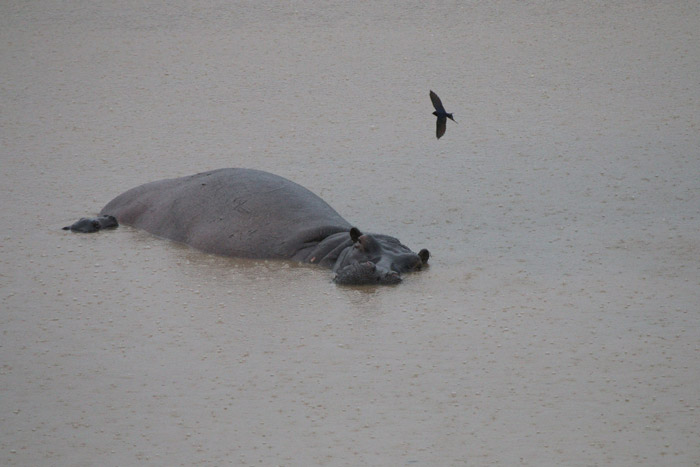
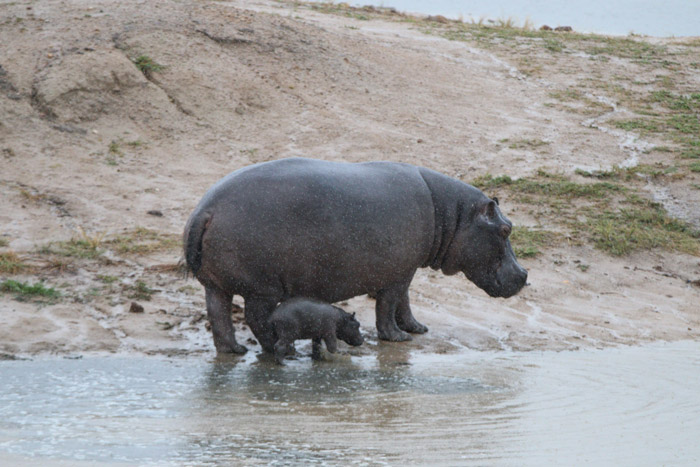
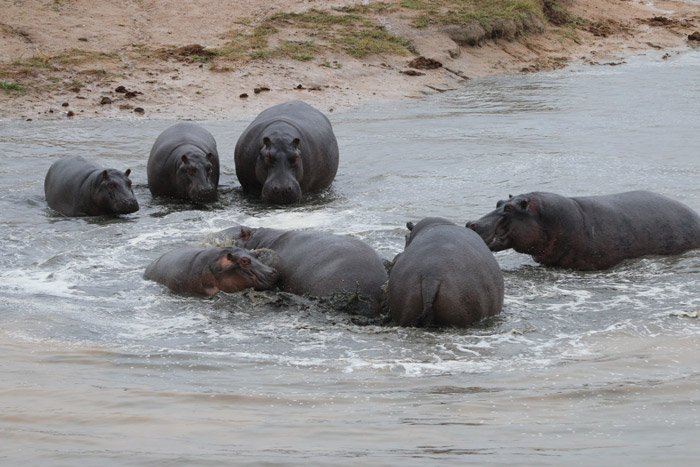
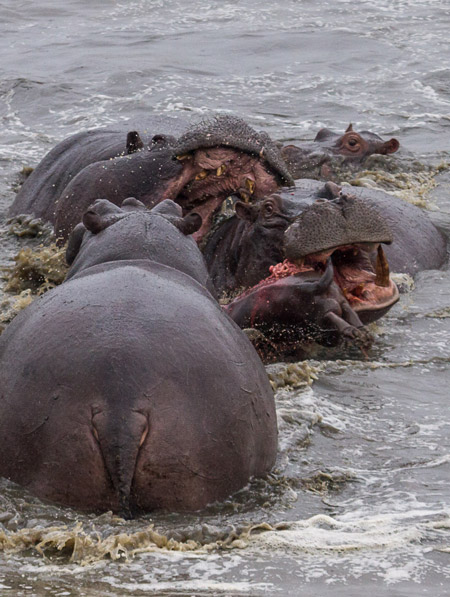
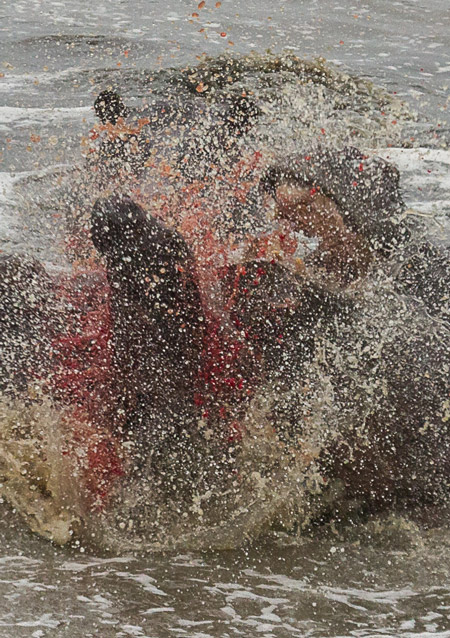
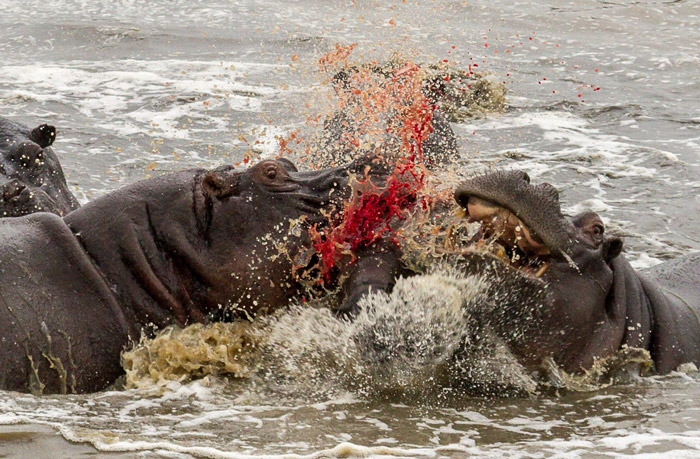
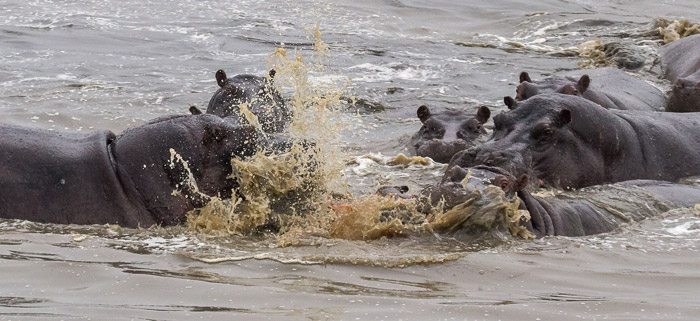
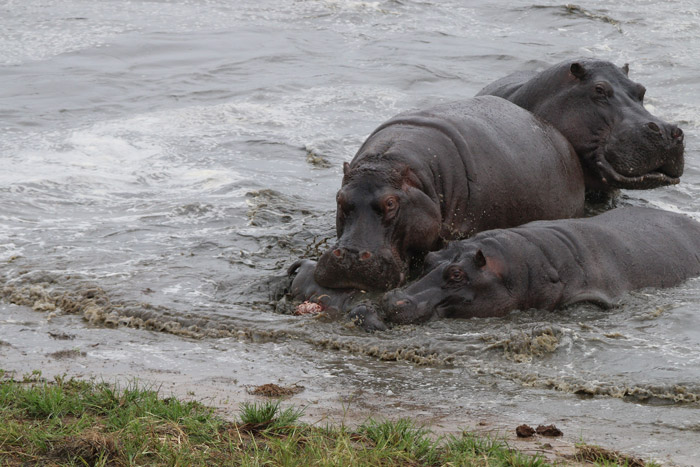
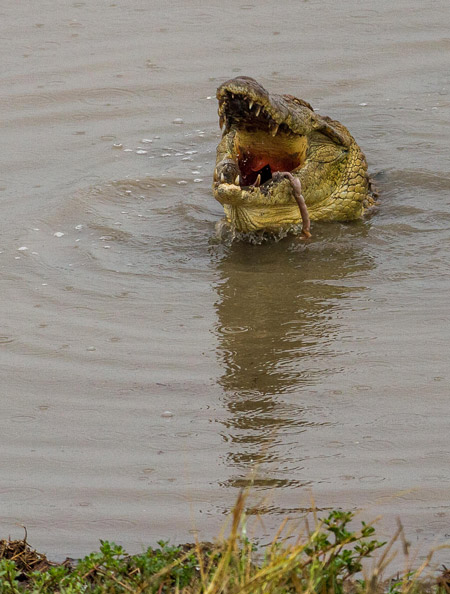

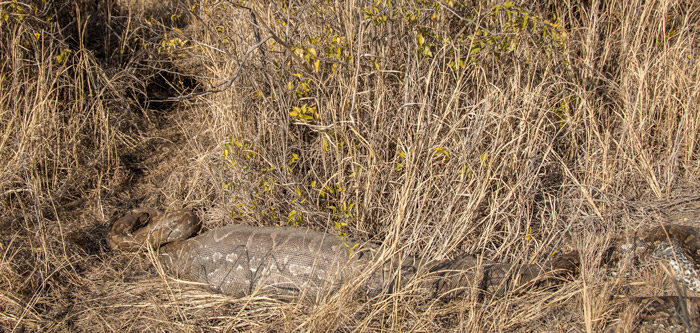

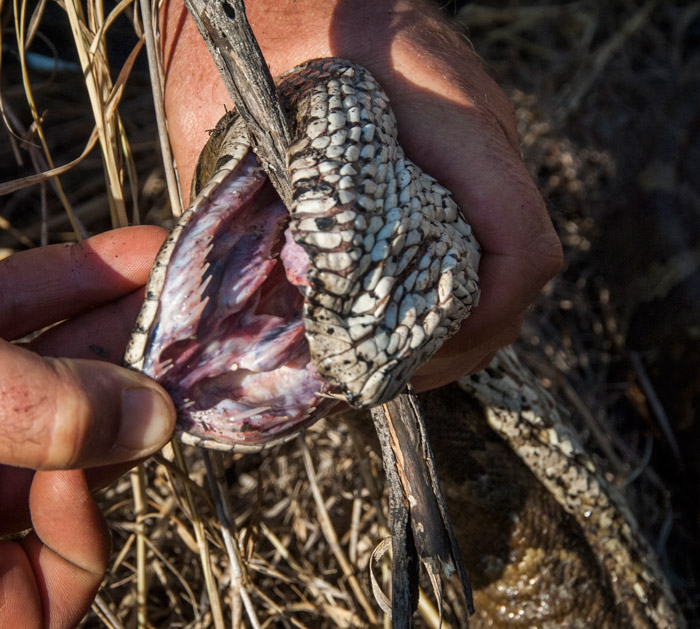

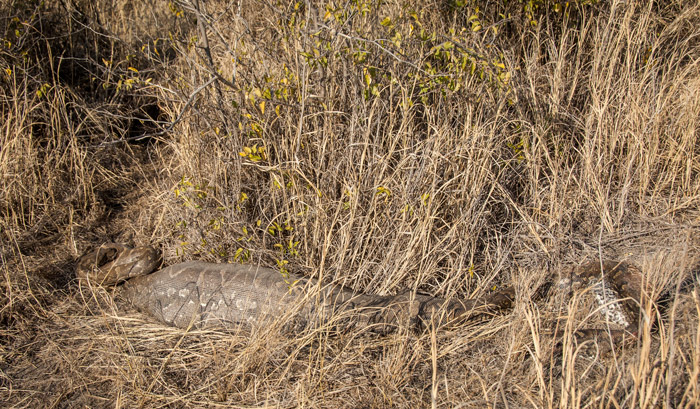
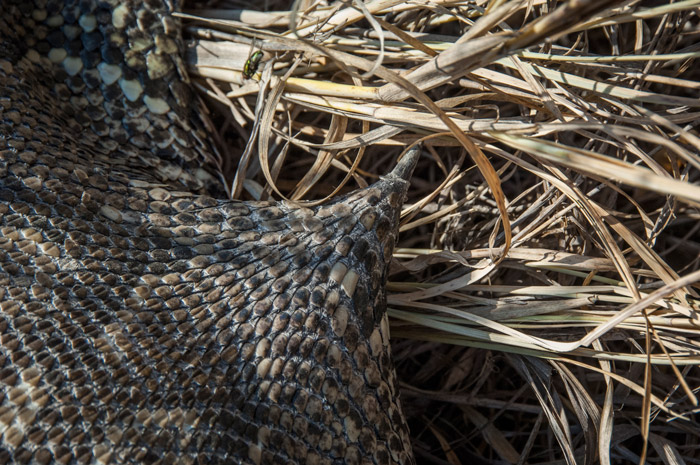

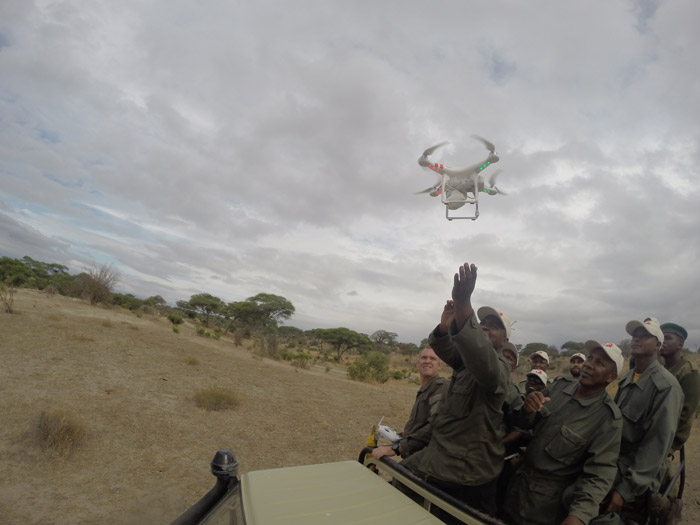
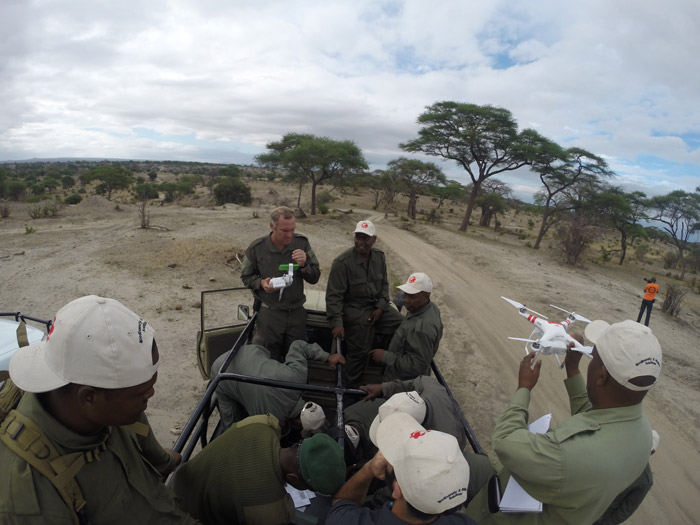
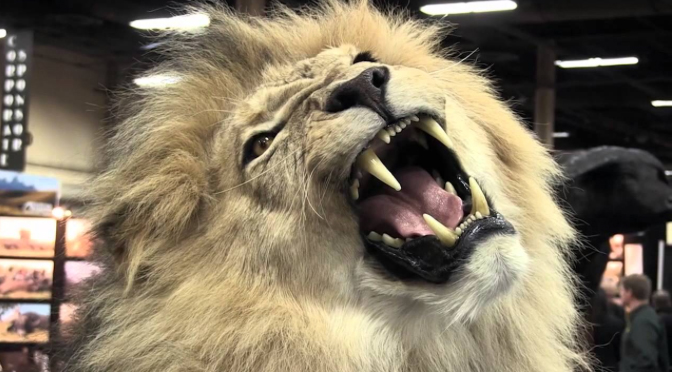
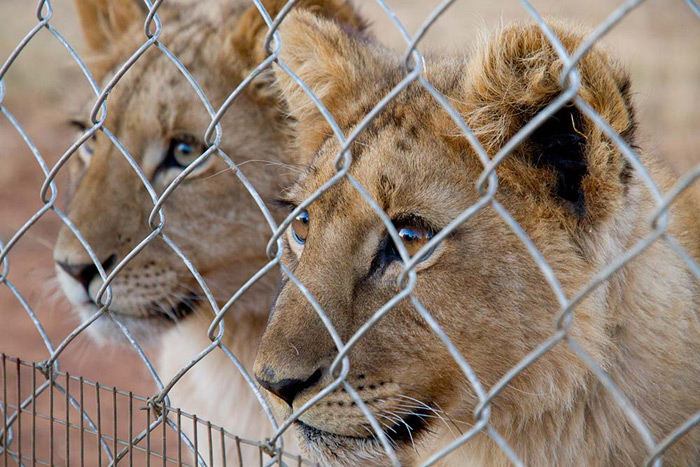
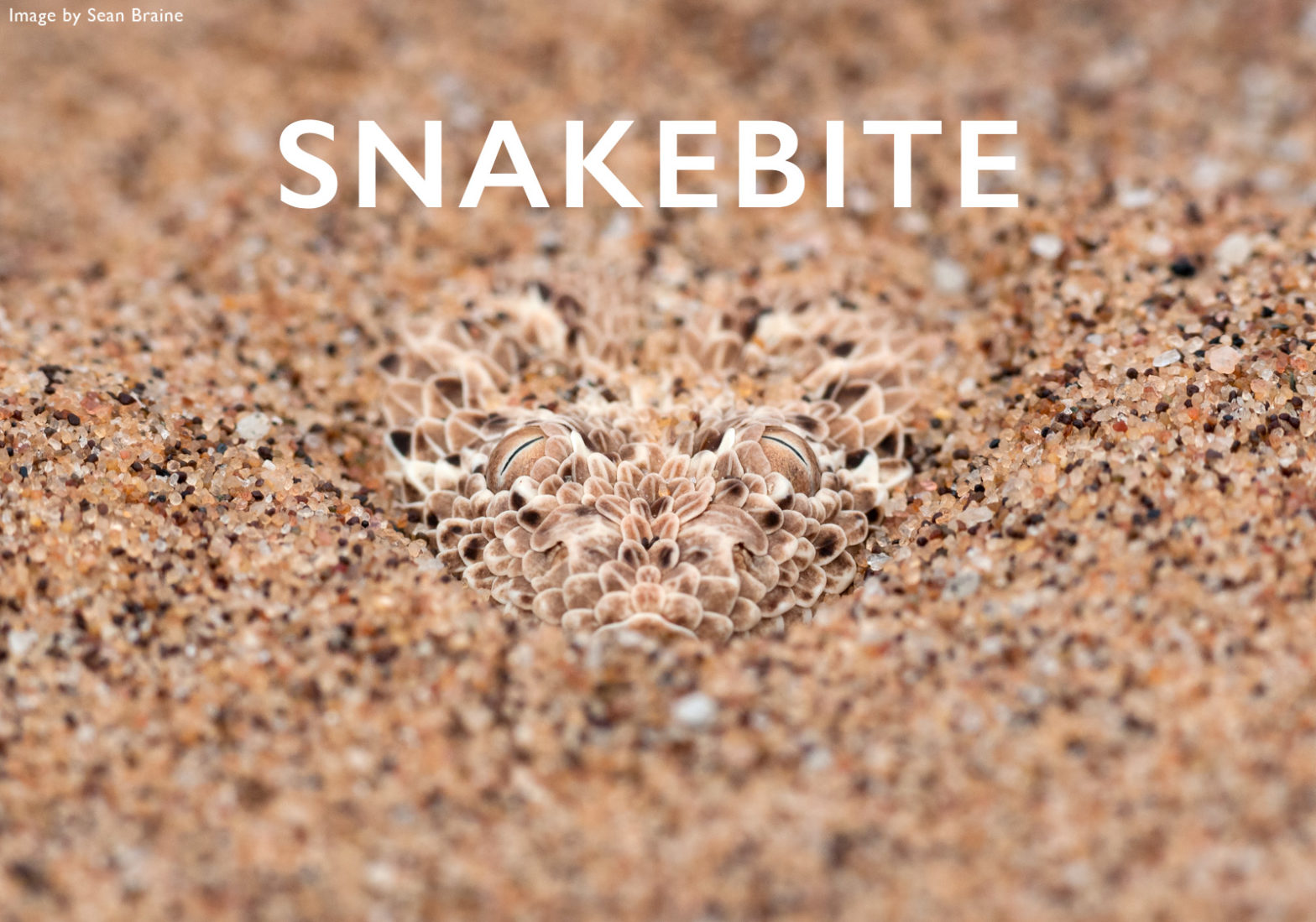
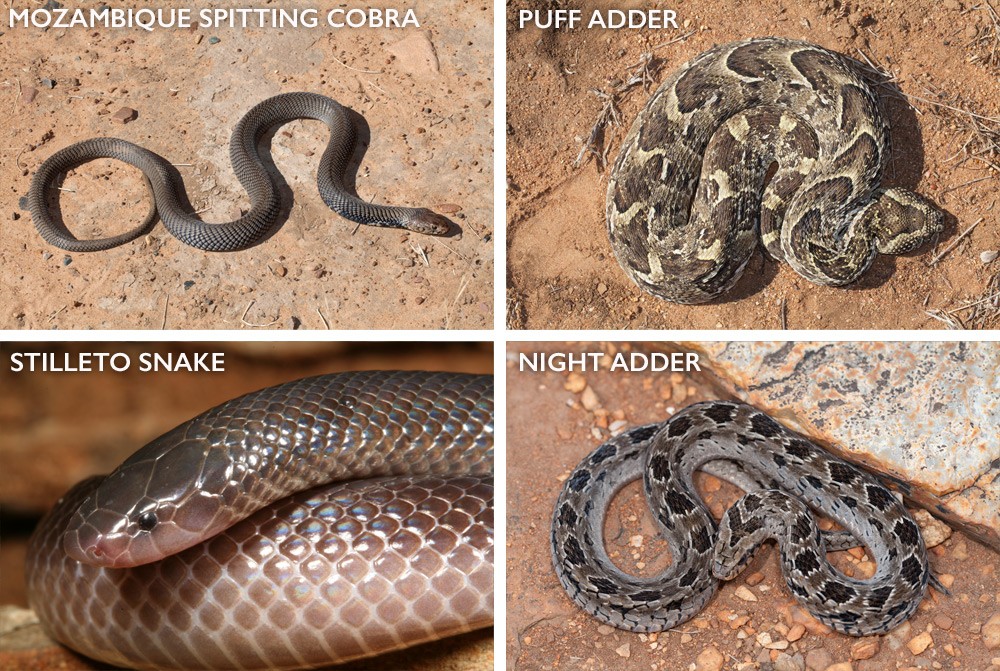
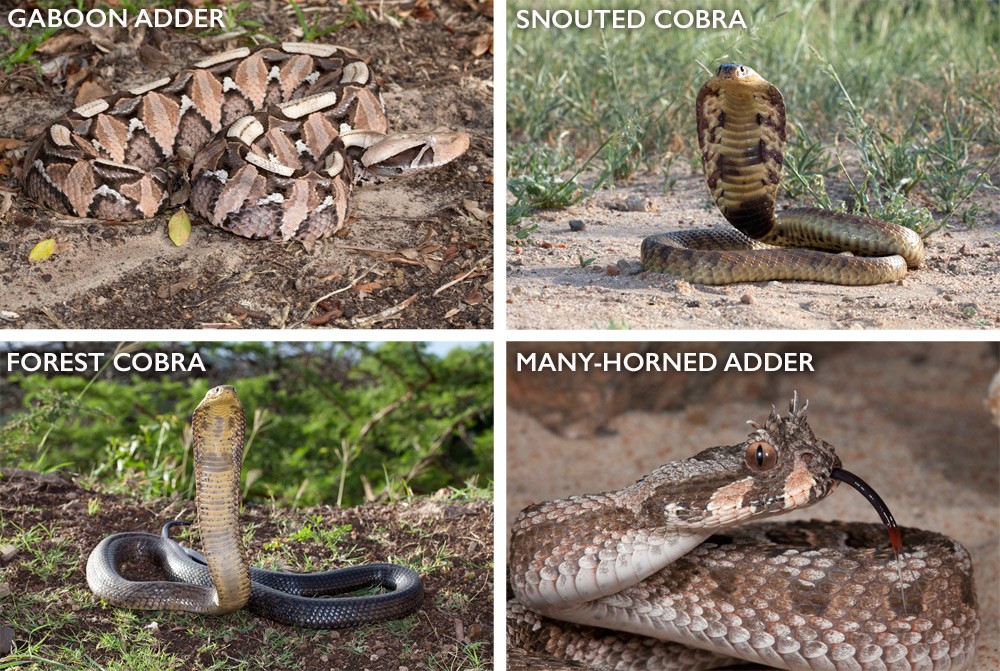
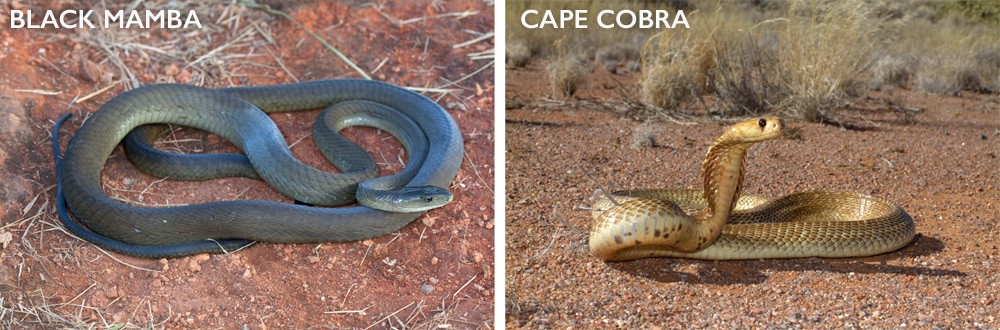
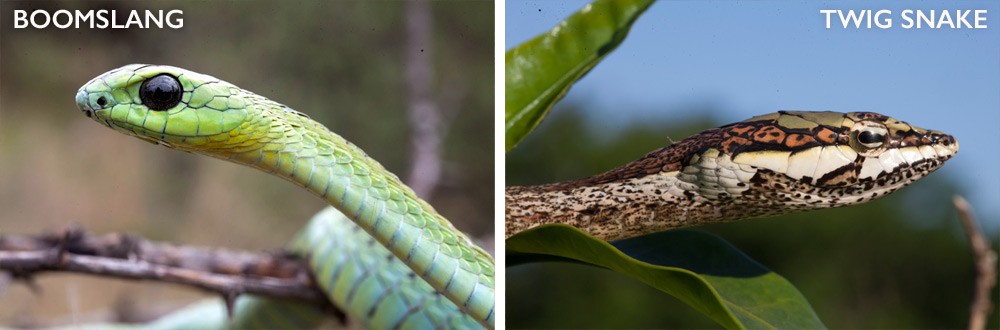
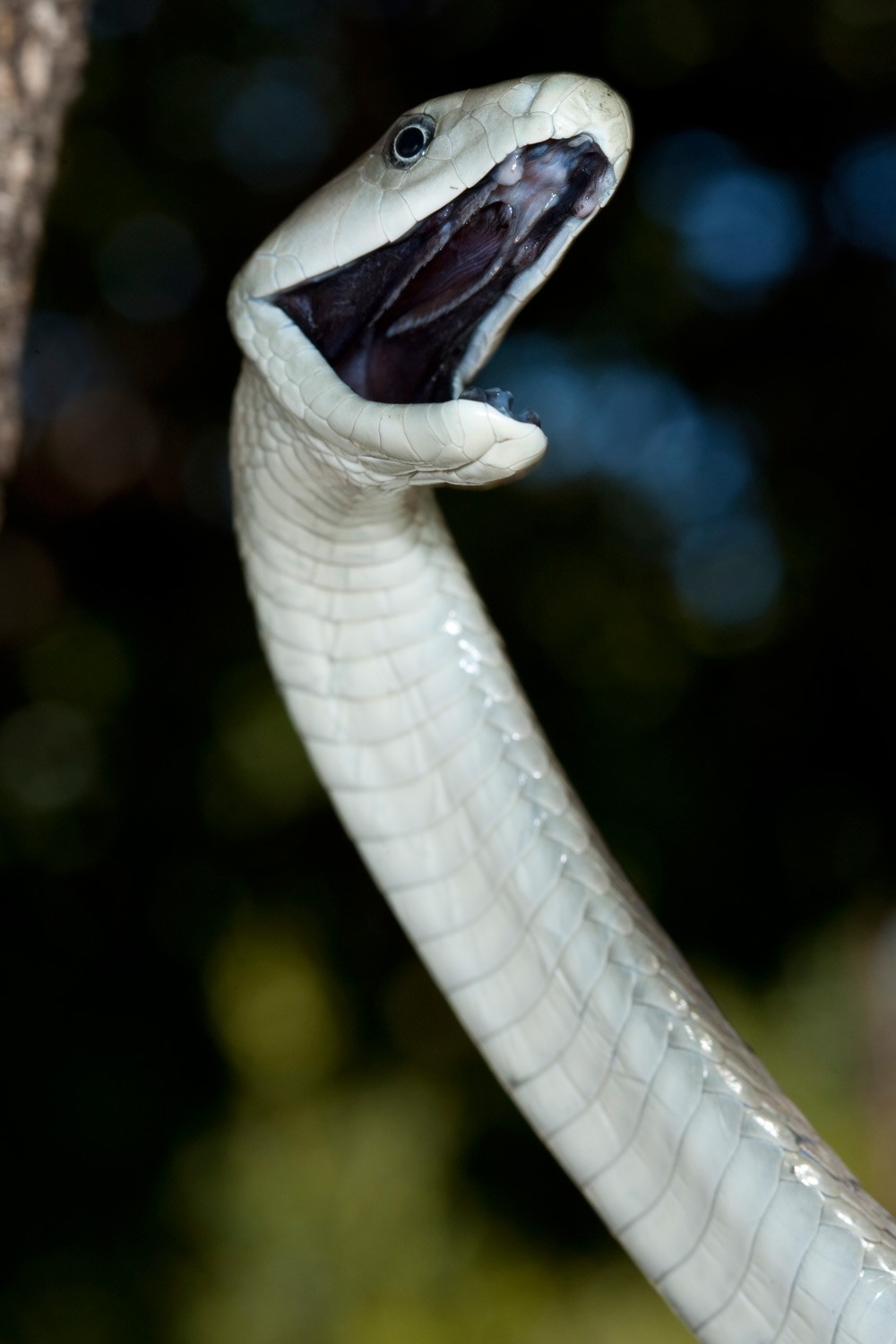
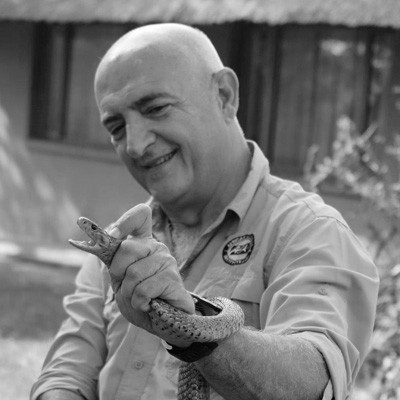

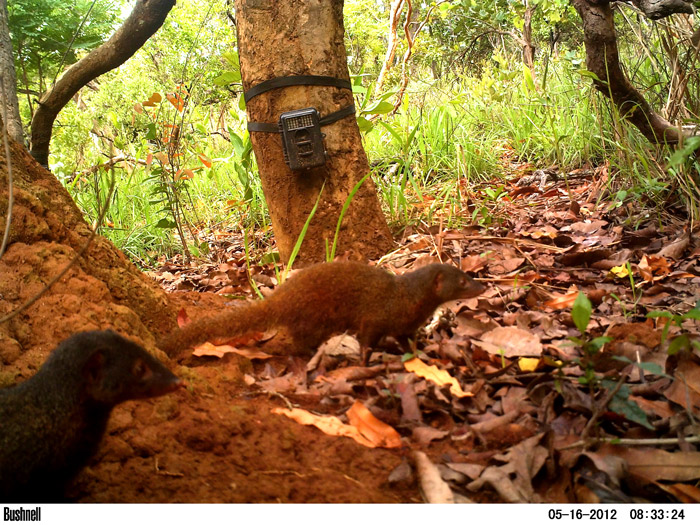
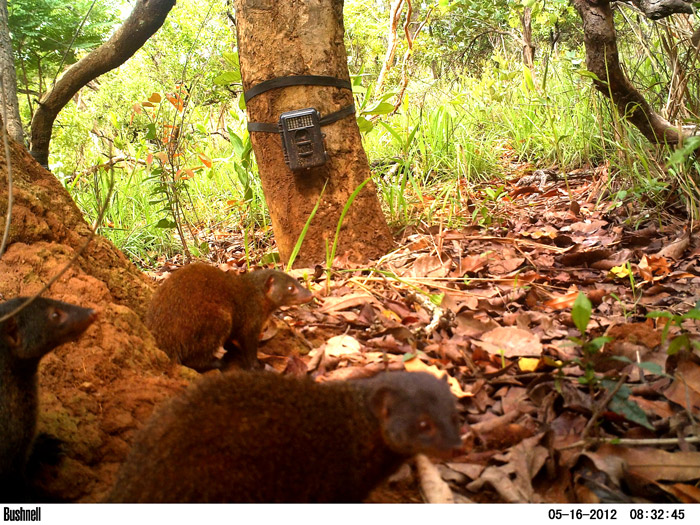
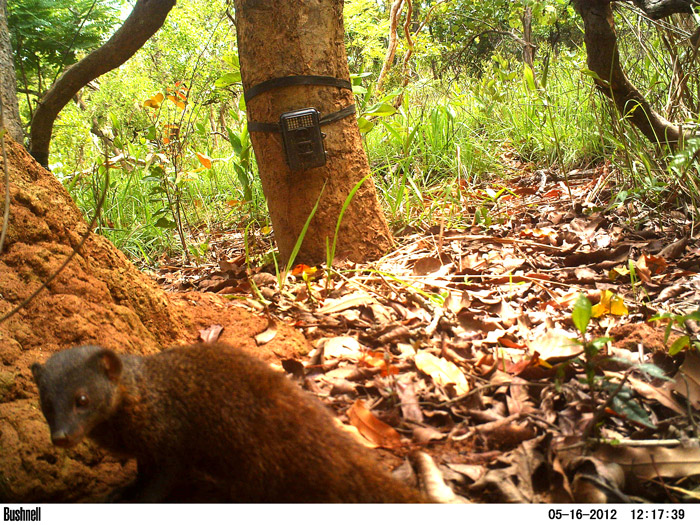
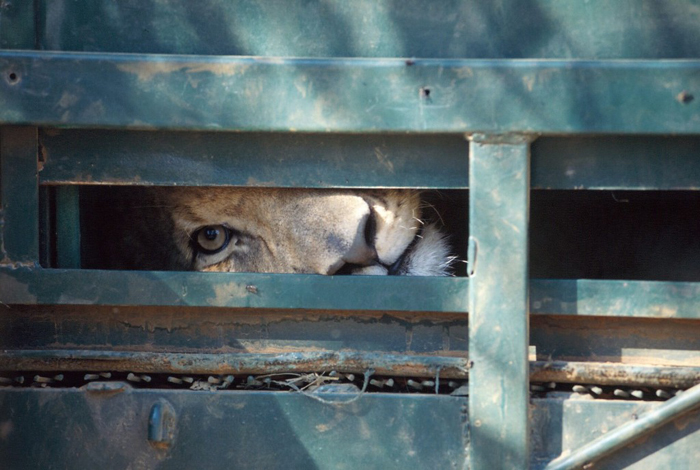
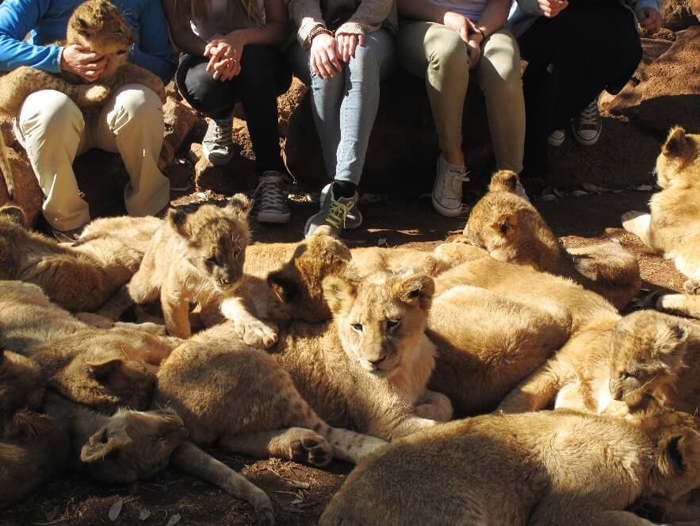
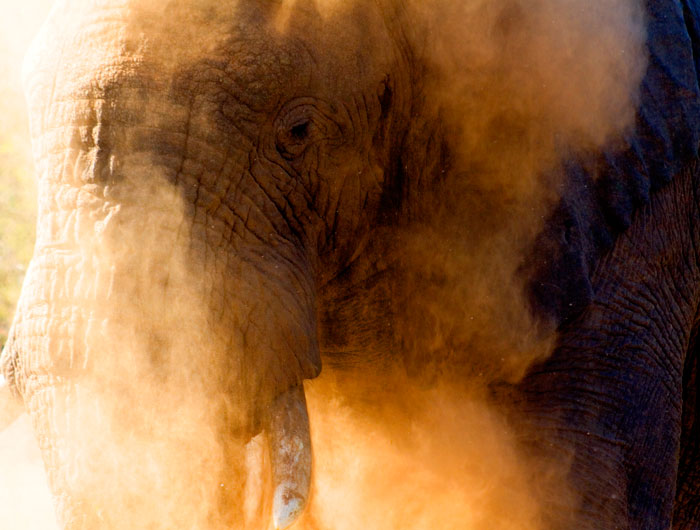
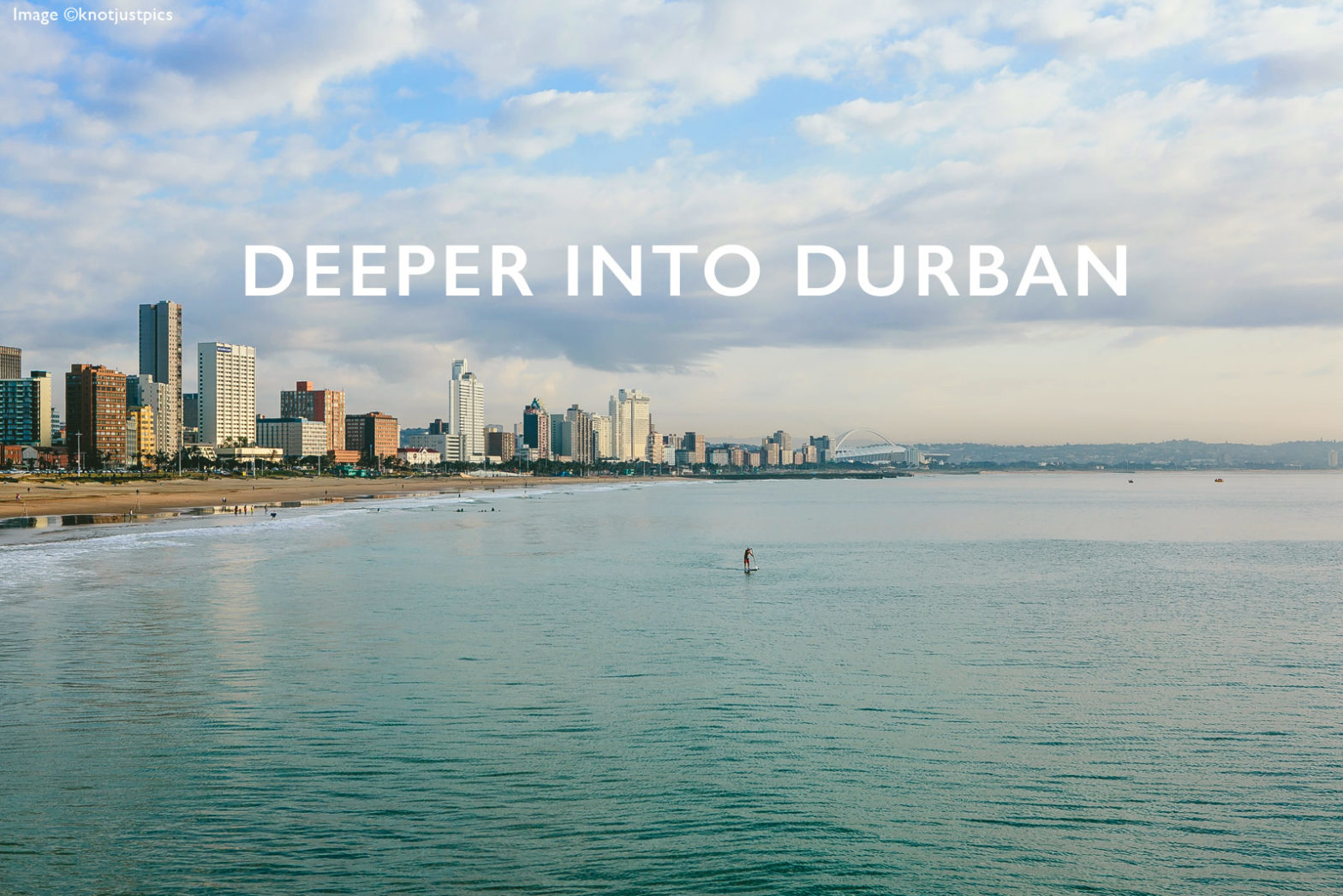

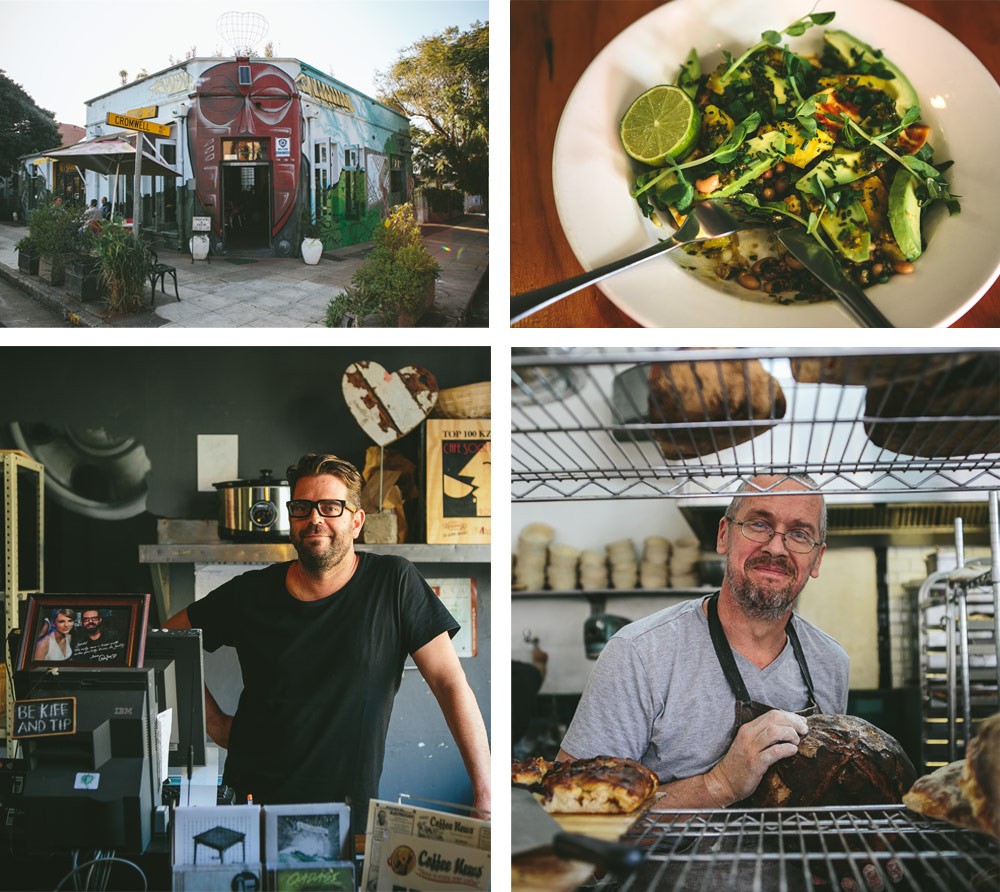
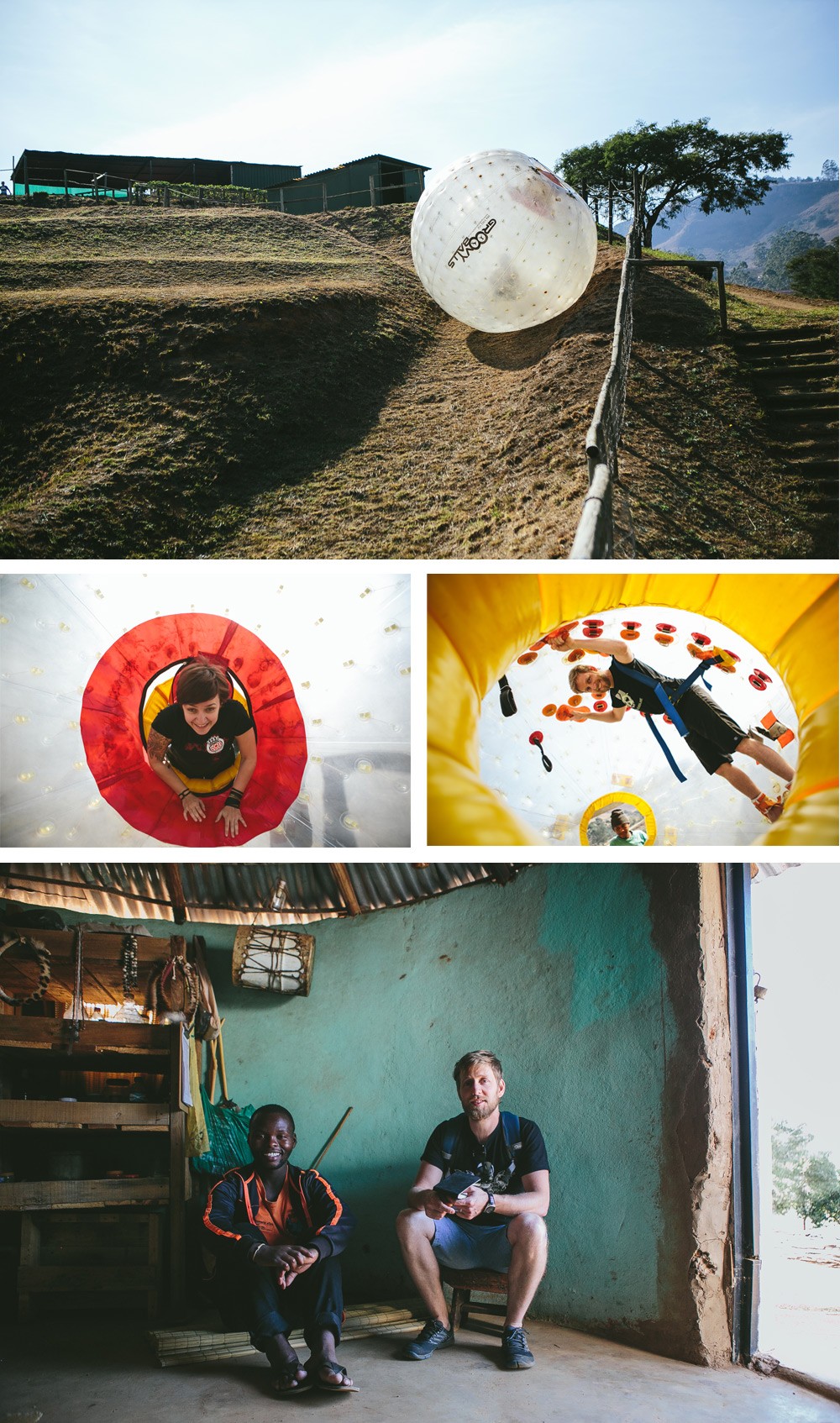
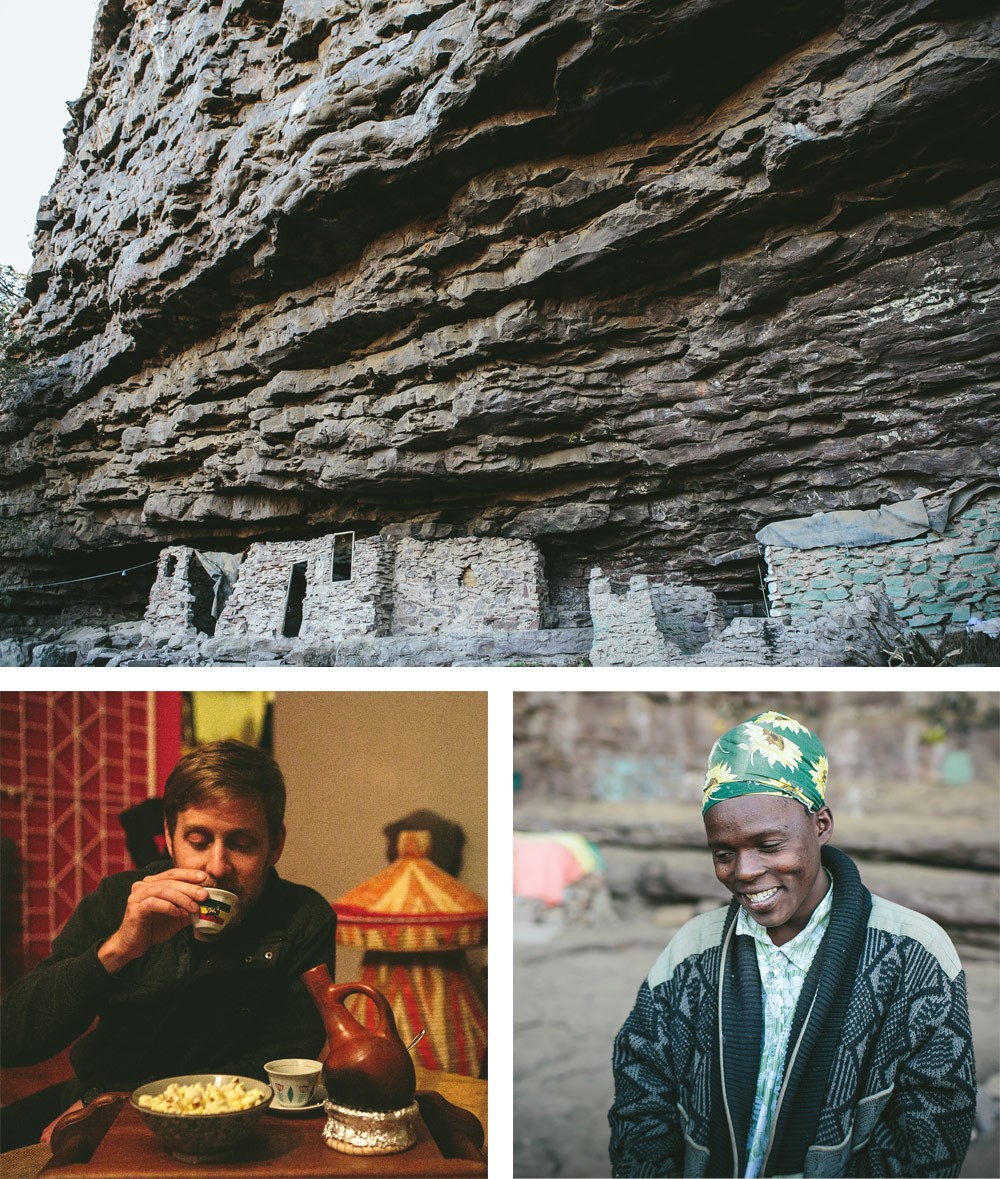
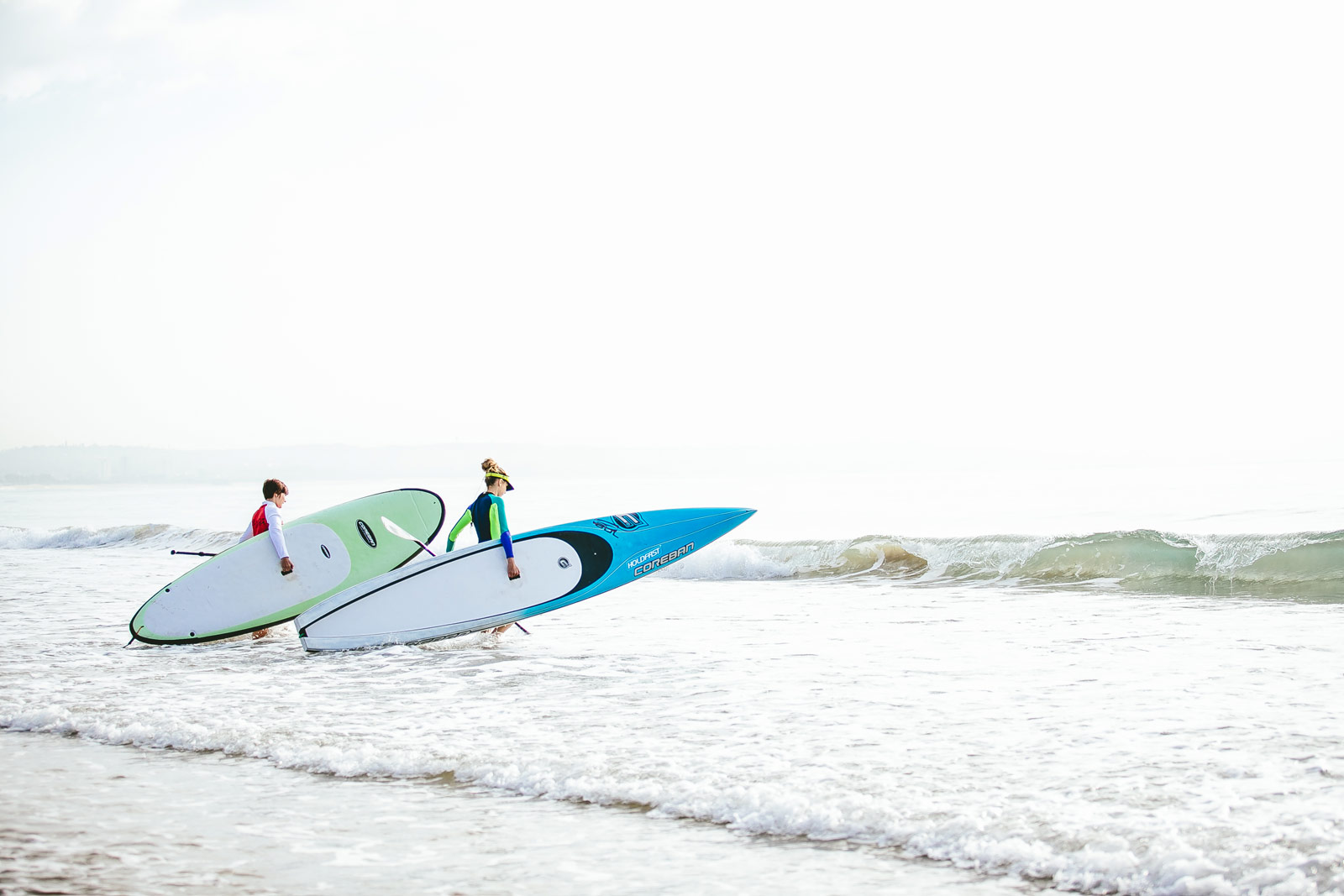
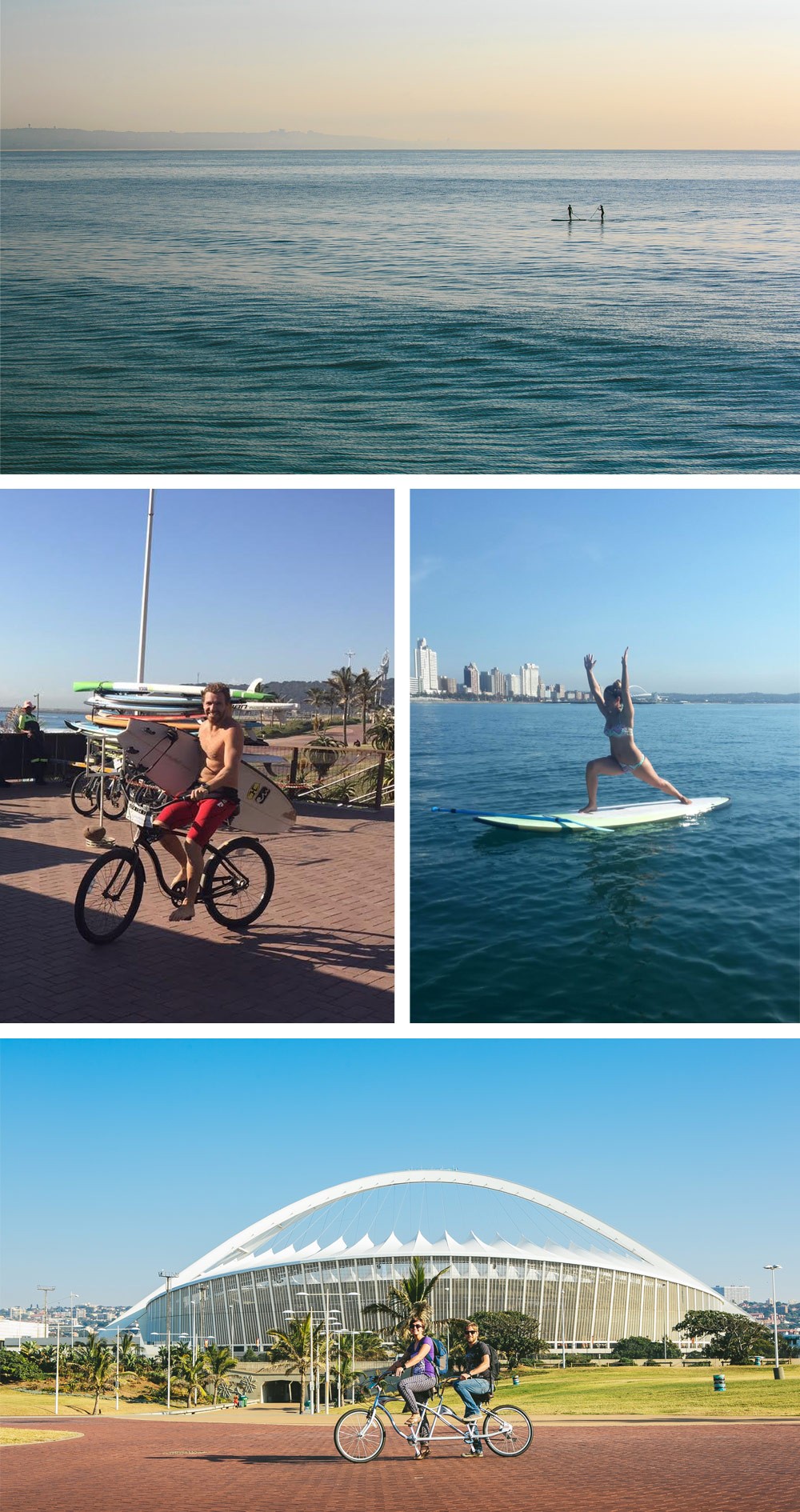
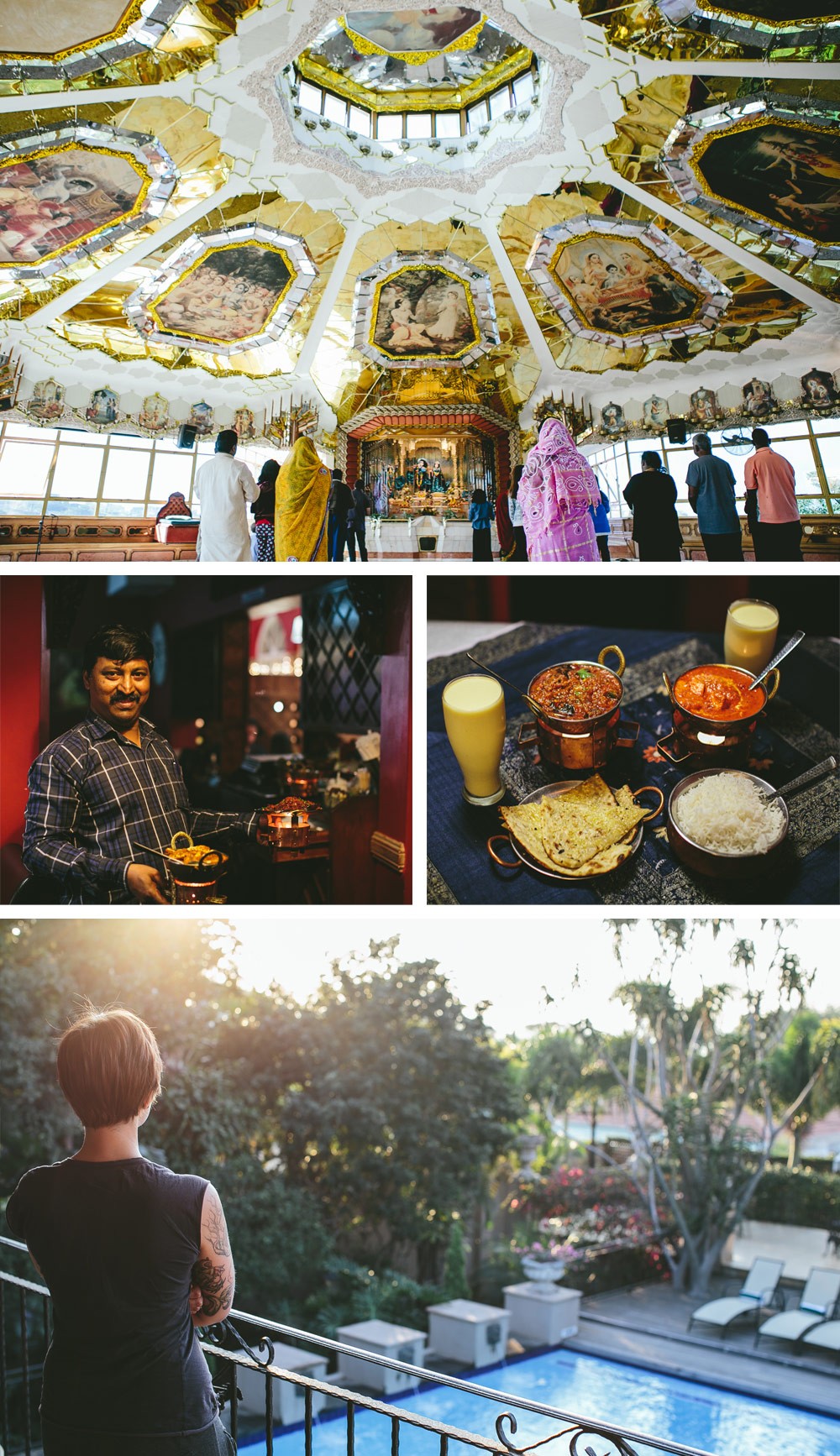
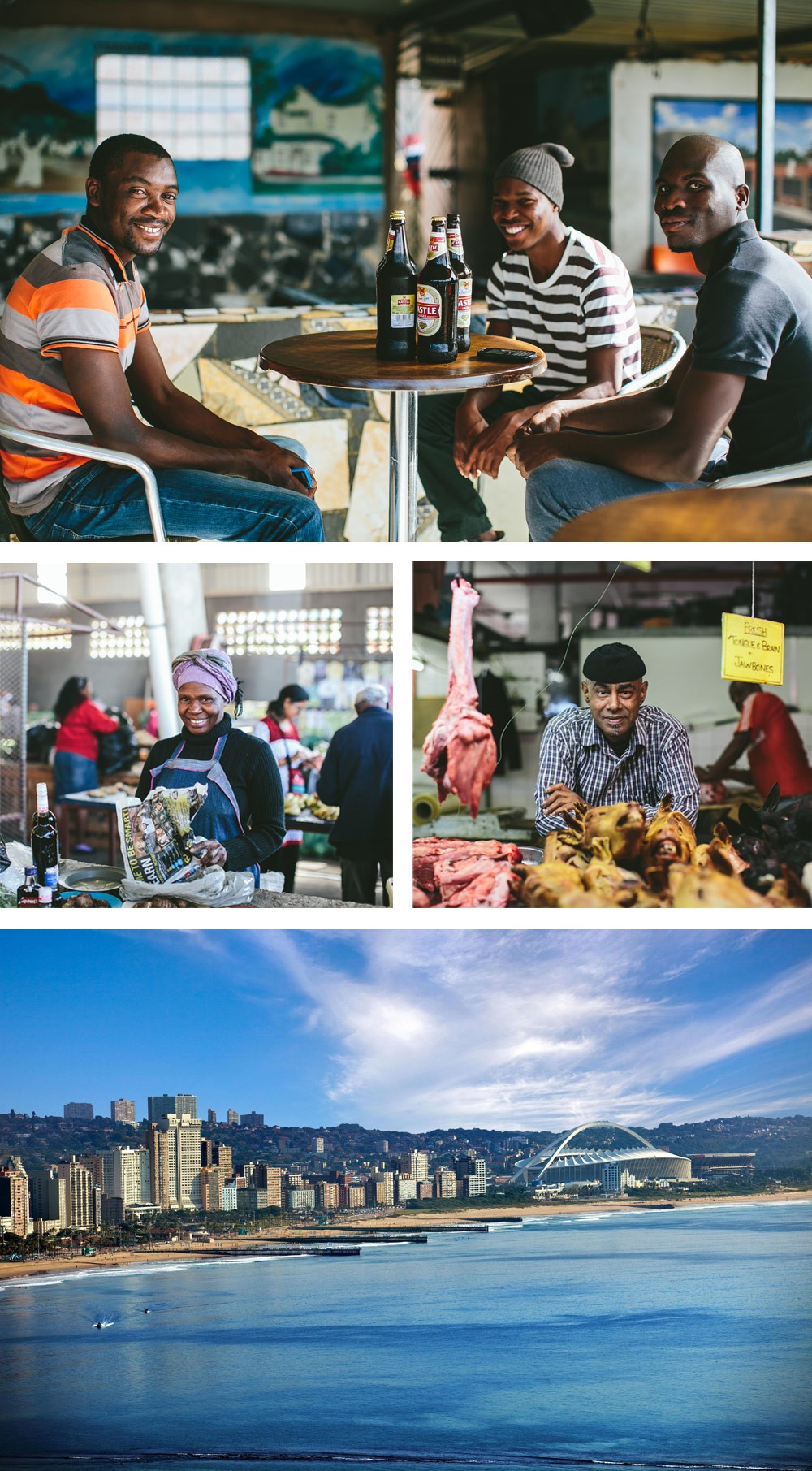
 ANDY STENT AND SZERDI NAGY are a married photographic team intent on exploring and discovering as much of our incredible world as they can. Their passion for travel was sparked when they travelled to Nepal in 2010 and since then they have used their wedding photography business to fund their adventures. They love exploring Africa in their trusty Land Rover, Murray, and having the chance to meet and interact with people from all over the world. They also have a quest to find the most beautiful campsite on the planet.
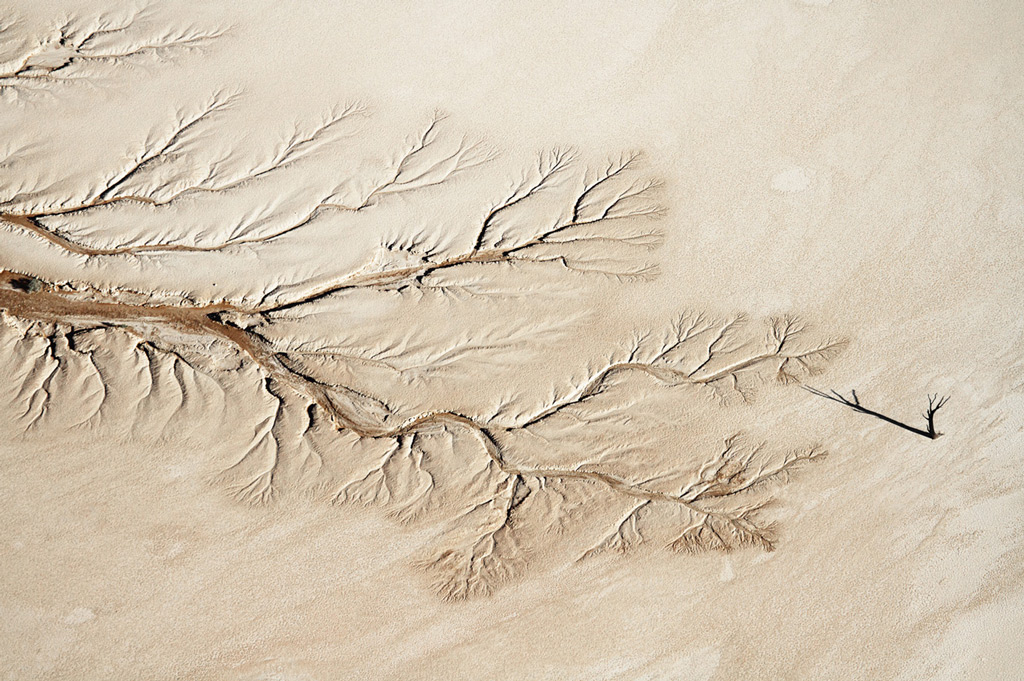
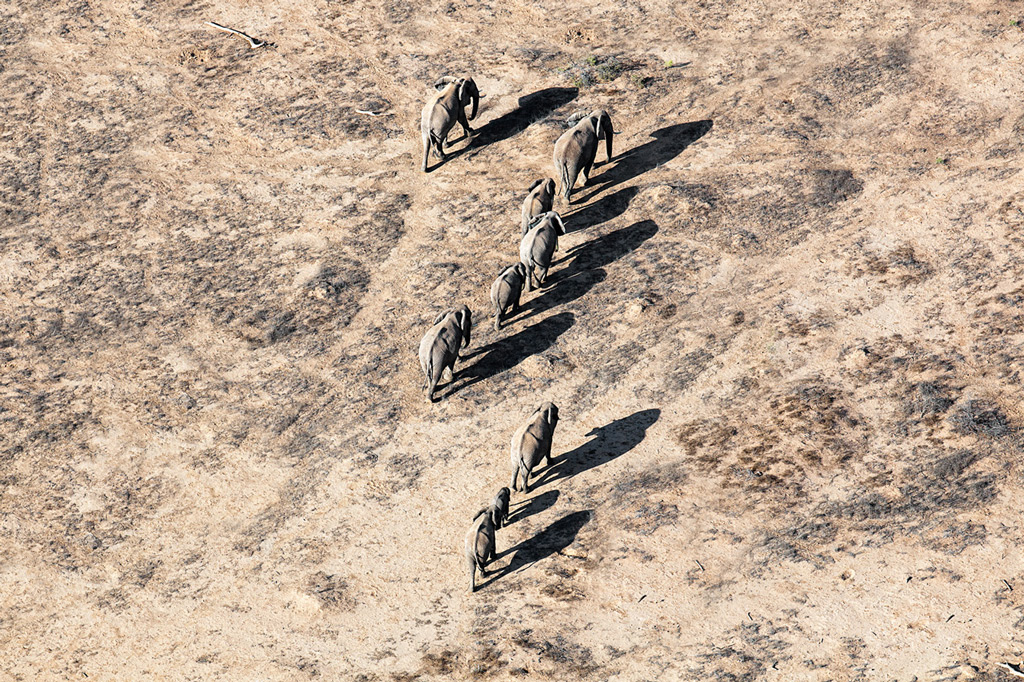
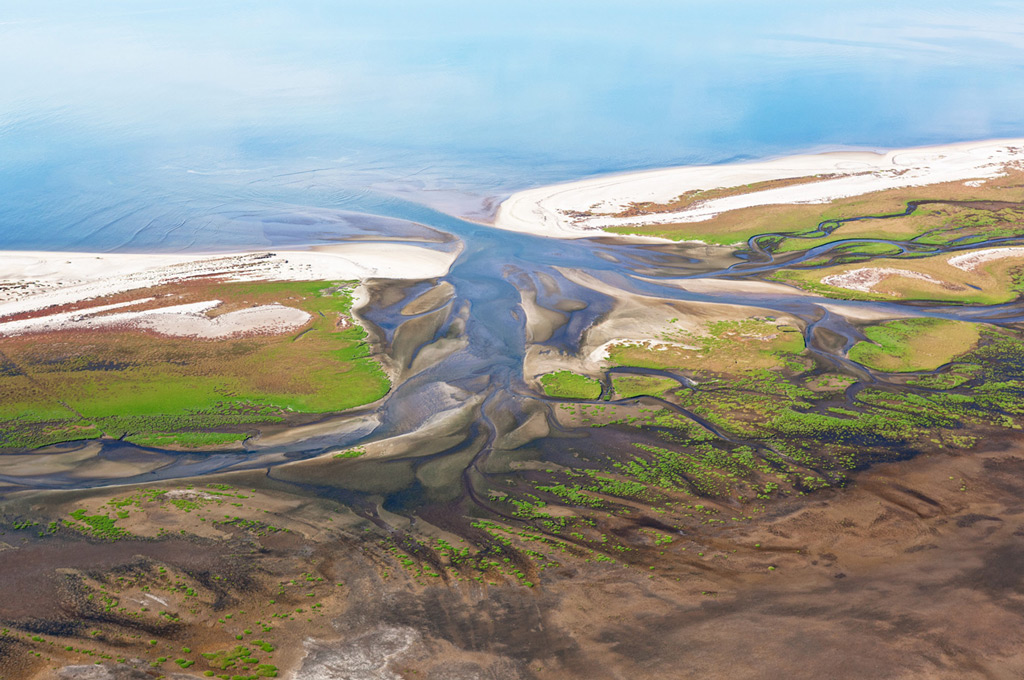
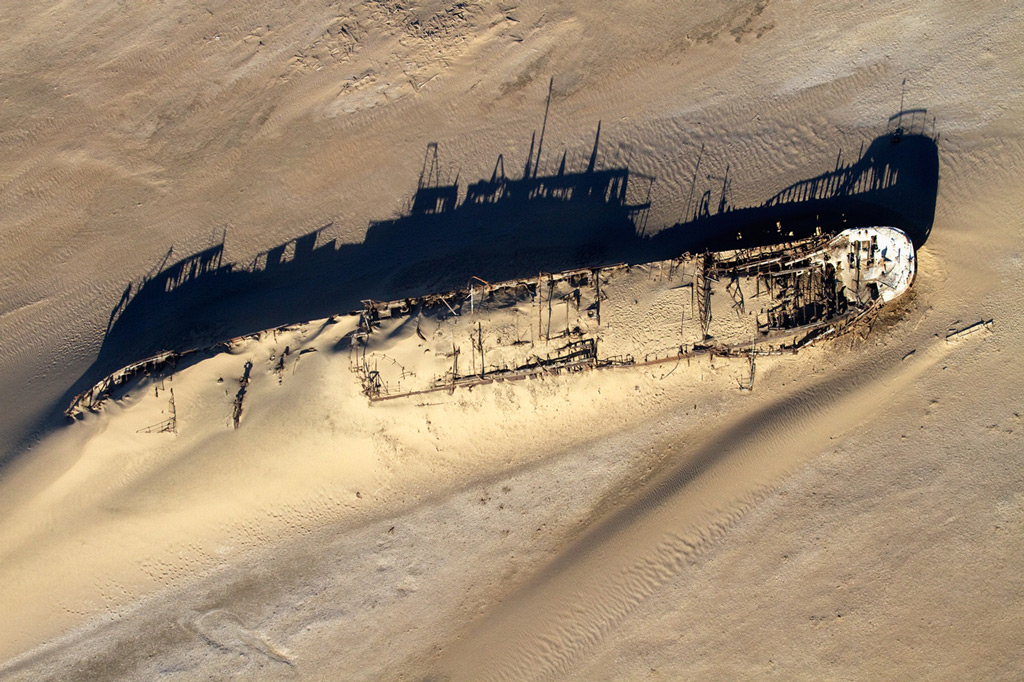
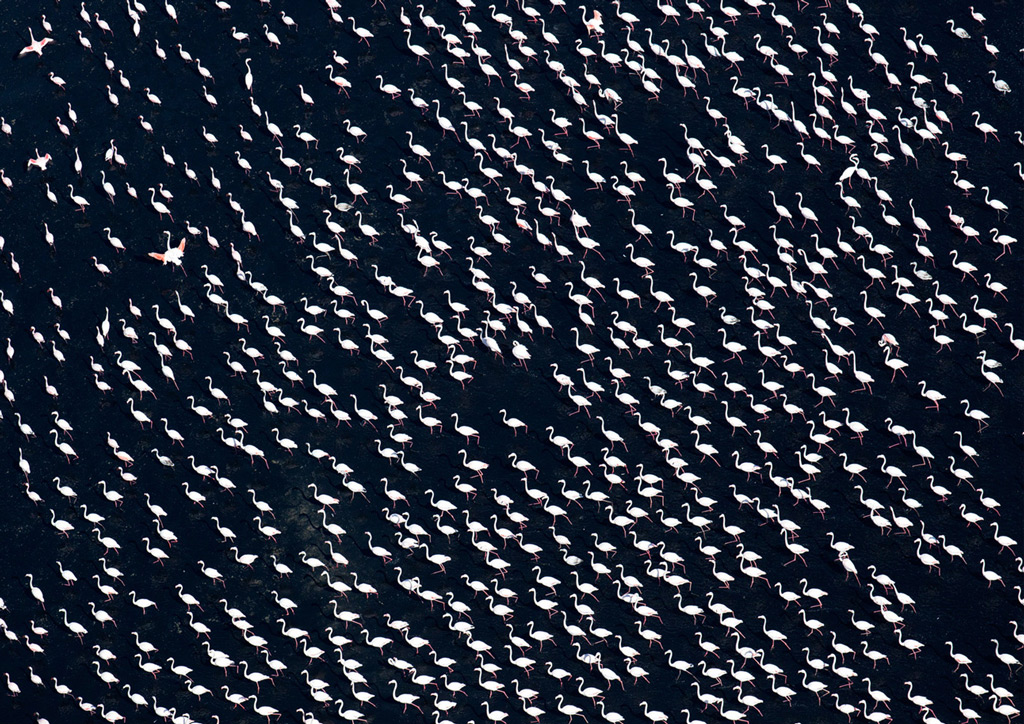
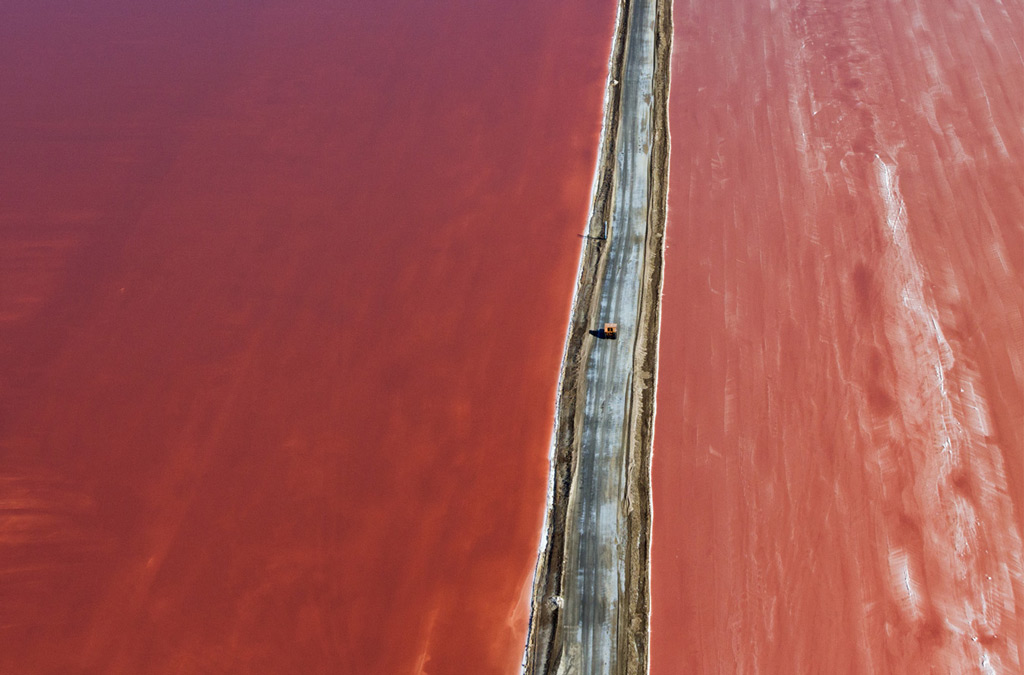
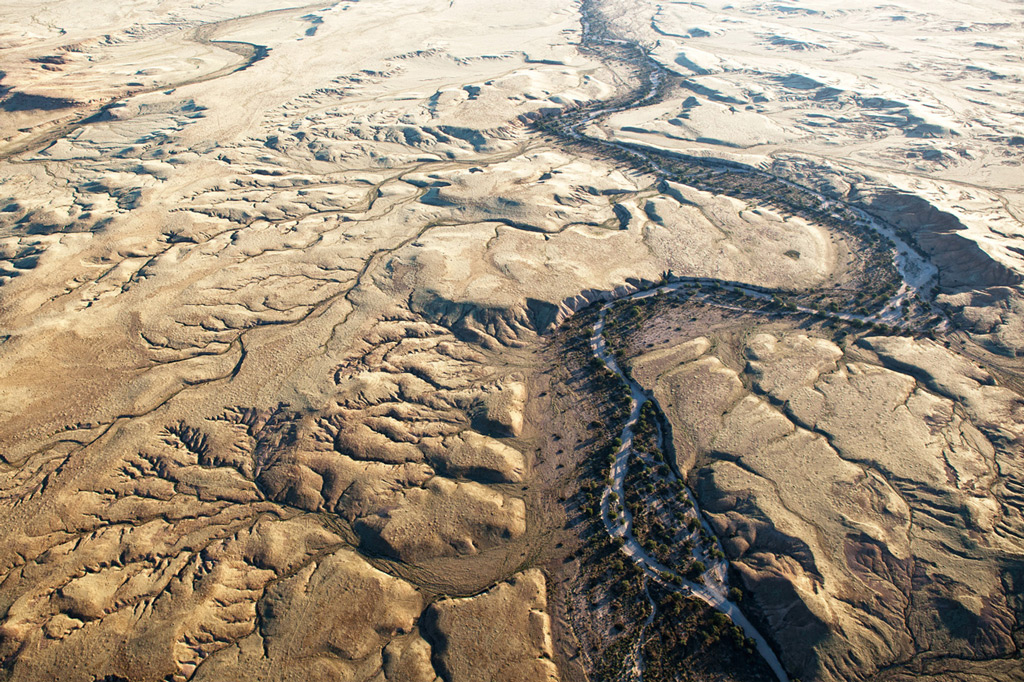
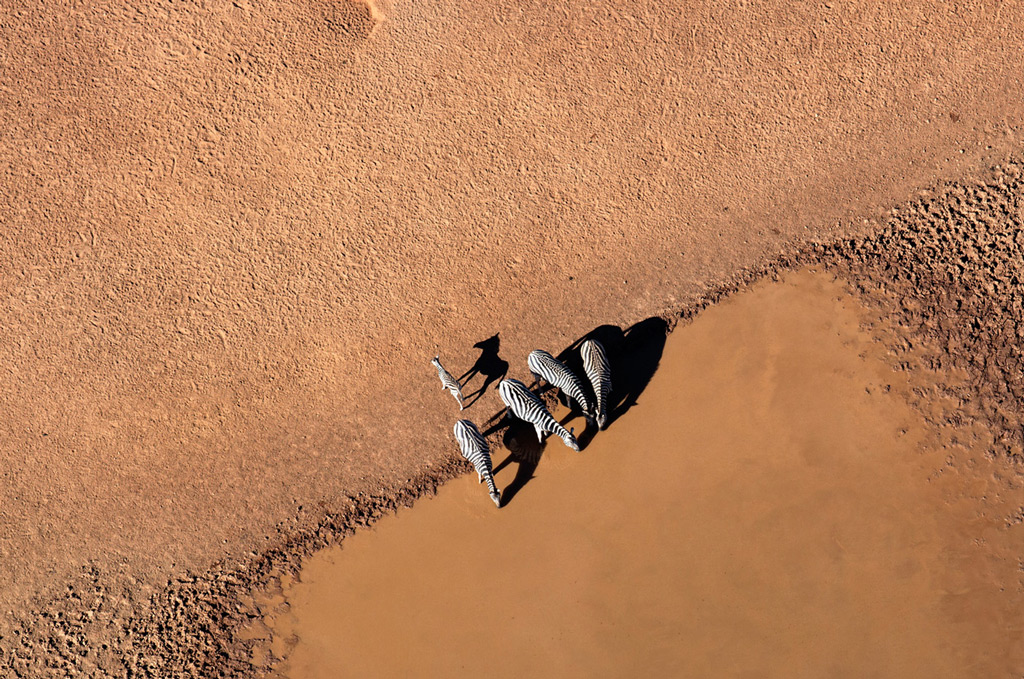
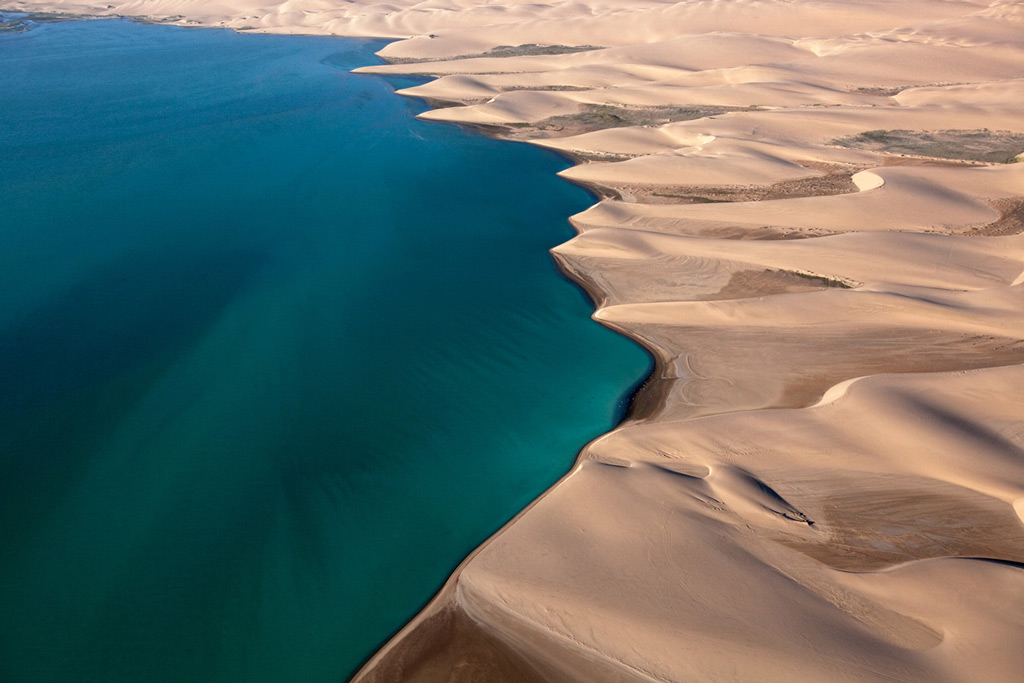

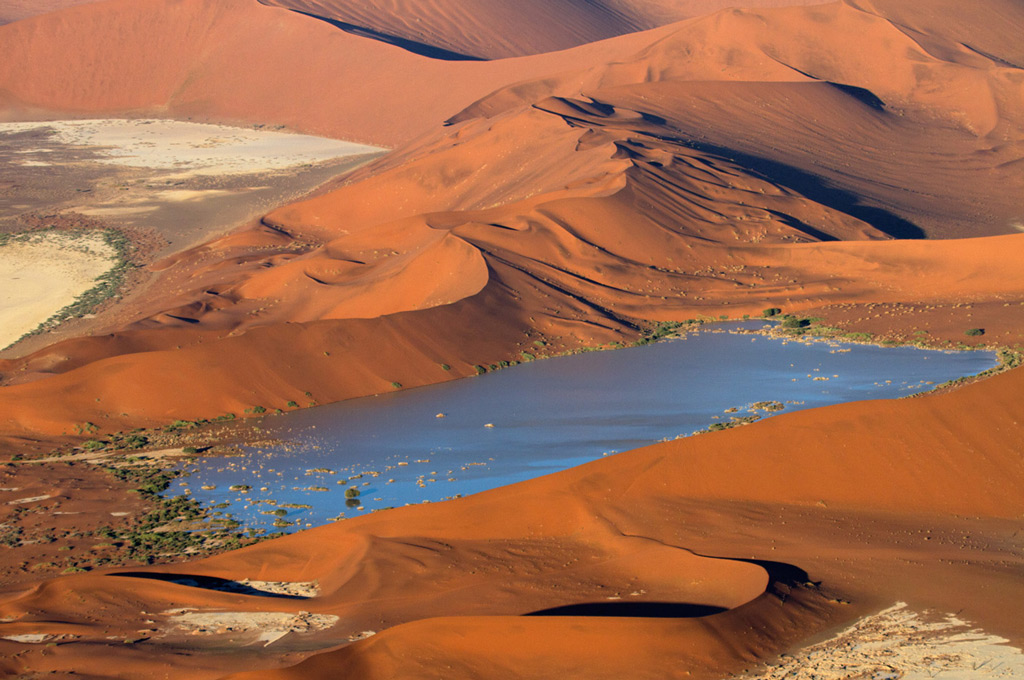
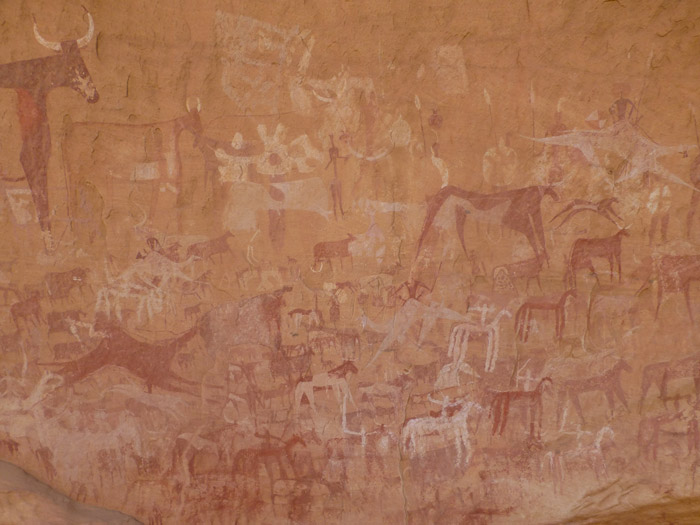

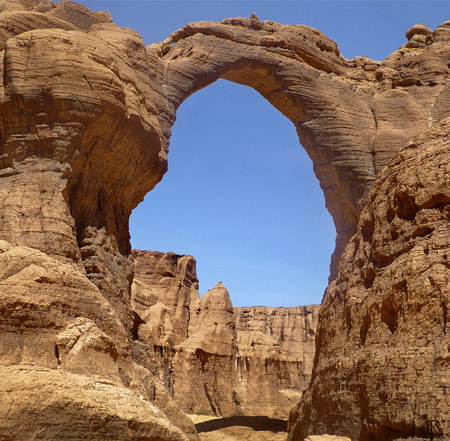
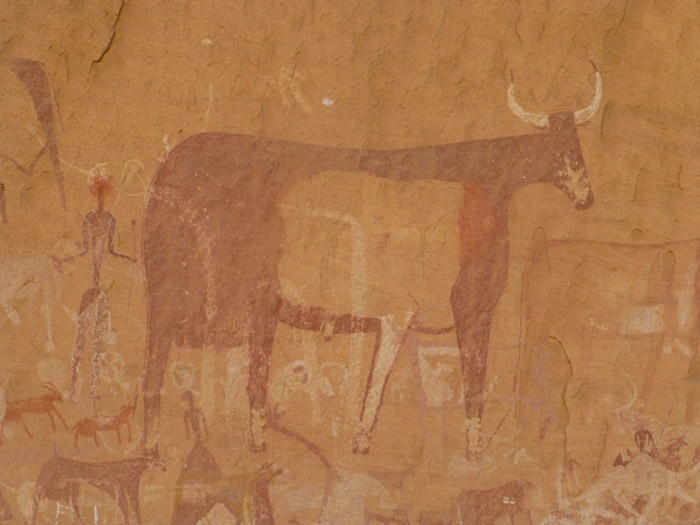
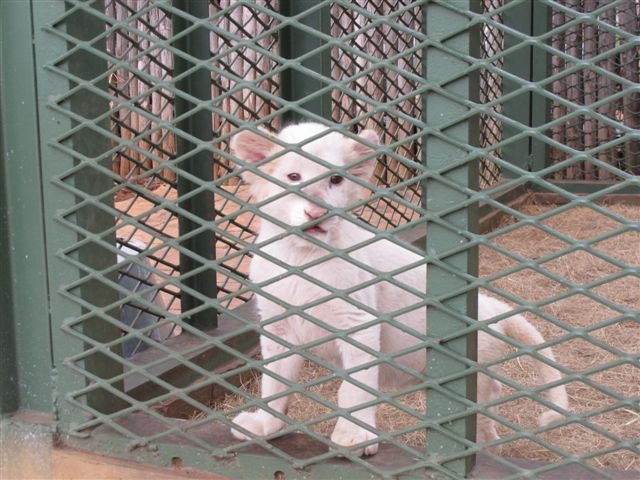
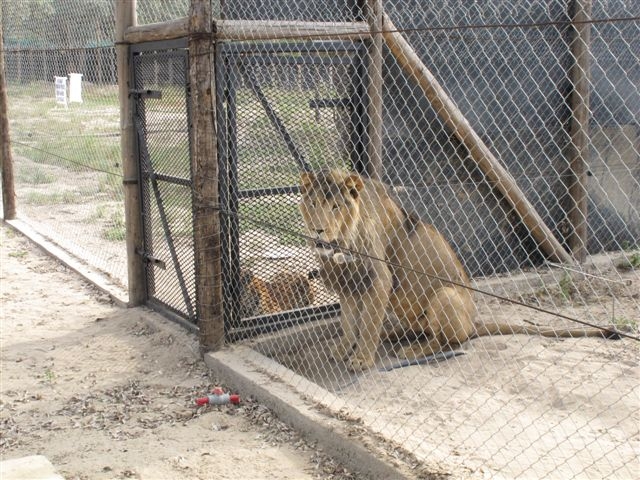
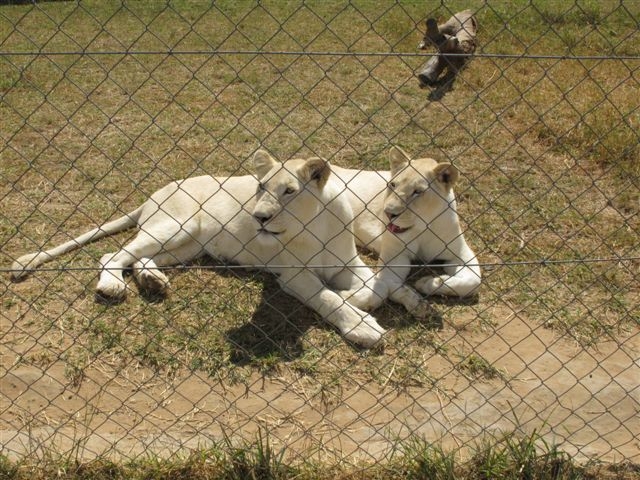
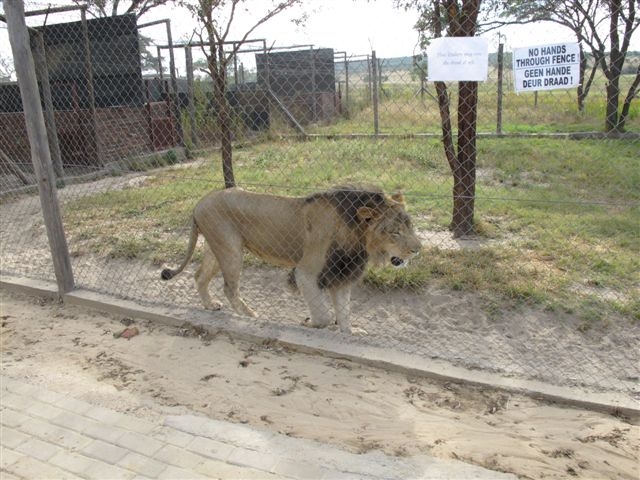
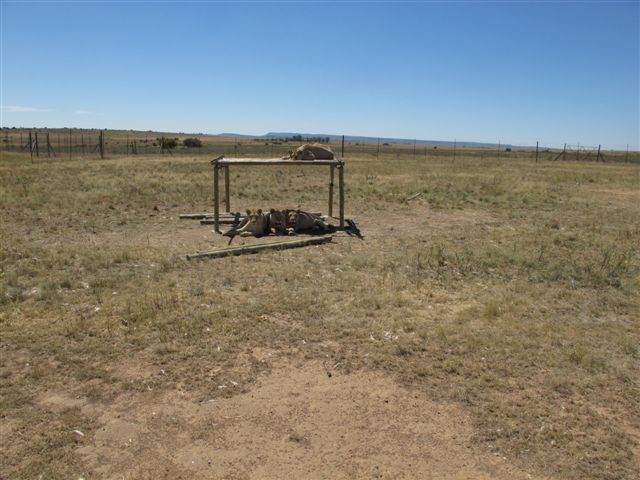
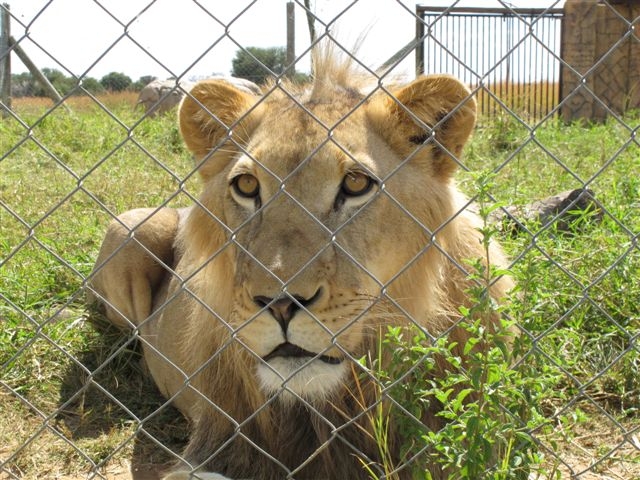
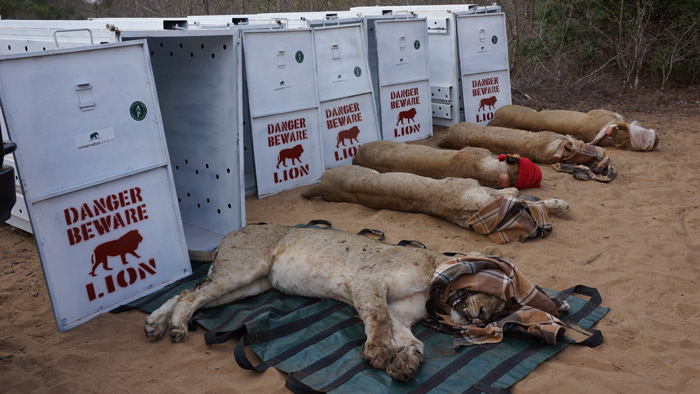




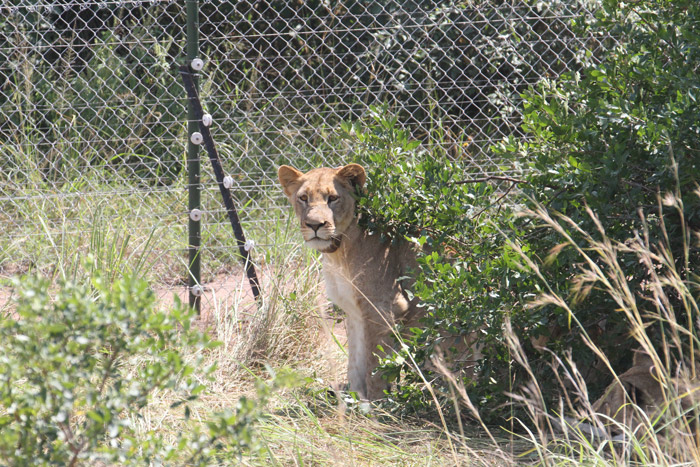
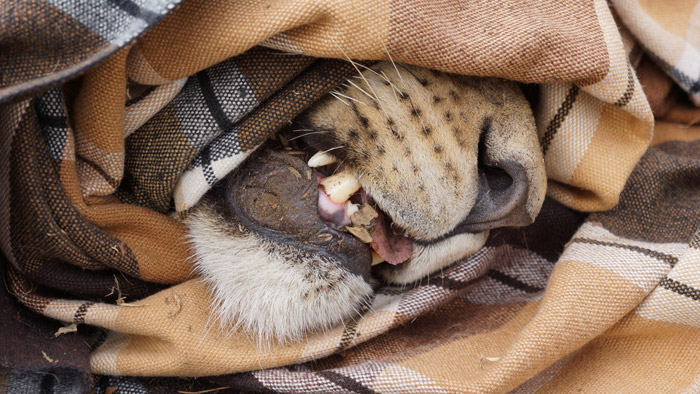
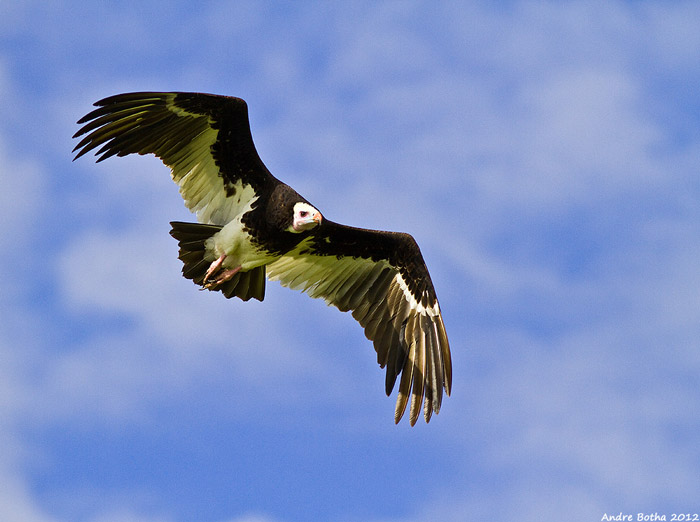


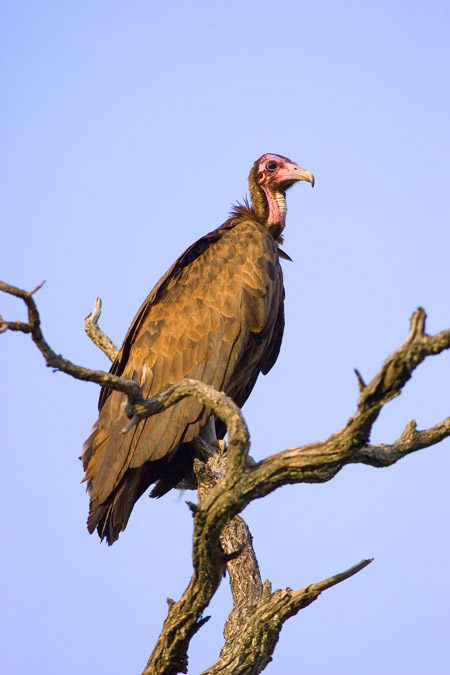

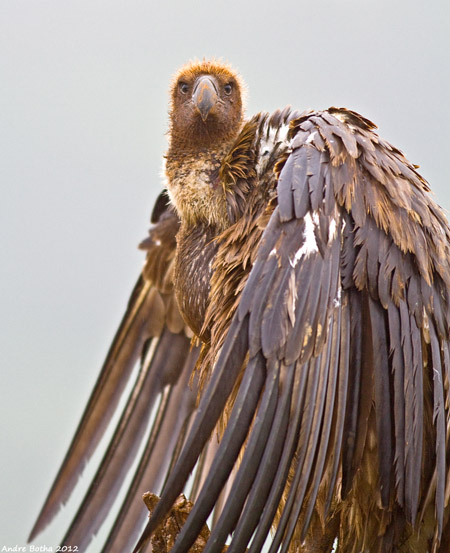
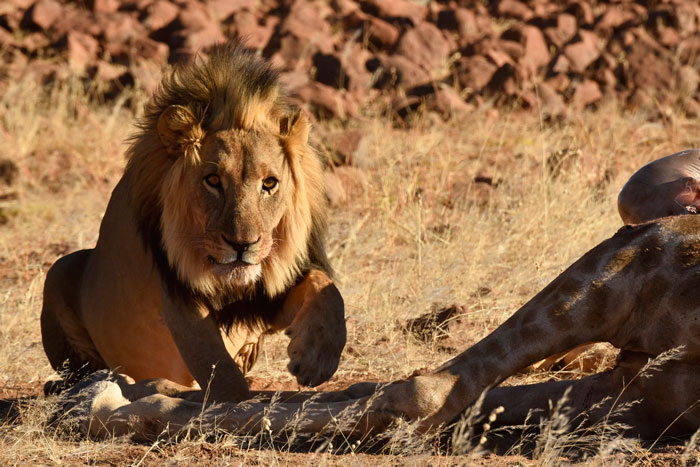
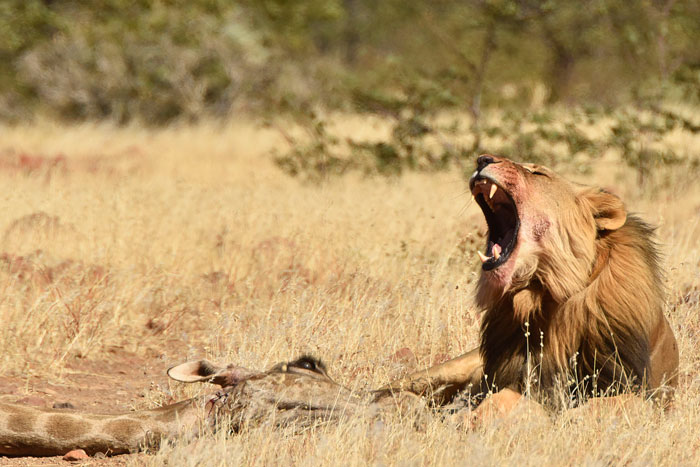
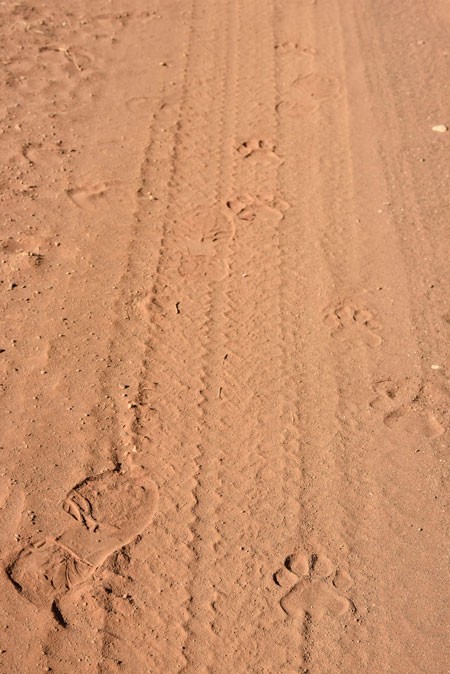
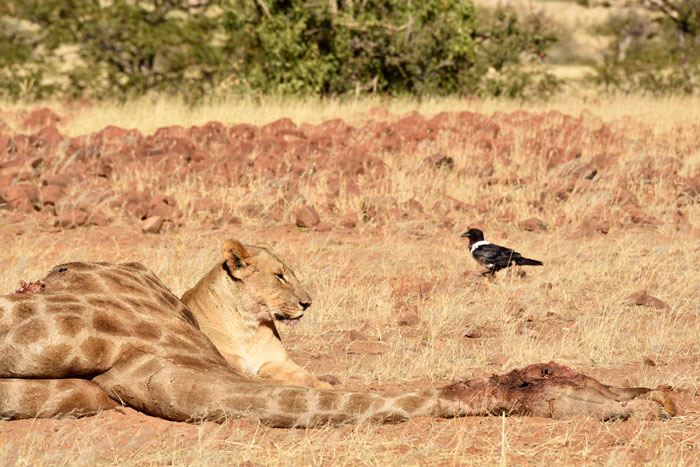
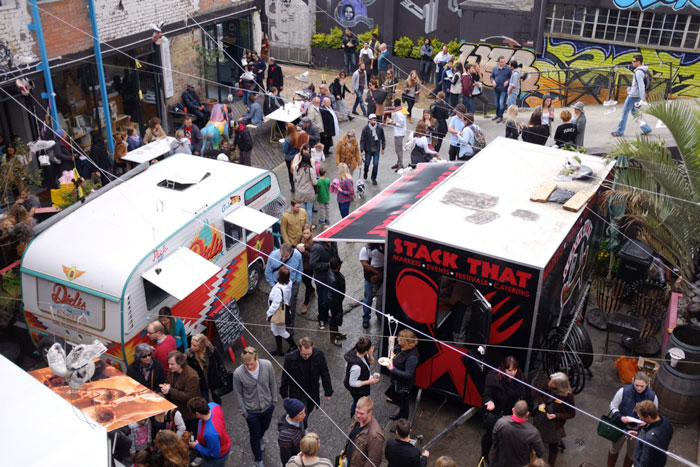
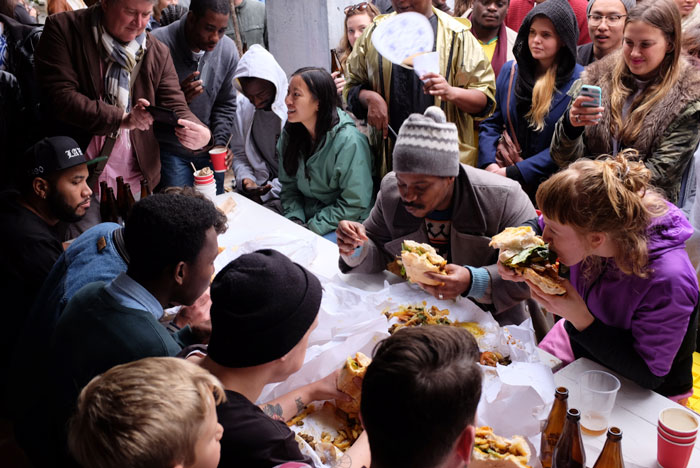
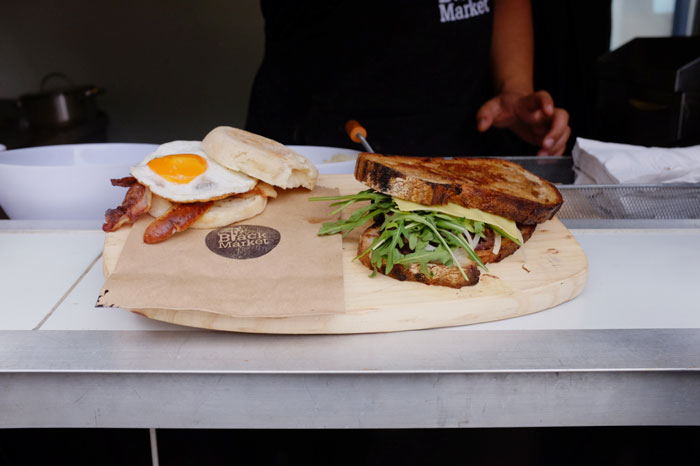

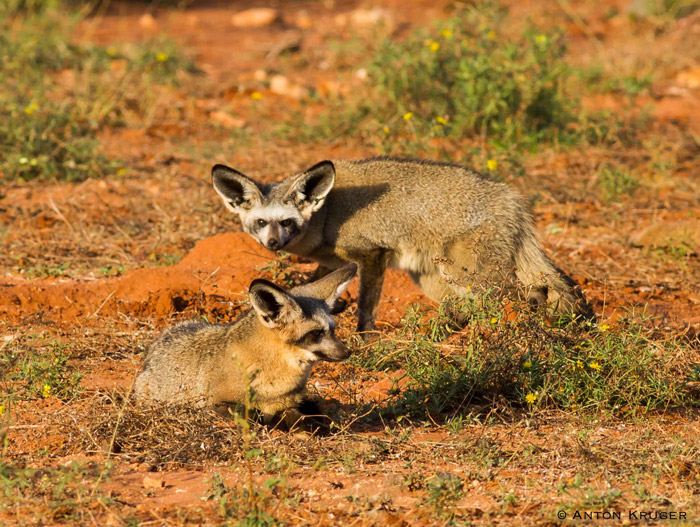
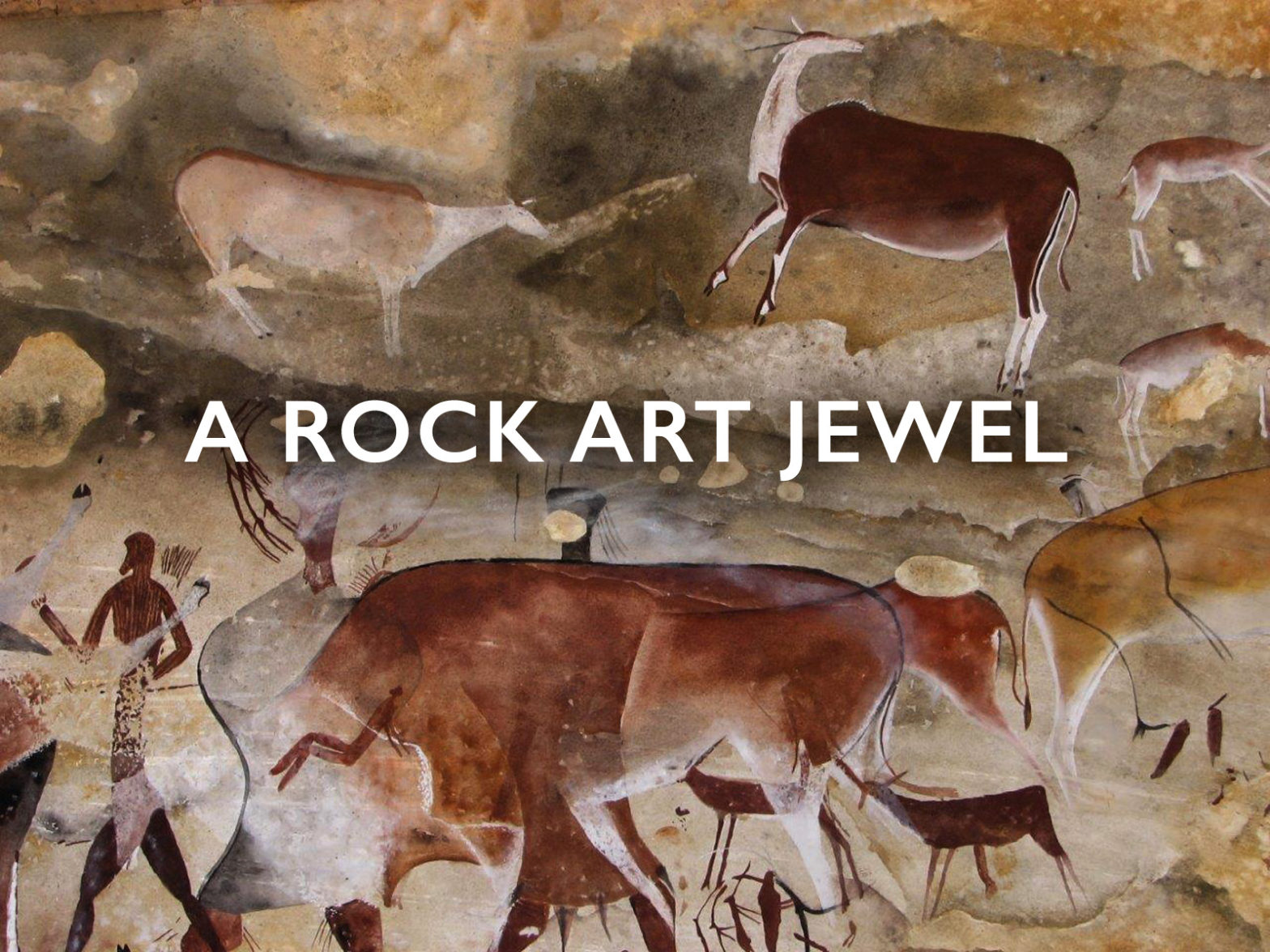
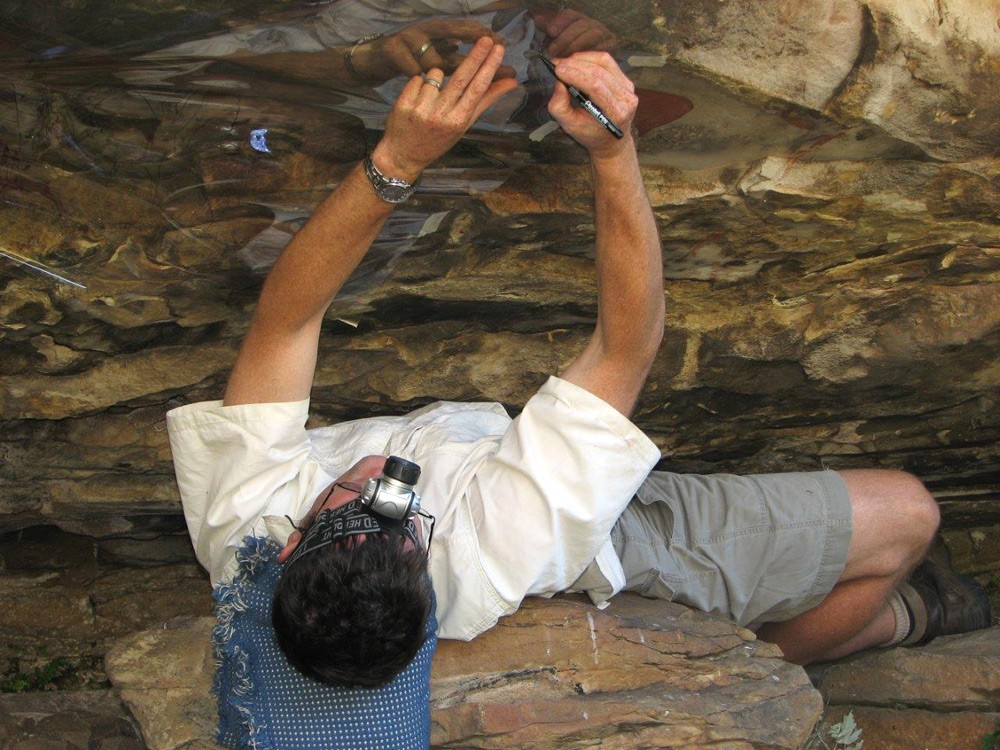
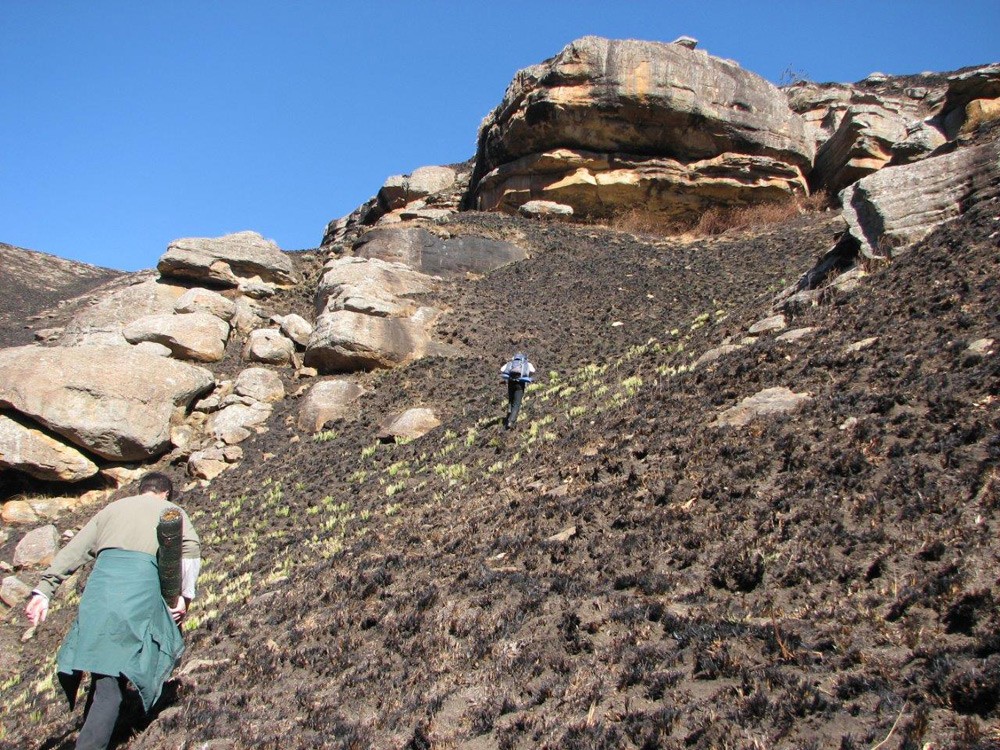
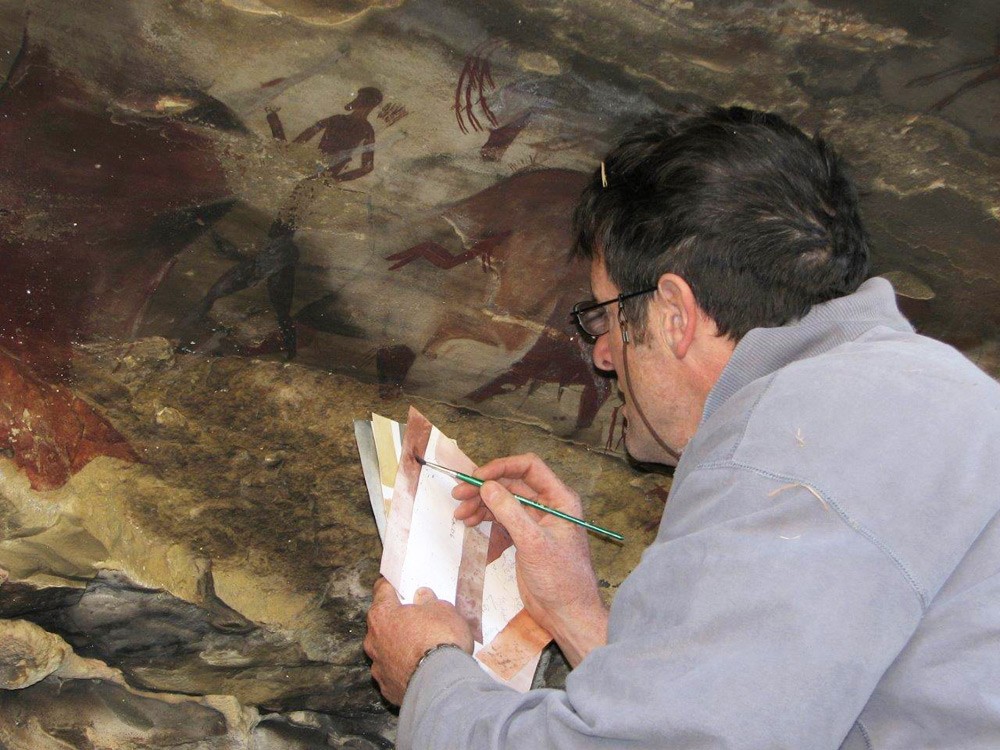
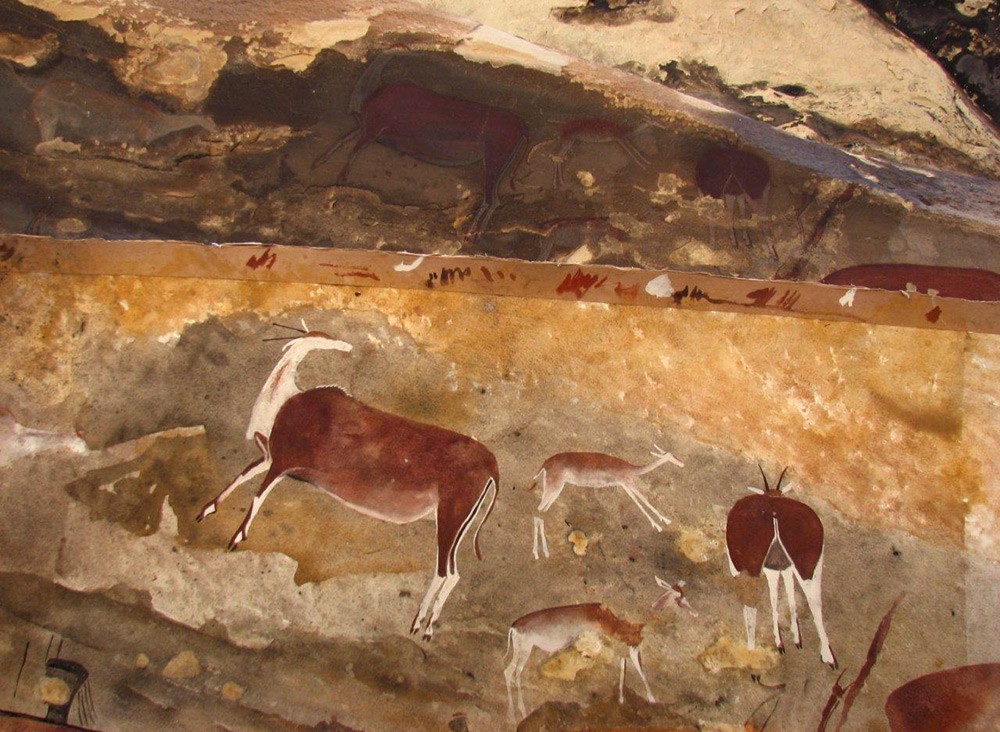
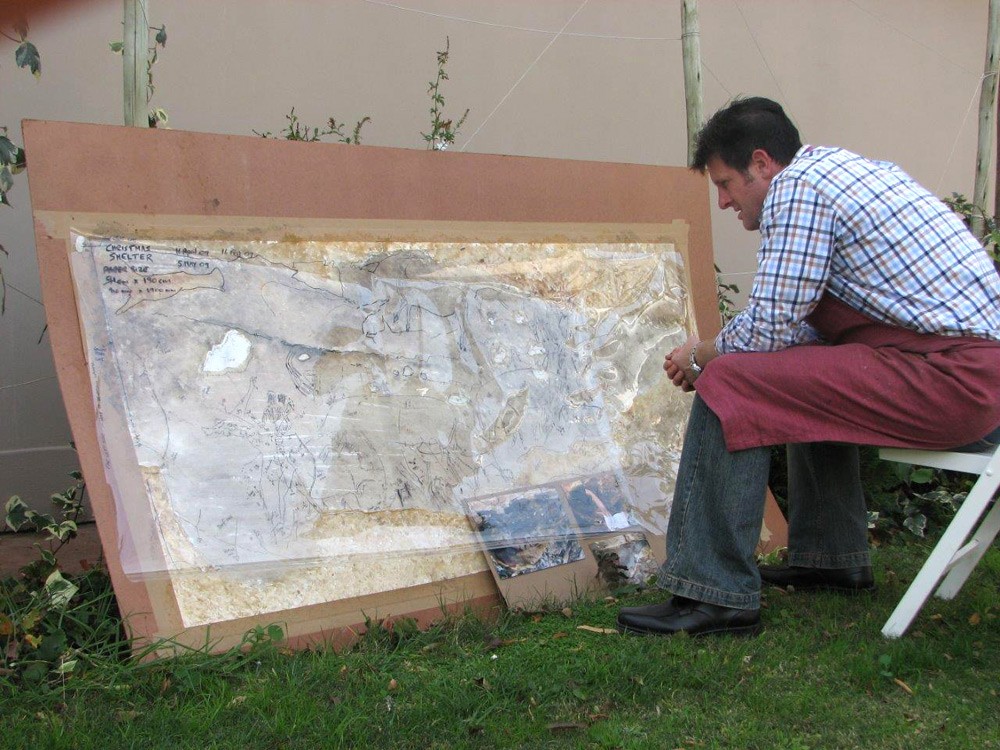
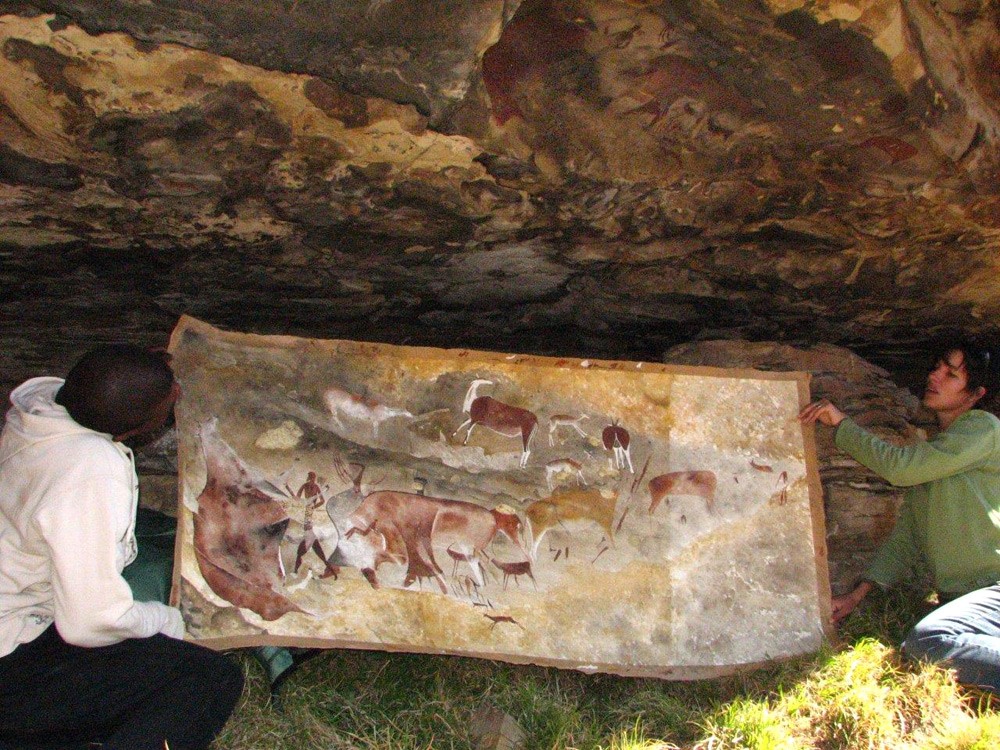
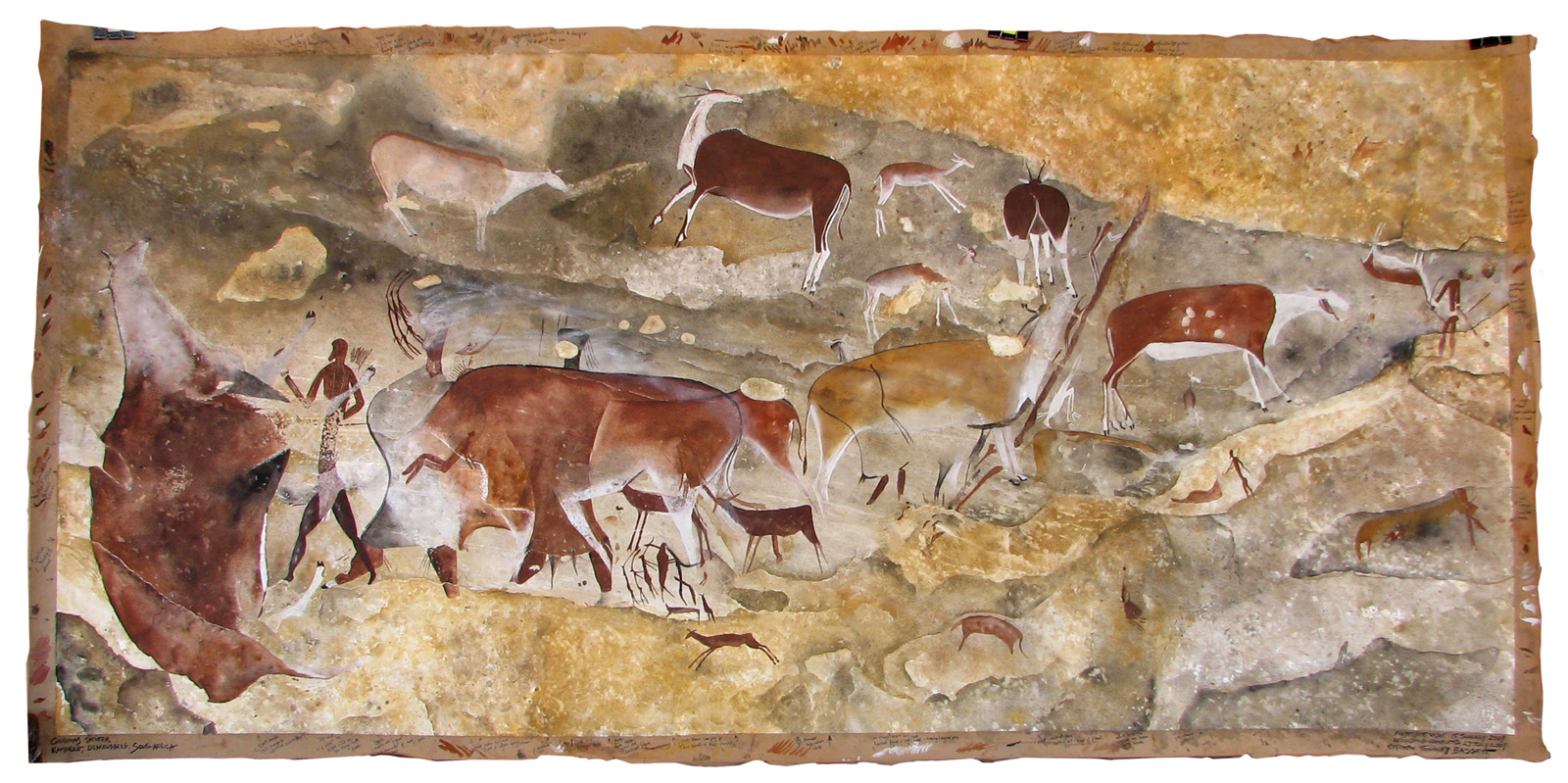
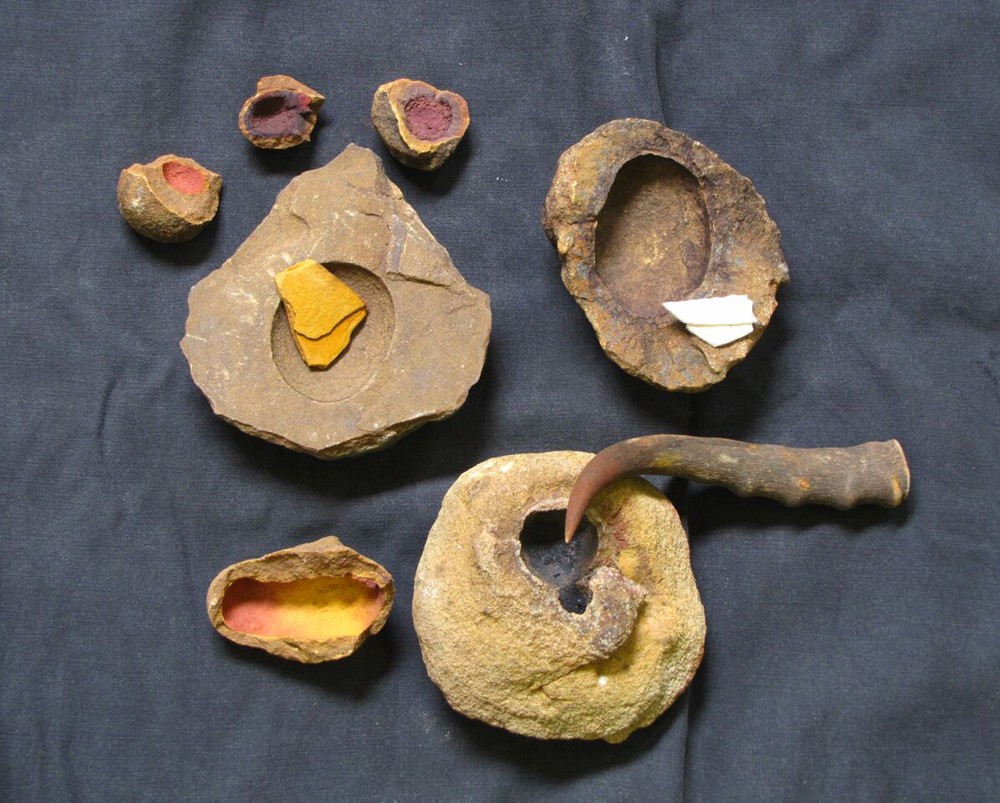
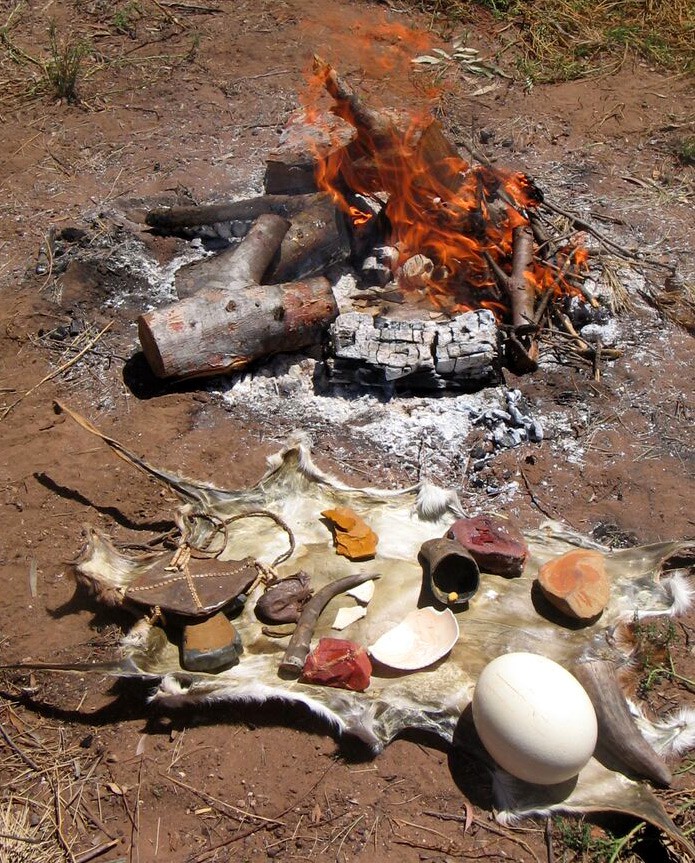
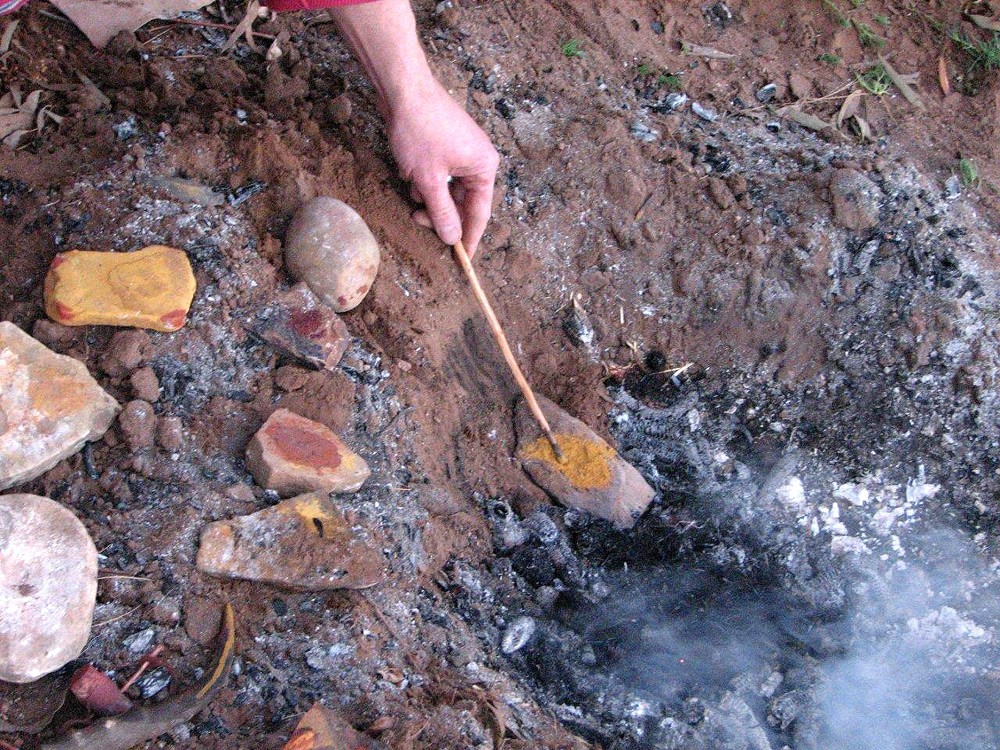
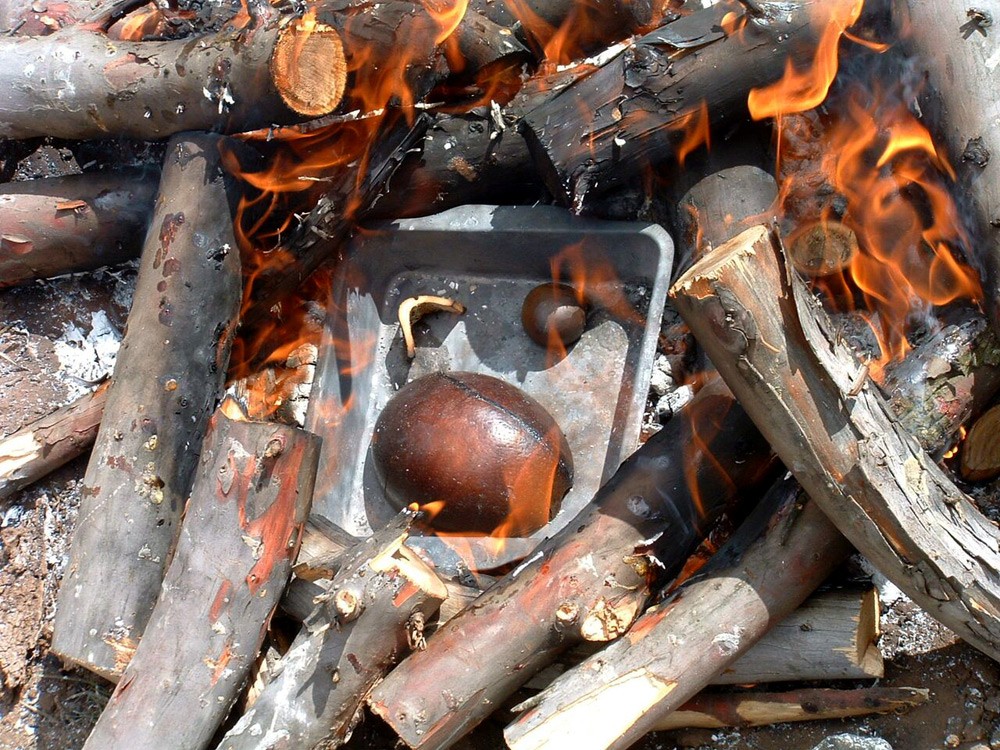
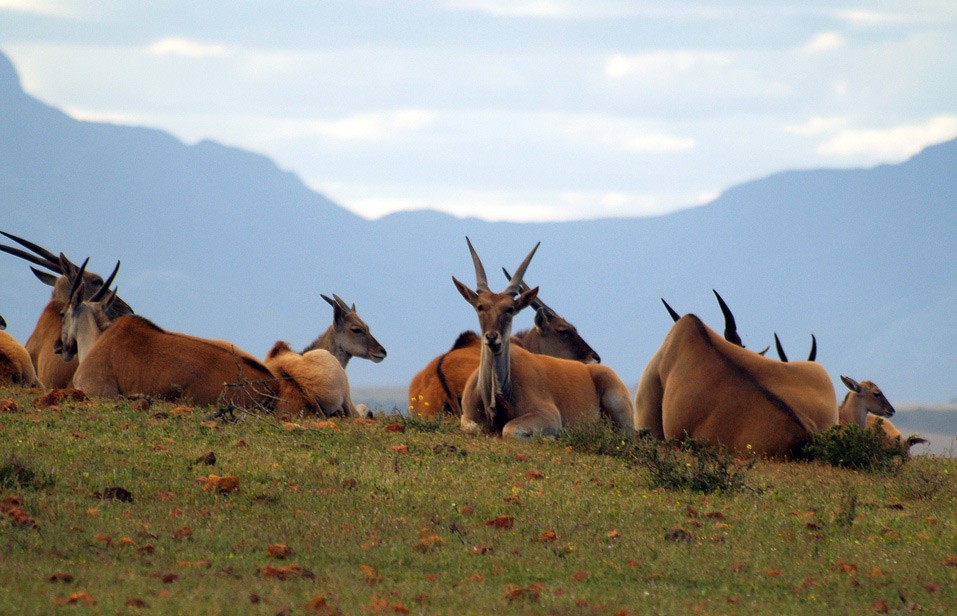
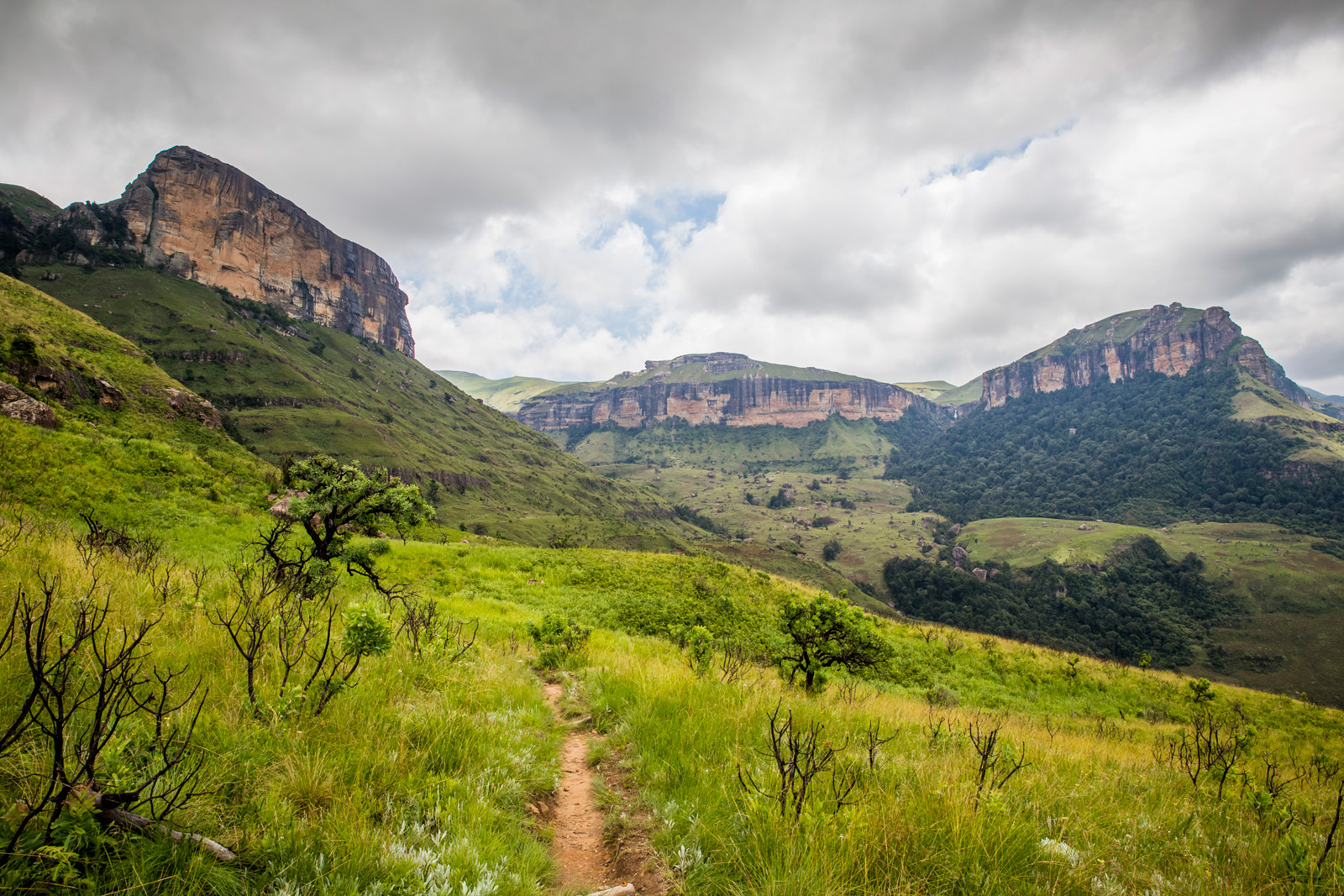
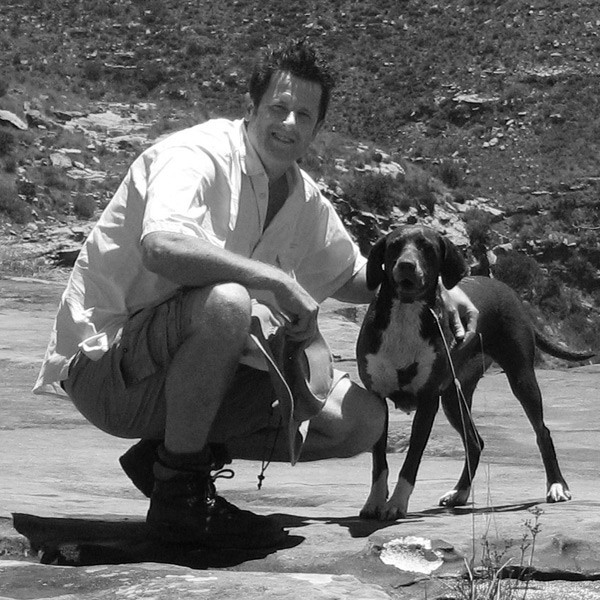 STEPHEN TOWNLEY BASSET was born in Cape Town, graduating from the University of Cape Town with a Bachelor of Social Science degree. He is the third generation in his family to be involved in the location and documentation of rock art in Southern Africa and is today a specialist in the field. His primary interests lie in the accurate, full-colour documentation of the art and research into pigments, paints and implements used by early hunter-gatherers of the region. Stephen consults with farmers and landowners on the conservation and management of sites. He is regularly involved in rehabilitating rock art sites and removing graffiti from vandalised sites.
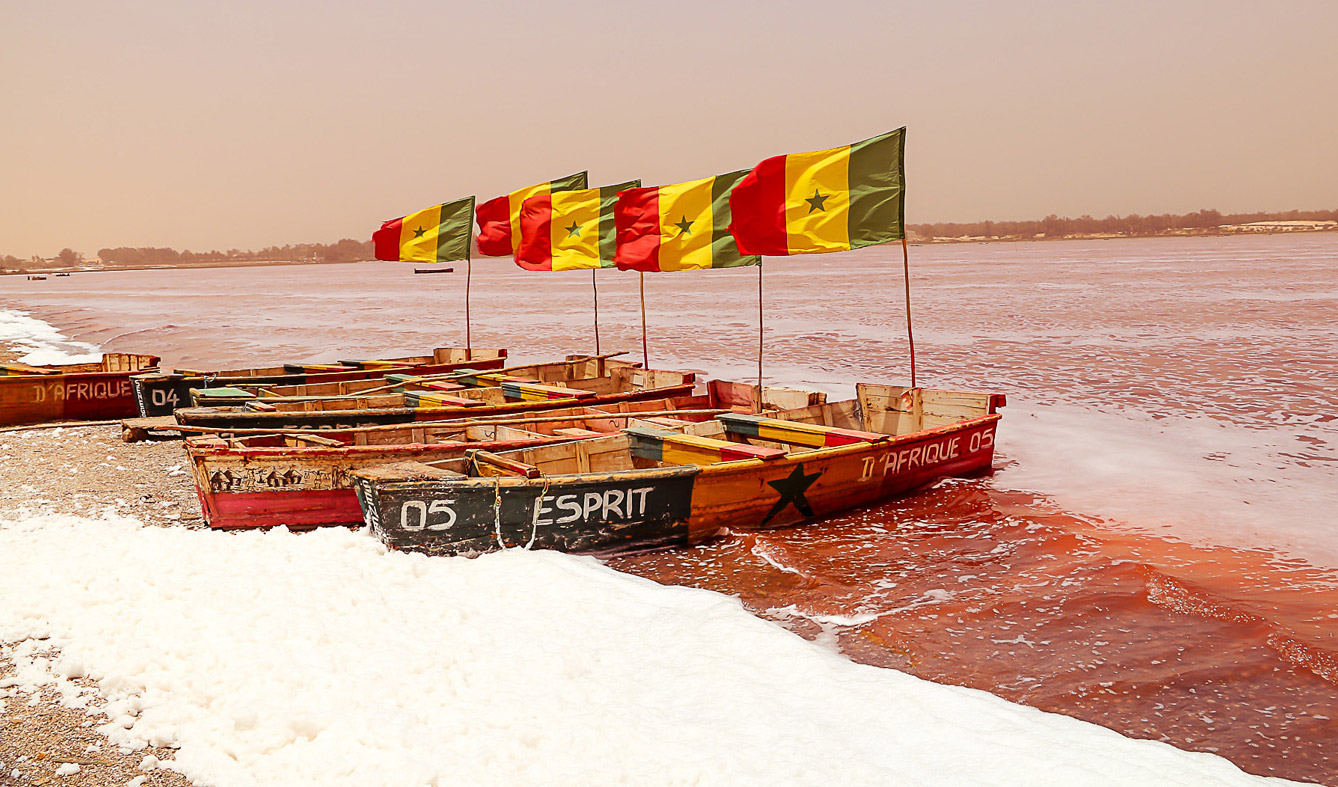
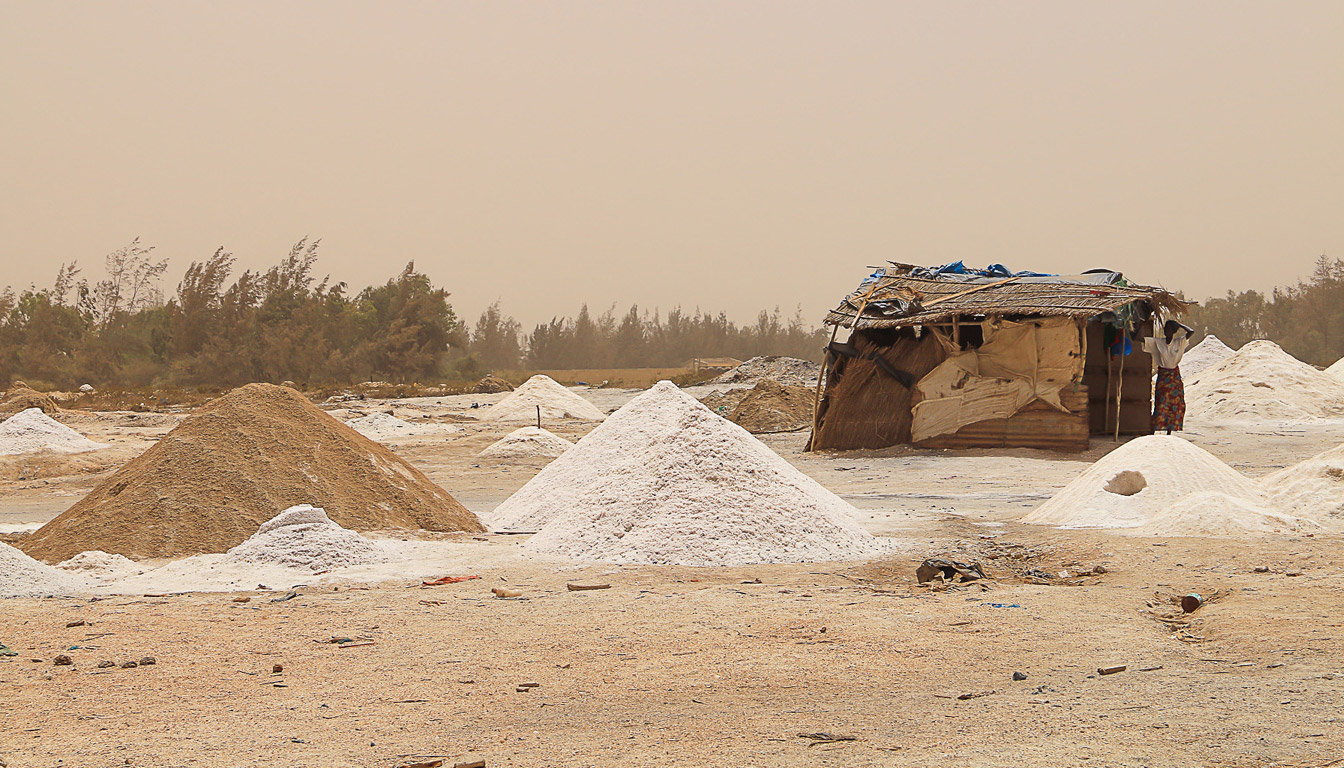
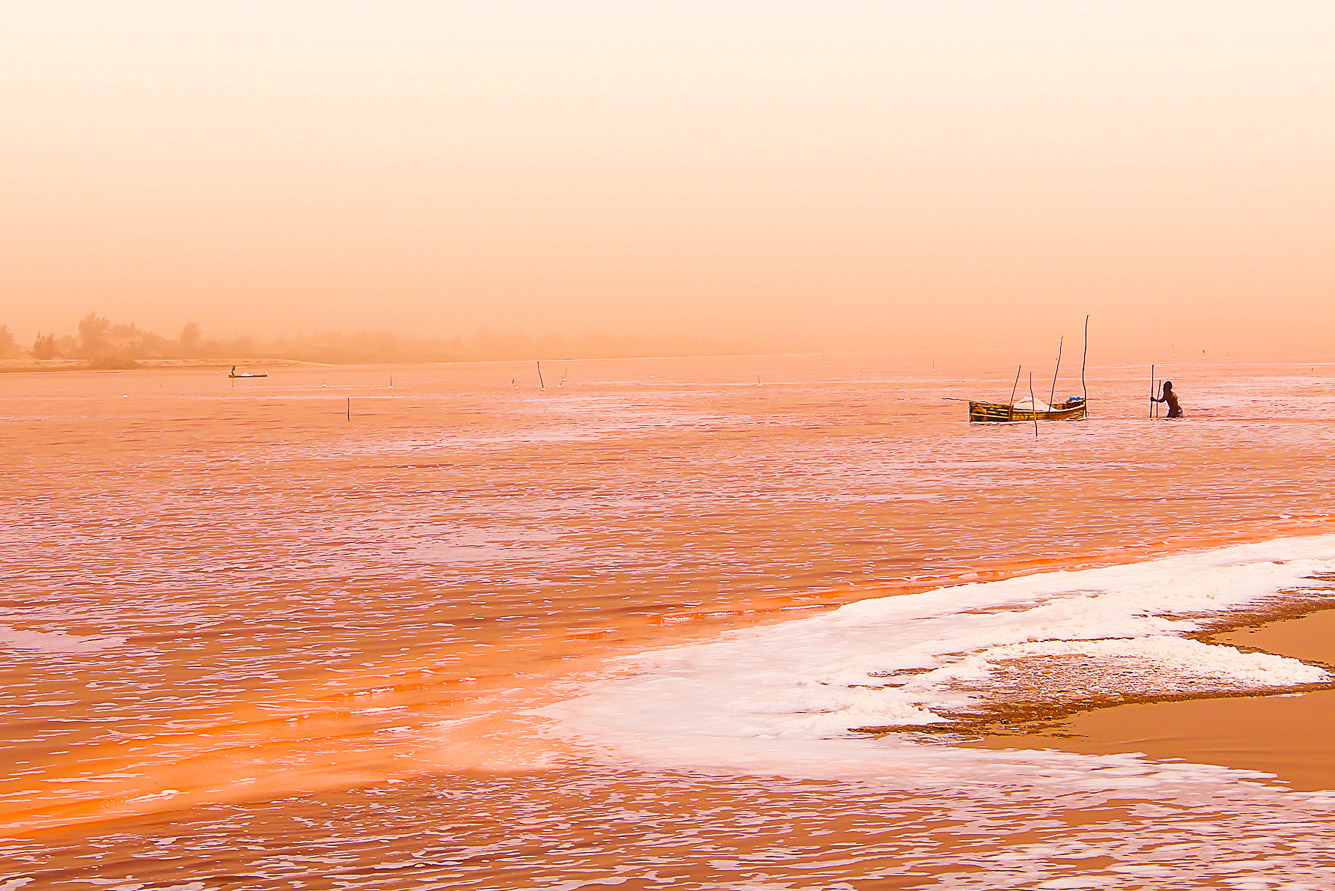
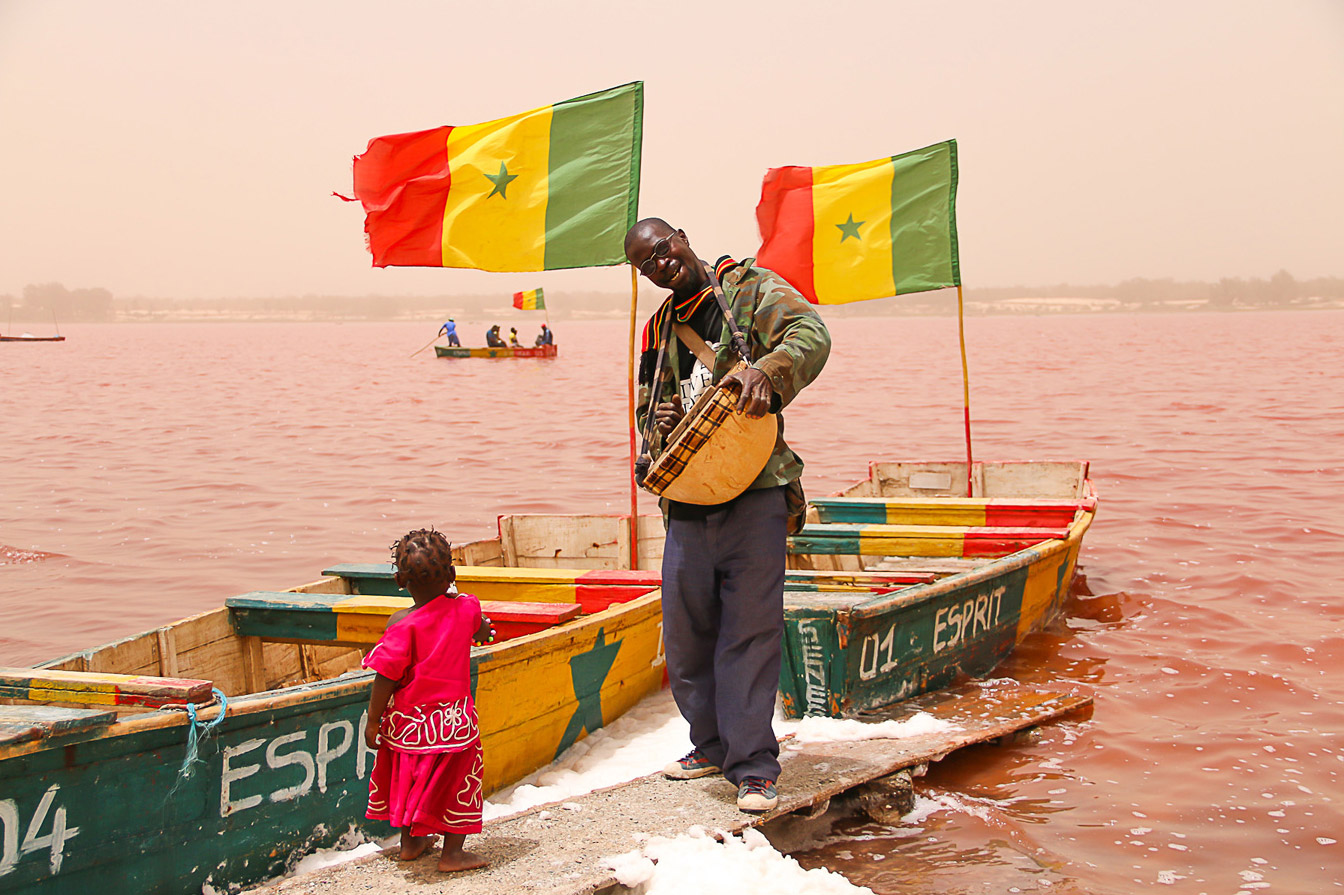
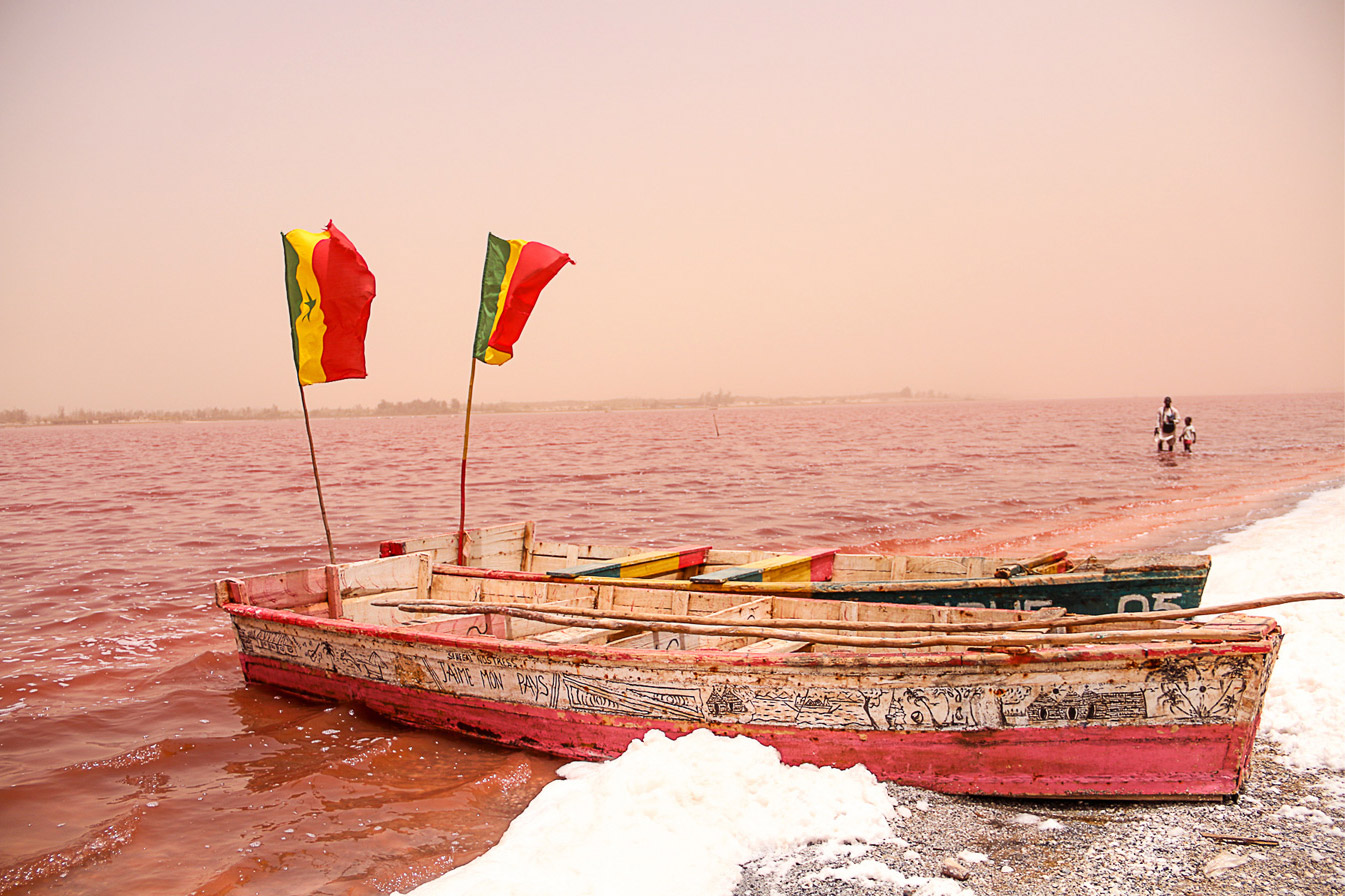
 AYO OBUSEH was born in Nigeria, West Africa. He became a professional photographer after several years of working internationally as a soldier and an epidemiologist. His African background brings a particular style to his photos. He likes the rural elements as well as the frontal perspectives. Typically Ayo shoots glamorous photographs of families, wild animals in their natural habitat and serene, picturesque environments. His photographs of lakes and ancient structures beneath vibrant skies blast off the screen and page with explosive colours. As part of his photographic portfolio, one may also find sepia-infused works that resonate with an essence of nostalgia. Follow Ayo on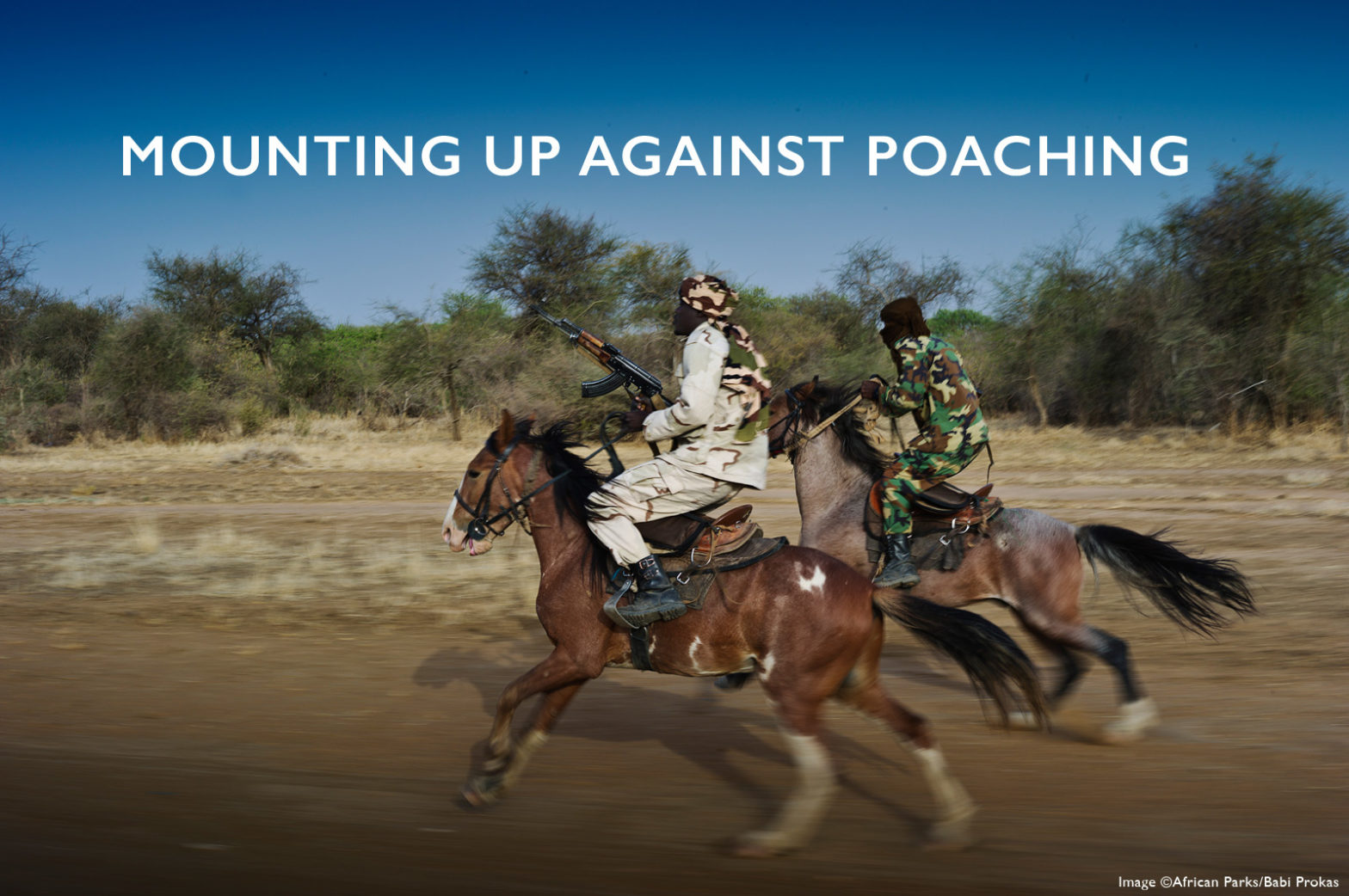
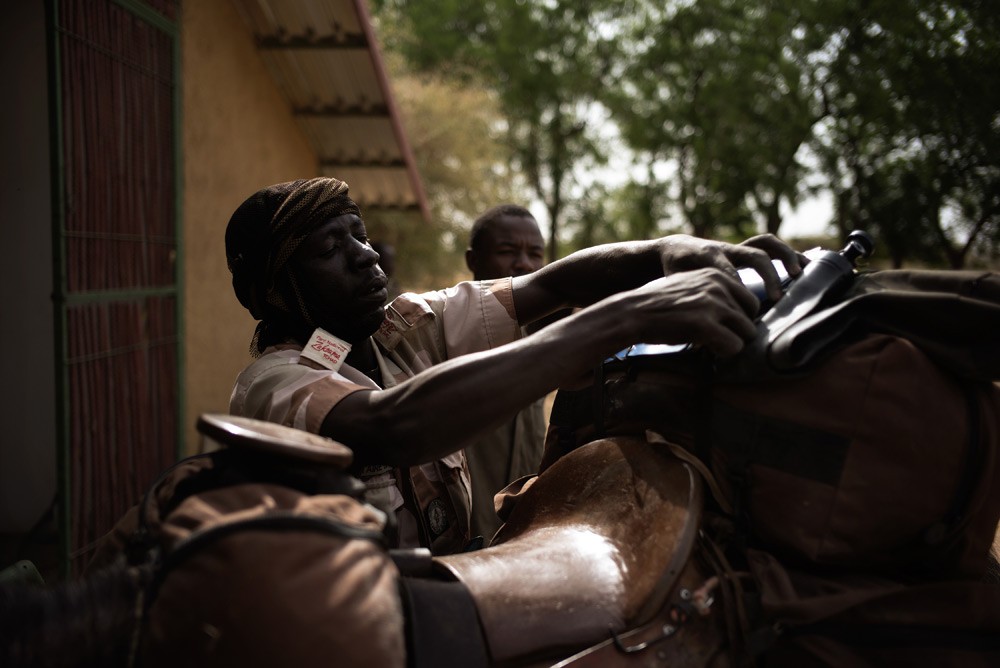
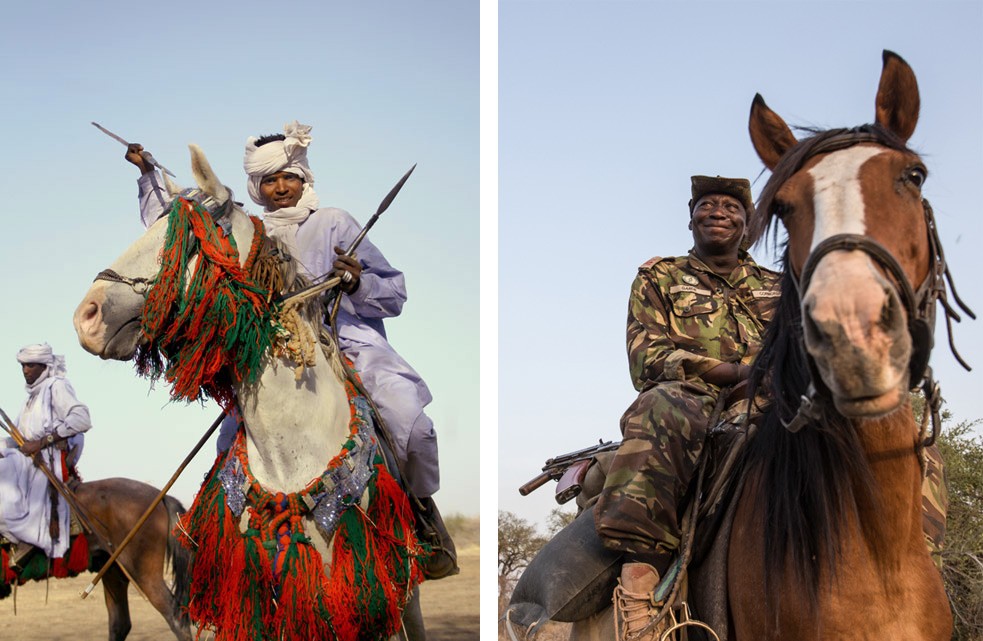
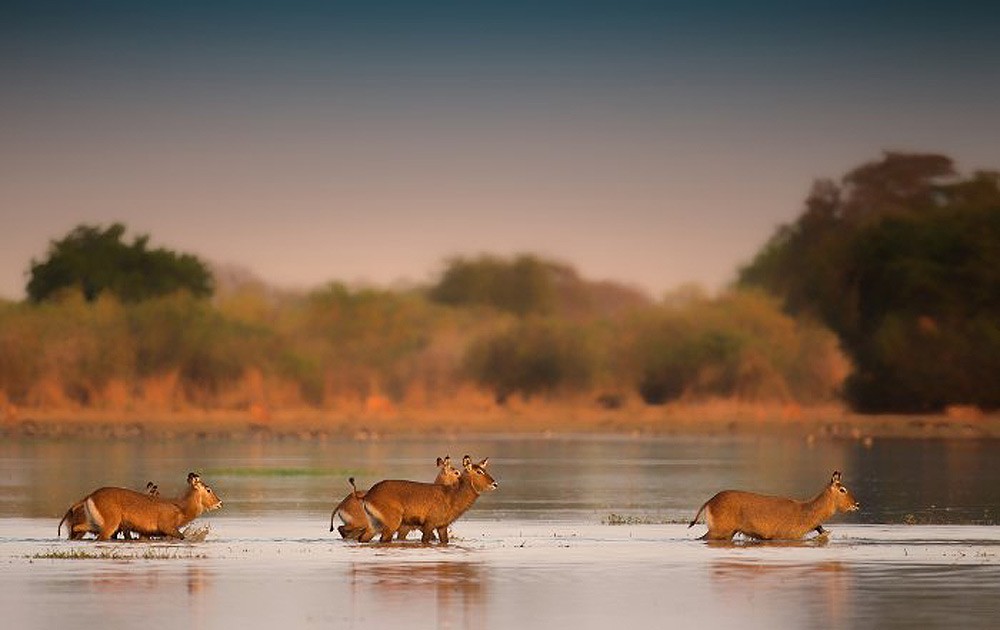
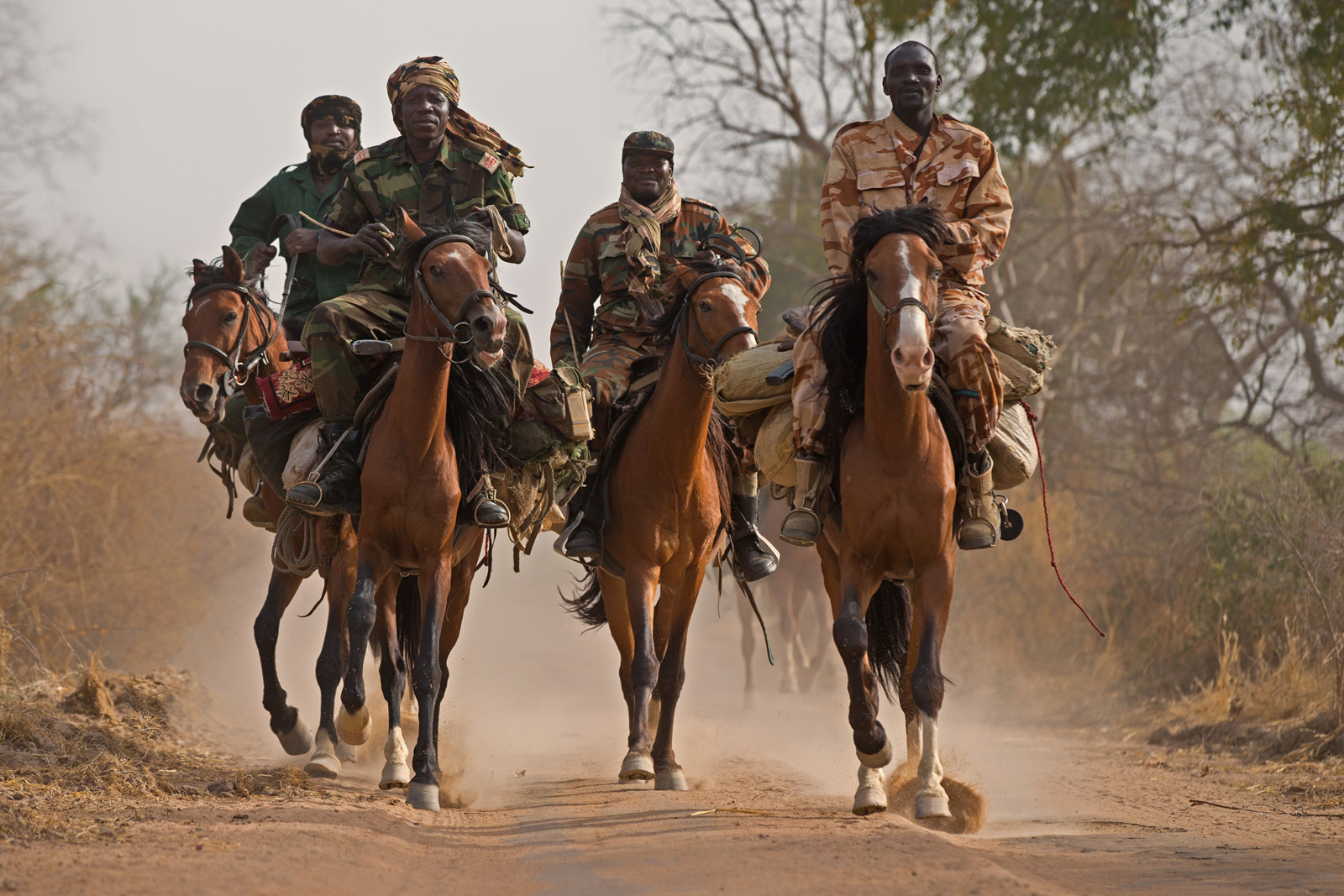
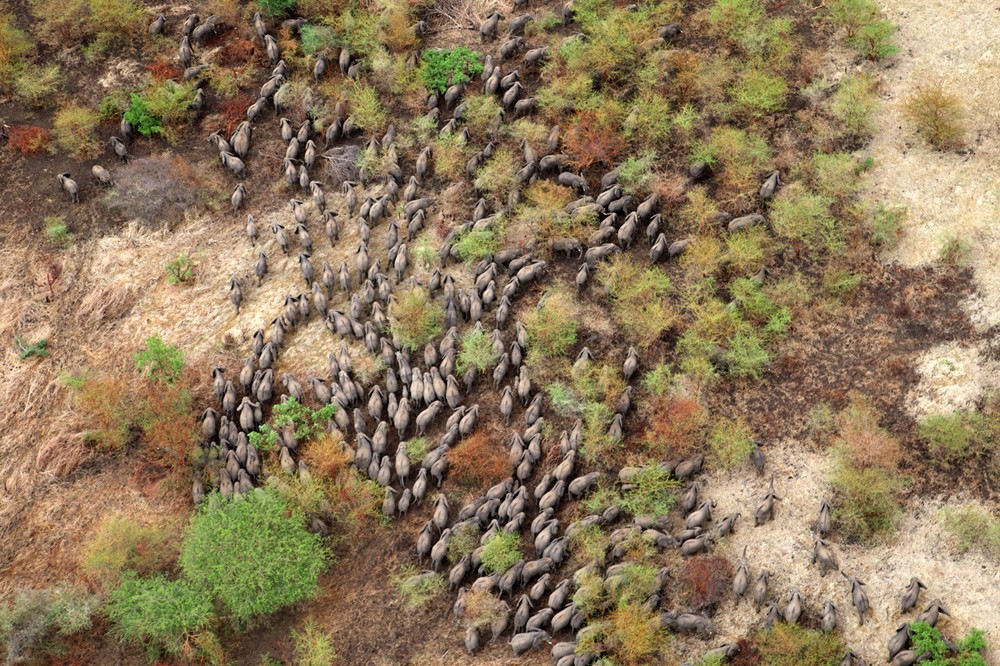
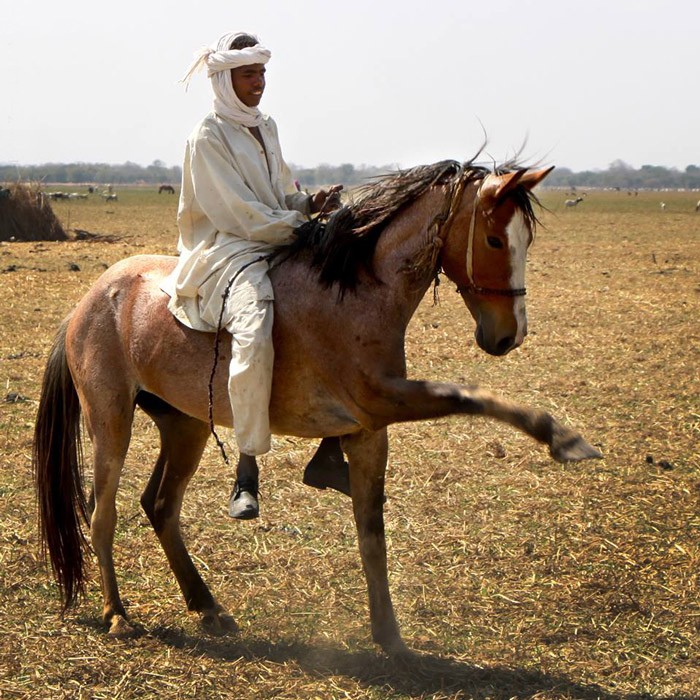
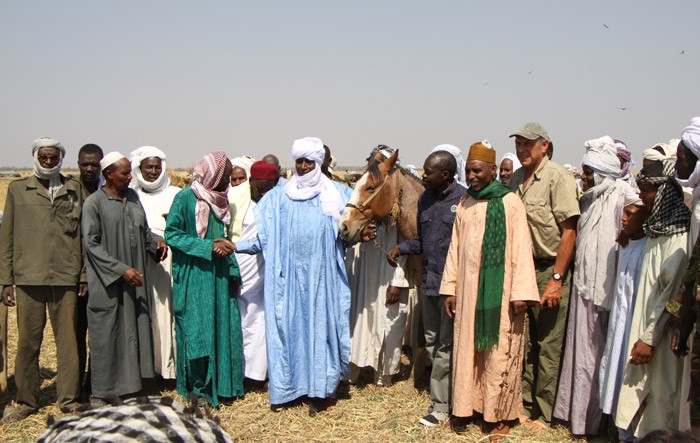
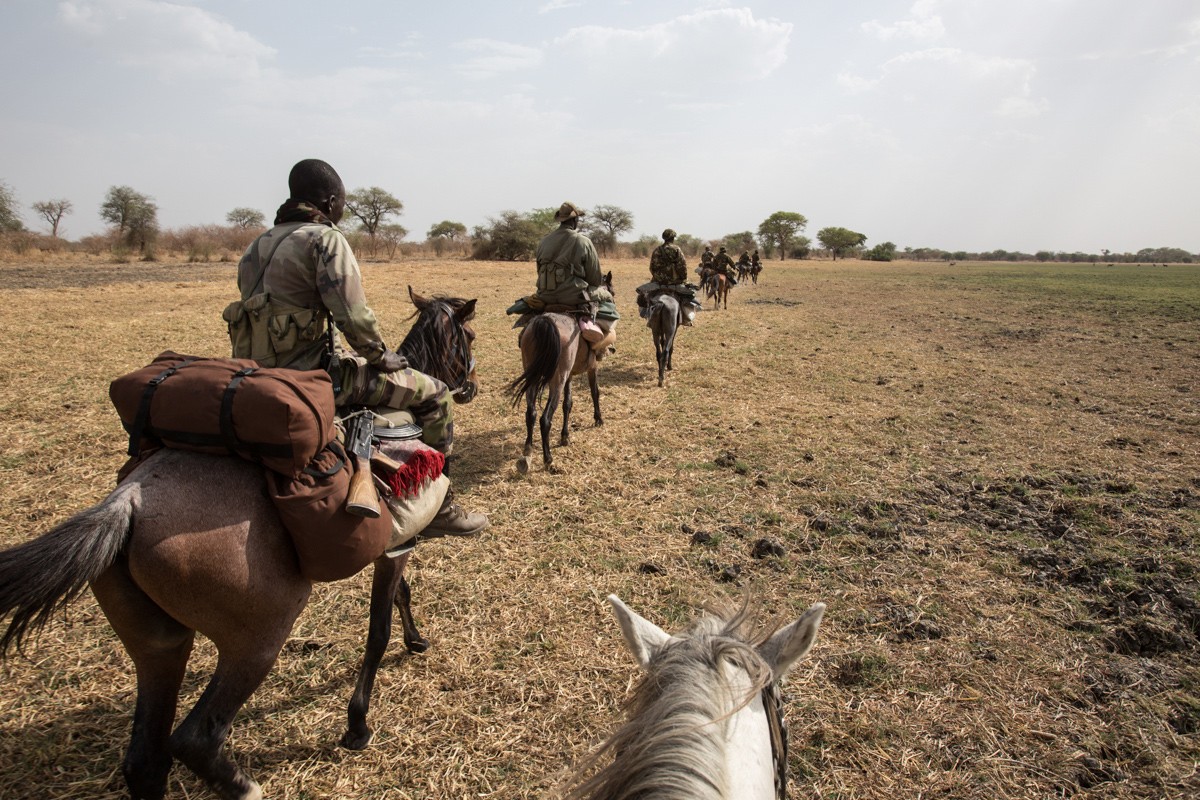
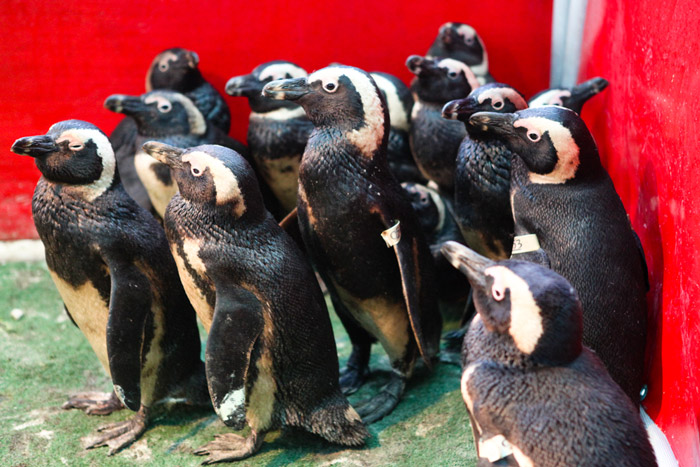
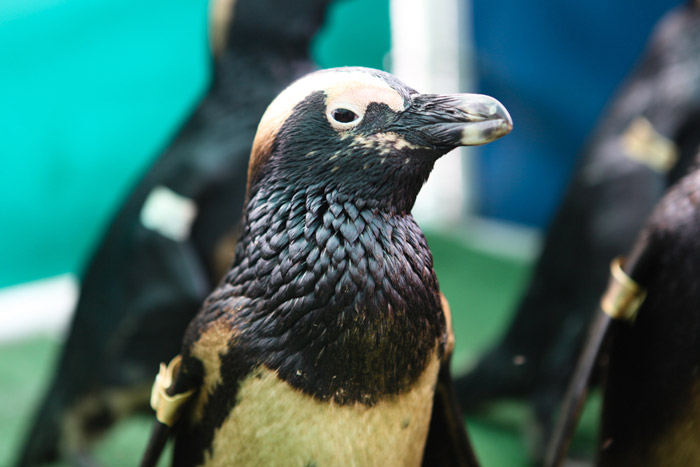
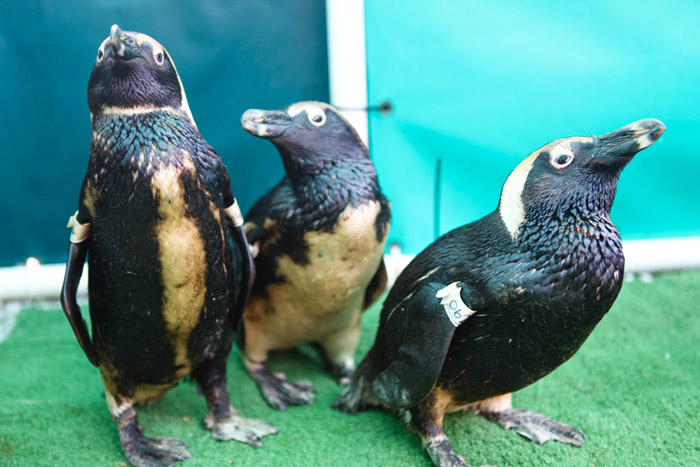

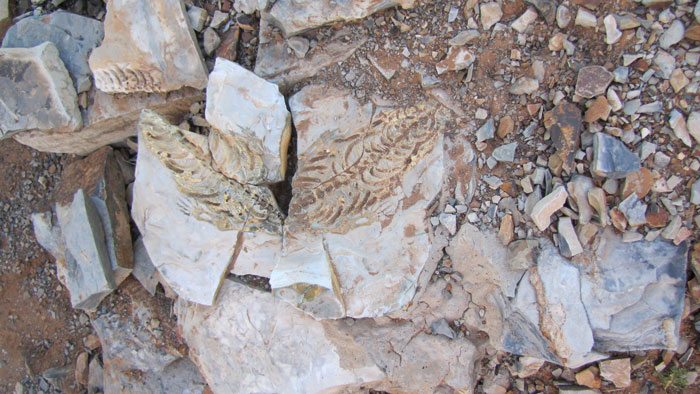


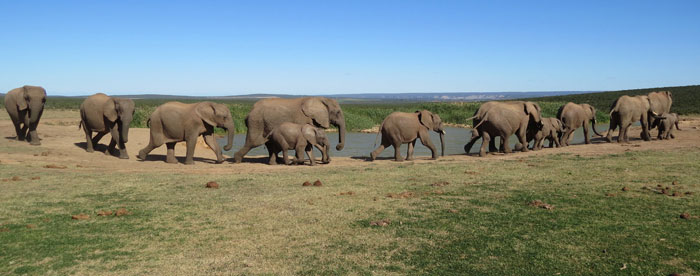


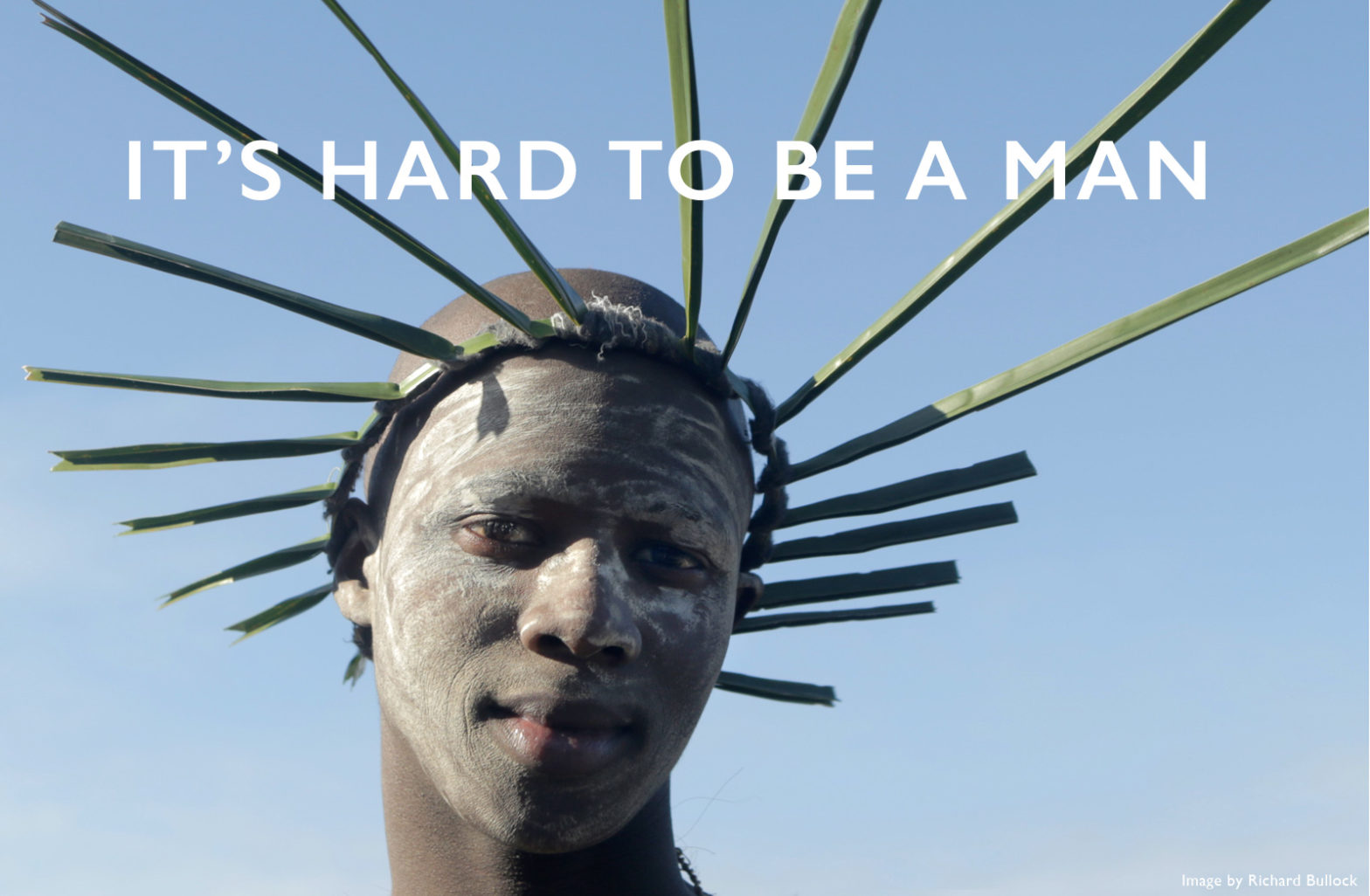
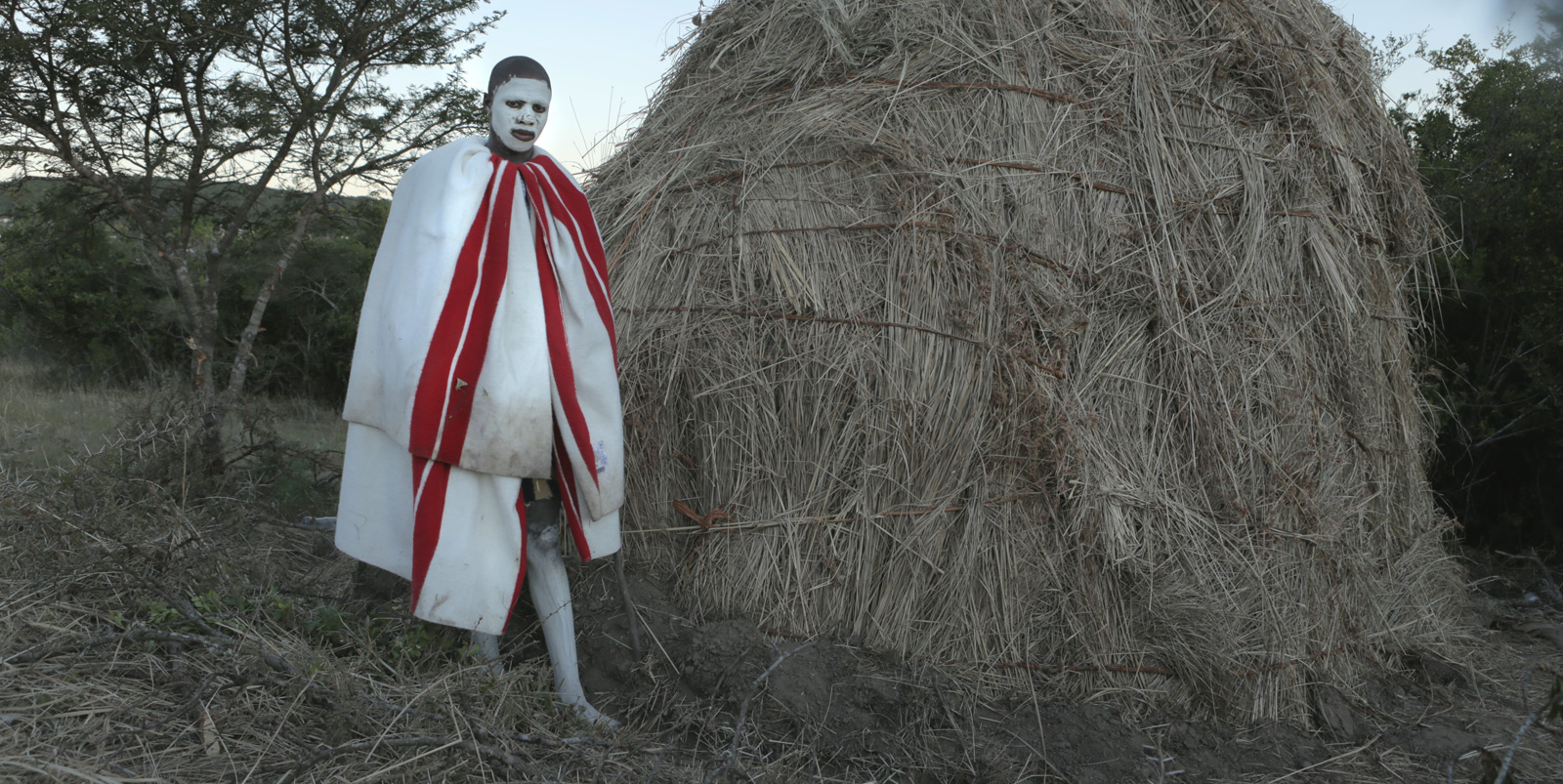
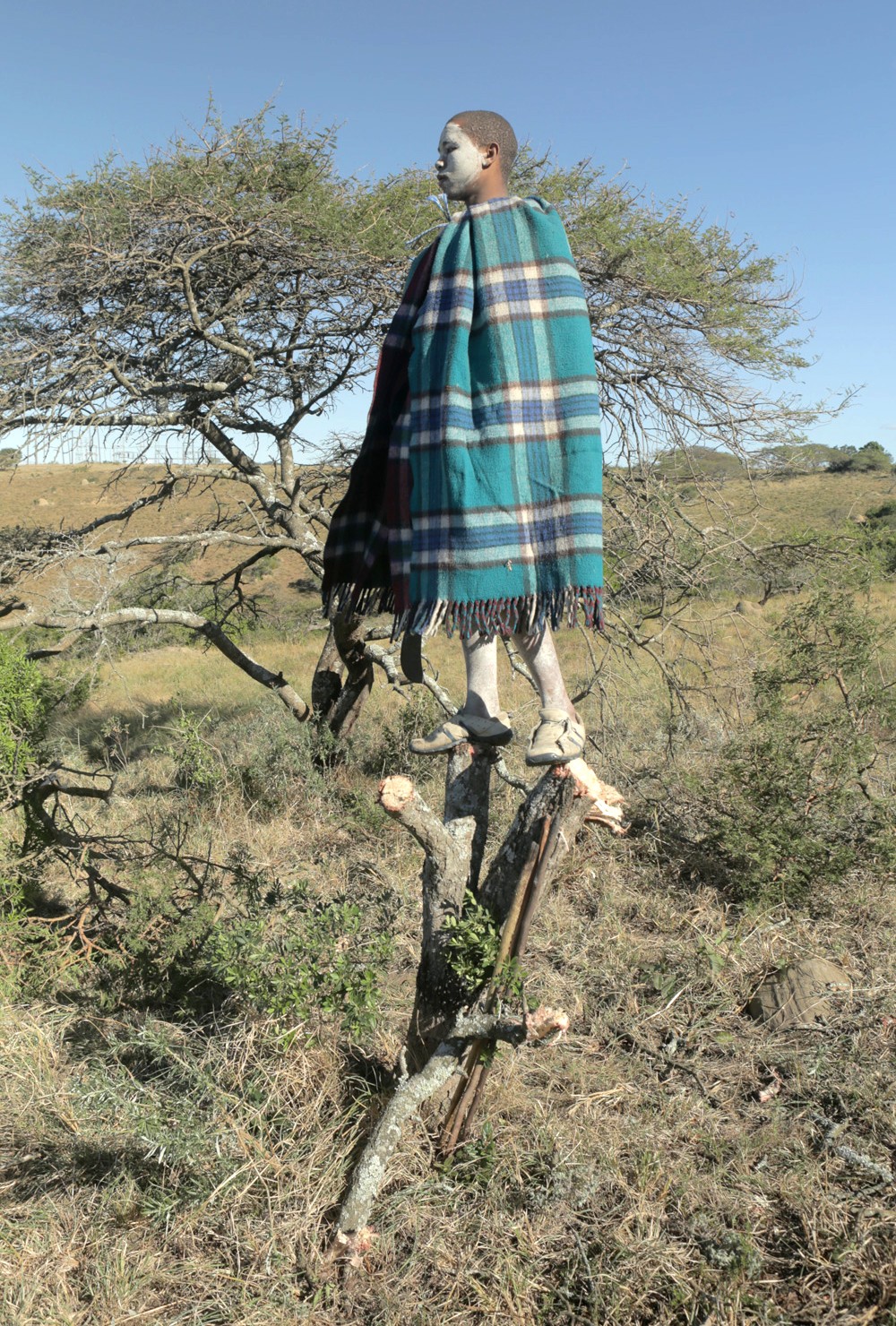
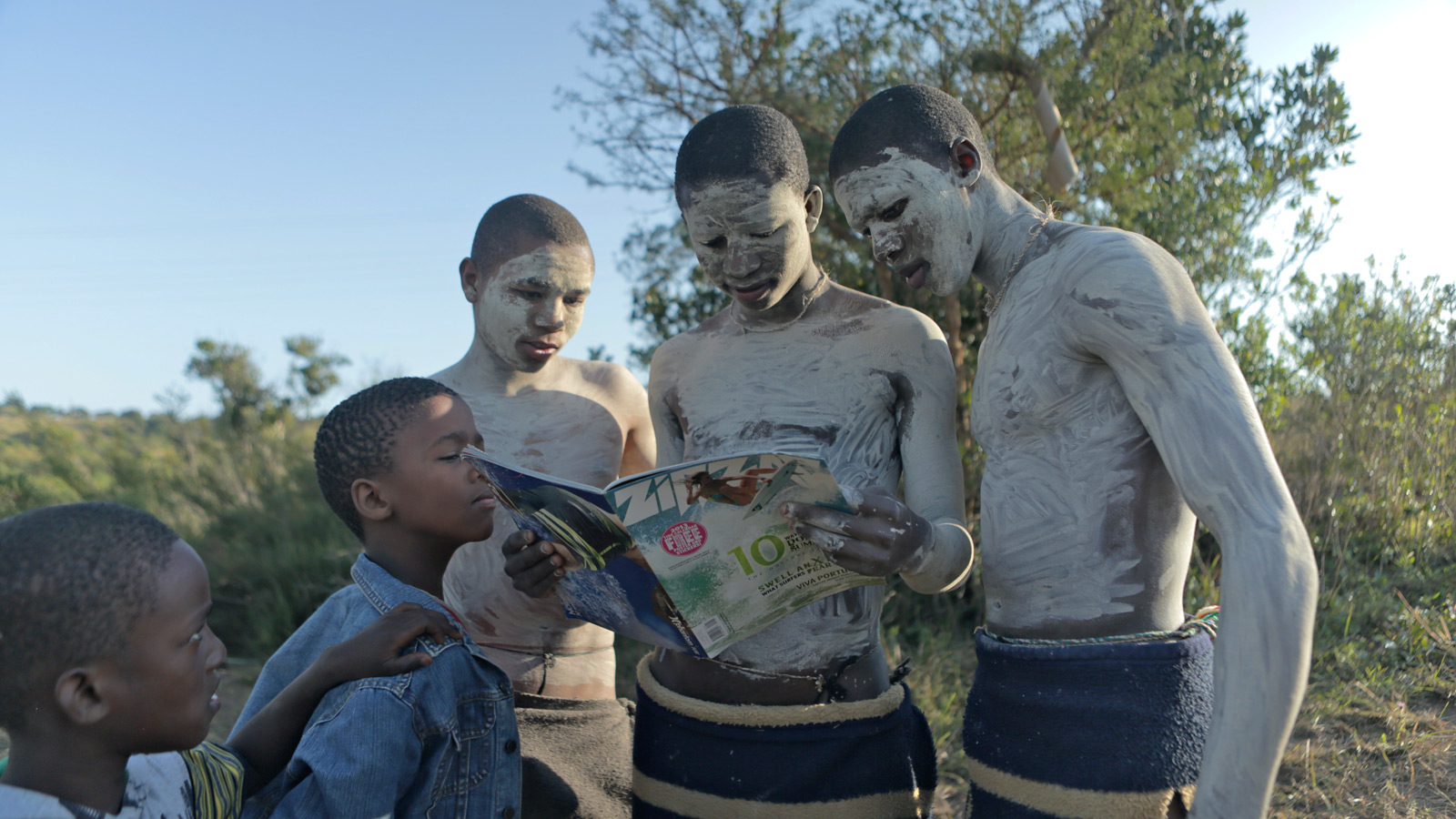
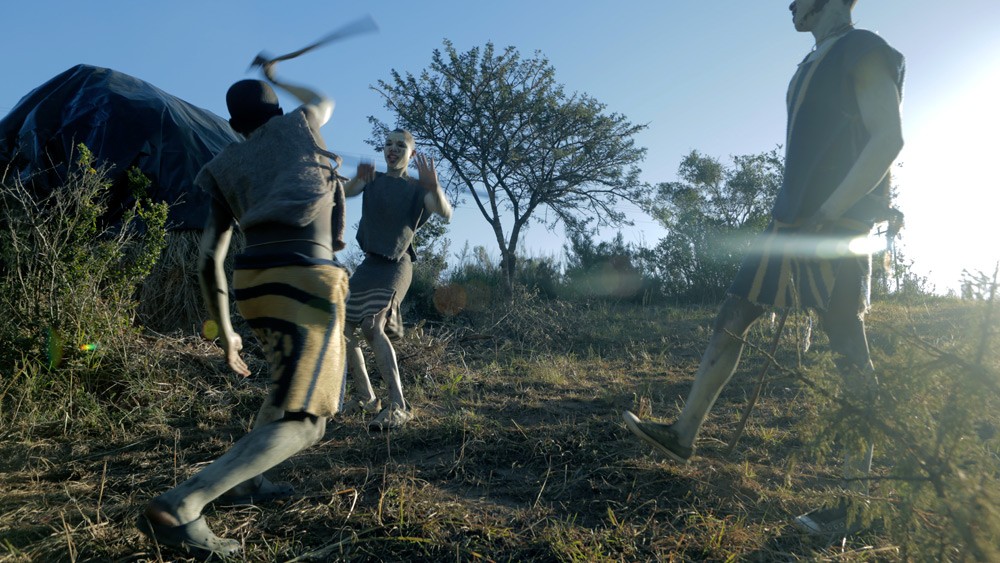
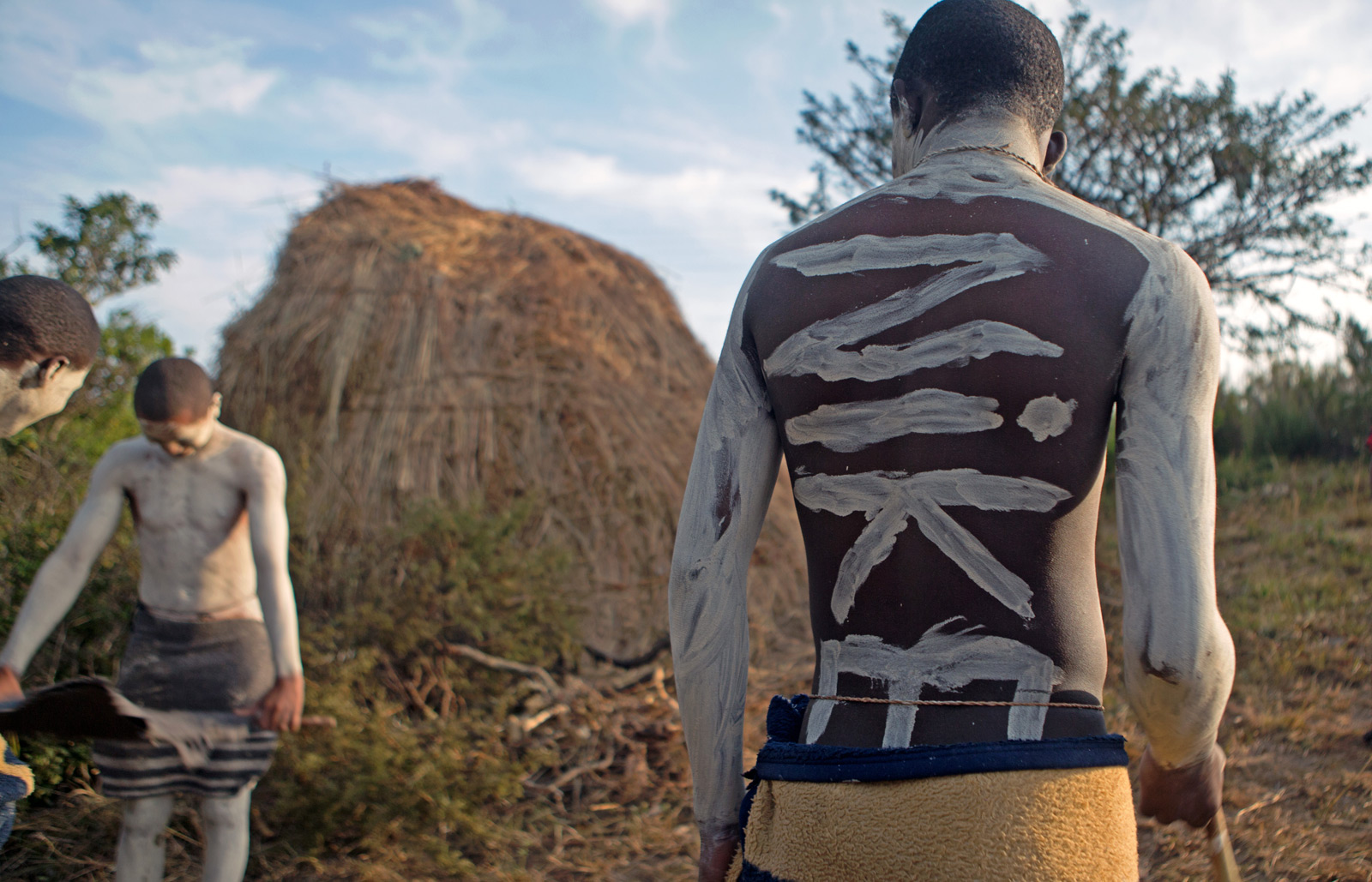
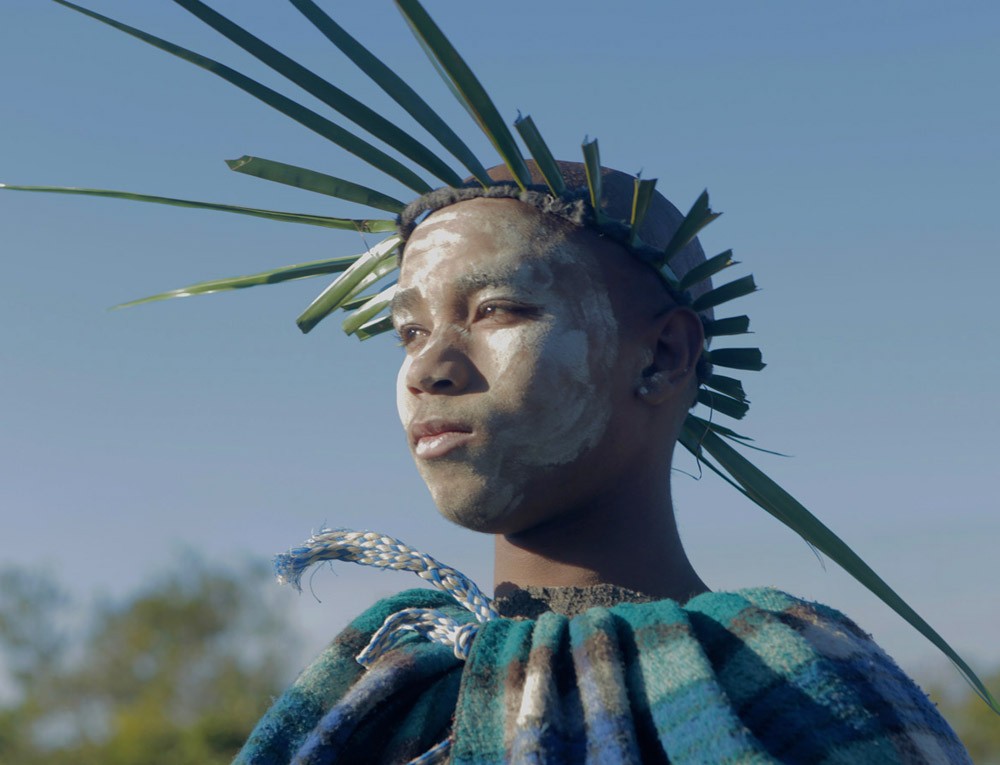
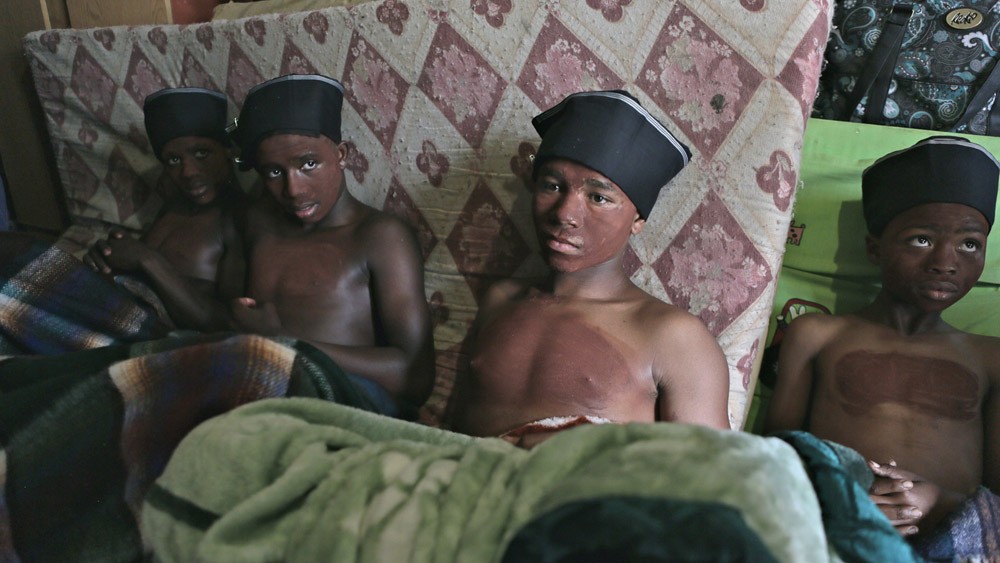
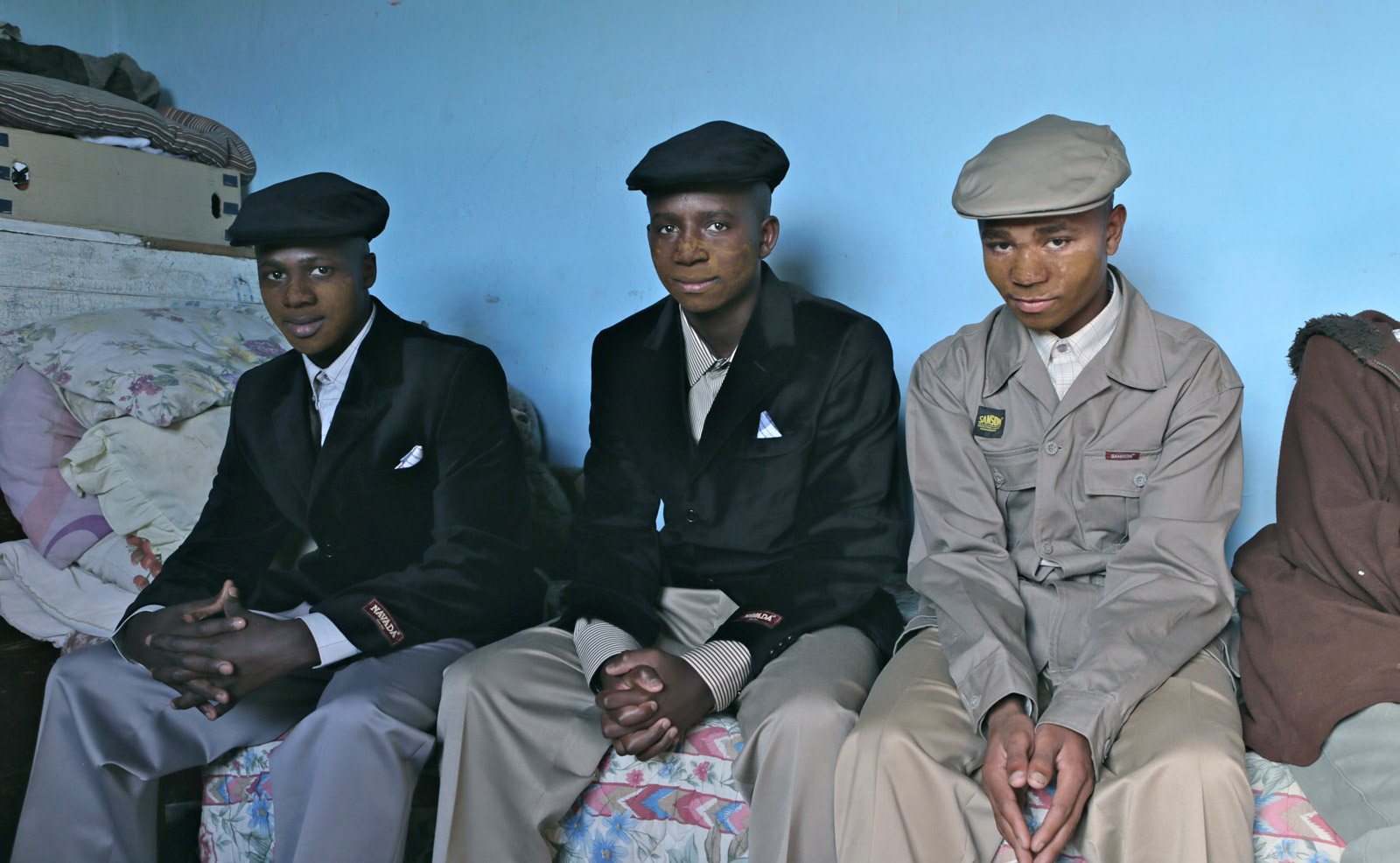
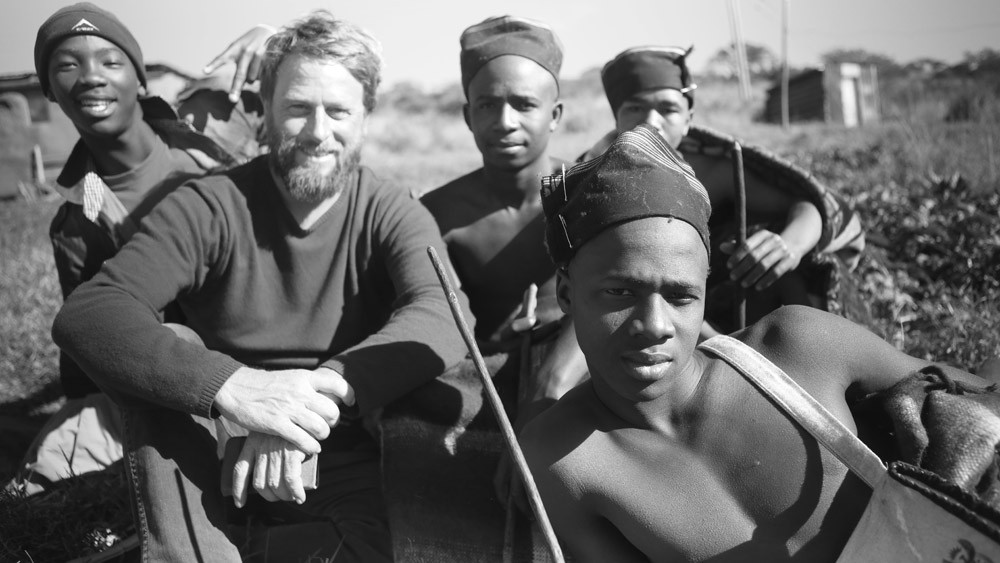 Richard Bullock with the Xhosa initiates he filmed and wrote about.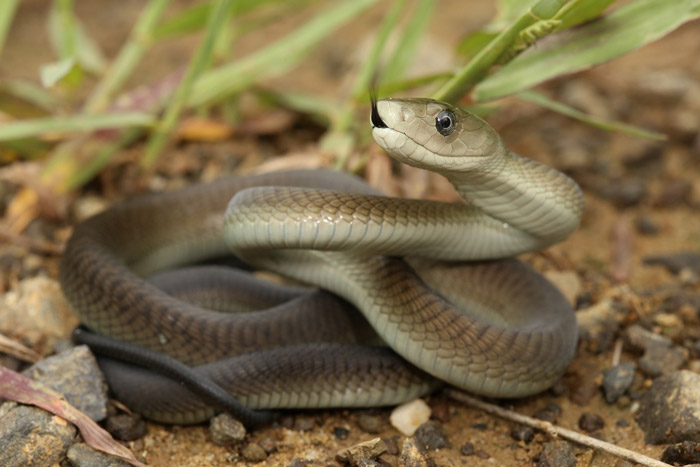

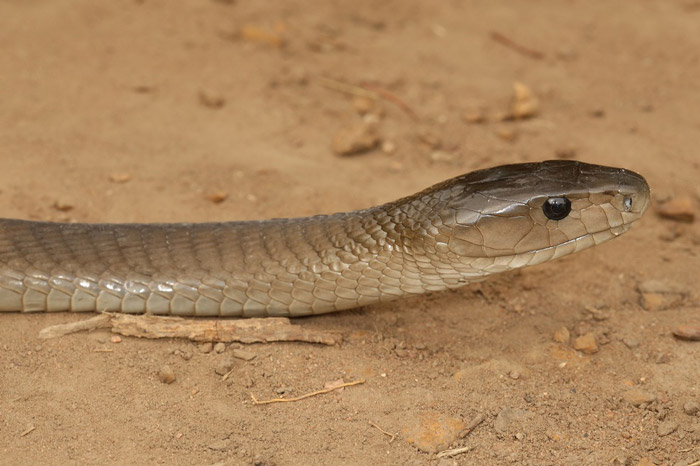
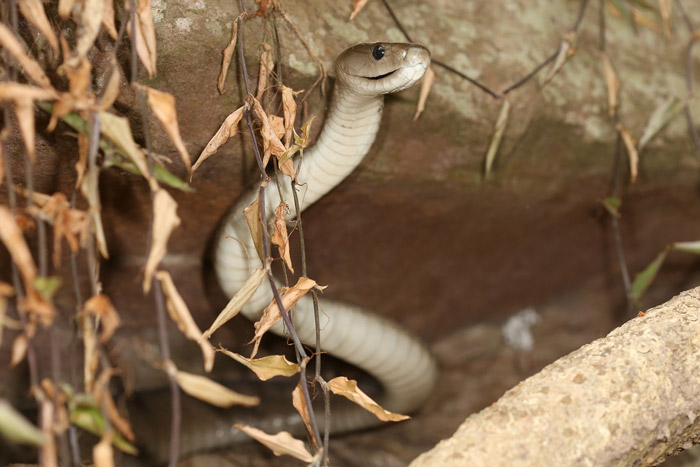


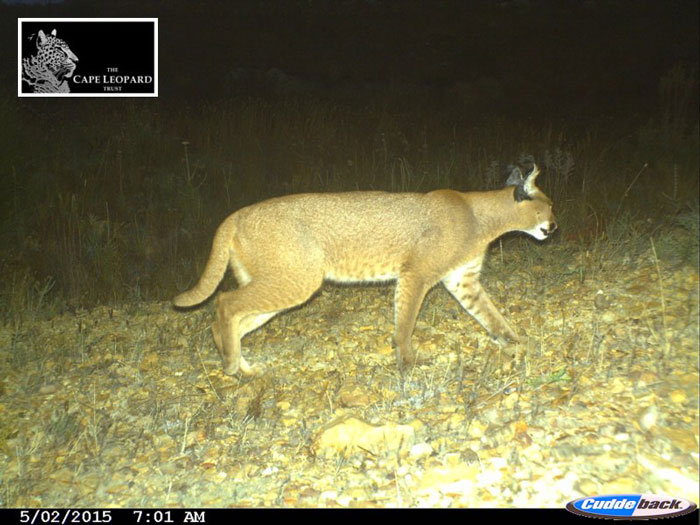
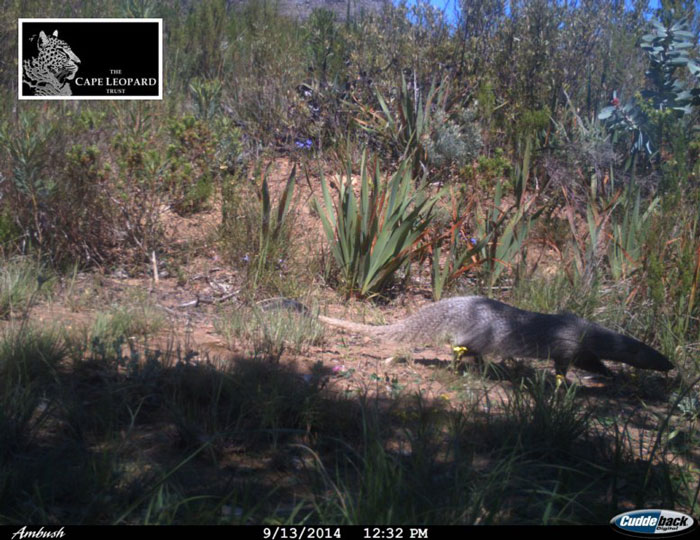
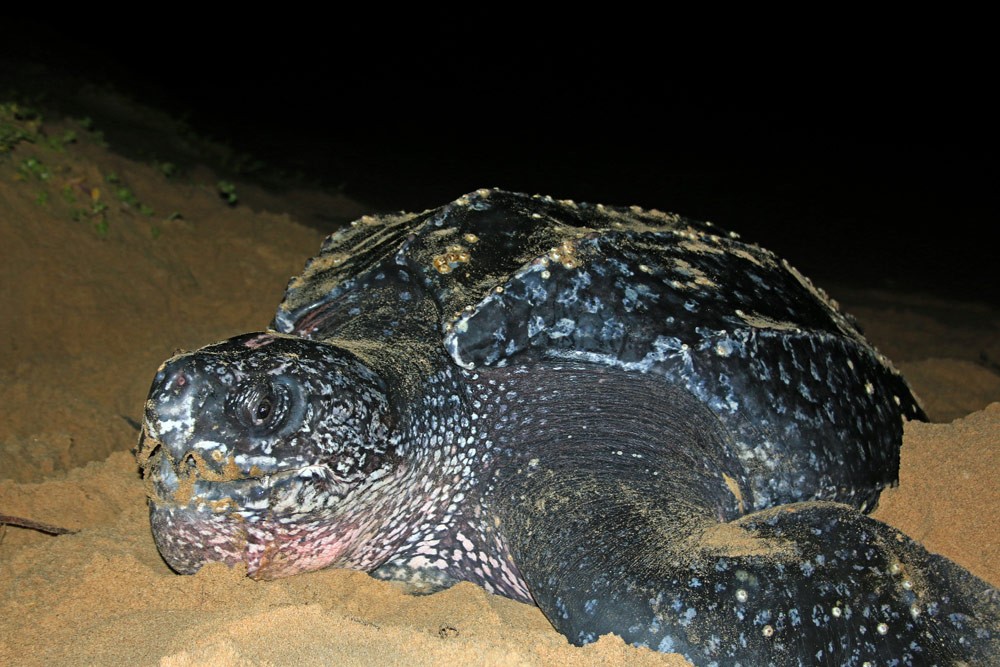
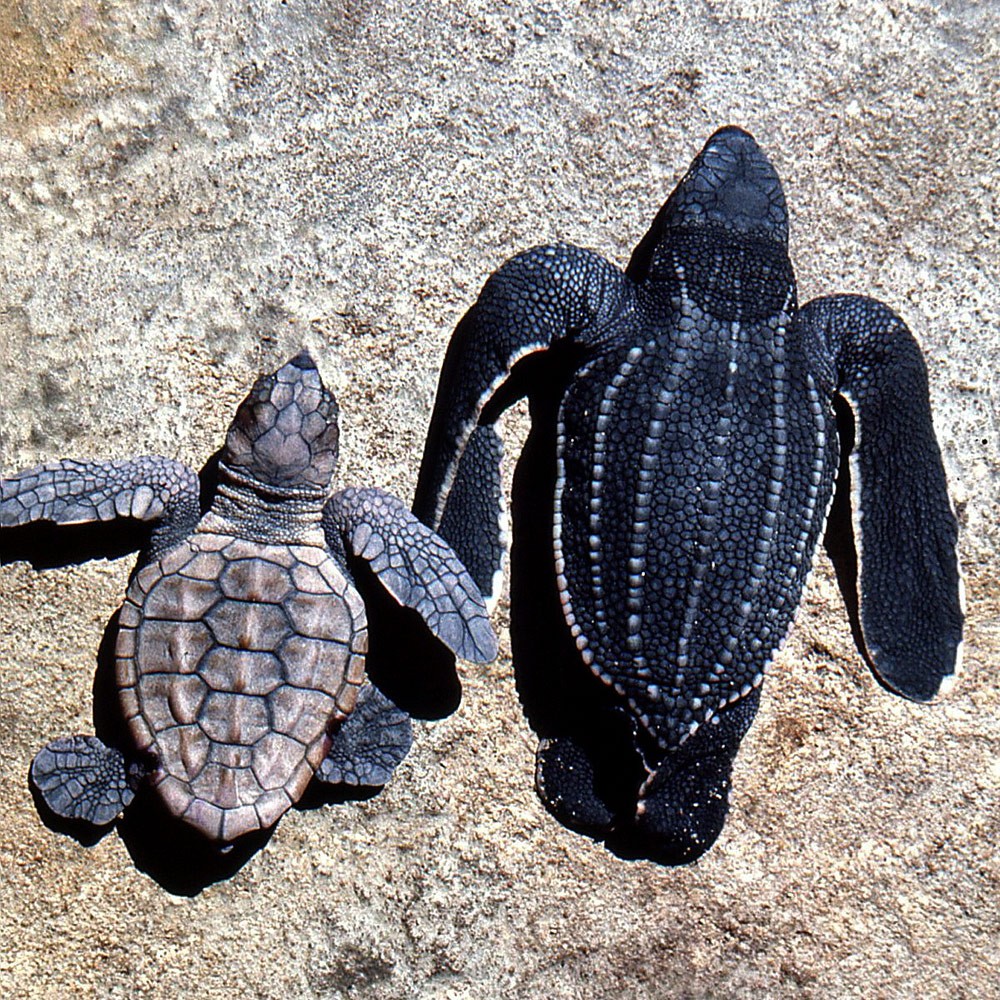
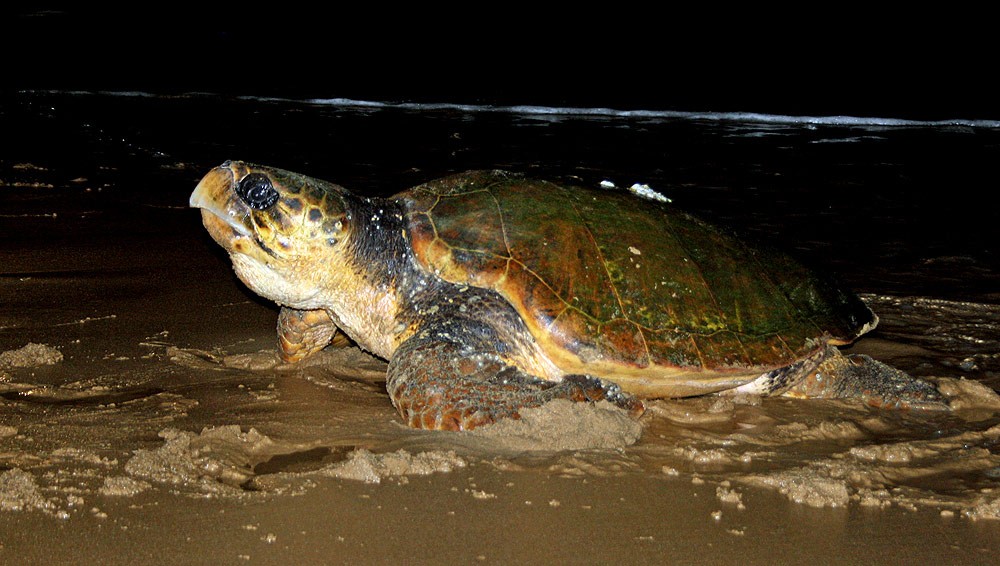
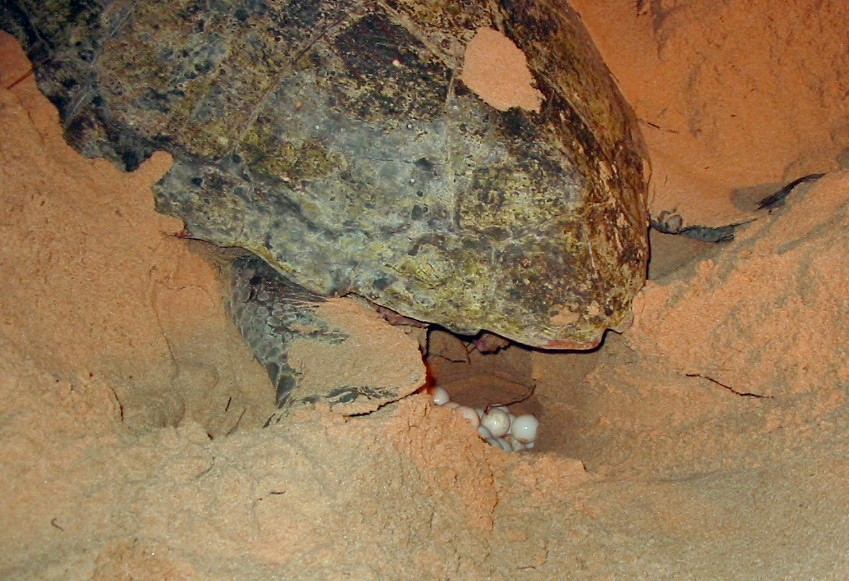
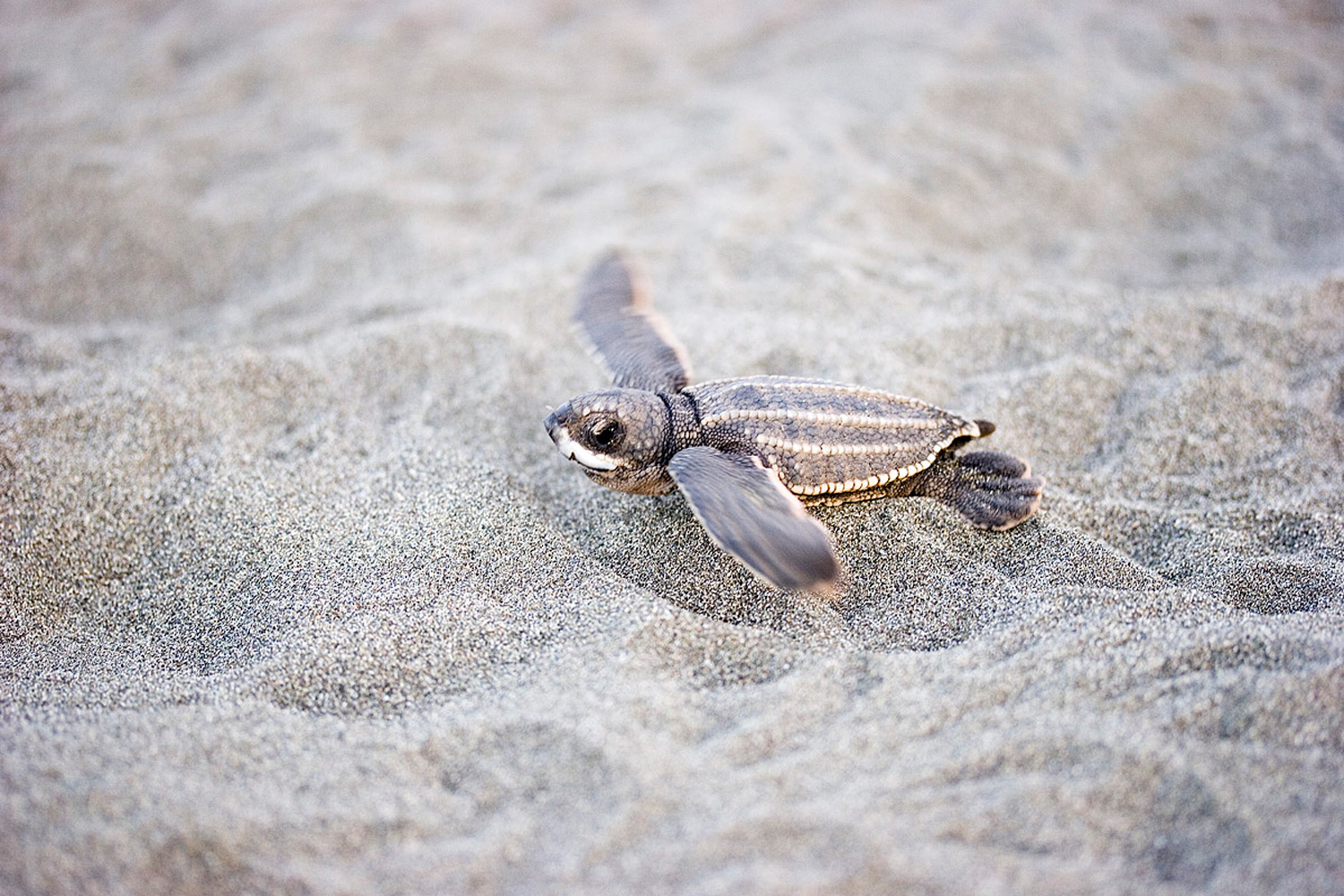
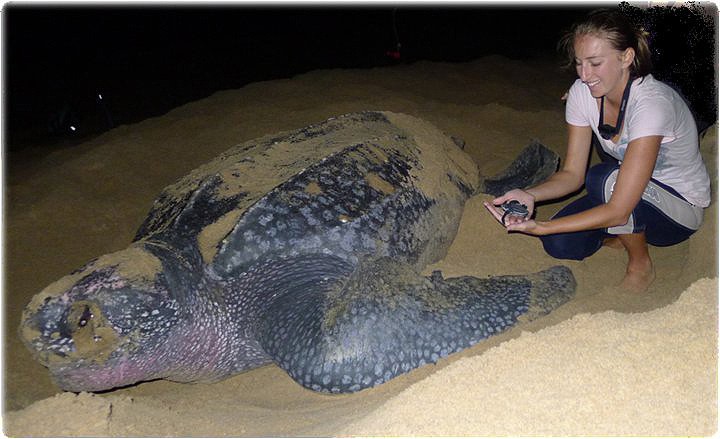
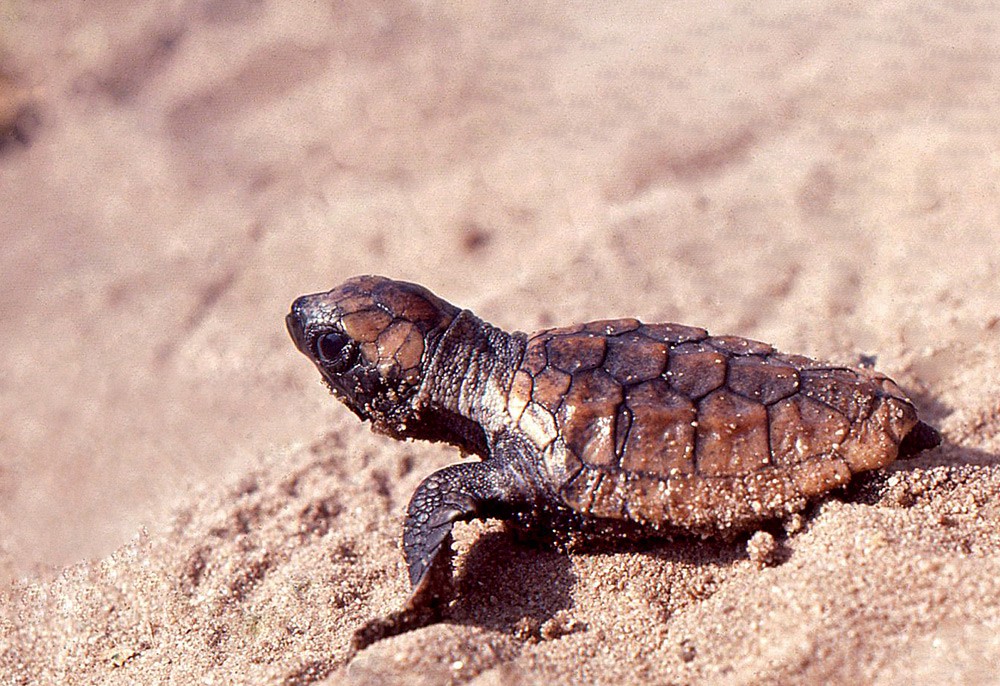
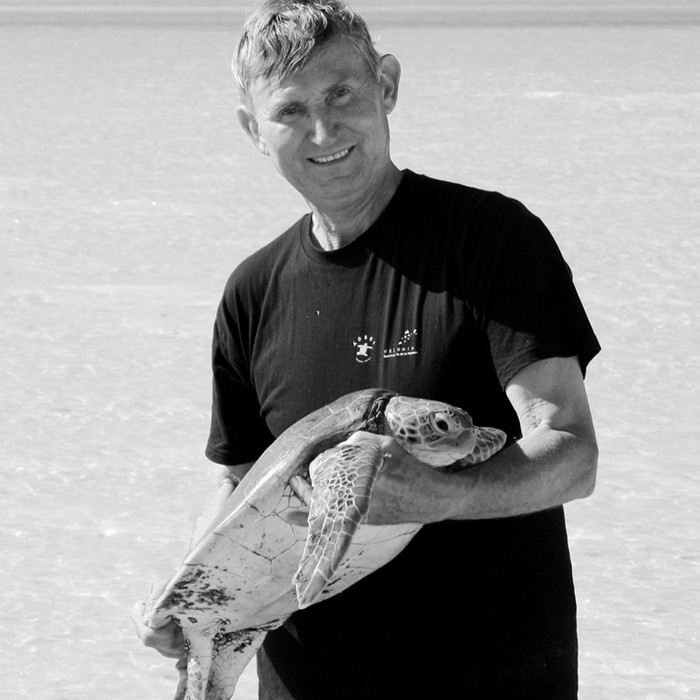 Scottish born in 1939, DR GEORGE HUGHES became a game ranger in South Africa’s Giants Castle in 1961 before leaving to study Zoology at the University of Natal in 1965. He pursued a higher degree in Zoology, studying sea turtles throughout the South Western Indian Ocean and finished his PhD in 1974, rejoining the Natal Parks Board as Senior Scientist. In 1975 Dr Hughes was appointed a senior manager becoming Chief Executive Officer of the Natal Parks Board, and in 1998 CEO of the Board’s successor Ezemvelo KZN Wildlife. During his career, he has remained active in sea turtle research and has visited many parts of the world as a conservation expert. He has accompanied or led official South African delegations to conservation conferences with objectives as diverse as Sustainable Use, CITES and Conservation Economics.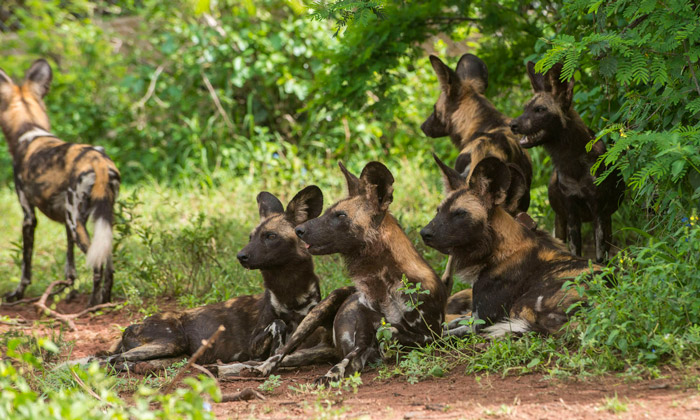
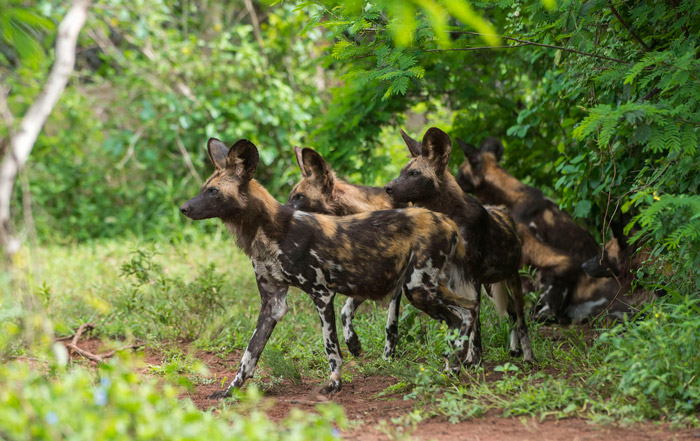
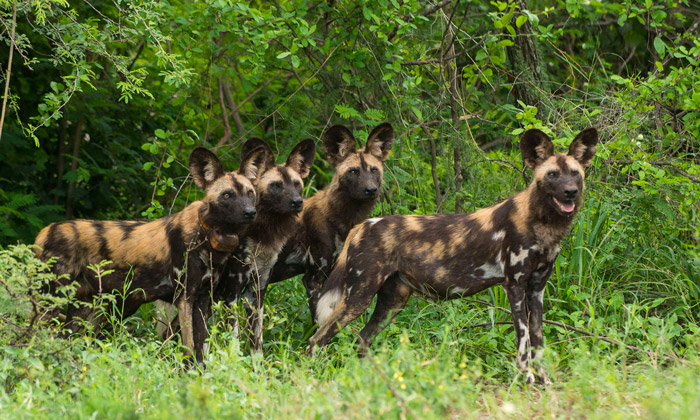
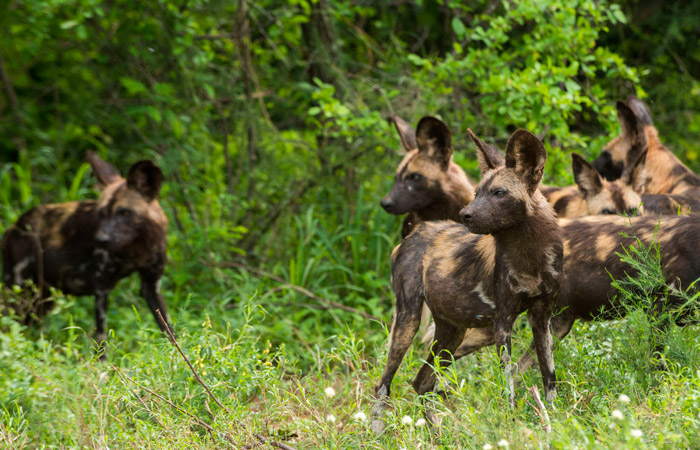
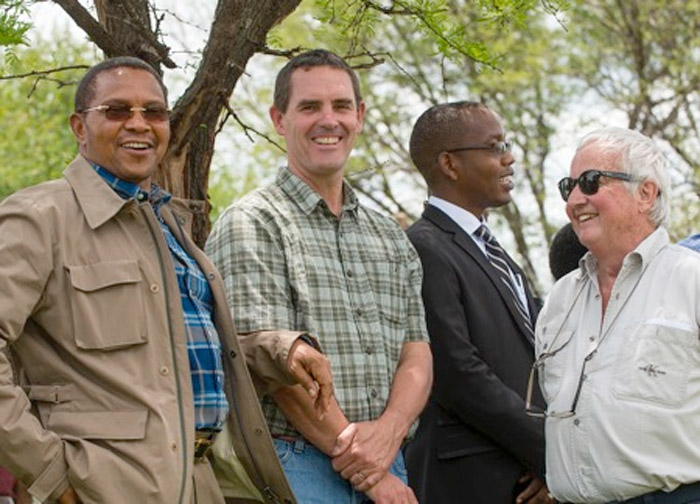
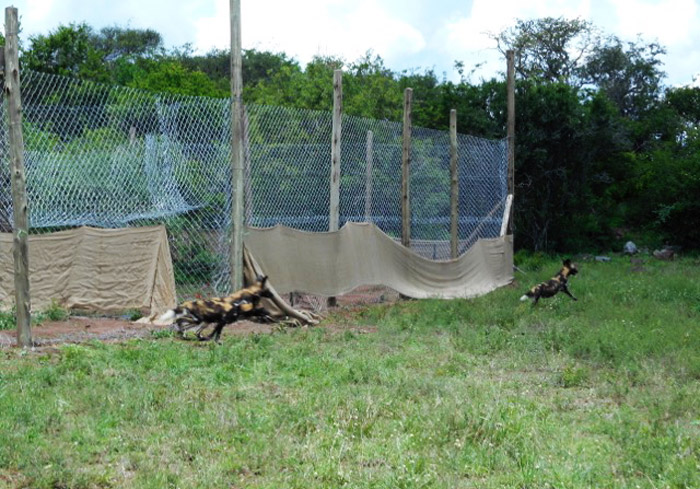
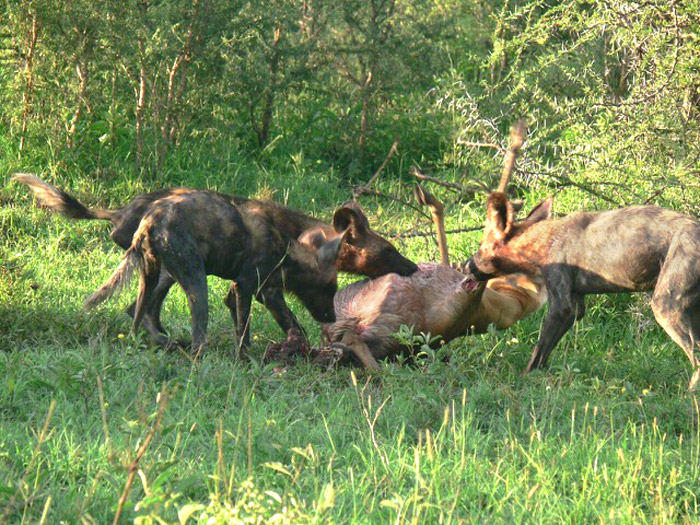
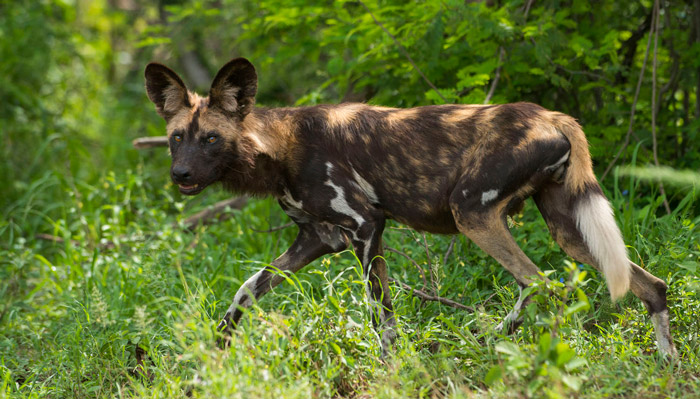
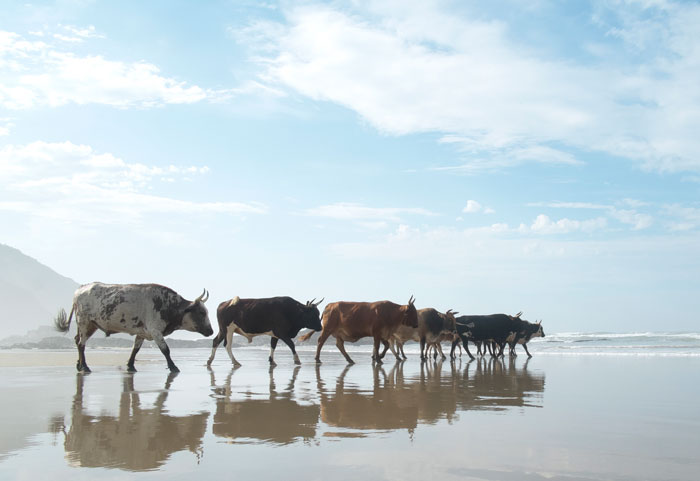


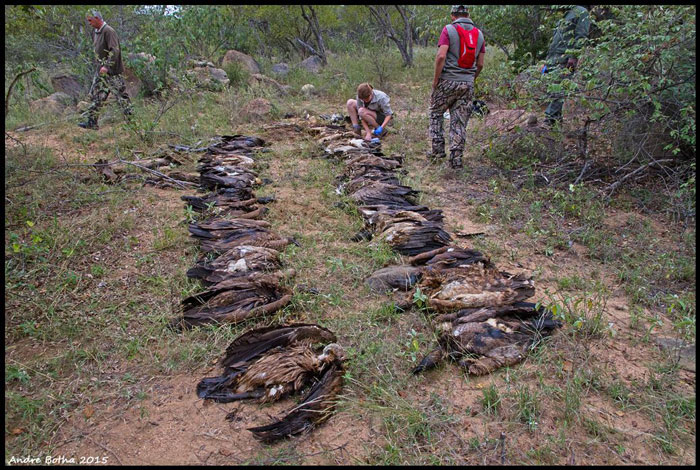


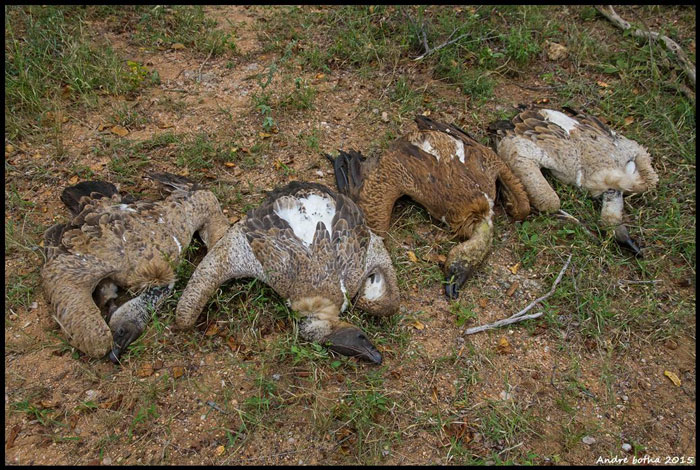


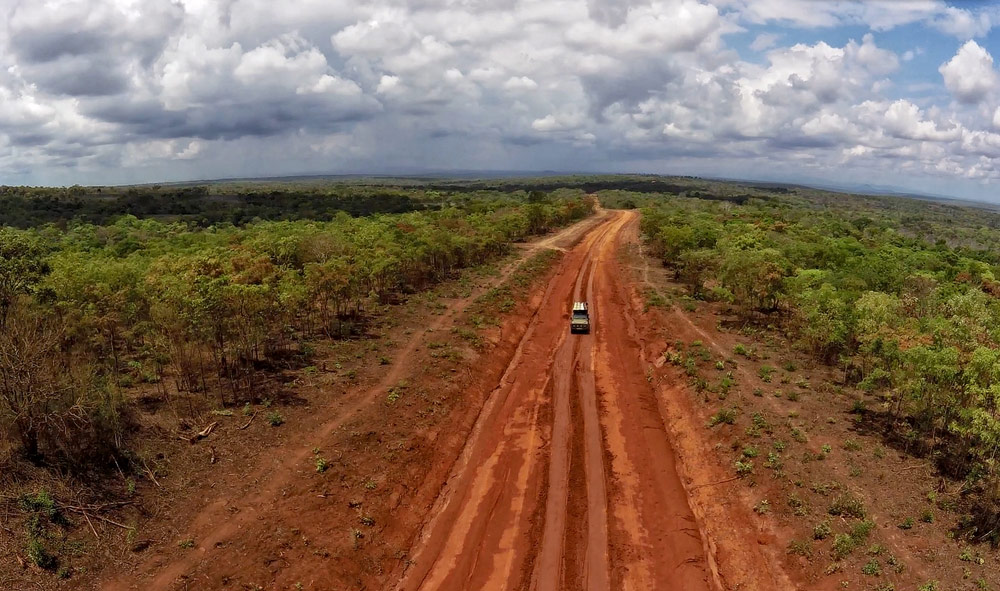
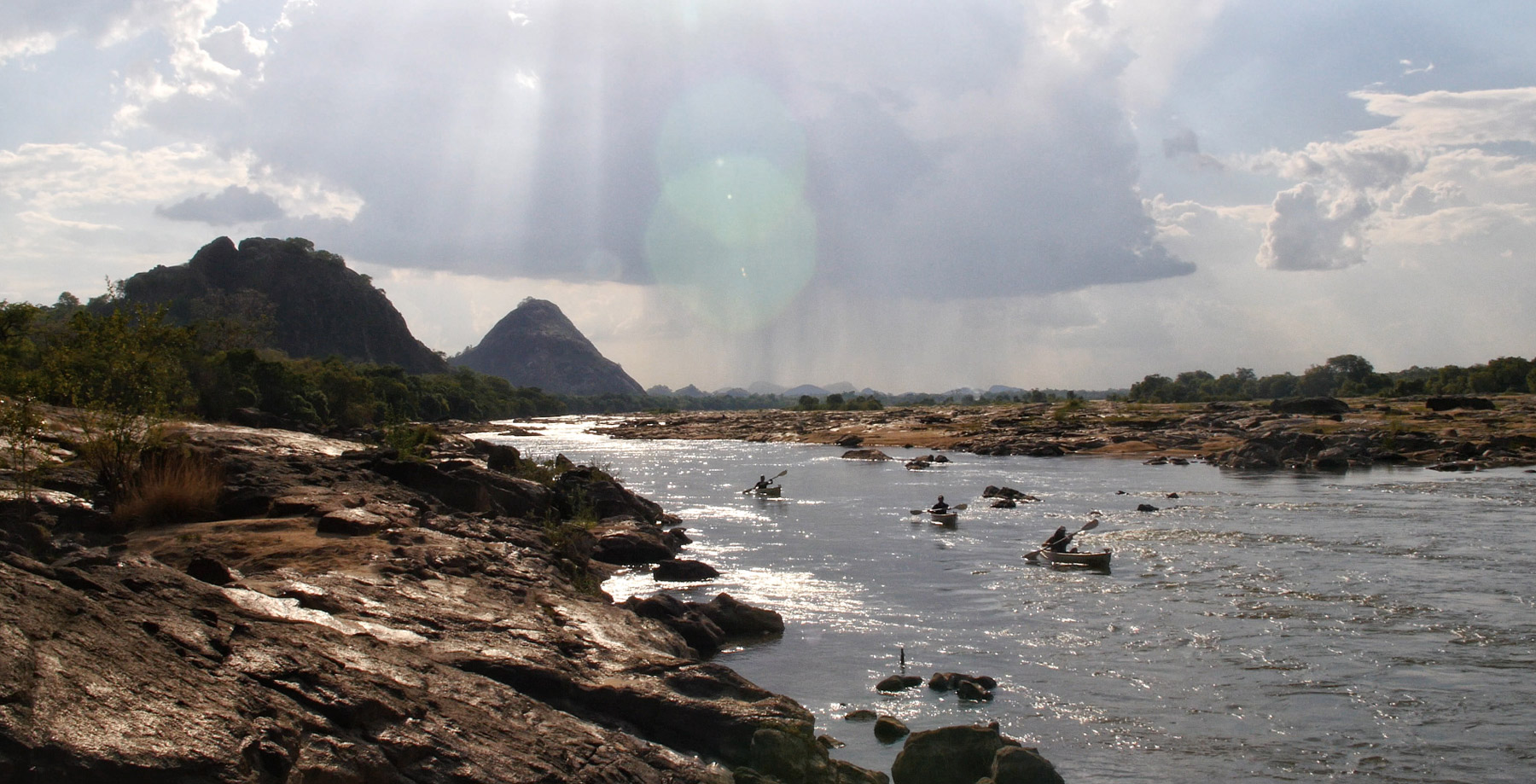
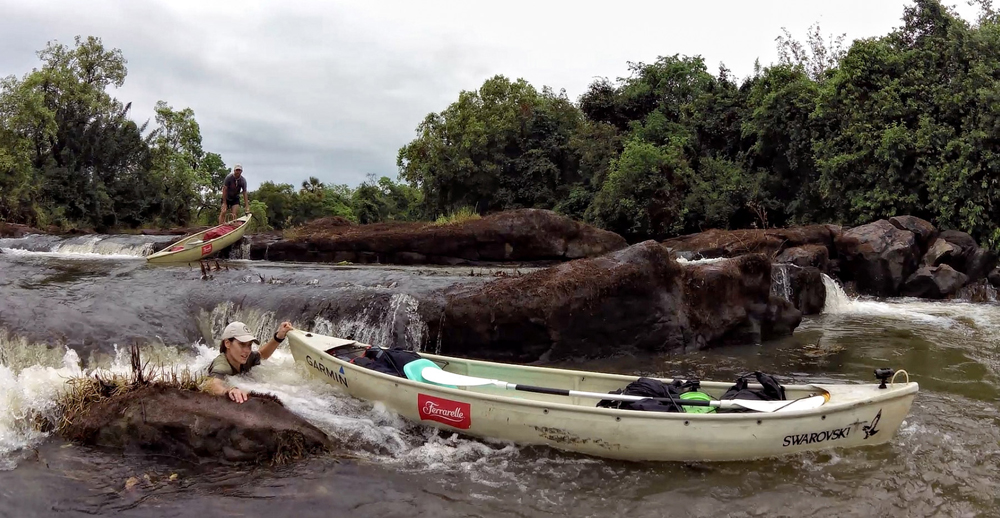
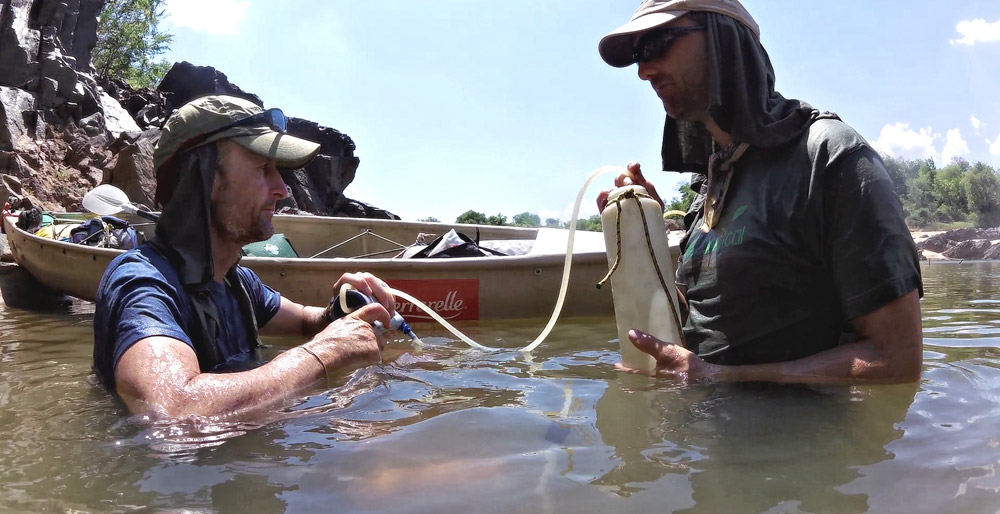
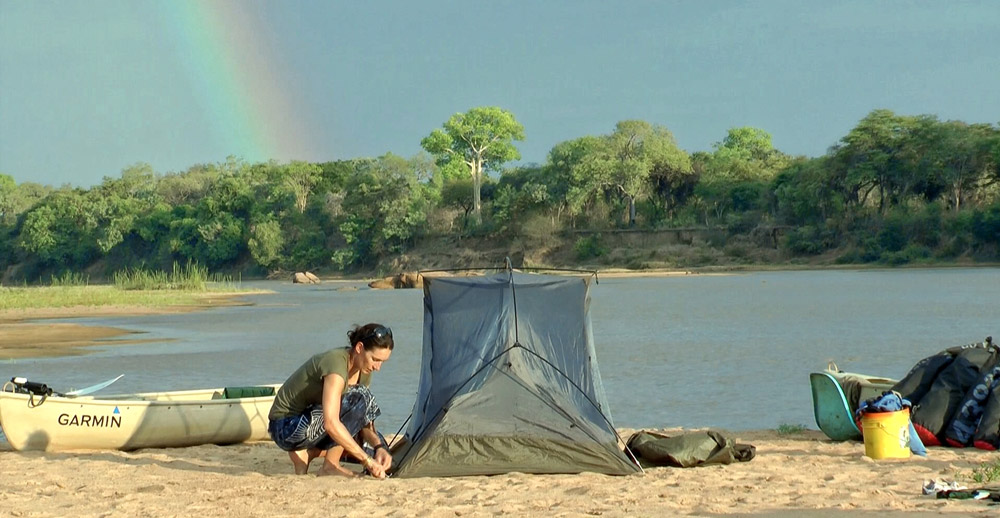
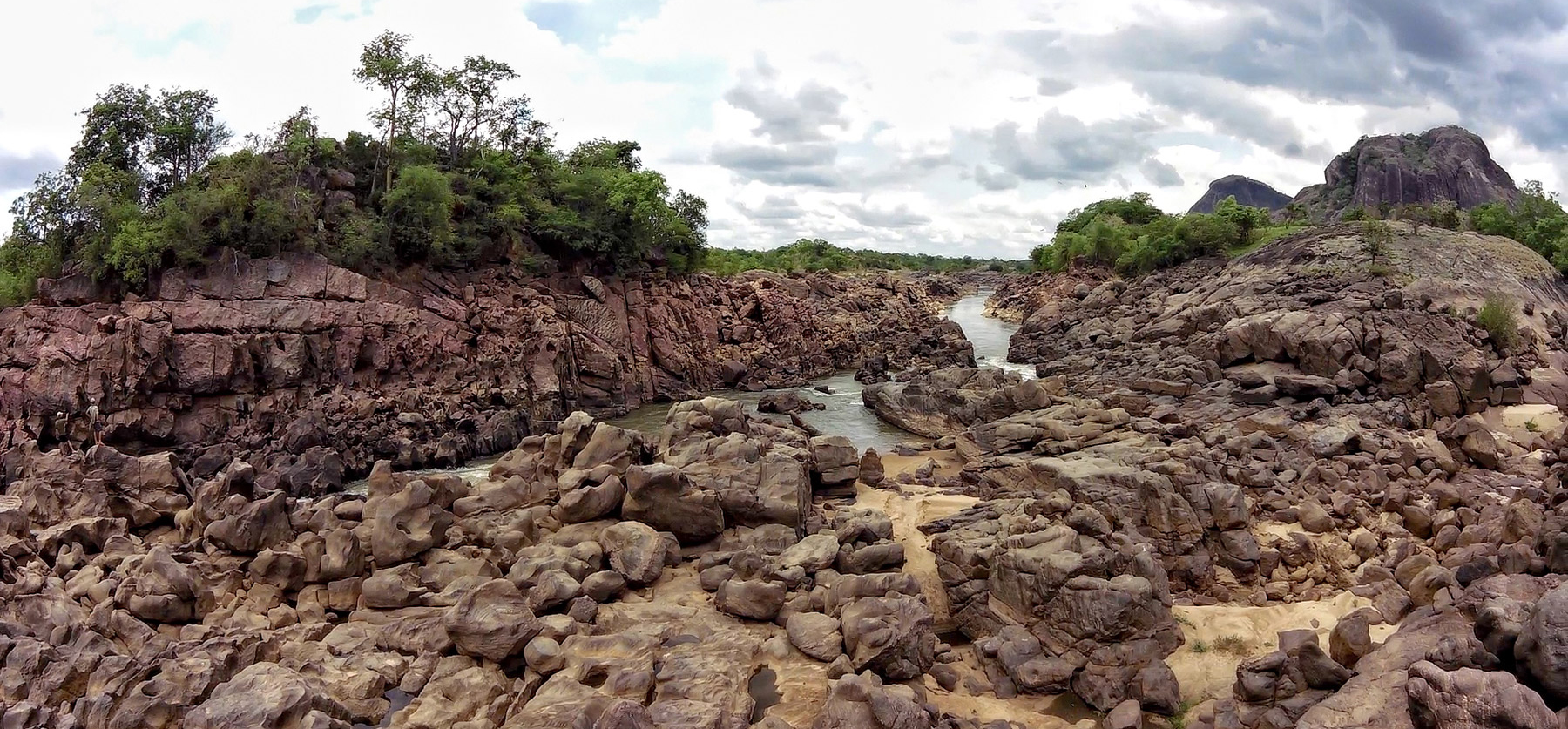
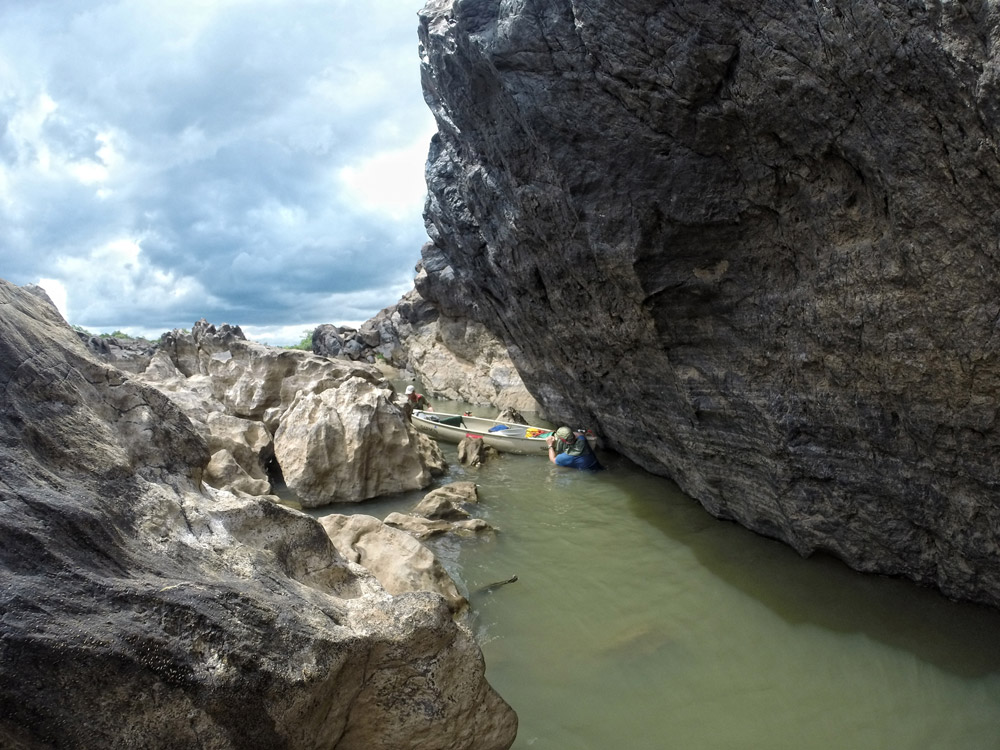
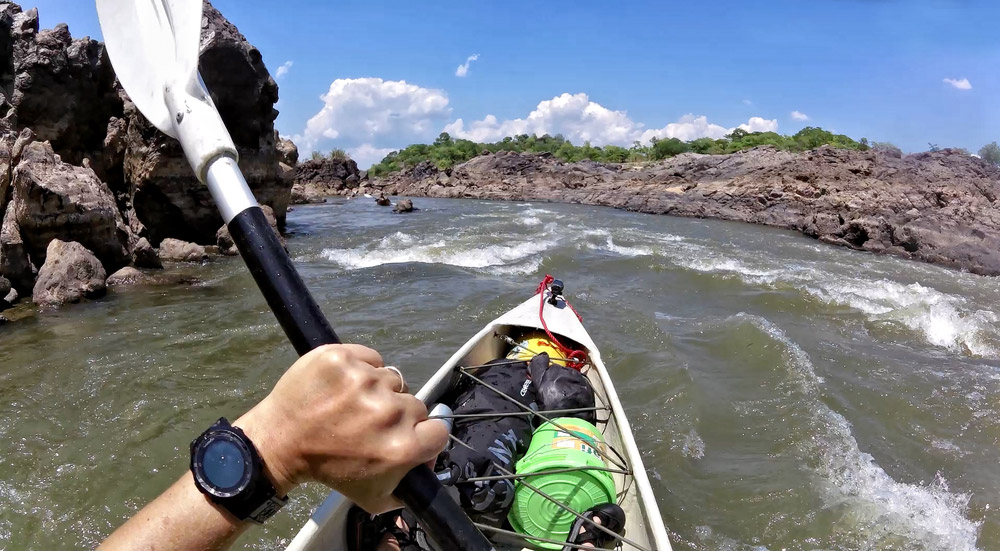
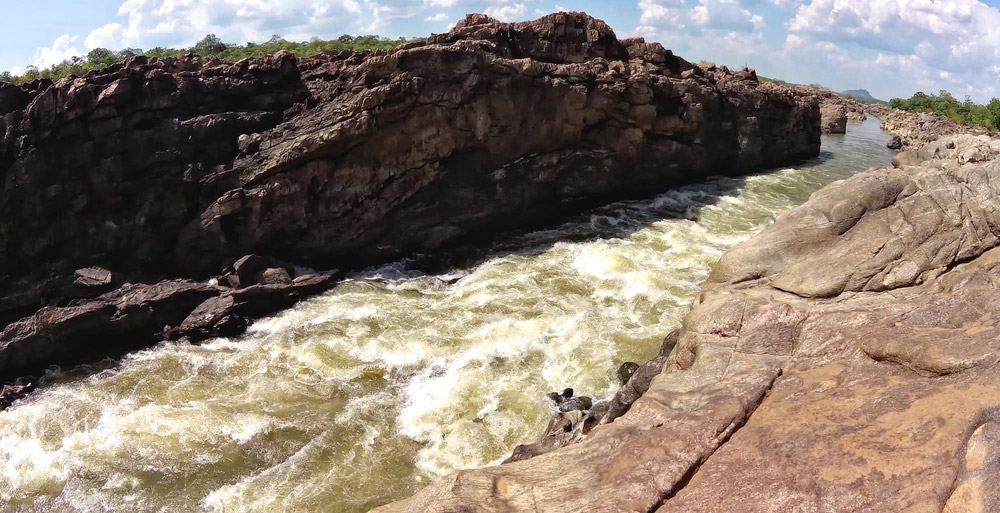
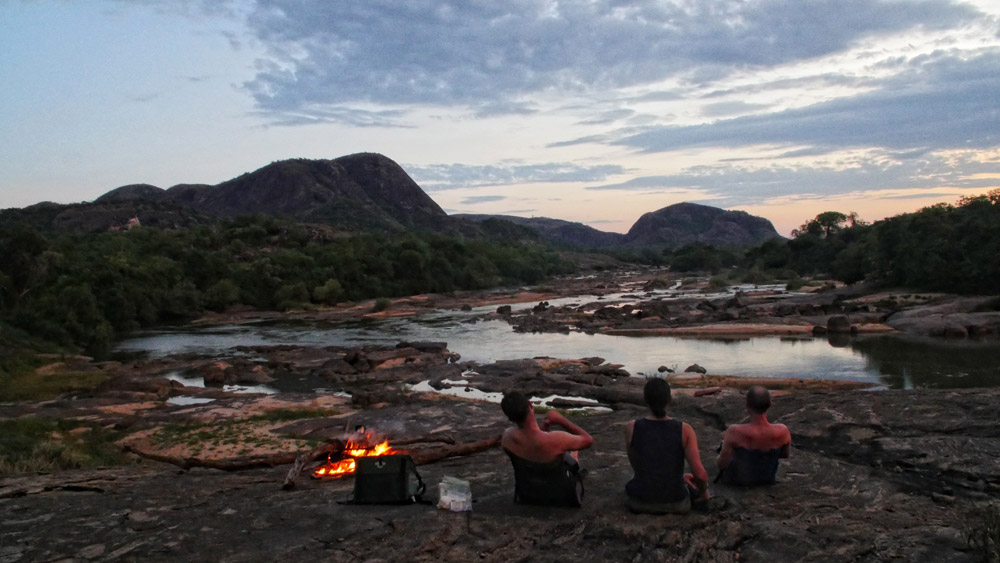
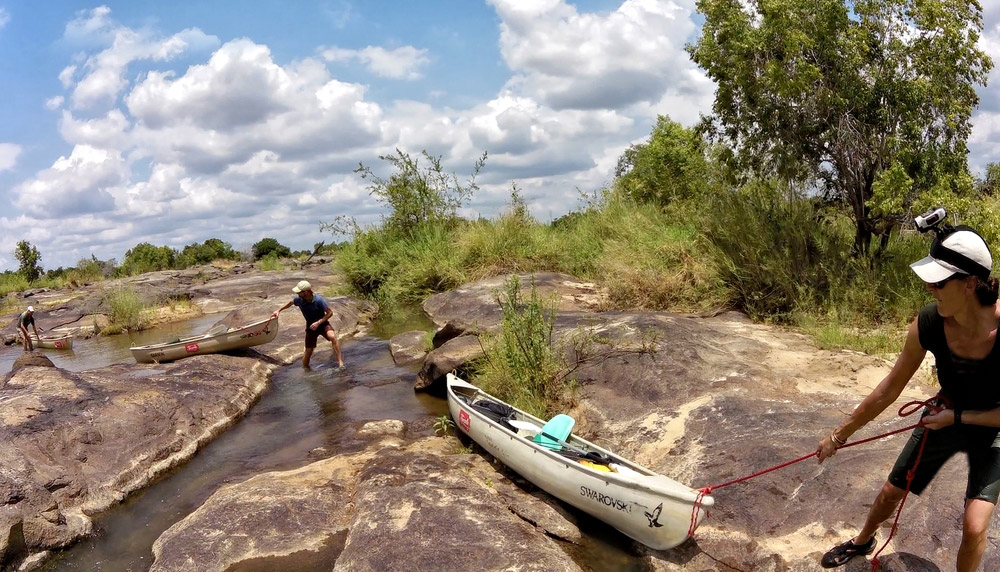
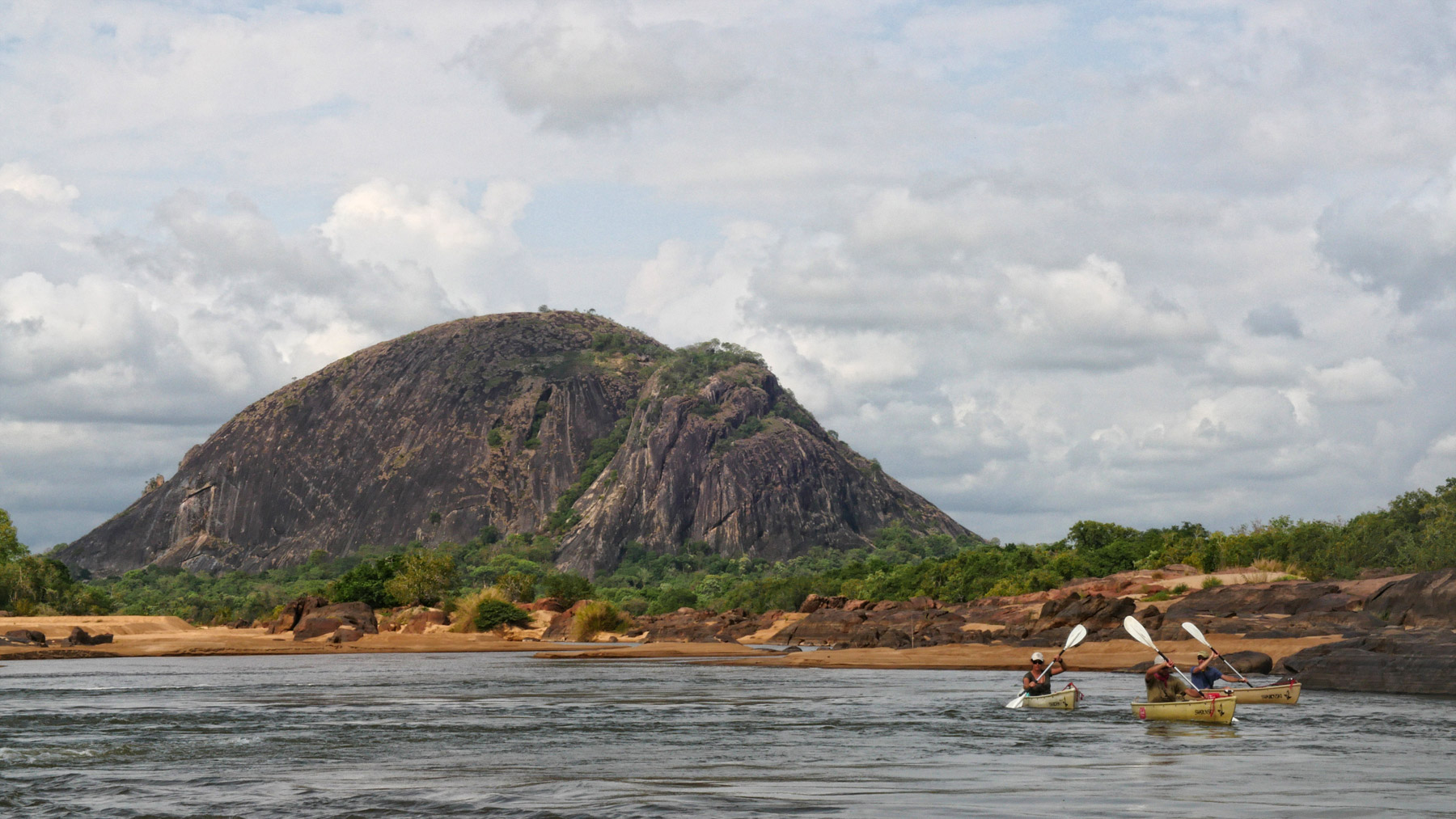
 Biologist and conservationist JOHN (JO) ANDERSON moved to East Africa in 1995 shortly after graduating from Oxford University. He has since conducted wildlife research and environmental work throughout East Africa, guided Mount Kilimanjaro climbs more than 50 times, and led specialist travel groups on safaris in Tanzania, and Kenya. Rwanda, Botswana, Mozambique, South Africa, Uganda, and Zambia. Jo is a founding partner in Carbon Tanzania, which recently became the first organization in Tanzania to develop a community-led forest-based carbon offset project, working with the hunter-gatherer Hadza people of Northern Tanzania. He lives with his wife and two children in Arusha, Northern Tanzania.
 Mammal Specialist ALESSANDRA SORESINA has worked on several wildlife projects around the world. In Saadani Game Reserve in Southern Tanzania, she was involved in a mammal monitoring project which led to Saadani being upgraded to a National Park. In 2001 she set up the lion project in Tarangire National Park, northern Tanzania, and for over 5 years, Alessandra has concentrated her efforts on lion–human interactions. During this time, she has greatly contributed to what is known about lions in and around the Tarangire ecosystem. One of her major goals was implementing the radio-tracking program in Tarangire, allowing conservationists and national park management to understand lion movements in the Tarangire ecosystem fully. After setting up a snow leopard project in the Himalayas with the Università degli Studi di Siena, she is now involved in mammal monitoring projects in Mozambique, Tanzania, Gabon and Botswana which are essential to the implementation of new protected areas.
 Bird Specialist MARC BAKER is the owner and director of Ecological Initiatives Ltd, a Tanzanian company that supports forestry and wildlife conservation in Tanzania. Based in Arusha, Marc has worked in conservation and ecotourism since 1998. Initially, as an ornithologist for the United Nations Development Program – Global Environmental Fund cross-border biodiversity project from 1998 – 2000, conducting a range of biodiversity surveys in Tanzania and Kenya. As a wildlife specialist, Marc works on various ecological issues, such as wildlife management, out-of-protected area tourism viability and carbon forestry for Danida (Danish Development Agency), Care International, the Wildlife Division of Tanzania and the Tanzania bird atlas.
 Adventure sports specialist GIAN SCHAUCHERMANN holds a degree in ecology and fisheries management. Gian has worked on Rubondo Island in Lake Victoria and built bushcamps in Tarangire and Serengeti National Parks. He also spent a great deal of time in the remote areas of Loliondo, where he guided walking safaris and captured some of the finest wild dog photographs. Gian has formal training and certification as a walking safari guide, is a member of the Interpretive Guides Society, and has a pure love of adventure. In his free time, Gian can be found building canoes in his backyard, climbing volcanoes, or adventuring across Tanzania on his motorbike or paramotor.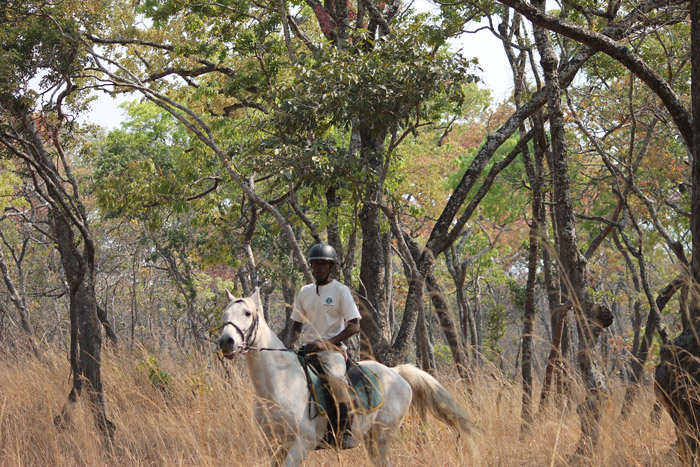
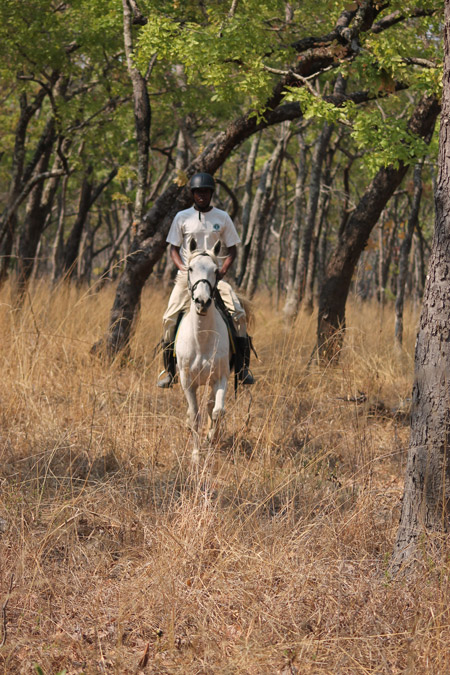
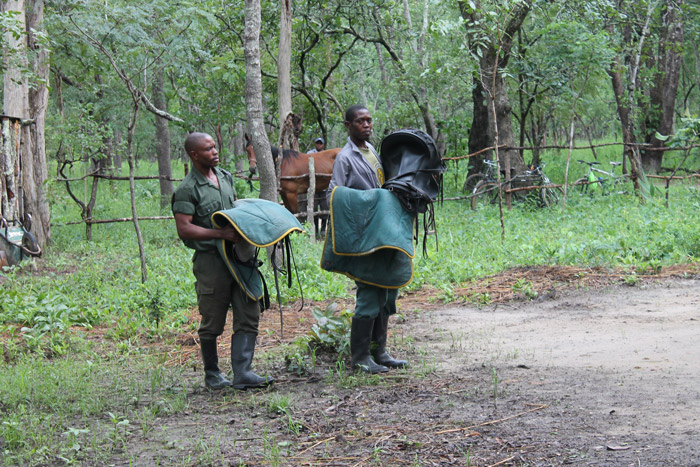

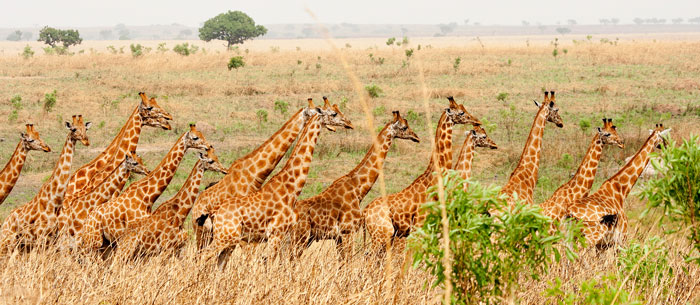




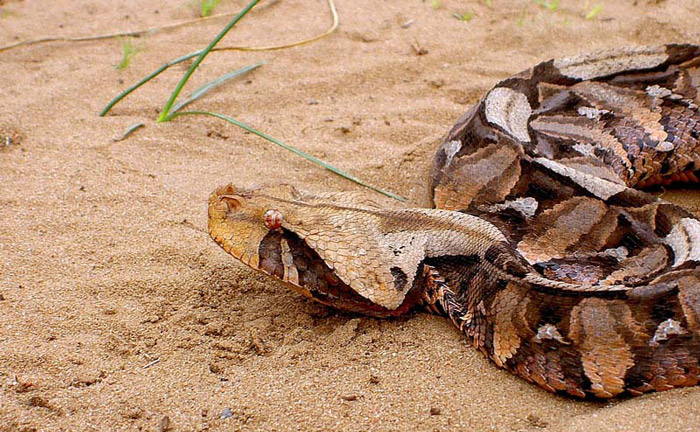


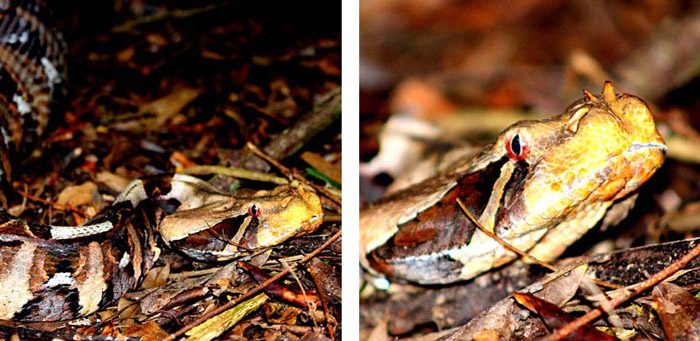
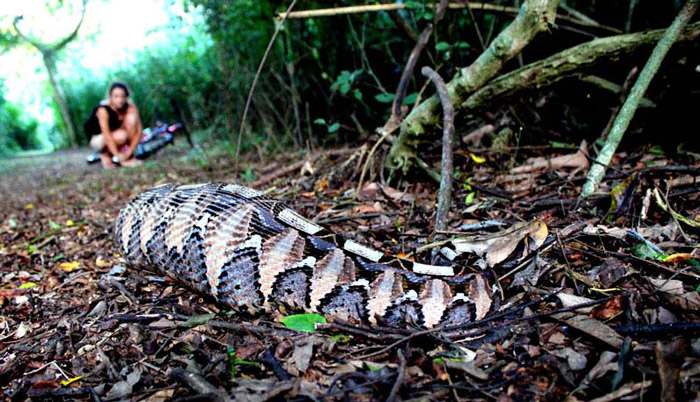
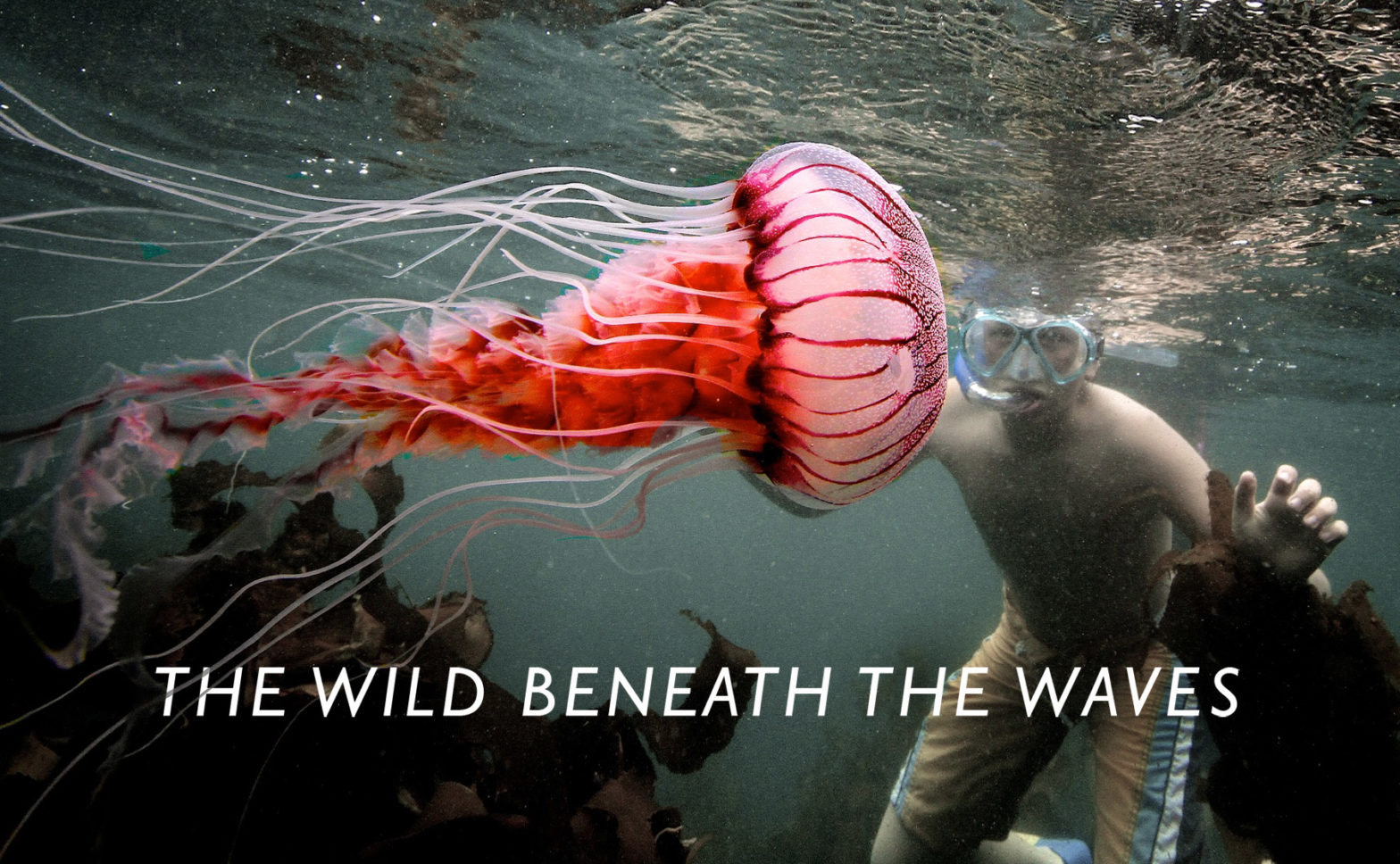
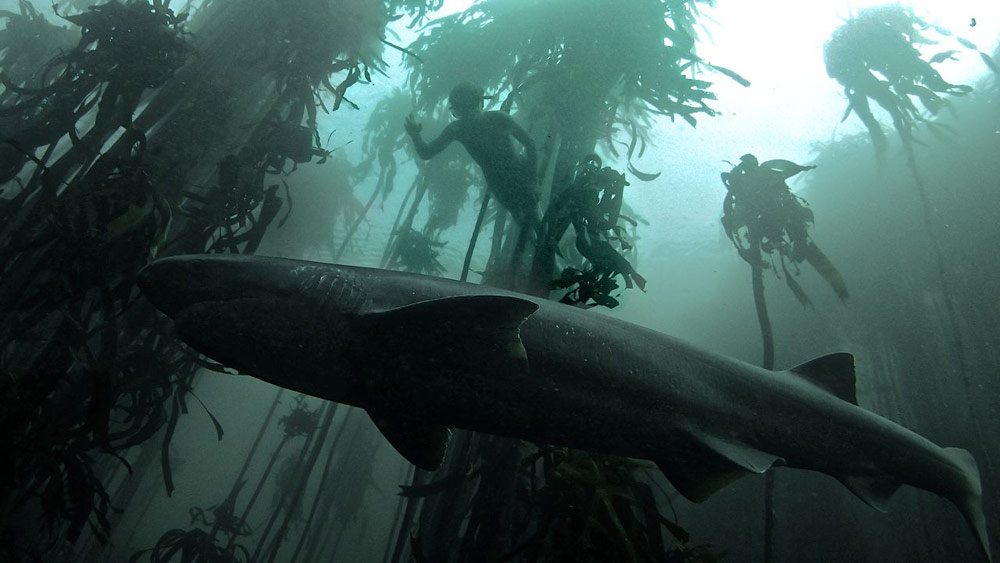
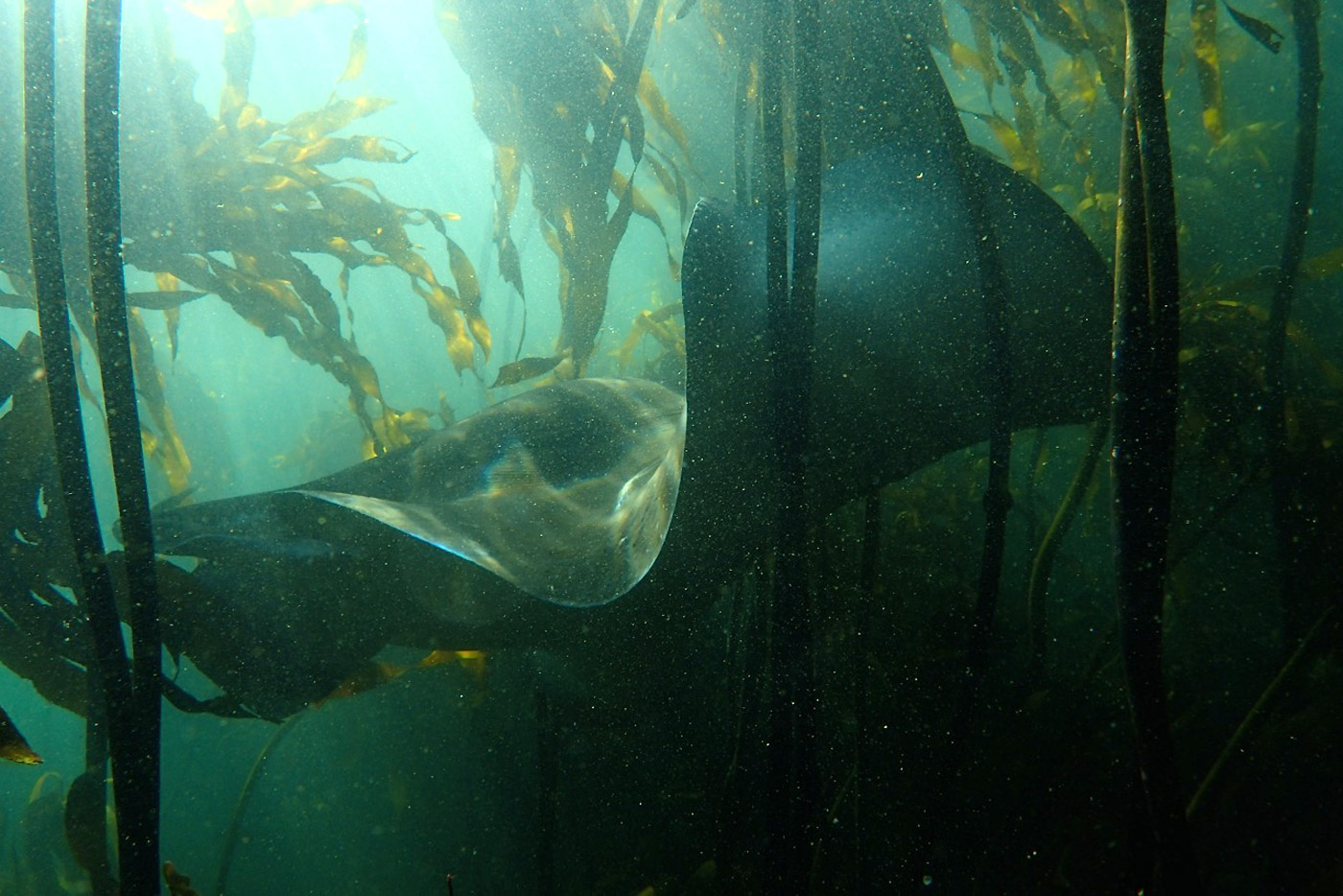
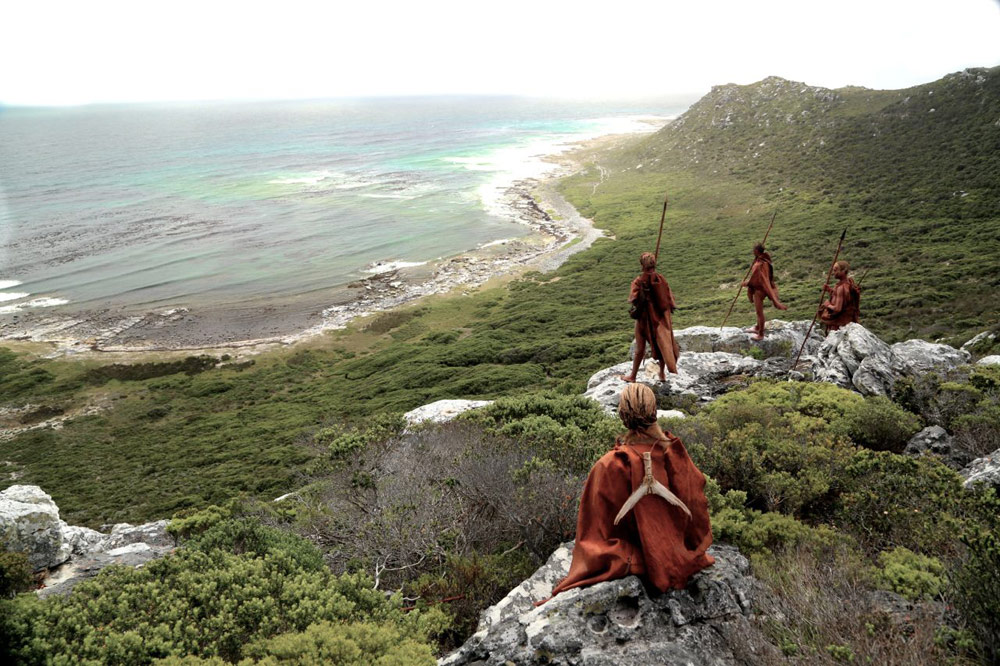
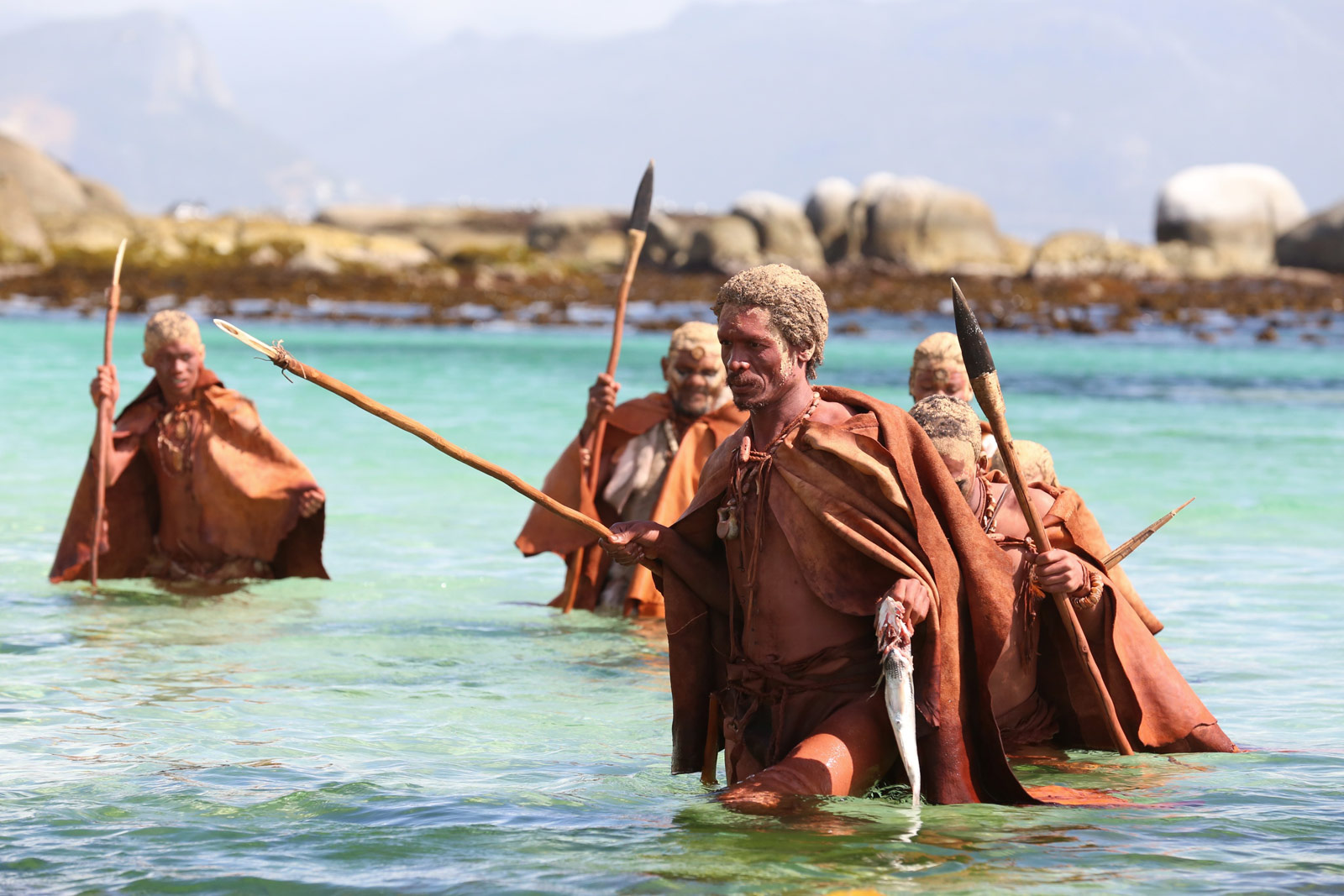
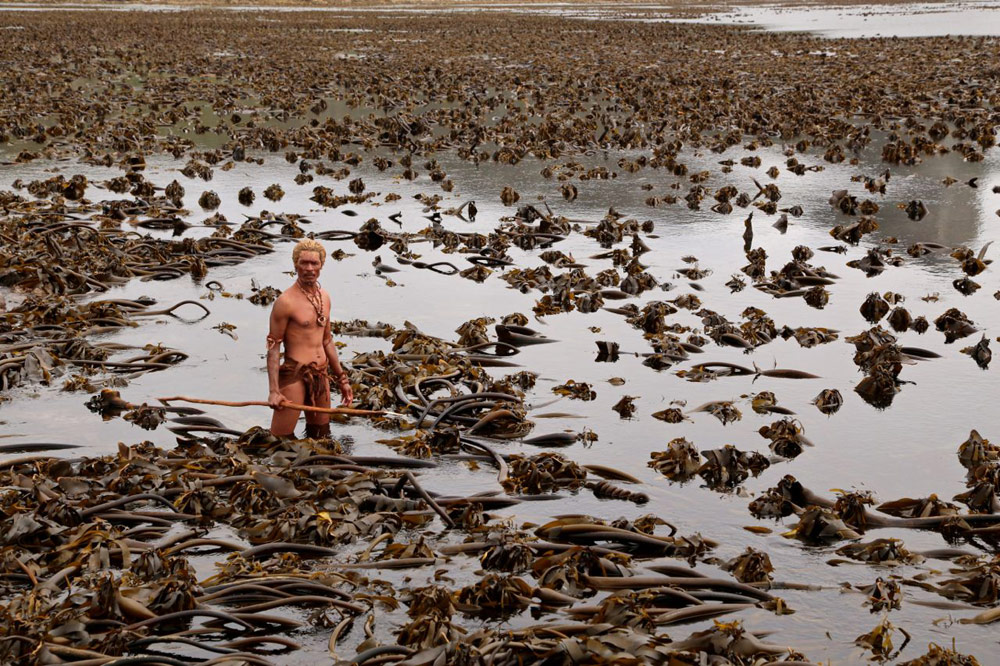
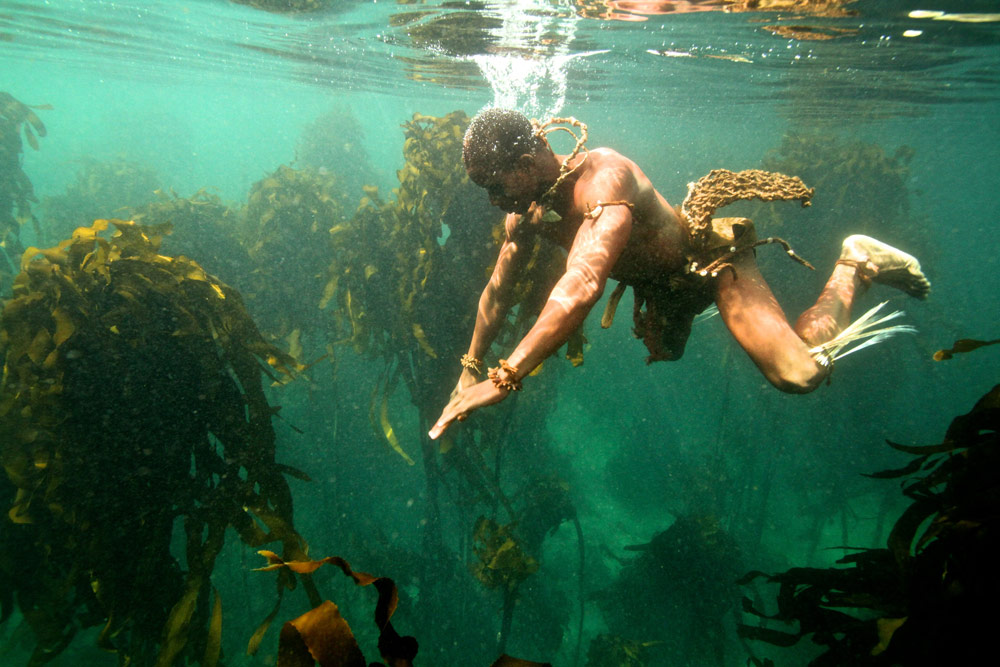
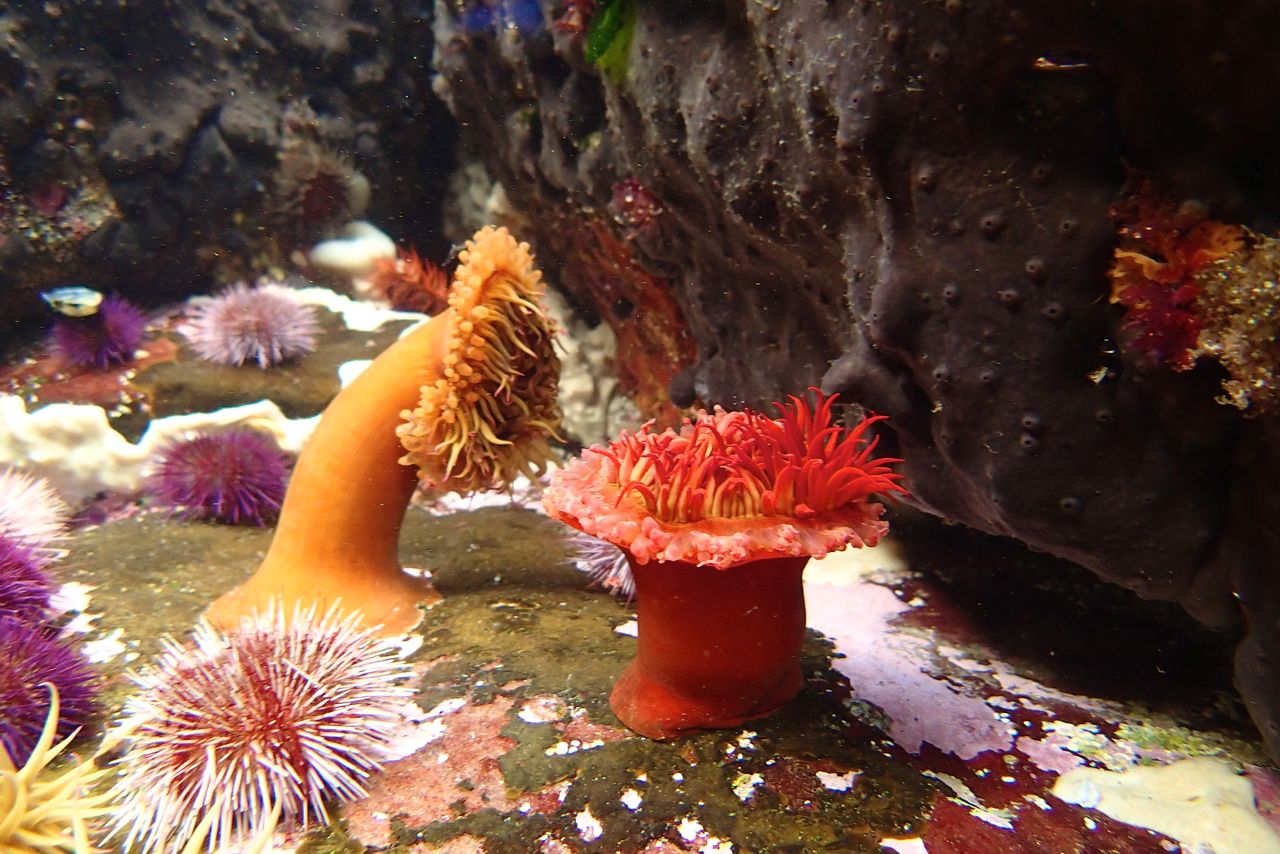
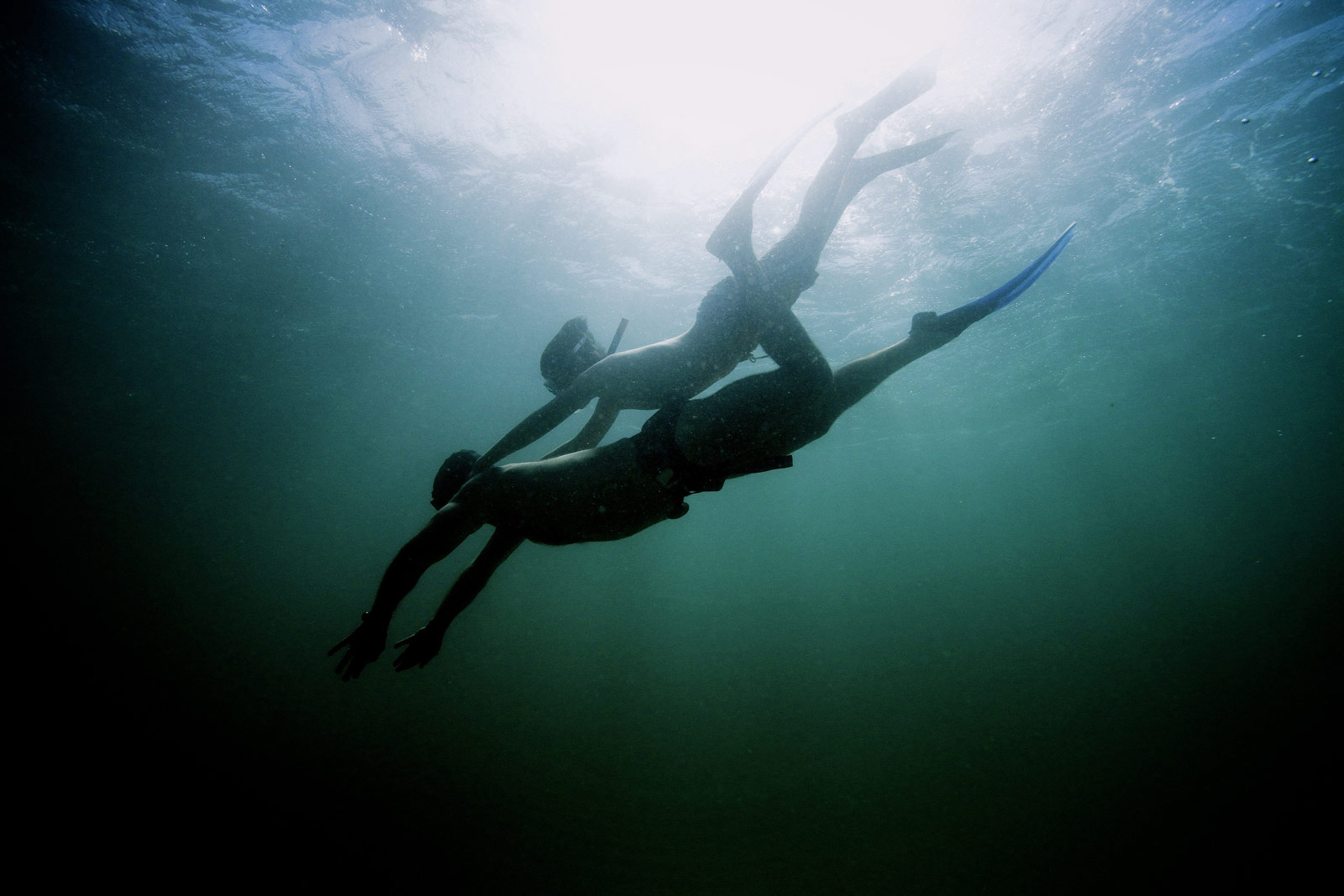
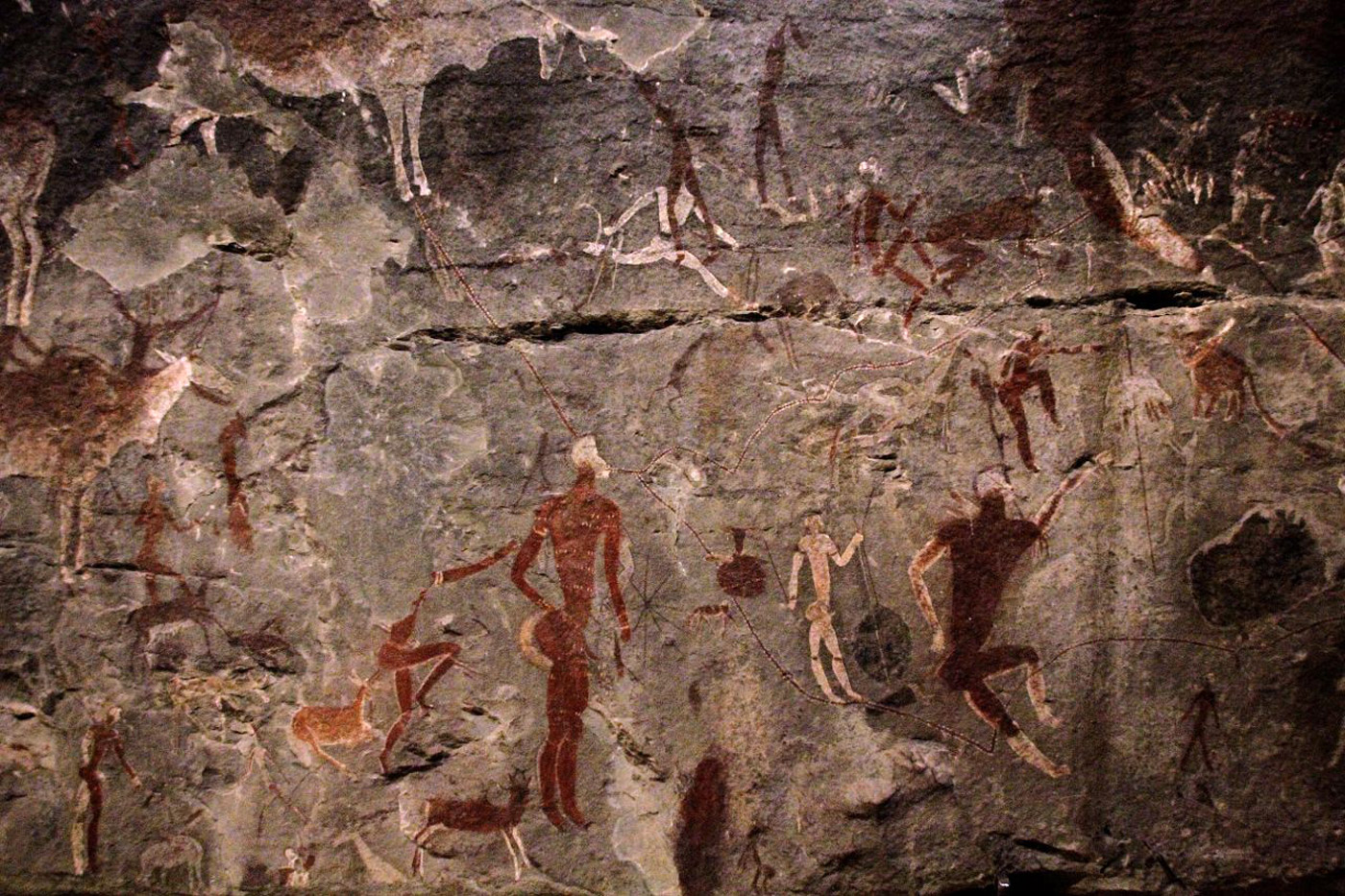
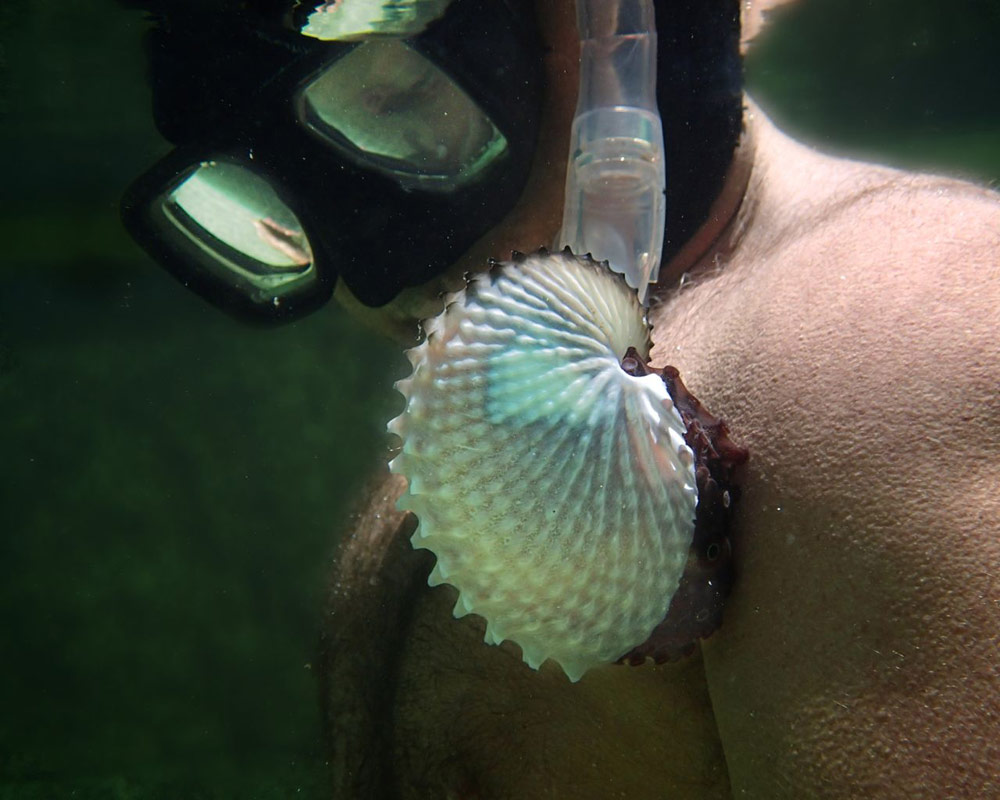
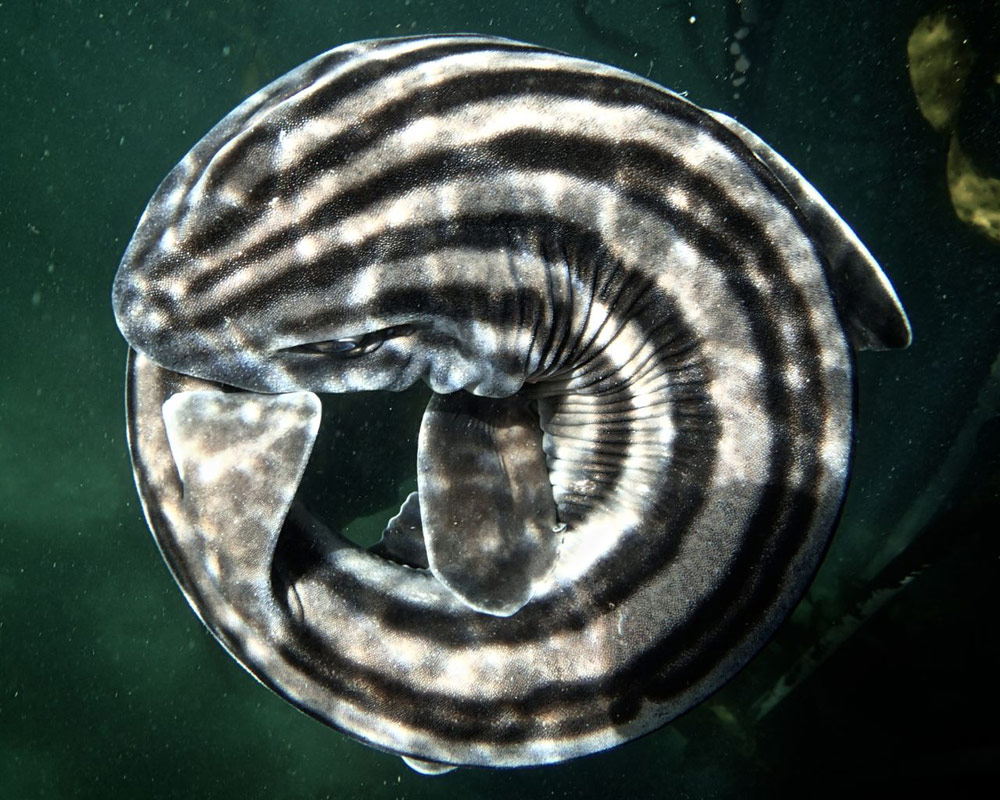
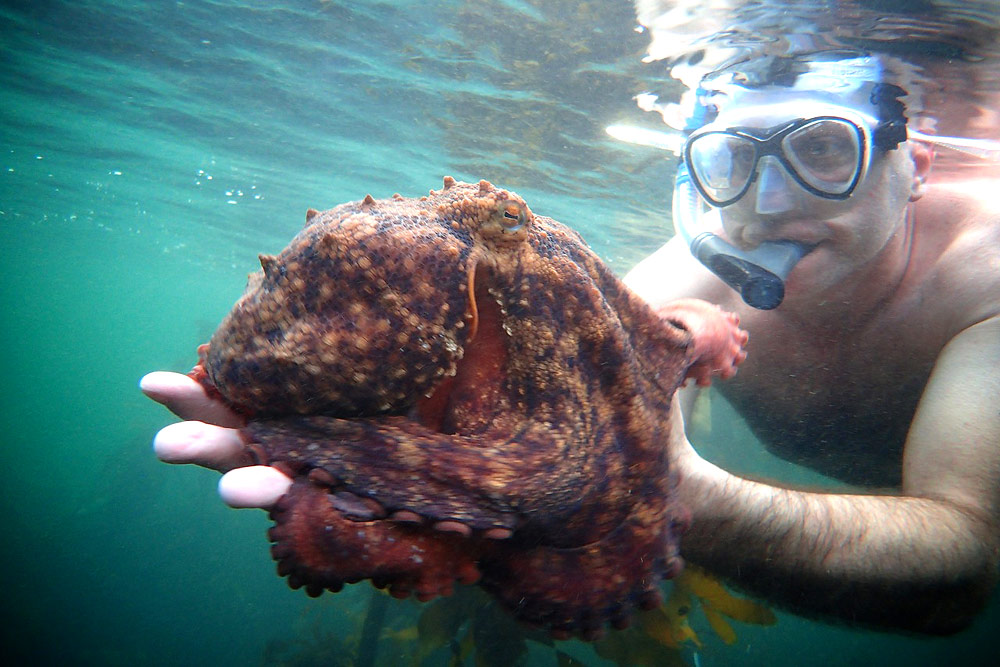
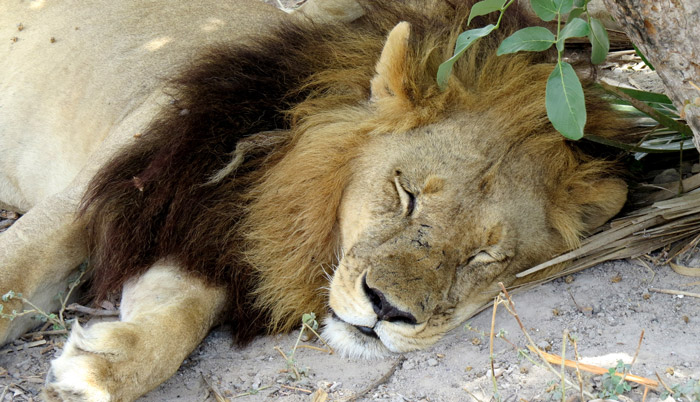
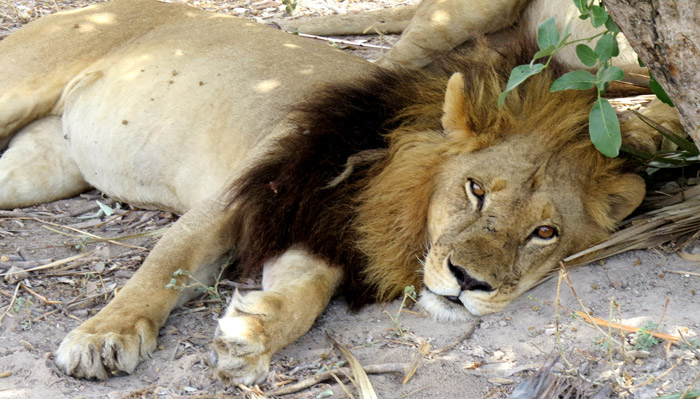

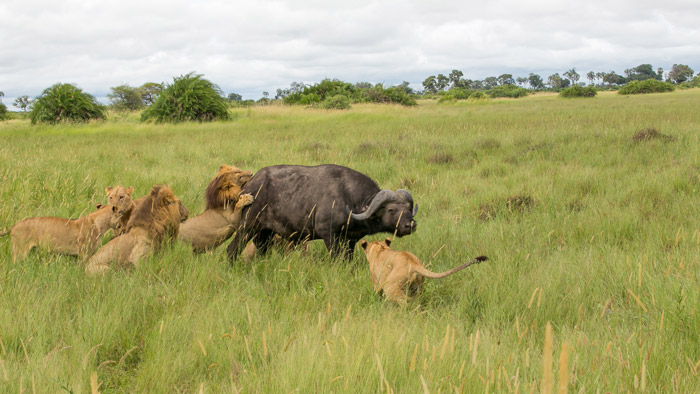
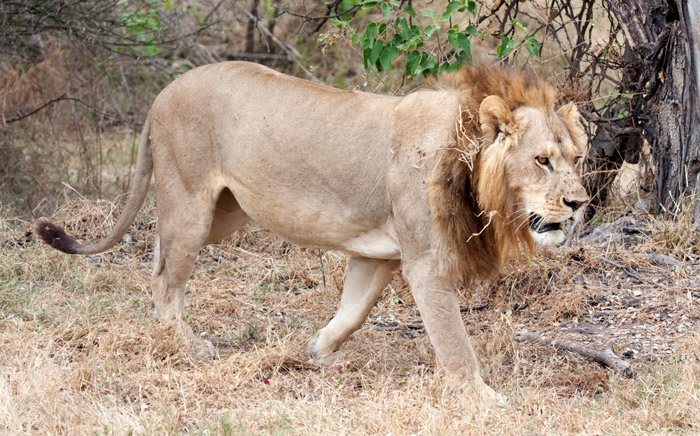
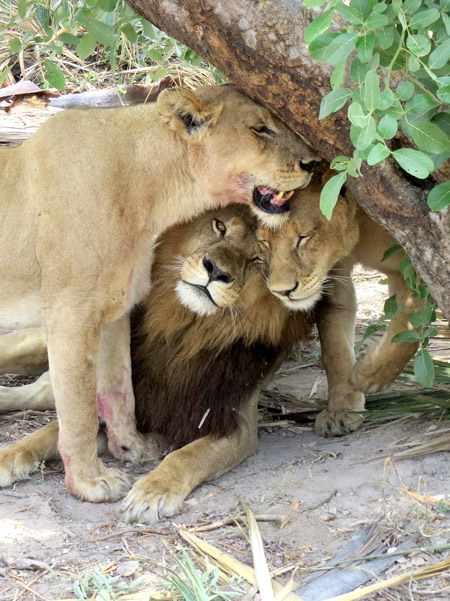
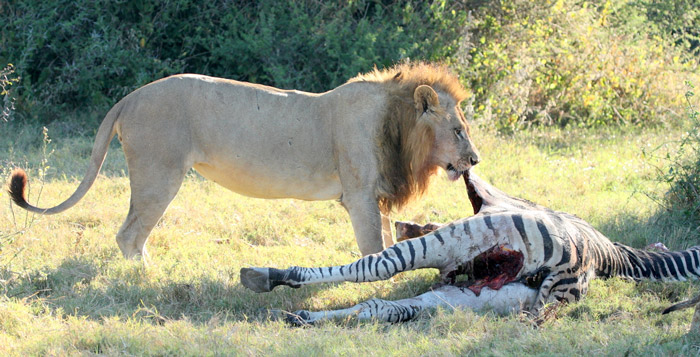
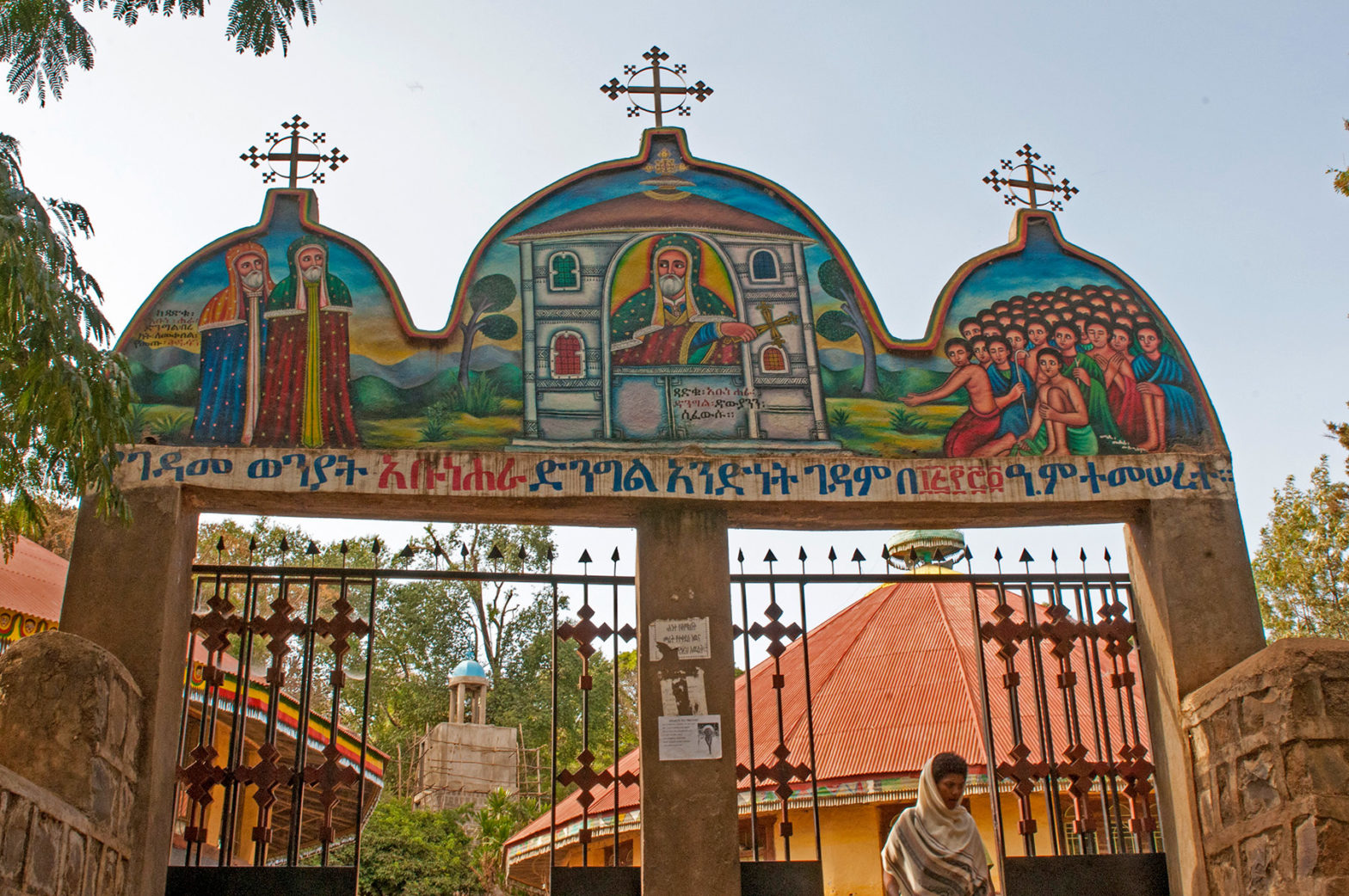
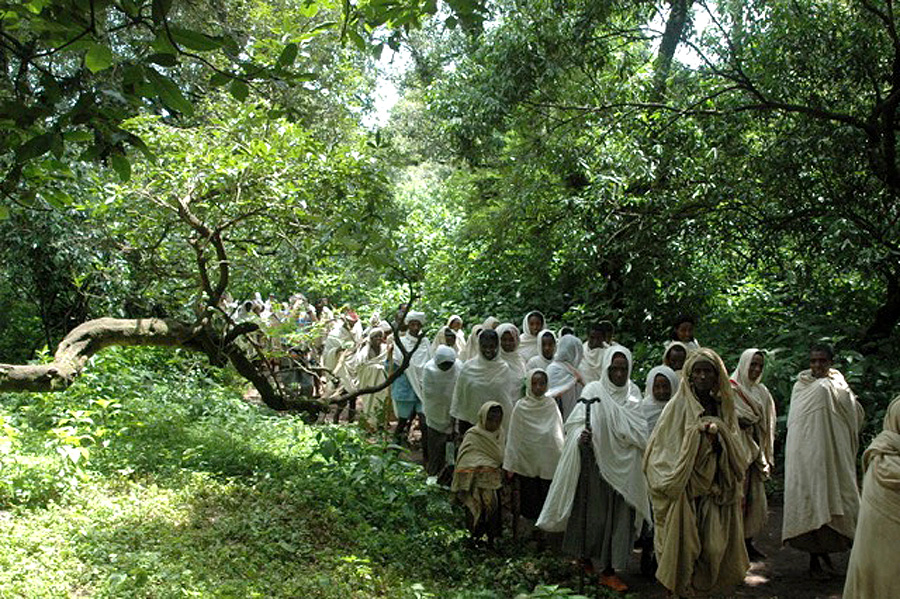
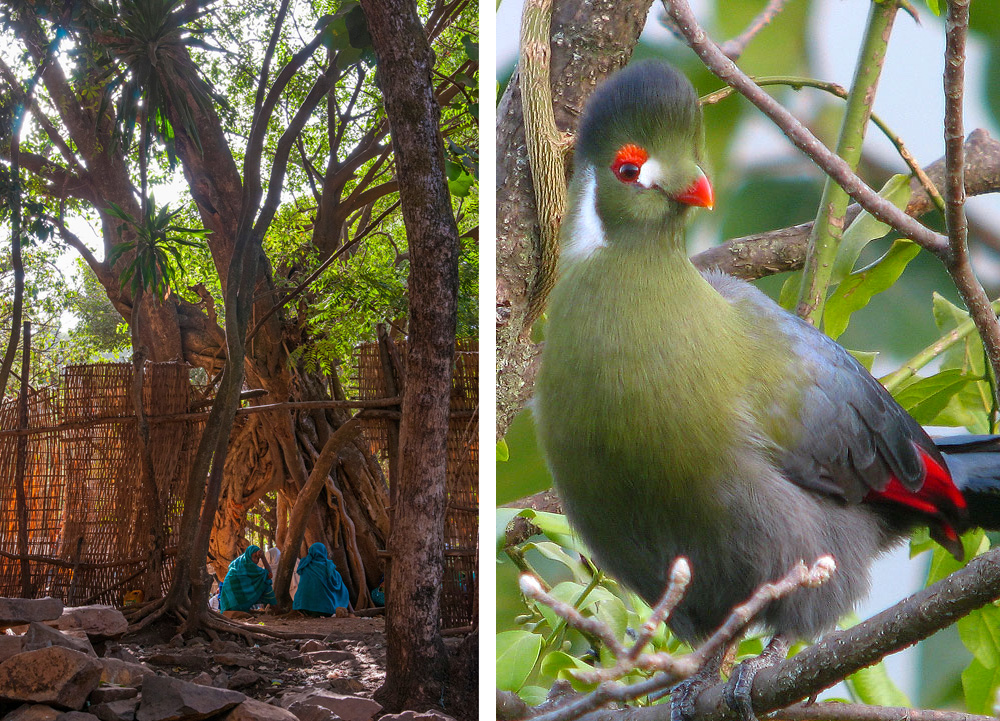
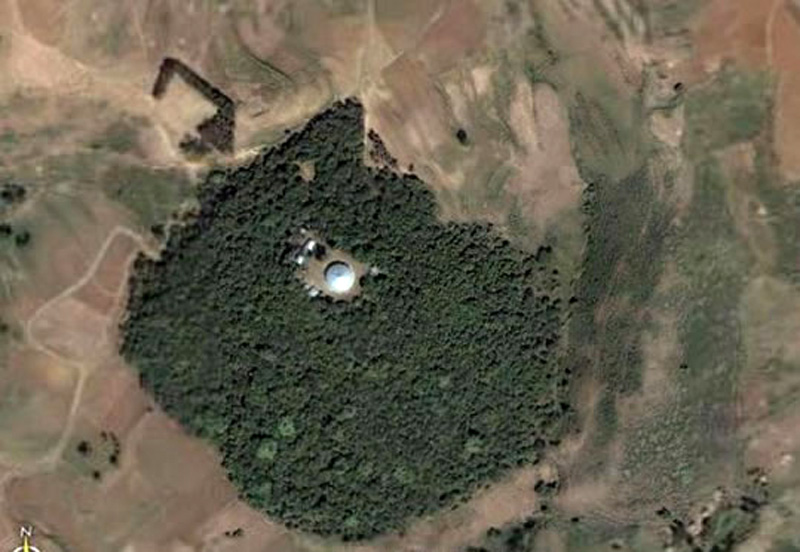
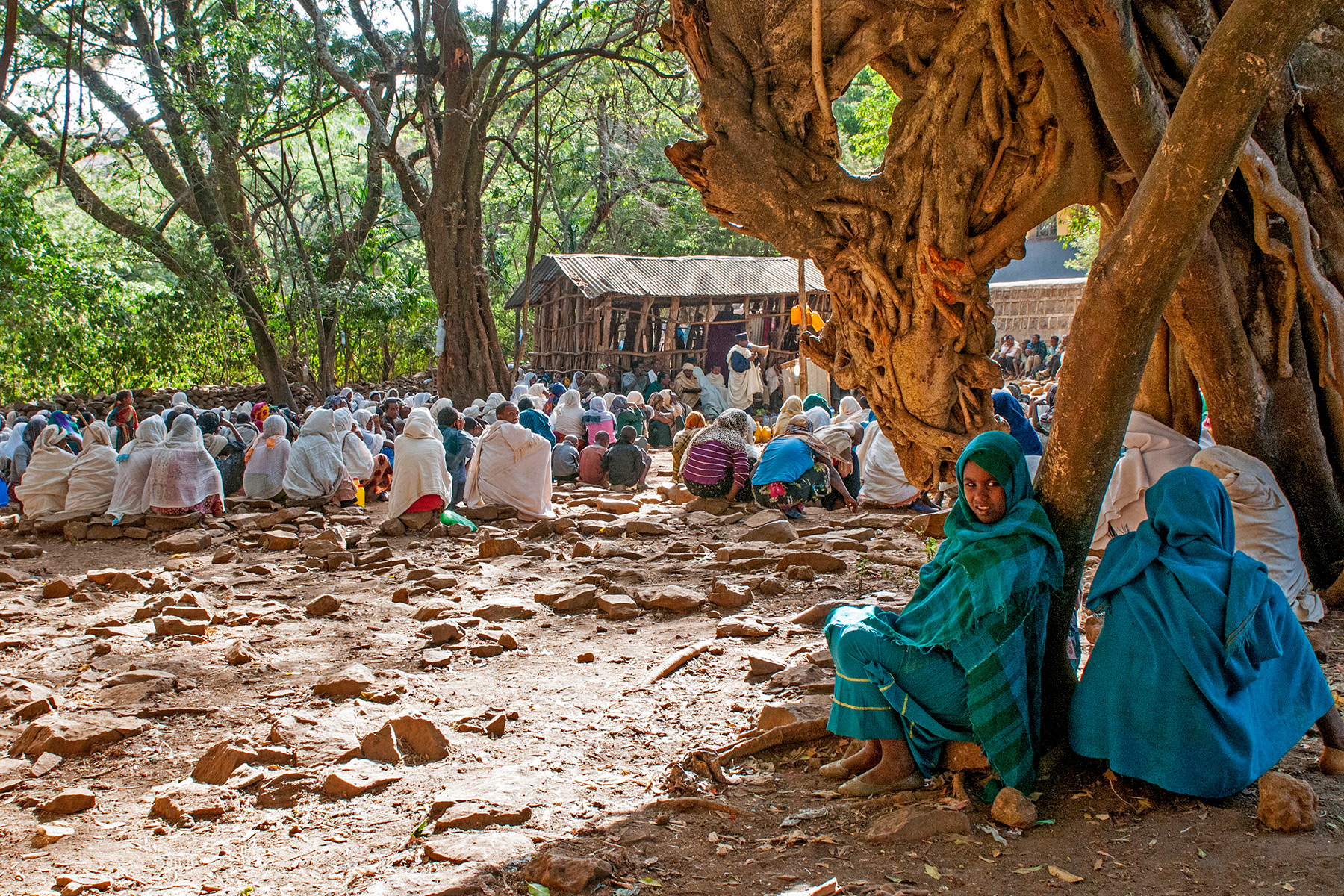
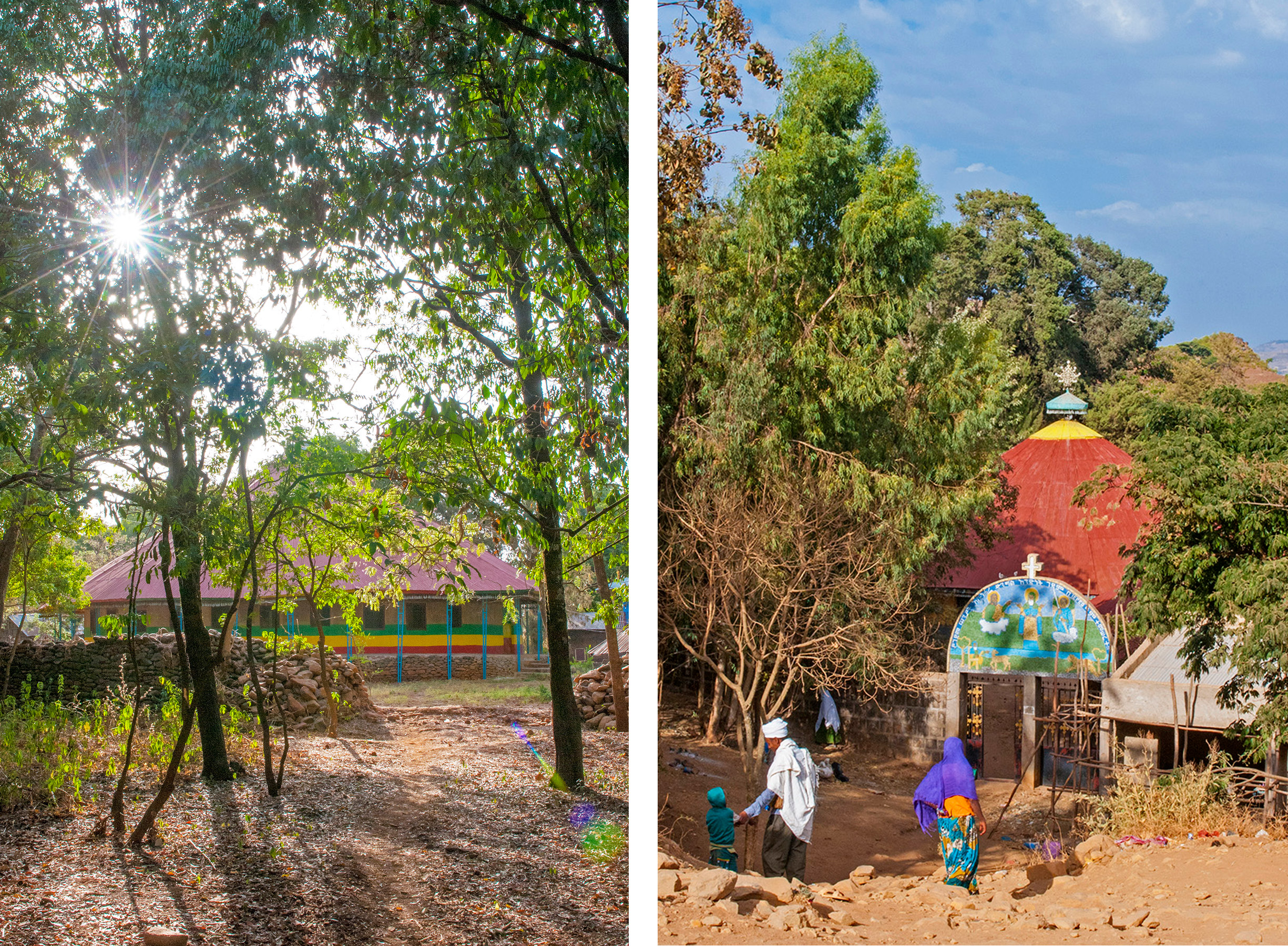
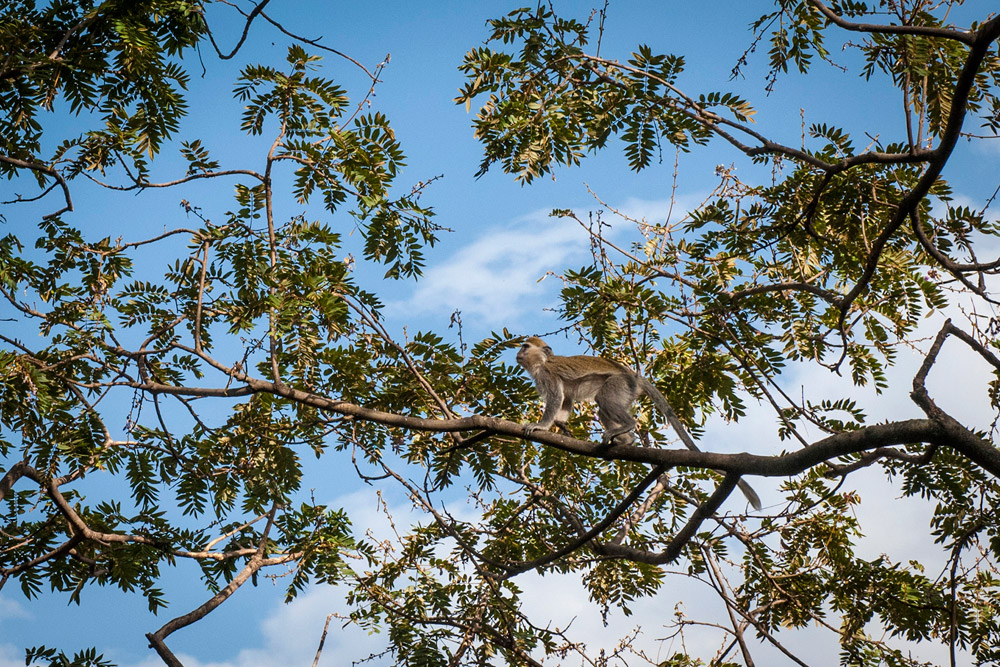
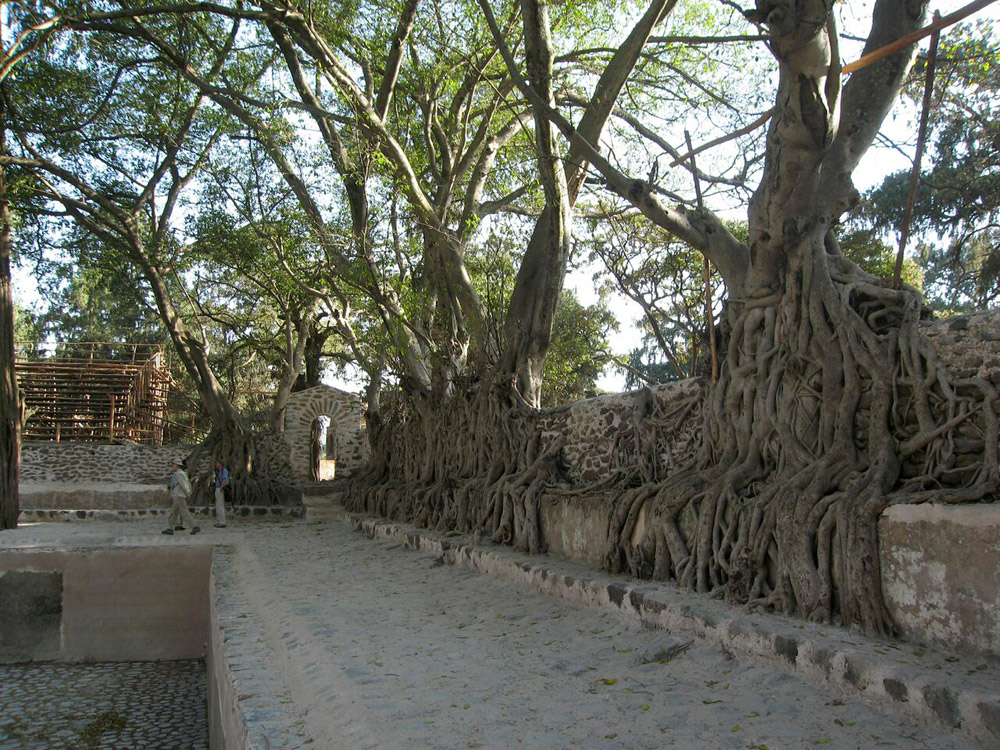
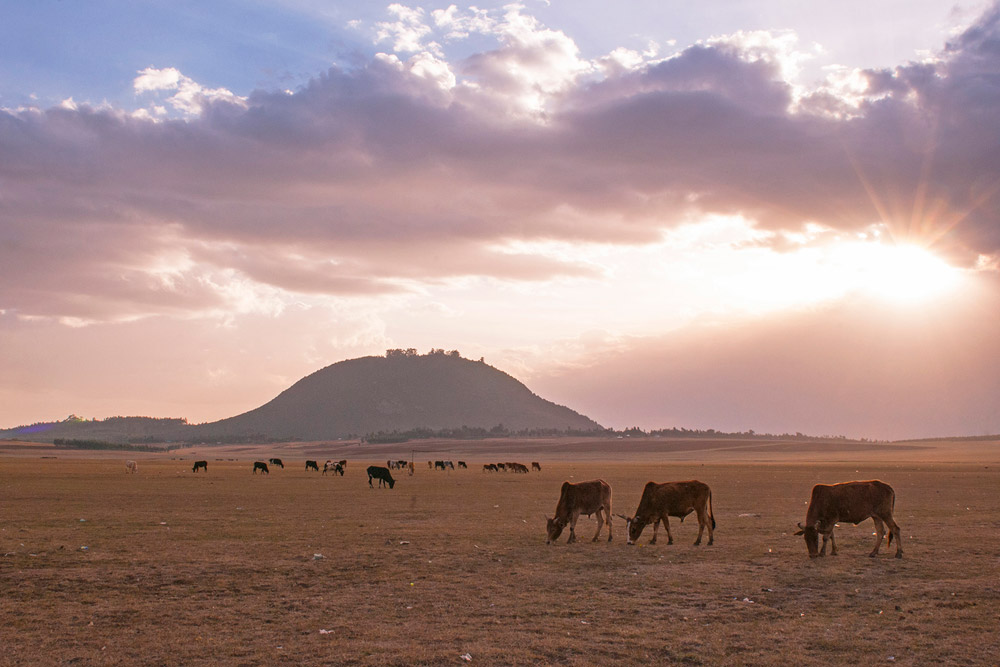
 LORI ROBINSON sold her California home and most of her belongings in 2009 for a simpler, more nomadic life. As a lover of the wild, Lori strives to live more in tune with the rhythms of nature. She rotates between California, New Mexico, Wyoming and Africa, writing about wildlife and wild places and working on her memoir. She designs and leads safaris to Africa and is a contributor to Africa Geographic, Travelers Tales and Conscious Lifestyle Magazine, and the founder of
  RAISA MIRZA grew up between Bangladesh and Montreal, Canada, spending most of her time reading National Geographic magazines and dreaming of wild, open spaces. She works in the intersection of community development, food security and behaviour change communications. Through her photography, she aims to portray the diversity of the world’s people and wild spaces while changing people’s perceptions of the developing world. You can find more of her work on her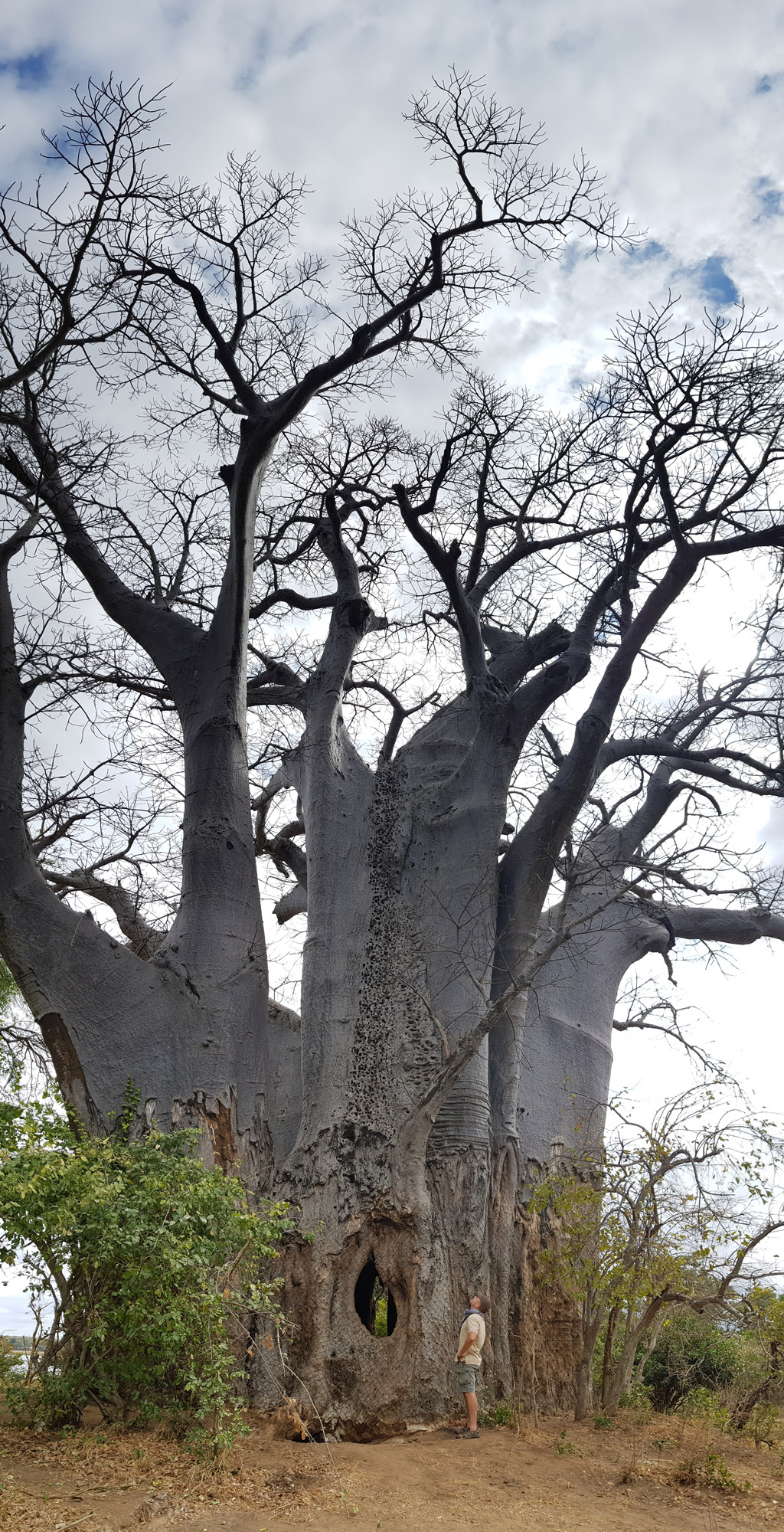
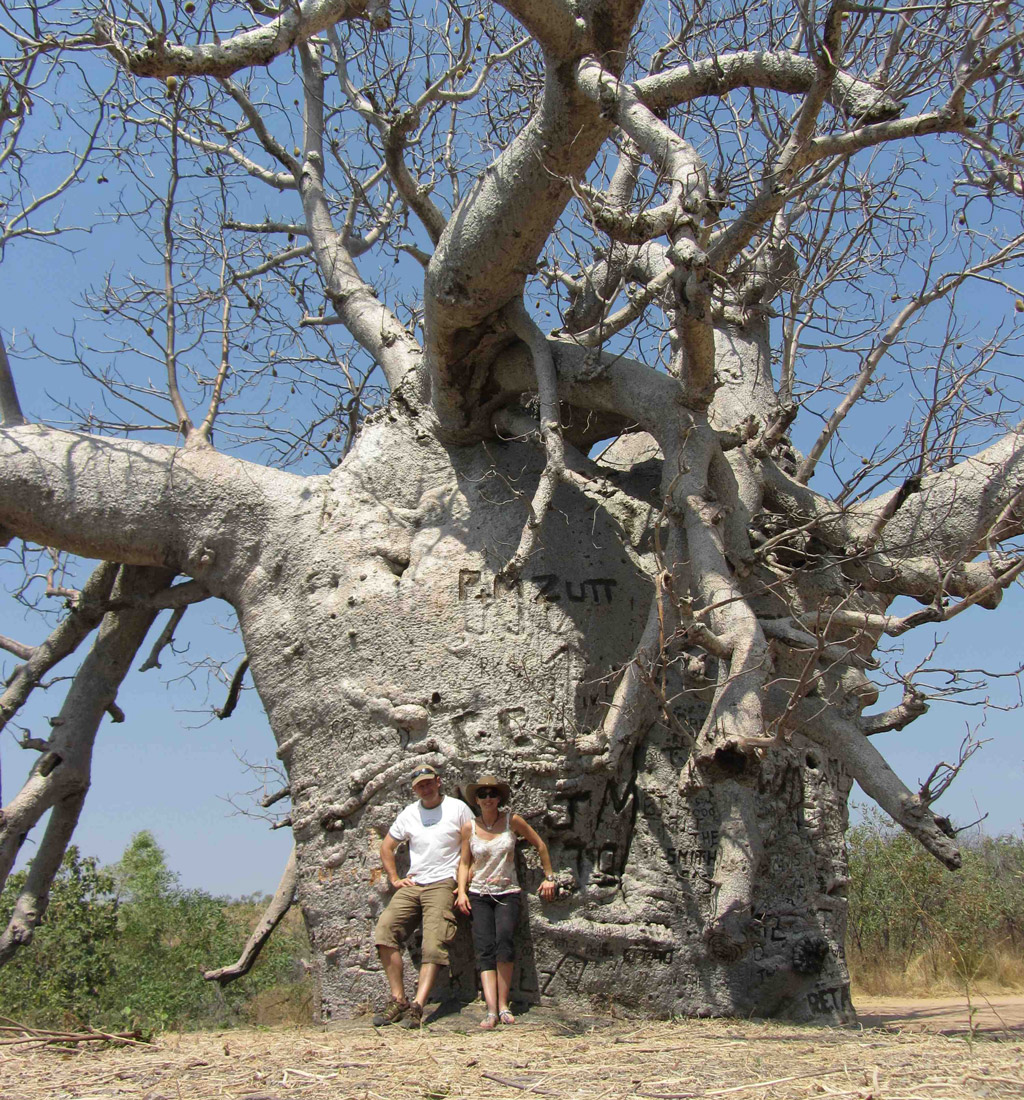
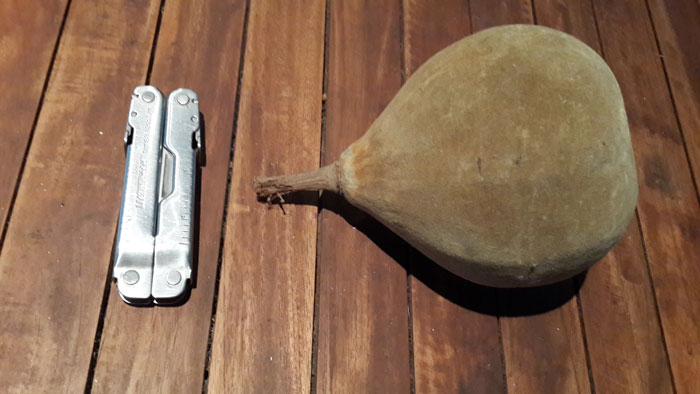
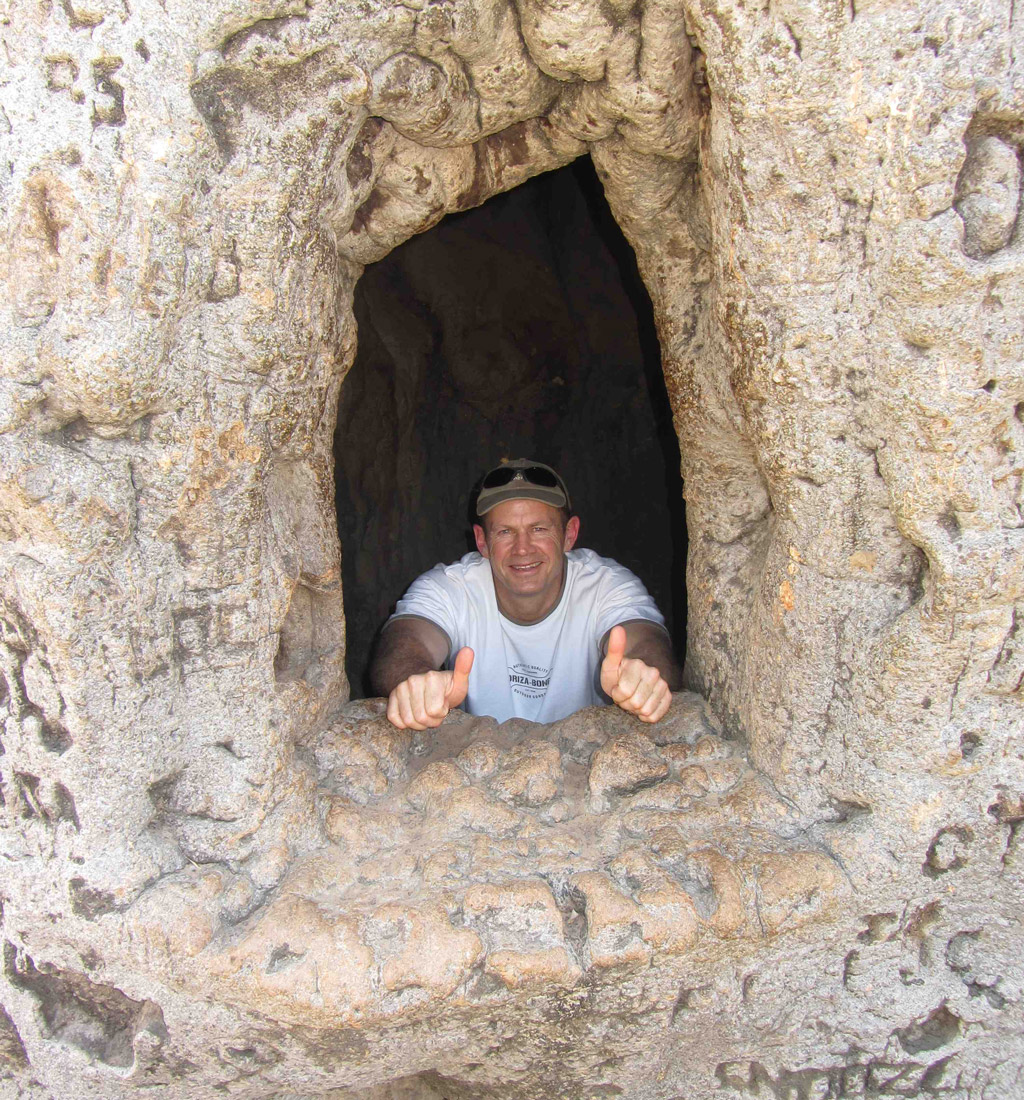
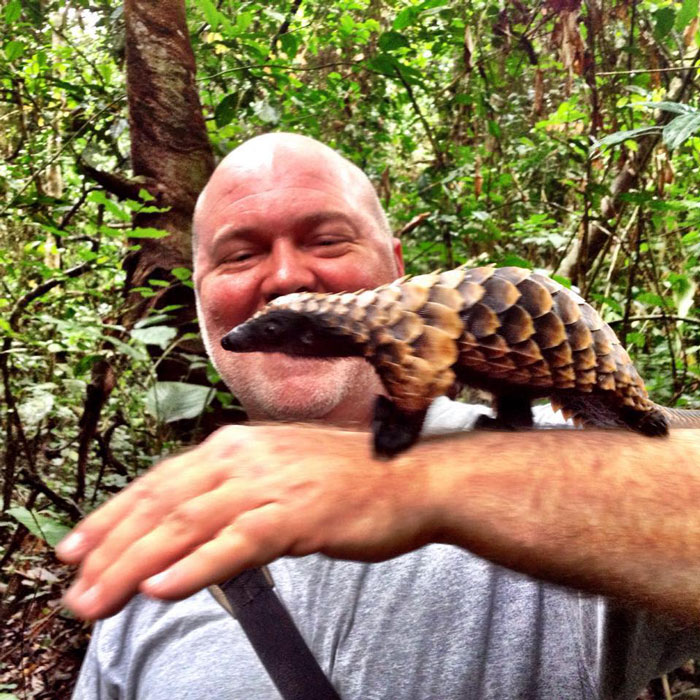


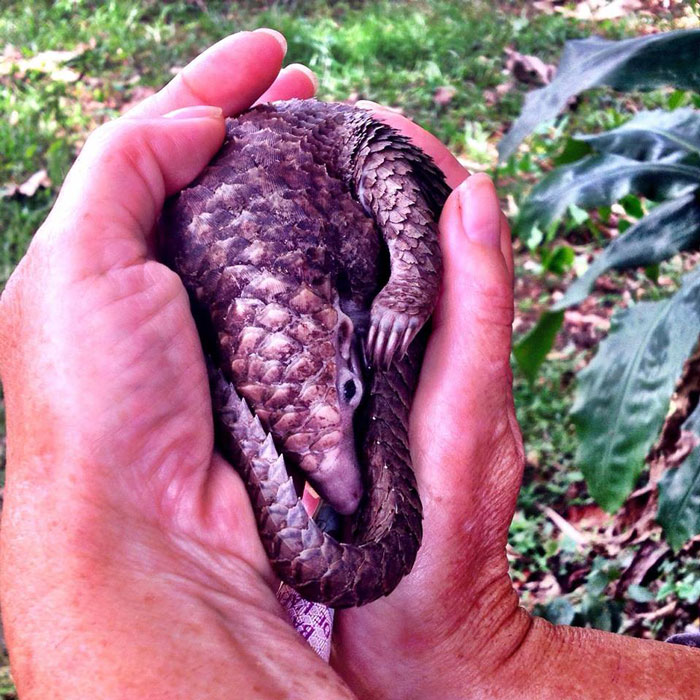
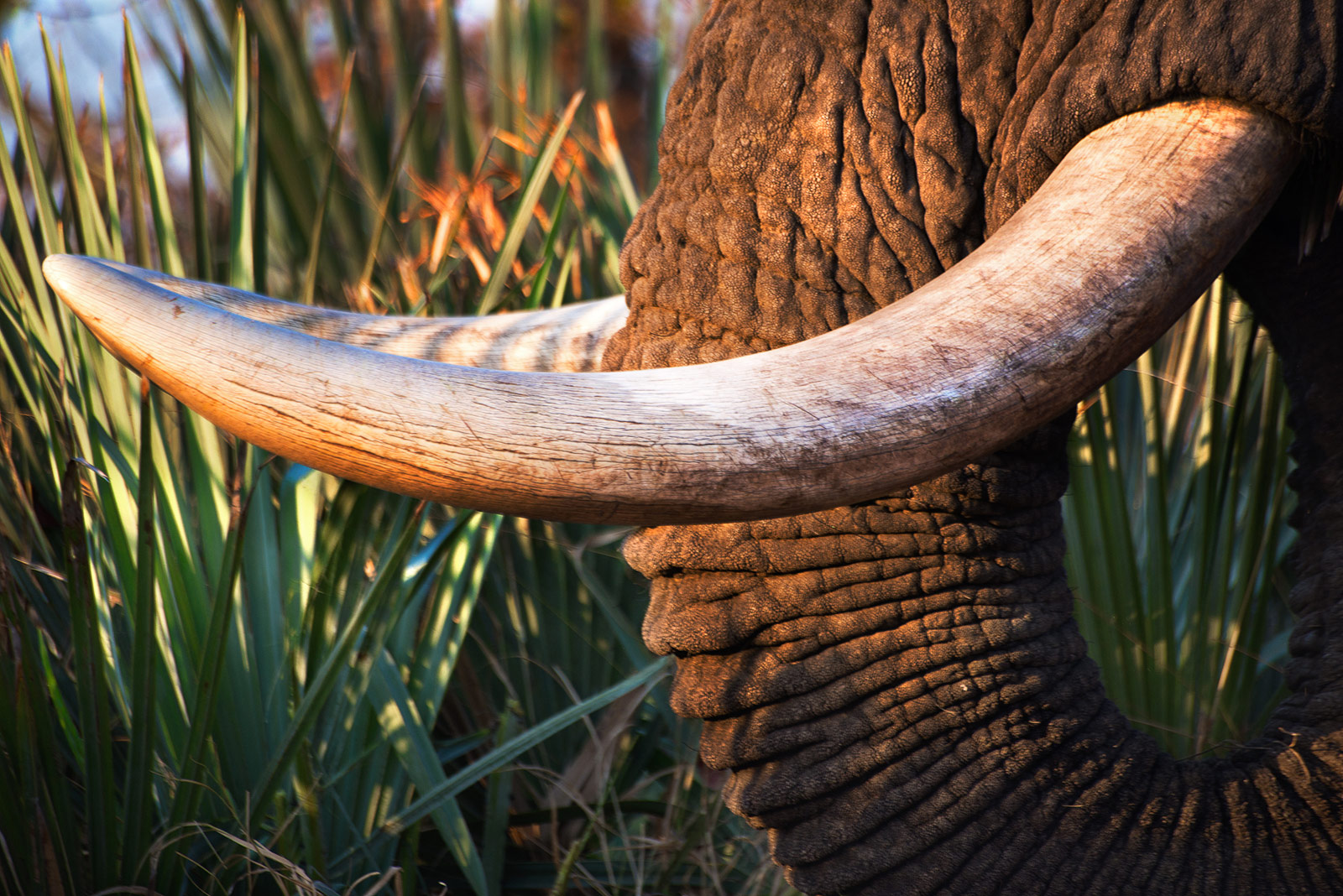
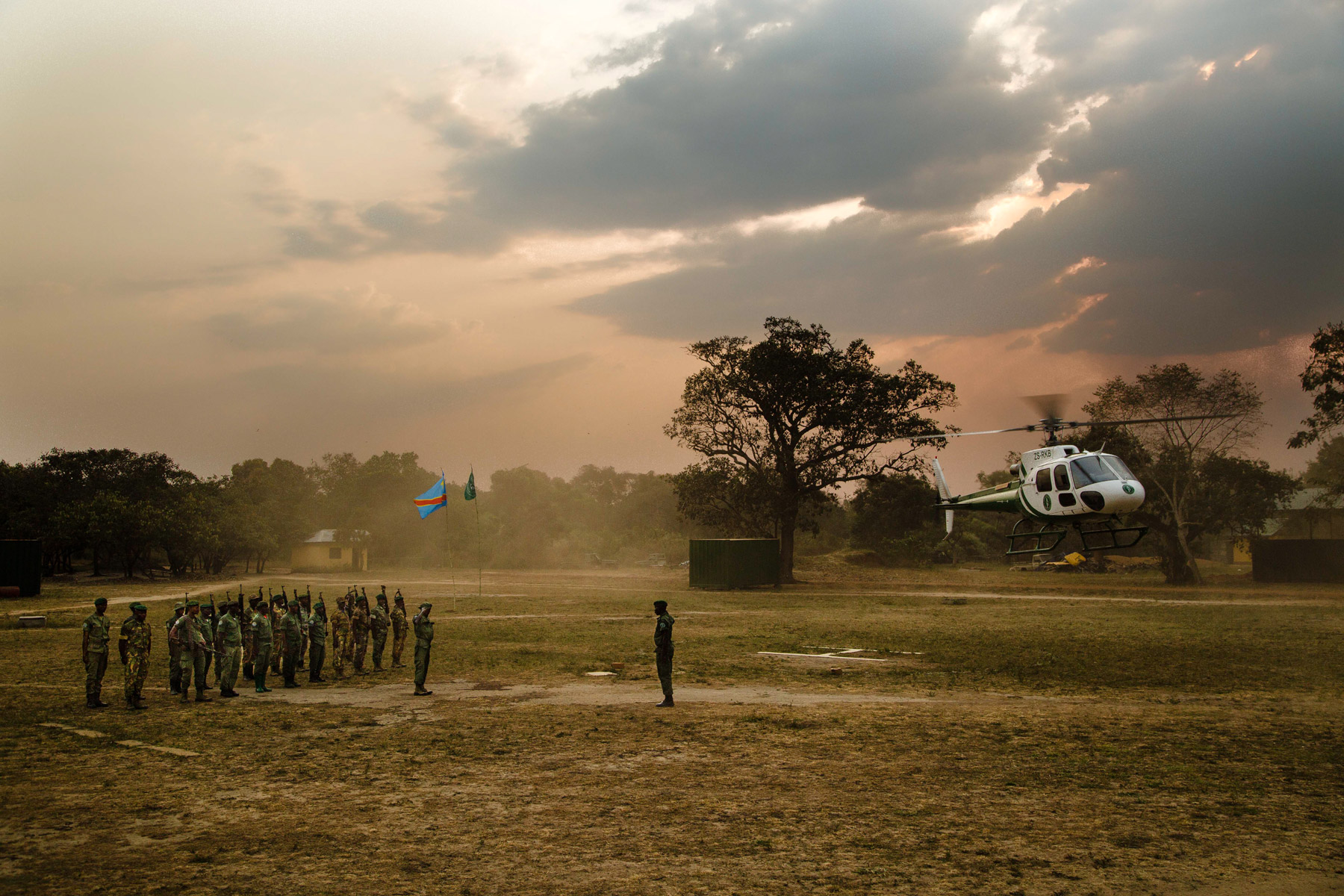
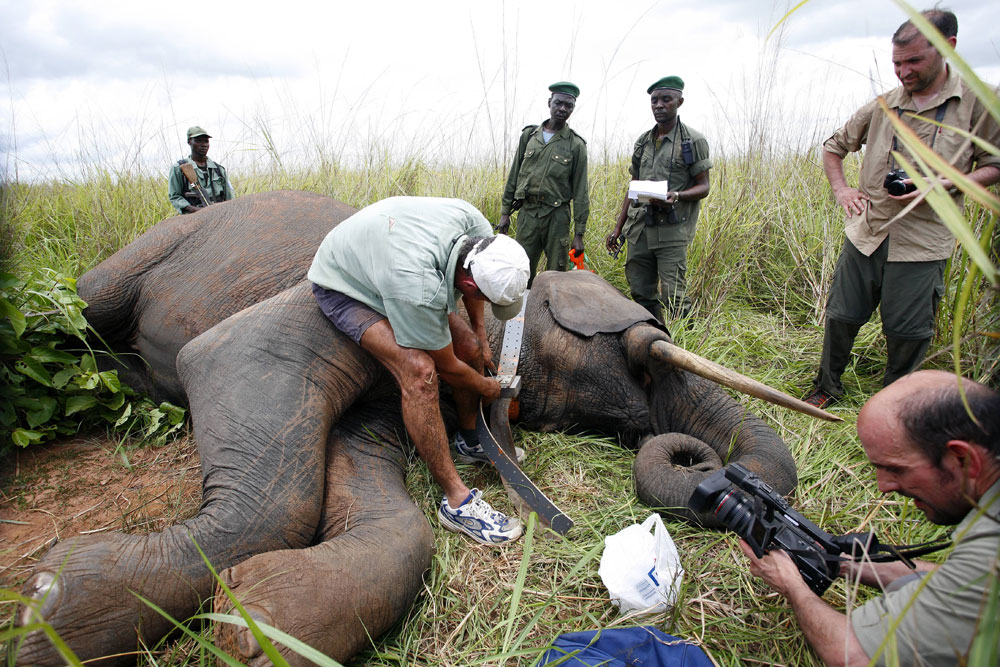
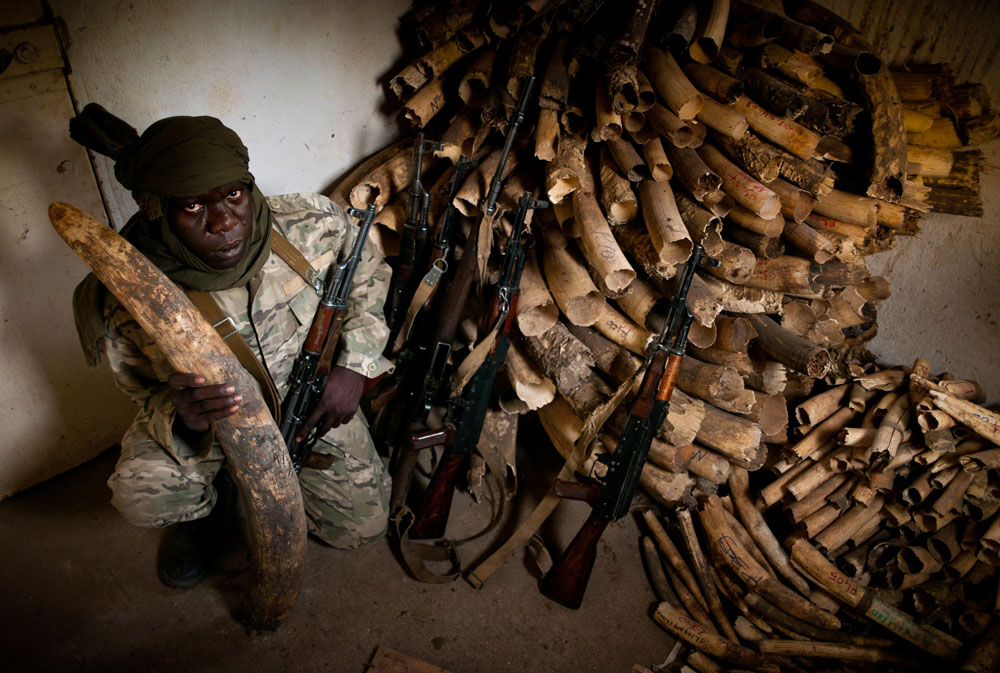
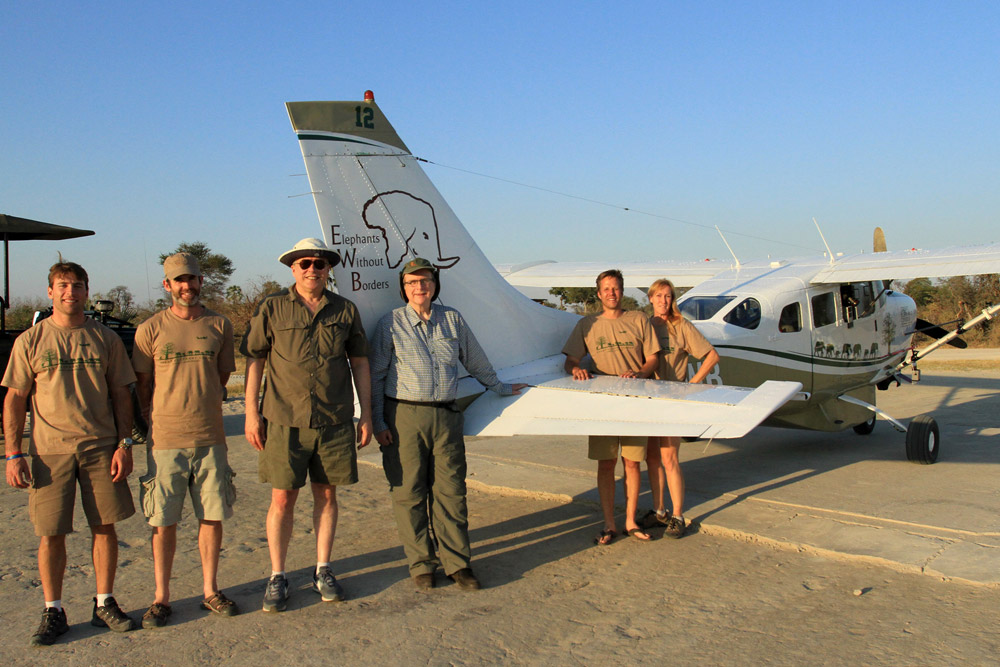
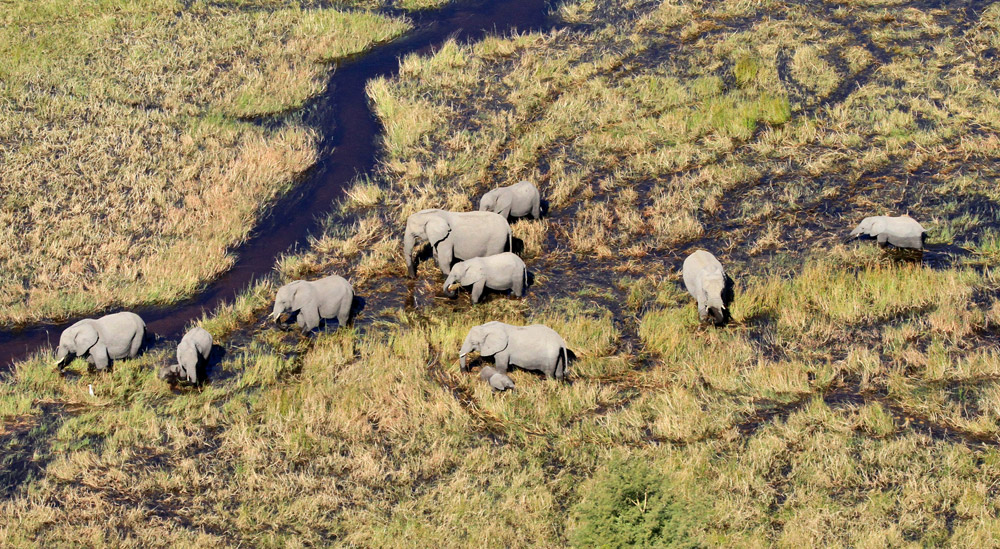
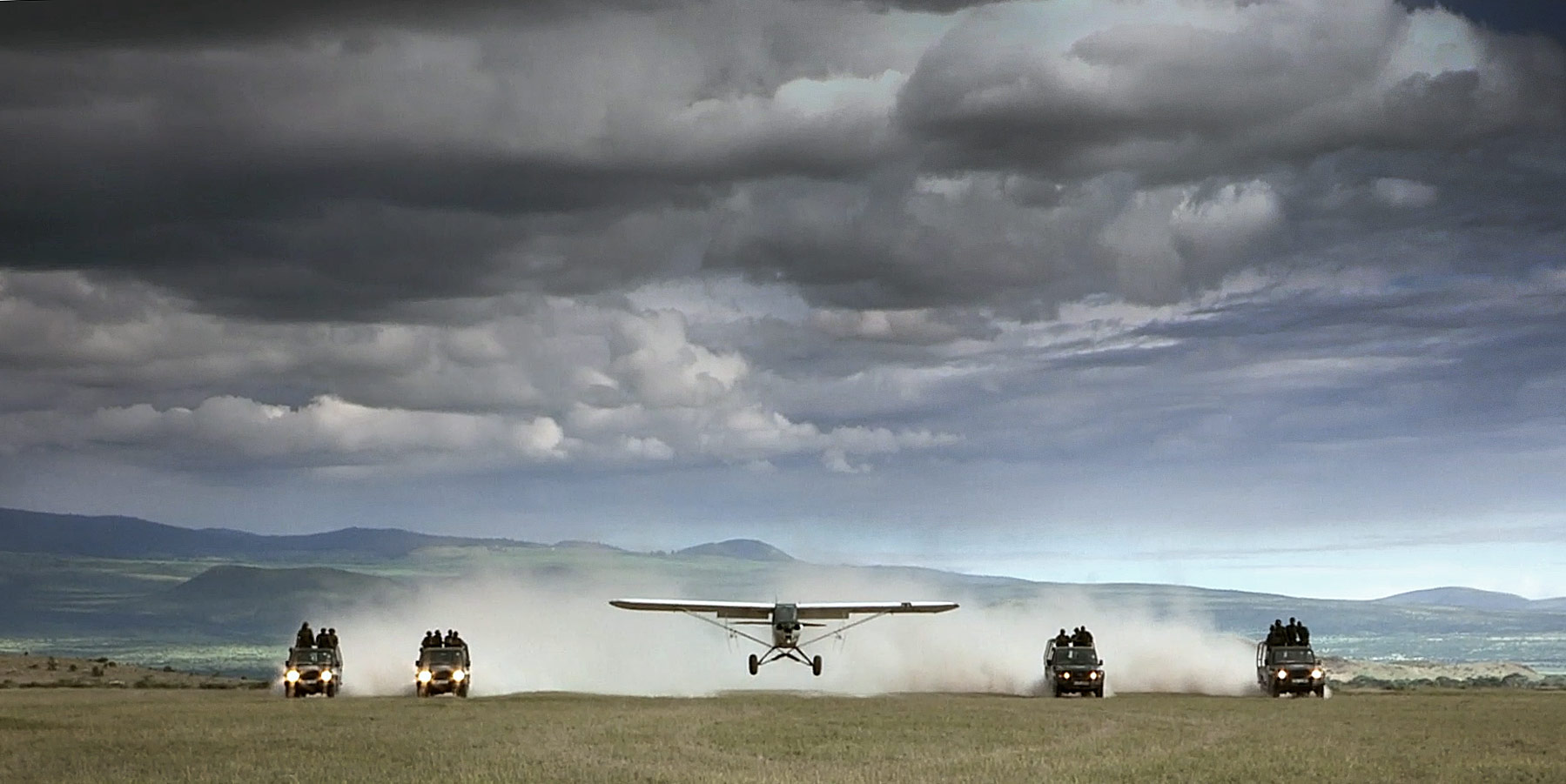
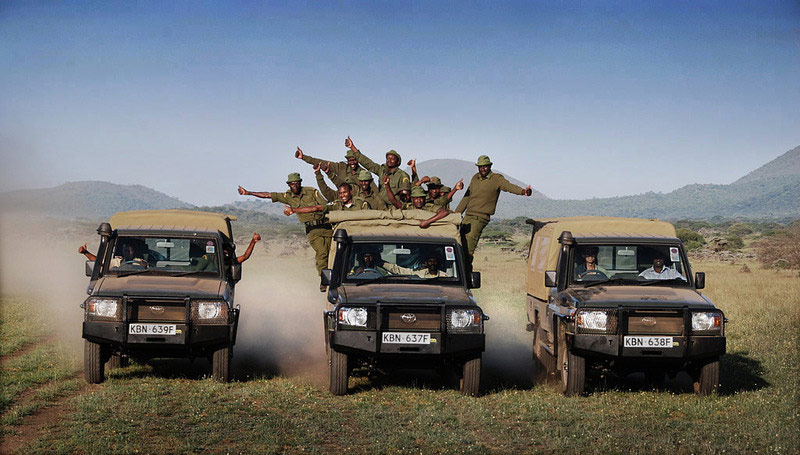
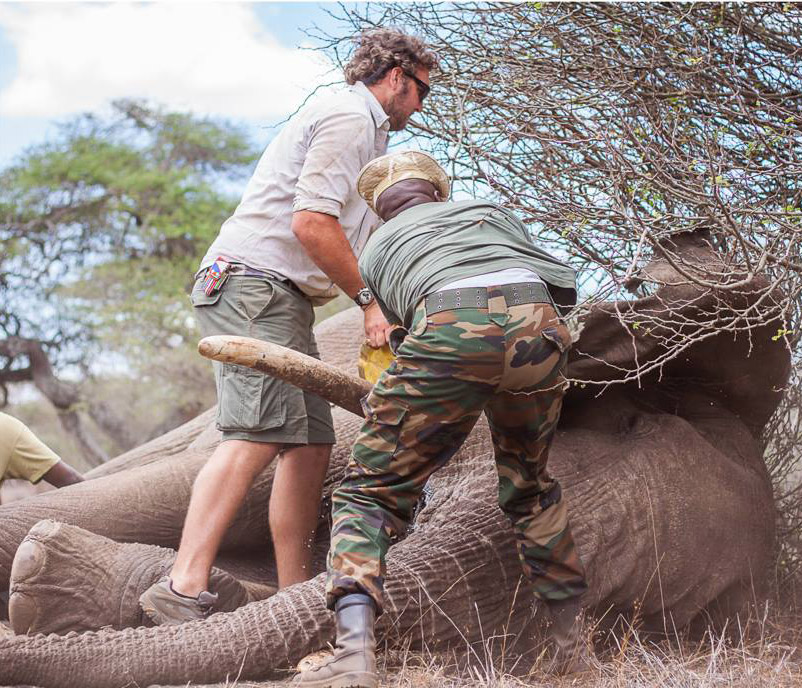
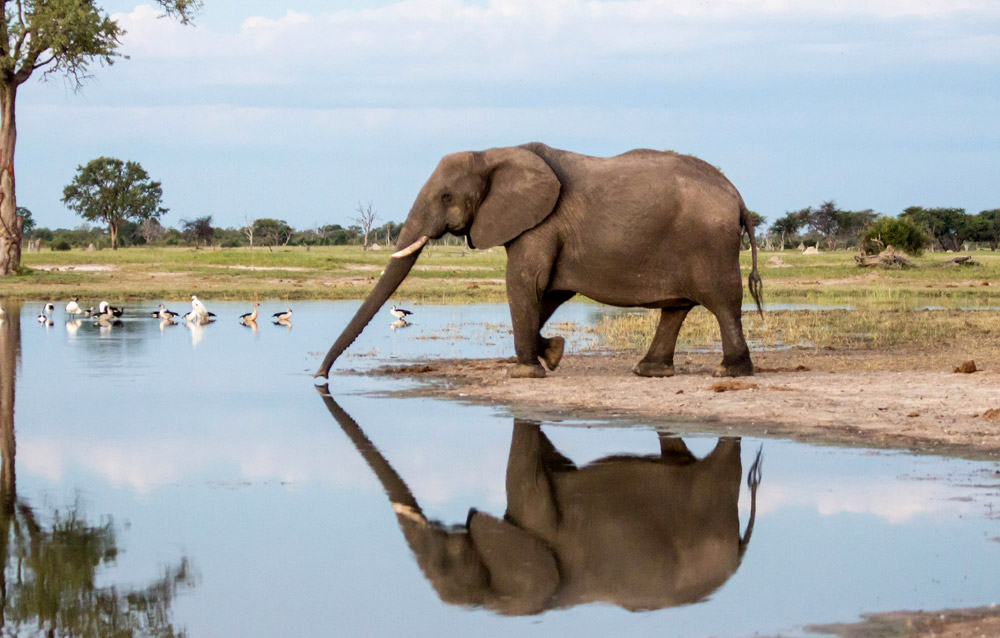
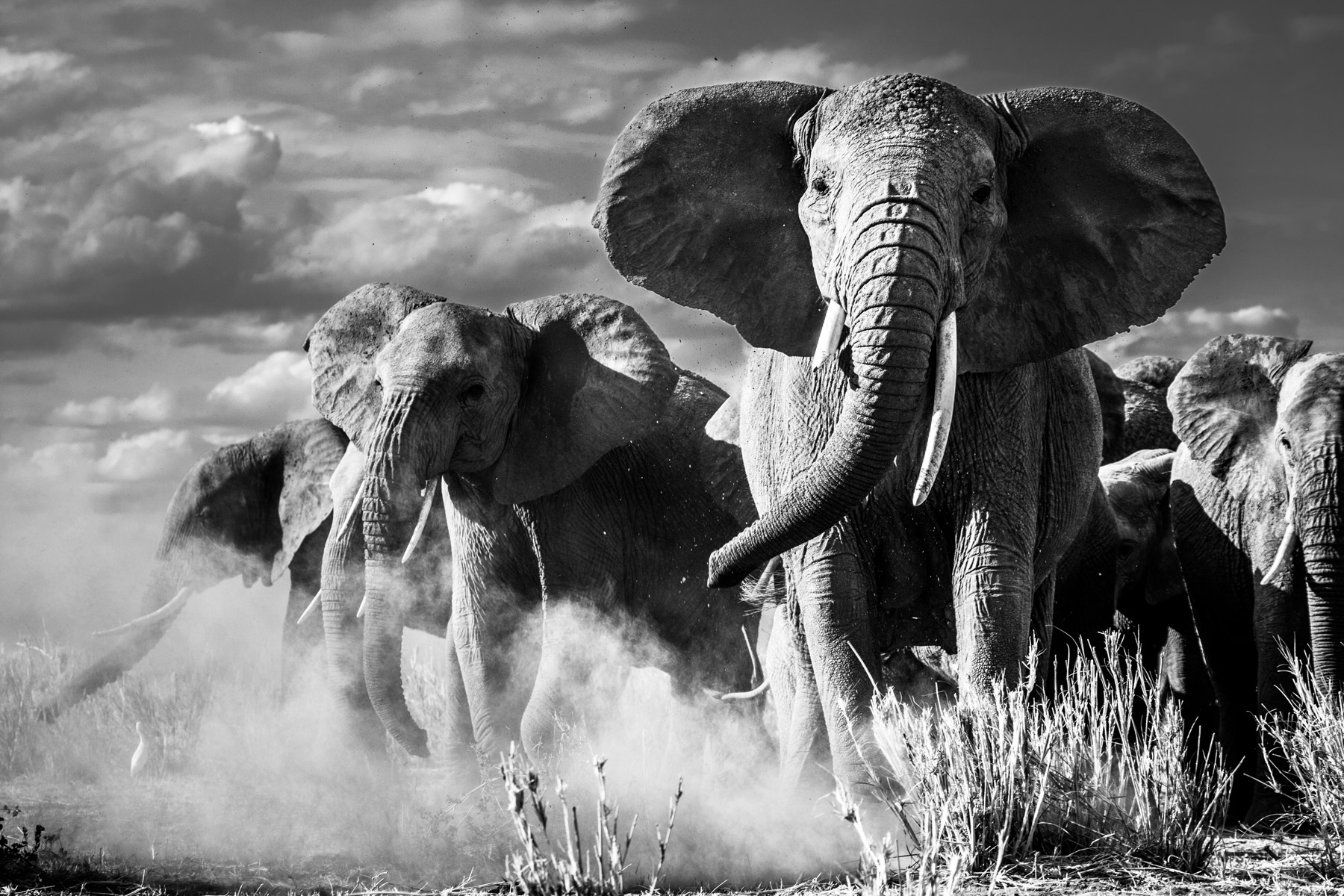
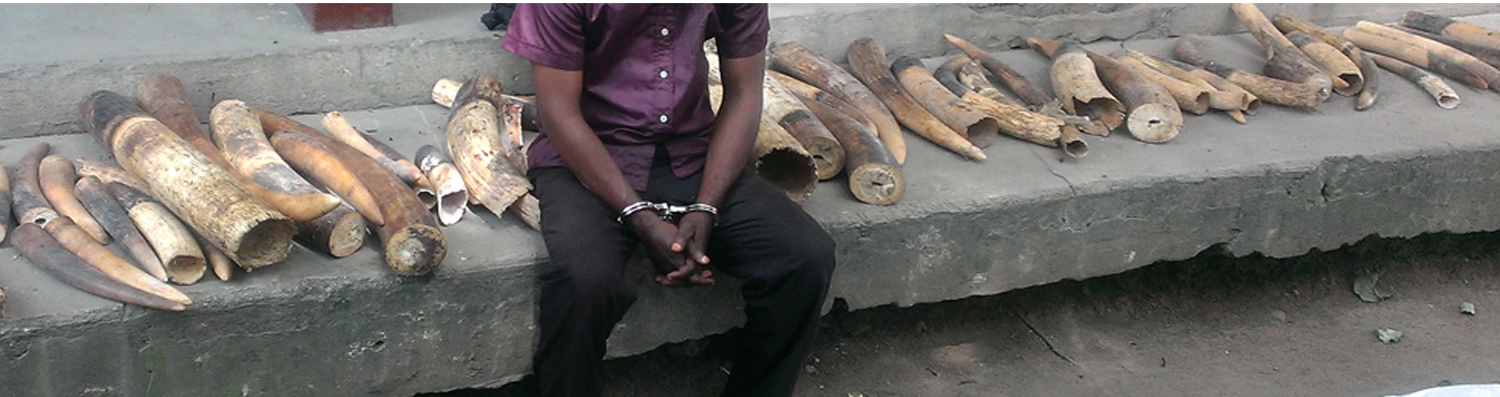

 JANE EDGE is a former environmental journalist who cut her teeth reporting on the elephant and rhino poaching crisis in the 1980s. She subsequently became a director of Phinda Resource Reserve, communications director of CC Africa (now &Beyond), and manager of Nedbank’s green affinity programme in partnership with WWF SA. She was the marketing and philanthropy director for African Parks before leaving in late 2014 to establish her consultancy, Afrothropic. She has also served on the board of Fair Trade Tourism, where she was acting general manager for a period.