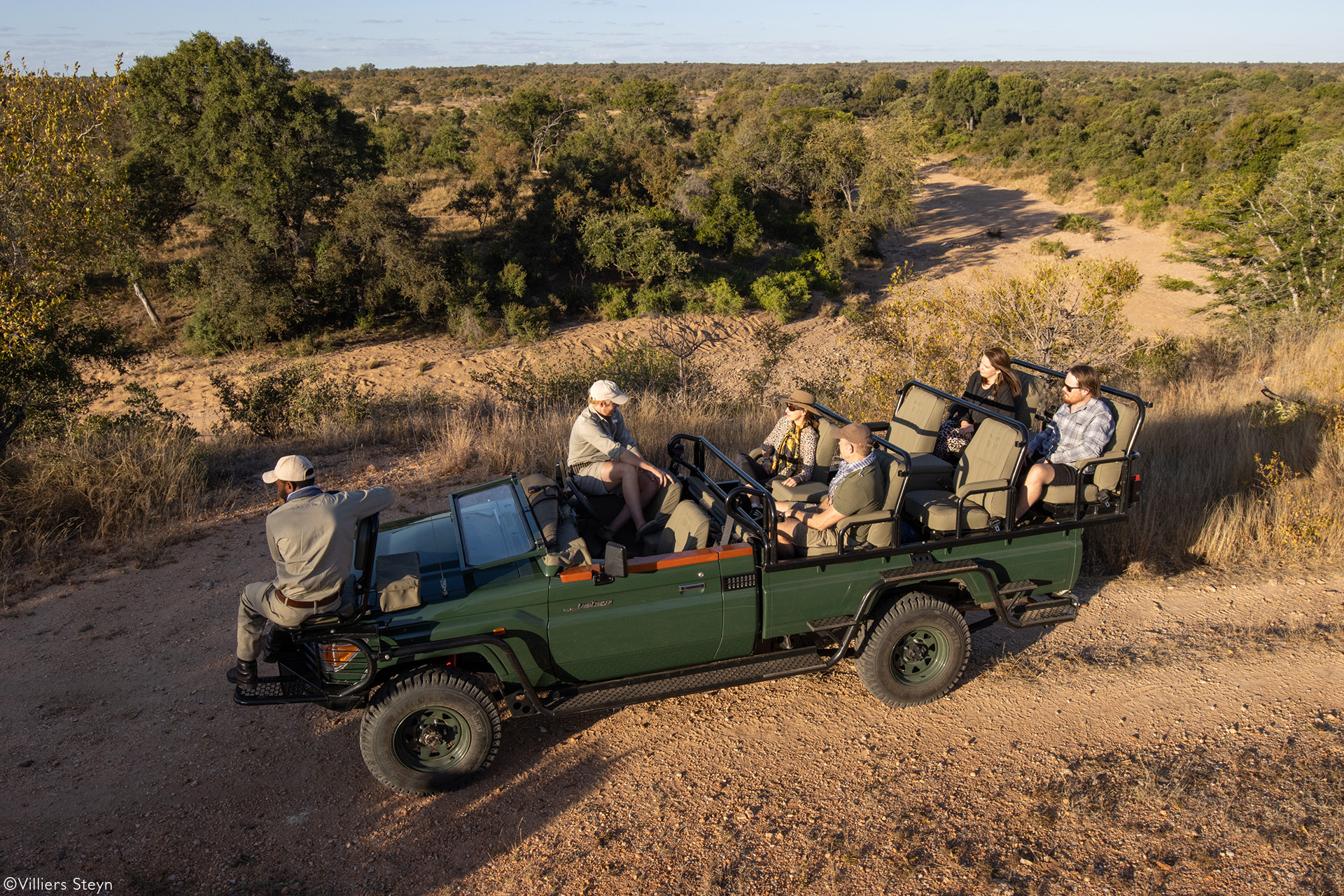
The Covid-19 lockdown of the African tourism industry looks to stay in place for 2020 and part of 2021, and the financial stress will last for years. This translates into a devastating impact on the safari lodge industry and its vast web of beneficiaries.
I spoke to several lodge owners, to better understand the scale of the impact, and to gauge their expectations and plans for the future. These hard-working heroes are at the coalface of the safari industry and of conservation at ground level. My team and I have enjoyed many years of working with them – in our roles in both media and tailored safari planning.
The trickle-down effect of the Covid-19 lockdown is already massive and devastating for many. Those feeling the financial pinch include lodge/camp owners and staff, freelance guides, community-owned tourism attractions, suppliers of consumables and services, and community members who lease their land to lodges and benefit from social projects.
Yes, some African countries may open up their tourism industries for business in the coming months (Tanzania has already done so), but realistically these are political gestures that will have little impact on the arrival of the volumes of international tourists required to fire up the engines of this vital industry. The availability of an effective vaccine aside, other essential industry components are still in a state of flux – such as international flights from core markets, suitable travel insurance and source market outbound travel bans. These components will come to the party in time, of that I have no doubt, but probably not in time to prevent the economic blood-letting that is on the go and set to continue.
Q&A:
Please illustrate the impact of the COVID-19 lockdown on your staff and your local community projects.
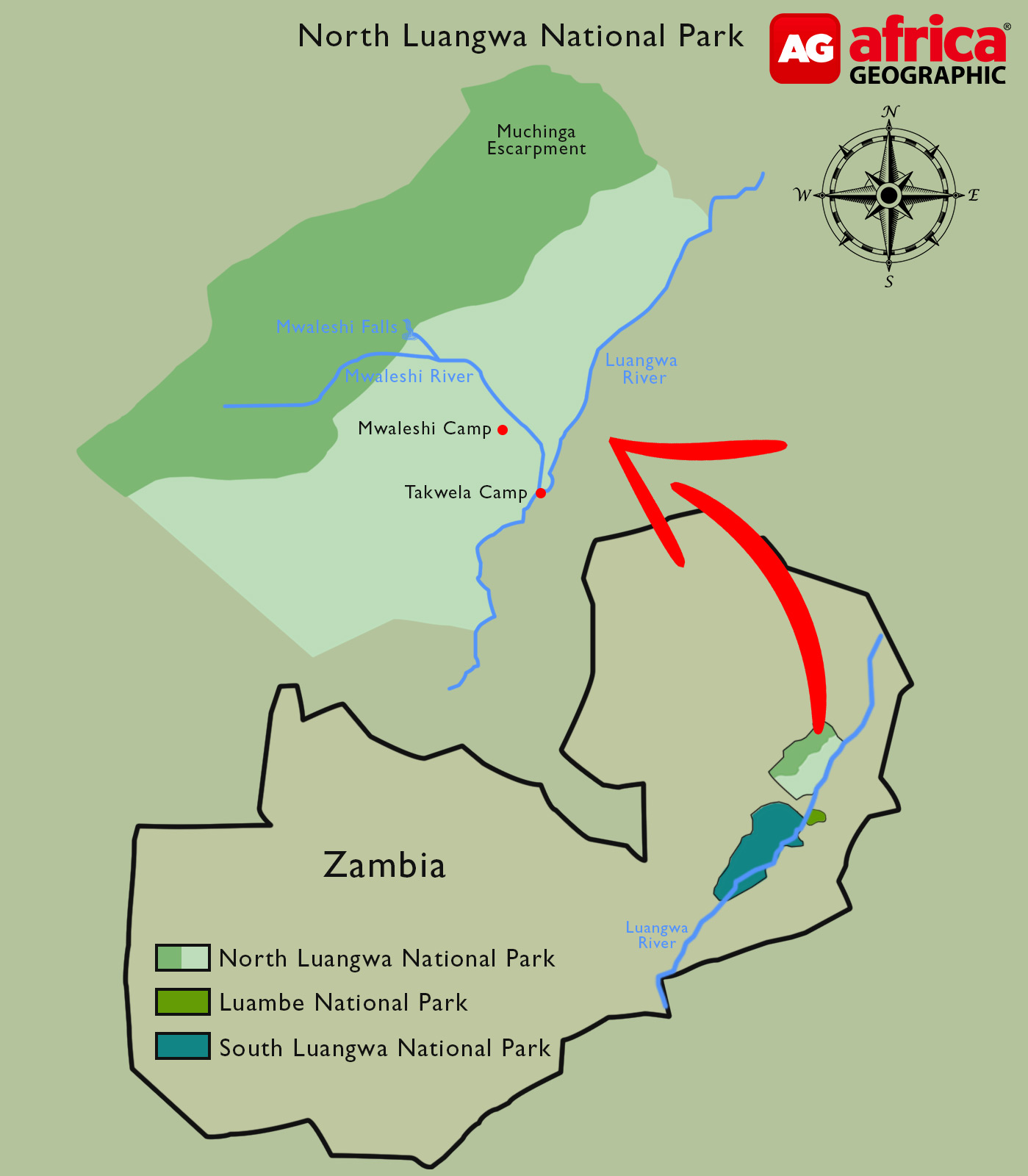
Juliet Shenton of Kaingo and Mwamba Camps, South Luangwa, Zambia:
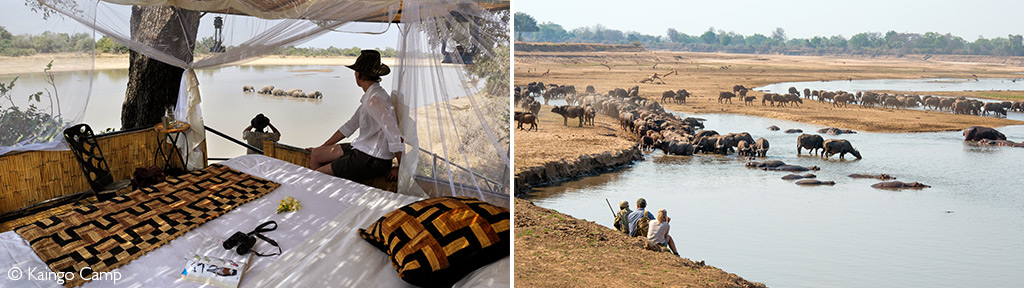
“Both of our camps are seasonal – only operating for the months of May to October, when the annual floods have subsided. We can open our camps at short notice, but the remoteness means that getting guests here for this season looks unlikely at this stage.
There is no government support so far, and we will be tapping into our daughter’s university funds to put food on the table for the coming year for our ground team of 51 local people. Our precious team are our extended family, and we simply have no other choice but to support them. Derek and I don’t anticipate drawing a salary for the next few years, and our small international support team has been scaled down to one paid person.”
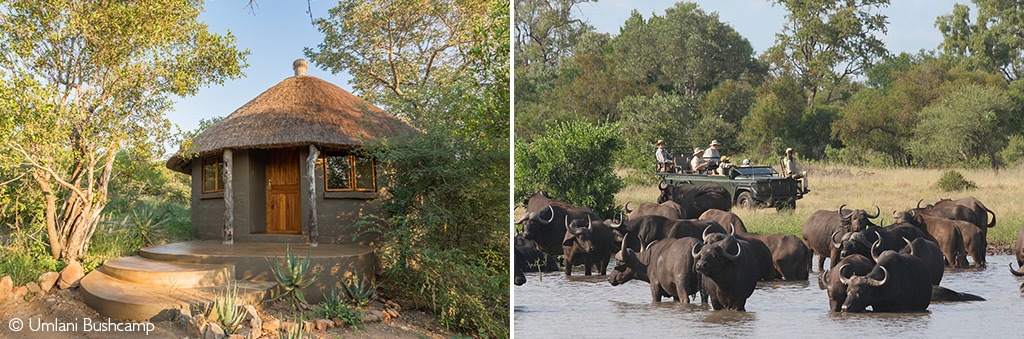
Marco Schiess of Umlani Bushcamp in Timbavati, Greater Kruger, South Africa:
“Our occupancy has plummeted to zero, from an average of 65%. This obviously translates into zero revenue at the moment. We have not laid off any of our staff, but they are relying solely on government unemployment benefits, in terms of South Africa’s UIF-Covid19 TERS scheme. We have of necessity slashed our monthly overheads to 10% of what they usually are, which negatively affects many local suppliers, and we have suspended our community support projects.”
Peter and Wendy Twycross of Sentinel Mara Camp, Maasai Mara, Kenya:
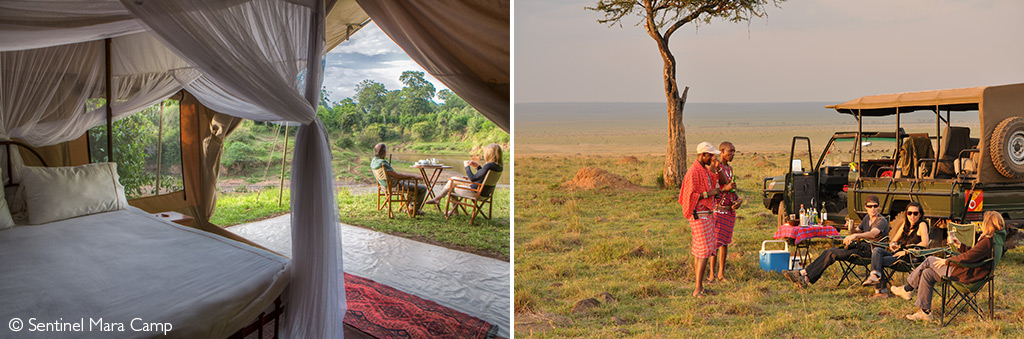
“All 20 of our camp staff are still employed at the moment, but we had to place everyone on half salary for a half month of work. If things don’t improve by September, we’ll have to put most of our staff on unpaid leave. We fear that the economic consequences of COVID-19 will outstrip the health issues. Growing unemployment, poverty and resultant insecurity could have disastrous impacts for Kenya – beyond what is currently being contemplated.”
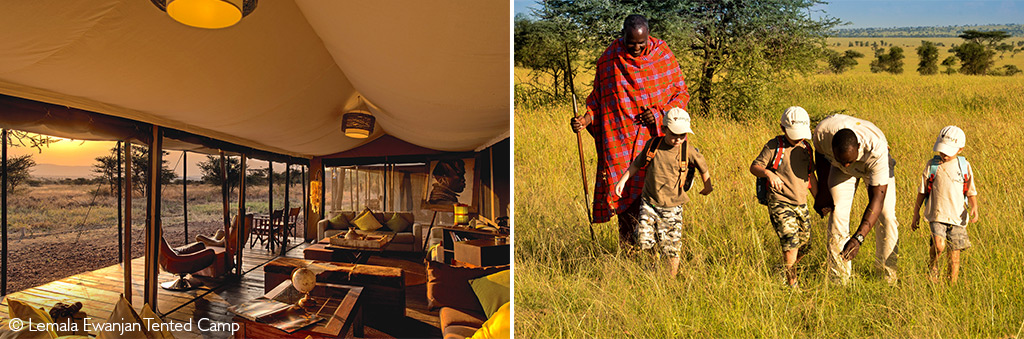
James Haigh of Lemala Camps (8 lodges/camps in Tanzania – Serengeti, Ngorongoro, Tarangire and Arusha and 1 lodge on the Victoria Nile River, Uganda):
“All of our senior management team have taken significant voluntary pay cuts, and the rest of our team are still on full salaries. Unfortunately, some of our support for local communities comes in the form of sourcing consumable items like biodegradable banana leaf lunch boxes, and we have had to suspend those purchases. We continue to support our internship and employment programs with local communities.”
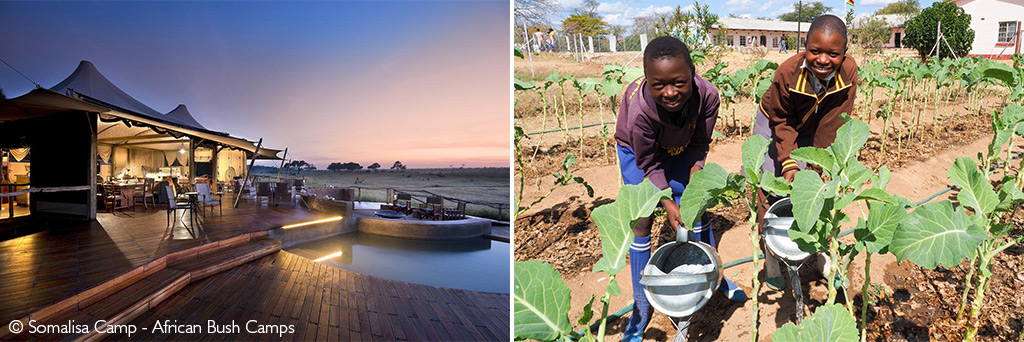
Beks Ndlovu of Africa Bush Camps (15 camps/lodges in Botswana, Zimbabwe and Zambia):
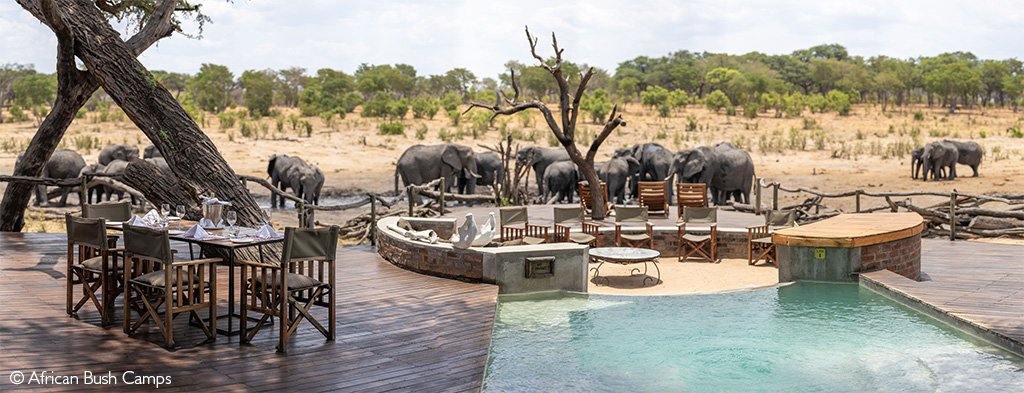
“We have more than 600 employees, our Foundation supports 13,055 households in 6 communities and runs 42 projects focussed on conservation and community education and empowerment. We have retained all of our staff, on reduced salaries and hours. Our community projects are funded via tourism revenue, and in May 2020 we only raised US$1,050 for this purpose, compared to US$42,408 in May 2019. We anticipate a reduction of community project funding for this year of about US$ 250,000. This enormous reduction has a tragic, profound impact on the communities that we work with.”
Are you aware of an increase in poaching in your area?
This was probably an unfair question for our respondents because other entities and authorities hold the official poaching stats. Never-the-less, all respondents emphasised that their involvement in anti-poaching activities continues (in support of formal anti-poaching operations) and that this is a necessary cost regardless of the state of their finances. I did have a brief chat to Edwin Pierce, warden of Timbavati Private Nature Reserve (Greater Kruger, South Africa), who told me that they have seen no increase in poaching on the reserve during lockdown. He ascribed this to several factors, including that provincial and international travel bans mean that product cannot easily be moved. He is expecting an increase in poaching once travel bans are lifted. However, the Timbavati cannot be compared to other areas in Africa because of its relatively small size and the presence of a well-funded professional management team. I do not doubt that many areas across Africa will see an increase in poaching activities during Covid-19 lockdown period.
Two responses resonated most with me:
Peter and Wendy Twycross of Sentinel Mara Camp, Maasai Mara, Kenya:
“There has been no noticeable increase in poaching in the Maasai Mara. Important is the fact that the Maasai Mara is not a National Park, but a Reserve belonging to the Maasai people and administered on their behalf by their local government – The Narok County Government. This means the local Maasai people have a great sense of ownership and pride in the Reserve. This is complemented by Maasai culture where they do not kill wildlife for food; instead they eat meat from their cattle, sheep and goats. Their heritage is one of living alongside /coexisting with wildlife as pastoralists. Killing and eating wildlife has been considered to bring bad luck, and the historical practice of killing a lion with a spear for male initiation was stopped some time ago. A more serious threat is the increasing numbers of livestock and the competition for grazing with wildlife. Progress is being made in this regard, but there is still a way to go.”
Juliet Shenton of Kaingo and Mwamba Camps, South Luangwa, Zambia”
“There continues to be active poaching in Luangwa Valley, and it’s likely going to get worse because of the lack of the protective presence of tourists. Derek and a road-building team of 3 are opening anti-poaching roads as I write this, and our anti-poaching patrol team report any shots fired. We simply have to make this investment to protect wildlife in our area.”
When do you think that business will resume, and when will occupancies go back to ‘normal’?
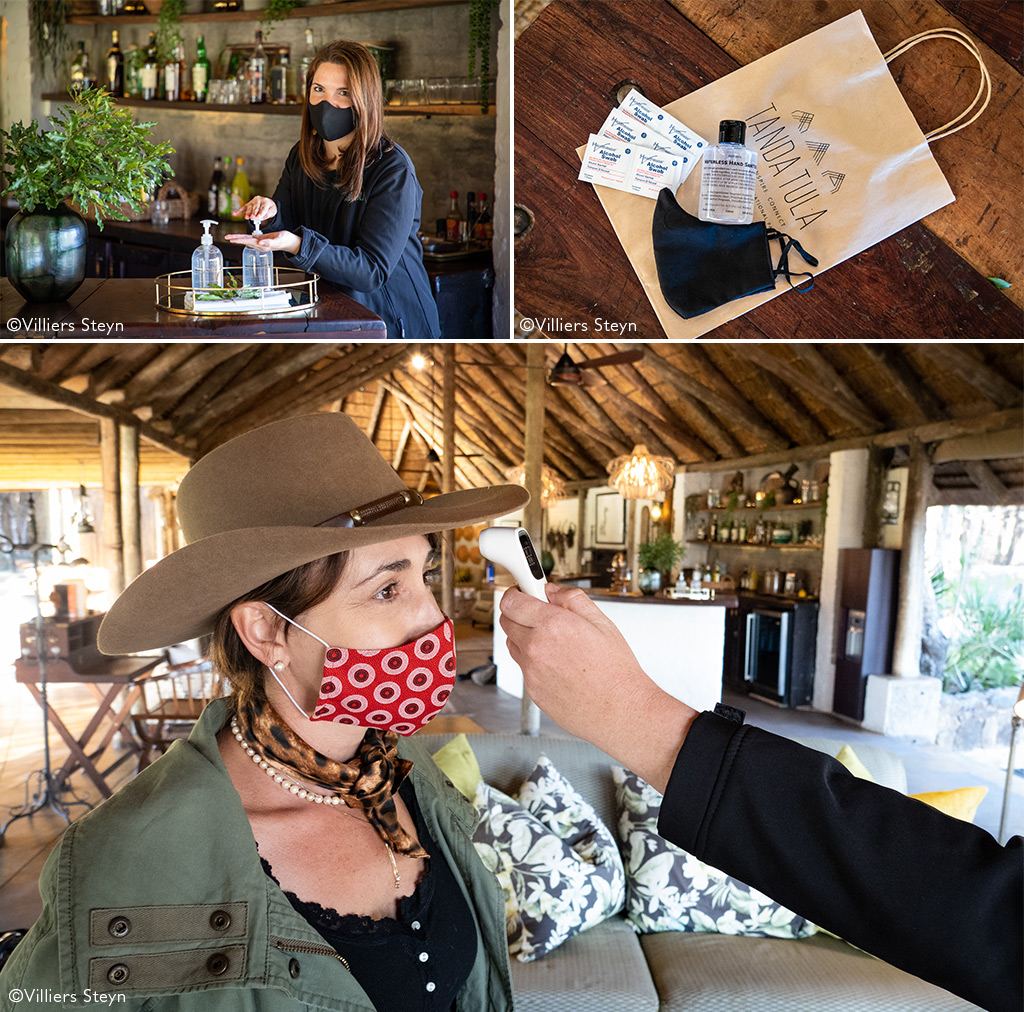
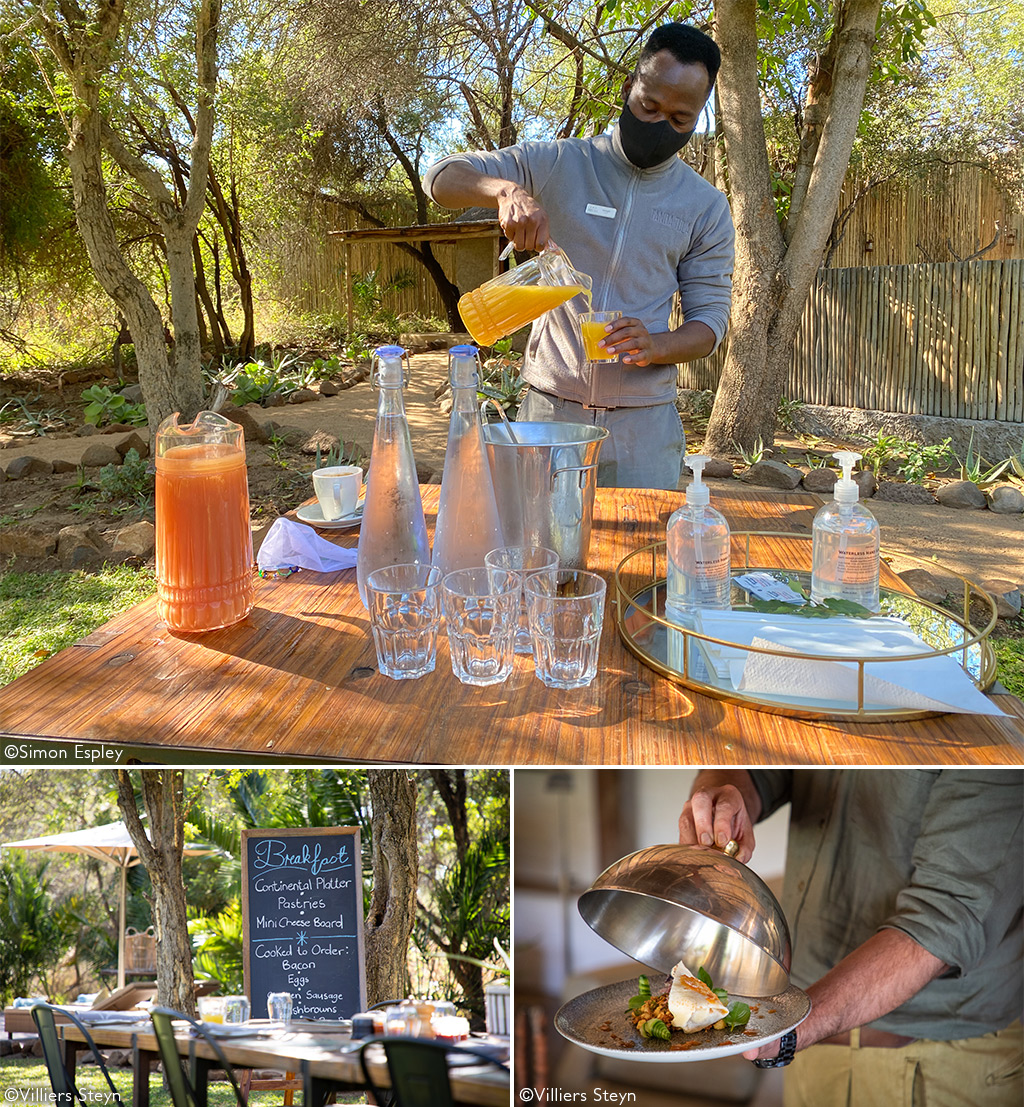
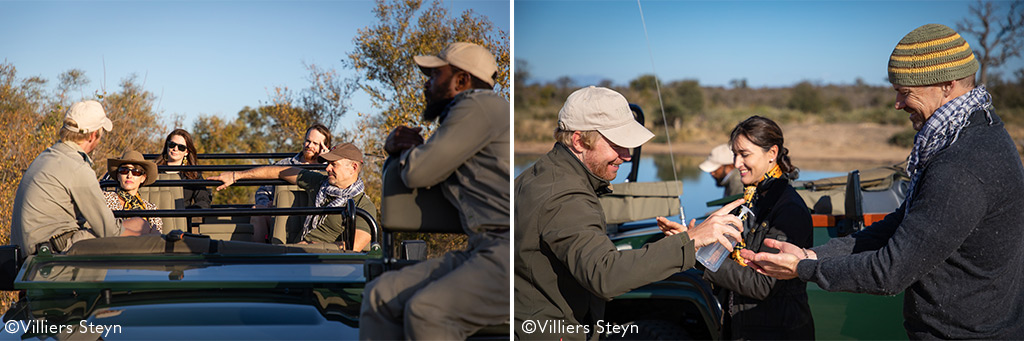
All respondents agree that the 2020 tourism year is a non-starter, except perhaps for possible local tourism when their governments relax their lockdown rules. Most agreed that the 2021 year will take a few months to get going, and some reported that 2021 bookings are already showing congestion due to 2020 trips being postponed by a year. All confirmed that they can get back to full readiness rapidly and that social distancing and hygiene requirements are already in place. Also, safaris are by their nature low-volume activities – the luxury of space and privacy – making them an ideal way to go on vacation under the ‘new normal’. By contrast, urban tourism options are often crowded and challenging to manage from a social distancing and hygiene point of view. All agreed that there will most likely be a rush of people wanting to escape to wild areas and small lodges/camps once lockdowns lift and other important factors ‘normalise’ – and that booking sooner rather than later is a good strategy.
Why should people postpone their safaris, rather than cancel?
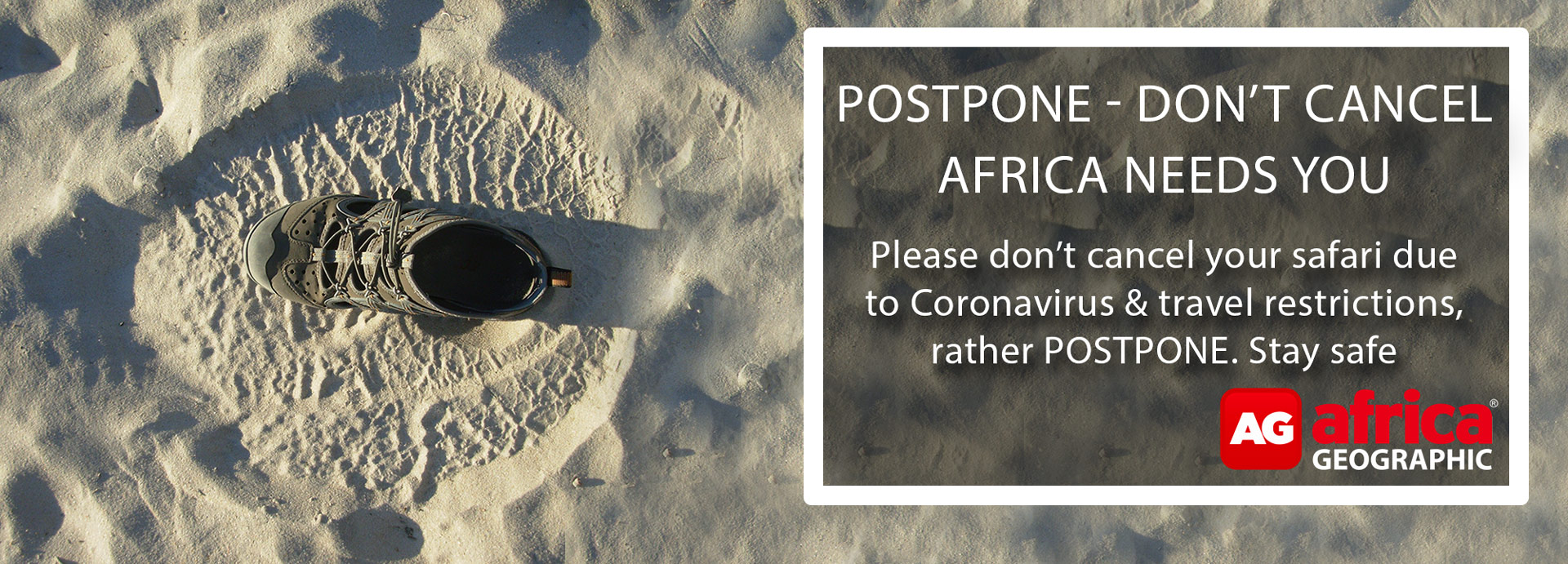
All respondents agreed that when guests postpone their safaris rather than cancel them, it is a huge sign of confidence in the industry, which means the world of difference. Leaving the money in the system allows lodges to continue to employ local people and to support local communities and conservation projects. It also reduces the cashflow stress caused by cancellation refunds coming at a time when lodges are digging deep to deal with zero incoming revenue. No industry can operate for long with negative cashflow, and lodges are no different. Once bookings start coming in again, this cashflow stress will ease, but until then the faith and support by guests postponing and not cancelling is a lifeline for lodges and their dependant local communities. Finally, the enormous morale boost when guests postpone is felt by everyone in the industry – even a simple gesture means the world of difference when the chips are down.
“HOW CAN I HELP?”
So often I am asked by our tribe members what they can do to contribute to conservation at ground level in Africa. There is so much confusion because of the dominance of fake news, ideological rants and scams on their news feeds, that it’s often difficult to see above the grass and make good decisions. Here are the three things that you can do right now to make a material difference where it matters:
First: If you have a booked 2020 safari – postpone and do not cancel;
Second: If you do not have a booked safari, do so – for late 2021 or 2022;
Third: Support your favourite African charity or research project by making a donation – no matter how modest. Be sure to only support projects that have demonstrated positive benefits for our people, wildlife and ecosystems.
Guest bloggers: Dr Jane Wiltshire and Dr Ian A W Macdonald
Most people understand that the poaching of rhinos is cruel and could, quite possibly, drive rhinos to extinction. But why the inordinate fuss about rhinos? Are they special enough from an ecological point of view, that ecosystems need them to be around?
Of course, no species should go extinct due to man, and rhinos are iconic symbols and tourism draw-cards. But aside from those sound enough reasons, do rhinos earn the right to stay from an ecological point of view?
Rhinos are what we call a ‘keystone species’ – one whose presence and role within an ecosystem has a disproportionate effect on other organisms within the system. That is why we should fight to keep rhinos alive in our wild ecosystems. The rhino has several essential roles that few people are aware of, and this article hopes to highlight those lesser-known environmental and biological services that they provide.
Unlike other keystone species such as lions and wolves that are apex predators, the rhino is a mega-herbivore that ‘significantly alters the habitat around [it] and thus affect[s] large numbers of other organisms’- the very definition of a keystone species.
Rhinos are ‘keystone species’ – mega-herbivores that help shape entire ecosystems by:
Geo-forming – fundamentally reshaping the land around them over time.
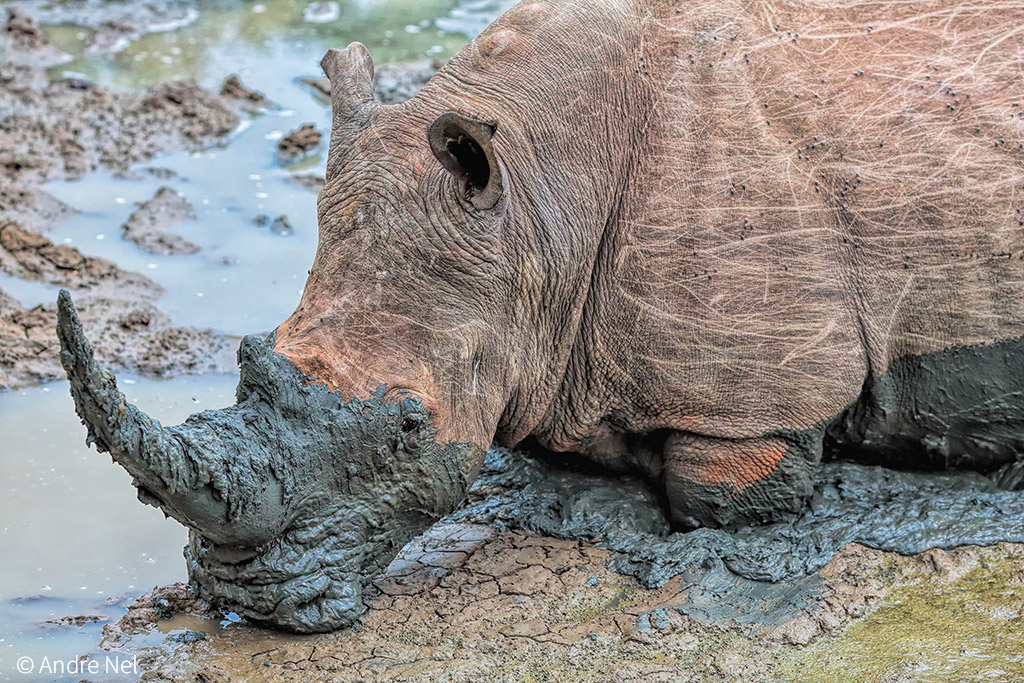
Rhino wallow
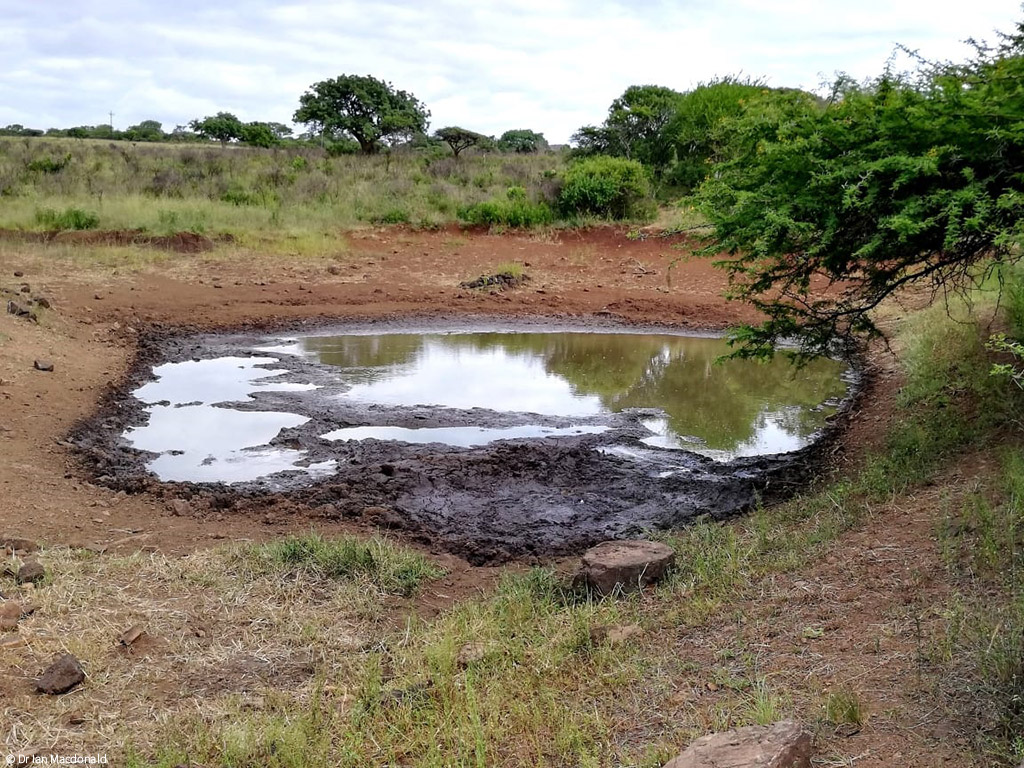
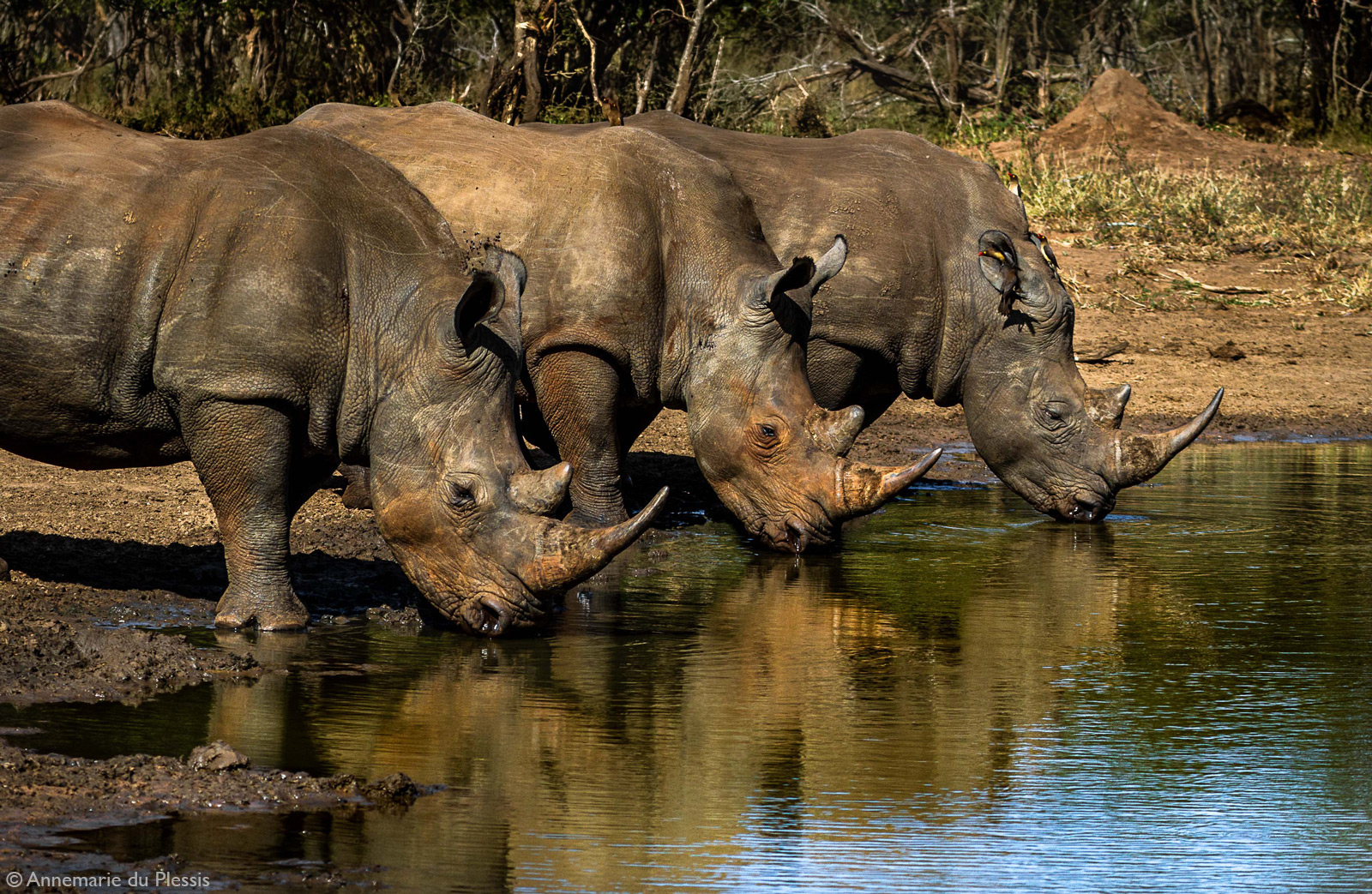
By wallowing in mud puddles, they help to create natural waterholes and keep existing water holes open.
Also, each time a rhino wallows, a considerable amount of mud is removed and, as it dries or is rubbed off, the fertile alluvial soil that accumulates in dams and natural waterholes is distributed far and wide, enriching the soil far from the wallow. A 2014 study by two scientists concluded that rhinos had a more significant impact on the topography than even elephants.
Rhinos not only help keep dams and waterholes open but are also responsible for the mini ‘wallow dams’ dotted around the edge of dams and waterholes that afford species coming to drink, such as tambourine doves, some protection from predation by terrapins.
These “mini dams” also generally hold water in a way that allows antelope to have a drink with less danger of getting stuck in the mud, thus making them less vulnerable to attacks by predators who often hunt at permanent water sources.
Spreading nutrients and providing the basis of complex food chains
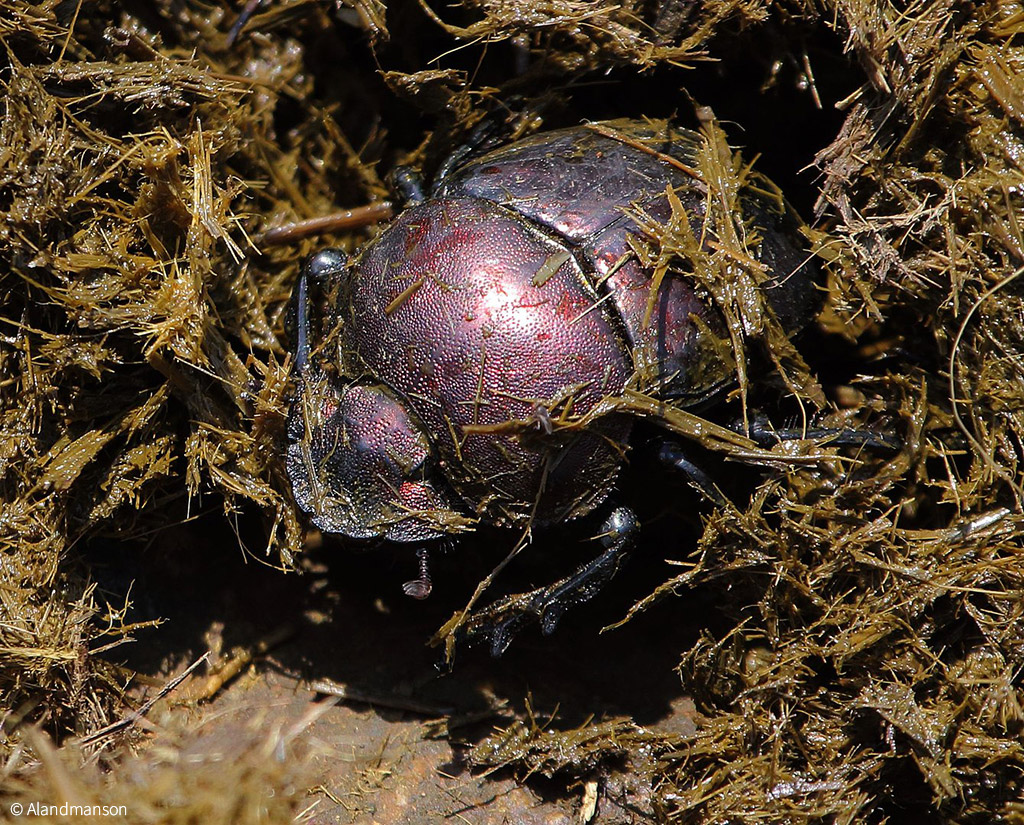
Rhinos consume more than 50kg of vegetation per day and deposit more than 20kg of dung. Females wander around their home ranges depositing dung and males wander around their territories, creating dung’ middens’ (spots that are habitually used for defecation) as a territorial marking mechanism. This dung fertilises the soil and provides livelihoods for many other species. Once dung is deposited, it’s not long before dung beetles arrive at the party …
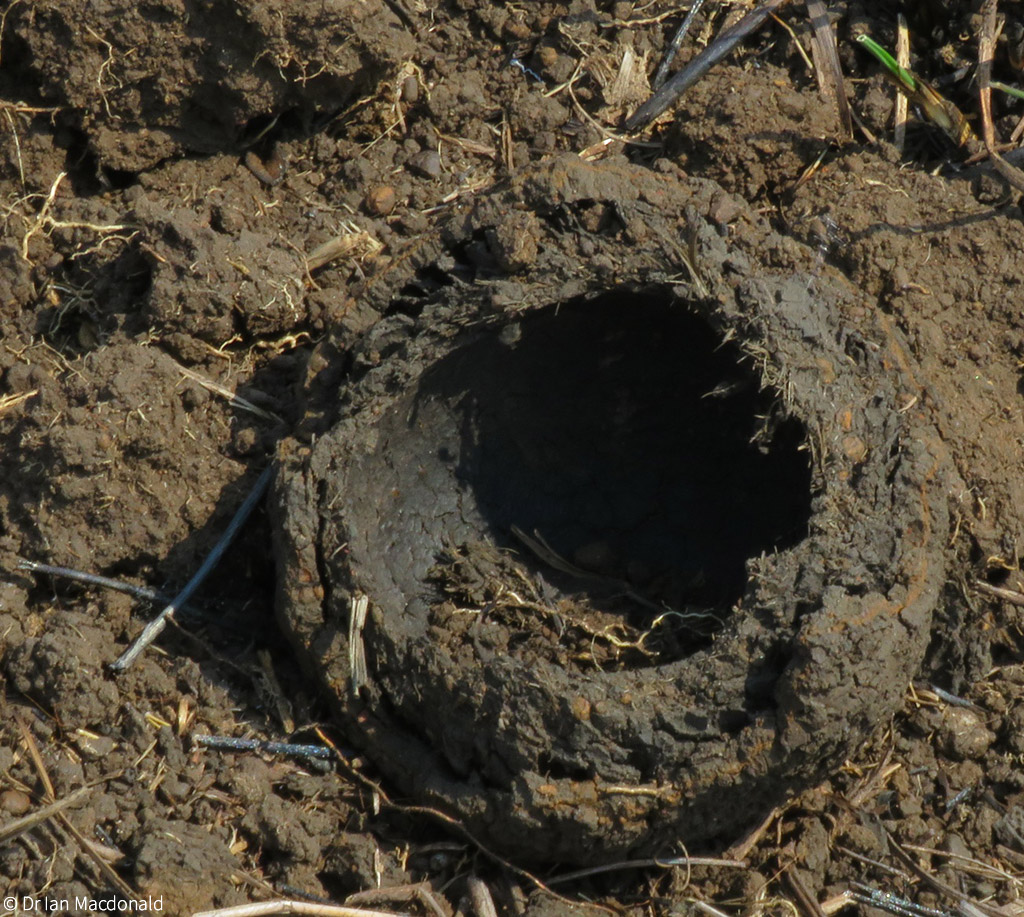
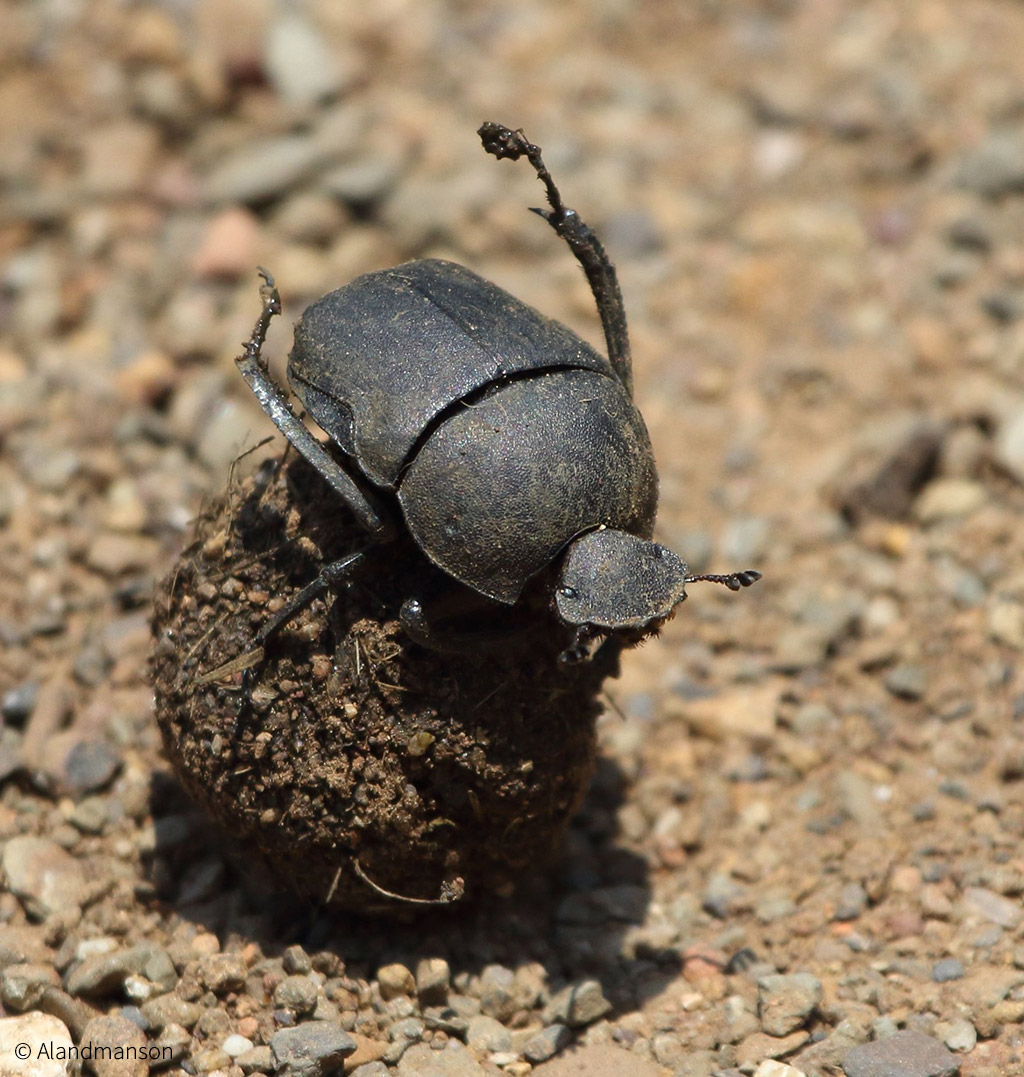
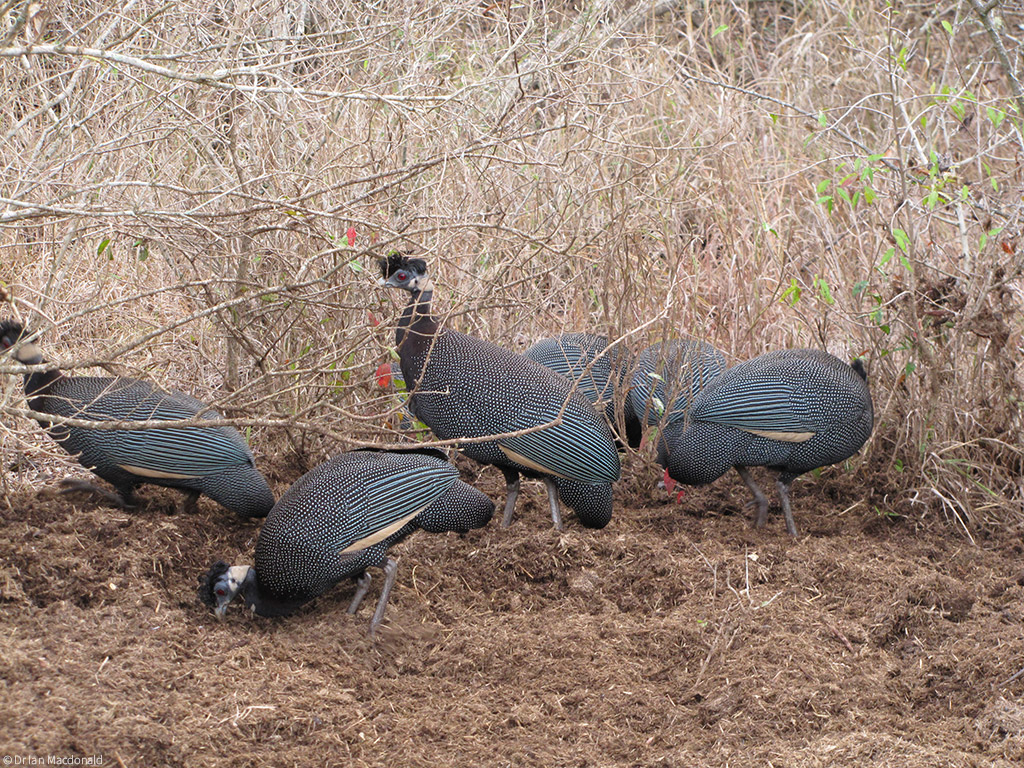
Dung beetles establish their claim to a good piece of dung by rolling it away post-haste! Once away from the dung scene, they lay their eggs in the dung ball and bury it. Some of these carefully buried brood chambers are a nutritious snack once the larvae are developed, and little carnivores/omnivores such as slender mongoose benefit greatly. This is just one example of how far the impact of rhinos stretches along the wildlife food chain. Crested guineafowl and other large birds scratch through the dung treasure trove looking for both insects and, later in the season, undigested seed.
Crested guineafowl digging through rhino dung
Playing host to scores of ectoparasites, another sophisticated food chain service.
Rhino are plagued by ectoparasites such as the rhino fly, which can be seen through binoculars by the score on the flanks of white rhino. The rhinoceros stomach botflies spend a large part of their lifecycle in the stomach of the rhino, and their existence is so tightly bound to that of rhinos that their numbers decline sharply when rhino numbers decline.
Rhinos are host to ticks, too. The ticks, in turn, sustain other species such as oxpeckers which eat them. A rhino host carrying a plethora of ticks is so prized by oxpeckers that following the flight path of these noisy birds is often the easiest way to locate the rhinos themselves! Terrapins, too, feed on the ticks carried by rhinos when rhinos drink and wallow at waterholes.
Modify vegetation by establishing and maintaining short-grass ‘lawns.’
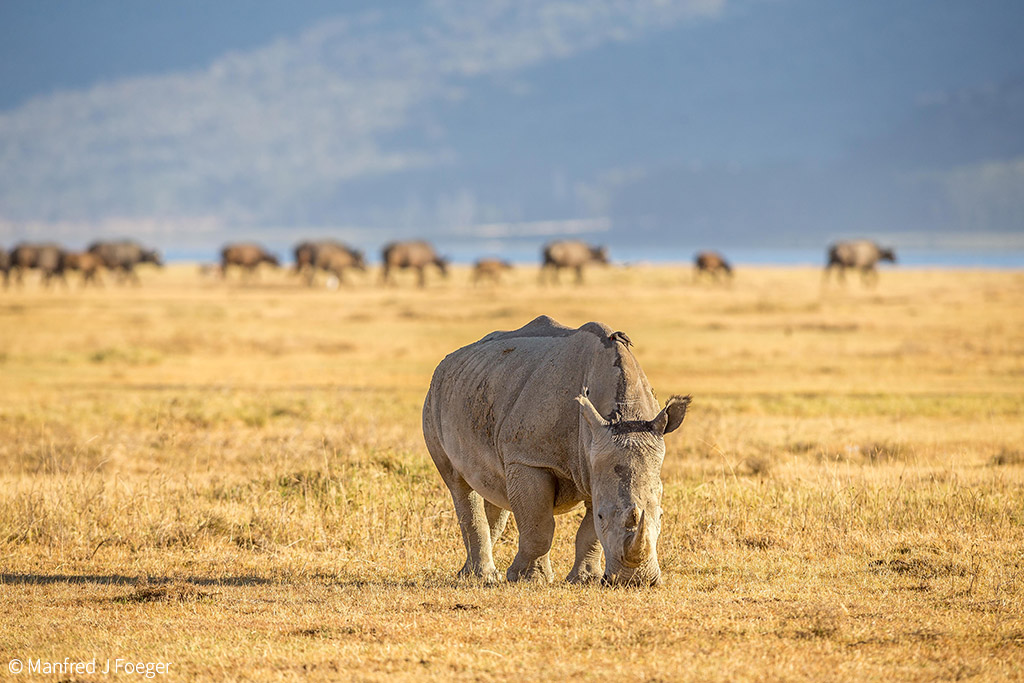
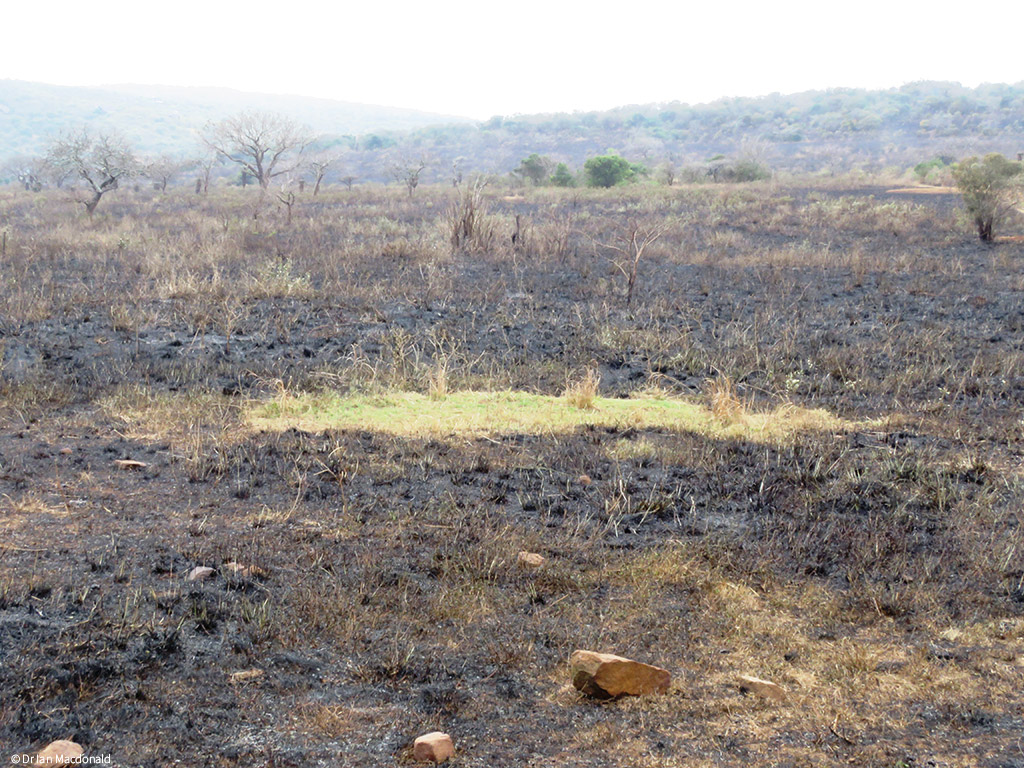
Short grass lawns are essential for the survival of certain plants, for example, short annual grasses such as Tragus berteronianus (Carrot Seed Grass) in an otherwise perennial grass sward; ungulates such as wildebeest; and birds such as longclaws, larks and pipits. These species cannot survive in wooded or long-grass ecosystems. White rhinos mow the grass to a height that provides suitable habitat for these species. These rhino lawns also act as areas of sanctuary during veld fires (for slow-moving tortoises, for example) and for plant species that cannot tolerate fire.
Manfred J Foeger. White rhino grazing in East AfricaRhino grazing lawn
LAST WORD
By being one of the iconic “Big Five”, rhinos play a vital role in monetising ecosystems and allowing other less charismatic and obscure species to continue playing their ecosystem roles.
‘Big Five’ is a term used by big game hunters to denote the five most dangerous African animals to shoot on foot – lion, elephant, buffalo, leopard and rhino. This term has subsequently been co-opted by eco-tourism ‘safari’ operators and high-end, highly-priced game lodges who market a Big Five experience as a selling point. South Africa (and to a lesser extent, Namibia) is unique in being able to provide Big Five regular sightings because of the relative abundance of rhino. White rhino, particularly, pull their weight in this regard because they are large, visible and territorial – and so are easily ‘delivered’ to tourists.
We hope that this brief essay will help you to realise just how important the battle is to save rhinos and for us to keep them in our protected areas, where they have lived for millennia!
Dr Jane Wiltshire is a Fellow of the Stellenbosch University’s Africa Wildlife Economics Institute and recently published her thesis: The Rhinoceros Horn Trade Ban: Can Scenario Formulation help build Consensus amongst highly polarised South African Stakeholders?
Dr Ian A W Macdonald is an environmental consultant and has worked internationally in range management and biodiversity conservation for fifty years. He was Chief Executive of WWF-South Africa and an Extraordinary Professor in the Sustainability Institute of Stellenbosch University.
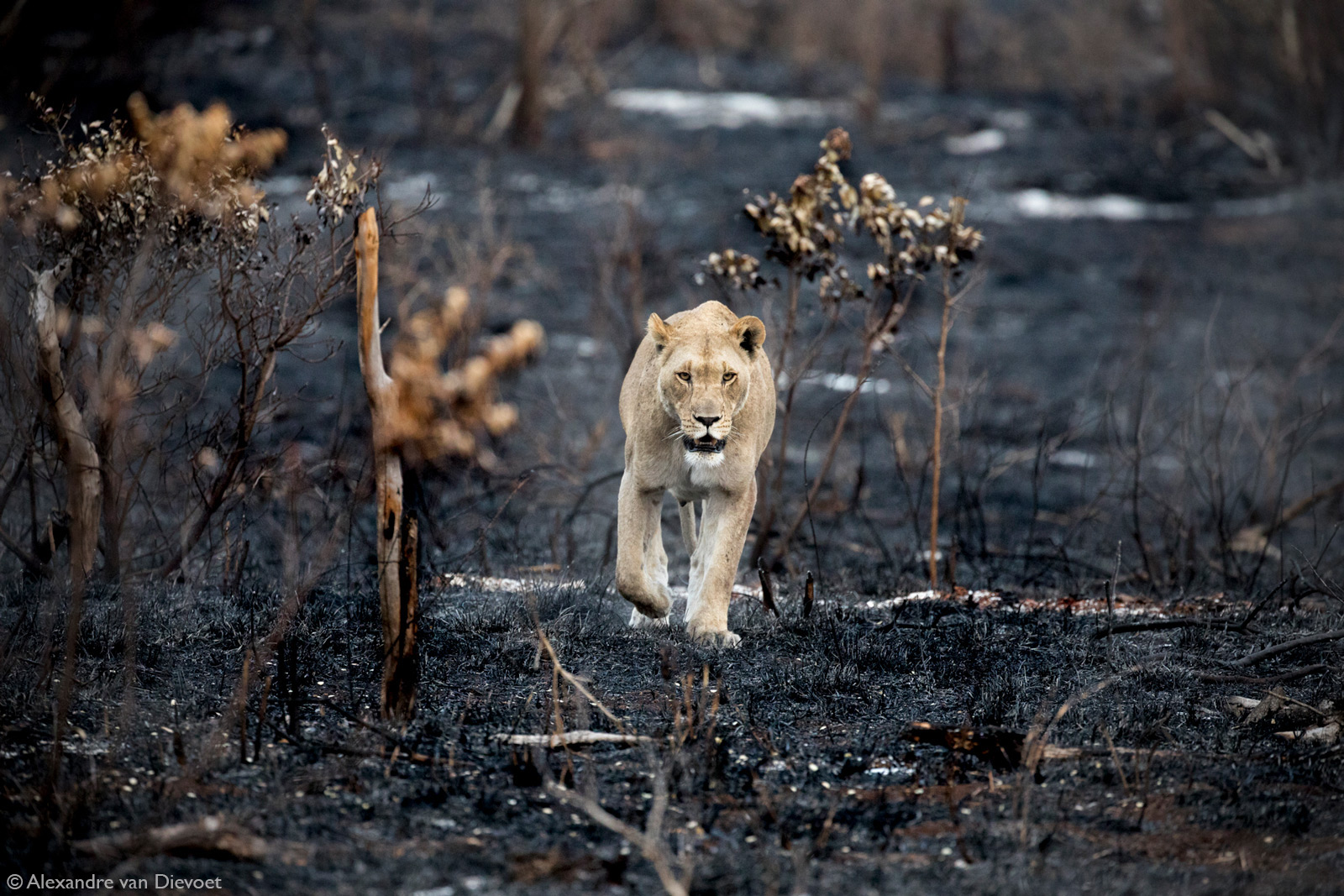
Our Photographer of the Year 2020 has now closed for entries.
The overall winner, first runner-up, and second runner-up (along with their partners), will experience the ultimate private safari at Djuma Private Game Reserve, located in the Sabi Sand Private Game Reserve in the Big 5 Greater Kruger, South Africa. Read about the safari enjoyed by the 2019 winners here.
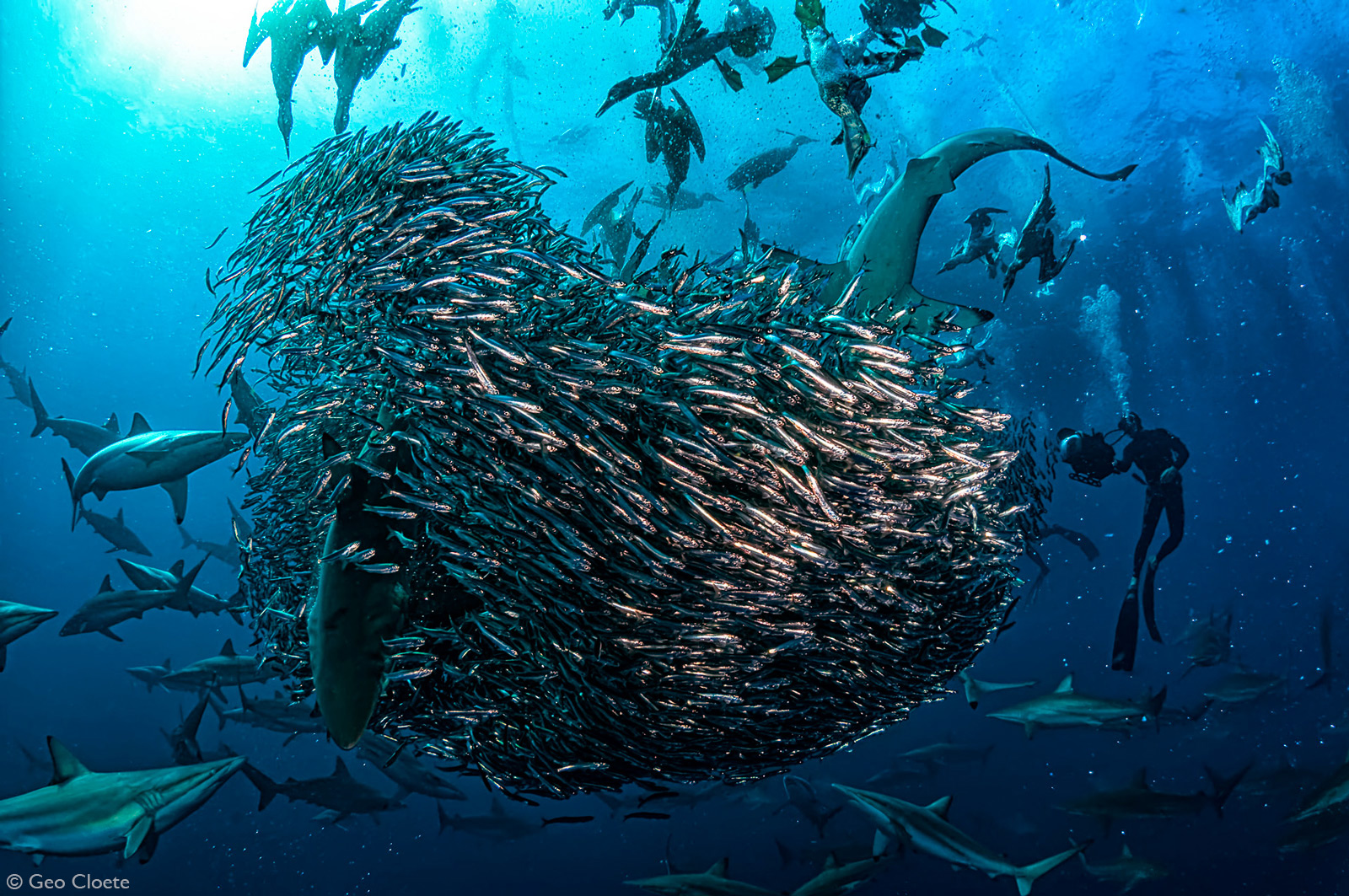
There are two galleries showcasing this week’s Weekly Selection. To see the other gallery click here:Gallery 2
Our Photographer of the Year 2020 has now closed for entries.
The overall winner, first runner-up, and second runner-up (along with their partners), will experience the ultimate private safari at Djuma Private Game Reserve, located in the Sabi Sand Private Game Reserve in the Big 5 Greater Kruger, South Africa. Read about the safari enjoyed by the 2019 winners here.
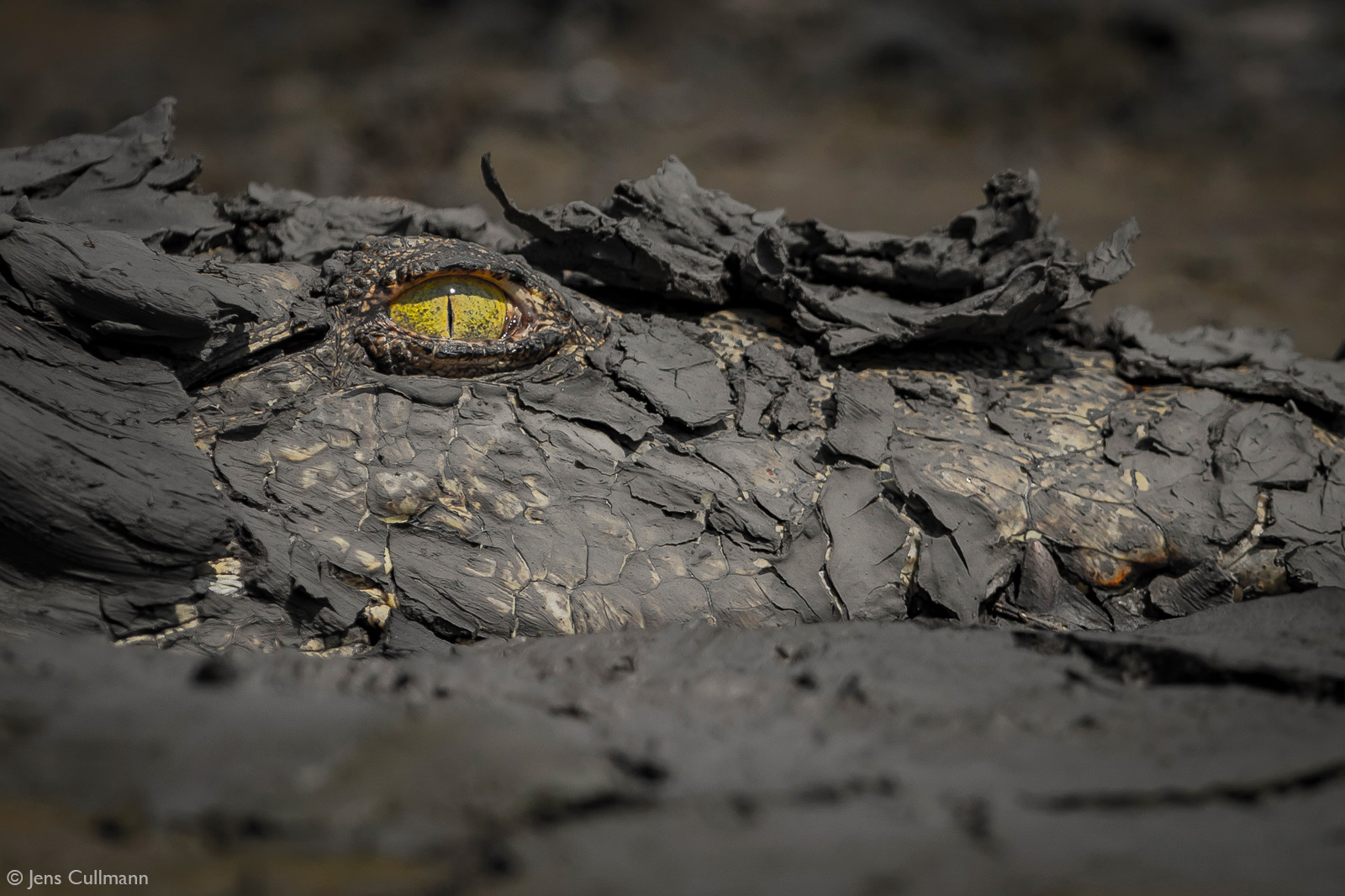
There are two galleries showcasing this week’s Weekly Selection. To see the other gallery click here:Gallery 1
In the second instalment of their Extinction Business series, the EMS Foundation and Ban Animal Trading have released a report into South Africa’s ‘legal trade’ in wild animals with China, exposing numerous irregularities and violations, as well as how this purported ‘legal trade’ facilitates the illegal laundering of wild animals.
In the sequel to their report on South Africa’s lion breeding industry and the trade in lion bones, the two NGOs systematically obtained their information through governmental and non-governmental sources to investigate the permits issued for the export of wild animals, as well as their final destination. South Africa is now the largest exporter of live wild animals to Asia, and the vast majority of these animals are either killed for their body parts, or meat, sent to “laboratories” or else kept under horrendous conditions in ‘zoos’. The animal welfare laws in China, which is by far the largest market in the world, are notoriously lax and in certain situations, non-existent.
The report, entitled Breaking Point, highlights the many loopholes in the existing CITES monitoring systems and opportunities for abuse and corrupt practices (a previous study with similar criticisms of CITES can be read here). Between 2015 and 2019, some 32 different wild animal species were exported from South Africa to China, many of which are listed as Appendix I animals – such as tigers, rhinos, cheetahs, lions, and chimpanzees. In theory, the trade in Appendix I animals is banned unless they come from a CITES-registered breeder. Other animals mentioned by the report include caracals, giraffes, wild dogs (African painted wolves), hyenas and meerkats. Forged or modified permits were used to facilitate illegal shipments of animals and where Appendix I animals were concerned, wild-caught animals were passed off as captive-bred specimens.
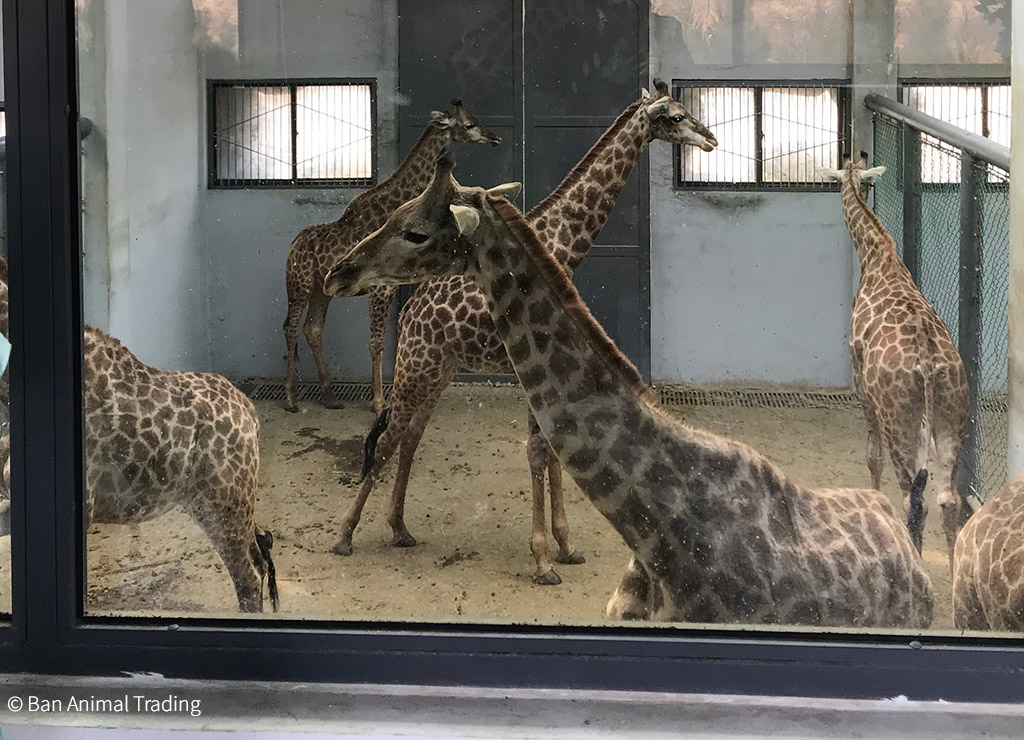
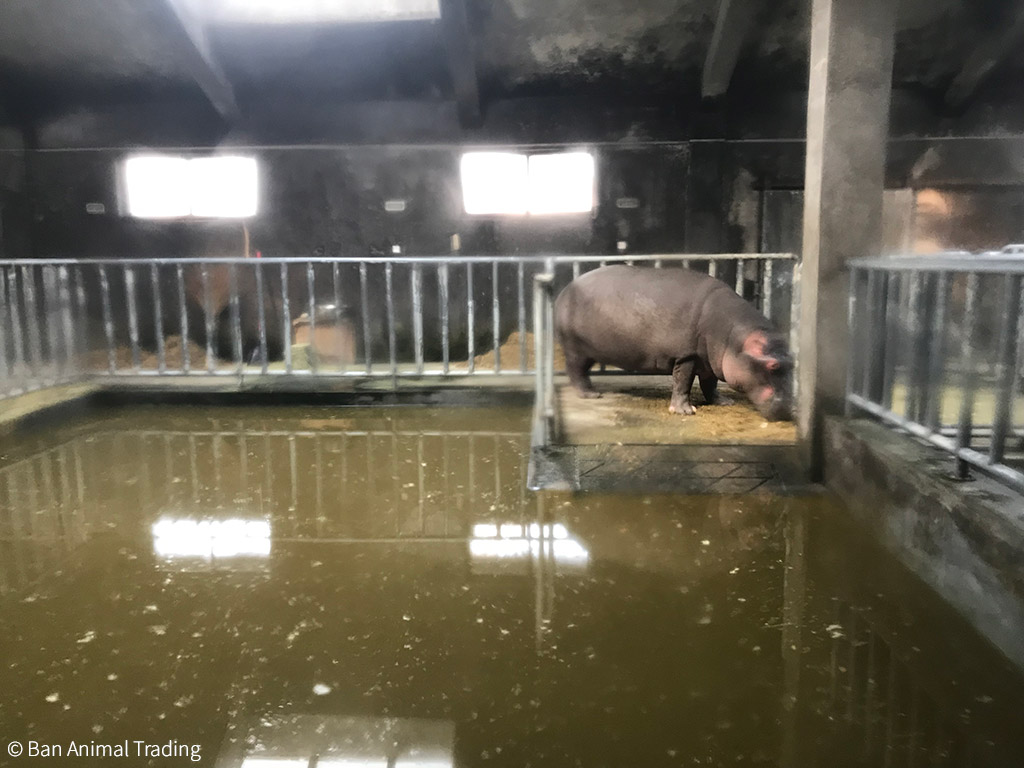
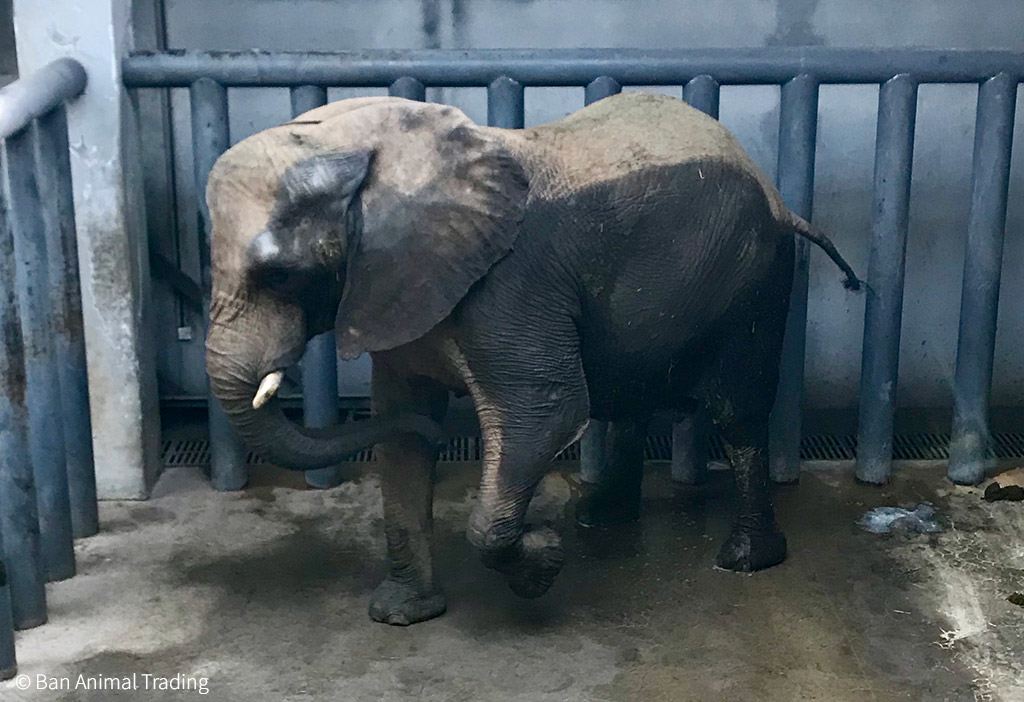
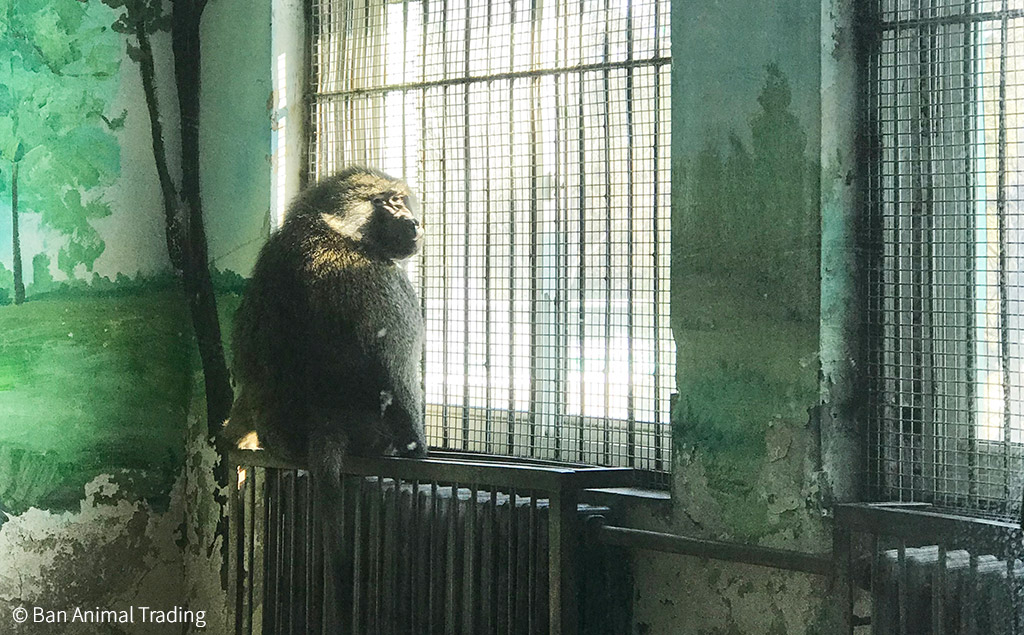
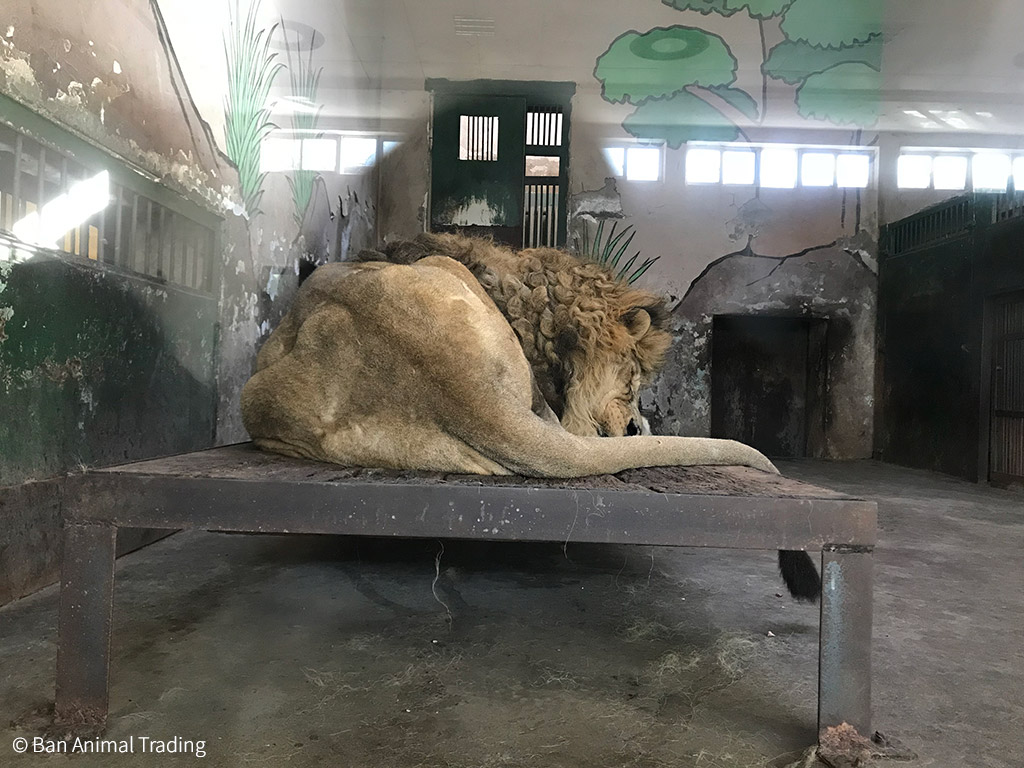
The report lists several brokering and wholesale companies, along with zoos, that are heavily implicated in the trafficking of these species. It systematically examines several breeding facilities in South Africa involved in this trade, many of which advertise their wildlife stock on social media. Where possible investigators involved in the compilation of this report followed the records of exported animals to their ‘intended’ destination. Some of the listed importers were untraceable, or the listed address on the permits led to empty buildings or offices. Of the animals that could be traced to ‘zoos’, often the numbers of animals recorded on the permit did not match those present in the zoo itself, and the missing animals were unaccounted for. For those that remained in the zoos, the report includes images of the conditions that the remaining animals are exposed to. These include horrifying concrete enclosures, severely malnourished animals, chimpanzees crowded into a glass exhibit with no access to the outside world, wild dogs confined to concrete paths by electric fences and giraffe in overcrowded, filthy buildings.
The report is hugely critical of CITES, as well as the local government authorities that should be acting to control this trade. The authors describe the oversight of the trade by CITES as so lax as to be almost non-existent, with little to no attempt made to investigate the legalities of the breeding facilities and importers, or the welfare standards of the breeding, transport or intended use or display of these animals. Importantly, the irregularities exposed by the report are not exceptions to a general rule – illegal or corrupt activity was exposed in the majority of the export situations investigated. The report condemns the idea of ‘well-regulated’ markets as a ‘smokescreen’ for the exploitation of animals for financial gain.
Here are some of the points of failure highlighted by the report: illegal shipments masquerading as legal; compliance and enforcement negligence; little to no verification measures; little to no record as to the origin or destination of the animals; and no verification that animals are captive-bred. Such is the failure of CITES, says the report, that the system should be scrapped entirely, to be replaced by an altogether different approach. COVID-19, say the authors, should be viewed as an opportunity to create a shift from “an anthropocentric to a more ecocentric system of values” with an overall ban in wildlife trade. South Africa’s wildlife trade, they write, is “large, poorly enforced, indefensible and shameful” and the report issues an urgent plea to the South African government to comply with their responsibilities to protect wild animals against exploitation.
A new study conducted by an international research team suggests that the population of forest elephants is between 40-80% smaller than previously believed. The authors of the study stress the necessity for further research into forest elephant behaviour and, importantly, their population sizes.
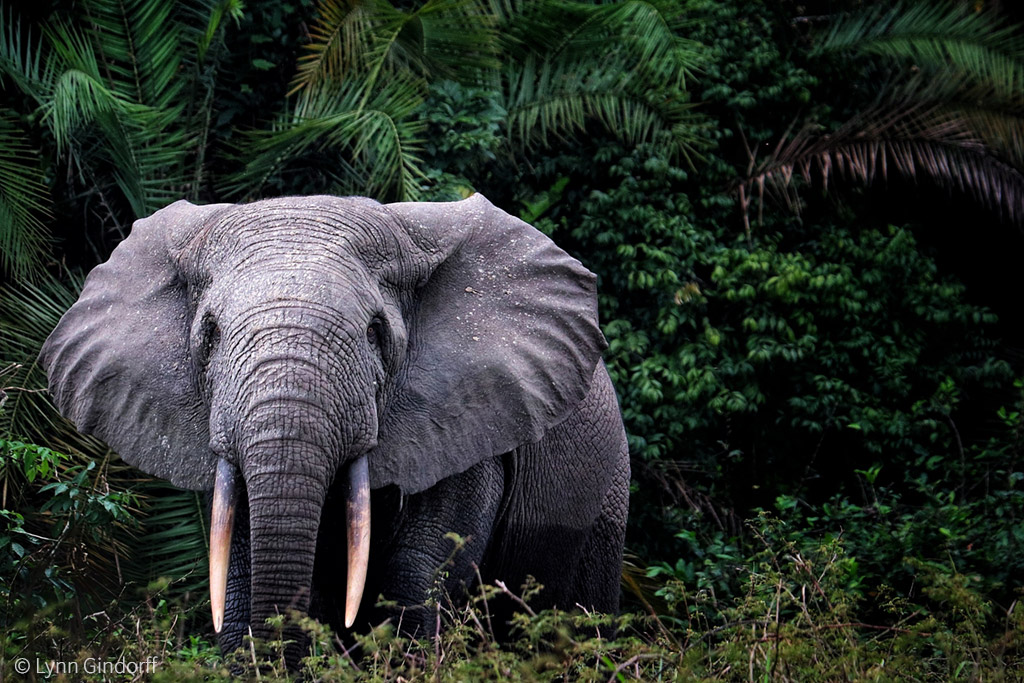
Forest elephants (Loxodonta cyclotis) are found only in the rainforests of Central and West Africa and in 2010 were declared to be a distinct species separate from the more widespread African savannah elephant (Loxodonta Africana). Forest elephants tend to be shy and cryptic, and often inhabit relatively inaccessible areas and, as a result, their demographics and social behaviours are not as well-researched or understood as those of the other elephant species. Unlike savannah elephants that live in large herds of related females and their offspring, forest elephants are understood to be less social, occurring in groups of two or three related females.
The decline of forest elephants has been well-documented by several previous studies, including one which reported a loss of over 80% of the forest elephant population over a decade in north-eastern Gabon due mainly to habitat loss and poaching. This particular study focused on the Industrial Corridor linking Loango and Moukalaba-Doudou National Parks in Gabon, described as a “bastion” for forest elephants, estimated to contain around 10% of Africa’s forest elephants by a previous study (approximately 10,000).
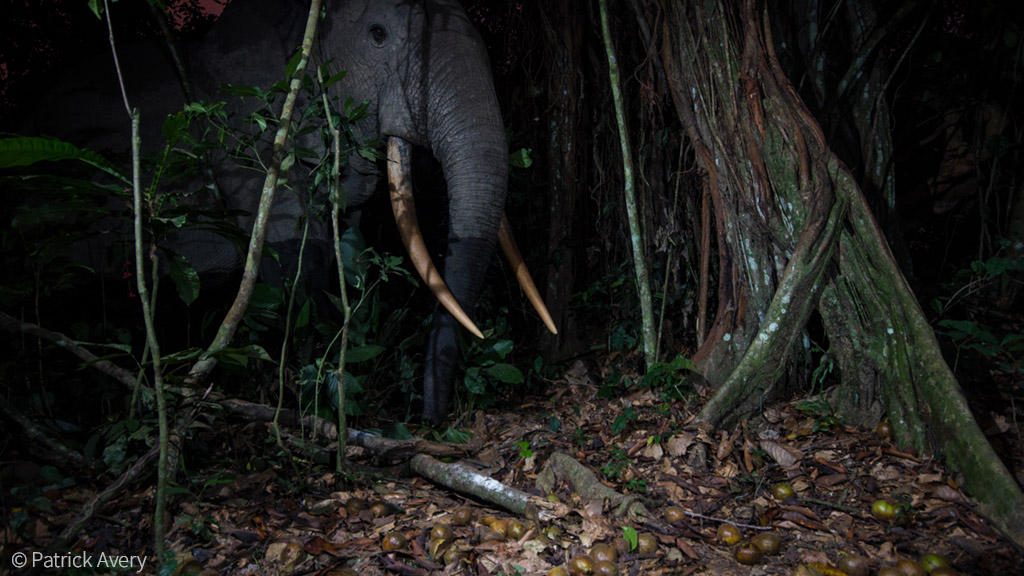
Researchers used a method known as genetic capture-recapture to assess the forest elephant population size of the Corridor. This involved collecting dung and analysing the DNA samples to build up a genetic database for each elephant, which in turn helped to prevent overcounting, as previous studies could not differentiate where one elephant had deposited more than one separate dung pile.
The use of this new method yielded unexpected results regarding the social structure of the Corridor elephants, suggesting that their social structure may be more variable than previously thought and that herds, unlike those of savanna elephants and other forest elephants, do not necessarily consist of closely related females. More concerningly, the use of the genetic capture-recapture method suggested that the Corridor was home to between 0.47 to 0.80 elephants per square kilometre, translating to between 3,000-6,000 elephants in the entire Corridor region. The differences in estimated numbers came from using two different models to calculate the population size.
The extent of the previous overestimation is worrying, as Gabon is believed to be the stronghold of Africa’s forest elephants. Professor Ting, one of the authors, says that this research “shows how endangered they really are if a region like this one is so overestimated”.
He emphasises that forest elephants are urgently threatened and that more research is essential to understand just how many there are left in the wild. Future conservation strategies will need to be conceived with the most accurate available data so that efforts can be directed to best prevent the loss of the least understood of all elephant species.
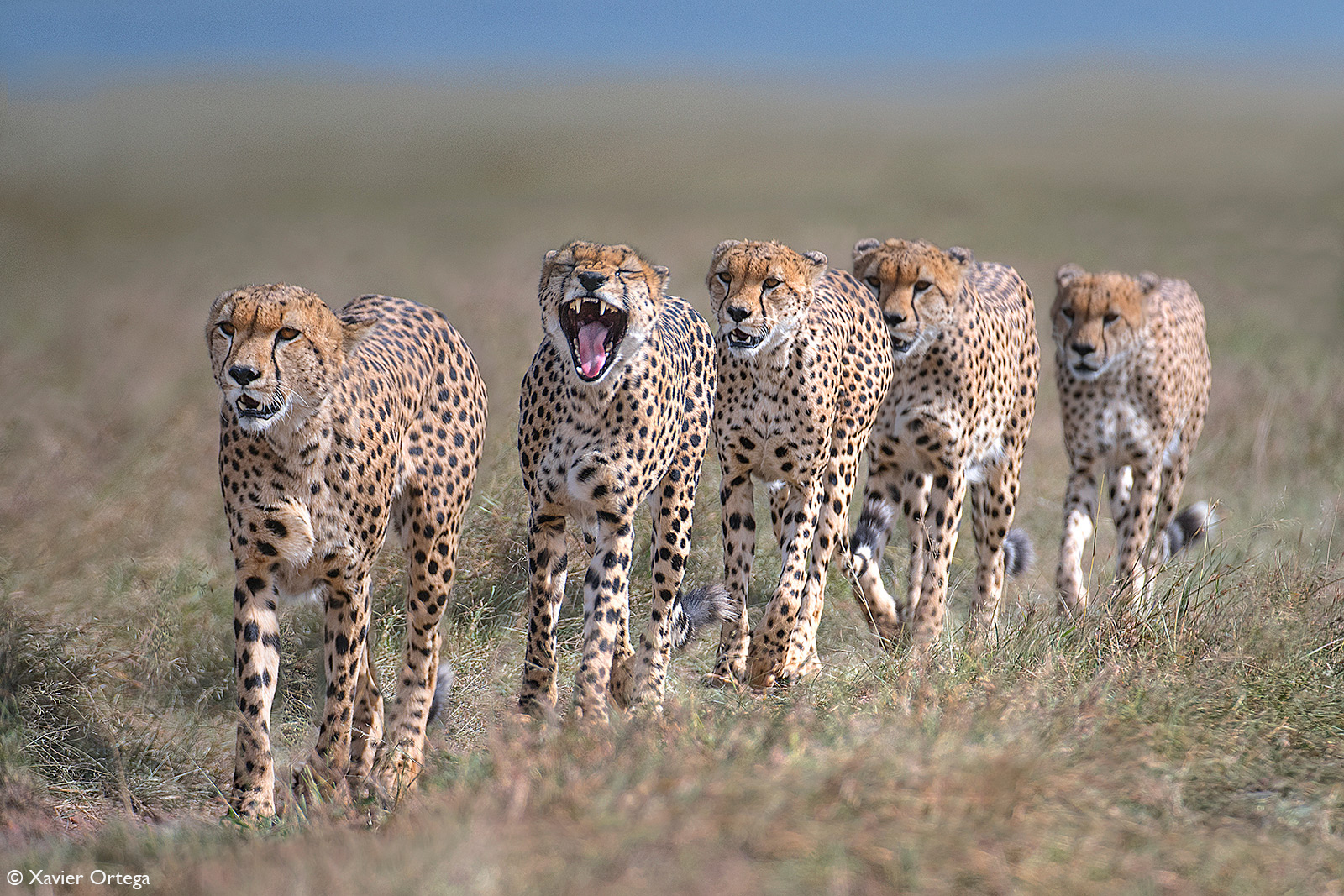
Our Photographer of the Year 2020, with a stunning safari prize provided by Djuma Private Game Reserve, is now in full swing.
The overall winner, first runner-up, and second runner-up (along with their partners), will experience the ultimate private safari at Djuma Private Game Reserve, located in the Sabi Sand Private Game Reserve in the Big 5 Greater Kruger, South Africa. Read about the safari enjoyed by the 2019 winners here.
There are four galleries showcasing this week’s Weekly Selection. To see the other gallery click here:Gallery 2, Gallery 3, Gallery 4
Our Photographer of the Year 2020 is now in full swing. The overall winner, first runner-up, and second runner-up (along with their partners), will experience the ultimate private safari at Djuma Private Game Reserve, located in the Sabi Sand Private Game Reserve in the Big 5 Greater Kruger, South Africa. Read about the safari enjoyed by the 2019 winners here.
There are four galleries showcasing this week’s Weekly Selection. To see the other gallery click here:Gallery 1, Gallery 3, Gallery 4
Our Photographer of the Year 2020 is now in full swing. The overall winner, first runner-up, and second runner-up (along with their partners), will experience the ultimate private safari at Djuma Private Game Reserve, located in the Sabi Sand Private Game Reserve in the Big 5 Greater Kruger, South Africa. Read about the safari enjoyed by the 2019 winners here.
There are four galleries showcasing this week’s Weekly Selection. To see the other gallery click here:Gallery 1, Gallery 2, Gallery 4
Our Photographer of the Year 2020 is now in full swing. The overall winner, first runner-up, and second runner-up (along with their partners), will experience the ultimate private safari at Djuma Private Game Reserve, located in the Sabi Sand Private Game Reserve in the Big 5 Greater Kruger, South Africa. Read about the safari enjoyed by the 2019 winners here.
There are four galleries showcasing this week’s Weekly Selection. To see the other gallery click here:Gallery 1, Gallery 2, Gallery 3
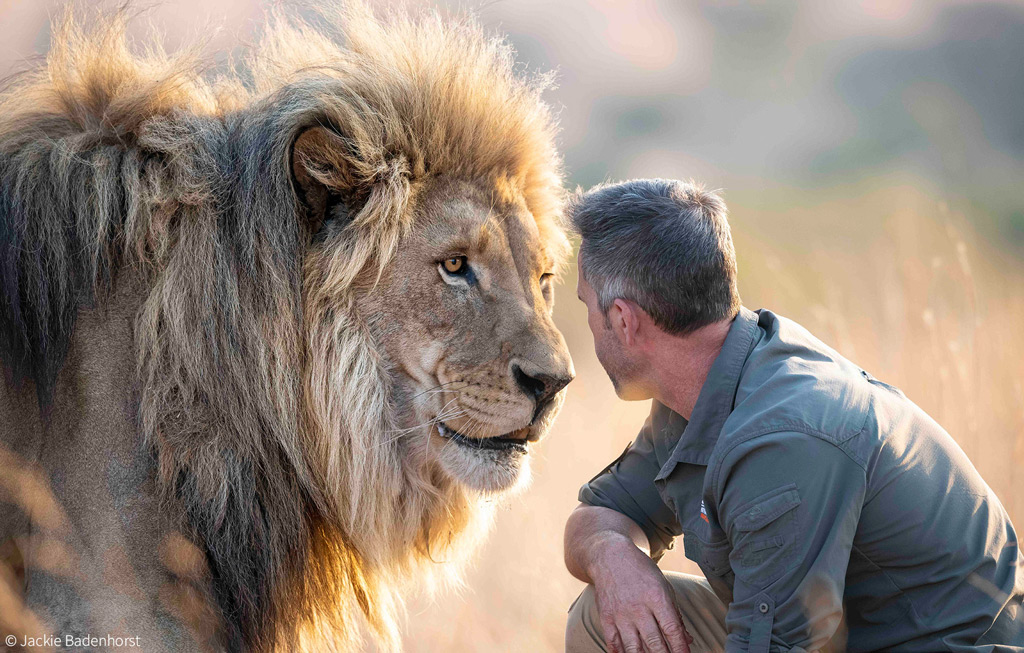
Kevin Richardson, AKA ‘Lion Whisperer – some hard questions and frank replies
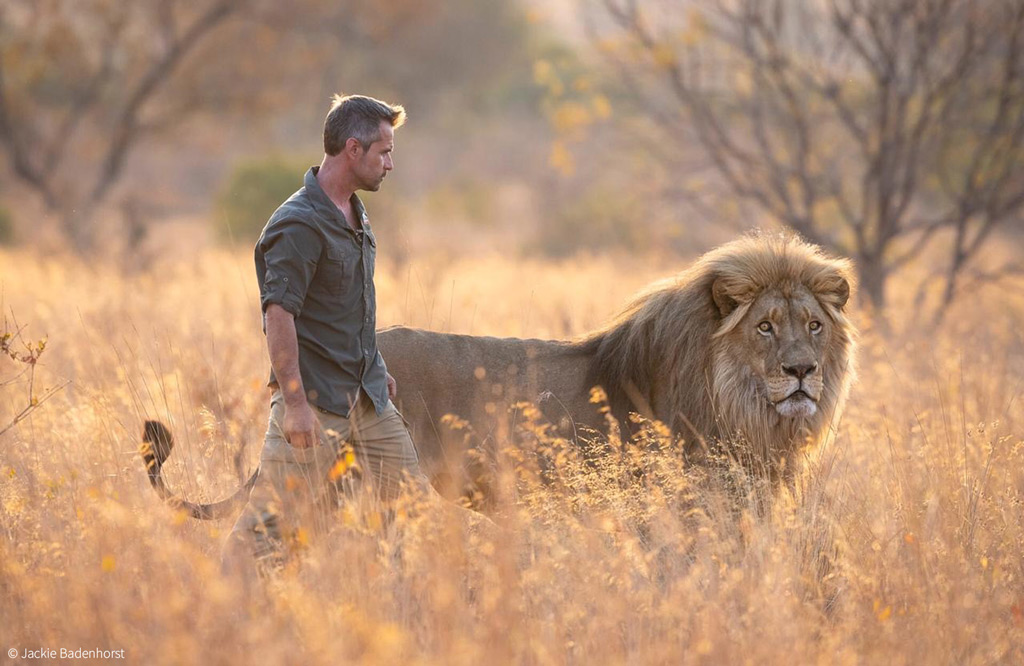
Kevin Richardson loves lions – to the extent that he has rescued and rehomed several. Along the way, he has built a substantial following and personal media brand that generates revenue and allows him to continue doing what he loves. His public shows of affection for his tame lions have earned the wrath of those who feel that he is setting a bad example in the war against the abusive cub petting industry. We asked Mr Richardson some tough questions, and he replied with passion and transparency. This Q&A contains no bias or hidden agenda – our intention is to interrogate the facts and provide you with a meaningful background to a controversial subject.
In past years, tourists have been grossly misled about captive lions by certain commercial captive wildlife facilities masquerading as sanctuaries or rehabilitation centres. Do you believe that the SATSA guidelines in this regard go far enough in helping tourists make ethical decisions?
KR: I don’t think guidelines are ever enough to influence human behaviour. This takes nothing away from the guidelines; it has to do with people’s choices and their desire to get, consume and behave as they please. The enquiring, ethical tourist has probably already drawn a line in the sand and does not need to be called to higher moral ground. When it comes to a person who is hellbent on touching captive animals? I think that individual will do so regardless of any guidelines. I feel that the influence of peers and influential voices are imperative to people’s choices. If someone you respect says, “Hey, that is not okay” then the person’s ego is affected – a significant motivator of behavioural change.
Tourist decisions aside, what about industry players? Take the example of the struggling tour guide, (especially considering the devastating effects of COVID-19 on tourism) whose client insists on a cub-petting experience. Will he follow guidelines or decide instead to put food on the table? Don’t get me wrong, having these guidelines is a valuable reference, but recently I heard someone say, “Idealism is a perfect science until it affects you.” I think sometimes those who venerate idealism are the same ones who are in the privileged position to do so. I see this with online activists that often have never set foot in Africa, they have a lot to say, but don’t understand what it’s like at the coalface.
Guidelines can also be deceiving as they lure people into thinking change has occurred. When the SATSA guidelines were released, a lot of people misunderstood them and believed that wildlife interactions were banned. This was damaging and caused confusion and still does. The guidelines refer to “changing trends in tourism” and link to a news article that says TripAdvisor won’t sell tickets for activities with wildlife interactions. A quick search will show that you can still buy a cub petting experience at the Lion and Safari Park on TripAdvisor, who rate the park 4.5/5.0. It sounds bleak, but I am wary of guidelines as they can be celebrated for achieving something that is not near being achieved. So, I guess I am saying I don’t think guidelines can go far enough in effecting change because they are guidelines and can be ignored without consequence.
Much of your conservation-based work appears to be through education, as described on your website. Could you provide salient examples of how the work that you do with your lions has benefitted lions in the wild?
KR: Education and awareness are difficult results to monitor and evaluate; however, there are many salient examples of how my work has benefitted lions in the wild. Most obvious would be the vast amount of money raised through the sales of images of the lions in my sanctuary that go on to support the work of organisations such as Tusk and WildAid to protect wild lions. Millions of Rands have been raised in the last few years through David Yarrow’s auctioning of these images, made possible only because of the relationship I have with these lions. * AG editorial note: We have confirmed with TUSK and David Yarrow that this statement is factually correct
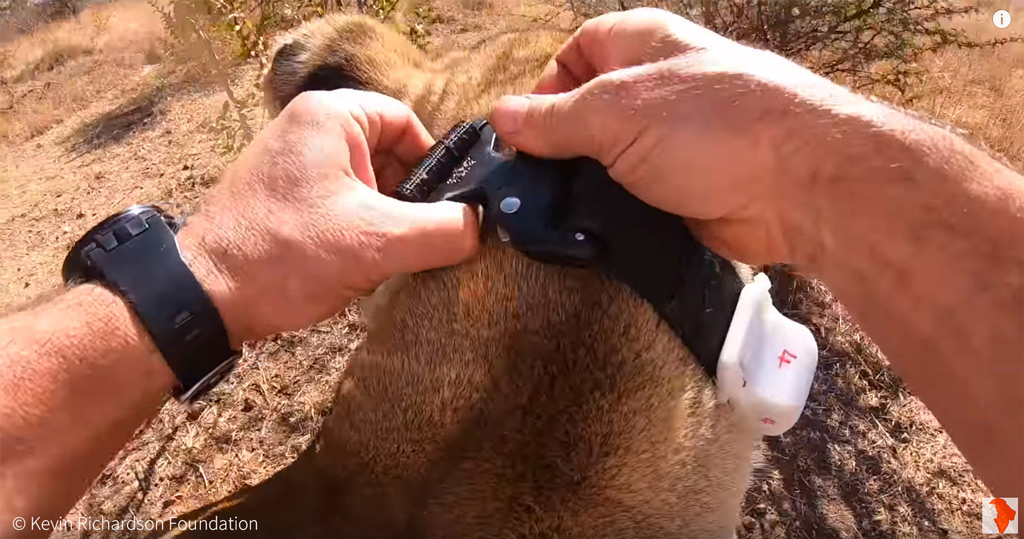
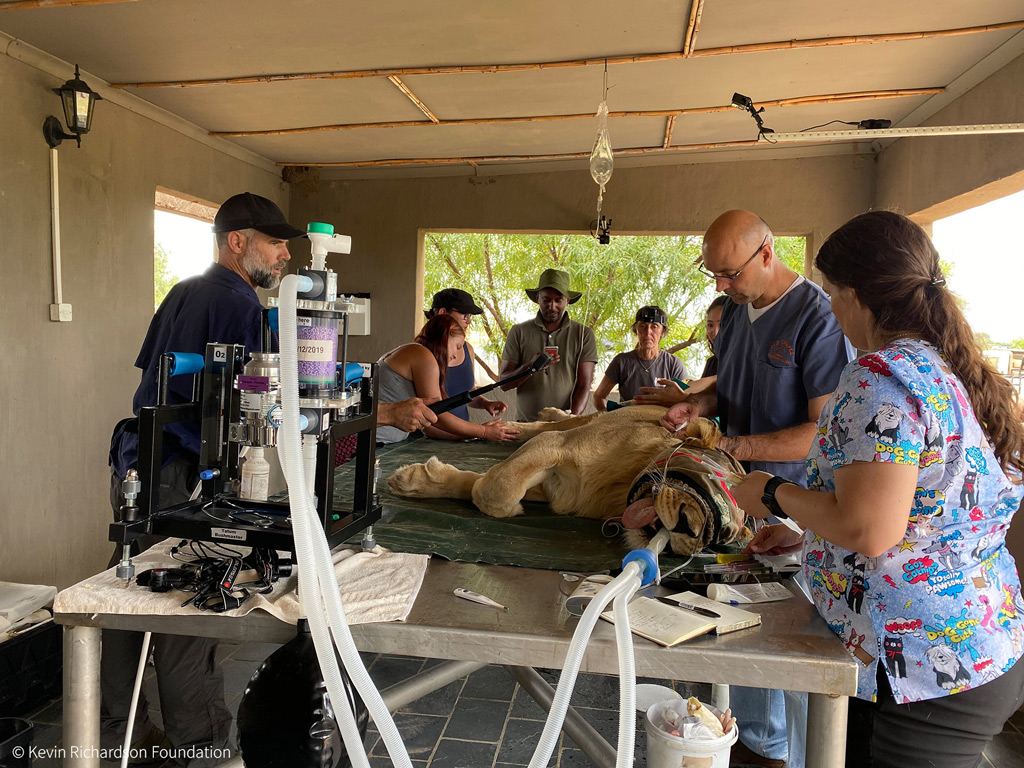
Although we don’t publicise it much, my work supports scientific research that benefits wild lions and other predator cats in the wild. The ability to access the lions without anesthetising them has opened up exciting and enlightening scientific results. For example, the Department of Wildlife in Botswana put forward a motion to reduce buffer zones between the Khutse Game Reserve and human settlements to allow more space for rural farming. Conservation researchers were concerned, having already noticed the reduced recruitment rates of wild lions in this area due to increasing pressure from human encroachment. They objected to the motion explaining that proximity to humans was causing excessive energy expenditure resulting in wild lion population decline. Although the researchers had collected a lot of data on these wild lions, the government asked for proof and researchers needed a comparative model to prove their theory. We placed collars with accelerometers and GPS trackers, that had been developed by the University of Oxford’s WildCru team, on the lions in my sanctuary and were able to use this to create energetic models. Each day of the research, we were able to collect saliva swabs and faecal samples to further ascertain a model. This study was only possible due to my relationships with the lions. Now, there are models to help not just lions but other predator cats in the wild. The outcomes also provided information that can help NGOs to tackle carnivore coexistence issues on the ground.
Inside a lion enclosure
Another incredible study we facilitated was the oxytocin trials we performed last year with researcher Jessica Burkhart that proved beneficial for wild lions. As habitats shrink and wildlife management becomes more demanding, there is an increased need for relocation of wildlife. This can be stressful and disrupt natural bonding behaviour for lions. Vets thus administer heavy tranquilisers in an attempt to stave off the aggression of translocated lions and help them bond and settle into new environments. Oxytocin is a naturally produced hormone that promotes bonding behaviour (such as head nuzzling in lions). Administering a natural hormone can decrease the side effects of drugs currently used (and also assist with healing and pain in captive lions). Jessica performed oxytocin trials on the sanctuary lions to assess the benefit of using oxytocin administered intra-nasally. The trials couldn’t be measured on lions that had been darted and were asleep, and it was easy and gentle for Jessica and me to administer the nasal spray on the sanctuary lions. Cats traditionally do not enjoy being sprayed in the face, but our lions enjoy the stimulation of me coming in to spray them with citronella and rub fly ointment on their ears. They cooperated and enjoyed this scientific trial. It was amazing to watch even our grumpiest lion rolling around, purring happily and enjoying the effects of “the love drug”. This research has significant implications for improving interventions with wild cats (and care for captive cats). This specific oxytocin project was referred to by lion expert Dr Craig Packer as “one of the first studies done in captive animals with real potential to have a direct impact on wild relatives.”
* AG editorial note: We have confirmed with Oxford’s WildCru team as well as Jessica Burkhart that this research has been conducted as stated. Neither study has been published yet.
Besides scientific research, my work as “the Lion Whisperer” has enabled me to launch a nonprofit organisation – the Kevin Richardson Foundation. Our foundation has helped protect the wild lions of Namibia through supporting the work of the Namibian Lion Trust (formerly known as AfriCat North). For two years we have helped fund their Lion Guardian Program which protects communities’ livestock from roaming wild lions and thus decreases human-wildlife conflict. We also contribute to their school’s education programs in these highly remote areas. Our foundation also supports the University of Pretoria’s Carnivore Working Group and have provided finishing funds for projects that need additional support to complete. We want to do much more in this space, but we are a fledgeling organisation and still in our infancy.
* AG editorial note: We have confirmation of proof of payment to both the Namibian Lion Trust and the University of Pretoria.
Less salient, but perhaps more pertinent, is how I have used my platforms to speak to issues facing both wild and captive lions. Drawing a concrete correlation between TV, films and new media and the effect on the subject (wild lions) is difficult however worth considering. Our show “Deadly Predator Challenge”, created with Smithsonian Network and featuring renowned scientists Dr Craig Packer and Dr Christine Drea, revealed the cognitive abilities of hyena and lions. This material is one example of how my work has helped changed worldwide perceptions of these creatures from “vicious beast” to understanding how emotional, smart and sentient they are. When people love something, they want to protect it. My shows have also done a lot to foster worldwide love for the hyena, an animal widely demonised through story narrative such as Disney’s “The Lion King”. Story, although also challenging to measure, is a powerful education tool. Just look at the work of the Born Free Foundation – without George Adamson and Elsa the lion’s story, this organisation wouldn’t exist.
I have been supporting Painted Dog Conservation Inc. for several years and have travelled to Australia 3 times and done 12 speaking events for them – which helped raise AUS$300,000. These funds have helped protect carnivores in Zambia, by funding the purchase of vehicles, radio collars and telemetry equipment, and building rehabilitation facilities.
*AG editorial note: This was confirmed in a statement from Painted Dog Conservation Inc.
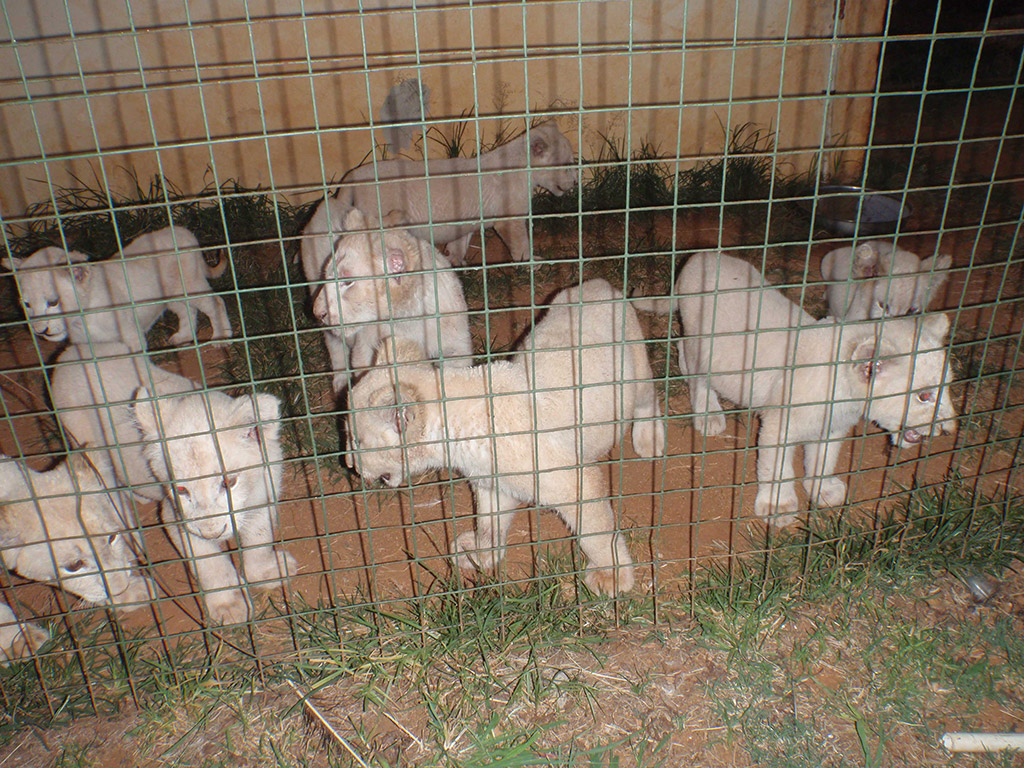
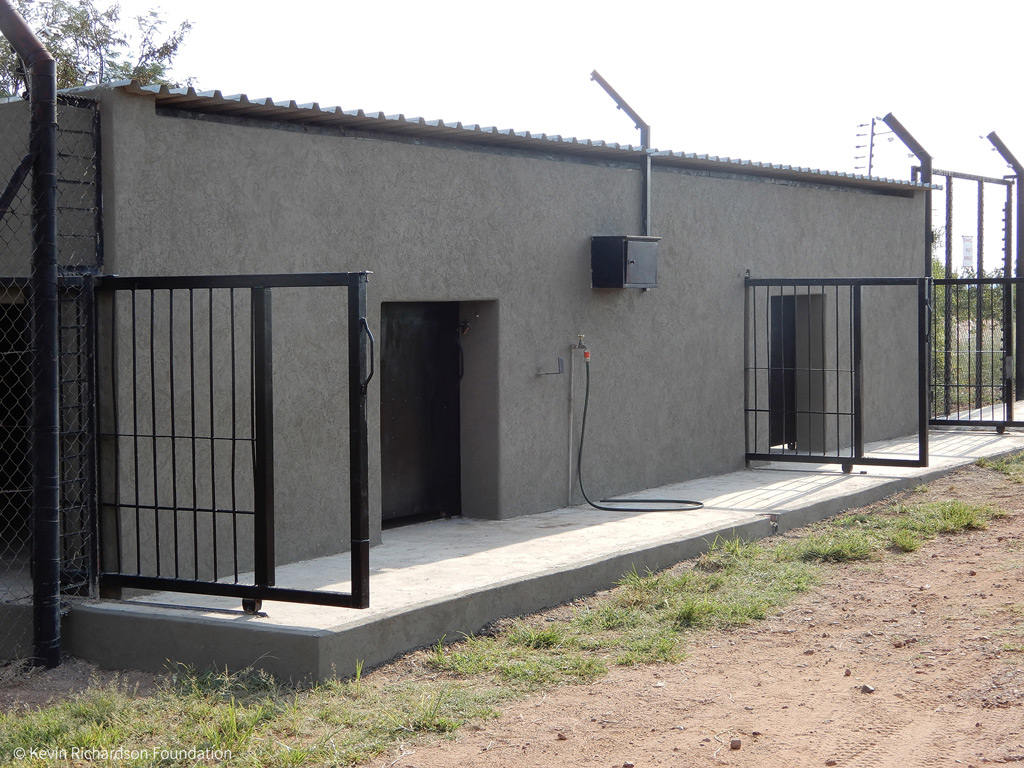
Lion night pens
There are studies (an example can be found here) that have been conducted that suggest that the actual and statistical educational value of captive wild animal centres is negligible. Do you disagree with these findings?
KR: I do disagree with these findings, as illustrated in my answer above. Furthermore, it’s problematic to use an isolated study to cast a net over all captive wildlife facilities. The above study is focused on zoos, specifically one zoo in Finland. I don’t particularly like seeing certain species in zoos, but regardless of one’s views on zoos, I am surprised when people are willing to put certain wildlife sanctuaries and rescue centres in the same category as retrograde zoos in Europe.
The above study deduced there are no positive behavioural outcomes for visitors observing animals in captivity. That may be the case in this instance. However, what should be said of respected sanctuaries such as Paul Hart’s Drakenstein Lion Park, Four Paws’ Lion’s Rock and Born Free’s Shamwari, Lizaene Cornwall and Catherine Nyquist’s Panthera Africa, which all have tours where educational information is given out? It is often these engagements that result in high-value donors or bequeathments that sustain the work they do. Are large donations from visitors not positive behavioural outcomes? Surely that is all the public can do to assist wildlife conservation efforts?
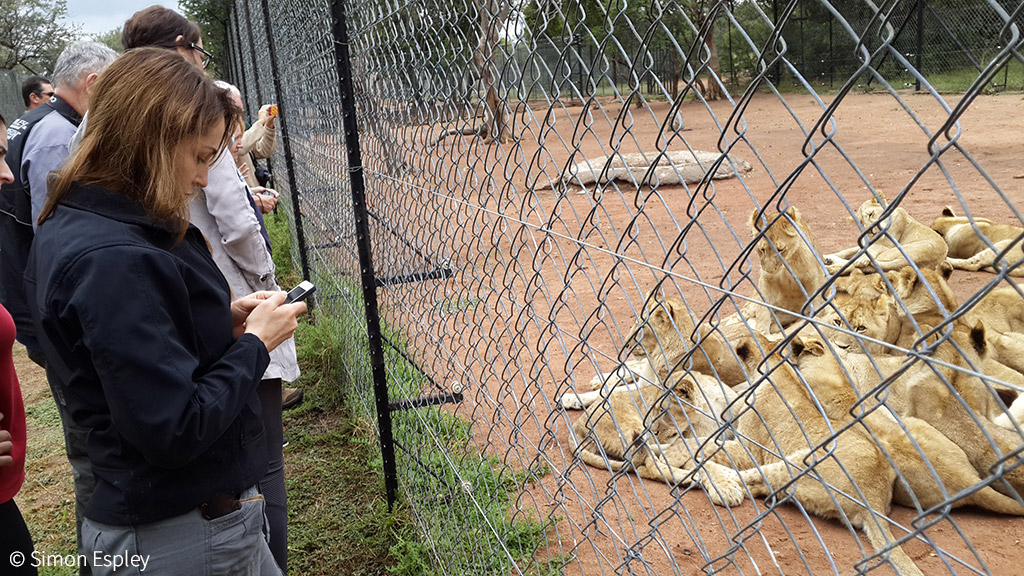
A day in our sanctuary is not what some may imagine – no one is wondering around randomly taking selfies with animals like in zoos. We have three guided tours per week, and these guests are driven in a game vehicle while provided with a large swathe of educational information about where the animals came from, how they are cared for, the captive lion breeding industry, canned lion hunting, and raising awareness about the plight of lions in the wild and what can be done to help them.
Small groups of volunteers are working in the sanctuary. It’s not glamourous work but is meaningful engagement, and we try to open their minds to the challenges of looking after captive predators and the complexities of conservation today. We have many return volunteers. Many of our volunteers have gone on to study nature conservation or veterinary science. The same can be said for some of our online supporters. We get thousands of messages from teachers, young students, artists and business owners who relay that, what they have learnt from our channel has changed their perspectives on lions. They are upset and shocked about canned hunting. Some write to us and say they are ashamed that many years ago they naively had a cub petting experience in South Africa, and they want to make up for it somehow. These individuals are doing presentations in schools, speaking to their peers and campaigning in their hometowns for lions. We have so much evidence of this it is difficult to aggregate.
One of your foundation’s listed aims is the purchase of land to increase that available for wild lions. Has any been purchased and, if so, where? What plans do you have for further land purchase?
KR: Yes. We are in the final stages of buying 1,200 hectares of wildlife habitat on the southeastern corner of the Dinokeng Big Five Game Reserve in Gauteng. The foundation will protect this land in perpetuity as part of a wider reserve that is supported by our government. In South Africa, protected areas are surrounded by private landowners who can use the land however they want. So, you have wildlife habitat surrounded by agricultural farms, hunting farms and even cub petting and breeding facilities. For this reason, it is essential to, wherever possible, buy back this habitat, open it up to the wider reserve and safeguard these expanded swathes of wildlife habitat. This is a fundamental approach that needs to be engaged in South Africa.
We are currently transforming a former commercial camp on this land into an education centre, which will be the base of our work with the rural communities surrounding these areas. These are the communities that resort to wildlife snares and poaching for survival. Recently a wild male lion was killed in a snare of this kind, in Dinokeng. The land has also been poorly managed and needs a lot of input to restore habitat health. We are committed to ensuring this happens, starting with consulting top scientists who know the area well. The work will continue, even when all the lions in the sanctuary pass on. We have plans to make the enclosures we have built available to serving the rehabilitation and release of injured or transitory wildlife. We will not be accepting any permanent ‘rescues’ as we appreciate the psychological and physical needs that big cats require in captive environments which is so much more than a few acres of land, food, water, shelter and a couple of enrichment programs. Furthermore, as funds become available, we have plans to further expand the reserve to the north, as well as look at protecting key tracts of land where the need arises. You need money to buy and adequately maintain land, so we will do the best we can.
As a public figure, can you give examples of how you have used your influence to campaign for more stringent legal control over captive wildlife facilities?
KR: First off, I am not an activist dedicating my energy to legal campaigns. It’s not who I am, and I have a sanctuary to run. A few years ago, before the foundation was launched, we attempted the legal route of addressing the lion bone quota issue. We employed the services of a prominent environmental lawyer, but the legal avenues suggested were limited and beyond our financial scope.
Some examples of using my influence are the many interviews I’ve done. One of notable interest was the interview with CBS 60 Minutes when I revealed my thoughts about the captive lion breeding industry and canned hunting. During this program, it was exposed that the Lion Park (it is no secret that I started my career there) had sold lions to canned hunting facilities for several years. This was one of the highest watched segments in 60 Minutes’ history and viewed by an audience of 20 million Americans. This is a significant demographic to educate on the truth around captive wildlife facilities and canned lion hunting.
After realising quickly that one can only play to their strengths in this challenging campaign, I decided to take advantage of mine – which is reach. I can’t be the messiah of lions, but I have always been willing to put forward the work of activists and partner with them in helping them get reach. I would like it on record that I want nothing more than to use whatever influence I have to support the efforts of those who are committed to this campaign. Last year we offered completion funds to some documentary filmmakers who were producing an exposé on the lion bone industry, following on from the documentary “Blood Lions”. We excitedly offered distribution support through one of our foundation’s contacts in the television landscape. We also offered to show the film on my channels, reaching over 2 million people. Although the producers were excited at the prospect, one or several of their other funders refused to work with us. So, my influence and reach are being actively turned down by some ‘conservationists.’ These are often the same people who claim to prioritise garnering worldwide pressure to campaign for stringent legal reforms to improve the lives of captive lions. Myself and the Foundation are largely excluded from coordinated efforts (such as petitions and statements) of lion charities, even though we have considerable reach and influence. I am not angry; I am sad. Last year we offered funds to a charity that trains impoverished, rural children in wildlife photography and career choices. We also indicated our interest in paying for the tertiary education of one of their top students. The charity turned us down because one or more of their board members refused to partner with me. I can only assume this was due to my relationships with the lions. This… is really sad.
Putting on WildCRU accelerometer collars
We have attended the Global March for Lions and attended the 2018 Parliamentary Colloquium on the Captive Wildlife Industry. I try to stay abreast and support these campaigns, but it has been years now that the government is equipped with the knowledge and consequences of the country’s lack of regulation, and they have done nothing. Like most people who campaign for the welfare of lions, I sometimes battle to envision an effective way to bring legal reform when the system is primarily designed in a way that the emotional and physical wellbeing of the animal are neglected. We are dealing with a government that has a deep and systemic divergence in how wildlife is inherently perceived in value, in a country whose priorities are 100% economically driven.
I became involved with the film “Mia and the White Lion” because I couldn’t see any tangible effects coming from the legal campaign. What I perceived is that I could help in agitating a more substantial international public into understanding what is going on in South Africa, and reach audiences that had otherwise never been reached before. This film, which delivers the sordid reality of the canned hunting industry through the palatable platform of a family fiction film (based on actual events), was viewed by over 4 million people in theatres alone, and many more millions via VOD platforms such as iTunes, Google, Netflix and Amazon. The response to the film was, and still is, overwhelming. The response is also sobering when you realise the world doesn’t know what canned hunting even is. The film is fostering worldwide condemnation of the industry as a whole. Shock-documentaries do not have this reach, especially to new audiences, and I consider this film as critical to expanding the campaign to a broader audience and the next generation. Talking about the next generation, the story of “Mia and the White Lion” is now being turned into a 50 episode animated children’s series for ages 4-8. To teach such a formative age group about lions and the horrible world they exist in, means the real narrative of lions (not the Disney version) is getting fixed in the minds of the next generation. Perhaps this will help bring legal reform?
What is your response to those that claim that by interacting with your animals, you are encouraging members of the public ignorant of the context to participate in such interactions and thereby are stimulating the demand for such facilities?
KR: The rationale behind statements like this amazes me in its simplicity and banality. Does watching Formula 1 result in people going out and driving at 200mph? Does watching presenters on National Geographic Wild, capture and play with dangerous snakes, stimulate the demand for snakes being kept as pets? Maybe for the one or two lunatics out there, but most people have a functioning brain. The demand for petting small, cute animals has always existed. Lion Park began in South Africa in 1967; I was born in 1974. If I had never met two lions back in 1998, or if I had terminated my relationships with the (fully grown) lions in my care, would the demand have slowed down? I don’t think so. There is something inherent in human nature that wants to touch, cuddle and nurture something small and cute – it’s built into our biology. The problem with cuddling lion cubs is not the act itself; it’s that it results in something more horrific for the animals when they grow bigger. The demand always existed and will continue to exist until outlawed.
My other issue with the above statement is that some activists and organisations like to tar everyone with the same brush, casting a net over all interactions, as if we live in a black and white world. I find the above premise deficient. It also does not address the fact that historically, and indeed today, the support and love of wildlife species have been advanced by the up-close relationships some humans have with animals. I grew up inspired by the works of David Attenborough, George Adamson and Steve Irwin, did this result in me wanting to interact with wild animals? No, my relationships and interactions began by a chance opportunity given to me as a young and naïve man. I do, however, credit them with the respect, passion and love I have always brought to my work.
The summation that seeing images of interactions stimulates a specific commercial demand is grossly oversimplified. Until Jane Goodall lived and interacted with chimpanzees, (as shown in the documentary ‘Jane’ by National Geographic), there was little to go by in capturing the world’s affection for these animals. We don’t attribute the huge pet chimpanzee or monkey problem to the many images of her or her colleagues interacting closely with primates – it’s way too simplistic a correlation. What of Dianne Fossey, Liz Bonnin, Gordon Buchanan, Steve Backshall, Laurie Marker, Tony Fitzjohn, Linda Tucker and Gareth Patterson? What of all the new celebrity vets emerging so popular on social media and television? Does seeing Ocean Ramsay interact with a White shark make her followers, or people coming across those images, want to go shark cage diving? Many rehabilitation facilities show imagery of staff, visitors and celebrities petting giraffe, cheetah, wolves, orphaned rhino and elephant. Do these images equate to people rushing off to ride elephants in Thailand or petting cheetah at a roadside zoo? I don’t think so. If we are going to make this correlation than we need to hold everyone to the same scrutiny, as any image taken out of context can be misunderstood. In the last two decades, the widespread emergence of natural history and wildlife TV shows as a competitive entertainment genre has turned many people into wildlife advocates. Would this have been possible without the interactions and relationships the presenters have with the wildlife?
I think these images and stories have helped millions of people to feel intimately connected to an increasingly estranged natural world. Some do it more ethically than others, but without bringing the animals into the home and heart of an audience, the disconnect between humans and the natural world will continue to deepen.
Let’s not forget that 99.9% of people across the world will never step foot in a game reserve. Yet, through our work, we have millions of people that feel personally responsible for the wellbeing of a species that is currently in peril, that they will likely never see in real life in the wild. I’m concerned that the idealism of those that insist that “hands-off” conservation is the only “right” way, are those that a) are in the privileged position to visit national parks and go on expensive safaris, and b) are not in the ominous financial position of having to feed, care and maintain a home for these animals for a lifetime. As John Galsworthy aptly said, “Idealism increases in direct proportion to one’s distance from the problem”.
It would appear that none of your predators can be released into the wild, so would you explain how your continued interaction with them is to their benefit? Is it purely to ensure that they can be used for commercial purposes (such as the Tag Heuer advert) with minimal risks, thereby essentially paying for their own keep?
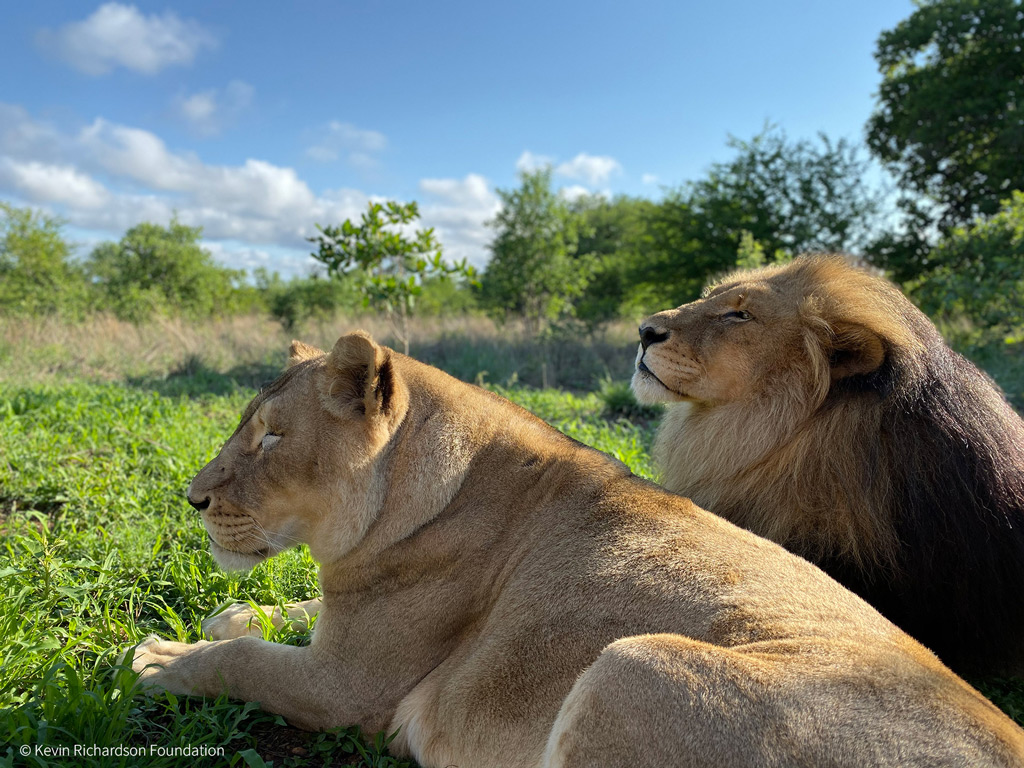
KR: We have released some hyena into the wild, but as many know, this is not viable with lions and leopard that were born and raised in captivity. There are fundamental reasons that I continue relationships with the lions. The first is that no matter how well cared for a captive animal is, I assure you, their lives are pretty dismal. The lions I care for, just like other rescued lions, are essentially prisoners for life, confined to a small space for crimes they didn’t commit. They may be thrown a ball, a toy or a blood popsicle here and there as “enrichment”, but it’s no natural life no matter how you spin it. I’d like to pose a question: If you were a bird in a cage, would you rather be left alone in your cage or would you rather have a relationship with your keeper and be released now and then, to fly and feel like a bird? The lions benefit from the relationship we have. When they hear my car coming, they will get up and run to the fence excited, for the stimulation our relationships bring about. Siam, one of the lions, will perk up in the midday heat (when a lion usually sleeps) and come to greet me. This is unusual behaviour for a lion. He wants his small moment in the day when he gets rubbed with citronella oil and brushed. When I see the happiness on his face, there is no way on earth I would deny him this small pleasure amongst the monotony of his existence. Last week I was sitting with another lion, and as I always inspect them, I found a thorn in his foot that was going septic. If unnoticed, this would have required the intervention of a vet and the trauma of being anesthetised. My lions get a softer touch when it comes to veterinary care – this is of immense benefit to them, and even when the vet does come, their stress levels are much less due to our relationships.
I haven’t spoken of this too much, but it may help readers understand the relationship that exists between these lions and myself? Often when I go away on holiday, some of the more sensitive animals in the sanctuary get depressed. We have a long history of animals getting ill when I am travelling abroad for long periods. This sometimes makes travelling difficult for me, as I can never fully be present where I am. Although difficult to talk about, one of my dearest lionesses, Amy, died recently of leukaemia. She took a rapid turn for the worse over Christmas while I was away. When I returned, the vet and staff said she was waiting for me. I went into her enclosure and sat with her. She lifted herself, something she hadn’t done since I had left, and uttered a ‘wa-ow’, a friendly, gentle, guttural sound that a lion makes when being affectionate. She died shortly after that. I don’t feel the need to convince people that there is a deep understanding between these animals and me; I know it to be true, and that is all. To ask me to stop interacting with them is like asking a person to please refrain from ever hugging their child again.
Regarding commercial opportunities such as the Tag-Heuer shoot, yes, these opportunities help create a better life for the animals, but I wouldn’t frame it as a transactional agreement as laid out in the question. My motivation is my animals and looking after them in a way that can be more sustainable than the usual sanctuary approach, which relies entirely on donations and footfall through the door. My relationship with them has paved the way in creating unique opportunities, such as Wild Aid shooting a PSA for lion awareness and conservation, just as it does for Tag-Heuer that pays for some vet bills and the excellent care that these animals receive. To the lion, it’s the exact same experience. The lion doesn’t care if the shoot is for an NGO or a brand – the lion is concerned only that it is enjoying the stimulation and the treats that come with a shoot.
I facilitate many of these nonprofit shoots in large part, with no fee attached, and the money goes to other NGO organisations. When I finally took ownership of these animals from the clutches of their previous owner, I had the freedom to be very discerning about which projects I accepted, and each one is carefully considered. These shoots, Tag-Heuer included, have helped create a risk-averse environment for me to fulfil my commitment to take care of these creatures for the remainder of their lives. I think with the release of the “Tiger King” docu-series, the world is waking up to the reality that it’s a long, long, expensive commitment to house and care for a captive wild animal properly. You need to be smart and play the long game. My animals are getting old; I have to be prepared for rainy days. With the outbreak of the Coronavirus my phone is going off the hook with other facilities asking us to take animals in because they cannot afford to keep them. I can keep my head above water during such times because of these shoots, so I am very grateful for that and to the lions that help contribute to the upkeep of their kind.
Your website mentions the support of the patronage of Her Serene Highness Princess Charlene of Monaco. What does this patronage cover and are there any conditions that you are required to follow to receive this support? If so, what do these conditions include?
KR: My relationship with HSH Princess Charlene arose from her interest in spotted hyena. She wanted to help elevate the profile of hyena, and she visited me for advice. After spending time at the sanctuary, she became enlightened to the extent of how captive lions are being treated in this country. She has always wanted to help, and so when we were launching the foundation, I offered her a position of Patron which she accepted. The princess lends weight to our organisation and being South African, it was important to her to represent an animal so iconic to the country in her position of influence. There aren’t specific conditions to her patronage, except that we provide her with our annual report and keep her abreast of what is happening legislatively. We are aiming to host a fundraiser in Monaco, but with COVID-19 and its detrimental impacts throughout the world we’ve had to push this out. As an organisation that is not yet two years old, we need to strategically put resources into things that yield direct results, especially in the trying times we are all faced with.
Did you buy lion cubs from a breeding facility for Mia and the Lion? If not, where did the cubs for the movie come from? If so, would this not qualify as supporting the industry you purport to condemn?
KR: We would prefer to look at the lion cubs from the film “Mia and the White Lion” as being saved from the abhorrent canned hunting industry. The fact that money exchanged hands has never been denied. I think my critics enjoy the romantic notion that I did it secretly, cloak-and-dagger style. Acquiring the cubs was a calculated and intentional decision for a few reasons. Firstly, when we asked ourselves “Where can we ethically purchase lion cubs?” the resounding answer was… “Well, nowhere.” I have a strict no breeding policy at the sanctuary and was certainly not going to take a lioness off contraception to breed a few cubs that would readily be available at any one of the 300 breeding facilities in South Africa.
Secondly, the film for me was an opportunity to take a disturbing and horrific story and relay it to audiences across the world in a palatable way – through a family film. I have worked in conservation and documentary film for over two decades. I’ve come to understand that the audience that seeks out expose’ type films is generally the audience that is already quite informed. It certainly excludes children, as we want to protect them from seeing these horrific images of lions being slaughtered, just as we protect them from seeing what transpires at feedlots, chicken farms and piggeries. I believed the film to be an effective and modern way to spread this story globally. The film required lions, and I knew I could help make the film happen. My question to the reader is, would not acquiring the cubs, and not making the movie, have served the cause of lions in any way? I question the power of boycotting in this circumstance. If I had not acquired cubs and not made the movie, nothing would’ve transpired. By procuring the cubs and making the movie, a doorway to millions of people has been opened, and awareness about canned lion hunting become known where it was previously unknown. For these few lucky lions that escaped the bullet and now live in my sanctuary, this choice served them well too.
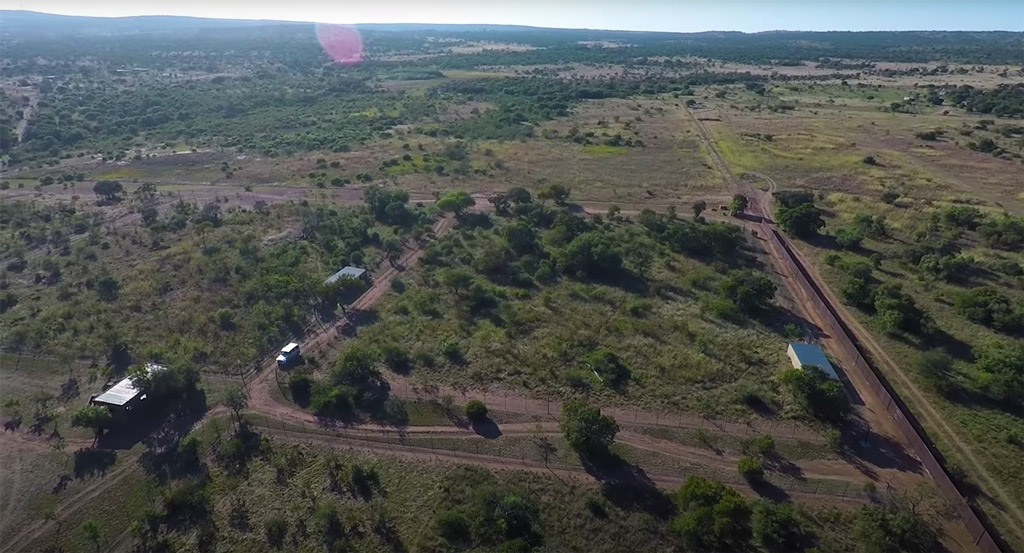
Aerial view of facilities
Does it qualify as supporting the industry I condemn? The answer to that is subjective, in my opinion. I paid considerable sums to get ownership of all the lions in my care – as they certainly weren’t going to be handed over as a gift – too much an amount for a group of ageing and in-bred lions to be honest. You can call it rescuing or purchasing… in that situation I felt I was paying a ransom for animals I had grown to know and love. It amazes me that people get hung up on this. To do an exposé on human trafficking, a filmmaker may need to solicit a sex worker for an interview, supporting an industry they are against. Many organisations are founded on the purchasing of lions, like Panthera Africa, for example, as told in the book “Cuddle Me, Kill Me” by Richard Peirce. No one hides that fact, and everyone agrees that Obi and Oliver were rescued, even if they were purchased. I think the idea that paying money for something that serves a higher purpose is the same as “supporting” an industry they disagree with is a bit far-reaching and lacking in creativity and foresight.
How many predators do you have at the sanctuary, and would you be willing to explain the background of all of them?
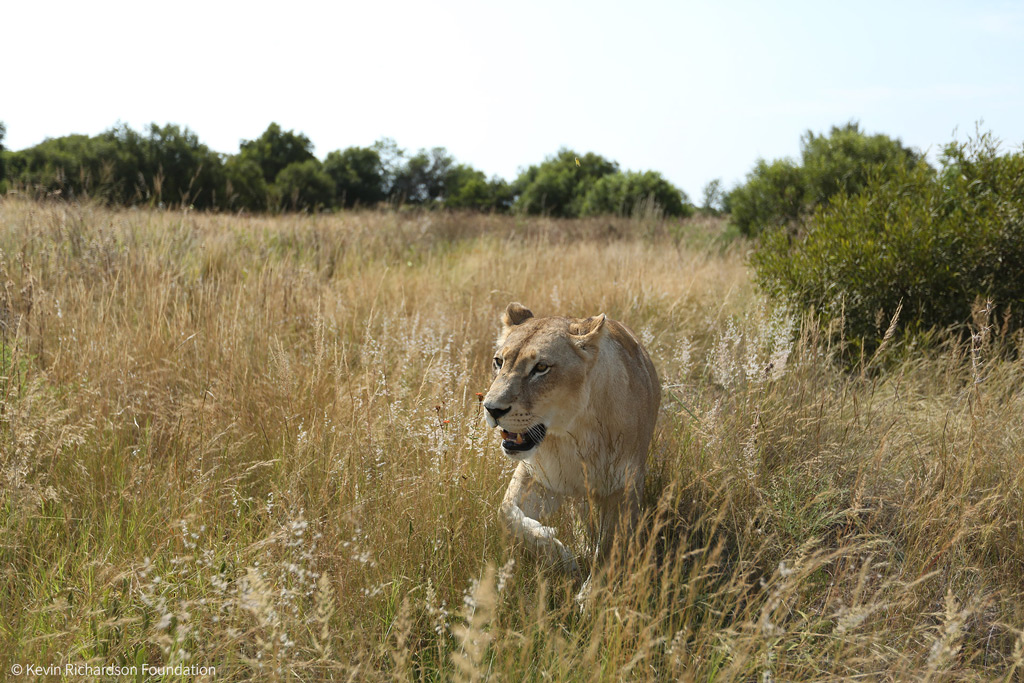
KR: I have 24 lions left in the sanctuary, and that number is decreasing year on year as they age and die. Most of the lions are well over 12 years old, many 15, 16 and 17. There are also four leopards, 11 elderly spotted hyena and two striped hyenas. The background of these animals is that I came to know them while working at Lion Park as a young man in the late 90’s. When I severed all ties with The Lion Park, I took these animals with me, and it took me several years to get legal ownership of them. This background excludes the six lions acquired for the film “Mia and the White Lion”, which has been explained above, as well as George and Yame – two lions rescued from Spain by The Campaign Against Canned Lion Hunting (CACH) who asked if I would take them.
When the last lion passes, these enclosures will either come down and become part of the habitat around it or be used as a temporary rehabilitation facility for wildlife that is injured and will be released into the wild. This era of my life will be over, and I will engage with the new world of conservation that emerges and the new challenges that it brings.
You referred to the Tiger King series currently viewing on Netflix. What are your thoughts about the series?
KR: Having now watched it, I can say I am honestly stupefied at both the way the animals are being kept and the people who appear in this show. Although I have always been aware of the horrific numbers of big cats kept in backyard conditions, poorly run zoos and rescue facilities in the U.S.A, it was horrifying to get an inside look at the sheer scale of what is going on, not to mention the motives behind the people ‘caring’ for these animals. What was particularly disturbing was the millions of dollars (some donated), squandered on frivolous lawsuits and personal rivalries. It shows that even big cat rescue centres that are lauded as ethical have lost touch with their priorities. It seems, in this case, the fish is rotting from both ends. Although the reality is worse than I ever imagined, it is necessary and positive that the whole world is now aware of how ludicrous the situation is and how much harm is being caused by lack of regulation. Hopefully, this will give rise to some legislation change that makes the ownership and breeding of wild animals more restrictive. For years I have been explaining to people the considerable responsibility and complexity involved in adequately caring for predators in captivity, and that it is a lifetime commitment that requires shed loads of money. I hope the series is a warning to those individuals who can’t see past the few months of when a cub feels like a cute pet, and goes out and buys a predator cat on a whim. When it comes to animal welfare, it’s heartbreaking to see the conditions these animals have to endure, but sadly there are just as many big cat rescue facilities (initially with good intentions to ‘save’) that are as bad, if not worse, than some of the zoos or circuses the animals have been “rescued” from. What worries me is that these facilities, dependent on the public to keep running, are existing hand-to-mouth, with no contingency plan and what happens now to the animals in a scenario such as the COVID-19 outbreak? As I write this, these facilities are closed with zero income during the lockdown, what of the animals?
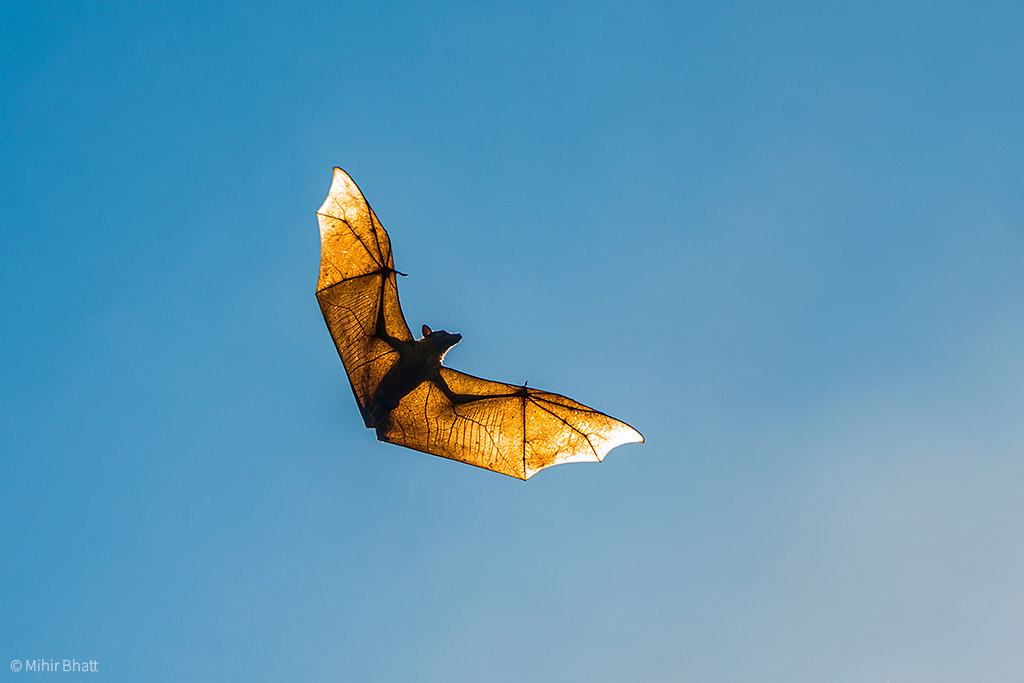
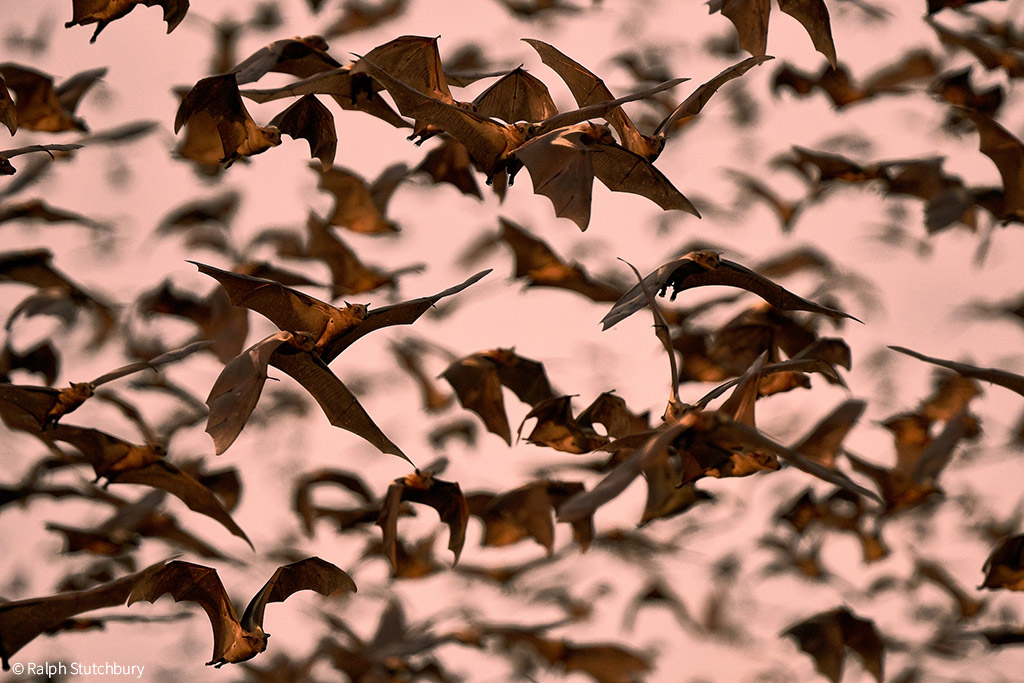
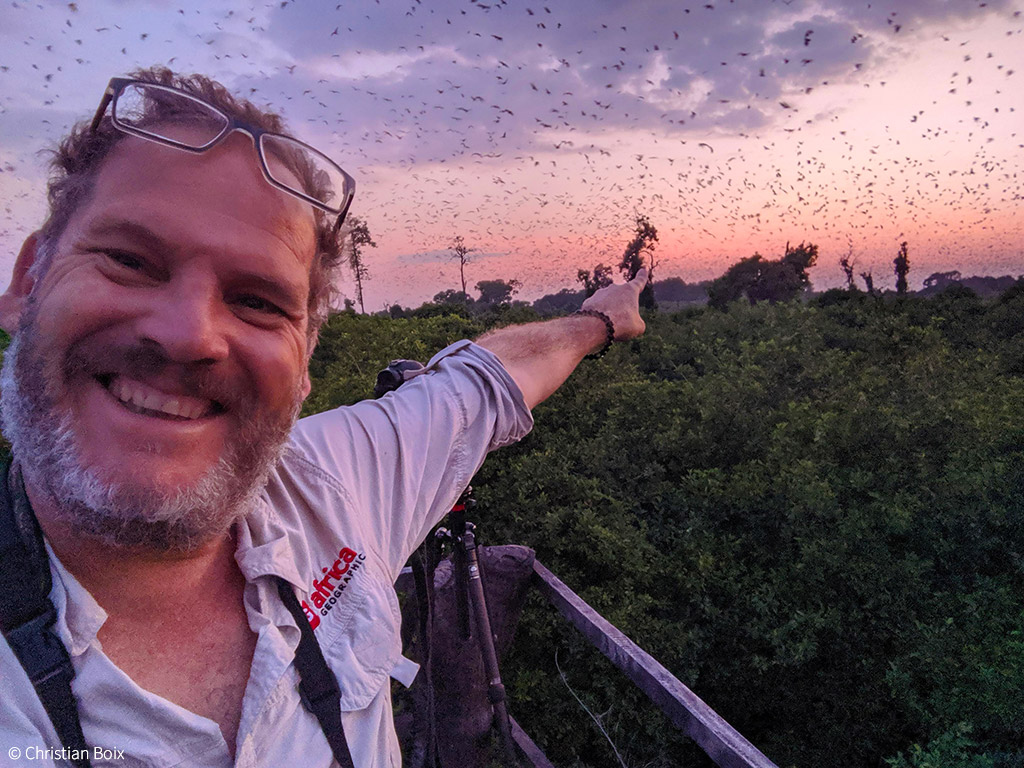
Every year in November about 10 million straw-coloured fruit bats gather in Kasanka National Park in Zambia to feast on fruit delicacies such as musuku, mufinsa and mangos. These flying mammals darken the skies and trigger a feeding frenzy for Kasanka’s birds of prey and other opportunistic predators. This is the largest mammal migration on planet earth and attracts significant attention from a tourist perspective – as well it should! However, beyond that, few people really give the bats of Africa much consideration. Caught somewhere between being thought of as a rodent and a bird, they are viewed as a pest by many and as terrifying by an unfortunate few. The most attention they’ve received recently has been in reference to zoonotic diseases. Yet hidden in the intricacies of their tiny facial features, over-sized ears and paper-thin membranous wings, is a creature perfectly suited for its ecological niche and, even more importantly, one which plays a vital role in ecosystem health.
Flocking straw-coloured fruit bats in Kasanka, Zambia
There are 321 bat species in Africa – equating to a quarter of global bat diversity – divided into fructivores and echolocating insectivores. Quite aside from providing food for numerous predators, they perform vital services for the ecosystem – including the agricultural industries.
While bees are finally being recognized for their role as pollinators, bats are also pollinators of about 528 plant species worldwide, of which 450 are of commercial/agricultural importance. These include baobabs, sausage trees, mangoes, avocadoes, banana plants and African locust beans. The mechanism behind this pollination process is straightforward to understand. In essence, the bats feed on the plants (fruit or nectar) and transport the pollen to the next plant they move to. In many cases, the flowers of these plants are pale-coloured and bell-shaped – designed to appeal more to bats than insects – and some of these relationships are so interdependent and exclusive that studies carried out on over 126 species have shown that if bats are excluded, fruit production reduces by up to 83%.
In an extension of their role as pollinators, bats also act as seed dispersers in a manner not unlike that of elephants, on a smaller scale. They digest the fruits they consume and then excrete the seeds far away from the parent plant in a pile of ready-made fertilizer (guano).
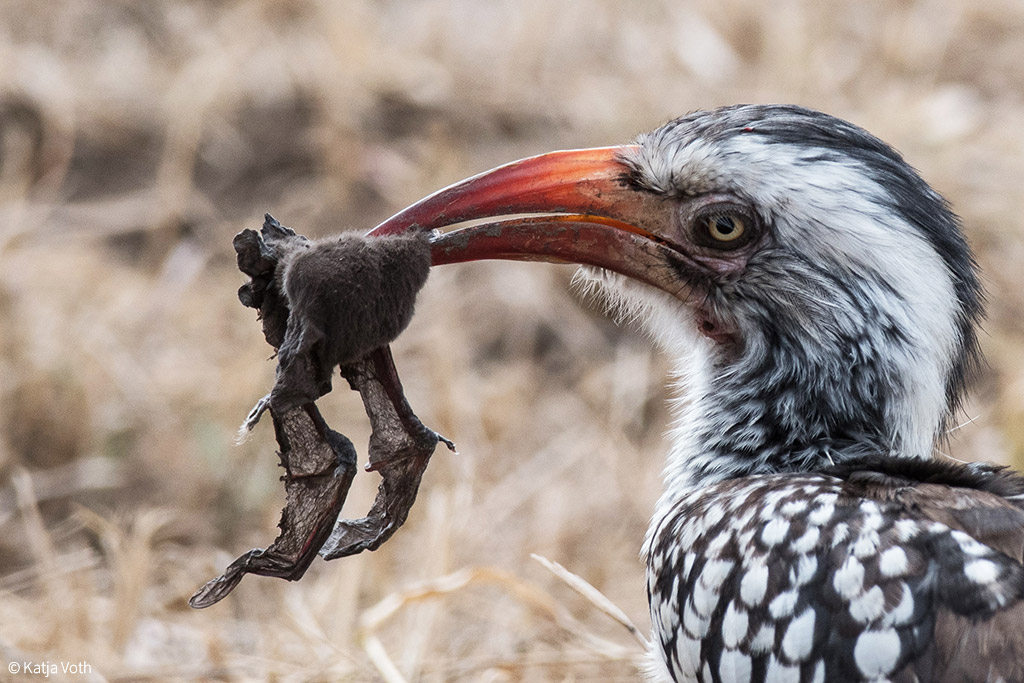
A red-billed hornbill making a meal of a bat in Manyeleti, Greater Kruger, South Africa
Bats also contribute to maintaining a balance in terms of insect numbers. Insectivorous bats can consume an average of 70% of their body weight in one night, including enormous numbers of mosquitoes and crop pests. Their exact impact on controlling mosquito numbers is still not thoroughly researched, but it is known that most microbats consume mosquitoes in vast amounts, making some researchers look into their role in reducing malaria cases. Quite aside from the ecological and health implications of this service, research conducted in North America estimated that the services provided by white-nosed bats in terms of pest control and crop protection equated to around $3.7 billion per year. Studies have also shown that bats in South Africa could be used to help macadamia farmers to save millions currently being lost to stinkbug damage.
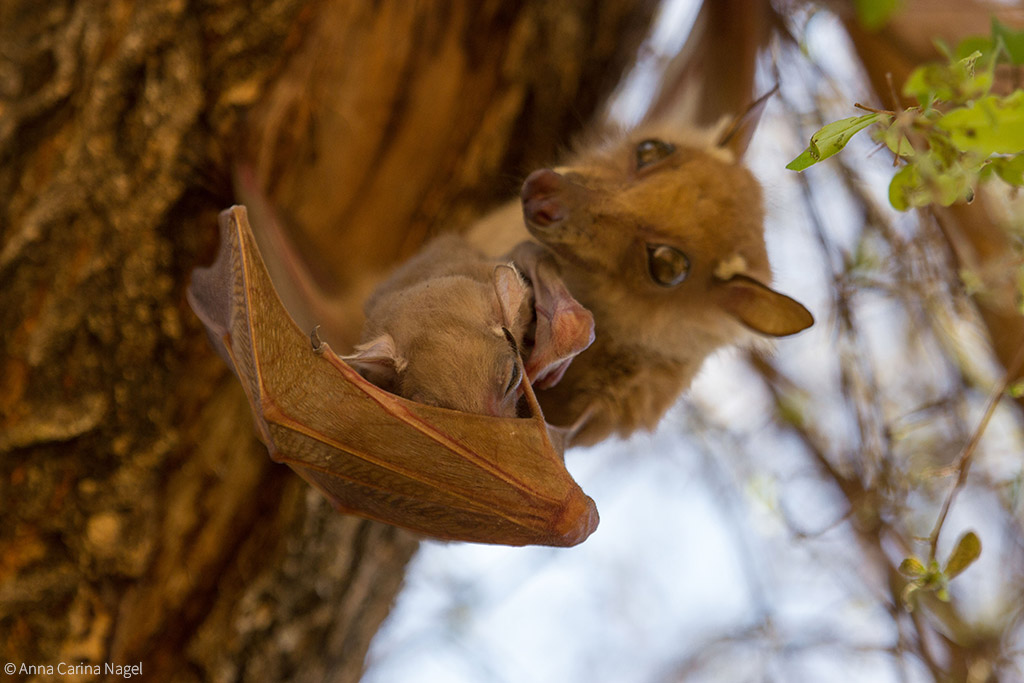
An epauletted fruit bat holds her baby in the cooling breeze in Balule, Greater Kruger, South Africa
Those passionate about conserving bats have their work cut out for them. For a start, bats sometimes occupy human homes and cause a fair amount of mess and a relatively unpleasant odour – and they require professional removal. More so, a fair number of people have a kind of primordial fear of bats. This is only going to be exacerbated by the acknowledgement that bats are known carriers of coronaviruses. With all of this counting against them, 24 bat species are critically endangered, 53 are endangered and another 104 listed as vulnerable throughout the world. Yet protecting them is essential because, without bats, the world could, quite possibly, turn upside down.
Africa Geographic director Christian Boix with safari clients in Kasanka, Zambia, during the annual bat migration
Our Photographer of the Year 2020 is now in full swing. The overall winner, first runner-up, and second runner-up (along with their partners), will experience the ultimate private safari at Djuma Private Game Reserve, located in the Sabi Sand Private Game Reserve in the Big 5 Greater Kruger, South Africa. Read about the safari enjoyed by the 2019 winners here.
There are four galleries showcasing this week’s Weekly Selection. To see the other gallery click here:Gallery 1, Gallery 2, Gallery 3
Our Photographer of the Year 2020 is now in full swing. The overall winner, first runner-up, and second runner-up (along with their partners), will experience the ultimate private safari at Djuma Private Game Reserve, located in the Sabi Sand Private Game Reserve in the Big 5 Greater Kruger, South Africa. Read about the safari enjoyed by the 2019 winners here.
There are four galleries showcasing this week’s Weekly Selection. To see the other gallery click here:Gallery 1, Gallery 2, Gallery 4
Our Photographer of the Year 2020 is now in full swing. The overall winner, first runner-up, and second runner-up (along with their partners), will experience the ultimate private safari at Djuma Private Game Reserve, located in the Sabi Sand Private Game Reserve in the Big 5 Greater Kruger, South Africa. Read about the safari enjoyed by the 2019 winners here.
There are four galleries showcasing this week’s Weekly Selection. To see the other gallery click here:Gallery 1, Gallery 3, Gallery 4
Our Photographer of the Year 2020 is now in full swing. The overall winner, first runner-up, and second runner-up (along with their partners), will experience the ultimate private safari at Djuma Private Game Reserve, located in the Sabi Sand Private Game Reserve in the Big 5 Greater Kruger, South Africa. Read about the safari enjoyed by the 2019 winners here.
There are four galleries showcasing this week’s Weekly Selection. To see the other gallery click here:Gallery 2, Gallery 3, Gallery 4
Authors: Jamie Paterson (science editor) and Simon Espley (CEO) of team Africa Geographic
South Africa is a long-standing and respected leader when it comes to farming wild animals. Yes, there are instances of bad and biodiversity-damaging behaviour (which we condemn via focussed articles), but as an industry, the South African wildlife industry does earn its keep and its kudos, and it maintains sizeable swathes of land for wildlife, and away from intensive crop and livestock farming. But recent moves by the South African government suggest that the game is about to change, and not for the better.
In 2019, the Ministry of Agriculture in South Africa quietly (and without public consultation or scientific research) passed a “minor amendment” to the Animal Improvement Act that reclassified 33 wild animals as farm animals – including lions, cheetahs, several antelope species, giraffes, zebras and both black and white rhinos. Now, the government plans to revise the Meat Safety Act of 2000 by expanding the list of animals to which the Act applies for slaughter, consumption, import, export, and sale. The intent was published in the official government Gazette on 28 February 2020. New animals added to this list now include impala, bushpig, warthog, giraffe, elephant, buffalo and rhinoceros. Is the plan to intensively manufacture our rhinos and elephants (and others) into burgers, kebabs and pâté?
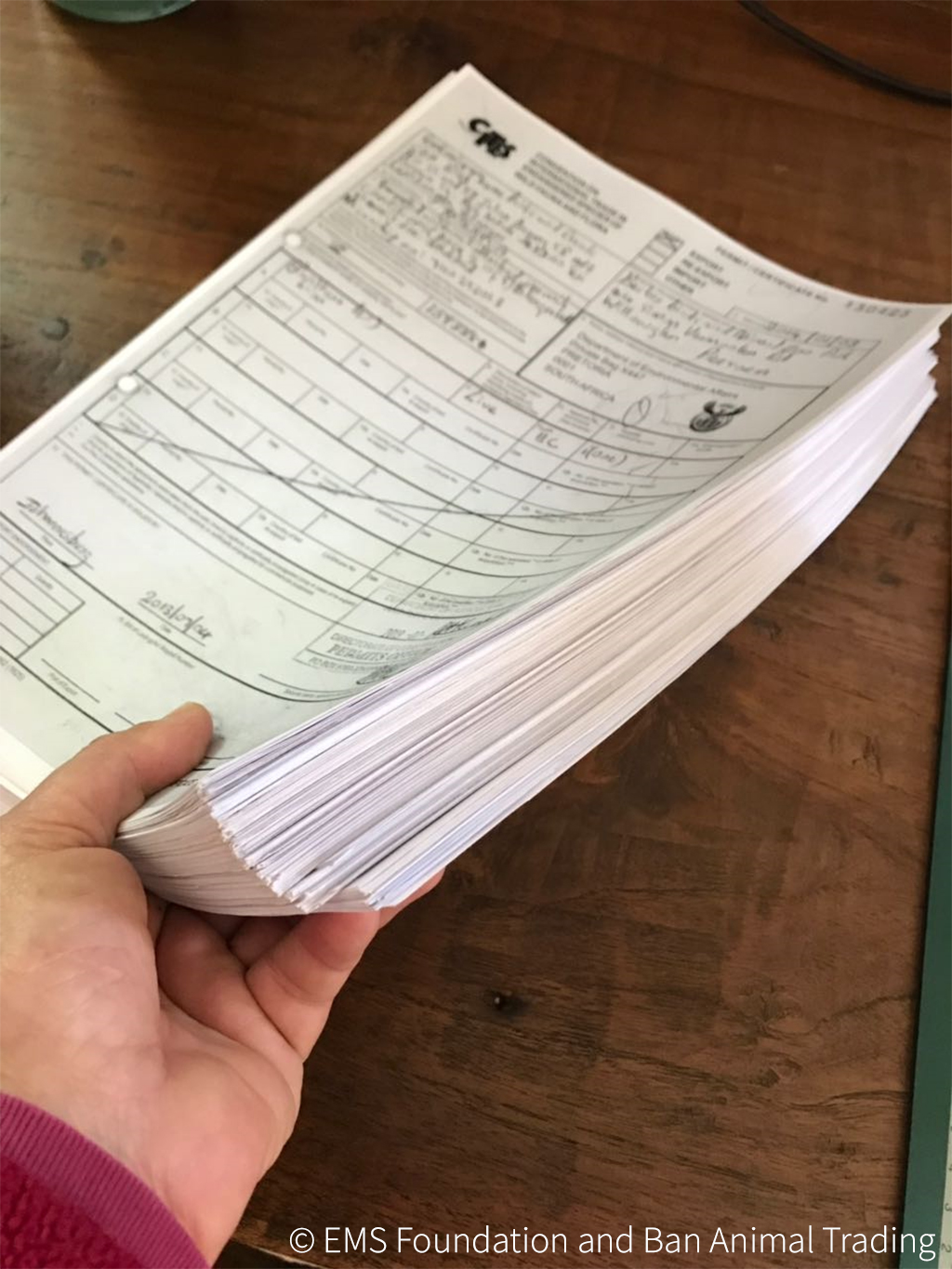
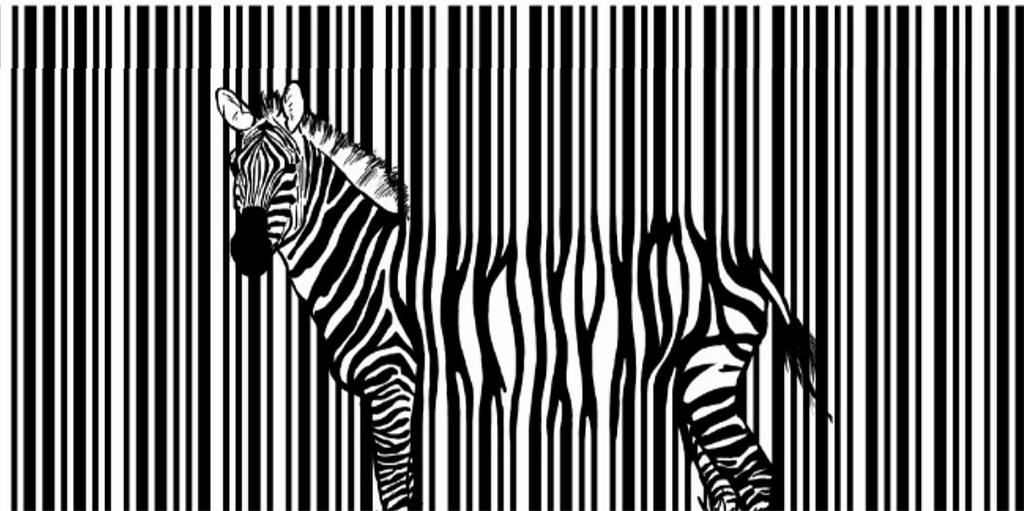
To be clear at the outset, we offer no blanket objection to all sustainable uses of wildlife, especially where these uses are legitimately environmentally sustainable and beneficial to local communities. Instead, this opinion editorial is about the degree to which these activities are pursued, against a backdrop of demonstrated failure by government to enforce existing legislation designed to protect biodiversity and human public health. For example, there is a clear difference between venison/game farming and subsistence hunting on the one hand, and intensive farming to achieve a maximum yield on the other. The South African government has been incrementally promoting the ‘sustainable use’ of wildlife for many years – expressing this approach as a guiding principle behind several policy decisions. That seems to be a reasonable strategy on a continent with an abundant biodiversity resource. That said, these latest proposed amendments to the Meat Safety Act suggest the intention to stretch South Africa’s wildlife laws to include the large-scale farming of wild animal species specifically for consumptive purposes. This is where the comparison to China’s journey with wildlife farming becomes highly relevant.
Proponents of the ‘sustainable use’ ideology argue that it is a conservation tool; by permitting the captive breeding of wild animals, the products of these animals (meat, horn, skin, scales) can be used to supply the market – thereby dropping the prices and reducing the pressure on the animals in the wild. This is the basis of the argument used for both canned and other trophy hunting and the trade in lion bone. It is also the fundamental approach of Chinese wildlife laws. The term ‘sustainable use’ is now often underpinned by the term ‘if it pays it stays’ – which surely has an altogether different meaning.
China’s Wildlife Protection Law (WPL) is the basis of the legal framework of wildlife protection in that country. Since it came into effect in 1988, the WPL has been revised four times and the 2016 revision centred around whether or not the law was about “protecting” wild animals or “using” them. Ultimately, “regulated use” was cemented into the law and made clear that wildlife is to be considered a “resource”, one of the principle purposes being for domestication and consumption. The Chinese government has actively promoted the farming of wildlife over the past three decades – designating it as a key strategy for rural development and resulting in a convoluted industry that was valued at US$74 billion by the Chinese Academy of Engineering in 2017.
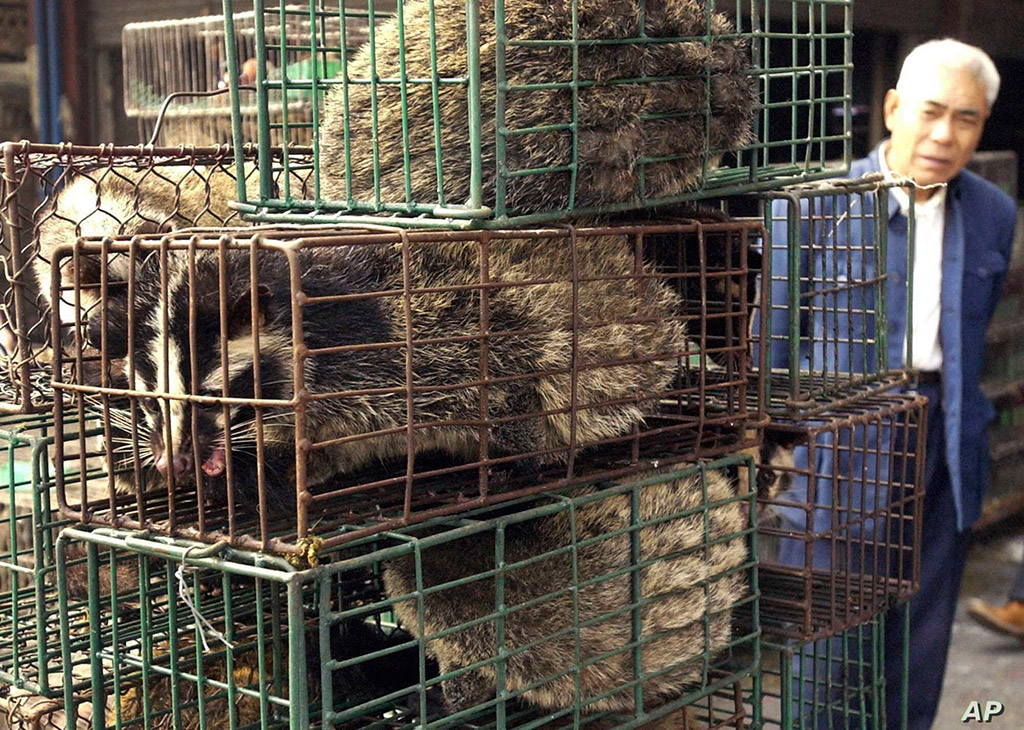
It was this approach that has led directly to the current coronavirus pandemic and catapulted China’s wildlife markets onto international news screens, ultimately resulting in a temporary ban in the trade in wildlife products. While scientists have yet to confirm which species carried the virus and passed it on to humans, there is no rational doubt that the disease is zoonotic in origin. This is hardly without precedent – the 2003/4 SARS outbreak that killed at least 774 people in 29 different countries was traced to farmed civets, though experts believe that they were an intermediate carrier and that the virus was transmitted to them in one of the meat markets. China implemented a temporary ban on civet farming, but by the end of 2019, government bodies in China were promoting the farming of civets once again.
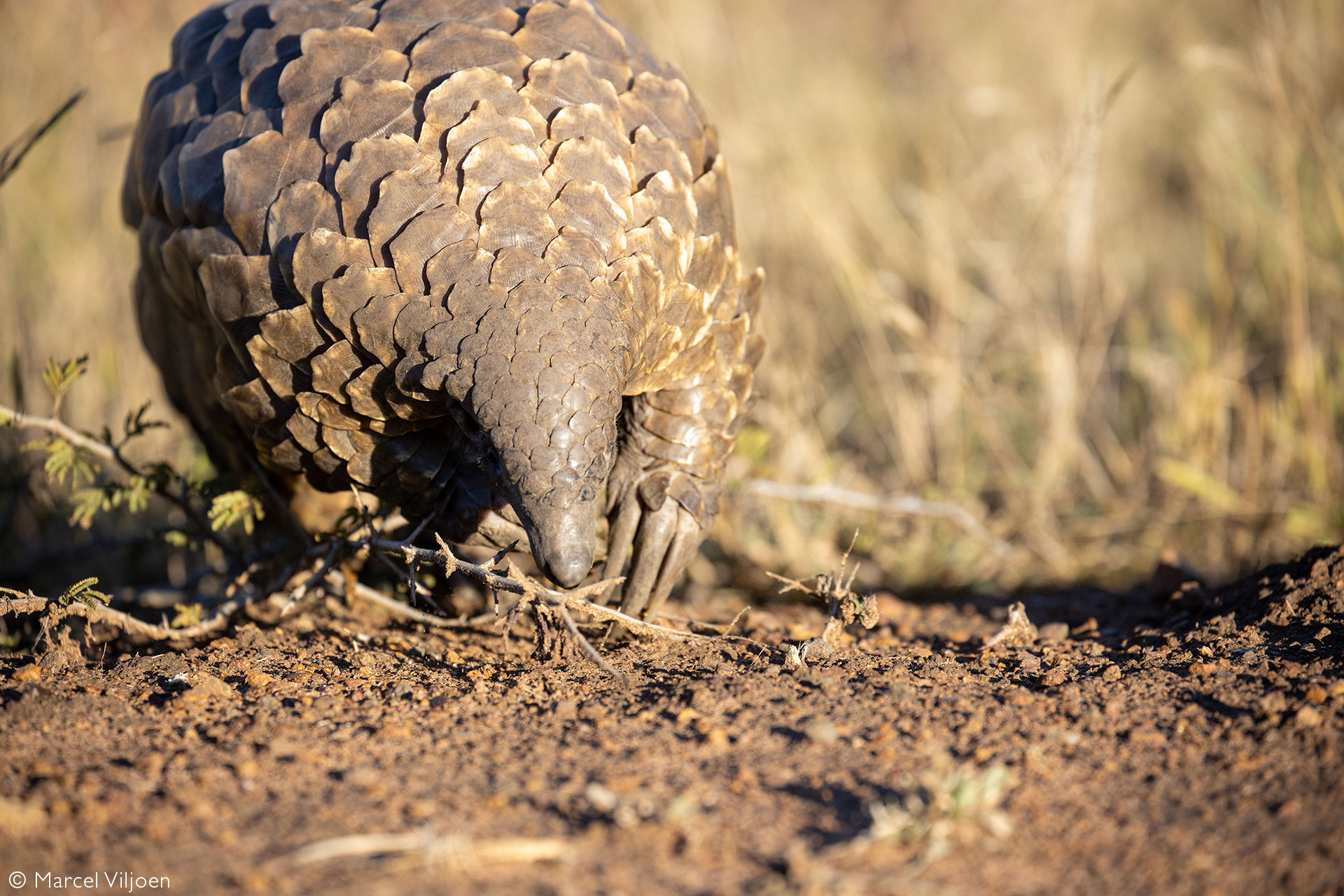
Quite apart from the zoonotic implications exacerbated by the unsanitary farming conditions and markets, farming wild animals in China has failed in its purported conservation agenda. There are believed to be over 200 tiger farms in China, with over 5,000 tigers farmed for their bones, skin and teeth to feed the enormous traditional medicine market. Yet in the three decades of tiger farming, wild tiger numbers continued to plummet, and there are now believed to be fewer than 50 wild tigers throughout China – despite extensive conservation efforts. Tiger parts sourced from tigers poached in other parts of Asia also find their way into China to feed the demand of the largest market in the world. And African lion bones (farmed and poached) are also finding their way into the Chinese tiger bone market. The same applies to multiple pangolin species both within China and throughout the rest of the world.
Given that tigers and pangolins are theoretically species with the highest levels of legal protection in China, why then is this the case? The answer given by critics such as the Environmental Investigation Agency is that allowing trade in animal parts for ‘traditional medicine’ reasons (permitted under Chinese law even for the most endangered species) makes it impossible for authorities to determine which animal products are legal or illegal, farmed or wild. Their investigations indicate that the legal trade has created the perfect opportunity for the laundering of illegal wildlife parts.
Could this be the model that South Africa is destined to follow? Will South Africa (and Africa by implication because South Africa is a known transit point for continental wildlife trafficking) see its threatened species go down the same road of intensive farming while wild populations crash? To better understand the risk of this happening, let’s dig deeper, to compare the situation in China and South Africa.
It could be argued that South Africa could use this model to learn from China’s mistakes, to create a much more coherent way of controlling the trade in wild animal parts. The Chinese legislation has been criticised as being piecemeal and ambiguous, operating through loopholes without any centralised authority, based on the premise that the Chinese government promotes farming and consumption of wild animals. To avoid this situation, South Africa would need clearly communicated and concise laws with an effective method of certification for legal farmed animal products.
Yet so far, the South African government’s approach has been anything but clear and concise. The 2019 amendment was met with widespread condemnation and criticism for its lack of clarity on the ramifications of such an amendment, particularly with regard to the lion bone farming industry. Indeed, one author of this opinion editorial requested clarity in mid-2019 from Minister Barbara Creecy, South Africa’s Minister of the Environment, on how many wild rhino this country has left, when Ms Creecy requested scientific input to an application to CITES to reduce the protection afforded to white rhino. The Minister, unlike her predecessor, refuses to divulge rhino population statistics against a backdrop of misleading proclamations of reduced poaching, and yet here she was expecting valid scientific input while keeping us all in the dark about the most important starting point for such scientific input. Once again, the announcement of the proposed amendment of the Meat Safety Act to include rhinos offers no real clarity except to point out “this scheme includes animals that are listed as endangered species…and therefore their slaughter for both human and animal consumption must be in line with the most relevant conservation indications”. What is meant by “most relevant” remains to be seen…
In addition to unambiguous laws, South Africa would need a centralised authority to manage the certification and oversee the movement, trade and disease-control of farmed wildlife products. There would also need to be strong law-enforcement procedures in place to ensure vendors do not sell illegal products alongside legal ones.
Like many Chinese people, the majority of the South African population has strongly engrained cultural beliefs surrounding the medicinal values of animal parts, as evidenced by the flourishing muthi markets in main cities such as Johannesburg and Durban. These markets continue to sell illegal wildlife products such as baboon skulls, skinned monkeys, vulture heads, pangolin scales and leopard pelts – and the rare police raids do little to stem the tide. Despite extensive efforts from both government and private initiatives, challenges in the forms of rhino poaching, bushmeat trade, vulture poisoning and black-market abalone trade all cast dark shadows of doubt over South Africa’s capacity to successfully police a legal trade in wild animals.
There would also need to be extensive legal guidelines for the welfare of these farmed animals. In China, it took years before the outrage regarding the process of bear bile farming had any impact on animal welfare legislation, and even so, there are farms where those practices are still commonplace. Intensive farming is known to result in animal welfare atrocities, and as money and maximum yield become the motivating factors, the same would apply to a wildlife context. There is a theory that allowing trade would create income to enable these farms to improve the living conditions – this is not born out in reality, as can be seen in the farming of domestic livestock. As we know from feedlot farming of livestock, this level of commercial intensification at the expense of moral and health standards becomes common-place when it is permitted. A case in point is that once South Africa legalised the farming of lions for bones the cases of horrific under-nourished, overbred lions crowded together on lion farms throughout South Africa sky-rocketed. Quite aside from the horrendous ethical implications, the cost to the country’s conservation reputation and subsequent loss of revenue from tourism would undoubtedly be enormous.
For 20 years, the venison industry in South Africa has been left to interpret the regulations of the Meat Safety Act without any government assistance, and this has resulted in warnings from meat safety consultants about potential safety problems. Humans have been fighting to keep domestic livestock diseases under control since intensive farming became an industry, and yet disease outbreaks still occur that result in enormous losses. Wild animals carry diseases. Some of these are capable of mutating and jumping the species barrier. In a natural environment, a system of checks and balances keep these diseases under control. But through intensive farming, these diseases have the potential to spread like wildfire. This recent article in Farmer’s Weekly emphasises the importance of venison as an industry and source of nutrition but warns that South Africa’s meat safety regulations are poorly understood and implemented and that the many zoonotic diseases historically found mainly in livestock are now increasingly common in wildlife. These diseases, therefore, pose a growing risk to human health.
The point is this. The South African reality right now is far removed from that of China’s; we are far from having a multibillion-dollar wildlife farming industry with wildlife markets offering anything from bats to tiger bones. But the South African government is relying on the same reasoning, the same justifications to push through legislation without proper disclosure, consultation and scientific input. “Sustainable use” is becoming a convenient catch-all phrase, a cover for the creation of an industry that is being pushed by those who would benefit tremendously by it. Both South Africa and China have a demonstrated lack of transparency in their manoeuvrings, and both seem unable to enforce their own environmental and public health regulations.
The South African government and policymakers need to take a long hard look at China’s conservation history, their role in the current Coronavirus pandemic and their increasing pariah status. And they need to honestly assess whether they have what it takes to avoid going down that same disastrous road when ‘sustainable use’ goes very wrong. When China treated wild animals as livestock, the animals paid the price, and now, the world is paying an even greater price. Is that a model that South Africa wants to emulate?
Our Photographer of the Year 2020, with a stunning safari prize provided by Djuma Private Game Reserve, is now in full swing.
The overall winner, first runner-up, and second runner-up (along with their partners), will experience the ultimate private safari at Djuma Private Game Reserve, located in the Sabi Sand Private Game Reserve in the Big 5 Greater Kruger, South Africa. Read about the safari enjoyed by the 2019 winners here.
There are four galleries showcasing this week’s Weekly Selection. To see the other gallery click here:Gallery 1, Gallery 2, Gallery 3
Our Photographer of the Year 2020, with a stunning safari prize provided by Djuma Private Game Reserve, is now in full swing.
The overall winner, first runner-up, and second runner-up (along with their partners), will experience the ultimate private safari at Djuma Private Game Reserve, located in the Sabi Sand Private Game Reserve in the Big 5 Greater Kruger, South Africa. Read about the safari enjoyed by the 2019 winners here.
There are four galleries showcasing this week’s Weekly Selection. To see the other gallery click here:Gallery 1, Gallery 2, Gallery 4
Our Photographer of the Year 2020 is now in full swing. The overall winner, first runner-up, and second runner-up (along with their partners), will experience the ultimate private safari at Djuma Private Game Reserve, located in the Sabi Sand Private Game Reserve in the Big 5 Greater Kruger, South Africa. Read about the safari enjoyed by the 2019 winners here.
There are four galleries showcasing this week’s Weekly Selection. To see the other gallery click here:Gallery 1, Gallery 3, Gallery 4
Our Photographer of the Year 2020 is now in full swing. The overall winner, first runner-up, and second runner-up (along with their partners), will experience the ultimate private safari at Djuma Private Game Reserve, located in the Sabi Sand Private Game Reserve in the Big 5 Greater Kruger, South Africa. Read about the safari enjoyed by the 2019 winners here.
There are four galleries showcasing this week’s Weekly Selection. To see the other gallery click here:Gallery 2, Gallery 3, Gallery 4
A group of hippos – Hippopotamus amphibious(amphibious water horses) – kicking up clouds of dust
Take, for example, the Cyclocephala nodanotherwon, which is a type of rhinoceros beetle in the scarab family that was described by Ratcliffe in 1992. Unless you are a scientist or particularly observant, go back and read the species name (the second word) again and enjoy Ratcliffe’s sense of humour in the knowledge that by the time it was described, 290 other members of that genus had already been identified. “Not another one” – get it?
It became very clear from very early on in our forays into the world of biological and scientific study that living creatures come in distinctive shapes and sizes and that it would be necessary to find a way to convey both similarities and differences between species through naming. With the help of Gaspard Bauhin and, more famously, Carl Linneaus, the system of scientific names gradually evolved to the point we have reached today. Binomial nomenclature is essential to our understanding of where each species fits into the great taxonomical hierarchy and works, in theory, to ensure certainty within the biological community.
A defassa waterbuck – Kobus ellipsiprymnus defassa (antelope with a circle on its rump)
Every mammal, bird, plant, fish, frog, algae, fungi (and so on) is designated both a capitalised generic name referring to its genus and a specific name/epithet that identifies which species it is. Now governed by a strict code, this naming system relies mostly on Latin and Classical Greek words to create a descriptive basis for each given name and it is in these meanings that the secret gems of the scientific naming system can be found. Small references to the biology of the animal can be a useful way of remembering the scientific name, but there are also tantalising glimpses into history and, on occasion, insights into the scientists doing the naming.
These days, people generally don’t throw scientific names into casual conversation unless they either work in a particular industry or are contriving to be as pretentious as possible, but understanding the etymology behind a name adds an entirely different dynamic.
Human – Homo sapiens:
Starting with the basics, “homo” literally translates from the Latin as human and “sapiens” as wise – a useful reminder that scientific names are not always necessarily accurate.
The Big 5
African bush elephant – Loxodonta africana
From the Greek word “loxós” meaning slanting, or crosswise, and “odoús” meaning tooth – referring to the grooves in an elephant’s molars. The africana part is relatively self-explanatory (though those interested should read up about the fascinating debate around the history of the name “Africa”)
White rhinoceros – Ceratotherium simum
“Cerato” meaning horn, “thorium” meaning wild beast and “simum” meaning flat-nosed – all come together to describe a horned wild beast with a flat nose.
Black rhino – Diceros bicornis
Named by Carl Linnaeus himself in 1758, there is some historical confusion as to how it came about, but it is believed that he based his classification on the skull of a (single-horned) Indian rhinoceros with an added artificial horn. He was clearly very taken with the idea of two horns, as the scientific name of the black rhino literally translates as “double horn” “double horn”. Imagine Linnaeus’ reaction had he not turned down a visit to South Africa on the basis that he didn’t really like the heat…
An impressive black rhino – Diceros bicornis (double-horn double-horn) – stares out across the plains
Lion and leopard – Panthera leo and Panthera pardus
There is some disagreement as to the etymology behind the word Panthera – it is most likely derived from a Sanskrit word meaning pale yellow but may also have been a reference to the hunting nets used by Roman soldiers.
Cape Buffalo – Syncerus caffer
“Syn” meaning together and “keras” meaning horn – together refers to the shape of the base of the buffalo’s horns (the boss). The species name refers to the Latin meaning from, or of, “Caffraria”, the name given to the African continent.
The ‘boss’ clearly evident in this drinking Cape buffalo – Syncerus caffer (together-horns from Africa)
Honourable mentions
Plains zebra – Equus quagga
The scientific name of the plains zebra was changed from Equus burchellii to Equus quagga after a scientific study confirmed that the extinct quagga was genetically close enough to other plains zebras to be considered to have been the same species. This forced a change in name due to the Principle of Priority – the quagga was classified first, and therefore that name must be applied.
Fortunately, this has not significantly dishonoured the memory of William John Burchell. The English explorer and naturalist had a multitude of animals (and an entire plant genus) named after him thanks to his meticulous exploration of South Africa during the early 19th century when he covered more than 7,000km, collected 50,000 specimens and kept meticulous records.
Woodland kingfisher – Halcyon senegalensis
The genus name of the Halcyon kingfishers is a reference to the word the Ancient Greeks used to refer to kingfishers. According to Greek legend, the kingfishers nested on the sea and that either the nests themselves or sympathetic gods calmed the winds and seas so that the eggs might survive. Hence the expression “halcyon days”.
A performing woodland kingfisher – Halcyon senegalensis (mythological bird from Senegal that calmed the rough seas)
“Narrow-mouthed” frogs – Mini genus
Described in 2019, a new genus of frogs with three separate species was discovered by researchers in Madagascar. The frogs, all under 15mm in length, have been named Mini mum, Mini scule, and Mini ature.
The above examples are just a small sample of the many secrets hidden behind what might be considered to be quite a boring scientific necessity. Given the spectacular variety of African fauna and flora and combined with our intricate history, the scientific names associated with our wildlife and plants tend to be intriguing and, at times, potentially highly amusing.
Our Photographer of the Year 2020 is now in full swing. The overall winner, first runner-up, and second runner-up (along with their partners), will experience the ultimate private safari at Djuma Private Game Reserve, located in the Sabi Sand Private Game Reserve in the Big 5 Greater Kruger, South Africa. Read about the safari enjoyed by the 2019 winners here.
There are three galleries showcasing this week’s Weekly Selection. To see the other gallery click here:Gallery 1, Gallery 2
Our Photographer of the Year 2020, with a stunning safari prize provided by Djuma Private Game Reserve, is now in full swing.
The overall winner, first runner-up, and second runner-up (along with their partners), will experience the ultimate private safari at Djuma Private Game Reserve, located in the Sabi Sand Private Game Reserve in the Big 5 Greater Kruger, South Africa. Read about the safari enjoyed by the 2019 winners here.
There are three galleries showcasing this week’s Weekly Selection. To see the other gallery click here:Gallery 2, Gallery 3
Our Photographer of the Year 2020 is now in full swing. The overall winner, first runner-up, and second runner-up (along with their partners), will experience the ultimate private safari at Djuma Private Game Reserve, located in the Sabi Sand Private Game Reserve in the Big 5 Greater Kruger, South Africa. Read about the safari enjoyed by the 2019 winners here.
There are three galleries showcasing this week’s Weekly Selection. To see the other gallery click here:Gallery 1, Gallery 3
Over 2,000 vultures (updated from 1,000 as previously reported) have reportedly died in various incidents across Guinea-Bissau, due to poisoning related to belief-based use. The situation now amounts to the biggest ever mass vulture mortality event in the world. Information provided by the Vulture Conservation Foundation.
Editorial update 21 April 2020:
The latest estimate of critically endangered hooded vultures to have died from poisoning across Guinea-Bissau is in excess of 2,000. Evidence collected during the field missions organized by the authorities suggests that the vultures have been killed deliberately using poisoned baits. Reports from witnesses corroborate that vultures were poisoned intentionally, using poison baits placed around villages so that vulture parts could be collected for belief-based use (ritual use), with demand related to the country’s political instability. In some parts of Africa, some communities believe that possession of vulture heads is thought to bring good fortune or even special powers. In Guinea-Bissau at least 200 of the poisoned vultures have been found without their heads. Additionally, there have been reports that high demand for vulture body parts from neighbouring countries may have played a role.
To help confirm the cause of death, vulture carcasses have been collected and sent to Lisbon with one of the last planes that flew out of Guinea-Bissau before the global lock-down imposed by the COVID-19 pandemic and toxicological analysis are now being carried out in Lisbon university.
Editorial update 6 March 2020: The number of vulture mortalities is now nearing 1000 individuals throughout Guinea-Bissau – an unprecedented and disastrous blow to the already plummeting populations of vultures in West Africa. The dead vultures have generally been found in groups on the outskirts of towns spread throughout the country, with numbers around 300-600 in Bafatá, 400-493 in Gabú, 40-96 in Bambadinca and 23 in Quebo. As was initially the case, most of the vulture casualties appear to be hooded vultures and the carcasses were incinerated immediately to minimise the potential contamination. Disconcertingly, the cause remains unidentified, though poisoning is still a distinct possibility, and the situation has been made all the more challenging due to political instability throughout Guinea-Bissau.
There have been no mortalities reported over the past few days which may be a positive sign, but the Vulture Conservation Foundation and the IUCN’s Vulture Specialist Group continue to offer their support to the local authorities.
Vulture poisoning is one of the main threats facing vulture populations throughout Africa, and incidents have been known to kill hundreds of vultures at a time. With further reports of dead vultures coming in from other regions of Guinea-Bissau, the reason behind the deaths remains to be established.
A quick response team was mobilised to incinerate the carcasses of the dead vultures to minimise the risk of spread of either poison or pathogen and the World Health Organisation office in Guinea-Bissau is involved in case there is a potential risk of a public health threat.
Africa’s vulture populations have already declined by an average 62% over the past three decades — with seven species crashing by 80%. Most of the afflicted vultures appear to be hooded vultures, which are considered to be Critically Endangered in West Africa, and this incident could have enormous ramifications for their population.
The Vulture Conservation Foundation and the IUCN’s Vulture Specialist Group have both expressed alarm over the incident in Guinea-Bissau and have stressed the urgency of the situation as well as pledging support to the authorities. So far, the reactions of the Guinea-Bissau authorities have been rapid, but the main priority now is to identify the cause behind these widespread vulture deaths.
A baby elephant was killed and eaten by spotted hyenas as its mother lay helplessly a few meters away – stuck in the mud of a rapidly-drying pan during the height of the 2019 dry season in Mana Pools, Zimbabwe. The mother died days later, probably due to dehydration, despite rescue attempts by park officials.
This gruesome display of how harsh life can be for Africa’s wildlife occurred just days before two baby elephants were rescued from a muddy pan – by the same photographer.
The mother and her baby elephant became stuck in the mud while trying to find water, and hyenas soon started circling. The hyenas attacked during the night and killed the baby by eating into the flesh via the spine – the only exposed part of the baby’s body.
This may seem ‘cruel’ to some observers, but reflects the reality for many individual wild animals that suffer a violent death. And the circle of life goes on – that clan of hyenas extracted the sustenance they needed to feed their clan members and to continue playing the essential role that they play as scavengers and apex predators. Read more about spotted hyenas here.
October 2019, and Mana Pools National Park was at the height of the dry season, after an extended drought. This is ‘suicide month’, and the mercury regularly rises to the mid-forties Celcius. The animals of Mana, already pushed to the brink of survival, must eke out an existence before the arrival of the rains.
Photographer Jens Cullmann, on his annual Mana Pools sojourn, was bushwalking when he came across the elephant cow and her calf stuck in the mud of a rapidly drying pool. The elephants, driven by their desperate thirst, had ventured too far into the sticky mud and as their strength deserted them, they had collapsed in exhaustion. Jens advised the park authorities of the situation, but was not permitted by strict park rules to take matters into his own hands, even if that were physically possible.
Jens, who was present during the daylight hours on either side of this horrible incident, had this to say:
‘‘I felt helpless as I watched this cruel drama unfold in front of me. When I shared some images on social media, some people asked me why I did not rescue the elephants; others accused me of not caring. Aside from it being illegal (for sound conservation reasons) to interfere with nature in a national park, the simple reality of the situation prevented me from assisting these elephants. Unfortunately, this is not as simple as digging with a spade and pulling them out. With a combined weight of more than five tons, stuck in thick mud, I would have needed a considerable team even to stand a slight chance. I witnessed several similarly distressing incidents during this stay in Mana Pools – all of them were gut-wrenching to witness. Life in nature has a cruel way of showing us that survivors aren’t always the strongest or the smartest – sometimes they are simply the luckiest. I mourned the death of all of these victims to drought, but also made sure to look for positives. Amongst this brutality, a clan of hyena gets to live for another week …”
Sometimes, words are inadequate to describe the harsh realities of what happens in nature. The following uncaptioned images speak for themselves.
ABOUT THE PHOTOGRAPHER, JENS CULLMANN
Jens Cullman is a German nature photographer. “It takes a lot of passion to capture one magical moment in the wild. Sometimes I wait for many hours in oppressive heat and have no luck. At other times the patience is rewarded during a split second of magic. But being ready at all times for that split-second is what makes the difference. Along the way, on this incredible journey, I have gained massive respect and love for wild places, and to accept nature’s ways. The golden hour of the sun, dust in the sky, animals in action right in front of you – this is where I always want to be.”
Our Photographer of the Year 2020, with a stunning safari prize provided by Djuma Private Game Reserve, is now in full swing.
The overall winner, first runner-up, and second runner-up (along with their partners), will experience the ultimate private safari at Djuma Private Game Reserve, located in the Sabi Sand Private Game Reserve in the Big 5 Greater Kruger, South Africa. Read about the safari enjoyed by the 2019 winners here.
There are three galleries showcasing this week’s Weekly Selection. To see the other gallery click here:Gallery 2, Gallery 3
Our Photographer of the Year 2020, with a stunning safari prize provided by Djuma Private Game Reserve, is now in full swing.
The overall winner, first runner-up, and second runner-up (along with their partners), will experience the ultimate private safari at Djuma Private Game Reserve, located in the Sabi Sand Private Game Reserve in the Big 5 Greater Kruger, South Africa. Read about the safari enjoyed by the 2019 winners here.
There are three galleries showcasing this week’s Weekly Selection. To see the other gallery click here:Gallery 1, Gallery 2
Our Photographer of the Year 2020, with a stunning safari prize provided by Djuma Private Game Reserve, is now in full swing.
The overall winner, first runner-up, and second runner-up (along with their partners), will experience the ultimate private safari at Djuma Private Game Reserve, located in the Sabi Sand Private Game Reserve in the Big 5 Greater Kruger, South Africa. Read about the safari enjoyed by the 2019 winners here.
There are three galleries showcasing this week’s Weekly Selection. To see the other gallery click here:Gallery 1, Gallery 3
Our Photographer of the Year 2020, with a stunning safari prize provided by Djuma Private Game Reserve, is now in full swing.
The overall winner, first runner-up, and second runner-up (along with their partners), will experience the ultimate private safari at Djuma Private Game Reserve, located in the Sabi Sand Private Game Reserve in the Big 5 Greater Kruger, South Africa. Read about the safari enjoyed by the 2019 winners here.
There are two galleries showcasing this week’s Weekly Selection. To see the other gallery click here:Gallery 1
Our Photographer of the Year 2020, with a stunning safari prize provided by Djuma Private Game Reserve, is now in full swing.
The overall winner, first runner-up, and second runner-up (along with their partners), will experience the ultimate private safari at Djuma Private Game Reserve, located in the Sabi Sand Private Game Reserve in the Big 5 Greater Kruger, South Africa. Read about the safari enjoyed by the 2019 winners here.
There are two galleries showcasing this week’s Weekly Selection. To see the other gallery click here:Gallery 2
Our Photographer of the Year 2020, with a stunning safari prize provided by Djuma Private Game Reserve, is now in full swing.
The overall winner, first runner-up, and second runner-up (along with their partners), will experience the ultimate private safari at Djuma Private Game Reserve, located in the Sabi Sand Private Game Reserve in the Big 5 Greater Kruger, South Africa. Read about the safari enjoyed by the 2019 winners here.
There are three galleries showcasing this week’s Weekly Selection. To see the other gallery click here:Gallery 2, Gallery 3
Our Photographer of the Year 2020, with a stunning safari prize provided by Djuma Private Game Reserve, is now in full swing.
The overall winner, first runner-up, and second runner-up (along with their partners), will experience the ultimate private safari at Djuma Private Game Reserve, located in the Sabi Sand Private Game Reserve in the Big 5 Greater Kruger, South Africa. Read about the safari enjoyed by the 2019 winners here.
There are three galleries showcasing this week’s Weekly Selection. To see the other gallery click here:Gallery 1, Gallery 2
Our Photographer of the Year 2020, with a stunning safari prize provided by Djuma Private Game Reserve, is now in full swing.
The overall winner, first runner-up, and second runner-up (along with their partners), will experience the ultimate private safari at Djuma Private Game Reserve, located in the Sabi Sand Private Game Reserve in the Big 5 Greater Kruger, South Africa. Read about the safari enjoyed by the 2019 winners here.
There are three galleries showcasing this week’s Weekly Selection. To see the other gallery click here:Gallery 1, Gallery 3
Ten years ago, 194 state signatories to the United Nations Convention on Biological Diversity committed themselves to the Aichi Biodiversity Targets – ambitious goals to conserve biological diversity. In particular, by 2020, they aimed that at least 17% of terrestrial and inland water, and 10% of coastal and marine areas, especially areas of particular importance for biodiversity and ecosystem services, are effectively and equitably conserved and integrated into the wider landscapes and seascapes.
What constitutes ‘protected land’?
Assessing what constitutes a protected area is no small feat and translating this definition into quantitative values is fraught with difficulties. This task falls to Protected Planet – a joint initiative of the UN Environment and the IUCN which uses submissions from governments, non-governmental organisations, landowners and local communities to update the World Database on Protected Areas (WDPA). The WDPA is the most comprehensive data set on protected areas in the world and is updated monthly to reflect ever-changing conservation realities of different countries. Protected Planet’s live digital report can found here.
The IUCN defines a protected area as “a clearly defined geographical space, recognised, dedicated and managed, through legal or other effective means to achieve the long-term conservation of nature with associated ecosystem services and cultural values.” This broad definition can encompass anything from strict nature reserves where no human activity beyond scientific research is permitted to conservation models that allow for the sustainable use of land, such as conservancies. Of the latter, many such areas form a fundamental percentage of Africa’s protected terrestrial spaces.
The 2020 Targets
According to the latest update by the WDPA (March 2020), the terrestrial protected areas across the globe cover 20,4 million km² – which equates to 15.1%, below the 17% target. The protected marine areas also fall short of the 10% goal – only 7.4% of the world’s oceans are protected. The WPDA world map of comparative percentages of protected terrestrial land can be viewed below.
Image (Map) Source: UNEP-WCMC and IUCN. March 2020. Protected Planet: The World Database on Protected Areas (WDPA), March 2020 version, Cambridge, UK: UNEP-WCMC and IUCN.
African countries by percentage of protected area
Country
Overall protected land percentage
Effectively managed protected land percentage
Republic of Congo
42
10
Zambia
41
16
Tanzania
38
12
Namibia
38
16
Guinea
36
6
Benin
30
10
Botswana
29
19
Togo
28
7
Zimbabwe
27
6
Senegal
25
6
Côte d’Ivoire
23
6
Malawi
23
12
Gabon
22
11
Mozambique
22
5
Chad
21
12
Equatorial Guinea
19
12
Ethiopia
18
3
Central African Republic
18
6
Niger
17
16
Guinea-Bissau
17
16
Uganda
16
7
South Sudan
16
9
Ghana
15.1
1
Nigeria
14
2
Democratic Republic of Congo
14
7
Egypt
13
8
Kenya
12
5
Rwanda
9
9
Mali
8
8
South Africa
8
5
It is imperative to note the distinction between total protected land and the percentage considered by the WDPA to be effectively managed, which puts certain percentages into perspective. This is not necessarily an indictment on the management of the protected areas because an area is only counted as being effectively managed if “management effectiveness evaluations have been reported as being undertaken”. Also, the statistics used by the WDPA often differ from those officially reported by the countries themselves.
The 2020 deadline – now what?
There have been numerous meetings and workshops scheduled for the build-up to the Conference of the Parties to the Convention on Biological Diversity – planned for October 2020 in China.
1,967 sites in Africa have been identified as Key Biodiversity Areas; that is, areas that “contribute to the global persistence of biodiversity, including vital habitat for threatened plant and animal species.” Of these sites, 38% fall under some form of protection. Africa, as a whole, has made significant strides over the past ten years towards increasing the amount of protected terrestrial areas. While there are inevitable challenges and setbacks, African countries are guardians to some of the earth’s most vital ecoregions. Most importantly, the future of these protected areas – both existing and planned – hinges directly on the support of the tourism industry.
Hand over hand we crawled up the jagged rocks of Mutumbe, determined to summit the highest point in Zambia’s Kafue National Park before dark. We had started our climb on a gentle slope but quickly found ourselves scrambling over boulders and sharp rocks with our skin soaked in sweat. No one we knew had ever attempted the climb. Now we understood why.
With steep-sided iron ore ridges, Mutumbwe rises 300 meters above the surrounding plains, looking from above like a knife’s edge slicing through the terrain. Cresting a vantage point, we realized we were merely climbing a large cliff rather than a route to the top; Mutumbwe’s perilous summit would elude us that day. Instead, we sat back, cooled off, and drank in the consolation prize: a 360-degree view of an African wonder.
Find out about Kafue for your next African safari. We have ready-made safaris to choose from, or ask us to build one just for you.
Mutumbwe-Ridge and the view south across KafueIt was August, the end of the chilly Zambian winter. Hours before, with our backpacks loaded in the back of a truck, we had bounced down a dirt road toward the eastern end of Kafue, the sun rising in front of us. We stopped to pick up Lipoko and Yuram, our Zambia Department of National Parks and Wildlife anti-poaching rangers, guides and protection for the next few days. Arriving at our kick-off point, we hoisted our gear, filled our water bottles, and took our first steps into this vast wilderness.
At almost 100 years old, Kafue is one of Africa’s oldest and largest parks, and at 24,400 km² (2,400,000 hectares), is as big as some countries. Kafue’s stunning beauty includes miombo-woodland covered hills, thick savanna grasslands, extensive marshes, and sinuous evergreen forests guarding the banks of the Kafue River. And yet the grandeur can distract you: Kafue is a park in danger.
The route across the northern sector of Kafue National ParkYuram preparing nshima (maize meal)
For myself, a life-long outdoorsman and conservationist, and for Phil Jeffrey, an experienced Zambian wildlife guide and the co-owner of Musekese Conservation, this was more than just a walk in the park. We were on a 160km journey-for-a-cause through Kafue’s little traversed northeastern tier. Our mission: to boost public awareness of the emergency created by poaching and encroachment on a vast array of wildlife.
Naturally, we set out for the adventure too, but the real motivation was to raise badly needed money for ‘Saving Kafue National Park One Step At A Time’ – our effort to strengthen wildlife conservation in the park.
The remains of a poached elephantA painted wolf (African wild dog) encountered during the walk
The next day, after an early start, to avoid the heat, we soon saw signs of bushpig, warthog, aardvark, elephant, and various antelope. Following a lone elephant bull’s trail, we pushed our way through 2m-high grass that gradually transitioned to miombo woodland.
As the days passed, we saw signs of illegal activity: trees downed for honey harvesting, snares, empty poachers’ camps, bicycle tracks, and a broad, well-used foot trail that originated beyond the park’s eastern boundary. A three-legged hyena, an injured zebra, and the skeletal remains of a sable antelope with a snare around its horns confirmed our suspicions. Further on, we found a recently poached elephant and the skeletons of two other pachyderms that Lipoko and Yuram estimated were killed sometime in the past two years.
Phil Jeffrey and an elephant herd
Musekese Conservation is collaborating with National Parks to mitigate the effects of increased poaching and human encroachment pressure on Kafue National Park. Musekese recently built an anti-poaching unit that comfortably houses 12 rangers and supervisors, and has a first-in-Kafue central communication centre to facilitate faster scout communication and coordination during emerging situations.
On day four, moving along the Kafue River, we saw a python, at least 4 meters long and 20-25 centimetres wide, with a swollen belly two to three times the girth of the rest of its body – probably filled with a bushbuck or other small animal. While digesting, this impressive snake was resting safely under thick bush close to the river. Being careful not to scare the python and cause it to regurgitate its food and flee, we watched quietly from a safe distance.
African rock python resting after a large meal
Our walk took us to traditional, hand-made community fishing weirs, permitted by the original park agreement with the indigenous tribes. These effective weirs are wood and thatch dams spanning the Lafupa River, routing water to trap fish into baskets made from reeds that grow along the banks of the Kafue. One at a time, we picked our way across the rickety structures, keeping a wary eye out for nearby hippos and crocodiles. We celebrated a successful crossing with a restful night in Busanga Plains – an area in the far north of the park with extraordinary beauty and abundance of wildlife due to the lush vegetation created when the Lufupa River overflows into the adjacent plains. The Busanga Plains is a park highlight for the diversity and quantity of big game.
Lipoko crossing the Lufupa River over a fishing weir
On our last night, we made camp near an old river channel on a raised clearing area next to a large termite mound, shielding us from animals on one side. Exhausted, we lay in our sleeping bags watching the constellations roll by. Nearby, a leopard growled, elephants grumbled, and hippos splashed and grunted as they marked their territories and socialized. Early the next morning, I woke to a hyena whooping not thirty meters away.
Late on the eighth and final day, still in the Basunga Plains, we arrived at our endpoint. Tired, with sore feet, and weighing a few kilograms less, we dropped our packs and celebrated. We had just walked 160 km across Kafue National Park!
After being isolated and disconnected from our techno-existence, methodically placing one step at a time and listening to nature’s entertainment around me, I was reminded that to truly experience life, you have live it. Soul-awakening moments happen when your heart races, you taste the dust and sweat after a long day in the bush, and sit in darkness, a bit of fear encased in awe, listening to the distant roar of a lion, knowing that you are part of its world.
Aerial view of a mineral spring in Kafue National Park
Camera traps set up by researchers in DR Congo have revealed 43 secretive forest species such as giant ground pangolins, African golden cats, leopards, cusimanses (a species of mongoose), bonobos, forest elephants and the endemic Congo peafowls.
Researchers in the 3,6 million hectare Salonga National Park (Africa’s largest tropical rainforest reserve) in the Democratic Republic of the Congo set up 160 camera traps in 743 locations and used a new method of analysis known as “camera trap distance sampling” to estimate animal abundance in this, one of Africa’s richest biodiversity habitats.
Camera traps have revolutionised wildlife research in allowing data to be collected on specie’s distribution, density, abundance, behaviour and social structure without the presence of a human observer. They have proved to be an indispensable tool, particularly in challenging environments such as dense rainforests or in dealing with shy, elusive or even dangerous animal species. Their value has been clear for many years but only recently have scientists found ways to use them to evaluate actual population data accurately. These population and density estimates are, in turn, crucial in evaluating the conservation status of individual animal species and ensuring that the correct measures can be implemented for their protection.
In a study published in the Journal of Applied Ecology, biologists describe how they covered 17,127km2 (1,712,700 hectares) from September 2016 to May 2018, systematically placing camera traps between 70 to 90cm above the ground. These produced more than 16,000 video clips with over 170 hours of animal footage that revealed the secretive species.
In the past, camera trap footage and images could only be used to estimate populations of animals with distinctive markings such as leopards, where individuals could be identified and recognised in future images. For animals with more obscure or indistinct individual markers, it was far more challenging to avoid counting the same individual twice at different locations. This study focused on using camera trap distance sampling – subdividing the time the cameras were active into “snapshots” where at a specific and predetermined moment, one individual animal could only be in one location at one point in time.
The results of this method allowed this study to provide the first-ever estimates of the population sizes of species such as the Congo peafowl and giant ground pangolin. For the peafowl, the results of the study were positive – the numbers seem to be far higher than previously thought. For the giant ground pangolin, the researchers concluded that the population estimates are far more concerning, with fewer than 1,000 individuals in an enormous and, presumably vital, portion of their natural distribution.
Most importantly, the methods utilised by the researchers show that camera trap distance sampling is an essential survey method to provide valuable information on wildlife density and abundance. Previously, conservation efforts aimed at the protection of elusive species like the African golden cat or four-toed sengi (a type of elephant-shrew) were mainly based on educated guesses as to their numbers, but this study has provided a concrete way of estimating their actual wild abundance. According to the authors, this in turn “gives an insight into the complex and delicate equilibrium of the rainforest community and the threats to its survival.”
Full report: Drawn out of the shadows: Surveying secretive forest species with camera trap distance sampling, Besson M et al., 2020, published in the Journal of Applied Ecology.
‘Elephant down!’ came the raspy bark over the vehicle radio, and the crew leapt into action as we all converged on the fallen behemoth. In the dust storm kicked up by the hovering helicopter, wildlife vet Dr Joel Alves jumped from the helicopter skids like Tom Cruise – a freefall of some three meters! I kid you not; the man who shot the dart from the helicopter was first on the scene – all in a day’s work.
Within minutes Hendrik, the sizeable male elephant, was being collared, measured and sampled by teams of experienced professionals accompanied by willing helpers. Each had a list of tasks, and they set about accomplishing those with ruthless efficiency, awash with dollops of excitement, wonder and curiosity.
? The scramble to get to Hendrik, the bull elephant, as he went down
There are some fantastic mutually beneficial goings-on here:
1. An elephant collar is being replaced, to enable ongoing research into his movements;
2. Tourists enjoy a unique, hands-on safari experience that goes way beyond game drives and sundowner drinks;
3. A donor gets to enjoy experiencing his donation being put to work.
‘Would you like to stick your arm up the elephant’s rectum to extract a dung sample?’
The question hung in the air as I felt the need to study my mobile phone screen intently. ‘Um, no thanks, got work to do’ I muttered as I shuffled away. Seconds later, this rite of passage (who knew?) was grabbed by another member of the group who donned surgical gloves and got stuck in.
As I worked the scene, shooting images on my iPhone and making mental notes for this story, I took the time to stand back and observe. This visceral experience is an immensely primal one, and certainly emotional. I wish more people could experience this intense scene firsthand – it’s an ideal family safari activity. Up close to the helpless slumbering giant, I ran my fingers over his thick, coarse skin and felt his belly gently rise and fall as he explosively snore-breathed through his trunk, a stick propping it open at the end so that he could breathe. With all of this going on, I pondered the ‘why’ of this process.
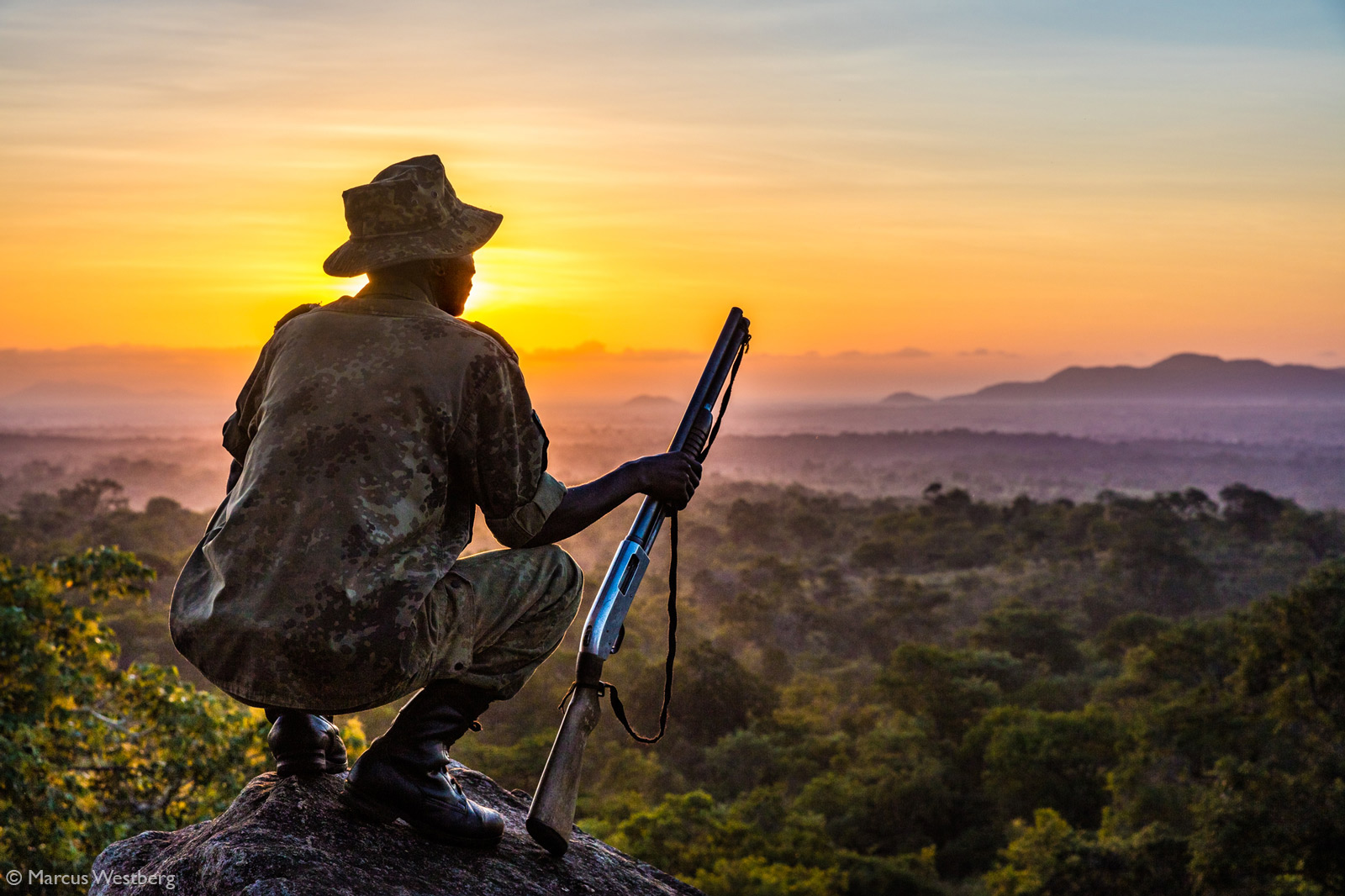
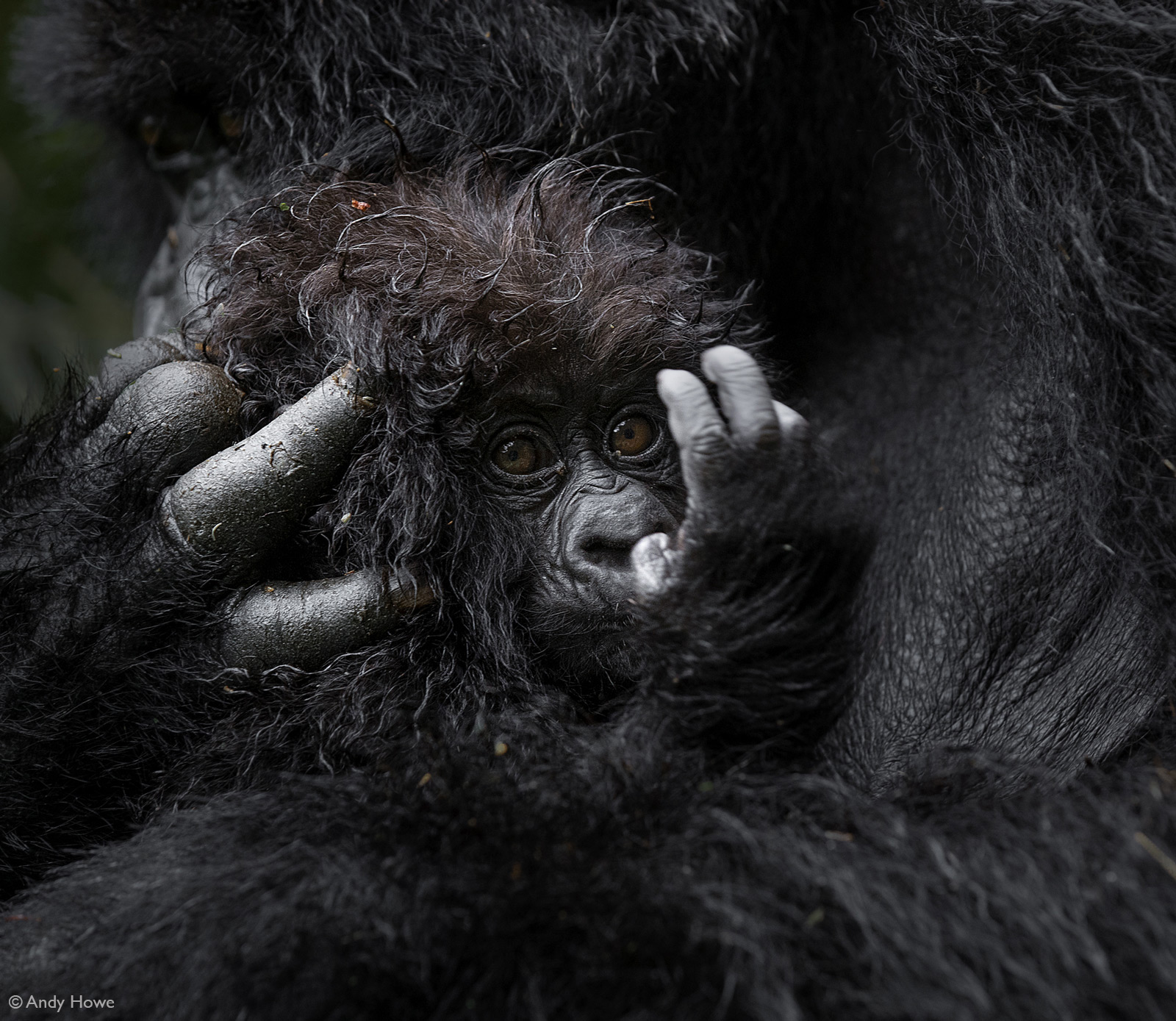
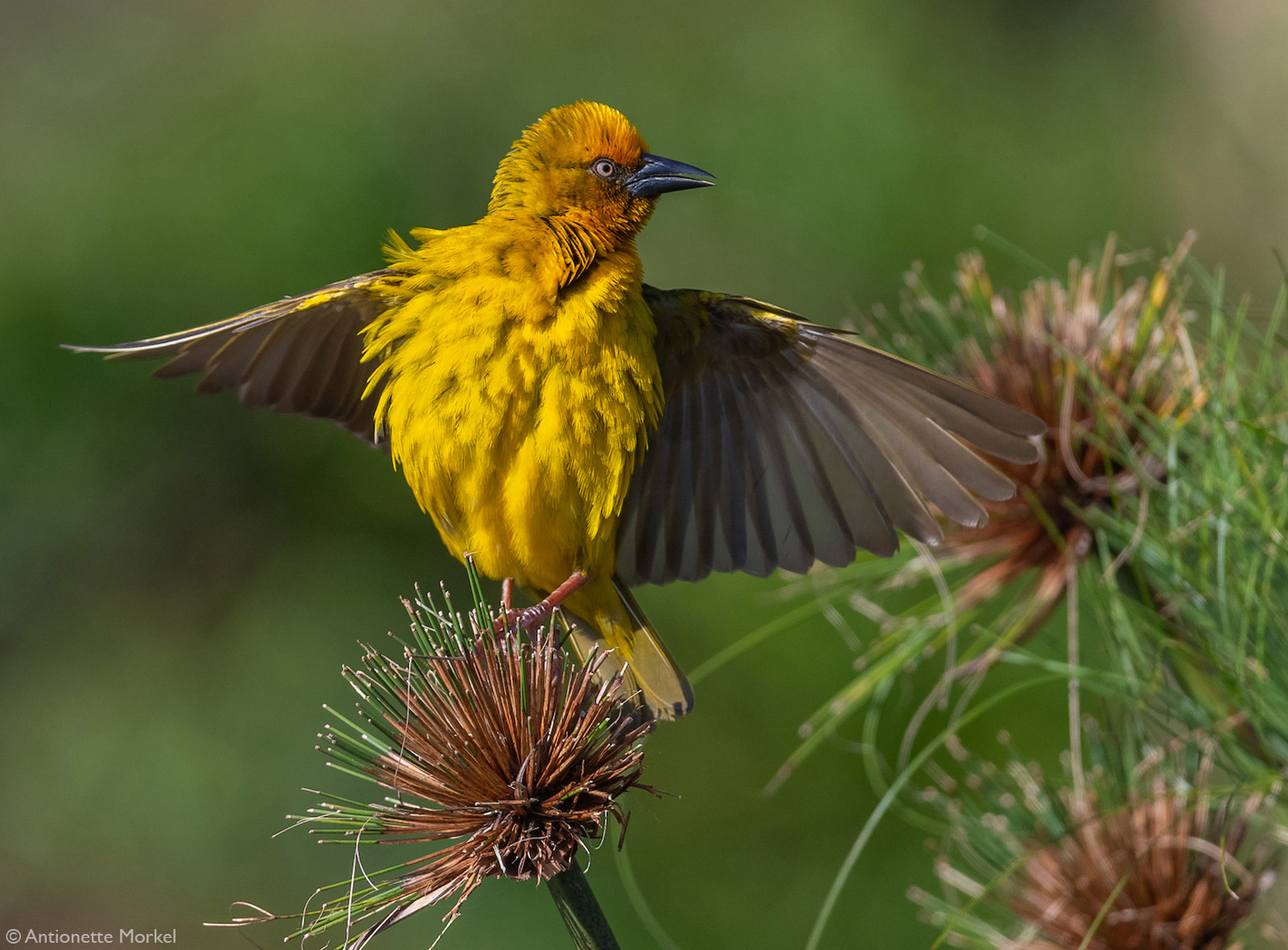
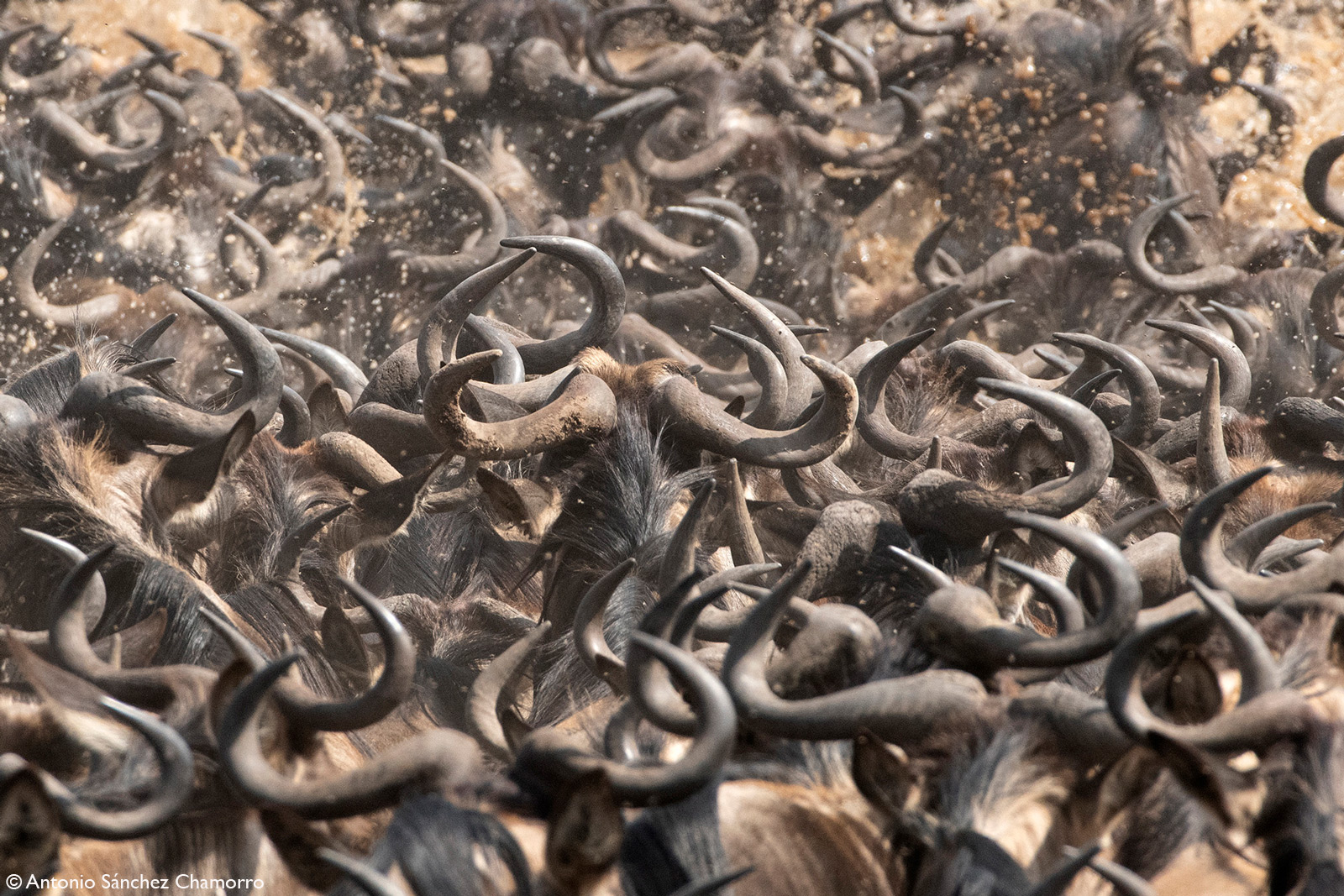
? The crew gets to work collaring, measuring and sampling
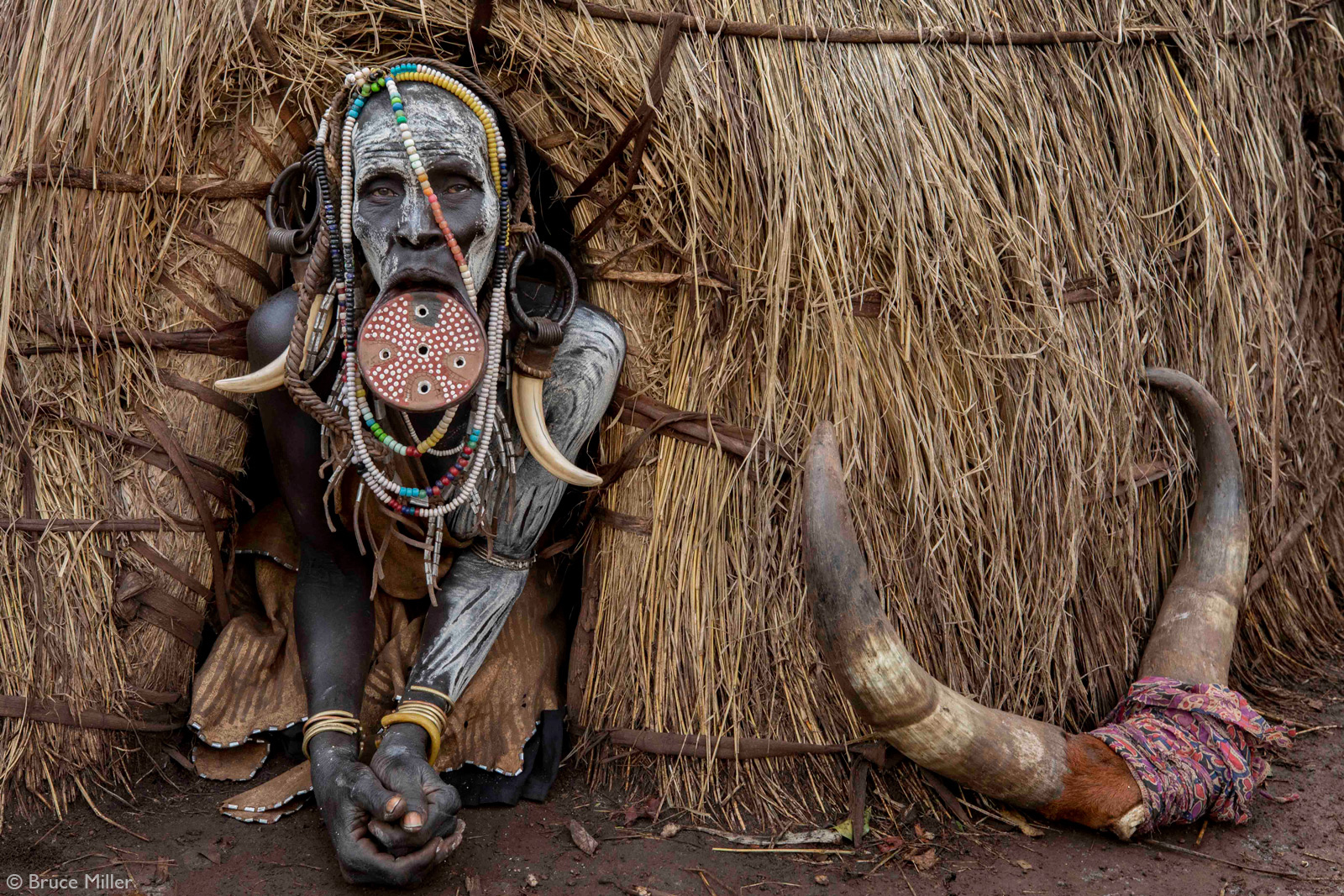
WHY COLLAR ELEPHANTS?
Elephants are a big deal for Africa. Crucial ecosystem engineers, they benefit biodiversity in so many ways that ecosystems deteriorate when elephants are removed. And they are massive tourism drawcards, generating hard currency for cash-strapped economies. BUT, it’s also true that confining too many elephants into the diminishing available elephant rangelands can impact negatively on trees and on humans living in those areas. The more we understand about how elephants utilize ecosystems, the better we can deal with the increasing pressures resulting from too many humans. And so, Elephants Alive collars and monitors elephants in the Greater Kruger area and further afield. Their research is used to fine-tune elephant management in the region. On this day they collared their 170th elephant!
? Hendrik recovers from the anaesthetic
MINING AND ELEPHANTS
In this instance, we were collaring elephants in the grounds of the Palabora Mining Company (PMC) bordering the town of Phalaborwa, an active copper mine and a significant source of employment in the region. PMC has a private game reserve that shares unfenced borders with the Greater Kruger and Kruger National Park, and elephants and other creatures, great and small, wander in and out of the mine area freely. In fact, says Dr Michelle Henley of Elephants Alive, elephants congregate in significant numbers on this property because of the higher concentration of minerals such as phosphorous compared to the neighbouring areas. Valuable nutrients are continually being brought to the surface during the mining process, and these are present in the forage growing in the area, as well as the water sources. This nutrient-rich area allows elephants to have smaller ranges here than in neighbouring areas.
? The wanderings of elephants Hendrik and Ignite plus the two collaring sites for Hendrik (recollaring) and Tangles (first collar). Compiled by Anka Bedetti of Elephants Alive.
TWO ELEPHANTS AND THE ONE THAT GOT AWAY
Hendrik’s recovery from the opioid & morphine-based anaesthetic was rapid. Moments after the reversal was administered, he rocked to his feet before casting us a dismissive look and ambling off, seemingly unperturbed. We also collared a cow that day, one with a small calf in tow. The helicopter pilot skillfully split the herd and shepherded the cow to an open area before she went down. We watched from a nearby hill and sped to the scene when the call came through. This time the collaring and sampling was completed sooner, because of her having a young calf. I watched with fascination as Michelle milked the cow, squirting a small sample into a test-tube, and as fellow Elephants Alive crew member Ronny Makukuleclipped those huge elephant toenails and pulled out a few tail hairs. This cow was named Tangles, after the Tanglewood Foundation, run by retired businessman Peter Eastwood, who donated both collars for that day.
? Bird’s-eye view of the scene as Hendrik is collared
If things had run as they were planned, the second elephant collaring would have been of the celebrated elephant cow Ignite (click here to see her being collared in this 2016 video), but she dropped her collar days before and disappeared off the radar. The Elephants Alive crew have been gleaning valuable data from Ignite’s movements for four years, and losing her was a setback for the project.
I spoke to Carla Geyser of Blue Sky Society Trust, who sponsored Ignite’s collar in 2016 and was here with some of her 2016 crew, to see Ignite recollared. She was stoic about the loss of the collar, saying “This is Africa, and these are wild elephants – and that unpredictability is why we love what we do. Ignite has gone off-radar for a while, and hopefully, she will be recollared sometime in the future and be ‘re-ignited’? ” Since Ignite’s collaring in 2016 Carla has led various expeditions spanning Southern and East Africa with like-minded conservation warriors. She continued: “ In a world filled with so much doom and gloom, it’s so nice to be able to focus on something good for a change. Mama Africa is a special place, and elephants embody everything good about Africa and family. The way the matriarch leads her herd with great strength and confidence is inspiring. They are empathetic, compassionate and supportive creatures who grieve for their dead and rally to protect each other; something that humans could learn from. The bond between sisters, mothers and calves is magnificent to watch.”
? Hendrik’s foot
SCIENCE DRIVES THE NEED
The most crucial point to understand about elephant collaring exercises is that they are driven by science and the need for data. Collarings are never performed on request from donors or tourists. Entities such as Elephants Alive try to cover their costs by reaching out to donors and to cause-based entities such as Blue Sky Society Trust to provide a handful of paying guests, but those donors and guests do not influence the timing or process.
SPONSORING AN ELEPHANT COLLAR
Sponsoring an elephant collar is about covering the costs incurred by the research-based entity, in this case, Elephants Alive. Current costs are US$5,000 for the collar plus R35,000 (approx US$2,000 at today’s exchange rate) for local costs such as vets and the helicopter.
? Collar sponsor Peter Eastwood reverses the anaesthetic administered to Hendrik, supervised by vet Joel Alves
ATTENDING AN ELEPHANT COLLARING
Attending an elephant collaring is without question a top-drawer experience. BUT …
Elephant collaring cannot ever be a mainstream tourism experience – there are too few bona fide elephant research and monitoring projects in existence. And, of paramount importance, the logistical and legal requirements and the necessity for highly experienced crew translate into this being a waiting-list experience for tourists. Cautionary: With so many pop-up wildlife encounters on the tourism scene these days (think lion cub petting and elephant-back riding), you should select your wildlife encounters carefully.
If you wish to attend an elephant collaring exercise, my advice is that you contact an ethical, cause-based entity such as the Blue Sky Society Trust. Carla Geyser is in constant touch with research-based entities across Africa and is well-placed to give the best advice.
? Pilot Gerry McDonald and Elephants Alive crew member Ronny Makukule
• Permits & logistics. – Tertius Hofmeyr, Johann McDonald, Mark Surmon and Sasha Muller from Palaborwa Mining Company
• Provincial permits – Dirk de Klerk of Limpopo Department: Economic Development, Environment and Tourism (LEDET)
• Neighbour permissions – Kruger National Park, Foskor, Phalaborwa Military base & Klaserie Private Nature Reserve
• Vets – Dr Joel Alves, Dr Hamish Currie and Hayley Hooper (intern)
• Helicopter pilot – Gerry McDonald
• Sponsor – Peter Eastwood from Tanglewood
• Photos/videos – Thorge Heuer and Kevin MacLaughlin
• Video compilation – Aïda Ettayeb (Douda Aïda)
• Game viewer vehicle – Derik Scorer from Nissan Hoedspruit
WATCH THISfantastic video of the elephant collaring day described above (2.13 minutes)
? The collaring crew with Tangles, who was collared for the first time.
ABOUT THE AUTHOR, SIMON ESPLEY
Simon Espley is an African of the digital tribe, a chartered accountant and CEO of Africa Geographic. His travels in Africa are in search of wilderness, real people with interesting stories and elusive birds. He lives in Hoedspruit with his wife Lizz and two Jack Russells, and when not travelling or working, he will be on his mountain bike somewhere out there. His motto is ‘Live for now, have fun, be good, tread lightly and respect others. And embrace change.’.
Our Photographer of the Year 2020, with a stunning safari prize provided by Djuma Private Game Reserve, is now in full swing.
There are two galleries showcasing this week’s Weekly Selection. To see the other gallery click here:Gallery 2
Our Photographer of the Year 2020, with a stunning safari prize provided by Djuma Private Game Reserve, is now in full swing.
There are two galleries showcasing this week’s Weekly Selection. To see the other gallery click here:Gallery 1
OPINION EDITORIAL by Simon Evans, Anglia Ruskin University
There will be few positives to take from coronavirus. But the global pandemic may yet prove to be an important moment in the attempts to address the illegal wildlife trade.
The media has generally concentrated on effects rather than causes, in particular the global implications for public health and economies. But it is also vital to unravel the timeline of the pandemic and categorically determine its initial cause.
What we do know to date is that the epicentre of the disease was in the Chinese city of Wuhan, an important hub in the lucrative trade in wildlife – both legal and illegal. The outbreak is believed to have originated in a market in which a variety of animal-derived products and meats are widely available, including peacocks, porcupines, bats and rats. It’s also a market where regulatory and welfare standards are rudimentary at best.
Some of this trade is legal under Chinese domestic law but the existence of a parallel illegal trade – often within the very same market or stall – allows some traders to launder illicit wildlife products into the system. This situation is very difficult to regulate and control.
We are also reasonably certain that the spill-over event involved the crossover of the virus from animals to humans, similar to the situation with previous contagions like the Ebola and SARs viruses. In each of these cases, the existence of large, unsanitary and poorly-regulated wildlife markets provided an ideal environment for diseases to cross over between species. In a country like China, where wildlife consumption is so deeply embedded in culture, such contamination can, and did, spread rapidly.
The Chinese government has long advocated a “sustainable utilisation” approach to the country’s wildlife. It nonetheless responded to the current crisis by enacting a temporary ban on such markets, effectively closing down a significant sector of its domestic wildlife trade.
Biosecurity, public health and economic impact
In the longer term, the pandemic may provide the impetus to properly address the issue. This is because, while the illegal wildlife trade was once criticised almost purely in terms of conservation, it is now also being considered in relation to broader themes of biosecurity, public health and economic impact.
It is only in the wake of the COVID-19 outbreak that the full scale of China’s industry is emerging, with the temporary ban covering some 20,000 captive breeding enterprises and 54 different species allowed to be traded domestically. A report by the Chinese Academy of Engineering estimates the wildlife farming industry is worth around US$57 billion annually. These breeding centres are allowed to operate under loopholes in Chinese domestic law, arguably against the spirit of the Convention on International Trade in Endangered Species of Wild Fauna and Flora.
The parallel illegal trade is less easy to quantify, but globally it is valued by the UN at around US$23 billion. Given the resulting pandemic could cost as much as US$2.7 trillion, even on purely economic grounds there is a strong case for increased regulation.
There are compelling arguments for dismantling the trade anyway: animals are kept in abject conditions, and the trade hastens their demise in the wild. But in China the temporary ban remains just that – temporary. Critics argue that we have been there before with SARS and once the dust settled on that particular outbreak, China resumed business as usual.
What would seriously tackling the wildlife trade actually mean in practice? First, breeding centres for endangered species like tigers or pangolins would be permanently closed. This would make it much harder for their products to be laundered through legal channels and sold as more valuable “wild-caught”. Enforcement agencies currently need to monitor these centres closely to check against laundering, and shutting them down would free up resources to disrupt the supply of illegal products entering China from outside.
Such a move would also help reduce demand. Public education campaigns tell people about how the wildlife trade (both legal and illegal) harms endangered species, but the message is mixed: the presence of a parallel legal market still provides such products with legitimacy and sends a message that it is OK to purchase them, thereby increasing rather than decreasing demand.
In any case, the new Chinese ban excludes products such as tiger bones that are used in traditional medicines. Some conservationists and activists are concerned that this exemption will lead to legalised trade under the assumption that better regulation will protect against future outbreaks. This argument is extremely difficult to validate, and most conservationists continue to favour blanket trade bans.
Another worry is that, given humans have short memories, once the danger has passed, public concern will turn to the next big problem. COVID-19 clearly represents an unparalleled opportunity to combat the wildlife trade and ensure that animal-borne diseases do not mutate and cross over to humans. But only time will tell whether this opportunity will be taken or put off once again until the emergence of the next – perhaps even more virulent – pandemic poses an even graver global threat.
While in recent years lion numbers have plummeted throughout Africa, the lion populations in the Greater Kruger have done relatively well. The sizeable open system available to them has created the perfect backdrop to allow for their fortunes and catastrophes to play out mostly undisturbed by anthropogenic influence. Lion coalitions and prides have come and gone, and some have achieved celebrity status.
Throughout the years, these lion coalitions and prides have been named by the assorted guides, trackers and researchers that have spent time with them. Most of these names are in some way a reference to the area associated with the pride or the territorial region of the males, but some extend to slightly more imaginative references. Given the tendency of humans to name things this is hardly surprising, but less expected was how social media has created fans across the globe who follow, research and adore certain lion coalitions and prides, most often from afar.
Here are just a handful of examples of these lion celebrities – some living, some legend and some teetering on the edge of survival.
Mapogo Male Lions
No article on famous lions would be complete without mentioning one of the most famous lion coalitions of all time (certainly in South Africa). Born to the Sparta/Eyrefield pride of the Sabi Sands around 2001/2, the Mapogo male lions, six individuals in total, have become something of a legend to the point of inspiring their own movie – Brothers in Blood. Named after a security company known for using somewhat brutal methods, the Mapogo boys: Makhulu, Rasta, Pretty Boy, Kinky Tail and Satan/Mr T, began their reign of terror in 2006 as they set out to claim domination over a massive portion of land on the western edges of the Greater Kruger.
Like all legends, the lines between fact and fiction have blurred over time. Tales of their brutality have been exaggerated by many, but they were known to have killed at least 40 (if not more) other lions, including females and cubs.
Their fortunes changed in 2010 when the first of the coalition was killed and, though they stayed dominant, their territory diminished until the oldest remaining members of the coalition were inevitably pushed out by younger, stronger lions in 2012. The last remaining individual was seen in 2013.
Initially a coalition of six male lions, the Matimba males ruled over the Manyeleti Game Reserve and surrounding areas in 2010 before splitting into two groups after the death of the oldest coalition member. The Southern Matimba coalition consisted of two individuals named Hairy-Belly and Ginger that initially established themselves in the southern portion of the Sabi Sands.
Quite apart from their extraordinary good looks, these two consummate survivors were exceptionally good at knowing when to fight and when to back down. As they aged, and whenever they found themselves outmatched, they shifted territories and set up in a different section of the Sabi Sands, somehow always managing to find themselves an area with limited competition. Ginger died in 2019 after contracting a severe mange infestation, but Hairy Belly continues to patrol his territory and mate, despite his advanced age.
The Ximhungwe Pride
The story of the Ximhungwe pride is a perfect example of how the fate of a lion pride can be inexorably linked to the changes in male lion dynamics. Initially the Castleton pride, their numbers boomed in 2006, and the pride numbered over 20 at one stage. The arrival of the Mapogos spelt disaster for this once massive pride – their numbers were decimated, and a combination of disease, bad luck and bad timing meant that the pride never managed to recover.
In 2015, the last adult lioness was killed in a clash with a rival lion pride, leaving behind young lions barely old enough to survive on their own. Two of these young lionesses survived by remaining as secretive as possible for years before finally managing to establish themselves in Manyeleti where they remain around Dixie Dam, far from their natal home range.
Named after the Styx River of ancient Egyptian mythology due to their efficiency in dispatching prey to the afterlife, the Styx Pride have been consummate survivors despite facing considerable challenges. Chronic mange infestation has claimed the lives of many of their cubs and worsens every dry season. With the death of their oldest and most experienced pride member in 2019, and with new males posing a threat to their cubs, the pride became nomadic before finally seeming to settle (for now) around the Sand River towards the western edge of the Sabi Sands.
The Birmingham Pride currently roams the Ngala Private Game Reserve and Timbavati regions under the watchful eye of the Ross Male. This impressive and successful pride of 14 currently has two of the three wild white (leucistic) lions in the world – a young male of 18 months and a little female not quite a year old. Their arrival caused a buzz of excitement but, like all wild lion cubs, their survival depends upon the care and skill of the pride, the continued dominance of the Ross male and no small amount of luck.
Leucistic colouration is a rare recessive trait and not a separate species or sub-species. With only one exception, the Timbavati region is the home of the white lion gene pool, and it seems to flow strongly through the Birmingham Pride female line.
The Orpen Males
Junior and his coalition mate are perfect examples of how male lions are not necessarily particularly fussy when it comes to choosing coalition mates. More often than not, lion coalitions are formed when young male lions from the same pride – siblings and cousins – move away from their natal prides together. But this is not always possible. In Junior’s case, he was the only young male within his natal pride, when the Birmingham Males moved into the area and eventually forced him out.
During his nomadic wanderings, he encountered another young male, and the two found solace and support in each other. They are now the dominant males of a prime section of territory in Manyeleti Private Game Reserve and the Kruger National Park.
This is just a snapshot of some of the intricacies of lion coalitions and prides in the Greater Kruger. Unbeknownst to them, these lions have their own social media pages – with each individual’s photographs, movements and lineages documented with care and precision. This comprehensive, if somewhat piecemeal, record of their lives may not be good research material, but it certainly is a massive repository of information about the meta-dynamics of lions within the Greater Kruger.
Our Photographer of the Year 2020, with a stunning safari prize provided by Djuma Private Game Reserve, is now in full swing.
There are two galleries showcasing this week’s Weekly Selection. To see the other gallery click here:Gallery 1
Our Photographer of the Year 2020, with a stunning safari prize provided by Djuma Private Game Reserve, is now in full swing.
There are two galleries showcasing this week’s Weekly Selection. To see the other gallery click here:Gallery 2
A permit application to import 4,000 African grey parrots into the United States – around half of them wild-caught – could pose a significant risk to the wild population through fuelling trade, say multiple international conservation bodies. The application came from a Miami bird-breeder Paul Marolf and South African breeders Ray O’Neill and Jason Mitchell, and submitted under the auspices of the Wild Bird Conservation Act (US Fish & Wildlife Services).
African grey parrots are among one of the most trafficked species on the planet, and their populations have declined drastically in the wild, with more than 3 million parrots having been removed from the wild legally in the last 40 years to supply the pet trade. This figure includes birds that die during the capture and transport process. The illegal trade is likely to be far higher than that, but the numbers are impossible to estimate. CITES regulations govern legal trade in African grey parrots, but high levels of fraud and corruption have resulted in rampant trafficking of illegal parrots via CITES channels.
The permit application proposal is for the creation of a co-operative breeding programme where the breeding stock would be acquired from CITES-registered facilities in South Africa to create a “self-sustaining population of grey parrots in the US”. The applicants claim that although they intend that half of the intended imports would be wild-caught parrots, these birds have long been removed from the wild and therefore their proposal will not impact on wild populations. They also argue that due to improper management, the captive-bred population of African grey parrots in the US is no longer viable and will disappear without this intervention and that establishing the captive-breeding programme will be a “boon” to the continued existence of the species.
To place the South African grey parrot breeding industry into perspective, the chairman of the Parrot Breeders Association of Southern Africa (PASA) recently resigned his position after investigators raided his parrot breeding aviaries and found the decomposing bodies of about 300 parrots, and cages infested with rats and cobwebs. According to news media reports, PASA insists that a well-known parrot vet confirmed that there was no abnormal mortality rate at his aviaries.
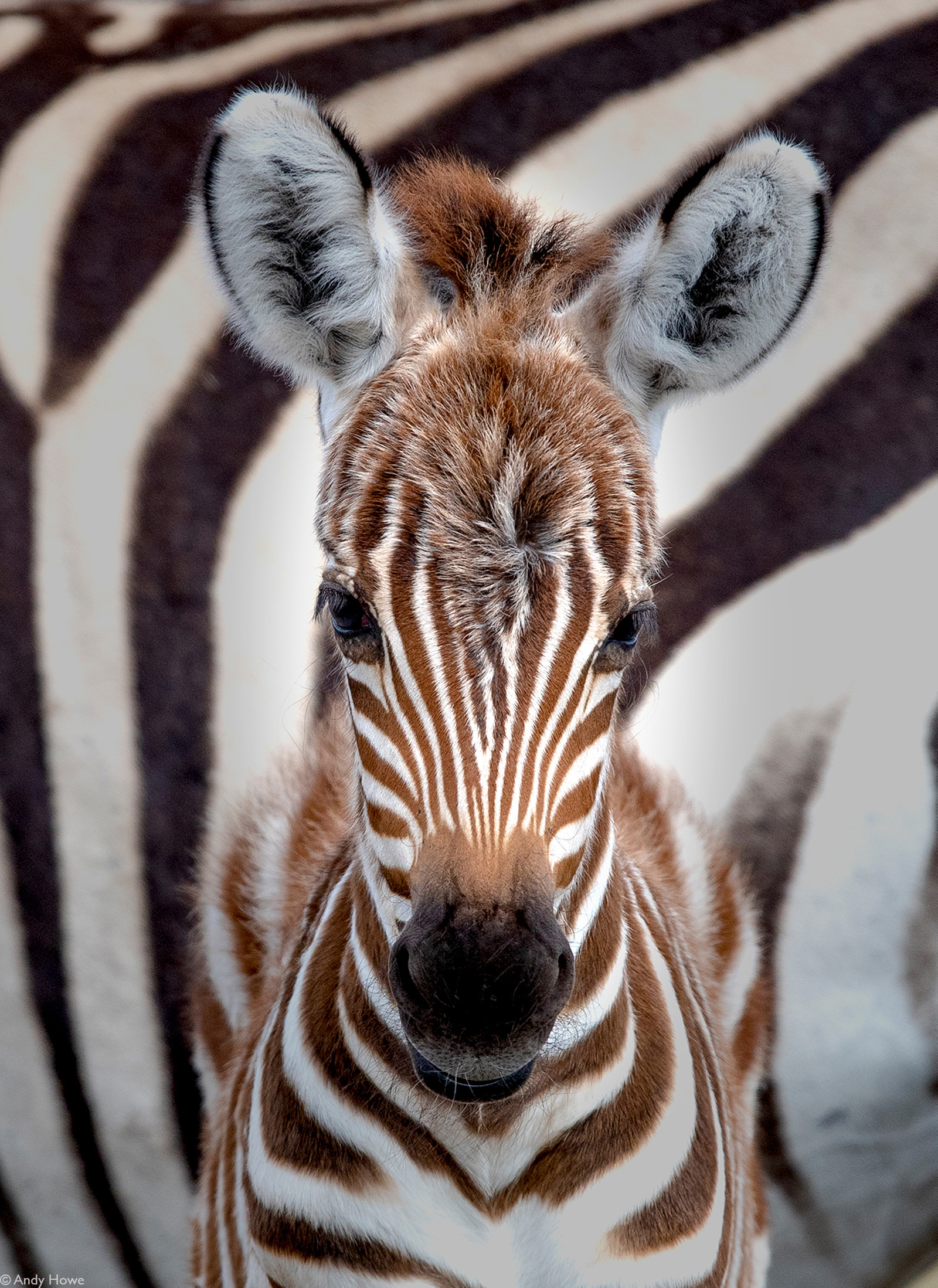
Dr Rowan Martin of the African conservation program of the World Parrot Trust says that “South Africa’s parrot breeding industry had grown massively in recent years, partly on the back of cheap imports of wild-caught parrots as breeding stock, which has decimated some wild populations.”
The World Parrot Trust disputes the claims made in the permit application proposal and suggests that allowing this import into the US could pose potential risks to wild parrot populations. Conservationists argue that the proposal lacks detail regarding how the genetic diversity of the breeding programme would be managed or how it would contribute to wild parrot conservation. Before the transfer of African grey parrots to Appendix I of CITES (thereby ceasing all legal trade in wild birds), South Africa was the largest importer of wild-caught parrots in the world. The proposal seeks to import parrots of unknown origin, and the World Parrot Trust emphasizes that there is no clarity on the relationship between captive-bred production and demand for wild-caught birds. What is clear is that the recent uplisting to Appendix I has not ended the illegal trade in parrots.
The permit application proposal for the captive breeding programme proposes to donate a portion of the income to “grey parrot conservation projects in situ”. However, the World Parrot Trust suggests that there is a “notable lack of how this fund will operate”.
The Humane Society International, Humane Society of the Us and Humane Society Legislative Fund have added their voices against granting the permits, as has World Animal Protection. They all point out that the African grey parrots have been, and continue to be, harmed by the exotic pet trade and that commercial captive breeding is not a conservation alternative. Also disputing the claims in the permit application were the Association of Zoo and Aquariums (AZA), WCS, Species Survival Network, IFAW, Centre of Biological Diversity, Environmental Investigation Agency, Natural Resources Defence Council, Defenders of Wildlife, Animal Welfare Institute, Avian Welfare Coalition, Wagmore Foundation, the Federation of Animals Sanctuaries and more than 17 rescue centres for parrots in the United States.
In a strongly worded letter to the US Fish and Wildlife Serve, the Environmental Investigation Agency and Centre for Biological Diversity made their position clear that “seeking to create yet another breeding programme that requires the import of 4,000 highly imperilled African grey parrots – almost half of which are wild-caught – to non-existent facilities operated by a single individual in the US with no track record of being able to successfully care for and breed grey parrots in captivity cannot be condoned under the WBCA”.
So, repeated warnings from scientists about China’s wild animal markets have been ignored and, as a result, we all have to bear the consequences and pay the price.
The loss of human life to Coronavirus disease (COVID-19) is already significant (and rising), and the economic costs are probably going to be staggering, across the board. Yet this reality was far from unforeseen – this well-written and easy-to-understand New York Times article about zoonotic diseases from as far back as 2012 spells out the public health and economic risks of these markets and the burgeoning wildlife trade.
I have always maintained that the battle to keep our wildlife and hardwoods safe from the evil ones will only be adequately addressed if and when all governments (including African) step up and take action. Real action – as in shutting down the industries that facilitate the trafficking and consumption of wild ‘product’, including those with parallel markets that are hijacked by illegal traders for laundering purposes. Until then we are all just ‘pissing into the southeaster’, as the saying goes. Government priorities dictate conservation success or failure, that much is clear.
Based on my observations, biodiversity conservation is only vaguely interesting to governments because it underpins the tourism industry, which generates significant employment and tax revenue. It seems short- and medium-term jobs and revenue from environmentally detrimental industries such as mining, farming and manufacturing are far higher on the list of priorities.
THE BIG QUESTION
Now that we know that the trade in wildlife poses a significant risk to public health and economies, will Africa governments treat the issue more seriously?
We know that 75% of emerging infectious diseases in people come from animals, and bats harbour a higher proportion of zoonotic viruses than other mammals. Bat faeces on a piece of fruit eaten by another animal can result in that creature becoming a carrier. The Ebola epidemic of 2014-2016 in West Africa, the consequences of which reverberated around the Globe, is one example of a zoonotic virus emanating from African country communities that consume bushmeat in areas with rampant poaching.
I am under no illusion that the recent move by the Chinese authorities to ban the trade and consumption of wild animals was for any other reason than the immediate need to control the outbreak and thereby minimise the damage to their economy and political capital. This isn’t the first time Chinese officials have passed a law to protect their citizens against zoonotic viruses. In 2003 large numbers of caged civets were culled and their sale as food banned after it was discovered that they likely transferred the SARS virus to humans. The selling of snakes was also briefly banned in Guangzhou after the SARS outbreak. Today, civet and snake are back on the menu. In any case, China already has laws in place to ban the trade or eating of many species (such as pangolin), all of which are openly flouted. Says the South China Morning Post: “But the political will and capacity to enforce those laws often lags, undermining global efforts to curb issues like wildlife trafficking, air pollution and climate change.”
The wet and dry wildlife food and traditional medicine markets are big business in China, and pulling the plug on them will have such profound consequences that it may be an impossibility. Tandem to those markets is the US 74bn wildlife breeding farm industry (more than 20,000 farms have been shut down since the outbreak), which produces product such as bear bile, tiger bones, pangolin meat and scales, and porcupine meat. Despite the farms, it’s always going to be cheaper to process wild-caught animals into food and medicine than farmed animals because of the inherent costs of running a farming enterprise – hence the massive poaching drain on Africa’s wildlife now that the Asian wild areas have been all but denuded of wildlife.
To give you a further idea as to the extent of government inertia behind wildlife conservation efforts, even the demonstrated link between wildlife and charcoal trafficking and terrorism does not spur governments to take wildlife crime seriously.
THE ANSWER
What is needed is for African governments to overcome their cultural and economic fears of angering the mighty Chinese economic machine and that they (African governments) make the brave move to shut down the illegal wildlife industries that are draining our wildlife resources. This will not be an easy process, not the least because the Chinese government is already bankrolling some African countries. It’s not going to get any easier, and the longer the status quo continues, the harder it will be to break.
To date, wildlife activist campaigns have mostly focused on the moral aspects of the wildlife trafficking industry, and the threats to biodiversity. Perhaps they should shift focus to the threat to human lives and livelihoods. Maybe then African governments (including my own) will take this matter more seriously.
Our Photographer of the Year 2020, with a stunning safari prize provided by Djuma Private Game Reserve, is now in full swing.
There are two galleries showcasing this week’s Weekly Selection. To see the other gallery click here:Gallery 1
Our Photographer of the Year 2020, with a stunning safari prize provided by Djuma Private Game Reserve, is now in full swing.
There are two galleries showcasing this week’s Weekly Selection. To see the other gallery click here:Gallery 2
Kafue National Park is the oldest park in Zambia and one of the largest in Africa, representing 36% of Zambia’s total national park coverage. Kafue is part of the five-country Kavango-Zambezi Transfrontier Conservation Area – an unspoilt wilderness with an extraordinary diversity of wildlife. Mass tourism does not occur here, so the bush is pure and unexplored, infrastructure is sparse, and visitor numbers are low. With vast tracts of pristine bushveld, Kafue National Park is one of our favourite places, and this time we were set to explore Busanga Plains in the far north.
The wide-open spaces of Busanga Plains, veined by rivers
In the northern portion of the park, Busanga Plains is the jewel of Kafue. The Lufupa River flows into the Busanga Swamps and wide-open spaces flood during the rainy season, generating lush grazing for an array of wildlife. The vast mosaic of grassy seasonal floodplains stretches to the horizon – this is undoubtedly the best place for wildlife viewing in Kafue. The 720 km² (72,000 hectares) of floodplains are dotted with palm groves, papyrus reed beds, lily-covered lagoons, woodlands, open waterways, and riverine vegetation. As the plains drain after the rainy season, they attract large numbers of wildlife and fantastic birdlife, including huge herds of near-endemic red lechwe, as well as puku, massive herds of buffalo, blue wildebeest, Lichtenstein’s hartebeest, defassa waterbuck and more solitary grazers such as roan and oribi. Attracted by rich pickings, predator numbers are substantial. Lions, side-striped jackals, caracals, serval and genets are regulars, and you often find yourself being serenaded by hyenas at dinner.
Find out about Busanga Plains for your next African safari. We have ready-made safaris to choose from, or we can build one just for you.
Looking out over the flood plains
Being submerged for most of the year, these flooded plains are a magnet for birds. The water, islands of fig trees and floodplains make for superb birding, and more than 500 bird species have been recorded here. The plains are home to large flocks of open-billed and yellow-billed storks, as well as grey crowned cranes and their rarer relatives, the wattled crane. Keen birders can look out for Fülleborn’s longclaw and, for the more fortunate, the rosy-throated longclaw and the endemic Chaplin’s barbet.
Predators abound on Busanga Plains
We were at Busanga Plains Camp, a beautiful seasonal bush camp in the north of Busanga Plains. The camp overlooks the openness of the plains, interrupted only by tree-studded islands, where fig trees and wild date palms draw their nutrients from the remains of giant anthills. Our favourite part of camp was a wooden viewing platform on stilts tucked away up high in a majestic fig tree, with breathtaking views out onto the floodplain.
In the morning mist, as the sun peaked above the horizon, the plains were liberally dotted with herds of red lechwe of various ages and sizes, from newborn to battle-scarred grandparents, and every size in between. Many of the herds numbered in their hundreds. Amongst these herds, there was a sprinkling of wattled and crowned cranes, many with young in attendance. With their sharp, slim beaks and slender legs, wattled cranes are the largest cranes in Africa and the tallest flying bird on the continent. Listed as vulnerable on the IUCN Red List, wattled cranes are often found with lechwe on the plains, and it is one of their few known breeding sites.
The floodplains ensure a wide range of species and experiences
Crowned cranes, with their crowns of stiff gold feathers, are regularly seen on the plains. Standing about a metre tall and with a wingspan of around two metres, these cranes are omnivores, eating anything from plants and seeds to frogs, small fish and even snakes. Stamping their feet as they walk, they flush out insects which they quickly catch and eat. They capitalise on feeding near the red lechwe by darting in and grabbing prey disturbed by the antelopes’ movements. Crowned cranes’ entire days are spent looking for food, but at night they roost in trees. These are the only cranes that can roost in trees because they have a long hind toe for grasping branches.
As the sun rose in the sky, we found a pride of eight lions – two females with their six cubs. The cubs were intensely curious, coming in close to sniff the wheels and then stretching out to relax in the shade cast by the vehicle. One youngster, clearly a little bored, took hold of a large round ball of elephant dung in his mouth and carried it off to play with. Despite his best efforts, he couldn’t interest anyone else in the game.
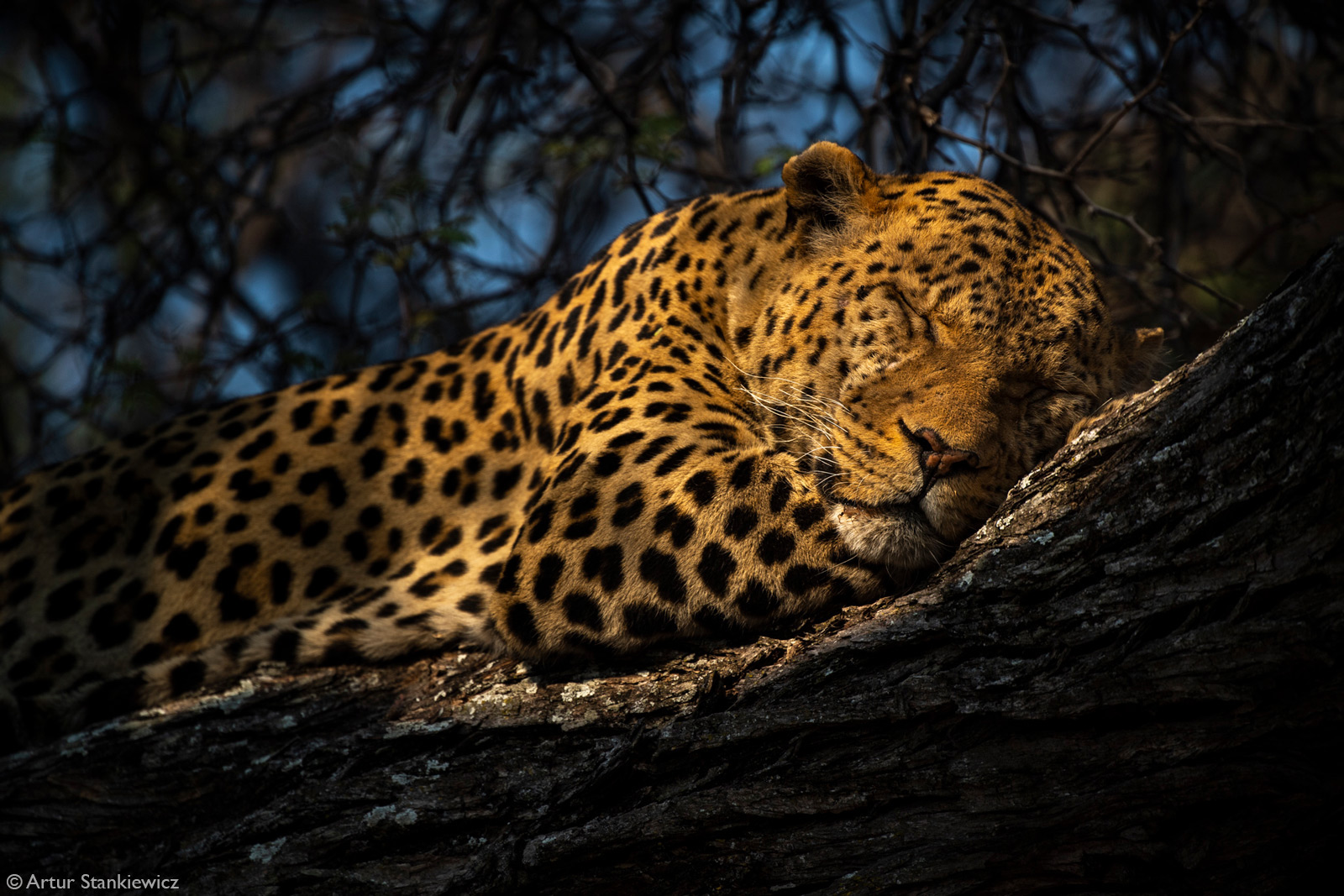
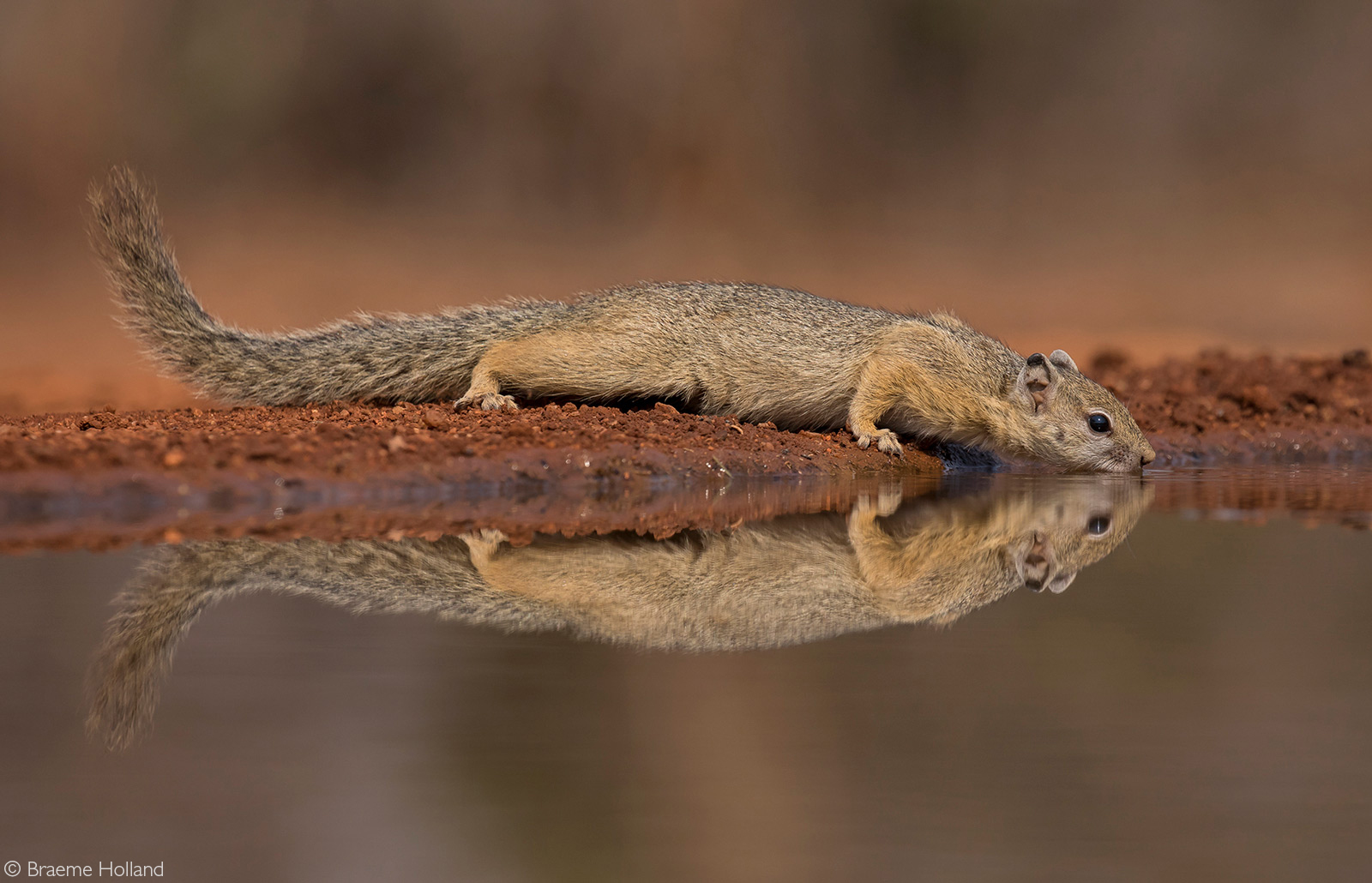
Busanga Plains Camp nestles on the edge of a date palm grove
In the afternoon, a goliath heron stood sentinel in a lagoon as Egyptian geese nibbled at the green grass in the shallows. A pied kingfisher, with its black mask, hovered with wings frantically flapping before diving time and again vertically into the water. A procession of buffalo, over a thousand-strong, stretched out for kilometres across the plains like a string of black pearls.
Moving on, we headed for the southernmost edges of the plains, to Ntemwa-Busanga Camp, a rustic bush camp of safari tents with open-air en suite bathrooms, each complete with the traditional safari ‘bucket showers’. Zambia is one of the few places where night drives are permitted in national parks, and Ntemwa has access to an extensive network of roads that spans the plains. The late afternoon and night drives were terrific here. Watching an idyllic scene of Egyptian geese, storks, cranes and various other water birds at a lagoon as the sun went down was a beautiful end to the day. As night fell, we saw a selection of nocturnal creatures on our drive, from a white-tailed mongoose rummaging in the undergrowth to genets whose eyes reflected in the spotlight, all accompanied by the eerie cries of crowned cranes as they settled in the treetops.
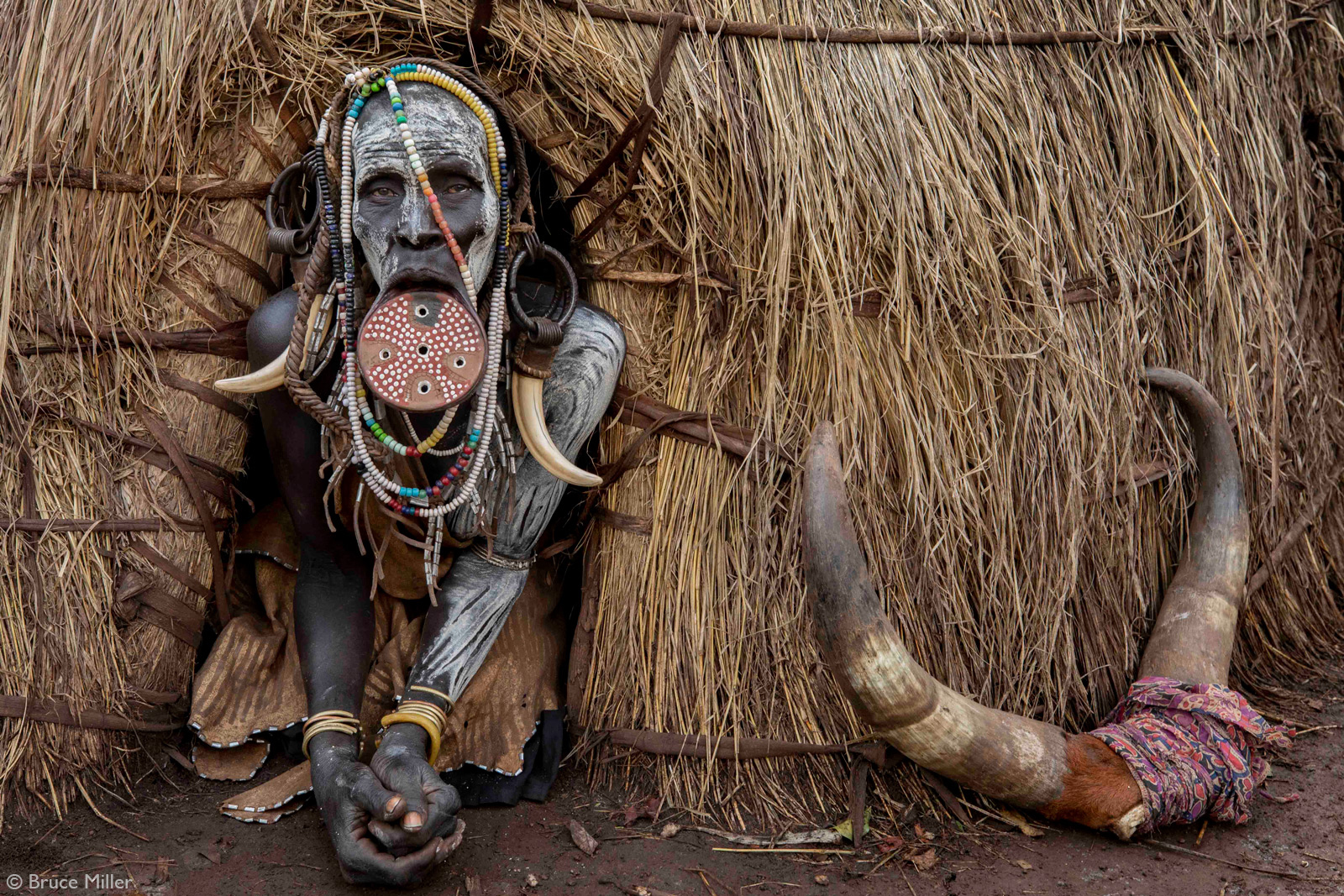
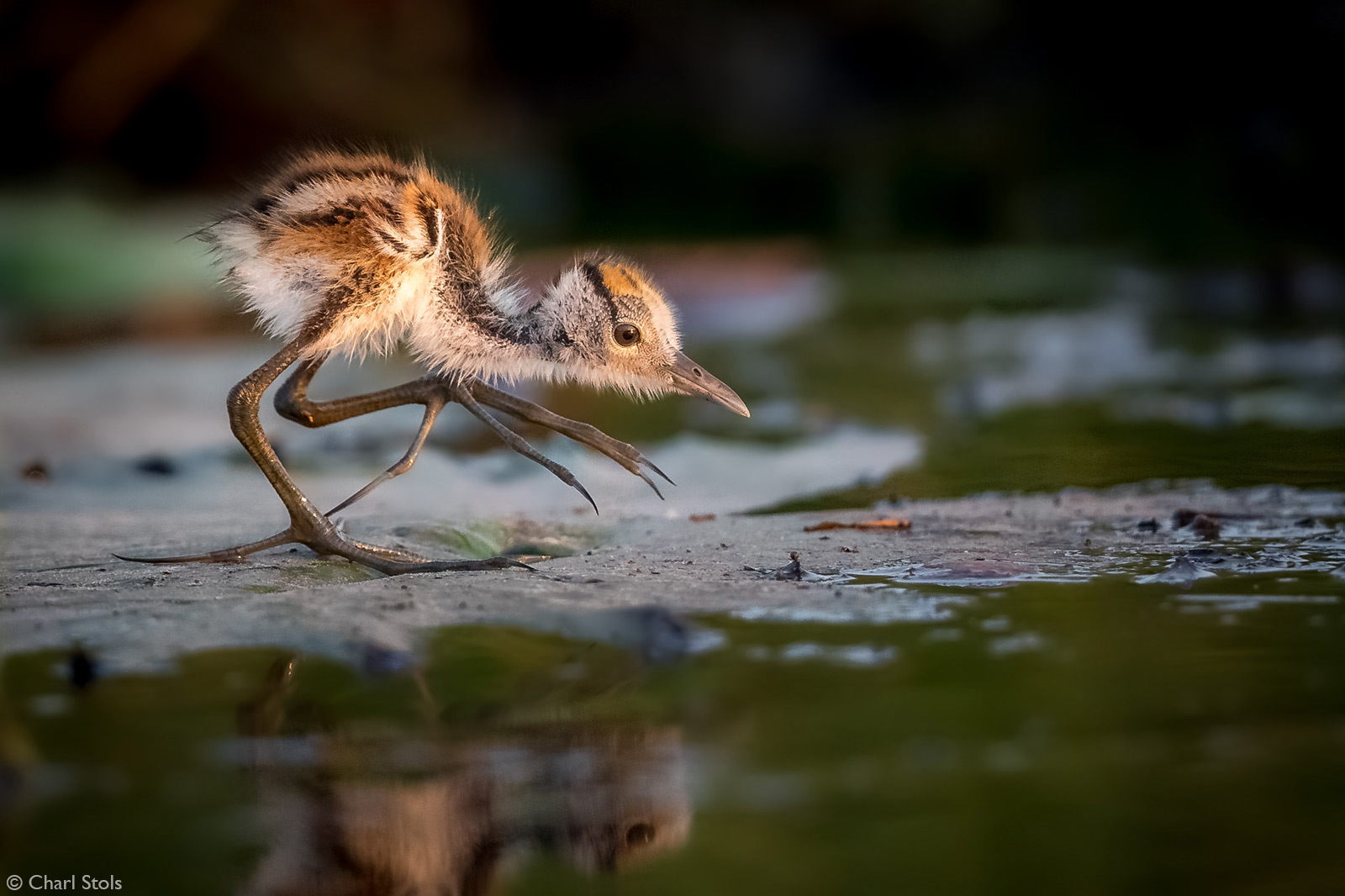
Ntemwa-Busanga Plains Camp offers rustic comfort in the middle of the wilderness
We didn’t have to leave the camp to find wildlife. At Ntemwa, hyenas came into camp at night to check out what was on the menu in the kitchen before leaving ‘empty-handed’ (fortunately)! One morning, as we headed from our tent to breakfast, we found a trail of lion footprints pressed into the sand along the footpath. There was clearly a sound reason why we were always escorted to our tents at night!
Serval, a regular sighting on Busanga Plains
Busanga Plains is one of those special places of low-density tourism, in a world where many ‘remote’ places are becoming overrun by travellers. Fortunately, due to its remoteness, inaccessibility and limited accommodation options, it’s likely to remain that way.
Travel in Africa is about knowing when and where to go, and with whom. A few weeks too early/late or a few kilometres off course, and you could miss the greatest show on Earth. And wouldn’t that be a pity?
Trust & Safety
Guest payments are processed through Flywire, a leading international payment gateway known for its high safety and security standards. Also, we are members of SATSA, who attest to our integrity, legal compliance, and financial stability.
We donate a portion of the revenue from every safari sold to carefully selected conservation projects that make a significant difference at ground level.
YOUR safari choice does make a difference - thank you!