In past years, tourists have been grossly misled by certain commercial captive wildlife facilities masquerading as sanctuaries or rehabilitation centres. Gullible holidaymakers are attracted to such facilities, as paying day-visitors and voluntourists, who pay to work at the facilities. Also hoodwinked are kind souls who donate money to such facilities in the belief that they are ‘saving’ animals. Growing awareness of the false marketing being used, and changing ethical attitudes mean that it is incumbent on tourists and donors to ask the right questions of the places that they wish to visit and support. So how does one go about deciding which wildlife facilities to visit and support?
The South African Tourism Services Association (SATSA) has released a handy guide to help visitors make these decisions and, to simplify even further, there are a few activities that SASTA now recognises as ethically unacceptable and therefore to be boycotted – regardless of what you are told:
if you can touch or play with the infants (lion or cheetah cub petting for example);
if you are allowed to touch any predators or cetaceans (dolphins, whales or porpoises);
if the facility has performing animals or if you can ride the animals (such as elephants);
You need to consider whether or not the facility is a true sanctuary or rehabilitation facility, and to answer that, you can look at the following aspects:
There is no breeding of animals;
They do not trade in animals;
No animals are performing for entertainment
There are no tactile interactions and no walking with the animals;
The animals are in captivity because they were sick, injured, orphaned, rescued, donated and/or abandoned;
The animals will have a home for life or will be relocated back into the wild as part of a recognised conservation initiative;
And the facility is compliant with all relevant legislation and is transparent in its operations and marketing collateral
If the facility you are looking at visiting fulfils ALL of the above criteria, it is recognised as a sanctuary, and you can support it or visit with a clear conscience. If not, you need to dig deeper into the practices of the facility you wish to visit, or walk away.
The full flowchart is included below, and you will see that the guide also raises relatively obvious points such as not supporting a facility where the animals end up at canned hunting operations or where their body parts are traded. Naturally, this may be difficult for an unsuspecting visitor to discern. Captive wildlife facilities that are involved in unethical practices are unlikely to be upfront about their true colours, so visitors are advised to make sure that they are fully informed and have done their research beforehand. The SATSA guideline are a good place to start.
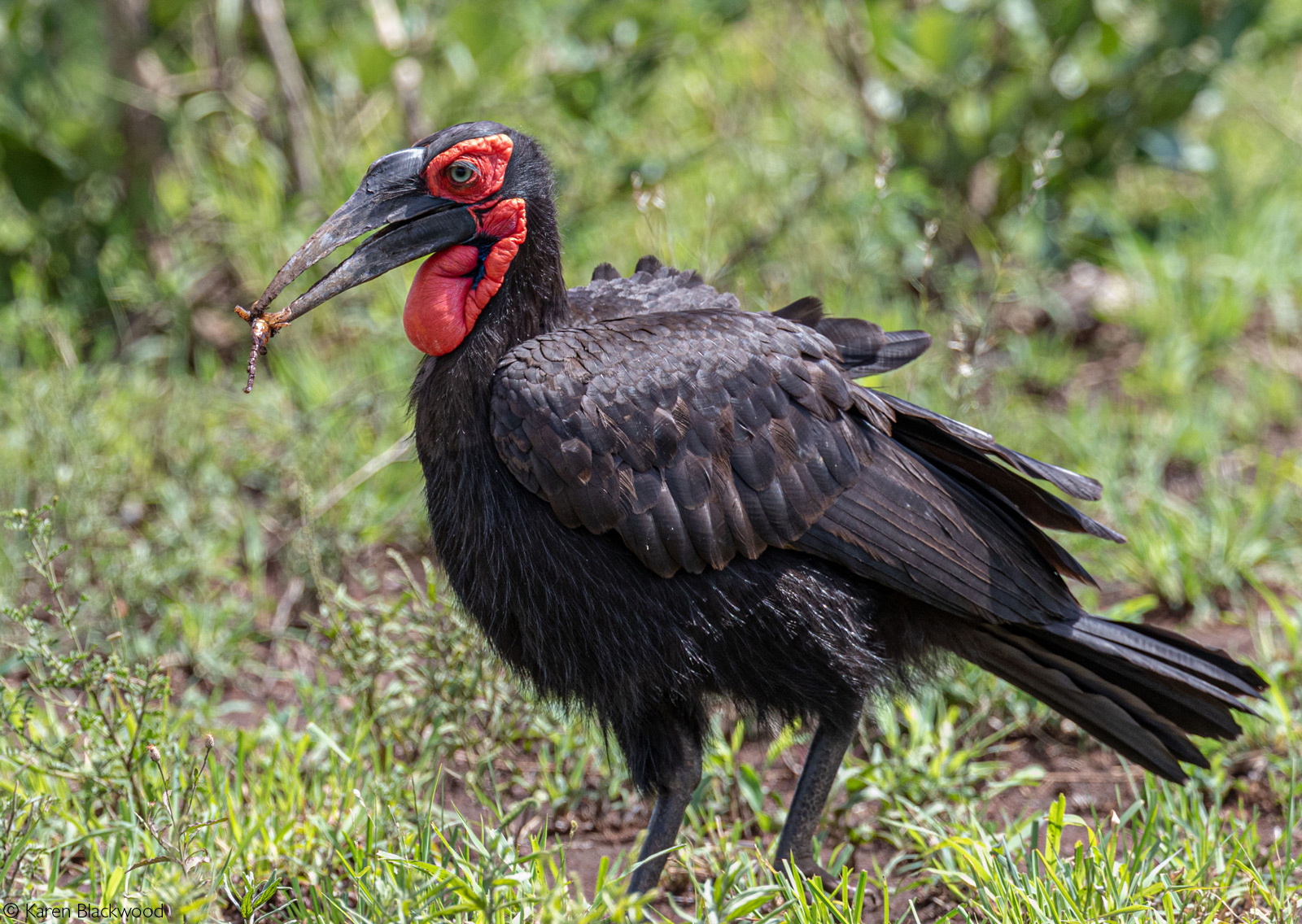
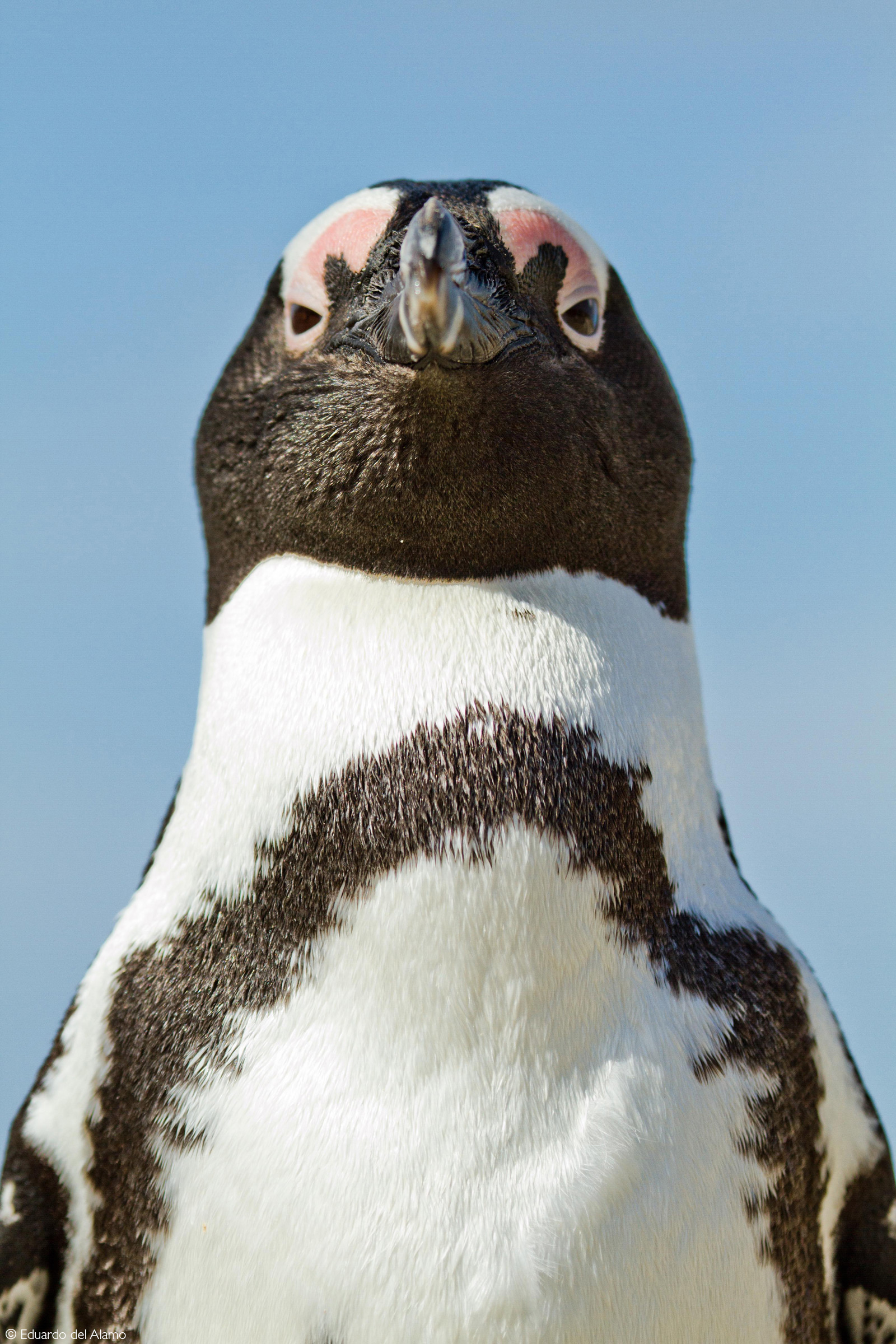
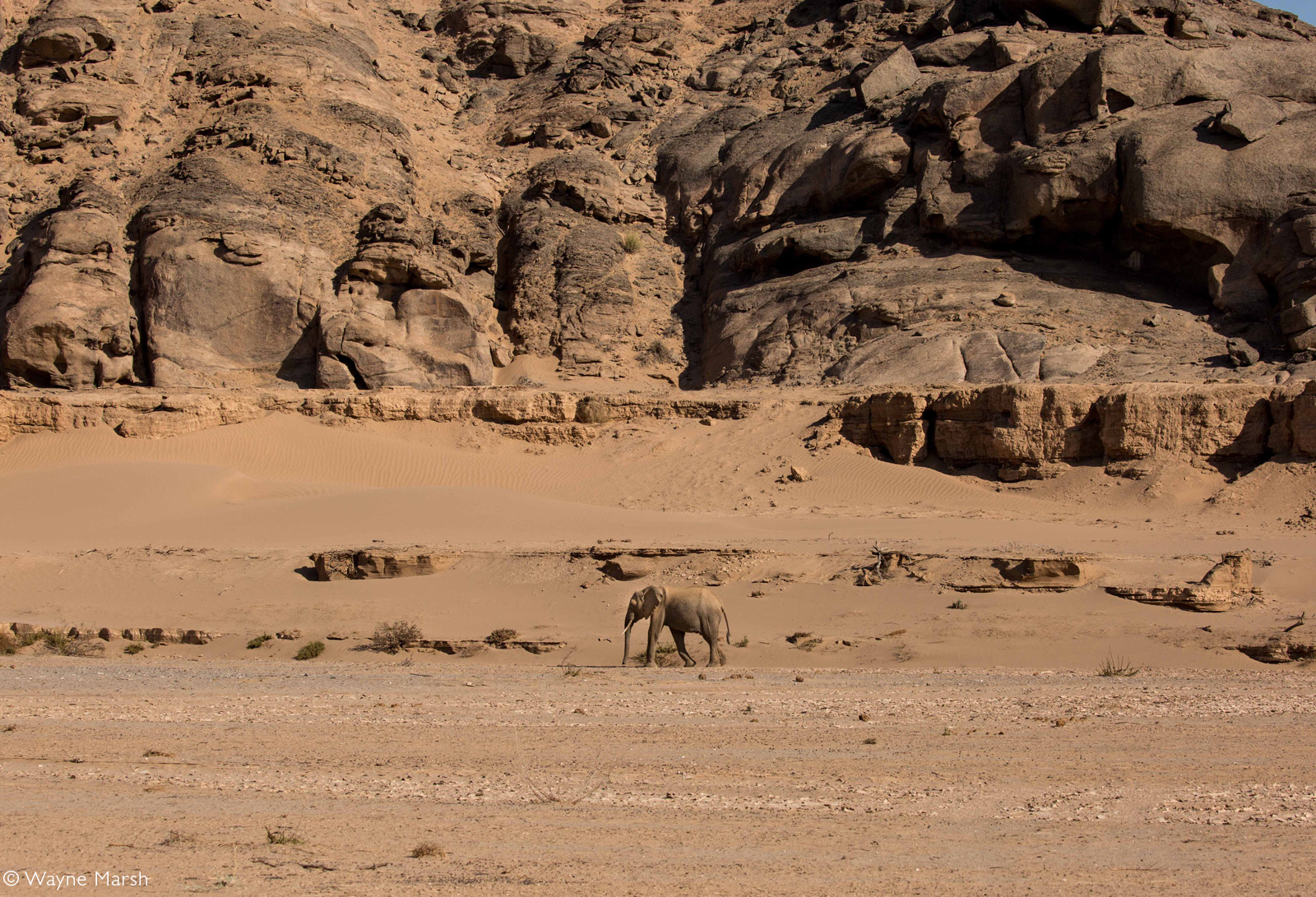
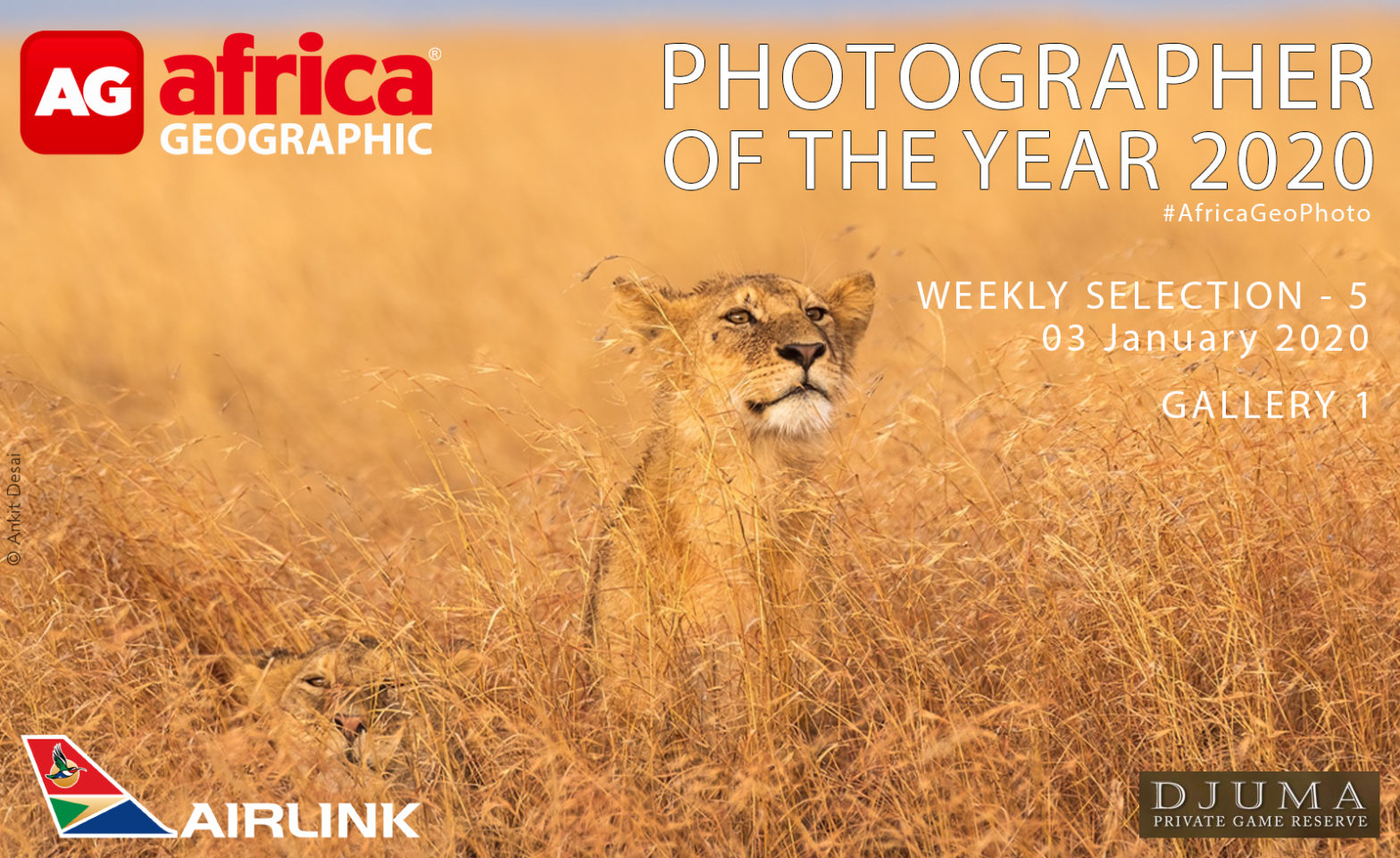
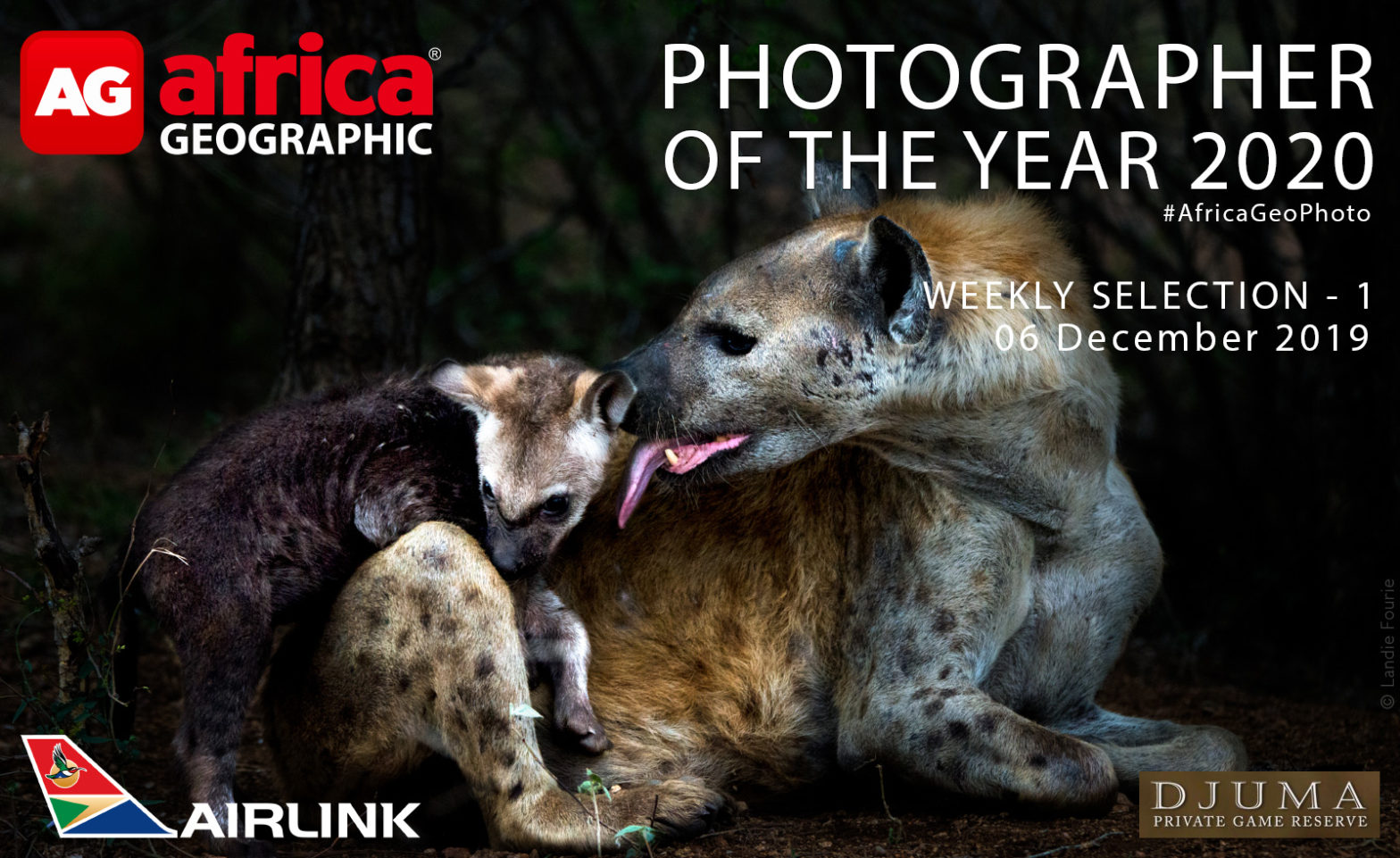
Our Photographer of the Year 2020 is now in full swing.
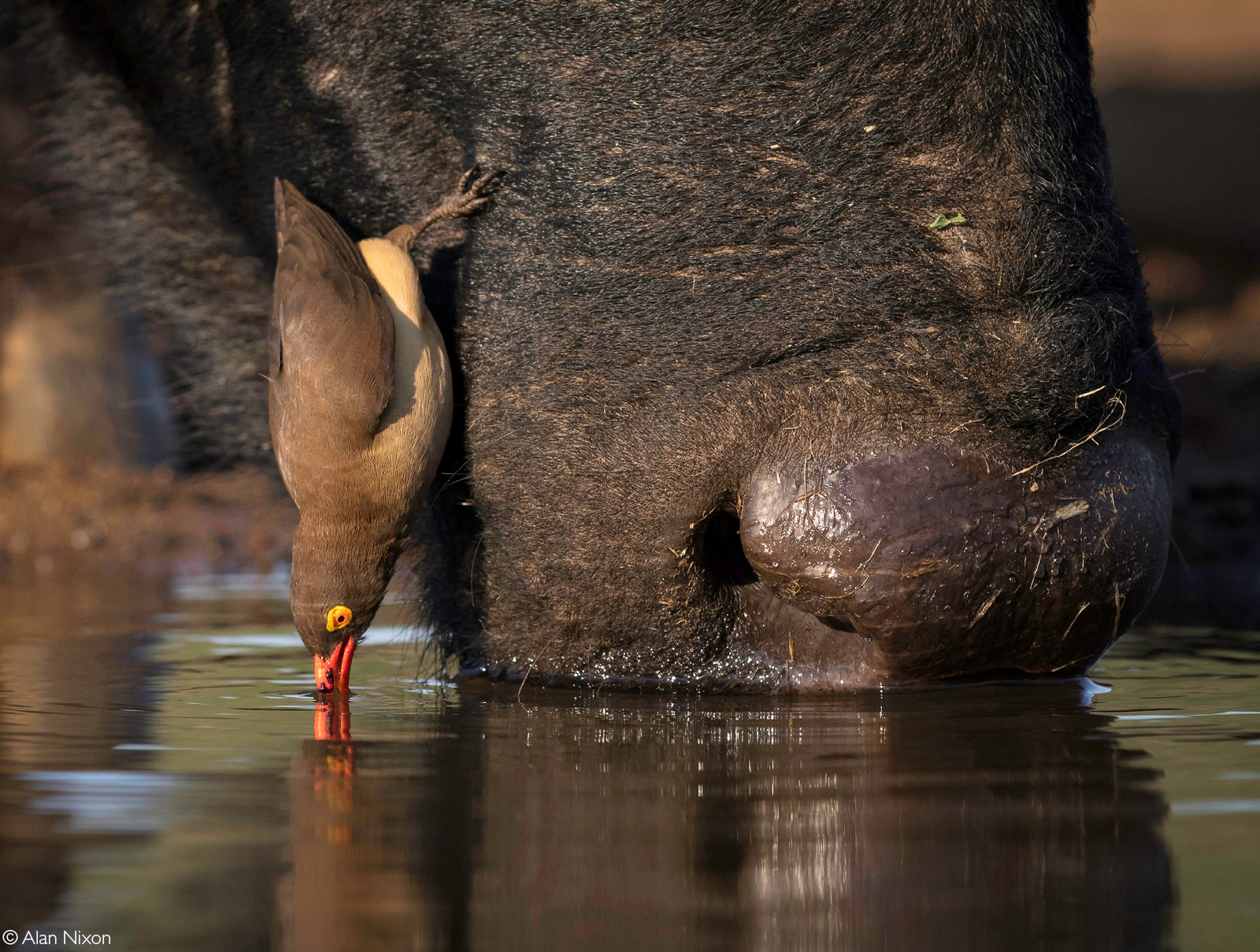
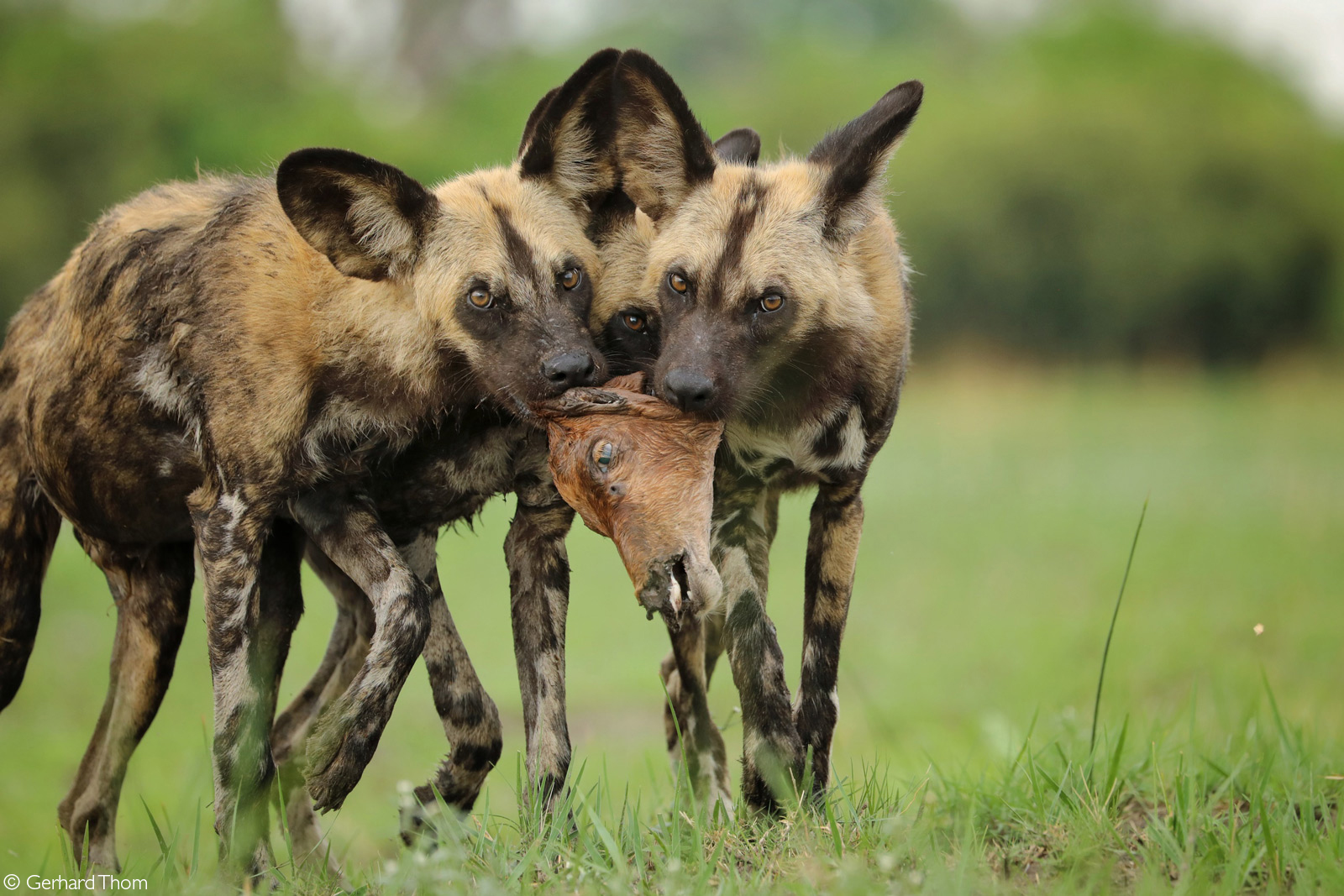
There are two galleries showcasing this week’s Weekly Selection. To see the other gallery click here:Gallery 1
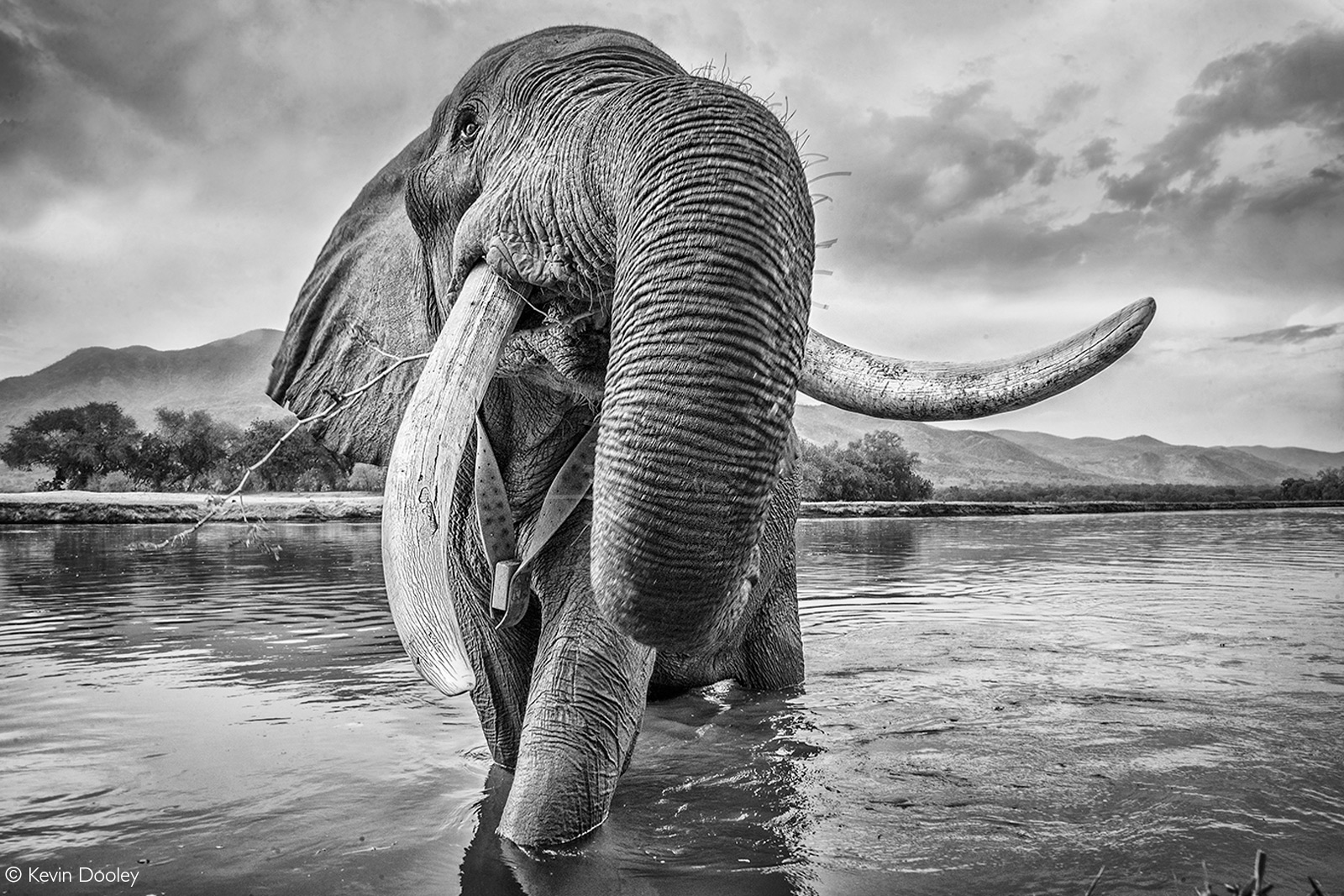
Tim, the iconic super-tusker who roamed the Amboseli area of Kenya, has died of natural causes. He was 50 years old.
Tim was an enormous bull elephant, with massive tusks that touched the ground. His fame catalysed many conservation programs, and he was a popular photographic subject for tourists, who would travel from across the world to see him. He is Africa’s most photographed elephant.
Tim captured the hearts of people around the world because of his gentle demeanour. He is an ambassador for his species, as his legend will live on.
Tim narrowly escaped death in 2018 when he got stuck in a waterhole before being rescued.
We celebrate his life with these images, which were submitted by entrants to our Photographer of the Year
Yesterday South Africa’s government released the 2019 rhino poaching statistics via an update to the website of the Department of Environment, Forestry and Fisheries (DEFF).
We interrogate the stats, with revealing graphs and intriguing questions.
During the time of former Minister of Environmental Affairs Dr Edna Molewa (now deceased), the department used to hold several press briefings a year, allowing us to study the stats and ask questions directly to the Minister and her assembled panel of experts and ministers from the security cluster. The rhino poaching crisis isn’t just for DEFF to handle; our government has defined rhino poaching as a trans-national crime, requiring all aspects of enforcement to be involved.
These press briefings do not happen anymore. Now, all we get is a brief press release surreptitiously loaded onto the DEFF website. And so, in the absence of direct communications with relevant experts, we are forced to ask questions in this manner and to speculate about what is going on. Amanda Watson, who has been reporting on rhino matters for The Citizen for many years, wrote an article outlining how serious this speculation has become. Simon Espley, CEO of Africa Geographic, expressed a similar sentiment last year when he publicly challenged Minister Barbara Creecy to reveal how many rhinos we have left. She did not reply.
It’s probably uncomfortable for DEFF to address some of the issues at play; but that is the role of the media industry – to get to the real story. This press release was dropped on us with no warning and, predictably, most news media have chanted praise for the perceived success of a “decline” in rhino poaching. Sipho Kings, editor of the Mail & Guardian recently sent out tweets criticising news outlets for just printing press releases as news, and he’s right… some digging needs to be done.
It’s unfortunate that DEFF’s brief press release, which is meant to be a thorough analysis of the past year, omitted several significant developments. Examples include concerning politics surrounding rangers, dismissal/disciplinary hearings of seemingly competent senior members of SANParks staff, the loss of the RhODIS contract, the possible closure of the Skukuza Court, a growing impatience from rhino farmers threatening to sell their horn stock and international gatherings like CITES that took place.
And so, let’s do some digging…
Does the ‘decline’ in poaching reflect success?
“A decline in poaching for five consecutive years…” – Minister Barbara Creecy, DEFF Press Release
Official rhino poaching statistics put the number of rhinos poached in South Africa in 2019 at 594. This is a decline from 769 in 2018. BUT without the census results from the Kruger National Park (home to the largest number of rhinos in the world), we cannot be sure what this means. When Bonné (de Bod) phoned the DEFF spokesperson yesterday to ask about the latest rhino population figures, she was directed to SANParks, who said they would check and get back to us. We know from years prior that SANParks cannot release the results without the Minister’s approval. And let’s not forget that we are still waiting for last year’s census results.
So just to be clear, we have not had population stats since the 2017 census – which we actually filmed, to obtain footage for STROOP! So complicated is the rhino counting procedure in Kruger that we ended up not including our footage in the film, but witnessing the process was humbling. Counting rhinos from the air is hard work, and a dedicated team is performing this tough task. However, something is getting lost from the effort on the ground to the paperwork on the department’s desk. Rumours abound that two recent counts have been done in Kruger National Park and that results reflect a halving of the 2017 numbers. So we did some searching through scientific journals to find Kruger’s white rhino population figures and actual white rhino poached numbers from the last few years of official results to find out whether the reported decline in poaching has any validity.
Looking at the above graph, the downward spiral in Kruger southern white rhino populations is apparent. Note that DEFF has refused to date to issue figures for 2018 and 2019. The more than 50% decline in our southern white rhino numbers in Kruger over 6 years (10,621 in 2011 to 5,142 in 2017) is massive, and we cannot slow down or pat ourselves on the back.
The above graph tells us that the proportion of rhino poached each year, as a percentage of the remaining population, is increasing. This reality is in stark contrast to the ‘good news’ from DEFF that nominal rhino poaching numbers are down. The DEFF press release ascribed the reduction in rhinos poached to several factors, but failed to mention what is arguably the main reason – that there are fewer rhinos left to poach.
The above graph really highlights the crisis at hand and points to another damaging factor – “collateral damage”. Collateral damage is the knock-on effect of losing a cow to poaching. One rhino cow not only removes her from the population but also all potential future rhinos birthed by her – which could be as many as a dozen. Births of Kruger southern white rhinos are estimated at over 900 per anum for 2013 and 2014; by 2017 they are down to just above 300 … That’s a dramatic drop and an indicator surely that things do not look good. If you factor in the drought that has plagued the region, and the impact that will have had on rhino births and natural deaths, we suspect that the current figures would shock us if they were revealed.
Does releasing rhino numbers benefit poachers?
A senior SAPS officer pulled us aside after a STROOP screening last year and pleaded with us to stop asking for the census results to be released. This person said that census results would educate poachers, and that information like this is, therefore, not for public consumption. Trust us, we get that, and we left a LOT out of STROOP for that very reason. But we also know what convicted poachers tell us – that the poaching syndicates have their tentacles stretching way into government’s bureaucratic system – they have full knowledge of how many and where the rhinos are. Also, it’s absurd to think that the public shouldn’t know living rhino numbers for safety reasons, because the IUCN’s African Rhino Specialist Group publishes living rhino numbers every three years and so do scientific journals on the internet, which is where this information is from.
“Rhino conservation targets are set around rhino population sizes and growth rates; it is important to survey populations frequently to detect statistical changes… and assessing the effectiveness of current management.” – Dr Sam Ferreira, Large Mammal Ecologist, SANParks -read more here.
What concerns us is the general perception that the DEFF announcement attempts to create and that major news media outlets and social media commentators broadcast without any research – that we can ease off the accelerator now that we are “winning the war on poaching”. We most certainly are not winning; the above graphs make that obvious.
We need to support the real heroes who risk life and limb every day of their lives to keep our rhinos safe. Our rangers, police, prosecutors, vets, private owners, orphan rehabbers deserve more than this.
Baboon sightings in the Kruger National Park in South Africa are always entertaining but visitors watching one particular baboon troop experienced far more than expected when they realized that one of the baboons was clutching a tiny lion cub – no older than four weeks old. The male baboon carried the small cub around, climbing into a nearby tree and grooming and caressing the little cub as he might have done with a young member of his troop.
According to witnesses, the baboons were initially extremely excited about the presence of the cub. They fought over it for an extended period before the young male emerged victorious to play with his prize. It is a known fact that baboons are a potential threat to the offspring of most predators – lions and leopards included. Still, it is extremely unusual for these moments to be observed or photographed.
The photographs were captured by Kurt Schultz of Kurt Safari, who escaped his company office in Hazyview for some time spent with his camera in the Kruger National Park, unaware of the extraordinary experience awaiting him. He describes how in an area of large granite hills and boulders known to be a preferred spot for lion and leopard den sites, he encountered a troop of baboons and tourists in another vehicle informed him that they believed that there was a lion cub amongst the baboons.
He waited patiently until one of the baboons emerged with the cub, which he initially believed to be dead. As the male baboon carried it into the tree and moved from branch to branch, the cub stirred, and he realized that it was alive, albeit weak and exhausted. Although Kurt did not spot any visible injuries, he does not dismiss the possibility that the cub had internal injuries. What struck Kurt was how gentle the male baboon was with the cub and how he was grooming it. In his twenty years of guiding experience, he has been witness to baboons killing leopard and lion cubs but had never seen care and attention being given.
Pragmatically, Kurt acknowledges that the lion cub did not have a chance of survival. By 8 am it was 30 degrees Celcius and a lion cub that young would dehydrate quickly, even if the baboons did not harm it further.
Says Kurt, “This will remain one of my most interesting sightings. Naturally, one cares for the lion cub and would want it to grow up and live a wild and free life, but nature has its own ways, and we cannot get involved. We need to keep Kruger simple and wild – true to the wishes of Stevenson Hamilton: that nature should wander freely, and people remain in their vehicles.”
Kurt Safari offers one to five-day safaris into the Kruger National Park, operating mostly in southern and central Kruger. Based in Hazyview and operating mainly with Umbhaba Eco Lodge, they provide their clients with quality and educational safaris. With top safari guides from the local Hazyview community and a modern fleet of 23 vehicles, the company is rated number 1 on TripAdvisor for Kruger Park safaris.
The Angola Government and African Parks have signed a management agreement for the vast 15,200 km² (1,5 million hectares) Iona National Park, initiating their first partnership to ensure the long-term protection of one of the country’s largest protected areas. Iona is an iconic southern Angolan desert landscape, extending from its Atlantic coastline over dunes, plains and mountains.
“We are excited for what the future holds for Iona National Park, by partnering with African Parks to enhance park management and restore this landscape for the benefit of wildlife and people,” said Aristófanes Romão da Cunha Pontes, Director General of the National Institute of Biodiversity and Conservation Areas (INBAC). “Our vision is to showcase the natural wonders that Angola has to offer and for people to come from all over and experience this globally significant region of the planet”.
Situated in the Namib desert in the south-west corner of Angola, its stark 160-km shoreline abutting the Atlantic Ocean, Iona is one of Africa’s most sublime wilderness areas with rich terrestrial and offshore ecosystems. The sand and gravel plains at its centre are bordered by mountains reaching heights of 2,000 metres in the east and dunes that run the length of its coastline in the west. Fed by two bordering rivers, the Cunene and Curoca, the park contains extensive woodlands and is inhabited by cheetah and leopard, herds of Oryx, springbok and Hartmann’s zebra, ostrich, endemic reptiles and is the principal habitat to one of the world’s most ancient plants, Welwitschia mirabilis.
“This is a visionary step for conservation in Angola, and we are exceptionally proud to be partnering with the Government and helping them to manage this stunning national asset,” said Peter Fearnhead, CEO of African Parks. “This is a tremendous commitment from the Government”.
African Parks is grateful to The International Conservation Caucus Foundation for the catalytic role that they played. The ICCF Group acts as the private-sector coordinator for the Angolan Ministry of Environment, to attract private-sector investments in ecotourism and protected areas. Susan Lylis, The ICCF Group Executive Vice President, said: “We are thrilled to see this landmark agreement for the co-management of Iona National Park, which we believe will lead to transformational outcomes for community development and conservation, and allow Iona to become a shining model throughout the region”.
DID YOU KNOW that African Parks offers safari camps (lodges and campsites) where 100% of tourism revenue goes to conservation and local communities? Find out more and book your African Parks safari.
Iona National Park is regionally important, forming part of a trans-frontier conservation area (TFCA) with the Skeleton Coast National Park in Namibia. Historically, the park was inhabited by rhino and elephant, but both of these species have become locally extinct, and other wildlife have been depleted. Unregulated human activities from settlements on the periphery and within the park, including the grazing of livestock, are placing pressure on its ecosystems.
African Parks and the Government of Angola will work closely with the local communities, implement proper law enforcement, and restore wildlife to ensure the long-term ecological, social and economic sustainability of Iona. Its spectacular mountainous, desert and coastal topography make this trans-frontier area globally unique, giving the park enormous potential with sufficient investment to emerge as one of the continent’s most extraordinary landscape experiences. With adequate conservation and the optimisation of tourism and other sustainable revenue-generating activities, Iona will continue to support healthy terrestrial and marine ecosystems to benefit people long into the future.
About African Parks: African Parks is a non-profit conservation organisation that takes on the complete responsibility for the rehabilitation and long-term management of national parks in partnership with governments and local communities. With the largest counter-poaching force and the most amount of area under protection for anyone NGO in Africa, African Parks manages 17 national parks and protected areas in 11 countries covering 13.5 million hectares in Angola, Benin, Central African Republic, Chad, the Democratic Republic of Congo, the Republic of Congo, Malawi, Mozambique, Rwanda, Zambia and Zimbabwe. For more information visit www.africanparks.org, Twitter, Instagram and Facebook
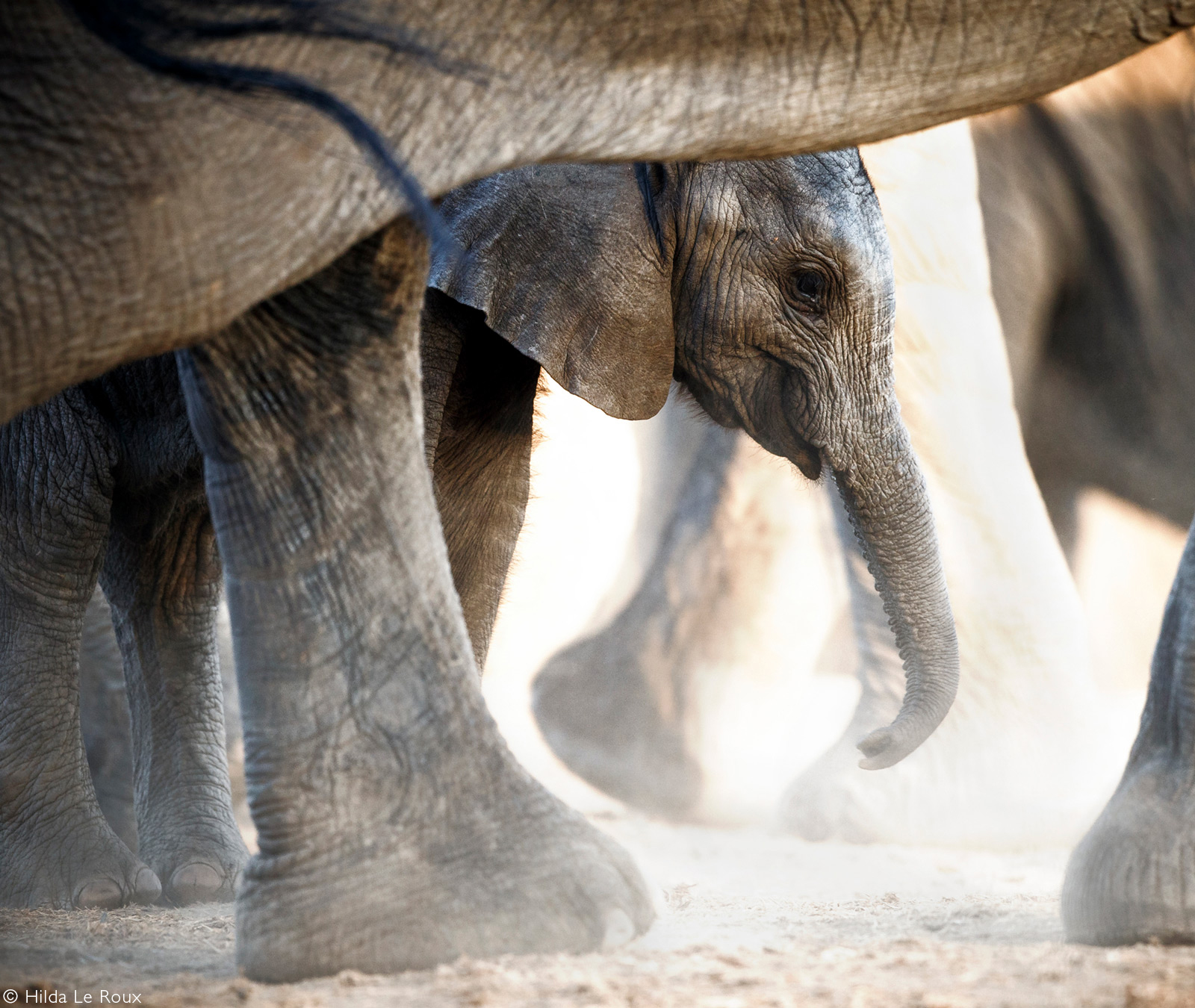
Our Photographer of the Year 2020 is now in full swing and open for submissions!
There are two galleries showcasing this week’s Weekly Selection. To see the other gallery click here:Gallery 2
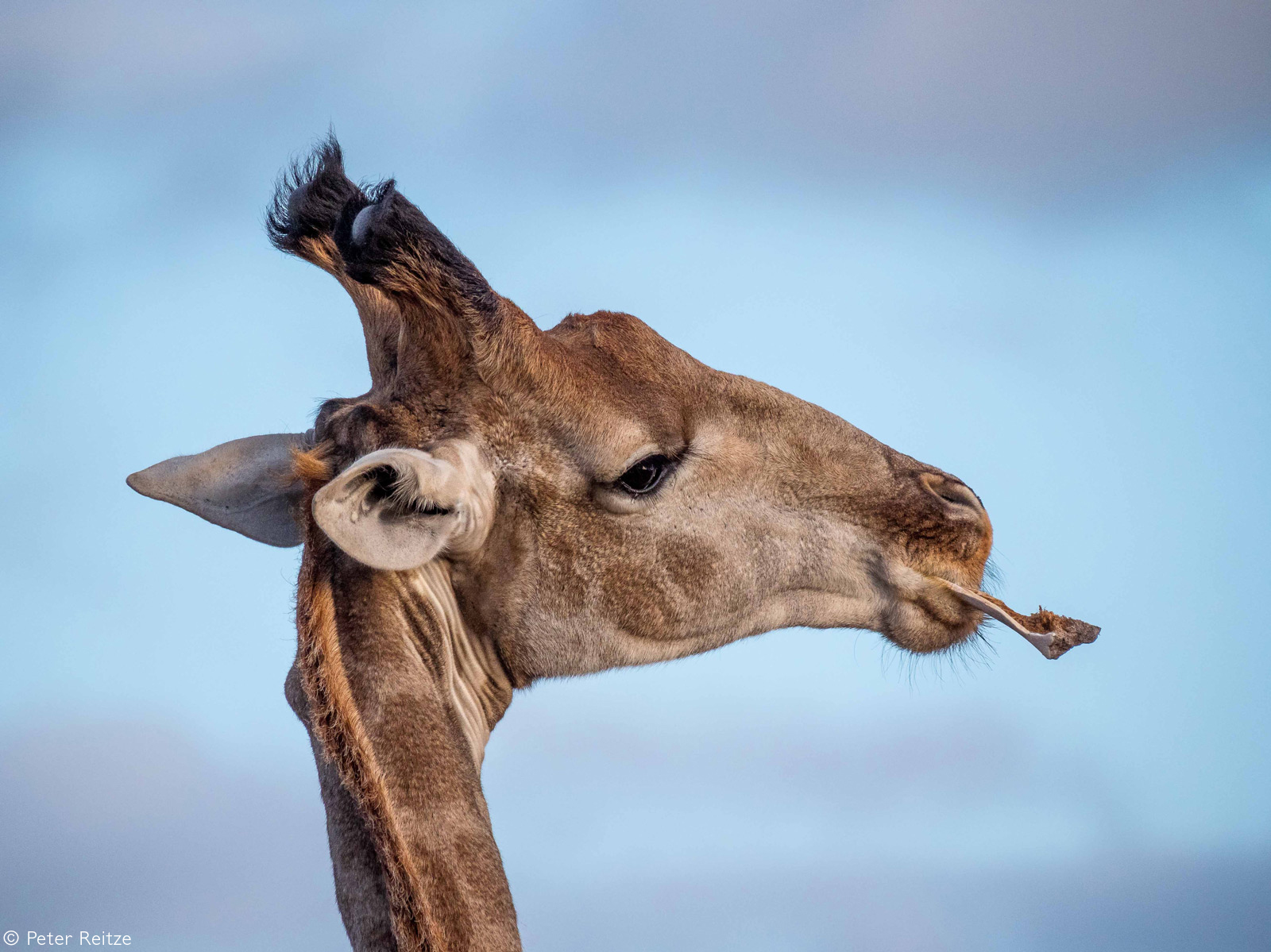
Our Photographer of the Year 2020 competition, with a stunning safari prize provided by Djuma Private Game Reserve, is now in full swing and open for submissions!
There are two galleries showcasing this week’s Weekly Selection. To see the other gallery click here:Gallery 1
Conservationists should be wary of assuming that genetic diversity loss in wildlife is always caused by humans, as new research published today by international conservation charity ZSL (Zoological Society of London) reveals that, in the case of a population of southern African lions (Panthera leo), it’s likely caused by ecological rather than human factors.
Published in Animal Conservation today (28 January 2020) the study saw researchers from ZSL’s Institute of Zoology and Imperial College London analyse the genetic diversity of 149 African lions in the KAZA (Kavango–Zambezi Transfrontier Conservation Area) in northern Botswana between 2010 to 2013.
While human impacts are the leading cause of genetic diversity loss in many cases, scientists studying the lions found that diversity loss across the population was instead caused by the lions’ need to adapt to differing habitats.
They identified two genetically different populations of lions in the region, each adapted to living in a distinct habitat type; the so-called ‘wetland lions’ residing in the wetland habitat in the Okavango Delta and a ‘dryland lions’ group living in the semi-arid habitat of the Kalahari Desert.
If a separate population is created but cut off from its original source group due to ecological or human barriers, over time there will be less gene flow from lack of breeding between the populations. While a larger more connected population would generally have greater genetic diversity, small amounts of movement between them can maintain diversity while preserving adaptations that allow them to thrive in two different environments. Though not different enough to be classified as separate sub-species and still having slight genetic movement between the populations, it suggests a phenomenon called phenotypic plasticity – animals adapting in various ways to suit the environment they’re in.
Ensuring wildlife conservation managers understand how a population becomes genetically fragmented is important in order that decisions regarding protection are well-informed and consider animals’ true needs.
Dr Simon Dures, lead author and ZSL Researcher explained: “The findings have important applications for wildlife managers across Africa. It means translocations of animals, post human-wildlife conflict for example, need to be carefully considered with regards to their genetic predisposition to their new environment.
“The distinct ‘wetland lion’ populations living in the Okavango are incredibly well adapted to their environment. They’re strong swimmers and seem to thrive in water chasing buffalo down for a kill – which is the opposite for other lions in Africa, which would not typically hunt in water. Moving these animals into a semi-arid environment could be detrimental to their survival.
“Animals need to be able to move freely in order to maintain a level of genetic diversity that builds resilience to changes in their environment caused by climate change, and we think this ecologically-induced separation of the lions pre-dates western Europeans colonisation of southern Africa, so has likely been developing for a long time; way before people came with their fences and hunting.
“Although we didn’t find humans to be the driving force here – it doesn’t mean to say they aren’t having any effect. Impacts such as persecution or increased development could lead to exacerbating inbreeding and threatening the future of these specially adapted lions.”
Malaria is a parasitic disease that attacks red blood cells and is usually spread by the female Anopheles mosquito. Although the implications of being infected with malaria can be severe, the likelihood of tourists in Africa being infected is extremely low if good advice from travel experts is followed, and simple precautions are taken.
Introduction
Malaria is a mosquito-transmitted infectious disease caused by parasites belonging to the Plasmodium genus. The female Anopheles mosquito transmits these single-celled organisms into the human bloodstream where they begin their full life and reproductive cycle, first in the liver and later in the red blood cells. ‘Uncomplicated’ malaria symptoms include high fever, headaches, body aches, nausea and diarrhoea (though not always), and a feeling of extreme fatigue, but ‘severe’ or ‘complicated’ cases can result in coma, seizures and death.
P. falciparum, P. vivax, P. ovale and P. malariae are the most common species of Plasmodium mosquitos that cause malaria in humans, and medical professionals must confirm which species has been responsible for the infection. Typically, P. falciparum and P. vivax are considered to be more dangerous, but all malarial infections should be treated as a medical emergency. While many people consider cerebral malaria to be a different type of malaria, it is typically caused by a severe infection of P. falciparum that has gone untreated for an extended period.
Which African countries are high risk?
Malaria is present in the majority of African countries, but its geographic distribution is complicated by several different factors, meaning that malaria-free and malaria-risk areas can occur in close proximity and risk levels can be seasonal. The highest risk areas tend to be around the equator, as warm and humid temperatures in high rainfall areas favour transmission. As per the CDC, malaria transmission does not occur at very high altitudes, in deserts away from oases and in areas where eradication programs have successfully eliminated the risk. In temperatures below 20˚C, the parasite cannot complete the necessary growth cycle in the mosquito before transmission.
Every year, the Malaria Atlas Project works in conjunction with the World Health Organization to produce the World Malaria Report with the necessary, updated information about the distribution of malaria and where outbreaks could be anticipated. An up-to-date and interactive map can be found here.
Avoid being bitten
It’s impossible to avoid every single mosquito bite, no matter how diligent you are, but there are a few tips to avoid being bitten wherever possible:
travel during low-risk seasons – the dry and cool months;
use insect repellent;
cover legs and arms with long-sleeved shirts and trousers, particularly at night;
sleep under a mosquito net in an air-conditioned or well-screened room and, if possible, sleep with a fan on;
avoid standing water that may breed mosquitoes.
Preventative Prophylactics
Due to the complexity of the malarial plasmid life cycle, there is no widely available or effective vaccine available against malaria, though there are vaccines at differing stages of clinical development and trial.
There are several prophylaxis medications available, and many different factors should be considered in choosing an appropriate one. Most important is to follow the advice of a doctor, who should be up to date on personal medical history, as well as which medications are more effective for different strains of malaria. All of these medications are to be commenced before the date of travel to a malaria area and continued after the traveller has returned.
Some of the more common options include:
Atovaquone-profuanil (Malarone) – must be taken daily at the same time of day;
Doxycycline – taken daily at the same time of day;
Mefloquine – taken once a week on the same day of the week;
Chloroquine phosphate or hydroxychloroquine sulfate (Plaquenil) – taken once a week on the same day of the week but effective only in certain areas.
As with any medications, these medications all have their potential side effects that should always be discussed with a doctor beforehand, including nausea, insomnia and photosensitivity (when taking doxycycline). Most side effects are infrequent and generally do not necessitate discontinuing the drug.
Pregnant women and parents of young children need to be particularly cautious if travelling to a malaria area and it essential to combine both the prophylaxis (some options are safe in both pregnancy and for infants) with active preventative measures.
Treatment
With malaria, early detection is critical. The disease typically presents with symptoms between one to three weeks after exposure, but in extremely rare cases, prophylaxis drugs have delayed symptoms for a few months. It is essential for anyone who has travelled to a malaria area to seek medical advice immediately if they display any malaria symptoms and fully explain their travel history. While home tests are available, it is essential to note that due to the complexity of the malaria life cycle, these tests can yield false-negative results. Even if a home test shows a positive result, it is still necessary to seek medical attention so that the species of malaria and seriousness of infection can be confirmed via a blood test-particularly since certain strains of drug-resistant malaria require specific treatment. It is also critical to complete the course of medication prescribed to avoid the risk of reinfection, regardless of whether or not symptoms are still present.
The success story of Akagera National Park continues as this year, Rwanda’s only Big 5 reserve reported a 25% growth in revenue for 2019 – $2.5 million. A successful partnership with the non-profit conservation organisation African Parks, secured in 2010, has seen the number of visitors to the park grow each successive year. 2019 saw 49, 000 visitors to Akagera and, as in previous years, 48% of these visitors were Rwandan citizens.
As with any National Reserve, any growth in revenue is significant and Akagera Park management report that the revenue received accounts for 90% of their annual visitors. $525,000 of the 2019 revenue was directed back into the local communities, either through staff salaries or through local purchases.
It is not just visitor numbers that have increased over the years – monitoring programs and aerial counts have shown that animal numbers are on the rise as well, with overall numbers rising from 12,000 in 2017 to 13,500 in 2019. Seven lions were reintroduced to the park in 2015, having been relocated from South Africa and eighteen black rhinos were moved from South Africa to Akagera in 2017. Four months after the relocation of the rhino, the birth of first rhino calf in the wild in over a decade was recorded, and the arrival of the rhino completed Akagera’s “Big 5 status”. A further five rhino arrived from a zoo in the Czech Republic in 2019, increasing tourist interest in the park.
Sarah Hall, who is the Tourism and Marketing Manager at Akagera National Park, told Rwanda’s The New Times that increased revenue meant several improvements including a tar road from Kabarondo to make access to the reserve easier for the guests. She also noted that the reserve had seen an increase in visitors from Francophone countries.
For a relatively small country with a complicated history, the success of Akagera National Park under the management of African Parks is a triumph of conservation efforts and, as the wildlife benefits, so will the local communities.
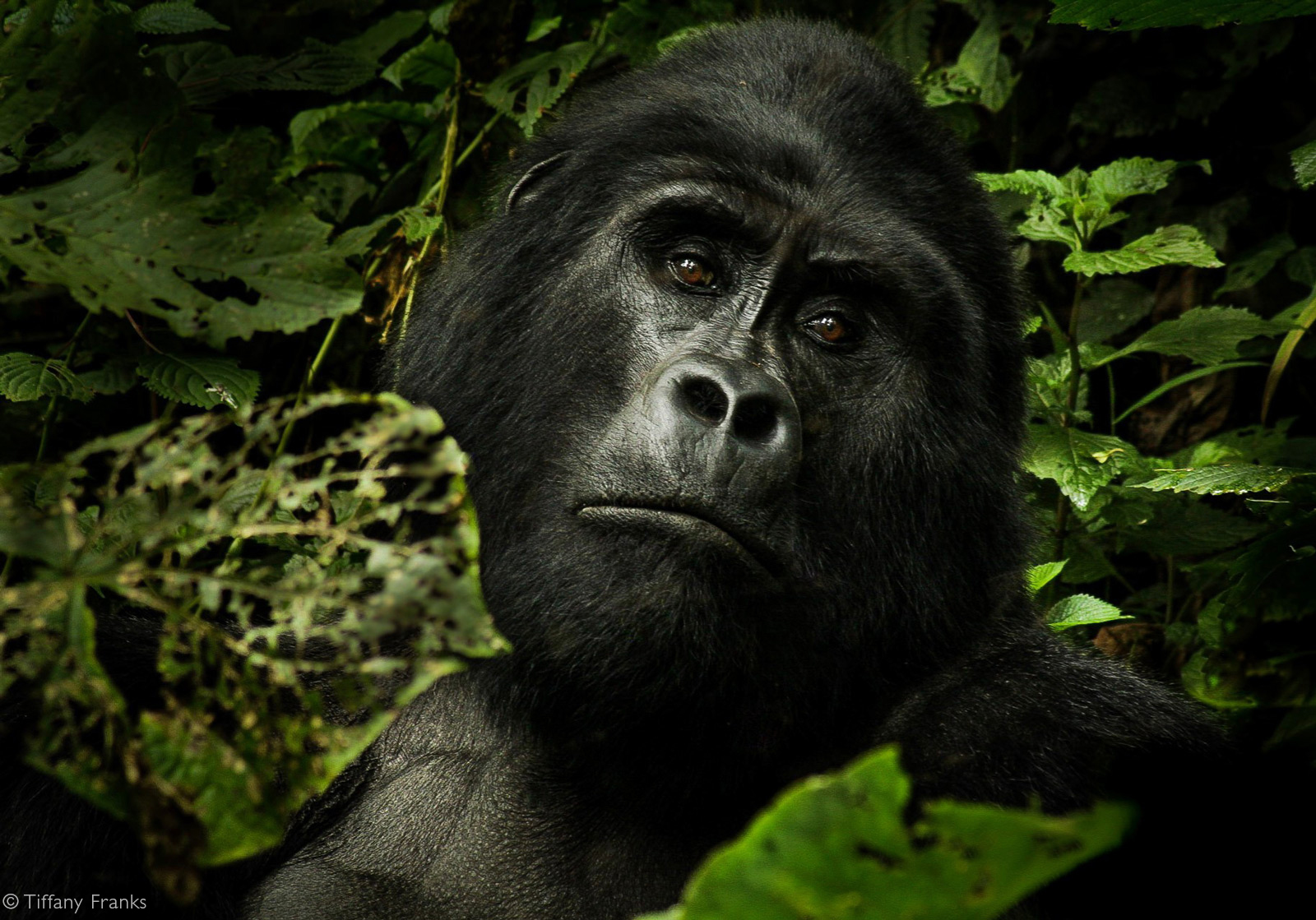
Our Photographer of the Year 2020 competition is now in full swing and open for submissions!
There are two galleries showcasing this week’s Weekly Selection. To see the other gallery click here:Gallery 2, Gallery 3
Our Photographer of the Year 2020 competition, with a stunning safari prize provided by Djuma Private Game Reserve, is now in full swing and open for submissions!
There are two galleries showcasing this week’s Weekly Selection. To see the other gallery click here:Gallery 1, Gallery 3
Our Photographer of the Year 2020 competition, with a stunning safari prize provided by Djuma Private Game Reserve, is now in full swing and open for submissions!
There are two galleries showcasing this week’s Weekly Selection. To see the other gallery click here:Gallery 1, Gallery 2
Researchers have conducted a lengthy pre-published study indicating that the lesser-known wildebeest migration patterns throughout East Africa are facing grave peril. The scientists point to population growth resulting in: range restriction, degradation and loss of habitats, agriculture, poaching and artificial barriers such as roads and fences. They highlight the necessity of urgent conservation measures and commitment from the governments of both Kenya and Tanzania.
The yearly Great Migration of over a million white-bearded wildebeest and zebra through the Serengeti and Maasai Mara ecosystems is perhaps the most renowned large mammal migration and generates enormous tourism revenue. Importantly, the study notes that these populations are not under threat, and their movements are mostly unrestricted. However, poaching is still a challenge for conservation authorities. Though by far the largest, this is not the only wildebeest migration in East Africa. The scientists emphasise that conserving smaller populations and migrations is essential for several ecological and socio-economic reasons.
Protecting a migratory route involves complex analysis of the context in terms of the human populations of the land. Integral to this study was research into historical wildebeest migration patterns as well as their current status. Researchers attained historical information through literature reviews, colonial-era records, maps, GIS databases, records of GPS collared wildebeest and interviews with residents and researchers alike. For current movements and status information, 36 wildebeest across the study range were collared, and their movement tracked for two years. Wildebeest population estimates used external data compiled by aerial surveys and various governmental, development and wildlife organisations provided the data on the anthropogenic aspects of the analysis.
This approach was made all the more complicated by the fact that irreversible changes to the migratory populations and routes that occurred as early as the beginning of the 20th century. With this in mind, scientists examined the Serengeti-Mara, Maasai-Mara, Athi-Kaputiei, Amboseli Basin and Tarangire-Manyara ecosystems and came to the following conclusions:
Serengeti-Mara – as discussed, though the migratory routes have changed slightly, the numbers have remained stable (currently around 1.3 million animals) because the migratory pathways occur mostly within protected areas. Referred to by researchers as ‘southern migration.’
Maasai-Mara – during the dry season (July-October) as the Serengeti wildebeest move north into the Maasai Mara, wildebeest from the Loita Plains descend to the conservancies surrounding the Maasai Mara National Reserve. Their numbers have declined 80.9%, from 123,930 wildebeest in 1977-78 to less than 20,000 in 2016. Referred to by researchers as ‘northern migration’.
Athi-Kaputiei ecosystem – includes Nairobi National Park, Athi Plains and surrounding areas. This population has declined 95% from over 26,800 in 1977-78 to under 3,000 in 2014, leading to a “virtual collapse of the migration”. It is important to note here that researchers believe that many of these wildebeest have moved, rather than died in such enormous numbers.
Amboseli Basin – includes Amboseli National Park and surrounding pastoral lands in Kajiado County. The population of the Amboseli ecosystem declined 84.5% from 16,290 in 1977-78 to 2,375 by 2014.
Tarangire-Manyara ecosystem – incorporates both national parks and private conservancies in Tanzania. The population declined from 48,783 in 1990 to 13,603 in 2016 and shows no signs of recovery.
As can be seen from the above, four out of the five studied migrations are at the point of disappearing completely, particularly the Athi-Kaputiei population. As wildebeest numbers have dropped, the human populations have soared: a 673% increase in Narok County (including Loita Plains), 905% in Kajiado County (Incorporating the Amboseli Basin), and a 247% increase in Machakos Country – all from 1962 to 2009. Increased human numbers means increased agriculture, increased sedentarisation and settlement of formerly semi-nomadic populations, and more fences and roads that occlude grazing resources and routes. In Kenya, the increase of private land ownership has changed the game, and in Tanzania the Game Controlled Areas have been cultivated.
The study expressed frustration at what the researchers describe as “incoherent government development policies that promote incompatible land uses, such as promoting cultivation pastoral rangelands occupied by wildlife to combat food insecurity while also promoting wildlife-based tourism in the same areas”. In Kenya, landowners do not have access or user rights over the wild animals on their land and are often offered no compensation for the cost of supporting wildlife. While there are several changes in policy and legal framework, none of these has been adequately implemented.
The study acknowledges the existing governmental and conservation efforts in both Kenya and Tanzania that have gone some way towards mitigating the effects of expansive population growth, particularly in the development of policies on corridors, dispersal areas and buffer zones to create habitat connectivity. The researchers highlight the system of conservancies within Kenya – private landowners (either individually or as an amalgamation) rent out large sections of land to tourism operators for game viewing. In Kenya, around 65% of wildlife occurs outside of protected areas, so the rapid growth in popularity of conservancies is a positive development. They do, however, require a sustainable tourism potential. In Tanzania, the creation of the Tanzania Wildlife Authority as well as the reorganisation of the entire wildlife sector into paramilitary-style organisations to intensify the fight against run-away poaching, have both been positive steps. However, these efforts need to be enhanced by economic incentives to communities.
“The Kenyan and Tanzanian governments need to strongly promote and lead the conservation of the remaining key wildebeest habitats, migration corridors and populations and more conservancies or management areas should be established to protect migratory routes or corridors, buffer zones, dispersal areas and calving grounds for the species.” The plight of the white-bearded wildebeest is one that represents a far more significant challenge facing the wildlife of Africa.
DECODING SCIENCE written by Dr Julie Kern from Elephants Alive
How many large-tusked bulls remain in the APNR? How socially connected are different population members? How successful are human-elephant conflict mitigation methods? These questions are all examples of key research objectives for Elephants Alive. If at first glance you think these questions have little in common, look again, and you’ll see they all rely on a key piece of information – who’s who.
Identifying elephant bulls falls under the umbrella of the ID Study and is Elephants Alive’s longest-running project, having begun in 1996. Since then, the team have identified almost 1,500 individual bulls. Identifying elephants requires excellent observation skills and the team pay special attention to any noticeable physical features which differ between individuals, from tusk configuration and body appearance to characteristic ear patterns, such as notches, tears and holes. Using photographs collected at each sighting, identikits are drawn for each individual elephant and subsequently used to identify the individuals seen in the field. If you’re keen to hone your detective skills, read on for our selection of top elephant-identification tips and tricks to use at your next sighting.
State the obvious
Many individuals have startling body features which can make their identification quick and simple. Look out for collapsed or folded ears, missing tails or trunk tips, and the location of scars or lumps.
Also, take note of the tusks – any birdwatchers will be familiar with the acronym ‘GISS’ or ‘general impression of size and shape’, a rule which also holds true in this case. Are they short or long, thin or thick, straight, splayed or skew? Are both tusks present, and if not, is one broken at the base or missing altogether? When missing entirely, the tusk socket is conspicuously empty (below far right).
Once you’ve checked the more obvious features, it’s time to take a closer look at an elephant’s ears. If there are any tears, notches or holes, pay attention to their location, size and shape. Unfortunately, many individuals have few notches and holes in their ears, especially younger elephants, which makes them much harder to identify. In this case, you can often find a clue to their identity by noting venation patterns on the ears.
Once you’ve got the hang of it, it’s worth remembering that much like ourselves, an elephant’s physical features are likely to change over time as tusks break, another tear appears, or holes pull through leaving a notch in their place. Take Kierie-Klapper (below), a young bull first seen in 2005 and resighted in most years since. In 2013 a new hole appeared in his lower left ear, and earlier this year, another notch was added to the top of his right ear.
Elephants Alive has recently published an Elephant ID Guide in conjunction with Amarula, featuring 30 of the most iconic individuals in the APNR. If you’re interested in purchasing a copy or if you have photographs from your own sightings that you’d like to add to our Citizen Sightings database, please forward them to info2u@elephantsalive.org.
Below is a Communities Response letter by Ishmael Chaukura of the Masoka Community in Zimbabwe, along with a number of concerned parties from 4 southern African countries. It was originally published in Science Magazine in response to an article calling for trophy hunting bans and also references Amy Dickman’s answer to that same article. According to the representative of the Communal Areas Management Programme for Indigenous Resources (CAMPFIRE) in Zimbabwe, it “is vital to ensure that discussions on conservation are informed by those who live with wildlife and that their livelihoods are protected, and rights upheld”:
A recent letter in Science by Dickman et al about trophy hunting unleashed passionate debate in the Western media. These discussions have involved over 400 conservationists, academics and animal rights advocates from the US, Europe and Australia, voicing strong, if divergent, opinions on effective conservation strategies.
Much of the discussion focuses on Africa, but with the notable exception of Dickman et al’s letter, key voices missing from the debate are those of rural people and governments who live with and manage African wildlife, and who will ultimately determine its future. As legitimate representatives of many thousands of people from key wildlife range states (Botswana, Namibia, Zimbabwe and Zambia), we would like to correct this and have our perspective and voices heard.
Sustainably managing megafauna is complex, and successful conservation must start with we who live directly with wildlife. Whilst many in the West view elephants, lions and other wildlife through a romantic, idealized lens, our daily reality of living with these magnificent and valued, yet often dangerous, animals requires more pragmatism.
We, who live surrounded by this wildlife, worry daily that our children may be killed on their way to school, or that our livelihoods will be destroyed. In Botswana, 36 people were killed by elephants in 2018. In Zimbabwe, at least 30 people were trampled by elephants in 2019. Every death is a tragedy, and often involves family breadwinners. Recently, two Zimbabwean siblings disappeared from their home. Only the dismembered head of the two year old was recovered from the suspected hyena attack, and the four year old has never been found. The harsh reality is that if wildlife is just a threat to us, and our incentives to conserve it are removed, its future will be as bleak as that of the wolves, bears and other carnivores of Europe and the US.
For centuries our people have lived with wildlife, and its value is deeply ingrained in our cultures. During colonial times our rights to manage and benefit from these resources were removed. This led to dramatic loss of wildlife and its habitat – a disaster for conservation, our traditions and our livelihoods. Following independence, our governments restored our rights and integrated wildlife into rural economies. This enabled the development of socio-economic incentives to live with and sustainably manage our wildlife. Whilst it varies nationally, up to 90% of these economic incentives are provided through sustainable, regulated hunting. This has led, in Southern African countries such as ours, to increasing wildlife populations and habitat, often even beyond formally protected areas, in stark contrast to most Western countries.
We acknowledge that banning wildlife trophy imports into foreign countries is within the right of those governments. We further recognize that regulated hunting may appear a counter-intuitive conservation strategy to many. Yet if your objective is conservation – not solely the recognition of individual animal rights – import bans are misguided and have important implications for our human rights. We are concerned that hundreds of millions of dollars have been gobbled up in misleading animal rights campaigns without any benefit for the custodians of African wildlife – African people. Banning trophy imports risks significantly reducing the value of our wildlife, reducing incentives to tolerate and manage wildlife as an integral component of our livelihoods. Imposing such disastrous policies on us negates our sound conservation record. Once again, wildlife numbers will plummet and our rights to sustainably manage our natural resources will again be undermined.
We recognize and respect the rights of Western conservation scientists and animal rights advocates to discuss how best to manage African wildlife. However, we request that your discussions are informed by our voices as custodians of this wildlife. Discussions should acknowledge both our conservation successes and our communities’ right to earn a livelihood through the culturally appropriate, sustainable management of our resources for the benefit of our people. Any less is to deny our human rights.
The Kruger National Park has attained international renown, but the terms ‘Kruger National Park’ (KNP) and ‘Greater Kruger’ are often used interchangeably, despite their differences. The distinction between the two is important, to understand both the tourist experience and how this conservation model has impacted the wildlife of the area.
The ‘Greater Kruger’ refers to protected land to the west of Kruger National Park that provides a more substantial area for wildlife to roam freely. Private and local community property owners own this additional land, and most is utilised for commercial purposes.
There are no longer fences between these properties and KNP, providing the animals with an opportunity to roam, thereby reducing pressure on vegetation and bringing back historical local seasonal wildlife movements. Historically most seasonal migration was in an east-west direction, from the coastal areas of Mozambique to the slopes of the Drakensberg mountains, to take advantage of seasonal food and water. Fences and human pressure now prohibit that movement, and the north-south shape of KNP is not optimal for seasonal migrations.
Luxury safaris The Greater Kruger is utilised primarily for photographic tourism and is home to some of South Africa’s best-known luxury Big 5 lodges. Relatively high prices and strict access control results in low visitor numbers compared to the neighbouring KNP, and off-road driving (by experienced guides), night drives and bush walks guarantee fantastic wildlife encounters.
Wildlife industry South Africa’s conservation strategy incorporates other wildlife industries such as hunting; a strategy that has resulted in large areas outside of national parks falling under some form of protection against livestock and crop farming and other forms of development not tolerant of wildlife. A small portion of the hundreds of landowners making up the Greater Kruger permit trophy hunting on their (non-tourism) properties, to fund their significant and increasing anti-poaching and other conservation costs. The limited trophy hunting quotas are subject to approval by the KNP, and hunting protocol strictly enforced by the management of the constituent reserves. That said, immoral or illegal behaviour by members of the trophy hunting industry does occur. Trophy hunting in most constituent reserves within Greater Kruger is gradually being squeezed out by the resurgent photographic tourism industry, and no trophy hunting is permitted in the KNP itself.
Properties making up the Greater Kruger
Sabi Sand Nature Reserve, MalaMala & Sabi Sand Game Reserve The 65,000 ha Sabi Sand Reserve shares a 50km unfenced boundary with the Kruger National Park. When the Kruger National Park was declared in 1926, the landowners of the original Sabi Game Reserve were excised and had to settle for land outside of the national park. In 1948, 14 of these conservation-minded landowners met at Mala Mala and decided to join forces and create the first-ever private nature reserve in South Africa. The eastern fence of the reserve, bordering the Kruger National Park, was removed in 1993, making the Sabi Sand Reserve part of the Greater Kruger. The land is used for photographic tourism and private leisure. For your ready-made African safari to Sabi Sand Game Reserve, click here.
The Associated Private Nature Reserves (APNR)
The APNR is an association of privately owned reserves that removed fences bordering the Kruger National Park in 1993 after operating before that as livestock and hunting farms. The reserves (which in turn are made up of multiple smaller properties) included in the APNR are Timbavati Private Nature Reserve (53,396 ha), Klaserie Private Nature Reserve (60,080 ha), Umbabat Private Nature Reserve (18,000 ha), Balule Private Nature Reserve (55,000 ha) and Thornybush Game Reserve (14,000 ha). Land use varies from private leisure use to photographic tourism and trophy hunting on some properties.
Manyeleti Game Reserve Founded in 1963, the 23,000 ha Manyeleti Game Reserve is sandwiched between the KNP, Sabi Sand and Timbavati, with no fences in-between. It also has an interesting and unique history. During the Apartheid years, it was the only reserve that welcomed people of colour, and after claiming back the land, the local Mnisi people now own and manage the reserve. Land use is exclusively for photographic tourism.
Letaba Ranch
The 42,000 ha Letaba Ranch Game Reserve, just north of the mining town of Phalaborwa, shares an unfenced border with the Kruger National Park. The reserve is owned by the local Mthimkhulu community and has historically been used mainly for trophy hunting. Future plans include hunting and eco-tourism, but current operations appear to be in a state of turmoil.
Makuya Nature Reserve
Makuya Nature Reserve is a 16,000 ha game reserve near the Pafuri gate in the far north of the Kruger, and also shares an unfenced border with the Kruger National Park. The reserve is owned by the Makuya, Mutele, and Mphaphuli communities and is used for both trophy hunting and limited photographic tourism purposes.
Walking safari in Balule, Greater Kruger @ Simon EspleyGreater Kruger (light green) and Kruger National Park (dark green).
Despite ongoing challenges, the Greater Kruger is one of conservation’s greatest success stories and is the model underpinning KNP’s 10-year management plan. It is also the perfect safari destination for those looking for exclusive encounters with Africa’s Big 5.
Let’s address the recent international news-media claims that Victoria Falls is running dry
As the largest waterfall in the world, Victoria Falls needs very little in the way of introduction. Even to the uninitiated, the name conjures images of breath-taking vistas, lush and verdant vegetation, thrill-seeking and, of course, water thundering down into gorges releasing spray that can on occasion be seen kilometres away. The falls are also officially known as Mosi-ao-Tunya or “The Smoke That Thunders” in the Lozi language of the area – a name that perfectly captures the almost mystical atmosphere of this World Heritage Site.
Upstream of the falls, the Zambezi River flows across an almost flat basalt plateau in a shallow valley before reaching the fracture in the plateau with a vertical drop into First Gorge, around 100 metres below. At this point, the Zambezi is 1,708m in width, creating the largest continuous falling curtain of water in the world. From there, the river narrows through a series of awe-inspiring gorges. Geographically, Zambia lies on the northern and eastern side of the falls which is topographically higher, with Zimbabwe to the south and west. Naturally, the amount of water flowing over the falls is seasonally dependent on the amount of rain that falls into the catchment upstream – typically, the rainy season begins around November/December and continues through until April when the rest of the year remains comparatively dry.
The seasonal changes in Victoria Falls water levels inevitably impact the tourism experience and perceptions. The Falls are usually at their most dramatic from late February to May, when the highest amount of water tumbles into the chams below and a curtain of spray hovers over the Falls. The flip side of this is that there is a chance that the Falls may be partially obscured by the rainbow-lit spray. After months of dry weather, the falls begin to reduce in size and reach their lowest levels towards the end of the year when bare rock faces are clearly visible, particularly on the Zambian side. This, too, presents different opportunities for visitors, allowing them unobscured views of the falls and the opportunity to go rafting.
Over the past few years, there has been a degree of social media speculation and even panic as the dry season reaches its peak and the river levels drop, particularly because the topographically higher Zambian side often slows to a minimum and occasionally stops flowing in places. However, at the end of 2019, this story was seized upon by international news media that ran with alarmist headlines suggesting that the Falls was completely dry – pictures that were taken from the drier parts of the Zambian side were used to emphasize the seeming urgency of the situation. The Zimbabwe side of the falls, still flowing and still spectacular, was largely ignored and most media outlets initially neglected to mention the seasonal fluctuations of the river.
The narrative that the falls were in danger of drying up completely and were at their lowest-ever levels was far from being supported by facts. The Zambian River Authority monitors the water levels each day and has records that go back decades. While the water levels did come close to the low levels seen in 1995/96, the improvement was already being seen as the story gained international traction-a fact that was largely ignored. At the time of writing, the water levels have been steadily increasing and are now higher than they were at the same time last year. Records going back further showed that some of the lowest-ever recorded levels were seen in the early 20th century – yet no reference was made to this fact. Nor was there mention of the water that is diverted away from the eastern cataract to supply the power station below the falls.
Scientists have not ignored the anthropogenic impact on the flow of the Zambezi – in a 2012 report published by International Rivers, Dr. Richard Beilfuss examines the numerous factors affecting the flow of this river system, including hydroelectric power, seasonal weather changes and the potential impact of climate change. While the cause for concern is clear, he also notes that “[t]he Zambezi River Basin has one of the most variable climates of any major river basin in the world, with an extreme range of conditions across the catchment and through time.” The graph below taken from his report shows the average yearly discharge at the falls. Note that there have been at least three other examples of extreme lows: 1914, 1948 and 1995, often followed by years of high flow rates.
In an area where tourism is not just a vital part of daily life but essential to the survival of the surrounding communities, it does not take a massive leap of intuition to imagine the potential effect of the fearmongering of international news media. Several tourism operators reported cancellations (our own travel team had to council safari clients that were concerned about the reports) and, while the ultimate effect on tourist statistics remains to be seen, the furious response of Victoria Falls locals is easy to understand. Many took to social media to showcase their photographs or videos taken in front of the flowing falls and the hashtag #VictoriaFallsIsNotDry became a vent for their growing frustration. In a furious response to one particular news outlet, a well-known member of the tourism community in Livingstone, Peter Jones, wrote “[f]or those of us living at the Victoria Falls, both in Zambia and Zimbabwe, we are picking up the pieces after your whirlwind visit to incorrectly inform the world the mighty Victoria Falls was in danger of drying up…We have all lost bookings and business in some way as a result of your misinformation [and] some people’s lives have taken a very definite turn for the worse.”
The impact of such reporting is deeply regrettable, not only in terms of the impact it will inevitably have on tourism revenue, but in the effect it has in polarising already divergent views. In ignoring or glossing over the facts, the message loses all credibility and fails its conservation agenda. Most importantly, the very real threat facing the people of certain parts of Zambia and Zimbabwe struggling to sustain themselves after an extended regional drought has been lost in the social media hysteria and subsequent backlash. The impact of dams and irrigation on some of Africa’s main river systems, as well as the socio-economic demand for electric power, has been ignored in favour of the more attention-grabbing “climate change” headings.
In an official statement in response to the reports on the state of Victoria Falls, the African Travel and Tourism Authority noted that “[w]hilst we are cognisant that Climate Change [sic] is a growing concern on a global level, and that it is potentially having an impact on countries throughout the world, what has been lacking in the media reports is an insight into the historic seasonal patterns and the resultant changes in water flow which are vital pieces of information to ensure a clear perspective is maintained”.
04 March 2021 UPDATE: The Court of Appeals of Zambia has dismissed an appeal to stop the proposed large-scale open-pit mine in Lower Zambezi National Park, upholding the High Court’s decision to dismiss the case.
18 January 2020:
The planned open-cast Kangaluwi copper mine in Lower Zambezi National Park WILL NOT proceed, says a minister in the Zambian government, in a dramatic turnaround of a recent announcement that the controversial mining project would indeed go ahead – based on a legal technicality.
Now, it appears, another legal technicality has come to the fore to reverse that ruling, as Tourism and Arts Minister Ronald Chitotela announced the project wouldn’t go ahead because an environmental impact report that was submitted by the environmental regulator has expired. “If this mining firm wants to go ahead with its project, we can advise them to submit a fresh report which will have to be scrutinized and approved by the government,” he explained in an interview.
As a cautionary subnote to Mr. Chitotela’s confident announcement, there has not yet been any confirmation about the cancellation of the mining permit from the office of Zambia’s president, and Africa Geographic has been informed that at least three additional prospecting permits are being considered, for mining inside the national park.
This mining project has a long history of questionable maneuvres and governmental decisions. The Kangaluwi copper mine project was initially owned by Bermuda-registered Mwembeshi Resources, which was in turn owned by Australian company Zambezi Resources (renamed Trek Metals) before being sold to Dubai-based Grand Resources Limited, a company of dubious substance, but thought to be a front for Chinese investors. It would appear that the Zambian Mines and Mineral Development Act of 2008 does not contain any substantial provisions relating to mining in protected areas and that foreign investors who face more robust legislation in their own countries are targetting this weakness.
When we mention Sudan, most people don’t react positively, either because they don’t know much about the country, or they recall negative news reports about it. Ten years ago, when we visited the “kingdom of the black pharaohs” for the first time, there were very few tourists. Nowadays, fortunately, some prejudices have disappeared, and more foreigners (khwadja) have started visiting this northeastern African country.
Though most tourists tend to stay close to Khartoum and stick to the main routes, to visit the impressive Nubian pyramids at Meroë and remnants of ancient temples. There is so much more to discover in the country of the black pharaohs, so many more archaeological sites that tell stories from ancient times.
The ‘tourist boom’ started in about 2012 when several archaeological societies began working in various locations to uncover treasures of long-forgotten civilisations. Every year we returned to Sudan on expeditions that zigzagged across the barren countryside, and every year we discovered new and interesting places.
It was during one particular trip to Sudan that we found ourselves deep within the desolate Nubian Desert, on a quest to find an intriguing-looking rock with an even more interesting name: Jebel Magardi.
Our adventure started when we came across a large poster of this rock in the national museum in Khartoum. We questioned all of our Sudanese friends and their friends to help us find this mysterious Jebel Magardi in an area called Bir Nurayet – the massive rock no one had ever heard about. We ended up spending hours on Google Earth searching for the mysterious rock in the middle of the Nubian Desert and eventually pinpointed an approximate location close to the Egyptian border, deep in the desert.
We created a waypoint and started looking into how to get there and decided to approach the desert from the Red Sea coast so that we could find a lonely beach to rest up before the strenuous journey. We picked out routes that went through wadis (dry riverbeds), as this seemed like the easiest way through the Red Sea mountain range. In the comfort of our home, it only took us a few hours to find a route on the computer, but of course, the reality was somewhat different.
With our three off-road vehicles loaded up, we travelled from Khartoum to Port Sudan, and north towards the Egyptian border. In Mohammed Qol, they already knew who we were, because in the previous year we had been arrested at the police checkpoint. The officers had no idea what a tourist was and why we would want to explore Sudan and instead believed us to be CIA spies. Looking back, this misunderstanding was actually quite amusing…
About 50 km behind Mohammed Qol, we found a remote and quiet spot by the beach and made camp. There was no phone signal and, as we set off the next day, our careful planning was all we had to rely on to get us to our destination. Heading towards a towering mountain range in the distance, we followed a wadi of deep sand that wound its way into the mountains. What a mighty river this wadi must once have been!
We passed rocks of all different shapes and colours and now and then came across small villages along the route. Green acacias dotted along the wadi helped to break up the bleak-looking landscape of sand and rocks.
There were times when we were faced with a fork in the road, and I had to double-check the GPS and radio René (who was driving the lead vehicle) to discuss which route to take. Sometimes we took the wrong turn, ending up in a dead-end, and had to backtrack. On other occasions, we got hopelessly stuck in the deep hot sand, and the whole team had to dig and push – back-breaking work.
Travelling over the golden sands of the Nubian Desert, we felt like explorers of decades long past. Sometimes we met people along the way – mostly nomadic Beja – and the way they looked at us made us think that we must have looked like aliens to them.
Often we would take a break to take photos or because our Sudanese drivers had to pray. And it is was then that the emptiness of the landscape hit home. We would stand in awe, listening to the quiet around us. We could hear the wind blowing through the wadi and felt it on our skin, the sands slightly shifting below our feet. The ‘nothingness’ was broken only by the odd acacia tree, small village or occasional goat or camel.
We were seven hours into our adventure and had only covered a mere 150 km. On Google Earth, it didn’t look that far, but then we were spending quite a bit of our time stopping for photos because there was something worth photographing around almost every corner.
Finally, we reached Wadi Oko, the biggest wadi in the area. There was more traffic here, and a gold diggers town! Our Sudanese drivers were not too happy about it, but the locals welcomed us with a smile and even pulled out their smartphones to take selfies with us.
It was scorching, so we stopped for lunch and of course jebenah – a fantastic Sudanese coffee prepared in a specially-designed flask.
There are many more of these gold digger towns in the Nubian Desert and the Red Sea Hills. This is no huge surprise, considering that Nubia was the primary source of gold for ancient Egyptians. Descriptions of the precious metal appeared in hieroglyphs as early as 2600 B.C., and by 1500 B.C. gold had become the recognised medium of exchange for international trade. Pharaohs sent expeditions to Nubia to mine the quartz lodes for gold, which Egyptian goldsmiths transformed into vessels, furniture, funerary equipment and sophisticated jewellery. Even the name Nubia is considered by some to be a derivative of the Egyptian word for ‘gold’.
Moving on from the gold-digging towns we found ourselves off-roading for about two hours when suddenly a green valley opened up before us, and as the sun started to dip below the horizon the golden light illuminated a majestic rock rising out of the valley ahead of us – Jebel Magardi! From afar, the rock looked like the head of a moray eel coming out of the ground, but in an archaeological context, Jebel Magardi represents a phallus symbol, an ancient sign of fertility. In its shadow, we found an area that the locals call Bir Nurayet to make camp.
It was quite late by the time we had set up camp. We sat around the crackling campfire and celebrated – not only because we had found Jebel Magardi, but also because it was René’s birthday. What better celebration could one wish for than sitting deep in the desert with absolutely no civilisation around us? It was just us and the desert that night.
The Sahara is a seemingly barren sea of hot sand, and yet a mere 13,000 years ago it was a thriving, lush landscape teeming with life. Wildlife such as giraffe, various antelope, elephant, ostrich and (later on) cattle once roamed this area, along with human hunter-gatherers. It is hard to believe what the desert once was, but thankfully there is evidence left behind by the ancient inhabitants, in the form of petroglyphs (rock paintings) of their life and the wildlife they encountered.
These petroglyphs are found in one of the biggest rock art galleries in the world. Discovered in 1999 by the Polish archaeologist Pluskot and his Dutch writer and photographer Baaijens during their camel caravan expedition, these petroglyphs depict scenes such as ancient hunts and cattle herding practices – lively proof of how the locals lived thousands of years ago.
At sunrise, we used the golden hour to walk around Jebel Magardi, looking for these petroglyphs. The rock looked even more majestic when we stood at its base, and we wondered what it would tell us if only it could speak. In times of the old caravans and bushmen, Jebel Magardi was used as an orientation point in the desert, easy to see from far away and with a wellpoint next to it.
But even after walking all around the rock we couldn’t find any petroglyphs. Just nothing. Where were the petroglyphs? Opposite the rock there was a dry riverbed and behind were a few rocks and cliffs, one of which looked like a camel head… and something told us we should go over to investigate.
SURROUNDED BY ELEPHANTS
We entered a little valley in between the rocks and on every rock face there were drawings of hundreds of cattle, all with very long horns, side by side with herds of camels and humans. We made our way past all these rocks paintings, utterly fascinated. In between these petroglyphs, we found a scene of an antelope hunt, then, a few metres further, elephants walking along, and even further down, we recognised a leopard.
One can see what animals lived in this area when humans settled here for the first time. Some petroglyphs were very simple; others were very intricately engraved – a good sign of the progress of human art.
The art of Bir Nurayet is attributed to the Neolithic period and mostly depicts a fertility cult. We explored, discussed and imagined the stories for each drawing we saw. In the national museum in Khartoum, one can see 63 little statues and clay pots found at Bir Nurayet.
We were fascinated and happy to have found a place deep in the desert, which only a handful of people know of and have visited. We had accomplished our mission to see Jebel Magardi and its petroglyphs! Our state of delight made the two-day return journey to Khartoum a breeze, as we left ‘our’ discovery of the ancient hidden riches of Sudan’s Nubian Desert behind.
Andrea and René met in New Zealand in 2005. Since then they have worked and travelled in various places in Europe. Their biggest adventure was crossing Africa from north to south in their vehicle in 2008/2009. During this trip, they travelled through Sudan and knew that it wouldn’t be the last time. They return to Sudan every year to discover more places, especially in the Nubian Desert. They are both tour guides, conducting trips in Europe and Africa, and write regularly for magazines, as well as hold photo exhibitions and slideshow presentations.
Our Photographer of the Year 2020 is now in full swing and open for submissions!
There are two galleries showcasing this week’s Weekly Selection. To see the other gallery click here: Weekly Selection Gallery 2
Our Photographer of the Year 2020 competition, with a stunning safari prize provided by Djuma Private Game Reserve, is now in full swing and open for submissions!
There are two galleries showcasing this week’s Weekly Selection. To see the other gallery click here:Weekly Selection Gallery 1
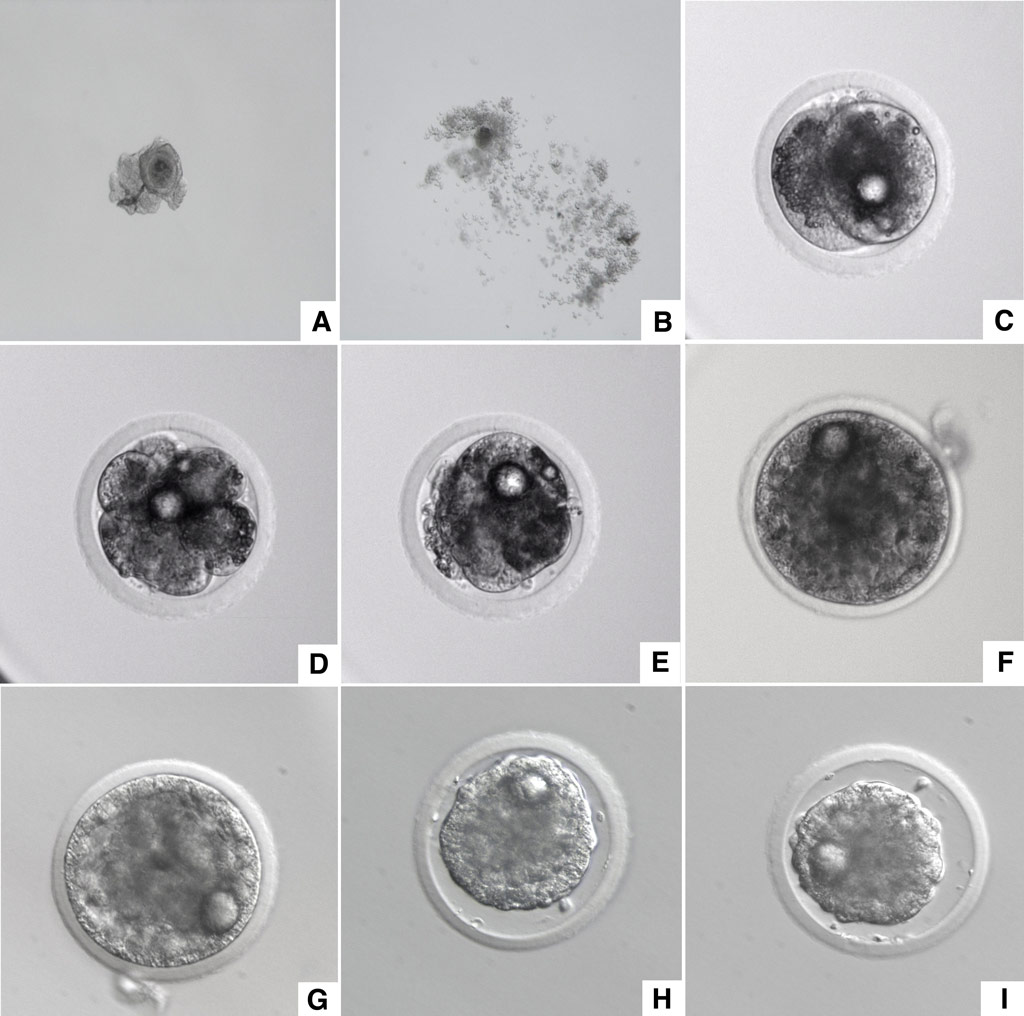
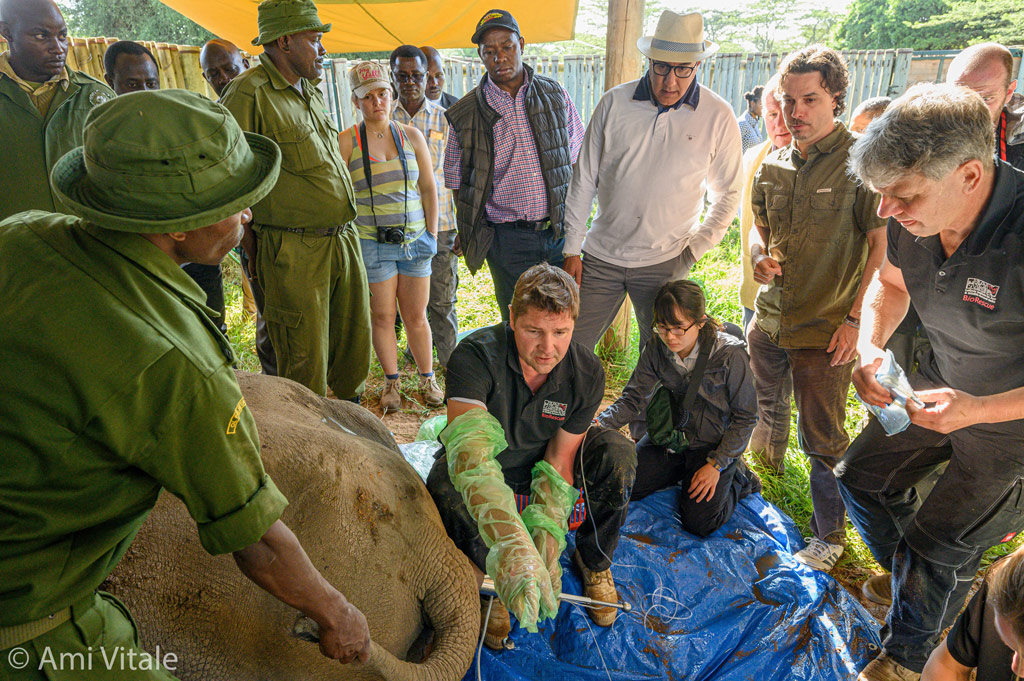
A third viable northern white rhino embryo was created over December 2019 in a joint mission between Kenyan Government and scientists. In a press release, the Ol Pejeta Conservancy reported that the team had repeated the procedure performed in August 2019 on the two female northern white rhino, Najin and Fatu, on the 17th of December 2019. With the support of Kenya’s Cabinet Secretary, Ministry of Tourism and Wildlife Hon. Najib Balala, the joint effort of the Kenya Wildlife Service, Ol Pejeta Conservancy, Leibniz Institute for Zoo and Wildlife Research, Avantea Laboratory and Dvůr Králové Zoo marks the next step in attempting to save the species from extinction.
31-year-old Najin and her 20-year-old daughter Fatu are the only living northern white rhino in the world and both were placed under anaesthetic in order to harvest nine oocytes (immature eggs cells) from their ovaries. These oocytes were then rushed to the Avantea Laboratory in Italy where they were matured before scientists attempted to fertilise them using a system known as Intra Cytoplasm Sperm Injection (ICSI). The procedure was successful on one of Fatu’s eggs and the resulting embryo was incubated using a highly advanced monitoring system before placed in liquid nitrogen with the previous two embryos created in the same manner.
The team hopes to artificially inseminate a surrogate southern white rhino female from the Ol Pejeta Conservancy using procedures trialled by European zoos some time in 2020. If successful, it would mean the first northern white rhino born into the wild in decades.
The project is all part of the “BioRescue” research, a consortium comprising of internationally renowned institutions from Germany, Italy, Czech Republic, Kenya, Japan and the USA, with a comprehensive ethical assessment courtesy of the University of Padova and partially funded by the German Federal Ministry of Education and Research. Hon, Najib Balala said of the achievement: “I urge scientists to continue digging deeper into technology and innovations to ensure that not only this concerned species does not go extinct, but other species that are faced with similar threats. The fact that Kenya is at the centre of this scientific breakthrough also makes me very proud. It’s amazing to see that we will be able to reverse the tragic loss of this subspecies through science”.
Driving on the road to Randilen Wildlife Management Area (WMA), the landscape changes dramatically from bare ground to lush waist-high grass as one crosses into the WMA from surrounding community lands. Herds of elephant wander calmly across the savannah woodlands throughout the 30,000-hectare WMA, accompanied by giraffe, herds of zebra, and rarer antelope such as fringe-eared oryx. Located adjacent to Tarangire National Park, in northern Tanzania, Randilen embodies a growing trend across eastern and southern Africa: community-managed conservation areas that are effectively managed and delivering conservation results equivalent to government parks and reserves.
Like other conservation initiatives across eastern and southern Africa that are managed by communities, WMAs originated in the late 1990s as a management response to the need in Tanzania to change the relationship between local communities and wildlife. During the 1980s and 90s, wildlife, including huge herds of elephants and nearly all the country’s black rhinos, were subjected to heavy poaching. Government agencies and foreign donors, including the US and German governments, worked to reform the conventional conservation approaches based on protected areas and anti-poaching enforcement, to also offer communities an economic stake in wildlife’s future. WMAs were intended to provide that by devolving rights to make management decisions and capture revenue from wildlife utilisation, including both photographic tourism and trophy hunting, on community lands adjacent to national parks and game reserves.
For many years, though, these WMAs languished, mainly due to the unwillingness of government agencies to devolve sufficient rights and control over wildlife revenues to the local scale. But within the last five years, there is new evidence that WMAs are finally beginning to make community-based conservation a reality in parts of Tanzania. Researchers published findings in 2018 showing that giraffe and other wildlife populations in Randilen had increased markedly following WMA establishment. More recently, another group of researchers published new findings showing that in the nearby Burunge WMA, which also borders Tarangire National Park, elephant and wildebeest populations increased from 2011 to 2018. They also found that wildlife densities between the WMA and Tarangire were overall similar, and that community conservation areas could support wildlife populations similar to national parks.
At the same time, these community conservation initiatives are delivering improved returns to local people from wildlife. Randilen’s tourism income increased by over 40% from 2016 to 2018, when it generated over $200,000 for the WMA’s management and member communities’ village governments.
Much more importantly for the future of wildlife in Africa, in the face of growing economic and demographic pressures, is that this kind of progress reflects wider regional trends in community-based conservation.
In Namibia, undoubtedly eastern and southern Africa’s leader in community conservation, the ‘communal conservancies’ that were first established in policy and legal reforms during the mid-1990s now cover nearly 17 million hectares across the country. The conservancies play a key role in Namibia’s conservation achievements including the widespread recovery of wildlife across the country over the past two decades, including the tripling in the country’s elephant population from around 7,500 to nearly 23,000 today. The scaling up of Namibia’s conservancies has also driven significant revenue to rural communities that, two decades ago, earned little or nothing from wildlife. Over 80 conservancies now capture around US$10 million in annual benefits from tourism, and other wildlife uses such as game meat while generating over US$60 million in total net national income for Namibia.
Meanwhile in Kenya, a wide range of community conservation initiatives that had emerged on the local scale as early as the 1990s have more recently coalesced into a national conservancies movement that is now at the centre of the country’s conservation strategies. A key factor has been the 2013 Wildlife Conservation Act, which gave conservancies a legal definition in Kenyan law for the first time. It has led to more significant support for community-based approaches across government, NGOs, and communal and private landholders.
Conservancies in Kenya now cover over 6 million hectares, roughly doubling the country’s wildlife estate, and are also showing significant conservation impacts as well as a wide range of social and economic benefits. For example, researchers have found that in conservancies in northern Kenya, poaching levels were about one-third lower than in adjacent community lands. In Kenya’s second-largest elephant population in the Laikipia-Samburu system, where around 7,000 animals roam across community conservancies and private ranches, poaching rates declined by 53% between 2012 and 2015, while elephant numbers increased by 12% from 2012 to 2017. Other critically endangered species including black rhino, Grevy’s zebra, and the hirola, an endemic antelope, are all being supported by conservancies.
At the same time, a new World Bank report on conservancies, titled ‘When Conservation Becomes Good Economics’, estimates that tourism income in conservancies as of 2017 was about $12 million, and concludes that “a strategic expansion of conservancies offers an opportunity to complement the government’s current focus [on national parks].”
The scaling up of community conservation – between Kenya and Namibia alone, community conservancies now cover nearly 23 million hectares, or an area roughly equivalent to the entire land area of Uganda – is one of the most important trends in African conservation over the past decade. As conservationists are faced with the urgent need to scale up effective conservation solutions further, this creates critically important opportunities to further expand the scope and impact of conservancies and similar community-based models. There are three key priorities to do this in the near-term.
First, most of the progress of community conservation is attributable to a growing cadre of talented African conservation organisations that often have emerged specifically to advance community-based approaches in different sites and countries. In Namibia, local groups such as IRDNC have played a key role in providing the vision, local facilitation, and long-term presence that has been critical to the development of conservancies. In Kenya, the Northern Rangelands Trust has pioneered conservancies in the northern part of the country. At the same time, newer community groups such as the Maasai Mara Wildlife Conservancies Association are now playing a pivotal role in other key landscapes. At the national scale, the Kenya Wildlife Conservancies Association plays a crucial role in engaging with government on significant policy issues.
Similarly, in Tanzania, the progress made by Randilen has been possible mainly due to the recent efforts of Honeyguide, a local organisation that has brought critical business development and professional management skills to the support of WMAs in the northern part of the country. Providing external support to these key local organisations is fundamental to strengthening and scaling up community-based conservation models.
Second, funding models are needed that provide long-term support to community conservation. Funding needs to be tailored to different stages of conservancy development, from early-stage seed funding to longer-term support through trust funds and similar mechanisms. For example, Namibia has recently established a Community Conservation Fund of Namibia to provide long-term sustainable financing of conservancies that are not yet financially self-sufficient and to provide other needed services.
Lastly, conservation efforts need to continue to grow private sector investment as the core source of long-term financing for conservancies and other conservation efforts driven by communities. The growth of tourism investment in conservancies in Namibia and Kenya has been key to progress in those countries, as communities are gradually able to capture a growing share of the regional wildlife and tourism economy. But community conservation needs to move beyond an exclusive reliance on tourism as well. Significant efforts are underway to integrate livestock markets and trade with conservancies in Kenya, and to develop substantial flows from carbon credits derived from improved forest management in several community conservation areas in Kenya, Tanzania and Zambia.
As the new decade begins, conserving Africa’s wild landscapes faces unprecedented pressures from illegal wildlife trade, habitat loss, infrastructure development, and the effects of climate change. But conservation progress delivered by communities provides perhaps the most significant opportunity to expand the area of land under conservation, while dramatically broadening conservation’s local stakeholders. All efforts should be made to capitalise on this opportunity.
Fred Nelson is the Executive Director of Maliasili, a US-based organisation that supports leading African conservation organisations to increase their impact and effectiveness.
The tiny killifish lives in a state of suspended animation – until seasonal rains trigger the shortest known lifespan of any animal with a backbone. This rapid lifecycle has scientists scrambling to unlock secrets to our own ageing processes.
The turquoise killifish (Nothobranchius furzeri) lives in temporary pools of water in some semi-arid regions of Mozambique and Zimbabwe, and, when the water dries up, the adult fish die and their drought-resistant eggs and embryos are entombed in hard mud where they enter a state of suspended animation (diapause) until the next rainfall event – months or years away.
The arrival of precious rains triggers a frenetic race against time to hatch, grow to sexual maturity, mate and lay the next generation of eggs before their puddle dries up. After hatching, the turquoise killifish only lives for about nine to ten weeks in the wild before succumbing when the water dries up and has the dubious distinction of reaching sexual maturity sooner than any other vertebrate species – at about 14 days.
Studies of captive turquoise killifish and a related species, Nothobranchius kadleci, show that their body length increases by up to a quarter every day in their first two weeks of life.
Killifish are predators, eating small crustaceans and aquatic insect larvae that co-exist in the same temporary pools of water. Captive juvenile killifish have been known to cannibalise on smaller killifish, but this has not been recorded in the wild.
Males are more colourful than females, with some species reflecting colour morphs (red and yellow morphs in the case of N. furzeri). Populations of wild killifish are female-biased, with the ratios increasing towards the end of the life cycle. Ratios of N. furzeri have been recorded as increasing from 1:2,7 at the beginning of the breeding season to 1:4,7 later in the season. The reason for the sex-bias is presumed to be that more males die due to their brighter colouration attracting a higher predation rate as well as aggressive competition amongst males for access to females.
The ways in which killifish disperse are unknown, but scientists assume that the fish are swept from their natal pools during flooding to settle into new pools and that eggs are transported between pools on the skin of large herbivores that drink and mud bath there. In his story about Gonarezhou National Park in Zimbabwe, Africa Geographic CEO Simon Espley described how it is possible that eggs are carried upstream by elephants, and that the reduction of elephant populations and restriction of their historical migration routes could conceivably impact on some killifish populations. Dario Valenzano, co-author of the attached report agrees: “I strongly believe that lack, presence, diversity and in general density of large herbivores can be key to killifish survival as a species.”
The killifishes reveal how animals can adapt to extreme environments by evolving extreme lifespans. Research on captive populations of killifish focuses on unlocking the secrets about growing old and, specifically, how to hold back the ageing process.
Full report: From the bush to the bench: the annual Nothobranchius fishes as a new model system in biology. Alessandro Cellerino, Dario R. Valenzano and Martin Reichard. Wiley Online Library.
OPINION EDITORIAL by Mucha Mkono, The University of Queensland; Jason I. Ransom, National Park Service; Katarzyna Nowak, University of the Free State, and Patrick O. Onyango, Maseno University
Conservationists don’t always agree about the best ways to reinforce the protection of nature. Debates about it can become confrontational.
But at the heart of the issue is how to include more people in nature conservation efforts. As a group of scientists, we believe it is important to steer the discussion towards a more diverse and inclusive blueprint for protecting biodiversity and ecosystems.
In a letter to the journal Science, we argue that the model of trophy hunting in Africa to finance conservation is neither sustainable nor equitable. We offer some alternatives. We suggest meeting the needs and values of a variety of stakeholders and local communities. Doing so involves empowering people to participate in decisions that affect them.
We support the following strategies for conserving natural landscapes and their ecological functions.
Connecting local needs with the wider world
One approach is to connect small and big investors directly to communities that are associated with wildlife wealth. This can be done through blockchain technology and carbon and biodiversity credits.
An example is GainForest, an app that aims to help maintain and restore forests. GainForest gets funding from the crypto community to provide finance to community members if they maintain their patch of land for an agreed duration. The GainForest team uses publicly available data from GlobalForestWatch to monitor and evaluate community success. It is also developing advanced artificial intelligence algorithms to help forecast future forest cover.
Another strategy is the United Nations programme on Reducing Emissions from Deforestation and Forest Degradation (REDD+) in developing countries. The programme encourages developing economies to lower their carbon emissions through a variety of habitat management schemes and is donor-funded. The United Nations supports partner countries to run REDD+ programmes and trains them in best practices. The Kariba REDD+ project in Zimbabwe is one example. The project has protected 785,000 hectares from deforestation and land degradation. This has helped prevent more than 18 million tonnes of carbon dioxide emissions.
Community-led sustainable practices
Conservation practices that generate direct financial benefits for local communities have also been successful. An example is a Tanzanian wildlife project which reduces the costs of living with wildlife. It assists livestock owners with constructing “living walls”, made of plant materials, to protect domestic animals from predation. The project also supports microfinance and community enterprises such as beekeeping and a bush camp.
Another approach is to reform land use in ways that meet the values and needs of local people. In Peru, Costa Rica, Canada, Kenya, Scotland and Amazonia, local communities have been granted land titles by national governments. This has been positive for livelihoods and for biodiversity conservation. For example, when the Indigenous Tsilhqot’in Nation in British Columbia, Canada, was granted title to traditional lands in 2014, they stopped public hunting based on their own wildlife management strategy.
Agricultural practices can be made more compatible with nature conservation, as has been achieved by It’s Wild in Zambia. Farmers and former poachers came up with certain conservation principles and agreed to follow them. Profits from farm products grown sustainably go directly back into conservation efforts. Women get empowered by selling their crops and acquiring accounting skills.
Reducing negative interactions between people and wildlife
This positive coexistence happens through partnerships, participation, and fostering tolerance. The projects create incentives for wildlife-friendly actions that are rooted in science and rural economic development. Such “coexistence buffer zone” projects can promote awareness and tourism by being part of visits to national parks.
Growing the domestic wildlife-watching market is a potential strategy. Compared with international tourism, domestic tourism can have a lower carbon footprint (through less travel), foster local interest in nature, and provide a more reliable income flow. Local hospitality in the form of homestays can help reduce the environmental footprint that big hotels leave.
A more diverse model will be environmentally respectful, promote local knowledge and cultural exchange, and encourage the participation of women. Bushcraft training is one example.
Participatory science and monitoring also have conservation potential. For example, the Grevy’s Zebra Warriors earn income by monitoring endangered zebra in Kenya and Ethiopia. The illegal killing of elephants has also been successfully monitored using participatory surveys. In addition to income, such programmes provide a means for exchange between traditional ecological knowledge keepers, local naturalists, scientists and conservation practitioners.
A mix of “alternative” ways of encouraging and sustaining conservation is urgently needed now. The way forward in conserving nature is through building grassroots domestic conservation actions with direct and positive socioeconomic outcomes. Contributions to shared, interconnected ecosystems that yield a strong sense of sustainable stewardship are ones that create value, foster lasting relationships and nurture deeper connections with the living world.
This article had inputs from our colleagues Phyllis Lee, Jorgelina Marino, Hannah Mumby, Andrew Dobson, Ross Harvey, Keith Lindsay, David Lusseau and Claudio Sillero-Zubiri.
Our Photographer of the Year 2020 is now in full swing and open for submissions!
There are two galleries showcasing this week’s Weekly Selection. To see the other gallery click here:Weekly Selection Gallery 1
Our Photographer of the Year 2020 is now in full swing and open for submissions!
There are two galleries showcasing this week’s Weekly Selection. To see the other gallery click here:Weekly Selection Gallery 2
Our Photographer of the Year 2020 is now in full swing and open for submissions! There are two galleries showcasing this week’s Weekly Selection. To see the other gallery click here:Weekly Selection Gallery 1
Our Photographer of the Year 2020 is now in full swing and open for submissions!
There are two galleries showcasing this week’s Weekly Selection. To see the other gallery click here:Weekly Selection Gallery 2
Evidence is emerging of the growing threat to wild lion populations of targeted poaching for lion body parts – teeth and claws.
The Panthera study provides evidence of an emerging threat to African lion conservation: the targeted poaching of lions for body parts – specifically teeth and claws. The study warns that this growing threat could have devastating impacts on lion populations that mirror similar implications for wild tiger populations.
The study was conducted in the Mozambican portion of the Greater Limpopo Transfrontier Conservation Area – which includes South Africa’s Kruger National Park. The targeted poaching of lions for body parts accounted for 61% of mortalities within Limpopo National Park and 35% of known human-caused mortalities across the greater landscape. The researchers also found that retaliatory killing for livestock conflict accounted for 51% of total mortalities, but body parts were removed in 48% of conflict cases, suggesting that the demand for body parts is escalating conflict killings. Teeth and claws were the body parts most frequently harvested, and there has been an alarming and dramatic increase since 2014.
We previously reported similar conclusions made by the Greater Limpopo Carnivore Program, who were participants in this Panthera study.
The study linked the escalation in poaching of wild lions and South Africa’s increasing export of captive-bred lion skeletons and body parts, which has shown exponential growth since 2007. This trade feeds a growing market among upwardly mobile Asians for luxury products, such as lion bone wine, with lion bones used instead of tiger bones as tiger parts become increasingly scarce.
The rising demand for lion body parts could exacerbate motives to kill lions in the vicinity of communities and livestock, irrespective of livestock losses or a perceived threat of losses. Incentivising the killing of lions by demand for body parts could seriously undermine conflict mitigation efforts.
Lion poaching for body parts has also increased in the Niassa reserve in northern Mozambique (C. Beggs Niassa Lion Project pers coms) and of captive lions in the Limpopo province of South Africa (K. Marnewick Endangered Wildlife Trust pers coms). Lions killed for conflict in the Caprivi region of Namibia also had teeth and claws removed (L. Hansen Kwando Carnivore Project pers coms).
Lion populations have declined across Africa by an estimated 43% over the past 21 years, and their range has declined by 75% over the past 50 years. Declines have been predominantly caused by loss of prey and habitat and by persecution from livestock farmers. The study notes that, at times, unsustainable trophy hunting has also caused decreases in lion populations.
Dr Paul Funston, Director of Panthera’s lion program, stated, “We hope this study alerts the global conservation community, and any governments participating in the lion bone and body part trade, to the serious threats it poses. We have seen the toll this trade has had on other wild cat species and must be vigilant about how it impacts lion conservation efforts across Africa.”
Just two days before Christmas a mass vulture poisoning incident was discovered by the Wildlife ACT rangers in the South African province of KwaZulu-Natal, sparking warnings that the region’s diminishing vulture populations could face extinction unless the root cause of the killings is addressed.
On 23rd December, rangers found fifteen white-backed vultures (Gyps africanus) as well as a young lappet-faced vulture (Torgos tracheliotos) who all died after feeding on a poison-laced impala carcass in northern Zululand. It is the fourth vulture poisoning incident in the province this year, bringing the total recorded number of vultures harvested for body parts in this region alone to 53.
“Arriving at a scene like this with everything so fresh, but too late to assist in saving any poisoned birds is heartbreaking. Losing one vulture is always a tragedy. Losing at least 16 birds at one feeding is a crisis,” said PJ Roberts, manager of Wildlife ACT’s Emergency Response Team.
Wildlife ACT works closely with Ezemvelo KZN Wildlife, local farmers and communities, and other conservation groups to protect three endangered vulture species in KwaZulu-Natal.
Signs that the vulture poisoning was deliberate were immediately apparent after inspection of the first bird they came across, a white-backed vulture. “It had a full crop (still containing undigested food), contorted feet and many dead flies were scattered around its remains – all clear signs of fast-acting poison,” said Roberts.
The team swept the area, but it took an aerial search to locate more victims. “No more than 30 metres away, the morbid discovery of 13 processed and harvested white-backed vultures, with their heads and feet removed, were found very purposefully hidden in a thick bush,” added Roberts.
All of the contaminated carcasses were burned by the rangers to remove the poison from the ecosystem.
Wildlife ACT response team with the bodies of 13 white-backed vultures, poisoned for the traditional medicine trade. Image courtesy Wildlife ACT
The Endangered WildLife Trust’s (EWT) Vultures for Africa Programme manager, Andre Botha, said it was difficult to quantify how many vulture poisoning incidents relate to harvesting of body parts. According to records kept by EWT, more than 1,200 vultures have been deliberately poisoned in Southern and Eastern Africa this year. Culprits include poachers who poison the carcasses of elephant and other game in an apparent effort to conceal illegal activities from rangers. These poisonings are referred to as “sentinel poisonings”, as vultures circling over poached animals alert rangers to the killings.
In Africa vultures are under threat due to habitat loss, ingestion of lead ammunition, collisions with power lines, accidental drownings in farm water reservoirs, and the use of poisoned bait by livestock owners to kill predators like jackals. Vultures feeding off the carcasses subsequently die, often in significant numbers.
But many more are poisoned deliberately to harvest body parts for belief-based use.
“The vultures are killed for their heads and feet and other parts,” said Chris Kelly, a species director at Wildlife ACT. “This is definitely the single biggest threat to diminishing vulture populations in this province.”
In many parts of Africa, vultures are believed to have psychic powers, including an ability to see into the future. According to a fact sheet from EWT, the brains of the bird are dried, rolled and smoked as joints or simply burnt and the fumes inhaled. Users believe this improves their odds when they gamble on the lottery or place bets on sport. Students take it when preparing for exams. Other reported uses of vultures include consuming their eyes to improve eyesight, their beaks for protection, or their feet to heal fractured bones or make a person run faster.
In 2014, EWT estimated that 130,000 traders, hunters and traditional healers were operating in South Africa. This figure is believed to have increased, sparking calls from conservationists, environmental scientists and wildlife experts at this year’s Conservation Symposium for an awareness-building campaign to reduce this consumption and demand for vulture parts.
“Vultures provide critically important ecosystem services by cleaning up carcasses thus reducing the spread of dangerous diseases such as anthrax and rabies and resulting in highly significant economic and human health benefits,” said Brent Coverdale, an animal scientist for Ezemvelo KZN Wildlife at the symposium. “We really can’t afford to lose them.”
As vultures are protected by law, it is illegal to possess or kill any of the six vulture species found in South Africa. Nevertheless, deliberate killings continue.
More than 1,200 vultures have been deliberately poisoned in Southern and Eastern Africa in 2019. Image courtesy Wildlife ACT
Citation: Ogada, D., Shaw, P., Beyers, R. L., Buij, R., Murn, C., Thiollay, J. M., … Sinclair, A. R. E. (2015). Another continental vulture crisis: Africa’s vultures collapsing toward extinction. Conservation Letters.
The forest elephant population in one of Central Africa‘s largest and most important protected areas has declined by 80% in 10 years because of poaching, with an estimated 25,000 elephants poached between 2004 and 2014, says a new Duke University-led study.
Gabon’s Minkébé National Park was explicitly declared to protect elephants and hosted the highest density of forest elephants in Central Africa at the turn of the century. It was thought that the large size (7,570 km2) and remoteness of the national park would keep elephants safe from poaching.
“Our research suggests that more than 25,000 elephants in Minkébé may have been killed for their ivory between 2004 and 2014,” said John Poulsen, assistant professor of tropical ecology at Duke‘s Nicholas School of the Environment. The elephant population was estimated at 35,404 in 2004 compared to 6,542 in 2014.
“With nearly half of Central Africa‘s estimated 100,000 forest elephants thought to live in Gabon, the loss of 25,000 elephants from this key sanctuary is a considerable setback for the preservation of the species,” he said.
The researchers estimated the extent of the population losses by comparing data from two large-scale surveys of elephant dung in Minkébé National Park from 2004 and 2014, using two different analytic methods to account for periods of heavy rainfall that might speed the dung’s decay and skew the surveys’ accuracy.
The report explained that portions of the national park with major roads nearby (6.1 km away) were “emptied” of elephants. In contrast, populations of elephants in areas further away from major roads (58 km) were “somewhat reduced”. The proximity of major roads makes it relatively easy for poachers to access the park and transport their illegal haul across the Gabon/Cameroon border to Cameroon’s largest city, Douala, a major hub for the international ivory trade.
Gabon was one of several African countries which burned its stockpile of ivory, in a public display of rejection of elephant poaching and opposition to countries which wish to trade internationally in their ivory stocks.
Full report: John R. Poulsen, Sally E. Koerner, Sarah Moore, Vincent P. Medjibe, Stephen Blake, Connie J. Clark, Mark Ella Akou, Michael Fay, Amelia Meier, Joseph Okouyi, Cooper Rosin, and Lee J. T. White (2017). Poaching empties critical Central African wilderness of forest elephants. Current Biology.https://doi.org/10.1093/jel/eqz032
In an exciting discovery, a large herd of about 250-300 elephants has been spotted in Nigeria’s far northeast corner, close to the borders with Cameroon and Chad. It is the first reported sighting of elephants in the region since Boko Haram invaded the area a decade ago.
Up until a decade ago hundreds of elephants used to migrate through the region, with three major migration routes passing through Sambisa Forest, a reserve in Nigeria’s Borno State that is the size of Belgium and The Netherlands. This reserve became synonymous with Boko Haram terrorism as the same migration routes were used by insurgents to escape military bombardment. The heavy exchange of artillery fire between the military and the insurgents drove most wildlife away from the reserve.
Up until now, it had been unclear what happened to the elephants that once roamed the Sambisa Forest and savannahs in Borno and Yobe states.
This large herd of elephants was spotted a few kilometres from Rann during a humanitarian mission carried out by helicopter. Rann has become a place synonymous with the horrors of the insurgency.
“We have dispatched our director of forests Peter Ayuba, to confirm the sighting and to carry out an impact assessment,” said Kabiru Wanori, Borno State’s environment commissioner.
Although the great elephant census did not cover Nigeria, it was estimated that there are 250 in the country with the largest concentration (100-150) being in Bauchi State in the Yankari Game Reserve. Yankari, under the management of the Wildlife Conservation Society (WCS), which operates under challenging political, economic, and security environment. This sighting of a previously unknown herd would therefore effectively double the estimated Nigeria elephant population. Nigeria’s elephant population includes scattered populations of both savannah elephants in the north of the country and forest elephants in the south of the country.
A recent report published in Oxford Academic by Trouwborst, Loveridge and Macdonald compares CITES hunting trophy export quotas for African range states to established benchmarks. The report concludes that leopard hunting quotas that have been rubber-stamped for decades by CITES are arbitrary and lacking in robust scientific basis and without regular adjustment. Further, the report suggests that CITES-approved leopard trophy hunting quotas are “fundamentally at odds with the principles of sustainable use, precaution and adaptive management”.
Editorial note: Many countries do not make use of their full CITES export quotas. For example, South Africa has access to a CITES export quota of 150 leopards (see table below), but in 2018 permitted a quota of seven leopards.
Here follows a summary of the report, titled ‘Spotty Date: Managing International Leopard (Panthera pardus) Trophy Hunting Amidst Uncertainty’. We encourage you to download and read the entire report.
There is a widespread but misplaced assumption that the conservation status of leopards is assured and, as a result, leopards do not enjoy the same level of conservation and research attention as do lions, tigers and snow leopards. Now that their numbers too are thought to be plummeting, researchers expect them to start receiving as much publicity as the other big cats.
There is a significant lack of hard data on leopard population numbers, often compensated for by optimistic ‘guesstimates’ and many stakeholders in sub-Saharan Africa rely on outdated population assessments from the late 1980s.
Leopards have been listed under Appendix 1 since the 1975 inception of CITES – which means that trade for primarily commercial purposes is forbidden. Legal international trade is limited to hunting trophies and skins under export quotas for range states, as defined in the table below. Of course, illegal trade remains a significant problem for leopard populations.
Quotas should be based on best available information, and be adjusted regularly to changing circumstances. They should reflect a sustainable leopard hunting offtake – not detrimental to the survival of the species, based on a science-based assessment and where harvests are well-managed and adaptive. Importantly, the process of setting quotas must be guided by the overarching ‘precautionary principle’: erring on the side of caution, especially in situations where scientific data is scarce. CITES quotas are not ‘targets’, and the full amount need not be met.
A closer look at CITES leopard quotas
The report touches on various countries, as examples of how leopard hunting quotas are determined, including:
1. Mozambique requested a quota of 120 leopards annually, based on an estimated countrywide population of 37,000 leopards. This estimate was derived from a 30-year-old prediction model created by Martin and De Meulenaar that assumes maximum densities across specific rainfall and vegetation types, and excludes critical factors such as prey availability and human-related pressures;
2. Tanzania and Namibia used the same model to increase their CITES quotas from 250-500 and 100-250 respectively significantly;
3. South Africa is the only African country where robust data is available – camera-trap surveys over the period 2013-2017 reflect an annual 8% decline in leopard populations. After years of unsustainable trophy hunting offtake and high pressure from illegal killing for traditional medicine and ceremonial purposes, South Africa has adopted an adaptive management framework by adjusting quotas annually based on population trends and only allocating quotas to areas with robust available data;
4. Ethiopia has an extraordinarily high CITES quota of 500 leopards when only five are hunted per year. The reason for that country’s request to retain the full CITES quota despite the demonstrated lack of available leopards possibly relates to politics and the lack of trust that most African countries have in the machinations of CITES. This situation (high quota, low available leopard population) is mirrored in other countries such as Zimbabwe, Zambia, Tanzania and South Africa.
The system does not work, so change it
The report suggests that continuation of the status quo is not an option, and indicates that the following are the three alternative ways forward:
1. Abandon the current CITES Council of Parties (COP) quota system and replacing it with a per-case permit system – an extremely bureaucratic system;
2. Retain a COP quota system, but scrutinise at every COP meeting – thus ensuring adaptive adjustments;
3. Abandon the current COP quota system, and each range state would set their own quota using a uniform blueprint based on ensuring sustainable offtakes.
The report notes that when it comes to being rigorous, science-based, precautionary, sustainable and adaptive, the approach recently introduced in South Africa seems to hold particular promise and could be instituted relatively cheaply by other countries.
Conclusion
The report concludes that “a science-based, precautionary and adaptive approach to quota-setting along the lines explored above could go some way to ensuring that trophy hunting of leopards and other species occurs sustainably even when the available information is spotty”.
A prominent hotel in Kinshasa has been offering smoked baby chimpanzee on their menu, says local NGO Conserv Congo.
Conserv Congo director and former investigative reporter Adams Cassinga was advised by a tourist that the 4-star Beatrice Hotel (website + Facebook + Twitter) in Kinshasa, the capital city of the Democratic Republic of Congo (DRC), offered chimp on the menu, but plans for a sting operation were foiled when staff at the hotel were alerted to the situation, and removed the item from the menu.
According to the menu available at the time, a serving of smoked baby chimpanzee would set customers back US$35, and requires 24-hour notice.
The menu from the Beatrice Hotel showing smoked baby chimp (bébé chimpanzé fumé) for $35
Hotel management subsequently denied the claims on social media, stating that they no longer offer chimpanzee meat to customers, blaming the error on the cook. Cassinga dismisses this explanation, saying “How can they claim to ‘no longer’ offer chimpanzee meat? The hotel is ten years old and it has been illegal to offer chimpanzee meat for 15 years. In any case, we have witnesses who have eaten chimpanzee meat at this hotel”.
Speaking to Africa Geographic, Cassinga said that Beatrice Hotel owner Mr André Kadima has popped up on his radar a few times over the last few years, in connection with allegations of wildlife trafficking, of both dead and live animals. He is a former employee of ICCN (the parastatal in charge of DRC fauna and Flora) and owns a zoo 60 km north of Kinshasa – ‘Kadima’s Pride of Africa.’
Conserv Congo has instituted legal action against Kadima, on the grounds that it is a criminal offence to hunt, injure, kill, sell or buy, gift or detain a protected species of animal or plant, and that the common chimpanzee (Pan troglodytes) falls into the protected species category. Potential punishment is 1-10 years in prison and/or up to US$20,000 fine.
Cassinga said that Conserv Congo recently won the first wildlife trafficking case in DRC, when three bonobo/pygmy chimpanzee (Pan paniscus) traffickers were sentenced to five months in prison and a fine of US$5,000 each. He went on to say that, at any given time in Kinshasa alone, there are at least ten great apes for sale. Red-tailed monkeys are butchered in hundreds daily as bushmeat, and many are held as pets and as symbols of wealth and status. He suggests that conservation plans are failing in Africa because of the demand for wild animals, which is based on greed, superstition and bad habit – and had nothing to do with cultural identity.
Consumption of bushmeat across the central African rainforests has escalated due to increasing commercialisation of what was previously a localised food source. Road and trucking networks provided by mining and hardwood forest logging companies facilitate easy access to otherwise remote and inaccessible areas, and meat is now being transported to major African cities and even to Europe and the United States, which host expatriate African communities.
Recently we exposed Instagram influencers Jessica Nabongo and Sal Lavallo for eating pangolin meat in a Gabon restaurant, and promoting the experience to their followers.
The Conserv Congo mission statement is to ‘preserve the biodiversity of the Congo basin’ and they do this primarily via investigating illegal trafficking and assisting the authorities in arresting and prosecuting offenders. They also educate members of the public about wildlife laws, promote alternative livelihoods to poaching and rescue trafficked wildlife, which they place in sanctuaries. In this video founding director Adams Cassinga explains more about Conserv Congo. Cassinga is a Mandela Washington Fellow, Young African Leaders Initiative Fellow, DRC honorary park ranger and a member of the Game Rangers Association of Africa.
How can you help?
Conserv Congo director Adams Cassinga has requested supporters to donate money that will be used to fund the legal action taken against Beatrice Hotel owner Mr André Kadima, who is a wealthy man with significant legal resources at his disposal. Please contact him via this email address: aminiadams16@hotmail.com
Millipedes of all shapes and sizes are a common sight in Africa, particular after rain, when they are seen marching around in search of decaying plant matter to eat. Some are HUGE – easily the size of your hand, and many have brightly coloured bodies and legs – possibly to scare off predators.
We rounded up ten interesting facts about these beautiful creatures:
• The indigenous people of southern Africa call the millipede ‘shongololo’, which is derived from from the Xhosa and Zulu word ‘ukushonga’, meaning to roll up…
• The name “millipede” is derived from Latin, meaning “thousand feet”. However, no known species has that many legs, and the record for the most legs on a millipede species belongs to Illacme plenipes, who has 750 feet.
• There are about 12,000 described species of millipedes!
• Their primary defence mechanism is to release a foul-smelling toxin, which is made up of hydrochloric acid (which burns) and hydrogen cyanide (which asphyxiates). This keeps most predators at bay, except for shrews and civets, which appear to be immune to these toxins. Millipedes also curl up into a tight ball when threatened, to protect their soft underparts.
• When disturbed, millipedes escape predation by moving away in a slithering, snake-like motion, which may scare off some predators.
• Hornbills have been observed using crushed millipedes to line their cavity nests in trees – possibly to avoid mite and other infestations. Some primates have been observed intentionally disturbing millipedes to obtain the foul-smelling toxins which they rub onto their bodies, also as a repellent.
• Millipedes are some of the oldest land animals on Earth. The first known millipede, Pneumodesmus newmani, was only 1 cm long and appeared during the Paleozoic era, 252-541 million years ago. This is the oldest known creature to have lived on land, and was discovered in 2004 from a single specimen in Scotland.
• Some extinct prehistoric millipedes (Arthropleura spp.) grew up to 2 metres in length!
• The longest living millipede is the giant African millipede (Archispirostreptus gigas), reaching a length of up to 38.5 cm.
• It is thought that the bright body and leg colours of some millipedes is to warn off or repel predators.
Safaris are made all the better when you eat local food, and Swahili food dishes are delicious. With a beautiful blend of Arab, Indian and Portuguese influences, Swahili cuisine uses a variety of spices like coriander, clove, chilli and black pepper together with a range of staples like maize, cassava, rice, wheat and sorghum.
Here are a few examples of delicious East African safari food – as eaten by the local people:
Nyama choma
This “charred meat” is a rich, filling barbecue of beef, chicken or goat, marinated in garlic, lemon juice, curry powder and turmeric and slow-roasted over hot coals until supremely tender. It’s a very social food and a dish that’s enjoyed by communities everywhere in Africa.
Nyama choma – charred or barbecued meat
Wali na maharage
Swahili beans is a favourite of vegetarians or meat-eaters alike and blends dried beans with local, flavoursome ingredients to produce a filling bean stew that could be sweet or spicy. Cooked beans are sautéed with onions, ginger, tomatoes and coconut milk.
Swahili beans and rice
Pilau
Pilau is a typical rice dish all over the world, but the secret to the Swahili version is that it’s flavoured with the spices fresh from the “Spice Island” – Zanzibar. Famous for clove and cinnamon, and with the addition of cardamom, Swahili pilau is a delicate and fragrant rice dish.
Pilau – a rice dish with spices
Chipsi mayai
Think of this dish as a delicious sautéed potato omelette – and it’s easy to prepare! After you’ve sautéed your potatoes, whisk up an egg or two and add it to the pan. Mix it around a bit, and soon it’ll cook into a slab of eggy-potatoey loveliness.
Chipsi mayai – potato chip omelette
Ndizi na nyama
Got meat? Got bananas? Then you’re ready for ndizi na nyama – a meat and banana stew. For those of you who think that fruit and meat are an unholy alliance, think again. This tasty, unusual stew uses unripe rather than sweet plantains which, when added during the last ten minutes of cooking, become tender and delicious.
Ndizi na nyama – meat and banana stew
Ugali
The most ubiquitous food across all of East Africa is ugali – a starchy accompaniment made of cornmeal, semolina or sorghum flour and water. Because it’s easy to make and the ingredients are low-cost, it’s a popular food, and you’ll see it often during your safaris in East Africa.
Ugali – a firm flour porridge
And to drink?
Tea and coffee are plentiful in East Africa, as are fresh-pressed pineapple, orange, sugar cane and papaya juices – a sweet and thirst-quenching way to end your safari day. There’s also a variety of refreshing local beers available – such as Tusker, Serengeti and Kilimanjaro. Be aware though that in Muslim areas, alcohol is only sold in the tourist hotels, bars and cafes.
These are only a taste of some of the delicious Swahili food choices that East Africa offers. In the end, there truly is nothing better than watching an African sunset with a beer in hand and a full, satisfied tummy! And next time you order your safari meal, be sure to speak Swahili like a local!
The population of mountain gorillas (Gorilla beringei beringei), one of the world’s most endangered species, is on the rise, and now stands at an estimated 1,063 individuals (1,004 in 2018).
This after a population survey was performed in the Bwindi-Sarambwe area, one of the two remaining areas where this critically endangered great ape is still found (the other being the Virunga Massif area).
The survey results revealed that the population in Bwindi-Sarambwe has increased to 459 from an estimated 400 in 2011. When combined with the previously published figure of 604 mountain gorillas from the Virunga Massif area, the total population now stands at an estimated 1,063 mountain gorillas.
“Slowly but surely a solid future for mountain gorillas is emerging, proving that long-term, collaborative conservation efforts can pull species back from the brink of extinction. This was demonstrated last year with the IUCN reclassification from ‘Critically Endangered’ to ‘Endangered’.” said Anna Behm Masozera, Director of the International Gorilla Conservation Programme (IGCP), which provided technical and financial support to the exercise under an agreement with the intergovernmental Greater Virunga Transboundary Collaboration.
The increase in mountain gorillas is attributed to the effectiveness of conservation policies and strategies, regulated tourism, daily protection and veterinary interventions, intensive law enforcement, community conservation projects, and transboundary collaboration among government institutions and NGOs. Further, these results are a testament to the tireless effort of the rangers and trackers who daily protect and monitor mountain gorillas and their habitat, including those that have been killed in the line of duty.
It is also essential to recognise the role of the communities that live close to these national parks who co-exist with mountain gorillas and contribute to conservation efforts. That said, the survey findings also indicated that the threat of illegal human activities to mountain gorillas and other wildlife has not declined in Bwindi-Sarambwe since 2011, despite the positive developments in community engagement and conservation and tourism initiatives. For instance, survey teams found and destroyed 88 snares during their work.
The exercise involved more than 75 trained survey members from 13 participating institutions along with the support of local governments and communities living around the protected areas. Survey teams walked pre-determined reconnaissance trails, ensuring thorough coverage of all forest areas to sweep the Bwindi-Sarambwe and search for signs of gorillas, other key mammals, and human activities. When fresh gorilla signs were detected, the teams followed the gorilla trail to locate three recent night nest sites. At each of these nest sites, the teams collected faecal samples from nests. The process was completed twice; first from March to May 2018 (62 days), and second from October to December 2018 (60 days). A second sweep allows finding gorillas that were undetected during the first sweep and thus provides more reliable numbers of gorillas. Faecal samples were analysed genetically to determine individual genotypes. Additional scientific publications are expected from the survey.
Despite the rise in numbers, the two populations of mountain gorillas remain relatively small and vulnerable to a potential rapid decline due to factors such as their limited habitat, climate change, dependence on resources in the park by people, and the risk of disease transmission.
Swahili (Kiswahili) is a Bantu language that’s spoken by the Swahili people across and beyond East Africa, including Tanzania, Kenya, Uganda, Somalia, Rwanda, Burundi, Democratic Republic of Congo, Malawi, Zambia and Mozambique. Strongly influenced by and initially written in Arabic, Swahili is now more commonly written using the Latin alphabet. Visitors to East Africa should master at least a few Swahili words and phrases – and enjoy friendly banter with local people. Of course, Swahili culture has its idiosyncrasies and subtleties, which may embarrass all involved – but expect a high degree of forgiveness if you get some things wrong.
Here then are a few general guidelines to rewarding interactions with the peoples of East Africa:
Greetings are important
In Swahili culture, greeting etiquette is tremendously important, and it’s considered impolite not to greet correctly. How you greet someone in Tanzania has an impact on how they will behave towards you. For instance, if a person doesn’t greet their neighbour, it’s usually assumed that they dislike each other.
Ask questions
Key to a rewarding conversation is to spend some time asking about the other person – such as their health and that of their parents and family, and how business/farming is going. Social relationships are very important in Africa, so it’s important to take the time to understand their situation and wellbeing. You will probably not have too much Swahili in your vocabulary, so this conversation will probably be in English, after the initial Swahili greetings
Physical contact
Handshakes (right hand only) are extremely important and sometimes hands are held much longer than you might be used to – sometimes for the duration of the conversation. Your hands might meet and gently entwine fingers, or perhaps there might be some wrist-holding. There are a few variations, so don’t get hung up about what and how – relax and enjoy the moment. If you’re respectful and friendly, no one will take offence at your awkwardness.
Learning a few basic Swahili phrases will help you during that initial, sometimes awkward, greeting phase, and earn the respect of your Swahili-speaking friend. Here are a few of the most useful phrases (the syllables to stress are in bold):
♦ “Hello”: “Hujambo”, often shortened to “jambo”. You can also use “habari” which roughly translated means “What’s the news about….?”. Use any of these, and smile, as you’re going in for the handshake
♦ “Good morning!”: There’s nothing like a cheerful “habari za asubuhi!” to show friendliness and good wishes. Use “habari za mchana” for “good afternoon.”
♦ “How are you?”: Ask “habari gani?”. But if your friend gets in first with “habari gani?” then answer: “nzuri, ahsante!” (“good, thanks!”). You can also say, “poa” or “safi!” or, if you’re already on good terms, you can be less formal: “Poa, kichisi kama ndizi kwenye friji” (“I am cool like a banana in the fridge”)
♦ “Please”: “Tafadhali”
♦ “Thank you (very much)”: “Ahsante (sana)”
♦ “Goodbye”: “Kwaheri”
♦ “Good night”:“Usiku mwema” or “habari za jioni”
♦ “Enjoy your trip”: “Safari njema“:
“Habari” – the most useful Swahili word
“Habari” is a handy word as you can use it to say “hello” AND to ask what’s the latest news. You’ll impress if you ask “habari za familia?” (“how is your family?”) and follow it up with “habari za kazi?” (“how is work?”). You can also try “habari za kutwa?” (“how was your day?”).
If you invest the time to master the above smattering of Swahili, your social credibility will sky-rocket, and you will enjoy the familiarity and respect that adds layers of enjoyment to your safari. Safari njema!
These are the stories of two elephants who display enormous tenacity and will to survive, despite significant obstacles. As told by Dr. Michelle Henley – Elephants Alive Director, Co-founder and Principal Researcher.
MATAMBU
Most of the staff and residents of the Associated Private Nature Reserves – Klaserie, Umbabat, Timbavati, Balule & Thornybush (APNR) in the Greater Kruger – have come to know Matambu. He is a true gentle giant amongst elephants, in every sense of the word, often bestowing on us the great honour of contact rumbling when he senses us. This could be because we have regularly visited him since first sighting him on 16 June 2005, and so he has come to recognise the sound of our research vehicle and the scent of its passengers. You see, Matambu is almost totally blind. During our recent annual aerial census, Matambu was seen walking closely on the heels of a younger bull, tracking him as he weaved his way through the bushveld. We have often found him in the company of Whispers, who would protectively charge at us when we immobilise his ailing companion – surely a sign of loyalty and concern for his safety.
In May of this year, we thought we were going to lose Matambu after he suffered a severe infection near the base of his tail and his underparts, probably after being attacked by another bull. We turned to Wildlifevets (Drs. Ben Muller and Joel Alves) three times to treat Matambu’s wounds.
A deep sadness hung over our team at Elephants Alive when we were told during the last treatment that we needed to let him pass on. But, as we mentally prepared ourselves, Matambu had other plans and a clear will to live, and slowly but surely his condition improved. Almost six months after his injury he is still thin and has a less severe infection, but the flushing green grass will hopefully give him the kick-start he needs to boost his immune system and fight off the infection. We are delighted to be approaching the festive season and the New Year with this special elephant. Keep fighting Matambu, as we need your continued existence to bring us added joy!
RHANDZEKILE
Rhandzekile, meaning ‘loved’ in Shangaan, was first sighted in 2009 in the Umbabat Private Nature Reserve as a young sub-adult cow. Through the years since then, people who see her have expressed shock and awe that she has kept going. Rhandzekile has a large hole below her forehead, through which she breathes. Our vets suspect that her handicap is congenital. She appears on and off in the APNR and recently was seen lactating, with a calf in tow.
The hole in her forehead was recently oozing puss, and so we again called Wildlifevets to the rescue, who examined her and administered booster injections. Miraculously, only 2% of her breathing is through her trunk – the rest is via the hole in her forehead, with much audible sucking and blowing. Subsequent to this treatment she moved out of Balule Private Nature Reserve all the way down to Skukuza over the period of a month, clearly showing us that her handicap does not hold her back in anyway.
Rhandzekile has the company of her family herd, and we wonder who in that herd helps her to drink by squirting water into her mouth, as she will not be able to suck water very effectively?
So it is in the lives of elephants – they care for each other – and sometimes we are privileged enough to catch a glimpse into their world of absolute bonds and friendships that last a lifetime and allow handicapped individuals to live long and fruitful lives.
Thank you to all the landowners of the APNR for reporting sightings of this cow. We would like to monitor her more closely and fit a collar so your sightings are valuable. Thank you to the wardens and especially to Ian Nowak (general manager of Balule) for helping with the location of this cow for examination.
A collared elephant has been hunted in Botswana, and the tracking device destroyed. Four other elephant bulls were hunted by the same party. The hunts took place in a remote area near the Dobe border post between Namibia and Botswana.
The hunting party destroyed the tracking device, according to a statement by Botswana Wildlife Producers Association chairman Basimane Masire. He went on to say that the professional hunter and owner of the elephant hunting license subsequently forfeited their hunting licenses and have cooperated with the official investigation.
The Botswana Government’s Ministry of Environment, Natural Resources Conservation and Tourism confirmed yesterday that professional hunter Michael Lee Potter and Botswana citizen Michael Sharp, a citizen who holds the hunting license, claimed not to have noticed that the large bull elephant had a research collar around its neck.
Collared elephant bulls are usually older animals with large tusks, making them attractive hunting trophies. Despite the hunting of collared elephants being contrary to most trophy hunting ethics protocols, and often illegal, incidents of this occurring are not infrequent.
Journalist Don Pinnock reported in Daily Maverick that Zimbabwe professional hunter Adrian Read had the following to say about trophy hunters claiming not to notice that their targets carried research collars: “The collar is very visible from the front as well as from the sides. And you wouldn’t shoot an elephant facing directly away from you because you have to assess the tusk size. In my opinion, anyone shooting a collared elephant and saying he did not see the collar can only be shooting after dark (which is illegal).”
The elephant hunt took place in a remote area known as NG3, near the Botswana/Namibia border post of Dobe
Included in the reasoning provided by the Botswana government when they made this decision, was that elephants would be hunted in areas with high incidences of elephant-human conflict so that the local people derive benefits from the hunts. In his report, Pinnock continues that a representative of the local San people, Dahem Xixae, explained “We have no conflict. Only the hunters are the winners here, whereas local poor people remain in sorrow… There’s no benefit to the community from the hunting of elephants and there are dangers. First of all, the Ju/’hoansi do not eat elephants, because elephants behave like human beings. The five elephants hunted were not transients but local ones. This will make the (other elephants) more aggressive and if any were wounded they will be very dangerous to the local community.” Xixae went on to say that “his community was not advised of this elephant hunt”.
For further information about the process leading up to the decision by the Botswana government to resume the hunting of elephants and other species read this compendium of articles.
Lions in Gorongosa National Park (Mozambique) are benefitting from better conservation measures, and show a population increase to 146, the nature reserve announced on Wednesday.
“It is something I have not seen in the seven years we have studied the lion population,” Paola Bouley, deputy director of conservation, who leads the park’s Carnivores Project told Lusa.
According to a statement distributed on Wednesday, 13 new young males have travelled through the central area of Gorongosa Park, underscoring the importance of a growing lion population for biodiversity.
“The lions are sentinels. When conditions are bad, they suffer the first impact, but when life goes well, they recover quickly and that’s what we’re seeing,” Paola Bouley added.
Unlike in the past, none of the new males has been caught in traps. Before 2015, one-third of the lions in the park were captured, mutilated or killed by human activities, but the Gorongosa inspectors have turned the situation around, the deputy director said.
“They provide the lions with the security they need to prosper,” she added.
African lions in the wild have fallen 70% in the last 50 years and disappeared from an area corresponding to 80% of their historically occupied space, the statement added.
Gorongosa National Park is Mozambique’s main wildlife national park, located at the southern end of the East African Rift Valley. It is home to some of the most biologically rich and geologically diverse ecosystems on the continent and is co-managed by the Government of Mozambique and the Gorongosa Project.
“The Park integrates conservation and human development with the understanding that a healthy ecosystem and healthy human communities are two sides of the same coin,” the statement said.
A total of 5,645 kilometres… That is 845 km more than the distance across the United States of America, 2,500 km further when travelling east to west across Australia, and 2,845 km more than the distance across South Africa. That distance does not even count all the little trips in between, including the time spent travelling to and from the various holding sites along the way.
Three countries and 5,645 km later, it all comes down to this moment… The gate is pulled open, and everyone holds their breath, waiting. Cell phones set to video mode are held out, GoPros and professional cameras held steady. All eyes are on the impala leg just outside the gate of the holding boma (enclosure) – a lure, an offering, one last easy meal before the uncertainty of hunting in the wild. After what feels like an eternity, a flash of spotted gold races out of the gate and passes the free meal. He then stops, briefly assessing the situation and his newfound freedom. The large male doubles back and grabs the leg before disappearing into the bush.
Smiles break out throughout the group, and everyone breathes a sigh of relief. It has been a long journey of 5,645 km and now the first wild cheetah in southern Malawi in over 90 years has left his footprints in the soil.
Moments later, the sound of branches snapping and a bushbuck races past us, barking loudly, with a spotted predator in pursuit. There is a new danger on the block. The cheetah gives up his half-hearted attempt on the bushbuck and heads back to the meat that does not require chasing. He eats a portion and then heads off past ancient baobabs to explore his new home in Majete Wildlife Reserve.
At the beginning of the 20th Century, over 100,000 cheetahs roamed Africa and Asia, but by the end of that century, the wild cheetah population had reduced to 15,000. Currently, the total population is estimated at 7,100 adult and adolescent animals, with 4,297 living in Southern Africa, 2,290 in Eastern Africa and 457 in Western, Central, and Northern Africa. Cheetahs are listed as ‘Vulnerable’ by the IUCN Red List and have been eradicated from 90 percent of their historical range in Africa, while in Malawi the entire population was extirpated in the 1980s after decades of habitat loss, human-wildlife conflict and poaching.
Now, in a bid to restore what once was, a collaboration between African Parks, the Malawian Department of National Parks and Wildlife (DNPW), and the Endangered Wildlife Trust (EWT) has allowed five carefully selected cheetahs to be successfully reintroduced into Malawi’s Majete Wildlife Reserve – with the hopes that this crucial founder population will help to grow the population range of this vulnerable big cat.
The cheetahs were donated by Welgevonden, Samara, Dinokeng and Madikwe game reserves in South Africa. Each individual was carefully selected via the EWT’s Cheetah Metapopulation Project, which creates safe spaces for cheetahs while managing populations across reserves to ensure genetic diversity. This reintroduction of five wild cheetahs, in conjunction with a successful reintroduction into Liwonde National Park in 2017, now increases the nation’s total population to 20 individuals. These translocation initiatives are critical for the preservation of the species – and they help to promote tourism, which generates vital funding for the parks and local communities.
The most recent move of a female cheetah – named ‘Samara’ – to Majete was by vehicle in a bakkie (pickup truck). Vincent van der Merwe (EWT Cheetah Metapopulation Project manager and National Geographic Explorer), Johann “Vossie” Vorster (National Geographic filmmaker) and I crossed three international borders to relocate her from South Africa to Malawi. The cheetah was a trooper as her transport container bounced along poorly maintained roads, waiting at border posts for all the correct documents to be checked over by officials, and travelling day and night for over 55 hours. At the border posts, people would gather around to try and get a glimpse of what was in the wooden boxed labelled with African Parks and EWT stickers. Rumours of leopards and tigers were whispered amongst the crowds.
DID YOU KNOW that African Parks offers safari camps (lodges and campsites) where 100% of tourism revenue goes to conservation and local communities? Find out more and book your African Parks safari.
Travelling through Tete in Mozambique was the warmest part of the journey, but thanks to Vincent’s innovative thinking, we rigged up a system to deliver cool air conditioning from the bakkie directly into the cheetah’s container. This kept her from overheating during the hot portions of the trip.
Many cups of coffee, packets of pistachios and power bars later we made our way down the winding roads to Majete’s gate, where the cheetah was able to stretch her legs in the holding boma. Here she will remain for a few weeks as she acclimatizes to her new surroundings, as did the other cheetahs before their release into the wilds of Majete. We have high hopes for this female and for the four other cheetahs who have travelled such vast distances to make this reintroduction dream come true.
Read more about cheetahs here: The Cheetah, and continue reading below for information about Majete, African Parks and the Endangered Wildlife Trust.
When African Parks assumed responsibility of Malawi’s Majete Wildlife Reserve in 2003, the park was practically devoid of all wildlife, and the charcoal trade was driving the systematic removal of trees. Since then, Majete has become a case study for positive conservation development, with a pioneering rehabilitation and restocking programme that has set a precedent for similar projects across Africa. Today, Majete is flourishing, so much so that wildlife is being moved to populate other parks and private reserves within Malawi. Within five years of African Parks taking responsibility for the reserve, over 2,000 animals had been reintroduced, including black rhinos in 2003; elephants in 2006; lions in 2012, and a host of other wildlife – making this budding reserve Malawi’s only Big 5 destination with now more than 12,200 animals thriving within its perimeter.
Park management has maintained a 15-year track record of zero poaching of rhinos and elephants since their introduction; and tourism has increased 14 percent from last year, with over 9,000 visitors (half of whom were Malawian nationals) – bringing in over US$550,000 to the reserve and communities.
Although Majete is open all year-round, the weather conditions vary according to the season. The wet season occurs from November to March, while the dry season runs from April to October. Temperatures range from 11 to 40 degrees Celsius, depending on the season.
ABOUT AFRICAN PARKS
African Parks is a non-profit conservation organisation that takes on the complete responsibility for the rehabilitation and long-term management of national parks – in partnership with governments and local communities. Africa’s largest NGO (based on counter-poaching presence and area under protection), African Parks manages 15 national parks and protected areas in nine countries – covering over 10.5 million hectares in Benin, Central African Republic, Chad, the Democratic Republic of Congo, the Republic of Congo, Malawi, Mozambique, Rwanda and Zambia.
African Parks and Malawi’s Department of National Parks and Wildlife (DNPW) have been working closely together to rehabilitate habitat and restore biodiversity to the country’s parks since 2003 when a public-private partnership was formed for the management of Majete. African Parks subsequently assumed management of Liwonde (and Nkhotakota Wildlife Reserve) in collaboration with DNPW in 2015, following the successful track record achieved in Majete.
ABOUT ENDANGERED WILDLIFE TRUST
The Endangered Wildlife Trust (EWT) has worked tirelessly for over 45 years to save wildlife and habitats, with its vision being a world in which both humans and wildlife prosper in harmony with nature. From the smallest frog to the majestic rhino; from sweeping grasslands to arid drylands; from our shorelines to winding rivers: the EWT is working with you, to protect our world. The EWT’s team of field-based specialists is spread across southern and East Africa, where committed conservation action is needed the most.
Working with its partners, including businesses and governments, the EWT is at the forefront of conducting applied research, supporting community conservation and livelihoods, training and building capacity, addressing human-wildlife conflict, monitoring threatened species and establishing safe spaces for wildlife range expansion.
Jo is a carnivore ecologist based in South Africa. Born in America, her passion for wildlife and conservation resulted in her immigrating to Namibia and then on to South Africa, where she currently resides. Jo has worked for Panthera’s Leopard Program, running camera trap surveys looking at leopard populations, and freelances with various projects working on cheetah, painted wolf (African wild dog) and rhino conservation, as well as working as an Honorary Officer for North West Parks Board. Jo is currently working on her Masters in Conservation Biology through the University of Cape Town, looking at the influence of camera trap deployment on serval density estimates. She enjoys sharing her passion and inspiring others through her photography and stories. You can learn more about Jo’s projects and see more of her photos on her website, her Instagram or her Facebook page.
Uganda birding offers a feast of rare and unique bird species and the chance to dramatically expand your species list. More than 1,065 bird species inhabit a range of habitats – from montane forests to wetlands, agricultural lands, lakes and savannahs. Uganda is on the equator, and the endemic species-rich Albertine Rift Valley separates the country’s west from DR Congo and Rwanda, so expect impressive biodiversity.
In no particular order, here are arguably the best birding spots in Uganda:
1. Mabamba Swamp at Lake Victoria
Mabamba Swamp is one of the best places to catch a glimpse of the highly prized shoebill. Lake Victoria is the largest freshwater body in Africa and is home to about 260 bird species. Look out for the shoebill, blue swallow, pallid harrier, papyrus gonolek, swamp flycatcher, pigmy goose, lesser jacana, white-winged warbler, Viellot’s weaver, grosbeak weaver, palm-nut vulture, black-headed weaver, northern brown-throated weaver, Clarke’s weaver and Carruther’s cisticola.
Bwindi is the heart and soul of Ugandan birding, the make-and-breaker of bird lists and the home of many endemic and rare bird species. This forested heaven boasts about 350 species, including 23 Albertine Rift endemics, of which 14 are not recorded anywhere else in Uganda.
The forest trails around Buhoma are ALIVE with opportunity as you stand your best chance to catch a glimpse of olive long-tailed cuckoo, bar-tailed trogon, dusky tit, Abyssinian (Kivu) groundthrush, white-bellied robin-chat, equatorial akalat, grey-chested iladopsis, red-throated alethe, white-bellied crested flycatcher, white-eyed slaty flycatcher, the enigmatic Chapin’s flycatcher, white-browed crombec, Neumann’s warbler, black-faced prinia, handsome francolin, Jameson’s antpecker, black-faced rufous warbler, northern double-collared sunbird, Willcock’s honeyguide, black bee-eater, black-billed weaver, magpie mannikin and newly described Willard’s sooty boubou.
Scan snags and canopy contours for sooty flycatcher and forest starlings – including Waller’s, Stuhlmann’s and narrow-tailed.
Transitional areas such as “The Neck,’ between Buhoma and Ruhiza, are popular areas to look out for black sparrowhawk, western bronze-naped pigeon, cinnamon-chested bee-eater, Cassin’s honeybird, Petit’s cuckooshrike, white-chinned prinia, mountain wagtail, pink-footed puffback, the rare tiny sunbird and the dapper brown-capped weaver.
Away from the indigenous forests, amongst pioneer vegetation fringing the tea estates, you can strike it lucky with the highly sought-after dusky twinspot, yellow-bellied, Kandt’s and black-crowned waxbills, streaky and thick-billed seedeaters, western citril and yellow-crowned canary, noisy Chubb’s cisticola, alert Mackinnon’s shrikes, and, with luck marvel at a sigh of the striking Doherty’s bushshrike.
Ruhija is your next hotspot in Bwindi, and although the walk down to Mubwindi Swamp is not for the faint-hearted, this is an obligatory pilgrimage for the serious birder, since it is down there that resides the MOST coveted of Bwindi’s Albertine Rift endemics …. the rare and localised Grauer’s broadbill, one of Africa’s most sought-after birds. This globally threatened species is known from only two sites worldwide, the other being a remote forest in eastern DR Congo.
Other species to watch out for in Ruhija include Carruthers’s cisticola and the localised Grauer’s swamp warbler, red-chested flufftail, black-billed turaco, barred long-tailed cuckoo, white-headed wood-hoopoe, western tinkerbird, olive woodpecker, thick-billed and the elusive dwarf honeyguide, black saw-wing, grey cuckooshrike, olive-breasted and yellow-streaked greenbuls, Abyssinian thrush, white-starred robin, Archer’s ground-robin, stripe-breasted tit, mountain illadopsis, Rwenzori hill-babbler, mountain masked, Rwenzori, and chestnut-throated apalises, cinnamon bracken, mountain yellow, red-faced woodland and Grauer’s warblers, white-tailed blue flycatcher, yellow-eyed black flycatcher, Rwenzori batis, mountain sooty boubou, the rare Lagden’s bushshrike, Sharpe’s starling, mountain oriole, strange weaver, and oriole finch. Flowering symphonias attract the incredible blue-headed, regal and scarce purple-breasted sunbirds, all highly desired Albertine Rift endemics. Dusky, red-faced and the phantom-like Shelley’s crimsonwing occur here too.
As the sun sets, Ruhija offers your best bet for Rwenzori Nightjar, African wood owl, and, if you are exceptionally fortunate, the rare Fraser’s eagle-owl.
Murchison Falls is Uganda’s oldest and largest national park, named after the waterfall of the same name, formed when the mighty Nile River is forced through a 7-metre gap in the rocks. The park is home to about 450 bird species, and birding can be done on a game drive, via a boat trip (on the Nile) or a nature walk. Habitat types include forest, swamp, riverine woodland, palm savannah and acacia-dotted plains.
The riverine thickets hold white-crested turaco, double-toothed barbet, red-throated bee-eater, Heuglin’s francolin, brown babbler, silverbird, buff-bellied warbler, black-headed batis, and bar-breasted firefinch. Puvel’s illadopsis can also be found near the chimp researchers’ camp. There is plenty of open palm savannah, which is an excellent haunt for Abyssinian ground-hornbill, Senegal lapwing, Shelley’s rufous sparrow and the strange-looking piapiac. The Nile delta is, of course, home to the near-mythical shoebill stork. Night drives can produce a plethora of species, such as the pennant-winged and standard-winged nightjars and the greyish eagle-owl.
Queen Elizabeth National Park is a birdwatcher’s haven, with about 600 bird species across a variety of habitats – from sprawling savannah to dense forest, lakes and wetlands.
Moving from Ishasha to Mweya, you will do well keeping an eye out for African crake, blue-throated roller, flappet lark, sooty chat, black-and-white shrike-flycatcher, northern black flycatcher, black-headed gonolek, moustached grass warbler, red-chested sunbird, and slender-billed weaver. And along the banks of the Kasinga channel, you can expect grey crowned-crane, hamerkop, African jacana, flocks of African skimmer, gull-billed tern, and grey-headed and lesser black-backed gulls.
Mgahinga Gorilla National Park is home to about 180 bird species, including several spectacular Albertine Rift endemics. It is located in the southern part of Uganda, bordering Rwanda and DR Congo and comprises dense highland forest on the slopes of 3 extinct volcanoes. Mgahinga offers excellent bird-watching opportunities along the gorge trail, bamboo trail, and farm/community trail. The bird species to look out for include Kivu ground thrush, handsome francolin, dusky crimsonwing, red-throated alethe, blue-headed coucal, Rwenzori nightjar, Rwenzori batis, Archer’s robin chat, black-headed waxbill, western green tinkerbird and stripe-breasted tit.
Semuliki National Park, in the Albertine Rift Valley of western Uganda, has about 440 species in its riverine, forest and grassland avian habitats. It hosts species of the Guinea-Congo biome in its lowland forest. The species to look out for include the Congo serpent-eagle, long-tailed hawk, African piculet, Maxwell’s black weaver, blue-billed malimbe, yellow-throated nicator, black dwarf hornbill, Nkulengu rail, piping hornbill, yellow-throated cuckoo, dwarf honeyguide, orange weaver, white-crested hornbill, red-billed dwarf hornbill, black-wattled hornbill, lyre-tailed honeyguide, capuchin babbler and swamp palm bulbul.
7. Kibale National Park
Kibale Forest is a prime birding spot with about 375 bird species, including six Albertine Rift endemics. It is an excellent birding spot with habitats ranging from wet and dry tropical forest to woodland and savannah. The number one sought-after bird in the Kibale Forest is the green-breasted pitta. This “mega” has recently become available, though finding it still takes a good measure of luck.
Kibale offers an impressive bag of goodies replete with gems such as various forest robins, scores of brown and scaly-breasted illadopses, brown-chested alethe, phantom-like black-eared and Abyssinian ground-thrushes, joyful and Toro olive greenbuls, black-bellied seedcracker, collared and black-capped apalis, grey-throated, yellow-spotted and yellow-billed barbets, blue-throated roller, black bee-eater, crowned eagle, red-chested owlet, African grey parrot, African finfoot, afep and white-naped pigeons and the comical, hulking great blue turaco.
The Bigodi Wetland Sanctuary within the park is a great haunt for specials such as speckled tinkerbird, speckle-breasted woodpecker, white-spotted flufftail, snowy-crowned robin-chat, Bocage’s bushshrike, and western nicator. Nearby patches of papyrus support the shy and cautious white-winged swamp-warbler.
The Rwenzori Mountains in Uganda are home to about 220 bird species, including 19 Albertine Rift endemics, with habitats ranging from high-elevation forest and open montane grasslands to peat bogs, snowfields, and glaciers. The mountains lie in western Uganda, with snowcapped peaks reaching 5,110m. Most of the birding in the forest zone and species to see include Rwenzori turaco, long-eared owl, Archer’s robin-chat, Lagden’s bush-shrike, blue-headed and golden-winged sunbird, white-starred robin, slender-billed starling, cinnamon-chested bee-eater and bearded vulture.
Birding is one of the major activities in Lake Mburo National Park, and the best spots for birding are near the lake swamps at Warukiri and Rwonyo. Other habitats include dry hillsides, rocky outcrops and dense savannah. The park is home to about 320 bird species, which include red-faced barbet, brown parrot, barefaced go-away bird, black-billed barbet, blue-napped mousebird, Nubian woodpecker, papyrus canary, papyrus gonolek, African finfoot and shoebill.
There are a few very localised species in Uganda that only occur in Mburo, and topping that list are red-faced barbet, Tabora cisticola, green-capped eremomela, golden-tailed woodpecker, spot-flanked barbet, and grey penduline tit.
At the lake swamps, the main targets are African finfoot, papyrus gonolek, white-winged warbler, African water rail and white-backed night-heron. Yellow-throated leaflove chatter loquaciously in dense, waterside thickets and giant kingfishers wait patiently on overhanging branches.
Mixed woodlands are best for Coqui francolin, black-bellied bustard, African wattled plover, brown parrot, red-headed lovebird, barefaced go-away-bird, blue-napped mousebird, lilac-breasted and broad-billed roller, green wood-hoopoe, common scimitarbill, Narina trogon, Nubian woodpecker, trilling cisticola, northern black flycatcher, chin-spot batis, rufous-chested swallow, yellow-throated longclaw and southern red bishop.
Small numbers of the migratory brown-chested plover are regularly observed in the grasslands that access the park, in addition to the impressive Abyssinian ground-hornbill. Night drives may reveal African scops owl, marsh owl, Verreaux’s eagle owl, swamp and pennant-winged nightjars.
10. Budongo Forest
Budongo Forest has two main sections – Kaniyo Pabidi (Murchison Falls National Park) and the Royal Mile and Busingiro areas, south of Murchison. It lies at the edge of the Albertine Rift valley, protecting the most extensive natural forest area in East Africa. Budongo is home to about 360 bird species. At the Royal Mile, look out for the elusive and skulking Nahan’s francolin, the fleeting Cassin’s spinetail, and the dainty chestnut-capped flycatcher. Also search for the stunning chocolate-backed, blue-breasted and African dwarf kingfishers. The forest is full of illadopses and alethes, and the diversity of greenbuls here is simply incredible. But for those who don’t fancy cryptic birds, there are plenty of more colourful species such as the white-thighed hornbill and black bee-eater. Other species include Cassin’s hawk-eagle, Ituri batis, black-collared lovebird and brown twinspot.
Travel in Africa is about knowing when and where to go, and with whom. A few weeks too early/late or a few kilometres off course, and you could miss the greatest show on Earth. And wouldn’t that be a pity?
Trust & Safety
Guest payments are processed through Flywire, a leading international payment gateway known for its high safety and security standards. Also, we are members of SATSA, who attest to our integrity, legal compliance, and financial stability.
We donate a portion of the revenue from every safari sold to carefully selected conservation projects that make a significant difference at ground level.
YOUR safari choice does make a difference - thank you!






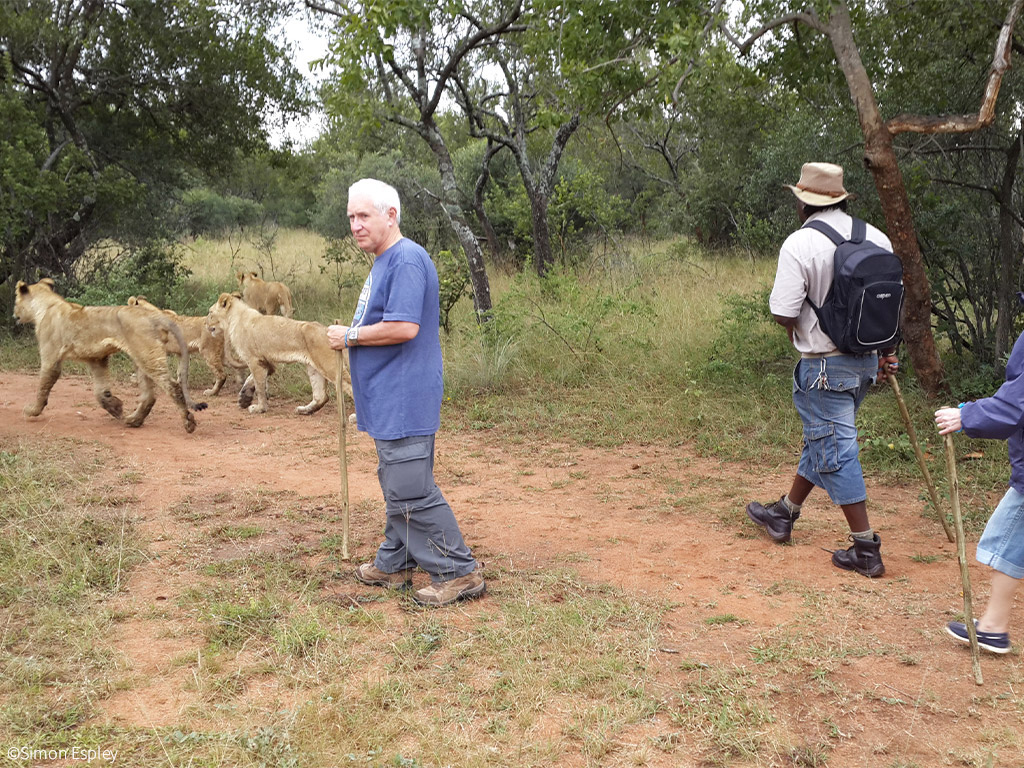
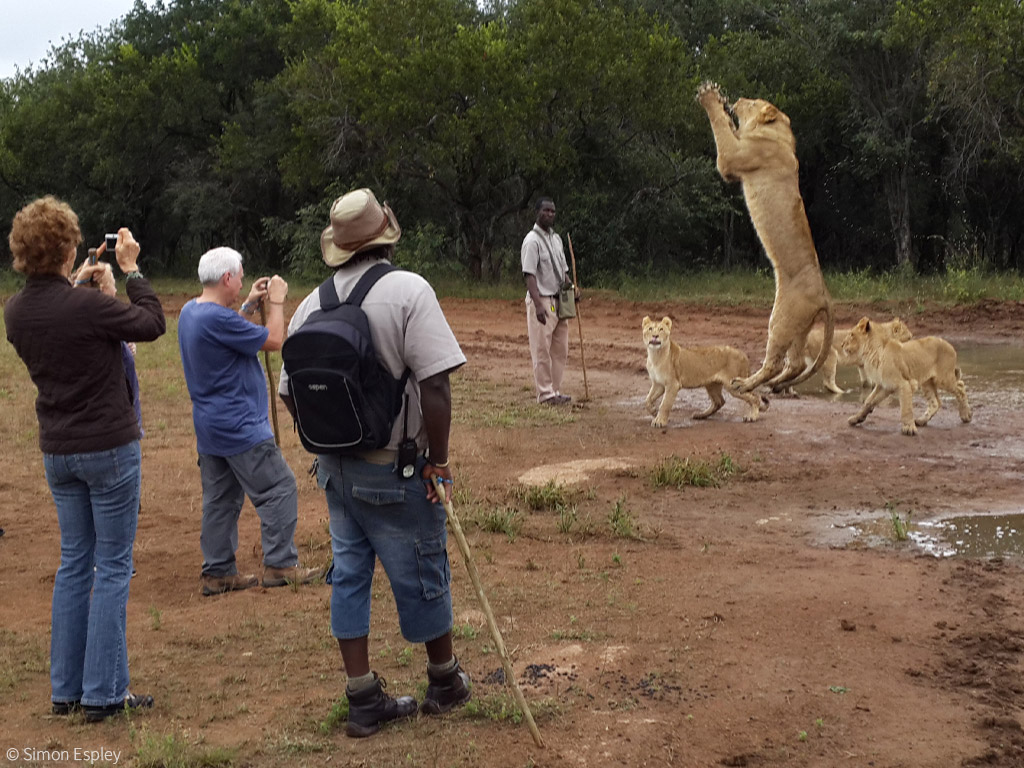
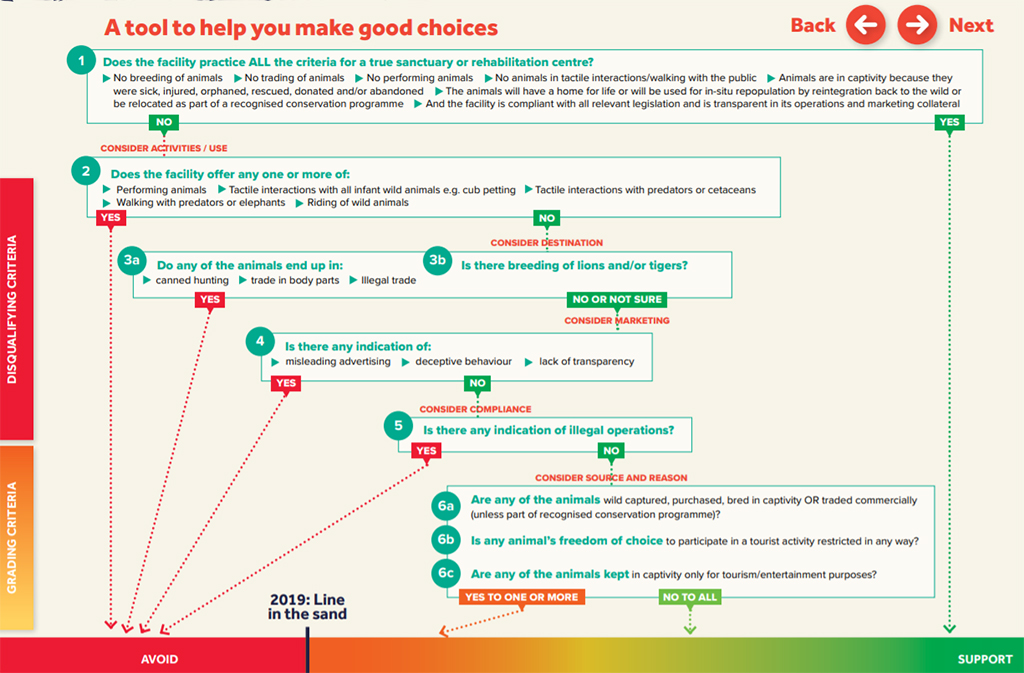

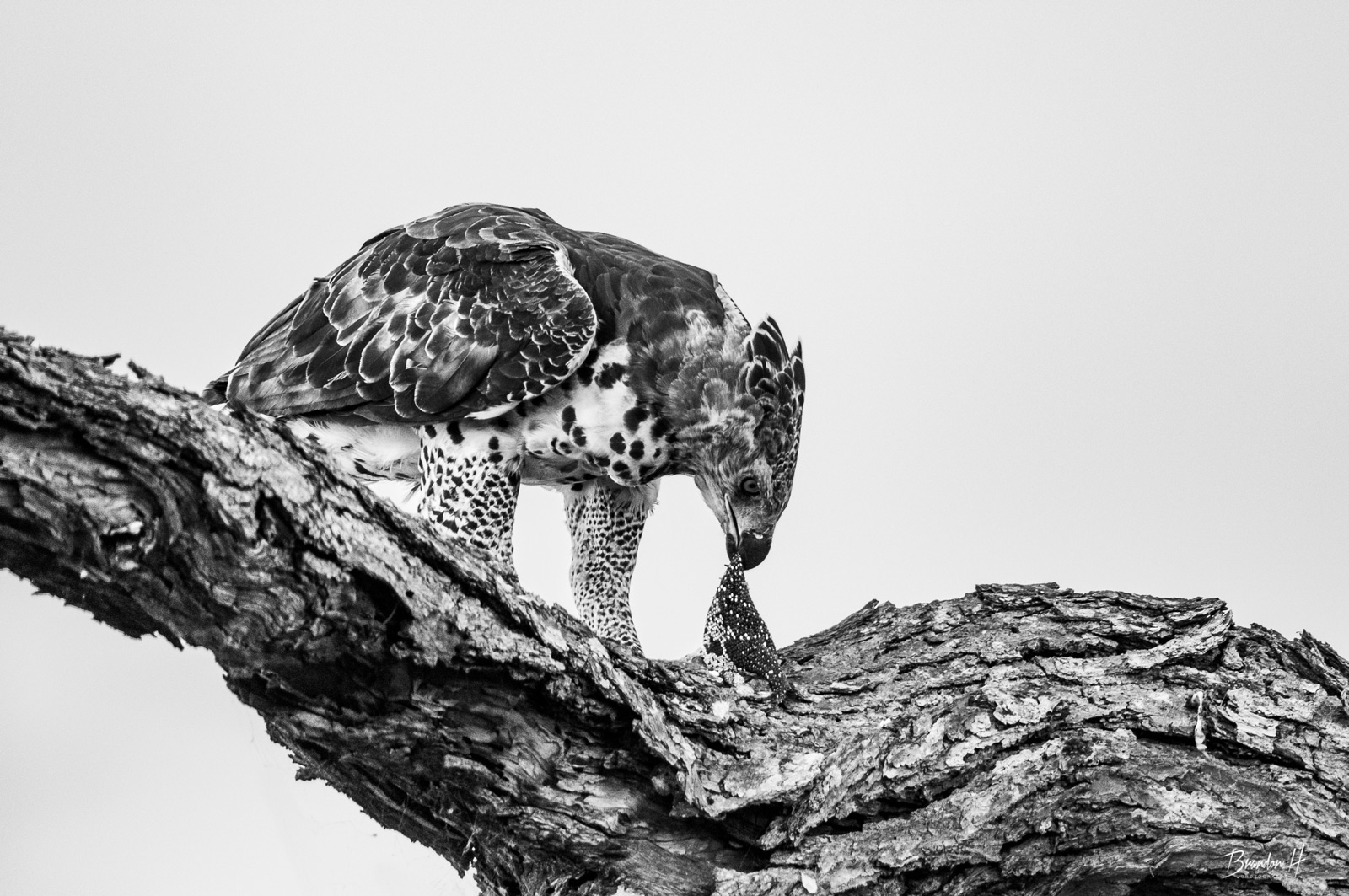
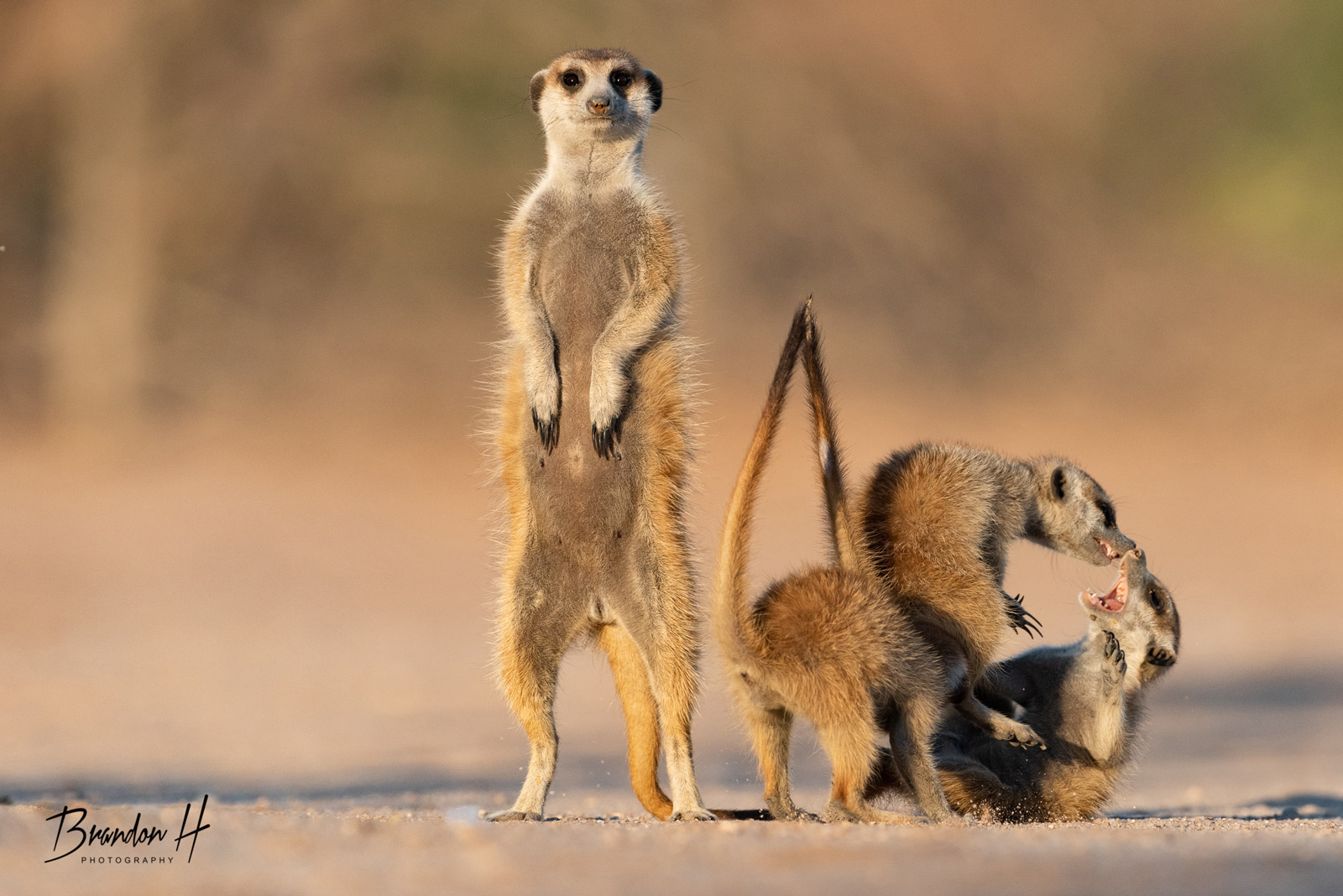
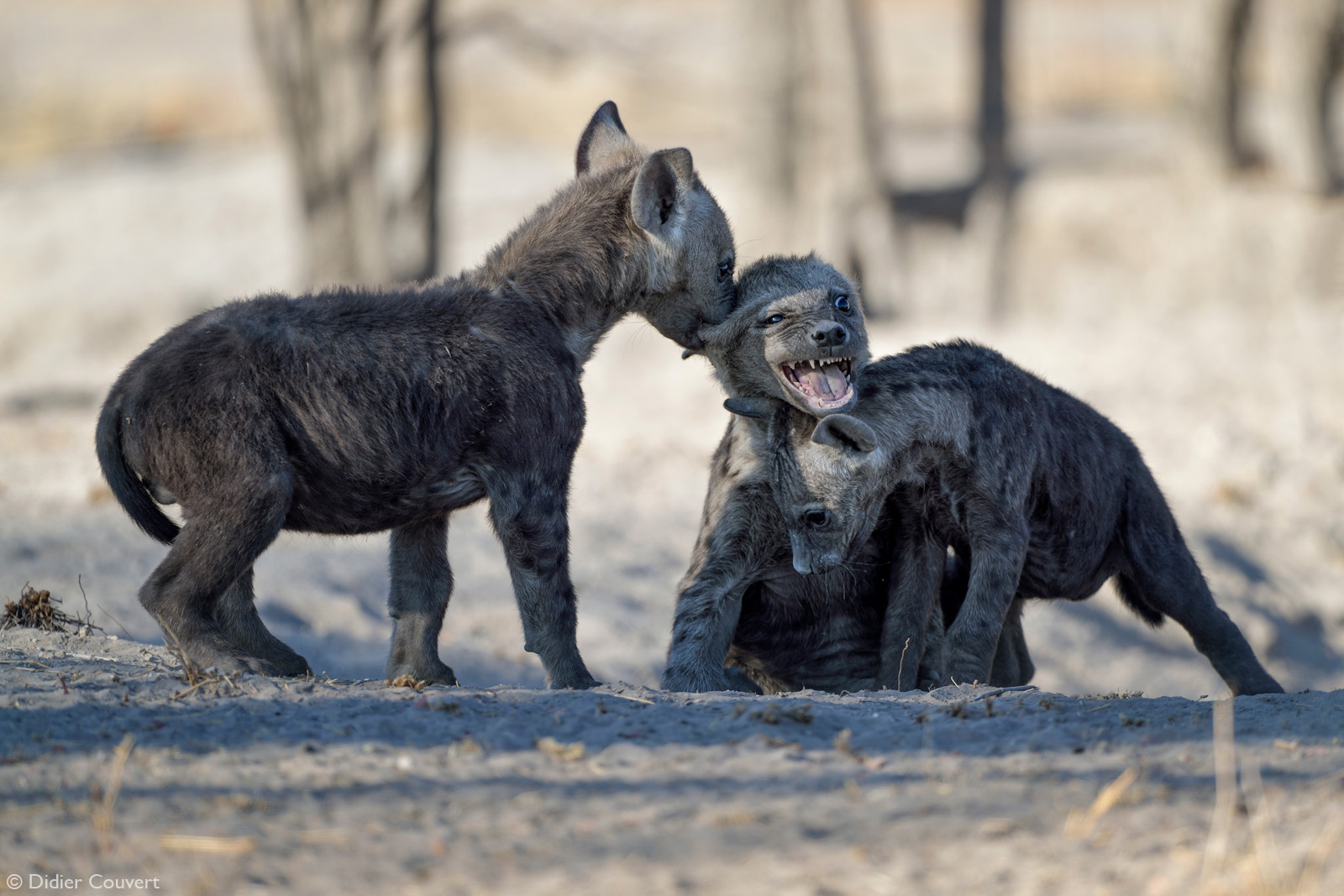
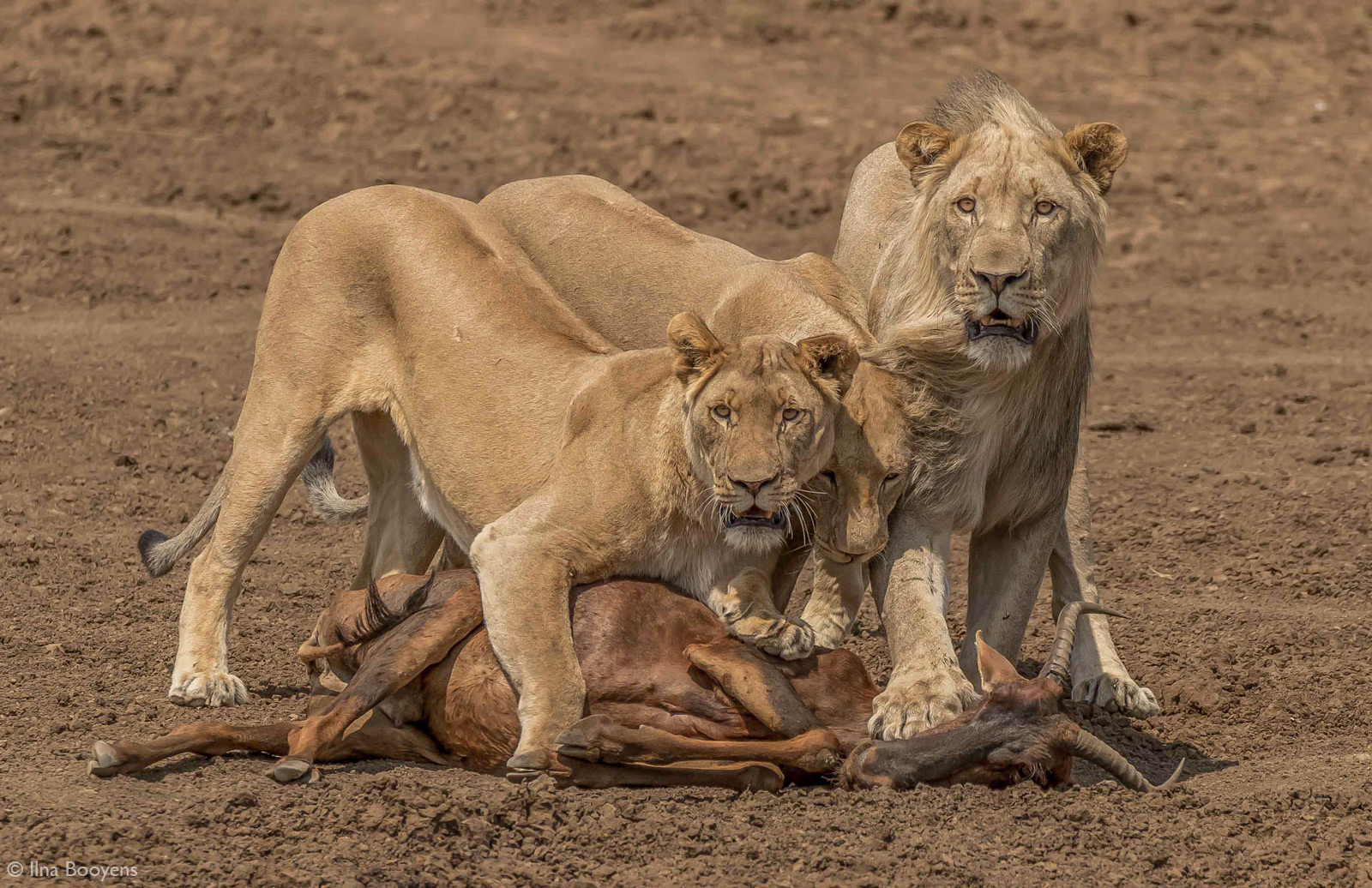
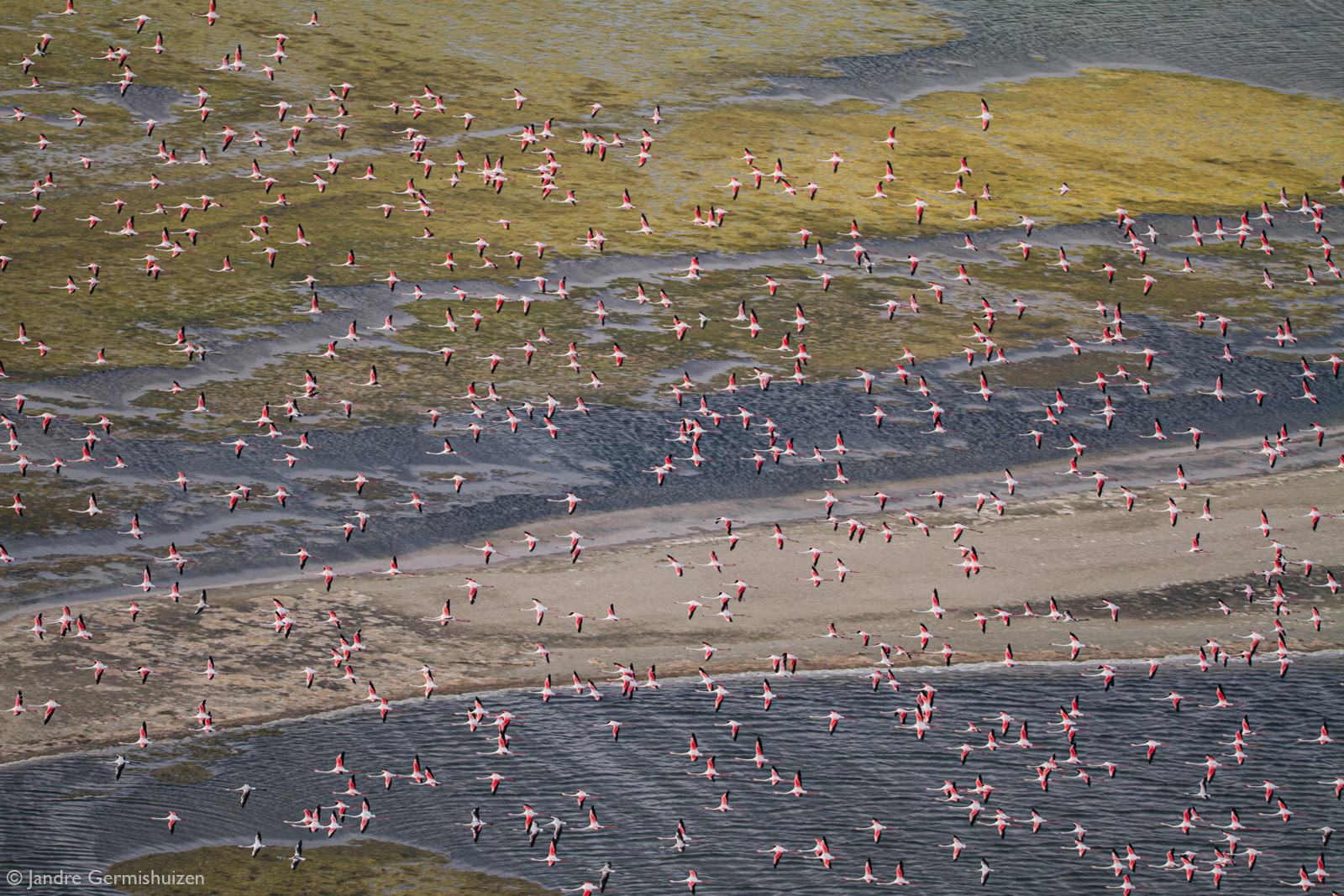
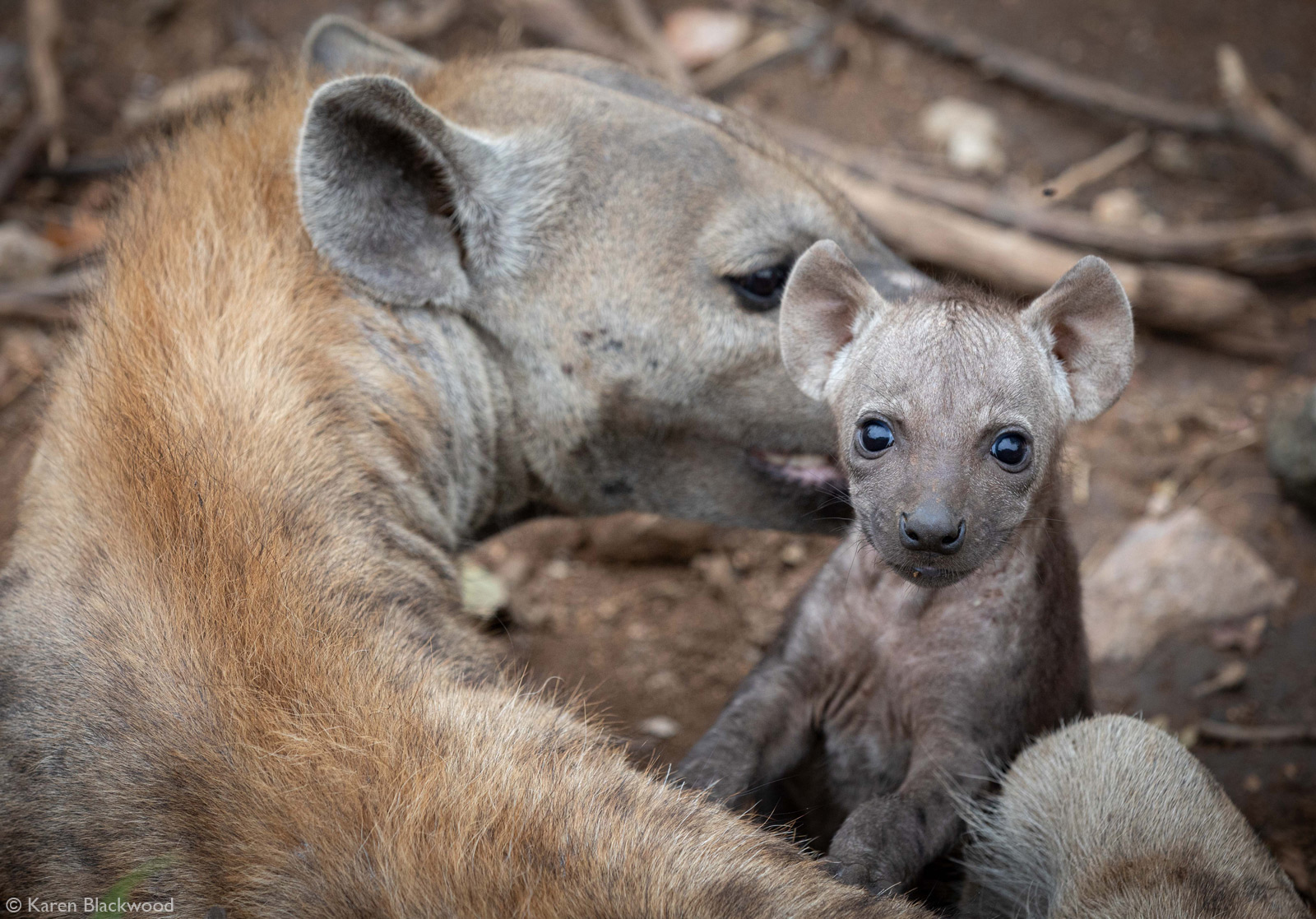
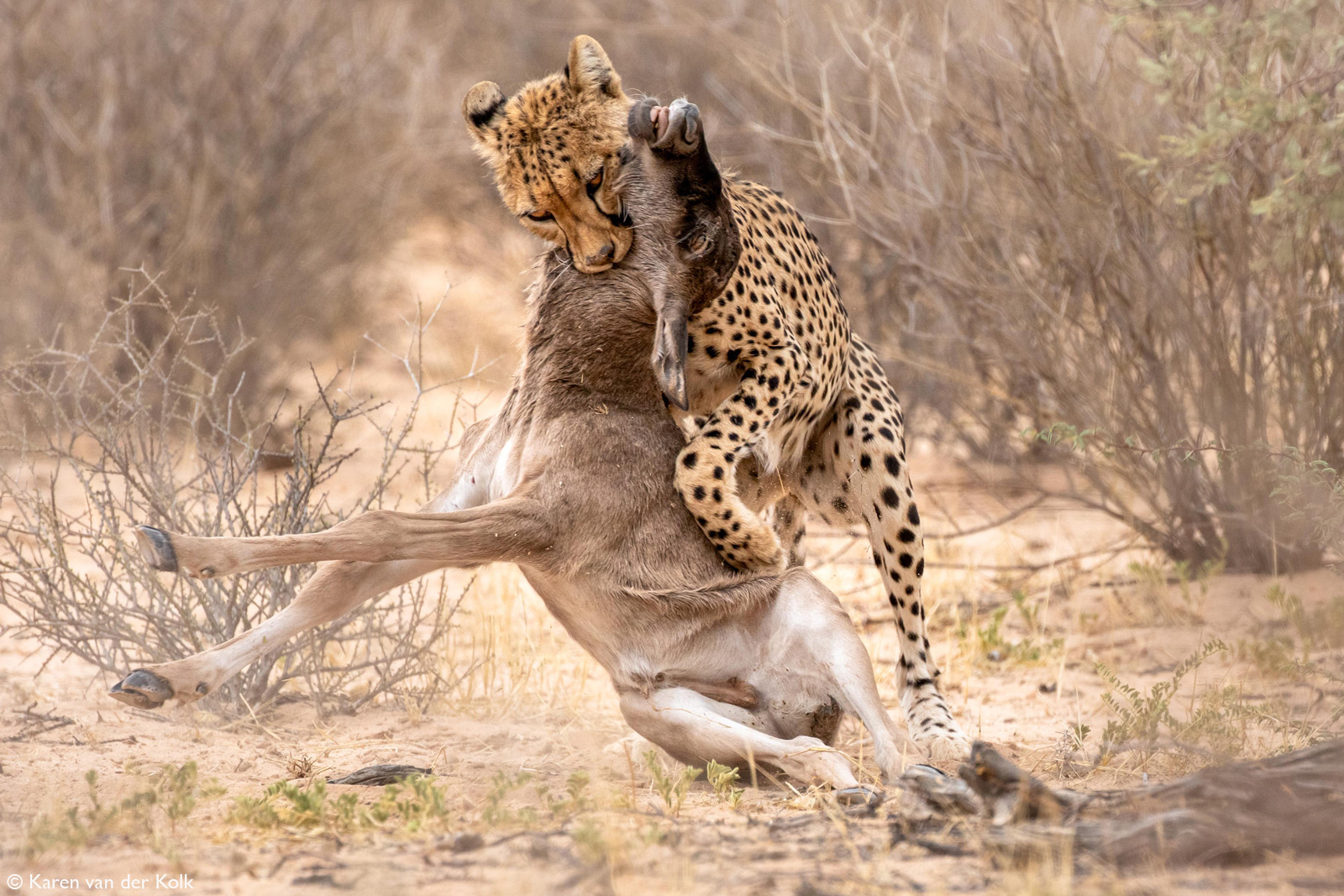
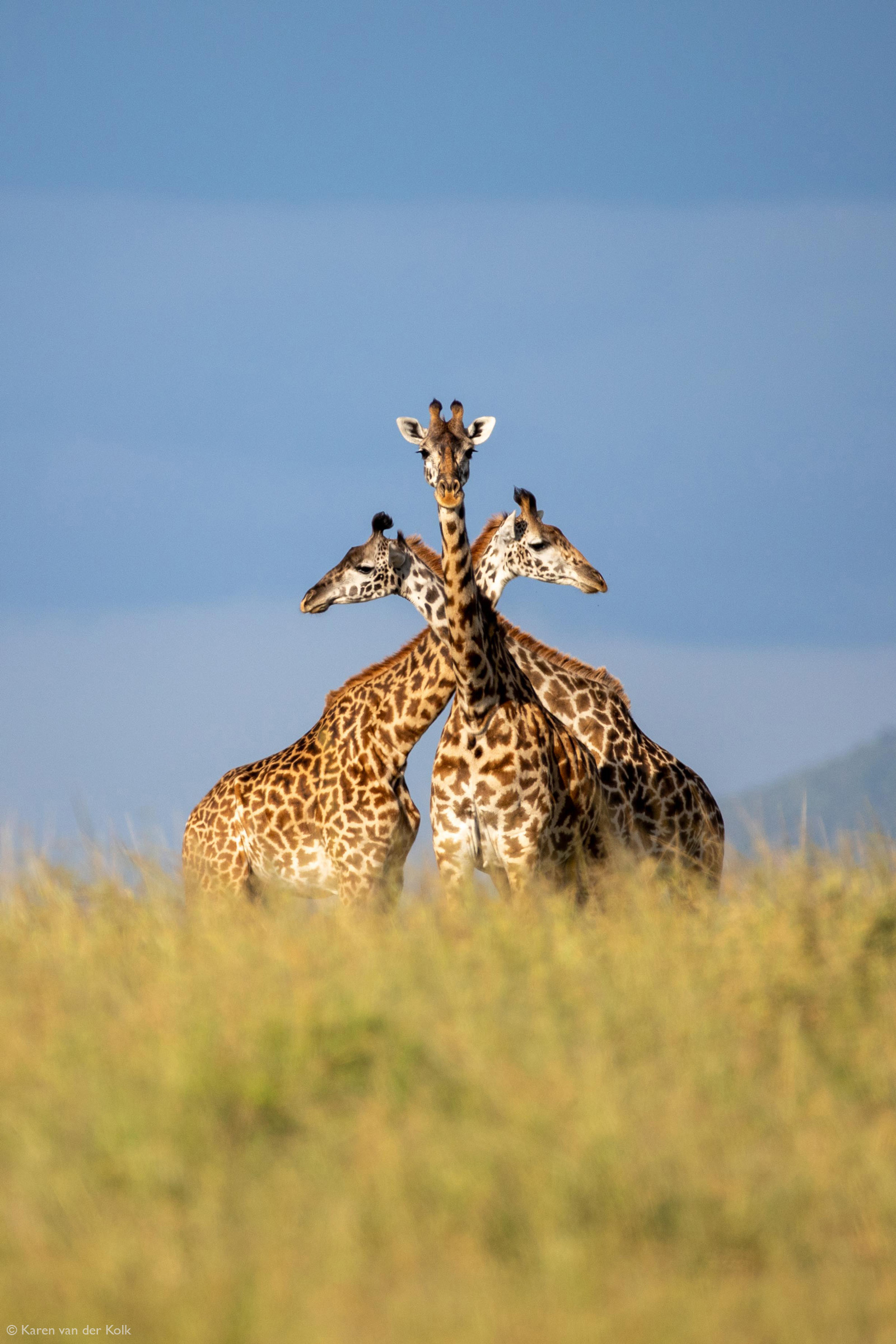
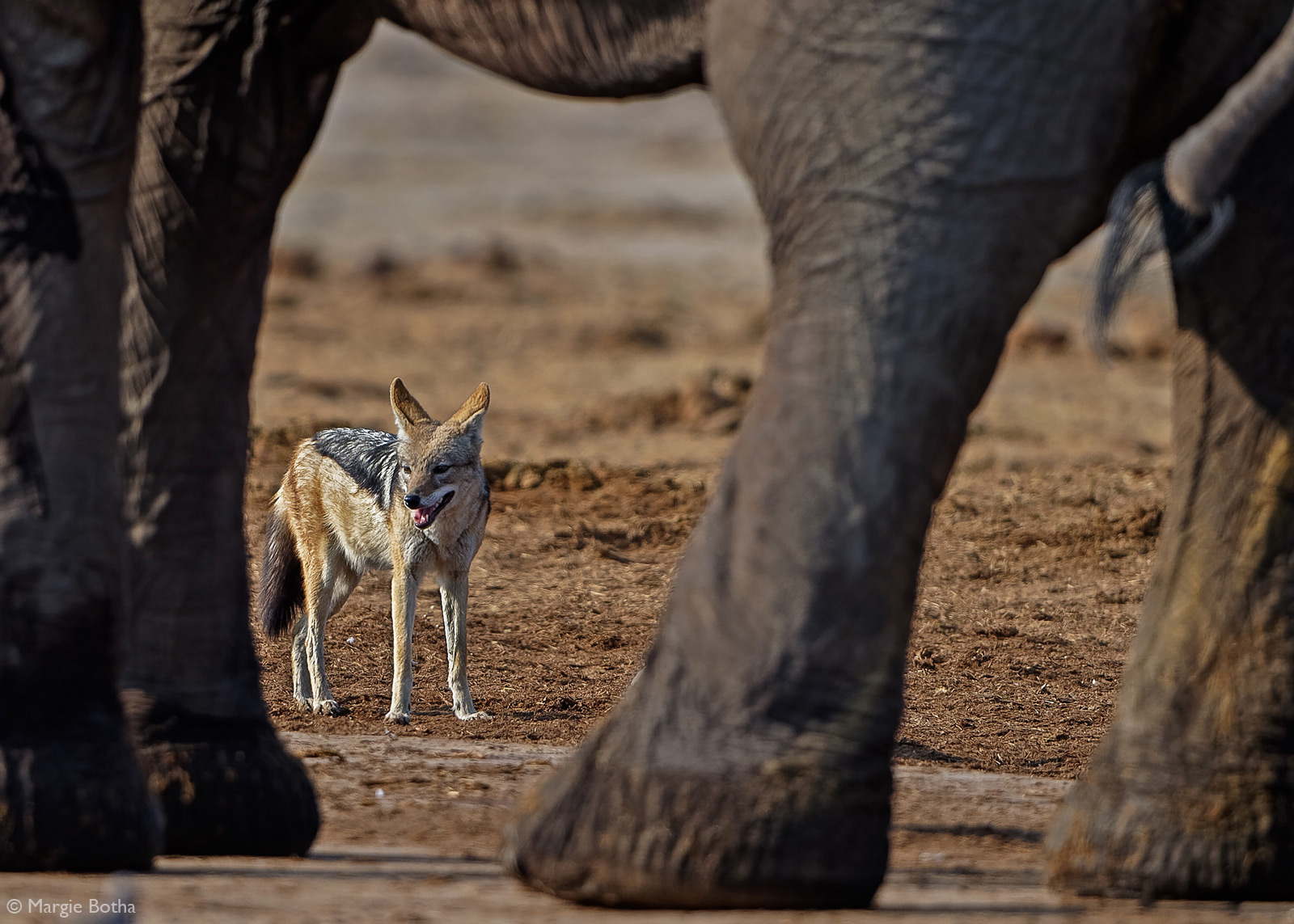

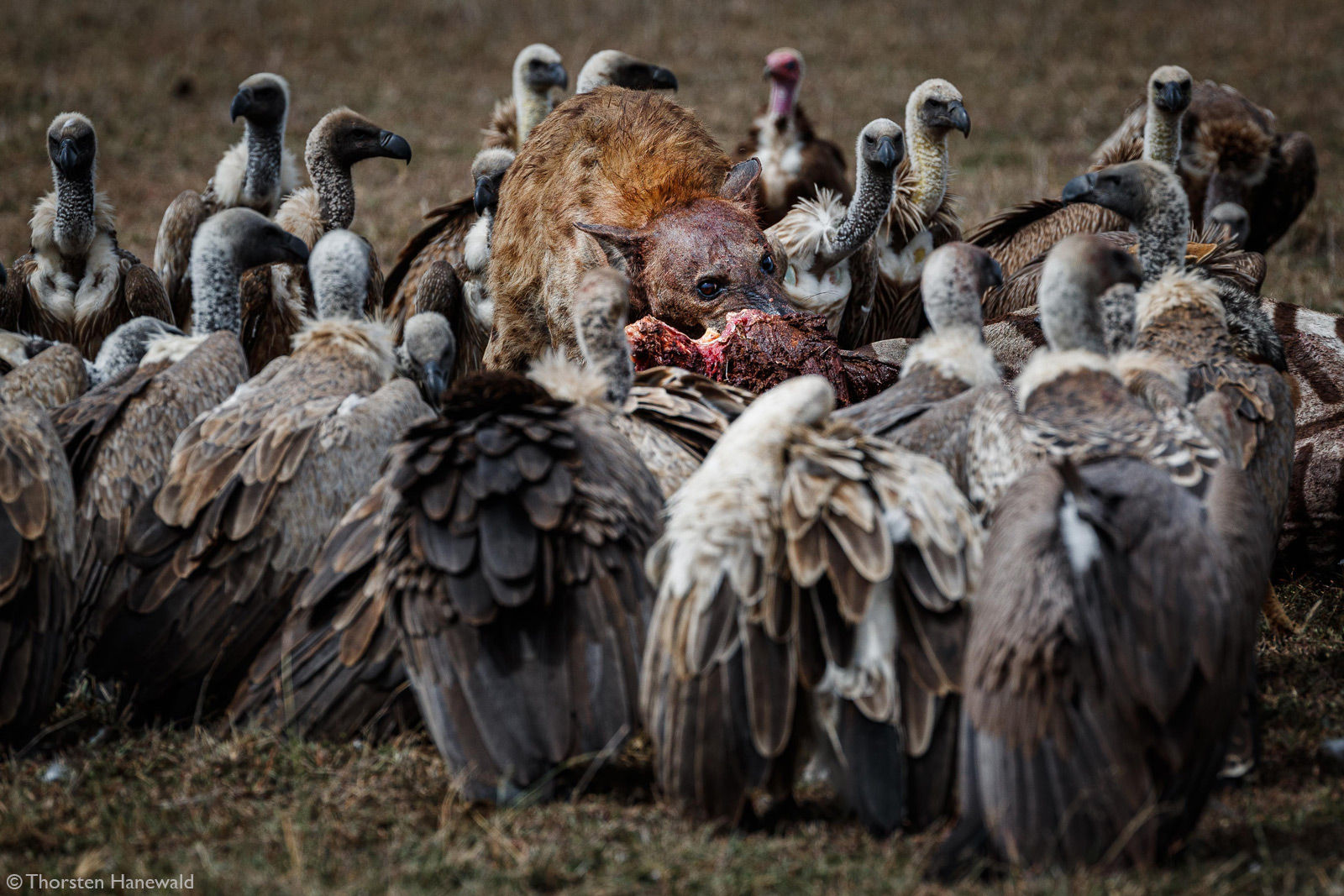
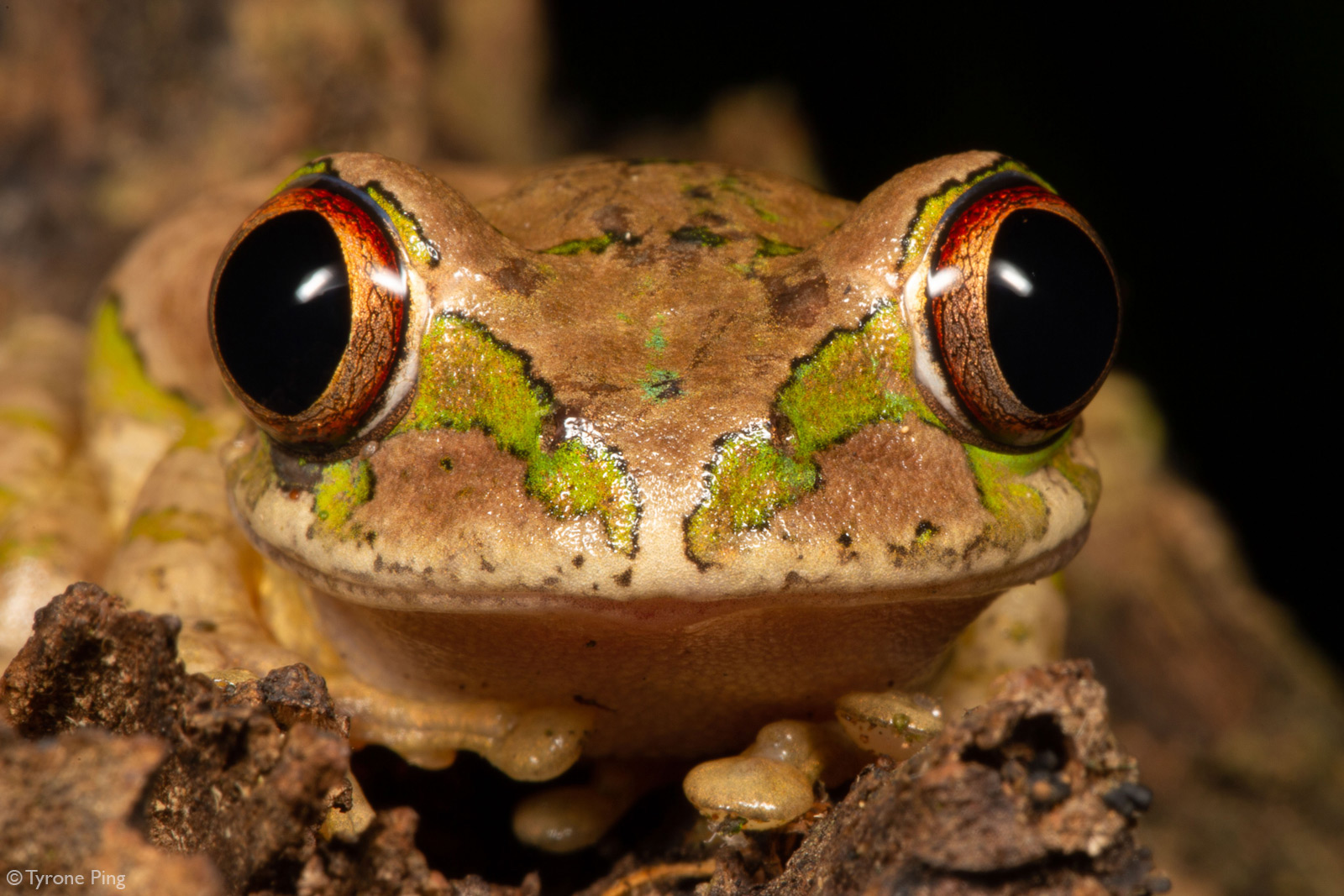
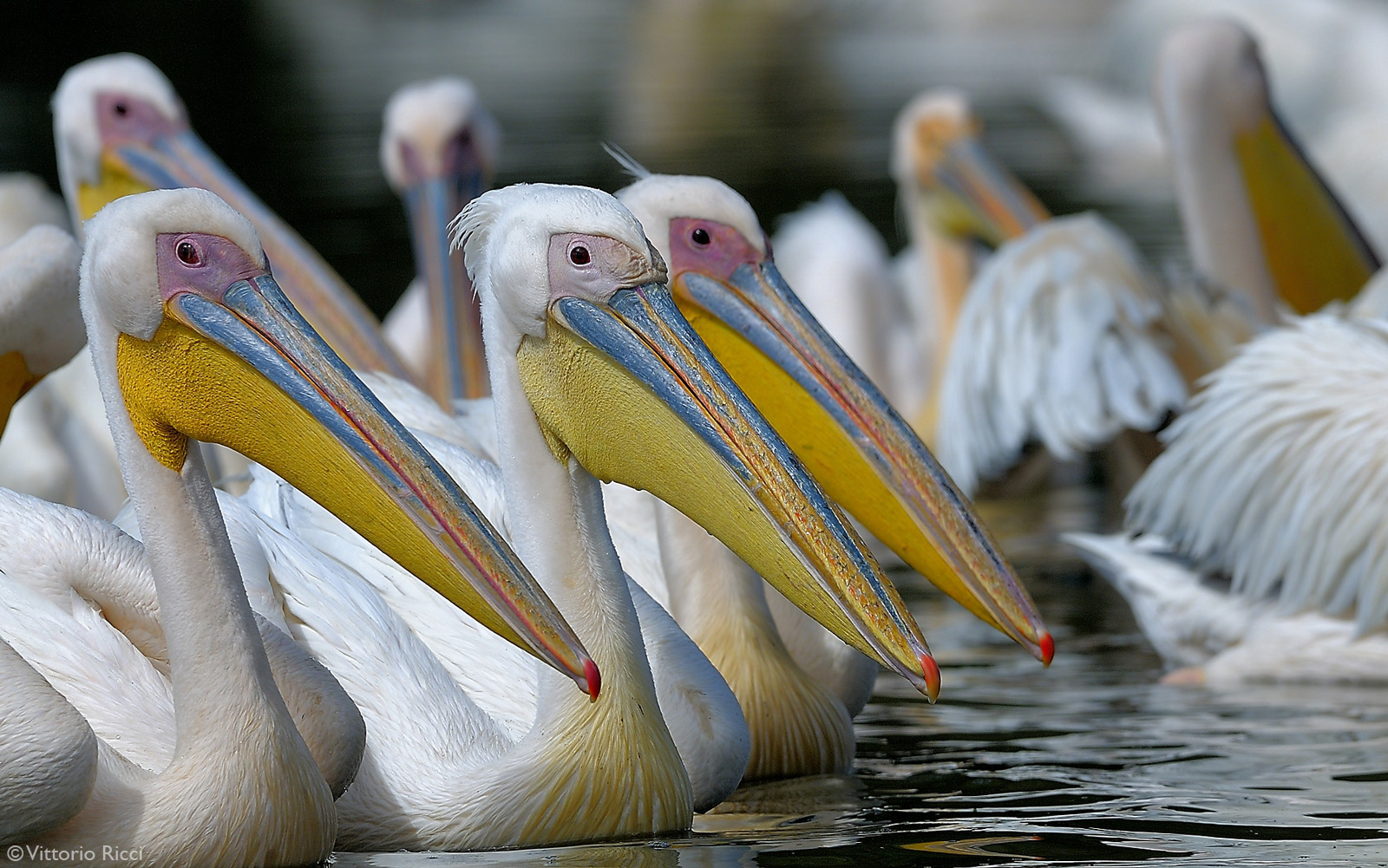
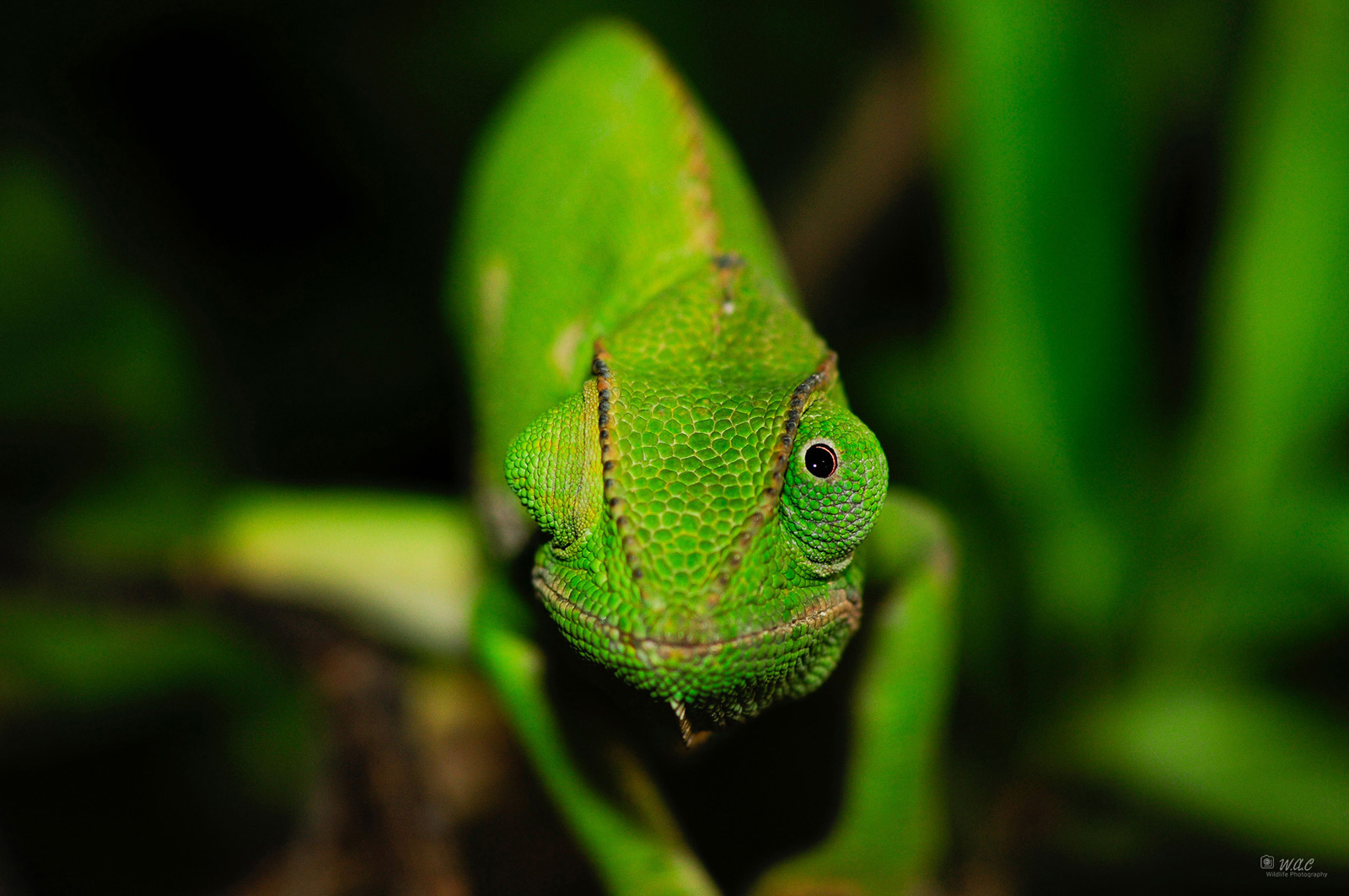
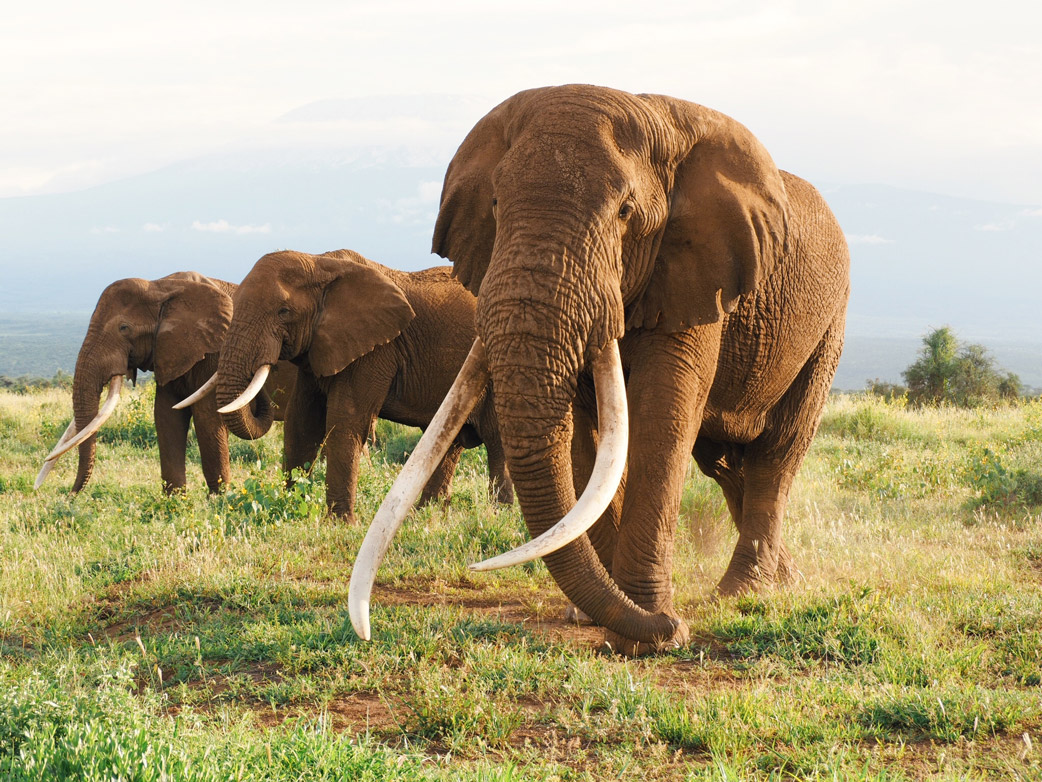
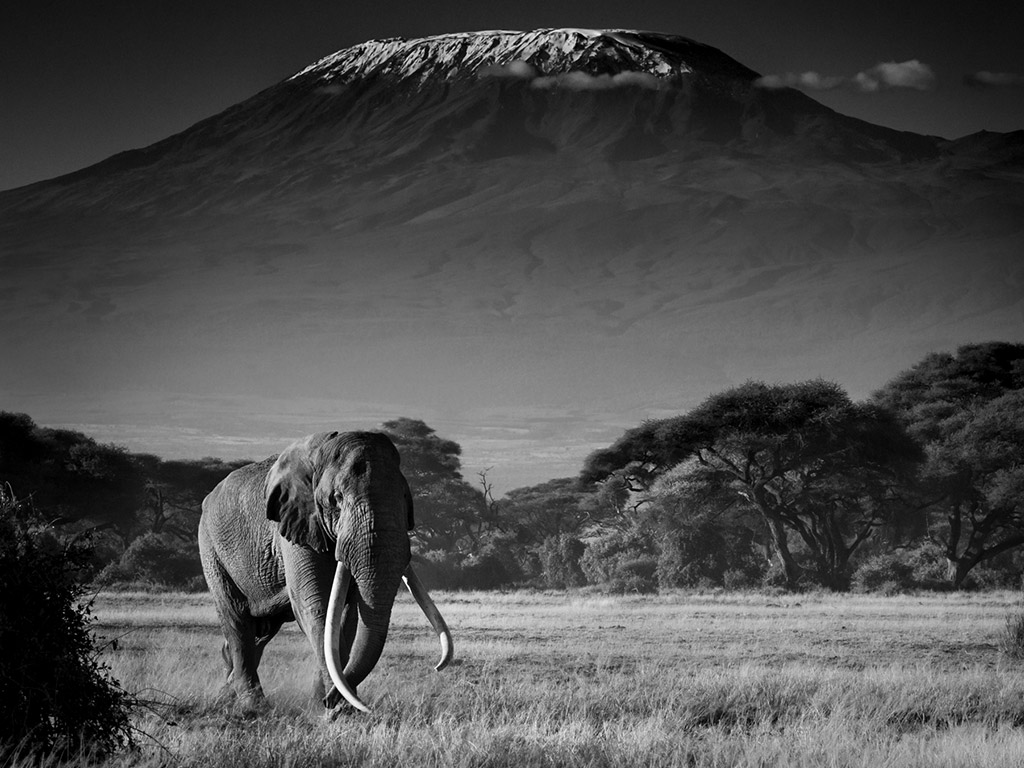
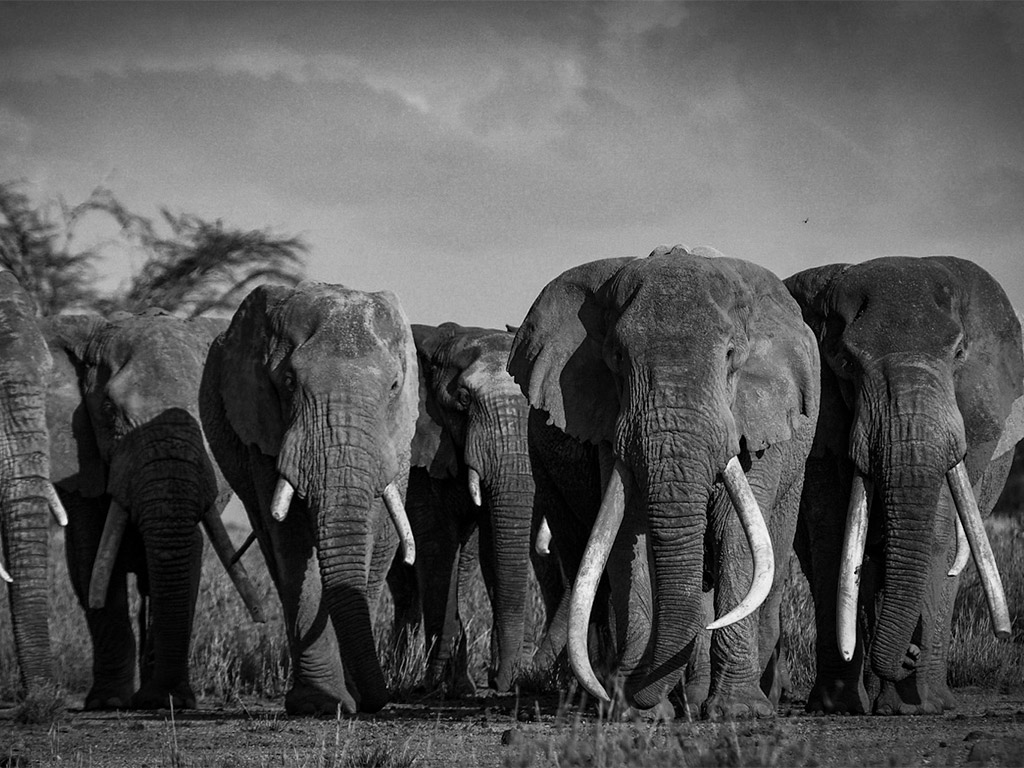
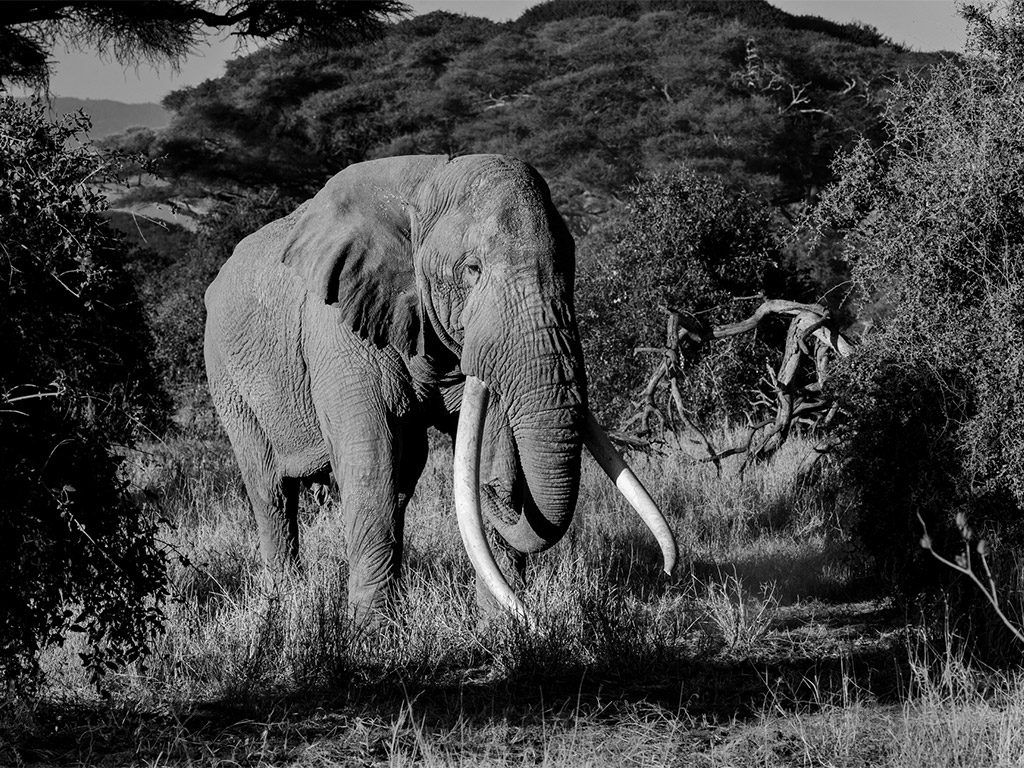
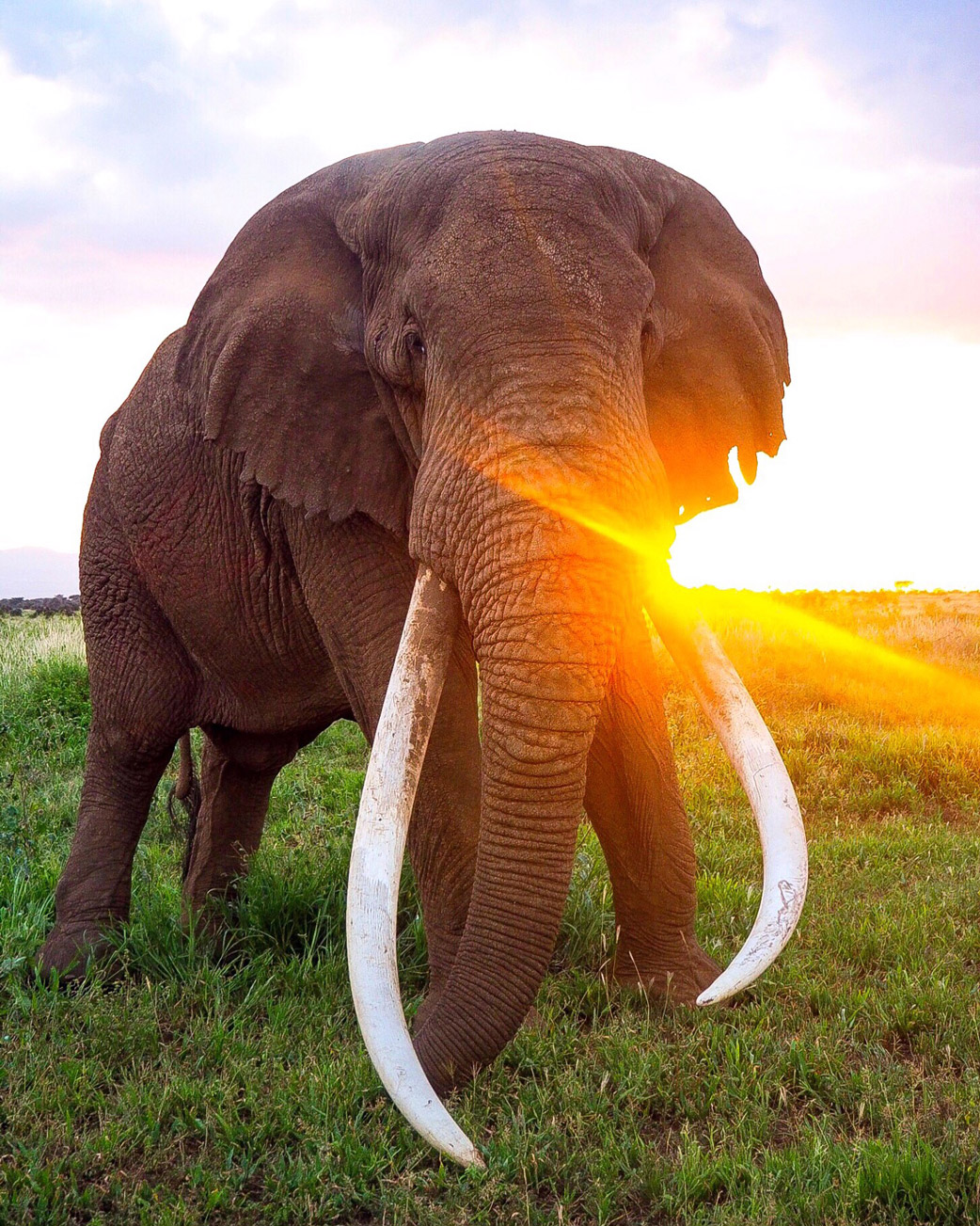
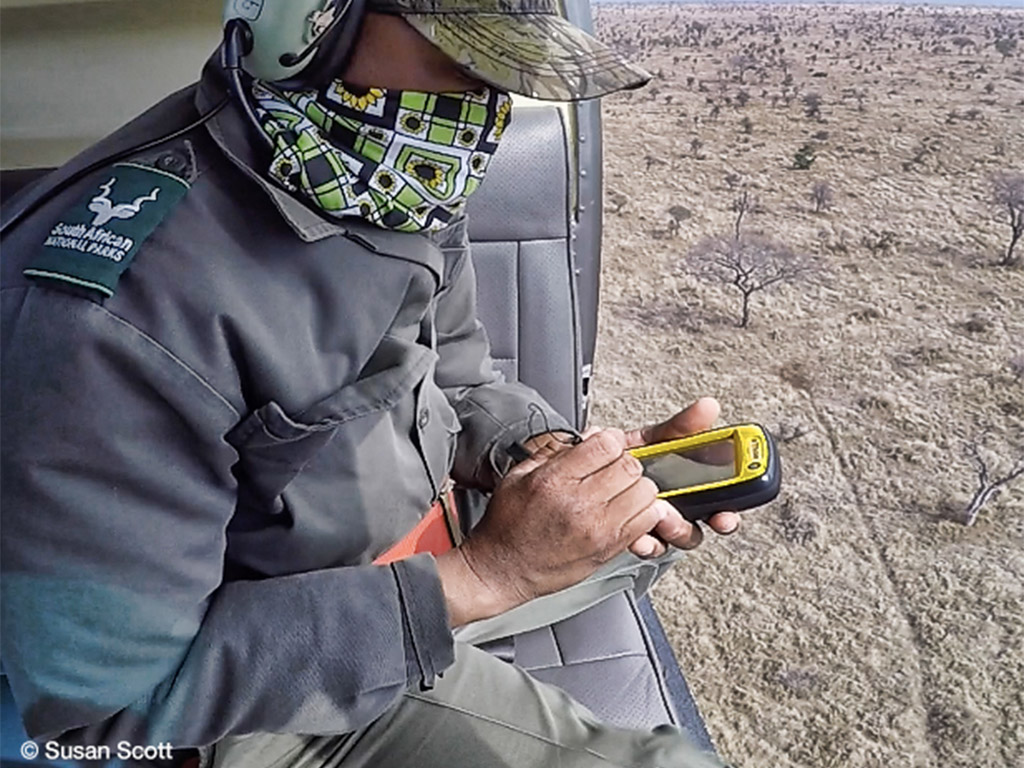
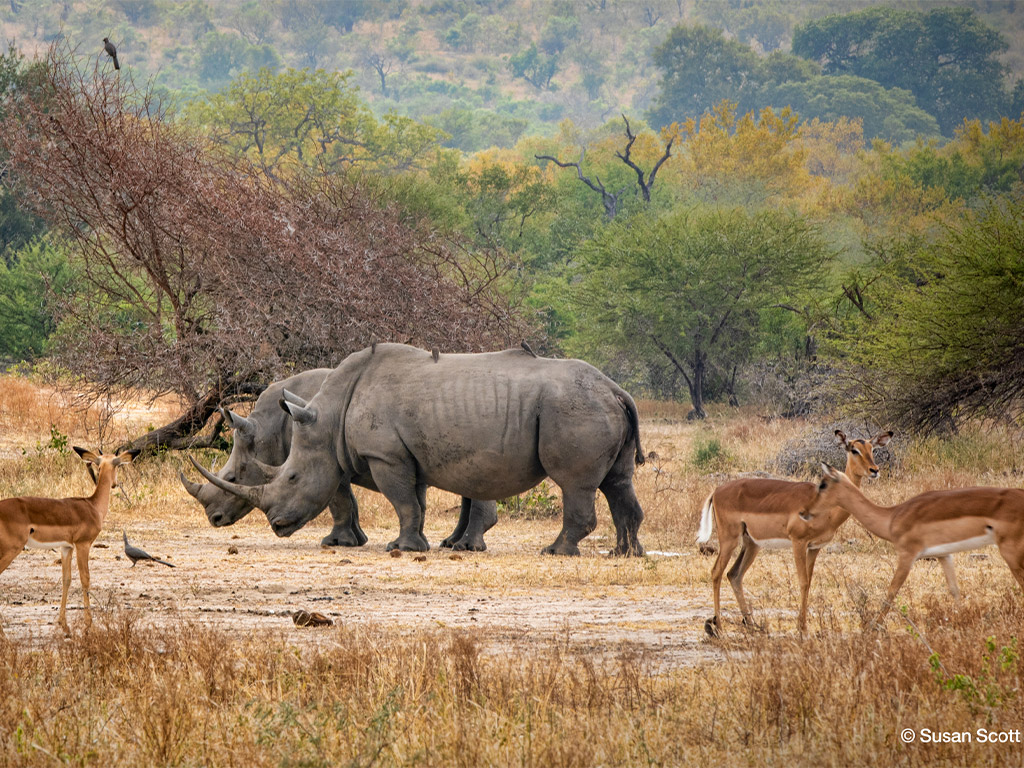
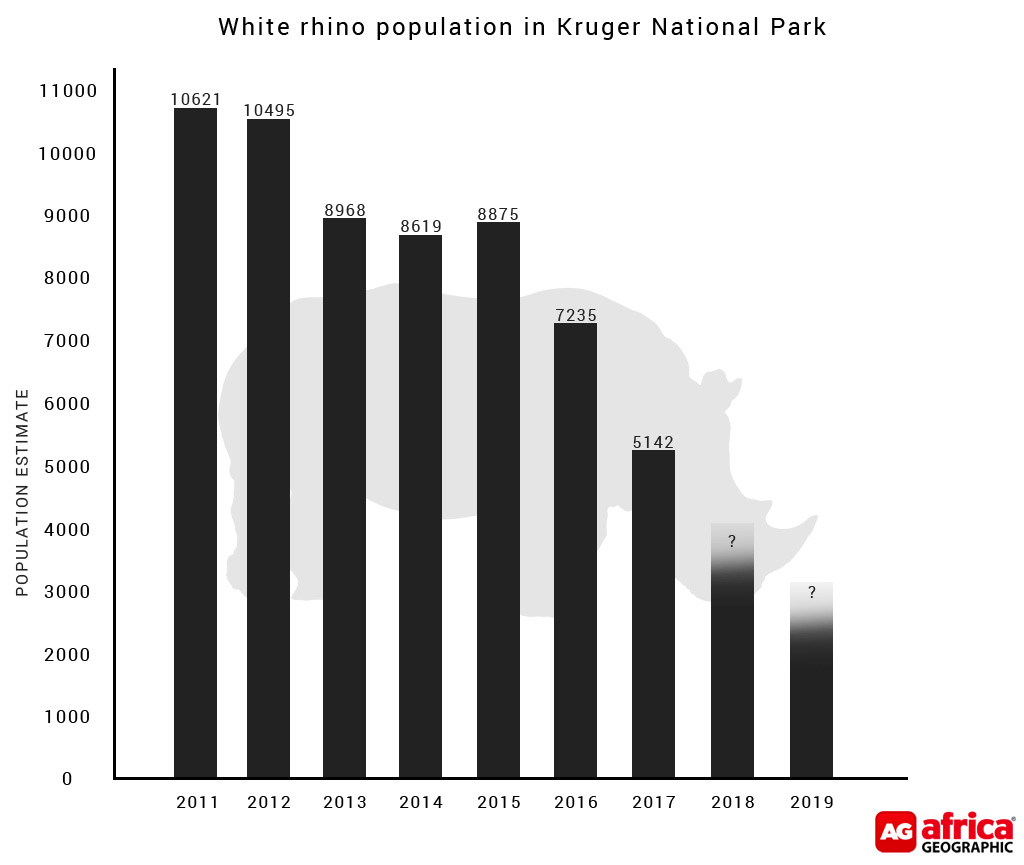
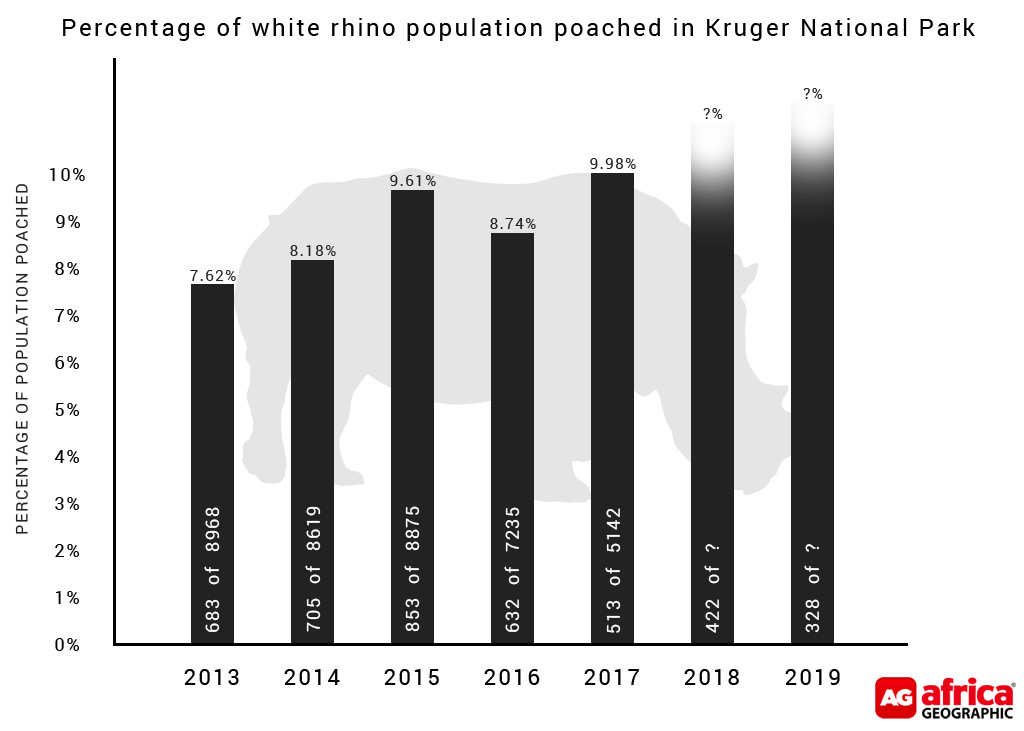
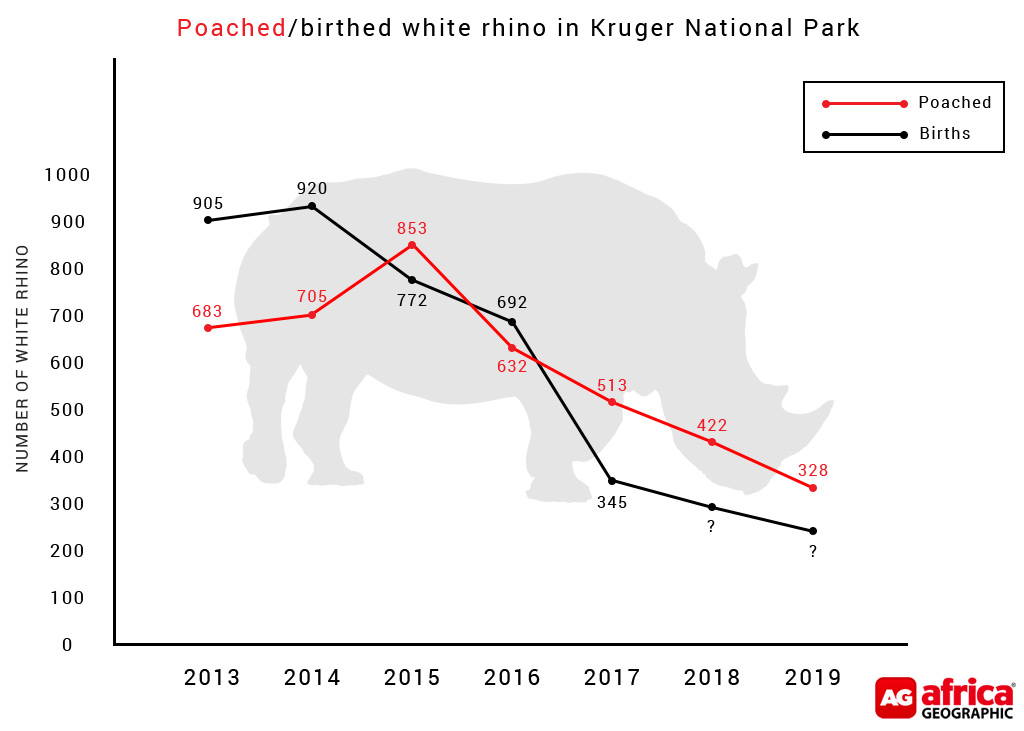
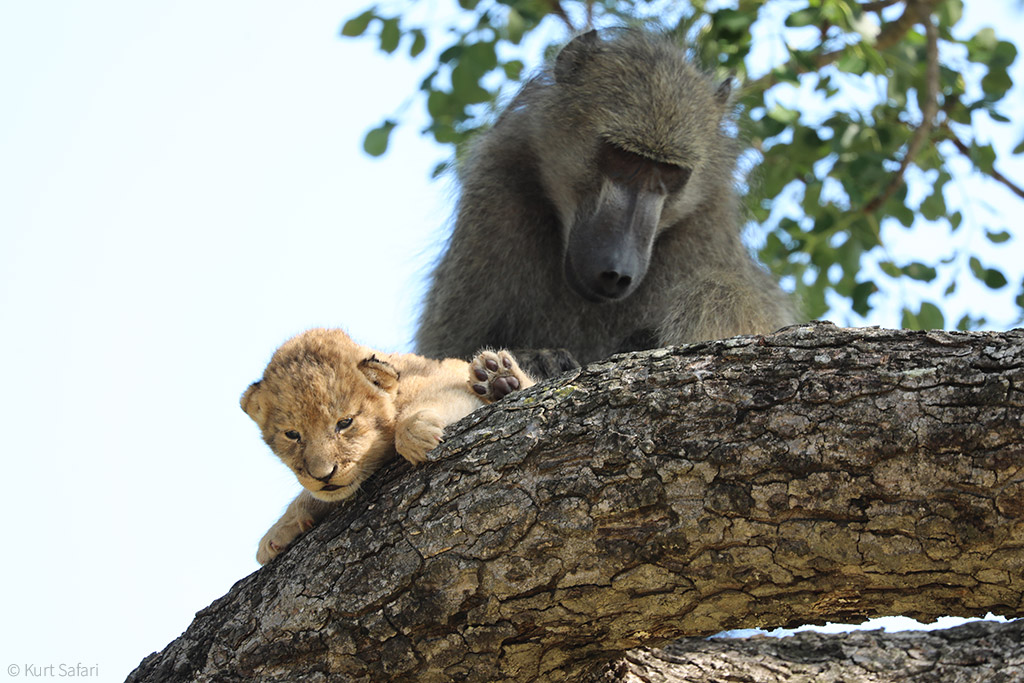
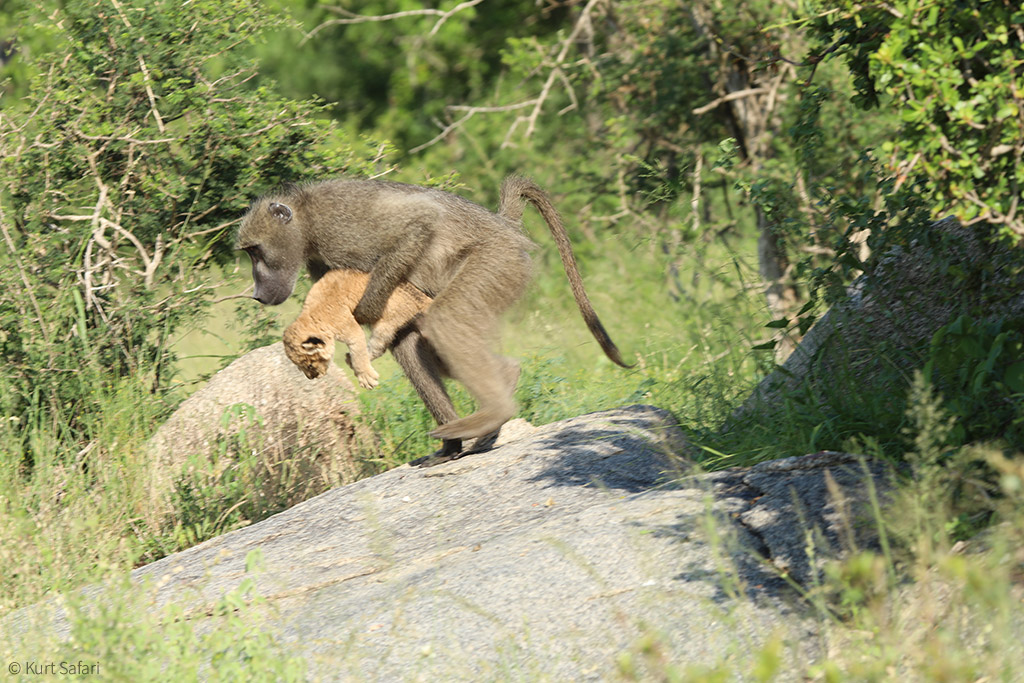
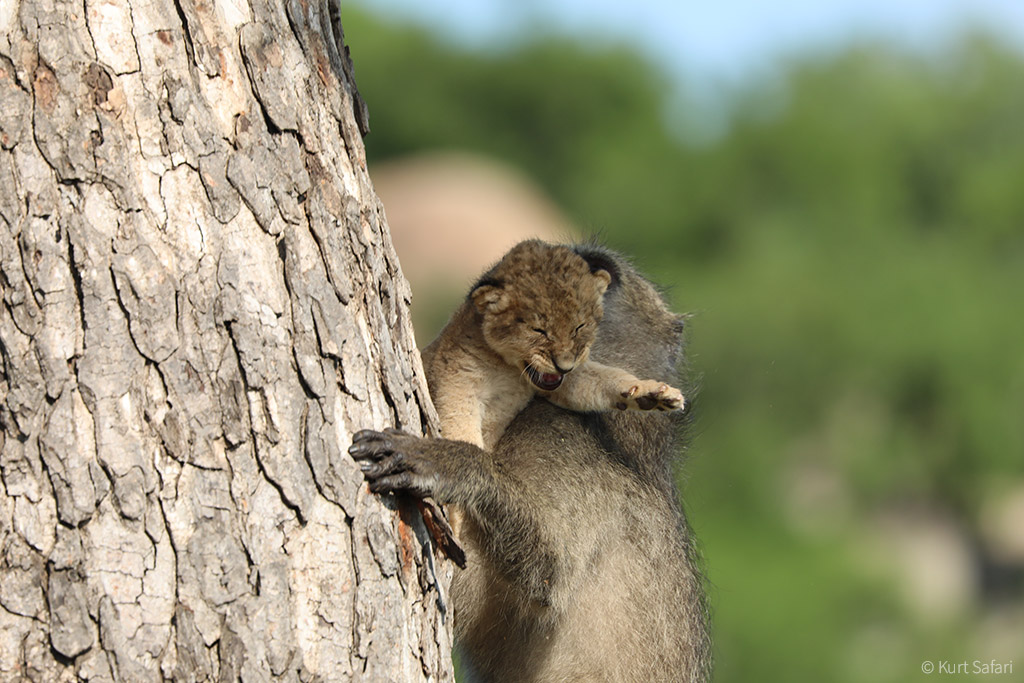
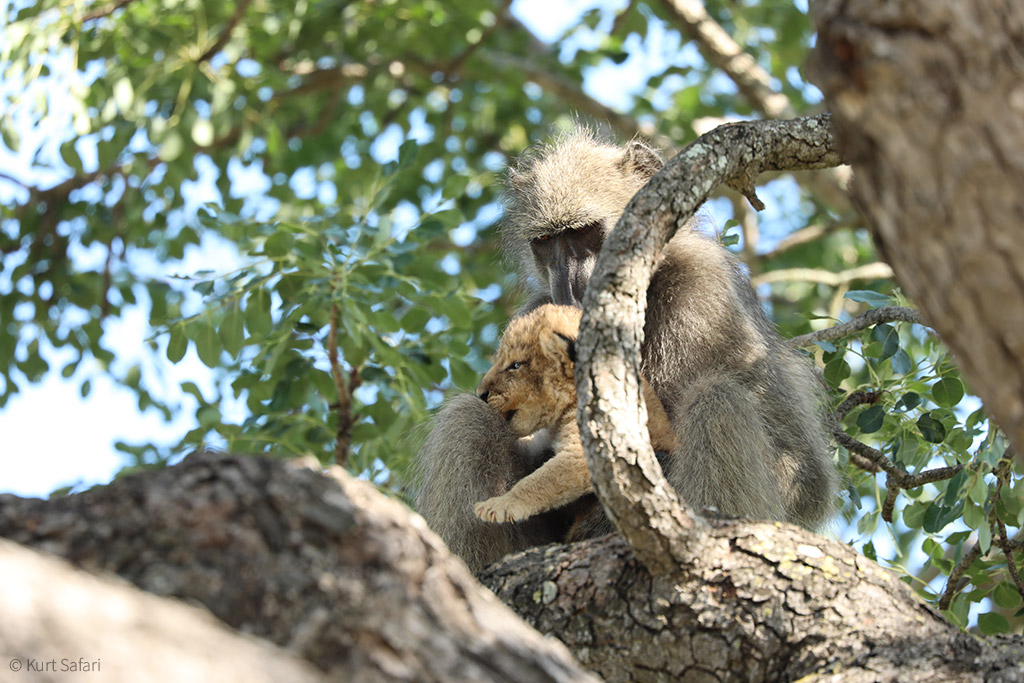
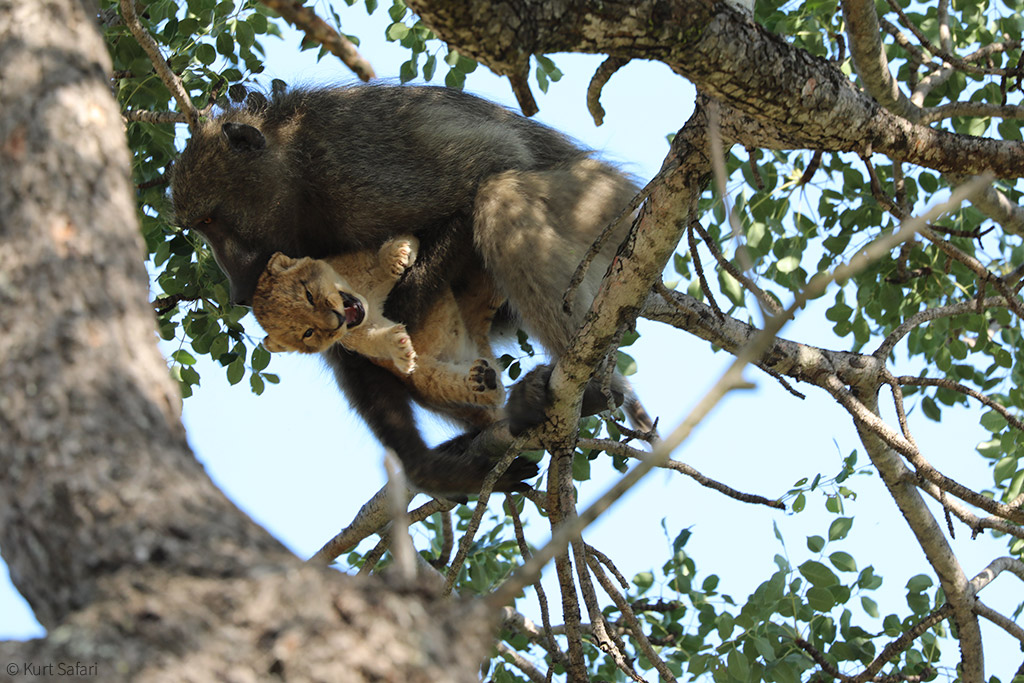
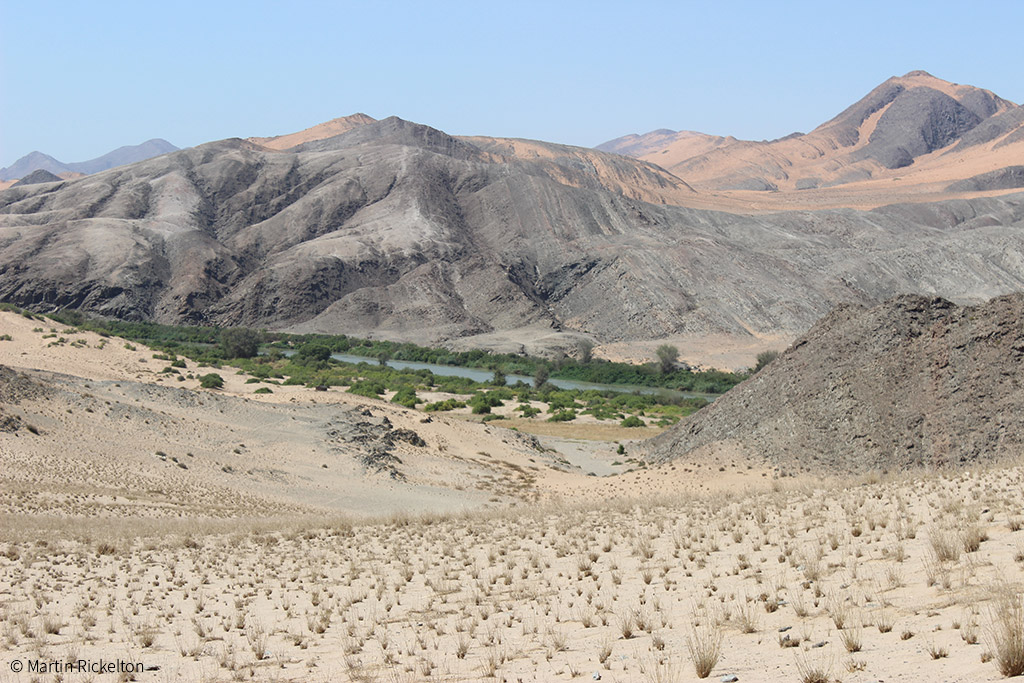
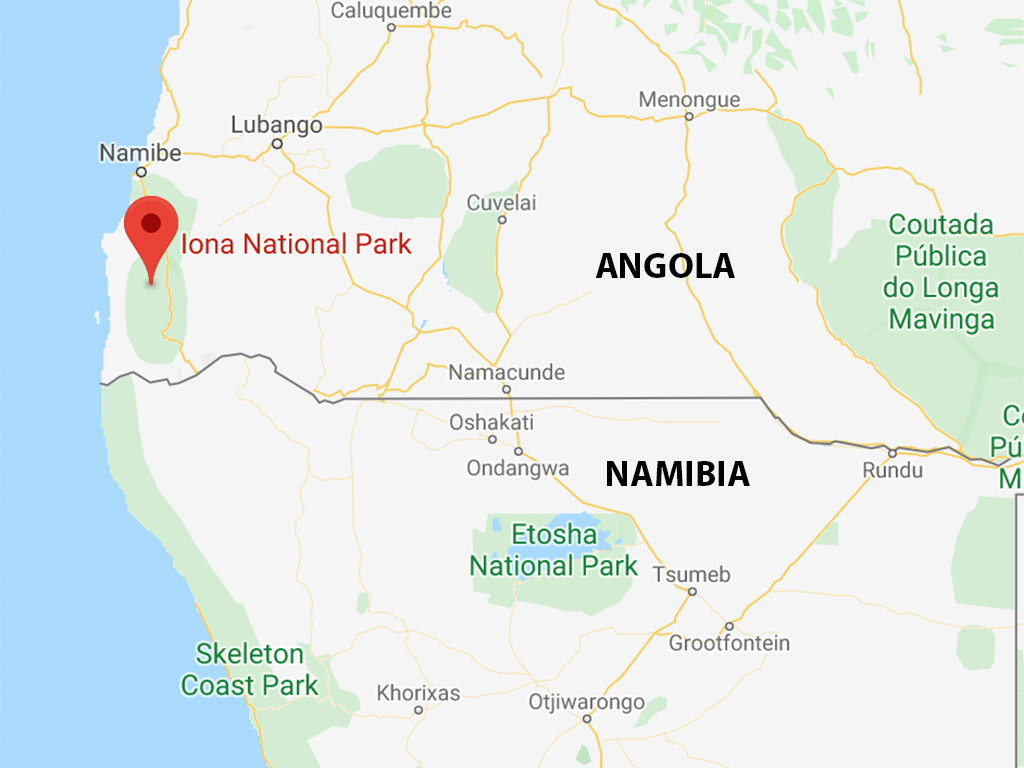
 DID YOU KNOW that African Parks offers safari camps (lodges and campsites) where 100% of tourism revenue goes to conservation and local communities?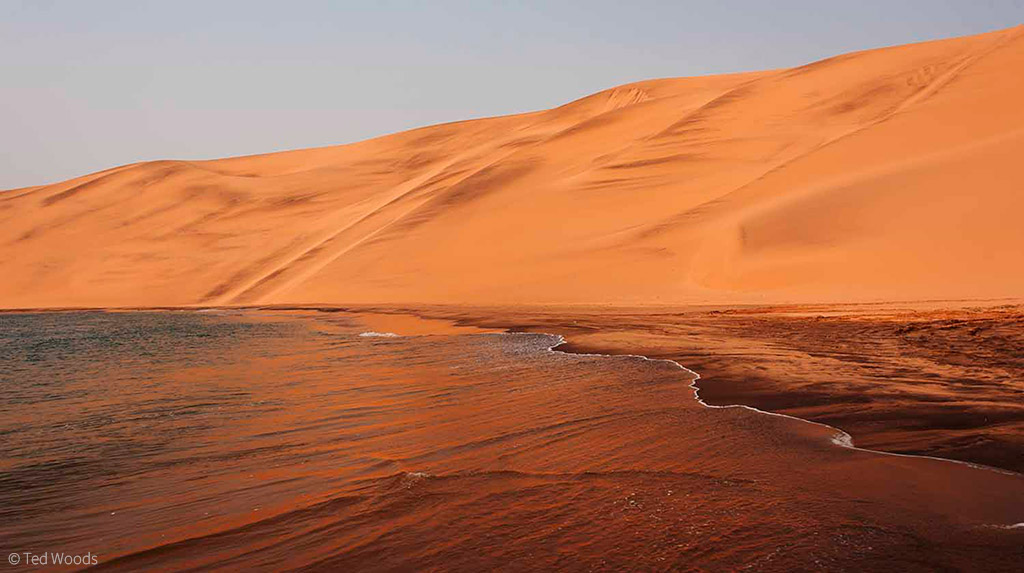
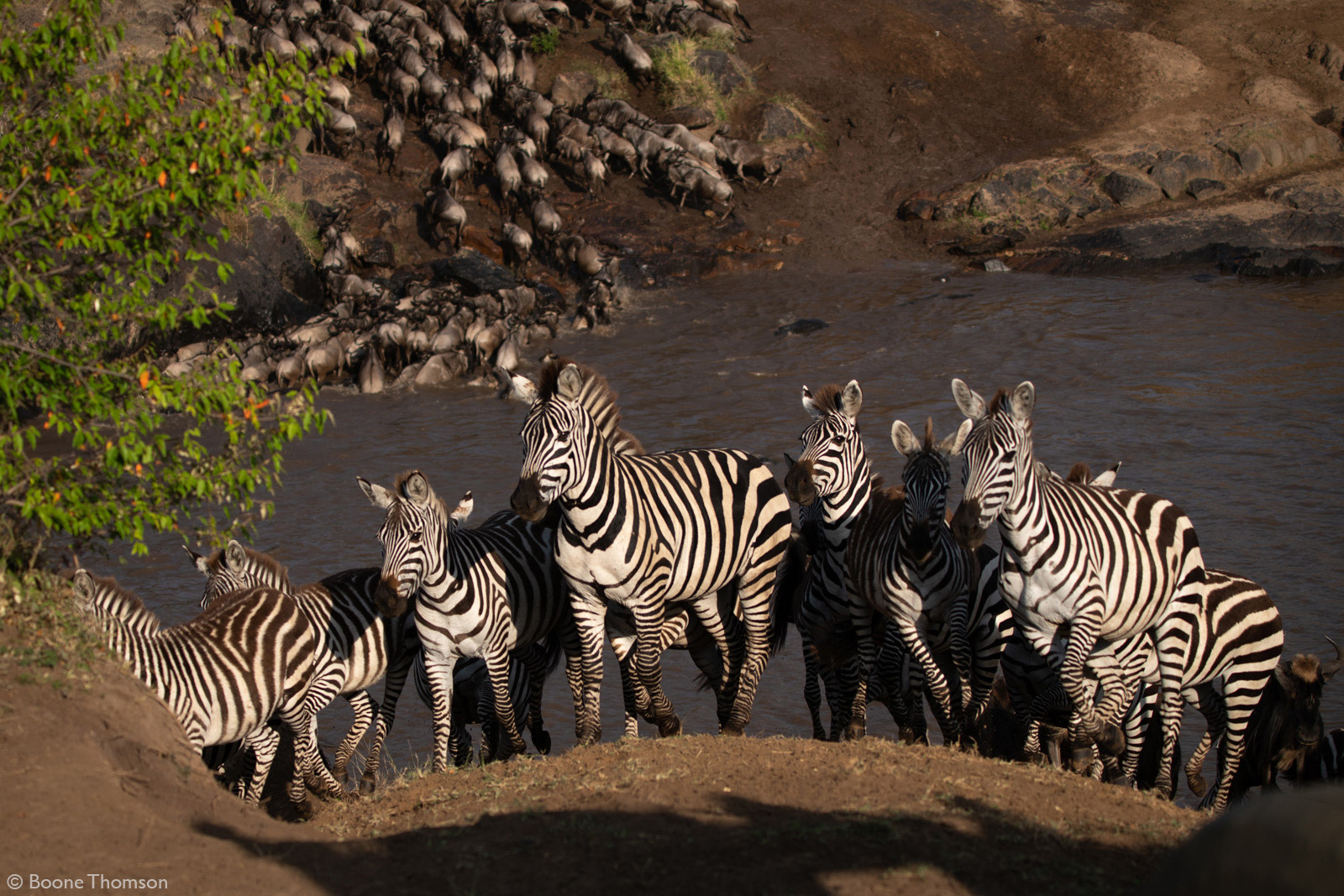
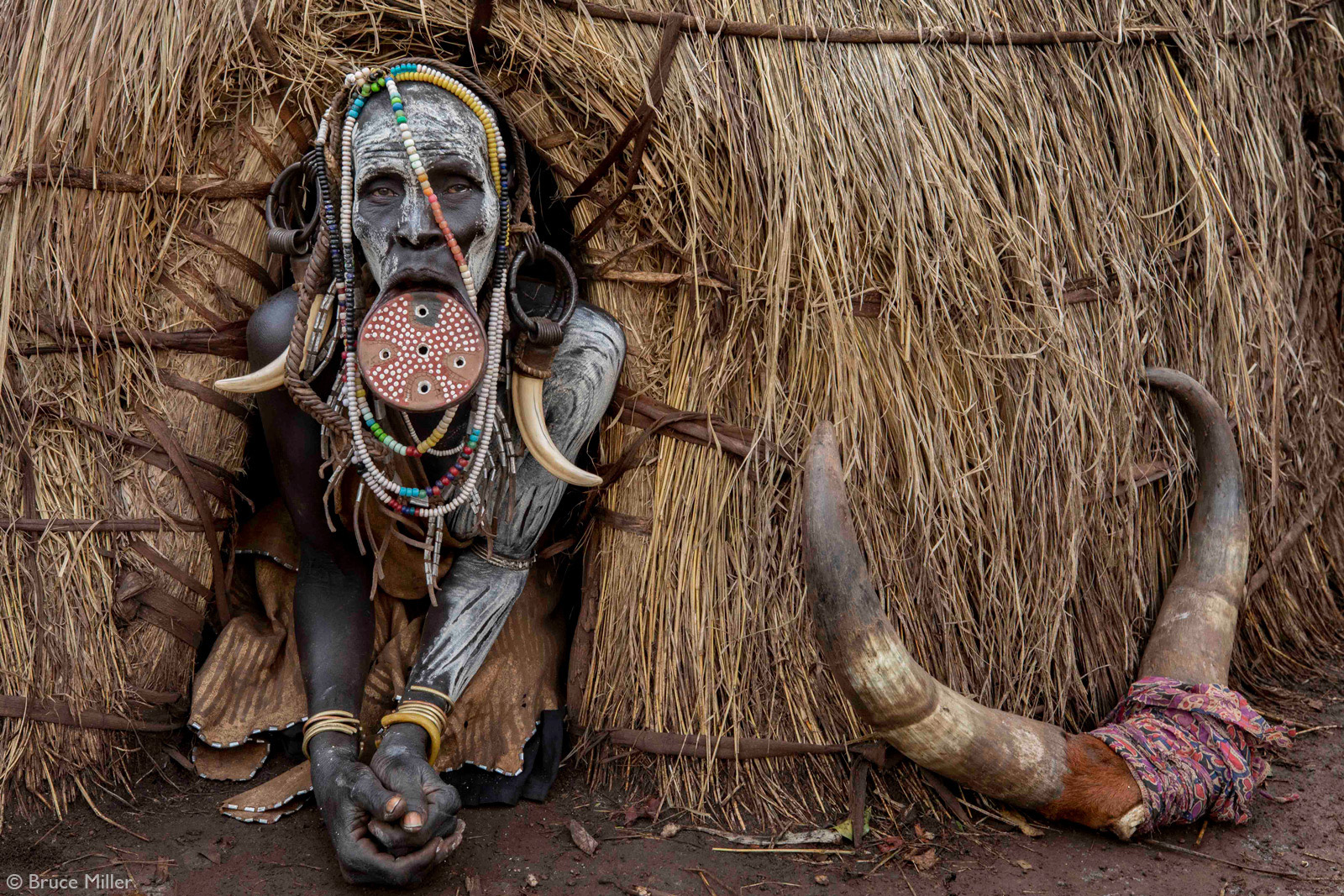
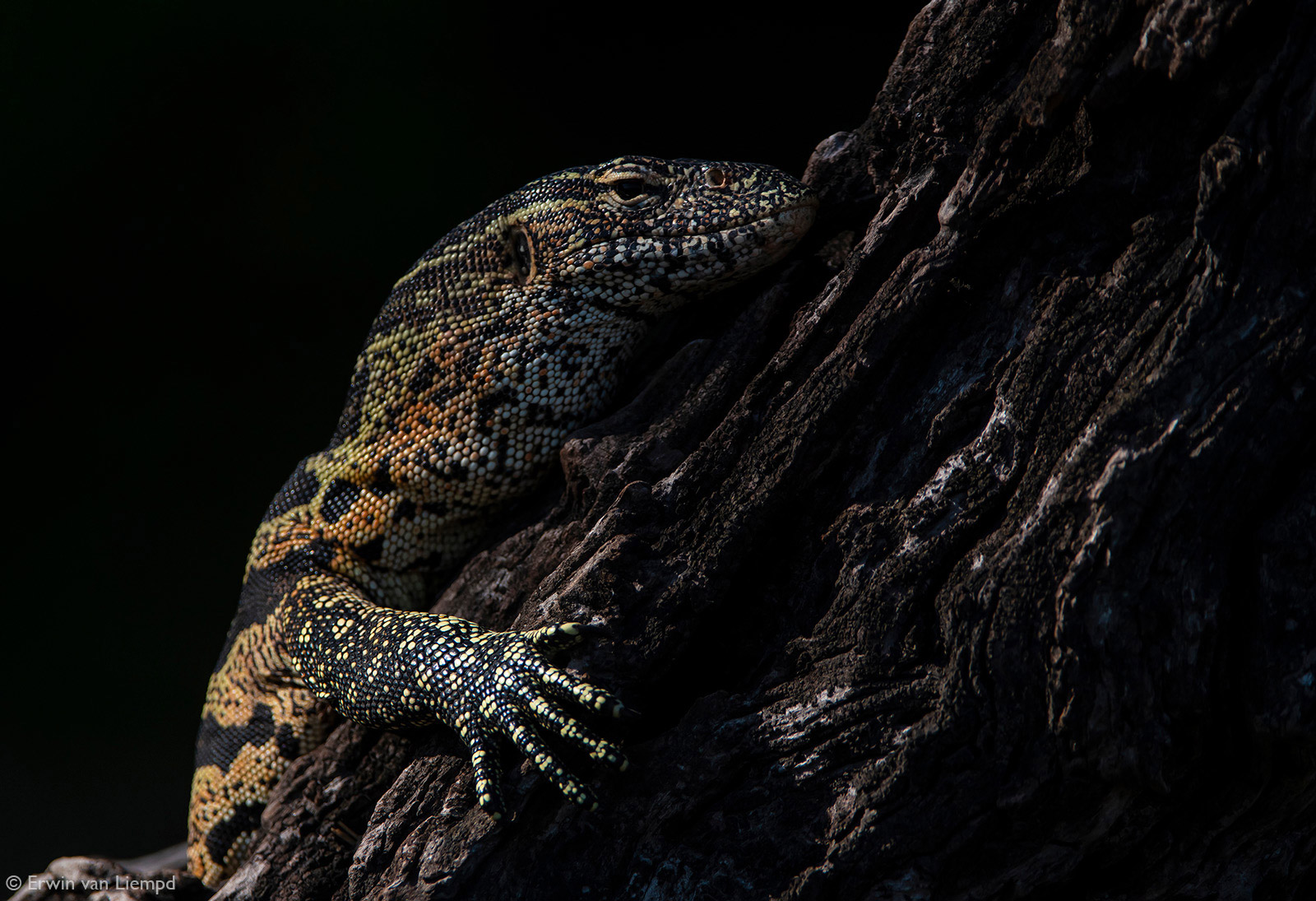
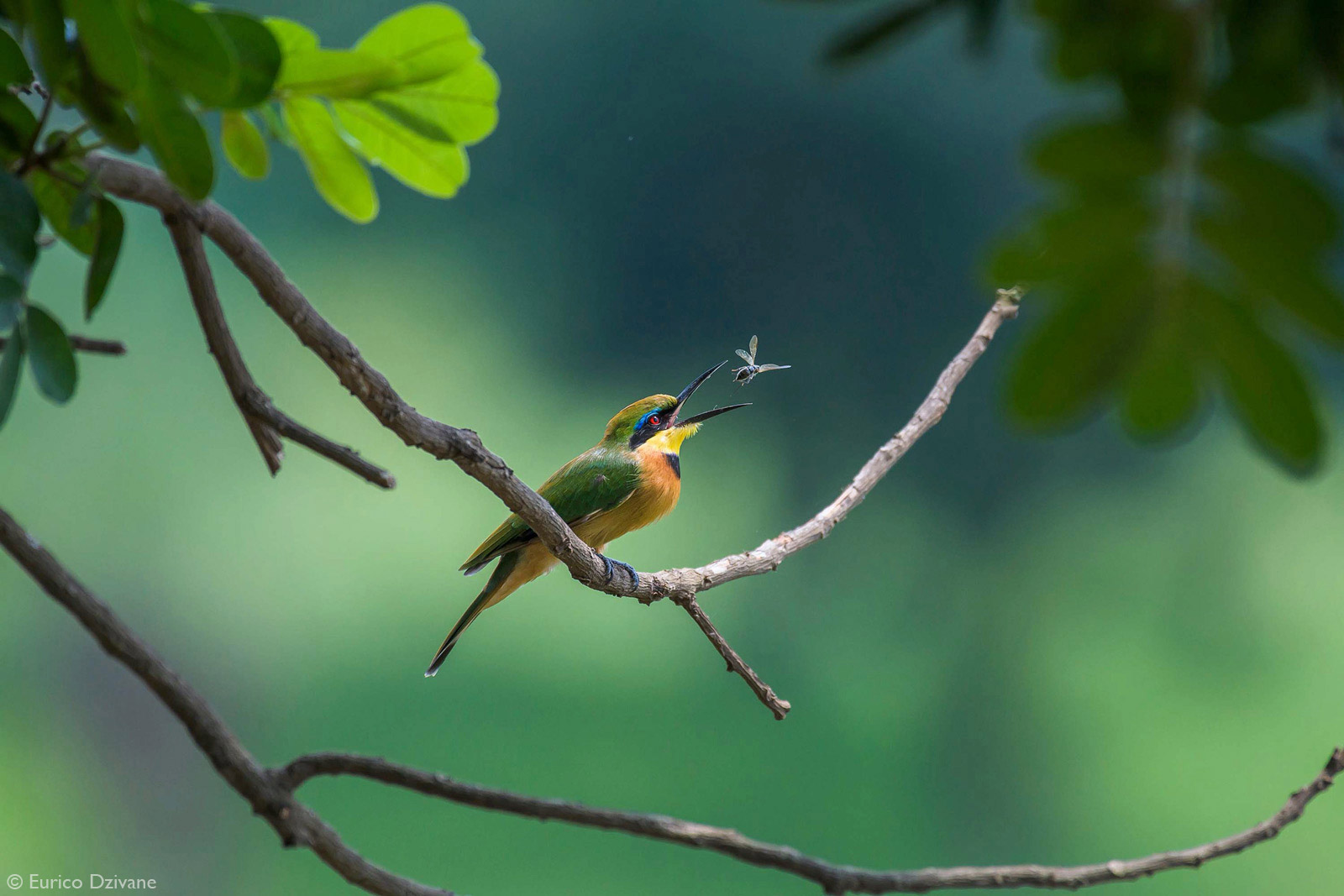
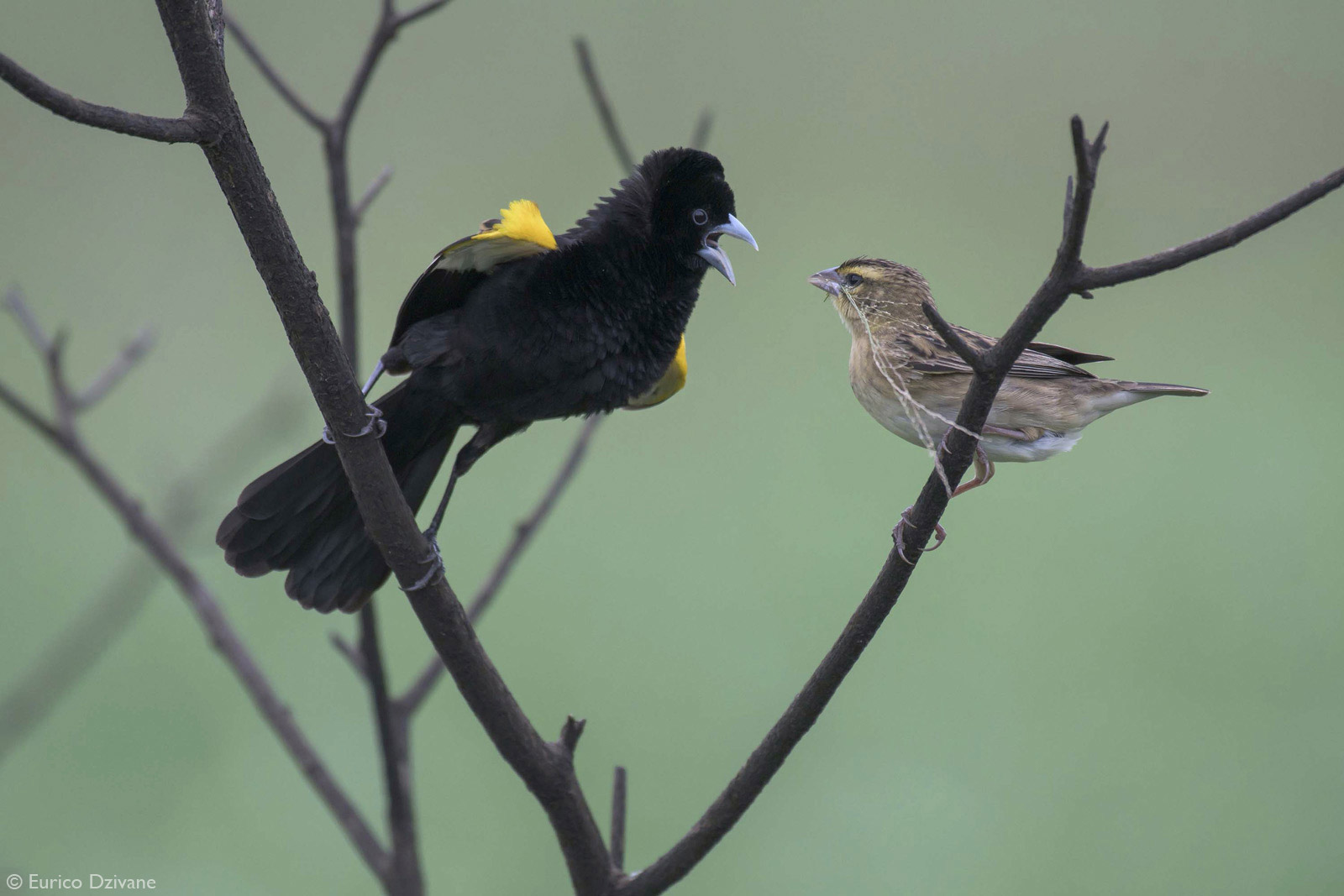
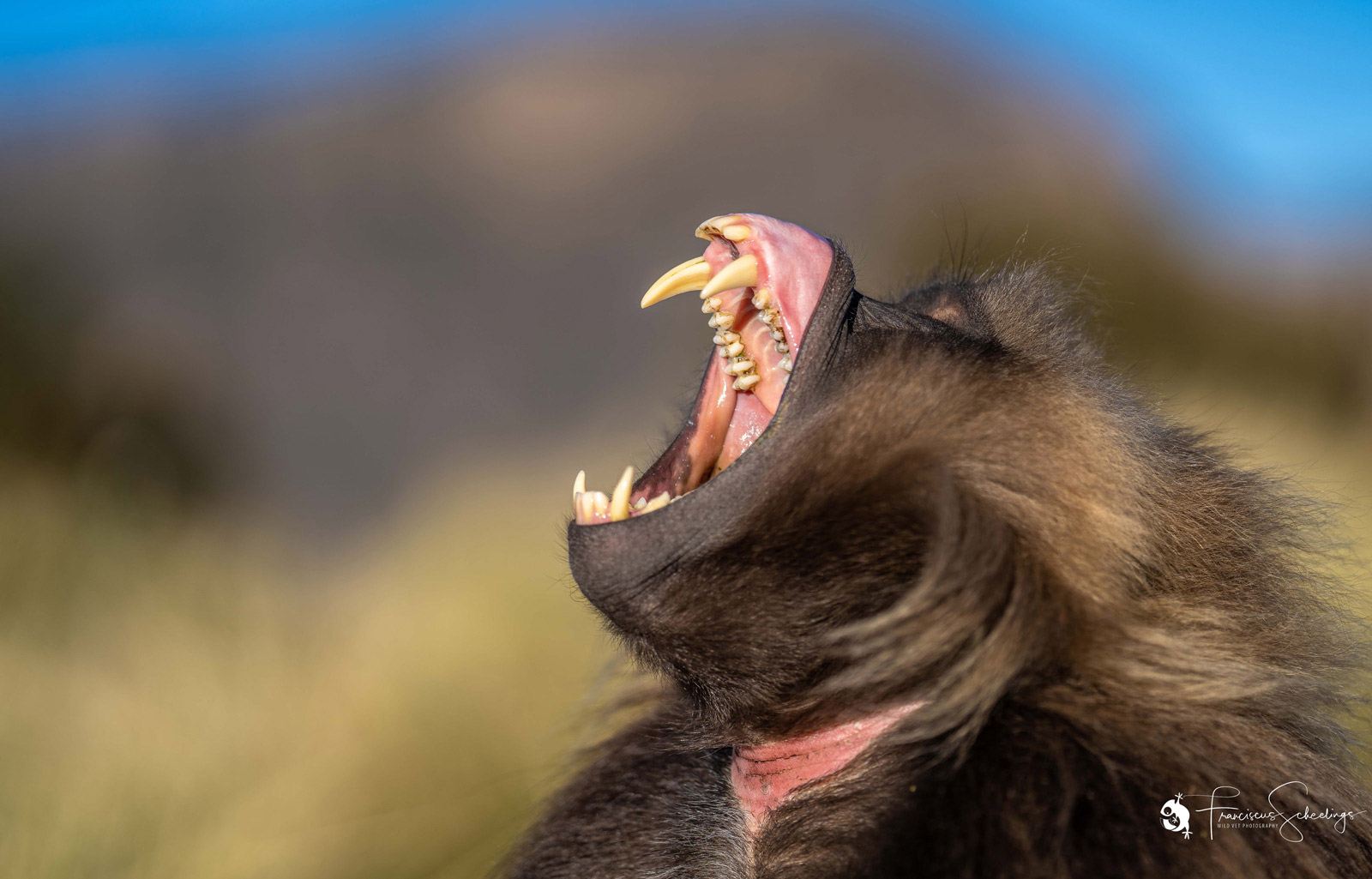
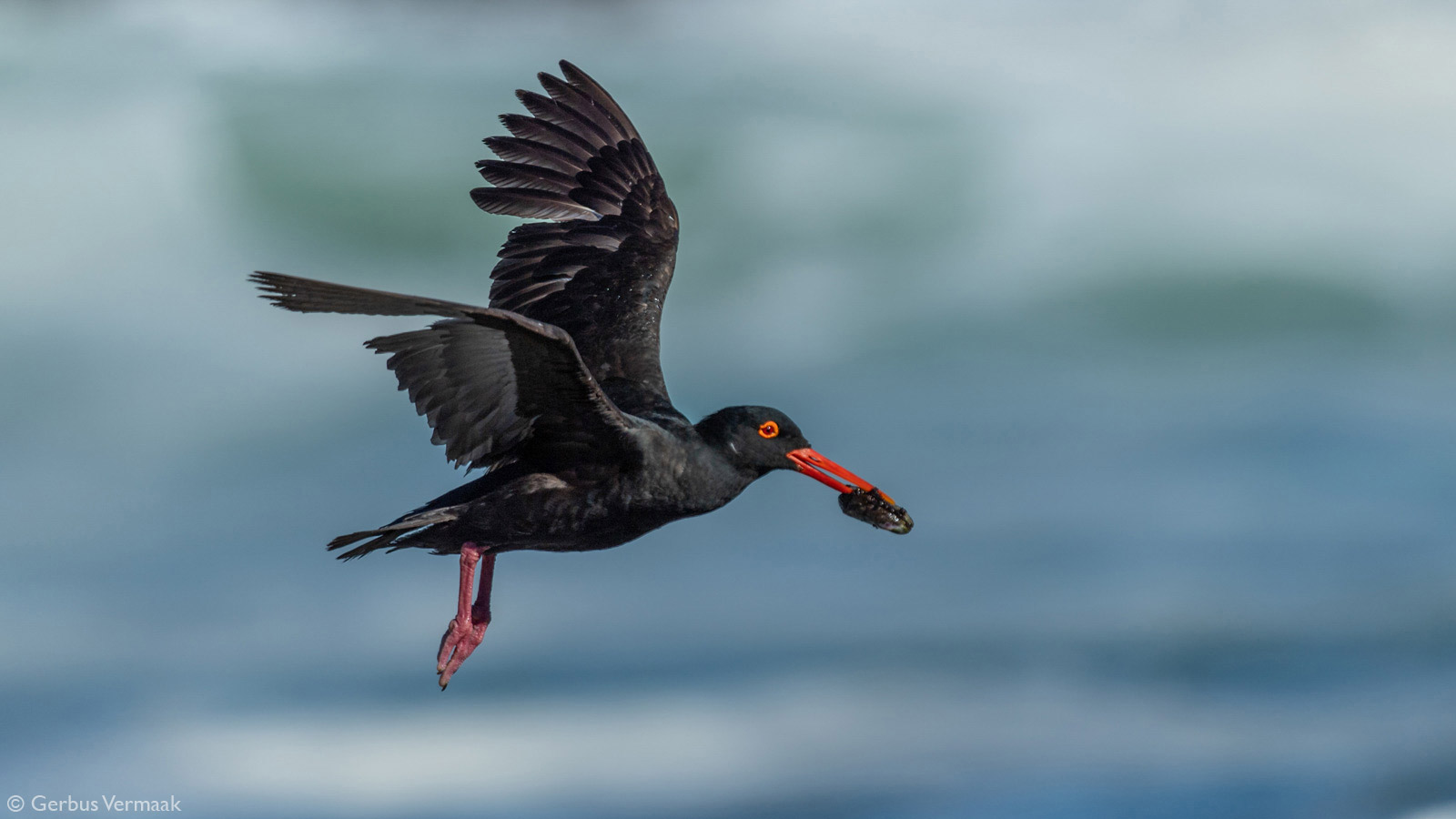
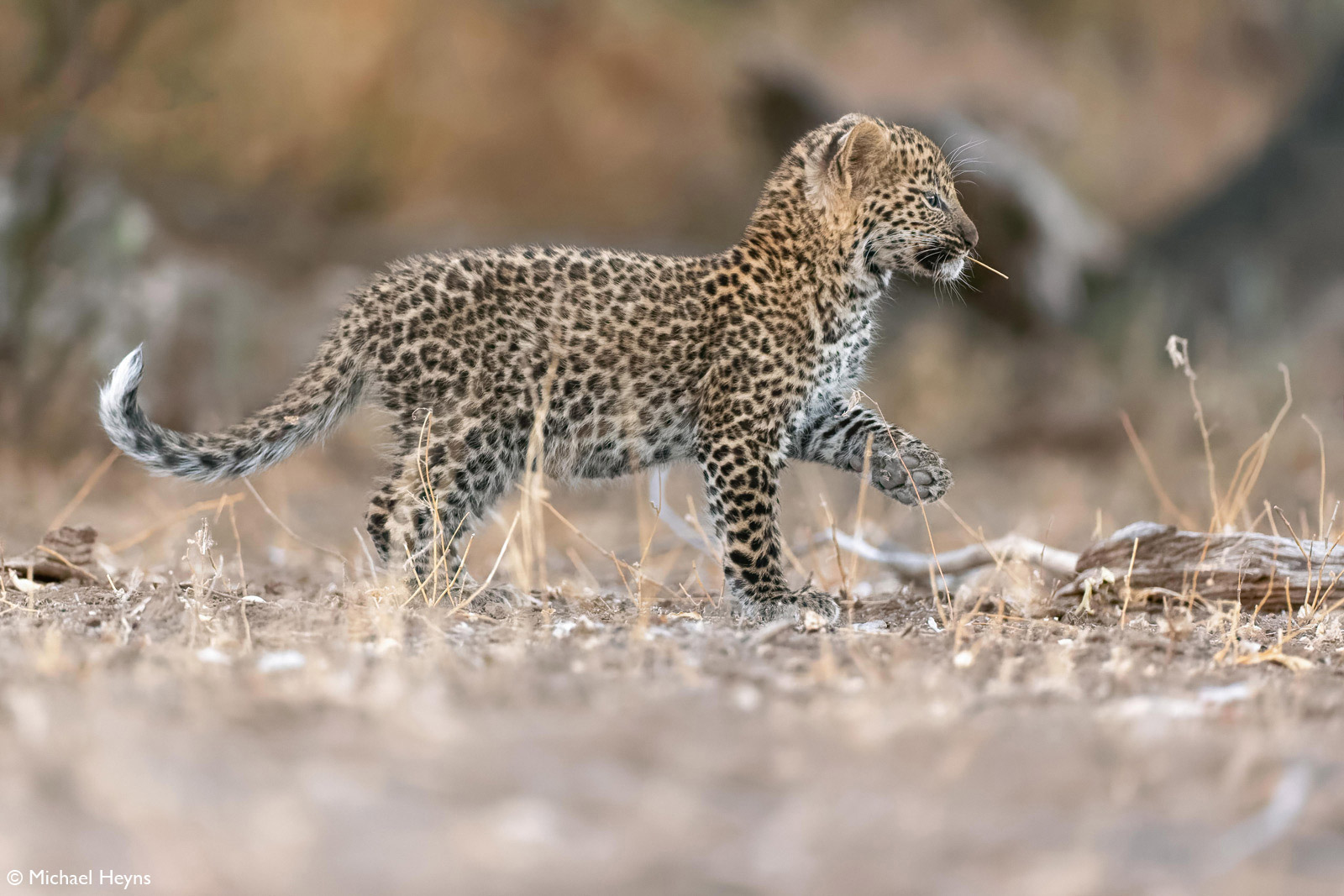
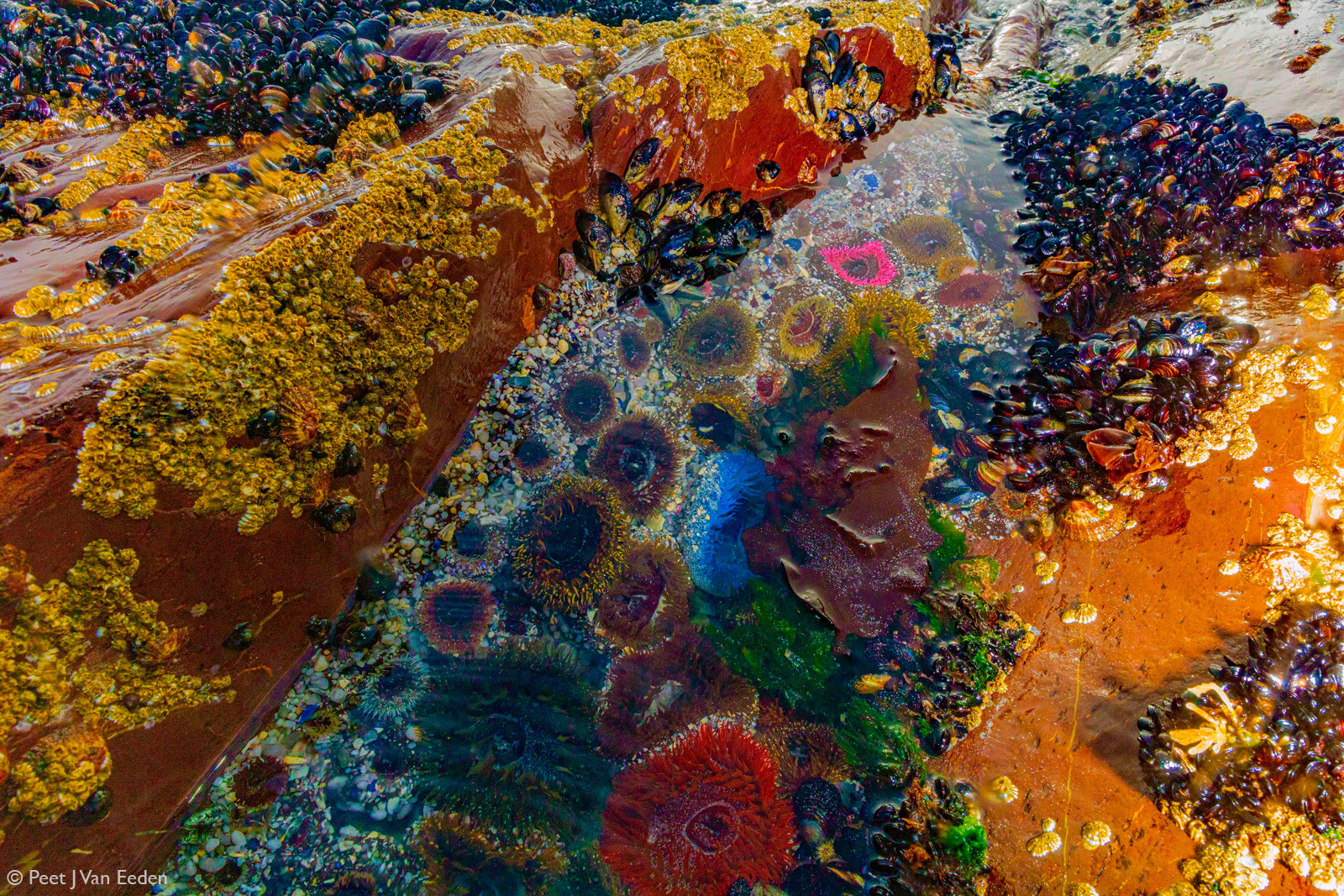

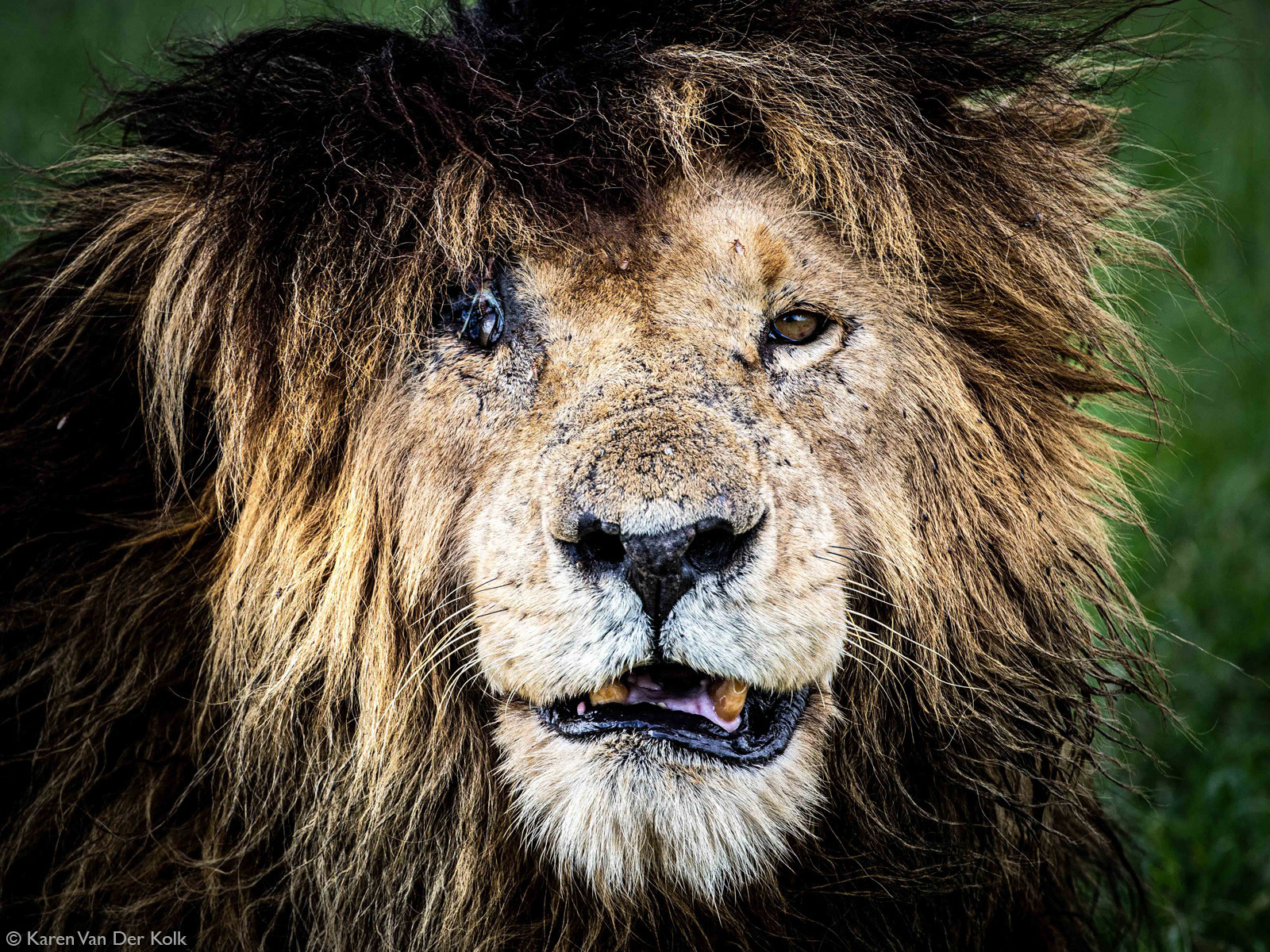
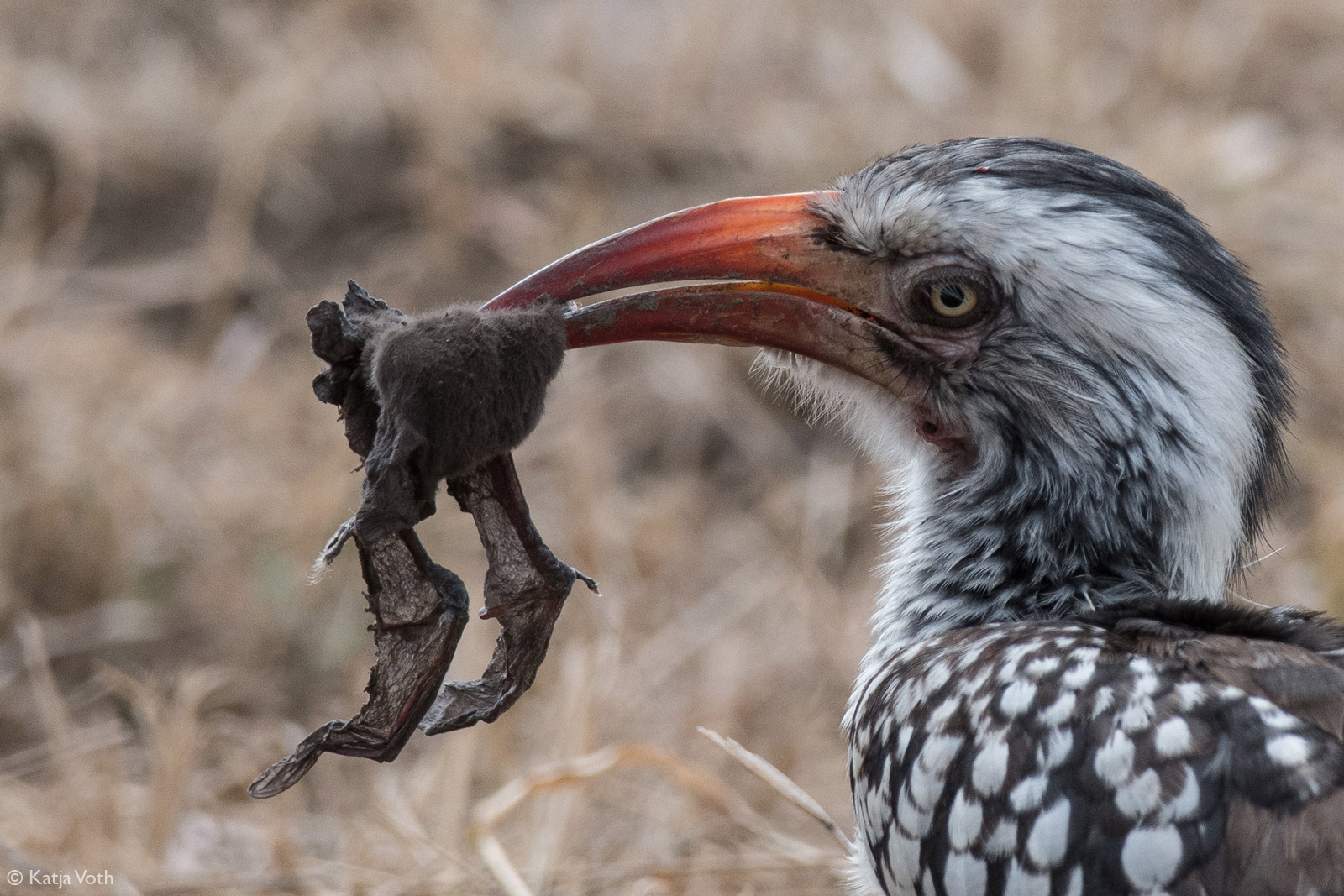
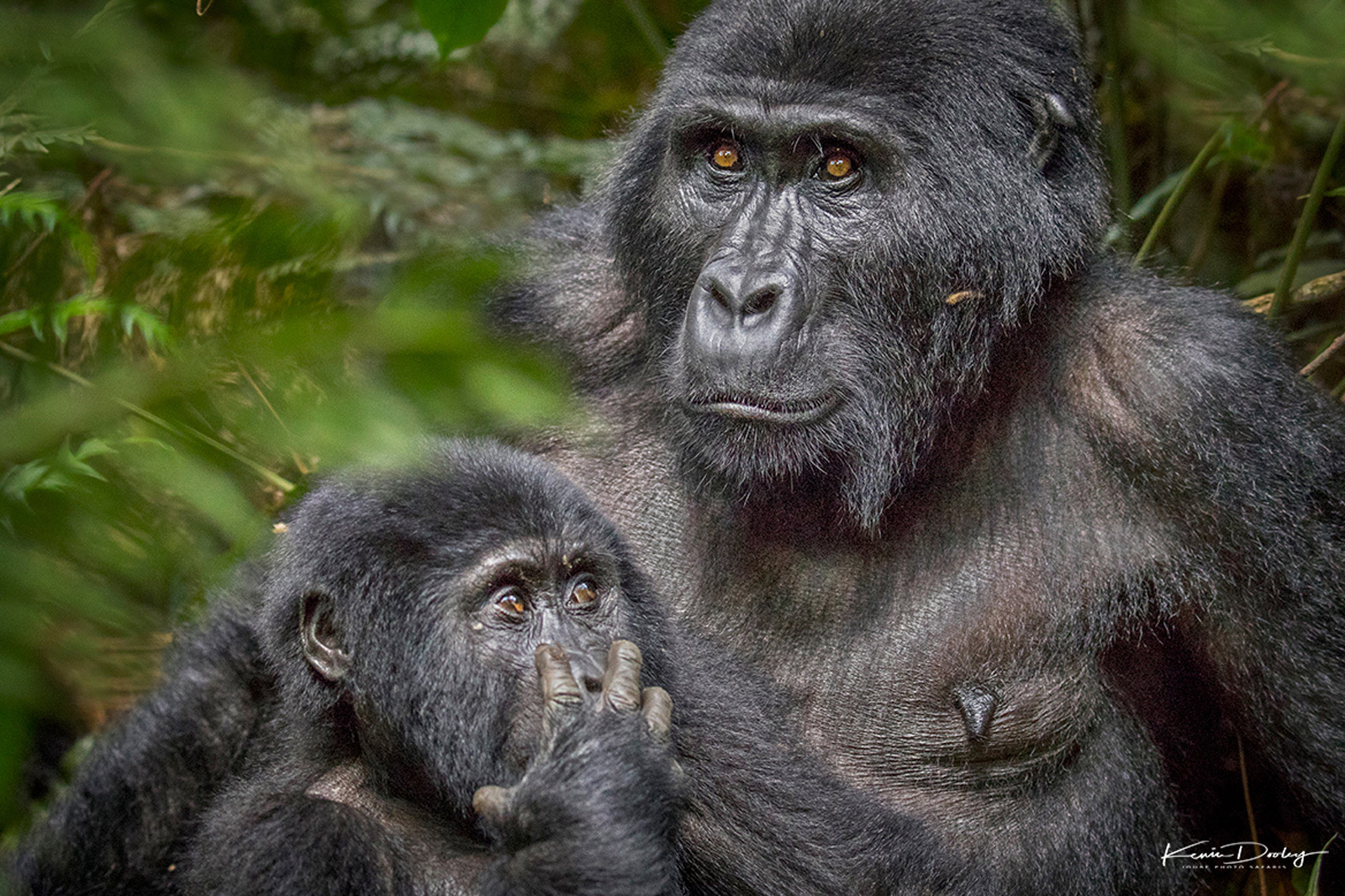
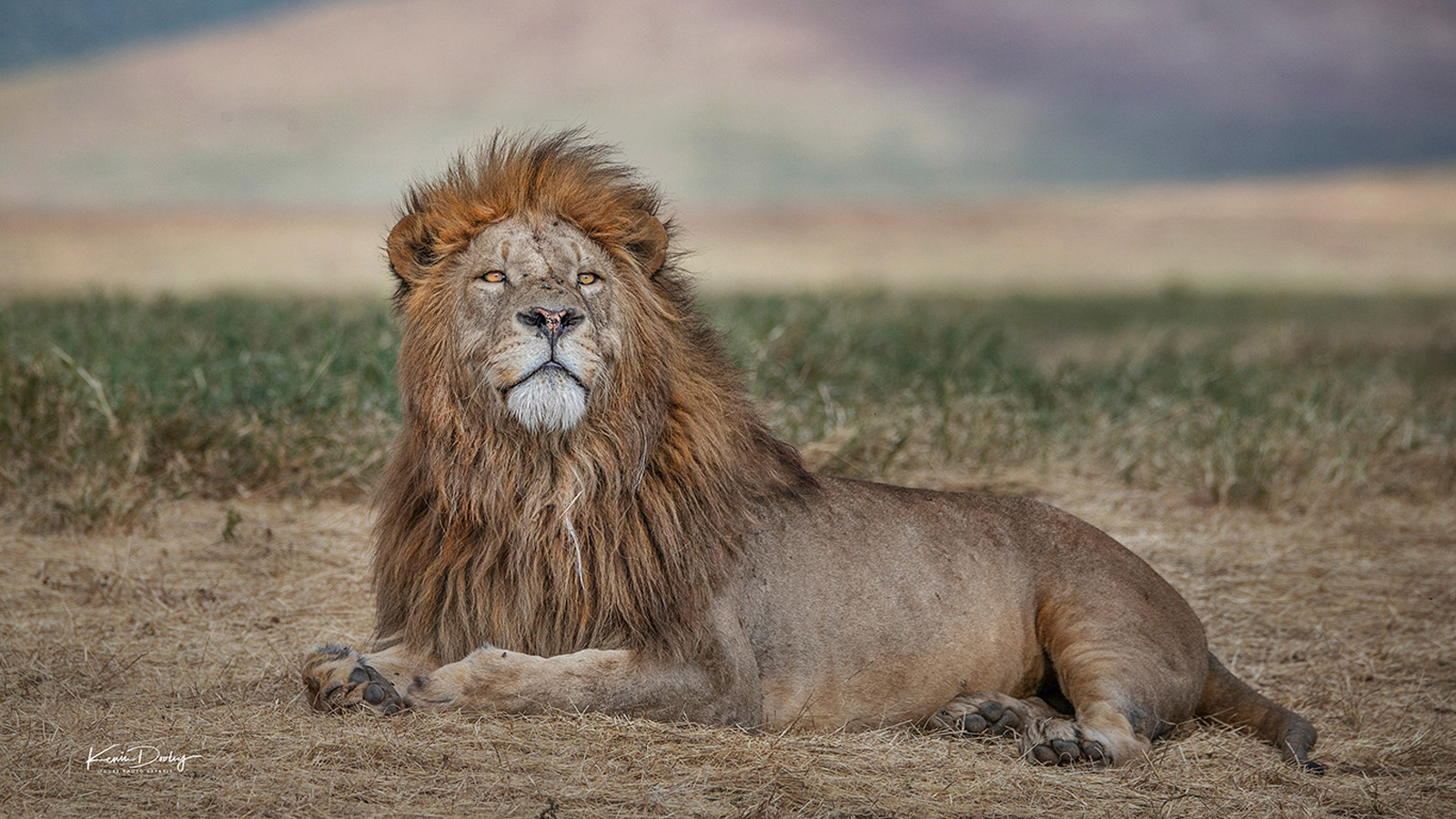
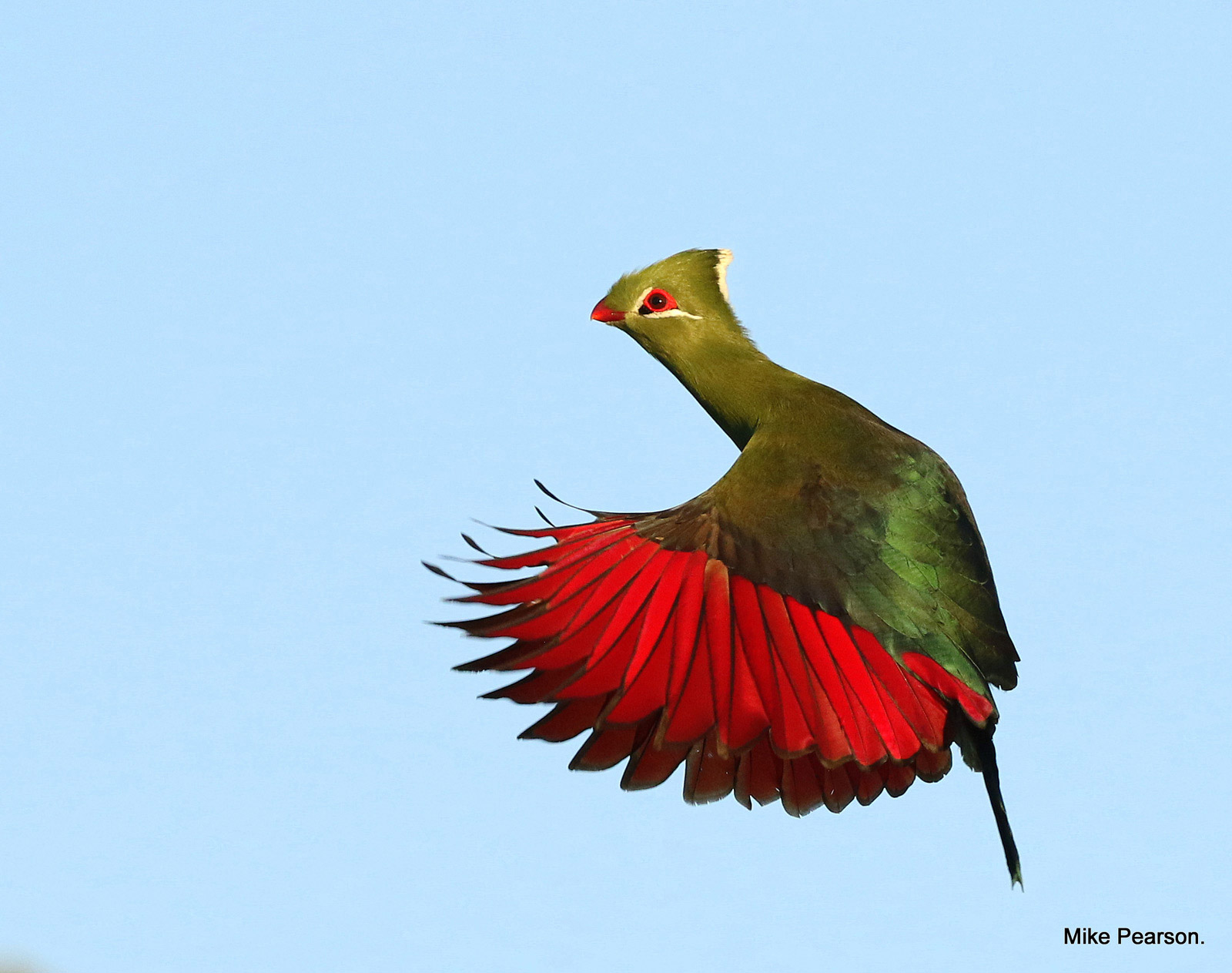
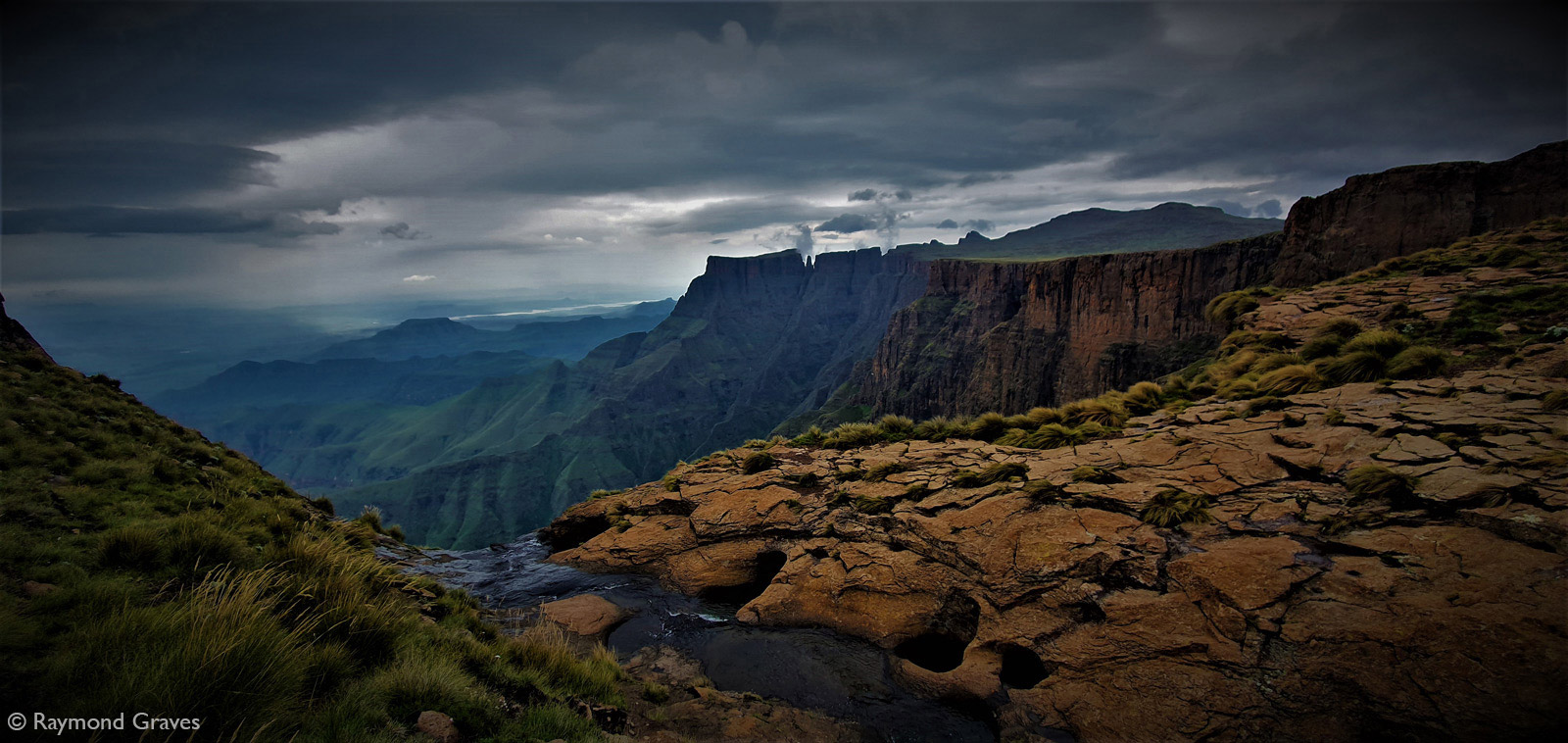
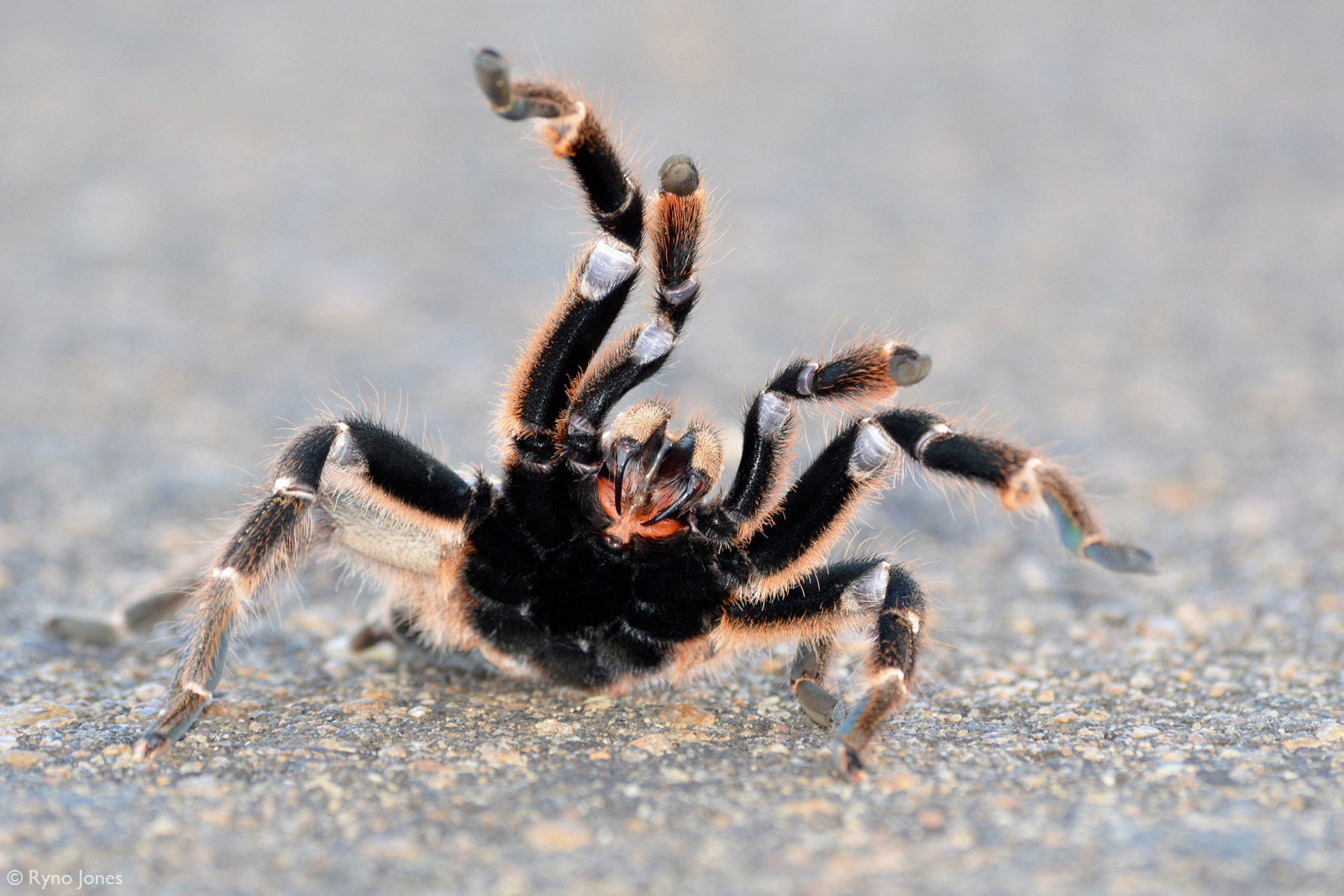
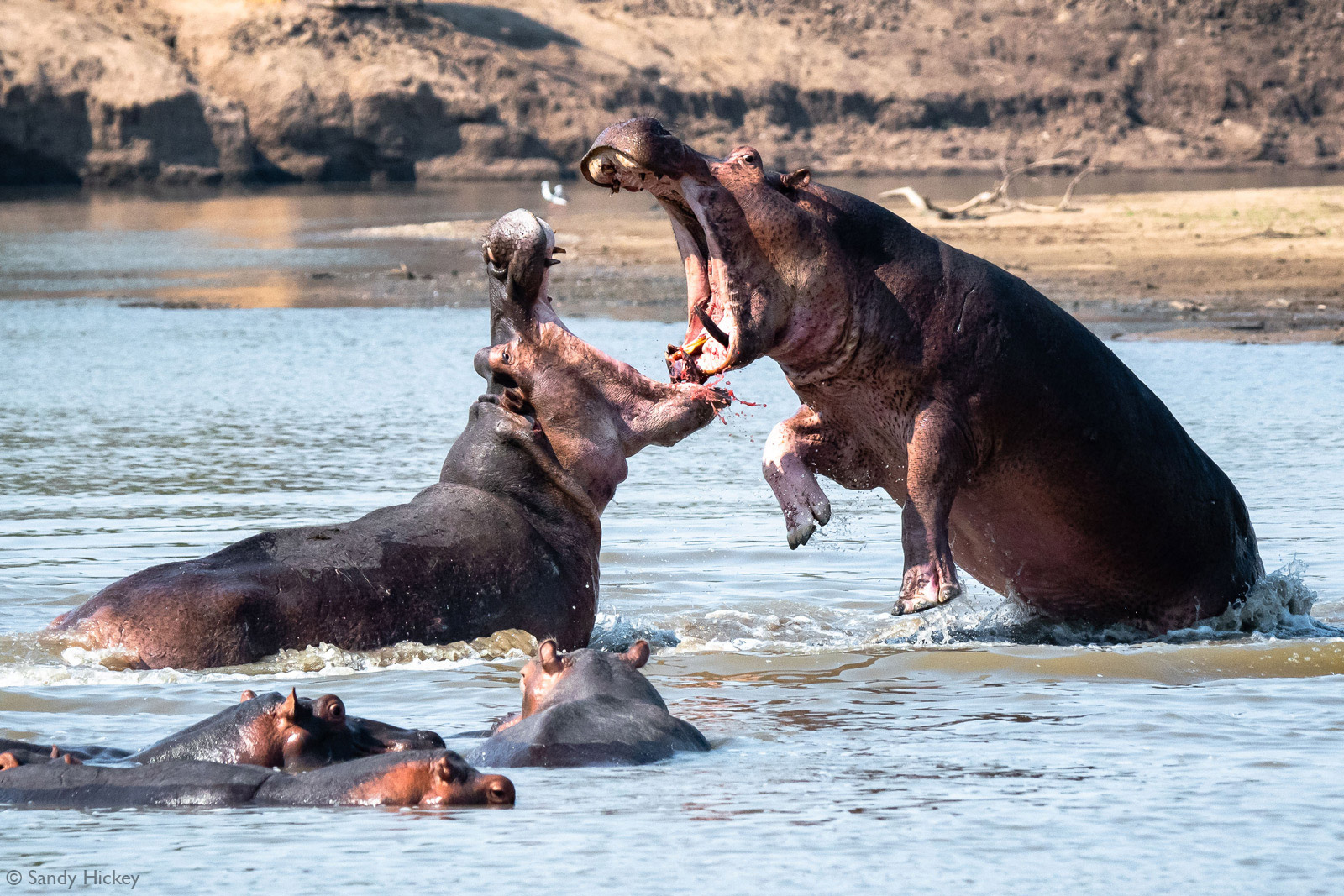
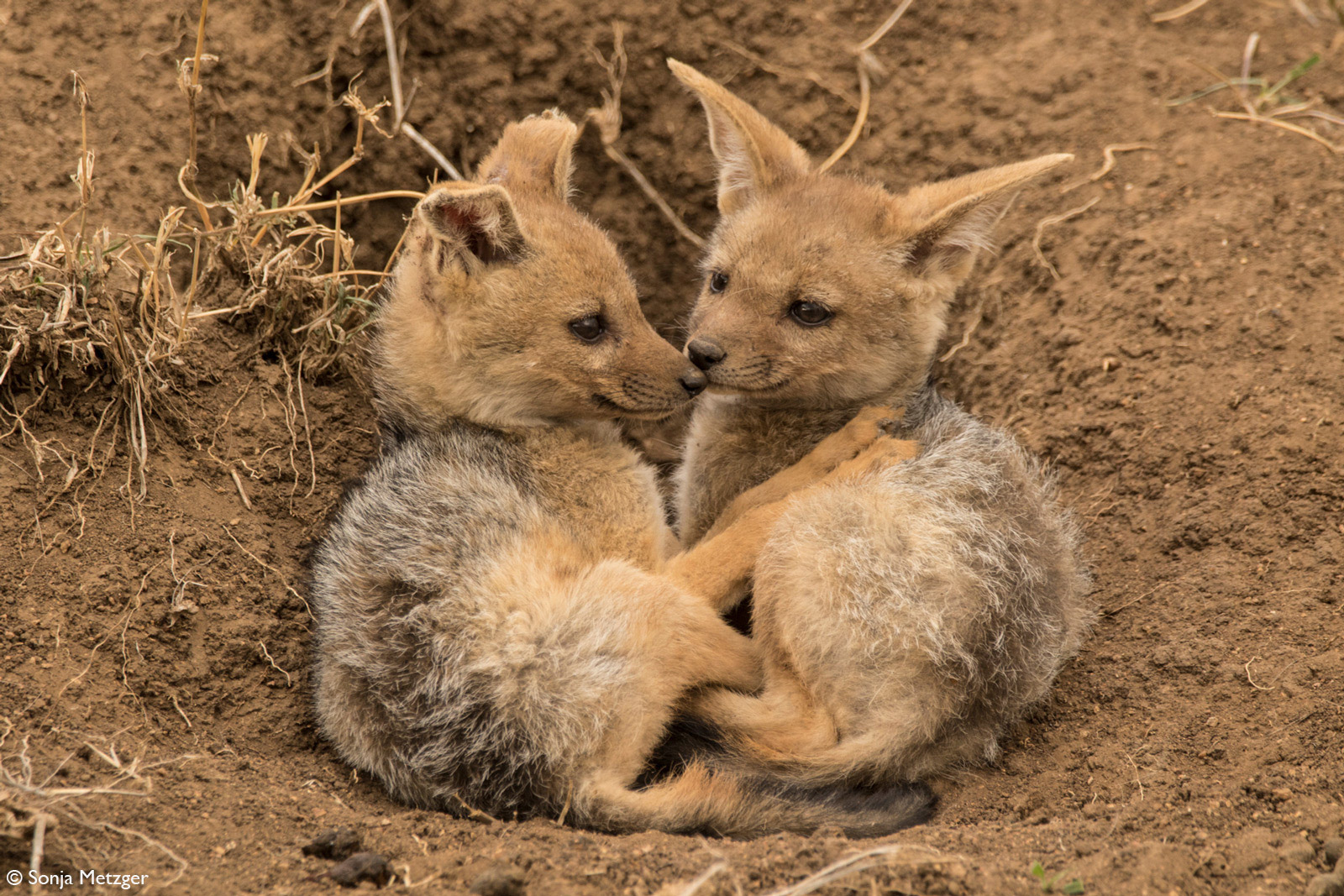
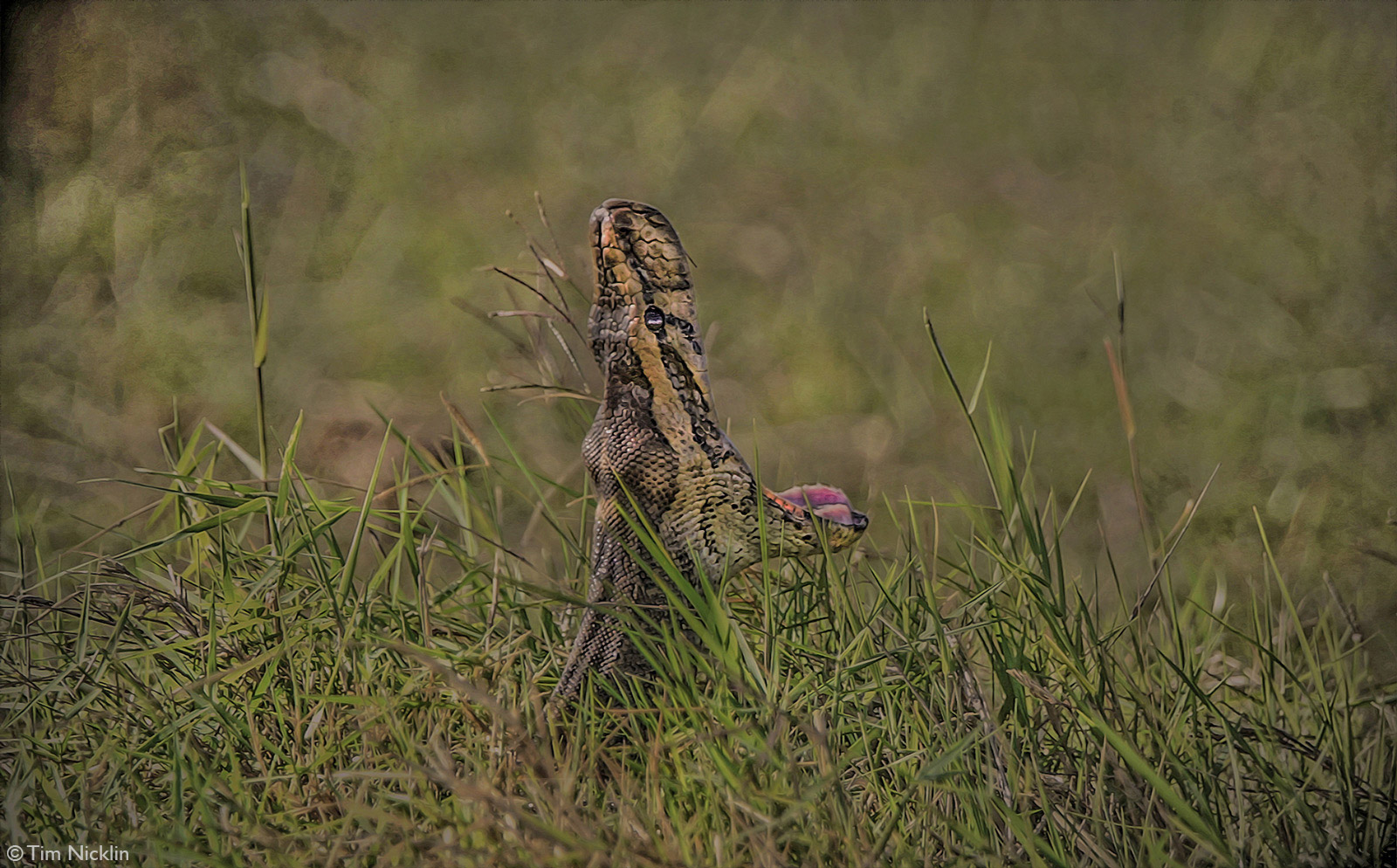
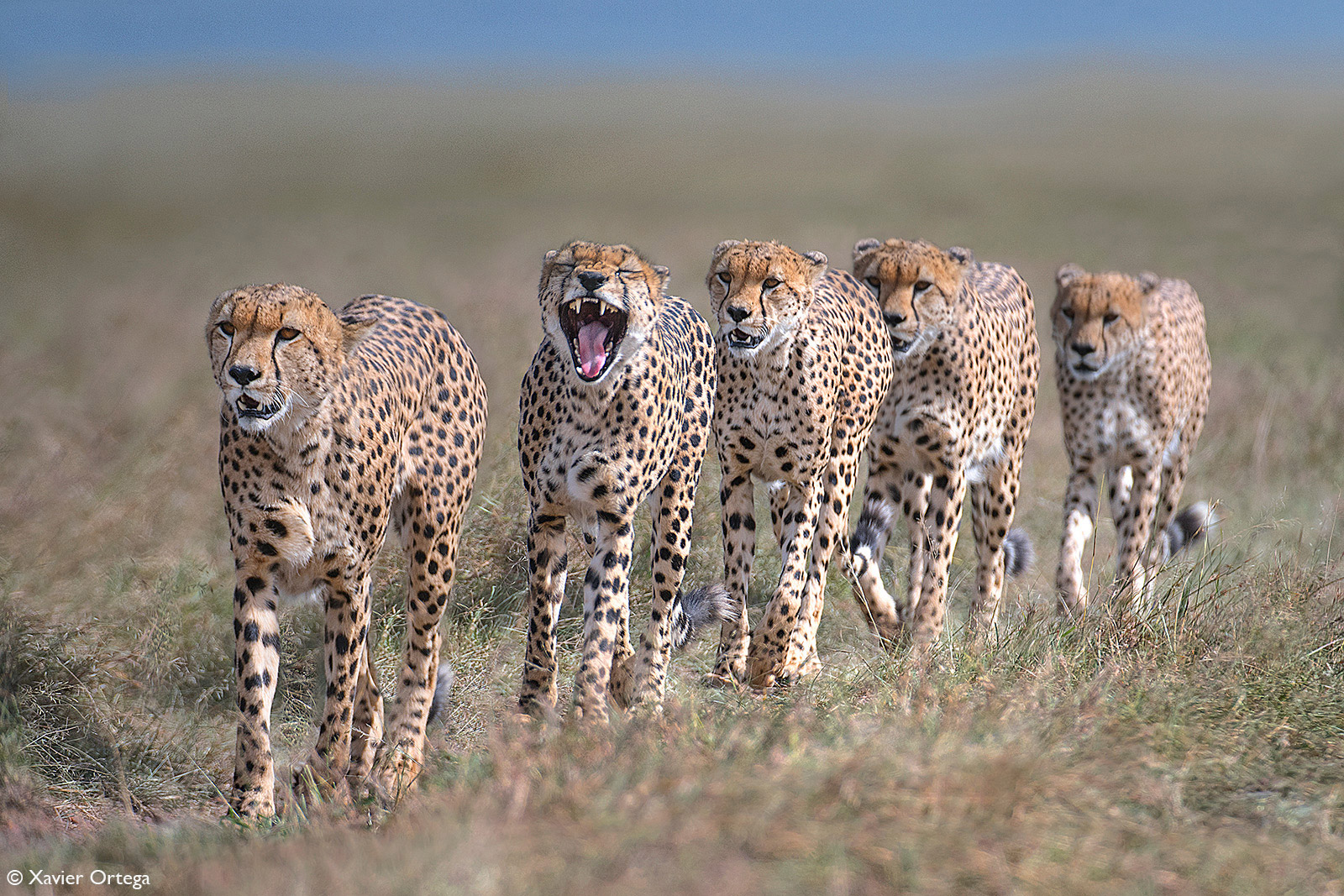
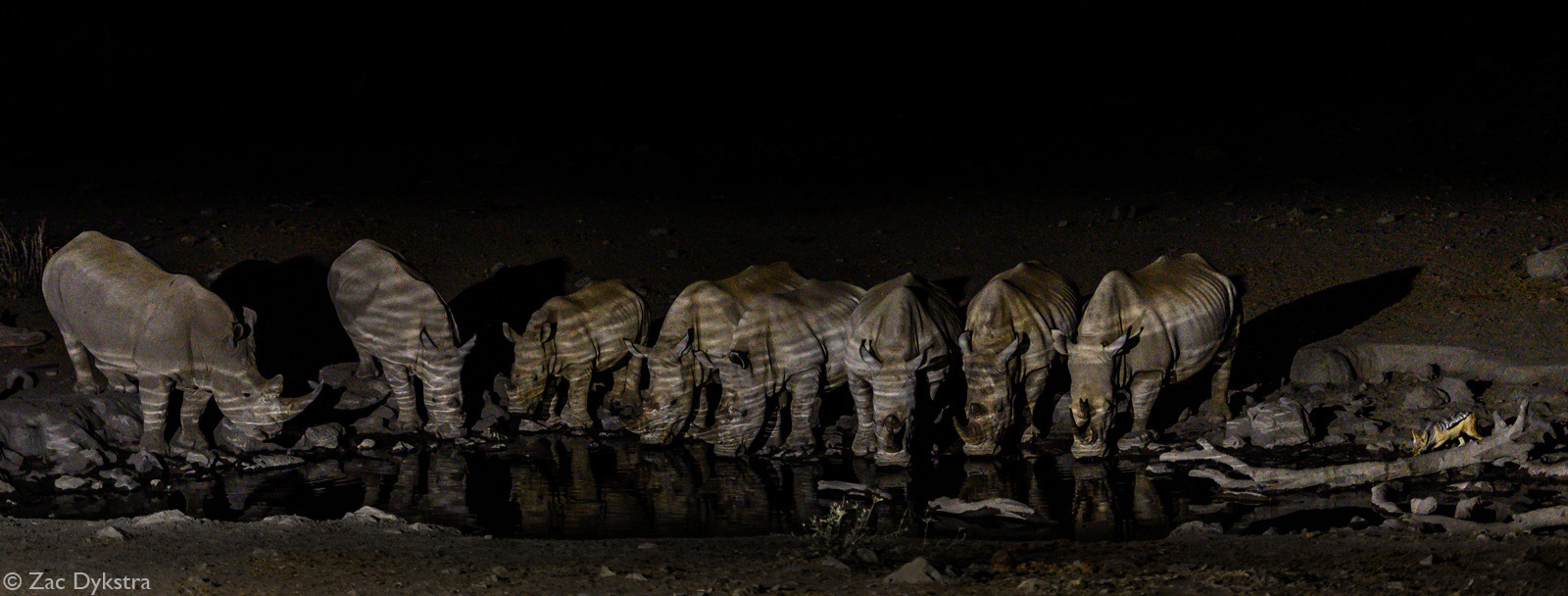
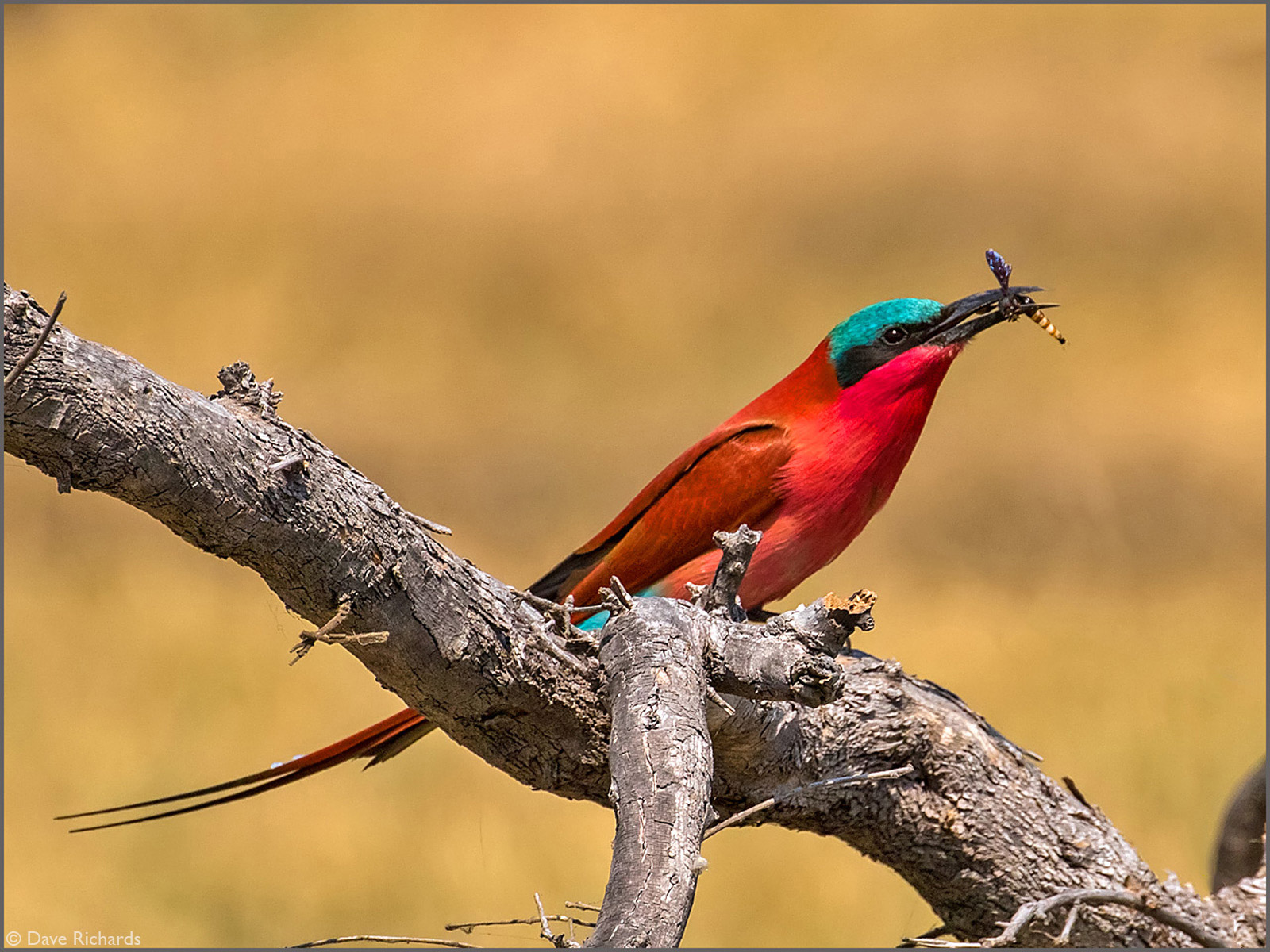
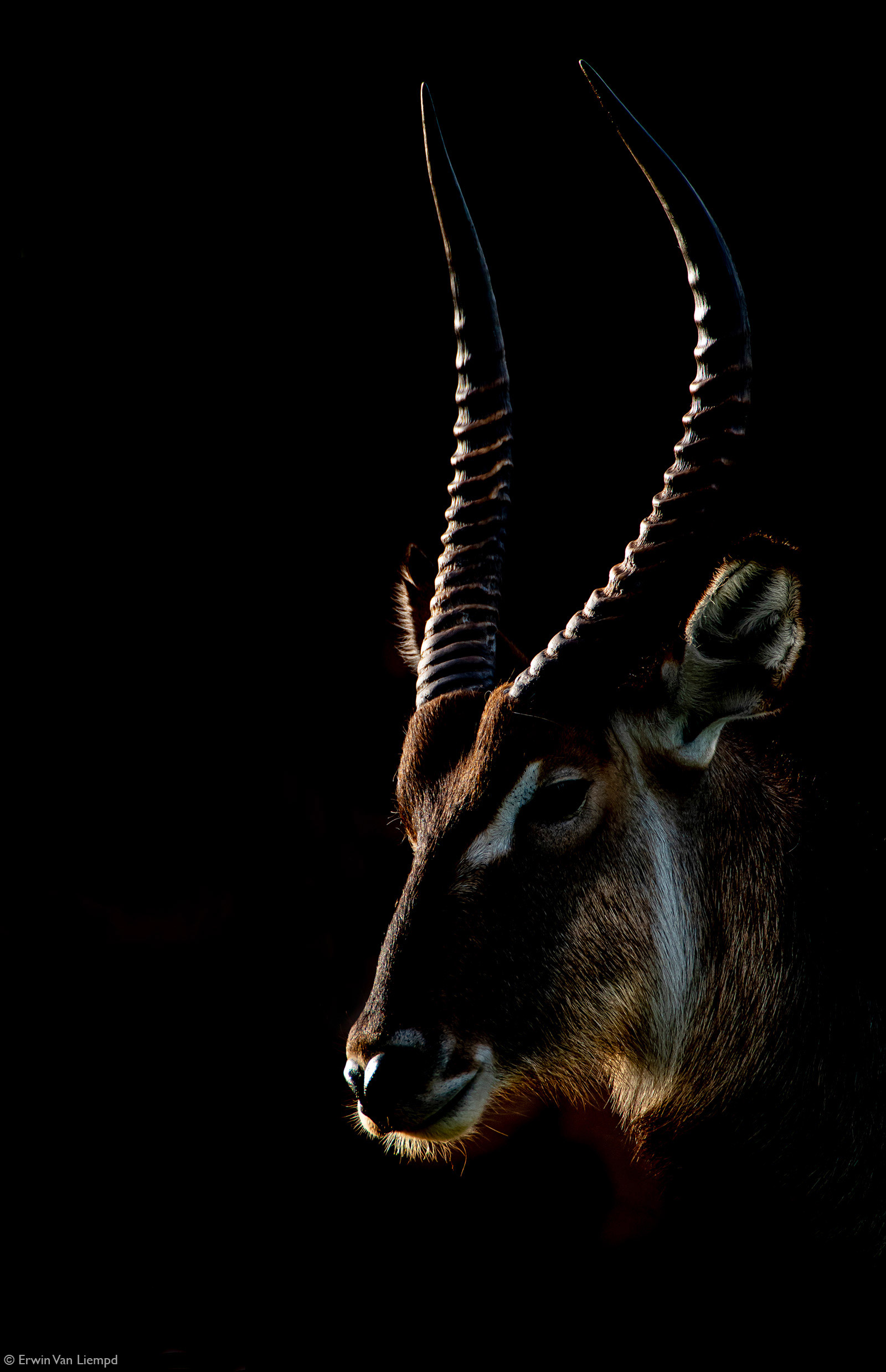
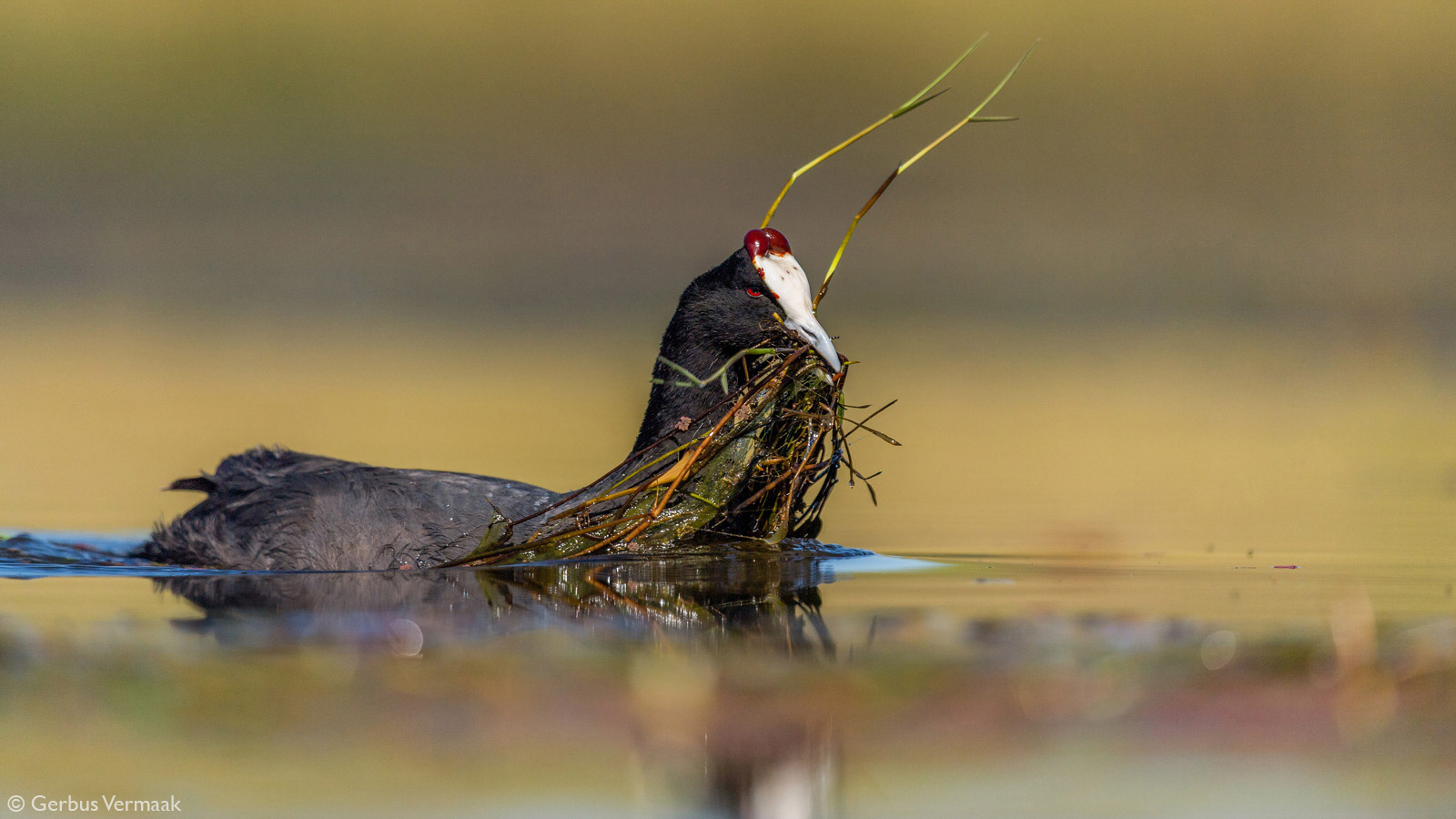
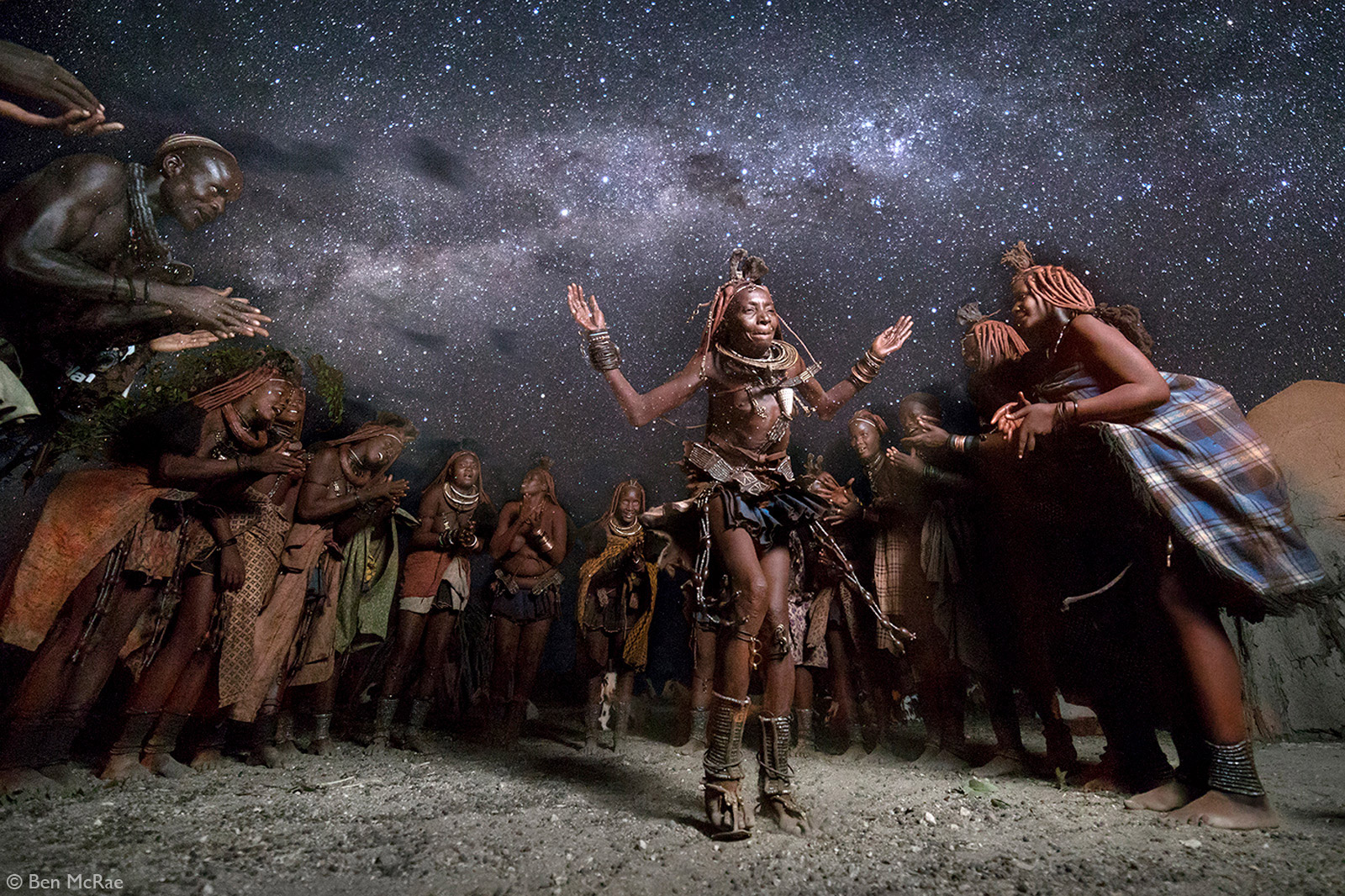
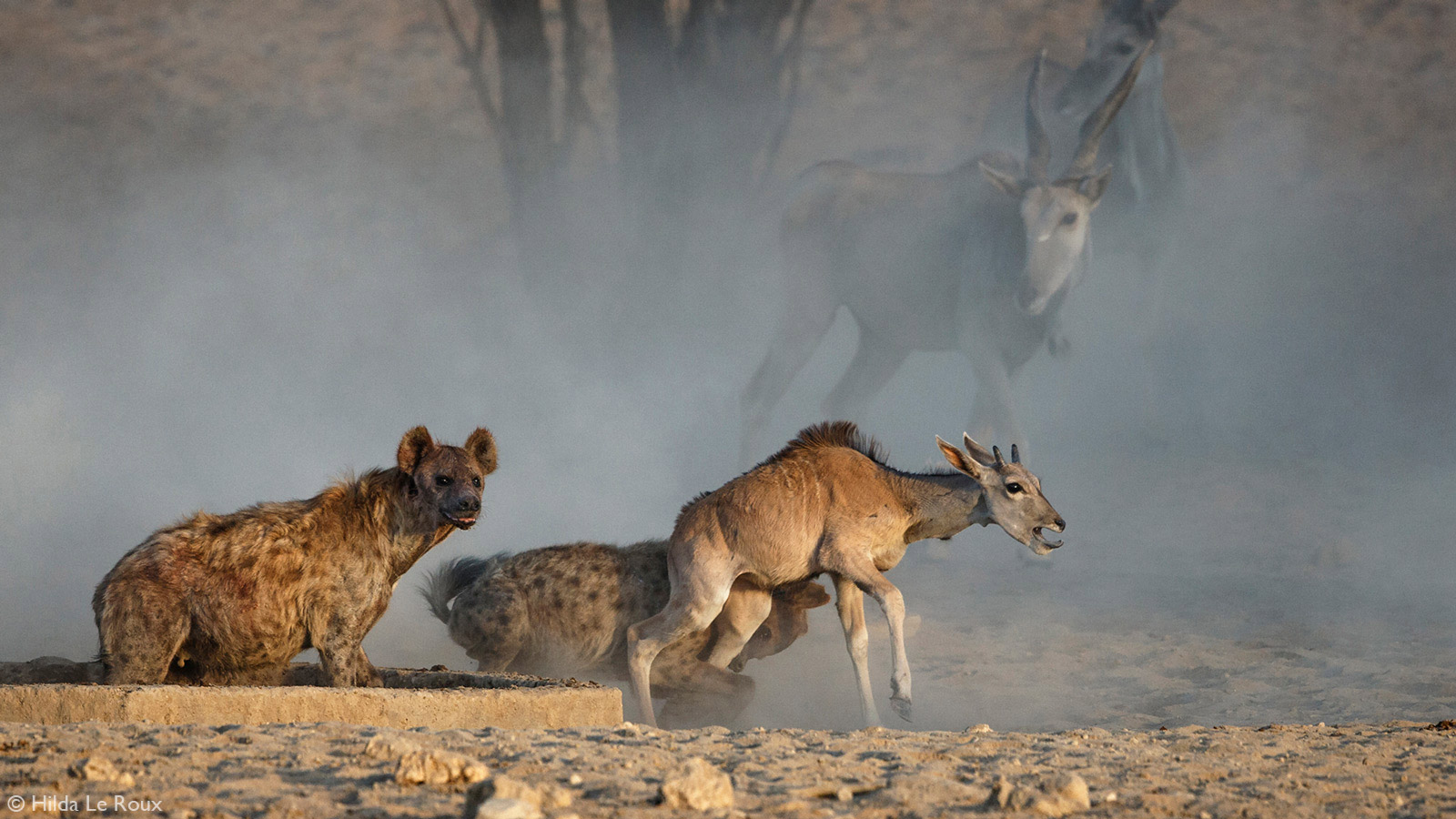
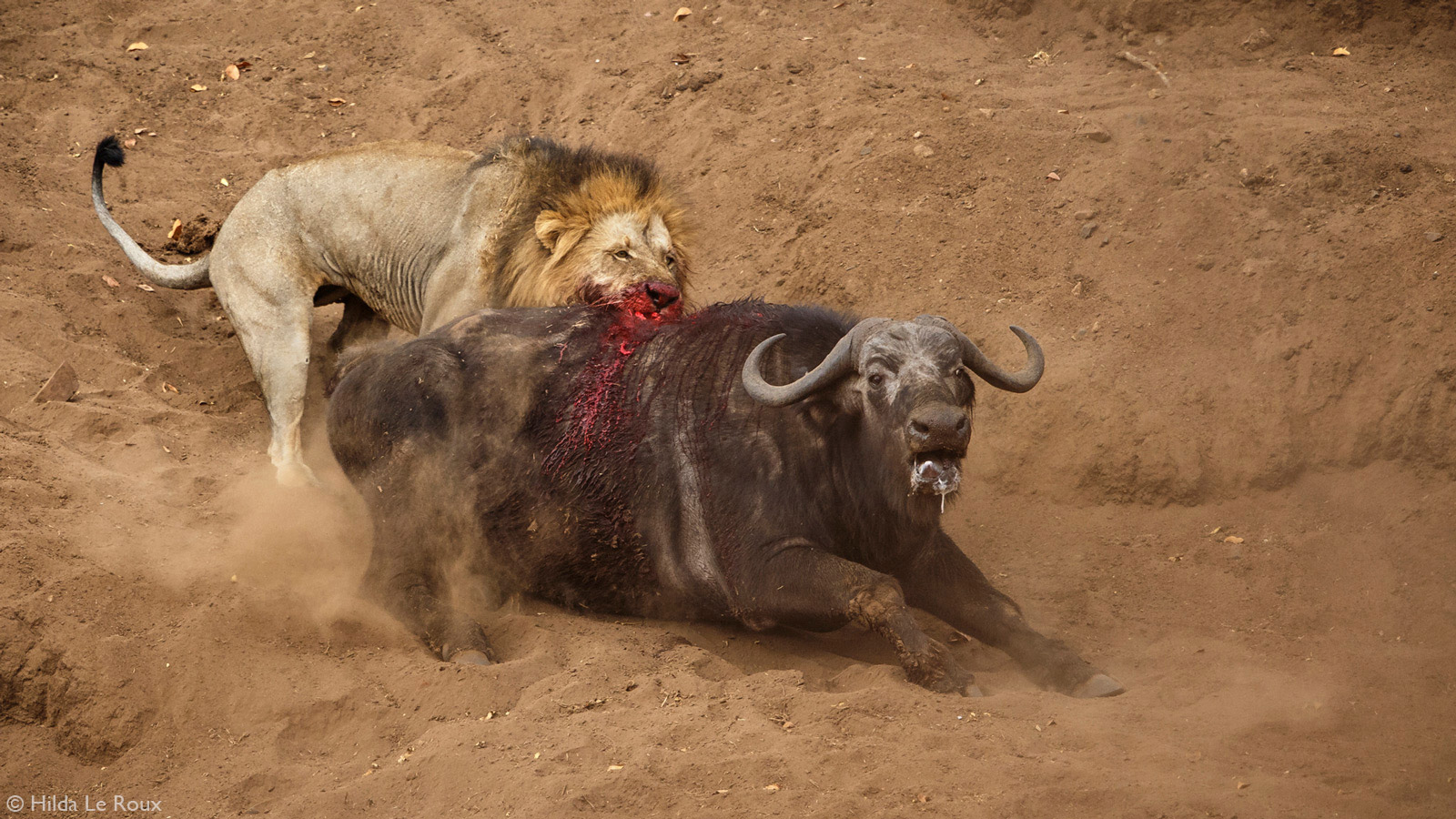
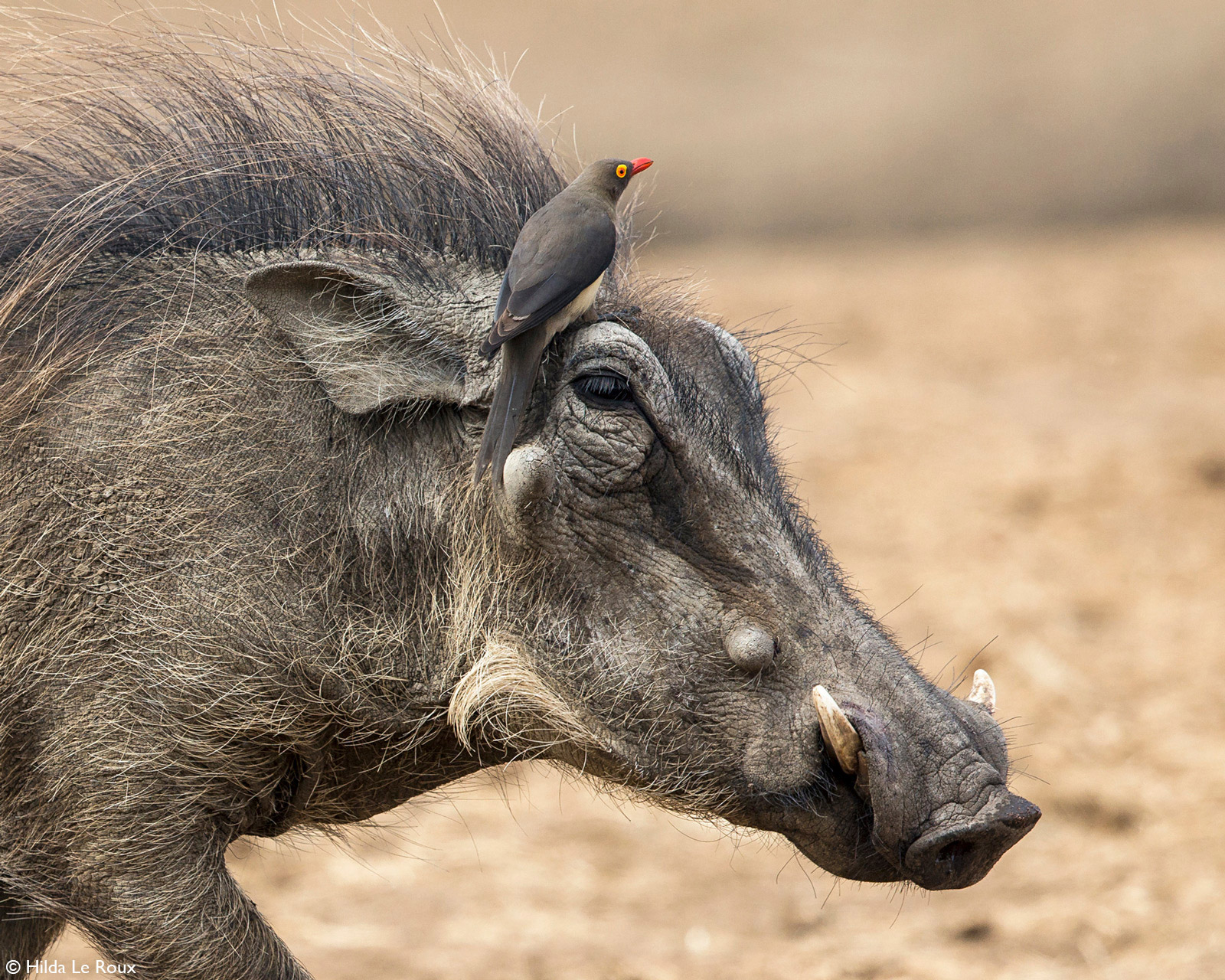
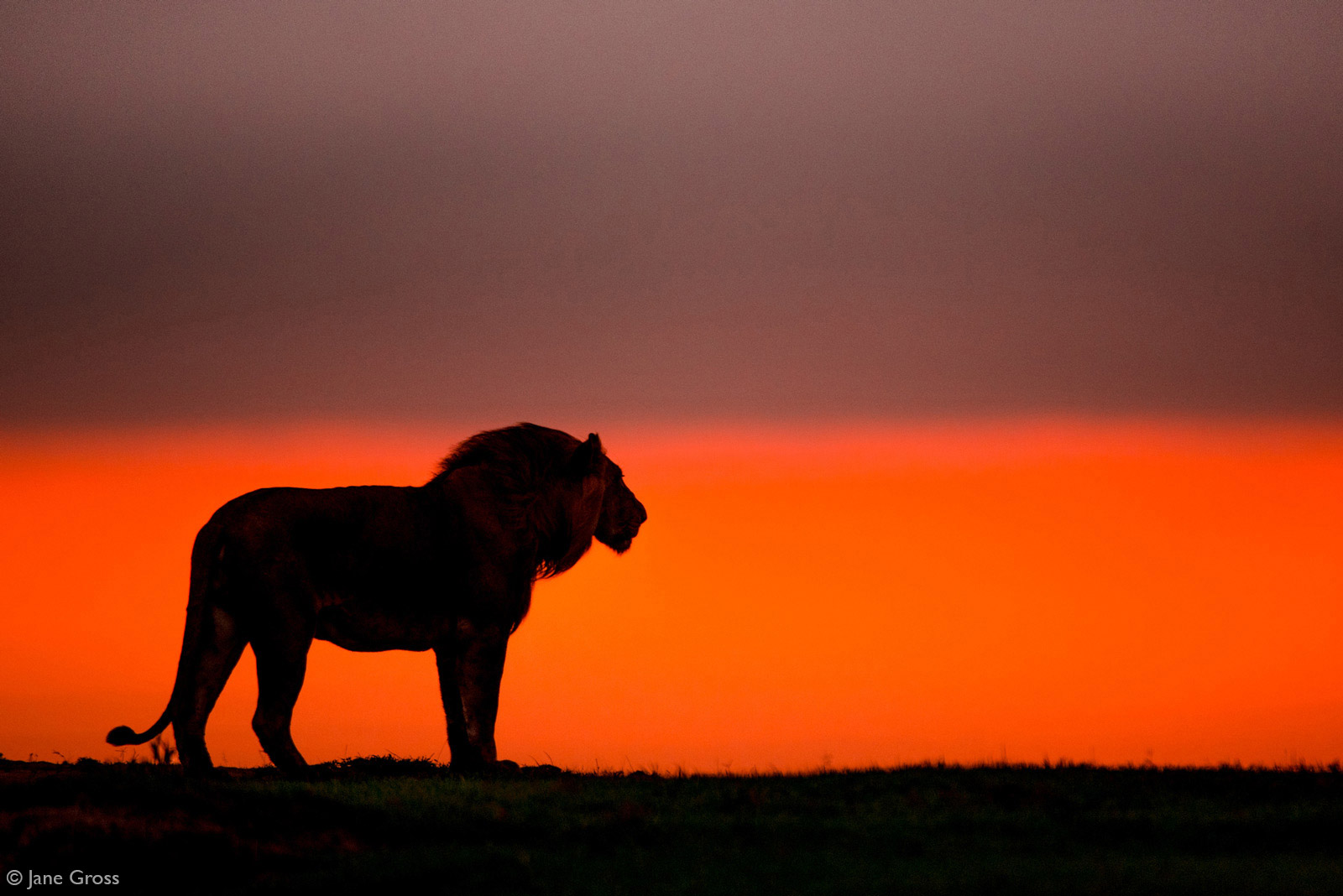
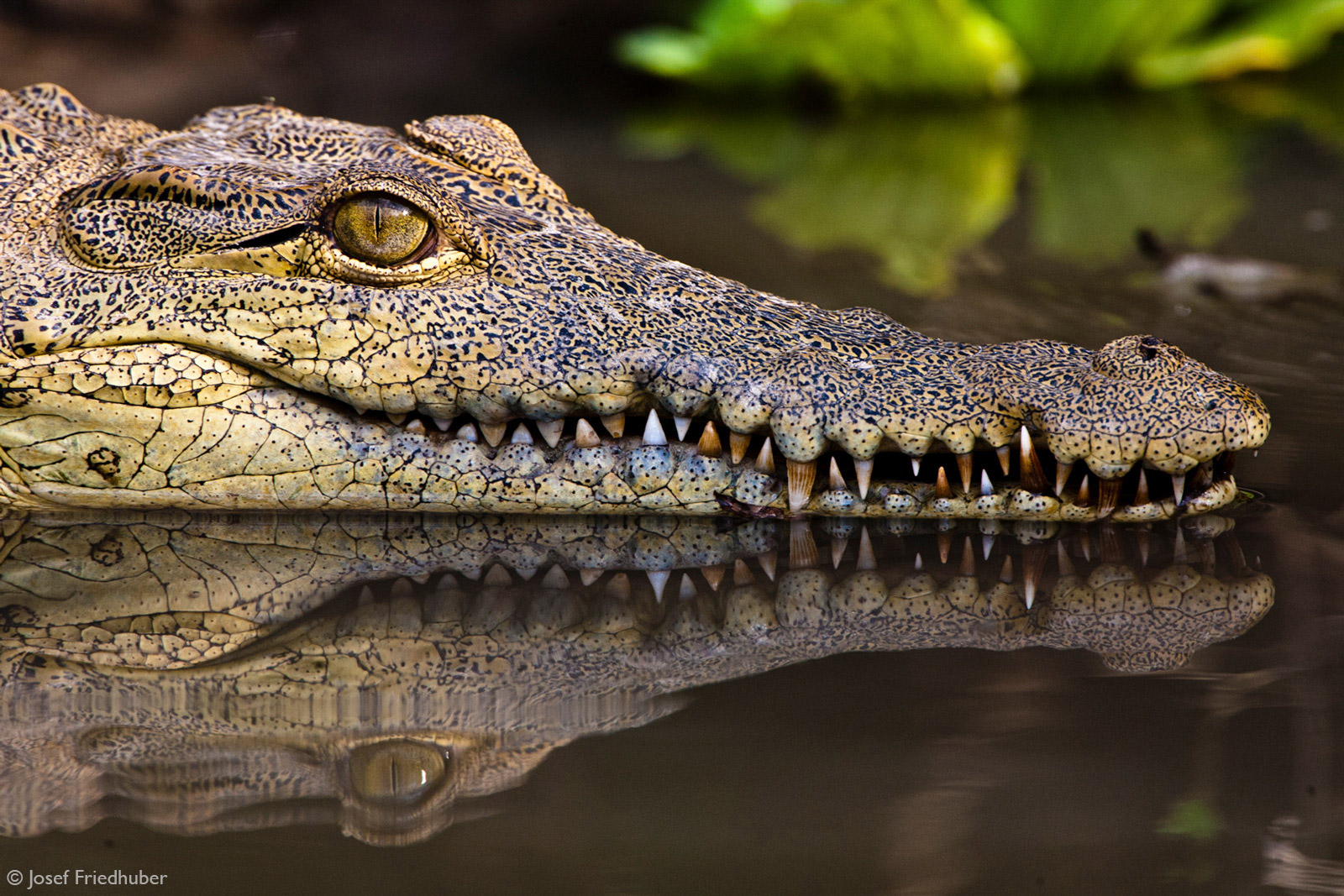
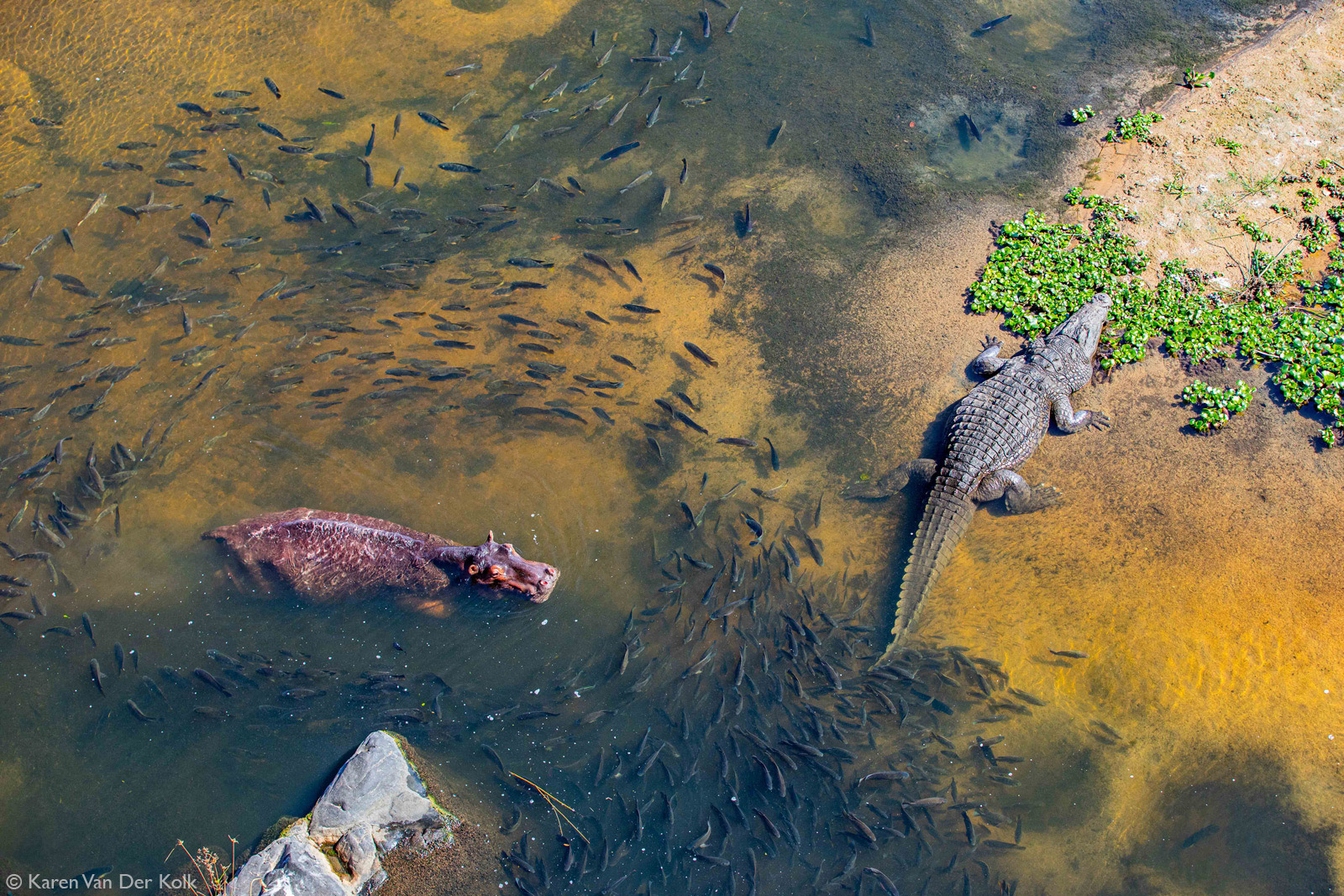
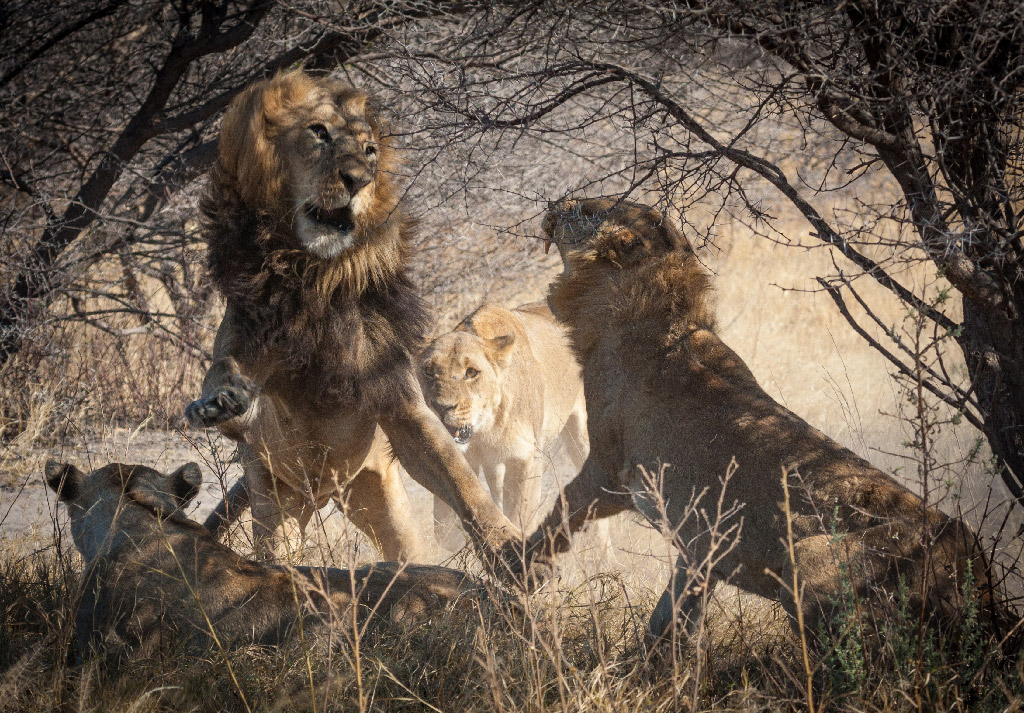
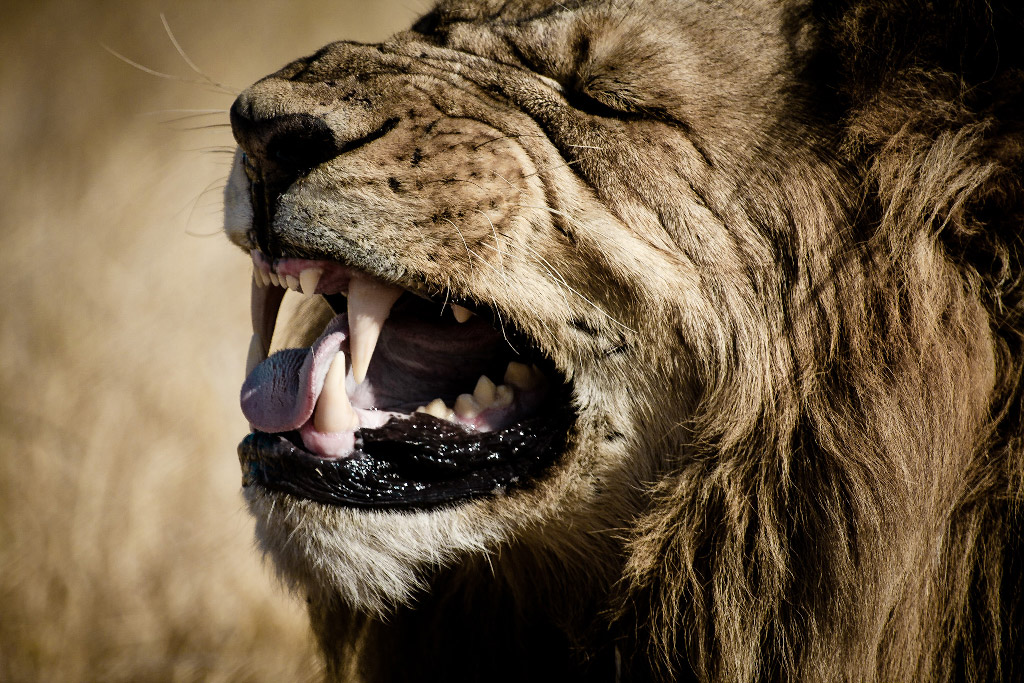
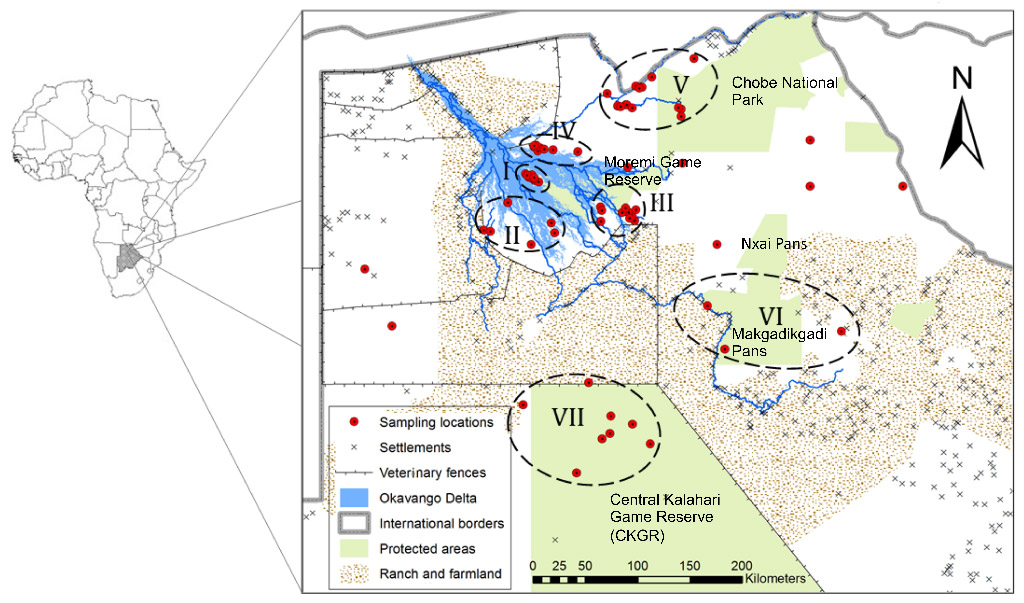
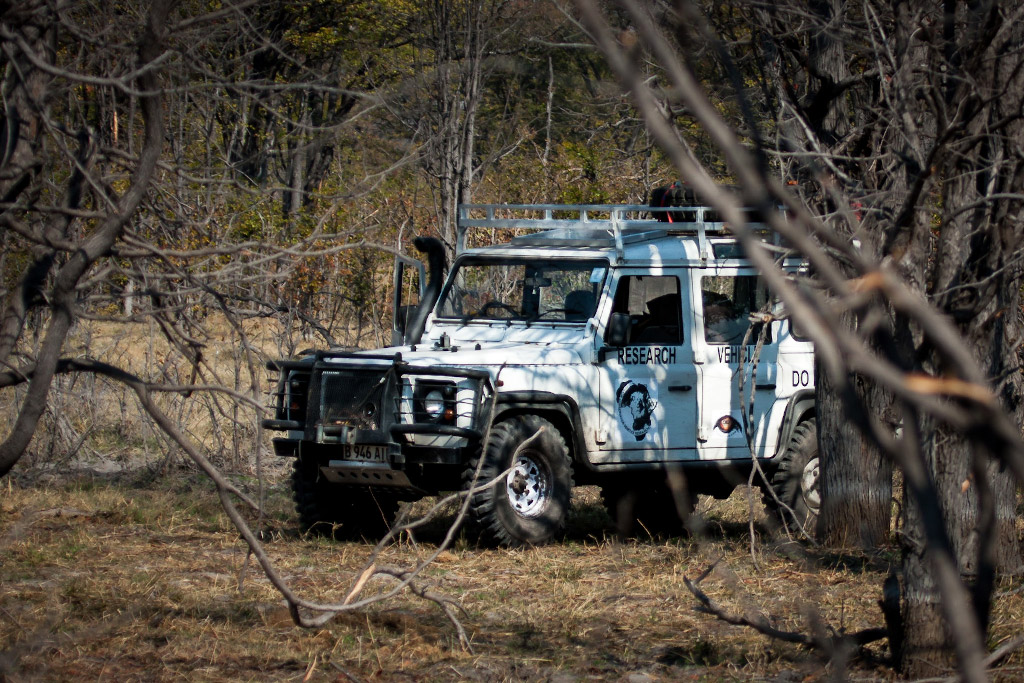
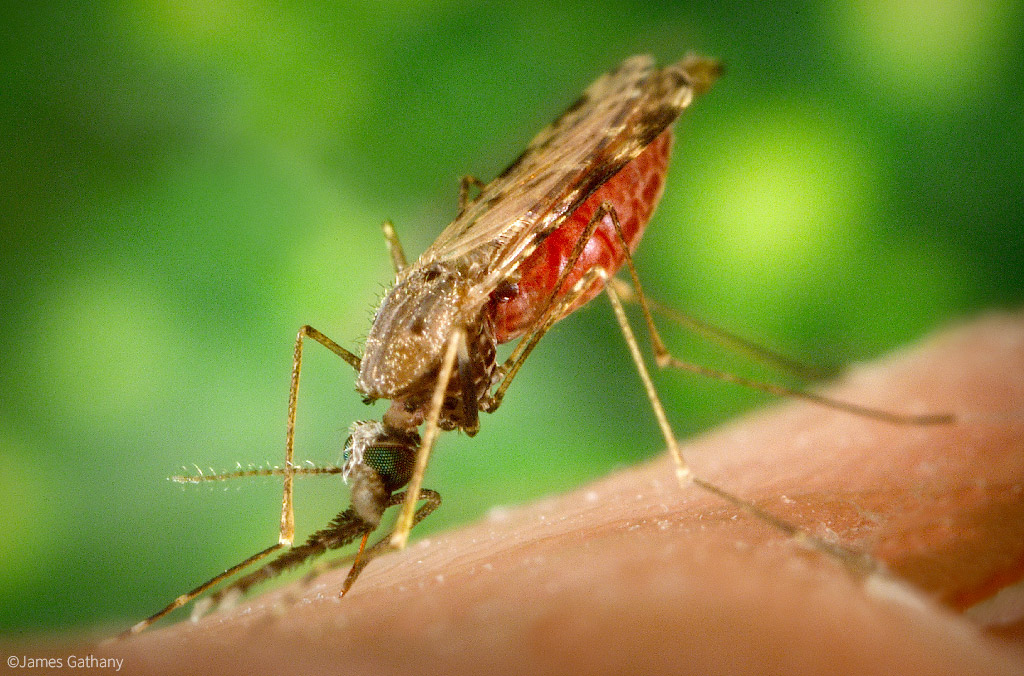
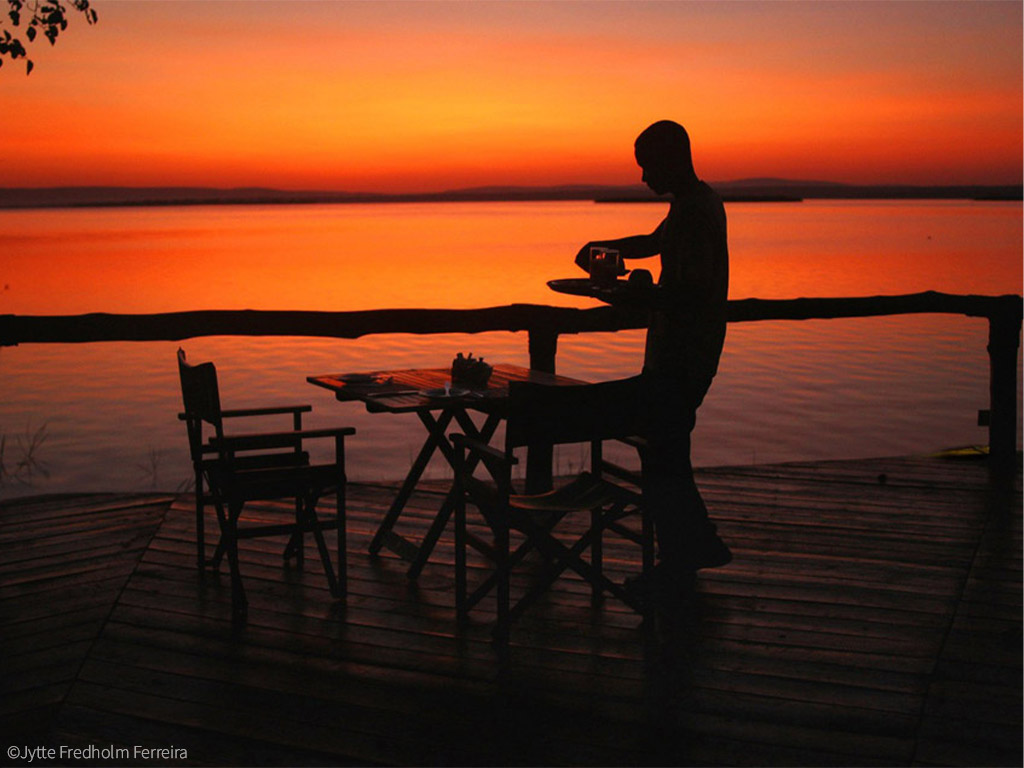
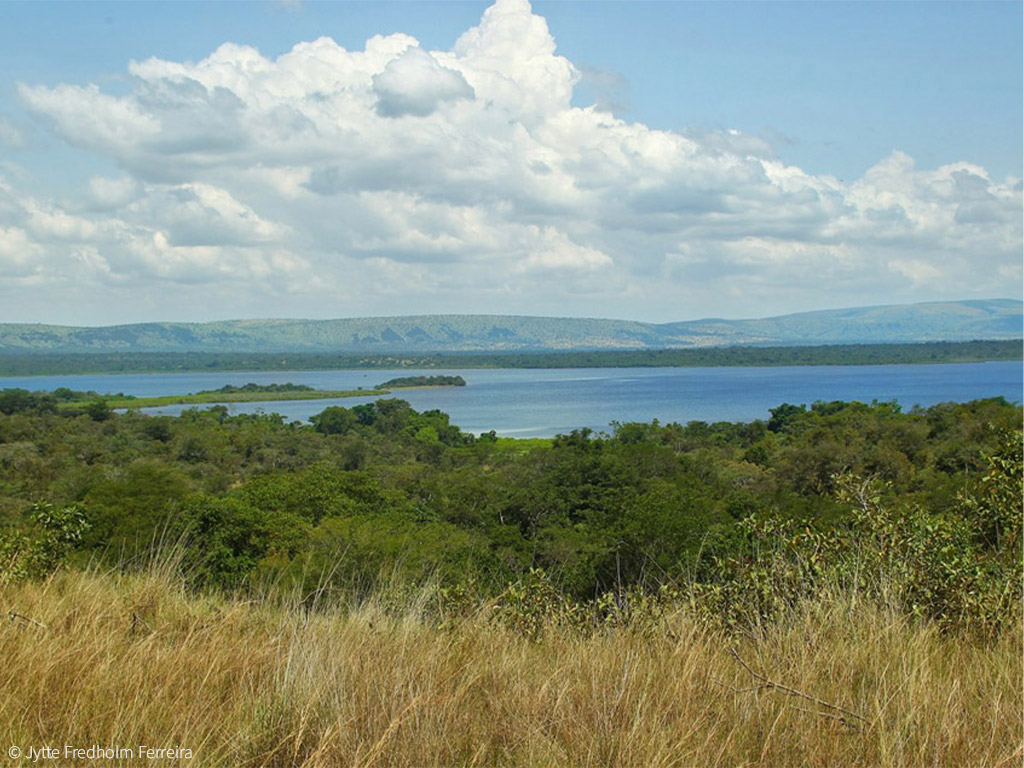
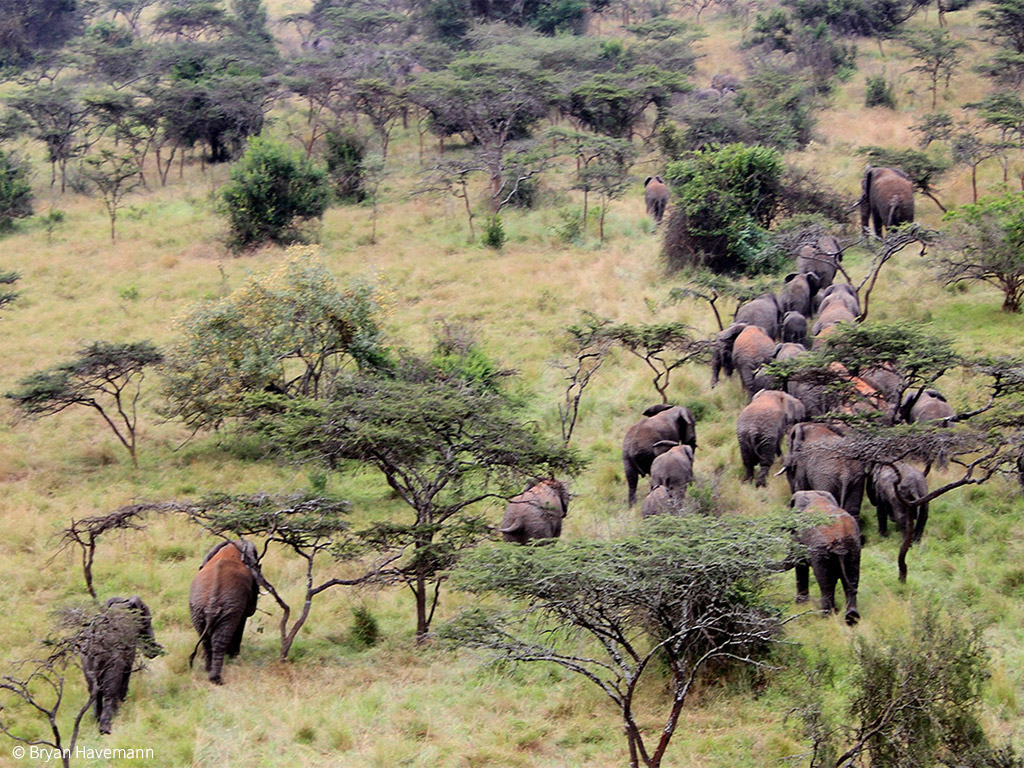
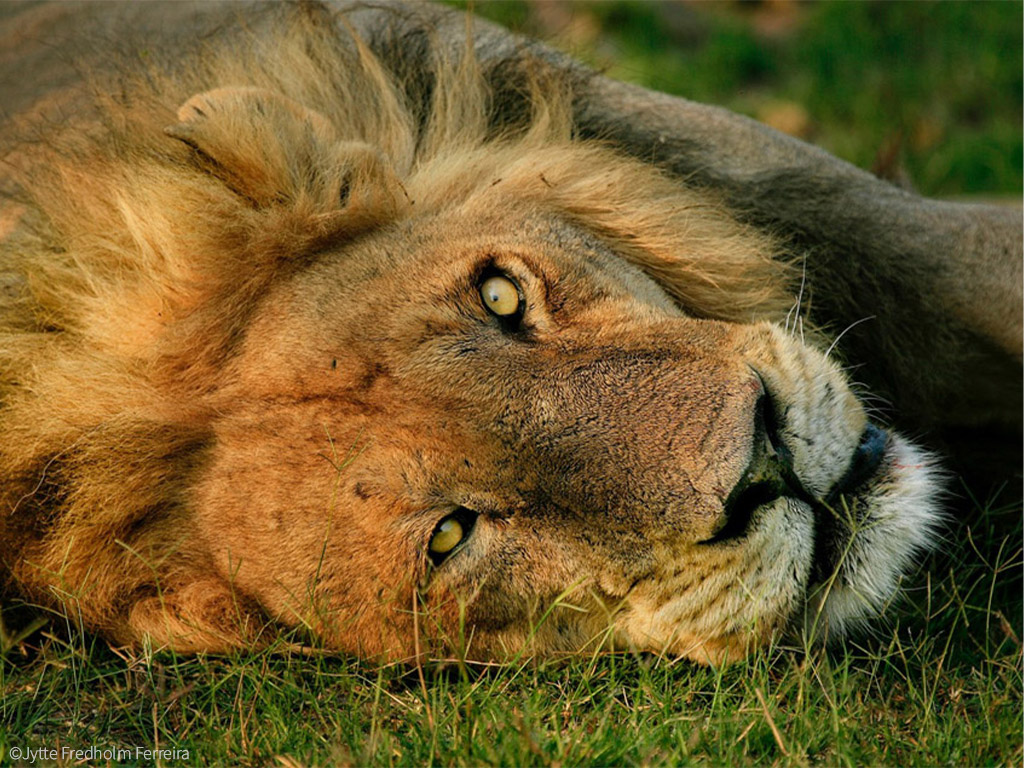

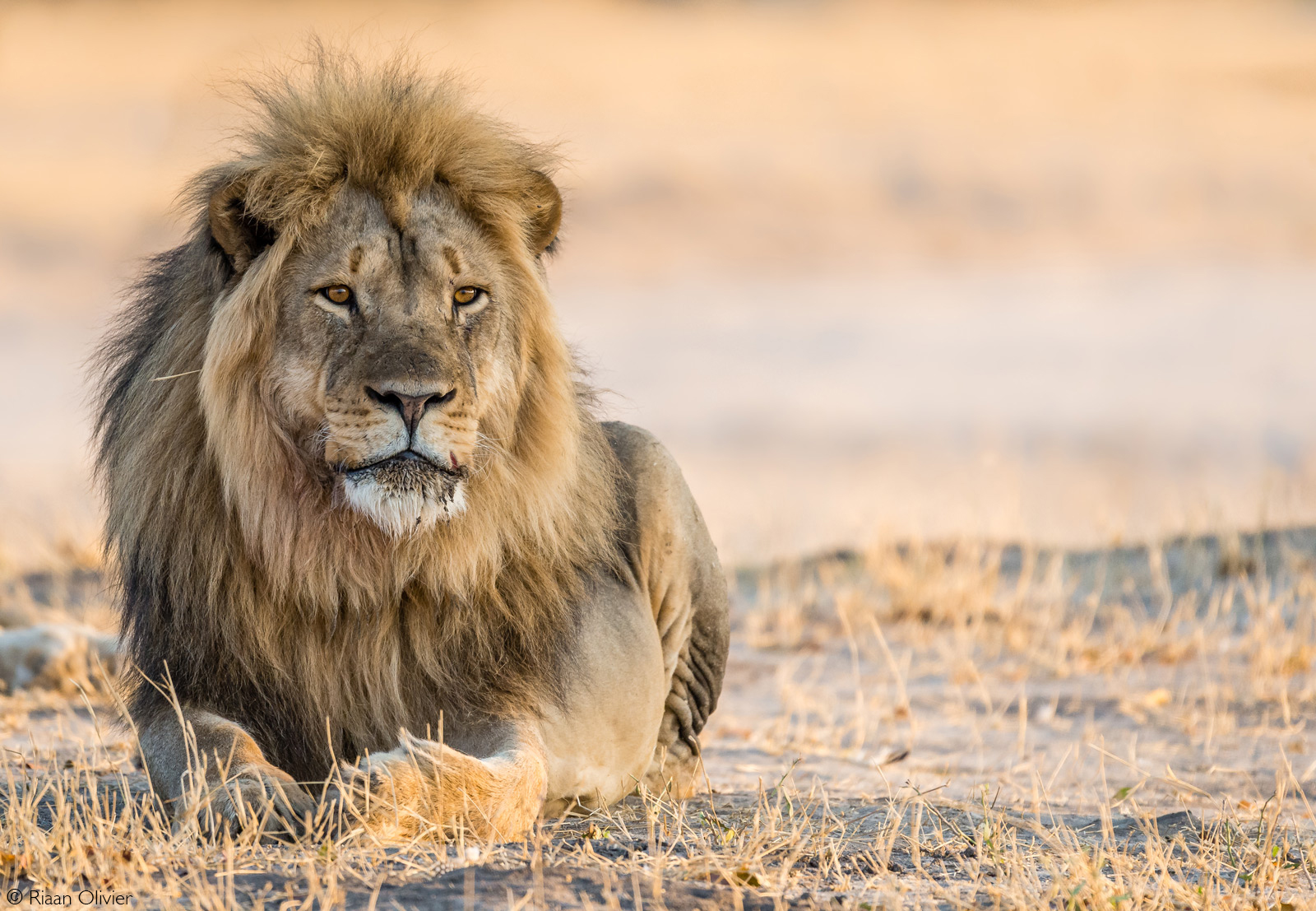
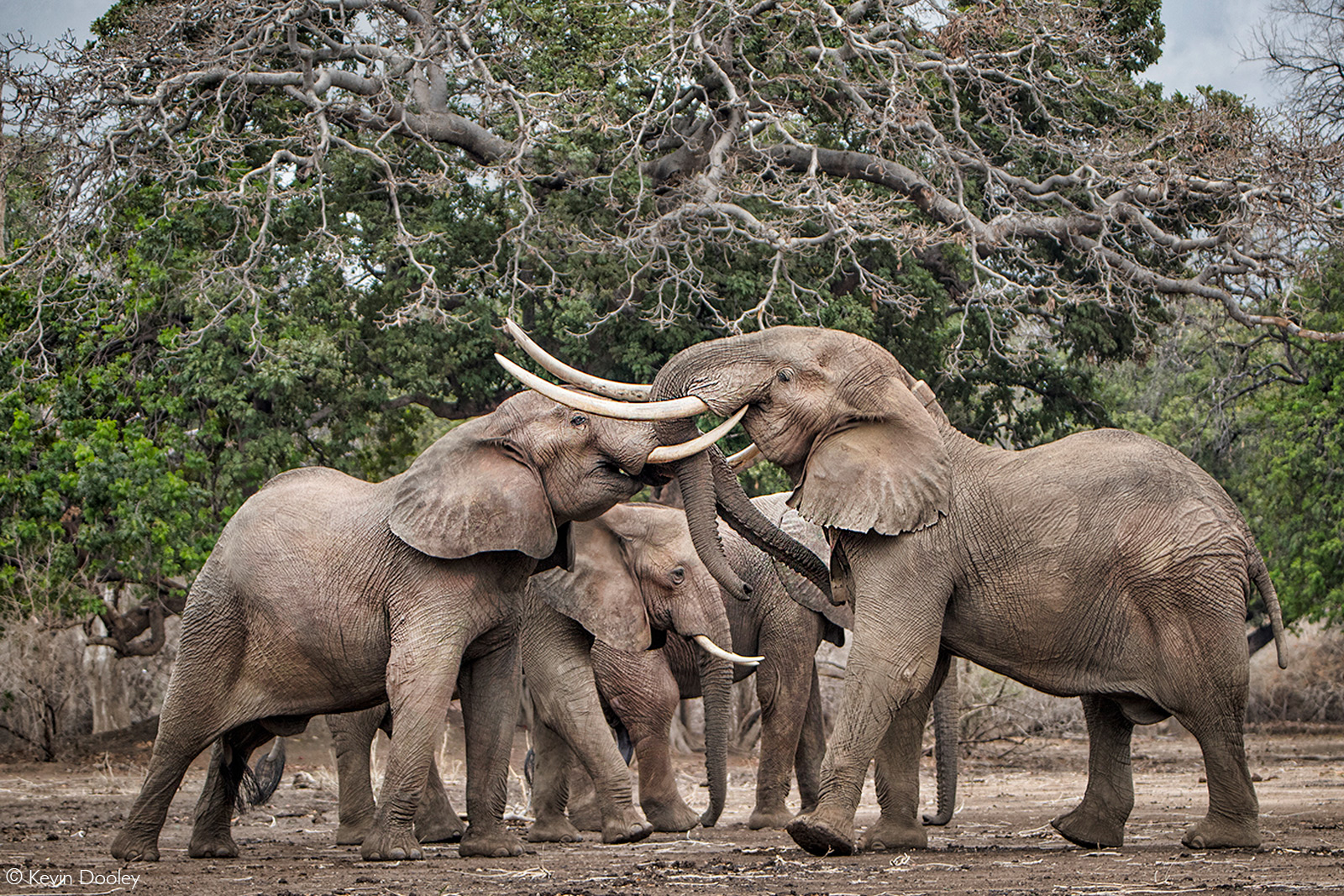
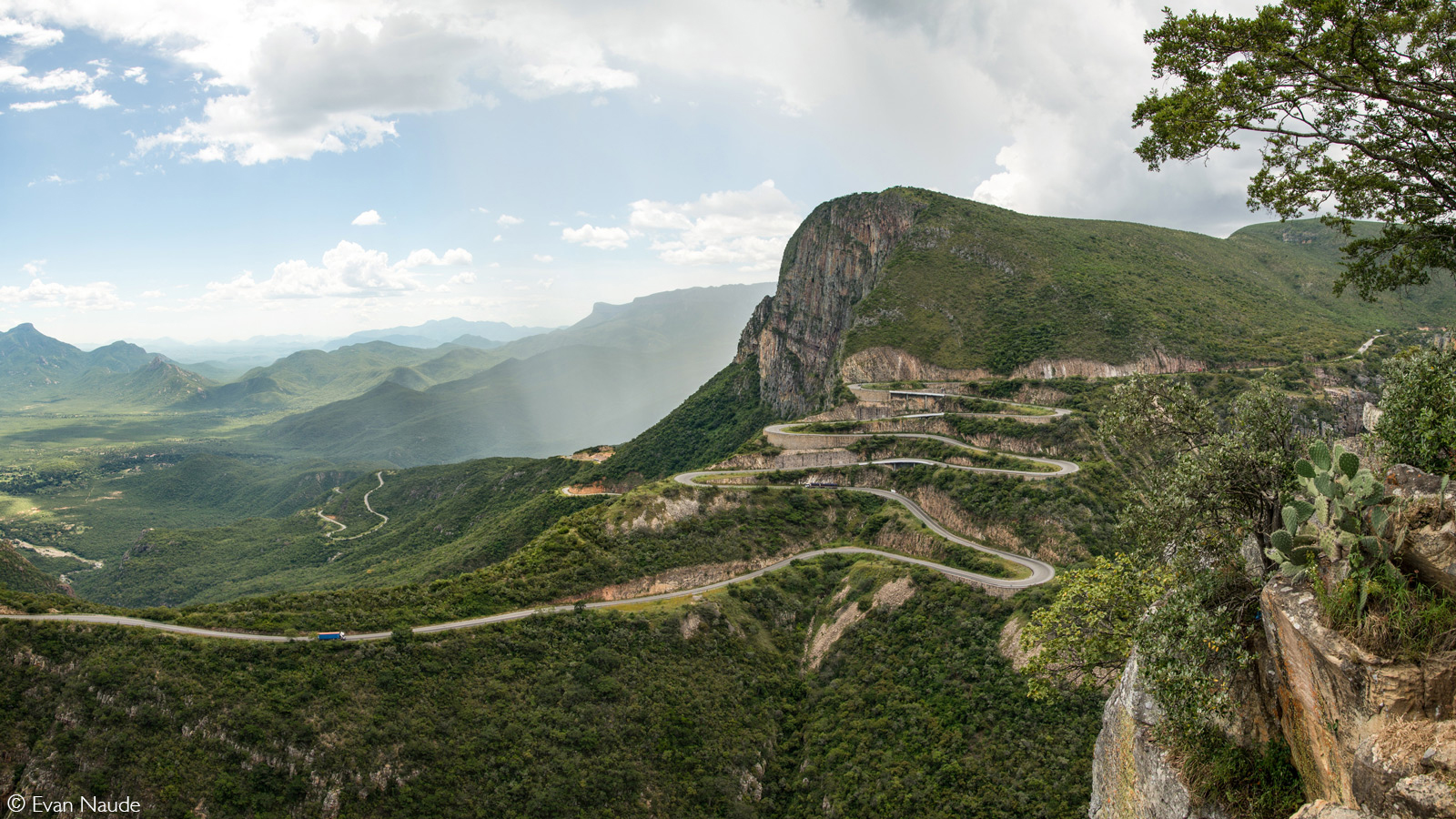
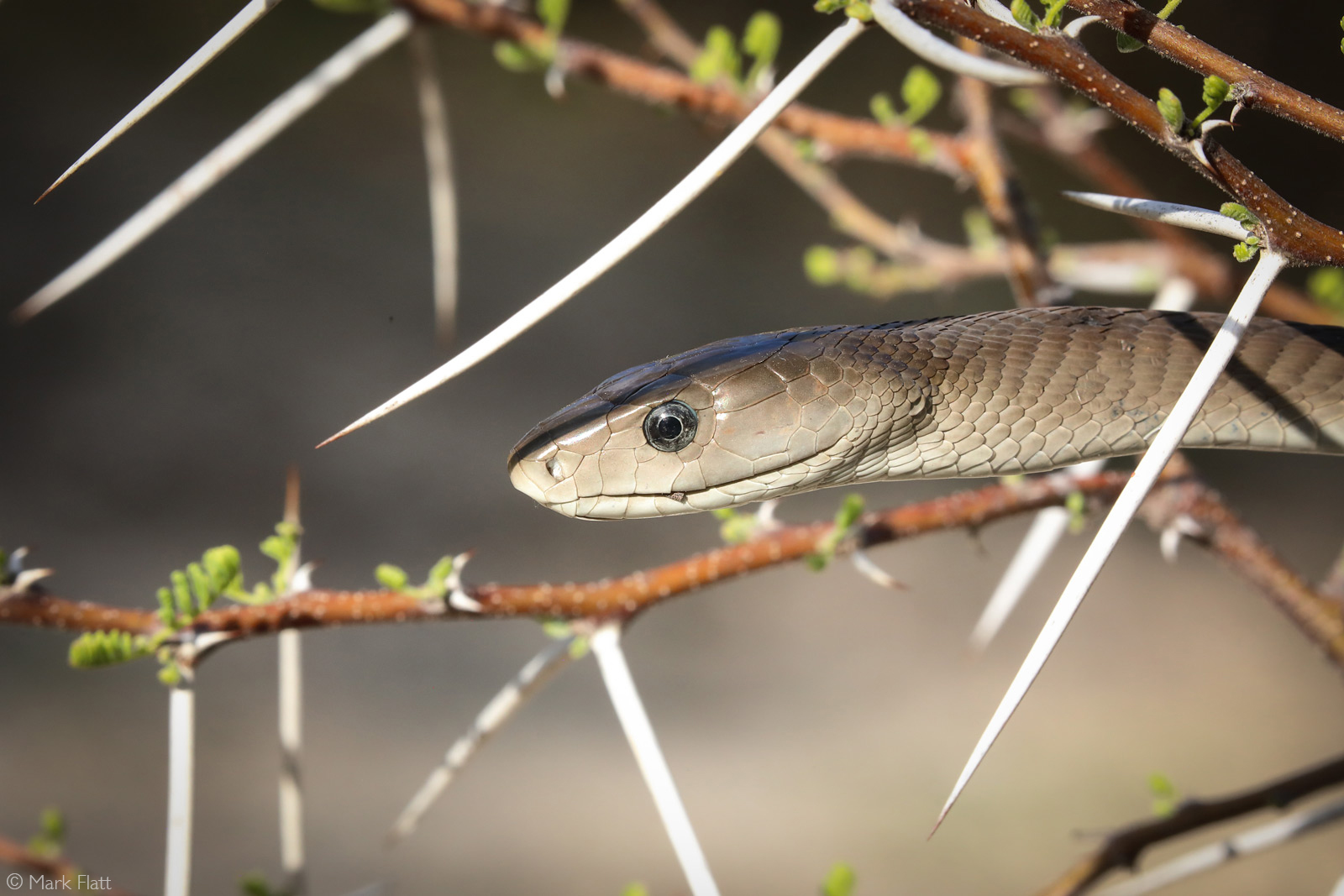
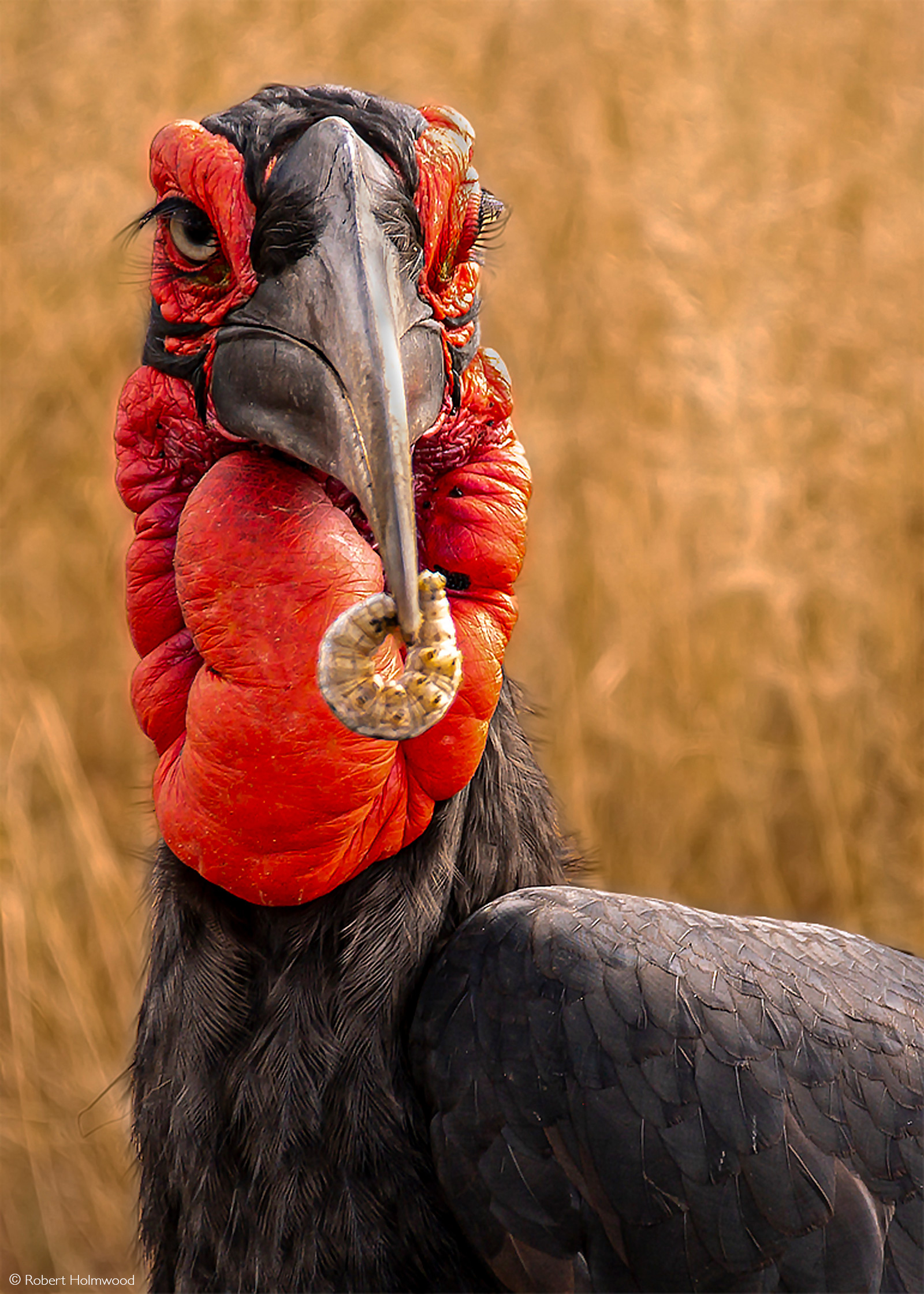
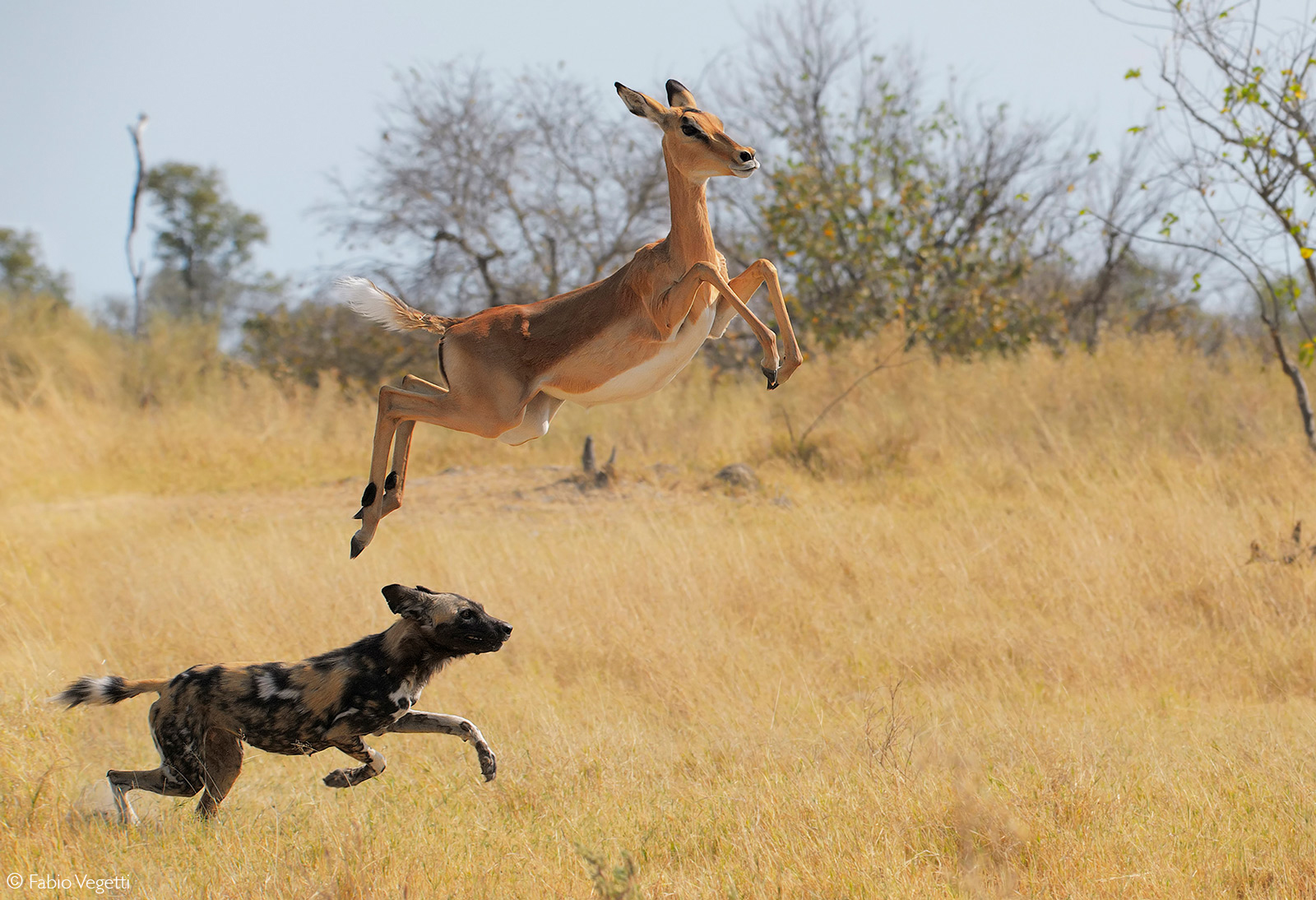
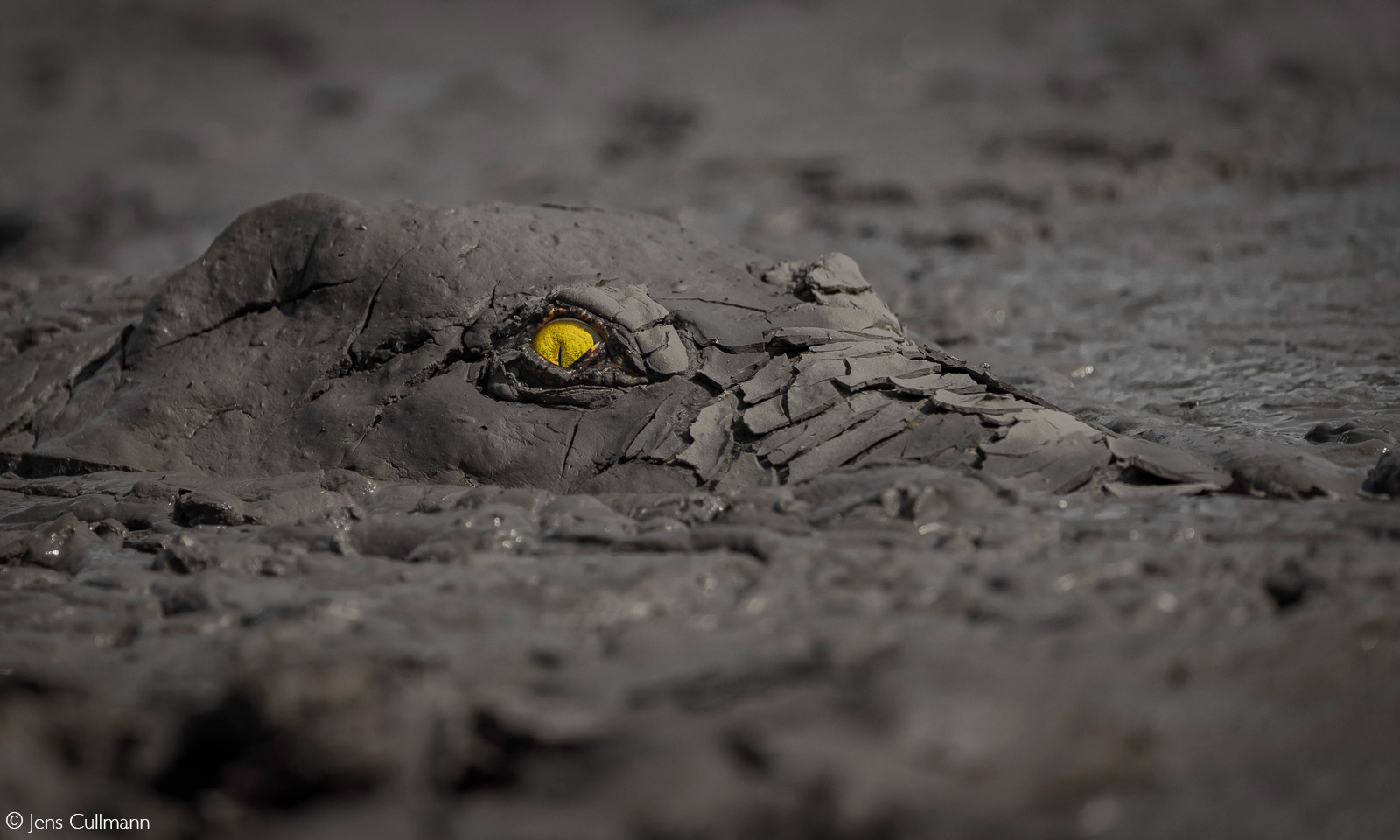
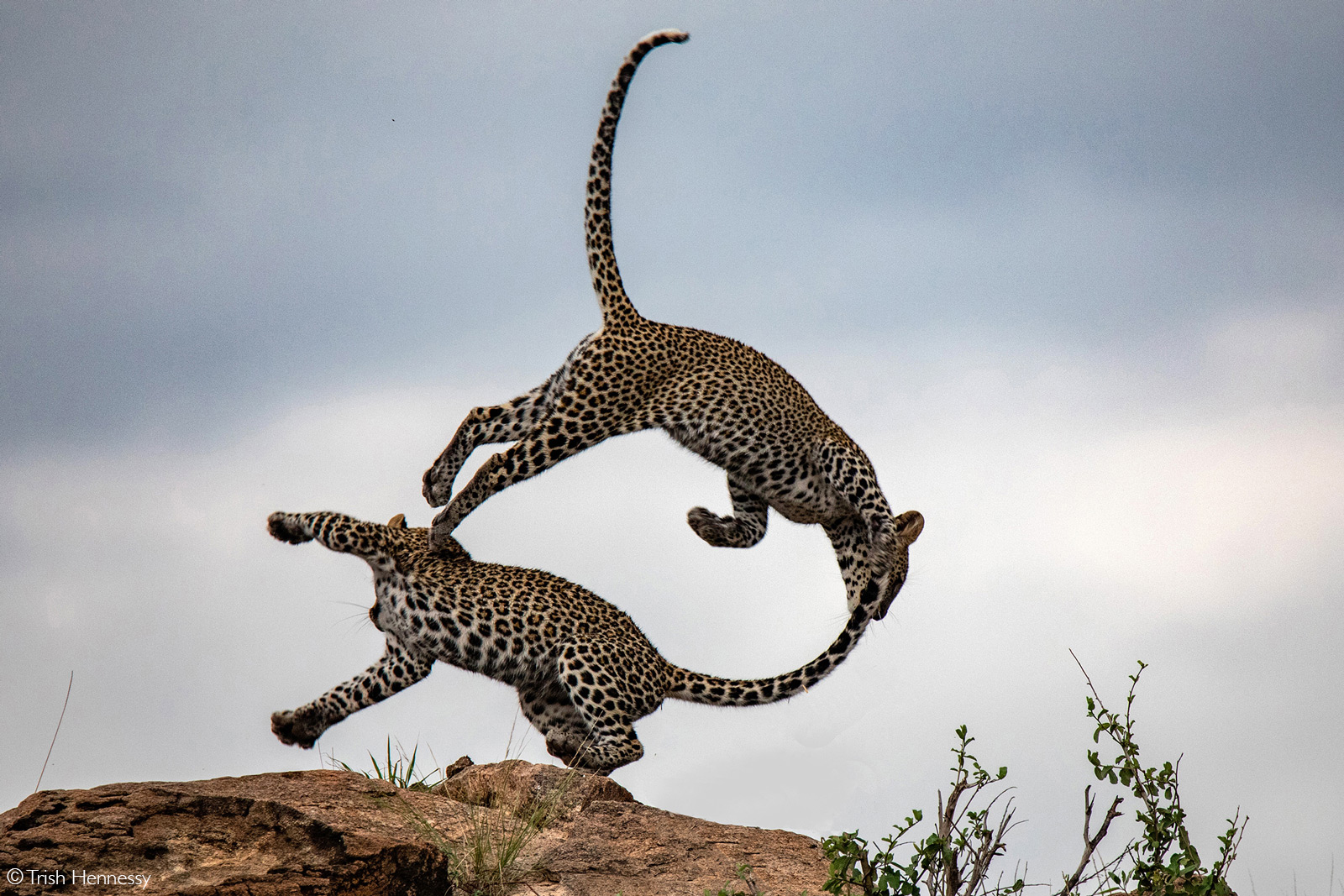
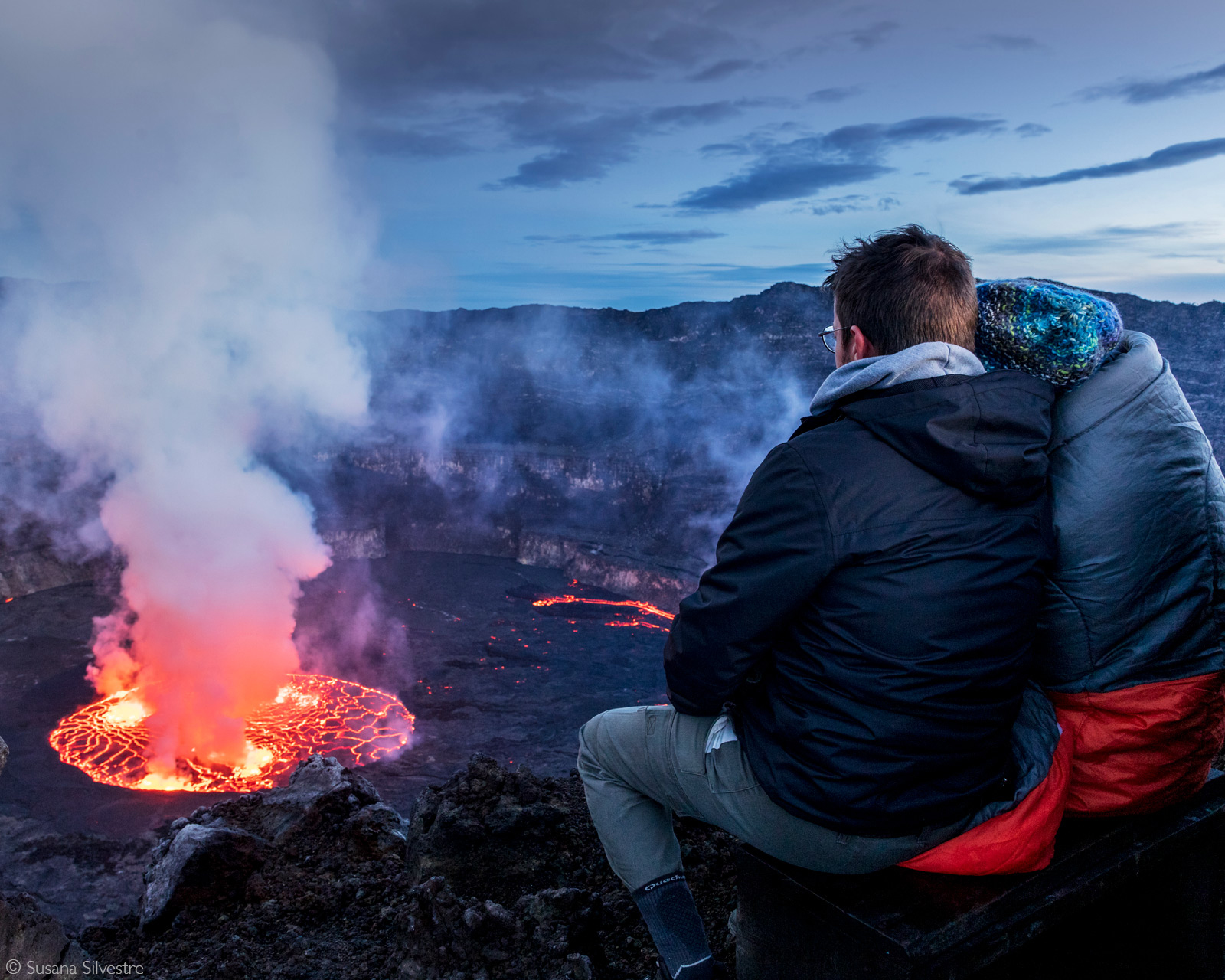
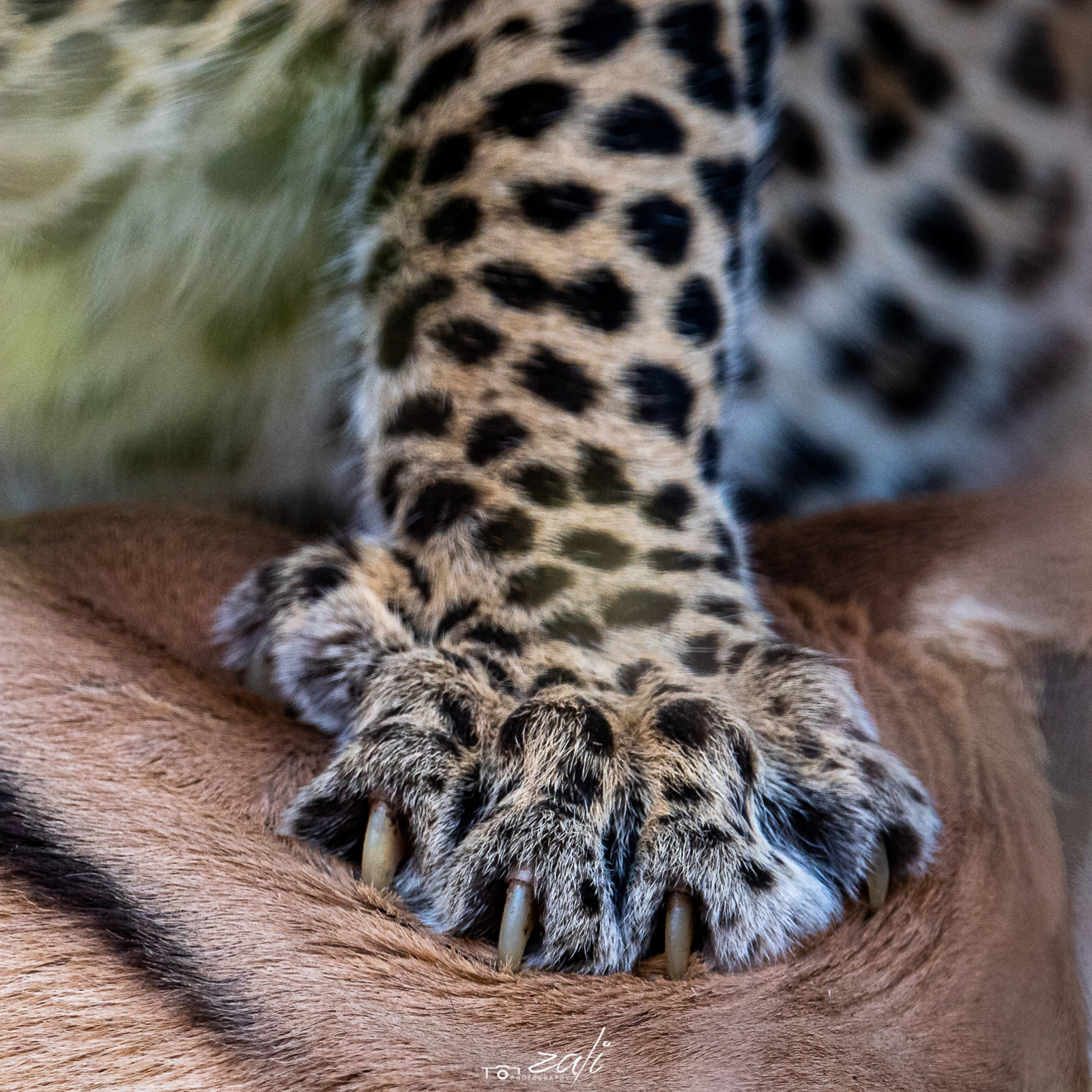
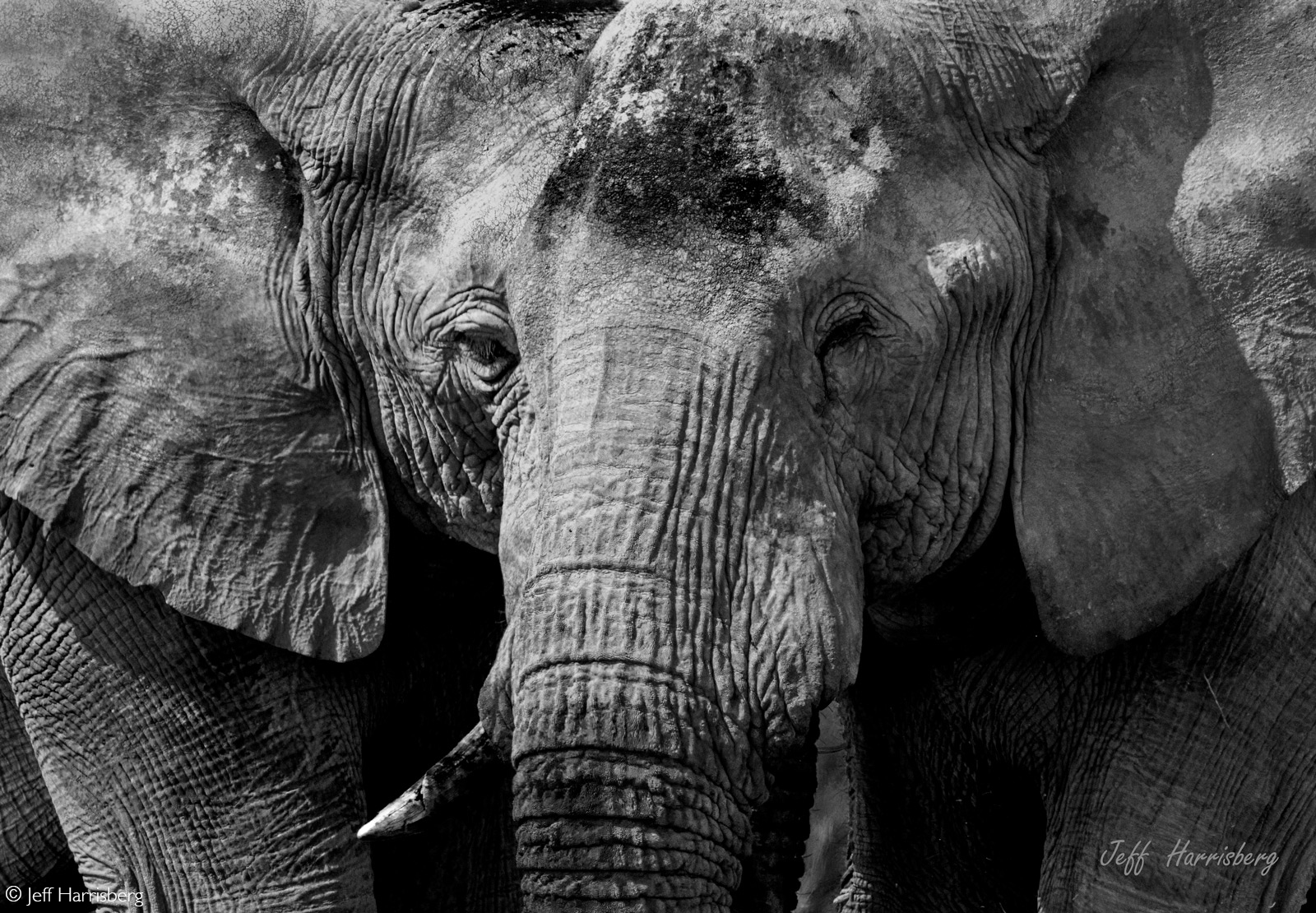
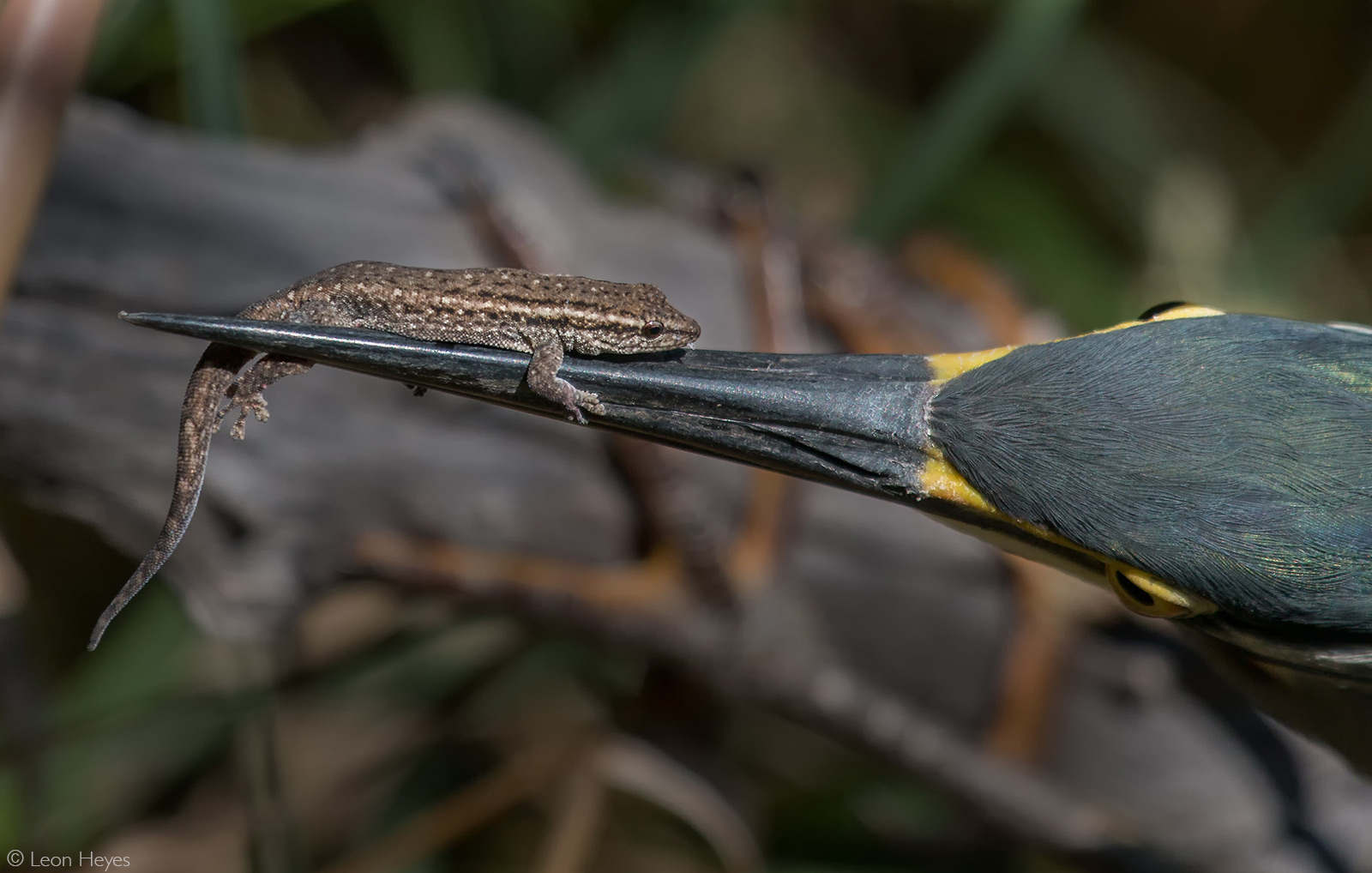
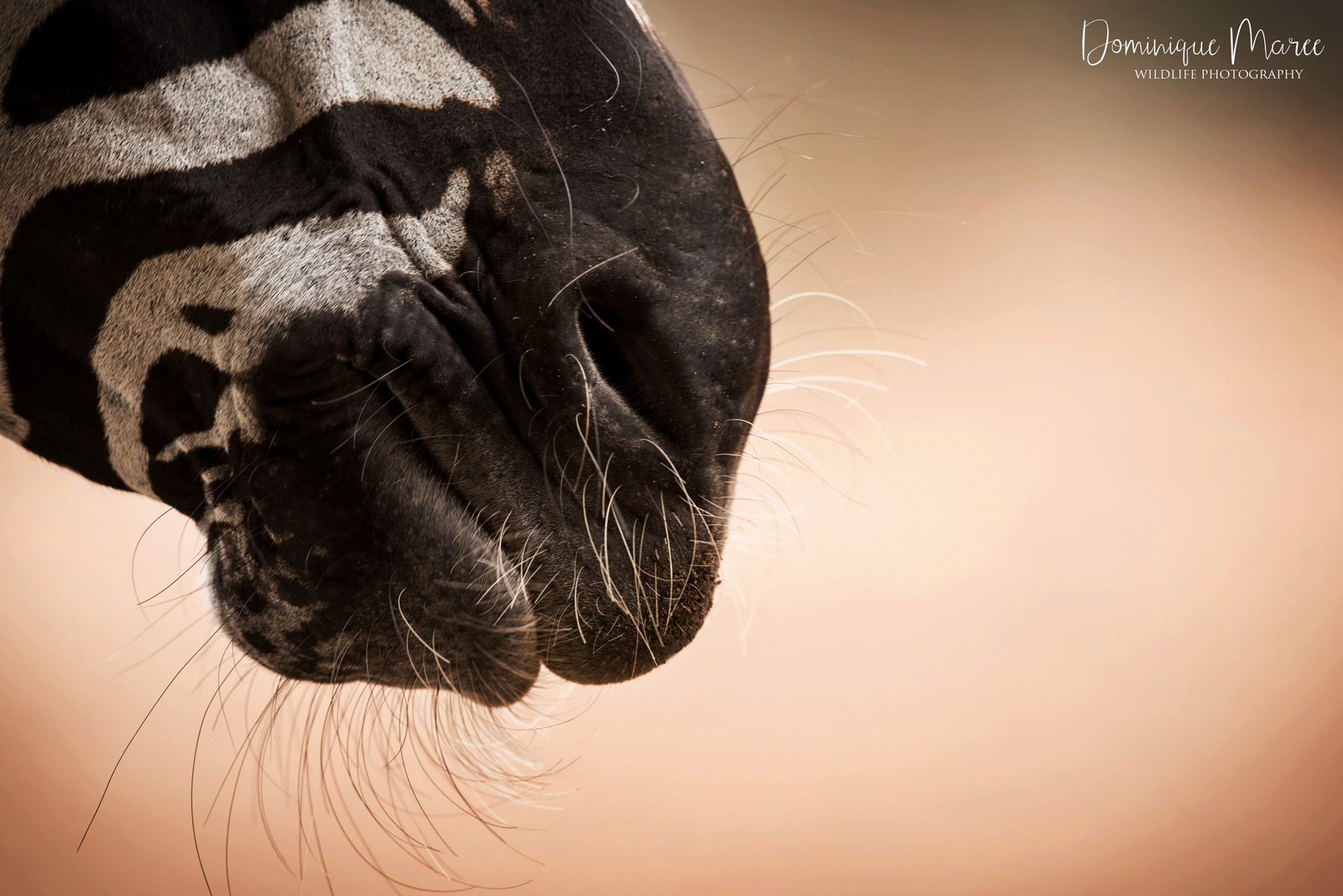
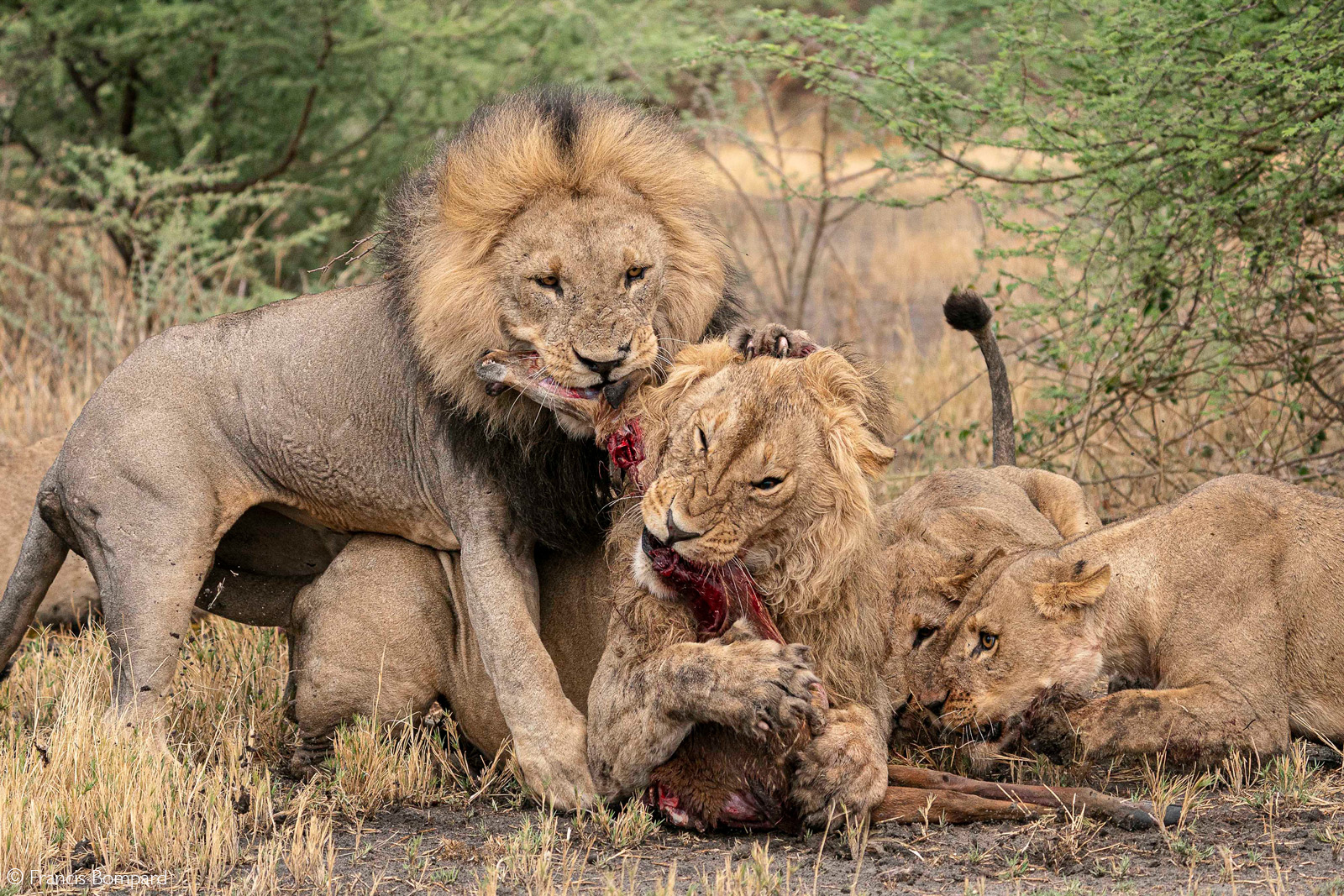
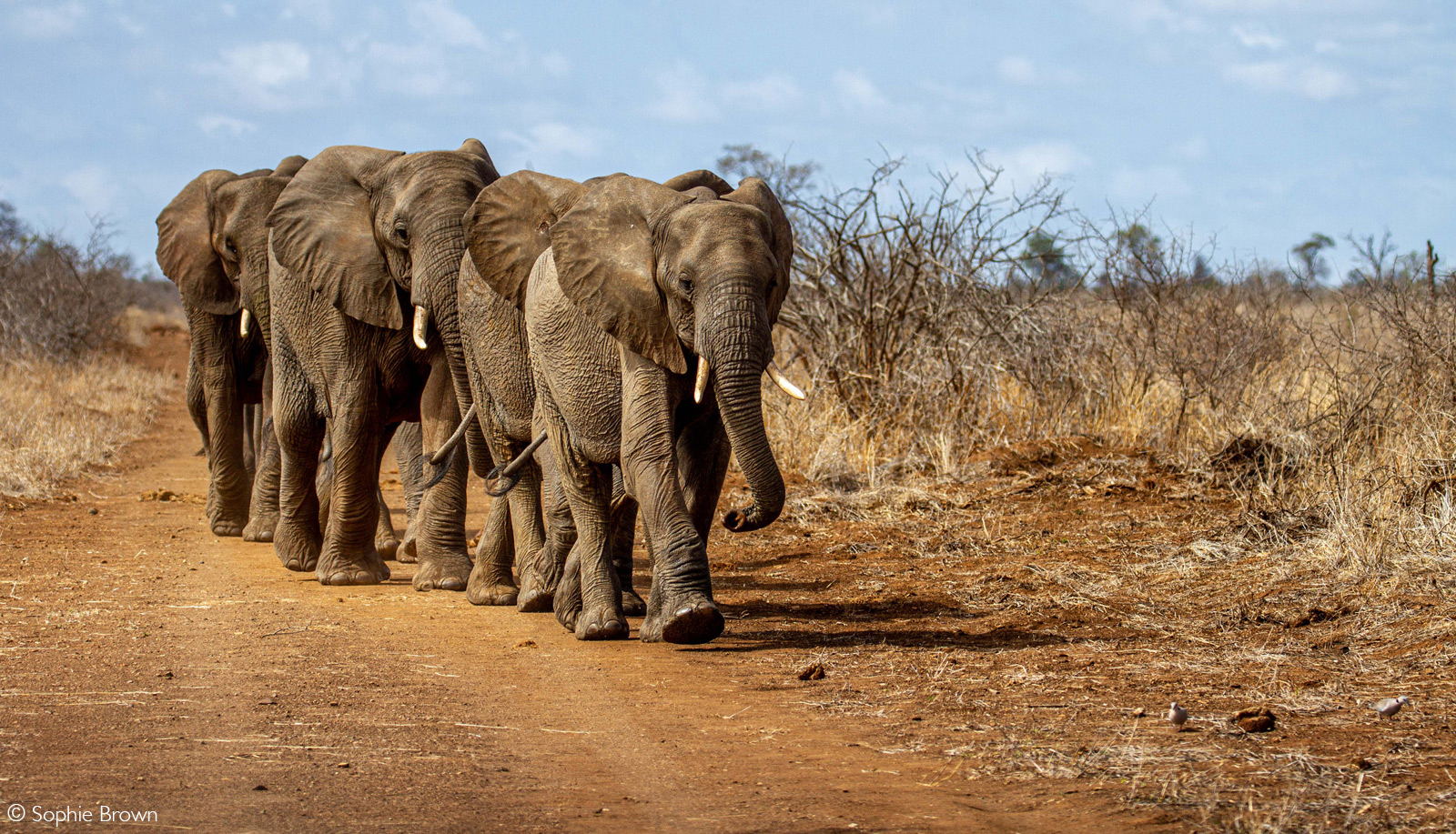
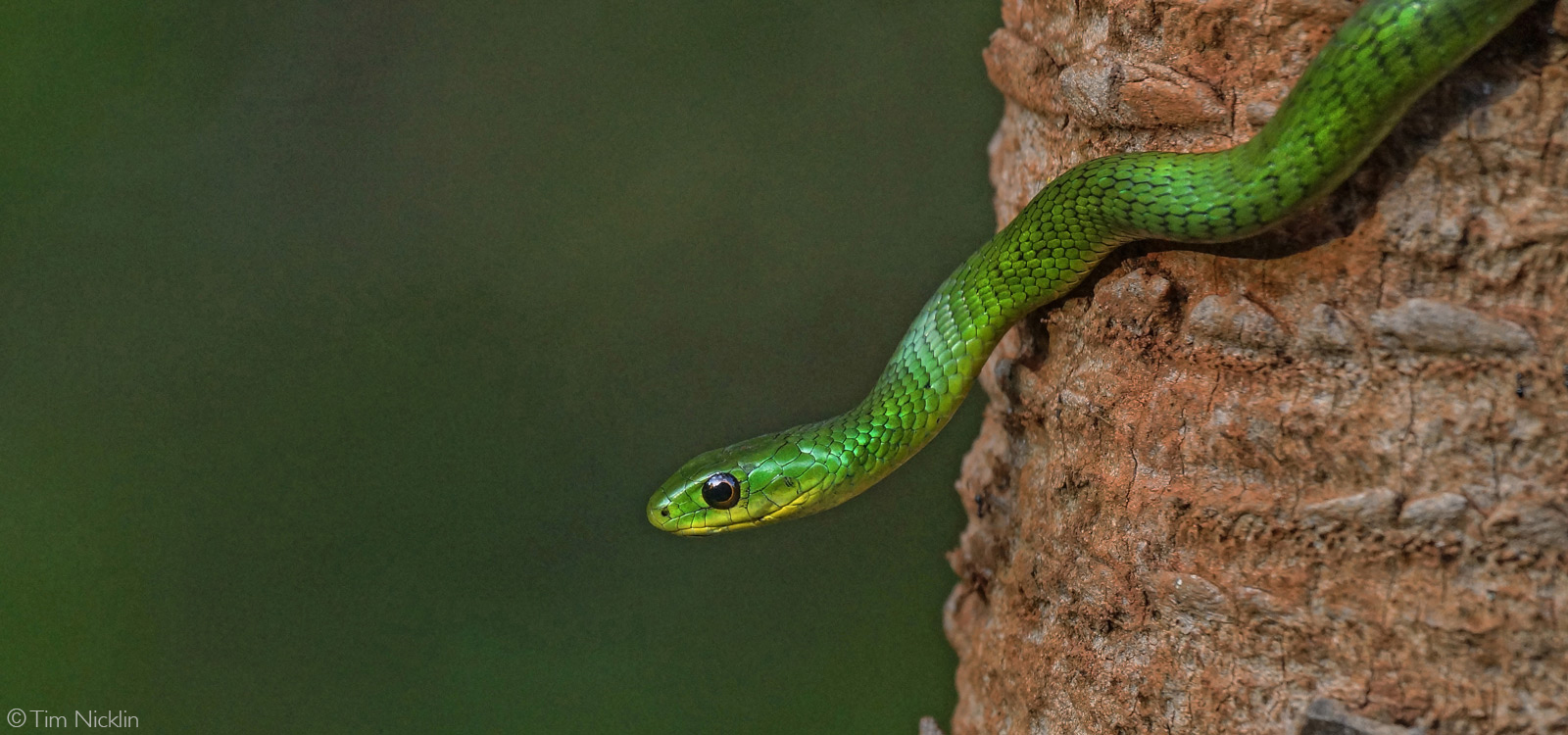
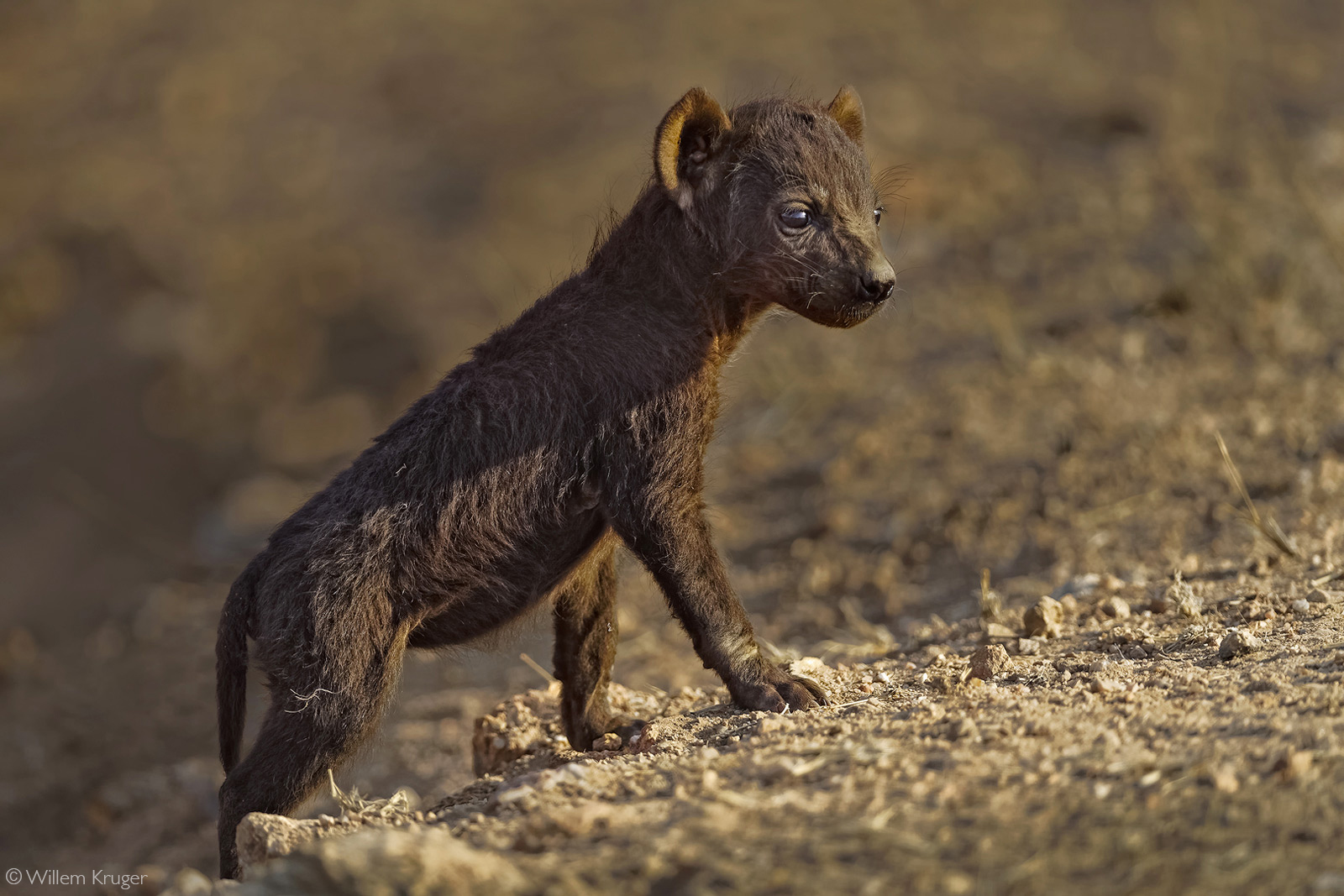
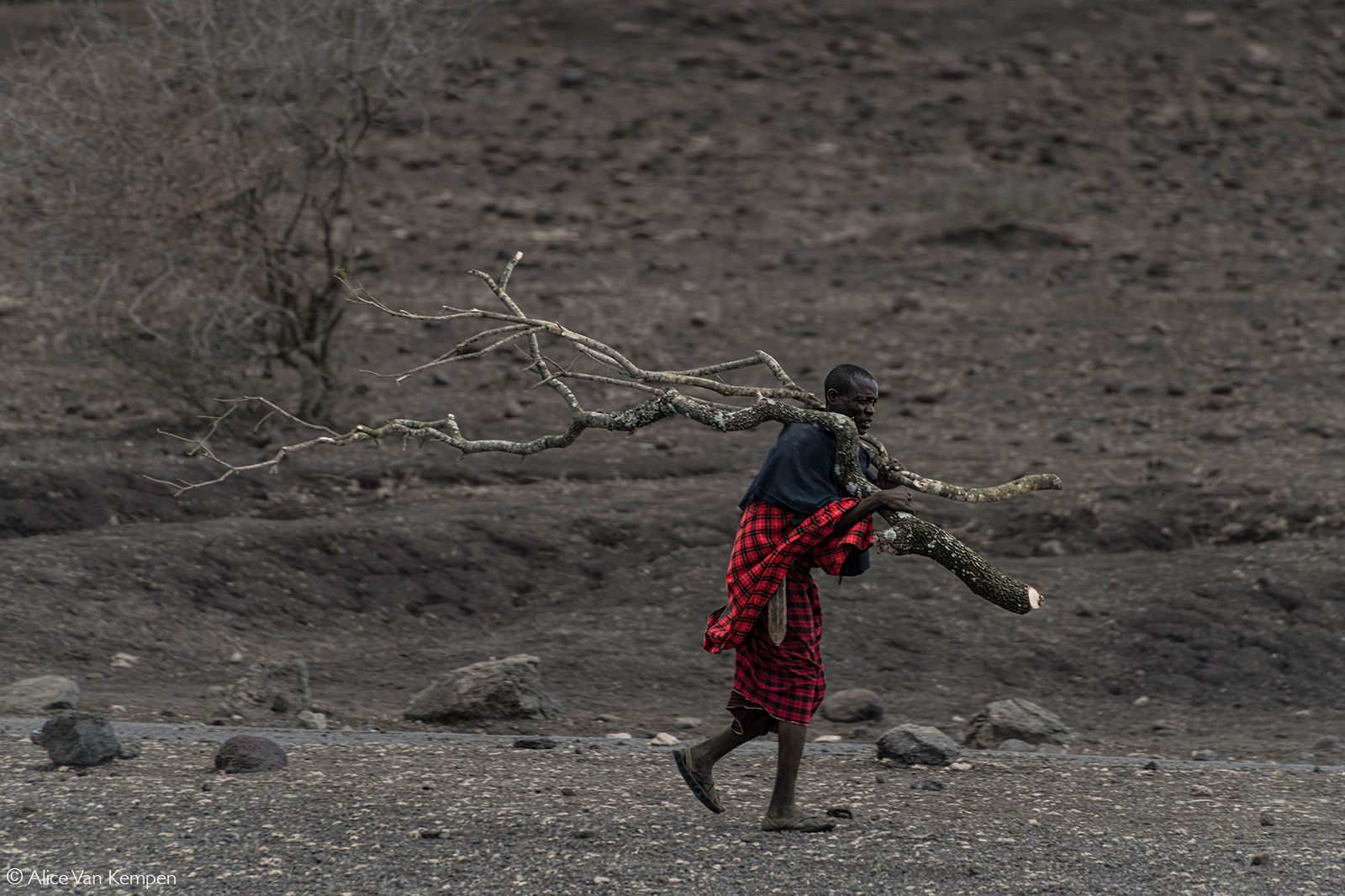
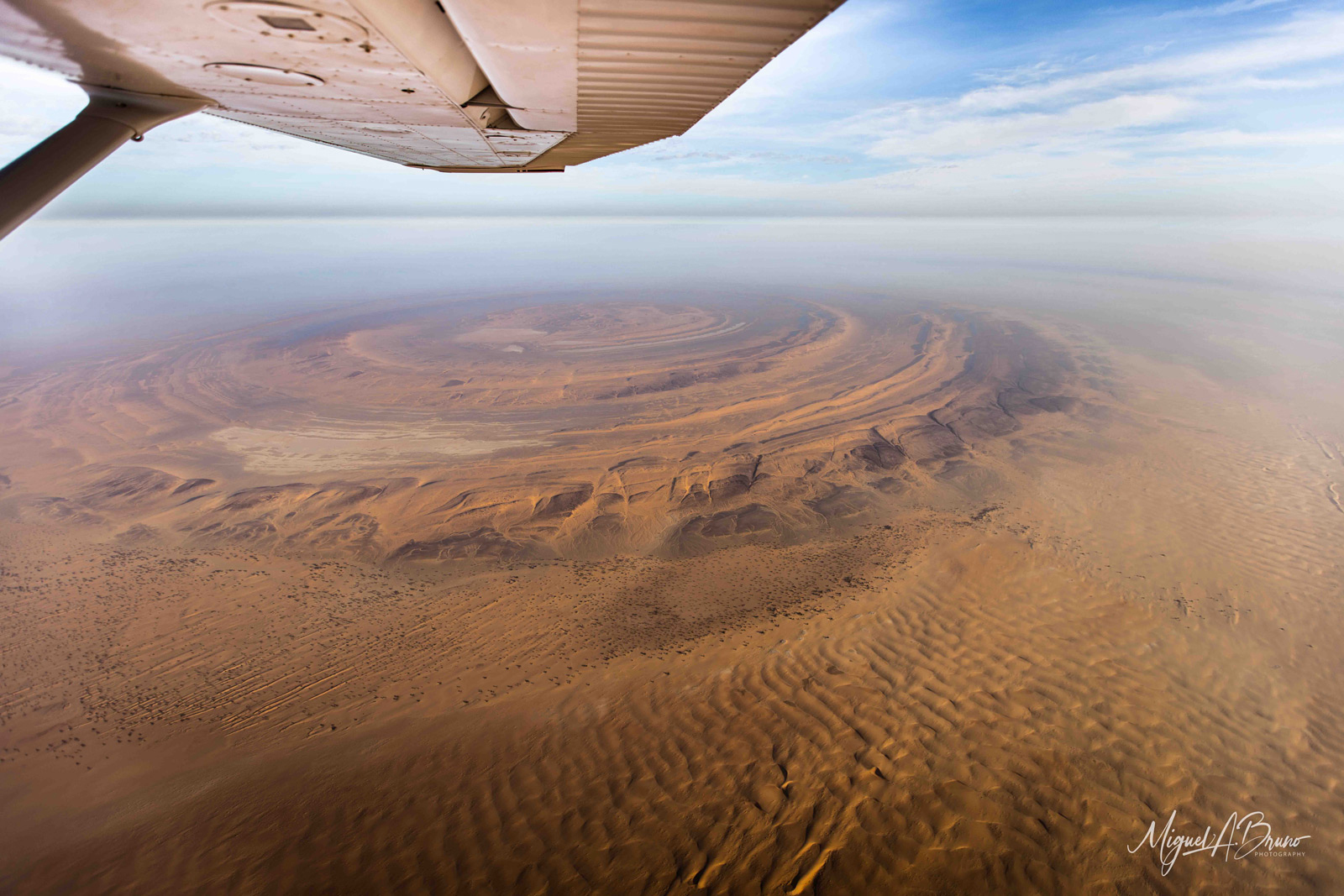
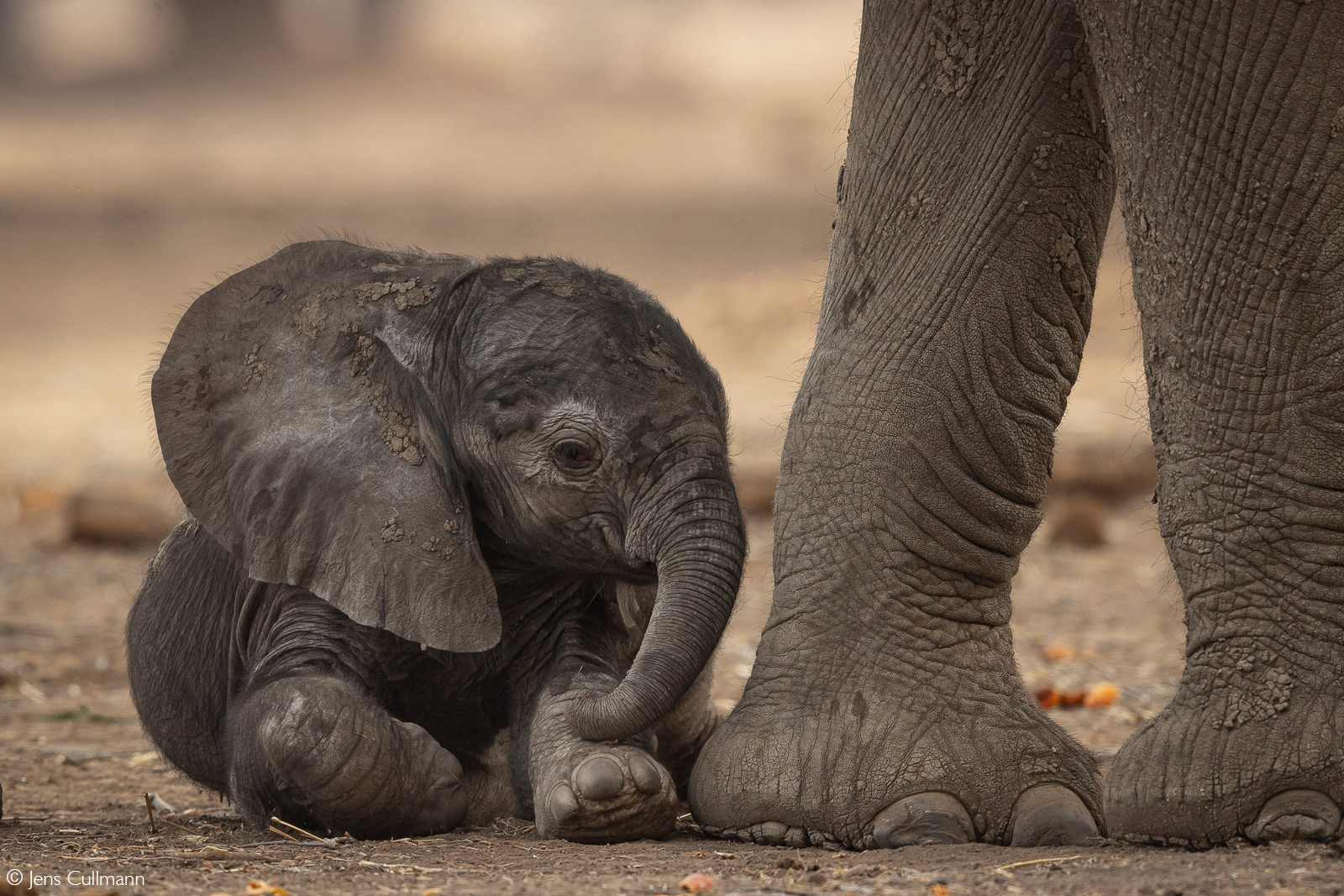
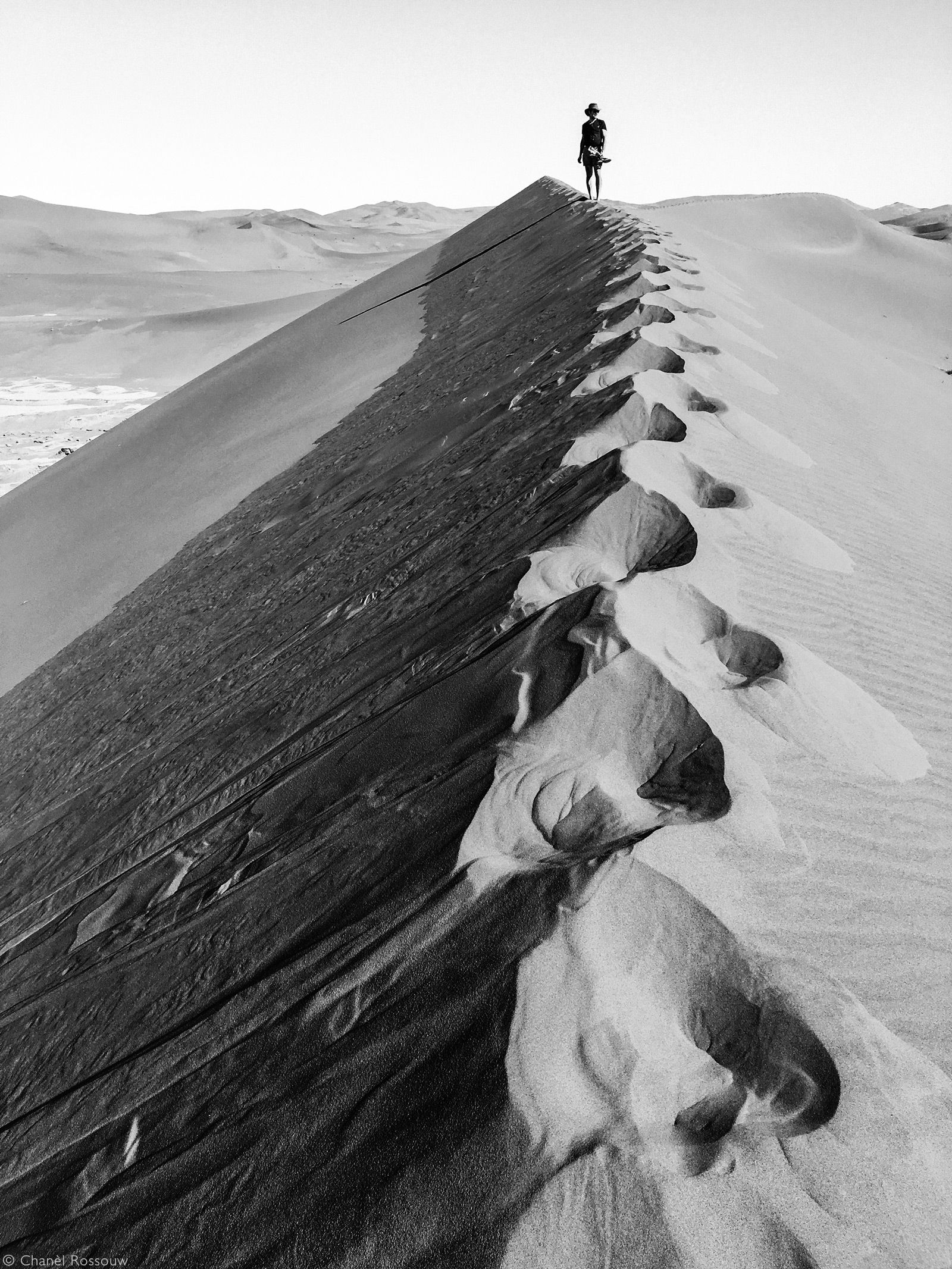
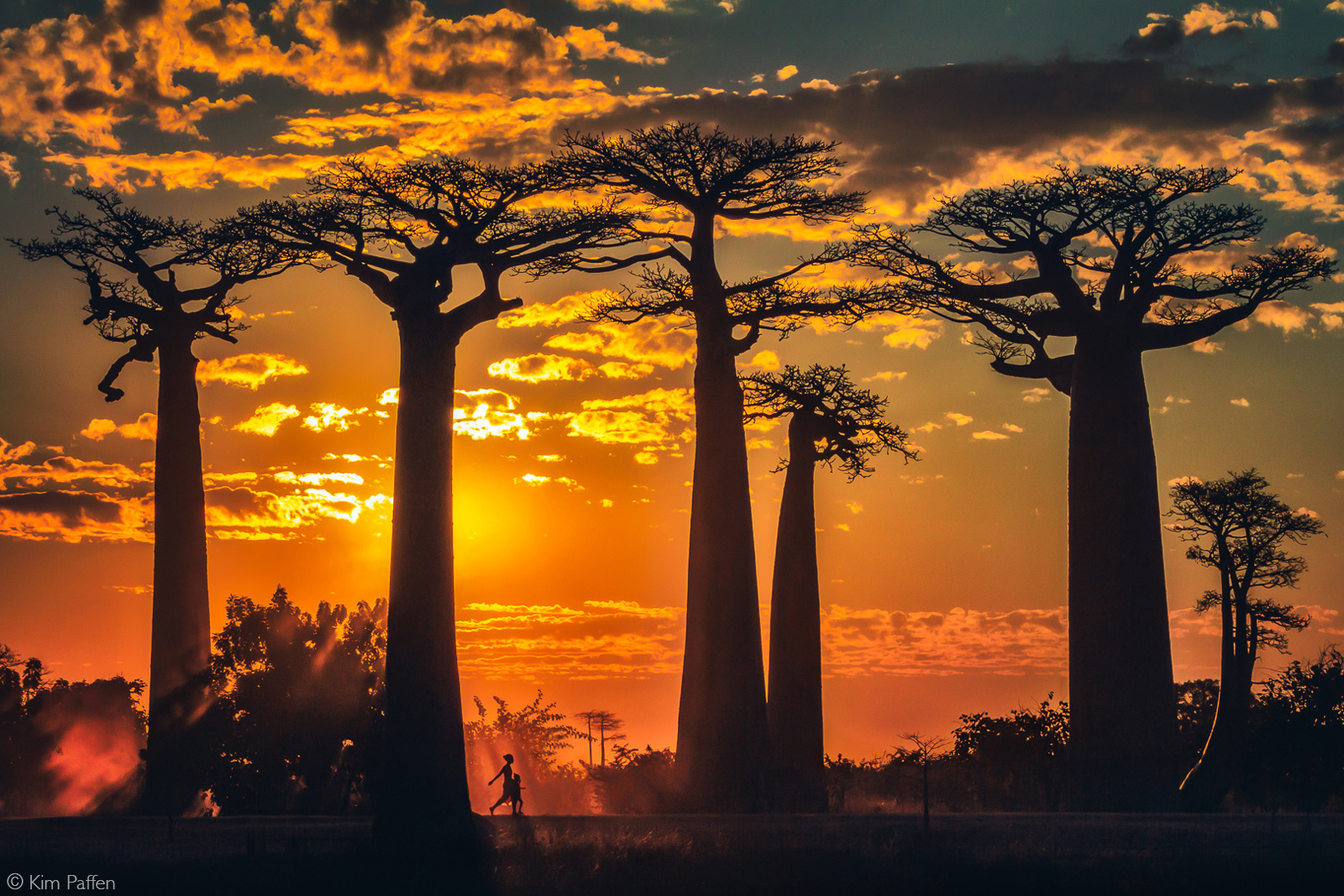
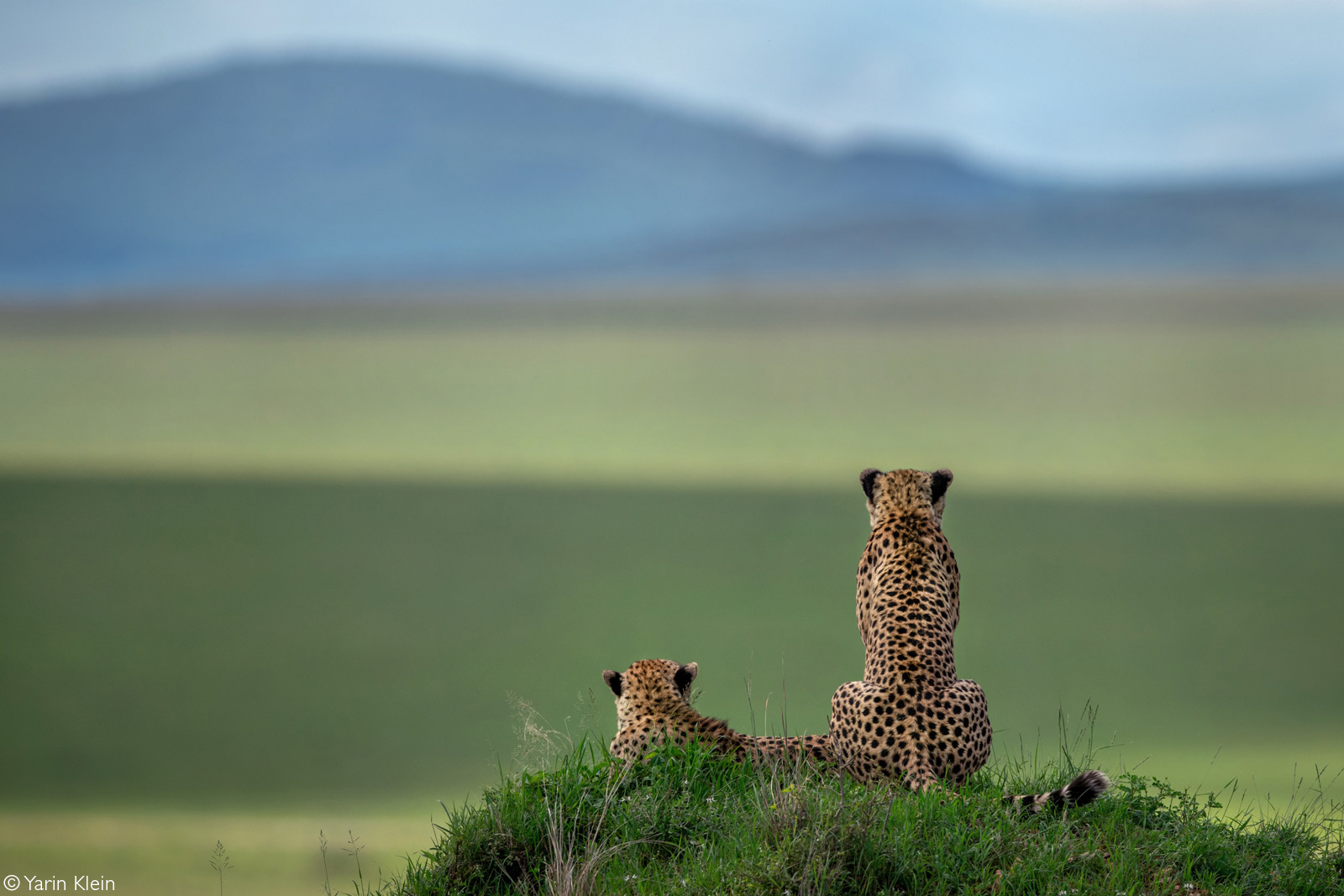
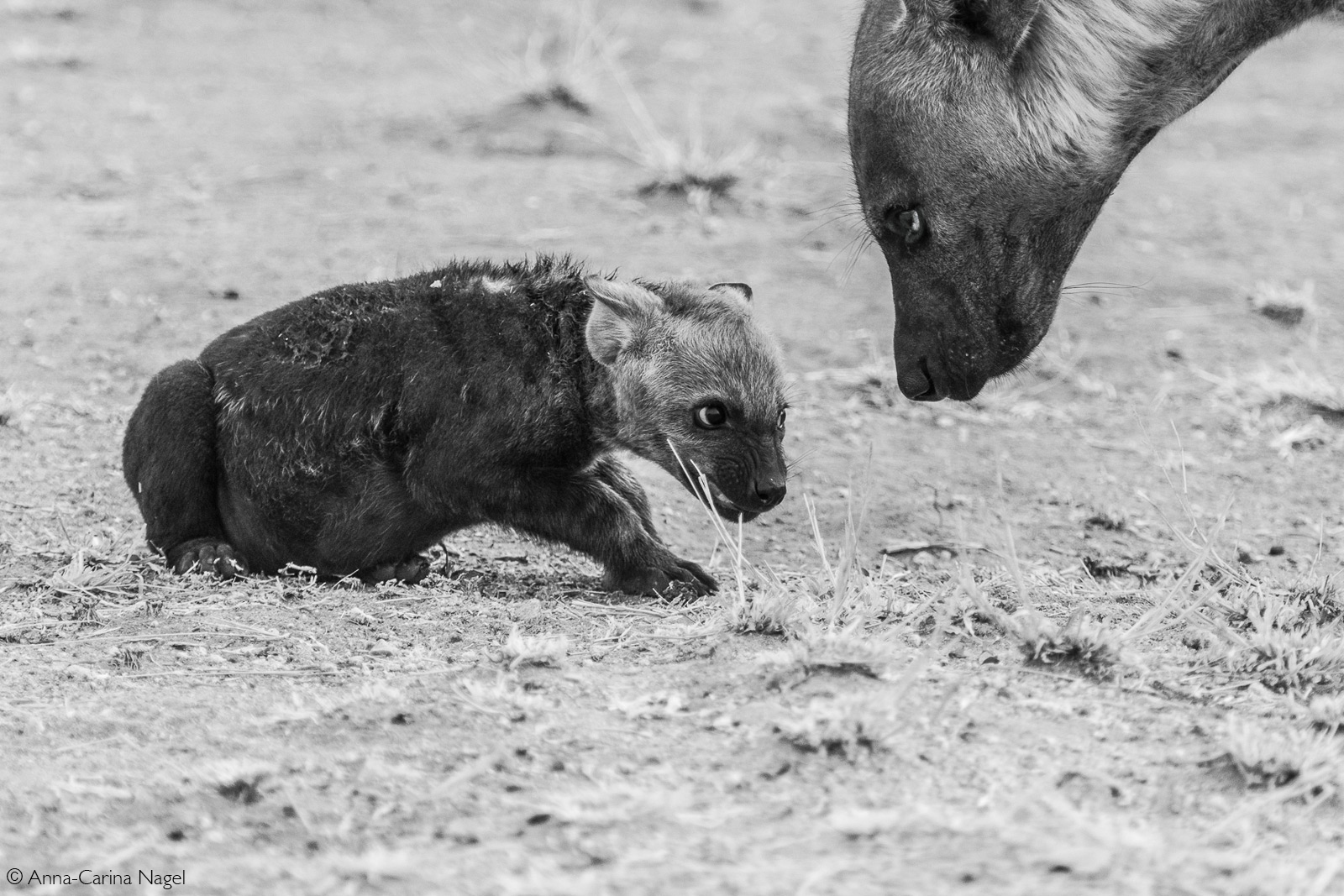
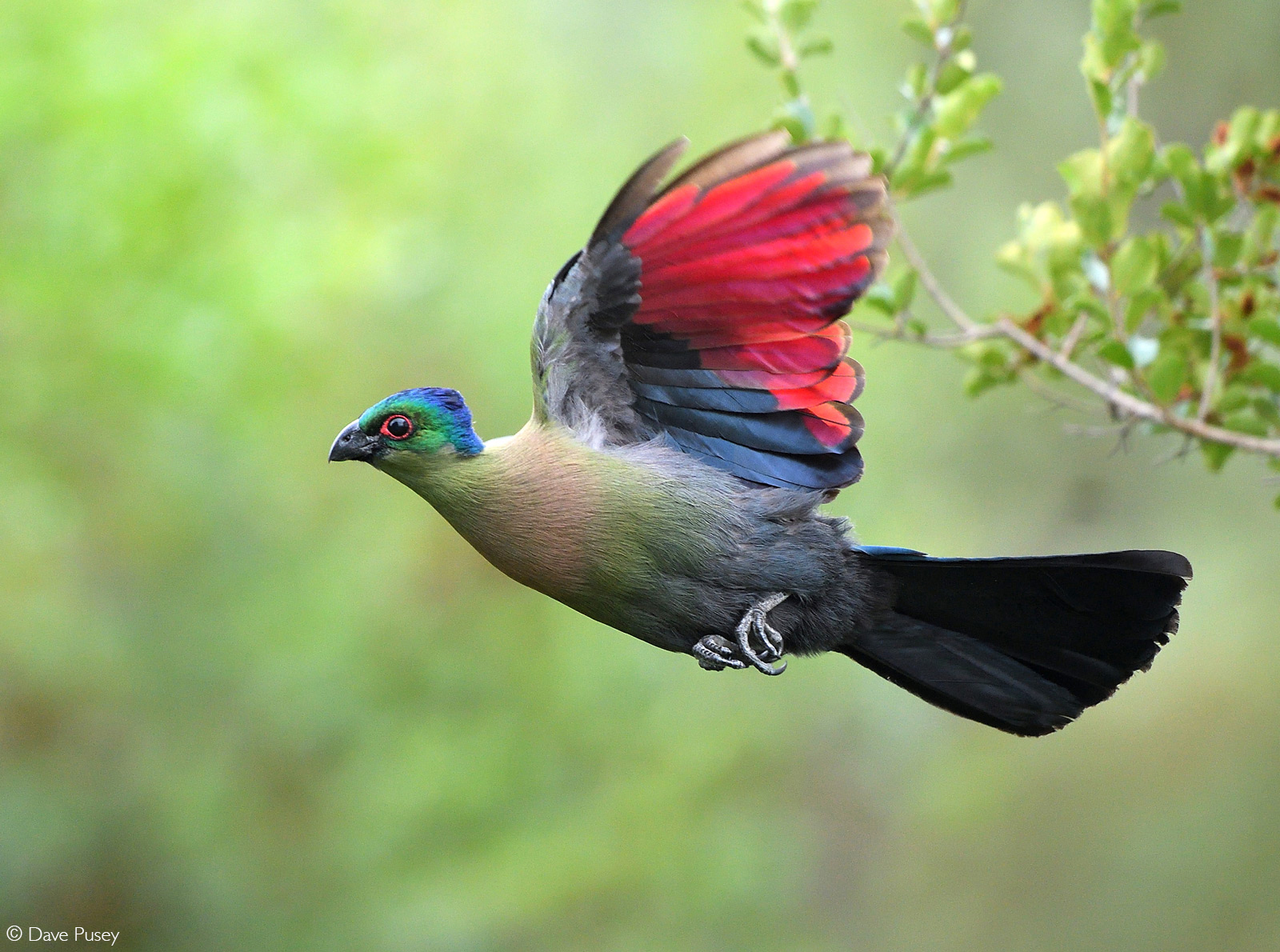
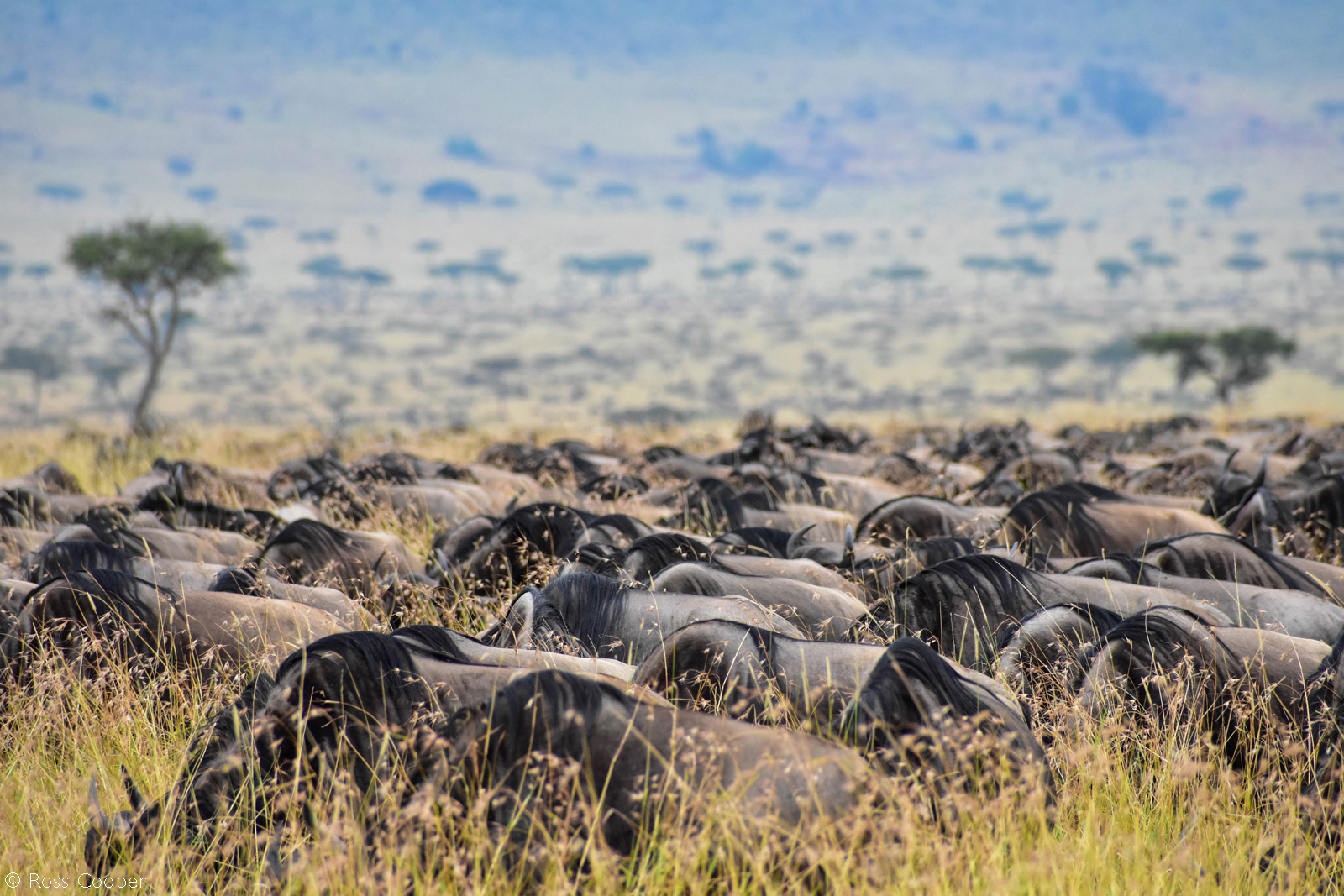
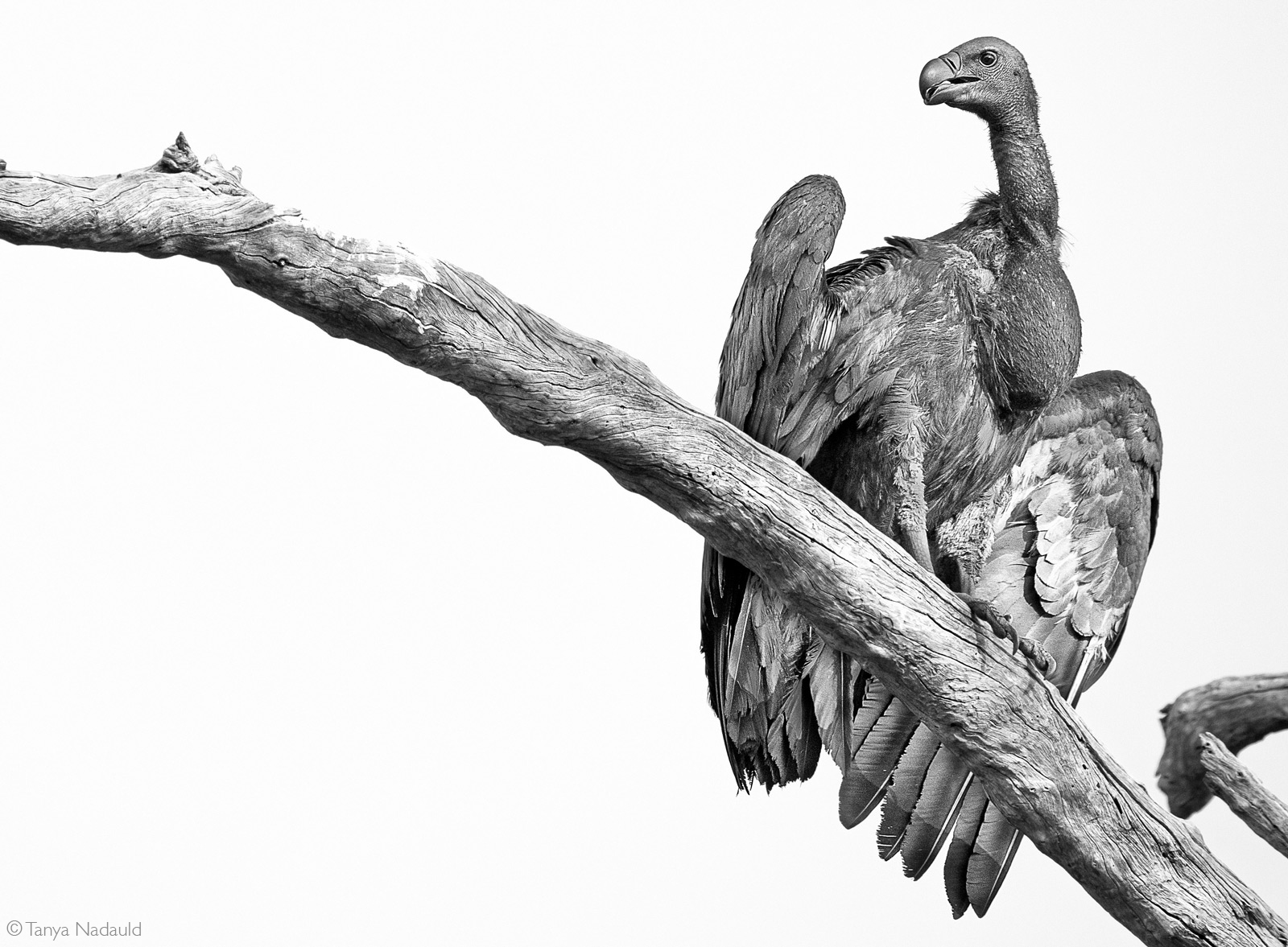
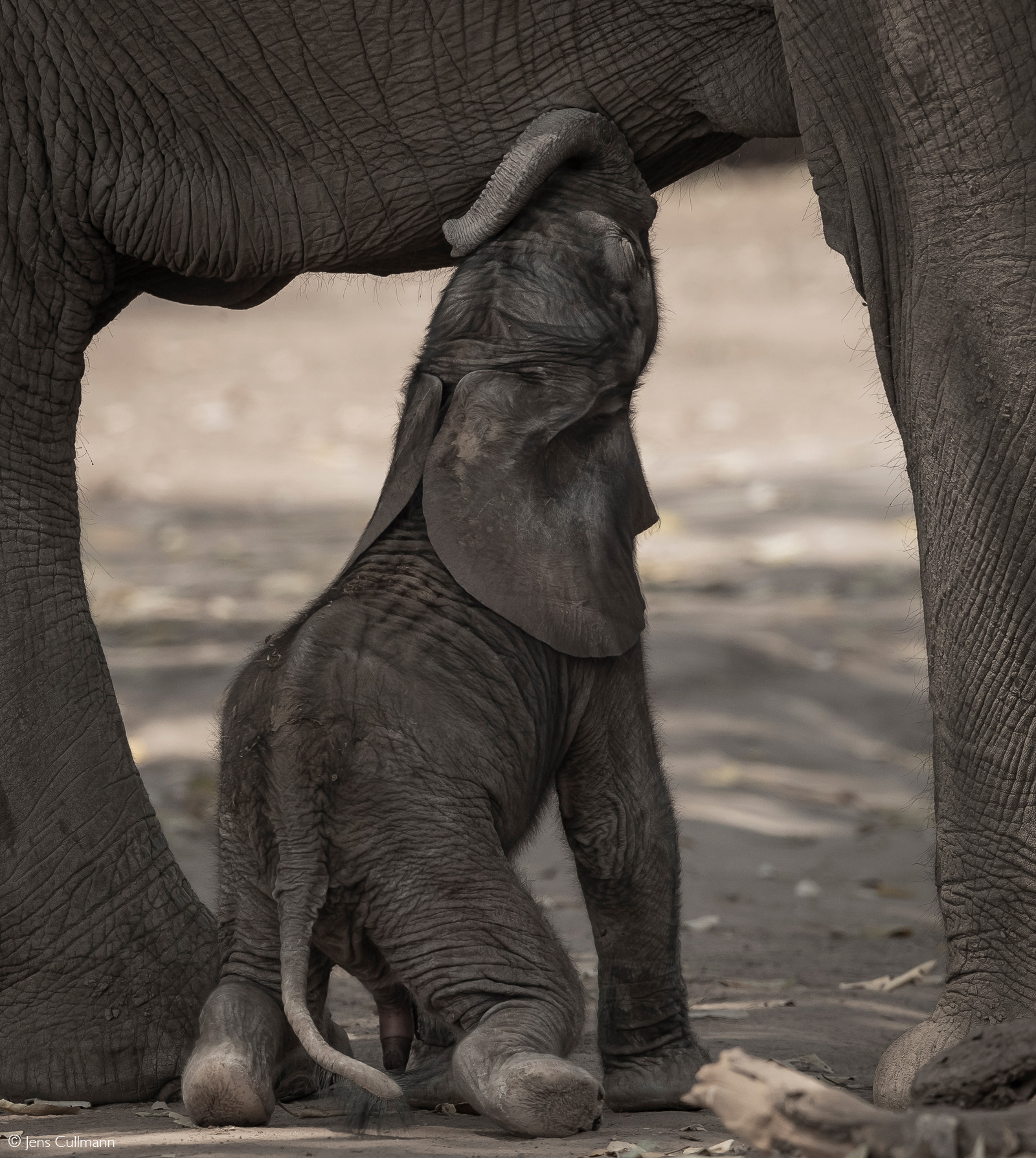
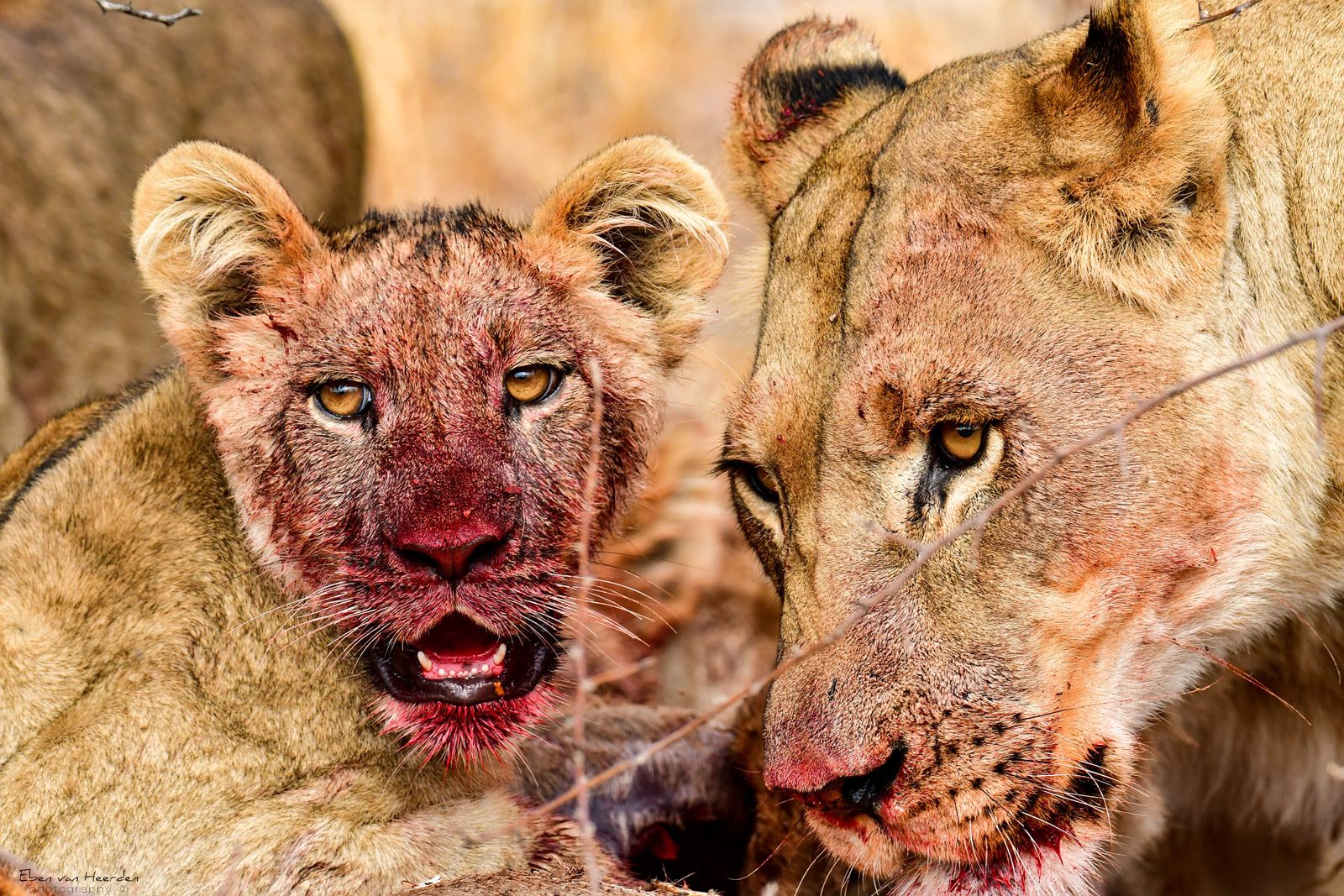
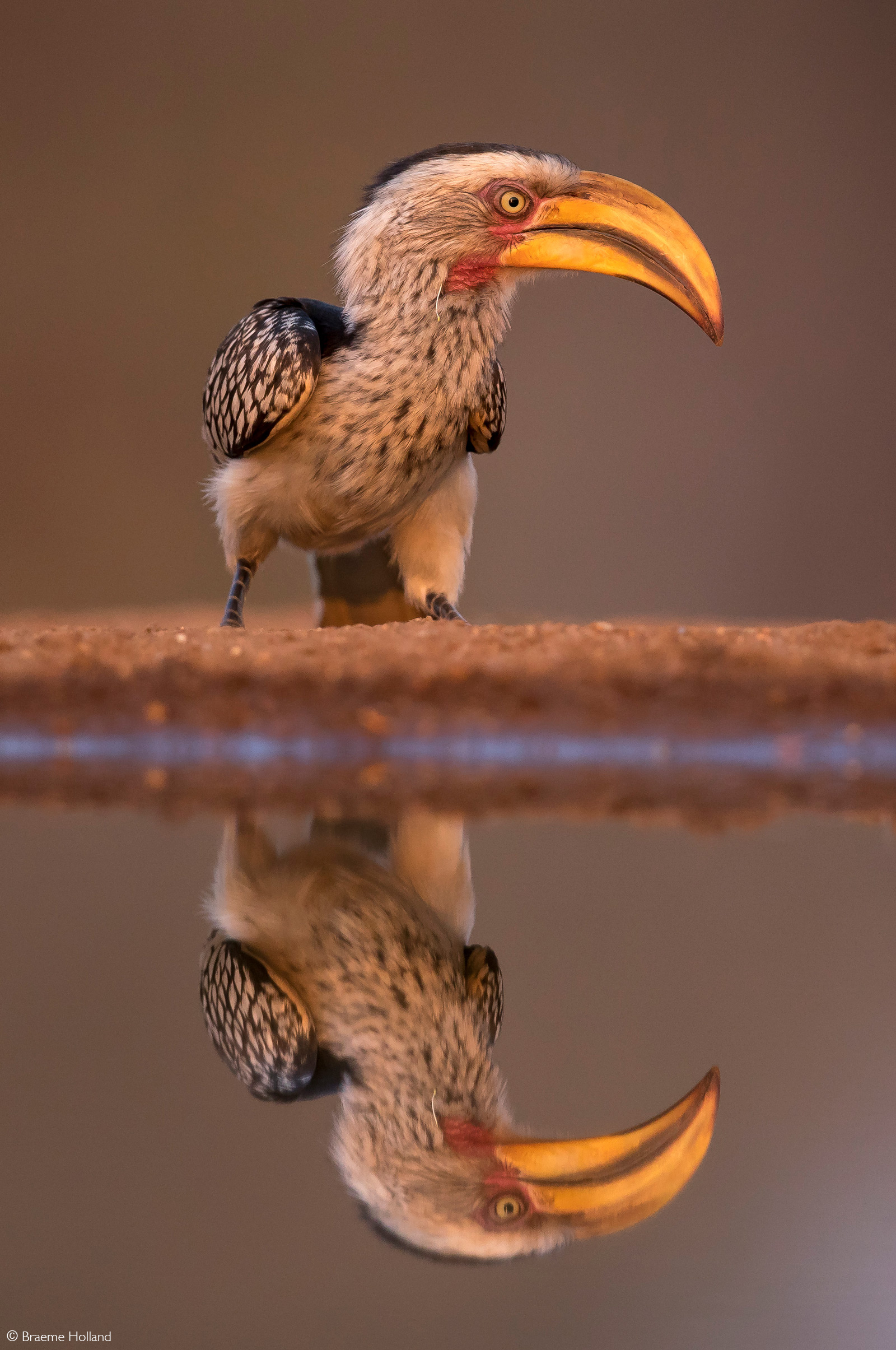

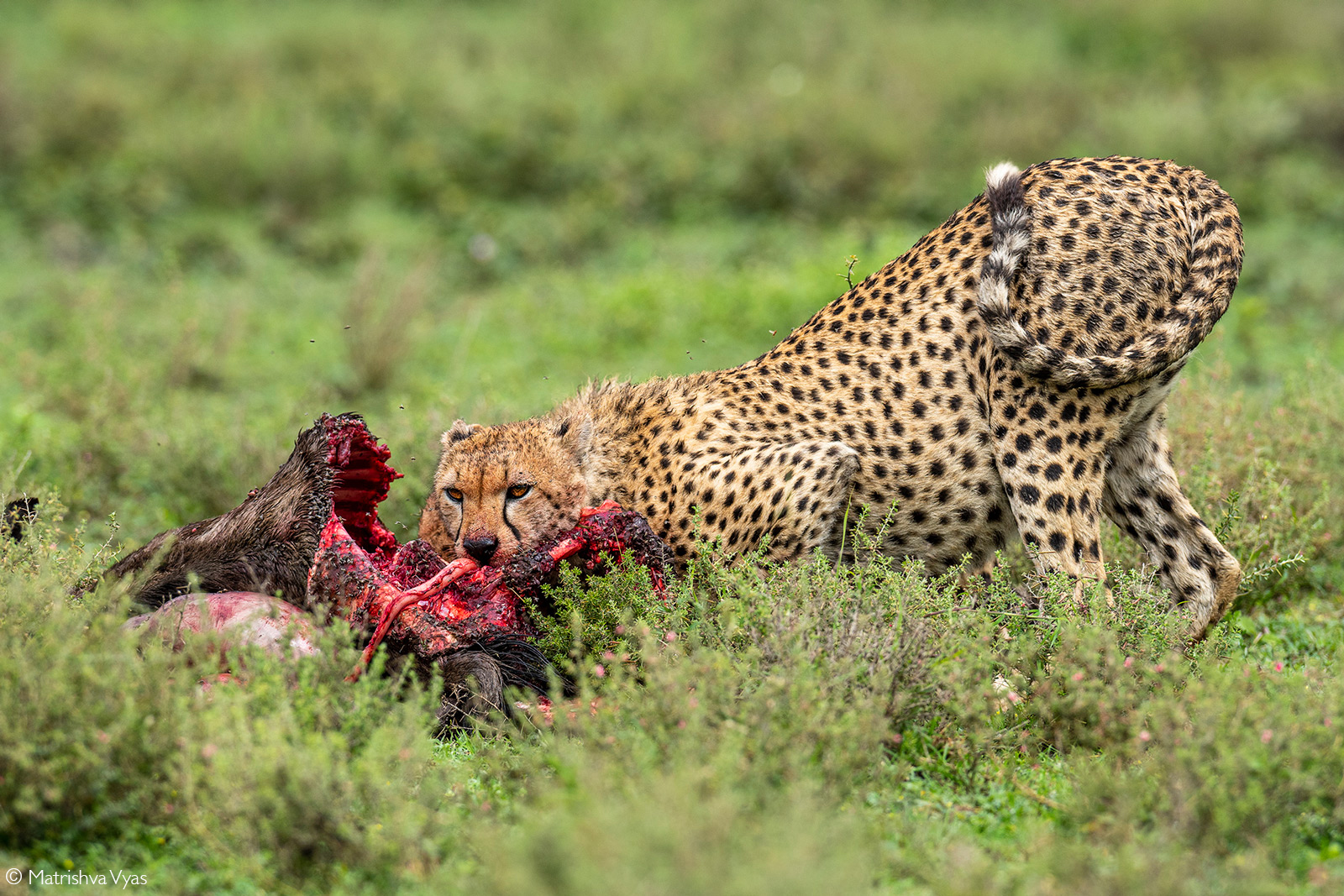
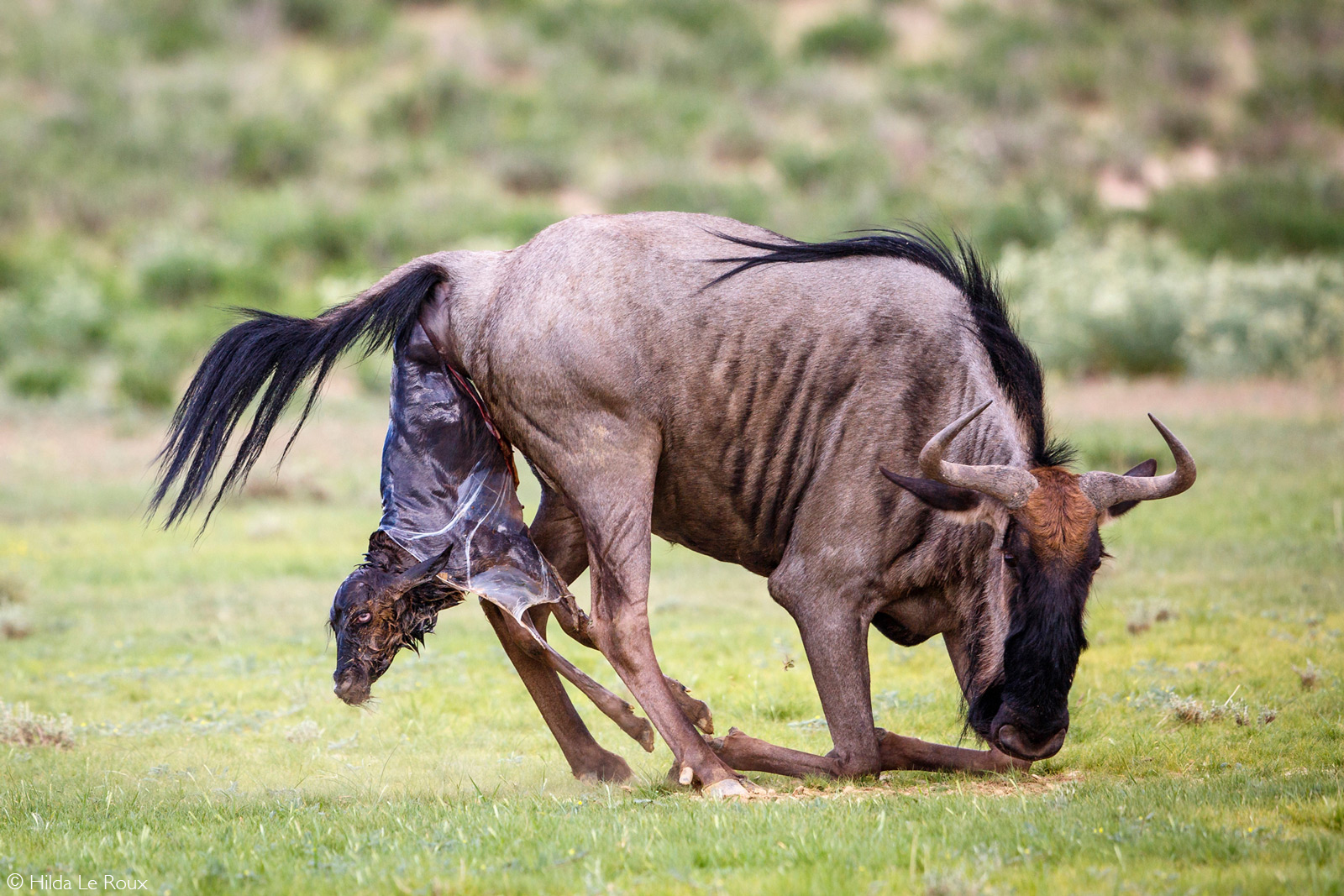
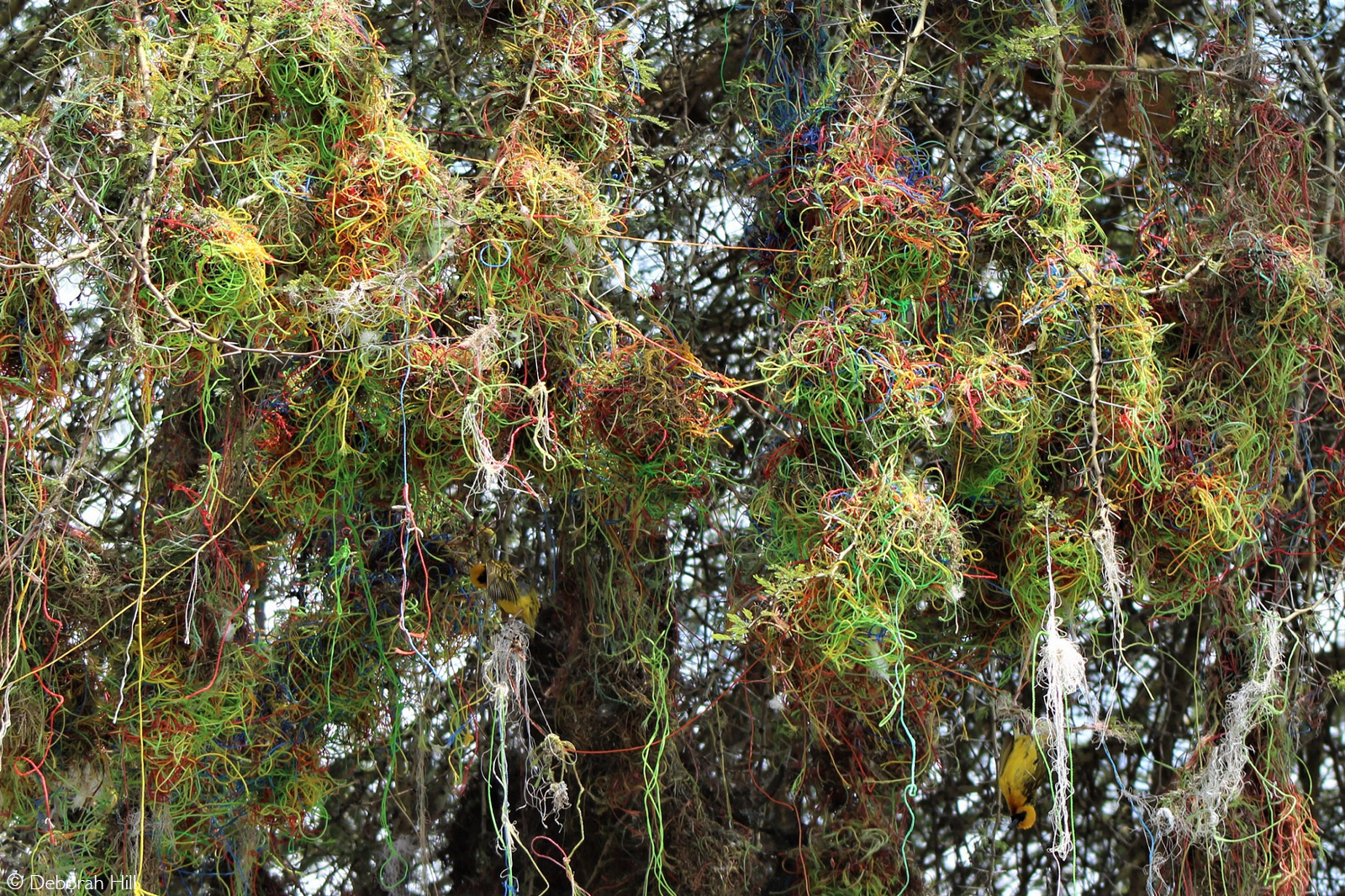
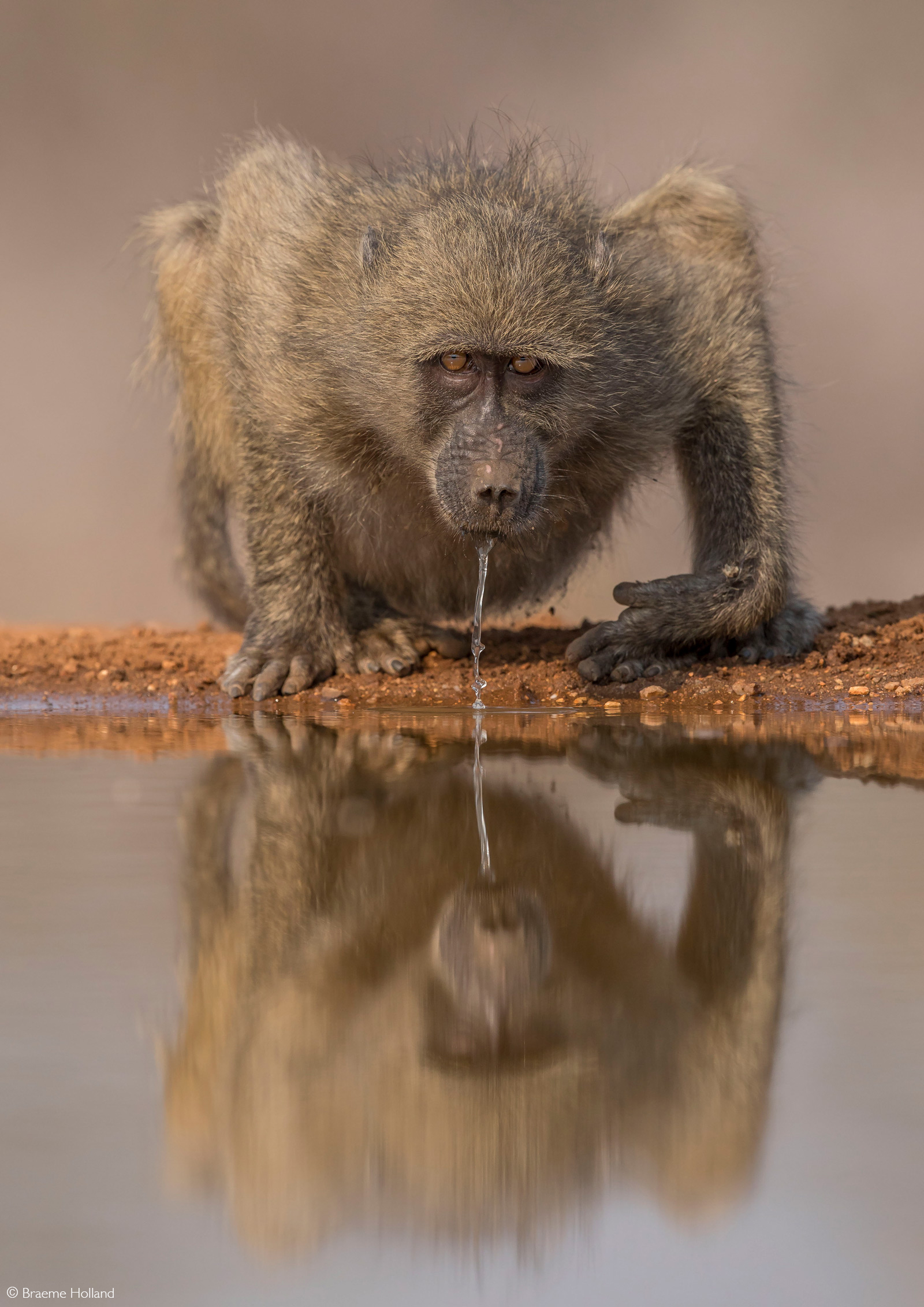
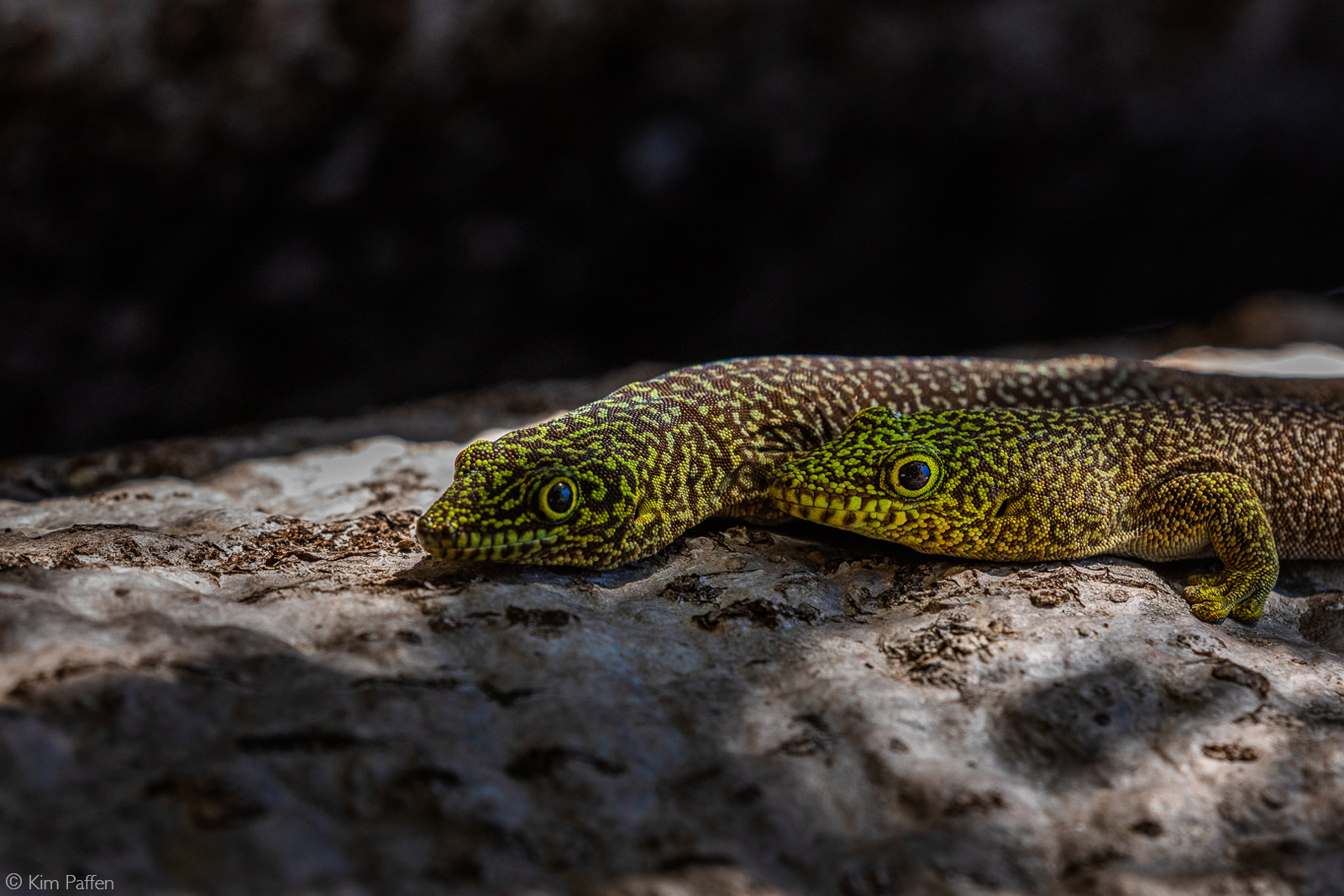
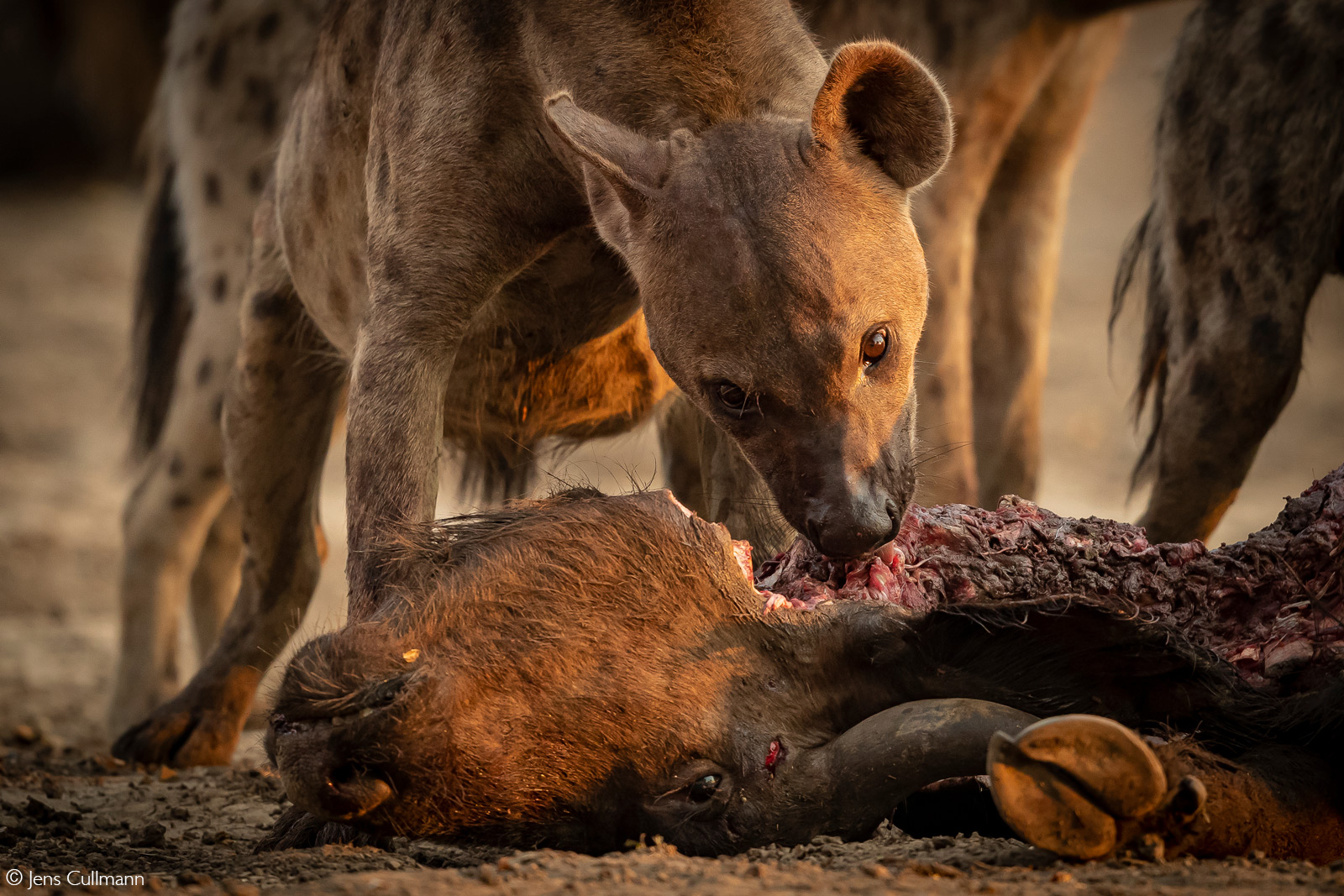
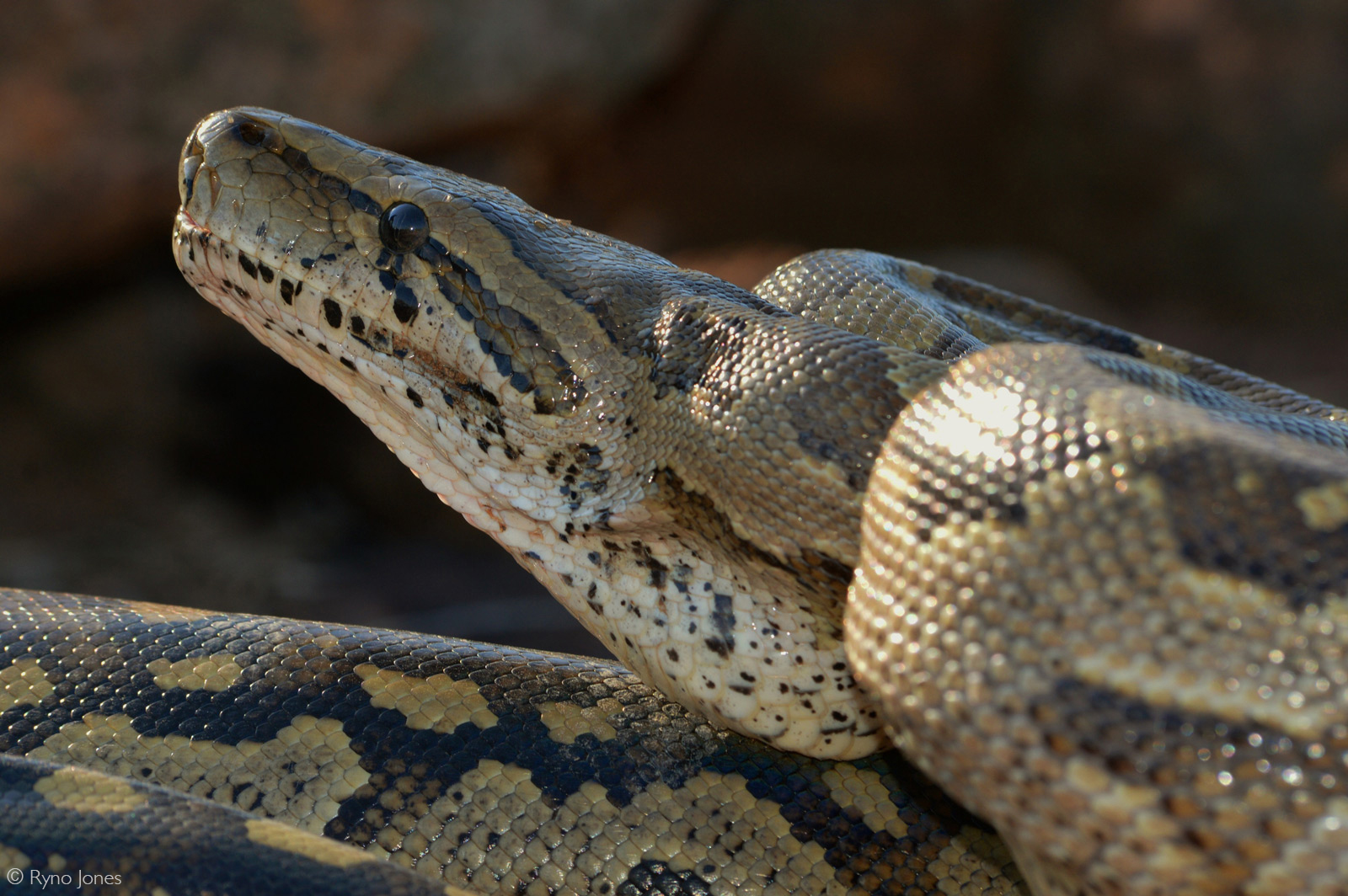
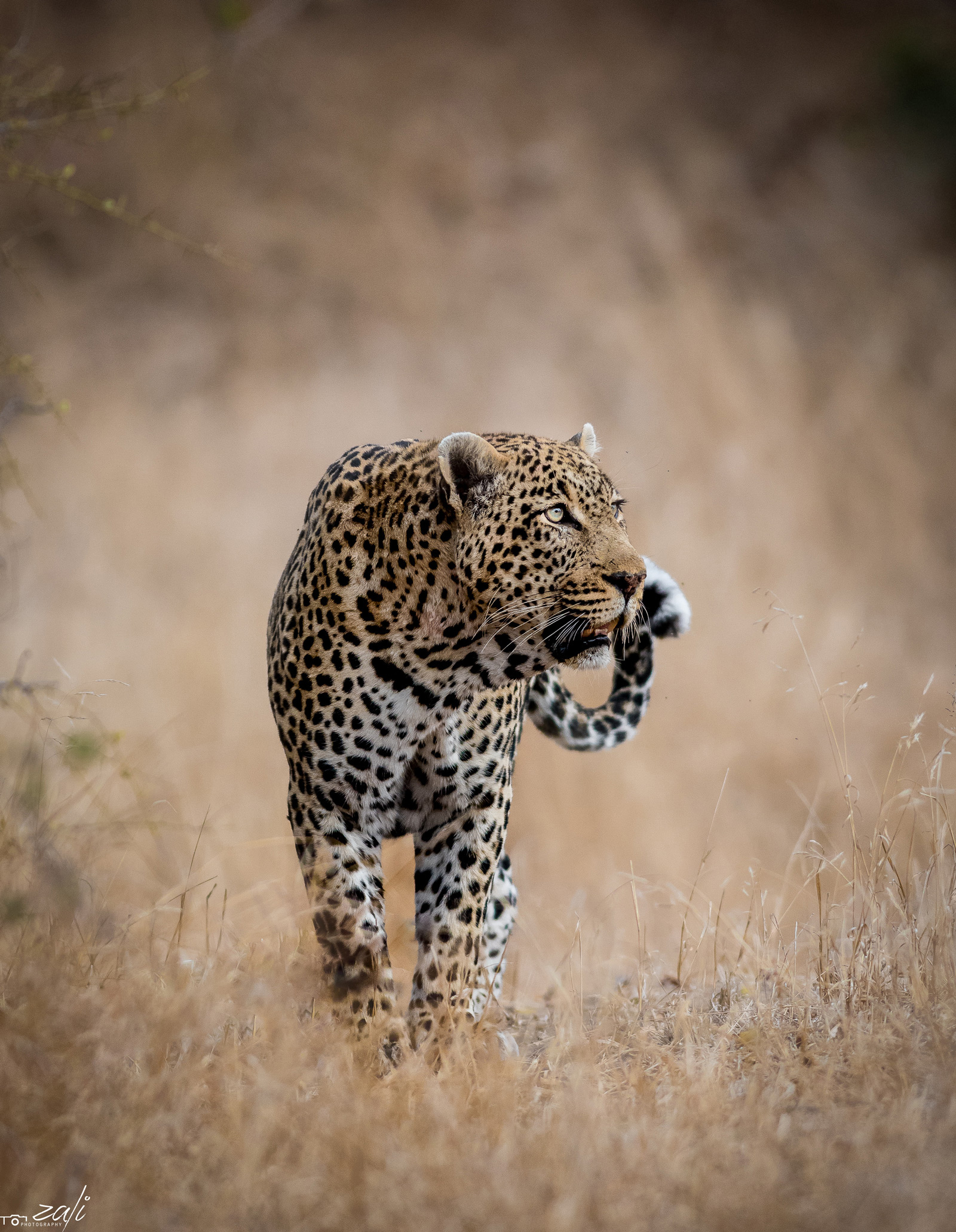
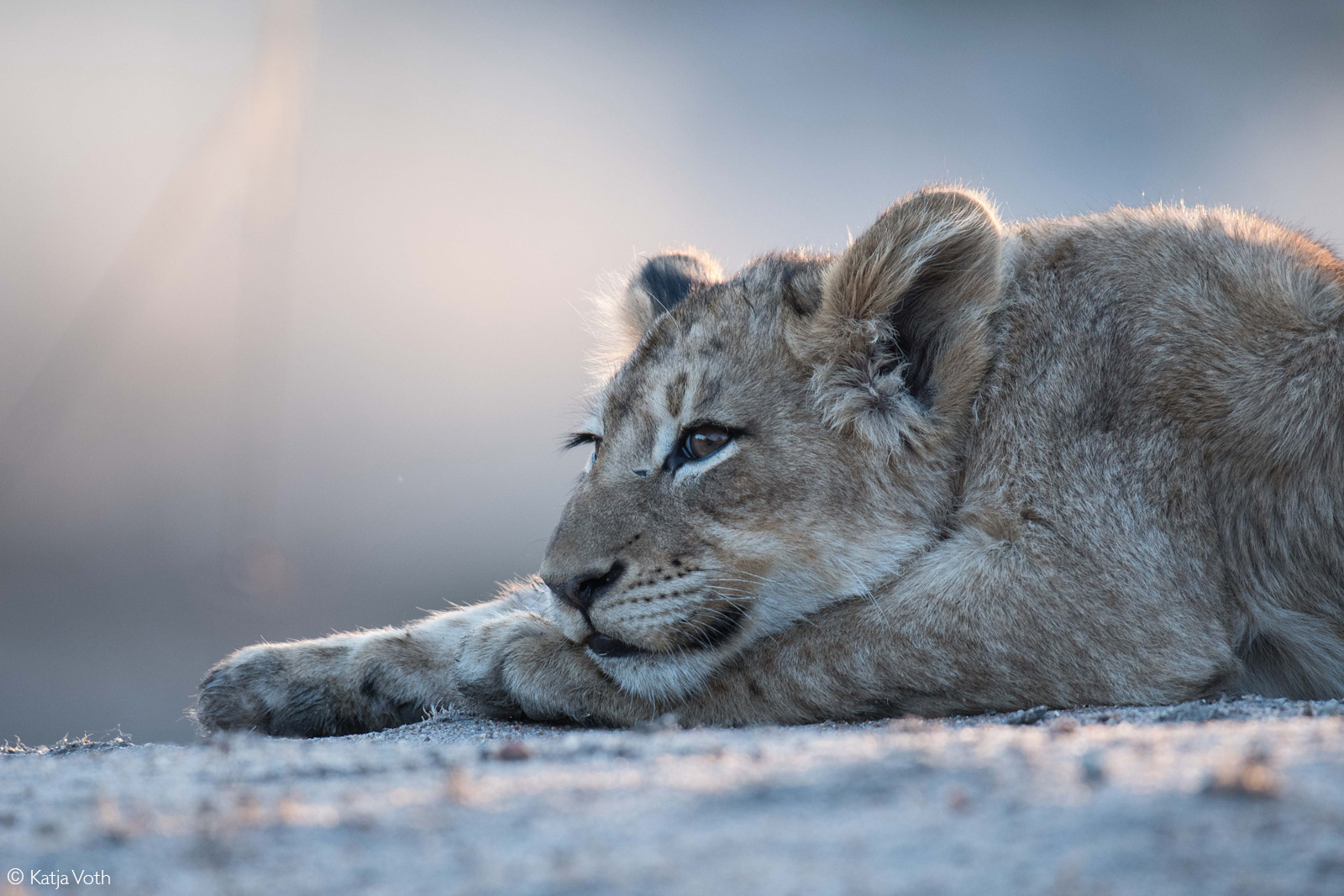
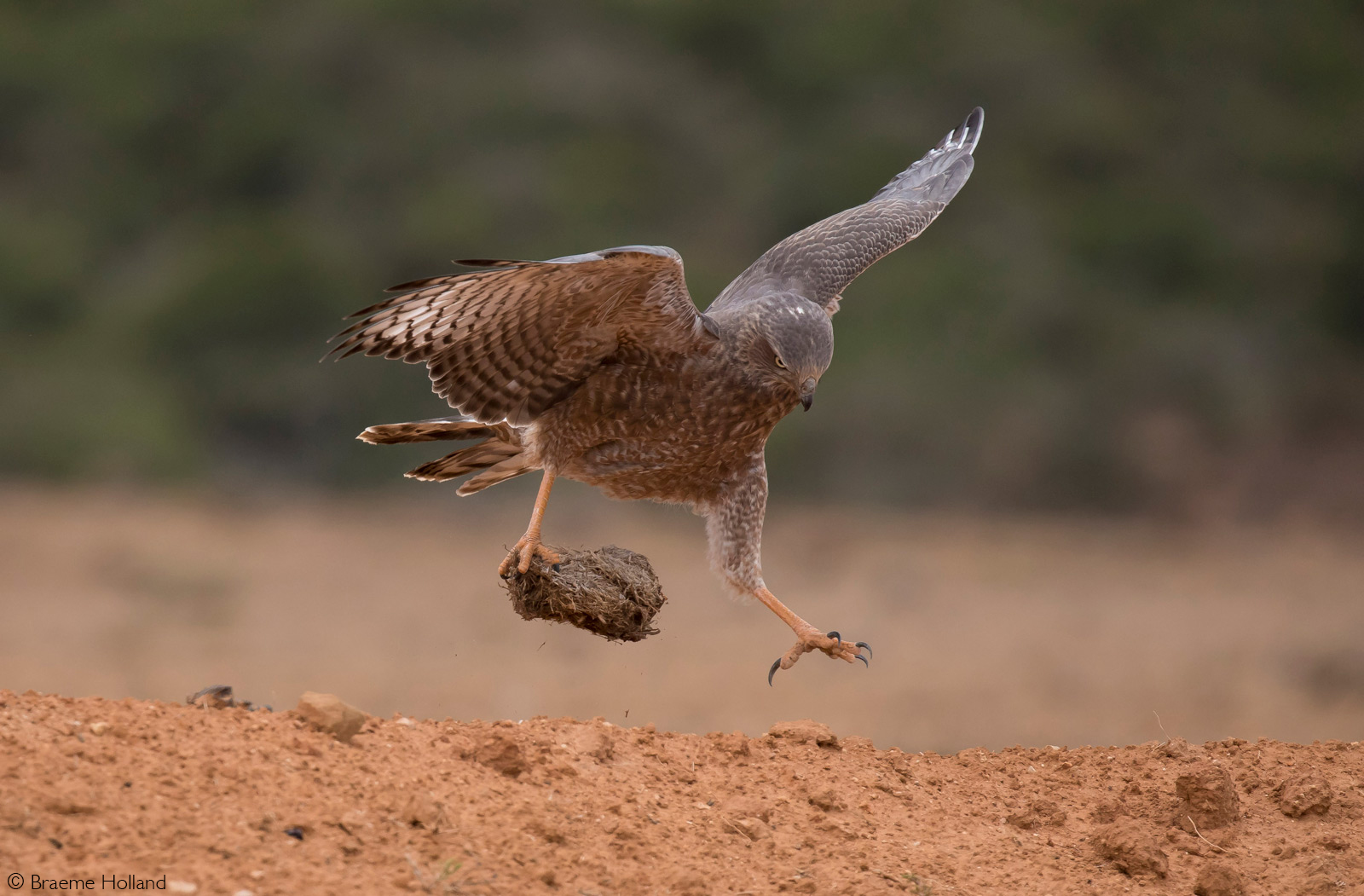
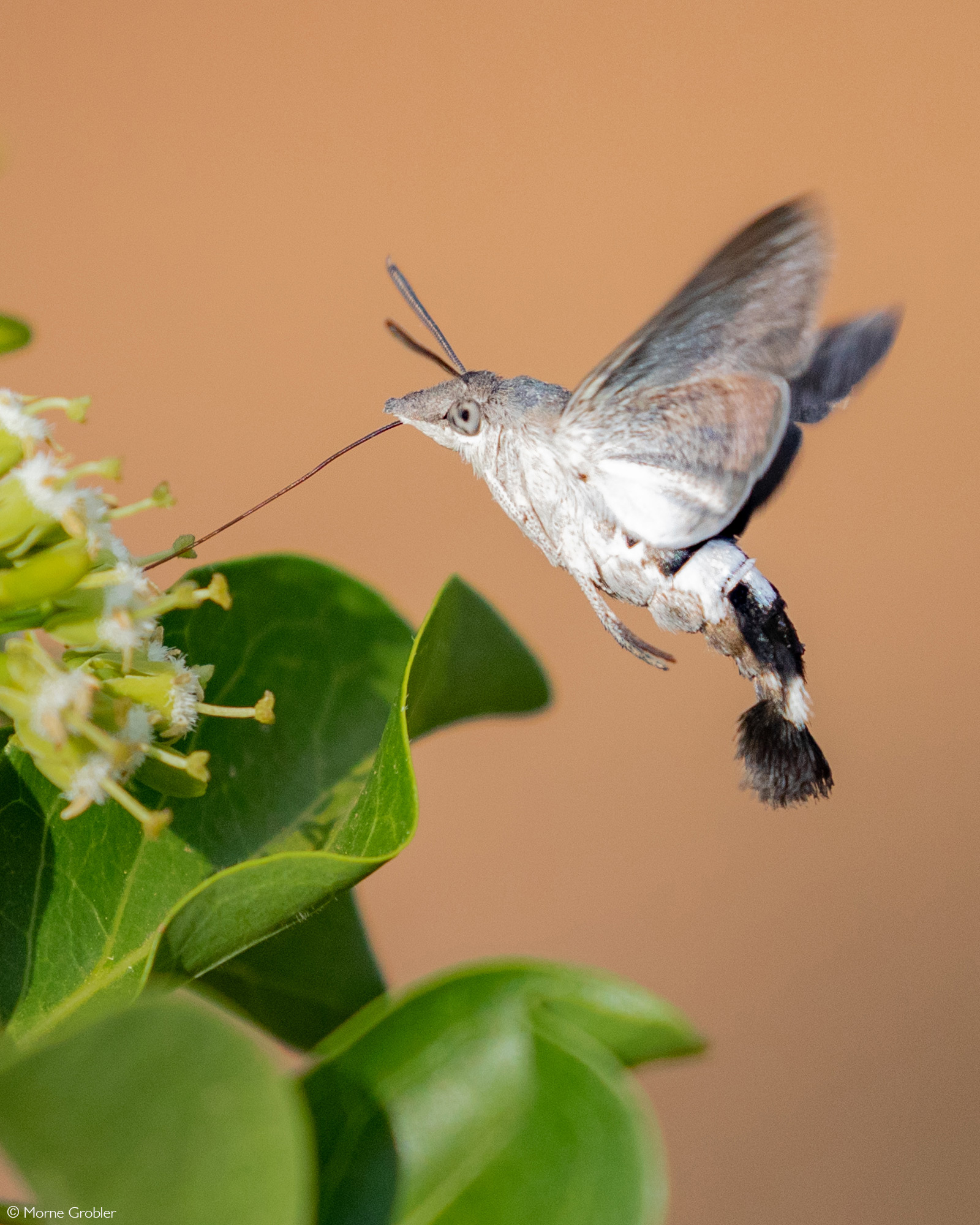
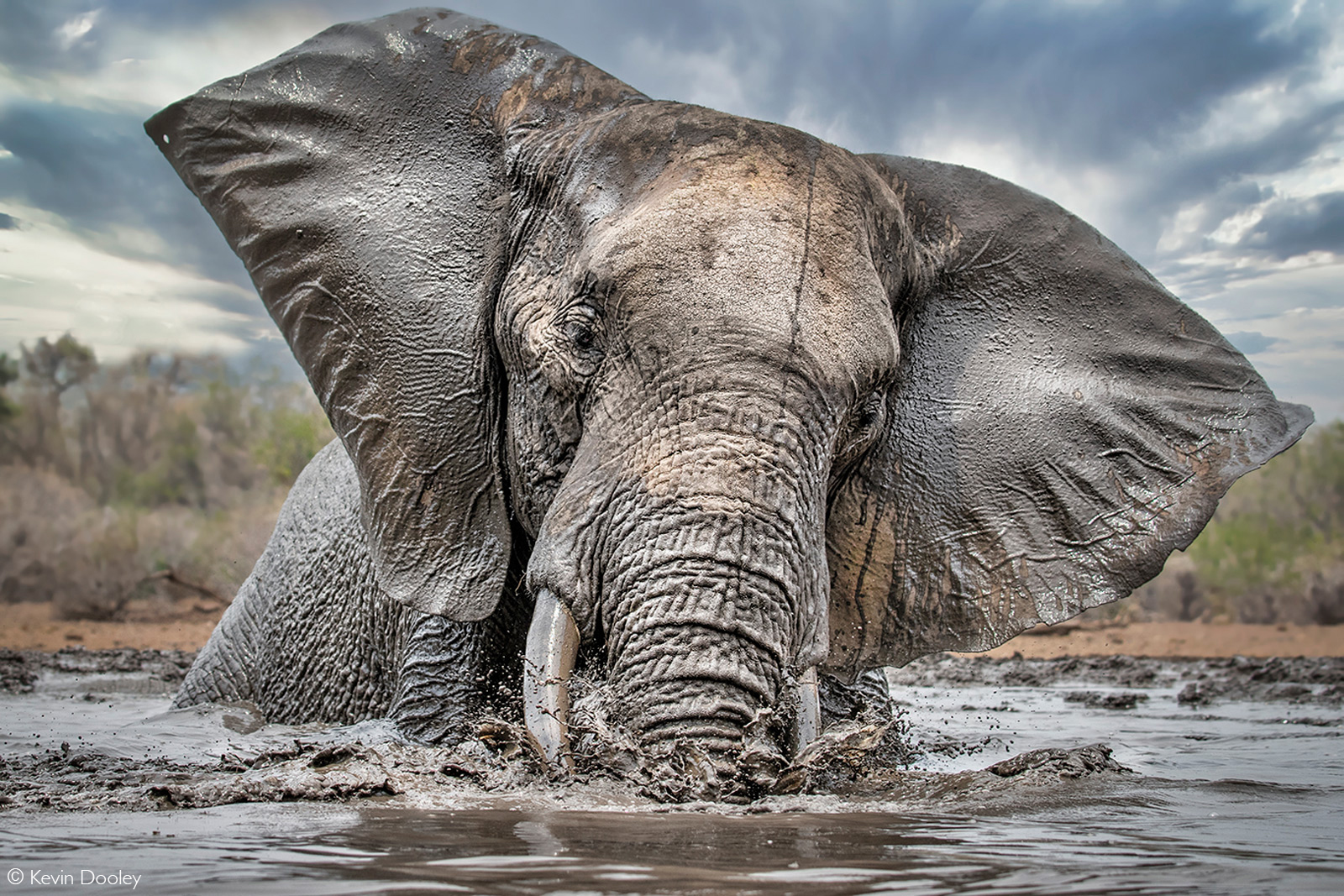
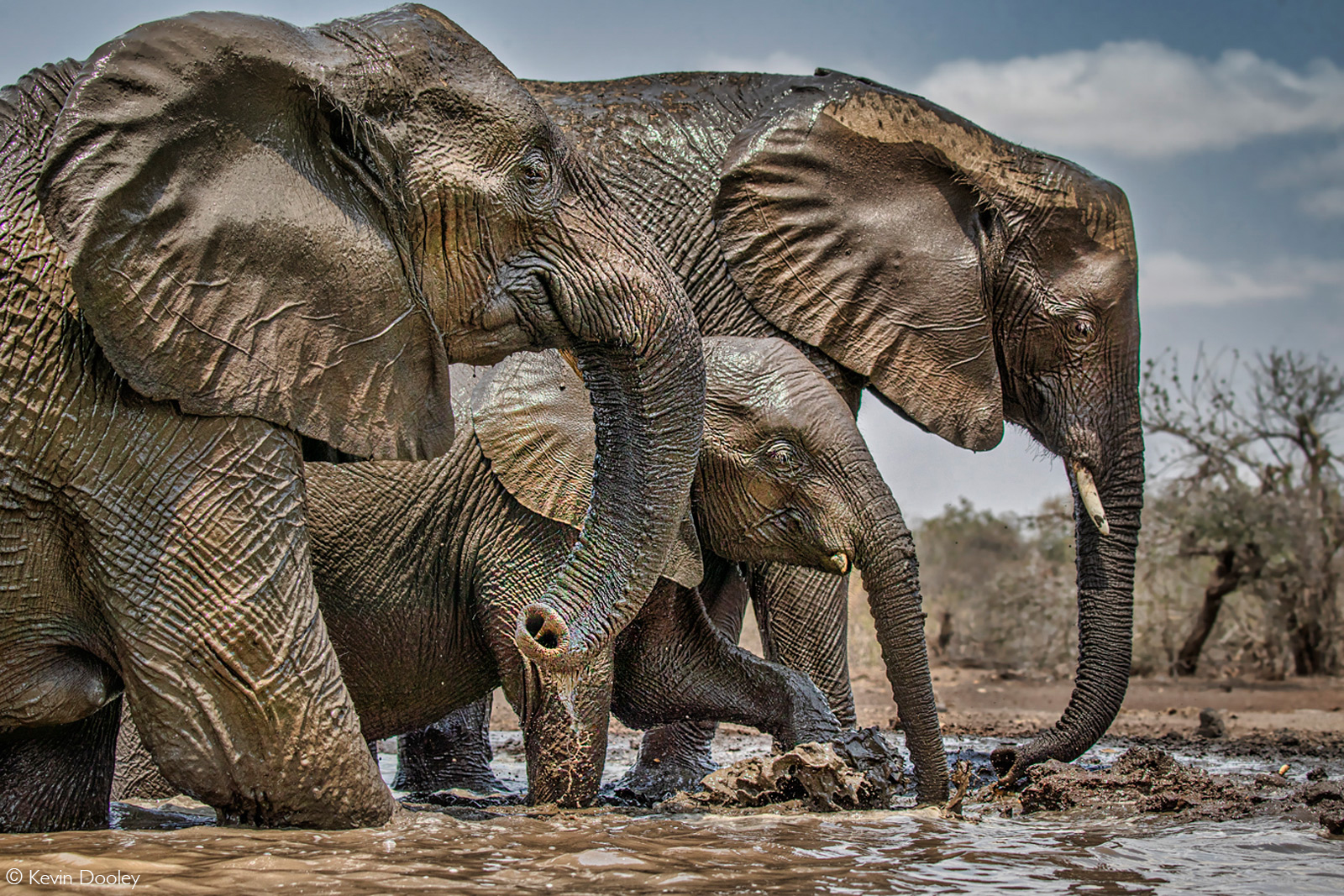
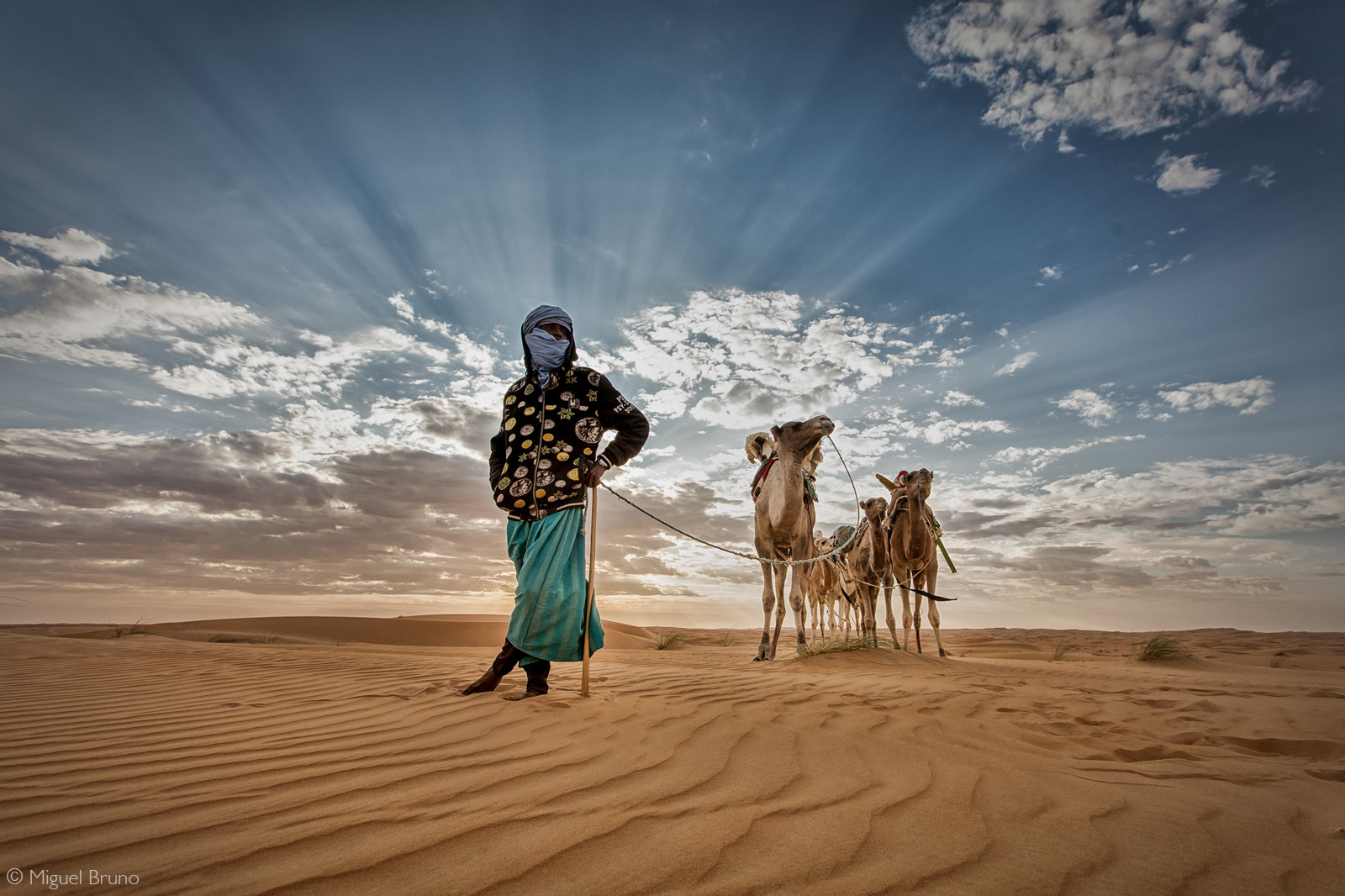
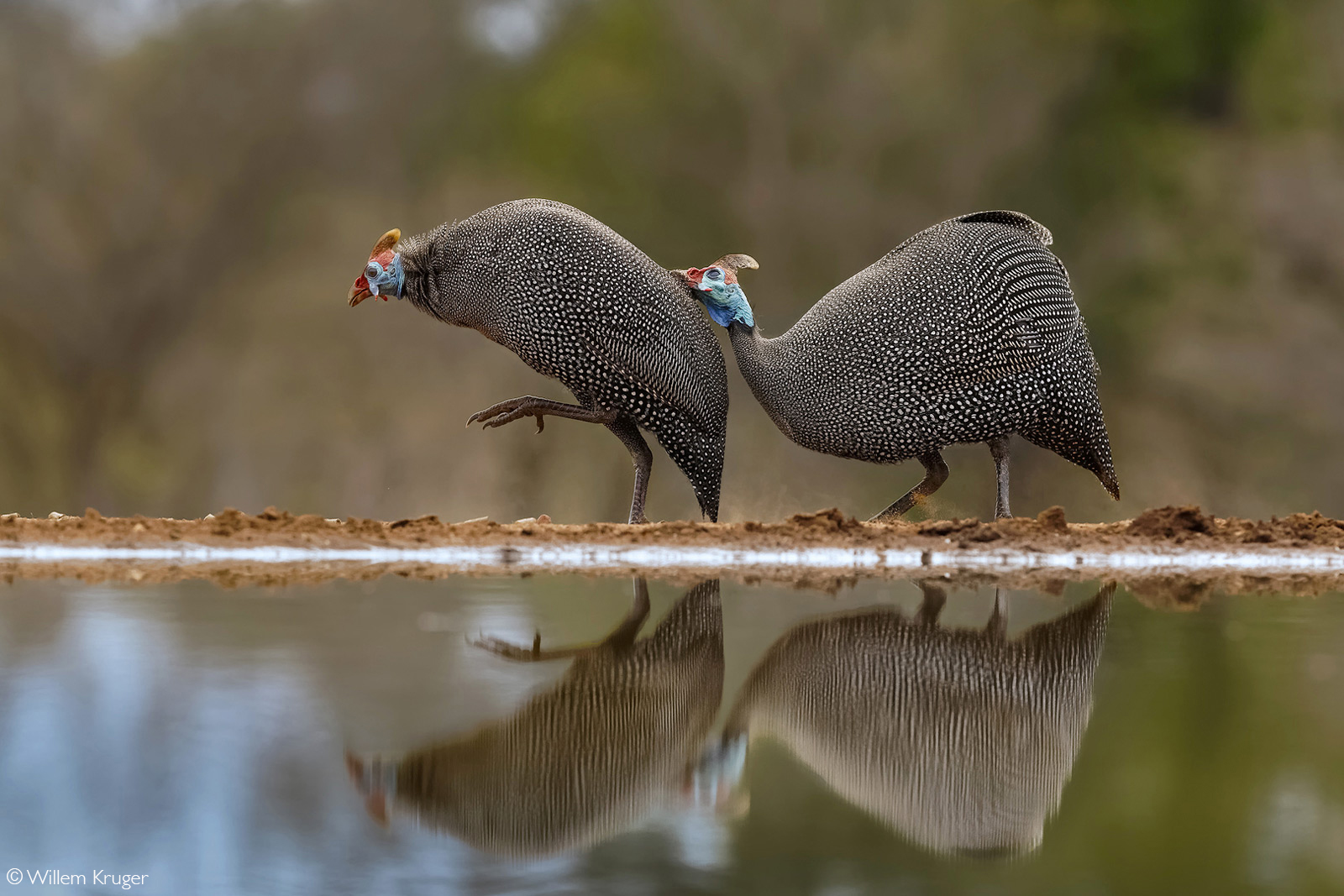
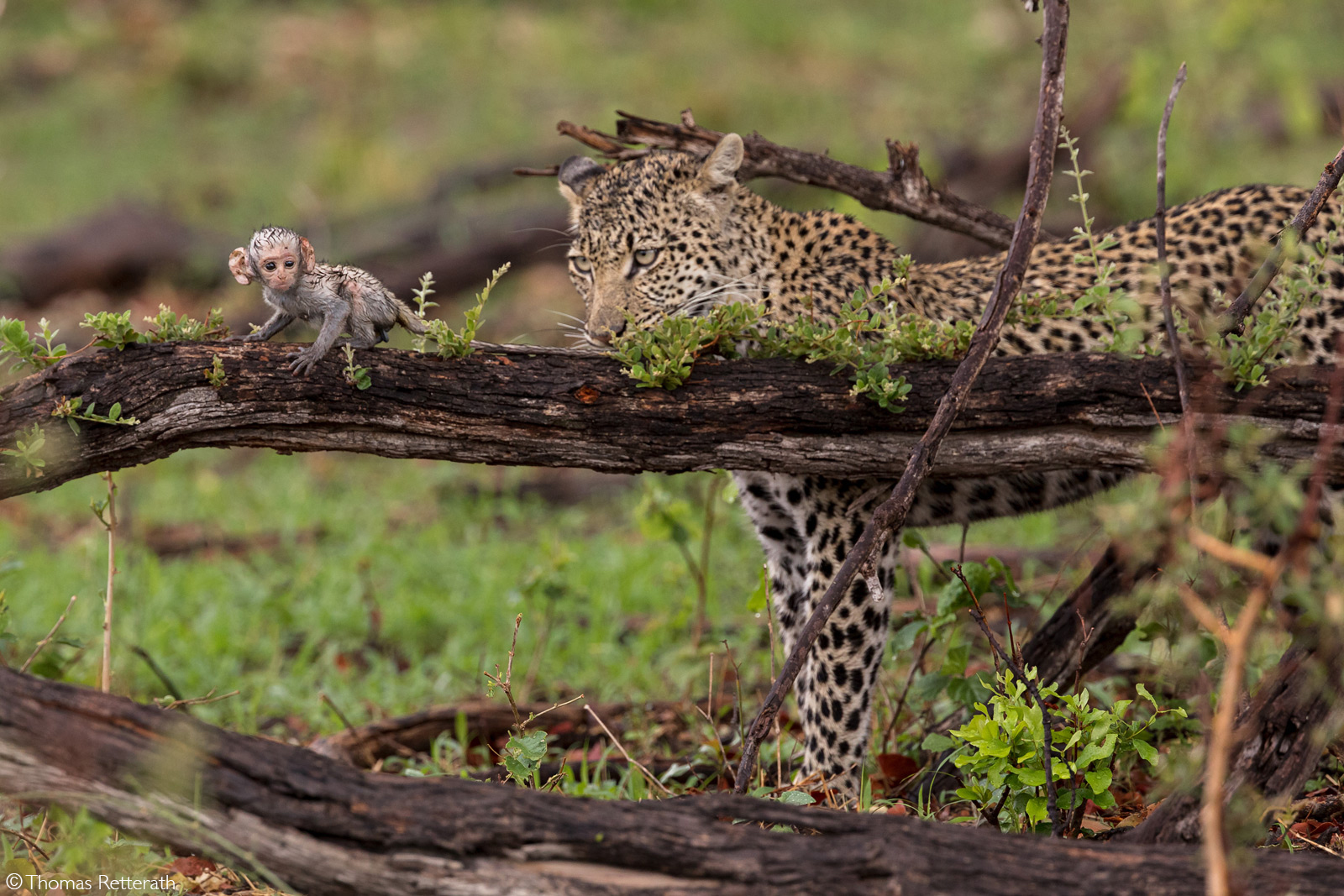
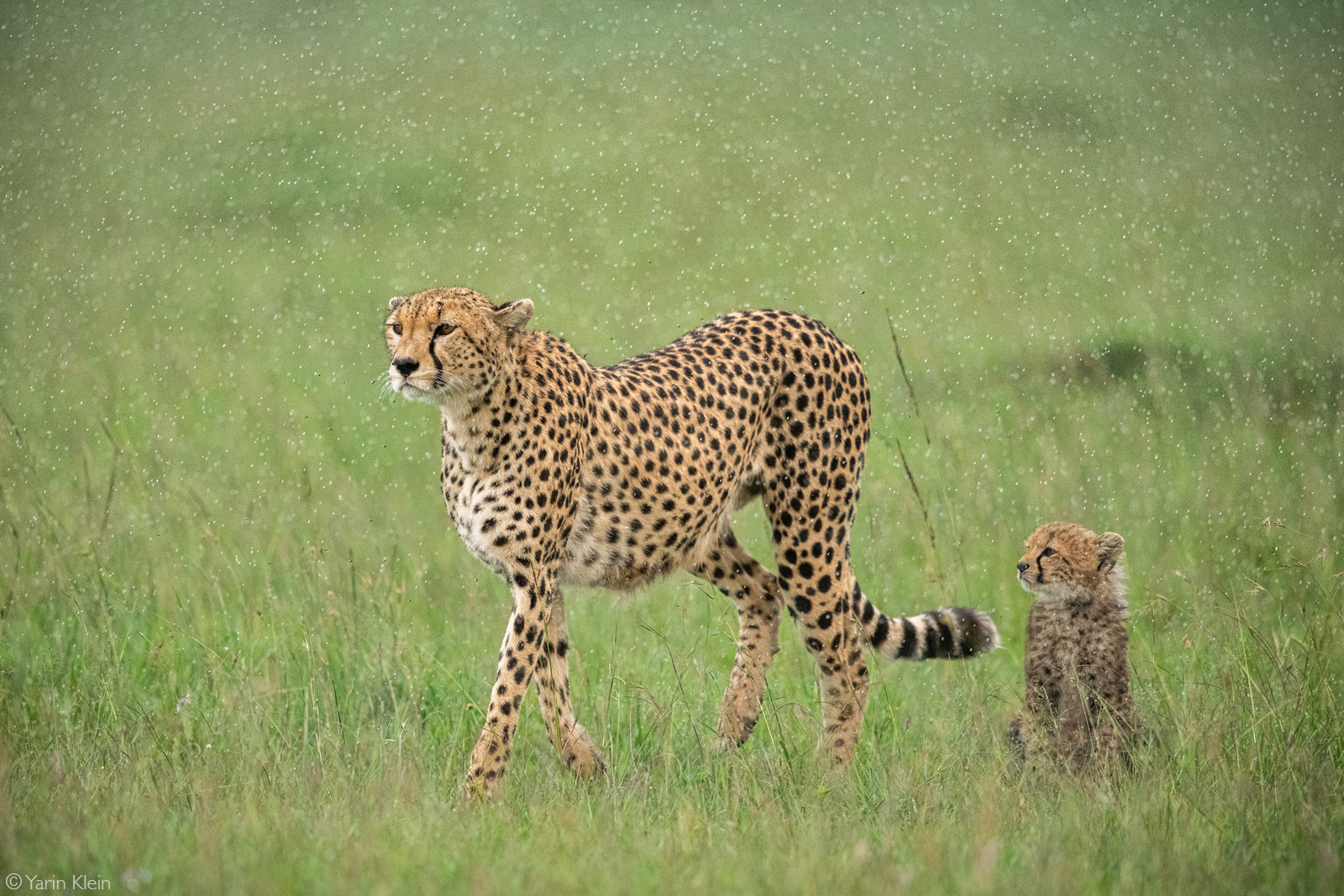
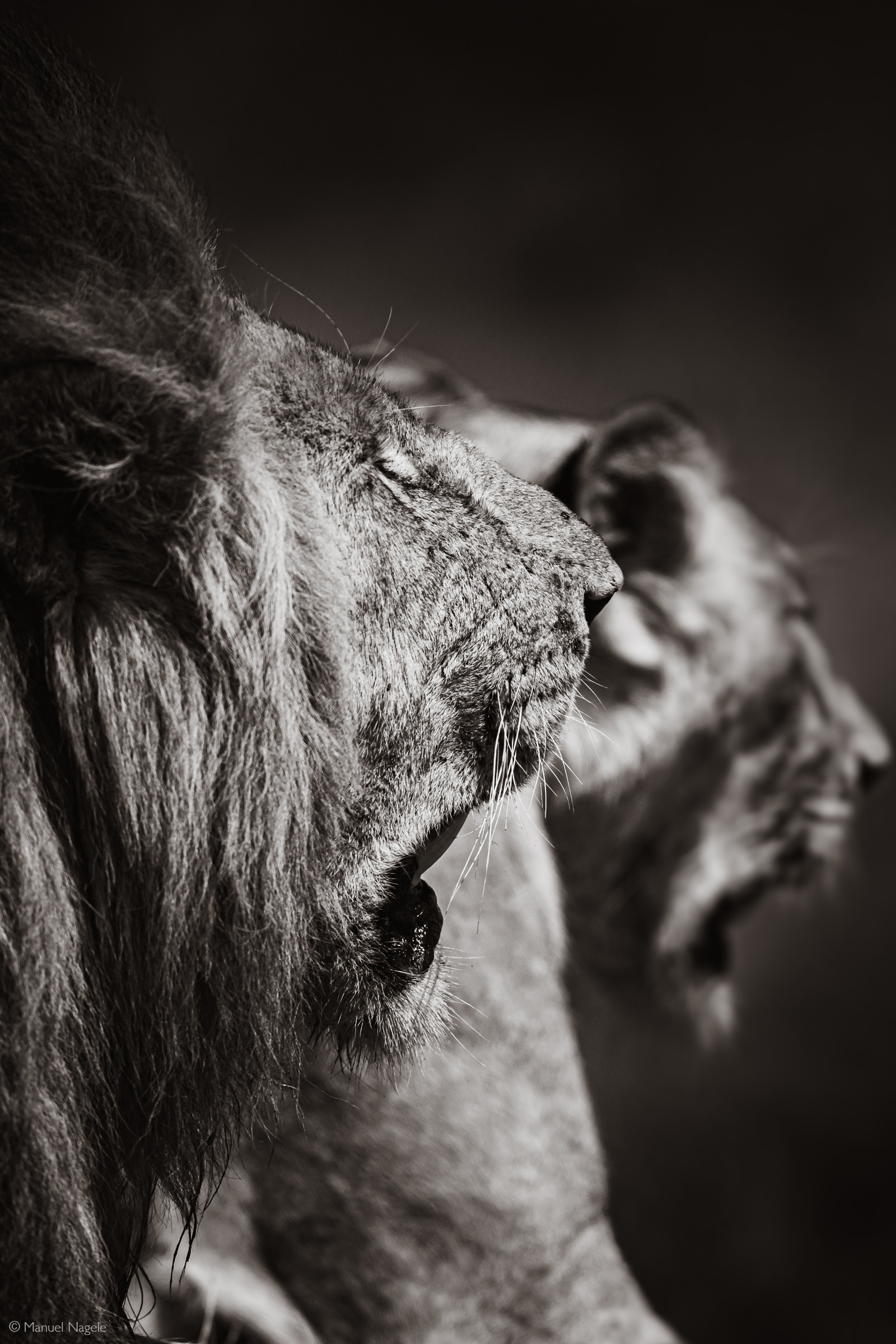
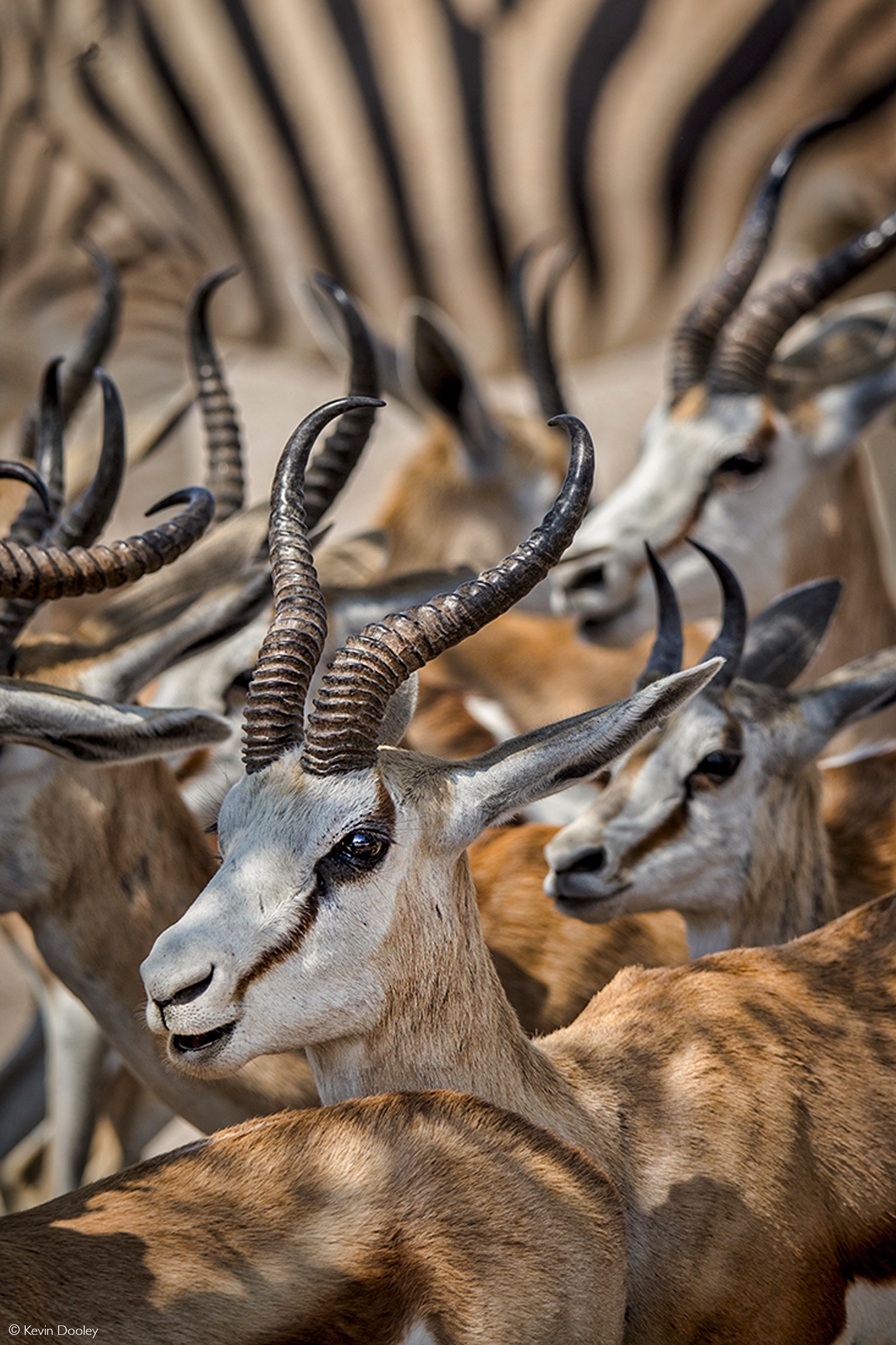
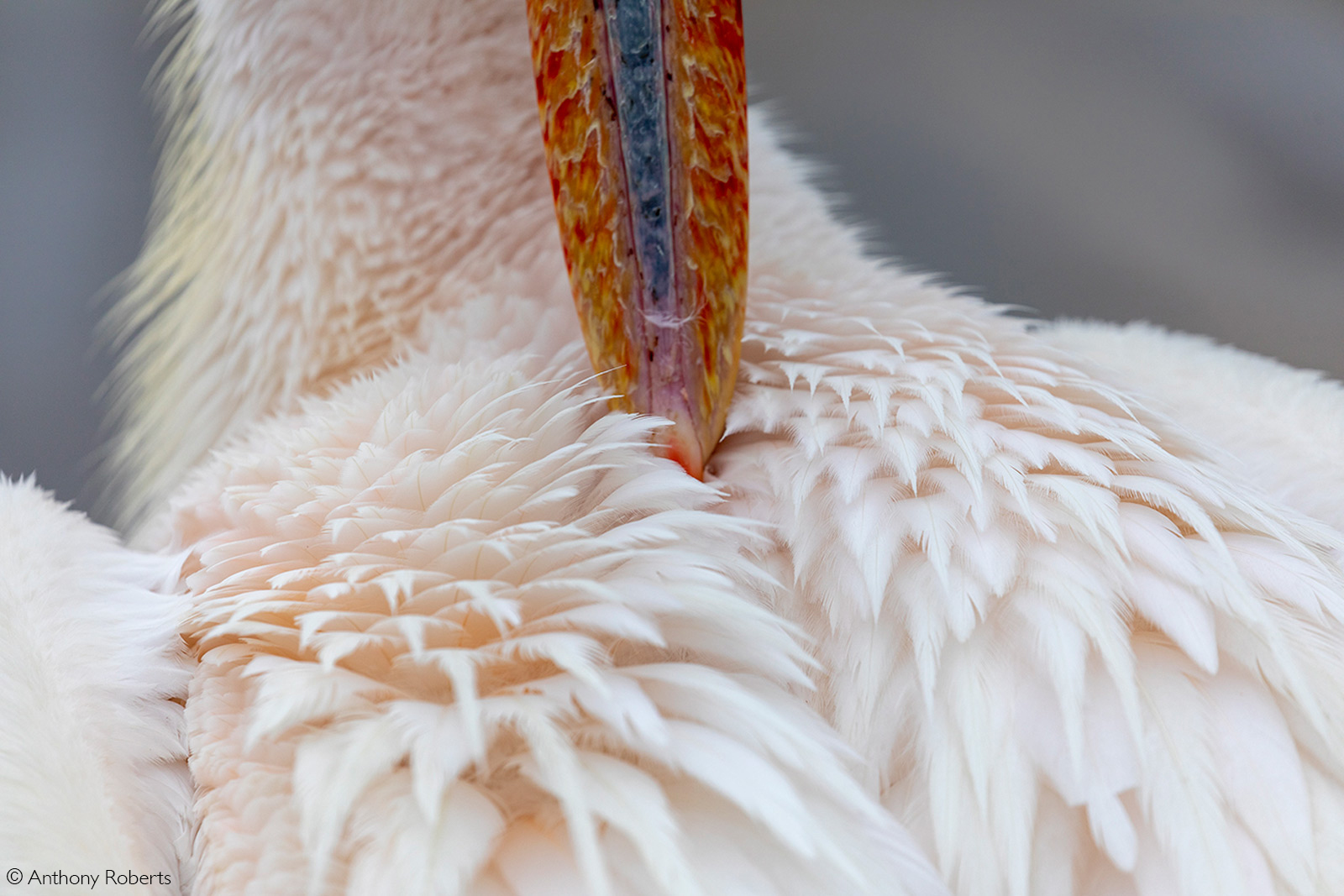
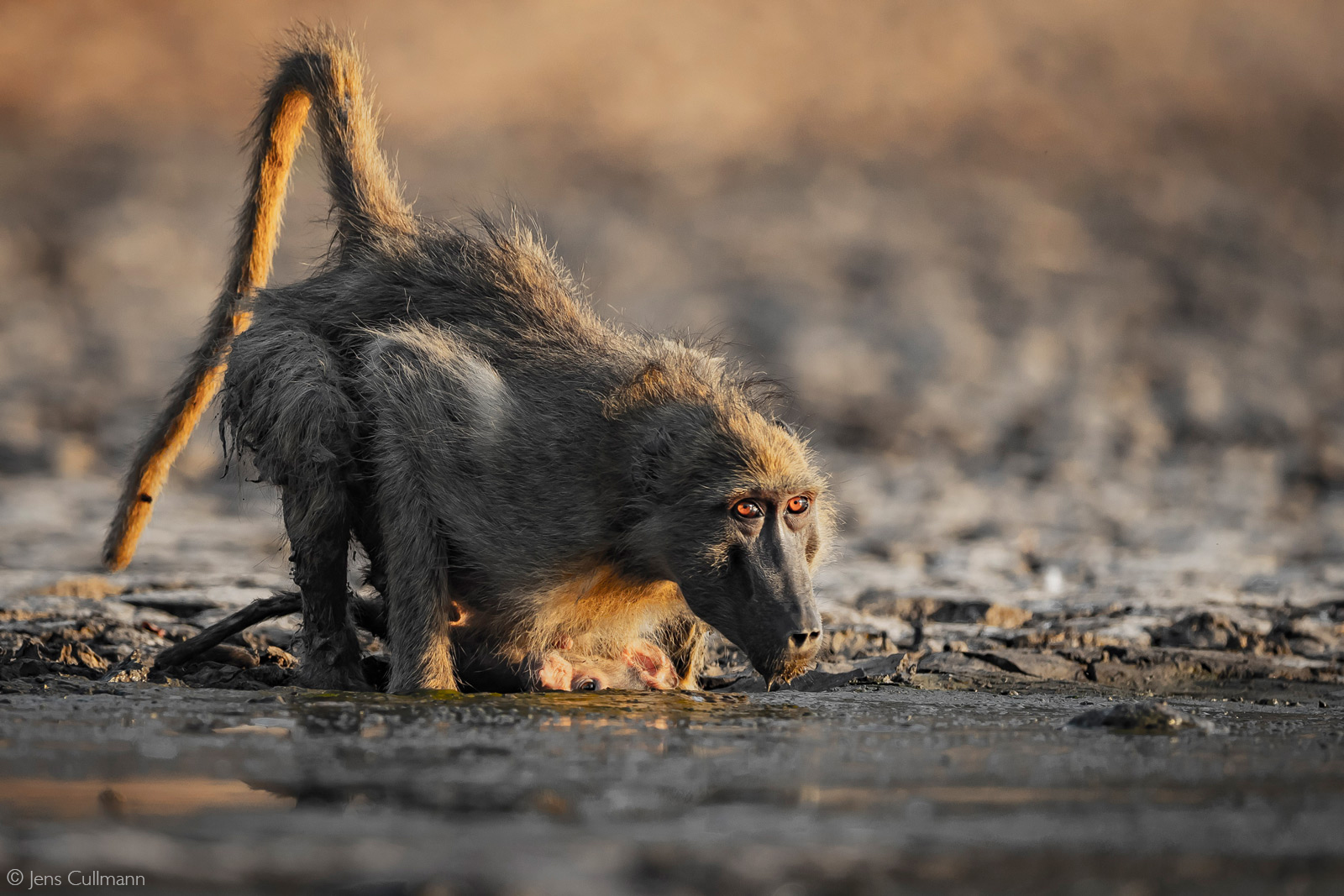
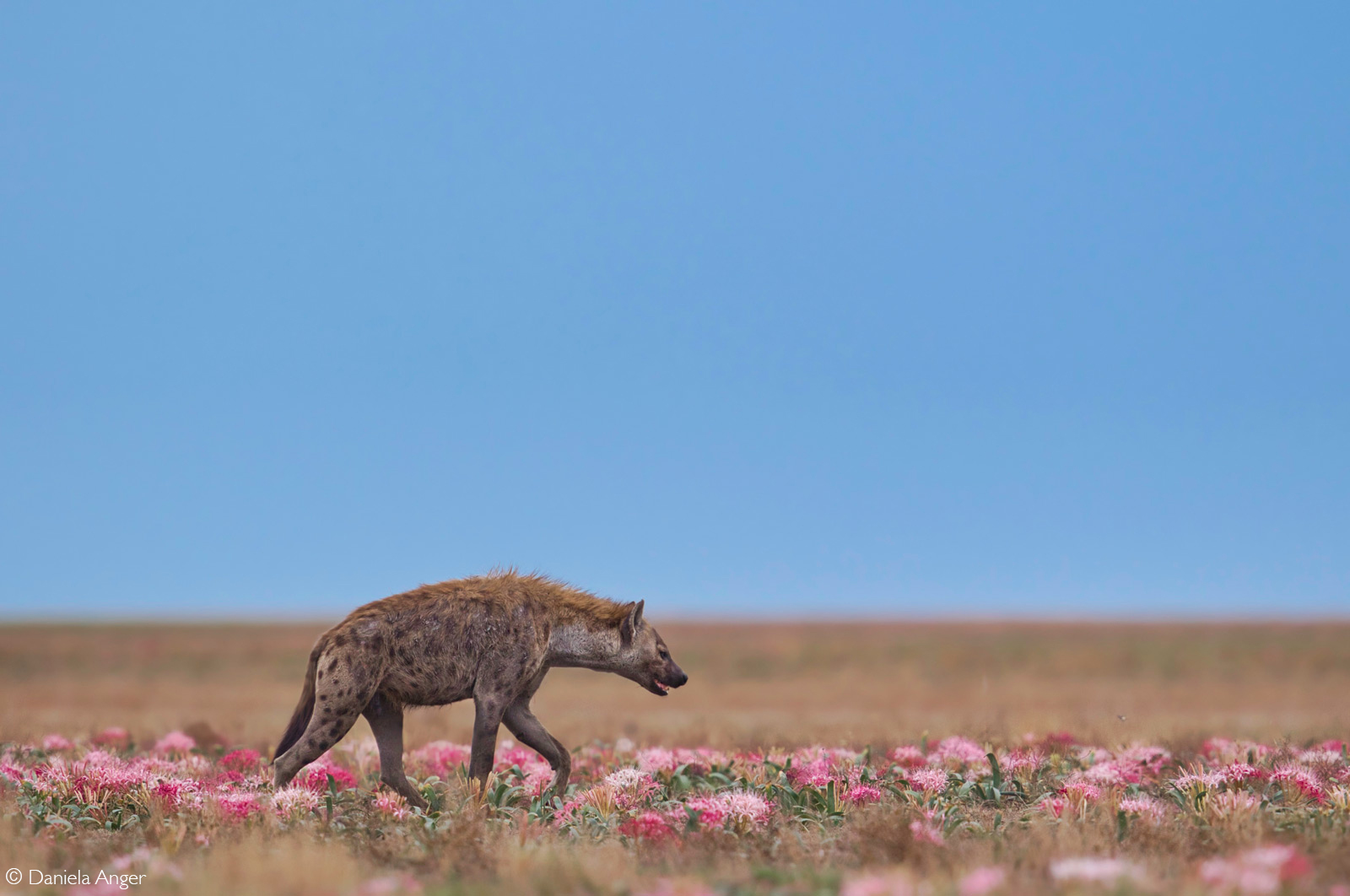
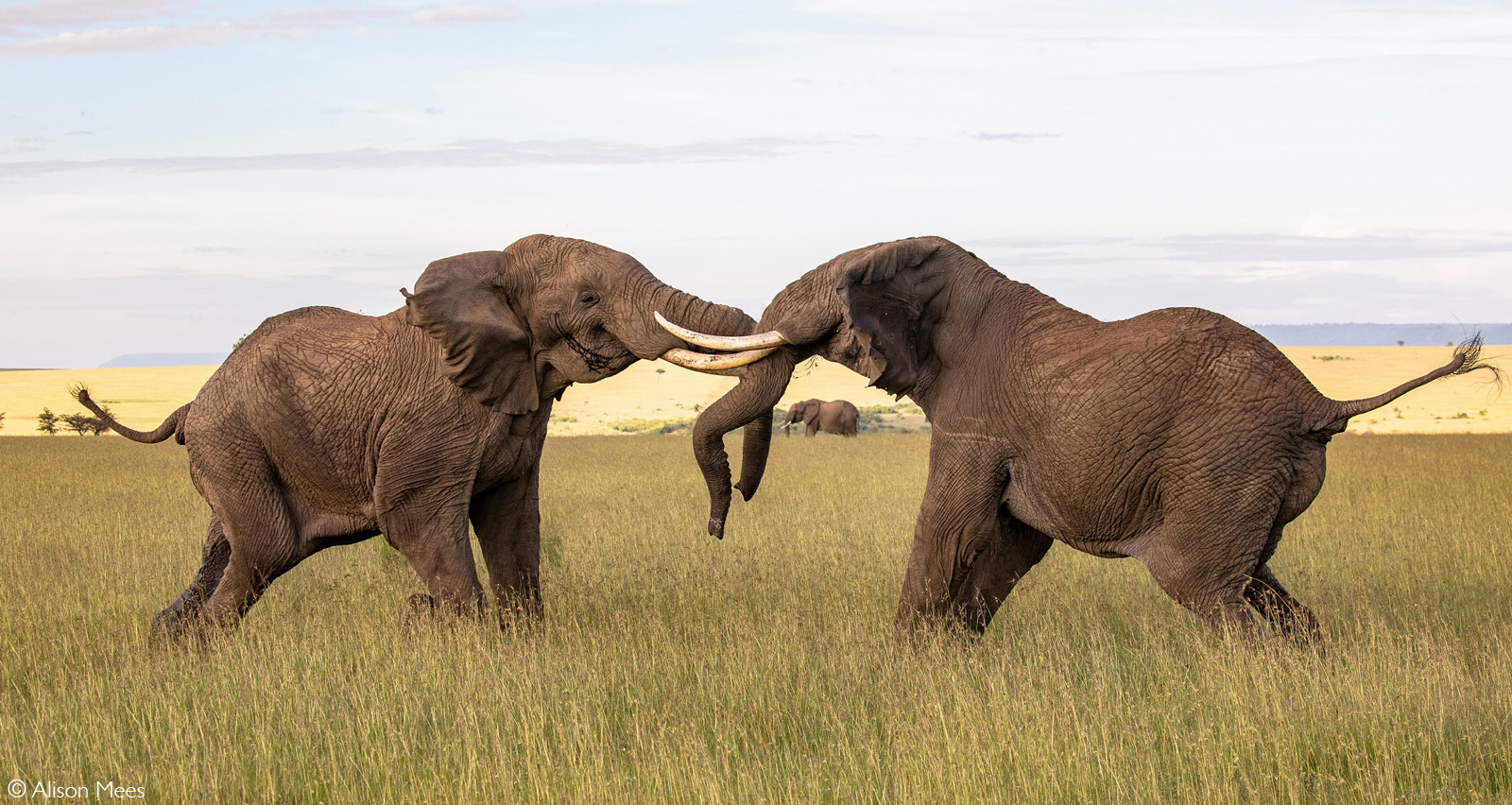
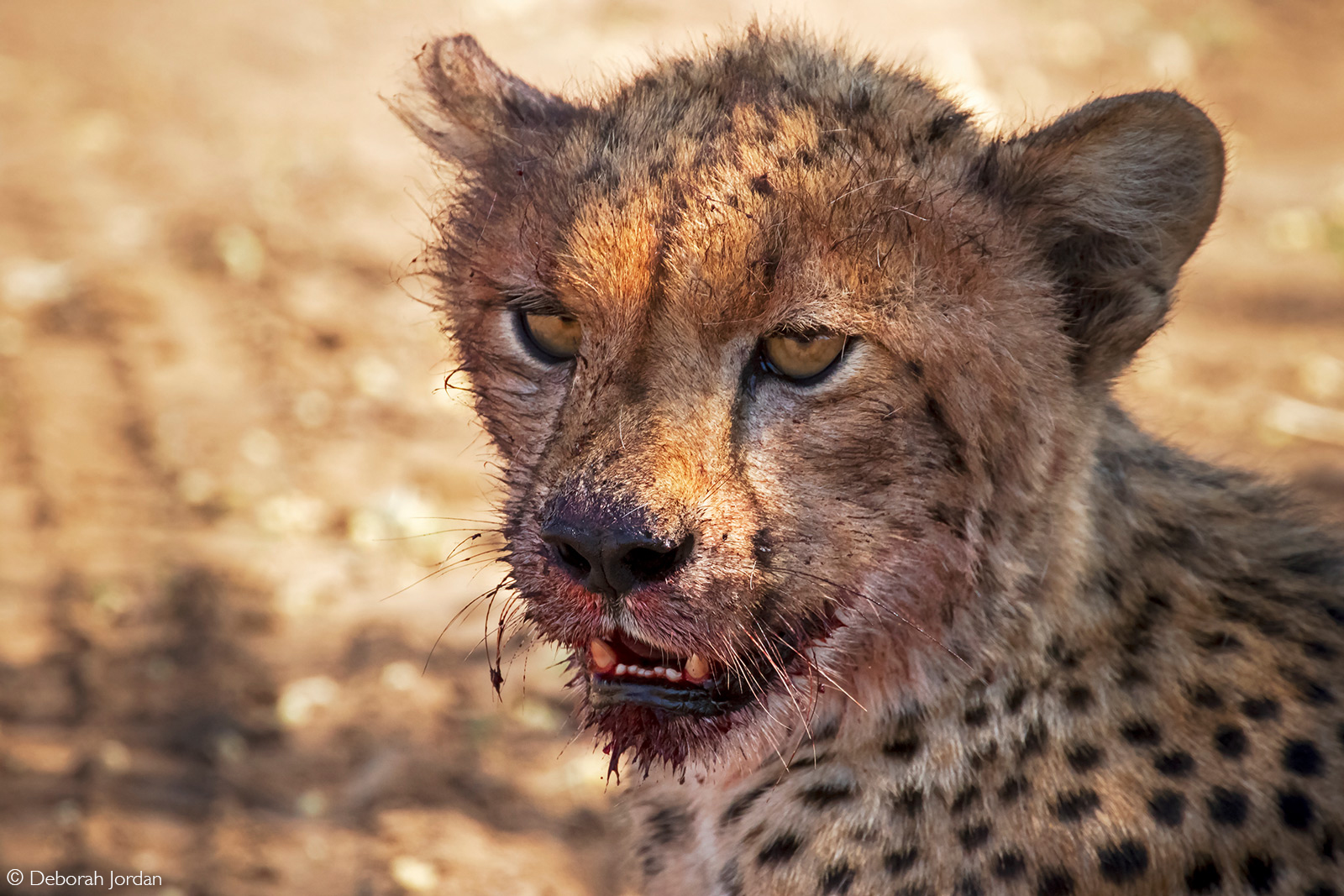
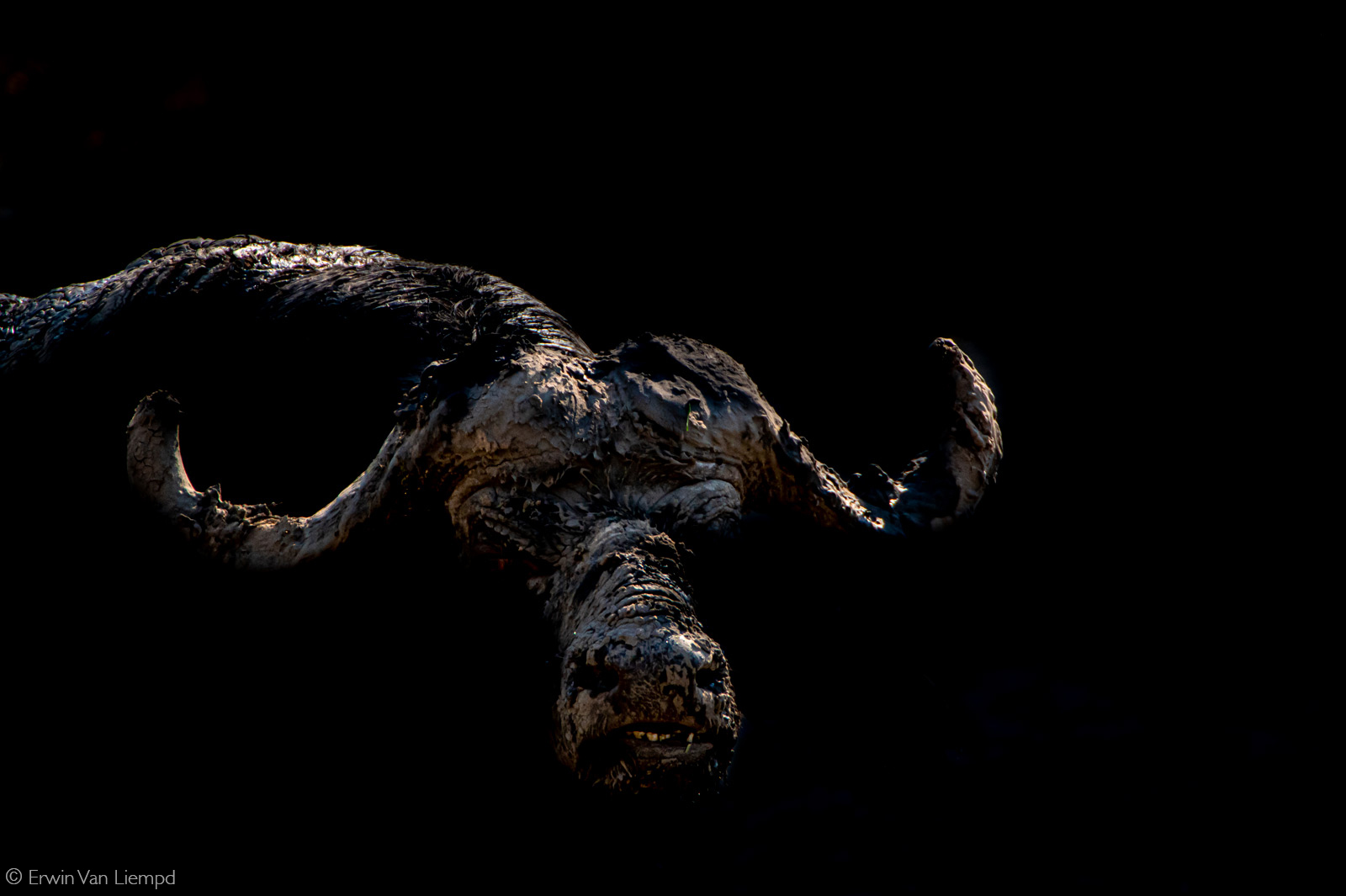
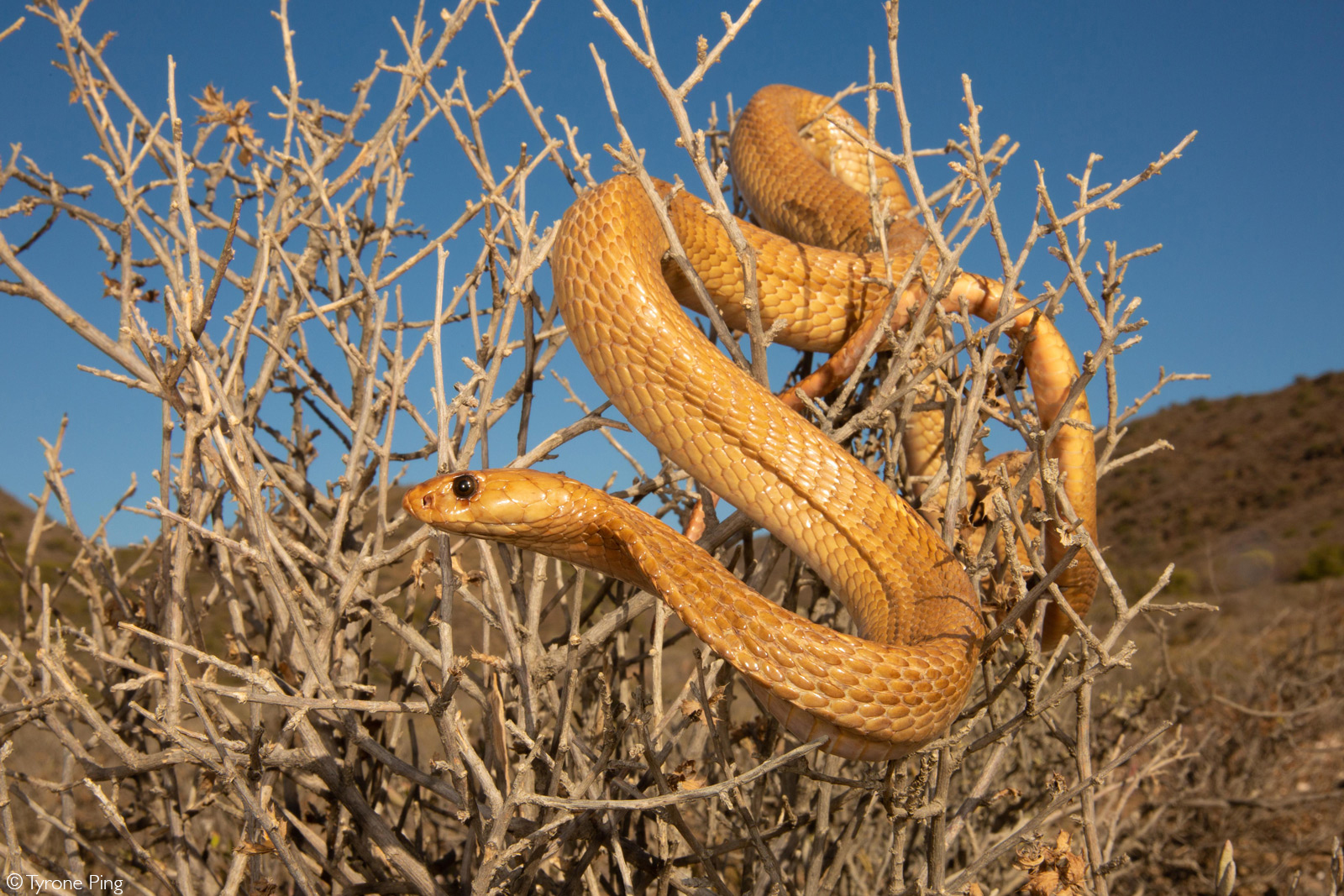
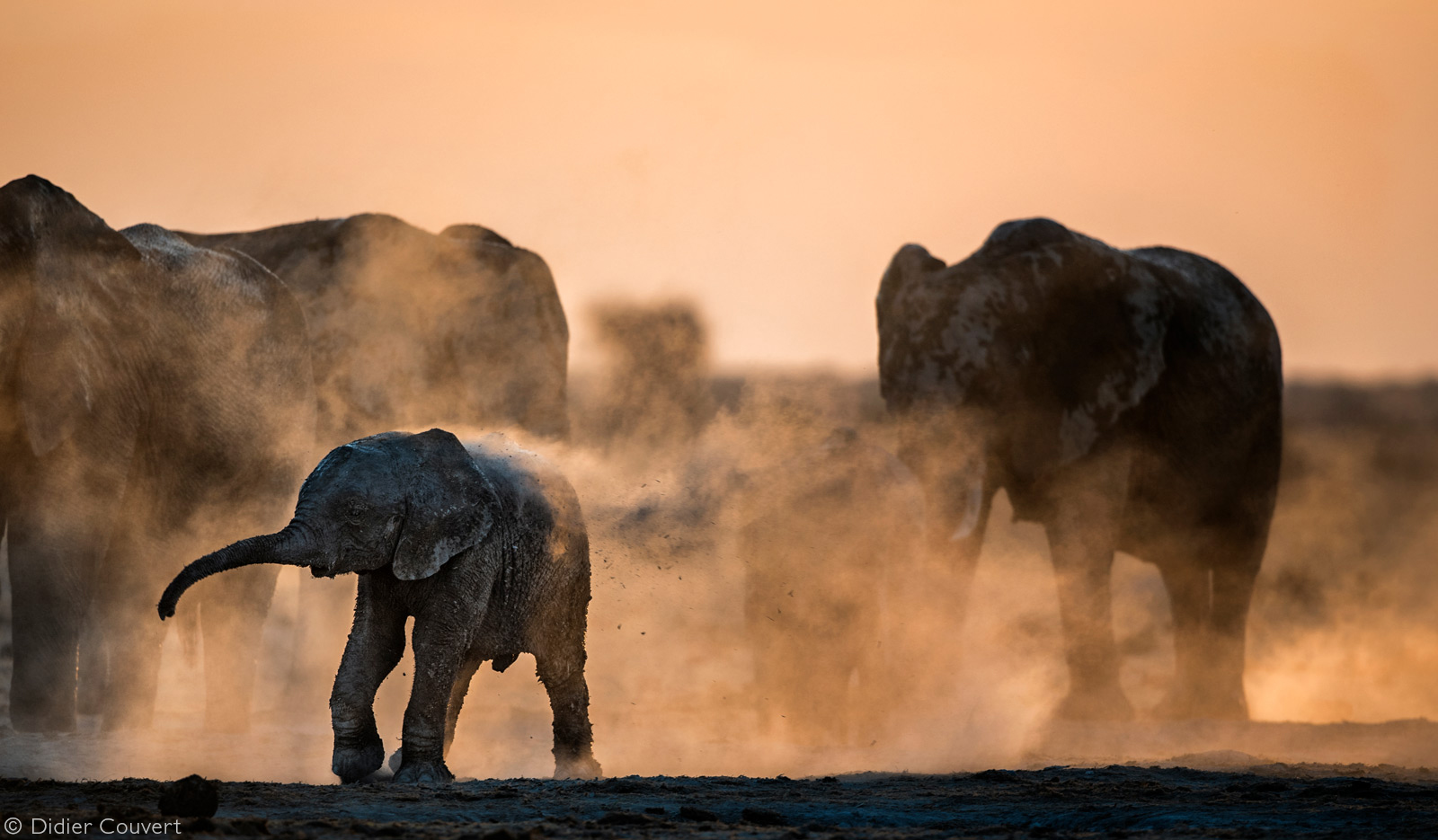
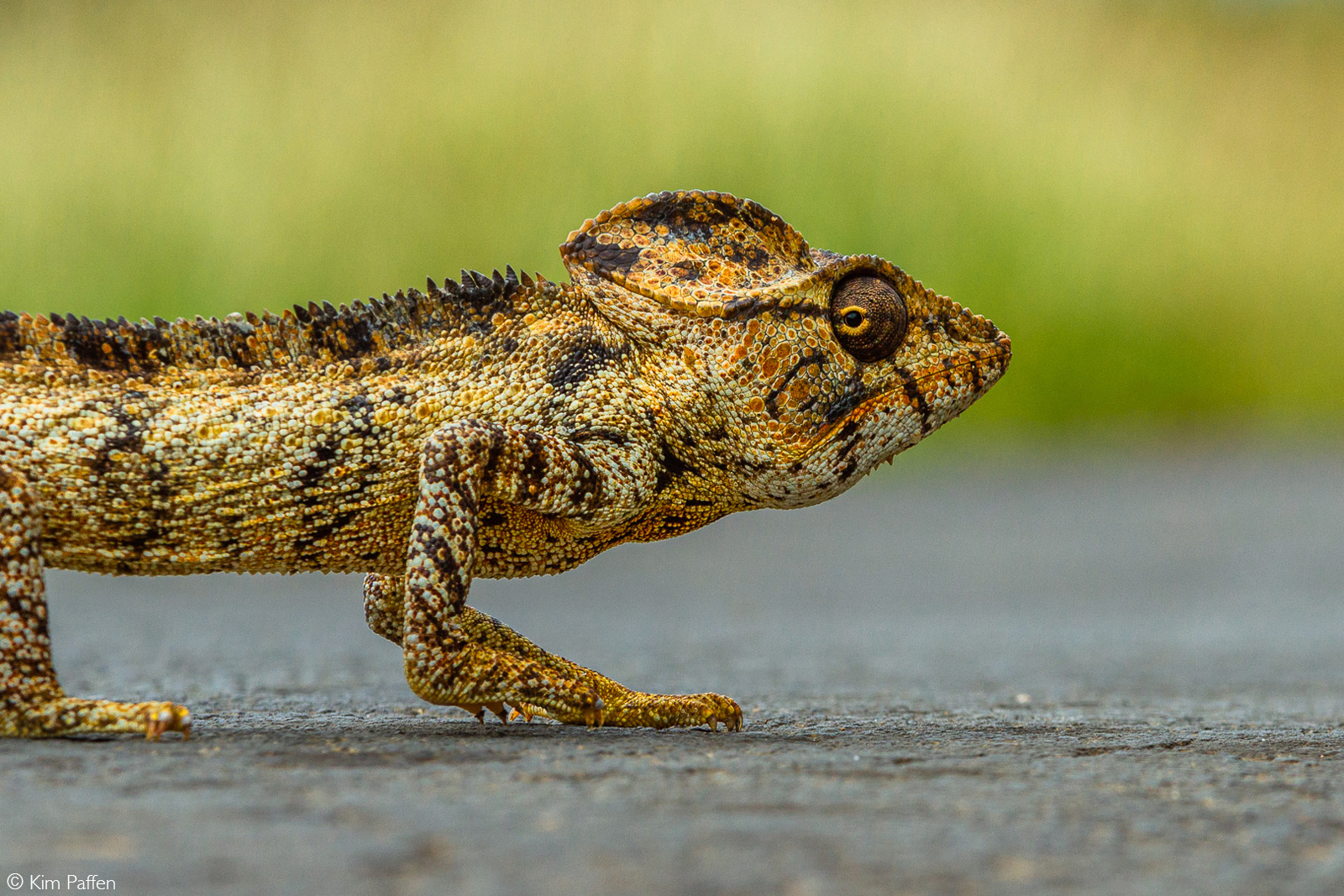
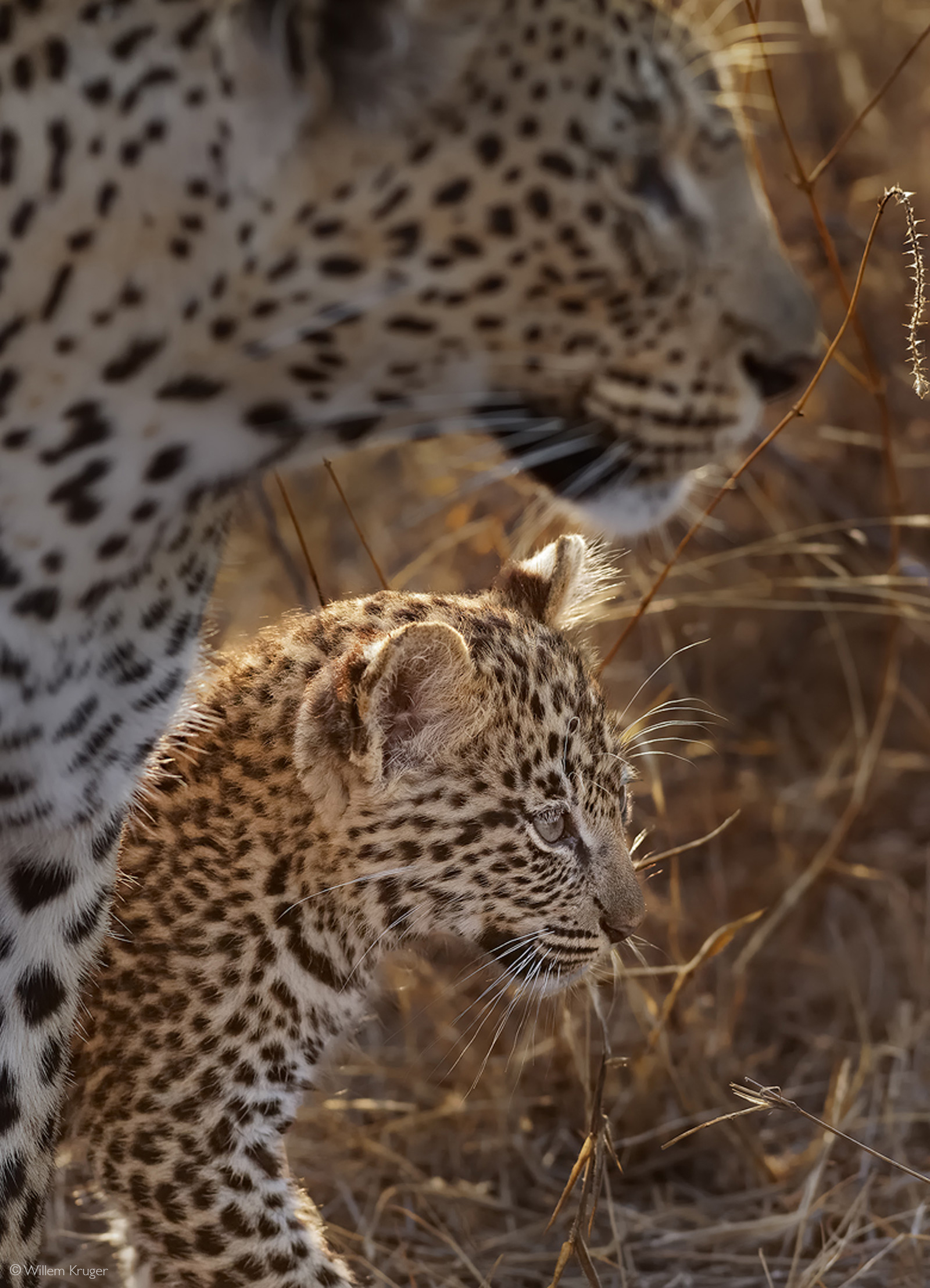
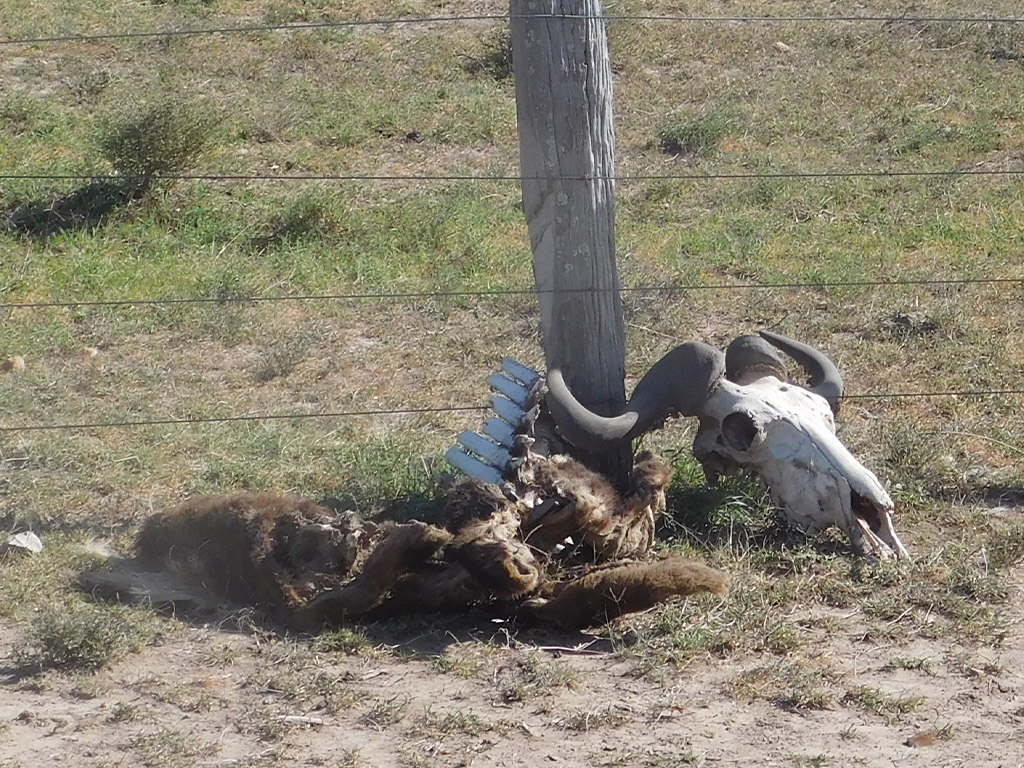
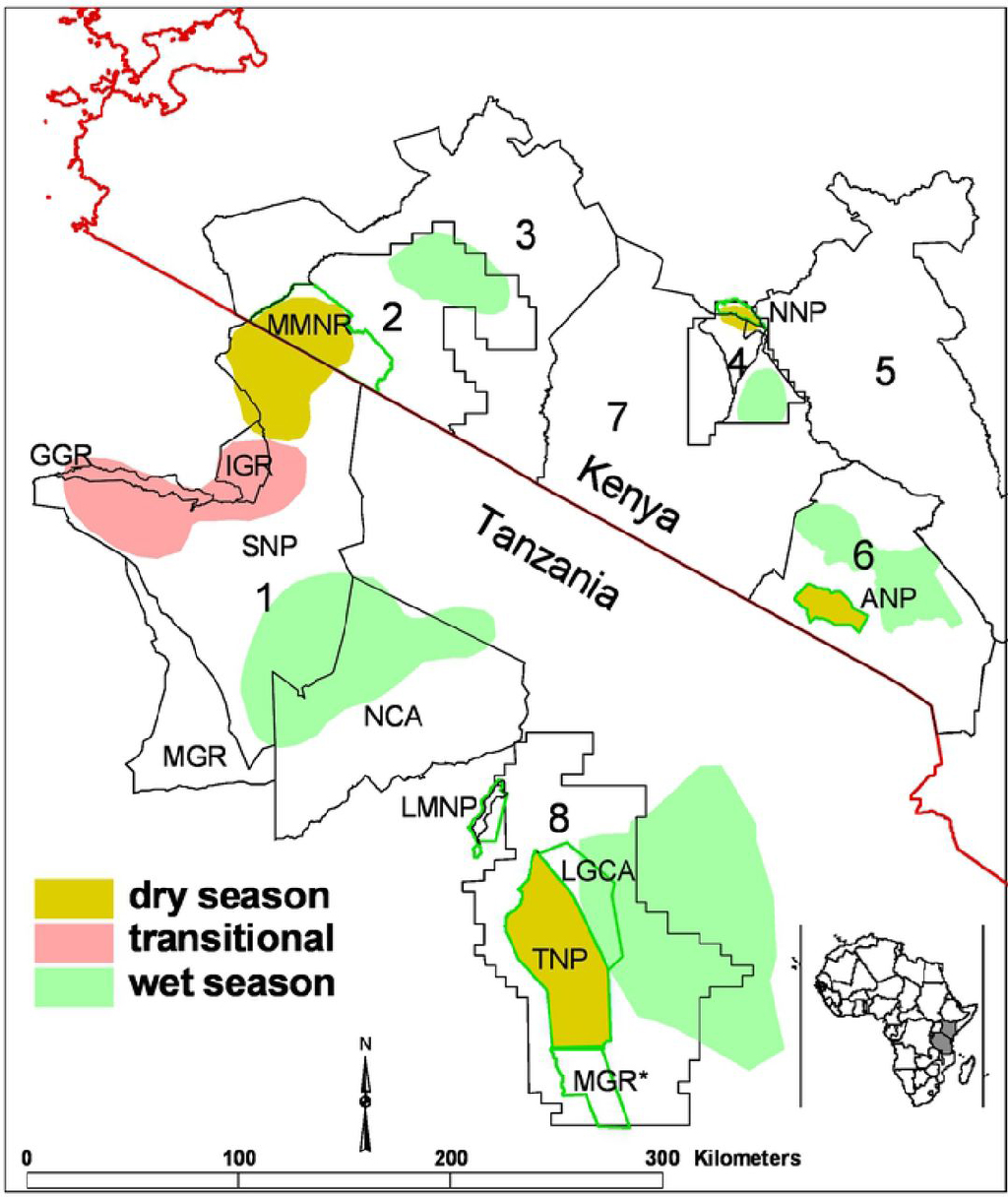
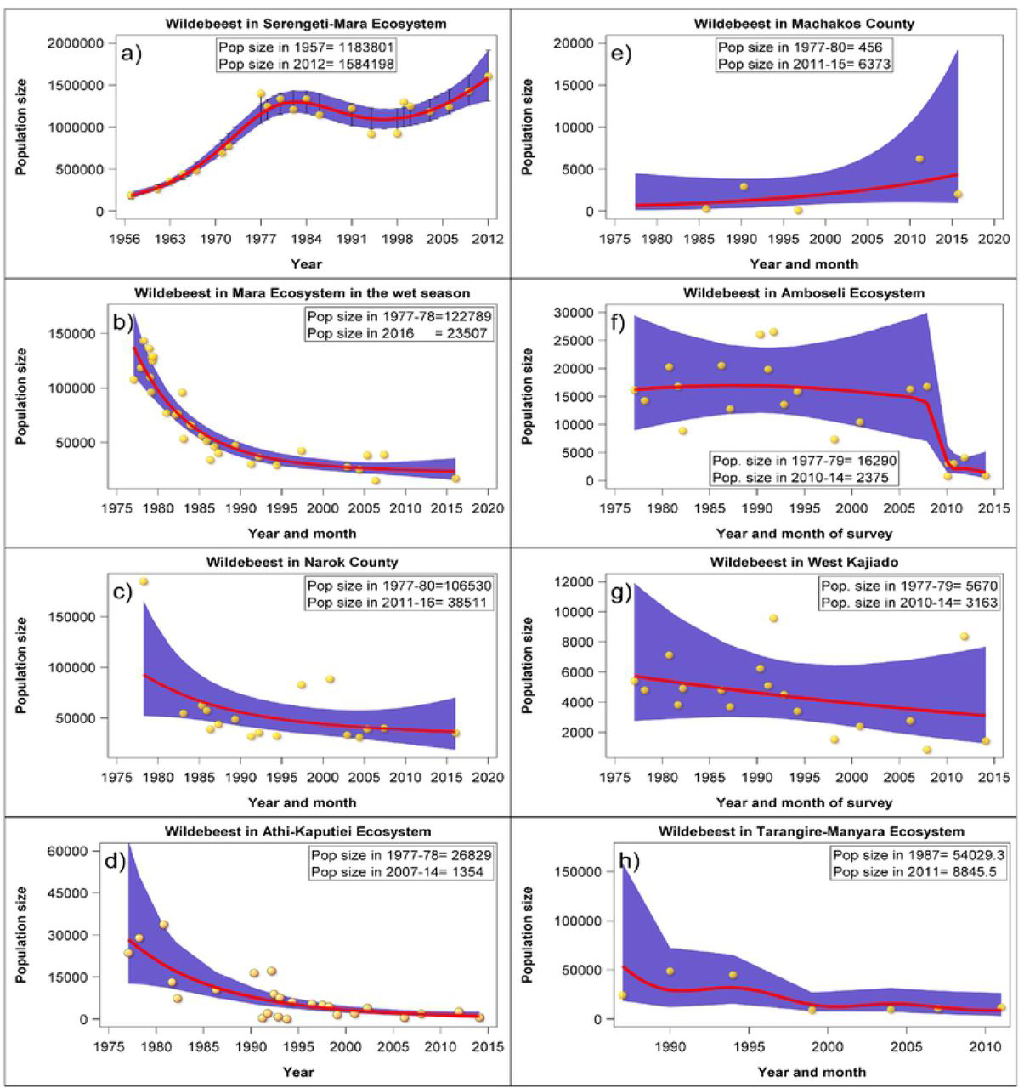
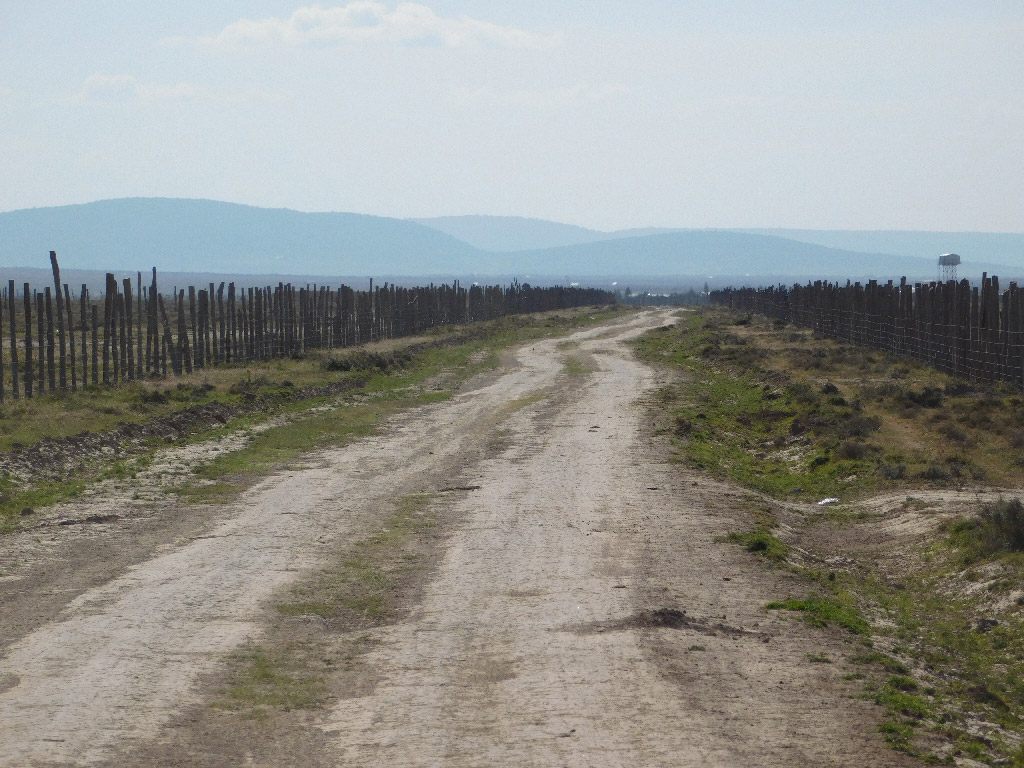
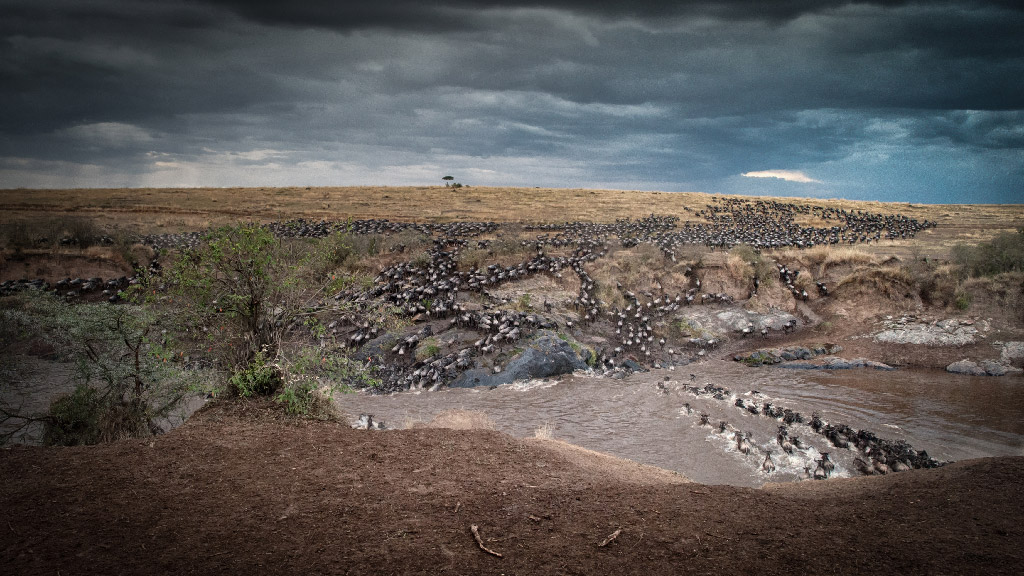
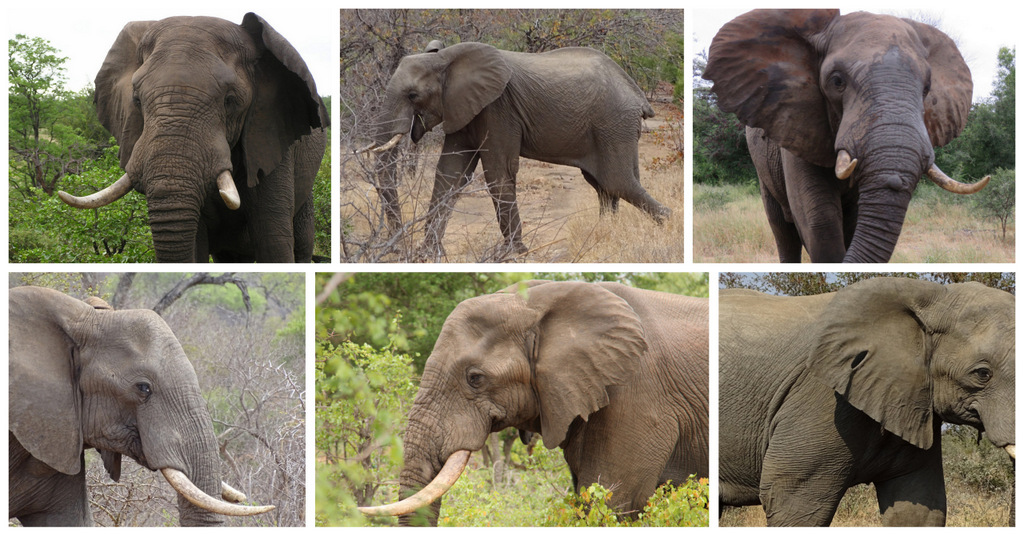
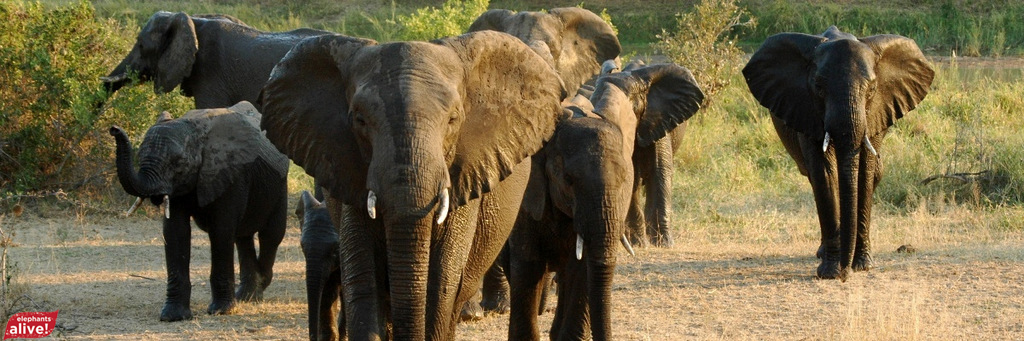
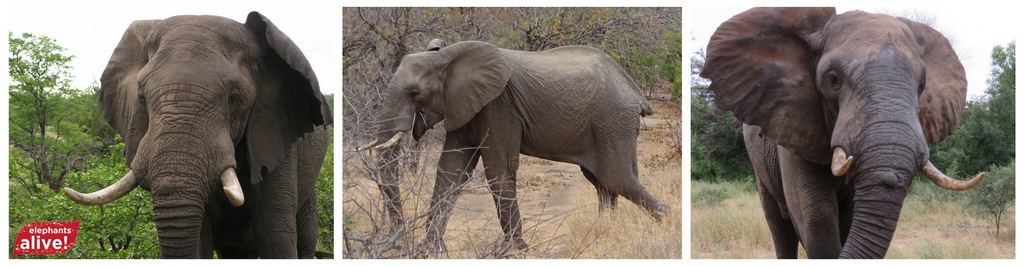
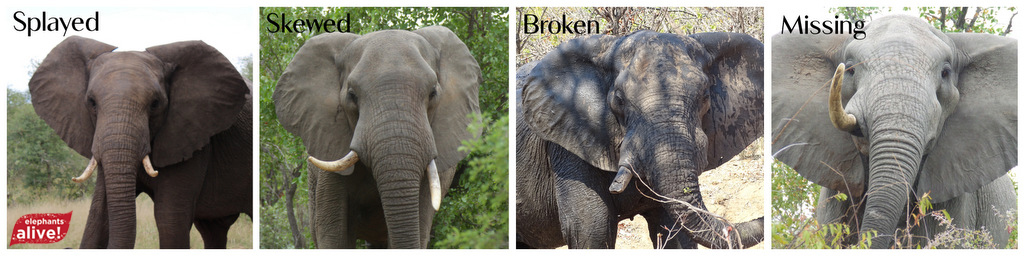
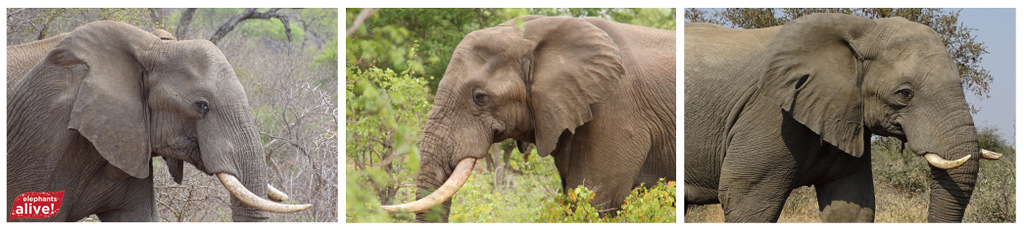
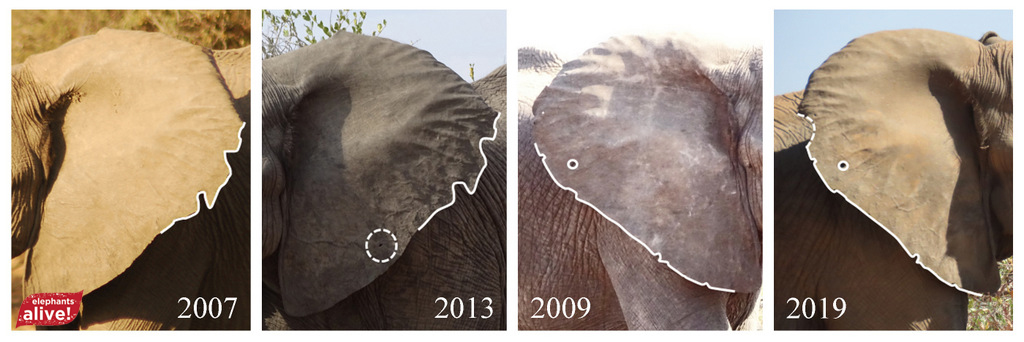
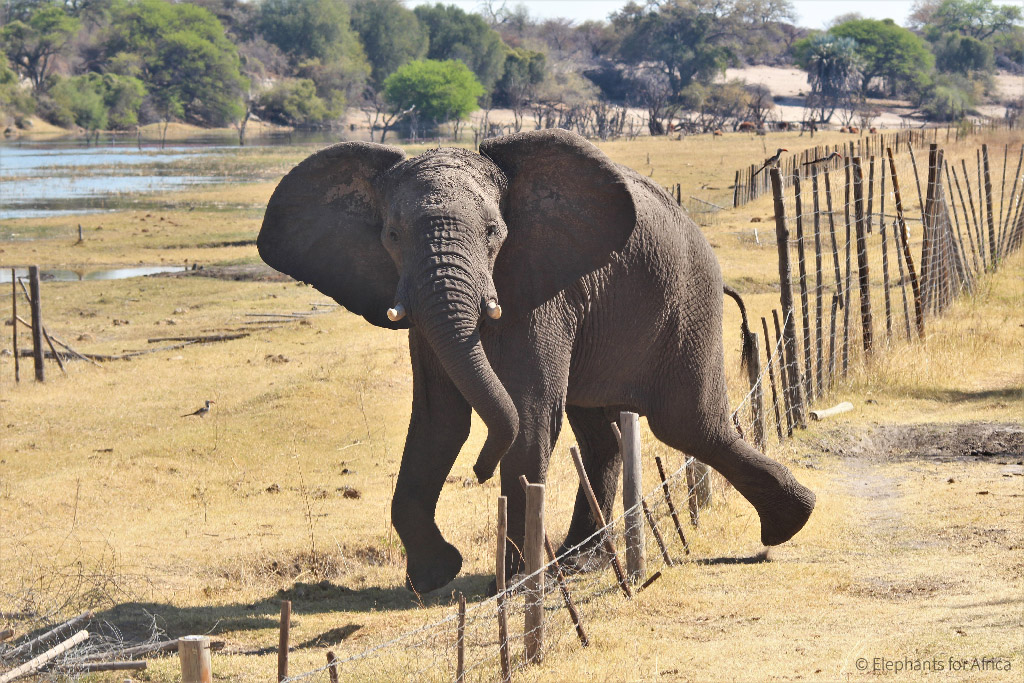
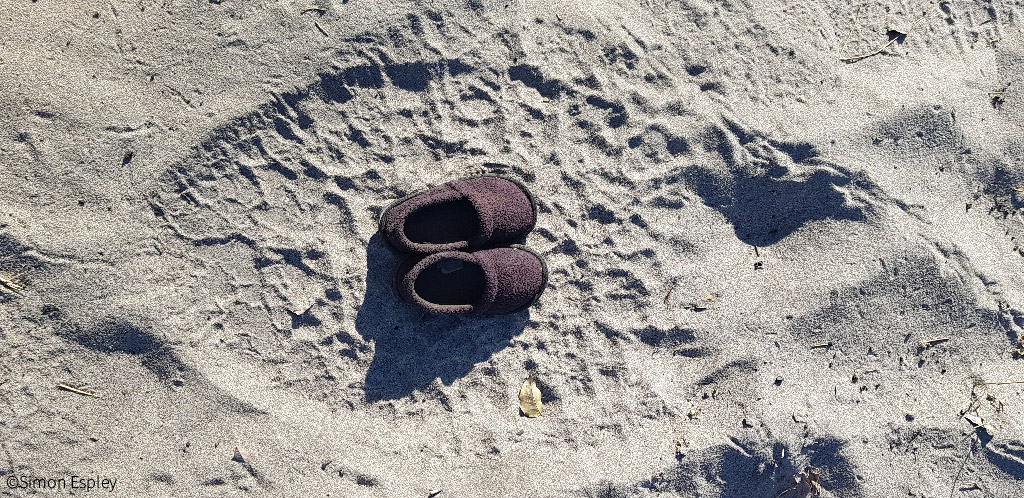
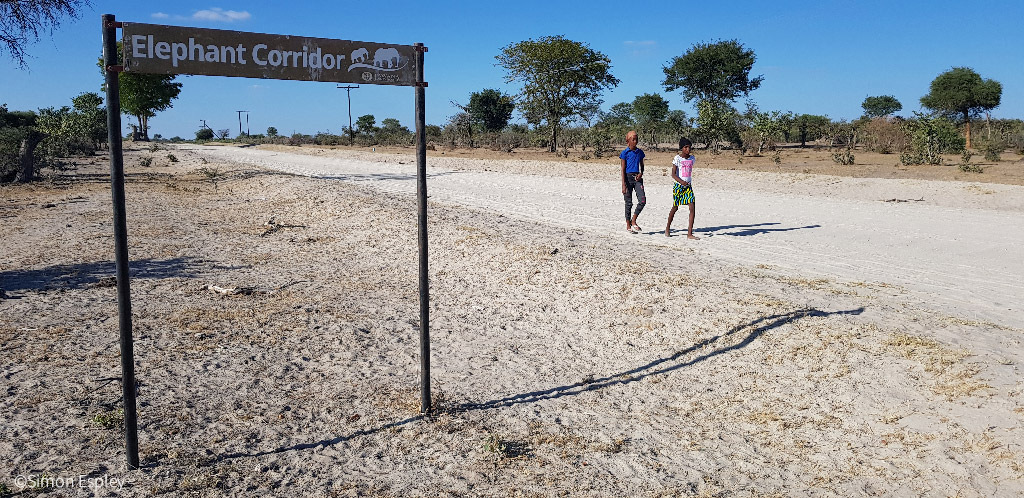
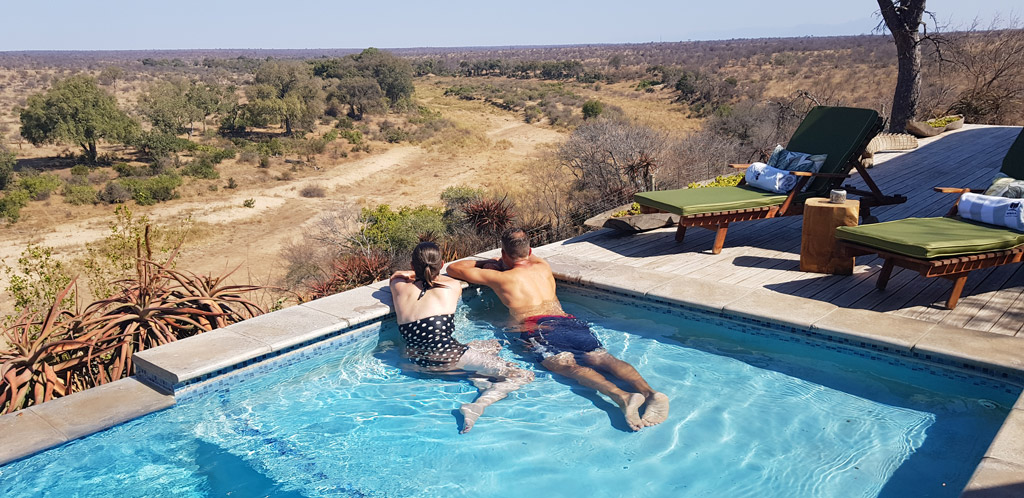

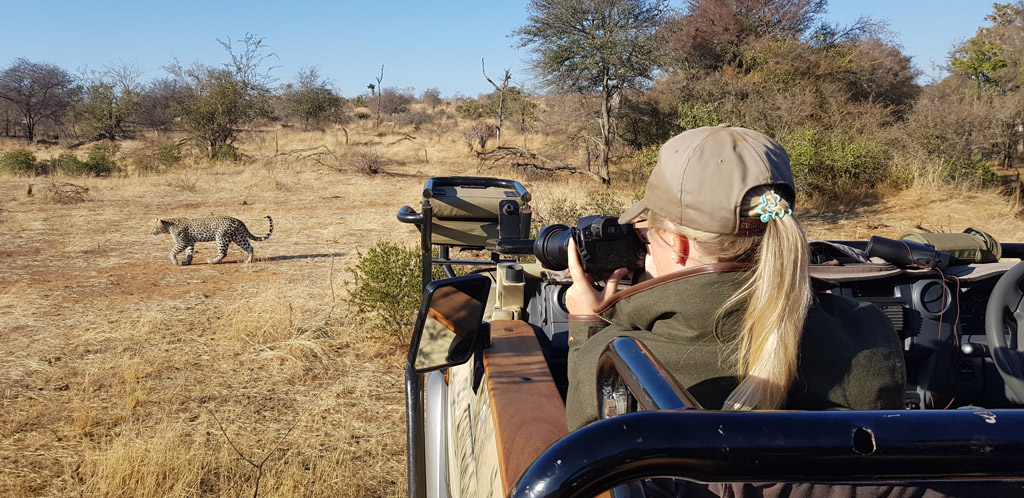
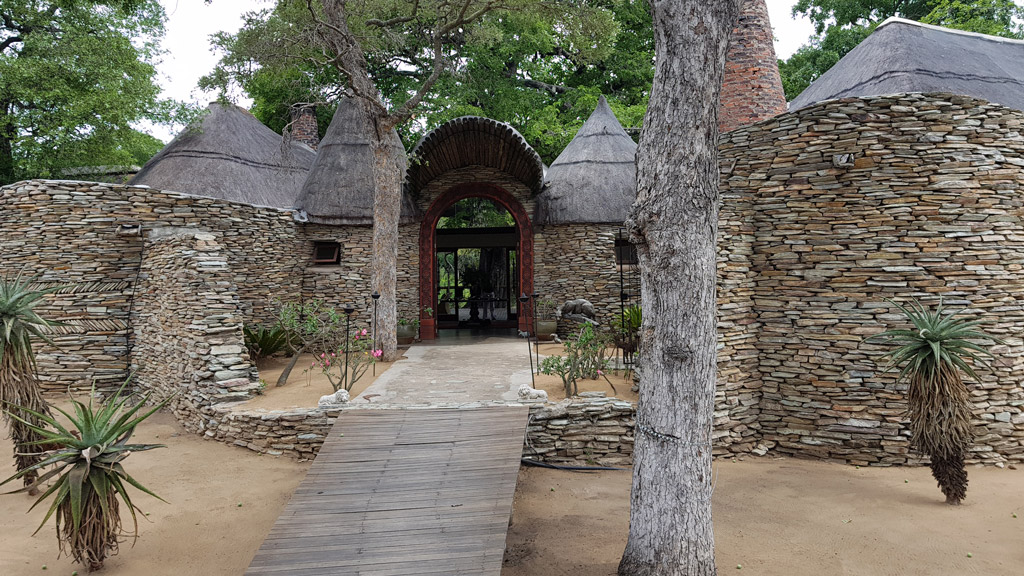
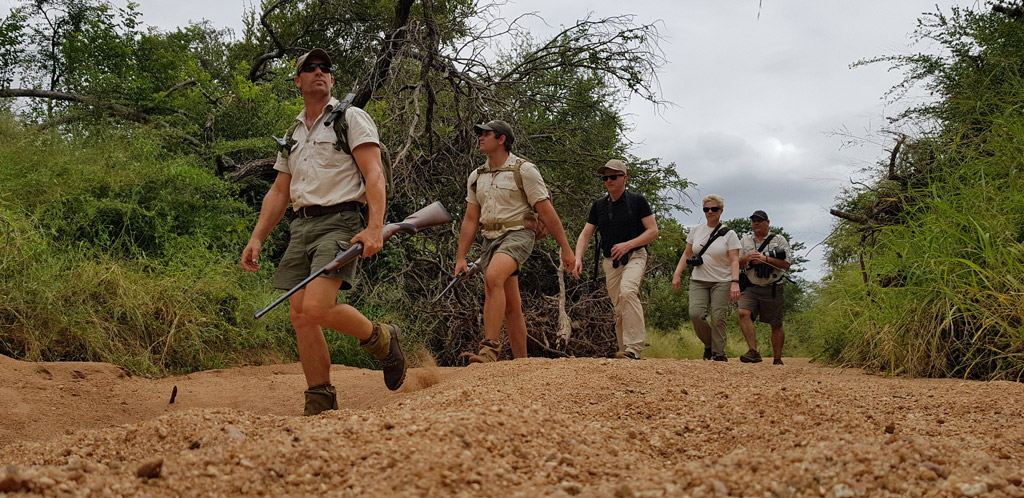
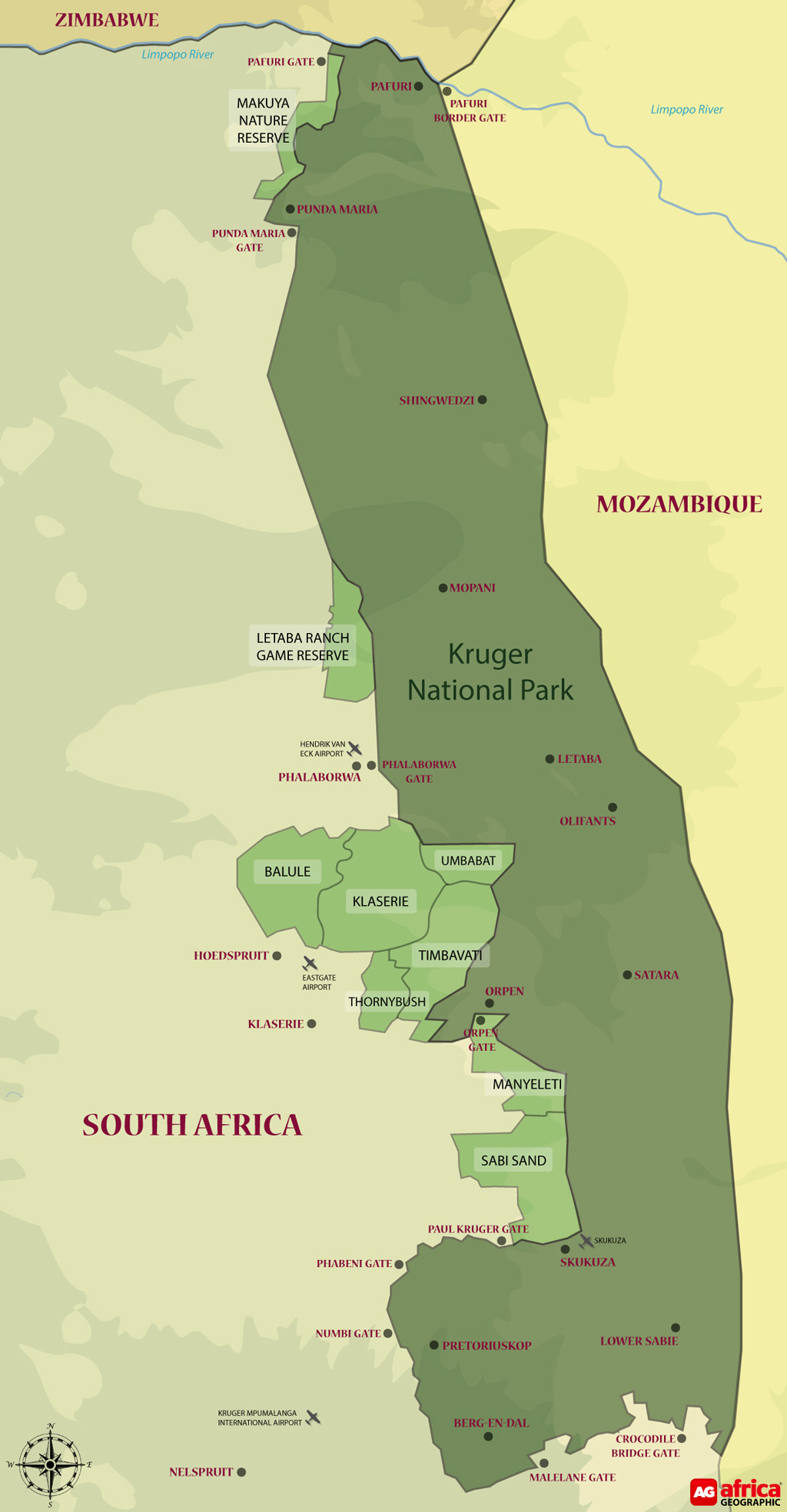
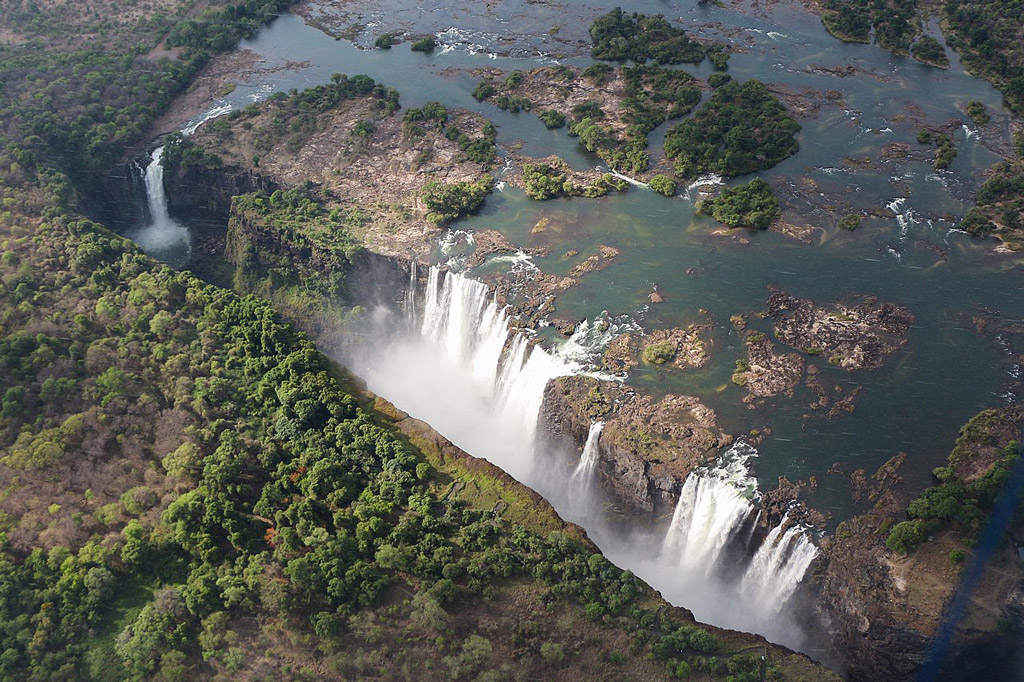
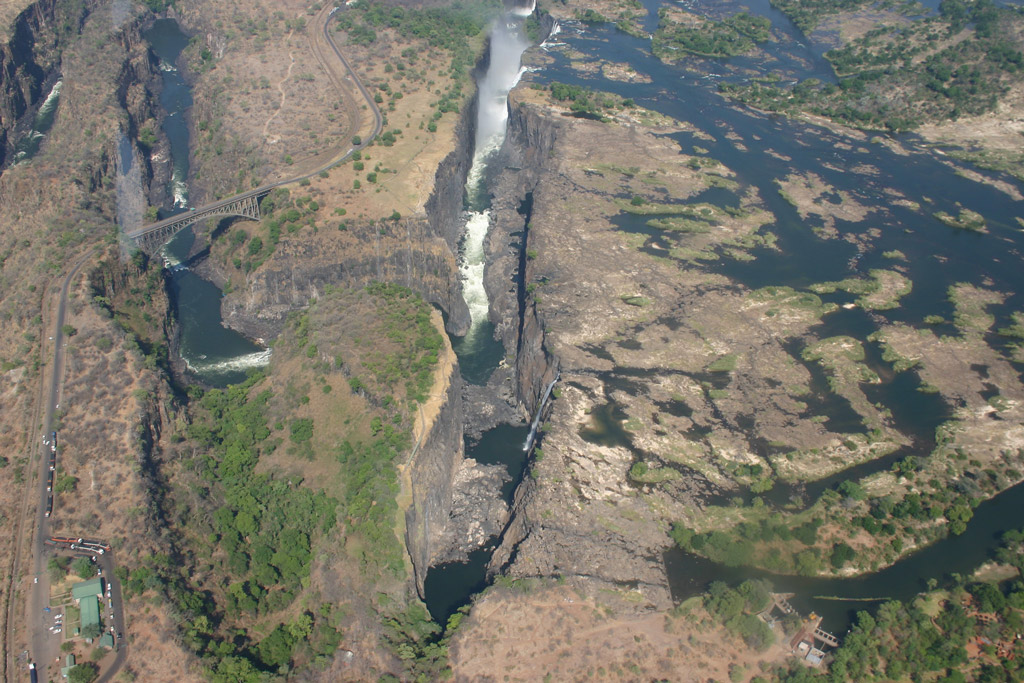
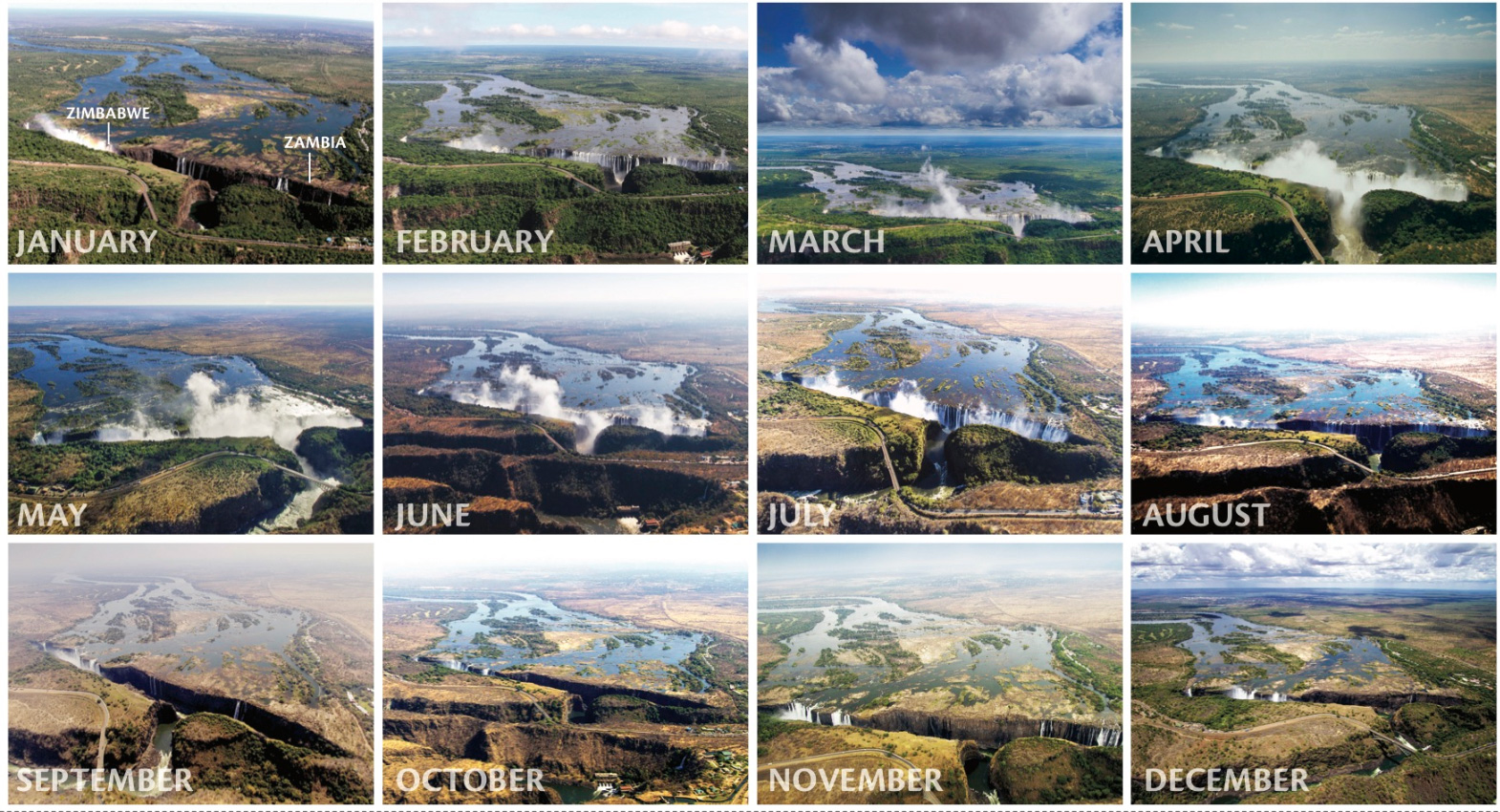
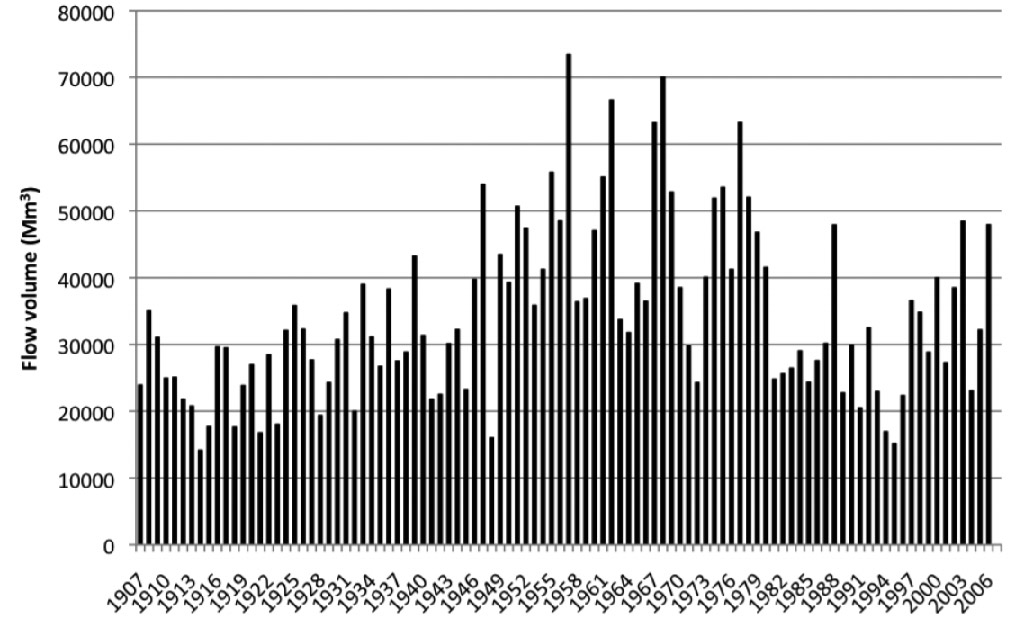
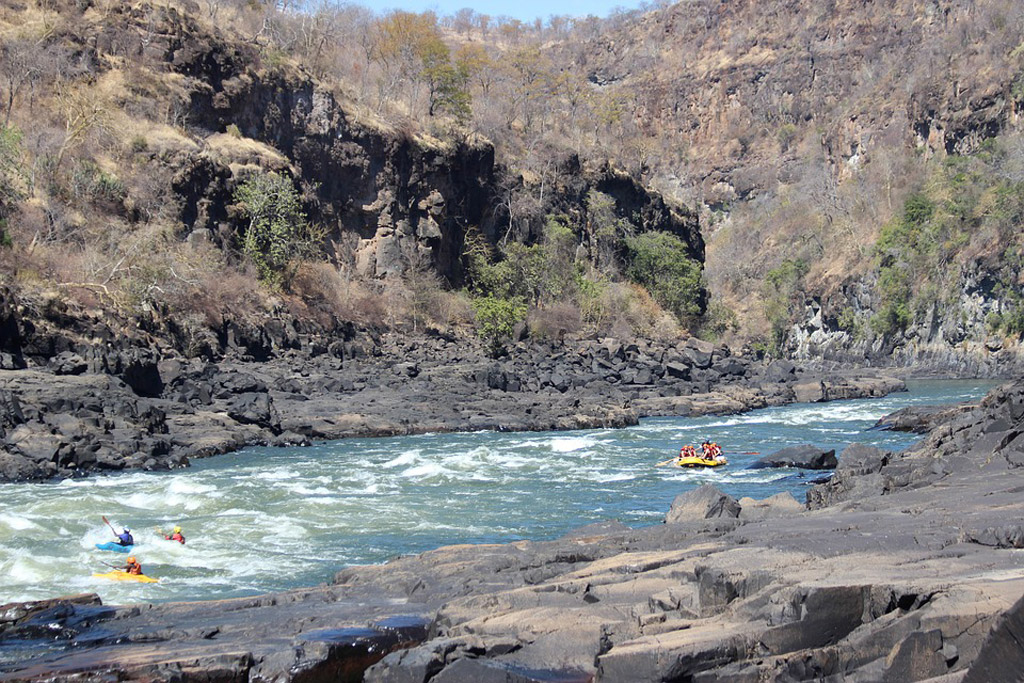
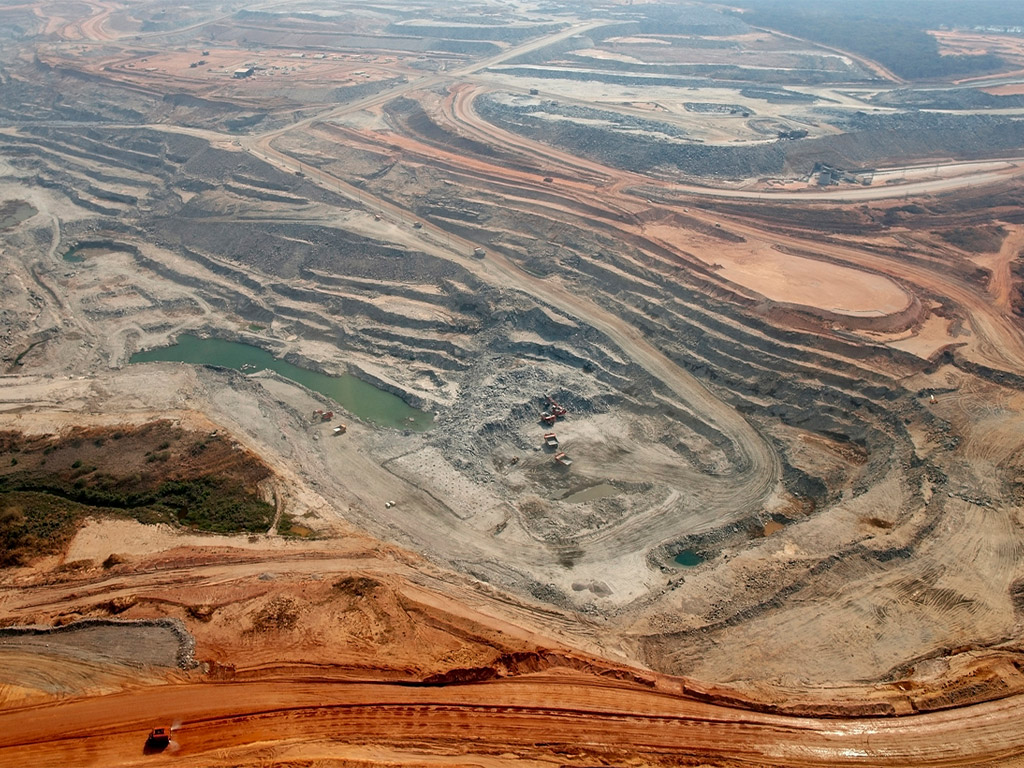
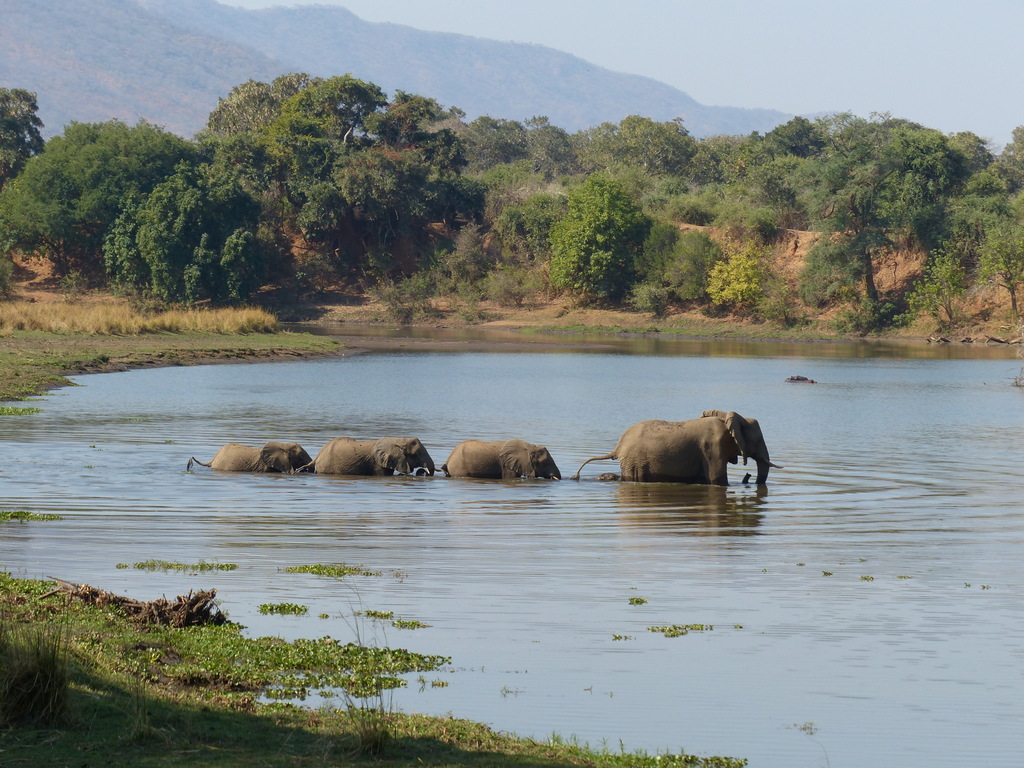
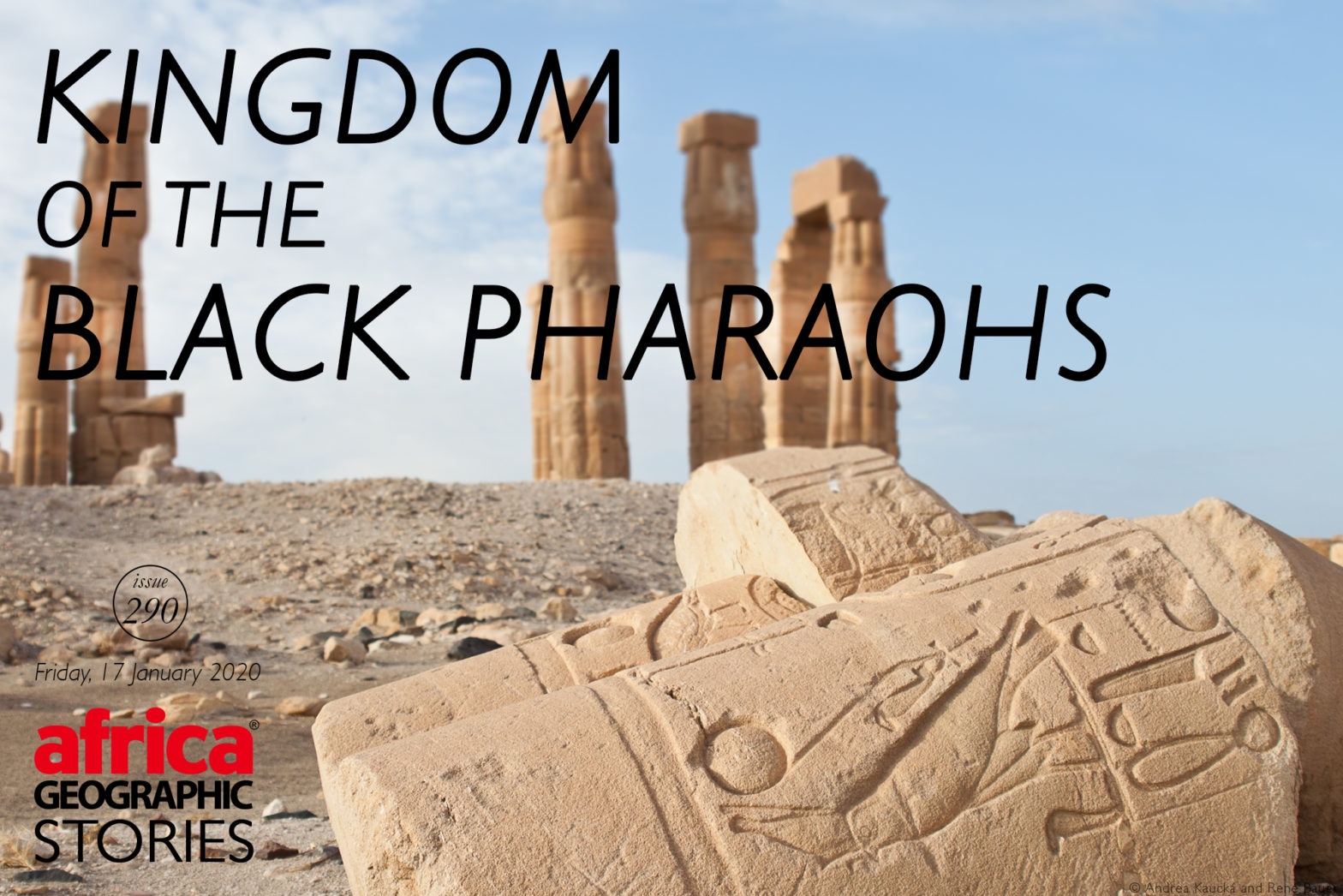
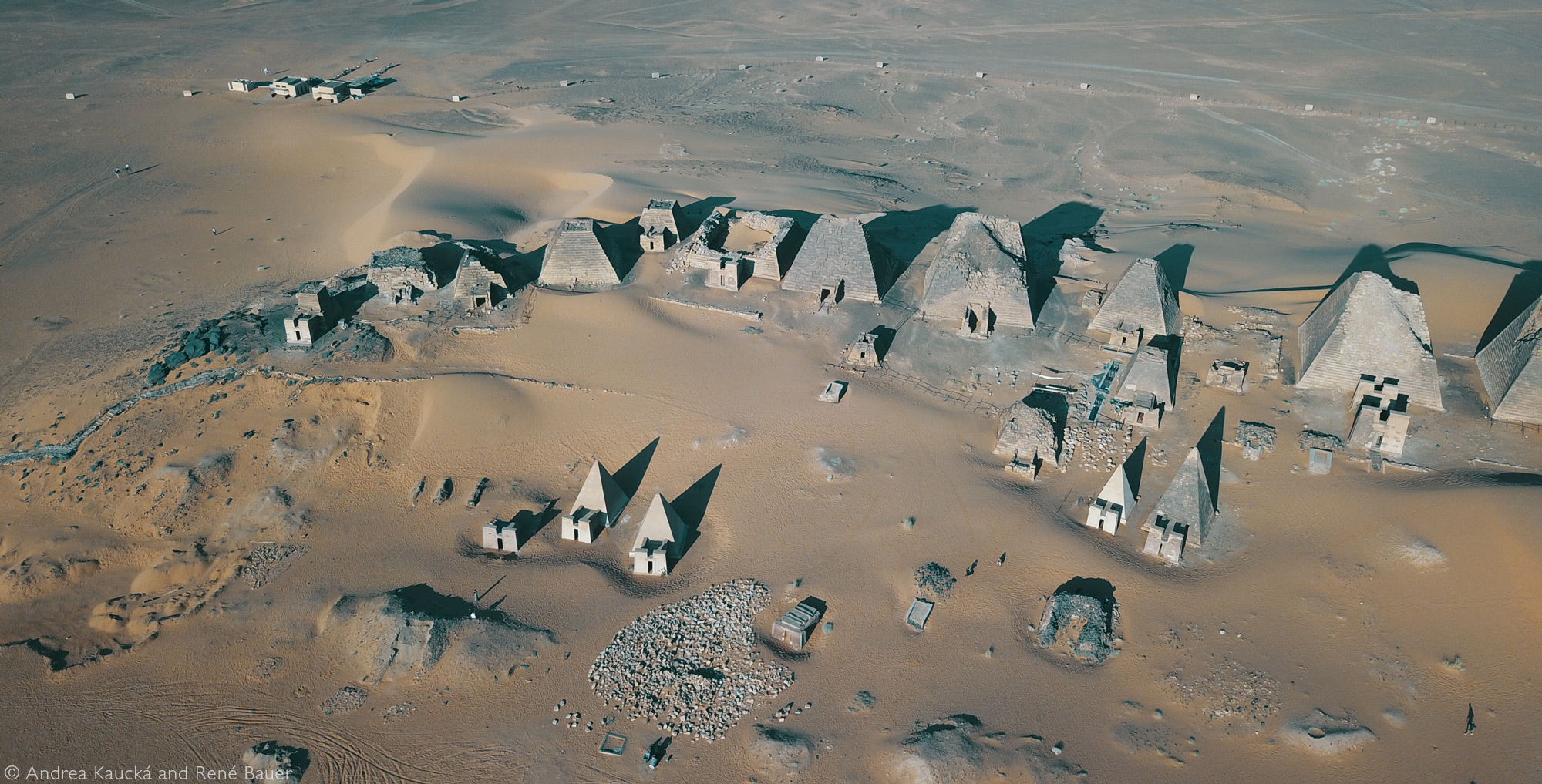
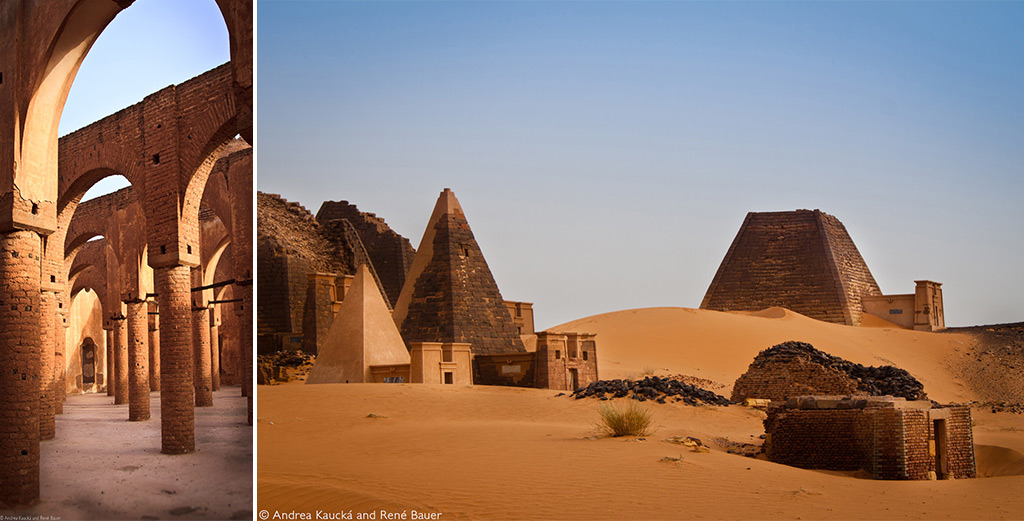
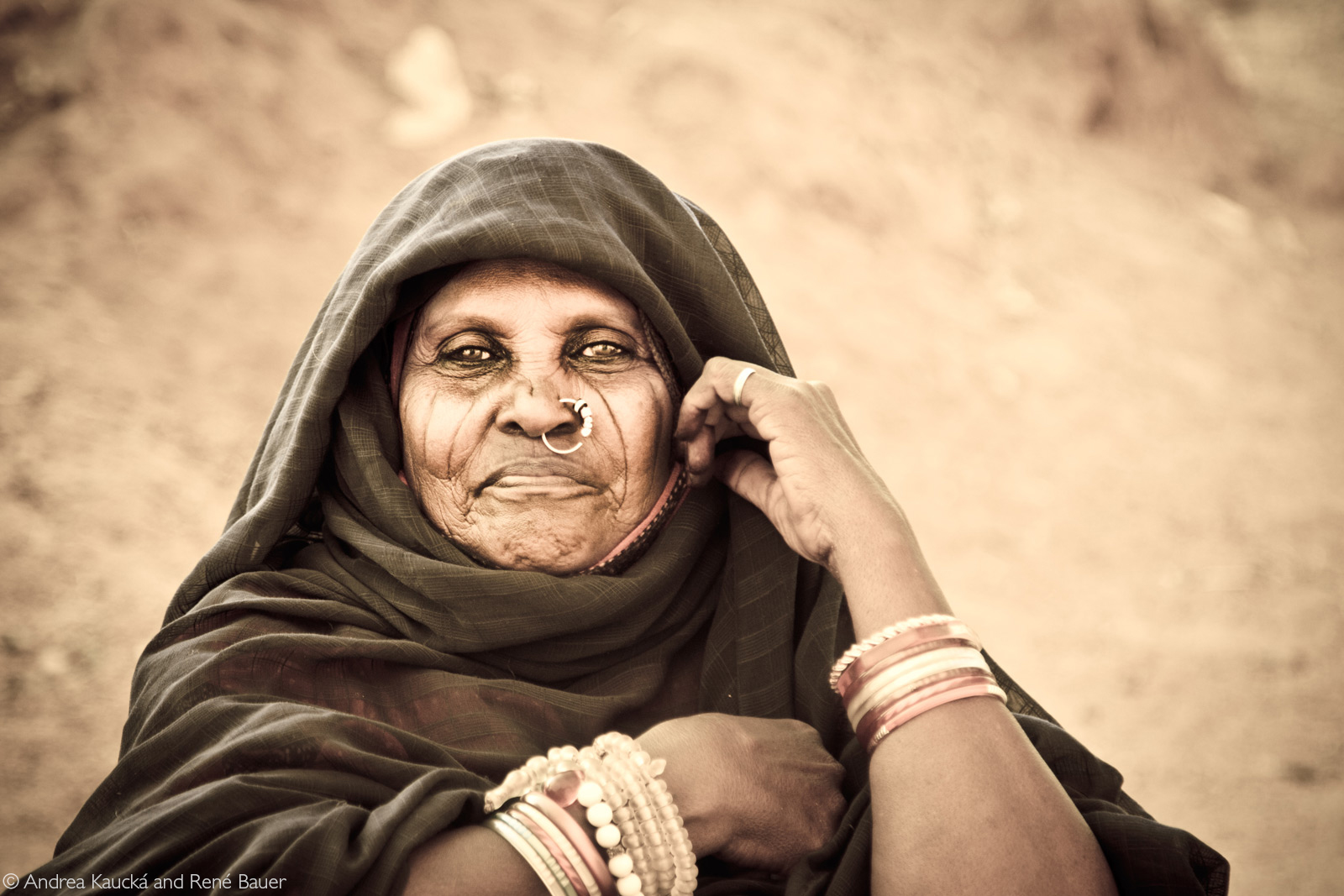
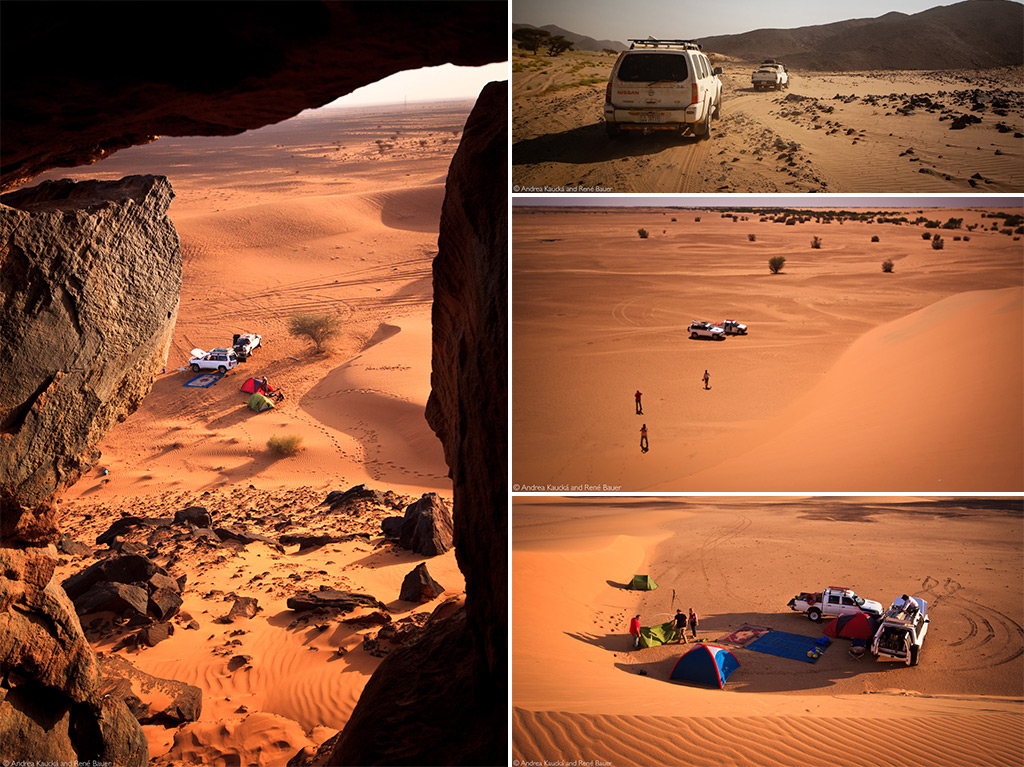
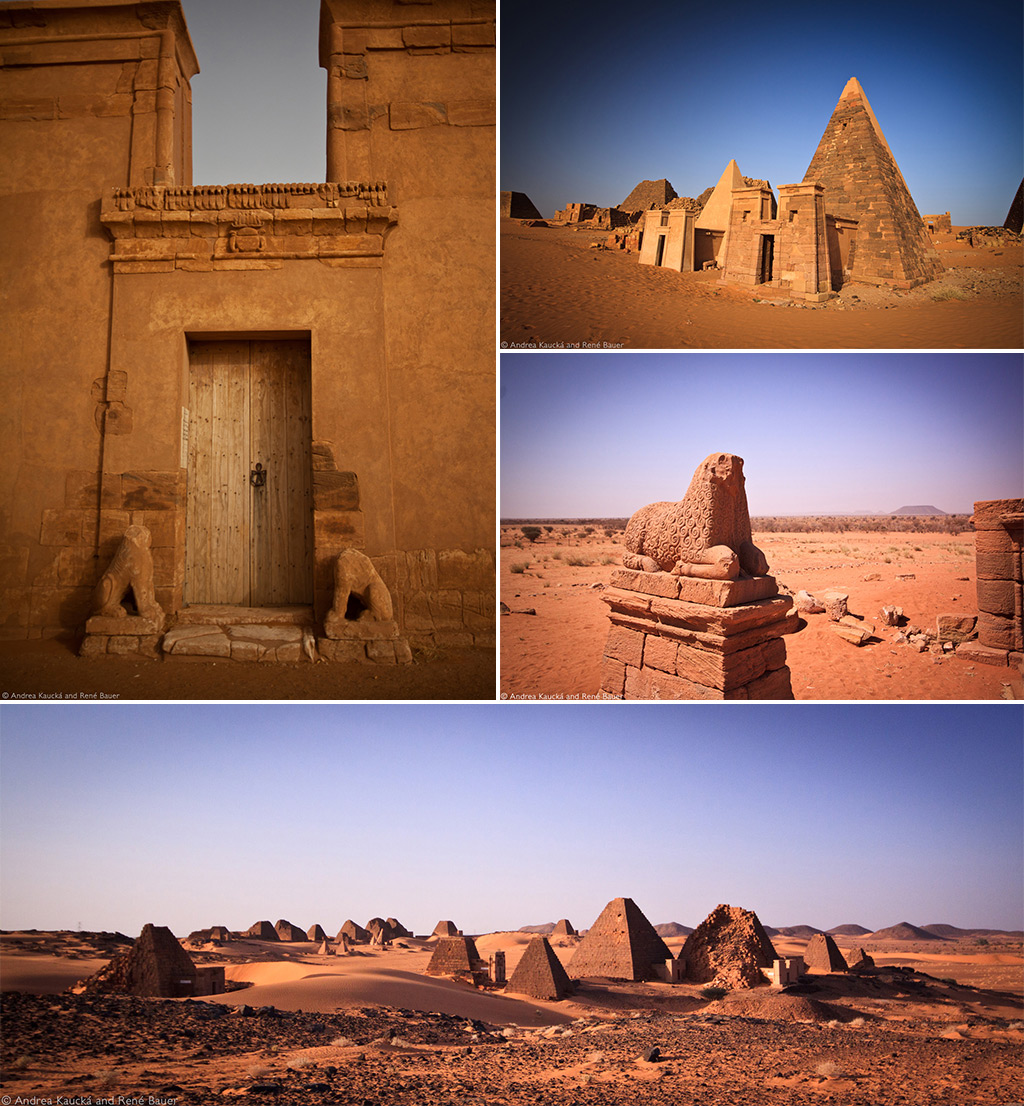
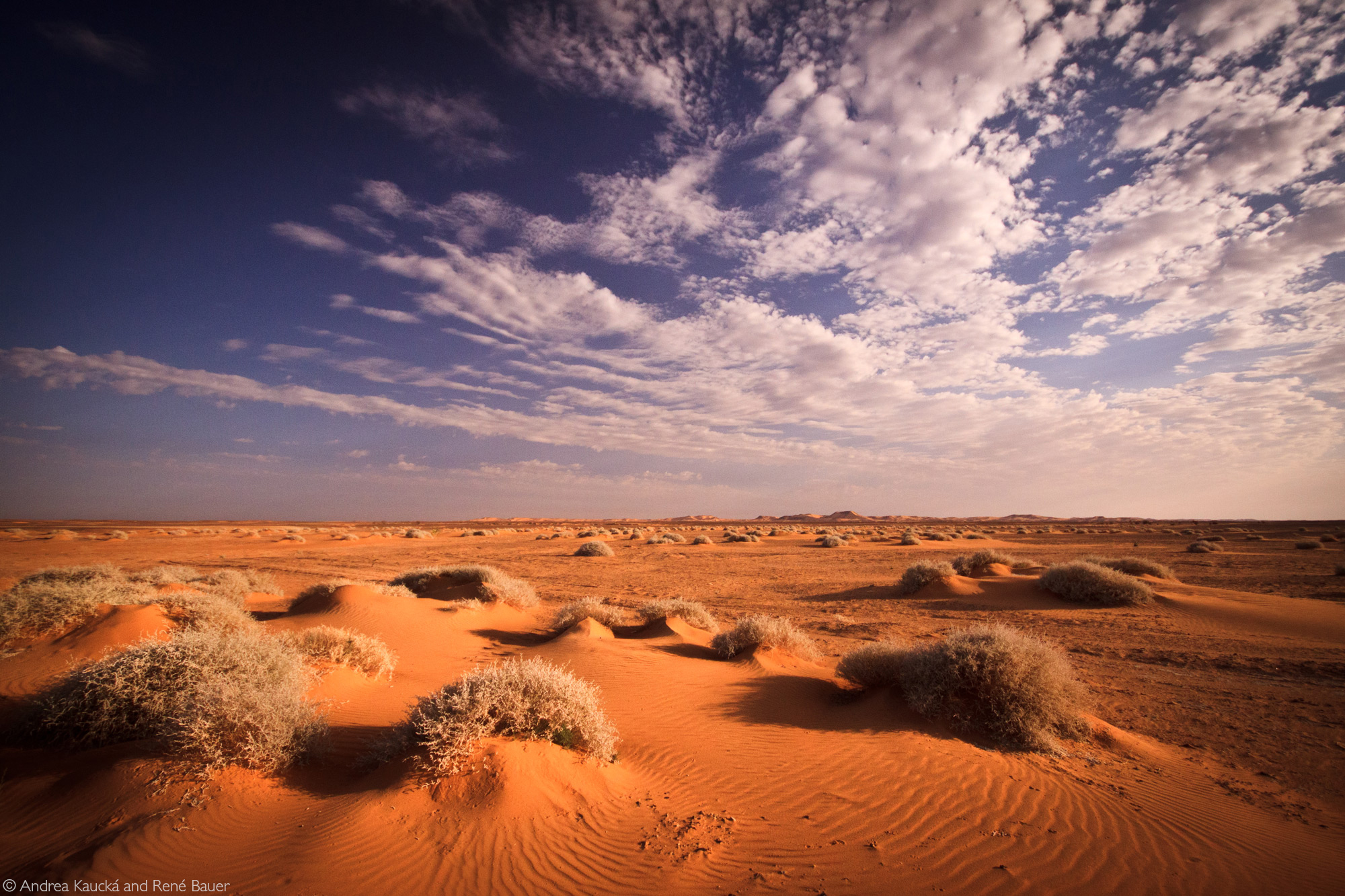
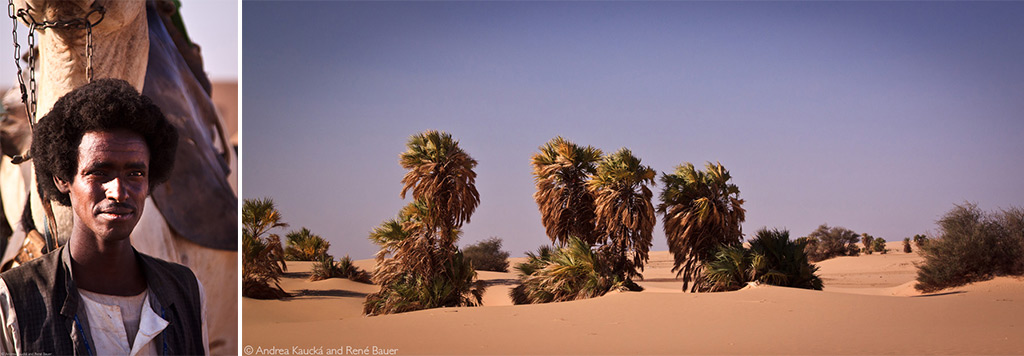
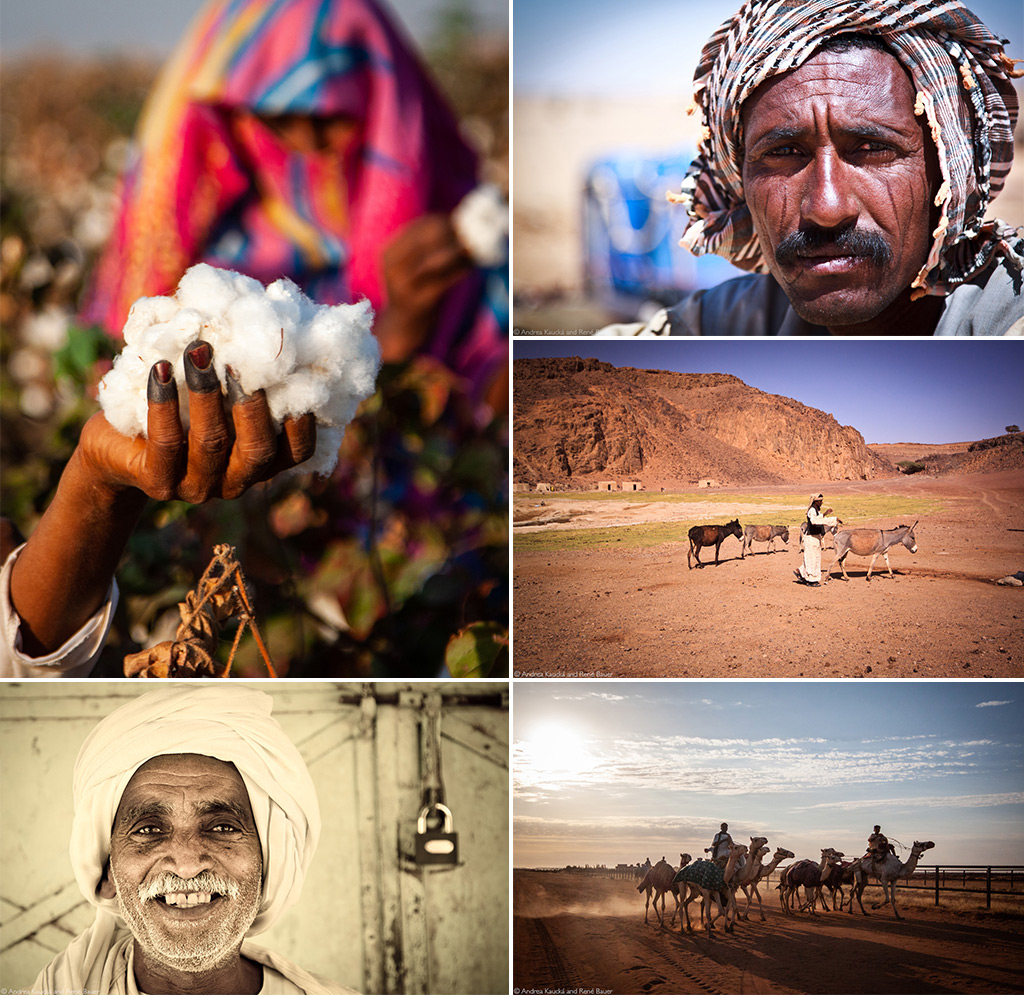
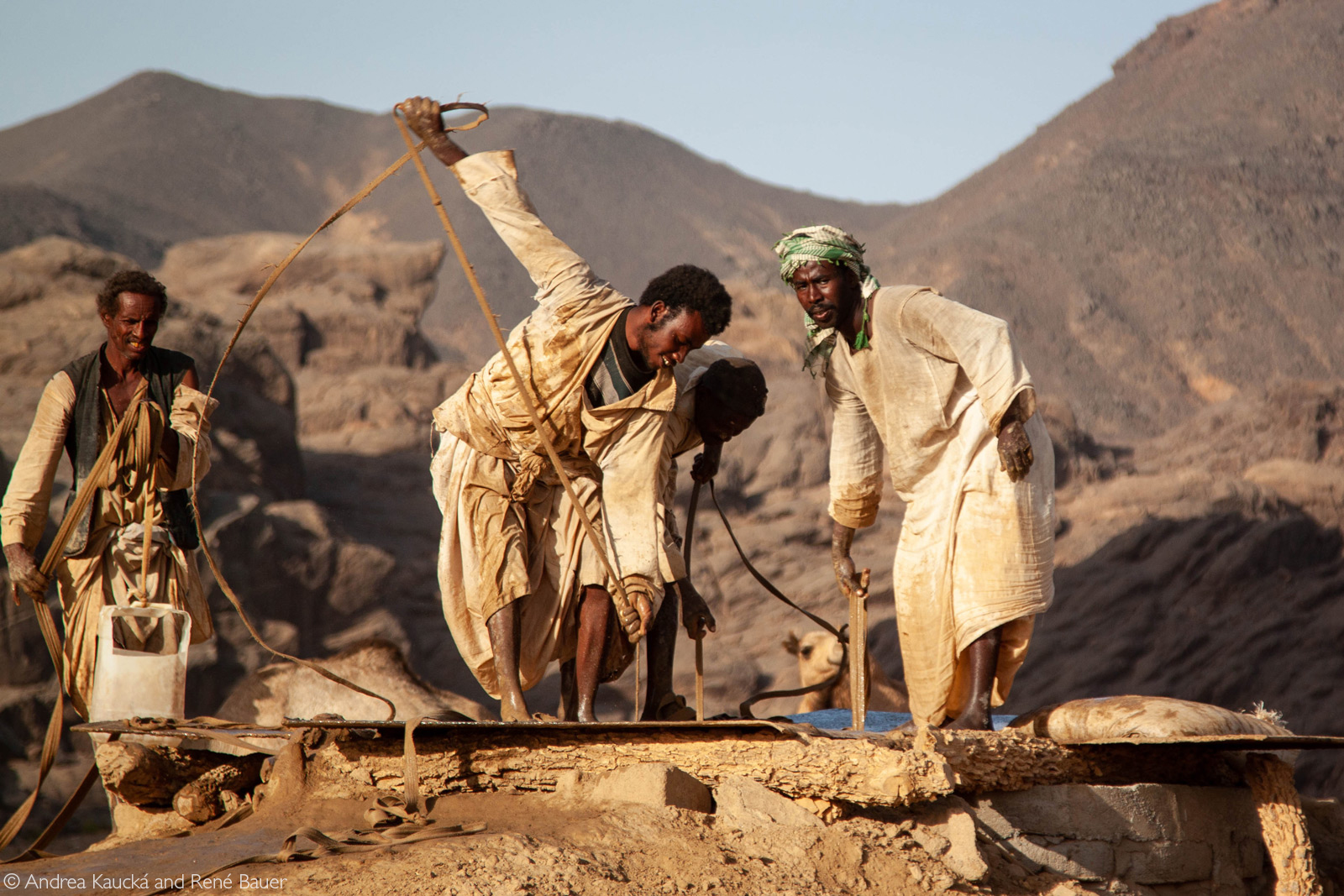
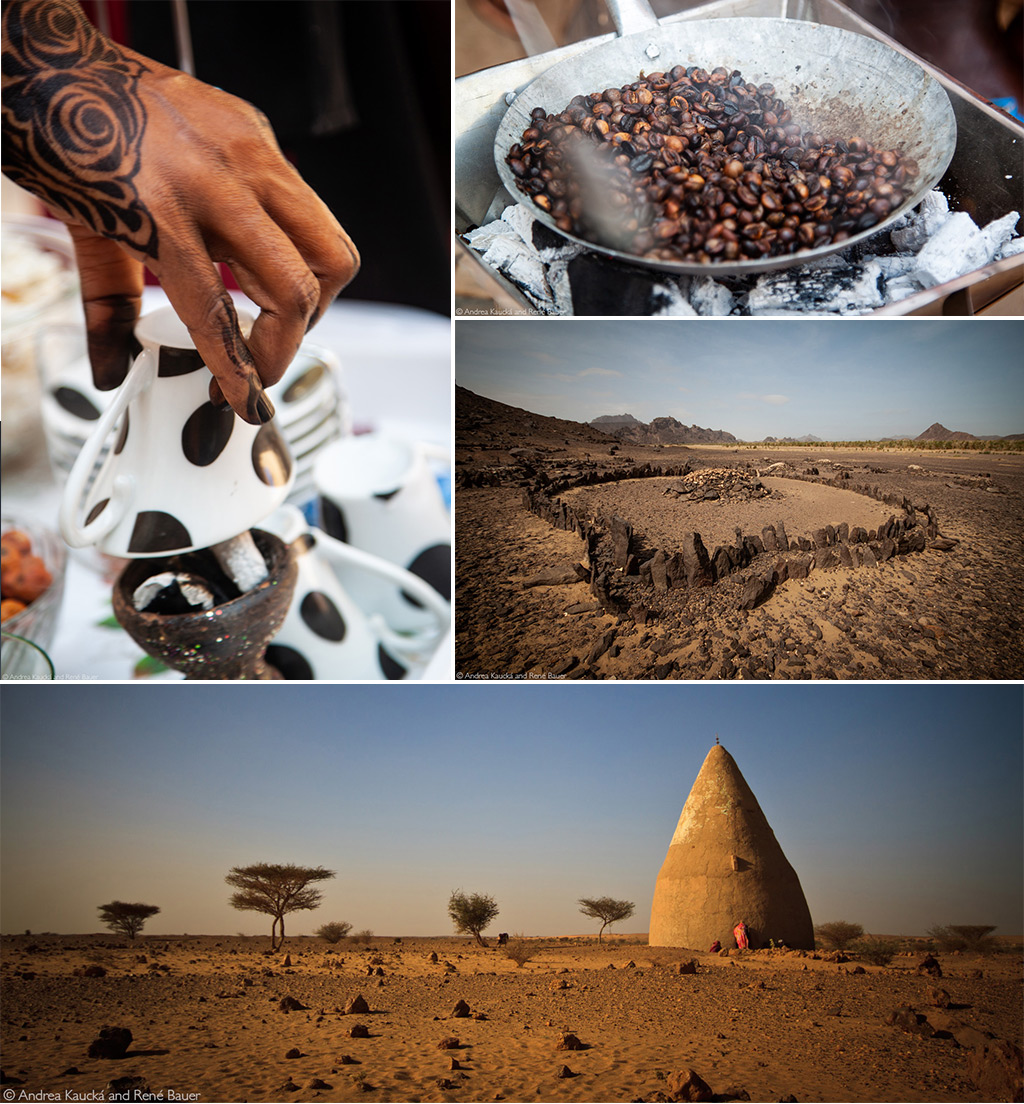
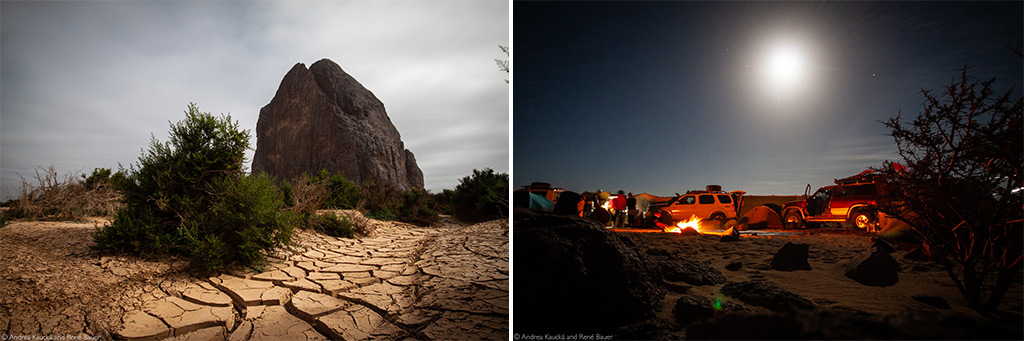
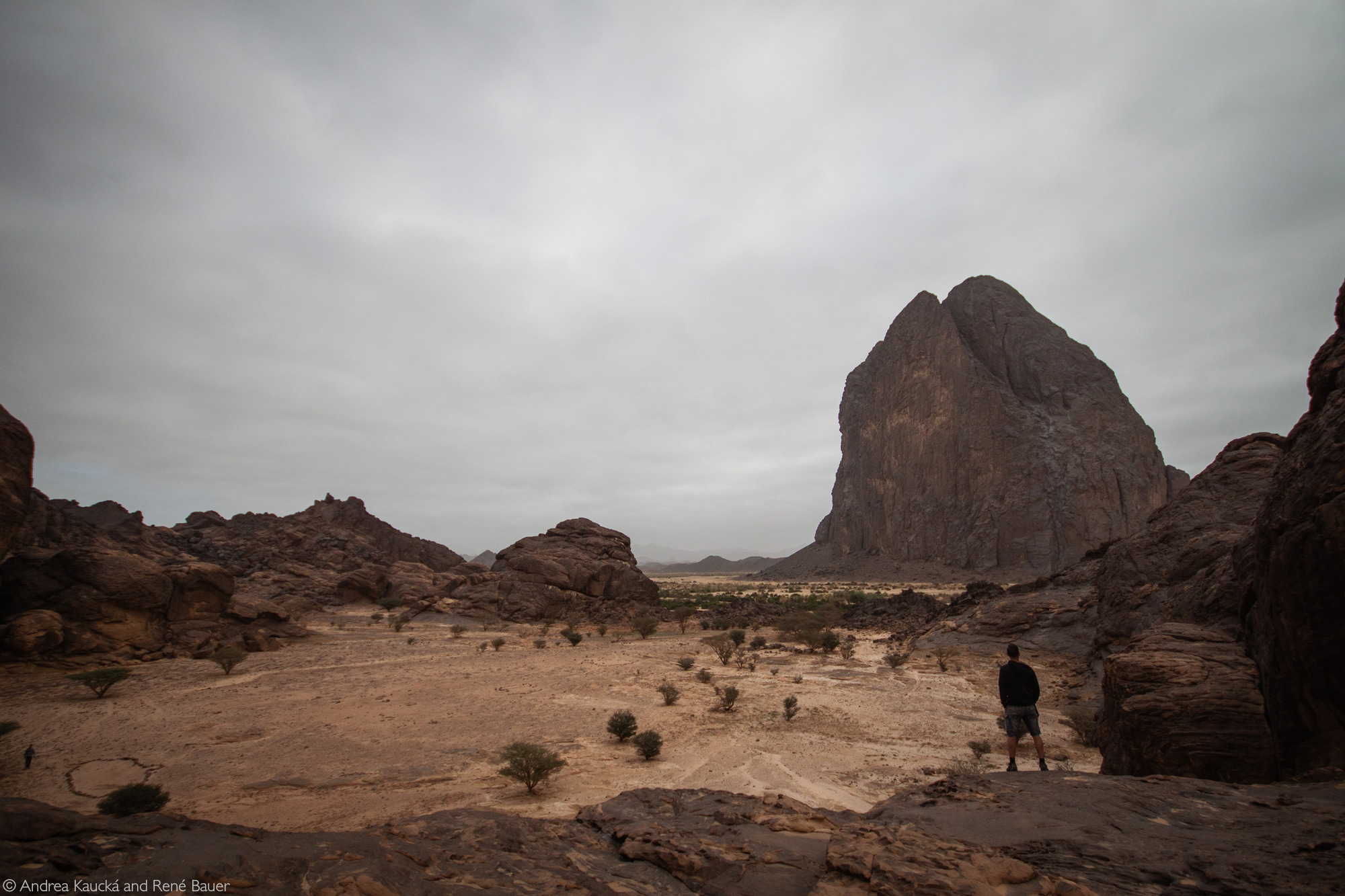
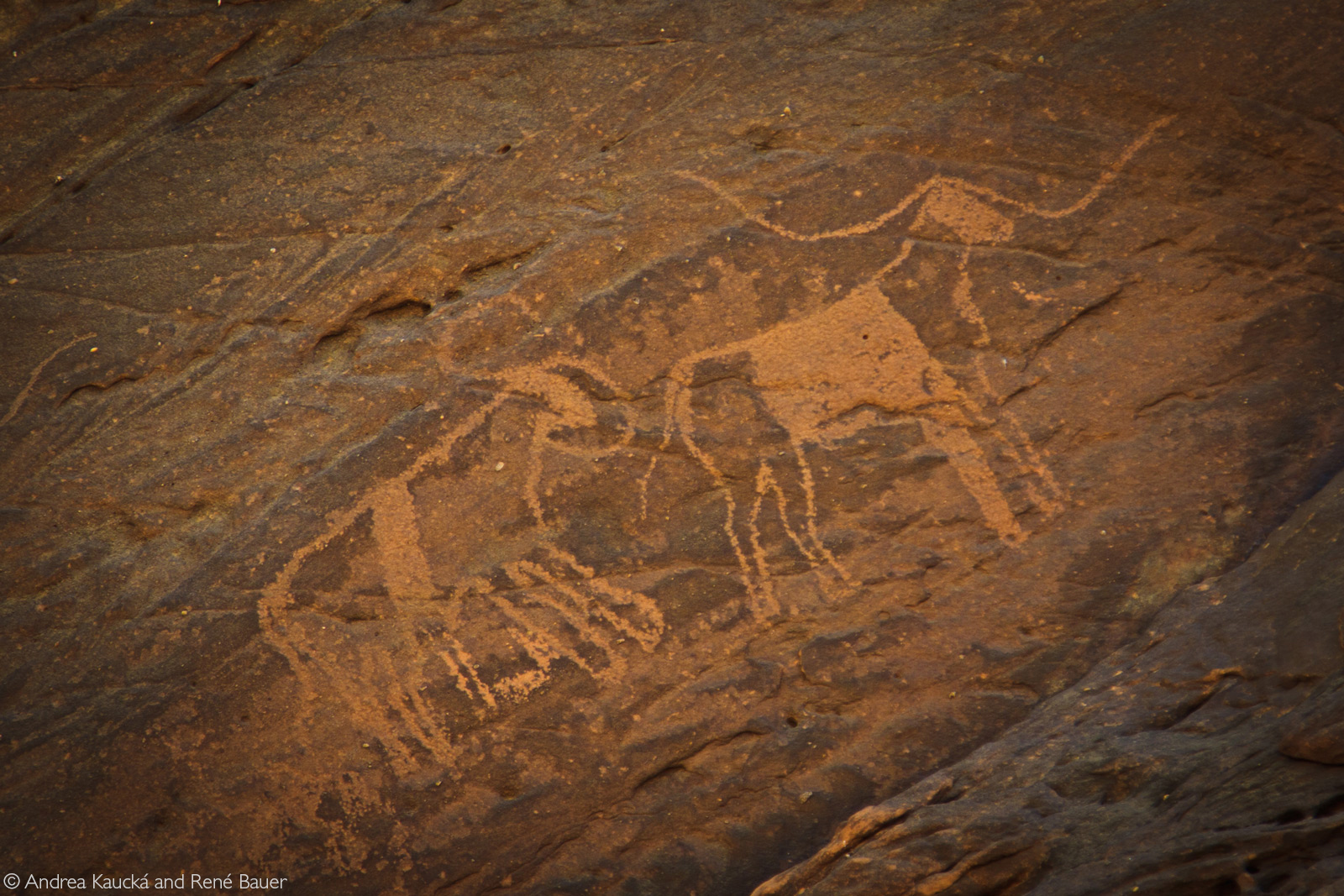
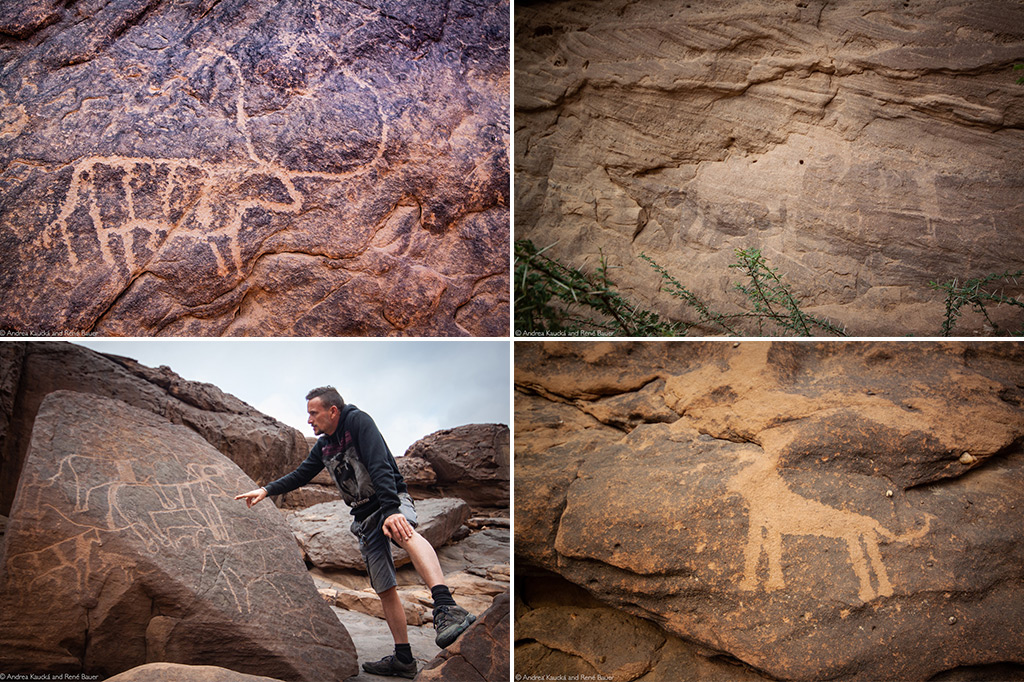
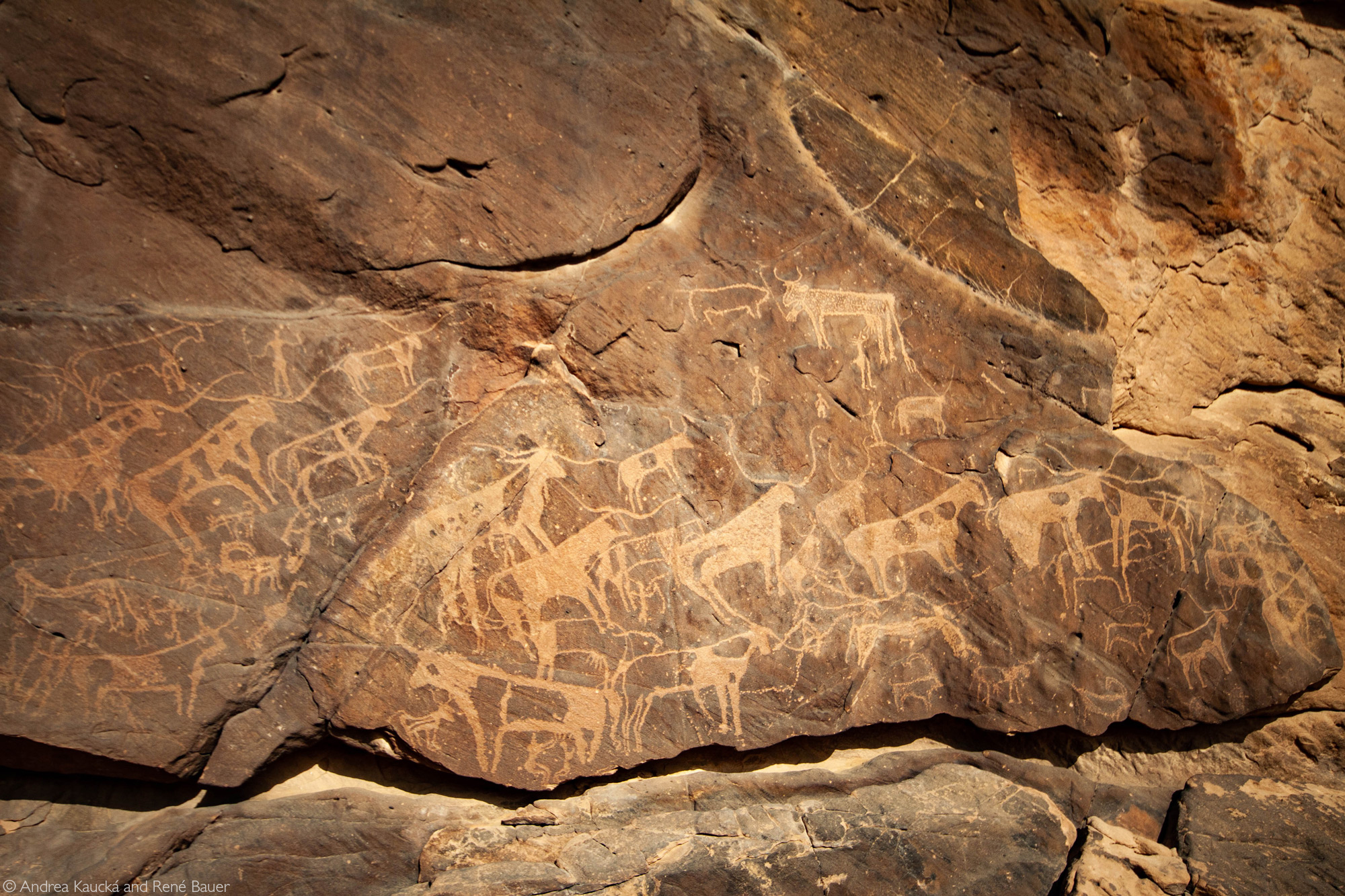
 Andrea and René met in New Zealand in 2005. Since then they have worked and travelled in various places in Europe. Their biggest adventure was