Towards the end of the 19th century, burgeoning industry and development saw railway lines spreading across South Africa – a network crisscrossing the country, despite the rumblings of war to come. Along the Port Elizabeth mainline, at the Uitenhage train station, a signal box worker was paid 20c and half a bottle of beer a week for the nine years that he worked for the railway before his death from tuberculosis in 1890. It was said that he never made a mistake during his employment by the railroad, which is particularly remarkable given that, while exceedingly diligent, he also happened to be a chacma baboon.
The story of how Jack the baboon helped his disabled owner is just one of the many historical anecdotes that highlights the complicated (and occasionally fractious) relationships between humans and baboons throughout our history together. It also serves as a prime example of the most attractive and potentially problematic characteristic of baboons – a fierce and profound intelligence.
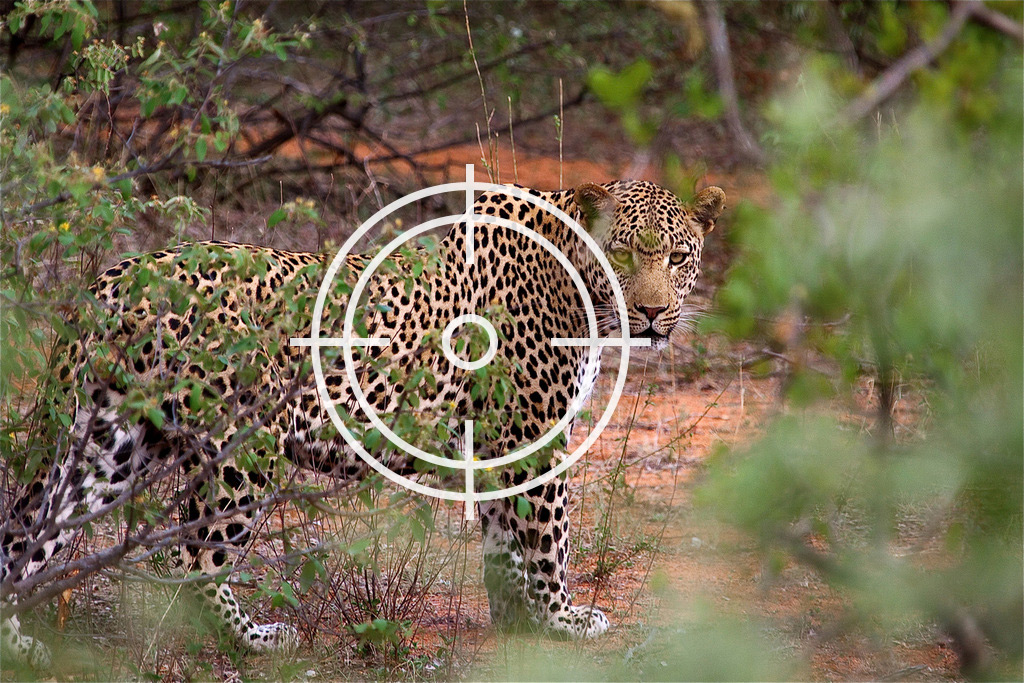
In adult male baboons, powerful canines can grow to a length of 4cm – similar in size to those of a leopard
Introduction
Chacma baboons are one of the largest monkeys in the world, second only to the mandrill by mass, though baboons are longer and taller on average. Their scientific name – Papio ursinus – is a reference to their bear-like features (and swagger). In adult males, powerful canines can grow to a length of close to 4cm, similar in size to those of a leopard, and are used in battles for dominance and defence of the troop. Crocodiles, leopards, and lions will all prey on baboons, and some painted wolves (African wild dogs) of Mana Pools famously specialize in hunting the baboon troops of the region. Leopards, in particular, have a fierce rivalry with baboons, and certain individual leopards learn to take advantage of the diurnal habits of chacma baboons to stalk them at night while they rest in trees. That said, chacma baboons are imminently capable of turning this rivalry on its head; they have been known to grab and kill leopard cubs (and even a lion cub on rare occasions).
Baboons are known to hunt small antelope such as this young Thomson’s gazelle in Maasai Mara National Reserve, Kenya
Chacma baboons are omnivorous, and though the bulk of their diet consists of plant material, they do eat meat and have even been known to hunt small antelope. In agricultural areas, this makes them a threat to livestock, particularly for young farm animals. Their diet can be extremely varied and includes fruits, seeds, grass, blossoms, bulbs, insects, worms, rodents, birds (and eggs) and fungi. The chacma baboons found on the coast of South Africa regularly break open mussels and feed on the fleshy molluscs.
This liberal approach to food allows baboons to occupy a wide variety of habitats, including coastal, mountainous, and forested regions, as well as woodland savannahs and semi-deserts throughout Southern Africa, extending north from South Africa to Angola, Zambia, and Mozambique. Troop numbers vary considerably, with numbers of anywhere from 20 to over 100, and consist of a mixture of related and unrelated individuals subjugated by a handful of dominant males. Chacma baboons are sexually dimorphic, with males growing to almost double the size of the females.
Leucistic baboon in Arusha National Park, Tanzania
Quick facts
Social structure:
troops of anywhere from 20 to over 200
Size:
around 1m in length
Mass:
males between 21-45kg, females between 12-25kg
Gestation:
6 months
Number of offspring:
one, with twins a rare occurrence
Average life span:
probably around 35 in the wild, up to 45 years in captivity
Baboons lead complex family and social lives
Family resemblance
Baboons are found throughout Africa, with one species having an extended range into part of the Arabian Peninsula. Naturally, there has been hybridization between baboons of different species, and the distinctions are so blurred that some scientists recommended considering almost all baboon species to be subspecies of the hamadryas baboon (Papio hamadryas). Gelada baboons belong to the same tribe but are more distantly related and are grouped in a separate genus.
The IUCN Red List currently recognizes six species of baboon, with distinctions being largely distribution-based: the hamadryas baboon (P. hamadryas), the olive baboon (P. Anubis), the yellow baboon (P. cynocephalus), the Kinda baboon (P. kindae), the Guinea baboon (P. papio) and the chacma baboon (P. ursinus). All apart from the Guinea baboon (near threatened) are listed under the “least concern” conservation status.
There are also three recognized subspecies of chacma baboon: the Cape chacma (P. u. ursinus), the grey-footed chacma (P. u. griseipes) and the Ruacana chacma (P. u. raucana). It should be noted that although this article is dedicated to the chacma baboon, there are many ecological and behavioural similarities with other species, particularly yellow and olive baboons.
Colourful social lives
The typically large troop sizes inevitably lead to a complex arrangement of hierarchies and power-struggles, resulting in a social structure that is difficult to summarize. The troops consist of adult males, adult females, and their offspring and the females have their own separate hierarchy that is inherited in a manner similar to spotted hyenas. Females generally stay in their natal troop throughout their lives. In contrast, males often move between troops, and the status of the dominant males can be tenuous and subject to change. When a shift in dominant males occurs, a newly dominant male commonly commits infanticide to bring the female back into oestrous. As a result, females carefully foster close relationships with certain males in a manner that we would interpret as “friendship” (and is referred to as such in descriptions of baboon behaviour). Research indicates that this is most likely a counterstrategy to infanticide and that, in forming this friendship, this male may intervene to protect her youngster from another male.
The interplay of relationships, romances and the occasional ruckus makes observing baboons in the wild an imminently rewarding experience. Baboons breed all year round, and a troop will always include infants of various ages, from tiny creatures with absurdly prominent ears to the more rambunctious youngsters riding piggy-back style on their mother’s back. The infants are so childlike at times that it is almost unnerving to watch their innate curiosity as they begin to venture from their mothers to explore the world around them by mimicking adult behaviour.
Complex social structures come with complex forms of communications, and baboons interact with each other through a series of different vocalizations, as well as a range of body language subtleties and facial expressions. Their famously colourful backsides are just another tool in their spectrum of visual communication – these bald sections of skin underneath the tail are known as ischial callosities and can be used to differentiate between females and young males, as there is a clear central division in those of the females. While they do play a role in sexual signalling in mature individuals, they also aid the baboons when balanced on thin branches at night, allowing them to sleep sitting upright.
Baboons and people
Wild baboons, easily seen during Southern Africa safaris, are instinctively wary of humans but are quick to learn new tricks and pass this on to the next generation. When they learn to associate humans with free food, they can cause enormous damage and pose a potential threat to human safety, as well as their own. This is true of most monkey species but is particularly relevant to baboons due to their large size and strength – determined individuals have been known to lift glass sliding doors off their rails to gain entrance to a kitchen. It can be deeply distressing to return from a successful game drive at a lodge to discover your belongings strewn through the bushveld, a chewed tube of toothpaste and a pungent calling card in the bathroom sink for good measure.
These inconveniences can turn dangerous when humans ignore the rules and encourage this behaviour by failing to secure food or, worse, blatantly ignoring rules by feeding baboons. Those who do so tend to gravitate towards feeding the females and cute infants, rather than the males, which offends the very core of the baboon social hierarchy and can send the dominant male into fits of testosterone-driven rage. This is the case in South Africa’s Cape Peninsula, where the baboons of the area learnt to behave like thugs, opening house and car doors and physically intimidating tourists into dropping food. Due to their male-dominant hierarchy, baboons are quick to distinguish between human men and woman, showing more fear of the former and generally targeting the latter.
For farmers, baboons can cause extensive damage to field crops and orchards, especially during the dry season in Southern Africa when they are desperate for food, and are extremely difficult to deter. There are non-lethal ways of keeping baboons away, including the use of paintball guns, Anatolian shepherd dogs or even motion-triggered loudspeakers, but these require an inventive approach and commitment from the farmer concerned, as baboons are quick to learn and adapt. Behavioural biologists are constantly seeking different solutions to aid farmers but unfortunately for the baboons, they face the same threat as every other animal on this planet. Their habitat is ever-shrinking in the face of human development and those on the fringes are consistently forced into contact with people, usually to their detriment. Furthermore, in some areas, humans have dramatically reduced the numbers of the natural predators of baboons, resulting in explosive population growth.
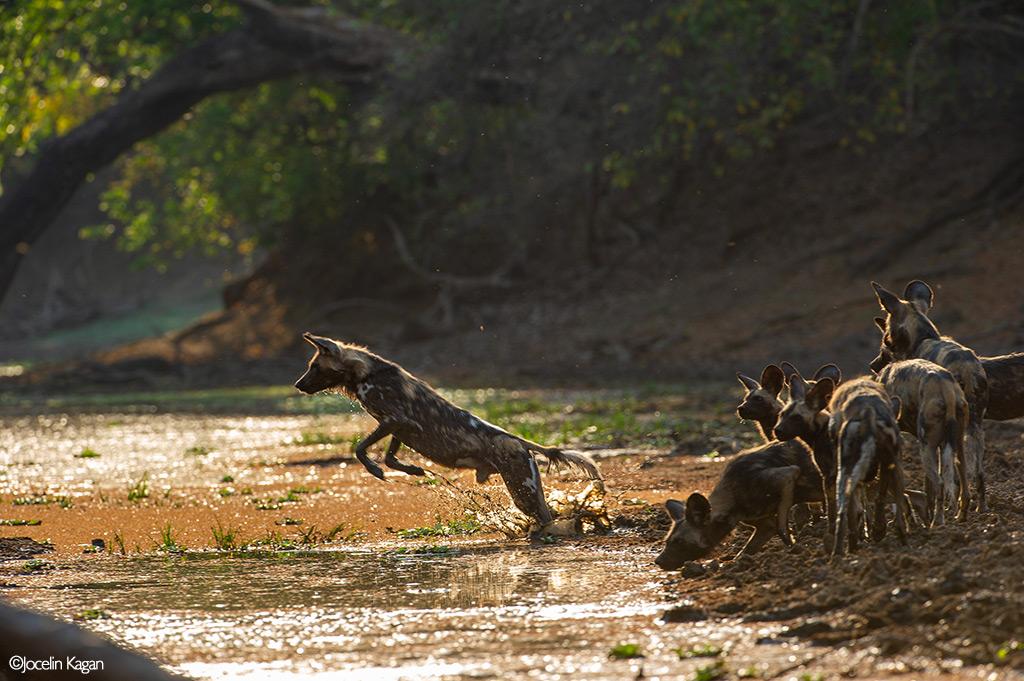
This painted wolf (African wild dog) pack has learned to hunt baboons in Mana Pools National Park, Zimbabwe
Uncanny valley
A few years ago, scientists discovered the oldest known baboon skull – a partial cranium believed to be 2-million-years old – in a cave in the Cradle of Humankind of South Africa. It is quite possible that this early baboon displayed the same penchant for thievery as its modern ancestors, perhaps raiding the food of our ancestors sharing the same cave system. While our history together may go back millennia, many people find it much harder to like baboons or appreciate them the way they do other wildlife. Perhaps it’s our 94% shared DNA (and behavioural similarities that are occasionally too close for comfort) or maybe it’s the unfathomable but knowing look of those bright amber eyes. Either way, time spent with baboons is always guaranteed to provide entertainment.
This is a copy of our weekly email newsletter. Subscribe here to receive the newsletter.
Let’s kick off by scrolling down to our spectacular video for today – of a huge and very special elephant named Kilimanjaro and his close encounter with a group of researchers from Elephants Alive. Note: there was no vehicle involved – they were on foot.
To set the scene, this research team collectively has more than 50 years of EXPERIENCE with wild elephants, including many encounters with the collared Kilimanjaro. On this occasion, they were guided by Alan McSmith, a man who understands the soul of an elephant. I enjoyed a similarly close elephant encounter while on foot with Alan – albeit not with a giant like this. Our group encounter (I was with our Photographer of the Year winners of a few years ago) was in the fading evening light, and the gentle giant loomed over us just meters away for a good look at this seated circle of humans (humans without legs!) before silently continuing his journey.
So, you can safely assume that this research team know what they are doing. Of course, this should not be attempted by anybody lacking the experience and permissions. Do I really need to say that? Yes, sadly, because we all have carte blanche as instant experts to attempt (or criticize) anything that we see online.
Be sure to read the text underneath the video “We were seated, rooted, grounded and trusting of this bull we had come to know. He fed closer and closer in a deliberate straight line towards us…”
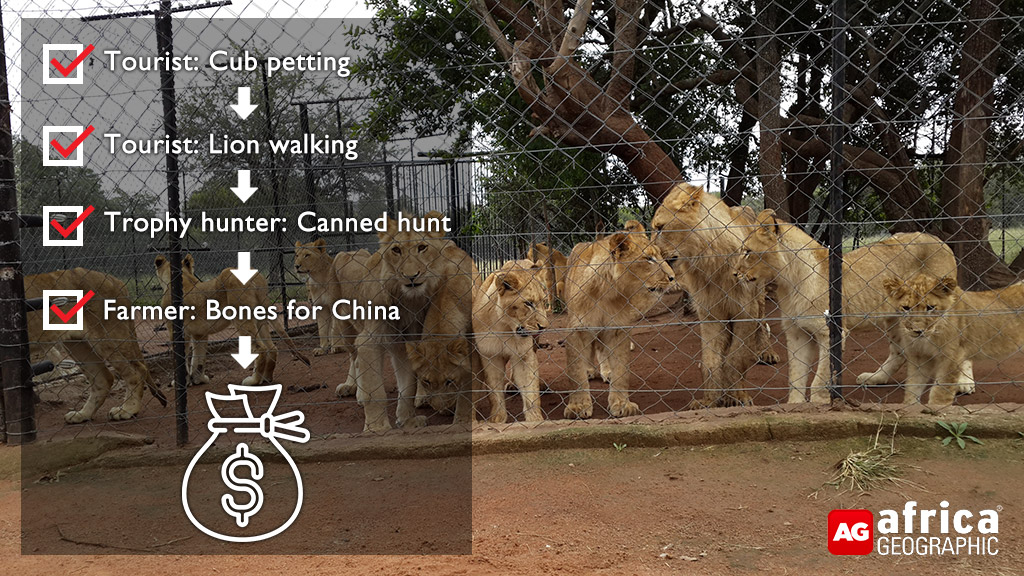
Our first story below is a deep dive into those special lemurs of Madagascar. Disneyland depictions have nothing on these fascinating creatures. Our second story is important because their industry colleagues are telling the rotten South African captive-bred lion killing machine that what they do is not acceptable. I do not doubt that the EVIL ONES involved will redefine terms such as ‘captive’ and so shift the conversation.
Speaking of Madagascar, our third story below is yet another example of nature saying ‘there, see, you have no clue what you have, let alone what you have lost’. GREAT stuff!
And finally, tourism brochures will tell you that the ONLY time to go on safari is during the dry season when wildlife sightings are at their most dramatic (they are) as if that is all there is to a safari. Those of us that live in the bushveld know otherwise. Read our fourth story below to get a feel for your December safari for 2021 and beyond.
Story 1
EVOLUTIONARY ODDITIES: The lemurs of Madagascar are a fascinating family of primates of all shapes & sizes that have evolved to fill every niche on the island
Story 2
NO KIDDING!: Captive-bred lion hunting “not responsible, sustainable, fair chase … damaging the reputation of hunters” – joint statement by 2 hunting bodies
Story 3
LOST & FOUND: ‘Celebrate! A ‘lost’ species – Voeltzkow’s chameleon – has been found in a hotel garden in Madagascar after being assumed to be extinct
The ‘problem-causing’ elephant known as Riff Raff has been shot and killed in consultation with provincial authorities in South Africa.
At around 45 years old, Riff Raff was an elephant bull in his prime, driven by ancient instincts at conflict with the space available to him. Over the past few years, Riff Raff’s fence-trampling tendencies marked him as a symbol of the impact of exclusion fences, the lack of space available to elephants and the inevitable human/wildlife conflict that follows. In the end, despite desperate efforts to find him a new home, Riff Raff’s ‘problem’ status was to cost him his life, and he was ‘humanely destroyed’ this past week.
Riff Raff was declared a damage-causing animal by the Limpopo Department of Economic Development, Environment and Tourism (LEDET) provincial authority for trampling fences to gain access to land that has been his core bull zone for more than half his adult life. The fences were erected by a landowner on Riff Raff’s reserve in 2016, directly excluding him from this long-established area of land to which, as one of the oldest and most dominant bulls on the property, he was genetically hard-wired to return. As a result, Riff Raff began to explore alternative options – learning how to destroy fences along the way and earning a reputation as a ‘problem’ elephant.
HSI/Africa and its partner Global Supplies have worked for more than three years to save the dominant male elephant from destruction after a landowner applied to have him shot. They have described the decision as a ‘devastating blow‘.
To save Riff Raff, HSI/Africa and Global Supplies relocated him to another reserve in Limpopo in 2018, but it was too close to his historical range, and he walked the 64 km journey back home. When a new destruction permit was applied for, and the campaigners’ request to relocate Riff Raff to a new reserve 400 km away was rejected by the Limpopo government, they asked the High Court to intervene and review the decision. Judge President Makgoba then granted Riff Raff extended protection in 2019 at his current reserve, pending a full review in 2020.
Once again, concerted fund-raising efforts by HSI/Africa saw Riff Raff relocated to yet another reserve, this time further from home in the North West province of South Africa where he was meant to spend the rest of his life in peace. Initially, all appeared to have gone smoothly in the relocation, and he was observed feeding and moving through the reserve. Unfortunately, however, just a few hours later, Riff Raff ignored the repeated attempts of both ground and air teams to keep him inside and once again broke out and left the protection of the reserve. After consultation with appropriate authorities, the decision was made to end his life.
In a statement to Africa Geographic about Riff Raff’s death, Audrey Delsink, HIS/Africa’s wildlife director and elephant behaviourist explained that “unfortunately, despite significant attempts to mitigate the animal’s behaviour, his lack of response – possibly related to years of sustained but inconsistent management pressures at the host reserve – made for additional consideration. The factors that led to the decision were the breaching, but also the proximity to neighbouring communities, the latter being of major consequence.”
In a previous statement, Audrey, who has spent over 20 years studying Riff Raff said that “lethal management interventions, particularly in the case of human-elephant conflict, should be the absolute last resort, and never employed where any other humane alternative exists. We share this land with these magnificent giants; it should be utterly unthinkable to kill them simply because to do so is easier than managing the land in a way that considers their normal biological drivers.”
The story of Riff Raff is one which has captured the attention of thousands of people across the world – the charismatic elephant bull simply following his instincts to disperse yet at the mercy of anthropogenic restrictions. As the elephant population in South Africa grows, the likelihood is that there will be many more bull elephants that find themselves in the same situation as Riff Raff. According to an independent study facilitated through the Elephant Specialist Advisory Group to assess the situation by South Africa’s provincial authorities, up to 50 destruction permits were issued during 2016-2017 by LEDET alone to kill so-called problem elephants.
“Destroying these animals through damage-causing animal policies is a band-aid to a haemorrhage,” said Audrey. “It will not solve the problem. This elephant was a dominant and powerful individual, important in his own ecological role as well as to his herd and bull’s hierarchy, and to our understanding of elephant management in South Africa. His loss is significant on many levels and I am deeply saddened by the tragic outcome. Riff Raff is a symbol of a systemic problem, that many other bulls will face as they mature and come into contact with humans, and that requires us to consider new and innovative alternatives that promote coexistence and proactive non-lethal mitigation not hampered by the slow wheels of policy and process.”
The practice of the hunting of captive-bred lion hunting is “not representative of responsible, sustainable, fair chase hunting … against resolutions of the IUCN … damaging the reputation of hunters, and sustainable hunting” – joint statement by the Dallas Safari Club and CIC – The International Council For Game And Wildlife Conservation.
FULL STATEMENT:
The undersigned organizations, each advocating for the conservation of nature through the sustainable use of wildlife:
Recognize that the practice of shooting lions bred in captivity has otherwise been referred to as ‘canned lion hunting’, ‘captive-bred lion hunting’, or using combinations thereof;
Agree that whatever the terminology used; and whether legal or illegal; the practice is not consistent with the definition of responsible, sustainable, fair chase hunting;
Highlight that the practise is contrary to the International Union for Conservation of Nature (IUCN) Resolution WCC-2016-Res-013 on ‘Terminating the hunting of captive-bred lions (Panthera leo) and other predators and captive breeding for commercial, non-conservation purposes’;
Emphasize that the shooting of lions bred in captivity damages the reputation of all hunters;
Call on any Governments that allow the legal shooting of lions bred in captivity, to consider the wider implications to responsible, sustainable, fair chase hunting;
Commit to discouraging members of signatory organizations from engaging in the practice of shooting lions that have been bred in captivity;
The signatories agree that this statement may be amended, as further information becomes available, should the signatories jointly agree on and sign the revised text.
Other organizations in agreement with this statement are encouraged to join as co-signatories. Organizations are invited to contact one of the existing signatories should they be interested in joining.
Some 135 million years ago, gradual yet enormous forces broke apart the supercontinent Gondwana, and a landmass comprising present-day Madagascar, India, Antarctica, and Australia drifted away from Africa. Approximately 47 million years later, Madagascar separated from India and drifted off the coast of Africa in the Indian Ocean. For the last 88 million years, life on Madagascar has been on its own, an island of evolutionary oddities that includes the family of lemurs.
The inevitable outcome of this geographic isolation is that 90% of the island’s fauna and flora are endemic, with phenomenal biodiversity that is quite literally worlds apart from anything else on the planet. The island is so large, and its environment so diverse, that some have even argued that it should be considered the world’s eighth continent. The island is home to over 300 recorded species of birds (60% of which are endemic) and 260 species of reptile, including two-thirds of the world’s chameleon species. Yet it is the primate species of Madagascar – the lemurs – that are the island’s real “flagship” species.
The IUCN currently recognises 107 species of lemurs, but their classification is an ongoing process that incorporates new knowledge and research regularly. The lemurs of Madagascar have evolved with the island, influencing plant life and filling every available niche to form an exceptionally diverse superfamily of diverse shapes and sizes. They have also generated significant interest in visiting Madagascar for a wildlife safari to observe lemurs.
A male red ruffed lemur (Varecia rubra)
Where did they come from?
Unravelling the history of Madagascar’s animal inhabitants has proved somewhat complicated for scientists because, despite numerous dinosaur fossils, there is almost no record from around 66 million years ago to about 26,000 years ago. However, based on a series of complex genetic studies, researchers infer that, rather than being present when Madagascar broke away, the ancestors of modern lemurs arrived sometime after Madagascar achieved geographic isolation, probably between 50 and 60 million years ago. Since then, the family has evolved into a wide variety of diverse primates whose closest relatives are bushbabies (galagos), lorises and pottos.
Clockwise, from the top left: a sportive lemur (Lepilemursp.), a bamboo lemur (Hapalemur sp.), a sportive lemur (Lepilemursp.) and a tiny common brown lemur (Eulemur fulvus)
The most popular theory is that early lemurs existed due to “sweepstakes dispersal” – a chance event that allowed an animal species to cross a massive geological barrier, in this case, the Mozambique channel. At some point, the lemur ancestors (which likely would have been relatively small) found themselves adrift at sea on a raft of plant material, perhaps due to a severe tropical storm or flood. Recent evidence indicates that ocean currents at the time moved toward Madagascar, and the island itself would have been slightly closer to its current position, making the journey relatively easy for a small primate to survive, especially one that could have entered a state of torpor.
This particular theory is, however, far from universal, and it is the aye-aye (see below) that has caused some of the controversies, as jawbones found in Africa (from a species known as Plesiopithecus) bear a very close resemblance to aye-aye morphology.
An eastern woolly lemur (Avahi laniger)
Giants of history
Assuming the early lemurs arrived by raft, once they disembarked, they colonised their new home, breeding, adapting, and evolving into the many species seen today. The absence of mammalian competition enabled them to fill several open ecological niches, although Madagascar’s harsh climate shaped this evolution, resulting in several shared traits, such as seasonal fat storage and strict breeding seasons (in all but two species).
A Verreaux’s sifaka (Propithecus verreauxi) and her youngster
While their classification is as controversial as their history, the consensus is that there are now five extant families of lemur: the Cheirogaleidae (the dwarf and mouse lemurs), the Daubentoniidae (the aye-aye is the only living representative), Indriidae (which includes the indri, woolly lemurs and sifakas), Lemuridae (which includes the “true” lemurs, the ring-tailed lemur, the ruffed lemurs and bamboo lemurs), and Lepilemuridae (sportive lemurs). The largest of these is the indri, which can weigh up to 9.5kg, and the smallest is the critically endangered Madame Berthe’s mouse lemur, which weighs around 30g.
Astoundingly, however, just 2000 years ago, there were three other families of much larger lemur species: the Arcaeolemuridae (monkey lemurs), Megaladapidae (koala lemurs) and the enormous Palaeopropithecidae (sloth lemurs). The largest of all lemurs was a member of the sloth lemur family, a species known as Archaeoindris fontoynontii or “giant sloth lemur”, which probably reached a mass of 160kg and was roughly the size of a small gorilla. While there is no conclusive evidence for why these larger lemur species died out, their disappearance coincides with the arrival of the first humans on Madagascar.
A female white-headed lemur (Eulemur albifrons), also known as a white-headed brown lemur.
All in favour say aye (aye)
By and large, lemur species are highly attractive, with thick, fluffy coats and striking colouration. The aye-aye could be considered the exception to this particular rule – it looks a little like a creature created by an overly-imaginative fantasy writer. Unfortunately for this entirely harmless and unassuming creature, its unusual appearance has inspired several supernatural and superstitious beliefs. The local myths around the aye-aye suggest that it is a harbinger of evil, occasionally sneaking into people’s houses to stab them in the neck with its absurdly long finger. The unfortunate result is that the aye-aye is often judiciously killed on sight, which may well account for the extinction of its cousin, the giant aye-aye.
The outlandish aye-aye (Daubentonia madagascariensis).
In reality, the aye-aye is Madagascar’s woodpecker (no, really). The tiny third finger, which has a ball-and-socket joint, is used to tap on the bark of trees, and the aye-aye listens to the resonance to locate the insect life within. Once it has struck it lucky, the aye-aye nibbles away the bark and uses the extended fourth finger to fish out the insect larvae. A sixth digit has evolved as a pseudo thumb to help the aye-aye keep its balance while feeding. This oddball design, coupled with continually growing incisors, has made the classification of the aye-aye a contentious subject, but as technology has developed, it has become clear that aye-ayes are, in fact, the oldest of all living lemur species, the basal family. However, some biologists contend that aye-ayes colonised Madagascar independently of other lemur ancestors.
An elegant ring-tailed lemur (Lemur catta) and a nocturnal fork-marked lemur (Phanersp.)
Other lemurs
Lemurs rival any other primate family in terms of diversity, and this diversity encompasses many different shapes, sizes, behaviours, dentitions, diets, and habitat use.
Cheirogaleids: the dwarf and mouse lemurs, as their name suggests, are the smallest of all lemurs, and, in fact, the mouse lemurs are the smallest primates in the world. These tiny primates are nocturnal and arboreal, moving through the trees like bush babies. Their diet consists primarily of fruit and some insects. Available research suggests that these lemurs are typically solitary, although they have occasionally been observed in pairs. Members of this family can remain in a state of torpor for several months.
Indriids: there are ten different medium- to large-sized lemur species belonging to the Indriidae family, with the woolly lemurs being the smallest and the indri being the largest of all lemur species. They are all arboreal, though some occasionally descend to move from tree to tree or forage. Sifakas, in particular, are known for their bipedal “dancing” when moving on the ground. Most species live in small groups that are predominantly female-dominated, and all species are almost entirely herbivorous.
Lemurids: one of the largest families of medium-sized lemurs, this family includes the famous ring-tailed lemurs, “true” lemurs, ruffed lemurs, and bamboo lemurs. All are primarily herbivorous and highly arboreal.
Lepilemurids: the sportive lemurs are strictly nocturnal, and most are solitary and territorial. Their hind legs are considerably longer than their front legs, making them ideally designed for leaping from tree to tree but restricting quadrupedal movement.
Conservation crisis
As fast as new lemur species are being described, their conservation status becomes more precarious. Some may even go extinct before scientists identify them as a separate species. Where once the lemurs were found throughout Madagascar, they are now believed to be restricted to less than 10% of their original distribution. Due to slash-and-burn agriculture and deforestation, lemur populations are now confined to highly fragmented, ever-shrinking forest patches (Madagascar has lost more than half of its forests in the last 60 years). This, coupled with bushmeat hunting and the illegal pet trade, makes lemurs one of the most at-risk animal families on the planet. In a recent announcement, the IUCN reported that 31% of lemur species in Madagascar are now listed as critically endangered, and 98% are threatened in some way.
The Verreaux’s sifaka (Propithecus verreauxi) is now listed as critically endangered.
Since the arrival of humans on Madagascar, all mammals over 10kg (including a pygmy hippopotamus species) have gone extinct, as have unknown numbers of bird and reptile species. Ring-tailed lemurs still give off a false alarm call for the long-extinct Malagasy crowned eagle, which once would have been one of their main predators. Despite extensive conservation efforts by dedicated individuals and organisations, Madagascar remains one of the poorest countries in the world, and only 3% of its land area is protected. Without severe and immediate intervention by the international community, it is a sobering reality that the haunting calls of lemurs echoing through Madagascar’s forests may be silenced forever.
The last official sighting of the Voeltzkow’s chameleon (Furcifer voeltzkowi) was in 1913 in Madagascar, earning it a spot on the Top 25 Most Wanted taxon in Global Wildlife Conservation’s Search for Lost Species initiative. A two-week expedition to north-western Madagascar resulted in not only the rediscovery of this unique chameleon but the very first description of the colourful females.
The Voeltzkow’s chameleon was first described from a male specimen collected by German biologist Alfred Voeltzkow in 1893. Little was known about this cryptic species, and no female specimens had ever been described. The expedition to find the Voeltzkow’s chameleon ran from the 25th of March to the 3rd of April 2018 (during Madagascar’s rainy season) and, according to the biologists, yielded nothing but frustration until the final few days. Angeluc Razafimanantsoa, a professional Malagasy guide and member of the expedition, was the first to spot one of the mysterious chameleons in the wild gardens of Chez Madame Chabaud hotel.
One explanation behind the difficulty in finding the Voeltzkow’s chameleon lies in its close relationship to the Labord’s chameleon (Furcifer labordi), which lives for just a few months every year. The eggs of the Labord’s chameleon hatch in November and the young chameleons reach sexual maturity extremely rapidly (within two months). Once the mature individuals have had the opportunity to mate and lay their eggs in January and February, they will die just a month or two later. Biologists believe it highly likely that the Voeltzkow’s chameleon follows a similar lifecycle which has made finding them a challenging task. This has been exacerbated by the fact that adult chameleons are active during Madagascar’s rainy season, where parts of the island become almost inaccessible.
Female Voeltzkow’s chameleon
Nevertheless, the team managed to find three males and 15 females – numbers which, according to the researchers, suggest the possibility of a healthy population for a short-lived species. They also discovered just how colourful the females, particularly gravid (pregnant) females, can be. The newly released paper on the discovery describes how the Voeltzkow’s chameleon is a sexually dimorphic species, with the males observed to be significantly less colourful than their female counterparts (though both are primarily green in colour when relaxed). Like all chameleons, the female Voeltzkow’s chameleons change colour according to their moods, particularly when antagonized in some way, displaying vivid and highly variable colour patterns of purple, orange, red, green, black, and white.
The newly published study released in Salamandra, the German Journal of Herpetology, the researchers detail the findings of the 2018 expedition, providing the first new information on the little animal’s genetics, morphology, and behaviour in over a century.
Madagascar is home to around half the world’s chameleon species, over 100 of which are endemic. Of these Malagasy chameleons, 52% are threatened, and 70% are considered threatened or near-threatened. Habitat loss and deforestation are some of the main threats facing most of the island’s endemic wildlife – it is believed that less than 10% of Madagascar’s natural forests remain.
“The Voeltzkow’s chameleon is a powerful flagship species for conservation in the region,” said Carlos Zanotelli, a member of the 2018 expedition. “It is imperative that we protect nature and treat natural habitats as if we would like to live there. Only in this way can we ensure the future of the incredible species, like the Voeltzkow’s chameleon, we share this planet with.”
Male Voeltzkow’s chameleon
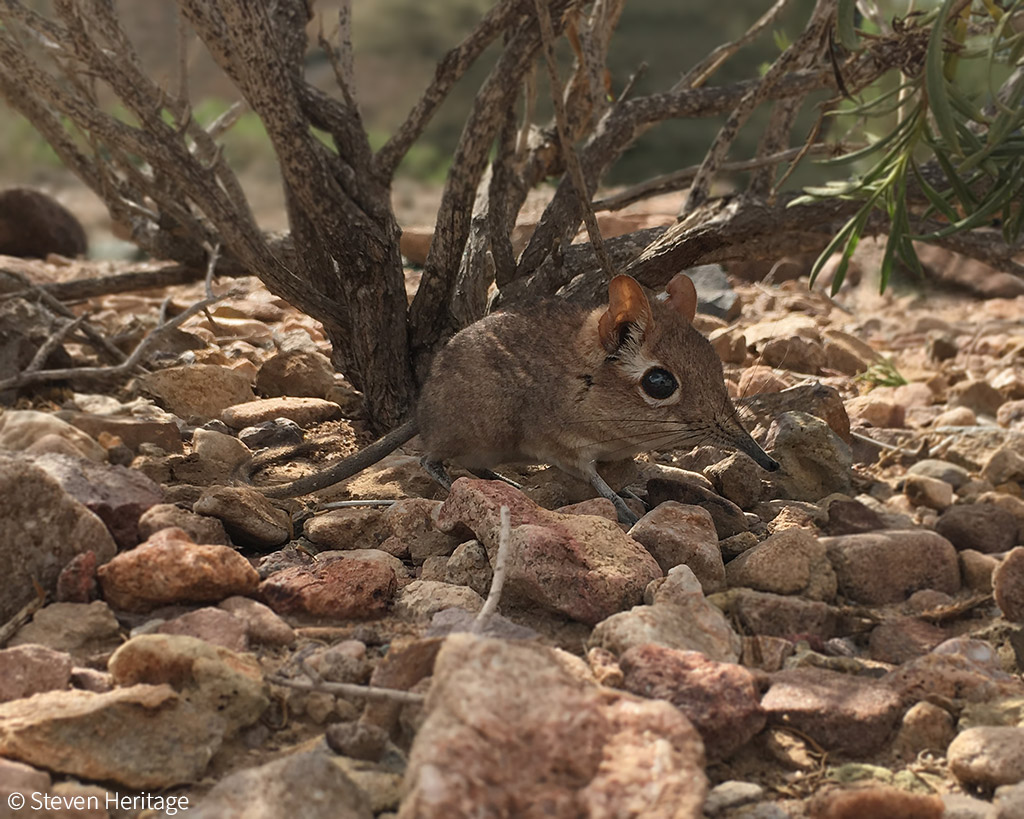
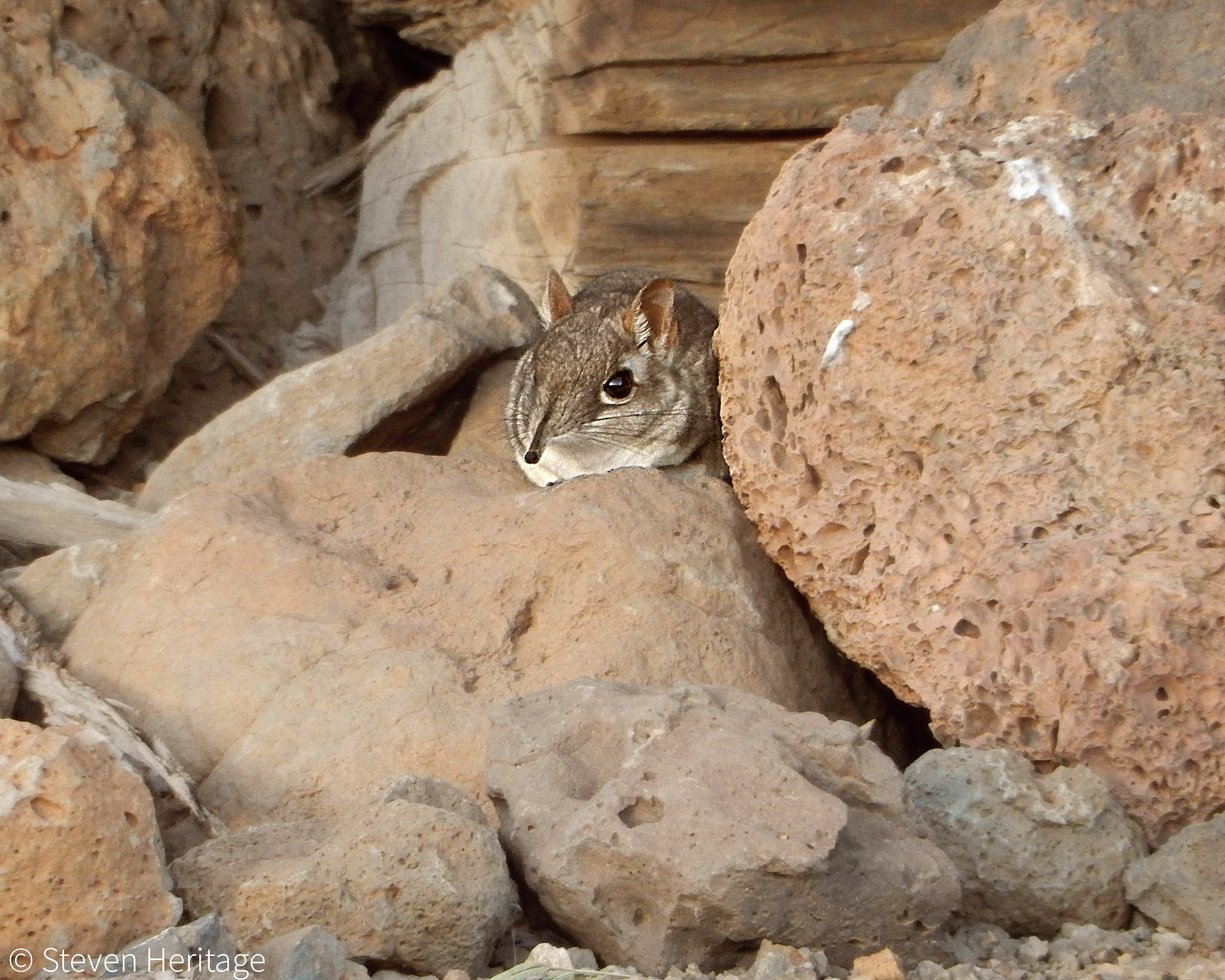
Along with the rediscovery of the Somali sengi announced earlier this year, the Voeltzkow’s chameleon is the sixth species on the Global Wildlife Conservation’s 25 most wanted list to be confirmed as having been rediscovered. As the study on the Voeltzkow’s chameleon succinctly explains, “rediscoveries of “lost” species are important as they provide crucial data for conservation measures and bring some hope amidst the biodiversity crisis.”
This is a copy of our weekly email newsletter. Subscribe here to receive the newsletter.
“Right now it’s sweltering hot, and I am sitting in the shade of a tree as I watch a drying pool of water for signs of life. Early this morning I managed to get some wifi at reception, and heard from home that Germany is about to go into another LOCKDOWN! My thoughts are with my family and especially my grandmother, who turns 95 soon. Lockdown means no family gathering for her.” – Jens Cullmann via Whatsapp.
Jens, our reigning Photographer of the Year, is in Mana Pools as you read this, doing what he does – an annual immersion into this ICONIC protected area to get the best possible images as Mana transitions from dry to wet season. The above image was taken by Jens.
Our first story below provides useful info about Mana Pools (which I hope is on your SAFARI bucket list) accompanied, of course, by excellent imagery from our talented Photographer of the Year entrants. Speaking of which, our 2021 Photographer of the Year kicks off on 1 January and we have lined up the best ever prize of a safari to Khwai Private Reserve in Botswana! Start searching your image archives and watch this space for further announcements.
As you know, things are pretty DIRE in the safari and conservation industries right now. Our second story below explains the impact of Covid-19 on protected areas and the people who depend on them.
We also revisit a fantastic book CELEBRATING painted wolves in our third story below, where your purchase (as a festive season gift!) will help to keep these iconic predators safe. Our fourth story is a fascinating look at how good intentions can have bad consequences. I wonder how often this happens as humankind tries desperately to right the wrongs?
Thanks for all the emails responding to my question last week about the killing FOR FUN of ocean predators versus land predators. Every one of those who wrote to me stated unequivocally that there is no difference – each is as morally bankrupt as the other.
Story 1 ICONIC SAFARI: Mana Pools is Africa’s iconic park for bushwalking without a guide – renowned for encounters on foot with wild dogs & relaxed elephant bulls
Story 2 PERFECT STORM: A new report examines just how bad COVID-19 is for Africa’s wildlife and protected areas and what needs to be done to save our wild spaces
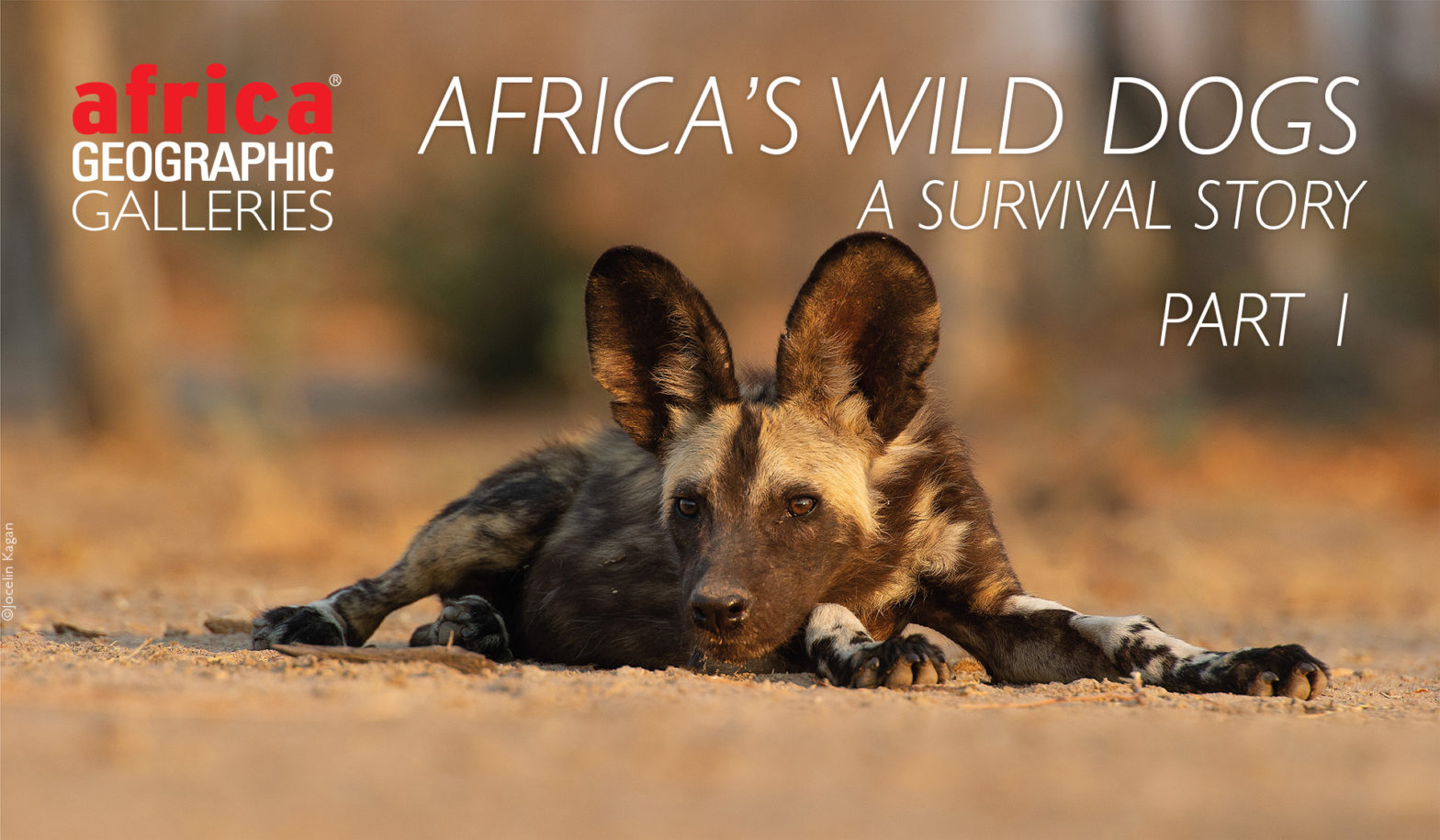
Story 3 GET INVOLVED: ‘Africa’s Wild Dogs – A Survival Story’ is a photographic book celebrating these charismatic predators and telling their story. Proceeds go to saving them
Story 4 SAVING RODENTS TO LOSE PRIMATES: Bushmeat trade: Viewing all bushmeat trade through one lens over-simplifies the complex situation and could lead to accelerated disappearance of some species
Much has been said and written about the devastating effects of COVID-19 on global economies, with the inevitable socio-economic impacts on all sectors of life and industry. The situation is not projected to improve any time soon, and for the already underfunded conservation industry in Africa, it spells disaster. A new report by renowned conservationists and scientists examines just how bad COVID-19 could be for Africa’s wildlife and protected areas and what needs to be done to save our wild spaces.
According to the report, Africa has nearly 2000 Key Biodiversity Areas and supports the world’s most diverse and abundant large mammal populations, with wildlife-based tourism generating over $29 billion every year and employing 3.6 million people. 7,800 terrestrial protected areas cover some 17% of the continent, most of which are state-owned but with considerable support from conservation NGOs and the private sector. Expanding conservation efforts on private and community land has seen increased available habitat for wildlife while simultaneously creating buffer zones. Vast transfrontier conservation areas protect wilderness areas across national boundaries.
From bad to worse
Even before COVID-19, Africa’s conservation industry was facing a crisis. The report states that state-owned protected areas with lions are repeatedly faced with budget deficits of $1.2 billion every year, with most other protected areas likely faring no better. This, in turn, renders these regions susceptible to the main threats facing wildlife today: habitat loss, degradation, fragmentation, encroachment, poaching and climate change, which, combined with poor governances, poverty, climbing human populations and the illegal wildlife trade, are driving wildlife declines. And the authors believe that this current pandemic could amplify this crisis to catastrophic effect.
Schematic of the potential cascading impacts of COVID-19 on conservation in Africa. Source: Lindsey, P., Allan, J., Brehony P., et al (2020), Nature Ecology & Evolution
While there have been limited positive environmental benefits to the global shutdown, these are temporary, and the ultimate impact will be strongly negative, with reduced funding, lower conservation capacity and increased threats to wildlife and ecosystems.
The effects
Reduced conservation funding:
As governments are faced with having to make severe budget cuts, there is a strong likelihood that wildlife authority budgets (already underfunded) are going to be substantially reduced. The impact of COVID-19 on the tourism industry is being felt on an unprecedented scale, and 90% of African tour operators have seen an over 75% decline in bookings. For most countries, tourism is the most significant contributor to protected area financing, and the loss of this revenue is going to have major ramifications. Aside from the day-to-day conservation activities, the lost revenue threatens jobs and livelihoods for some of the most impoverished communities on the continent.
Reduced donor funding is also inevitable, as economies struggle to recover, and corporations, private donors and foundations are unable to provide or may shift their focus to humanitarian causes. During the financial crisis of 2008/9, conservation endowments declined by 40%.
Impaired conservation operation
Reduced funding will restrict the capacity of conservation and management authorities to manage protected areas as necessary, as well as forcing the loss of staff members and preventing the purchase of necessary equipment and supplies. In areas where movement has been strictly restricted, rotating staff and supplying field rangers has proved difficult, resulting in exhausted staff and poor morale.
Increased conservation threats
The disastrous effects on tourism and the overall negative economic impact will increase rural poverty. The authors expect increased poaching, tree cutting, artisanal mining, encroachment, agricultural conversion and even the degazetting of severely affected protected areas.
Examples of realized and potential impacts of COVID-19 on conservation in Africa, as of April 2020. Source: Lindsey, P., Allan, J., Brehony P., et al (2020), Nature Ecology & Evolution
Risk of future outbreaks due to human impacts on nature
The report suggests that the combination of reduced conservation efforts and increased poverty could create a positive feedback loop where increased reliance on natural resources increases encroachment, exposure, and consumption of wild animals, ultimately increasing the risk of future pandemics.
What can be done?
The authors emphasise that a long-term perspective is essential – supporting conservation efforts will help local economies recover and create employment, especially as the tourism industry begins to bounce back. The report highlights three significant actions needed to mitigate these effects:
Manage the immediate crisis
The international community needs to intervene to provide crisis funding by recognising conservation as an essential service, and, realistically, this primary source of funding needs to be the developed world, as many governments in developing countries lack the capacity. This could involve donors creating an emergency fund for wildlife authorities, communities, private landowners, and conservation NGOs. The tourism industry, which underpins the conservation industry, needs support both in terms of tax breaks and direct financial assistance.
Defend against future disease outbreaks by regulating wildlife trade and minimising habitat loss
Governments and organisations across the world need to improve regulations and improve the enforcement of existing laws to curb unsafe wildlife trade practices that jeopardise either human health or conservation objectives. The authors do warn against undermining the legal, regulated wildlife trade that supports millions of livelihoods.
Conservation funding in Africa is currently insufficient, lacking diversity and vulnerable to shocks like the COVID-19 pandemic, but there are potential solutions. Source: Lindsey, P., Allan, J., Brehony P., et al (2020), Nature Ecology & Evolution
The report also suggests that efforts should be made to tackle other drivers of infectious disease such as habitat destruction, logging, and mining.
Address systematic flaws in the structure and function of conservation in Africa
Here the report suggests that COVID-19 has exposed the multifaceted shortcomings of conservation efforts in Africa, starting with the fact that funding is inadequate and reliance on short term, external funding streams is not sustainable. While tourism plays an enormous role, some countries are over-reliant on it for conservation funding, which makes efforts vulnerable to stochastic events such as pandemics. In areas where tourism does flourish, the communities that carry the cost of wildlife generally receive negligible benefits.
Increasing conservation resilience
The report suggests that this is an opportunity to rethink and restructure conservation funding in Africa to promote long-term resilience, with suggested solutions that would need to be tailored depending on the specific situation:
Recognise the reliance on the development of natural assets – that is, aligning conservation and development interests to build political and public will.
Quantify the value of natural assets and ecosystem services and incorporate those values in national budgets
Position protected areas as hubs for local development and service provision
Properly engage local people as stakeholders in conservations – allow communities to participate in protected area governance and ensure that communities benefit from tourism.
Encouraging conservation organisations to work with development specialists on visible support for communities
Support African civil society conservation efforts
Given that travel restrictions currently limit international conservation organisations, they should be supporting local conservation organisations by providing funding and sharing expertise which will increase local conservation capacity.
Diversify revenue-generating options from wildlife areas
The demonstrated volatility of international tourism, as well as the decline in trophy hunting, illustrate the need to create local revenue streams more resilient to global shocks. For some countries, that means fostering domestic tourism to increase resilience to global shock and build longer-term public support for conservation. The report also warns that, given current deficits, the collapse of the trophy hunting industry would have grave ramifications for conservation.
Increase domestic expenditure
African governments need to invest in protecting their assets – this could entail setting aside a budgetary allocation for the protection of nature.
Increase international funding
There are emerging mechanisms for international governments, organisations, and individuals to provide funding, including investment in land, payments for ecosystem services or debt-for-nature swaps.
Improve revenue distribution mechanisms
Africa needs to improve the mechanisms used to generate and disburse wildlife-related revenue in a way that recognises the role of governments, private landowners, and communities as custodians of wildlife.
a) The terrestrial ecoregions of Africa. b) Percentage tree cover with >10% canopy density in 2000 (source: Hansen/UMD/Google/USGS/NASA). c) Mammal species richness. d) Funding deficits of national protected area networks in African lion range states. e) The average number of annual international tourist arrivals to African countries from 2016–2018. f) The GDP per capita (corrected for purchasing power parity (PPP)) in current US dollars of African countries in 2018. In d–f, countries are filled white where data were unavailable. Source: Lindsey, P., Allan, J., Brehony P., et al (2020), Nature Ecology & Evolution
Conclusion
The authors of this report are some of the most prominent coal-face conservationists and scientists in the industry, and their sombre warnings carry significant weight. They conclude that the international community needs to act fast to protect and support Africa’s wildlife and protected areas, as well as the people who depend on them. This concerted effort will need the support and collaboration of the developed world, African governments, donors and conservation practitioners. “At this critical juncture, business, as usual, could be catastrophic, but decisive and collaborative action can ensure that Africa’s wildlife survives COVID-19 and that more resilient conservation models benefit humans and wildlife for generations”.
The allure of a safari adventure in Mana Pools is about far more than seeing lions, elephants and wild dogs; it is an experience that transcends spiritual barriers to create a sense of resonance with the land and her unique creatures. This connection is hard to find in our frenetic day-to-day existence, bombarded as we are by narrow information from brightly lit screens; which is why unfettered time spent in the wilderness acts as such a catharsis for the soul.
While there are many options available that offer this deliverance from daily reality, it is Zimbabwe’s Mana Pools National Park that truly epitomizes the salubrious and grounding effects of Africa’s untamed influence.
The Park and surrounds
Mana Pools National Park is a UNESCO World Heritage Site that encompasses 22,000km2 (220,000 hectares) of pristine African wilderness on Zimbabwe’s northern border, nestled between the Zambezi River to the north and the Zambezi escarpment to the south. The name ‘Mana’ comes from the Shona word for ‘four’, in reference to the four largest oxbow lakes – Main/Mana, Chine, Chisambuk and Long – remnants of a time when the mighty river flowed along a different route. On the floodplains, groves of Ana trees (Faidherbia albida) create the perfect photographic backdrop against which bull elephants stretch up to reach the nutritious seedpods, sometimes balancing on their hinds legs. The many islands, channels and sandbanks set the scene for the inevitable primordial battles for survival on their banks.
As one of the least developed parks in Africa, Mana Pools forms part of an enormous ecosystem and is contiguous with:
Zambia’s Lower Zambezi National Park (400, 000 hectares) – on the opposite bank of the Zambezi River
Sapi Safari Area (118, 000 hectares) – included with Mana Pools NP as a UNESCO World Heritage Site.
Chewore Safari Area (339, 000) – included with Mana Pools NP as a UNESCO World Heritage Site.
Hurungwe Safari Area (287, 000 hectares)
Dande Safari Area (52, 300 hectares)
Doma Safari Area (76, 400 hectares)
Charara Safari Area (170, 000 hectares)
Chiawa Game Management Area (approximately 234, 000 hectares)
The total protected area equates to almost 1.7 million hectares of some of the most remote wilderness in Southern Africa. Some of the areas outside of the national parks are utilized for trophy hunting.
Close encounters of the (somewhat) dangerous kind
There are many safari locations where the iconic wildlife is accustomed to the presence of humans, or at least humans in vehicles, but the animal occupants of Mana Pools take this relaxed approach to an entirely new level. None of the camps are fenced, and the park’s animal occupants are quite content to stroll through, at any hour of day or night. It is not uncommon to awaken in one of the more remote campsites to discover that a buffalo has decided to spend the night resting up against the side of your tent.
The wildlife viewing is spectacular, particularly during the dry season when large herds of elephants, buffaloes, zebras, waterbucks, and even eland and sable antelopes are drawn to the more permanent water sources. Naturally, the park supports the expected predators such as lions, leopards, cheetahs, and spotted hyenas but there is also the possibility of a rare glimpse of the shy brown hyenas. When it comes to predators, however, it is the painted wolves (African wild dogs) that have garnered the attention of regular safari-goers (more below).
Exploring Mana
Only a small area of the park is covered by the road network, the rest can only be explored on foot or by canoe. In fact, Mana is the only national park in Africa with large dangerous wildlife where you are permitted to walk without a guide. Zimbabwe is home to some of the best-trained and most experienced (and possibly eccentric) guides in Africa, and it is in Mana that they truly come into their own.
With over 12,000 elephants in the greater Mana ecosystem, an encounter with these giant, sentient beasts on foot is almost inevitable, and there is nothing in the world that genuinely compares to looking up into an elephant’s dark, heavily-lashed eyes when all artificial barriers are removed. It is a moment when time stands still, a heart-pounding combination of hyper-awareness, awe and a small (mostly healthy, certainly rational) dose of terror. Fortunately, these elephants are so used to the almost reverential attention of tourists that they are mostly content to ignore the somewhat physically inept primates around them. However, like any wild creature, elephants have the potential to be exceptionally dangerous, and it is incumbent on the tourists that visit to ensure that they are treated with the respect that 6 tonnes will otherwise demand.
Quite aside from heart-pounding encounters with Africa’s deadliest, walking is possibly the best way to get the most out of a safari experience, especially in Mana, where its wide-open spaces and rich diversity of habitats make it a playground for adventure. Long-neglected senses suddenly come into play as the human body quickly reverts to instinctive alertness, with tracks crisscrossing the earth like a wilderness newspaper. This extraordinary freedom was once nearly lost thanks to the foolhardy and arrogant behaviour of a handful of inconsiderate tourists. Fortunately, though, sense prevailed, and Mana remains available for bushwalking. However, a self-guided walk on the wild side is not for the inexperienced and, in most cases, it is more advisable to secure the services of a professional guide. This is partly due to the dangerous nature of the surroundings but, more importantly, because a wealth of knowledge is essential to experience the nuances of a walking safari.
Chitake Springs is a remote area at the base of the Zambezi Escarpment in the southern reaches of Mana Pools National Park – on the Chitake River, a tributary of the Zambezi River. The spring is a perennial water source in a usually dry riverbed and provides the only water source for concentrations of wildlife. Large herds of buffalo, elephant and other herbivores converge on the water – especially during the late dry season – and predators line the steep river channel banks to ambush their desperate prey as they drink.
Dogs, dogs, dogs
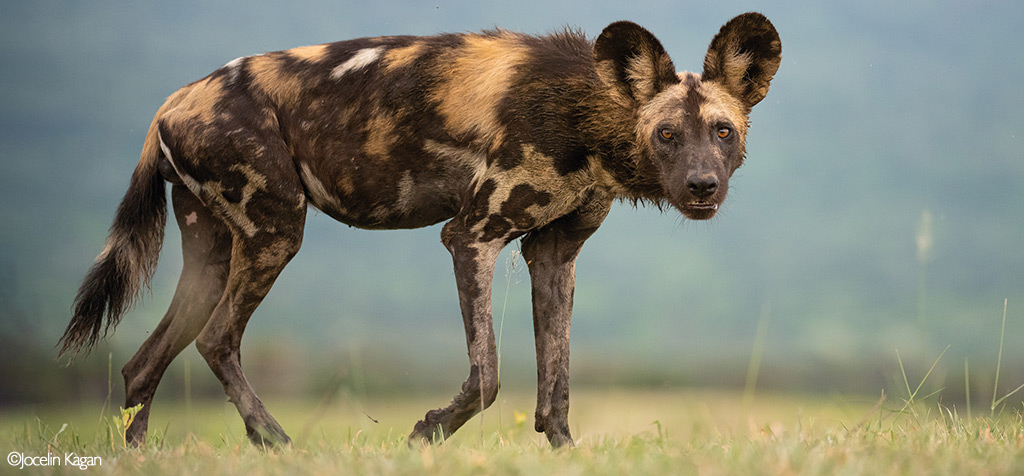
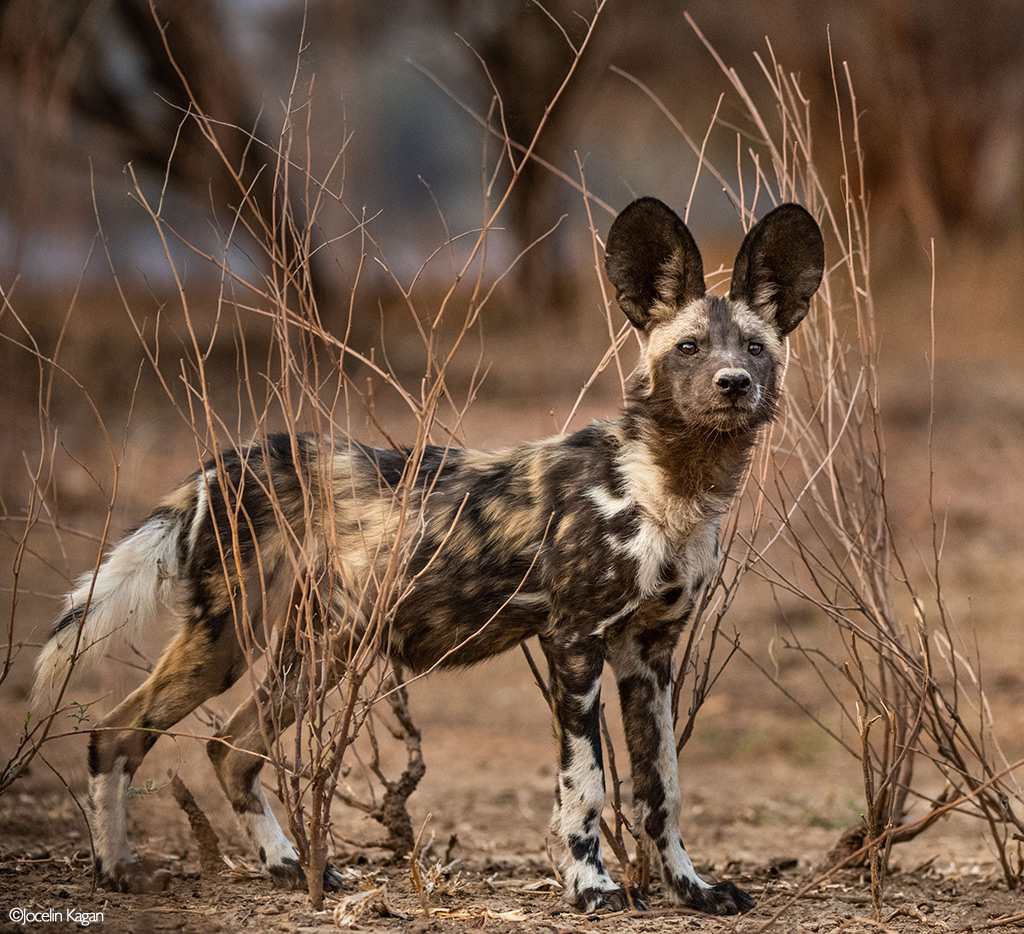
OK, so painted wolves are not really dogs. Or wolves. Read more about the name here. For our purposes, though, we will call them painted wolves. The painted wolves of Mana Pools are perhaps one of the park’s best known and loved aspects. There are two main reasons for this (apart from their documentary fame). The first is that, like the rest of Mana’s wild creatures, the painted wolves tend to be extremely comfortable with the company of humans, either on a vehicle or on foot. Nowhere else in the world is it possible to spend time at eye level with one of the planet’s most endangered carnivores at this proximity. Once again, this privilege is not one that should be abused.
The second reason is that by Southern African standards, the vegetation of Mana is relatively sparse, especially on the floodplains. This is ideal when viewing these lithe little predators because, once they get going, they can be extremely difficult to follow as their tireless lope eats up the ground ahead of them. It is only truly possible to appreciate their extraordinary athleticism out in the open.
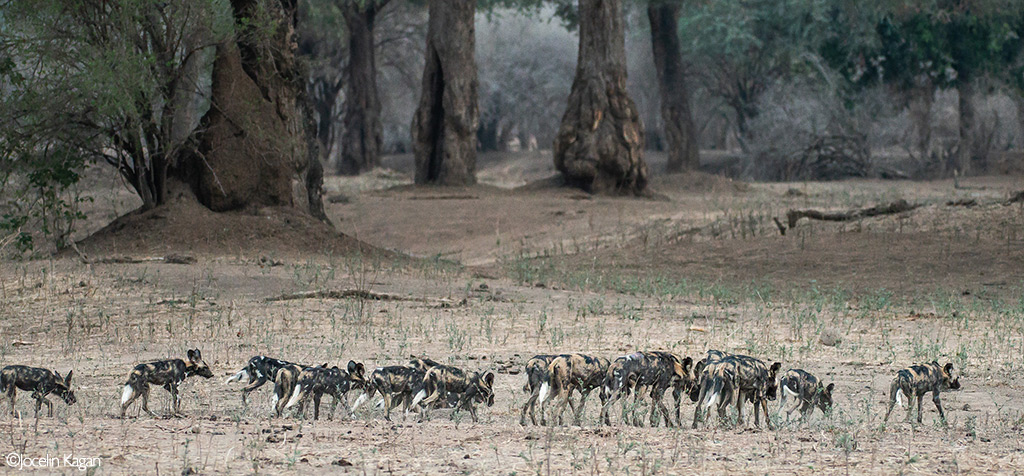
Their unexpected and unexplained tendency to hunt baboons is also a significant factor in their popularity, as this is behaviour rarely seen outside of the Mana Pools environment.
Waterways
As the drought of the last few years has demonstrated, life in the national park is inexorably linked to water – whether the Zambezi River itself or the pools dotting the wetland region. The four pools that give Mana its name are found inland from the river, across the flood plains, and are filled with water long into the start of the dry season. The river itself teems with hippos, crocodiles, and sharp-toothed tigerfish and for those for whom that kind of thing holds some sort of appeal, it is possible to secure some of the best tiger fishing spots in Africa. Those who would instead do something more enjoyable can travel Mana’s waterways on a river cruise or even take the intimate approach of a canoe. This is a great way to explore the park from a different perspective, paddling peacefully past pods of hippos or perhaps watching elephants feeding peacefully on a nearby bank.
This is also an excellent way to enjoy some of Mana’s 380 bird species and, as carmine bee-eaters hawk overhead, keen birders can scour the banks for rufous-bellied herons and long-toed lapwings, or perhaps even spot a Pel’s fishing owl or African skimmer.
The experience
Are you keen to embark on your own trip to this epic safari destination? Check out our safaris to Mana Pools here. You can choose from ready-made safaris or ask us to build one just for you.
Remote and unspoilt though it may be, Mana Pools is not without luxury for those who would appreciate some pampering with their adventure. For those less luxury-minded (and possibly budget-restricted), there are several campsites to choose from, some of which are even positioned on the banks of the river itself. Booking ahead for the more private campsites is essential, as there are limited spaces available.
Mana Pools is a summer rainfall region, and many camps (and plenty of the roads) are closed during the peak of the rainy season from November until around March. The best time to visit (in terms of wildlife viewing) is during the dry season (between May and October) as animals congregate around the river and the remaining water in the main pools.
All funds and royalties raised from the sale of Africa’s Wild Dogs – A Survival Story will go into the non-profit organisation: Africa’s Wild Dog Survival Fund
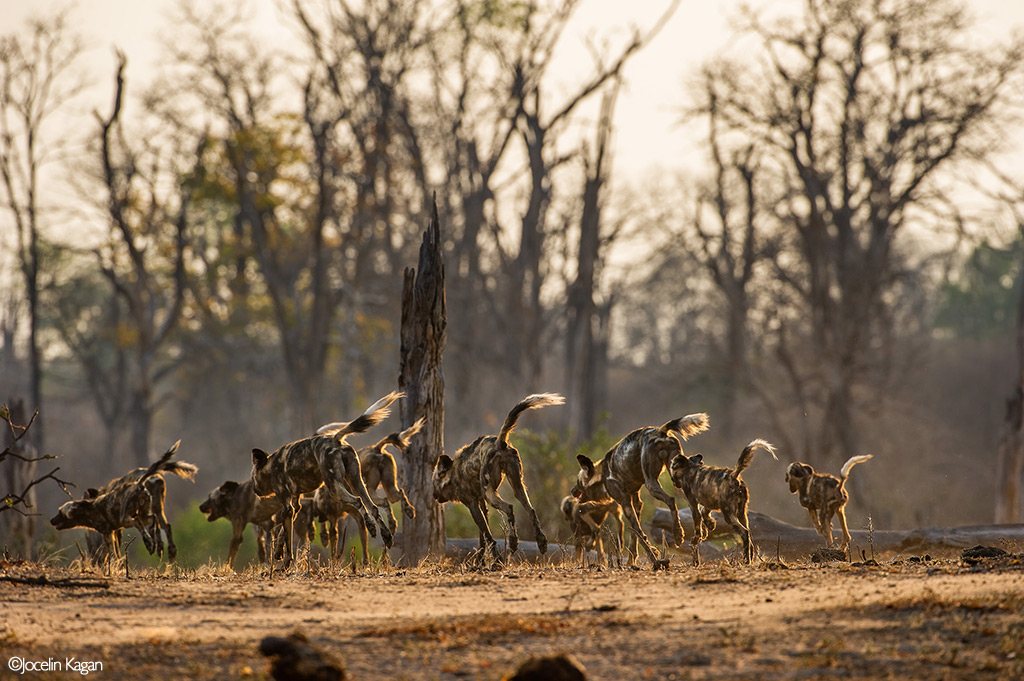
Their tails are up, their spirits elevated and their eyes bright – light-footed and eager, the adult African wild dogs are off on the hunt…
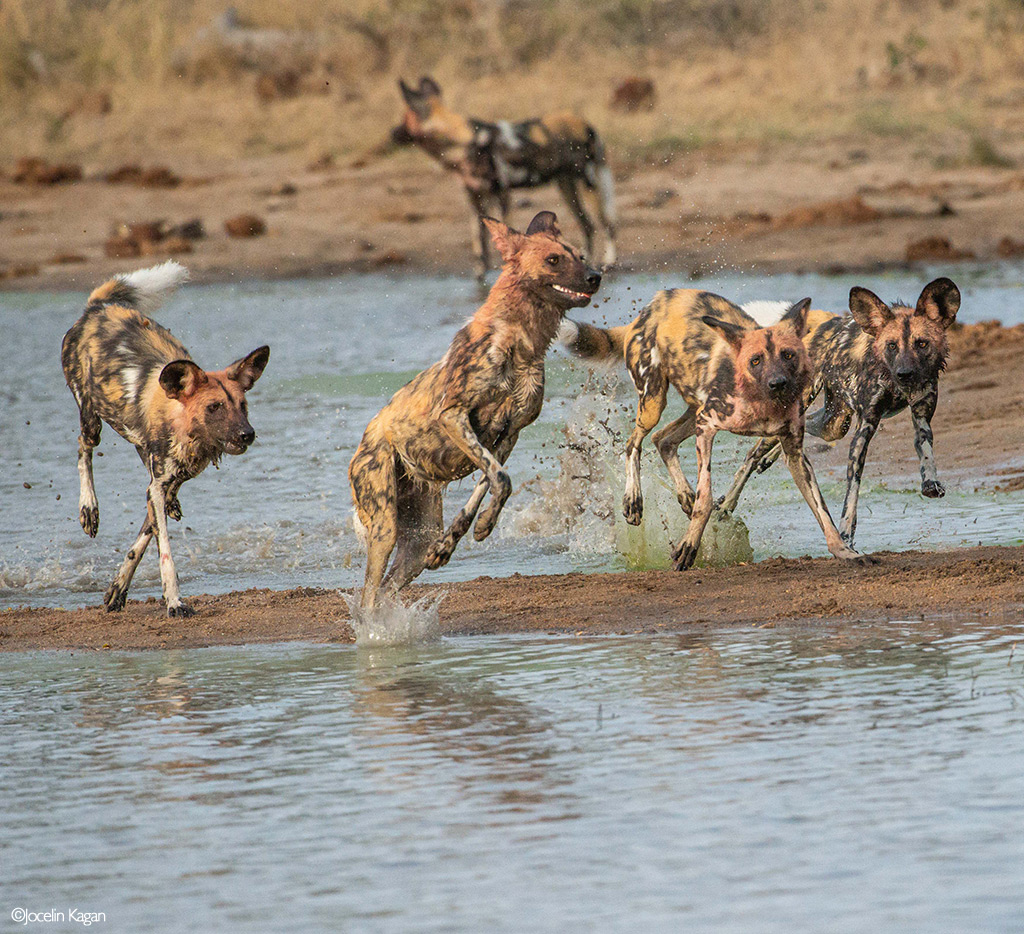
Africa’s Wild Dogs – A Survival Story documents my adventures with one of Africa’s most successful predators, my insights into their lives and the outlook for their future.
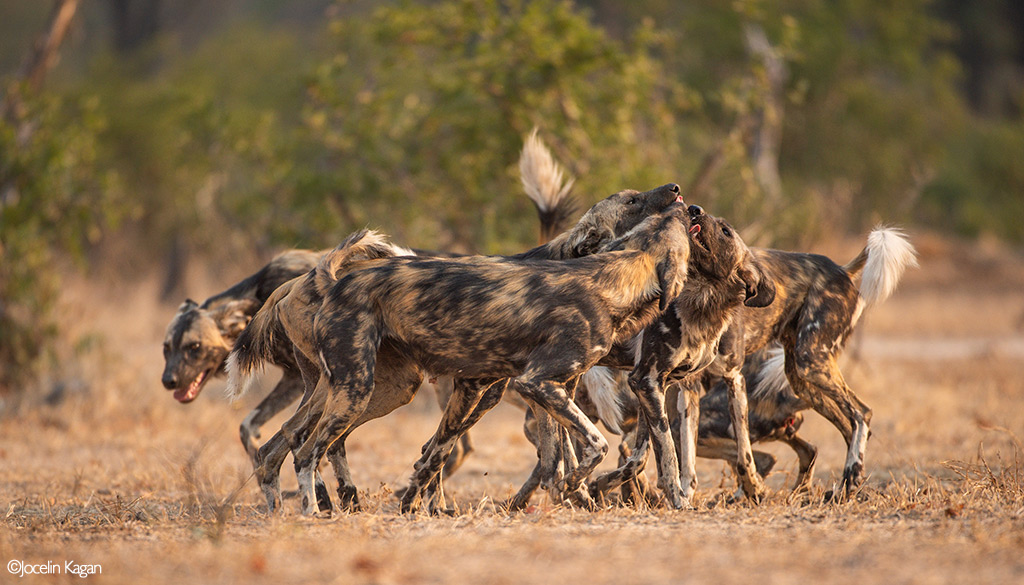
Pack greeting
Historically, African wild dogs have been poorly understood, and it is only in the past 20 or so years that scientific revelations have started to unravel the nuances of their complex lives. Yet there is still so much to learn. Where do they go and how far do they travel when they are not denning? How will climate change affect the dogs’ hunting and pup rearing abilities? What made the Nagasanga pack in Mana Pools develop a taste for baboon? These are just some of the questions currently under investigation as scientists work to build upon our understanding of these enigmatic animals.
Dog and baboon headDog sleeping under trees
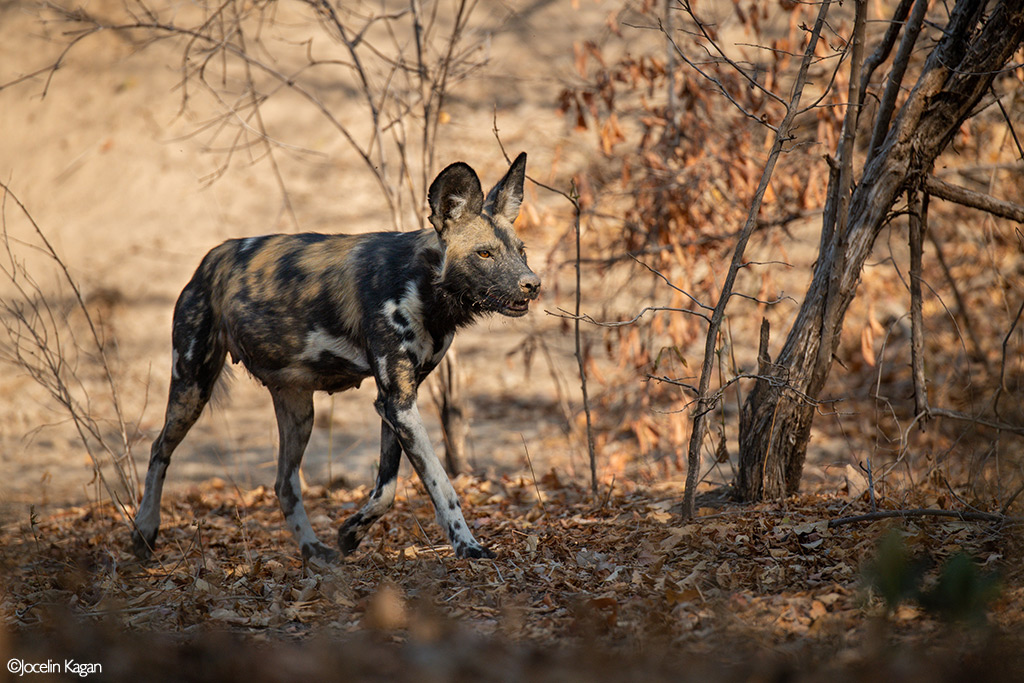
In studying wild dogs, researchers may sit for hours, watching a pack sleep, and drawing the patterns of their black, white, and tan coats for future identification. Even the smallest body language movement could be relevant, and scientists note every twitch of their satellite-dish shaped ears to keep track of their ongoing communication with each other.
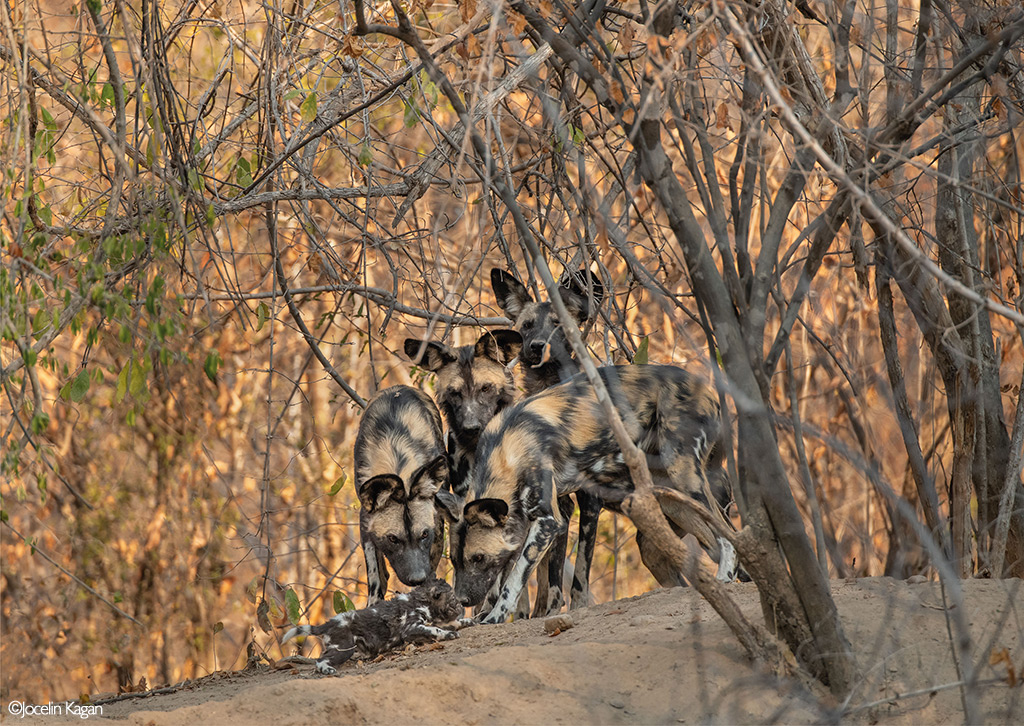
Dog with puppy
It is these scientists and on-the-ground conservationists who also work tirelessly to keep the dogs safe – from engaging with enraged farmers who have lost livestock to educating local communities. As a photographer, I wanted to find a way to support this work, to capture and share the spirit and essence of these charismatic creatures.
Dogs playing with stick
We humans would be well-served to learn a thing or two from African wild dogs. They are forever celebrating; dancing and greeting each other with absolute exuberance, even on simply waking from an afternoon nap.
Playing in the waterCurious dog
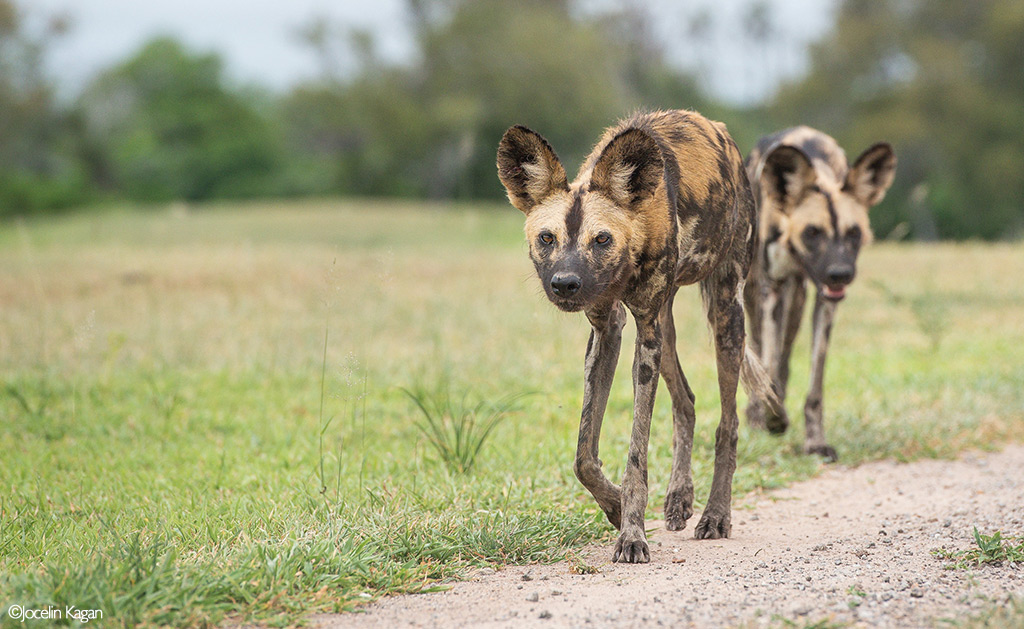
Wild dogs are naturally curious, and during my time spent observing different packs, individuals regularly approached to investigate. No record of a wild dog attacking a human exists either in folklore or in a document. Whenever pups or adults have come over to ‘talk’ to me, I have always welcomed them in silence without any sense of fear. Instead, I have always felt an overwhelming sense of excitement and privilege.
Curious puppyPuppies are all ears
All funds raised from the sale of my Wild Dog images and all royalties from the sale of Africa’s Wild Dogs – A Survival Story will go into the non-profit organisation: Africa’s Wild Dog Survival Fund and from there to the following organisations across southern Africa in appreciation of their participation in the book:
Dr Harriet Davies-Mostert, Head of Conservation – Endangered Wildlife Trust (EWT) South Africa and Chair of WAG – Wild Dog Advisory Group.
Dr Tico McNutt, Botswana Predator Conservation Trust.
Reena Walker University of Idaho – who conducted her Sneeze to Leave research together with the Botswana Predator Conservation Trust.
Prof Scott Creel, Zambian Carnivore Programme.
Dr Rosemary Groom, African Wildlife Conservation Fund (AWCF) – Zimbabwe.
Dr Dave Druce, KZN Wild Dog Management Group
Nick Murray, Bushlife Conservancy: Painted Wolf Conservancy, Bushlife Support Unit Trust, Zimbabwe.
Jocelin Kagan’s passion for wildlife crystallised when she saw her first wild dog in 2010. ‘It was love at first sight’. Since then, Jocelin has been photographing and tracking wild dogs in Mana Pools in Zimbabwe, Botswana, the Timbavati in South Africa, and the Selous Game Reserve in Tanzania. Jocelin has embarked on an ambitious undertaking to make known the plight of this most successful strategist of all predators. She holds Higher Primary Teacher’s Diploma with specialization in Speech & Drama from the University of Cape Town, a Master Practitioner Certification in Neuro-Linguistic Programming and a Henley Management College MBA, and is the published author of four books, an educator, and a public speaker.
While there is a tendency to view the bushmeat trade as a homogenous process with the animals as the generic resource, researchers from the Max Planck Institute for Evolutionary Anthropology and the German Centre for Integrative Biodiversity Research propose a different approach. They suggest that understanding the drivers of hunting and trading in bushmeat is essential in developing a multifaceted strategy in managing and mitigating the effects on species numbers, especially in areas where consuming bushmeat is a vital aspect of everyday life.
While unsustainable hunting of certain species has had a devastating effect on species throughout the world (and continues to do so), viewing all bushmeat trade through one lens has the potential to over-simplify the complexity of the situation. For example, different approaches are needed for rodents as opposed to primates, since rodents have high reproductive rates and their populations are more resilient when hunted, whereas primate populations are less resilient, and their consumption is associated with increased risks of disease. Researchers set out to understand why certain species are selected by conducting interviews with the people around Taï National Park in Côte d’Ivoire.
Species that produce fewer offspring, like many primates, are threatened by even low levels of hunting. Hunters and consumers who were aware of the negative ecological consequences of unsustainable bushmeat hunting targeted or consumed primates less. Bushmeat traders, however, did not change their behaviour.
Because bushmeat trade is largely illegal, the researchers were initially met with a certain hesitance to provide information but, through careful work with local informants, they were able to interview 348 hunters, 202 bushmeat traders and 985 bushmeat consumers.
They identified several different motivating factors for each member of the trade chain from hunters to consumers and traders: financial gain, nutritional necessity, and cultural reasons. There are over 500 bushmeat species in Sub-Saharan Africa alone, and according to previous research, around 80% of bushmeat in West and Central Africa comes from fast-reproducing generalists such as rodents and small antelopes. These species can be a vital component of food security and livelihoods in certain areas. Interestingly, the research indicated that where hunters or consumers were aware that unsustainable hunting would have negative ecological effects on primates, they responded positively by avoiding hunting or consuming primates. Bushmeat traders, on the other hand, showed no such change in behaviour.
In situations where access to alternative protein sources was restricted, hunters and consumers generally targeted rodents. In contrast, hunters looking to make money from trading in bushmeat either targeted duiker or primates, and primates (7% of the analyzed trade) were almost invariably consumed as a “luxury” meat. Thus, the researchers point out, addressing a shortage of proteins through development-related projects could mitigate one of the main drivers of bushmeat trade but, at the same time, increased economic development could see an increase in primate hunting to feed a growing market for meat seen as a luxury. So, this approach would need to be complemented by educational strategies. Poorly planned interventions could have disparate and even unintended consequences at different stages of the bushmeat trade, as well as for the multiple species affected by it.
The study suggests that while the development, educational and cultural strategies currently broadly applied to control bushmeat consumption have the potential to be effective, they need to be directed at the correct groups of people in the correct manner to avoid wasting scant resources. While there is an understandably urgent need to protect certain species from unsustainable hunting, policies need to be tailored for each specific species. The authors emphasize that there is no “one-size-fits-all” solution to bushmeat consumption and strategies that aim to have conservation benefits need to be based on research that provides a clear understanding of the process within each community.
As Hjalmar Kühl, one of the leaders of the research team explains: “If we really want to solve the problem of the overexploitation of wildlife and reduce the threats associated with it, for species conservation and human well-being, we need to tackle it at its roots. We cannot continue ignoring this problem, but we need to invest resources and develop strategies that really help to create a more sustainable human-wildlife co-existence.”
Researchers studied a wildlife trading network in Côte d’Ivoire, West Africa, and compiled one of the most comprehensive data sets to date.
This is a copy of our weekly email newsletter. Subscribe here to receive the newsletter.
Interesting question: Is there any difference ethically in the KILLING FOR FUN of an apex predator of the oceans versus a free-roaming lion or leopard?
I ask because of my confusion stemming from a recent Facebook post by a respected wildlife activist. She posted a photo of herself triumphantly holding up the bloodied carcass of a yellowfin tuna she had just killed. She referred to the kill as a ‘bucket list’ moment, and she was clearly very enamoured with herself. Her friends were ecstatic and heralded her achievement as something quite extraordinary. The post and reactions were reminiscent of a trophy hunting post – based on the imagery and energy of the subsequent praise. Hence my confusion and question.
Note that I am NOT addressing sustainable harvesting arguments in this instance, nor the eating of the fish. Yes, I do eat fish and venison – when I know that they are sustainably harvested. My question is specific and relates to the selective way we experience and express our moral outrage over the killing of animals – what with her being a wildlife activist and all. I would welcome constructive and thoughtful responses to ceo@africageographic.com.
Our first story below will have you develop a new respect for ‘flatdogs’. Those of us who spend extended time in the bushveld know better than to hang about on the banks of water bodies, but few appreciate just how SPECIAL this prehistoric survivor is. In our second story, we provide rare images of a gorgeous STRAWBERRY leopard. Please note the bit at the end about protection against poachers and trophy hunting (sigh). And last in our list of specially-prepared stories (just for you) is an excellent question that could have some of you feeling a shade uncomfortable. Cycads are extremely popular garden features, and there is a massive COLLECTOR demand for large and rare individuals. You may be surprised at how many cycads in your neighbourhood were poached…
Story 1 HERE BE DRAGONS
The Nile crocodile has evolved over millennia to be a cunning, patient and ferocious predator that is capable of taking down large prey – including humans
Story 2 Strawberry leopard – a first for Gauteng
WOW ! The ‘strawberry leopard’ is a genetic rarity that seldom occurs, and is almost never seen. Well, one has now been seen and photographed in South Africa.
Story 3 Cycads: Are you living next door to a poacher?
WELL, ARE YOU? Are you living next door to a poacher? The most endangered living organisms in the world today are not rhinos, elephants, or even pangolins …
Note: See our editorial comment below if you are concerned about the possibility of this leopard being trophy hunted or poached.
Just 35 minutes from Pretoria you will find Gauteng’s first and only free-roaming Big 5 game reserve open to the public – Dinokeng Game Reserve. The reserve grew from a concept into reality through a partnership between local government and landowners/farmers and conservationists. September marked its 9th Birthday; in this time, it has come a long way from being the home of a few species of plains game and small predators to a fully-fledged and recognised Big 5 tourist location.
The past 9 years have seen the introduction of many species including lion, elephant, buffalo, black rhino, spotted hyena and cheetah. Although we have a great diversity of species, the lack of substantiated leopard sightings was a concern for us.
Leopard Conservation Project joined forces with Dinokeng management to track and trace leopards within the reserve – using a variety of methods ranging from trail cameras through to physical tracking of scat and spoor. 19 months into the project, and we had minimal success; only logging spoor and scat but no physical sightings or trail-cam photos. The elusive leopard had remained very secretive and evasive.
This all changed in late August during an aerial census of the reserve. During a routine grid flight taking photos of wildlife within the reserve, management team member Boshoff and his rangers flushed what they presumed to be a lion from the bushes within the wilderness area. Several photos were taken during this period, and when reviewing the photos, the management team noticed that this was a huge male leopard and that he had a rather strange colouration.
This was exciting for us – considering this was the first official documented leopard in the reserve. We subsequently met with reserve management and reviewed the photos. We had no doubt that this was a massive male leopard, and after further research and consultation with various parties, we confirmed that this rather special individual was an erythristic leopard – an extremely rare genetic trait.
The strawberry/golden/red leopard or pink panther was first seen in 2002 and only photographed for the first time in 2012 in Madikwe Game Reserve. To date, there have been fewer than a dozen sightings – predominantly within the North West, Limpopo and Mpumalanga provinces of South Africa. Erythrism requires the mating of two individuals carrying the rare genetic trait – at extremely low odds. The erythristic mutation causes the normally black pigmented rosettes to change into a reddish-brown colour. There is usually a total absence of black pigmentation on these rare leopards. As a result, these leopards appear pinkish in colour; hence the common names previously mentioned.
The fact that this leopard was found in the Dinokeng Game Reserve is especially important as it offers the reserve the opportunity to boast all of the BIG 5 as well as the fact that this specific mutation within the leopard population may be spreading beyond the previously documented range.
Dinokeng Game Reserve and Leopard Conservation Project believe this to be a unique opportunity to increase our research into this extraordinary leopard. We are expanding our operations in and around the reserve and would like to embark on a project to collect DNA samples from this particular leopard and from those in and around the greater Dinokeng area – to find if this mutated gene is being carried by more individuals in this range. It is our hope that we can collectively play an active role in protecting the leopards within our reserve and surroundings and hopefully increase the likelihood of having the strawberry leopard successfully increase its numbers.
As a footnote, since the initial sighting, he has been photographed on a trail cam within the reserve and, excitingly, there has been a second leopard photographed.
Editorial comment: We have confirmed with both the authors and Dinokeng management that in publishing this article, there is no increased risk to the safety of this leopard and no trophy hunting of the individual will be permitted. Their statements through direct correspondence are included below:
“Dinokeng is 100% committed to the conservation of animals in the reserve and not trophy hunting. We are a Game Reserve dedicated to the Conservation of Wildlife. We have specifically looked at various species that are key to building healthy gene pools and active populations within the Reserve and the Leopard is a key species we wish to protect within this Reserve”. – Mike Braun
“We can assure that the leopard is protected within the reserve.” – David Boshoff (Reserve General Manager of Dinokeng Game Reserve)]
When watching any animal in Africa smaller than a rhino approach the water’s edge, there is an almost palpable sense of terror to their body language. Slender limbed antelope skitter backwards and forwards before barely touching the surface with their lips, zebra snort and startle and even the ferocious lions snarl pre-emptively before quenching their thirst. Wildebeest driven to cross East Africa’s mighty rivers pile up on the banks, worked up into a frenzy of fear, too afraid to be the first to make the plunge. And for good reason. Crocodile!
Beneath the murky waters of Africa’s rivers and dams lurk prehistoric predators – lumbering giants whose presence is revealed only by an insidious ripple, waiting to explode in a fury of teeth and water. The wild animals of Africa know this. Stamped across their internal maps over every water source is the message: here be dragons.
Quick introduction
Neither dragons nor dinosaurs, crocodiles are the paradigm of an evolutionary recipe that proved successful – little about them has changed in the last 100 or so million years. They are perfectly designed apex predators with potentially massive bodies powered by robust muscles, covered in armoured scales and driven by clinical, calculating instinct. Crocodilians are also the ultimate masters of the ambush approach, drawing on their innate reptilian capacity for absolute stillness until launching an assault.
Of the five recognised crocodile species in Africa, the Nile crocodile (Crocodylus niloticus) is by far the most common and one of the largest crocodilian species in the world, second only in size to the saltwater crocodiles of Asia, Micronesia, and Australia. They have a life expectancy of up to 80 years and range in size from 30cm hatchlings to adults weighing over 500kg, with the largest ever recorded individual measuring 6.45m from snout to tail and weighing 1,089kg. Somewhat unexpectedly, they are more closely related to birds than they are to other reptiles.
Evolution
It is common to hear crocodiles described as “living fossils”, but this is not entirely accurate. Their ancestors successfully survived a mass extinction event around 250 million years ago. From there, the surviving evolutionary line branched into the Archosaurs (“the ruling lizards”) – with one earlier branch leading to the crocodilians and the other later branch leading to the dinosaurs (and, ultimately, birds). Unlike their dinosaur cousins, however, the crocodilian ancestors were destined to survive another mass extinction event at the end of the Cretaceous.
Fossils of these crocodilian ancestors indicate a far greater variety in terms of size, shape, and hunting styles than seen today. Some were terrestrial and predatory and bounded across land to chase down their prey, whilst others were predominantly herbivorous or omnivorous. For those that took to the water, all weight restrictions lifted and, for a time, mega-crocs the sizes of buses haunted the oceans and deep rivers of early Earth. From the Late Cretaceous and with the extinction of the dinosaurs, through ice ages, and the subsequent rise of the mammals, the surviving crocodilians have barely altered.
Perfect predators
The lack of evolutionary action can be at least partly explained by a successful foundation for exceptional hunting abilities. While younger Nile crocodiles are primarily reliant on regular meals of invertebrates, amphibians, and fish, those that survive to adulthood will attain the status of apex predator, capable of ambushing large prey twice their size including buffalo, giraffe, humans and even young elephants.
Unique among reptiles, crocodiles have a four-chambered heart, improving the efficiency of the transportation of oxygenated blood around the body which, combined with extremely high lactic acid levels, allows them to stay submerged for up to 2 hours at a time (provided they remain inactive underwater). Specialised muscles attached to the lungs, liver and pelvis can contract to pull the lungs backwards into the body cavity, changing the crocodile’s buoyancy and allowing it to submerge without creating ripples and alerting potential prey to their presence.
It is relatively well-known that Nile crocodiles have one of the strongest bite forces in the animal kingdom – some 30 times that of a human at 5,000 pounds per square inch. This is powered by enormous muscles that attach behind the skull and wrap around the lower jaw, allowing the jaw to close (and stay closed) with tremendous strength whilst still maintaining a low profile in the water. There are between 64-68 basic and cone-like teeth rigidly fixed into the jaw, designed to withstand considerable force from every direction. These may be replaced throughout the crocodile’s life. When a crocodile pulls its prey into the water, these teeth maintain a grip as the crocodile goes into a “death roll”, using its powerful tail to spin the prey underwater until it drowns.
Unspecialised teeth mean that crocodiles cannot chew or bite off chunks of meat so, for larger meals, they tear chunks of flesh away before swallowing them whole, hooves, horns and bones included. Their tracheas are reinforced to avoid being crushed when swallowing large portions of food and their stomachs distend in every direction to accommodate awkwardly shaped meals. To complete the process, crocodilians produce stomach acid some ten times the strength of a human’s gastric acid.
Like all reptiles, they are ectotherms, meaning that their metabolisms are slow and large crocodiles can survive for months without a meal.
Doting mothers
While their approach to hunting is silent and deadly, crocodiles are surprisingly vocal animals and never more so than during the breeding season (the timing of which varies depending on the area). Males show off by “roaring”, slapping their snouts on the water and exhaling sharply, intimidating rivals, and attracting females.
Two months after mating, the female selects a suitable nesting site on the shore or in a dry riverbed and digs a hole in which to lay her eggs. The clutch size will vary depending on the size of the female but is usually between 25-80 eggs. Unlike other crocodilian species, the female Nile crocodile does not use moribund vegetation to incubate the eggs so she will be selective in ensuring that the nest receives adequate sunlight to maintain the temperature. Like several other reptile species, crocodiles have temperature-dependent sex determination – if the temperature is between 31.7˚ and 34.5 ˚C, the offspring will hatch as males, anything above or below that range will hatch as females.
The mother guards her nest, often aggressively, for the three-month incubation period until the hatchlings begin to make bird-like chirps to indicate their readiness to escape the nest. The female then carefully digs open the nest and may even take the hatchlings in her mouth to water. For up to two years, she will stay close to them, defending them (though the hatchlings hunt for themselves immediately upon leaving the nest).
Despite the best efforts of the mothers, the mortality rate of hatchling Nile crocodiles is exceptionally high. Until they reach a comfortable size, baby crocodiles are faced with a multitude of potential predators: from monitor lizards to birds, and any number of opportunistic mammal species. In some areas, studies indicate that only 10% of the eggs survive to hatching, and just 1% of those will reach adulthood.
Maneaters and monsters
The young crocodiles approximately double their length during the first two years, spending almost as much of that time on land hunting invertebrates as they do in the water. However, as they grow, their hunting habits become almost entirely aquatic, and they become more dangerous to people.
According to the IUCN Crocodile Specialist Group, Nile crocodiles are responsible for more attacks on humans than any other species of crocodile, including saltwater crocodiles. This is easy to understand in context, given their massive size and widespread distribution throughout the various waterways of much of the African continent. In areas where human populations are reliant on this water for fishing, drinking, and bathing encounters with crocodiles are inevitable and, on most occasions, fatal. There are no reliable estimates as to the number of people killed by Nile crocodiles every year (in many circumstances, the victim simply disappears or the attack goes unreported). Still, experts estimate that the number of attacks on people exceeds 300 per year. According to the most recent research, 63% of these attacks are fatal. Almost all of these attacks occur near the edge of or in the water.
While their lives are water-dependent, large crocodiles may cover large distances in search of new territory or better resources. They may choose to occupy unlikely-looking wallows or dams in the process. When in doubt, throughout most of southern and East Africa, bodies of water should be treated with caution.
Conflict and consumerism
Naturally, this propensity for grabbing imprudent visitors to the water’s edge has not served to create a particularly positive reputation for the Nile crocodiles of Africa. This, combined with the use of their skins for high-quality leather, led to widespread persecution of the Nile crocodile across most of its natural range, particularly during the 20th century. Given their low survival rates and slow maturation, populations that have declined due to human impact are often slow to recover. However, with the increasing number of crocodile farms, the IUCN Red List currently classifies wild Nile crocodiles as being of “least concern”, with the most recent estimate putting their total number somewhere between 250,000 – 500,000.
This is not applicable across their entire range, however, particularly in Central and West Africa, where their numbers are far less stable. In some areas, they have been eradicated entirely. Conflict with people, loss of suitable wetland habitats, bushmeat hunting and even entanglement in fishing nets are all potential threats to the future of the crocodile species in Africa. Other regions have stable populations that can be observed on a Malawi safari adventure, for example.
Conclusion
There can be no question that Nile crocodiles have acquired a particularly sinister reputation, despite the best efforts of certain conservation television and YouTube personalities. In many ways, they are difficult to sympathise with – powerful, self-contained, and entirely expressionless (with somewhat graphic table manners), they are a throwback to a time when reptiles ruled the planet. Yet while they may be prehistoric, that does not equate to primitive, and it is this ancient combination of brawn and stealth that has kept the Nile crocodile at the top of the food chain for millions of years.
The most endangered living organisms in the world today are not rhinos, elephants, or even pangolins – they are plants called cycads, and they are worth millions of dollars annually in a thriving illegal market.
Specifically, many species of the Encephalartos family of southern African cycads are either extinct or on the brink of disappearing from the wild thanks to the same human emotion behind the threat to Africa’s mega-fauna – greed.
Passionate collectors are fuelling an illegal market which sees increasingly rare plants stolen from the wild and exported worldwide. It is estimated that about 15,000 rare cycads, worth more than US$600 million, have been illegally traded over the past 20 years.
Unlike the trade in rhino horn and elephant ivory, there is no particular race or country for armchair experts and xenophobes to point the finger at in this racket – the person responsible for the demise of these national treasures could be your next-door neighbour in Johannesburg, Los Angeles, Sydney, Dubai or Kuala Lumpur.
With their long spikey leaves, cycads might resemble palms, but they are actually gymnosperms, ancient seed plants most closely related to conifers. Like pine trees, they produce cones, often large and garishly coloured, which adds to their appeal to collectors. They are also known as the broodboom, or “bread tree” in Afrikaans, because in times of famine the woody core of the caudex (as the stem or ‘trunk’ is known) could be boiled, fermented and ground into meal. Cycads also have a place in African traditional medicine.
Suurberg Cycad – Encephalartos longifolius
This, however, is not the primary threat they face, according to Phakamani M’Afrika Xaba, Conservation Research Horticulturalist at Kirstenbosch National Botanical Garden in Cape Town.
“It’s bragging rights,” Xaba said of the real danger to cycads. Extremely wealthy collectors from around the world compete to see who can show off the biggest or most valuable collection of cycads. Fortunately, Xaba added, there are several cycad enthusiasts and farmers who are interested in the conservation of cycads and contributing to cycad research, such as the Cycads Society Branch in the Western Cape.
Collectors pay for cycads by the seed or centimetre of caudex length. With some plants fetching US$1000 per seed, a plant no more than a metre high could be worth US$100,000 – the value of a decent-sized rhino horn. Unlike rhino poachers, however, cycad smugglers are rarely up against armed rangers, and their crime has so far attracted a fraction of the media coverage devoted to iconic mammal species. And nor are the middlemen doing the dirty work, according to Xaba.
“People are poor here in South Africa, and in developing countries globally were cycads occur, and it’s very easy to exploit that,” he said. “You can go into a village and offer someone less than US$6 to dig up a plant from the wild, which you can sell for US$3000. Collectors should put more positive energy into conserving the cycads in habitat, or restoration of population, rather than removing them from the wild.”
Even though the cycad trade is legal and regulated, this does not stop the plants from being taken illegally from the wild. In fact, the opposite is true – the rarer the plant becomes in nature, the greater its value to collectors. The cycads most in demand by collectors are those that are already extinct in the wild, or very close to extinction. Among those most in demand, due to their rarity in the wild are the Venda cycad (E. hirsutus) and Heenan’s cycad (E. heenanii), while others in the high-value bracket include the Kaapsehoop cycad (E. laevifolius) and the Albany cycad (E. latifrons).
It is also easy for illegal dealers to get around the existing system, which requires permits for the trade and export of cycads. Cycads can survive weeks without water, so smugglers will sometimes simply drive their plants out of South Africa and export them from neighbouring countries with even fewer regulatory checks. Seeds and suckers (young cycads, also known as pups) and even medium-sized stems are also simply posted out of South Africa.
Eugene Swart, Deputy Director, Biodiversity Enforcement,with the Department of Environmental Affairs, makes the point that much of the damage to wild populations was done many years ago.
“During the past year or two, great strides have been made in combating illicit activities, which results in the successful prosecution of offenders with unique sentences,” Swart said. “For example, one convicted landowner had to forfeit 400 hectares of land which was donated to conservation.”
There have been fines issued ranging from R40,000 to R400,000, and in 2015 a trio of cycad poachers was imprisoned for a total of 25 years. The penalties are still well-short of those meted out to rhino poachers, and it’s fair to say awareness of the plight of cycads is not as high as for mammal species, but there are moves afoot to change that in South Africa.
Dedicated cycad champions are doing good work. At Kirstenbosch, Xaba and his team are working on artificial pollination techniques to help restore numbers of the rare E. latifrons, which numbers fewer than 70 in the wild.
Meanwhile, botanist Michele Hofmeyr has set up the South Africa Plant Conservation Trust, whose aim is to protect, research, conserve and support the management of rare and endangered plants.
The trust, established in conjunction with the NGO Conservation Outcomes, will also focus on training of a new generation of young botanists to fill a gap in the market.
“We need to combat ‘plant blindness’,” Hofmeyr said. “People look at the bush and think there are plenty of trees and flowers and it’s hard for them to get excited or passionate over a plant that’s missing because it has been collected to extinction from the wild.”
Allied to this blindness is a misconception peddled by collectors and middlemen that they are actually doing a service to rare plants by taking them from the wild, ‘protecting’ them in their gardens and producing seedlings. This ignores the fact that it was many of these same collectors who were responsible for the removal of cycads from the wild.
“Ecosystem services need to stay intact to maintain their integrity. If you take a plant out of its ecosystem, it’s like taking a tiny cog from a watch. You might not notice it missing initially, but it will not work properly, and then it’s too late.” Hofmeyr said.
Tony next to the loneliest plant in the world
“We all need to work towards conserving and appreciating our green heritage and creating an awareness of the value of all our indigenous plants. Cycads are the most vulnerable of all of these, so think twice before you are tempted to buy a cycad from an unknown or unreliable source.”
See Tony Park’s profile below. His latest novel, Last Survivor, deals with the illegal trade in cycads. For more information on the South Africa Plant Conservation Trust email michele@auroraafrica.co.za
When the billowing plumes of Atlantic mist part to reveal the enchanting Dorob coastline, expanses of vividly coloured water sprinkled with thousands of lesser and greater flamingo appear in a mesmerizing kaleidoscope of colour. Flying this section of coastline is in short, an aerial photographer’s and nature lover’s paradise and will take your breath away.
Sinuous inlets and waterways meander across the mudflats of the large saltwater lagoon of Sandwich Harbour. Namib Naukluft.An artist’s palette, the colours of salt adorn the coastal flats in a profusion of crusts and ruddy blotches. Skeleton coast.
To the north of the Dorob coastline, brine pans line the shores in a display of colour, shape and texture that leaves one’s heart racing with the ethereal beauty of it all. Further south a patchwork series of lime and raspberry saline lakes, edges encrusted with crystals, sparkle against a treeless landscape until they reach the shores of the Walvis Bay Lagoon.
Pale flocks of flamingo adorn the emerald brine pans south of Walvis Bay.Serpentine streamers of turquoise stand out in vivid contrast to the pale low tide sandbanks. Walvisbay Lagoon.
The cold Benguela current and its nutrient-rich waters, the commercial saline lakes and the Walvis Bay lagoon collectively made the area famous for the incredible profusion of birdlife it attracts each year. In this saline ecosystem, vast quantities of phytoplankton are produced which support other marine organisms such as algae and brine shrimp, food for many hundreds of thousands of resident and migratory birds including cormorants, terns, avocets and a profusion of shorebirds.
An upwelling of nutrients from the sea floor provides sustenance for a psychedelic algal bloom on the Atlantic Ocean.Like a giant marine lung; turquoise bronchi branch out through russet alveoli bringing with them the nutrients and habitat required by vast flocks of lesser and greater Flamingo that grace these shores. Walvisbay Lagoon.
According to Birdlife South Africa, the mudflats and lagoons sheltered from the open ocean by a sand spit at Pelican Point make this the most important coastal wetland in southern Africa and is one of the three most important coastal wetlands in Africa in terms of numbers and species of birds.
Seeming to float on an ocean of pinks, coastal rock outcrops emerge from the brine ponds north of Swakopmund.]
So how is it that these saline lakes display such gaudy colours? From lime green, clear turquoise to bright red these variations are caused by fluctuating concentrations of salinity and minerality and the various organisms that flourish in each. Cyanobacteria create the blue-green tones, and an algae called Dunaliella salina produces the rich pinks and reds. Brine shrimp rich in beta carotene are responsible for the rosy pink colour of the flocks of flamingos that forage this watery wonderland.
Serpentine streamers of pink stand out in vivid contrast to the dark shores of the Atlantic coastline.
Flying thousands of hours in their specially modified aircraft, aerial photographers Jay and Jan Roode have spent more than a decade photographing some of the most remote and spectacular wilderness areas of Southern Africa from above.
The continent of Africa has always held an irresistible allure and fascination for them, and they seem content only when free to roam the skies, capturing awe-inspiring images of the natural wonders of the region from above.
Their photography communicates their passion and reverence for the vast wild spaces of the region. As it allows us to start seeing whole ecosystems as entities in their own right; ecosystems that hold within them hundreds of thousands of expressions of life that need to be conserved.
Much of the scientific understanding of the public perception of trophy hunting is based on the views of the Western public, while most existing studies tend to overlook the opinions of African people. One researcher set out to analyse the responses of three social media pages with predominantly African followers to understand better how African people view trophy hunting.
Mucha Mkono of the University of Queensland focused her research on the Facebook pages of BBC News Africa, News24.com and NewsDay-Zimbabwe, exploring and categorising the responses to posts relating to trophy-hunting subjects (1,070 posts in total).
She identified the prevalence of three major patterns and themes in the responses of African readers:
The neo-colonial privileging of the Western elite;
animals being valued over human lives; and
the perceived greed of African politicians allowing the exploitation of wildlife resources.
The first of these – the neo-colonial character of trophy hunting – was one of the dominant patterns in the analysed social media responses, with 70% of African participants viewing trophy hunting as a privilege given to rich Westerners, economically excluding Africans. Many of the objections to trophy hunting were based not on animal welfare concerns but rather on the more complex historical and postcolonial associations surrounding it. Mkono points out that this pattern of responses resonates with the concept of “distributive (in)justice”, which centres around concerns related to whether monetary gains from the system flow back to local communities. Where this fails to happen, accrued revenues re-enact economic imbalances of the colonial past.
Around 80% of posters also criticised the Western community for championing animal rights causes while overlooking the suffering of African people living in proximity to the wildlife – and questioning the West’s assumed moral authority. From the analysis of the social media comments, the suggestion is that many African people feel that Westerners fail to appreciate or understand the impact or cost of co-existing with wildlife. Many of the responses also indicated a general dismissal of the West’s criticism of violence against animals as being exaggerated.
The final major criticism of trophy hunting was directed at African politicians and leaders, characterising them as greedy and lacking a moral compass. 60% of the responses indicated a feeling that elite groups were taking advantage of both the economic climate of Africa as well as the corrupt politicians, with trophy hunting resulting as a product of this complicity.
Naturally, there are acknowledged limitations to some of these results, not least of which is that it excludes by default the opinions of Africans not active on social media, particularly in areas where internet access is non-existent. The opinions of those living on the boundaries of protected areas or employed by the trophy hunting industry may not have been expressed. Mkono also suggests the possibility that sensationalist stories and bias in the original articles may also have directed the nature of the responses. There are also outlying views of certain responses by African people, including those who objected strongly to the animal welfare aspects of trophy hunting and the potential ramifications to the tourism industry.
Mkono’s study offers a different perspective on a debate that tends to centre around the moral acceptability of killing animals and the links between trophy hunting and conservation. The critiques of trophy hunting presented by African opinions on social media come from an alternative standpoint – one which observes a neo-colonial distribution of power, wealth, and access to resources. The study concludes that regardless of the conservation aspects of trophy hunting, “it is crucial to continue to interrogate consumptive forms of tourism such as trophy hunting, not only in terms of their economic value but also concerning their moral integrity, and from the perspective of local communities. In that endeavour, Africa’s leaders are likely to have more support if they find meaningful ways of engaging their citizens in wildlife policy decisions.”
The five striking and powerful cheetah males sit motionless, shoulder to shoulder, staring at grazing antelopes on a sun-drenched grassland in the Maasai Mara National Reserve. Suddenly, their attention is drawn to another cheetah, sitting at a distance in the shade of a bush. Driven by instinct, all five set out at speed to investigate the intruder, intent on discovering which cheetah has wandered into their territory and confident in their own size and strength. The female, seeing the huge males approaching, dashes for the slim protection offered by a nearby thicket, followed by her tiny cub. It is Nora with her 2-month old daughter, and she has suddenly found herself facing five male cheetahs: the largest known male coalition in the Maasai Mara.
An extraordinary coalition
This coalition of five male cheetahs has been named the Tano Bora coalition, meaning ‘The Magnificent Five’ in the local Maa language of the region. Each male has also been given a local name: Olpadan (‘Great Shooter’ in Maa), Olarishani (‘Judge’ in Maa), Leboo (‘The one who is always within a group’ in Maa), Winda (‘Hunter’ in Kiswahili), and Olonoyok (‘The one who puts efforts to achieve better results’ in Maa). Since they arrived in the Maasai Mara, the five have proved to be an extraordinary force to be reckoned with and turned people’s understanding of cheetah behaviour on its head. So how did such a coalition come to be?
A female cheetah typically leaves her cubs when they are around 20 months old, and siblings will stay together in a group for several months. Once they reach sexual maturity, female and male siblings separate. Cheetah males can either become solitary (if there was the only male in the litter) or form coalitions – lifelong unions, formed by the males-littermates, which in some cases, may accept unrelated males into the fold, or even temporary groups of unrelated individuals.
Cheetah litters may be large, but the mortalities rates for cubs are extremely high
The group of five young males came into the Maasai Mara National Reserve from the adjacent Naboisho conservancy at the end of 2016. Based on what we observed at the time, we believe that the coalition is made up of three separate parts, as two of the males were initially larger, and the three others were smaller and, therefore, most likely slightly younger. We do know that one of the smallest males at the time – Olpadan – split from his sister in November 2016 before joining four other males in December 2016. (His sister, Siligi also gained notoriety in 2019, when she emerged with 7 cubs, the largest littler recorded in the Maasai Mara.) Within a few months, Olpadan grew and established himself as the dominant male of the coalition.
Life in a group provides several benefits to its members: males can hold a “better” territory with more access to favourable habitat and prey; they can take down larger prey; they care for each other by sharing responsibilities in terms of vigilance and territorial patrols, and numbers provide better defence against rival males and kleptoparasites. The Tano Bora males are no exception to this rule and cooperate in everything, apart from breeding.
Breeding rights
The described encounter with the five males was not Nora’s first. Four of the males encountered her in December 2017, and Olarishani used his chance to mate with her while other members were off hunting. When the other three noticed the courting couple, they immediately rushed back and, not to be outdone, started mounting the pair. When in February 2019 the coalition again encountered Nora, she was with her single cub. Interestingly, although the males attacked Nora, they did not touch her cub, who fearlessly defended herself from approaching males by howling loudly, hissing, and growling at them. After investigating Nora’s reproductive status, all males lost interest and left her and the cub in peace. The same situation played out with another female – Rani. In March 2018, Olpadan mated with her, while two other males made attempts to mount. When the coalition next encountered Rani in June 2019, she was with a 4-month-old single cub. Again, the males were only interested in Rani and did not attack the cub. In August 2018, Olonyok mated with Nashipai, and 11 months later, all five males came across Nashipai with her two 2.5-months old cubs. Of all five males, Olonyok was the most persistent and interested in the female. He did not give up and returned to the female twice even after all the other males had left the spot.
Nora’s cub bravely defended herself against the onslaught of the five males
The most likely explanation is that, along with the successful mating with one male, the attempts of the other coalition members to mount the female (but in fact mounting other males) helped to prevent an attack on the cub. Each of the males could have thought they had sired the cub. On the one hand, by mating with multiple males, females gain benefits including confusing paternity and thus avoiding infanticide, or else increasing the genetic diversity of offspring within a litter. On the other hand, competition among males for a female in oestrus reduces chances for all of the members of a male coalition to mate. Sometimes, only one dominates and gets the opportunity to mate successfully, which can be particularly problematic for unrelated males in a coalition. To mitigate this, the Tano Bora males implement useful tactics – one male separates from a group for a day or two, following and mating with a female and then re-joins his coalition-mates. Each member of the Tano Bora coalition has been observed mating with different females.
Who’s in charge?
Social animal groupings typically have a hierarchy with a linear or near-linear ranking and with expressed leadership of one of the members. In well-maintained cheetah coalitions, members share responsibilities, the level of affiliative behaviours between members is high, and aggression is low. However, in cases where the group consists of unrelated members, cheetah males face hierarchical instability. Olpadan became the leader of the coalition soon after he had joined the other four males. He would initiate hunts and lead the group across large distances, often walking for hours at a time. He was also the most successful hunter. By mid-2017, another big male – Olarishani – became co-leader, and both males began taking turns to decide when and which direction to move, where to cross rivers and how to approach a hunt. Interestingly, Olarishani also played the role of peacemaker during intragroup fights. The unfortunate Olonyok was often the target of Olpadan’s reverse aggression (aggression seen in a situation where, for example, groups of tourists disturb the cheetahs) and often these fights would escalate to involve all males. Under these circumstances, Olarishani would always step in to protect Olonyok.
Indications of leadership can be subtle, such as choosing the direction that the group moves in
In most cases, the dominance hierarchy is relatively stable, and members usually step aside when confronted by the leader. However, suppose the leader is weakened by injury, disease, or senility. In that case, the shift in ranking may occur, and the individual with the highest rank will move down to the lowest position. During intraspecific fights, cheetah males target anogenital area of rivals, and there have even been cases where males have bitten and cut off the testicles of intruders. That is what happened to Olpadan. His dominant status began to waver around the beginning of 2019, when two members of the coalition, Winda and Leboo, began to attack him regularly. In two cases, the fight happened during the courtship with different females. One fight in mid-March 2019 resulted in a serious injury to one of Olpadan’s testicles.
A fall from grace for Olpadan
After the necessary veterinary intervention and orchiectomy surgery, Olpadan lost his leadership position entirely, and Olarishani and Winda stepped forward to become the dominant members of the coalition. From being the most dominant, Olpadan became the lowest-ranking male in the group, the last in all joint activities from moving to feeding and was often the target of aggression when the coalition fed on smaller prey. Interestingly, Olonyok, whom Olpadan had targeted, became the one who tolerated Olpadan feeding next to him and who engaged with the ex-leader in mutual grooming after eating.
Cheetah social life is complex – unrelated males form alliances and maintain bonds for as long as it benefits all members of a group. Under certain circumstances, one of the members may start looking for an alternative group to join. In mid-February 2019, Olpadan tried to join another coalition, after the Tano Bora males chased two young males: Mkali and Mwanga, who had strayed into their territory. The ensuing pursuit saw the two intruders fleeing into a thicket, closely followed by the intimidating five. For some time, all seven disappeared deep inside bushes on the bank of a river, making sounds indicative of aggressive and defensive behaviours. After a few hours, four of the Tano Bora males departed, leaving Mkali, Mwanga and Olpadan. Instead of looking for his coalition-mates, Olpadan started following two males trying to sniff them and rest nearby, without making any attempt to harm them. When the two males responded with defensive behaviours, Olpadan would respond by displaying submissive behaviour – just sitting with his back to them.
By the next morning, Olpadan had abandoned his efforts and was desperately looking and calling for his own coalition-mates. When in the afternoon three males (Leboo, Winda and Olonyok) appeared in the area, Olpadan did not attempt to approach them, and over an hour later, they slowly approached the insecure Olpadan. While in the past, Olpadan had met returning males with aggression, this time, three males accepted him peacefully, and all set off to hunt together.
Submission and dominance is communicated through body language cues
Cooperative Hunting and Cofeeding
Large groups of predators require more food, and each member must contribute to the hunt. It took five males over a year and a half to learn the necessary strategies for cooperative hunting. Initially, all members would chase different animals in a herd but, with time, developed an effective style of hunting where four would expose themselves to grazing antelopes, and the fifth would slowly stalk the prey. Group hunting by male coalition cheetahs has typically been associated with enhancing confidence among members. This we observed during the long rainy season of 2019-2020 when one male would confidently chase and tackle a bigger prey thrice its weight such as topi or even wildebeest (six times the weight of a cheetah!) Others will join the hunter when the prey is captured. Single cheetahs hardly ever hunt such big prey, unless they have recently lost coalition-mates.
The Tano Bora males have become extremely adept hunters
When taking down large antelope, all five divide duties and act quickly and efficiently to feed as much as possible before the arrival of kleptoparasites. Cheetahs often lose their prey to larger predators – sometimes to lions and, more regularly, to hyenas. However, the Tano Bora males stand out in their relationship with other predators as well. On several occasions, they have chosen not to argue with a hyena but rather to share their kill with it instead! In both recent cases, cheetahs had made large kills (an adult topi and a wildebeest), and in both instances, Olpadan refused to feed alongside the hyena. In the first instance, all the other males were fed on the carcass from the opposite end to the hyena, while Olpadan watched from a distance. In the second instance, Olarishani and later Olonyok fed fearlessly next to a hyena while the three other males waited to the side.
Choosing to feed next to a competing predator is relatively unusual
A coalition like no other
The Tano Bora coalition is 4 years old, and it is developing through time – the relations between individuals (who are now around 5,5 years old) are undergoing dynamic changes that we never tire of watching. Nature is fraught with a variety of mysterious and amazing things, and in observing her creatures, patiently and with respect, she reveals her secrets.
Dr Chelysheva is a renowned cheetah expert, with over 30 years experience of working with cheetahs in captivity and the wild. She is a PhD holder in cheetah ecology and behaviour and a member of the IUCN Conservation Planning Specialist Group. In 2001, Elena developed a cheetah identification method which helps to identify individuals from a month old. Using this method, she was able to determine kinship between individuals over the years and is now monitoring the fifth generation of some cheetahs. In 2011, Elena started cheetah research and conservation study in Kenya as a founder of the Mara-Meru Cheetah Project and here she shares her amazing discoveries.
Jeffrey Wu is a Canadian professional wildlife photographer based in Toronto, Canada. He is a judge of the Nikon Photo Contest and Nature’s Best Photography Africa and is also a Nikon China contracted photographer. He leads professional photo tours in Africa for ten months every year, mainly in the Masai Mara in Kenya. He is an expert on photographing cheetah hunting; he has photographed more than 300 cheetah hunting scenarios since 2013. His works have been published more than 50 magazines and newspapers internationally, including the Times, Outdoor Photography Canada, and Chinese National Geography.
“I just wanted to send my first-born child to school so that he could get an education and be different from me. I wanted him to have the opportunity which I was denied as a child.”
“What attracted me most is that they were living a good life, they had nice houses, and they could afford anything they wanted, whenever they wanted it. I wished for that. One day I went to the tavern with a person who poaches rhinos. We met some other people there. The way they were behaving made me look like I am not man enough because I couldn’t afford what they could. I was turned into a laughingstock in my community.”
“But you know, if I were working, I would not have gone and done this. It’s just sometimes when you are in [a] tough situation; you resort to desperate measures.”
Who are the poachers feeding the illegal wildlife trade and what motivates them? These are fundamental questions that should shape the policies surrounding the fight against illegal wildlife trade but are often dismissed or overlooked. Calling for increased security measures and harsher sentences is the inevitable rallying cry but understanding what motivates a person to enter the world of wildlife crime is equally vital. Now a new report by TRAFFIC investigates the driving factors of poaching activities and how policymakers might go about addressing them, introducing a more nuanced perspective of the first step in the trade in animal parts.
The report indicates that over the past ten years in South Africa alone poachers have taken over 8,000 rhinoceros for their horns, illegally harvested 96 million abalone between 2000 and 2016, and that the illegal trade in cycads is considered the main threat to their survival in the wild. TRAFFIC’s investigation focussed on incarcerated individuals convicted of crimes in the illegal wildlife trade (mostly poaching) in South Africa, a country considered to be key in the illicit trade in wildlife due to the role it plays as a source, transit and destination country. Of the 73 interviewed individuals, 54 were serving sentences for rhino-related offences, 10 for abalone related crimes and 9 for roles in the illegal cycad trade. Of those poachers interviewed:
97% were male
48% were South African (the remainder were Mozambican, Zimbabwean and Chinese)
5% were aged between 29 and 35
83% did not have secondary education
38% were unemployed, and 36% had informal employment
54% were influenced by peer pressure
78% had at least one dependent
66% had sufficient income to cover only the day-to-day basics of food, water, and shelter
The report goes on to identify several factors that emerged as a common thread during the interviews with poachers.
Income generation: Every single person interviewed pointed to income generation as a major influence in persuading them to participate in the illegal wildlife trade. For 70% of interviewees, this pressure related to providing for their families, in terms of either the basics such as food and schooling or more expensive hobbies or interests. Worryingly, the authors of the report note a trend to view “successful” individuals in communities as those who have accumulated wealth through involvement in poaching activities.
Opportunism: 80% of the offenders point to opportunity was a factor, usually through meeting another person actively involved in illegal wildlife trade.
Skewed perception of risk: While most of the interviewees were aware of the illegality of their actions, less than half of the interviewed individuals were aware of the seriousness or severity of the legal consequences, especially given that many members of the community were observed to be participating without consequences.
Normalisation (contested illegality): 75% of the offenders suggested that using natural resources was a normal and acceptable way to earn a living – as legitimate as fishing or harvesting plants. There were no social deterrents at play and no concerns related to retaliation or ostracisation from their communities, or even a risk of being reported by those community members.
High value of and demand for the commodity: Nearly 70% of the offenders referred to the high values of, and demand for, wildlife commodities and the fact that illegal wildlife trade was far more lucrative than other legitimate ways of earning money.
Lack of viable economic alternatives: 65% of the offenders pointed to a lack of alternative ways to improve their financial and social circumstances. Most of the interviewees from Mozambique and Zimbabwe came to South Africa to search for employment opportunities, but the official unemployment rate in South Africa is 29.1%. This is predicted to increase due to the economic fall-out from the pandemic.
Peer pressure: 44% of the interviewees indicated that they were influenced by peer pressure, almost invariably by family or close friends.
Lack of state legitimacy: 40% of the offenders made some reference to dissatisfaction with legal authorities, whether related to a lack of basic service delivery, lack of sufficient job opportunities, wasteful expenditure, or corruption. There was particular frustration with corruption linked to the illegal wildlife supply chain.
Omission: This category relates largely to those offenders that played a role in the supply chain, rather than active poaching. These interviewees perceive their activities to be distanced from the illegal wildlife trade.
Provision of employment for others: A small proportion of interviewees employed individuals involved in illegal wildlife trade and claimed that they were responsible for putting food on the table for their “employees’” families.
These factors can be roughly divided into societal, community, and individual motivating factors. Naturally, any individual could be influenced by any combination of particular factors. Therefore, the TRAFFIC report suggests that a combination of collective strategies would be needed to increase compliance and prevent engagement in the trade.
Recommendations
The authors of the TRAFFIC report put forward several recommendations based on the outcomes of the interviews with poachers and the larger socio-economic context in South Africa.
The first is that concerted effort should be placed on investigating, arresting and prosecuting individuals that occupy the higher levels of illegal wildlife trade, rather than simply arresting and prosecuting poachers and drivers. The aspects and strategies outlined by the National Integrated Strategy to Combat Wildlife Trafficking need to be approved and implemented by the South African government as a matter of urgency.
The second recommendation is that the provision of public services such as health care, quality education, employment opportunity, food security and infrastructure are provided to those communities most at risk of being exploited by criminal wildlife trade syndicates.
The third recommendation involves local community-based interventions and initiatives (such as the Black Mambas Anti-Poaching Unit), which may include increasing incentives for wildlife stewardship; supporting livelihoods unrelated to wildlife; decreasing the costs associated with human-wildlife conflict; increase the costs of participating in the illegal; or education and awareness-raising.
The final recommendation is for the development of social intervention strategies that emphasise personal and familial consequences (rather than legal ones) and equip individuals with knowledge and tools necessary to resist peer pressure. This could potentially involve the sharing of previously unreported personal consequences experienced by offenders.
Conclusion
While active measures to safeguard South Africa’s precious wildlife resources are essential, the incarceration of ground-level participants such as poachers will have little impact if societal factors continue to motivate their replacements. Addressing some of the economic and social drivers is a significant aspect of the battle against illicit wildlife trade, and this is only possible with a holistic understanding of these drivers. As such, TRAFFIC’s report has wide-reaching ramifications that extend beyond its South African context into the wider world of illegal wildlife trade.
At 20 years old and new to the guiding fraternity, I followed the lead of more experienced safari guides, quickly adopting the conduct status quo of the time. For years there was an attitude of “almost anything goes” when it came to finding and getting close to as many of the Big 5 as possible on every drive. Little to no consideration was given to consequences of this attitude of impulsively taking from nature, as and when the opportunity or desire arose. And no one asked questions…
At the time (28 years ago), as safari guides, our knowledge and communication skills were of primary concern and not once, at any of the numerous camps I worked at, was ecologically sensitive conduct a topic for discussion amongst guides (bar extraordinarily callous extremes). We did what was expected to get our job done. From suspending my Land Rover on shrub mopane trees in an attempt to access a pride of lions to the constant hounding of a female leopard just to witness her hunt an impala, this was all in a day’s work. Indignation, outrage, and disgust are all eagerly employed when condemning “others” from a self-proclaimed moral high ground. Yet, it was a far less comfortable retrospective awareness that forced my ignominious personal admission of ignorant complicity.
The gradual awakening from my ignorance was born of guiding burnout which led to a hiatus. For 12 months, I exchanged my Land Rover for a tractor and launched myself into “habitat management” on the reserve. This comprised of road relocation to combat accelerated erosion, alien-plant control, the creation of firebreaks, and encroachment control on artificial clearings.
Observing how the scars from indiscriminate off-road driving at a leopard sighting, months earlier, had eventually deteriorated into accelerated erosion and deep dongas made me think twice about the impact of vehicle traffic on various soils. Simultaneously, my new-found mindfulness prompted an awareness of the subtle (and occasionally not-so-subtle) body language cues of the animals being viewed or pursued by vehicles on a game drive. From the slight flattening of the ears towards a perceived threat (such as a vehicle following too closely) to the flicking of a tail or stern stare when annoyed at the unnecessary close proximity of a vehicle – these indications of unease became increasingly apparent until, eventually, I was unable to unsee or ignore them.
Though I did return to lodge guiding, these revelations had an indelible impact on my convictions and would eventually lead to a parting of ways with the private lodge industry. The following are examples of some of the experiences at camps, ranging from rustic bush camps to 5-star lodges, that prompted my somewhat abrupt departure.
During my induction drive with a head-guide at a new camp, a large elephant bull came into view. It was clear from his body language that he was entirely relaxed and could not have cared less about our presence. Slowly, we made our approach until we reached the point that I felt was the perfect spot to stop. But we didn’t – onwards we continued, ever closer. I was shocked as my legs involuntarily kicked against the floor in an attempt to stop the vehicle. I felt deeply uncomfortable with our imposition on the bull’s personal space. The realisation that many guests had previously suffered similarly under my own “guidance” left me embarrassed and disappointed…why had it taken so long for me to become sensitised to the consequences of my actions?
Eventually, we stopped a mere 15m from the bull, who was still feeding placidly. I started questioning my violent reaction to the proximity, given that the elephant was not bothered by it. What has changed within, I wondered, to render previously acceptable conduct suddenly so upsetting? An evolution was afoot, and it was becoming more about my relationship with my surroundings than just outright impact.
During that same drive, someone found a female cheetah with three sub-adult cubs. They were walking across a clearing only 15m from the road. Sticking to the road on the edge of the clearing would have given them the requisite space and avoided unnecessary off-road impact. Instead, the three vehicles went off-road onto the clearing, following so closely behind the cheetahs that they were walking with their ears turned back towards us. The herd of impala they were stalking way up ahead noticed the line of vehicles driving slowly and paid closer attention, saw the cheetahs, and darted off…
The next incident took place with another guide when we encountered three rhinos only 20m from us on a shrubby open area. As the guide saw the rhinos, he immediately turned the steering wheel without slowing down and veered straight towards them off-road. The crashing and twanging of whipping twigs on the suspension sent the cow and two calves scrambling… “Tsk…these rhinos are very skittish today,” is all the guide uttered before returning to the road and continuing.
Another incident occurred on a concession inside Kruger Park, where off-road driving is forbidden, and sensitive soils are prevalent. On a guide training drive during the rainy season, we noticed the stunning yellow flower of a mouse-whisker plant (Cleome angustifolia) about 5m off the road. The deputy-head guide stopped the vehicle, reversed, turned, and drove the 5m off-road on soggy soils to park next to the blossom. No one, not even the head guide sitting next to me on the rear seat, said anything. Disbelief and anger started welling up inside me like a brewing volcano. Then he leant over and plucked the flower, laid it on his camera bag next to him, snapped a photo, picked it up, said “wow, this is really stunning”, before chucking it overboard and driving off.
Recounting these details is not so much a criticism of the conduct of other guides as it is an indictment of my very own behaviour until then. I too, for many years, was asleep at the wheel. There are also untold accounts of disrespectful guests asking/demanding to get closer for that perfect picture or sensationalist experience. This induced pressure, especially on younger guides, is unjust and can manipulate their still pliable resolve.
However, we should never outsource accountability when it comes to ethical conduct, and it is incumbent on every person to take a respectful stand. In many lodges now, there is a strong ethos of ethical behaviour and ecological sensitivity, with guides responsible for holding themselves and each other to high standards. Pragmatically, mistakes happen, and lines of acceptable behaviour can be blurred. Still, open conversations are the only way to redefine what is appropriate and prompt an evolution in the approach taken by guides and guests.
If necessary, guests need to be able to speak up when they are uncomfortable with a situation and would prefer to adopt a more sensitive approach or leave the sighting altogether. Guides, in turn, need to be comfortable enough to declare that there is a line they are not willing to cross due to ethical considerations, where respect for wildlife is paramount to sustainable guiding as well as conservation as a whole. Guest experience and ethical guiding are not mutually exclusive, but finding the balance is everyone’s responsibility, and this cannot be done under a cloud of ignorant complicity.
Marius Swart
About Marius Swart
A passionate naturalist and consummate enthusiast, Marius has been sharing his wonder through guided adventures, since 1992. Spending the first decade working in the private lodge industry in the Timbavati and Sabi Sands (among others) provided a solid foundation which prompted personal growth, awakening and evolution. With a penchant for the visceral experiences afforded by on-foot explorations, he truly believes that being out in the wilds allows us to see rather than look, hear rather than listen and feel rather than think.
“If what a tree or a bush does is lost on you…you are surely lost” – Robert Wagoner.
“Please join me on a journey of discovery, not only of Nature’s treasure-chest…but of yourself!” – Marius Swart
On the south-western tip of Africa, a bee-conservation group has spent the last seven years discovering the wisdom of our wild honeybees.
I make it to Simon’s Town to meet Ujubee’s Jenny Cullinan and Karin Sternberg just before the Covid-19 lockdown is enforced in South Africa. The national parks are already closed and the wildlife in Cape Point, Ujubee’s primary research area, has the place all to itself and is probably giving a big sigh of relief.
As bottles of sanitiser fly off the shelves faster than they can be reordered and customers are sanitising hands as they enter and leave shops, the Ujubee pair tells me that wild honeybees have a similar cleanliness procedure which ensures the health of the colony. I have never thought of bees as having a similar lifestyle or behaviour pattern to human beings, but I am soon to learn otherwise. These small social creatures have been around for about 80 million years and apparently have quite a lot to teach us.
Jenny explains that because wild honeybees live in such close proximity to each other, hygiene is of utmost importance as viruses and bacteria are their biggest threat. “The foraging bees that exit the nest to engage with the outside world disinfect themselves regularly,” she says. The key is in the propolis, the dark resinous substance that often acts as an enclosing entrance wall in a wild honeybee nest. “The bees maintain the essential oils in the propolis, continually bringing back resins to add to it.” These antibacterial and antifungal essential oils are applied whenever they leave the nest or on their return when they can be seen wiping themselves down.
Bees pollinate about 85% of fynbos, playing an important role in the Cape’s floral kingdom, one of the most diverse and richest floral kingdoms in the world. A colourful sour fig (vygie) flower provides a shower of pollen for this wild Cape honeybee.Jenny sitting in the fynbos at Cape Point observing the small creatures around her that form part of this incredible ecosystem.
The wild Cape honeybee, Apis mellifera capensis, immediately has my attention. And as the dogs curl up in their baskets and the first of the winter rains shower down peacefully outside, I listen to Jenny and Karin’s fascinating story. Before they teamed up in 2013 and went for their first walk in SanParks’ Cape Point Nature Reserve, there was little information about wild honeybees. Although there was a lot of material about apiarists’ box-hives, the information about bees in the wild was virtually non-existent. When Karin did some research, the only information she could find was from a scientist by the name of Anderson done in the 1980s when Cape Point was being proclaimed as a sanctuary. “He maintained that there were very few colonies in Cape Point. He thought that there was possibly a maximum of five colonies of wild honeybees,” she tells me. “Seven years down the road we have found 94 nests, about 83 occupied. Back then, we had to start from scratch.”
While discovering the world of the wild honeybee, the Ujubee team has learnt about many other creatures that are at home on the Cape peninsula.
At the time Jenny, who had moved to Cape Town from Kwazulu-Natal, was eager to meet up with the Cape wild honeybee, a different subspecies to the wild honeybee, Apis mellifera scutellata, that she was accustomed to further north in the summer rainfall areas. She had grown up on a farm, respecting the wild bee colonies that had made their home in the shed, in an old drum outside and under the bath. “I remember the honey-waxy smell when I bathed,” she says, reminiscing about the comforting fragrance that is happily intertwined with her childhood memories. Her father kept several beehives, and when Jenny arrived in the Cape and started to learn about wild honeybees, she soon realised that she had to quickly discard all that she had learned as a beekeeper. She discovered that honeybees live a completely different life in the wild than when managed in hives. The team started to collect data from hours of observation in the field, learning to record it scientifically with the assistance of entomologist Geoff Tribe. Their findings would intrigue conservationists worldwide. And, as South Africa, thankfully, still has a healthy wild honeybee population, Ujubee (Uju meaning ‘honey’ in Zulu) focuses on collaborating with and giving presentations to conservation bodies around South Africa, increasing the resource of knowledge about our wild honeybees, an important part of our indigenous wildlife.
A male carpenter bee (Xylocopa capitata), which as its name suggests, lives in tunnels it excavates in dead wood.
Karin and Jenny, under the umbrella of the self-funded Ujubee project, have been absorbed for the last seven years locating the wild honeybee nests that are found in hollows, crevices and under boulders in the reserve and learning about the resident colonies, as well as the many solitary bees that reside in the area. Not using any protective gear, they get up close and personal with the bees, so it’s vital to tune into the bees’ world and to learn how they communicate and live. Several years ago when I first heard them give a talk about how the wild honeybee colonies survive the fires that sweep through Cape Point, I was amazed at the photos of them lying on the ground right next to a nest, a far cry from the heavy protective gear I had always associated with working with bees in boxes.
Karin among a bevy of beautiful watsonia blooms that emerged after a fire.
“Because we’re unprotected in front of the bees, and we’re up close, the senses are heightened in the presence of a colony. You smell everything more intensely, you look more intensely at the behaviour, you listen so intensely,” Karin explains, transporting me to the place of their fieldwork on the often-windy Cape peninsula. Jenny adds, “Their language is so different to ours; it’s in vibrations, and it’s in chemicals, and it’s in dances – that’s how they communicate. We have to translate the bee language through ourselves into the human language – so humans can understand the bee world.”
Karin and Jenny have discovered on their journey of becoming wild-honeybee behaviour specialists that the bees co-exist harmoniously with other species. “By watching honeybees, it has opened the world to everything else around the colony,” Karin says. “Because you become a part of their world, you also look at how other species are interacting with the bees.”
A nest of wild honeybees (Apis mellifera capensis) under a boulder on the ground.Karin in the Rooiberg, Klein Karoo, one of the Ujubee research sites.
They explain that although people think of bees as pollinators, they’re actually an essential part of the food web. What’s really interesting is that beekeepers always try and get rid of ants, wax moths and larvae, hive beetles etc., but in nature, they co-exist because they each have a function in the nest.
For example, I learn that the tiny pseudoscorpions – with their hairy pincers that enable them to pick up vibrations – sit on flowers and wait for the bees, catching rides on their legs to the different nests. There the bees feed the extraneous wax-moth eggs to them, thus managing the number of eggs that are allowed to hatch in the nest. The bees even ensure this happens in an organised manner by bringing the eggs out onto a feeding station and dropping them there for them to eat. The wax moths’ role in the nest is to eat the wax when it is damaged and old, cleaning out the nest so the bees can rebuild it, so each species benefits the other. The wax moth larvae eat the leaf litter, which collects under the colony, doing their bit to help maintain the environment and hygiene of the colony. Lizards play their part by eating the dead bees that are deposited outside the nest. All the various species survive the fires that routinely rage through the peninsula because they live with the bees.
Leafcutter solitary bees (Family Megachilidae) often nest in wood, lining their nests with small pieces of leaves.
The Ujubee women tell me how they are absorbed by this small, multi-layered and complexed world and the many interactions between the species. Jenny laughs, “When we come home, we watch ‘bee’ movies, quietly focusing on what’s going on between the species. They all need each other, and they all realise that – and function well together. And that’s something that our species needs to understand, that there’s strength in diversity.”
Unlike some countries in Europe, South Africa still has a healthy population of wild honeybees.
The discoveries that Ujubee has uncovered in their studies are mesmerising. The project has extended its range over the last few years, with research also being done in Scarborough, Noordhoek, on organic farms in the Klein Karoo, the area around Porterville (which has very few wild colonies left) and it is moving further afield into Limpopo to use the information it has gleaned over the years to aid conservation efforts. Their helpful team of Ujubee volunteers in the different areas provides valuable assistance with data collection and understanding bees in different biomes.
The humidity and climate inside the wild honeybee nest are maintained at a healthy constant by the bees.
Ujubee realises that an important part of their work is raising awareness about the wild honeybee and making the knowledge available for conservation purposes. The presentations they offer are intriguing, with their excellent photographs and the incredible footage of bee dynamics, as is the information about the synergy in the wild honeybee colonies – and dare I say – the intelligence of the bees.
Wild honeybees seem to be one up from us on quite a few other things as well. Karin and Jenny explain how they are always in sync with the natural environment, regulating the number of eggs they lay according to the plants that are flowering at that time. “They take all things into consideration before a new colony is created. This includes all the other pollinators – butterflies, bees, birds, rodents, moths – the food availability and the nest site availability. The solitary bees, like the honeybees, invest in the home they make for their young. They are future thinkers – they invest in their children.”
A tailless black girdled lizard investigates Ujubee’s gear as the Ujubee team becomes familiar with the lizards around the wild honeybee nests.
When I hear about life in the wild honeybee colony, I can’t help thinking that If these small creatures are aware of all this, can you imagine what we human beings can accomplish.
New comb under construction in a wild Cape honeybee nest.
Jenny sums up her years of experience with these small creatures that have changed her life immensely. “The wisdom that they have about living on this planet has profoundly influenced who I am and how I move around. It has changed an enormous number of things in my life, and I’m truly grateful to be around a species that’s much older than us and which understands what it means to live in the community of life. An evolved species that lives healthily on Earth, it has learnt to fit in with everyone else. And doesn’t damage or destroy. It has taken millions and millions of years of refinement to understand that you don’t live on this planet by taking too much or by taking more than what you need.”
Pseudoscorpions are one of the species that harmoniously co-exist with the wild honeybees.Karin and Jenny at a wild honeybee nest in the tangled roots of a Namaqua fig growing on the cliffs along the Berg River.
Although I could stay and listen to them talk about the bees for hours, the light is dimming outside, the dog is asking for its supper, and there are arrangements to be made for the pending lockdown. As I drive off, looking down onto the Simon’s Town harbour below, I think of what they said in terms of what Covid-19 has to teach us, from what they have learned from the wild honeybees. “We have to go back to first principles. We have to go back to what we have done, what we are doing and look at how we can do it differently.”
Up close and personal. Without protective gear, Karin and Jenny rely on their senses to accurately read the signs and signals of the bees.
And many of the answers we can find by looking at this ancient species and gleaning the wisdom garnered over the centuries.
Photos by Ujubee and supplied (Geoff Tribe & Fiona Anderson)
A wild Cape honeybee with a hefty pollen sac visits a flowering bietou or tick-berry bush on the Cape peninsula.
About the author
Freelance writer, Ron Swilling’s work is regularly featured in travel and outdoor magazines in South Africa and Namibia. Her work has also appeared in books Wild Horses in the Namib Desert: An equine biography, Road Tripping Namibia and the children’s story The World Famous Sunbeam Collector. Ron’s travels lead her off the beaten-track to discover diamonds in the dust, wild desert horses, unspoiled nature and freedom in never-ending landscapes. When at home in Scarborough, Cape Town, she delights in finding wonders in her very own back garden, like the Cape’s wild honeybees.
In a historic translocation in 2016, Somkhanda Community Game Reserve welcomed a herd of 13 elephants donated by Nambiti Game Reserve – the first time two community-owned reserves had successfully worked together to extend elephant range and distribution. This illustrated the importance of community conservation, not only in fostering local economic development and social upliftment, but also in conserving iconic and endangered African wildlife.
Now, these elephants have been joined by a 20-year-old bull elephant from Tembe Elephant Park, owned by the Tembe Traditional Authority. The successful translocation to Somkhanda Game Reserve was a joint operation between WILDLANDS – a programme of the WILDTRUST, the Aspinall Foundation (in partnership with Albus Environmental), and Ezemvelo KZN Wildlife and Conservation Solutions.
Tembe Elephant Park was established in 1983 to protect some of the last remaining free-roaming herds of elephants in South Africa, including ‘tuskers’ (large elephant bulls, some of whose tusks touch the ground). Historically, these elephants would migrate between Mozambique and Maputaland in the extreme north of KwaZulu-Natal. During the Mozambican Civil War, those that escaped the rife poaching found sanctuary in Tembe and settled in the dense sand forests of the reserve. While the dream of reuniting the elephant population across the international border remains, until that is a viable option, management has to implement creative solutions for a growing elephant population in a relatively small reserve. Some of these solutions include the contraception of female elephants and the translocation of surplus elephant bulls.
Somkhanda Community Game Reserve, the new home of the large young bull elephant (yet to be named) is owned by the Emvokweni Community Trust (ECT), which was established in 2005 through formal land claims and declared a protected area in 2011.
Eco-tourism has been earmarked as an important vehicle for economic growth in the country, and the introduction of this new bull will strengthen the reserve’s offering. However, it will also strengthen the genetic diversity of the current elephant population in Somkhanda. According to Roelie Kloppers, the CEO of the WILDTRUST, “The Great Tuskers of Tembe are known all over the world as majestic giants. Bringing a Tembe elephant into Somkhanda’s herd will enable the continuation of the Tembe Tusker lineage in this reserve. This will not only be a massive boost for tourism here but also contribute to conservation efforts of Ezemvelo KZN Wildlife in Tembe Elephant Park. We are very proud to play a little role in support of this.”
As noted above, the introduction of this bull is seen as a strategy to contribute to the conservation of these giants. Elephant populations across Africa and Asia are under threat due to the illegal ivory trade driven by devastating effects of poaching, human-elephant conflict, and habitat destruction. It is up to collaborative efforts of these organisations that stand united behind conservation strategies that will end this crisis.
The translocation was facilitated and funded by the Aspinall Foundation, which is an internationally renowned animal conservation charity that is dedicated to protecting endangered animals around the globe. Dereck Milburn, Regional Director at Aspinall Foundation comments, ‘’I am absolutely thrilled to see this giant in his new home. I want to thank the Emvokweni Community Trust and WILDLANDS for their willingness to accept the responsibility of securing the life of this bull and the tusker genetics for the benefit our future generations’’. The Aspinall Foundation partnered with Albus Environmental in delivering this project.
Translocating big game requires a lot of patience, skill and technical support which was provided by Conservation Solutions. With 25 years’ worth of experience, Conservation Solutions has developed unique translocation systems to move elephants across Africa. “Community-driven conservation plays an essential role in the protection and restoration of flagship species such as elephant. A project like this highlights the potential for communities to collaborate towards the restoration of wildlife biodiversity. These species are ambassadors for the ecological systems in which they live – protecting them justifies the protection of their natural habitat, and all the thousands of other species which occupy the same space,” comments Founder Kester Vickery of Conservation Solutions.
The Somkhanda team on the ground have reported that this bull is settling in well in his new environment. Tembe is home to some of the biggest elephants in Africa, and the team are hopeful that he will soon interact with the Somkhanda herd to infuse the population with the genes of the ‘Tembe Giants’ for generations to come.
Etosha offers that iconic image of Africa: a waterhole surrounded by animals, the very epitome of an oasis teeming with life beneath the merciless sun. Thousands of hooves of every shape and size scrabble over the rocky ground as their owners seek out the life-giving water, while opportunistic predators eye the crowds in anticipation. Long-limbed giraffes assume their awkward straddle, reflected in the shimmering pan, while the imposing figure of a statuesque white elephant looms large, dwarfing the slight springbok. It is a wildlife photographer’s dream – a scene shimmering in the heat where Africa’s quintessential creatures assemble in numbers that boggle the mind.
Namibia’s Etosha National Park offers this visual overload in abundance, a special kind of wildlife opulence where visitors are spoilt by the opportunity to wait for the animals to come to them.
Etosha waterholes are always packed during the dry winter season when water is hard to come by
The Park
Situated in northern Namibia, Etosha National Park is a fenced reserve that is one of the country’s most popular safari destinations, with the stark otherworldly scenery and spectacular wildlife viewing being the park’s two major drawcards. Proclaimed as a protected area in 1907, Etosha was once the largest game reserve in the world and is estimated to cover around 80,000km² (8 million hectares), four times the size of South Africa’s Kruger National Park. Significant boundary changes throughout the 20th century eventually reduced the park to its current size of just over 22,000km² (2,2 million hectares). The enormous Etosha Pan dominates the park’s eastern side, while dolomite hills are the main geographical feature of the western half of the park. This western region has only recently been opened to all visitors – it was previously only accessible by local tour operators or guests at Dolomite Camp.
Big cat sightings are a regular occurrence at Etosha
There are six main camps within the park:
Okaukuejo Camp – the oldest of the camps in Etosha, Okaukuejo (‘the woman who has a child every year’) is famous for spectacular sightings at the floodlit waterhole, particularly of black rhino. This is the busiest of all the camps, both as the park’s administrative centre and for attracting the most visitors.
Halali Camp – situated halfway between Okaukuejo and Namutoni, Halali offers both chalet accommodation and camping. The floodlit waterhole is the central feature of the camp.
Namutoni Camp – situated in the eastern half of Etosha, this camp offers chalet accommodation and camping, with a raised walkway around its waterhole. However, it is the white crenulations of Fort Namutoni that give the camp a unique and historical character. The Fort was constructed in 1897 as a German military outpost to help control the spread of rinderpest, foot-and-mouth, and other cattle-related diseases. The fort was razed to the ground by an attacking Ovambo force in 1904 but was later rebuilt.
Dolomite Camp – located in the western half of the park, this unfenced camp features chalets dotted among the dolomite hills. No camping is allowed.
Onkoshi Camp – along with Dolomite Camp, Onkoshi is the second of Etosha’s more luxurious accommodation options and is entirely solar-powered. The camp is situated on the edge of Etosha Pan itself, and there are no campsites or self-catered accommodation options.
Olifantsrus Camp – a dedicated campsite without chalet accommodation, Olifantsrus is the newest of all Etosha’s camps and is located in the north-western section of the park. The campsite features a double-story, glass-fronted hide that overlooks its man-made waterhole. The elephant information centre bears testament to its history as an elephant abattoir during the 1980s, when elephants were culled by managers concerned about the destruction of biodiversity. Hence, the name Olifantsrus translates as ‘elephant’s rest’.
Etosha has a large hyena population
Outside of the park, there are several private game reserves where visitors can enjoy a range of accommodation from luxury, fully catered lodges to budget self-catering and camping options.
Dry season traffic jam as a large herd of thirsty eland arrive
The Pan
The park is named for Etosha Pan – an enormous 4,760km² salt pan – visible from space – which makes up nearly a quarter of the national park. The desiccated and bleached soils of the pan are dry for most, if not all, of the year. The word ‘Etosha’ is said to have originated from the Ndonga word for “great white place”, an accurate description of the chalky and desolate landscape.
The original human inhabitants of Etosha were the Hai//om Bushmen people, and they have their own legend as to the history of the pan. According to their mythology, there was once a small village at the centre of the pan that was raided by a rival tribe. All of the village inhabitants were slaughtered but for one woman, who was so grief-stricken that her tears created an enormous, salty lake. The lake dried eventually, but the salt of her tears remained. The likely scientific explanation for the formation of the endorheic basin is that tectonic shifts redirected the flow of the Kunene River, and the lake dried up over time – probably around the same time as the formation of the Okavango Delta.
Wind-blown lionsA honey badger feasts on his scorpion meal
Now, only the Ekuma and Oshigambo Rivers feed the pan with seasonal water, and in years of high rainfall, parts of the pan fill to a depth of around 10cm. The pan becomes a breeding ground for thousands of flamingos, and great white pelicans – a spectacle of pink that varies depending on rainfall and reaches its zenith around January and February.
A huge elephant bull looms over this herd of dainty springbok
Magic pools and a fairy-tale forest
Life in arid Etosha revolves around the waterholes dotted throughout the park. Many of these are fed by natural artesian springs, but others are man-made, and it is for good reason that the park’s road network is centred around these pivotal features. Apart from the height of the rainy season during the summer months, these waterholes offer the only available water for the park’s multitudinous animal species. As a result, remarkable sightings at the water’s edge are inevitable. For eager photographers and predators alike, the waterholes guarantee a gathering of animals unlike any other.
The diminutive Damara dik-dik is commonly seen in EtoshaBanded mongoose and pup
Regular visitors to the park naturally develop a preference for certain waterholes, and each has something unique to recommend it – whether it is the surrounding scenery, positioning for the best morning or afternoon light, or even the repeated visits of a ‘resident’ leopard. It goes without saying that a good lens (and a familiarity with camera settings) will do wonders to enhance the experience. Still, it’s always important to set the camera aside for a brief period to soak up the atmosphere. It is also well worth investigating the etymology of the waterhole names, which offer fascinating insights into the area’s history. For example, Natukanaoka Pan translates roughly as “you need to take long strides to walk here”, or Gobaub, which comes from the Hai//om word for a loincloth, supposedly after a man who lost his while beating a hasty retreat from an angry elephant.
Sprokieswoud, meaning “fairy-tale forest”, is also appropriately named for its unearthly scenery. Here, thickset Moringa trees (Moringa ovalifolia), usually found on rocky hillsides, dot the landscape and their strange bulbous shapes in the otherwise barren scenery create a dreamlike and surreal atmosphere.
Giant ghosts
A white elephant
As is so often the case in Africa’s treasured protected areas, Etosha’s animals are a testament to natural resilience. By the late 19th century, the region’s large mammal species, including elephant, rhino and lion had been all but exterminated. Still, mammal life has bounced back over the last century. There are two near-endemic antelope – the black-faced impala (a subspecies) and the minuscule Damara dik-dik with its piercing whistle alarm – not to mention an assortment of other antelope species. Black-backed jackals haunt the waterholes, exploding into action whenever the delicately coloured flocks of sandgrouse arrive to drink, while larger predators like lions and spotted hyena follow similar tactics with bigger prey in mind. Endangered mountain zebra can be found on the slopes of the dolomite hills of Ondundozonananandana (try saying that five times fast – or even once slowly).
Flap-necked chameleon
The looming figures of the elephants at the waterholes look enormous, and this is not just due to a trick of perspective – Etosha is home to some of the largest elephants in the world. When covered in the white clay soils from around the waterholes, they look like giant grey ghosts, which only adds to their gravitas. While physically enormous, their tusks are generally far smaller than those of other elephants in different parts of Africa, which may be due to genetics or the mineral balance in their diet, or a combination of both.
Yet is the black rhino that truly steals the show in Etosha. Famously myopic and short-tempered, the park is a stronghold of the world’s black rhino population. Although no official numbers have been published, Namibia is home to about half of the world’s black rhinos, and many of them are found in Etosha. Their nocturnal social gatherings around certain waterholes have become almost legendary, turning the myth about black rhinos being cantankerous and solitary on its head.
The experience
The Etosha National Park experience is unlike any other safari experience in the world – nothing quite compares to the vast abundance of animals of every shape and size, gathered together in one place at one time. For those for whom a trip will be a once-off treat, it is essential to visit during the dry season, when the waterholes are critical to the park and wildlife viewing is at its best. That said, this is also when the park is at its busiest, and it may well be worth seeking private accommodation in a private reserve outside of the park if large crowds are an unattractive prospect. For those fortunate to return regularly, the park offers something all year round, with the added advantage of quieter periods and lower rates during the rainy season.
Regardless, Etosha National Park is guaranteed to furnish its fortunate visitors with something spectacular – from prime wildlife viewing, to entirely unexpected animal behaviour or, simply, an insight into Africa’s inimitable seasons and how life adapts.
Elephants are amazing animals. Besides being the largest land animal on our planet, they have relatively complex societies and appear to have individual personalities. Watching elephants in their natural habitat is a joy for those of us who can do so at our leisure, from a safe distance or with a knowledgeable guide. For those who face the real danger of meeting an elephant on foot at night while walking home, elephants can be terrifying.
It is no wonder that the idea of hunting elephants is a sensitive one, and that the people who spend much of their time observing these ponderous, loveable beasts want to do everything in their power to protect them. There is also little wonder that people living with elephants want them to be more controlled – to stay away from their crop fields and houses. Yet, as with many things, how you see an elephant is a matter of perspective and managing this species must take vastly different perspectives into account, along with the relevant science.
The topic of elephant management requires a book (or several), and I am not an elephant expert, so I will leave that task to others. My primary interest lies in the field of human-wildlife conflict, which affects humans in every part of the world and a dizzying array of species, including elephants. So these observations are not limited to elephants, although popular opinions about elephants and the intense conflict among different interest groups over whether or not they should be hunted make this species a great case study.
There are two sides to human-elephant conflict, and both sides have been studied in Botswana and elsewhere. We will dive into some of the science of these two sides first, before considering how these two sides should inform the tricky business of elephant management.
The Elephant Dimension
Elephant hunting is the most controversial aspect of elephant management, particularly when it is for ‘sport’ or ‘trophies’, whereby hunting clients pay large amounts of money to hunt large male elephants. Elephants may also be hunted due to human-elephant conflict – whereby a particular individual is earmarked because it causes repeated damages to crops or infrastructure, or for killing people. Hunting an older male elephant for ‘sport’ is more controversial than hunting in response to conflict. Scientific studies of male elephants thus elicit popular attention and are frequently used in hunting debates.
A recent study by Allen et al. entitled Importance of old bulls: leaders and followers in collective movements of all‑male groups in African savannah elephants discovered that mature elephant bulls play a role in leading younger bulls, particularly when travelling to the Boteti River in central Botswana. They found that adolescent males (< 20 years old) rarely travelled to the river alone, but preferred accompanying mature bulls. Additionally, in groups of males, the older ones were most likely to take the lead. The oldest age category they used was over 26 years, which is really just the age of maturity, rather than an indication of particularly old individuals (elephants can live up to 60-65 years).
The authors conclude that older male elephants are therefore important for determining movement patterns for younger males in the landscape (they go further than that, to be discussed later). Other elephant biologists have noted that older males function as “disciplinarians” for younger ones – teaching them appropriate behaviour within elephant society and even towards other species. The latter observation is supported by the experience in Pilanesberg National Park, South Africa, where male elephants that were orphaned due to historical culling operations were released into the Park without older elephants. These traumatised young males caused havoc by killing rhinos and attacking tourist vehicles. The introduction of older males into this population caused the troublemakers to calm down.
Another line of scientific evidence that emphasises the importance of male elephants is from a paternity study in Amboseli National Park, Kenya. This study revealed that male elephants reach their breeding peak (i.e. number of calves they father) between 45-53 years old and they can still reproduce in their late 50’s, although their numbers of offspring decline sharply in these later years. The conclusion one can draw from these results is that male elephants should ideally not be hunted before or during their prime reproductive age of around 40-50 years old. Elephants older than this have already contributed a great deal to the population; their genes will therefore not be lost if they are hunted when they are past their prime (more about age-related hunting can be found here).
Allen et al. also point out that male elephant society differs from female society in a number of important ways. First, males will group together or split with others over time, while female breeding herds stay together and do not randomly split up and regroup. Second, the matriarch walks at the back of her herd and to keep a watchful eye on those in front of her, thus actively caring for her group. Meanwhile old males walk at the front and seem unconcerned about whether or not they are being followed by younger males. Finally, adolescent females do not travel large distances anywhere on their own (unless something is seriously wrong), while adolescent males do, even though they prefer the company of older males.
In terms of their function in elephant society, then, it is reasonable to say that older females (matriarchs or soon-to-be matriarchs) are more important than older males, although it is certainly not advisable to remove all older males from the population. The scientific evidence showing that older male elephants have a role to play is important, and should certainly be incorporated in elephant management plans – no subpopulation of elephants should be left without mature elephant bulls.
Yet Allen et al. do not stick to their scientific findings in the concluding remarks of their paper, as they state: “We argue mature bulls occupy a similar role in male elephant society as old female matriarchs in breeding herds and require equal protection” (emphasis mine). They further argue that the quota of 400 male elephants set by Botswana for 2020 “would not be sustainable”. With that, they stepped out of elephant biology and into the human realm of policy.
The Human Dimension
These children in Botswana are part of the programme called Coaching for Conservation where they learn about wildlife conservation while playing soccer and other games.
While the practice of science – creating and testing hypotheses, gathering and analysing data, drawing conclusions and suggesting real-world applications, and finally submitting it all for peer review – is designed to reduce our inherent bias as much as possible, the fact remains that scientists are humans too. People who study animals, particularly animal behaviour (which requires many hours of watching them) naturally become attached to their study species. Indeed, they probably had a natural affinity for those species before they even started their studies, which was why they became biologists in the first place.
I can empathise with this – the reason why I chose to study carnivore conservation biology is because I have always loved cats of every kind. Yet I have an issue with the conclusions reached in this paper. First, the conclusion that male elephants should have equal protection to matriarchs is an over-reach, as even in the paper itself they describe how older males are less important to younger males than matriarchs are to younger females.
Second, the elephants they are concerned about (>26 years old) represent 19% of the males in their sample of 1,097. If one considers that there are 130,000 elephants in Botswana, let’s say half of which are male (65,000), then we have roughly 12,000 mature males in the country (this is a rough estimate, based only on their reported demographics and a 50:50 sex ratio – quota setting is a much more complicated business in reality). A quota of 400 adult male elephants thus equates to about 3% of the available males (note that 400 is a maximum, actual numbers hunted are likely to be lower). If only 3% of the older males are removed from the population, will male elephant society break down such that younger males start behaving badly like those in Pilanesberg where no older males were present? Or will young males have no older males to follow to the river, as they did in this study? The numbers just don’t add up, revealing that their conclusions stem from an understandable desire to protect the elephants that they have spent so much time studying, rather than the results of their study.
While the results of good biological research such as those summarised above must be incorporated into animal management, the views of animal researchers must be considered alongside the views of other stakeholders. The conclusions regarding elephant hunting (but not the results or other conclusions based on their data) of Allen et al. are clearly personal views, and should be considered as such. Furthermore, biological science is not the only scientific discipline that should inform animal management policies. After reading the article by Allen et al. on male elephants near the Boteti River, I looked for an article on people living near the same river to get the other side of the story. Interestingly, both studies included one author (a different person in each one) from the non-governmental organisation Elephants for Africa, which is working to reduce human-elephant conflict in this area and clearly understands both the elephant and human dimensions of this situation.
The study by Mayberry et al. is entitled Well-being impacts of human-elephant conflict in Khumaga, Botswana: Exploring visible and hidden dimensions. Khumaga is a village located on the Boteti River, which is associated with several smaller farming settlements that stretch either side of the village along the riverfront. The Boteti River is also the boundary between farming areas and the Makgadikgadi Pans National Park, which supports over 2,000 elephants (most of them male, for as yet unknown reasons). At the time of this study, the boundary fence of the Park was in severe disrepair so the elephants regularly crossed the river into the farming areas and back into the Park.
The Boteti River separates the Makgadikgadi Pans National Park and human settlements around the village of Khumaga (also called Xhumaga). Note the cleared squares of land between the road and the river where crops are grown near outlying settlements called cattle posts.
The researchers wanted to know how the presence of elephants impacted the people living along the Boteti River. They went deeper than the usual tallying up of elephant damages (e.g. destroying crops or breaking fences) and also asked their 61 respondents about the impact of elephants on their personal security and freedom, physical and mental health, and relations with their families and the government.
They found that 72% of their respondents felt unsafe around elephants and that the presence of the elephants limited their freedom of movement, especially at night. Even more worryingly, 90% reported that the damages caused by elephants to crops threatened their food security. Food is expensive Botswana relative to the earning power of rural people, so not having a good yield from their crops means that these subsistence farmers may not have enough to eat, as their sources of cash income are limited. Nearly two-thirds (63%) of interviewees said that their access to water was hampered by the presence of elephants at the Boteti River. While limiting their access to food and water was a clear physical health concern, a quarter of the interviewees also reported an intense fear of elephants – thus affecting their mental health. Also read Life with Elephants, in which Africa Geographic Simon Espley spent time in two known human-elephant conflict zones and interviewed community members.
Balancing the dimensions – the tricky issue of management
Tourists crossing the Boteti River near Khumaga into the Makgadikgadi Pans National Park. This river is an important resource for humans and elephants.
Unsurprisingly, the people living near the Boteti are frustrated; their main request was that the Park fence be reinforced. Given that the river is the boundary and people also need access to the river, they want the fence to be reinforced on the Park’s side of the Boteti River. Yet, as the elephant study showed, this river is a critical resource for elephants, so any fence blocking their access to the river is likely to be broken down by elephants desperate to quench their thirst. The government suggested moving the boundary of the Park such that the Boteti is within the Park and human communities are fenced out and therefore safe from elephants. Yet the river is a key source of water for these farming communities, so they were unwilling to give up their land and this critical resource to the Park.
Considering this local situation gives us an idea of the complexity involved in managing elephants, and all other animal species that conflict with humans. While the area around the Boteti is a hotspot for human-elephant conflict, it is certainly not the only one in the country. If trying to please its citizens while simultaneously conserving its large elephant population was the only struggle the Botswana government had to deal with, that would be difficult enough. Recent media furores over their decision to allow elephant hunting and some mysterious (likely natural) elephant deaths, however, reveal that Botswana is being watched and judged internationally. Namibia has experienced its share of international judgement over its wildlife management policies, so we can commiserate with our neighbour.
Both countries allow elephants to be hunted (along with several other African countries), much to the dismay of people who love elephants, yet don’t have to compete with them for food and water. Hunting permits are invariably granted for male elephants, particularly older ones that bear larger tusks. The quota in Botswana is set at 400 adult male elephants. “Yet scientists say that older male elephants are critically important, so we cannot allow this!” Cry the activists from afar. Very rarely does anyone stop to critically assess the differences between what scientists actually found and what they recommend, as I did above.
Studies like the one by Allen et al. are used as a club by international media to batter Botswana and other elephant hunting countries into submission. This article was popularised by no less than the New York Times and the BBC, among numerous others. Yet the findings of Mayberry et al. – that 90% of people living alongside the Boteti River are food insecure as a result of elephants, not to mention the other impacts – remain tucked away in a scientific journal article, to be read only by scientists interested in the topic of human-elephant conflict. The next time someone says that elephants should be managed based on science, ask them what science – just the science focusing on the elephant dimension, or all of the science?
What are we trying to achieve?
Besides using science to guide management, one also needs to ask a critical (but often overlooked) question – what is the ultimate objective for management in this particular area? The answer to this question then guides how the science should be used. The objectives for National Parks are usually to conserve plant and animal species, although they may also include generating income for Park management and the country. Yet on the edges of Parks and outside them, either in buffer zones or on farmlands, the objective may be different. Particularly in areas where people are present, the objectives have to include their needs – ignoring them is both a violation of their rights and a recipe for disaster.
Around the world, in nearly every human-wildlife conflict situation, whenever people feel that the authorities tasked with managing wildlife are ignoring them or trampling their rights, conflict intensifies. Anger and frustration generated by such intense conflict can reveal itself in a multitude of ways, including public protests, increased poaching, and a distrust of conservation officials generally. More often than not, the animals are used as a pawn in a greater conflict between different groups of people, with sometimes devastating results.
I hope we can all agree that no one wants human-wildlife conflict to escalate to the point of no return. If so, some compromises between the different human interest groups must be made. Within strictly protected National Parks, elephants and other animals should be allowed to continue their lives as unimpeded by human activities as possible (tourism can, and does, cause some issues but this should be minimised by managing the humans, rather than the animals). Outside the Parks, we need to be more flexible.
The existence of wildlife in human farmlands relies directly on the level of tolerance farmers have for it. Our efforts should therefore focus on maximising tolerance, which is achieved primarily through listening carefully to the concerns raised by the people in question and genuinely making an effort to address these. As a rule of thumb, we should aim to reduce the costs people experience and increase the benefits they derive from the presence of wildlife.
Achieving either or both of these goals may require the sacrifice of a few individual animals – e.g. killing or translocating particular individuals that habitually cause conflict (reducing the cost), or allowing a few older males to be hunted by foreigners and thereby generate income and meat for the affected community (increasing the benefit). There is much scope for further research into the long-term impacts of removing individual elephants (either as ‘problem-causing’ or for income generation) on the level of human-elephant conflict, and we hope to pose some of these pertinent research questions in a future article.
This is not to say that non-lethal efforts should not be attempted – they are needed just as much. Around the Boteti, education regarding how to behave when seeing elephants will reduce fear, better fencing around crops will reduce damages, and providing piped water near settlements can reduce direct competition for water. Elephants for Africa is heavily involved in helping this community live with elephants using an array of non-lethal methods – this article in no way criticises their efforts. In terms of income generation, finding different sources of revenue to incentivise tolerance for elephants and other wildlife that do not rely on foreign visitors (with cameras or guns) would increase the resilience of African conservation and is therefore a welcome endeavour.
The various different actions one can take to reduce human-wildlife conflict are often likened to a ‘toolbox’, with each tool being needed for a different task and under different circumstances. Precluding the use of lethal methods reduces the size of the toolbox and may even render our non-lethal tools less effective. If people ask for a particular elephant to be removed, yet conservation authorities respond with an educational talk on the importance of elephants without explicitly addressing their request or trying to understand their point of view, the effort may be seen as patronising – at best! In practice, government conservation authorities need to implement policies regarding elephant management (either in terms of identifying and removing individual ‘problem animals’ and/or granting quotas for hunting elephants) that include the needs and perspectives of their citizens who live alongside elephants.
Striking the balance
Elephant behaviour and society are complicated things that will no doubt continue to attract the attention and fascination of many scientists. Yet understanding and mitigating human-elephant conflict is more complicated still. Countries that must find the delicate balance between the rights of their citizens and their responsibility for conserving biodiversity should be supported, particularly by providing sound scientific evidence on both the elephant and human dimensions of the problem.
Scientific findings should not be used as a club to beat countries into making policy changes, and scientists must realise that their perspectives on elephants are not the only ones that matter. Constructive engagement between policymakers, affected communities and scientists cannot happen if we ignore each other’s perspectives and real concerns. While the international media is partly to blame for making a difficult situation worse, each party can choose to either stoke the fires of conflict or douse the flames by trying to understand the other side’s point of view. Perhaps the proverbial question should not be “how do you eat an elephant?” but “how do you see an elephant?”
African Parks has announced the signing of a 20-year agreement with the Government of Rwanda to manage Nyungwe National Park in Rwanda. The national park is home to the largest expanse of forest in the country, and the agreement is intended to preserve the park’s biodiversity to secure last benefits for Rwanda’s people and wildlife. It comes after a successful 10-year partnership which resulted in the ecological and economic revival of Akagera National Park.
Nyungwe National Park is located in the south-west of Rwanda on the border with Burundi and covers a total area of 1, 019km² (over 100, 000 hectares) including large tracts of montane forest interspersed with marshland. As part of the Albertine Rift, the park is home to 13 species of primate including chimpanzees and Hamlyn’s and L’Hoest’s monkeys. Among the more than 1,000 plants, over 90 mammals and 300 bird species recorded, many are endemic and found only within Nyungwe. The park is a critical catchment area that feeds both the Congo Basin to the west and the Nile Basin to the east, as well as providing 70% of Rwanda’s water.
L’Hoest’s monkey
Chimpanzee
African Parks will work with the Rwanda Development Board (RDB) to secure the sustainability of the park through improving law enforcement; investing in and stimulating local enterprise, and optimizing Nyungwe’s potential for conservation-based tourism. Commenting on the partnership, Clare Akamanzi, the RDB Chief Executive Officer, said that the agreement with African Parks “is testament to the good partnership we have built with African Parks over the last ten years. We look forward to making Nyungwe National Park an even more spectacular place to visit”.
In turn, Peter Fearnhead, CEO of African Parks added that “by investing in the long-term protection of Nyungwe National Park, one of Africa’s biodiversity hotspots, the Government of Rwanda has continued to demonstrate global leadership in taking action to preserve ecosystems which sustain human health, local livelihoods and economies”.
DID YOU KNOW that African Parks offers safari camps (lodges and campsites) where 100% of tourism revenue goes to conservation and local communities? Find out more and book your African Parks safari.
Nyungwe National Park is the 19th park to join the African Parks portfolio, made possible thanks to the support of the Rwanda Development Board, The Wyss Foundation, Rob and Melani Walton Foundation, the players of the People’s Postcode Lottery and Fondation Segré. African Parks now manages 19 national parks and protected areas covering over 14.2 million hectares in 11 countries: Angola, Benin, Central African Republic, Chad, the Democratic Republic of Congo, the Republic of Congo, Malawi, Mozambique, Rwanda, Zimbabwe and Zambia.
Presentation by Lord Ashcroft KCMG PC to the High-Level Panel examining the policies, legislation and practices related to the management of elephant, leopard, rhino and lion in South Africa. Delivered on Wednesday, 07 October 2020.
Earlier this year, I sent each of you a copy of my book, Unfair Game, in which I expose the appalling truth about South Africa’s captive lion industry.
I have no doubt that you are all busy people, but I sincerely hope that you found some time to look at it.
If you did, you’d know that lion farming is a four-stage process. As cubs, these animals are taken from their mothers and used as tourist magnets. When older, they entertain tourists on “lion walking” excursions. Later, they’re shot in a “canned hunt” – a hunt in an enclosed space from which a lion cannot escape. Either that or they’re slaughtered for their bones and then stripped for their parts much as a thief might plunder a car. These bones are then sold for large sums of money in Asian wildlife markets.
Between being born and dying, some of these creatures are drugged and beaten to make them behave. They exist on a very limited diet. They carry diseases. They’re emotionally damaged. The abuse they suffer is unimaginable.
But it’s not just the appalling cruelty to the lions themselves that is harming South Africa’s reputation around the rest of the world.
The business of lion farming surely ranks as a prime example of how quickly profound wickedness can take root and then wreak havoc on a thing of beauty in a civilised country – a country that I love, by the way.
My research suggests there are now about 12,000 of these animals now being held in pens around South Africa. They outnumber wild lions by four to one.
These animals are bred in the name of profit. A lot of the money generated by these lions is the product of illegal activity, making these gains truly ill-gotten. In my opinion, this puts all of the beneficiaries of the captive-bred lion industry on a par with drug dealers.
In a world whose animal population is diminishing, and whose human population is growing, the problems associated with the lion industry are complex.
And yet, as my lengthy studies of this trade demonstrate, it really does seem that South Africa’s authorities have so far had no interest in tackling this hateful situation in earnest.
Arguably, the authorities have become the enablers of all of this, overseeing lion hunting regulations and awarding licences for the export of lion bones with what appears to be the lightest of touches and wilfully ignoring wrongdoing when they learn of it.
At the moment, this is largely restricted to South Africa. But once the international criminal syndicates have worked out how to create greater demand for the body parts of lions, wild lions right around Africa will become increasingly heavily poached – just like rhinos and elephants.
Then there is the health aspect to consider.
As my book shows, thousands of lion bones are smuggled out of South Africa each year to feed the Asian market for big cat products and so-called “traditional” medicines. Experts quoted in the book say a major public health incident will occur in Asia as a result of its people’s rampant consumption of lion bones – bones which are harvested in South Africa. It could be a serious infectious disease or a new disease we’ve never heard of, just like Covid-19. Lions also carry TB, which killed 1.5 million people in 2018. Any sense that South Africa failed to act when it had due warning would be disastrous for your people and their livelihoods.
So what can be done to solve this problem? I would urge you to recommend that the South African government bans captive-bred lion farming.
I would ask that you ensure airlines, shipping firms and freight companies operating in South Africa are heavily penalised if they are caught transporting the trophies or bones of captive-bred lions.
And ‘voluntourism’ holidays, lion cub petting and ‘walking with lions’ experiences must also be outlawed. Editorial note: Lord Ashcroft subsequently clarified that he was referring to voluntourism associated only with the lion-breeding industry, and NOT other forms of voluntourism.
One of the most shocking aspects of the recent investigation into lion farming that I launched was that when it ended, my team took their findings to a senior police officer in Pretoria who specialises in wildlife issues. Not only did he not read the evidence file they gave him, but having rejected it, he also threatened to put them in prison.
I don’t believe that the members of this panel hold this unsympathetic attitude. I am certain you know right from wrong.
I wrote Unfair Game because I wanted to help end lion farming in South Africa for once and for all.
I hope that you will all share this aim. I will help you in any way I can to bring about its demise.
The Tihongonyeni waterhole is a virtual dust bowl, the windmill scrunched up, and some of the blades were lying below.
Editorial note: Kruger National Park management has embarked on a long-term management plan that includes closing certain human-made waterholes (some permanently and some seasonally) to ensure more natural movement of wildlife, in particular elephants and other large herbivores. One regular Kruger visitor endured a rather stressful and confusing time as she encountered waterholes that appeared open and yet not functioning. Our attempts to obtain clarity from SANParks, detailed at the end of this story, did not yield the hoped-for results and our hope is that this story sparks better communications between SANParks and interested parties.
Kruger waterhole problems- by Shirli J Carswell
Late afternoon and the elephants are arriving from all directions, the zebras and wildebeest have scattered and are standing to the side, waiting patiently. A small herd of buffalo move in and try to find a space between the giants spraying the water. Warthog families criss-cross, looking for a spot to get a drink. Dust devils move across the landscape in the background, sending the dust into the air as more bull elephants saunter in with their askaris – for a photographer, this is magic unfolding.
The Middelvlei waterhole is in full swing when there is water available; a steady parade of wildlife.
Middelvlei is one of my prime waterholes in Kruger. I have sat there for hours, in the early morning and late afternoons when I know there will always be something to see. The landscape is open to the horizon with stunted Mopani bush in the background. For years, northern Kruger has been my pilgrimage, once or twice a year.
The early morning light and sprays of water create beautiful visuals.
In October 2018, I spent two weeks there. The park had no rain yet, and already the temperatures were reaching over 37 °C. I had spent some blissful time driving around the park, always ending up at Middelvlei or the next waterhole at Malopenyana, which is about 23 kilometres from Tsendze camp. Every day was a hive of activity, on one occasion there was a civet lying in the shade across the road, perhaps waiting for a quieter hour.
The demeanour of elephants changes when they close-in on the water; they start running and kicking up more dust in the afternoon light.
Two days before leaving, I realised that there was something wrong at Middelvlei – the animals were arriving and departing without drinking. The two troughs seemed to have very little water, and some of the animals were climbing right into it. The bigger elephant bulls, who would typically ignore the troughs and stand at the cement reservoir using their trunks to splash and suck up the water, were coming up with nothing but puffs of dust, no matter how they stretched.
Zebra as always are skittish at waterholes.
I am no expert on windmills, but the process seems pretty simple: the blades catch the wind, turning the rotor which drives the pump rod up and down. Although the windmill was rotating, the rest was motionless. Every day the weather seemed to be getting hotter and drier. Before leaving, I drove to Mopani to report it. The reception ladies were as helpful as possible, getting the sector ranger on the phone for me. I described the problem, and he assured me that the following day his team would see to it. I could go home with the knowledge that the wildlife would have water in their troughs.
A dagga boy is tired of waiting and challenges the giants by pushing in—the water in the trough is low.
Two months later, I was back in Kruger. I left early morning for Middelvlei to get the golden light. There was nothing. The water troughs were empty and catching dust, and the mid-December temperatures were over soaring over 40 °C. It was clear that it had been dry since October. Again I reported it to the section ranger, and he promised he would see to it the following day. Still, nothing the next morning. So began a relentless campaign, driving back and forth on my holiday to get the waterhole operational again.
A young buffalo is dying to get to the water, with an expression that says it all.
I lost faith in the assurances of a sector ranger who seemed irritated by my calls for help. Eventually, I insisted on a time to meet the maintenance people at the waterhole. We met early morning, and I watched the team fixing the problem for over two hours until they announced that the water would be full by that afternoon. Was the water pumping? Yes. I need to be patient; the reservoir would fill first then start filling the troughs. Finally, over a week of my holiday had already passed. My victory dance was short-lived. There was no water in the afternoon, nor the following morning. There was some blockage in the pipes.
Bulls have the height to get into the reservoir, leaving the water troughs for the smaller individuals.
Once again, with feeling, back to Mopani camp to speak to the section ranger, who I now found out had gone on ‘long leave’. The hospitality and duty manager I met was concerned but said, in all honesty, he had no idea who to contact and would investigate and call me at Tsendze. True to his word, he got back to me, and the next day I met the team at Middelvlei. With the blockage cleared, the water was now flowing, and in a couple of hours, the troughs were full again.
At Malopenyana the bulls congregate around the reservoir, drinking and splashing.
The midday temperatures were insane, climbing to over 46 °C. Driving around the northern area, I noticed a number of the waterholes had problems. At Mooiplaas there was a swampy area of mud. I watched as some elephants used the clay for their skin then run to the water troughs and reservoir only to find them empty. It was heartbreaking. During one conversation, a section ranger had advised me to go to the Tihongonyeni waterhole for photography. It was a dust bowl with the same conditions; mud but no water. Animals can’t drink mud. I began to wonder when last anyone checked this waterhole.
Wave after wave of red-billed quelea descend at Malopenyana, which has two water troughs.
The report of 20 roan antelope dying of dehydration in northern Kruger came as no surprise to me. Instead, it angered and motivated me to write about my scenario, which seems to follow a repeating script. Comically, some visitors even asked me if I worked for SANParks; they’d seen me drive up and down, talking and watching crews fix windmills. Who looks after the waterholes? Who inspects them to see they are in working order? Why is there no standard route of reporting a problem at a camp, where it can get the responsive traction it deserves without a visitor having to go to these measures?
The Tihongonyeni waterhole is a virtual dust bowl, the windmill scrunched up, and some of the blades were lying below.
The Biodiversity department determines which waterholes are dismantled or remain active, but I doubt they are the people who carry out maintenance. I stand to be corrected. The sector ranger had gone on leave, and nobody seemed to know who to contact, which seemed absurd.
I asked a SANParks ranger what a ‘sector rangers’’ job description entails. “He is the ‘senior farm manager’ in charge of all the field rangers that patrol and carry out conservation work in each of Kruger’s 22 sections. It takes 15 years of field ranger experience before consideration as a sector ranger position,” was the response. Certainly one of the essential tasks is to appoint field rangers to inspect the waterholes regularly where there is no natural water source, given that they are a lifeline for wildlife.
A buffalo trying to get water out of deep mud at Tihongonyeni waterhole. But no water in the troughs.
That roan antelope perished through thirst was undoubtedly criminal. In my opinion, the stated ‘action plan’ should include the entire Kruger because it seems to be occurring throughout the national park. There seems to be complacency rot in high and long-held positions, without accountability.
The Tihongonyeni waterhole – when last has anyone checked the water? The signage is in disrepair.
Kruger National Park belongs to the people of South Africa, and we have layers of histories and memories through generations. Every one of us is a custodian. As a visitor if you see a waterhole not working, use your voice for those that can’t; it is your right.
[AG Editorial note: We reached out repeatedly to relevant SANParks officials to request a response to Shirli’s article submission. The initial response, from a senior member of the Communications and Marketing team, was that “there are millions of visitors to KNP who request information from the source and don’t run off to sympathetic media for attention”.
When we pointed out that this was precisely what Shirli had done, he responded by saying that “four years ago SANParks embarked on the decommissioning of artificial water points. This was informed by research undertaken by the Conservation Management team. We did release a statement on the subject matter.”
Again we questioned why, if this were the case, it had no been communicated at the time and why maintenance teams were sent to repair the waterhole pumps. When we received no response to this line of questioning, we approached other contacts within SANParks, reiterating our initial questions and requesting a list of decommissioned waterholes or perhaps a rotational schedule. The only response that we have received to date was that our “queries around the decisions informing the water policy, concerns around the maintenance of the KNP waterholes, and concerns around communication, is noted”.]
SUGGESTION: SANParks to place an information sign at each waterhole – explaining the closure strategy and the status of each particular waterhole. Also a phone number/email address for reporting problems.
Melkvlei had plenty of mud – no water.
About Shirli Jade Carswell
Born in South Africa, Shirli’s career and passion revolve around the African continent and its wildlife and cultures. She cut her teeth on advertising after art school and eventually moved into photography. She periodically packs her 2004 Defender, known affectionately as Tintin, and heads out to some remote location to capture a library of images for her fine art portfolio. Recognized for her wildlife and landscape photography, Shirli is a passionate conservationist and steward of Africa. She co-authored the book, Africa’s Ultimate Safaris, an extraordinary photo journey through the continent showcasing some of its most beautiful and wild destinations. She is currently working on a series of books which will take her into Africa once again.
Visitors to Khwai in northern Botswana enjoy the luxury of game drives, bushwalking and gliding down water channels in a mokoro – the best of everything in one of the most scenic reaches of the Okavango Delta.
Make no mistake, experiencing a safari by vehicle is an extraordinary experience. As Africa’s wild animals have come to accept these peculiar moving parts of their everyday landscape, excited passengers have the opportunity to view them at close proximity. Which is perfect. That said, there is nothing that quite compares to the silent glide of a mokoro through the thick reed beds of Botswana’s pristine waterways.
Surrounded by lilies and with only the gentle splash of the expertly guided pole, these traditional dugout “canoes” follow ancient elephant and hippo paths through the reeds and grasses at a sedate pace that makes the experience even more absorbing. Brief flashes of colour draw the eye to tiny, flamboyant malachite kingfishers and dancing dragonflies hovering over the surface. And the occasional elephant could loom large from a neighbouring bank or wade through the shallow floodplains in front of view. Exhilarating. As the mokoro cuts through the water, its motion is almost hypnotic, yet the soothing effect is undercut by a profound sense of excitement as to what lies around the next bend in the watery pathways. Video: Mokoro magic in the early evening.
This languid pace contrasts beautifully against the heart-pounding adrenaline of viewing a buffalo herd or lion on foot, or perhaps the frenzied excitement of following (at a discreet distance) a hunting pack of painted wolves (African wild dogs) in a game-drive vehicle. This is Khwai – a Botswana safari gem.
Basic facts
The approximately 230,000 ha (2,300 km²) Khwai area consists of the small Khwai Community Concession (NG19, about 30,000 ha) and the larger Khwai Private Reserve (NG18, about 200,000 ha). The tourism core of this area lies along the banks of the Khwai River and its tributaries with associated floodplains and woodlands – much of the area north of the rivers is remote and dominated by mopane woodlands and open floodplains.
Khwai comprises the north-east fingers of the Okavango Delta and lies between two of northern Botswana’s world-famous parks: Chobe National Park and Moremi Game Reserve. There are no fences restricting animal movements between these protected areas, so the wildlife viewing experience in Khwai is equal to the spectacular standards of anywhere in northern Botswana; possibly even more so due to its ideal geographic positioning.
Botswana, and particularly the Okavango Delta, can be a seasonal safari experience for those seeking big cats – based not just on the rains themselves but also the rise and fall of Delta water levels. The dry (no rain) season in Botswana runs from about April until October, which coincides perfectly with the arrival of the Angolan floodwaters to the Delta’s many waterways and swamps, and to Khwai. As a result, many herbivores that spend the rainy summer months in search of nutritious green grass deep in Chobe/Savute move towards Moremi and the Delta during the dry season, in search of a more reliable source of water and nutritious food. There are no fences to restrict animal movements, and Khwai lies directly along this seasonal migratory route. As the annual flood arrives during the dry (no rain) season, the Khwai River levels rise in turn, and mokoro safaris are once again possible in the many channels.
Visitors to Khwai are guaranteed the full Botswana wildlife viewing experience – resident lions, leopards, cheetahs and hyenas revel in the opportunities afforded by a rich abundance of prey, herds of hundreds of buffalo regularly stream through the waters on their way to fresh grazing grounds and naturally, given northern Botswana is the population stronghold, there is an elephant around every corner. Hippos eye passing mekoros with a degree of suspicion by day and wander the camps at night, and massive crocodiles silently slice through the permanent waterways. Khwai is renowned for its wild dog sightings, and these lithe, athletic canines regularly give birth in known den sites in the area during the dry winter months. Naturally, herds of ubiquitous waterbuck and red lechwe dot the floodplains and healthy populations of rare roan and sable antelope regularly leave the surrounding mopane forests to quench their thirst. Despite the seasonal fluctuations described above this smorgasbord of wildlife is viewable all year round, though naturally, the dry season offers better sightings due to the lack of dense vegetation.
The diversity of habitats found in Khwai automatically translates into impressive birding opportunities, with over 500 different species recorded in the area. An added advantage for keen birders is that the best time for birding is during the summer months when visiting migrants have arrived in full force, which also happens to be the low tourism season in Botswana, which means fewer visitors and cheaper rates.
Unlike the (unfenced) neighbouring national parks and reserves, the Khwai concessions allow night drives, meaning that guided visitors to Khwai have the opportunity to search for leopard, serval, porcupine and honey badger, as well as the elusive and mysterious aardwolf. This flexibility also allows off-road driving (with rules) and guided walking safaris.
Most of the Khwai Community Concession is open to the public and to mobile tented safari operators, and so wildlife sightings can be crowded during the prime safari season of July to September. This concession hosts numerous lodges and campsites, and prices range from budget to luxury. On the other hand, the larger Khwai Private Reserve has a few mid and upmarket lodges, and access is restricted to guests.
Community benefits
Most importantly, Khwai Community Concession – which receives the majority of visitors – is owned and run by the local community, with camps and lodges renting the privilege of operating in this exquisite space. For visitors, that means knowing that the proceeds from their trip directly benefit local people, which, in turn, is vital to the survival of any conservation area. A visit to Khwai village, situated within the concession, also offers the opportunity to meet some of Botswana’s charismatic citizens and to appreciate their history and culture, which are so intricately entwined with the wilderness around them. Khwai Private Reserve also pays concession fees, which benefit the local community.
Human-lion conflict is a major issue for the conservation of wild lions. The Zambezi Region (formerly the Caprivi) is a small strip of land that fits like a Namibian key in a lock made of four other countries – Angola, Botswana, Zambia and Zimbabwe. This strip of land is near the centre of the Kavango-Zambezi Transfrontier Conservation Area (KAZA).
The KAZA landscape comprises fully protected National Parks, community conservation areas and mixed-use areas around towns and villages in all five countries. The Namibian component of KAZA has all of the same features of the broader landscape, only on a smaller scale. Most of the large carnivores and herbivores inhabiting this strip of Namibia don’t stay here their whole lives, or even for a year at a time. These animals move from country to country unencumbered by border controls that restrict human movements.
While small, the slender Zambezi Region (called the Zambezi here) is critical for conserving wildlife in KAZA – for a number of reasons.
The Zambezi provides an important connection for animals moving north to south (e.g. Zambia to Botswana) or east to west (e.g. Zimbabwe to Angola) and vice versa;
If wildlife populations decline in this area, it will create a “sink” or vacuum that will affect wildlife in all of the neighbouring countries;
Lessons learned from conservation actions within the Zambezi, which is a microcosm of KAZA itself in many ways, can be useful for neighbouring countries.
Land use zones in the Zambezi Region are a heady mix of three National Parks, one State Forest, seven community forests, 15 communal conservancies (the community forests and conservancies often overlap), numerous villages and one major town – Katima Mulilo. With over 90,000 inhabitants in 2011, the Zambezi is one of the more densely populated parts of Namibia. Nearly 70% of the human population here is rural. While conservancies generate income from wildlife-based activities to spend mainly on community development projects, the average household relies heavily on farming activities like planting crops and raising livestock for their livelihood.
Into this milieu walks the lion; particularly the dispersing young male lion who is trying to find a pride in one of the five KAZA countries and pass his genes onto the next generation. Within a few days, a young male lion can move from Botswana to Zambia, walking right through Namibia. Young males tend to avoid the best lion habitat found in protected areas, because dominant pride males and their prides reside in these areas and will chase young interlopers out. This means they spend much of their time in farming areas and marginal habitats during their wandering adolescence. Then there are the established prides that spend most of their time in the National Parks, yet still make occasional forays into livestock farming areas nearby.
These movements inevitably bring conflict, as lions and cattle come into contact frequently and losses are suffered on both sides. According to conservancy Event Book records, 196 cattle were lost during 2012-14 leading local farmers to kill 20 lions in retaliation. One particular pride of 15 lions in 2012 had only three left by the end of 2014. Given the importance of this region within KAZA and the global importance of the KAZA lion population (one of the largest remaining strongholds for the species in Africa), the escalating human-lion conflict could not be left unchecked.
The Kwando Carnivore Project therefore established a human-lion conflict mitigation project in 2013, focusing initially on conservancies near Nkasa Rupara National Park (NP) that experienced the highest level of conflict. Given their initial success, they expanded their efforts to conservancies north of Mudumu NP in 2016. In 2017, they expanded yet again to include Namibian conservancies near the Chobe River floodplains lying to the north of Chobe NP in Botswana.
Given that lions usually attacked cattle at night while they were in makeshift traditional enclosures (“kraals”), the first order of business was to upgrade kraals in conflict hotspots to make them predator-proof. The conservancy Event Books were particularly useful in identifying where these hotspots were and the Project staff work closely with the conservancies to plan where to put kraals and then monitor the results. A total of 170 kraals have been upgraded to predator-proof status since the project began, resulting in cattle losses from kraals declining by 90% and lion killings being reduced from 20 in 2013/14 to one or two per year for the period 2015-19.
Predator-proof livestock kraal
Traditional livestock kraal
These are excellent results, but the work is far from over. Protecting cattle at night is just one part of the solution that needs to adapt with the lions’ response to cattle protection. If cattle are more difficult to prey on in one area that used to be a conflict hotspot, the lions may just move on to another area where the kraals have not been upgraded yet. If cattle are only protected at night and allowed to roam unattended during the day, then the lions adapt to target cattle during daylight. Lion behaviour changes with the seasons, as their natural prey gets easier (dry season) or harder (wet season) to find, thus making cattle more or less attractive for lions at different times of year.
The seasons also affect how people farm their livestock, which in turn affects losses to lions. Farmers allow their cattle to graze on harvested fields during the mid-dry season to help them survive until the rains come, often leaving them out there at night. Crop farmers in the Zambezi are especially busy during ploughing season, so they leave their cattle unattended more often in these times. Cattle on the Chobe floodplains are more vulnerable in the late dry season when the Chobe River almost dries up, thus allowing crocodile-free passage for lions coming from Chobe NP in Botswana. Finally, kraals that are filled with cattle dung become muddy havens for disease in the late wet season, so farmers prefer to let them roam outside to protect their health. All of these factors make cattle more vulnerable to attack by lions at certain times of year.
Due to the complexities of lion and human behaviour in response to climatic and ecological conditions, building predator-proof kraals is only part of the solution. While the project has reduced lion attacks on cattle, the issues of cattle not being brought into the kraal at night during certain times of year and not being herded during the day led to 67 cattle losses to lions during 2019.
In the coming year, the Kwando Carnivore Project will continue building kraals where they are needed but will add a few more tools to its conflict mitigation toolbox by collaborating with other conservation organisations. With Integrated Rural Development and Nature Conservation (IRDNC) and WWF-Namibia, they want to investigate employing “Lion Guards” to protect cattle during the day. Meanwhile, the Namibia Nature Foundation (NNF) and IRDNC have ideas for introducing conservation agriculture and better rangeland management practices.
Besides suffering fewer livestock losses to lions, it is important that people living with lions see a real benefit to their presence. In this way, a species currently seen as a liability can become a valued asset. The project thus assists with a Wildlife Credits scheme in Wuparo Conservancy that links lion sightings by guests at Nkasa Lupala Lodge to direct payments to the conservancy. These collaborative efforts will provide more holistic solutions to a complicated problem in a complex landscape.
Picture the typical lodge scene: a sparkling pool surrounded by lush gardens, overlooking a dry riverbed. Behind the scenes, the housekeeping staff are working their way through the laundry, cleaning linen and towels for a fresh contingent of guests, while the trackers and guides are hard at work cleaning the dust and dirt from the safari vehicles. Lodges are entirely dependent on a constant supply of water, which, given their rural locations, is usually sourced from rivers, dams and boreholes that tap into the underground water supply.
The wildlife tourism industry is a significant income generator in southern Africa and supports the livelihoods of many individuals in rural communities. Yet in an area where water resources are scarce, how much water are the lodges in southern Africa using, how much should they be using and how does this compare to the consumption of surrounding communities? These are the questions that researchers from the Department of Environmental Sciences at the University of South Africa set out to answer in a new study that analyses the water quantity used at 31 wildlife lodges in South Africa, Botswana and Namibia and provides a baseline and water usage benchmark for the wildlife lodge industry in southern Africa.
There are existing international guidelines for sustainable water use and consumptive quantities in the tourism industry, but these cannot be applied to the wildlife lodge industry for one fundamental reason: most employees at a lodge reside on the premises, rather than returning home every day. Creating a baseline for lodges would need to consider daily staff water usage as well.
Litres per guest per night
The researchers partnered with andBeyond and Wilderness Safaris, two companies with multiple lodges across South Africa, Namibia, and Botswana, for assistance in their research. Lodges with a variety of locations and geography (from desert to permanent swampland) were selected, and these were allocated codes to ensure anonymity. The majority of the lodges had complete water consumption records, and the study utilizes data from March 2015 until February 2017.
The researchers focussed on direct water usage, which includes all water used for bathing, gardening, laundry, cleaning, wash bays, kitchens, swimming pools and staff quarters. They used the international standard of measurement – litres per guest per night – for measurement purposes. The average water consumption across the three countries was calculated at 2,073 litres per guest per night – an amount which is exceedingly large when compared to international 5-star hotels, in some cases up to three to four times higher than the average tourism water consumption in some countries. However, in modifying these calculations to include staff numbers and their water usage, this number dropped to 503 litres per bed per night, which compares more favourably to international averages*. The water consumption by lodges was significantly higher in Botswana, while Namibia typically showed the lowest consumption levels.
* Editorial note: A certain amount of water usage will be ‘fixed’ – in other words, not materially variable based on the number of beds or by how many guests visit the camp. These include water used by core staff, the swimming pool and garden. Comparing international 5-star hotels to lodges is therefore not practical because hotels usually have more available bednights and higher occupancies – with the fixed water usage quantity, therefore, being divided by a higher figure to get to a lower average.
The study concludes by proposing the use of these averages (2,073 litres per guest per night or 503 litres per bed per night) as a benchmark for how wildlife lodges in Southern Africa should plan to manage their water consumption. These proposed benchmarks would be the first of their kind in Southern Africa to aid lodges in setting targets for water usage, as well as assisting developers in planning future lodges, but the authors suggest that these numbers would need to be reviewed regularly in the future.
Litres per bed per night
While at this stage there is no governmental oversight or regulation of water usage, it is incumbent on the wildlife lodge industry in southern Africa to ensure that the lodge water consumption is sustainable to avoid disadvantaging both surrounding wildlife and local communities. Most lodges are mindful of this fact and encourage both guests and staff to conserve water but investing in water-saving measures can be costly. However, for comparison purposes, the water consumption of surrounding local communities ranged from an average of 88 to 371 litres per person per day. In setting a standard which takes into account the unique southern African lodge circumstances, this study offers a realistic starting point for lodges looking to improve or maintain their approach to water consumption.
This is a time of change for Tanzania’s Selous Game Reserve – some good, some terrible.
At the Mtemere gate of Selous lies an ancient husk of an old steam train, the joints and bolts hidden beneath over a century’s worth of rust and grime. Shining against the aged relic, the attached plaque reads “This steam engine was left behind in 1917 by the German troops under Lettow-Vorbeck near Madaba/Selous Game Reserve”.
Time has taken its toll on the old train, and yet, beyond the gate, the vast wilderness landscape lies almost unchanged – for now. In common with so many of Africa’s wild places, the Selous Game Reserve has always engendered a feeling of time standing still – its vital life forces untouched by the passage of the years. Yet nothing seems to escape the inexorable march of time or the mark of human progress forever…
The Selous Game Reserve becomes Nyerere National Park
The entire protected area, historically known as the Selous Game Reserve, and for now recognized as a UNESCO World Heritage Site, is 54,600km2 (5,5 million hectares) and is one of Africa’s largest and oldest protected areas. It was named after Frederick Courteney Selous, a British explorer, officer, hunter, and conservationist, who was killed by a German sniper during World War I near the Beho Beho River in the western section of the reserve, where his remains are buried today.
Rufiji River, Selous
The Beho Beho and Ruaha rivers are just two of the many tributaries of the mighty Rufiji River, the largest river in Tanzania, which fans out into an intricate network of channels, lakes and swamps across the riverine regions of Selous. During the wet season, the Rufiji becomes a swirling torrent of brown water before spreading across floodplains downstream, filling the swamps, clearing sediment build-up, and refreshing the oxbow lakes, effectively changing the face of the landscape every year. The crocodile-infested river divides the Selous Game Reserve into two and, up until very recently, the northern sector of Selous (around 8% of the total area) was set aside for photo tourism purposes. In contrast, the rest was divided into hunting “blocks” of around 1,000km2 each.
In 2019, President John Magufuli announced that the Selous Game Reserve would be split in two. The larger portion (30,893km2 – more than twice the size of the Serengeti National Park) becoming the Nyerere National Park, while the southern section will, presumably, remain the Selous Game Reserve. While the exact boundaries of this new national park have yet to be formally announced, it will be the largest national park in East Africa and is named after independent Tanzania’s first president, Julius Nyerere – an iconic figure in Tanzania’s history.
What does this mean?
National Parks are afforded the highest levels of legal control over human activity and habitation within the park and are managed by the Tanzanian National Parks Authority, TANAPA. Game Reserves are similarly protected but are managed by the Tanzania Department of Wildlife with regions set aside for trophy hunting.
Selous scenes as captured your Photographer of the Year entrants: Clockwise from top left: 1) A large elephant bull wandering the wooded hills of Selous. 2) Hippo pool 3) Languishing leopard 4) northern carmine bee-eaters.
President Magufuli has made clear that the intention is to increase the tourism revenue potential of the area. While the largest protected area by far, Selous Game Reserve has typically been overshadowed by the northern Tanzanian safari circuit, including Serengeti National Park, at least in terms of photo tourism. In reference to the hunting blocks of the old Selous Game Reserve and the creation of Nyerere National Park, President Magufuli stated that “tourists come here and kill our lions, but we don’t benefit a lot from these wildlife hunting activities”. Apparently, the park management intends to improve road network to be accessible for the majority of the year (most of the luxury camps in the reserve typically close from April to June at the height of the rainy season), and the government has called on investors to look into creating new camps.
Yet for all the protection afforded by “national park” status, the plan is for the newly formed Nyerere National Park to include one of the largest dams and hydroelectric power stations in Africa. This dam will forever change the natural ebb and flow cycles of the Rufiji River and its tributaries, oxbow lakes and swamps.
Progress be dam(n)ed
Along its journey through the Selous to the Indian ocean, the Rufiji River passes through Stiegler’s Gorge, once considered to be one of the main attractions in Selous, where the water plunges through a narrow ravine with walls 100 metres high. Stiegler was a German engineer who set out to measure and survey the gorge in the early 20th century, where he met an unfortunate end after being charged by an elephant and falling off the edge of the ravine. While the gorge’s potential for infrastructure was recognized even then, both for hydropower and irrigation, various obstacles continued to preclude its development. When President Nyerere turned the newly independent country’s plans towards hydropower, donors chose to finance smaller hydropower dams at Kidatu, Mtera and Pangani.
After a series of extensive studies and investigations, the World Bank concluded that the construction of a large dam was simply not viable at Stiegler’s Gorge. Plans continued to fall through until current President Magufuli announced in 2017 that the dam would be a flagship development project of his government. Logging teams moved into the area at the beginning of 2019 and, as of June 2020, the project was declared to be close to 40% complete (though this seems highly unlikely for a construction project of this magnitude). According to a statement by the President Magufuli, only 10% of the Tanzanian population is connected to the national power grid, and the dam is expected to contribute some 2,115 megawatts in a country where regular load shedding causes enormous losses to the GDP.
While there is no question that Tanzania needs to increase its electricity production substantially, critics of the Stiegler’s Gorge dam project are far from convinced that a mega-dam is the answer. There are profound concerns surrounding the economic and technical viability of the project (a full and objective assessment of the costs can be found here), and many external experts suggest that alternative options such as smaller dams, natural gas or renewable energy sources such as wind and solar would have been less risky. Yet it is a risk the government of Tanzania appears to be determined to take, regardless of the consequences, be they financial or, perhaps even more concerning, ecological.
Baobab trees at sunset in the Selous Game Reserve, Tanzania
EIA? What EIA?
The controversial dam and Julius Nyerere Hydropower Station, to be built by Egyptian construction companies, are expected to cover around 1,350 km2 (135,000 hectares) upon completion. This covered area equates to about 2,5% of the total protected area of the Selous but will destroy significant portions of forest and riverine habitat and impact the downstream ecosystems. The plans were met with resounding criticism from many conservation organizations, as well as the IUCN and UNESCO’s World Heritage Centre. They called for an immediate halt to logging and construction efforts.
The Environmental Impact Assessment submitted in 2018 by the University Consultancy Bureau of the University of Dar es Salaam has been slammed by critics (including this technical review by the IUCN) for a combination of factual errors, an oversimplified approach to an immensely complex project, and the omission of several significant environmental consequences. The EIA does not meet the required international standards on almost every level and goes so far as to suggest that the construction of the dam will result in increased biodiversity in the area and control salinity levels downstream. Dr Rolf Baldus, an economist and expert on the Selous, concluded that this “EIA does not deserve the name it carries, and its academic authors have lost all scientific credibility”.
Tanzania inaugurates the dam that will hopefully boost power supply but certainly threaten the ecosystem.
The price of power
Before the 2018 EIA, the WWF released their assessment of the Stiegler’s Gorge Hydropower Dam, entitled “The True Cost of Power”. The report provides a far more substantive evaluation of the impact of the proposed dam, from disrupted connectivity of habitats and erosion to increased downstream sedimentation and the loss of downstream lakes. It also highlights the fact that the area downstream of the gorge is the richest habitat area in the Selous, with the largest concentration of fauna and flora. This area is almost entirely dependent on the seasonal pulse of the river. Even further downstream, though equally reliant on the seasonal flow of the river, the Rufiji River Delta is home to the largest mangrove stand in East Africa and is a designated RAMSAR site. The livelihoods of the populations reliant on the river for agriculture and small fishers are also of concern. The report concludes that “it is unprecedented to risk losing the integrity of not one, but two globally significant protected areas to a hydropower project”.
President Magufuli has dismissed environmental concerns. “Tanzania is among global leaders in conservation activities, having allocated over 32% of our country’s total land to conservation,” he said. “Nobody can teach us about conservation.”
Typical idyllic Selous safari scene
A World Heritage Site in Danger
Somewhat unsurprisingly, the World Heritage Committee is expected to strip the Selous Game Reserve of its World Heritage status should these plans continue due to the significant and irreversible damage to the region’s Outstanding Universal Value. The Committee had already placed the Selous on the List of World Heritage in Danger in 2014. According to their report at the time, the number of elephants and rhinos in the reserve has dropped by almost 90% since 1982. While these numbers have stabilized in the last few years due to concerted conservation efforts, there are believed to be just over 15,000 elephants and a handful of black rhino remaining. To put this into perspective, there were over 100,000 elephants in the Selous Game Reserve in 1976.
To add insult to ecological injury, a uranium mine was established in the south-western corner of the Selous in the 1990s which required an extensive boundary modification to the World Heritage Site. By January 2017, there were 48 prospective mining concessions within the greater Selous ecosystem. While the Tanzanian Wildlife Authority has confirmed that none of these will be opened for exploration and no concession will be granted in the future, a 2018 Geological Survey of Tanzania confirmed the presence of copper, silver, cobalt, zinc, and gold in the Selous.
Conclusion
In general, internal criticisms of the Stiegler’s Dam project have been somewhat muted, which is perhaps unsurprising after Tanzania’s environment minister announced that “the government will go ahead with the implementation of the project whether you like it or not…those who are resisting the project will be jailed”. According to international experts, the chances are that the construction of Stiegler’s Gorge Dam will cost far more than anticipated and its completion will be delayed, probably by more than six years. In the process, conservationists estimate that close to 3 million trees will be cleared in the dam’s intended reservoir.
For now, however, life goes on in Nyerere National Park and Selous Game Reserve as it has for thousands of years, albeit largely at the mercy of human impact. Elephants wade through the swamps, dwarfed by enormous, towering borasis palms, and the park’s network of waterways continue to supply the vast abundance of life around them.
This lodge was closed down to make way for the dam, and the chopping down of riverine forest has commenced.
Africa’s Wild Dogs – A Survival Story is a photographic book celebrating these charismatic predators and telling their story. All royalties raised from the sale of the book and photographs will go to organisations at the frontline of African wild dog (painted wolf) conservation.
The story of the persecution of Africa’s wild dog is well known. In 1914, R C F Maugham, a prolific British writer, explorer and hunter, was so enraged and appalled when he witnessed a wild dog kill that he declared the dogs’ undesirable vermin’ and ‘an abomination’, calling for their extermination. Other ‘conservationists’ and farmers at the time shared this view and so began the systematic decimation of African wild dog (painted wolf) populations, leaving just a few scattered packs in southern Africa.
Leaping joyously into the water
Times have changed, and the collective efforts of scientists and conservationists have seen great strides in improving the outlook for these fascinating predators. In putting together these images, I was driven by a strong desire to move the narrative forward and create a visual statement of these enigmatic and lively animals in a way that will reveal their extraordinary natures. Africa’s Wild Dogs – A Survival Story documents my adventure with the dogs, my insights into their lives and their future.
An enthusiastic greeting ceremony
When I started on my wild dog adventure just five years ago, I was relatively new to photography. Naturally, I wanted to capture the typical iconic shots of them standing shoulder or dashing after each other in a game of chase, but my vision centred around creating portraits. I found myself lying in the dirt and lugging lenses while racing across the bushveld and trekking through thick bush, not to mention waking up before the dawn to spend hours searching for my subjects. It was then that I learned that you never find wild dogs – they find you.
An intense stare from an African wild dog
Through my time spent in the company of wild dogs, I have witnessed how they hold their own in the animal kingdom, playing a vital role in the ecological balance. They are equally deserving of the respect and awe generally attributed to larger, more fearsome predators.
African wild dogs playing in the water
Possibly the most successful hunters of all the larger predators, wild dogs work as a close-knit team to bring down their prey. They are athletic, long-limbed predators that seem to have boundless energy. They seldom sleep for long, and when it is time to move, they tend to run rather than walk.
Pack life
In following this dream, I was able to team up with like-minded and passionate people. I am so grateful to have learnt from scientists who have sat for hours observing, checking and double-checking their facts to understand and explain wild dog behaviour. Each pack-family-member knows their role and sticks to it. They care for the pack’s puppies with dedication and do everything in their power to keep them safe and healthy.
Meeting a new member of the pack for the first timeThe alpha female returning to her pups
I was privileged enough to witness tiny month-old pups being greeted by the rest of the pack for the very first time. The pack had been dancing merrily around the mouth of the den, calling and whooping until the alpha female deemed the timing appropriate. As the puppies crawled to the lip of the den, they were met with the adoring attentions of the older pack members – gently licked, sniffed, and examined from the tip of their tiny noses to their tails.
A curious puppy is all ears
And there is good news. Under the careful guidance of Dr Harriet Davies-Mostert, her fellow scientists, researchers, rangers and all the hardworking volunteers at the Wild Dog Advisory Group (WAG) have been diligently sharing knowledge, research, and experience to nurture wild dog packs. And the numbers are growing. So much so that suitable and sustainable reserves and parks need to be found for these new families. Packs have been successfully translocated to Mozambique, Malawi and beyond. We now have approximately 6600 wild dogs in southern Africa.
All funds raised from the sale of my Wild Dog images and all royalties from the sale of Africa’s Wild Dogs – A Survival Story will go into the non-profit organisation: Africa’s Wild Dog Survival Fund and from there to the following organisations across southern Africa in appreciation of their participation in the book:
Dr Harriet Davies-Mostert, Head of Conservation – Endangered Wildlife Trust (EWT) South Africa and Chair of WAG – Wild Dog Advisory Group.
Dr Tico McNutt, Botswana Predator Conservation Trust.
Reena Walker University of Idaho – who conducted her Sneeze to Leave research together with the Botswana Predator Conservation Trust.
Prof Scott Creel, Zambian Carnivore Programme.
Dr Rosemary Groom, African Wildlife Conservation Fund (AWCF) – Zimbabwe.
Dr Dave Druce, KZN Wild Dog Management Group.
Nick Murray, Bushlife Conservancy: Painted Wolf Conservancy, Bushlife Support Unit Trust, Zimbabwe.
Jocelin Kagan’s passion for wildlife crystallised when she saw her first wild dog in 2010. ‘It was love at first sight’. Since then, Jocelin has been photographing and tracking wild dogs in Mana Pools in Zimbabwe, Botswana, the Timbavati in South Africa, and the Selous Game Reserve in Tanzania. Jocelin has embarked on an ambitious undertaking to make known the plight of this most successful strategist of all predators. She holds Higher Primary Teacher’s Diploma with specialization in Speech & Drama from the University of Cape Town, a Master Practitioner Certification in Neuro-Linguistic Programming and a Henley Management College MBA, and is the published author of four books, an educator, and a public speaker.
Researchers working in the Kenya Long-term Enclosure Experiment have been monitoring the effects of the presence or absence of elephants and other wild herbivores and cattle on savanna ecosystems for 20 years, to understand the impact that each has on the critical processes of long-term functioning of the ecosystem itself.
As wild animal populations decrease throughout Africa, many populations have been replaced by livestock, particularly cattle. As would be expected, moderate to large densities of cattle have negative effects on the nutrient levels in the soils of these habitats, particularly the carbon and nitrogen pools and cycles. One of the main questions that the study set out to answer was whether or not land management strategies could be formulated to minimize the negative impact of the presence of cattle.
The study, funded by the National Science Foundation, showed that the presence of megaherbivores, particularly elephants, increased the total soil carbon and nitrogen pools and reversed the negative effects of cattle-related depletion. The researchers believe that there may be livestock management practices that could be compatible with the conservation of these habitats. Their results suggest that there may be ways for the negative impact of moderate densities of cattle to be mitigated by the presence of wild herbivores in “black cotton” savanna habitats, but crucially this wild herbivore mix must include larger species such as elephants.
“By experimentally manipulating both domestic and wild herbivores in combinations that occur in the real world, this research demonstrates the importance of megaherbivores to sustaining natural savanna ecosystems,” said Betsy von Holle, program director in NSF’s Division of Environmental Biology.
Queen Elizabeth National Park offers a classic safari with a few twists. The impressive variety of habitats includes acacia woodland, grass savannah, lakes, rivers, dense papyrus swamps, rainforest, and extinct volcanic crater lakes.
For some 3 million years, the impassive Rwenzori Mountains have borne witness to the natural and human forces that have shaped equatorial Africa. Following the line of the Albertine Rift, the western branch of Africa’s Great Rift Valley, these jagged, snow-capped peaks are evidence of a time when enormous tectonic forces shaped the African continent. One day, these mountains will mark the line where the African continent will split in two, the ocean rushing in to fill the space. But only in the next 10 million or so years.
For now, the Rwenzori Mountains, or the Mountains of the Moon, serve as the dramatic boundary between the Democratic Republic of Congo and Uganda, creating the perfect backdrop for a unique and thriving wilderness.
The fantastic variety of scenery and safari experiences makes it easy to understand why Queen Elizabeth National Park (QENP) is one of Uganda’s most popular safari destinations.
The basics
Situated in southwestern Uganda, QENP covers an estimated 1,978km2 (close to 200,000 hectares). The park is bookended by Lake George in the northeast and Lake Edward to the southwest, linked by the Kazinga Channel, and is contiguous with Virunga National Park in the DRC. The smaller Kibale National Park, Kigezi and Kyambura Game Reserves all border the park and serve as buffer zones for the ecosystem. Near the northern boundary of the park are four other major protected areas: Rwenzori Mountains National Park, Semliki National Park, Toro Game Reserve and Katonga Game Reserve. The gorilla-trekking Eden of Bwindi Impenetrable National Park lies about 150km to the south.
Formerly known as Kazinga National Park, QENP was renamed to commemorate a visit from Queen Elizabeth II in 1954, while Uganda was still under colonial rule. After independence and through the troubled decades that followed, the people of Uganda were to suffer terrible hardships and unimaginable cruelty, and, as is so often the case with human conflict, the wildlife paid a dreadful price as well. In so many ways, this is what makes QENPark such an extraordinary wilderness – it is a testament to the local population’s determination to restore the country’s wildlife in the face of the destruction wrought by war. This same dedication allowed Uganda’s elephant population to recover from 700 individuals remaining in the 1980s to more than 5,000 today – a 600%+ increase.
Seismic scenery
To those who know and love Africa’s wild spaces, each one offers its own particular brand of unique beauty, and QENP is no exception. The land is pockmarked by explosion craters, magnificent calderas filled with either saltwater lakes or rich savannah, each capturing a feeling of a world within a world, a place where time seems to stand still. Seen from the air, it is easy to imagine the violent explosions of superheated gas that created the Katwe and Bunyaruguru crater fields.
A mosaic landscape of unique features and habitats, QENP’s fortunate visitors can go from exploring expansive savannahs dotted with euphorbia trees to the lush paths beneath the canopy of the Maramagambo Forest, or drift down the Kazinga Channel on a boat past one of the largest populations of hippos in Africa.
Tree-climbing lions
While Uganda’s diverse landscapes are always a drawcard, QENP offers first-rate wildlife viewing as well, with over 95 recorded mammal species including elephants, buffalo, hyenas, leopards, lions, giant forest hogs and chimpanzees, as well as herds of Ugandan cob. It is also one of the few places where visitors are almost guaranteed to see tree-climbing lions, found only in the southern Ishasha region.
Unlike their leopard cousins, lions are not typically particularly skilful tree climbers. Their impressive bulk puts them at the top of the predator hierarchy and gives them the power to pull down large prey, but they are not well designed for nimble balance or agile leaps. While all lions can and occasionally do climb trees, it is very seldom that they make a habit of it. Yet, in QENP, the lions are famed for their arboreal tendencies. Not even a shared familial ability to look comfortable, whatever the situation, can belie the incongruity of 150 kg of lion draped over the spiky limbs of a giant euphorbia tree. The most likely explanation for their behaviour is that it helps them escape the tsetse flies that plague the area and perhaps capitalise on the cool breezes a few meters above ground.
The chimpanzees of Kyambura Gorge
In the mystical forests of Kyambura Gorge (cover image), in the heart of the QENP ecosystem, there is a small, isolated population of primates known as the “Lost Chimpanzees”. These chimpanzees are isolated from the other populations in the larger forested areas of the park; they are lone survivors cut off by the historic deforestation of the area. Now protected in the Kyambura Game Reserve, which was created as a buffer zone to the national park, these chimps are the only habituated individuals in the region. While finding them is not always guaranteed (chimpanzees can cover vast distances in a short time), the experience of tracking them down is a reward in itself and contributes immensely to the empowerment of the local community and the slow but steady process of reforesting key areas.
A birder’s paradise
It is no exaggeration to suggest that Queen Elizabeth National Park offers some of the best birding in Africa, thanks mainly to its astonishing variety of different habitats. There are over 610 different bird species recorded, the second-highest of any park on the continent. A visit to Lake Kikorongo (an extension of Lake George) offers the chance to see the legendary shoebills, though the keen birders can also occupy themselves with the search for the papyrus gonolek in the reeds while en route. Raptors of every shape and size scud across the skies, from the vast martial and crowned eagles to palm-nut vultures and the angular outlines of keen-eyed grey kestrels. The lakes and channels provide ideal habitat for a wide range of water and swamp species, including both species of pelicans, white-winged and gull-billed terns, African skimmers, and swamp flycatchers. Moving from Ishasha to Mweya, you will do well to keep an eye out for African crake, blue-throated roller, sooty chat, black-and-white shrike-flycatcher, northern black flycatcher, black-headed gonolek, moustached grass warbler, red-chested sunbird, and slender-billed weaver. Read more about bird-watching in QENP here, Uganda’s other best bird-watching spots.
The safari experience
With so much to offer in terms of scenic diversity and available activities, a visit to QENP should be savoured by allowing adequate time to explore. Booking a stay at one of several luxury lodges will guarantee access to an experienced, knowledgeable guide who can tie together the region’s biodiversity and history and, naturally, make the most of wildlife-viewing opportunities. The lodge will also be able to tailor its activities to its guests’ interests. There are also several budget accommodation options, and it is relatively simple for a competent driver to travel through most areas of the park and the surrounding regions. That said, be prepared for what is euphemistically referred to as an “African massage”, particularly just after the rainy season, when the roads have dried out but are rutted and uneven, where many a vehicle has fallen foul of the cloying mud during the wet months. The highest rainfall levels are experienced in April and May, and October to November in the south, which can mean closed roads and postponed experiences. Though the drier months offer the best wildlife viewing, the park is open year-round.
Want to go on safari to Queen Elizabeth National Park? To find lodges, search for our ready-made packages or get in touch with our travel team to arrange your safari, scroll down to after this story.
Cross-border donkey smugglers in Zimbabwe and Botswana are operating pipelines used for ivory, pangolins and Covid-19 contraband. Oscar Nkala investigates for Oxpeckers Investigative Environmental Journalism
To new arrivals, “Dip 27” is no different from any other rural service centre in Madabe communal lands south of Plumtree in Zimbabwe. Yet locals know that the daytime semblance of law-abiding peace masks a vast cross-border crime enterprise that makes millions from running ivory, illegal immigrants, contraband cigarettes, marijuana and, of late, stolen donkeys in or out of Botswana.
With unhindered access to vast stretches of the unfenced border with Botswana 7km west and a highway link to Plumtree town 40 minutes to the north, Dip 27 is a citadel of smugglers seeking quick and hassle-free access to Botswana.
By day, trucks from Harare and Maputo deliver contraband cigarettes and liquor. From dusk to dawn, baggage carriers cart goods across the dry Ramogkwebana River into Botswana for fees ranging between P100 (R145) and P1,000 (R1,450) per crossing, depending on quantity and risk levels involved.
On the second day of posing as a stranded motorist at Dip 27 business centre, Oxpeckers met a rustler who asked not to be named. He said he had been a “money changer” [illegal foreign currency dealer] at Plumtree border post until it closed due to Covid-19 late in March.
“The closure of the border and subsequent ban on alcohol and cigarettes in Botswana created new money-spinning options as those products are available in Zimbabwe,” he said. “Minor smuggling springboards like Madabe started bustling with contraband goods.”
According to the rustler, Mozambicans use the pipeline to run elephant tusks to Chinese clients in Francistown, about 80km from the border in Botswana. Smuggling syndicates from Harare and Bulawayo also run marijuana, alcohol and cigarettes to Botswana and South Africa, he said.
Investigations by Oxpeckers established that these men who call themselves Mozambicans may be Zimbabweans working for a seemingly well-connected Harare-based syndicate that has for years kept a low profile while quietly running ivory and live pangolins to as yet unidentified Chinese buyers in Francistown.
Police sources stationed at the border post said the syndicate reaps most of its ivory from Matusadona National Park, about 680km away in Zimbabwe, and uses government vehicles to transport the tusks from Harare to Plumtree.
“We have arrested the runners before, but they only go for an initial appearance in court, get bail and disappear,” said a police detective who requested anonymity for fear of reprisals.
He cited the example of a smuggler who was arrested in February 2019 while allegedly trying to smuggle seven elephant tusks across the border stashed in several places including the engine compartment of a BMW vehicle. He had Mozambican papers, but on further investigation, he was found to be a Zimbabwean from Harare.
“On his phone, we found the contact details and several calls made to a Botswana landline, which later turned out to be a Chinese-owned shop at China Mall in Francistown,” the detective said.
“Just as we were preparing to collaborate with the Botswana police on a sting operation to arrest the alleged Chinese buyer, we were told to send our suspect to court, where he appeared only once and was let out on bail. He returned to Harare immediately and the next thing I got a call from one of my commanders saying I should hand over all case files and evidence, including the Zimbabwean identity document and Mozambican passport of the suspect and two cellphones I had confiscated, and to stop investigating the matter.
“She told me the matter would be handed over to Interpol since it now involved Botswana. I was shocked at how the case was being handed over to Interpol without the suspect, but I did as ordered. Within a week I saw the same man driving a different car into Zimbabwe from Botswana.
“Ivory smuggling is one of the biggest criminal enterprises of the Ramokgwebana border area, and the buyers operate various cover businesses at China Mall in Francistown,” the detective said.
Donkey smugglers
Donkey smugglers on the Botswana side of the border are mostly locals from nearby villages, but the masterminds of the smuggling syndicates are predominantly Zimbabwean. On both sides of the border, donkeys are used by communities for ploughing and transporting humans, water and essential goods.
Oxpeckers met the alleged kingpin of a prominent cross-border donkey rustling syndicate in Nxele, a Zimbabwean border village that shares water, shops and grazing pastures with the Botswana villages. He declined to be identified and photographed but agreed to discuss the Zimbabwean link to the cross-border donkey skin trade.
“In all border villages donkeys are most sought after because the Chinese abattoir in Francistown is failing to get its weekly requirement of 100 donkeys from Botswana,” he said. “Zimbabwean syndicates have stepped in to fill the gap with stolen stock.
“To reach their weekly targets, middlemen even hire thieves to steal donkeys from Batswana who refuse to sell. They bring those to Zimbabwe to swap with stolen stock for the abattoir.”
On the Zimbabwe side, donkeys sell for between US$20 (about R330) and US$30 (R500). Due to the scarcity of donkeys in Botswana, prices across the border have more than doubled from P200 (R290) in 2017 to P500 (R725).
Norman Mpofu, former Member of Parliament for the region, told Oxpeckers there was widespread trafficking of donkeys between Botswana and Zimbabwe, with most of the traffic going one-way in favour of Botswana.
“I am not sure if they are going to an abattoir or not, but far too many donkeys are disappearing into thin air in Botswana. Something with a big appetite is eating them in Botswana,” Mpofu said.
“Once in Botswana, the trail turns cold. Syndicates exploit loopholes ranging from collapsed border fences to lack of resources and corruption among border police.”
Image: Dead donkey on the smuggling route linking Madabe in Zimbabwe to Matope in Botswana. Photo: Oscar Nkala
Rustlers Gorge
Plumtree is not the only Zimbabwean cross-border donkey theft hotbed with links to the Bo Chang abattoir in Francistown. In Gwanda South, about 200km away, cattle- and donkey-rustling syndicates with tentacles reaching into Botswana are found in Kafusi, Rustlers Gorge and Shanyaugwe.
When Oxpeckers visited Rustlers Gorge, an age-old smugglers route dating back to the 1800s, members of the Neighbourhood Watch Committee were interrogating three suspects arrested while trying to drive 54 stolen donkeys into Botswana. The men were later handed over to the police and taken to the provincial capital, Gwanda, for trial. The outcome of the court proceedings could not be established at the time of publication.
Village head Keabetso Nare said the donkey thefts have escalated in recent months, with almost all being smuggled into Botswana, where they disappear without a trace.
“The trend is now alarming. They take entire herds in one raid and drive them across the border within hours. The border is just a river. No fence and no signposts. You can be in Botswana without even knowing it,” he said.
“Donkeys stolen from Rustlers Gorge and other Zimbabwean villages end up in Botswana for sale. Previously, we could recover animals in Botswana, but nowadays everything that goes in vanishes without a trace,” Nare said.
Efforts by Oxpeckers to get comment from the Zimbabwe Republic Police were fruitless.
Zimbabwe’s Department of Veterinary Services said their figures showed cross-border movements of donkeys due to theft and straying are rampant between the two countries. Veterinary disease control regulations introduced in 2006 empower the Botswana police to shoot and destroy the remains of all cloven-hoofed animals found to be in the country illegally – in July alone, 108 donkeys from Zimbabwe were shot dead in Botswana.
Animal welfare organisations in Botswana believe the smuggled donkeys end up at the Bo Chang abattoir in Francistown.
The Bo Chang Group returned to Botswana in April 2018, a year after the government temporarily suspended all licences for the slaughter and export of donkeys and their products as a result of the inhumane treatment of donkeys at Bo Chang, which was also operating an industrial-scale facility without a waste disposal plant (See the Oxpeckers exposé “Inside Botswana’s illegal donkey trade”).
Bo Chang exports donkey meat and hides to China, where the skins are used to make ejiao, a traditional medicine marketed as having life-extending, anti-ageing and aphrodisiac qualities.
When Botswana re-opened the donkey skin trade in April 2018, Bo Chang Group was one of four applicants who obtained operating licences. Its abattoir re-opened in October 2019 and by March 2020 the facility was slaughtering an estimated 50 donkeys a week. The donkeys were primarily sourced from Gumare near Maun.
Mpho Kganyago, an animal welfare activist, affiliated with the Botswana Society for Prevention of Cruelty to Animals, said the abattoir stopped buying donkeys in Maun in November 2019 and turned to villages along the border with Zimbabwe, where the communities refused to sell.
“In February they were down to the point of using a 2-tonne truck to deliver about four donkeys per week. In May they suddenly started receiving a double-decker 34-tonne truck with a capacity of 100 donkeys per week.
“Today, they slaughter up to 100 donkeys per week. We have tracked their truck movements to border villages, and when our village-based monitors reported no large-scale buying of donkeys, we realised they were not coming from Botswana. The cross-border donkey theft syndicates have now turned to smuggling animals from Zimbabwe to supply the Bo Chang Group abattoir,” she said.
Claire Mayers of the Bulawayo-based Matebeleland Animal Rescue and Equine Sanctuary said her organisation has been receiving reports of donkeys being stolen in Zimbabwe and trafficked to the abattoir in Botswana.
“We have heard reports of donkeys being stolen for illegal exports to Botswana from our community-based groups in and around Marula since last year,” Mayers said. “Unfortunately, we are unable to verify if indeed they are being taken to the abattoir. What we can confirm is that donkey theft is a huge problem for communities around the western border, and there are suggestions that they end up in the abattoir in Francistown.”
Tests have revealed cyanobacterial neurotoxins to be the cause of the deaths of hundreds of elephants in Botswana, according to an official announcement from the Principal Veterinary Officer of Botswana’s Department of Wildlife and National Parks, Mmadi Reuben. He also confirmed that the official number of elephant deaths had risen from 281 to 330 but that no further carcasses had been found since July.
The elephants died in the Seronga district of Botswana’s Okavango Delta between March and June this year. Many of the carcasses were found near water, but officials quickly ruled out poisoning or poaching, and further tests also eliminated the possibility of an anthrax or encephalomyocarditis virus outbreak.
Cyanotoxins remained as a possible cause. They are produced by cyanobacteria that occur in water and, under certain conditions, from blooms of blue-green algae which are often associated with the end of a drought. The bacteria produce potent neurotoxins, hepatotoxins, cytotoxins and endotoxins that have been known to cause the deaths of aquatic animals, birds, livestock and even humans.
Several samples were sent for testing in laboratories in South Africa, Canada, Zimbabwe, and the United States, but results were delayed due to the strain of Covid-19 on various testing centres.
There are still several unanswered questions, such why these toxins seemed to affect only elephants in that particular area, and Mmadi Reuben confirmed that officials are still investigating.
The cause of death of the 22 elephants in Zimbabwe is still being investigated, and while it may be due to cyanotoxins, this has yet to be confirmed.
Clarias cavernicola or blind cave catfish, as it is called in English, is known only from one cave near Otavi in Namibia, where it lives in total darkness. It is classified as Critically Endangered by the International Union for Conservation of Nature (IUCN), the global authority on the status of nature and its species. The total population of catfish in the cave is probably less than 200 individuals, which is the minimum genetically viable population size required for any species to survive over a longer period of time. This makes the blind cave catfish one of the rarest freshwater fish species in the world.
This little catfish species, which grows only up to 17 cm long, has lost its eyes. Additionally, it lacks the pigmentation that produces the normal dark skin colour of other catfish species, and is thus a beautiful golden-pink. In a dark cave, eyes and skin pigmentation are not necessary for survival, so it is likely that not producing these characteristics is part of the catfish’s survival strategy. Conserving energy is especially important for survival when food is scarce. It seems that this rare catfish feeds mainly on invertebrates or insects falling into the cave. Another possible item on the catfish’s menu is an isopod (a shrimp-like organism) that is also endemic to this cave and lacks colour and eyes. Our research team further speculates that the catfish uses guano from the bats in the cave to supplement its meagre invertebrate diet.
The cave catfish seems to be closely related to the snakehead catfish found in the Kunene, Kavango and Zambezi rivers. Since catfish species in these rivers need a flood to stimulate breeding, we assume that the cave catfish needs similar conditions to breed. During Namibia’s summertime thunderstorms, water rushes into the cave and may stimulate breeding. We found that females carry about 50 transparent, sticky eggs with a greenish yolk. On a recent research dive we found smaller individuals of around 5 cm in length, indicating successful breeding within the last couple of years although very little is known about the growth rates of this species.
The water in the cave is currently very clear, but if that were to change it might negatively affect reproduction, as the sticky eggs will be smothered by particles suspended in the water, thus limiting the oxygen supply to the eggs. The newly hatched larvae of this catfish are very small, meaning their food source must be even smaller. The larvae of other catfish species feed on large zooplankton, but we do not yet know what the cave catfish larvae feed on; this is one of our future research questions.
A team from Dantica Diving did a recent research dive in the cave, with kind permission from the owner of the property where the cave is located. Given their rarity and vulnerability, studying this fish species calls for the utmost care to avoid disturbance and harm to individuals. On a previous dive, one of our team went down to a depth of around 90 metres and still did not find the bottom of the cave. Despite the great depth of the cave, the catfish were only found at a maximum depth of 15 metres. It seems they prefer to live near the surface on ledges where food is readily available. Consequently, the catfish is very vulnerable to lowering the water table, as much of their food source accumulates in an area that may no longer be accessible to them if the water level drops.
What will the future bring for this unique and rare fish species? Current threats to its survival include: direct negative impacts on the cave and its water, future climate change resulting in less rainfall and subsequent lowering of the water table, a decline in their food source and illegal harvesting for the aquarium trade. The survival of the blind cave catfish depends on the integrity of the entire ecosystem. Anything that negatively affects the ecosystem around the cave may eventually affect the catfish. It is therefore very important to protect the ecosystem around the cave, although factors such as climate change require international conservation efforts.
On a positive note, there seem to be more openings to the cave that we have not yet been able to explore. It is therefore possible that there are more catfish near these openings, but this has not yet been confirmed. The Namibia Nature Foundation is supporting this research project with funding from the Namibian Chamber of Environment and the Norwegian Institute for Nature Research. We hope to better understand these incredible, unique fish and ensure that they continue to survive in this cave, their only habitat in the world.
Research team:
Clinton Hay (University of Namibia/Namibia Nature Foundation)
Francois Jacobs (Ministry of Fisheries and Marine Resources)
Tor Naesje (Norwegian Institute for Nature Resource)
The island of Madagascar has been isolated for the last 88 or so million years, giving the fauna and flora of the island ample time to evolve into an eclectic assortment of strange shapes and sizes, from cat-sized chameleons to hairy, long-fingered aye-ayes. For evolutionary biologists, it is a wonderment of ecological mysteries that have the potential to provide an unparalleled insight into the way life as we know it has developed. There is one peculiar creature that presents the archetypal Madagascan enigma: an animal that looks like a bizarre cross between a mongoose and a cat, and, quite possibly, a civet. Despite being the island’s largest predator and having a fundamental role in the Madagascan ecosystem, the fossa (also spelt fosa) has always lurked in the shadows cast by the more popular and better-researched lemurs.
1. What is it – a cat? A mongoose?
The simple answer is that the fossa belongs to its own family: the Eupleridae, but the riddle of their classification has kept biologists occupied for centuries. Edward Turner Bennet first described the fossa in 1833, identifying it as a kind of civet and, therefore, part of the viverrid family. To complicate matters, however, the fossa has several features in common with the felid (cat), herpestid (mongoose) and viverrid (civets and genets) families, including retractable claws, felid-like dentition, a viverrid-shaped skull and a herpestid body structure. As technology developed, biologists increased the tools in their species-classification process, but even then, no clear answer presented itself. A series of studies conducted in the 1990s still resulted in different conclusions – one DNA study grouped the fossa with the herpestids. In contrast, another morphological study concluded that they should be grouped with the felids.
Finally, in 2003, scientists conducted extensive nuclear and mitochondrial gene analysis to prove conclusively that all carnivores in Madagascar share a common ancestor that excludes all other known carnivores, though their closest relatives are Asian and African herpestids. Thus, the fossa and the 9 other endemic Malagasy carnivores were placed in their own family: the Eupleridae.
The relationships of the individual species within the Eupleridae are still poorly understood but, as it stands, the fossa’s closest relatives are the two falanouc species, the Malagasy civet, the ring-tailed vontsira and four Malagasy mongoose species.
2. Madagascar’s dominant (natural) predator
While the astounding predatory skills of members of the mongoose and civet families are often eclipsed by the dramatic larger carnivores, their hunting style is acrobatic and lightning-fast. The fossa’s hunting prowess is equally formidable – combining cat-like power with mongoose speed and agility. Equally at home on the ground or in trees, fossa are capable of adjusting their feet to either a plantigrade-like (walking on the souls of the feet like a human)or digitigrade-like (walking on its toes, and not touching the ground with its heels, like a dog) gait, and the ankle joints in their back legs are extremely flexible, allowing them to descend trees head-first.
An adult fossa can reach lengths of around 1.5m (including its long tail) and can weigh over 8kg. They are opportunistic hunters and will feed on rodents, birds, and reptiles, as well as invertebrates. Their main prey, however, is lemurs, some of which can reach almost the same weight as the fossa themselves. Interestingly, while fossa are primarily solitary in nature, Mia-Lana Lührs (one of the world’s few experts on the fossa) witnessed three males cooperatively hunting a sifaka. She believes that this may well be an evolutionary throwback to a time when giant lemurs existed on Madagascar.
3. Battle of the sexes
Even though males are slightly bigger than females, the mating process is dominated by the female by the simple expedient of conducting her dalliances in a tree. In a highly seasonal behaviour most similar to lekking (seen in some bird and antelope species), a female in oestrus ascends a tree judged to be sufficiently sturdy to accommodate energetic activity (often reusing the same tree year after year) and calls loudly to declare her status to the males in the area. For up to a week, would-be suitors gather at the mating site, competing for her attentions, and suitable males will be permitted to join her on the branch for a few hours at a time. The process is accompanied by cacophonous vocalizations and astounding displays of dexterity.
Mating is somewhat protracted due to the backwards facing barbs on the male’s penis (which itself can extend to between his front legs), and the formation of a copulatory tie. Penile spines are relatively common in the mammal kingdom and usually consist of small barbs of keratin which are believed to play a role in triggering ovulation or removing copulatory plugs. They are found in many members of the cat, rodent and primate families, though it appears, mercifully, that human ancestors lost theirs around 700,000 years ago.
4. Going through changes
Litters of up to six youngsters are born in a suitable den after a 90-day gestation period and stay with their mothers for the first year, only reaching sexual maturity at around 3-4 years of age. This relatively slow developmental process also translates into an extended life expectancy – fossa in captivity have been known to live over 20 years. Bizarrely, young females display what is known as transient masculinization: at around 1-2 years, the clitoris enlarges and develops spines similar to a male’s penis. This gradually diminishes in size as the female reaches sexual maturity, and it is possible that this mechanism reduces harassment by adult males and/or aggression from adult females. This transient masculinization is extremely rare in the mammal kingdom.
5. There may be fewer than 2,500 fossa left in the world.
And this may be an overestimate. The fossa population size is challenging to measure, but research suggests that only the Masoala-Makira and Zahamena-Mantadia-Vohidrazana forest ecosystems are of sufficient size to support a population of more than 500 adults. Despite their widespread distribution, fossa seem to occur at extremely low densities for a predator of their size, which in turn makes the fragmented and small protected areas available to them insufficient to support viable populations. While they are currently listed as ‘vulnerable’ by the IUCN Red List, the reality is that the fossa may be far more threatened than most realize.
Like all of Madagascar’s fascinating fauna, fossa are faced with the combined threats of habitat loss and fragmentation. Slash-and-burn agriculture is common, and forests are continually destroyed to increase grazing land for local cattle. When natural prey is scarce, fossa turn to surrounding villages in search of food, putting them in conflict with people and domestic animals and, while in certain parts of Madagascar it is considered taboo to consume the fossa, they are still regularly hunted for bushmeat.
Conclusion
The lemurs of Madagascar might steal most of the limelight, but the island’s largest carnivore should not be forgotten, underappreciated, or relegated to the status of the ‘antagonist’ of the forests. The evolutionary conundrum that is the fossa is one of nature’s works of art – powerful, agile, intelligent, and enthralling in its own right.
There is a significant amount of research and knowledge surrounding the role that older female African savannah elephants play in decision-making and leading their herds, but little is understood about the contribution of older males. The assumption has generally been that these old bulls are largely redundant in terms of the overall survival of the population, but a new study conducted in Botswana has yielded results that challenge this conclusion. Instead, researchers argue that the selective harvesting of older males (through trophy hunting and illegal poaching) could have detrimental effects on wider elephant society.
The authors explain that when animals move as a coordinated group, specific individuals may consistently be observed to influence the decisions and routes taken – whether due to their hierarchical dominance, a bolder temperament or advanced age. In species with a relatively long life expectancy, such as elephants or killer whales, older individuals have been seen to respond more appropriately to a change in environment, as well as mobilising in response to potential threats. While research into this area has tended to be mostly female-focused, there is no reason why there should be a sex-based distinction in the accumulation of knowledge over time, nor is it necessarily the case that males do not have the potential to occupy socio-cognitive roles similar to the females of the species – acting as “repositories of ecological knowledge”.
Male African elephants congregate at hotspots of social activity on the Boteti river in Makgadikgadi
In social animals, males are typically the dispersing sex and, therefore, are assumed to be replaceable. In elephants, the males tend to leave their natal herds between 10-20 years of age, roaming vast distances and often forming temporary associations with other males of various ages. In associating with older males, the study explains, adolescent bulls could benefit from decades’ worth of experience in utilising their environment effectively while negotiating potential risks such as conflict with people.
The study was conducted in the Makgadikgadi Pans National Park – where male elephants account for some 98% of the elephant sightings. The researchers focussed on all-male groups travelling on pathways to and from the Boteti River. The results indicate that young elephants show a significant preference for travelling in groups and that mature adult males were more likely to lead these group movements. These findings applied throughout the year in both the wet and dry seasons, suggesting that these mature bulls offer a significant contribution to elephant society, regardless of the season. The researchers found little evidence that size (particularly stride length) influenced the positioning of individual elephants in the group.
Male elephants socialising at the Boteti River
This observed pattern of movement is in direct contrast to that of a breeding herd, where the matriarch will initiate movement and direction but generally move to the back of the group where she can monitor the members of the herd. The process appears to be more passive in male leadership, with the older elephant making decisions and the younger members of the group choosing to follow them. It is, however, an essential role in the male society of elephants, particularly when leading young males between crucial resources such as water.
Young adolescent bull elephants sparring at the Boteti River
While they represent the minority in elephant populations, bull elephants are targeted by trophy hunters and poachers due to their larger body sizes and tusks. The researchers suggest that their findings regarding the leadership of older males during collective movement complements other research into the importance of mature bulls in all-male societies. The study expresses concern that targeting these old male animals in trophy hunting could disrupt these all male-societies, as well as the “inter-generational flow of information concerning decades of accumulated ecological knowledge, such as effective navigation and location of critical resources”. Instead, the authors suggest, the role of mature bulls should be recognised as similar in male groups as that of a matriarch in a breeding herd and, as such, they should be afforded equal protection.
Professor Keith Somerville investigates the mysterious deaths of more than 300 elephants in Zimbabwe and Botswana.
The discovery of the carcasses of 22 elephants near Hwange National Park in western Zimbabwe in early September has reactivated concern in the region and among those interested in elephant conservation that we still don’t know what killed 281 elephants in the Seronga district of Botswana’s Okavango Delta between March and June this year.
The Zimbabwe deaths occurred in a relatively restricted area in the Pandamasuwe Forest in western Zimbabwe, between Hwange NP (its largest fully protected conservation area) and Victoria Falls. All the dead elephants were young, under 18 years of age, according to the Zimbabwe Parks and Wildlife Management Authority (Zimparks). A spokesperson for Zimparks, Tinashe Farawo, told the media that all the elephants still had their tusks, ruling out poaching as a cause of death.
Zimbabwe has a recent history of the use of cyanide by poachers, who poison waterholes used by elephants. He added that there was no evidence that they had been killed by the disease anthrax, which is found in wild ungulates and livestock in southern Africa. Final tests are awaited to find a specific cause of death, though naturally occurring toxins in plants or contaminated water have not been ruled out, nor have so far unidentified bacterial infections.
Zimbabwe has between 80,000 and 86,000 elephants – about 55,000 of them in and around Hwange NP. They are part of the estimated 220,900–240,000 elephants to be found in the Kavango-Zambezi Transfrontier Conservation Area, KAZA, which includes regions of Angola, Botswana, Namibia, Zambia and Zimbabwe.
Botswana has the largest elephant population there and in Africa as a whole, with between 130,000 and 150,000, numbers fluctuating as elephants move across the KAZA region to find water and food. Herds move across the region throughout the year, and it is not possible to give a definitive population figure for any one country, as numbers change with the seasons.
The Zimbabwean deaths are worrying but not as extensive as the demise of hundreds of elephants in the northern Okavango Delta earlier this year. These were first reported in May, when the southern African media said that by early July, 400 carcasses of elephants that had died suddenly had been discovered around the Seronga region of the northern Delta. In what is known as the Panhandle – none had their tusks removed, and they did not appear to have died of starvation or thirst.
Poaching using poisons like cyanide and strychnine and anthrax were ruled out by laboratory tests early on. Tests also ruled out the nine most common pesticides and other agricultural chemicals used by farmers, and which have been used to poison wildlife. The environment ministry has also said that Encephalomyocarditis virus, which is an acute viral disease, another possible cause, also has been eliminated as the cause of deaths.
After initial testing in Botswana, samples from the elephants were sent to South Africa, Zimbabwe, the US and Britain for more extensive tests. These confirmed that poison, anthrax, dehydration and starvation could be ruled out. The Botswana Ministry of Environment, Natural Resources Conservation and Tourism (MENT) has said that the original estimates above 375 elephant deaths, reported by the NGO Elephants Without Borders (EWB) was incorrect. EWB and the government have a history of conflict over the conservation, elephant numbers and poaching levels in northern Botswana. It was now known that 281 had died from unexplained causes. Many were found dead on their knees, indicating sudden deaths rather than the long-drawn-out deaths that occur with starvation or lack of water.
The testing of samples outside the region has been slow. The Botswana environment ministry explained this as being a result of the strain placed on testing centres across the world by Covid-19 and its effects on international shipment of samples from the elephants, which has slowed the whole process.
No other carcasses suspected to be linked to the Okavango deaths have been found since July. However, those in Zimbabwe will cause renewed concern about the number of unexplained deaths in the KAZA area. Suspicion, according to the Botswana environment ministry, now centres on potentially lethal naturally-occurring toxins. But an experienced conservationist working in Botswana said a specific cause might not be identified as ‘the chances of definitive identification of a natural toxin are practically zero unless it is one of the known cyanotoxins, and even they are all challenging and expensive to analyse – even in good samples. Rotting elephant is not a good sample.’
Cyanotoxins include cyanobacteria (blue-green algae) which can occur in waterholes and especially after droughts – the region had a three-year drought which ended earlier this year. This toxin has been implicated in the deaths of livestock following droughts. Conservationists hope that these deaths are isolated and are not indicative of a virus that can be transmitted between elephants.
Professor Keith Somerville is a senior research fellow at the Institute of Commonwealth Studies (ICWS), part of the School of Advanced Study (SAS), University of London. He is a Member of the Durrell Institute of Conservation and Ecology at the University of Kent where he teaches at the Centre for Journalism and is editor of the Africa Sustainable Conservation News website. He is the author of Ivory. Power and Poaching in Africa.
Cheetah Conservation Fund (CCF) staff report that the ongoing persecution of African wild dogs (painted wolves) continues, as evidenced by the puppy carcass found on a road in Eastern Namibia – believed to be a victim of an intentional killing. As reported to the Ministry of Environment, Forestry and Tourism (MEFT), the dog’s pack had killed a young breeding cow nearby, and the vehicle strike was in retaliation. Attempts to kill African wild dogs on the road intentionally are commonplace in Babwata National Park as well as South Africa and Zimbabwe. The critically endangered African wild dog belonged to a pack that is believed to consist of five adults and five or six pups of about three months of age. Staff from CCF’s – Carnivore Conflict Field Station in the Eastern Communal areas are monitoring the packs’ movements to help prevent additional problems.
A severe drought during the past couple of years has led to an increase in conflict with livestock and game farmers towards both cheetahs and African wild dogs, particularly in the Eastern Communal area. While cheetah and wild dog are both rare, this area is home to a few remaining packs of wild dogs, a critically endangered species. CCF says that unless more awareness is brought to the situation, this kind of conflict could drive the species into extinction.
“Since the retaliatory action, the pack has moved to a neighbouring rural/communal farm. They were sighted there yesterday. The farmer is helping us track them, as they will likely soon find another resting area. Cooperation from farmers has intensified since CCF deployed a ‘rapid response’ team and developed a communication network between farmers. Sharing conflict information and movement updates with each other serves as an early warning system, and it mobilises community members to take precautionary measures to protect vulnerable livestock calves”, said Nadja le Roux, CCF’s Community Coordinator. “The pack has moved the pups but could go back to the den from time to time. They will stay in tight areas within this zone, which we have been studying for the past few years. This is the most common behaviour”.
CCF has spent years working with MEFT in the communities in and around the Omaheke and Otjizondupa Regions to strengthen their conservancies, including the surrounding farms in the Otjinene and Okakarara communities. The areas border each other and consist of freehold, resettled and communal farms. To encourage coexistence and reduce conflict, CCF has conducted Future Farmers of Africa training courses in the region to teach the best rangeland, livestock and wildlife management techniques, including non-lethal predator control.
In 2017 and 2018, with the support of Nedbank’s Go Green Fund, a camera-trap survey revealed limited wildlife in these communal areas. To CCF, this means increased problems for farmers because this results in a limited wild prey base. African wild dogs prey on small antelope and have large home ranges, and more biodiversity is required to sustain them.
“We remind the public that CCF is here to help farmers manage problems with carnivores that share the landscape in Namibia. CCF’s Future Farmers of Africa trainings teach the best management of livestock, wildlife and grazing lands to help reduce conflict with predators”, said Dr Laurie Marker, CCF’s Founder and Executive Director.
“Other community initiatives, like our One Health project to vaccinate domestic animals against rabies, has helped us reach a lot of the population that experience conflict with African wild dogs, and we can share information about coexistence with wildlife. Increasing the wildlife base in this area will be critical to reducing conflict, a strategy we hope to develop with MEFT.”
Today fewer than 660 packs of African wild dogs remain in Africa, with less than 300 mature adults in Namibia, of which the majority are found outside protected areas. Because of this, CCF believes working directly with the farming community in areas with wild dog packs is critical for species survival. CCF coordinates with regional efforts to support the species, including the Range Wide Conservation Programme for Cheetah and African Wild Dogs, which works across Africa with all countries where these two species exist in the wild.
“The Ministry of Environment, Forestry and Tourism is concerned with retaliatory killings of African Wild dogs considering they are a critically endangered species. We understand they are culprits in human-wildlife conflict incidents leading to livestock damages to farmers. However, we want to urge that such incidents must be reported to the Ministry for an amicable solution that should not involve the killing of such species in a cruel manner”, said Romeo Muyunda, spokesperson of the Namibia Ministry of Environment, Forestry and Tourism.
Red dot: where the incident occurred
Because CCF now has a Satellite Camp located in the Eastern Communal area providing consistent support, staff from CCF’s Carnivore Conflict Station monitors pack activity and can respond immediately when problems arise. CCF also operates a 24-hour farmer support hotline to offer advice on conflict issues around cheetah, African wild dog and other carnivores. CCF staff can provide access to a network of partner organisations within the Large Carnivore Management Association (LCMAN) to assist with HWC in different regions of Namibia with a variety of carnivore species. The public is encouraged to use this hotline service.
CCF Farmer Hotline: +264 81 227 5139
Nadja le Roux and Dr Hanlie Winterbach are CCF’s staff members coordinating the programming at CCF’s – Carnivore Conflict Field Station.
Cheetah Conservation Fund
Conservation Fund (CCF) is the global leader in research and conservation of cheetahs and dedicated to saving the cheetah in the wild. Founded in 1990, CCF is an international non-profit organisation headquartered in Namibia. CCF is celebrating its 30th anniversary in 2020, making it the longest-running and most successful cheetah conservation organisation. For more information, please visit www.cheetah.org.
Trophy hunting quotas for South Africa in 2020: leopards, elephants and lion bone exports
South Africa’s Minister of Forestry, Fisheries and the Environment, Barbara Creecy, replied as follows to questions posed to her during sessions in the country’s National Assembly:
LEOPARDS
Concerning how many leopards will be hunted in 2020, she replied that 11 trophy hunting quotas would be issued for male leopards over the age of seven in South Africa.
Zero quotas were issued for 2016 and 2017 after the country’s Scientific Authority expressed concern that the number of leopards in South Africa was unknown and that trophy hunting posed a high risk to the remaining population. After an effective two-year moratorium on leopard hunting, the Department of Environmental Affairs issued a quota of seven male leopards in 2018, based on findings by the Scientific Authority that the leopard populations in certain areas would be able to sustain a limited quota.
While in theory, South Africa has a CITES-approved leopard export quota of 150 per year, the country has adopted an adaptive management framework that adjusts quotas annually based on available population data.
In 2019, the government once again did not issue any leopard hunting quotas for the year but convened a stakeholder consultation meeting in June 2019. The Department confirmed that the written submissions of various stakeholders expressed a range of divergent views and that these were taken into consideration before a decision was made to issue a quote for 11 leopards for 2020.
ELEPHANTS
In answer to a question regarding the elephant trophy hunting quota for 2020, the Minister did not give an exact answer but instead referred to South Africa’s existing CITES-approved export quota of 300 tusks (150 animals). This quota is allocated based on requests from provinces, which on average equates to about 50 elephants per year in total, limited to solitary male animals or “damage-causing animals”.
LION BONE EXPORT
The Minister was also asked whether an export quota for lion bone is being considered for 2020. The response to that question was that the judgement of National Council of the Society for Prevention of Cruelty to Animals v Minister of Environmental Affairs and Others requires the Minister to consider welfare issues relating to lions in captivity when determining the quota. As a result, the Department was not able to determine the 2019 lion bone export quota, and the process would be deferred.
In 2017, the Somali Sengi was identified by the Global Wildlife Conservation as one of the Top 25 Most Wanted taxon in their Search for Lost Species initiative. Now researchers have discovered a seemingly thriving population of this elephant shrew in Djibouti, nearly 50 years after the last scientific record.
Elephant shrews, or sengis, are insectivores found only in Africa and are most closely related to tenrecs, golden moles, and aardvarks. There are at least twenty recognized species, the smallest weighing just 50 grams. The original specimen of the Somali sengi is currently held by the National Museum of Natural History in Paris and was collected by Georges Révoil in the late 19th century. The species epithet, revoilii, is a reference in his honour. Several other specimens were collected throughout the following century, the last known hypodigm (a specimen used to identify the characteristics of a species) comes from 1973. They were believed to be endemic to Somalia.
An expedition set out to investigate reports of sighting of the missing elephant shrew in Djibouti and joined forces with Houssein Rayaleh, a Djiboutian ecologist. The team set out 80-90 traps every evening, which were then checked first thing in the morning. In total, the team set out 1,259 traps in 12 locations, baited with rolled oats, peanut butter, and yeast. The vast majority of the species recovered from the traps were spiny mice (263), as well as 17 gerbils, one gundi and eight Somali sengis – five males and three females.
Some of the identifying characteristics of the Somali sengi include:
A pale ring surrounding the eye, with a dark brown mark extending from the corner of the eye
The presence of hair growth on the skin surrounding the nostrils
Second upper incisors equal in size to both first and third upper incisors
Absence of lower third molars
Lower first premolars with only one root
A pectoral gland fringed with short white hairs
A hairy tail with a small tuft
The tail is on average 19% longer than the head-body length
A head-body length between 122-148mm
Through genetic analysis, the research also indicated that the Somali sengi is a descendent of the Macroscelidini lineage of elephant shrews, making it more closely related to species found as far away as Morocco and South Africa and only distantly related to the rufous sengi – its closest geographic neighbour. As such, the genus name of the Somali sengi has been changed from Elephantulus to Galegeeska, within which it is currently the only recognized species. Its known distribution range was also revised. The genus name was chosen as a reference to the broader than expected geographic range of the small animals, as “geeska” in Somali translates as “corner” or “horn” (a reference to the horn of Africa).
The name “gale” was also chosen to honour Dr Galen B. Rathbun, a member of the expedition that rediscovered the Somali sengi, one of the co-authors of the paper, and one of the foremost experts in elephant shrew ecology. He died shortly after the expedition in 2019.
The good news is that, while the researchers have not attempted to estimate the population size, they believe that the Somali sengis are thriving and, happily (and somewhat unusually), the habitat they seem to prefer is not under any imminent threat from human development and agriculture.
UPDATE to our recent report on Chinese coal mining in Hwange National Park, Zimbabwe: “Mining on areas held by national parks is banned with immediate effect. Steps are being undertaken to immediately cancel all mining title held in national parks,” stated information minister Monica Mutsvangwa during a news media briefing on Tuesday after a weekly cabinet meeting.
Mines Minister Winston Chitando said state mining arm Zimbabwe Mining Development Corporation holds the Hwange concessions and had partnered with two Chinese firms, Afrochine Energy and Zimbabwe Zhongxin Coal Mining Group to utilise the concessions.
This about-turn follows on pressure from tourism bodies, conservationists and a threat of legal action by the Zimbabwe Environmental Law Association who filed an urgent high court application. The application was based on mining prospecting being undertaken without an environmental impact assessment certificate having been issued and therefore in violation of the Environmental Management Act. Additionally, mining in a national park is in breach of the constitutional duty to prevent ecological degradation and promote conservation in terms of section 73(b) of Zimbabwe’s constitution.
Zimbabwe is entirely reliant on coal for energy, and a substantial portion of the country’s coal reserves are found in the Hwange district, with the Hwange Colliery Company operating as the oldest coal mine. In recent months, the Zimbabwean government has been pushing for increased coal and energy production in the country. It has issued several special grants to prospective coal miners as well as increasing the capacity of power stations and smelters. While there have been concerns around pollution and health risks to neighbouring communities, most of the new developments have taken place outside the protected areas.
Hwange National Park is Zimbabwe’s largest national park at 15,000km2 and is home to the second-largest elephant population in Africa.
Cats touch all our lives in many ways… one may be curled up on your lap as you read this, providing you with invaluable comfort. Or they may be silently hunting through your neighbour’s garden, sight-unseen. Yet these cuddly, charming felids are honed killing machines whose impact on biodiversity in South Africa is only now being fully revealed.
Domestic and feral cats have been studied on every continent on the planet except Antarctica (where they don’t occur) and Africa (where they are more numerous than you probably realise). In fact, they may be the world’s most abundant and wide-spread carnivore, surviving on freezing sub-Antarctic islands to the hot, fire-ravaged deserts and forests of Australia.
On every continent, research has found that cats kill a wide diversity of wildlife, often in staggering numbers. For example, in the USA, a 2013 study estimated that domestic cats kill between 1.3–4.0 billion birds and 6.3–22.3 billion mammals annually. As we show below these are likely to be under-estimates for reasons uncovered in a study done in the south-eastern USA and confirmed in our own research programme here in Cape Town.
Our research investigated the impact that these ubiquitous agile predators have on the biodiversity around us. Three student projects (undertaken by Sharon George, Koebraa Peter and Frances Morling) explored the hunting habits of domestic cats in the spring, summer, and winter seasons across 22 Cape Town suburbs. Some of the cats lived in homes bordering Table Mountain National Park – so-called “urban-edge” cats, while others were more than 500m from the edge, termed “deep-urban” cats.
These studies found that cats in Cape Town suburbs occur at average densities between about 150 and 300 cats per square kilometre. This is on the low side compared to many countries, but similar to those found in Australia and New Zealand. However, these densities are more than 300 times that of their wild felid counterparts (e.g. Caracal (Caracal caracal) and African Wild Cat (Felis silvestris lybica), and this implies they may be having a rather large impact on wildlife around us.
To understand predation rates, we used the global protocol of asking cat-owners to serve as citizen data collectors – and they responded wonderfully, systematically recording prey returned home over 6 to 10 weeks. Cat owners also bagged prey for later identification.
In our sample of over 130 cats ranging in age from 6 months to 18 years old, we were surprised at just how many cats seldom returned prey home. What if, the students asked, the cats were eating or abandoning prey as they caught it? So, we turned to some nifty technology in the form of lightweight video cameras, dubbed “KittyCams” (a kind of “GoPro” for moggies), that the cats wore on break-away collars.
Cat owners’ records of prey returned home indicated that Cape Town’s cats killed an average of 16 prey per year, most of which were mammals. But those numbers all changed when the startling footage from the KittyCams came in.
Based initially in Newlands and then expanded to eight other suburbs, we first tested whether KittyCams affected the cats’ hunting behaviour, by comparing the number of prey returned by individuals with and without KittyCams. There was no difference.
The night-vision KittyCam showed that cats killed over 90% of their prey at night and over 80% of it was eaten on the spot or abandoned in the field. That meant that prey returns to the home were seriously under-estimating cat predation rates over five-fold.
The only other study using KittyCams in the USA found a similar under-estimation of 4.5-fold. The underestimation was not the only bias. Cats preferred to bring home birds or mammals they caught, but often ate or abandoned reptiles, amphibians, and insects where they caught them.
These biases have two implications. First, it explains why predation estimates from Cape Town cats and cats in other countries are likely to be under-estimates because to date, most studies have relied on questionnaire surveys of prey returns. Such studies would have to be multiplied by 4.5 to 5.6 to reflect the actual numbers of wildlife taken annually. As such, the average Cape Town cat’s annual impact is revised from 16 to 90 prey per year.
Since there are at least 300 000 domestic cats in Cape Town, the total kill rate is about 27.5 million animals per year. About 14 million of those are estimated to be reptiles, and a particularly favoured prey is the Marbled Leaf-toed Gecko, which is caught and consumed in seconds, and seldom returned home. For the bird lover, it is sobering to know that “only” about 450 000 birds are taken by Cape Town’s cats every year.
The second implication of this KittyCam study and the one conducted in the south-eastern USA is that until now, mammals and birds headed the lists on domestic cat predation to date because cats have more of a predilection for bringing these animals home. Our study shows that cats do indeed kill more mammals and birds than previously thought, but they are killing far more reptiles, amphibians and invertebrates than has ever been realised.
Of conservation concern is that at least 2200 cats live within 150 m of the edge of Table Mountain National Park, consuming an estimated 200 000 prey many of which are likely to be taken from within the Park itself or have wandered into gardens bordering the Park.
Of equal concern is that, if there are 2.4 million domestic cats as estimated by the pet food industry in South Africa, then at the rates computed for Cape Town’s cats we estimate that 216 million prey are likely to be taken across South Africa every year. This does not include feral cats which require a study all on their own.
Conservation authorities such as the South African National Parks (SANParks) have responded positively to the study, acknowledging the negative impacts of domestic cats on fauna in the Park and looking into the potential for buffer zones that might reduce these impacts.
We suggest that cat owners can help reduce the negative impacts of their pets with two simple interventions: (i) keep them in at night when predation peaks and the risk to cats of being run over by vehicles is highest and (ii) add bells to their collars which may reduce hunting success in catching birds and mammals, although this will not reduce impacts on reptiles (reptiles don’t hear the bells). Cats may, of course, switch their behaviour to hunting during the day, but that is research for another day. We stress that these will not stop predation, only reduce it, so longer-term measures are critical.
Concerned owners can consider catios, (enclosed patios) that allow a cat access into the garden but not further afield. They are already in use in North America as are lightweight (neoprene) bibs, that impede pouncing, but don’t impede the cat from drinking and eating. Both are effective in reducing predation.
An intervention to be explored with Table Mountain National park is the establishment of a stewardship programme for citizens whose properties border the Park. Having porcupines, Verreaux’s Eagles, spotted eagle owls, mongooses, genets and sugarbirds as neighbours comes with the responsibility to limit adverse urban effects such as pesticides, herbicides, invasive plants and exotic animals. A buffer of ‘biodiversity stewards’ would be a boon to the biodiversity of this World Heritage site and living in the ‘green zone’ a badge of honour in the fight against the global loss of biodiversity.
A montage of the kittycam footage captured by Frances Morling during one year of our study can be seen here:
A graphic of the main results of our study as it appeared in the published paper
Rob Simmons, is an Honourary Research Associate with the FitzPatrick Institute and runs his own environmental consultancy, Birds & Bats Unlimited Colleen Seymour, is a Principal Scientist with the South African National Biodiversity Institute, and a Research Associate of the University of Cape Town Justin O’Riain is Professor and Head of the Institute of Communities and Wildlife in Africa (iCWILD) at the University of Cape Town
By Alex Braczkowski, Mustafa Nsubuga, Arjun Gopalaswamy and Duan Biggs
It’s 35 degrees Celsius and the black dust from the recent bushfires stings our nostrils as we speed along a stretch of the Ishasha road in Uganda’s Queen Elizabeth National Park. We’re searching for a pride of lions that were spotted by tourists near the Congolese border just hours earlier. Sam Isoke, a longstanding field technician with the Wildlife Conservation Society suddenly slams on the breaks, before shouting, “`You see, in that fig tree over there?”. Yes, you read that last part right… as one of the rarest in all of Africa, this population of lions can be found regularly hanging from the branches of 40-foot-tall trees. In fact, the lions in this part of Africa spend about half of their lives in large sycamore fig trees and cactus-like euphorbias. We count four individuals, a large male affectionately known to local field rangers as Jacob, his two sisters Julia and Jessica, and their mother Jacqueline. This is the 89th day of such daily searching and our small team is exhausted from the relentless equatorial heat. We’ve been doing this because we are carrying out the first rigorous survey of lions in QENP, Uganda.
Our team spent 93 days in southwestern Uganda, testing a lion counting technique developed and widely applied across Kenya’s savanna ecosystems. In this photograph, our team was attempting to lure an injured lioness who was caught in a wire snare trap. Photo: Steve Winter.
We started this research not only because there was uncertainty on how lion populations were faring in this part of the country, but also because there was broader evidence that the majority of historic surveys of African lions were missing the mark. The lack of good data on how many lions are left in Africa relates to a longstanding challenge in conservation, namely, to understand if management actions and conservation initiatives actually stop animal populations from declining (or even help them bounce back from human or natural pressures). This can be as simple as building a fence on the border of a national park to stop elephants stealing oranges, or paying farmers the market value of sheep eaten by bears, so they don’t retaliate and kill the bears. This is a dilemma faced by conservationists globally, across a wide strata of developing and affluent nations. If these interventions are applied without having a solid reference of how many animals a national park has to begin with, and how these change over time, the effectiveness of such interventions is questionable, maybe even futile. It may be argued that if conservationists and scientists spent more time in getting the numbers of threatened animal populations (including lions) right, we would be in a much stronger position to know how well our parks and conservation initiatives were doing, where to allocate resources and make sure the charismatic species the world enjoys didn’t silently go extinct.
A young lion sits poised in the branches of a large euphorbia tree on Queen Elizabeth’s Kasenyi Plains region. The euphorbia has an incredibly poisonous milky latex which can harm the eyes of any animal. It seems that lions do not scratch the trees significantly or in a way that harms them while climbing. Photo: Alex Braczkowski.
The reality is that the three most seminal scientific studies (on fences, lion declines and a wide scale mapping exercise) published in the last ten years reporting on the number of lions in major African protected areas used questionable field methods like track counts, call up surveys or sometimes even direct observations in order to estimate lion numbers. A track or spoor count is literally what the name infers; a count of lion footprints that are related back to an estimate of true lion abundance (through a linear equation). A call up survey is a little better, and this entails blurting out the moans and groans of a dying buffalo or better yet, the whooping calls of a spotted hyena clan over a speaker system. These sound like a dinner bell for any lions in the area, which run towards the vehicle and can easily be counted by observers.
The problem with the direct application of call up surveys and track counts is that they make big assumptions about how lions (or their tracks) are detected in the landscape. These include how the footprints look on sand or mud, how they age, and eventually deteriorate, or even disappear in the baking hot sun or pelting rain. Just because you don’t see a lion footprint doesn’t necessarily mean a lion has not walked there. In fact, during our work in QENP, we followed a pride of lions and then looked at the substrate over which they walked. This soil was hard and not even one set of tracks was visible. With the call-ups you can’t even guarantee that the same lion isn’t being counted twice. The bigger problem yet is that these counts produce what scientists call wide confidence intervals which is a measure of precision. So, in theory a call up or track survey might estimate that there are 75 lions living in an area, but the lower estimate could be 15 lions, the upper 235. This wide uncertainty makes tracking how lions are faring nearly impossible in real time.
Taking a break at dusk on day 89 of our 93-day survey of lions in Queen Elizabeth National Park, southwestern Uganda. On this day, we found eight of the same individuals we had detected in previous weeks. The repeat detection of lions over three months meant we could estimate how many there were and how they moved in the landscape. Photo: Steve Winter.
To attempt to solve some of these problems, we wanted to test a recently developed lion counting technique from a study in Kenya’s Maasai Mara on the rare tree-climbing lions of Uganda. This study used the so called “search-encounter” technique (which was originally applied on mountain lions) implying, as the name suggests, a procedure of driving a vehicle and looking for lions. By keeping a small GPS logger, which takes a location point every few seconds, a tracking log is created and this means that one can account for where search effort has been dedicated in the landscape, and the relative proportion of distance travelled in an area. Once lions are located, their GPS location is taken, as are high-quality photographs of their faces. Like housecats, lions have distinctive whisker patterns and other distinguishing features, which are akin to human fingerprints.
Three separate images of a male lion (Jacob) in the Ishasha sector of Queen Elizabeth National Park show whisker spot patterns and nose patterning which can be used as identification cues for African lions. The method of whisker identification dates back to the early 1970s and was described by C.J Pennycuik and Judith Rudnai.
The location data, individual identity of lions and GPS tracking log are then entered into what scientists call a spatial capture-recapture matrix. This estimates the number of lions in an area statistically. With the advent of super computers and Bayesian statistical models we can get not only tighter estimates around the numbers of lions in a region, but examine how they move, and even ascertain their sex ratios, which are classical indicators of population health.
Our recently published study in Frontiers in Ecology and Evolution suggests that the majority of 169 scientific studies that used lion numbers were either made through direct observations, track counts, call ups or mixed methods.
When we applied the search-encounter technique in Uganda we could draw on the information of how lions move in the landscape (based on their sex) and also examine their sex ratios. In our study we could actually compare how lions had changed their movements over a ten-year period. From 2006-2010 a team of Ugandan scientists, led by Mr Tutilo Mudumba radio collared nine adult lions in the south of Queen Elizabeth National Park (5 males and 4 females). They found that lion home ranges in this area were amongst the smallest recorded in East Africa (just 40 and 46 km2 for males and females respectively). Because our lion count featured information on where individual lions were located in the reserve, we could generate approximate minimum estimates of their range size in 2018 (a decade later). Our count of African lions showed that numbers in the park were quite low at only 2.7 lions/100 km2, totaling ~71 lions across the ~2500 km2 Queen Elizabeth Conservation Area. However, it was the movement patterns that were fascinating, with minimum home ranges expanding by some 400% for males and 100% for females respectively. The change in movement may be a reflection of depletion in the preferred prey that lions depend upon (topi, kob, waterbuck and buffalo) or human pressure on lions by snaring and retaliatory killings for livestock losses.
The unique situation in Queen Elizabeth National Park is that the tree-climbing behaviour of lions makes them easily detectable by rangers and tourists and thereby lions are frequently spotted. Had we not conducted our formal search-encounter survey of lions and performed a full-fledged statistical analysis from these data, we may have also not been able to detect the concerning trend of increased movement of lions.
The results of this lion survey have important ramifications not only for lions in this part of Uganda, but more broadly for other locations where lion numbers are shaky at best. Our review of historic lion surveys and numbers suggests there are large gaps in our knowledge of the status of the species. We argue that with the advances in mathematical models, supercomputing and easy to use field methods available to the lion conservation community we could fill these gaps rapidly. Indeed, the Kenya Wildlife Service and partners, took up an ambitious project of using the search-encounter approach combined with spatial capture-recapture analysis to survey the important source populations of lions and other large carnivores in Kenya. This project serves as proof that such reliable counting techniques can be scaled up to country-wide and region-wide scales.
With the current COVID-19 crisis and the collapse of the tourism sector, tracking how lion populations have fared when the world reopens will be essential in the continent-wide recovery effort for this much-loved icon of Africa.
We are grateful to the Uganda Wildlife Authority and WCS for their assistance in helping us use this method to determine the status of lions in western Uganda.
Dr Alexander Braczkowski is a scientist and wildlife filmmaker working at the Resilient Conservation Group, Griffith University. He has spent the last decade studying and filming large felids across three continents. His research has included understanding the ecology of a leopard population in South Africa’s Cape Fold mountains, counting lions and other carnivores in Uganda’s Albertine Rift, an expose of illegal jaguar trafficking in Iquitos, Peru, and explorations of ecosystem services of leopards in Mumbai India. The tree climbing lions of and the lion survey in this article formed the central part of Alex’ PhD thesis which he recently completed at the University of Queensland, Australia.
Dr Duan Biggs is the founder and lead of Resilient Conservation, a group of applied conservation researchers working actively at the interface of science, policy, and practice to enable innovative conservation outcomes in a multi-cultural world. Duan, has diverse experience and expertise on many socio-economic aspects of conservation. He has developed and supported community-based tourism and conservation initiatives, and investigated how they could be made more resilient to crises and change. Duan has also played a leading role in developing a community-based response to the illegal wildlife trade working in partnership with WWF, the IUCN, and International Institute for Environment and Development. His current focus is on how to rebuild conservation and human wildlife co-existence amidst COVID 19 to be more equitable, sustainable and resilient.
Dr. Arjun Gopalaswamy is an independent wildlife and statistical ecologist and is currently the Science Advisor, Global Programs, Wildlife Conservation Society. He has spent over two decades in developing and implementing rigorous population monitoring methodologies on large felids and large mammals in several important wildlife landscapes in Asia and Africa. He has wide experience in connecting, and making relevant, novel scientific ideas to on-ground research and conservation problems. And his work has focussed largely on charismatic species, such as tigers, lions and elephants.
Mr Mustafa Nsubuga is the large carnivore program manager at the Uganda Conservation Foundation in Uganda. He has worked in lion conservation and research for over 15 years and was born in the Queen Elizabeth National Park where this lion survey took place. Mustafa has run long term studies on African lion ecology examining home range size, densities and conflict with human communities and is currently involved in restoration efforts for the species across three National Parks in Uganda.
Cited literature
Braczkowski, A., Gopalaswamy, A. M., Elliot, N. B., Possingham, H. P., Bezzina, A., Maron, M., … & Allan, J. R. (2020). Restoring Africa’s Lions: Start with good counts. Frontiers in Ecology and Evolution, 8, 138.
Braczkowski, A., Gopalaswamy, A. M., Nsubuga, M., Allan, J., Biggs, D., & Maron, M. (2020). Detecting early warnings of pressure on an African lion (Panthera leo) population in the Queen Elizabeth Conservation Area, Uganda. Ecological Solutions and Evidence, 1(1), e12015.
Elliot, N. B., & Gopalaswamy, A. M. (2017). Toward accurate and precise estimates of lion density. Conservation Biology, 31(4), 934-943.
Karanth, K. U., Nichols, J. D., Kumar, N. S., & Hines, J. E. (2006). Assessing tiger population dynamics using photographic capture–recapture sampling. Ecology, 87(11), 2925-2937.
Nichols, J. D., & Williams, B. K. (2006). Monitoring for conservation. Trends in ecology & evolution, 21(12), 668-673.
Russell, R. E., Royle, J. A., Desimone, R., Schwartz, M. K., Edwards, V. L., Pilgrim, K. P., & Mckelvey, K. S. (2012). Estimating abundance of mountain lions from unstructured spatial sampling. The Journal of Wildlife Management, 76(8), 1551-1561.
Karanth and Nichols (2017). Monitoring Methods for Tigers and ther Prey.
Duangchantrasiri et al. (2016). Dynamics of a low-density tiger population in Southeast Asia in the context of improved law enforcement. Conservation Biology.
Elliot et al. (2020). The importance for reliable monitoring methods for the management of small, isolated populations. Conservation Science and Practice 2020;e217.
National Lion and Predator Survey (2020). Africa’s first ever rigorous lion survey of key source populations. https://www.kenyawildlifetrust.org/portfolio-item/national-lion-predator-survey/
With their dazzling black and white stripes and familiar horse body language, zebras are a firm favourite among safari-goers, especially when seen in their thousands during migratory events.
As the dust settles on the first zebra sighting, someone is bound to ask “So, are they white with black stripes or black with white stripes?”, at which point their guide usually forces a laugh and thinks seriously about their father’s advice to pursue a financial career in a big city.
The word “zebra” is borrowed from either Italian or Portuguese, where the first vowel is pronounced as a long vowel. And locally, guides have been heard referring to them as “stripy ponies, “horses in pyjamas” or, in the words of one safari guide in Tanzania, “disco donkeys”.
What follows is a celebration of one of the most unique, iconic and fascinating African animals. By the way, they are technically grey-skinned with black and white stripes.
The three species
There are three recognized species of zebra: the plains zebra (Equus quagga), the mountain zebra (Equus zebra) and the Grévy’s zebra (Equus grevyi), all belonging to the Equus genus, along with horses, donkeys and asses.
Clockwise from top left: 1) Grévy’s zebra 2) Hartmann’s mountain zebras; 3) plains zebrasA Cape mountain zebra in Mountain Zebra National Park, South Africa
The mountain zebra: There are two recognized subspecies of mountain zebra – the Cape mountain zebra and the Hartmann’s mountain zebra, both of which are listed as vulnerable on the IUCN Red List. Both subspecies have a distinctive dewlap and bold strip patters that extend down the lower leg to the hoof but not around the middle of the belly. The Cape mountain zebras were very nearly extinct, with numbers recovering from 80 individuals in the 1950s to the estimated 4,790 individuals alive today, found mainly in the Mountain Zebra National Park. The vast majority of Africa’s Hartmann’s mountain zebras are found in Namibia, and there are believed to be around 33,000 of them left in the wild.
The Grévy’s zebra: The largest of the zebra subspecies is also the most threatened of the three and their populations are currently isolated to central and northern Kenya, with a minimal number in Ethiopia. Currently classified as endangered on the IUCN Red List, there are fewer than 3,000 mature individuals left in the wild. Their ears are larger than those of the other two species, and their stripes are narrow and close-set, without extending to the belly.
Plains zebra: The plains zebra is by far the most populous of these species and is the most likely to be encountered on safari. The easiest way to distinguish them from the other two species is the stripes on the stomach – in plains zebras, these reach to the centre, but in the other two species, they don’t extend that far, and their bellies are white. The stripes of plains zebras also tend to fade towards the lower leg. At present, while there is some disagreement, there are six different subspecies, and some (but not all) have “shadow stripes”, pale, thin stripes in between their bold black stripes on the rump and sides. As the most populous of the three species, the below information will deal mostly with plains zebra, though there are numerous shared similarities between the three species.
Plains zebra quick facts:
Social structure: a harem with a dominant stallion, around 2-8 mares and associated offspring, or bachelor herd.
Mass: 175-320kg
Shoulder height: 127-140cm
Gestation period: 12 months
Number of young: 1 foal (2 have never been recorded)
Average life expectancy: Over 20 years in the wild, up to 40 years in captivity
Zebra mom and foal in Botswana
Currently classified as ‘near threatened’, there are believed to be around 600,000 plains zebra in Africa, all in sub-Saharan Africa. They are water-dependent and tend to prefer grasslands and sparse woodlands and are generally not found in deserts or rainforests. As bulk grazers, they tend to be less fussy about the grass species or parts of the grass they eat, and they consume approximately double the amount of food as a ruminant of comparable weight (such as a wildebeest), which they process twice as fast. For this reason, they are known as “pioneer” feeders, hence why they tend to be the forerunners during the Serengeti/Maasai Mara ecosystem Great Migration.
Taxonomy and the quagga
Up until relatively recently, the scientific name of the plains zebra was Equus burchelli, but this was changed to Equus quagga when genetic studies revealed that the extinct quagga was, in fact, a subspecies of the plains zebra. The quagga, hunted to extinction towards the end of the 19th century, had zebra-like colouration on the front half of its body but uniform brown colouring towards the rump and legs. “Quagga” comes from the Khoikhoi name for zebra and is an onomatopoeic name resembling the sound that all zebras make, described as “kwa-ha-ha”. The Quagga Project based in Cape Town is currently attempting to selectively breed plains zebra to “recreate” the quagga.
Zebra herd units often associate in larger groups, forming herds of hundreds or even thousands of striped equids.
Herd mentality
The harem structure follows a basic formula of a dominant stallion along with several mares and their most recent offspring. When a young female reaches sexual maturity at around 2.5 years old, she attracts the attentions of other stallions who may compete with the dominant stallion and, ultimately, steal her away to add to, or even begin, their own harem. Zebra skirmishes are frequent, and a serious zebra fight can be deadly. Their kicks are tremendously powerful, and the males have erupted canine teeth that they use to bite their opponents – broken skin and bones are not uncommon, and many a zebra have lost their tail as a result of a fight. Occasionally, a stallion that has taken over an entire herd may kill the foals sired by the previous male.
There is a set dominance hierarchy within the females of the harem, starting with the mare that has been with the stallion the longest. Initially, a new mare to a harem is tormented by the other females, who take time to accept her presence, and the stallion often has to intervene on her behalf. Young males generally leave their herds and join bachelor groups with other young males. These herds also have their own dominance hierarchy, and it here that the young male can practice the fighting skills necessary to one day compete for a female once he reaches sexual maturity at around 5-6 years old.
Naturally, zebras are often seen in much larger groups than the ones described above, especially those that are migratory – such as in Tanzania, Kenya and Botswana. These harems and bachelor groups regularly associate with other groups, often interacting with each other with limited amounts of acrimony unless competition over a female arises.
A striped mystery
“Tira” the spotted zebra foal is a rare example of pseudomelanism expression in zebras
There is considerable debate around the reasons for the zebras’ unique striped coat. The predominant theory at present is that the striped pattern interferes with the vision of tsetse flies and other biting insects, preventing most from landing on a zebra’s coat. There are, however, other theories that have been put forward as to why zebras have stripes. Some zoologists favour the thermoregulation argument; the idea being that the black stripes heat up more than the white areas on the zebra which in turn creates microcurrents of air movement which cool the sweating zebras more rapidly. Others suggest that the unique stripe patterns may be a way for zebras to recognize other zebras.
The idea that zebras are striped as a kind of camouflage or anti-predation mechanism still holds some sway with certain biologists, who are seeking ways to test how lions respond to striped vs unstriped prey. The explanation behind this is not just that the stripes disrupt the outline of the zebras but that when multiple zebras are moving together, the stripes create an optical illusion that distorts the perception of the direction of movement. Given that most predators have exceptional hearing and that many a hunting lion has been observed picking out a specific zebra as a target without any undue difficulty, there are strong arguments against this particular line of thinking.
There is also, naturally, no reason why it might not be a combination of factors that led the zebras’ ancestors to develop a striped coat.
No discussion of zebra stripes would be complete without mentioning Tira, the zebra foal that caused an internet sensation after it was photographed in the Maasai Mara in 2019. Tira exhibits a kind of pseudomelanism that has resulted in an almost entirely black coat with white polka dots. This foal is not the first of its kind, however; dark-coloured zebra foals have been photographed in Botswana. There are also cases of leucistic zebra in the wild, though these are more commonly seen in captivity.
Psuedomelanism is also known as abundism, seen in this zebra photographed in Etosha
Final word
While the black and white stripes set zebras apart from other large mammals, their striking beauty belies their hardiness and resilience, characteristics that define the true essence of a wild zebra. They are capable of bearing the pain of horrific injuries, broken bones and torn skin with a profound survival instinct and, if unfortunate enough to be on the receiving end of a predator’s attention, will fight until their very last breath. The stallions are fierce defenders of their small families and often risk their own lives in defence of their foals.
Like many of their equid cousins, they do occasionally demonstrate a propensity for irascible temperaments but, given the harsh realities of living wild, this stubborn streak serves them well.
Conservationists are incensed over a decision by the Zimbabwean government to allocate two coal mining concessions in the middle of Hwange National Park and the surrounding Deka Safari Area.
Bhejane Trust, a non-profit conservation organization that works with Zimbabwe’s National Parks and Wildlife Management Authority, broke the news on Facebook with the following statement:
“Our Rhino Monitoring team recently found some Chinese (people) in Hwange Park – we managed to ascertain they were drilling core samples for coal. Parks arrested them and turned them over to the Police. However, they soon reappeared with a permit giving them the right to carry on in the Park with exploratory drilling. They did this without any consultation with the Area Manager and seem to feel they have a right to go wherever they like to.
Hwange National Park, on Zimbabwe’s western border with Botswana
The two mining concessions inside Hwange
We followed up on this and discovered the Government has allocated two coal mining concessions in the middle of Sinamatella and Robins! The mining concessions are Special Grants which apparently can only be issued by the President, and both been granted to Chinese companies.”
The two concessions are in the northern section of the national park, and it appears that they have been granted to Afrochine Energy (concession SG7263 – incorporating Deteema Dam and Masuma Dam) and Zhongxin Coal Mining Group (concession SG5756). The Bhejane Trust was subsequently sent an undated Stakeholders Questionnaire by SustiGlobal, a company contracted to conduct the standard Environmental Impact Assessments (EIA) for both companies. These questionnaires should have been sent before exploratory drilling.
Elephants at a borehole-fed waterhole in Hwange
Zimbabwe is entirely reliant on coal for energy, and a substantial portion of the country’s coal reserves are found in the Hwange district, with the Hwange Colliery Company operating as the oldest coal mine. In recent months, the Zimbabwean government has been pushing for increased coal and energy production in the country. It has issued several special grants to prospective coal miners as well as increasing the capacity of power stations and smelters. While there have been concerns around pollution and health risks to neighbouring communities, most of the new developments have taken place outside the protected areas.
Hwange National Park is Zimbabwe’s largest national park at 15,000km2 and is home to the second-largest elephant population in Africa.
It was a chilly (by Lowveld standards) and breathlessly still winter morning as the three of us headed north from our Hoedspruit hometown for the 50-minute drive to our adventure for the day – two underground photographic hides. We wanted to be in the first hide before the rising sun, in pursuit of the ‘golden light’, so it was pitch dark as we headed out. The francolins and scrub-robins had not even begun to herald another spectacular bushveld day.
‘You have to spend a full day in the Indlovu River Lodge hides Simon, the experience will blow your mind’, was the raison d’etre proffered by Villiers Steyn, good friend, photographer, and safari guru of note. Also roped in was Owen Grobler, keen amateur photographer, and volunteer leopard monitor on the wildlife estate that the three of us call home. And so, we headed out to Karongwe Private Game Reserve with packed food and refreshments to last the day. I don’t own an SLR camera, having decided many years ago to use my moments on safari absorbing every second and living the moment. My iPhone is perfect for my photographic needs, as was the Samsung Galaxy before that. Yes, my photographer friends do snigger behind my back. Villiers and Owen came armed with enough big equipment to go to war.
Twelve hours later, I was elated, exhausted and ready to rest my eyes.
Regular visitors to the hides include tree squirrels, vervet monkeys, giraffes, warthogs, baboons, zebras and nyala.
The underground photographic hide experience is for two kinds of people. First, of course, are the photographers that are after that ideal shot – be they pro or amateur, novice or experienced. Second, me, is the type who enjoy hour after hour of quietly observing nature do her thing, be it dainty blue waxbills risking a splashy bath or skittish zebras farting and kicking up dust as they scrap for the best drinking position. We enjoyed plentiful waterside to-and-fro that day, from a constant stream of impala, zebra, nyala and warthog to a furtive slender mongoose viewing us with suspicion from a few meters away before settling down to slake his thirst. For me, the highlight was the avian candy on offer – from flocks of fidgety bronze mannikins and common waxbills to dapper green-winged pytilias and a plump green pigeon that helicoptered in for a thirsty gulp before heading back to the nearby riverine trees.
A flock of bronze mannikins, green-winged pytilia pair with blue waxbill, emerald-spotted wood-dove, Cape glossy starling and golden-breasted buntings
Karongwe is Big 5 country, and other visitors to the hides have captured herds of elephant and buffalo, lion prides and solitary leopards as they come in to drink. As usual, what you see is governed by the time of year and by how much water there is on the reserve.
I also enjoyed watching Owen and Villiers in action, as they set up their cameras for specific shots, made mistakes (avec exotic expletives) and celebrated some epic shots. Particularly amusing for me was watching Owen try again and again for that perfect bird ‘take-off shot’. Both gentlemen endeavoured (in vain) to capture the split-second a resident brown-hooded kingfisher hit the water to snatch a quick drink and dunking – which he did several times that morning.
There is something innately satisfying about that first cup of steaming coffee and dunked rusks, as you settle in to watch the awakening day, and tucking into your packed lunch after a morning of wall-to-wall action. And then, as the early evening shadows lengthen, those snacks accompanied by something a bit stronger adds to what is an epic African safari experience that is vastly different to the usual game drive or bush walk, offering a unique perspective on off-the-grid and deeply immersive experiences. Does life get any better than spending the day with friends enjoying what nature has to offer?
This is a Big 5 area so potentially dangerous species also visit the waterholes – caution is advisable outside of the hides.
THE HIDES
There are two underground hides on offer at Indlovu River Lodge. Hoseng Hide faces west and is, therefore, ideally positioned for early-morning photography. The distance to where most wildlife drinks is a mere six meters – perfect for bird and up-close photography. Thapama Hide faces east and so is ideal for later afternoon photography, and the distance to the subject matter is 12 meters.
Both hides comfortably accommodate up to five guests and are equipped with comfortable wheeled high-backed director’s chairs, carpets to minimize noise and moveable gimbals. There is an iron bar to mount the gimbal and for bean bags. Mobile phone reception at the hides was non-existent, allowing for total immersion in the hide experience without distraction. The eye-level underground aspect enables you to shoot from ground level, across the water. Watch this video about the two hides at Indlovu River Lodge.
Top left: Hoseng Hide, top right: Thapama Hide, bottom: Villiers and Owen work the scene
THE LODGE AND GAME RESERVE
Indlovu River Lodge is located in the 9,000 ha Big 5 Karongwe Private Game Reserve, a short drive from the town on Hoedspruit. The lodge can accommodate up to 20 guests via seven villas and suites in a beautiful garden setting under huge jackalberry trees.
WATCH: Villiers Steyn, aka ‘The Safari Expert’ made this video about our day in the hides at Indlovu River Lodge.
Indlovu River Lodge
Keep the passion.
Simon Espley – CEO, Africa Geographic
Common waxbills gathered in flocks to drink their fill – safety in numbers
Anyone who has watched ambush predators like lions and leopards in action knows that their movements are almost invariably governed by the gaze of the animals they are hunting, particularly during the day. Unless there are exceptional circumstances (the crush of a river crossing during the great migration in Kenya and Tanzania, for example), predators have to wait for the opportunity to strike, and if they are spotted by their prey, the hunt is almost always over. Now scientists have found a way to use this instinctive behaviour to deter predators from attacking livestock – a practical application of ethology with the potential to reduce human-wildlife conflict in some of the most impoverished areas of Africa. And all it requires is a lick of paint in the right place – a cow’s rear end.
Attacks on livestock by wild predators are common in rural regions surrounding protected wilderness areas. This has an enormous impact on impoverished households that depend on their livestock to survive and often results in the tragic retaliatory killing of a predator and even mass-poisoning events. Scientists and conservationists are continually seeking ways of mitigating this conflict, and while there is no single solution, something as simple as painting eye markings on cows has now been scientifically proven to deter predators.
Eyespots in nature are relatively common, with moths and butterflies being the most obvious example, and while there is some disagreement as to how these eye-markings work to deter predators, it is clearly an approach that has been evolutionarily selected for. Researchers used this knowledge to test whether or not this could be applied in deterring large mammalian predators by painting eyes on either side of cows’ tails on non-commercial farms on the fringes of the Okavango Delta. In conjunction with Botswana Predator Conservation and the local herders of the region, the researchers studied 2,061 cattle over four years.
They selected herds which had experienced high levels of predation and painted artificial eyespots in black and white or yellow on random cattle. To determine whether or not the effects could be attributed to the “eye”-shape of the markings, some cattle were only marked with simple X-shapes, and others were left unmarked. The cattle were also fitted with GPS-loggers to ensure that the results of the study could not be attributed to the movements of the cattle while left unattended during the day.
During the study period, of the 19 cattle killed by ambush predators, 15 of these were unmarked and the remaining 4 were marked with Xs. Not one of the 683 cows with eyespots was killed during the study. The predators (almost invariably lions) were clearly deterred by the eyespots painted on the cattle but, surprisingly, the X-markings also seemed to have an effect in deterring predation. From an academic perspective, this result is relevant to how eyespot markings actually work, and while it does seem to provide evidence to support the ‘detection hypothesis’, it still does not offer any conclusive answers.
The positive results of this study suggest that painting eyespots on cattle could provide a low-cost method for reducing the risks of wild predation on livestock; however, the researchers do have some cautionary points in this respect. The first of these is that the method is as yet untested when all the cows in a herd have been marked. The second is that the marks may lose their effectiveness over time, as the lions become more accustomed to them. As such, the authors suggest that this approach is just one tool one which needs to be used in conjunction with others in the ongoing battle against human-wildlife conflict.
Travel in Africa is about knowing when and where to go, and with whom. A few weeks too early/late or a few kilometres off course, and you could miss the greatest show on Earth. And wouldn’t that be a pity?
Trust & Safety
Guest payments are processed through Flywire, a leading international payment gateway known for its high safety and security standards. Also, we are members of SATSA, who attest to our integrity, legal compliance, and financial stability.
We donate a portion of the revenue from every safari sold to carefully selected conservation projects that make a significant difference at ground level.
YOUR safari choice does make a difference - thank you!






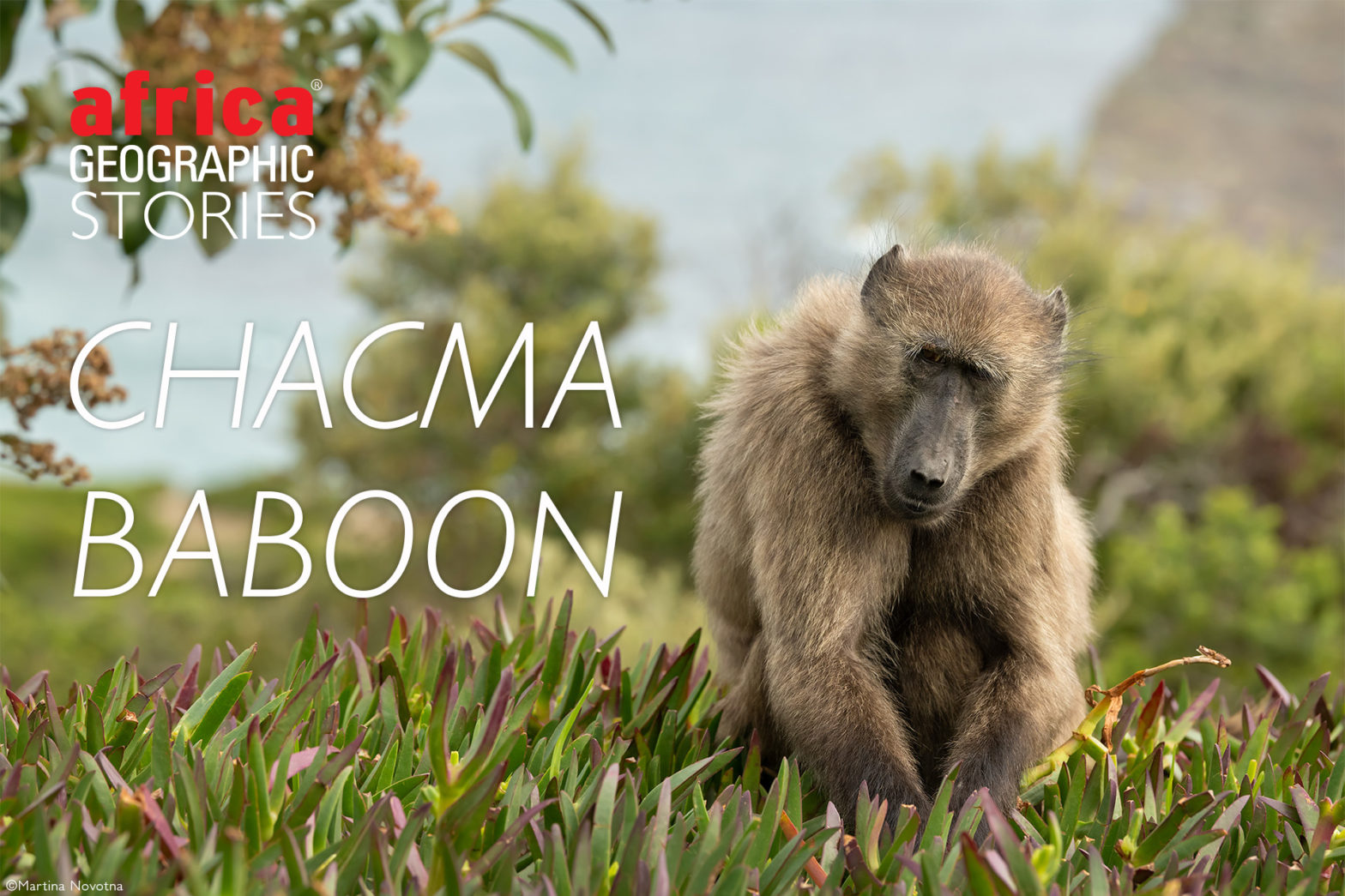
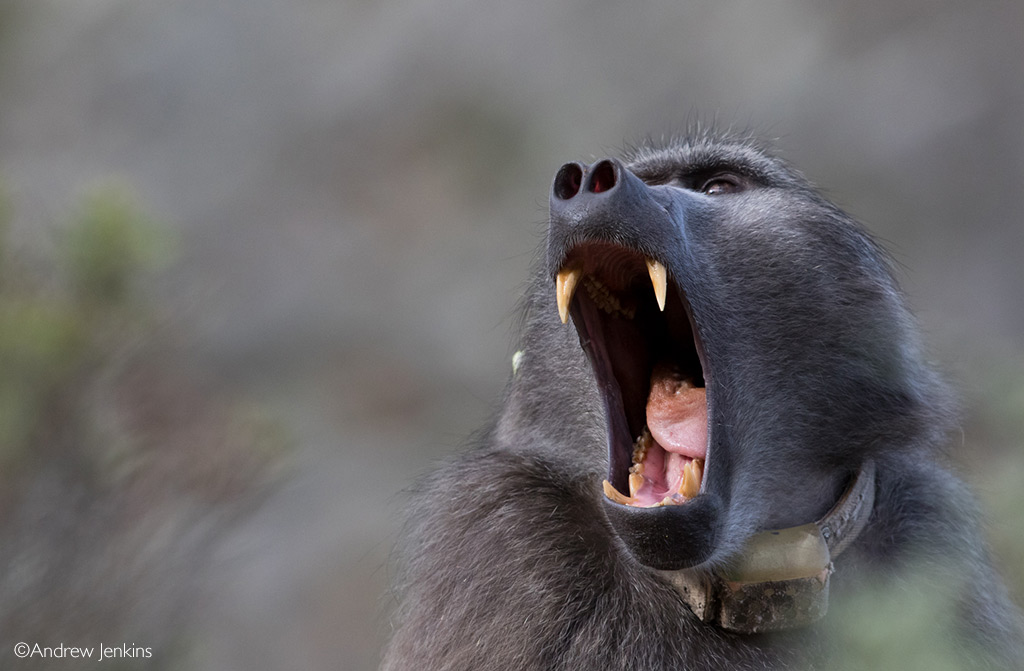
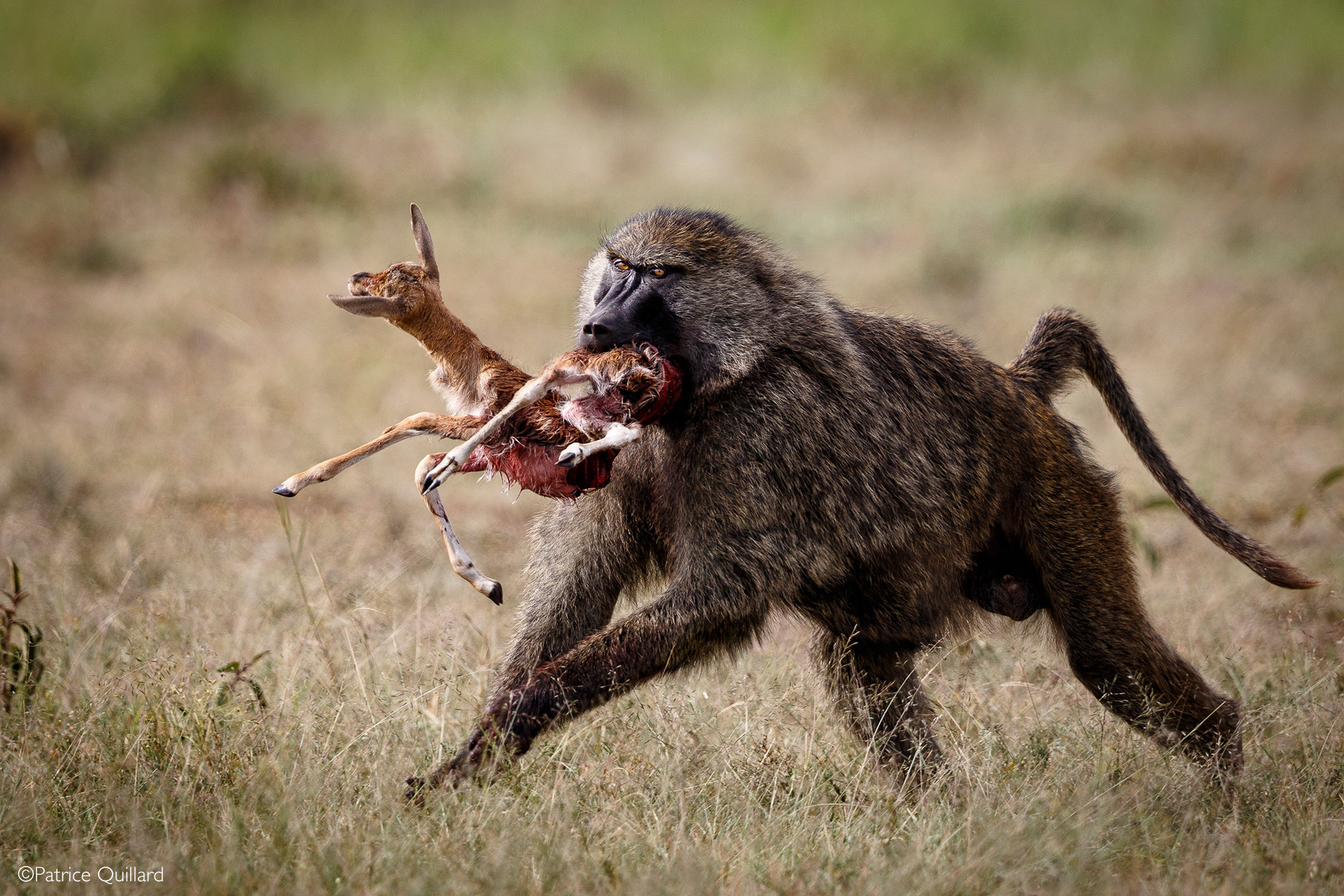
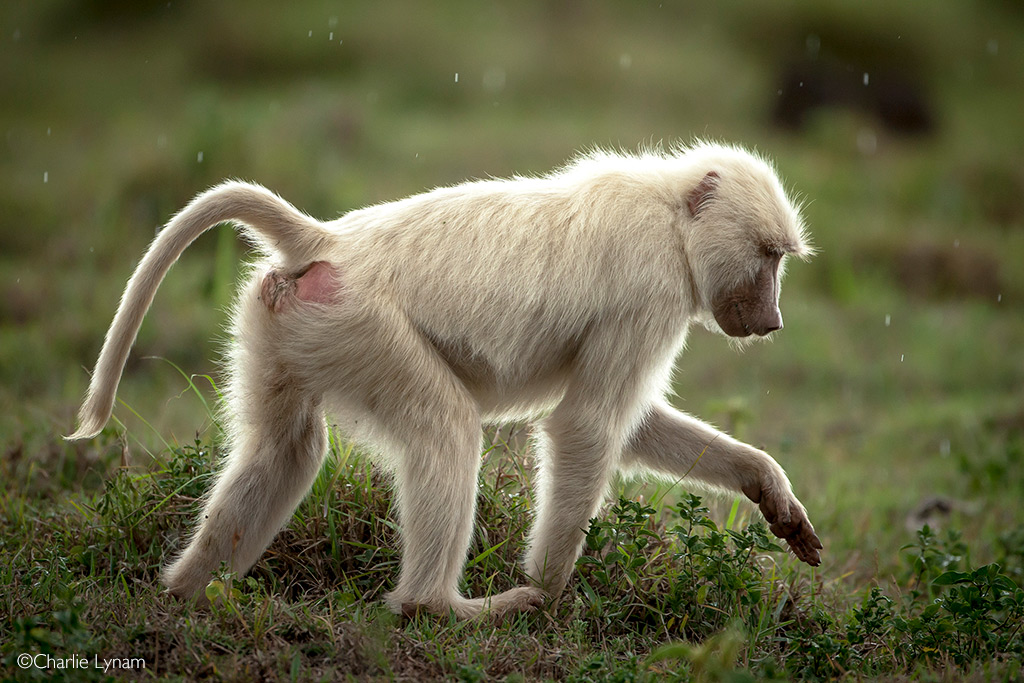
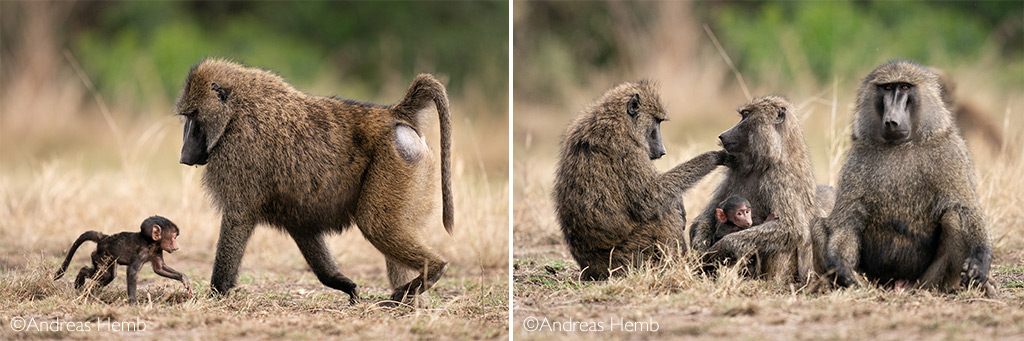
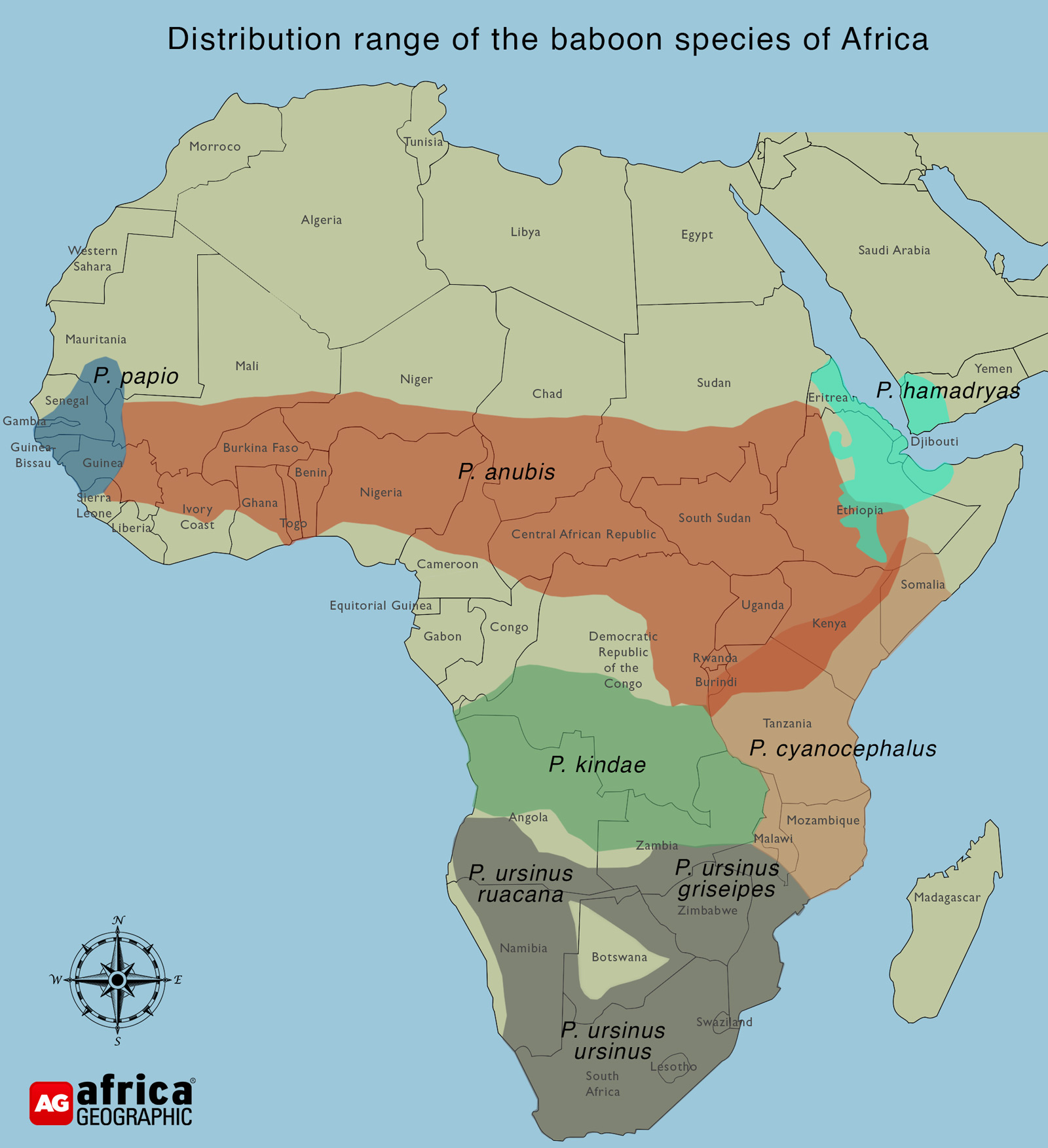
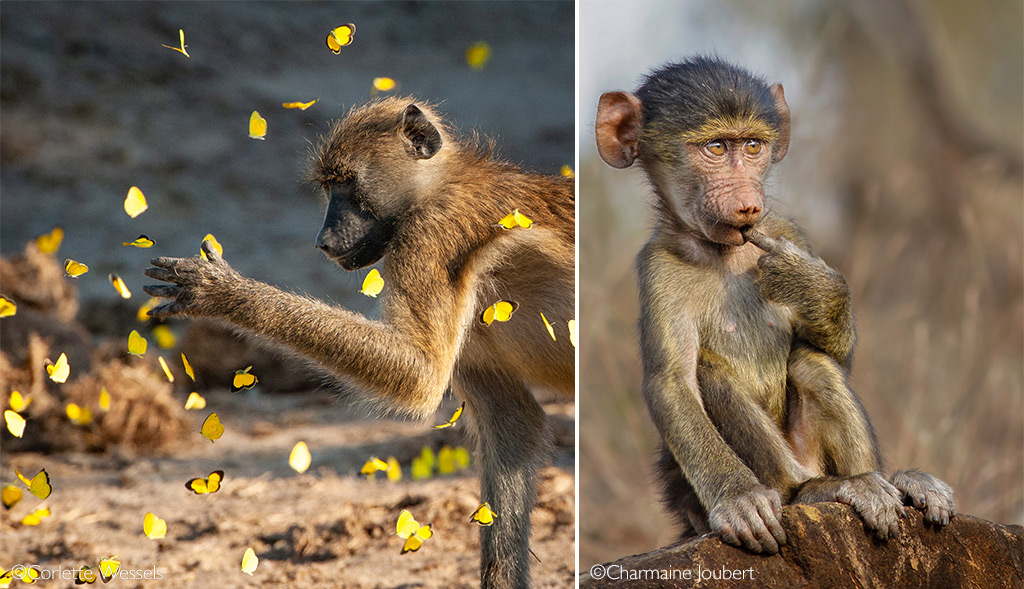
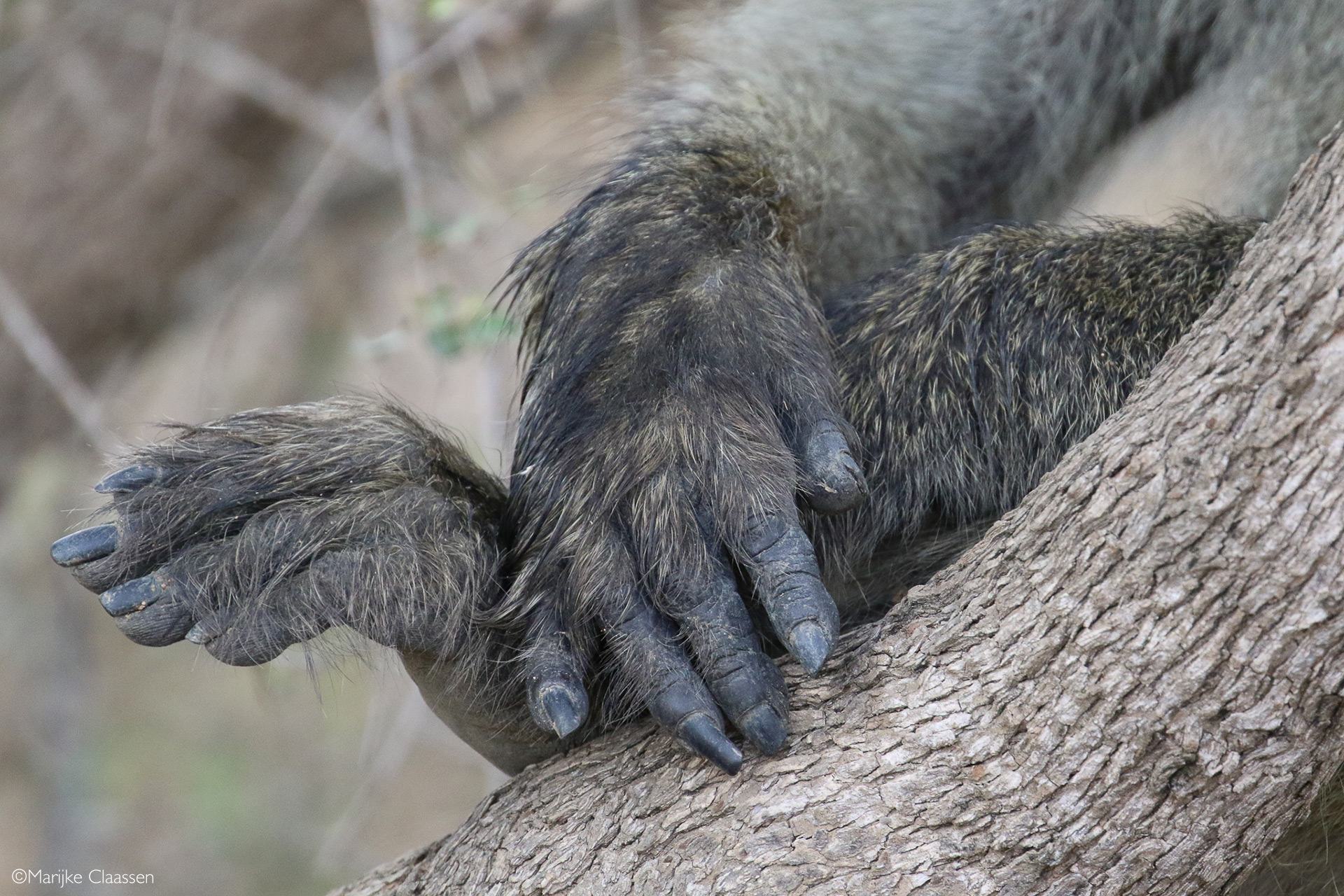
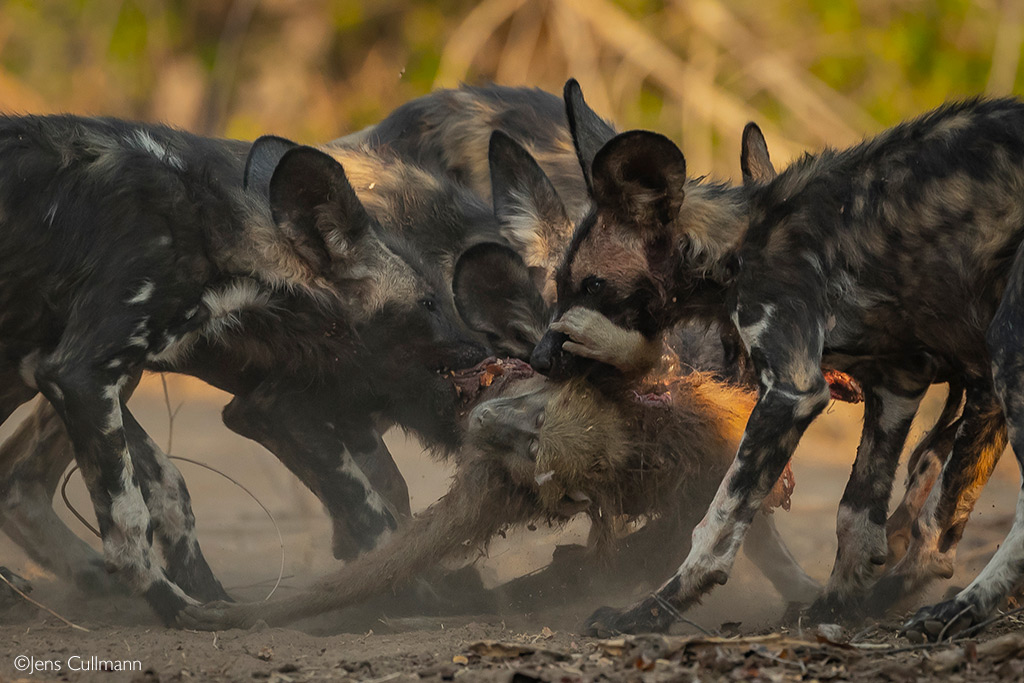

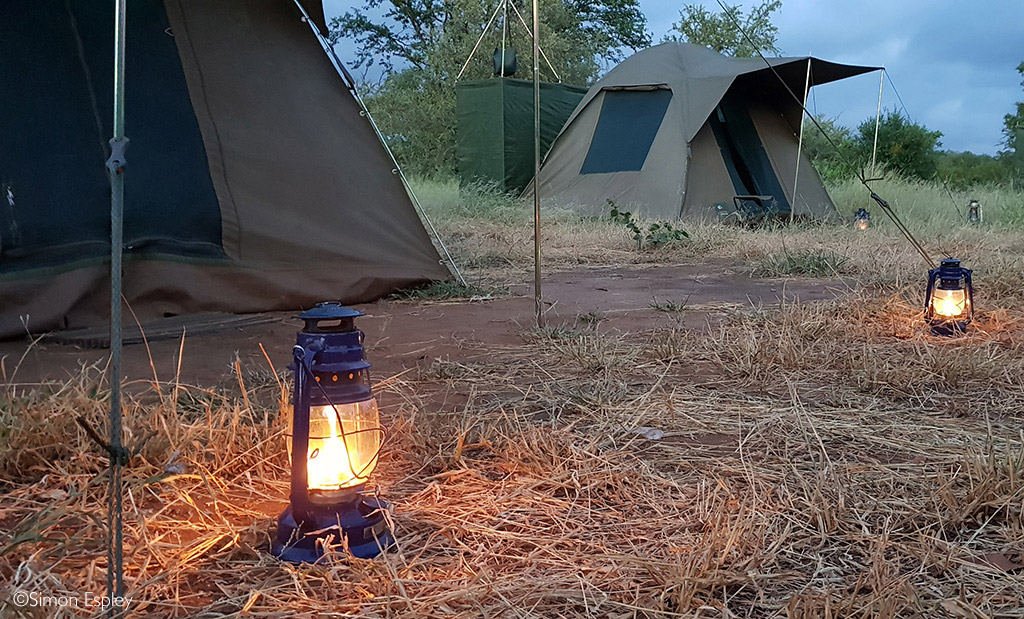

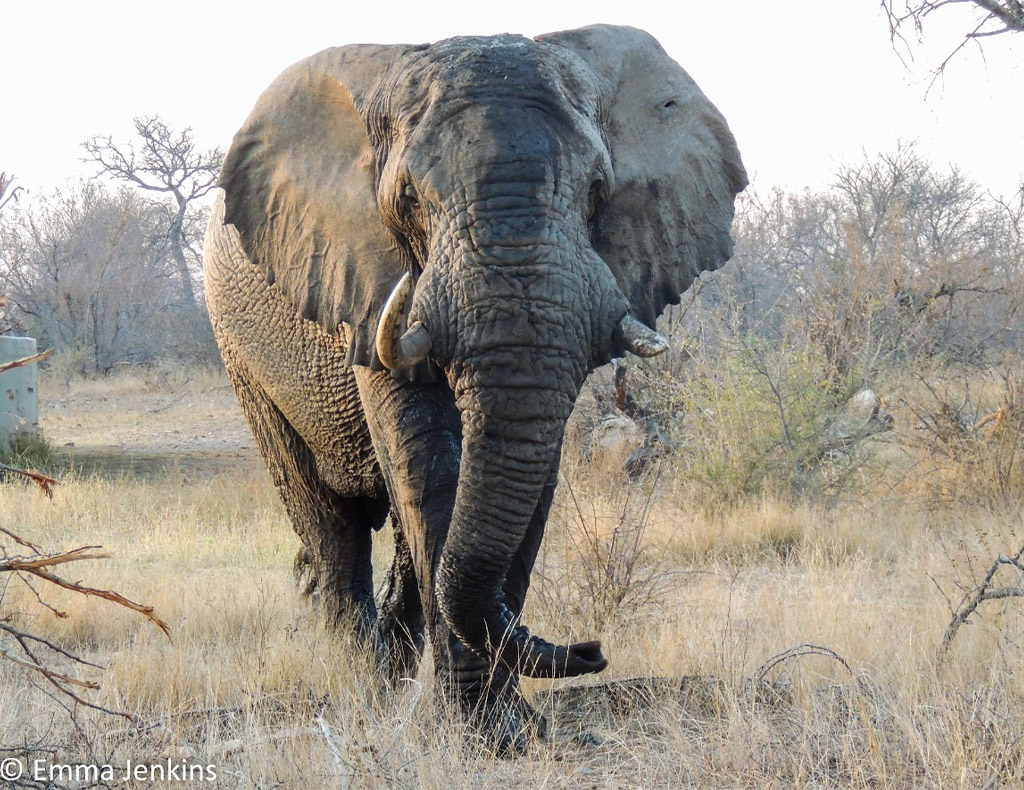
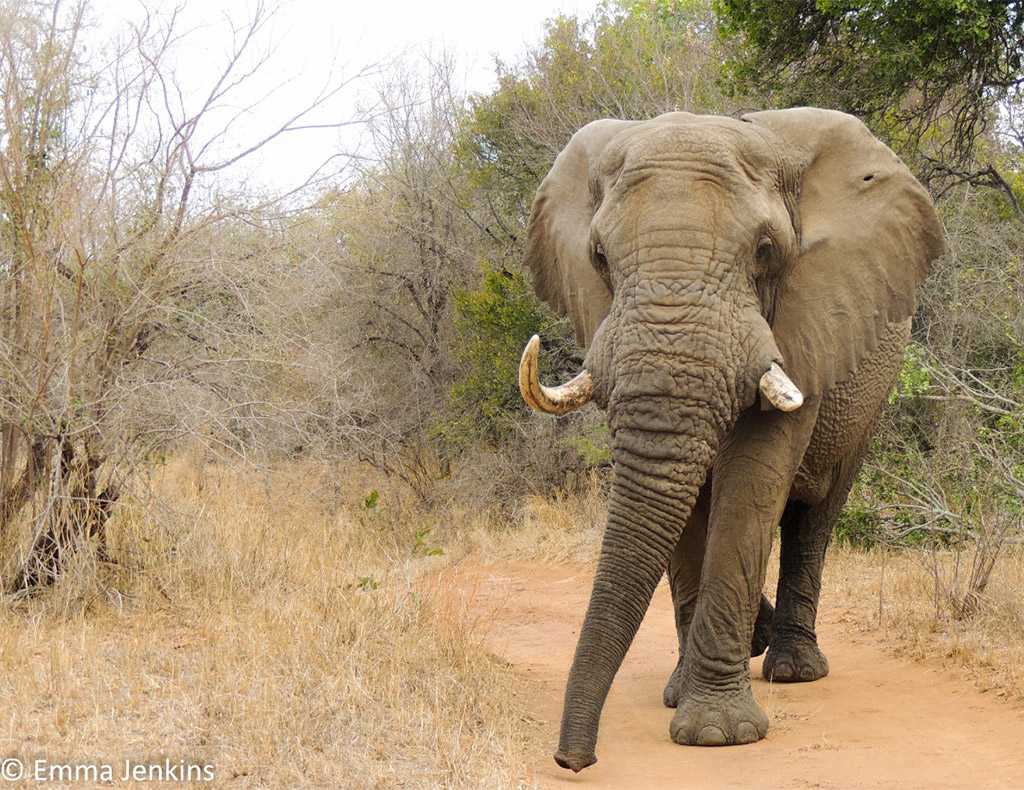
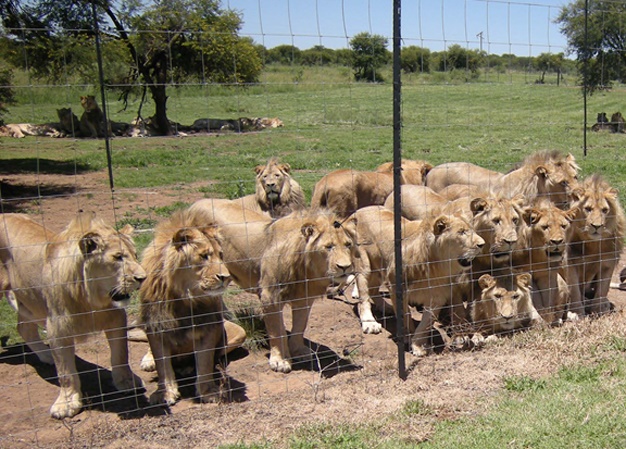
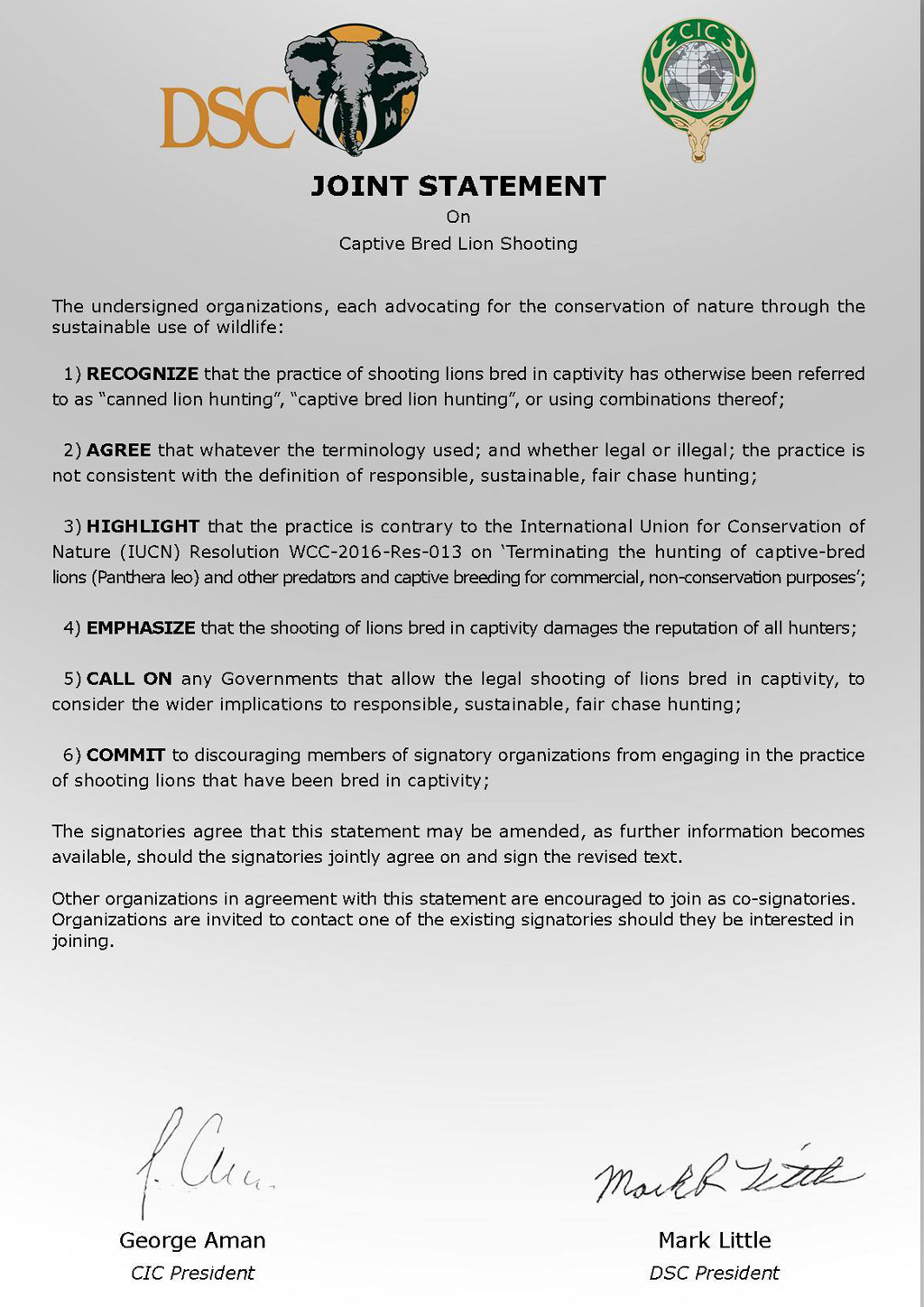
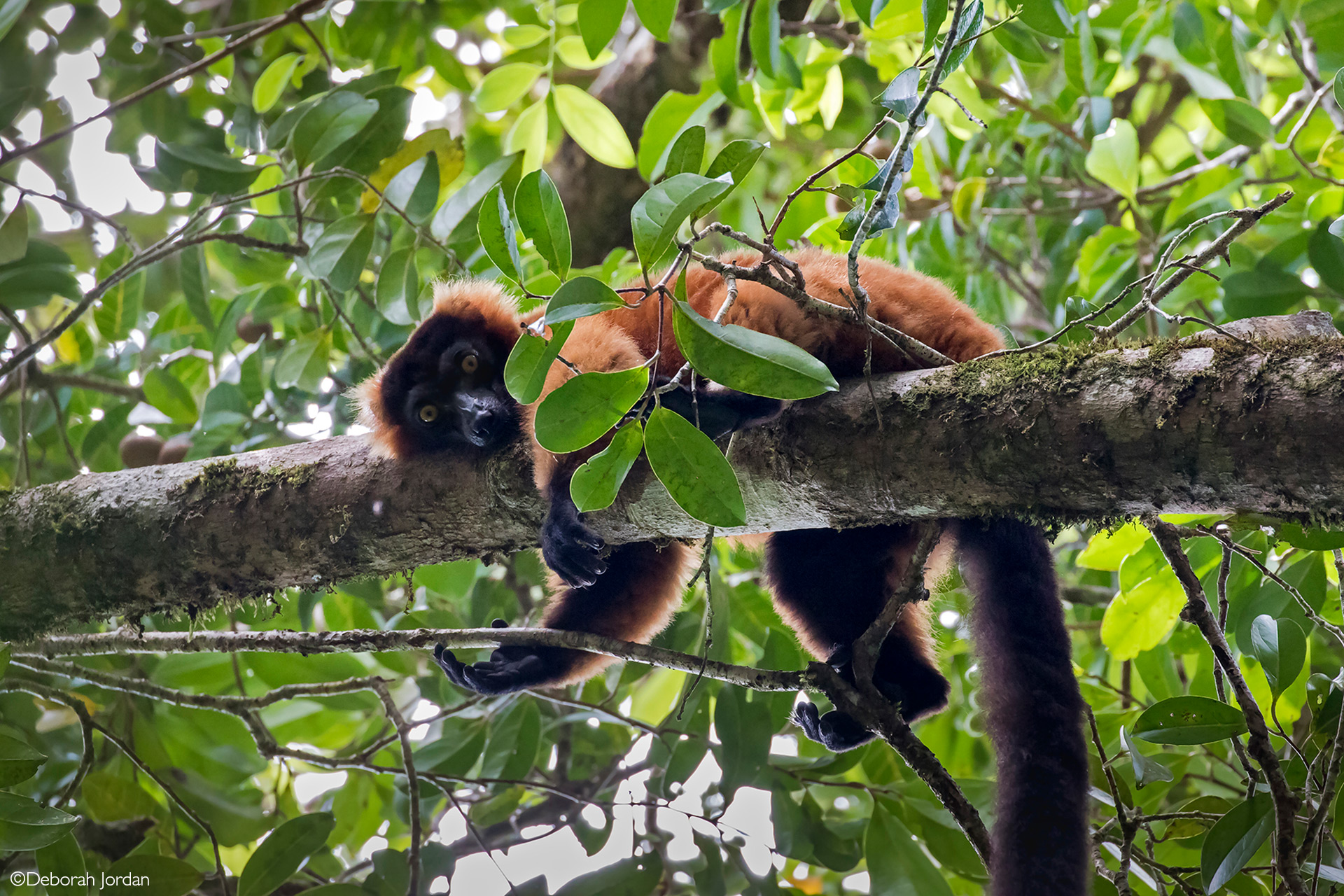
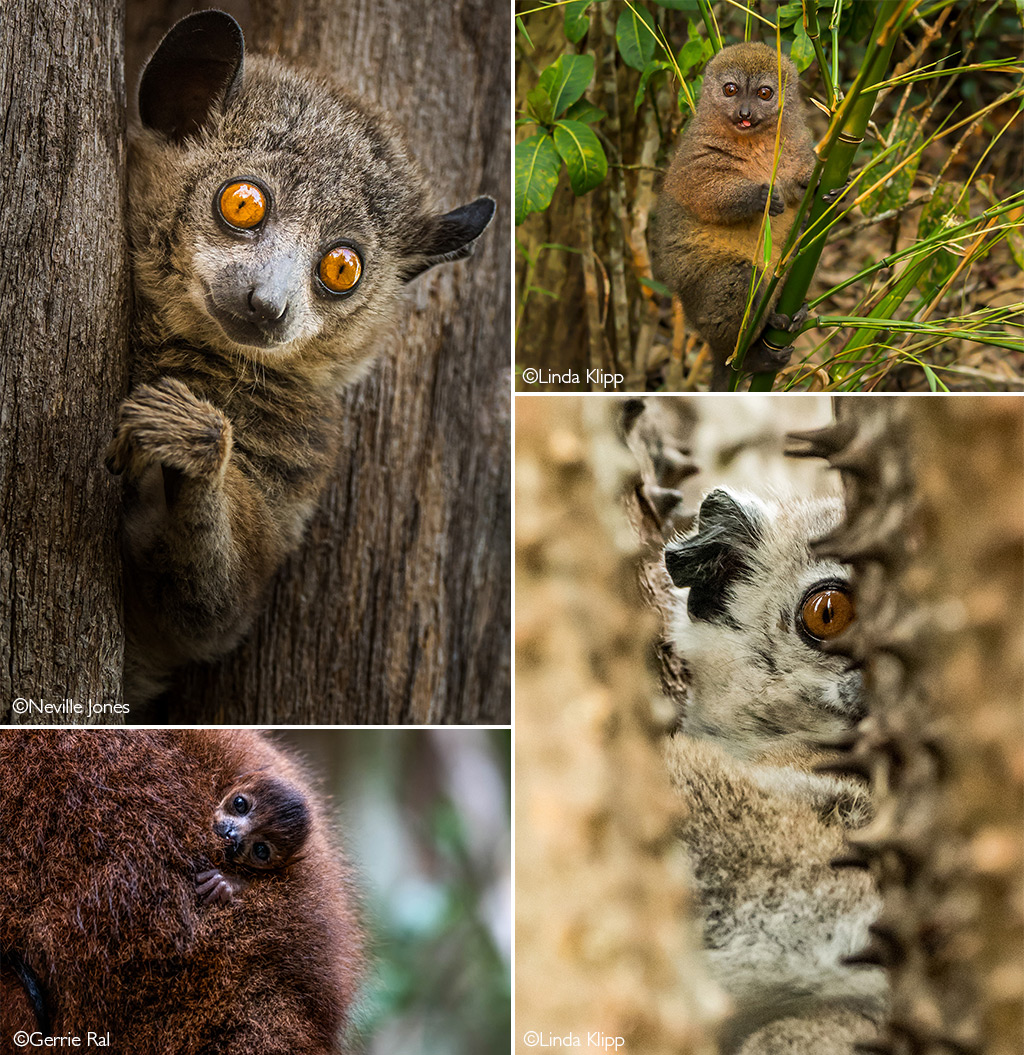
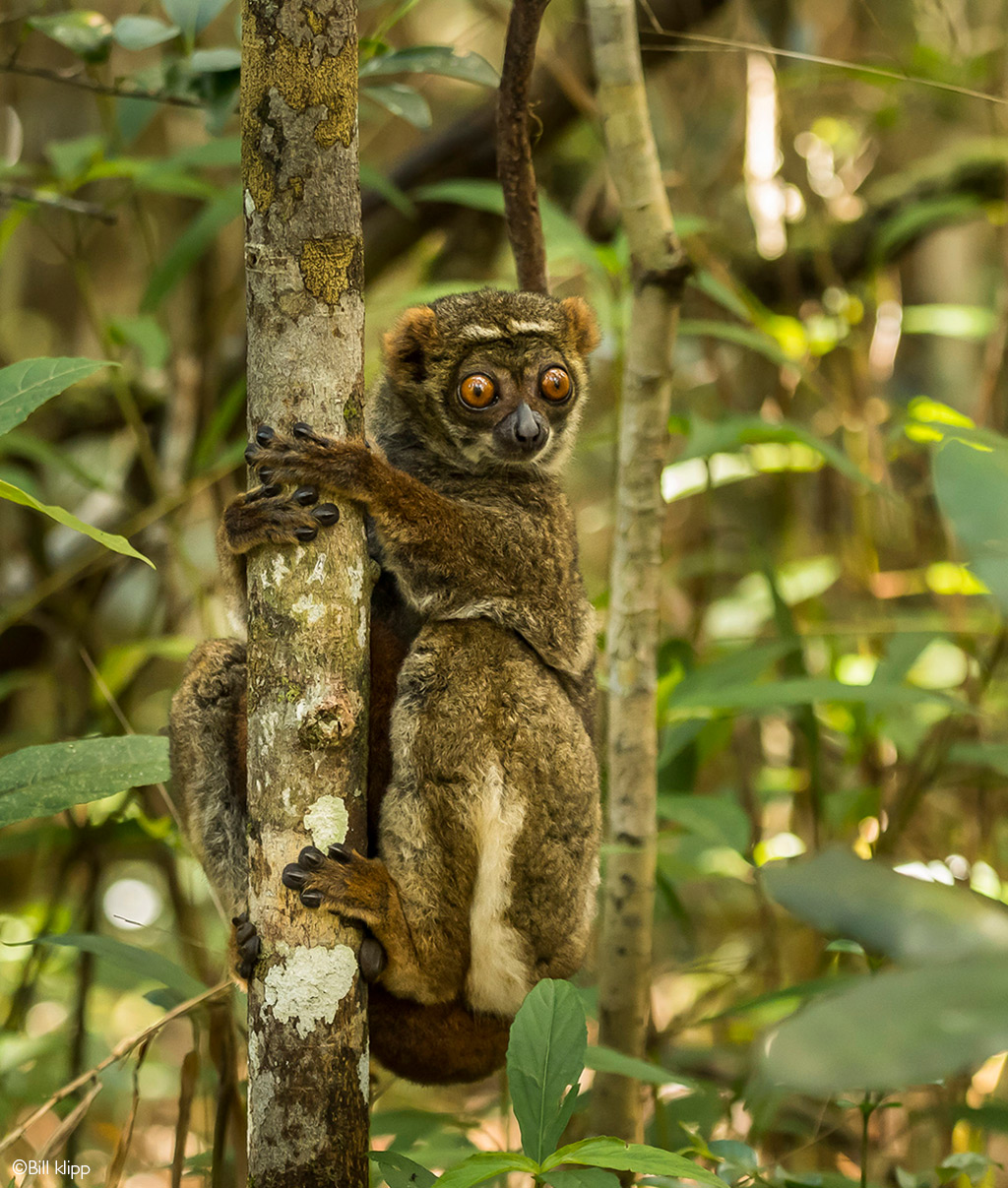
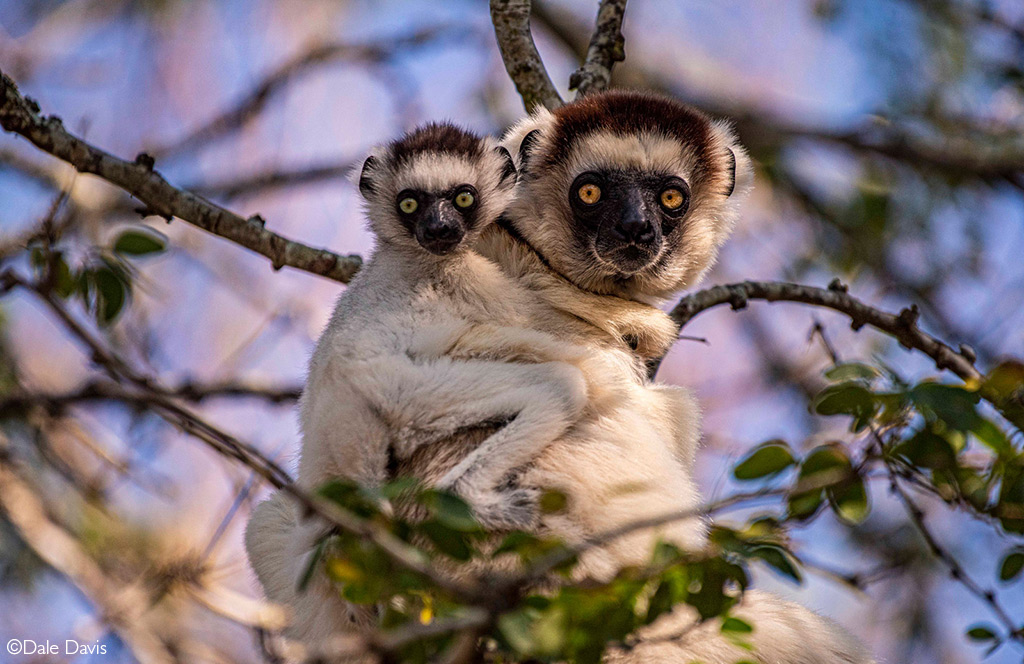
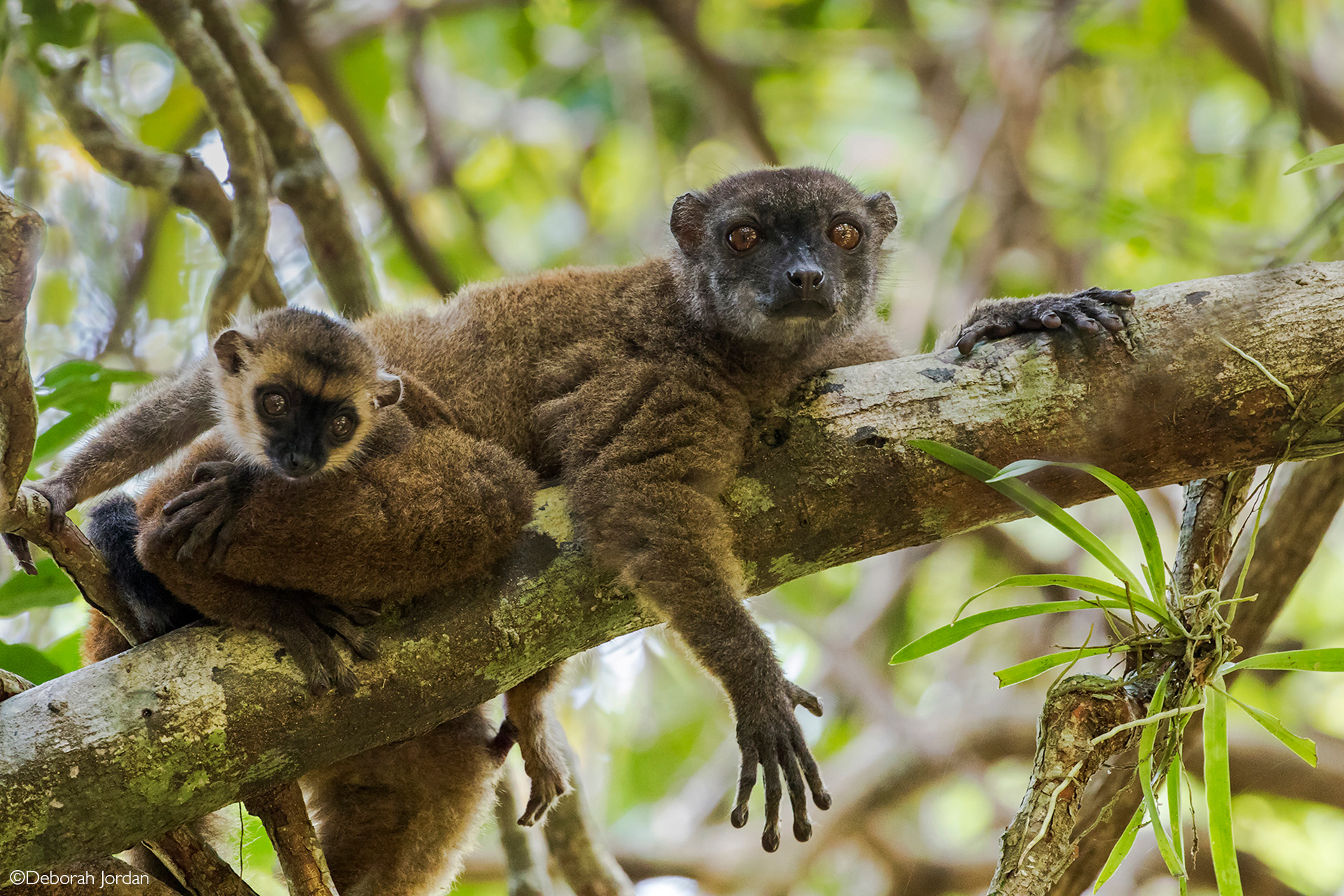
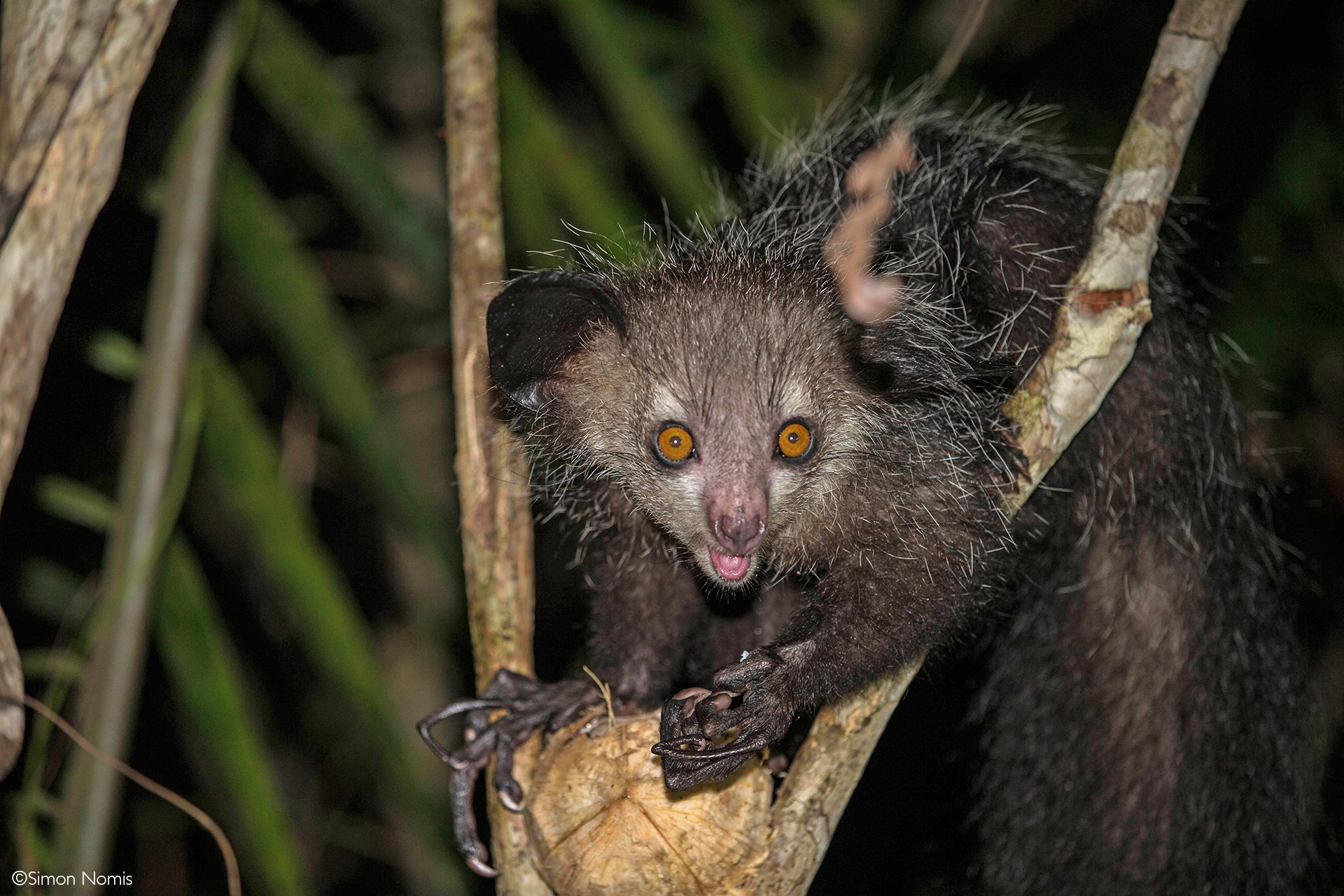

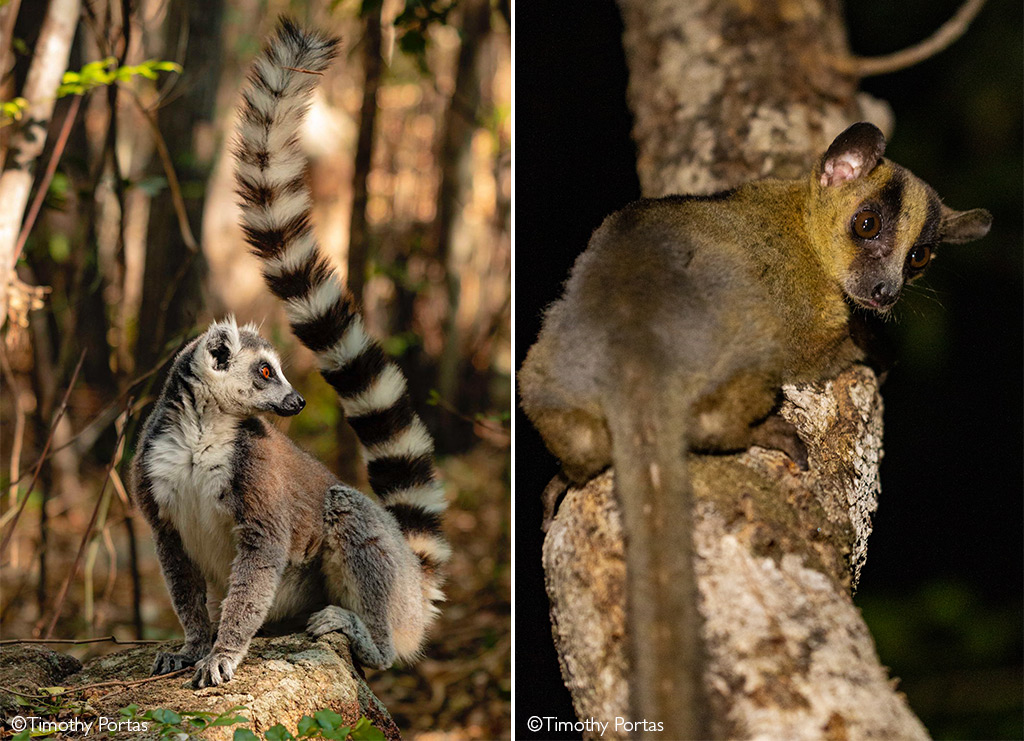
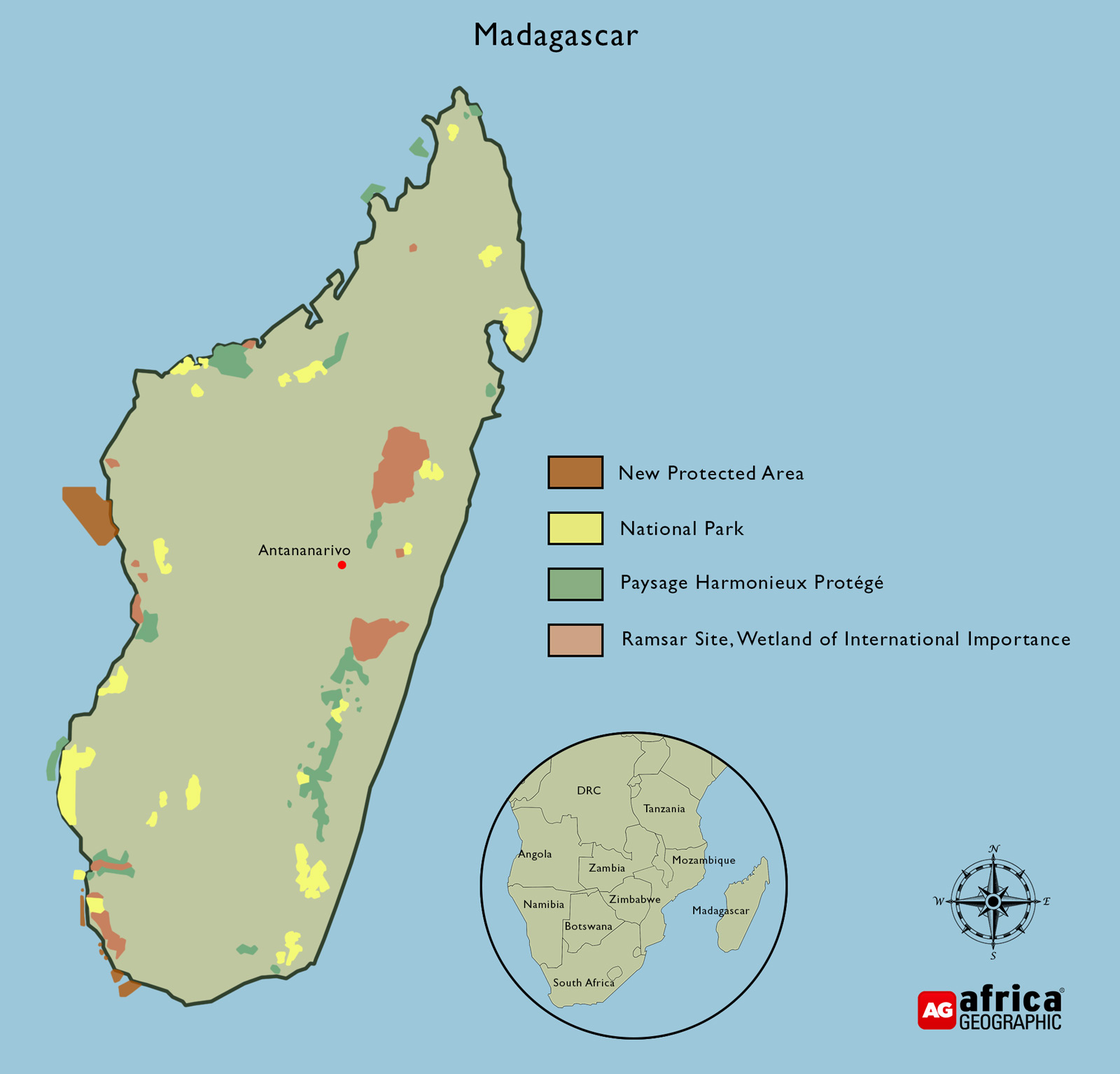
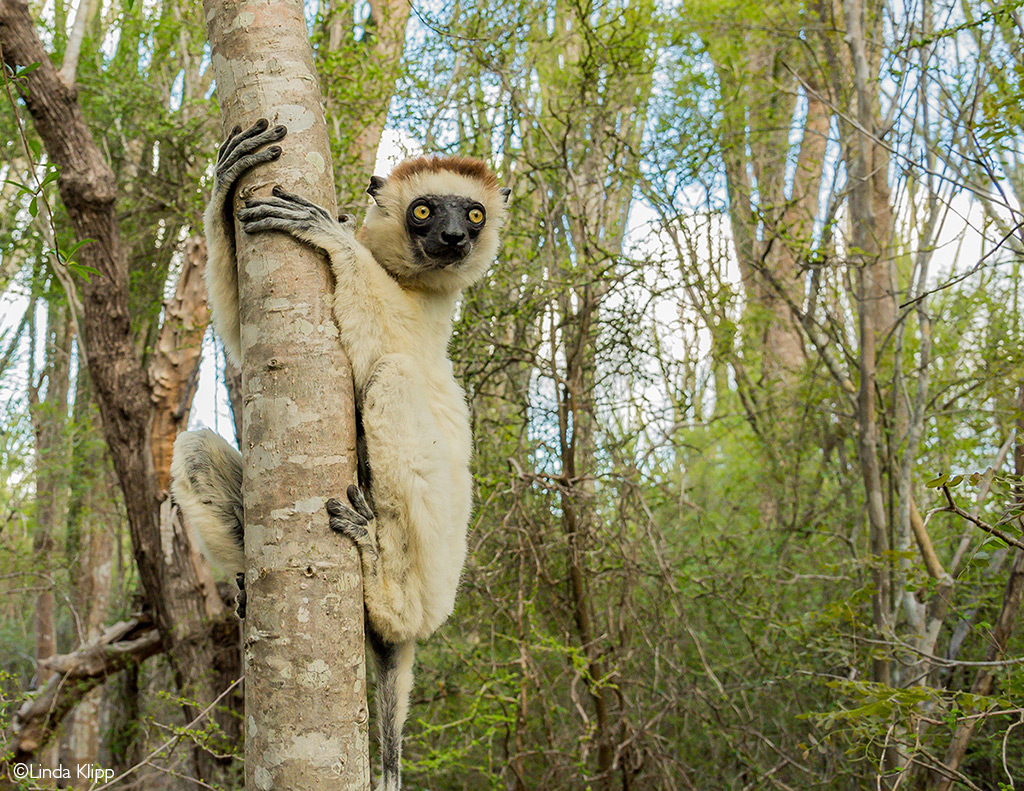
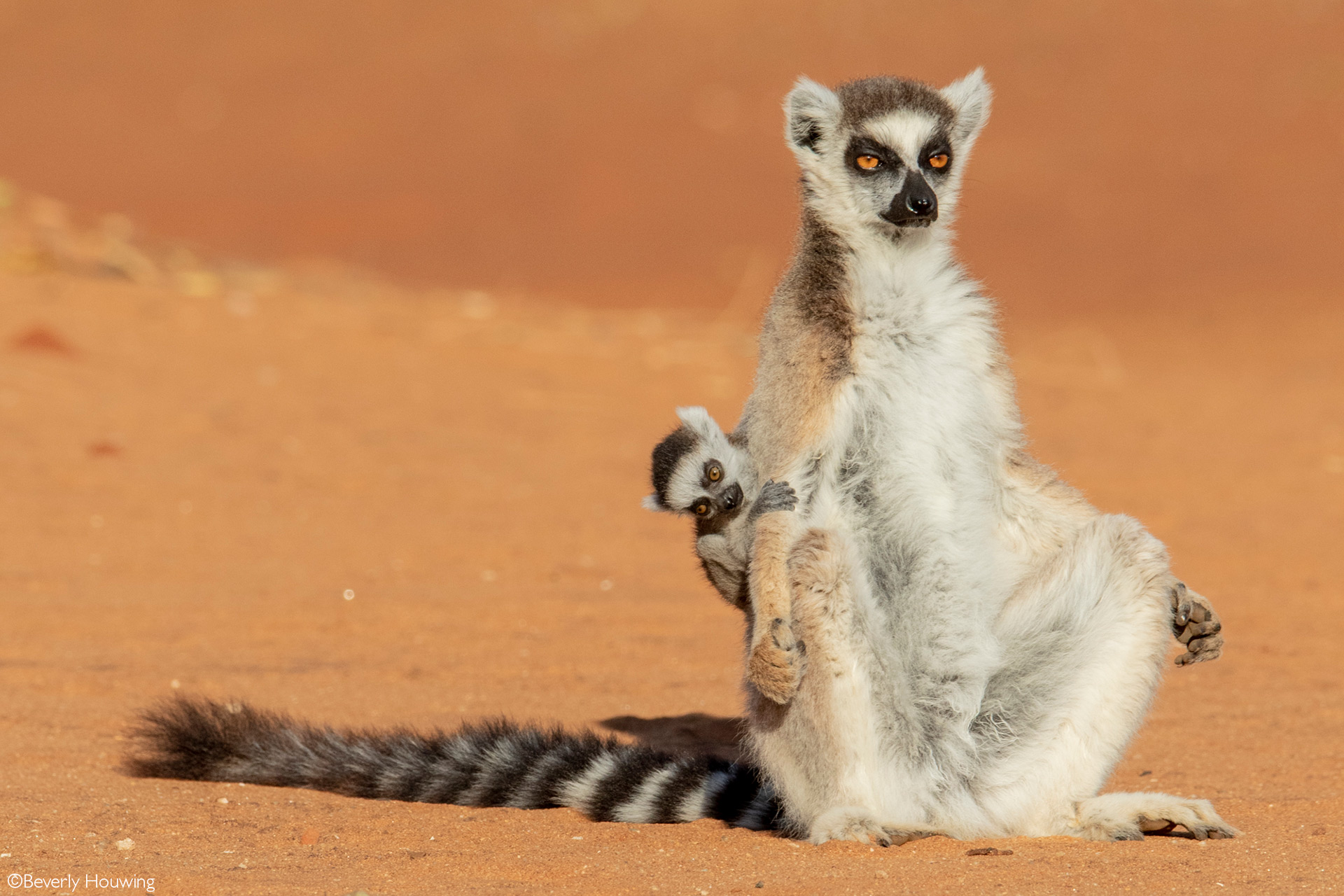
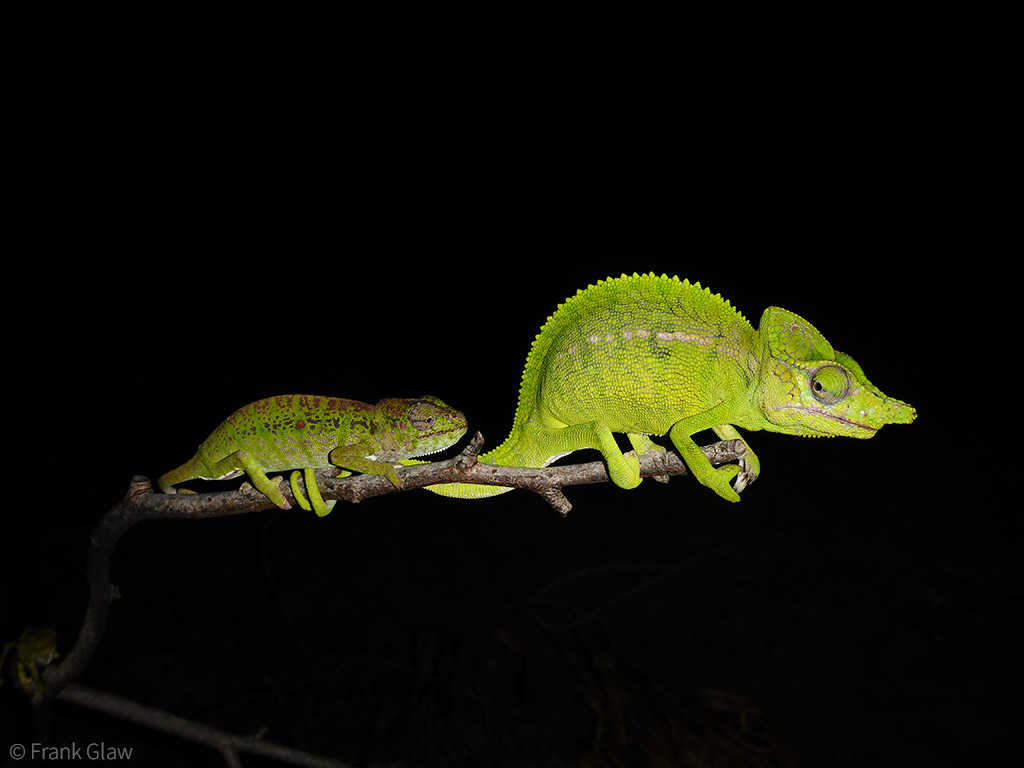
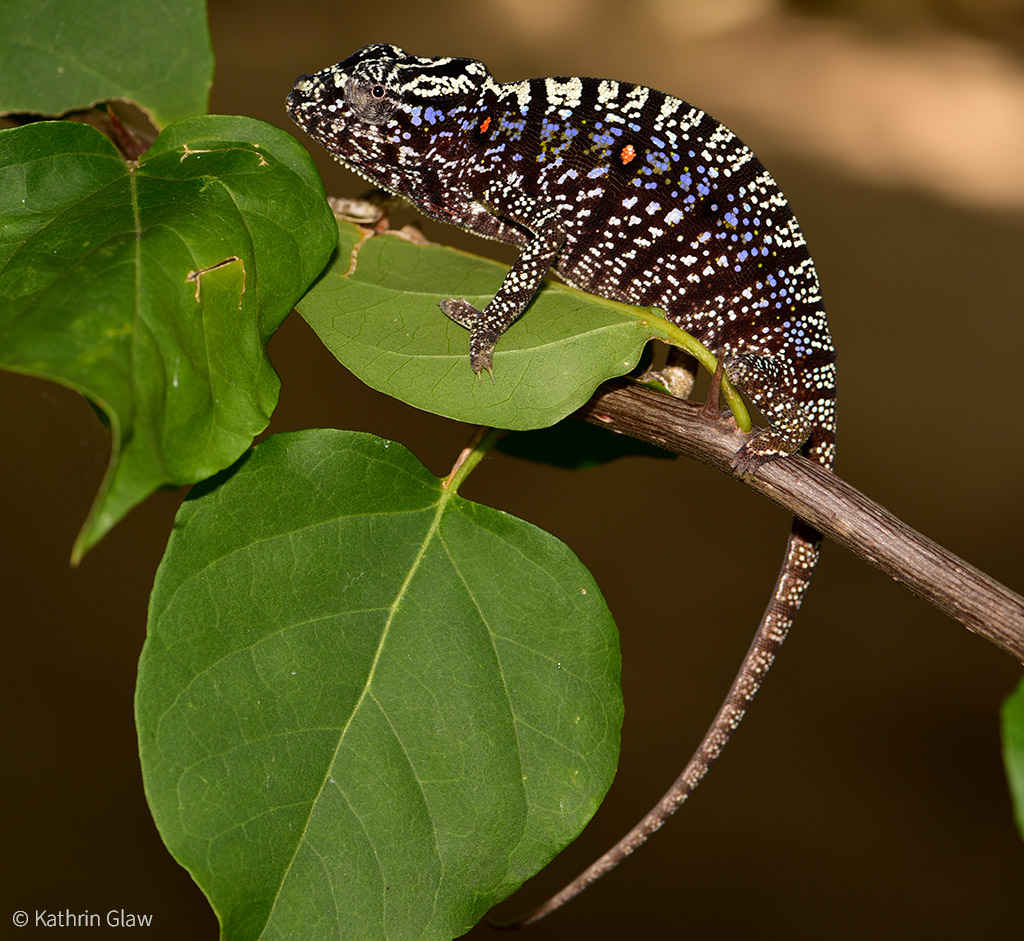
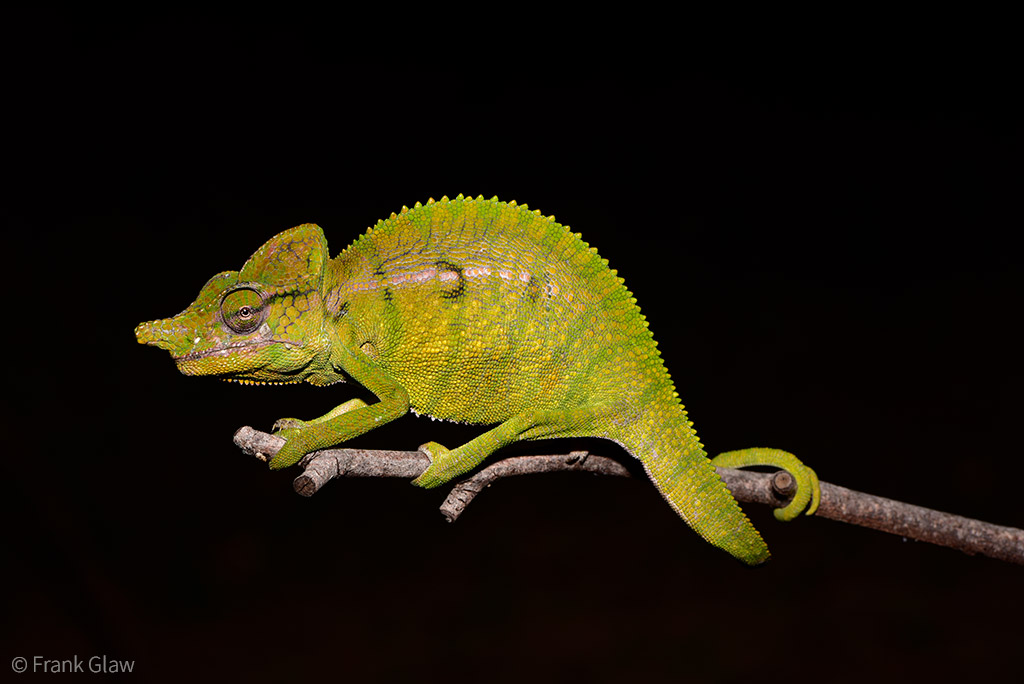
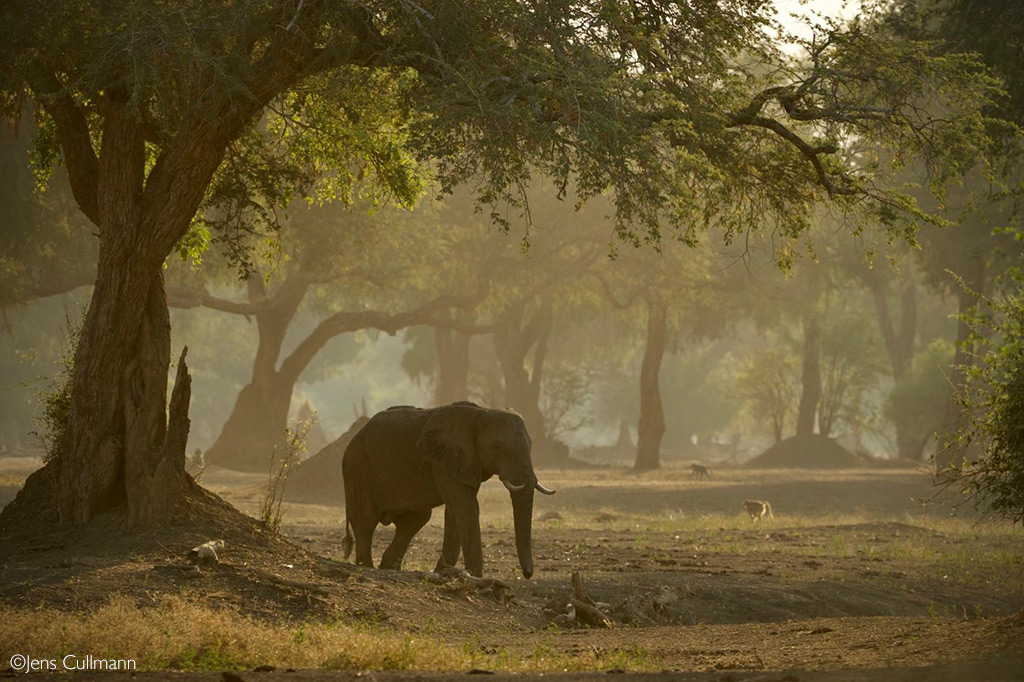
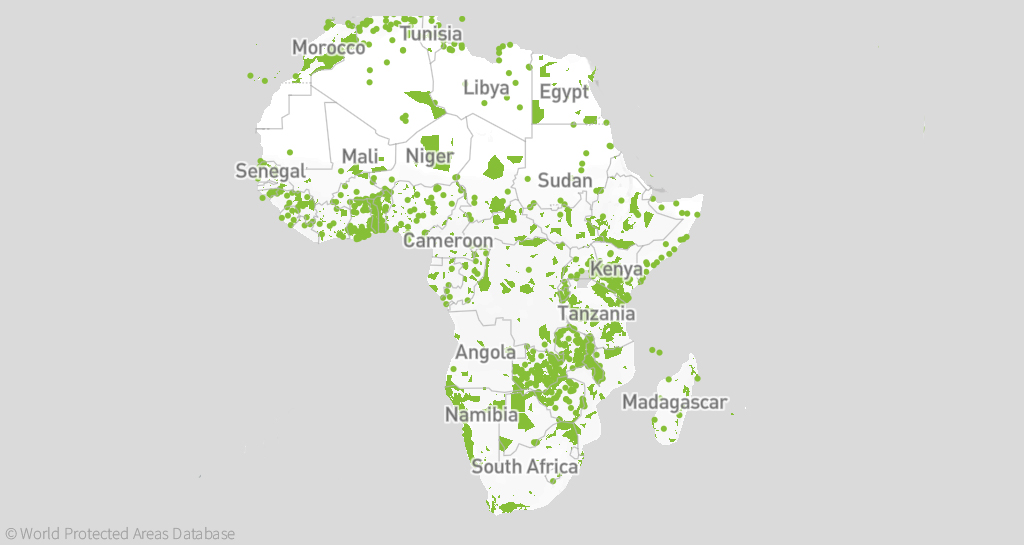
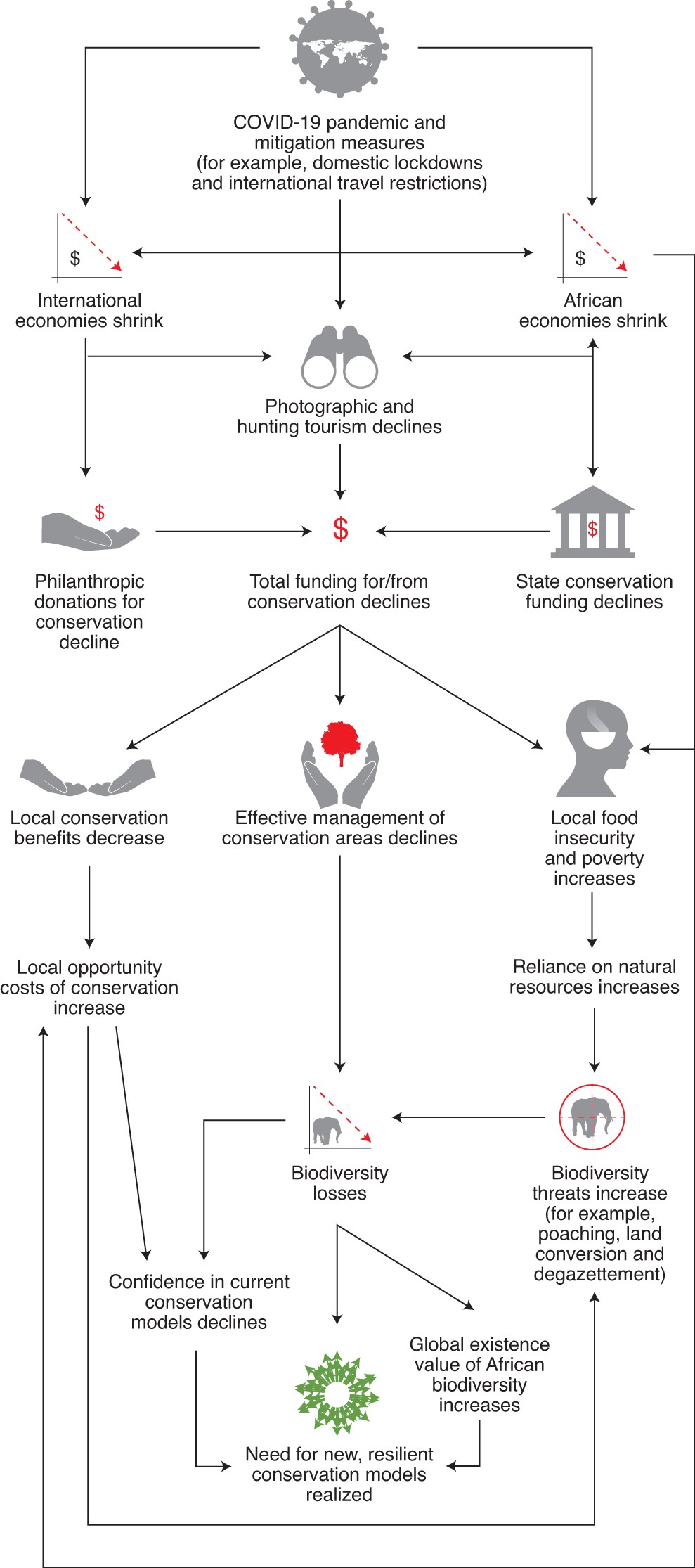
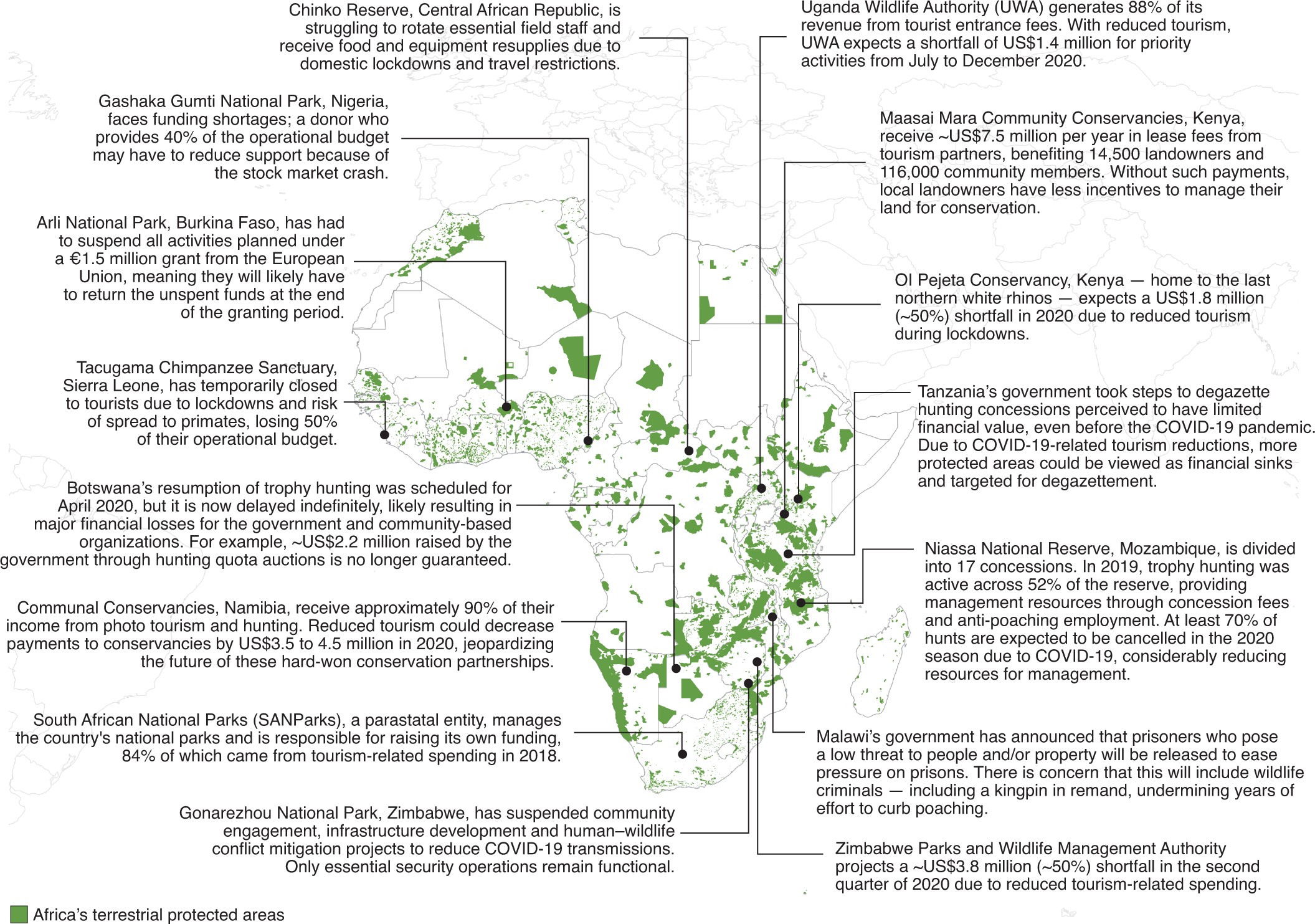
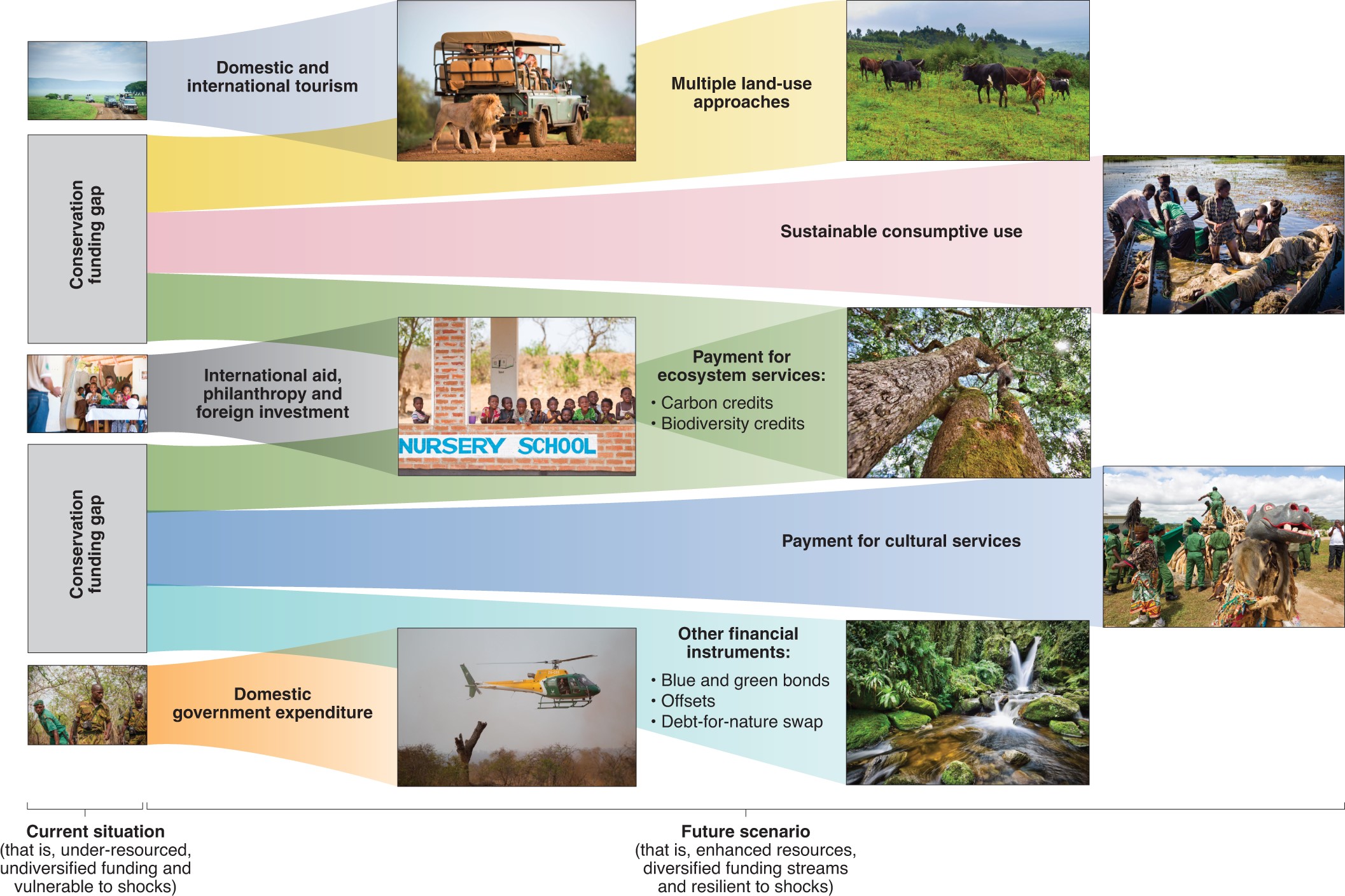
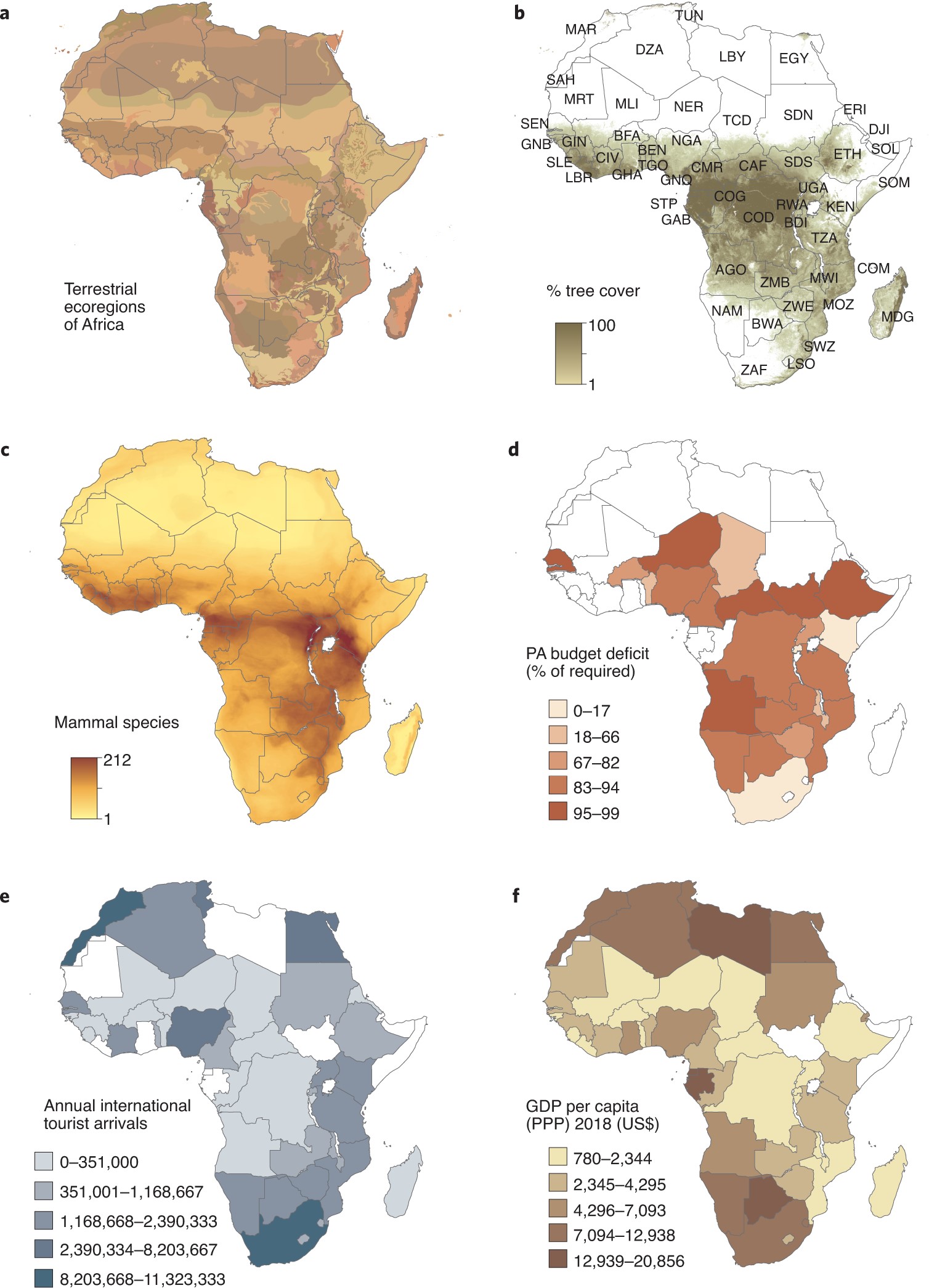
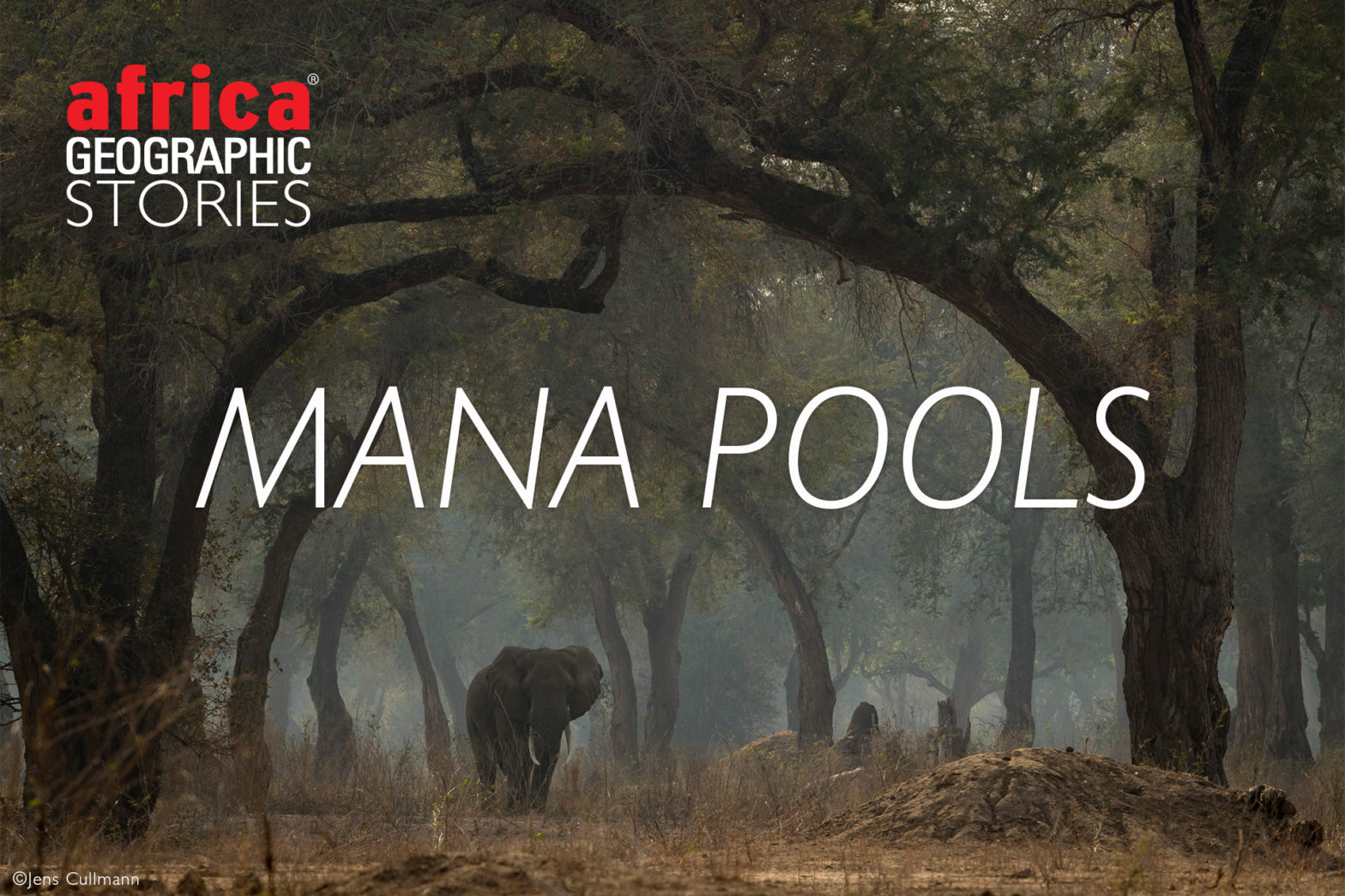
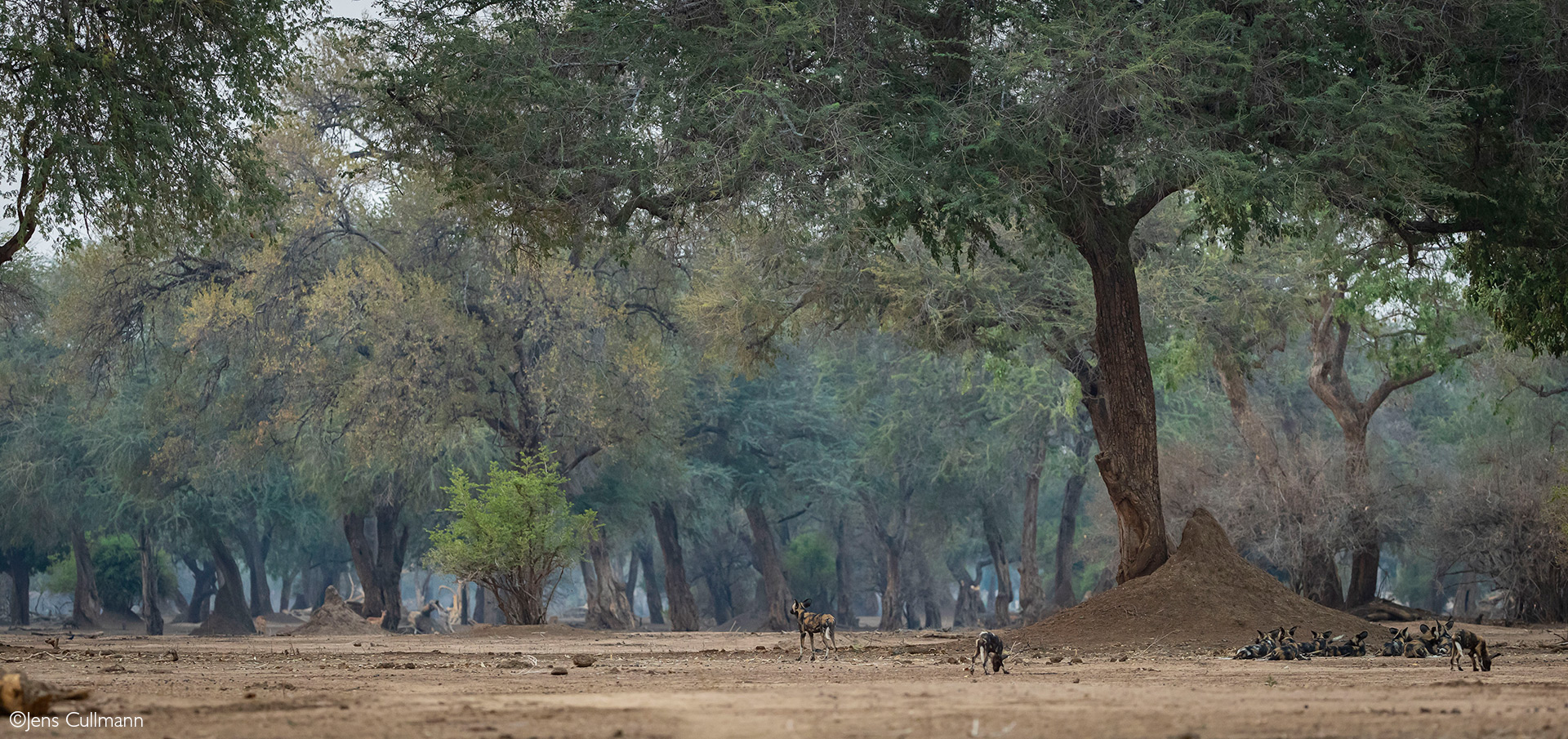
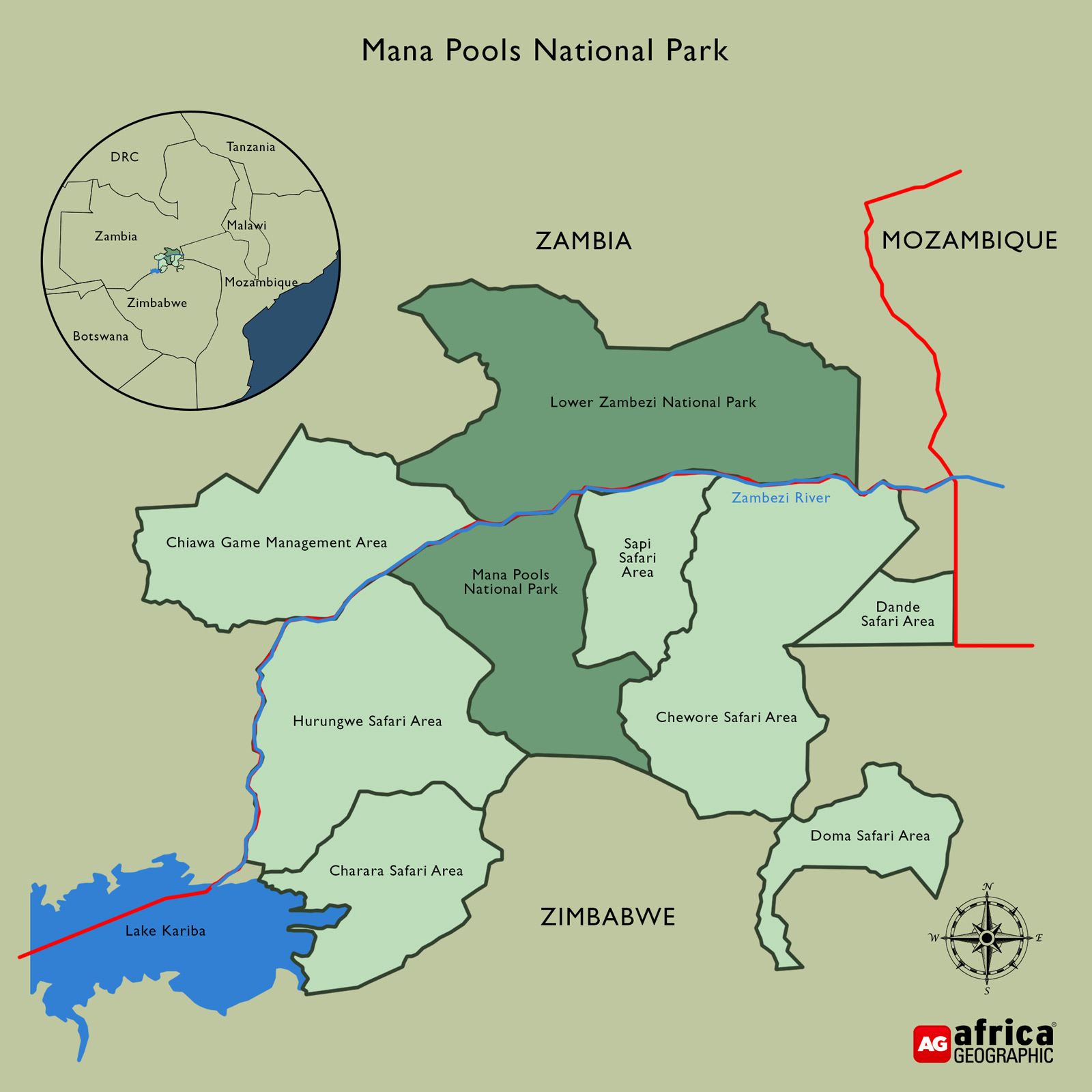
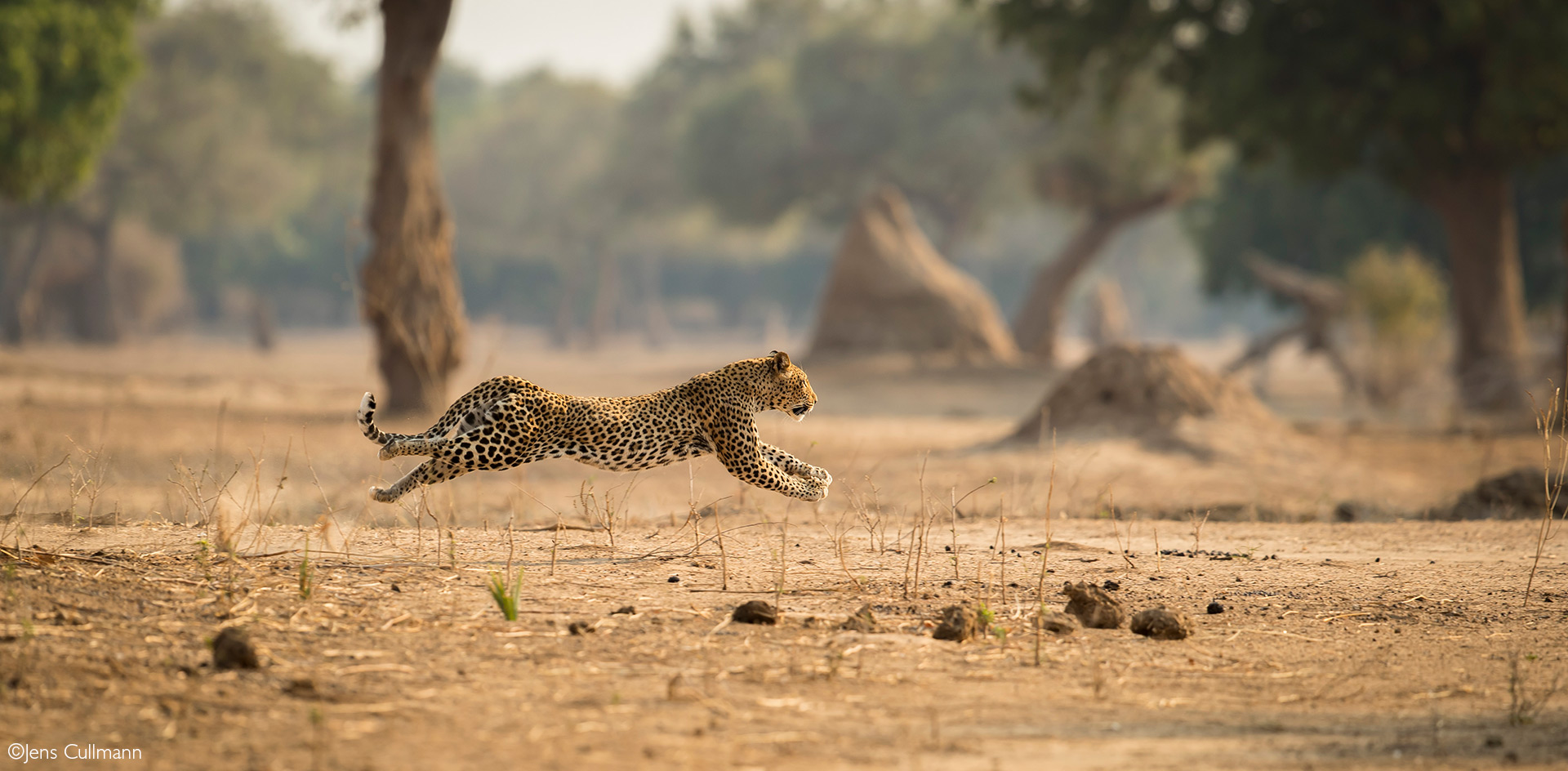
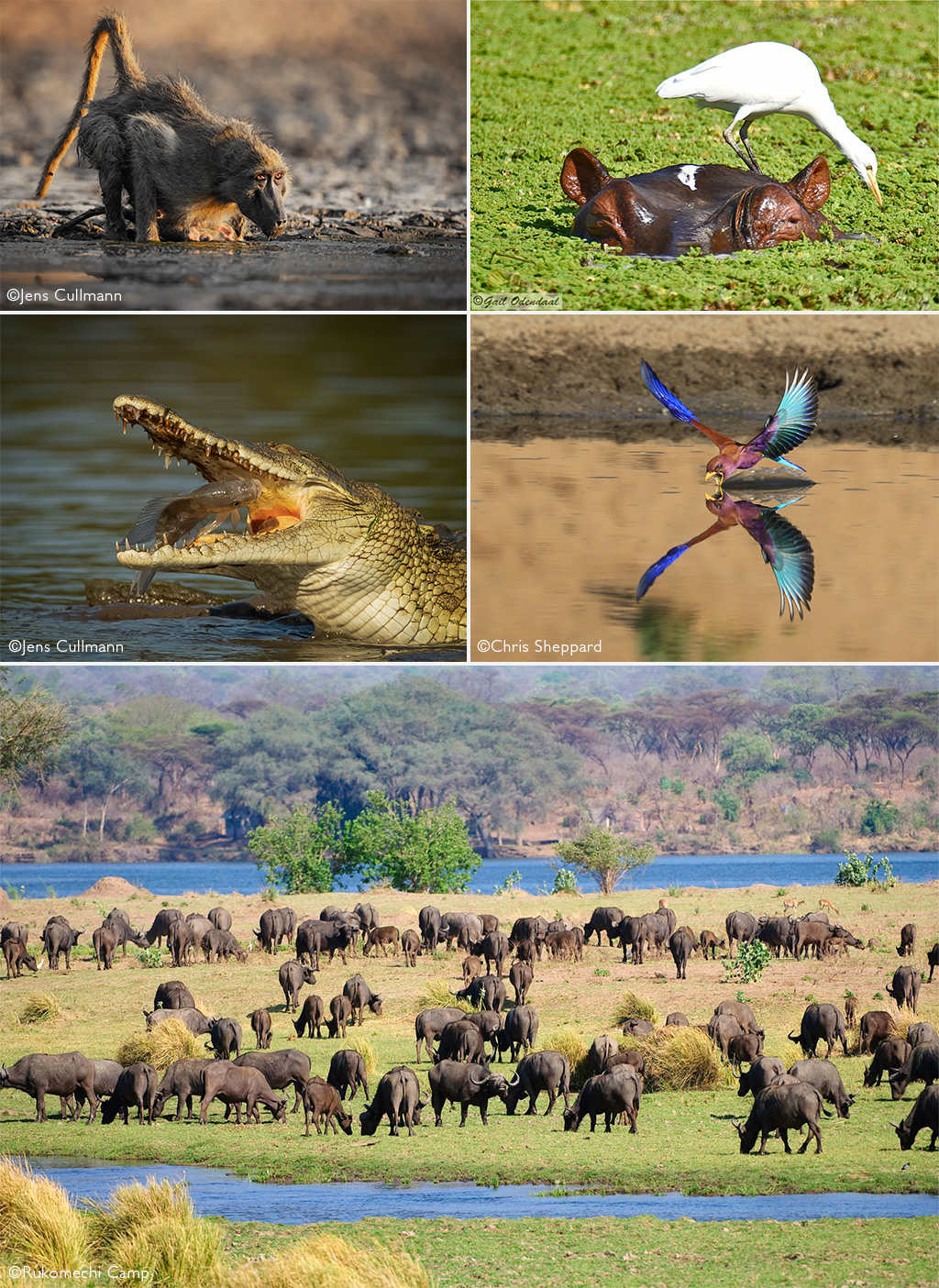
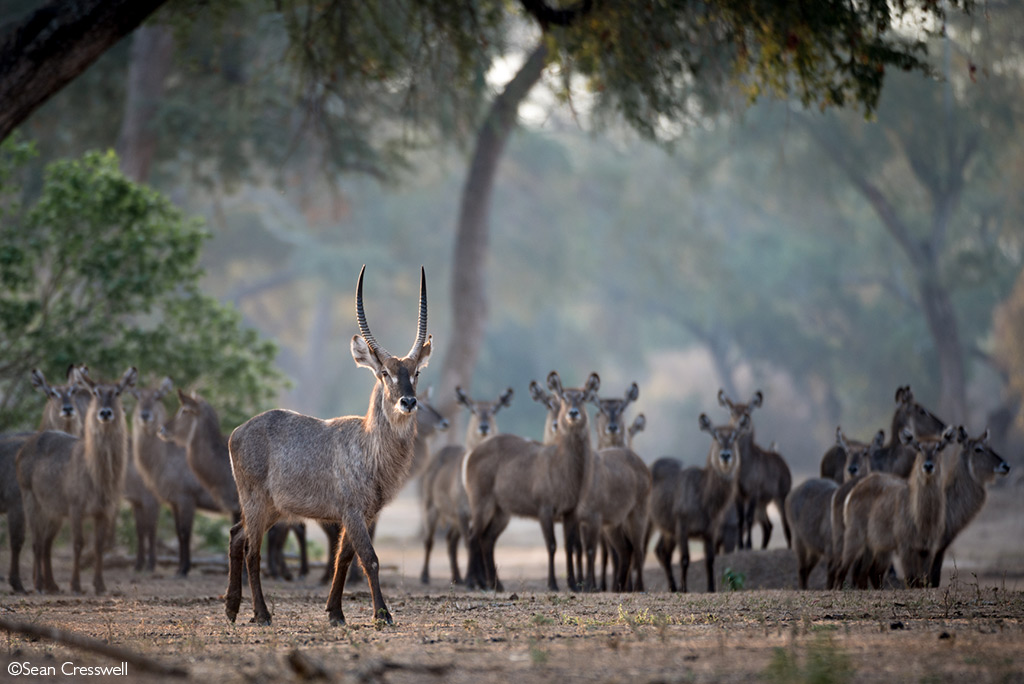
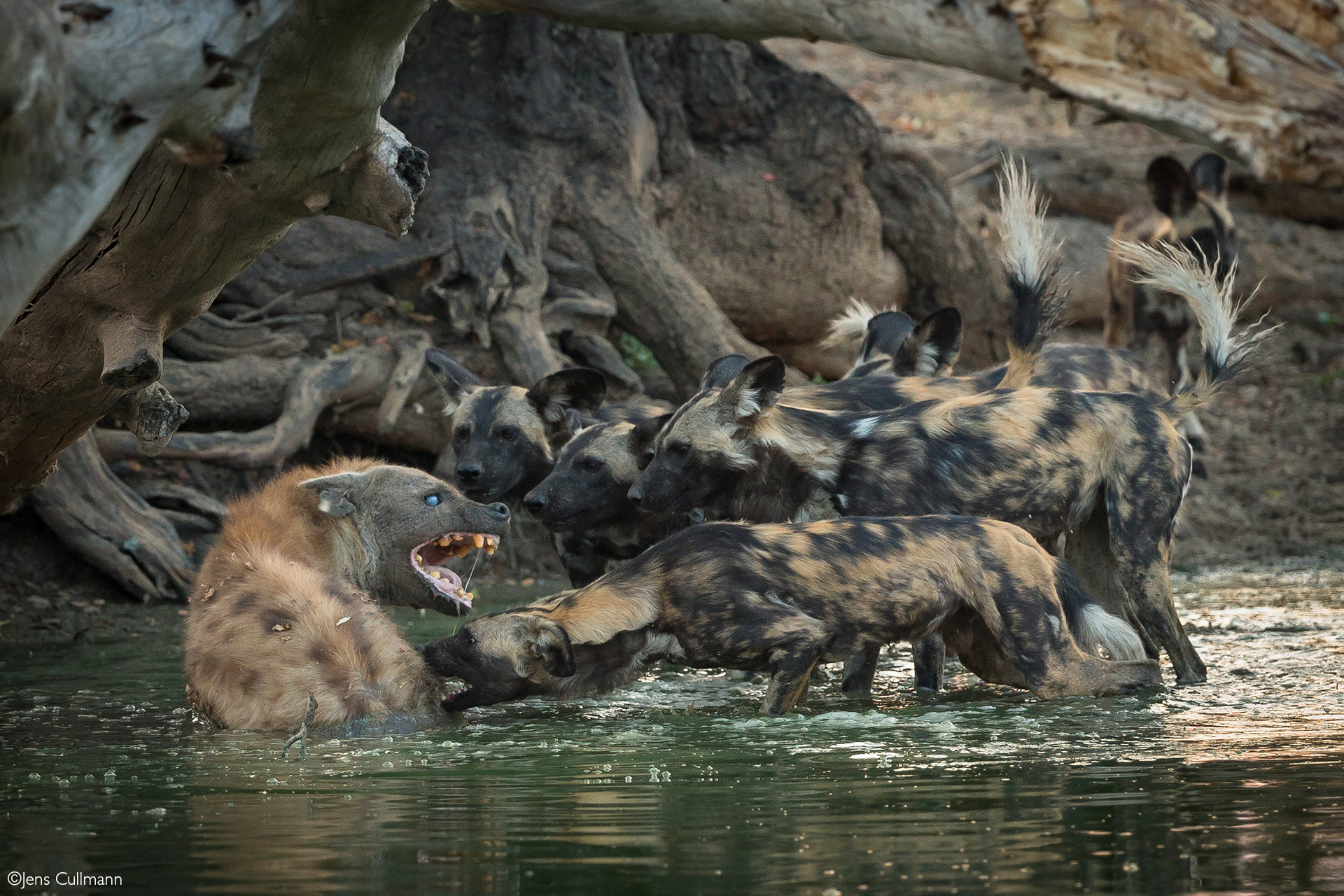
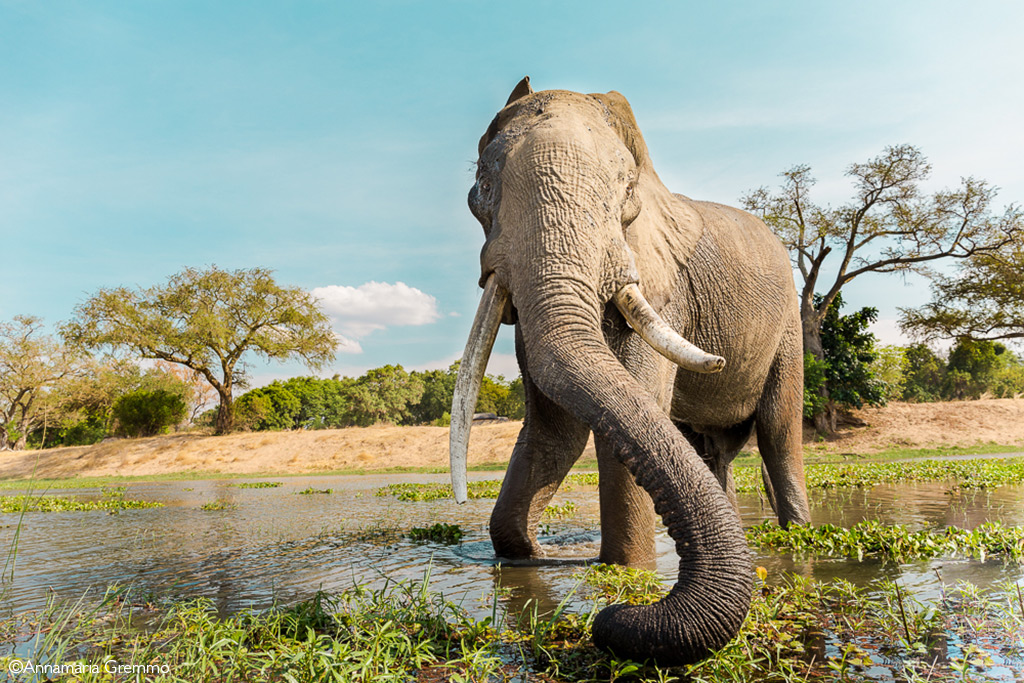

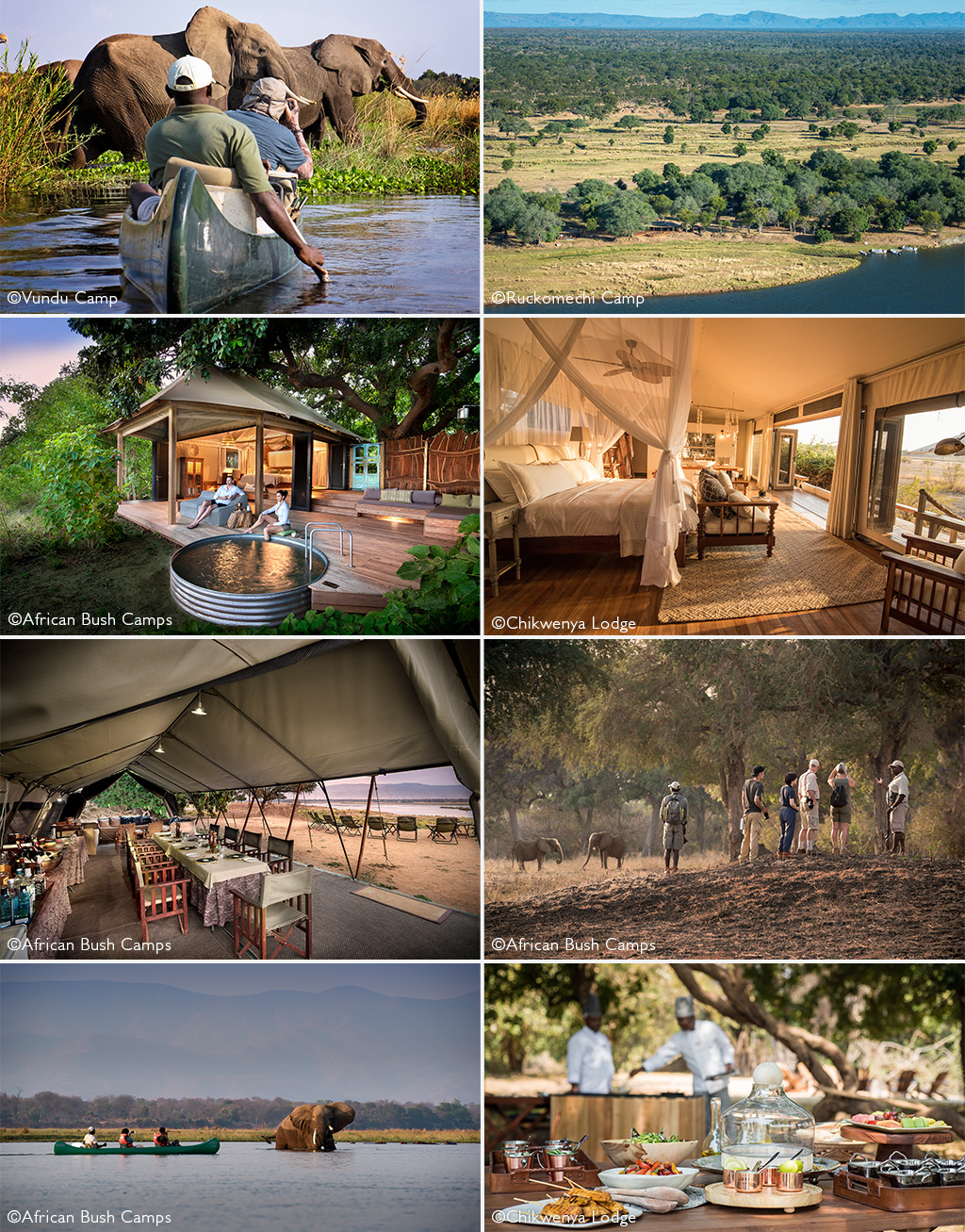
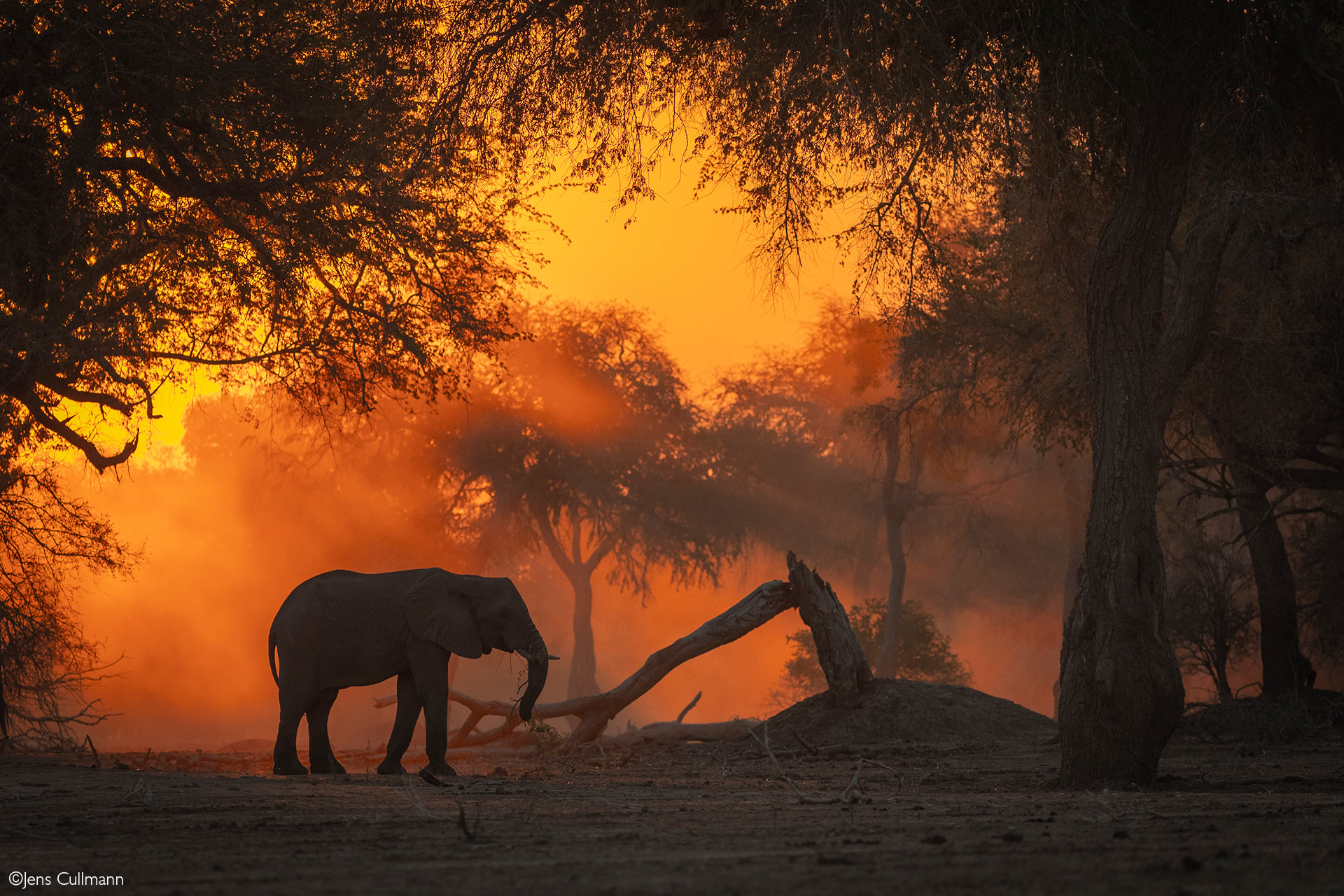
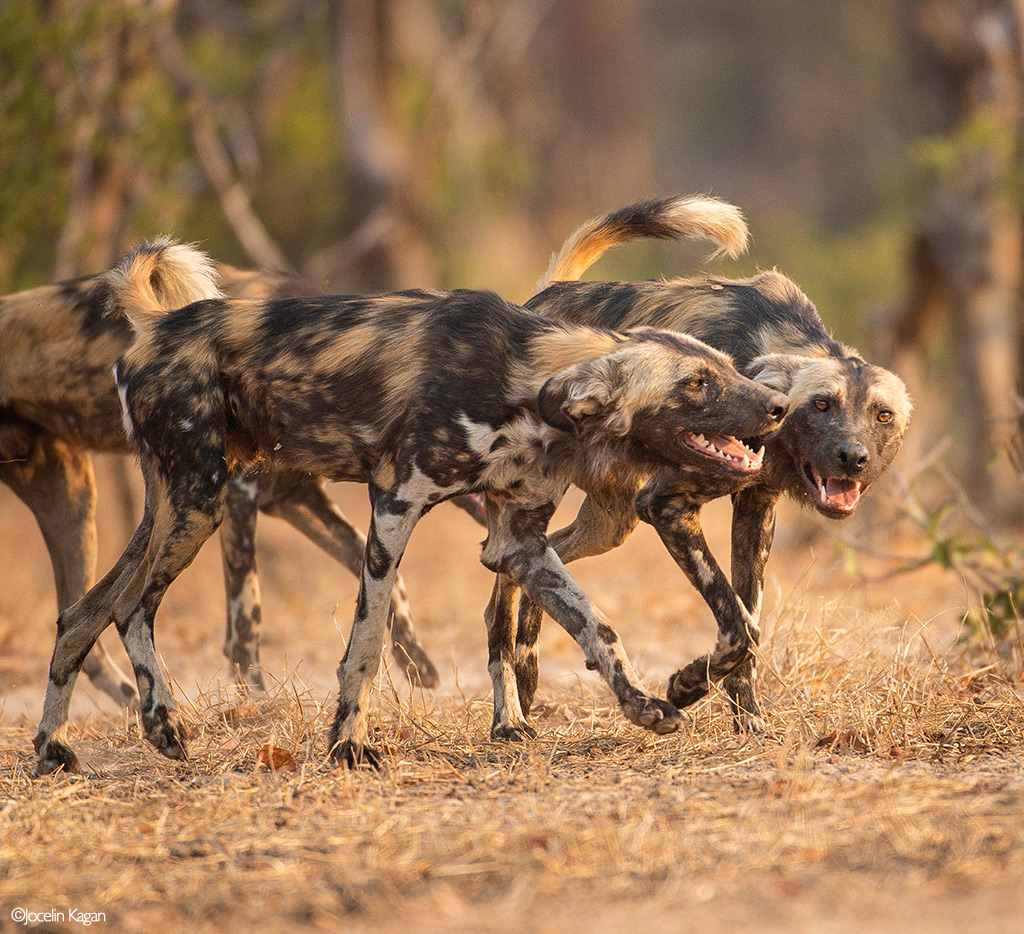
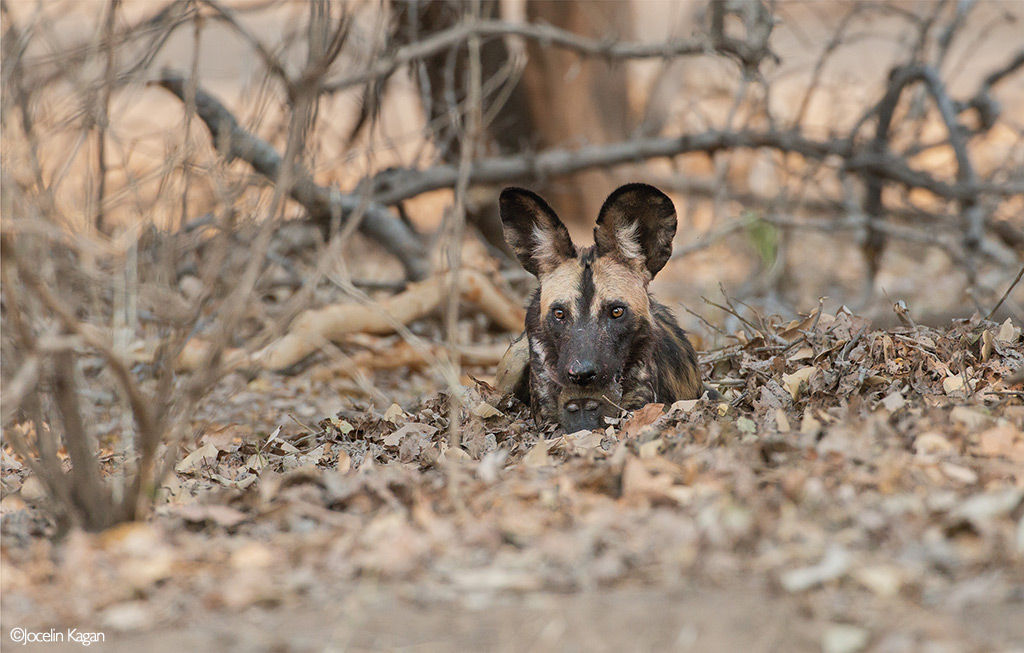
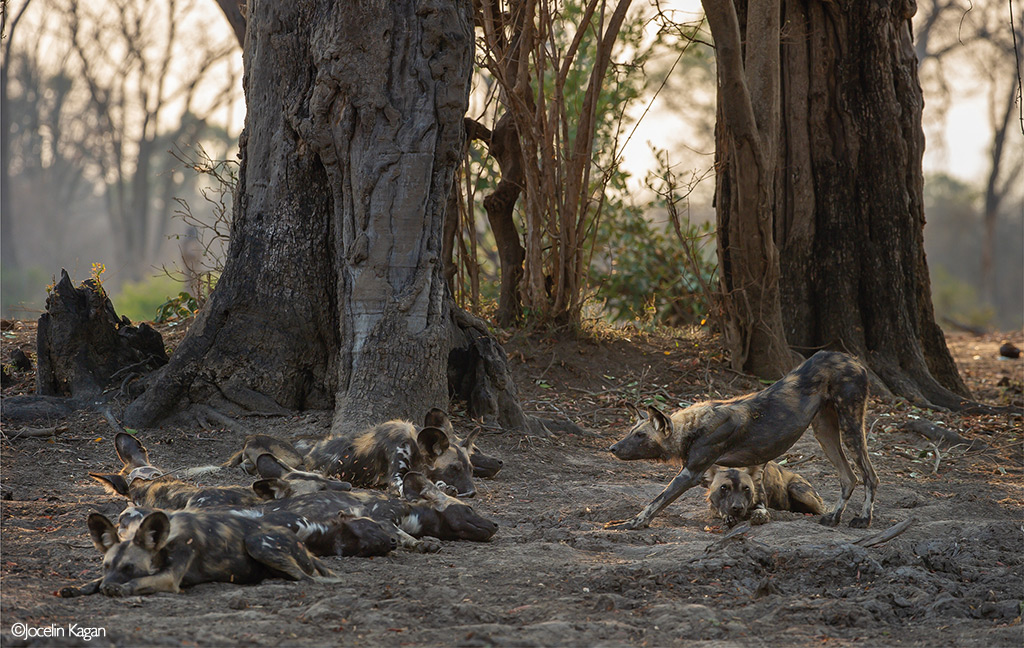
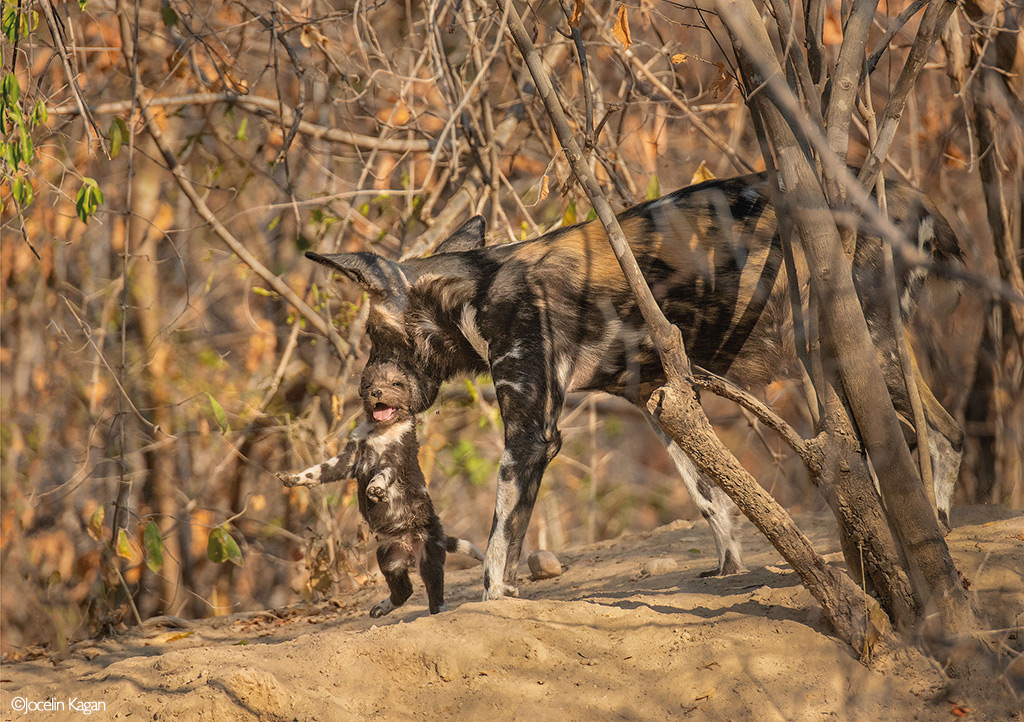
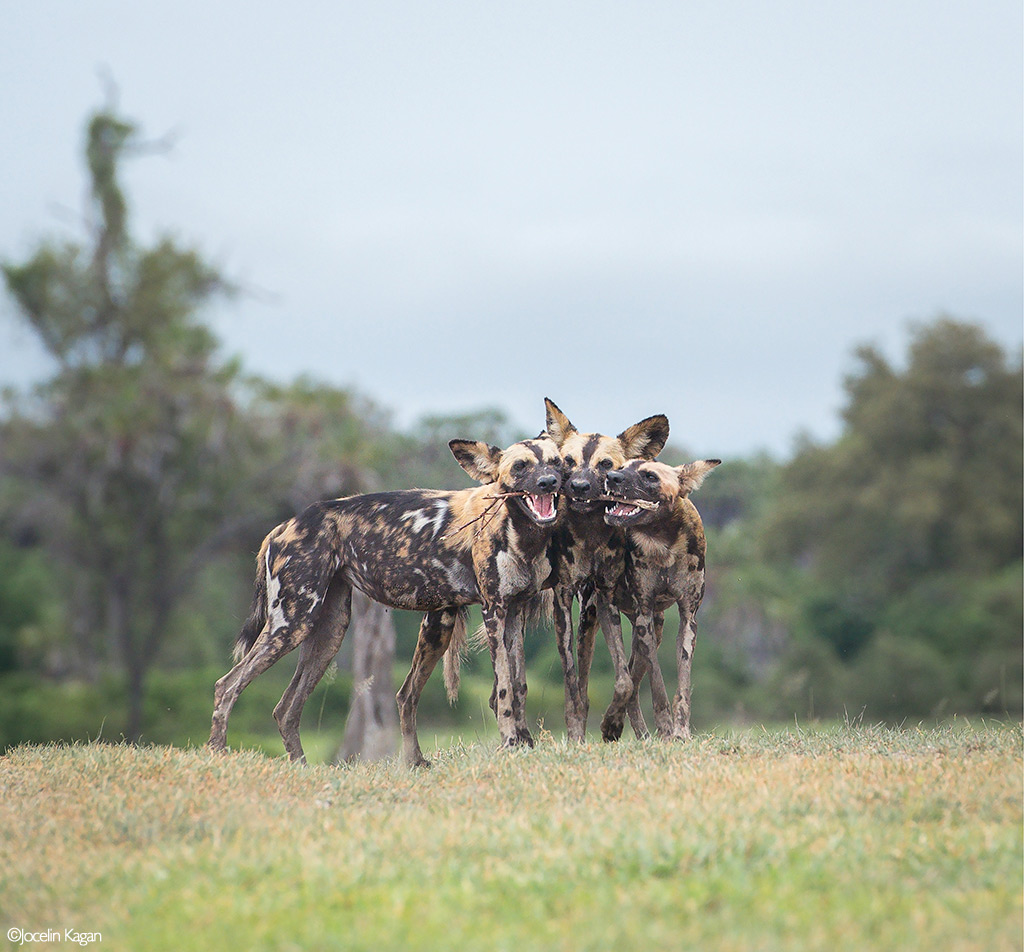
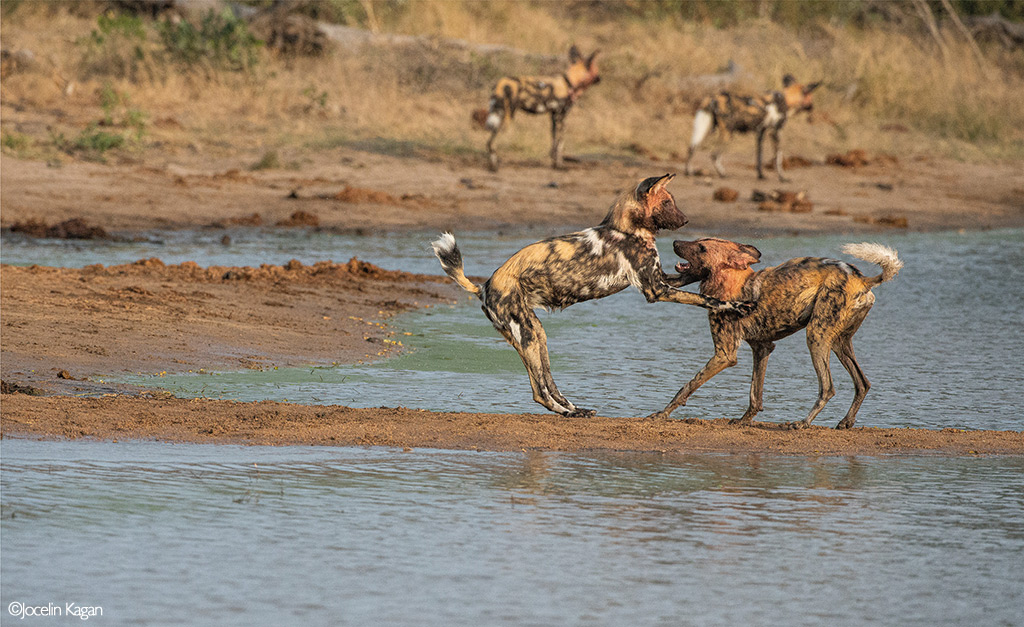
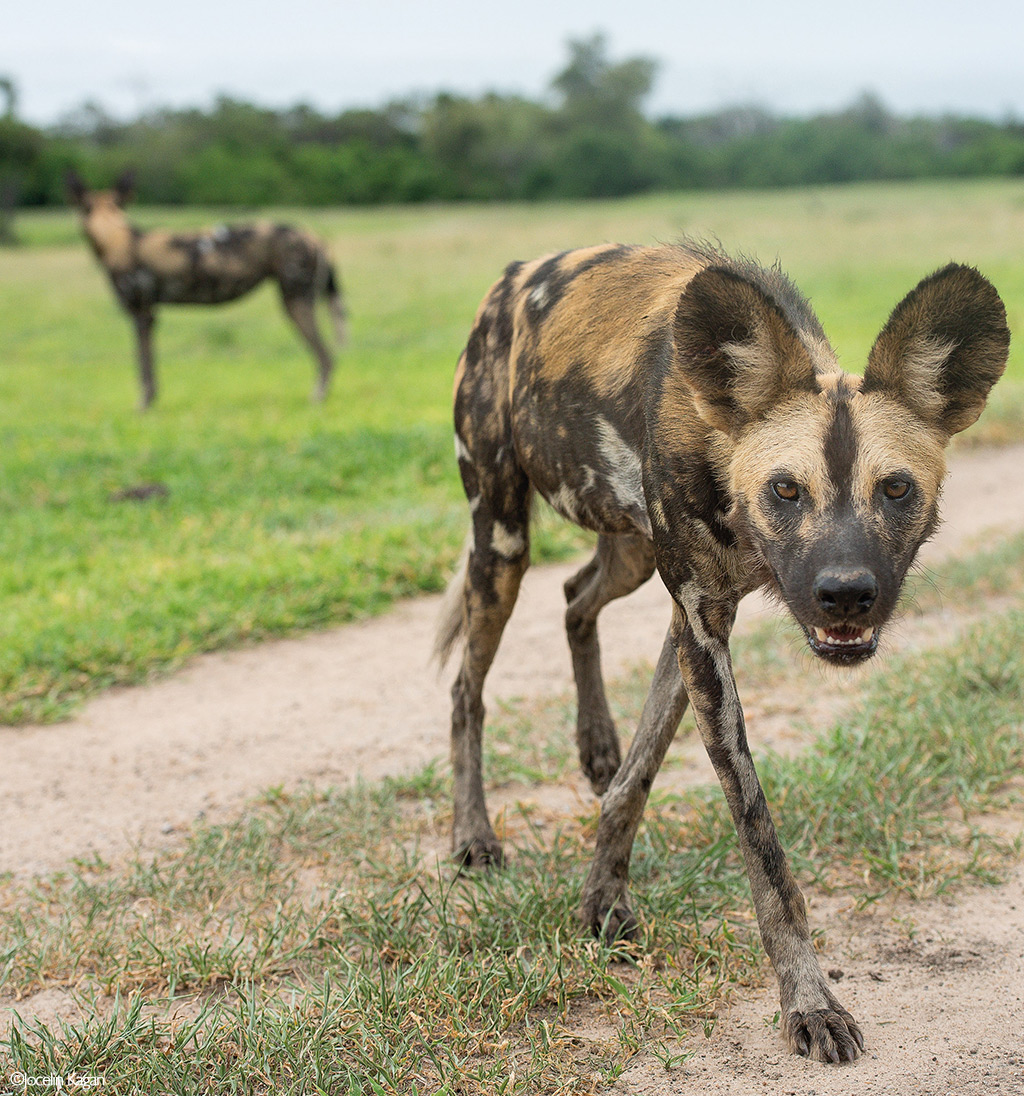
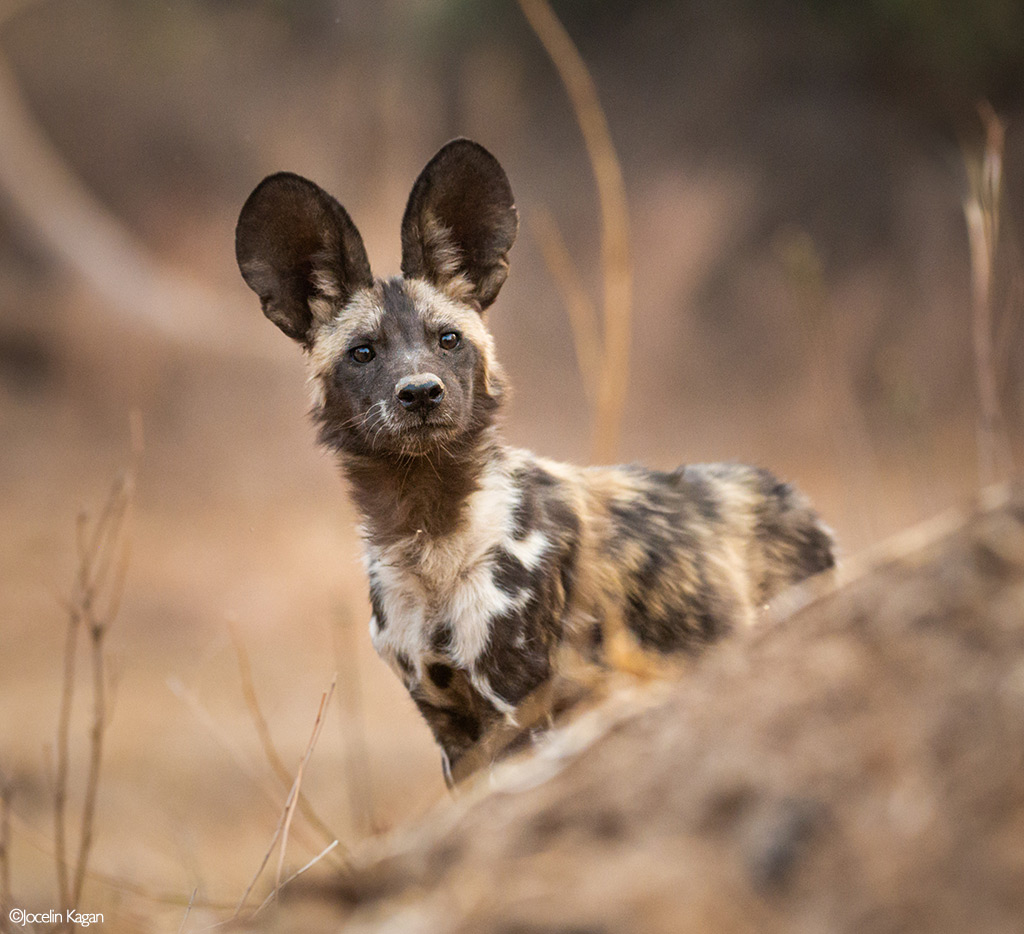
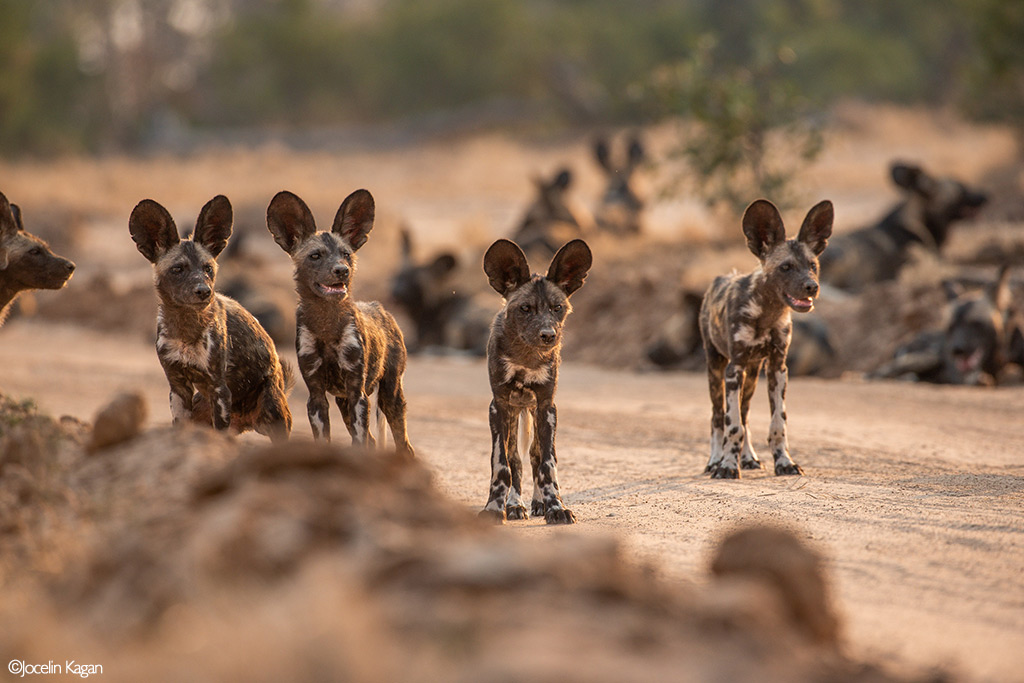
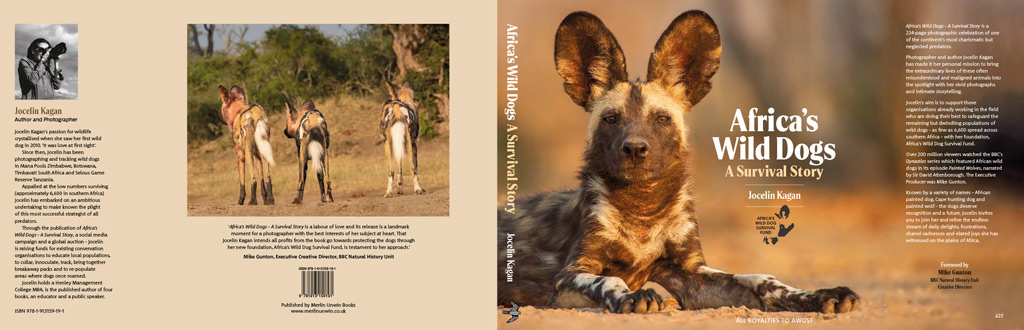
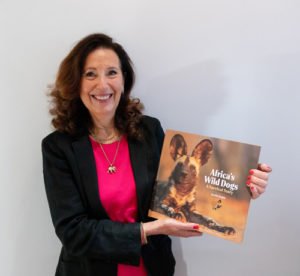 Jocelin Kagan’s passion for wildlife crystallised when she saw her first wild dog in 2010. ‘It was love at first sight’. Since then, Jocelin has been photographing and tracking wild dogs in Mana Pools in Zimbabwe, Botswana, the Timbavati in South Africa, and the Selous Game Reserve in Tanzania. Jocelin has embarked on an ambitious undertaking to make known the plight of this most successful strategist of all predators. She holds Higher Primary Teacher’s Diploma with specialization in Speech & Drama from the University of Cape Town, a Master Practitioner Certification in Neuro-Linguistic Programming and a Henley Management College MBA, and is the published author of four books, an educator, and a public speaker.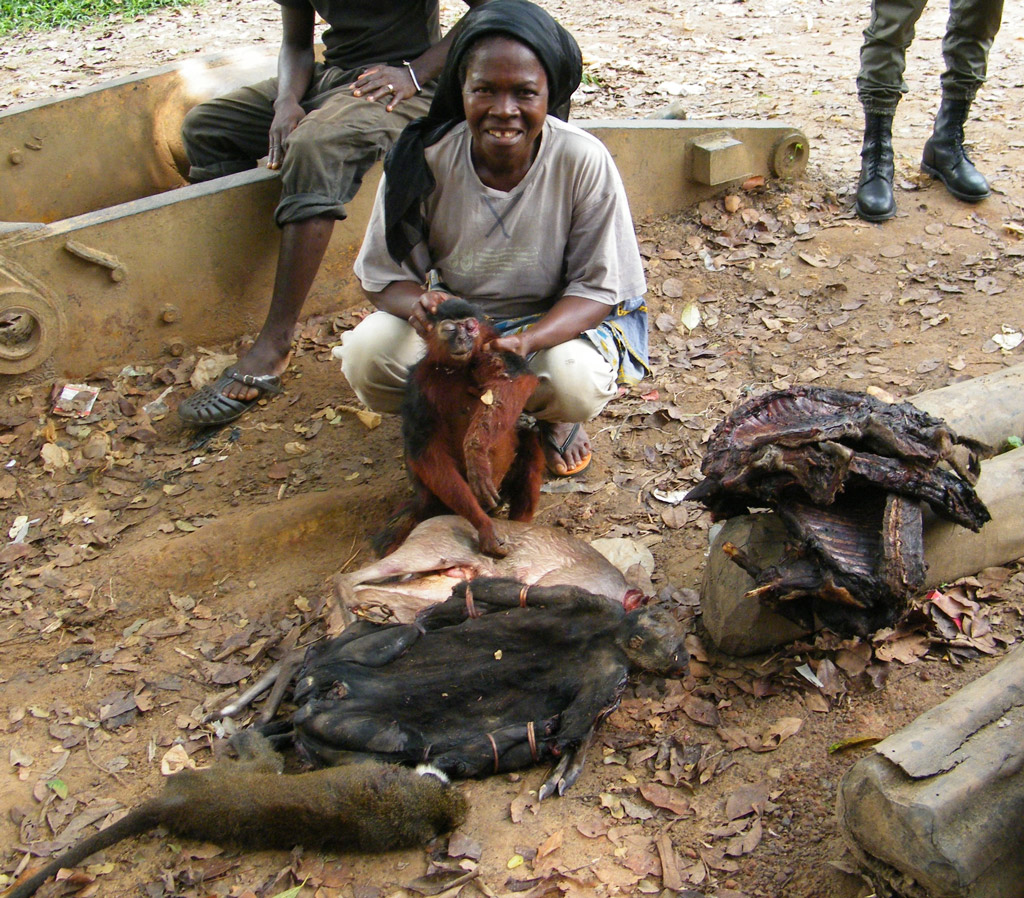
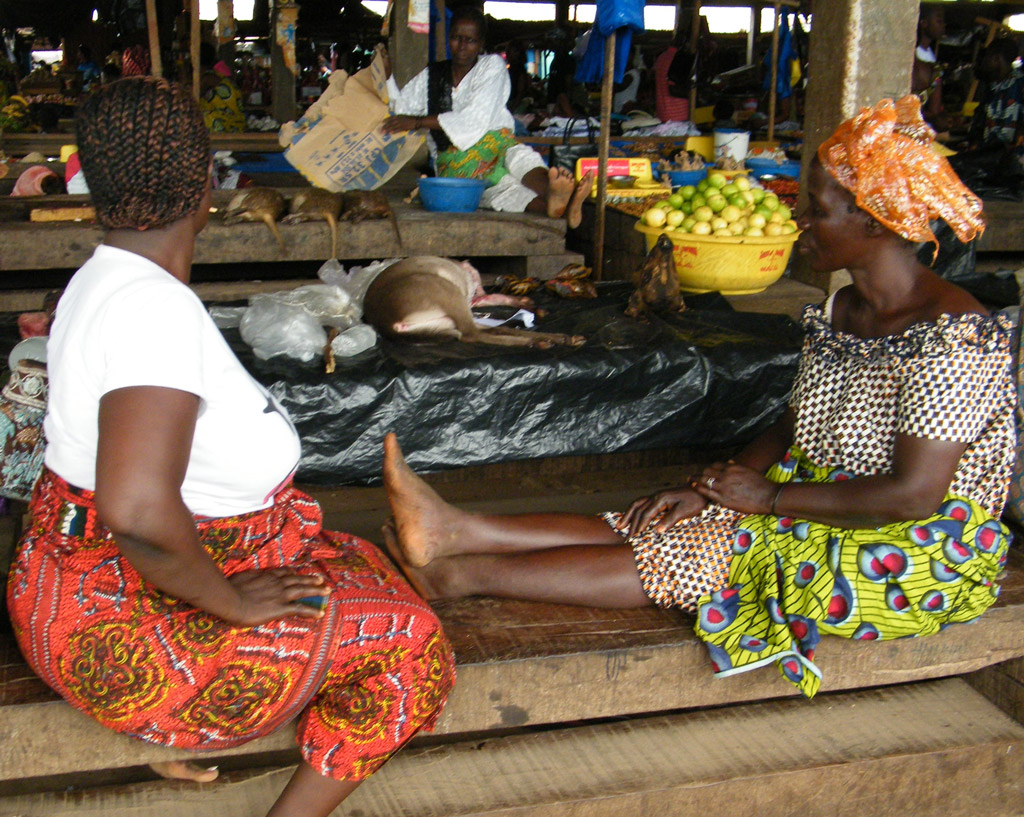
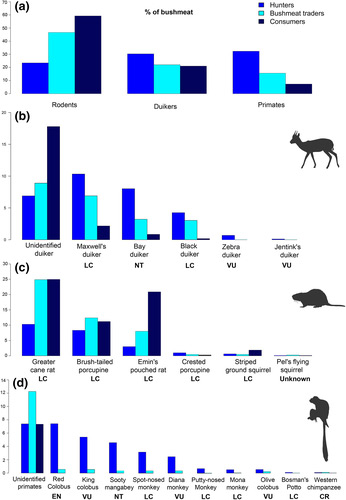
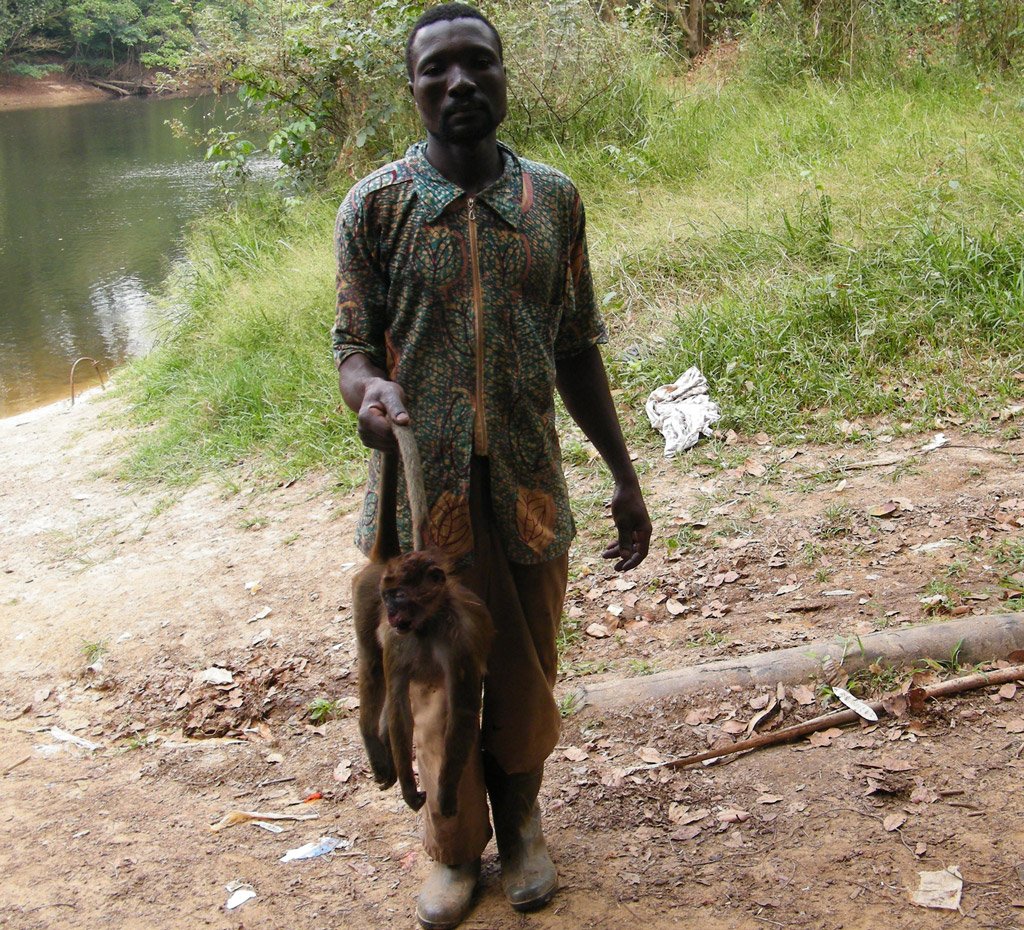
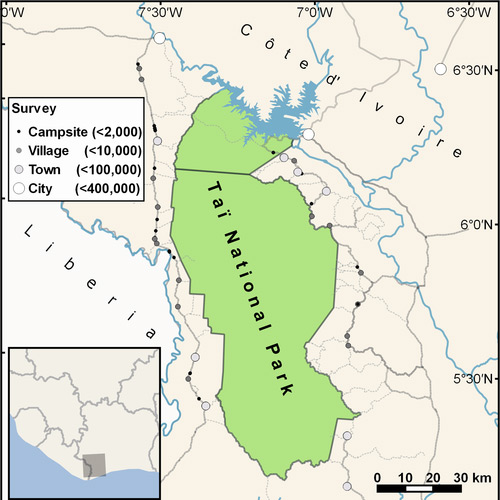 The study suggests that while the development, educational and cultural strategies currently broadly applied to control bushmeat consumption have the potential to be effective, they need to be directed at the correct groups of people in the correct manner to avoid wasting scant resources. While there is an understandably urgent need to protect certain species from unsustainable hunting, policies need to be tailored for each specific species. The authors emphasize that there is no “one-size-fits-all” solution to bushmeat consumption and strategies that aim to have conservation benefits need to be based on research that provides a clear understanding of the process within each community.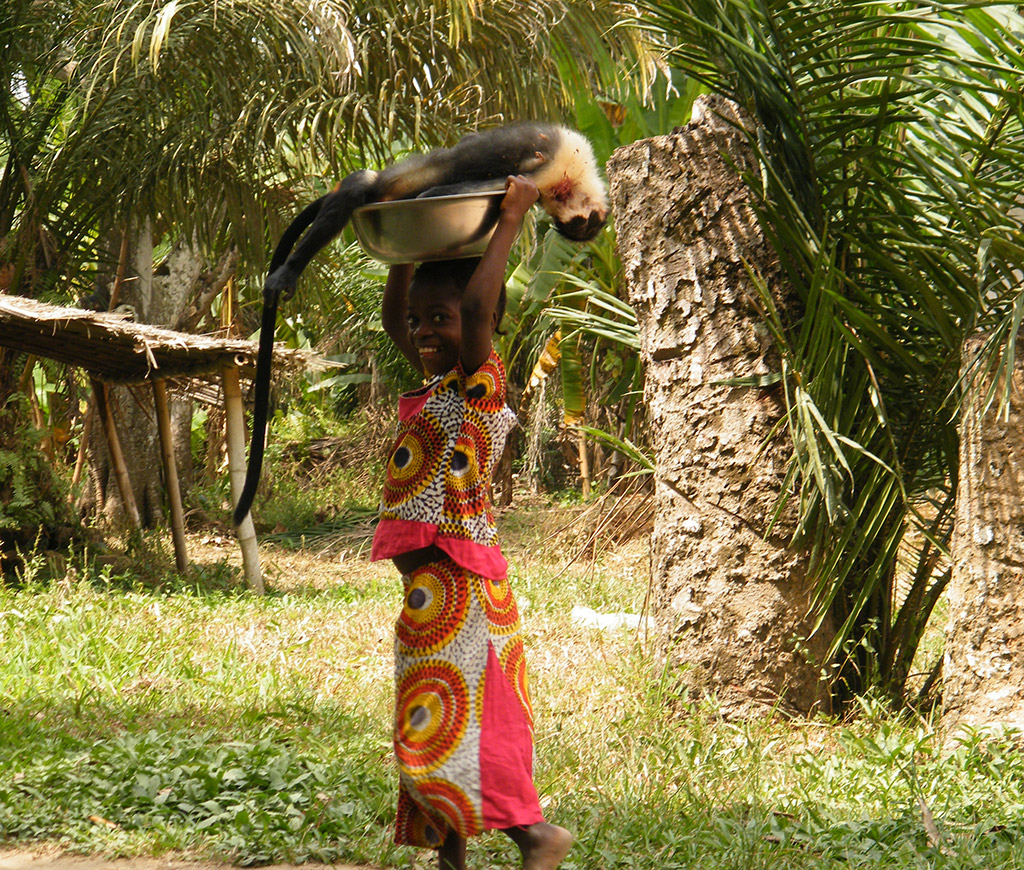
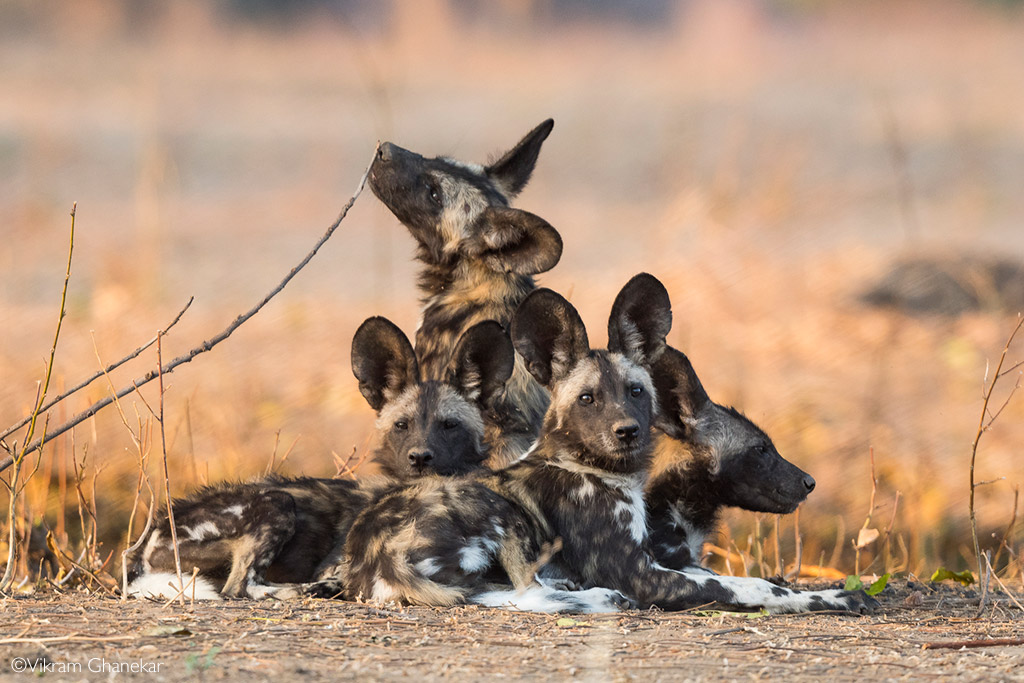
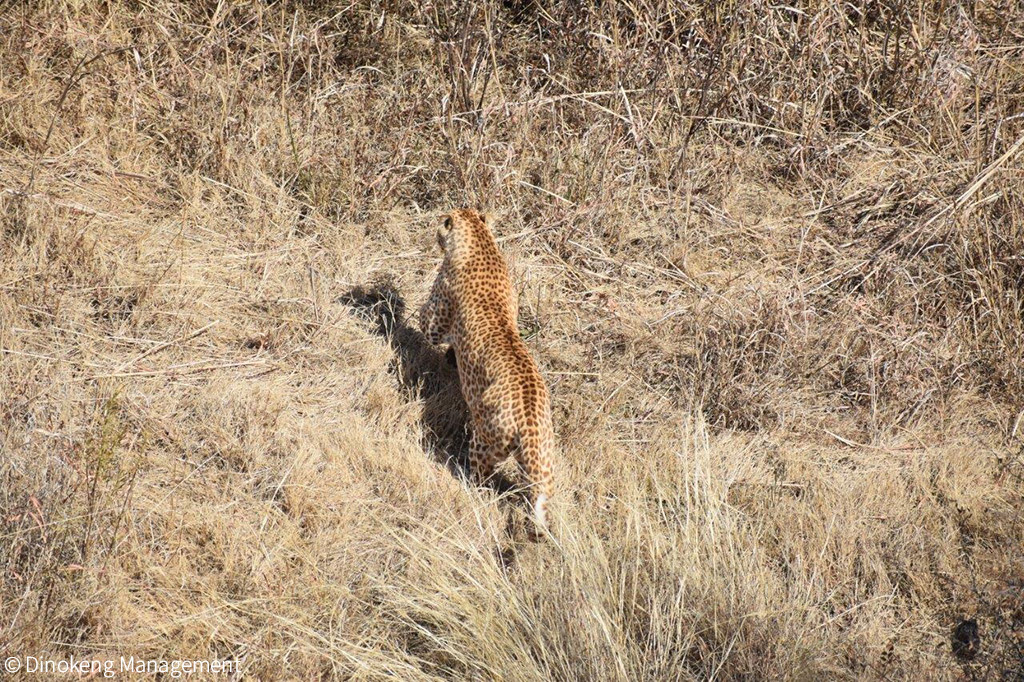
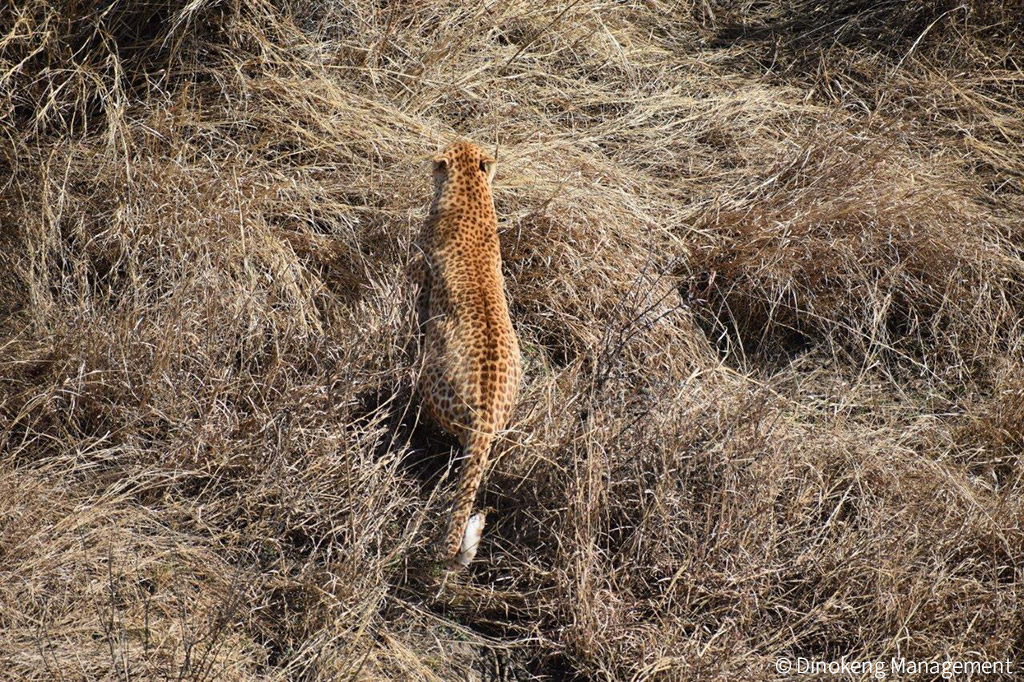
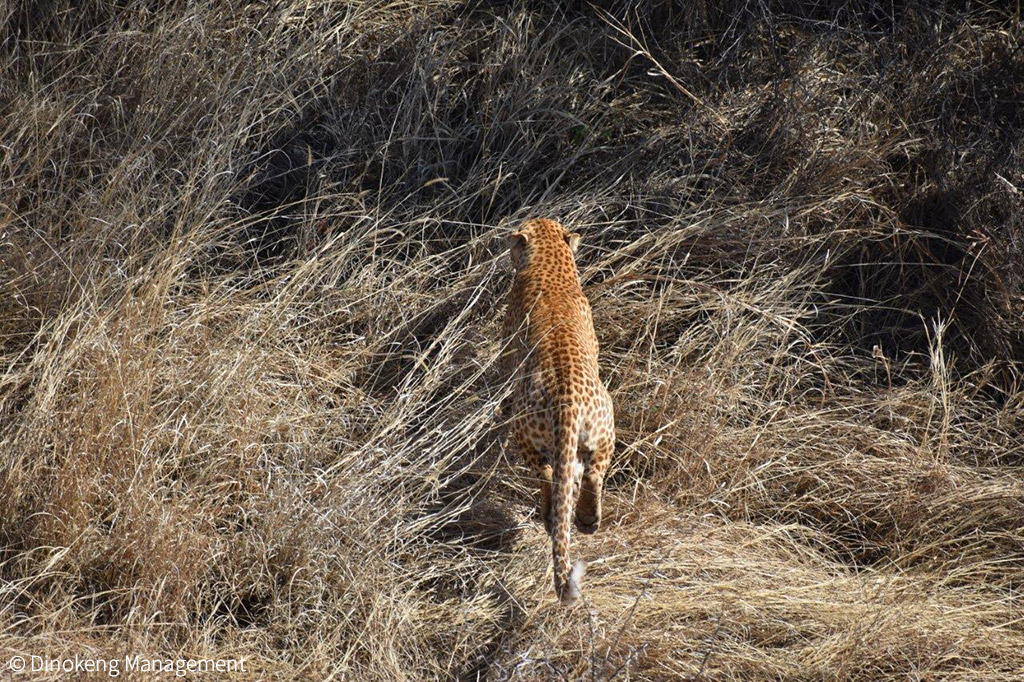
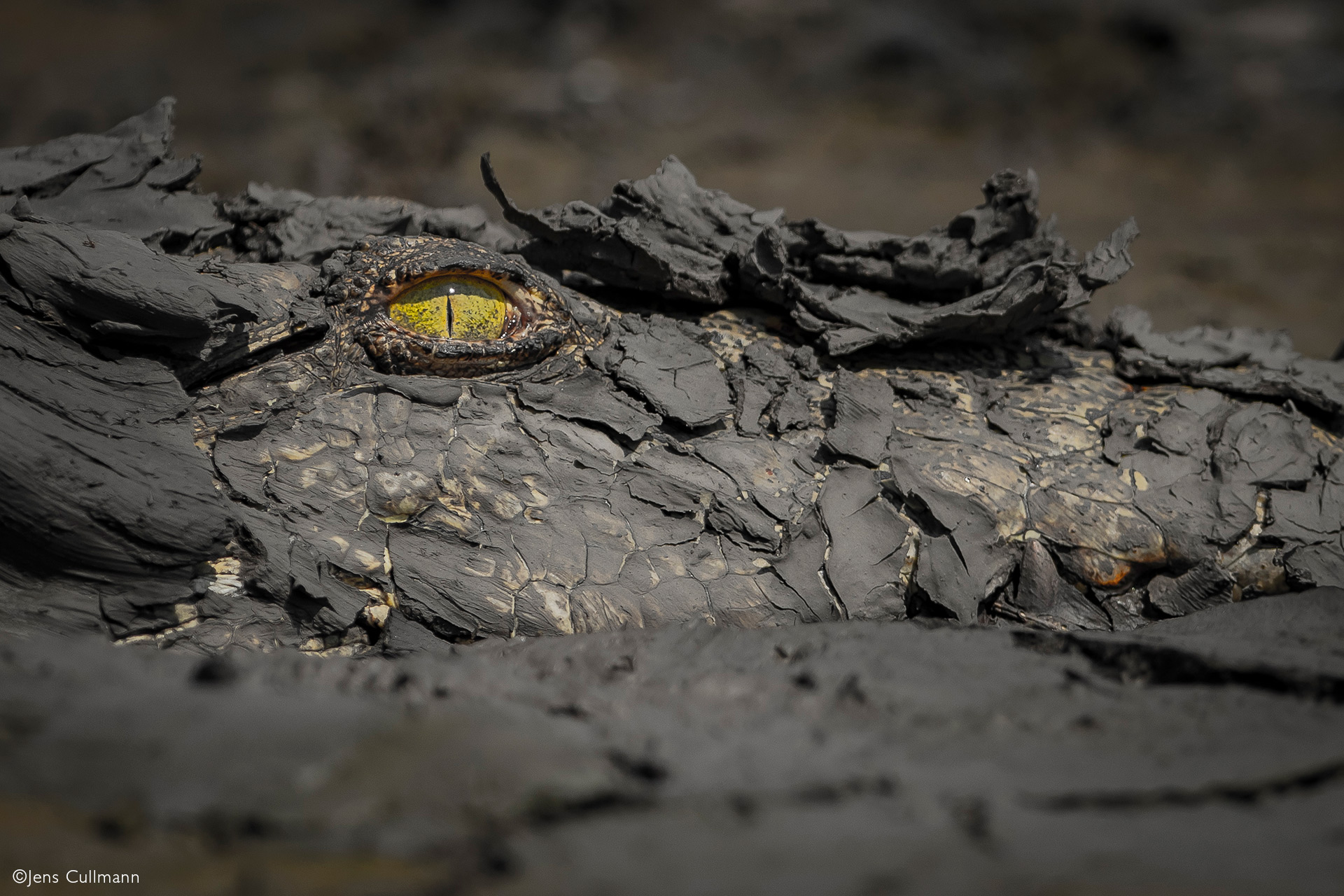
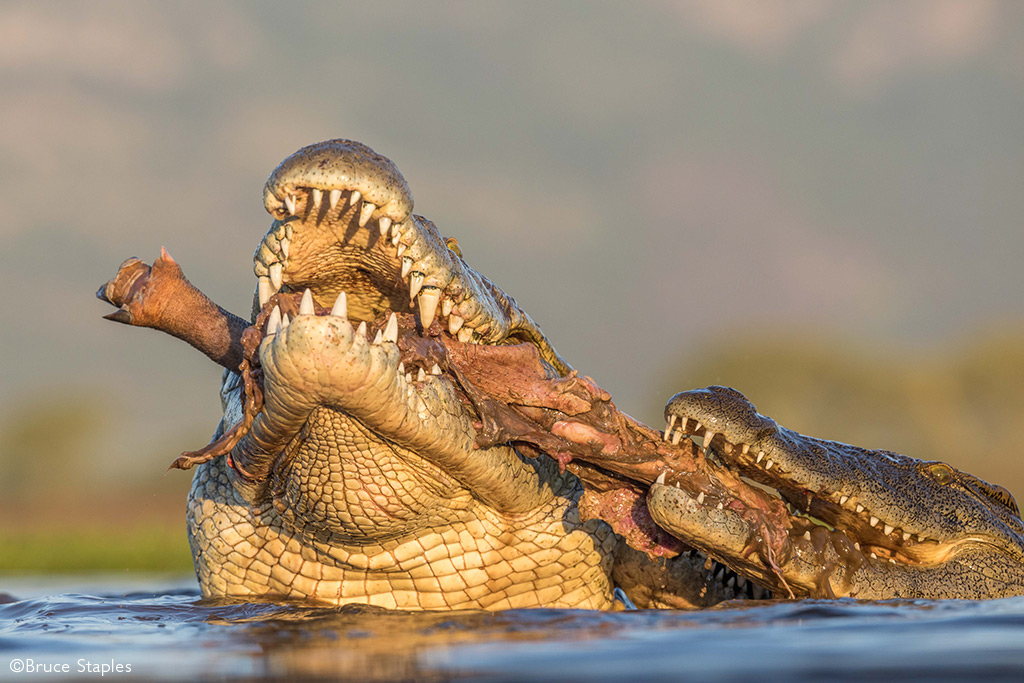
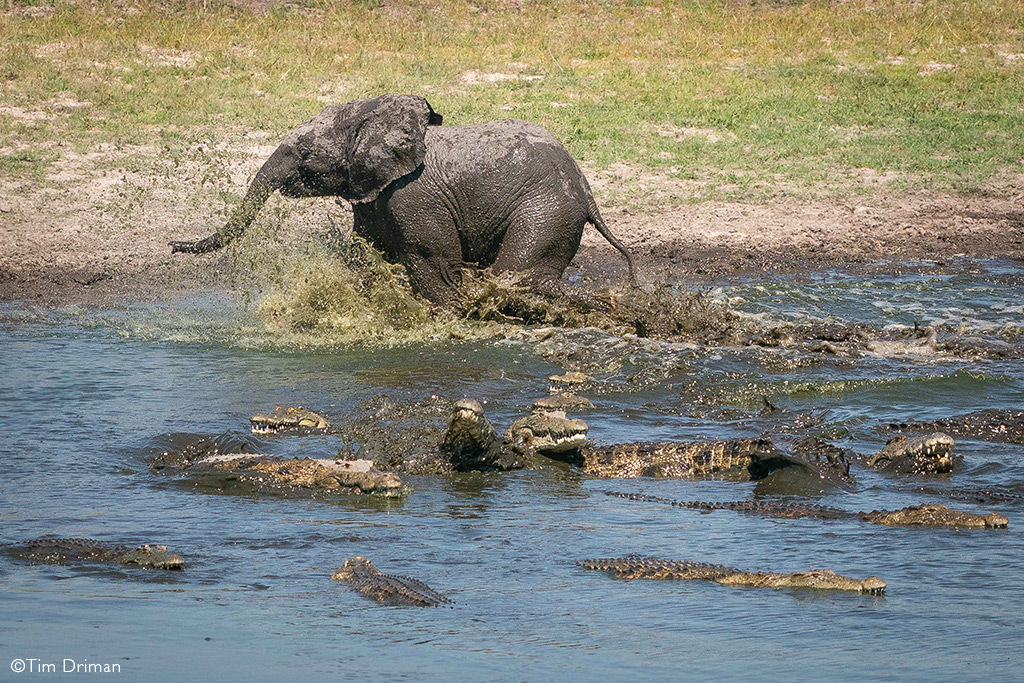
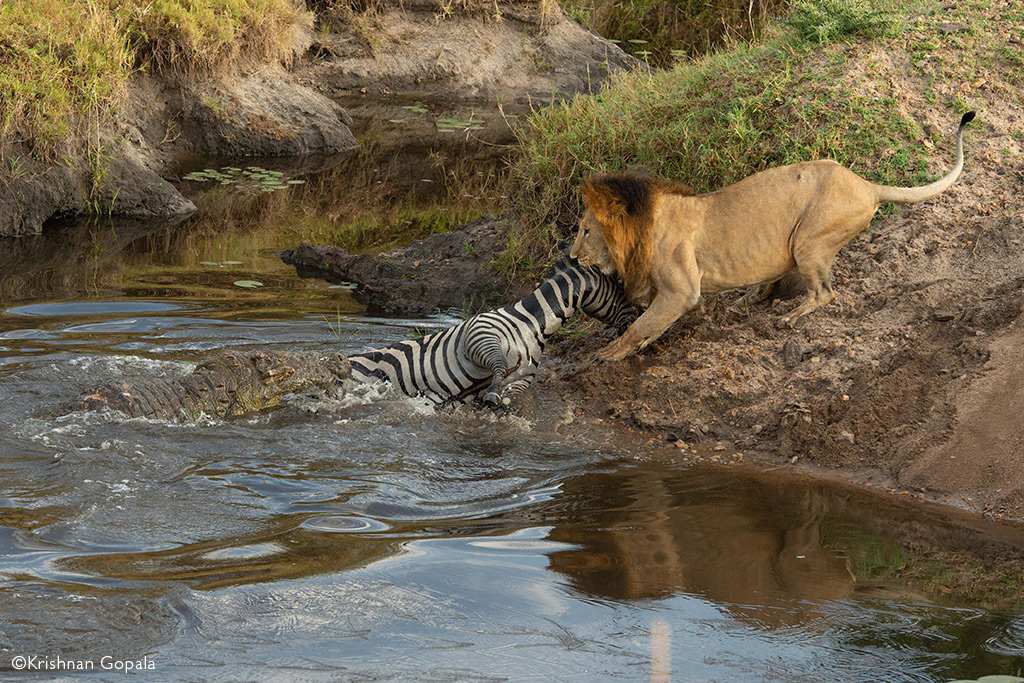
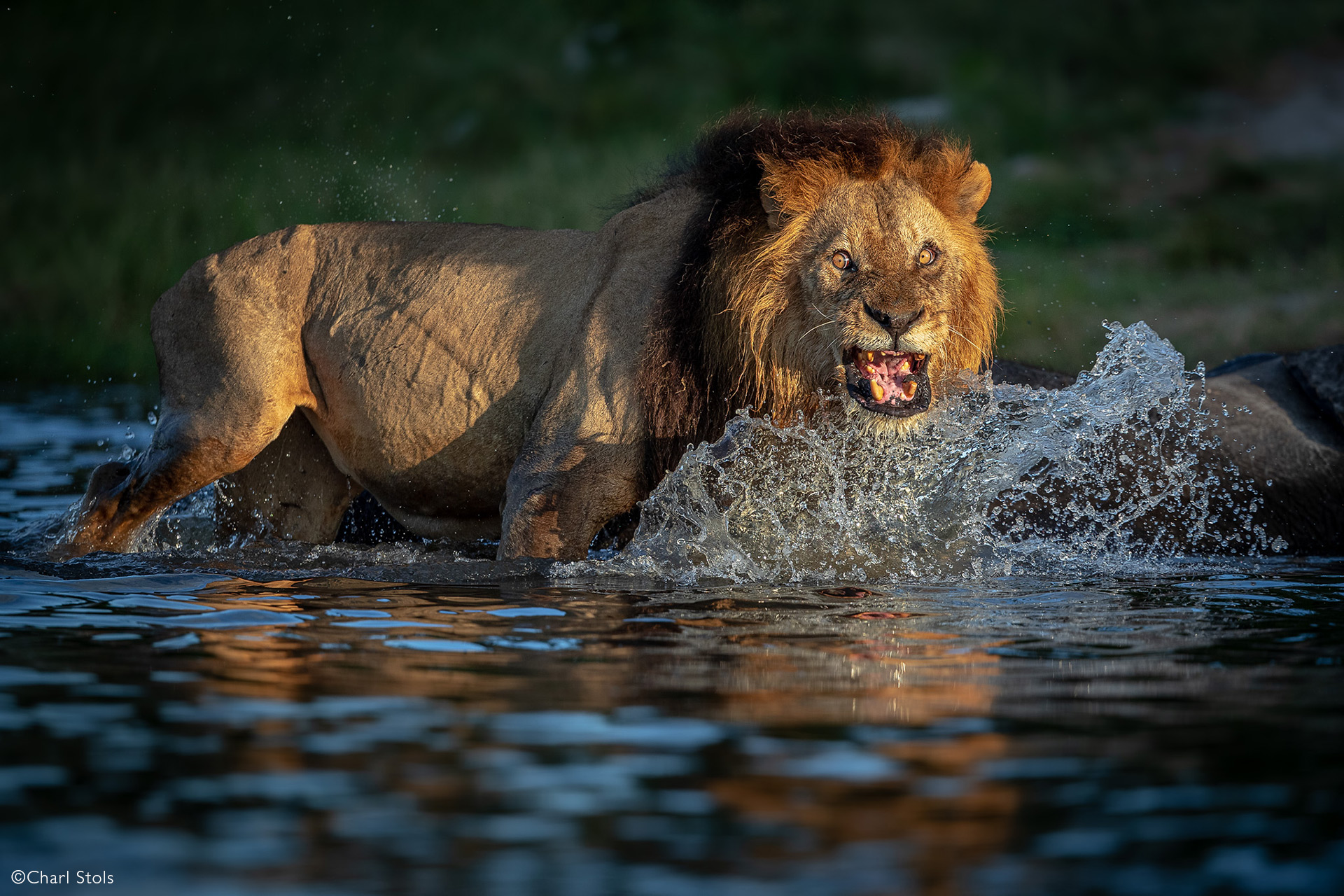
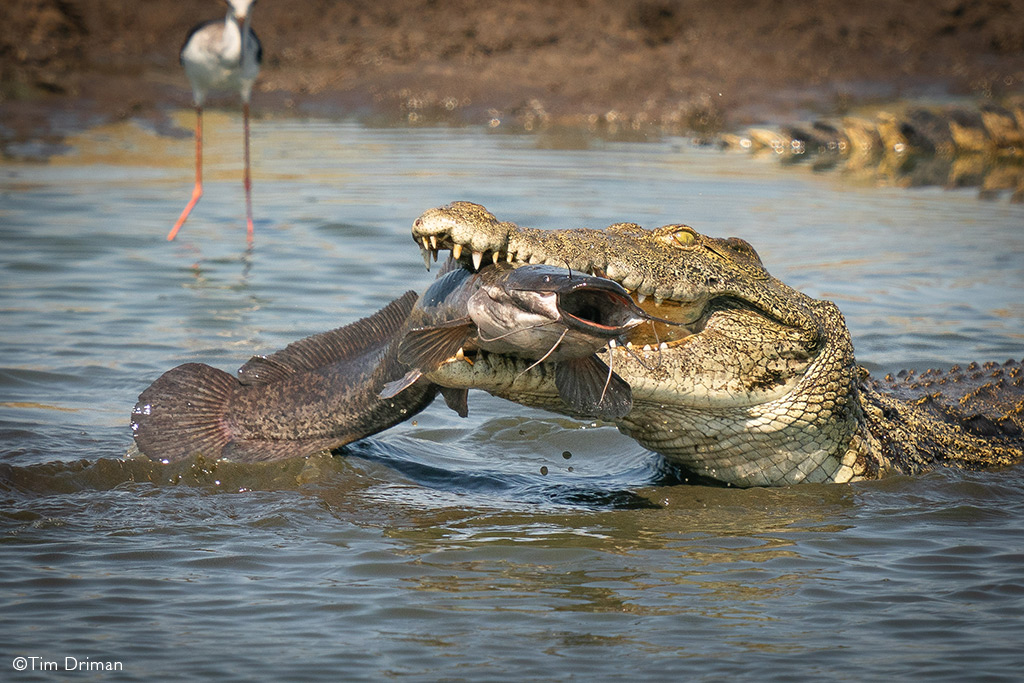
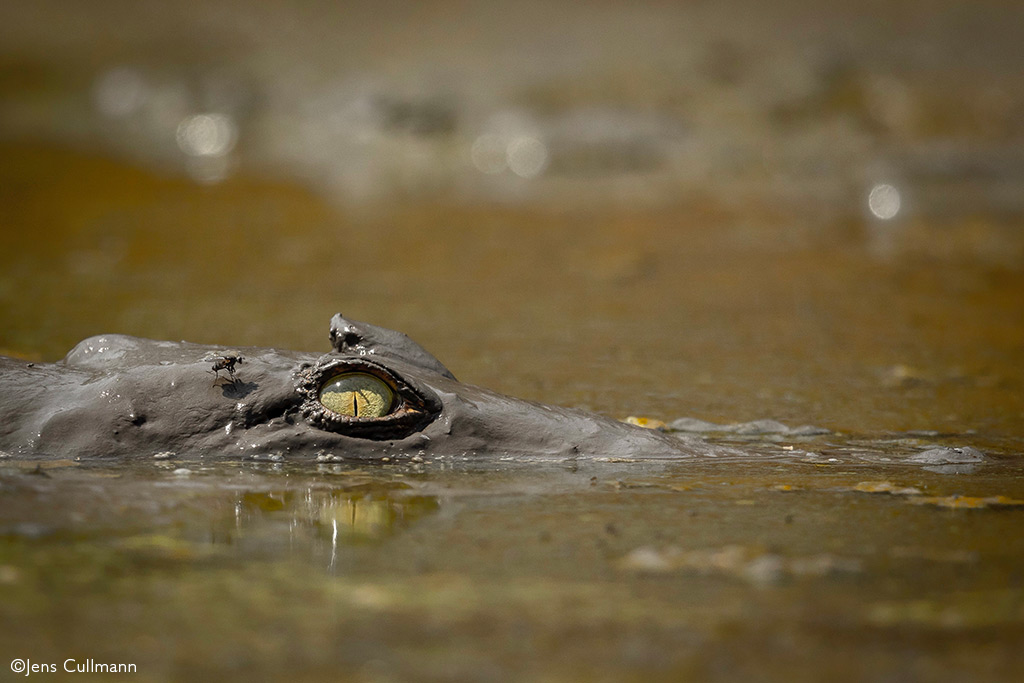
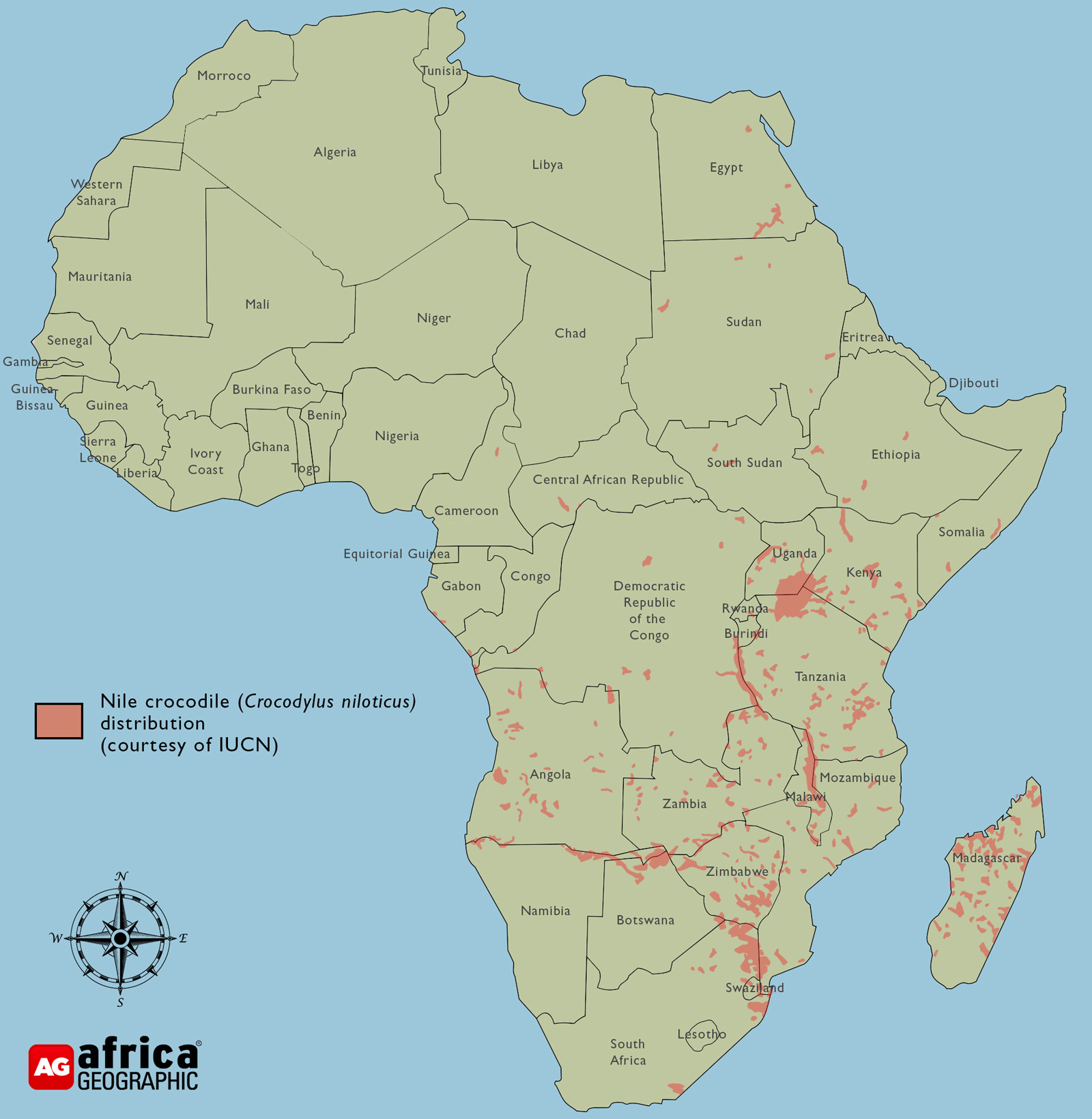
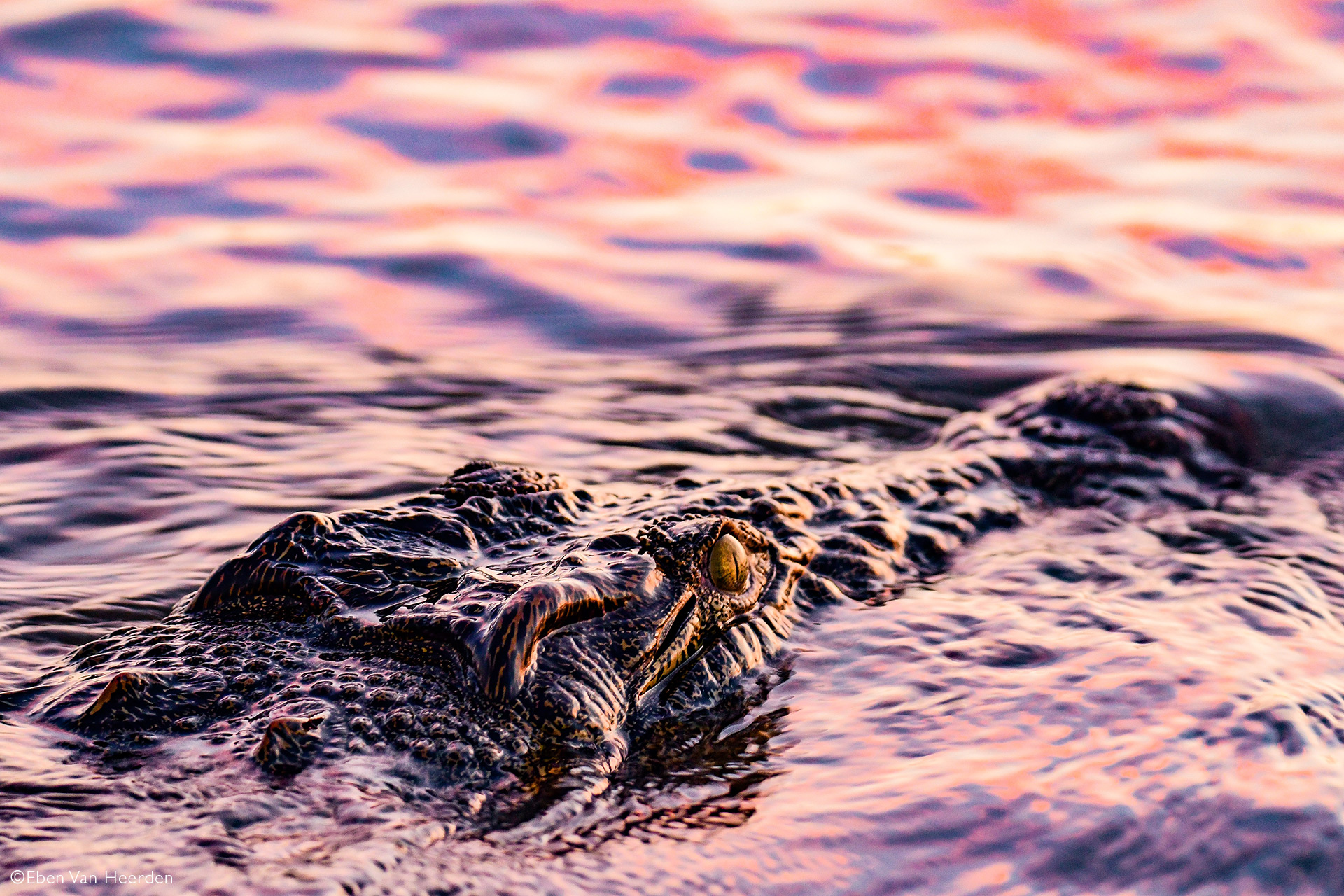
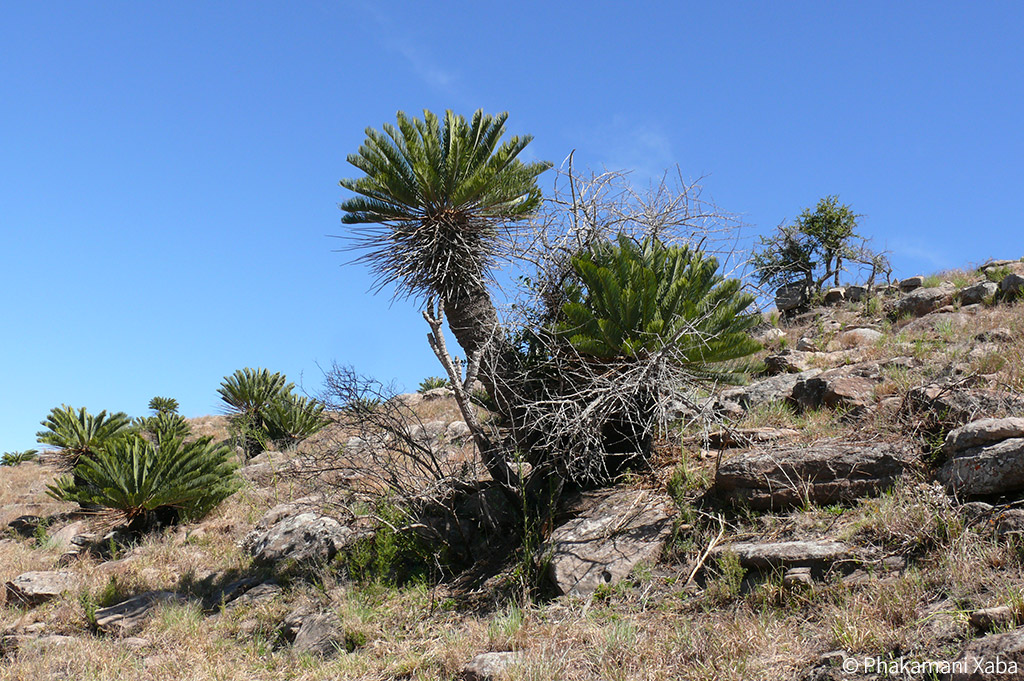
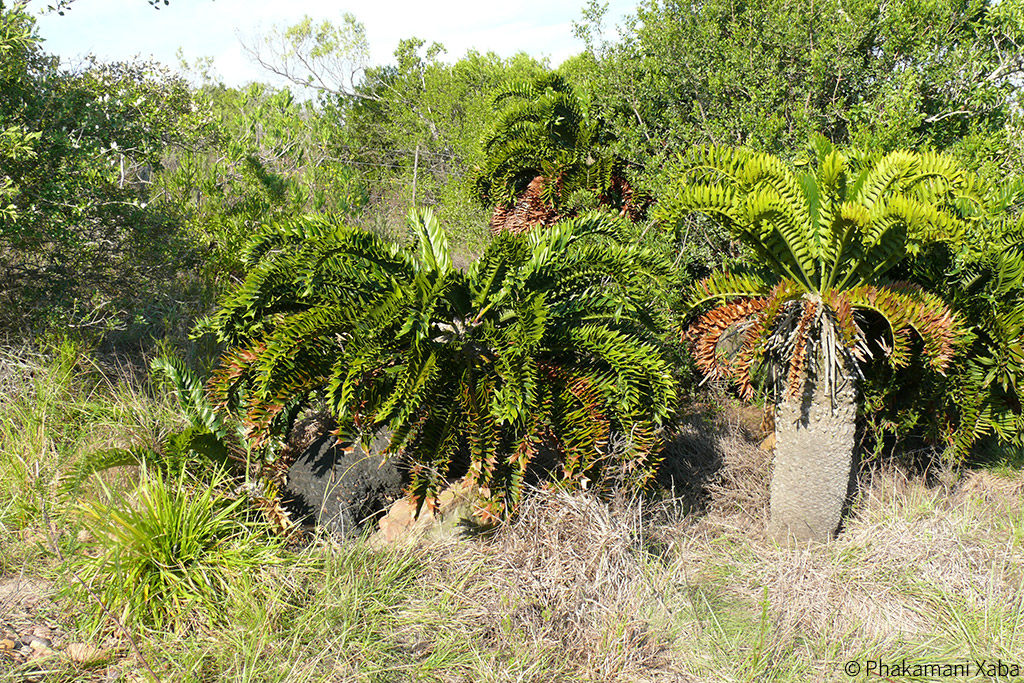
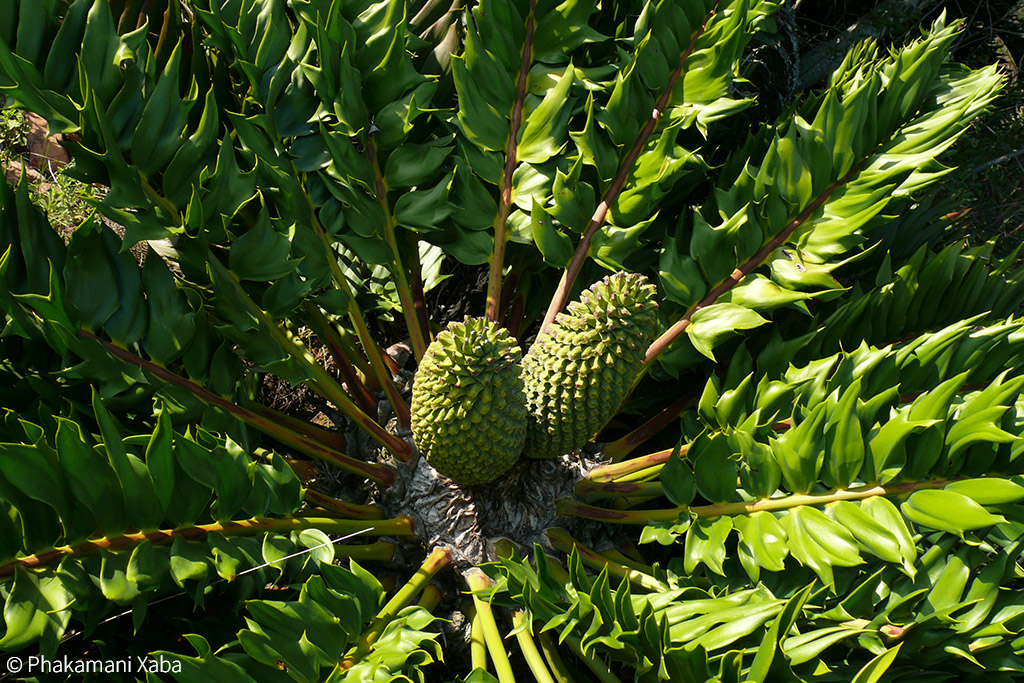
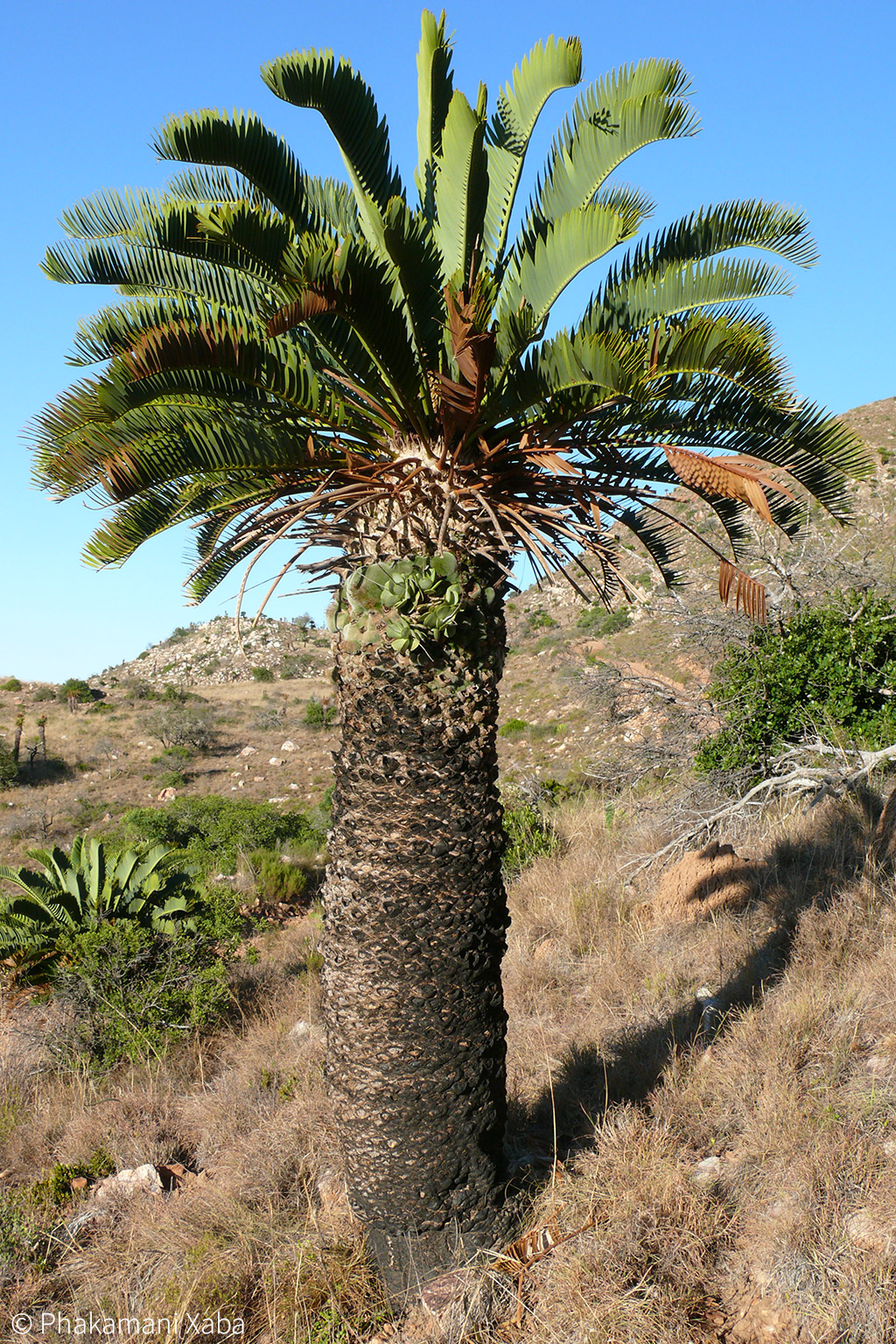
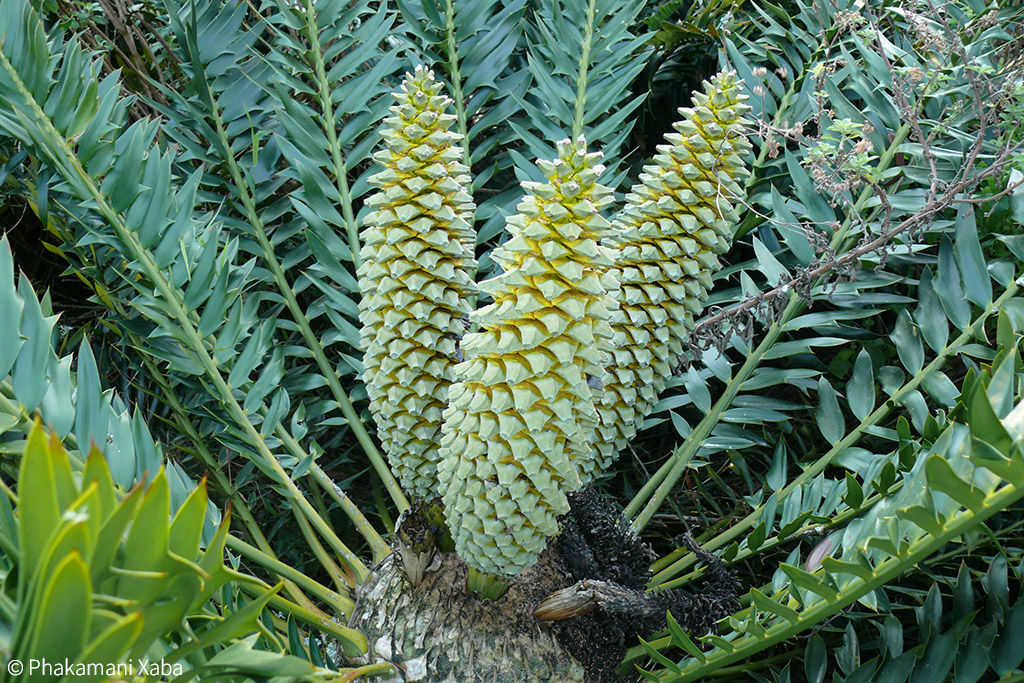
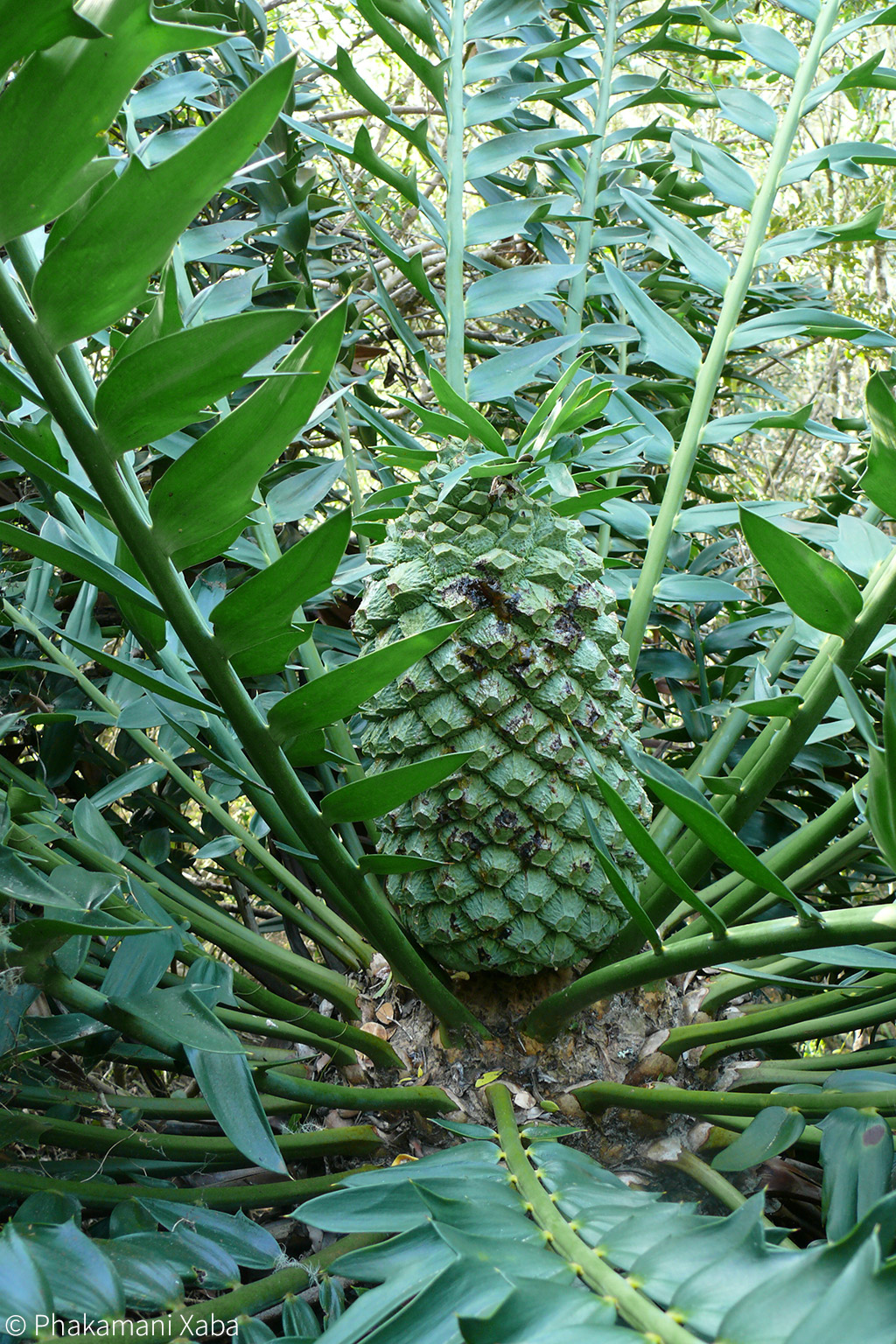
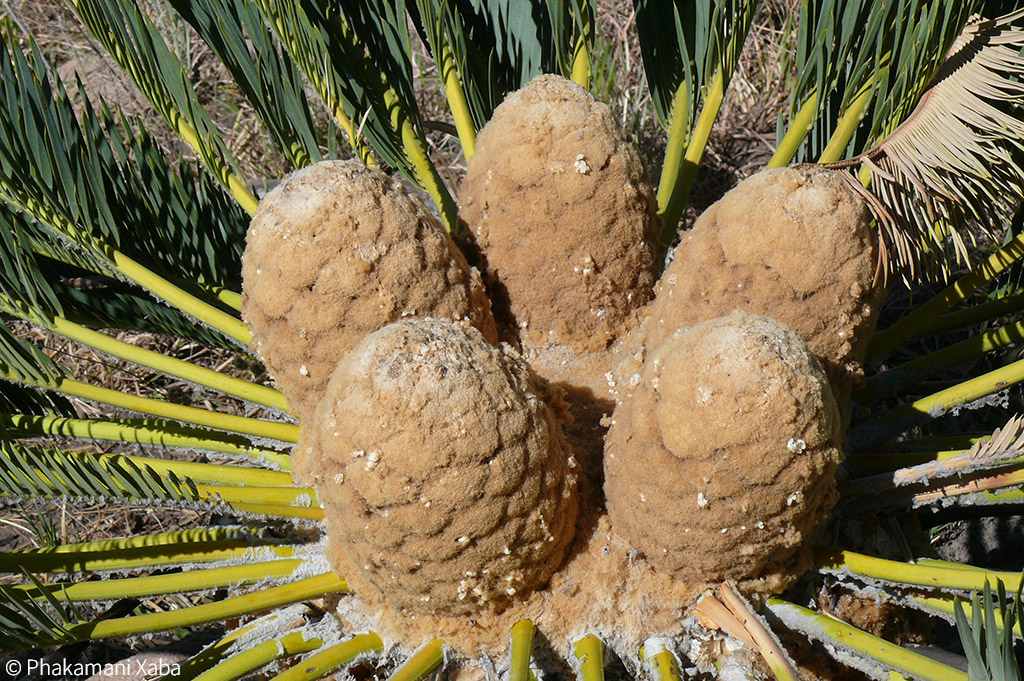
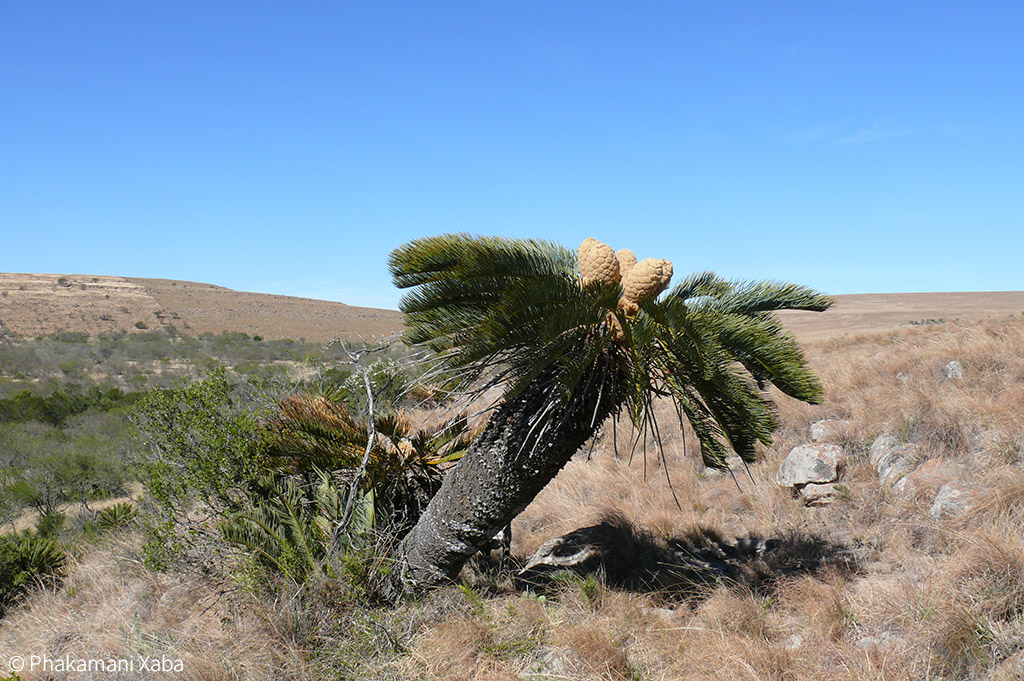
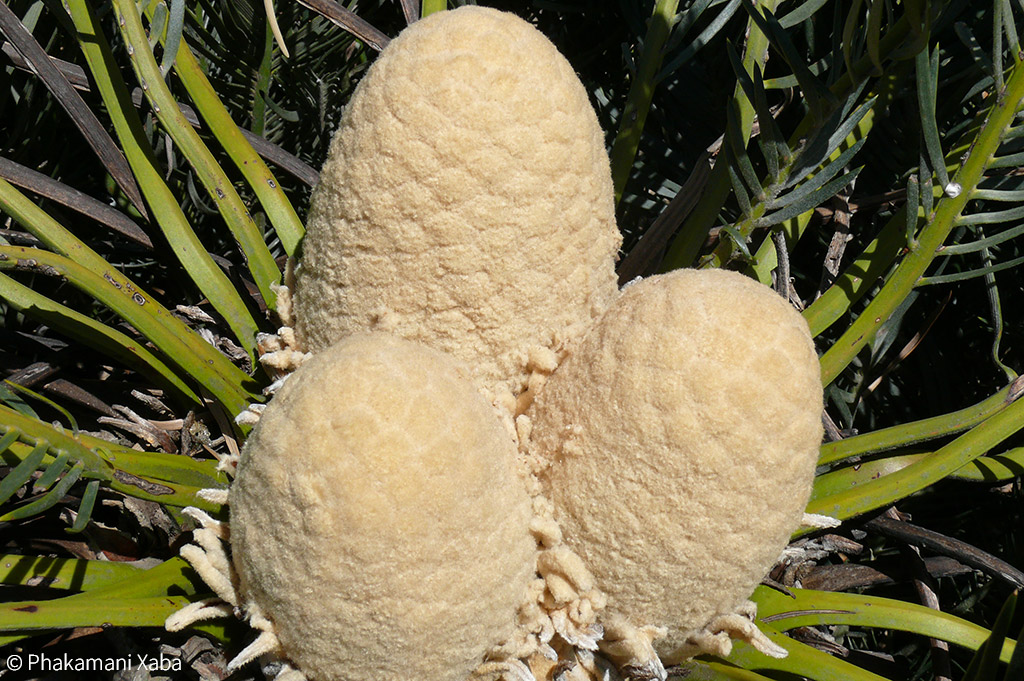
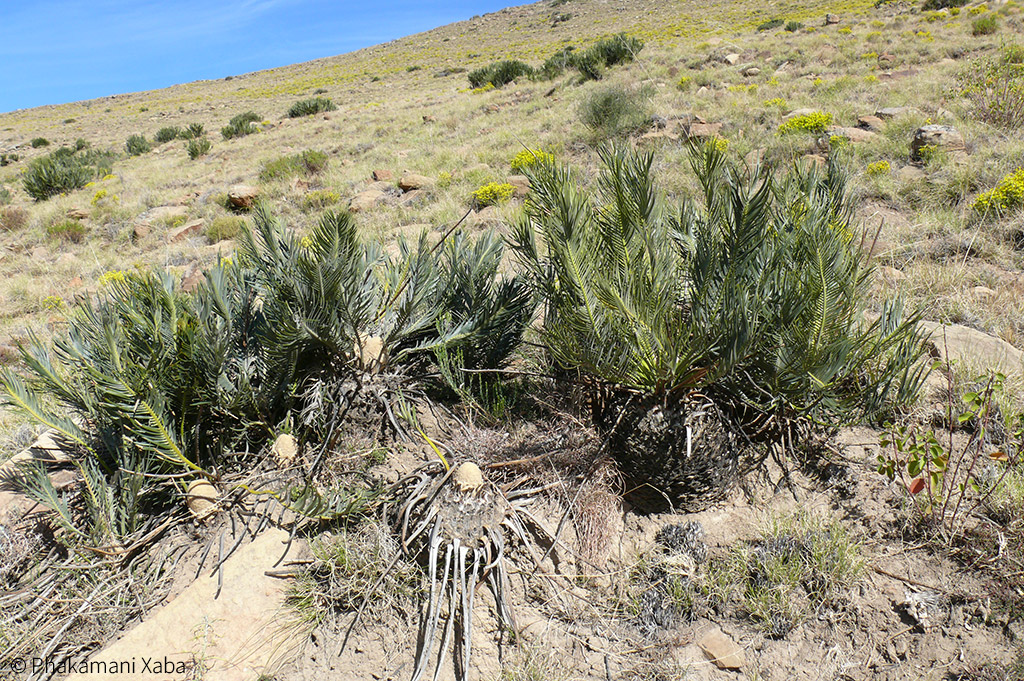

 Flying thousands of hours in their specially modified aircraft, aerial photographers Jay and Jan Roode have spent more than a decade photographing some of the most remote and spectacular wilderness areas of Southern Africa from above.
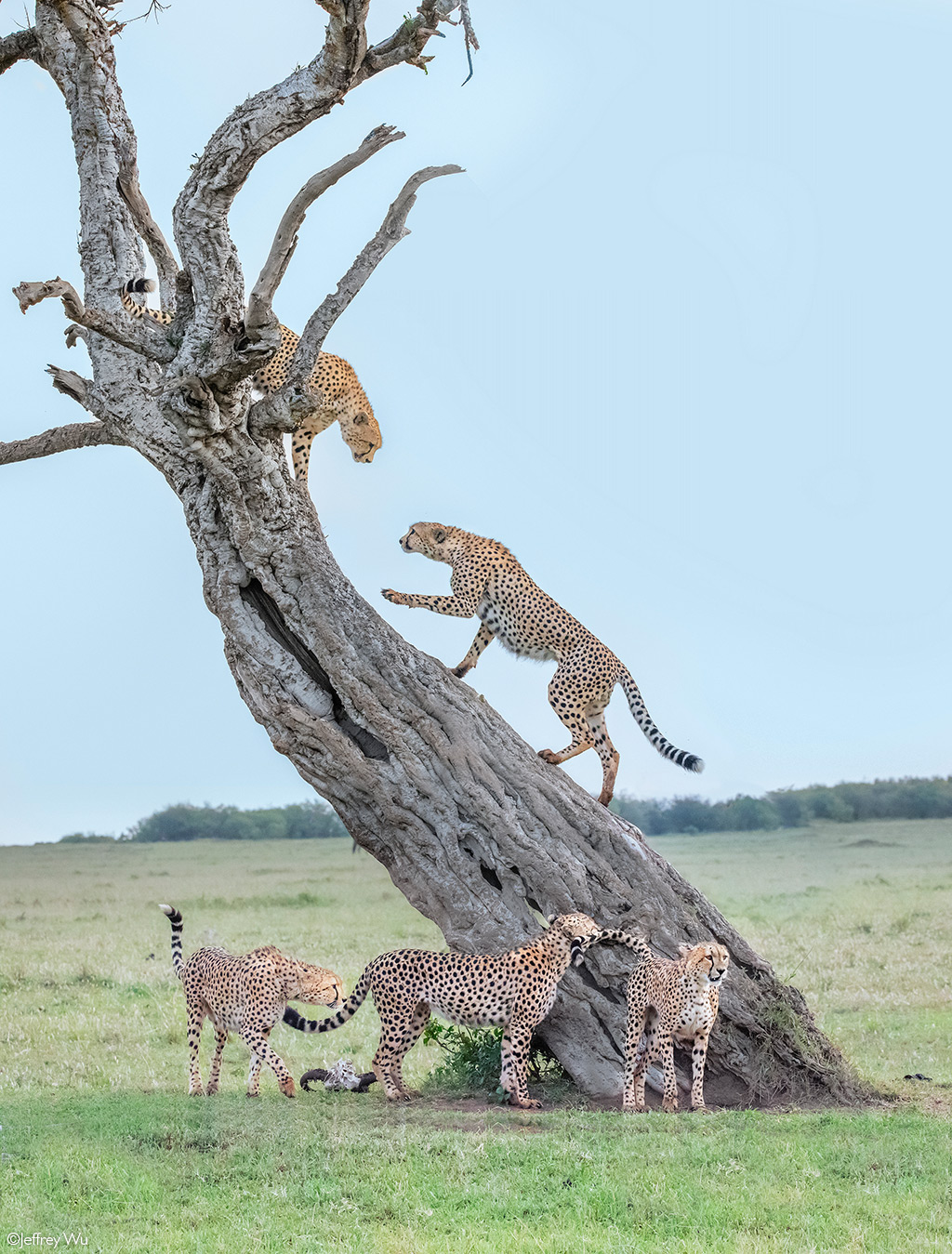
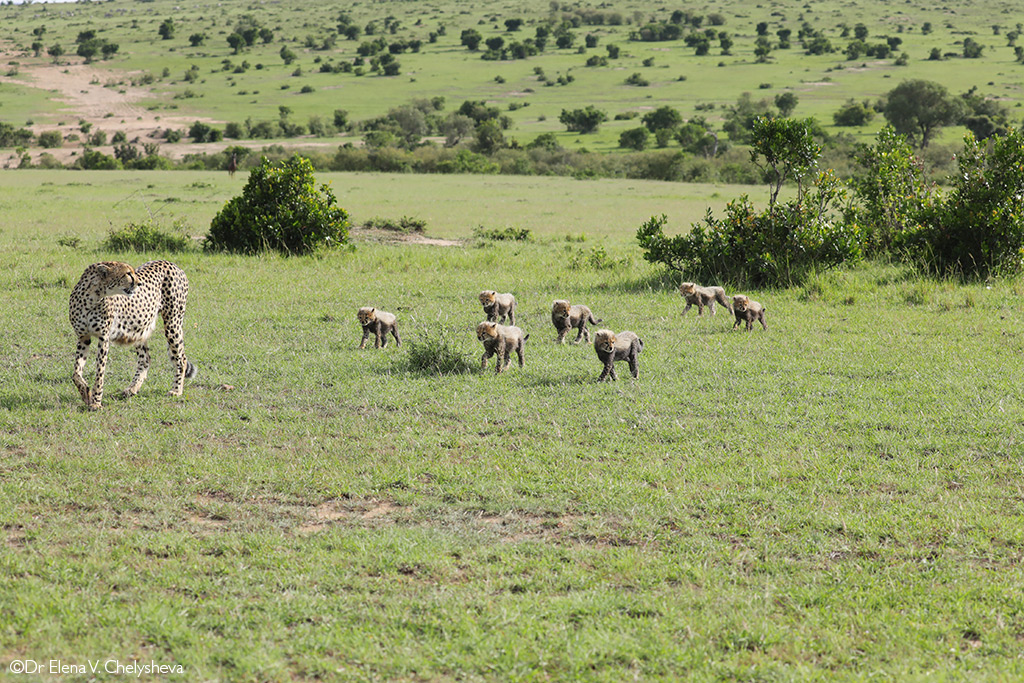
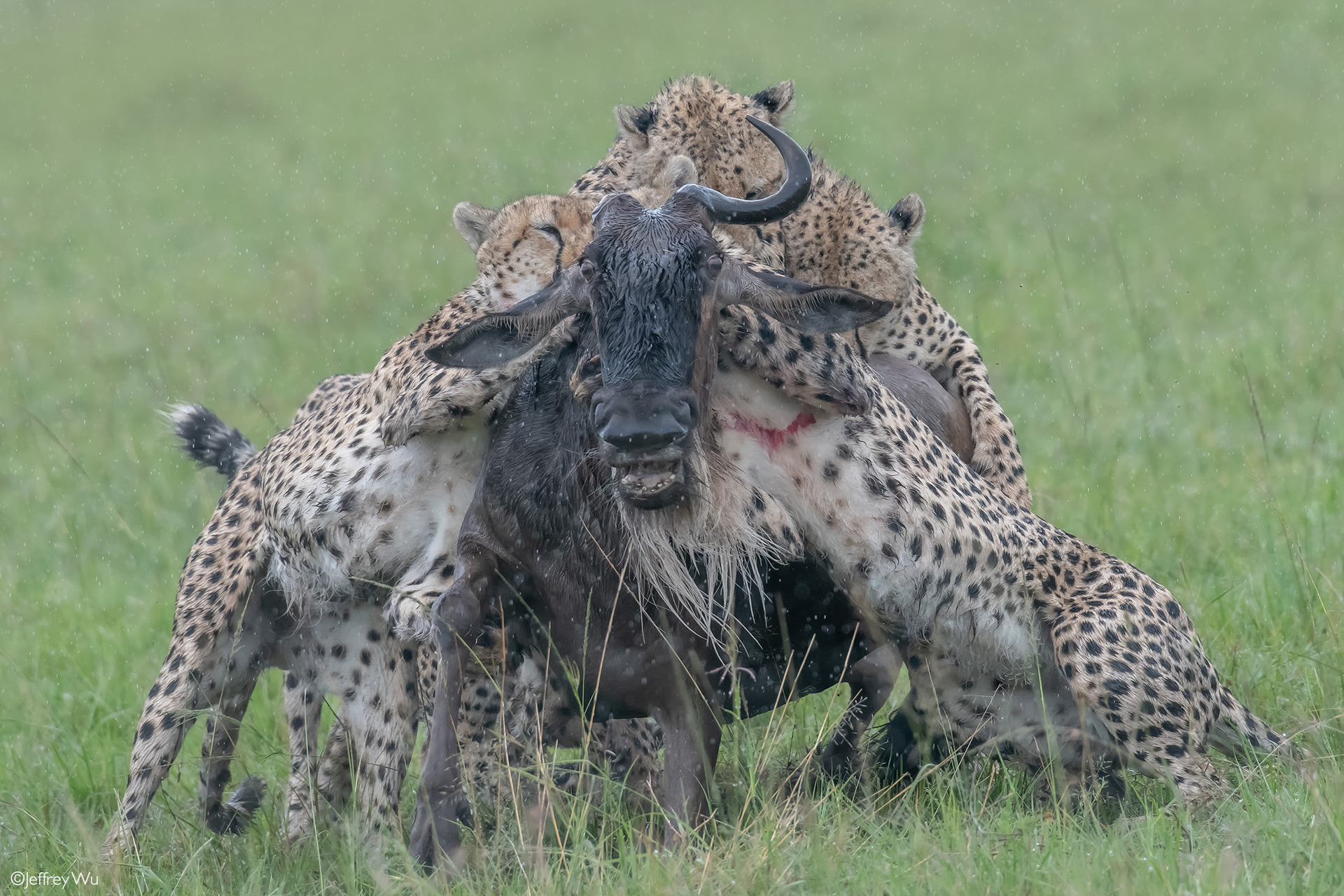
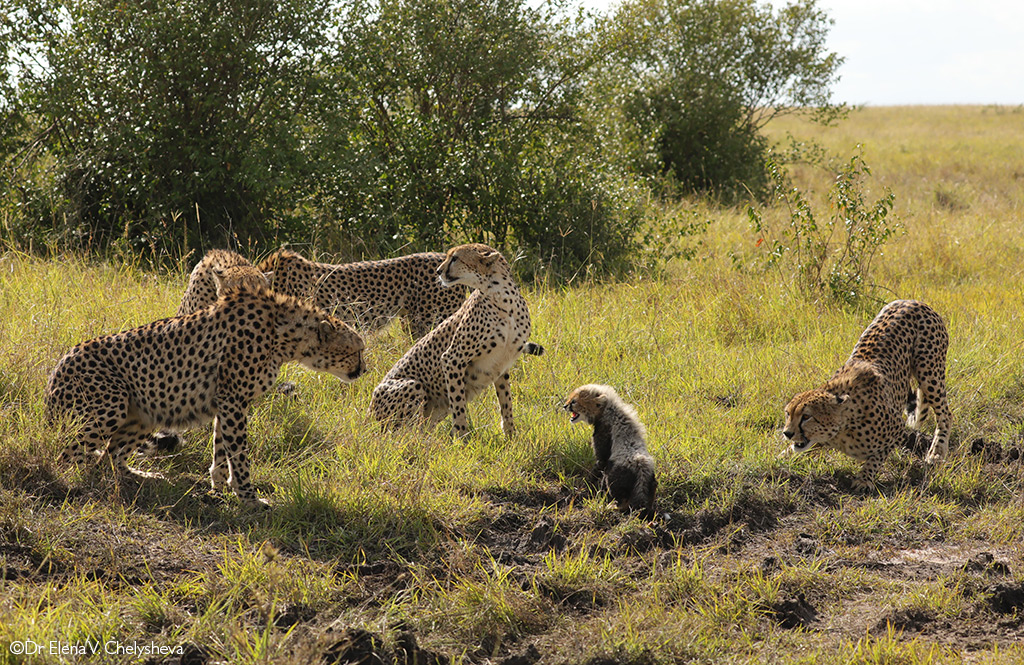
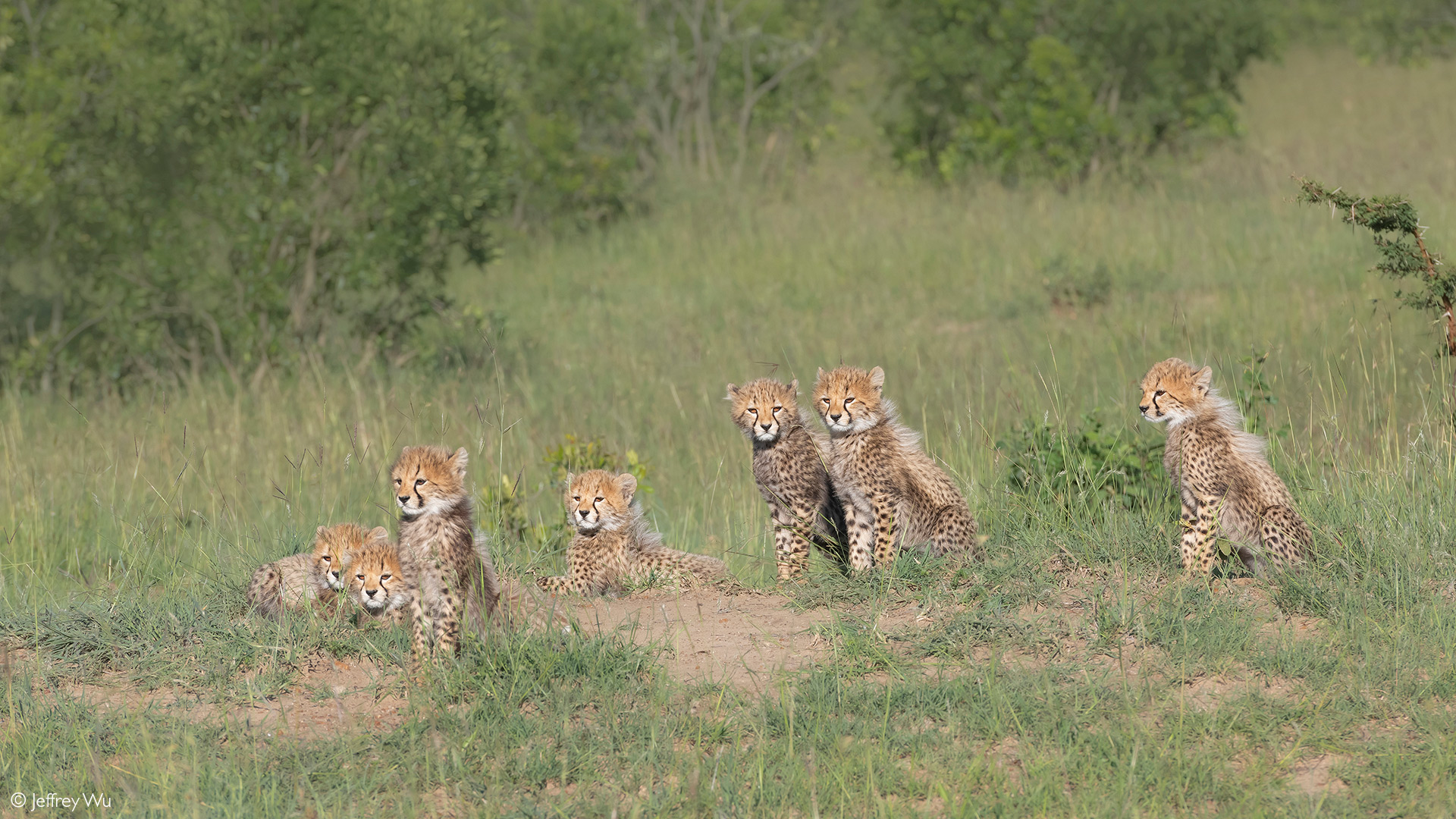
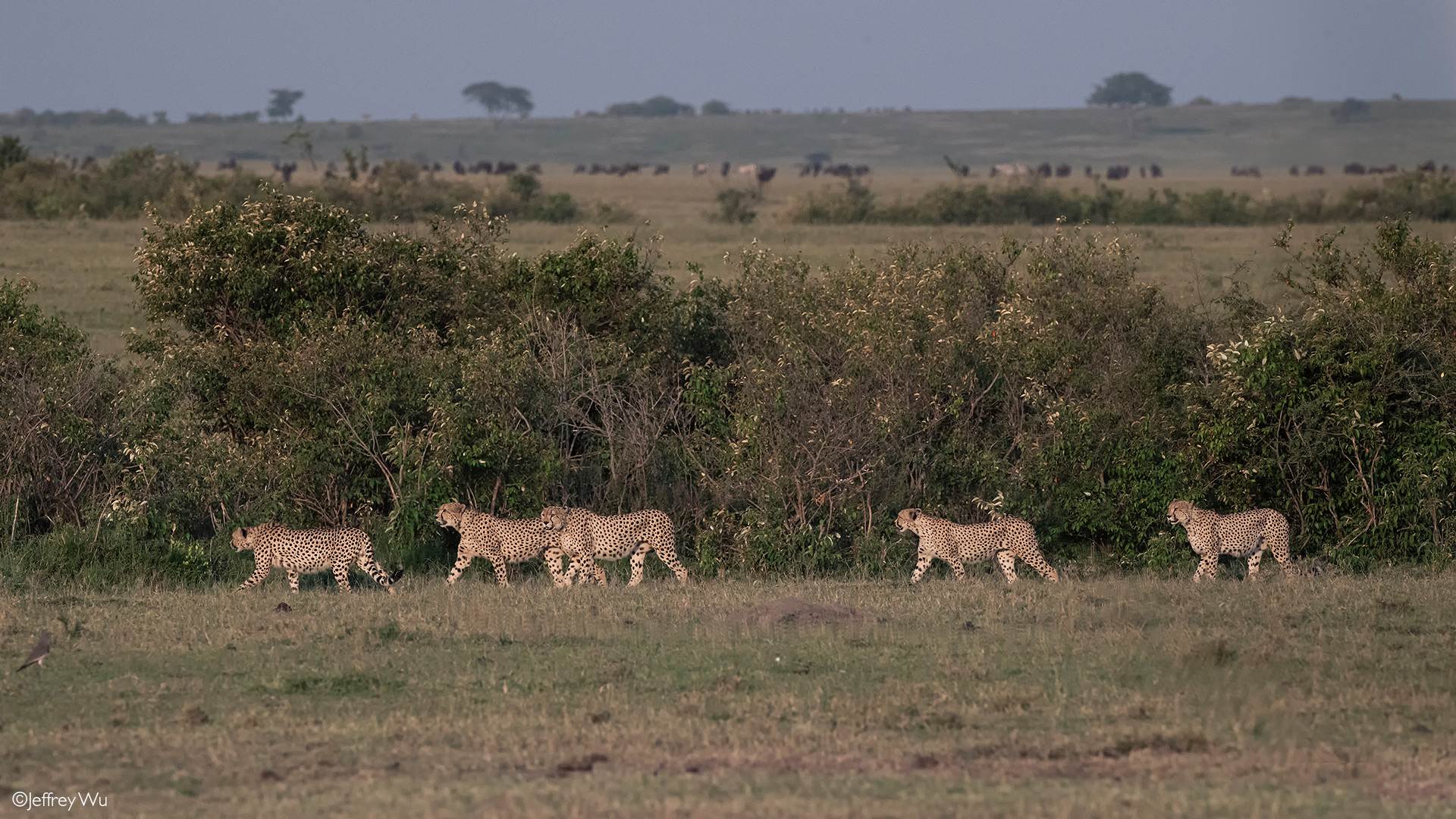
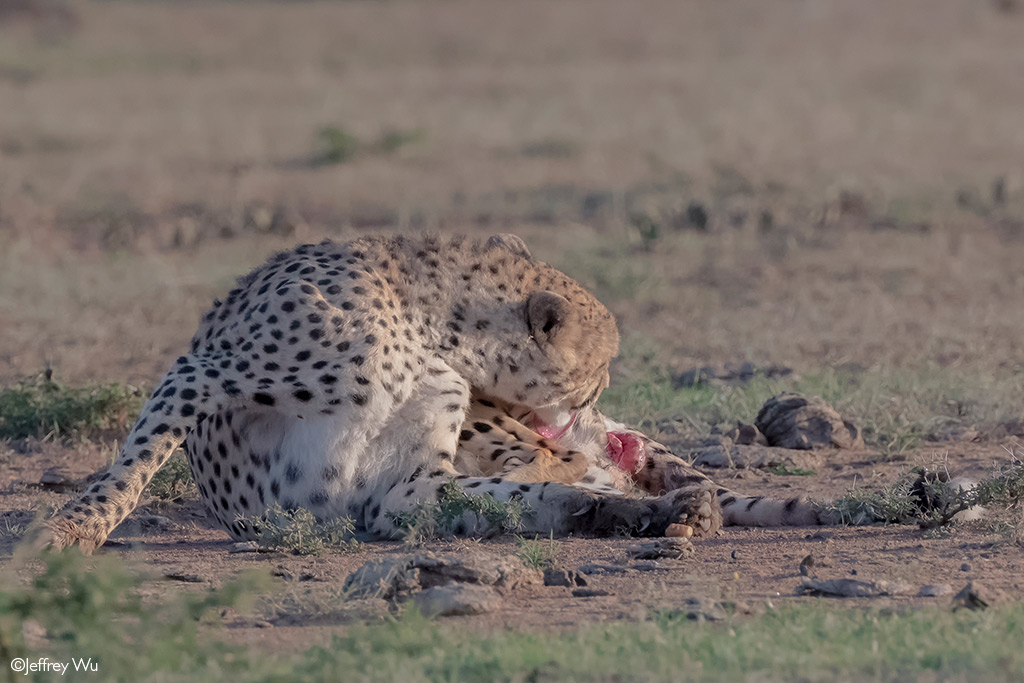
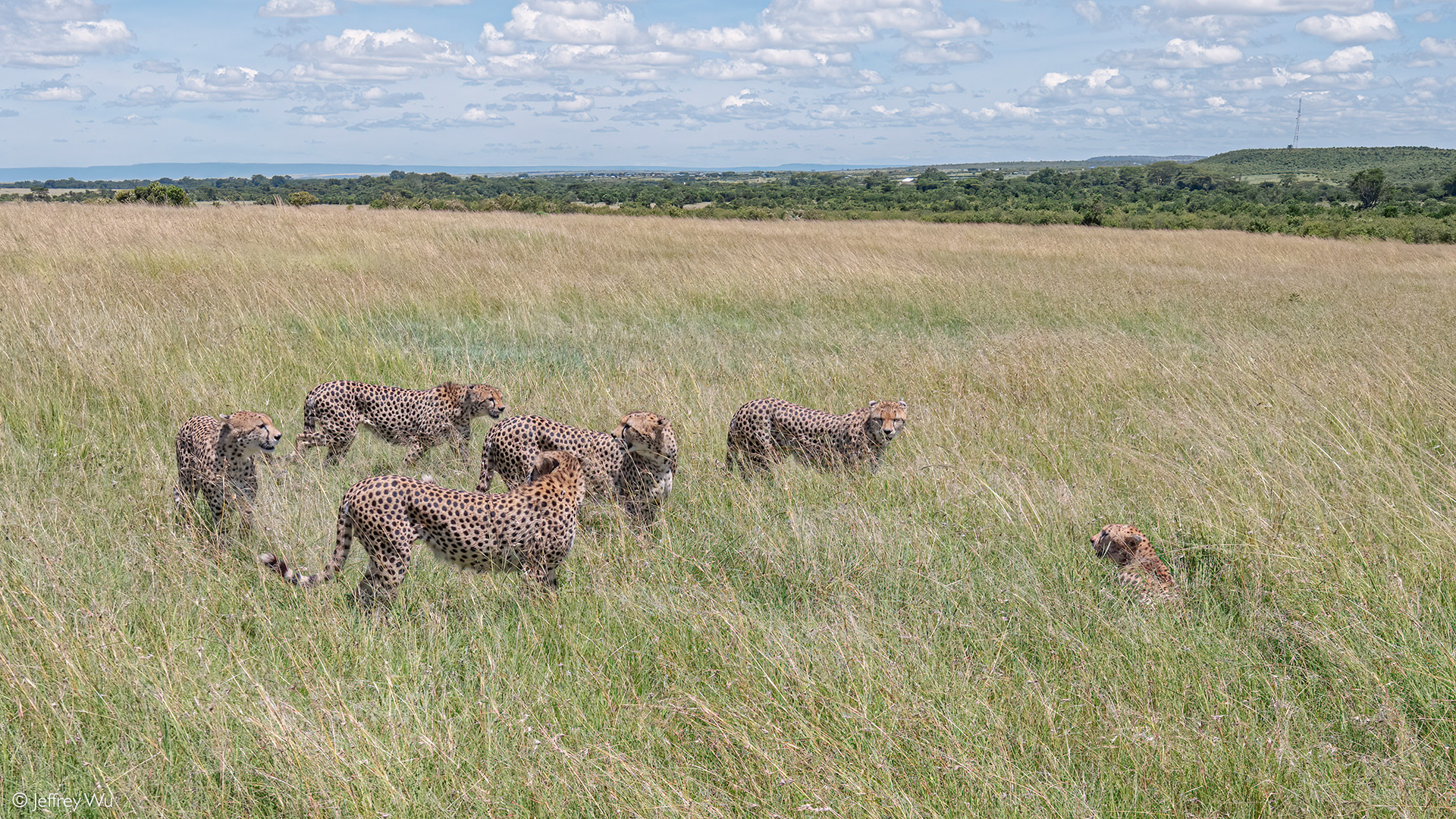
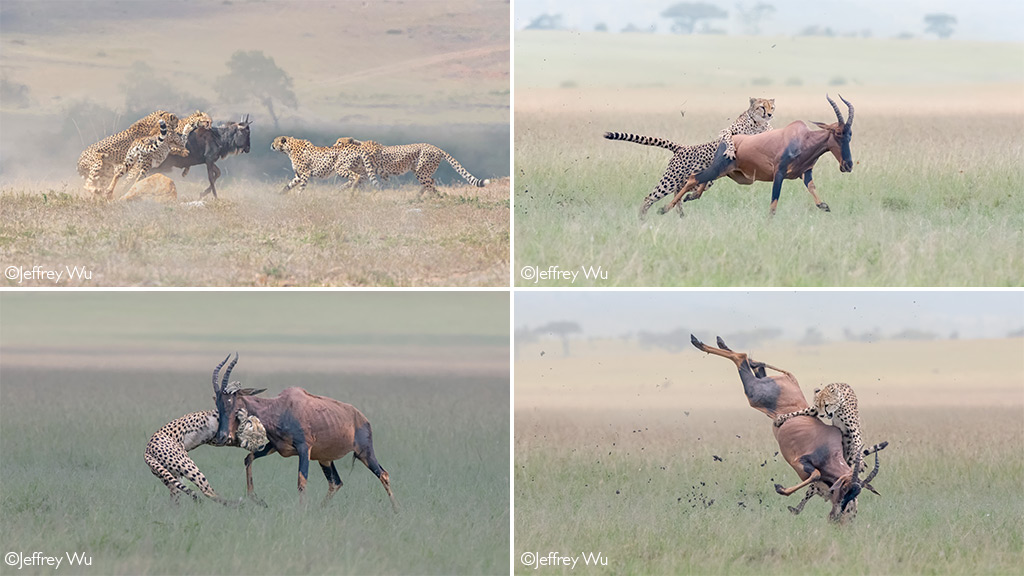
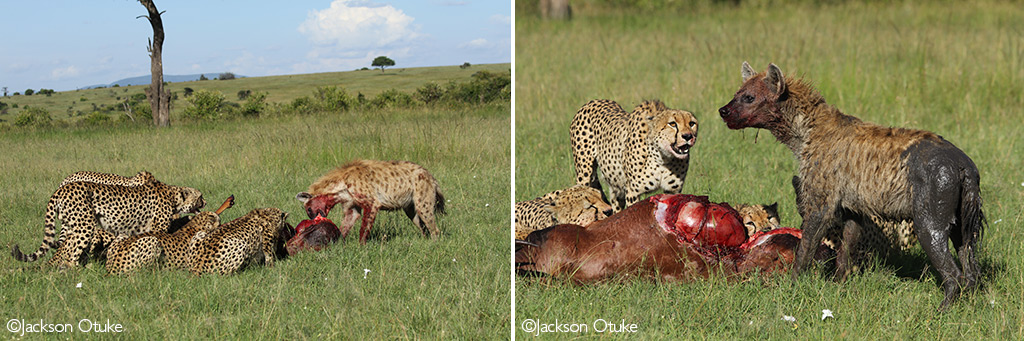
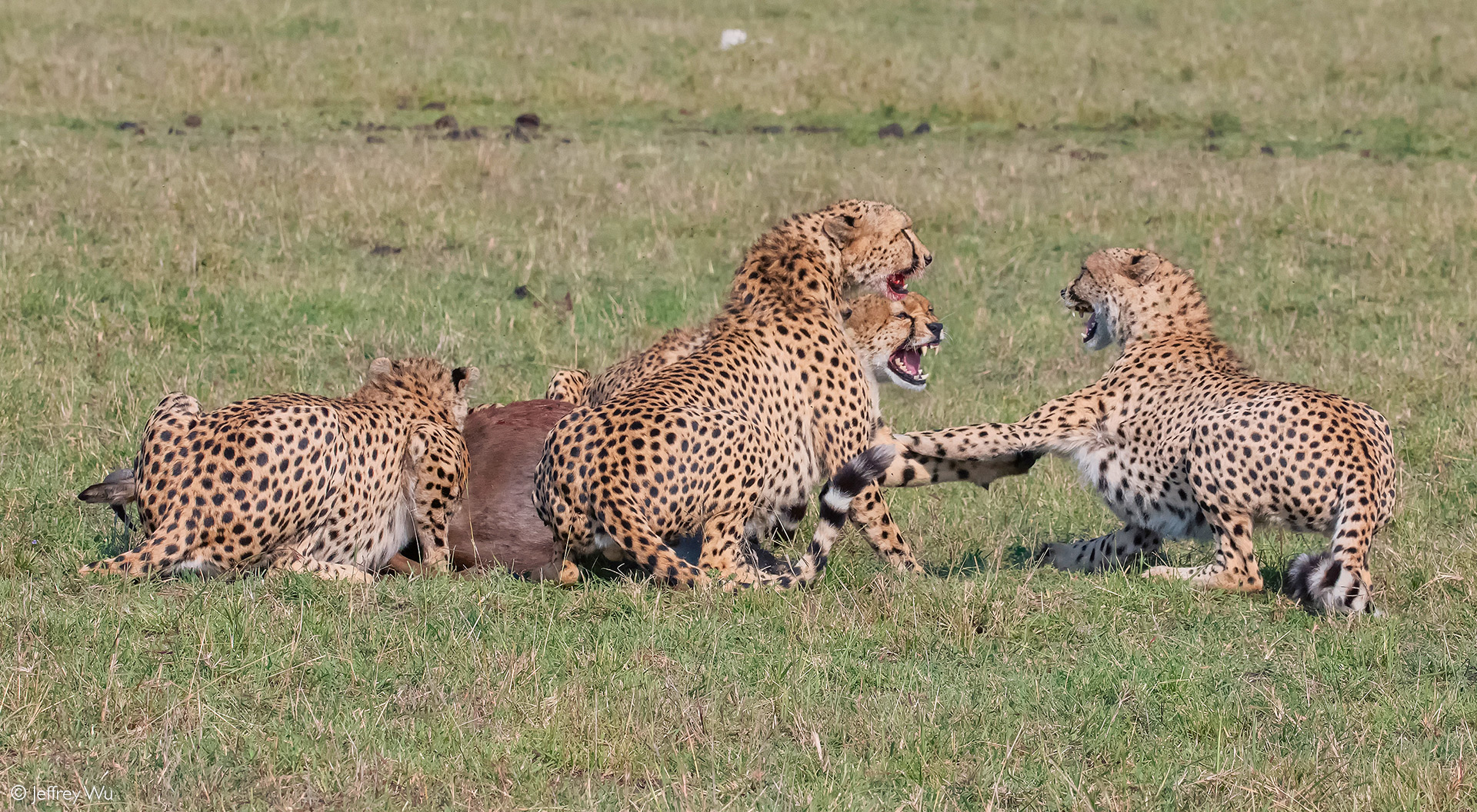
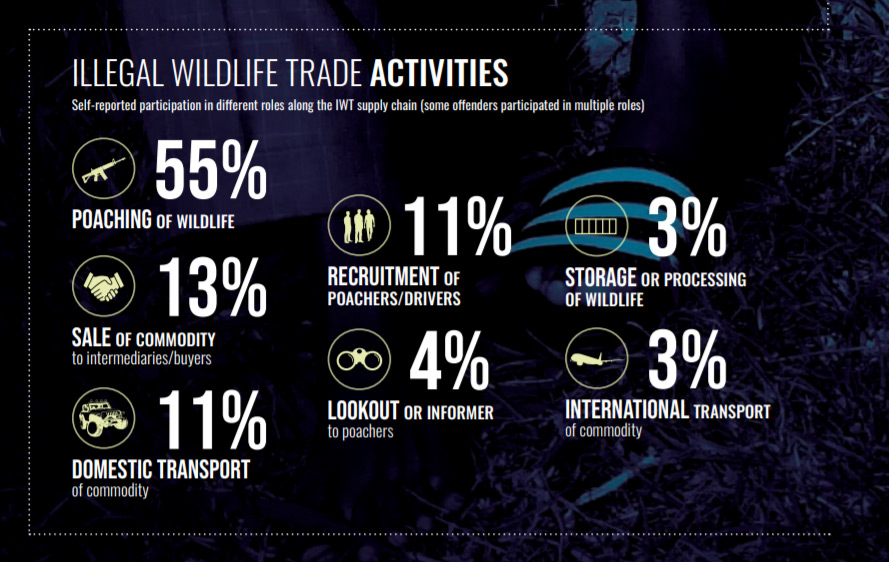
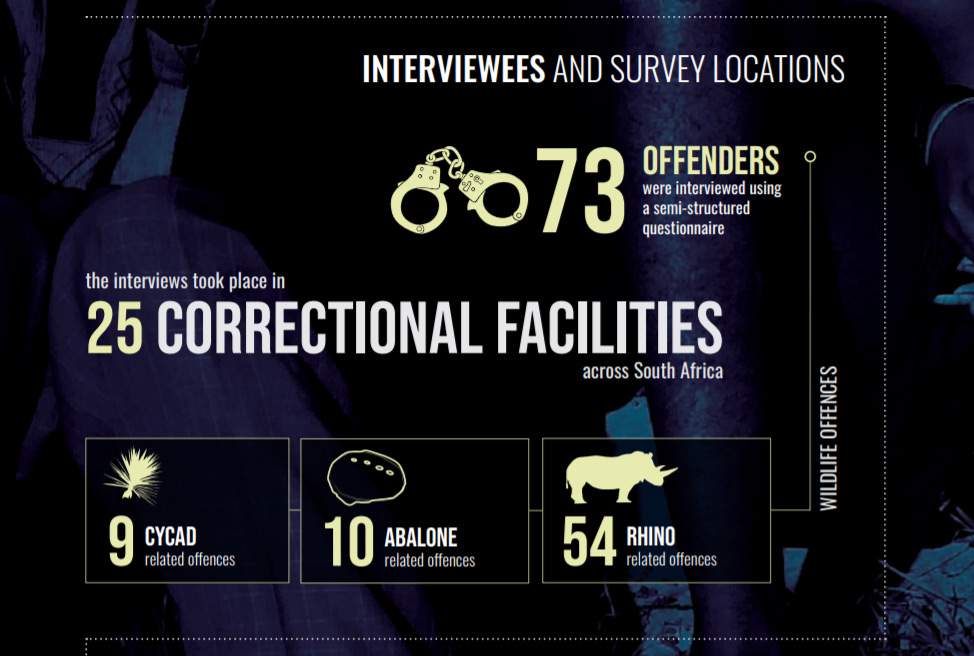
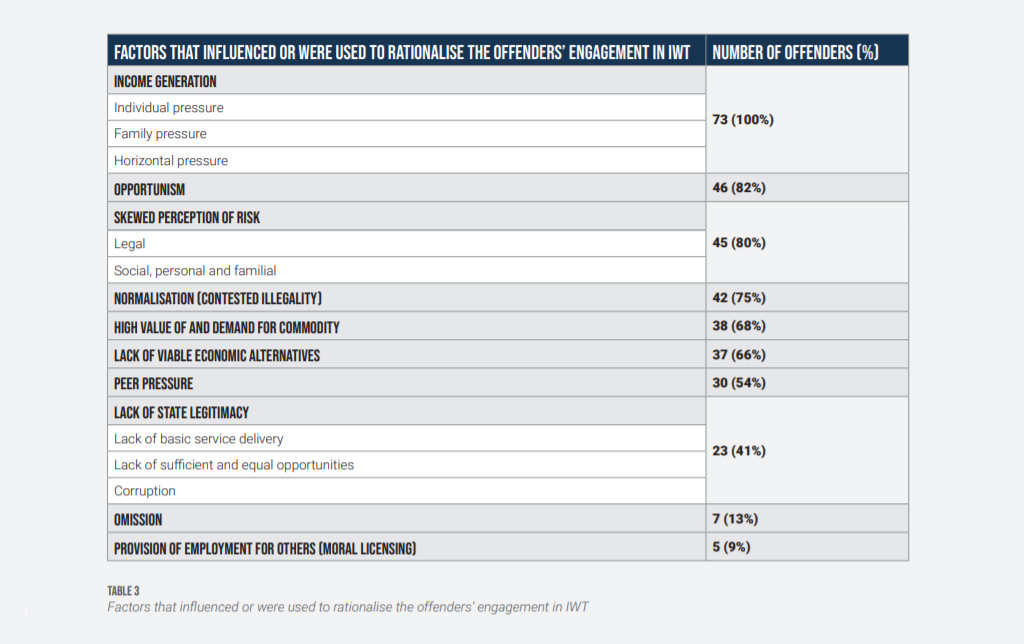
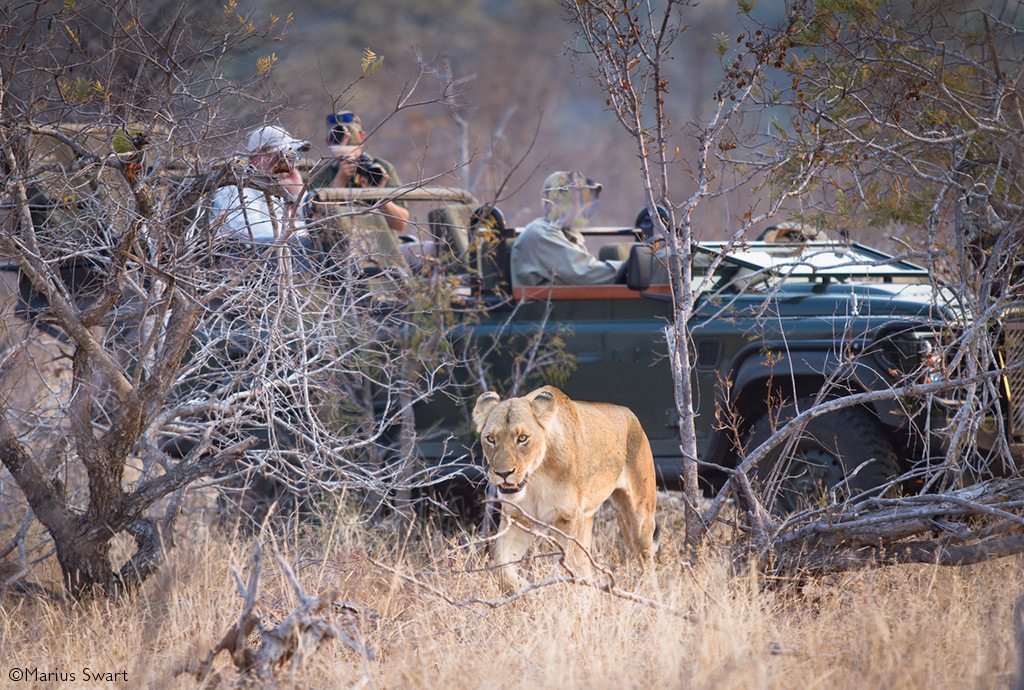
 A
A 
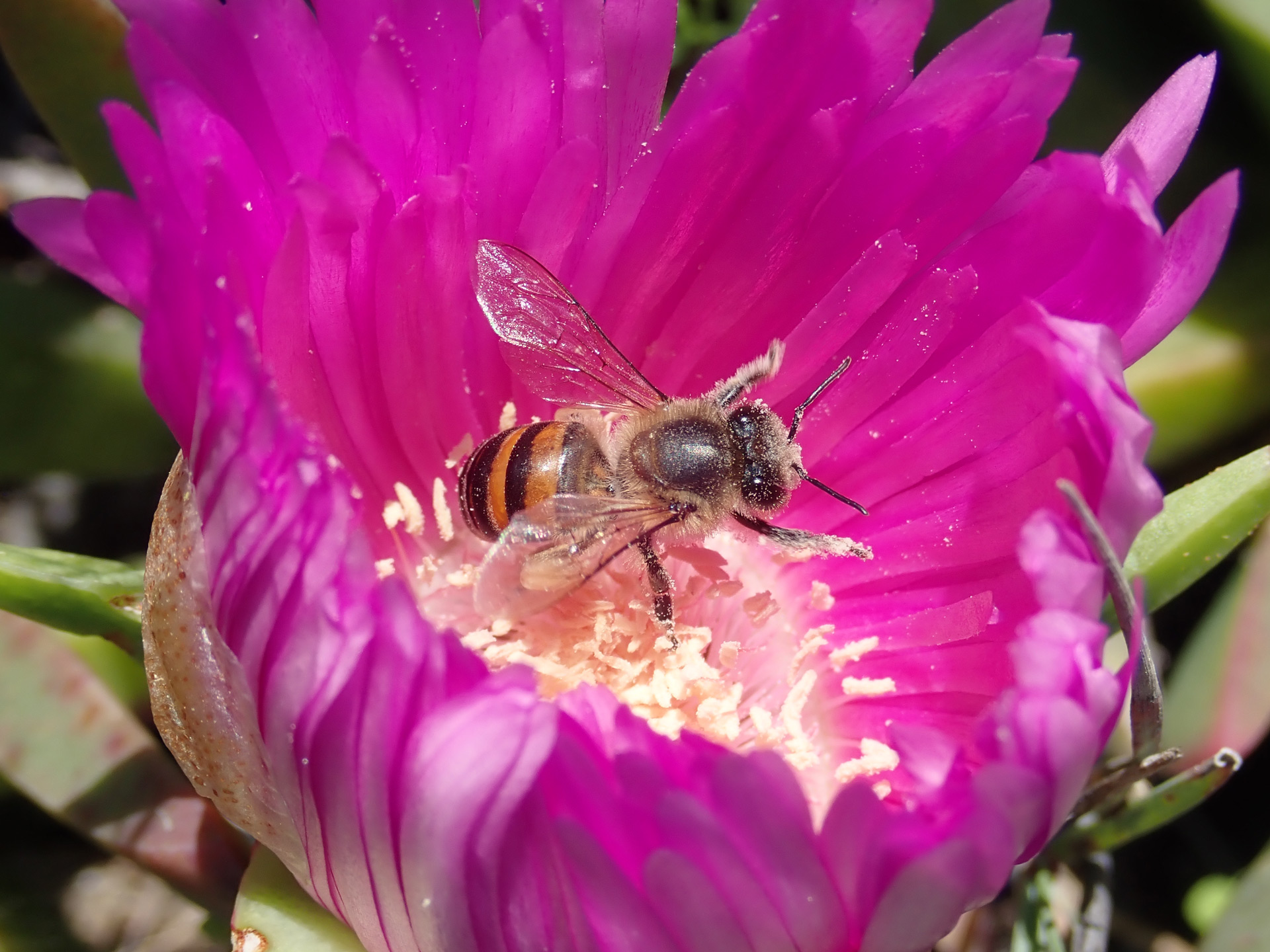
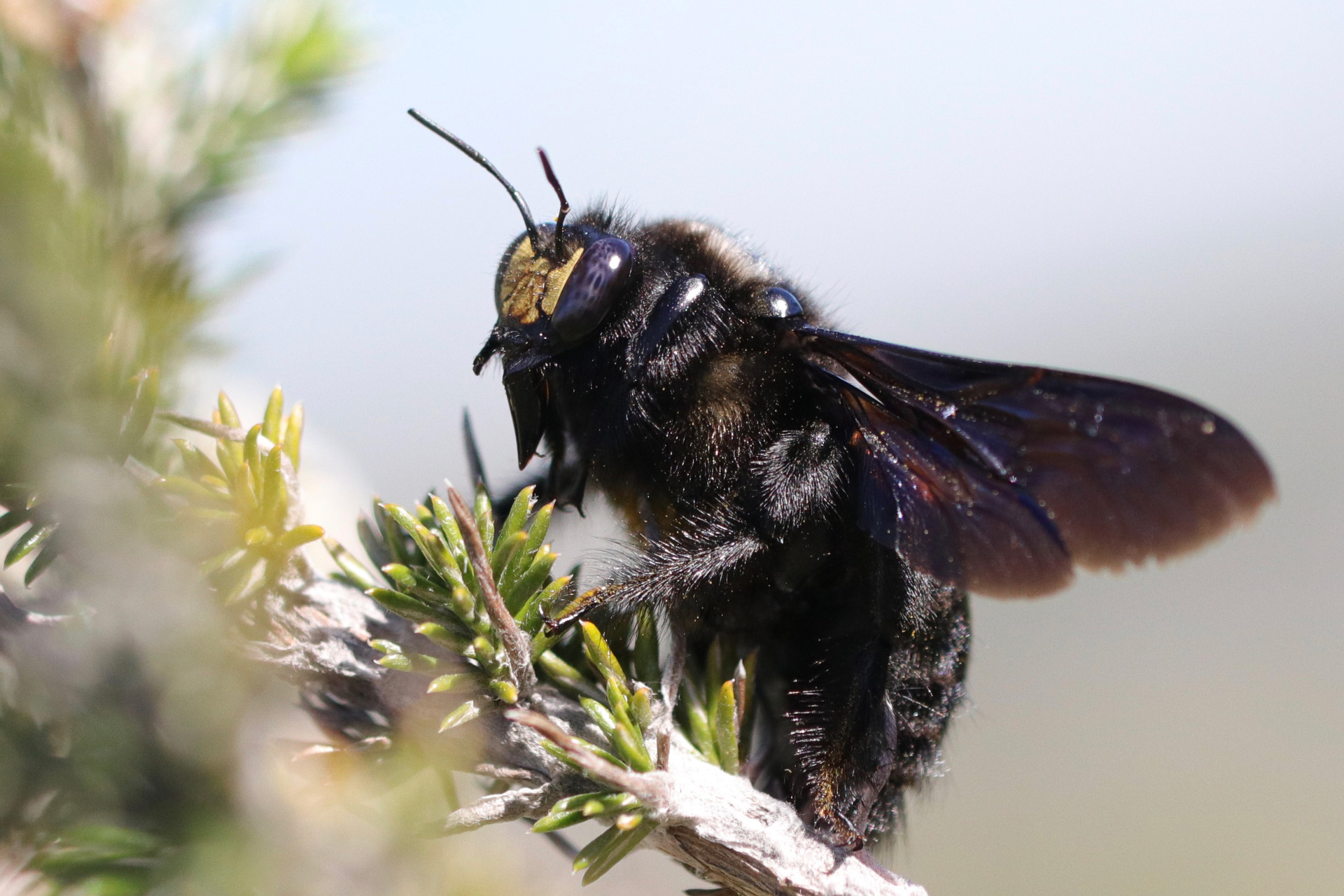
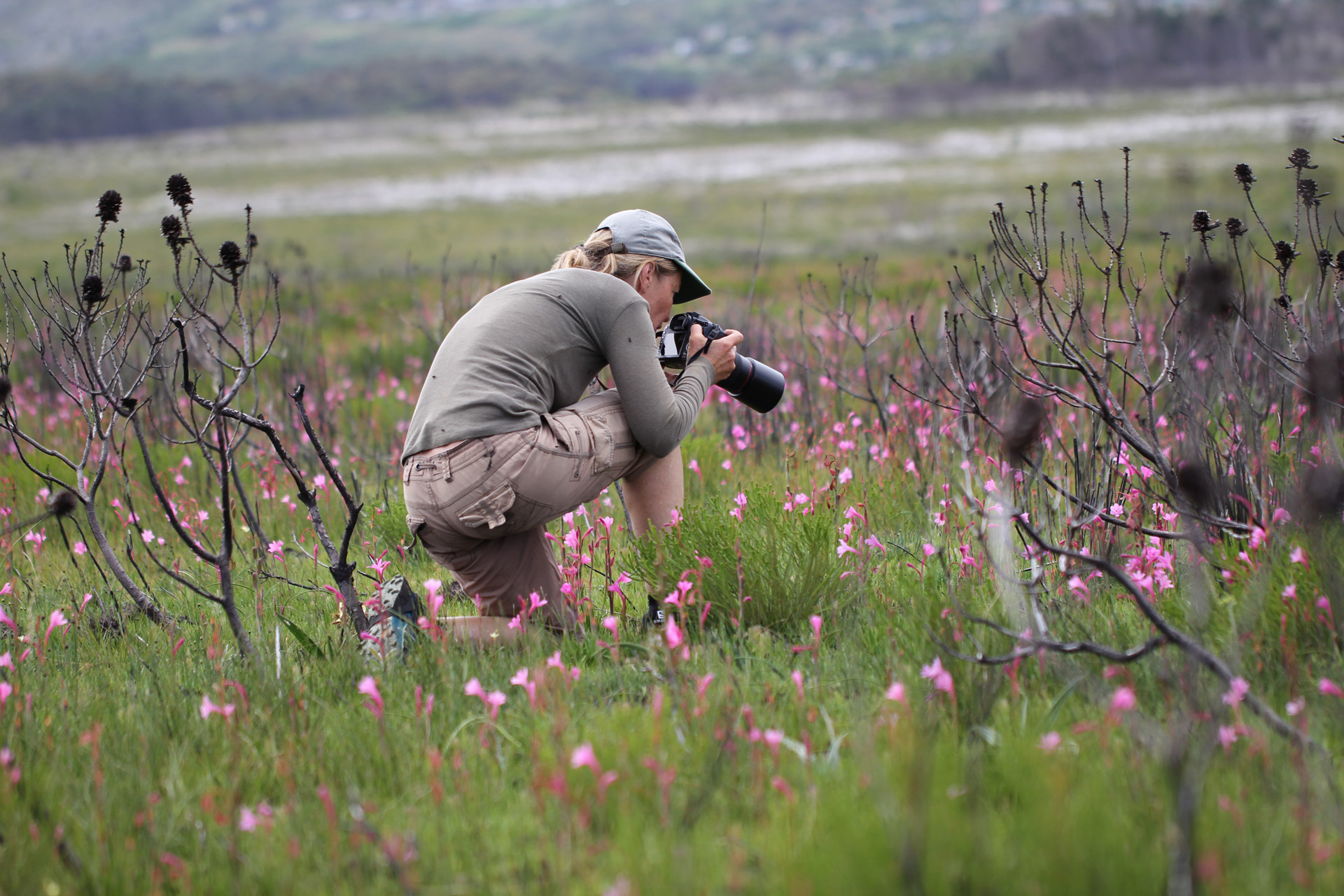
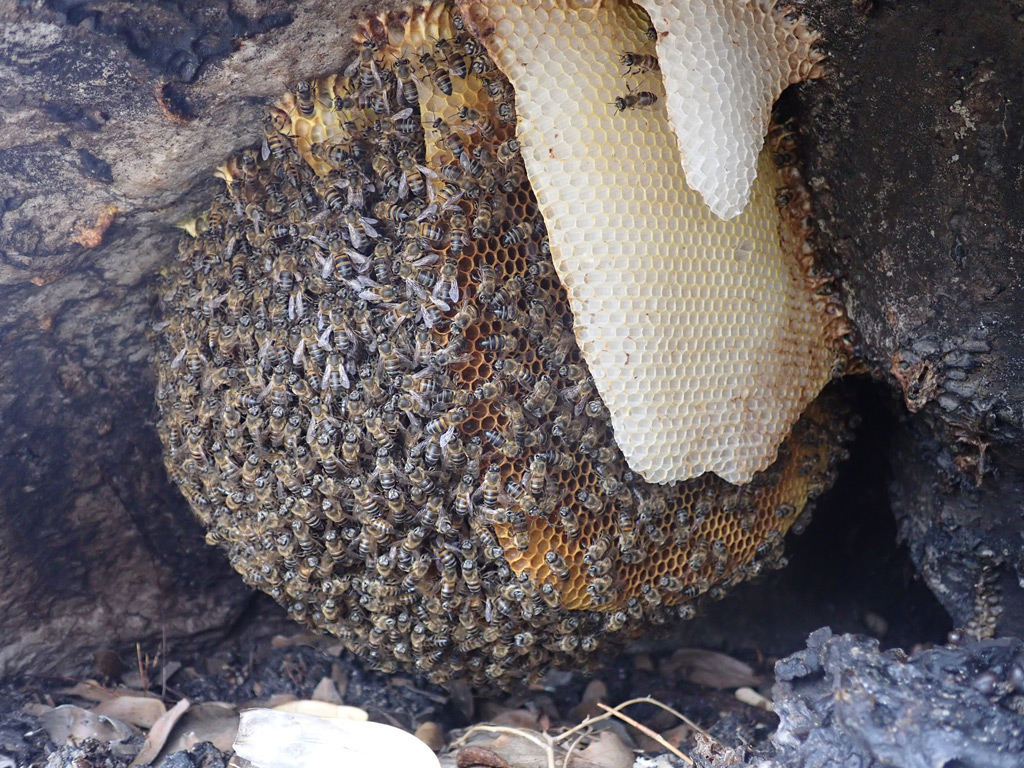
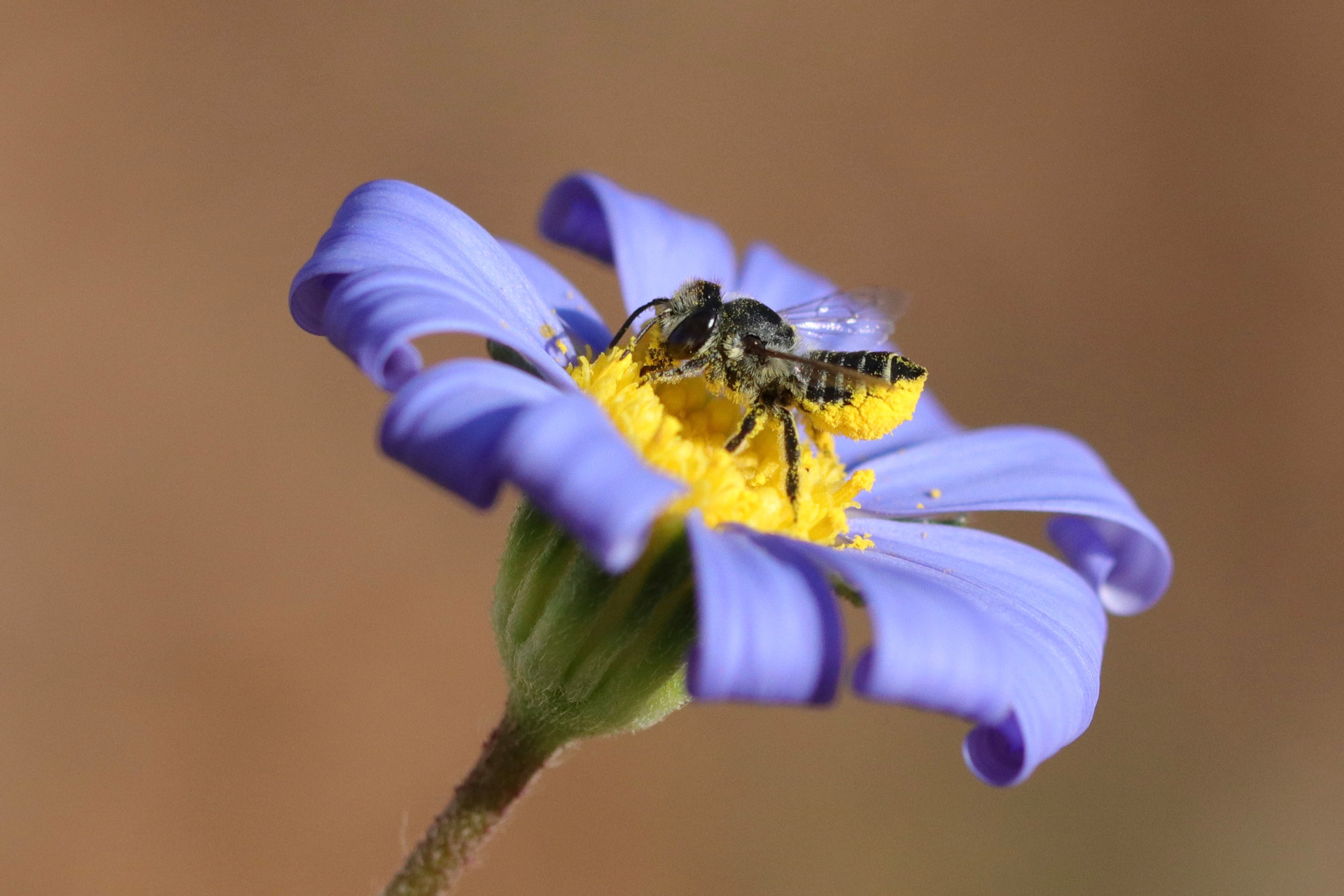
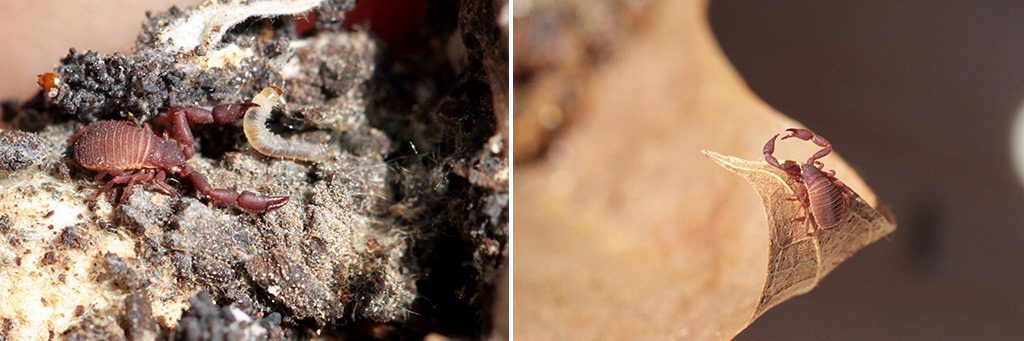
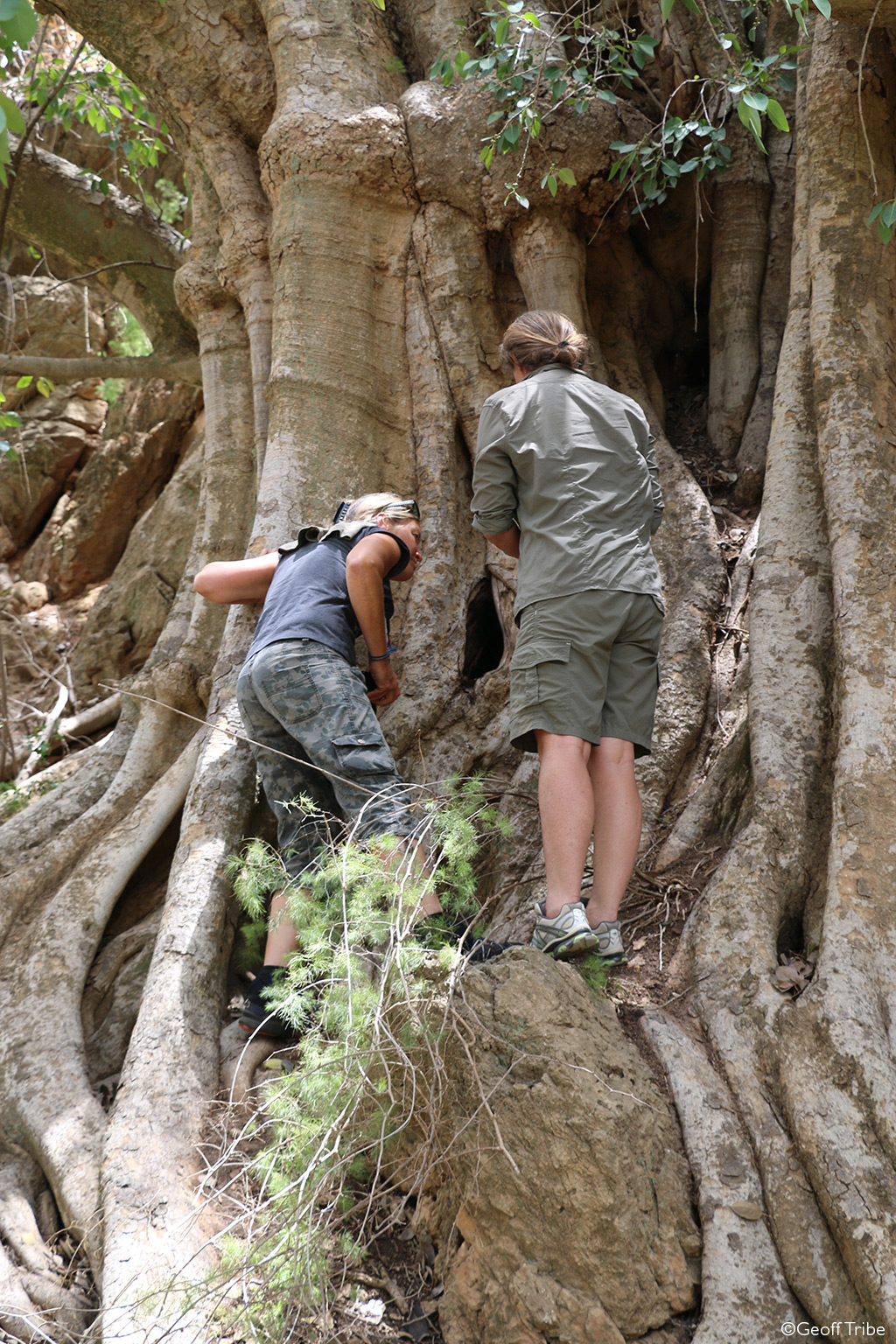
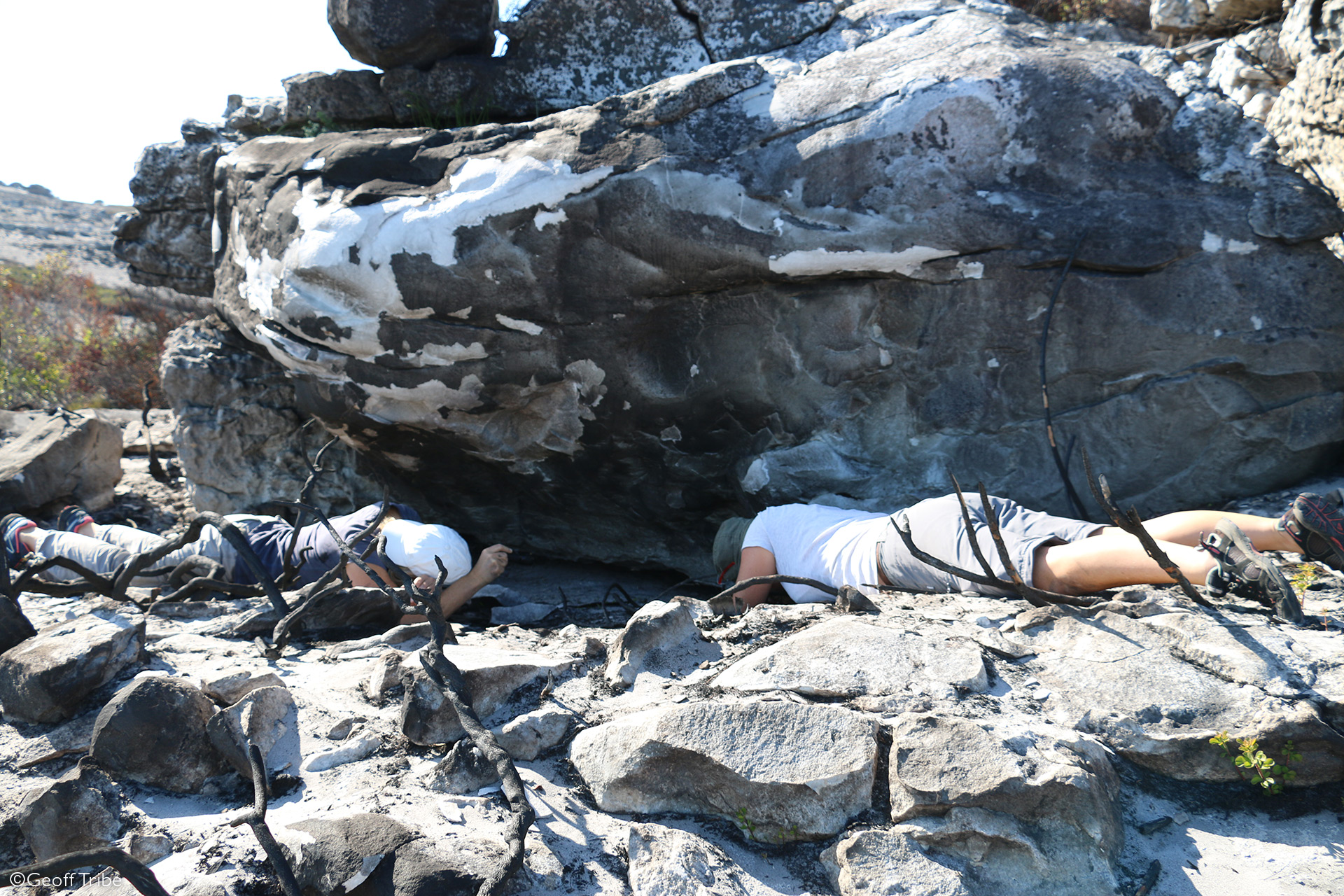
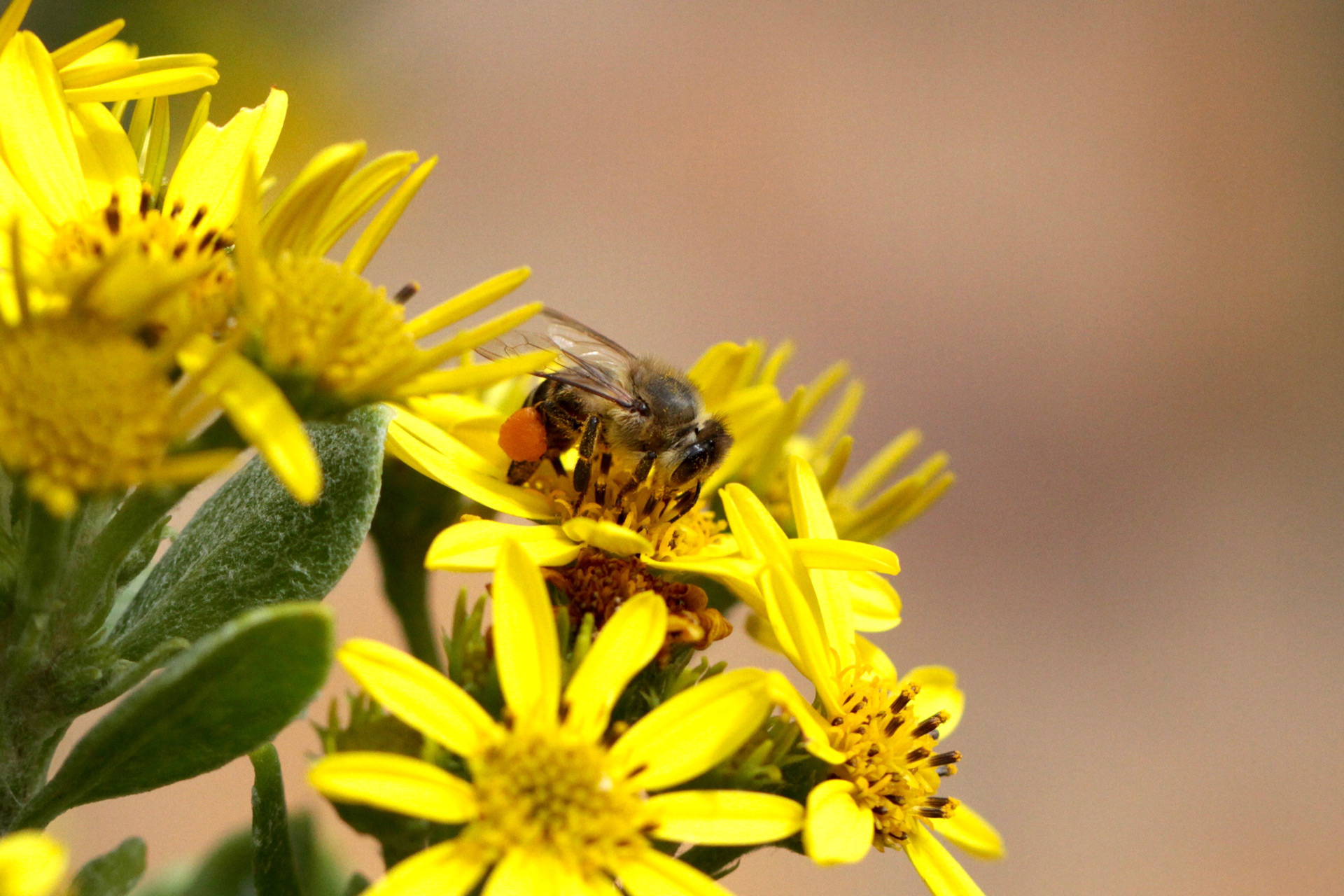
 Freelance writer, Ron Swilling’s work is regularly featured in travel and outdoor magazines in South Africa and Namibia. Her work has also appeared in books Wild Horses in the Namib Desert: An equine biography, Road Tripping Namibia and the children’s story The World Famous Sunbeam Collector. Ron’s travels lead her off the beaten-track to discover diamonds in the dust, wild desert horses, unspoiled nature and freedom in never-ending landscapes. When at home in Scarborough, Cape Town, she delights in finding wonders in her very own back garden, like the Cape’s wild honeybees.