Africa Geographic Photographer of the Year 2018 has come to an end.
With the competition closed, the judges now face the incredible task of going through hundreds of photos – featured in the Weekly Selection galleries – to choose the finalists and eventually the winner!
It is now with great pleasure that we present (in no particular order) the top 101 photos from the competition!
The overall winner of the competition will receive a Canon EOS 7D Mark II with a 18-135mm IS USM lens. In addition, the overall winner, first runner-up, and second runner-up (along with their partners), will experience the ultimate photographic safari at Tanda Tula Field Camp, located in the heart of the Timbavati Private Nature Reserve.
The most popular entries on Facebook, Instagram, and our Website will receive our 2018 Yearbook – a stunning selection of the past year’s greatest photography from around Africa. In addition, five commendable finalists will also receive a 2018 Yearbook.
The following gallery showcases the Top 101. To see the other four click here:
• Top 101 Gallery 2
• Top 101 Gallery 3
• Top 101 Gallery 4
• Top 101 Gallery 5
To see the complete collection of 2018’s Weekly Selection galleries click here.
The African elephant (Loxodonta africana) is the largest land mammal in the world and one of nature’s great ecosystem engineers. For many people, elephants epitomise an African safari. Their big stature, tactical trunks, and human-like qualities make them a point of interest for both avid and novice safari-goers alike. Their beneficial impact on biodiversity in large unfenced ecosystems and their potentially negative impact on same in fenced environments, make them a unique and crucial keystone species in Africa.
In this gallery, Celebrating Africa’s Elephants, we are taking a look at these incredible animals through the lens of some incredibly talented photographers who entered our Photographer of the Year 2017 and 2018 competitions. So sit back, relax, and enjoy this awe-inspiring gallery honouring these majestic pachyderms.
“While this elephant herd was at the waterhole, I noticed that there was only one little calf amongst them. It seemed to be the subject of overprotectiveness with almost every elephant it came into contact with. This image shows more than one adult elephant very carefully and delicately using their trunk to protect and guide this little one.” ~ John Vosloo
“Along the endless plains of Serengeti National Park, a large family of the biggest land mammals on Earth approached. As I captured their magnificence, I wondered to myself what it felt like to be such an incredible creature, to have that power and those strong bonds that they keep within the herd.” ~ Panos Laskarakis
“If there is any ‘Walk of Fame’ in the elephant world, then this must be the one. Two living monuments of natural history in an exquisite display. The young bull in between the patriarchs has just left his maternal family and is looking for role models. The two iconic bulls probably have the same father. For the most part, they are “brothers in tusks”. The one in the background is three years older and has possibly the biggest tusks on any elephant alive.” ~ George Dian Balan
Elephants are the heaviest land mammals, at 4-7 tons, and the second-tallest land mammal (behind the giraffe) at 3.1 to 3.4 metres at the shoulder. The largest elephant on record weighed 10.9 tons and was 3.9 metres at the shoulder.
Elephants communicate in a low-frequency soundwave, the majority of which is below our hearing spectrum. The hungry tummy rumble is the portion of the sound that we can hear. However, it has been suggested that there are over 23 different vocalisms – of which 80% are used exclusively by the cows.
“A lonely elephant bull appeared on the horizon in Etosha, approaching the Newbrownii waterhole. The closer the bull got to the waterhole, the more majestic he towered above the herd of springbok and other game at the waterhole… I knew I had to get to the waterhole’s viewpoint! But there was no time! I suddenly realised that I was in the perfect place to take the shot. The contrast between the white-dusty elephant and clear blue Etosha skies contributed to an awesome shot.” ~Annemarie du Plessis. Editors: Bear in mind that for epic shots like this, October is one of the best months for wildlife viewing.
Elephants are either left or right-handed. They are born not knowing how to use their trunks and learn as they grow. Like humans, they show a preference for grasping objects to the left or right. You can tell which side elephants prefer – tusks are shorter on the preferred side (because they get worn down more on that side).
“For the majority of the year, Lake Amboseli is an immense, flat, arid land. Nothing can grow on it, and under the African sun, the temperature during the day can be unbearable. So many times, while driving along the desert, I dreamt of seeing the elephants that are forced to cross the desert to reach the Amboseli swamp and the freshwater from Mount Kilimanjaro. And one day it happened. Far away, like a mirage, I saw a long line of pachyderms slowly marching through the heat waves. I carefully approached them, and I finally took the shot I was looking for, in the incredible silence of the dusty desert.” ~ Paolo Torchio
There are about 50,000 muscles in an elephant’s trunk, made up of six muscle groups, and no bones. This compares to 639 muscles in the entire human body! The closest thing we have to an elephant’s trunk is our tongue. Elephants use their trunks to breathe, drink, eat, smell, snorkel, wrestle, communicate, touch, feel, hold, grab and pull. We can’t think of any other appendage that is so versatile.
“The plan was to capture this majestic elephant bull in Mana’s golden light before the sun disappeared beyond the Zambian escarpment. There was a flock of cattle egrets feeding on the insects disturbed by the elephant. All of a sudden, they took off and flew right across the elephant. With some quick camera work, I was able to freeze their motion against this unique and beautiful background in magical light. An impala startled by the birds added to the scene.” ~ Vikram Ghanekar
Many tree species rely on elephants to spread their seeds. But that is not all. Many seeds are more likely to germinate after passing through an elephant’s gut. Elephants transport these seeds for many kilometres as they process their food, before depositing them in their dung balls – a vital fertiliser and moisture package for those seeds, and a kick-starter to life.
“A family of elephants were resting in the shade of large riverine trees on the riverbank, approximately 8 to 10 metres from the road. I spotted this very young baby elephant, still unsure on its feet, secure between the elephant cow’s legs. I liked the natural framing of the body and legs of the elephant cow provided and had an image in mind. I had time to take four photos before the baby turned away and disappeared deeper into the herd. It was a privilege to witness how protective the family was of this baby elephant.” ~ Thinus Schoeman
“This photo was taken from a hide next to a waterhole near the lodge where I stayed in Madikwe. I was in the hide when a herd of elephants approached. I wanted to show the size of these gentle giants, so I started taking close-up photos of one of the elephant’s legs. Only after viewing it through the viewfinder, I could see the details (including the broken nail!) which I would not have seen otherwise.” ~ Subi Sridharan
“Out on Lake Amboseli, one gets a sense of colossal space and unobstructed views. On this evening game drive, the angry skies produced a dramatic backdrop to this image of a lone bull elephant as he walked by our vehicle in total silence. Amboseli and its elephants provide an extraordinary window into the world of these majestic creatures like no other place on Earth.” ~ Dana Kennedy
The elephant’s sense of smell is estimated to be four times that of a bloodhound or 160 times that of a human. They can smell water from many kilometres away.
“While travelling from the airport to our photographic safari destination, we took a small detour on a well-known loop when suddenly this massive elephant bull appeared out of nowhere. He was so gracious and not bothered by our presence at all. While he was walking, the perfect side profile shot presented itself for this amazing capture. It was truly amazing to see this tusker in this area just going about his daily routine.” ~ Bernhard Bekker
Elephant herds are led by older cows (matriarchs), with young bulls forming their own smaller herds after leaving the breeding herd. Old bulls often roam on their own, or with a few companions (often referred to as askaris), meeting up with breeding herds as cows come into season.
This giraffe cow, with a noticeably deformed jaw, was spotted last month on the Pretoriuskop road in the Kruger National Park, South Africa. She was with her herd and clearly in very good health – she was even able to eat despite her deformed jaw.
This is not a common sighting in the Kruger National Park, but there are a few of those who have seen this giraffe before. The same giraffe was spotted by someone in back in 2009, and then there was another report of seeing her in 2013.
It is wonderful to see how long this giraffe has been around in the park and that she has been able to adapt to her condition.
Many charismatic species such as elephants, lions, tigers and pandas face the threat of extinction, despite being held up as the poster characters for conservation. The logic of using these species to raise funds and awareness is that they elicit a stronger emotional connection and reaction from potential donors than do say sparrows, plants and beetles.
Proponents claim that many less charismatic species will benefit by association because they live in the same ecosystems. And yet, the charismatic species are not faring well, with many facing steep population declines. Is it time to change the strategy?
A recent report suggests that companies and businesses that use the likeness of these and other species in their logos and marketing efforts should pay a license fee towards conservation efforts. While the legal implications of this suggestion are probably extremely complex, the concept has validity and requires further thought and investigation.
The report suggests that the public is mostly ignorant that these charismatic animal species face extinction, possibly because people think these animals are widespread in real life, as they appear so often in business marketing collateral and online content. And so, there is a lack of strong mainstream public support and monetisation. This ignorance of the actual state of affairs is arguably nurtured by the wide-scale and free use of the images of rare and threatened species in commercial product marketing – with no associated educational campaigns.
The researchers used four different methods to establish the ranking of the ten most charismatic species in the eyes of the public and reviewed their conservation status and level of public knowledge. The results suggest that the conservation status of the ten most charismatic species is grave, while the public is mostly ignorant of the conservation status. This “beloved but ignored” paradox probably stems from a mismatch between the virtual presence and natural presence of these particular species. In other words, public perception reflects virtual rather than real populations.
The report argues that the representations of charismatic species in commercial, artistic, and cultural outlets act as virtual, abundant populations competing against real threatened populations for public attention.
The jeopardised future of the ten most charismatic species:
• Tiger: total abundance estimated at less than 7% of their historic numbers. Three subspecies (Bali tiger, P. tigris balica; Javan tiger, P. t. sondaica; and Caspian tiger, P. t. virgata) are now extinct, and another one (the South China tiger, P. t. amoyensis) is considered as possibly extinct
• Lion: declining almost everywhere in Africa, with populations estimated to be at less than 8% of historic levels. In Eurasia, except for the only remaining population of about 175 individuals of P. leo persica in India, all lions are now extinct.
• Elephant: the African savannah elephant never recovered from the 20th-century massive poaching levels and are believed to remain at less than 10% of their historic numbers; the African forest elephant declined in a mere nine years (2002–2011) by 62%, with about 30% corresponding range contraction; the Asian elephant lost 85% of historic range, and almost half of the remaining 15% is both fragmented and heavily impacted by an ever-increasing human population.
• Giraffe: previously classified as Vulnerable because it was assessed as a single species. Three of the four newly identified species have declined by 52%–97% in the last 35 years and are likely to be uplisted by IUCN.
• Leopard: classified as a Vulnerable species because the nine subspecies are altogether abundant and widely distributed; however, three are Critically Endangered, two are Endangered, two are recommended for uplisting to Critically Endangered and Endangered, and two are Near Threatened. Leopards have already lost as much as 75% of their habitat range, and 6 out of the nine subspecies occupy a mere 3% of the remaining range.
• Panda: with fewer than 2,000 remaining individuals, distributed within 33 subpopulations and scattered on less than 1% of its historical range, its future remains particularly uncertain, especially in light of climate change, predicted to reduce most of its bamboo habitat.
• Cheetah: occupies only 9% of its historic range in Africa, being extirpated from 29 countries on the continent, while the Asiatic subspecies Acinonyx jubatus venaticus, numbering fewer than 100 individuals, is listed as Critically Endangered.
• Polar bear: lack of population abundance and trend estimates; 9 out of the 19 known populations are of unknown status. It is considered severely impacted by climate change and related sea ice decline. The few populations with available data show drastic population declines.
• Wolf: once the world’s most widely distributed large predator, it has now lost about one-third of its original range, becoming extinct in much of Western Europe and the United States and being endangered in several other regions.
• Gorilla: of the four gorilla subspecies, two are limited to a few hundred individuals in small and highly fragmented populations, while the two others have lost most of their numbers in about 20 years
The report concludes by suggesting that a concrete mechanism should be established to ensure financial support from companies that use charismatic, endangered species for their branding. Resultant funds should be directed at innovative interdisciplinary conservation strategies and projects.
Through rare institutional cross-collaboration, an initial consignment of up to six black rhinos are being translocated by air over 3,000 miles from South Africa to Zakouma National Park, a secure park in Chad managed by African Parks in partnership with the government since 2010. The announcement of this unprecedented international conservation initiative happened on Thursday, 3rd May, and is thanks to the collaboration of South Africa’s Department of Environmental Affairs (DEA), the Chadian Government, conservation non-profit African Parks and South African National Parks (SANParks).
The project is being undertaken to aid the long-term survival of the species on the continent and to contribute to restoring biodiversity as a national asset for Chad. While the country’s last black rhino was recorded in 1972, over the past seven years African Parks has implemented extensive measures to practically eliminate poaching in Zakouma, making it possible to reintroduce this critically endangered species after almost half a century of its absence, establishing Chad as a new range state for the species.
The governments of South Africa and Chad signed a memorandum of understanding in October 2017 to enable the translocation of up to six black rhinos to Zakouma National Park in southern Chad with the aim of returning the species to the nation almost fifty years after its local extinction. Following two years of substantial planning to ensure the animals’ safety and well-being, on Thursday six wild black rhinos were moved from a holding facility in South Africa’s Eastern Cape to begin a 3,000-mile translocation by air to Zakouma. Following their arrival in the park, the rhinos will be released into specially built bomas (or enclosures) for a short period of time to enable close monitoring and acclimatisation before being released into a wider, intensively protected sanctuary.
One of the black rhinos in the holding boma @ GovernmentZA/Twitter
The cross-continent translocation culminates in the return of rhinos to a country that is exercising a bold vision in securing its wildlife and natural landscapes, building a future in which biodiversity has a firm place in contributing to socio-economic growth for its people.
“We are resolved to create a secure and prosperous future for wildlife and people, so that generations of Chadians can experience the benefits of healthy and intact natural landscapes. It is a mark of the strength of our partnership with African Parks and the transformation of Zakouma in to a secure sanctuary that we are now able to bring rhinos back to Chad where they will receive enduring protection,” said Chad’s Ambassador to South Africa Sagour Youssouf Mahamat Itno. “Their reintroduction signifies an important advancement in the restoration of the park, furthering its potential as a conservation area to contribute through tourism to local economies and social development”.
Last year the Chadian Government signed an agreement with African Parks to expand their management mandate for Zakouma to include critical peripheral reserves and adjoining wildlife corridors, which was followed soon after by an agreement with African Parks for the management of the 40,000 km² Ennedi Natural and Cultural Reserve, a World Heritage Site in the north-east of the country. The conservation of these important areas is possible because of the significant support of the European Union.
The rhinos ready for their 3,000-mile translocation by air to Zakouma @ GovernmentZA/Twitter
“All too often, headlines on rhinos are about their demise as they teeter on the brink of extinction. However, today we are participating in an historic event and peering into a brighter future for this species which has persisted on this planet for millions of years,” said Peter Fearnhead, CEO of African Parks.
He continues, saying: “Regional cooperation is critical if we are to give these iconic animals a future on this continent. Our collaboration with the Chadian and South African governments and SANParks gives us a unique opportunity to encourage population growth, expand rhino range, and contribute to restoring biodiversity in Chad. The extraordinary gains made in protecting and revitalising Zakouma result from our partnership with the Government of Chad and their commitment to conservation, enabling this profoundly important reintroduction to take place and providing a truly hopeful story for rhinos across Africa”.
Sourced from third-party site: Blood Lions Facebook page – original article published in Beeld (28 Apr 2018), written by environmental journalists Elise Tempelhoff and Marietjie Gericke
Editorial comment: Please be aware that this news relates to captive-bred lions and not wild lions. This does not diminish the seriousness and abhorrence of this situation, but it is an important distinction.
A statement released by Blood Lions claims that there has been a mass lion shooting in the Free State Province, South Africa. The Blood Lions team and other environmentalists reacted with horror to reports that a lion slaughterhouse was established ‘overnight’ on a farm outside Bloemfontein.
The team said in a statement that 19 lions were shot on this farm last week and 80 were allegedly on their way to the Free State, or were already being held on the farm to be shot and their bones to be sent to the East. However, another source said 26 lions were shot on the farm on Tuesday and 28 more were shot on Wednesday. Allegedly the lions were anaesthetised before they got shot.
Their skeletons are then boiled until the meat falls off. After that, the bones are brought to a collecting point at a free-trade branch in the Free State where everything gets prepared for export. Traders in China and Vietnam pay for what is claimed to be as much as R100,000 for a lion skeleton exported from South Africa.
Blood Lions referred to the decision of Environmental Minister Edna Molewa, who announced last year that 800 lion skeletons may be exported to the East every year.
Ian Michler, campaigner for lions and member of the Blood Lions team says that this trend should be very worrying for South Africans because the farmers of the country’s 8,000 captive-held lions will start shooting them all over the country. André Steyn’s farm, Wag-’n Bietjie, outside Bloemfontein is just the first of many to follow, says Michler. “The cruel reality is that South Africa’s iconic lions are traded on an industrial scale, to provide for China’s insatiable demand for their bones.”
Beeld was told on Thursday that lions in crates were brought to the farm from Gauteng, North West and other parts of the Free State. A source who works at a game farm in North West approached Blood Lions and asked for help after two lions were shot on the farm this week, were loaded on a truck and brought to the Free State. No permits were issued for the transport of the lions from North West to the Free State.
According to legislation, a veterinarian should have shot the lions but the driver of the truck shot them himself, he said. According to him (the source), he watched powerlessly how the lions were taken away. Steyn did not respond to inquiries. Complaints about alleged animal abuse on Wag-’n Bietjie have been received. A veterinarian, Dr Hennie Klopper of Bloemfontein, confirmed he was involved in the anaesthesia of the lions at Wag-’n Bietjie. He said he had received permits to anaesthetise the lions.
Reinet Meyer, a senior inspector of the Bloemfontein Animal Protection Association (DBV), confirmed to have been called to the farm on Tuesday. “It was about two lions held in a very small crate for two or three days before being destroyed.” Meyer says the SPCA is investigating the incident.
Adv. Antoinette Ferreira of the National Prosecuting Authority in Bloemfontein says she has no file/info at this stage and does not know whether criminal charges can be filed. She said the big question is if there were legal permits issued for this shooting. She said the National Department of Environmental Affairs issued permits according to a quota system. The other question is if cruelty was committed to the animals when they were shot or before they were shot.
The National Department of Environmental Affairs sent Beeld to the Free State Department of Economic Affairs, Small Business Development, Tourism and Environmental Affairs. This department did not respond to inquiries at any time. According to the Convention on International Trade in Endangered Species (Cites), export permits must also be obtained because lions are an endangered species.
See this short clip on the lion bone trade from Blood Lions
We all have that friend – the drama queen who goes off at the drop of a hat, and seems to live in a world crowded with danger and stress. Aside from the entertainment value, we tend, after a while, to ignore their theatrics – right?
Well it turns out that impalas are the drama queens of the African bushveld, and other species know it, and don’t take their predator alarm calls too seriously.
Life in the bushveld is indeed tough – full of dangerous predators like lions, leopards and cheetahs that would make a meal of you if they had the chance. Prey species such as impalas, zebras and wildebeest are constantly on the lookout for predators, and will sound the alarm when they see, smell or hear one. And all prey species in the area will recognise and react to the alarm calls – but to various degrees, depending on the species sounding the alarm.
Researchers have published a report in the journal Animal Behaviour, which suggests that all alarm calls do not carry the same degree of credibility. Their study focused on zebras, wildebeests and impalas.
When they played recordings of zebra alarm calls (high-pitched whinnying) all three species went on high alert, whereas when impala (loud snort) and wildebeest (sneeze-like snorts) alarm calls were played, zebras were not so concerned.
“They know what the calls mean, that there’s a predator around,” says Meredith Palmer, an ecologist at the University of Minnesota’s St. Paul campus. “But they also know to temper the degree to which they respond to these calls based on how much of a threat this call is actually signalling to them.”
She and her colleague Abby Gross collected alarm call recordings of the three species by showing them a life-sized photograph of a stalking lion mounted on plywood, and taping the resultant vocalisations. They then played the alarm calls to grazing herds of each species and observed how long each species spent on alert, scanning their surroundings for predators, and how swiftly they sounded the alarm and fled.
For every species, zebra alarm calls provoked strong reactions. But zebras either ignored impala or wildebeest alarm calls or stayed vigilant for only a brief time. This may be because adult zebras weigh in at about 450kg/1,000 pounds and have a lethal kick, and would not be too concerned with smaller predators (such as cheetahs and leopards) that could easily kill impalas that weight up to 75kg/165 pounds.
Impalas, on the other hand, reacted to every animal’s distress call. Interestingly, they also reacted more to alarm calls from zebras and wildebeest than they did to those from other impalas!
“If you’re an impala and you know that other impalas are probably responding to a predator but there’s also a 25 percent chance that they are alarm calling at some waving grass, maybe you would give more weight to an alarm call from something like a zebra which perhaps is a little more discriminatory,” Palmer says.
So it seems that even alarm calls are not all equal, and impalas are seen by other species as the drama queens of the bushveld.
Grey parrots (Psittacus erithacus) are wild-caught from Africa in big numbers, to satisfy the pet trade. The wild populations are plummeting, implying that the trapping industry is not sustainable.
Recent research sheds light on how different capture methods and other aspects of the industry materially affect grey parrot populations. This compares to how CITES determines trapping quotas – based solely on the volume of trade.
The research was undertaken on a closed population of grey parrots on the island of Principe, off the West African coast. Trapping is permitted on Principe, and the island has a relatively stable population of wild grey parrots. Data was input into a model that ran 50-year simulations to predict the impact of different harvest scenarios on wild parrot populations.
The results were startling, and should cause CITES to reconsider the wisdom of their strategy for the determination of quotas.
A few interesting extractions from the research:
1. There is a tipping point for capture volumes, beyond which populations were highly sensitive to changes. A harvest rate of 11% was described as ‘robustly sustainable’ whereas 15% was ‘dramatically unsustainable’ – a fine line indeed;
2. The inclusion of even a small number of adult birds in capture volumes impacted negatively on population sustainability. On the island of Principe, only young birds are harvested, with adults being spared. This is not the case on mainland Africa, where we see indiscriminate mass trapping of individuals of any age class from roosting and feeding sites;
3. High annual variation in capture rate (reflecting poor management) impacted negatively on population sustainability;
4. Destruction of habitat also effects grey parrot population sustainability, a factor not present on Principe, where sufficient habitat and secure nest sites exist.
Concerns about the sustainability of current levels arise not only from the sheer volume of parrots in trade, but also from the birds’ poor resilience to over-harvesting, inadequate enforcement of trade regulations and the absence of reliable population and demographic data to support harvest models.
If trade in parrots is to continue sustainably it will require reliable demographic and harvest data and must eliminate instability in quota observance (exceeded quotas are not compensated by shortfalls in other years) and, especially, the indiscriminate capture of adults.
To read more about these intelligent birds read Shades of Grey.
Conservationists have announced that another collared bull elephant has been shot by a professional hunter in an area adjacent to Gonarezhou National Park in Zimbabwe. This comes in the wake of a similar incident where a collared bull elephant was shot in the same area on March 7.
Gonarezhou National Park’s elephant population is well protected, with a population estimated at over 11,000 individuals. There are currently no fences that limit their movement, or that of other wildlife, out of the park and are free to wander the wider ecosystem. In order to monitor the elephants’ movement, and gather data for conservation purposes, satellite collars were placed on 22 individual elephants in the park by the Gonarezhou Conservation Trust (GCT).
In a statement released by the trust, they said that “whilst it is not illegal for a hunter to shoot a collared elephant, the general position taken by the Zimbabwe Professional Hunters and Guides Association (ZHPGA) is that it is unethical and should be avoided wherever possible”.
They go on to say that “the operator was well aware of the ethical stance and, as a result of previous similar incidences, was aware of the potential for collared individuals to roam into hunting areas outside of the park”.
The ranger assigned to monitor the hunt has been suspended by GCT and the elephant’s ivory confiscated pending the outcome of an investigation.
GCT say that this is a significant blow to their conservation efforts in the greater ecosystem and “incidents such as these threaten to undo much of the progress made and reinforce the need for stricter adherence to the ethical code of conduct for any hunting around the park”.
Seeing animals in the wild is truly special – but, trekking for gorillas is on another level. The close genetic relationship between us makes it more than just another wildlife safari; add golden monkeys to the same trip, and you have hit a double jackpot. This is the ultimate primate experience – created by safari experts, Africa Geographic Travel.
When it comes to gorilla trekking destinations, most people think of Uganda or Rwanda. However, far off the beaten track lies the mighty Virunga Mountains in the Democratic Republic of Congo. Its remote, untouched and pristine rainforest gives it a genuine feel – no large crowds are queuing to get a quick photo of the apes. This is how real gorilla trekking should be done.
The tension and the expectations are as sweltering as the humid rainforest air. Somewhere out there, one of my closest relatives is waiting. This was more than just another wildlife experience; this has to be the ‘family’ reunion of a lifetime. From what I have read, human gene sequences differ by only 1.6% on average from gorilla genes. I’m so curious to discover what they will be like, and what they will think of me – their weird, skinny cousin from out of town.
After a short introduction, we made our way through a thick green wall of plants and vines as the canopy rang with birdsong. After about two hours, the guide freezes like a statue. My heart started pounding – a sudden stop is always a good sign.
“Can you smell it?” he says.
I stick my nose up in the air… an unpleasant smell invades my nostrils. I couldn’t see them, but I’m pretty sure they could see us…
The first thing I saw were two amber eyes belonging to a female gorilla looking back at me curiously. I had disturbed her right in the middle of breakfast, typical me. My body froze, not from fear, but pure joy. Shortly after, she went back to her vegetarian buffet and continued eating like I wasn’t even there.
Instinctively I sat down near her in the lush bed of grass; somehow, it just felt more appropriate. When you visit a church, you bow, and at a concert, you stand. When you visit a gorilla, you should assume the posture of your distant ancestors.
It felt completely unreal. Even though she was just a few metres away, I couldn’t believe that what I was experiencing was real. I studied the distinct wrinkles in her face and those warm, intelligent eyes; I followed her five-fingered hands gently breaking off the bamboo; and admired her soft, black fur that shone in the sunbeams breaking through the foliage.
For a weird moment, I thought this couldn’t be real. These are men in gorilla suits: their hands are too shiny and plump – they look like bad imitations, like extras dressed as outer-space apes in an old episode of Star Trek. But they must be real because a human actor couldn’t imitate those feet.
Then there are the noises: grunts, pants, yodels and sighs. There’s the cracking of roots and twigs, the crunching of fibrous bulbs. Maybe they don’t write poetry or read Dostojevskij, but gorillas have their language.
Suddenly, a young male makes his mark with a loud shout that echoes through the jungle. Did he say, “Good morning”, or “Where’s my breakfast?”.
Only one thing is for sure, a visit to the dentist wouldn’t hurt!
We then spotted a big silverback relaxing in the sun. Just the sheer size of his shoulders and biceps makes a heavyweight boxing champion look anorexic. And me? Compared to this mountain of muscles, I felt like one of those fire ants crawling around on the ground. You could immediately sense who the boss was.
After finishing his meal, the silverback suddenly started to walk straight towards me. I heard the guide’s instructions echo in my head:
“Stay at least 22 feet away and avoid sustained eye contact or finger-pointing. If a gorilla moves toward you, step calmly out of the way. If one charges, follow the guide’s instruction to drop to the ground in submission. And whatever you do, don’t freak out – the gorilla can sense your fear.”
Unfortunately, none of the advice seemed to help. It’s easy to brag or play macho, but when you have a 250 kg silverback passing by – so close you could feel his breath – you turn into a little pimple-faced altar boy.
“In more than 30 years, the guides have never had to shoot a gorilla, and no visitor has ever been harmed in an incident involving one”, the guide explains. “I mean, no incident apart from friendly kicks or slaps,” he added.
I’m pretty sure he says that to help me relax, but for some reason, the words don’t have any effect.
Later, we found the ‘boss’ in a shaded alcove not far from the first group. He was sitting upright with his legs crossed and his great furry mitts draped over his knees – his size, and the sweeping crown of his head distinguished him from the others. Surveying his domain, first left and then right, he could not look more imperial. As two youngsters tussled at his feet, he nudged one away so he could groom the other with his long, nimble fingers.
A little further on, we bumped into a whole group of gorillas who were relaxing in the early morning sun. Some were eating, and some were having a nap or picking fleas. A baby climbed onto his mother and went tumbling as she rolled over onto her side. He staggered to his feet, saw me and started tottering curiously towards me. I held my breath, but the guide hissed and gestured, and I had to back away, not because his parents would mind the contact, but because of our germs. Gorillas can catch the flu from us, and the common cold. We can kill them with our breath. Even in the moments of our greatest vulnerability, the threat is always from us to them.
Throughout our hour with these great apes, the enduring wonder was how close we were able to get. Our telephoto lenses poked through branches to find a new mother suckling her infant; a juvenile twirled its way down a bamboo stalk and scampered past my pant leg, near enough to high-five; a large female, perched just above us in low-hanging branches, methodically stripped bamboo stems as if she were shucking corn.
The longer we spent with them, the more I realised they were not the hairy monsters as portrayed in horror movies. In fact, unlike humans, there’s nothing aggressive about them at all. For millions of years, these gorillas have lived in balance with nature. Never over-populating, never destroying the nature that nurtures them. Maybe we should learn from them.
There are fewer than 900 mountain gorillas on the planet, and here I am surrounded by 12 of them. The privilege is overwhelming, but at the same time so very sad considering the poaching and destruction of habitat that they must endure.
While I was with them, I became overwhelmed with the affection they showed to each other. Kids climbing on moms, siblings tussling, grown males reaching out and touching their brothers just to let them know they’re still there. Only the silverback stayed aloof, but even he came over and brushed against one of his children, or offered himself to be groomed. I wouldn’t call it love – we’re the only primates to evolve fancy-pants ideas like that – but through the touching, reassurance and comfort, you can see from where love grew.
I lived in the moment, watching these critically-endangered creatures experience what I like to believe all of the same emotions we feel each day: hunger, fatigue, boredom, curiosity, love, happiness, wariness, tolerance, respect, trust.
When the time was up, I felt incredibly disappointed, like a kid being forced to stop playing with his friends because it was time for dinner. I didn’t want to leave this place. I wanted to stay with the gorillas and get to know them. In just that short time with them, it felt like I was able to discover their personalities. Adrenaline was pumping through my body, and with a mixed feeling of joy and sadness, I finally forced myself to leave. This was the fastest (and most memorable) hour of my life.
Just when I thought I couldn’t have had a more thrilling experience, it was time for another unique primate encounter. After a few hours on bumpy, practically nonexistent Congolese roads, we entered the beautiful Volcanoes National Park in Rwanda. Now it was time for the golden monkeys and another tick off my bucket list. Golden monkeys are approximately 50 centimetres tall, weigh around 7kg and look like some little creatures from a Star Wars movie.
They are an endangered species, and unique to the Virunga mountain range. Rwanda and Uganda are the only two countries where visitors have the opportunity of trekking to see them up close. I hope the incredible luck that I had with the gorillas would stay with me on this trek.
Trekking for these primates is not as hard when compared to their cousins, the gorillas. The only similarity is the landscape. Though the bamboo forest that we trekked through seemed never-ending, and I found myself wondering how we were ever going to find them in this eternal world of green.
After a 20-minute walk, our trackers told us the monkeys were close. We left our bags and looked up into the trees – within minutes we saw furry faces and inquisitive eyes peeking out from behind the thin bamboo stalks. I don’t think I had ever seen cuter animals in my life!
I discovered that these are some of the least shy monkeys around, as you can get as close as a metre to them. It turns out that these monkeys were real supermodels, taking every opportunity to get their faces in front of the camera lens!
The monkeys were playful and entrancing, their soft, reddish-gold fur creating a blur of colour as they darted and danced through the bamboo. They daintily jumped from one stalk to the next and sucked the sweet juice from bamboo shoots that they dug up from the forest floor.
The other people in the group had the time of their lives filling their memory cards full of images of these little teddy bear-like monkeys. The only problem was that many times the little guys got so close you couldn’t even get them in focus!
At one point, one of the little fellas got so close that he stepped on my arm. They might not be very impressive in size, but in the jungle that doesn’t seem to matter. Here, it is all about attitude.
The rest of the hour passed by remarkably fast, but even so, the character of each monkey came out as we watched on – the mischievous adolescents making daring leaps between the vines; the bored-looking uncle who watches the younger ones playing; the timid curiosity of a two-month-old baby leaving the warmth of his mother. It was easy to see this troop as a family, connected in a myriad of ways, just as the vines and leaves of the bamboo wove together to create a beautiful tapestry of life in the forest.
It was hard when I had to say goodbye to the gorillas; my heart broke once more when we said goodbye to the golden monkeys. The visit was way too short, but the memory of their incredibly cute faces and big, curious eyes will stay with me forever.
Björn Persson is a photographer and travel writer who’s visited over 20 African countries. His favourite destination is Kenya, but the Nyiragongo hike – featured here – was one of his most memorable adventures. Besides being an avid traveller, Björn also has a degree in wildlife conservation and uses his photos as a weapon against poaching. His first wildlife photography book, The Real Owners of the Planet, is being released later this year. A big part of the profit will go to wildlife conservation.
In a monumental initiative driven by the South African Wild Dog Advisory Group (SAWAG), a founding pack of 15 African wild dogs has been translocated from KwaZulu-Natal, South Africa, to Mozambique for reintroduction into Gorongosa National Park, marking the return of this endangered species to the Park after an absence of more than 25 years, and signifying the first ever wild dog introduction into Mozambique.
With only around 6,600 wild dogs left in Africa, this incredible animal is one of the continent’s most at-risk carnivores, and is listed by the IUCN as Endangered. A key conservation strategy is the reintroduction of packs into viable habitats where they once occurred. And now wild dogs will again roam free in Gorongosa, thanks to an innovative and exciting cross border collaboration between wildlife NGOs and government agencies.
This is a landmark occasion, as wild dogs have never before been reintroduced into Mozambique. Wild dogs have disappeared from much of their former range in Mozambique (although there is a healthy population in Niassa National Reserve), and Gorongosa lost all of their wild dogs as a result of the 1977–1992 civil war.
Today, the 400,000 ha Gorongosa is Mozambique’s flagship natural area and lies at the heart of the work being undertaken by the government of Mozambique and the Carr Foundation to bring back to life a vast and diverse natural ecosystem over a 25-year period. Wildlife is now thriving in the park, with numbers of species and animals having made a strong comeback. With the abundance of herbivores, the natural next step is the return of large carnivores.
Nine male wild dogs from uMkhuze Game Reserve in KwaZulu-Natal (KZN) that naturally dispersed from their pack in late 2016, and six free-roaming female wild dogs from the region were earmarked for this reintroduction. The new pack spent bonding time at a boma at uPhongola Nature Reserve in KZN in South Africa before being flown to Gorongosa where they will spend six to eight weeks in a boma before being released. The KZN metapopulation of wild dogs is the largest outside of the Kruger National Park, and a vital resource for redistribution to their former range.
The following entities collaborated to make this innovative relocation happen:
Since 1995, Lewa Wildlife Conservancy in Kenya has been home to hundreds of elephants and offers them a safe refuge during heightened cases of insecurity in other areas. Unfortunately, cases of human-elephant conflict have been on the rise due to diminishing natural resources across the landscape for the elephants, and an increase in human population and settlement.
In some cases, farmers may lose their entire livelihoods because of elephants destroying their crops and the water irrigation systems, which often drives families to bankruptcy. Retaliatory attacks put both human and elephant lives at risk.
After much deliberation and consultation, a translocation exercise to Tsavo was planned, where individual elephants (often involved in conflict cases) would be moved. While translocation is not a silver bullet for human-wildlife conflict, it provides a reasonable compromise. It saves the animals from death through retaliatory attacks and helps maintain the delicate balance between conservation and livelihoods in an ever-changing ecosystem.
The elephants new home, Tsavo, is surrounded by sparsely populated settlements, meaning cases of conflict are more unlikely in that landscape compared to Lewa. It is also considered a favourable habitat for elephants, already hosting thousands of other pachyderms.
The lodges on Lewa have close ties to Lewa Wildlife Conservancy. As a guest, you can visit the conservancy’s headquarters to get a look behind the scenes. Not many guests realise this, but besides patrolling the terrain and monitoring the rhinos, the community plays a big part in conservation and forms the backbone of Lewa.
“Without their direct involvement in conservation, without practising inclusive conservation,” as Geoffrey Chege (Lewa’s Head of Conservation) calls it, “it would not be possible to be free of poaching incidents for over 5 years”. It leaves an impression: this place is much more than a wildlife safe haven. To make conservation even more ‘real’, the Lewa Wildlife Conservancy occasionally allows guests to witness specific exercises.
Nevertheless, I’m stunned when we get an invitation to witness the move of an elephant from Lewa to Tsavo to mitigate the human-elephant conflict.
We gather on a ridge; the elephant is within sight, and he’s happily munching away. I’ve gathered from the stories I’ve heard that this is one clever and notoriously smart elephant! His latest trick is to push over fence poles to avoid having to touch the wires and then walking over that one pole like a prima ballerina.
A helicopter lands among dozens of people and vehicles. It’s here to pick up the veterinarian that will administer the tranquilliser. Looking around I see a host of wildlife professionals, together making up a team of veterinarians, researchers, and coordinators from Lewa Wildlife Conservancy, Borana Conservancy, Kenya Widlife Services and Save the Elephants. The cars transporting these professionals move in a distinct order. The (limited) number of lodge cars are last, naturally.
The truck and trailer are ready to transport the elephant, and the tractor is on stand-by in case a vehicle gets stuck. Nothing in this operation is left to chance, though everyone involved seems relaxed. They’re focused, but still find time to talk to guests, answering their dozens of questions: “Sedating the elephant from the air is quicker and therefore less stressful for the elephant…”; “It will take about 5-10 minutes for the elephant to go down…”; “We have waited for him to be in this area, close to the road…”; “We don’t want to manoeuvre too long…”
Before we know it the elephant has a bright pink tranquilliser dart in his rear. The team moves in – swift but orderly. No running, no shouting.
A small stick is placed in the elephant’s trunk to help keep it open and ensure the elephant is able to breathe properly. One person monitors the breathing, while another monitors the heart rate. The elephant is calm, so measurements and samples of blood and tissue are taken. The truck and trailer park right beside the elephant as a crane connected to the truck carefully lifts the 6-ton animal onto the trailer.
Once secured – and all the while accompanied by vets – the elephant is transported to the edge of the conservancy. There, he is carefully moved into a double cab wildlife container. As he wakes up he gets to his feet and as many of us peek inside, he pees on the floor – a healthy sign of relaxation and muscle control. It’s enough reason for all of us to back off from the container.
Hundreds of bystanders including an entire school have gathered. They’re happy about the relocation, thanking those involved.
And then it dawns on me: we’re in this spot for a reason! The symbolic message of this relocation is much bigger than just moving elephants to avoid conflict. By listening to the communities, Lewa Wildlife Conservancy shows its true colours. It literally says: “We’ve got your back, as you have ours.”
A group of biologists, led by Peter Lindsey of the University of Pretoria in South Africa, has developed an index – the Megafauna Conservation Index – to determine the top megafauna species conservation countries in the world.
The Megafauna Conservation Index (MCI) looked at three main components as part of their study: ecological (the proportion of the country occupied by each mega-fauna species); protected area (percentage of megafauna habitat that is strictly protected); and financial (the financial contributions of countries through funding for domestic and international conservation efforts) components, which were applied to each of the 152 countries assessed.
The top major performers (152 countries in total)
1. Botswana
2. Namibia
3. Tanzania
4. Bhutan
5. Zimbabwe
6. Norway
7. Central African Republic
8. Canada
9. Zambia
10. Rwanda
11. Kenya
12. Costa Rica
13. Thailand
14. Malawi
15. Mozambique
16. Sweden
17. Brunei
18. Estonia
19. USA
20. Finland
The five best-performing countries for the ecological component were Botswana, Tanzania, Zimbabwe, Kenya and Zambia.
The team chose megafauna because they are particularly valuable in economic, ecological and societal terms, and are challenging and expensive to conserve. Also, megafauna tends to require large areas for their conservation and so act as umbrella species for the conservation of other species.
Megafauna is challenging to conserve as many large species require significant blocks of wilderness set aside to accommodate them, and some are dangerous or costly for humans to live with and pose a direct risk to human life, crops, livestock and pets.
Key causes for loss in wildlife populations include habitat destruction, excessive hunting, increasing international trade in wildlife parts, increasing demand for bushmeat and human-wildlife conflict.
The results of the study revealed that poorer countries tend to contribute more to megafauna conservation, and have higher MCIs, whereas richer countries contribute less, with lower MCIs. African countries scored highest, those in Asia and Europe the lowest.
Manyeleti Game Reserve is a bit of an open secret amongst those in the know. But the secret details depend on who you speak to. Jaundiced, local Kruger National Park die-hards have either never heard of it, or write the reserve off as not worthy of their holiday time (most never having been there). Others with more experience, whisper that this gem is poised for stardom.
And so, when a good friend of many years, Michel Girardin, landed the job of managing a rustic bush camp in the remote south of the reserve, I grabbed the opportunity and headed out to see for myself.
I trundled into Pungwe Safari Camp late one afternoon and fell in love with the place. There is something about off-the-grid bush camps that stirs the primal bushman in me. Soon, I had met the six European guests who had already been there for a few days and were enjoying tea and delicious pastries before heading out for another game drive adventure.
Two things hit home immediately. Firstly, their stories of lion, leopard, elephant, rhino, buffalo, wild dog, and cheetah sightings suggested a productive game-viewing area. And secondly, the laid-back charm of this rustic off-the-grid bush camp had seeped into their bones, and they clearly felt like part of the family.
And so, that afternoon Michel and I jumped into a game drive vehicle and headed out. An hour of slow meandering found us near the unfenced Kruger border, watching two cheetah brothers patrolling the open savannah that makes this part of the Greater Kruger so good for wildlife sightings. One of the brothers jumped onto a concrete road sign a few metres from our vehicle to get a better view of the surrounding area.
We sat with these boys for a while before they sauntered casually off into a thick grove of bushwillow shrubs some distance away. Thrilled with my first cheetah sighting in years, the pride of lions slinking across the road in the fading light was a bonus. That night, a leopard rasping his challenge next to my tent and four species of owls hooting kept me awake for a few hours – my urban senses absorbing this beautiful African soundtrack like a sponge.
Two days of bliss later, Michel dropped me off at Tintswalo Safari Lodge, my home for the next two nights. Along the way, we stopped for an hour to watch a baby leopard hiding halfway up a massive weeping boer-bean tree. He had been left there by his mom and was obviously given strict instructions not to move under any circumstances. Michel and I parked in the shade a distance away to see if mom would return. She did not.
Michel and I did not say much during that hour, but he did ask me an important question.
“What does exclusive mean to you, concerning lodges?” he probed.
After some pondering, I ventured that exclusive means expensive, for rich people, not available to ordinary people.
He proffered: “Sadly, that is more a reflection of how marketers have hijacked the word. In fact, exclusive has no association with cost. Exclusive means that the experience is limited to a few people at a time. Remember that when you write about Manyeleti.”
I was greeted at my new home for the next few days by my guide, Christof Schoeman, who led me across a wooden bridge, past a tree hosting a family of bushbabies and through a seriously grand and intriguing lodge entrance. Tintswalo Safari Lodge, in the northern sector of Manyeleti, is inspired by a fusion of the magnificent rock structures of the Monomotapa kingdom (think Great Zimbabwe) and colonial-era explorers, such as Speke, Livingstone, and Burton.
The levels of luxury and superb service are outstanding, and my two days there were remarkable in many ways. I live in Cape Town, where excellent restaurants grow on trees, and well, the meals at Tintswalo were to die for.
Michel had told my guide Christof of my fondness of wild dogs (painted wolves), and despite my assurance that I am not phased about which encounters we enjoy, Christof and his tracker, Ntsako, set out to find wild dogs. Not only did we find wild dogs, but we spent a few happy hours with them as they patrolled the area before finding some shade and parking off. Happy me.
Christof, Ntsako, and I spent many happy hours driving the concession to give me a good idea of the Manyeleti landscape. We watched grumpy, smelly dagga boys (old buffalo males) wallow in mud, a demure female leopard silently and patiently hunt impala in the moonlight, rotund lions sleeping off a meal, and celebrated a rain squall that caught us as we sipped G&Ts and tucked into sundowner snacks.
And that, ladies and gentlemen, is the essence of Africa – you can choose your lodging based on your budget, but the real experience is out there where money means nothing, where exclusivity means enjoying beautiful moments away from the hustle of modern-day life.
I am not a fan of chasing the Big 5, or of ranking a game reserve by the species count. I did see the Big 5 in Manyeleti, and cheetahs, wild dogs, and many other species, but those sightings do not govern my personal ranking system. What excites me about Manyeleti is that the land is owned by the local community, who benefit financially, and is managed by Mpumalanga Tourism and Parks Authority as an integral part of the Greater Kruger.
Manyeleti, meaning ‘the place of stars’ in Shangaan, is a 23,000 ha community-owned private game reserve forming part of the Greater Kruger. Sharing unfenced borders with the private reserves, Timbavati to the north, Sabi Sand to the south, and the massive Kruger National Park to the east; Manyeleti is in prime Big 5 safari country.
For those familiar with the Kruger National Park, Manyeleti is close to the Orpen area and shares the same habitat of open grasslands and marula/acacia woodland. Aside from the Big 5, sightings of cheetah and wild dogs are a regular occurrence. The reserve has no perennial rivers or natural wetland areas, and so animals congregate at the waterholes and man-made dams in the reserve – ensuring excellent sightings.
Manyleti is owned by the local Mnisi tribe, who have lived in the area for many generations and who successfully claimed and won the land in terms of South Africa’s Restitution of Land Rights Act. Lodges in the reserve operate on a concession basis and pay concession fees to the tribe.
At the time of writing, an additional land claim has been lodged against the same land, causing anger and frustration amongst all parties concerned. Before the end of Apartheid in South Africa, Manyeleti was viewed as the game reserve for non-whites, located as it was in the then Gazankulu, a former homeland set aside for black inhabitants. Declared in 1967, the reserve received scant governmental support and few visitors, and even today is relatively undeveloped.
But the wildlife does not care about politics or commerce, and you will find that Manyeleti delivers wildlife sightings to rival its famous neighbours – but with far fewer people to enjoy them. The lack of investment into the reserve compared to the neighbouring private reserves of Timbavati and Sabi Sand has resulted in a far lower lodge and vehicle density – adding to the sense of solitude and exclusivity.
I am certain that more lodges will be constructed once the land tenure situation is resolved, and am hopeful that this will be done in a way that is of most benefit to the people of the area, for the foreseeable future.
Where to stay in Manyeleti
PUNGWE SAFARI CAMP
Pungwe Safari Camp is an intimate, comfortable, and authentic bush camp that brings back the essence of a real safari experience – the enjoyment of the wildlife, sounds and smells of wild Africa. This off-the-grid rustic camp utilises solar and generator power for refrigeration (including ice), lights, and charging your devices and ‘donkey boilers’ (water boiled over a wood fire) for bathroom water.
Tintswalo Safari Lodge shelters under the shade of massive ancient sycamore fig trees on a seasonal riverbank in the northern reaches of the Manyeleti Game Reserve, Greater Kruger. The rather eccentric design offers a fusion of the great rock structures of the Monomotapa kingdom (think Great Zimbabwe) and colonial-era explorers, such as Speke, Livingstone and Burton. The nearby Manor House overlooks a waterhole often frequented by elephants and other large animals.
Simon Espley is an African of the digital tribe, a chartered accountant and CEO of Africa Geographic. His travels in Africa are in search of wilderness, real people with interesting stories and elusive birds. He lives in Hoedspruit with his wife Lizz and two Jack Russells, and when not travelling or working he will be on his mountain bike somewhere out there. His motto is ‘Live for now, have fun, be good, tread lightly and respect others. And embrace change’.
Sketching on the go while out on a safari game drive
Artist Alison Nicholls answers some frequently asked questions regarding the Africa Geographic Travel art safaris that she runs in the Kruger National Park and Madikwe in South Africa.
• What will I learn on my art safari?
You will learn how to sketch wildlife quickly and confidently. Before we set off on our first game drive, I will show how to look at animals, seeing them as a series of simple shapes which makes sketching them easier. I’ll explain why it is better to create several sketches of the same animal in different poses than try to complete one detailed drawing.
I’ll answer any questions you might have and we will set off on our drive. I’ll be seated in the middle row of seats so I can give tips and advice as you sketch.
Providing tips while sketching rhino
• I think I’ll need more practice before we set off
It is natural to feel this way. It can be intimidating to sketch wild, moving animals, so it is important to get over the fear of starting as soon as possible and concentrate on filling the pages of your sketchbook. Remember, everyone else feels the same way too.
Elephant studies by Alison Nicholls
• Can I take photos too?
Of course, you can take as many photos as you wish. If this is your first time on safari in Africa, you may want to schedule your art safari towards the end of your visit. This way you will be more familiar with the wildlife, will have taken a lot of photos already, and will be ready to start sketching.
A discussion in the vehicle about sketching tips
• My drawings are usually very detailed. Can you help me loosen up?
Definitely. One of the best things about sketching wild animals from life is that they won’t stand still for hours to let you capture a lot of detail, so you will usually have to work quickly.
I will teach you techniques to loosen up in both sketching and painting, and you’ll have time to practice them on drives and back at the lodge.
Watching elephants at The Bush House in Madikwe Game Reserve
• I would like to try my hand at watercolour. Will we have time to do this?
Yes. We usually sketch in pencil or pen to start with, just because dry materials are easier when we’re in the vehicle. But if we find some animals who might be stationary for a while, I can show you how to do some simple gestural sketches in watercolour.
Also, during our daytime workshops back at the lodge there will be plenty of time to add watercolour to your sketches and learn new techniques.
‘Wildebeest in Shade’, watercolour sketch by Alison Nicholls
• Does it matter if I haven’t done any life drawing before?
No, it doesn’t matter. Our art safaris are meant for everyone. We always have a mix of skill levels on the safaris. Whatever your level of experience is, you will always find the safari a fun and friendly learning environment.
Example of simple shapes used to create the outline of a cheetah
• What else will I learn from being on an art safari?
So many things! You will learn how to capture movement; how to use an animal’s coat pattern to your advantage in your art; how to sketch using negative shapes; and how to use colour to create atmosphere.
You will also learn about animal behaviour and we can stop to look at tracks and vegetation so you can add a little habitat detail to your sketches too.
A small watercolour sketch created using negative shapes, by Alison Nicholls
But most importantly, you will learn that an art safari is the best way to improve your sketching while enjoying the beauty of the African bush with like-minded travel companions.
Sourced from third-party site: Focus Taiwan, written by Yang Shu-min and Elizabeth Hsu
The Forestry Bureau announced Tuesday that it is working to revise regulations concerning wildlife conservation so that a solid ban can be put into force in 2020 against trade in ivory in Taiwan.
The only exception to the ban is that individuals will be allowed to keep ivory only if they possess documentation that proves the products have been legally acquired, the bureau said in a statement.
Taiwan imposed amendments to the Wildlife Conservation Act in 1994 that prohibit trade and public display of ivory unless in recognised special circumstances, said Hsia Jung-sheng, head of the bureau’s conservation division.
At that time, however, in the light of the fact that there were still many local art dealers and seal makers dependent on ivory and who kept a lot of stock, the government took transitional measures to allow trade in declared ivory with the permission of the supervisory authorities, Hsia noted.
With the passage of the years, however, the demand for ivory has decreased greatly and the concept of wildlife conservation has become more and more widespread in the country. After assessing the current situation, the bureau believes it is now time to put the ban on the ivory trade into solid effect, the official explained.
The latest action was taken in response to the international community’s call for saving the African elephant, after a United Nations report in 2016 indicated that the number of African elephants living in the wild has dropped by some 20 percent, from 508,000 head in 2006 to 415,000 head, Hsia said.
The shoebill (Balaeniceps rex) looks like it belongs in the prehistoric age. Found in the marshes of East Africa, the shoebill is classified as vulnerable and is a bucket-list sighting for any avid birder.
The King Whale-Head (the English translation of Balaeniceps rex) appears from the front like an old university professor, big-nosed, peering over his spectacles. Very serious, very respectable. From almost any other angle though, he’s a total hoot.
In profile, one can see the array of dishevelled tufts of feathers that shoot out at all angles from his crown. His dimensions too are something of an eye-opener. He has massive feet, an enormous beak and is very, very tall for a bird. Despite his prehistoric appearance and the craziness that is his proportions, the shoebill stork is actually quite endearing if you bother to dig a little deeper.
Here are seven reasons to love this big bird:
1. They may be big, but they can fly if they want to. Granted, shoebills don’t fly very far or very often, but flying is no mean feat considering they can grow up to 1.5m tall and weigh up to 7kg!
2. Shoebills eat fish that look almost as prehistoric as they do! Although shoebills have been known to gulp down other birds, baby crocodiles, frogs, terrapins, water snakes and even small mammals, the lungfish is their staple diet.
3. Their distinguishing feature is the enormous shoe-shaped bill, measuring an incredible 20-24 centimetres in length and 10-12 centimetres in width, with a razor-sharp, curved hook at the end. Shoebills use their bills to strike their prey, known as a “collapse”, and its the antitheses of its patient stalking technique. Like a geological fault accumulating kinetic energy, this blue monolith will bolt downwards when triggered loose by the rippling of an incoming fish. Head first, gape open, and wings spread, it smashes through the vegetation in the hopes of coming up with a fish. Then, whilst keeping its head aloft from the water, it will slide its bill sideways so as to severe its prey, while the water and vegetation snatched up in the strike spills out from the edges of the bill.
4. Their large bill comes in very handy to carry large ‘gulps’ of fresh water back to the nest in order to douse eggs or chicks when the sweltering heat of the swamps drives temperatures beyond normality. Other fascinating techniques to cool down involve defecating on their legs (as storks do too), or gular fluttering – the same as dog panting.
5. Shoebills have specially adapted long toes (up to 18cm heel to toe) with no webbing which helps them to balance on the swampy vegetation while stalking prey. They also have a nictitating membrane – a translucent layer that protects their eyes – which is used when hunting and preening.
6. Shoebills have a little bit of an identity crisis. While they may look stork-like, taxonomically speaking they share more traits with the Pelecaniformes (herons and pelicans), and molecular studies have found the hamerkop to be the closest relative of the shoebill.
7. Shoebills will usually have two chicks, but only the one who proves to be the strongest survives – the other is left to die. While attending the nest, adults perform bill-clattering displays, accompanied sometimes by a whiney-mewing muttering that often elicits a ‘hiccupping’ gurgle from their chicks as they beg in anticipation for food. Both the chicks and the adults engage in bill-clattering during the nesting season as a means of communication. Read this story about an orphaned chick that was hand-raised: Seymour the Shoebill
Britain will ban the sale of ivory items regardless of their age in an effort to restrict the illegal ivory trade, tackle poaching and help protect elephants, the government said on Tuesday.
New legislation will create the toughest ban on ivory in Europe and one of the toughest in the world, it said, with a prohibition on the sale of nearly all antiques containing ivory.
International commercial trade in ivory has been illegal since 1990 and the sale of raw African elephant ivory of any age is not authorised in Britain. But currently, worked items produced before 1947 can be traded within Britain or other EU countries, as can items produced after 1947 that have government certificates.
Environment Secretary Michael Gove said the tougher restrictions, which follow a public consultation, would demonstrate Britain’s belief that “the abhorrent ivory trade should become a thing of the past”.
“Ivory should never be seen as a commodity for financial gain or a status symbol, so we will introduce one of the world’s toughest bans on ivory sales to protect elephants for future generations,” he said in a statement.
There will be exemptions for antique items that contain less than 10% ivory by volume, some old musical instruments, and the rarest and most important items of their type, including portrait miniatures painted on slivers of ivory.
The World Wide Fund for Nature (WWF) said around 55 African elephants were killed for their ivory a day, with their tusks turned into carvings and trinkets.
“This ban makes the UK a global leader in tackling this bloody trade, and it’s something WWF has been fighting hard for,” chief executive Tanya Steele said.
“But if we want to stop the poaching of this majestic animal, we need global action. We hope the UK will continue to press countries where the biggest ivory markets are, most of which are in Asia, to shut down their trade too.”
Environmental photographer and filmmaker, Sam Cox, explains his passion for teaching the art of macro photography to international volunteers through African Impact’s Wildlife Photography & Conservation programme. The programme offers volunteers the opportunity to gain practical experience in wildlife photography while helping to raise awareness of environmental and conservation issues in South Africa’s Greater Kruger area. Here, he shares with us more about the programme and showcases a selection of photos taken by his students:
“Macro is in a realm of its own when it comes to taking photos of subjects, and most of my photographers gain a huge appreciation for this genre very quickly. One of the first pieces of advice that I give my students is that it’s better to be on foot than in the confines of a game drive vehicle, as you can become more in tune with your surroundings. To be able to take your time while out on foot and notice the tiny lifeforms all around you is truly a marvellous experience!
“Before their first walk, we go through a presentation detailing what macro photography is and, more importantly, the technical aspects of this genre.
“For example, the aperture is generally smaller to achieve maximum focus on the subject – a narrower depth of field often segments the subject due to the close proximity. It’s also key to understand that a low perspective is fundamental because this gives the viewer a feeling that they’ve been thrown into the world of that life form. A drastic and more personal change in perspective is what can easily elevate a simple ant from the ordinary to the extraordinary.
“Beyond teaching new techniques and skills, it’s essential that their photos have an impact in the world in which they’re temporarily living. The more we’re able to photograph and learn about a species, the more we can teach and advise others, such as enthusiasts, trainee guides and even local communities. Every aspect of photography on the programme is aimed at making a big statement, and despite its smaller focus, macro is no different.
“Every month, macro photography wins over a host of new enthusiasts, and it’s beautiful to see photos of dragonflies being mixed with other wildlife for critique sessions. It’s a testament to the open-mindedness of the people who volunteer with us.
“After a volunteer has completed their time in the programme, they can return home and very easily continue to apply macro photography principles to other subjects – it’s a diverse type of photography.
“The teaching of macro photography is one of the main highlights that African Impact offers its volunteers. It continually reinforces my passion for this overlooked form of wildlife photography.”
Shutter speed (1/320, f/2.8, ISO 100)
The shutter is a mechanism on the camera that opens (to let light in) and closes. Shutter speed refers to how long the shutter stays open. This is calibrated in fractions of a second, or seconds. For example 1/200 (one two-hundredth of a second) or 1″ (this denotes a full second).
Aperture (1/320, f/2.8, ISO 100)
Aperture is the size of the opening of the camera’s lens. A wide opening of the aperture lets more light pass through the lens to the camera’s sensor, while a smaller aperture lets in less light.
Aperture is measured in f-stops (focal ratio). The lower the f-stop, the wider the aperture, for example, f/1.8 (wide), f/22 (narrow). For macro photography, a narrow opening (higher f-stop) is usually used.
ISO (1/320, f/2.8, ISO 100)
The ISO determines the camera’s sensitivity to light. A low ISO (for example, ISO 100) means that the camera isn’t very sensitive to light – perfect for taking photos during the day. A high ISO (for example, ISO 3200) increases light sensitivity – this is ideal for taking photos in low light.
Sam Cox originally studied filmmaking, earning a BA Honours degree in filmmaking before moving his sights onto photography. Travelling to Africa since 1999, his passion for wildlife quickly drew him to focus on photographing the diverse wildlife the continent has to offer and has seen his images published online with National Geographic and Africa Geographic, with printed publications in Travel Africa Magazine and BBC Wildlife Magazine.
Wanting to put aside work photographing weddings and events in the UK for a life and career in Africa, he dipped his toes into the water by volunteering with African Impact in Zimbabwe and South Africa – using his camera skills to aid in conservation efforts. Since then, he has joined the team at African Impact in the Greater Kruger National Park as the Photography Coordinator, teaching wildlife photography to international volunteers while also contributing to conservation and local community-based projects.
The pangolin, the world’s most trafficked animal, might have just found a new best friend – the African giant pouched rat (Cricetomys gambianus). Also known as the Gambian pouched rat, there are currently around a dozen of these rodents that are being trained at a research centre in central Tanzania to detect the smell of poached pangolin parts in shipments heading from Africa to Asia.
APOPO’s rats have successfully managed to locate more than 100,000 land mines in former war zones in Africa. In addition, they are also able to detect tuberculosis in sputum samples from patients in Tanzania and Mozambique.
This is why APOPO, with funding from the US Fish and Wildlife Service, decided to start training rats to save pangolins from the brink of extinction, as there is a great demand for these scaly anteaters. Pangolin body parts are sold mainly in China and Vietnam as a delicacy, and are used for their so-called mythical healing properties. However, the hard scales of the pangolin are actually made of keratin, which is the same fibrous protein found in our nails and hair.
In order to begin the training process, the rats are first weaned from their mothers and introduced to their trainers when they are around five to six weeks old. After adapting to the sights, sounds and smells of the human world, the rats are trained using classical conditioning, also known as Pavlovian conditioning.
The rat will hear a clicker (that it has come to associate with receiving a reward), and is then motivated to carry out the trained action, such as searching for a target scent. Once it locates the target scent it is rewarded with a treat – usually bananas or peanuts.
Compared to dogs – that are also used to detect illegal wildlife products – the advantage of using rats is that they can reach parts in shipping containers that dogs cannot. The organisation believes that someday these rats will also be able to detect smuggled elephant ivory and rhino horn products.
Research in Botswana has revealed that fragments of lead from recreational hunter ammunition are finding their way into vulture bloodstreams, and represent a significant threat to these critically endangered scavengers.
Lead toxicity caused by the ingestion of lead ammunition fragments in carcasses and offal, which are a food source for vultures, is a threat to scavenging birds across the globe.
The research focused on the critically endangered white-backed vulture (Gyps africanus) in Botswana. Blood levels of 566 vultures were measured inside and outside of the hunting season, and inside and outside of private hunting areas. Note that the hunting ban in Botswana only covers communal and government land; hunting of some antelope and other species is still permitted on private, fenced land.
At least 30.2% of vultures tested showed elevated lead levels, with higher levels associated with samples taken inside of the hunting season and from within hunting areas. Additionally, lead levels declined more steeply between hunting and non-hunting seasons within hunting areas than outside of them.
The researchers concluded that elevated lead levels in this critically endangered African vulture are associated with recreational hunting. They recommend that toxic lead ammunition in Botswana is phased out as soon as possible, to help protect this rapidly declining group of birds.
The elephant in question. Picture sourced from social media, copyright owner unknown.
Another large-tusked elephant has been removed from the gene pool, this time by a Russian hunter in Zimbabwe. The giant elephant was collared for research purposes, a fact that the entire hunting party of seven people (including a government ranger and two trackers from the community with detailed knowledge of the area) claim not to have noticed at the time. This was “a genuine mistake due to a lack of communication” said the Zimbabwe Professional Hunters and Guides Association.
According to our sources the 14-day hunt was legal, taking place in a community-run conservancy called Naivasha bordering on Gonarezhou National Park in the remote south-east of Zimbabwe. The collared bull elephant made the fatal error of wandering across the unfenced boundary between the two pieces of land in February this year, and had been resident in the Naivasha area since then.
The hunt was managed by professional hunter Martin Pieters of Martin Pieters Safaris, a member of Safari Club International and, according to his website, chairman of the Zimbabwe Professional Hunters and Guides Association (Editor: we have received information that he is no longer chairman).
The Frankfurt Zoological Society, who collared this and other elephants for research purposes, issued a carefully-worded statement about the incident, and noted that “There is no law that protects a collared animal from being hunted in Zimbabwe, but there is general acceptance that the ethical position is that a hunter will avoid shooting an animal with a collar.” They go on to say that “The data from this bull has been captured and will help us with our ongoing efforts to find solutions, together with our local and international partners, to conservation questions in a world where the challenges to find space for wildlife and their habitats are becoming ever more complicated.”
Statement from Zimbabwe Professional Hunters and Guides Association
It was early in the fourth century AD, under the reign of King Ezana, when the ancient Kingdom of Aksum (or Axum) – a major naval and trading nation that spanned a large portion of east Africa, including modern-day northern Ethiopia – embraced the Orthodox tradition of Christianity. The capital city of the empire was Aksum, and at the time was considered to be part of only a handful of Christian states in the world. Research shows that the kingdom used the name “Ethiopia” as early as the fourth century.
However, it was during the seventh century when the empire slowly began to decline as Aksum was faced with the rise of Islam, which was spreading west from the Arabian Peninsula. The Islamic Empire took control of the Red Sea trading routes, forcing Aksum into economic isolation. Even if not threatened directly, Aksum was now cut off from its Christian allies around the Mediterranean. Its power waned. While many northeastern African states were converting to Islam, the Christian kingdom of Aksum maintained its faith. Christianity became the distinguishing feature of the nation – a rallying cry, an emblem of kinship that transcended the importance of any single ruler – and they produced a rich legacy of monasteries and churches that demonstrated the tenets of their faith.
It is these churches, monasteries, the vibrant art and traditions of worship that have been encapsulated in the book Ethiopia: The Living Churches of an Ancient Kingdom, by Mary Anne Fitzgerald and Philip Marsden. The book traces the broad sweep of ecclesiastical history, legend and art, covering sixty-six breathtaking churches that astound with their architecture, colourful decorations, and prominent religious festivals.
Over 800 stunning photos capture the life that is often unseen by visitors and present these places in all their splendour while also recording the daily observances of the faithful. Join us for a brief visual exploration of Ethiopia’s Christian heritage.
St. Mary of Tsion – the holiest of all the churches
In 340 AD, King Ezana commissioned the construction of the imposing basilica of St. Mary of Tsion in Aksum. It was here, the Ethiopians say, that Menelik, son of King Solomon and the Queen of Sheba, brought the Ark of the Covenant containing the Ten Commandments. This sacred tabot (a consecrated wooden altar slab, made of wood or stone) was placed in the sanctuary, confirming to Ethiopians that they are the chosen people of God. Today, St. Mary of Tsion represents the spiritual heart of Ethiopian Christian Orthodoxy.
Next to the compound of St. Mary of Tsion is the church Arbatu Entsessa. Here you will find exquisite paintings dedicated to the Four Beasts of the Apocalypse.
For visitors and worshippers alike, the paintings in Ethiopia’s churches are an integral and powerful part of the experience. The paintings are not just representations but are believed to be the expressive manifestations of the spirit of their subject. Church authorities are quick to assert that it is not the images that are worshipped, but the figures they embody.
Over the centuries, many of the paintings have been destroyed due to invasions or weather conditions, including leaking thatched roofs, which have caused many wall paintings to corrode. None of the paintings created in the early period of Ethiopian Christianity has survived. The walls and ceiling of Arbatu Entsessa are covered with liturgical pictures, originally painted in warm earth tones, which have since been repainted in a riot of primary colours.
Abba Garima monastery was founded by Abba Garima, one of the Nine Saints – a group of missionaries who were influential in the initial growth of Christianity during the late fifth century – and is home to the illuminated manuscripts of the New Testament Gospels. Not only are these the oldest manuscripts in Ethiopia, but also the earliest illustrated Gospels in the world – recent carbon dating of two pages put the dates between 330 and 650 AD. The story goes that Abba Garmia wrote the five-hundred-page Gospels in one day. However, by sunset, he was not quite finished, so he prayed for intercession – a prayer that pleads with God for your needs and the needs of others. God answered him by providing three extra hours of daylight for him to complete his writing.
The Gospels are bound in two volumes, and the monks are fiercely protective of them and are safeguarded in the monastery.
Debre Damo monastery is dedicated to its founder, Abuna Za-Mikael (also known as Aragawi), one of the Nine Saints. It dates to the sixth century and is considered one of the most important centres of Christianity in Ethiopia. Only men are allowed to enter this almost inaccessible monastery, located at the top of a sheer-sided amba – a steep-sided, flat-topped mountain – that is one kilometre in length. To access the monastery, men must pull themselves up with a rope of twined leather – though the monks are there to help haul if need be. The church of Abuna Aregawi, built in the Aksumite style in the tenth or eleventh century, is probably Ethiopia’s oldest intact church.
In the past, the monastery served both as a refuge from invaders because of its remote location and as a place to house excess male members of the royal family, thus removing potential threats to their reign. Today, an estimated 150 monks live there, who are entirely self-sufficient – growing crops and raising (all male) livestock – and therefore have no need to leave the mountain.
Abuna Yemata Guh Church in Tigray is an incredible example of a triumph of faith and endurance. The monolithic church, founded by Abuna Yemata – of the Nine Saints – is hewn into the rock face at an altitude of 2,580 metres. After founding a monastic community in Aksum in the sixth century, Abuna Yemata chose to establish a hermitage at the summit because of its needle-like pinnacle, pointing like a finger towards the heavens.
To access the entrance, one has to navigate up a steep, hazardous rock face, culminating in a ledge with a 200-metre drop! Priests cheerfully tell visitors that pregnant women, babies and old people attend Sunday services and no one has fallen off… yet.
The festival of St. Mary – 30 November
This is one of Ethiopia’s largest festivals, celebrated once a year to honour St. Mary, the most venerated of all Ethiopian saints. It also honours the believed presence of the Ark of the Covenant in the St. Mary of Tsion church in Aksum. The festival attracts large numbers of people from all over the world every year, making it one of the most joyous annual pilgrimages in Ethiopia.
Timqat – 19 January
Timqat is the festival celebrating Christ’s baptism (Epiphany) in the River Jordan. It is the most important of Ethiopia’s nine major Christian feasts and is highly regarded in Addis Abeba, Lalibela and Gondar. In this celebration, tabots (replicas of the Ark of the Covenant that are present on every Ethiopian altar) are taken from various churches the day before the main festival – wrapped in rich cloth and carried high on the heads of priests – to a place of blessing near a large pool or river, to represent the role of the River Jordan in Christ’s baptism. It is only for this festival that the tabots are ever removed from the churches.
Overnight, the tabots remain in a tent, attended by the clergy, with church singers and debtaras singing and chanting throughout the night. At daybreak, the procession continues to the water for the official baptism ceremony, where the priests bless the water, dip their crosses in it and then extinguish a consecrated candle. The people then collect the water to take home and, at many sites, they bathe in it. The tabots are then transported back to the churches as the priests walk in solemn procession, accompanied by the joyful crowds and the wild energy of the debtaras singing in celebration.
Mary Anne Fitzgerald has covered eastern Africa for The Economist, the Financial Times, and The Sunday Times of London, and is the author of eleven books on Africa, including the bestselling Nomad: One Woman’s Journey into the Heart of Africa. She lives in Kenya. Philip Marsden is the award-winning author of several books of travel, history, and fiction, including The Chains of Heaven: An Ethiopian Romance and The Barefoot Emperor: An Ethiopian Tragedy. He lives in England. Nigel Pavitt MBE OGW has written five books on Africa illustrated with his photographs. They include Kenya: The First Explorers, Samburu, Turkana: Kenya’s Nomads of the Jade Sea, and Africa’s Great Rift Valley. He lives in Kenya. Frederic Courbet is a Belgian photographer and cameraman whose work has appeared in The Guardian, The New York Times, Der Spiegel, Le Monde, Time magazine, and Newsweek. He lives in Australia. Justus Mulinge is a young Kenyan photographer who lives in Nairobi with his wife and two sons. With his eye for detail, he was an essential member of the photographic team for this book.
Ethiopia: The Living Churches of an Ancient Kingdom(published by The American University in Cairo Press)
The book unveils never-before-seen photographs of various religious sites in Ethiopia. With over 800 colour photographs taken by talented photographers, this magnificent, large-format, full-colour volume is the most comprehensive celebration ever published of Ethiopia’s extraordinary Christian heritage.
Sudan, the last male northern white rhino, has sadly passed away at the Ol Pejeta Conservancy in Kenya. Our thoughts are with his keepers and the rest of Ol Pejeta Conservancy staff.
It is with great sadness that Ol Pejeta Conservancy and the Dvůr Králové Zoo announce that Sudan, the world’s last male northern white rhino, age 45, died at Ol Pejeta Conservancy in Kenya on March 19th, 2018 (yesterday). Sudan was being treated for age-related complications that led to degenerative changes in muscles and bones combined with extensive skin wounds. His condition worsened significantly in the last 24 hours; he was unable to stand up and was suffering a great deal. The veterinary team from the Dvůr Králové Zoo, Ol Pejeta and Kenya Wildlife Service made the decision to euthanize him.
Sudan will be remembered for his unusually memorable life. In the 1970s, he escaped extinction of his kind in the wild when he was moved to Dvůr Králové Zoo. Throughout his existence, he significantly contributed to the survival of his species as he sired two females. Additionally, his genetic material was collected yesterday and provides hope for future attempts at reproduction of northern white rhinos through advanced cellular technologies. During his final years, Sudan came back to Africa and stole the heart of many with his dignity and strength.
“We on Ol Pejeta are all saddened by Sudan’s death. He was a great ambassador for his species and will be remembered for the work he did to raise awareness globally of the plight facing not only rhinos but also the many thousands of other species facing extinction as a result of unsustainable human activity. One day, his demise will hopefully be seen as a seminal moment for conservationists worldwide,” said Richard Vigne, Ol Pejeta’s CEO.
Unfortunately, Sudan’s death leaves just two female northern white rhinos on the planet; his daughter Najin and her daughter Fatu, who remain at Ol Pejeta. The only hope for the preservation of this subspecies now lies in developing in vitro fertilisation (IVF) techniques using eggs from the two remaining females, stored northern white rhino semen from males and surrogate southern white rhino females.
Many will know that Africa’s wild dogs (Lycaon pictus) require vast areas to roam, hunt cooperatively to run down their prey and regurgitate food for pups and other pack members. But there are other remarkable facts about these beautiful animals that perhaps you didn’t know.
Here are 5 fascinating facts about African wild dogs:
1. Wild dogs have only four toes on each foot, lacking the fifth (dewclaw) that other dogs have on the front foot (and sometimes also on the back foot).
2. Once wild dogs reach maturity it is the females that leave the pack to seek out other breeding opportunities, while the males stay behind to form the nucleus of the pack.
3. Pups that are old enough to eat solid food are given priority at a kill – even over the dominant pair.
4. Wild dogs have specially adapted teeth, different to other canids, to enable the rapid shredding of carcasses and therefore lessen the chance of having their meals stolen by other predators.
5. Wild dog fur differs from other canids – they have stiff bristle-hairs and no underfur. They lose their fur as they age, with very old dogs being almost naked.
And did you know? Research has revealed that the decision by a group of African wild dogs to get up from rest and hit the road to hunt as a collective pack is a democratic one, albeit with a twist. Votes are cast by way of sneezes. Read more about how wild dogs vote with sneezes here.
For the past few years, the Timbavati Private Nature Reserve – home to both of our Tanda Tula camps – has been facing a dilemma. In the Greater Kruger, poaching has shown no signs of abating, wildlife crime syndicates are becoming increasingly ruthless, and reserve security costs have continued to soar – 850% in the last five years, to be exact. We have become increasingly aware that this situation is not sustainable, and for some years now, we have been exploring leverage points. Where could the much-needed revenue be generated?
Traditionally Timbavati, along with many other private nature reserves within the Greater Kruger, has relied on hunting revenue as a significant contributor to the enormous operational costs of running and securing a private nature reserve (which receives no government subsidies). Hunting is regulated by government conservation agencies and is sanctioned by the Kruger National Parks’ (and the Timbavati’s) strict ethical norms towards sustainable utilisation of wildlife. Since the idea behind sustainable utilisation is for it to be just that – sustainable – increasing hunting quotas to boost income is simply not an option. Using the same logic, increasing revenue by adding too many commercial beds in the Timbavati would also be unsustainable.
Now, I fully appreciate that hunting is still a contentious issue which can polarise opinion and create heated debate. Tanda Tula is a photographic tourism operation and I am not a hunter myself in any way shape or form. However, my work on regional conservation forums has made me appreciate that in the Greater Kruger, hunting continues to play a role in creating revenue for the conservation and maintenance of the wilderness landscape. As a citizen of the Greater Kruger, the Tanda Tula philosophy is that we focus on the big picture – one where multiple land-uses co-exist, but where common ethical norms and standards are playing an increasing role in the regulation of all activities including hunting, tourism, security and conservation. In fact, it is the willingness of the multitudes of stakeholders, within the Greater Kruger, to accept their differences, but work with common principles towards a common goal, that has made the Greater Kruger such an enormous success – one of the only wildlife areas in Africa that continues to expand and grow, despite all of the external pressures on land use.
As one of the members of the Timbavati Exco, my portfolio in the reserve is to look after the commercial lodges and also to assist with financial management and planning for the reserve. Last year, during the Timbavati’s annual budgeting exercise, I analysed the reserve’s historical revenue data, and I made a somewhat startling discovery.
In our most recent year of data, where the Timbavati photographic tourism numbers had peaked, the revenue brought into the reserve by 24,000 photographic tourists was less than one third of the revenue brought in by only 46 hunters for the same year. It’s not hard to imagine that 24,000 tourists have a much larger carbon, and resource use, footprint than 46 hunters, not to mention the amount of activity within the reserve required to support all of those photographic tourists – deliveries, waste management, water use, electricity provision, and staff, to name but a few. My wife (and co-owner of Tanda Tula) Nina and I discussed how we could address this dilemma, and how Tanda Tula could, as a leader in the luxury safari industry, help to solve this untenable equation. The first step was to get all of the lodges of the Timbavati together to establish if the commercial operations could jointly come up with a solution that would help balance the revenue budget and more effectively account for the utilisation of the reserve by photographic tourists.
In the last two years, Tanda Tula has also been a key role-player, together with other tourism experts and the Kruger National Park, in devising common sustainable tourism norms and standards for the Greater Kruger region. Part of this process is to standardise how we structure conservation fees in the area, and what better place to start than at home? In fact, the Timbavati was the perfect place to start, being a much-loved and respected reserve with a healthy photographic tourism support-base. So, the logical next step was to align our Conservation Levies with those of our direct neighbour, the Kruger National Park.
With the above in mind, we called a meeting of all of the lodges in the Timbavati, and together we agreed that a new Conservation Levy model should be proposed to the reserve landowners. It is important to note here that many of the lodges in the Timbavati, including Tanda Tula, are tenant operations with sometimes limited say in the decisions that are made by the landowners, who are the ultimate decision making body of the reserve. The new model was designed to standardise and match the conservation fees charged by the Kruger National Park. It was also designed to increase revenue for the reserve without having to increase the number of tourism beds in the reserve – thus underpinning our joint commitment to truly sustainable tourism in the Timbavati.
What followed was months of robust negotiations to get the Timbavati’s Exco, landowners and all of the lodges on board with a new revenue model. As with all multi-stakeholders initiatives, this was an intense and time-consuming process, and was not without some stumbling points. After what seemed like an endless stream of emails, meetings, negotiations and – well, lobbying! – our joint vision, that had been decided at a meeting of the lodges in April, was finally realised. On 1 September 2017, for the first time in decades, Timbavati had a new revenue model for conservation fees that would change the reserve’s reliance on its traditional revenue streams.
After all of the hard work and discussions with other stakeholders in the Timbavati, the new Conservation Levy model became effective on 1 January 2018. The key change was moving from a “per stay” Conservation Levy model to a “per day” model. Whilst we are only into the third month of the new year, all indications are that the new Conservation Levy model is set to be a resounding success. Just last month (February 2018), thanks to the amazing support from our numerous trade partners and guests, the revenues from Conservation Levies exceeded the budget by more than 41%! If the budget is maintained for the 2018 year, revenues from Conservation Levies will have increased by almost 300%, year-on-year. Even so, in comparison to the rest of Africa, our Conservation Levies remain very affordable, being around $28 per person per day in comparison to $100 per person per day in most other parts of Africa. In keeping with the decisions of the Timbavati landowners, the management of the reserve has responded to this increased revenue, brought in by Conservation Levies, by reducing the budgets and quotas associated with the hunting revenue stream.
Make no mistake, generating revenue for the management of the Timbavati is part of conserving the Greater Kruger landscape. Security costs now represent 50% of Timbavati’s operational budget and the dedication of our field rangers greatly benefits all endangered species in the fenceless, open system. Timbavati is still the reserve with the lowest losses of rhino per hectare in the whole of the Greater Kruger – a testimony to the enormous spend that has been applied to the security of the reserve, thus aiding the overall effort of the security of the Greater Kruger landscape.
I am personally delighted at the outcome of the new Conservation Levy model. I am sure that my fellow lodge owners in the Timbavati share my view that it would be a great achievement for the Conservation Levies to, one day, fully cover the operational expense budget of the Timbavati. The key, of course, is to achieve that goal whilst maintaining our sustainable low volume and high value tourism offering, that makes the Timbavati unique.
As I said before, none of this would be possible without the overwhelming support of the guests and tourism trade partners of all of the lodges of the Timbavati. I’d like to extend a special thank you, from Tanda Tula, to every guest and to every trade partner who chooses to send guests to the Timbavati. You have understood our philosophy that we must find a way to increase our financial contribution to the conservation effort in the Greater Kruger because it is the right thing to do in terms of a sustainable tourism philosophy. Your contributions are now a significant portion of the reserve’s income and your continued support is helping to maintain and even grow the wilderness of the Greater Kruger National Park.
The fascination of Kenya’s Maasai Mara National Reserve and its abundance of wildlife brings fond memories to many seasoned African safari travellers; I am no exception. In January this year, I was invited by some good friends from the USA to join them on a trip to this remarkable reserve.
We departed from Wilson Airport in Nairobi, and upon landing in the Mara, were greeted by a lineup of friendly Maasai guides and their safari game-viewing vehicles parked next to the dirt airstrip.
The open plains of the Mara are known for providing safari-goers with a rolling landscape filled with wildebeest, zebras, lions, large hyena clans and elusive leopards stalking in the riverine forests; this is a healthy ecosystem for prey and predator.
We were privy to several fascinating moments that depicted the reality of the wild, from lion prides successfully catching large prey to cheetahs devouring a steenbok they had caught.
Although the annual migration into the Maasai Mara takes place from July to October every year, the plains were filled with thousands of zebra and wildebeest, grazing on the short, green grasses. On our first game drive, it didn’t take long before we saw a pride of 14 lions, blustering with confidence as they walked towards the hills, oblivious to the many zebras gawking at them from a close but safe distance.
This scene was totally opposite from many other wildlife reserves where contact between predator and prey is not as seemingly nonchalant.
Early the next morning, our attention was drawn to a different lion pride that had killed a large eland. The lions had dragged the carcass into dense bush, protecting it from a clan of about 19 hyenas who stalked the area from all directions, typical behaviour of Africa’s cunning scavengers.
The hungry lions feasted on more than three-quarters of the eland overnight, resulting in full bellies. Afterwards, they lay spread-eagled all over the place. The insolent hyenas that approached, eager to claim the scraps, were instantly chased away by two sub-adult male lions.
Our guides’ knowledge and ability to steer the vehicles across the river tributaries allowed us to explore new areas of the Mara, offering opportunities to take unique photographs on a specialist photographic safari.
I was privileged to share my journey with the formidable marine biologists and NatGeo explorers, Christina Mittermeier and Paul Nicklen, from SeaLegacy fame. This was Paul’s first trip to Africa, and being able almost immediately to capture photos of the abundant wildlife was a stark contrast to his explorations across the Arctic observing polar bears – he’d often walk for days before he had an opportunity to capture images of these endangered bears.
We quickly found common ground through our discussions about the effects of global warming on conservation efforts in marine biology and savannah conservation in Africa.
It’s not often that two cheetah kills are observed within an hour. On one of our morning drives, we came across a male cheetah that had successfully caught a steenbok. We spent nearly 40 minutes with him before we trekked north, only to witness another cheetah that was halfway done with devouring a newborn impala.
Apparently, wildlife vets had treated this particular mange-infested cheetah the day before, as well as a pride of about 17 lions who also suffered from the same disease.
Later, the sight of a huge, wet and muddy male leopard stalking the slippery riverbanks (after a serious confrontation with another young leopard) had guides clambering for position to allow their guests the best visibility of the majestic cat. The leopard was visibly irritated. A territorial fight had left him with puncture wounds to his head and neck.
It was clear that he was not enamoured by the array of vehicles following his escape route.
We also had a memorable viewing of ‘Bahati’, a beautiful female leopard and her young cub who live around the Talek River. According to our guide, she has successfully raised several cubs, and we were fortunate enough to spot her on two occasions; one being with her extremely cautious cub.
At another fantastic sighting, we saw a lion pride of about 17 lions that had taken refuge on a small koppie. The remaining bits of a wildebeest kill were being tossed around and played with by two sub-adults as the others relaxed. Not far away, a hyena clan, hopeful of scavenging some of the wildebeest’s remains, became embroiled in their own territorial dispute. The pecking order left several hyenas attacking one of their kin in a display of irritability, possibly caused by the fact that the lions had left nothing for them to eat.
The next day we came across a beautiful lion called ‘Long Face’. We followed him for nearly two hours as he crossed rivers and eventually entered dense bush where two eland were grazing, oblivious to his presence. I asked our guide to re-position our vehicle, expecting the lion to give chase to the eland.
Exactly three minutes later, two eland (who were each nearly 1,000 kg in body weight) came charging out of the bush. One of them narrowly avoided colliding with a Land Cruiser by way of a mind-boggling, gigantic leap over the vehicle – clearing it by several feet – as can be seen from some astonishing photography by Eric, our host.
The large hippo population in the Mara River, combined with backdrops of idyllic African sunsets, provided the picturesque scene that had everyone reaching for their cameras – with sundowner drinks in hand.
Hippo pods in the river are plentiful, and I was surprised by how many submerged hippo bulls appeared seemingly out of nowhere every few minutes in a splendid display of power, with water gushing around their large legs as they made their appearance known to all the cows.
A highlight was the one evening when Eric invited Jonathan Scott, of BBC Big Cat Diary fame, to join us for dinner and share his experiences of over 30 years in the Mara. A charming and intelligent man, Jonathan delighted us with many captivating tales of his Kenyan adventures after studying Zoology in Britain and settling in Africa; a fantastic artist and wildlife photographer living the dream life in paradise.
On the last day, we enjoyed another hearty breakfast while observing life on the vast savannah plains. We embraced the final game drive with a bit of sadness before departing on a Cessna Caravan plane from the Talek airstrip en-route to Wilson Airport in Nairobi.
Karen Blixen’s paradise provided us with a whirlwind trip that will never be forgotten.
Dex Kotze’s passion for wildlife photojournalism and the bush encouraged him to encompass his business network and marketing expertise to assist in raising funds and global awareness for the plight of Africa’s endangered species, particularly rhinos, elephants and lions. In 2012, he founded Youth 4 African Wildlife, a global initiative that educates youths to become actively involved in conservation, using photography and social media marketing to advocate against wildlife trafficking.
He has researched the Chinese luxury markets extensively and works on strategies through his networks for the reduction of the trading of rhino horn and ivory.
There is only a month and a half to go until our Photographer of the Year 2018 closes for entries, and so far we have received some incredible photos that do more than just show wildlife doing what they do best, but they also tell a story.
Paolo Torchio – a professional wildlife photographer based in Kenya – sent in a photo of a dominant male hippo who was taking his frustration out on the carcasses of wildebeest after a tragic Mara River crossing. He now shares with us this amazing wildlife encounter that he managed to capture on camera.
Every year, from around July through to October, around two million animals migrate from Tanzania to Kenya. During this long journey, they are forced to cross several rivers, some of them infested by crocodiles, which carries a huge risk of loss of life in the water.
The crossing of rivers can be quite tragic as the animals can also die from suffocation by their own herd during the frantic and chaotic effort to climb the steep banks of the rivers.
In addition, crocodiles are not the only dangerous animal that lurks in the river, waiting to prey on these migrating animals. A gigantic and irascible hippo can create the same devastation as that of a crocodile, and despite the fact that they are known to have an aggressive nature and display unexpected behaviour, a cold-blooded kill by a hippo is rarely caught on camera.
Last year in late July, from the banks of Mara River, I was taking pictures of one of the first seasonal crossings. The confusion was immense as hundreds of wildebeest were dying in the stampede and at the end of the mayhem, the carnage was tremendous.
Suddenly, from the carcasses that have piled up against the bank, a lone wildebeest got onto his feet – dirty, shaken, confused, but alive – and went back into the water with the intention to reach the opposite side of the river.
Unfortunately, it was just not his day as one angry male hippo immediately confronted the wildebeest, chased him in the water, and then killed him instantly with his enormous jaws!
It was so sad to see that wildebeest escape death against all the odds, only then to be brutally killed without a practical reason – not for food by an hungry predator, but at the wrath of an angry bull hippo.
We’re just over halfway through our Photographer of the Year 2018 and every day we are receiving fantastic entries of African wildlife, landscapes and culture. Elena Chelysheva, from Mara-Meru Cheetah Project, sent in photos of a unique sighting of mating cheetahs in Kenya. She now shares with us this amazing wildlife encounter that she managed to capture on camera.
Written, and photographs, by Elena Chelysheva – Project Founder and Principal Investigator of Mara-Meru Cheetah Project
In the last days of December 2016, a coalition of five males appeared in the Maasai Mara National Reserve in Kenya from one of the adjacent conservancies. It was the largest cheetah male coalition ever observed in the Mara and they were named the ‘Fast Five’.
Within a few next months, one of the smallest males became not only one of the biggest, but also the decision-maker and ‘first’ leader of the group. There was clearly a hierarchy in the group, and since July 2017 two apparent leaders emerged, with a ‘second’ leader playing more of a peacemaker role – often standing up for bullied males and fighting against the first leader.
It is extremely difficult to witness cheetahs mating in the wild as they shy, and although they display courtship behaviour during the daytime the actual mating takes place at night.
The key to successful mating is avoiding the competition, and in some Mara cheetah male coalitions, brothers split for the time of courtship so that only one gets a chance to mate, or males take turns with the same female. In the case of a big coalition, chances to escape with a female are low.
On 19 December 2017, the four males (without the first leader) encountered the five-year-old female called Nora.
The second leader used his chance with Nora when the other three went hunting, following her when she started moving off. As he approached her, she took the posture for mating – crouching and pulling the tail aside – and he immediately mounted her. While copulation was in process, the three other males returned, and when noticing what was going on rushed to the mating couple to participate.
Unfortunately, soon after that a lioness appeared in the distance, attracted by the cheetahs’ vocalisations. The cheetahs dispersed and the males lost visual contact with Nora, who they tried to locate into the night, calling loudly for her return.
Elephants: the majestic gentle giants of the African savannah. Their enormous intelligence and close family bonds fascinate safari-goers and scientists alike. Whilst strolling through the bush, they shovel masses of grass into their mouths and occasionally bump into the odd tree – effortlessly breaking large branches and even pushing the whole thing over. Elephants are awesome creatures, and even lions keep a respectful distance from these megaherbivores.
All of the unique characteristics that put elephants at the top of the must-see list for many international visitors also serve to create controversy and management headaches among conservationists. These giants need gigantic amounts of space and natural resources – at one point in history, this was not a problem, as all of Africa except the Sahara was available to them. Today’s remnant populations have been constricted to relatively small areas, which are often fenced and managed by humans. Their food requirements, however, have not changed – they need to eat anywhere between 140 and 490 kg of plant matter every single day! Additionally, they are highly dependent on water, and each bull elephant will drink up to 120 litres per day.
In short, the impact of elephants does not go unnoticed in the African savannah. Certainly, the effects of Botswana’s 130,000 pachyderms are easy to see from just a cursory glance at the landscape. Broken and uprooted trees are the most obvious signs of elephants, but they also eat huge amounts of grass and other small plants (called forbs). Whilst elephants mainly eat grass and forbs in the wet summer season, they rely on trees (leaves, bark, roots) to get them through the dry winter season. Trees are therefore most vulnerable to being de-barked and uprooted in the late dry season.
These facts leave us in no doubt about the enormous impacts that elephants have in any ecosystem where they occur. Although Botswana’s elephant population is not overly restricted by fences (as are those in many of southern Africa’s protected areas), they seem to concentrate in northern Botswana. In particular, huge herds of elephants congregate by the Chobe River during the dry season – a spectacular sight for tourists, but a cause for concern among ecologists.
The question that many ask is: Are there too many elephants in Botswana? This question, however, begs another more critical question – how do we know how many is too many? This latter question is subject to enormous debate within southern Africa, which focuses on the ecological carrying capacity of certain National Parks for elephants. Carrying capacity is often seen as a ‘golden number’ of elephants, beyond which they begin to overuse the local ecosystem, thus damaging it and negatively affecting other species. On the other side of the debate, some point out that whilst elephants seem to cause enormous destruction in the immediate vicinity of waterholes, this does not necessarily mean that they are destroying the entire ecosystem.
These debates are far from merely academic. If those warning that there are too many elephants for ecosystems to support are right, then something needs to be done before the damage becomes irreparable. What that ‘something’ entails, however, is often too terrible for most elephant-loving people to consider. The large-scale elephant culling operations suggested by some are not a popular solution, unsurprisingly. Other options, like translocation and contraception are more palatable, but too expensive to be used on large elephant populations. In particular, the sheer size of Botswana’s elephant population means that none of these solutions is currently practical – including culling. However, some commentators warn of catastrophic consequences for all species if nothing is done, and soon.
A local scientific contribution
Avoiding emotionally charged debates based on little more than informed opinion, researchers from Botswana decided to tackle the critical elephant question head-on. Dr. Keoikantse Sianga and Dr. Richard Fynn of the Okavango Research Institute (a specialised department of the University of Botswana) joined forces with three Dutch researchers from Wageningen University in a vegetation study focusing on a large natural area called the Savuti-Mababe-Linyanti Ecosystem. This enormous area of nearly 30,000 square kilometres lies between the Okavango Delta, the Mababe Depression and the Linyanti Swamps, and therefore hosts a healthy proportion of Botswana’s elephants.
They chose this particular area as it is almost untouched by human management efforts, unlike most other locations in southern Africa. Only one pan is artificially pumped to maintain water throughout the dry season in their entire study area, and there are no fences within the area to inhibit elephant movement. They could therefore ask: in the virtual absence of human interference, are there too many elephants for this ecosystem to support? Additionally, this important work reveals how elephants naturally affect their habitat, thus providing a baseline to compare with other areas that are heavily managed. Whilst not resolving the elephant debate, this scientific knowledge can help wildlife managers in southern Africa to better understand the problem and consequently make better decisions to resolve it.
Rather than trying to calculate the ‘golden number’ of elephants that can be supported by the ecosystem, the research team sought to answer the underlying question – is the current elephant population is actually damaging the ecosystem? They viewed ecosystem health as its ‘heterogeneity’, which is an indication of how many different habitats are available for different species (known as ecological niches). A heterogeneous ecosystem has many different species of trees and grass, all growing to different heights. Some grazing herbivores prefer tall grass, whereas others prefer short grass; some bird species prefer dense shrubs to live and nest in, whereas others prefer tall trees. Consequently, to support a large variety of animals, you need a variety of different habitats, which can be measured directly by looking at the plants.
If the plants in the Savuti-Mababe-Linyanti ecosystem were all the same species, or all the same height, it would indicate a serious problem. Something (e.g. elephants) would be ‘homogenising’ the ecosystem; i.e. reducing the number of habitats available for other species. If, however, the system is still heterogeneous (i.e. containing many plant species of different heights), then it can still harbour a good diversity of species.
Understanding elephant behaviour and biology helped the team develop a suitable way to test how elephants are influencing the ecosystem. Although elephants can traverse great distances if they want to, they are highly dependent on water and must drink daily. During the wet season, water dependence is not an issue, as temporary natural pans fill up with water, thus allowing many elephants to move away from permanent water sources and use most of the ecosystem. However, in the dry season these pans dry up, and elephants have to stay close enough to rivers and permanent lakes to return to them on a daily basis. The average distance that bull elephants will stray from water in a day in search of food is around 15 kilometres, whereas herds of females and their young ones will only go as far as 5 kilometres. Consequently, the largest elephant impact will be found less than 5 km from permanent water, with less impact in the 5-15 km zone, and minimal impact over 20 km from water (only accessible to elephants during the wet season).
The research team investigated the species diversity and plant height of trees, grasses, and forbs in each of these three zones on four different routes through their study area. They also counted the dung of elephants and other herbivores to find out how much these places were visited by herbivores. Finally, they obtained fire records for the last 15 years to ensure that the effects of fire could be separated from the effects of elephants and other herbivores.
Their results revealed that, rather than irreparably damaging the ecosystem, elephants actually help maintain heterogeneity by improving grass and forb species richness in the zone closest to permanent water. These grasses were kept short through year-round grazing by elephants and other herbivores. In contrast, the zone furthest from water was dominated by high-quality long grasses, which are preferred by species such as sable and roan antelope. These results were found in the vegetation type known as sandveld, which is especially important for grazers, as it supports a rich diversity of grass species.
Similarly, trees were taller in the zones far from water than in the zone less than 5 km from water. During the dry season, elephants use trees more heavily and it is therefore not surprising that the trees closest to permanent water are frequently broken and thus kept in a shortened state. They found this trend for the two most common tree species in the ecosystem – mopane and Terminalia sericea (silver cluster leaf). Although short, stumpy shrubs look less attractive to us than tall trees, it is important that ecosystems contain both shrubs and trees.
Managing ecosystem health in Botswana – recommendations
The researchers concluded that the large population of elephants in northern Botswana perform a key ecological role by maintaining heterogeneity in the ecosystem. There is, however, one important caveat to this conclusion: this system can continue to sustain large elephant numbers only as long as there are large distances (at least 50 km) between permanent water sources.
The fact that young elephants cannot walk as far as adults between food and water is one of the key natural ways of preventing elephant populations from growing too large. In long dry seasons, adult females are forced to move further away from water to find food, and this may mean that some calves do not survive the dry season. They therefore warn against developing new waterholes in this ecosystem for two reasons. Firstly, the impacts of large elephant herds all year every year would soon turn the whole area into short grass and shrubs with little species diversity, to the detriment of other animals that prefer long grass and trees. Secondly, providing permanent waterholes would remove one of the few natural mechanisms for limiting elephant numbers.
These warnings are not idle, as they build on harsh lessons learned in other places. It is also about more than just elephants. Studies in the Kruger National Park show that when waterholes were developed throughout the park (such that the average distance to water in the dry season was a mere 6 km), the habitat for sable and roan shrank, as water-dependent grazers (e.g. zebra and buffalo) moved into previously waterless regions. The ultimate result was a tragic population crash of both species, and very few can be found in the Kruger today. Predators like lions are also favoured by increasing waterholes, as many of their preferred prey species are water-dependent. Although this sounds great for tourism, larger lion populations may have contributed to the crash of roan and sable, and are likely to reduce the number of African wild dogs. These are just two examples of the unintended negative consequences of artificial waterholes. Northern Botswana currently hosts healthy populations of roan, sable, and African wild dogs. Lessons learned from the Kruger should therefore provide major pause for thought before developing waterholes in this region.
Similarly, the researchers warn that the waterholes in the Chobe region are the primary cause for large-scale elephant damage seen far beyond the Chobe River. However, the tall trees growing along the Chobe River (a vegetation type known as riparian woodland) are a special cause for concern, as elephants gather in high numbers along the riverfront in the dry season. This area lacks the tall grass and sedges that can be found year-round on the floodplains in the Okavango Delta, which means that the elephants along the Chobe River rely almost entirely on trees – to the detriment of riparian woodland. One of the research team, Dr Richard Fynn, suggests: “In areas without extensive tall grass floodplains, the only hope for protecting riparian woodlands is to find ways of preventing elephants from staying too long in riparian vegetation during the dry season, or by protecting specific trees from elephants.”
The researchers point out that fencing that restricts elephant movements during the wet season is also likely to increase pressure on the ecosystem. Rather than allowing the short grasslands near permanent water to rest during the dry season, the megaherbivores (elephants and buffalo) are forced to use these grasses heavily throughout the year, rather than migrating to other areas.
Artificial waterholes and barriers to elephant movement (such as fences) are thus ultimate causes of ecosystem damage, rather than the elephants themselves, which simply respond to the available resources. Simply removing many elephants will not solve the underlying problem, so the population will keep rebounding and there will be an endless battle for the health of the ecosystem.
For the moment, the Savuti-Mababe-Linyanti Ecosystem remains intact. However, the researchers recommend that this area should be carefully monitored and that pumping new waterholes should be tightly regulated. Furthermore, the prevalence of current waterholes in the Chobe Region (east of their study area) and threats to elephants beyond Botswana’s borders that restrict elephants to northern Botswana are key issues that need to be addressed. Allowing elephants to move freely over large, unfenced areas is a regional challenge that needs to be discussed between Botswana and neighbouring countries. Perhaps it is time the debate around elephants evolves from carrying capacity numbers and elephant management to ecosystem health and landscape management.
Sourced from third-party site: The Hill, written by Miranda Green
The Fish and Wildlife Service (FWS) announced last week that it will now consider all permits for importing elephant trophies from African nations on a “case-by-case basis”, breaking from President Trump’s earlier promises to maintain an Obama-era ban on the practice.
In a formal memorandum issued on Thursday, FWS said it will withdraw its 2017 Endangered Species Act (ESA) findings for trophies of African elephants from Zimbabwe and Zambia, “effective immediately”. The memo said “the findings are no longer effective for making individual permit determinations for imports of sport-hunted African elephant trophies”.
In its place, FWS will instead “grant or deny permits to import a sport-hunted trophy on a case-by-case basis”.
FWS said it will still consider the information included in the ESA findings, as well as science-based risk assessments of the species’ vulnerability when evaluating each permit request. The service also announced it is withdrawing a number of previous ESA findings, which date back to 1995, related to trophies of African elephants, bontebok and lions from multiple African countries.
The decision to withdraw the FWS findings followed a D.C. Circuit Court decision in December that found fault with the initial Obama-era rule, which banned importing elephant hunting trophies from Zimbabwe.
“In response to a recent D.C. Circuit Court’s opinion, the U.S. Fish and Wildlife Service is revising its procedure for assessing applications to import certain hunted species. We are withdrawing our countrywide enhancement findings for a range of species across several countries,” a spokesperson for FWS said in a statement. “In their place, the Service intends to make findings for trophy imports on an application-by-application basis.”
A federal appeals court ruled at the end of last year that the Obama administration did not follow the right procedures when it drafted its ban on the imports. The court also said the FWS should have gone through the extensive process of proposing a regulation, inviting public comment and making the regulation final when it made determinations in 2014 and 2015 that elephant trophies cannot be brought into the country.
The agency used the same procedures as the Obama administration for its ESA determination in 2017 that led to reopening African elephant imports to the U.S. in November. At the time, a FWS spokesperson said the reversal “will enhance the survival of the species in the wild.”
Following the fall announcement to overturn the ban, the Trump administration faced immense backlash, which played a role in leading the president to denounce elephant hunting and promise to re-establish the ban. Trump in February called the administration’s initial decision to overturn the Obama-era ban “terrible”.
In an interview with British journalist Piers Morgan, Trump said he had decided to officially turn the order around.
“I didn’t want elephants killed and stuffed and have the tusks brought back into this [country] and people can talk all they want about preservation and all of the things that they’re saying where money goes towards ― well, money was going ― in that case, going to a government which was probably taking the money, OK?” Trump said.
Despite the president’s tweets and interviews, however, FWS and the Interior Department remained tight-lipped as to the status of the ban. Numerous requests for information to FWS from The Hill over several months were referred to Interior and left unanswered. (continue reading full story)
We’re just over halfway through our Photographer of the Year 2018 and every day we are receiving fantastic entries. Willem Kruger, a winner from our 2017 competition sent in a photo of a honey badger and black-backed jackals interacting over a giraffe carcass. He now shares with us this amazing wildlife encounter that he managed to capture on camera.
On a trip to the Kgalagadi Transfrontier Park in November 2017, we came across an interesting interaction around a giraffe kill near the Kwang waterhole in the northeastern part of the park. A pride of lions had killed a giraffe next to the road about 300 metres north of the waterhole. When we first arrived at the sighting in the late afternoon a male lion was still feeding on the carcass on the grassy bank next to the road. The black-backed jackals kept a safe distance away from the carcass and the lion. We took a few photos and then left the sighting as we had to still reach Nossob rest camp before the gate closed for the day.
The next morning we drove north along the Nossob River back to the sighting. On arrival we saw that the lion had abandoned the carcass and the black-backed jackals had clearly made use of this opportunity – there were 15 of them around the kill! We parked our vehicle about 30 metres from them to capture the interaction amongst the jackals feeding on the carcass.
While watching the jackals, we heard movement in the grass bank next to our vehicle. To our surprise, a honey badger was moving through the grass very close to our vehicle.
The honey badger passed right underneath our vehicle and approached the carcass. Some of the jackals were disturbed by the approaching badger, while others just kept on eating. The badger approached the carcass very cautiously, and surprisingly the jackals did not back away at all. He took his time to sniff around but did not try to eat anything.
A few of the jackals followed the badger all around the carcass and this seemed to make him nervous. Eventually, the jackals persuaded the badger to leave the carcass without a fight and he made his way over the sandbank on the opposite side of the road.
We thought the badger was not interested in carrion as we believed that they only eat freshly killed animals. We followed him as he made his way towards the Kwang waterhole, followed by a jackal or two.
After drinking, the badger crossed the road again but did not approach the carcass. He gave a quick glance in our direction – just enough time to get an interesting portrait photo and then he disappeared into the grass. We went back to the carcass and spent about an hour there photographing the jackals, tawny eagles and vultures that had descended.
For our afternoon game drive we decided to drive directly to the carcass again to see what had transpired since last we were there – we were hoping for more jackal and possible jackal-vulture interaction like we had that morning. On our arrival, we found that the carcass had been dragged off the road back up to the bank and there was just one jackal sniffing around.
We decided to move off and head north, however, on our way back to Nossob we once again passed the carcass and to our surprise found the same male honey badger now feeding on the carcass!
As is expected, the jackals were not impressed with the presence of the badger. Some of them tried to intimidate the badger but unlike that morning, the badger was unperturbed and even showed aggression towards those that bothered him.
However, most of the jackals kept a safe distance from him. Every now and again one of the jackals would approach the badger from behind, smelling him and one even tried to bite him! The badger’s only reaction to this was to turn around and show his teeth. The jackals would then made hasty retreats to a safe distance.
The occasional jackal that did stand its ground was, however, not attacked by the badger – he just showed his own aggression and went back to looking for more meat on the carcass.
After about half-an-hour, the badger stood up and left the carcass without looking back. We tried to follow him but he disappeared amongst the grass and bushes. We stayed with the carcass for another 20 minutes but the badger did not return.
For us this was a very special sighting for the following reasons. Firstly, to see a honey badger feeding on a carcass killed by lions, and secondly, to find a giraffe (even though it was dead) so far north in the eastern part (Nossob River side) of the park.
We initially though the carcass was an eland because we have never seen giraffes in this area. However, the staff at Africa Geographic immediately identified the carcass as that of a giraffe. The giraffes in this park are usually found along the Auob River bed in the western side of the park from Mata Mata rest camp southwards towards the Gemsbokplein waterhole.
With the lion’s share of international hype seized by flagship species, lesser-known endangered animals seem to succumb to the shadows. Naturally, attention is drawn to more charismatic species and national icons. And while every effort is needed now more than ever to save our rhinos, elephants, and big cats, it is equally important not to forget the little guys.
These five species are among Africa’s most endangered, yet many people don’t even know they exist.
Also known as the bushman hare, this lagomorph is one of the most endangered animals in the world. Endemic to the Karoo region of South Africa, their exact numbers are unknown, but it is estimated that there are less than 250 breeding pairs in the wild. Agricultural development is causing the degradation of their specialised habitat along riverbanks, pushing them precariously close to the brink of extinction.
On a positive note, Cape Nature has discovered a new breeding population in the succulent Karoo.
Frogs are among the least loved animals on the planet. Yet these under-appreciated creatures play a vital role in nature. Other than serving as biological pest control and an important source of food for many animals, frogs are also excellent ecological indicators. This means that they provide us with valuable information about the habitat and overall health of the ecosystem – in part due to their sensitivity to environmental changes.
Pickergill’s reed frogs have very specific habitat requirements and are only found in the wetlands of a small fragmented area along the coast of KwaZulu-Natal in South Africa. Wetland degradation caused by coastal development, mining, invasive species, and agriculture has put this tiny amphibian’s survival at stake.
This rare sea critter is the most endangered seahorse in the world. Captive breeding programs have been underway for the last two decades but major habitat reclamation efforts are imperative or the future is bleak for wild populations.
The Knysna seahorse is only found in three estuaries in South Africa and the quality of their habitat is sharply declining due to the pressures associated with an increasing population. The Knysna estuary is heavily impacted by industrial, domestic and recreational activities. In recent times, poaching and illegal trade have also contributed to their decline.
What does it take for a species to be deemed important enough to conserve? Once protected by the National Environmental Management Act, golden moles are not regarded as an economically important species and are thus no longer protected. Of the 21 species of golden mole, no fewer than 11 are threatened with extinction.
Unfortunately for these guys, they may not last much longer without protection. Impacts from agriculture, mining, urban expansion, and infrastructure development have severely fragmented their range. They now only exist in three geographically separated populations. The isolation of populations leads to inbreeding which results in poor genes – putting the species at risk of extinction.
Awareness campaigns are desperately needed to raise the profile of this highly elusive animal before they completely disappear.
This unfortunate raptor is the poster child for bad press. They are also one of the Ugly 5, and always portrayed as the bad guy in fiction works, but the hard knocks don’t end there. The Cape vulture is the victim of at least sixteen known threats jeopardising its survival. At the top of the list is the contamination of their food supply by means of certain drugs – poisonous to vultures – which are being used to treat livestock. They also inadvertently ingest pest-control poisons intended for other animals. Electrocution by collision with power lines is another critical issue and is a primary cause for the declines of several other bird species. Vultures also fall prey to illegal harvesting for traditional medicine.
An underrated beast, the vulture is crucial to ecosystem functions. Specialised for scavenging, they play a critical role in waste removal and nutrient cycling. Other scavengers depend on vultures to find carcasses. Studies reflect that vulture declines can lead to severe ecosystem imbalances.
Over the last decade, previously underrated animals like the pangolin and African wild dog drew international attention and media hype. Raising the profiles of these species initiated increased conservation efforts across the globe. These five unsung heroes deserve the centre stage for the important ecological roles they play and the threats they face at our hands. We owe it to them give them the pedestal, raise awareness, and increase efforts to keep them off the extinction list.
The African leopard (Panthera pardus) is an elegant and powerfully-built predator. It is the most secretive and elusive big cat, and arguably one of the most beautiful members of the entire Panthera genus.
Here are 11 facts about the African leopard that you need to know:
1. Because of its adapted retinas, leopards can see seven times better in the dark than humans.
2. Black leopards are seen infrequently in parts of Africa. The difference in colour is not indicative of a separate sub-species, but rather dominance of the dark-coloured pigment melanin in the skin, and is the opposite of albinism. Talking about the leopard’s physical appearance, there is a considerable variation in the coat colour and rosette patterns depending on the location of the animal. In East Africa, the leopard’s rosettes are more circular but tend to be more square-shaped in southern Africa. The yellow coat is paler in the desert regions.
3. Portrayed as the most seldom seen, leopards are actually the most widely distributed African big cat. They can be found in a variety of habitats ranging from desert country to equatorial forests, high mountains to coasts. Few can also be spotted on the outskirts of large cities like Pretoria, Harare and Nairobi.
4. Leopards are spectacular hunters! Not only are they quite fast and can run up to 58km/h, but are also famous for their incredible agility and strength to climb trees while dragging a kill that is sometimes heavier than their body weight.
5. Leopards survive on a variety of prey. For example, in some regions of southern Africa, 80% of their diet comprises of rock hyrax. In the Kalahari Desert, they are known to favour bat-eared fox. Leopards also eat fish, insects, reptiles, birds, rodents, porcupines, mongoose, baboons, genets and monkeys.
6. How do you tell the difference between a leopard, cheetah and jaguar? Look at the spots! Leopards have rosette spots on the body and solid black spots on the legs, head and sides. There are also no black facial stripes, unlike cheetahs. Compared to jaguars, leopards do not have smaller spots inside the polygonal rosettes.
7. To recognise a male from a female take a look at the difference in size. Males are usually much larger and stockier and have a significantly bigger head and paws compared to females. Male bushveld leopards can weigh up to 90kgs, with female’s around 60kgs. The Cape leopard (not a separate species or sub-species) is much smaller with males around 35kg and females around 20kg.
8. African leopards mate throughout the year, but a higher sexual activity is recorded during the wet season.
9. Female leopards protect their young cubs by hiding them in lairs. Lairs can be found in a variety of places, including outcrops of granite boulders, old aardvark holes made in the side of termite mounds, or dense thickets at the bottom of deep galleys. These hiding places serve as a refuge for when the mother is away, as lions and hyenas pose a significant threat to the cubs. The mother changes the lair every few days to eliminate the chances of discovery by other predators.
10. Leopards make a variety of sounds, including a territorial hoarse, raspy cough, a contented purr, and a threatening hiss.
11. Even though most photographs show leopards in trees, research reveals that they spend most of their time on the ground. Leopards use trees as the perfect escape point from predators; to keep their kills out of the reach of scavengers, and to get the best vantage point.
She goes from lazy and beguiling to a raging beast capable of pounding a man and his ambitions into submission. Indeed, the Zambezi River is quite a lady…
Most people know the Zambezi as that intoxicating cauldron of the elements and humankind at Victoria Falls – where that massive river inhales and forces itself into a few narrow channels, before plunging a hundred hurly-burly metres onto the rocks below. Mosi-oa-Tunya – ‘the smoke that thunders’. That heady, somewhat eclectic, mix of 5-star luxury safari and backpacker basics, of gentle sunset cruises and bruising white-water rafting …
But the Zambezi is more than that – far more than that. It is the lifeblood of southern Africa, providing drinking water, food, irrigation, transport, tourism services and more. Many significant, east-flowing rivers in the region marry into the Zambezi kingdom before completing their quest to reach the Indian Ocean. Yes, the Zambezi gobbles up the likes of the Chobe, Kafue and Luangwa rivers on her way to complete dominance.
I am one of the privileged few who have charted her waters from source to sea, an experience that will forever remain etched in my memory.
The 2,574km-long Zambezi River has a 1,390,000 km2 catchment area, making her the fourth-largest river in Africa, after the Nile, Congo and Niger rivers.
She goes through three phases in her journey from source to mouth, and visits six countries – Zambia, Angola, Namibia, Botswana, Zimbabwe and Mozambique. First, she is a vast floodplain in remote western Zambia, and then a river as we know it as she squeezes between five countries, and finally a delta at journey’s end in Mozambique – the Indian Ocean. Of course, man has tried to tame her wild ways along the way, and the dams Kariba and Cahora Bassa, both of which generate hydro-electricity for the region, create brief moments for pause in her journey. Kariba Dam holds back the world’s largest man-made lake, at 226km long and up to 40km wide in places; and 86 men lost their lives before construction was completed in 1977.
A travellers’ paradise
Along the way, the Zambezi offers a multitude of experiences for travellers. If you scan the famous names below, you will cover most of southern Africa’s top safari destinations!
If you seek isolation and zero infrastructure, then Barotseland, Liuwa Plain and Sioma Ngwezi in western Zambia are the ticket. Look out for the annual wildebeest migration in Liuwa Plain, but be warned that this entire area is not to be taken on unless you are well prepared, or with an experienced operator.
Much of this area becomes a vast mass of water during the wet summer season, with people, livestock and wild animals fleeing to higher ground. The famous Ku-omboka is a ceremonial enactment of this annual pilgrimage as the Lozi chief leads his people to dry ground. Dry land could, of course, be a small mound surrounded by rising water – as a few trillion ratty ants and I found out one evening during my sojourn from source to mouth…
If you seek more traditional safari experiences then the stretch of the river forming Zambia’s international border with Namibia, Botswana, Zimbabwe and Mozambique are where you should head. Isolation is still the keyword in much of this section, but of course, areas near Victoria Falls are very accessible. Famous names like the Caprivi Strip, Chobe National Park, Lake Kariba, Mana Pools and Lower Zambezi National Park provide legendary wildlife encounters. And then, of course, there is Victoria Falls.
If you enjoy the relaxed coastal life, then head for the mouth of the Zambezi. The river spreads out into a myriad of mangrove-infested channels before meeting the Indian Ocean in a heaving display. But be warned that the mouth of the river is almost 100 kilometres wide, with tidal swings of four metres, and you will undoubtedly get lost if you head into the mangroves without an experienced local guide. Even GPS co-ordinates are not a guarantee for not getting lost, as my fellow adventurers and I found out…
The Zambezi is a lady for all seasons. Birding is generally better during the hot and wet summer months (October to March), whereas game viewing is best during the cool, dry winter months and cusp seasons (April to October). White-water rafting at Victoria Falls is available all year round but sometimes postponed if the conditions are considered too dangerous.
You could spend your lifetime exploring the Zambezi and surrounds. You can do this in supreme comfort or rustic simplicity, and anything in-between. Whether your interest lies in big game or bird watching, bushwalking, water sports or any of a myriad of activities, and whether your style is hammock or high-adrenaline, the Zambezi is the place to go. Short excursions from the river get you to northern Botswana’s predators, Kafue’s diversity, Liuwa’s migrations and much more. There are remote river lodges where you will not see another soul for weeks, and hotels are brimming with activity. Such is the diversity of the Zambezi.
ABOUT THE AUTHOR
Simon Espley is an African of the digital tribe, a chartered accountant and CEO of Africa Geographic. His travels in Africa are in search of wilderness, real people with interesting stories and elusive birds. He lives in Hoedspruit with his wife Lizz and two Jack Russells, and when not travelling or working, he will be on his mountain bike somewhere out there. His motto is ‘Live for now, have fun, be good, tread lightly and respect others. And embrace change.’
After the fire in Knysna, in South Africa, there was so much devastation for everyone to consider. People had to salvage what they could, start rebuilding their homes, and continue to work hard to prevent further flare-ups. And in the midst of the chaos there were some conservation-minded folks who had yet another urgent question on their minds: where were all the chameleons?
The Knysna dwarf chameleon (Bradypodion damaranum) is a species of chameleon that is endemic only to that area. With no defence against the fast-moving fire, it is highly unlikely that any chameleons survived in the areas that were burnt. There is a small pocket of remaining indigenous forest that serves as the last refuge for the chameleons, along with suburban gardens – but this man-made landscape holds many dangers the chameleons aren’t prepared for, from hedge trimmers and garden shears to domestic cats and crows. Life for the urban-dwelling chameleon is a peril-filled affair.
Luckily for them, a small team of dedicated individuals have set out to change the fate of these unique creatures. Knysna resident, Aldo Kleyn, had already set up a successful chameleon-breeding project before the fire, but sadly lost 17 breeding pairs when his house burnt down. Now, in the aftermath of the fire, Aldo is rebuilding his sanctuary. He is also lending his support to Alex, Jezebel and their team from Garden Route Guardians (a community-based environmental organisation), who are working to expand this model of chameleon conservation by creating a network of guardians.
Signing up to be a guardian means committing to having a small sanctuary set up in your garden, that will house a breeding group of chameleons. Each breeding group consists of 1 male and 5-6 females, and the older the female, the more babies she births in every litter. While becoming a chameleon breeder may sound like a novel idea, the program is strictly monitored, with check-ups conducted on a regular basis.
It is also important to note that this breeding scheme does not require any chameleons to be removed from the wild. Instead, in the dark of the night, these wildlife rebels head out to prospective building sites, armed with flashlights, and gather up all the chameleons they can find. When day breaks construction will begin, which means certain death for any chameleons or other small creatures left behind. The reason these hunts are carried out at night is that chameleons are much easier to spot with a flashlight. All the chameleons rescued are taken back, and either paired up and placed in a breeding sanctuary or released into a chameleon-friendly garden.
Despite being nicknamed ‘slow foot’, these little creatures make use of around seven gardens as their home territory. For this reason, the team is encouraging residents to set up chameleon corridors, whereby an entire row of houses commits to keeping their gardens chameleon friendly. These wildlife corridors prove especially vital on the urban edge, allowing chameleons to move safely from the gardens to the indigenous forest and back again. Another advantage to having your neighbours on board is that it ensures that when ‘your’ chameleons climb over the fence, there isn’t a pet cat or a lawnmower waiting for them.
If enough guardians volunteer their backyards, the breeding project has the potential to make a real impact for the chameleon population. As it stands the Knysna dwarf chameleon is listed as least concern, on the IUCN Red List, but there has not yet been a re-count after the fire. With very little scientific population data available, the breeding program may seem like a cautionary measure. But it is very possible that it ends up being the reason this species is able to bounce back. The vision is that roughly a thousand young chameleons from the breeding program will be released back into the nature reserve every year. The babies are kept in the sanctuaries and only released back into the wild when they are bigger and have a better chance of survival. It is unlikely all thousand will survive, but even just 100 survivors would mean a boost for the population.
A few weeks ago three new chameleon babies were born. No bigger than a R5 coin at birth, it will take a while before they are big enough to be released. The Knysna Dwarf Chameleon Project is currently awaiting permits from Cape Nature before the first release can take place.
For me, there are two factors that set this project apart from a lot of other species preservation projects. Firstly, it allows individuals to be actively involved in a breeding program, and secondly, it makes use of a local solution for a local problem. This is just the beginning for the Knysna Dwarf Chameleon Project, but I believe it marks an exciting turning point for the little slow-foots.
GET INVOLVED
If you want to become a chameleon guardian, create a chameleon-friendly garden, or volunteer to help with the rescues, get in touch with Alex.
Naked mole-rats are weirdly spectacular – they are bare-skinned, wrinkly and buck-toothed, and they live in large underground colonies in East Africa where only the queen breeds, with a few selected males. They produce a unique protein form called hyaluronan, which has anti-cancer properties, and they don’t go through menopause and can breed at any age. They can also live without oxygen for up to 18 minutes. What’s more, they live for more than 30 years – about five times longer than other mammals of similar (mouse) size.
But there is more…
Did you know that the risk of dying in humans doubles every eight years after the age of 30? This mathematical equation that describes ageing is known as the Gompertz’s mortality law, and applies to most species.
But naked mole-rats ignore this norm – their risk of dying remains constant as they advance in age! They share this trait with a few other animals and plants, like some species of jellyfish, tortoises and trees. They do eventually die, of course, but the reasons for death are still being researched – and seem to relate to predation, infection, starving or lack of water.
According to a recent study, these fascinating creatures have a flat mortality curve.
Says Buffelstein: “Research has shown that the chance of dying for mammals such as humans, horses and mice, among others, increases exponentially with age, according to the Gompertz law. Our research demonstrates that naked mole-rats do not age in the same manner as other mammals, and in fact show little to no signs of ageing, and their risk of death does not increase with age. These findings reinforce our belief that naked mole-rats are exceptional animals to study to further our understanding of the biological mechanisms of longevity.”
The researchers based their findings on 3,329 naked mole-rats living in colonies in their research facility over more than 30 years. They found that on any given day, an average mole-rat’s chances of dying were 1 in 10,000. “Most naked mole-rats never breed, but the small proportion of mole-rats that do breed fared even better”, said study co-author J. Graham Ruby.
In May 2017 a pride of three lions (one male and two females) arrived at their new home – Somkhanda Community Game Reserve in northern KwaZulu-Natal, South Africa, from Phinda Private Game Reserve. This translocation was carried out as part of Phinda’s lion management strategy, supported by Empowers Africa and inspired by the powerful feature documentary – Blood Lions®.
The lions were released from the boma into the greater reserve in August 2017 and have roamed freely over approximately 12,000 acres ever since.
“Soon after their release the male was seen mating with one of the females and we suspected she was pregnant,” said Wildlands’ Strategic Manager of Conservation, Dave Gilroy. “The teams then saw some signs that indicated the female had given birth and we have been anxiously waiting for her to bring the cubs out into the open. Our monitoring team finally had their first glimpse of the female with her cubs (and had a camera in hand) and we can confirm that there are four healthy and happy cubs in the litter. These cubs are the first wild lions born on Somkhanda in the past 50 plus years since lions were persecuted and exterminated from the area.”
“This introduction was supported and guided by the Emwokweni Community Trust and Gumbi Community’s vision to create a premier Big 5 game reserve on their land,” said Wildlands CEO and Executive Producer of the groundbreaking film, Blood Lions®, Dr Andrew Venter. “It has been a privilege to work with the Gumbi community to enable the successful re-introduction of lion onto their ancestral lands. Their vision and courage has been inspirational and sets a real example of how a deep rural community can use its land assets sustainably to stimulate local economic development. The Somkhanda lion cubs demonstrate that it is possible to expand lion range in South Africa, through real grass root conservation efforts, rather than the immoral and unethical approach adopted by South Africa’s lion breeders, who argue that they breed for conservation, yet the reality is that they simply breed for profit.”
“As one of the founders of Somkhanda I am very excited about the news of the cubs,” said Nathi Gumbi, a member of the Gumbi tribe and Wildlands’ Strategic Manager for Community Engagement. “The female will now play her role as a mother and the male will guard his cubs and their territory, keeping his family safe. This is a good example of how animals are actually similar to us as human beings. We share our lives with nature. Our ancestors and my community have welcomed the lions and we are very proud.”
“Blood Lions fully supports the conservation of lions in the wild,” commented Pippa Hankinson, Producer of Blood Lions®. “When one sees a great example of lion conservation in a natural area, such as the Somkhanda lion translocation project, it once again raises the question as to why South African decision-makers continue to support the captive breeding and canned hunting of lions? As lion ecologists repeatedly state, captive-bred lions have no conservation value and attempts to reintroduce these animals into natural areas is not a viable conservation option. When visiting South Africa, one cannot surpass the incredible experience of seeing lions roaming free in the wild, as opposed to seeing them in small enclosures with no possibility of ever leading the wild lives they were born to live. There is a rapidly growing global movement away from all forms of wildlife interactive tourism, and this can be measured by the support of the Blood Lions ‘Born to Live Wild’ tourism campaign and pledge.”
“We cannot thank our loyal donors and partners enough for their support in making this translocation possible,” said Venter. “We must extend huge thanks to Empowers Africa, the Emvokweni Community Trust, Blood Lions®, Different.org, WildlifeACT, Jonsson Workwear and Phinda Private Game Reserve.”
You also have a chance to contribute, no matter how big or small, to enable a safe and secure home for this pride of lions. If you would like to donate or potentially Adopt-the-Pride contact us via info@wildtrust.co.za or visit our support page.
Every year, the Africa Geographic Photographer of the Year competition showcases a plethora of phenomenal photos from around Africa by professional and amateur photographers, alike. The lucky winners are awarded incredible prizes that reflect their talent.
Wildlife photographer Willem Kruger won first place in the ‘travel’ category in 2017 and enjoyed a memorable trip to Klaserie Private Nature Reserve in the Greater Kruger as his prize. The following is an account of his magnificent experience, in his own words.
As one of the winners in the annual Africa Geographic Photographer of the Year for 2017, I received as my prize a two-night stay in Klaserie. My wife and I decided to use the prize during our first available free time, which was at the end of September 2017.
Not long into our first game drive, we were alerted over the radio about a group of wild dogs about 20 minutes away. We reached the sighting just in time to find the puppies starting to play. Unfortunately, it was a cloudy afternoon, and the sun was already setting, but nevertheless, we got some interesting photos of the young wild dog cubs playing while waiting for the adults to return from their hunt.
We spent the rest of the late afternoon with them until the adults arrived. The puppies were very playful but ever so watchful for any signs of danger.
Unfortunately, the adults were not successful during their afternoon hunt, so the puppies left with the adults to continue hunting. We tried to follow them, but it was already dark, and they disappeared into the thick vegetation. We decided then that it was the perfect time to enjoy the evening under the rising stars with sundowners, and soon after that found ourselves driving slowly back to camp, listening to the sounds of the nightlife of the veld. Arriving back at camp, we had an excellent dinner thanks to Steven, the chef.
Before we knew it the morning had arrived, and we were back on the game drive vehicle before sunrise, keen for some interesting sightings.
Once again, the game drive delivered great excitement as a male leopard had been sighted about 30 minutes away from our current position. The message was that it was “mobile”, so we had to rush to the sighting or else lose it to the thick vegetation. When we arrived, we were thankful that he hadn’t moved off, and were pleasantly surprised to see he was in the process of stalking a steenbok – a first for us!
We stayed with the leopard and waited patiently, but not to get too close – in order not to interfere with the hunt.
We had the privilege of staying with this leopard without the pressure of making way for other parties of tourists, thanks to no other game drive vehicles being in the vicinity.
It took the leopard about 30 minutes to get close to the steenbok – about 15 metres – but not close enough. The leopard suddenly made a go for the steenbok (perhaps more out of frustration) but unfortunately was unsuccessful in capturing it. The disappointed leopard stood in the same spot where the steenbok was a few seconds earlier – you could almost see the frustration in his body language.
Afterwards, we made our way back to camp, while enjoying the birdlife along the way, and were treated to a hearty breakfast on the deck overlooking the waterhole in front of the camp.
After some downtime at the camp (spent relaxing while downloading photos), we headed out for our final afternoon drive, which started with a fantastic sighting of a herd of elephants.
Afterwards, we were lucky enough to come across the same wild dog pack we saw the previous evening next to a dam. It was interesting to see how cautious they were and did not head straight to the water to drink – they probably had previous encounters with crocodiles.
This time the pups were not so playful as the previous evening. The adults, however, were trying to encourage each other to start with the evening hunt. Shortly afterwards they took off as a group to hunt before darkness caught up with them.
Nikon D4 camera with Nikkor 600mm lens, 1/500 sec, F4, Exposure = -0.67, ISO 2000, 32 metres from the wild dogs
By this time it was overcast and already very late in the afternoon, so I tried to play around with a slow shutter speed to create a more interesting photo (one of the most challenging shots to capture in photography – a lot of luck involved and you cannot ask the dogs to run again and again until you get it right). Sometimes you only have one of two opportunities to capture the moment of wild dogs running by.
Nikon D4 camera with Nikkor 600mm lens, 1/2500 sec, F4, Exposure = -0.67, ISO 6400, 40 metres from the wild dogs
We tried to follow them as they were hunting, but it was just too challenging to keep up in some of the more bushy areas, and soon after gave up and continued with the drive back to camp. The evening was concluded with a special guest lecture for staff and friends regarding a rhino protection project – shipping rhinos to Australia for conservation purposes. Again we were treated to an excellent dinner.
The last morning was cold, windy and rainy. Not much to see except for a leopard kill up in a tree and a red-crested korhaan saying farewell to us from a termite mound.
Nikon D4 camera with Nikkor 600mm lens, 1/2000 sec, F4, Exposure = 0, ISO 400, 15 metres from the spurfowl
My message to take home…
This was our first trip to this area of the Greater Kruger. For wildlife photographers, it is essential to get away from your home, your familiar environment and even your comfort zone (including the photographic areas you are familiar with). Exploring new territories as we did during this trip is a great way to find inspiration and try to get some alternative images. The Greater Kruger is not always seen as the ideal photography destination, but then that is the purpose of visiting other destinations – a world away from your comfort zone. Remember, when visiting a new photography destination, think outside the box, break out of your rut and use alternative methods to capture those unique, innovative images.
Until next time, keep on shooting!
For accommodation options at the best prices visit our collection of camps and lodges: private travel & conservation club. If you are not yet a member, see how to JOIN below this story.
Nikon D4 camera with Nikkor 600mm lens, 1/8000 sec, F4, Exposure = -0.67, ISO 800, 32 metres from the leopard
ABOUT THE AUTHOR
Capturing the moment in time to be appreciated in the future is the vision for my photography. I am Willem Kruger from Bloemfontein, South Africa. I am a public health specialist.
My interest in photography was motivated mainly by my wife because of her love for nature and wildlife. Because of my passion for nature and originally coming from the rural area of the Free State, it is just logical that the focus of my photography leans heavily towards wildlife photography.
To learn more about me and my travels, you can visit my blog.
North of Chimala, in the Usangu wetlands, at the border to Ruaha National Park in Tanzania, is the land of the Sukuma people. The dwellings of different families are spaced far apart, often fenced in with thorny acacia twigs. As pastoralists their whole pride are their herds of cattle and goats – and their wives, as wealthier men can afford more.
Recently we had been invited to the marriage of a Sukuma friend who got married to his third wife. It turned out that my role was mainly to act as the wedding photographer.
The ceremony lasted for two days, and we had been invited for the afternoon of the second day. When we approached in our Land Rover, we were confused as the farm of our friend seemed deserted. It turned out that everybody was hiding inside the huts or in the stripes of shadows along the walls of the huts to escape the burning sun and hide from the wind and the dust.
Now in August, after many months of dry season without a single drop of rain, the land has turned into a desert of fine, penetrating dust. Unfortunately, most of the acacia trees had been cut for firewood.
After a friendly welcome by the family, we were shown into a little hut for shelter to wait for the start of the festivities. The bride and bridegroom were still getting dressed.
I had a little bit of time to study our surroundings. The hut was a simple square construction made of bricks, but the roof of our hut was made from reeds expertly weaved together with strips of animal skin. Outside in the scorching sun in the central area of the farm, food was simmering in large, covered aluminium pots on fire places arranged with bricks.
I got out my camera to take a few shots and that attracted the attention of some young men who wanted to pose for their picture. It turned out that everybody wanted a picture!
The steady beating of a drum announced the start of the festivities. The guests had gathered in a half circle opposite the main hut from which the bride and bridegroom and close family members were emerging. The bridal couple was adorned with several strings of colourful plastic beads around their necks, wrists and ankles.
The colourful dresses of the men and women were in stark contrast to the monotonous surroundings of grey dust. The rhythm of the following series of games and challenges that the couple had to master was set by the beat of the drum and the hypnotic song of the wedding guests.
They were dancing and running and singing, their stomping feet raising dust that was taken up by gusts of wind and whirled away. The bride pair and family were then seated around a table and speeches and more song in their Sukuma language followed, which included receiving money presents in two pots – one for the bride and one for the bridegroom. The whole procedure was accompanied by lots of laughter!
After the first part of the ceremony the food was served. We were brought back to our hut where a table had been set with plates of rice and bowls of meat. Water was brought to wash our hands and everybody was eating with their hands while at the same time chasing away the hordes of flies that seemed equally hungry as us.
After the meal, the drummer gathered the family and guests back into a circle. This time everybody had brought a stick and accompanied by the beating of the drum and song, they ran to the middle of the circle and brandished their sticks as if fighting. The air was thick with dust! I had not been prepared for this and hurriedly fled from the scene to avoid getting in the way.
The last game involved less dust as the couple had to balance a bowl of pumpkins on their head, while everybody else was trying to steal a pumpkin from the bowl.
Finally my great moment as official wedding photographer arrived and everybody gathered for pictures. Exhausted and covered with dust, but exhilarated and happy, we left the wedding in the already setting sun.
We’re halfway through our Photographer of the Year 2018 and entries are filling up our inbox at an incredible pace. Last week, we featured a photo of a lion cub looking at the camera from inside a buffalo carcass, taken by Bobby-Jo Vial. This was quite the shot and we were interested to find out more about the scene. So here Bobby-Jo shares with us this amazing wildlife encounter that she managed to capture on camera.
On the 7th February 2018, I photographed the Avoca lion pride eating a fresh buffalo kill. I have been photographing this pride of Timbavati lions in the Greater Kruger for over four years now but this time was different…
The pride have been struggling lately and two lionesses and their cubs were looking extremely thin and weak. We were very concerned about their well-being but as always, nature surprises us.
The next morning we found them with the buffalo carcass. It was an incredible relief to see the mothers and their cubs gorging themselves on the buffalo. The cubs were very aggressive and growling at the adults. I noticed that one cub, in particular, was very possessive of the buffalo and he started to climb inside the carcass from the stomach area.
I then noticed that the adult lions had eaten the backside of the buffalo first and I knew that this could be a unique photo opportunity.
We positioned our vehicle so that I could capture the cub’s face through the carcass. At first all I could see was a pair of little yellow eyes staring back at me and I pressed the shutter. This photo is a celebration of nature in all her gory. The little cubs will get through another day in the Lowveld.
The African elephant (Loxodonta africana) is the largest land mammal in the world and one of nature’s great ecosystem engineers, being a major contributor to maintaining the balance between wooded and grass ecosystems. Their beneficial impact on biodiversity in large unfenced ecosystems and their potentially negative impact on same in fenced environments, make them a key species in Africa.
Here are 17 facts about African elephants that you need to know:
1. There are about 50,000 muscles in an elephant’s trunk, made up of six muscle groups, and no bones. This compares to 639 muscles in the entire human body! The closest thing we have to an elephant’s trunk is our tongue. Elephants use their trunks to breath, drink, eat, smell, snorkel, wrestle, communicate, touch, feel, hold, grab and pull. We can’t think of any other appendage that is so versatile.
2. Elephants cannot jump, gallop or canter. They can only walk at various speeds – from a slow walk to a moderate ‘amble’ and fast shuffling ‘run’ where their stride remains the same but the leg speed increases. Their top speed is about 24 km/hr. For more information, read our article Can elephants run, or do they just walk faster?
3. Elephants are either left or right ‘handed’. They are born not knowing how to use their trunks and learn as they grow. Like humans, they show a preference between grasping objects to the left or right. You can tell which side elephants prefer – tusks are shorter on the preferred side (because they get worn down more on that side).
4. The elephant’s sense of smell is estimated to be four times that of a bloodhound or 160 times that of a human. They can smell water from many kilometres away.
5. Many tree species rely on elephants to spread their seeds. But that is not all. Many seeds are more likely to germinate having passed through an elephant’s gut. Elephants transport these seeds for many kilometres as they process their food, before depositing them in their dung balls – a vital fertiliser and moisture package for those seeds, and a kick-starter to life.
6. During the dry season, elephants provide access to water for other species. They dig holes in dry riverbeds to get to deep water – opening the water up for other species not able to dig. They also enlarge, and compact mud wallows to form large pans that fill up with water – again providing water for other species.
7. Elephants are the heaviest land mammals, at 4 to 7 tons, and the second tallest land mammal (behind the giraffe) at 3,1 to 3,4 metres at the shoulder. The largest elephant on record weighed 10,9 tons and was 3,9 metres at the shoulder.
8. Elephant herds are led by older cows (matriarchs), with young bulls forming their own smaller herds after leaving the breeding herd. Old bulls often roam on their own, or with a few companions (often referred to as askaris), meeting up with breeding herds as cows come into season.
9. Elephants live for 50 to 70 years. Bulls only start contributing to the gene pools at 35 to 40 years old and cows start breeding at 12 to 14 years old. Cows undergo the longest gestation period of all mammals – they are pregnant for 22 months.
10. Bull elephants periodically go intomusth, when testosterone levels are up to 60 times higher than normal. Symptoms include unpredictable and aggressive behaviour, urine dripping from the penis, discharge from the temporal glands behind the eyes and a strong odour.
11. Elephants grieve their dead and carry out ritual greetings at old carcasses – covering bodies of deceased elephants in plants and frequently visiting old carcasses to linger, gently touch and pick up bones. They also exhibit signs of post-traumatic stress disorder and depression.
12. Bull elephants have internal testes, much like the rock hyrax – a rodent-like mammal and close relative to the elephant.
13. Elephants candetect seismic signals via their feet, through the leg and shoulder bones and into the middle ear. They communicate with each other over distances up to 10 km via low-frequency rumbles, again picked up via the feet.
14. Elephants starve to death once their teeth wear out. They produce six sets of teeth in their lives, with each set pushing forward from the back of the jaw to replace worn teeth at the front. After six such sets, elephants run out of teeth, cannot chew food, lose condition and either fall prey to disease or predators or starve to death. Contrasts this with humans, where one set of adult teeth is produced from the top and bottom of the jaw, to replace the original set of baby teeth.
15. An adult elephant requires up to 300kg of food and 160 litres of water per day.
16. African elephants are listed as CITES I (threatened with extinction) in all African countries except for Botswana, Namibia, South Africa and Zimbabwe, where they are listed as CITES II (not necessarily threatened with extinction, but in which trade must be controlled to avoid utilisation incompatible with their survival).
17. On average, 96 elephants are poached every day for their ivory – out of an estimated total population of 350,000 savanna elephants. The population of savanna elephants declined by 8% per annum during the years 2007 to 2014. It is estimated that there are only 25 to 30 ‘tuskers’ left (bulls with tusk weight of more than 45 kg on each side), with poachers and trophy hunters threatening the remaining individual elephants. Read more about tuskers in our online magazine featureAfrica’s big tuskers.
It was in the early 2000s when my father started seriously talking about gorilla trekking as one of his bucket-list adventures. But it would take another 16 years of reading, research, and reluctance before it would finally become a reality. Finally, on the 1st of July 2017, my father, along with my two brothers, my sister-in-law, and me, set off from Cape Town to Uganda for an incredible 16-day cross-Uganda trip arranged by Africa Geographic.
After touching down at Entebbe International Airport and clearing customs, we were met by Bosco, our driver and tour leader, and Gerald, our birding guide.
In total, our party was comprised of seven relatively fit and avid lovers of the bush, eager for a Uganda adventure of a lifetime, and the opportunity to spot some of the rarest wildlife on the planet.
Uganda is landlocked, with more than 15% of the country covered by lakes. This leaves relatively little space for its 40 million people. As much as 90% of the agriculture is subsistence farming, and driving through the country, you’ll see everyone from children to adults working the land, growing bananas, coffee, tobacco, tea, groundnuts, cassava, more bananas and other staple starches. You get the distinct sense that they’re not doing it to make a living – they’re doing it to survive.
Every town in Uganda has a bustling pavement economy, which means you’re never far from a local market, street-side butchery, pork joint, liquor shops or bodabodas. Bodabodas is the nickname for the millions of cheap Indian motorcycles used by East Africans to cross borders, transport produce, and commute.
Everywhere you go in Uganda, you’ll see them, but it’s predominantly men who drive them, as in some parts of the country, women are discouraged from driving them or, as our guide put it, not allowed to.
And amidst this organised chaos, people are warm, friendly and seem content. You’re made to feel welcome and safe to wander around freely.
From day one, we set off to see as many as possible of the 1,100 bird species that Uganda has to offer, and eventually, we succeeded in ticking off just over 400. But for the first and foremost on our list, we went wading through the waters of the Mabamba Swamp – roughly two hours west of Entebbe – one of the world’s last remaining habitats for shoebills.
The swamps are navigated in old wooden boats fitted with outboard motors and oars (for when the boat inevitably gets stuck in the shallow, overgrown canals). Each boat has a captain and spotter who are in contact with the other boats via cell phones, trying to locate the elusive species.
It took a little over two hours, but finally we got word that a shoebill had been spotted about a 30-minute ride away. The odds were slim, but we took the chance, and it paid off.
Whatever preconceptions you may have of seeing a shoebill up close and in the wild, forget them. If you’re fortunate enough to find one (many people travel from across the globe without any luck), you’re hit by an overwhelming sense that this is a distinctly prehistoric creature. An animal that has laid claim to the slowly disappearing environment it lives and breeds in, long before we humans imposed. It’s this dichotomy of awe and compassion that makes the moment you see a shoebill one you’ll never forget.
After ticking off the shoebills, we headed north to the Masindi District. It’s a long drive from Entebbe, and even on a Sunday, the Kampala traffic can be a bumper-to-bumper nightmare. But once you break through the city and hit the road, you get to take in the ever-changing landscape and spend time with your guides, learning more about the people of Uganda.
Masindi district is home to two of Uganda’s biggest attractions: Murchison Falls and Murchison Falls National Park. Undoubtedly, this is the main reason most visit the district, but it’s also a wonderful place to see how the locals earn a living.
The area in and around the Murchison Falls National Park has plenty of accommodation, and staying on the banks of the River Nile is the way to go. A word of warning, though – hippos often roam through the camps when they come out to feed at night.
Other wildlife to spot in the park includes patas monkeys, Ugandan kob, hartebeest, buffalo, elephant, the very rare Rothschild’s giraffe, and lion. You can also drive along the banks of the Nile, which offers more birding opportunities.
Murchison Falls is not to be missed. It’s the world’s most powerful waterfall, where the White Nile is funnelled through a 7-metre wide gorge, at a rate of 300,000 litres per second, and plummets 45 metres. It’s worth visiting the falls from the top (by road) and booking a cruise to approach it from below as well to get a sense of its awesome power.
The Murchison Falls National Park is reached by ferry across the Nile, and it’s best to do so early in the morning to avoid queuing.
Kibale National Park is one of the best places to visit for chimpanzee trekking, and with approximately 1,450 chimps in the forest, about 120 are habituated. As ready as we were, we soon discovered that coming face to face with a chimpanzee or mountain gorilla isn’t something you can ever really be prepared for.
It’s a lot like unexpectedly running into an old friend you haven’t seen in years, or being startled by your reflection. For a moment, you freeze as you try to make sense of it all. Simply put, it’s impossible not to be moved.
We spent a full day with two different chimp groups. We saw elders with grey beards, dominant alpha males, and females with newborn babies. But we saw more than just wild animals. We saw intelligent beings that use language, tools, and make a ‘home’ to sleep in come dusk. We saw a society. We saw a family.
Photographing them made it even more evident. There’s everything you’d find in a human face: emotion, thought, intelligence, and something mysterious. It was more like taking photos of people than of wildlife.
Whether you set off on your gorilla trekking from Ruhija or Buhoma, there’s no way of knowing how strenuous your hike will be.
It’s down to luck. You could either be drenched in a torrential downpour and hike for several hours up and down muddy slopes. Or, as in our case, you could stay dry and have a short hike one day, and a long hike the next. One thing’s for sure, the Bwindi Impenetrable National Park truly lives up to its name.
It’s one thing expecting to see a gorilla at eye level, but seeing a 220kg silverback perched 20 metres up a tree, breaking branches the width of your arm as if they’re twigs; or a month-old gorilla playing aimlessly, but under the watchful eye of its mother – there are no words. There’s just pure awe.
When photographing mountain gorillas, one of the hardest things is deciding which individual to follow and focus on. You simply don’t have enough time to capture all of them. In the end, whenever they were too far or too close, or moving too quickly for a decent shot, the best thing to do was just to enjoy the moment. To simply be with them and connect.
Lake Mburo National Park seems to be suffering from low game numbers due to poaching and the encroachment of farmers into wildlife habitat. When we visited, our guides told us that only one lone male lion remains in the area.
The park itself is home to leopards, zebras, giraffes, buffalos, and many other antelope species. For birding, visiting Lake Mburo itself is a definite must. Cruises during the early morning and late afternoon magic hours get booked up quickly, so plan in advance.
Some highlights include the elusive African finfoot and ample opportunities to get up close to the most common African waterbirds and wildlife, including fish eagles, pied and malachite kingfishers, monitor lizards, hippos, crocodiles, and more.
Uganda blew us away, and we hope to return one day!
Born in Johannesburg, raised in Robertson, now living in Cape Town, Gerhard Pretorius writes, films, and photographs many different types of topics. He especially loves to travel and capture moments that will last a lifetime.
“We are deeply saddened to report a mass poisoning incident in the Wildlife Management Area (WMA) just outside Ruaha National Park, Tanzania. We received a ‘mortality alert’ from one of our collared lions, and the team responded rapidly. When they arrived at the site, they found a devastating scene – six lions (the collared adult female, three sub-adult females and two sub-adult males) had been killed, apparently from poison as they were all found close to a scavenged cattle carcass.
This event had additional tragic consequences, with dozens of critically endangered vultures found dead or badly affected. RCP worked closely with colleagues from WCS Ruaha-Katavi, Tanzania, the Parks authorities and other local agencies, and they eventually found 74 dead vultures as well as the six lions. Thanks to the skills of the WCS team, four other sick vultures were able to be taken to the Park for treatment. Sadly, one died shortly after arrival but the others are currently doing well.
The authorities are investigating this incident, but it appears as if someone poisoned a carcass after lions attacked cattle. Alarmingly, poisoning is a common response to conflict, and this highlights how vital it is to do all we can to prevent carnivore attacks on stock, and reduce chances of retaliatory killings. Cattle are extremely important to local people, and carnivores can cause major economic and cultural hardship when they attack stock – and, when people don’t benefit from lions, it is unsurprising that they resort to killing them. Thanks to support from many partners, we have made great progress in reducing such attacks, for example by predator-proofing enclosures and engaging communities, but there is much more to be done across the landscape, and protecting grazing livestock is particularly challenging. It is also vital to secure the Wildlife Management Areas and – probably most important of all – make sure that local people receive real benefits from wildlife, so they eventually see them as more of an asset alive than dead.
This kind of event is truly devastating, but it does highlight the value of our collaring programme – without alerts from the collars, we are very unlikely to find out about such incidents, especially when they occur in remote areas. It also highlights the importance of close collaboration on the ground with partners such as Wildlife Conservation Society, Ruaha National Park, Tanzania National Parks and others, as the rapid and coordinated response meant that at least some animals could be found alive and treated.
Although this incident occurred in the WMA and not on the village land where we do most of our work, it is an extremely distressing reminder of the impact that conflict can have on wildlife. It reinforces how crucial it is to continue and expand our conflict mitigation work across the landscape. Although it is hard to measure, we are certain that by protecting livestock, providing local benefits and engaging communities, we have prevented many similar incidents occurring on village land over the past few years. The challenge now is to redouble those efforts, including collaring more lions, to learn the true scale of conflict-related mortality around Ruaha, and work as hard as possible to reduce it. This has affected the whole team, who work tirelessly day and night to prevent carnivore killings, but we thank everyone who supports us, as together we know we can reduce these terrible impacts in the future.”
A fascinating study has revealed that although elephants can move at a considerable pace, there is a question as to whether they can run.
The study was published in Nature and reported on in the Stanford News Service way back in 2003 by Dawn Levy. An oldie but a goodie!
The study suggests that, even at fast speeds (up to 15 mph/24 km/h), it might seem to the casual observer that elephants don’t run. Their footfall pattern remains the same as that in walking, and never do all four feet leave the ground at the same time – a hallmark of running. But an elephant’s centre of mass appears to bounce at high speeds, which meets the biomechanical definition of running.
“We do find evidence that elephants run in a sense,” said first author John Hutchinson, a Stanford postdoctoral research fellow in the Department of Mechanical Engineering. “It’s an intermediate sort of gait, but it looks like what we biomechanically would call running. They don’t leave the ground, which is the classical definition, but they do seem to bounce, which is the biomechanical definition.”
For their experiments, Hutchinson and co-researcher Dan Famini palpated the limbs of captive Asian elephants to find their joints and then marked the joints with large dots of water-soluble, non-toxic paint. They videotaped 188 trials of 42 Asian elephants walking and running through a 100-foot course and measured their speed with photosensors and video analysis.
So, what turns a walk into a run?
It isn’t just speed, although that plays a part.
Kinematically, one thing that distinguishes walking from running is the footfall pattern. Typical quadrupeds use a walk at slow speeds, a trot at medium speeds and a gallop at fast speeds – and each gait has a different footfall sequence/pattern. But elephants are weird because no matter how fast they go, their footfall pattern doesn’t change. They use a walking footfall pattern even at top speed. That pattern has the left hind foot moving first, followed by a brief pause, after which the left front foot moves. Then there’s a long pause, after which the same thing happens on the right side.
An all-aerial phase, where no feet are touching the ground, also kinematically differentiates running from walking. But elephants never have all their feet off the ground. Other species also do not leave the ground when running, including many ground birds.
A deeper biomechanical mechanism may explain running better than the aerial phase frequently observed. Animals shift from a walk to a run because at faster speeds, walking becomes less energetically efficient, or more mechanically stressful, than running. But again, elephants seem to avoid that shift in gears.
Hutchinson said “walking is a stiff, pendulum-like gait; the limb stays pretty straight and swings back and forth. Running is a bouncing gait in which the limb actually compresses and bounces back with a spring.”
The researchers’ kinematic measurements suggest that fast-moving elephants may switch from a pendulum-like gait to a bouncing gait – a bit like a pogo stick, but without leaving the ground. If they do, they fit the biomechanical definition for running. But to measure this, the elephants would need to move across a device that measures their impact on the ground. And that needs to be a very sturdy device.
So, do elephants actually run? We think so, but the jury is still out…
The full coverage of the report: Stanford News Service, Dawn Levy: “Speedy elephants use a biomechanical trick to ‘run’ like Groucho”
Rumour has it that Mount Nyiragongo, home to the largest lava lake in the world, is said to attract only a small number of ballsy travellers who are looking for an extraordinary, out of this world adventure. It’s not an all-inclusive, everyday charter destination, so I suppose it does help to be a little nuts to attempt a hike to the summit.
Which is precisely why I was there, in the Virunga National Park in the Democratic Republic of Congo, getting ready to set out to explore the fascinating natural wonder of the world. I was embarking on a (relatively) safe and almost spiritual adventure to what some refer to as the ‘gates of hell’, and was sure I would be creating memories that would stay with me for a lifetime.
The experience of a lifetime was about to begin, but the welcome sign didn’t feel all that inviting. I checked my backpack for the 87th time and took a moment to reflect: I was about to climb one of the world’s most beautiful and active volcanoes. Chills went down my spine. Had I completely lost my mind?
Once I had met up with the group I was hiking with I started to relax. Everyone seemed pretty cool. I had a chat with a few Russians not looking the least concerned – like we were about to go for a Sunday stroll in the park – and I soon realised that thankfully I wasn’t the oldest guy in this kamikaze crew. But then I had a closer look at their gear: very expensive-looking wind jackets, barometer watches and all sorts of high-tech survival gear. I looked down at my old crumbling boots. Was I ready for this?
I looked up at the volcano, but the clouds hid it. Maybe that was a good thing. Seeing its glowing, Mordor-like peak before the hike might give me second thoughts. I handed my permit to a member of staff in the office and found myself chatting with three other guys from the group, some seasoned Americans working with humanitarian aid in other parts of Africa. In other words, not your regular charter tourists.
There were about 12 of us in the group. We were coming from all parts of the world, and we were all driven here by that same lust for adventure. Our guide started to explain the rules: “Stay together. Drink a lot of water. Walk slowly. All fine”. Until now, everything sounded just like the information I had got on other, regular hikes. But what about the military guy with the Kalashnikov next to him? What was he doing here? I decided not to over-analyse it. I had already left my brain at the hotel.
From this point, there was no turning back.
And off we go!
The first segment was a warm-up stage: just a 45-minute trek over reasonably flat ground in the jungle. But the hike started at 2,000 metres, which my body found hard to acclimatise to. We made our way through dense rainforest resembling scenes from Jurassic Park. This seemed like the perfect time to chat to the people in the group, to find out where we were all from and what the hell had brought us to the Democratic Republic of Congo to climb an active volcano. Everyone looked as fresh as spring roses and smiled for the camera – but that was all about change.
After only about an hour, it was time for the first break. It didn’t feel necessary. My worries had been replaced with a false sense of bravery. I was eager to push on. I hadn’t come halfway around the world for a picnic, and I was ready for adventure! Not tea and cookies.
But when I sat down, I collected my foolish thoughts. “Don’t get cocky,” I told myself. That’s always a beginner’s mistake when attempting to climb a mountain. I started chatting with a couple from the Netherlands. Looking at their thin Converse sneakers and blue jeans, I knew that if worse came to worst, I probably wouldn’t be the first to go down.
We packed down our lunch packs and continued. We left the rainforest behind, and suddenly the lush landscape was replaced by rocks and boulders. Back in 2002, Nyiragongo had erupted from its flank, sending a two-metre high wave of lava down into the city of Goma. We were now walking on that same ground where it had all begun.
After another two hours, it was time for our second lunch break. We were halfway there. We got some more bananas, peanuts and baked cookies, and enjoyed the breathtaking views. Everyone was in a good mood, chatting and taking pictures. But then I turned around. Dark clouds came rolling in over the volcano. The rain was on its way, and I knew there was not going to be a warm, 5-star hotel waiting for us at the top.
Reenergised with fresh coffee, we pushed on. But the second segment was a real slog – it was the longest part of the hike, far steeper than the stages we’d encountered before.
We were gaining altitude rapidly now, taking huge steps continually upwards with little time for rest. Some of the guys who had initially hiked up the trail like Olympian gold medallists now looked like a bunch of panting seniors in need of their walkers. I kept looking up at the big, black clouds building up. You didn’t need to be a meteorologist to understand we were heading towards trouble.
I was starting to push myself hard now, and even though I was exhausted, the views just got better and better, and I made several stops to enjoy the stunning valley below. I almost had to pinch my arm – I was getting closer and closer to one of the world’s most active volcanoes, and it wasn’t a dream. The overwhelming sense of adventure overtook the pain in my legs. But just as I got my positive energy back, I felt a raindrop hit my head.
Rain. Just what we needed after four hours of fighting the elements. In a few minutes, the sky opened up. My feet were swimming in my soaking wet boots, and each step made a loud, slurping sound. I looked around but could hardly see the guys in front of me. The rain even got through my ‘waterproof’ poncho. Nobody said a single word as we continued with the remaining 60-minute hike to the summit. I knew I could make it – not even the volcano having a full eruption was going to stop me now.
As the skies cleared up, our good spirits returned, but now we could feel the altitude. Breathless at 3,350 metres high, an unbelievably steep climb was stretching in front of us to the top. There wasn’t much of a path to follow any longer, just a side of a volcano to scale, choosing whichever route that made the most sense; none of them any easier than the other. Up we climbed, some of us on our hands and knees, all of us taking it slow and steady, the smell of sulphur now beginning to penetrate our nostrils.
Just before reaching the top, we stopped at a small cabin to change clothes and get ready for the final walk to the summit. Our aching bodies were steaming in the cool air, and we shared the last of the baked cookies. I couldn’t forgive myself for not having followed the packing advice: Don’t forget to bring a second pair of dry shoes. Luckily, I found two plastic bags and wrapped them around my feet. Desperate times call for drastic measures.
The last part was all about determination and focus. I didn’t care about having the world’s best view behind me. And I completely ignored the fact that I was almost at the top of a volcano that only a decade ago had destroyed a whole village and put over 400,000 people on the run. The only thing I was thinking about was how to put the next foot in front of the other.
But with only about thirty metres left to the rim, my head was getting even more messed up – I could hear the ocean. Seconds later, I realised it wasn’t waves. It was the sound of the fierce, rolling lava.
Reaching the summit
There are some things you never forget. Like your wedding day (for better or worse) or when your team won that big championship. For me, seeing Nyiragongo’s crater lake was one of those moments. It was like watching an IMAX movie. I’d spent so much time planning for the adventure that now that I was finally here, it didn’t feel real. I was so in awe that I had to keep blinking to prove to myself this wasn’t a dream. I sat down on a nearby rock, inhaling the fumes, watching the sunset, and thinking to myself that this would be something I’d still remember on my 90th birthday.
“General Nyiragongo,” my guide said and smiled. “Because when he comes, everyone runs.”
But when looking down at the lava lake, I didn’t feel any fear. Just pure, bubbling joy. I started to think about what my friends were doing. Most of them were probably at work right now or stuck in traffic. Here I was, in the middle of the planet staring down into the ‘gates of hell’. It was like time had stood still here. Like we had been transported to this wonderfully weird place in time machines, back to a prehistoric era when dinosaurs roamed the planet and the continents were still taking shape. I glanced around a few times to make sure there wasn’t a T-Rex sneaking up behind my back.
Remember when you were a little kid? When playing in the sandbox was a great adventure, and everything you saw or did was a great, first-time wonder? That’s how we all felt up there. There is no better feeling than a new, overwhelming experience. As we get older, hardly anything ever surprises us. Been there, done that. But when seeing Nyiragongo with your own eyes, you turn into a little kid in Willy Wonka’s Chocolate Factory. The only difference is the chocolate is 900° Celsius hot lava, and the factory is a 3,470 metre-high volcano.
Watch the video below for a taste of what you can expect…
Living on the edge
As we sat and drank hot cups of coffee together, we discussed whether you’d feel any pain if you were to fall into the sea of lava or whether you’d be obliterated in an instant.
We spoke about how this was one of the coolest things we’d ever seen and shared stories of other amazing places we’d travelled to around the world. Everyone agreed that few experiences matched up to this one.
We sat there enjoying the view as it changed every minute, and as the evening turned to night, we found the lava got so bright you were tempted to wear your shades. Funnily enough, the volcano suddenly reminded me of one giant barbecue fire – the only things we were missing were some sticks and hot dogs. As the winds calmed down, you could feel the comforting heat from the fiery turmoil. I looked around, and everyone looked like they were meditating. I think everyone would have agreed that this was one of the best coffee breaks in their lives.
Getting a closer look, the lava almost seemed to cannibalise itself as pockets of fire engulfed new areas. It looked like what one could imagine the entrance to hell to be like or a graphic, abstract painting with its distinct orange patterns. After a warm dinner of rice and beef stew, we sat at the crater’s edge and passed around bottles of the local beer.
Part of me considered sitting up on the rim for the night, shivering while watching the lava crash like ocean waves against the crater’s walls. Part of me knew I’d regret not making the most of my time in such a special place, but I also knew that I had a long climb back down the following morning, and I needed to get some rest.
A thick mist gave the next morning an illusion of calm. The descent was much tougher than I had imagined. The four-hour hike was punctuated by yelps and the sound of sliding rocks. The first section was the toughest of the day. It was the steepest part of the hike and consisted of loose lava rocks that fell away as soon as you attempted to transfer any weight to them.
Taking deep breaths, I hovered a tentative foot down, windmilling my arms in wide circles as I tested every rock with my toes. There was little way of knowing which ones would tumble away until it was too late and you were tumbling down with them.
When finally reaching back to the base camp, it all felt like one big dream. And it sure was. One big dream that finally had come true.
Björn Persson is a photographer and travel writer who’s been to over 20 African countries. His favourite destination is Kenya, but the Nyiragongo hike was one of his most memorable adventures. Besides being an avid traveller, Björn also has a degree in wildlife conservation and uses his photos as a weapon against poaching. Later this year, he will release his new wildlife photography book, The Real Owners of the Planet. A big part of the profit will go to wildlife conservation.
Africa has the largest remaining area of untransformed (uncultivated) land on Earth, but research suggests that the combined impact of increasing human populations and the decimation of native species over the last few centuries by colonial hunters, means that livestock populations now vastly outnumber wildlife.
Do livestock species restore ecological processes, by serving as comparable replacements for native herbivores?
A fascinating study has been published about the impact on ecological processes and ecosystems of the ongoing extinction of native African herbivore species and the increase in livestock populations. This report compares current data with estimates of herbivore biomass since the Pleistocene period (11,700 years ago).
Here are 7 interesting findings:
1. Herbivore biomass change
Total herbivore biomass has decreased across Africa, mainly due to the removal of elephants by hunters. Only arid regions have experienced increases, largely due to the use of artificial water points and forage for livestock.
Relatively speaking, livestock biomass now surpasses native herbivore species biomass.
2. Herbivore functional diversity
African rangelands are now dominated by three species – cattle, goats and sheep – which account for 90% of current herbivore biomass. In other words, Africa has undergone a vast contraction in herbivore diversity. The removal of elephants has had a particularly pronounced impact, due to their beneficial impact on density and diversity of forest saplings and on seed dispersal – but the removal of other specialist browsers and frugivores has also been felt. The result has been an increase in bush encroachment and a reduction in seed dispersal.
3. Fires versus grazers
Fire is a significant alternative consumer of vegetation to herbivores and the balance between the two shapes ecosystems. Conceptually, grazers can suppress fires when they consume so much grassy material in the wet season that there is insufficient fuel to carry fires in the dry season. Fewer grazers therefore means more fire, and vice versa – all of which is subject to rainfall levels.
4. Woody cover
Herbivores, directly and indirectly, affect woody cover. The report predicts that the increasing dominance of livestock over native herbivore species will enhance woody cover in African savannas, in addition to other factors such as carbon dioxide levels.
The substantial contraction of elephant distribution ranges and populations has and will result in more woody cover as fewer trees are toppled. Moreover, the increase in grazer densities (livestock) has reduced fire across much of the continent, thereby also increasing woody cover. However, mitigating this to a degree is the increase in small-stock browser farming and subsequent increase in consumption of woody cover.
5. Greenhouse gas emissions
Carbon is stored above and below ground. The increase of woody cover increases the above-ground carbon stocks and therefore influences the carbon cycle – but the exact extent is not known. More easily measured is the methane emissions of herbivores. Methane has 28 times the warming potential of carbon dioxide. Ruminants (mammals that first partly digest food in one stomach, then regurgitate it and chew it further before re-ingesting it) such as cattle, sheep, antelope and giraffes produce considerably more methane than non-ruminants such as elephants, hippos and zebras. In addition, larger animals produce more methane per body mass. The dominance of livestock in Africa has resulted in a significant increase in methane emissions – up to 15% of the global emission levels.
6. Movement of nutrients
Animals move nutrients from nutrient hotspots across ecosystems, thereby increasing overall fertility. The dominance of livestock has resulted in widespread loss of nutrient dispersal – with current levels estimated at being less than five percent of previous levels.
7. Ecosystem susceptibility
Mesic habitats (those with a balanced supply of moisture) have experienced biomass losses while arid habitats have experienced biomass increases.
The imposition on arid habitats of increased livestock biomass (mostly sedentary), is causing disturbance to vegetation that usually has a seasonal dynamic. For example, year-round trampling and grazing may increase grass tuft mortality and thereby increased soil erosion by wind and water, and reduced water infiltration due to soil compaction and greater run-off.
The removal of elephants from mesic habitats holds more substantial ecological implications, by increasing woody growth and reducing movement of nutrients in these typically highly leached, nutrient-poor ecosystems. Humans are replacing some of this elephant functionality by harvesting fuelwood, and currently, woody biomass is reducing over much of the continent, despite the ongoing encroachment of woody vegetation.
Human hunting is likely to remain the greatest threat to large mammal herbivores in Africa’s tropical forest ecosystems, exacerbating current effects on seed dispersal, recruitment and vegetation structure in the forest understory.
The general shift from migratory native to resident livestock herbivore populations represents a ubiquitous distortion of large mammal herbivore ecology. Only a handful of ecosystems now retain the diversity of functional seasonal resources necessary to support large, migratory herbivore populations that can adapt to inherently variable ecosystems. Populations that cannot migrate are more susceptible to drought and are subject to considerable natural fluctuation in herbivore densities.
Sourced from third-party site: Traveller24, written by Simon Bloch
The world’s largest hunting club, Safari Club International (SCI) has slammed the door shut on South Africa’s canned lion industry, announcing it will no longer allow captive-bred lion operators to advertise or market captive-bred lions (CBL) at its annual convention, and will reject all captive-bred lion entries for its record books.
According to the SCI website, the SCI board’s latest decision came into effect on Sunday, a day after its 46th annual convention wraps up in Las Vegas, Nevada.
“This outcome should have an immediate effect on government policy going forward,” a local professional hunter told the author.
He said sources at the SCI convention reported seeing a special representative dispatched by Minister for Environmental Affairs Edna Molewa, assessing the situation there.
According to global opinion, the canned hunting and captive-bred lion industries have caused severe reputation damage to the image of South Africa and Brand SA.
Three weeks ago, the Dallas Safari Club joined a host of America’s most reputable hunting institutions that have rejected the Professional Hunters’ Association of South Africa’s (PHASA) recent reversal of its policy around captive-bred lion hunts.
Speaking to the media, Stan Burger, the former president of Professional Hunters Association of South Africa (PHASA), says, “I can’t tell you how happy I am. This is like a crowning achievement for me, and the culmination of two years of hard work. I have been through two years of suffering and anguish because of certain people in the hunting industry. But now this is proof I am finally vindicated,” he said.
Last year, Burger was ousted as the PHASA’s president for trying to enforce its anti-CBL hunting policy and purge the association of CBL operators. He was made to sign certain non-disclosure agreements and later quit the association in disgust.
Johannesburg director for CACH (Campaign Against Canned Hunting), Linda Park, said, “I was over the moon when I read the SCI statement. The leadership at SCI have listened to the voices of reason and acted, and for that, they should be congratulated. We were all anticipating an announcement from SCI, but what they were going to say, nobody really knew.
“SCI’s position at this crucial time in our campaign is most welcome and adds to our firm belief that the end of this wretched and deplorable practice is in sight.
“Our own government should listen and follow these examples, and close down these pitiful lion breeding operations, as well as the ruthless killers who market and conduct these disgusting hunts.
“That will be the ultimate vindication for all those who have been fighting to close this shameful industry down. To paraphrase Neil Armstrong: ‘one small step for man, one giant leap for lions’,” she said.
In its statement, SCI says: “In considering that the practice of the captive breeding of lions for the purpose of hunting has doubtful value to the conservation of lions in the wild, and considering that such hunting is not consistent with SCI’s criteria for estate hunting, the SCI Board has adopted the following policy:
• SCI opposes the hunting of African lions bred in captivity.
• This policy takes effect on February 4, 2018 and applies to hunts taking place after adoption of this policy and to any Record Book entry related to such hunts.
• SCI will not accept advertising from any operator for any such hunts, nor will SCI allow operators to sell hunts for lions bred in captivity at the SCI Annual Hunters’ Convention.”
Stewart Dorrington, president of the newly-formed Custodians of Professional Hunting and Conservation South Africa (CPHCSA) says, “We commend SCI for their bold statement on captive bred lions and trust that other respected hunting associations will take note and follow suit.”
Established in 1370 as one of the original Swahili settlements, the charming town of Lamu in Kenya is one of Africa’s oldest and most authentic places. The chaotic narrow streets pulse with life, in a laid-back way, while the historic sights and rich aromas of spices transport you back to a time when the Portuguese, British and Omanis fought for control over the jewel of the Lamu Archipelago.
Our flight from Mombasa touched down at Manda Airport, located across the channel from Lamu Island, at midday. Navigating our way through the small airport was but a formality as the humidity settled in with a vengeance.
At the end of the pier, we watched the jostle for position amongst the boat captains with awe as each tried to secure a fair from one of the newcomers to Lamu. Captain Abdi was waiting to whisk us across the channel.
Wandering aimlessly through the narrow corridors, being careful to sidestep the odd donkey on the trot, is the best way to explore and immerse yourself in the fusion of Swahili culture that is on display waiting to be experienced.
Omar, one of the most respected guides in town, weaved us through Lamu with quiet confidence, stopping here and there to show us everything from the fort to the museum to the local market to one of the 26 exquisite mosques along the way.
Over the next few days, we fell into a comfortable rhythm. In the mornings, we were awoken by the nearby mosques calling the faithful to prayer before heading out to explore the town, while in the late afternoon, we watched the dhows from our rooftop house patrol the channel as the sun set over the island.
In the early evening, we once again ventured out into the streets to sample the delicious street food on offer while enjoying the warm sea breeze.
With our time coming to an end, there was one final place we wanted to see – the famed Shela Beach, located just a stone’s throw away from Lamu Town. Shela Beach is an expansive and completely empty 13km stretch of golden coastline flanked by silent sand dunes – it’s absolutely spectacular.
It took just under three hours to walk to the little settlement of Kizingo on the other side of Lamu Island. In Kizingo, our ever-reliable Captain Abdi picked us up and sailed us around the back of the island, stopping at little villages along the way to demonstrate how traditional dhows are painstakingly constructed.
Sourced from third-party site: Traveller24, written by Gabi Zietsman
US President Donald Trump has confirmed in an interview with Piers Morgan that he will not be lifting the ban on elephant trophies from Zambia and Zimbabwe.
In an interview with Piers Morgan for the UK’s ITV that aired on Sunday, the president announced this month after it was first announced that the ban was to be repealed by the United States’ Fish and Wildlife Service (USFWS), later halted by Trump after a worldwide outcry.
His reasoning? That the money from hunting doesn’t go to conservation in those countries but instead was “going to a government which was probably taking the money, ok?”
He went on further to explain that the decision to repeal was made by a “high-level government official” that appears to have gone behind the president’s back.
“As soon as I heard about it, I turned it around. That same day – not even a day went by,” Trump said in the interview.
In 2014, the USFWS implemented the import ban on the basis that Zimbabwe had failed to manage its elephant population sustainably. And ongoing anaemic enforcement of wildlife laws has been widely criticised in Zimbabwe. Just last year, the country was shunned for exporting baby elephants caught in the wild, some of which died in transit to a zoo in China. The year before, an international outcry ensued after one of the most beloved and well-studied African lions, Cecil, was lured out of a national park and shot by a US hunter.
The Centre for Biological Diversity and Natural Resources Defence Council initially preempted the potential lifting of the ban by suing the Trump administration.
“Trump is correct that trophy hunting is not benefiting elephants and we hope he follows through on reinstating the trophy import ban, but a tweet is not a policy,” says Tanya Sanerib, senior attorney for the Centre in a tweet.
The USFWS consideration to reverse the ban also applies to trophies from Zambia, where, according to the Great Elephant Census, the elephant population dropped from more than 200 000 elephants in 1972 to just a little over 21 000 in 2016.
Recently there were reports that the new Zimbabwean president also had plans to ban the country’s highly controversial live elephant trade, though a lot of confusion arose about whether this was confirmed by the government, and there hasn’t been any updates confirming or denying it, except that the new regime will be reviewing their conservation policies in order to boost tourism.
Travel in Africa is about knowing when and where to go, and with whom. A few weeks too early/late or a few kilometres off course, and you could miss the greatest show on Earth. And wouldn’t that be a pity?
Trust & Safety
Guest payments are processed through Flywire, a leading international payment gateway known for its high safety and security standards. Also, we are members of SATSA, who attest to our integrity, legal compliance, and financial stability.
We donate a portion of the revenue from every safari sold to carefully selected conservation projects that make a significant difference at ground level.
YOUR safari choice does make a difference - thank you!






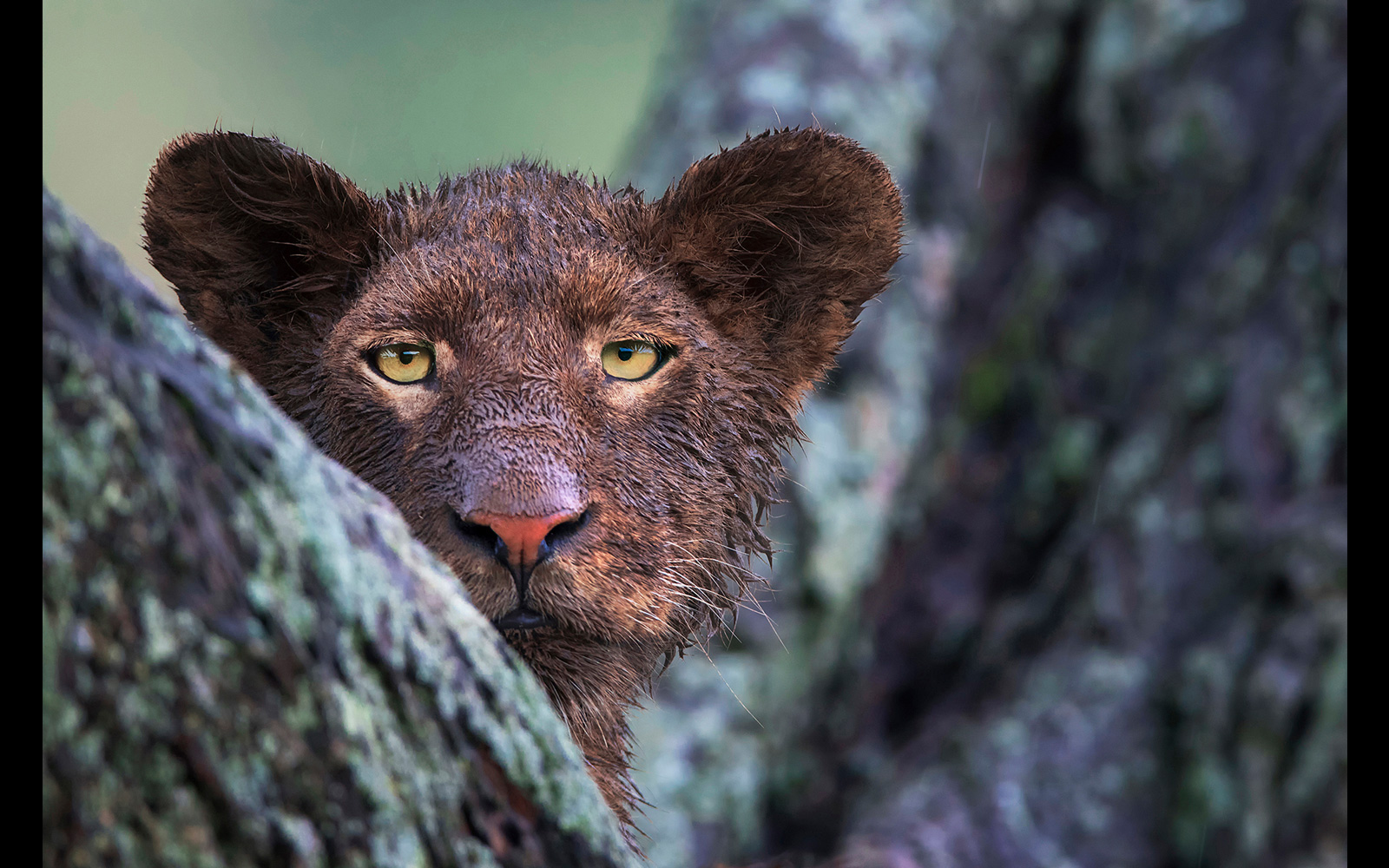
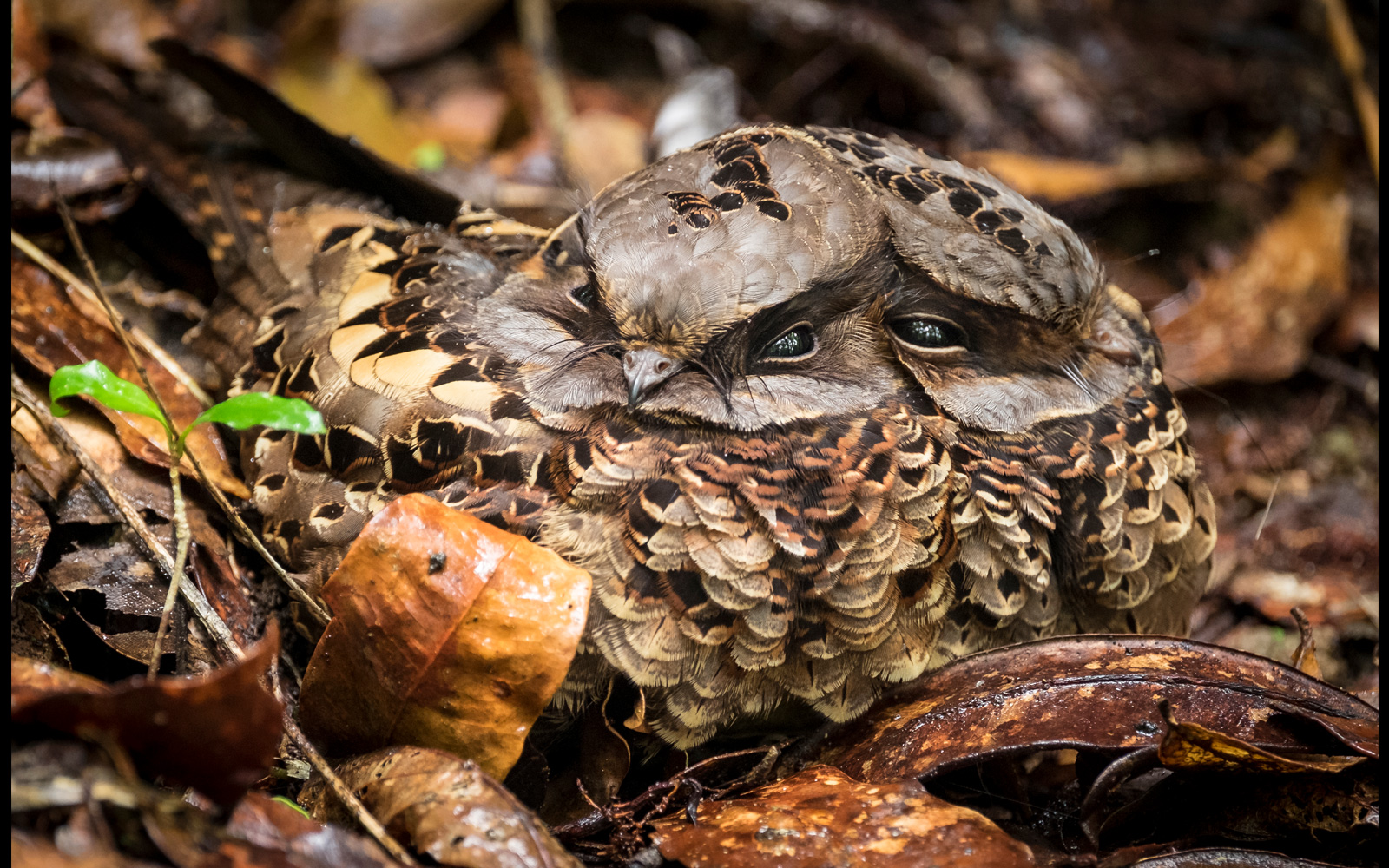
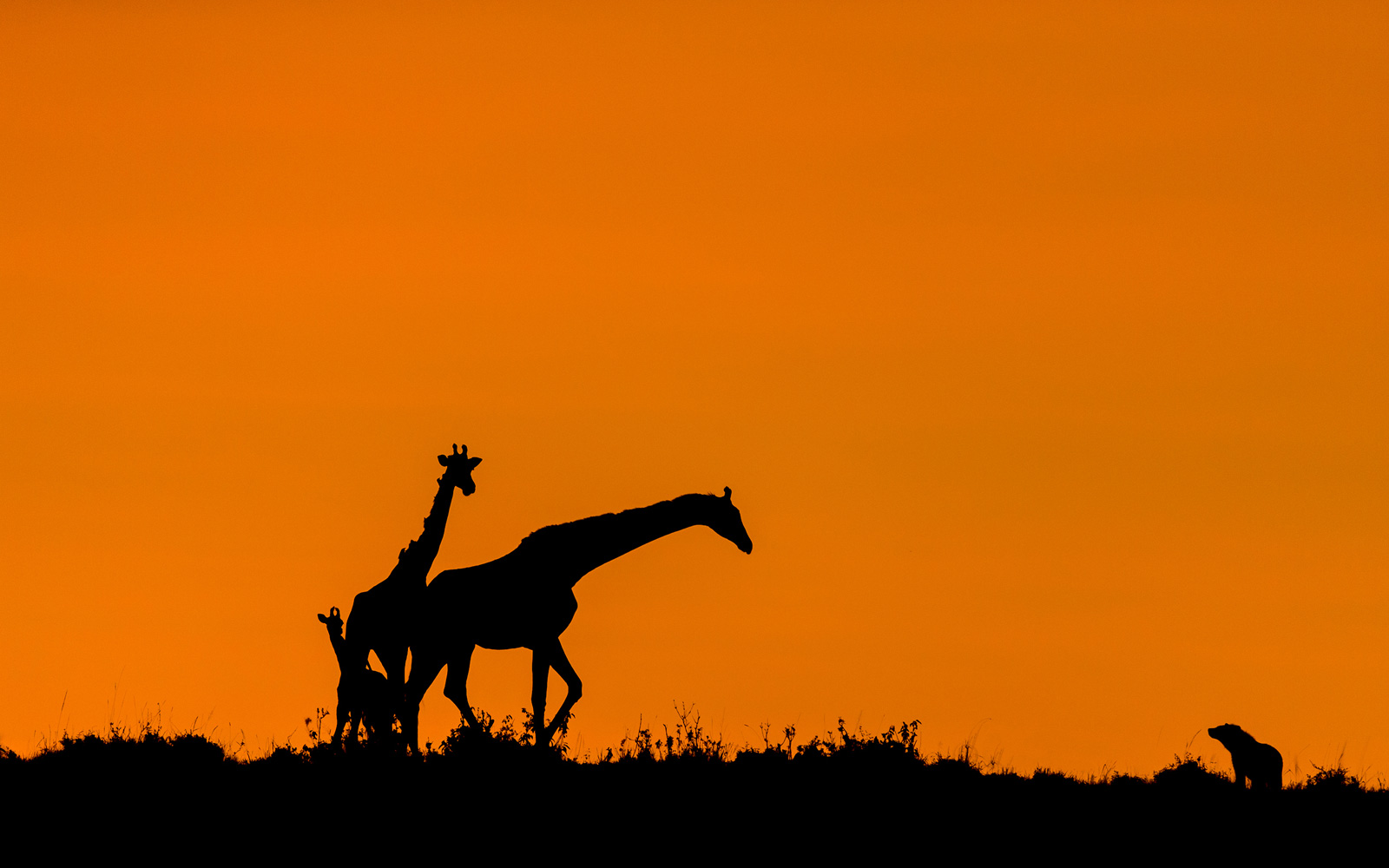
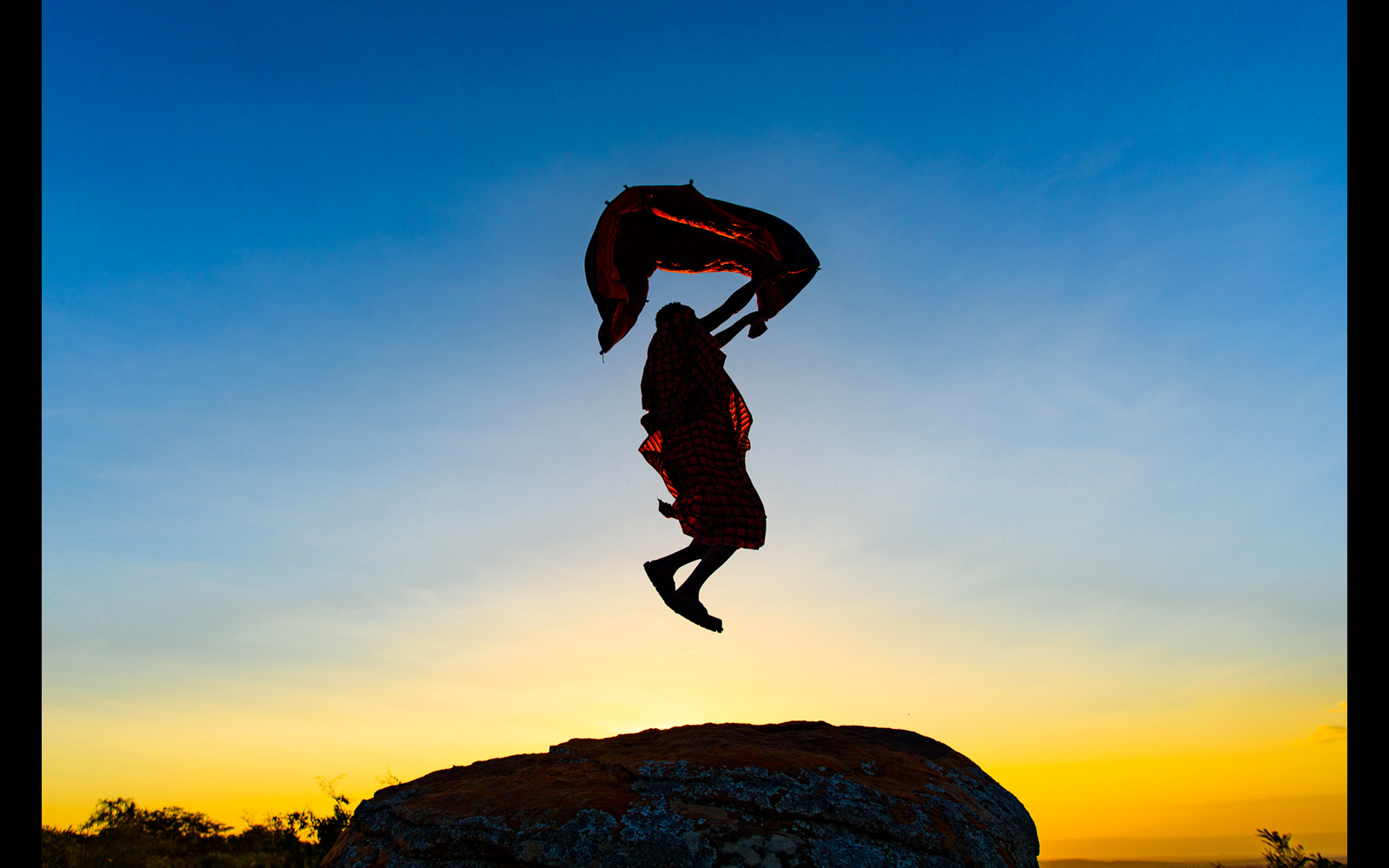
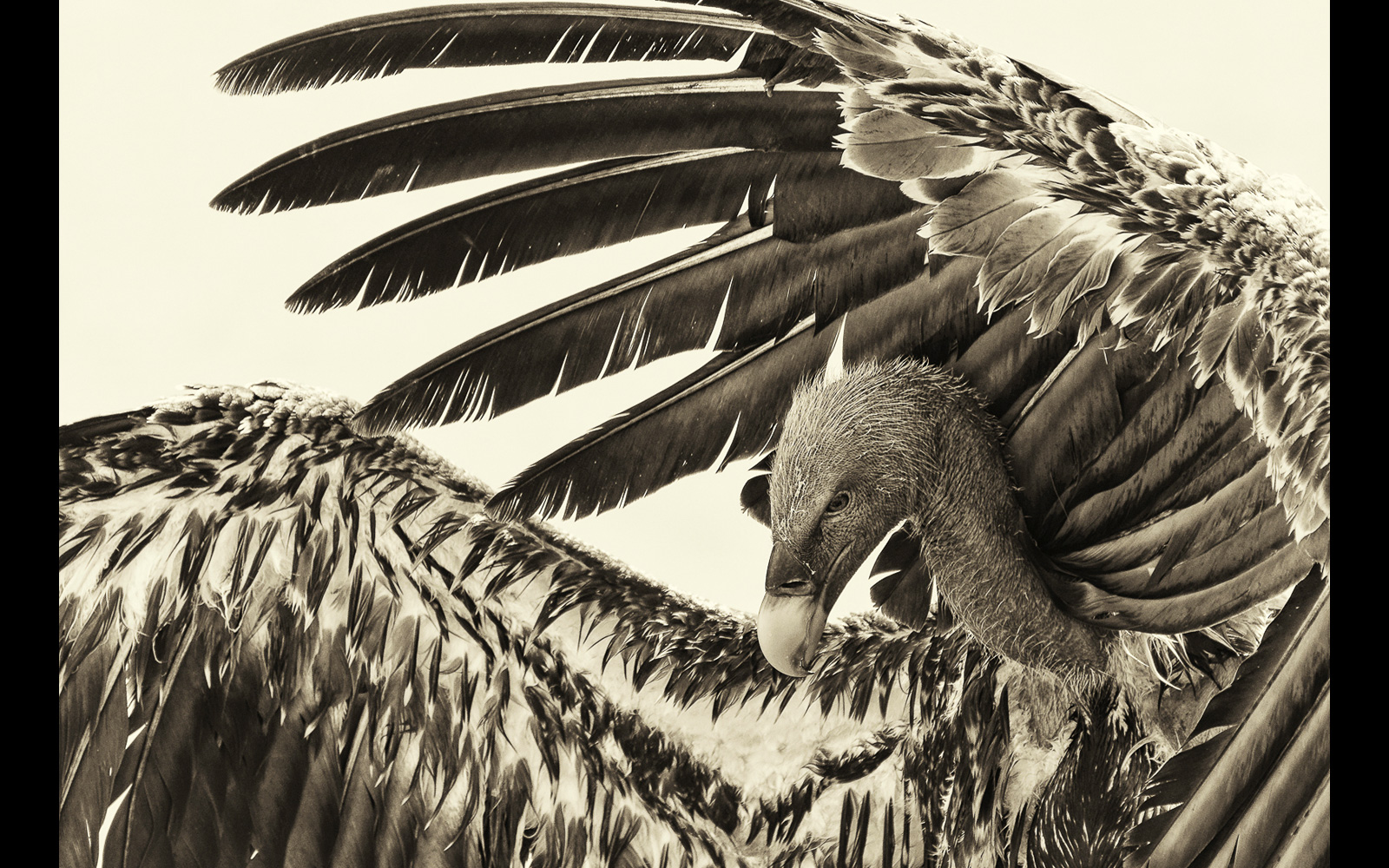
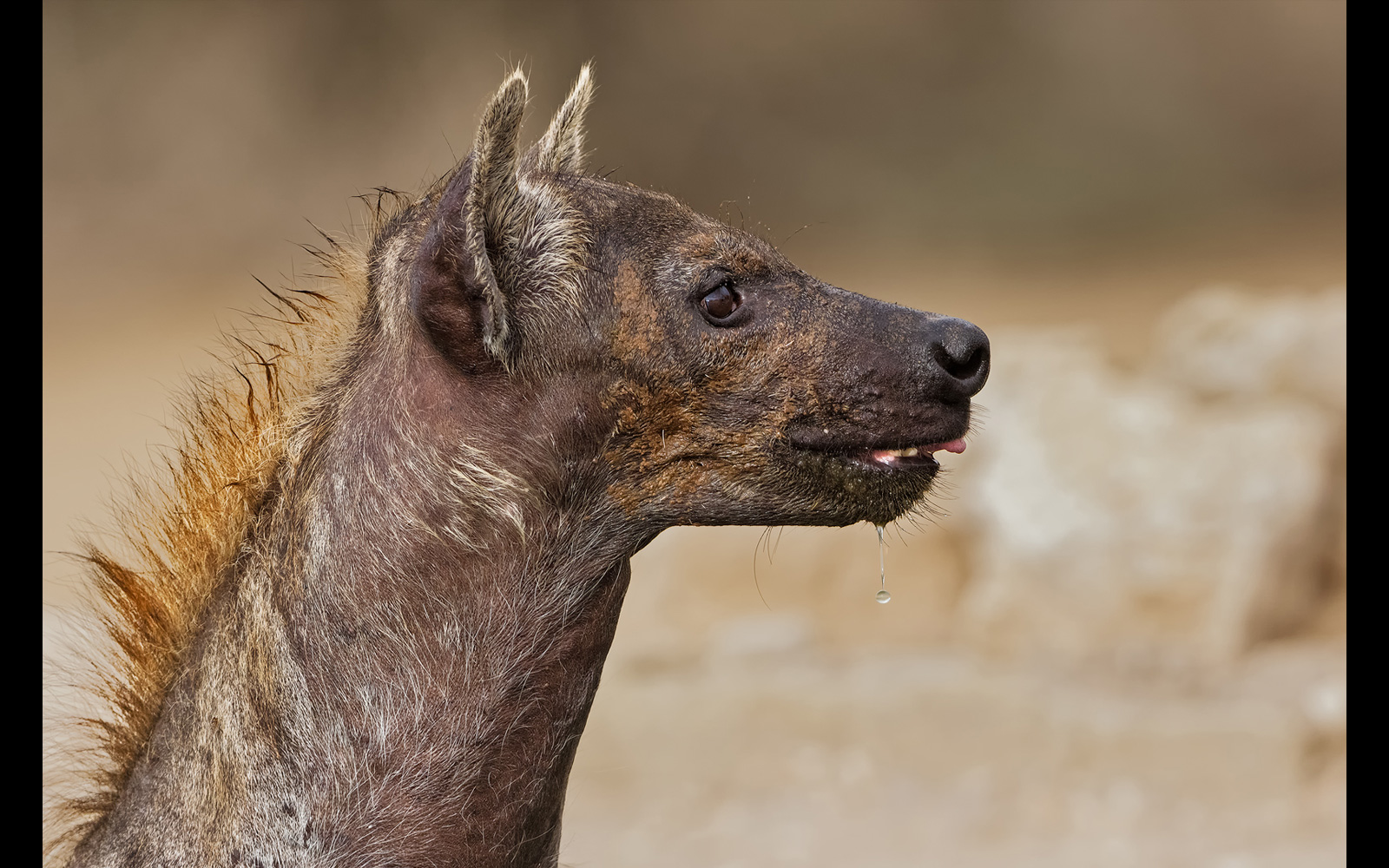
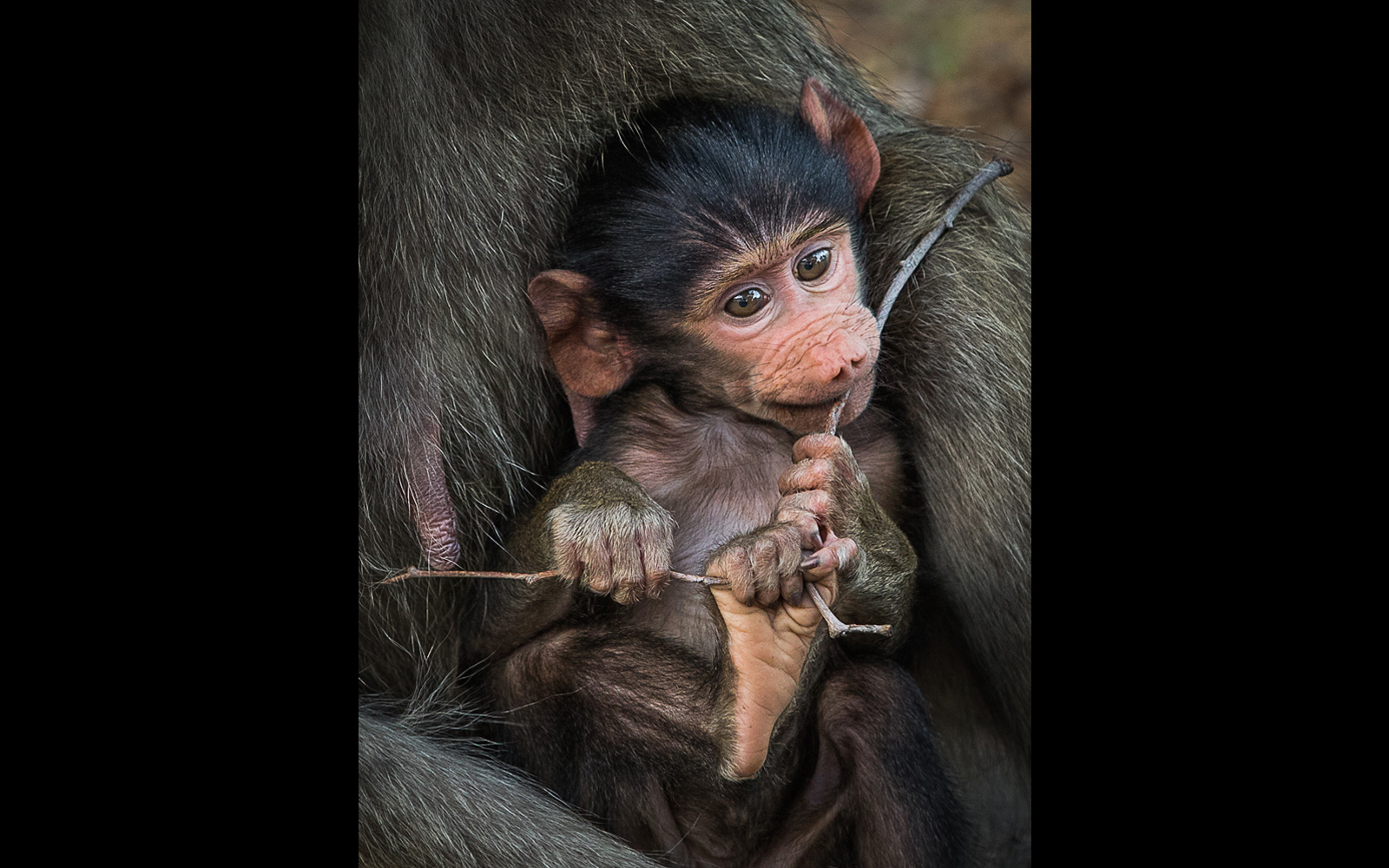
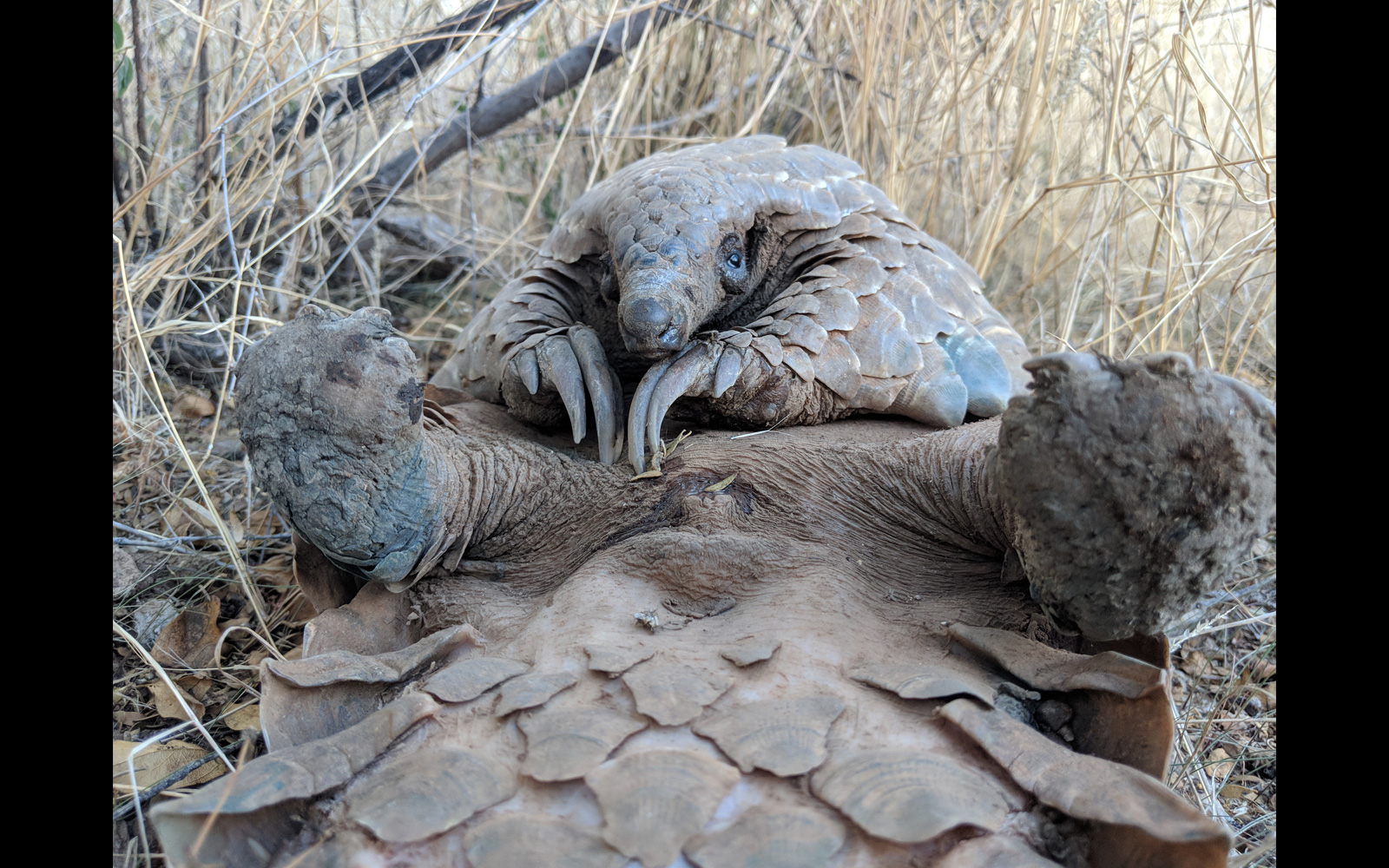
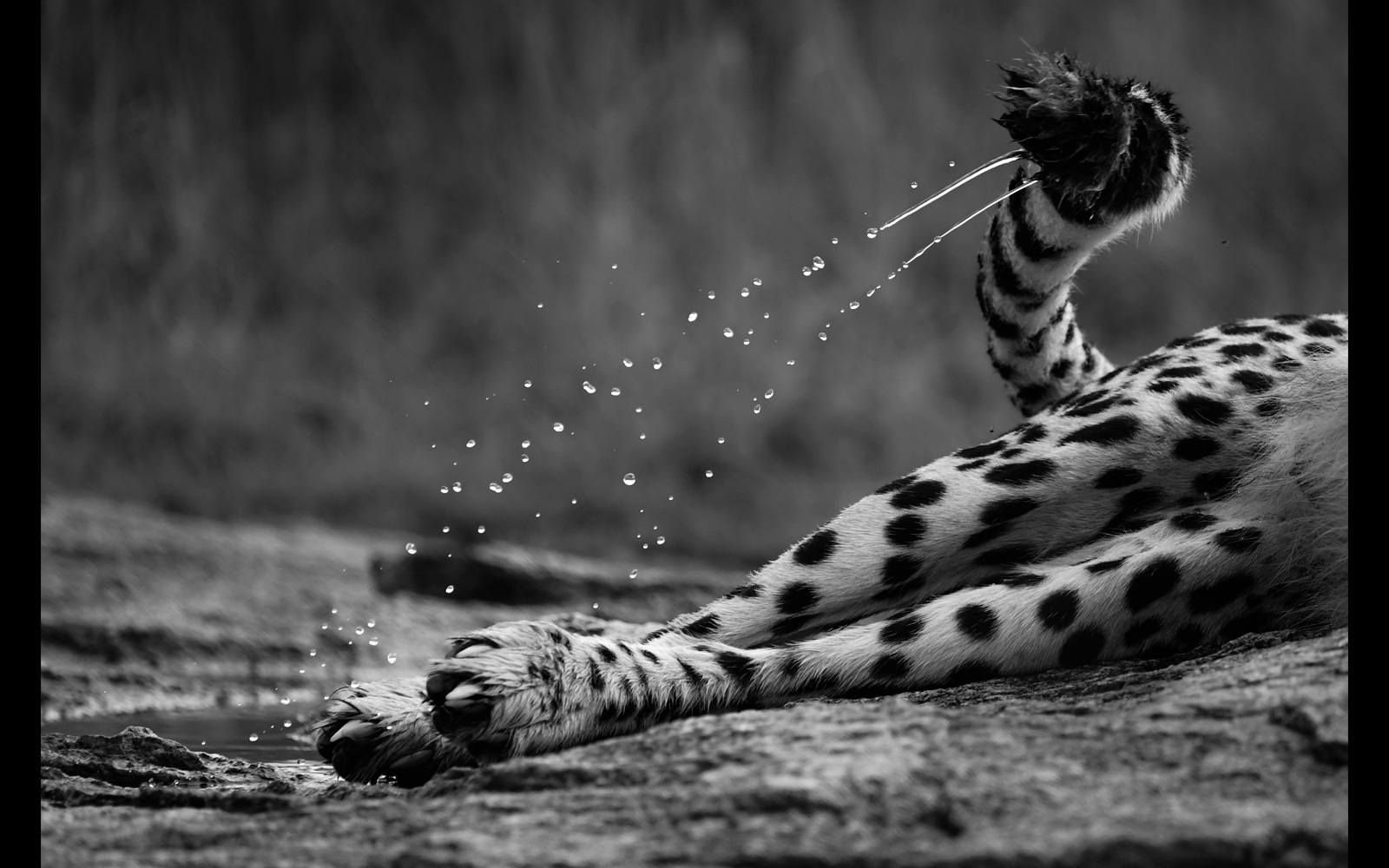
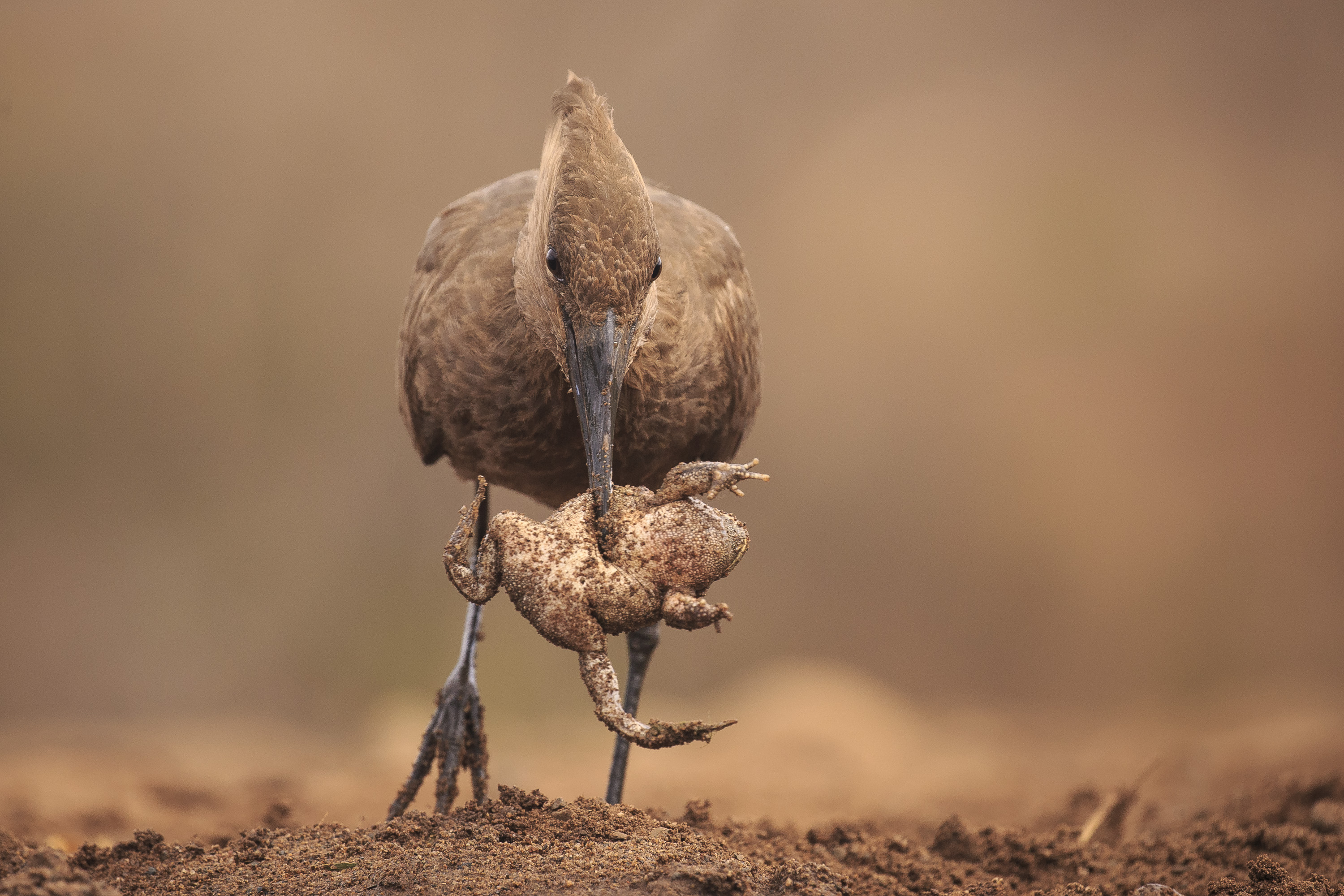
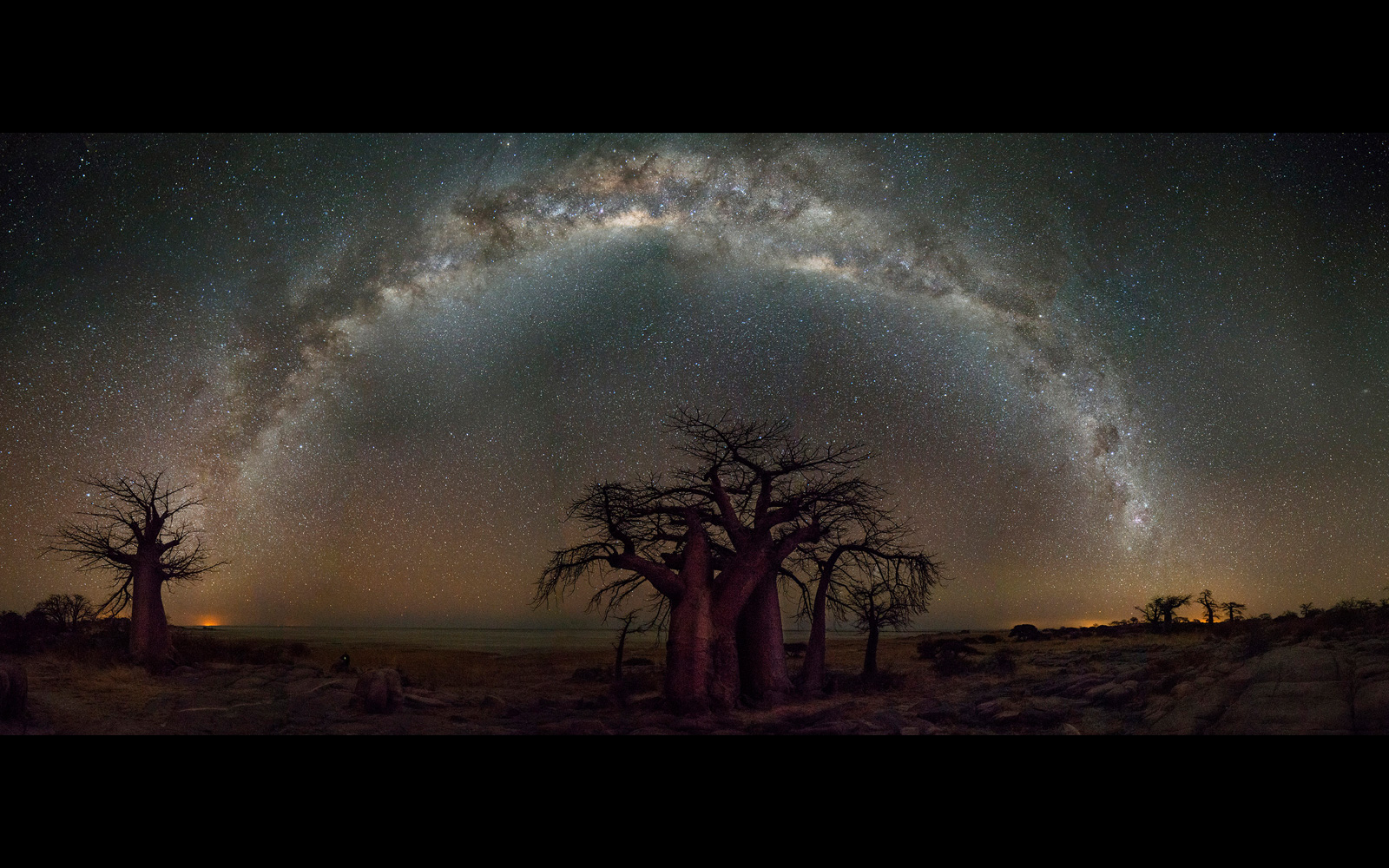
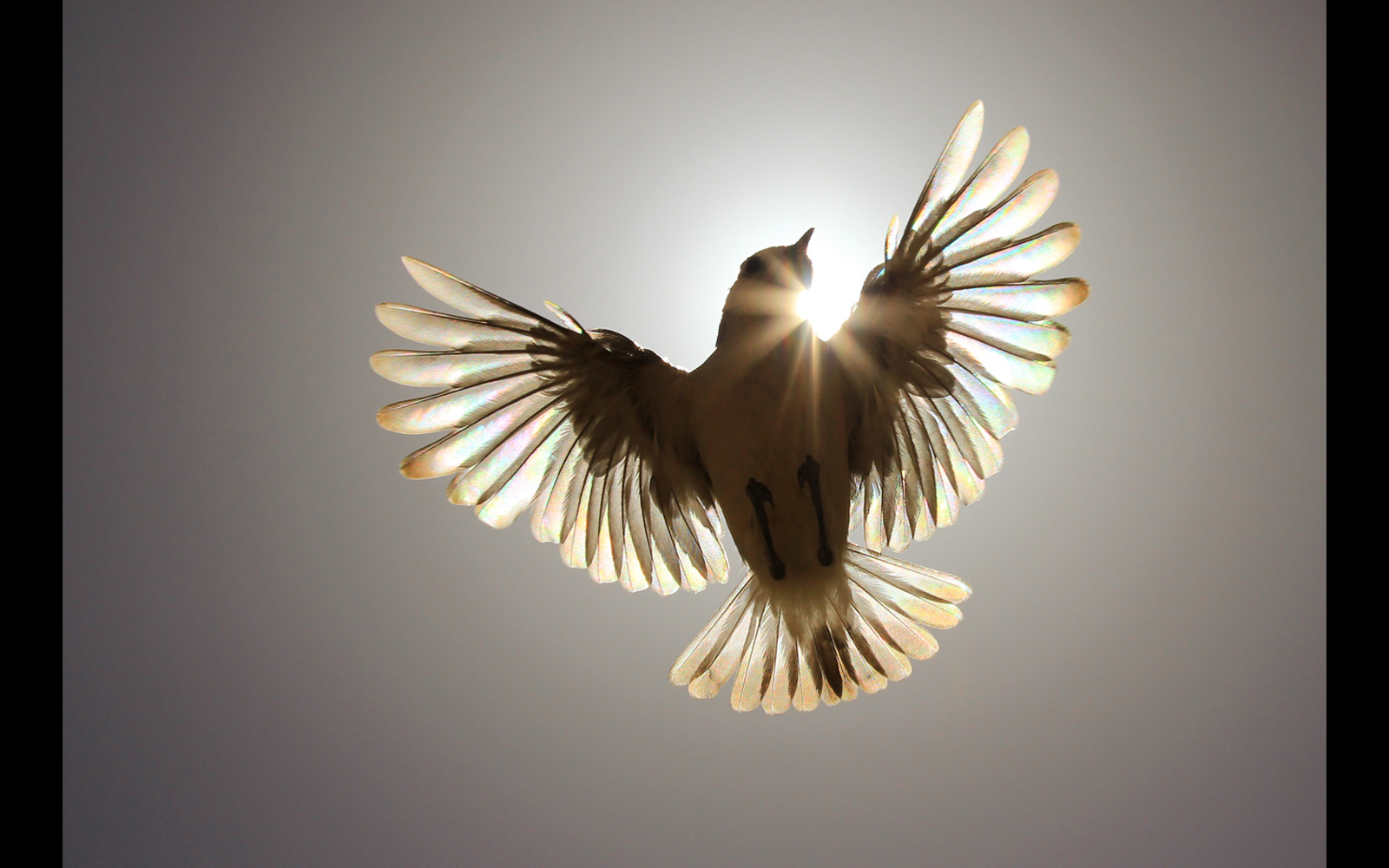
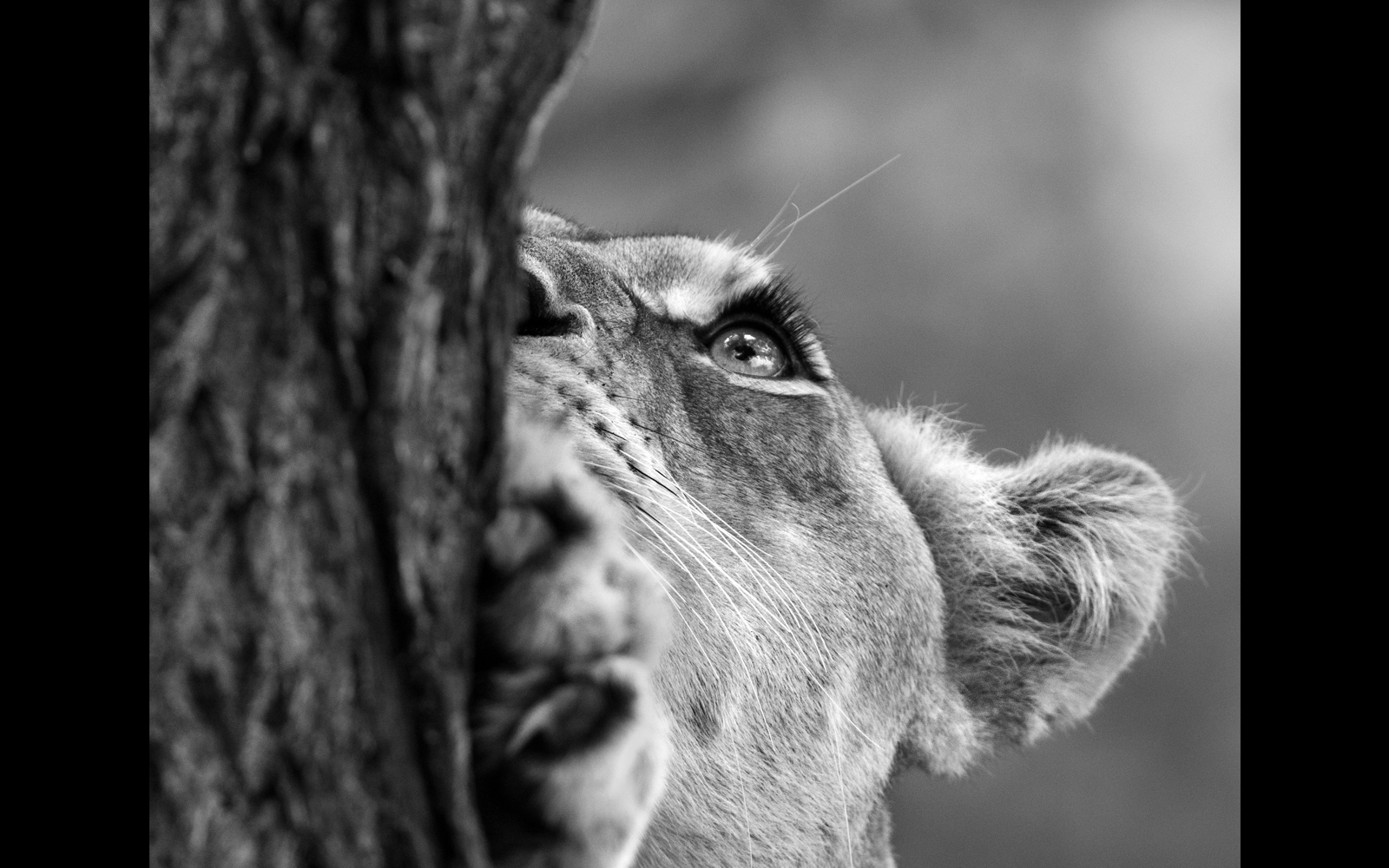
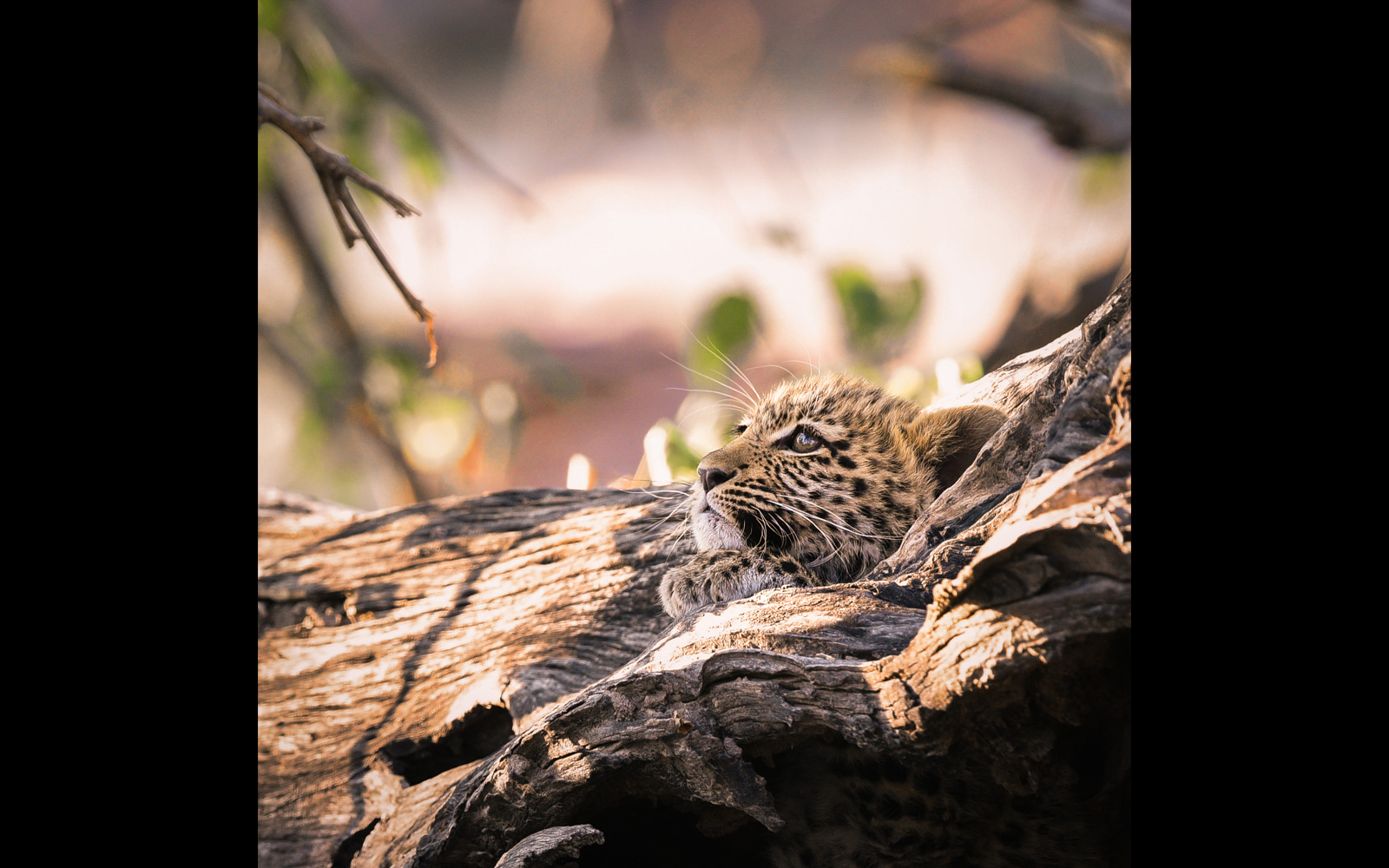
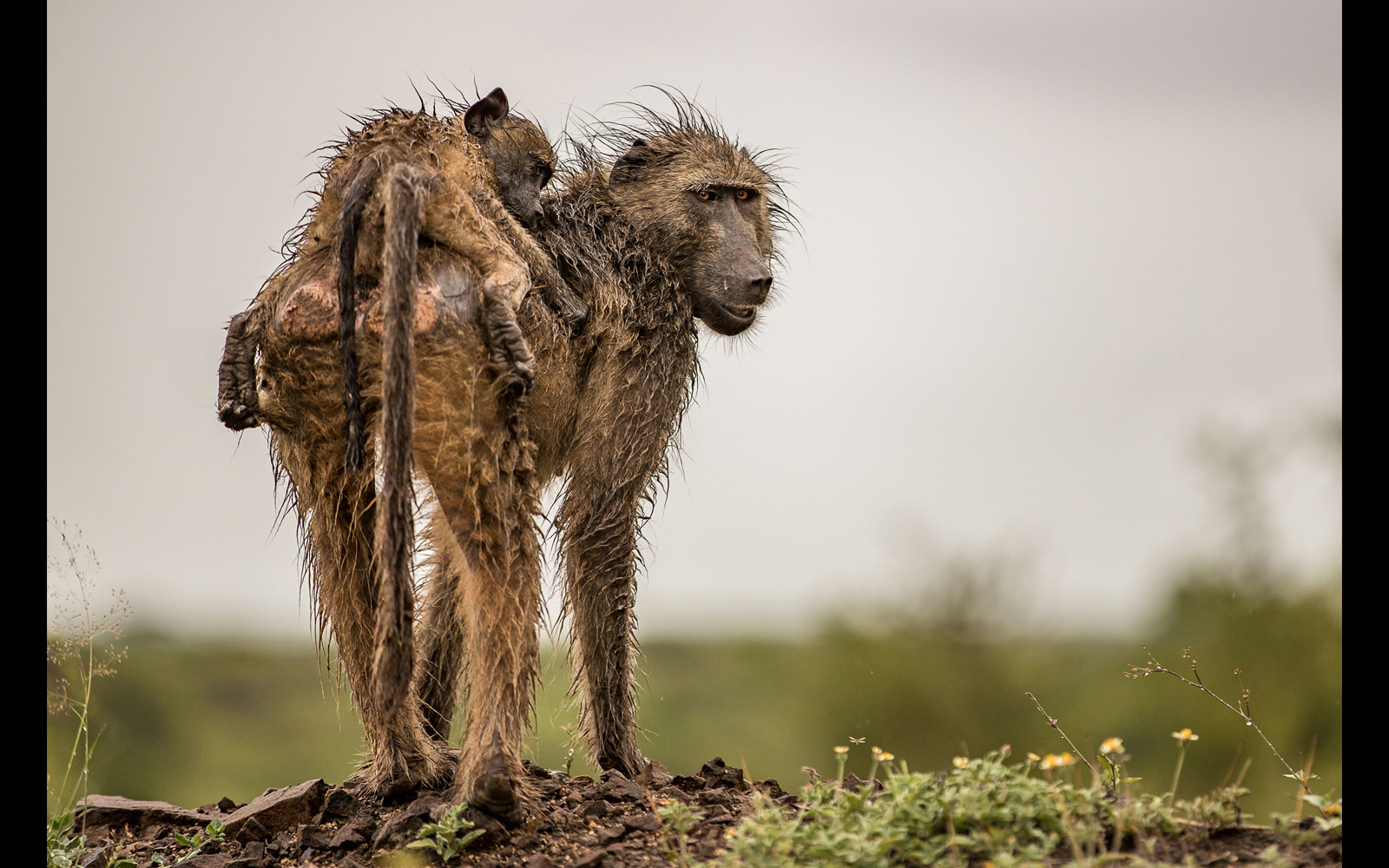
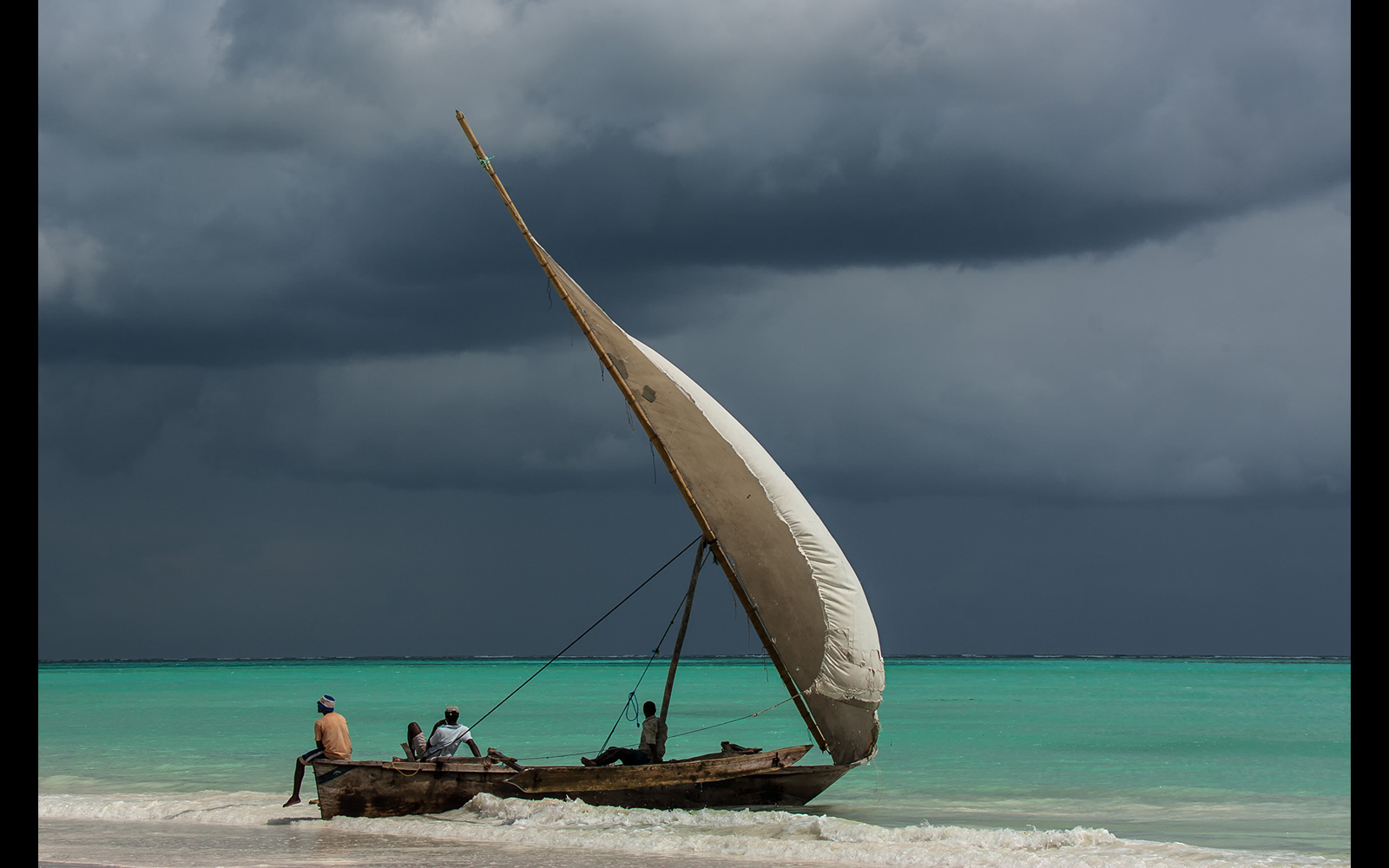
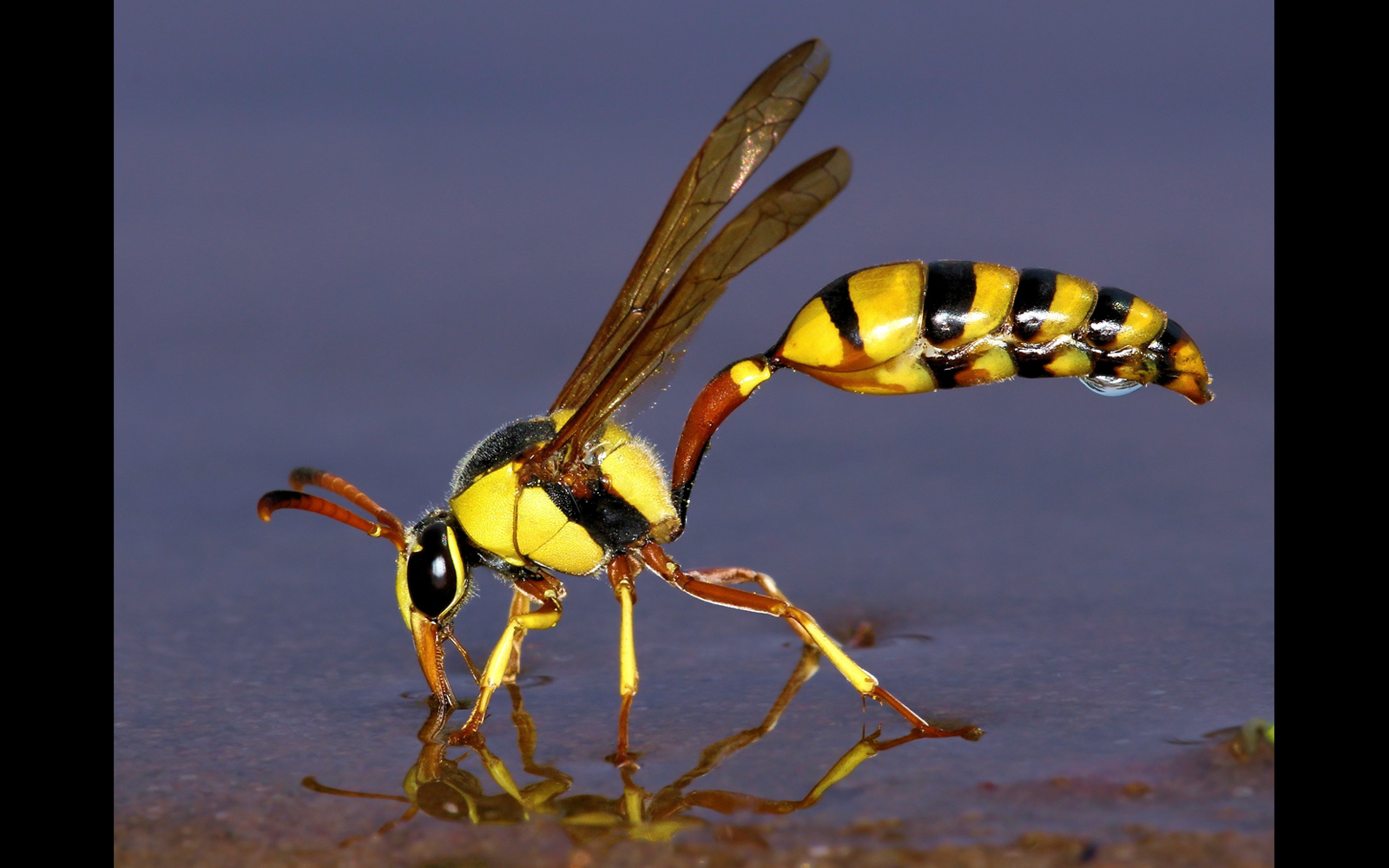
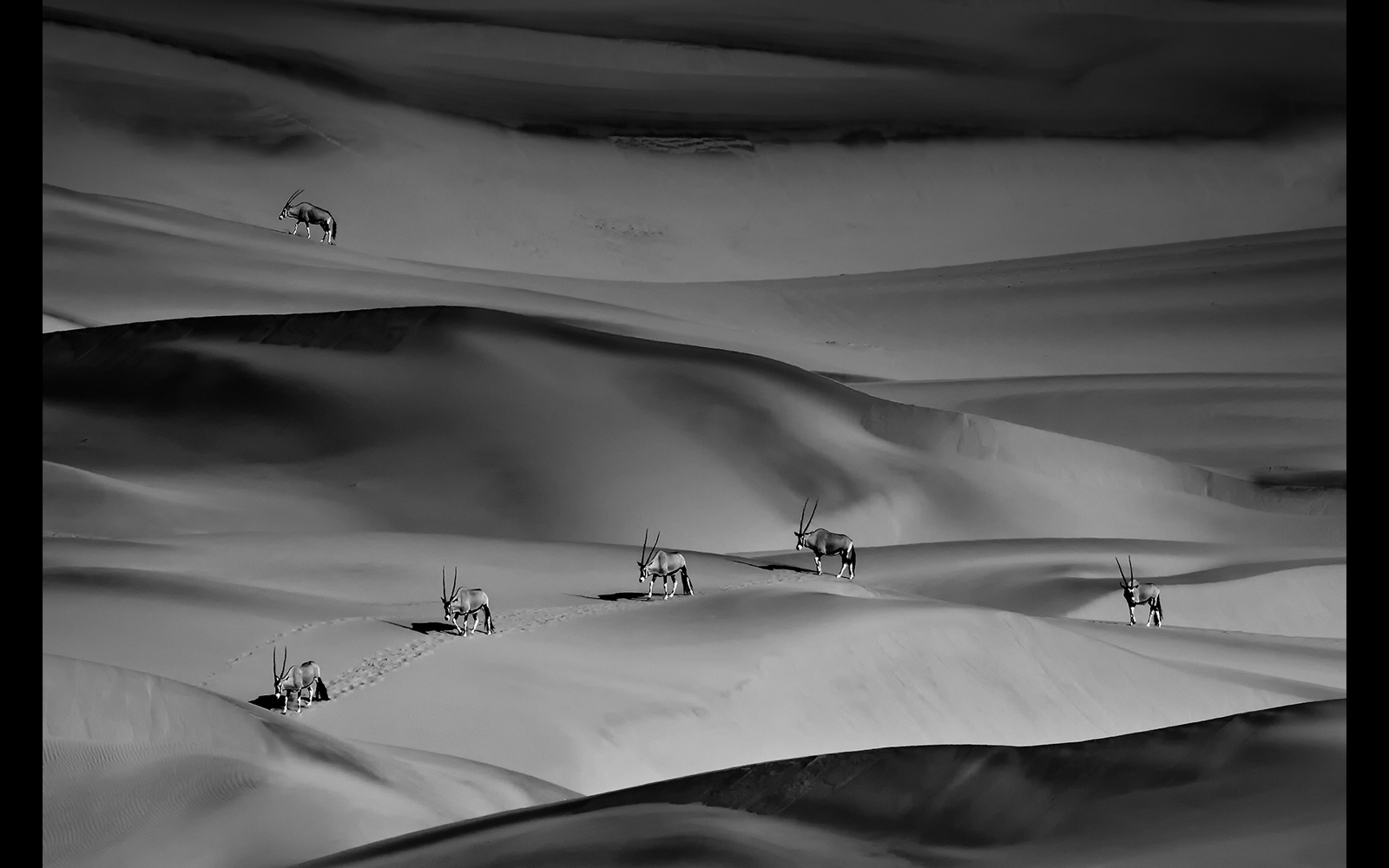
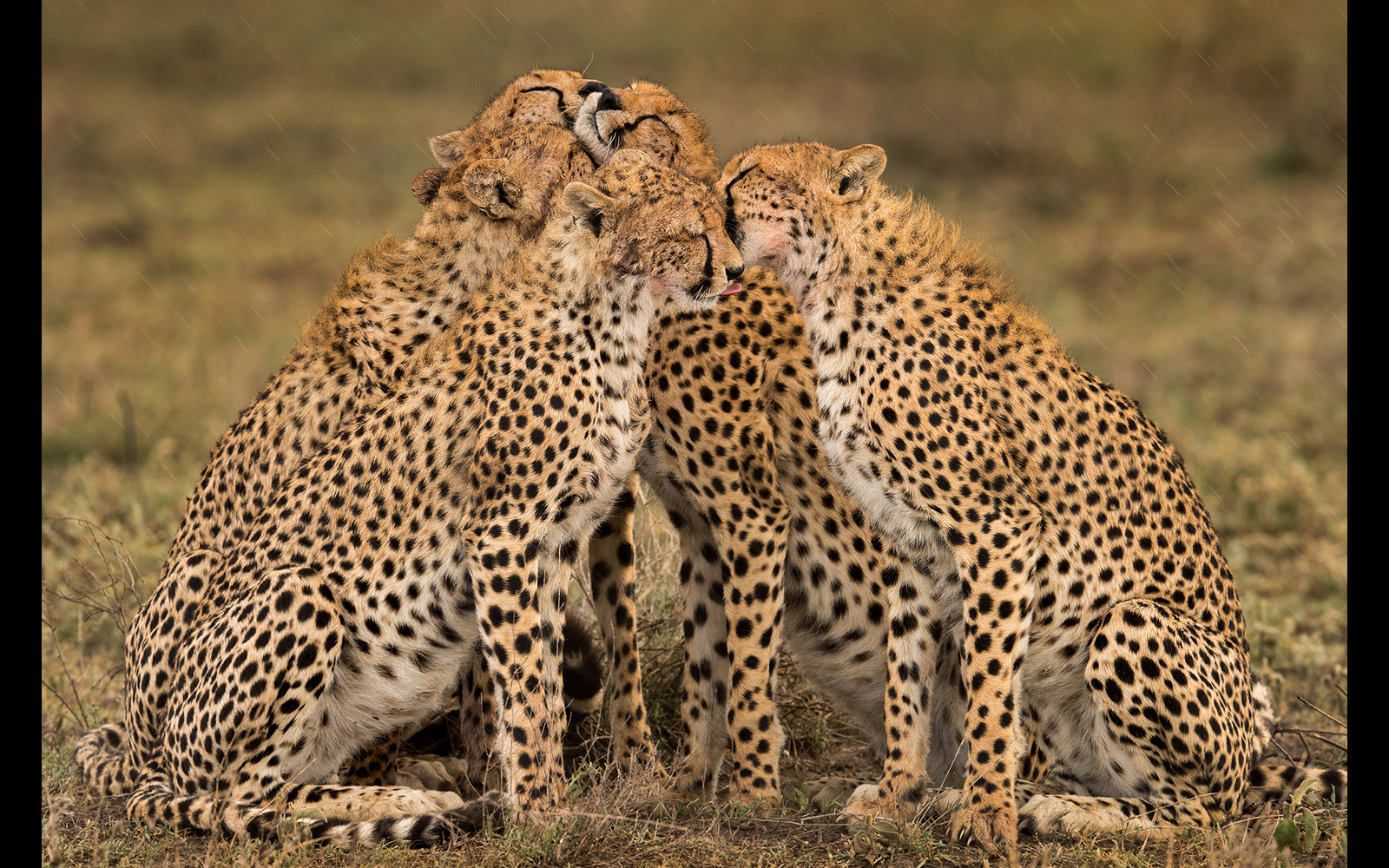
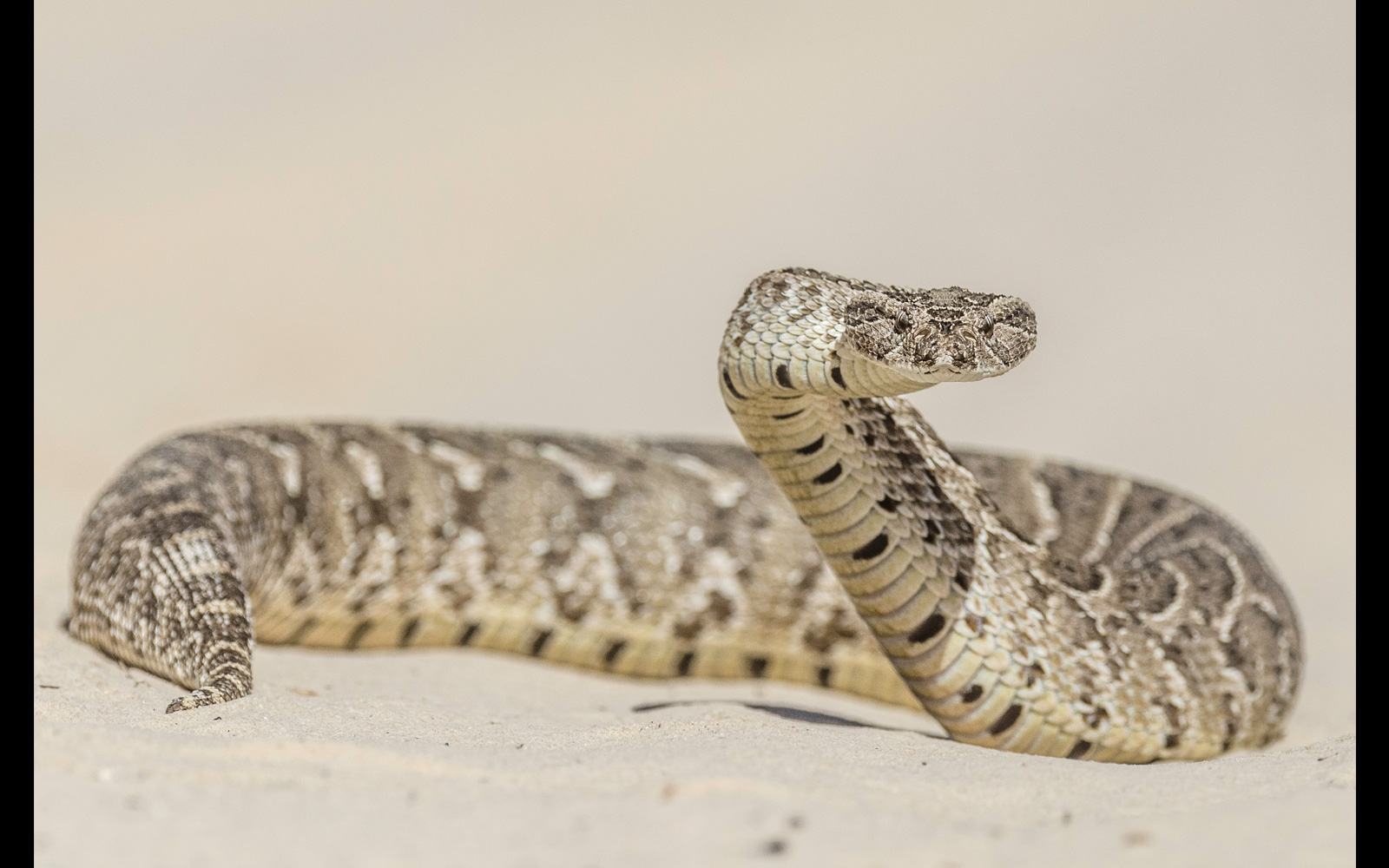
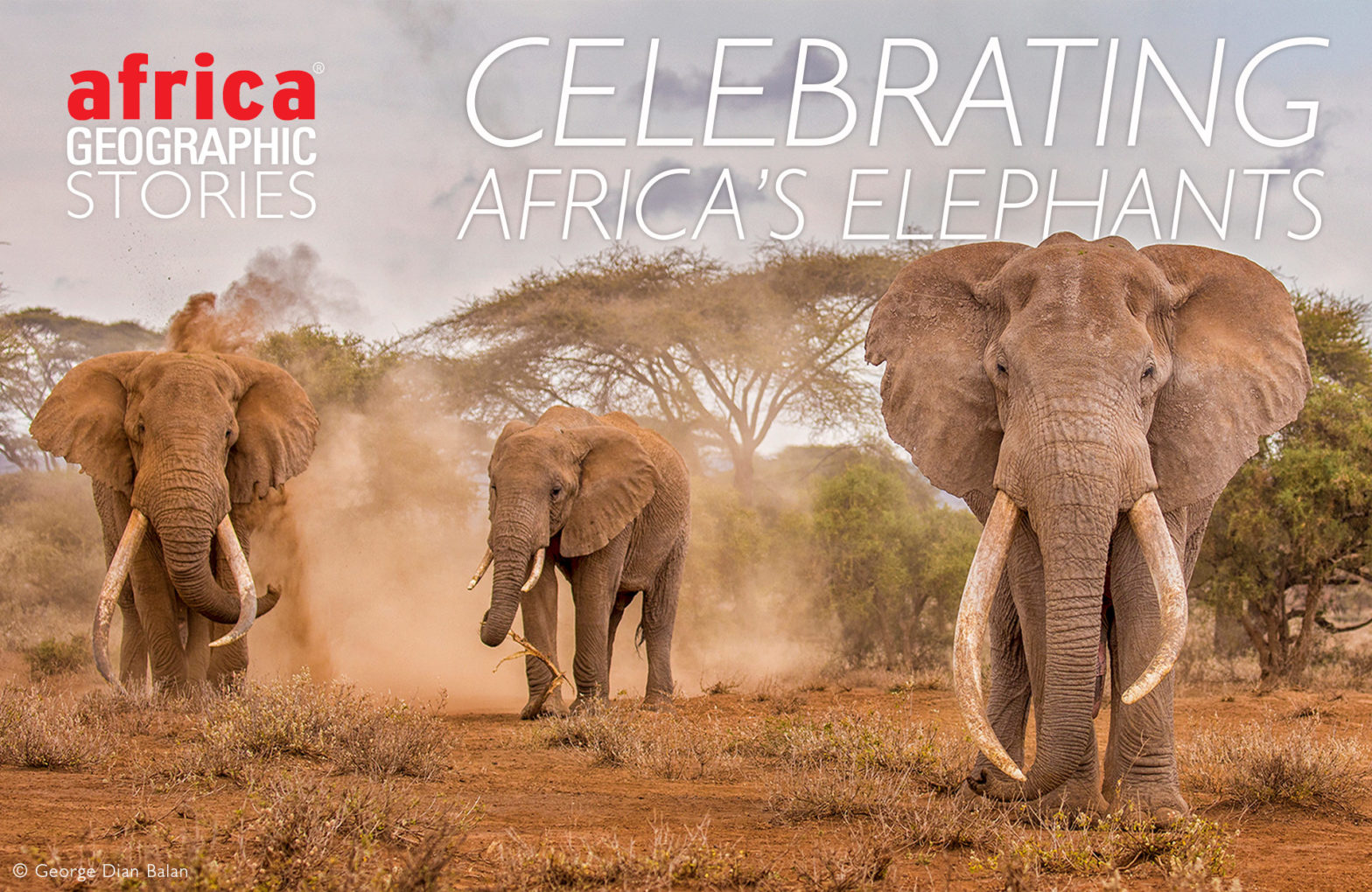
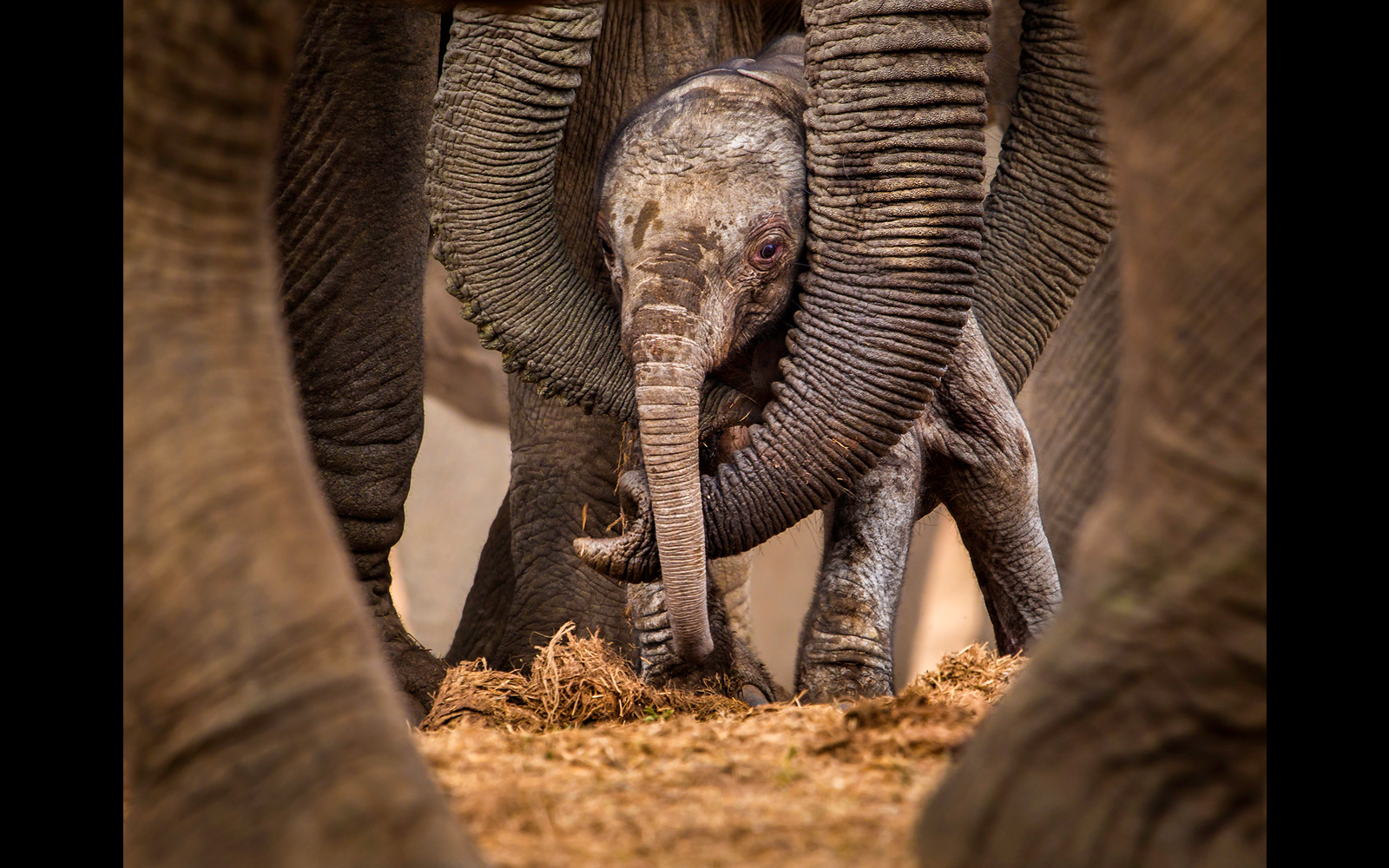
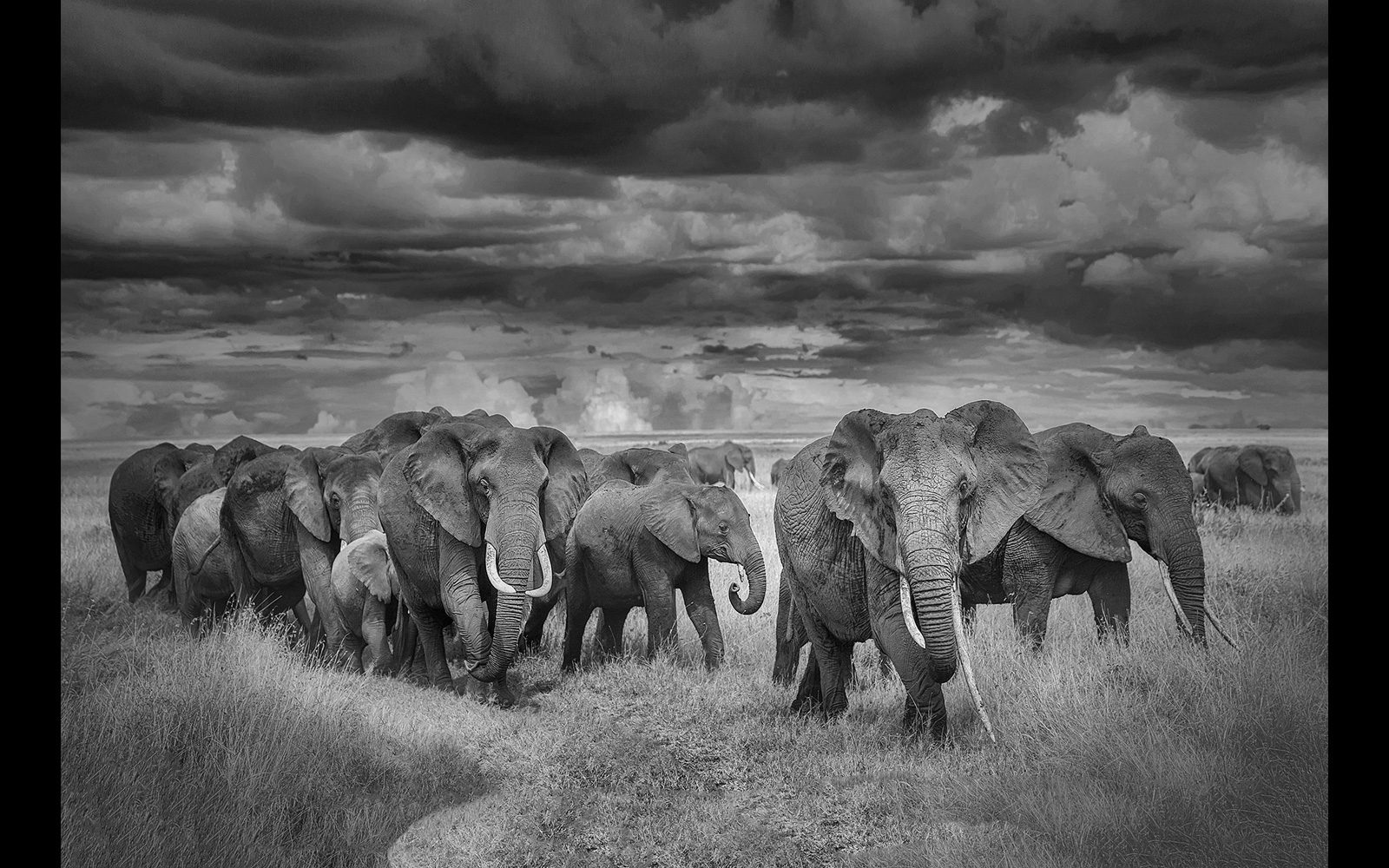
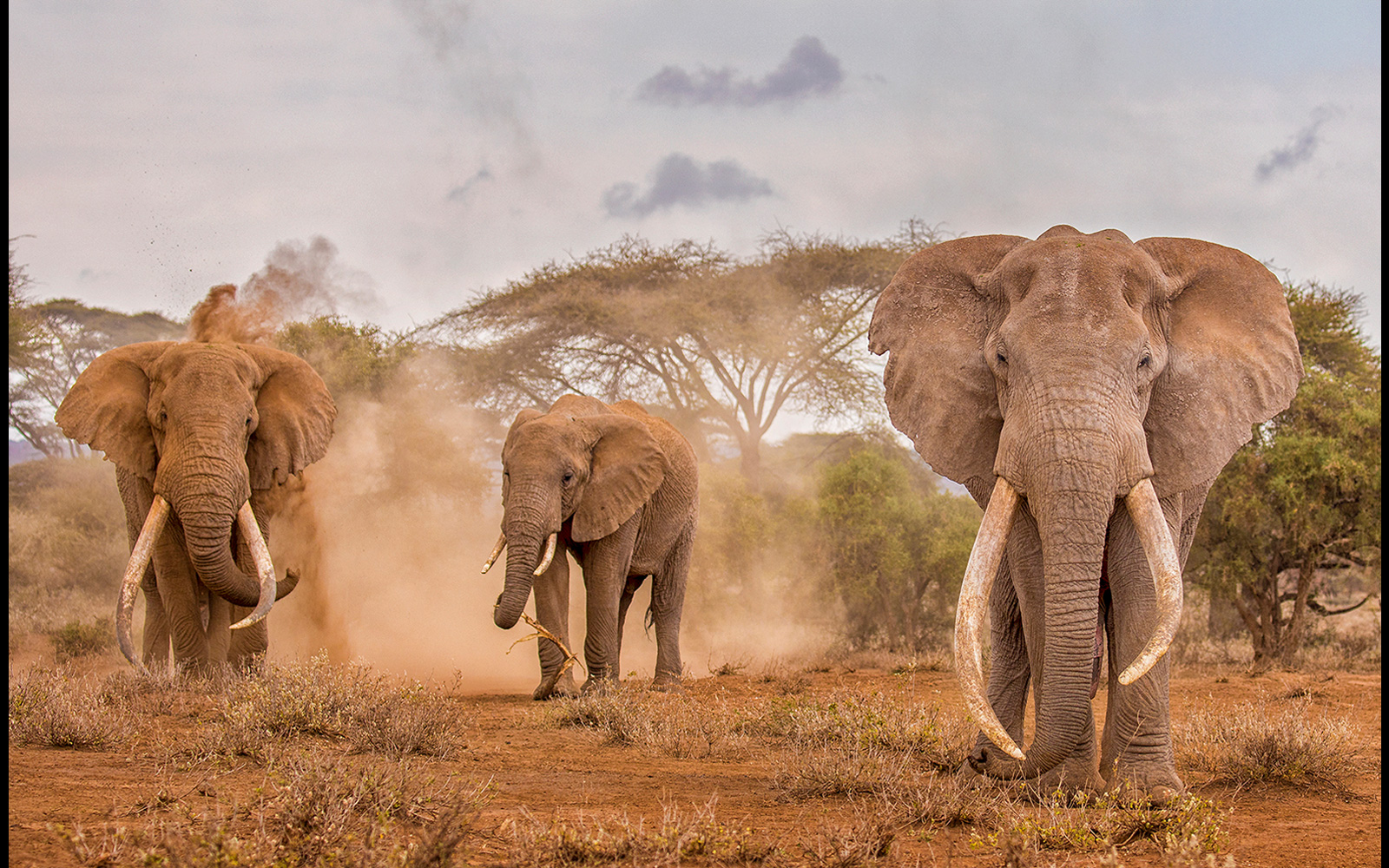
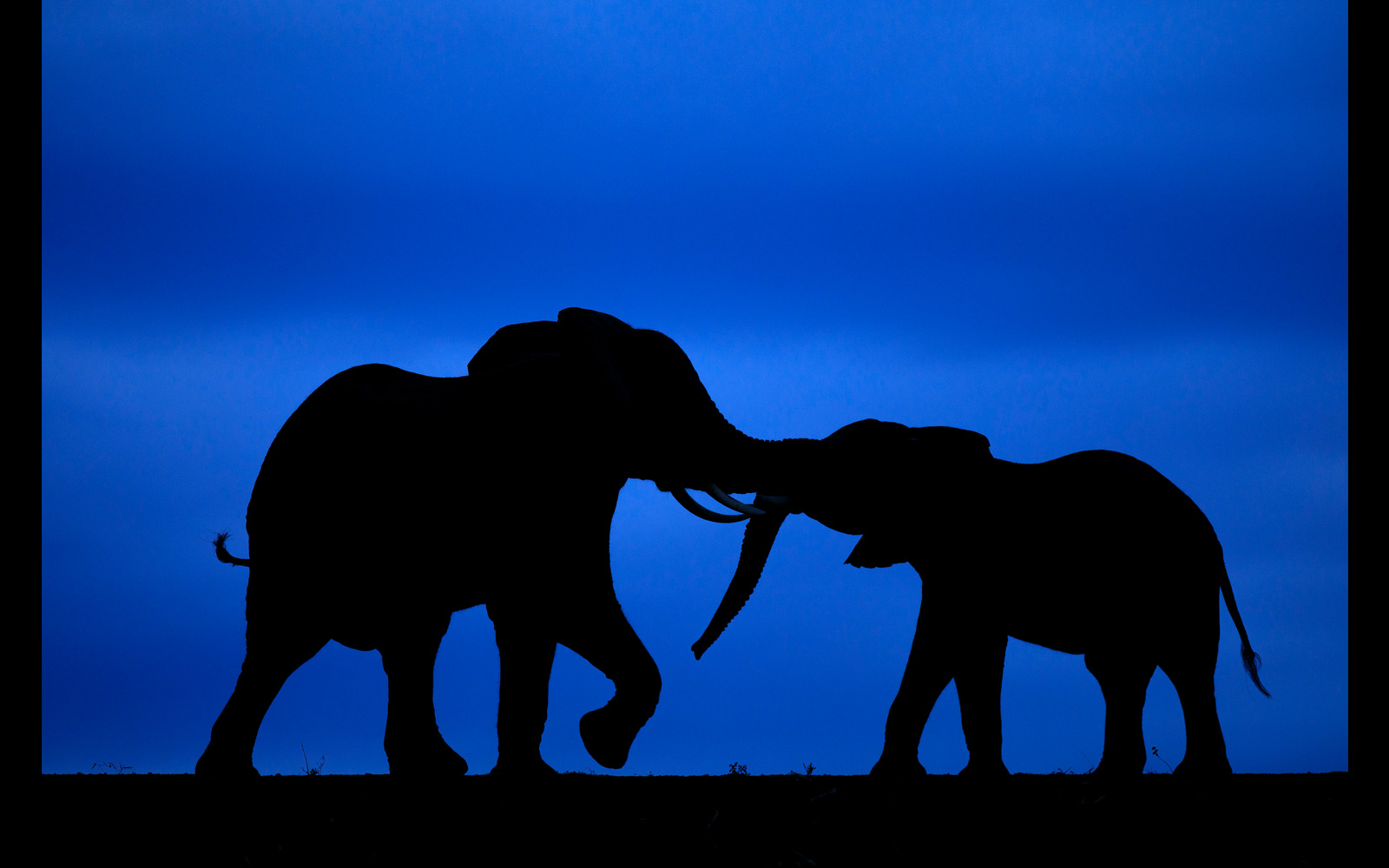
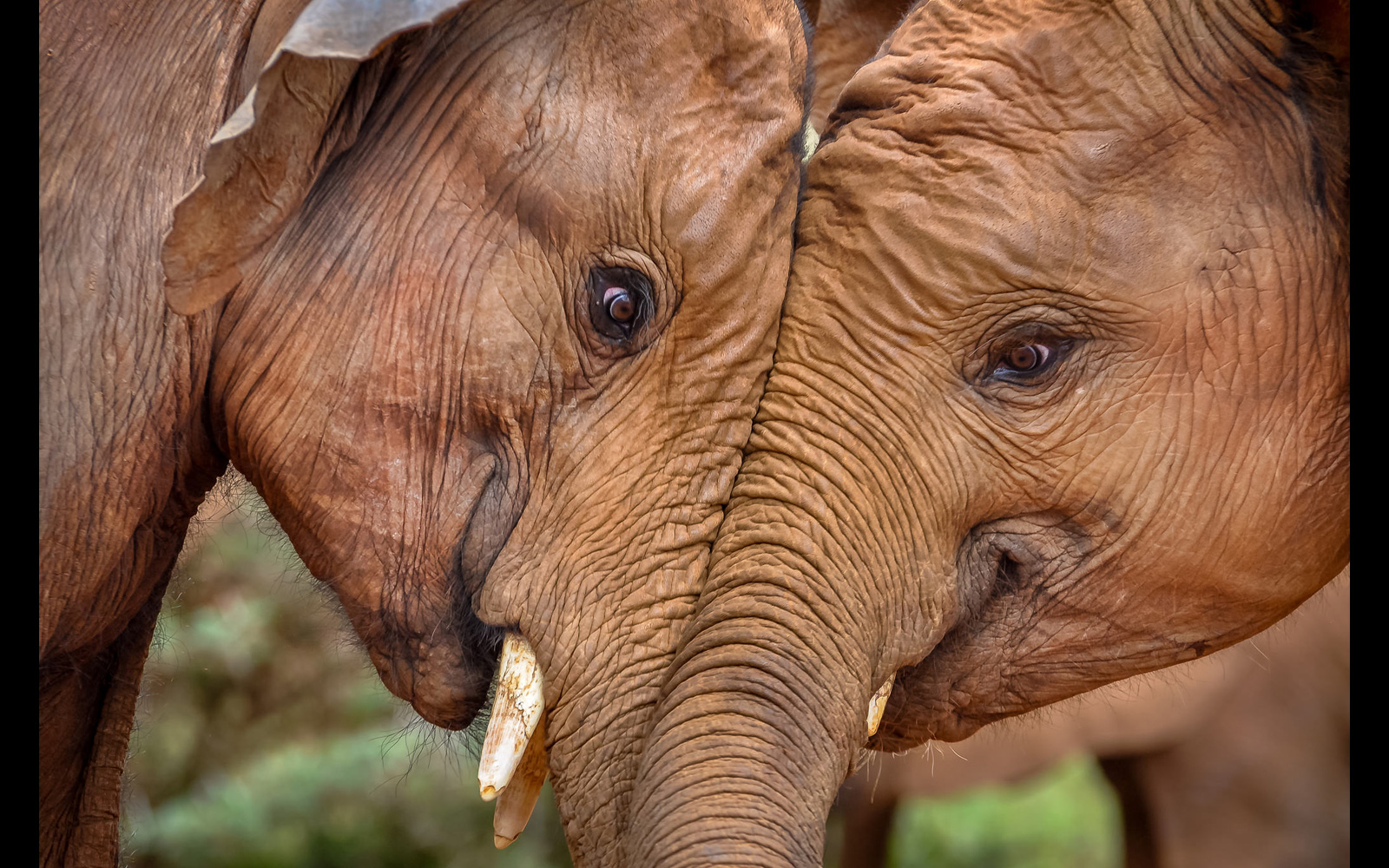
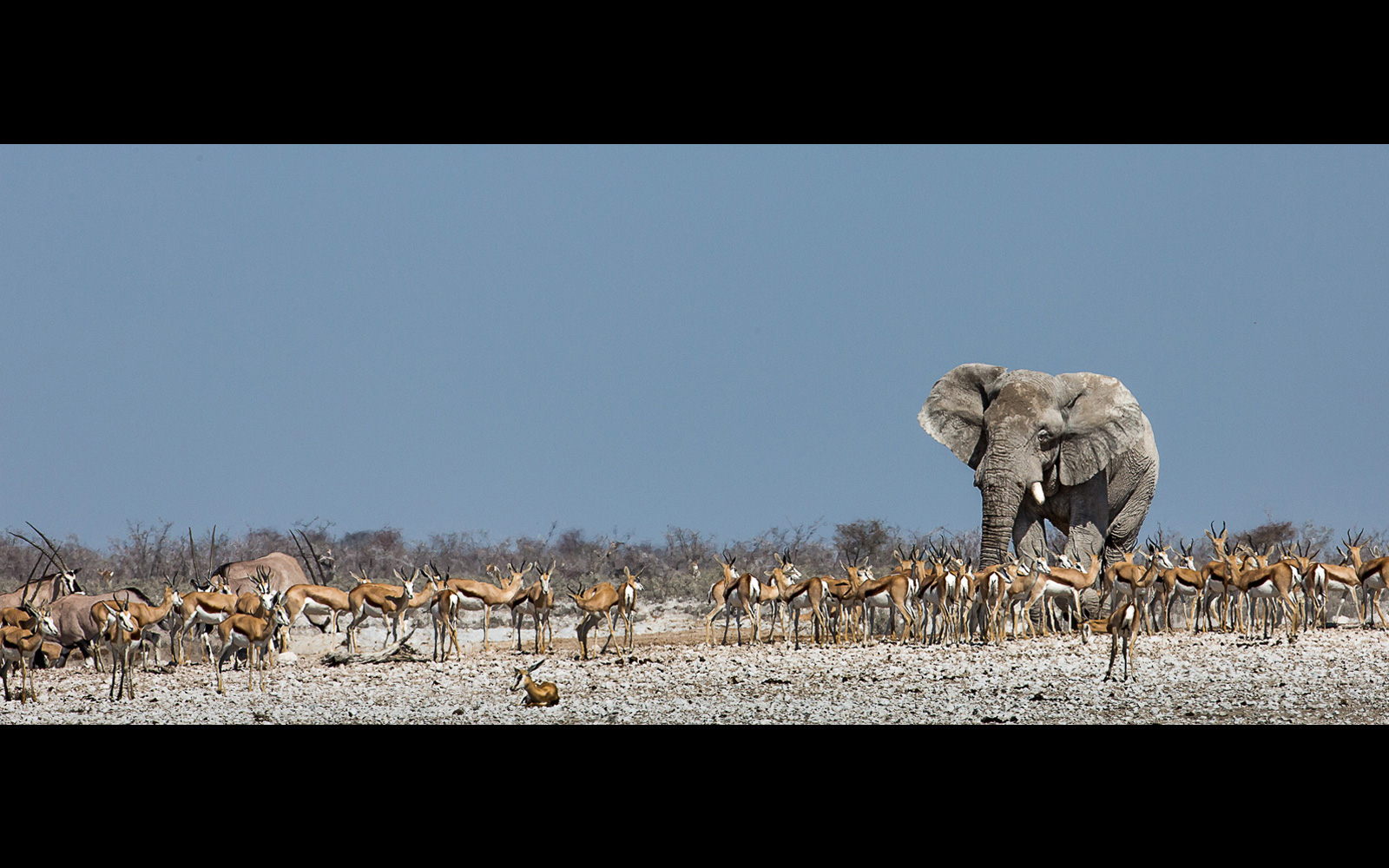
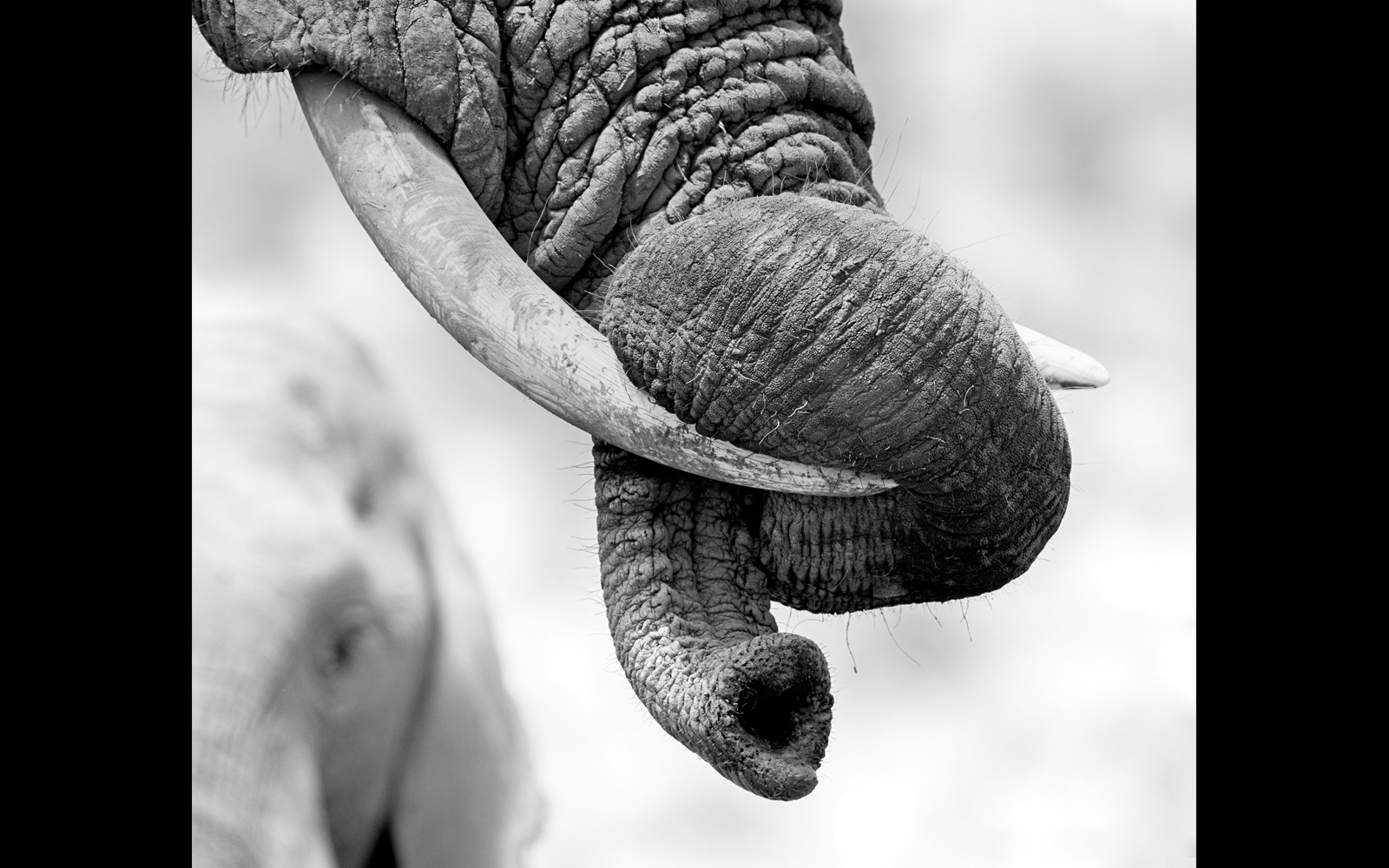
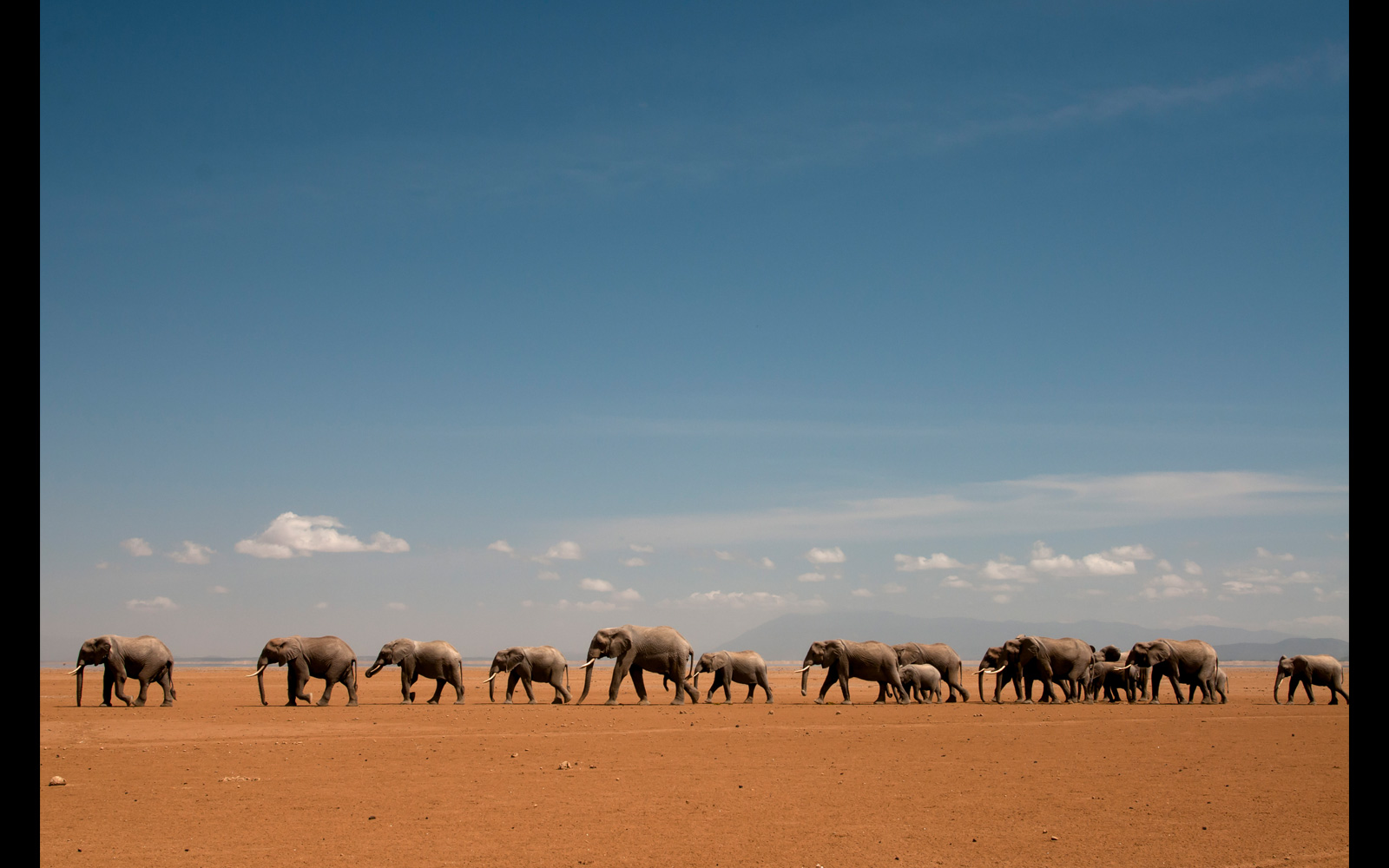
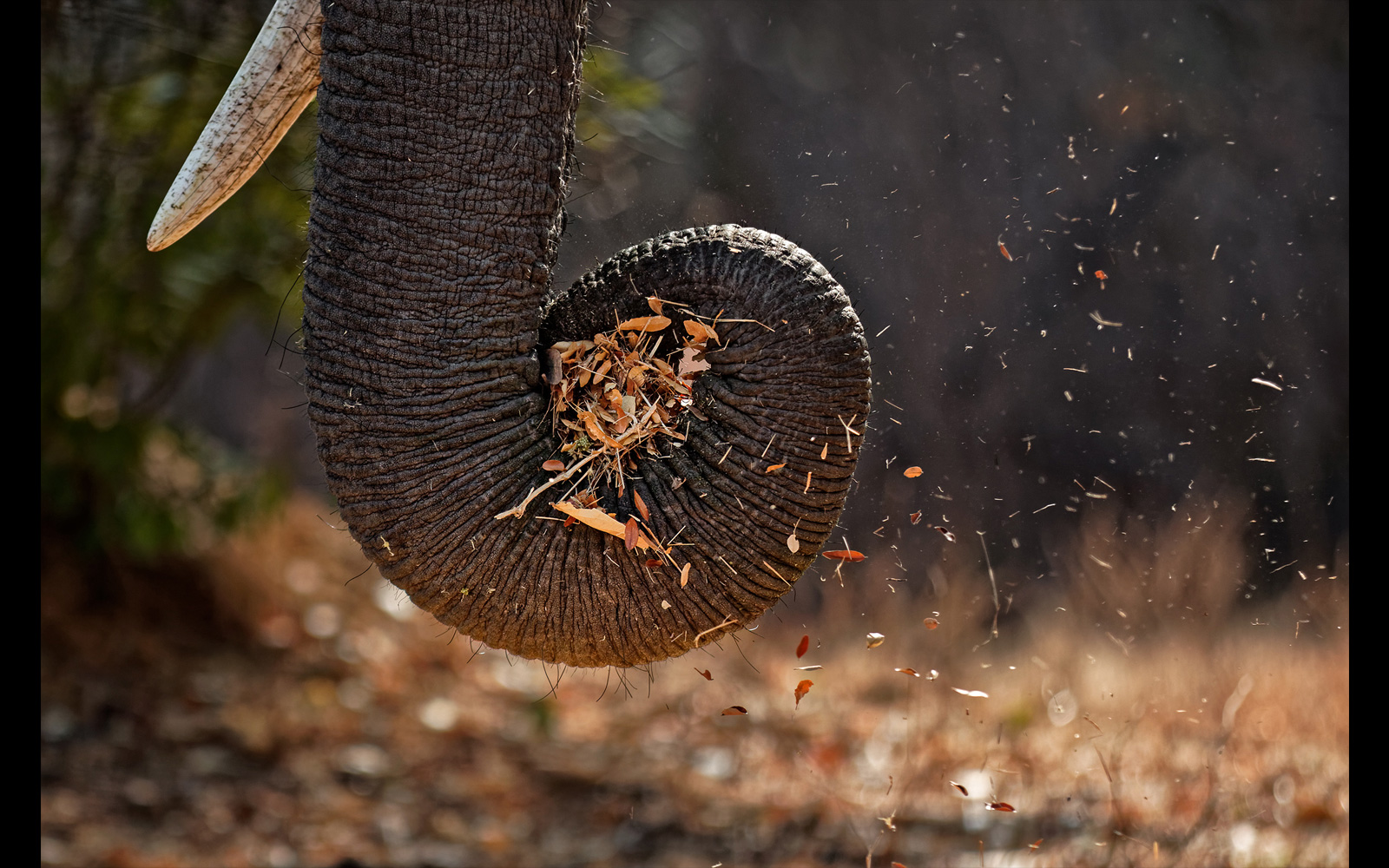
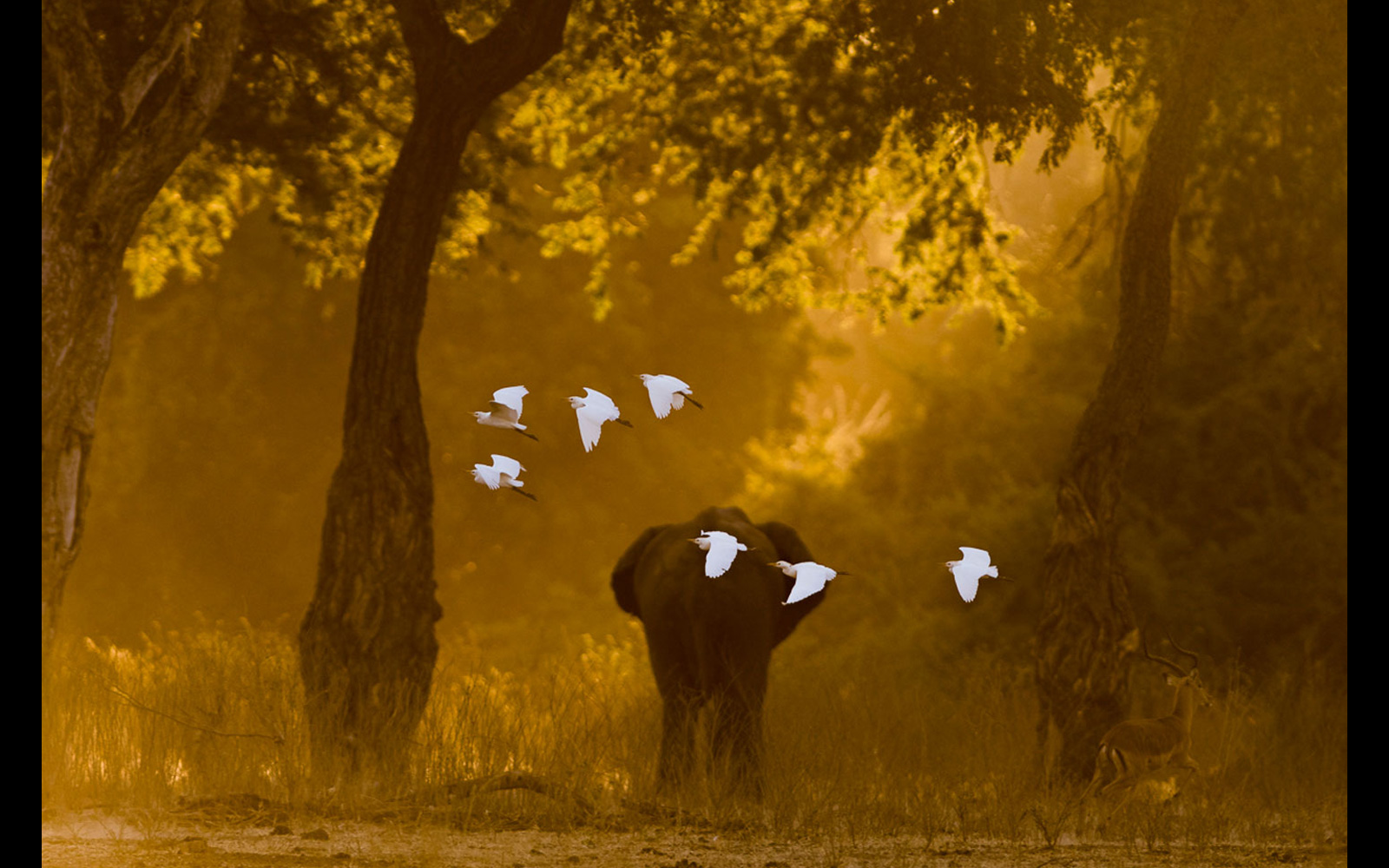
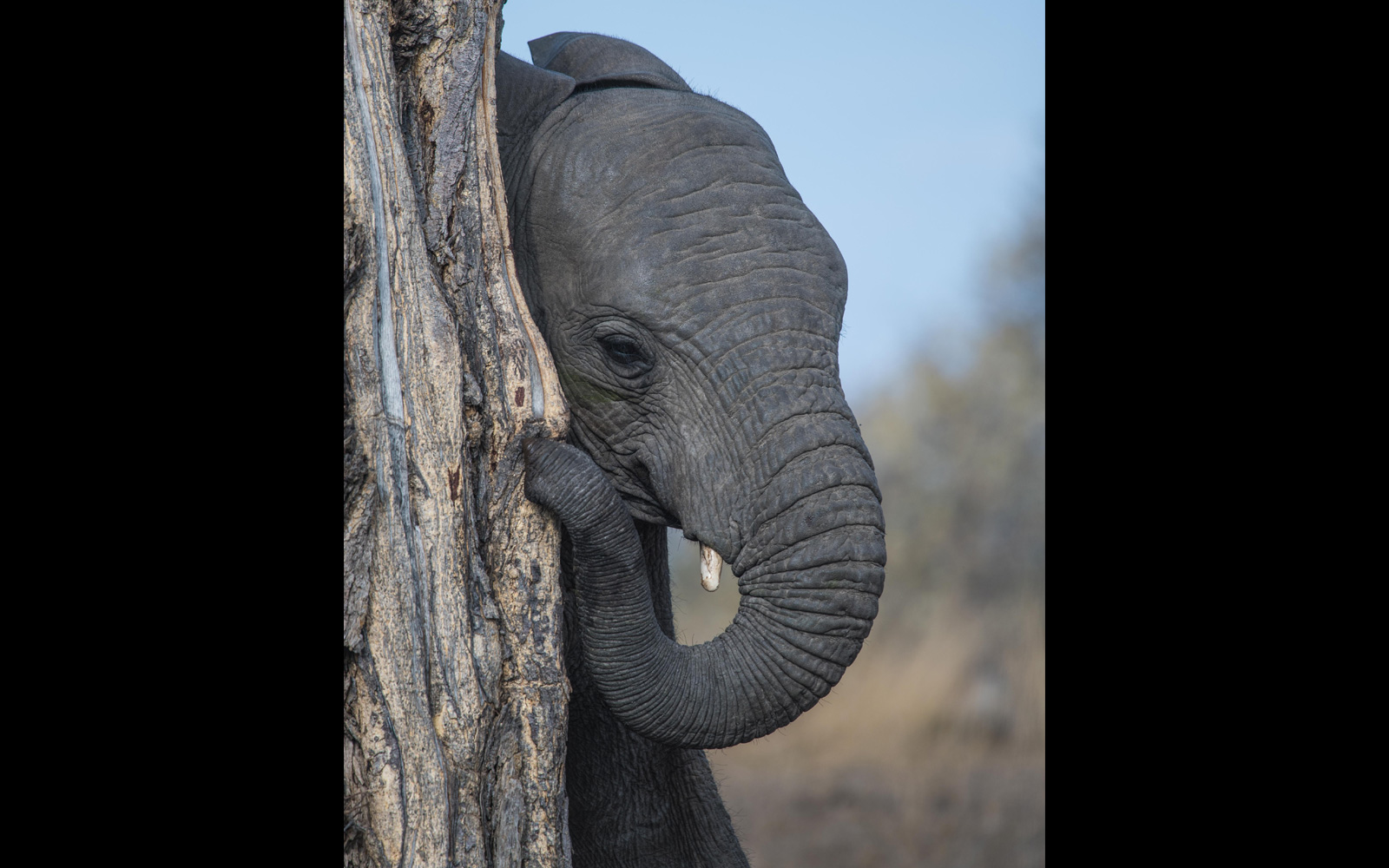
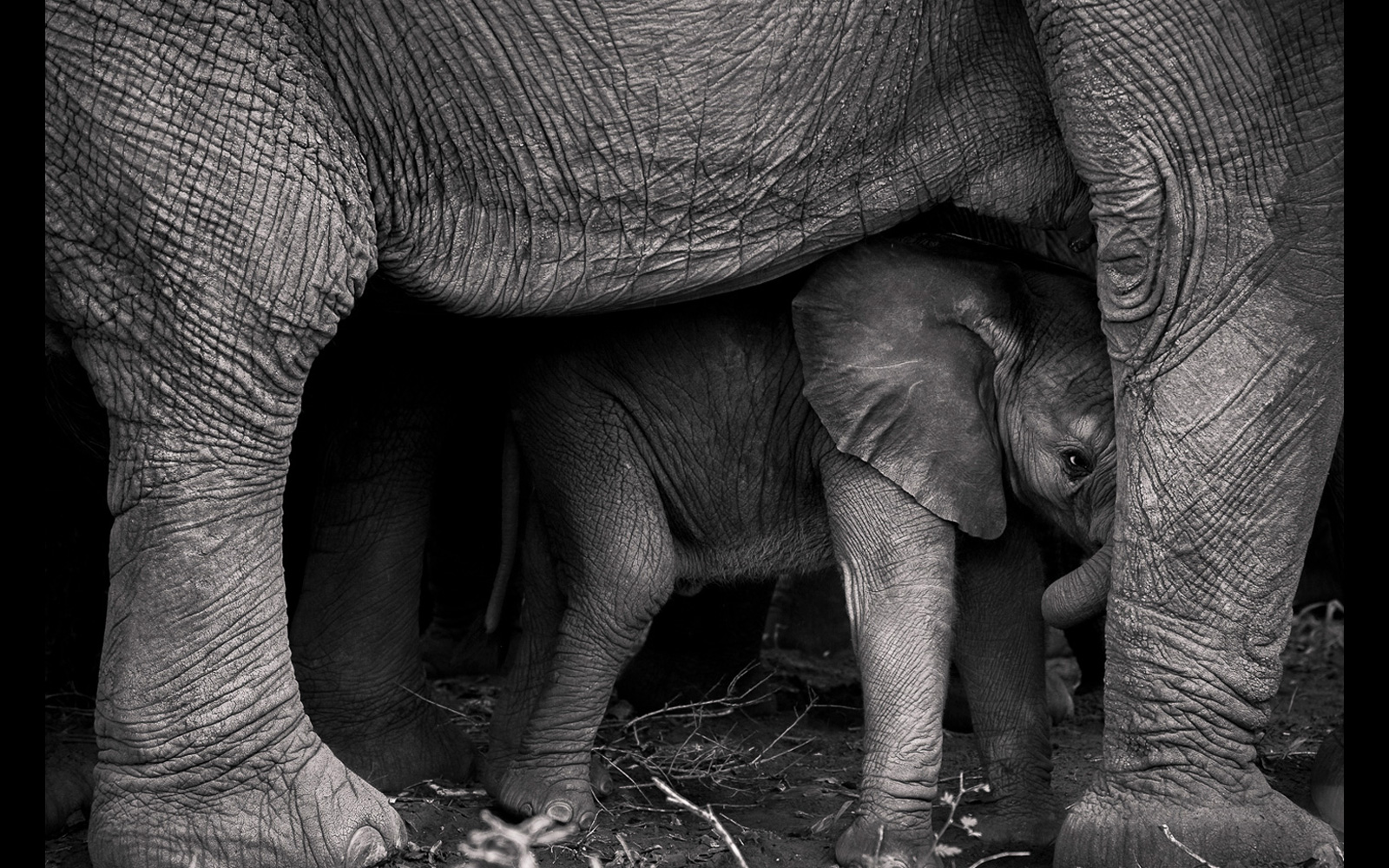
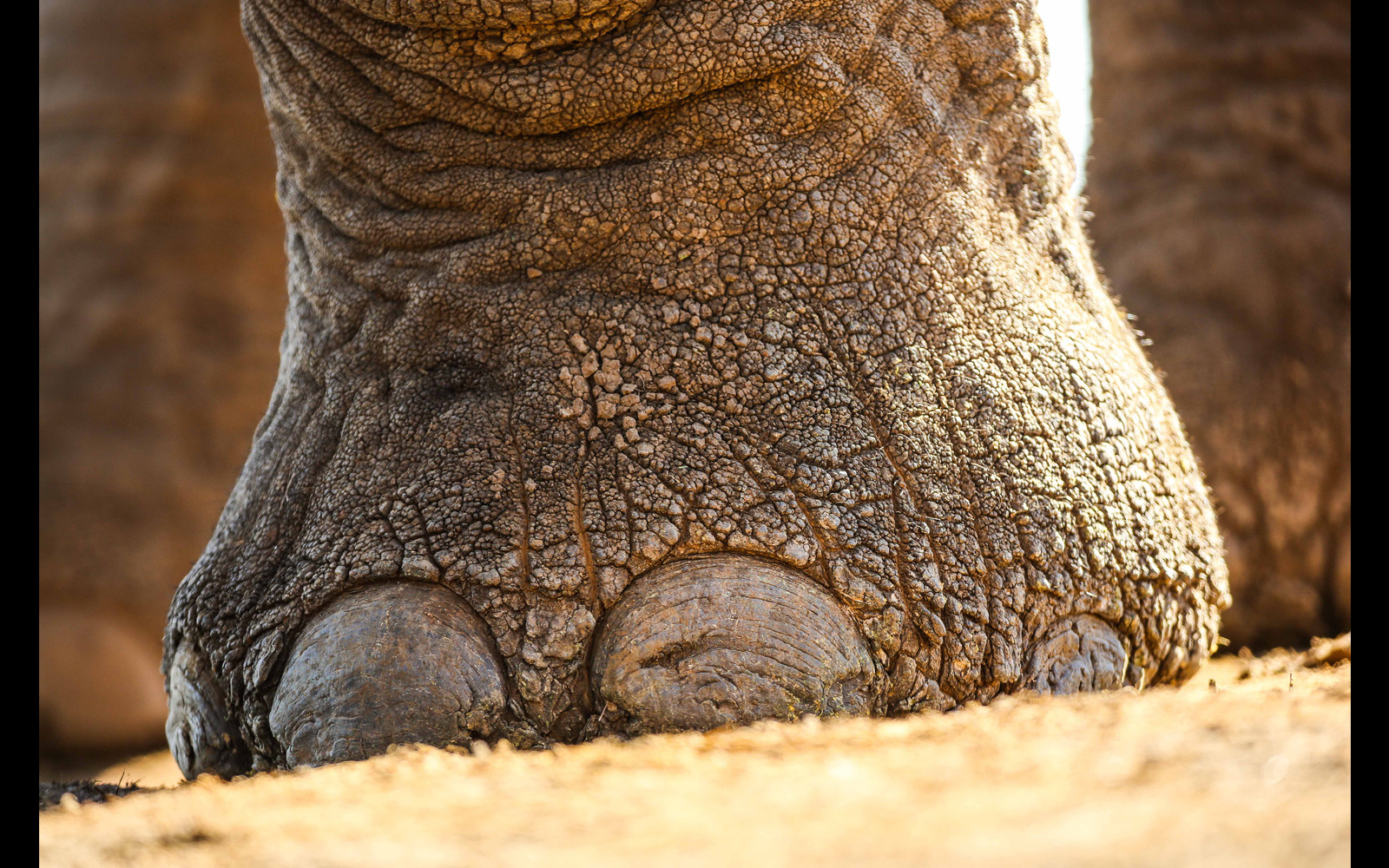
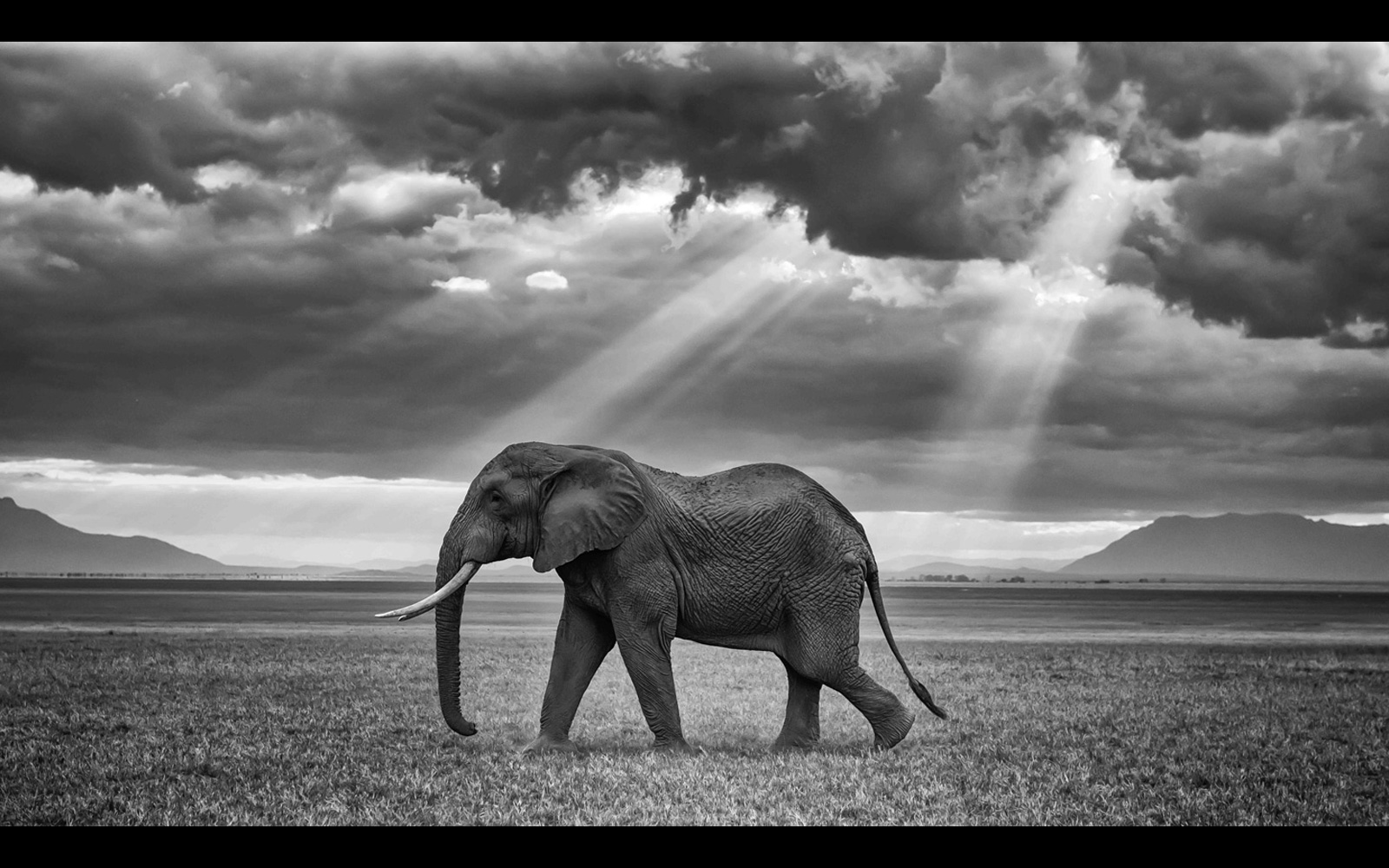
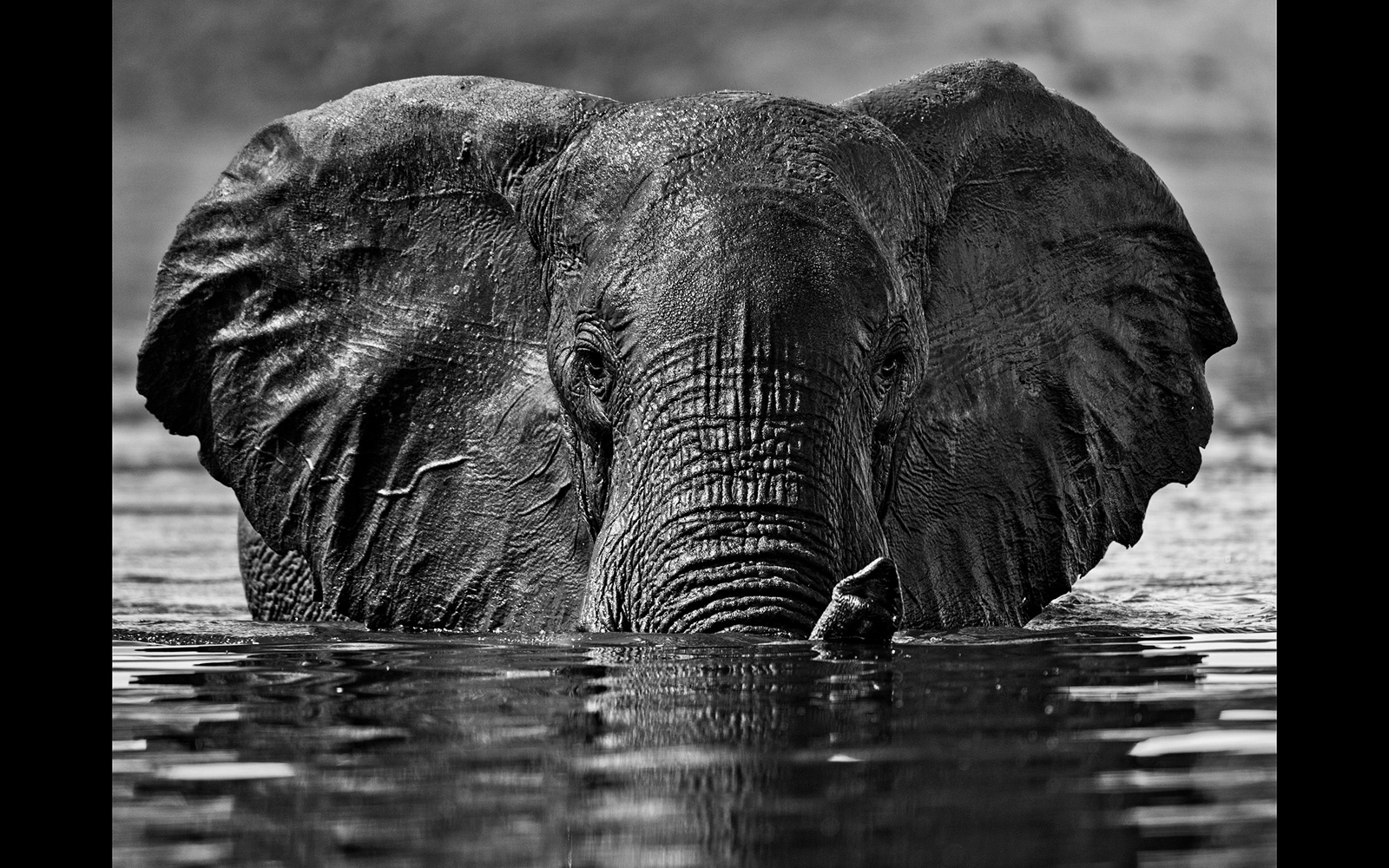
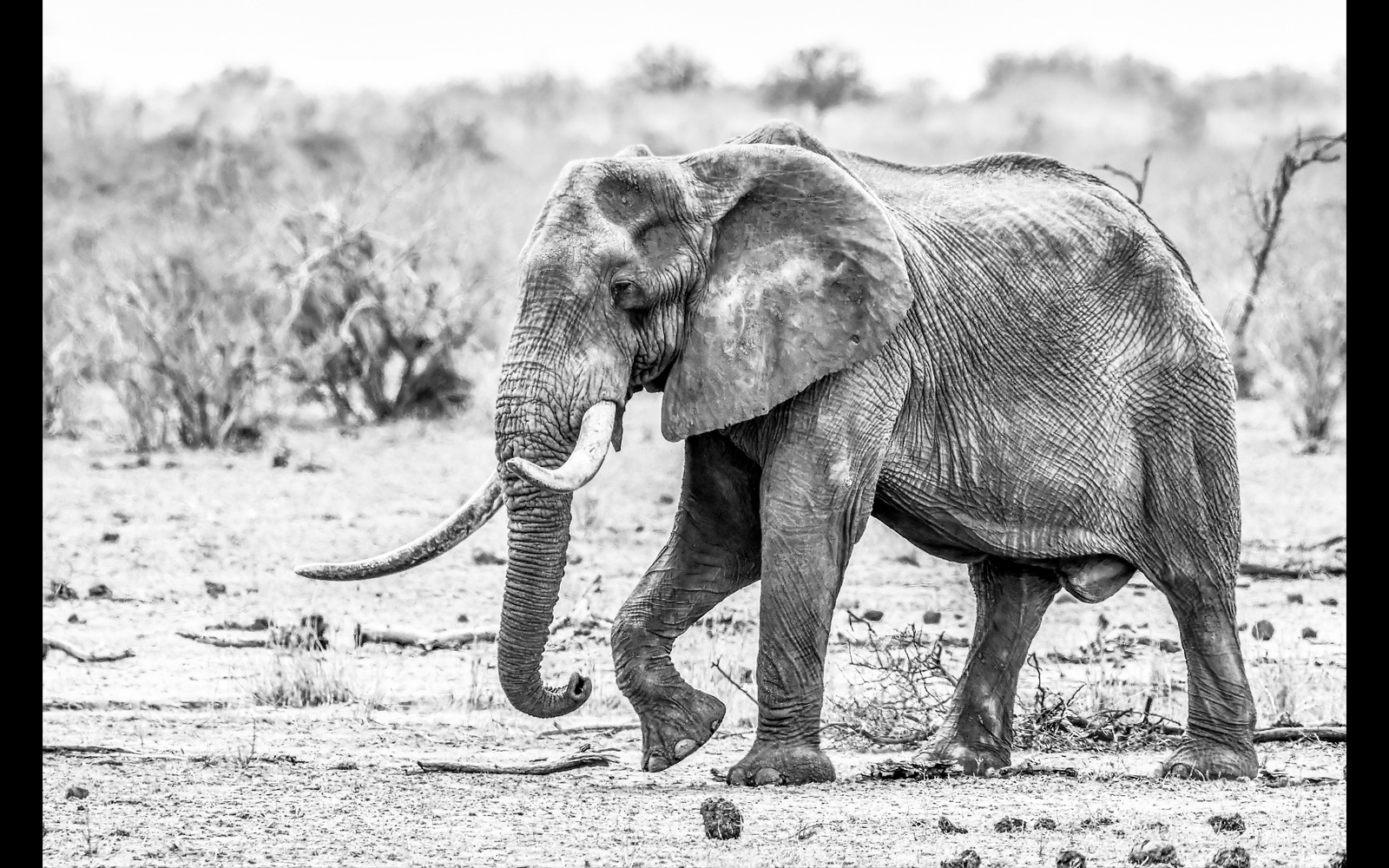
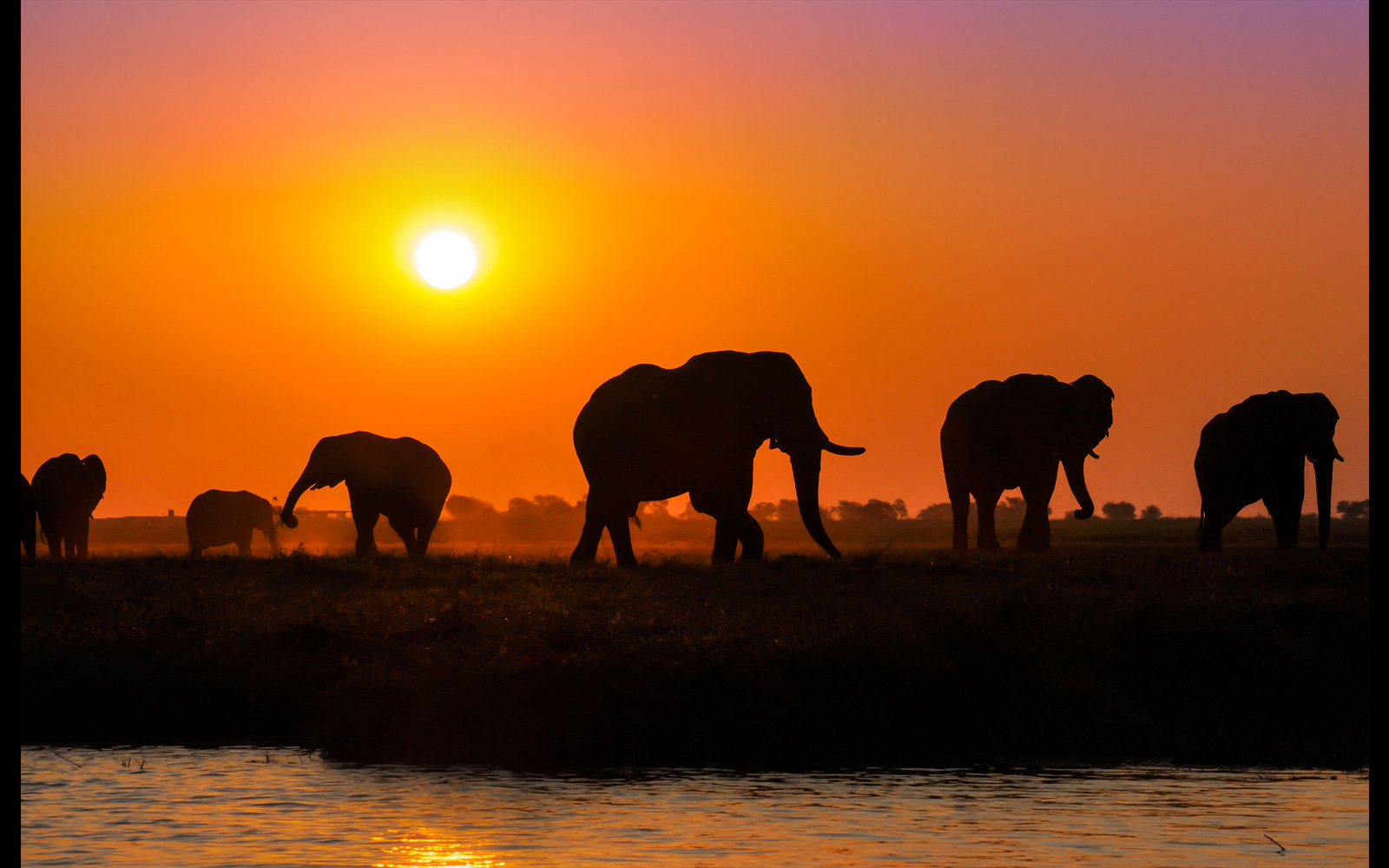
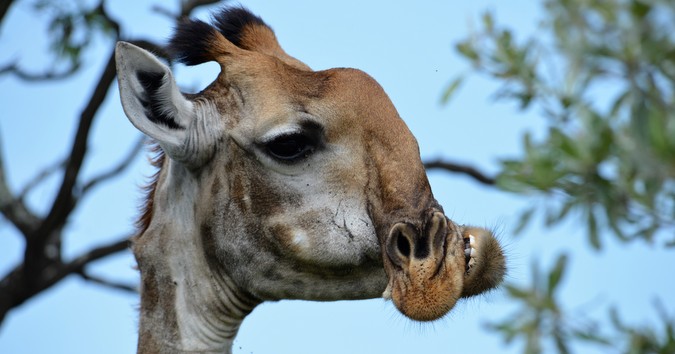
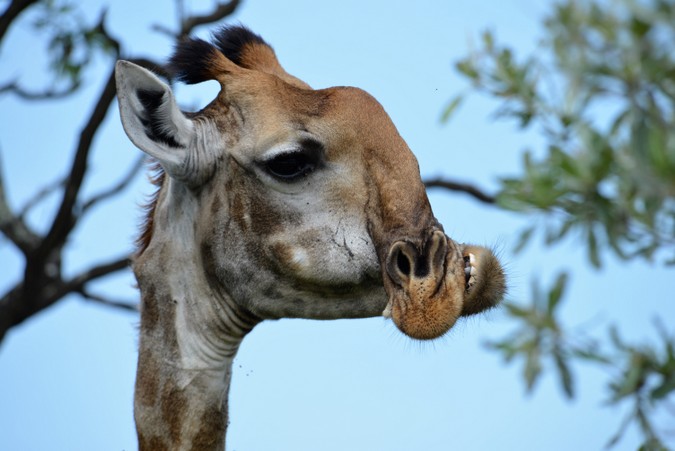
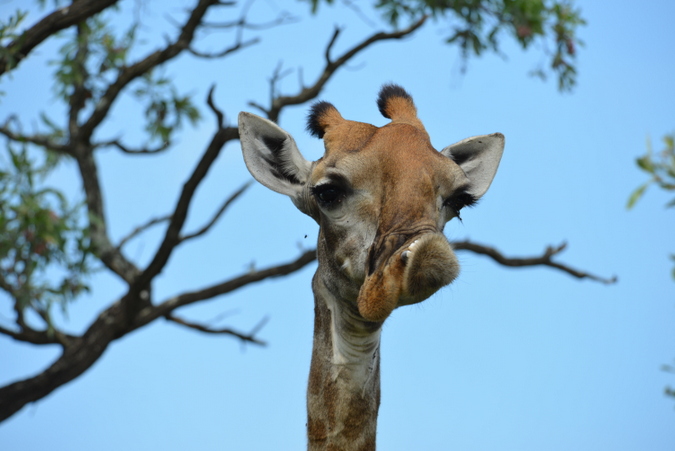
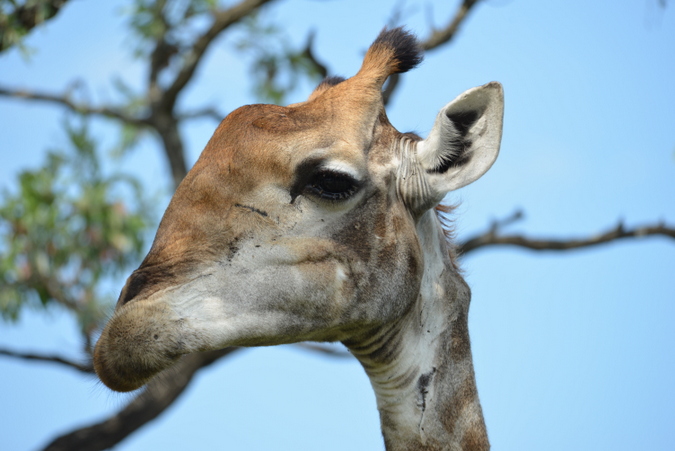
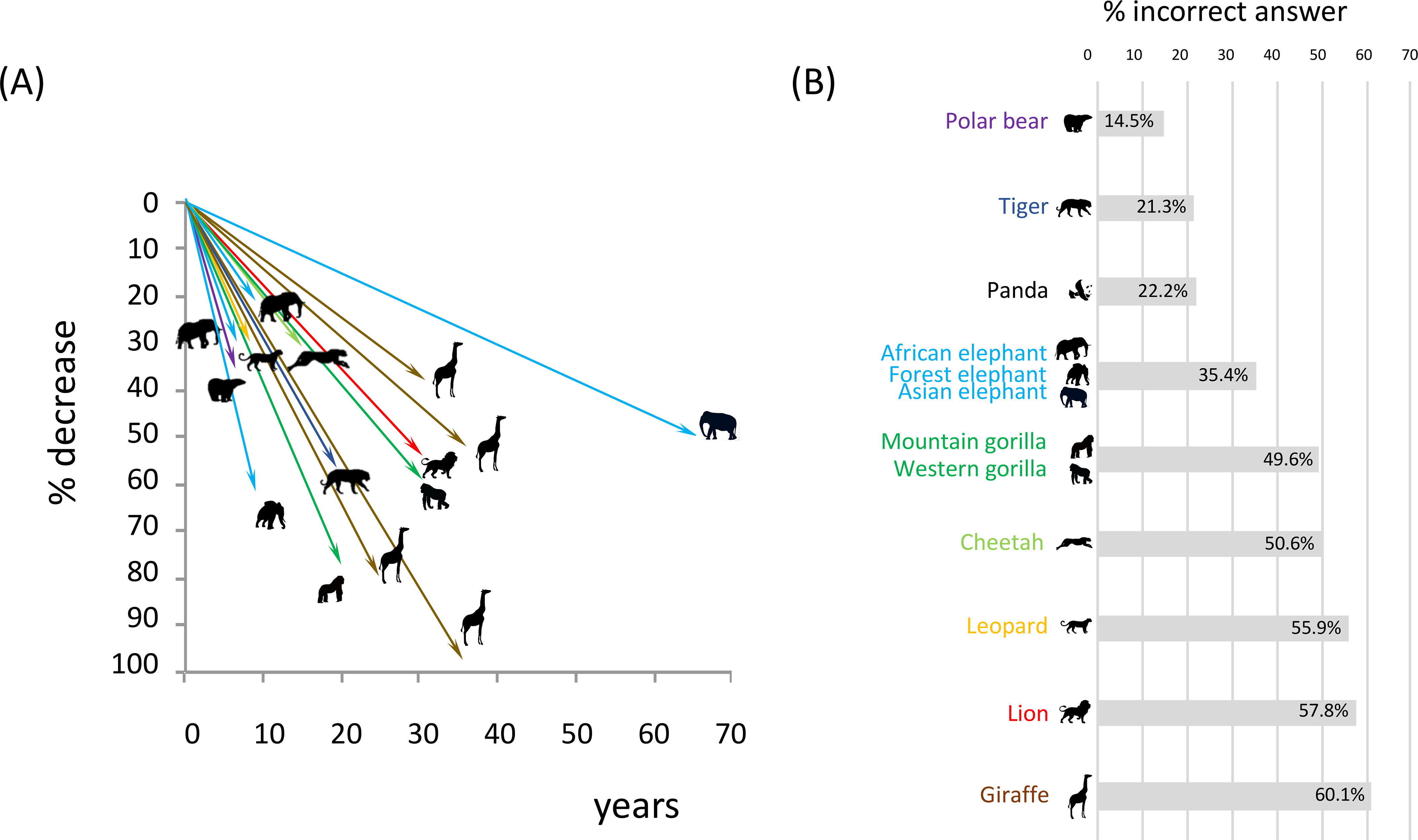
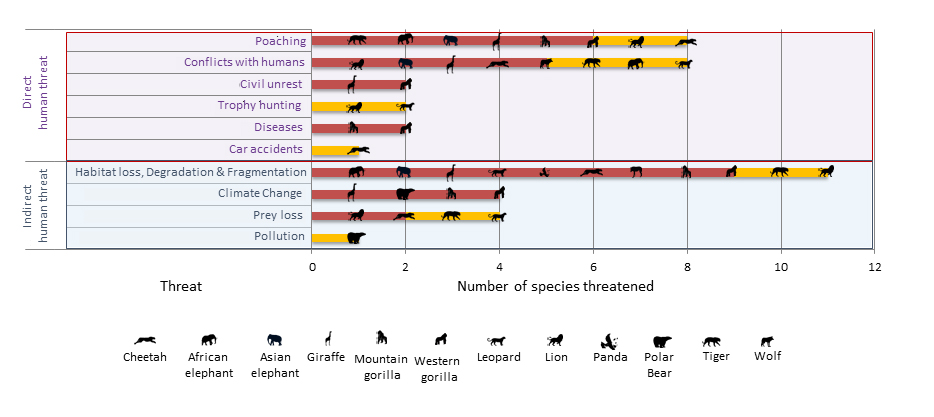
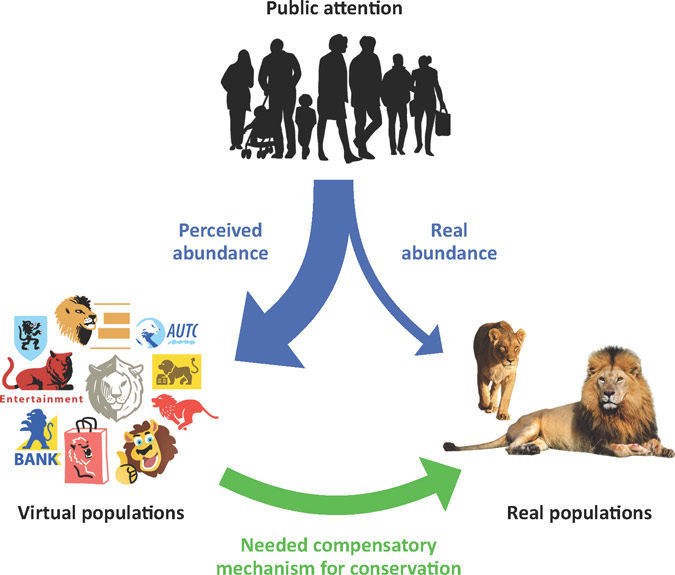
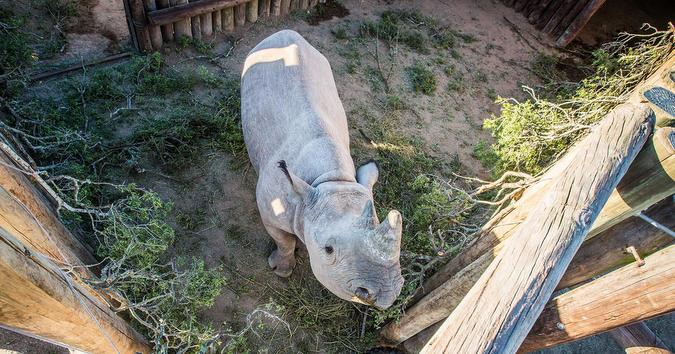
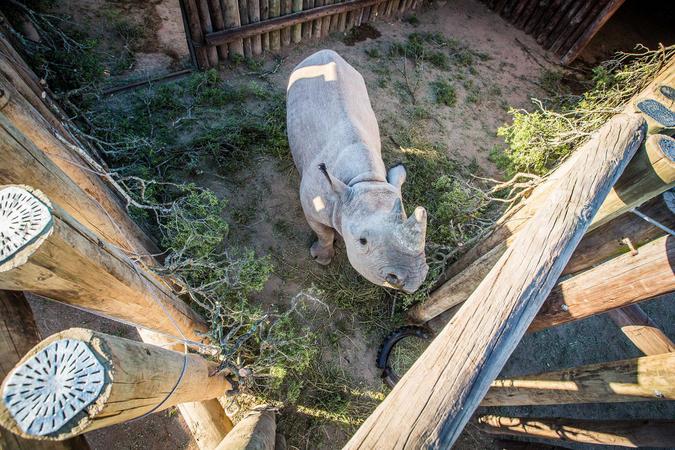
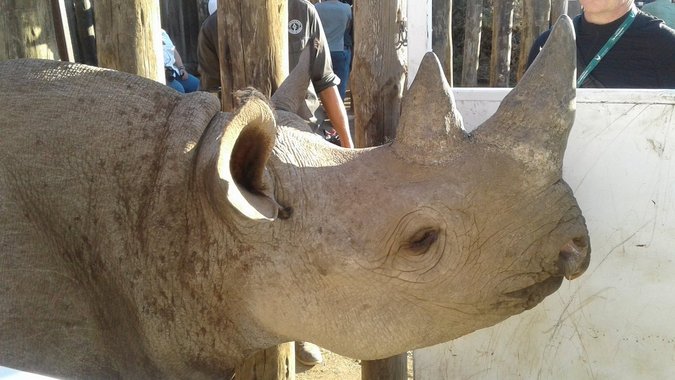
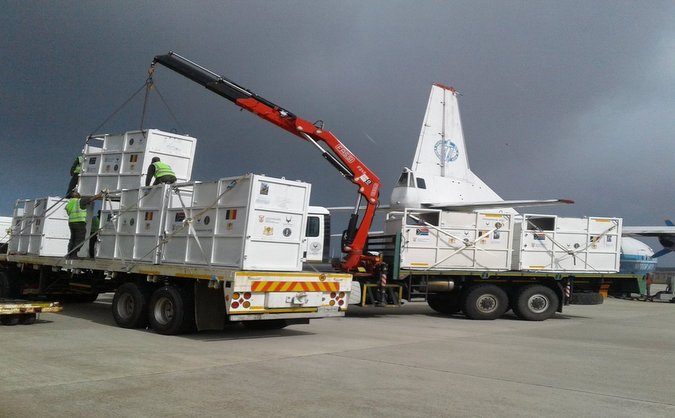
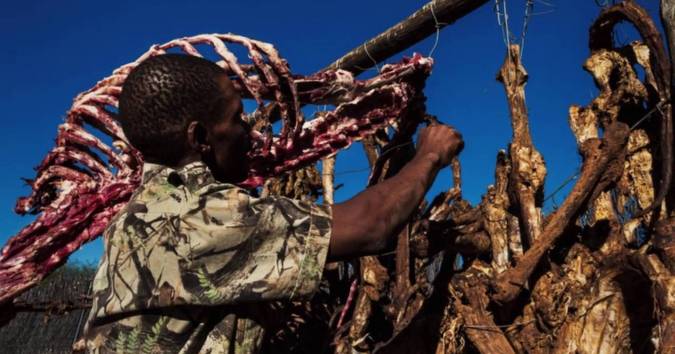
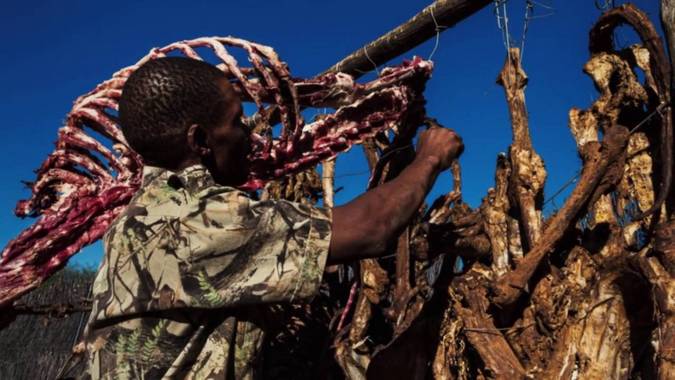
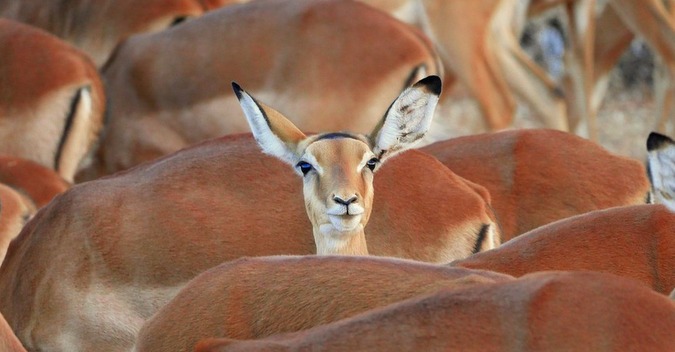
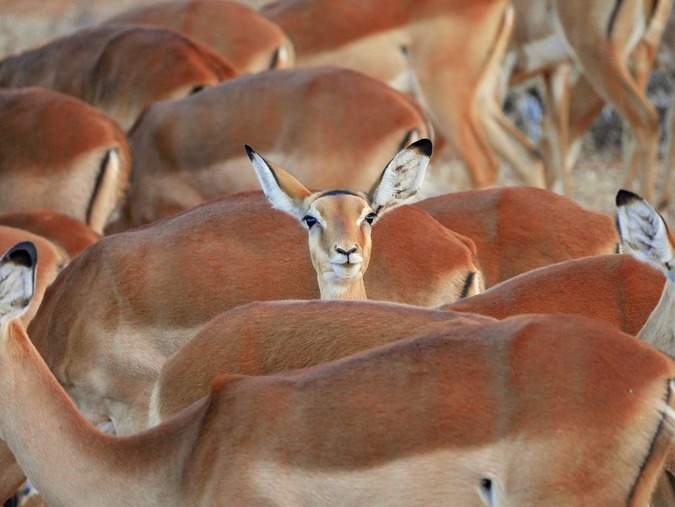
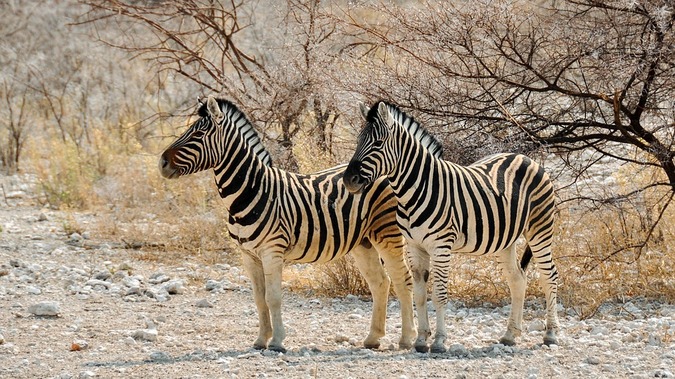
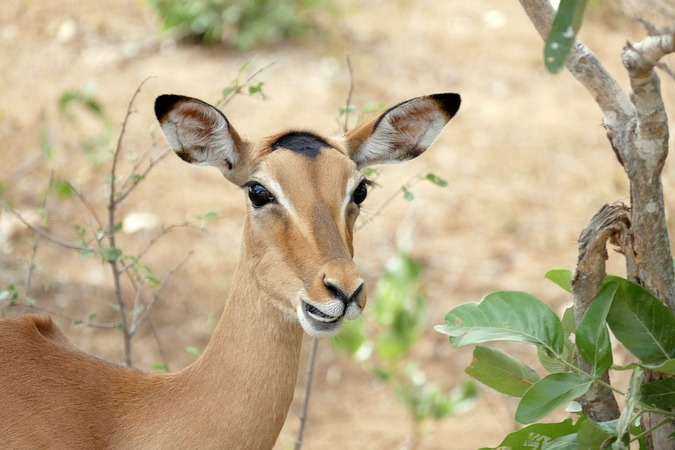
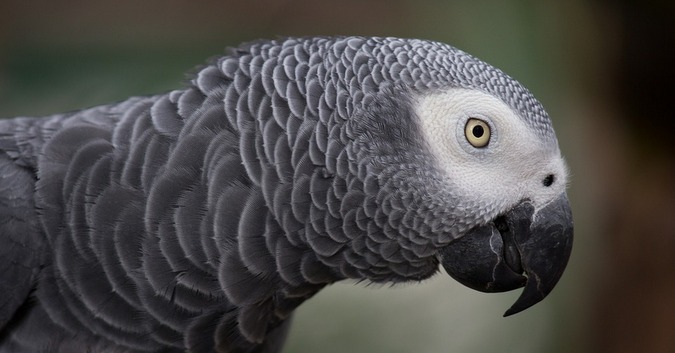
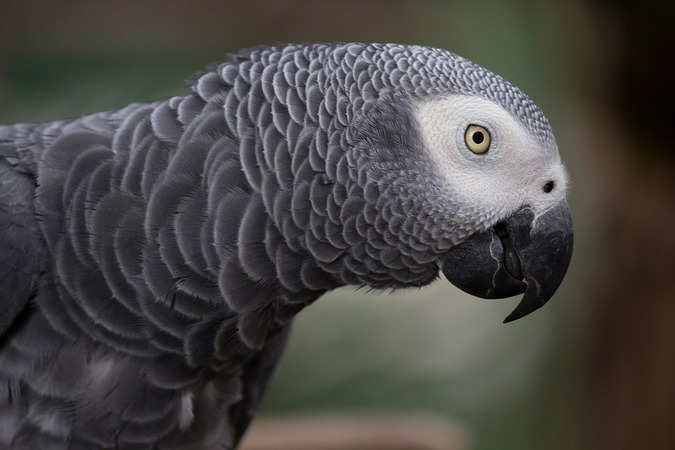
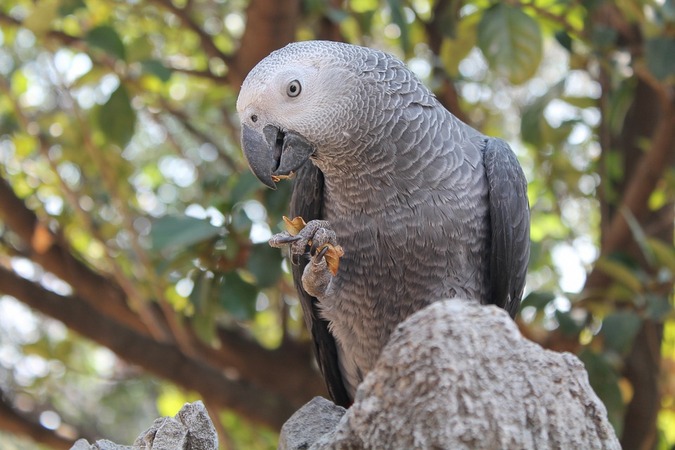
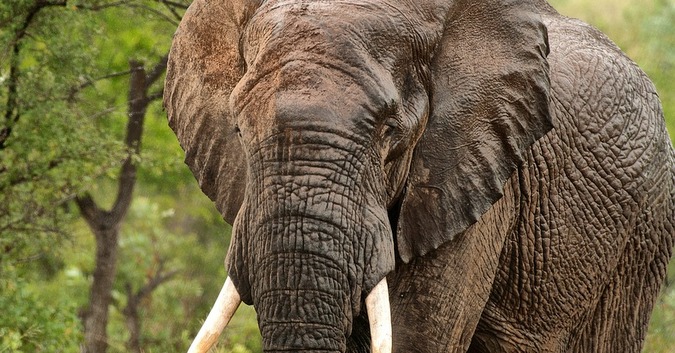
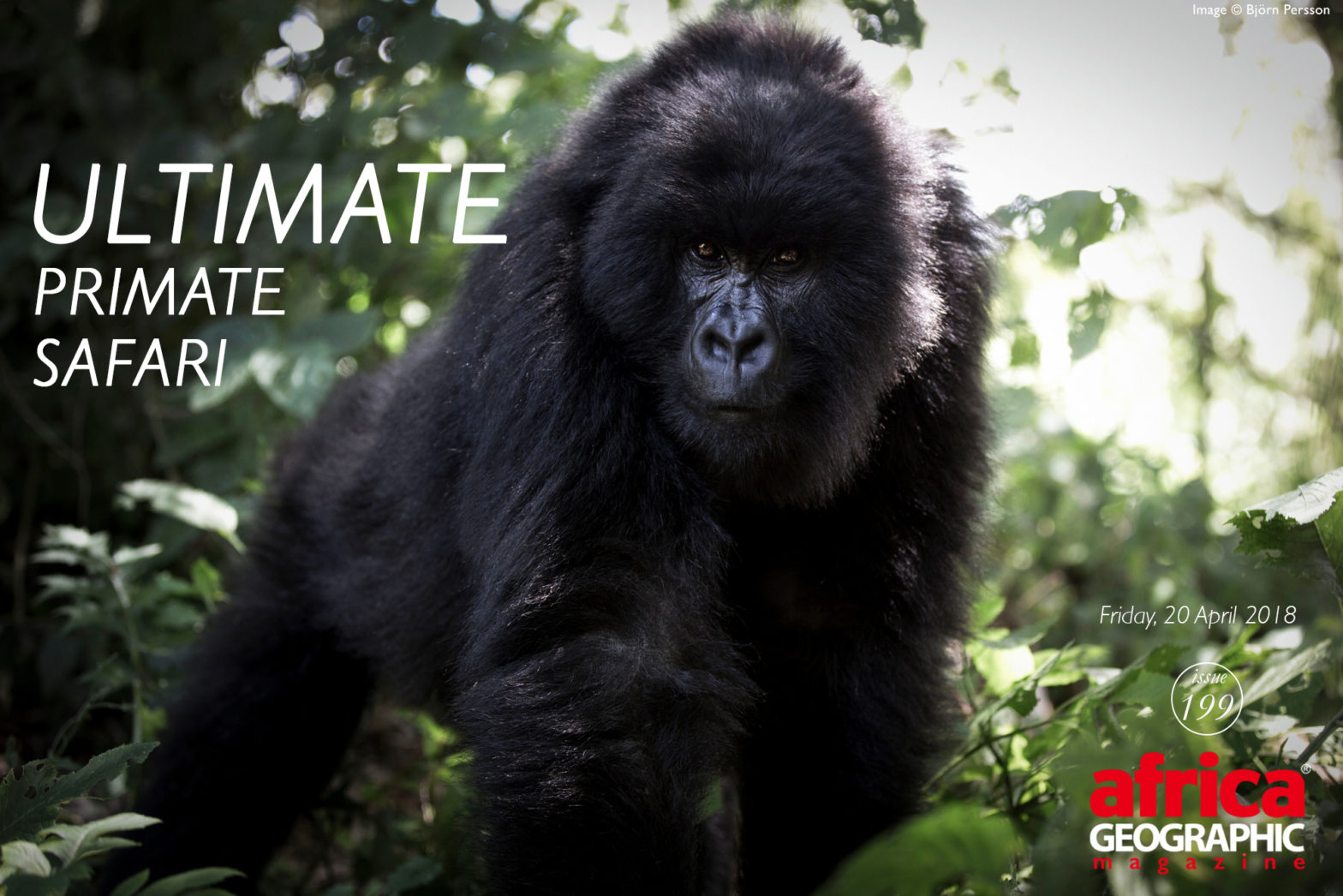
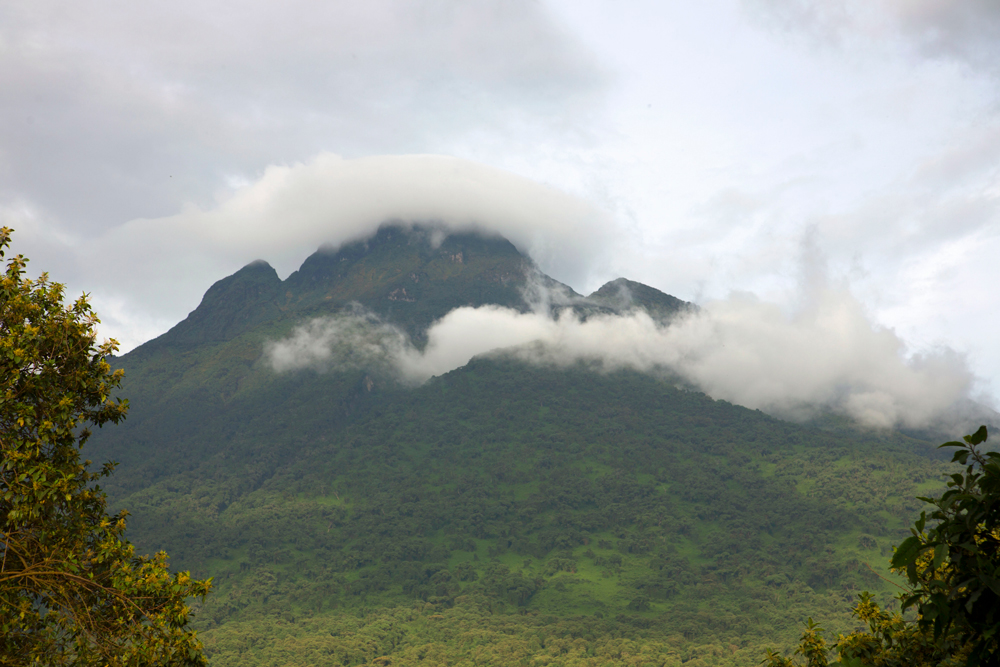
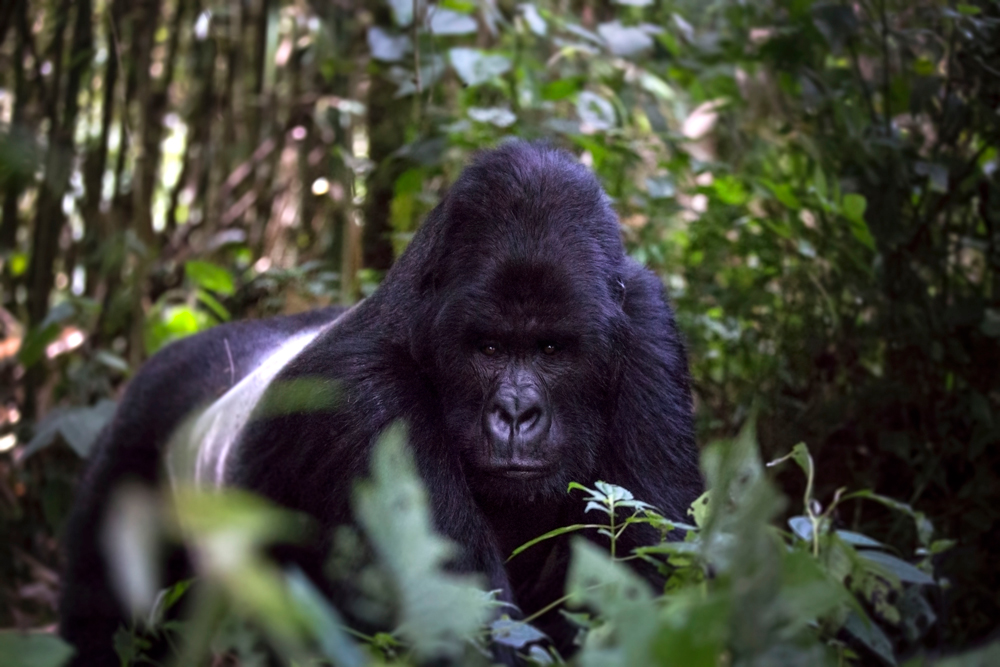
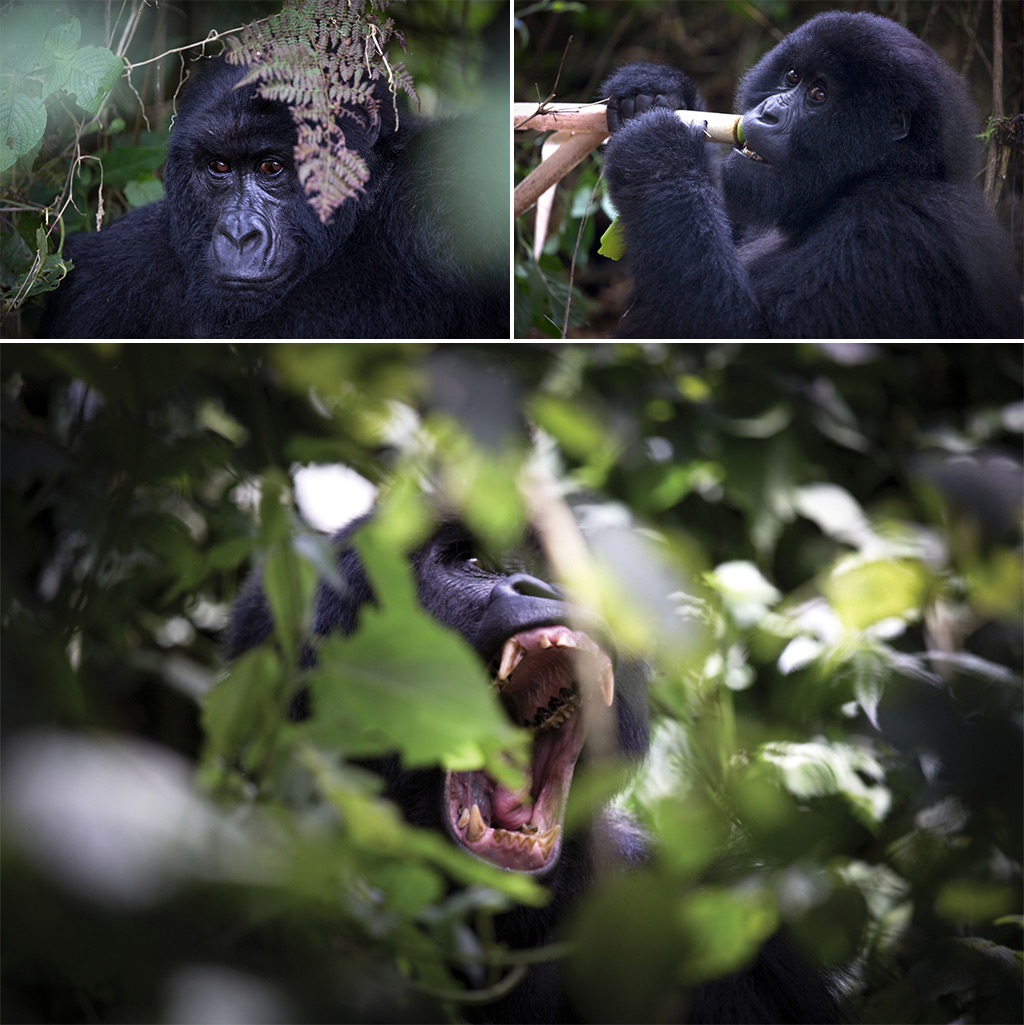
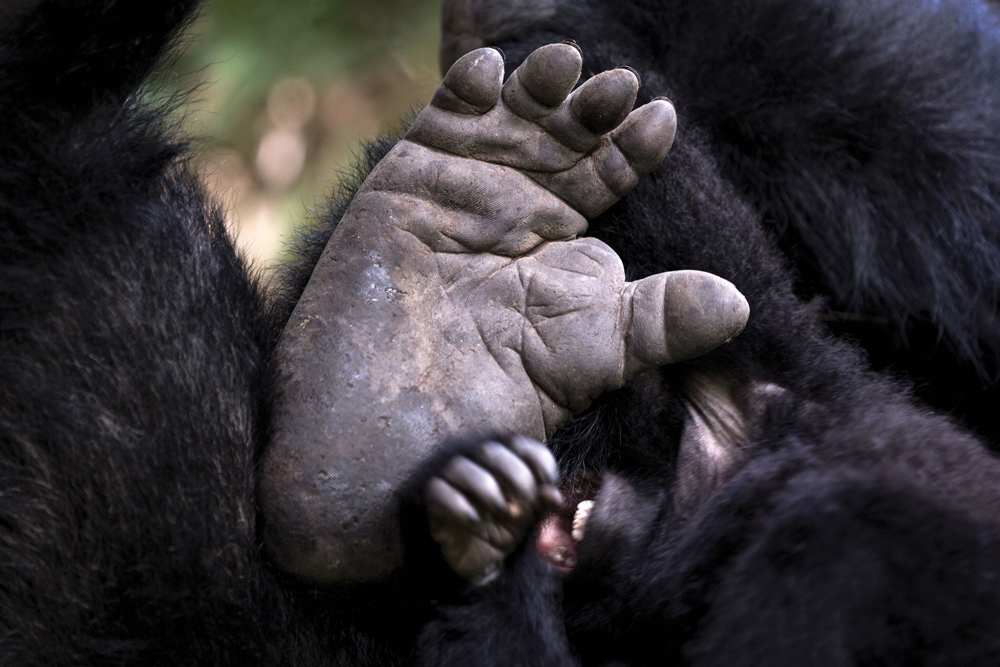
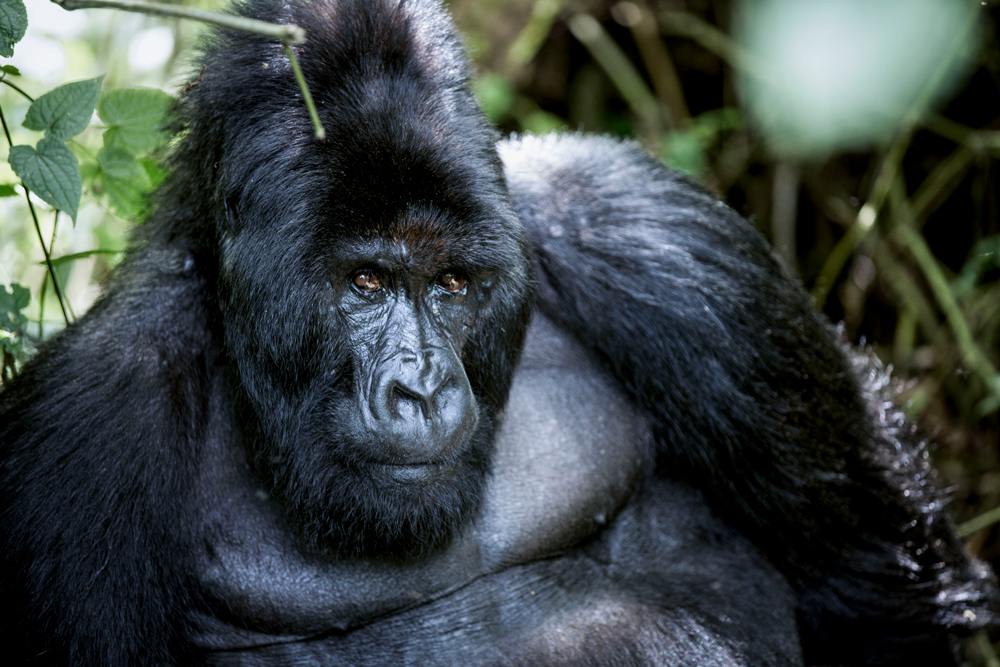
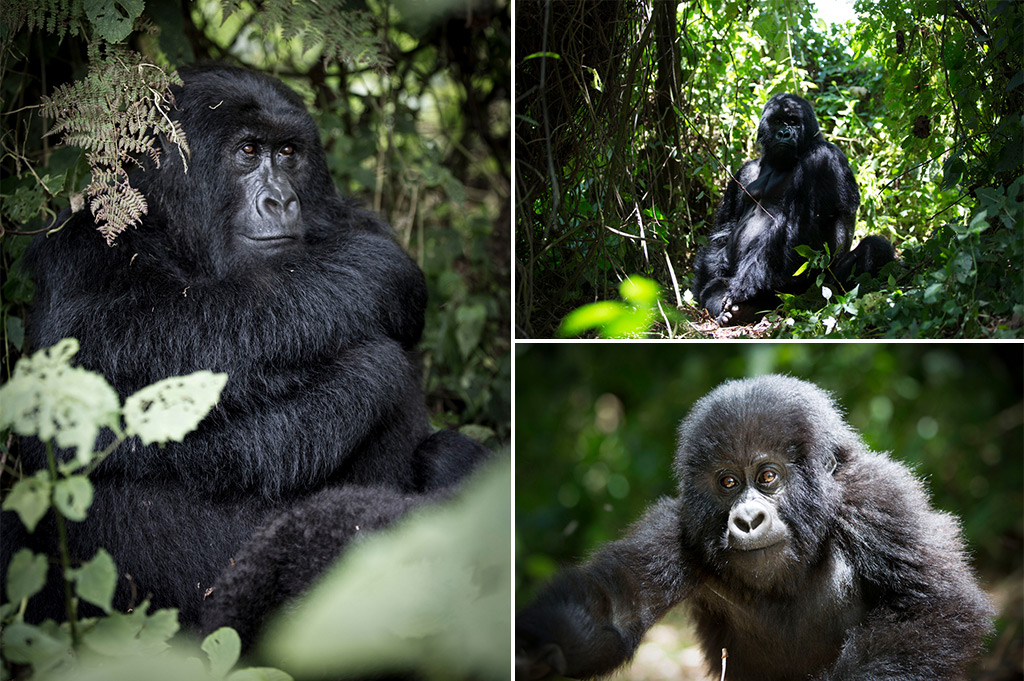
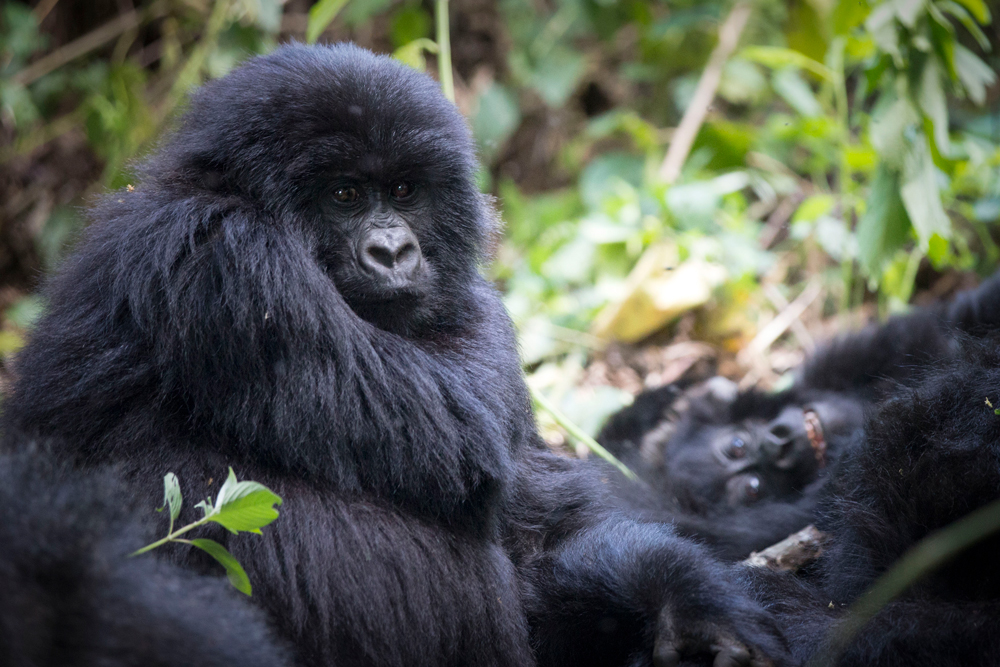
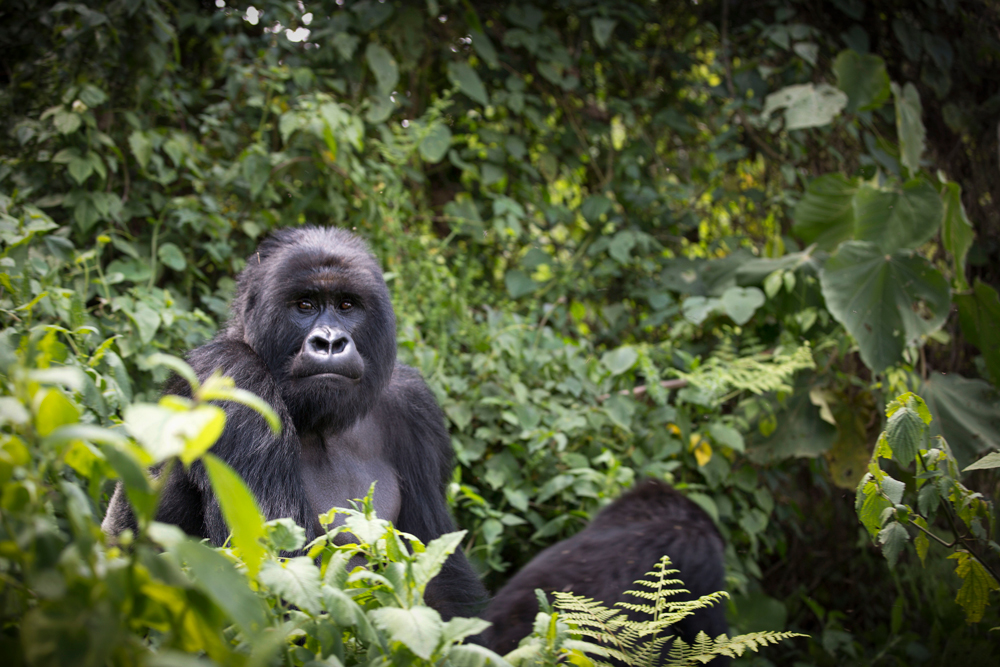
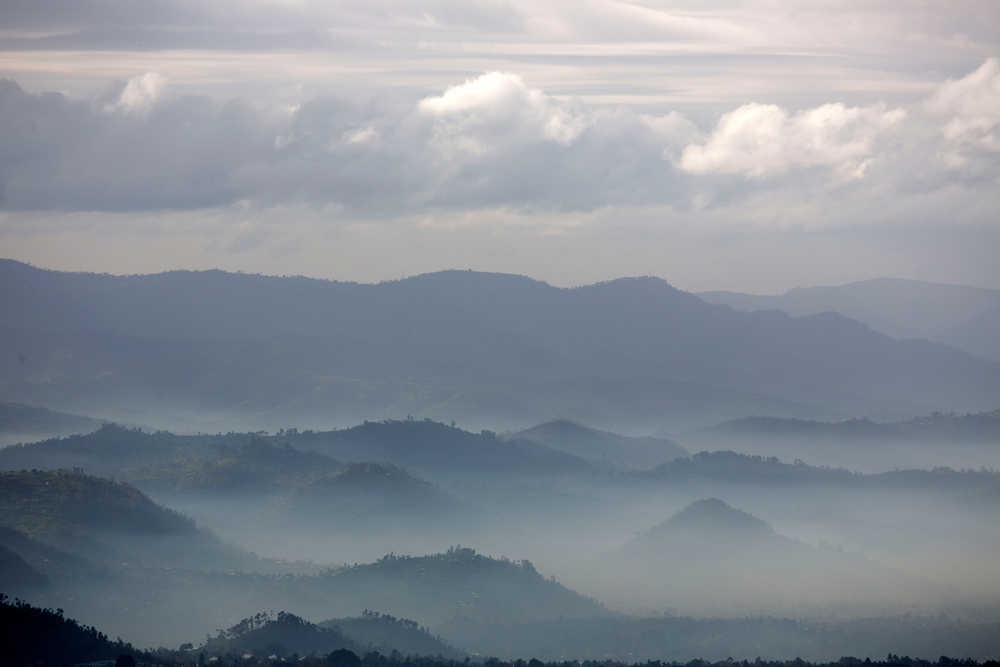
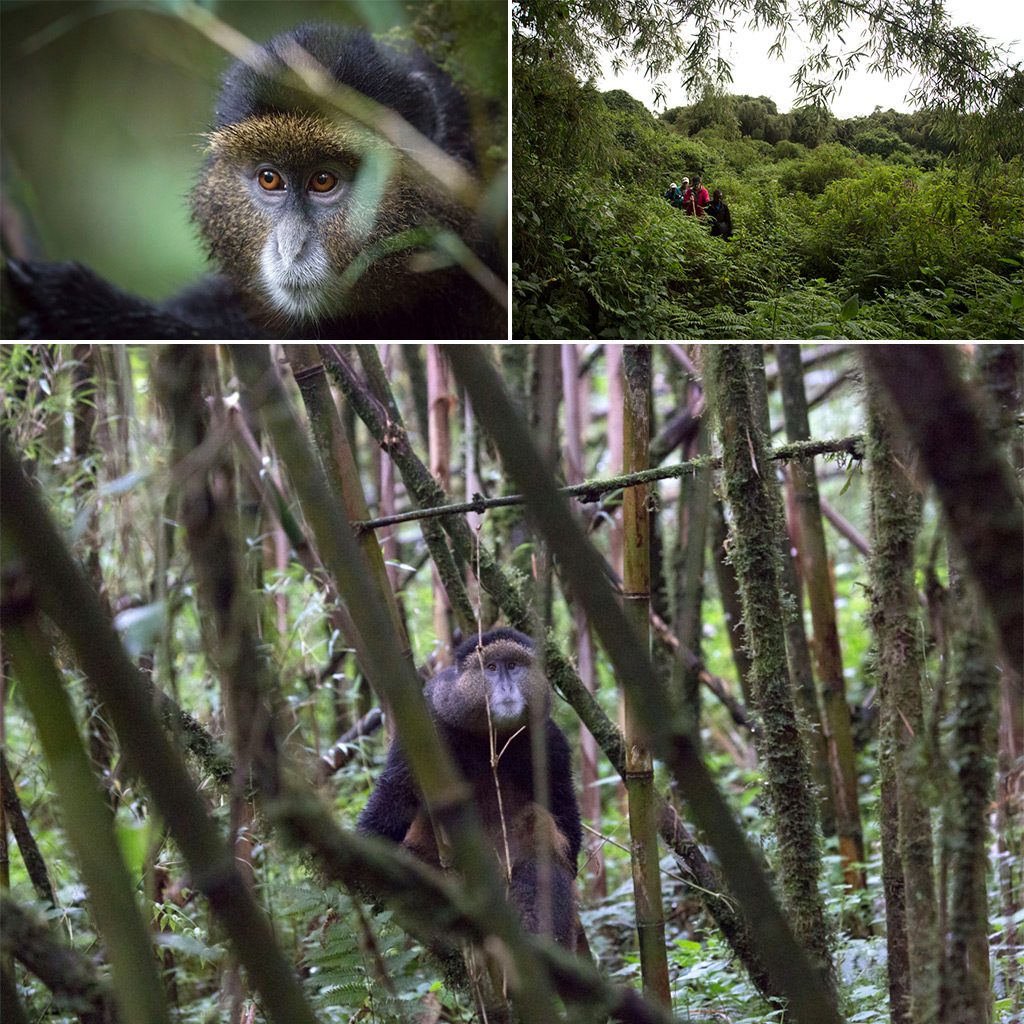
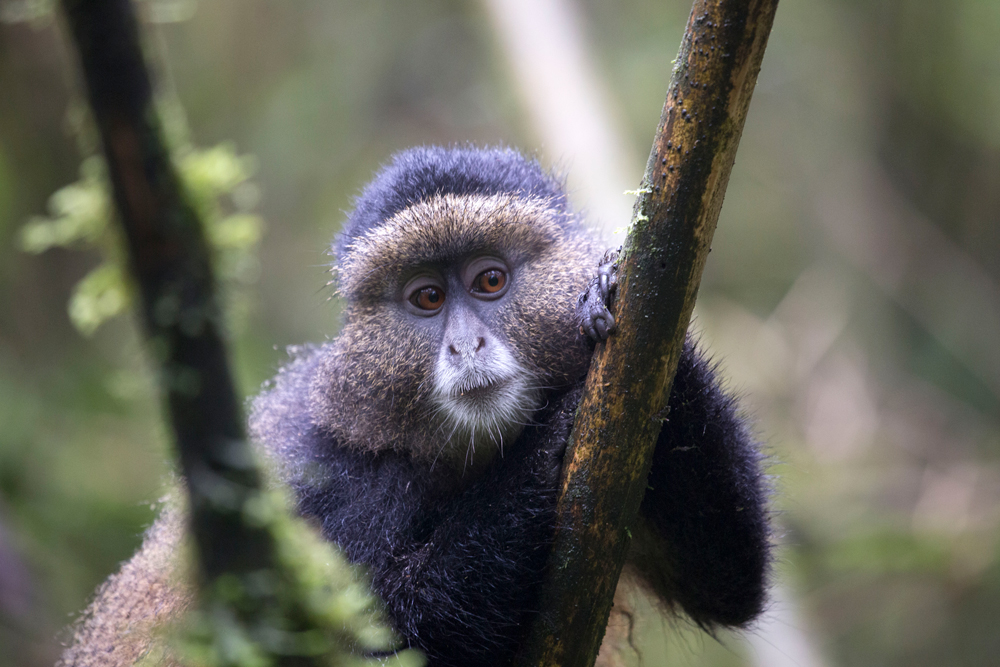

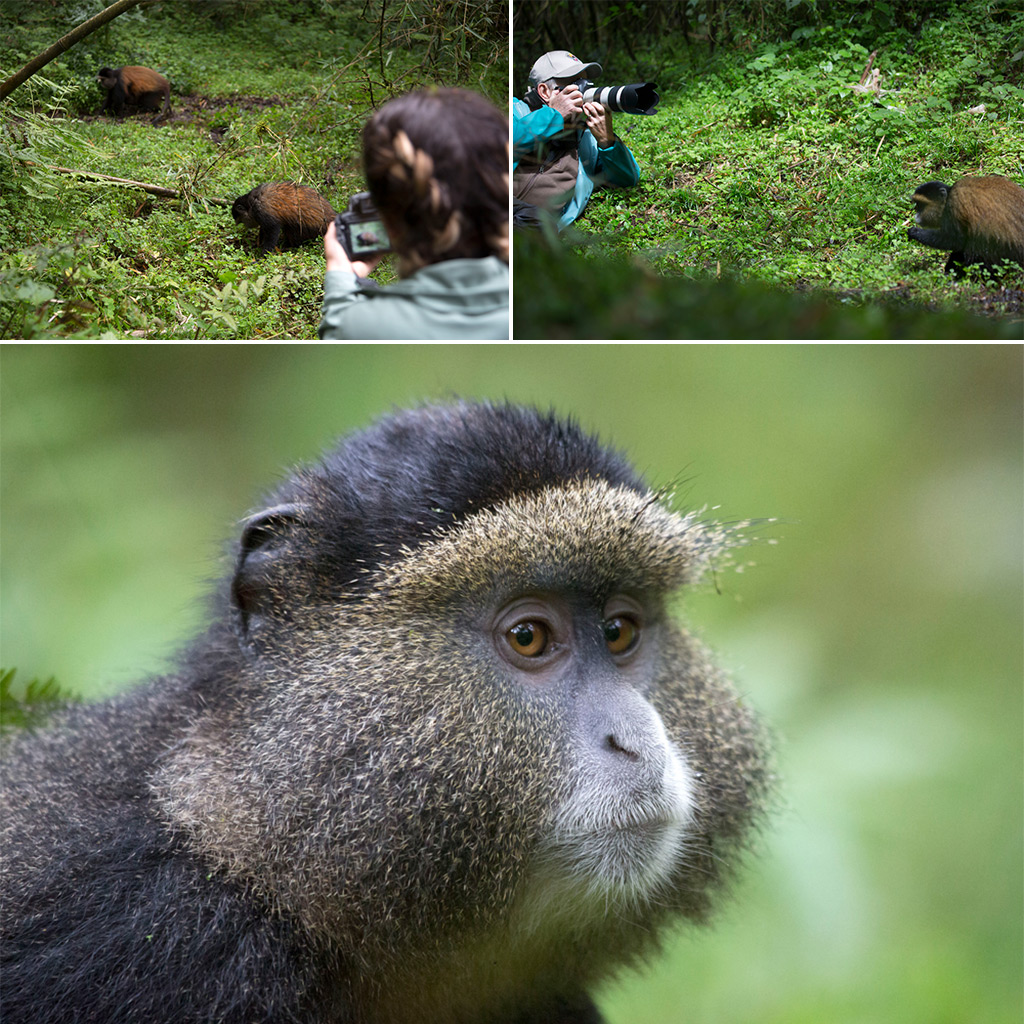
 Björn Persson is a photographer and travel writer who’s visited over 20 African countries. His favourite destination is Kenya, but the Nyiragongo hike –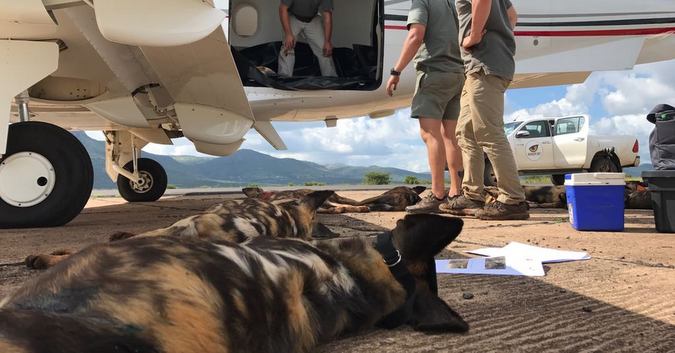
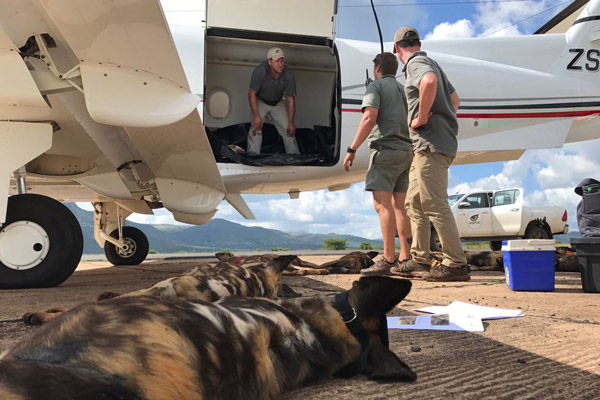
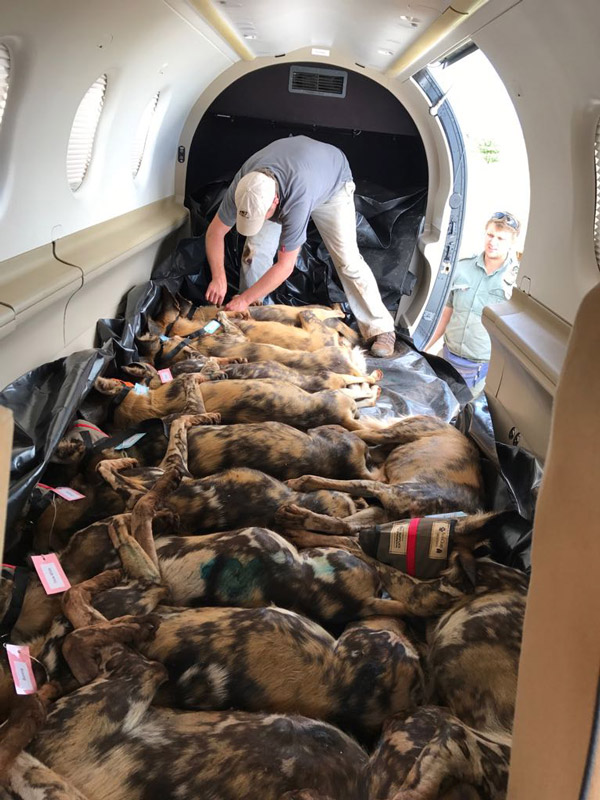
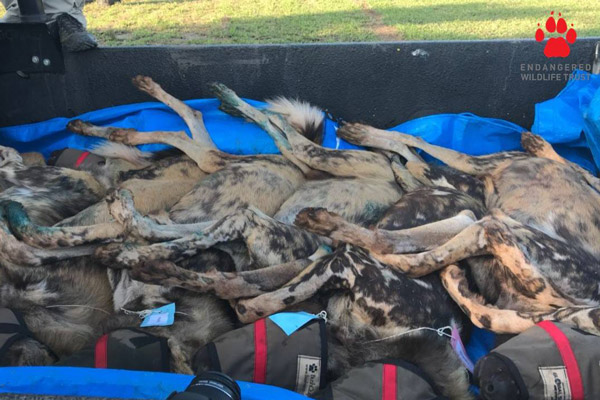
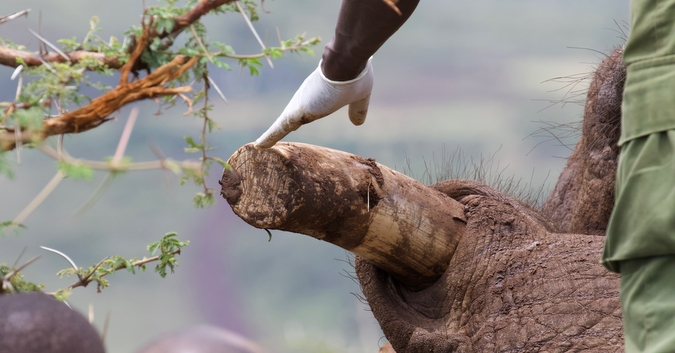
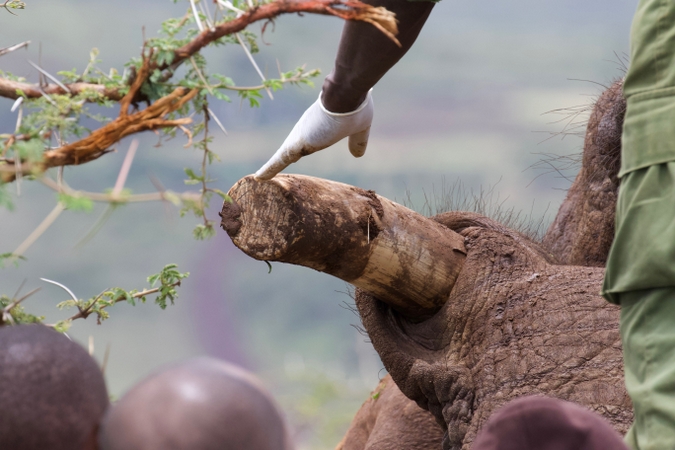
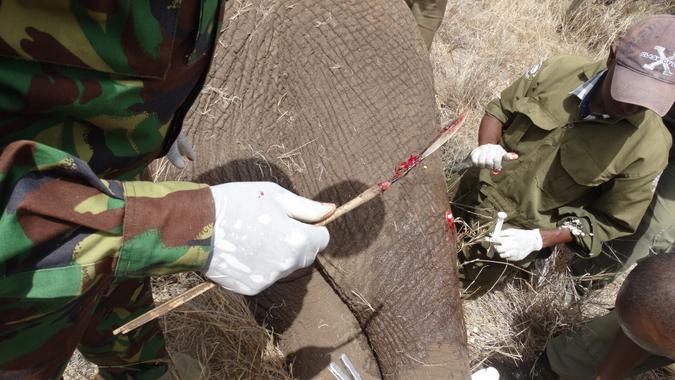
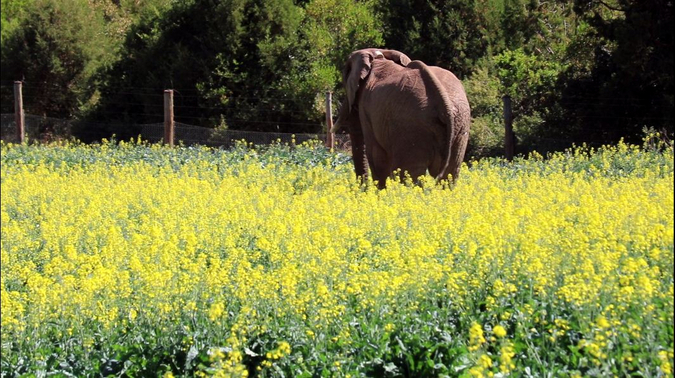
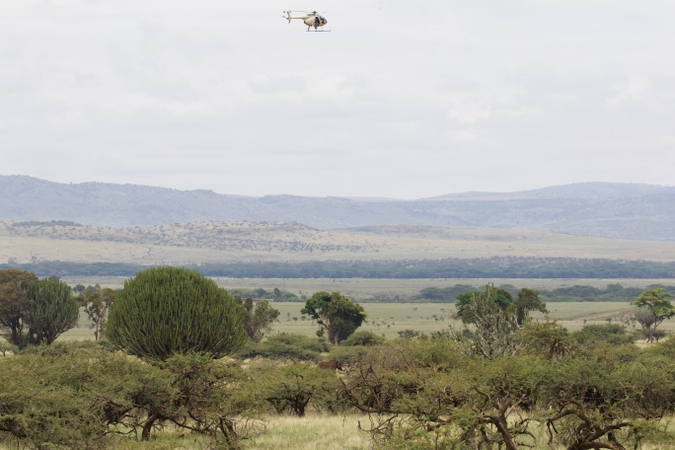
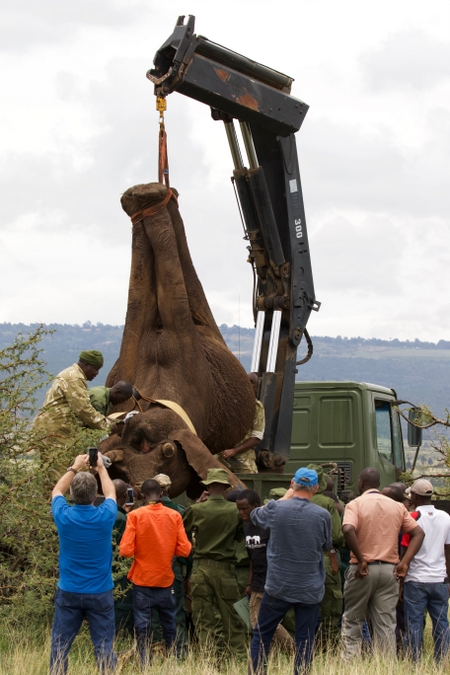
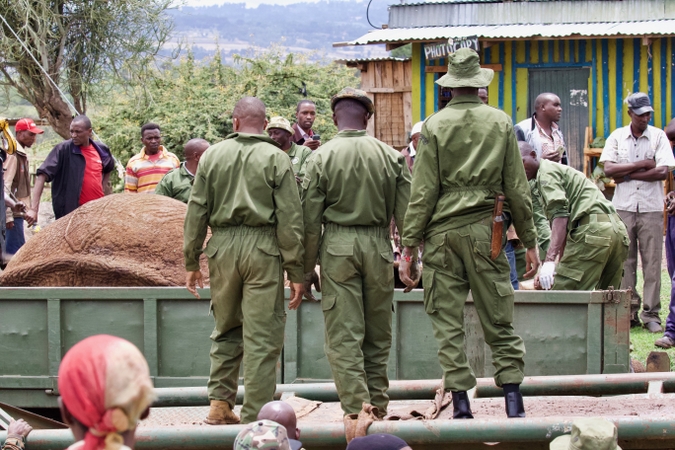
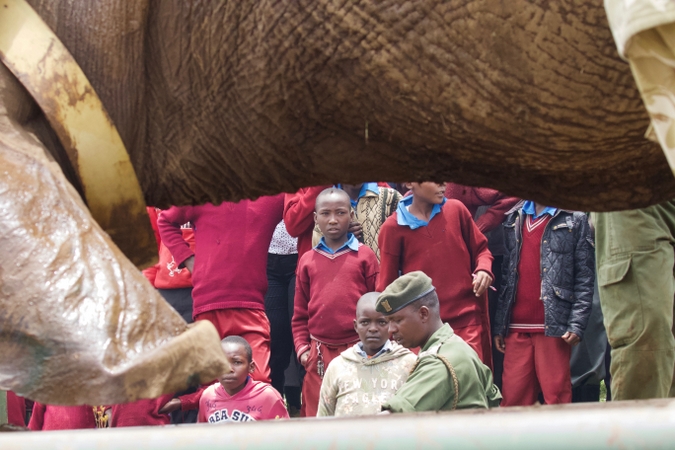
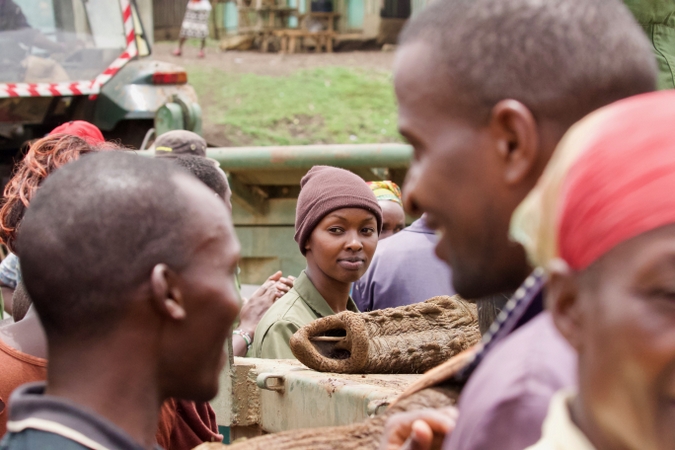
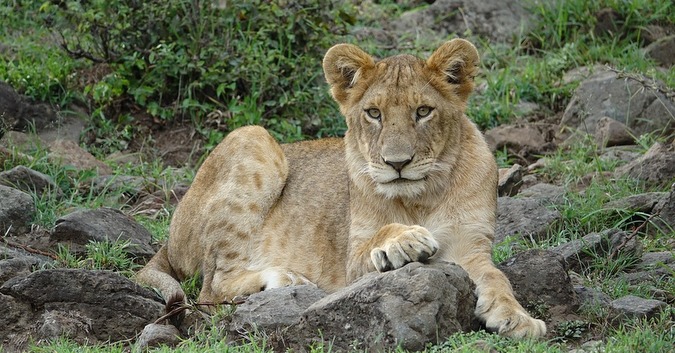
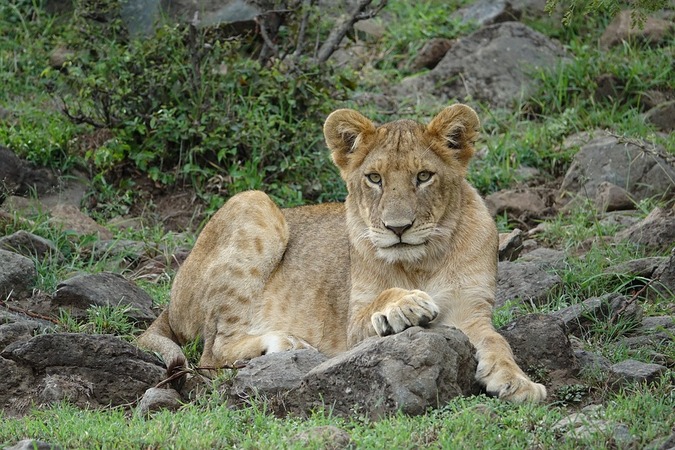
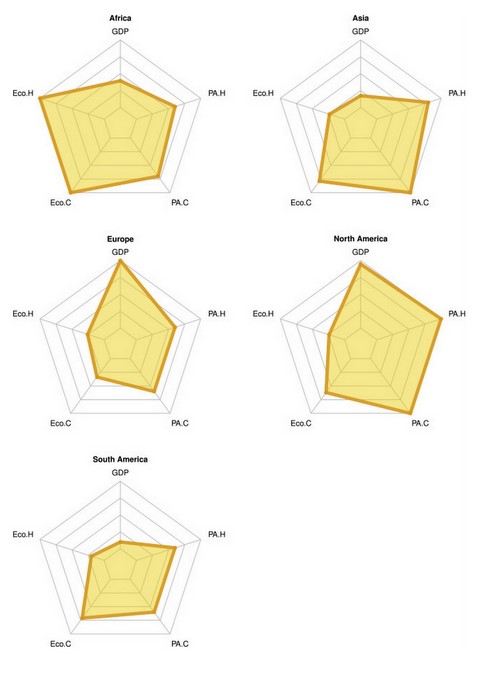
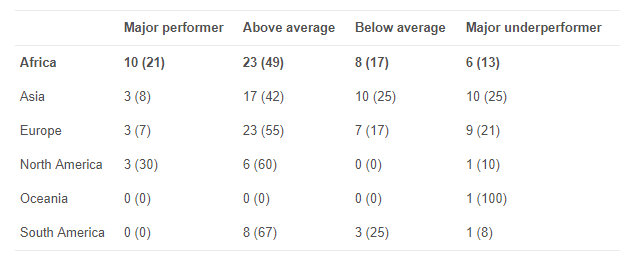
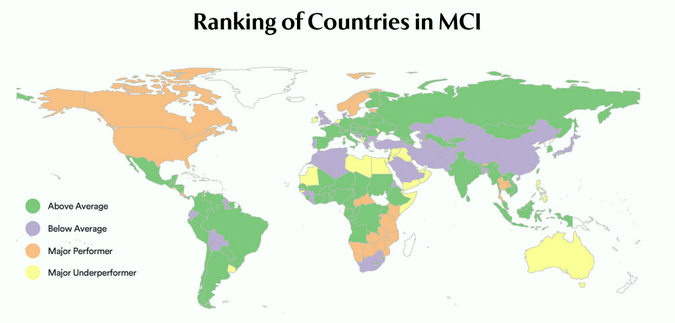
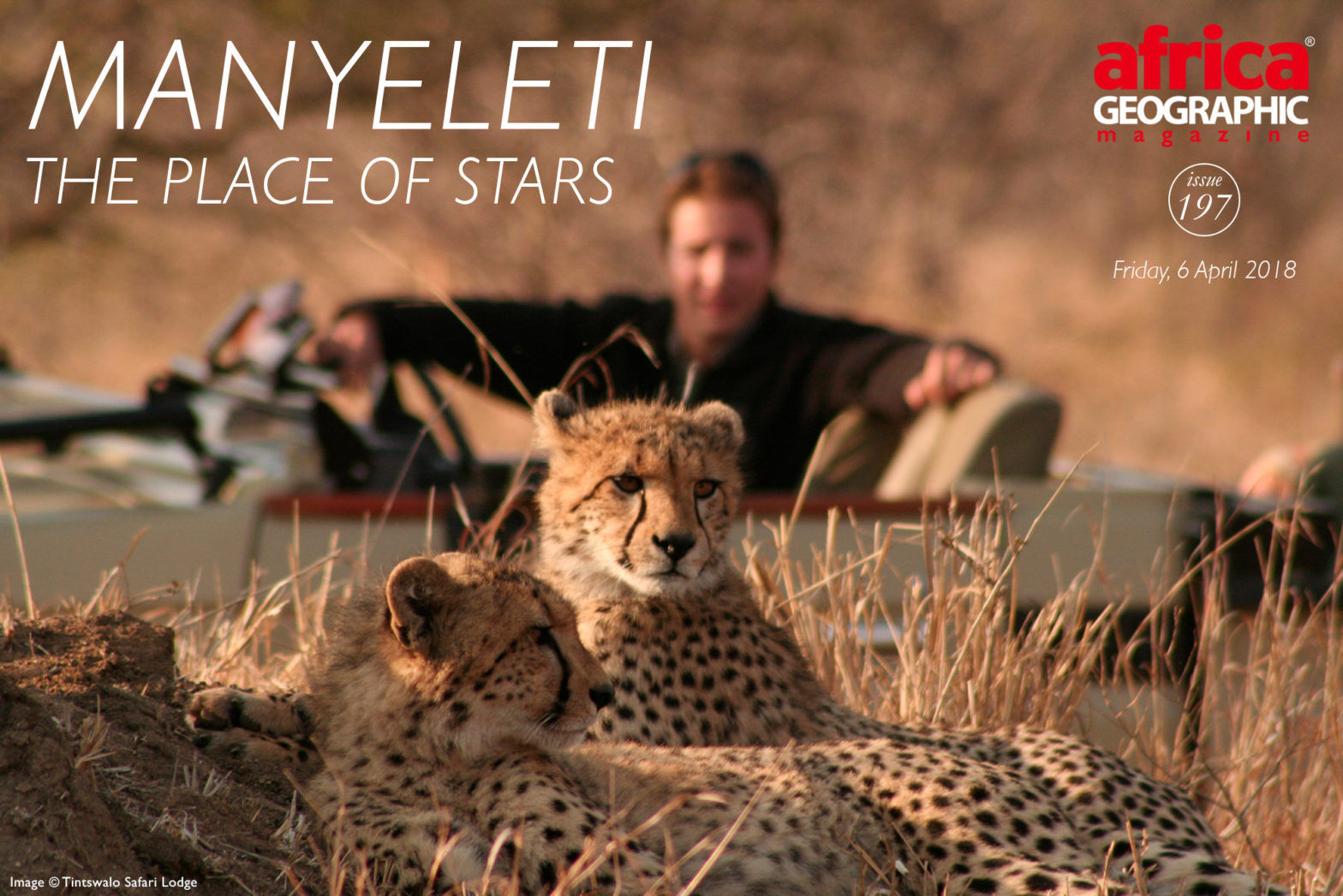
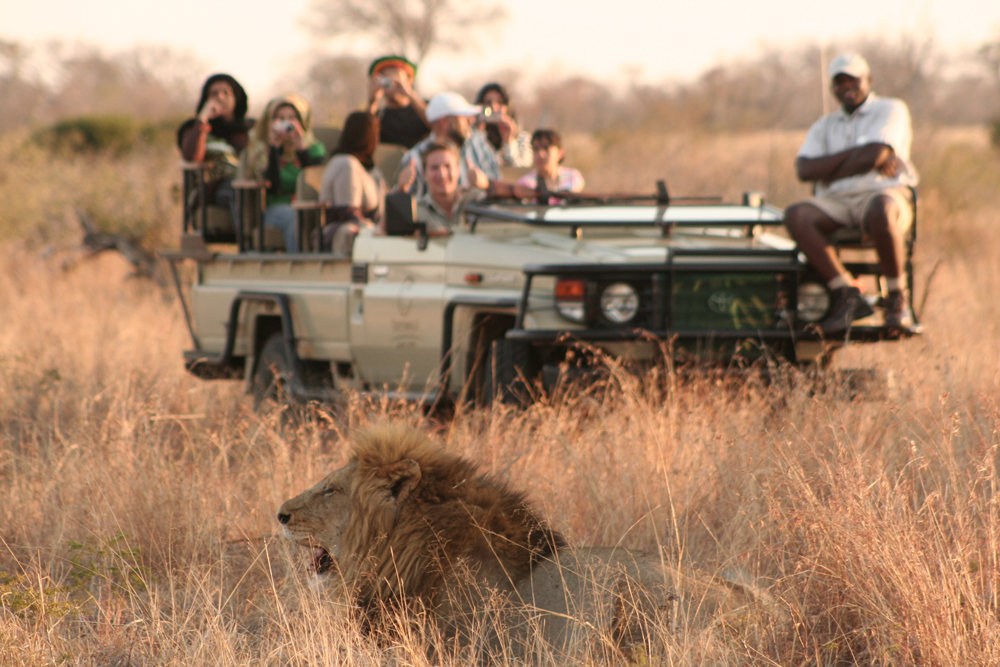
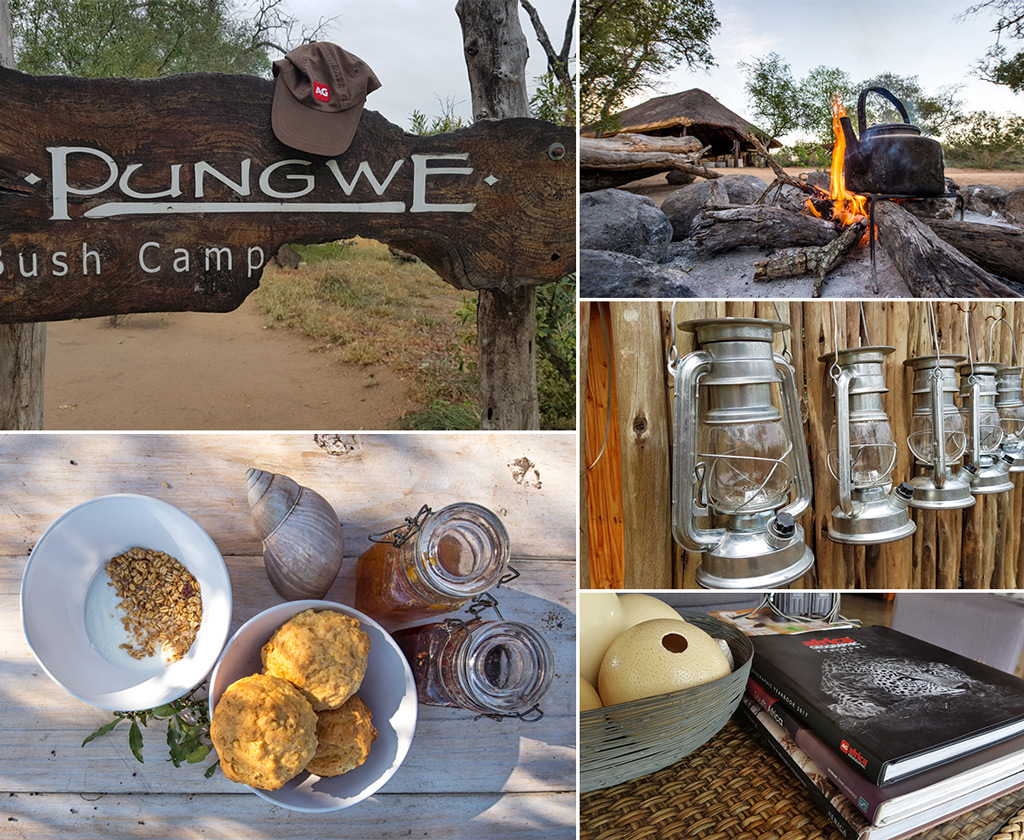
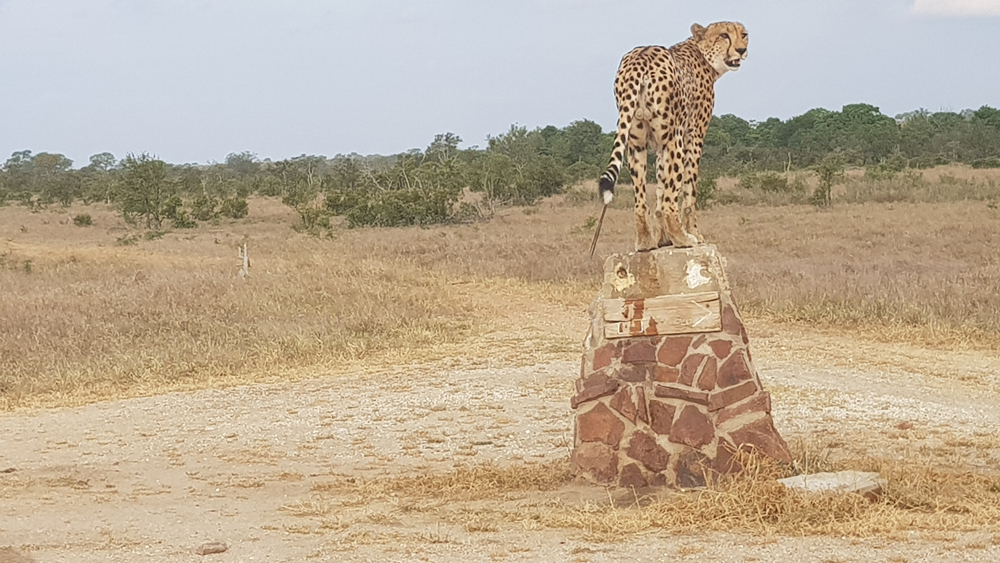
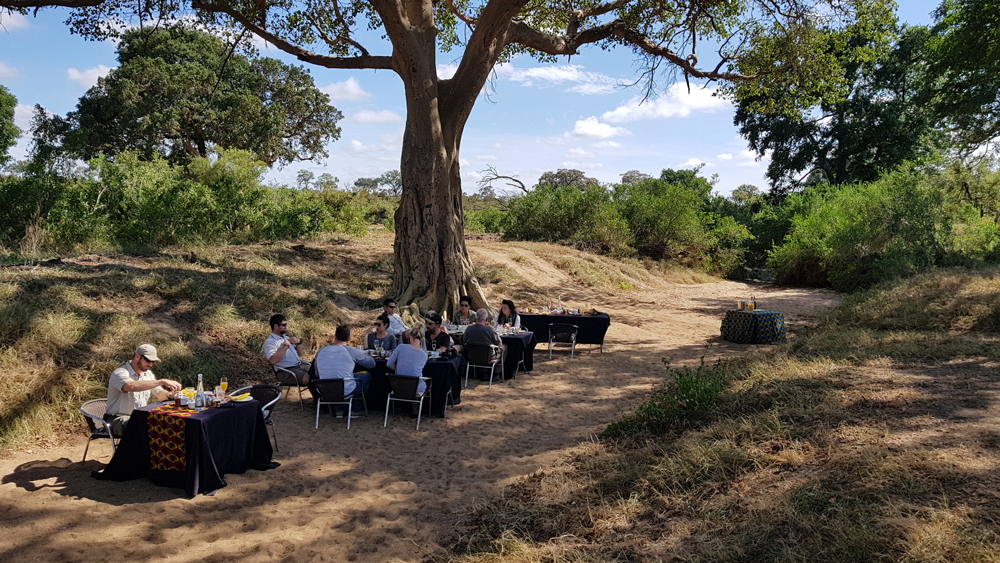
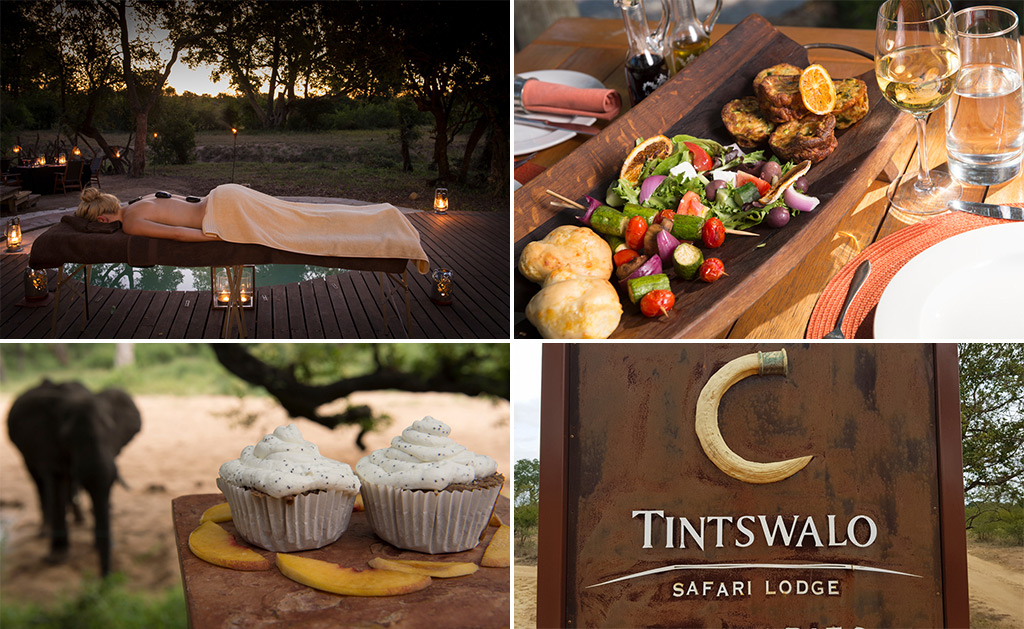
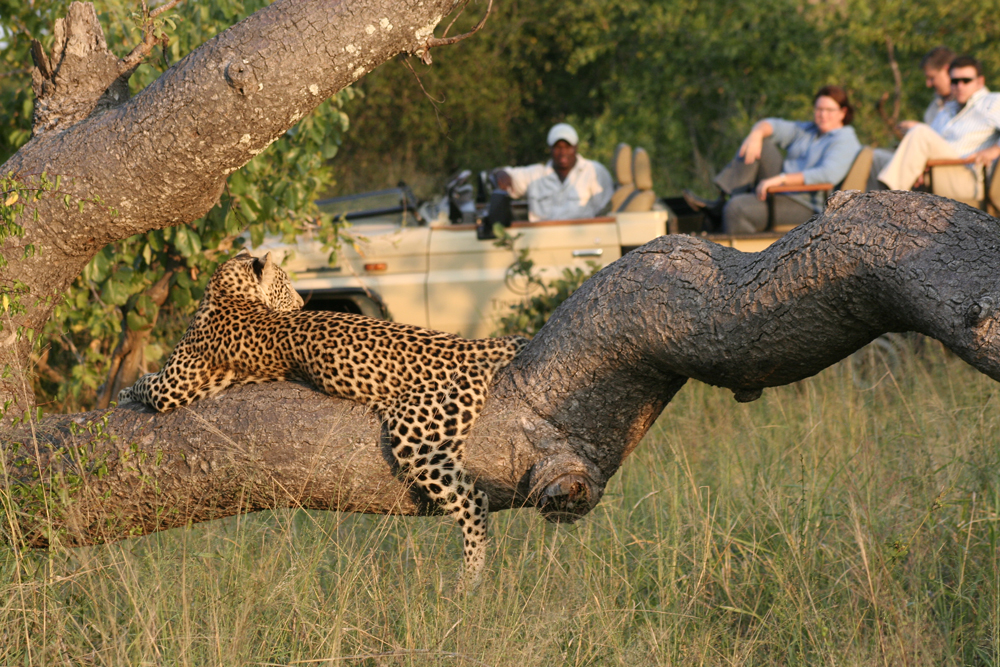
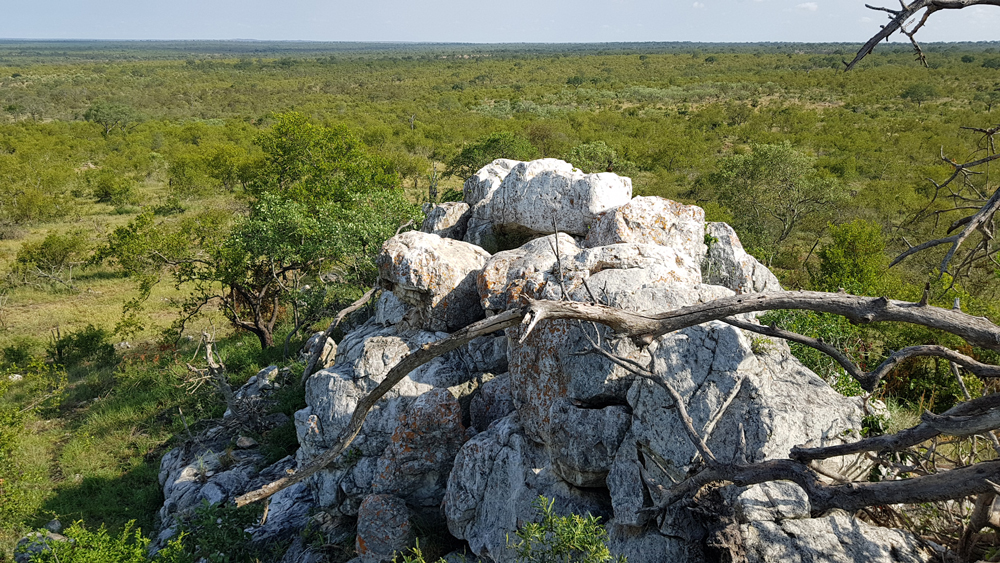
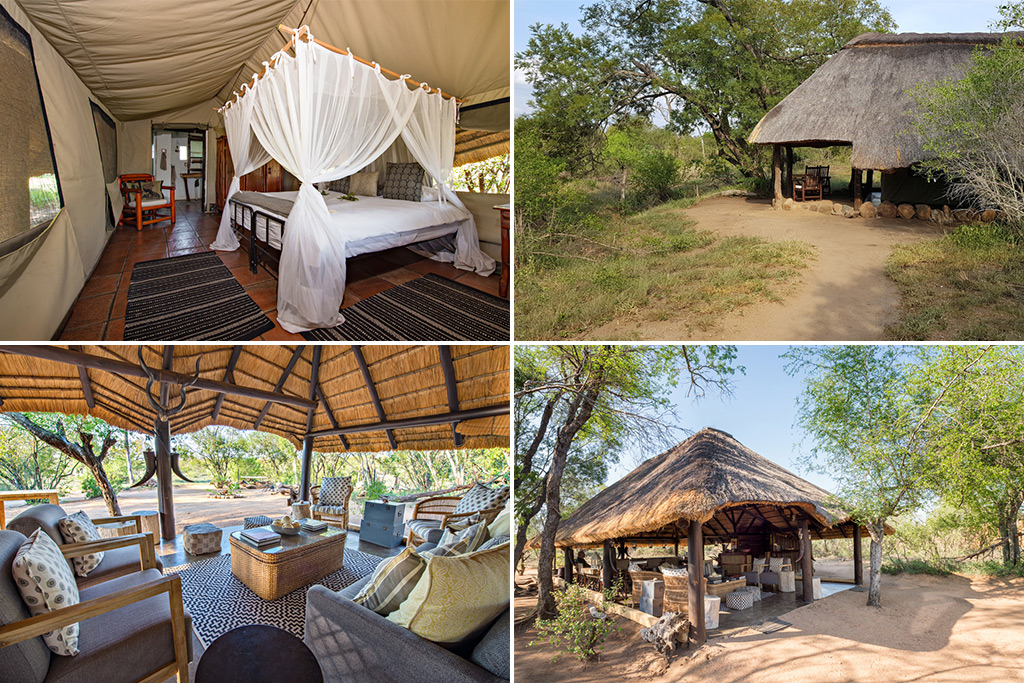
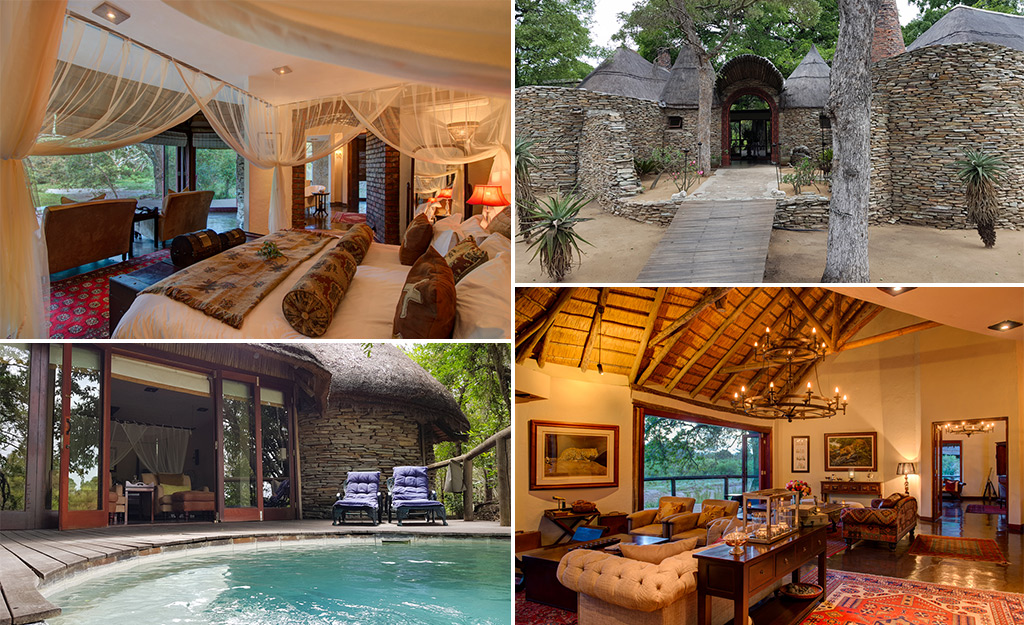
 Simon Espley is an African of the digital tribe, a chartered accountant and CEO of Africa Geographic. His travels in Africa are in search of wilderness, real people with interesting stories and elusive birds. He lives in Hoedspruit with his wife Lizz and two Jack Russells, and when not travelling or working he will be on his mountain bike somewhere out there. His motto is ‘Live for now, have fun, be good, tread lightly and respect others. And embrace change’.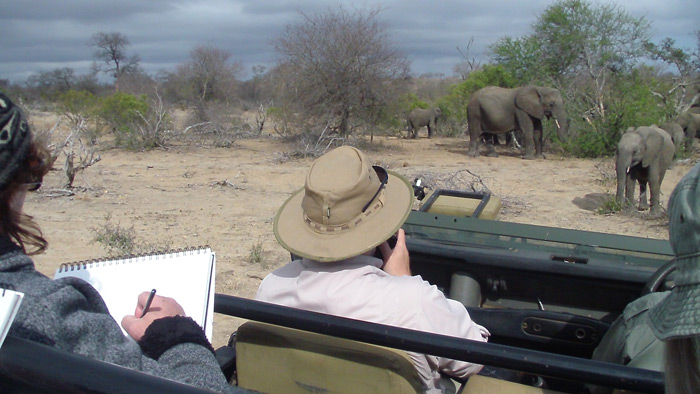
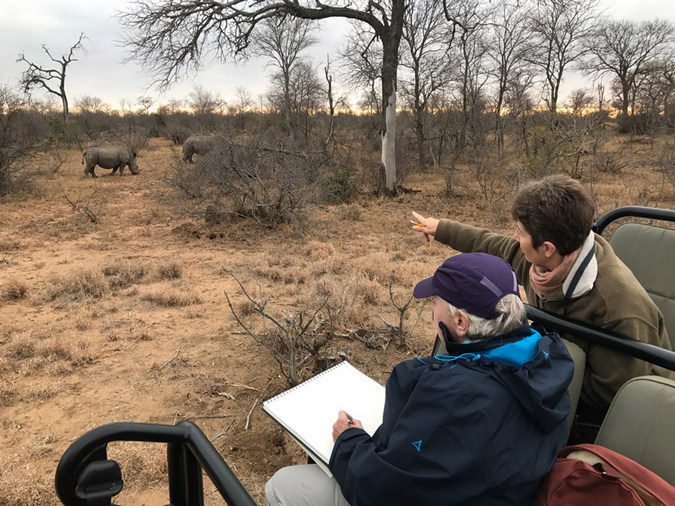
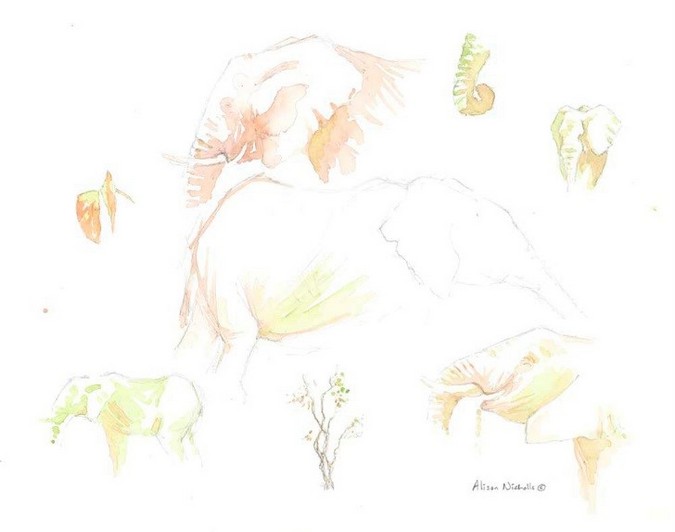
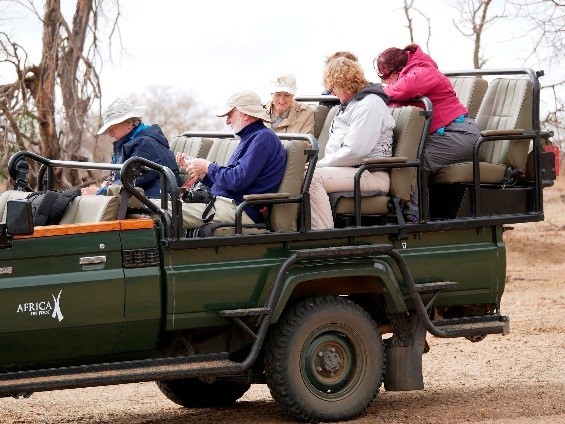
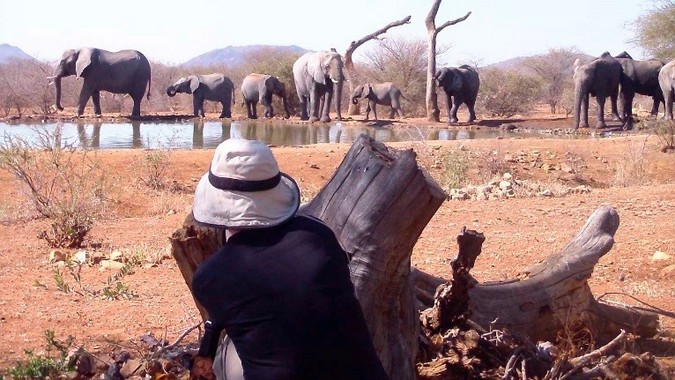
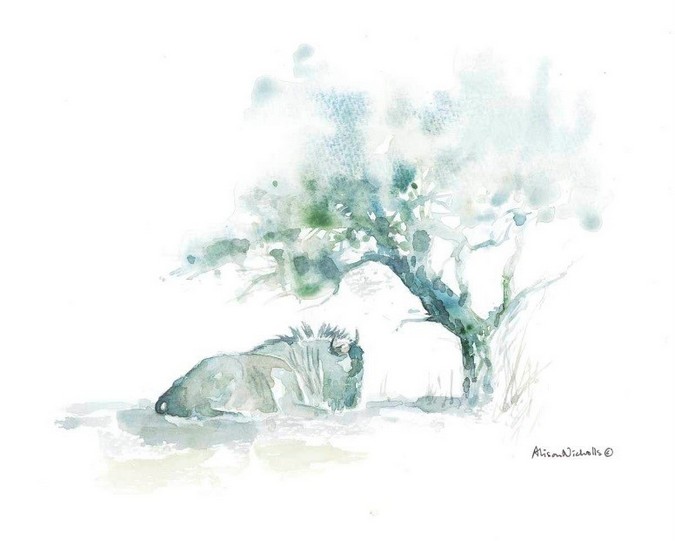
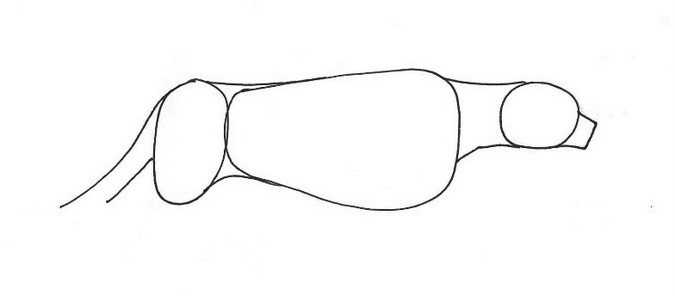
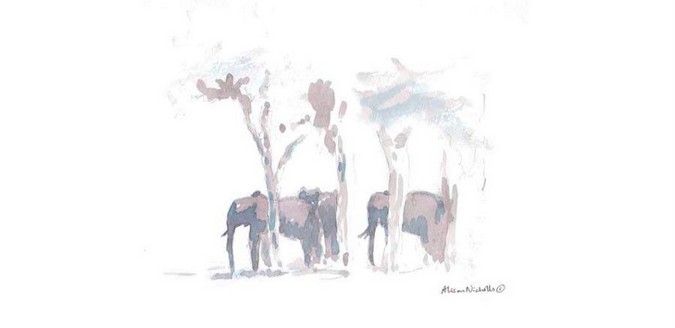
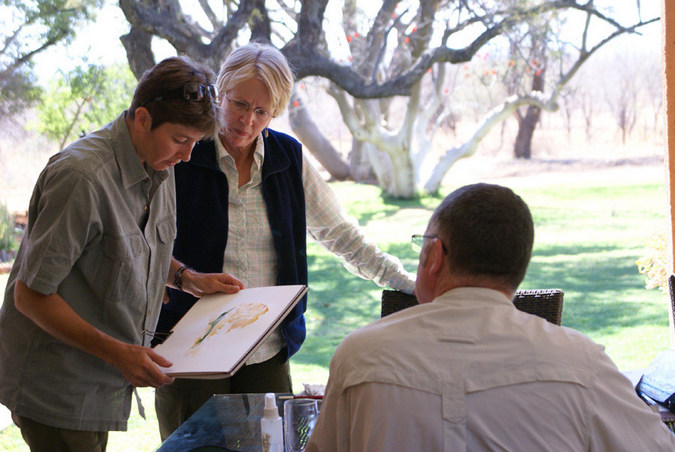
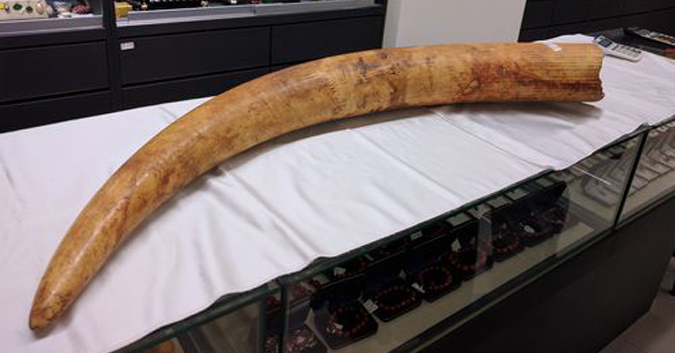
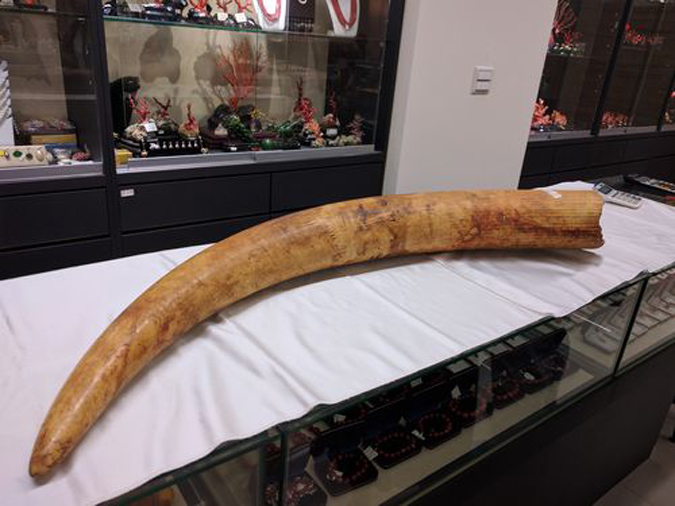
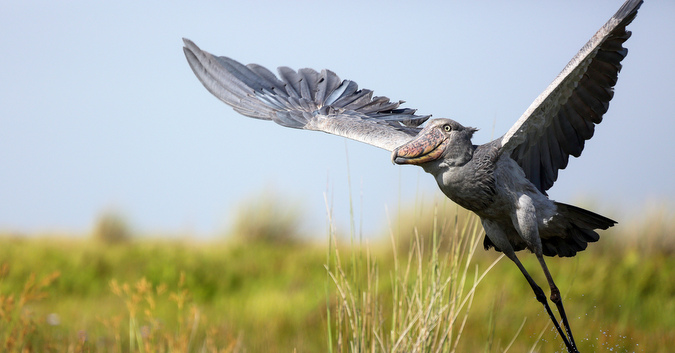
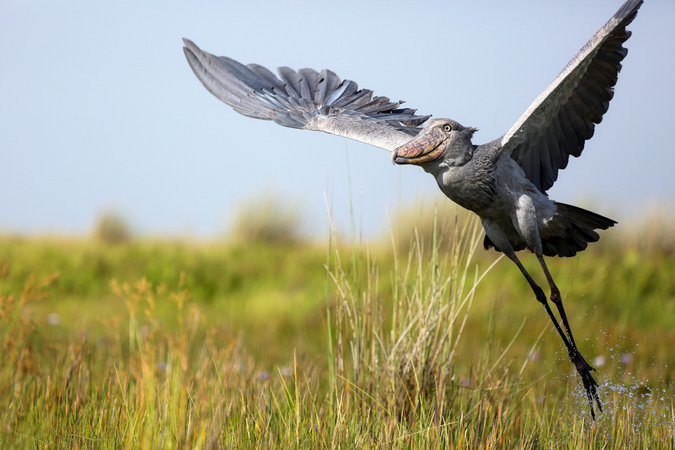
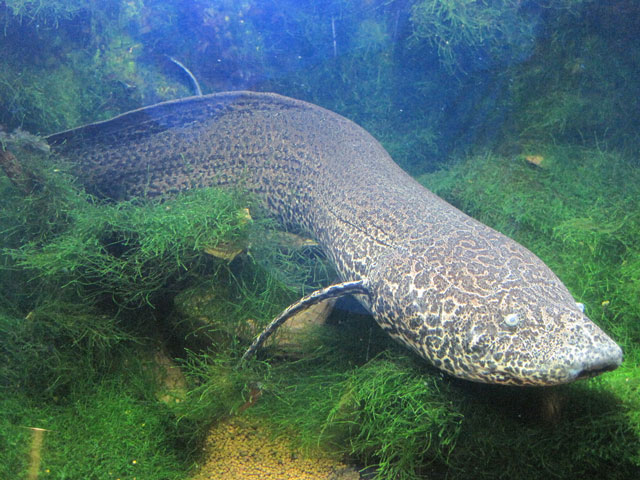
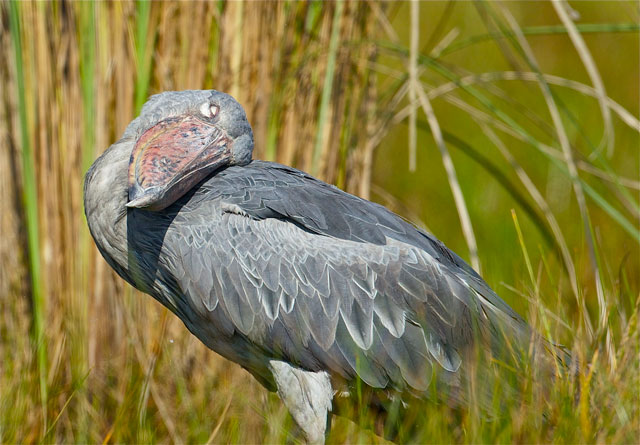
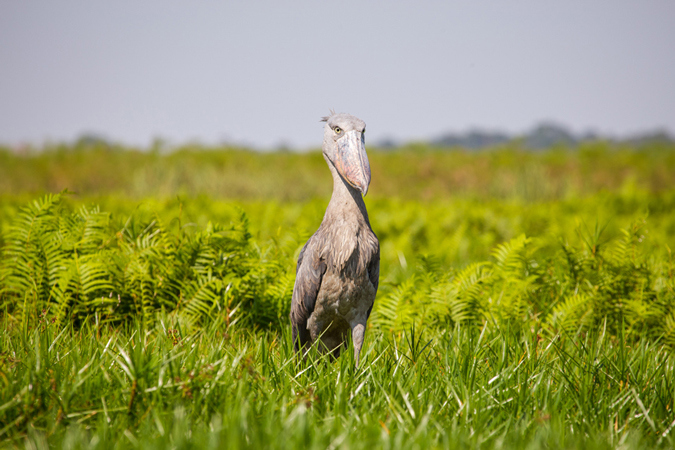
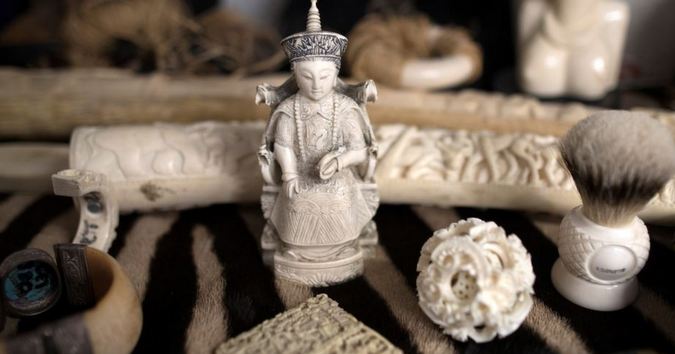
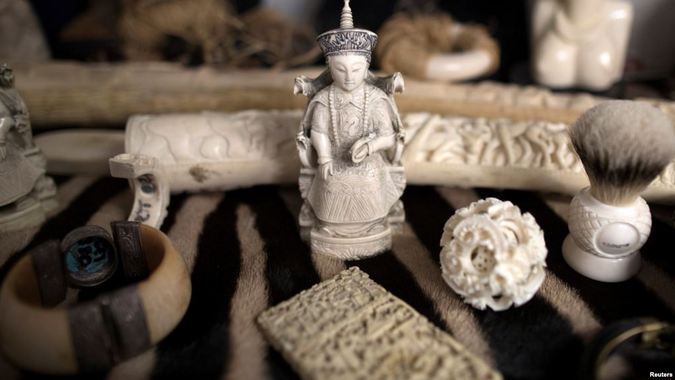
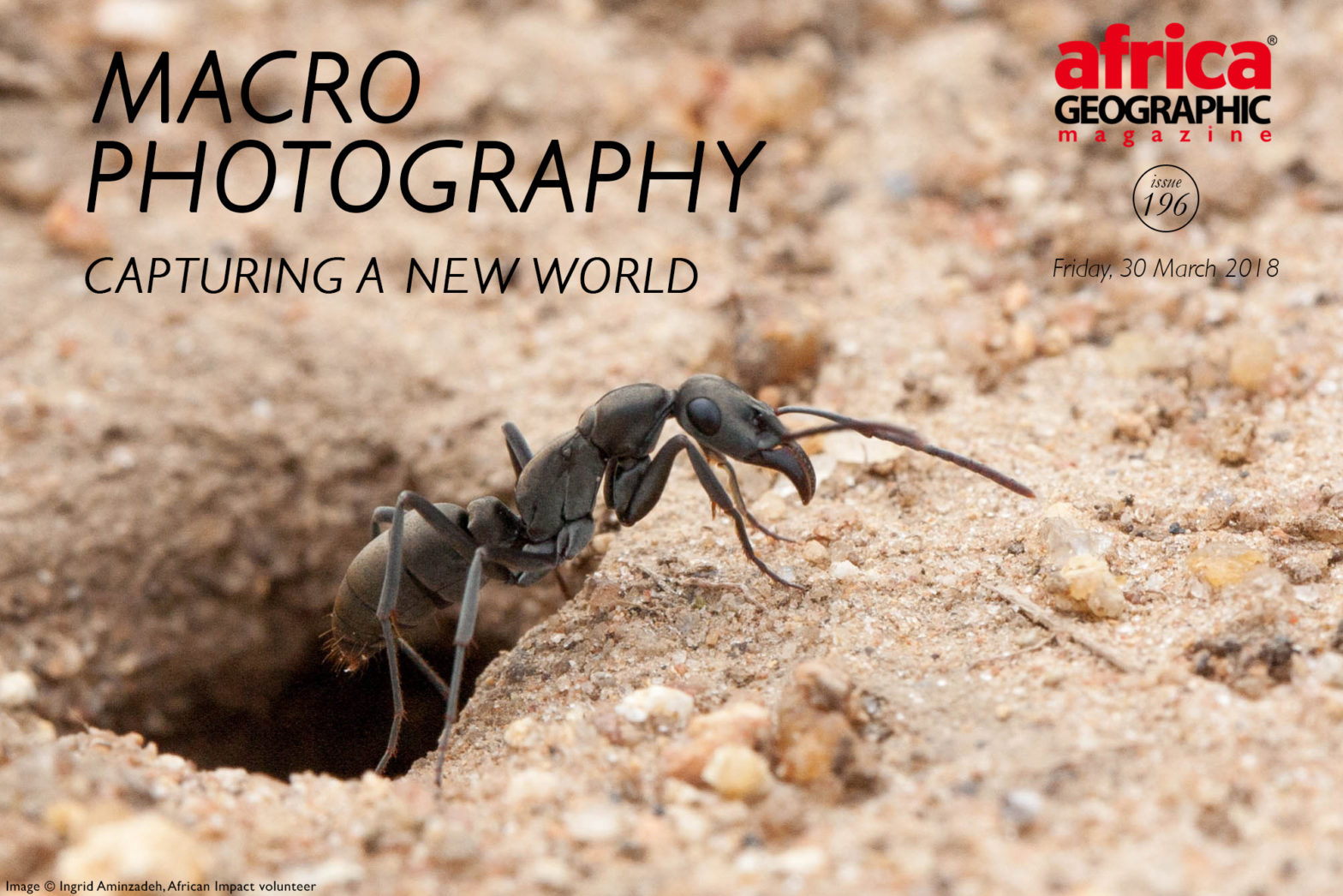
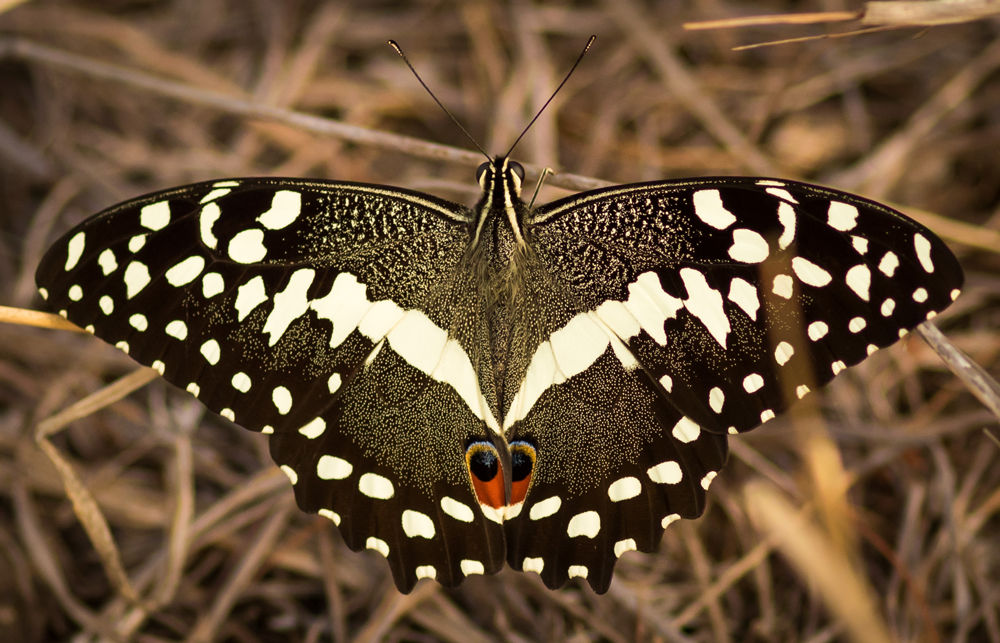
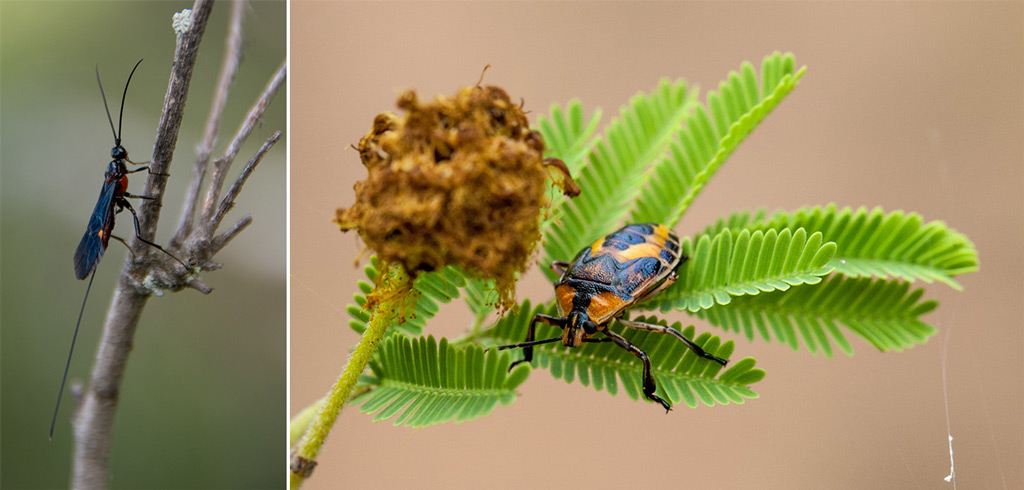
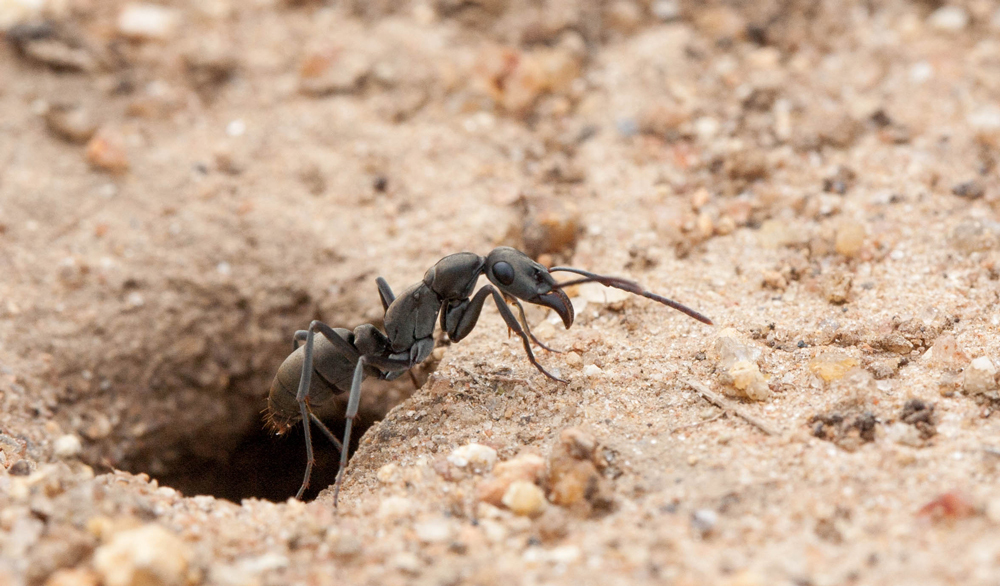
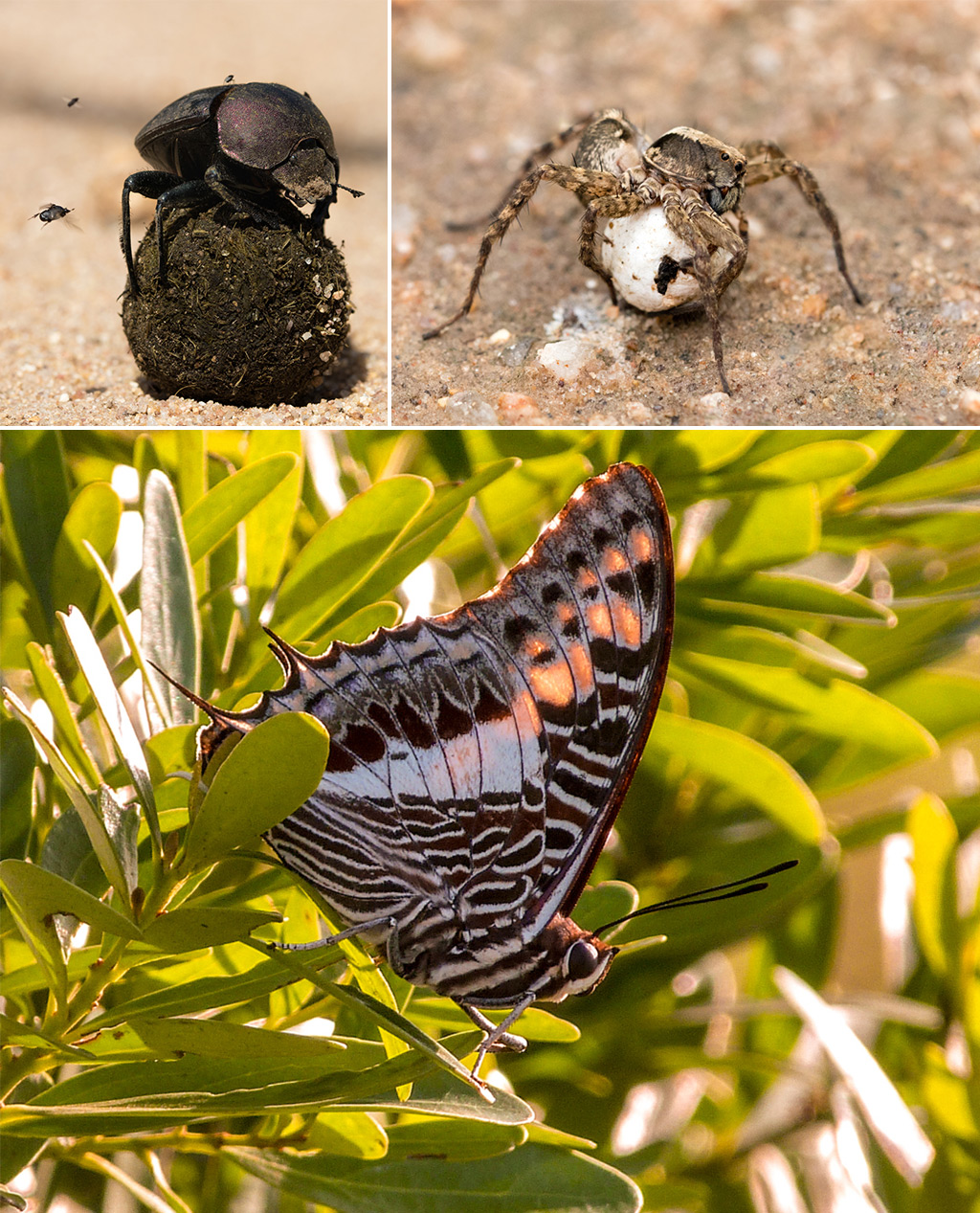
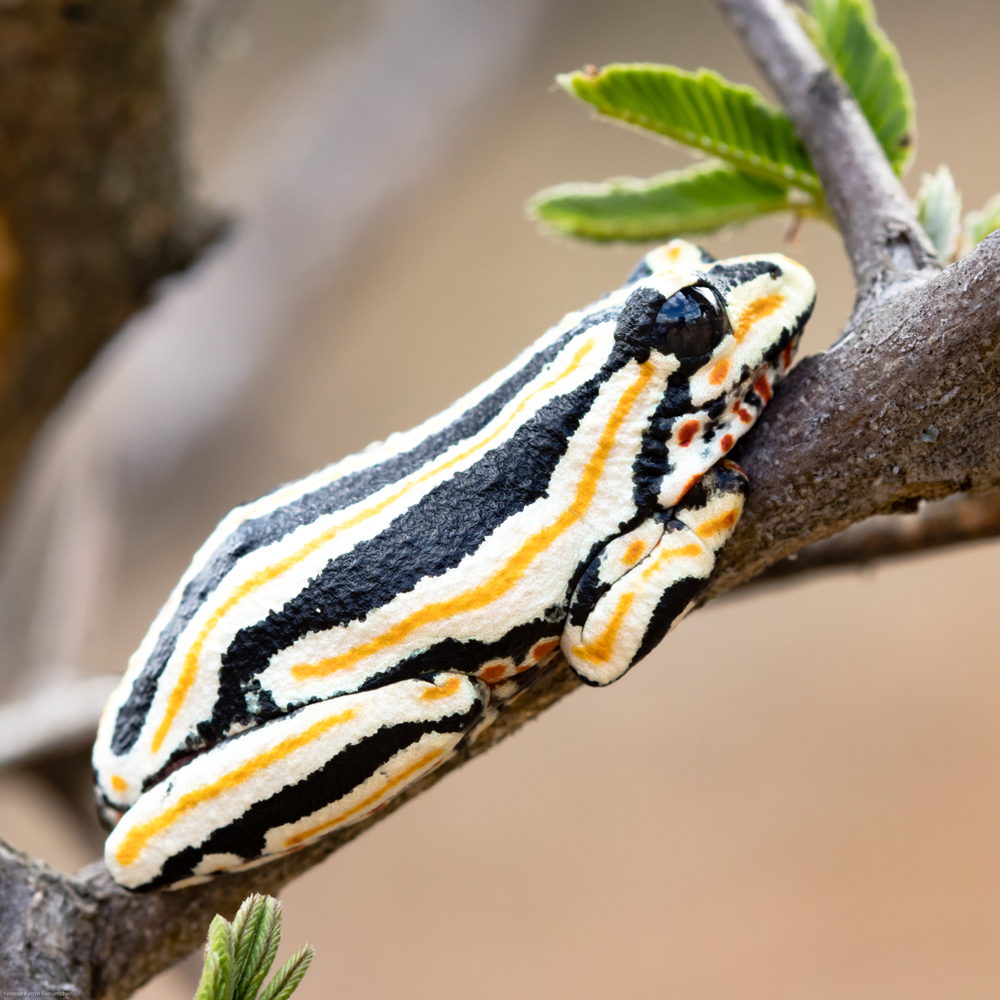
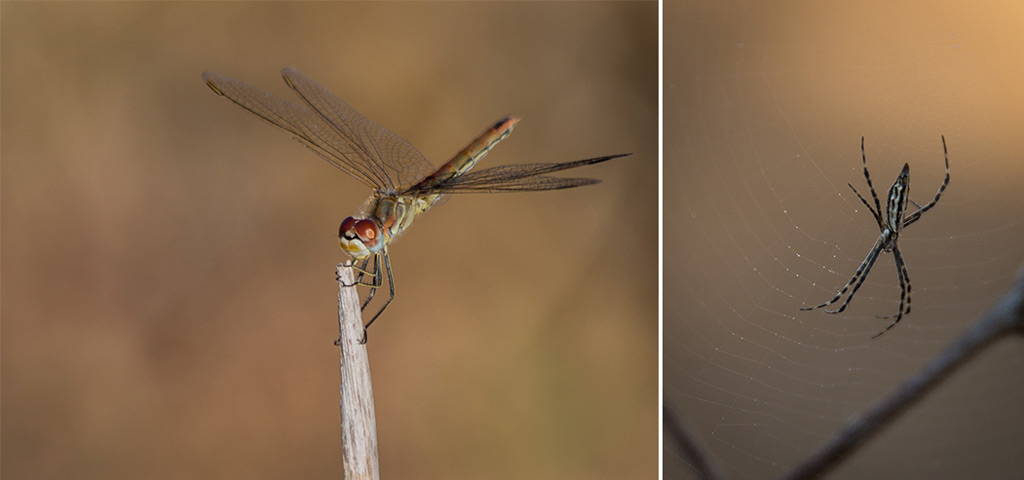
 Sam Cox originally studied filmmaking, earning a BA Honours degree in filmmaking before moving his sights onto photography. Travelling to Africa since 1999, his passion for wildlife quickly drew him to focus on photographing the diverse wildlife the continent has to offer and has seen his images published online with National Geographic and Africa Geographic, with printed publications in Travel Africa Magazine and BBC Wildlife Magazine.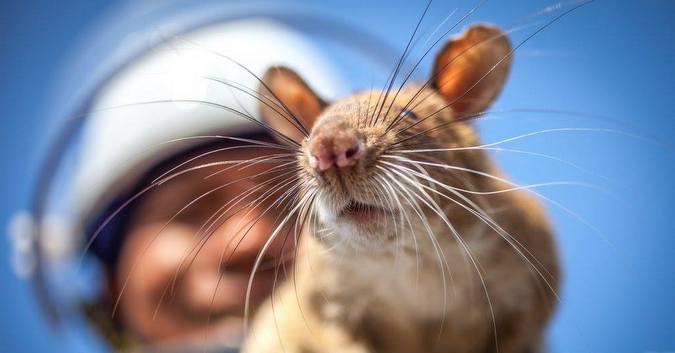
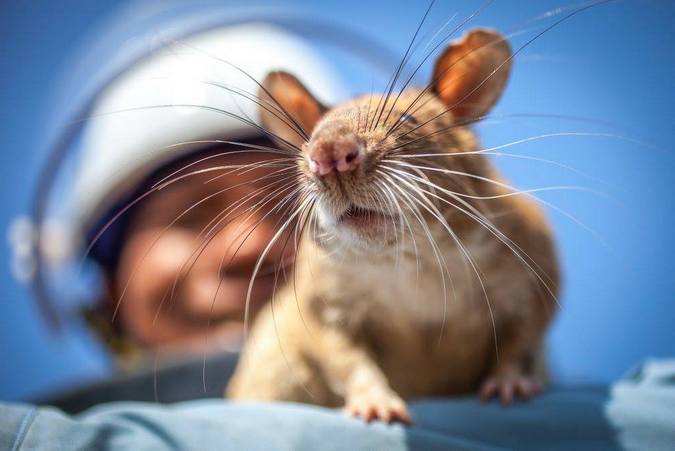
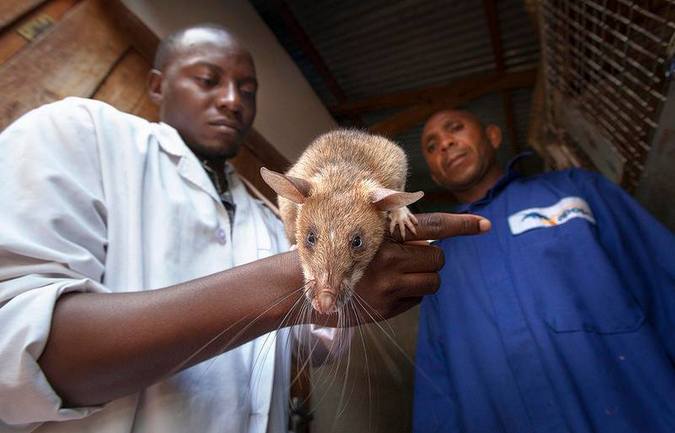
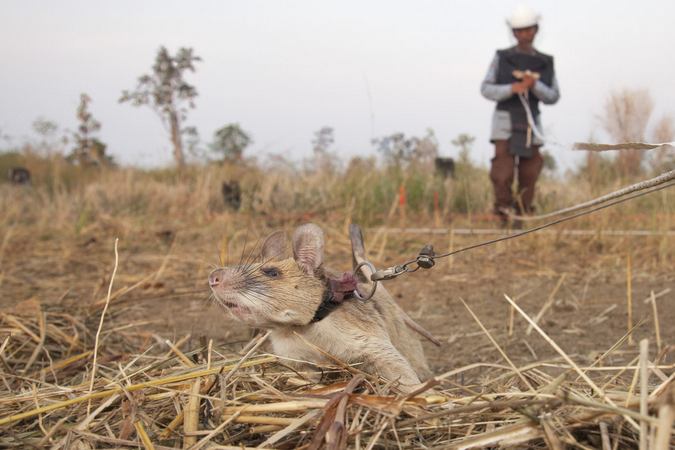
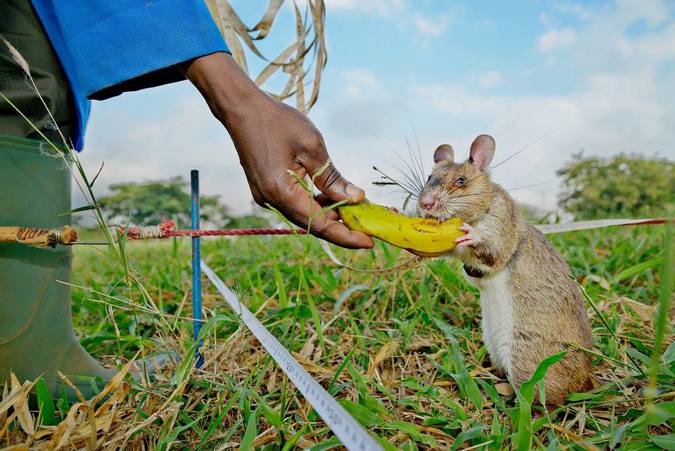
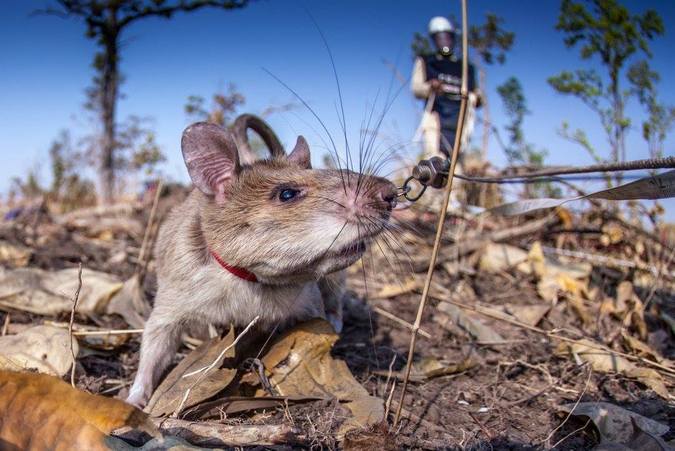
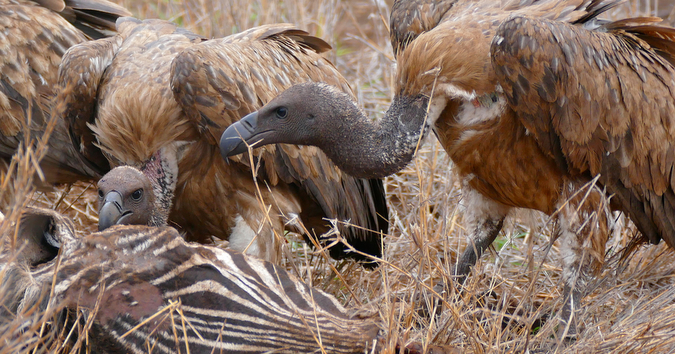
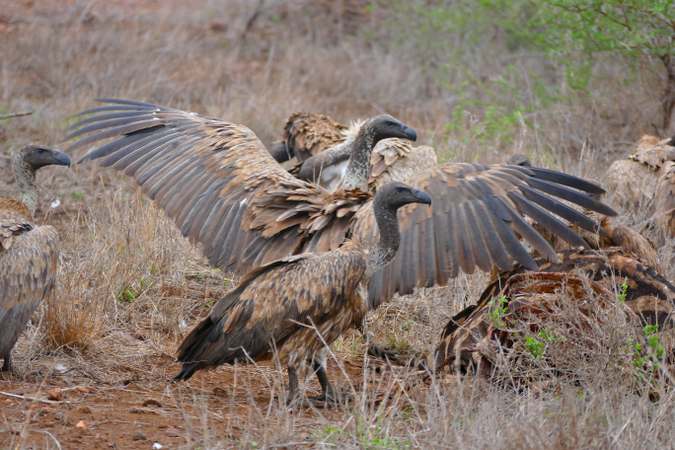
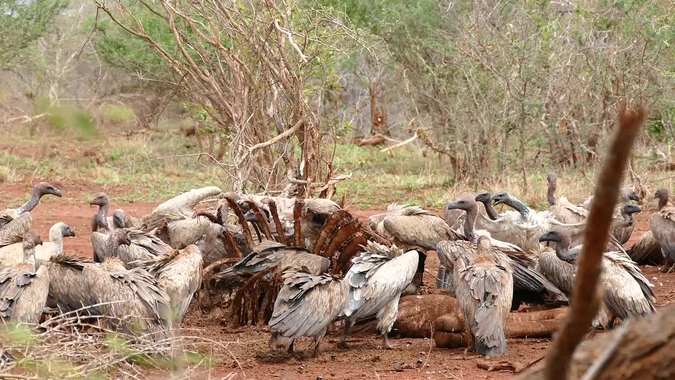
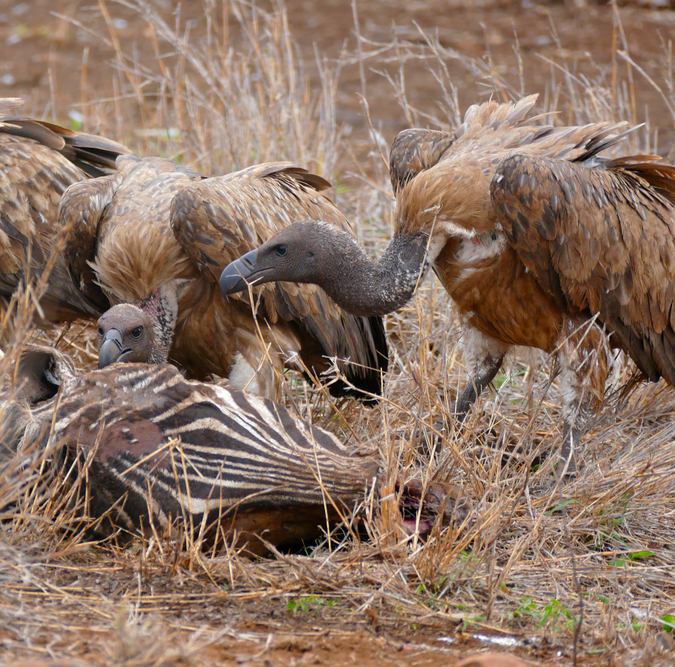
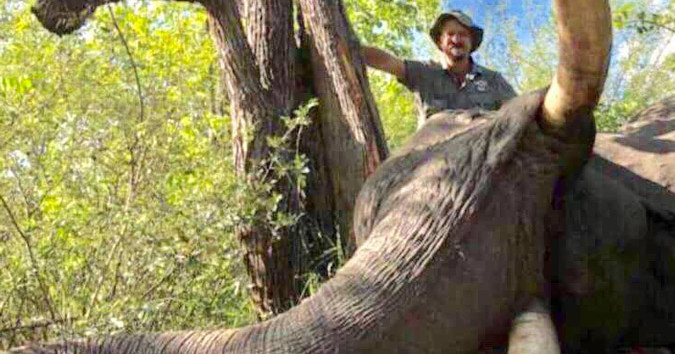
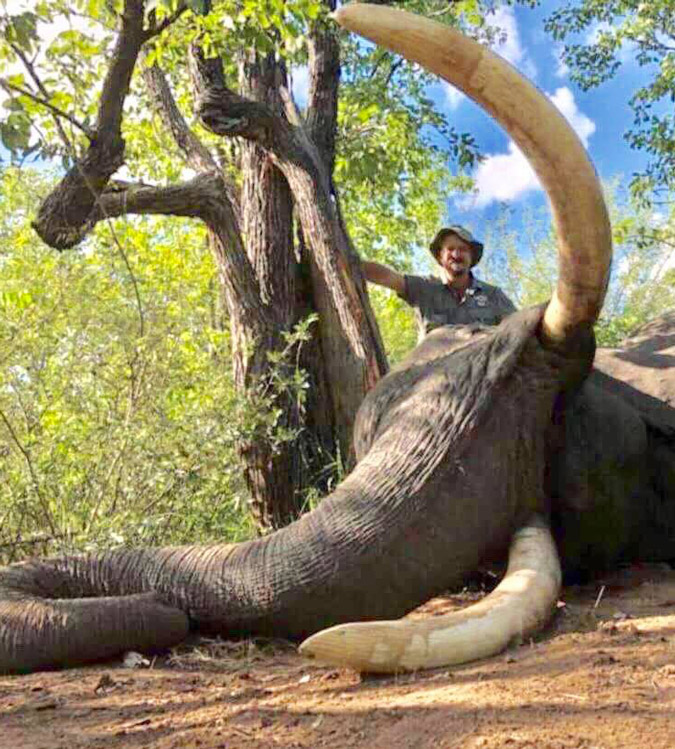
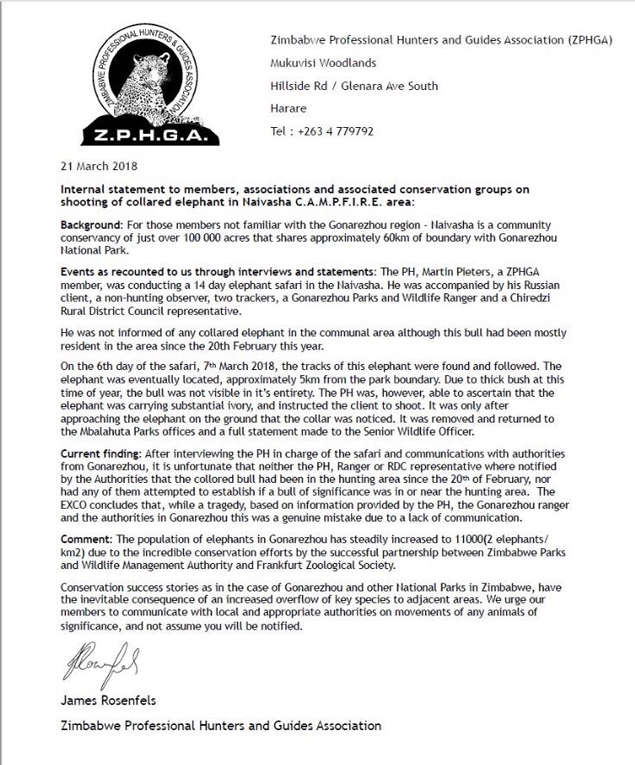
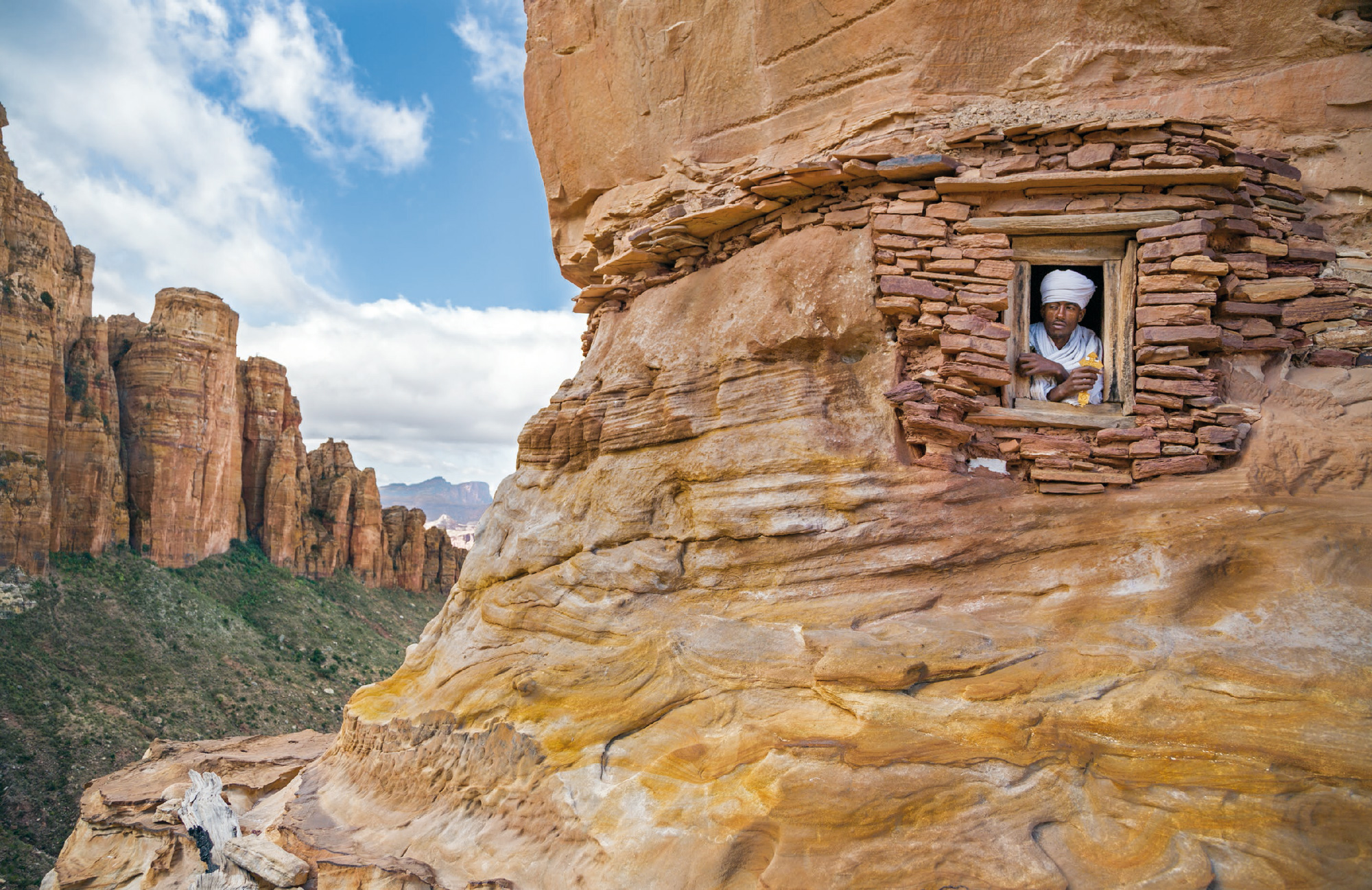
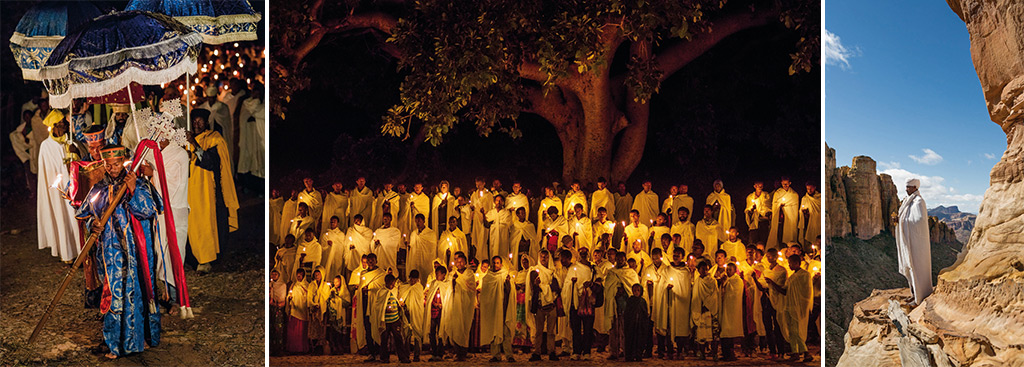
 Mary Anne Fitzgerald has covered eastern Africa for The Economist, the Financial Times, and The Sunday Times of London, and is the author of eleven books on Africa, including the bestselling Nomad: One Woman’s Journey into the Heart of Africa. She lives in Kenya. Philip Marsden is the award-winning author of several books of travel, history, and fiction, including The Chains of Heaven: An Ethiopian Romance and The Barefoot Emperor: An Ethiopian Tragedy. He lives in England. Nigel Pavitt MBE OGW has written five books on Africa illustrated with his photographs. They include Kenya: The First Explorers, Samburu, Turkana: Kenya’s Nomads of the Jade Sea, and Africa’s Great Rift Valley. He lives in Kenya. Frederic Courbet is a Belgian photographer and cameraman whose work has appeared in The Guardian, The New York Times, Der Spiegel, Le Monde, Time magazine, and Newsweek. He lives in Australia. Justus Mulinge is a young Kenyan photographer who lives in Nairobi with his wife and two sons. With his eye for detail, he was an essential member of the photographic team for this book.
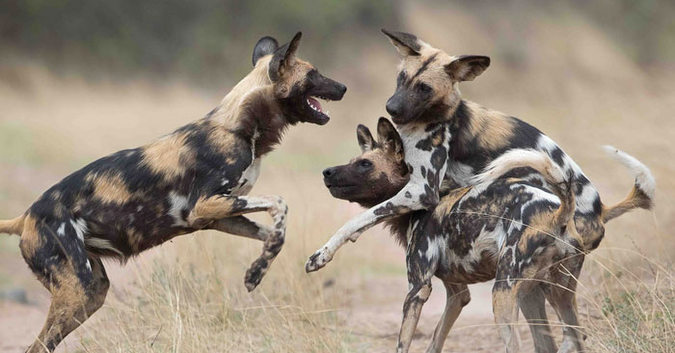
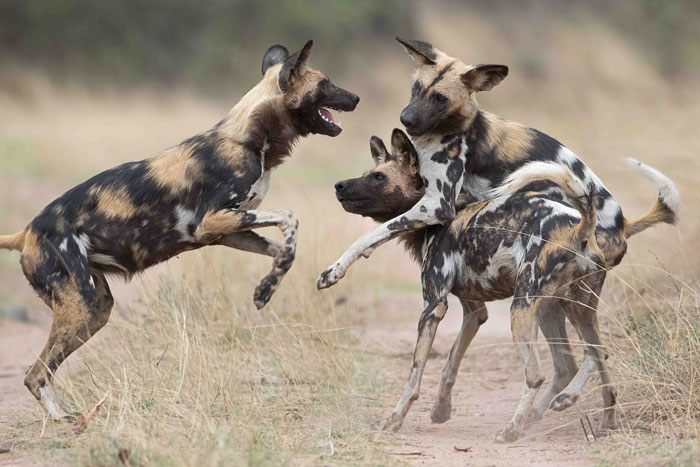
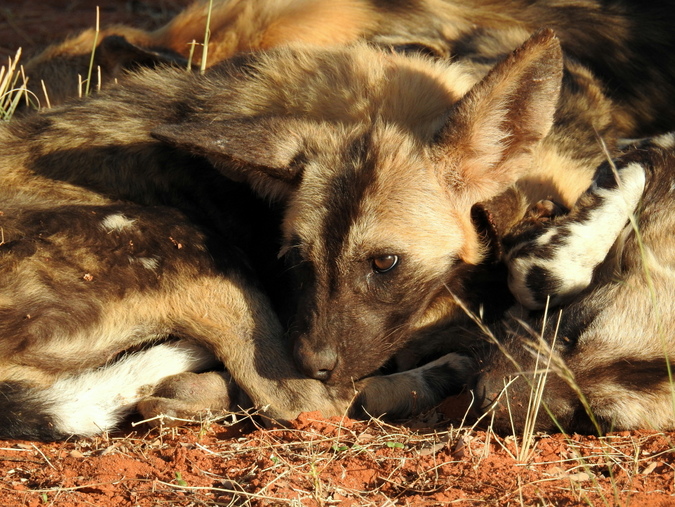
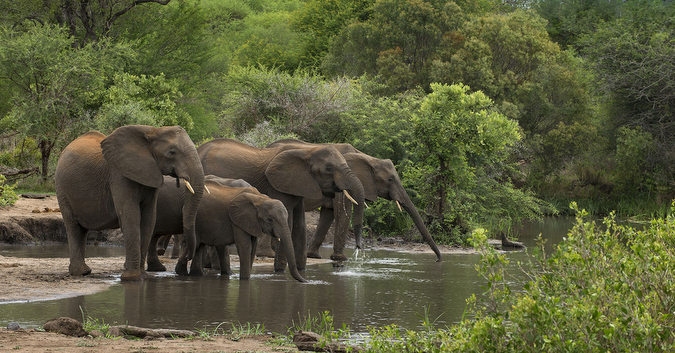
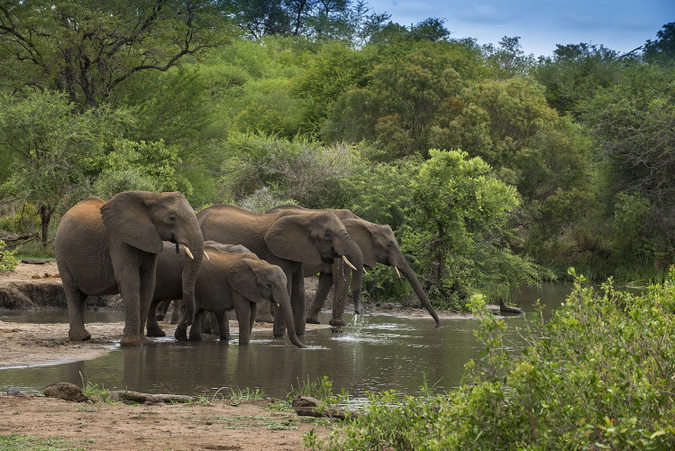
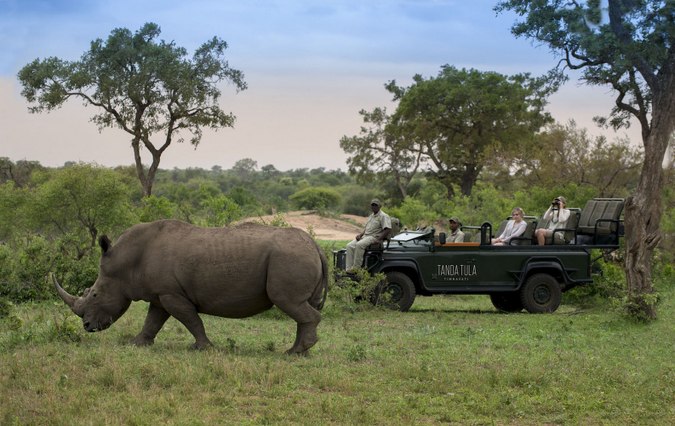
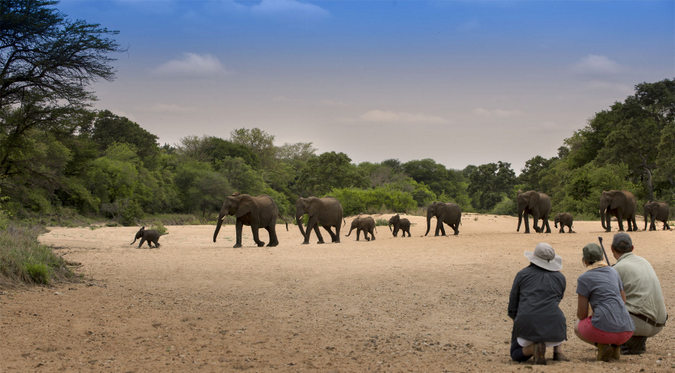
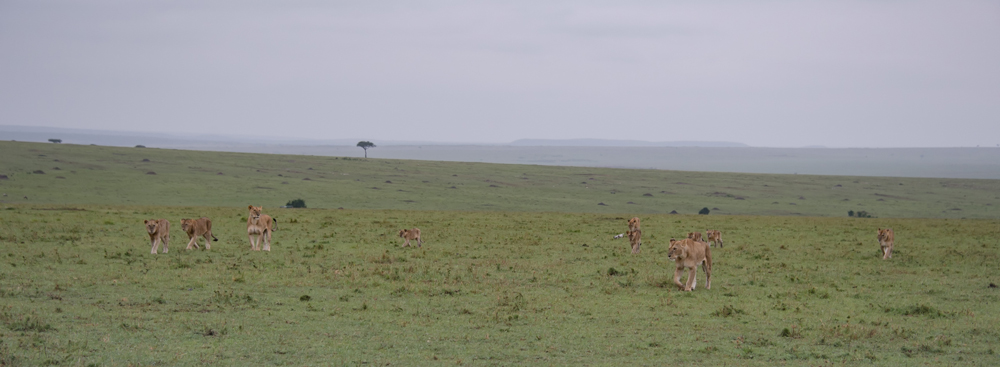
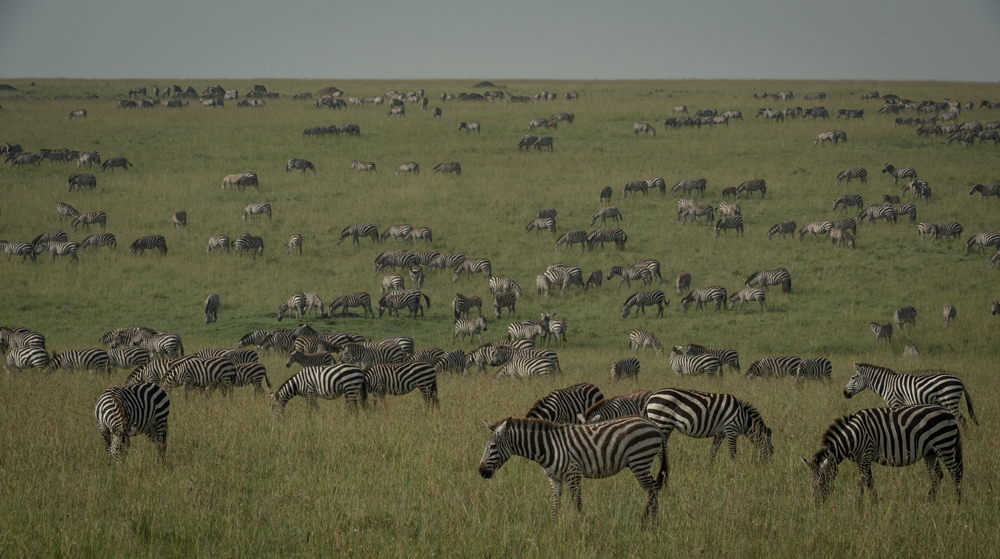
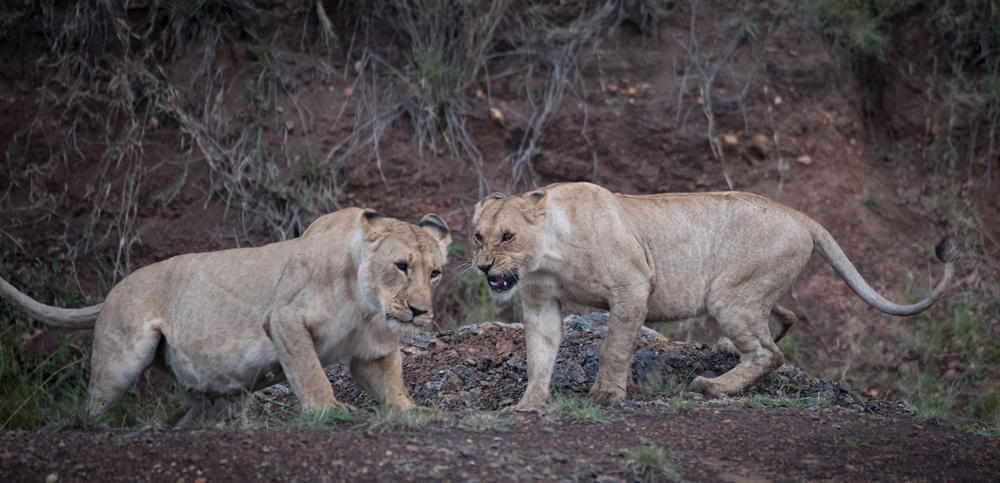
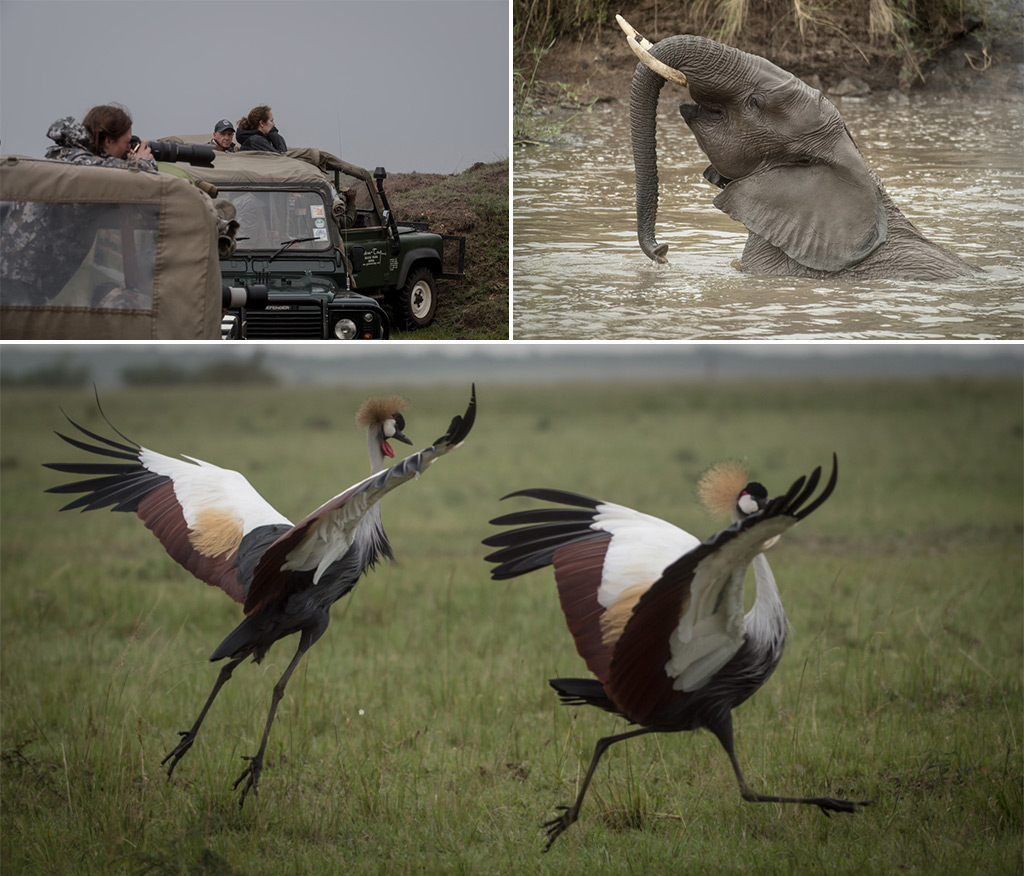
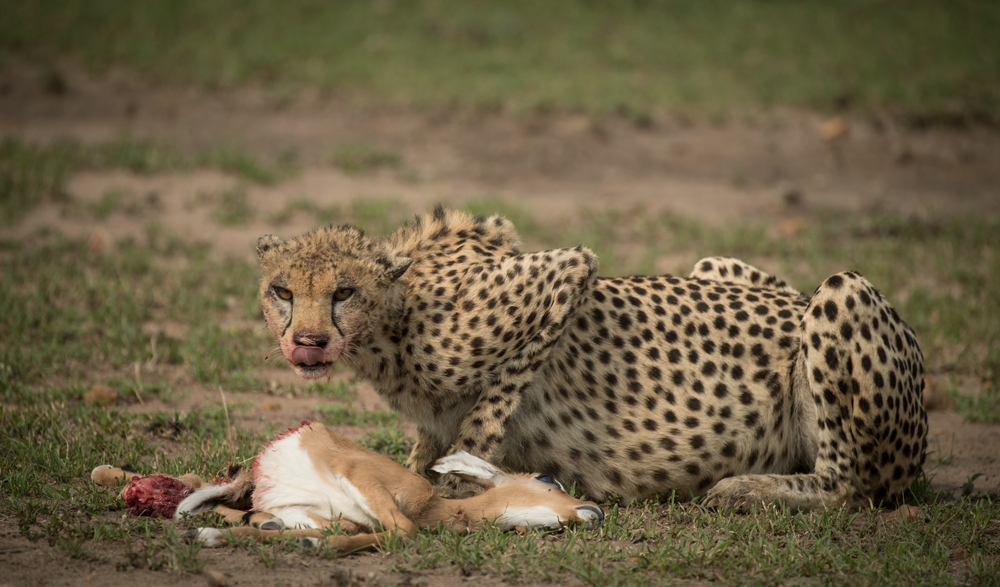
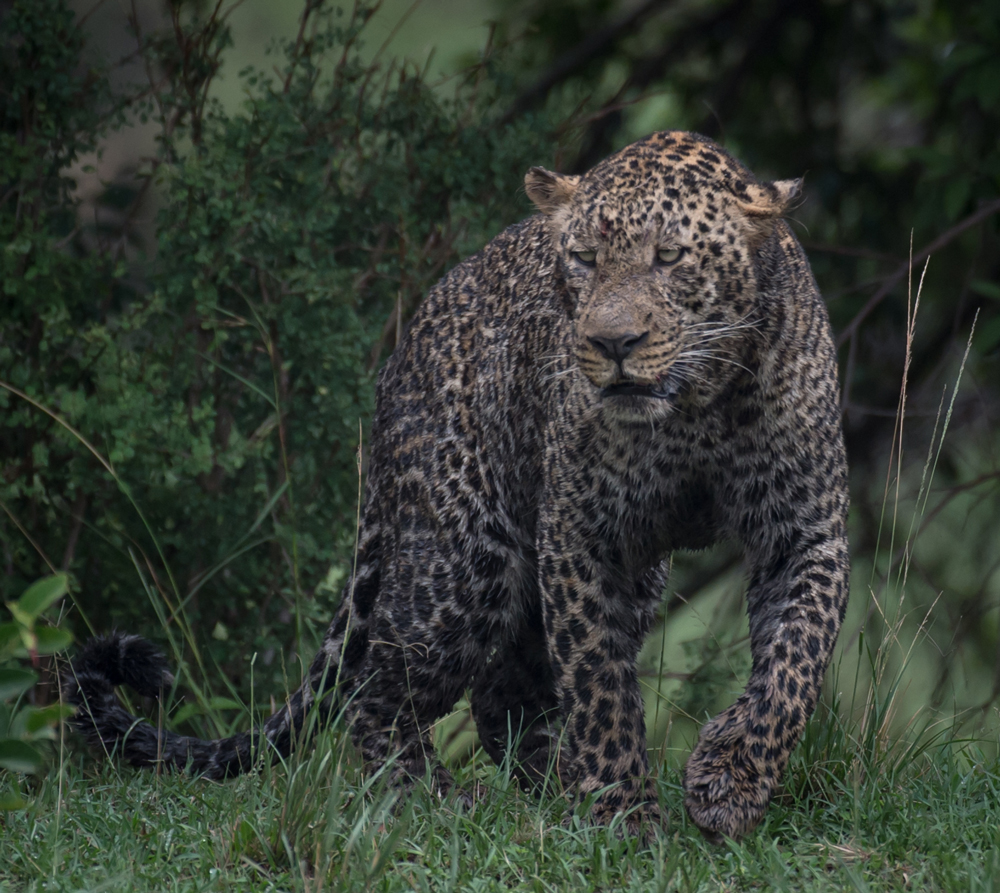
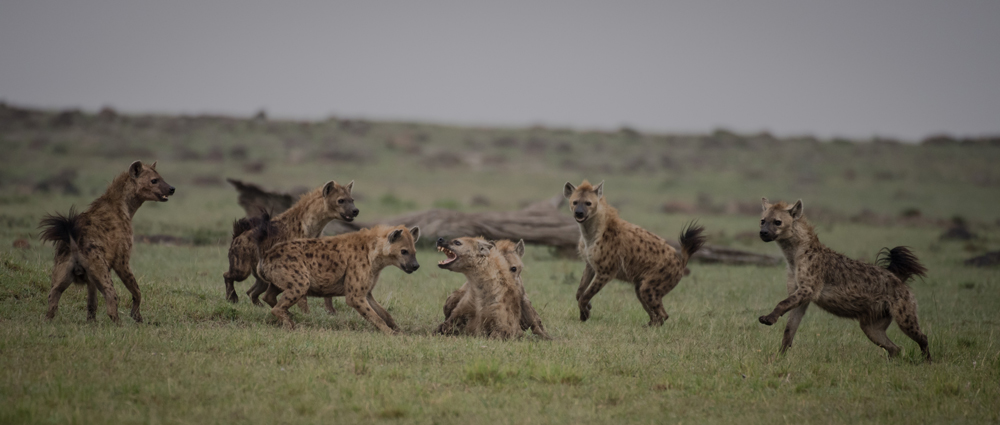
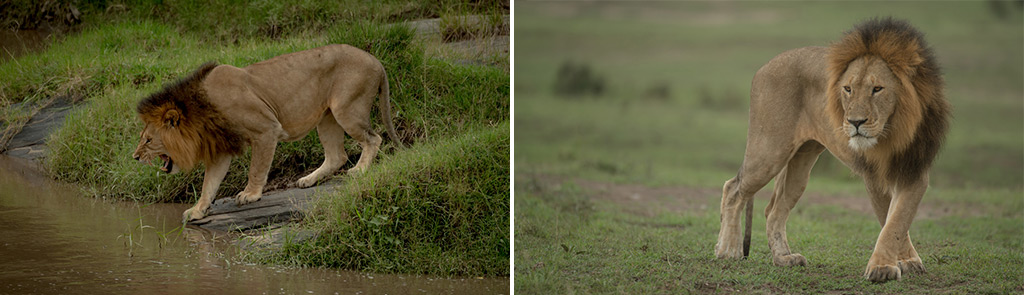
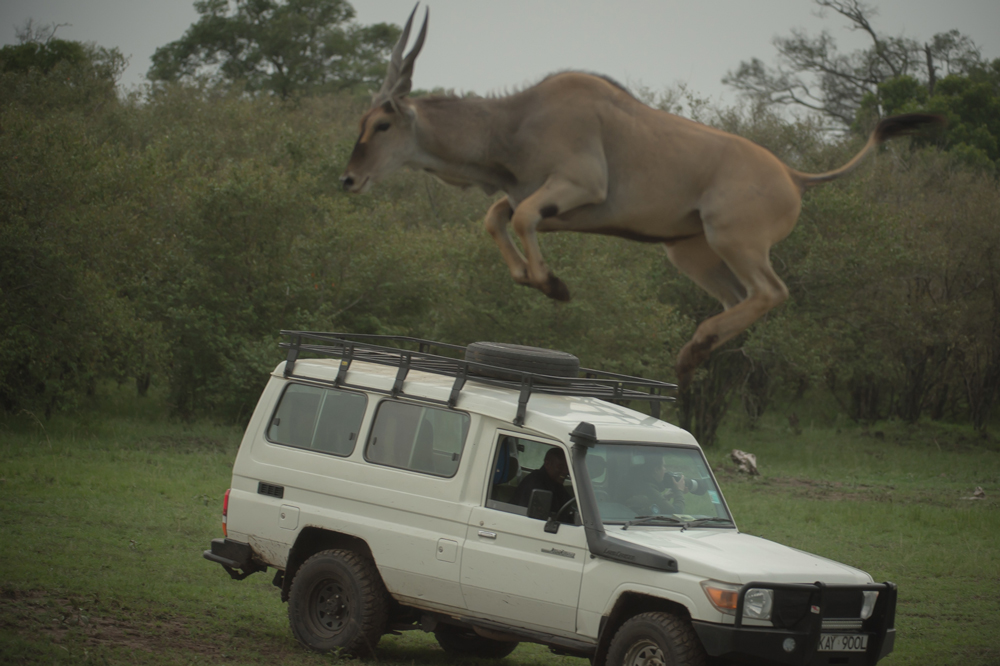
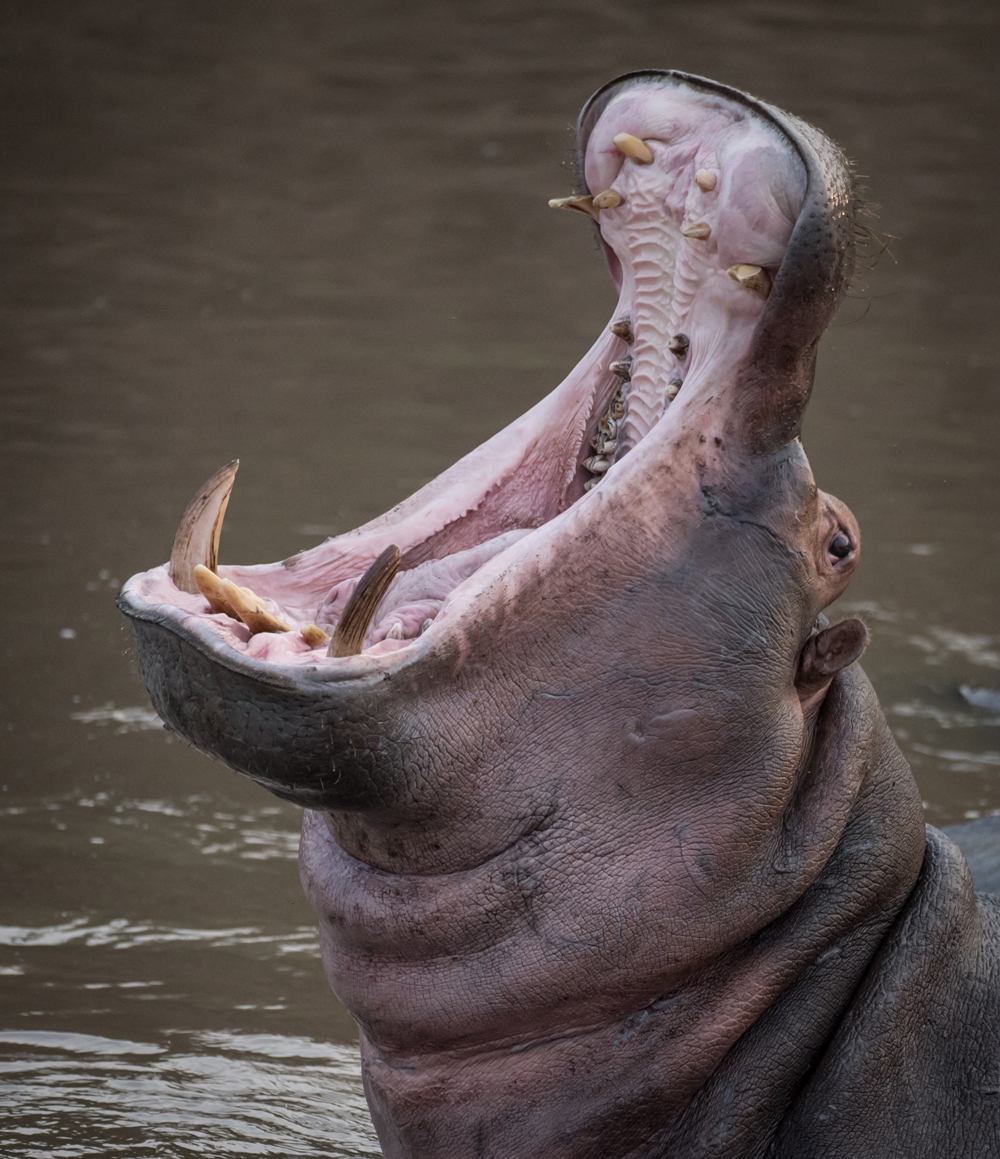
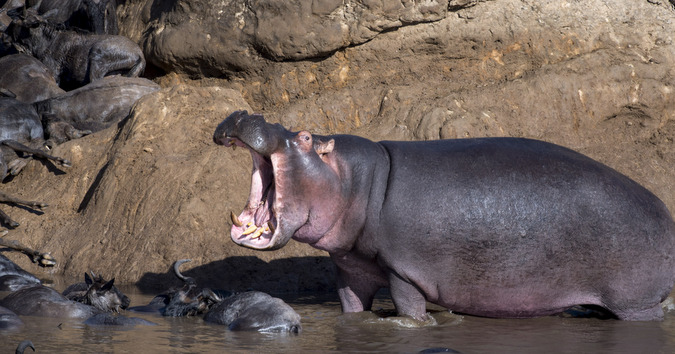
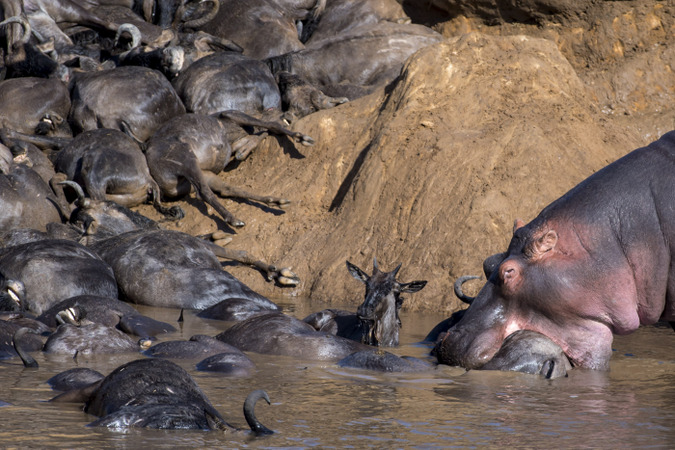
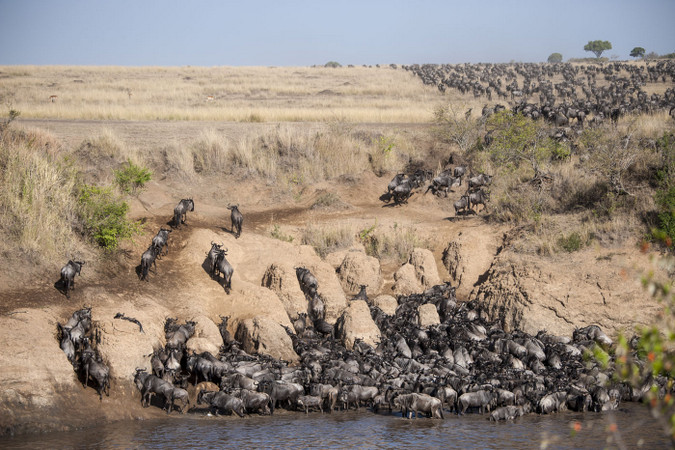
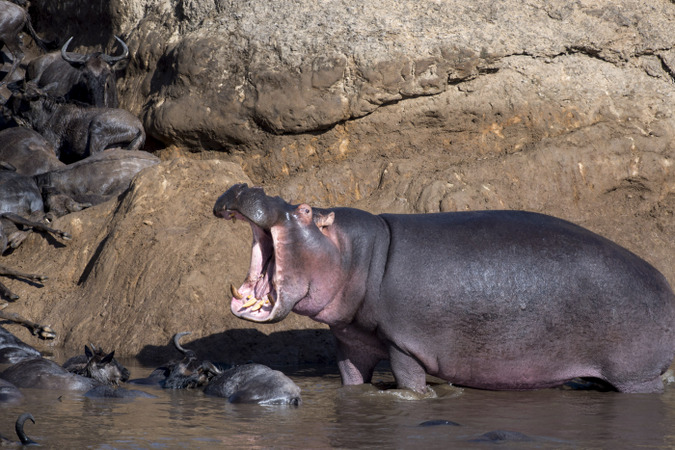
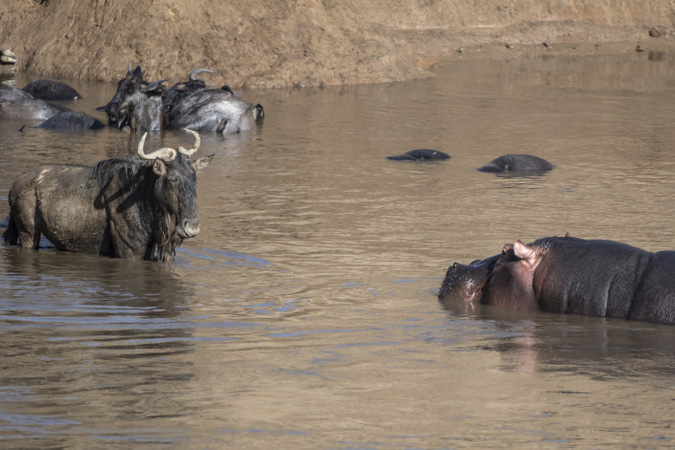
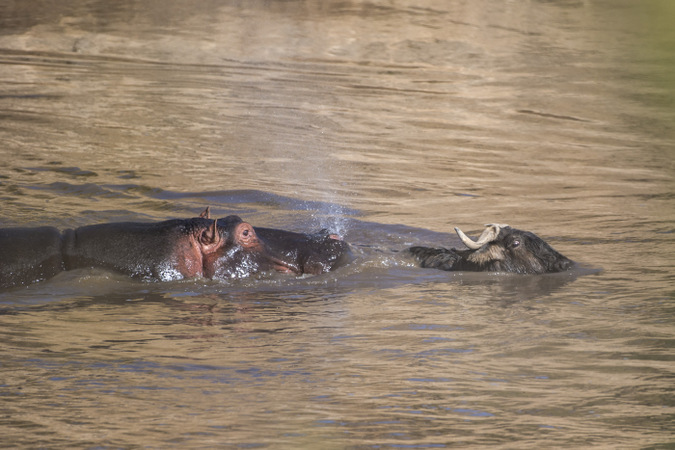
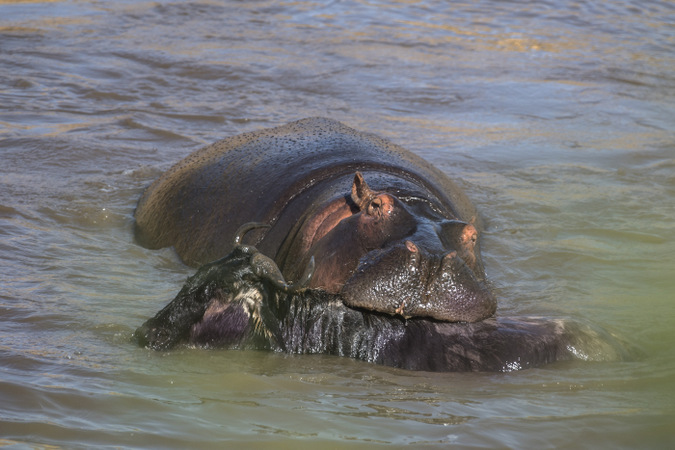
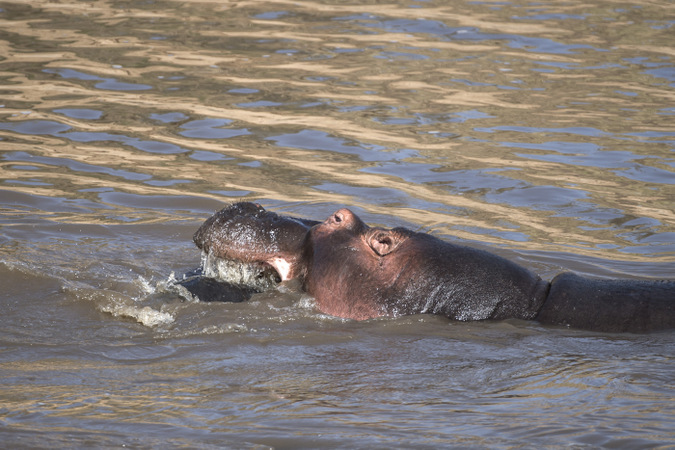
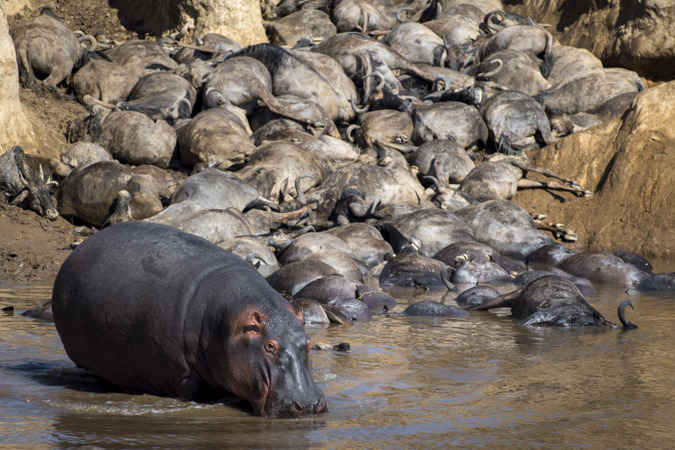
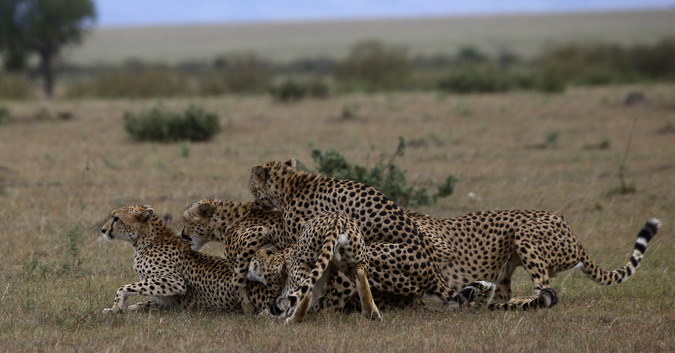
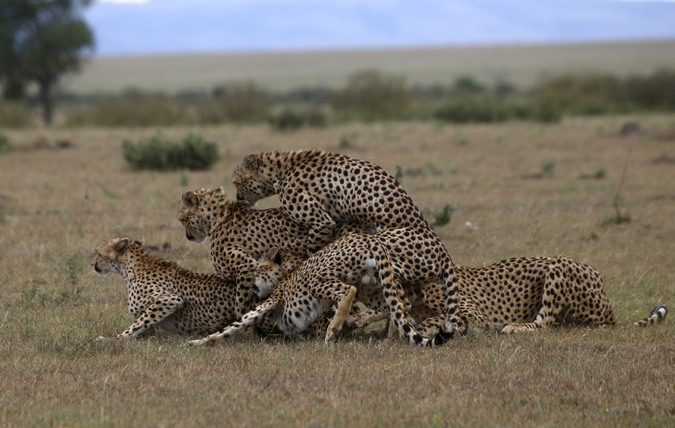
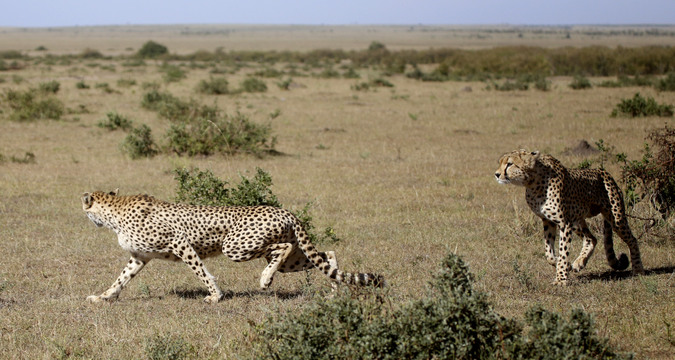
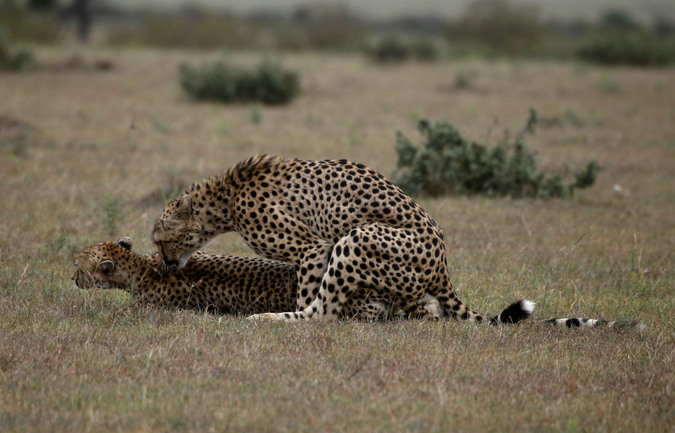
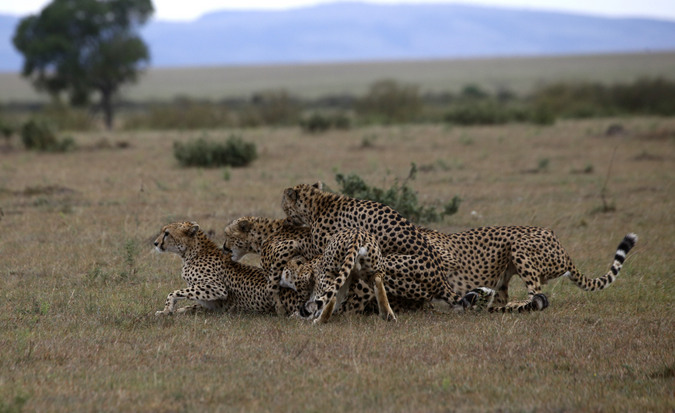
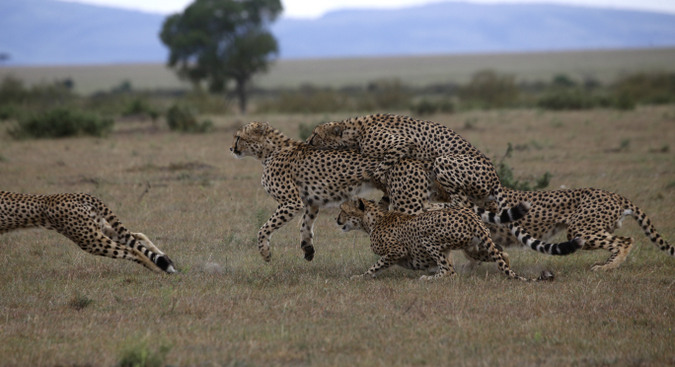
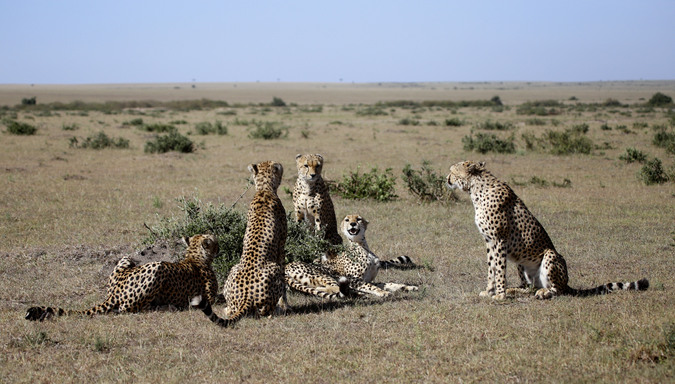
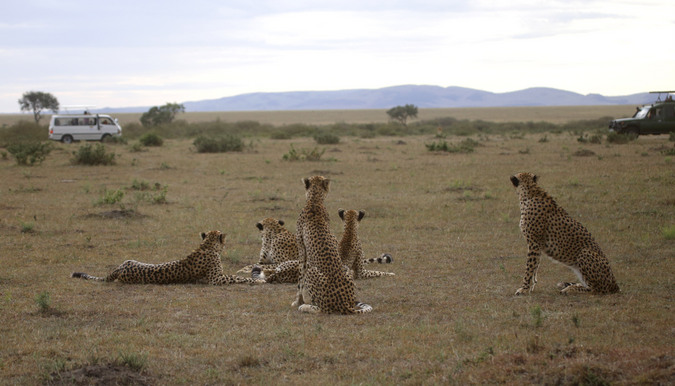
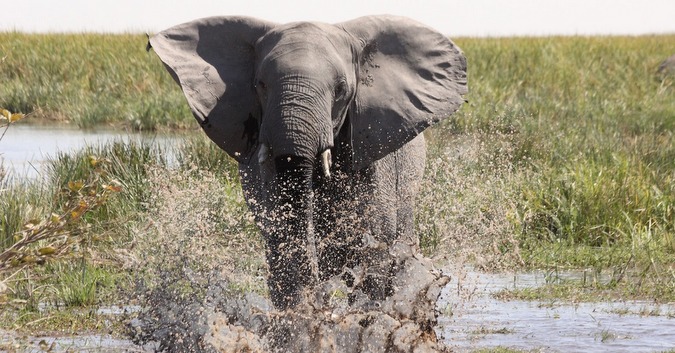
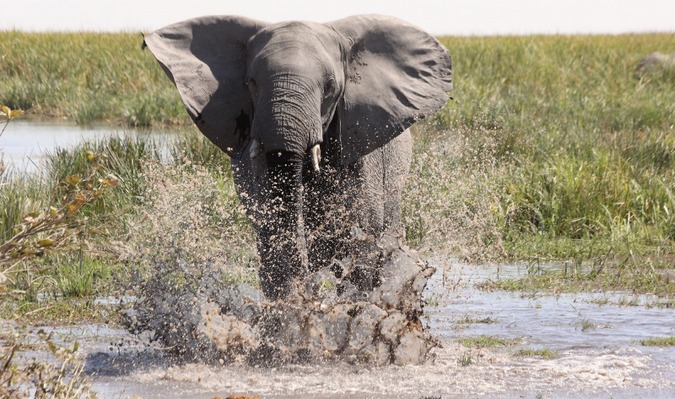
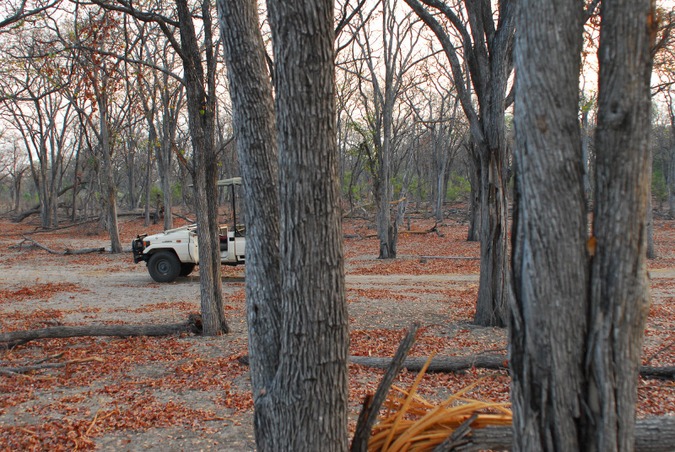
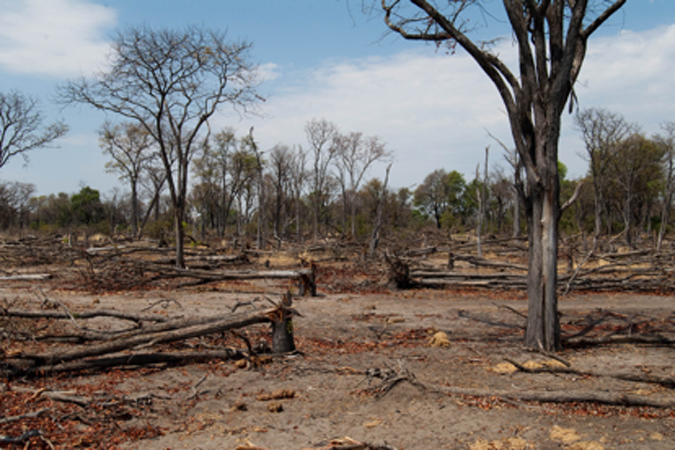
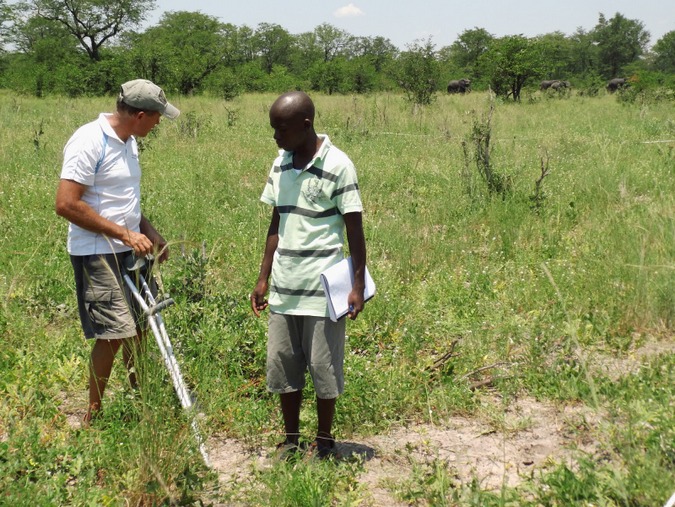
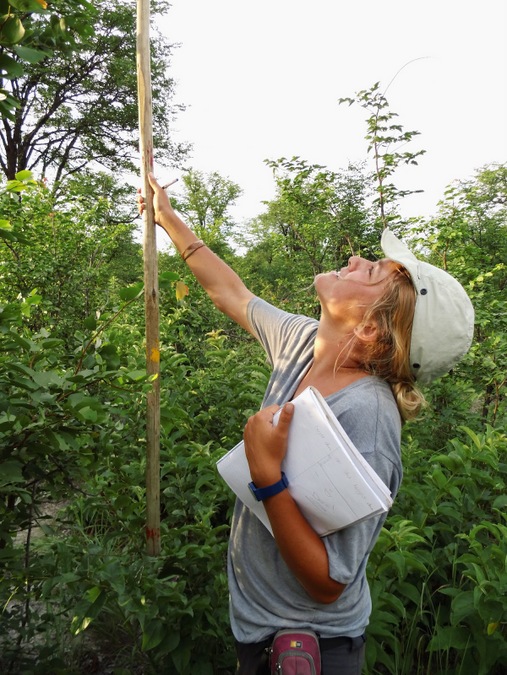
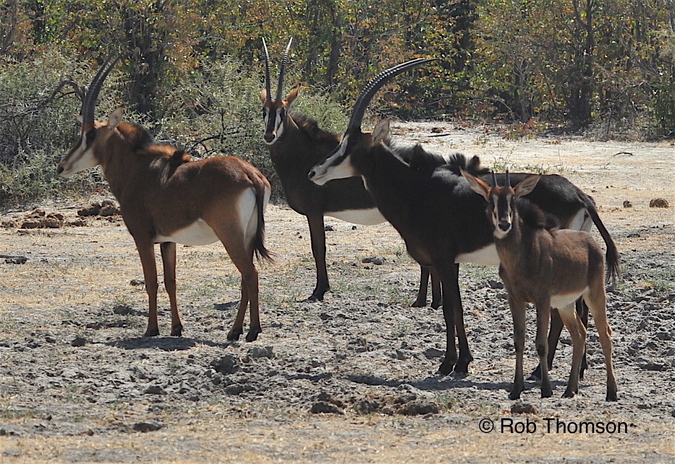
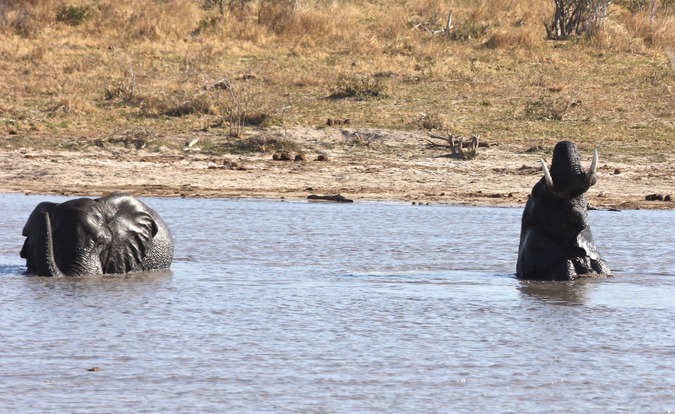
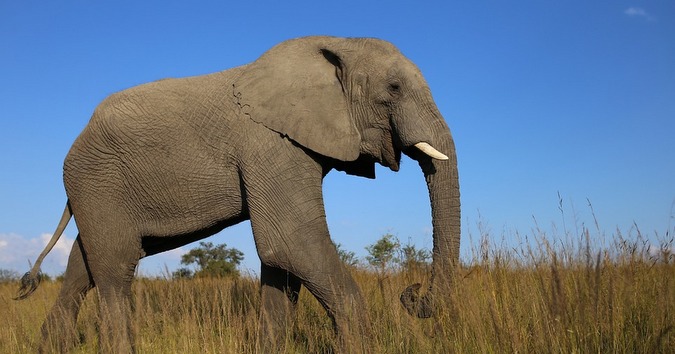
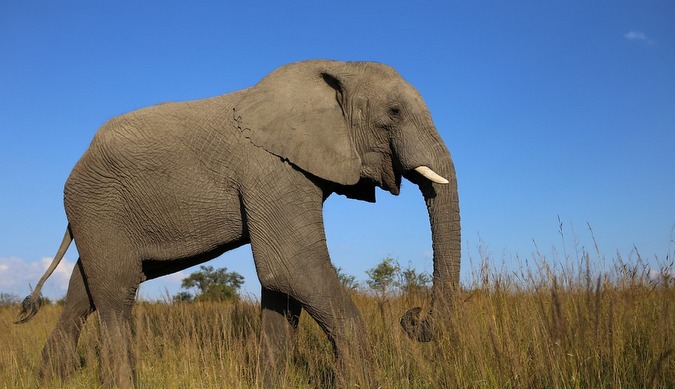
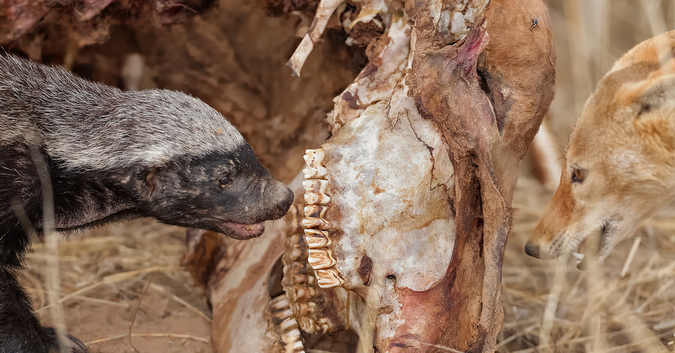
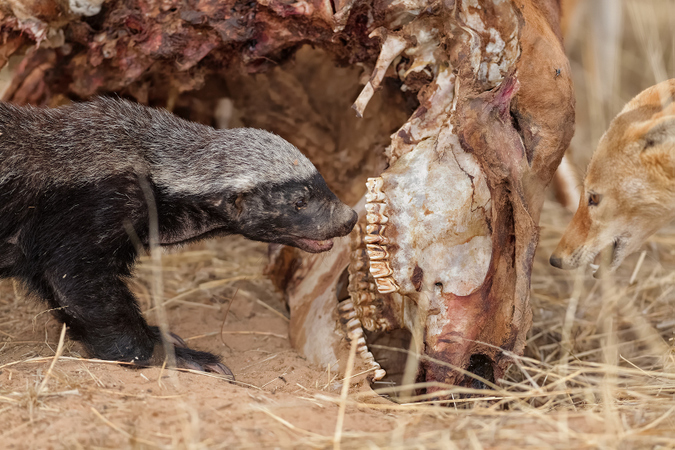
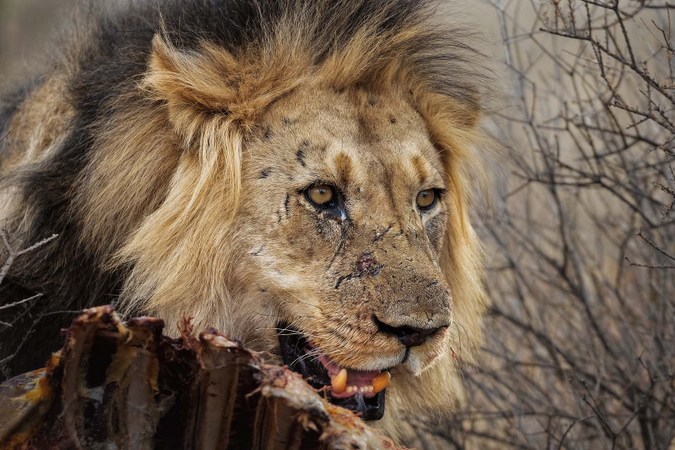
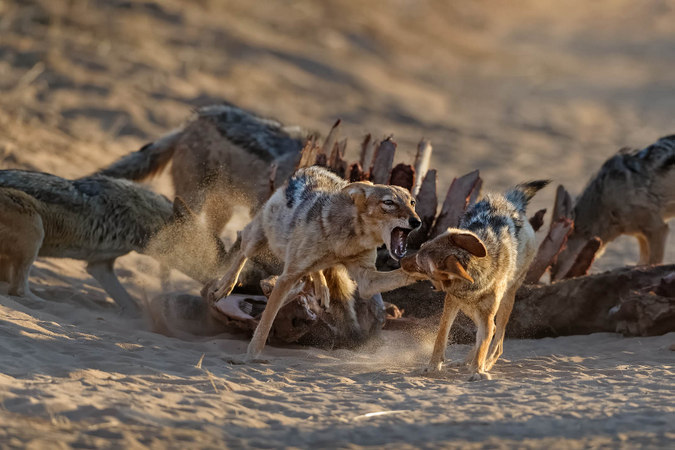
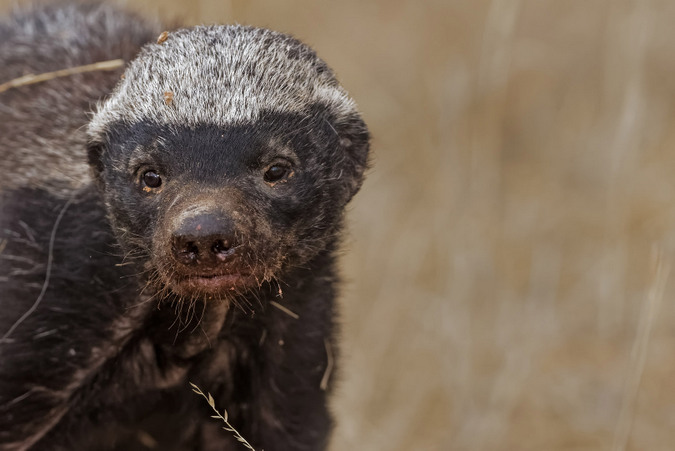
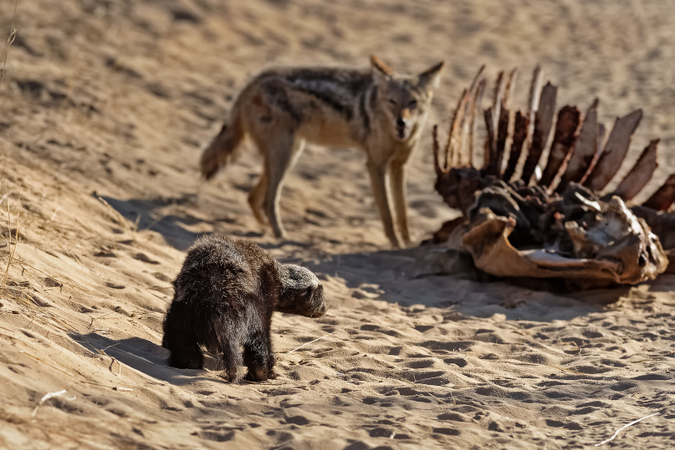
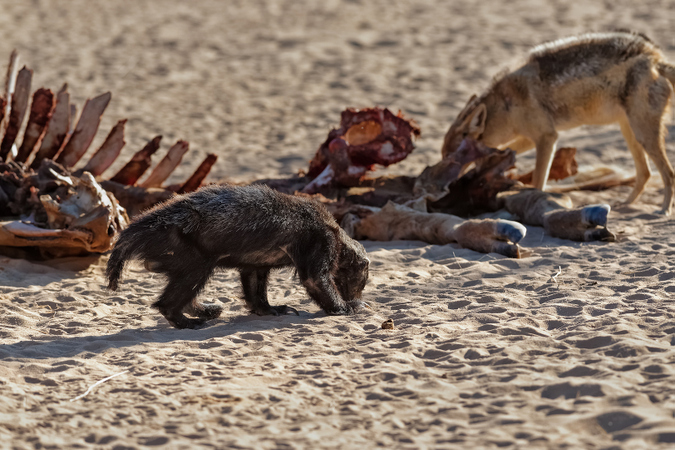
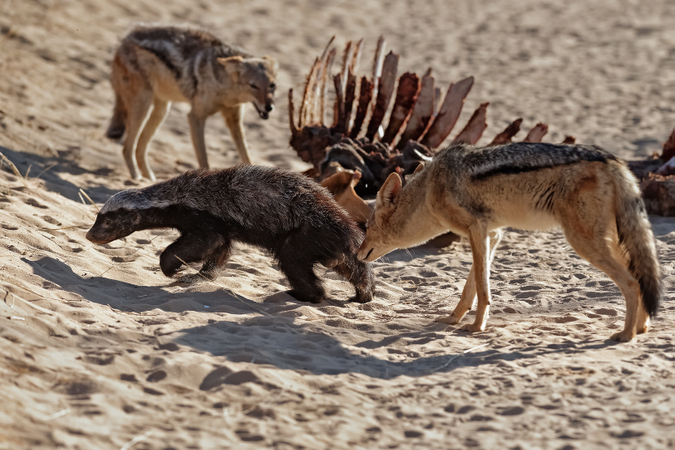
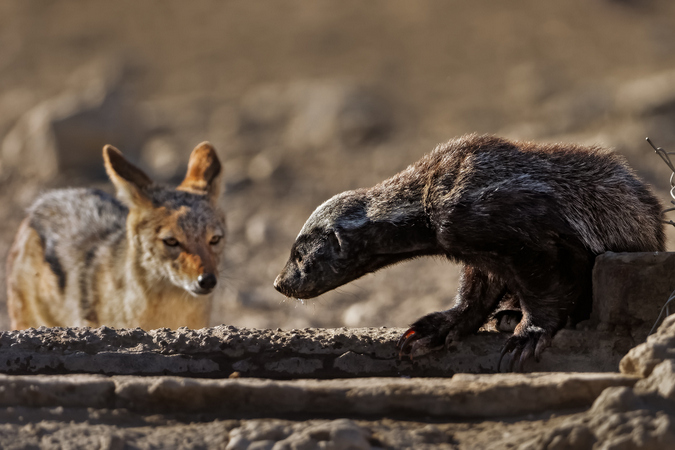
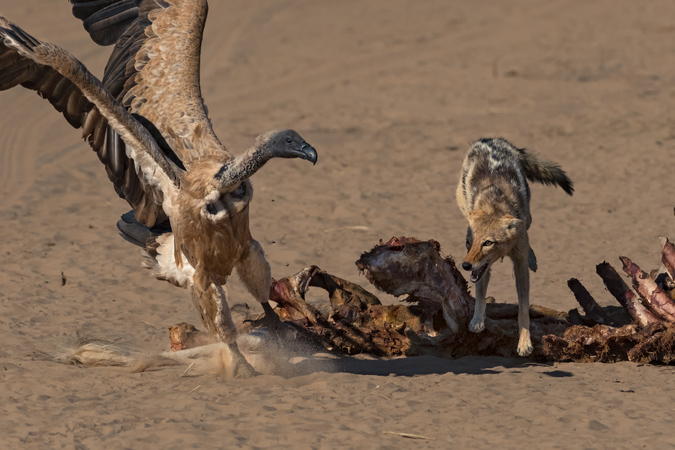
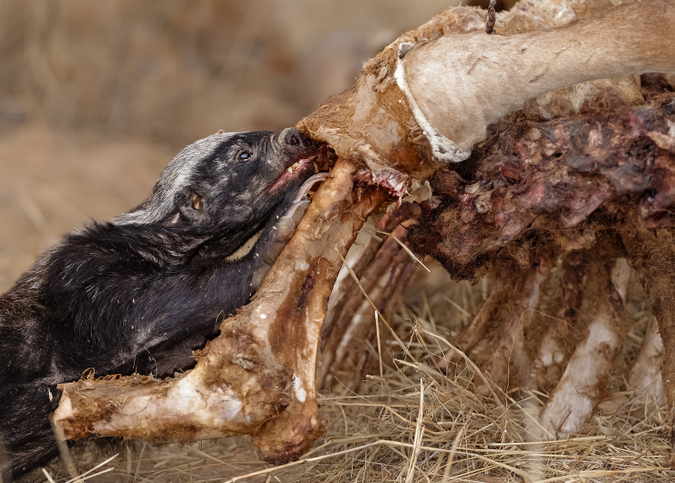
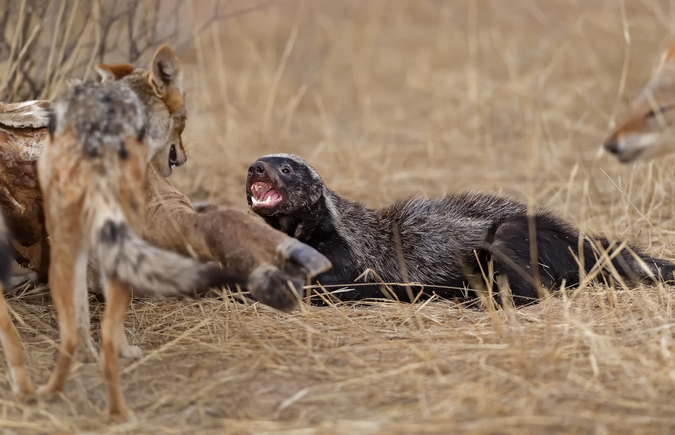
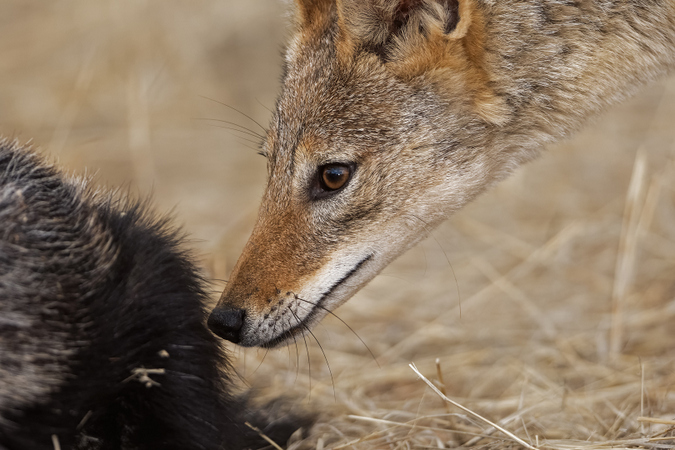
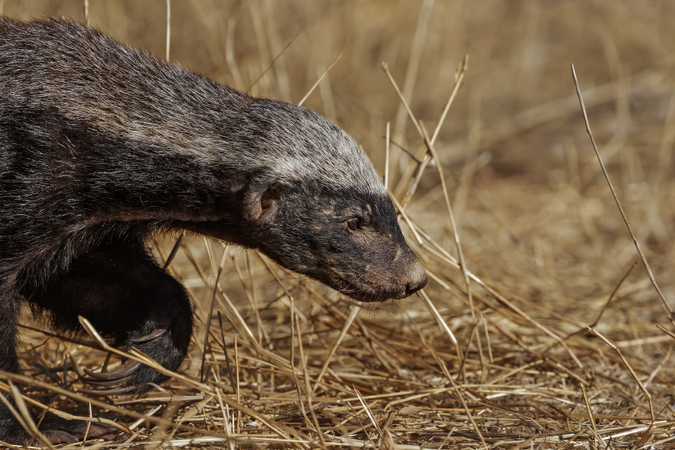
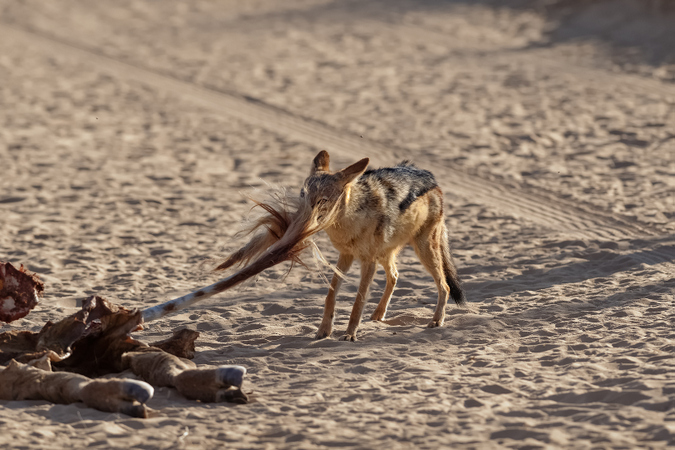
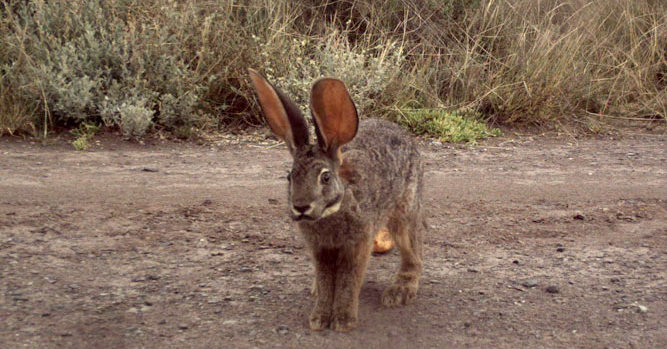
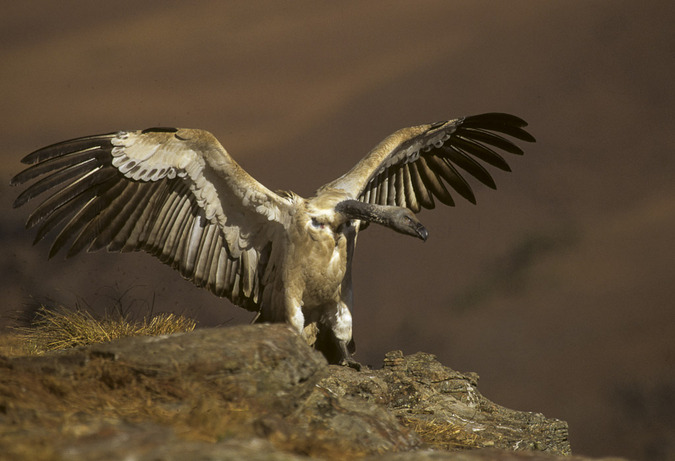
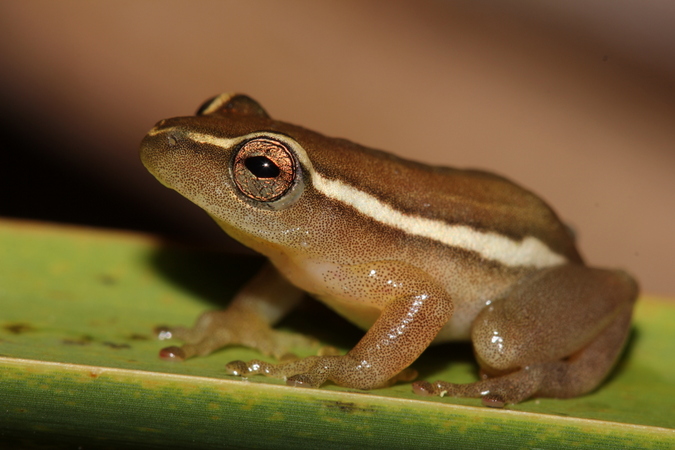
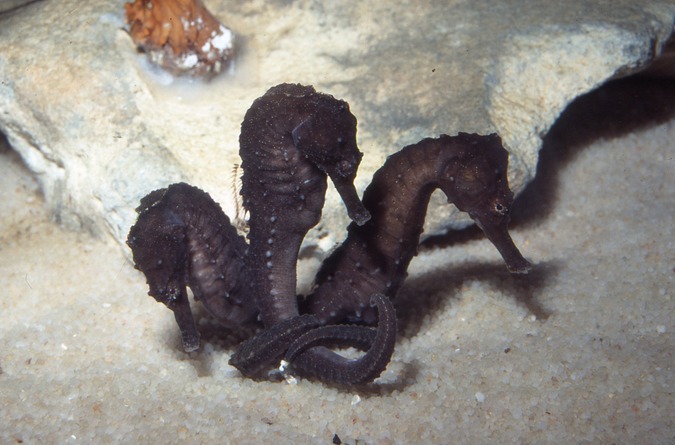
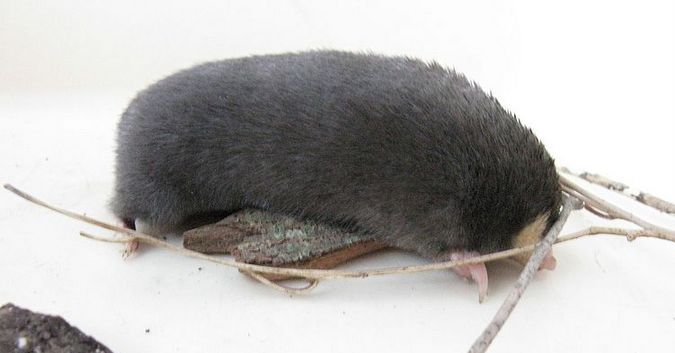
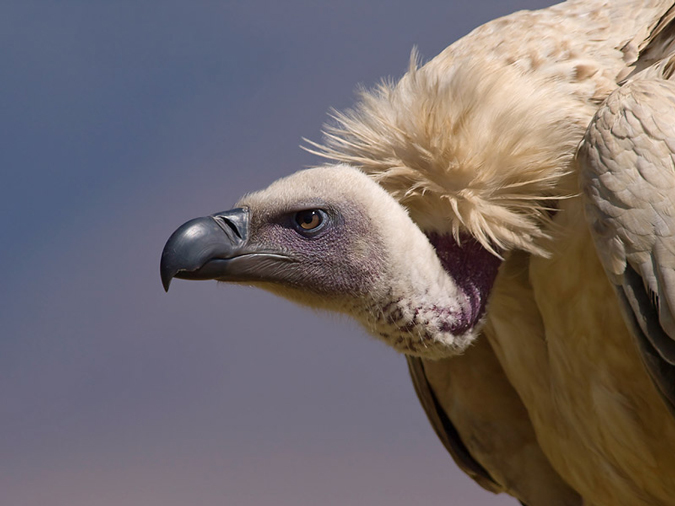
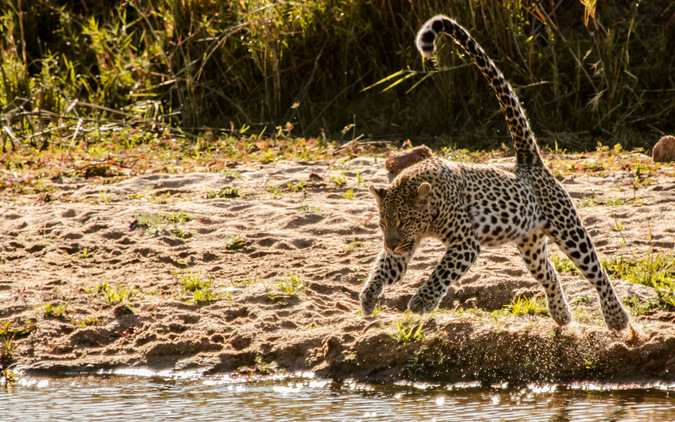
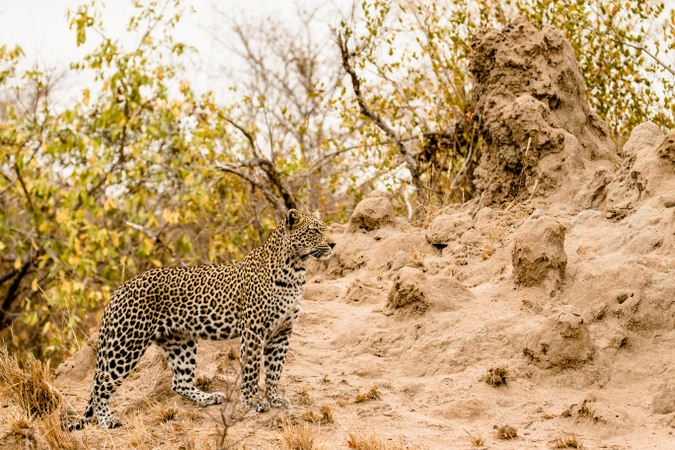
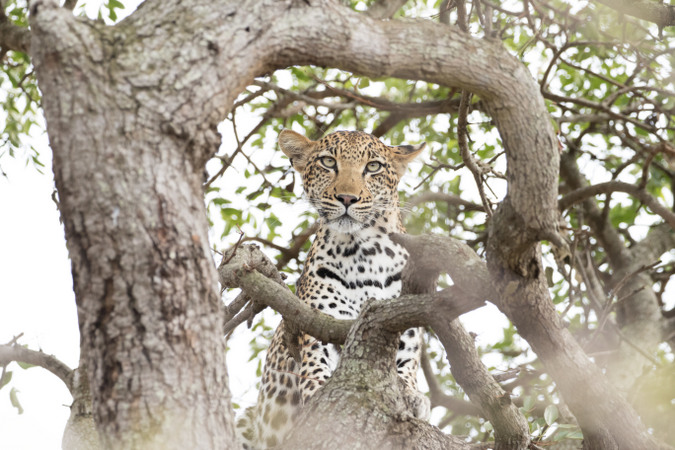
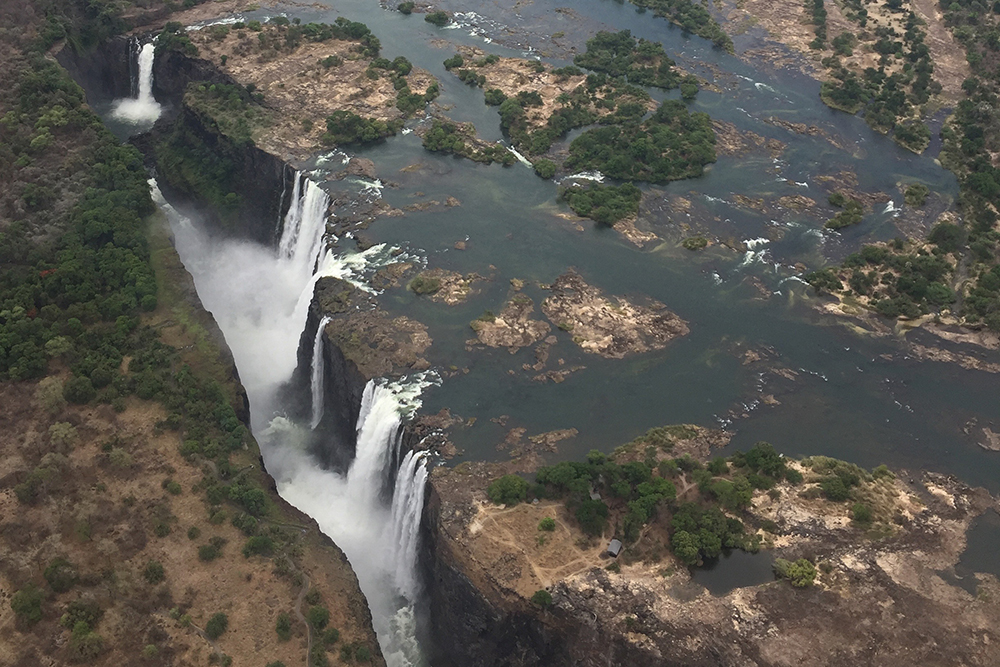
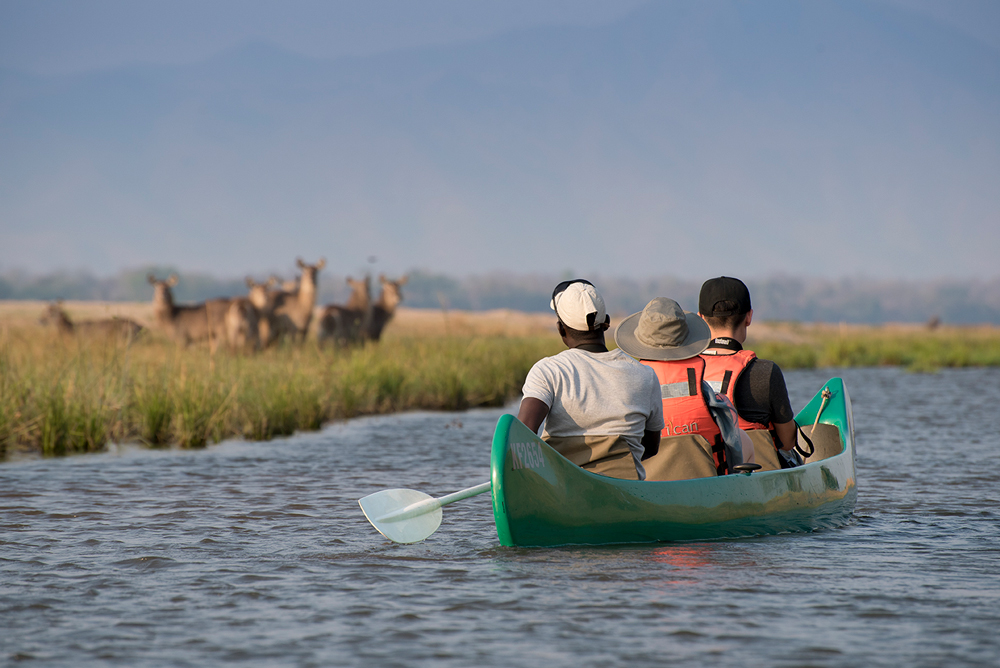
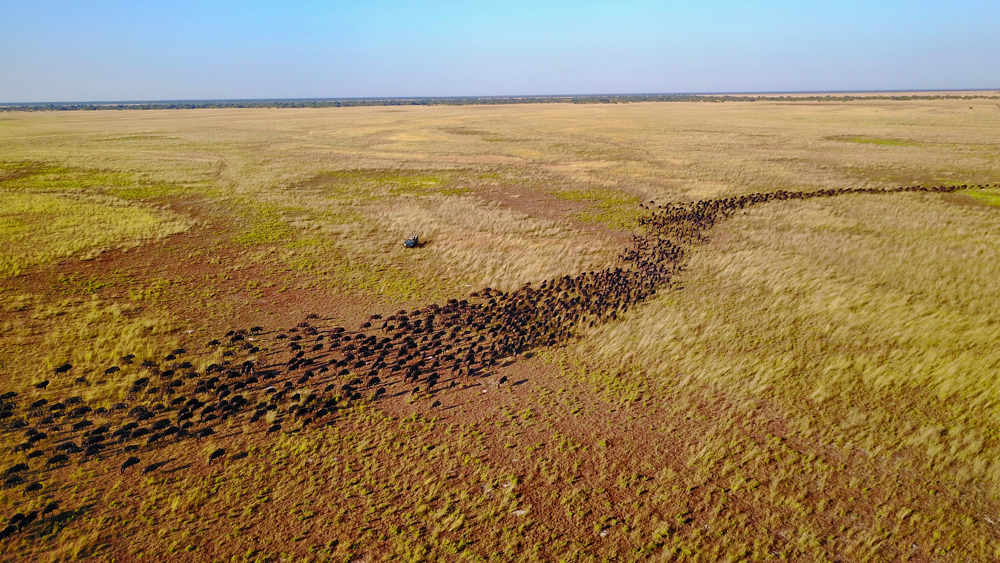
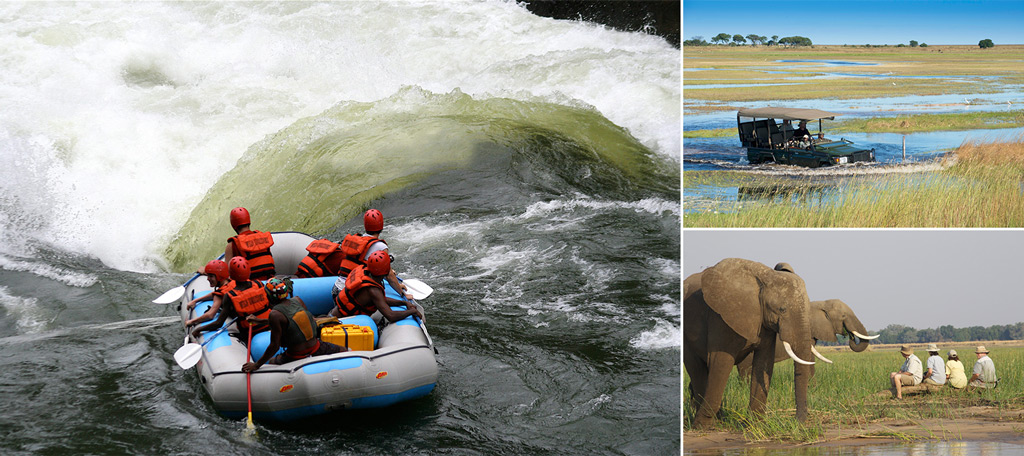
 Simon Espley is an African of the digital tribe, a chartered accountant and CEO of Africa Geographic. His travels in Africa are in search of wilderness, real people with interesting stories and elusive birds. He lives in Hoedspruit with his wife Lizz and two Jack Russells, and when not travelling or working, he will be on his mountain bike somewhere out there. His motto is ‘Live for now, have fun, be good, tread lightly and respect others. And embrace change.’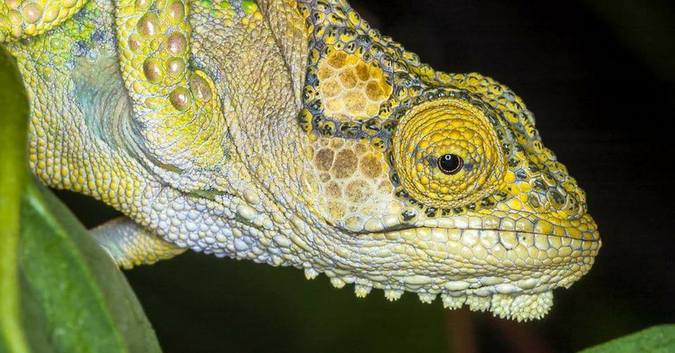
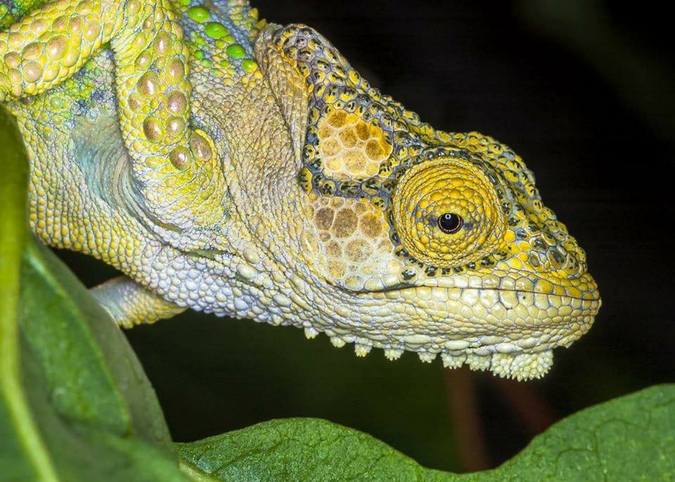
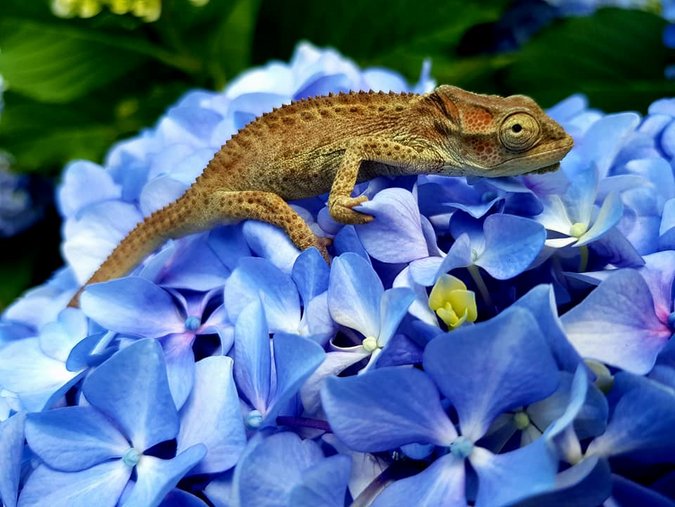
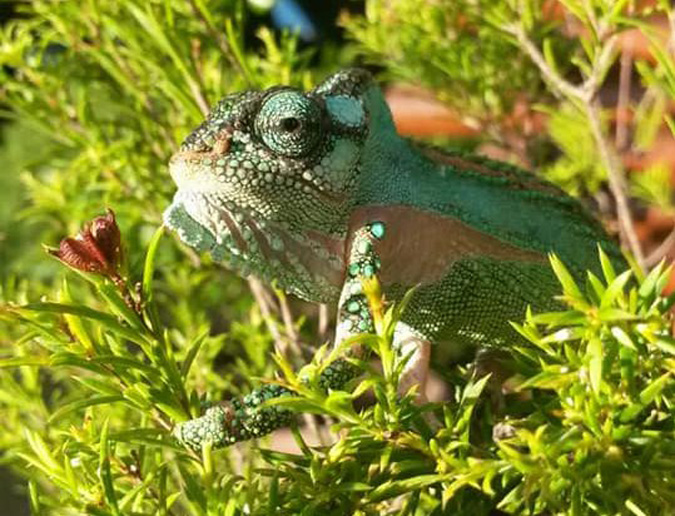
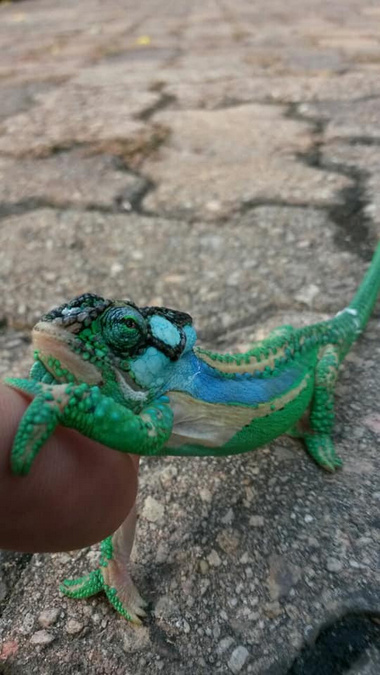
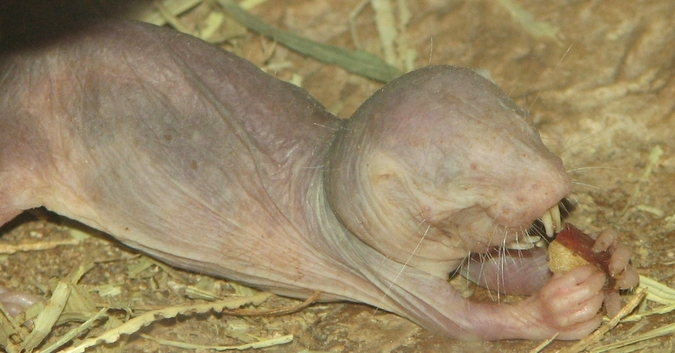
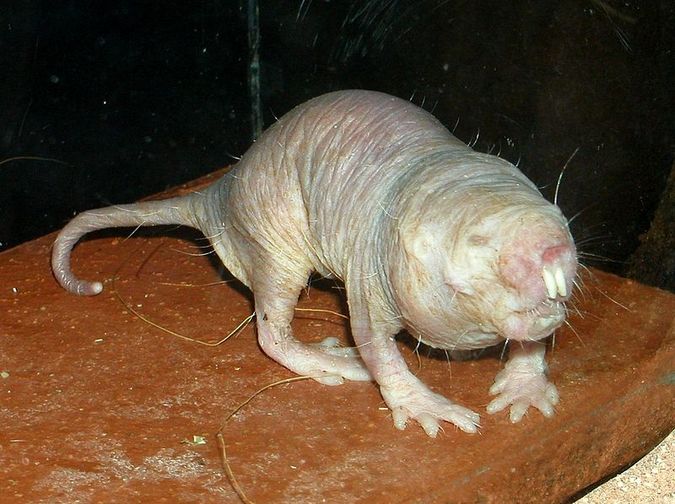
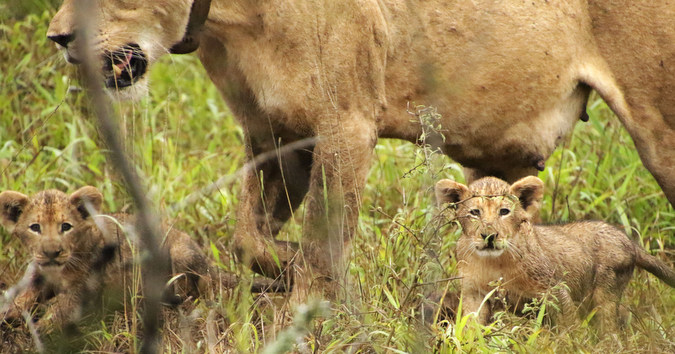
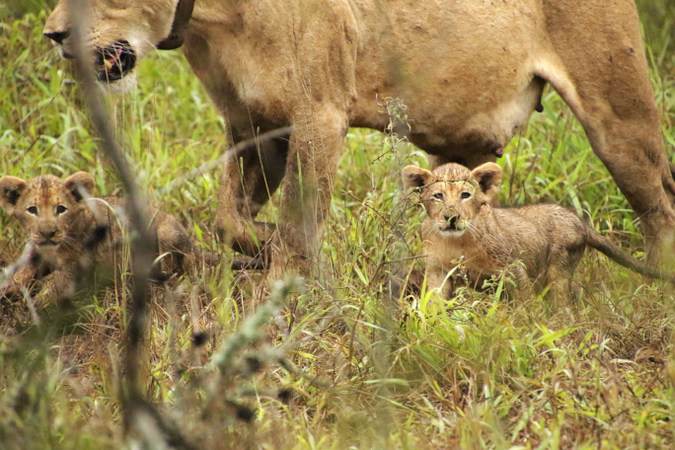
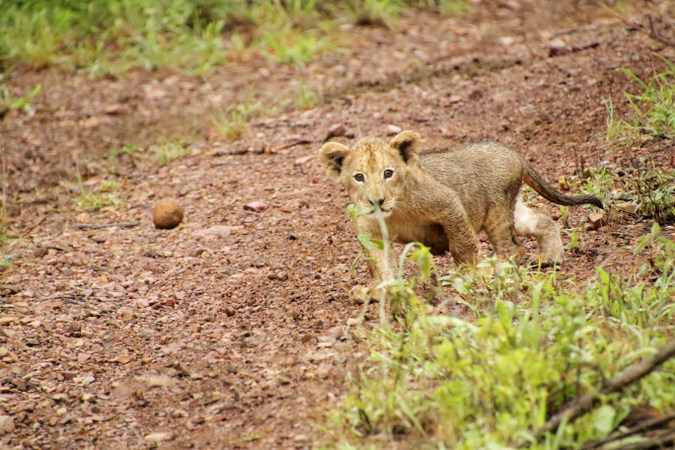
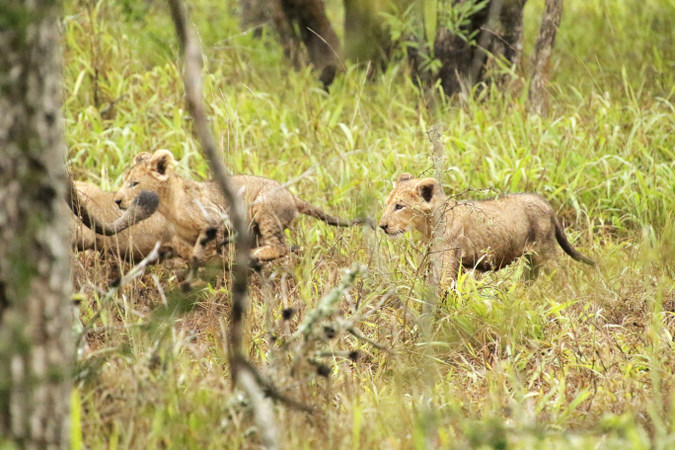
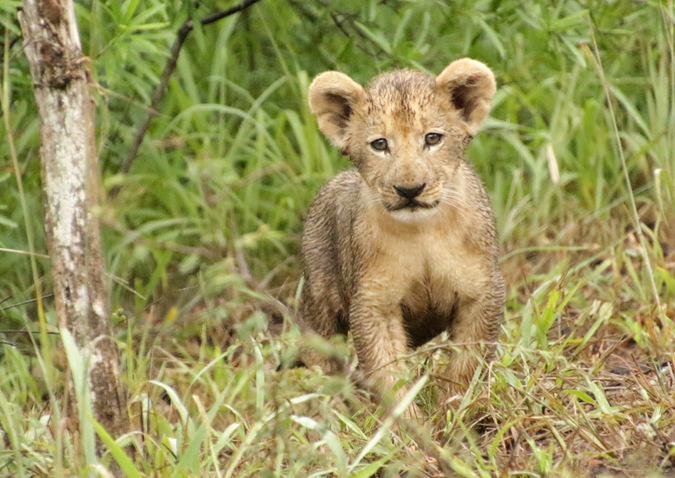
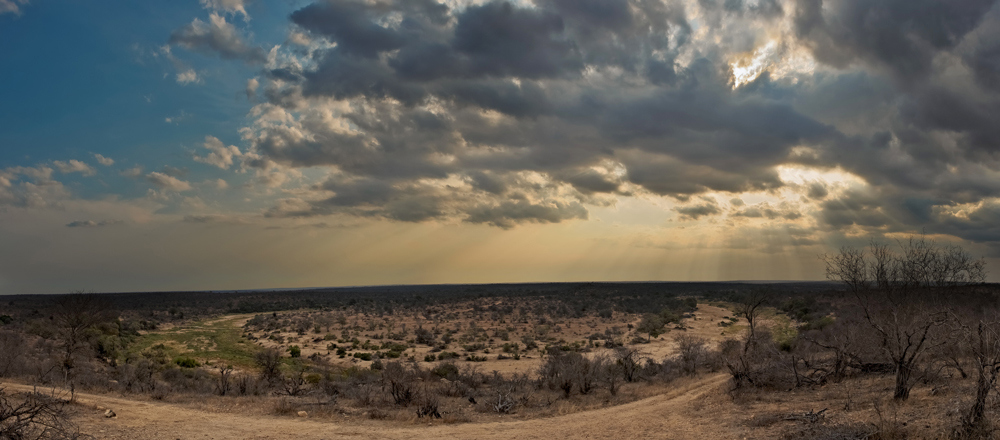
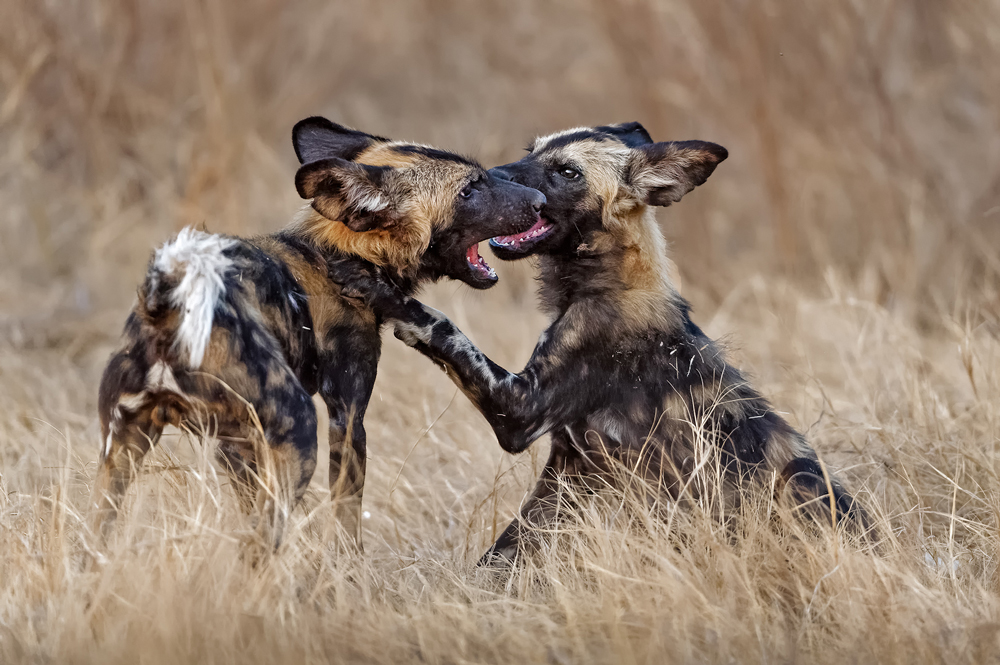
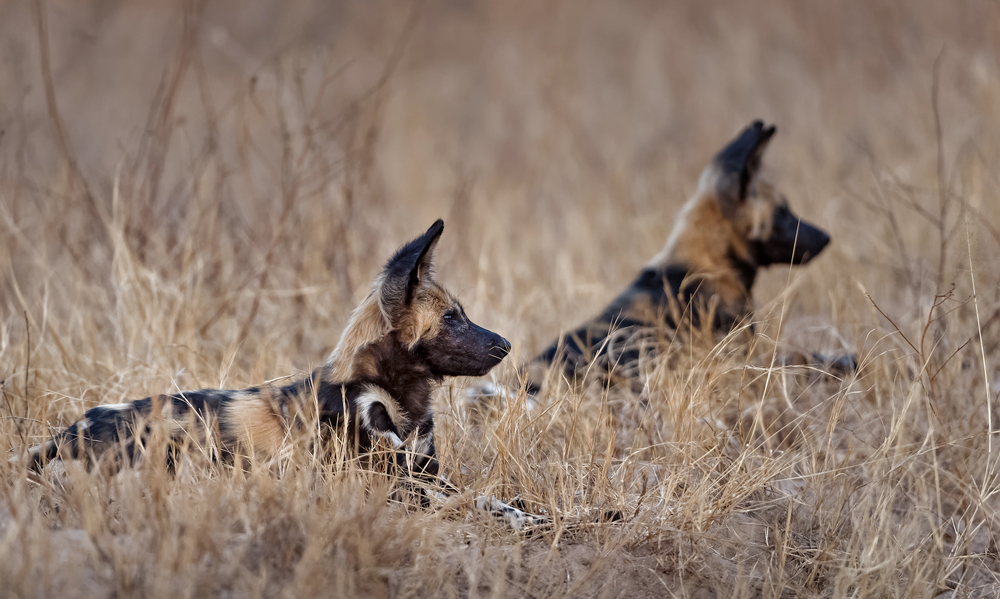
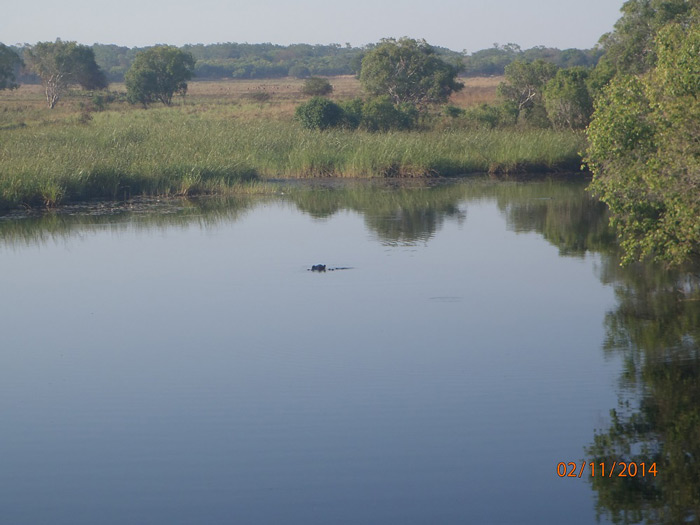
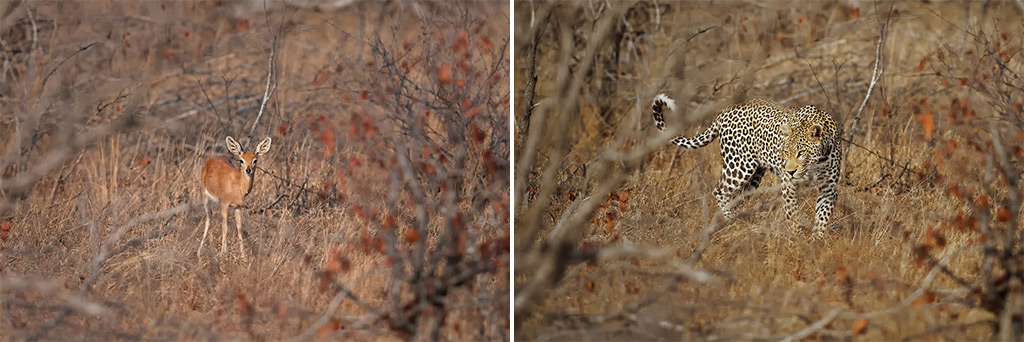
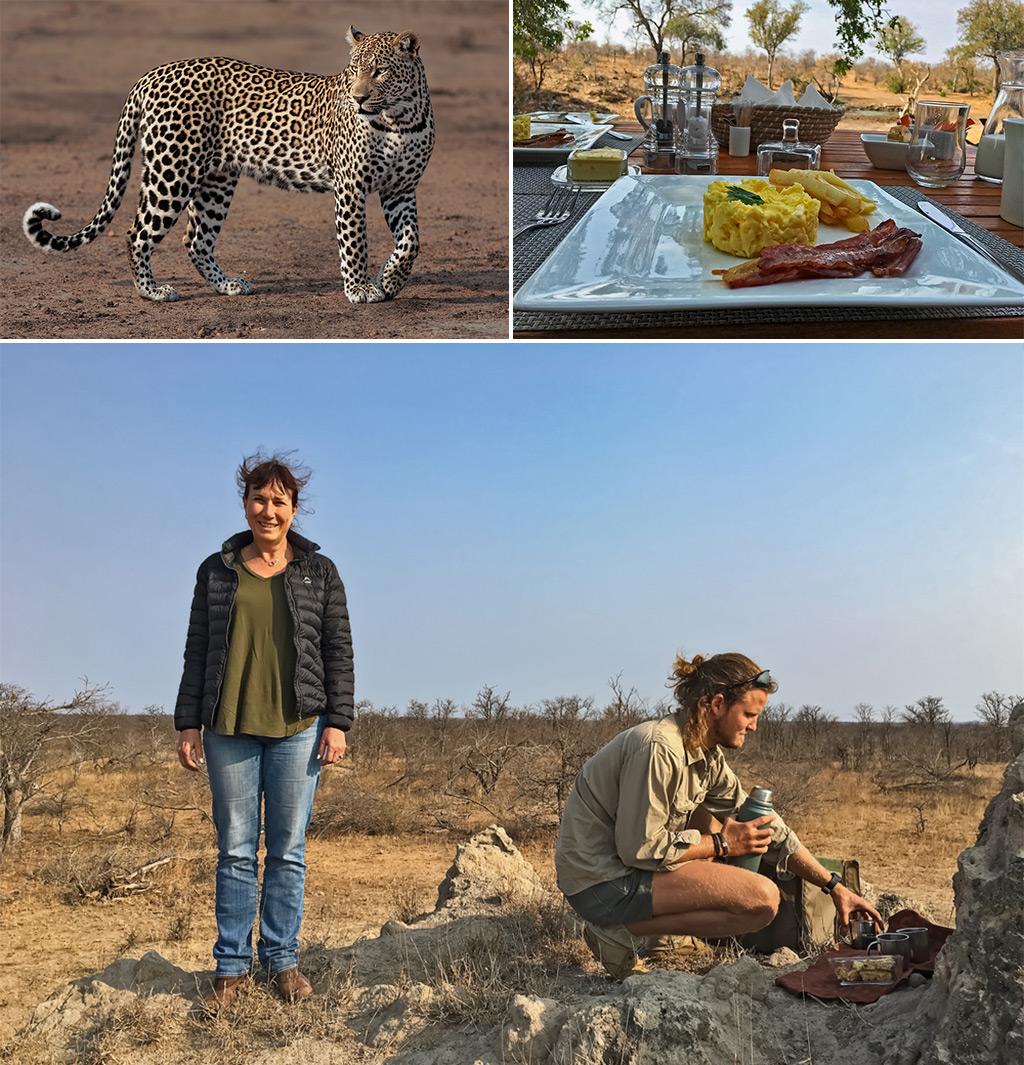
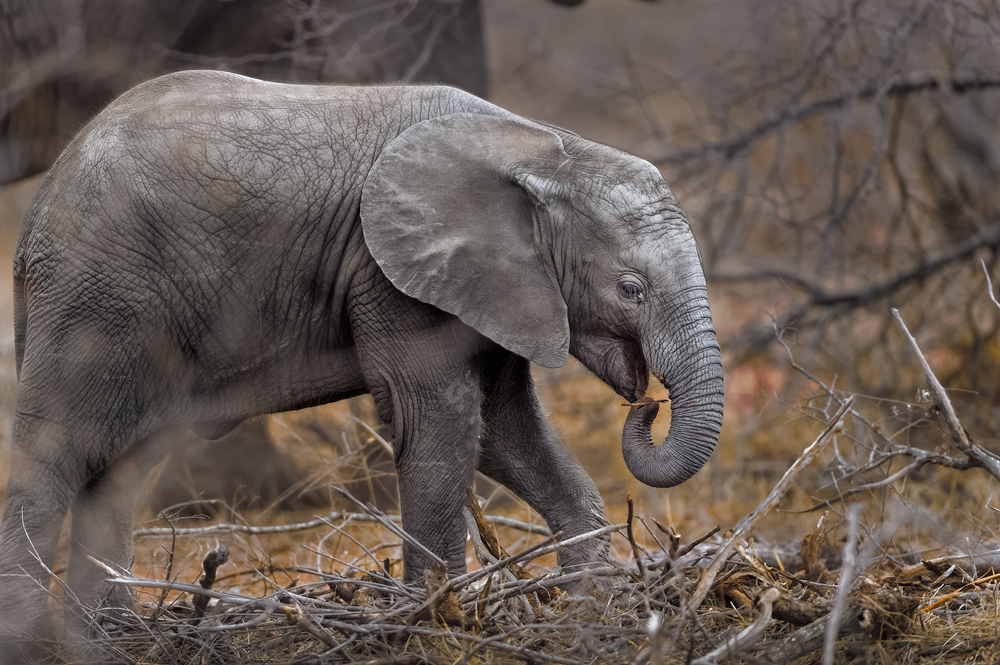
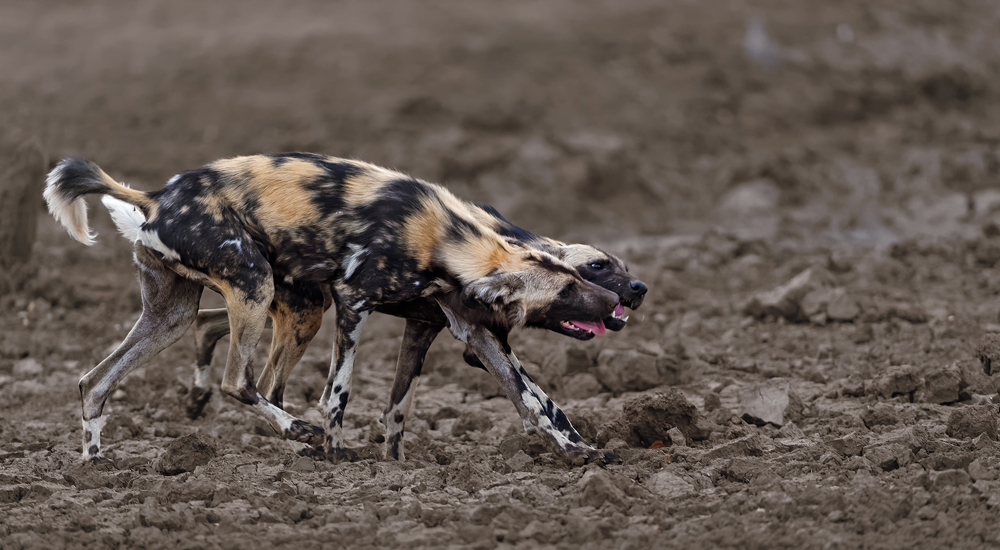
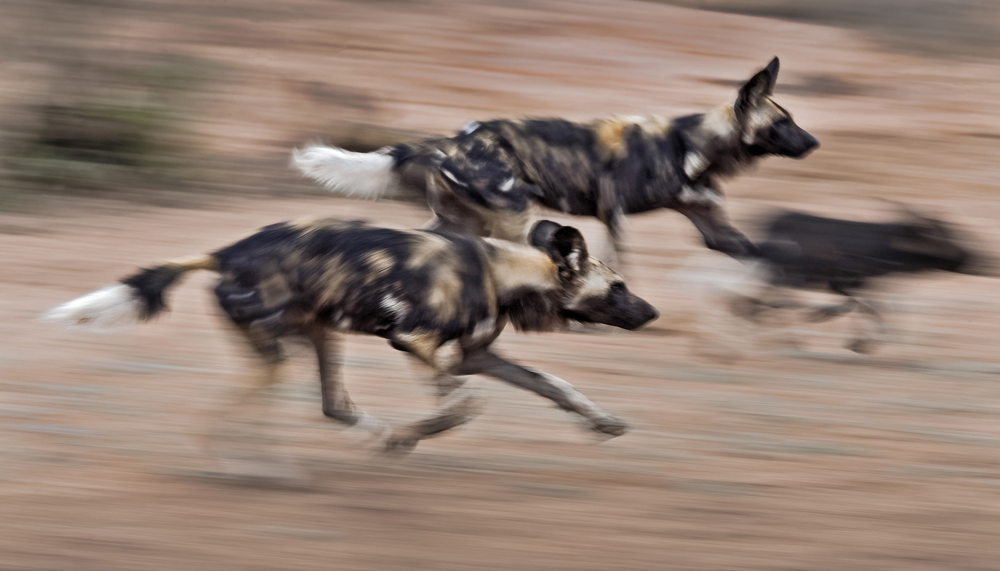
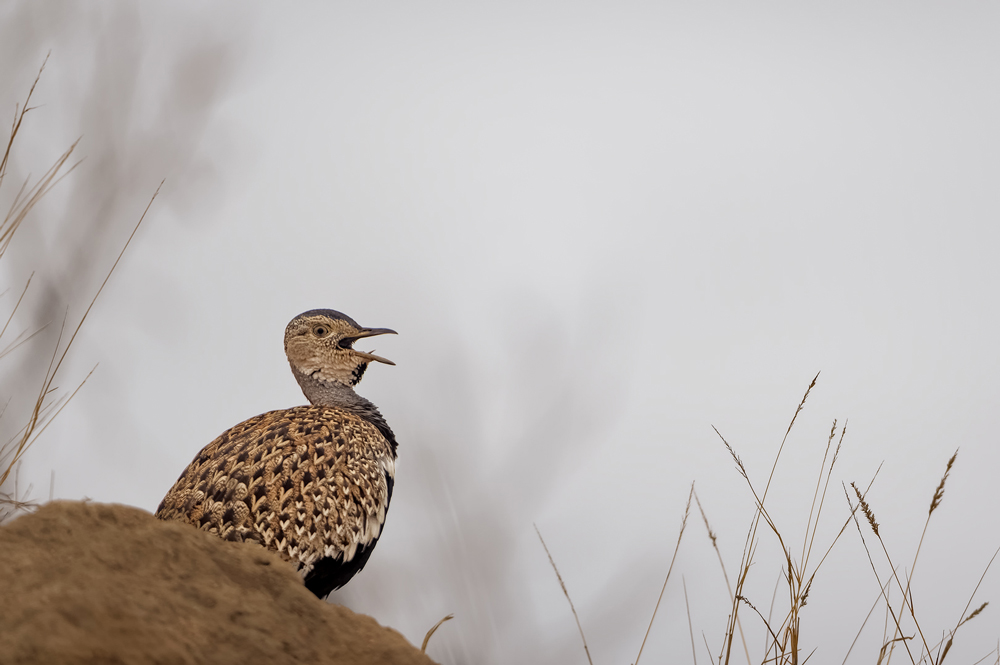
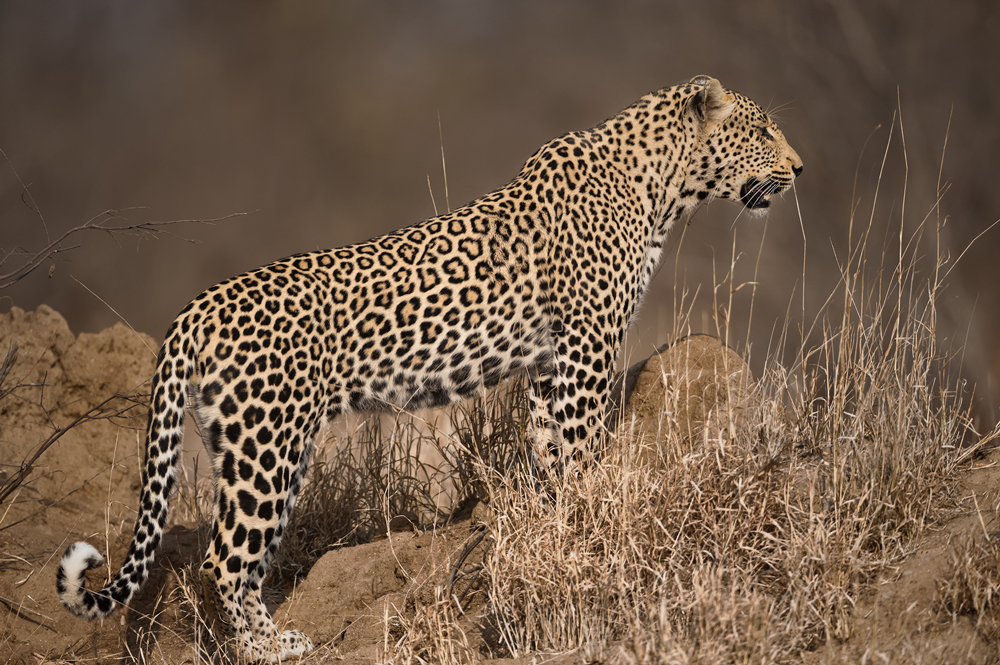
 Capturing the moment in time to be appreciated in the future is the vision for my photography. I am Willem Kruger from Bloemfontein, South Africa. I am a public health specialist.
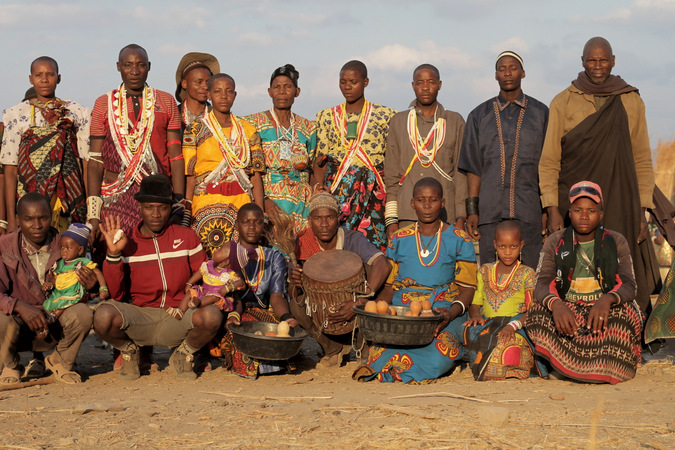
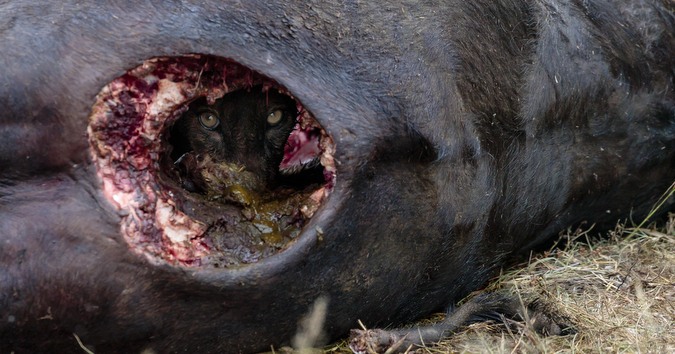
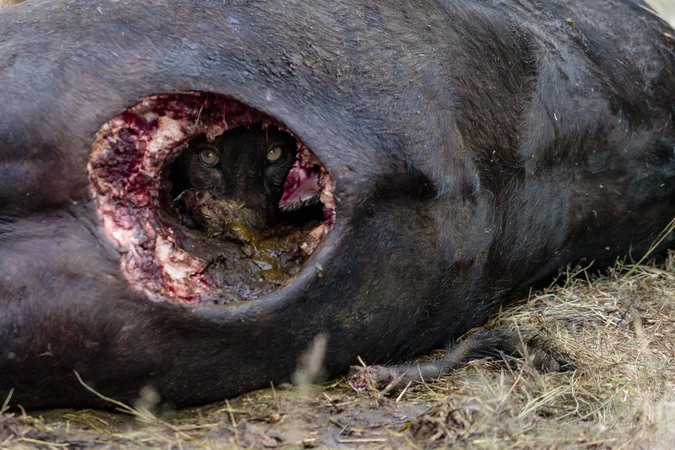
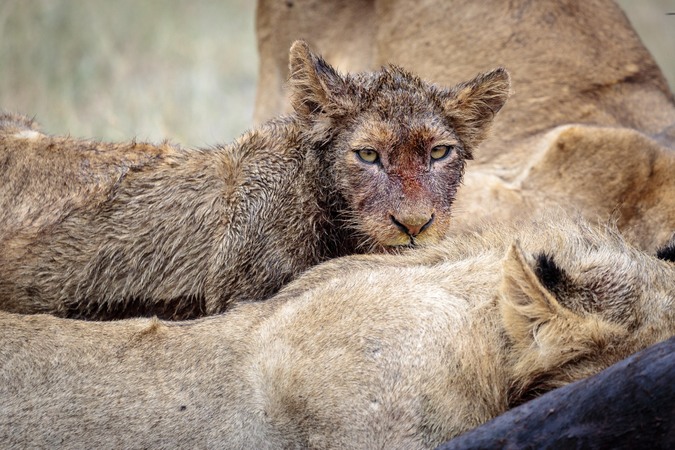
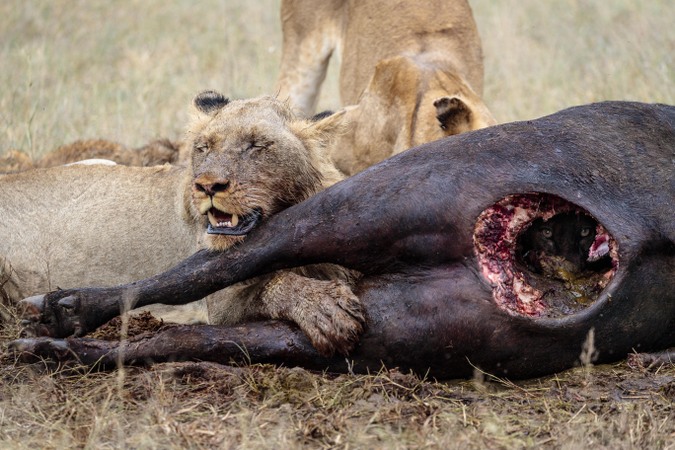
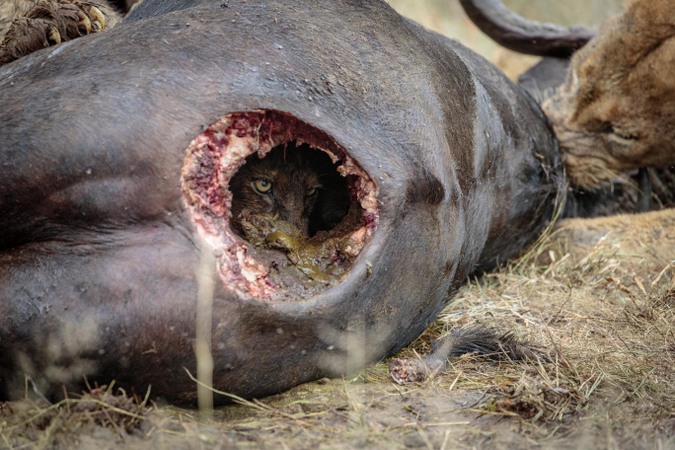
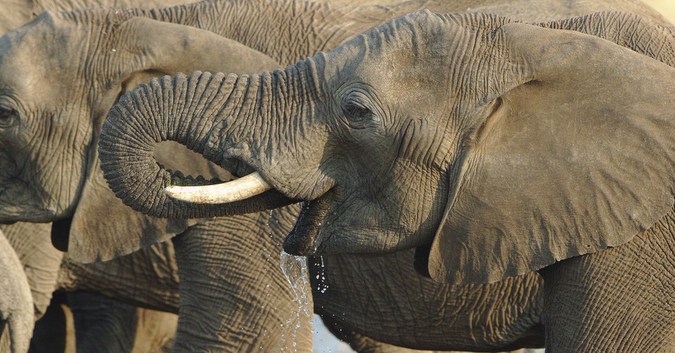
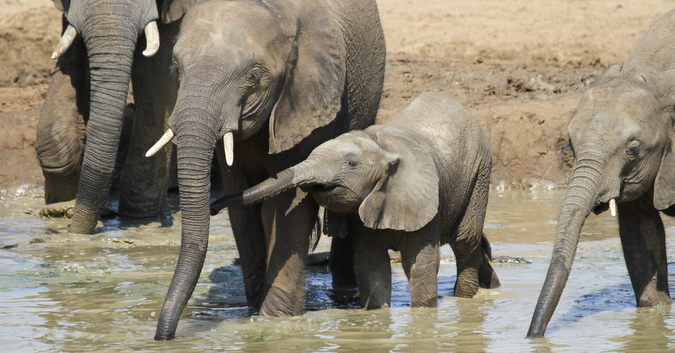
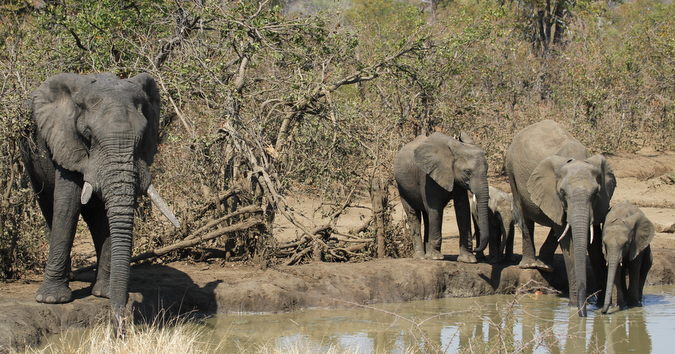
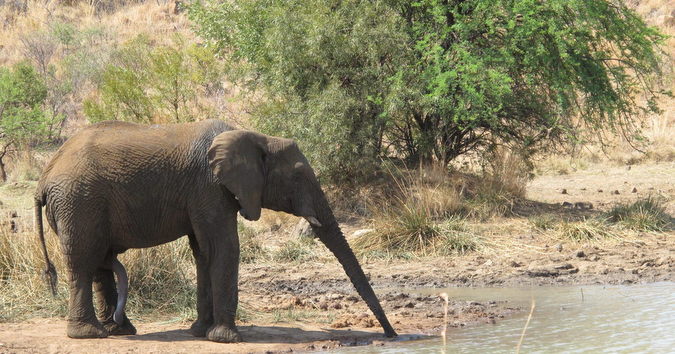
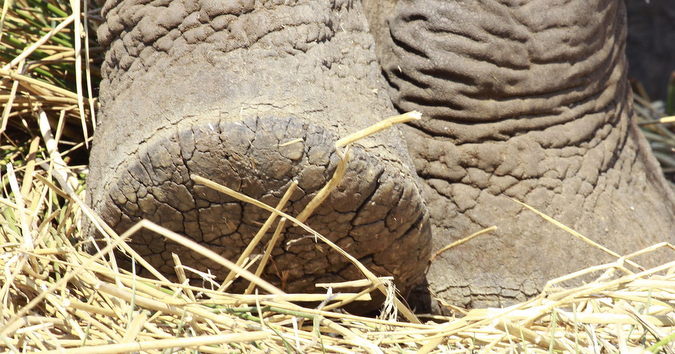
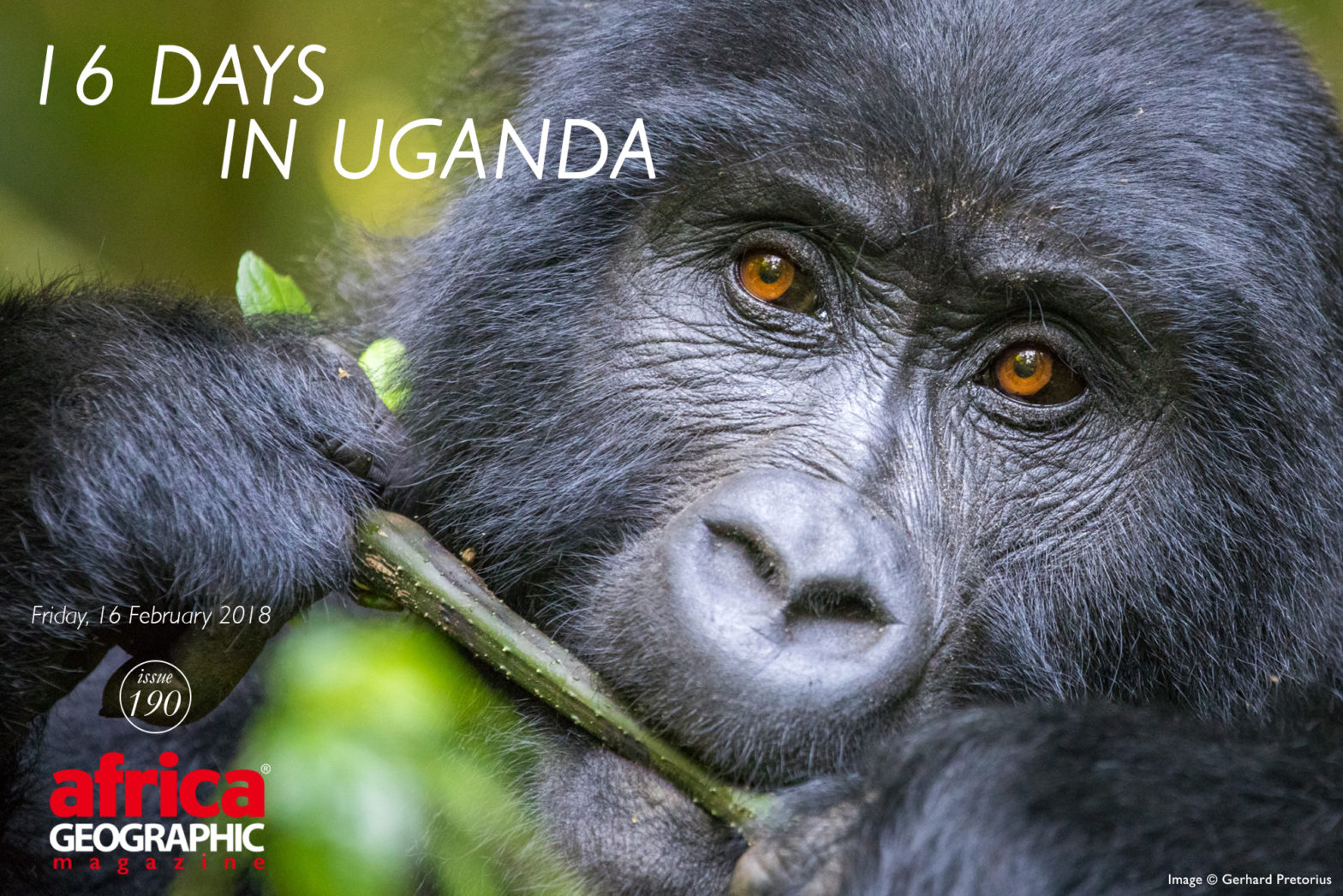
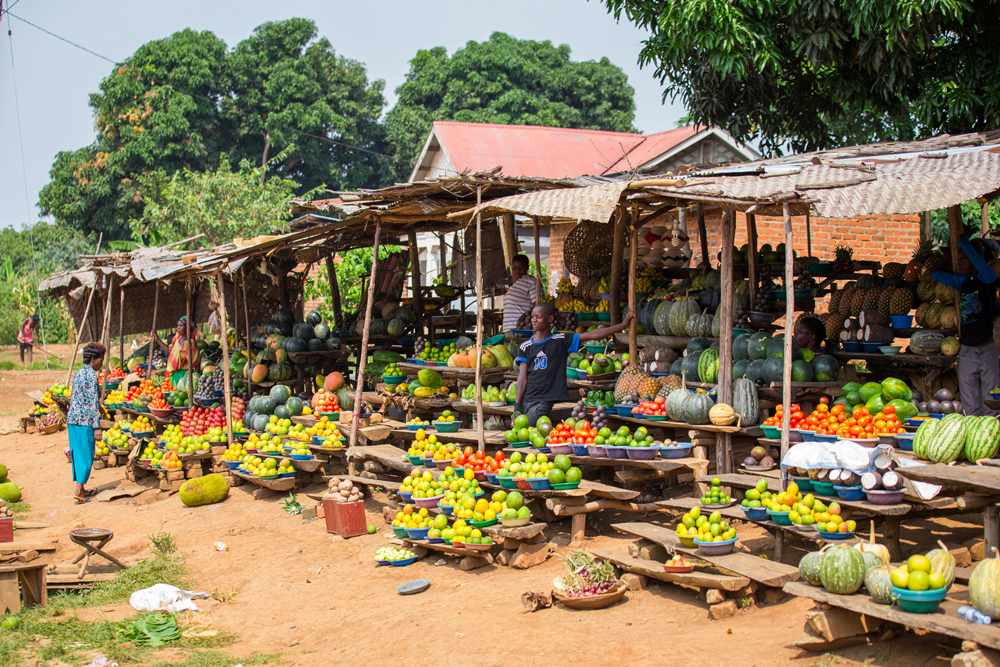
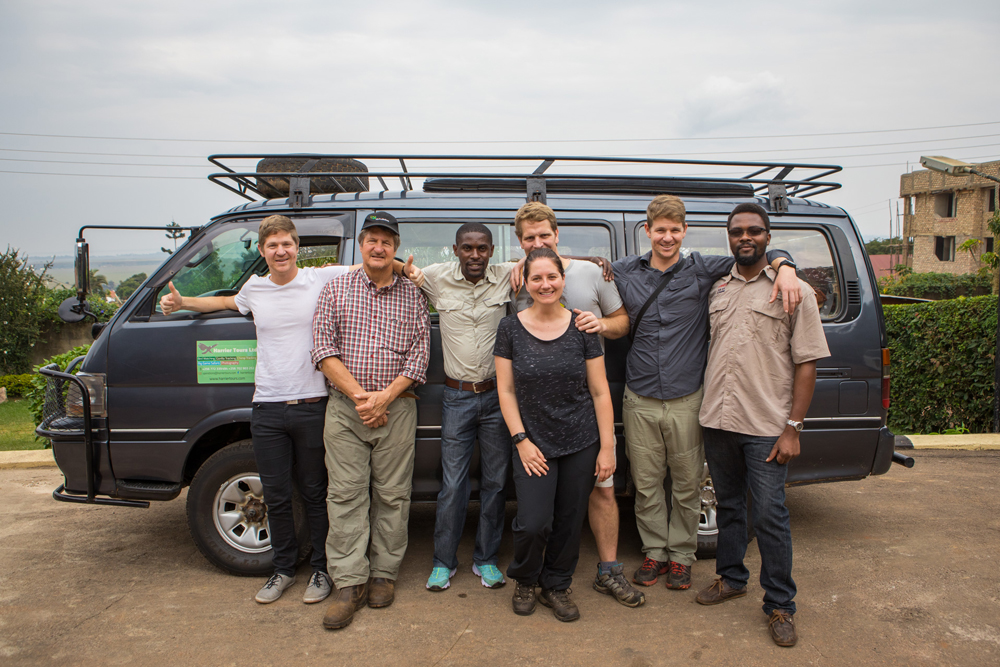
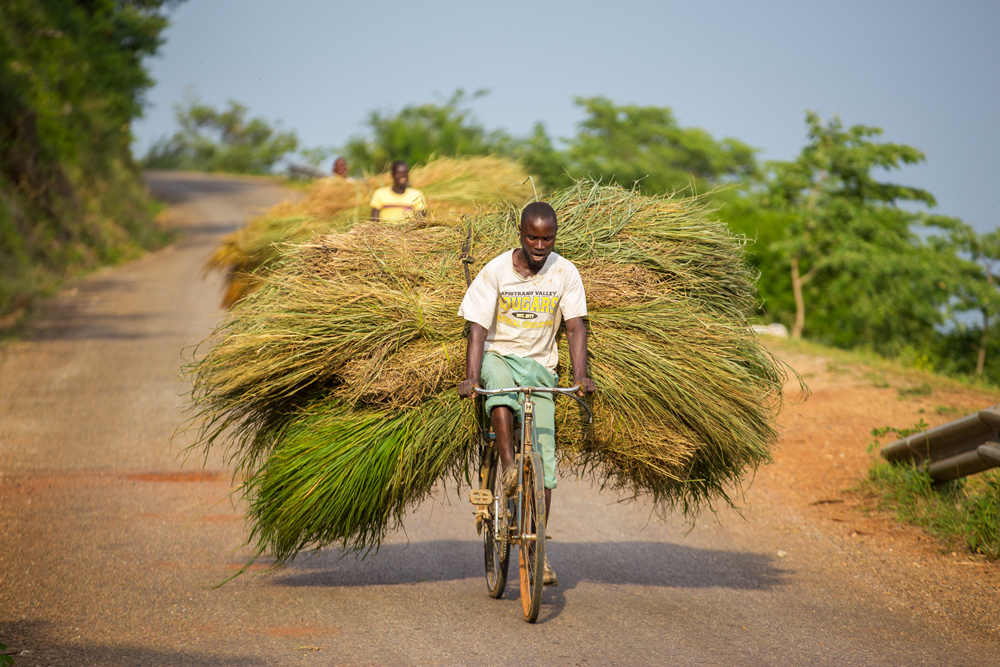
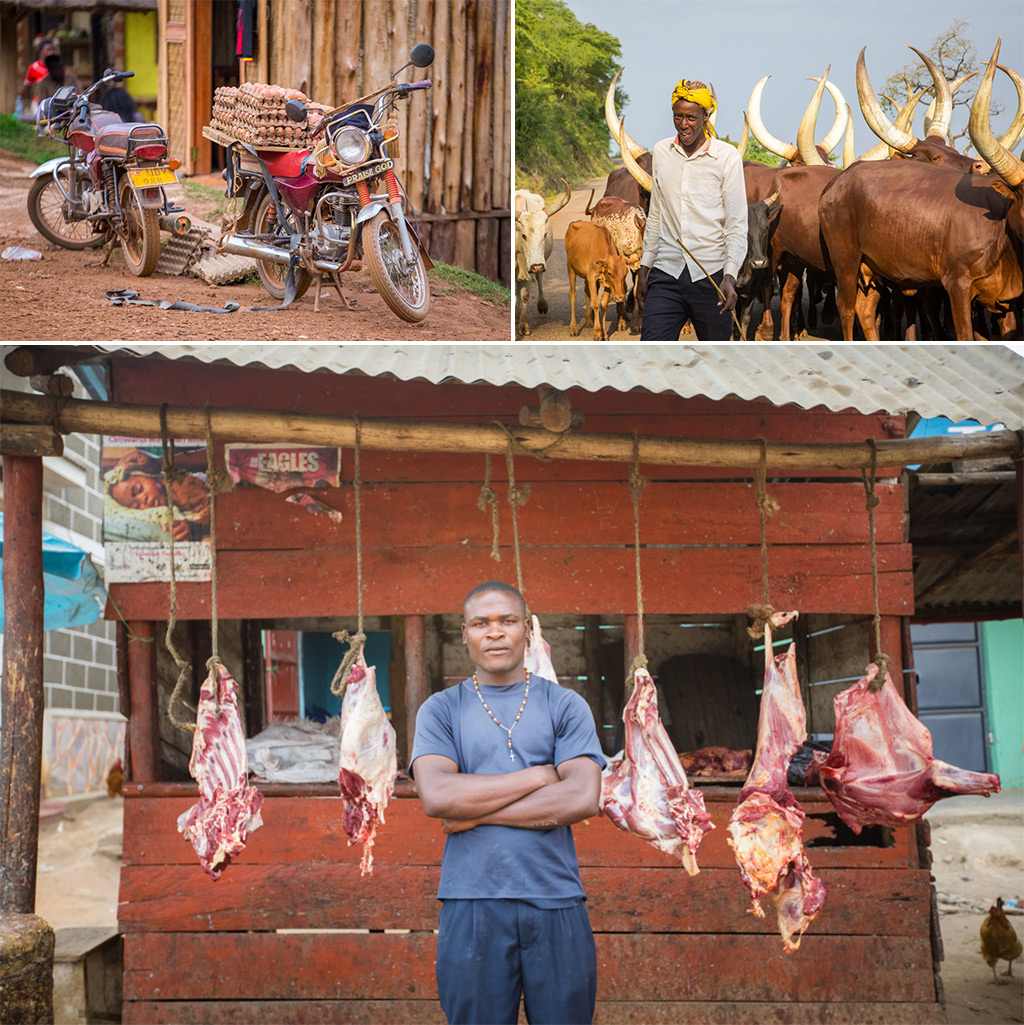
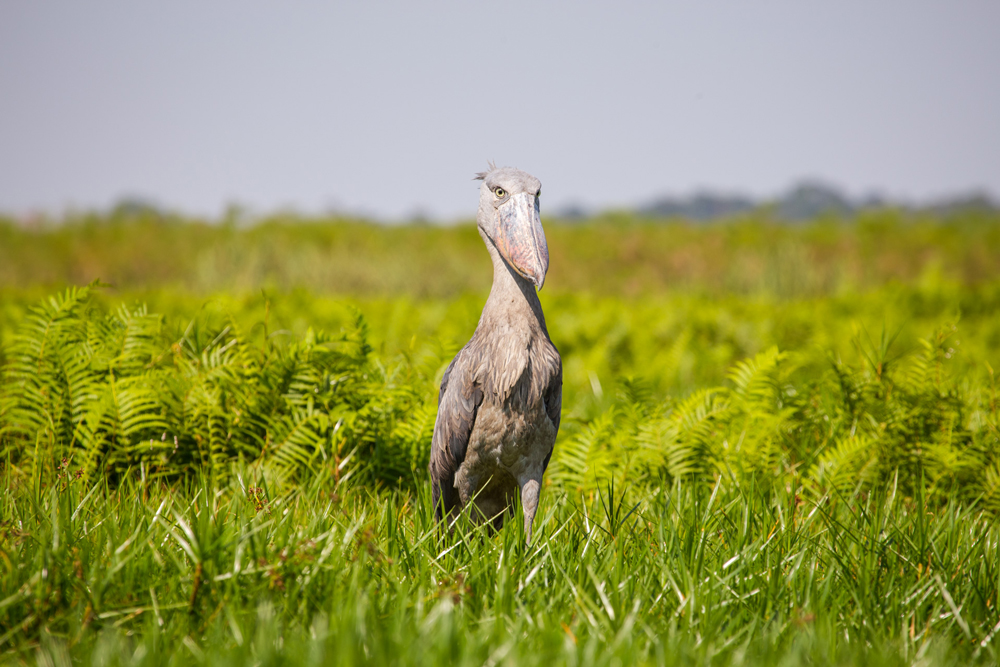
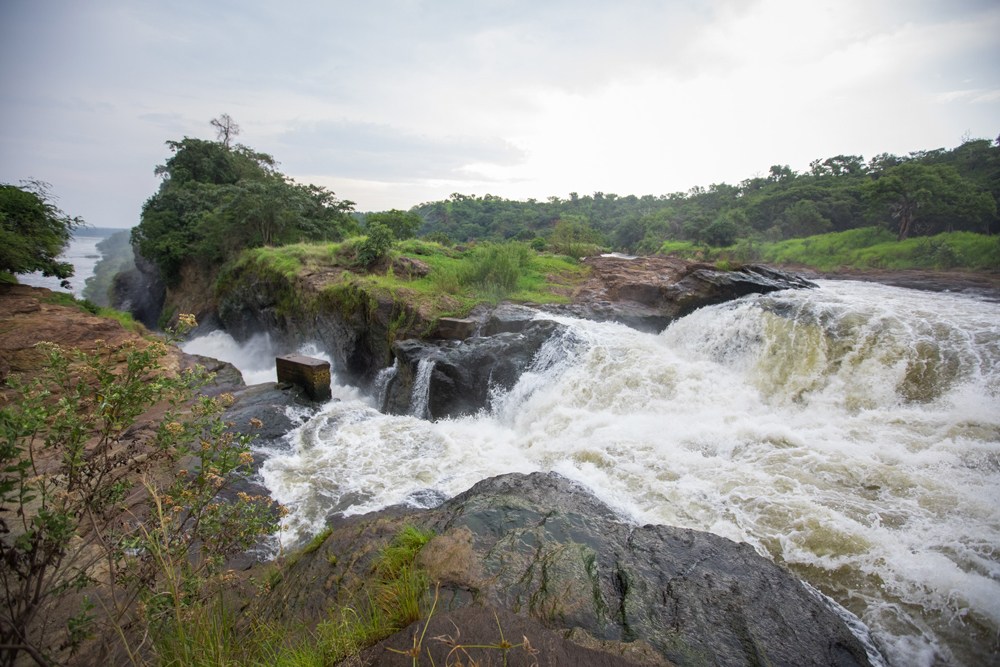
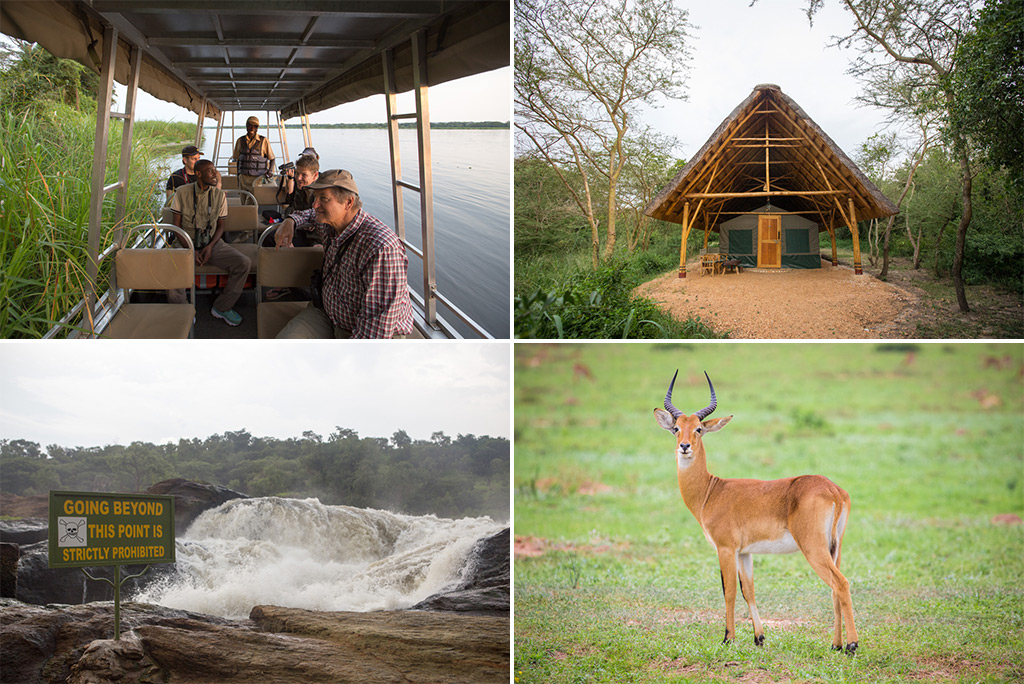
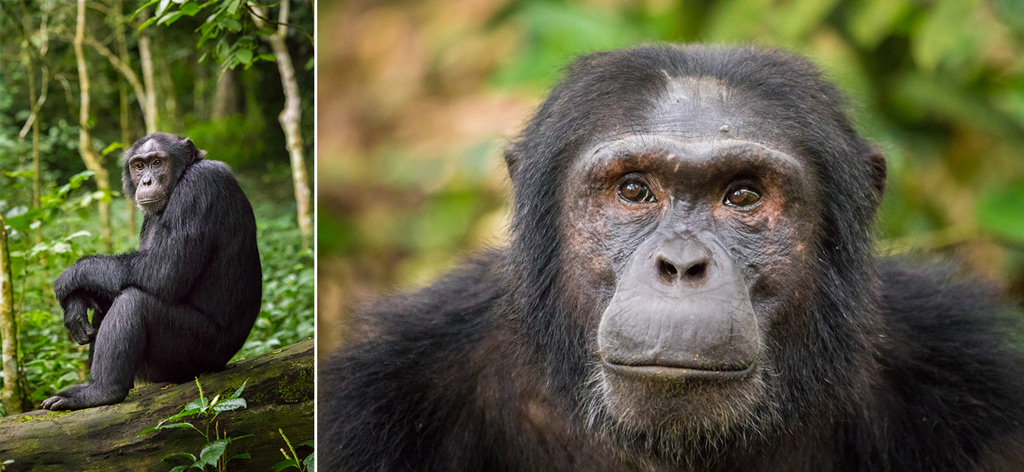
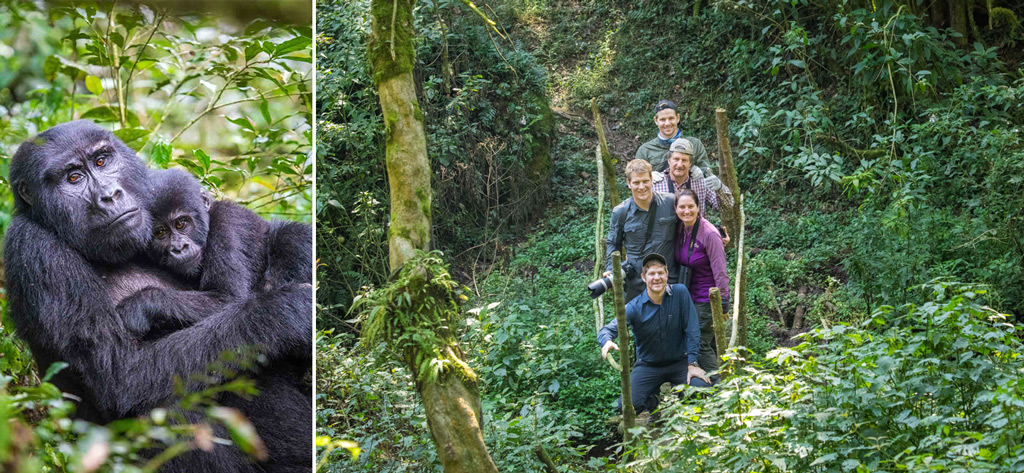
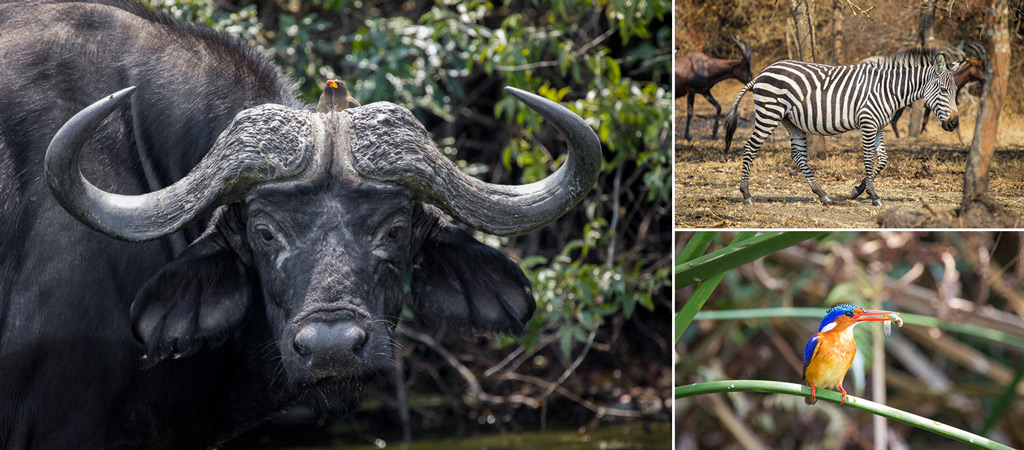
 Born in Johannesburg, raised in Robertson, now living in Cape Town, Gerhard Pretorius writes, films, and photographs many different types of topics. He especially loves to travel and capture moments that will last a lifetime.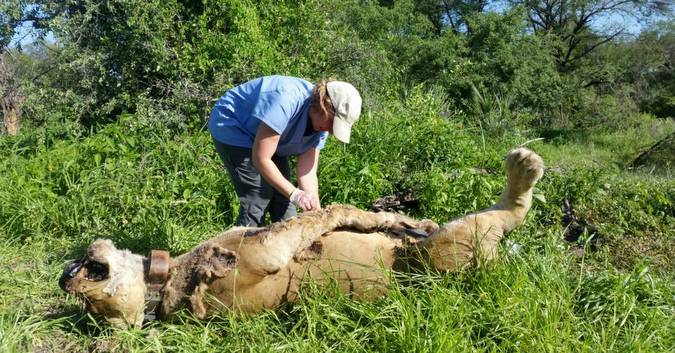
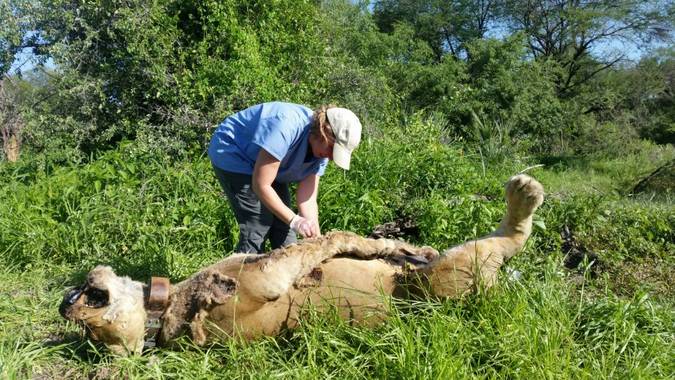
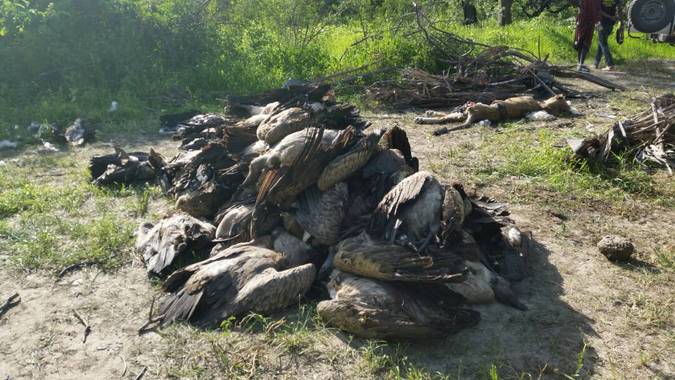
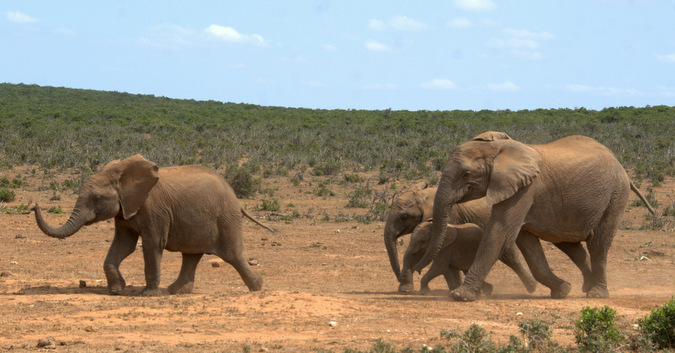
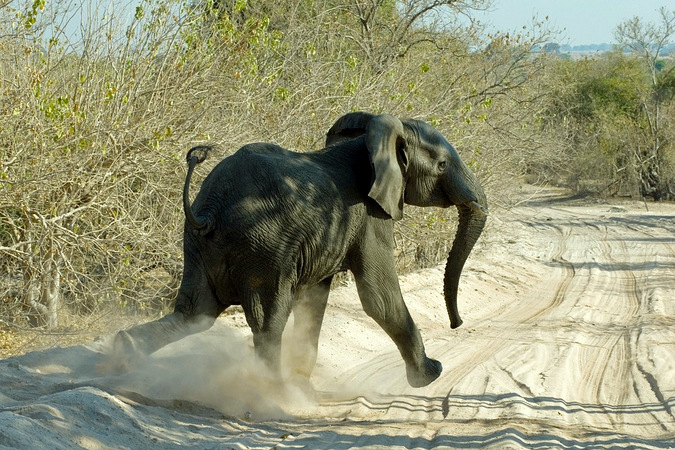
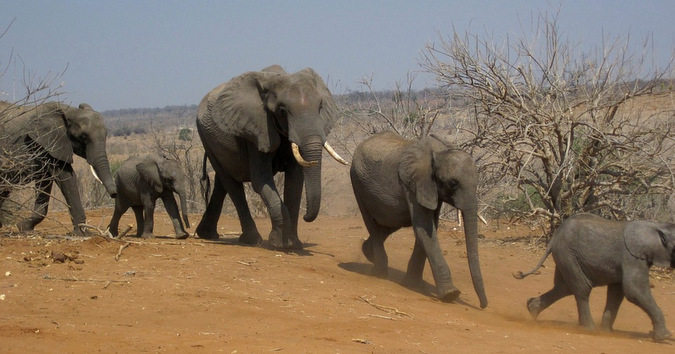
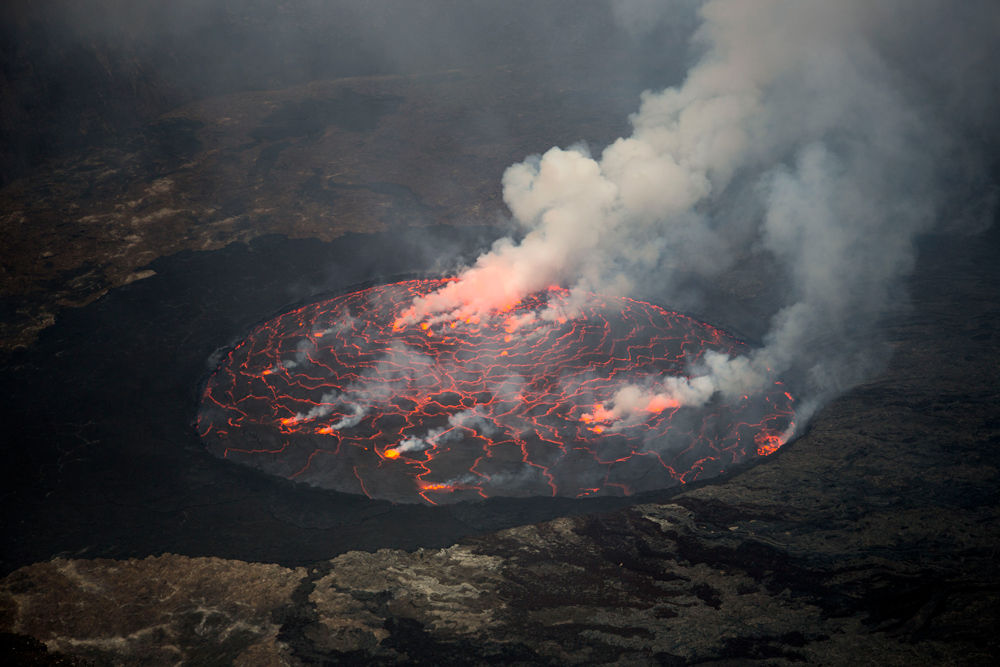
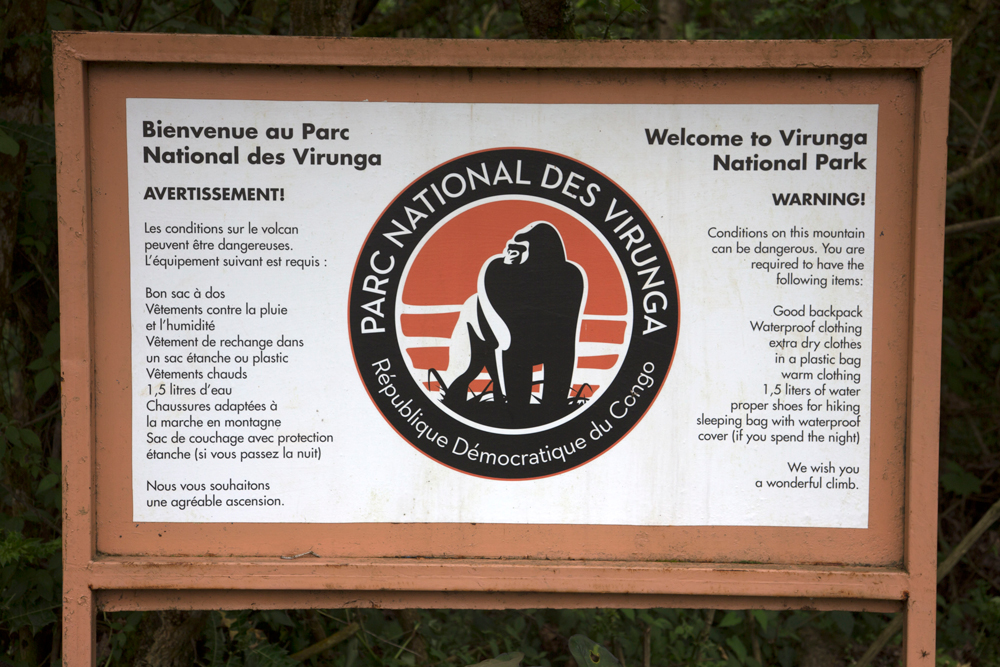
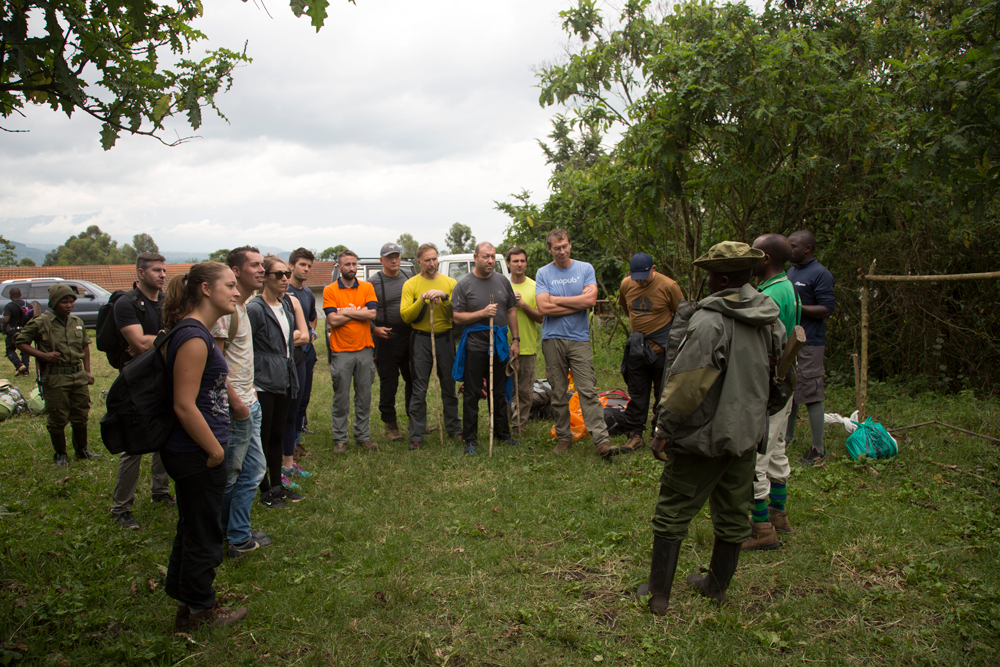
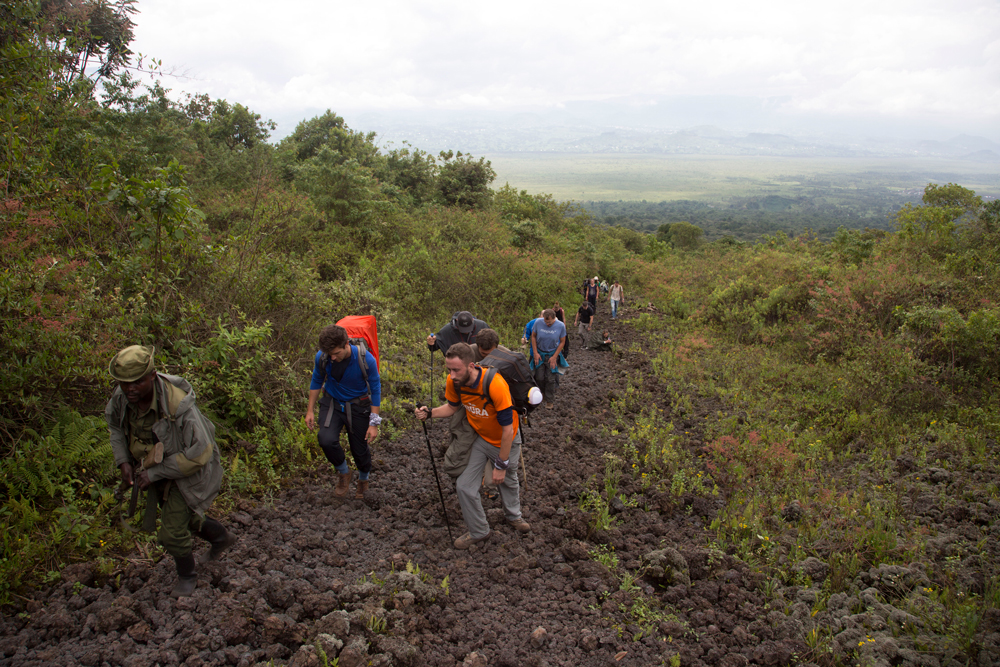
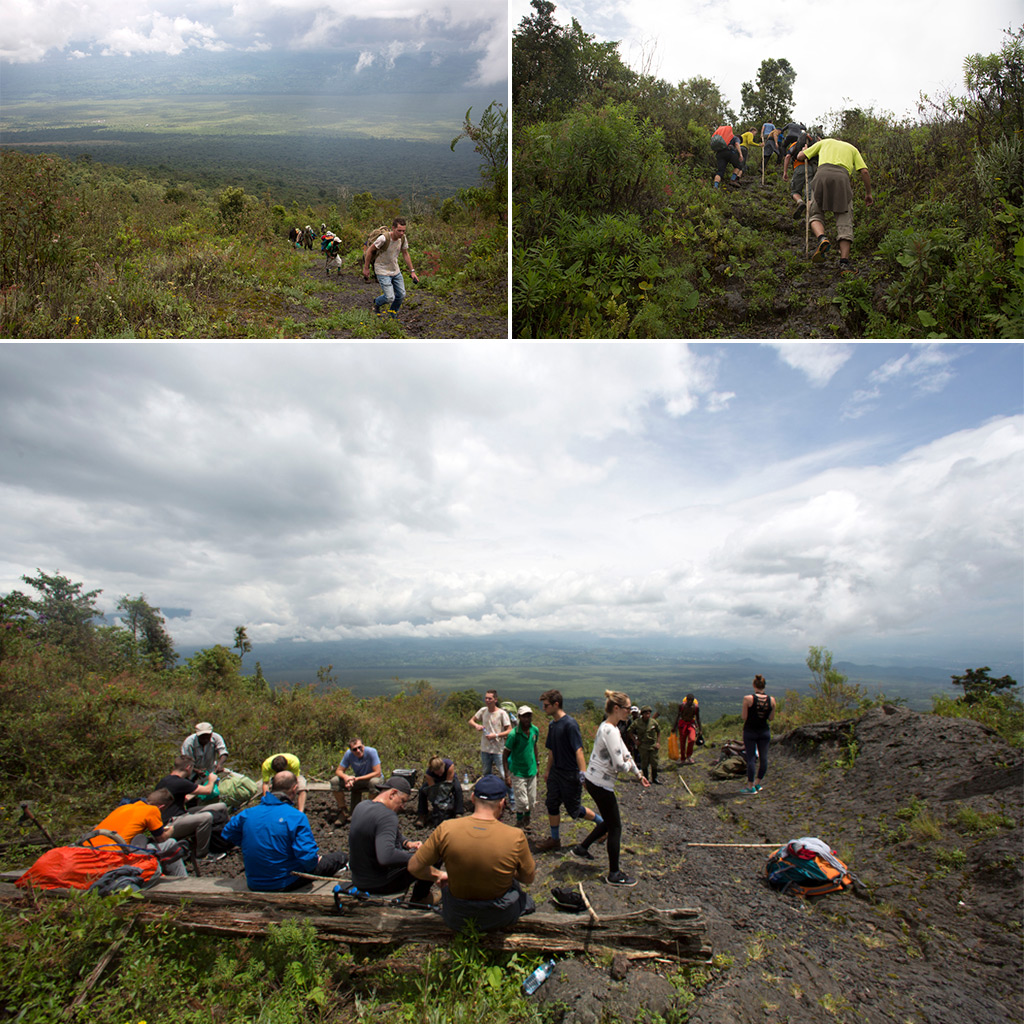
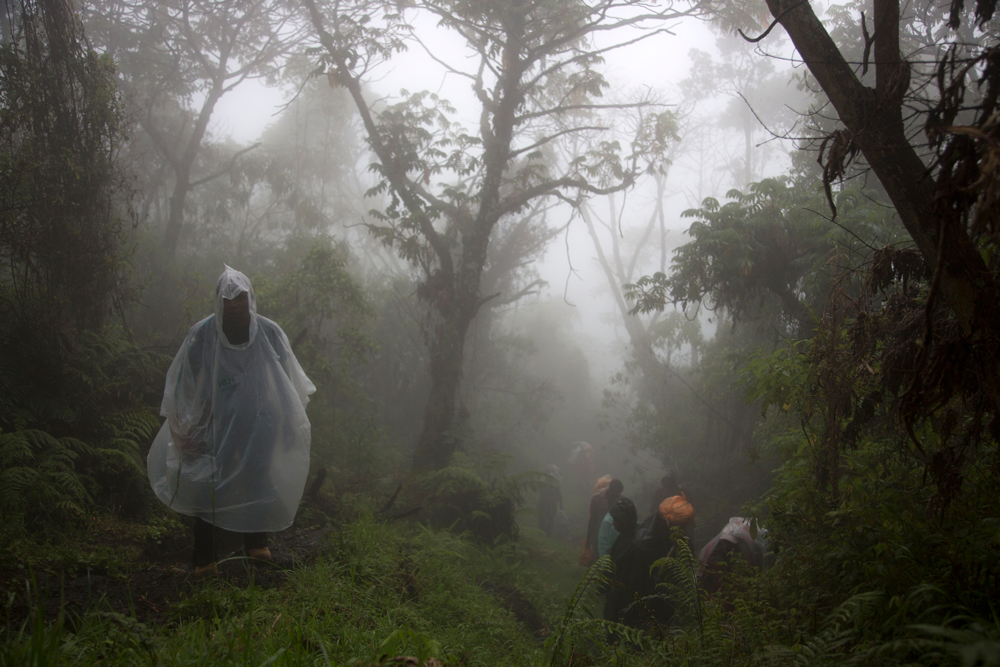
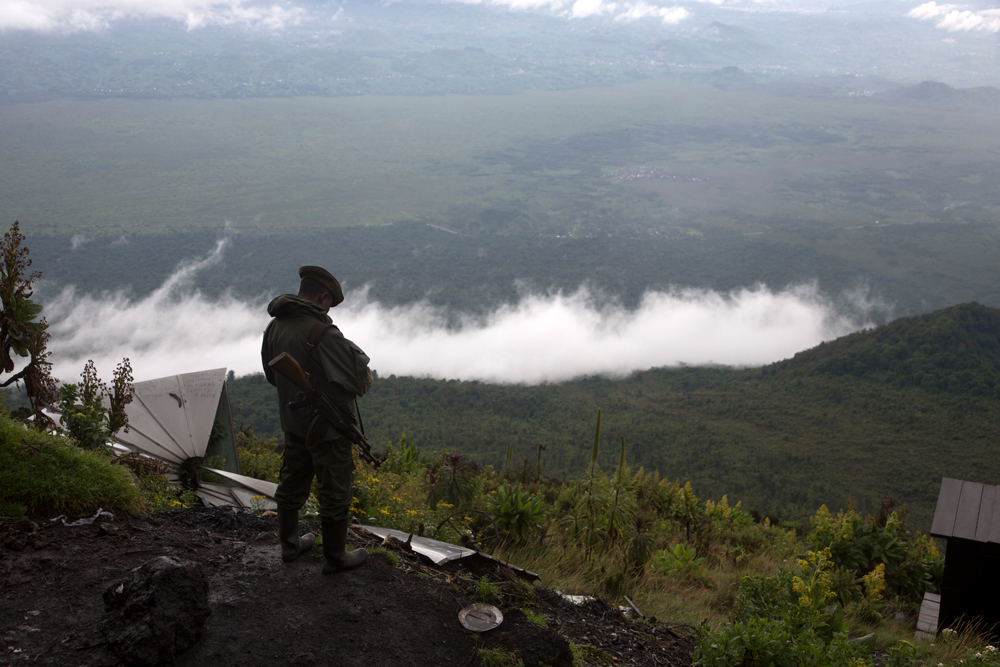
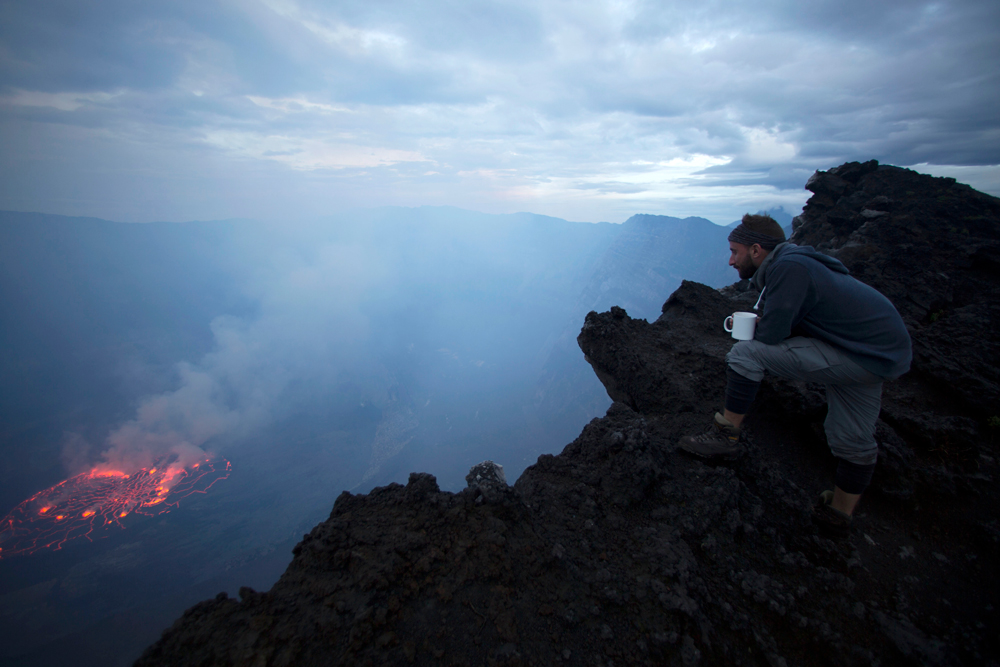
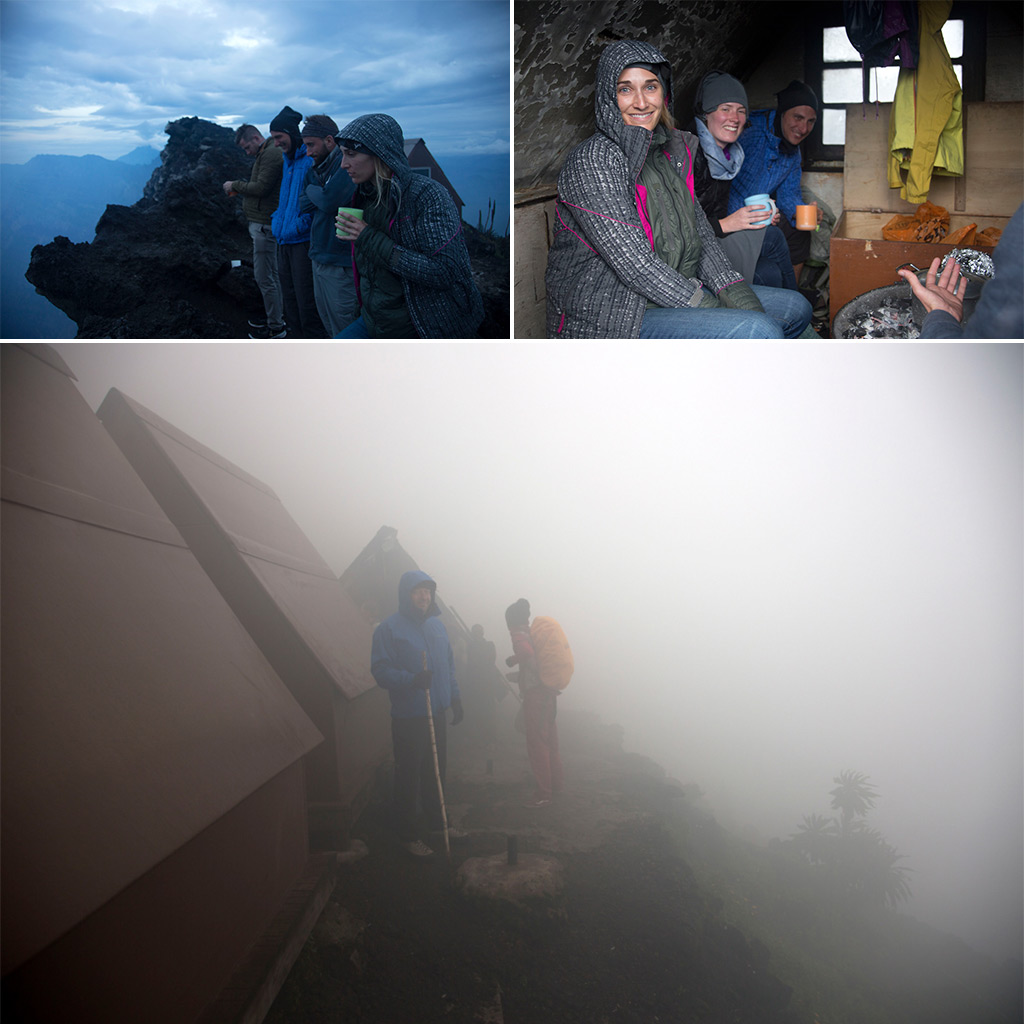
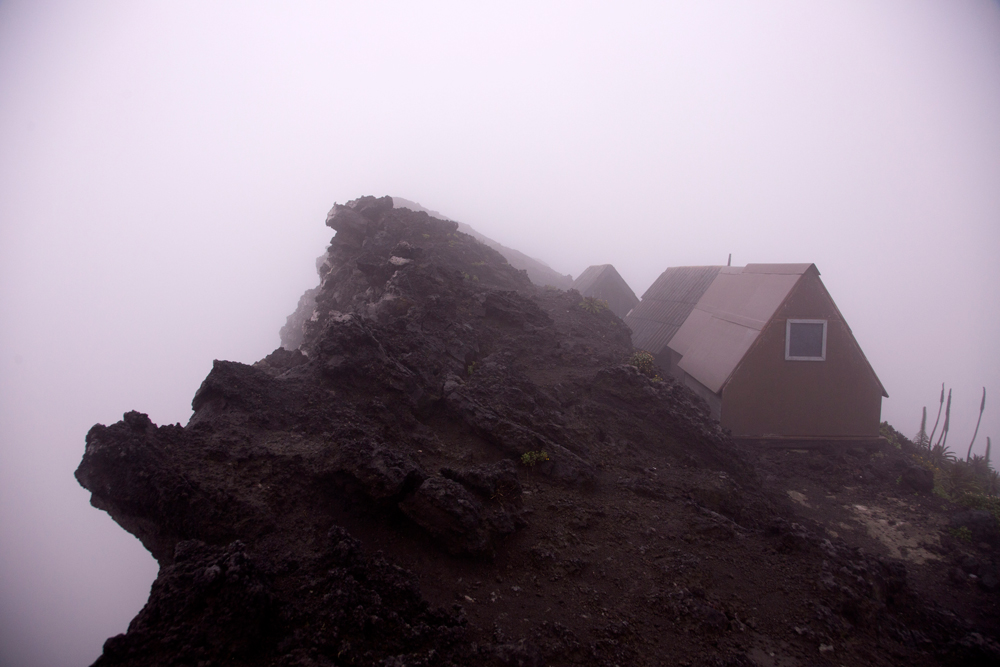
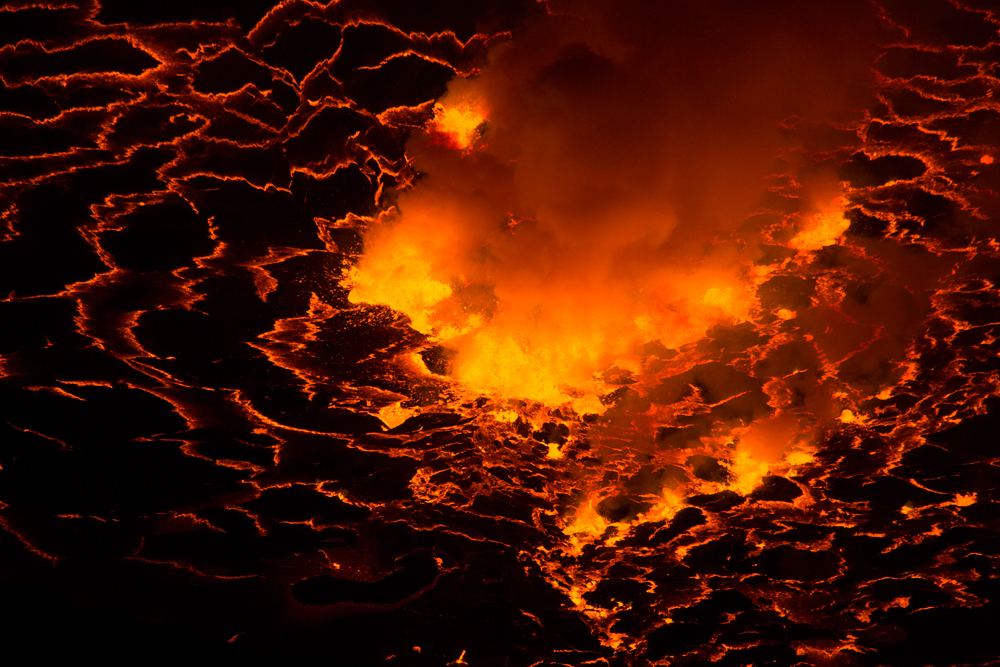
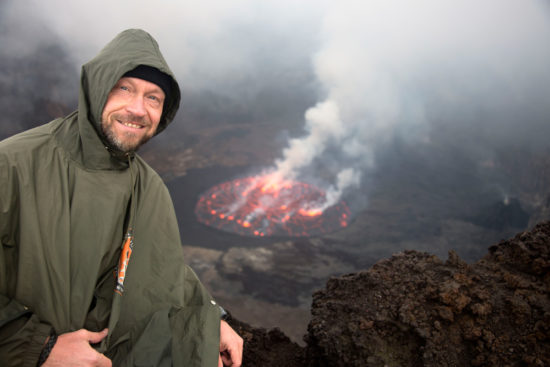 Björn Persson is a photographer and travel writer who’s been to over 20 African countries. His favourite destination is Kenya, but the Nyiragongo hike was one of his most memorable adventures. Besides being an avid traveller, Björn also has a degree in wildlife conservation and uses his photos as a weapon against poaching. Later this year, he will release his new wildlife photography book,