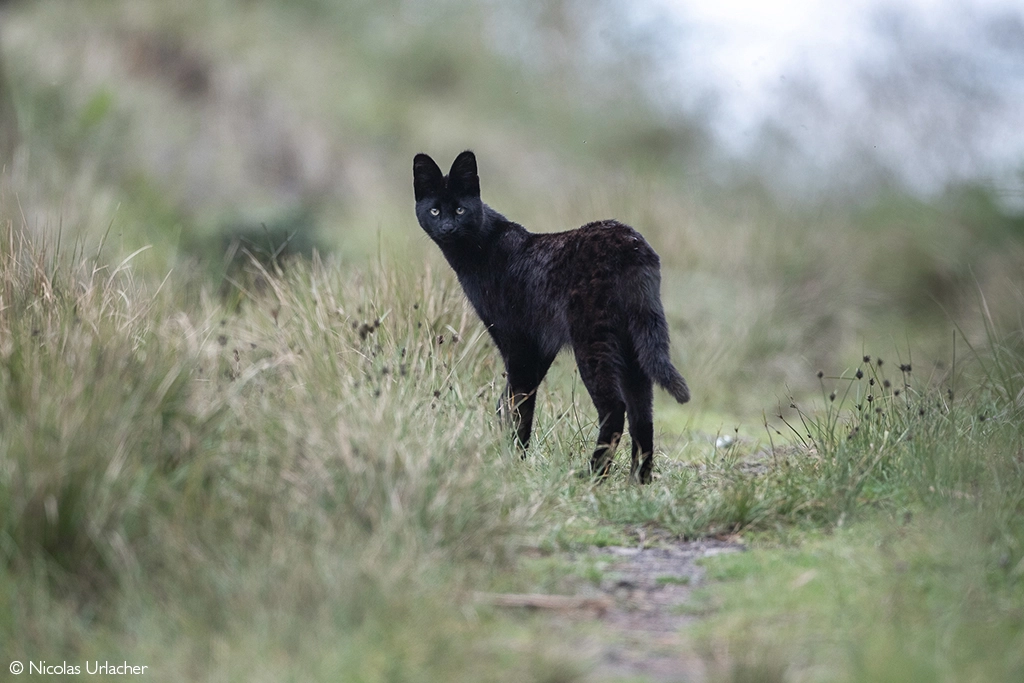
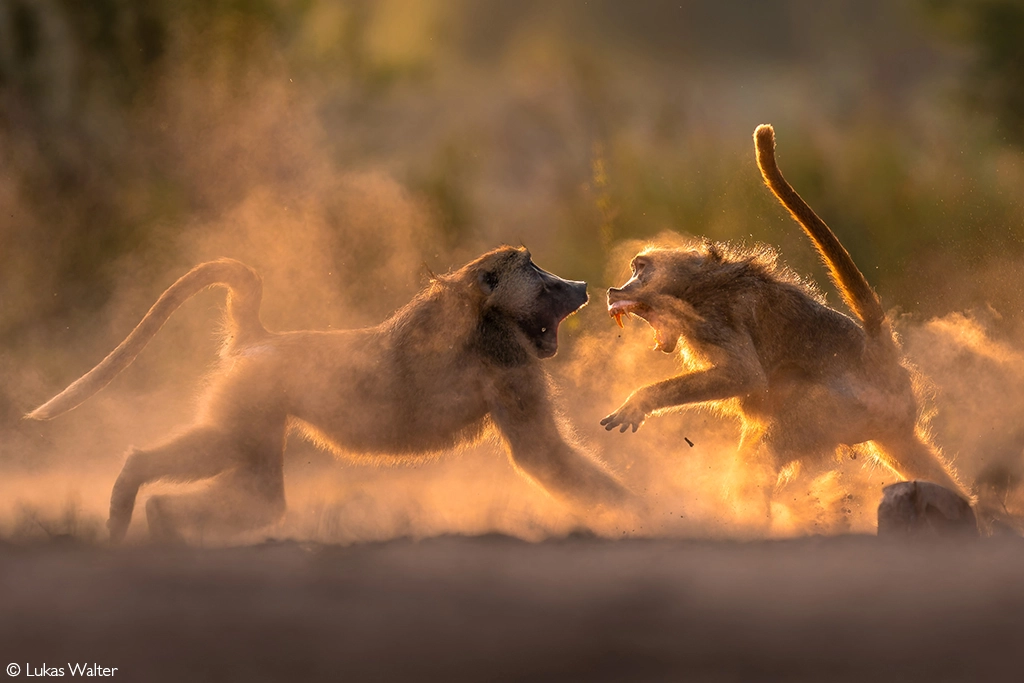
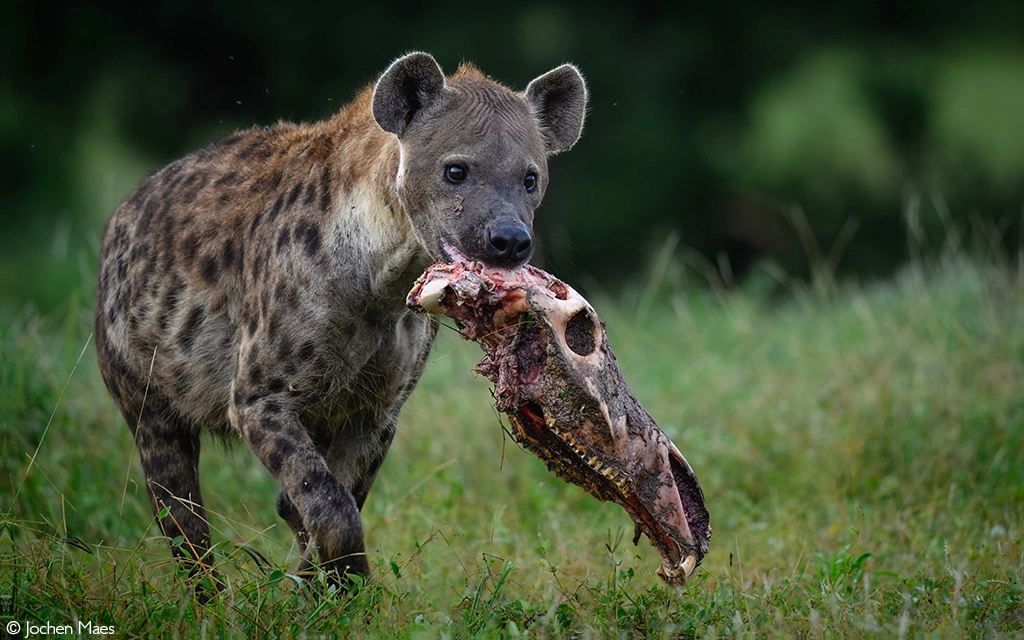
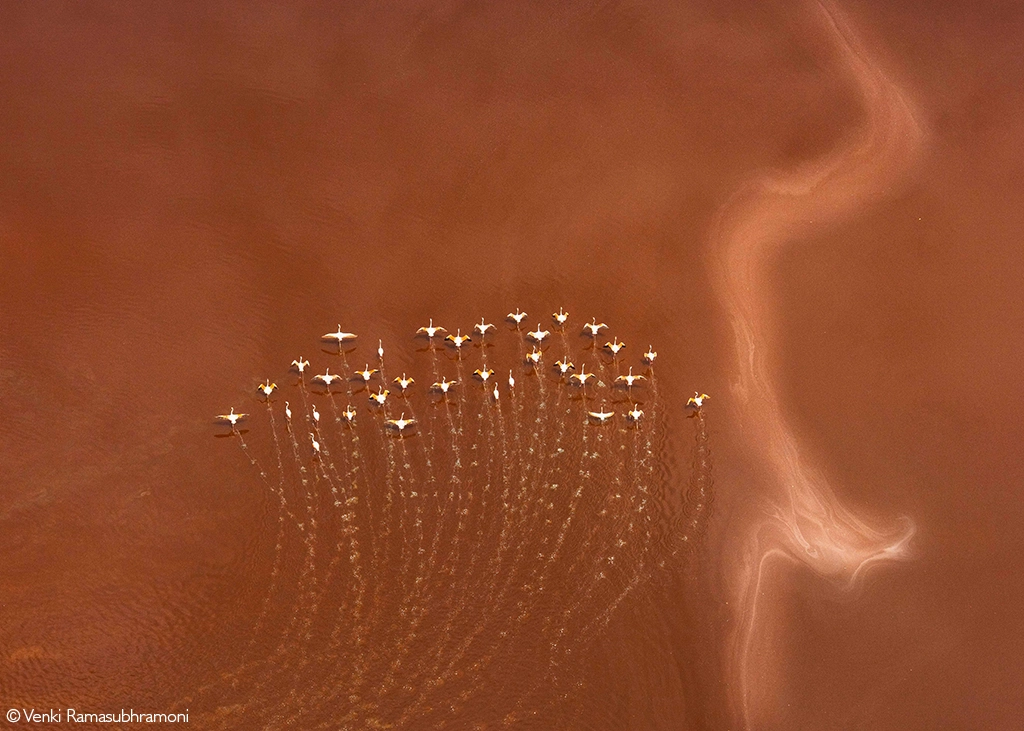
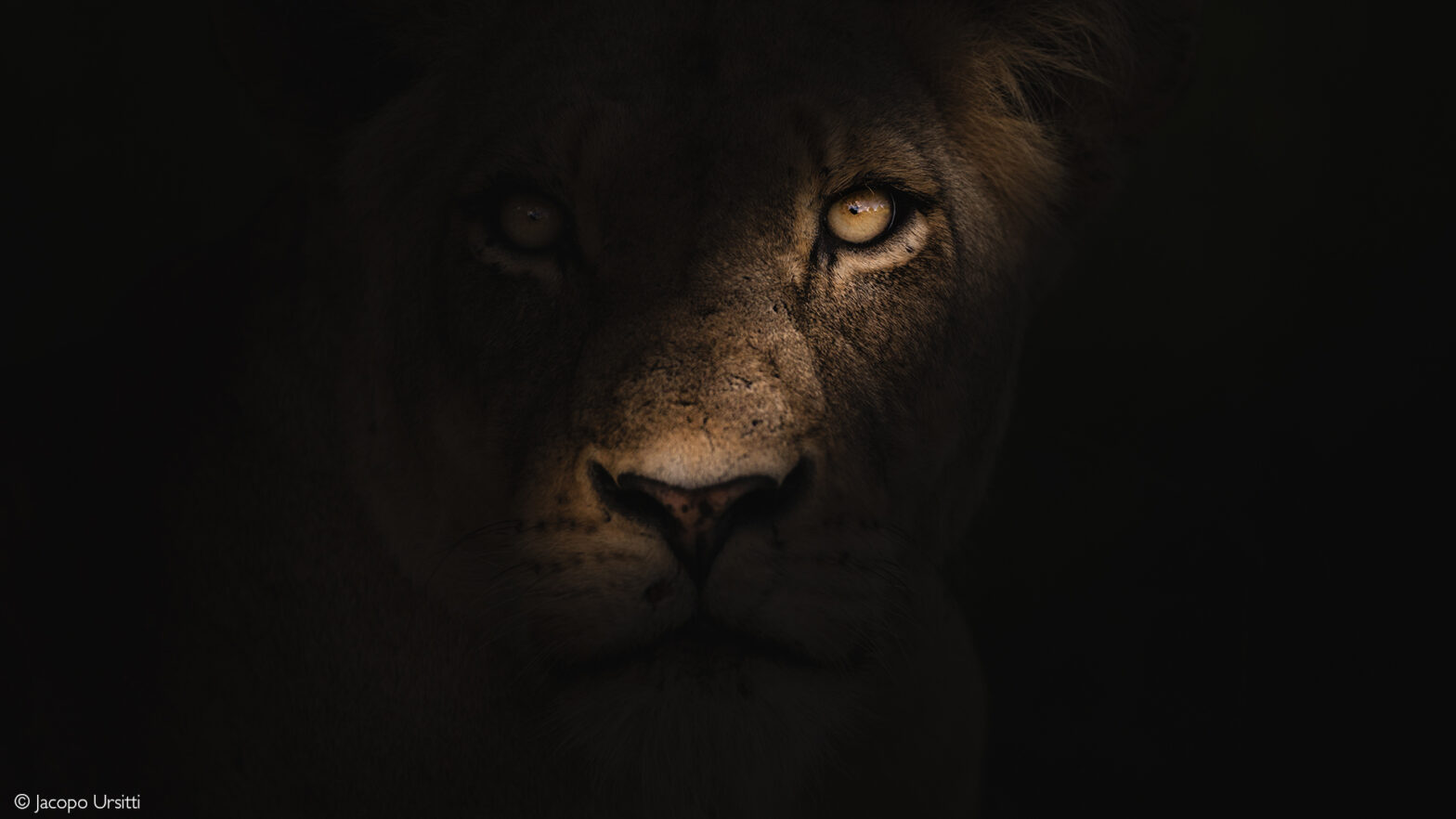
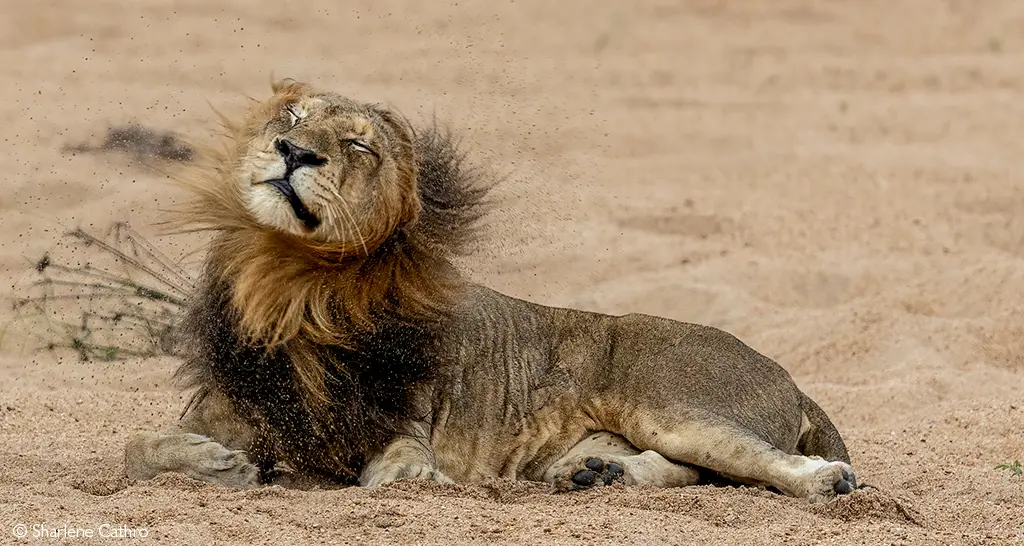
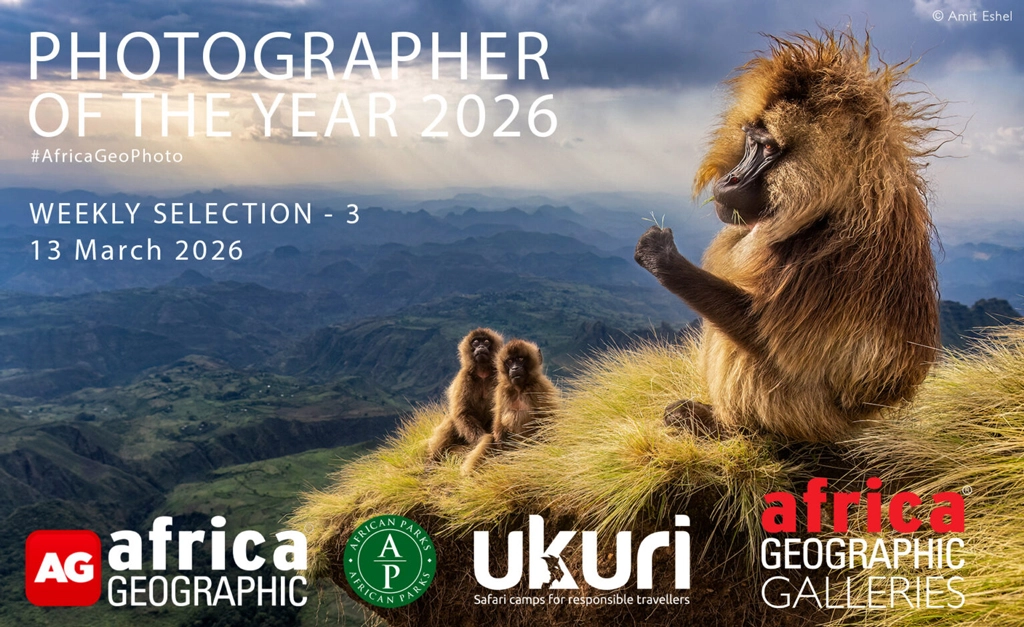
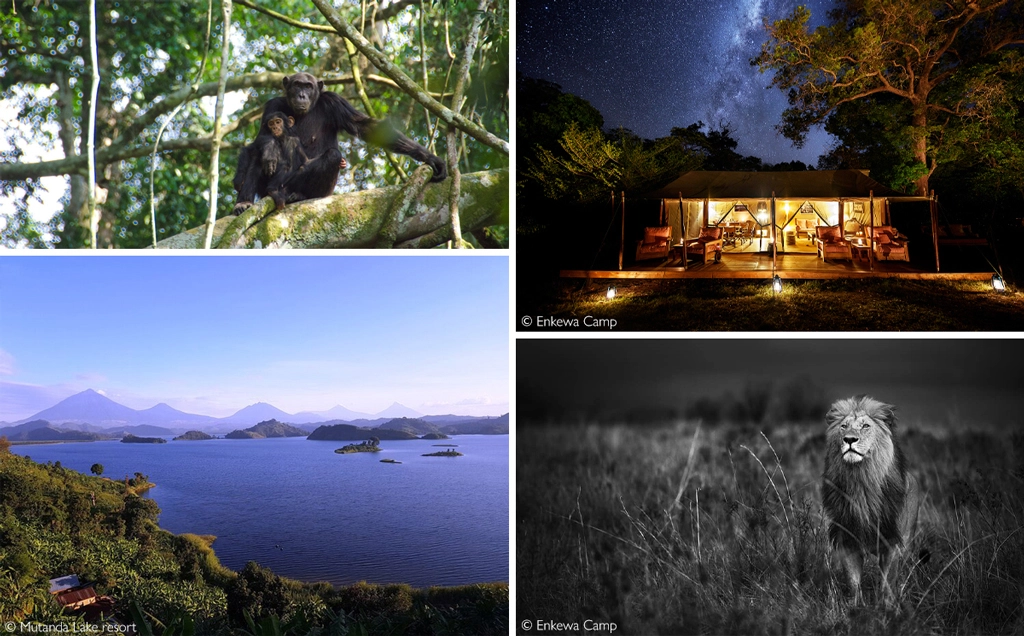
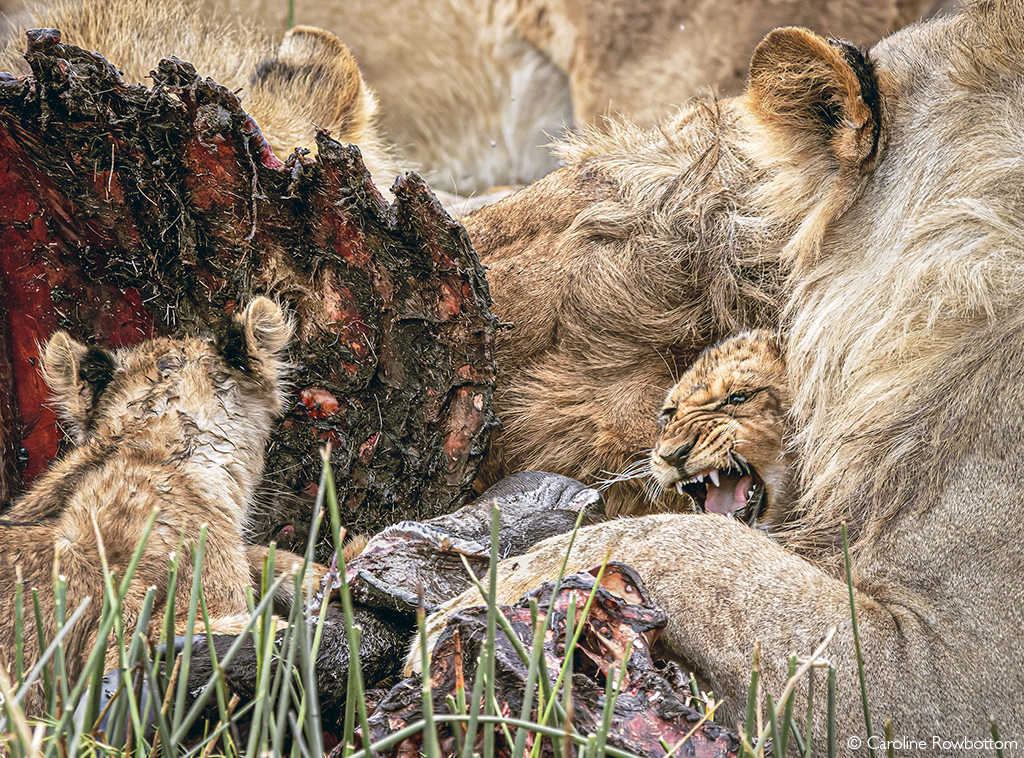
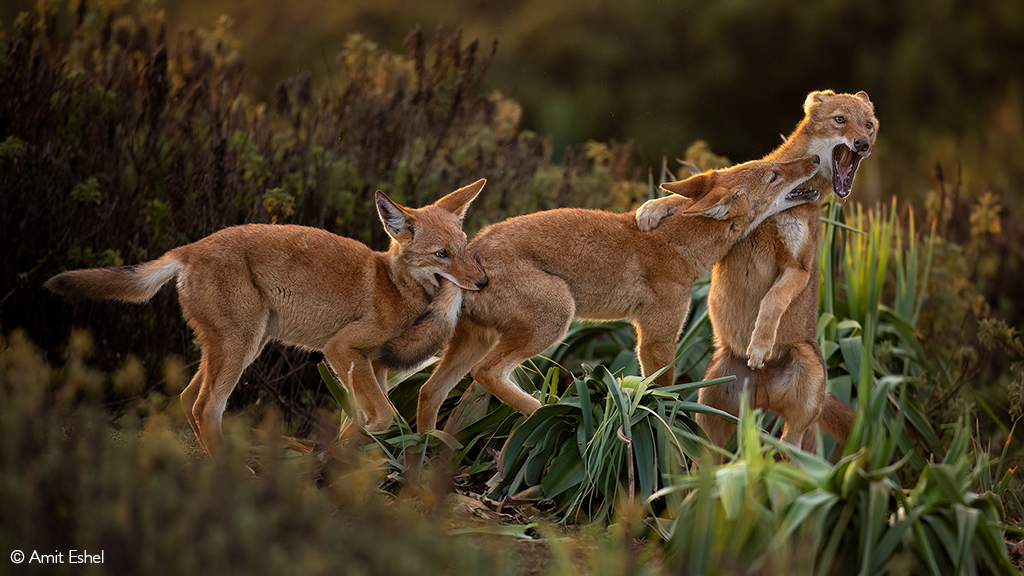
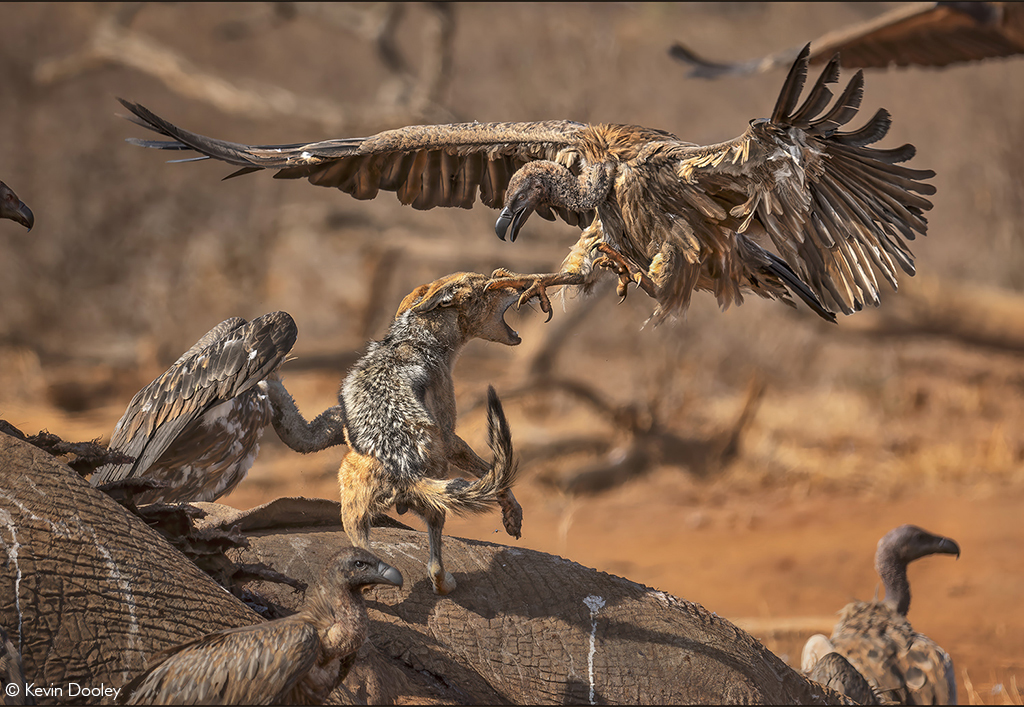
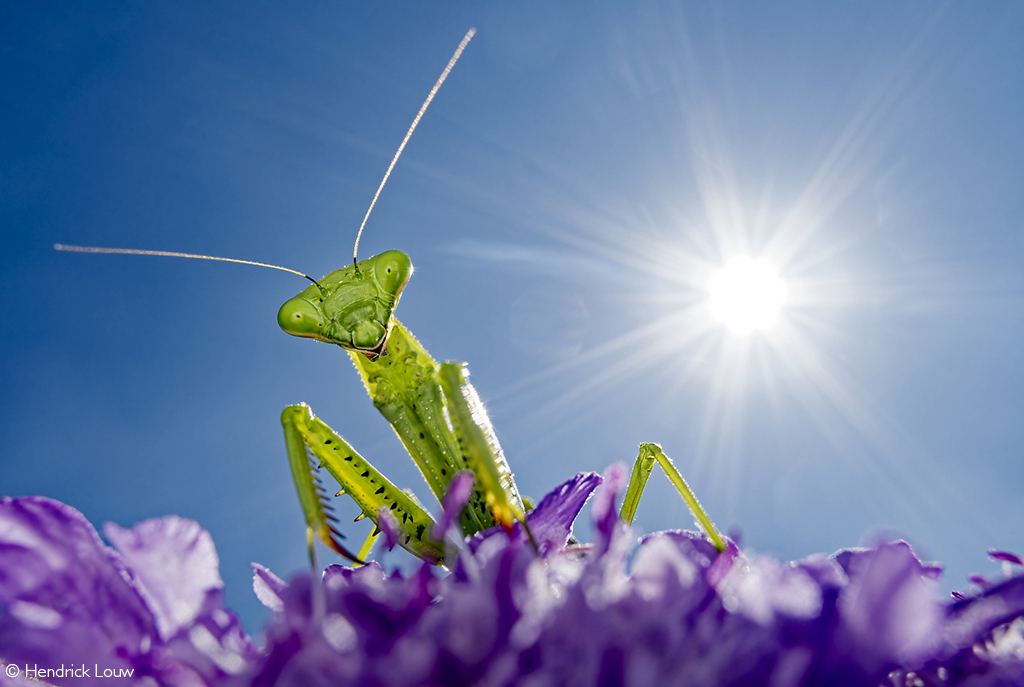
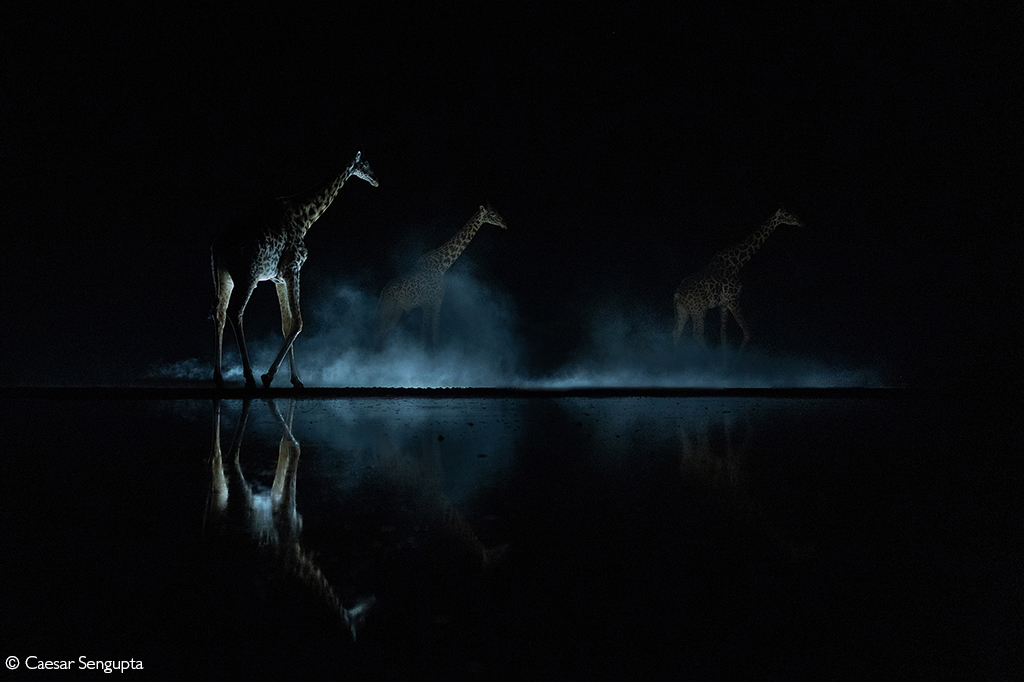
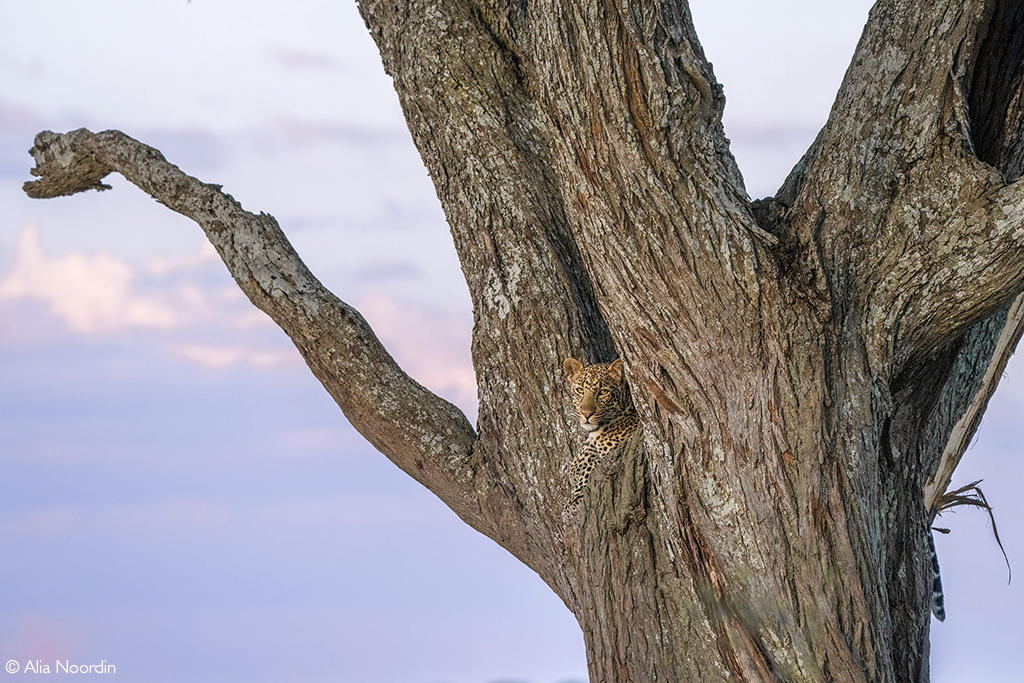
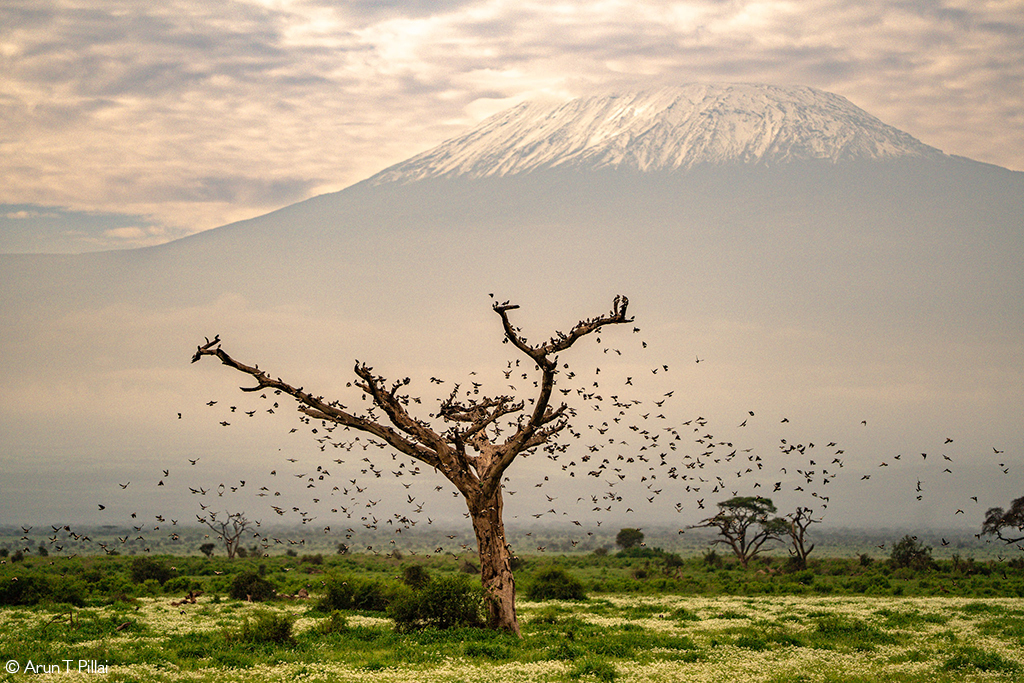
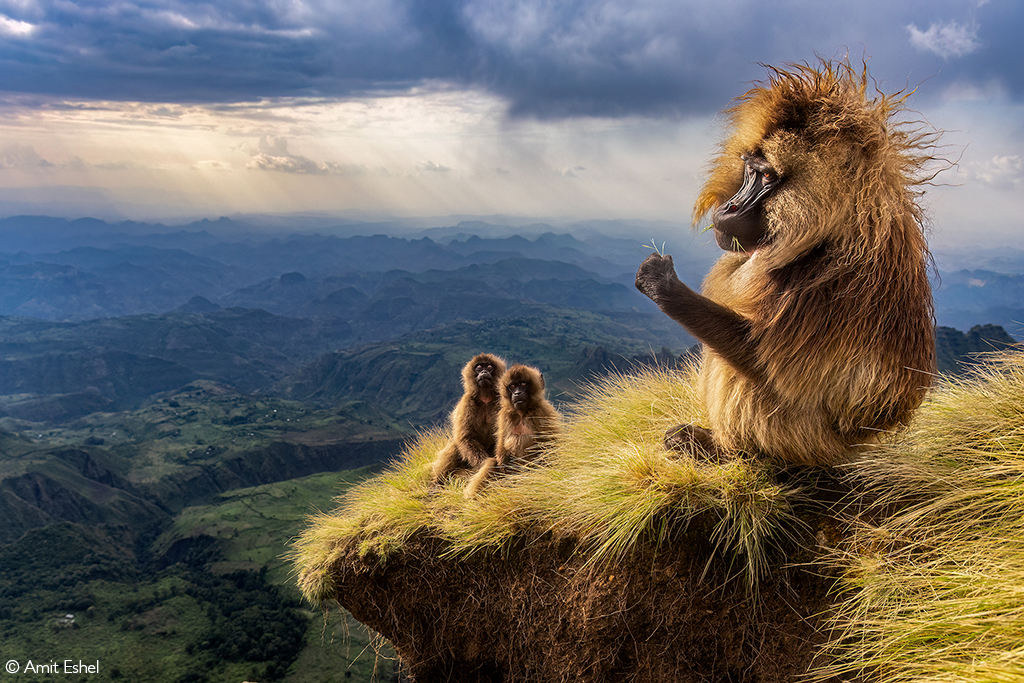
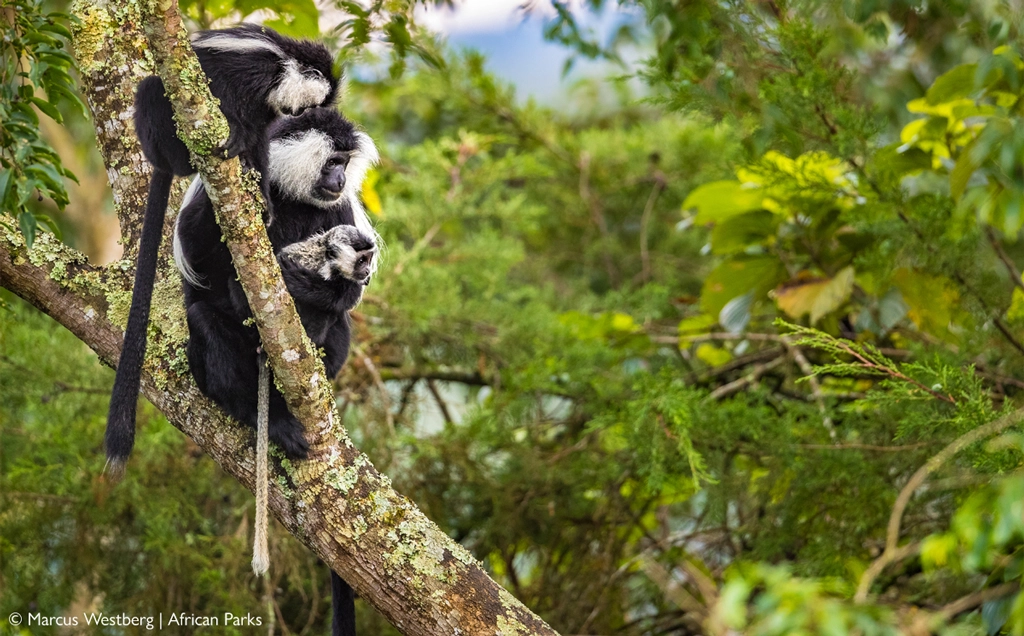
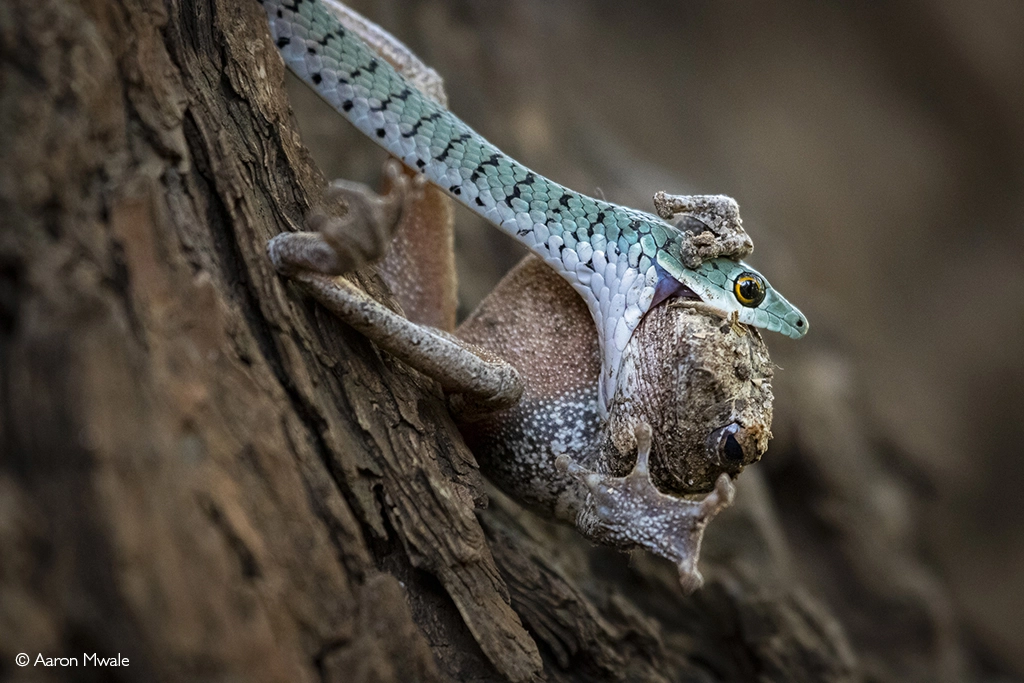
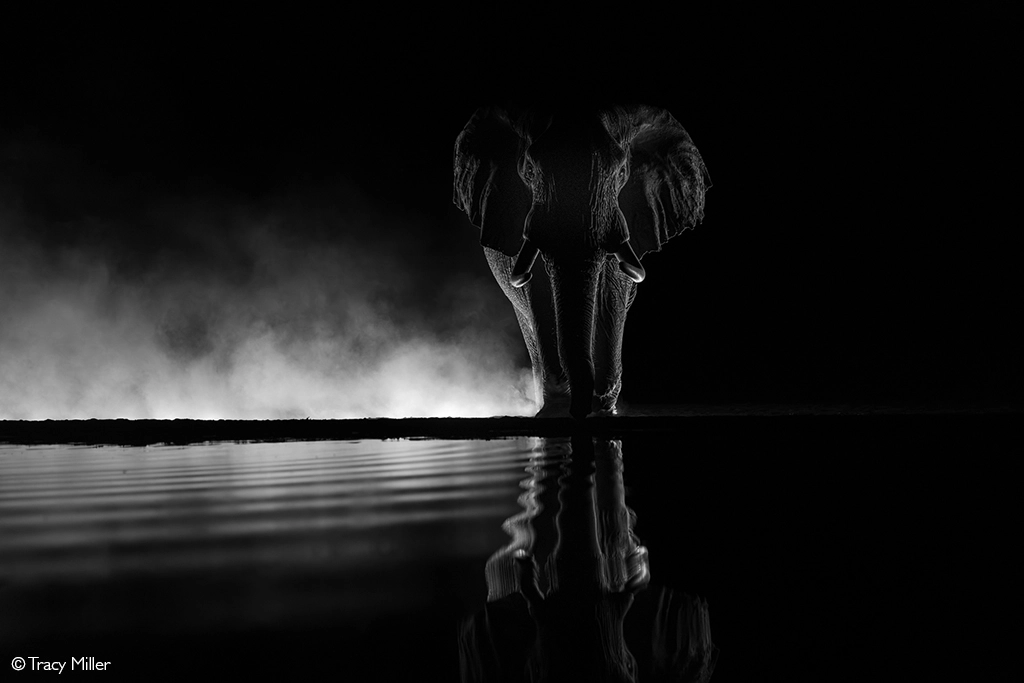
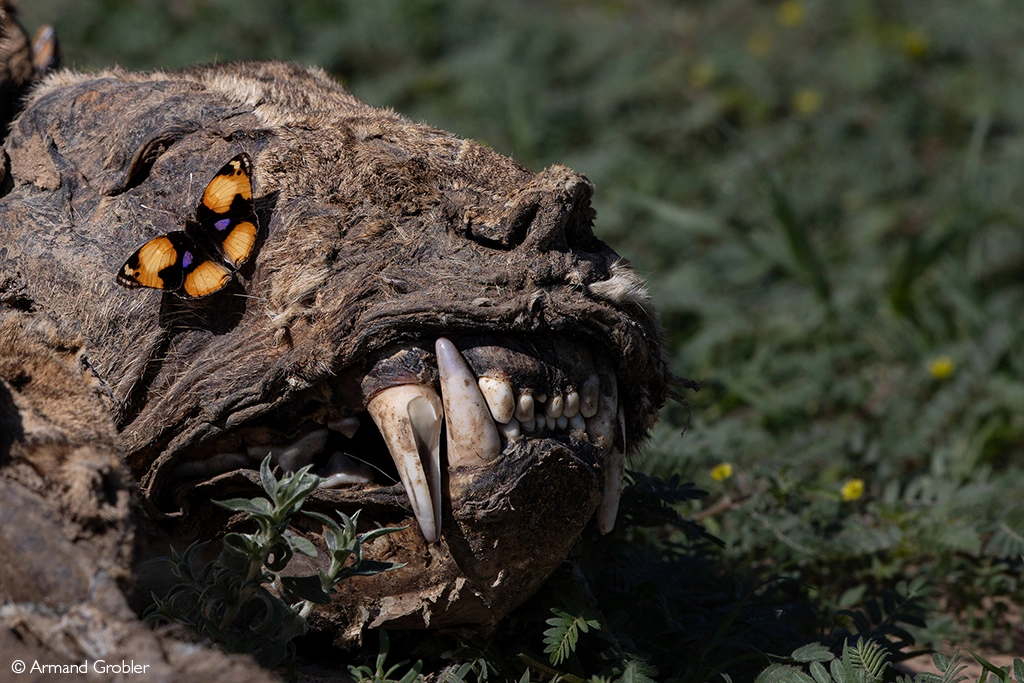
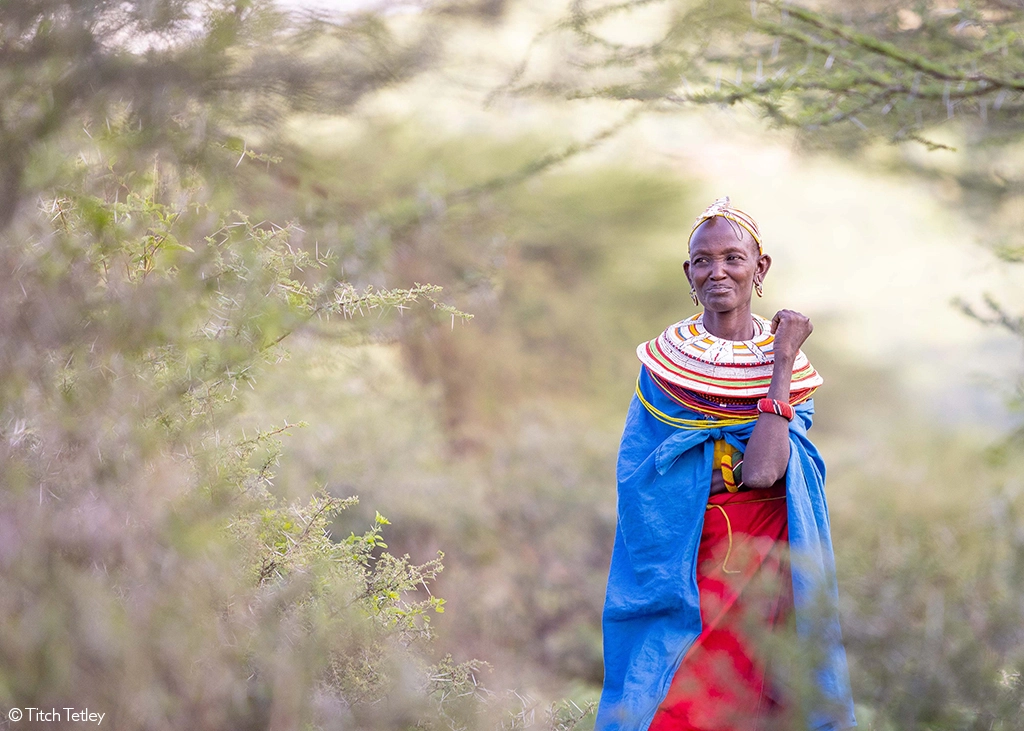
Our Photographer of the Year 2026 is now closed for entries. The overall winner, runners-up, and their partners will journey to Nyungwe National Park in Rwanda, staying at the newly built Munazi Lodge, the only lodge inside the park. Expect chimpanzee trekking, canopy walks high above the forest floor, waterfall hikes, and encounters with black-and-white colobus monkeys in one of Africa’s most biodiverse montane forests. Read more about the Photographer of the Year 2026 prizes here. In association with Ukuri and African Parks.
Winners will be announced in June.
This is Photographer of the Year 2026 Finalists Gallery 2. To see the other Photographer of the Year Finalists gallery, click here: Gallery 1.
Our Photographer of the Year 2026 is now closed for entries. The overall winner, runners-up, and their partners will journey to Nyungwe National Park in Rwanda, staying at the newly built Munazi Lodge, the only lodge inside the park. Expect chimpanzee trekking, canopy walks high above the forest floor, waterfall hikes, and encounters with black-and-white colobus monkeys in one of Africa’s most biodiverse montane forests. Read more about the Photographer of the Year 2026 prizes here. In association with Ukuri and African Parks.
Winners will be announced in June.
This is Photographer of the Year 2026 Finalists Gallery 1. To see the other Photographer of the Year Finalists gallery, click here: Gallery 2.
Tembe Elephant Park is a community-owned Big Five game reserve famous for big-tusked elephants in Maputaland, South Africa, next to Ndumo Game Reserve.
Experienced local guides carefully read elephant behaviour to keep close encounters respectful and safe.
The park protects some of South Africa’s largest elephants and rare sand forest ecosystems.
Tembe’s slow safari rhythm rewards patience with extraordinary wildlife moments beyond traditional game viewing.
Community-run Tembe Elephant Park Lodge supports conservation and local livelihoods through low-impact safari tourism.
Want to visit Tembe Elephant Park on safari? Book your Tembe safari here. Ukuri brings you lodges and bush camps that offer tangible, measurable benefits for conservation & communities.
There’s a magnificent elephant standing in the middle of the narrow sand track ahead of us in Tembe Elephant Park. Tembe is a community-owned Big Five game reserve famous for big-tusked elephants in Maputaland, South Africa. The afternoon heat presses down like a heavy hand. He has claimed the only patch of deep shade beneath a beautiful pod mahogany tree. There he stands, perfectly still, as if leaning into the cooler air, thinking deep elephant philosophical thoughts.
Our guide gently reverses the game-drive vehicle and pauses at a respectful distance. He nudges us slightly off the track and switches off the engine. The thundering diesel noise is replaced by the afternoon bush orchestra: insects hum, and a rainbird (Burchell’s coucal) trills its melodic call, pleading with the few clouds in the sky to release their rain and cool us all down.
It’s an elephant-in-his-kingdom kind of moment, the sort of photograph you dream of taking. But we’ve clearly disturbed this giant’s catnap. He nonchalantly scoops up a trunkful of sand and tosses it over his shoulder, dust shimmering in the heat, before stepping towards us. My heart begins to race. I’m using a wide-angle lens, and his mighty bulk quickly fills my viewfinder.
I lift my eye from the camera. Now my heart threatens to leap into my throat. He is right there on my side of the vehicle. The leathery folds of his skin, the fringe of his eyelashes, the slow sway of his trunk – I could reach out and touch him without even stretching.
And then, as quietly as he arrived, he is gone, melting back into the bush, an occasional cracking twig the only sign that he is still there. My heart resumes its usual position, but the rest of me is left in a state of absolute wonder that borders on reverence.
But before I tell you more…
Taking a dust bath at the waterhole
Where is Tembe Elephant Park?
Tembe is home to some of South Africa’s largest elephants and a rare sand forest ecosystem. You’ll find this community-owned park on the border between southern Mozambique and South Africa in northern KwaZulu-Natal.
It is far off the usual safari-goers’ beaten track and, to be honest, a bit of a schlepp to get to. But as I discovered, there is no other place that will give you such incredible, calm, face-to-face moments with elephants on their terms, in their territory.
However, before you jump in your car and head off to Tembe Elephant Park, there are two important things you need to know. First, this is rough 4×4 sandy territory with deep, shock-absorber-eating and axle-breaking holes.
Secondly, and most importantly for everyone’s safety – human and elephant alike – the chances of having encounters like ours are slim unless you are on a guided game drive with Tembe Elephant Park Lodge. You see, the guides are familiar with most of the park’s elephants.
Our guide, Kulu, has been taking people out twice a day for the last 13 years. He has learnt to judge an elephant’s demeanour. He can decide whether they might allow you into their space without feeling threatened or crowded. It’s a fine line that’s easy to misread when all you see is a wonderful photo opportunity. That’s when close encounters can quickly turn from magical to dangerous.
Ready for your own unforgettable elephant safari? Let Africa Geographic help you plan an extraordinary wildlife journey across Africa’s wildest places.
On more than one occasion, Kulu decided not to stop, picking up on minute elephant cues that you or I would never even notice. On other occasions, I noticed an elephant pause, raise its trunk to scent this noisy vehicle, and then relax as if to say: “Oh, it’s you again, Kulu.”
These moments of trust and understanding don’t happen by accident. They’re the result of Kulu’s years of quiet attention and deep respect for the elephants, and that respect is exactly what keeps close encounters calm rather than dangerous.
An elephant tests my resolve not to flinch
We stopped for the traditional afternoon game-drive sundowners on the edge of a massive swamp, where a matriarchal herd of elephants went about their elephant business. A young elephant mock-charged a heron that ignored it. Boisterous teenagers tested their strength against each other in a game of elephant wrestling, while their mothers and aunties worked steadily on their liquid intake, just like any normal extended family gathering.
We finished our sundowners at the same time as the elephant mothers and aunties. At some unknown elephant signal, the entire family moved out of the swamp towards us. Kulu suggested we sit in the vehicle and wait to see if they would come closer.
One of Tembe’s elephants moved peacefully close to the vehicle at its own pace
One very large and very daunting aunty casually moved closer to the game-drive vehicle until she was about four metres away. She paused and raised her trunk to catch our scent, I presumed. Satisfied, she stepped closer and deftly wrapped her trunk around a small dry shrub, breaking it with a massive crack and leaving a small stump in the ground.
She stepped over the stump and rocked it back and forth with her hind foot. Now she was so close I could feel the cool air wash over me as she flapped her ears. Each time they slapped against her body, it sounded like a huge bass drum resonating through her.
During her stump-rocking performance, she watched us as if she were testing our nerve: would we flinch or wouldn’t we?
After what felt like a lifetime, she stopped and moved to the back of the vehicle, where she paused. Her tummy rumbled lightly, as if she were giggling to herself, before she disappeared into the bush.
And the rest of the herd? They, too, melted away into the bush.
Close elephant encounters in Tembe happen on the elephants’ terms, guided by experienced local guides
A wild dog kill sighting adds to the unpredictability of Tembe’s slow safari rhythmA pod of hippos lurks as a herd comes down to drink
Wildlife of Tembe
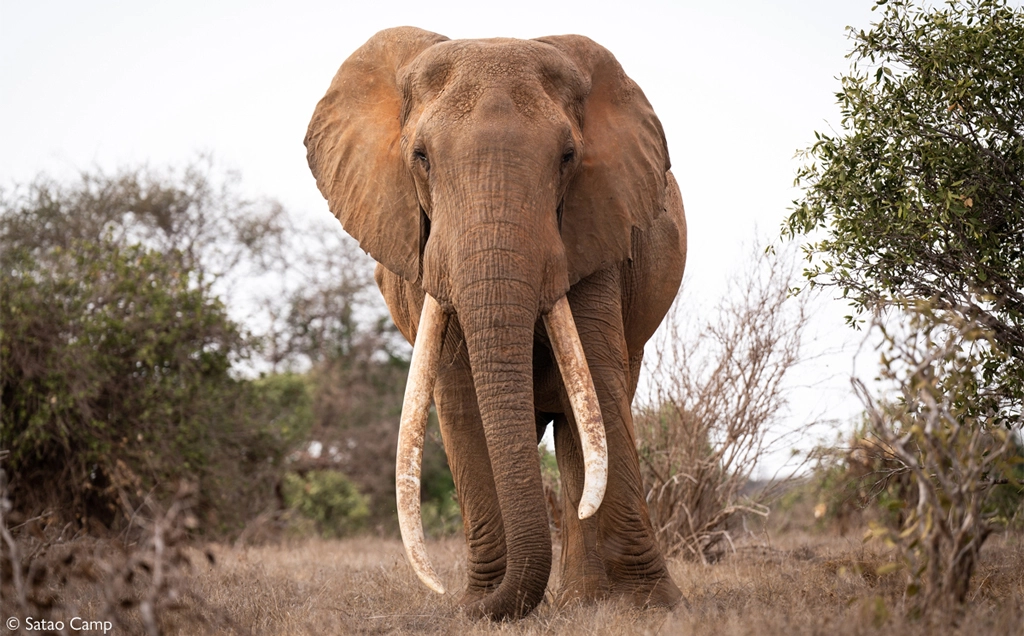
Tembe protects an elephant population that once wandered freely across what is now the Mozambique border, and the park has long been famous for producing enormous tuskers. The legendary bulls Isilo, Induna and Makobona, three of the largest tuskers in southern Africa, once walked these sand forests. Though all three have since died of natural causes, Tembe still shelters impressive bulls carrying vast ivory that seems almost impossibly heavy as they move silently through the bush.
Tembe is also a Big Five reserve, although the dense sand forest and thick vegetation mean wildlife sightings are less predictable than in more open safari destinations. Buffalo, lion, leopard, black rhino and white rhino all occur here, along with giraffe, zebra, wildebeest and a variety of antelope, including nyala, kudu, waterbuck, bushbuck, reedbuck, steenbok, grey duiker and the tiny suni.
And then there are the birds. More than 340 species have been recorded in Tembe Elephant Park, making it a deeply rewarding destination for birdwatchers willing to slow down and listen carefully to the forest around them. Specials include the African broadbill, pink-throated twinspot, lemon-breasted canary, eastern nicator and the elusive Rudd’s apalis.
A Tembe lion lounges beside the sandy track, unconcerned by the slow-moving safari vehicle nearby
When an elephant holds your gaze
It’s our last day at Tembe Elephant Park, and the bush feels steeped in that bittersweet quiet that comes when you know you’re about to leave a place you’re not quite finished with.
Two elephants appear on the narrow sand track ahead. We stop and simply wait to see if they’ll approach us.
One of them angles towards us, unhurried, pausing every few steps to snack on the lush green grasses lining the track. It is so still that I can hear the grass squeak as she plucks it from the earth with her trunk. Before each mouthful, she gives the bundle a gentle shake, dust and tiny insects drifting away in the light. She comes closer and closer until she is on my side of the vehicle, and then she stops. I lower the camera. Some moments are better felt than photographed.
I can see the wiry hairs on her trunk, the map of creases around her eye, the fine dusting of sand across the folds of her skin. I lift my gaze and meet hers.
Her eyes seem to travel straight through me, peeling back the layers I didn’t know I wore, laying my soul bare to her slow, ancient appraisal. Time stretches thin and quiet between us. At last, I have to drop my eyes; I can no longer bear the weight of that careful inspection. I feel as though I’ve failed some invisible elephant examination.
“She comes closer and closer until she is on my side of the vehicle, and then she stops”
The air stirs as her ears move. Each leisurely flap sends a soft, cool breath over me, a low, steady drumbeat that seems to nudge my racing heart into her slower rhythm. The rest of the world falls away until there is nothing but her, the hush of the bush, and this small, ridiculous human trying not to move. And then my tummy rumbles. I freeze, holding my breath, praying she hasn’t heard it. Of course she has. She answers with a deep belly rumble of her own and then a gloriously inelegant fart that would put any teenage boy to shame – thankfully without the smell. I don’t respond. It’s only then that I realise I’ve been holding my breath for most of this strange, shared silence. I glance up and catch what can only be described as a twinkle in her eye. I let my breath slip out as quietly as I can. Her tummy rumbles lightly in reply and, apparently satisfied that I pose no threat and very little entertainment, she drifts towards the back of the vehicle.
One of Tembe’s large-tusked elephants
There, she decides that the rear pillar is exactly the right height for a back scratch. Her immense body leans into it, and the whole vehicle rocks, bolts creaking, as she works an itch only she can feel. Kulu shouts at her in Zulu to stop, but she ignores him with the calm assurance of a creature who knows this land has always been hers. Only when he turns the key and the engine coughs to life does she finally step away, vanishing into the green tangle.
The second elephant follows, and within moments the track is empty again, as if they were never there – except for the echo of drumbeat ears and the wild, impossible calm they’ve left behind.
When giants let you in
Long after we leave Tembe Elephant Park, I can still feel the soft drumbeat of her ears in the air, as if the rhythm had settled somewhere in my ribs and refused to leave. For a few brief days, the giants of this sand forest had opened a quiet doorway and allowed us to step, very carefully, into their world.
Tembe Elephant Park is not a place for ticking species off a list or chasing photographs to show where you’ve been. It is a place of initiation. A place where time slows to the pace of an elephant’s heartbeat, and you realise you are not the main character in this story at all, but a guest on borrowed ground. Someone to be weighed and then, if you’re lucky, quietly accepted.
You leave with nothing more tangible than dust in your clothes and the sense that something inside you has quietly shifted. That is the true souvenir of Tembe: the knowledge that, for a heartbeat or two, the giants let you in – and the quiet understanding that they did not need to.
An elephant herd gathers at a small waterhole in TembeBuffalo herds move across Tembe’s lush grasslands after seasonal rains soften the sand forest landscapeGiraffes browse quietly among Tembe’s sand forest clearings and open grassy areas
The pace of Tembe Elephant Park
Tembe Elephant Park is a remote sand forest reserve in northern KwaZulu-Natal, South Africa. Days here are slow and quiet: unhurried drives, time at waterholes, and long stretches where very little seems to happen until it suddenly does.
If you prefer fast-paced, checklist safaris, Tembe may feel too still. If you’re happy to let the bush and the elephants set the rhythm, this is your kind of place.
Viewing elephants from the cool sanctuary of a hide
Safety and guided drives
The calm, close encounters with elephants in Tembe Elephant Park don’t happen by accident. This is big-elephant country, with narrow sandy tracks and dense bush. For everyone’s safety – yours and the elephants’ – guided game drives with experienced rangers are essential.
Tembe Elephant Park Lodge guides know the individual elephants and can read subtle changes in their behaviour. They decide when it’s safe to sit quietly and when it’s time to give the elephants space. That judgment is what keeps encounters magical rather than dangerous.
Walking through Tembe’s rare sand forest reveals a quieter, slower side of safari travel
4×4 and self-driving experiences in Tembe Elephant Park
The roads in Tembe are deep, soft sand with axle-eating holes. This is proper 4×4 territory, not a quick detour in a high-clearance SUV. You do need a 4×4 to self-drive in Tembe, and even then, you’ll spend much of your time in low range.
You can self-drive the routes if you have a 4×4. But the best viewing – and any close elephant moments – are usually from the lodge vehicles. They’re built for the terrain and positioned with both safety and the elephants’ comfort in mind.
Tembe’s sandy roads belong as much to lions as they do to elephants
Accommodation at Tembe Elephant Park
Tembe Elephant Park Lodge is the only accommodation available inside Tembe Elephant Park. It offers a full tented safari package, including meals and two activities per day, at a very affordable rate.
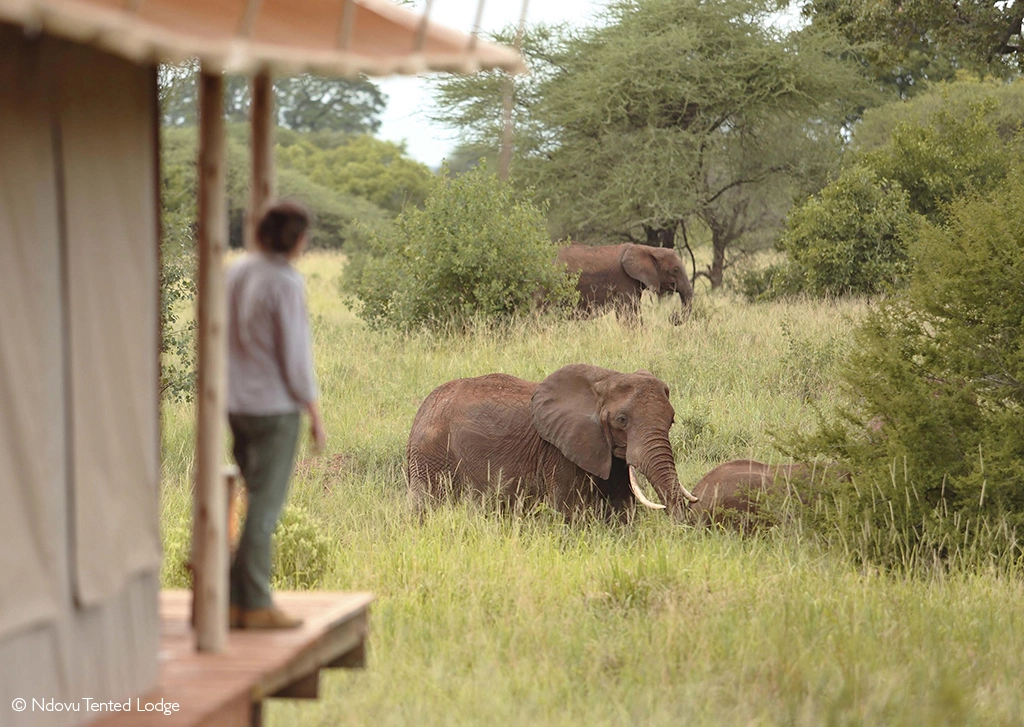
The lodge’s location inside the park means you’re immersed in the sounds of the sand forest day and night, with elephants, antelope and birdlife often passing close by.
Tembe Elephant Lodge offers an intimate tented safari experience deep inside elephant country
Tembe Elephant Park Lodge: A community-run safari lodge
Tembe Elephant Park Lodge is a community-run initiative that currently employs 55 people. Your stay helps support the Tembe people, whose ancestral land this is and who are closely involved in protecting the sand forest and its elephants.
The lodge feels less like a polished resort and more like being welcomed into a place that still belongs, first and foremost, to its original custodians.
One of the loveliest surprises at the Lodge is the massage in your own private bush spa behind your safari tent. After hours of bumping along sandy tracks, it feels wonderfully indulgent to have your muscles unknot to the sound of birds and rustling leaves. It’s oddly grounding too – a small human comfort in the middle of elephant country.
Staying here gives you the best chance of those calm, close encounters that Tembe is known for – on the elephants’ terms, in their own sand forest home.
Seen from above, Tembe’s wetlands and swamps form lifelines for elephants and other wildlife
Tucked away in South Africa’s Eastern Cape you’ll find another elephant park: Addo Elephant National Park is a conservation triumph and a wildlife lover’s paradise. Read more about Addo here.
For more destinations, lodges and bush camps that offer tangible, measurable benefits for conservation & communities, check out Ukuri.travel.
This is a copy of our weekly email newsletter. Subscribe here to receive the newsletter and more inspiration for your African safari.
From our CEO – Simon Espley
When my Landy is the safest overnight accommodation 🙂
We have many leopards and hyenas in the neighbourhood, so warthogs have to find whatever overnight accommodation they can to avoid being supper. Oftentimes, termite mound burrows are fully occupied, or predator activity nearby makes them a temporary fear zone. And so we frequently have hog families sleeping under my Land Rover.
Of course, they are welcome. BUT using the car in the early morning can be a hazardous undertaking, because their hurtling exit with flashing tusks could seriously damage and even kill me. So, part of my morning ritual is to check for resident hogs and scare them off, as this video illustrates.
One morning, a few years back, one of the hogs would not budge from under the vehicle and was found to be dead by snake bite. This is bushveld life!
There’s a Cape robin-chat outside my window that seems incapable of sleep. When I’m burning the midnight oil, his flittering and fluting keep me company long after dark. But this isn’t simply insomnia: it’s a symptom of the Anthropocene. Artificial light is reshaping the dawn chorus itself, pushing some birds to sing at hours far earlier and later than they should. A recent study found that robins living near streetlights begin singing well before sunrise and continue later into the night. Species like blackbirds, great tits and blue tits are also shifting their daily rhythms. Artificial light is also disrupting bats, drawing insects away from some species while exposing others to predators as they avoid illuminated skies altogether.
The research highlights urban lighting as a powerful ecological force, but also one that can be managed. Dimming, shielding or switching off unnecessary lights could help restore more natural behaviour for urban wildlife, and return a little darkness to the wild world.
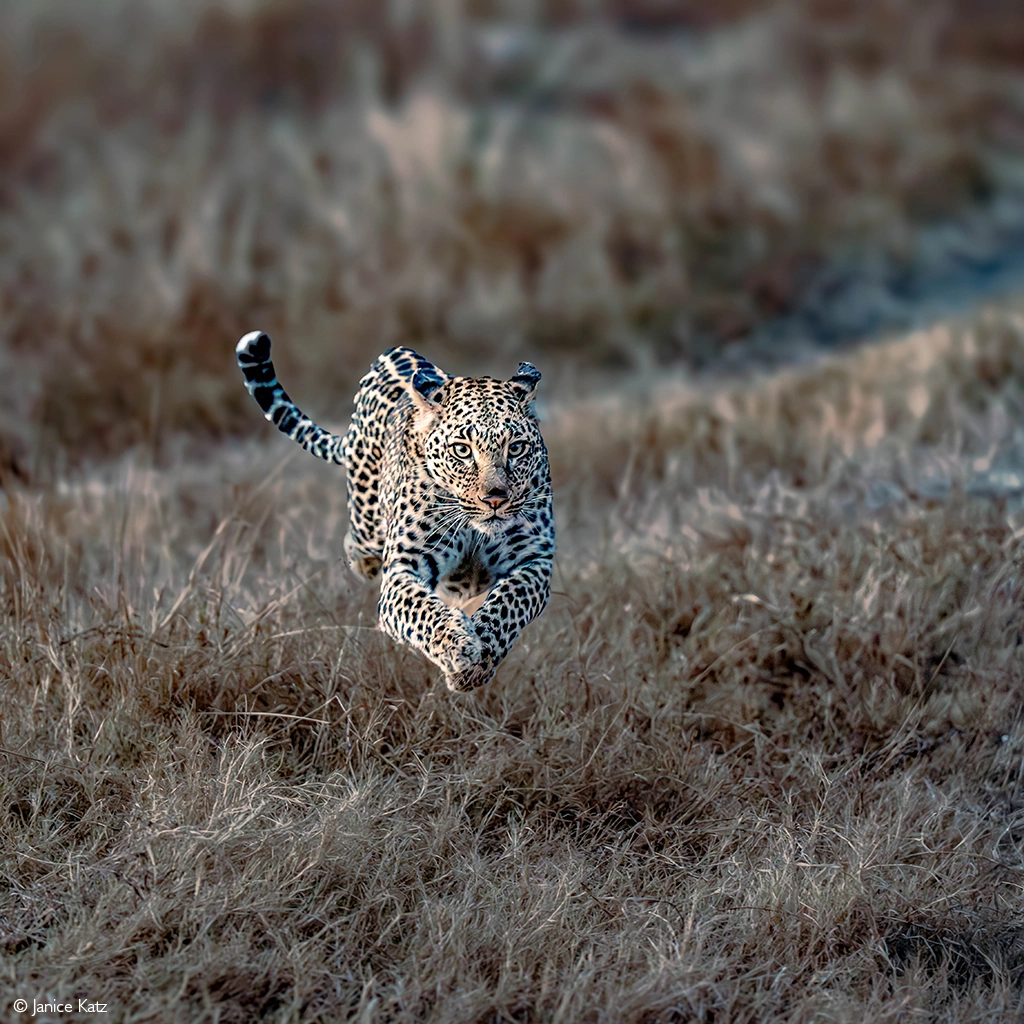
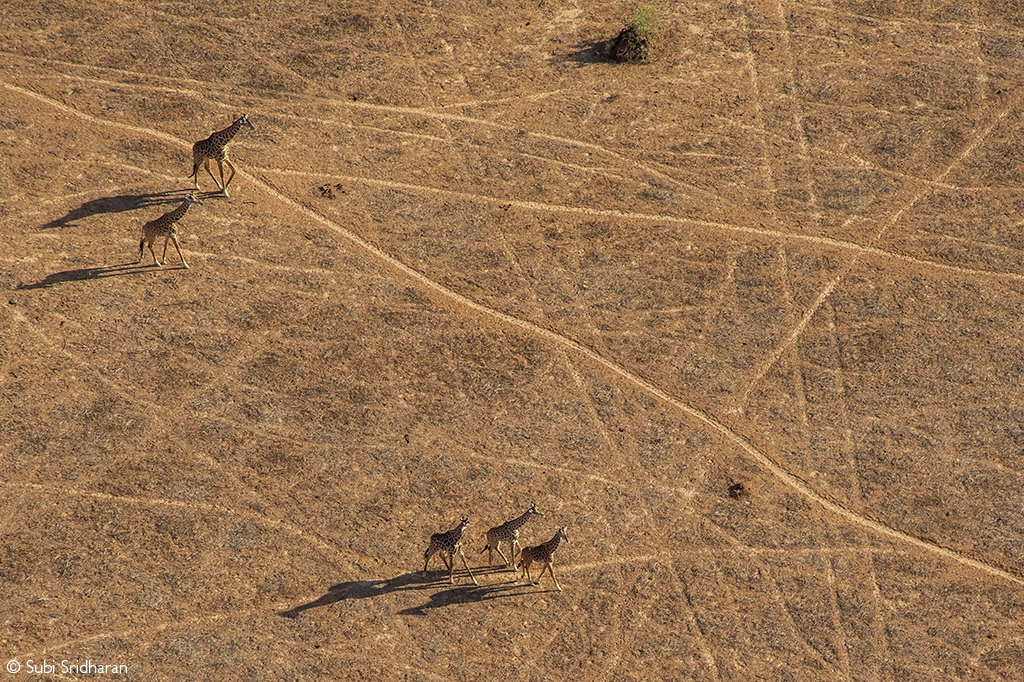
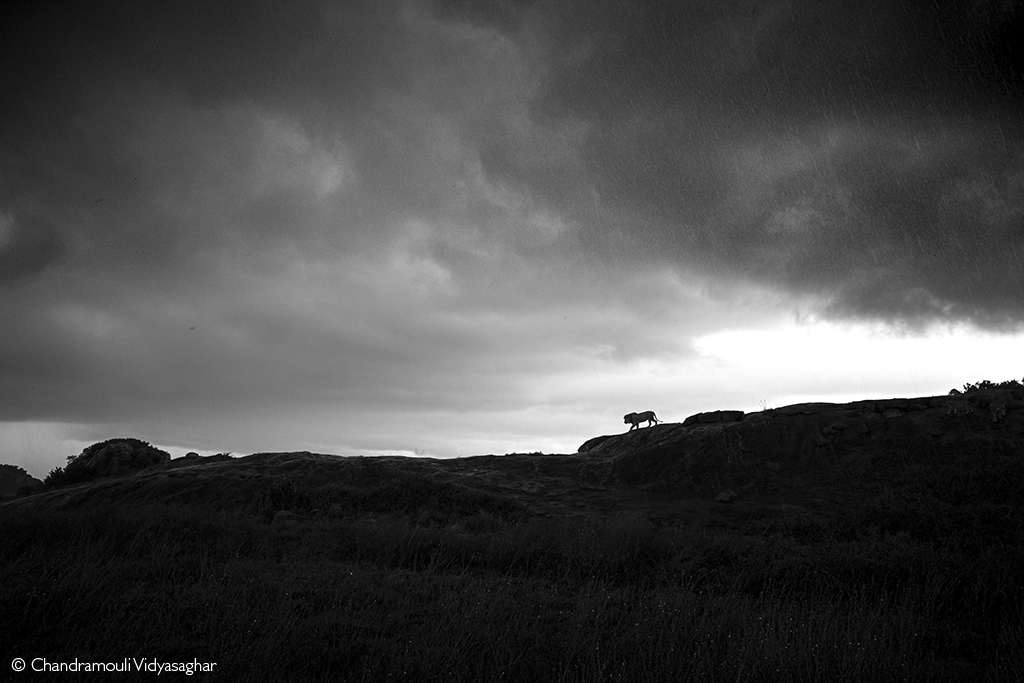
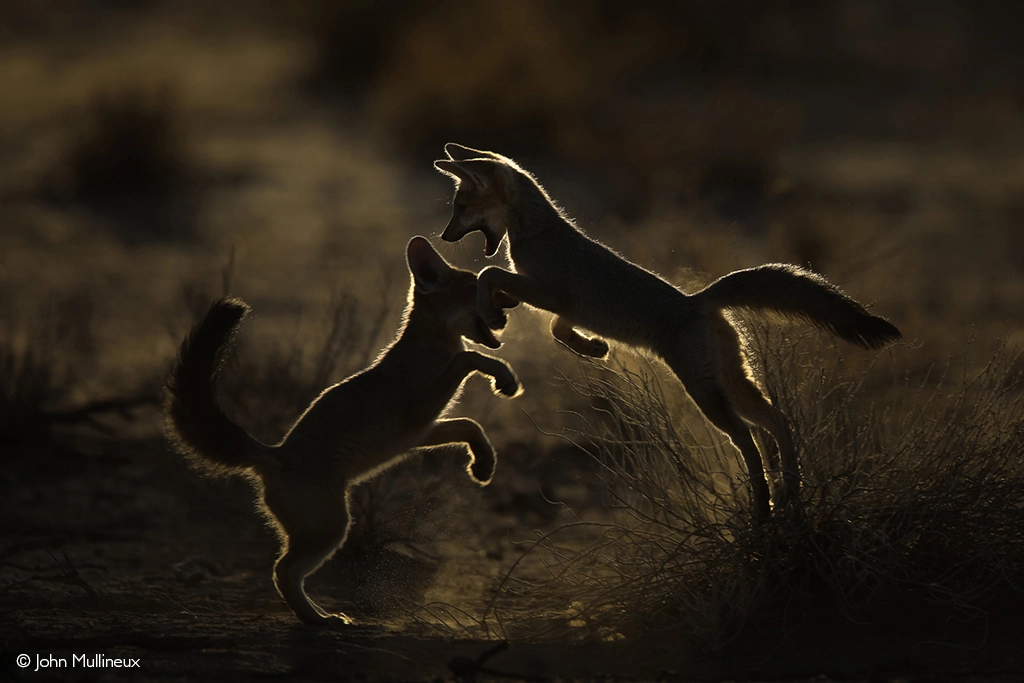
And now, to the light. We’ve entered the final stage of Photographer of the Year 2026. Four galleries now hold the Top 108 photographs of the year: astonishing colour, dense forests, gorgeous infants, brutal hunts, impossibly rare species and split-second moments that feel almost unreal. Somewhere in these galleries is our winner. Check them out below.
Our stories this week
TOP 108 – GALLERY 1
The final stage of Photographer of the Year 2026 begins. Top entrants will win a chimpanzee-trekking trip to Munazi Lodge in Rwanda
TOP 108 – GALLERY 2
From dense forests to predator action, these Photographer of the Year entries showcase Africa at its wildest and most beautiful
TOP 108 – GALLERY 3
The race to crown our Photographer of the Year 2026 intensifies, and the talented winners will travel to Nyungwe, Rwanda
TOP 108 – GALLERY 4
Explore another powerful Photographer of the Year gallery filled with astonishing species, raw emotion and moments
VOTE TO CELEBRATE AFRICA
What makes an Africa Geographic safari different?
Deep local knowledge, carefully chosen lodges, and tailor-made journeys designed around extraordinary experiences in Africa’s wildest places. For over 30 years, we’ve helped travellers experience Africa meaningfully.
We are proud that this approach has earned Africa Geographic a nomination for Africa’s Leading Tour Operator 2026 in the prestigious World Travel Awards. If you’d like to support us, you can vote for Africa Geographic here.
Travel Desk – 2 African safari ideas
Cheetah conservation safari – 7 days
This safari is all about cheetahs, and more. Experience luxury in malaria-free Big 5 reserves in South Africa’s Eastern Cape and Great Karoo while tracking cheetahs and discovering inspiring rewilding success stories. Enjoy family-friendly activities, authentic farmhouse-style lodges, and meaningful travel with purpose.
Kenya’s Super Tuskers – 9-days
Time spent with tuskers is an investment in your soul. Journey to Kenya’s stunning Tsavo and Amboseli in search of the large-tusked elephants that define Africa’s vast open landscapes. Along the way, look for Tsavo’s famous maneless lions, gerenuk, elusive striped hyenas and hirola, the world’s rarest antelope. Enjoy unique experiences, such as viewing hippos and crocodiles from an underwater hide and meeting orphaned elephants.
AG safari guests Theresa and William from the USA, enjoyed a dream safari to Tanzania that they will treasure forever:
“Amazing Adventure by Africa Geographic. Stef, Wayne, and the rest of the team helped us realise our dream of an African safari. Our guides Julius, Kaseem and John shared their vast knowledge of the wildlife and habitats. Such beautiful things we saw, memories to be shared and cherished. We can’t recommend Africa Geographic highly enough.”
Planning an African safari for August or September? These peak safari months deliver dramatic wildlife sightings, excellent gorilla experiences, dry-season game viewing, predator action and iconic events like the Great Migration river crossings. In this video, Africa Geographic breaks down what to expect, where to go, and why booking early is essential for Africa’s busiest safari season. (02:09) Watch here
The super tusker elephant trophy hunted in Tanzania has been identified. Zito, possibly the last super tusker in the Grumeti area, was a popular encounter for tourists.
Originally published 30 October 2024
Updated 25 May 2026: We can confirm that the elephant trophy-hunted was indeed Zito. The photo of the trophy hunting party with Zito’s carcass has surfaced on social media, two years after the super tusker was killed. According to the “Hunting and wildlife breeding” Facebook page, the professional hunter responsible is Mike Fell, who is known for posting photos of his trophies on social media under the title “Horn of the Hunter“. At the time of writing, Fell’s Instagram profile photo was of Zito’s carcass.
Updated 1 November 2024: One contact on the ground suggests that the tusk weight of the hunted elephant allegedly weighed in at 132 and 127 pounds.
Super tusker elephants have at least one tusk weighing over 100 pounds/45kg. Zito is an elephant known to roam Tanzania’s Serengeti ecosystem, Grumeti Game Reserve (on the northwest border of Serengeti National Park), and Maswa Game Reserve (south of Serengeti’s western corridor), and was formerly observed in Siana Conservancy in Kenya. Zito is a cross-border elephant and one of the last super tuskers to roam Tanzania’s greater Serengeti ecosystem.
Zito was first recorded on the Elephant Voices Mara Elephant Database around 2012 as “M190” after being seen in the Siana Conservancy, east of Maasai Mara National Reserve, in Kenya.
Gini Cowell, Field Operations Manager at the Elephant Aware conservation project (based in Siana, in the Mara ecosystem), observed this elephant for some time between 2009 and 2011 in Kenya. “Even all those years ago I remember him being very magnificent with his long, splayed tusks,” says Cowell.
“On one occasion, I remember this particular male walked calmly towards our vehicle, and he stopped to observe us while casually munching on an acacia tree branch. We noticed that he had a relatively large wound on his right rump region, which did not appear very deep or life-threatening, but he would swat at it with his tail to keep flies away. It still didn’t affect his disposition. He was clearly at ease and completely undisturbed by our presence. I strongly recall how he was so huge, majestic and yet so gentle towards us.”
Zito is likely between 50 and 60 years old. Observers have estimated Zito’s tusks to weigh between 100 and 110 pounds. He was last spotted in Grumeti in July 2024. Reports of a Maswa super tusker hunt first started doing the rounds in early October.
A video of Zito currently doing the rounds on social media. Source: Unknown (please contact us if this is your video)
A scan of trophy hunting forums reveals that Maswa was historically a popular hunting ground for super tuskers but that these elephants have now been mostly shot out.
Zito is so named for the size of his tusks – Zito means “weight” in Swahili. Zito has been referred to as “gentle and unassuming” and “incredibly relaxed” in the presence of humans.
“There is a mutual, informal agreement among stakeholders and hunters in the region that this elephant is off-limits for hunting,” says one prominent property owner in the Serengeti area.
The cross-border elephants of Tanzania and Kenya have been in the spotlight since Africa Geographic broke the news that two known super tuskers of the Amboseli ecosystem were hunted in Tanzania, near the Kenya border.
Soon after the death of these two super tuskers, another three large tuskers were hunted in Tanzania near the border, despite various calls by conservationists, scientists and the public to halt hunting in this area, frequented by Amboseli’s important elephant population. This brought the total to five large-tusked elephants hunted along the border in just eight months.
While Zito does not belong to the unique Amboseli elephant population, he has often been spotted along the border between the Serengeti and Kenya.
Zito photographed in Grumeti between 2019 and 2022
Super tuskers are increasingly rare, with an estimated 84 remaining in Africa. The targeting of super tuskers like Zito is a trend that threatens the future of this genetically distinct elephant population
Zito photographed in 2019
Africa Geographic is seeking more information about this hunt, including photos of the dead elephant. As usual, all informant identities will be treated with the strictest confidentiality. Anyone with more information on this trophy hunt is urged to send more details to editors@africageographic.com. Likewise, if you have any photo evidence of Zito alive after September 2024, please share this information and pics.
Our Photographer of the Year 2026 is now closed for entries. The overall winner, runners-up, and their partners will journey to Nyungwe National Park in Rwanda, staying at the newly built Munazi Lodge, the only lodge inside the park. Expect chimpanzee trekking, canopy walks high above the forest floor, waterfall hikes, and encounters with black-and-white colobus monkeys in one of Africa’s most biodiverse montane forests. Read more about the Photographer of the Year 2026 prizes here. In association with Ukuri and African Parks.
Winners will be announced in June.
Here is Gallery 4 of the best Photographer of the Year submissions for this week. To see the other galleries, follow the links to: Gallery 1, Gallery 2 and Gallery 3
Our Photographer of the Year 2026 is now closed for entries. The overall winner, runners-up, and their partners will journey to Nyungwe National Park in Rwanda, staying at the newly built Munazi Lodge, the only lodge inside the park. Expect chimpanzee trekking, canopy walks high above the forest floor, waterfall hikes, and encounters with black-and-white colobus monkeys in one of Africa’s most biodiverse montane forests. Read more about the Photographer of the Year 2026 prizes here. In association with Ukuri and African Parks.
Winners will be announced in June.
Here is Gallery 3 of the best Photographer of the Year submissions for this week. To see the other galleries, follow the links to: Gallery 1, Gallery 2 and Gallery 4
Our Photographer of the Year 2026 is now closed for entries. The overall winner, runners-up, and their partners will journey to Nyungwe National Park in Rwanda, staying at the newly built Munazi Lodge, the only lodge inside the park. Expect chimpanzee trekking, canopy walks high above the forest floor, waterfall hikes, and encounters with black-and-white colobus monkeys in one of Africa’s most biodiverse montane forests. Read more about the Photographer of the Year 2026 prizes here. In association with Ukuri and African Parks.
Winners will be announced in June.
Here is Gallery 2 of the best Photographer of the Year submissions for this week. To see the other galleries, follow the links to: Gallery 1, Gallery 3 and Gallery 4
Our Photographer of the Year 2026 is now closed for entries. The overall winner, runners-up, and their partners will journey to Nyungwe National Park in Rwanda, staying at the newly built Munazi Lodge, the only lodge inside the park. Expect chimpanzee trekking, canopy walks high above the forest floor, waterfall hikes, and encounters with black-and-white colobus monkeys in one of Africa’s most biodiverse montane forests. Read more about the Photographer of the Year 2026 prizes here. In association with Ukuri and African Parks.
Winners will be announced in June.
Here is Gallery 1 of the best Photographer of the Year submissions for this week. To see the other galleries, follow the links to: Gallery 2, Gallery 3 and Gallery 4
Okavango flooding like never before & our final photo entries
This is a copy of our weekly email newsletter. Subscribe here to receive the newsletter and more inspiration for your African safari.
From our CEO – Simon Espley
WHAT ARE WE DOING?
According to a BBC report, a tourist in Seychelles complained about being woken by birds at dawn. At a Thai resort in a primary forest, guests were so disturbed by frogs croaking at night that staff were asked to go out and round them up. Then there was the guest at a Kenyan tented camp who complained about a hippo brushing against their tent.
If this widening disconnect between modern humans and real life doesn’t alarm you, consider this: the same report suggested many children at tourism resorts have lost both the appetite and ability to play outdoors or appreciate nature. Nature simply doesn’t provide enough stimulation anymore.
Apparently, we’ve become so conditioned to sanitised, air-conditioned environments that traffic, sirens and screens lull us to sleep, while birdsong and frogs disrupt our circadian rhythms.
Now add the explosion of AI-generated fantasy masquerading as reality, and the expectation gap grows even wider. How long before children would rather visit Wakanda to marvel at pterodactyls hunting Homo sapiens and volcanoes erupting every few minutes?
This is why real safaris matter. Not staged experiences. Not digital fantasy. But authentic encounters with wild Africa: unpredictable, humbling, sometimes uncomfortable, always unforgettable.
Contact my awesome crew for a safari that celebrates and benefits nature and local people.
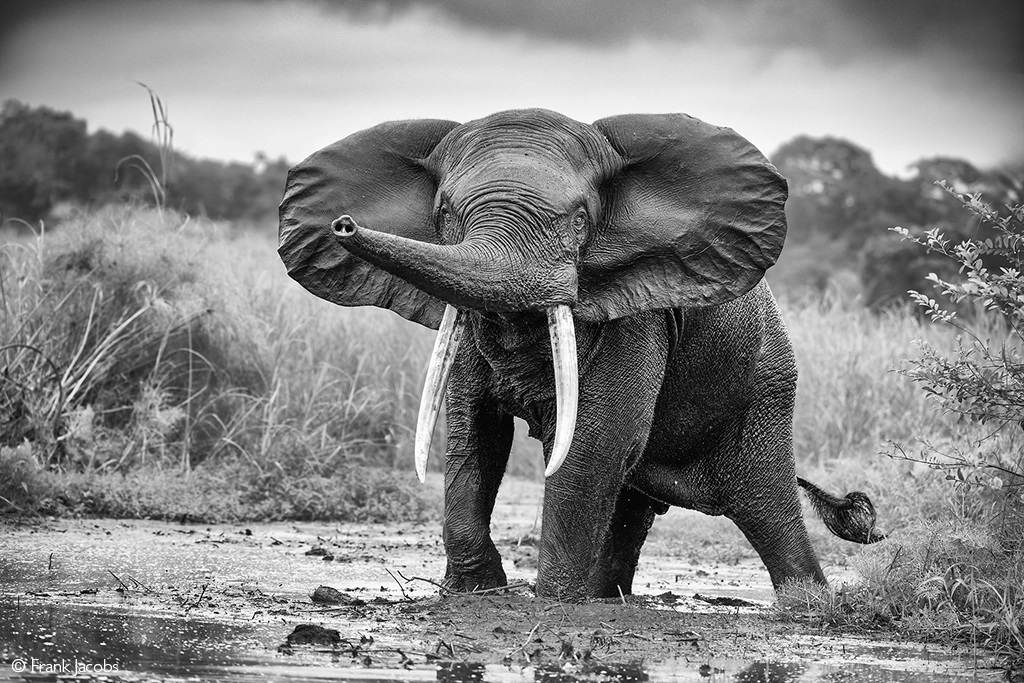
One of the most arresting images in this week’s Photographer of the Year selection shows a Damaraland elephant mother carrying her stillborn calf across the Namib Desert: touching, smelling and lifting the tiny body long after death.
Scientists have documented similar behaviour around the world: elephants standing vigil over dying relatives, carrying dead infants for days, revisiting bones and carcasses, and even appearing to bury calves beneath soil and vegetation in India. Separately, discoveries of large numbers of elephant bones in the same area (usually linked to droughts, poaching or natural die-offs) helped inspire enduring myths like the elephant graveyard made famous in The Lion King (an image that still haunts a whole generation of us!). What remains undeniable is elephants’ unusual engagement with death, and how deeply this behaviour unsettles us.
This is the final week of new entries for Photographer of the Year 2026, and it’s a spectacular one. Next, our judges begin the difficult task of narrowing down the finalists through our last rounds of voting.
This week, we explore the rare flood conditions creating one of the Okavango’s most extraordinary safari seasons in decades. It’s not too late to be one of the lucky few to witness this extraordinary phenomenon – we’ll help you plan. Plus, if you’re planning your first safari, check out our beginner’s guide to safaris below.
Our stories this week
FINAL PHOTO ENTRIES – 1
Here are our favourite pics from the final week of entries for Photographer of the Year 2026, as chosen by our judges
FINAL PHOTO ENTRIES – 2
Our top photos selected for Week 12 of Photographer of the Year. Finalists stand a chance to win a trip to Nyungwe, Rwanda
DELTA IN FLOOD
Rare floodwaters are transforming Botswana’s Okavango Delta into an extraordinary season of water, wildlife and safari exploration
BEGINNERS SAFARI GUIDE
Your first time going on safari? Here’s a complete guide to safari planning for beginners – where, when, how and more
Help celebrate Africa Geographic
We are often asked what makes an Africa Geographic safari different. It starts with deep local knowledge, carefully chosen lodges, and an understanding that timing and place are everything.
Every journey is tailored and designed to reveal Africa at its most extraordinary. We’re proud to announce that this approach has earned Africa Geographic nominations for the World Travel Awards 2026 in two categories: Africa’s Leading Luxury Safari Company and Africa’s Leading Tour Operator.
Southern Africa mega safari – 22 days
Be swept off your feet with wall-to-wall wildlife action on this iconic southern African safari. You’ll visit Greater Kruger to experience the Big 5 and rarer treasures. You’ll also visit South Africa’s mother city, Cape Town, and her winelands. Plus, you’ll experience the wilds of the Okavango Delta and Chobe Riverfront in Botswana, and the majesty of Victoria Falls in Zimbabwe – for a once-in-a-lifetime adventure.
The iconic Kenya safari – 12 days
Journey to where iconic landscapes meet, from Kilimanjaro to the Mara and northern Kenya’s wild frontier. Discover Kenya’s most iconic landscapes, from Nairobi to the elephant plains of Amboseli, the predator-rich Maasai Mara and the wild frontier of Laikipia. Search for giant tusker elephants, the world’s rarest antelope, the Big Five and three hyena species, meet orphaned elephants, feed endangered giraffes and connect with local communities, with flights between destinations maximising your time in the wild.
Your safari just helped expand the range of Africa’s most endangered predators.
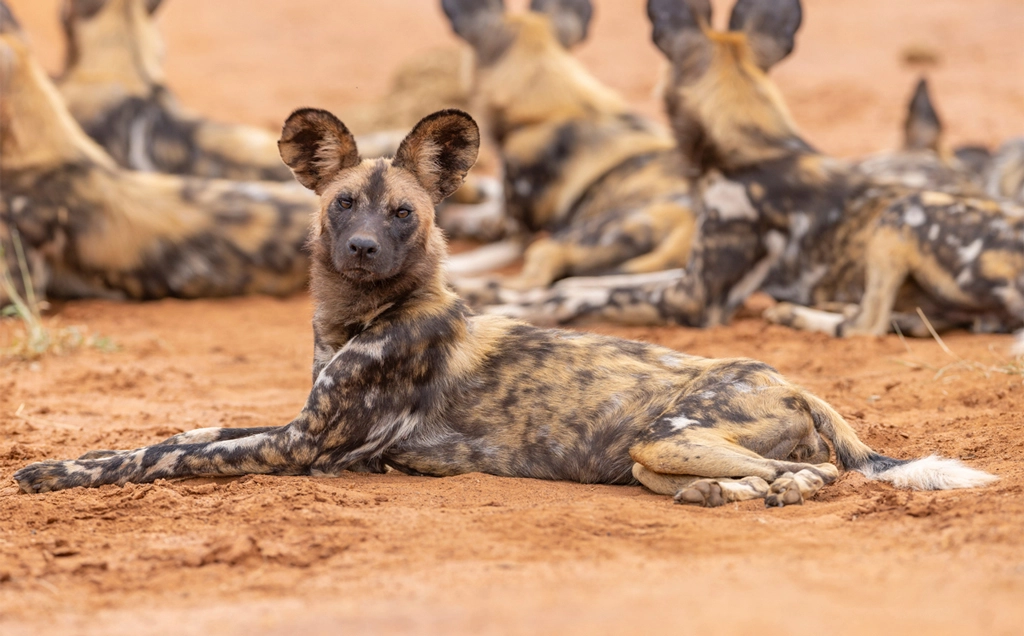
Thanks to your booking with Africa Geographic, we’ve just donated a portion of our safari earnings to the Endangered Wildlife Trust’s Wild Dog Range Expansion Project: an urgent project with the goal to secure safe habitat, reduce human-wildlife conflict, and give Africa’s wild dog population room to recover.
With only around 700 breeding pairs remaining, African wild dogs are among Africa’s rarest carnivores. Every viable kilometre of habitat matters, and your safari booking has helped secure it.
This is what travelling with Africa Geographic means. A portion of every safari we book goes directly to projects like this – because the places you explore deserve to be protected, and the animals you encounter deserve a future.
From ghost-like melanistic leopards to bizarre hyena mysteries and dazzling Kruger birdlife, the first episode of our Top Wildlife Clips of 2026 series is packed with unforgettable safari moments from across Africa. Journey with us from the Okavango Delta to Namibia’s dunes as we showcase April’s most thrilling wildlife encounters, captured by our tribe of safari-goers in the wildest corners of the continent. (06:04) Watch here
Our Photographer of the Year 2026 is now closed for entries. The overall winner, runners-up, and their partners will journey to Nyungwe National Park in Rwanda, staying at the newly built Munazi Lodge, the only lodge inside the park. Expect chimpanzee trekking, canopy walks high above the forest floor, waterfall hikes, and encounters with black-and-white colobus monkeys in one of Africa’s most biodiverse montane forests. Read more about the Photographer of the Year 2026 prizes here. In association with Ukuri and African Parks.
Winners will be announced in June.
Here is Gallery 1 of the best Photographer of the Year submissions for this week. To see the other gallery, follow the link: Gallery 2
Our Photographer of the Year 2026 is now closed for entries. The overall winner, runners-up, and their partners will journey to Nyungwe National Park in Rwanda, staying at the newly built Munazi Lodge, the only lodge inside the park. Expect chimpanzee trekking, canopy walks high above the forest floor, waterfall hikes, and encounters with black-and-white colobus monkeys in one of Africa’s most biodiverse montane forests. Read more about the Photographer of the Year 2026 prizes here. In association with Ukuri and African Parks.
Winners will be announced in June.
Here is Gallery 2 of the best Photographer of the Year submissions for this week. To see the other gallery, follow the link: Gallery 1
Exceptional rainfall is driving one of the largest floods in the Okavango Delta in decades.
Saturated floodplains are allowing water to spread rapidly across the Delta system.
Rising water levels are transforming safari access, wildlife movement and travel experiences.
Mokoro and boating safaris are expanding into channels inaccessible during lower flood years.
Experts believe the 2026 flood will become a benchmark event remembered for decades.
Want to visit the Okavango Delta on safari? Browse our top Okavango Delta safaris here. Or, let us plan your handcrafted, unique Okavango Delta safari. Book now to catch the 2026 floods!
The first sign of a great Okavango flood year is not dramatic. Water begins gathering quietly in channels that have lain shallow for seasons. Floodplains soften. Papyrus beds push further into the landscape. Then, gradually, the Delta expands outward – across grasslands, into woodlands and through ancient waterways that only fill in exceptional years, created by elephants, hippos and termites. In 2026, that transformation is unfolding at a scale few travellers will have witnessed before as the Delta enters an exceptional flood year. Across northern Botswana, rising water levels are reshaping one of Africa’s great safari landscapes into a vast network of navigable channels, flooded islands and thriving wetlands.
Strong rainfall across the Angolan highlands, combined with local rains and already saturated systems due to the 2025 rains, is expected to produce one of the most expansive inundations in recent decades. This convergence of conditions has been described as a “rare” and “landmark inundation” event, placing the Delta in a state of full ecological expression.
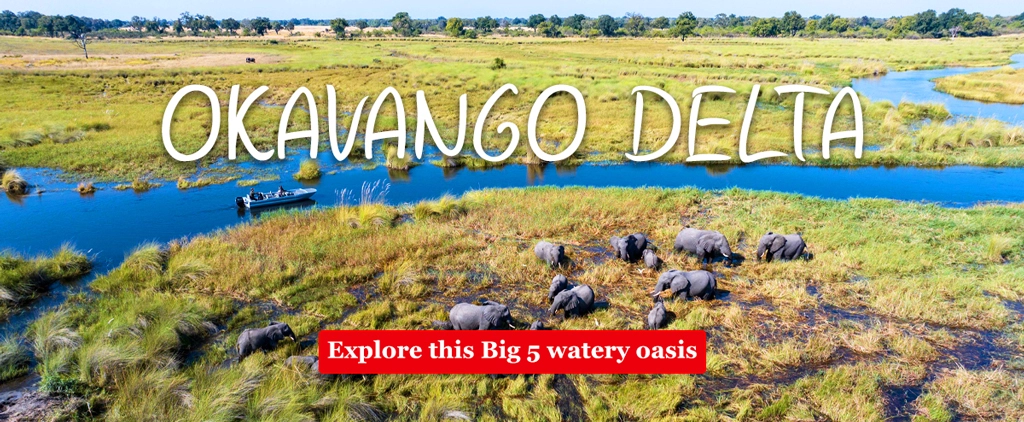
Exceptional floodwaters are spreading further through the Okavango Delta this year, creating one of the most expansive inundations in recent memory
“What makes this year particularly significant is the sequence of hydrological events that has unfolded over the past two seasons,” says Ross Exler, AG Okavango Delta safari expert. “An above-average local rainfall year in 2025 was followed by a strong flood, while 2026 has already brought exceptionally heavy rains ahead of what is expected to be another major inundation. As a result, parts of the Delta are receiving incoming floodwaters while already holding water levels comparable to the peak of the 2025 flood season.” These unusually saturated base conditions are allowing the 2026 flood to spread faster and further through the system, intensifying the scale and reach of the inundation.
This is not simply a seasonal rise in water levels. It is a system-wide transformation that reshapes landscapes, redistributes wildlife, and changes how travellers experience one of Africa’s most important wilderness areas.
The significance of a year like this lies in how completely it changes the atmosphere of the Delta, says Exler. “When the water arrives in volume, the entire system changes character,” he explains. “You feel it everywhere – in the movement of animals, the opening of channels, the soundscape, even the pace at which you travel through the landscape.”
A system defined by water in the desert
The Okavango Delta is one of the world’s most unusual ecosystems. It is an inland delta, formed where the Okavango River flows into the sands of the Kalahari Desert rather than the sea. This geological structure creates a permanent oasis in an otherwise dry landscape, spreading across 6,000km² to 15,000km², depending on water levels. Channels, lagoons, floodplains and islands shift constantly with the movement of water, constantly changing the rhythm of travel through the Delta.
New channels to little-visited areas will bring delightful wildlife experiences
A flood that begins far away from the Okavango Delta
The Okavango’s floodwaters originate in the Angolan Highlands. The river travels more than 1,600 kilometres before reaching Botswana, arriving months after the rains. Floodwaters typically reach the Delta around May and peak in June and July, when surrounding landscapes are at their driest.
In 2026, above-average rainfall upstream has intensified this process. Reports note a “stronger, earlier flood cycle” driven by rainfall in Angola and Botswana. Experts describe the 2026 inundation as the result of a powerful convergence of upstream inflows, local rainfall and already saturated ground conditions following heavy rains in both the Angolan Highlands and the Delta itself. “This is all on the heels of excellent 2025 rain and flood seasons,” says Exler.
As the flood pulse moves through the system, water is spreading more quickly and more widely, reconnecting channels and revitalising landscapes that have remained dry for years. For travellers, years like this reveal the Okavango at full expression.
The 2026 flood is allowing mokoro journeys deep into the Delta’s flooded interiors, where travel becomes quieter and more immersive
What makes 2026 a peak flood year in the Okavango Delta
For those visiting the Okavango this year, the experience will be defined by water. Mokoros and boats are moving into areas rarely accessible during lower flood years, while wildlife adapts to expanding floodplains and newly connected channels.
Flooding in the Okavango follows natural cycles, but some years stand out. This year’s combination of heavy upstream rainfall, local precipitation and already saturated conditions is expected to produce unusually high water levels. In practical terms, the Delta will expand further, fill more completely and remain inundated for longer.
This year’s flood is allowing travellers to explore parts of the Delta rarely accessible in drier seasons
How the Okavango Delta expands and transforms
As floodwaters move through the Delta, main channels fill first, followed by secondary waterways before water spills into surrounding floodplains. Channels shift, new waterways form, and floodplains become temporary wetlands. Water pushes into woodland and across terrain that is usually dry.
Wetland plants expand into previously upland areas as the Delta becomes a more continuous system of water and islands. For travellers, this changes both access and perspective. The landscape becomes more fluid, and movement follows the water.
In peak flood years, the Okavango transforms into a vast mosaic of channels, lagoons and isolated islands surrounded by water
The ecological importance of high water
Flooding is the foundation of the Okavango’s ecological system. It redistributes nutrients, supports plant growth and creates habitats for a wide range of species. Permanent channels support aquatic life, while seasonal floodplains provide grazing for herbivores, and elevated islands sustain woodland ecosystems.
High water years amplify these dynamics. Floodplains become more productive, habitats expand, and wildlife movement increases. The result is a system operating at peak productivity.
High flood levels are reshaping wildlife movement across the Delta. Elephants have no trouble adapting quickly to deeper channels and flooded plains
Wildlife response to rising water
The Okavango supports an extraordinary density and diversity of wildlife. “Because the Okavango provides a mix of habitats, including the optimal habitat for many species, the abundance of resident species is world-class,” says Delta expert Exler.
Rising waters will reshape wildlife movement and concentrate activity along islands and dry ground
During the flood season, herbivores move toward newly flooded grazing areas while predators follow prey. Wildlife also concentrates on higher ground where water is limited, creating predictable movement patterns and exceptional sightings. Species that depend on water, such as hippos and crocodiles, coexist with terrestrial animals that move between islands and floodplains.
A buffalo moves through floodwaters in the Okavango Delta. This year will bring one of the most expansive inundation seasons in recent years, as rising water reshapes grazing patterns across the landscape
A landscape designed for exploration
The Okavango is known for the variety of ways it can be explored. Its waterways allow for movement by boat and mokoro, while islands and drier areas support vehicle and walking safaris. The mokoro remains one of the defining Delta experiences, gliding quietly through narrow channels among lilies, reeds and papyrus.
The Okavango’s waterways support a rich aquatic ecosystem that expands dramatically during high flood years
In high flood years, water-based access expands significantly. “In a normal flood year, water-based activities are more restricted to permanently flooded channels,” says Exler. “This year, many channels that do not typically flood will become navigable, and will provide a rare experience to venture into savannah and woodland by water. This allows for a very unique water-based game-viewing experience.”
Floodwaters also connect parts of the Delta that are otherwise isolated, opening routes into remote regions rarely accessible during drier years. For travellers, this means exploring landscapes available under exceptional flood conditions.
Flooding brings more opportunities for water-based wildlife viewing
A season shaped by water
Tourism in the Okavango is closely linked to the flood cycle. During peak inundation, water-based activities dominate, and wildlife viewing conditions are extended as animals respond to changing water distribution across the system.
Unlike rivers that rise and fall rapidly, the Okavango’s flood spreads gradually, sustaining productive habitats over long periods. Years like 2026 represent a distinct phase in the Delta’s cycle. Travel becomes more water-based, wildlife patterns become more defined and the landscape itself feels larger and more interconnected.
“This is also an opportunity to experience a rare event, which has an outsized impact on the form and function of the Delta ecosystem,” says Exler.
Flood-adapted species such as red lechwe thrive in the Okavango’s seasonal wetlands and expanding floodplain
A Delta at full expression
The Okavango is a system built on movement and change. In 2026, the Delta is expected to reach one of its most expansive states in recent memory. Water levels are rising across the system. Channels are opening. Floodplains are filling. Wildlife is responding.
“This flood is going to reach channels that only the elders in local communities remember seeing filled,” says Exler. “It will become a benchmark flood – one that people talk about for years, possibly decades, because of the sheer scale of water moving through the system.”
This is the Delta in its most complete state – a landscape shaped by water, operating at scale and offering a luxury safari experience defined by immersion, access and ecological richness.
Floodwaters are transforming woodland habitats across the Delta, creating dynamic landscapes for guided walking safaris
Further reading
Plan your Okavango Delta safari: when to go, where to stay and how to experience Botswana’s iconic inland oasis in intimate camps
The Okavango Delta is an enormous watery oasis, home to an astonishing variety of wildlife and host to some of the best Botswana safaris. Here’s all the insight you need into understanding its ecological and conservation significance
Check out this fantastic gallery of images by Hannes Lochner, which will have you booking your Okavango Delta (Botswana) safari with us and packing your bags
Moremi Game Reserve lies at the heart of the Okavango Delta and is the only formally protected section of the Delta. Read more about Moremi here
Africa’s migratory species sustain ecosystems and livelihoods: From zebras to whales, their movements regenerate landscapes, support biodiversity, and underpin tourism, food security, and cultural heritage.
Ten remarkable migrations define the continent’s natural rhythm: Including the Great Wildebeest Migration, Botswana’s zebra trek, Zambia’s Kasanka Bat Migration, and South Africa’s Sardine Run, each is a spectacle of survival and renewal.
Seasonal rains and resources guide these journeys: Whether following fresh grass, insects, ripened fruit, or ocean currents, migrations see species adapting with Africa’s changing climates and habitats.
Protecting migratory corridors is essential: Conservation tourism, protected areas, and community-led efforts are vital in preserving these age-old natural highways for future generations.
Migratory animals are vital to Africa’s ecological balance. They drive natural cycles across borders and biomes. They regulate ecosystems, disperse seeds and fertilise soils. Their seasonal movements connect distant landscapes, ensuring the renewal of grasslands, wetlands and oceans. Yet their importance extends beyond ecology: they support food security, safari tourism, and cultural identity for communities across the continent.
Some of these migrations are among the most significant natural events on Earth. From birds and bats to whales and wildebeest, the continent’s migratory species draw tourists who wish to witness these bucket-list spectacles in person. Ethical safaris can now bring travellers face to face with nature’s great journeys without leaving a heavy footprint.
Here are 10 great African migrations worthy of your bucket list:
Burchell’s zebras cross the waters of Moremi Game Reserve, in the Delta
Two distinct migrations occur: one between Chobe and Nxai Pan, and another linking the Okavango Delta with the Makgadikgadi Pans. From December to March, rains turn the salt pans emerald-green, drawing zebras to graze and foal before they trek north as the land dries. Flamingos and springbok share these ephemeral plains, shimmering in heat haze and mirage.
Zebras on the move in Botswana
Why they migrate: To follow the rains and access seasonal grazing, ensuring water and nutrition for the herds and their young. Best time to go: December to March for the lush Makgadikgadi Pans and foaling season; May to July for returning herds and predator action. Where to go: Visit Makgadikgadi Pan, Nxai Pan or the Boteti River area. One significant benefit of setting out on an African zebra migration safari is that it is most dramatic during Botswana’s low tourism season, meaning lower lodge rates and fewer safari vehicles. Experiencing the annual occurrence on a mobile safari is the quintessential migration experience, allowing travellers to trace portions of their long, wild journey.
2. The Great Wildebeest Migration – Tanzania and Kenya
A wildebeest river crossing in the Serengeti
Across the Serengeti National Park and Maasai Mara National Reserve, one of Earth’s greatest natural dramas unfolds: the Great Wildebeest Migration. Each year, over a million wildebeest, joined by zebra and gazelle, move in a circular rhythm dictated by rain and grass – travelling a total of 800km or more during each cycle. From January’s calving season on the southern Serengeti’s nutrient-rich plains to the perilous Mara River crossings in August, their instinct to follow renewal turns the landscape into a living theatre of survival.
The herds begin in Tanzania’s Ndutu area in January, sweeping northward through the Western Corridor and Grumeti, reaching Kenya’s Maasai Mara by midyear. Come November, they journey south once more, the cycle unbroken.
Braving the Mara River
Why they migrate: To follow seasonal rains and fresh grazing across the Serengeti–Mara ecosystem, ensuring survival and reproduction in changing conditions. Best time to go: February for calving in Ndutu; June–July for the Grumeti River crossings; August–October for the Mara River crossings drama. Where to go: Join a mobile migration camp or stay in key locations – Ndutu, Grumeti, or the Mara Triangle – to follow the herds’ path. Balloon safaris, guided safaris and remote camps offer unforgettable front-row seats.
3. Liuwa Plain wildebeest and antelope migration – Zambia
Wildebeest in Liuwa Plain National Park
Far from the crowds, on Zambia’s remote western horizon, Liuwa Plain National Park hosts Africa’s second-largest wildebeest migration – around 45,000 blue wildebeest sweeping across silvered grasslands, accompanied by zebra, oribi and red lechwe. Managed by African Parks and the Barotse Royal Establishment, Liuwa’s revival tells a story of conservation triumph. Once decimated by poaching, it now thrives with returning predators – hyena clans, wild dogs, cheetah and lion prides descended from the legendary Lady Liuwa.
Driven by November rains, the wildebeest and antelope herds move with the storms in search of grazing, echoing the seasonal pulse of the Zambezi floodplains. The park’s vastness – unmarred by roads or crowds – makes this migration an experience of pure solitude.
Why they migrate: To track seasonal rainfall and reach the nutrient-rich grazing that follows the first rains across the Zambezi floodplains. Best time to go: November to April, when rains bring green grass, new life and the peak of the migration. Where to go: Liuwa Plain National Park. Guided drives and walks offer exclusive access to this unspoiled wilderness – a rare place where solitude and spectacle still coexist. Liuwa Plain offers excellent wildlife safaris.
4. The Great Nile Migration – South Sudan and Ethiopia
Tian in Boma and Badingilo National Parks
In the vast, little-known wilderness of South Sudan and Ethiopia, a natural wonder long hidden by conflict and isolation has been revealed – the world’s largest land mammal migration. Each year, an estimated six million antelope – including white-eared kob, tiang, Mongalla gazelle and reedbuck – move across the Boma–Badingilo–Jonglei landscape, a 200,000 km² ecosystem (including Boma and Badingilo National Parks) that stretches east of the Nile and into Ethiopia’s Gambella National Park. This is the Great Nile Migration.
This immense migration, newly confirmed by aerial surveys led by African Parks and the Government of South Sudan, surpasses even East Africa’s Serengeti–Mara movement in scale. The herds follow ancient floodplains and seasonal rains between January and June, painting the plains in motion as they move north and east in search of fresh grazing. Among them, predators and scavengers shadow the flow.
Tiang seen from the air
Why they migrate: To track seasonal rainfall and the fresh grazing that follows the shifting floodplains. Best time to go: The great herds cross the grasslands and wetlands from January to June Where to go: The migration takes place across the Boma and Badingilo National Parks in South Sudan, and Gambella National Park in Ethiopia. The parks are not easily accessible to the general public, and the migration happens across vast, remote areas. Therefore, it is not possible to visit these parks to see the migration. The migration has only recently been surveyed from the air to confirm its scale. However, a pilot tourism project in Maruwa, in Boma NP, is currently being developed, and Gambella is accessible through exclusive chartered aircraft safaris.
5. Kasanka Bat Migration – Zambia
8 million straw-coloured fruit bats take part in the Kasanka Bat Migration
When dusk falls over Kasanka National Park, Zambia, the sky comes alive. From late October to December, around 8 million straw-coloured fruit bats – the largest mammal migration on Earth – descend upon a single patch of swamp forest. Drawn from across central Africa, these nocturnal nomads follow the ripening of wild fruits such as musuku, fig and mango.
The Kasanka Bat Migration unfolds in Kasanka’s evergreen mushitu forest. By day, the bats hang from the trees, cloaking branches in motionless mass. At twilight, they erupt in clouds, their flight paths carving ribbons across the sky. And at sunrise, they flock back to their roosts in a kaleidoscope of wing beats and sunrays.
Why they migrate: Food – their seasonal feast in the fruiting forests of Kasanka. Best time to go: Early November to mid-December, when the colony is at its peak. Where to go: Kasanka National Park. Visit the various hides in the park, where you can witness sunrises and sunsets silhouetting millions of wings against the miombo canopy.
6. Rift Valley flamingo migration – Tanzania and Kenya
Flamingos in Lake Nakuru
Across East Africa’s ancient Rift Valley, shallow soda lakes shimmer pink with life. Here, millions of lesser flamingos gather in synchrony – their curved bills filtering cyanobacteria from saline waters. These ethereal birds drift between Lakes Bogoria and Nakuru in Kenya and Natron in Tanzania, migrating as water levels shift and feeding grounds bloom with microscopic algae. Lake Natron in northern Tanzania remains a regular breeding site, where the mineral flats harden into nursery islands safe from predators. Yet this fragile rhythm faces disruption – rising rainfall and dilution of the soda lakes threaten the flamingos’ delicate food balance and nesting zones.
Flamingos in flight over Lake Natron
Why they migrate: To feed on nutrient-rich cyanobacteria and to breed when lake chemistry aligns. Best time to go: June to October, when dry-season mirages and reduced rainfall reveal vast flocks. Where to go: Kenya’s Lake Bogoria and Lake Nakuru, or Tanzania’s remote Lake Natron. Travellers can fly over red waters and flamingo colonies on a helicopter safari. Witnessing massive flocks of flamingos taking flight against the backdrop of Ol Doinyo Lengai volcano is an experience for the books!
7. Whale Migrations – Southern Africa
Humpback whale
Every winter, the Southern Hemisphere’s great whales journey north along Africa’s coastlines, tracing ancient “blue corridors” through the ocean. Southern right whales leave their Antarctic feeding grounds in June, seeking South Africa’s temperate shallows to calve and nurse. Humpback whales follow similar routes, travelling up to 25,000 kilometres from the icy Southern Ocean to the subtropical bays of Mozambique, Tanzania and Kenya.
From Hermanus to Aliwal Shoal, these giants breach and tail-slap, echoing haunting songs that carry through the surf. But their journeys are fraught: shifting ocean temperatures and declining krill stocks threaten their feeding cycles and body condition.
Southern right whale off the coast of Hermanus, South Africa
Why they migrate: The whales head to warmer waters or their newborns, and the safety of calm coastal waters Best time to go: June to November for humpbacks and southern rights along South Africa’s Whale Coast. Mozambique’s Inhambane and Zanzibar’s southern shores offer epic sightings from July to October. Where to go: From land-based lookouts in Hermanus, Gansbaai, Plettenberg Bay and Zanzibar, or on ethical boat safaris in Sodwana and Watamu. False Bay and Kleinbaai, are also well known for land-based and boat-based viewing.
8. Migratory birds – across the continent
European bee-eater
Each year, the skies above Africa become invisible highways for millions of migratory birds. Species such as barn swallow, steppe eagle, Amur falcon, European roller and white stork traverse thousands of kilometres. These journeys follow the shifting seasons – birds flying north to Europe and Asia to visit temperate climes, then south to escape the northern winter and feed in Africa’s rich wetlands, savannahs, and deltas. Around 185 species fly from Europe and Asia to southern Africa alone.
The East African Rift Valley and the Sahara are crucial corridors, while the Mediterranean bottleneck at Gibraltar channels flocks in waves so vast they seem to cloud the horizon. Some raptors ride thermals for hours each day; others, like the tiny willow warbler, could go 2 days without food or rest when crossing the sea.
Why they migrate: To seek out better food sources and optimal conditions for breeding. Some breed in their African destinations while others breed in the north. Most migrants are insect- or seed-eaters, travelling thousands of miles as the seasons change to seek out resources. Most Palearctic migrants breed in the northern hemisphere and spend the non-breeding season in Africa. A smaller number, known as intra-African migrants, breed and move within Africa following seasonal rains and food availability. Where to go: Kenya’s Rift Valley lakes from September to April; Botswana’s Okavango Delta in summer; and South Africa’s wetlands and savannahs in the austral spring. The Zambezi floodplains also host large numbers of Palearctic waders and terns in the wet season.
Amur falcons are one of hundreds of species that make the annual flight across hemispheres
9. Barbel Run – Botswana
A frenzy of barbel during the Barbel Run
When the Okavango Delta in Botswana absorbs the floodwaters each year, the underwater plains of the Panhandle erupt with life. The Barbel Run – Africa’s hidden migration – is a frenzy of silver and muscle as catfish (Clarias gariepinus) surge upstream, churning the shallows in pursuit of smaller fish fleeing the advancing waters.
The barbel creates an intense feeding chain. Tigerfish slash through the bait balls, birds dive-bomb from above, and tourists gather to witness the spectacle.
Exploring the waterways of the Okavango Delta
Why they migrate: Triggered by rising water and temperature, barbels move en masse to spawn and hunt as the delta floods. Best time to go: August to October, when water clarity peaks and predator activity intensifies. Where to go: The Okavango Panhandle. Guided mokoro or boat excursions offer front-row seats to this underwater carnival.
10. The Sardine Run – South Africa and Mozambique
A sardine bait ball in the Indian Ocean
Each winter, between May and July, South Africa’s eastern coastline hosts a dramatic natural display – the Sardine Run. Billions of sardines (Sardinops sagax) surge northward from the cold waters of the Agulhas Bank to KwaZulu-Natal and Mozambique, driven by seasonal currents and the promise of spawning grounds.
The sea churns with life as dolphins, sharks, gannets, and whales converge in a feeding frenzy. The sardines, forming shimmering bait balls up to 20 metres across, twist through turquoise surf under aerial and underwater assaults.
Why they migrate: A genetically distinct subpopulation follows the cooling winter currents to breed – an instinctive annual journey. Best time to go: June to July, when the run peaks off South Africa’s Wild Coast. Where to go: From a dive boat at Port St Johns or Coffee Bay (both in South Africa), where divers hover amid swirling silver clouds – a cathedral of movement beneath the waves.
Final thoughts
Africa’s great migrations are the continent’s lifeblood, connecting landscapes and species across invisible frontiers. Yet every flight path, river course and ancient trail now depends on our willingness to protect it. By supporting conservation-driven lodges, protected areas and community projects, travellers help safeguard these natural highways. Supporting conservation-focused lodges, parks and community-led initiatives offers a way to keep these wild journeys alive.
Further reading
Botswana’s zebra migrations: Botswana hosts two zebra migrations, one of which is the longest mammal migration in Africa. The zebras travel in search of water and grazing
The Great Wildebeest Migration explained: The Great Wildebeest Migration is the quintessential African safari experience. Here’s our detailed guide on everything you need to know
Africa’s migratory animals under threat: Africa’s migratory animals – from wildebeest & birds, to dugongs & whales – are under threat due to habitat loss and climate change, according to a UN report
This is a copy of our weekly email newsletter. Subscribe here to receive the newsletter and more inspiration for your African safari.
From our CEO – Simon Espley
Once upon a time …
There was an American lady who spent 53 daystravelling solo in Africa. She journeyed to Tanzania, Mozambique, Malawi and South Africa.
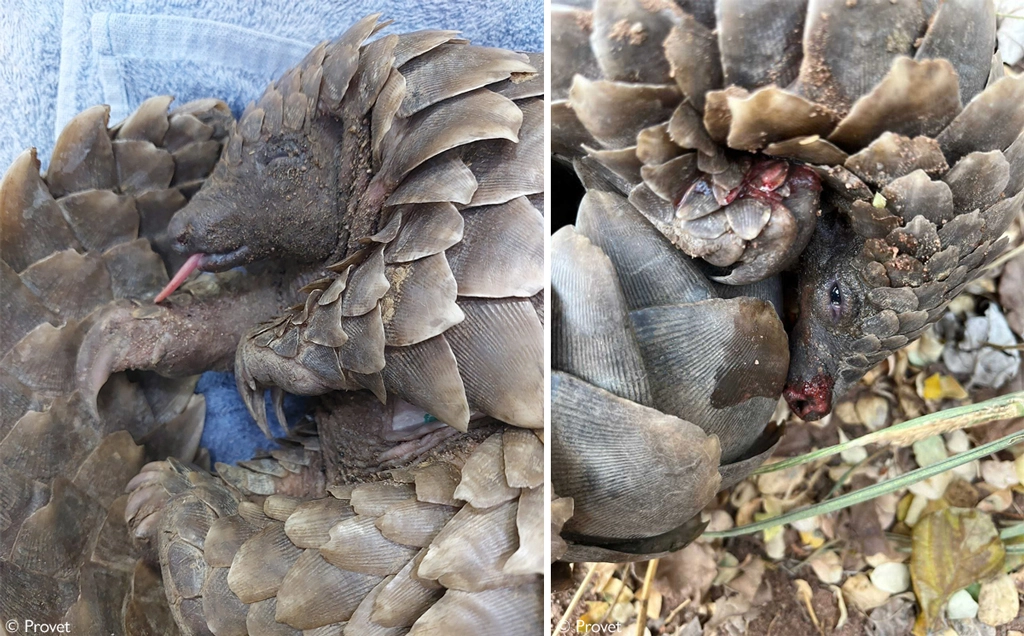
To better understand the vast Serengeti, rather than simply witness it, she immersed herself in the philosophy of guiding and learning to track and understand animal behaviour. She marvelled at huge skies, black-maned lions and absolute luxury in Tswalu Kalahari, and she tracked pangolins in the emerging safari haven of Mozambique’s Gorongosa. Then she visited Malawi’s Liwonde, Nkhotakota and the Big 5 Majete to witness some of Africa’s greatest conservation success stories – the restoration of once-poached reserves into naturally behaving ecosystems where people and wildlife thrive.
Barbara is currently on the final leg of her sojourn in South Africa’s Kalahari Desert. She is enjoying hands-on conservation work – monitoring camera traps, anti-poaching patrols and updating field observations for the area’s predator population.
Amazingly, many of her stays have been in empty or near-empty lodges. Barbara chose to travel outside the prime safari season to avoid crowds and enjoy exclusive, unhurried wildlife encounters.
Her safari was compiled by our safari expert Stef and managed remotely by our 24/7 concierge crew.
Did you know some elephants mine underground? On Kenya’s Mount Elgon, elephants disappear into volcanic caves at night, navigating pitch-black lava tunnels to chip salt-rich rock from the walls with their tusks. Scientists say this behaviour is unique in the animal kingdom, and may explain why these elephants have unusually short, worn tusks. This is a survival strategy for this population of elephants, of which there are only a few hundred left. Heavy rainfall strips minerals from Mount Elgon’s soils, forcing elephants to seek sodium deep underground. Yet another glimpse into the wondrous and bizarre of our planet.
Today, this bizarre Earth wishes Sir David Attenborough a happy 100th birthday: a fitting tribute to the man who fundamentally changed how the world sees wildlife. By blending science, storytelling and an intimate view into animal behaviour, Attenborough has turned distant ecosystems into something personal and urgent, inspiring generations to care about conservation. We try to do the same here at Africa Geographic.
This week, we feature our penultimate weekly selection of Photographer of the Year 2026 photos. And for those wondering whether now is the right time to travel, we explore 10 reliable African safaris that offer seamless journeys, expert guiding, and clarity amid global uncertainty. We also spotlight South Africa, a country where Big Five safaris, dramatic coastlines, world-class food, and unforgettable landscapes come together in one remarkable journey.
DID YOU KNOW?
We donate a portion of the revenue from every safari sold to carefully selected conservation projects that make a significant difference at ground level. YOUR safari choice does make a difference – thank you!
Our stories this week
PENULTIMATE GALLERY
Here are our top entries for Week 11 of Photographer of the Year, as chosen by our judges! Winners will head on a chimp-trekking safari to Nyungwe, Rwanda
RELIABLE SAFARIS
Where to travel in Africa now: 10 reliable safari destinations offering seamless travel, expert guiding, and wonderful wild experiences – even in uncertain times
SOUTH AFRICA
A South Africa safari offers the world in one country, from the Big 5 & luxury lodges of Greater Kruger to the fine dining and cosmopolitan pizazz of Cape Town
Travel Desk – 2 African safari ideas
Botswana + Namibia landscapes and wildlife – 16 days
The best of Namibia and Botswana. This journey blends the freedom of a Namibian self-drive with the ease of a fly-in Botswana safari, from towering red dunes, ancient cultures and desert-adapted wildlife to the wildlife-rich floodplains and forested islands of the Okavango Delta and Chobe River, home to prolific predators and abundant wildlife.
Okavango Delta celebration – 11 days
Immerse yourself in two remote private concessions in Botswana’s Okavango Delta on this extended safari, a rare opportunity to slow down and feel the pulse of one of Africa’s last true wildernesses. Fly, drive, boat and glide by mokoro through vast waterways, encountering wildlife at every turn and savouring unforgettable moments of absolute safari bliss.
Seasoned AG safari guest Roger, from the UK, enjoyed a rather wet, but unforgettable, safari to Laikipia and the greater Maasai Mara ecosystem, Kenya:
Kenya, March 2026. “The day we were leaving, Christian received a phone call from our first camp telling us it was flooded, and not to come!! Christian made several calls and managed to get us into two alternate camps. Without his extensive network and knowledge, this wouldn’t have been possible with any normal agent at such short notice. He saved the day!
Our first stop was Ol Pejeta, where we saw a number of rhinos, including the last two remaining northern white rhinos. Our next stop was Laikipia Wilderness Camp, which we had visited 3 years ago. We had seen Giza, the black leopard, but only at night. This time, we also saw her during the day. We also saw 10 different leopards during the 4-night stay. It was my first time seeing wild dogs swimming across the river. Next, we went to Oltepesi in the Mara. Due to the heavy rains, we were limited to the areas we could access. However, we had good sightings, including a failed attempt by lions to hunt a buffalo, and lion cubs jumping across a river. The final stop was Saruni Basecamp in the Naboisho Conservancy. Notable sightings included a newborn giraffe and buffalo. Considering the fact that we had rain every day, it was still a great trip. It could have been a disastrous start, but Christian rescued it.”
Got a wildlife moment that gave you goosebumps? We want to see it. From heart-stopping predator action to once-in-a-lifetime rare sightings, we’re looking for Africa’s most unforgettable wildlife clips – no fancy gear required. Send us your best African wildlife videos for a chance to feature in our monthly Top Wildlife Clips selection. (02:07) Watch here
Our Photographer of the Year 2026 closes for submissions at midnight on 7 May. The overall winner, runners-up, and their partners will journey to Nyungwe National Park in Rwanda, staying at the newly built Munazi Lodge, the only lodge inside the park. Expect chimpanzee trekking, canopy walks high above the forest floor, waterfall hikes, and encounters with black-and-white colobus monkeys in one of Africa’s most biodiverse montane forests. Read more about the Photographer of the Year 2026 prizes here. In association with Ukuri and African Parks.
Winners will be announced in June.
Here are the best Photographer of the Year submissions for this week
Africa’s top safari regions offer low-density travel across vast, well-managed wilderness areas.
Okavango Delta, South Luangwa, and Serengeti deliver reliable wildlife viewing with expert guiding.
Established reliable safaris and logistics ensure seamless journeys between camps, airstrips, and remote ecosystems.
Namibia, Liuwa Plain, and Kafue provide space, solitude, and emerging conservation success stories.
Travel here directly supports conservation, making each journey both meaningful and impactful.
Want a safari that runs smoothly, without the stress of an uncertain world? Explore our ready-made reliable safaris here, safe for travel right now. Or let our travel experts design a seamless, luxury safari for you.
Now is the best time to travel to Africa
Travel requires trust: in timing, in place, and in the people who guide you once you arrive. But there are times when global travel feels uncertain. Yet across Africa’s great wilderness areas, little has changed. Seasons hold. Wildlife follows ancient patterns. Safari operations continue unabated.
Safari, by its nature, is a controlled and well-managed form of travel. The continent’s leading destinations operate within defined ecosystems, with established logistics, low visitor densities, and experienced teams on the ground. For travellers seeking clarity, simplicity and reliability, a safari is the most consistent kind of holiday, offering:
Low-density tourism across vast private concessions and protected area
Strong conservation management, often under organisations such as African Parks and well-established private reserves
Streamlined safari logistics, from charter flights to lodge-based itineraries
High-quality guiding, which defines the experience as much as the wildlife itself
Direct conservation impact, where tourism revenue sustains ecosystems and communities
We’ve gathered our list of some of the most dependable safari experiences on the continent right now, places where logistics, conservation, and wilderness combine to offer a confident and deeply rewarding journey.
Okavango Delta, Botswana
The Okavango Delta remains one of Africa’s most precisely managed wilderness systems. Seasonal floodwaters transform the landscape between May and September, creating a mosaic of channels, islands, and floodplains that support exceptional biodiversity.
Safari here is structured around water and exclusivity. Camps are widely spaced within private concessions, ensuring minimal vehicle traffic and consistent wildlife encounters without crowding. Activities are varied – mokoro excursions, boating, walking safaris, and game drives – allowing for a layered understanding of the ecosystem.
Planning is key. Peak flood season offers the most iconic Delta experience, while the drier months concentrate wildlife on shrinking islands. Access is seamless via light aircraft from Maun, with most itineraries combining multiple concessions.
The Delta works because it is both predictable and dynamic – flood cycles are reliable, but each year reshapes a new experience.
Mokoro exploration in the Okavango Delta
South Luangwa National Park, Zambia
South Luangwa is one of Africa’s most well-rounded and reliable safari destinations, defined by the Luangwa River and its seasonal oxbow lagoons. Wildlife densities are high, particularly during the dry season from July to October, when animals concentrate along the riverbanks.
The area is best known as the birthplace of the walking safari, and guiding standards remain among the highest on the continent. This is not incidental – it reflects a long-established culture of mentorship and field-based training.
The Nsefu sector, in particular, offers a quieter, more traditional experience, with fewer camps and strong historical continuity.
South Luangwa works because it balances authenticity with consistency. It is not overly curated, yet it delivers reliable wildlife viewing and some of Africa’s finest guiding.
Abundant buffalo herds and hippo pods in South Luangwa
Serengeti ecosystem, Tanzania
The Serengeti is known for the Great Migration, but the ecosystem is far more complex. Seasonal movement defines the experience, with herds shifting between the southern plains, central Serengeti, and northern corridors into the Mara.
The northern circuit allows for efficient travel between key regions, while private concessions and mobile camps offer access to migration routes without the congestion seen in public areas.
Timing dictates everything. Calving season (January–March) offers predator action on the southern plains, while river crossings typically occur mid-year in the north.
The Serengeti is a fail-safe destination due to its scale and structure. Even at peak migration, there are ways to experience it without compromise – provided the itinerary is designed with precision.
More than just the migration in the Serengeti – offering one of Africa’s most reliable safaris
Greater Kruger, South Africa
The Greater Kruger system combines accessibility with consistently high-quality wildlife viewing. Kruger National Park and its surrounding reserves allow guided walks, and night drives, and within certain private concessions, off-roading driving.
Big 5 sightings are a particular strength, supported by long-term monitoring and experienced guides. Seasonal variation influences vegetation and wildlife movement, but good game-viewing is possible year-round.
Malaria considerations can be managed, and infrastructure is among the best in Africa. Direct flights into regional airstrips simplify access significantly.
Greater Kruger works because it is dependable. Logistics are straightforward, guiding is professional, and wildlife viewing is consistently strong. It is often the most practical starting point for reliable safari travel.
Elephants come down to drink in Sabi Sands Game Reserve, Greater Kruger
Namib-Naukluft National Park, Namibia
Namib-Naukluft is one of Africa’s largest protected areas, but it is Sossusvlei that defines the experience: towering red dunes, white clay pans, and stark shadow and light that shift with precision through the day. This is not a wildlife-driven safari. It is about landscape, contrast, and space.
Early mornings are essential. The dunes are best climbed at first light. Deadvlei, with its skeletal camelthorn trees, offers one of Namibia’s most recognisable scenes: stark, controlled, and entirely silent.
Access is straightforward via Windhoek, with a range of well-run lodges on private concessions bordering the park.
This region strips reliable safaris back to their essentials: distance, stillness, and a landscape that does not compete for attention. Think minimal infrastructure, and a clear emphasis on environmental preservation in a controlled, self-contained wilderness.
Sossusvlei dunes, Namibia
Liuwa Plain National Park, Zambia
Liuwa Plain offers excellent and reliable safaris and hosts the second-largest wildebeest migration in Africa. It is one of Africa’s most compelling conservation destinations. Once heavily depleted, the park has been restored under African Parks management, with wildlife populations steadily increasing.
The landscape is defined by open grasslands and seasonal flooding, which support its lesser-known but significant wildebeest migration. Predators, particularly hyenas, are a key feature of the ecosystem. Access remains limited, which is part of its appeal. Camps are small, visitor numbers are low, and the experience retains a strong sense of isolation.
The green season (November to May) is particularly rewarding, with dramatic skies and migratory movement.
Liuwa Plain is less well-known and therefore not overrun by tourists, allowing visitors to witness an ecosystem that has finally achieved equilibrium, offering one of Africa’s most reliable safaris.
Wildebeest in Liuwa Plain National Park
Laikipia Plateau, Kenya
Laikipia in Kenya represents a shift in safari thinking. Rather than a single protected area, it is a network of private conservancies and community lands that collectively support high wildlife densities and innovative conservation models.
The region is known for species diversity, including black rhino, Grevy’s zebra, and African wild dog. It is also home to various black panthers: melanistic leopards that have been well documented in the area.
Activities extend beyond traditional game drives to include walking, horse riding, and cultural engagement. Laikipia is not a wilderness isolated from people, but one shaped by coexistence and long-term stewardship. It is a land of staggering beauty & biodiversity – a mosaic of wildlife conservancies.
Rhinos under towering fever trees in Laikipia
Volcanoes National Park, Rwanda
Volcanoes National Park in Rwanda is a leading gorilla trekking destination in Africa – a place where critically endangered mountain gorillas flourish. Gorilla trekking in Volcanoes National Park is one of the most tightly regulated wildlife experiences in the world. Permits are limited, group sizes are small, and trekking is well structured.
The terrain is demanding – steep slopes, dense vegetation, variable weather – but the structure ensures both conservation integrity and visitor safety.
Encounters are time-limited, typically one hour with a habituated group, but the experience is intense and focused.
Rwanda’s infrastructure is efficient, with Kigali serving as a convenient gateway and relatively short transfer times to the park.
Volcanoes works because of control. Every aspect of the experience is managed, resulting in a consistent, high-quality encounter that prioritises both wildlife and visitor experience.
Gorilla trekking in Volcanoes National Park
Mana Pools National Park, Zimbabwe
Mana Pools National Park is defined by the Zambezi River and its floodplains, where seasonal dynamics shape both access and wildlife distribution. It is known for walking and photographic safaris, iconic elephants, rich birdlife, and dreamlike light. The dry season (June–October) offers the most stable conditions, with animals concentrating along the river.
The park allows for a slower, more deliberate approach to wildlife viewing. Elephants, often seen standing on their hind legs to feed, are a defining feature. Camps range from simple to high-end, but all operate within a low-density framework.
Mana Pools prioritises experience over infrastructure. It is not heavily developed, and that preserves its character as one of Africa’s most immersive wilderness areas.
An elephant visitor in camp, Mana Pools
Kafue National Park, Zambia
Kafue National Park in Zambia is one of Africa’s largest national parks, yet it remains under-visited. Its diversity is significant, from river systems to woodland and the Busanga Plains – an area known for seasonal flooding and predator concentrations.
Recent conservation investment has improved protection and infrastructure, particularly in key areas such as Busanga, where lion and cheetah sightings are frequent.
The park is best approached as a multi-region destination, with itineraries that combine the northern and southern sectors. Access typically involves light aircraft and some road transfers.
Kafue works because of its trajectory. It is improving, expanding, and becoming increasingly reliable – without losing the sense of space that defines it.
A leopard in Kafue National Park
A steady continent
Africa’s safari destinations do not operate on short-term cycles. They are shaped by long-term ecological processes, conservation investment, and accumulated expertise. That is what makes them reliable.
Travel here is not without complexity, but it is structured, intentional, and supported by systems refined over decades. For travellers seeking clarity in uncertain times, that structure offers something rare: a journey that is both predictable in its logistics and unpredictable in its moments. For travellers seeking clarity in uncertain times, these journeys stand out as some of Africa’s most reliable safaris.
Every river has a character, and every waterway symbolises vitality. Life in Africa revolves around its rivers, streams and lakes, defining the essence of the wildernesses they flow through. A safari can be more than game drives, so why not opt for one of the continent’s numerous safaris on and around her waters, and explore Africa through its lifeblood?
Below is a list of our favourite iconic waterways that make for epic safaris.
Okavango Delta, Botswana: Water safaris by mokoro and boat
The swampy wildlife oasis of the Okavango Delta is one of the most extraordinary safari destinations in Africa, and a ride in a mokoro is an essential part of any exploration. These traditional dugout canoes cut silently through the wetlands’ many channels, propelled by expert guides’ poles. Aside from the peaceful immersion in one’s surroundings, this is the perfect way to encounter wildlife – from elephants to frogs and everything in between. In the deeper channels and lagoons, motorboat excursions open up even more of the delta, offering a different perspective and access to areas the mokoros cannot reach.
Glide by mokoro on the waters of the Okavango DeltaDeeper delta waters can be explored by motorised boat
Victoria Falls, Zimbabwe and Zambia: Rafting on Batoka Gorge’s white waters
At Victoria Falls, the mighty Zambezi River plunges 100 metres off a basalt plateau before being forced through a narrow and twisting path of Batoka Gorge. The rapids below the falls are classified as Grade V and are widely acknowledged as offering some of the best white water rafting in the world.
Adrift on inflatable rafts, armed with just a plastic oar and a lifejacket, visitors throw themselves at the river’s mercy. Nothing is quite as humbling as experiencing the sheer power of a churning river (especially while underneath it). And after the rather steep climb out of the gorge on somewhat shaky legs, a sundowner imbibed looking out over the “smoke that thunders” is a must! This is one of the most epic water safaris you’ll ever experience.
Clouds of mist over the Smoke that ThundersWhite river rafting on Batoka Gorge, Victoria Falls
Jinja, Uganda: Kayak the Nile
The Nile River is the longest in the world, and its journey begins at the edge of Lake Victoria as it spills out of the lake into a series of plunging rapids. Not much compares to the thrill of riding the tumbling waves, pitting skill against the tremendous power of the torrent. And there are plenty of long flat stretches of calm water to steady the nerves, recover the muscles and marvel at the beauty of rural Uganda.
If this sounds too much (or perhaps when one’s shoulders and arms have had enough), opt for an ice-cold drink on a sedate sunset boat cruise.
The raging waters of the River NileAdrenaline junkies can Kayak the River Nile at Jinja
Mambili and Lokoué Rivers, Odzala-Kokoua NP, Congo-Brazzaville: River cruise through the Congo Basin
In the heart of the Congo Basin, the Mambili and Lokoué rivers weave through Odzala-Kokoua National Park’s lush rainforest, offering a water safari unlike any other. A river cruise here means gliding past forested banks alive with movement – from the flicker of colourful birds to the stealthy ripple of a slender-snouted crocodile. Keep watch for breaching tiger fish, shy sitatunga antelope, water monitors, and troops of agile and grey-cheeked mangabeys. If you’re lucky, you might even glimpse the elusive De Brazza’s monkey or a forest elephant pausing for a drink. These tranquil waterways not only connect remote lodges like Camp Imbalanga but also provide one of the best vantage points for spotting the park’s rich wildlife without disturbing it. Deep within the forest, you can also bear witness to the wild activities around another water wonder: Odzala-Kokoua’s baïs, clearings in the forest where western lowland gorillas and forest buffalos head to drink. You can watch all the action from the comfort of a tree-top hide alongside these baïs.
Boating the winding waters of the Congo BasinAG’s Simon Espley and Brendan Taylor enjoy a boat cruise on the Mambili RiverSpotting a slender-snouted crocodile basking on a branch
Chobe River, Botswana and Namibia: Cruise on a riverboat
The Chobe River is Africa’s elephant Eden, its lush floodplains and surroundings home to the world’s highest density of these magnificent pachyderms. This corner of the continent is renowned for its water safaris. Explore the various channels and side creeks or meander peacefully, watching elephants snorkel and wrestle in the water. From predator to prey, the abundance of life on display along the riverbanks tinges any voyage with more than a hint of excitement.
Spot Chobe’s abundant wildlife from a riverboatSunset over Chobe
Lake Tanganyika, Tanzania: Float or dive lazy waters
Only two parks in Tanzania offer chimpanzee trekking: Gombe Stream and Mahale Mountains National Parks, and both are found on the banks of Lake Tanganyika. The terrain of these parks is mountainous, and if the chimps are particularly capricious, a trek might entail several hours of strenuous hiking. As such, there is no doubt that the only way to celebrate a successful day is to leap with joy into the cool embrace of the clear waters of the world’s longest freshwater lake. Sandy beaches are perfect for lazing the days away or soaking up romantic sunsets. Or, to make the most of water safaris to Lake Tanganyika (which hosts over 350 fish species), explore the waters by diving, snorkelling or kayaking.
The peaceful waters of Lake Tanganyika, on the edge of Gombe and Mahale National ParkExplore the waters by kayaking, diving and snorkelling
Lake Kariba, Zimbabwe and Zambia: Explore vast shorelines
The fertile shores of Lake Kariba and its fresh waters attract diverse birdlife and wildlife, including elephants, buffalo and various antelopes. Keep an eye out for lions and leopards too. Lake Kariba’s water safaris can be enjoyed in simple pleasure or luxurious style. Dozens of lodges perched on the water’s edge allow you to awaken to the copper glow of the sun rising over the endless lake. Spend the day admiring the scenery or watching elephants browse the shoreline of Lake Kariba. And at the end of the day, the calm waters are the ideal place to admire the starlit skies. There are plenty of opportunities to explore the shorelines from the water, whether on a catamaran cruise, motorboat or even a houseboat. For a wilderness retreat on the shores of Lake Kariba, visit Matusadona National Park, which is easily combined with safaris to Hwange National Park for a truly epic African safari.
Elephants enjoying the deep waters of Lake Kariba, Matusadona National ParkWhere the lake meets luxury – tranquillity on the shores of Lake Kariba, with endless viewsCruise Lake Kariba’s shorelines on a catamaran cruise or motorboat
Lake Malawi, Malawi: Barefoot safaris
Lake Malawi offers a plethora of fun for every intrepid safari goer, from the super active to the deeply relaxed. Across the shoreline of Lake Malawi, tiny beach villages and lodges offer many opportunities to explore the waters – above or below the azure ripples. Boat trips provide the perfect vantage to appreciate the lake’s blazing sunsets. Snorkel or dive beneath the surface to take in the fishy kaleidoscope darting around the rocks in the shallows. Sailing and kayaking are at the top of the list for those eager to investigate the various bays and coves along the shoreline. And for beach lovers, there is ample opportunity to lounge along Lake Malawi’s sandy shores and breathe in the crystalline waters, drink in hand.
Barefoot bliss alongside Lake MalawiSoft sandy beaches overlooking endless waters
Lake Ihema, Akagera NP, Rwanda: Birding and big game safaris from the water
Bordered by papyrus swamps and dotted with islands, Lake Ihema – Rwanda’s second-largest lake – is a sanctuary for aquatic birds and a prime spot for relaxed game viewing. Boat cruises here are unhurried affairs on this vast lake in Akagera National Park, which features the Big 5. Drift past pods of hippos, enormous Nile crocodiles, and buffaloes grazing at the shoreline. The air rings with the calls of fish eagles, kingfishers, and hamerkops, and the keen-eyed may spot jacanas tiptoeing across lily pads or even a rare shoebill in the reeds. Morning, afternoon, and sunset departures each offer their own magic – from soft dawn light catching a heron’s wings to fiery skies reflected in still waters. It’s the perfect complement to a northern Akagera game drive, rounding out your wildlife checklist with sightings only possible from the lake’s calm surface.
Boat cruises on Lake Ihema are unhurried affairsSpotting hippos from the boatElephants dip and sip in Lake Ihema
This is a copy of our weekly email newsletter. Subscribe here to receive the newsletter and more inspiration for your African safari.
From our CEO – Simon Espley
The demand for African safaris has been subdued in the last few months, due to the war in Iran and international political uncertainty. It is what it is.
That said, early booking season demand was high, and, fortunately, our booked guests are in expert hands if they have doubts or experience logistical issues with their itineraries. Ground handling operates as usual, but inbound logistical arrangements can be tweaked where necessary. Our safari experts and concierges are on hand to provide 24/7 support.
Perhaps lower visitor volumes during the upcoming peak safari season will lead to a better safari experience for those who do visit our shores. Fewer people translates into a more intimate experience, where the silence of the wilderness and unhurried wildlife encounters foster a deeper connection and sense of journey.
Here in Africa, life goes on. The Greatest Show on Earth continues unabated, and Africa continues to weave her magic, as she has done since the beginning of time.
Heatwaves have long been blamed for wildlife die-offs. But research from the Universities of Pretoria and Cape Town on heat stress in African birds shows it’s humidity that turns heat deadly. The researchers found humidity dramatically increases the risk of mass mortality in tropical species.
In South Africa, this insight helps explain a shocking event from a few years ago, when dozens of blue waxbills died during a 45°C heatwave in Phongolo Nature Reserve in KwaZulu-Natal. The study found that while these birds can tolerate even higher temperatures in dry air, humid conditions prevent effective cooling, pushing them into fatal overheating.
When humidity is factored in, the risk of die-offs rises sharply: a critical shift in how scientists understand climate threats. For Africa’s birds, the danger isn’t just rising heat, but air that no longer allows them to shed it.
This week, we help you prepare for your own time in the wild with a practical safari packing guide; and reveal new insights into the Maasai Mara’s hidden wildlife corridors uncovered by camera traps. Plus, it is the LAST WEEK TO ENTER PHOTOGRAPHER OF THE YEAR 2026. We bring you one of our final, unmissable galleries from our latest entries.
LAST WEEK TO ENTER!
It’s your last chance to enter Photographer of the Year 2026. This year’s winner will travel to Rwanda’s Nyungwe National Park, a misty rainforest alive with chimpanzees and other primates, birds, and ancient trees. Entries close at midnight on 7 May 2026. Click here to read more about the competition.
Our stories this week
UNMISSABLE PHOTOS
Our top pics for Week 10 of Photographer of the Year, as chosen by our judges!
Last chance to enter & win a chimp-trekking safari to Nyungwe, Rwanda
MARA’S HIDDEN CORRIDORS
A new camera-trap project in Kenya’s Maasai Mara has revealed how a little-seen part of the ecosystem functions
SAFARI PACKING
Packing for an African safari? Essential guide: neutral layers, sun protection, soft bags, plus tips for strict 15–20kg+ limits.
Travel Desk – 2 African safari ideas
Maasai Mara specialist photographic safari, Kenya – 9 days
Fancy a guided photographic safari in Kenya’s Maasai Mara? Join award-winning photographer Arnfinn Johansen on this exclusive safari for four guests. Highlights include guided game drives with an experienced Maasai guide in a modified photographic vehicle and accommodation at Oltepesi Tented Safari Camp. Departure Dates: 20-28 November 2026
Ultimate South Luangwa – 8 days
Discover the untamed beauty of South Luangwa National Park, Zambia – a renowned leopard stronghold and the birthplace of walking safaris. Embark on expertly guided bush walks and game drives, spend a night under the stars in a secluded sleepout, and refine your photographic skills in one of Africa’s finest hides. An authentic safari experience that reconnects you with the wild at its most raw and real.
Your safari helped support the Mouse-Free Marion project.
Thanks to your safari booking with us, you have made a real difference. We’ve just donated a portion of our safari earnings to Saving Marion Island’s Seabirds: The Mouse-Free Marion Project. Africa Geographic has sponsored 19 hectares of the island via the “Sponsor a Hectare” initiative. Marion Island is approximately 30,000 hectares in size, and through this crowdfunding initiative, the project aims to raise R30 million, a part of the total funds needed to implement the eradication operation. With every hectare requiring a donation of R1,000, our sponsorship helps inch them closer to this vital target.
Saving this habitat is a conservation imperative. Marion Island is a globally important breeding site, home to millions of seabirds, including one-third of the world’s wandering albatrosses, as well as species found nowhere else on Earth. Tragically, stowaway mice accidentally introduced to Marion Island in the 19th century have impoverished the island’s habitats and are now literally eating seabird chicks and adults alive. Without intervention to remove the mice, many of these precious species are expected to become locally extinct.
A portion of every AG safari booking goes directly to vital conservation projects like these.
A rare glimpse into one of Africa’s most elusive mammals. Eye of the Pangolin follows two determined filmmakers on a continent-spanning quest to capture all four African pangolin species on film. From arid savannahs to dense jungles, their journey reveals the quiet magic of these remarkable creatures, and the urgent fight to save them from extinction. (45:00) Click here to watch
Our Photographer of the Year 2026 is open for submissions. The overall winner, runners-up, and their partners will journey to Nyungwe National Park in Rwanda, staying at the newly built Munazi Lodge, the only lodge inside the park. Expect chimpanzee trekking, canopy walks high above the forest floor, waterfall hikes, and encounters with black-and-white colobus monkeys in one of Africa’s most biodiverse montane forests. Read more about the Photographer of the Year 2026 prizes here. In association with Ukuri and African Parks.
Photographer of the Year is open for entries from 16 February 2026 to midnight on 7 May 2026. Judging will take place from February to June, and the winners will be announced in June.
Here are the best Photographer of the Year submissions for this week
A new camera-trap project in Kenya’s Maasai Mara National Reserve has revealed how a little-seen part of the ecosystem functions, to the benefit of conservation.
The Maasai Mara is widely understood as an open savannah ecosystem. This perception is shaped by tourism, which concentrates on daytime wildlife viewing across grassland plains. However, ecosystems are not uniform. Within the Mara are pockets of dense forest, riverine habitat and secluded valleys that are rarely observed directly. This project provides evidence that these hidden habitats are not peripheral – they are actively used by a wide range of species, including endangered black rhinos.
The project was conducted by wildlife photographer Will Burrard-Lucas in collaboration with the Maasai Mara National Reserve’s Rhino Unit, Narok County Government and The Safari Collection’s Footprint Trust. The work focused on a forested river crossing used by wildlife moving through dense vegetation.
* All photographs are by Will Burrard-Lucas, captured using his Camtraptions camera trap systems. For the full photographic narrative behind the project, see the original blog post here.
A buffalo moves through the river crossing recorded by camera traps, part of a multi-species corridor linking feeding and shelter areas in dense vegetation
Camera traps as a monitoring tool in Maasai Mara
Camera traps are remote, motion-activated cameras used to record wildlife without the need for human presence. They are particularly useful for monitoring elusive or nocturnal species, which are difficult to observe through conventional field patrols.
In this study, a camera was mounted above a river crossing, with a passive infrared sensor detecting animal movement. Multiple flashes were used to illuminate the scene at night while retaining environmental detail. This setup allowed continuous monitoring over several months. Rangers checked the system periodically to replace batteries and memory cards.
The value of this method lies in its ability to collect consistent, unbiased data. Unlike direct observation, camera traps do not depend on visibility conditions or human presence. This makes them particularly effective in dense vegetation where animals are easily missed.
Eland pass cautiously through the crossing, one of several species documented using this hidden route within the Maasai Mara’s forested habitats
Understanding rhino movement and population status
Black rhinos are critically endangered and require intensive monitoring. In the Maasai Mara, individuals are identified through ear-notching – a method where small, unique patterns are cut into the ears – and some are fitted with GPS tracking devices.
These tools generate data on individual identity and movement patterns. However, gaps remain when animals move through areas that are difficult to access or observe. The camera trap addressed this gap. Instead of repeatedly recording a single individual, it captured multiple rhinos using the same corridor. This indicates that the river crossing functions as a movement route between feeding areas.
Importantly, several individuals recorded had not been seen for extended periods. One rhino last observed in 2023 was confirmed alive through the images. This type of confirmation is critical in population monitoring. Conservation decisions rely on accurate estimates of how many animals exist and where they move. Camera-trap data strengthens these estimates by filling in observational gaps.
According to the Rhino Unit, sightings increased by 30 percent in 2025, with 27 unique individuals recorded.
A black rhino crosses the river corridor, one of several individuals recorded and used to confirm population presence after long absences from ranger sightings
Wildlife corridors and ecosystem function in Maasai Mara
A wildlife corridor is a route that animals use to move between habitats. These pathways are essential for accessing food, water and breeding areas. In fragmented or complex landscapes, corridors allow populations to remain connected.
The river crossing documented in this project functions as such a corridor. It is used not only by rhinos but by a range of species, including elephants, hippos, bushbuck, giraffe and leopard.
A tower of giraffes descends the riverbank, captured by remote cameras that reveal how even tall, visible species use concealed pathways
This diversity indicates that the corridor plays a broader ecological role. It supports movement across habitat types – from open plains to forested areas – and allows species to use different resources within the ecosystem. One of the most significant findings was the presence of a greater kudu. This species had not been recorded in the area for many years.
The confirmation of kudu presence has implications for management decisions. Reintroduction of the species had previously been considered. The new evidence suggests that a natural population persists, reducing the need for intervention.
A greater kudu crosses the river at night, the first recorded sighting in this area for many years and evidence that the species persists naturally
The role of hidden habitats in Maasai Mara
Riverine forests and dense vegetation zones often receive less attention than open savannahs. However, they provide important ecological functions.
These habitats offer shelter, shade and access to water. They also support species that avoid open areas, particularly during the day. In this case, the forested crossing enabled animals to move with reduced exposure. The project also documented nocturnal activity – a largely unobserved aspect of the Mara. Night-time movement is significant because many species adjust their behaviour to avoid heat, predators or human disturbance.
Camera traps provide one of the few ways to study this behaviour in detail.
An elephant calf follows its mother across the river, illustrating how family groups rely on sheltered corridors for safe movement through the landscape
Environmental change and risk
One image captured a rhino crossing the river during a flash flood. This event reflects a broader environmental trend in the Mara. Flash flooding has become more frequent, partly due to deforestation in upstream areas. With less vegetation to absorb rainfall, water runs off more quickly, causing rivers to rise rapidly.
This has implications for wildlife. Increased flooding can alter movement routes, damage habitat and create additional stress for animals already under pressure.
A black rhino crosses the river during a flash flood
The conservation picture
This project demonstrates how combining technology with field knowledge improves conservation outcomes. Rangers contributed detailed understanding of rhino behaviour and landscape use, while camera traps provided continuous, independent data. The integration of tools such as GPS tagging, EarthRanger tracking and camera traps allows for a more complete picture of how animals use the landscape.
This approach supports better decision-making. It helps identify key habitats, monitor population trends and detect changes that may require intervention. It also highlights that well-known ecosystems still contain poorly understood components. The Maasai Mara is one of Africa’s most studied reserves, yet this project reveals how much remains hidden.
Lions move through the crossing, demonstrating predator use of the same corridors as prey species
A documented but largely unseen Mara
The images from this work show a different aspect of the Mara – one defined by dense vegetation, nocturnal movement and concealed wildlife activity. They are also a practical demonstration of how visual documentation can contribute to scientific understanding.
By confirming the presence of missing individuals, identifying active corridors and recording rare species, the project provides data that directly supports conservation management. This is the significance of the study. It shifts attention from what is visible to what is essential – the processes and habitats that sustain wildlife populations beyond the view of most observers.
A herd of wildebeest crosses a forested river corridor rarely seen by visitors, highlighting how even common species use concealed movement routes
This interesting introduction to Kenya’s Maasai Mara will have you contacting Africa Geographic to book your next African safari. Read more about Maasai Mara here
This is a copy of our weekly email newsletter. Subscribe here to receive the newsletter and more inspiration for your African safari.
From our CEO – Simon Espley
Two weeks to go, and our 2026 Photographer of the Year has been a corker!
The quality of photos submitted this year for our annual celebration of Africa’s exuberant diversity has been through the roof! From gobsmacking avian jewels to great apes posing in dappled forest light and predators waging war, the entries have blown us away.
Entries close at midnight on 7 May, so get those photos in to stand a chance of being amongst our winners and joining me in Rwanda’s stunning Nyungwe National Park for chimp-trekking and an immersion into the abundance of life in this, Africa’s largest tract of protected high-altitude montane rainforest.
We will also search for 12 other primate species, including a mega-troop of over 400 Rwenzori pied colobus monkeys, and over 345 bird species, including 29 Albertine Rift endemics. We will teeter across the extraordinary elevated Canopy Walkway to gasp at the incredible views into the forest, and the really brave will chance the 2km zipline over the tops of the trees.
We will also learn about what makes this African Parks jewel one of the world’s greatest conservation success stories. All of this from our base at the new Munazi Lodge, the only available accommodation inside the national park.
Chimpanzees are our closest, most relatable relatives. A new long-term study from Uganda reveals just how complex – and volatile – their societies can be. Researchers in Kibale National Park documented a rare community split that escalated into sustained, coordinated violence, with former allies turning on one another in deadly raids over several years – a civil war of sorts.
The findings suggest that shifting social relationships alone can fracture even the strongest groups, offering rare insight into how conflict emerges in tightly bonded societies.
This week, we explore everything you need to know about chimpanzees, from behaviour and habitat to where to see them on safari. We also tackle the question of how safe it is to travel in Africa, and showcase our Week 9 Photographer of the Year gallery, packed with unforgettable moments from the continent.
Did you know? Your African safari choice makes a difference
We donate a portion of the revenue from every safari sold to carefully selected conservation projects that make a significant difference at ground level. YOUR African safari choice does make a difference – thank you!
Our stories this week
INCREDIBLE PICS
Here is Gallery 1 of Photographer of the Year Week 9 – the top pics as chosen by our judges! Enter & win a chimp-trekking safari
MORE EPIC PICS
Here is Gallery 2 of our best pics for this week! There are only two weeks left to enter Photographer of the Year 2026. Don’t miss out
THE CHIMPANZEE
Everything you need to know about chimpanzees: habitat, behaviour, threats, and how to see them on an African safari
Why an African safari is one of the safest holidays you can choose? Discover low-risk, expert-led adventures in remote wilderness
Travel Desk – 2 African safari ideas
Ultimate chimpanzee trekking safari – 8 days
Journey deep into Uganda’s forests to meet our closest wild relatives on this immersive chimpanzee safari, from the lush canopies of Kibale National Park to the dramatic Kyambura Gorge in Queen Elizabeth National Park. Track chimps, search for tree-climbing lions and connect with conservation and community along the way, all in the shadow of the Mountains of the Moon.
Okavango Delta and Vilanculos bush & beach safari – 12 days
An epic pairing of authentic bush camp and seaside luxury. This bush-and-beach escape begins in the Okavango Delta with game drives and mokoro excursions, led by expert Bushman guides in a predator-rich wilderness. Then, you’ll ease into barefoot bliss in Vilanculos, with white-sand beaches, warm ocean swims, and sunset dhow sails.
AG safari guests and best friends Debbie, Judy and Diane from the USA went on a special celebratory safari to South Africa, the Okavango Delta and Victoria Falls:
“Grace in the wild. Africa Geographic was amazing to work with. They tailored a trip specifically for us based on our wants and needs. They take the time to listen to you and understand what you are looking for from this sometimes once-in-a-lifetime experience. They are professional, courteous, friendly and with you every step of the way. Their job does not end until you are home. If I could give them more than 5 stars I would!”
A conservation triumph with a complicated future. Mountain gorillas have surpassed 1,000 individuals, a milestone once thought impossible. But success has brought a new dilemma: more gorillas, the same limited habitat, and rising tension within an already crowded forest. This powerful documentary follows scientists, rangers and local communities in Rwanda as they confront the next chapter in gorilla conservation, where every solution carries a cost. (52:00) Click here to watch
Our Photographer of the Year 2026 is open for submissions. The overall winner, runners-up, and their partners will journey to Nyungwe National Park in Rwanda, staying at the newly built Munazi Lodge, the only lodge inside the park. Expect chimpanzee trekking, canopy walks high above the forest floor, waterfall hikes, and encounters with black-and-white colobus monkeys in one of Africa’s most biodiverse montane forests. Read more about the Photographer of the Year 2026 prizes here. In association with Ukuri and African Parks.
Photographer of the Year is open for entries from 16 February 2026 to midnight on 7 May 2026. Judging will take place from February to June, and the winners will be announced in June.
Here is Gallery 2 of the best Photographer of the Year submissions for this week. To see the other gallery, follow the link: Gallery 1
Our Photographer of the Year 2026 is open for submissions. The overall winner, runners-up, and their partners will journey to Nyungwe National Park in Rwanda, staying at the newly built Munazi Lodge, the only lodge inside the park. Expect chimpanzee trekking, canopy walks high above the forest floor, waterfall hikes, and encounters with black-and-white colobus monkeys in one of Africa’s most biodiverse montane forests. Read more about the Photographer of the Year 2026 prizes here. In association with Ukuri and African Parks.
Photographer of the Year is open for entries from 16 February 2026 to midnight on 7 May 2026. Judging will take place from February to June, and the winners will be announced in June.
Here is Gallery 1 of the best Photographer of the Year submissions for this week. To see the other gallery, follow the link: Gallery 2
A family safari in Africa is an excellent choice for a holiday – whether you’re travelling with children or bringing together several generations of your family.
Family safaris work best when destinations match the ages, health needs, and energy levels of your group.
Malaria-free reserves offer easy logistics and reliable wildlife for young children.
Private reserves and conservancies provide flexibility, exclusivity, and family-focused accommodation.
River and activity-led destinations suit teenagers who need variety beyond game drives.
Iconic parks like the Serengeti and Greater Kruger reward families seeking classic, high-impact wildlife experiences.
Safaris are uniquely suited to multi-generational family holidays, bringing everyone together through shared wildlife encounters and unhurried time in nature that becomes a lasting set of collective memories. Family safaris succeed when logistics are simple, wildlife viewing is rewarding, and experiences can be shaped around different ages and energy levels. Africa offers several destinations that meet these requirements, from malaria-free reserves ideal for young children to private conservancies and river systems better suited to teenagers and multi-generational groups. This guide focuses on destinations that consistently work well for families, based on practical considerations and long-standing Africa Geographic travel experience.
Family sundowners in Laikipia
Choosing the right family safari destination
The best family safari destination depends on children’s ages, family size, and travel goals. Malaria-free reserves and private villas suit young children and multi-generational groups. Private conservancies and river systems work better for older children and teenagers. With careful planning, Africa offers family safari experiences that are safe, engaging, and genuinely shared across generations.
Waterberg Biosphere Reserve, South Africa
Best for young children and multi-generational groups
The Waterberg Biosphere lies within easy reach of Johannesburg and is entirely malaria-free. Its rugged landscapes support good wildlife diversity, including Big Five species in private reserves such as Marataba.
Rhino watching underneath the Kransberg mountains of the Waterberg
Marataba is a private concession inside the greater Marakele National Park. The broader Waterberg region is recognised for conservation success, including important rhino populations. Activities centre on guided game drives and time spent exploring a rugged, scenic reserve well suited to shorter stays and family travel.
For families, the appeal lies in short transfer times, flexible game drives, and well-designed family accommodation. Private villas and family units allow different generations to travel together while maintaining space and privacy. Activities often include child-focused nature walks, junior ranger programmes, and flexible schedules that suit younger attention spans. This is a strong choice for first-time safari families and celebratory gatherings.
Family bush dinner under the stars
Madikwe Game Reserve, South Africa
Best for young children and multi-generational safaris
Madikwe Game Reserve is one of South Africa’s most reliable family safari destinations. Located close to the Botswana border, this malaria-free reserve is widely valued for excellent Big Five sightings as well as wild dogs, cheetahs and brown hyenas, making it particularly rewarding for first-time safari travellers. Activities focus on game drives with strong guiding and reliable viewing conditions.
Many lodges here are designed with families in mind, offering family suites, private vehicles, and guides experienced in hosting children. Shorter game drives and flexible mealtimes make it easier to accommodate mixed-age groups. Madikwe is particularly well-suited to grandparents travelling with grandchildren, where safety, comfort, and predictable wildlife viewing are priorities. This is a strong option for multi-generational safaris, with accommodation and guiding that can adapt to different ages and interests in one group.
Madikwe focuses on game drives with strong guiding and reliable viewing conditions
Tswalu Kalahari Reserve, South Africa
Best for families with older children and curious learners
The Kalahari is a vast semi-arid region of dunes, open savannah and desert-adapted ecosystems that stretches across parts of southern Africa. It offers a different safari context to high-density Big Five reserves, with an emphasis on space, survival strategies, and wildlife that has evolved to thrive in dry conditions.
Tswalu Kalahari, in South Africa’s Northern Cape, is a private reserve that provides access to this landscape in a refined, low-impact way. Wildlife viewing here is shaped by the open terrain and clear visibility, with activities focused on game drives and guided exploration that reward curiosity, observation, and time spent understanding the environment.
Tswalu works best for families with older children who are interested in ecology and animal behaviour. Predator sightings can be excellent, and the focus often shifts to understanding adaptation and survival in extreme environments. The Kalahari suits families looking for space, quiet, and learning rather than constant game-drive intensity.
Aardvark spotting in Tswalu Kalahari Reserve
Victoria Falls, Zimbabwe and Zambia
Best for multi-generational celebrations and families with teenagers
Victoria Falls is a UNESCO-listed destination where the Zambezi River plunges into a dramatic gorge, creating one of Africa’s most famous natural landmarks. Victoria Falls adds a non-safari dimension to a family trip. The falls themselves are a major draw, and a range of activities appeal across age groups. It is known for guided falls tours, scenic flights such as the “Flight of Angels,” and river-based experiences including sunset cruises on the Zambezi. It also pairs well with nearby wildlife viewing, including waterhole sightings from certain safari-style hotels and lodges.
For multi-generational families, it works well as a shared experience anchored by visits to the falls, river cruises, and cultural tours. Families with teenagers benefit from the optional adventure activities available nearby, while younger children can still enjoy the spectacle and accessible excursions. Victoria Falls is best paired with a safari extension rather than treated as a standalone wildlife destination.
Victoria Falls as seen from Zambia
Hwange National Park, Zimbabwe
Best for first-time safari families and multi-generational groups
Hwange is the ideal destination for first-time safari-goers
Hwange is Zimbabwe’s largest national park, set on the fringes of the Kalahari in the country’s northwest. It is famous for massive elephant and buffalo herds, large male lions, and one of Africa’s largest wild dog populations, with frequent sightings around pumped waterholes in the dry season. Activities are typically focused on game drives. The terrain is relatively flat, and game viewing often centres around waterholes, creating consistent sightings without long drives.
Camps here have a strong guiding culture and are accustomed to hosting families. The pace is relaxed, making it suitable for younger children, while wildlife density keeps all ages engaged. Hwange is a good option for those seeking a classic family safari experience without logistical complexity. With a balance of reliable viewing and flexible daily structure, it is well-suited to milestone trips where several generations want to travel as one.
Game viewing in Hwange often centres around waterholes
Greater Kruger, South Africa
Best for all ages, including multi-generational groups
Guided walk in Thornybush, Greater Kruger
The private reserves adjoining Kruger National Park, such as Sabi Sands, MalaMala, Timbavati, Klaserie and Thornybush, forming part of the Greater Kruger, offer some of the most reliable wildlife viewing in Africa. Responsible off-road driving in the private reserves and low vehicle density create close encounters with Big Five species. Activities centre on game drives in high-quality habitats with consistently strong predator sightings.
For families, private villas and exclusive-use lodges are key. These allow full control over daily schedules, private guides, and activities tailored to the group’s needs. This is one of the most versatile destinations for families spanning multiple generations, offering shared wildlife experiences while still allowing space and comfort for older travellers.
Kruger’s private reserves, such as MalaMala, offer private guides, and activities tailored to group needs
Cape Town, South Africa
Best for multi-generational celebrations and families with young children
Cape Town is a rare family destination that combines a major city break with easy access to nature – framed by Table Mountain, washed by two oceans, and surrounded by pristine wilderness. It works well for families because it offers flexible days that can mix beaches, mountains, culture, food, and wildlife without long transfers.
Idyllic Camps Bay beach in Cape Town
For a family safari itinerary, Cape Town is most effective as the start or finish of a broader trip, paired with nearby Big Five reserves and the Cape Winelands. Highlights for mixed ages include the Table Mountain cable car, the Cape Peninsula and Cape Point, penguins at Boulders Beach, the V&A Waterfront and Two Oceans Aquarium, and time in Franschhoek and Stellenbosch for vineyards and restaurants. It is also a practical choice for families because it can be combined with malaria-free wildlife reserves and tailored with private guides, private vehicles, and accommodation ranging from boutique hotels to private villas and five-star luxury safari lodges.
Views over Cape Town’s picturesque coast
Laikipia Plateau, Kenya
Best for multi-generational safaris and families with older children
Laikipia is a diverse conservation region made up of wildlife conservancies, ranchlands and community areas bridging Kenya’s savannah and the country’s arid north. It is known for combining wildlife viewing with a wide range of activities. This variety makes it one of Kenya’s most flexible and family-friendly safari regions. Wildlife is diverse, and conservation models here emphasise community involvement and low-impact tourism.
Guided bushwalk in Loisaba, Laikipia
Families benefit from flexibility. Horse riding, camel rides, tracking on foot, and cultural interaction keep older children and teenagers engaged. Accommodation often includes private houses ideal for extended families. Laikipia suits families who want participation and learning alongside wildlife viewing.
Horseback riding in Loisaba, Laikipia
Maasai Mara conservancies, Kenya
Best for families with children of mixed ages
There are various private conservancies that form part of the greater Maasai Mara ecosystem, such as Naboisho and Mara North Conservancies, that offer high-quality wildlife viewing with more controlled vehicle numbers than the main reserve.
On foot in Mara North Conservancy
Think similar wildlife experiences to what awaits in the Maasai Mara National Reserve, with fewer vehicles and greater flexibility. The area around Naboisho and Mara North are best known for strong predator sightings and the chance to experience the Mara in a quieter, more exclusive setting. Activities often include game drives and, depending on the conservancy rules, added experiences. Night drives and walking safaris are permitted, and guiding standards are high.
For families, this means shorter, more engaging activities and guides skilled at working with children. The conservancies are well-suited to families wanting the Mara ecosystem without the crowds, and they work well for both school-age children and teenagers.
Mara’s conservancies offer shorter, engaging activities, and guides skilled at working with children
Lower Zambezi National Park, Zambia
Best for families with teenagers
Lower Zambezi lies on the northern bank of the Zambezi River, opposite Mana Pools in Zimbabwe, forming part of a vast cross-border ecosystem. The park ranges from escarpment terrain down to fertile alluvial plains and riverine woodland, where much of the wildlife is concentrated.
Lower Zambezi combines land and river-based safari experiences. Canoeing, boating, and walking safaris create a varied programme that appeals to active older teenagers and young adults.
This destination requires confidence with water-based activities and typically suits families with teenagers rather than very young children. It works particularly well for families seeking shared adventure and hands-on exploration in a less structured safari environment.
Lower Zambezi offers epic game drives
Samara Karoo Reserve, South Africa
Best for young children and educational family trips
Samara is a private reserve in South Africa’s semi-arid Karoo, offering a contrasting safari environment to the savannah reserves of the north and east. It is known for wide, open landscapes and conservation-led wildlife experiences. Wildlife viewing in this malaria-free family safari destination includes large mammals and reintroduced predators, set within dramatic landscapes.
Families benefit from walking safaris, tracking, and a clear conservation narrative that is accessible to children. Samara suits families interested in understanding rewilding and long-term ecological restoration rather than high-density game viewing.
Samara also suits multi-generational travel particularly well, with enough variety and flexibility to keep different ages engaged without compromising comfort.
Samara specialises in family-friendly activities
Kwandwe Private Game Reserve, South Africa
Best for young children and multi-generational families
Kwandwe is a private reserve in South Africa’s Eastern Cape, straddling the Great Fish River. It is known for high biodiversity and dramatic topography, and for its long-term rehabilitation from farmland to restored wildlands. Activities focus on game drives and conservation-oriented safari experiences in a malaria-free region.
An interpretive walk with the kids in Kwandwe
Kwandwe is well known for its family-friendly approach. Flexible activities, private vehicles, and child-focused programmes make it easy to tailor safaris around young guests.
The reserve combines good wildlife viewing with strong conservation and community projects, offering educational value alongside comfort. For families travelling with grandparents, parents, and children together, it offers an easy pace and shared experiences that work across generations.
Game viewing on foot in Kwandwe
Savute – Chobe National Park, Botswana
Best for families with older children
Savute forms part of the broader Chobe region in northeastern Botswana, an area known for some of Africa’s strongest wildlife encounters. Chobe incorporates multiple safari areas including Savute and the Chobe Riverfront, supporting a wide range of habitats and wildlife density.
Savute is a more remote and intense safari destination, known for predator interactions and dramatic landscapes. It is best suited to families with older children who can handle longer drives and more rugged conditions. For these families, Savute offers a powerful wildlife experience and a sense of immersion that rewards patience and attention. The combination of strong wildlife viewing and well-supported lodge infrastructure makes this a reliable choice for larger family celebrations.
Savute is known for dramatic predator interactions
Amboseli National Park, Kenya
Best for families with school-age children
Amboseli is one of Kenya’s best-known national parks, celebrated for its large elephant herds and open, accessible wildlife viewing. The park’s landscapes range across open plains and seasonal wetlands, supporting a high concentration of large mammals. Activities are primarily game drives, with wildlife often easy to see thanks to open terrain, which is ideal for younger safari-goers.
Amboseli is famous for its epic views of Mount Kilimanjaro vand its well-protected tusker elephants. Cultural interactions with local Maasai communities add an educational dimension. Amboseli works well as part of a broader Kenyan itinerary and suits families seeking clear wildlife viewing with manageable logistics.
Mount Kilimanjaro towers over the elephant legends of Amboseli
Samburu National Reserve, Kenya
Best for families with curious older children
Samburu lies in Kenya’s arid north and offers a safari defined by dry landscapes, riverine habitats, and species adapted to harsher conditions. It is famous for wildlife diversity and for sightings that differ from Kenya’s more southerly parks. Activities focus on game drives, often with a strong emphasis on learning about adaptation and ecology.
Samburu’s arid landscapes support species not found in southern Kenya, including the Samburu Special Five (gerenuk, reticulated giraffe, Grevy’s zebra, Somali ostrich, and beisa oryx).
For families, this offers a learning-driven safari focused on adaptation and diversity. Lodges here often cater well to families and groups, and the reserve suits children interested in understanding how wildlife survives in harsher environments.
Soaking up the magical arid landscape of Samburu
Serengeti National Park, Tanzania
Best for multi-generational celebrations and families with older children
The Serengeti is one of Africa’s most iconic wildlife regions, dominated by wide grassland plains and huge seasonal movements of grazing animals. It is best known for the Great Wildebeest Migration and high predator density, particularly big cats drawn to large herds. Activities are typically focused on game drives, with camps positioned to access key wildlife areas through the year. It offers the kind of scale and abundance that keeps multi-generational groups engaged, especially when a family trip is built around a major shared safari experience.
For families, the Serengeti works particularly well when planned with comfortable, family-friendly camps and a paced itinerary that allows for downtime between game drives. It also suits older children who will appreciate the intensity of big cat sightings and the movement of large herds, especially during peak migration periods.
Big cat sightings are a prominent highlight of Serengeti safaris
Ngorongoro Crater, Tanzania
Best for multi-generational safaris and families with school-age children
Ngorongoro Crater is a vast volcanic caldera with a concentrated wildlife system on its crater floor, based on Tanzania’s northern safari circuit. It is famous for high-density game viewing within a compact area, including regular Big Five sightings. Game drives are the main activity, with the crater offering a structured safari experience ideal for travellers wanting strong viewing in a short time.
Learning to read the bush news with Maasai tribesmen
With Big Five sightings and some of Africa’s highest lion densities, it delivers rewarding wildlife viewing without the need for long, tiring days in the vehicle.
For families, this concentrated format is practical. It suits mixed-age groups who want reliable game viewing within a structured, manageable schedule, making it a strong choice for multi-generational travel. Ngorongoro also pairs naturally with the Serengeti, helping families combine sweeping landscapes with focused wildlife experiences in one itinerary.
The lush crater floor of Ngorongoro CraterNgorongoro is a strong choice when travelling with a diverse family group of varying ages
The Spice Islands – Zanzibar, Pemba and Mafia (Tanzania)
Best for multi-generational celebrations and families with young children
The Spice Islands – Zanzibar (Unguja), Pemba, Mafia and a host of smaller associated islands serve as beach retreats and watersports havens for all budgets and privacy expectations. Only a short distance from the Tanzanian coast, Zanzibar sits at the crossroads of historic trade routes between Africa, the Middle East, and Asia, giving it a distinct cultural identity alongside its island appeal.
Zanzibar is best known for its gorgeous beaches, spice tours, local cuisine, and Stone Town – a UNESCO World Heritage Site with cobbled streets, back-street markets, and Swahili trading-port architecture built from coralline ragstone and mangrove timber. Beyond the capital, families can slow the pace on palm-fringed beaches, explore rocky shores and private jetties, and visit the mangrove forests of Jozani Forest Reserve. Across the broader island group, Zanzibar, Pemba and Mafia are also recognised for some of East Africa’s finest beaches and several of its best dive sites, making them an ideal post-safari extension for families who want rest, swimming, and shared time together.
White sandy beaches of Zanzibar
Final thoughts on your family safari
A family safari is at its best when the destination matches the people travelling – the ages of the children, the comfort needs of older relatives, and the pace that allows everyone to enjoy the experience. Malaria-free reserves and private lodges in South Africa make early family safaris easy and rewarding, while Kenya, Botswana, Zambia and Tanzania offer deeper wilderness, richer variety, and more adventurous activities for older children and multi-generational celebrations. With thoughtful planning and the right camp, a safari becomes more than a holiday – it becomes shared time in nature, shaped by unforgettable sightings and memories that stay with a family long after the journey ends.
A rustle in the forest canopy, a distant pant-hoot, and suddenly you are no longer just an observer, you are in their world. Chimpanzees, our closest wild relatives, live lives that mirror our own in uncanny and often unsettling ways: forming alliances, showing tenderness, erupting into conflict, and expressing emotions that feel deeply familiar.
To encounter chimpanzees in the wild is to glimpse the raw threads of our shared ancestry, played out in the dense forests of Africa, where survival is increasingly uncertain, and every meeting feels both a privilege and a reckoning.
A chimpanzee vocalising in Kibale National Park, Uganda
Chimpanzee basics
Chimpanzees live in western and central African primary and secondary woodlands and forests, farmland and fallow oil palm plantations. They are among the smallest of the great apes and, alongside bonobos, our closest living relatives, sharing approximately 98–99% of our DNA.
They live in troops averaging 35 members (the largest known troop has 150 members). Home ranges vary – one of the smallest is 6km² at Budongo in Uganda, and one of the largest is 72km² at Semliki, also in Uganda.
Like humans, chimpanzees are omnivorous. They are opportunistic feeders, with fruit forming half of the diet, supplemented by leaves, stems, seeds, flowers, bark, pith, honey, mushrooms, resin, eggs, and animal prey such as insects and medium-sized mammals. They are the most carnivorous of the great apes (other than humans) and are known to form hunting parties to track down and catch species such as colobus monkeys.
Chimpanzees are proficient tool users, using sticks to extract bees, ants and termites from their nests, and stone and wooden hammers to crack nuts. They are also known to hammer tree buttress roots with sticks and their feet to communicate with other chimps.
Chimpanzees reach puberty at 7–8 years of age. Females have a reproductive cycle of approximately 35 days and typically begin reproducing between 10 and 15 years of age, depending on environmental conditions. Chimpanzees reproduce year-round and have a gestation period of 230 days. Twins are occasionally born, but the norm is a single infant, and weaning is at 4–5 years of age.
A female may give birth to several infants over her lifetime, typically at intervals of 4–6 years, and remains reproductive into her late forties. Infant survival varies significantly by region and threat level, with mortality often linked to disease, predation, and human pressures. In some populations, fewer than half of infants survive to adulthood. Chimpanzees can live into their 40s in the wild and over 50 years in captivity. Generation time is estimated to be 25 years.
A vocal chimp in Kibale National Park, Uganda
Taxonomy
There are two species in the genus Pan: the common chimpanzee (Pan troglodytes) and the bonobo or pygmy chimpanzee (Pan paniscus).
There are four subspecies of common chimpanzee, namely the Western chimpanzee (Pan troglodytes verus); the Nigeria-Cameroon chimpanzee (P. t. ellioti); the Central chimpanzee (P. t. troglodytes); and the Eastern chimpanzee (P. t. schweinfurthii). Chimpanzee taxonomy and genetics are ongoing fields of study.
A chimpanzee munches on wild figs in Nyungwe National Park
Conservation status and populations
Chimpanzees are legally protected across their range under national laws and international agreements such as CITES, although enforcement is often inconsistent. It is, therefore, illegal to kill, capture or trade in live chimpanzees or their body parts. This legal standing, however, does not prevent the killing of chimpanzees throughout their ranges.
The common chimpanzee is the most abundant and widespread of the great apes (estimated population of approximately 170,000 to 300,000 individuals) and yet is classified as ‘Endangered’ on IUCN’s Red List because of high levels of poaching, infectious diseases, habitat loss, and deterioration of habitat quality. There has been a significant population decline in recent decades, and it is expected to continue for the next 30-40 years.
The estimated population reduction over three generations (75 years) from 1975 to 2050 is suspected to exceed 50%. Major risk factors include the ongoing rapid growth of human populations, poaching for bushmeat and the commercial bushmeat trade, diseases that are transferable from humans to animals (such as Ebola), the extraction industries and industrial agriculture, corruption and lack of law enforcement, lack of capacity and resources, and political instability in some range states.
“Population estimates vary widely and remain uncertain due to the difficulty of surveying dense forest habitats, but all subspecies are experiencing declines. The Western chimpanzee is now classified as Critically Endangered, while the others remain Endangered.
Chimpanzees live in troops averaging 35 members
The bonobo is restricted to the lowland forests of the DR Congo and has a population estimated at 15,000 to 20,000 individuals, although only 30% of its historic range has been surveyed. Bonobos are classified as ‘Endangered’ on IUCN’s Red List because of high levels of poaching, loss of habitat, deterioration of habitat quality and diseases that are transferable from humans to animals (such as Ebola).
In some areas, local taboos against eating bonobo meat still exist, but in others, these traditions are disintegrating due to changing cultural values and population movements. There has been a significant population decline over the past 15-20 years, and it is expected to continue for the next 60 years.
Bonobos in the Democratic Republic of Congo.
Major threats to chimpanzees
POACHING
Poaching is the greatest threat to chimpanzees, with some local populations having been extirpated due to sustained hunting pressure. Increases in human populations, easy availability of guns and ammunition, transport system efficiency, and financial incentives for supplying urban markets with bushmeat have resulted in swathes of land in the forest zone of Africa being cleared of wildlife.
Chimpanzees are generally hunted opportunistically with snares and guns but are sometimes targeted because they provide more meat than smaller mammals, such as duikers, and are poisoned because they threaten local crops. Poaching is especially intense near mining sites and logging camps, where bushmeat is usually the primary source of protein available. The explosion of these extractive industries has introduced a network of roads into what were once vast, roadless forest blocks. Truck drivers provide transport logistics to what has become a lucrative bushmeat industry.
Baby chimpanzees are sometimes trafficked as pets when their parents are killed for bushmeat.
HABITAT LOSS AND DEGRADATION
Subsistence/slash-and-burn agriculture
The conversion of forest to farmland across Africa has severely reduced the availability of chimpanzee habitat. Parts of West Africa had lost up to 80% of their original forest cover by the early 2000s. Extensive subsistence farming in the Albertine Rift area (eastern DR Congo, western Rwanda and western Uganda) has destroyed much of the sub-montane forest used by chimpanzees. Central Africa is experiencing lower forest cover loss.
Logging, mining and oil
Timber concessions result in the removal of important food trees and subsequent habitat degradation. The disturbance factor due to logging activities is also high. Mining and drilling for oil devastate wildlife habitat and lead to large-scale human settlement and the building of roads, railways and other infrastructure.
The Thinker – a chimpanzee in Kibale National Park, Uganda
Industrial agriculture
Expansion of industrial agriculture, including oil palm, continues to threaten chimpanzee habitat across parts of West and Central Africa
Major transportation infrastructure
Massive road projects, sometimes several kilometres wide, fragment chimpanzee habitat and enable human settlement in previously wilderness areas.
All of the above extraction industries result in habitat fragmentation due to the building of roads and introduce infrastructure and channels for the trade in wildlife products. They also cause human migration and introduce diseases to chimpanzees.
DISEASE
Infectious diseases that are zoonotic (transferable between humans and animals), especially Ebola, are a significant cause of great ape die-offs. Ebola outbreaks can spread rapidly through both human and great ape populations. Humans are more mobile than apes, crossing large rivers and other barriers that apes do not, and they can carry the disease with them.
Because chimpanzees and humans are so similar, chimpanzees are susceptible to many of the diseases that afflict humans. Infectious diseases, including outbreaks of respiratory disease and anthrax, are the leading cause of death in several chimpanzee populations that have been habituated to human presence.
There is something profoundly humbling about locking eyes with a chimpanzee in the wild. Their expressions, social bonds and sheer presence blur the line between human and animal in a way few wildlife encounters can.
There are several places in Africa to trek for chimpanzees, from the accessible highland forests of Kibale National Park or in Budongo Forest, both in Uganda, to Rwanda’s Nyungwe National Park, where the sheer biodiversity on offer will leave you speechless, to the remote forests of Mahale Mountains National Park in Tanzania, where the chimps often venture onto the shores of Lake Tanganyika. Each option has its own appeal and additional activities. Trekking for chimps is best woven into a more extensive itinerary, due to the distances and logistics involved.
Unlike traditional game drives, chimpanzee trekking is an active, immersive forest experience. Guided by expert trackers, you follow fresh vocalisations, footprints and feeding signs through dense forest until you locate a habituated troop. The encounter is often dynamic – chimps move, feed, groom, argue and play – offering a raw, unscripted wildlife experience that unfolds at close range.
Treks can range from 1 to 4 hours (sometimes longer), depending on chimp movements. Terrain varies from gentle forest paths to steep, humid slopes. A reasonable level of fitness is required, but the reward is one of Africa’s most intimate wildlife encounters.
Responsible chimpanzee trekking directly supports conservation through park fees, community employment, and habitat protection. Choosing ethical operators ensures your presence contributes to the survival of these endangered apes.
Chimp trekking in the forest
Encountering chimpanzees in the wild
Read our CEO Simon Espley’s account of encountering chimpanzees in the wild, for a taste of what this incredible experience can be like:
“The alpha male chimp was sitting in the forest path ahead, staring into the distance in a melancholy way as if contemplating life’s challenges, chin resting on balled fist. My party and I were waiting it out, aware that it was us who were intruding on his territory and home. He knew we were waiting because every few minutes he would glance our way disdainfully. The rest of the troop were spread about us, a fair distance away in the forest understorey, quietly relaxing and socialising. Life was good. For now.
He then gave a heaving sigh and swaggered towards us, gangster-like. Being first in the path, I stepped aside and into the thick forest understorey, holding my breath as 50kg of muscle and sinew brushed past me. And then all hell broke loose.
With no warning or apparent reasoning, he went charging off into the forest, screaming hysterically and attacking other troop members. Chaos ensued as the entire troop erupted into a sudden burst of raw, chaotic violence. Smaller chimps were flung about by their limbs, and larger members charged about like drunkards in a barroom brawl, pant-hooting and screaming at full volume. Thirty seconds later, it was all over, as the cacophony subsided into whimpers and then silence. No harm done then. My group and I were wallpaper to the drama, wary observers, ignored.
This naked savagery was in sharp contrast to what we had witnessed the previous day. A mother was nursing a tiny infant, and this same large male approached her and tried to touch the baby. The mother slapped his hand and gave him a look that would instantly freeze boiling water. He cringed, adjusted his strategy and tried again – same result. After several attempts, she permitted a few seconds of gentle (for him) patting before nudging him aside and ambling off with her baby. The big male seemed crestfallen, confused even, as he gazed after her.
These encounters took place in Tanzania’s Mahale Mountains National Park, and I was lucky enough to be accompanying a small party of Africa Geographic safari clients. I have encountered chimpanzees in several areas in Africa, and continue to be fascinated by them.”
~ Simon Espley, CEO of Africa Geographic
Daydreaming in Kibale National Park, Uganda
Final word on chimpanzees
Yes, chimpanzees are under severe pressure and facing an uncertain future, mainly because of the antics of that other great ape, Homo sapiens. But there is hope because chimpanzees are a resilient species living in vast swathes of equatorial forest in the heart of Africa.
We close with a quote that reflects chimpanzees in a different light than the above scientific notes:
“In what terms should we think of these beings, nonhuman yet possessing so very many human-like characteristics? How should we treat them? Surely we should treat them with the same consideration and kindness as we show to other humans, and as we recognise human rights, so too should we recognise the rights of the great apes? Yes.” ~ Jane Goodall
The forests of Uganda’s Kibale National Park are an oasis for countless primate species, including chimpanzees, and an array of fauna and flora. Read more about Kibale here
Picture it: you’ve arrived on safari, greeted by a world of possibility (and wildlife) that will shape each day of your stay. The rhythm of safari life is wonderfully fluid. Between game drives, meals, spa treatments, pool time and wildlife wandering past your room, deciding how to spend your hours becomes a rather delightful challenge.
If you’re wondering what a day on safari might look like, and when the best wildlife moments tend to unfold, here’s our guide to help you shape your perfect luxury safari experience.
What would your ideal safari day look like?
Safari mornings
This is hands down the Africa Geographic team’s favourite time of day. Ask any guide, and nine times out of ten, they will tell you that the early morning is when the bush truly shines. If there’s one drive you don’t want to skip, it’s this one.
Safari mornings begin in the soft pre-dawn hush, with steaming coffee and cool air shaking off any lingering sleep. The excitement comes from not knowing what lies ahead. Nocturnal animals are still on the move, leaving fresh tracks (nature’s morning newspaper) while diurnal species begin to stir and take advantage of the pleasant temperatures.
Returning from a night on the prowl
For similar reasons, early morning is also the ideal time for a guided walk. Whether you’re tracking wildlife on foot or scanning the horizon from a vehicle, the colours, scents and sounds are heightened at dawn. And no matter where you are in Africa, sunrise rarely disappoints. It’s a feast for the senses and a perfect time for photography. Just imagine the channels and floodplains of the Okavango Delta coming alive at dawn as elephants, lechwe and herons move through the mist. Or picture a morning on the plains of Serengeti National Park, where predators return from nighttime hunts while great herds drift across grasslands.
Expect: Crisp air, top wildlife activity, beautiful light, fresh tracks, high energy.
Sleep in, and you may miss a magical morning sunrise
Midday on safari
By late morning, most guests return to camp for brunch or lunch, followed by downtime during the heat of the day. In general, midday is not peak wildlife-viewing time; most animals sensibly retreat to shade to rest or ruminate, and the harsh overhead sun makes photography trickier.
There can still be action in the middle of the day
But safari is never predictable. This is the perfect time to visit waterholes, where elephants snorkel, and rhinos wallow in mud baths. And because many guests are back at camp, there’s always the chance of having a special sighting all to yourself. Cheetahs and leopards sometimes hunt at this time, taking advantage of reduced competition from lions and hyenas. Or picture a midday in Greater Kruger, where midday hours can surprise you with elephants gathering at waterholes and leopards resting in the shade of marula trees.
Expect: Slower wildlife activity, excellent waterhole viewing, quiet bush time, relaxed hours at camp.
Elephants gather at the water in MalaMala, Greater Kruger
The best way to spend the afternoon
As the heat begins to ebb, the bush revives. Animals emerge from the shade, birds pick up their chorus, and the golden light returns. Even in winter, early afternoons are warm, but don’t trust anyone who says it never gets cold in Africa: take a jacket for the evening return.
Sunset on safari is a daily performance, with skies painted in reds, oranges and soft pinks. For those hoping to see elusive nocturnal creatures such as aardvarks or pangolins, winter afternoons offer the best chance, as they may begin moving earlier than usual. Destinations such as South Luangwa and Chobe National Parks are famous for fiery sunsets, making afternoon drives especially rewarding.
The perfect way to end a day on the Luangwa River
Expect: Great general game viewing, warm colours, classic sunsets, and increasing animal activity.
At sunset, the wilderness comes alive
Safari under the stars
Evening drives and night drives offer a different experience altogether. Yes, predators are on the move, and nocturnal species begin their nightly routines. But sightings are often fleeting, and your guide’s careful spotlight work must always prioritise ethical viewing, especially near hunts.
Sunset views on an evening drive
Still, night drives reveal safari characters you may otherwise miss: bushbabies leaping through branches, chameleons glowing under torchlight, civets slinking along sandy tracks. And then there’s the soundtrack: roaring lions, whooping hyenas, and a sky filled with stars stretching across the wilderness. Imagine an evening in Hwange National Park, where night brings the sounds of roaring lions and restless elephants filtering through from the riverbanks and teak forests.
Trailing a leopard on a night drive in Greater Kruger
Note that not all national parks permit night drives; choose a private reserve or conservancy if you’d like to include them.
Expect: Mysterious atmosphere, nocturnal wildlife, dramatic night sounds and astronomical moments.
The magic of the bushveld night sky
The FOMO factor
If you’re looking for consistency, the morning game drive is usually the most rewarding safari outing of the day. That said, safari is also a holiday, if you want to skip a drive and indulge in a massage or enjoy elephants drinking at the lodge waterhole, go for it. Just remember that Murphy’s Law is alive and well in the bush… and your fellow guests may return with the inevitable “you’ll never guess what we saw!”
Expect: Unforgettable moments, whether you head out or stay in camp.
Sometimes staying in camp is a great safari option
This is a copy of our weekly email newsletter. Subscribe here to receive the newsletter and more inspiration for your African safari.
From our CEO – Simon Espley
Today’s featured photo by friend and method photographer Jens Cullmann reminds me of an encounter I had with a herd of 1,000+ buffalo in Zambia’s South Luangwa National Park.
Way back, before the mainstream safari industry discovered South Luangwa as the extraordinary destination it is, I was bushwalking with one of the valley’s early-days lodge managers. We were following lion spoor, and of course, the lions were hot on the heels of buffalo. Sure enough, after a while, we heard and smelt the herd, and climbed a termite mound to get a better view.
Judging by the approaching dust cloud and amplified bellows and grunts, the herd was heading our way, and fast. So we perched on the highest point of the termite mound and waited. Within minutes, we were surrounded by a swirling cloud of choking dust and agitated, odorous bovines. We were crouched on a tiny, vulnerable island in a swirling sea of chaos, senses sharpened, adrenaline surging. After what seemed like hours but was probably ten minutes, the massive herd had moved on, avec dust cloud, and we warily descended the termite mound after scanning the area for lions. Were it not for the relative safety of the termite mound, my tree-climbing skills would have been sorely tested that day.
Safari memories like this are my soul food, fueling my passion for Africa’s wild places.
We often think of human impact on wildlife as something visible: fences, roads, shrinking habitats. But some of the most important changes are harder to spot. Elephants and livestock have shared space for generations across Africa’s rangelands. Now, a new study suggests a miniscule threat developing in this setting. As livestock numbers rise, elephants’ gut microbiomes begin to shift, picking up microbes associated with cattle while losing beneficial ones. It’s not visible in behaviour or body condition. But changes in gut bacteria are often early warning signs of stress or declining health.
As livestock increasingly dominate shared landscapes, this research points to a consequence of coexistence. Understanding the full picture of how wildlife lives alongside us is key to protecting the landscapes they depend on.
This week, we take you to wild Ruaha, where ancient baobabs and vast elephant herds define one of Africa’s last true wildernesses; unpack whether the Great Migration is the ideal starting point for your first safari; and showcase our Week 8 Photographer of the Year selections, a thrilling collection of moments you won’t want to miss. There are only THREE WEEKS LEFT TO ENTER and compete for the coveted winner’s title – have you got the winning pic in the bag? Send through your entries so we can decide.
Did you know? Your African safari choice makes a difference
We donate a portion of the revenue from every safari sold to carefully selected conservation projects that make a significant difference at ground level. YOUR African safari choice does make a difference – thank you!
Our stories this week
THRILLING PHOTOS
Here are our top pics for Week 8 of Photographer of the Year, as chosen by our judges! Enter & win a chimp-trekking safari to Nyungwe, Rwanda
WILD RUAHA
The ancient Ruaha landscape, dominated by baobabs & elephants, is home to a wide variety of wildlife for a perfect wilderness safari
WILDEBEEST MIGRATION
Is the Great Migration the right starting point for your first African safari? Here’s our first-timer’s guide
Travel Desk – 2 African safari ideas
South Luangwa, Victoria Falls & Lake Malawi safari – 13 days
Explore the majesty of the mighty Zambezi River and Victoria Falls, and then head into the heart of the raw wilderness of South Luangwa National Park, Zambia – the birthplace of walking safaris and one of Africa’s leopard hotspots. Your last stop is Nankoma Island on Lake Malawi, where you’ll enjoy sun-soaked adventure and ultimate relaxation.
Ethiopia – the Cradle of Humankind – 8 days
This historic tour takes you on a journey to discover churches hewn from rock, World Heritage Sites, castles, ancient tombs, art, and archaeological artefacts. You’ll enjoy historical city sites, boat trips to see monasteries, Ethiopian cuisine and traditional entertainment.
Your safari just helped efforts to save South Africa’s most threatened bird, the Botha’s Lark
Thanks to your safari bookings with Africa Geographic, you have made a real difference. We’ve just donated a portion of our safari earnings to an incredible conservation project: BirdLife South Africa’s Botha’s Lark Project. The Botha’s Lark, South Africa’s most threatened bird, is down to approximately 340 individuals. Found only in a small part of the country’s high-altitude grasslands, there is nowhere else for this bird to live. BirdLife South Africa’s dedicated Grasslands Conservation team is fighting to save this little-known species from extinction (learn more in the video below).
As an NGO, BirdLife South Africa’s conservation work depends on the generosity of organisations such as Africa Geographic to support and advance its important mission.
When you travel with AG, you do more than explore Africa’s wild places – you help protect them. A portion of every AG safari booking goes directly to vital conservation projects like these.
Ready to plan your next life-changing safari? Let us craft your dream journey – and know that your adventure supports the creatures that need it most. Check out some of our safari ideas here.
WATCH
South Africa’s most endangered bird is fighting for survival – and it’s not alone. This video follows the inspiring collaboration between conservationists, farmers and communities working to protect this fragile grassland species before it’s too late. (19:37) Click here to watch
Our Photographer of the Year 2026 is open for submissions. The overall winner, runners-up, and their partners will journey to Nyungwe National Park in Rwanda, staying at the newly built Munazi Lodge, the only lodge inside the park. Expect chimpanzee trekking, canopy walks high above the forest floor, waterfall hikes, and encounters with black-and-white colobus monkeys in one of Africa’s most biodiverse montane forests. Read more about the Photographer of the Year 2026 prizes here. In association with Ukuri and African Parks.
Photographer of the Year is open for entries from 16 February 2026 to midnight on 7 May 2026. Judging will take place from February to June, and the winners will be announced in June.
Here are the best Photographer of the Year submissions for this week
Legend has it that there was once a young baobab, the first of its kind, growing near a small waterhole. The baobab spent many hours admiring its attractive neighbours – the elegant, fanned palms and luscious green fig-trees, verdant sausage trees with their bright profusion of pink flowers and darkly mysterious jackalberry trees. Finally, the day came when the young baobab was tall enough to spy its reflection, and it was horrified by what it saw. Instead of the lean, sophisticated figure it had imagined, it was bulbous and bulging, with wrinkled bark and tiny, nondescript flowers. Offended by this perceived injustice, the young baobab complained and complained to the creator until its perpetual whining reached a fever pitch and the tree found itself ripped from the ground and flung back into the earth, headfirst, far from water, never to see its reflection again. Nowhere else is this more evident than in Ruaha.
Looking at the baobabs scattered across the plains of Ruaha National Park in Tanzania, it is not hard to see why these mysterious “upside-down” trees have inspired countless such legends. The ancient baobabs are just part of Ruaha’s scenic beauty, an untamed wilderness that is perhaps one of Africa’s best-kept secrets.
An elephant family crosses the dry riverbed
Ruaha NP and the larger ecosystem
Ruaha National Park is now over 20,000km² (2 million hectares), thanks to the inclusion of Usangu Game Reserve and important wetland spaces into the park in 2008. The semi-arid park is one of the largest protected areas in East Africa and part of a vital ecosystem in central Tanzania, which includes Muhesi, Kisigo and Rungwa Game Reserves, as well as surrounding Wildlife Management Areas and community regions. The entire Ruaha landscape spans 45,000 km² (4.5 million hectares) and supports one of the most significant lion populations in Africa, as well as one of the largest elephant populations in Tanzania. The unfenced landscape and large numbers of wildlife have resulted in some of the highest levels of human-wildlife conflict in Africa, prompting several organisations to work to mitigate these effects.
An elephant visiting camp
The park is named for the Ruaha River, which flows through an extension of the Great Rift Valley, and, along with a few larger tributaries, it is one of the few permanent water sources in the park. No doubt the existence of this central river system is just one of the reasons why the greater Ruaha ecosystem has a rich and complex history. The first trade routes used by Arab caravans passed through what is now the park, and later, early European explorers followed these paths as well. In the late 19th century, the celebrated Chief Mkwawa of the Hehe people resisted German attacks before eventually fleeing to the rocky outcrops in the park.
Ruaha offers true wilderness
Scenery and seasons of Ruaha
These rocky outcrops are just one aspect of Ruaha’s dramatic scenic variety, which straddles the transition between open East African savannahs and Miombo woodland. The rivers are probably the main attractions, flowing through steep, rocky gorges in sections before lazily stretching out to create wide, sandy beaches fringed by towering palm trees. There are two rainy seasons in Ruaha, similar to the seasons in the Serengeti and Maasai Mara, with ‘short rains’ falling during November and December and the much heavier downpours of the ‘long rains’ occurring in March and April. During some years, this distinction is quite blurred, and the rainy season extends from November until April. The dry season runs from June until October, and it is during this period that the rivers become all-important to the wildlife of Ruaha and large herds of elephants, giraffe, buffalo, kudu and impala are drawn to the water, trailing predators in their wake.
Away from the rivers, the Ruaha scenery is no less impressive. The ancient baobab trees are among some of the largest in Africa and are essentially self-contained ecosystems in their own right. Fruit bats are the primary pollinators (though insects also play a role). Their hollows serve as nesting sites for owls, ground hornbills, and other birds, and are home to countless reptiles, insects, and bats. The succulent-like capacity for water storage in the baobab’s bark and its delicious, nutritious fruits make the baobab truly irresistible to elephants. Even these giants of Africa are dwarfed by the massive trees towering over them. Some of these baobabs even have old spikes driven into their bark, serving as ladders for the park’s former human occupants to harvest honey from beehives.
There are plenty of opportunities for game viewing throughout the park
Wildlife abounds in Ruaha
As already mentioned, Ruaha is said to be home to some 10% of the world’s lion population and is listed as one of Tanzania’s Lion Conservation Units, with regular sightings of large lion prides of 20 or more individuals. Leopard, cheetah, spotted hyena, and painted wolf (African wild dog) sightings are also frequent, especially when prey species are forced to congregate near water. Lucky visitors might even have a chance to spot the elusive striped hyena. Elephant sightings are a given, and though they tend to be more dispersed during the drier months (probably to avoid over-utilising an area), the rainy season can see combined herds of hundreds of elephants moving together. Ruaha National Park is also one of the few places where greater and lesser kudu occur together.
A healthy and well-fed lion cub leads the chargeProwling the iconic baobabs
Not to be outdone, the birdlife is equally varied, with over 570 species recorded in the park, thanks to the park’s diverse habitats. While the dry season may be the best time for mammal sightings, the rainy months offer the best birding opportunities as seasonal migrants like the sooty and Eleonora’s falcons move through the area. Black eagles, ashy starlings, black-masked and yellow-collared lovebirds and the Ruaha hornbills (Tanzanian red-billed hornbill) are all resident in the area, and the inclusion of the Usangu swamps means exciting new opportunities for enthusiastic birders. Those who wish to visit the swamp must do so by arrangement with park management, as most of it remains inaccessible for now.
A family of cheetahs in Ruaha
Best of all worlds
As is the case with most national parks, there is a wide variety of accommodation options to suit most budgets, with the added appeal that park rates are lower than those of the more popular reserves of East Africa. While it is possible to self-drive through the park, the more exclusive lodge options offer more ways to explore the extraordinary landscape, including expertly guided drives, night drives, photographic guidance, and walking safaris. The park’s proximity to the vast Nyerere National Park (formerly Selous Game Reserve) also allows for combining trips into a single all-encompassing safari experience.
Poolside at Ikuka Safari CampKigelia Ruaha offers a quiet canvas refuge that is only disturbed by elephant visitors
While names like Serengeti and Maasai Mara may dominate the safari scene in East Africa, Ruaha National Park is perhaps East Africa’s best-kept secret. Those who go to the effort of travelling slightly off the beaten track are well rewarded with a truly wild, untouched piece of Africa at its finest and, best of all, very seldom have to share with others. For those seeking a pure safari experience, unsullied by modern development and tourist crowds, Ruaha National Park offers the perfect combination of breathtaking beauty, a profusion of predators, and an unparalleled sense of isolation and peace.
Riding on the wild side to find the best sightings
This is a copy of our weekly email newsletter. Subscribe here to receive the newsletter and more inspiration for your African safari.
From our CEO – Simon Espley
There are moments when I am like a proud father watching his daughter graduate from university or his son land his first real job. Today is one of them, thanks to the video towards the end of this newsletter.
Not only is the video of exceptional quality ;-), but the story and the contribution of Nyungwe National Park and its new lodge to grassroots conservation and community upliftment are so significant that my heart swells with joy and pride at our involvement via Ukuri. Munazi Lodge is the only lodge inside the park, and a gem for chimp trekkers, bird watchers and hikers.
I will be joining our Photographer of the Year winners in Nyungwe later this year, and I cannot wait. This will be my second visit; the first was marred by my contracting Covid and being barred from entering (Covid is a threat to the chimp population). I spent 4 days in a hotel on the outskirts of the park while a colleague had an epic time shooting mouth-watering video footage just as African Parks broke ground for the new lodge.
Rwanda is a huge conservation tourism success story, and Nyungwe is an unpolished jewel in that crown.
There’s something about seeing close relatives turn on one another that unsettles us. Lions killing a leopard. A cobra swallowing another snake. But in this week’s Photographer of the Year 2026 gallery, you’ll find incredible instances of both, and more. Difficult as they are to see, they are impossible to ignore, and represent real and raw nature in action.
Disconcerting as it is, science suggests that snakes eating other snakes is more common than we once thought. A recent global review documented over 200 snake species engaging in cannibalism or snake-eating behaviour, making the behaviour far more widespread than previously understood. In most cases, this is not a strategy or method of eliminating competition, nor is it an evolved diet of some kind. It’s just a matter of opportunity. Species like cobras specialise in eating other snakes, for no reason other than opportunistic predation. Still, witnessing it unfold is something else entirely. Dive into this week’s gallery for this moment, and many more that will stop you in your tracks.
This week, we also explore how reintroducing African wild dogs is only part of the solution to restoring their populations: true success depends on restoring space and functioning ecosystems. Plus, don’t miss our guide to walking safaris, the most immersive way to experience the African bush.
Did you know? Your African safari choice makes a difference
We donate a portion of the revenue from every safari sold to carefully selected conservation projects that make a significant difference at ground level. YOUR African safari choice does make a difference – thank you!
Our stories this week
HEART-STOPPING PICS
Here are our top pics for Week 7 of Photographer of the Year, as chosen by our judges. Enter & win a chimp-trekking safari to Nyungwe, Rwanda
SPACE FOR DOGS
African wild dogs are benefiting from reintroduction efforts, but conservation success relies on reshaping of ecosystems & space restoration
WALKING SAFARIS
A walking safari is the most immersive way to experience the African bush. Here’s our guide to the best walking safari destinations and safari ideas
Travel Desk – 2 African safari ideas
Botswana wildlife safari & Victoria Falls – 9 days
This iconic safari combines the wildlife riches of Khwai in the eastern reaches of the Okavango Delta, and Chobe National Park in Botswana, with the awe-inspiring majesty of Victoria Falls in Zimbabwe. First, you’ll visit Khwai to get your predator fix, then move on to Chobe to witness massive herds of elephants and other wildlife along the banks of the Chobe River. Last but not least, the grand finale: witnessing the mighty Zambezi River plunging into the misty gorges below at iconic Victoria Falls.
Garden Route self-drive – 13 days
Follow South Africa’s iconic self-drive route from Table Mountain to the Cape Winelands, through the wide-open Karoo to the forests, mountains and white-sand beaches of the Garden Route and Big Five safari country near Addo. Travel at your own pace with expert guidance, tailored experiences and 24/7 support throughout.
AG safari guests Cristian and Luisa from the UK went on an unforgettable honeymoon safari to Tanzania.
A truly exceptional honeymoon safari, thoughtfully planned and unforgettable. We booked our honeymoon safari with Africa Geographic, and it turned out to be one of the most memorable trips of our lives. From the very first call, the experience felt personal and thoughtfully designed. Stefan took the time to understand what we enjoyed, what we hoped to experience, and even what pace suited us, before suggesting any destination. Based on that conversation, he recommended Tanzania, and the itinerary he built for us was beautifully balanced and perfectly aligned with what we wanted.
The logistics were seamless thanks to Wayne, who handled every detail behind the scenes. Transfers, timings, internal flights – everything worked smoothly, and we always felt supported.
The safari itself was extraordinary. Each place we stayed had its own atmosphere and purpose, and the flow of the trip was perfect: Kilimanjaro, Tarangire, Lake Manyara, Ngorongoro, Olduvai, Ndutu, and the Serengeti. We had so many highlights – a night game drive where the spotter found a camouflaged chameleon in the dark, the breathtaking views from Maweninga Camp, the huge elephant herds of Tarangire, the surreal beauty of the Ngorongoro Crater, seeing a leopard up close, witnessing a wildebeest river crossing, visiting Olduvai Gorge, and even having elephants walk right up to our tent in the Serengeti… We would recommend Africa Geographic without hesitation to anyone looking for a safari that is personal, well‑designed, and truly special.
Into one of Africa’s oldest forests. Nyungwe, a 25,000-year-old montane rainforest, is a sanctuary of rare primates, misty canopies and extraordinary biodiversity. Track chimpanzees and colobus monkeys, cross a canopy bridge, or soar above the treetops on Africa’s longest zipline. At its heart lies Munazi Lodge: an intimate, unfenced retreat where every stay directly supports conservation and local communities through African Parks. Wild, immersive, and deeply purposeful travel: this is Nyungwe. (07:54) Watch here.
Our Photographer of the Year 2026 is open for submissions. The overall winner, runners-up, and their partners will journey to Nyungwe National Park in Rwanda, staying at the newly built Munazi Lodge, the only lodge inside the park. Expect chimpanzee trekking, canopy walks high above the forest floor, waterfall hikes, and encounters with black-and-white colobus monkeys in one of Africa’s most biodiverse montane forests. Read more about the Photographer of the Year 2026 prizes here. In association with Ukuri and African Parks.
Photographer of the Year is open for entries from 16 February 2026 to midnight on 7 May 2026. Judging will take place from February to June, and the winners will be announced in June.
Here are the best Photographer of the Year submissions for this week
Wild dog reintroduction projects improve biodiversity, ecosystem balance, and predator-driven ecological recovery
Gorongosa National Park showcases a successful wild dog population recovery and ecosystem restoration impact
Conservation funding challenges delay reintroductions, limiting the expansion of African wild dog populations and genetic diversity
Want to see wild dogs on an African safari? Check out this unique safari focused on finding wild dogs. See the prompts to find other ready-made safaris and to contact us to craft a safari just for you.
There are few sights in Africa as captivating as a pack of African wild dogs (Lycaon pictus) on the move: coordinated, alert, and bound together by one of the strongest social structures in the animal kingdom. Often called Painted Wolves, no two individuals carry the same markings, each coat a mosaic as unique as a fingerprint. Yet despite their beauty and remarkable biology, these animals are sliding toward extinction.
Once ranging widely across sub-Saharan Africa, African wild dogs have vanished from 25 of the 39 countries they historically occupied. Today, only around 700 breeding pairs remain. Their decline has been steady and, in many places, largely unnoticed.
As apex predators and highly efficient cooperative hunters, wild dogs play a vital role in maintaining ecological balance. They are true keystone species, shaping ecosystems in ways that extend far beyond their numbers. Where they thrive, biodiversity often follows.
Pups practice their cooperative hunting skills
For many years, conservation efforts focused on familiar threats: snaring, persecution, and disease. While these remain significant, a more insidious challenge has emerged: the steady erosion of space. As landscapes become increasingly fragmented, Wild Dogs are left with fewer safe areas to roam, hunt, and raise their young. The IUCN Species Survival Commission further highlights how climate change is compounding this pressure, reducing the resilience of already vulnerable populations. Today, wild dogs persist in just 8% of their historical range, much of it outside formally protected IUCN Category I–IV protected areas.
Yet, there is hope, and it lies in restoring space.
Recognising the urgency of the situation, the Endangered Wildlife Trust established the Wild Dog Range Expansion Project: an ambitious, collaborative effort to return this species to landscapes where it once thrived. Its guiding principle is simple: conserve what we have, and restore what we’ve lost.
Each restoration effort is carefully planned and guided by international best practices and years of experience. It begins with understanding the landscape: its threats, its opportunities, and its people. From there, tailored strategies are developed using a diverse toolkit of interventions, which may include reducing human–wildlife conflict, strengthening protection efforts, monitoring populations, conducting reconnaissance to better understand little-known or fragmented populations, and, where needed, re-establishing populations through reintroductions or augmentations.
Relocating wild dogs as part of the Wild Dog Range Expansion Project
Central to this work is collaboration. The EWT has also helped drive the Wild Dog Advisory Group, a unique network in Africa that has, for over 28 years, brought together conservationists, researchers, and practitioners from across the continent. In a field where lessons are often hard-won, this platform ensures knowledge is shared, mistakes are not repeated, and successes can be scaled.
Equally important are the people on the ground. Lasting conservation depends on local capacity and support, and significant effort is invested in training field teams, building expertise, and developing sustainable funding models. Communities are stakeholders in this process and essential partners in securing the future of the species.
A moment of play
Success, in this context, is measured in resilience. Are there safe, connected spaces for wild dogs to move through? Are packs forming, breeding, and persisting? Is healthy genetic diversity being maintained? These are the indicators that matter.
Encouragingly, the results are beginning to show. Across South Africa, Mozambique, Malawi, and Zambia, more than 1.5 million hectares of habitat have been secured or restored for wild dogs. Over 350 individuals, forming 35 packs, now roam landscapes where the species had long been absent. These achievements are the product of strong partnerships with national authorities and conservation organisations such as African Parks, the Gorongosa Restoration Project, and Peace Parks Foundation, as well as committed landowners — all working toward a shared vision.
Moving wild dogs after darting
Gorongosa National Park stands out as a reintroduction success story. From just 29 wild dogs introduced as four packs, the population has grown to more than 200 individuals. This remarkable recovery was featured in an award-winning PBS Nature documentary, which explored how the return of predators restored ecological balance through what is often referred to as “nature’s fear factor”. The presence of carnivores reshapes prey behaviour, allowing vegetation and broader ecosystems to recover. The strength of this population has even enabled Gorongosa to support Malawi’s own reintroduction efforts.
But conservation success can come with unexpected challenges. In a sense, African wild dogs are becoming victims of their own success. Population growth from reintroduction efforts is beginning to outpace the availability of safe space.
Dispersing groups, which would naturally leave their natal packs to form new ones, have to be carefully managed. Capable of travelling hundreds of kilometres in a short time in search of new pack members, they frequently move beyond protected areas and into landscapes where they are exposed to a range of human-induced threats. This often necessitates their capture and temporary placement in secure holding facilities. From there, unrelated males and females are typically brought together, bonded, and prepared for release into suitable and secure landscapes.
Wild dog pups emerge cautiously, their survival dependent on the strength of the pack
At present, however, 24 wild dogs are being held in temporary facilities, waiting for new homes. Suitable sites have been identified, but financial constraints are delaying these reintroductions. To do this work responsibly requires significant investment: constructing holding bomas, employing and training local monitoring teams, undertaking community engagement, and providing essential equipment such as vehicles, accommodation, and tracking collars. Each reintroduction requires approximately R3 million over five years.
In a world where conservation stories are too often defined by loss, the return of African wild dogs shows that recovery is possible. It begins with space, is sustained through collaboration, and ultimately depends on a collective willingness to invest in the future of Africa’s wild landscapes.
This work reaches far beyond a single species. It drives ecosystem recovery, supports socio-economic development, and is emerging as a blueprint for large carnivore reintroductions across Africa and beyond. Through its institutional knowledge, extensive experience, and ability to convene partners, the Endangered Wildlife Trust continues to play a pivotal role in securing a future for one of Africa’s most extraordinary predators: a future that, not long ago, seemed increasingly out of reach.
About Cole du Plessis and the Endangered Wildlife Trust
Cole du Plessis is the Manager of the Carnivore Range Expansion Project at the Endangered Wildlife Trust (EWT), where he coordinates the Wild Dog Range Expansion Project across southern Africa. His work focuses on restoring viable populations of large carnivores through reintroductions, habitat expansion, and cross-border collaboration.
The Endangered Wildlife Trust (EWT) is one of Africa’s leading conservation organisations, dedicated to protecting threatened species and ecosystems through science-based, collaborative action. Working across southern and East Africa, the EWT focuses on biodiversity conservation, habitat connectivity, and the reduction of human–wildlife conflict. Its Wild Dog Range Expansion Project is a flagship initiative widely recognised as a model for large-carnivore conservation, helping restore ecological balance while supporting communities and sustainable land-use practices.
This is a copy of our weekly email newsletter. Subscribe here to receive the newsletter and more inspiration for your African safari.
From our CEO – Simon Espley
Does anybody remember the days when we had to harness a blend of gut feel, experience and skill, with a touch of luck, to find animals in national parks and reserves?
When we would discuss the night before, which tracks to take come sparrow, for various considered reasons? When we listened out for alarm calls, watched prey species posture and stopped often to identify birds and wait for dung beetles and Matabele ants to cross the track. When the journey was the goal and the pace was relaxed. We would often spend days without a notable sighting, but the process was fun, and success would buoy us and fuel days of searching.
These days, visitors to our protected areas open their sightings app, select the sighting of choice and join the queue of impatient, irritated lemmings before rushing off to the next notification. I wonder how satisfying that experience is for app users, or if it’s just another layer of modern-day stress …
The demand for authentic safari experiences grows, and we are now taking bookings for 2027 and 2028.
But in Ethiopia’s city of Mekelle, these often-maligned scavengers are performing an indispensable service to the community. Each year, residents generate over a thousand tonnes of meat waste. Instead of rotting and releasing greenhouse gases, nearly half of it is consumed by hyenas, vultures and other urban scavengers roaming the city.
The result? Over 1,000 tonnes of carbon emissions avoided annually, and roughly $100,000 saved in waste disposal costs. It’s an unexpected partnership: people and predators sharing space in a working system that benefits both. While hyenas are often feared or persecuted elsewhere, here they are tolerated as part of the city’s ecological fabric.
This week, we journey into Namibia’s vast deserts with traveller Anthony Young, losing yourself in the stark beauty of one of Africa’s most haunting landscapes. You can also dive into our Photographer of the Year Week 6 gallery, and discover malaria-free safari options for Big 5 adventures without the risk.
Did you know? Your African safari choice makes a difference
We donate a portion of the revenue from every safari sold to carefully selected conservation projects that make a significant difference at ground level. YOUR African safari choice does make a difference – thank you!
Our stories this week
INCREDIBLE PICS
Here are our top pics for Week 6 of Photographer of the Year, as chosen by our judges! Enter & win a chimp-trekking safari to Nyungwe, Rwanda
DESERT SAFARI
Traveller Anthony Young explores Namibia’s deserts, from Hoanib to Sossusvlei, revealing stark landscapes, unique wildlife and remote camps
MALARIA-FREE
Want to embark on a malaria-free safari in South Africa? Big 5 wildlife, diverse landscapes and luxury experiences await. Explore our top malara-free safaris
Travel Desk – 2 African safari ideas
Art safari in the Big 5 Timbavati – 7 days
Whether you are a passionate beginner or a seasoned creator, this unique art safari offers the chance to hone your skills with professional wildlife artist Alison Nicholls. Soak up the atmosphere of the Big-5 Timbavati Private Nature Reserve in the Greater Kruger, South Africa and channel it into artistry! 6-12 September 2026 – only 2 spots left!
Okavango Delta and Vilanculos bush & beach safari – 12 days
An epic pairing of authentic bush camp and seaside luxury. This bush-and-beach escape begins in the Okavango Delta with game drives and mokoro excursions, led by expert Bushman guides in a predator-rich wilderness. Then, you’ll ease into barefoot bliss in Vilanculos, with white-sand beaches, warm ocean swims, and sunset dhow sails.
Elephant IR2, estimated at 40–45 years old, is a thrilling new addition to Africa’s elite super tusker ranks. His symmetrical, inward-curving tusks meet the rare ground-touching threshold, placing him among the continent’s last remaining giants. Still one of Tsavo’s more elusive bulls, little is known about his temperament, with sightings few and far between. Yet his extraordinary tusks and quiet emergence make him a tusker to watch.
Africa Geographic has partnered with Tsavo Trust to help protect these iconic elephants. With only 50–100 tuskers left in the world, at least twelve of them in Tsavo, their survival hangs in the balance. Naturally rare and relentlessly targeted by poachers and trophy hunters (outside Kenya), tuskers need constant protection.
Support Tsavo Trust through our Guarding Tuskers campaign. Your donation helps fund vital aerial and ground patrols to safeguard these magnificent animals.
Have you entered Africa Geographic’s Photographer of the Year 2026 yet? The competition is in full swing, with an extraordinary prize on the cards: a journey into Rwanda’s Nyungwe National Park, where misty rainforest, chimpanzees, colobus monkeys and forest adventures await. Press play, step into the forest, and imagine your own story unfolding there, then enter for your chance to turn your photography into the trip of a lifetime. (04:37) Click here to watch
Our Photographer of the Year 2026 is open for submissions. The overall winner, runners-up, and their partners will journey to Nyungwe National Park in Rwanda, staying at the newly built Munazi Lodge, the only lodge inside the park. Expect chimpanzee trekking, canopy walks high above the forest floor, waterfall hikes, and encounters with black-and-white colobus monkeys in one of Africa’s most biodiverse montane forests. Read more about the Photographer of the Year 2026 prizes here. In association with Ukuri and African Parks.
Photographer of the Year is open for entries from 16 February 2026 to midnight on 7 May 2026. Judging will take place from February to June, and the winners will be announced in June.
Here are the best Photographer of the Year submissions for this week
Anthony Young set out across Namibia on an Africa Geographic safari that combined long road transfers, light aircraft hops and remote desert camps. From the Skeleton Coast to Hoanib, Damaraland and Sossusvlei, Anthony’s account offers a glimpse into the magic of Namibia, from desert-adapted wildlife, to stark landscapes and desert adventures. Experience the magic as Anthony recounts his travels below:
Into the desert
Getting to Namibia is not a trivial exercise. By the time I landed in Windhoek, after a (very) long-haul flight from Australia and the usual airport logistics, I had already decided that whatever lay ahead had better be worth it.
The journey into Namibia slows you down. Long before the desert camps, the country begins to shift your sense of scale. Distances stretch, colours flatten, and the air dries. By the time I reached Windhoek, I already had the sense that this would not be a conventional safari. Windhoek turned out to be a good start. Clean, orderly, and with a noticeable German influence, it is not what many expect of an African capital. It sits in a basin of low hills, with tidy suburbs climbing the ridges. From a lookout above the city, I watched a late afternoon storm roll in, dramatic enough to remind me I was not in Australia anymore.
From there, the journey pushed north and west, through towns and into Etosha’s wide openness, before eventually reaching the coast and then the desert beyond. The transition is gradual but unmistakable. Vegetation thins. The landscape changes steadily: less vegetation, more open space, and eventually, proper desert.
Coast, wind and cold water
The drive to Henties Bay marked a shift into Namibia’s coastal desert. The terrain flattened, then lifted again into low dunes, before giving way to a stark shoreline where the Atlantic presses into a cold, grey horizon.
This stretch of coast feels remote. Fishing villages, long beaches, and a steady wind define the place. I spent a day on the beach south of town. Grey sea, grey sky, and just enough breeze to keep things comfortable.
Swakopmund, further south, is a different proposition. German architecture, decent restaurants, and a slightly surreal feel given its location between ocean and desert. From here, a harbour cruise at Walvis Bay delivered the expected marine life – pelicans landing on the boat within minutes, and seals hauling themselves on deck as if they owned the place.
No whales or dolphins on this particular outing, but the seal colonies and birdlife were more than sufficient.
Swakopmund
Into the desert by air
Flying inland to Hoanib in a small aircraft is quite an adventure. The planes are small, the air can be lively, and you are very aware of both. That said, the views make it worthwhile. Hoanib Valley is a remote desert destination tucked into a hidden valley on the banks of the ephemeral Hoanib River in Kaokoland, northwest Namibia.
From the air, the landscape looks like it has been broken apart and rearranged. Ridges, dry river systems, and isolated mountains, with almost no vegetation holding things together. When rain does arrive, it moves with purpose.
Hoanib Valley Camp
Hoanib Valley Camp sits in one of these dry river systems, in a narrowing valley between rocky ridges. The camp itself is well set up, with raised structures to handle occasional water flow and a layout that makes the most of the surroundings.
From the moment I arrived, the focus shifted to desert-adapted wildlife.
Following the riverbeds
Game viewing here follows a different rhythm from traditional savannah safaris. Wildlife concentrates along the dry riverbeds, where underground moisture allows trees and shrubs to survive.
With my guide, William, we drove these sandy channels and came across springbok, giraffe, and desert-adapted elephants. The elephants are smaller than those in more fertile areas, but clearly well-suited to the environment.
Giraffes moving along the riverbed in Hoanib Valley
We watched a herd dig into the sand to reach the damp soil beneath. Calves rolled in it, adults fed, and the whole group moved slowly along the riverbed. We were close – within twenty metres – and largely ignored.
Giraffes showed similar adaptations. Slightly different posture and movement, but the same reliance on the river systems.
Around camp, the pattern continued. Gemsbok, springbok, and the occasional baboon moved through, all tied to the limited water and vegetation available.
Camp life, done properly
The camp experience at Hoanib is defined by space and quiet. Guest tents are well spaced, and the atmosphere is unhurried. Meals are taken overlooking the riverbed, and staff maintain a relaxed but attentive presence.
Guides are central to the experience. William, as a guide, knew his ground. In a landscape that initially looks empty, he was able to point out tracks, behaviour, and patterns that would otherwise go unnoticed.
Exploring dunes on foot in Hoanib Valley Camp
Evenings are simple. Sundowners in the dunes, followed by dinner back at camp. The setting does most of the work. Wind moving over sand, fading light on the ridges, and the occasional movement of animals in the distance.
Sundowners in the dunes
Damaraland – more rock than anything else
From Hoanib, I flew to Damaraland, a rugged, scenic region in the northwest of the country, situated between the Skeleton Coast and Etosha National Park. The shift is noticeable. Less enclosed than Hoanib, more open, with rocky hills and broad plains.
Anthony enroute to the next adventure
On the drive from the airstrip, we encountered a solitary bull elephant almost immediately, scratching itself against a tree and throwing sand over its back. Close enough to feel the grit when the wind picked up.
Damaraland Camp is well designed, blending into the surroundings with thatched structures and open communal areas. Here, the experience shifts slightly from pure wildlife viewing to a broader appreciation of the landscape.
Wilderness Damaraland Camp
Looking closer
In Damaraland, I spent more time on foot. Walking with my guide, Job, revealed details that are easy to miss from a vehicle.
At first glance, the terrain appears lifeless. But closer inspection shows otherwise. Plants that seem dead carry faint signs of life. Small birds move between bushes. Tracks in the sand tell recent stories.
The geology is also worth noting. Iron-rich rock gives the landscape its colour, and occasional sandstone formations break up the landscape. It is not a place that reveals itself quickly, but it does eventually.
Twyfelfontein, Damaraland
Game drives here are less about numbers and more about context. Animals are present, but you have to work for it – and when you find it, it is well worth experiencing this unique desert-adapted wildlife.
Elephants in Damaraland
Effort where it counts
One of the standout moments in Damaraland was a bush breakfast set on a rocky hill. Arriving before sunrise, I found a full setup prepared by camp staff – tables, hot food, and coffee, all overlooking a wide valley.
A bush breakfast prepared on site by the team
As the sun rose, the light revealed the scale of the landscape.
Evenings in the boma offered a different atmosphere. The original campsite, now used for outdoor dining, creates a communal setting around a fire. Staff shared stories and sang traditional songs, adding a cultural layer to the experience.
Sossusvlei – scale and sand
The final stage of the journey took me south to the Namib Desert and Little Kulala, in the Sossusvlei region, within Namib-Naukluft National Park.
Dead camelthorn trees in Sossusvlei
The dunes are large. Very large. Big Daddy, in particular, rises over 300 metres and dominates the area. The red sand, white clay pans, and clear blue sky make for a strong visual contrast.
Deadvlei sits below, with dead camelthorn trees standing where water once reached. It is a well-known site, and for good reason.
Gemsbok in SossusvleiSossusvlei’s otherworldly dunes
A comfortable base in the desert
Little Kulala offers a higher level of comfort without losing connection to the landscape. Spacious units, private plunge pools, and open-air sleeping areas allow for both privacy and immersion.
Bush dinners at Little Kulala
Wildlife moves freely through camp without much concern. Gemsbok passed within fifty metres of my verandah, followed later by jackals doing their usual rounds.
Activities here extend beyond drives. ATV rides across the desert offer a different perspective, covering ground quickly and revealing subtle terrain variations.
Exploring the desert on an ATV
A hot air balloon flight offered the most comprehensive view. From above, the desert becomes a series of patterns – dunes, valleys, and isolated rock formations. The scale is difficult to grasp from the ground, but clear from the air.
Dinner is served, in conjunction with the hot-air balloon tripHot-air ballooning over the desert dunes of Sossusvlei
Final thoughts about Namibia
Namibia is not about high-density wildlife viewing. If that is the objective, there are other places that deliver more consistently.
What Namibia offers instead is space, scale, and a different kind of safari. Desert-adapted wildlife, varied landscapes, and camps that fit into their surroundings. The desert strips things back. What’s left is land, light and life.
Elephants traversing the tracks of Hoanib Valley
The guides are key. Without them, much of what makes this environment interesting would be missed. For me, the desert camps were the highlight. Hoanib for its wildlife, Damaraland for its texture and culture, and Sossusvlei for its scale. It is a country that rewards patience. Not everything is immediately obvious, but once you start to see how it works, it becomes very engaging. Namibia rewards those who are willing to travel slowly and look closely. It is not about ticking off sightings. It is about understanding place. And once you adjust to that, it becomes difficult to leave.
Western Namibia is a land of heat, sand, sea and remarkable biodiversity surviving against the backdrop of harsh but stunning scenery. Learn more about the land of ochre here.
This is a copy of our weekly email newsletter. Subscribe here to receive the newsletter and more inspiration for your African safari.
From our CEO – Simon Espley
Many moons ago, Lizz and I took a 3-month sabbatical to traverse Southern Africa in my trusted Landy Defender, the 31-year-old vehicle I still drive today.
We mixed it up during this soul-food odyssey, alternating between campsites and lodges. One leg of that journey that created a bookmark in my mind was finding our way from a remote bushcamp on the Mwaleshi River in Zambia’s North Luangwa National Park to Mfuwe, the entrance town for South Luangwa National Park.
This was before mobile phones and Google, so we navigated off paper maps, verbal advice and a rather dubious hand-drawn map by the lodge manager in North Luangwa, showing where to cross the Luangwa River. The Luangwa River crossing was particularly edgy because the exit point on the far bank was unclear, and I could not walk the route beforehand because of deep water and many hippos and flatdogs (crocs). But cross we did, with thumping hearts, a gurgling diesel engine and water sloshing around inside the Landy.
This epic journey was paused many times by herds of elephants blocking the way, drainage lines where the only way across was wobbly, makeshift bridges made of stacked mopane poles, and a few wrong turns where the bush tracks petered out. We finally made it to Mfuwe in the fading light, some 240km and 10 hours later, exhausted but elated. As the tiny town appeared through the dusty windshield, Shania Twain belted out ‘Looks like we made it’ (You’re still the one) on the cassette player. Some years later, that was the theme song for our wedding ceremony.
African journeys create memories that shape our lives.
Safari njema, good people.
Pygmy hippos are the ghosts of West Africa’s forests: rarely seen, mostly imagined, and slipping silently through dense rainforest under cover of night.
With fewer than 3,000 left, camera-trap sightings are rare, and in-person encounters almost unheard of. In fact, researchers who had studied them for 16 years had never seen a wild one in the flesh. So, when a recent expedition to Côte d’Ivoire not only encountered a mother and calf in Taï National Park, but filmed them for 30 uninterrupted minutes, it was a major step forward in understanding a species that has long eluded direct observation. More importantly, the sighting supports ongoing efforts using tracking collars and even dung-detecting dogs to better understand this elusive species. In conservation, moments like these turn guesswork into real understanding, and that’s where the most valuable work begins.
This week, our judges reveal their standout picks from Photographer of the Year Week 5, while new research in Kruger unpacks declining lion numbers and rising poaching pressure. We also explore the sustainable safari revolution, and why your travel choices can make or break Africa’s wild spaces.
Did you know? Your African safari choice makes a difference
We donate a portion of the revenue from every safari sold to carefully selected conservation projects that make a significant difference at ground level. YOUR African safari choice does make a difference – thank you!
Our stories this week
FAB PHOTOS
The top photos for Week 5 of Photographer of the Year 2026 are here, as chosen by our judges! Enter to win a chimp-trekking safari to Rwanda
KRUGER LIONS
New survey of Kruger lions reveals declining populations, poaching pressure, and habitat-driven density shifts in a key Southern African conservation stronghold
SUSTAINABLE SAFARIS
What makes for a responsible safari? Discover how the right kind of safari can protect wildlife and support local communities, with tangible conservation benefits
Travel Desk – 2 African safari ideas
Maasai Mara specialist photographic safari, Kenya – 9 days
Fancy a guided photographic safari in Kenya’s Maasai Mara? Join award-winning photographer Arnfinn Johansen on this exclusive safari for four guests. Highlights include guided game drives with an experienced Maasai guide in a modified photographic vehicle and accommodation at Oltepesi Tented Safari Camp. Departure Dates: 20-28 November 2026
Kenya’s Super Tuskers – 9 days
Journey to Kenya’s spectacular Tsavo and Amboseli in search of the great tusked elephants that define Africa’s vast open landscapes. Alongside meaningful time with these gentle giants, you will seek out Tsavo’s famous maneless lions, the extraordinary gerenuk, the hirola (the world’s rarest antelope) and a rich array of other wildlife. Witness hippos and crocodiles from a glass-fronted underwater chamber at a crystal-clear spring, enjoy the option to sponsor orphaned elephants, and stay alert for the elusive, rarely seen striped hyena. Time spent with tuskers is an investment in your soul.
AG safari guests and honeymooners Jill and Darryl from the USA went on a Rwandan expedition to Volcanoes National Park, spotting gorillas and golden monkeys along the way:
“We rate pre-trip and overall trip experience 10/10. All transport was smooth sailing, and we were thrilled to have Nelson as our guide the entire trip. He was amazing, so lovely, smart, and accommodating. Can’t speak highly enough about him. Our accommodation was lovely. Being in such close proximity to the beautiful gorillas was a dream come true.”
From near collapse to one of Africa’s great conservation comeback stories, Akagera National Park is thriving again. On Rwanda’s eastern edge, lakes, papyrus swamps and open savannah now support the full Big 5, alongside one of Central Africa’s largest protected wetlands. Watch the story unfold and discover where to stay, from the serene Ruzizi Tented Lodge to the wild, unfenced Karenge Bush Camp. (06:46) Click here to watch
Our Photographer of the Year 2026 is open for submissions. The overall winner, runners-up, and their partners will journey to Nyungwe National Park in Rwanda, staying at the newly built Munazi Lodge, the only lodge inside the park. Expect chimpanzee trekking, canopy walks high above the forest floor, waterfall hikes, and encounters with black-and-white colobus monkeys in one of Africa’s most biodiverse montane forests. Read more about the Photographer of the Year 2026 prizes here. In association with Ukuri and African Parks.
Photographer of the Year is open for entries from 16 February 2026 to midnight on 7 May 2026. Judging will take place from February to June, and the winners will be announced in June.
Here are the best Photographer of the Year submissions for this week
Kruger National Park remains one of the most important strongholds for African lions in southern Africa, forming the core of the Greater Limpopo Transfrontier Conservation Area. This cross-border system allows lions to move between South Africa, Mozambique and Zimbabwe, maintaining genetic diversity and supporting regional populations.
Yet new survey results from the northern Kruger indicate a population under increasing pressure. The recently released results of an assessment of lions in the Nxanatseni South region, conducted in 2024 by Endangered Wildlife Trust, show uneven densities, evidence of ongoing poaching, and patterns that mirror earlier warning signs from surveys further north.
Researchers identified individual lions by their unique whisker spot patterns, allowing more accurate population estimates using spatial capture–recapture methods
Accurate population estimates
Large carnivores such as lions occur at low densities and require large territories and abundant prey. This makes them particularly vulnerable to human pressures such as poaching. Monitoring their numbers is therefore central to conservation planning.
Previous park-wide surveys estimated 1,803 lions in Kruger in 2015. However, those estimates relied on call-up methods, where recorded prey distress calls are used to attract lions. Over time, lions can become habituated to these sounds, reducing the method’s reliability.
The 2024 survey instead used spatial capture–recapture, a method that identifies individual animals and estimates population size statistically. This shift improves accuracy and allows comparisons across studies.
Counting Kruger’s lions
Field teams drove more than 10,000km across the 4,482 km² study area between July and September 2024, recording lion sightings and photographing whisker-spot patterns to identify individuals. The Nxanatseni South region includes the Olifants, Letaba, Phalaborwa, Mahlangeni and Mooiplaas sections of the park.
Whisker spots are unique to each lion, functioning like fingerprints. By identifying individuals and recording repeat sightings, researchers can estimate how many animals went undetected. This is the basis of spatial capture–recapture, which accounts for incomplete detection in wildlife surveys.
Lions younger than one year were excluded because of high mortality at that age, ensuring estimates reflect more stable components of the population.
The final dataset included 182 confirmed detections of 74 individual lions.
Survey area (Nxanatseni South) shown in dark green. The area is divided into five management sections – Mooiplaas, Mahlangeni, Letaba, Phalaborwa, and Olifants – covering a total of 4,482 km². (Endangered Wildlife Trust, 2025)
Revelations on Kruger’s lions
The study estimates approximately 144–155 lions older than one year in Nxanatseni South, with a density of about 3.5 lions per 100km².
Lion distribution was uneven across the landscape. Higher densities occurred in areas such as Mooiplaas and Letaba, where productive soils support large herbivore populations. These prey species – including buffalo, zebra and kudu – form the foundation of lion survival.
Lower densities were recorded in western sections near the park boundary. These areas are dominated by mopane woodland and lie close to human settlements, where poaching and human-wildlife conflict are more likely.
The study also found that lion density declines with distance from water, although the effect was relatively weak. In savannah ecosystems, water availability influences herbivore distribution, which in turn shapes predator presence. In this case, widespread natural and artificial water sources may reduce that dependency.
The population appears demographically stable, with a sex ratio of approximately 2.2 females per male and an average home range of about 341 km².
Higher lion densities occurred in areas where productive soils support large herbivore populations
Evidence of ongoing pressure on lions
Although the survey did not directly measure poaching rates, it recorded clear signs of mortality linked to human activity.
Five study lions were confirmed poached within the survey area, with additional incidents reported along the western boundary and in neighbouring Mozambique.
Poaching in this region takes two main forms. Bushmeat snaring, intended for other species, can unintentionally kill lions. Targeted poisoning is also used to eliminate predators or harvest body parts for trade. Both have increased in parts of northern Kruger over the past decade.
These pressures are concentrated near park boundaries, where access is easier and conflict with surrounding communities is more frequent.
Comparison with the northern survey of lions
The 2024 findings build on a 2023 survey of Nxanatseni North, which used similar methods. That earlier study estimated a much lower density of about 1 lion per 100 km² in the northern section.
The contrast between the North and the South is significant. Lions in the northern region occupy larger home ranges – about 700km² compared to 341km² in the south – indicating lower prey availability and more dispersed resources.
Water also plays a stronger role in the north, where it is more limited. This leads to a tighter clustering of prey and predators around water sources.
Together, the two surveys show a clear gradient within northern Kruger: higher densities and smaller ranges in the south, declining towards the drier, more resource-limited north.
Lions in Nxanatseni South occur at an estimated density of 3.5 individuals per 100 km², with numbers shaped by prey availability and habitat quality
What this means for conservation
Kruger’s lions are not a single uniform population. Their numbers and behaviour vary across the landscape in response to habitat quality, prey availability and human pressure.
The Nxanatseni South survey confirms that some areas still support relatively robust populations. However, it also highlights persistent threats, particularly along park boundaries.
The report concludes that “the ongoing lion poaching pressure is cause for concern” and calls for strengthened anti-poaching measures, increased engagement with local communities, and continued monitoring.
Regular surveys are essential to detect trends over time. Without them, declines can go unnoticed until they become difficult to reverse.
Taken together with the earlier northern survey, the message is consistent. Kruger remains a critical stronghold for lions, but the pressures affecting the species are increasing, unevenly distributed, and already measurable on the ground.
Along Kruger’s western boundary, lower lion densities reflect the combined pressures of poaching, human proximity and mopane-dominated habitat
Reference
Govaerts, A., Roodbol, M., Mthethwa, L.P., Nicholson, S., Roxburgh, L., Gopalaswamy, A.M., & Elliot, N.B. (2025). A population assessment of lions in the Nxanatseni South region of Kruger National Park (South Africa): Technical report on a lion survey conducted in 2024. Endangered Wildlife Trust. (Survey available upon request from EWT)
Tanzania is an extraordinary country, replete with an abundance of mesmerising natural marvels and magnificent cultural nuances. It is an essential bucket-list destination for safari enthusiasts and wildlife lovers. Of course, in an ideal world, these visitors would have boundless time and money to explore the country at leisure, but this is not a realistic option for most. For many, a trip across the world to visit Tanzania’s majesty may be a once-in-a-lifetime experience. Tanzania is traditionally divided into “safari circuits” to ensure that travellers make the most of their special journey.
These circuits divide Tanzania into the four corners of the compass and consist of an itinerary of destinations designed to minimise travelling time and maximise the experience. Tanzania is a diverse country, so each circuit offers its own unique magic, divergent scenery, and appealing wildlife encounters. The northern, southern, western, and eastern circuits encompass a selection of national parks, reserves, conservation areas and even, in the case of the eastern circuit, islands and beaches, that visitors can choose based on their interests.
Tanzania’s northern circuit
Tanzania’s northern safari circuit is unequivocally the most popular circuit on this list (and very busy with tourist activity during peak safari season, from June to October). The northern circuit includes destinations that are the stuff of safari, travel and film-making legend. For first-time visitors who only plan to visit Tanzania, this is almost unfailingly the place to start. It involves some of the best roads in Tanzania, so every destination is easily and (relatively) quickly accessible, and there are countless accommodation options available for every budget, from basic campsites to some of the most luxurious lodges in Africa. However, cutting costs could mean compromising on experience. A tailor-made journey is far more likely to deliver a truly rewarding experience.
The northern circuit stretches from Lake Victoria in the west to Mount Kilimanjaro in the east, and it is bounded by the Kenyan border to the north and Tarangire National Park to the south. It includes such iconic names as the Serengeti National Park and Ngorongoro Conservation Area, and, naturally, more time should be devoted to exploring these areas than others.
Serengeti National Park
Serengeti National Park is a land synonymous with the very essence of an African safari, where the majesty of the scenery and expansive atmosphere is matched by extraordinary wildlife viewing. Here, sweeping grass plains, rocky outcrops and woodlands support myriad animal species, all engaged in a primordial battle for survival.
A typical sighting in Serengeti National Park. To see more pics from Alexander Ley, check out his profile here
Naturally, the Serengeti ecosystem is most famous for its role in the Great Migration – the second largest overland migration on earth. In fact, most of the year, the wildebeest herds move through the Serengeti before passing the international boundary into the Maasai Mara. No words can fully capture the dazzling feeling of sitting in amongst hundreds of thousands of animals that stretch as far as the eye can see or throw themselves helter-skelter at the mercy of the river crossings. However spectacular though it may be, the Serengeti is about more than the migration. The Big 5 are all present (the best chance of seeing the Big 5 is in the central Serengeti and Ngorongoro Crater), and encounters with big cats and hyenas are all but guaranteed, viewed against the backdrop of breathtaking scenery.
The Serengeti ecosystem also incorporates several surrounding reserves and game control areas, all contiguous with the national park. These include Grumeti Controlled Area, Ikorongo Controlled Area, Loliondo Game Controlled Area and Maswa Game Reserve. The national park is also open to the Ngorongoro Conservation Area described below.
Ngorongoro Conservation Area
Ngorongoro Conservation Area is often described as Africa’s Eden, with its most prominent feature being the Ngorongoro Crater. This ancient volcanic caldera encircles one of the most biodiverse and precious wild spaces in Africa, giving the impression that time stood still at the centre of the massive geological cradle. Here, many of Africa’s most iconic animals (including the Big 5) thrive, and every year, Lake Magadi flushes pink as hundreds of flamingos arrive during the breeding season.
An elephant grazes at the bottom of the crater
Outside the crater, the Ndutu region of Ngorongoro (bordering and open to the southern Serengeti) serves as a critical resting point in the Great Migration, as over half a million wildebeest arrive on the short grass plains to calve. At the height of the chaos, an estimated 8,000 calves are born each day, forced to find their feet quickly or be lost to the predators that throw themselves into the wildebeest melee with joyous abandon.
The steep-sided ravine of Olduvai (or, more correctly, Oldupai) Gorge is another of Ngorongoro’s significant attractions, having yielded a timeline of our evolution as a species. The scattered fossils, tools and bone fragments reveal the gradual development of societies and social complexities that today define Homo sapiens.
Lake Manyara National Park
Lake Manyara National Park is named for the eponymous lake along its eastern edge, with the remainder of the park sandwiched between the lake and the dramatic hills of the Great Rift escarpment to the west. Previously known for its spectacular displays of flamingos and other water birds, Manyara is low-key and less frenetic than the extravaganza of Serengeti or Ngorongoro. This makes it ideal as a launchpad for exploring the northern circuit of Tanzania. However, Lake Manyara National Park has experienced flooding in recent years, impacting safari experiences. While the park remains open, some areas are submerged, and access to certain wildlife viewing locations has been affected. The flooding has also led to ecosystem disruptions and affected wildlife sightings, particularly flamingos, which have largely moved on. Visitors may experience limited sightings, flooded roads, and replaced game-driving routes. To maximise your safari experience, aim for June–October, or plan for half-day visits/leeways if travelling during the wettest months.
Lake Manyara in Tanzania’s northern safari circuit
Tarangire National Park
Not far from Lake Manyara, Tarangire National Park is the southernmost park in the northern circuit. It is a land of giant baobabs, fever tree forests, shimmering swamps and sweeping vistas – unequivocally one of Africa’s most underrated African safari destinations, bursting with abundant wildlife. It is also an essential landscape for one of the lesser-known migrations in Tanzania because, during the dry season, the Tarangire River becomes one of the only available water sources. Tens of thousands of animals are drawn to its banks and floodplains from miles in every direction.
Tarangire National Park
Mount Kilimanjaro
As Africa’s highest mountain, Mount Kilimanjaro needs little by way of introduction, as every year, thousands of amateur and expert hikers set out to summit its peak. Its snow-capped summit stands out incongruously against the flat Rift Valley scenery below, and even those reluctant to don hiking boots should be content to gaze upon this African legend from its base.
An iconic shot of Mount Kilimanjaro, photographed from Amboseli
Arusha National Park and Mount Meru
The city of Arusha acts as the gateway to the northern circuit, meaning that Arusha National Park is usually the first or the last stop for travellers navigating the route. Within the park, the dormant volcano of Mount Meru is occasionally referred to as the “little brother” of Mount Kilimanjaro. It offers a much quieter and more intimate experience, along with spectacular wildlife encounters en route to the summit. Arusha NP and Mount Meru offer gentle and immersive introductions to, or conclusions for, your Tanzanian northern circuit safari, blending cultural experiences, lush landscapes, and convenient access to the region’s major national parks.
Mount Meru is Kilimanjaro’s “little brother”
Tanzania’s southern circuit
In contrast to the bustling northern circuit, Tanzania’s southern safari circuit is remote and wild, characterised by a feeling of absolute immersion without ever skimping on East Africa’s famous hospitality standards. This region is famed for its back-to-basics and authentic approach, where exploring on foot is an essential part of the experience and you can go for days without encountering another tourist. Much of this region is relatively arid compared to the luscious plains of the north but still incorporates areas with thriving swamps, verdant forests and spectacular waterfalls.
Ruaha National Park
Ruaha National Park is a gem of the southern circuit, an enormous and untamed semi-arid wilderness, divided by life-giving river systems and dotted with the pyknic forms of ancient baobabs. The rugged park supports high densities of herbivores (including sizeable herds of elephants) and one of the largest lion populations on the continent. Leopard, cheetah, spotted hyena and African wild dog (painted wolf) sightings are frequent, and some lucky visitors have even managed to spot one of the park’s elusive striped hyenas.
A matriarch leads the herd to water in Ruaha
The protection of the greater Ruaha ecosystem is extended by the contiguous Rungwa, Kizigo, Usangu and Muhezi game reserves, all offering their own African safari experiences.
Nyerere National Park/Selous Game Reserve
Nyerere National Park extends over three sides of the Rufiji River valley, carved from the former Selous Game Reserve. The Rufiji River dominates the landscape, fanning into an intricate network of channels, oxbow lakes, and swamps, supplying a never-ending parade of thirsty animals drawn to the water’s edge. Though the declaration of the national park is intended to boost Nyerere’s tourism potential, there is no question that this remains something of a forgotten corner of Africa, where wildlife connoisseurs can lose themselves in the vast wilderness.
Wildlife viewing in Nyerere and Selous is exquisite
Mikumi National Park
Mikumi National Park lies adjacent to the northern border of Nyerere National Park and is easily accessible from Dar Es Salaam, making it a popular choice for local tourists. However, few international guests have yet to discover the splendour of Mikume’s expansive floodplains and prolific animal sightings.
The giants of Mikumi
Udzungwa Mountains National Park
Despite its proximity to the western edge of Nyerere National Park, the misty forests and picturesque, tumbling waterfalls of Udzungwa Mountains National Park make it seem worlds apart. These mountains are a biodiversity hotspot characterised by mind-boggling levels of endemism, with species including the Iringa red colobus, the Sanje crested mangabey, the Udzungwa partridge and the rufous-winged sunbird.
A mangabey spotted in Udzungwa
Tanzania’s western circuit
Unlike the northern and southern safari circuits, Tanzania’s western circuit breaks away somewhat from the more traditional safari fare. This is a shorter and more specialised circuit and should be combined with aspects from the northern or southern circuit if time and resources allow.
Gombe Stream National Park
Situated on the northeastern shores of Lake Tanganyika, the tiny Gombe Stream National Park is one of only a few places in Tanzania where chimpanzees can be encountered in the wild. This intimate park sports exceptional biodiversity and is celebrated as the park where Jane Goodall first set up her now-famous research centre. Here, visitors can follow expert guides into the heart of the forest in search of our chimpanzee kin, admiring the many other primate species along the way.
A chimpanzee greets the setting sun in Gombe Stream
Mahale National Park
Also situated on the banks of Lake Tanganyika, Mahale National Park is substantially larger than Gombe, extending over the craggy Mahale Mountains and across rolling hills to the east. The forested western slopes are home to a substantial population of chimpanzees, with many families being the subjects of scientific study for over 50 years. And how better to celebrate a successful (and exhausting) day spent trekking for chimps than diving into the cool embrace of Lake Tanganyika’s crystal waters or lounging on its beaches, cocktail in hand?
Picturesque Lake Tanganyika
Katavi National Park
Katavi National Park is one of Tanzania’s most electrifying African safari destinations, ruled by the cadence of the rainy season. During the late dry season, the park swelters beneath a merciless sun and its residents are forced to compete for access to the remaining water in a dramatic battle for survival. Visitors who venture here off the beaten safari track are rewarded with a natural African nirvana that they can enjoy all to themselves.
Elephants of Katavi
Tanzania’s eastern/coastal circuit
With all the excitement of an African safari, complete with early mornings, dusty roads and adrenaline-inducing sightings, it is well worth taking a few days to collect one’s emotions before returning home from Tanzania. And where better to do that than on one of the country’s tropical paradise beaches? Though the mainland offers some beautiful spots to soak in the sun, the islands off-shore provide the best seaside escapes.
Zanzibar Island
Zanzibar is the largest and most popular of Tanzania’s islands, renowned as a honeymoon destination and beach paradise. From dazzling beaches to the vibrant cultural hub of Stone Town, Zanzibar is an accessible and relatively affordable island Utopia. When planning your time in Zanzibar, it’s worth researching the different coastal areas: some beaches buzz with activity and crowds, others feel overly touristy with persistent beach vendors, and a few have little sandy shoreline but offer excellent snorkelling just offshore.
The island paradise of Zanzibar
Mafia Island
Less crowded and more exclusive than Zanzibar, Mafia Island offers the perfect place to soak up the resplendent marine scenery, including snorkelling, diving with whale sharks, and even watching hundreds of turtle hatchlings make their perilous first journey to the sea.
Mafia Island is a beach haven away from the crowds
Pemba Island
Like Mafia Island, Pemba Island is quieter than Zanzibar, removed from the trappings of mass tourism. Its fertile soils support rolling hills covered with fruit-laden coconut, banana and cassava trees. The warm waters surrounding it are famous for their exceptional diving and snorkelling opportunities.
Dolphin spotting off Pemba Island
Final thoughts
No matter the safari circuit, Tanzania is a country that consistently delivers excitement and copious natural wonders to its fortunate visitors.
Further reading
The Great Wildebeest Migration is the quintessential African safari experience. Here’s our detailed guide on everything you need to know
The vast Serengeti in northern Tanzania is home to an extraordinary amount of wildlife and plays host to the greatest show on Earth – the Great Migration
Ngorongoro Conservation Area, centred on Tanzania’s famous crater, is a spectacular safari destination of abundant wildlife & ancient history. Read more about Ngorongoro here
This is a copy of our weekly email newsletter. Subscribe here to receive the newsletter and more inspiration for your African safari.
From our Editor – Taryn van Jaarsveld
Hyenas aren’t typically associated with a sweet tooth. Bone-crushers and carrion connoisseurs, yes. But honey?
A group of researchers recently observed striped hyenas raiding a beehive. One hyena even trotted off with a full honeycomb! Long known as opportunistic feeders, these widely distributed hyenas already dabble in fruit, insects and the occasional watermelon. But honey is a surprising new addition to their menu. Scientists suspect striped hyenas may retain sweet taste receptors, unlike their spotted cousins. Honey offers more than just sugar: it’s packed with moisture, protein-rich larvae, and antimicrobial goodness. A clever snack in harsh, arid landscapes.
This week, we examine an intriguing concept: Could lab-grown embryos save Africa’s rhinos? We explore how cutting-edge science is unlocking new genetic lifelines for one of the planet’s most threatened mammals. And if you’re planning your first African safari, our step-by-step guide shows when to book, where to go and how to secure the experience of a lifetime. Finally, don’t miss another incredible week of entries from Photographer of the Year 2026.
Yours in wild adventure,
Did you know? Your African safari choice makes a difference
We donate a portion of the revenue from every safari sold to carefully selected conservation projects that make a significant difference at ground level. YOUR African safari choice does make a difference – thank you!
Our stories this week
TOP PICS
The top photos for Week 4 of Photographer of the Year 2026 are here, as chosen by our judges! Enter to win a safari to Nyungwe, Rwanda
RHINO TECH
Scientists are using lab-grown embryos and genetic technology to help restore diversity in populations of endangered rhinos
Plan your first African safari with expert tips on when to book, where to go, and how to secure the best wildlife experiences
Travel Desk – 2 African safari ideas
Classic Botswana Big 5 safari – 10 days
This iconic Big 5 safari explores three of Botswana’s most striking landscapes: the arid Central Kalahari, with its desert-adapted wildlife; the lush Okavango Delta, with its waterways and seasonal floodplains; and the wildlife-rich Chobe River, where elephants and hippos gather along its banks. Expect luxury accommodation, exceptional guiding, and remarkable wildlife encounters in spectacular settings, revealing how the presence and absence of water shape life across Botswana’s wilderness.
Malaria-free Big 5 safari in South Africa – 9 days
Discover two of South Africa’s most spectacular malaria-free reserves on a classic Big Five safari, starting in Marataba within Marakele National Park with guided game drives, bush walks and riverside relaxation, before continuing to community-owned Madikwe Game Reserve, a conservation success known for thriving wildlife, expert guiding, seamless transfers and luxurious, family-friendly lodges. This safari is ideal for families and first-time safari goers
How do we keep the leopards of the Lowveld safe? By helping them make it across busy roads unscathed…
The Ingwe Research Program’s Road Ecology Project is working to prevent fatal wildlife collisions along the R40 highway near Greater Kruger, South Africa, by mapping roadkill hotspots and monitoring underpasses. Their research proves that strategically placed culverts provide critical, life-saving infrastructure for apex predators.
Recent surveys revealed 960 successful wildlife crossings through culverts by 17 different species in just three months. Notably, leopards safely used these culverts for 78 crossings in that period.
Join AG and help protect leopards. You can support Ingwe’s critical work through our Spots on the Line campaign. You can help fund essential camera traps, field logistics, and enhanced crossing infrastructure: keeping leopards roaming free.
WATCH
Three of our safari experts have been recognised on Condé Nast Traveler’s 2026 Top Travel Specialists list, a testament to decades of deep, on-the-ground African expertise. What inspires the extraordinary journeys they craft? From their favourite wild places to the stories that shape each itinerary, Ramona, Stef and Christian share what makes an Africa Geographic safari truly unforgettable. If Africa is calling, this is where your journey begins. (17:45) Click here to watch.
Our Photographer of the Year 2026 is open for submissions. The overall winner, runners-up, and their partners will journey to Nyungwe National Park in Rwanda, staying at the newly built Munazi Lodge, the only lodge inside the park. Expect chimpanzee trekking, canopy walks high above the forest floor, waterfall hikes, and encounters with black-and-white colobus monkeys in one of Africa’s most biodiverse montane forests. Read more about the Photographer of the Year 2026 prizes here. In association with Ukuri and African Parks.
Photographer of the Year is open for entries from 16 February 2026 to midnight on 7 May 2026. Judging will take place from February to June, and the winners will be announced in June.
Here are the best Photographer of the Year submissions for this week
Scientists achieved horse pregnancies using embryos created entirely in laboratories and transferred after freezing – a process that could be beneficial for the conservation of rhinos.
Horses provide a crucial research model because rhinos share similar reproductive biology and embryo characteristics.
Assisted reproductive technologies could help move genetic material between isolated rhino populations without translocation.
Cryopreservation allows sperm, eggs and embryos to be stored long-term, preserving genetics beyond an animal’s lifetime.
Researchers hope to produce white rhino calves from lab-created embryos as reproductive science advances.
Groundbreaking advances in lab-grown embryos are opening a new frontier in rhino conservation by allowing scientists to safeguard and expand the species’ fragile gene pool. By perfecting complex reproductive technologies in horses – rhinos’ closest domestic relatives – researchers are building the genetic tools that could help secure the future of one of Africa’s most threatened megafauna.
When a team of researchers recently achieved pregnancies in horses using embryos produced entirely in the lab and transferred after freezing, it signified a leap in assisted reproductive technologies to support genetic diversity in rhino populations.
Inside the science of lab-grown embryos – and what it could mean for rhinos
Researchers collected eggs from live and euthanised horses, matured them in the laboratory and fertilised them using intracytoplasmic sperm injection (ICSI). The resulting embryos were cultured to the blastocyst stage, frozen, thawed and transferred into recipient mares, demonstrating that the full laboratory-to-pregnancy process can be performed in South Africa.
The deeper significance of the achievement, which took place in late 2025, lies in the complex chain of technologies required to make it work, and how those processes are now being refined with conservation in mind.
The research team from University of Pretoria and Hemmersbach Rhino Force during the embryo transfer procedure
The horse provides a useful model for developing reproductive technologies intended for rhinoceroses. Both animals belong to the mammalian order Perissodactyla, which includes odd-toed hoofed mammals.
Because of this relationship, eggs and embryos from horses and rhinos share similar characteristics and respond to similar laboratory conditions during embryo culture.
“The horse is the closest domestic relative of the rhino belonging to the same order,” explains Rhino Force’s veterinarian Dr Janine Meuffels-Barkas. “Oocytes and embryos have similar characteristics and requirements in the in vitro embryo production process.”
Working with horses also allows researchers to refine techniques more rapidly. Domestic animals are more accessible and can be handled repeatedly, which makes it possible to test protocols and optimise laboratory procedures before applying them to endangered wildlife.
“After the success of in vitro embryo production in horses, we plan to test our protocols in rhinos and adapt where needed. We have already successfully conducted egg aspirations in more than 40 females,” says Meuffels-Barkas. “We plan to improve the detection of the stage of the female’s reproductive cycle to identify the correct time for embryo transfer.”
Meuffels-Barkas says the team hopes to repeat all processes successfully in white rhinos to produce live calves from in vitro produced embryos.
The potential of assisted reproductive technologies has already been demonstrated in efforts to rescue the northern white rhino. Scientists working with the BioRescue consortium have successfully produced laboratory-created embryos using eggs collected from the last surviving females, Najin and Fatu, and frozen sperm from deceased males. These embryos have been cryopreserved and are intended for future transfer into southern white rhino surrogate mothers. While a live birth has not yet been achieved, the work has shown that rhino embryos can be created outside the body, providing a possible pathway to revive a functionally extinct subspecies.
The team in the field with a white rhino
Assisted reproduction in the conservation toolkit
Conservation strategies for rhinos currently rely heavily on anti-poaching efforts, habitat protection and the management of protected populations. Assisted reproductive technologies add a complementary set of tools.
Techniques such as artificial insemination and embryo transfer allow genetic material to move between populations without transporting the animals themselves. This can help maintain genetic diversity in populations that are geographically isolated.
“Assisted reproductive technologies allow us to enrich isolated wildlife populations with new genetics without the necessity of moving animals and facing all the logistical and adaptation problems associated with translocation,” says Meuffels-Barkas.
Genetic diversity is a major concern for rhinos. When populations decline sharply, they can experience a genetic bottleneck – a reduction in genetic variation caused by a dramatic drop in population size.
White rhinos experienced such a bottleneck in the late 1800s when hunting reduced their numbers to fewer than 100 individuals. The present-day population descends from those survivors, meaning the gene pool is already limited.
The success of the procedures will one day boost genetic diversity within rhino populations
Why horses require a different fertilisation method
In many mammals, embryos can be produced through conventional in vitro fertilisation, where sperm and eggs are combined in a laboratory dish. Horses present a particular challenge because standard IVF rarely results in successful fertilisation.
For this reason, Intracytoplasmic Sperm Injection (ICSI) has become the preferred method for producing equine embryos in vitro. The technique allows embryologists to bypass the biological barriers that normally prevent sperm from fertilising the egg under laboratory conditions.
The procedure is technically demanding. It requires specialised equipment, highly trained embryologists and carefully optimised culture conditions that allow embryos to continue developing outside the body.
According to Meuffels-Barkas, one of the most important breakthroughs was establishing the laboratory conditions required for embryo growth.
“The in-vitro embryo production, including the ICSI procedure as well as identifying the correct media and protocols to grow the embryo to the blastocyst stage were the biggest breakthrough,” she says.
One advantage of laboratory embryo production is the flexibility it introduces to reproduction. Eggs and sperm can be collected at different times, fertilised in the laboratory and the resulting embryos frozen for future use.
Cryopreservation plays a key role in this process. Biological material such as sperm and tissue samples can be stored in liquid nitrogen at −196 °C, a temperature that effectively halts cellular activity while preserving viability.
Postmortem collection of reproductive material expands the value of these archives. If eggs or sperm remain viable after an animal’s death, they can still be used to produce offspring.
This ability to preserve genetics beyond an animal’s lifetime is particularly important for conservation.
CryoVault – building a genetic archive for rhinos
The work also connects to Hemmersbach Rhino Force’s CryoVault project – a biobank dedicated to preserving viable biological material from African rhinoceroses as a form of long-term “genetic back-up”.
Since 2018, the CryoVault team has been collecting and cryopreserving semen and other biomaterials from rhinos during routine wildlife management procedures such as dehorning or ear-notching, when animals are already immobilised. To date, viable semen samples from more than 40 free-ranging and game-farmed black and white rhinos have been preserved, alongside tissue and blood samples.
The programme has since expanded to include female genetics. Using ovum pick-up techniques, researchers have collected eggs from more than 40 female white rhinos as part of a collaboration with the University of Pretoria to produce rhino embryos through assisted reproductive technologies.
The team during the ovum pick up
By storing sperm and other biological material, and potentially embryos in the future, in liquid nitrogen at −196 °C, the CryoVault effectively creates a long-term genetic reservoir. These preserved samples could one day be used to strengthen genetic diversity in rhino populations through artificial insemination, embryo production and embryo transfer.
The hurdles still facing rhino reproduction
Although the technology works in horses, several scientific hurdles remain before it can be applied successfully to rhinoceroses.
Researchers must first learn how to culture rhino embryos reliably in the laboratory. Even small differences between species can affect how embryos respond to culture conditions.
Another challenge is transferring embryos safely into surrogate females. Embryo transfer requires precise timing within the female’s reproductive cycle so that the uterus is ready to support implantation.
Monitoring that cycle in wild or semi-wild rhinos remains technically difficult. Researchers must also account for the long rhino gestation period, which lasts about 16 to 18 months.
Despite these challenges, progress is continuing. The team plans to test the refined laboratory protocols developed through equine research in rhino oocytes collected going forward.
The long-term objective is to produce rhino calves from embryos created outside the body – extending the role of reproductive science in safeguarding the species’ future.
Reproductive science can safeguard the future of rhinos
Further reading
The rhino Cryovault – frozen in time: If all the money, time, blood and sweat fail to save our wild rhinos, Hemmersbach has a solution. The rhino Cryovault stores repositories of rhino DNA, gametes, and tissues, preserving them indefinitely. Read more here
Rhino Rewild – is this the most critical wildlife conservation undertaking of our time? Simon Espley attended the pioneer stage of a visionary project to translocate 2,000 farmed rhinos into the wild. Here’s how it went down
Can rhinos survive climate change? Unable to cope well with prolonged periods of extreme temperatures, rhinos are particularly vulnerable to the increasing heat associated with climate change. Read more here
This is a copy of our weekly email newsletter. Subscribe here to receive the newsletter and more inspiration for your African safari.
From our CEO – Simon Espley
Today I am a proud man. Three of our safari experts have been recognised by the prestigious Condé Nast Traveler as 2026 Top Travel Specialists. This elite crew of travel aficionados are the flag-bearers of our industry, so vital in raising standards and service levels.
As is the case with all of our safari experts, Christian, Stef and Ramona have lived and worked in Africa for most of their lives and craft experiential African safaris, with love.
Travel in Africa is about knowing what, when and where to go and with whom – for the ultimate safari experience. A few weeks too early/late or a few kilometres off course, and you could miss the Greatest Show on Earth. And wouldn’t that be a pity?
OUR MISSION is to offer a more conscious and meaningful way to travel. It’s for curious, passionate explorers who seek responsible ways to enjoy Africa’s extraordinary biodiversity and meet her people.
Through our mix of tailor-made safaris, conservation journalism and bespoke donations, we shine a spotlight on authentic Africa to foster celebration and understanding.
Our business practices are aligned with our ethics, and we work continuously to have a positive impact on Africa, our home.
In the face of AI slop, algorithmic abuse, and paid campaigns clogging our screens, we need all the help we can get on our chosen path: authentic, original stories and safaris. Thank you, Condé Nast, for recognising our efforts!
Leopards are famously adaptable, slipping through forests, deserts and city edges across Africa. But in South Africa’s Cape Floristic Region, they’ve taken adaptation to another level.
The leopards of the Cape are smaller, tougher and genetically distinct from other African leopards. A new whole-genome study reveals that Cape leopards have been isolated for around 20,000 years, evolving in a rugged landscape where prey is smaller and scattered. The result? A unique lineage of leopard shaped by mountains, fynbos and survival in one of Africa’s most extraordinary ecosystems.
This week, we examine a new Serengeti study showing that impalas living near large, high-infrastructure lodges carry higher stress levels. The lesson is clear: lodge choice matters (we can help with that!). In landscapes built on wildlife movement, low-footprint camps, careful placement and strong environmental planning are essential.
We also tackle a classic safari debate: When visiting Victoria Falls, which side is best, Zimbabwe or Zambia? And of course, our Photographer of the Year weekly gallery returns with another spectacular collection of images from the continent.
Did you know? Your African safari choice makes a difference
We donate a portion of the revenue from every safari sold to carefully selected conservation projects that make a significant difference at ground level. YOUR African safari choice does make a difference – thank you!
Our stories this week
OUR PHOTO PICKS
Our choice of photos for Week 3 of Photographer of the Year 2026. You can win a safari to Nyungwe NP, Rwanda
LODGES AND IMPALAS
A recent study finds Serengeti impalas are more stressed near higher-occupancy lodges
Zambia or Zimbabwe: We discuss the merits of each side, so you can make the most of your Vic Falls safari
Travel Desk – 2 African safari ideas
Victoria Falls & Chobe – 7 days
This safari visits two of Africa’s most popular safari meccas: the iconic Victoria Falls in Zimbabwe and Chobe, Botswana’s most popular national park. Enjoy an activity every day, from river cruises to game drives, a helicopter flight over Victoria Falls and, for the more adventurous, bungee jumping and river rafting – and so much more!
South Luangwa, Victoria Falls & Lake Malawi safari – 13 days
Explore the majesty of the mighty Zambezi River and Victoria Falls, and then head into the heart of the raw wilderness of South Luangwa National Park, Zambia – the birthplace of walking safaris and one of Africa’s leopard hotspots. Your last stop is Nankoma Island on Lake Malawi, where you’ll enjoy sun-soaked adventure and ultimate relaxation.
Our safari guest Todd from the USA went on a dream East Africa safari to Rwanda and Kenya:
Outstanding East Africa experience! “AG organised an outstanding East African experience for me, my wife, and two friends. They set us up with great guides, lovely accommodations, and most importantly, incredible natural history experiences. Seamless travel. And when we wanted to make a last-minute change, they were right there to accommodate us in a timely manner. 6/5 rating!”
This 10-minute documentary from the Greater Serengeti Conservation Society reveals the urgent challenges impacting one of Africa’s most iconic ecosystems: including population growth, climate change, and the vital role of the Mara River. Watch now to see what’s at stake and how we can make a difference. (09:42) Click here to watch.
Our Photographer of the Year 2026 is open for submissions. The overall winner, runners-up, and their partners will journey to Nyungwe National Park in Rwanda, staying at the newly built Munazi Lodge, the only lodge inside the park. Expect chimpanzee trekking, canopy walks high above the forest floor, waterfall hikes, and encounters with black-and-white colobus monkeys in one of Africa’s most biodiverse montane forests. Read more about the Photographer of the Year 2026 prizes here. In association with Ukuri and African Parks.
Photographer of the Year is open for entries from 16 February 2026 to midnight on 7 May 2026. Judging will take place from February to June, and the winners will be announced in June.
Here are the best Photographer of the Year submissions for this week
Tourism keeps protected areas running, but a recent study reveals a trade off. In Serengeti National Park, impalas living near high-infrastructure lodges had higher stress levels than those near lighter-footprint camps – even when no tourists were present. The message is direct: in some cases, the infrastructure itself is part of the problem.
Tourism sustains many of Africa’s protected areas. Entrance fees, accommodation, and related services generate funds that support conservation management, research and anti-poaching efforts. Globally, protected areas receive an estimated eight billion visits each year and generate around USD 600 billion in tourism revenue. In many developing countries, this income is essential for maintaining biodiversity.
At the same time, tourism brings infrastructure. Lodges, camps, roads and other facilities are built to accommodate visitors. When development expands faster than ecosystems can absorb, wildlife can be affected. A recent study published in Global Ecology and Conservation from Serengeti National Park in Tanzania examined whether tourism infrastructure itself influences the physiological stress levels of wild animals.
The research focused on impalas (Aepyceros melampus), a common antelope species widely distributed across eastern and southern Africa. Impalas are considered a useful indicator species for studying human disturbance because they respond physiologically to environmental change. By measuring stress hormones in impalas living near different types of tourist accommodation, researchers assessed how tourism infrastructure may affect wildlife even inside a protected area.
Tourism growth in the Serengeti
Serengeti National Park covers about 14,700 km² and supports one of the world’s most diverse wildlife ecosystems. It is home to millions of ungulates, including wildebeest and plains zebra, and large predators such as lions, cheetahs and hyenas.
Tourism in the Serengeti has expanded rapidly in recent years. According to park records, permanent accommodation facilities increased from about15 in 2014 to around 50 in 2024, with a further 25 facilities under development. Non-permanent campsites also increased, rising from 98 sites in 2014 to 218 sites by 2024.
Previous research has shown that tourism infrastructure can alter wildlife behaviour. In the Serengeti, lodge construction done without sufficient planning has already been linked to changes in the movement patterns of the wildebeest migration. Other studies elsewhere have shown animals avoiding areas with tourism infrastructure or changing behaviour near tourist roads.
This is not the first warning sign. UNESCO and IUCN recently raised concern over proposed expansion of tourism infrastructure in Serengeti National Park, including sharp increases in lodges and permanent tented camps, while their 2024 reactive monitoring work also reviewed developments such as the Fort Ikoma golf course, the proposed Mugumu airport and additional lodge projects. The wider concern is cumulative impact – especially where infrastructure growth begins to squeeze habitat, water resources and movement routes in one of Africa’s most important migratory ecosystems.
The new study aimed to understand whether tourism facilities influence wildlife in another way – through physiological stress.
Studies have shown animals avoiding areas with tourism infrastructure or changing behaviour near tourist roads
Measuring stress in wildlife
Stress in animals is often measured through glucocorticoids. These hormones are part of the body’s endocrine response to challenging conditions such as disturbances, resource scarcity, or environmental pressures. Elevated glucocorticoid levels can indicate physiological stress and may affect reproduction, survival and behaviour.
Researchers increasingly measure these hormones using faecal glucocorticoid metabolites (FGMs). FGMs are hormone breakdown products that can be detected in animal dung. This method allows scientists to assess stress levels without capturing or handling animals, avoiding additional disturbance.
FGM analysis reflects activity of the hypothalamic–pituitary–adrenocortical axis, which regulates hormonal stress responses. Because these metabolites accumulate over time, they provide an integrated measure of stress rather than short-term fluctuations.
Why impalas are useful indicators
Impalas are medium-sized antelopes common in the Serengeti ecosystem, where their population exceeds 85,000 individuals. They live in social groups that can include female herds, bachelor groups or solitary territorial males. As mixed feeders, impalas graze grasses in the wet season and browse shrubs during the dry season. They typically remain within relatively small home ranges and are prey for large carnivores such as lions and hyenas.
Their abundance, social structure and sensitivity to human disturbance make them useful for studying how environmental factors affect wildlife physiology in protected areas.
Impalas’ abundance, social structure and sensitivity to human disturbance make them useful for studying the impacts of environmental factors
Collecting stress data in the Serengeti
Researchers collected 213 faecal samples from impalas between January and February 2025, during the Serengeti’s wet season, when forage quality is high. The sampling period also coincides with high tourist visitation.
Samples were collected from animals located within one kilometre of different types of tourist accommodation: lodges, permanent tented camps and seasonal campsites. Researchers recorded information about each impala group, including behaviour, group size, time of day and environmental conditions.
To isolate the effect of tourism infrastructure, the analysis also considered other factors that may influence stress levels. These included forage quality, measured using the Normalised Difference Vegetation Index (NDVI), and land surface temperature.
NDVI is a satellite-based measure of vegetation productivity. Higher NDVI values indicate greener and more productive vegetation, which generally reflects better forage quality for herbivores.
Infrastructure linked to higher stress in Serengeti
The analysis revealed clear differences between accommodation types.
Impalas living near larger lodges showed significantly higher levels of stress hormones than those near permanent tented camps or seasonal campsites. According to the study, “impalas near permanent tented camps and seasonal campsites had significantly lower FGM levels compared to those near lodges.”
The effect remained even when lodges had no tourists present. The researchers concluded that “larger facilities, such as lodges, were associated with increased stress levels even when there were no visitors.”
The likely explanation is infrastructure scale. Larger tourism facilities typically require more extensive buildings, roads and service areas than tented camps or seasonal campsites.
Seasonal and temporary camps had minimal effects on impala stress levels
The role of tourist numbers in the Serengeti
The study also examined tourist occupancy. Higher tourist numbers increased stress levels around tented camps and campsites, especially when visitor limits recommended by the Tanzania National Parks Authority (Tanapa) were exceeded.
Permanent tented camps in the Serengeti have an official occupancy limit of 50 tourists, while seasonal campsites are limited to 20. The researchers found that when these limits were exceeded, the effect of tourist numbers on impala stress became stronger.
This suggests that both infrastructure and visitor numbers contribute to physiological pressure on wildlife. Importantly, it suggests that obeying occupancy limits set by Tanapa is essential to the preservation of ecosystems.
Environmental factors also matter
Other ecological factors influenced stress levels.
Impalas living in areas with higher vegetation productivity showed lower stress levels. The study found that FGM levels declined as NDVI increased, indicating that better forage conditions can buffer physiological stress. Access to nutrient-rich vegetation likely allows animals to maintain better physical condition and allocate more energy to feeding and reproduction rather than coping with disturbance. In productive landscapes such as the Serengeti during the rainy season, high-quality forage may therefore help mitigate some of the stress associated with tourism infrastructure.
Group size also played a role. Impalas in larger herds had lower stress levels than those in smaller groups. Living in larger groups may reduce perceived predation risk and allow individuals to spend more time feeding.
Behaviour during sampling was also associated with hormone levels. Individuals who were walking showed higher FGM levels than those who were feeding.
Implications for protected area management and tourism
The study highlights the complex relationship between tourism development and wildlife conservation.
Tourism provides essential revenue for protected areas, yet the infrastructure required to support large tourist operations can affect wildlife physiology. In this case, large tourism facilities were linked to elevated stress levels in impalas.
This is why lodge choice matters. The study shows that large, fixed infrastructure can increase wildlife stress even in the absence of guests, which means tourism should not be judged solely by visitor numbers but by footprint, placement, and design. In a landscape defined by movement, developments that obstruct migration paths, intensify habitat pressure or sit outside careful environmental planning can undermine the ecological systems that tourism depends on. Well-planned lodges and camps, strong environmental impact assessments, low landscape disturbance and tourism partners aligned with conservation objectives are therefore not optional extras – they are central to keeping protected areas functional and wildlife populations secure.
The authors conclude that managing tourism development is essential to balance conservation and economic benefits. Maintaining visitor limits at campsites and tented camps could help reduce pressure on wildlife.
The study also calls for further research to identify which specific aspects of lodge infrastructure contribute most strongly to wildlife stress. Understanding these mechanisms could help guide future tourism planning in protected areas such as the Serengeti.
Understanding lodge infrastructure impacts could help guide future tourism planning in protected areas such as the Serengeti
Reference
Kessy, B.M., Arukwe, A., Mbise, F.P., Hariohay, K.M., Palme, R., Røskaft, E. & Ranke, P.S., 2026. Tourism infrastructure and physiological stress in free-ranging impalas (Aepyceros melampus) of Serengeti National Park. Global Ecology and Conservation, 67, e04130.
Wild dog myth busted + Volcanoes and gorillas + pangolin crisis
This is a copy of our weekly email newsletter. Subscribe here to receive the newsletter and more inspiration for your African safari.
From our CEO – Simon Espley
YouTube has just deleted one of our videos of elephants mating, courtesy of their ‘s*x and n*dity policy’. Our objection was rejected within minutes by software. The offensive action took place in the distance, amongst the agitated family group. So graphic videos depicting mangled civilians as bombing campaign collateral and trophy hunters shooting animals for fun are ok, but heaven forbid we expose our species to natural events like elephants mating.
I was reading the email from YouTube, my mind suspended somewhere between ‘surely this is a hoax’ and ‘oh ffs’, when Mother Nature tapped me on the shoulder as if to say, ‘don’t worry, we will sort this out.’ A troop of treetop vervet monkeys began hurling loud offence at what I assume was a passing leopard. There is an old one-eyed leopard who often passes this way, checking up on the monkeys and one of her favourite restaurants, a regular roosting knobthorn tree for a large flock of guineafowl. She knows this area well and has raised several litters here.
Life is good, despite our species’ determination to become subservient to software and algorithms.
For decades, we’ve heard a tidy story about African wild dogs: only the alpha female breeds, and subordinates fall in line. But research gathered over 14 years by the African Wildlife Conservation Fund in Zimbabwe overturns that narrative. In Savé Valley, subordinate females breed regularly, and their pups survive just as well, sometimes better. In this endangered carnivore, cooperation is a strategy that strengthens the pack. Read more about this fascinating find in our story below. And if you’re intrigued by this research, or anything else wild-dog related, don’t miss the African Wild Dogs United 2026 Virtual Conference, happening 10–12 March. Over three days, scientists, conservationists and wild-dog champions will gather to share the latest research, confront conservation challenges and unite behind the long-term survival of this remarkable species.
This week, we also feature our safari guide to Volcanoes National Park, where misty volcanoes, ancient forests and life-changing encounters with mountain gorillas await. And don’t miss our Photographer of the Year Week 2 gallery, with another breathtaking batch of images from the continent.
Did you know? Your African safari choice makes a difference
We donate a portion of the revenue from every safari sold to carefully selected conservation projects that make a significant difference at ground level. YOUR African safari choice does make a difference – thank you!
Our stories this week
UNTAMED PICS
Our Week 2 Photographer of the Year selection is here! Enter for a chance to win a safari to Nyungwe NP
New research shows subordinate female wild dogs breed and boost pup survival, reshaping what we know about wild dog packs
VOLCANOES NP
Volcanoes National Park is a leading gorilla trekking destination in Africa. This volcanic landscape offers stunning scenery & biodiversity
Travel Desk – 2 African safari ideas
Southern Africa wild dog safari – 11 days
This unforgettable 11-day journey through Southern Africa, led by expert guides, will take you to all the best spots to see endangered African wild dogs. Visit Hwange, the Okavango Delta, and Kwando Reserve, and stop over in Victoria Falls. Experience guided bush walks, game drives and mokoro excursions – all in search of painted wolves.
The ultimate primate safari – 8 days
An immersive primate safari through the ancient volcanic rainforests of Uganda and Rwanda. Trek mountain gorillas, chimpanzees, golden monkeys and vast troops of striking black-and-white colobus, with time to unwind on beautiful Lake Kivu and connect with Batwa culture and local coffee traditions.
Between 1,000 and 2,000 pangolins are electrocuted in South Africa each year.
Pangolins often get caught on the trip-wire fences surrounding protected areas. These electrocutions can cause severe, if not fatal, injuries such as facial swelling and bleeding from the nose and eyes. Thankfully, Provet Animal Hospital is helping to treat those pangolins that fall victim to fences.
These injured pangolins require immediate treatment, including fluid therapy, anti-inflammatories, painkillers, and antibiotic treatment. Rehabilitated pangolins can be released back into the wild. These pangolins are fitted with satellite and radio tags to help monitor and track their progress after release.
Your donation, big or small, will support the team at Provet Animal Hospital to deal with the seasonal influx of these precious creatures. Learn more about our Save a Pangolin campaign here.
* Note that all pangolins are housed at offsite locations for security purposes.
WATCH
Botswana is the ultimate safari destination – from drifting through the Okavango Delta in a traditional mokoro to watching Chobe’s vast elephant herds and standing on the surreal Makgadikgadi salt pans. Add predators, warm local culture and a reputation for conservation leadership, and it’s easy to see why Botswana reigns supreme in sustainable tourism. Here are seven reasons why Botswana should top your safari wish list. Click here to watch. (04:02)
Our Photographer of the Year 2026 is open for submissions. The overall winner, runners-up, and their partners will journey to Nyungwe National Park in Rwanda, staying at the newly built Munazi Lodge, the only lodge inside the park. Expect chimpanzee trekking, canopy walks high above the forest floor, waterfall hikes, and encounters with black-and-white colobus monkeys in one of Africa’s most biodiverse montane forests. Read more about the Photographer of the Year 2026 prizes here. In association with Ukuri and African Parks.
Photographer of the Year is open for entries from 16 February 2026 to midnight on 7 May 2026. Judging will take place from February to June, and the winners will be announced in June.
Here are the best Photographer of the Year submissions for this week
The Greater Kruger is a giant among conservation landscapes in Southern Africa, standing alongside renowned destinations like Botswana’s Okavango Delta and Kenya’s Maasai Mara National Reserve in its iconic status and vast offering for safari goers.
The complement of Greater Kruger to Kruger National Park and surrounding private reserves creates one of Africa’s largest protected areas. At the heart of the Greater Kruger vision is that conservation can drive the region’s economy, resulting in thriving landscapes for wildlife and people.
What exactly is the Greater Kruger?
Greater Kruger refers to the various private and community game reserves adjacent and open to the western boundary of South Africa’s Kruger National Park. Cooperating across boundaries, Greater Kruger’s partner reserves — Sabi Sand, MalaMala, Timbavati, Klaserie, Umbabat, Balule, Thornybush, and the community-owned reserves of Manyeleti, Letaba Ranch, and Makuya — have committed to collaborate with the Kruger National Park to create a managed conservation landscape that’s almost the size of Rwanda.
Gathering to drink in Sabi Sand
Over 4,000 private individuals hold some stake in the various private reserves that comprise Greater Kruger. Historically, many were predominantly marginal agricultural properties and consumptive-use hunting farms that transitioned to conservation and began managing their lands primarily for wildlife rather than livestock. In 1993, many of these private owners agreed to remove the fences between their reserves and the Kruger National Park, creating the Greater Kruger landscape.
Historically, community reserves have received minimal investment compared to other private reserves. The exception is MalaMala due to its unique history—its private ownership was transferred to the Nwandlamhari community in a landmark deal in 2013.
The Boundless landscapes of Greater Kruger
Spanning the Sand, Olifants and Limpopo River systems, Greater Kruger comprises woodlands, wetlands, and grasslands. The Greater Kruger region features a diverse mosaic of landscapes and vegetation types. These ecosystems support abundant wildlife, forming one of Africa’s richest biodiversity hotspots.
Riverside safari magic in Greater Kruger
The terrain varies from flat plains to gently rolling hills, with some areas featuring rocky outcrops and ridges that provide shelter for smaller mammals and reptiles. Vegetation in Greater Kruger mirrors the broader savannah biome, with northern regions dominated by hardy mopane woodlands along lower-lying areas, characterised by their resilience to dry conditions and essential role in feeding elephants and other browsers. Moving southward, the landscape transitions into mixed Combretum woodlands, where bushwillows and marulas thrive alongside open grasslands, creating ideal habitats for grazing herbivores and the predators that follow them. Along river courses and seasonal drainage lines, lush riverine forests of jackalberry, sycamore fig, and fever trees create shaded, fertile corridors teeming with birdlife and aquatic species. These reserves also feature iconic Lowveld vegetation, including scattered baobabs and granite koppies dotted with aloes and other drought-tolerant plants. The interplay of these landscapes and vegetation types forms a rich tapestry of habitats that supports an extraordinary diversity of wildlife.
Healthy ecosystems sustain tourism by supporting wildlife, but even more importantly, provide essential services like water regulation and purification for wildlife and human populations. Rivers and wetlands in Greater Kruger act as natural filtration systems, providing cleaner water and managing water flow, which is crucial for agriculture, drinking water, and sanitation outside the park. Greater Kruger’s forests, grasslands, and wetlands also sequester carbon, helping to mitigate climate change.
The abundant wildlife of Greater Kruger
Greater Kruger’s woodlands, wetlands, and grasslands provide critical habitat for an extraordinary array of wildlife, with its open system enabling fauna to move between the national park and private and community reserves.
Wildlife viewing in Greater Kruger is unmatched. Here, a lion pride takes down a buffalo in Sabi Sand
Iconic species include the Big Five – lion, leopard, elephant, rhino, and buffalo – alongside cheetahs, wild dogs, and hyenas. Its diverse habitats support giraffes, zebras, antelope species like kudu and impala, and smaller mammals such as honey badgers and porcupines. Rivers and wetlands attract hippos, crocodiles, and abundant birdlife, including eagles, hornbills, and kingfishers. Reptiles like pythons and monitor lizards are also common. This rich biodiversity thrives in Greater Kruger’s well-preserved ecosystems, making it a premier destination for wildlife enthusiasts and conservation efforts.
Significantly, the north-south shape of the Kruger National Park is not optimal for seasonal wildlife migrations, so the additional range provided by the reserves on the western boundary of the national park makes an important difference to the functioning of the ecosystem.
While other protected areas in Africa—like the Serengeti National Park, Maasai Mara National Reserve, and Etosha National Park—are renowned for specific aspects (the Great Migration in Serengeti and Maasai Mara, or the stark landscapes of Etosha), Greater Kruger’s all-around offerings combine large-scale wildlife conservation, visitor accessibility, historical significance, and various ecosystems, making it unique in the African context.
Spotting a giraffe roadblock in Thornybush
Large mammals like carnivores and elephants play a critical role in maintaining Greater Kruger’s ecosystem and the benefits it provides. As landscape architects, elephants create clearings in wooded areas as they move around and feed, which lets new plants grow and forests regenerate naturally. They also disperse their dung and tree and other seeds over vast distances, promoting healthier vegetation. Meanwhile, predators like lions, cheetahs, and wild dogs help balance the ecosystem by keeping herbivore populations healthy and providing food for scavengers like hyenas, vultures, and smaller predators that recycle nutrients into the ecosystem.
Visiting Greater Kruger
Not all parts of Greater Kruger are equal or equally accessible to visitors. Visiting the Kruger National Park is different to visiting Greater Kruger private and community reserves. While they share a common management blueprint, each protected area has its social and conservation history and offers a distinctive safari experience.
Most private reserves are supported by private funding through a world-renowned high-end tourism market. The reserves of Greater Kruger limit visitor access to overnight stays at exclusive lodges with no self-drive and few self-catering options.
Enjoying a magical view of the boundless Londolozi landscape, in Sabi Sand
Relatively high prices and strict access control for private reserves in the Greater Kruger result in low visitor numbers compared to the neighbouring Kruger National Park. They also offer off-road driving (by experienced guides), night drives, bush walks and other activities that guarantee memorable wildlife encounters and experiences for those who choose and can afford to visit them. And they have become a critical band of protection for the Kruger National Park, helping to counter wildlife crime.
Most Greater Kruger reserves can only be experienced by overnight guests
Conserving the most valuable assets of Greater Kruger
Regarding the brass-tacks management of Greater Kruger, the Associated Private Nature Reserves (APNR) is responsible for managing wildlife populations, including shared efforts in monitoring species, anti-poaching measures, and habitat conservation. The APNR is an affiliation of the reserves Timbavati, Klaserie, Balule, Umbabat, and Thornybush. Together, they coordinate with Kruger National Park and act as a single body, sharing resources and adhering to shared conservation policies under the Great Limpopo Transfrontier Conservation Area.
While the reserves operate as private tourism destinations, they are subject to agreements with SANParks (South African National Parks). This ensures that tourism activities like game drives and lodge operations align with conservation goals. The APNR also conducts research and collects data on wildlife dynamics, population trends, and habitat use, contributing to the overall scientific understanding of the Greater Kruger ecosystem.
Hunting does occur in some of the Greater Kruger reserves. It is governed by the South African government’s conservation authorities, such as the Limpopo and Mpumalanga provincial agencies, and specific reserve-management policies. Each year, these authorities assess wildlife populations, conservation needs, and ecological impact to determine quotas for hunting. The fees generated from hunting permits and trophy hunting contribute to conservation funding within the reserves that allow this activity. While hunting in Greater Kruger is managed with an emphasis on sustainability and conservation, it remains a controversial practice. Ethical considerations regarding trophy hunting, especially of iconic or endangered species, are often debated. There is no hunting in Sabi Sand or MalaMala.
Private reserves of Greater Kruger ensure that activities like game drives meet the conservation perimeters set by SANParks
The APNR plays a critical role in anti-poaching strategies, with dedicated ranger teams, surveillance technologies, and cooperation with SANParks to protect species like rhinos and elephants.
All reserves in the Greater Kruger landscape face wildlife and environmental crime. The Greater Kruger Environmental Protection Foundation (GKEPF) is a registered not-for-profit organisation that assists with the cooperation and coordination needed to prevent poaching and harmonize approaches to reporting, technology, and partnerships in the landscape by working with the various reserves. The Greater Kruger Area is home to South Africa’s largest rhino population. Therefore, it is a critical area for their conservation. The government and non-profit entities, including GKEPF and its partners, continue to commit funds and resources to combat these crimes.
Sabi Sand is one of the best areas in South Africa for spotting leopards
Highlight: Known for its exclusive lodges and leopards, Sabi Sand offers unrivalled encounters with these elusive cats amid rich riverine landscapes.
The conservation history of Sabi Sand began in 1898 when the area became part of the Sabie Reserve (proclaimed in 1902), which incorporated the Kruger National Park. In 1926, the National Parks Act of South Africa was passed, and private landowners adjacent to the newly proclaimed Kruger National Park were excised. Some of these landowners formed the Sabie Reserve in 1934. It became the 52,000-hectare* Sabi Sand Wildtuin in 1948. Today, the reserve’s reputation for luxury, exclusivity, and exceptional wildlife sightings, particularly leopards, makes it a sought-after safari destination globally. Sabi Sand’s lodges support conservation through tourism revenue. The reserve limits visitor numbers, and its lodges offer exclusive, immersive experiences.
Access: Only overnight guests can access Sabi Sand. Most visitors fly to Hoedspruit’s Eastgate Airport, Kruger Mpumalanga International Airport, Skukuza Airport, or private airstrips. Experienced guides lead all activities, and lodges offer exceptional personalised service, gourmet dining, and private game viewing.
MalaMala Game Reserve – read more
MalaMala offers a Big 5 experience without the crowds
Highlight: MalaMala is distinguished by its vast traversing area. It offers exclusive, crowd-free wildlife sightings and access to 20 kilometres of the Sand River.
MalaMala also formed part of the historic Sabie Game Reserve. In 1927, just after the Kruger National Park was proclaimed, 13,200 hectares between the National Park and the Sabi Sand Reserve were purchased privately and developed for tourism. In 1962, MalaMala became the first private reserve in South Africa to prohibit hunting and transition to purely photographic safaris. In a landmark land restitution deal in 2013, the ownership of MalaMala was transferred to the Nwandlamhari community. A co-management agreement allowed community ownership while maintaining the reserve’s conservation and tourism operations. The reserve is on the southeastern side of Greater Kruger, away from the busier western boundaries, and its traversing areas are carefully managed. This means sightings are exclusive, with minimal vehicle presence. Mala Mala’s lodges support conservation through tourism revenue.
Access: MalaMala only caters to overnight guests. Most visitors fly to Hoedspruit’s Eastgate Airport, Kruger Mpumalanga International Airport, Skukuza Airport, or private airstrips within the reserve. All activities are guide-led, and hospitality is high-end, personal, and exclusive, with excellent game viewing.
Timbavati Private Nature Reserve – read more
A white rhino in Timbavati
Highlight: Timbavati is famous for its diverse wildlife, including predators and large herds of buffalos and elephants. It’s also increasingly recognised for linking conservation goals with socio-economic development.
The 53,396-hectare Timbavati Private Nature Reserve was established in 1956 by cattle farmers who saw more potential in wildlife conservation. When its boundary fences with Kruger National Park were removed in 1993, it was already a thriving game reserve sustained by the Timbavati River and seasonal waterholes that draw in diverse wildlife, including elephants, buffalo, and predators. Today, the Timbavati Association manages the reserve, coordinating conservation and eco-tourism efforts among 47 landowners under a unified constitution. Lodges attract local and international visitors, providing jobs for eco-tourism and supporting conservation funding through tourism and limited hunting revenue. Timbavati is known for its efforts to integrate conservation, community empowerment, and sustainability.
Access: Timbavati is only accessible to overnight guests. It’s a 20-minute drive from Hoedspruit’s Eastgate Airport, and the reserve has various private airstrips. Timbavati’s luxury lodges offer conservation-oriented and immersive all-inclusive safari experiences that rival the best in the industry. There are limited self-catering exclusive-use properties and multi-day backpacking or glamping experiences where guests can explore on foot and sleep out.
Klaserie Private Nature Reserve – read more
Dusk dining under African skies in Klaserie
Highlight: Known for its secluded, quiet wilderness, Klaserie is the biggest reserve in the Greater Kruger. It offers a genuinely remote safari experience with fewer crowds.
More than 50 years ago (1972), a collection of private landowners decided to pull down fences between their respective properties and form the Klaserie Private Nature Reserve. Like the other reserves that removed their fences, Klaserie became part of Greater Kruger in 1993. The reserve habitat is varied, with rocky outcrops, riverine trees, open floodplains, sandy drainage lines, and quiet dams. Game drives in the 60,080-hectare Klaserie also stand out for their quieter atmosphere. Only a few vehicles are allowed at any sighting, providing undisturbed wildlife viewing and longer observation times. Its low-density, low-impact ethic safeguards an authentic experience and helps preserve the integrity of the wilderness itself. Klaserie’s lodges support conservation and social development through tourism and limited hunting revenue.
Access and Accommodation: To visit Klaserie, book into one of its lodges. Just 20 minutes from Hoedspruit’s Eastgate Airport, Klaserie is known for personalised safari experiences, with fully catered high-end options, mid-range lodges, tented camps, and exclusive-use villas.
Umbabat Private Nature Reserve – read more
Silence on the banks of a river in Umbabat – a typical experience in this almost-secret destination
Highlight: Umbabat feels like the most secret part of Greater Kruger due to its location, rugged landscape, and relatively low-profile tourism.
Established in 1956 and later expanded, Umbabat Reserve covers around 18,000 hectares between Timbavati and Klaserie on the northern boundary of Greater Kruger. It’s a quieter, more untouched corner of this vast conservation area, attracting those who seek a remote and authentic safari experience. The seasonal Nhlaralumi River, which runs through the reserve, is a lifeline for animals during the dry season and a central feature of Umbabat’s ecosystem. Umbabat has low visitor numbers and few commercial lodges. This means that sightings are rarely shared with other vehicles. The reserve operates under a federal share-block model, and land use, hunting, and conservation decisions are made collectively, with funds pooled for reserve-wide projects.
Access: Umbabat is only accessible to overnight guests. The closest airport is Hoedspruit’s Eastgate Airport. There are limited commercial lodges.
Balule Nature Reserve – read more
Elephants gather for a drink and a splash in the waters of Balule
Highlight: Balule is ideal for visitors seeking a balance between wildlife experiences and their budget. It has several well-known, family-run camps and offers many tourism experiences and accommodation options.
Balule Nature Reserve has an interesting history that mirrors the region’s shift from agricultural land use to conservation. It covers 55,000 hectares along the Olifants River. Established in the early 1990s, Balule was a collection of privately owned farms, many used for cattle grazing. In the early 1990s, conservation-minded landowners consolidated their properties, removing fences to create a larger, contiguous conservation area. This collaborative effort marked the establishment of Balule Nature Reserve, which then joined the Associated Private Nature Reserves and dropped fences with Kruger National Park. You’ll see remnants of its farming past, but the reserve has good populations of lions, elephants, buffalos, leopards and general game. Since its formation, Balule has focused heavily on conservation, with particular attention to rhino protection. Balule is on the Western boundary of the Greater Kruger, which means it’s an important first line of defence in countering wildlife crime. There is limited hunting in the reserve.
Access: You need to be an overnight guest to visit Balule. It’s accessible via Hoedspruit’s Eastgate Airport or private airstrips. Balule offers accommodations ranging from budget to luxury lodges, tented camps, wilderness backpack trails, voluntourism, and eco-tourism training facilities.
Thornybush Private Nature Reserve – read more
Wild dogs in Thornybush
Highlight: The reserve dropped its fences with Kruger National Park in 2017, making it a dynamic piece of the Greater Kruger puzzle with excellent wildlife sightings.
Thornybush covers 14,000 hectares and has become a prominent name in the Greater Kruger ecosystem due to its luxury lodges and well-developed, exclusive tourism infrastructure. In the 1950s, Thornybush transitioned from agricultural land to a conservation-focused reserve but operated with fenced boundaries for decades, keeping wildlife within its borders. However, in 2017, Thornybush took a major conservation step by removing sections of its fencing along the western boundary with the neighbouring Timbavati Private Nature Reserve so wildlife can move freely between Thornybush, Timbavati, and Kruger National Park. Thornybush has since become deeply involved in conservation efforts, particularly in anti-poaching initiatives to protect endangered species like rhinos and supports research and monitoring programs to sustain wildlife populations and habitat health.
Access: To visit Thornybush, guests need to be booked into one of its lodges. It’s accessible via Hoedspruit’s Eastgate Airport or private airstrips within the reserve. It’s known for its luxury eco-tourism experiences, hosting a range of high-end lodges that emphasise a low-impact tourism model.
Manyeleti Game Reserve – read more
Quenching thirst on a hot day, Manyeleti
Highlight: Manyeleti’s affordable safari options aren’t well known, making this a hidden gem in the Greater Kruger landscape. It borders Sabi Sand, so you may just see the area’s famous leopards at a fraction of the price.
During the apartheid era, the South African government designated Manyeleti exclusively for black visitors, which is how the reserve was resourced. And despite being established on ancestral lands of local communities, they were not allowed ownership or management roles despite having some access to the reserve. After the end of apartheid in 1994, land restitution laws enabled local communities to file land claims on areas from which they had been displaced. It’s been a rocky road to restitution, including ongoing disputes around land claims, infrastructure limitations and competition from more established private reserves. In the meantime, the Mpumalanga Tourism and Parks Agency manages the reserve as part of Greater Kruger, and visitors regularly see lions, buffalos, elephants, and leopards. Despite its rich biodiversity, the 23,000-hectare Manyeleti remains less commercialised than other reserves and focuses exclusively on eco-tourism and wildlife conservation.
Access: It’s a 45-minute drive from Hoedspruit’s Eastgate airport. Self-driving and tour operator-run day visits, and game drives are allowed. You can book overnight at the provincially run self-catering rest camp or one of the few high-end, all-inclusive luxury lodges in reserve.
Letaba Ranch Game Reserve – read more
Doing an interpretive trail in Letaba Ranch Game Reserve
Highlight: Letaba Ranch Game Reserve’s roads are less travelled than any others in the Greater Kruger, making it an option for the most self-sufficient travellers eager to explore new areas.
Established in the 1970s, Letaba Ranch is a 42,000-hectare area on Kruger’s border. Initially managed by Limpopo Province, the reserve was intended to reduce human-wildlife conflict by creating a buffer zone between the Kruger National Park and adjacent communities. However, the reserve faced several challenges due to limited infrastructure and resources for effective wildlife management. Community access was restricted, which created tensions as people were displaced from lands they traditionally relied on. Some of these tensions persist today. After apartheid ended in 1994, South African restitution policies allowed communities to claim land from which they had been previously removed. This led to the reserve adopting a model that includes community benefits from tourism and conservation, but it’s been a contested process, and the reserve continues to face conservation, social and security challenges. Its history reflects the broader challenges of integrating conservation with community rights and economic sustainability in South Africa’s Protected areas. Its main economic activity has been hunting.
Access: It’s close to Phalaborwa town. Self-drive day and overnight visitors can visit the reserve but expect limited infrastructure and basic campsites. There is one safari camp in the reserve.
Makuya Nature Reserve – read more
Highlight: Makuya’s Luvuvhu River gorge and mountainous landscape provide stunning vistas, unique wildlife habitats, and a rich cultural history.
Makuya Nature Reserve in the northern part of South Africa’s Limpopo Province has a unique history that intertwines with local communities, land restitution efforts, and conservation. The reserve is about 16,000 hectares and features dramatic cliffs and river gorges that provide some of the most stunning views in the Greater Kruger. It was initially part of a broader effort to establish buffer zones around Kruger National Park, protecting the ecosystem and creating sustainable land use for surrounding communities. The apartheid government, however, displaced indigenous communities and limited their rights to access and use the land. With the end of apartheid in 1994, the community reclaimed their rights to the land. Today, Makuya Nature Reserve is managed through a collaborative structure that involves the Makuya community, Limpopo provincial authorities, and conservation organisations. It is used for both trophy hunting and photographic tourism purposes. The reserve emphasises the conservation of cultural heritage sites within its boundaries, including sacred sites.
Access: Overnight and day visitors are welcome. Accessible from Pafuri Gate in Northern Kruger, Makuya offers rustic, self-catering camps and campsites, as well as eco-tourism activities such as guided game drives, walking safaris (including multi-day backpack trails), and cultural tours. While the reserve’s tourism infrastructure is modest compared to other Greater Kruger reserves, it provides an authentic, off-the-beaten-path safari experience.
Final thoughts
The Greater Kruger stands as a beacon of hope for conservation and community upliftment in Southern Africa. Its breathtaking landscapes, diverse ecosystems, and remarkable wildlife are a testament to the power of collaboration between private reserves, communities, and national parks. This iconic wilderness not only offers unforgettable safari experiences but also exemplifies the profound impact of harmonizing conservation and economic development. As Greater Kruger continues to evolve, it remains a symbol of Africa’s resilience, beauty, and commitment to preserving its natural heritage for generations to come.
Jamie Paterson spends time with the famous leopards of Sabi Sand Nature Reserve, Greater Kruger, on a specialised leopard safari. Read more about her safari here
* The commonly used 65,000-hectare area measurement for Sabi Sand Nature Reserve often includes the area measurement of MalaMala, for which we have provided a separate measurement above.
For decades, many field guides and safari narratives have repeated a simple rule: in an African wild dog pack, only the alpha female breeds. This view was shaped in part by Hugo van Lawick’s 1974 account Solo, which documented aggression by an alpha female toward a subordinate that had given birth. That account suggested strict reproductive control, including infanticide and starvation of subordinate females.
But new long-term research from Zimbabwe challenges that assumption. A 14-year study in the Savé Valley Conservancy, Zimbabwe, analysed reproduction in 49 packs of African wild dogs Lycaon pictus, across 131 den sites. The findings show that, at least within this landscape, subordinate females breed far more often than previously assumed – and that their pups survive at comparable, and sometimes higher, rates. The research was conducted by the African Wildlife Conservation Fund in collaboration with the London Zoological Society, Rhodes University, University of Mpumalanga and the Zimbabwe Parks and Wildlife Management Authority.
Not just the alpha’s legacy. Subordinate mothers contributed a third of long-term survivors
What cooperative breeding means
Cooperative breeding occurs when individuals other than the parents help raise young. It is rare in mammals, found in less than 1% of species.
In wild dogs, cooperative breeding is considered near-obligate. Packs typically consist of an alpha pair, subordinate adults and offspring. During the approximately three-month denning period, all adults regurgitate food for the lactating female and pups.
Two evolutionary concepts help explain this system. Kin selection refers to individuals increasing their inclusive fitness by helping relatives reproduce. Group augmentation refers to the benefits of living in larger groups, such as improved hunting success and pup survival. In wild dogs, larger packs are known to raise more pups to independence. The new study examines how these social and ecological factors interact.
Adults visiting the den regurgitate food for the lactating female and pupsLarger packs see improved hunting success and pup survival
Subordinate females breed more often than assumed
Between 2008 and 2021, the 49 packs studied in the Savé Valley study area produced 130 breeding events and 173 litters. Of these packs, 20 produced multiple litters, with two females from the same pack breeding during the same denning season. Among packs capable of doing so – those with more than one breeding-age female – 41.15% of breeding events resulted in multiple litters.
Subordinate females contributed 24.86% of all litters. Importantly, their pups accounted for 32.19% of one-year survivors and 33.68% of two-year survivors. Infanticide was rare. It occurred in 2% of multiple-litter packs, while pup stealing or adoption occurred in 14%
These figures contrast with earlier assumptions that dominant females frequently suppress subordinate reproduction through killing pups. The study therefore shows that subordinate breeding is not exceptional in this population and does not generally result in severe reproductive conflict.
Strength in numbers. Larger packs significantly improved pup survival to two years
What drives multiple litters
The researchers tested whether environmental conditions, such as rainfall and temperature, influenced the occurrence of multiple litters. Pre-emergence rainfall and temperature can affect prey availability and hunting success, which, in turn, influence the energy available for reproduction. However, statistical models showed that environmental variables did not predict whether a pack produced multiple litters.
Instead, social structure was decisive. Younger packs were significantly more likely to produce multiple litters. Packs with more subordinate females were also significantly more likely to do so. Pack age had a significant negative effect on the probability of multiple litters, while the number of subordinate females had a significant positive effect. The authors conclude that weaker dominance hierarchies in younger packs may allow more subordinate breeding. This supports the idea that reproductive sharing is shaped by social dynamics rather than short-term environmental variation.
Do second litters survive?
When two litters are born in the same pack, pups may be first-born or second-born. A common assumption is that second-born pups would suffer from competition for food, or from leaving the den too early, with the second-born pups being too small to survive moving with the pack.
The data do not support these assumptions. Within multiple-litter packs, pup survival to one year was significantly higher for second-born litters than for first-born litters. By the second year, survival did not differ by birth order.
Across all packs, a larger pack size significantly improved both one-year and two-year survival. Two-year survival also increased with higher pre-emergence rainfall and higher maximum daily temperatures. These findings indicate that communal care can buffer potential disadvantages associated with birth order. In addition, pups from single-litter packs had significantly lower survival to two years compared to pups from multiple-litter packs. The data show that cooperative systems can enhance long-term survival.
Pups from multiple-litter packs have higher chances of survival
Related females and reproductive tolerance
In multiple-litter packs, breeding females were often closely related. The most common relationship was litter sisters, accounting for 37.21% of cases. Mother–daughter pairs and other related combinations were also recorded.
High relatedness may reduce conflict. Kin selection theory predicts that females may tolerate reproduction by relatives because they share genes.
The authors note that the tolerance of multiple litters may also affect genetic diversity in the Savé Valley population, which is known to exhibit low genetic diversity. Allowing more females to breed could increase genetic contribution within packs.
More helpers, more resilience. Social structure shaped breeding patterns more than climate
The bigger conservation picture
African wild dogs persist in only 7% of their historic range. They face habitat fragmentation, prey decline, human–wildlife conflict and climate change. This study shows that subordinate breeding does not reduce pup survival and that multiple-litter packs have higher two-year survival rates.
It also shows that social structure, particularly pack age and the presence of subordinate females, shapes reproductive outcomes.
For conservation practitioners, the implication is clear. Maintaining intact social structures and sufficient pack size is important. Suppressing subordinate breeding is unlikely to benefit population growth in this system.
The long-held belief that only alpha females breed does not hold in this population. Cooperative breeding in African wild dogs can be more flexible in certain populations, more tolerant and more productive than once assumed.
Questions such as these will be the focus of a presentation delivered at the African Wild Dogs United 2026 Virtual Conference, March 10–12. Across three days, 78 presentations will examine a wide range of African wild dog research topics. Everyone interested in, passionate about, or fortunate enough to have spent time with African wild dogs is invited to peruse the programme, explore the list of keynote speakers, register, support a student and make a donation via AWDU. The African Wild Dog Survival Fund is sponsoring the three days, enabling registration revenue to be channelled into bursaries for young aspiring Africans wanting to work with wild dogs.
Travel in Africa is about knowing when and where to go, and with whom. A few weeks too early/late or a few kilometres off course, and you could miss the greatest show on Earth. And wouldn’t that be a pity?
Trust & Safety
Guest payments are processed through Flywire, a leading international payment gateway known for its high safety and security standards. Also, we are members of SATSA, who attest to our integrity, legal compliance, and financial stability.
We donate a portion of the revenue from every safari sold to carefully selected conservation projects that make a significant difference at ground level.
YOUR safari choice does make a difference - thank you!







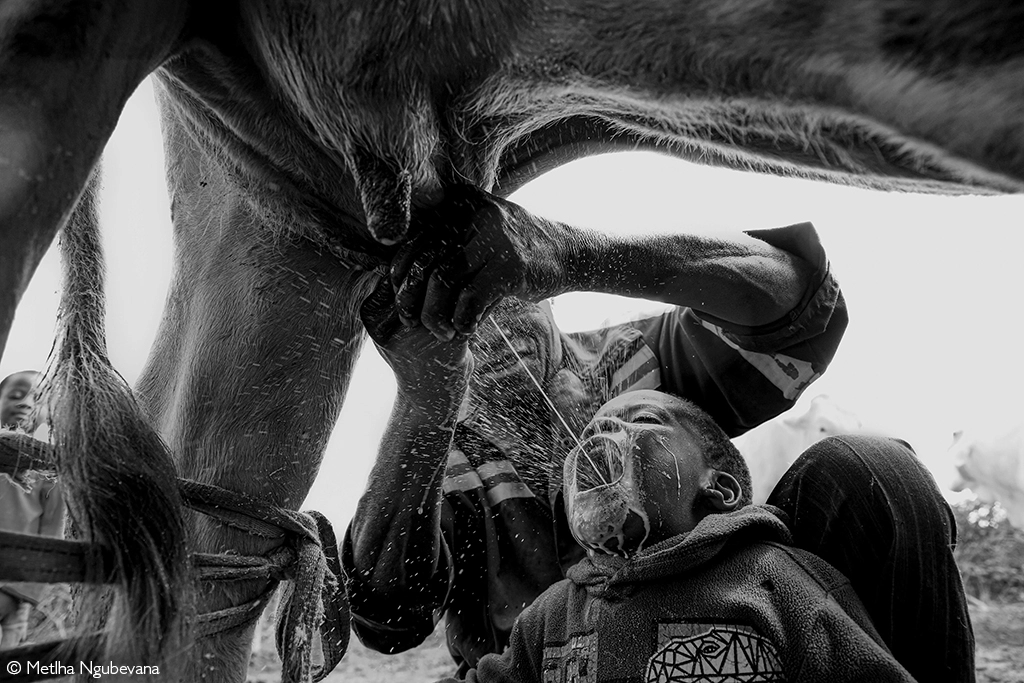
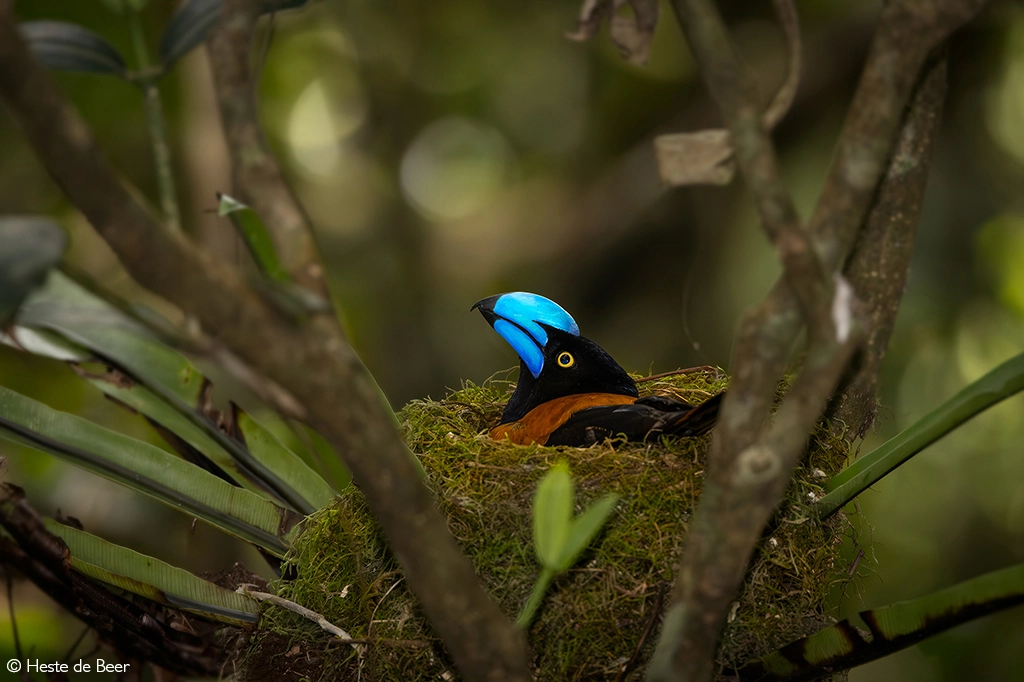
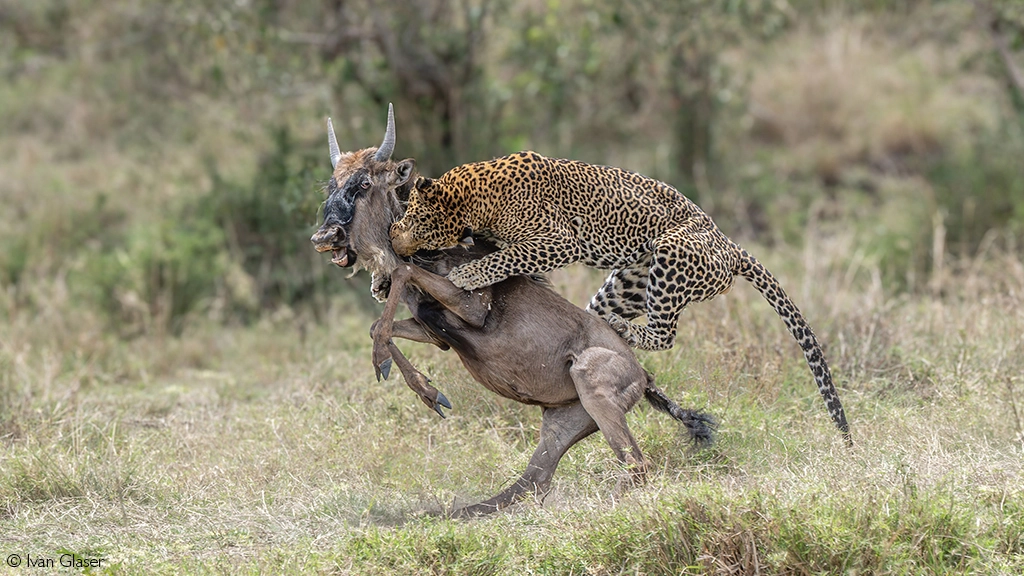
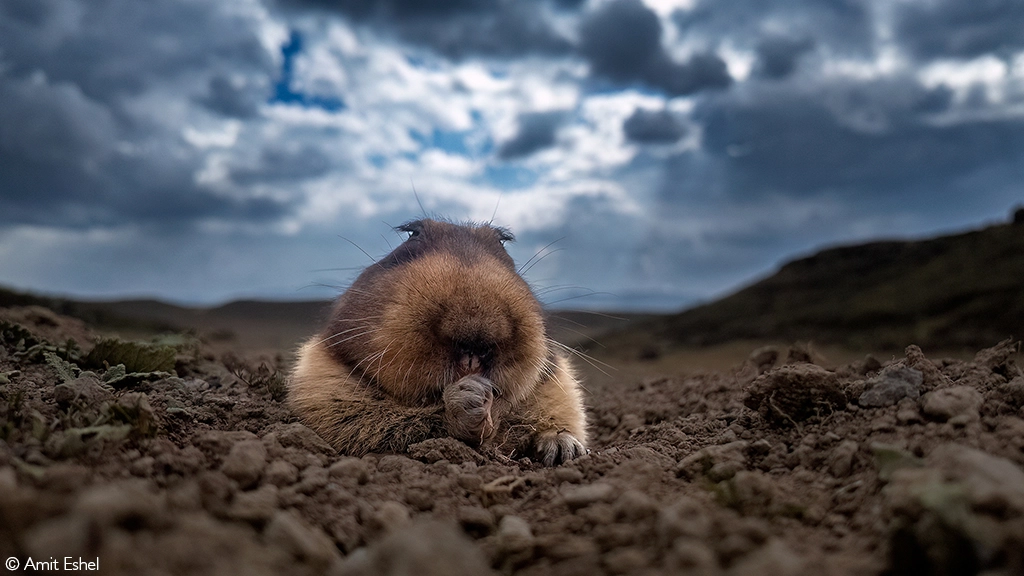
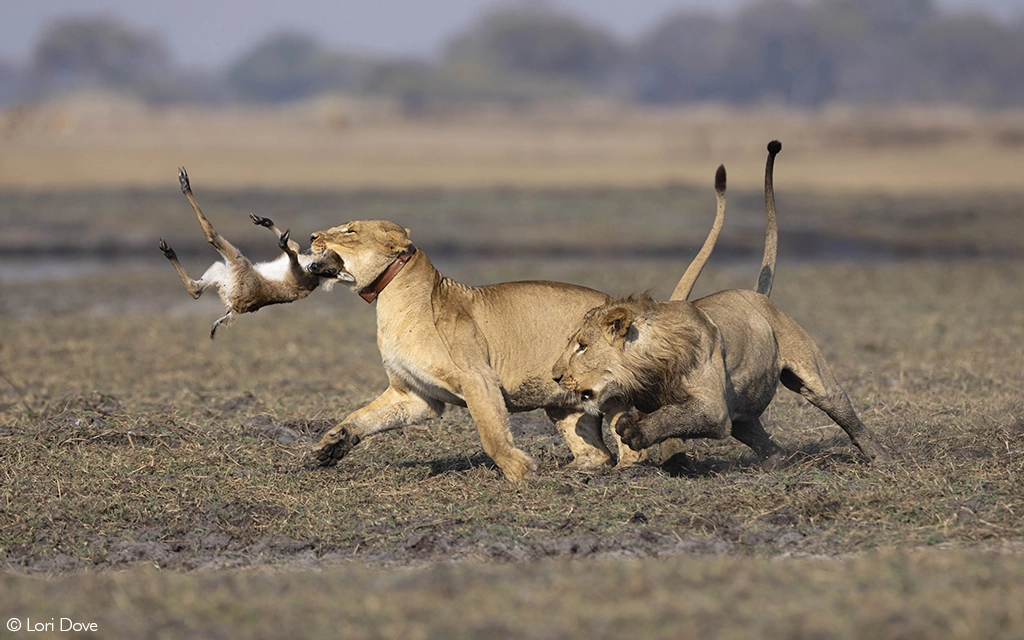
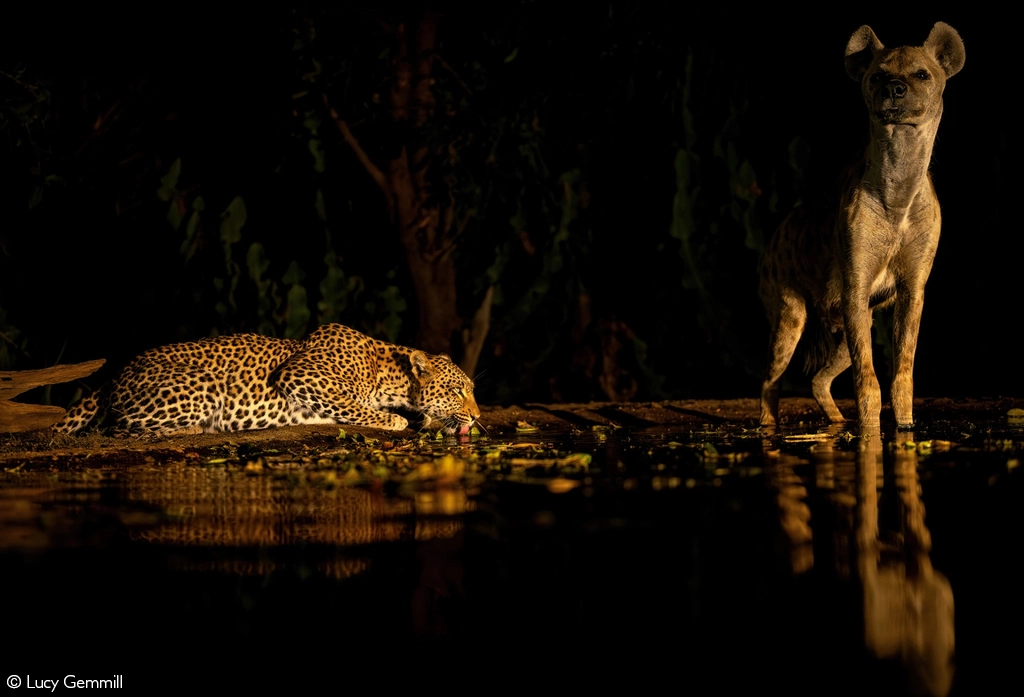
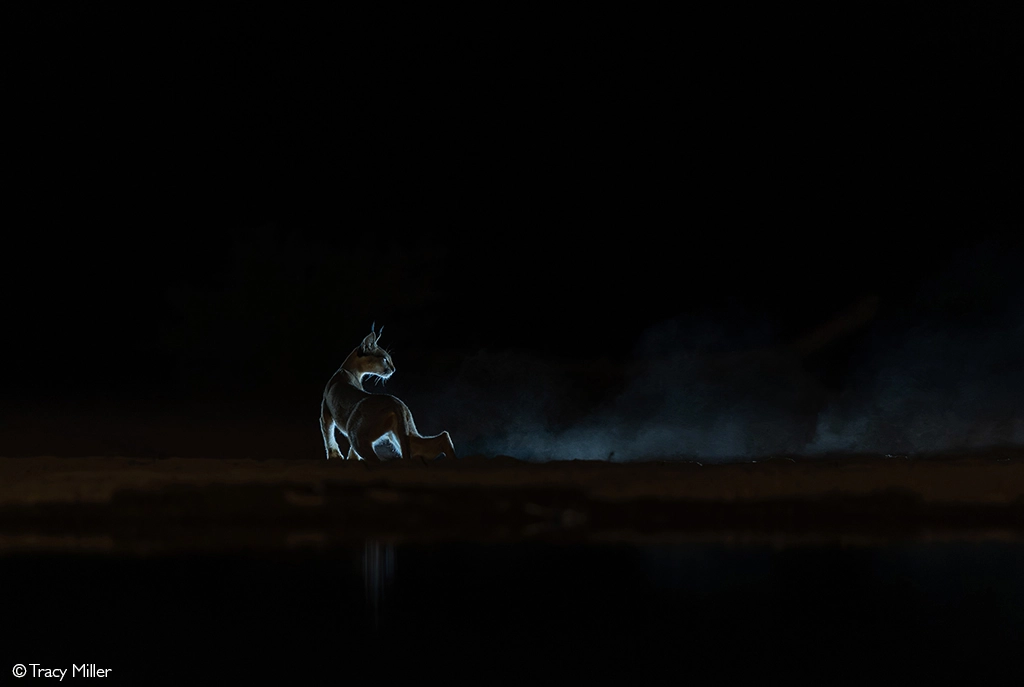
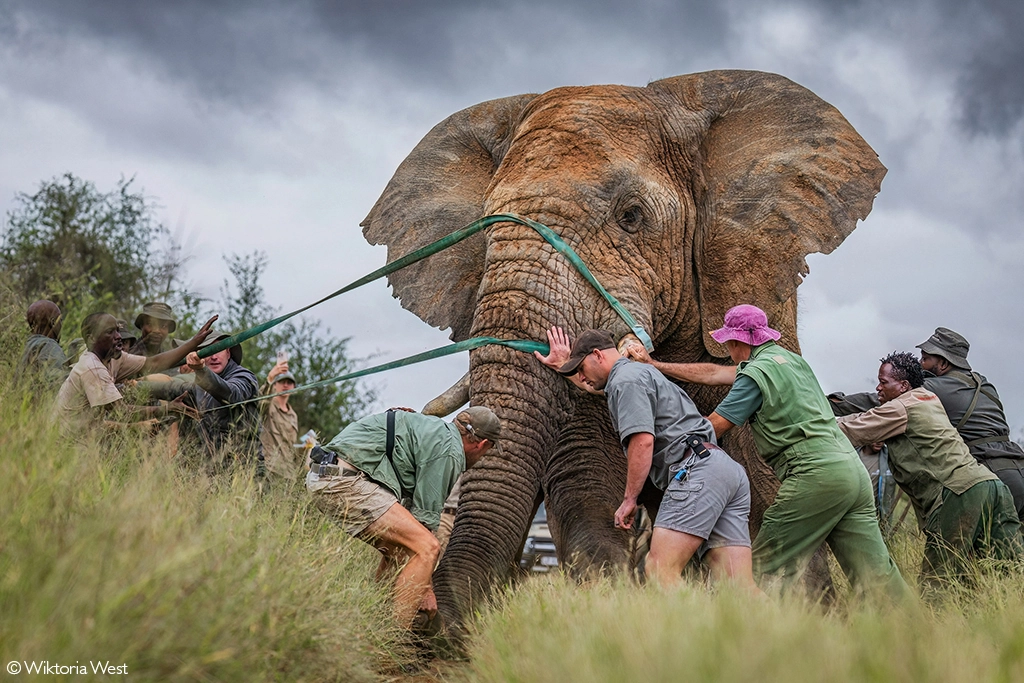
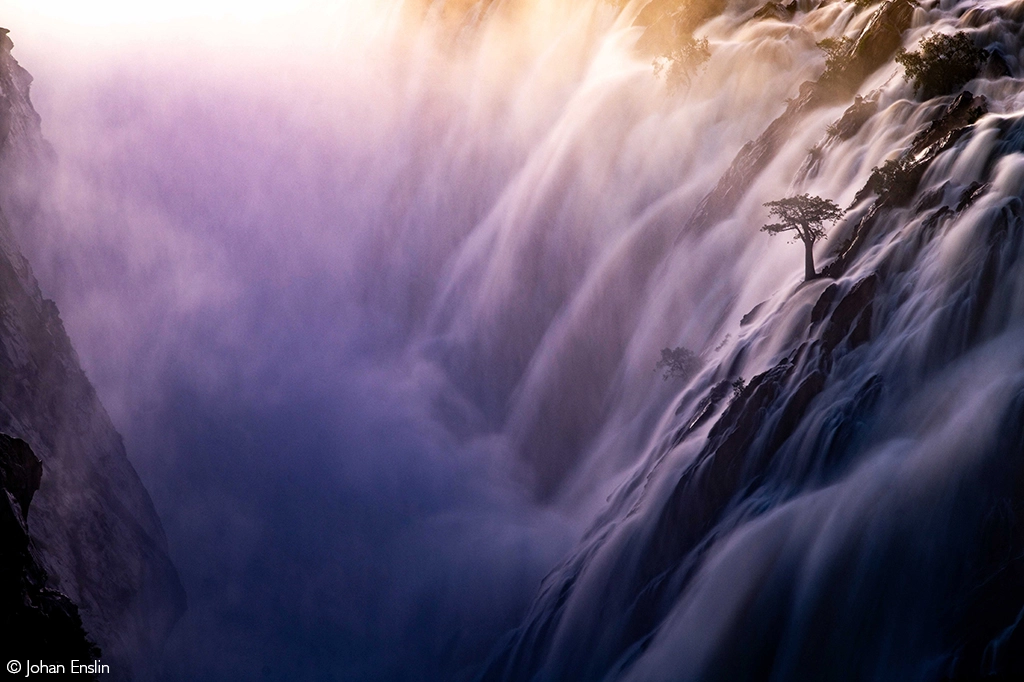
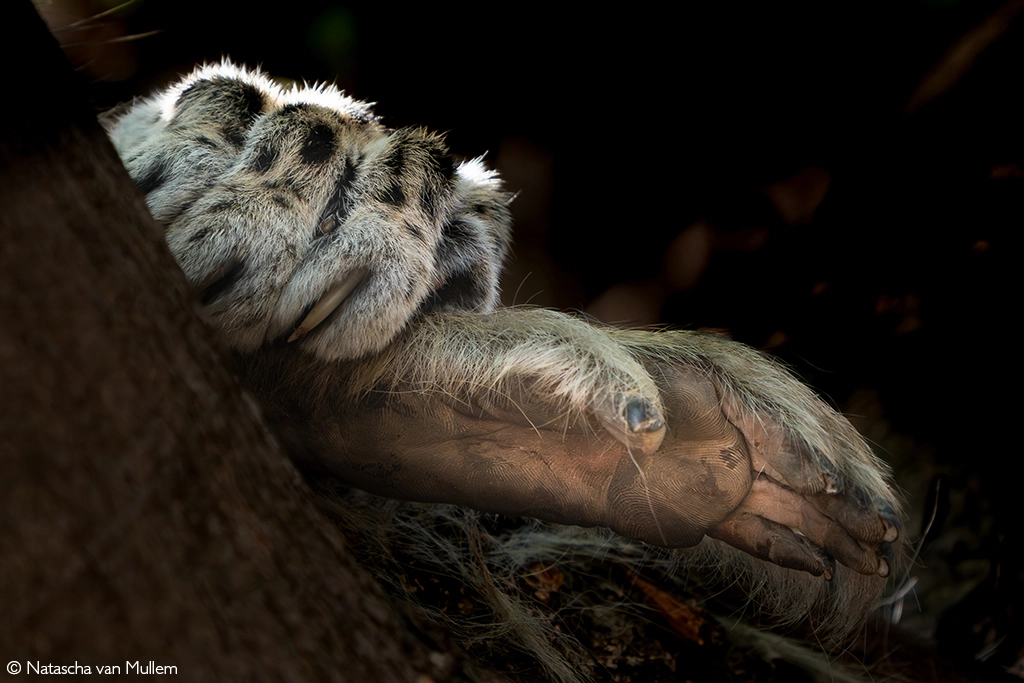
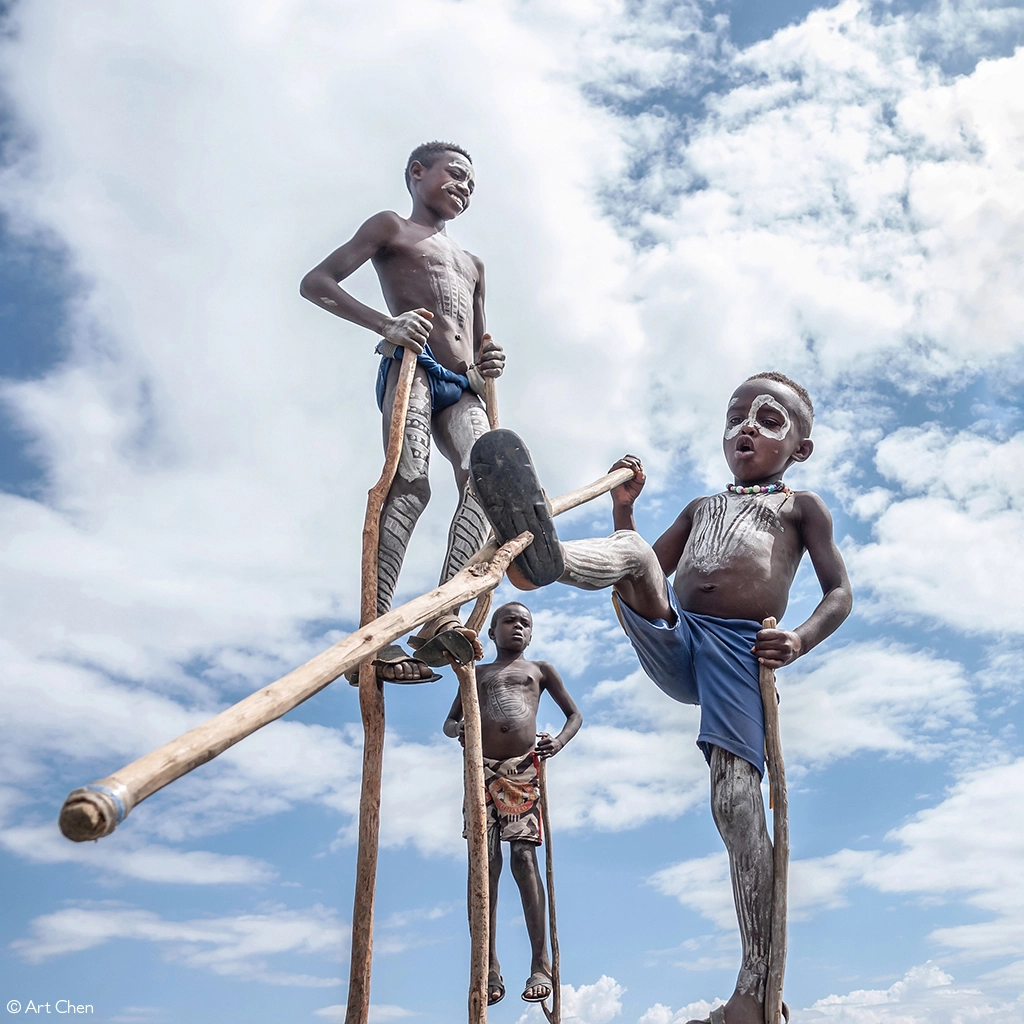
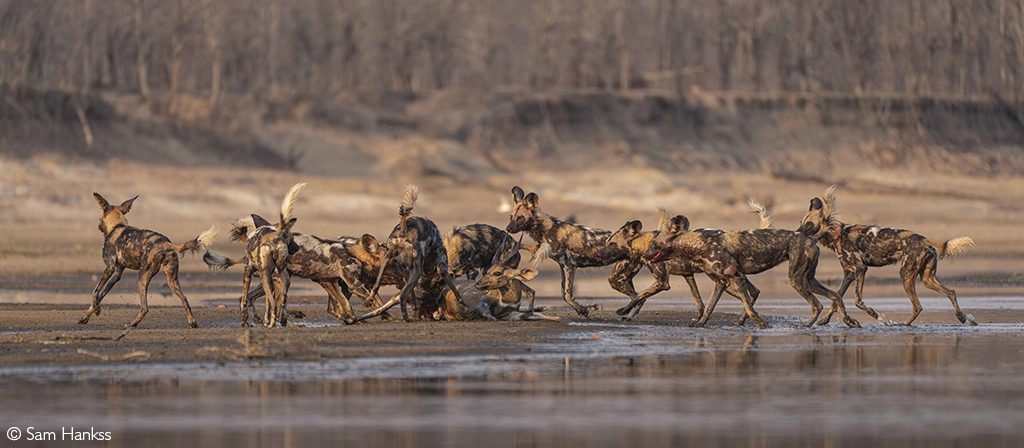
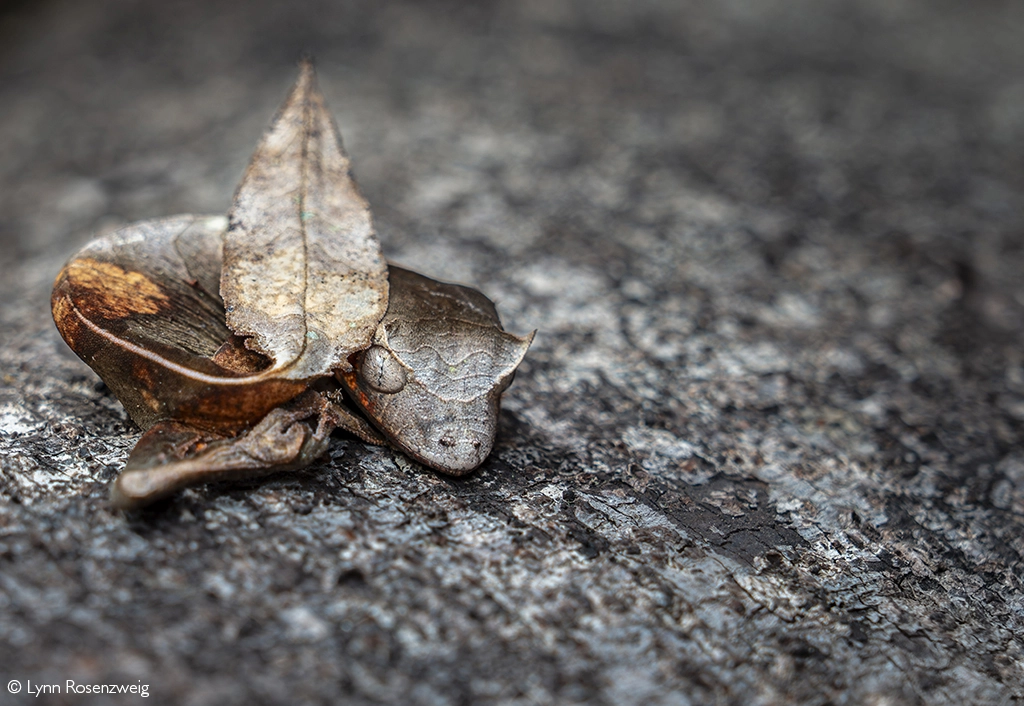
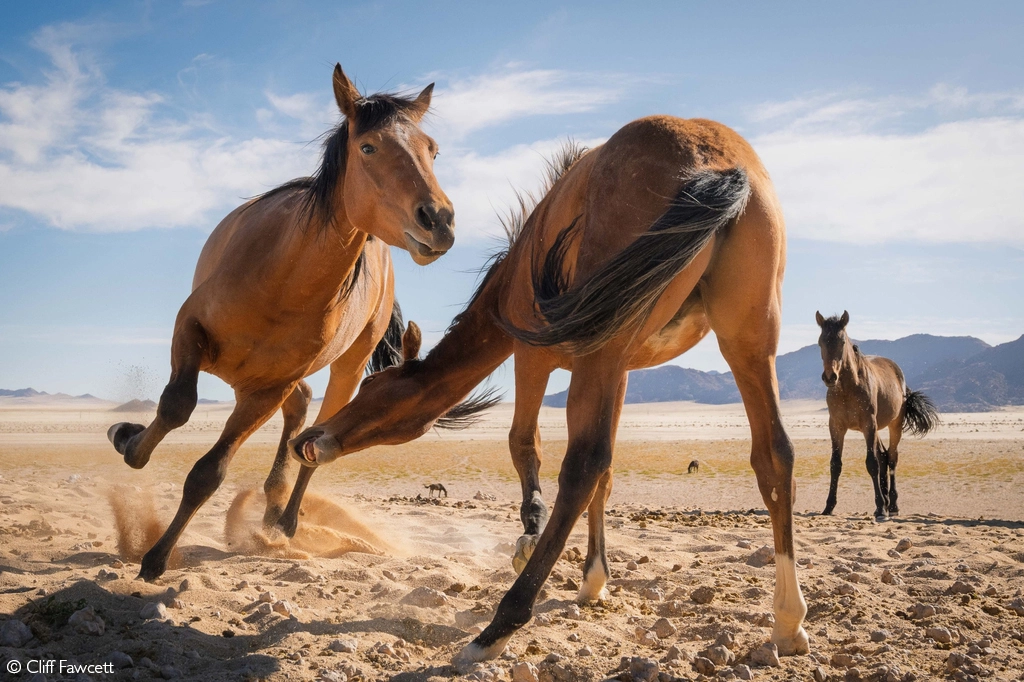
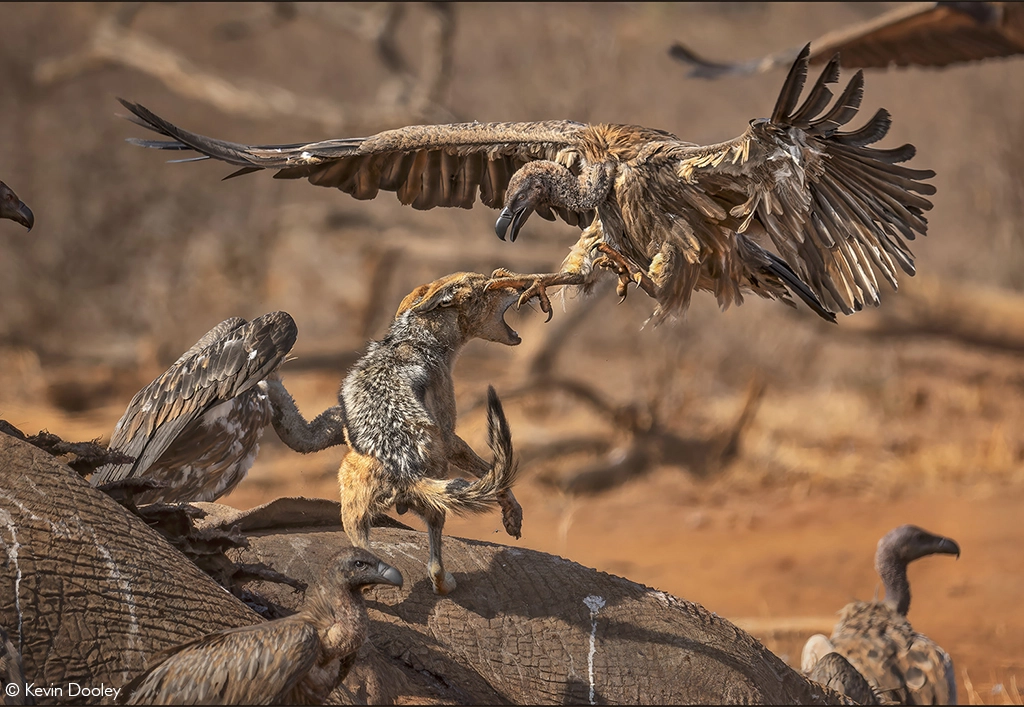
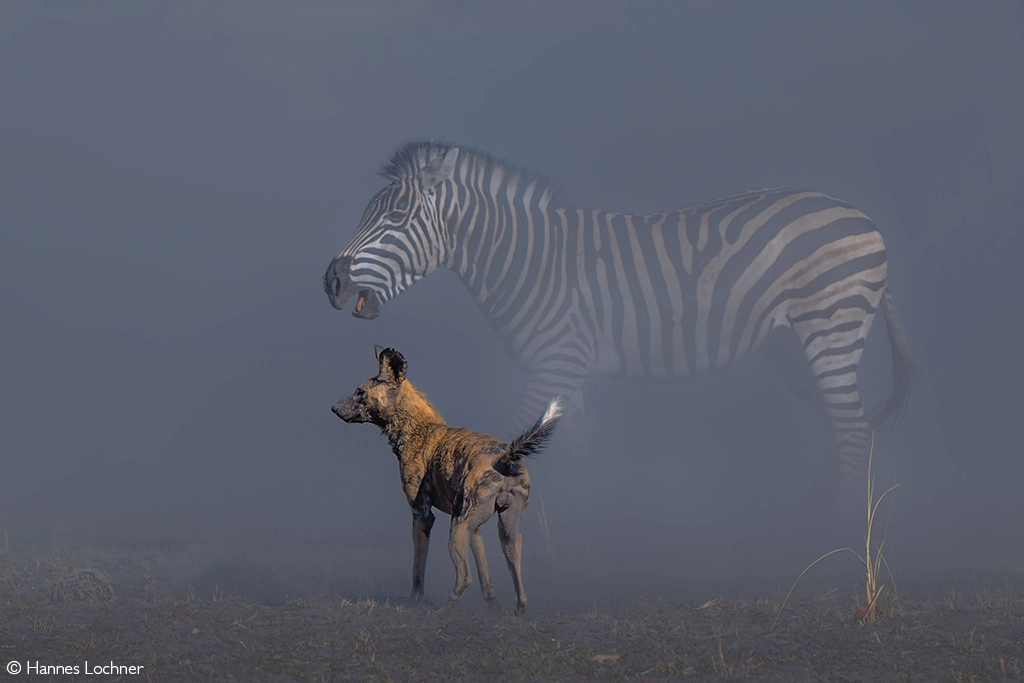
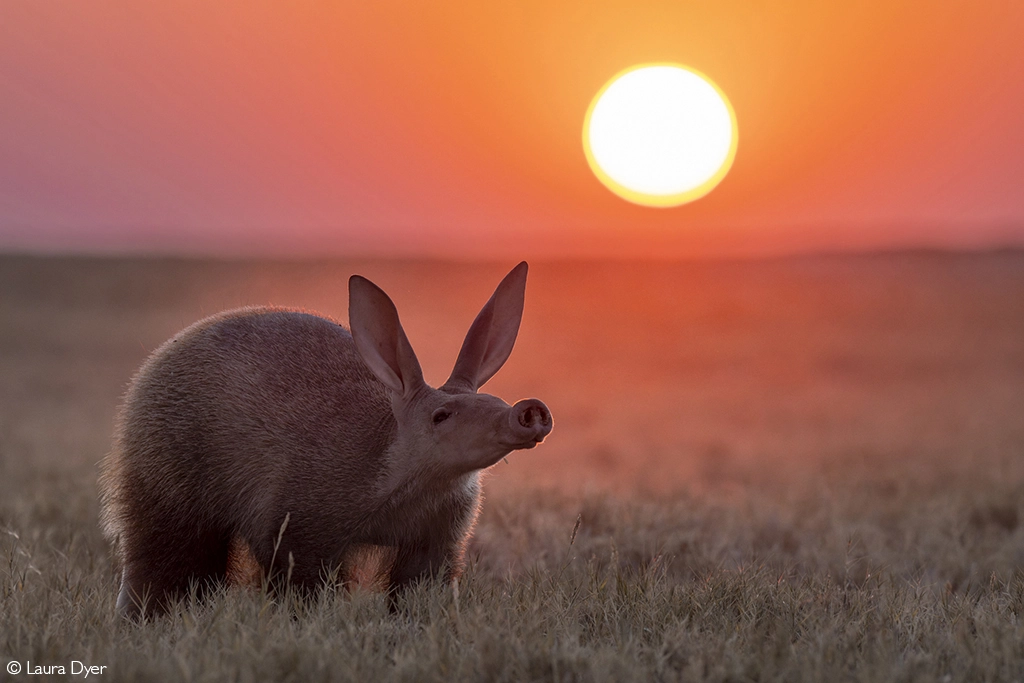
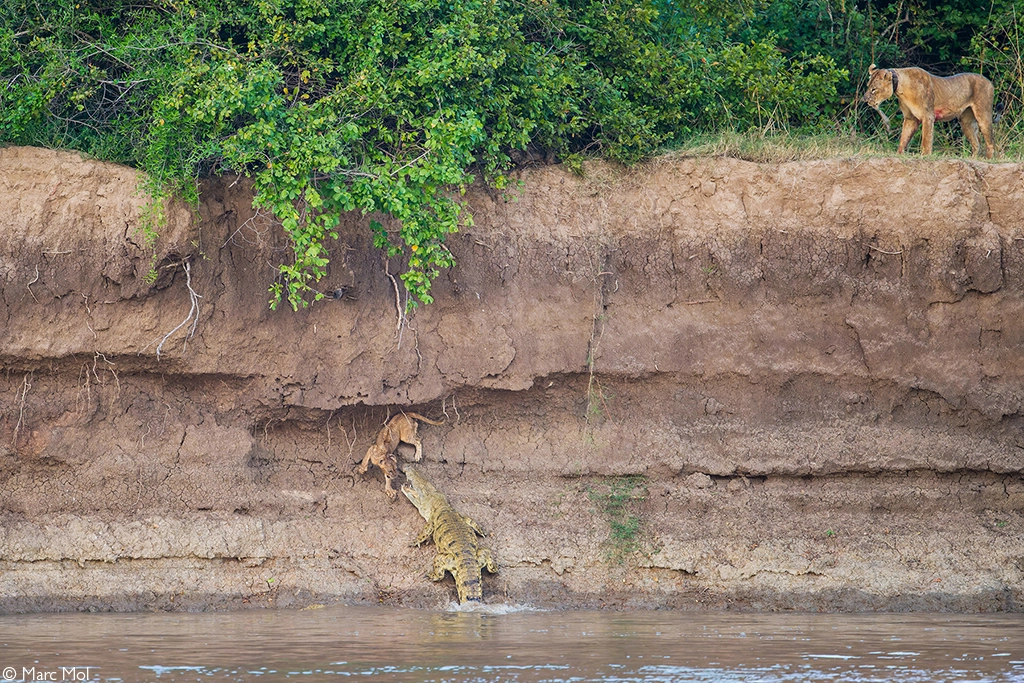
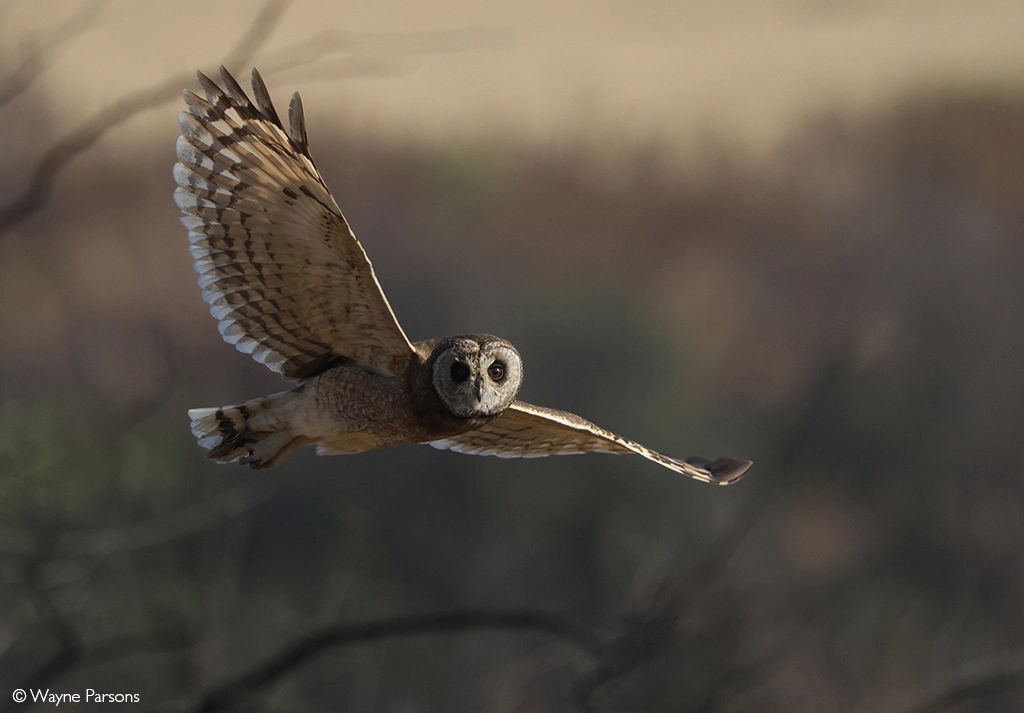
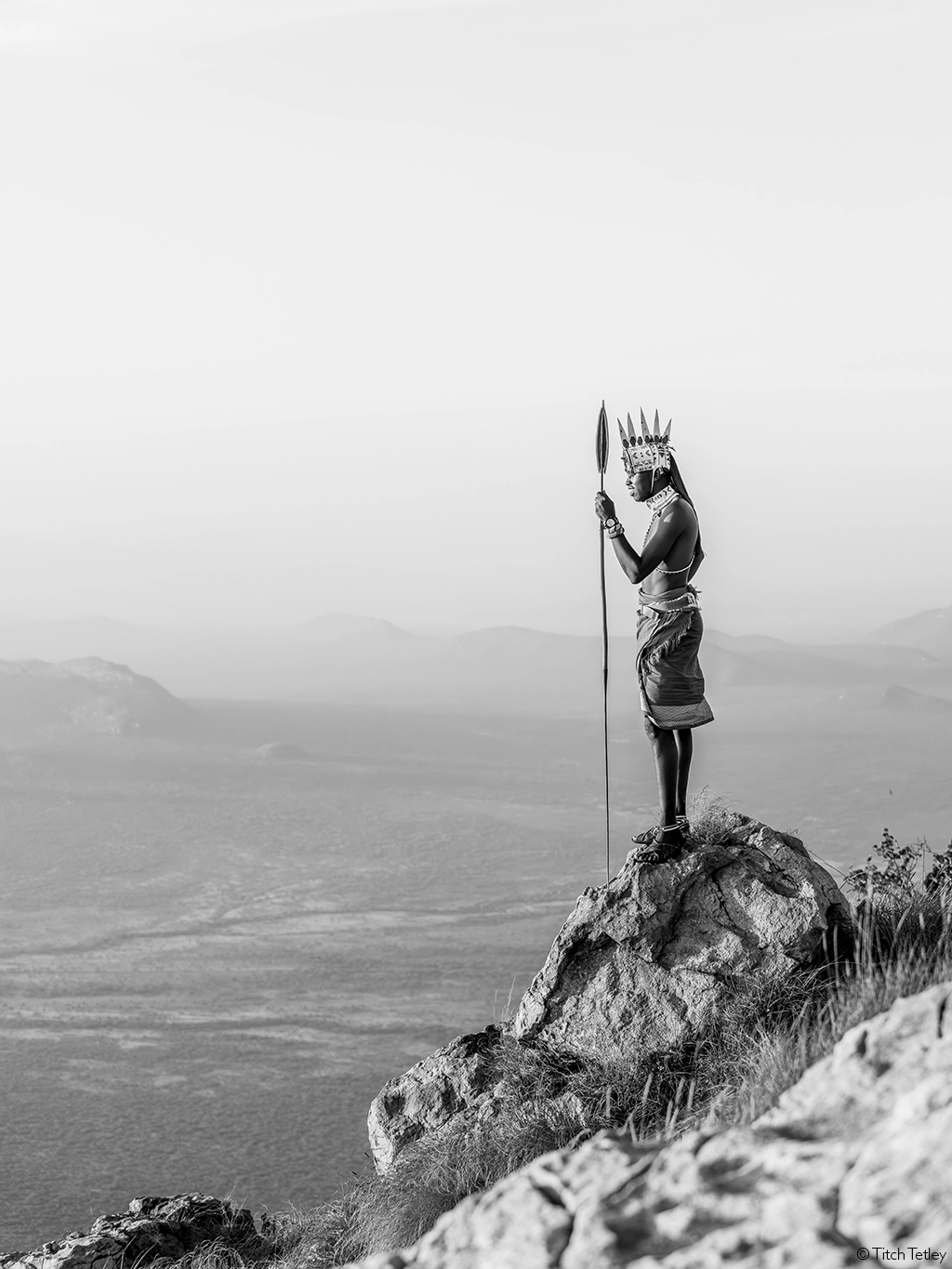
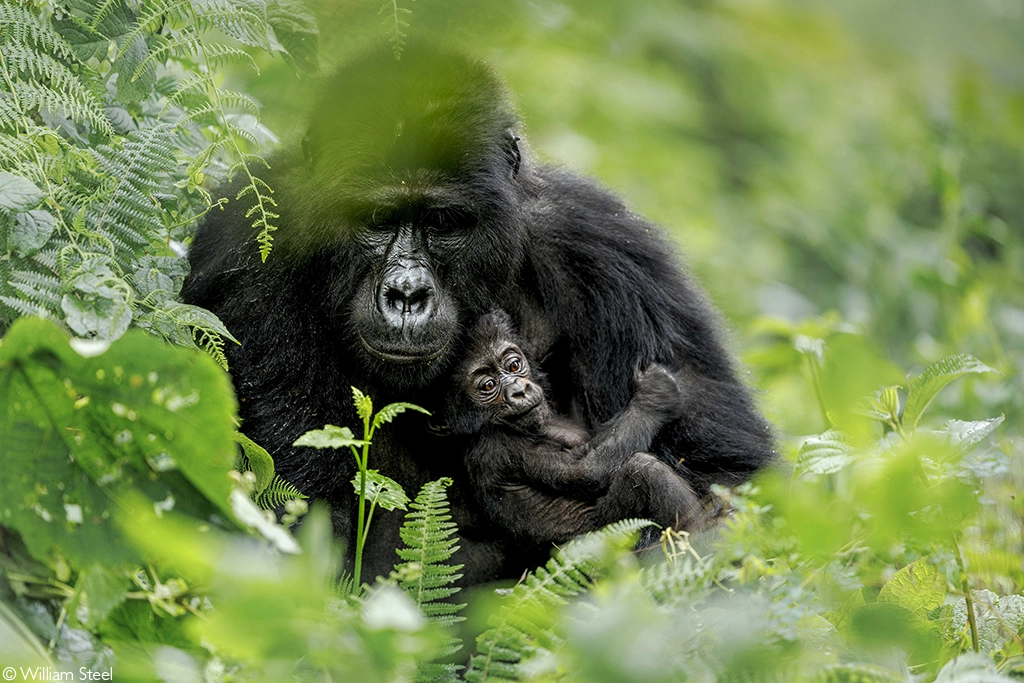
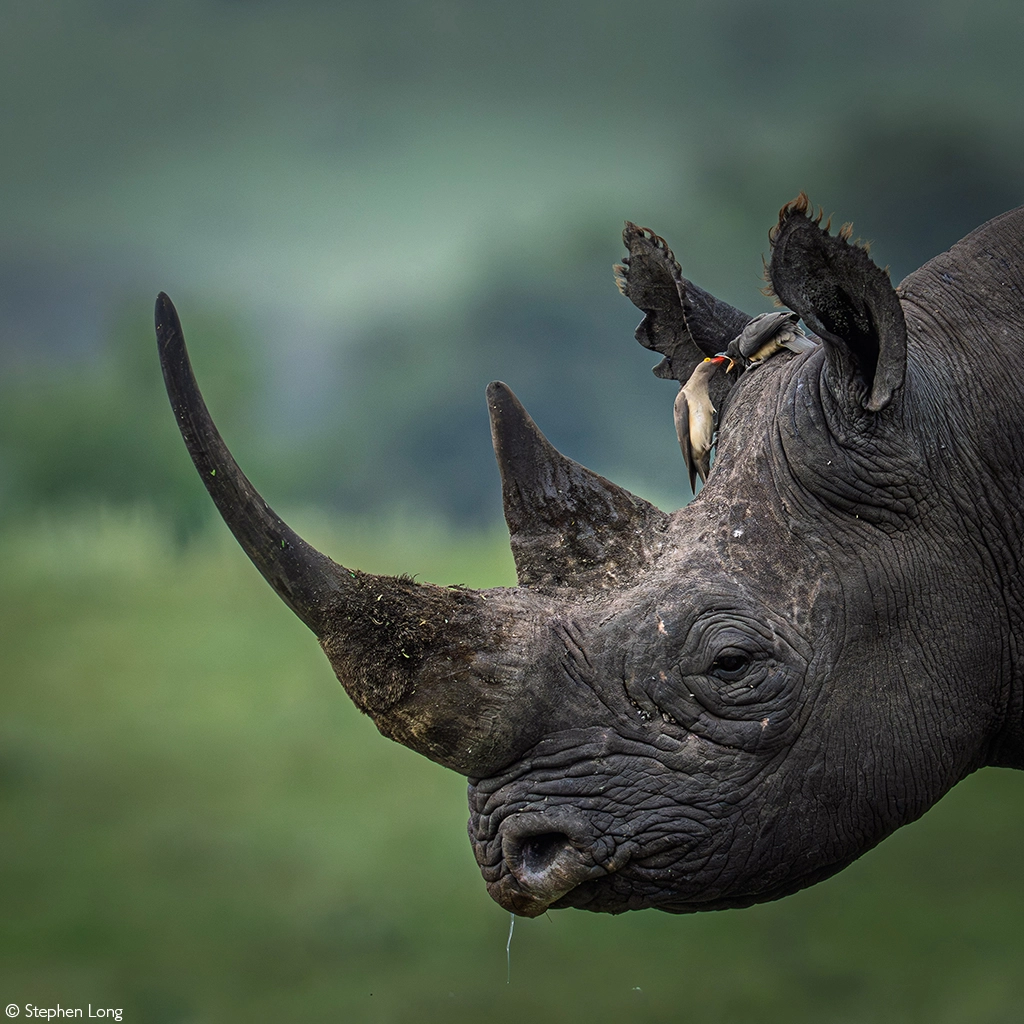
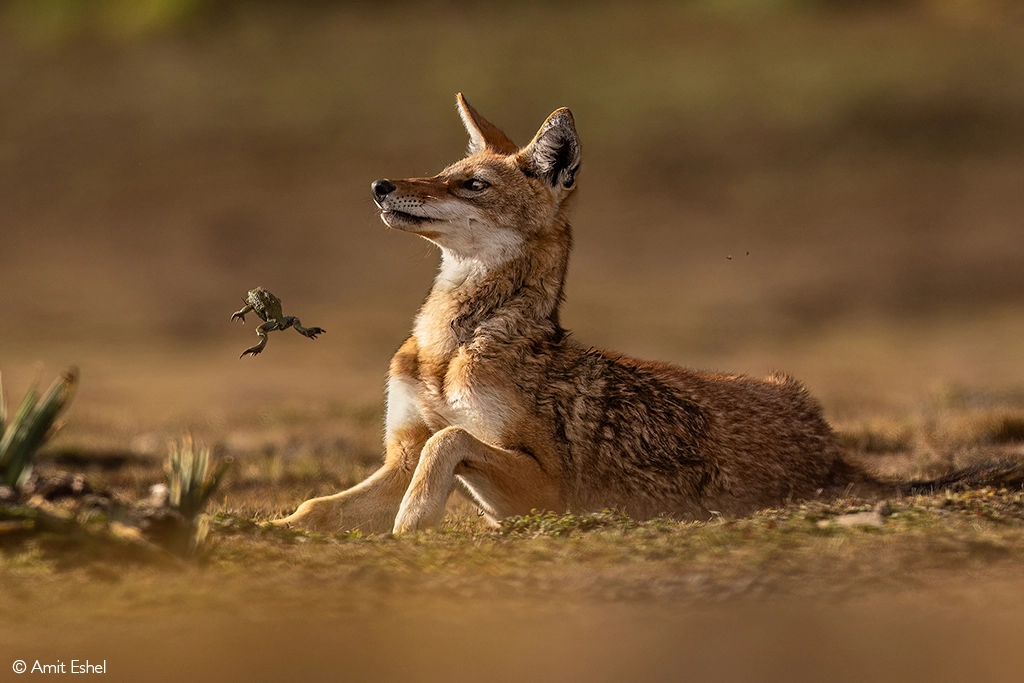
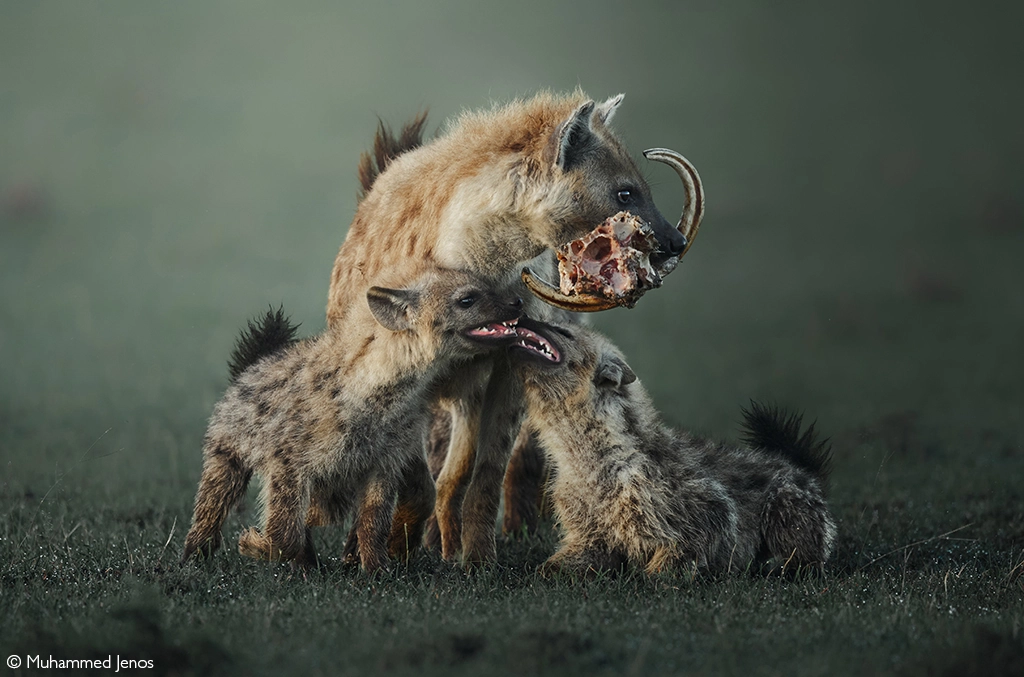
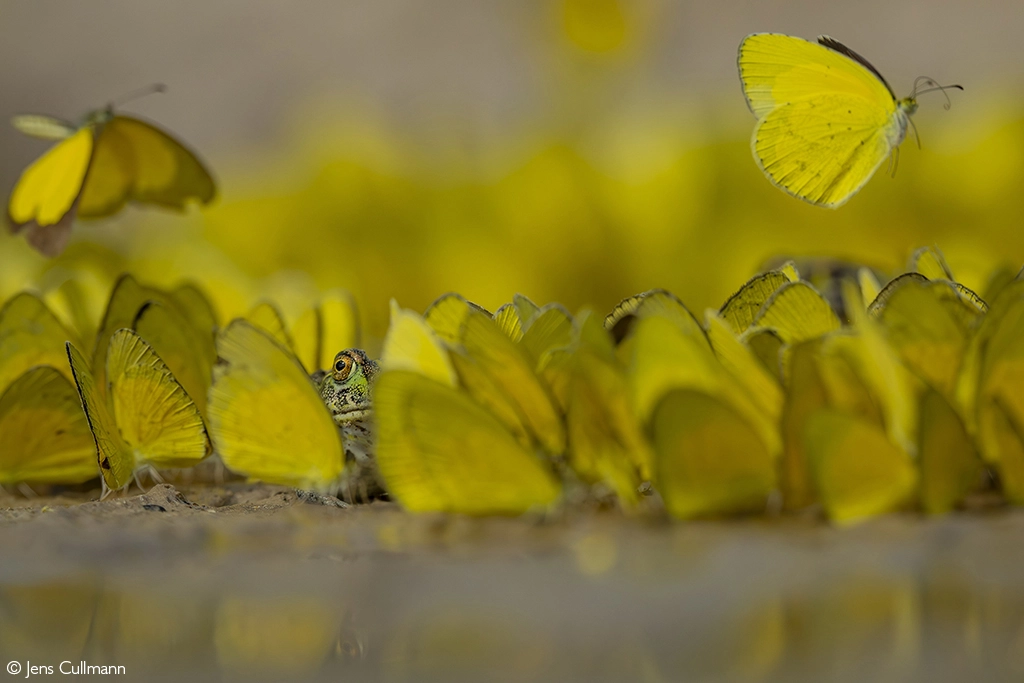
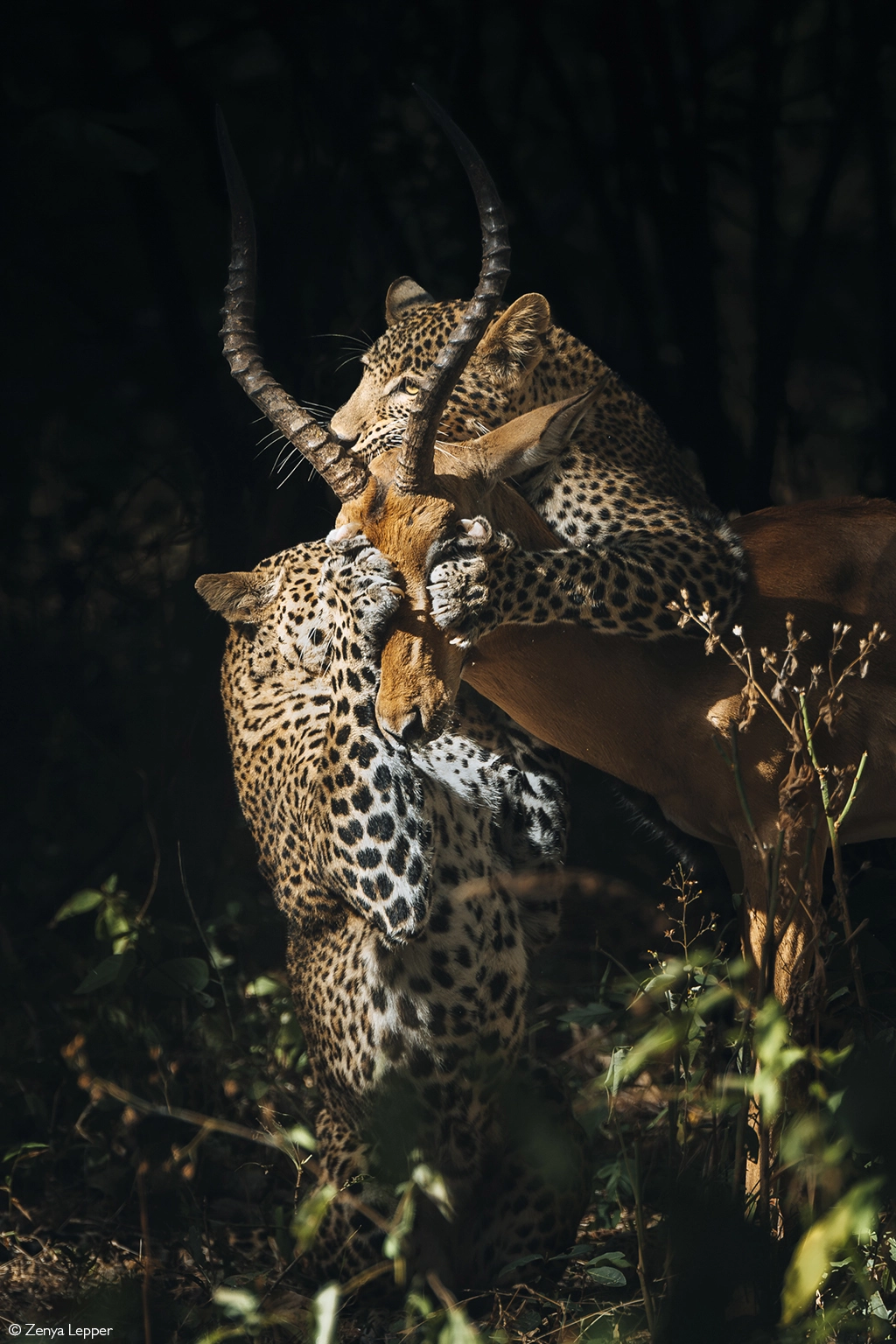
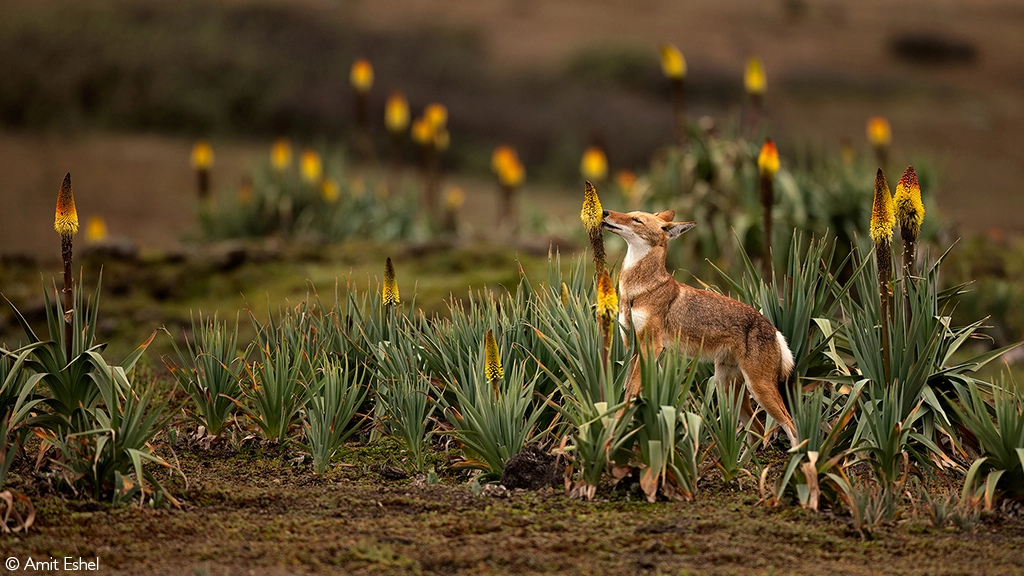
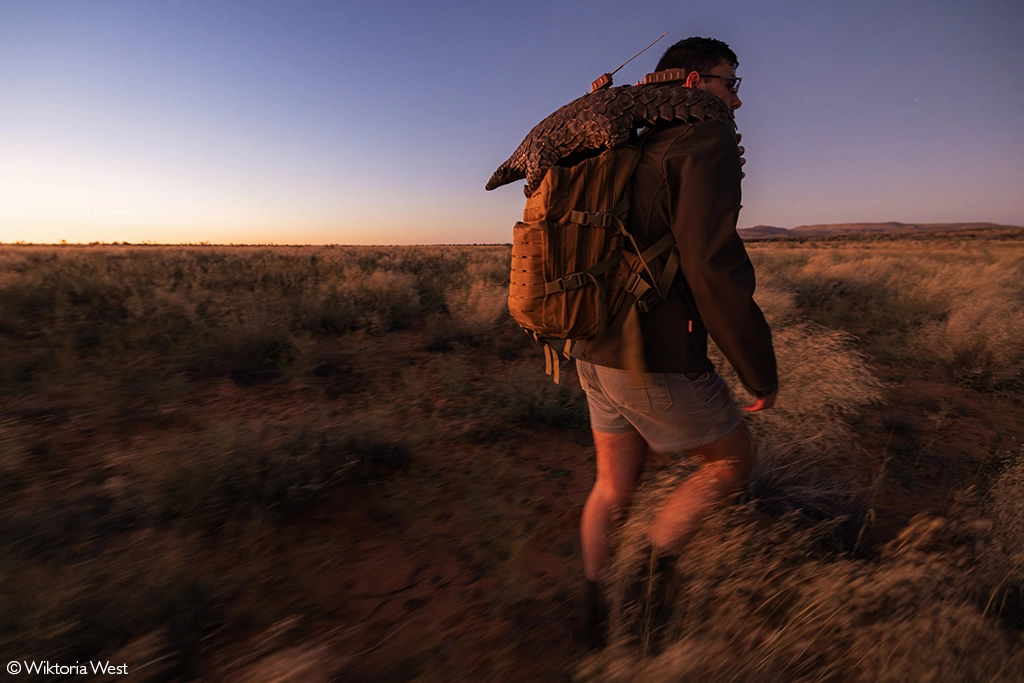
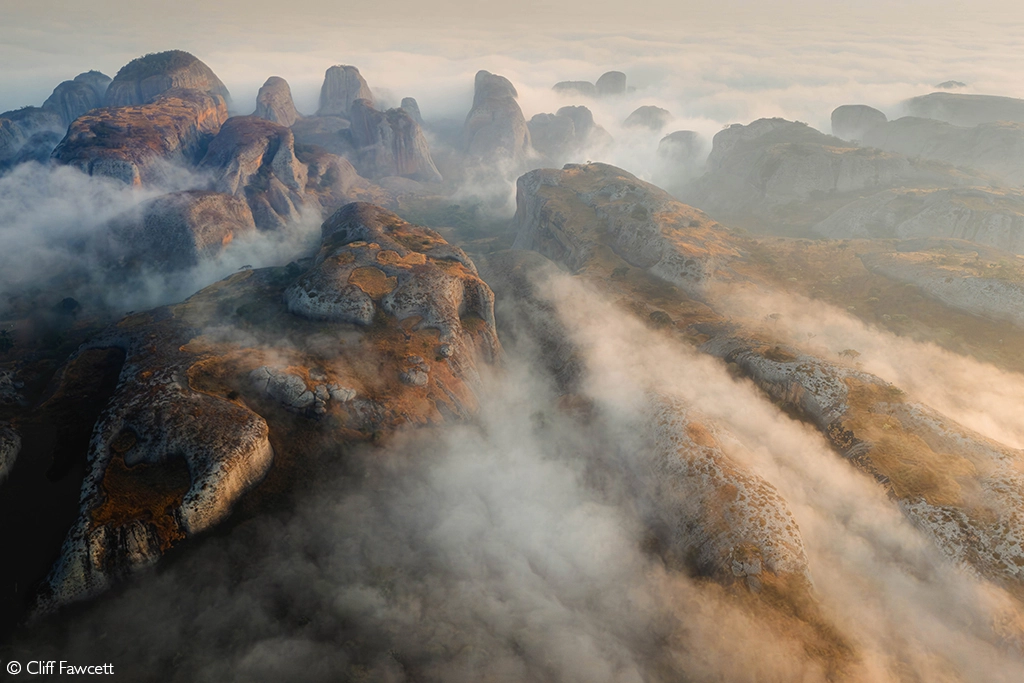
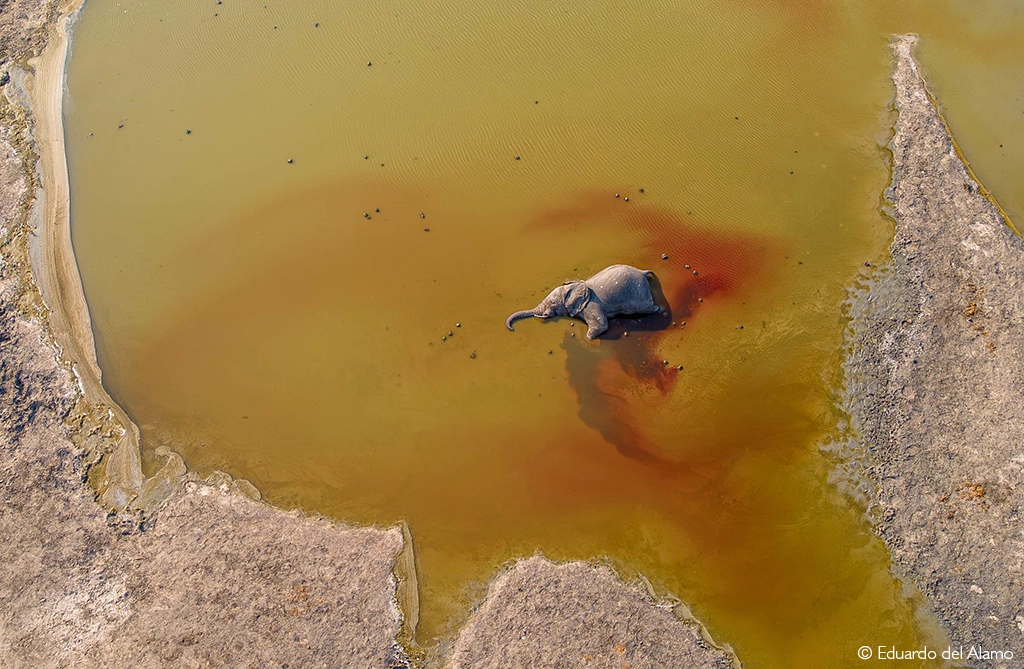
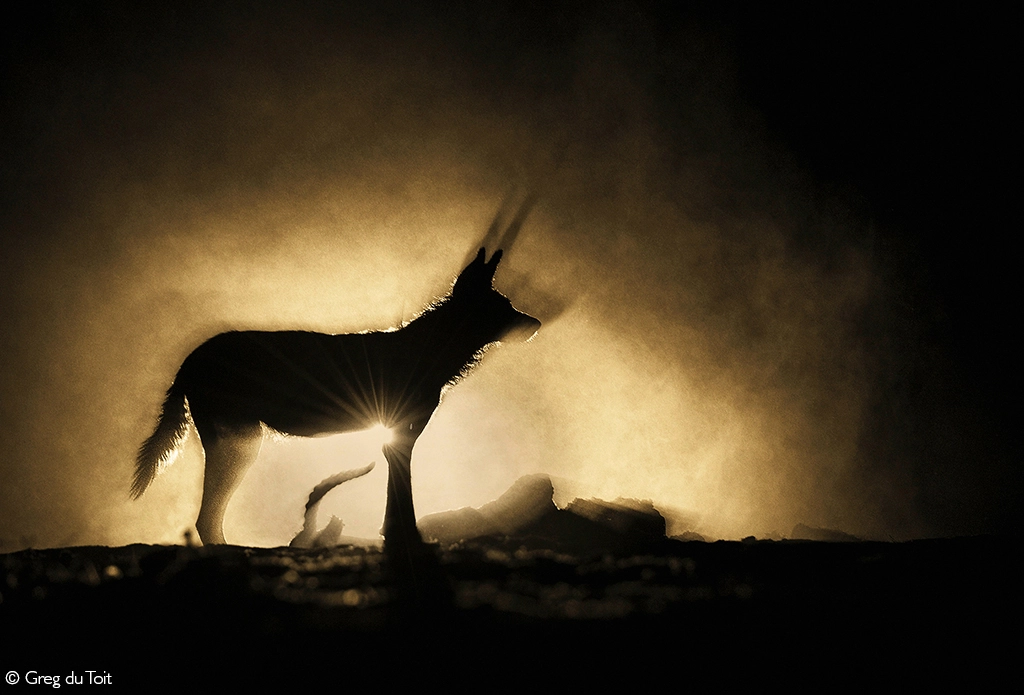
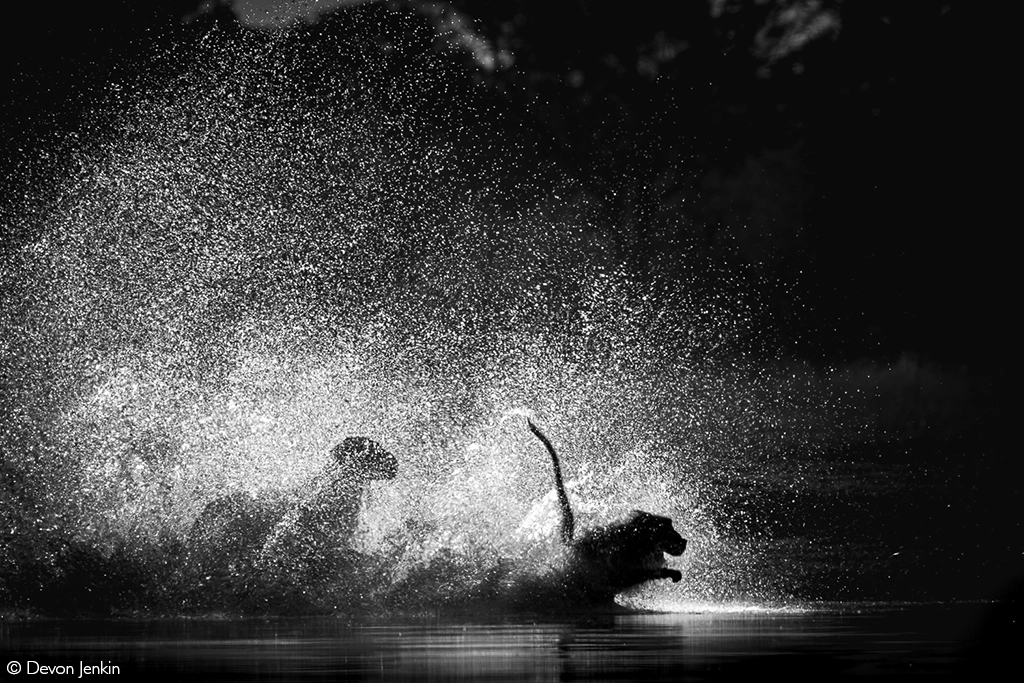
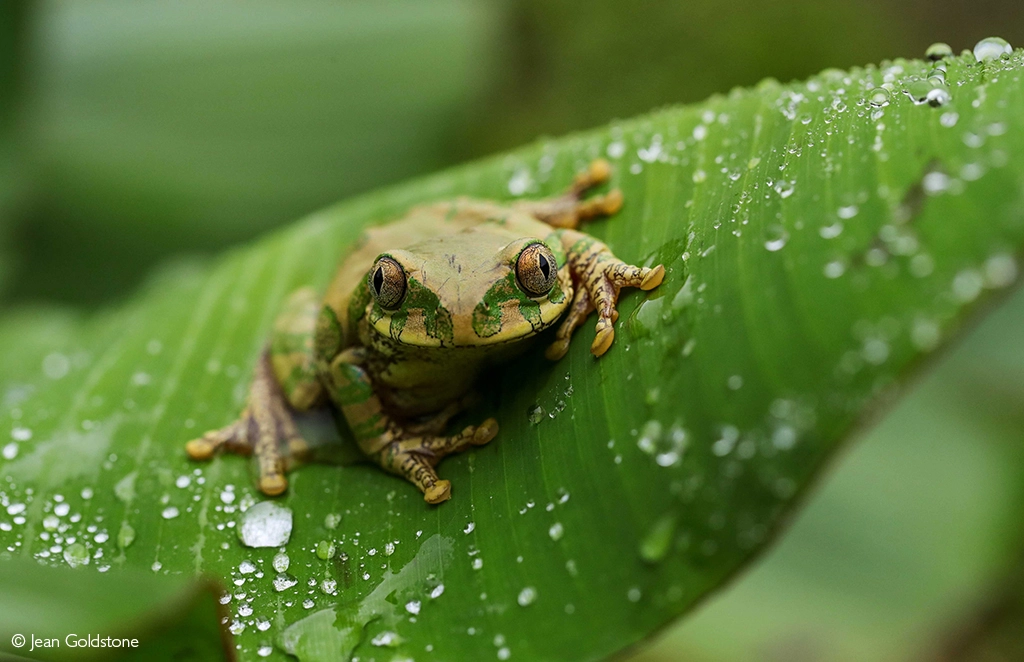
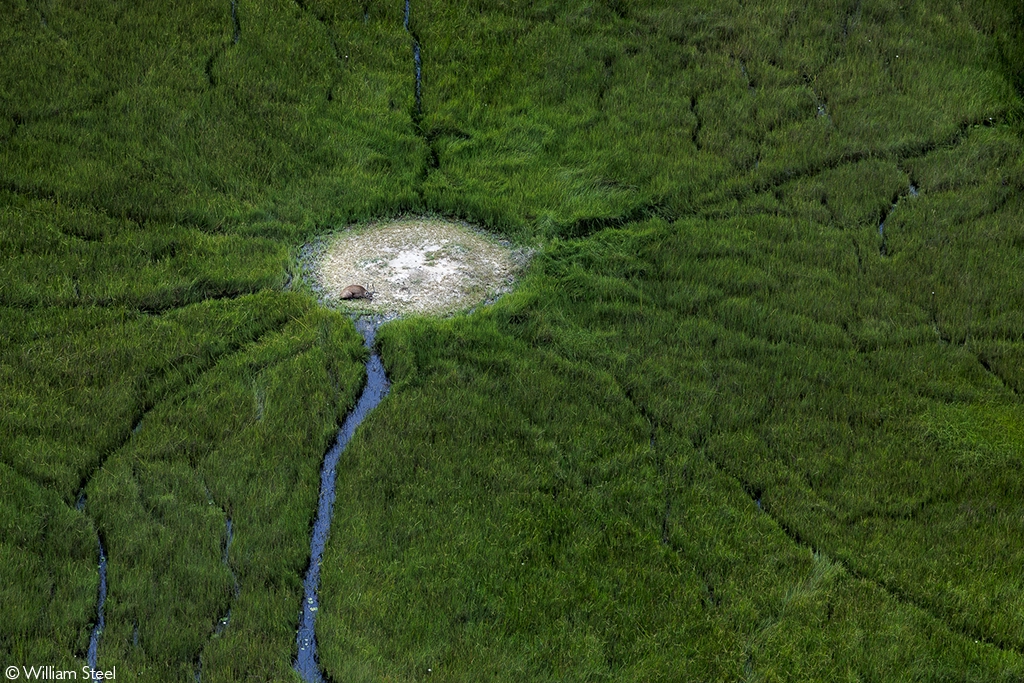
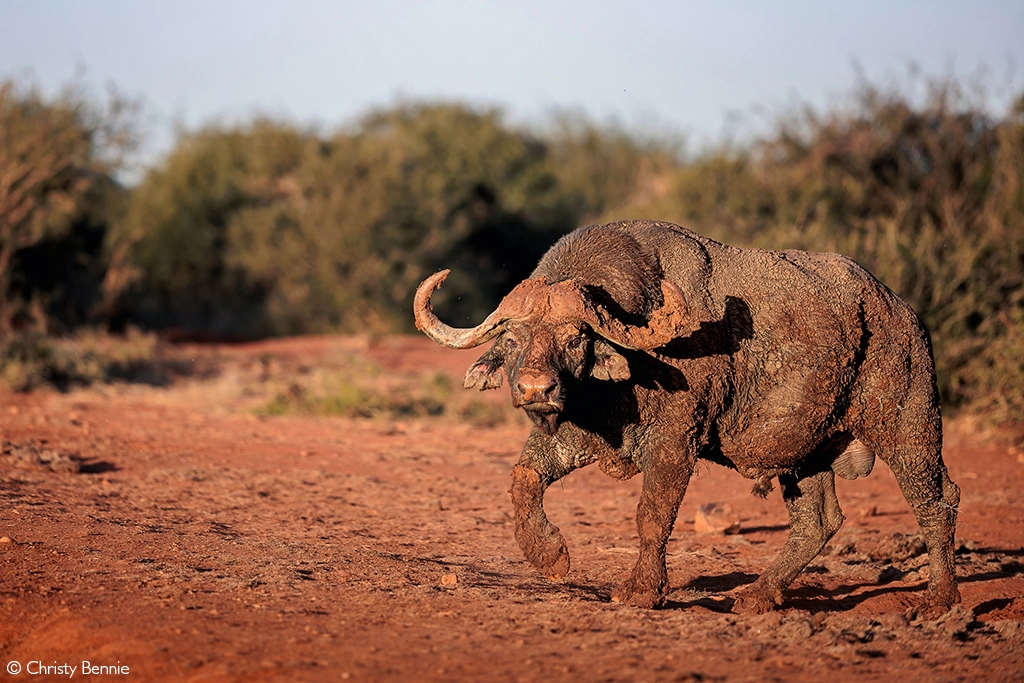
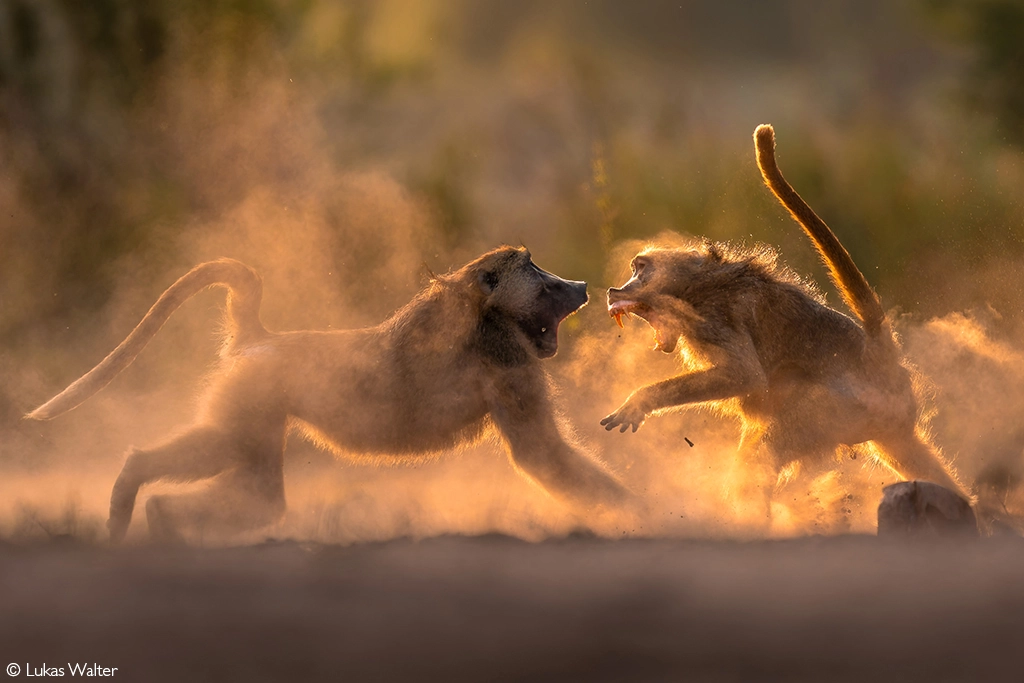
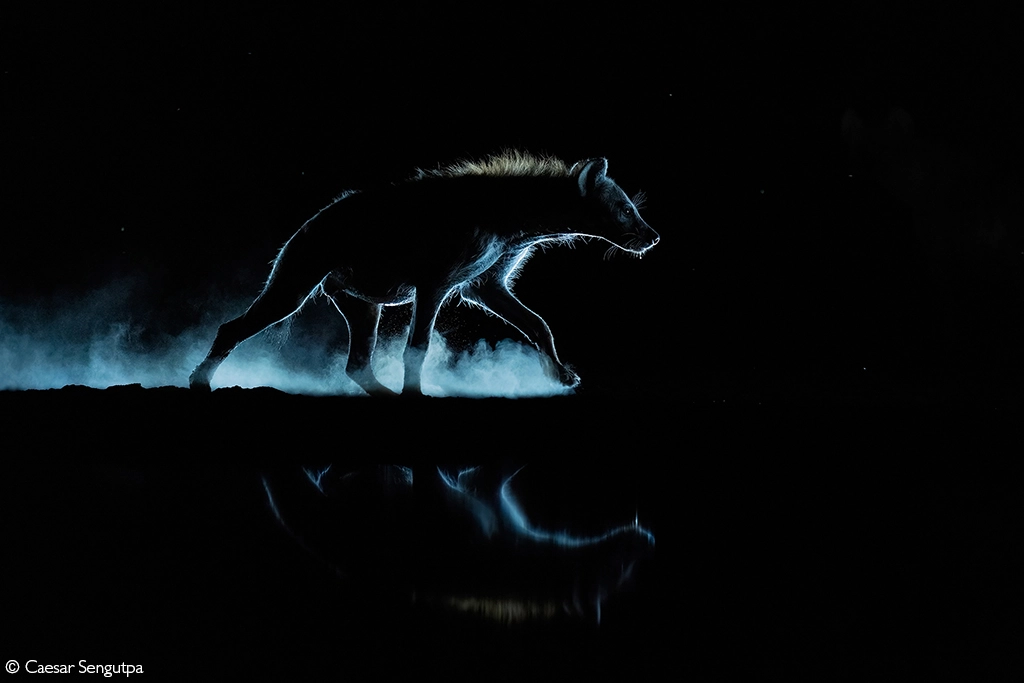
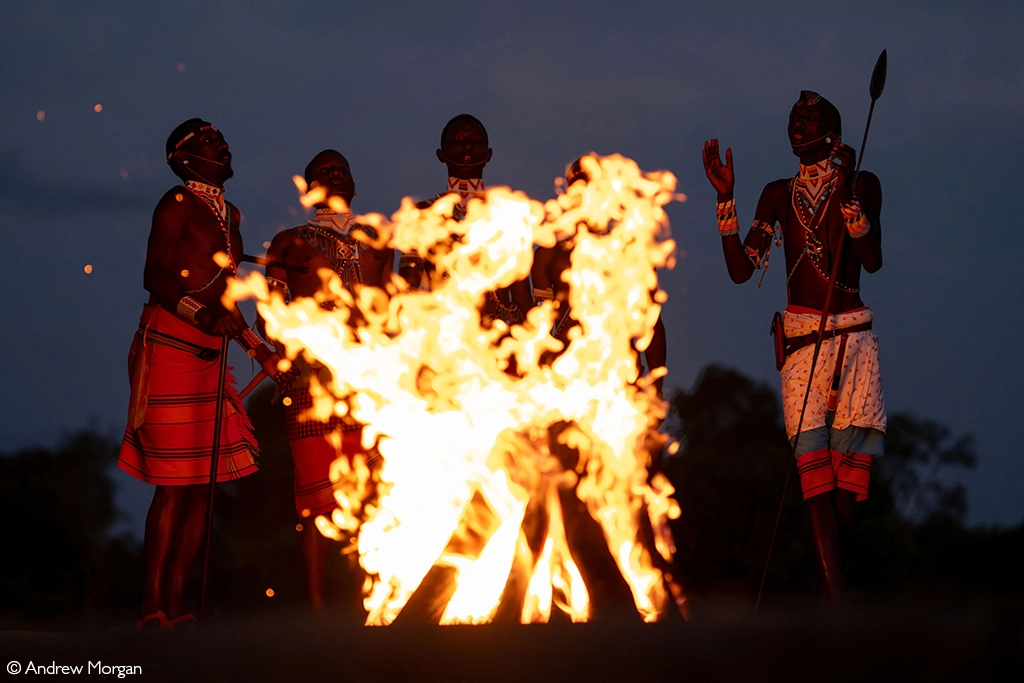
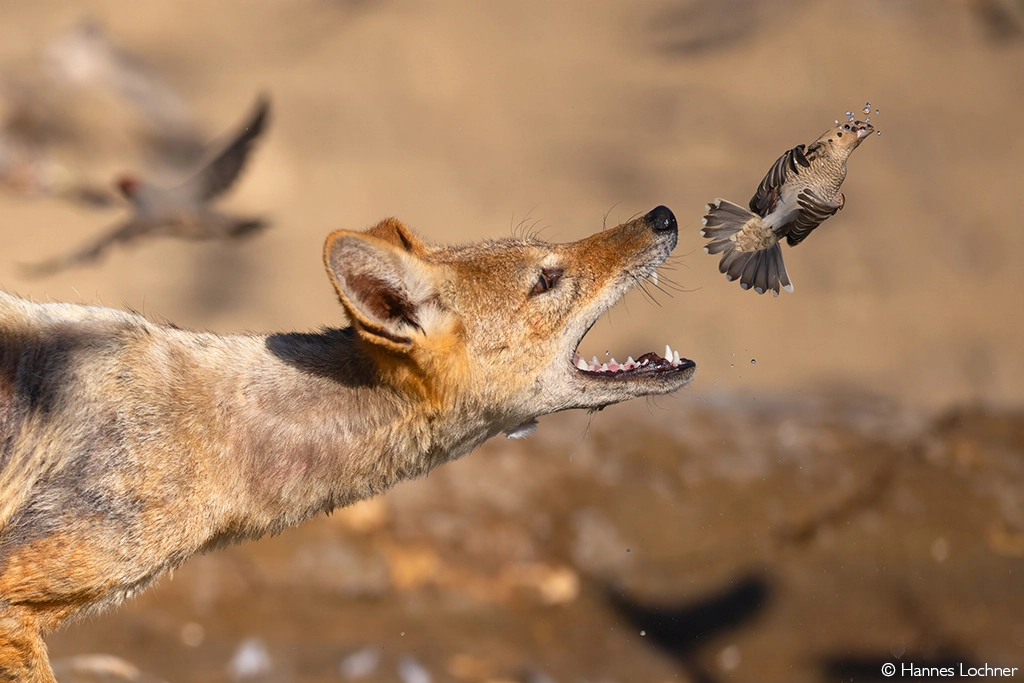
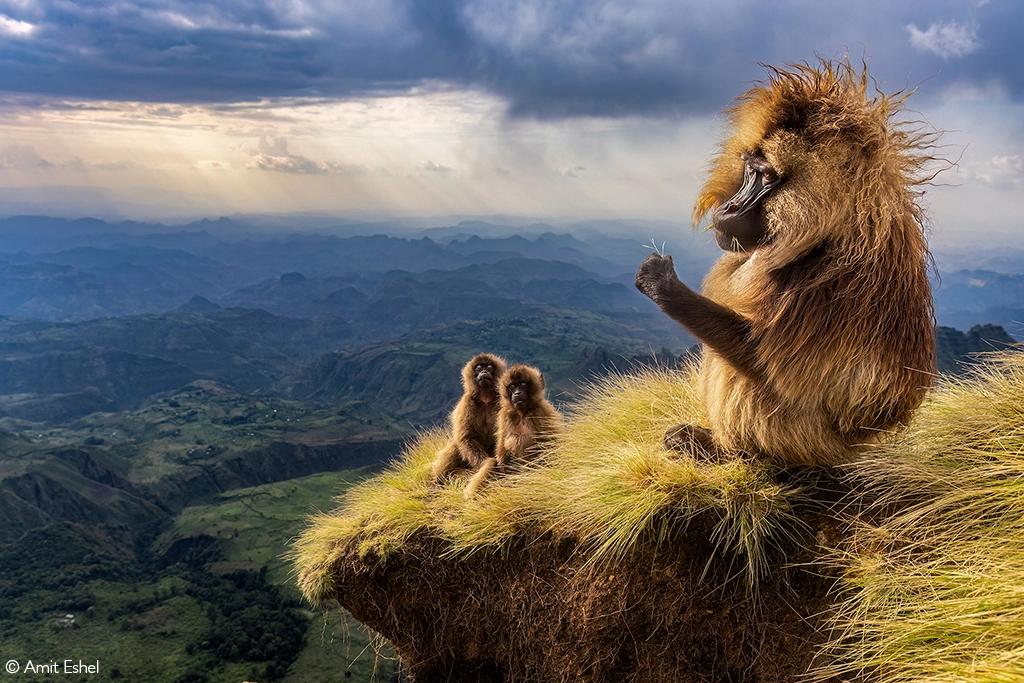
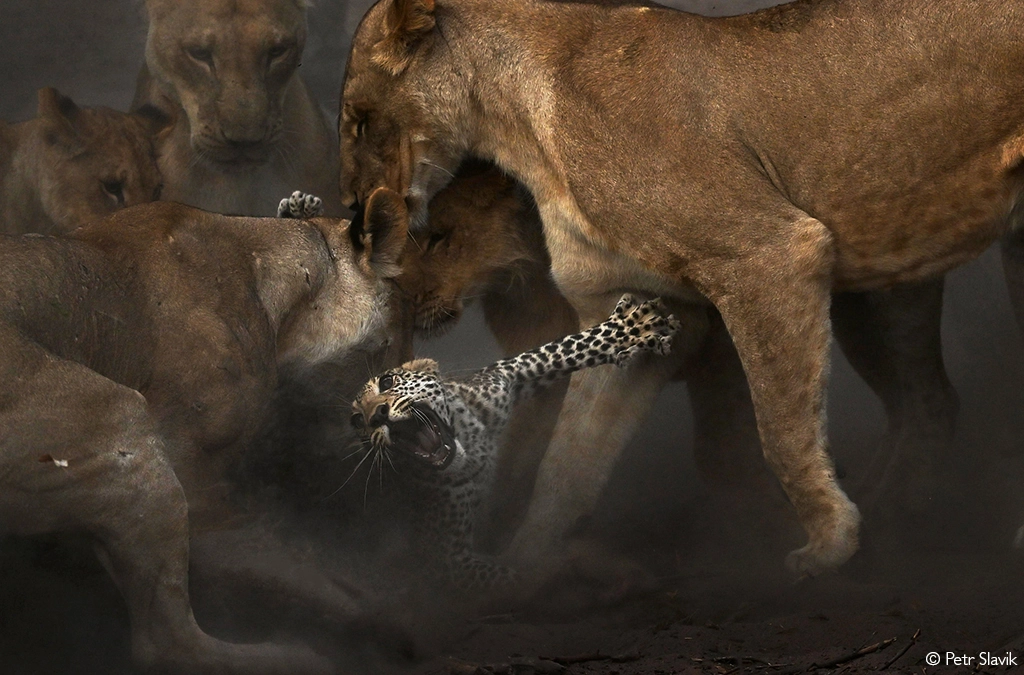
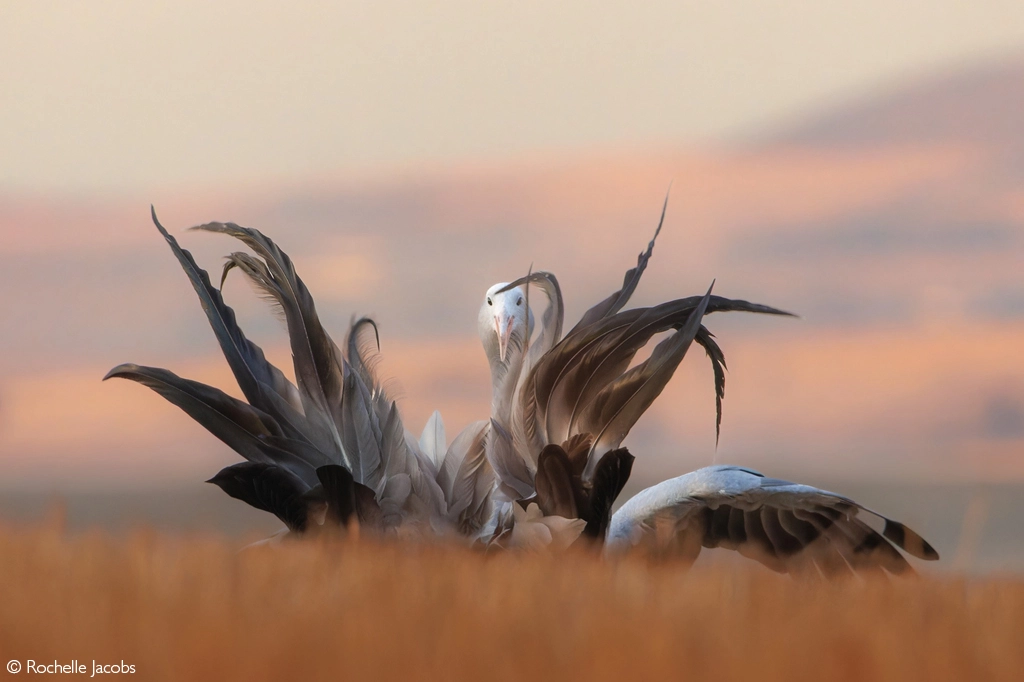
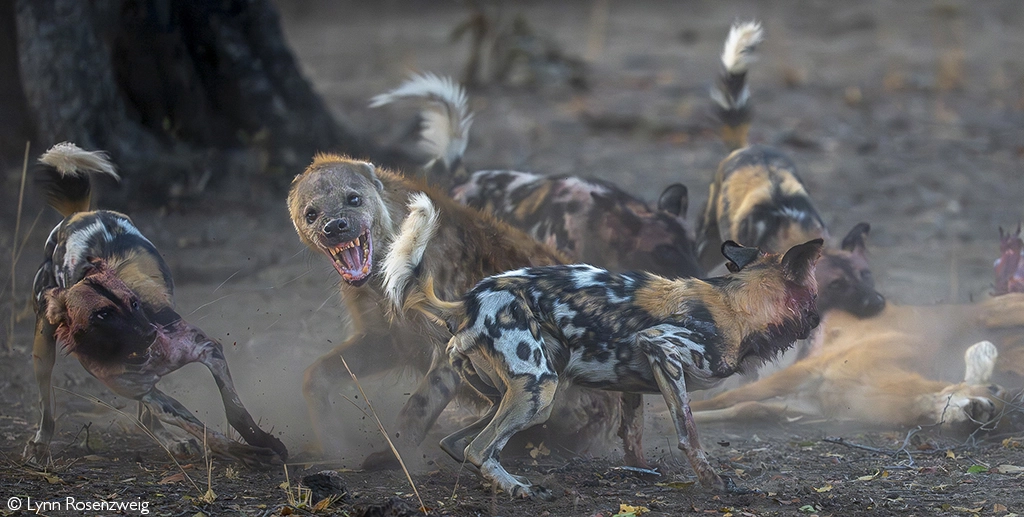
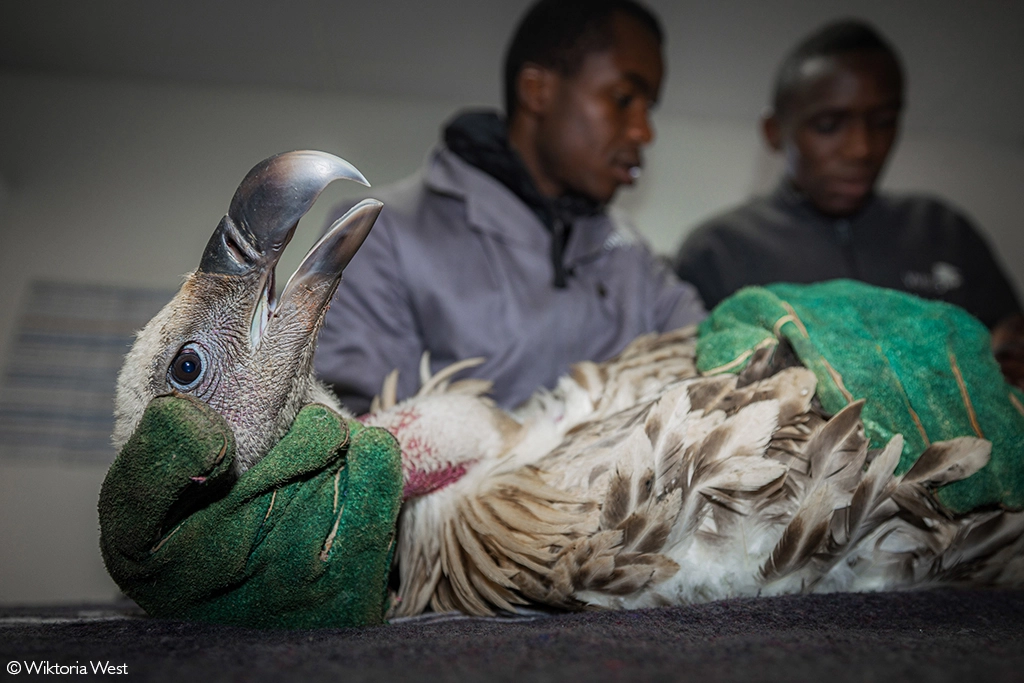
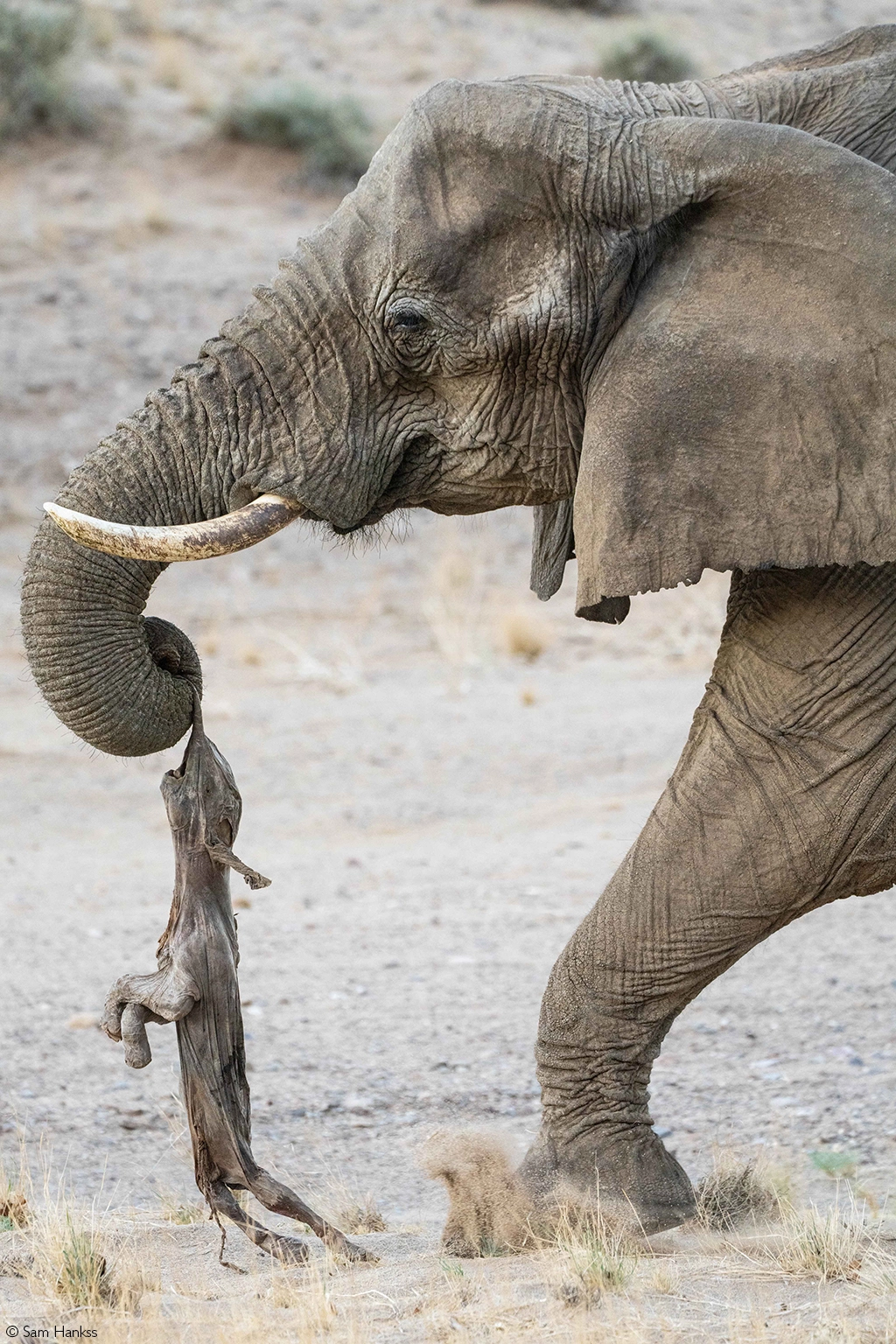
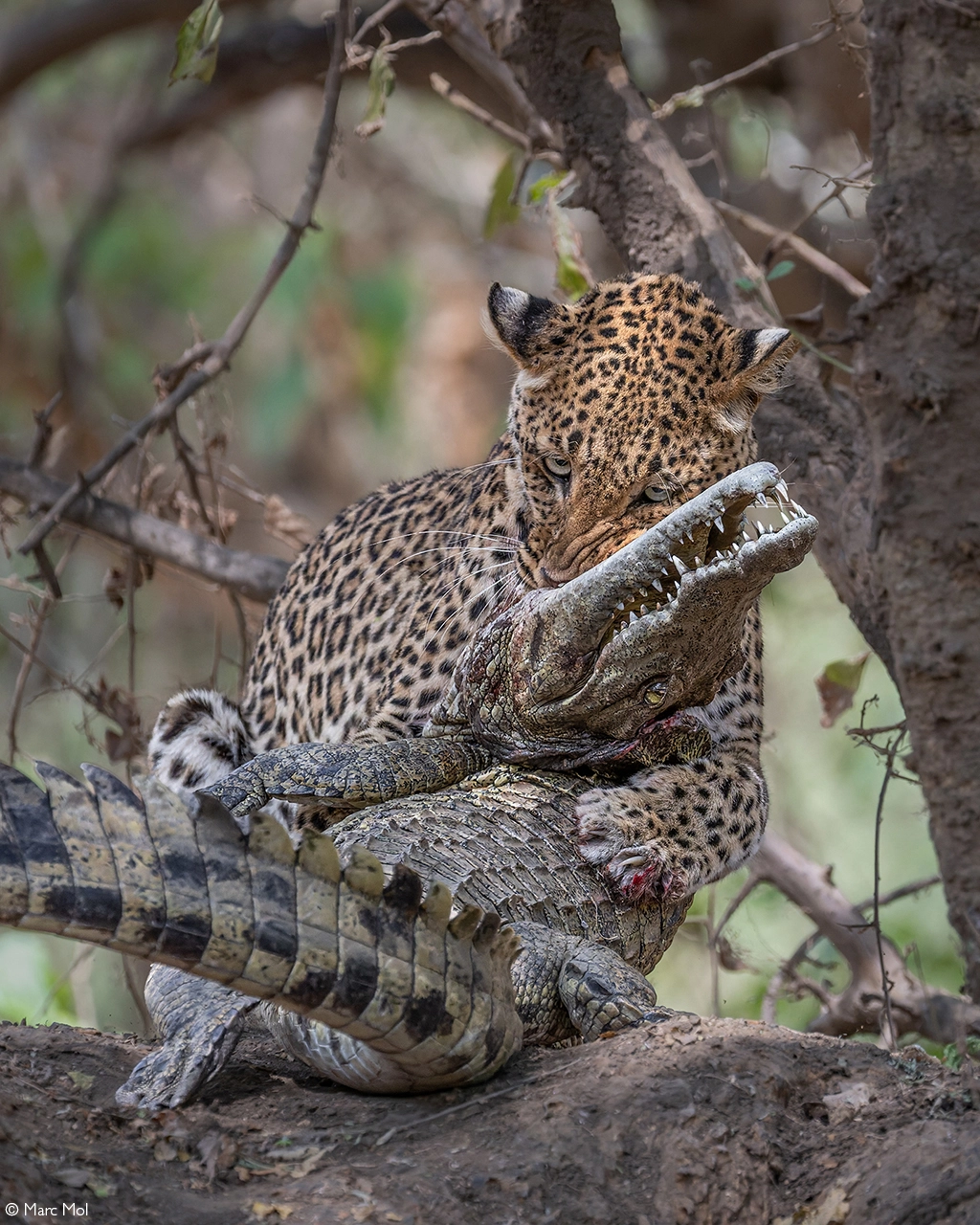
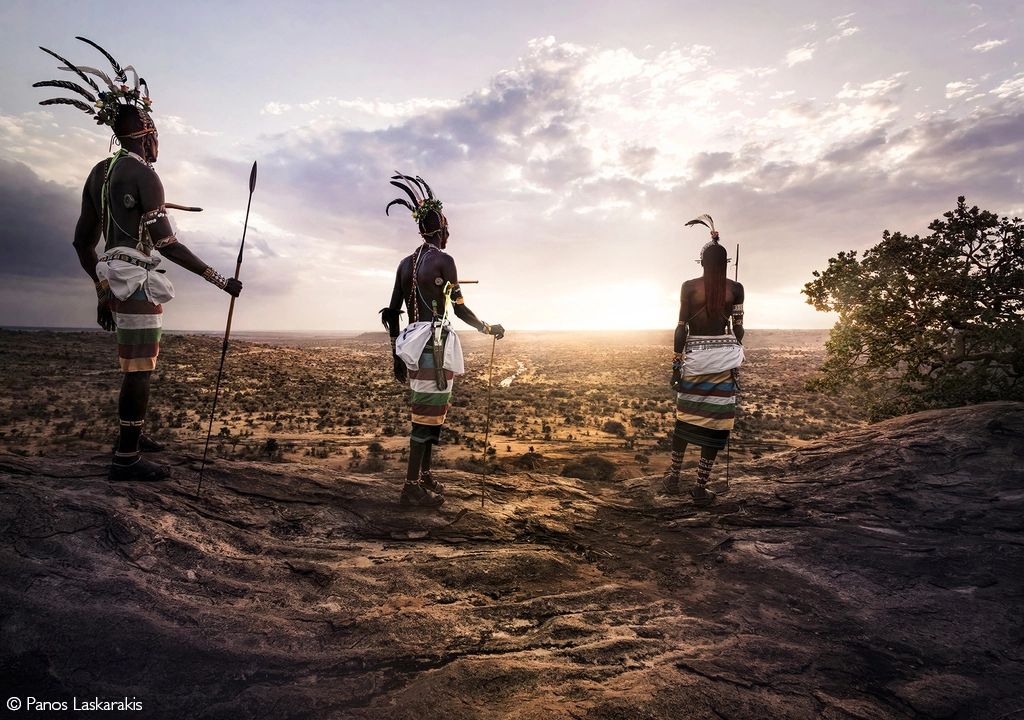
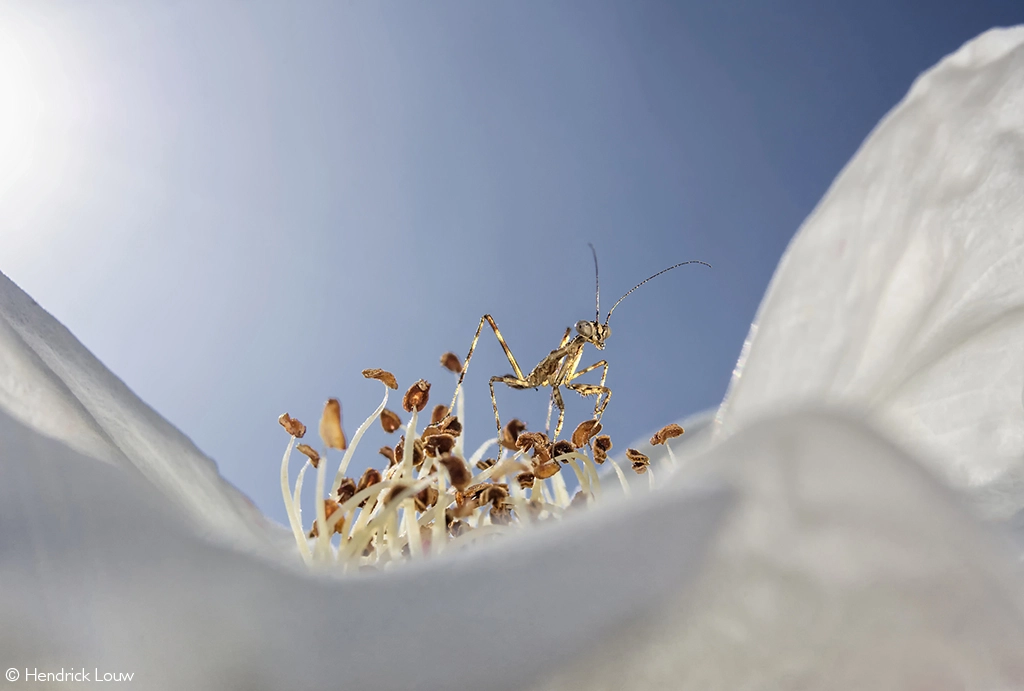
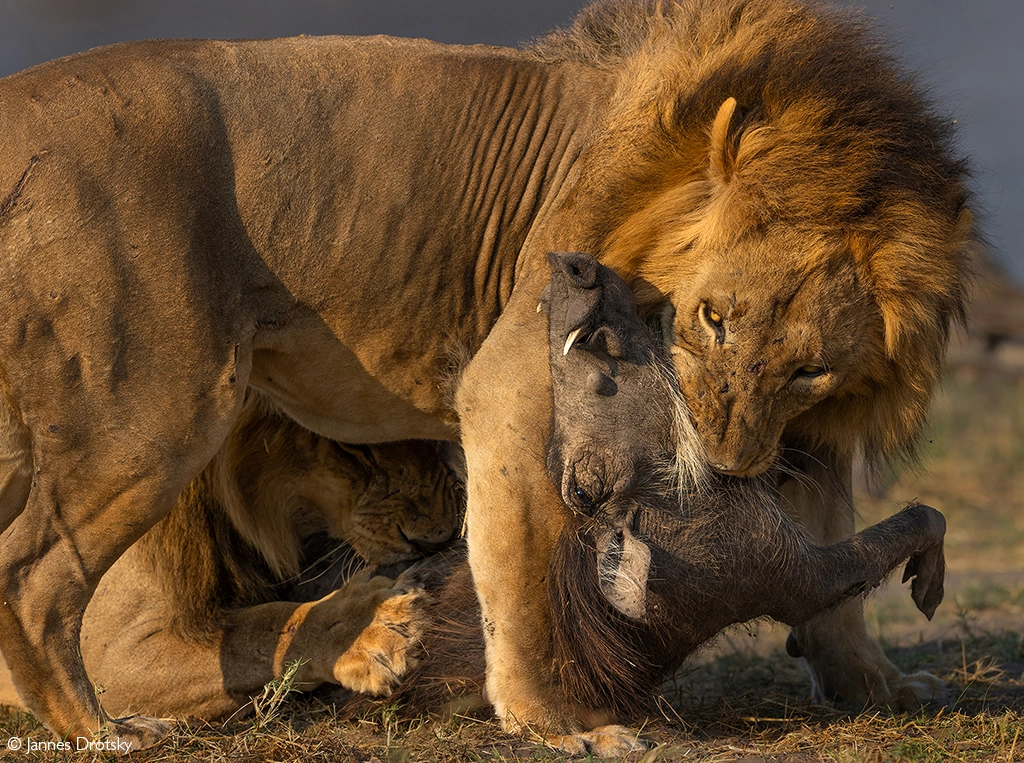
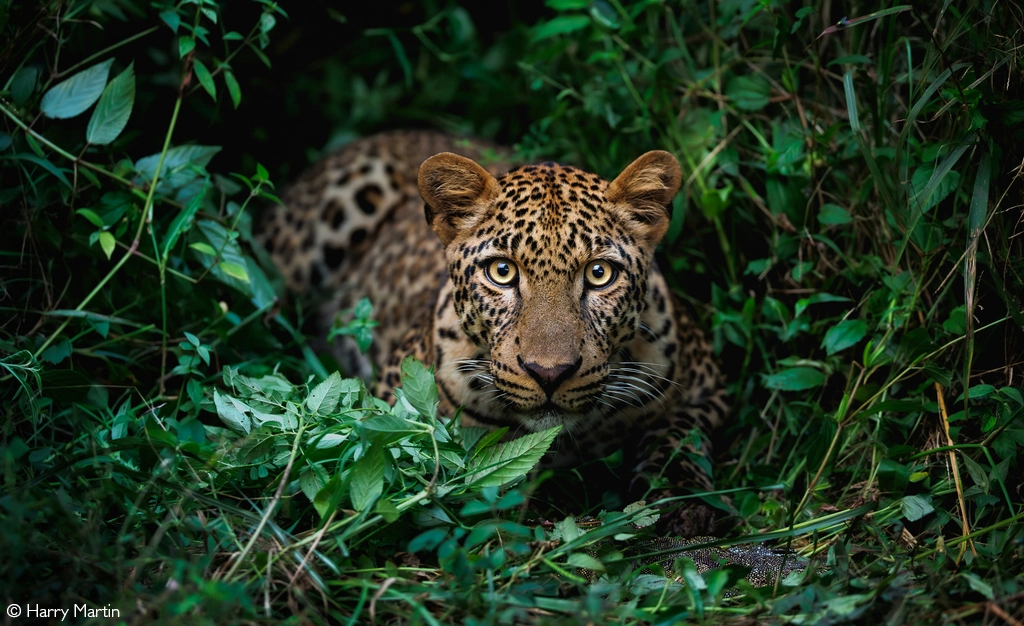
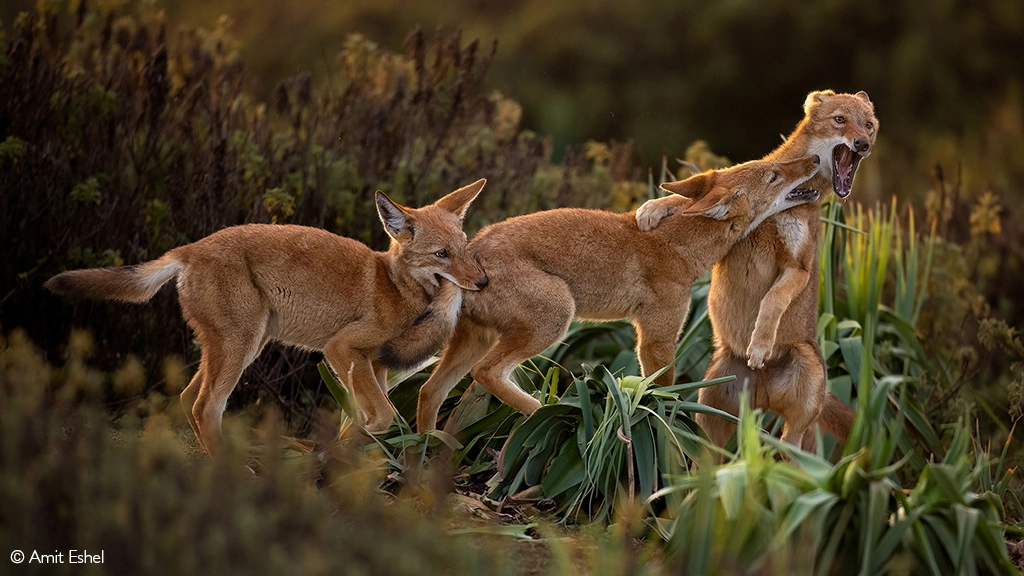
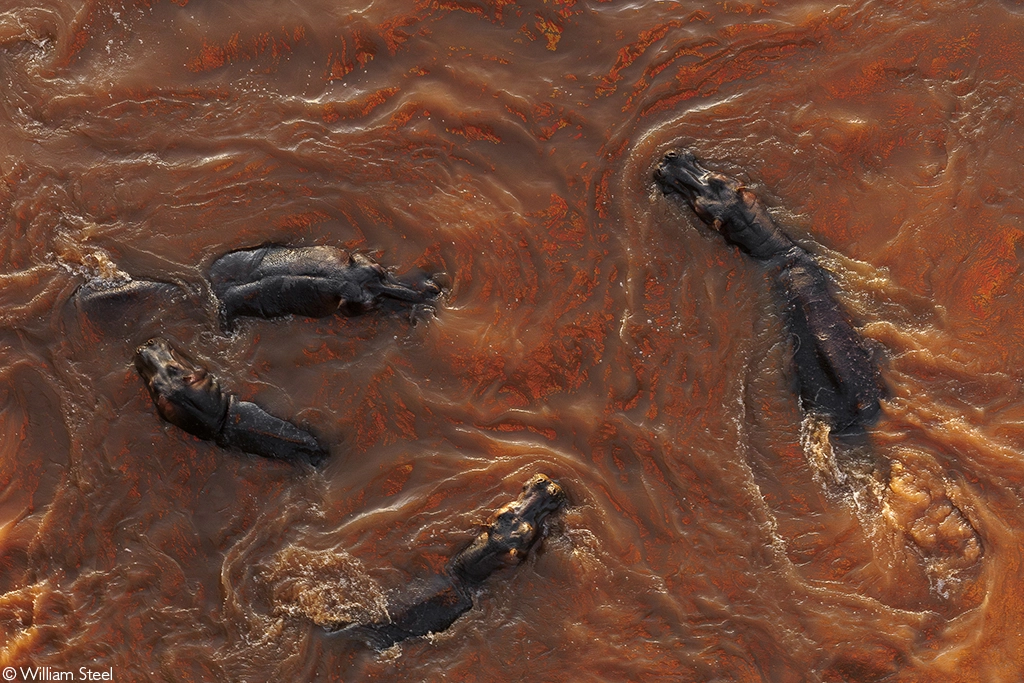
 Want to visit Tembe Elephant Park on safari?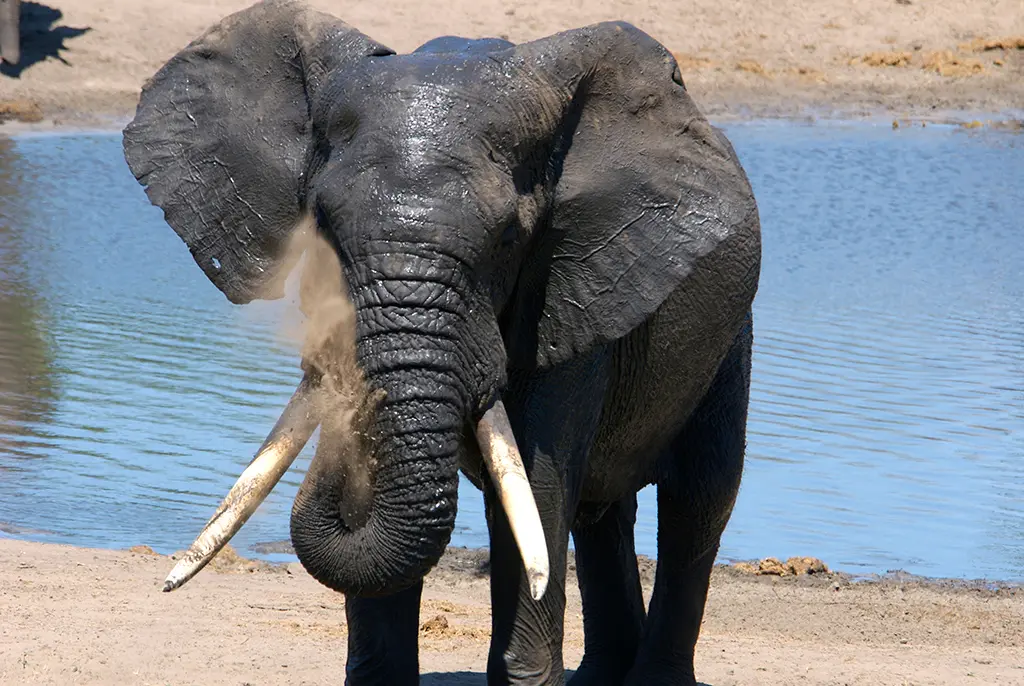
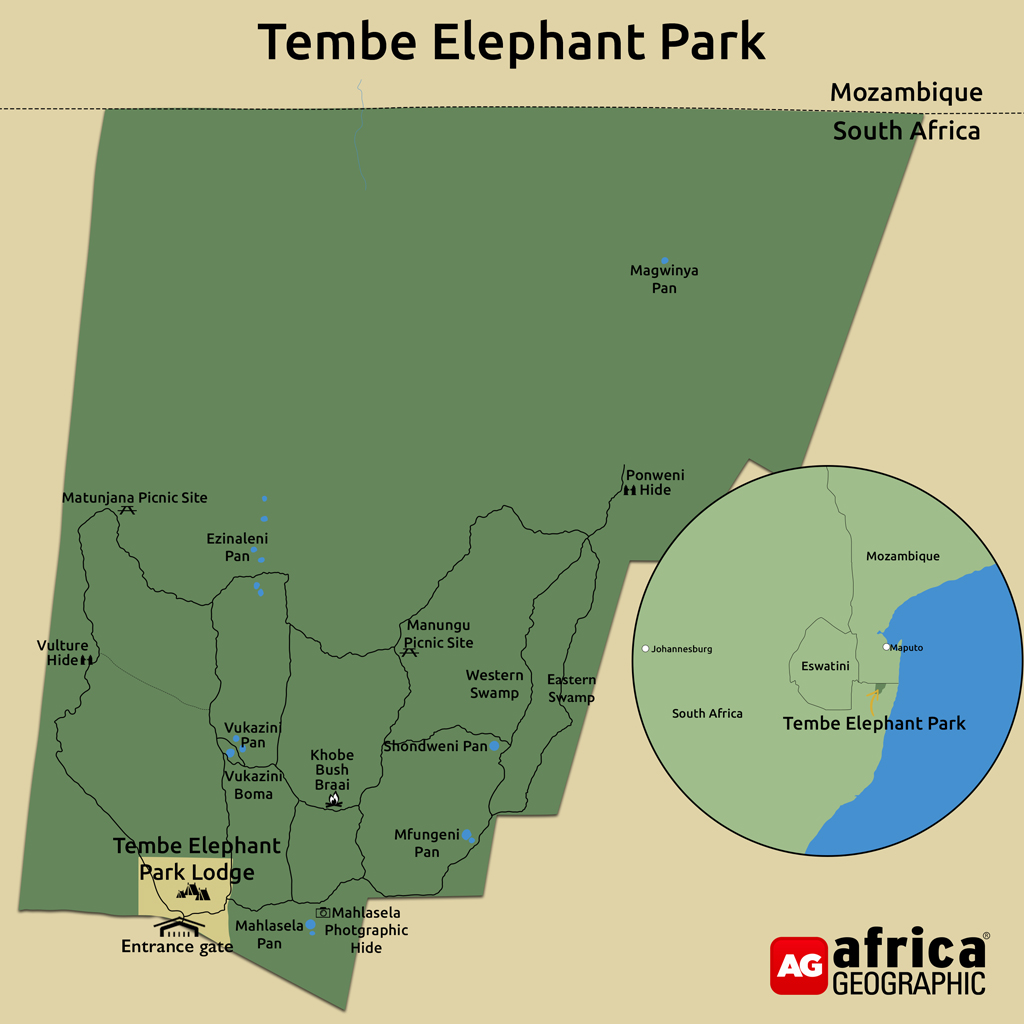
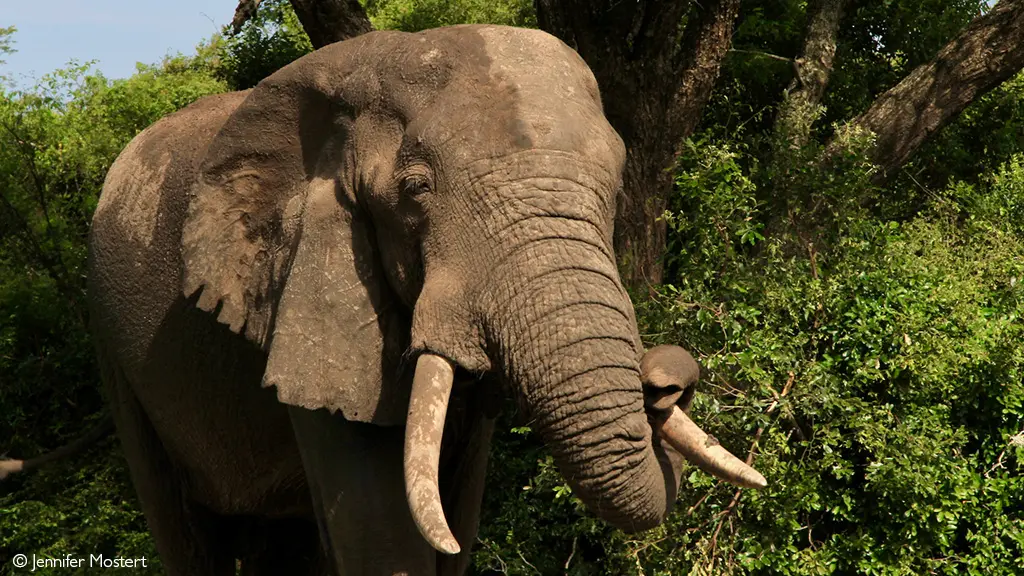
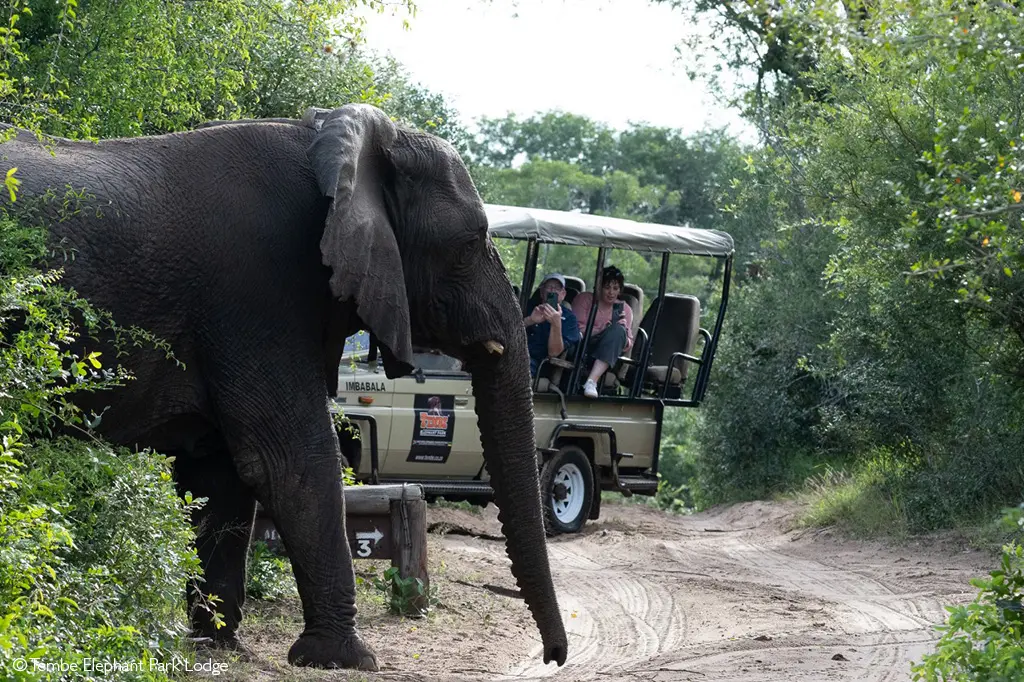
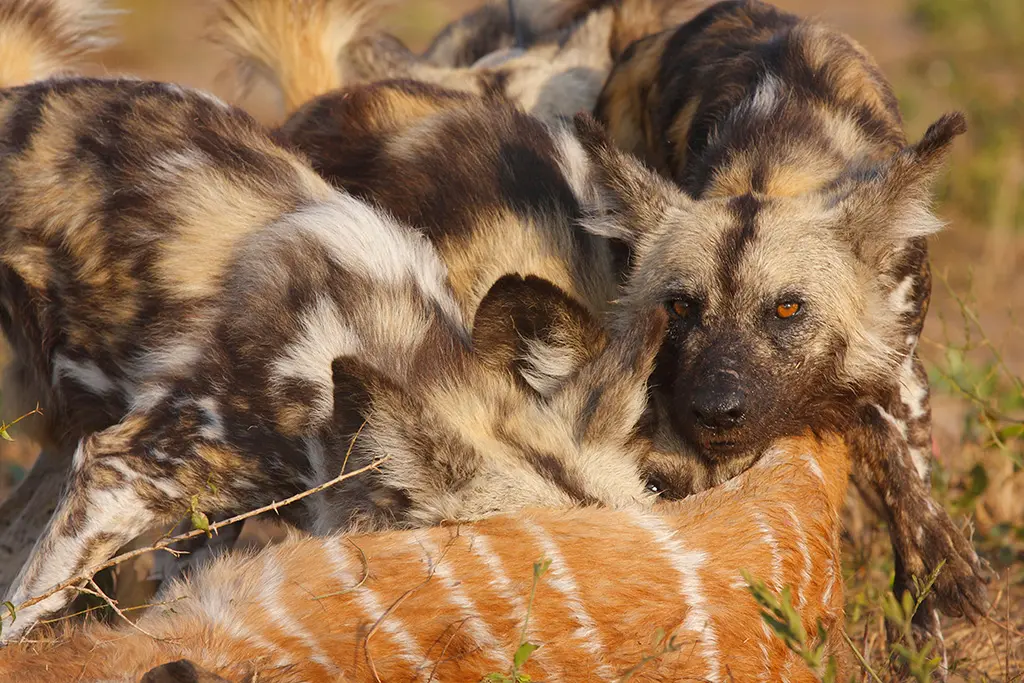
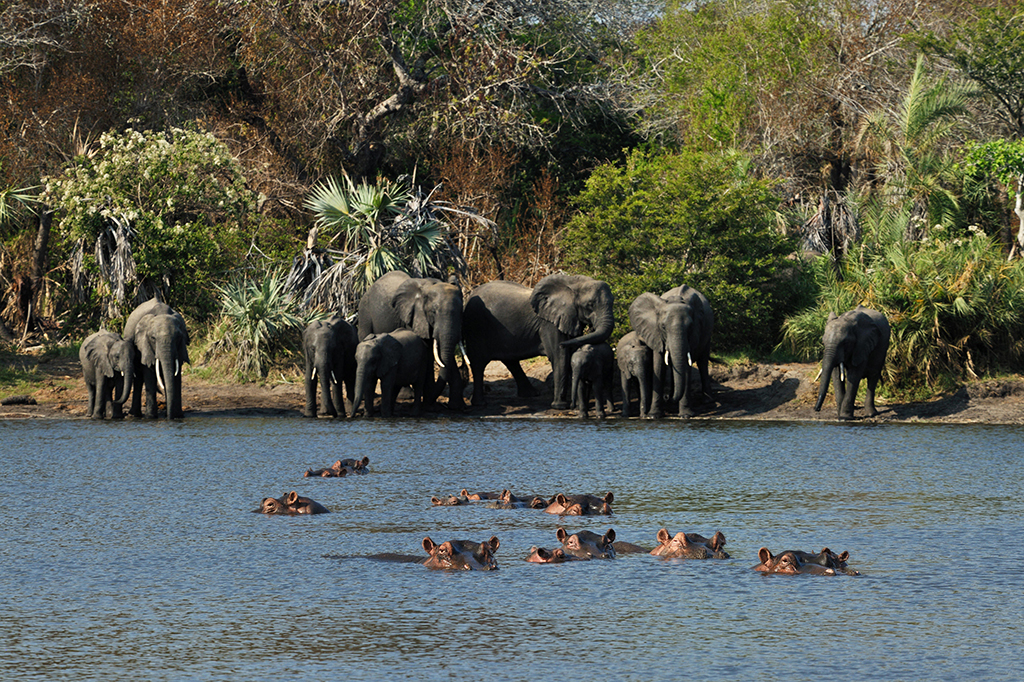
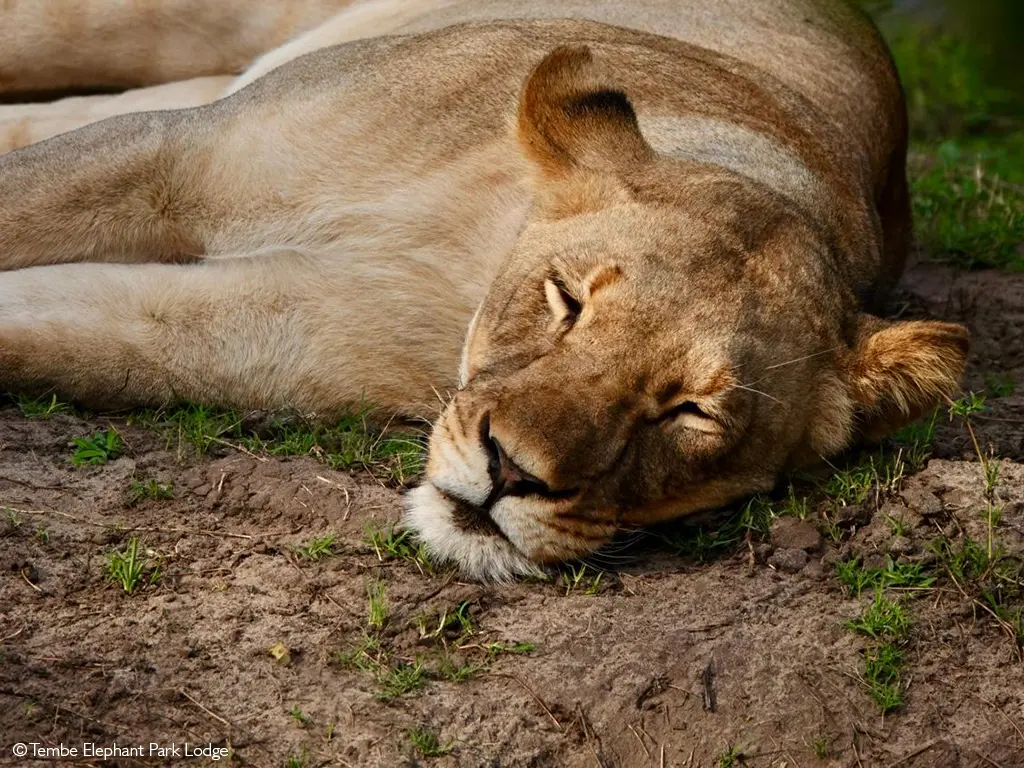
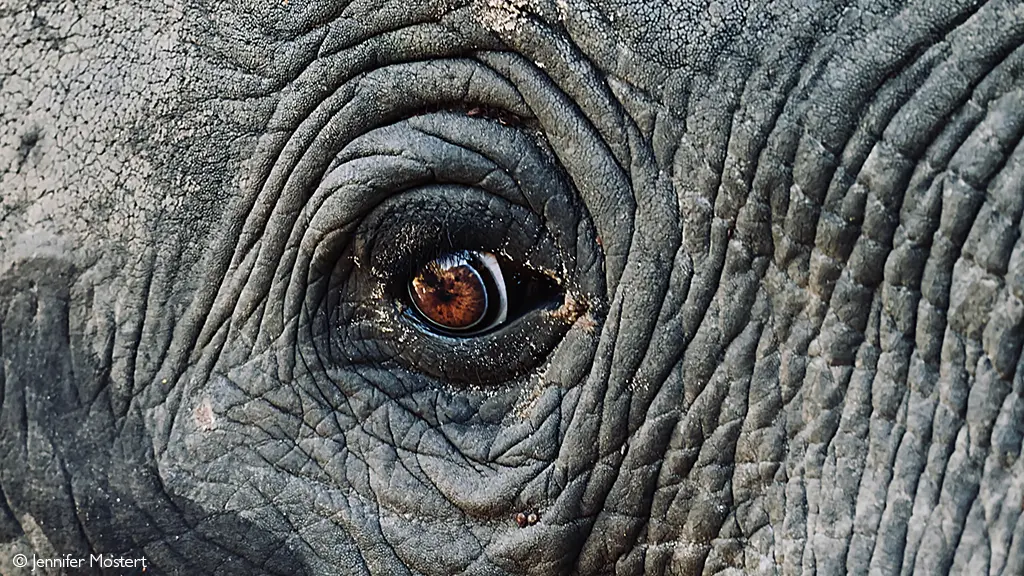
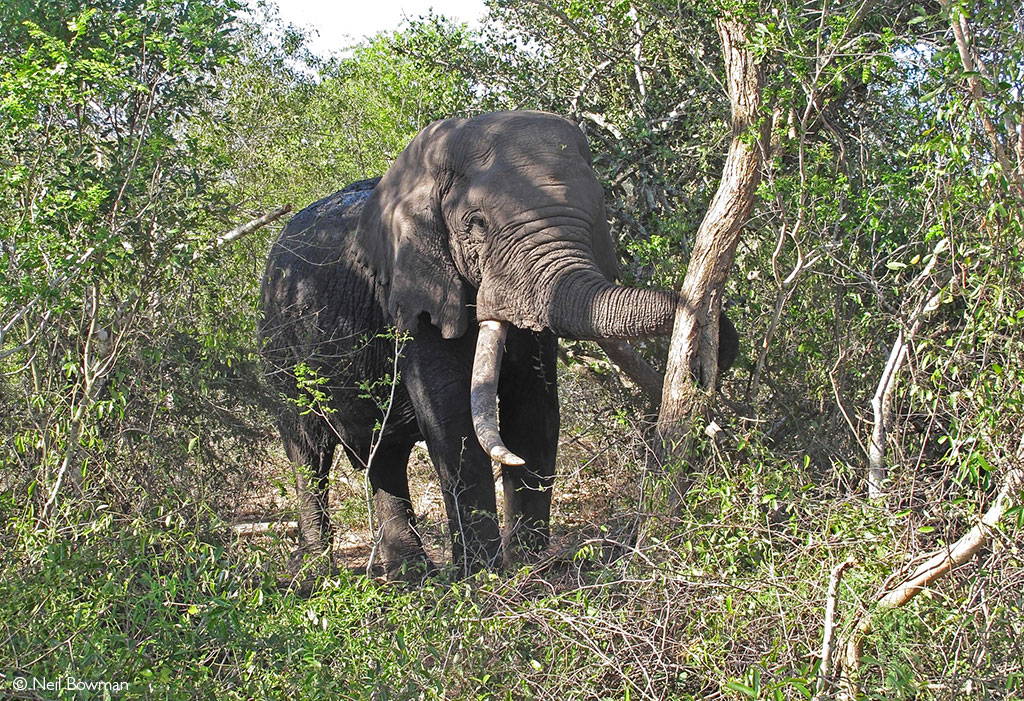
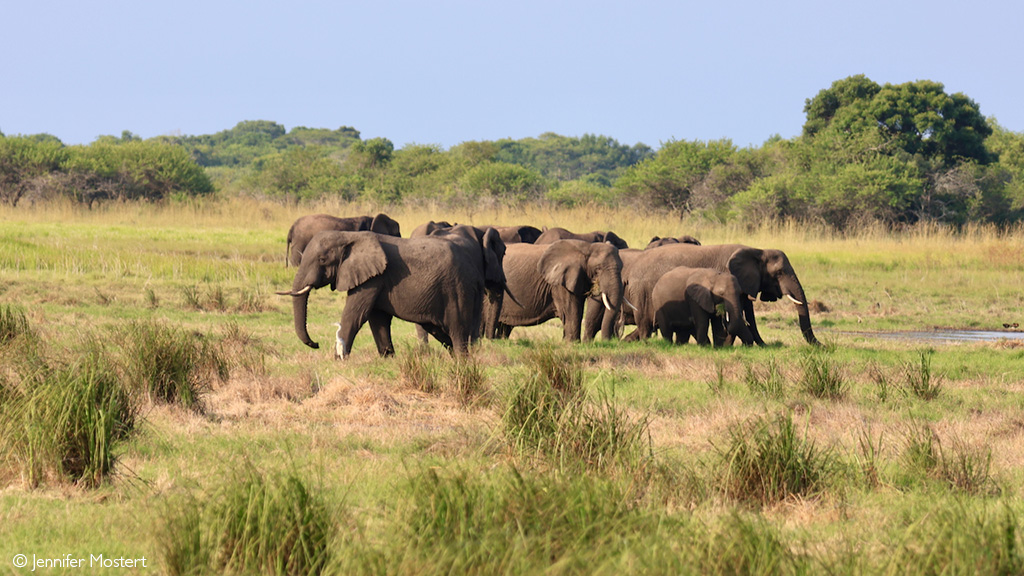
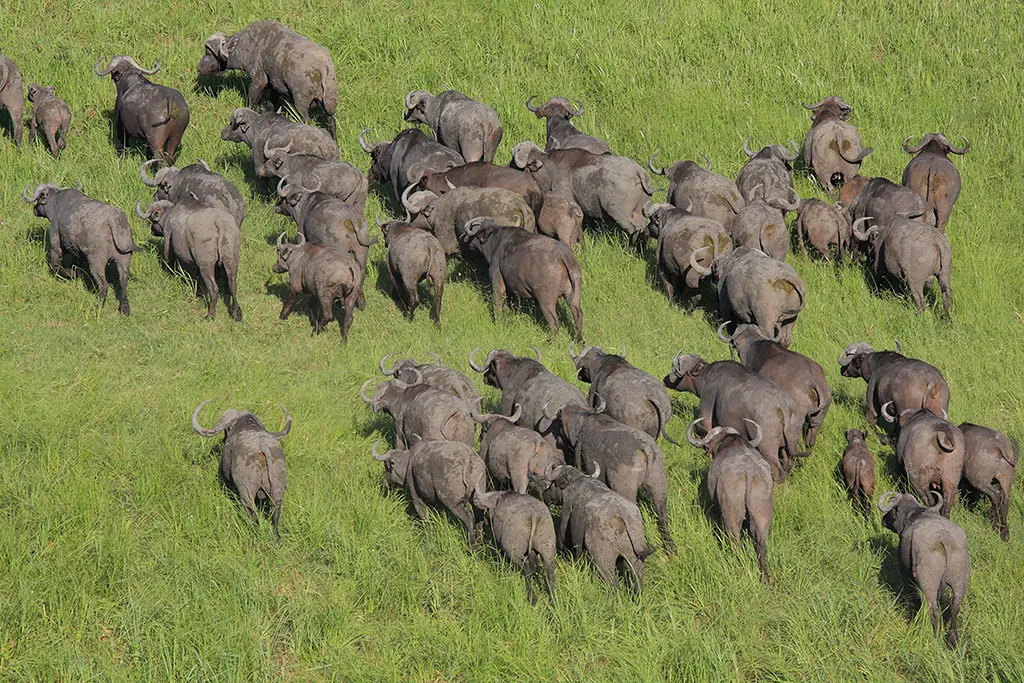
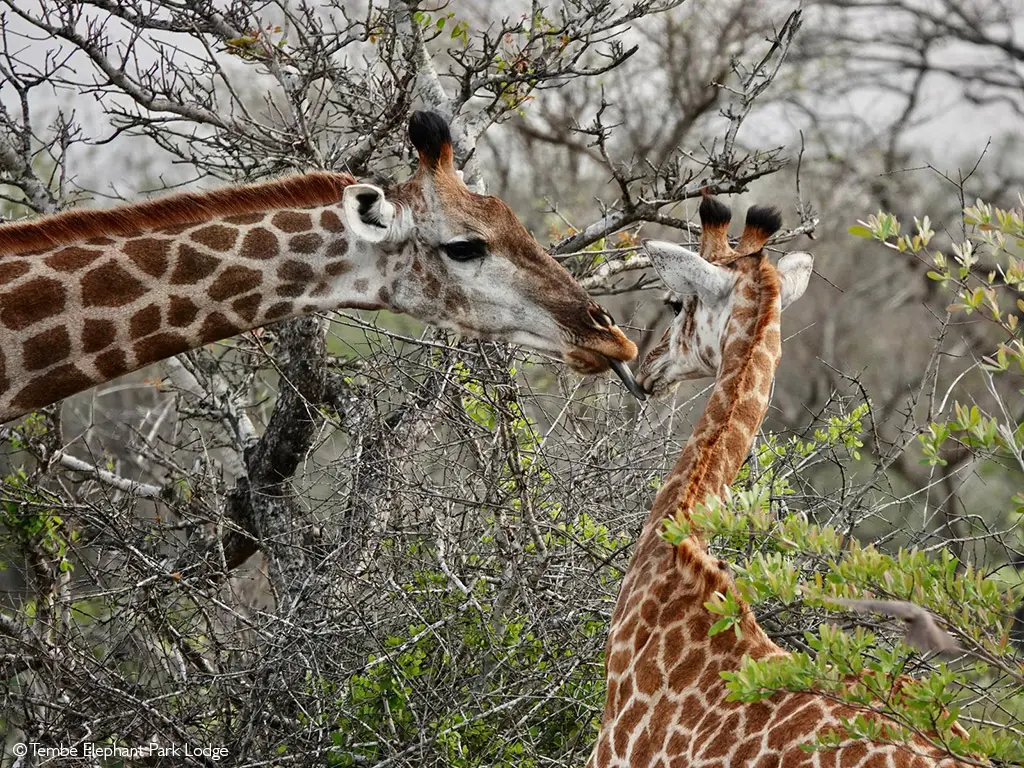
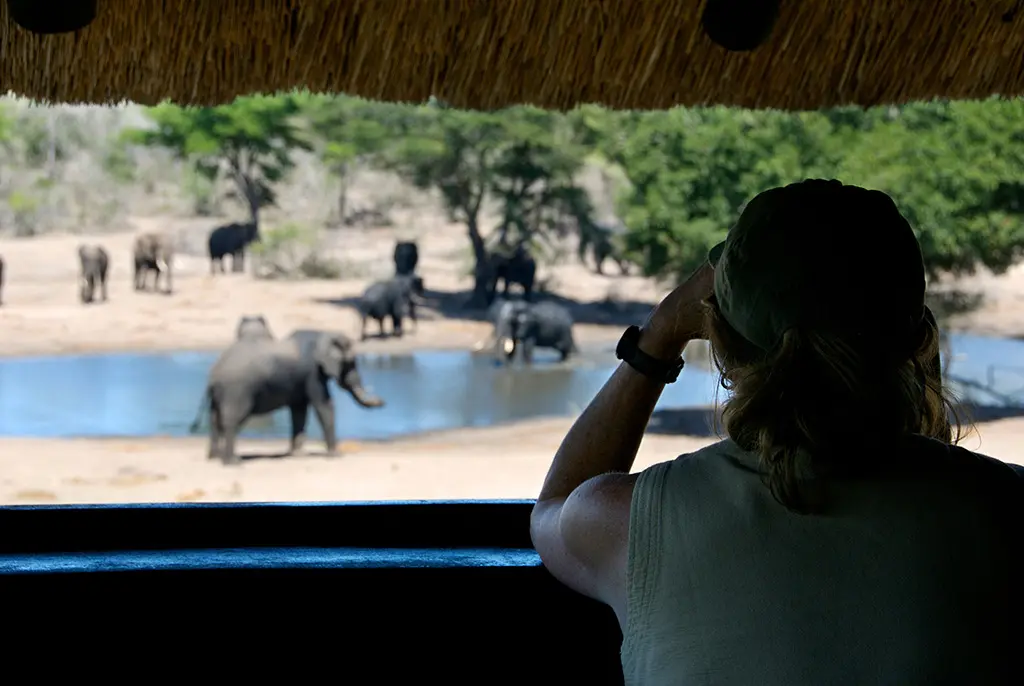
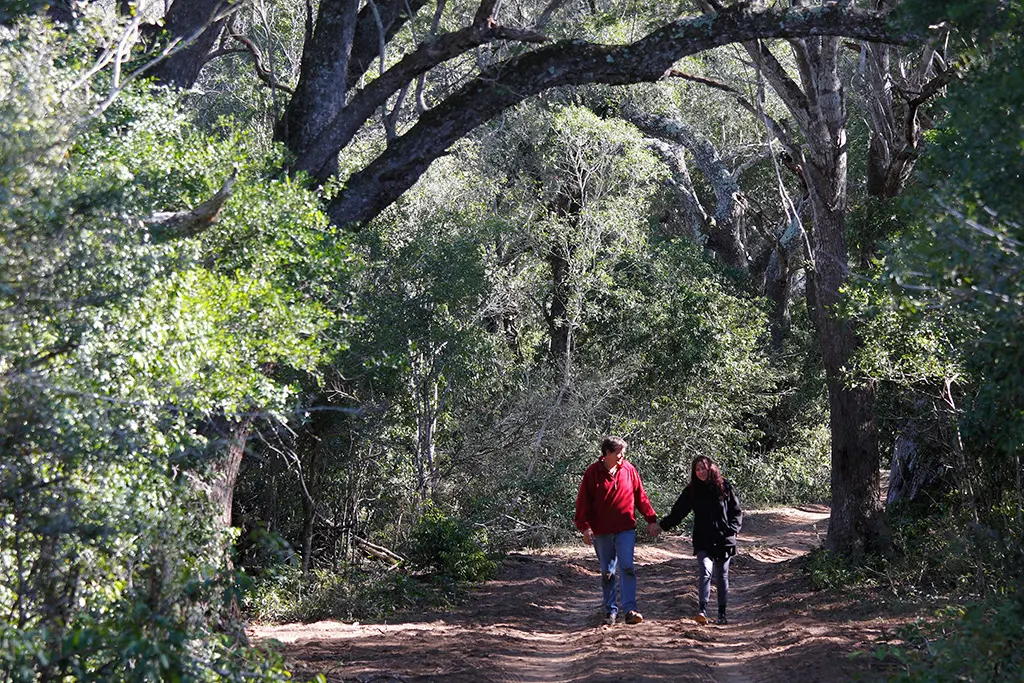
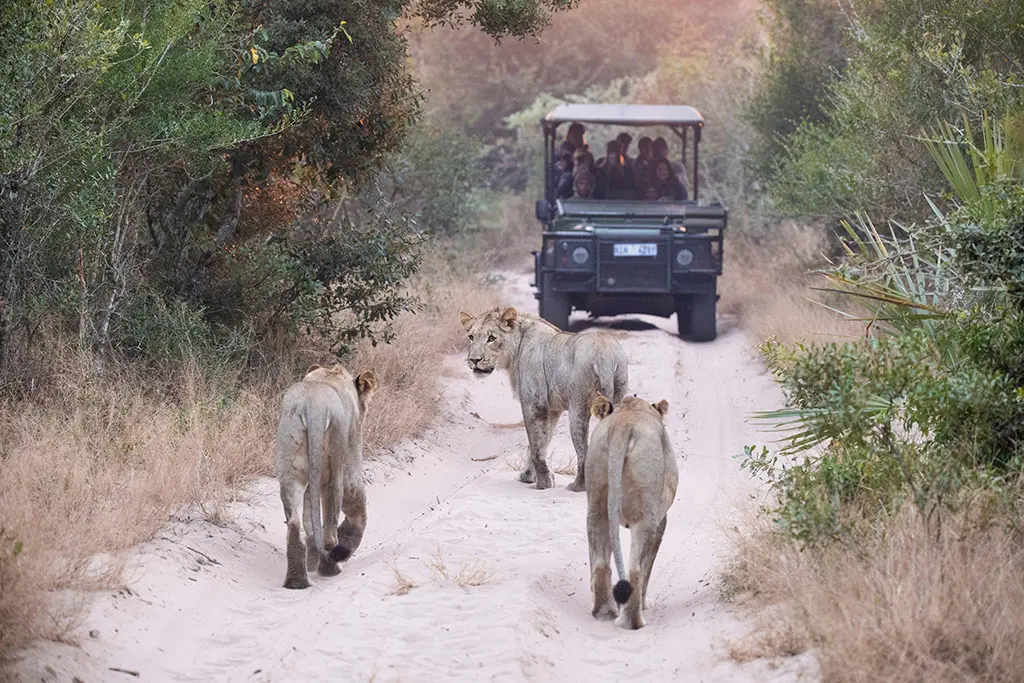
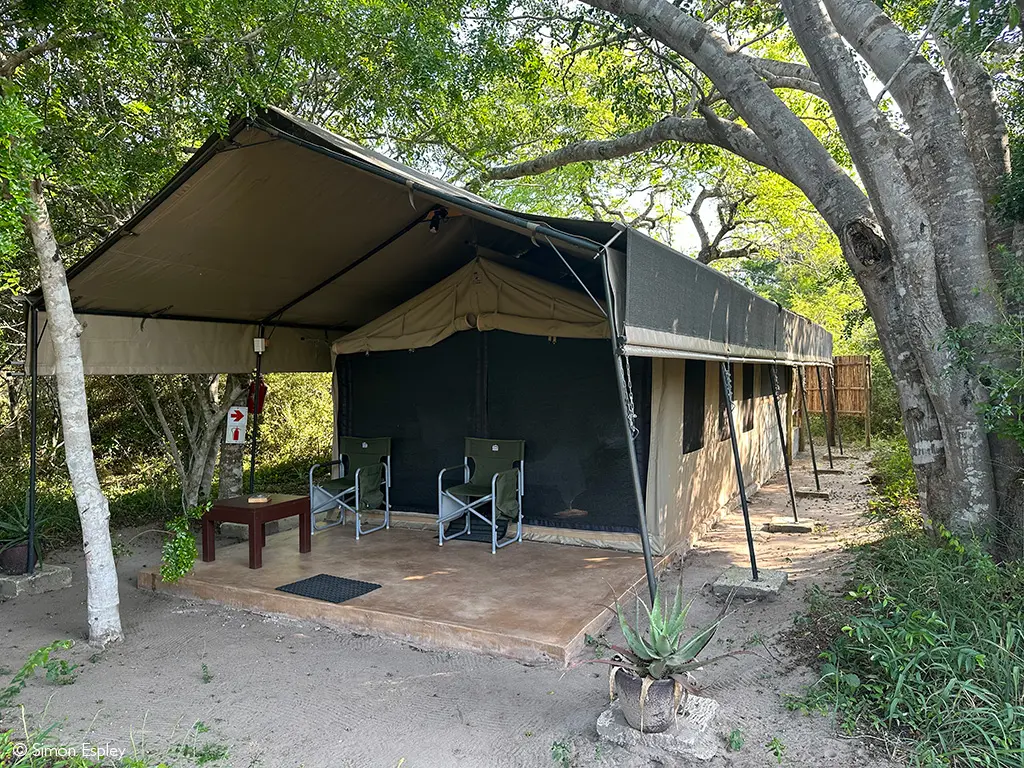
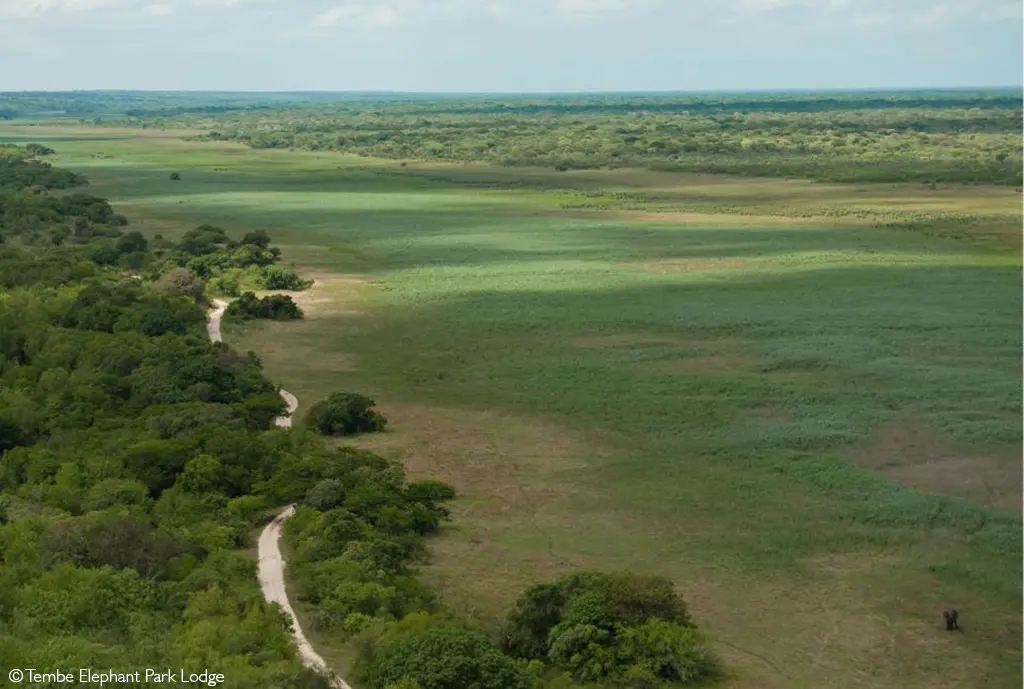



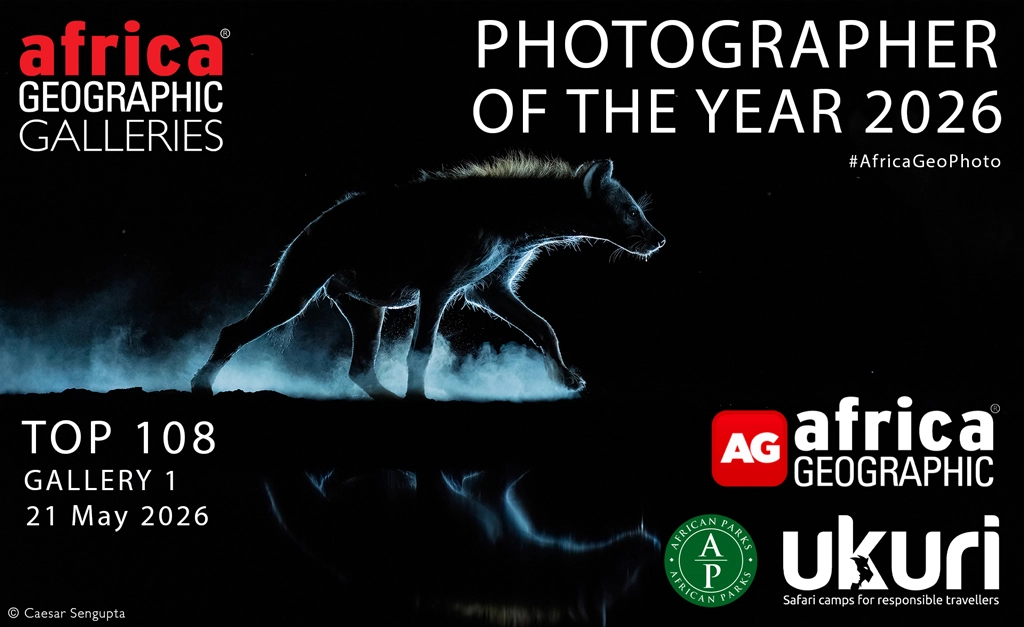
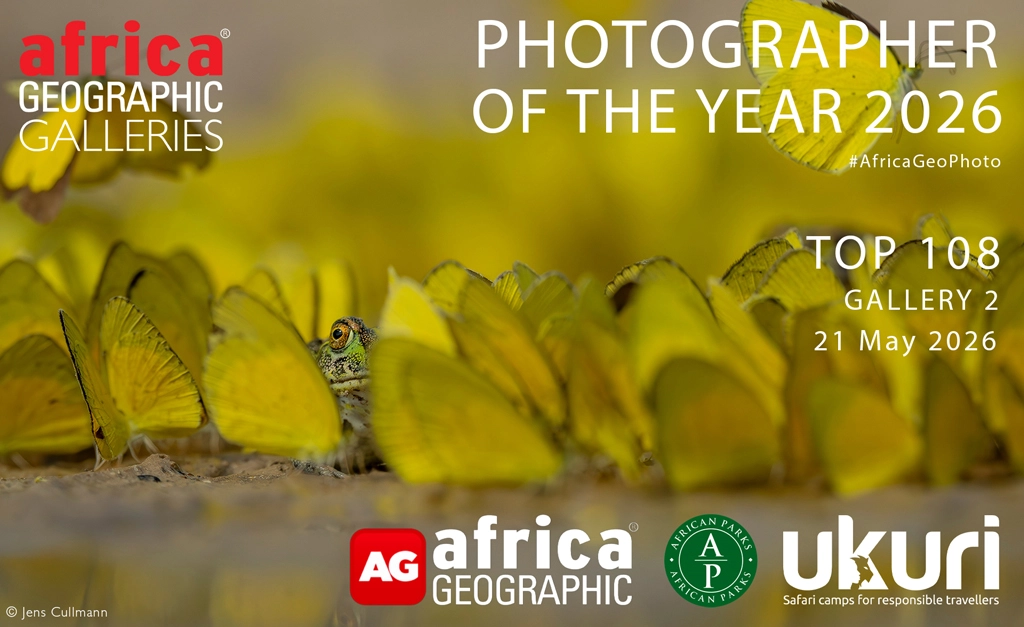

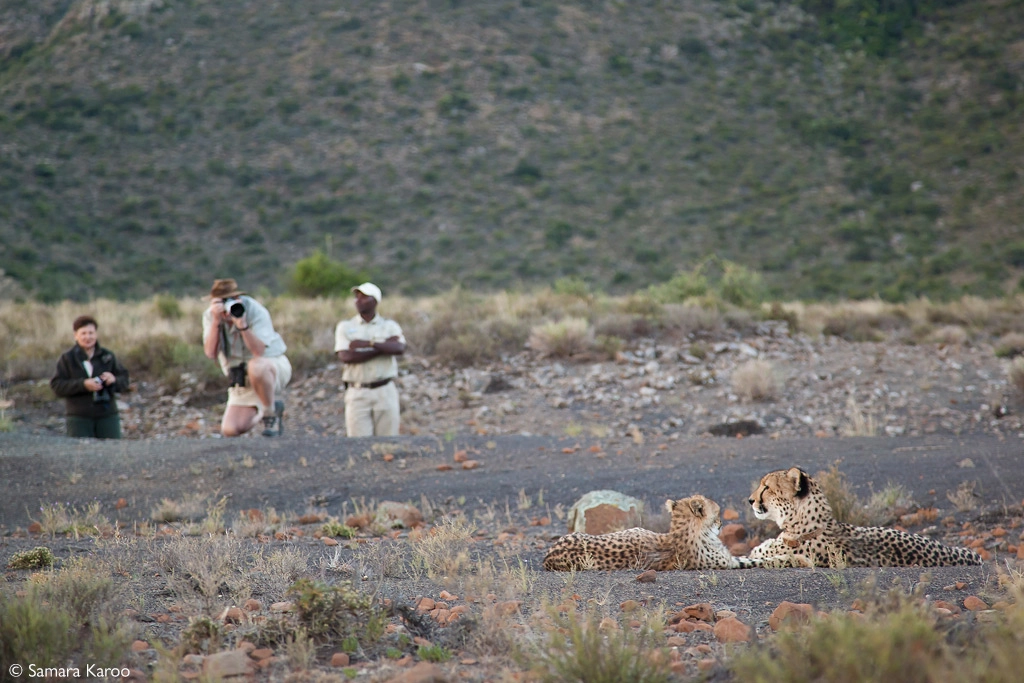
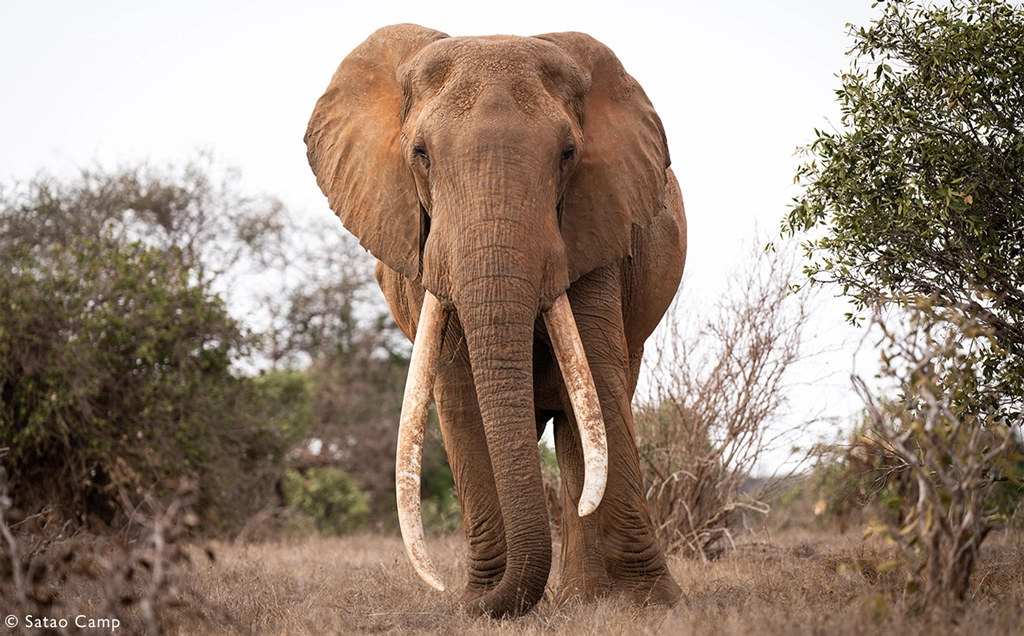
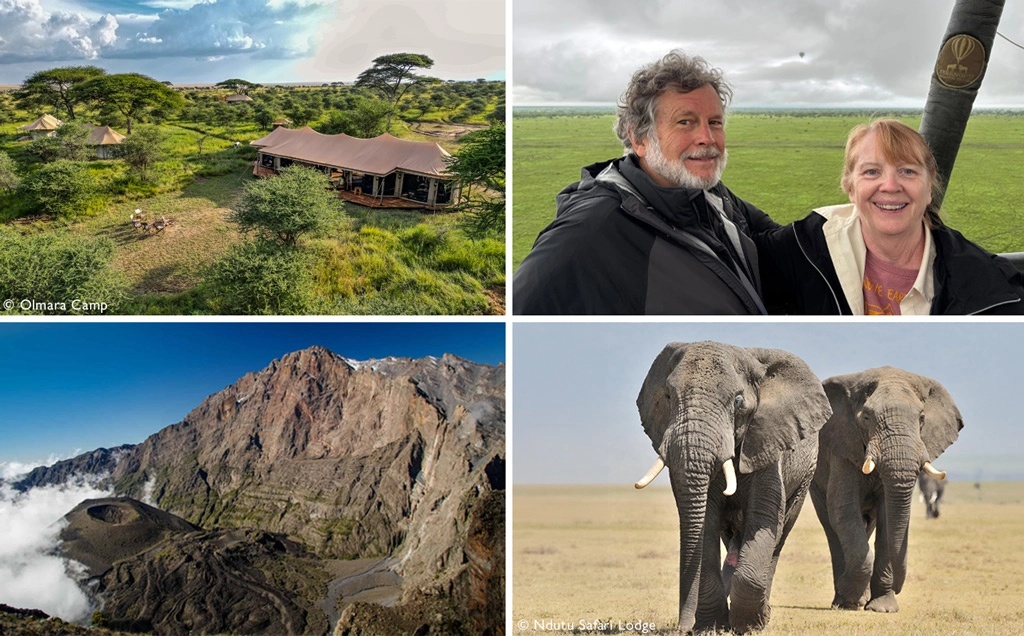
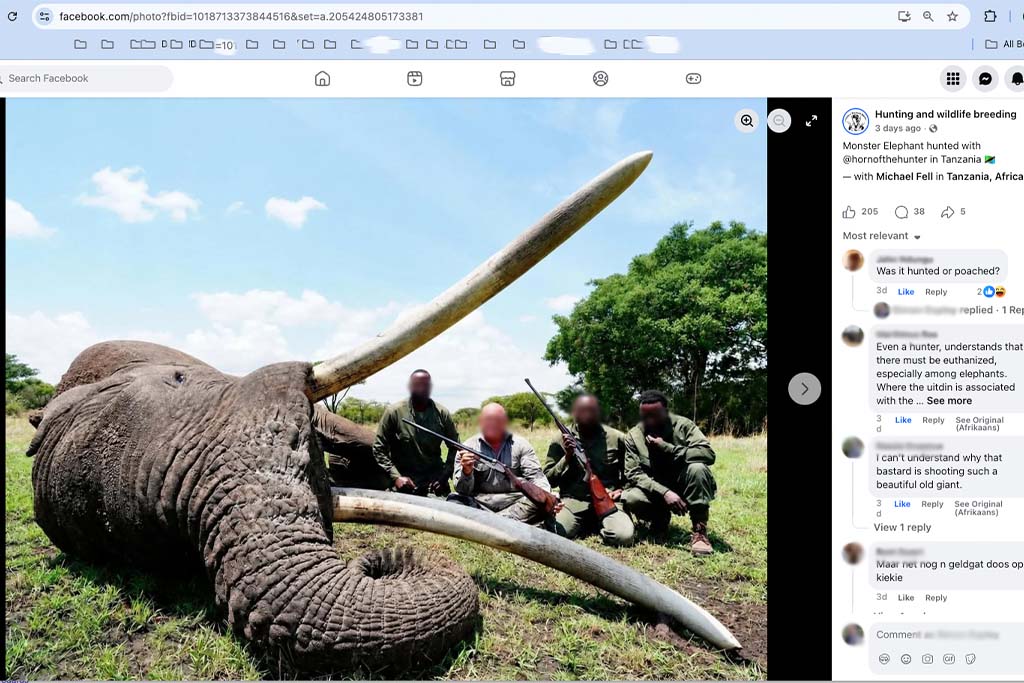
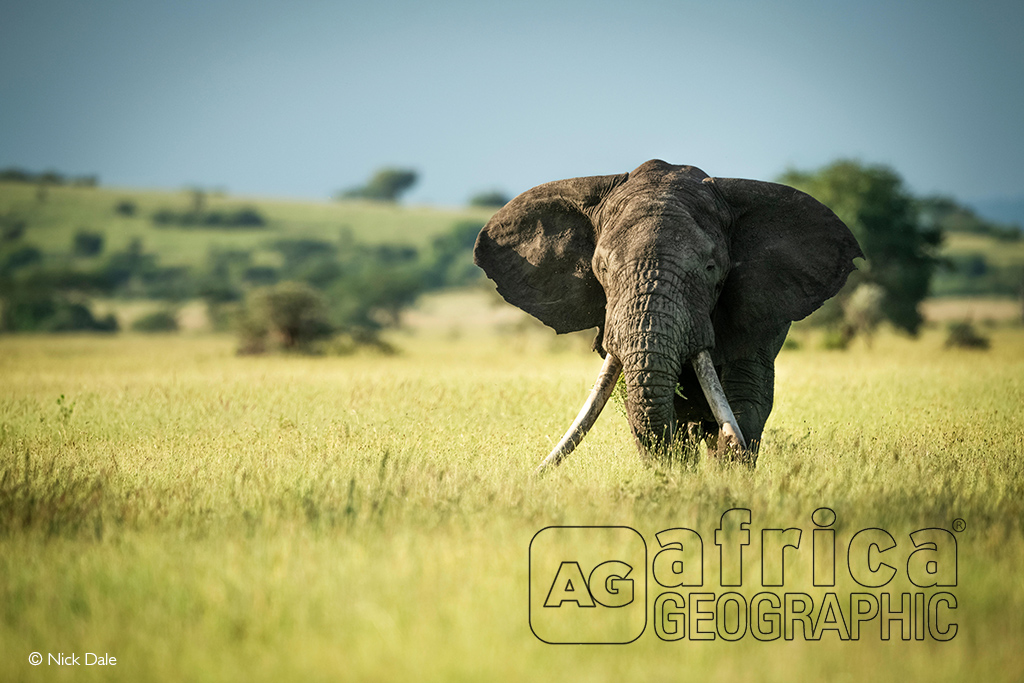
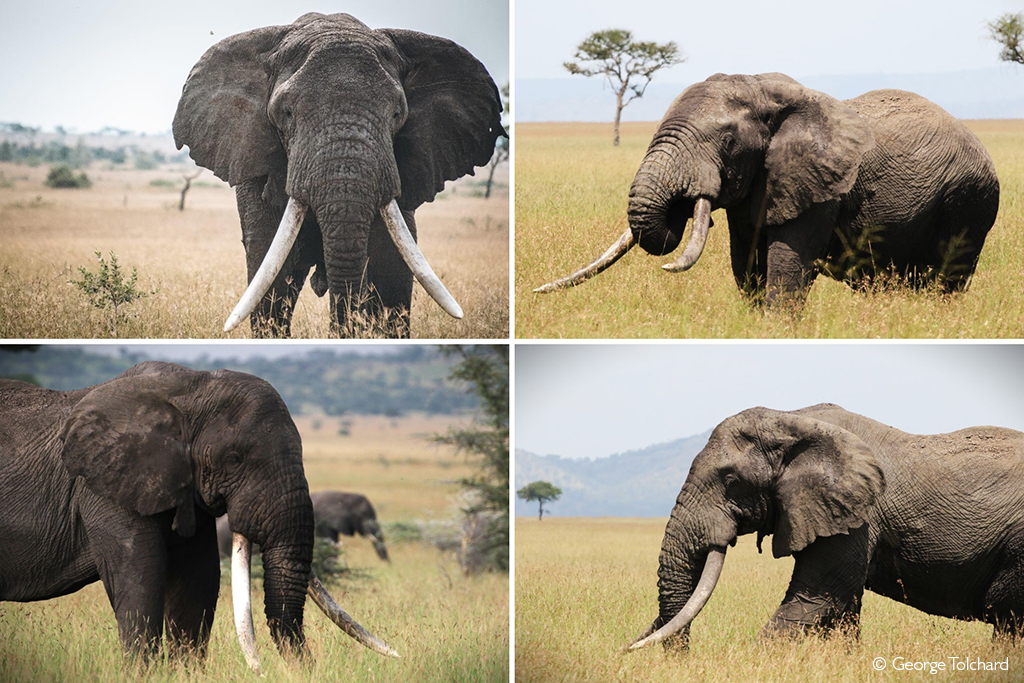
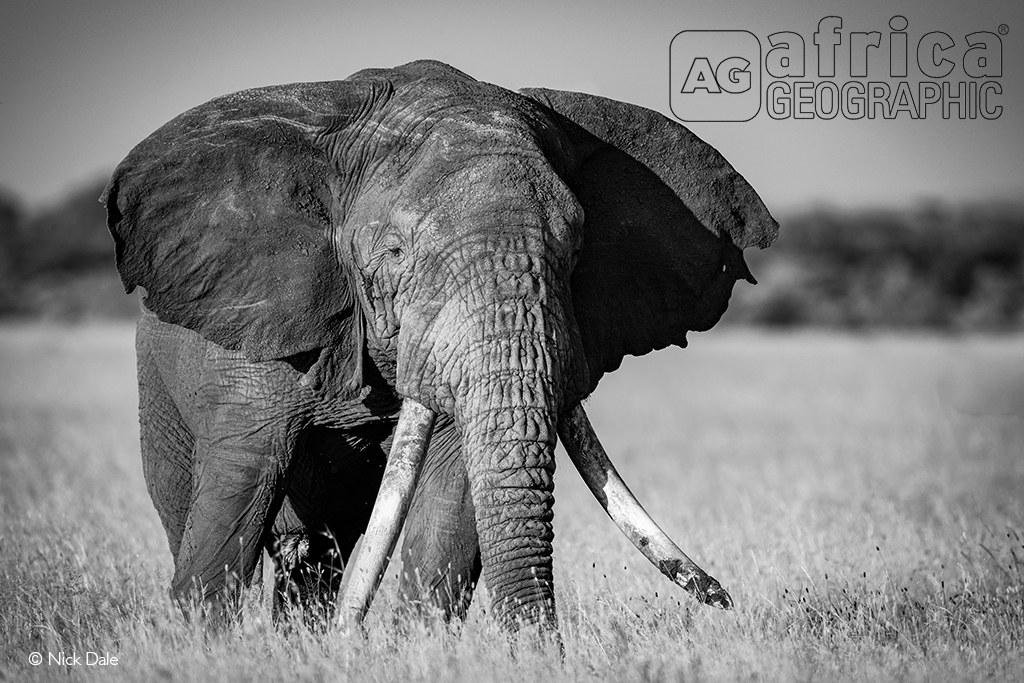
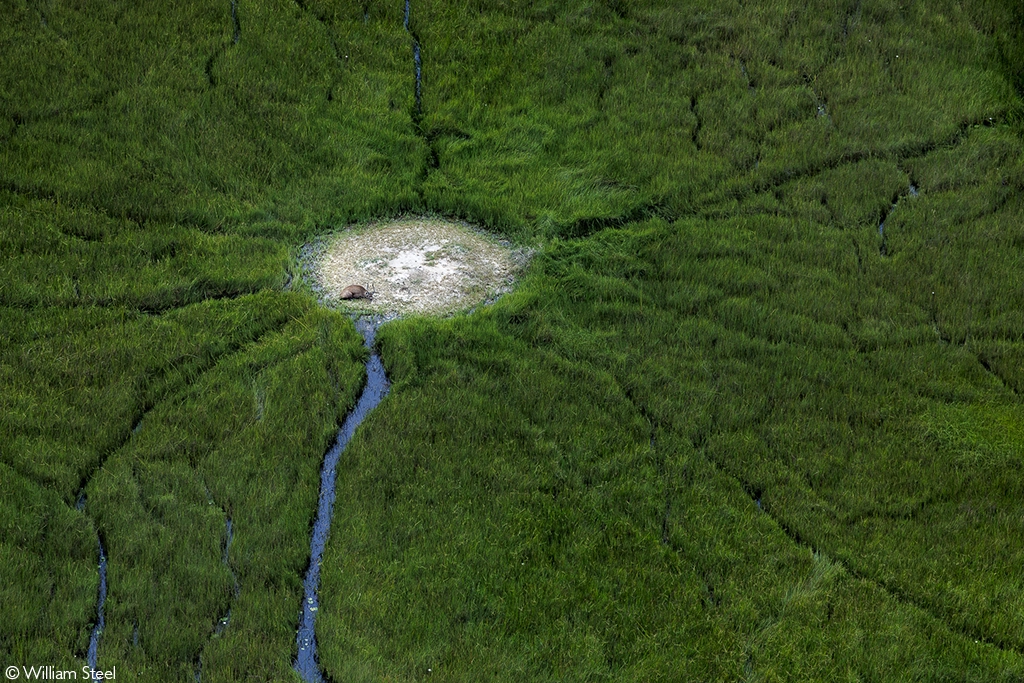
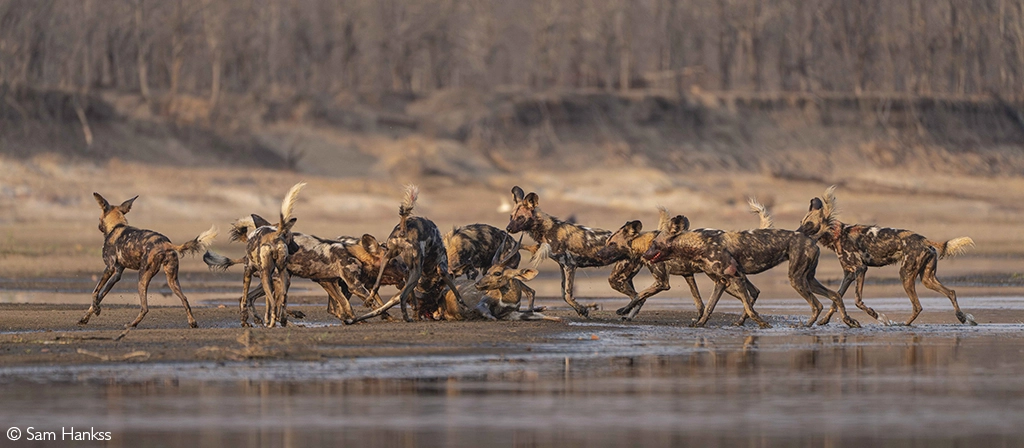
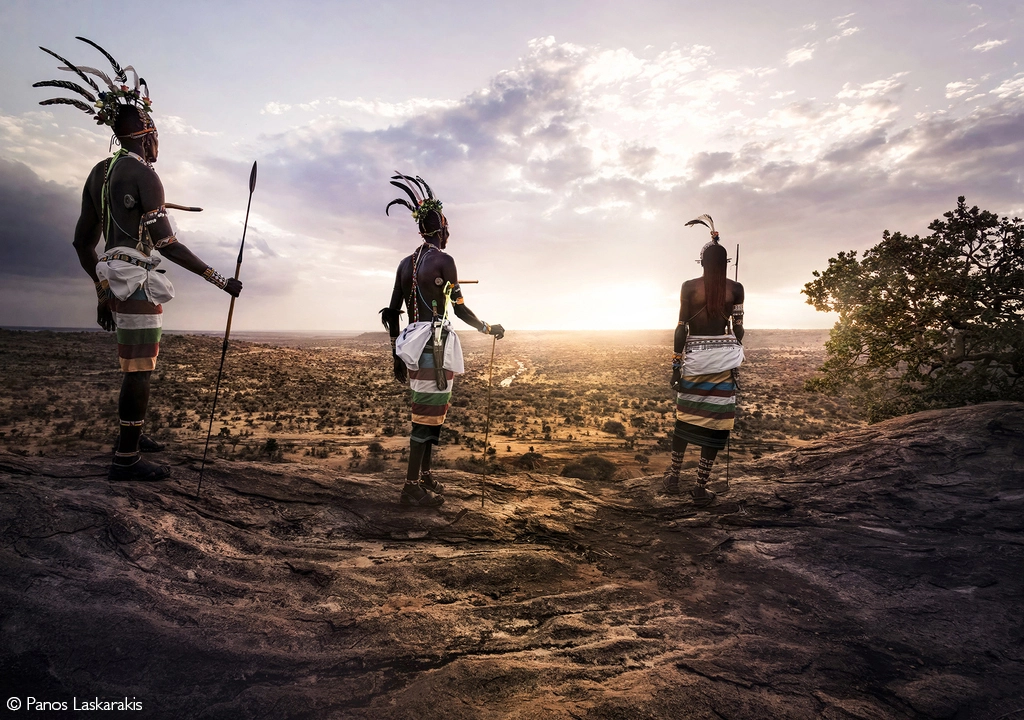
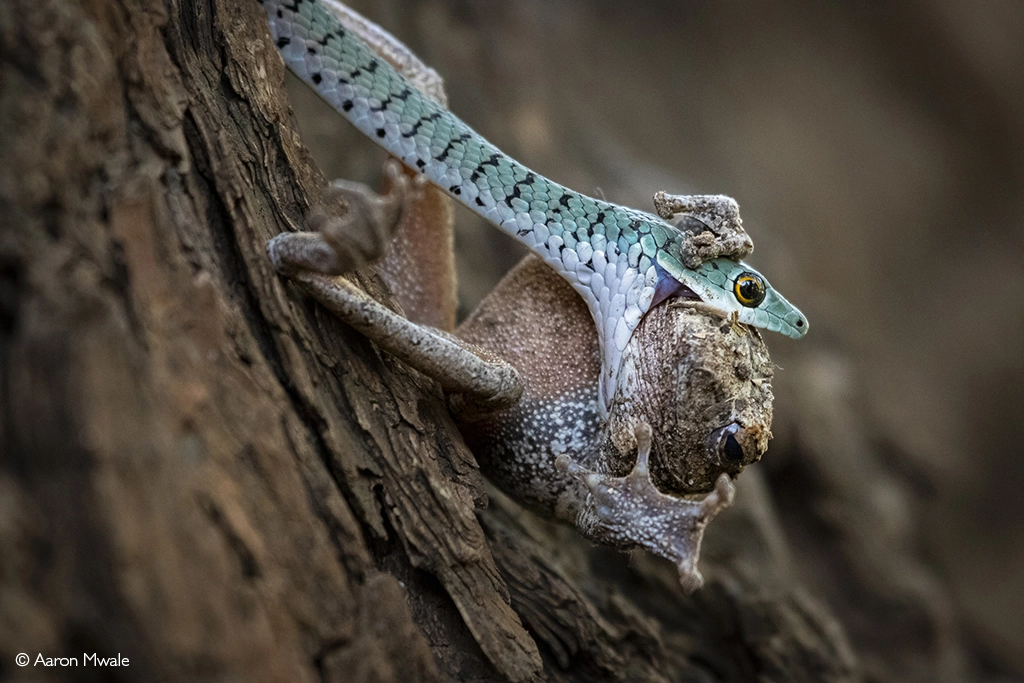
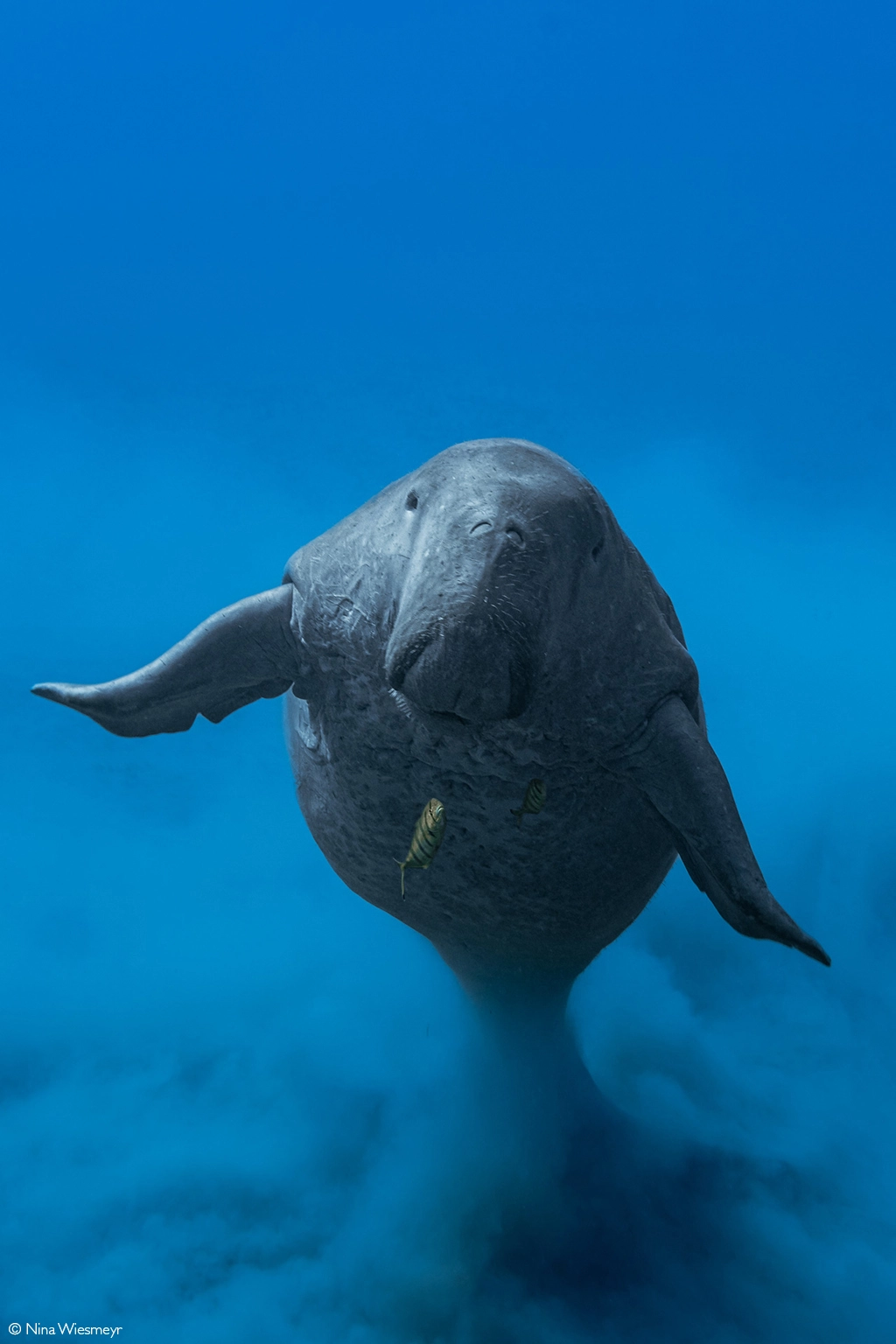
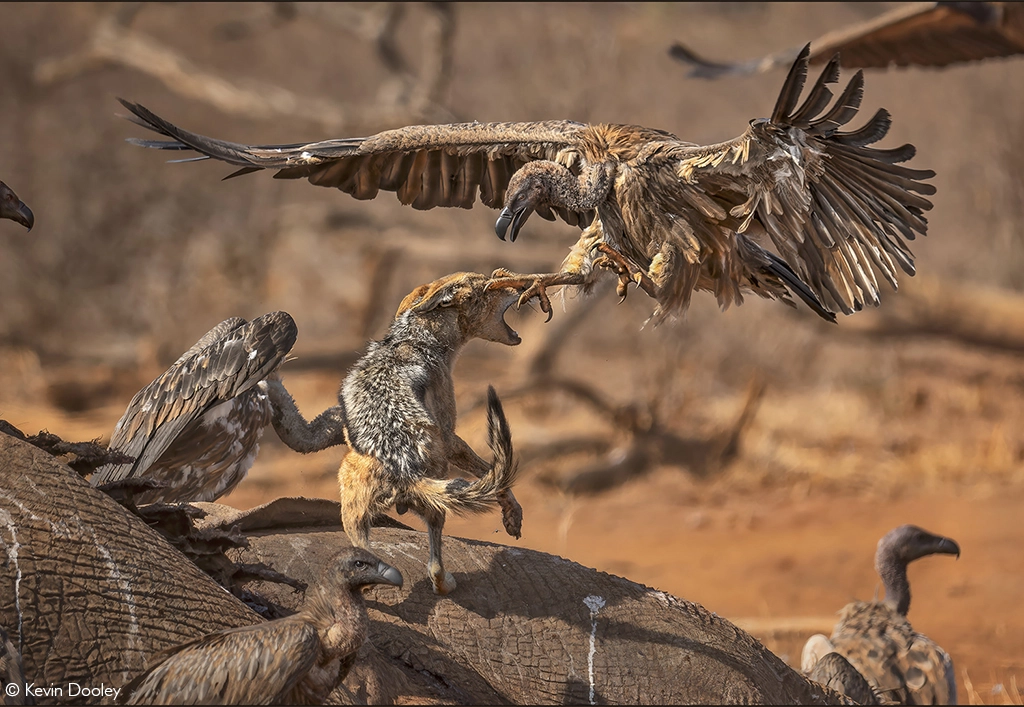
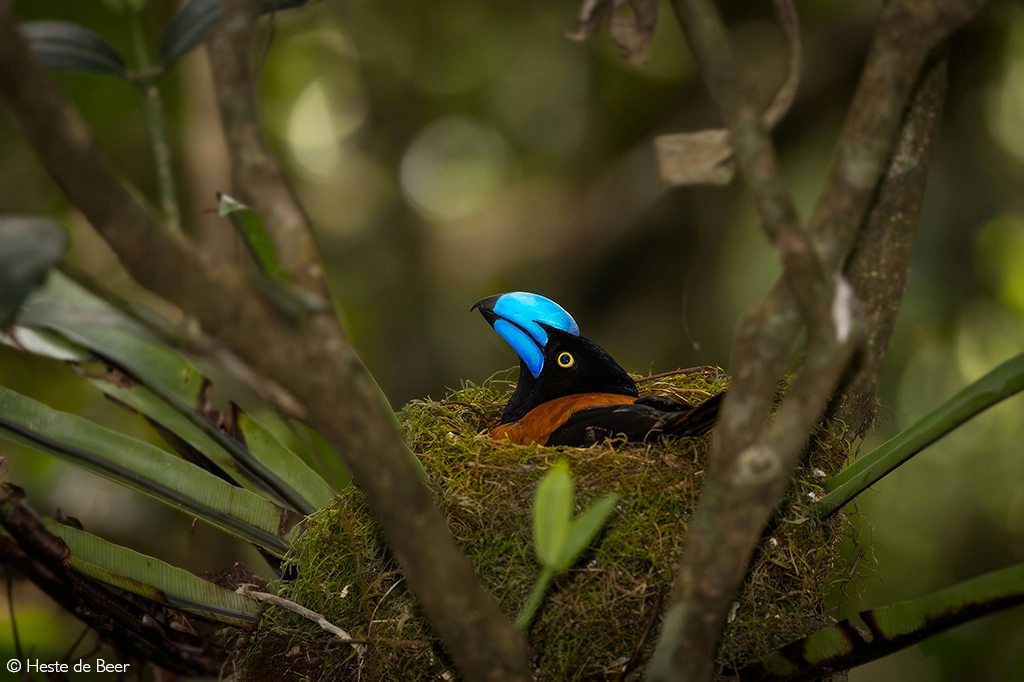
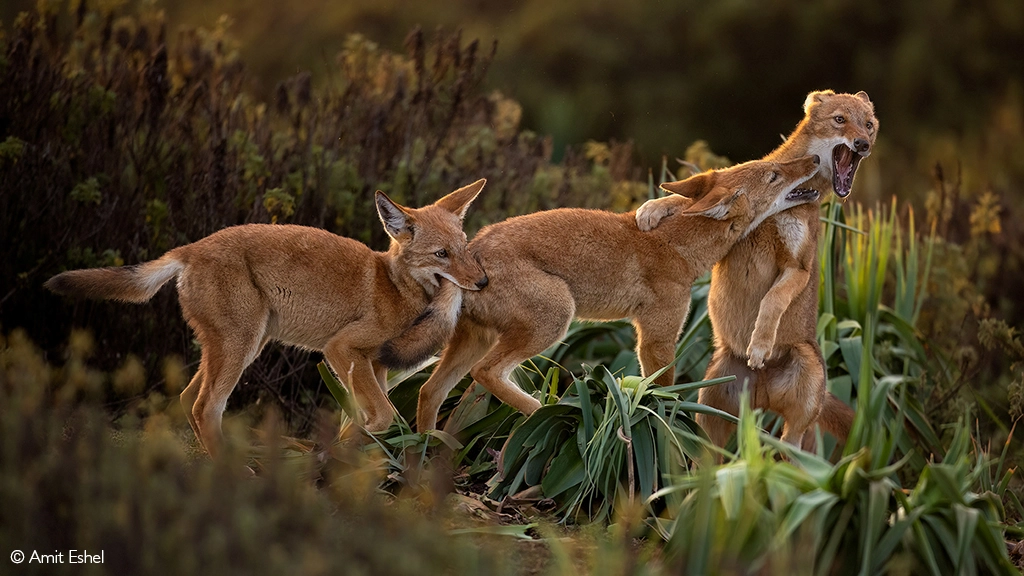
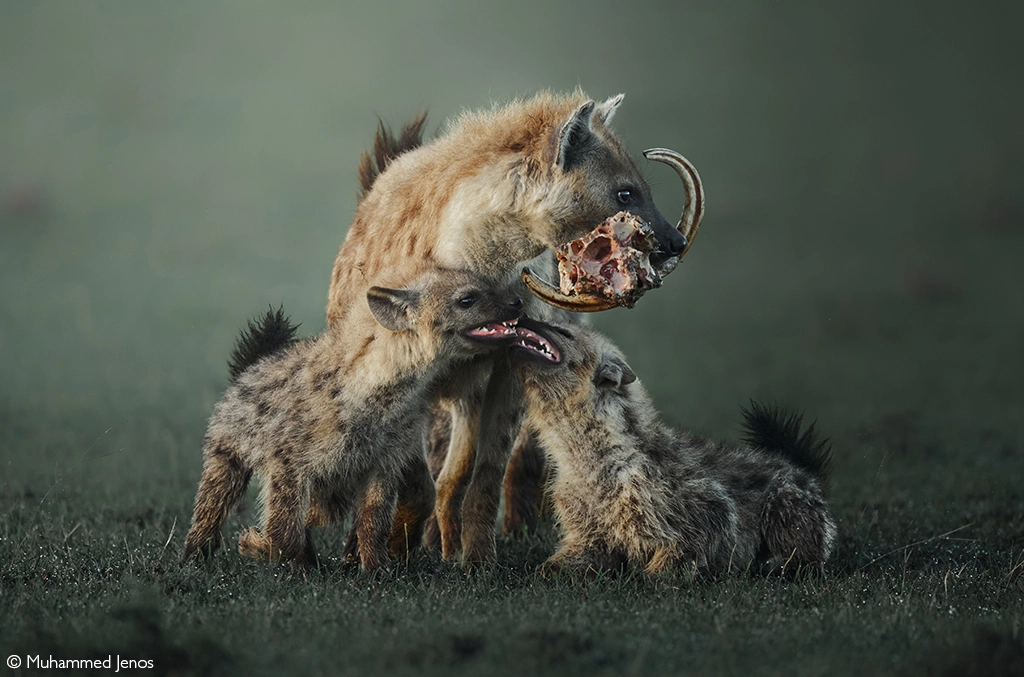
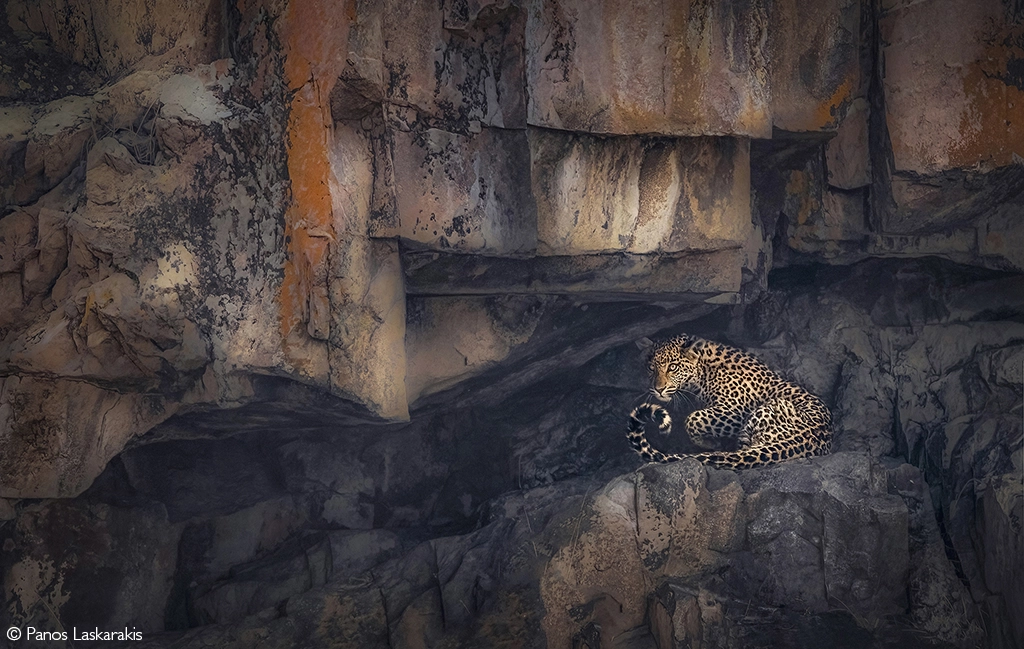
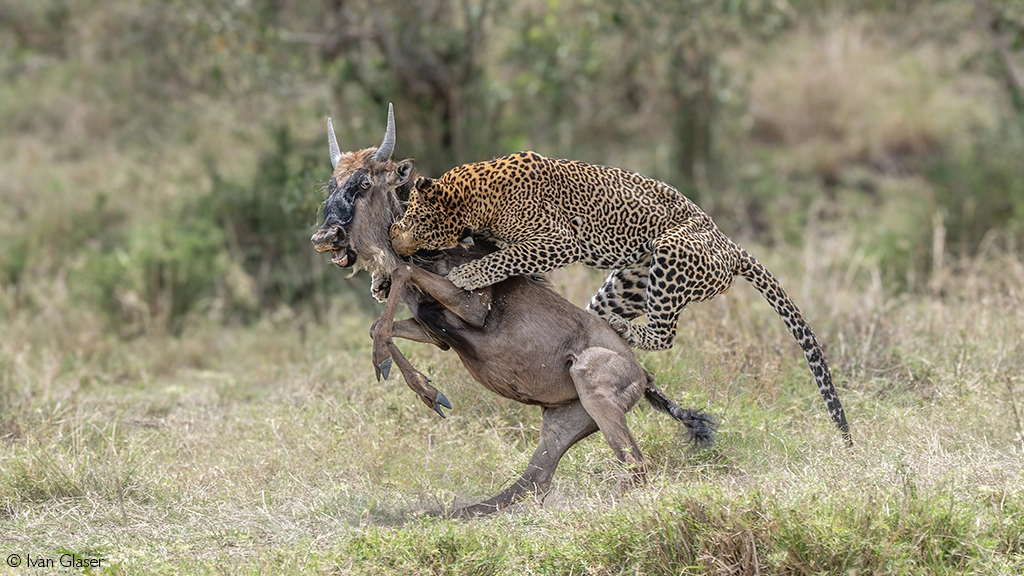
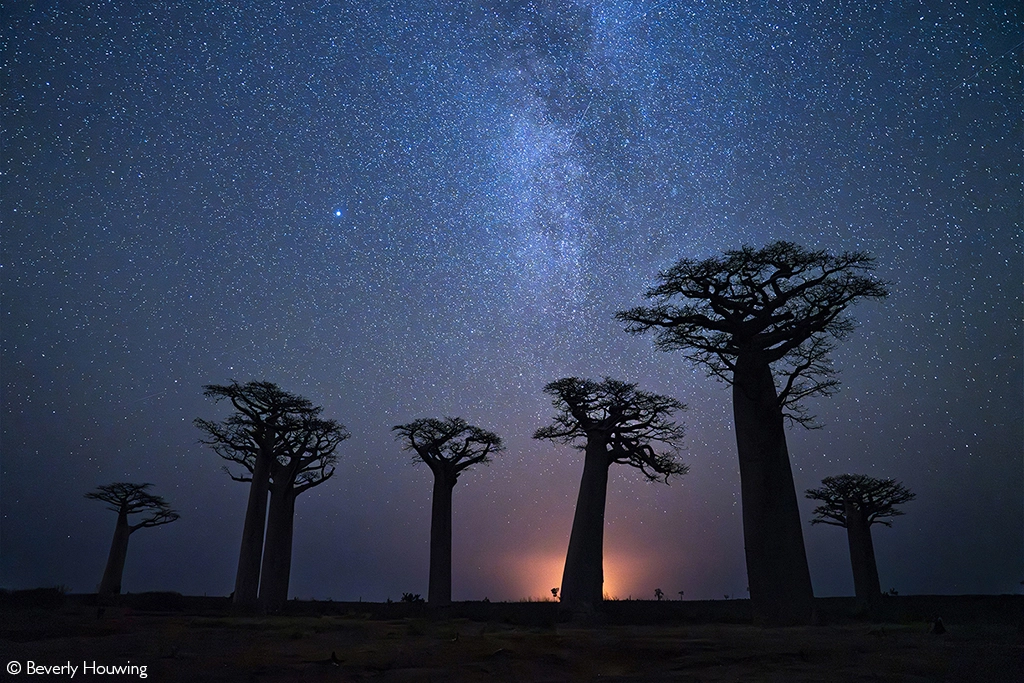
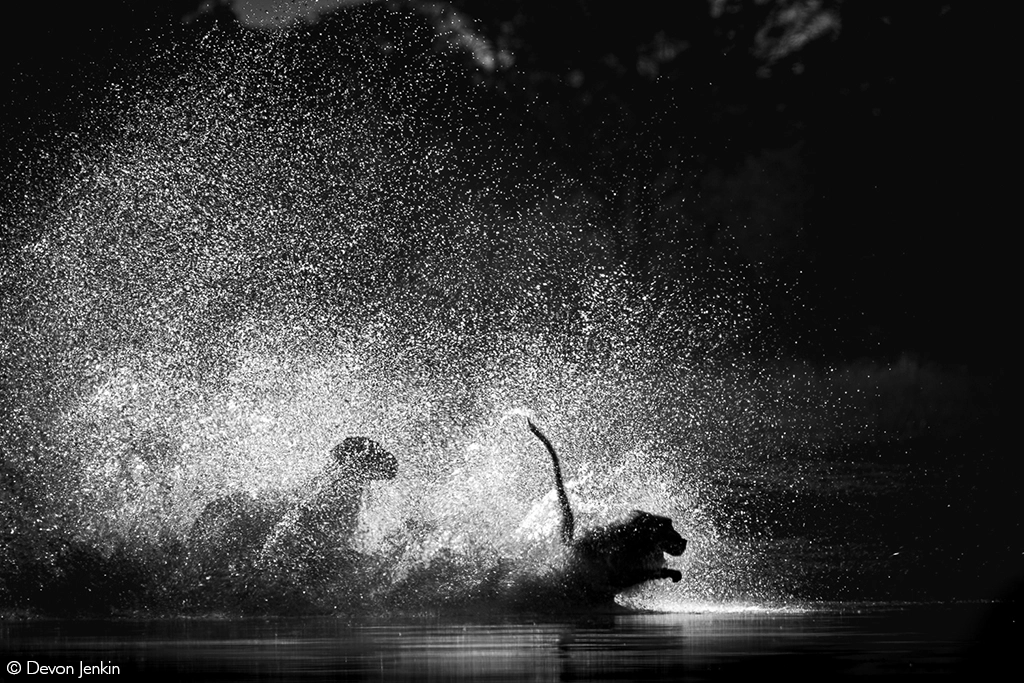
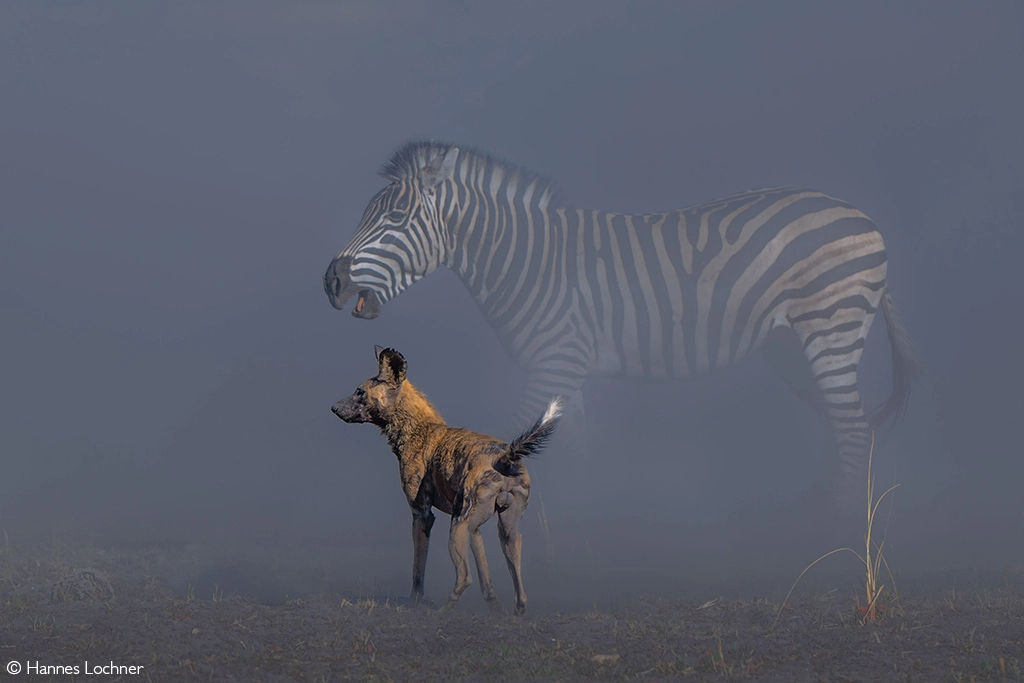
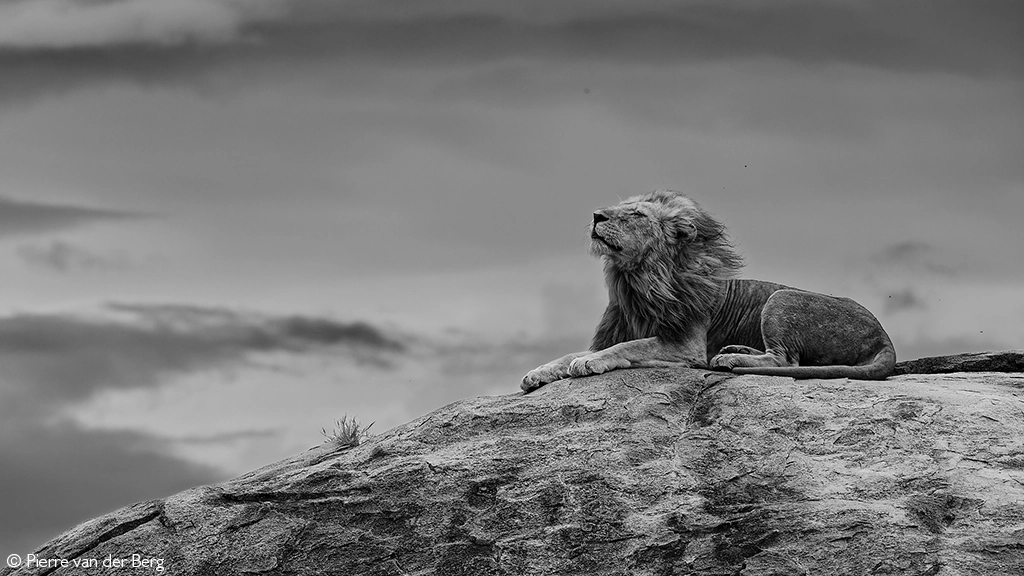
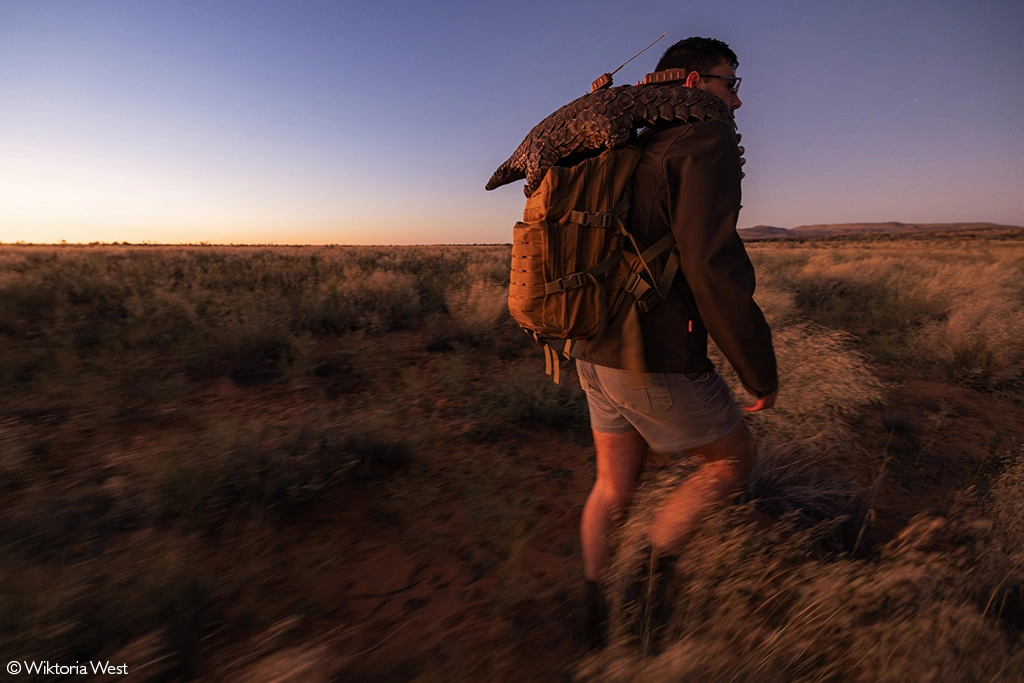
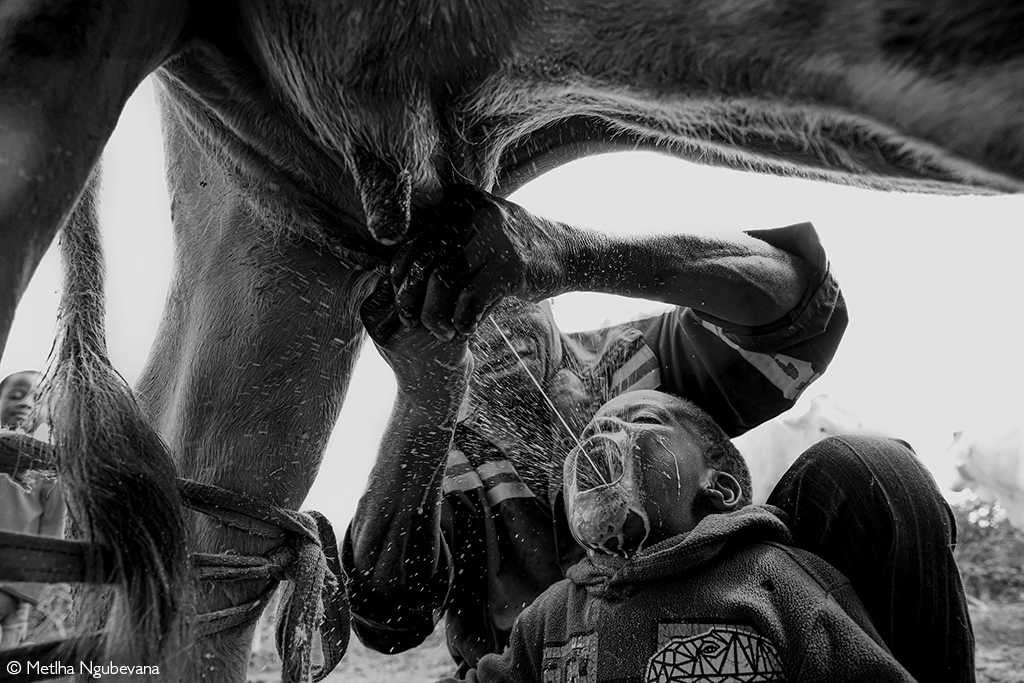
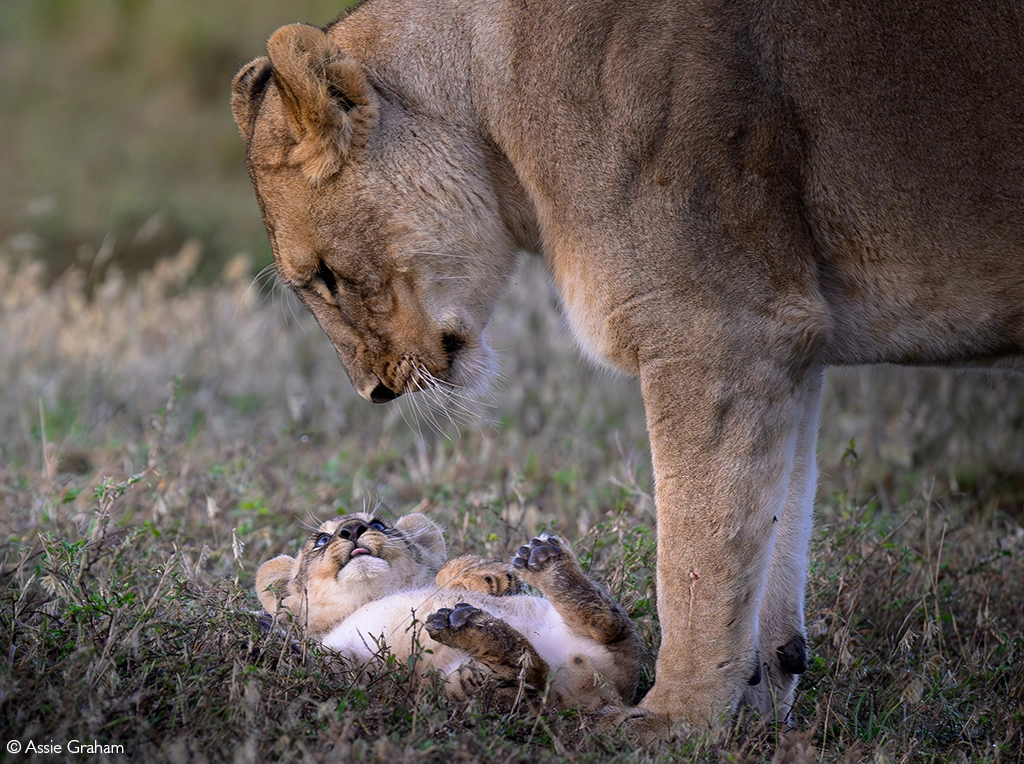
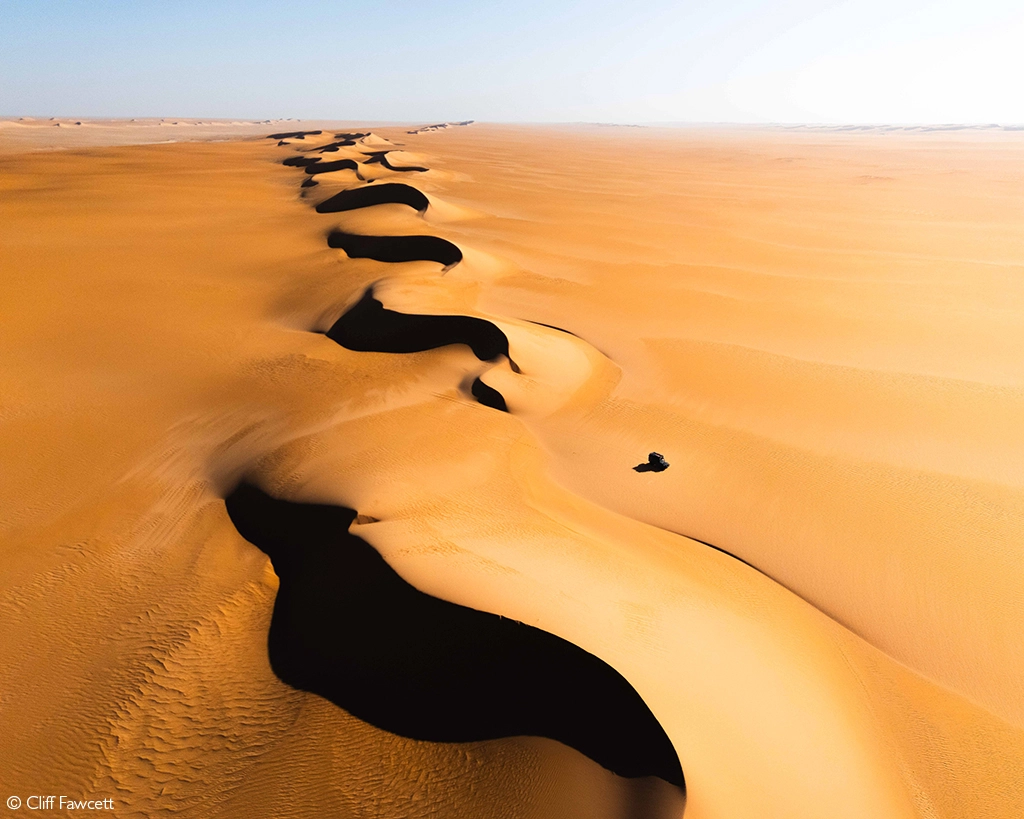
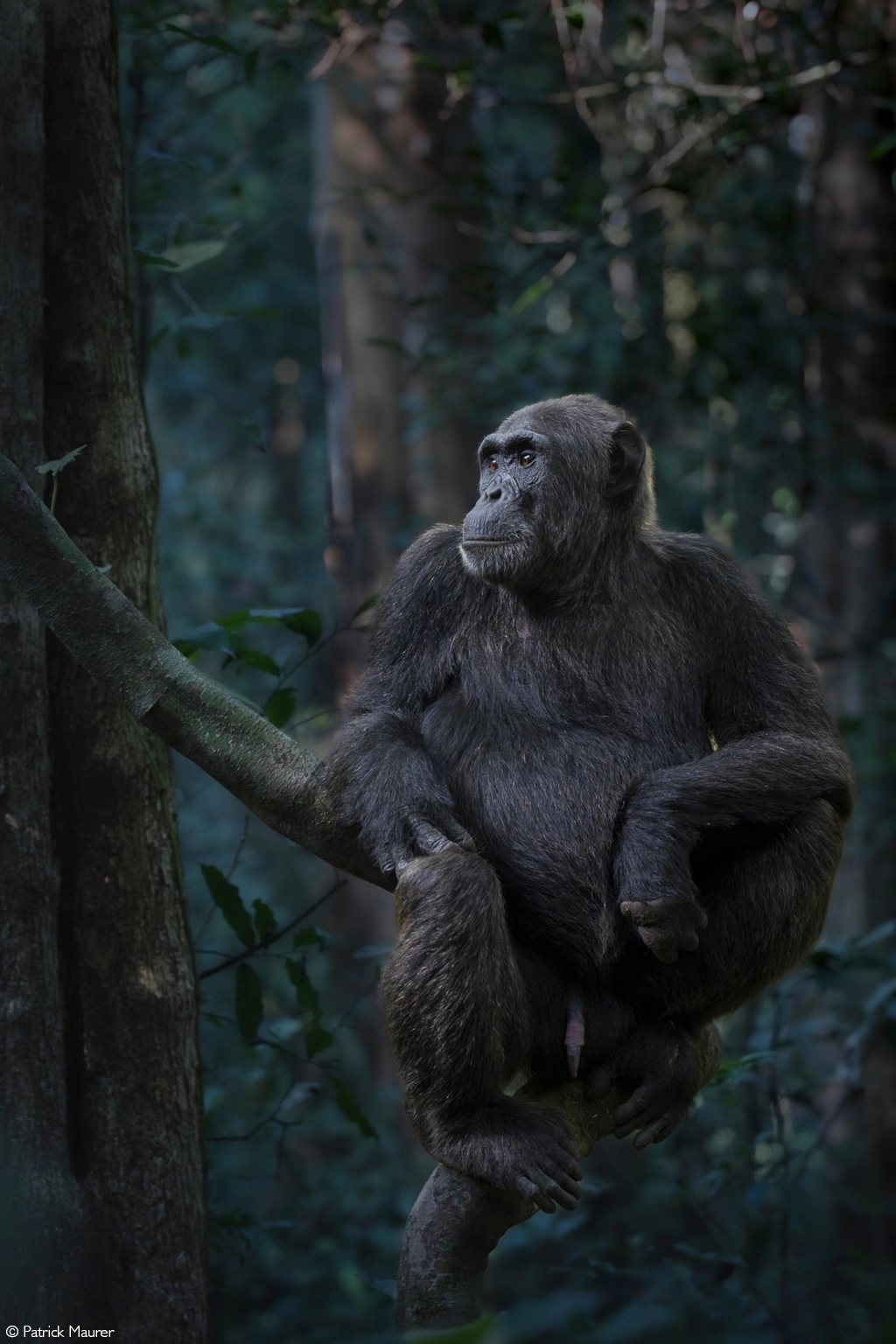
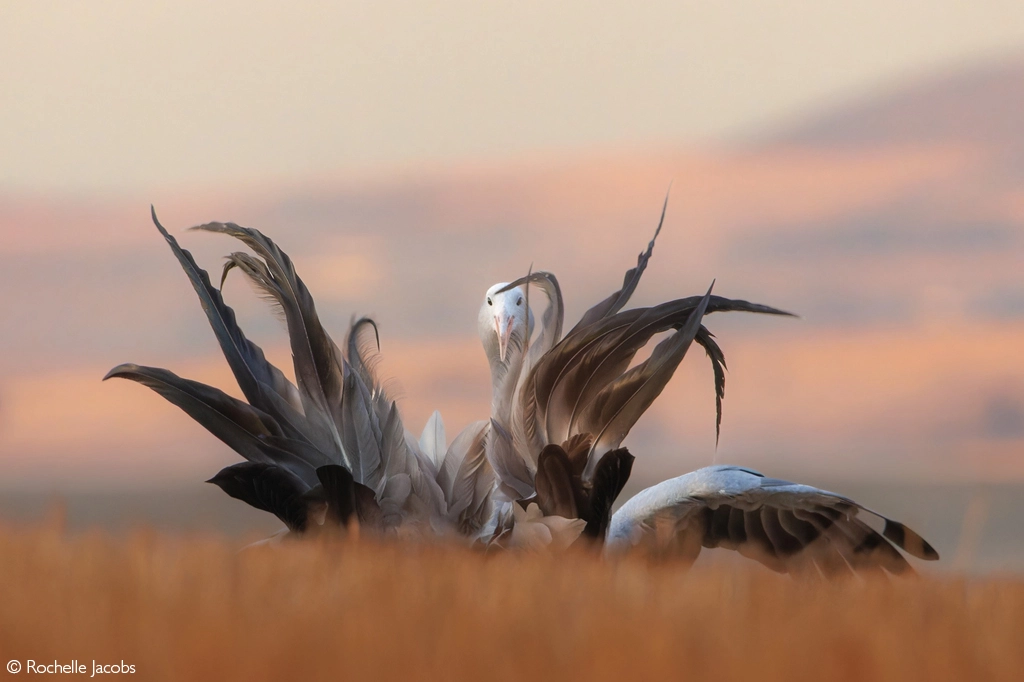
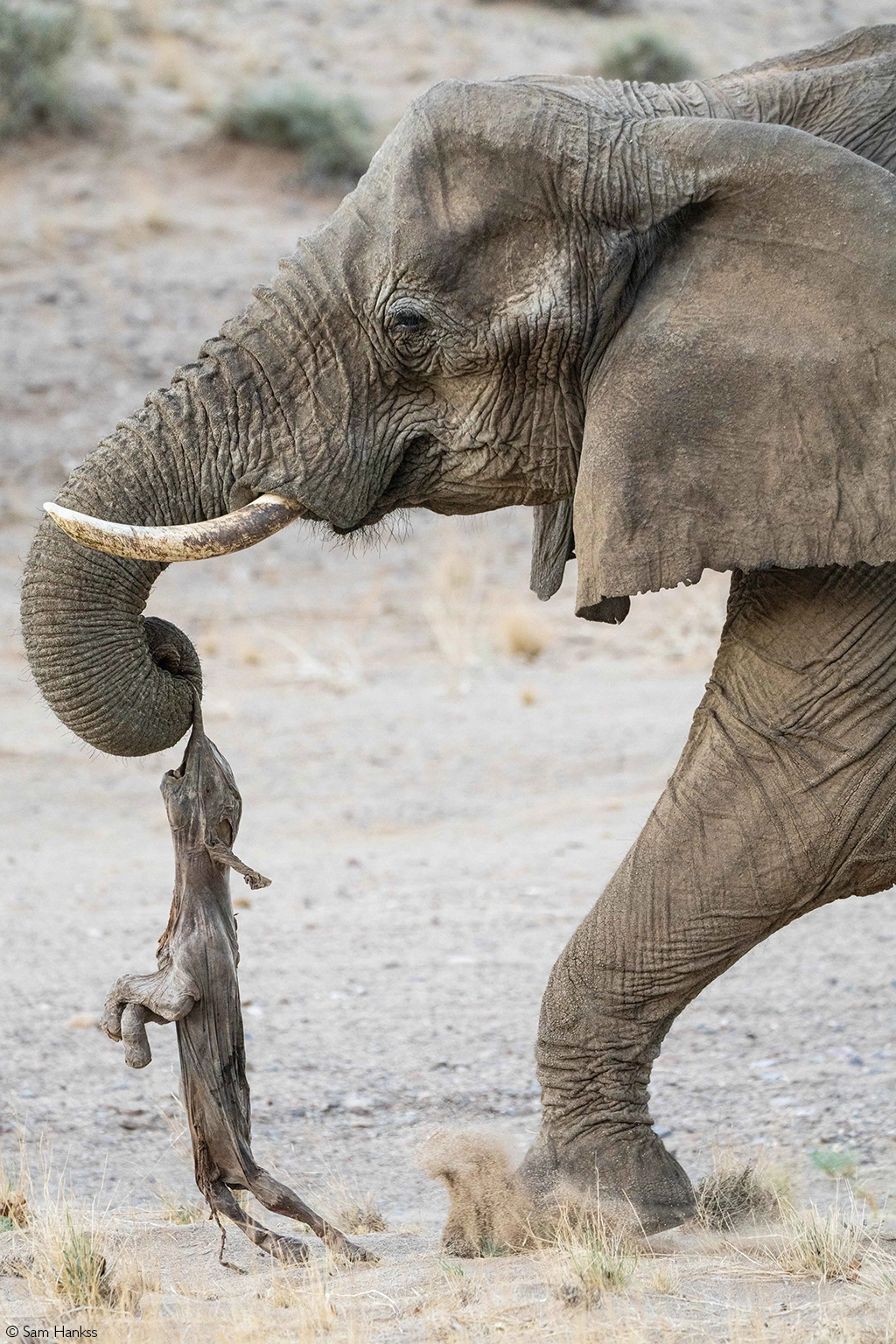
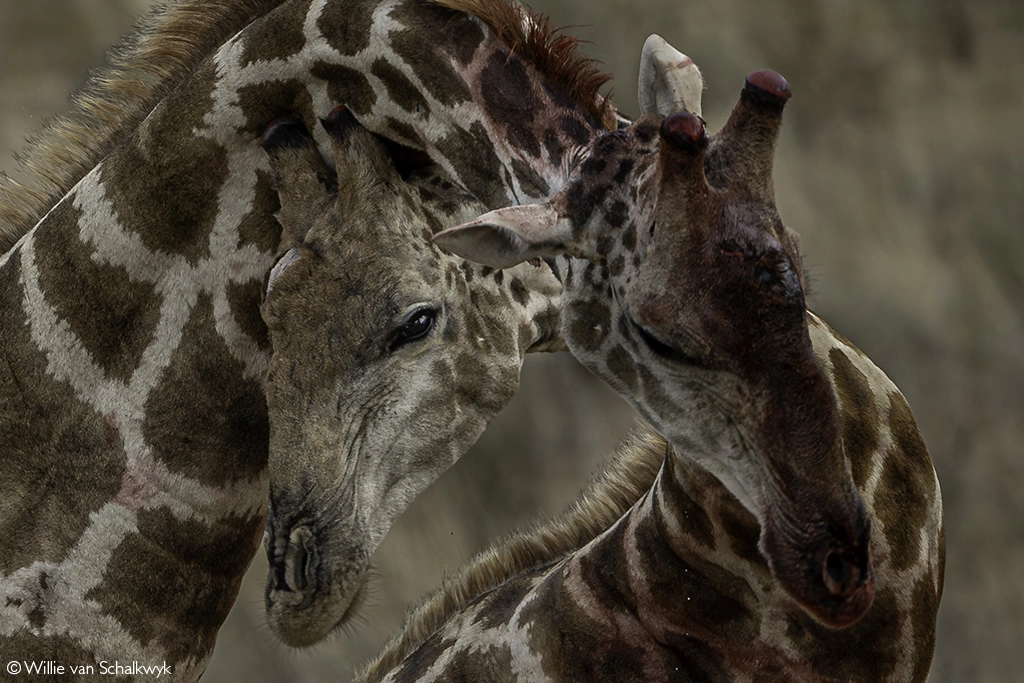
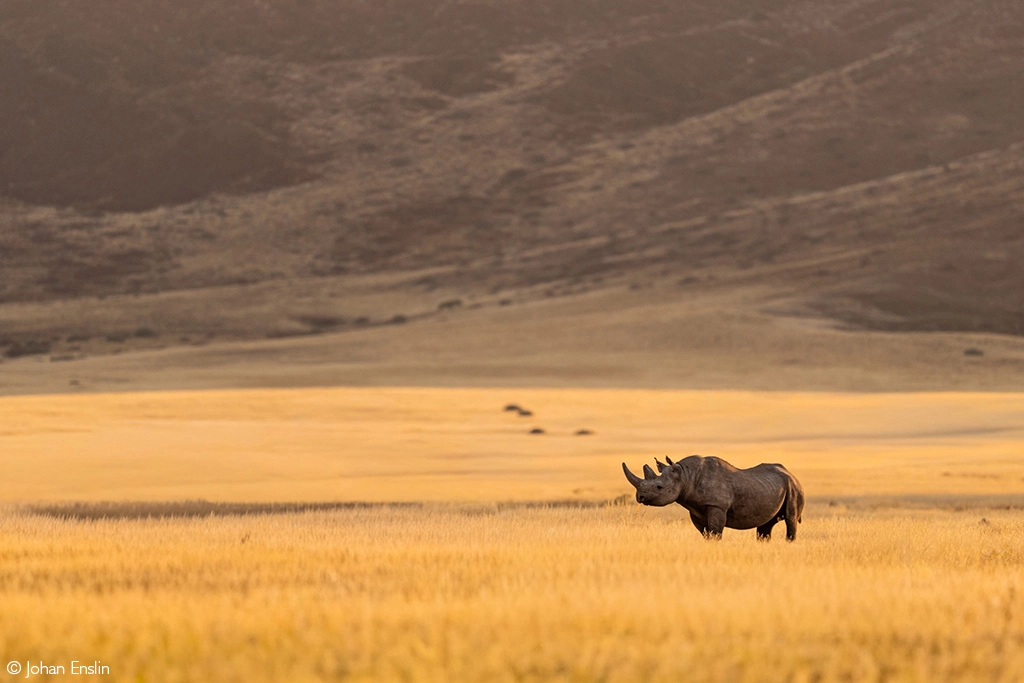
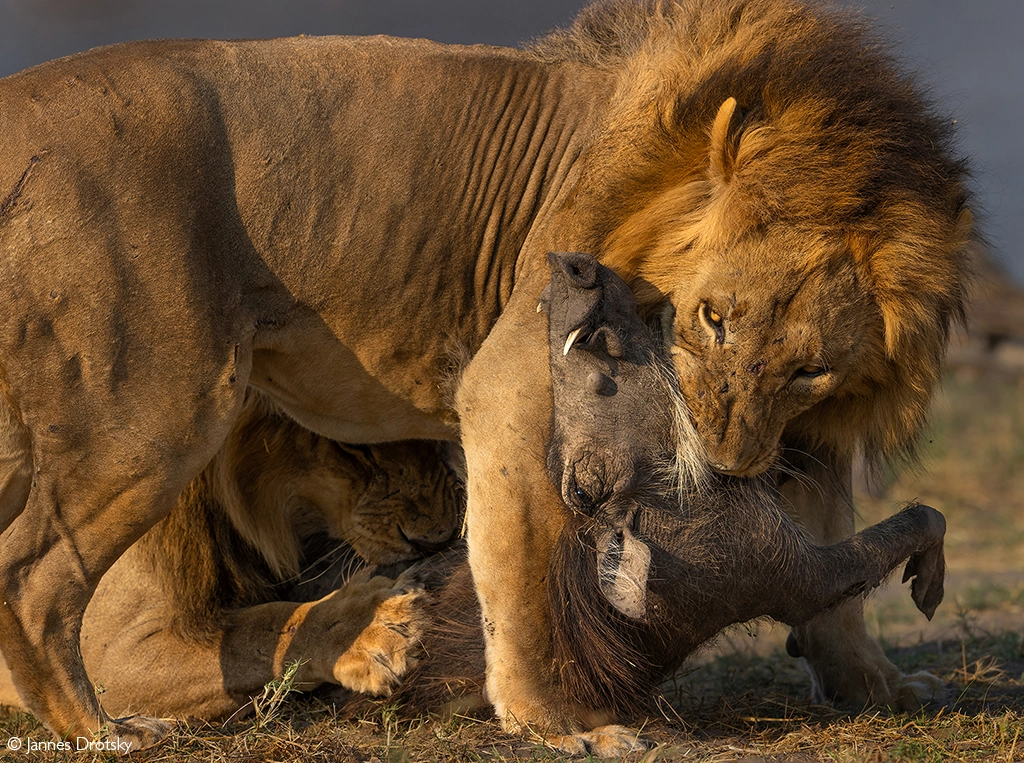
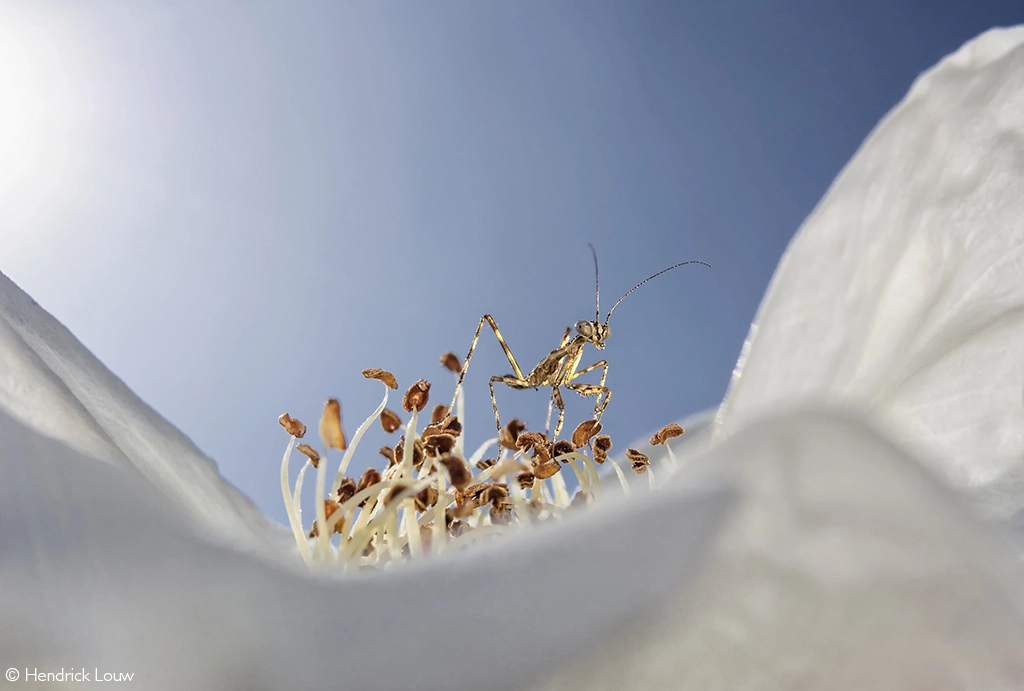
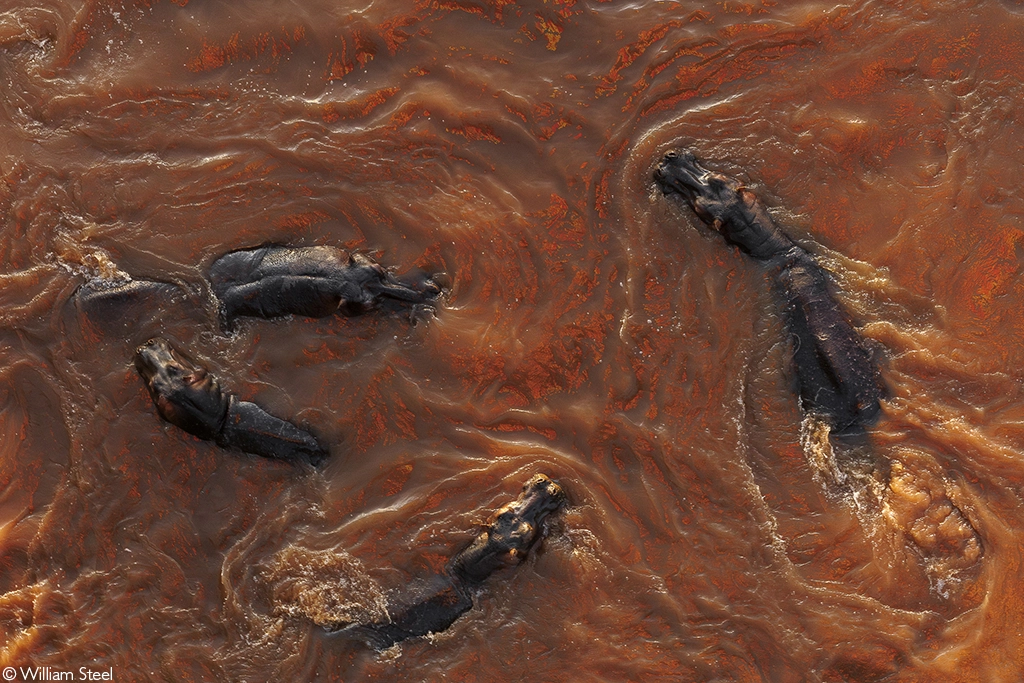
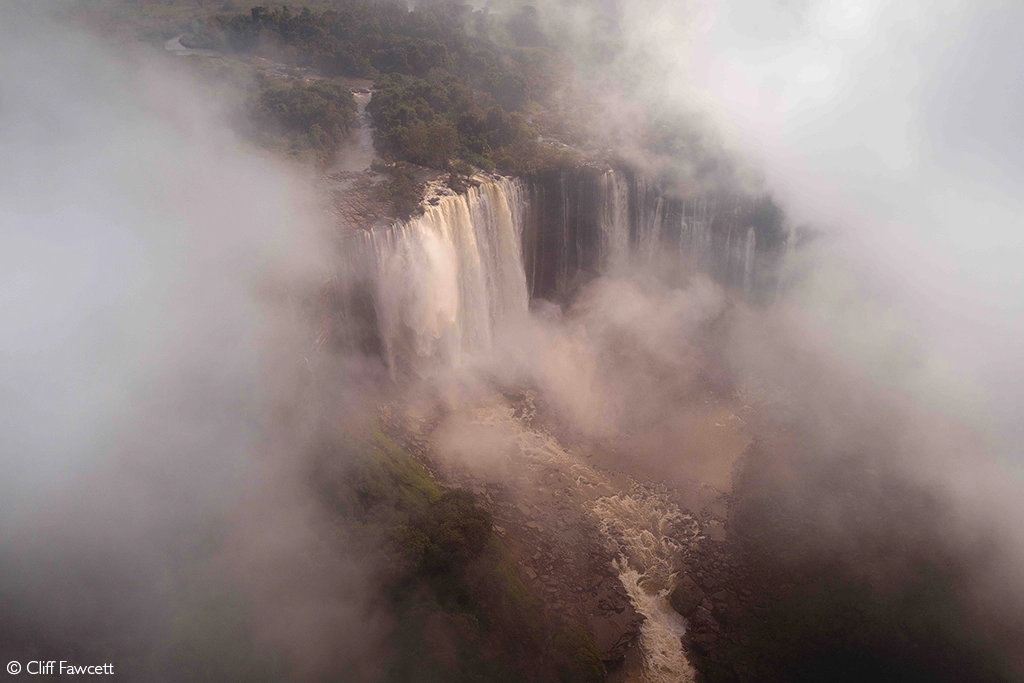
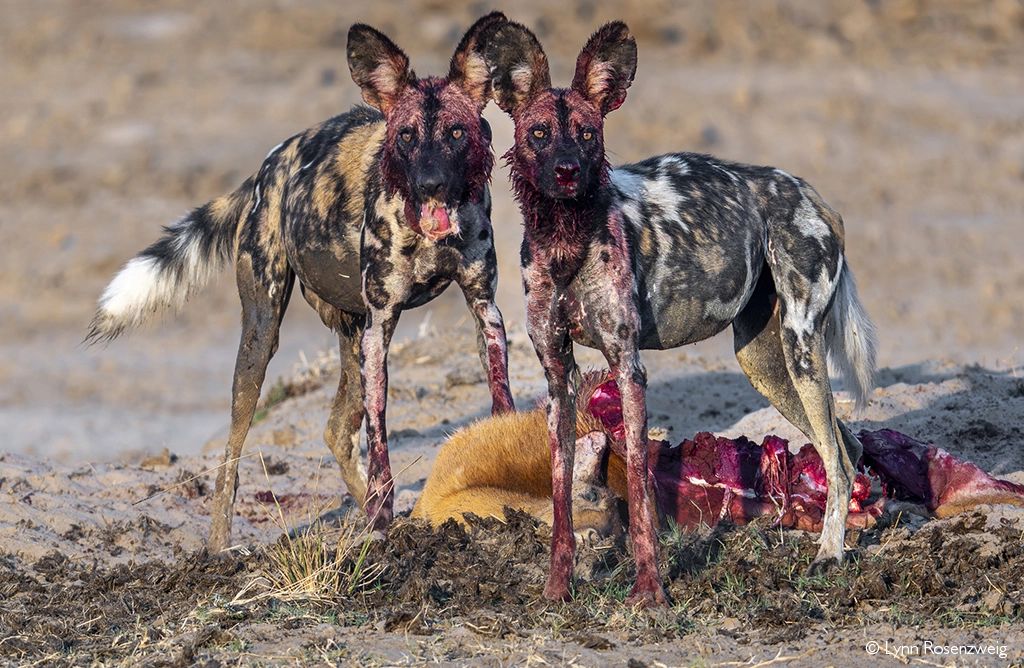
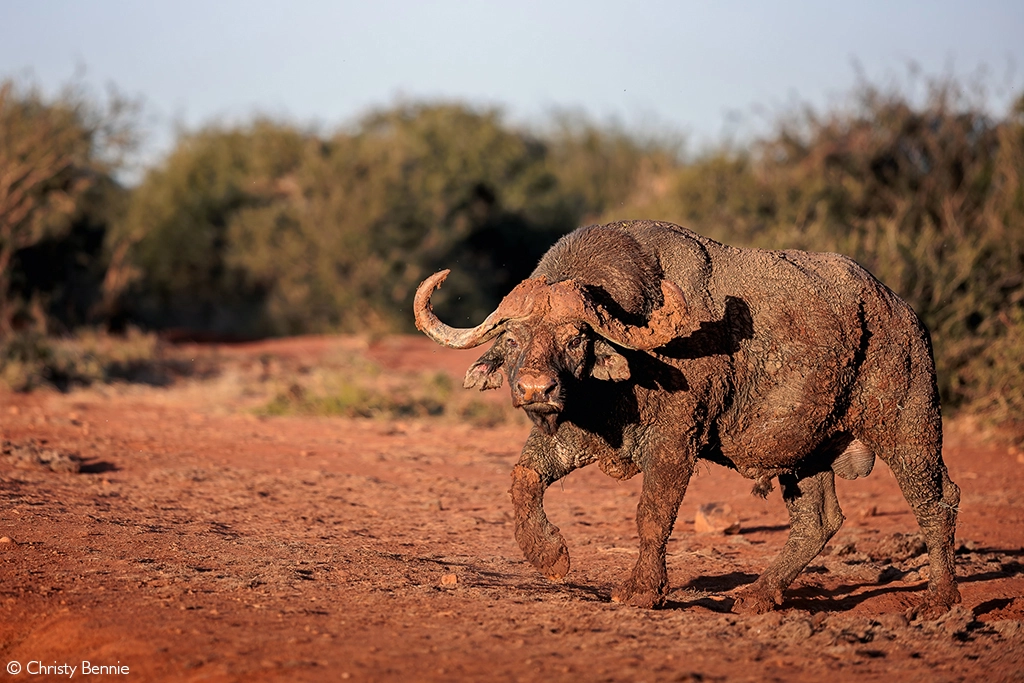
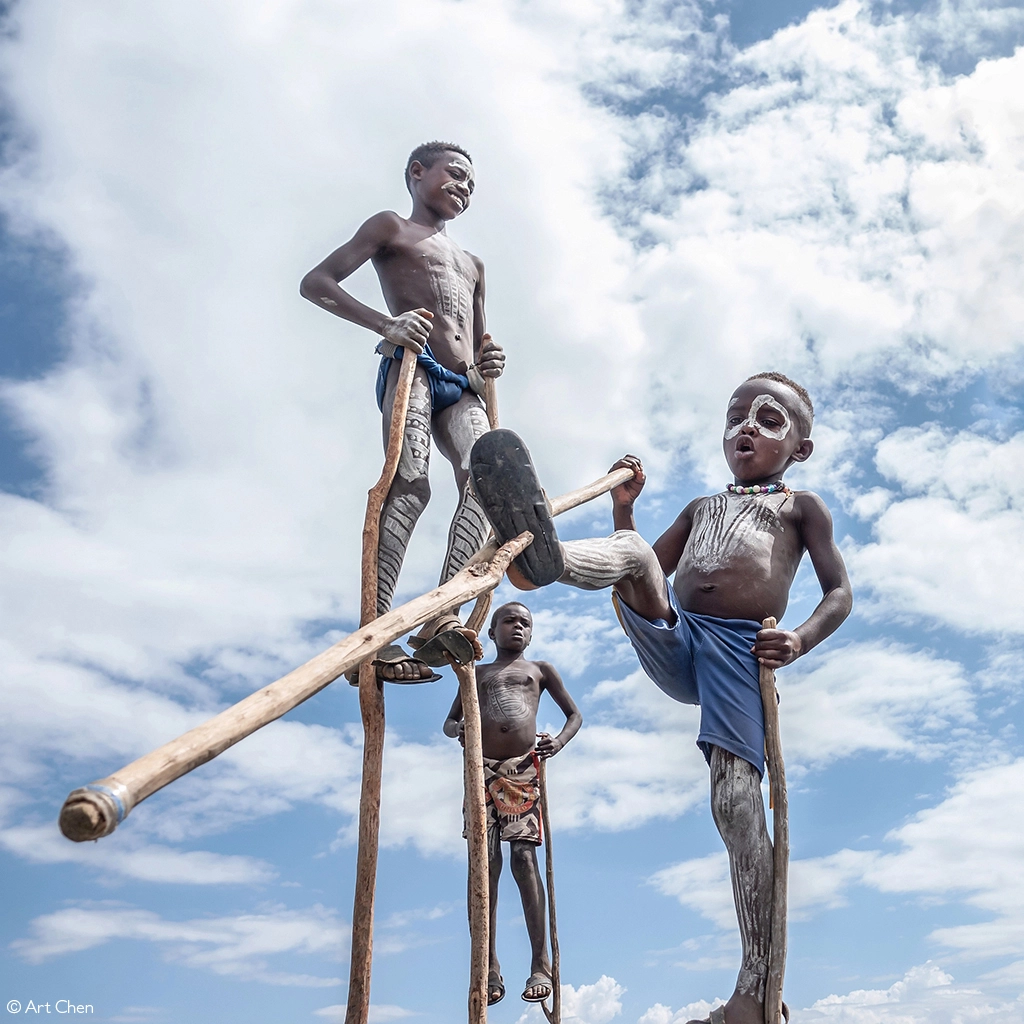
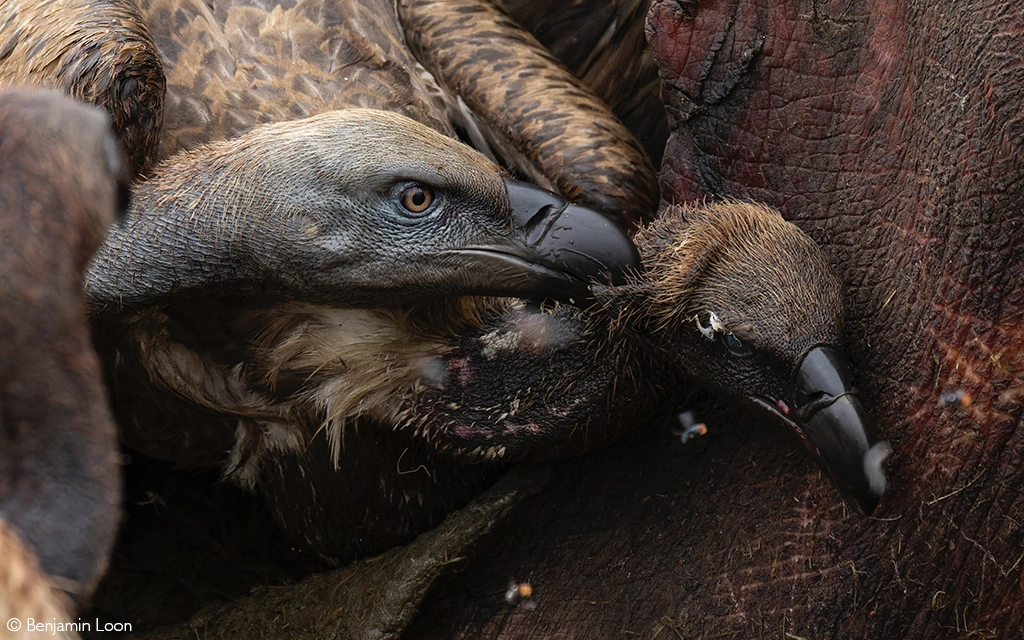
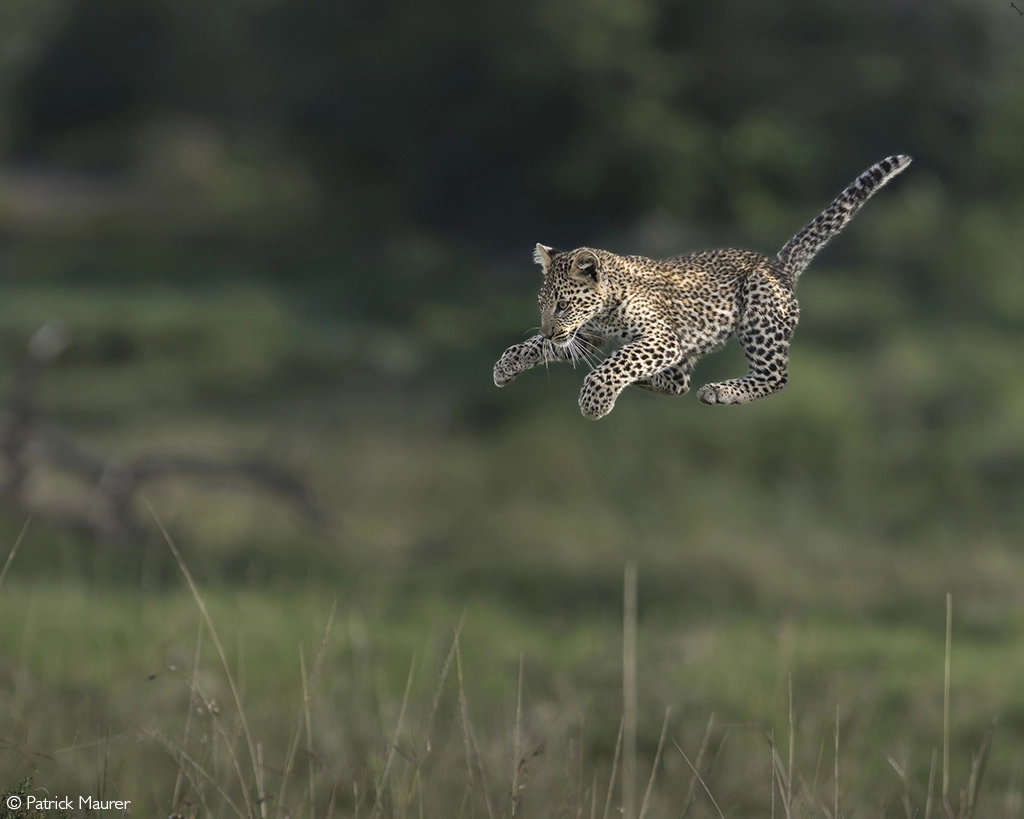
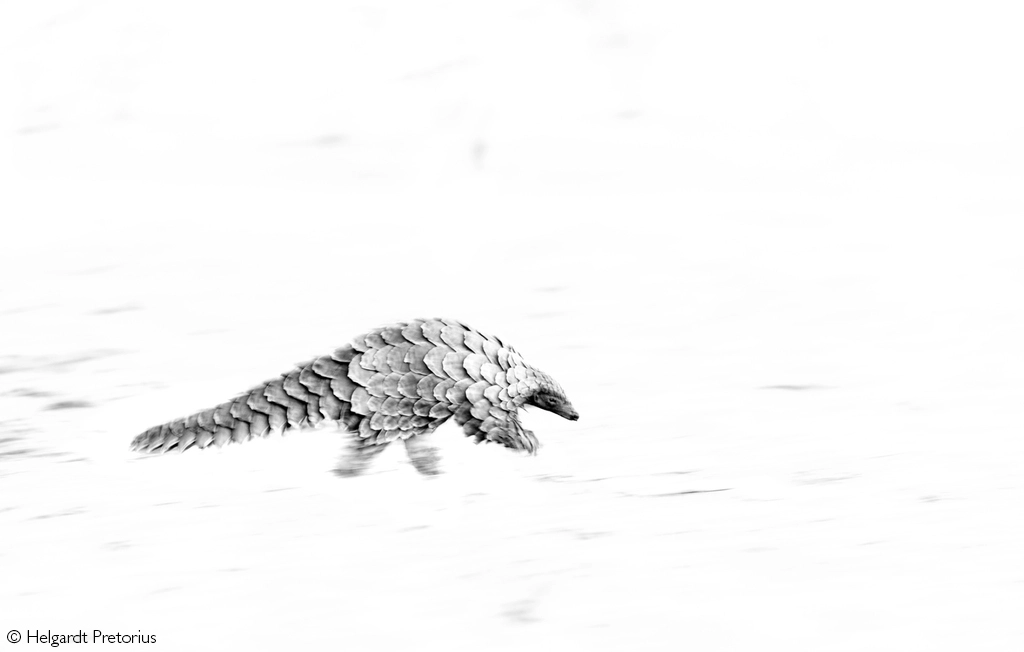
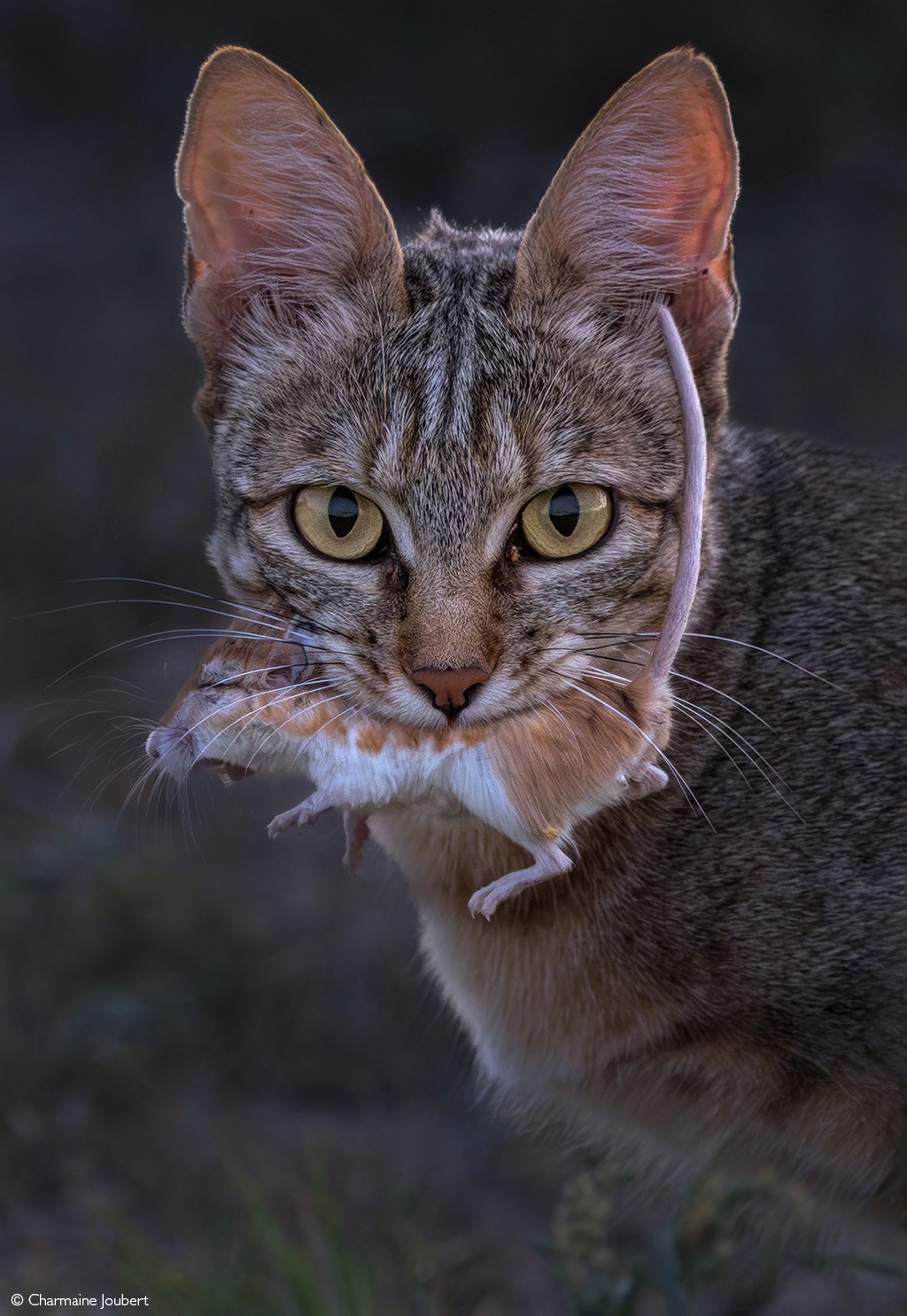
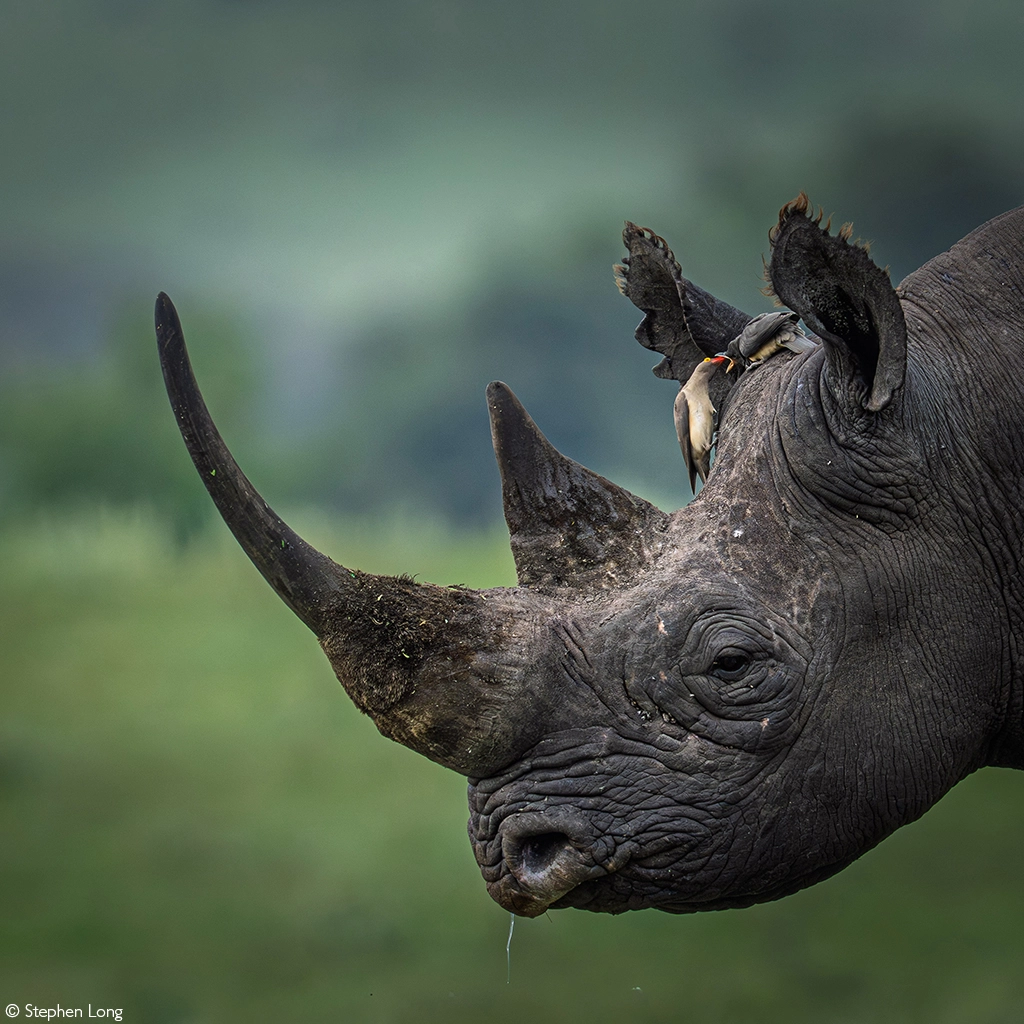
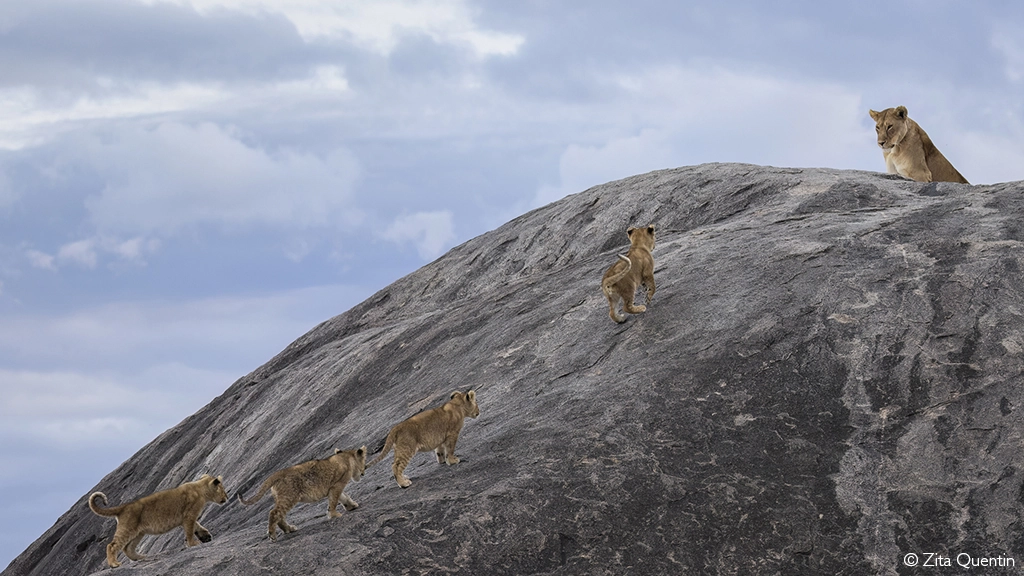
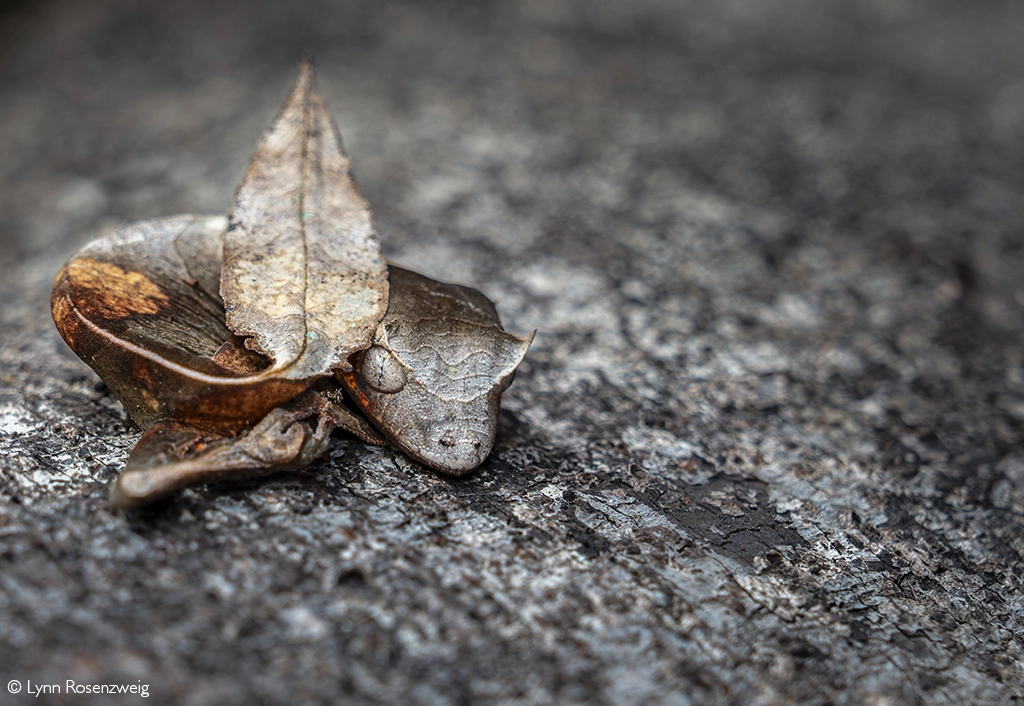
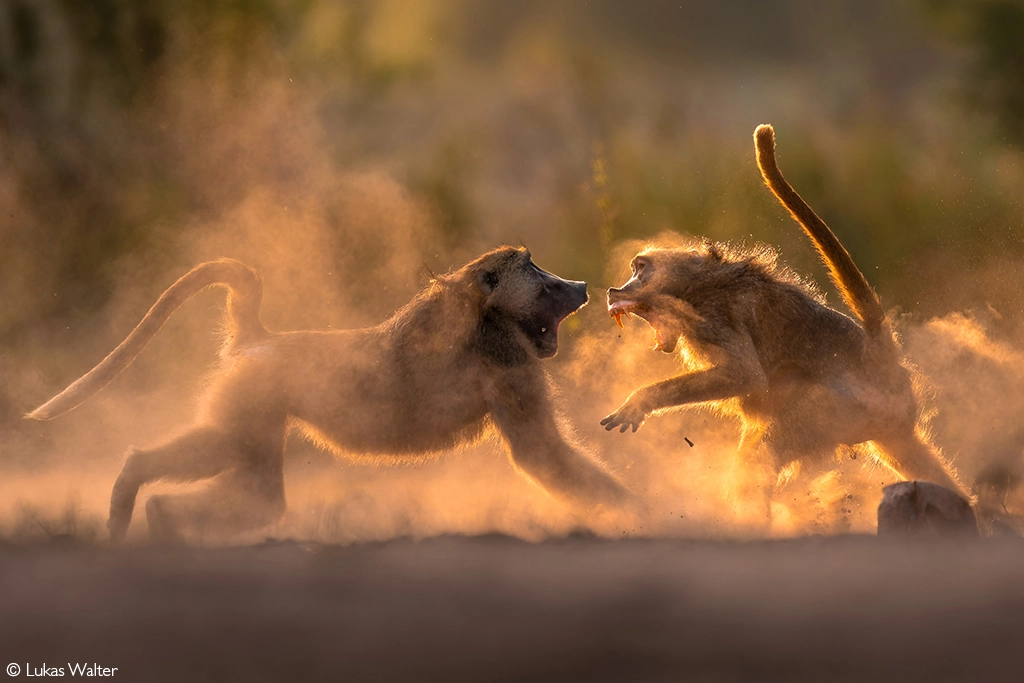
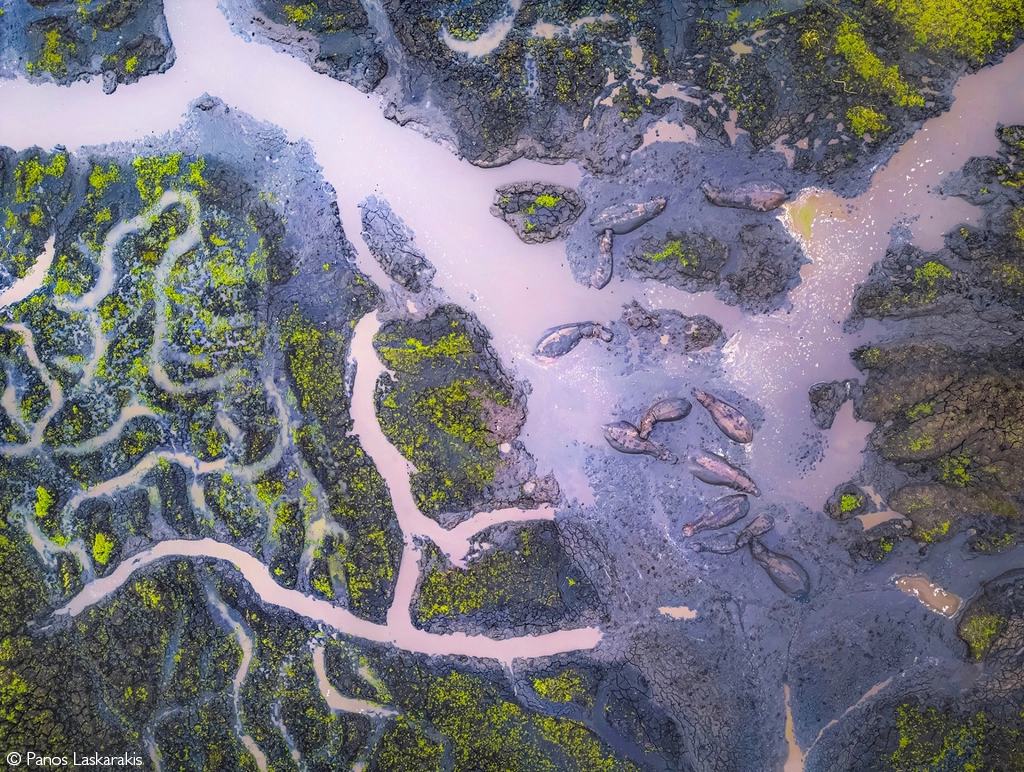
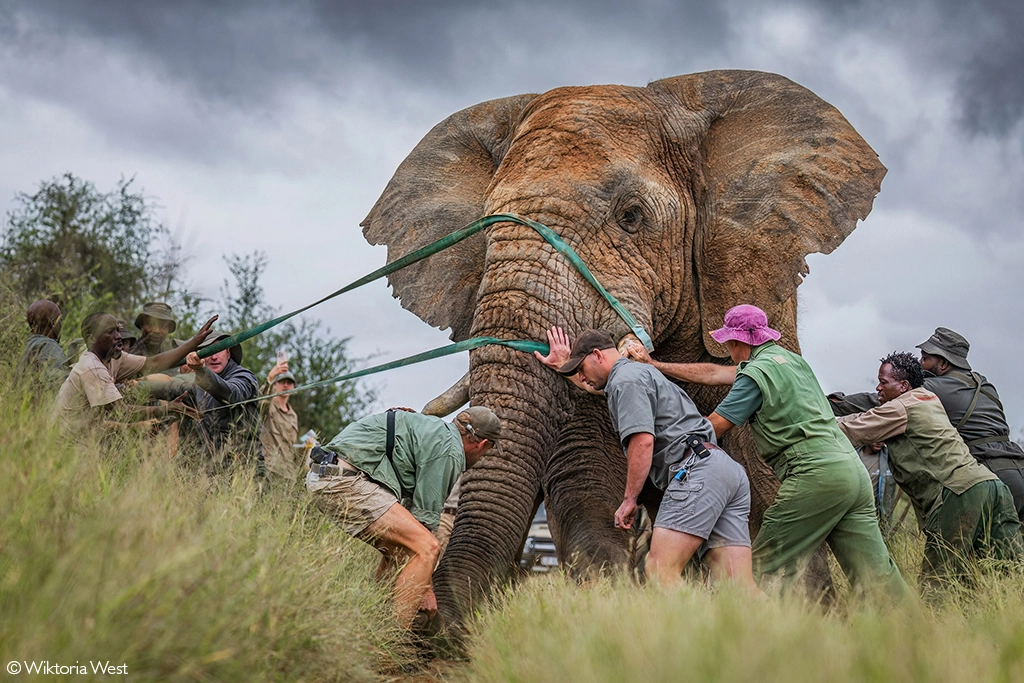
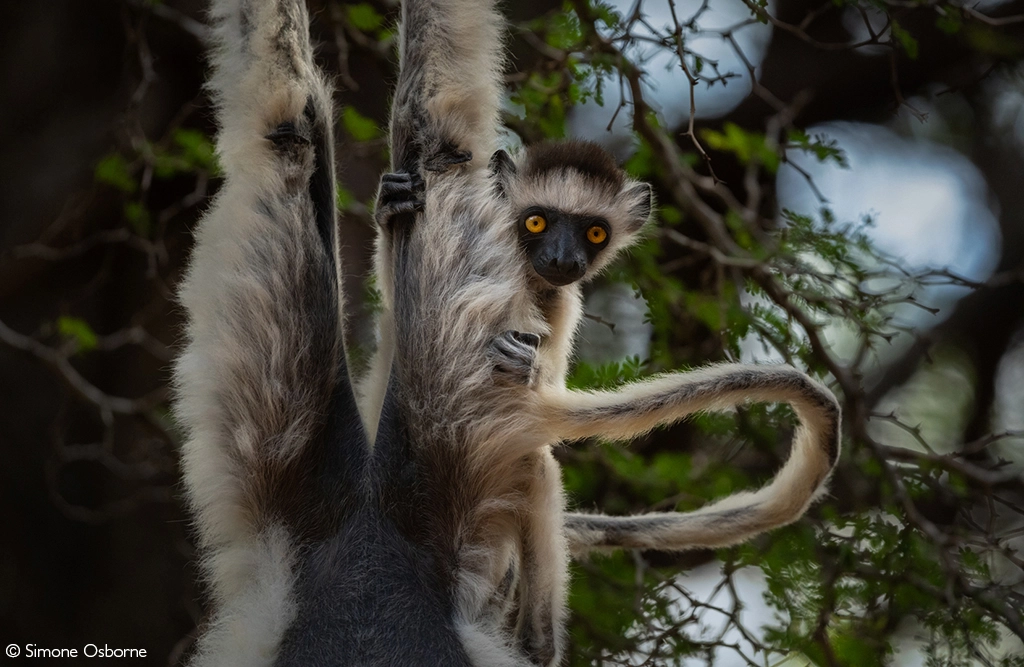
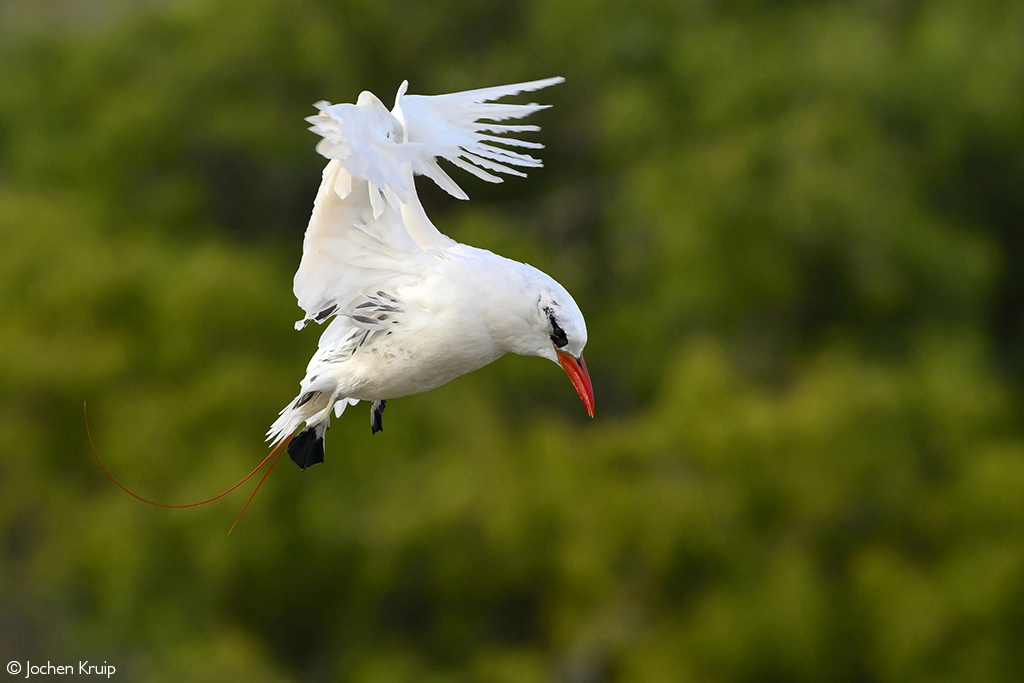
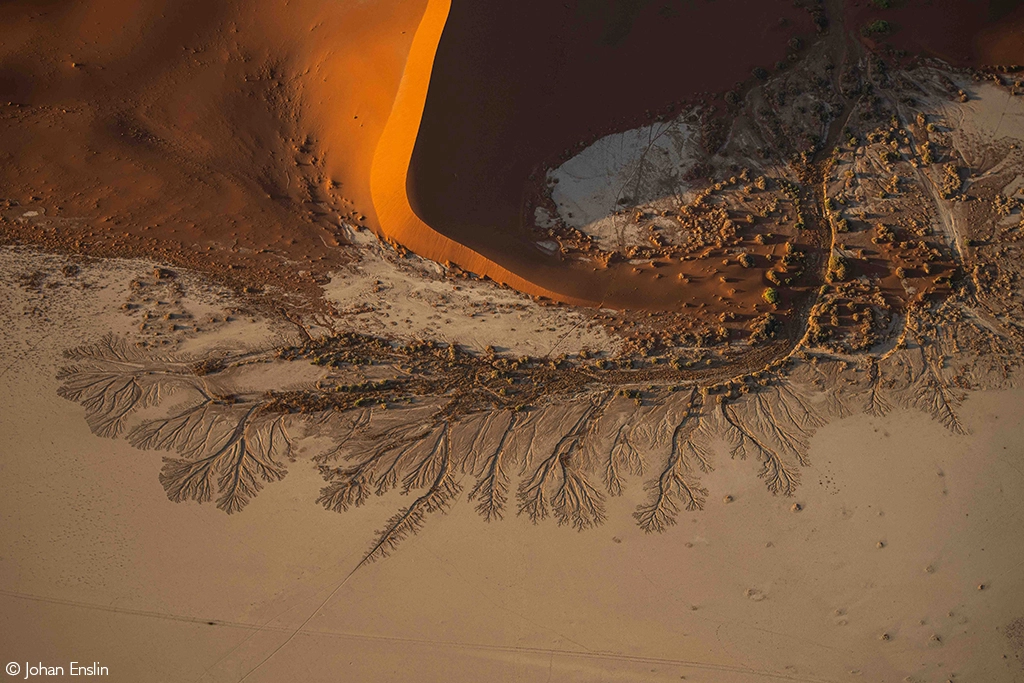
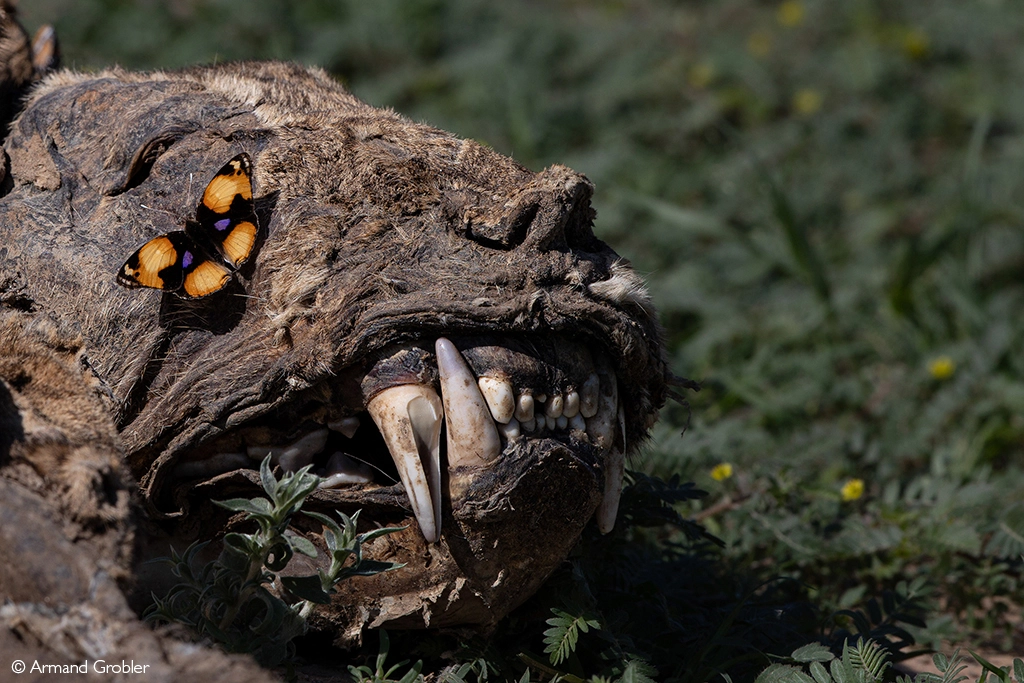
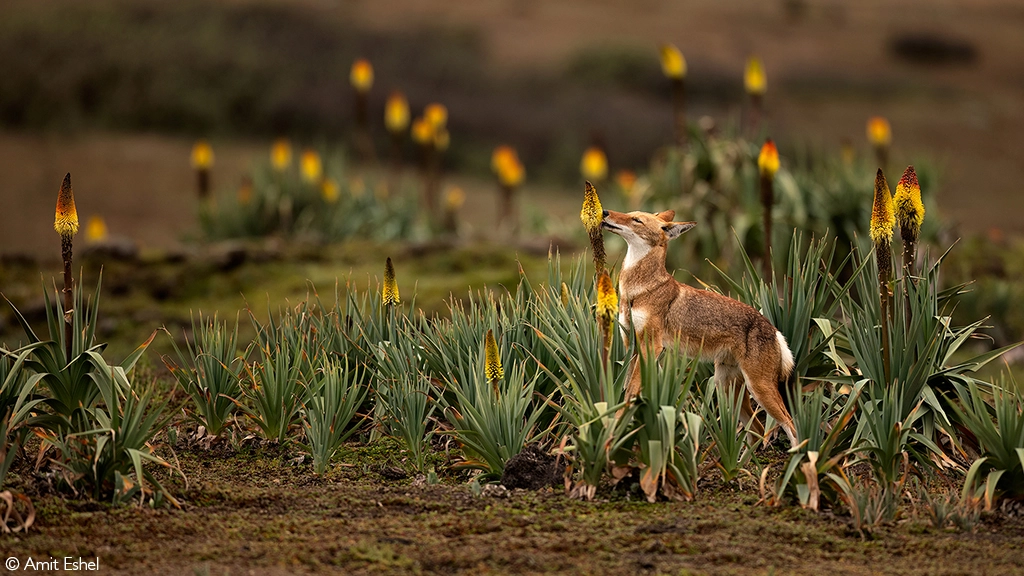
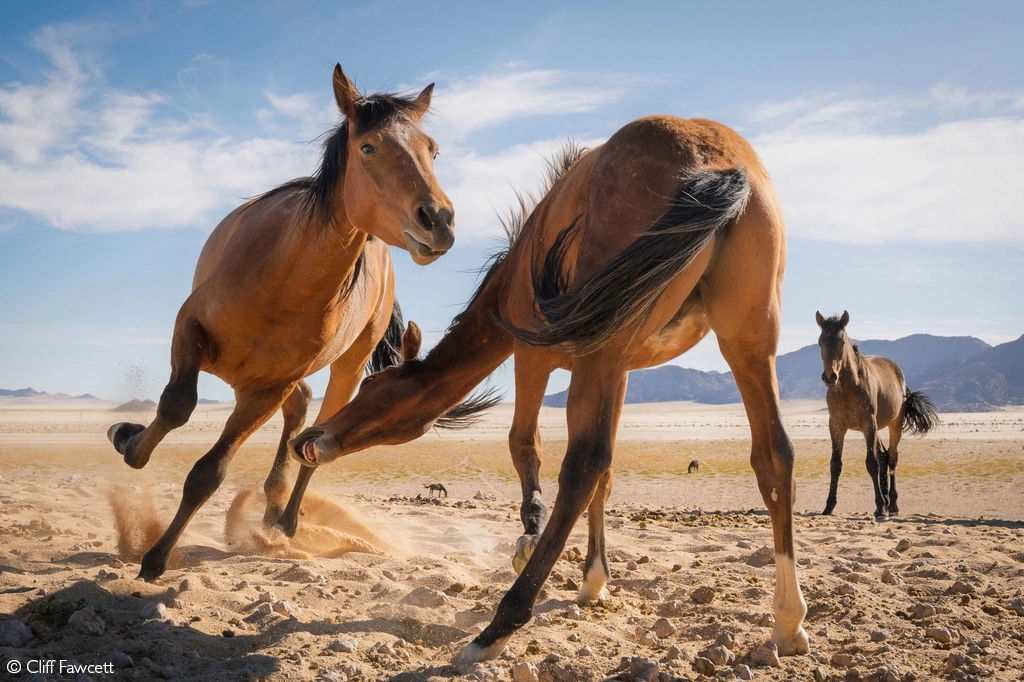
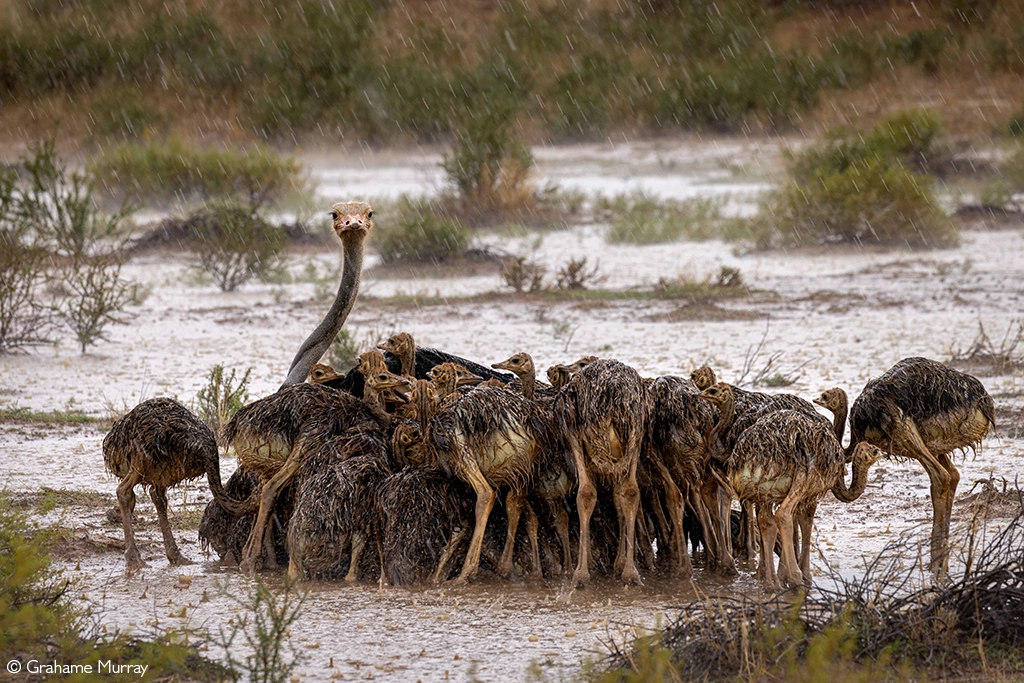
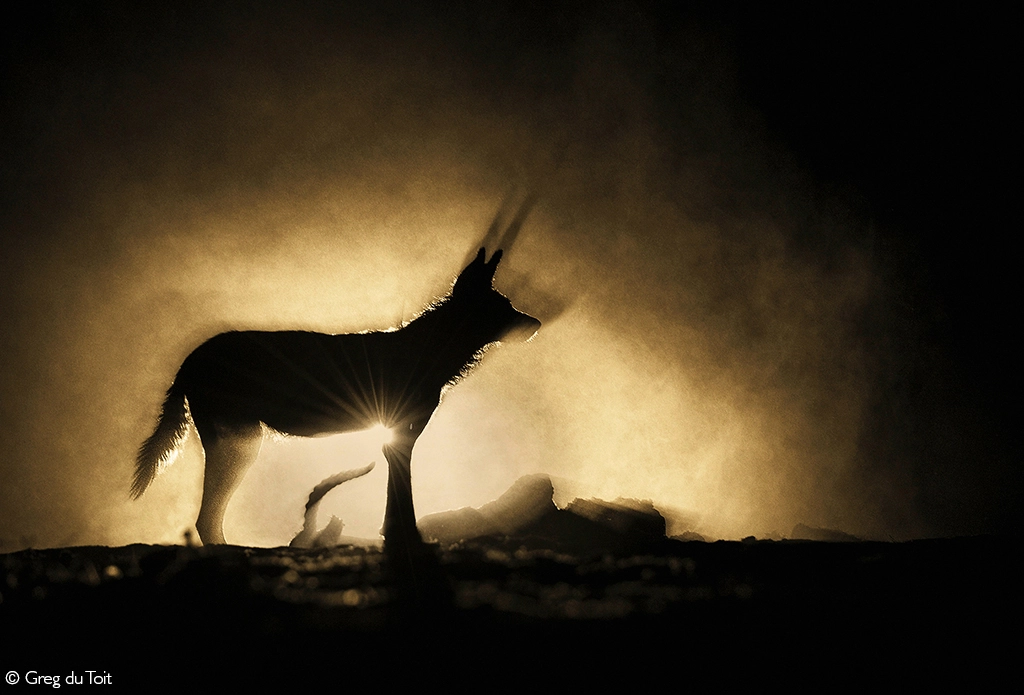
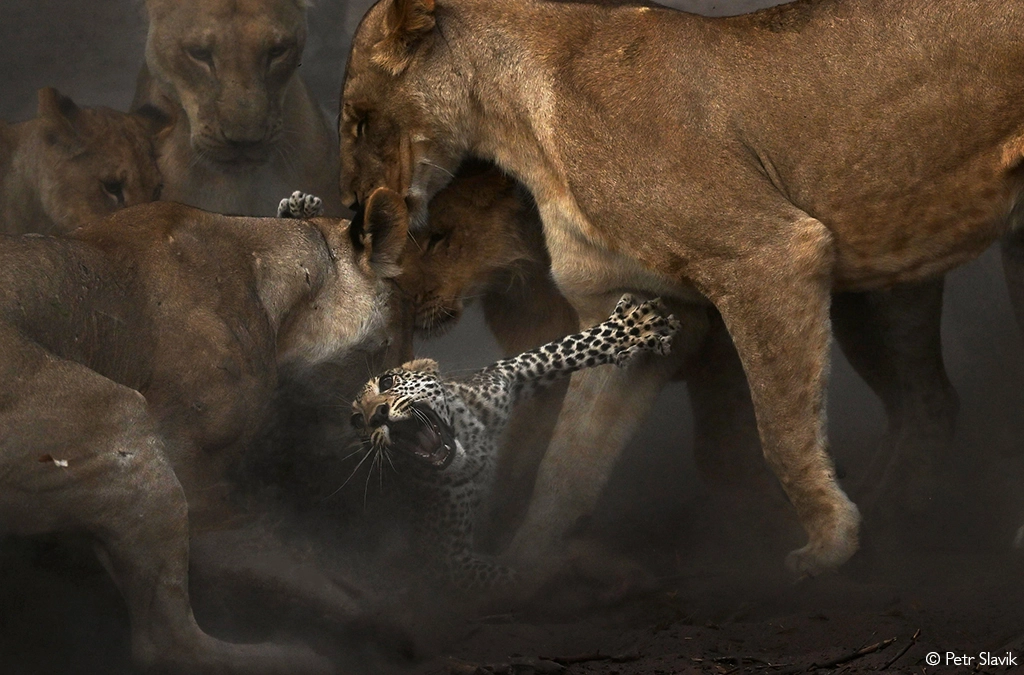
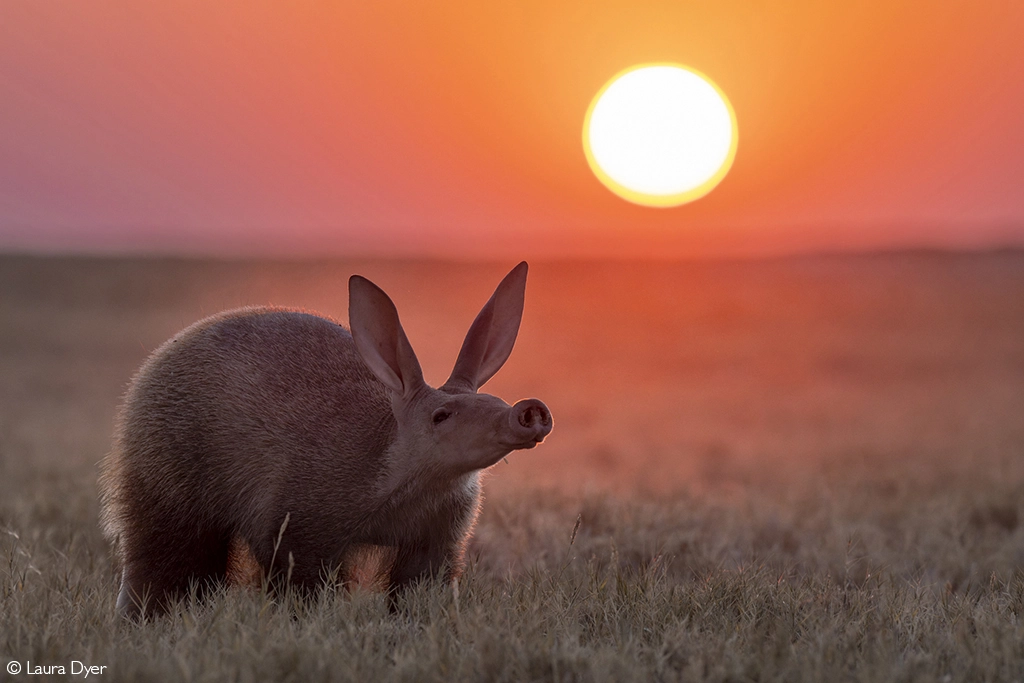
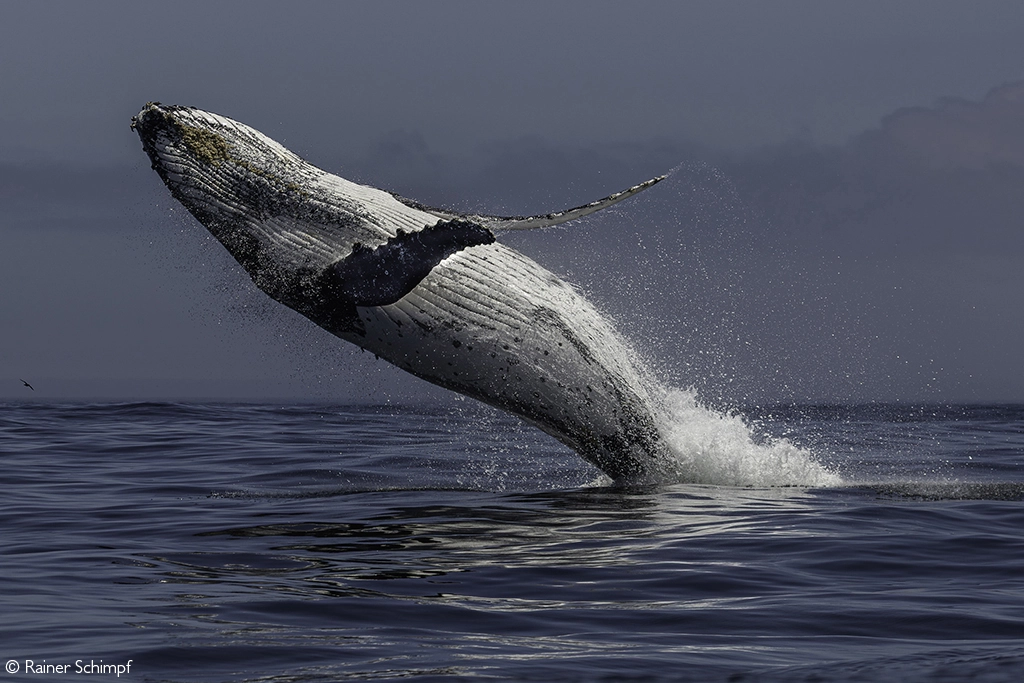
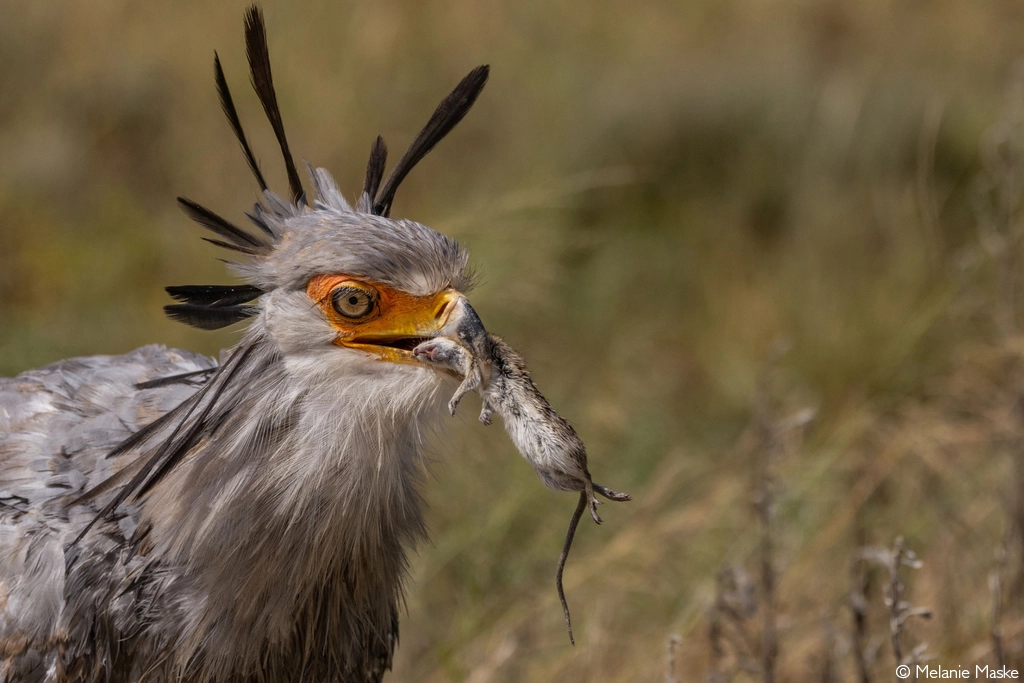
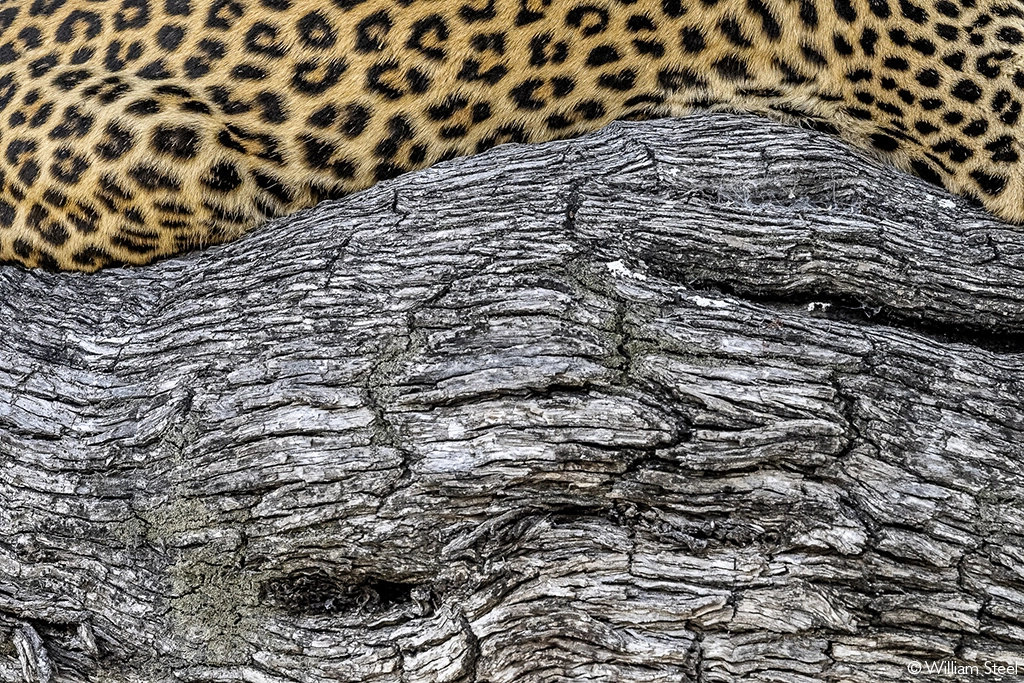
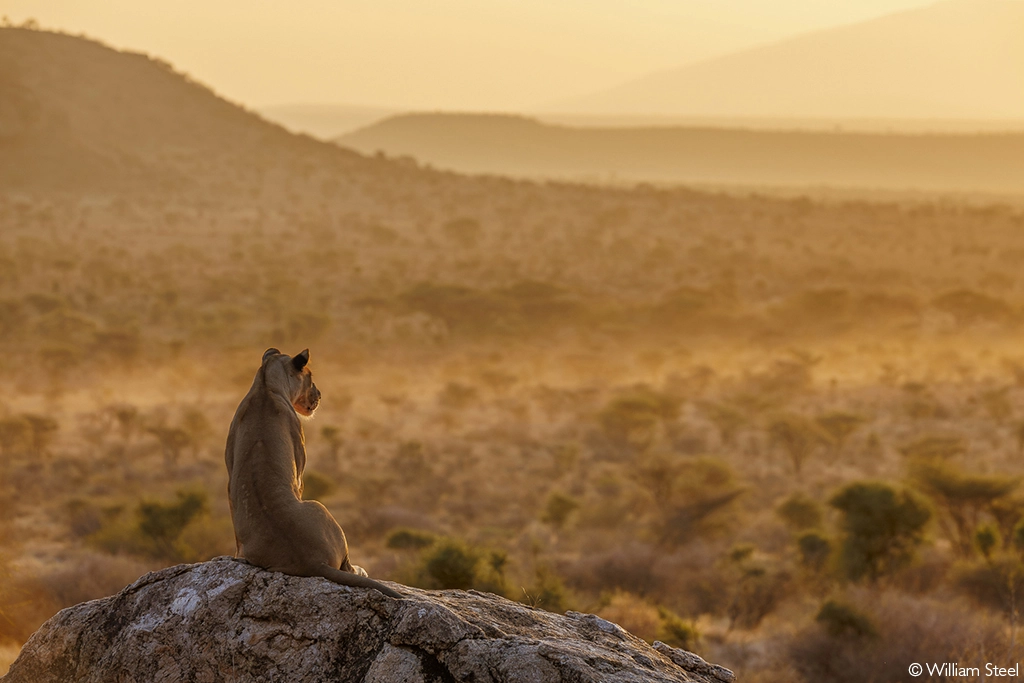
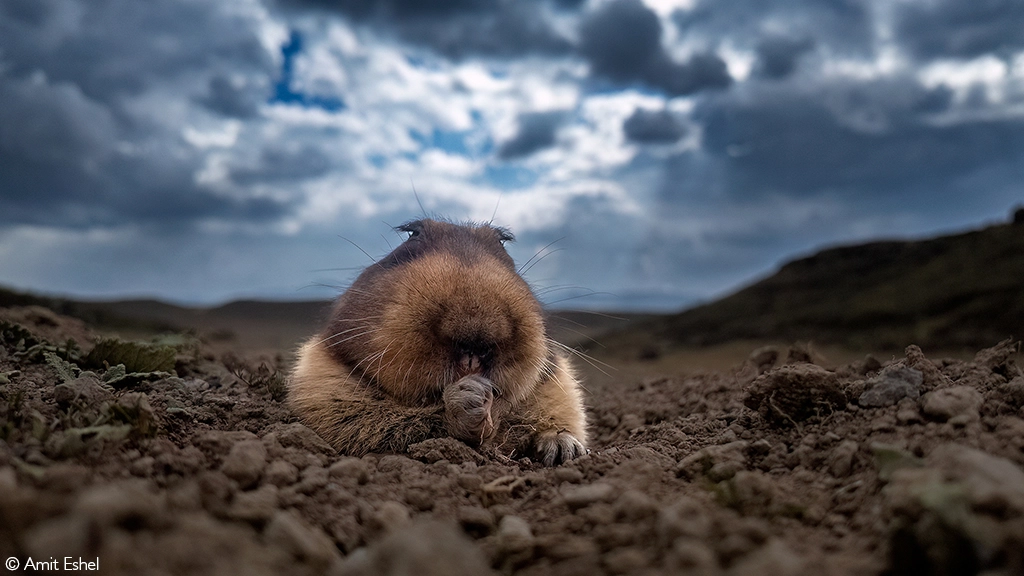
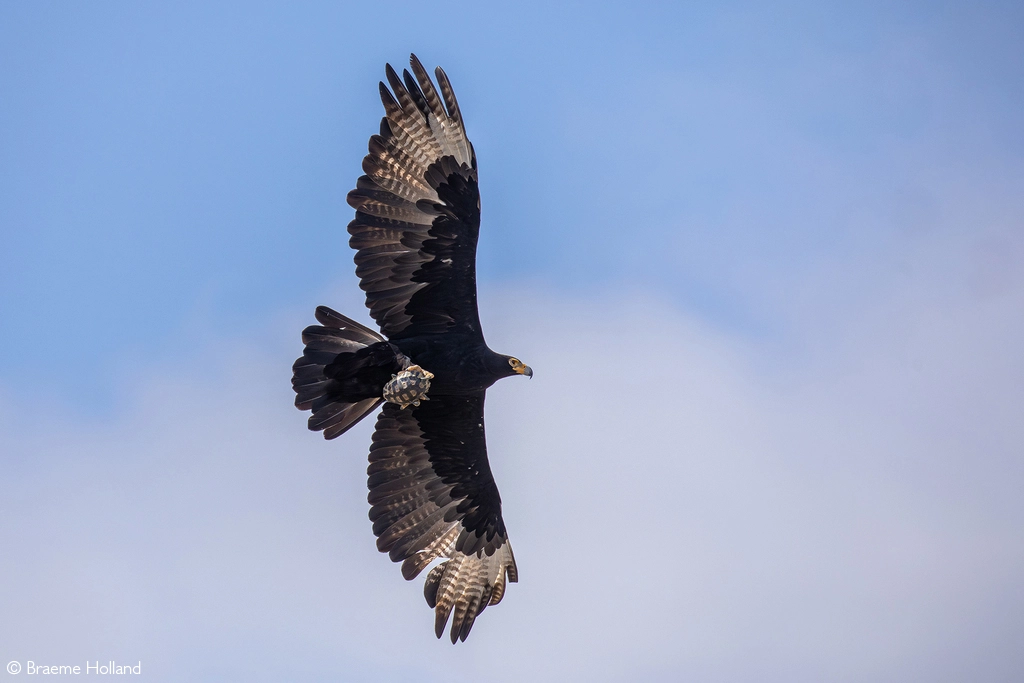
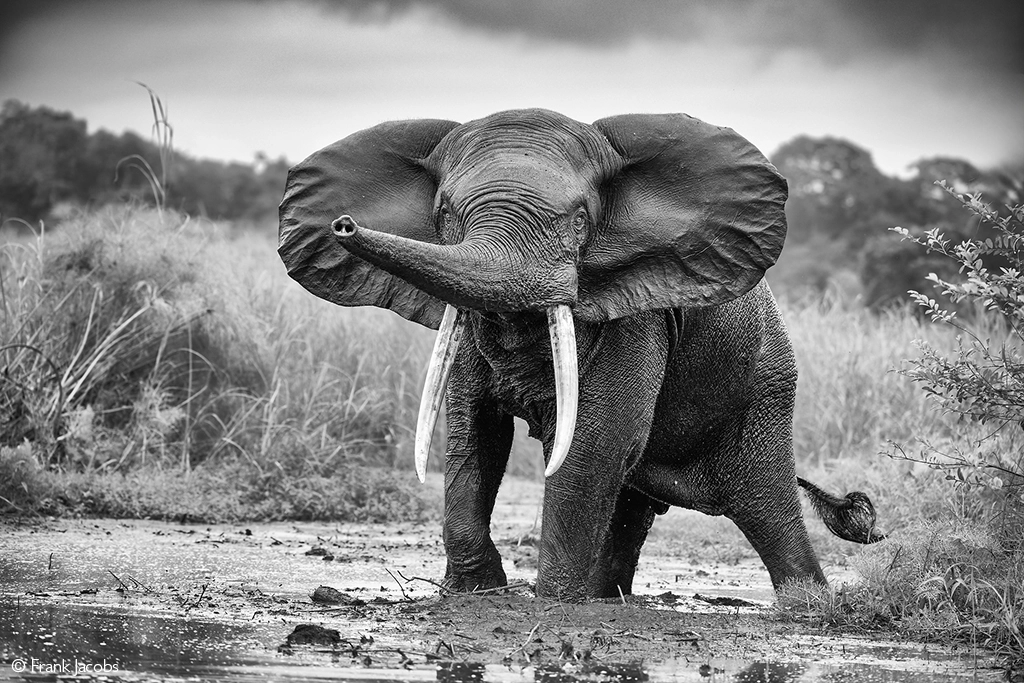
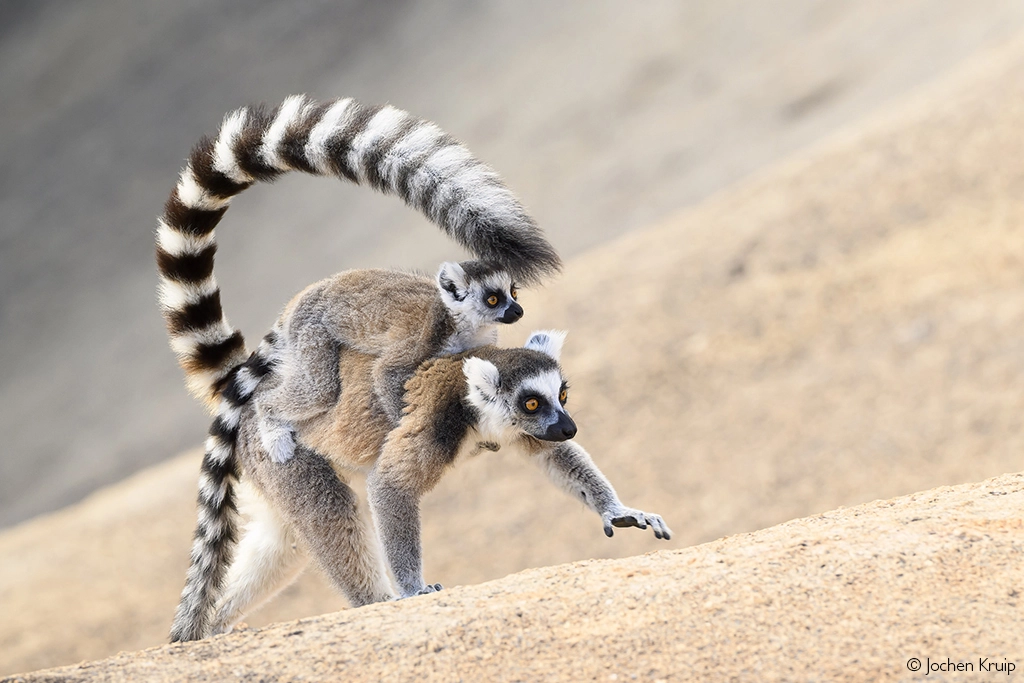
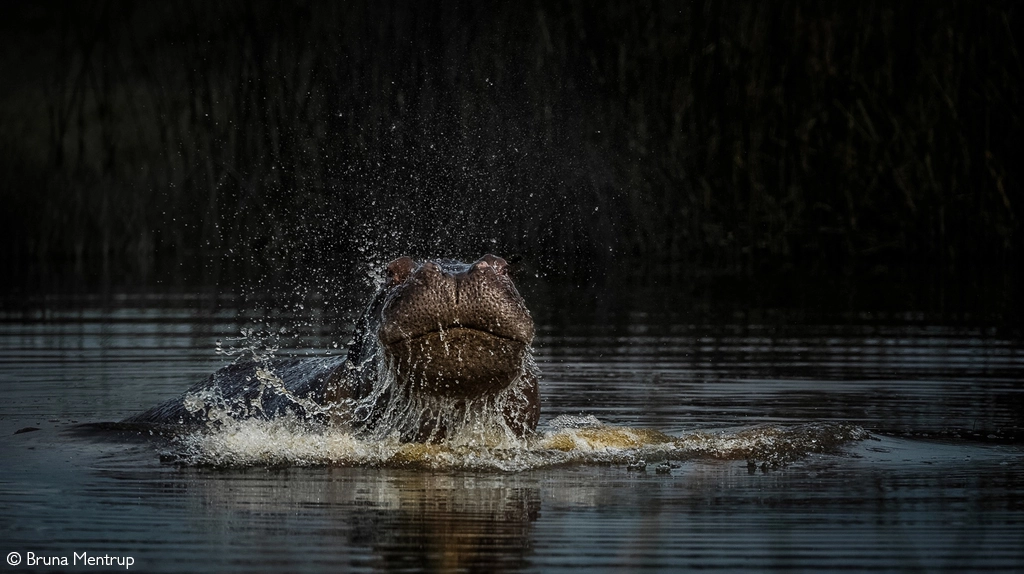
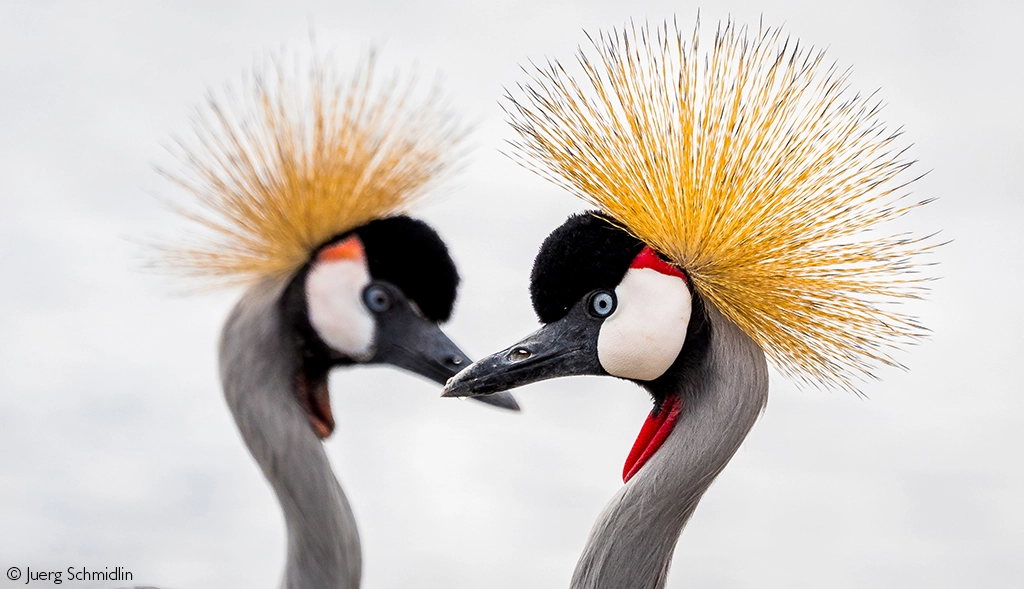
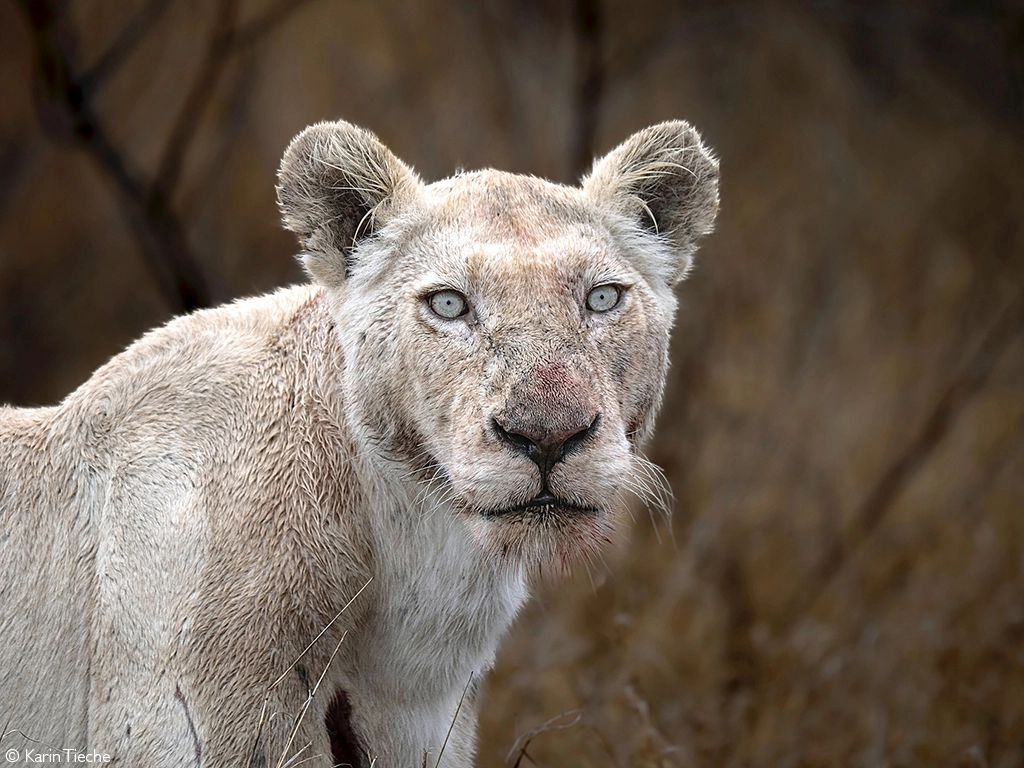
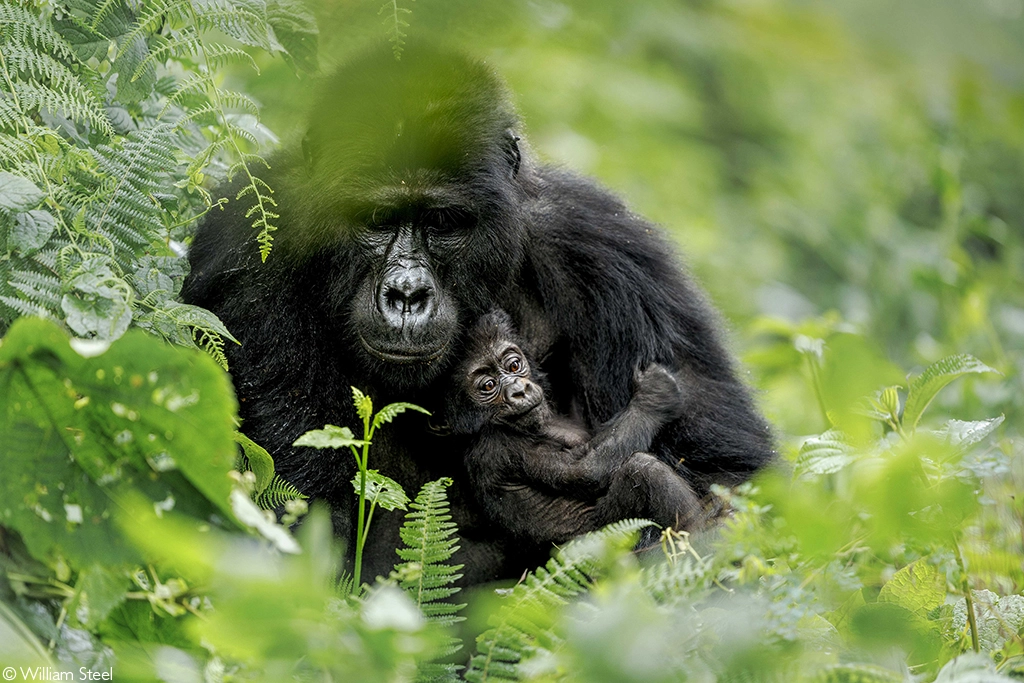
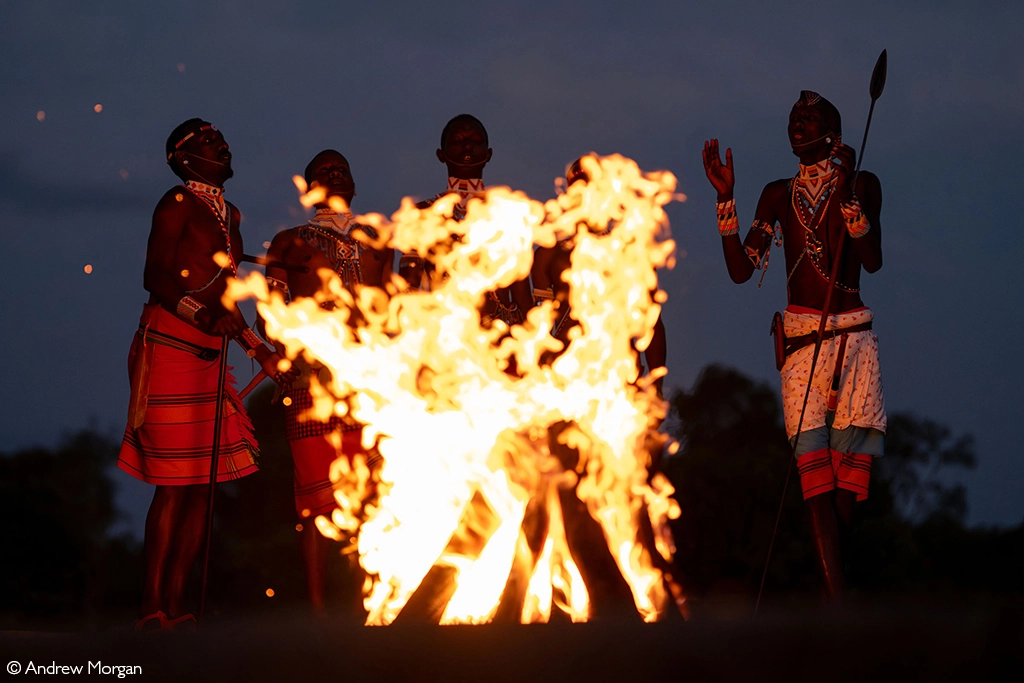
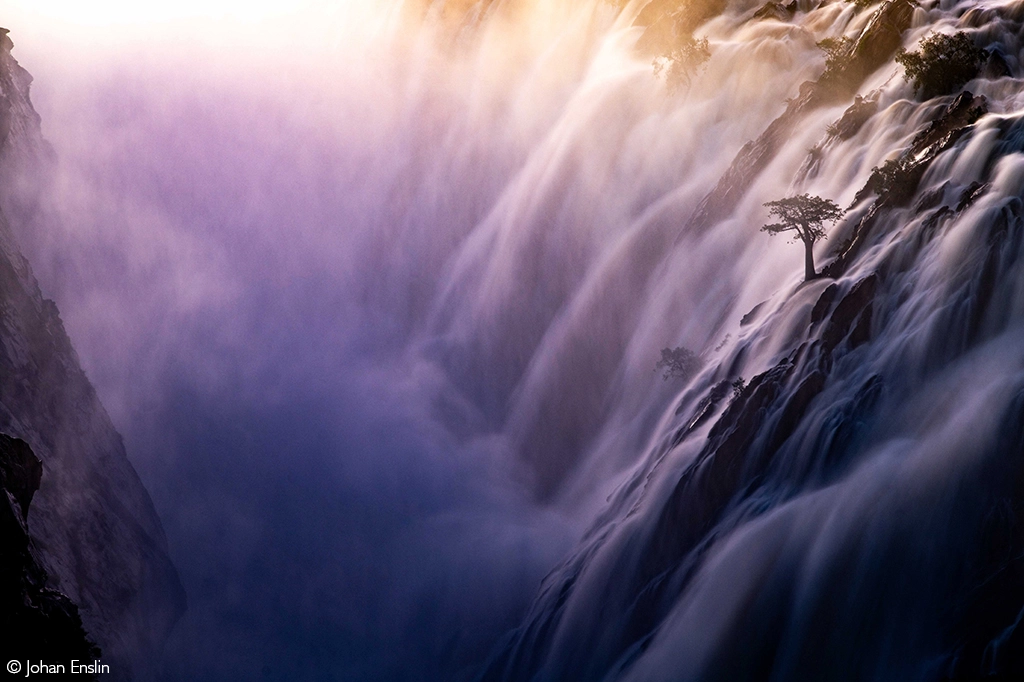
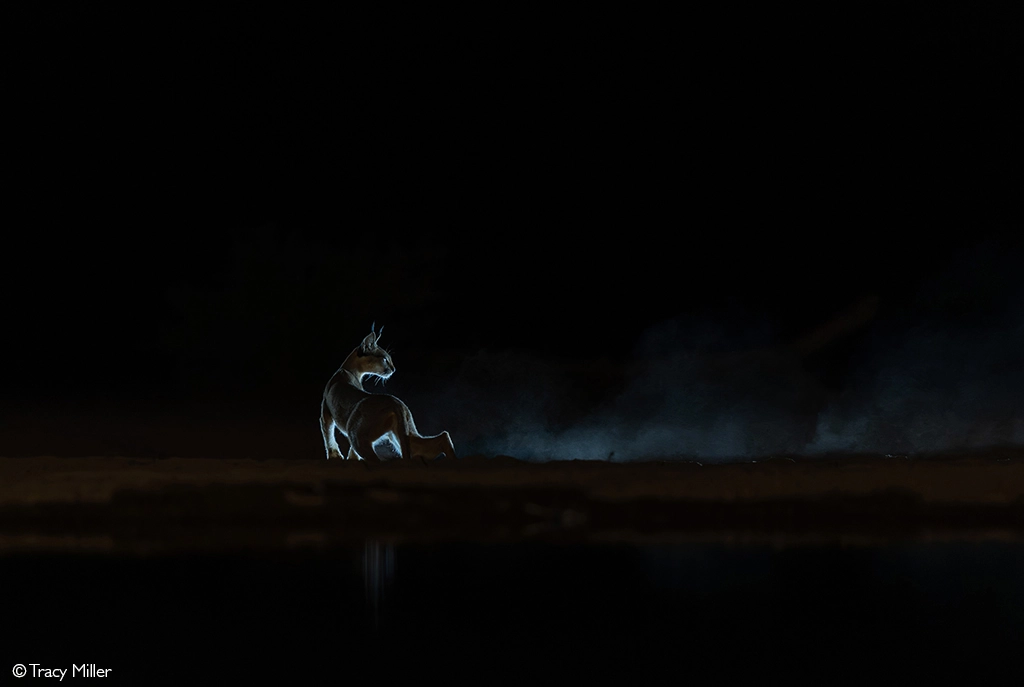
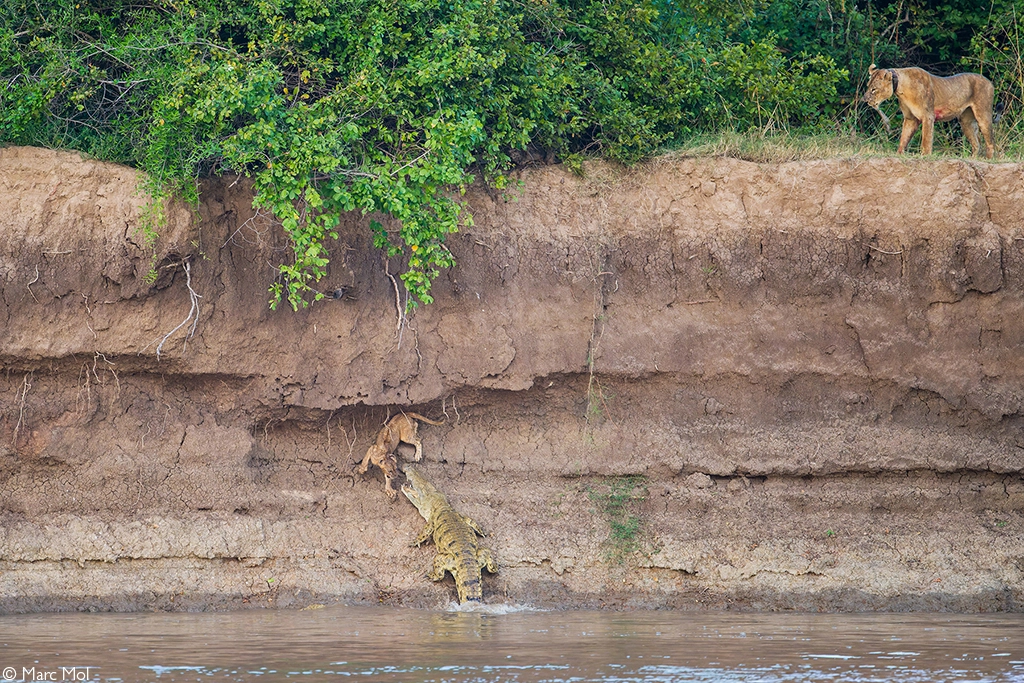
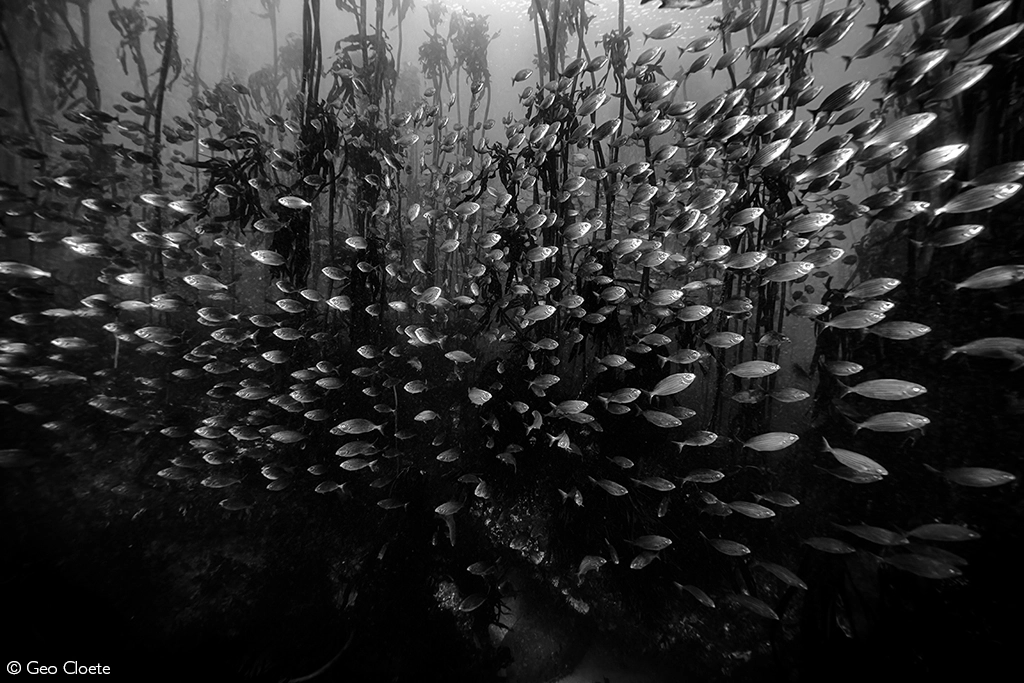
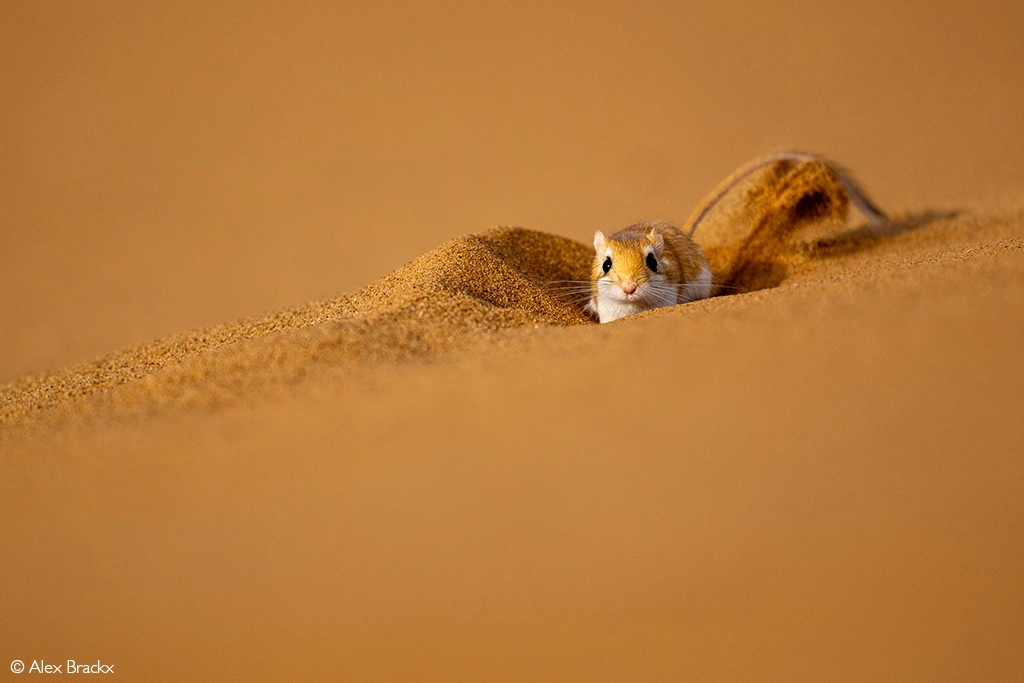
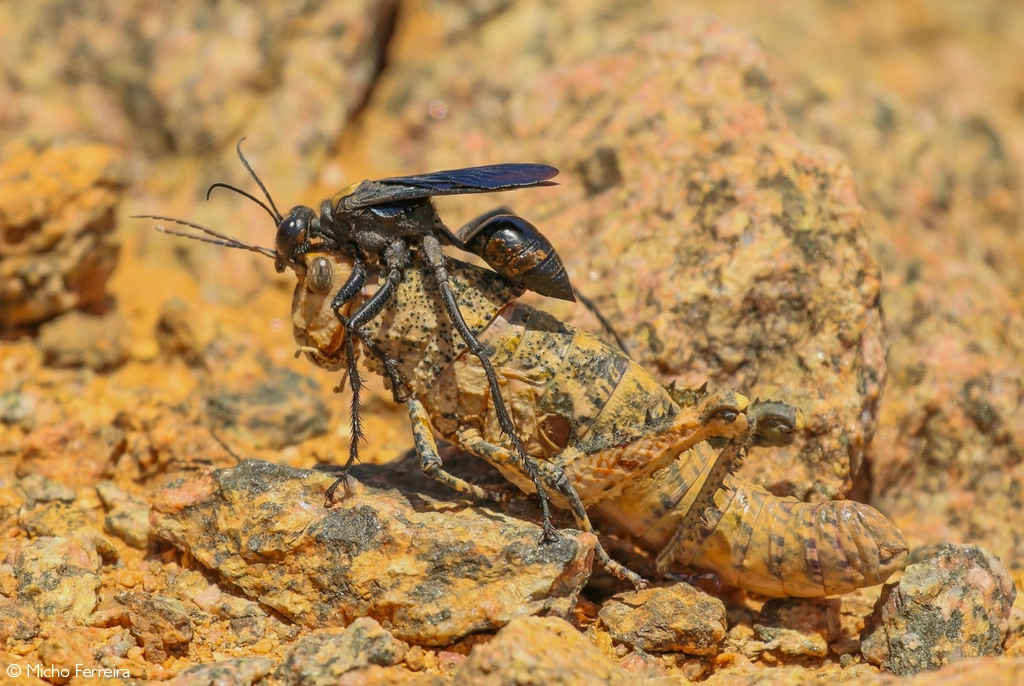
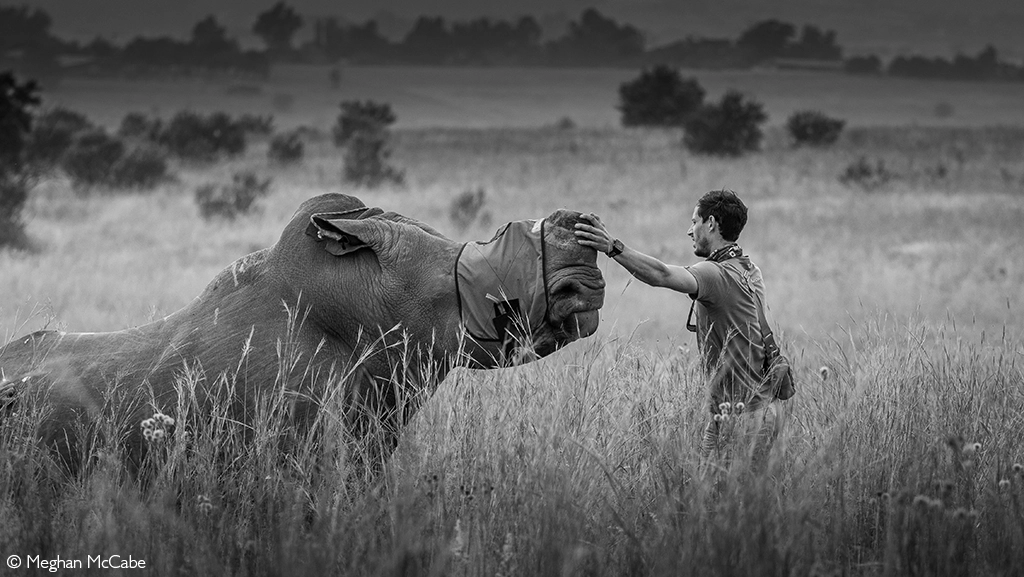
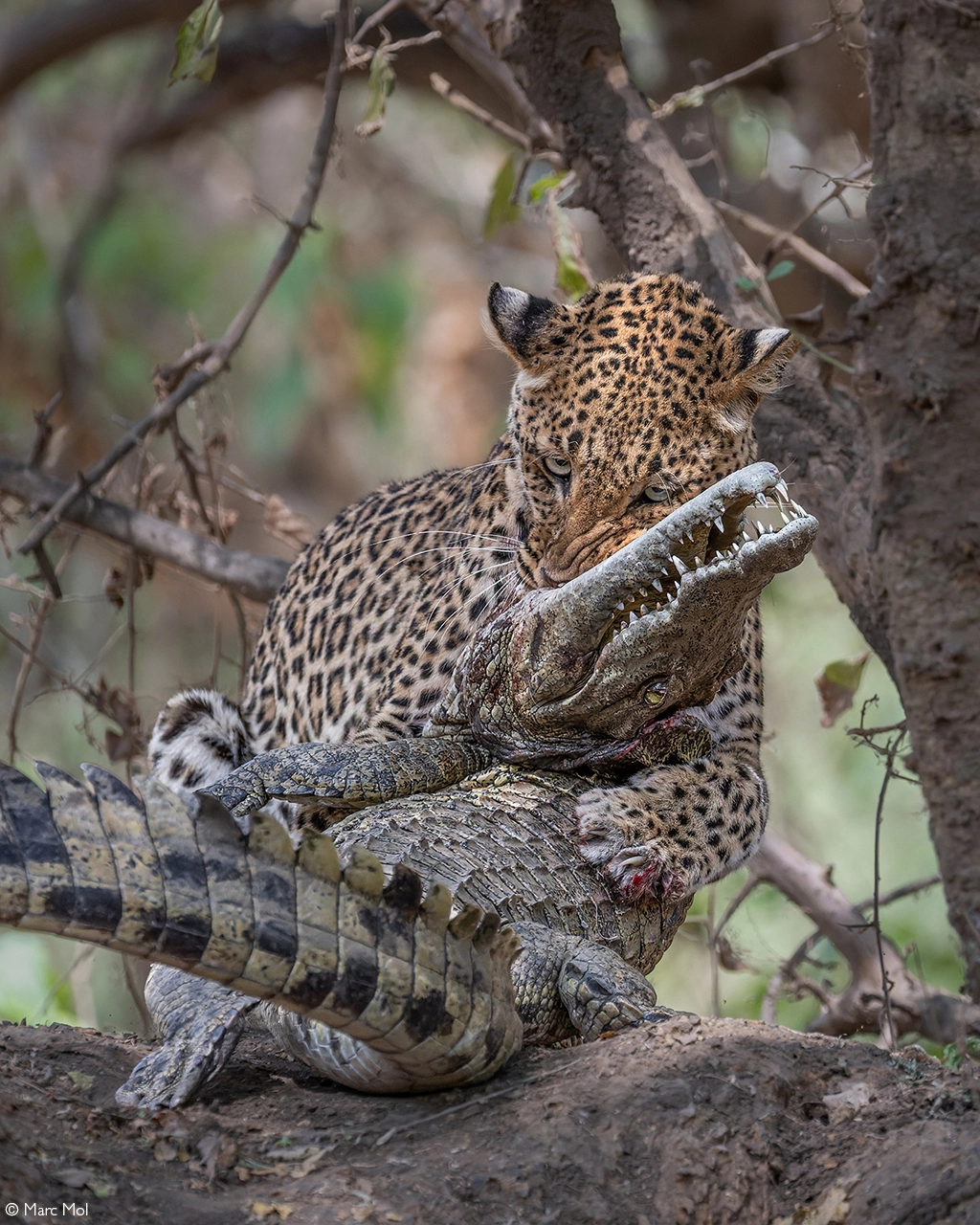
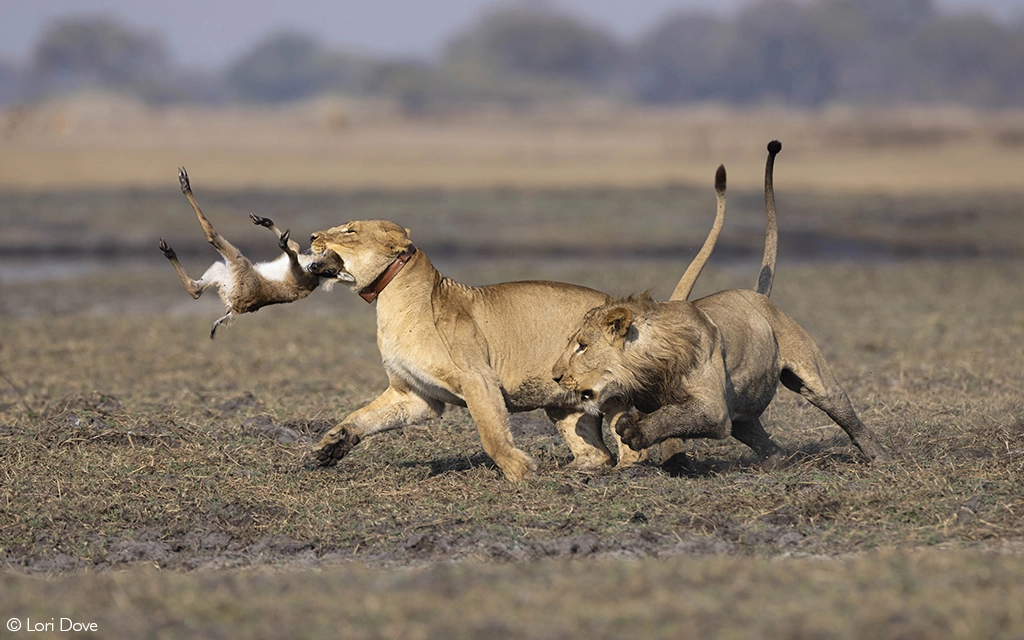
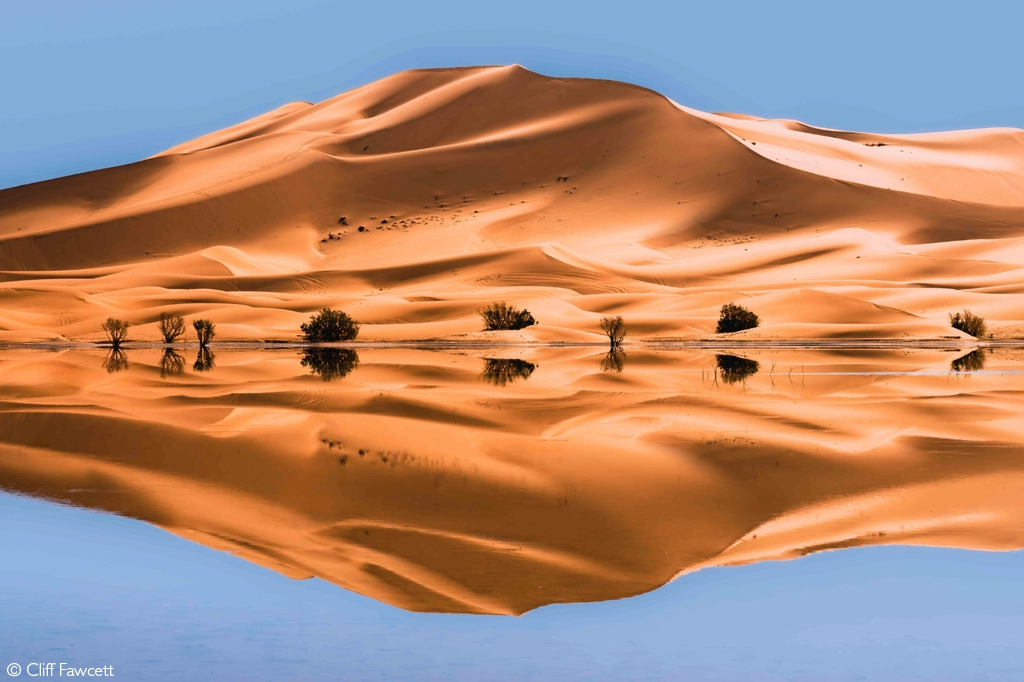
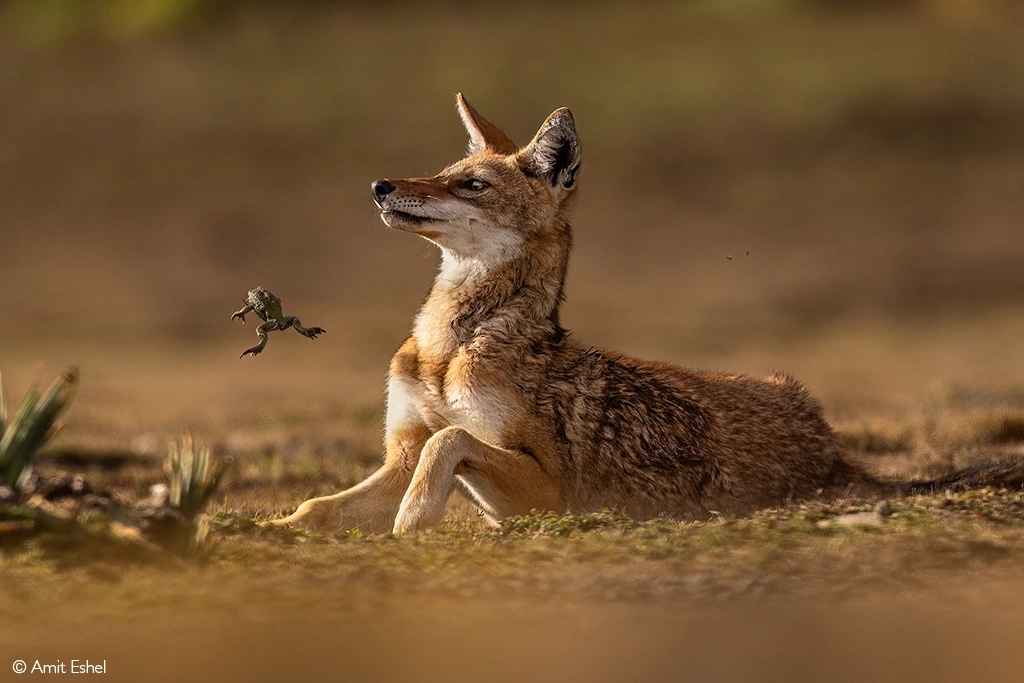
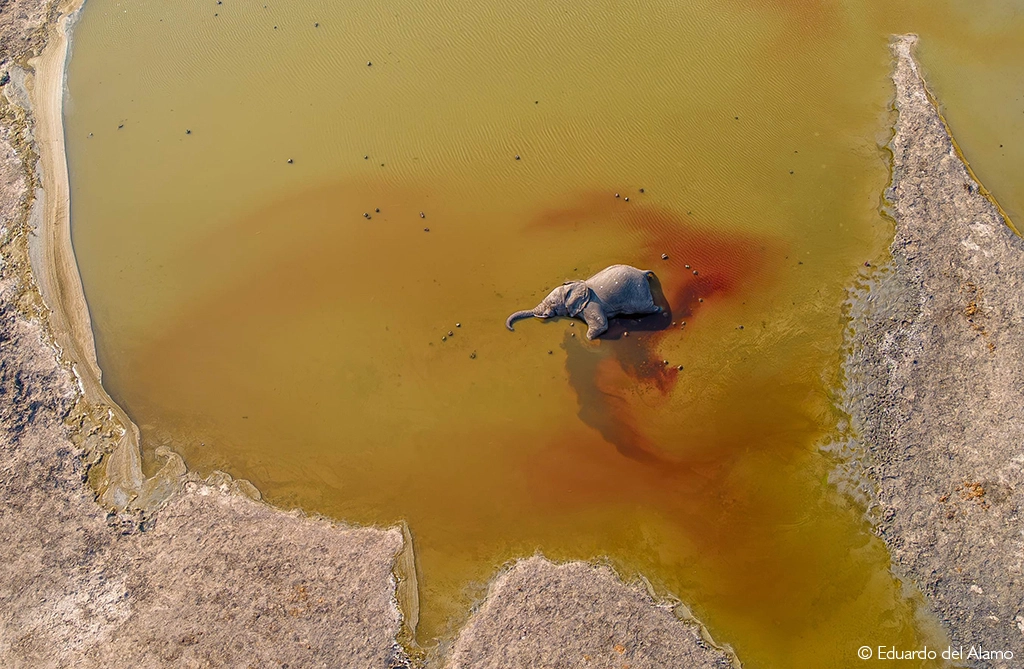
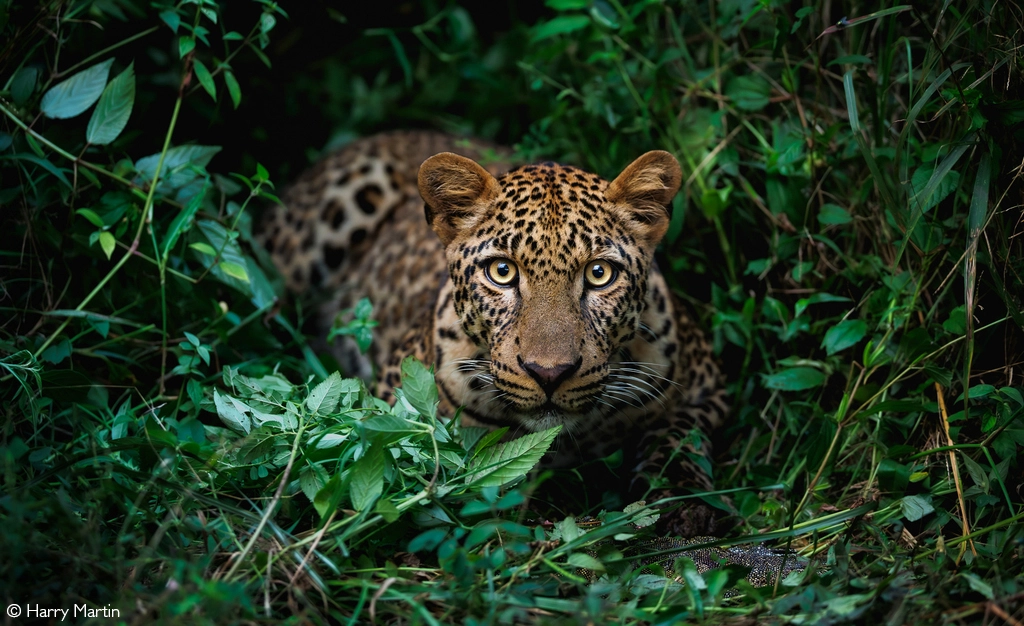
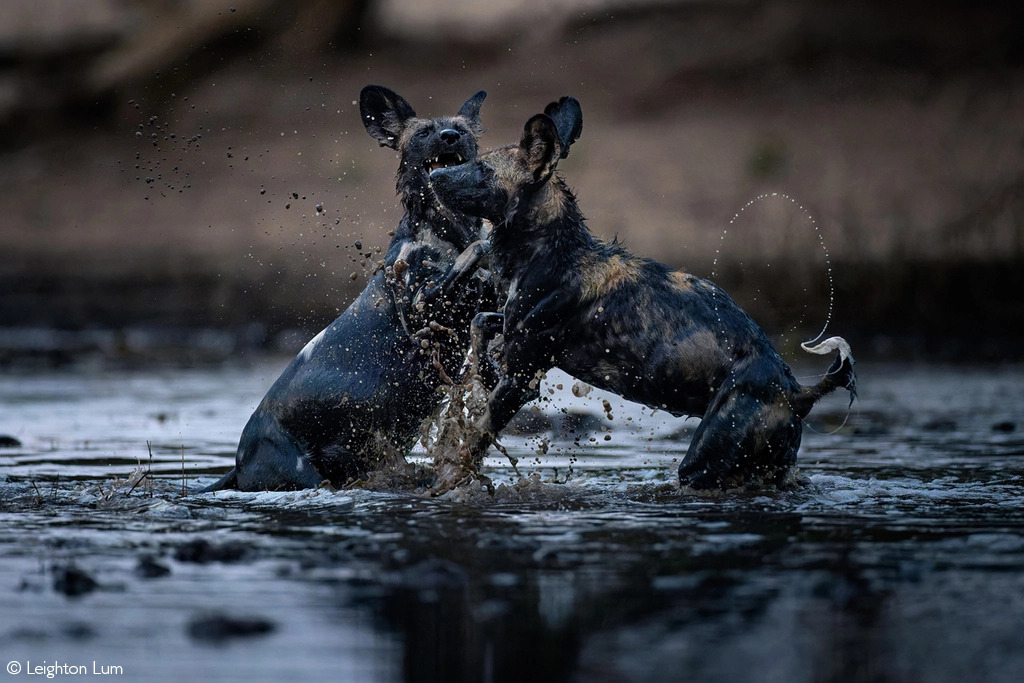
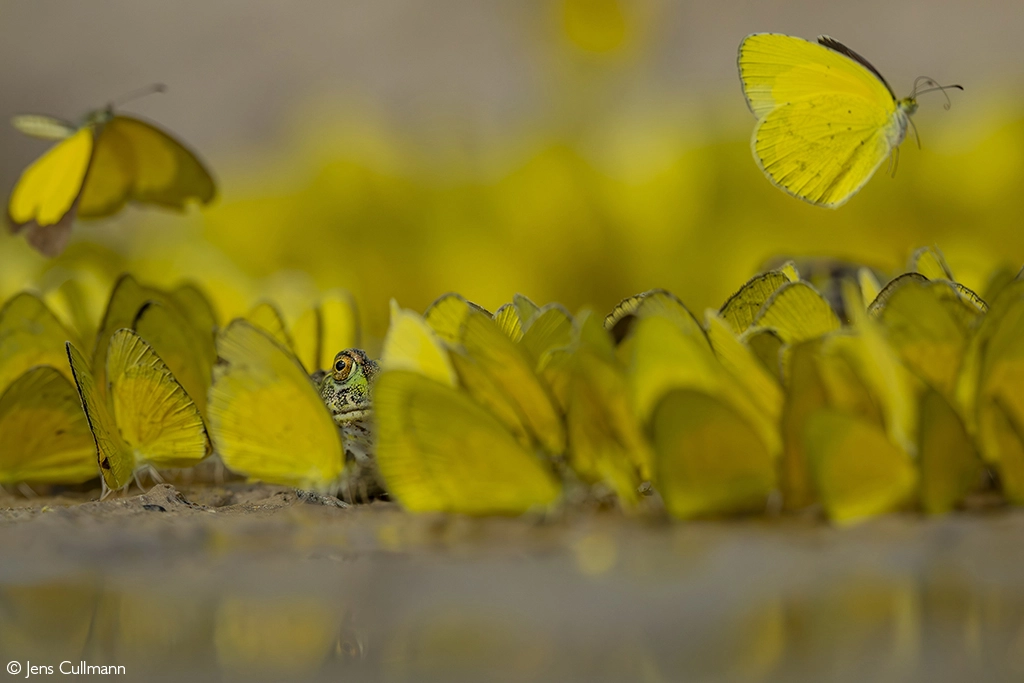
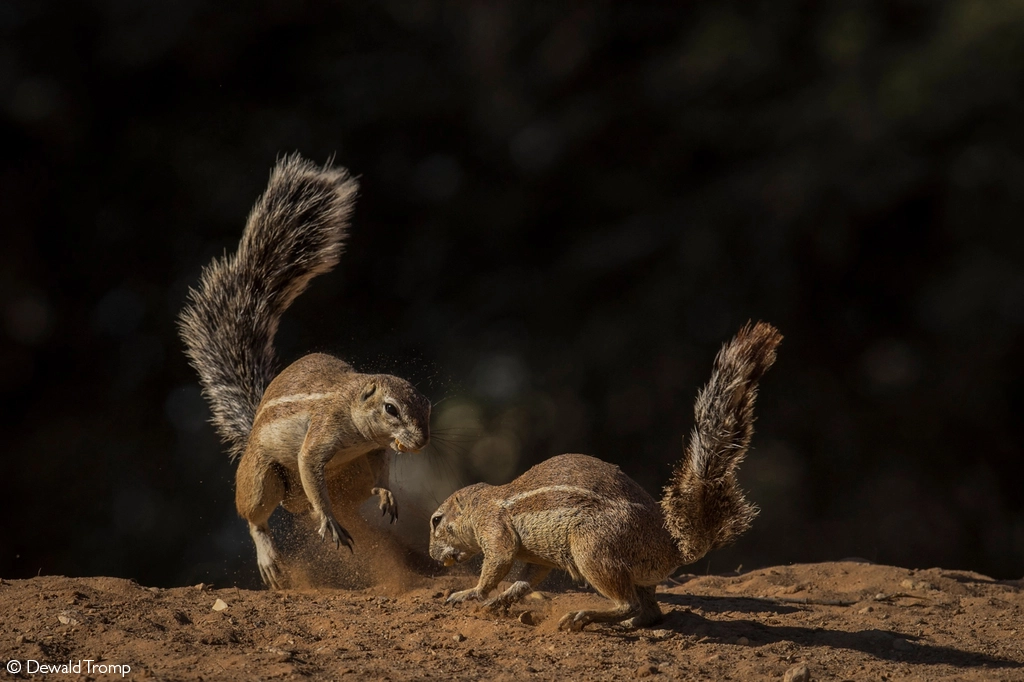
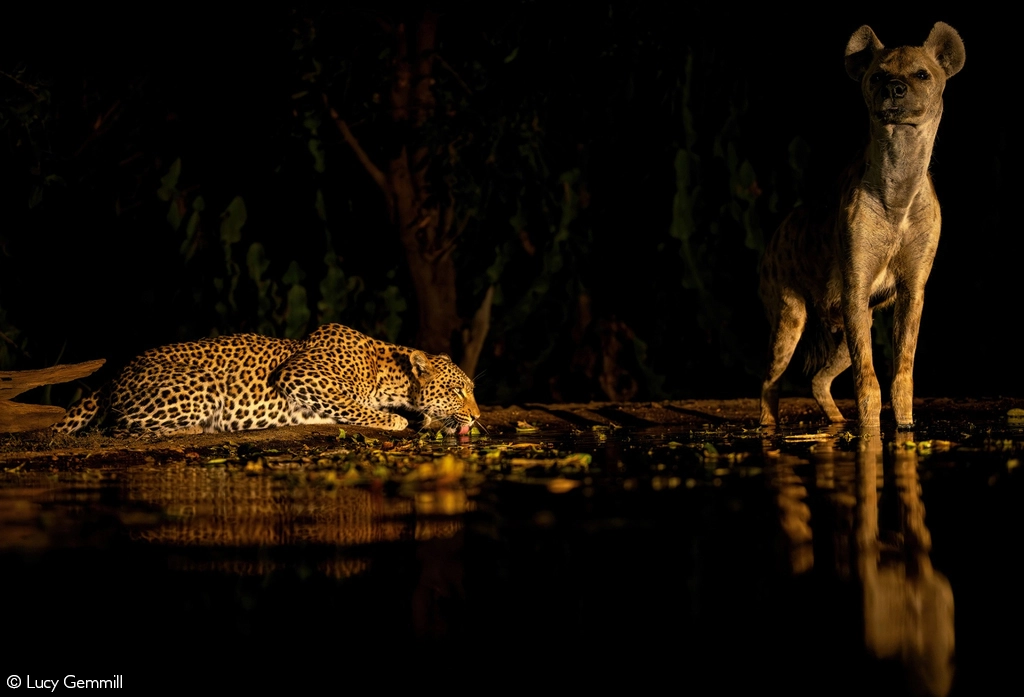
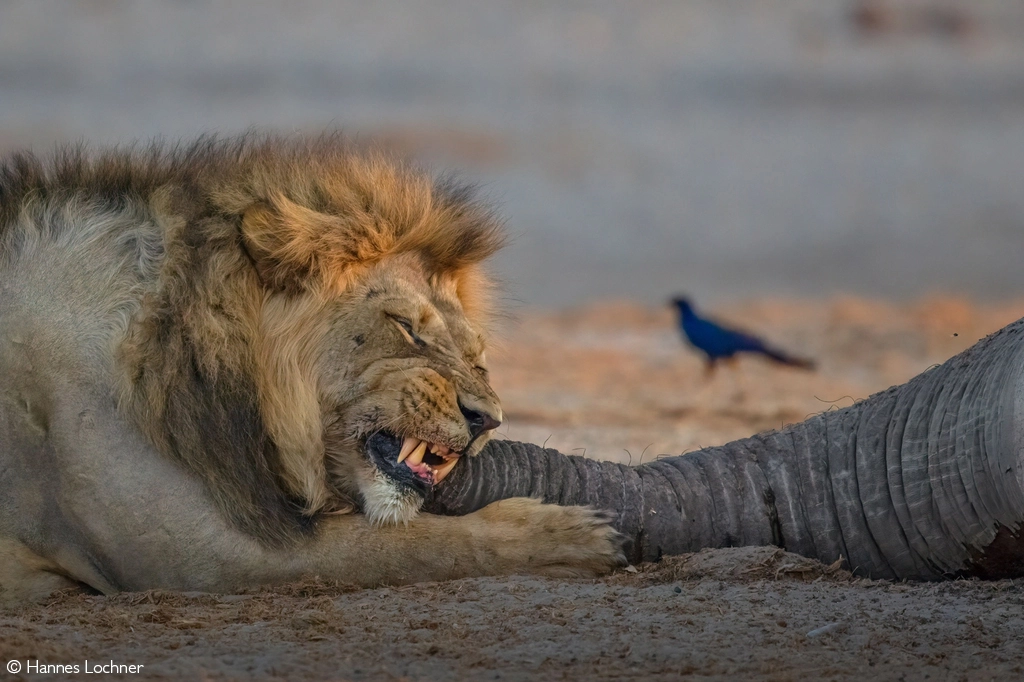
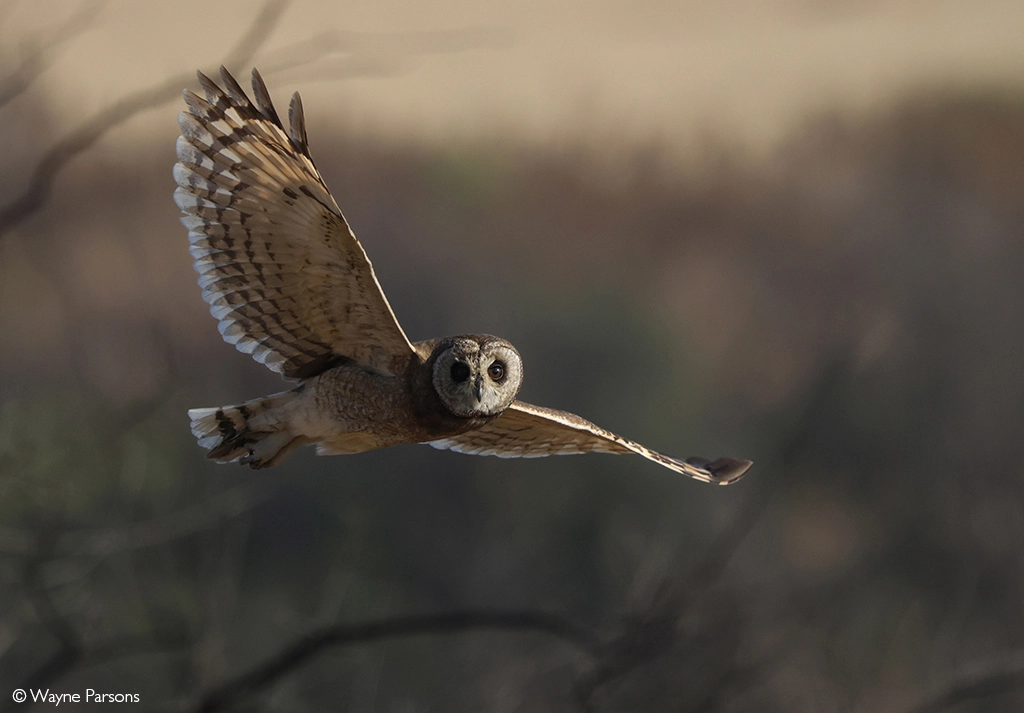
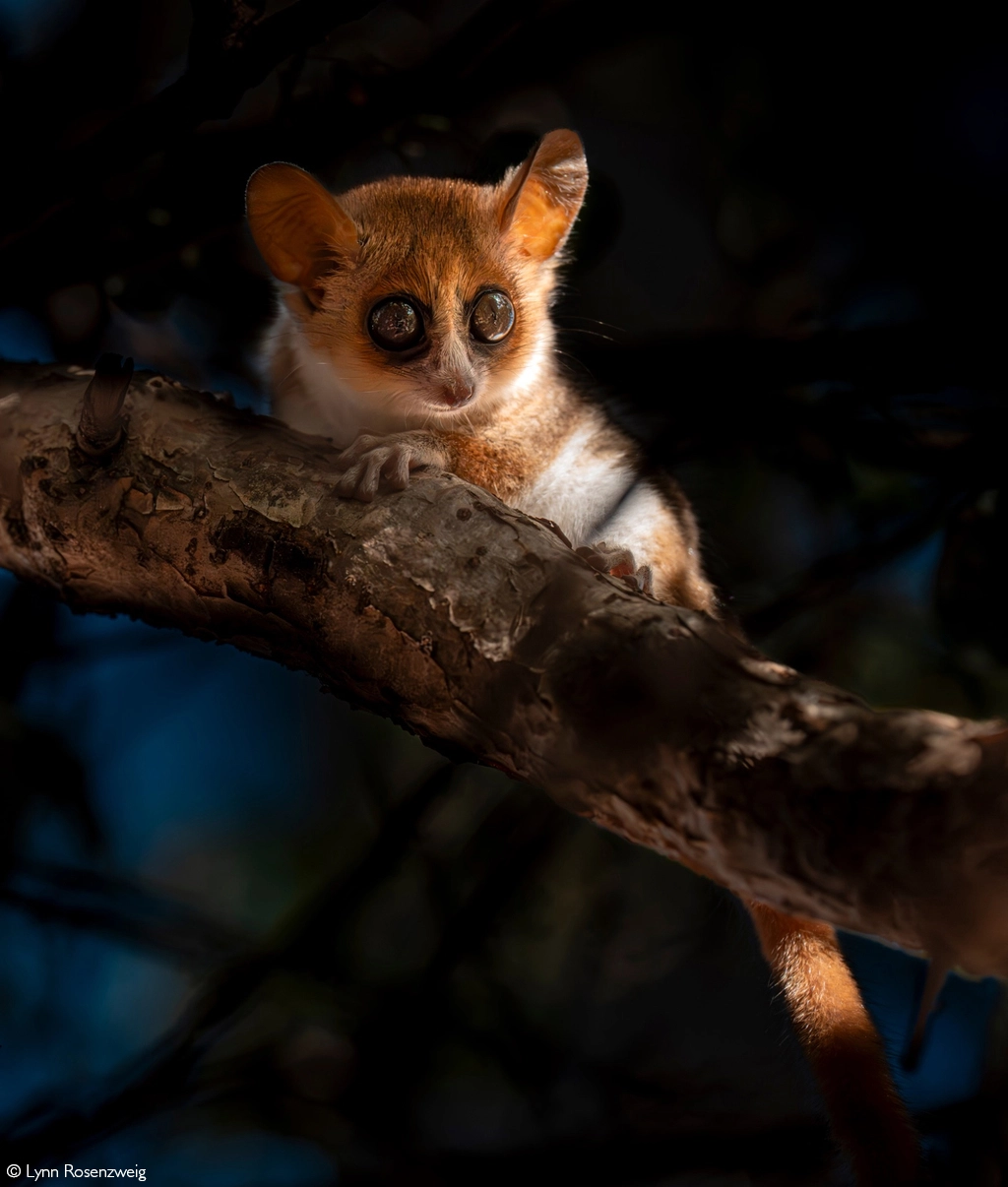
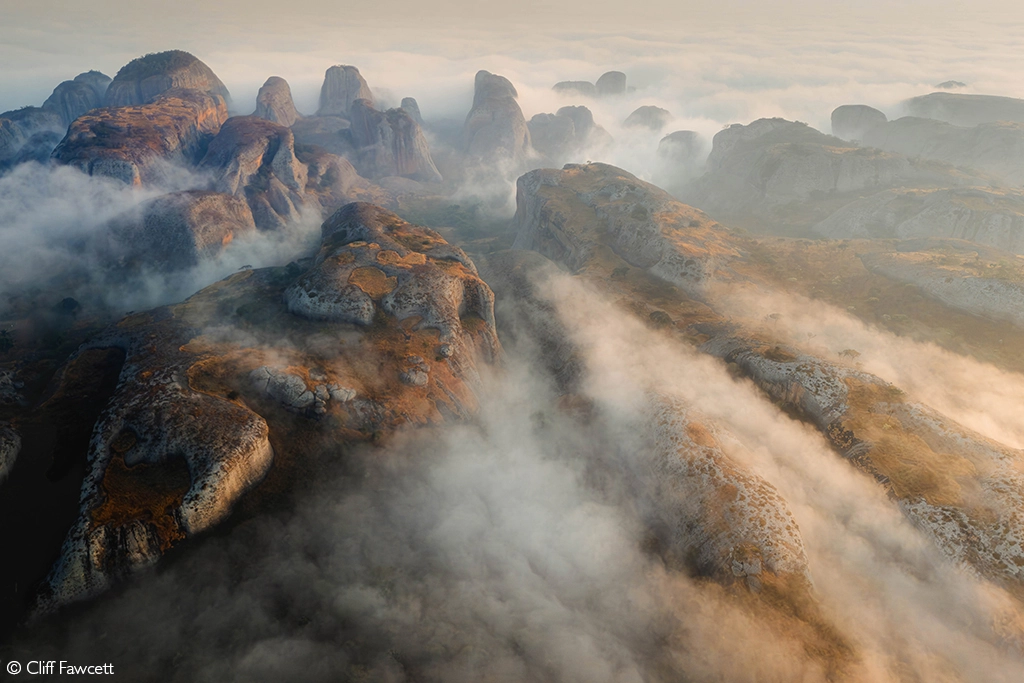
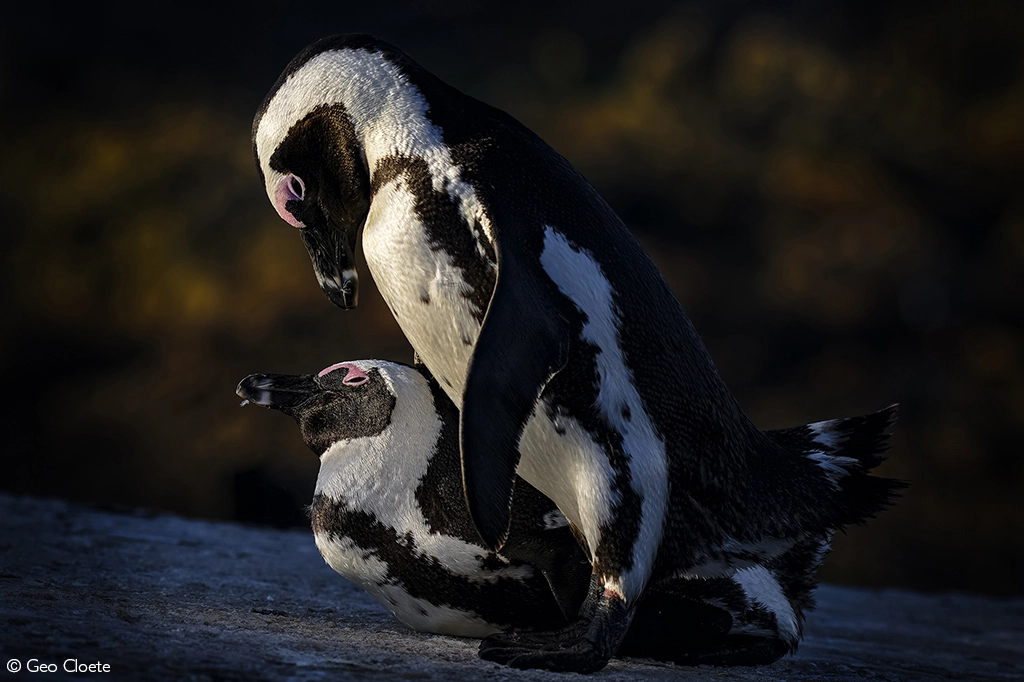
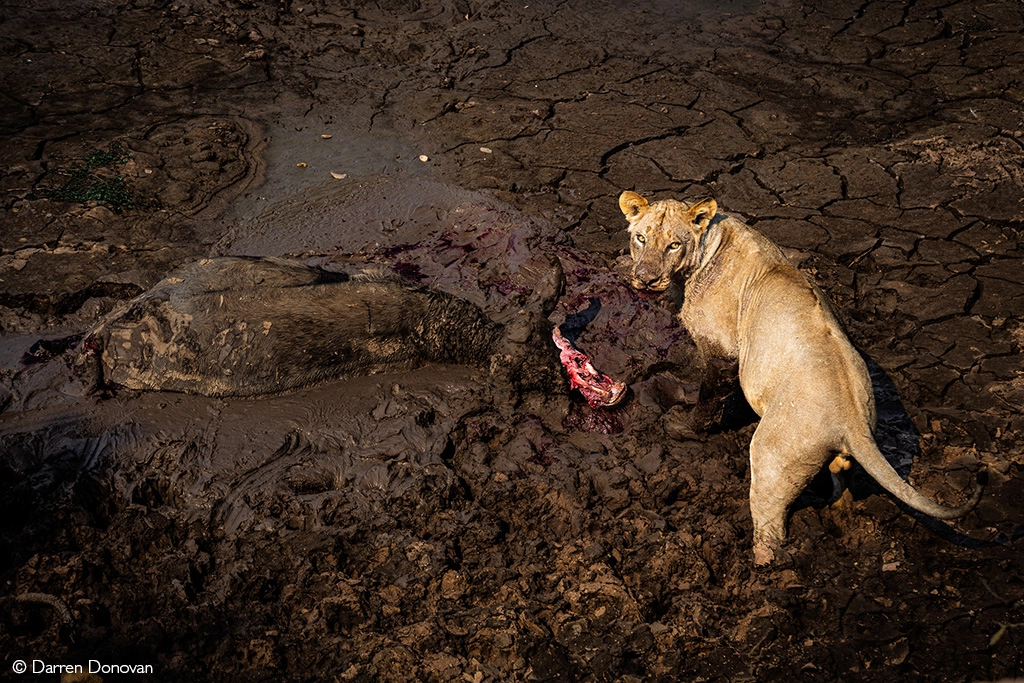
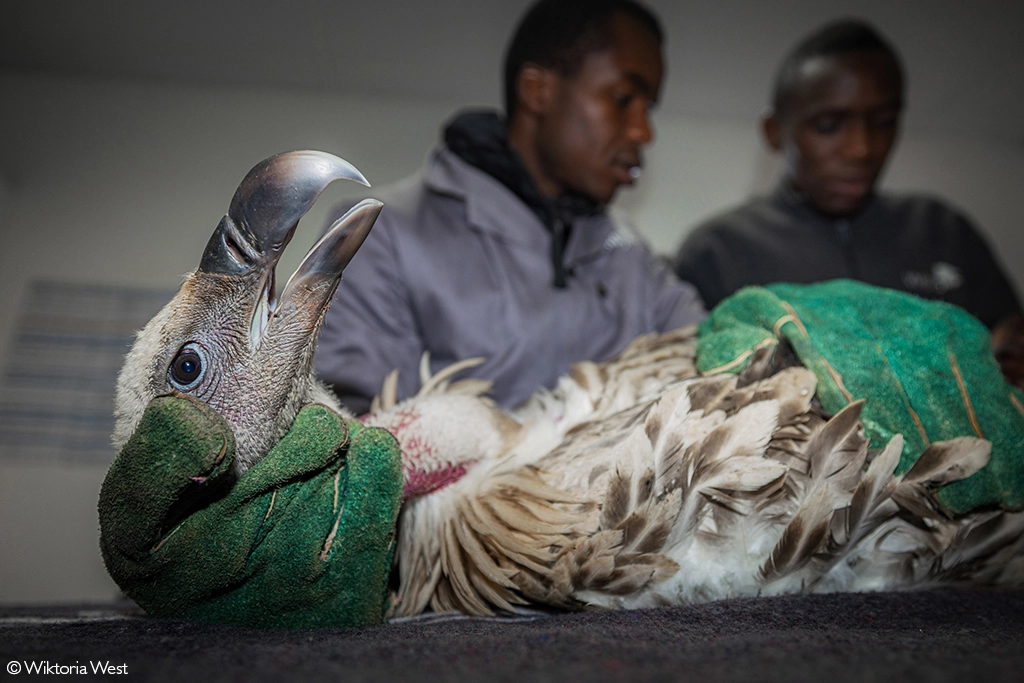
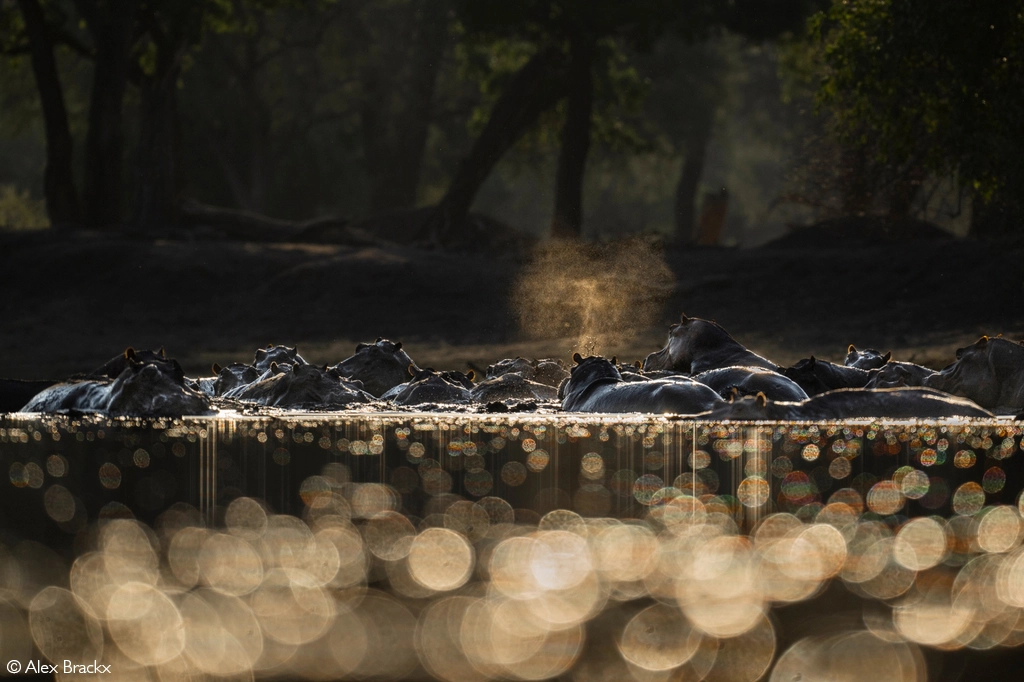
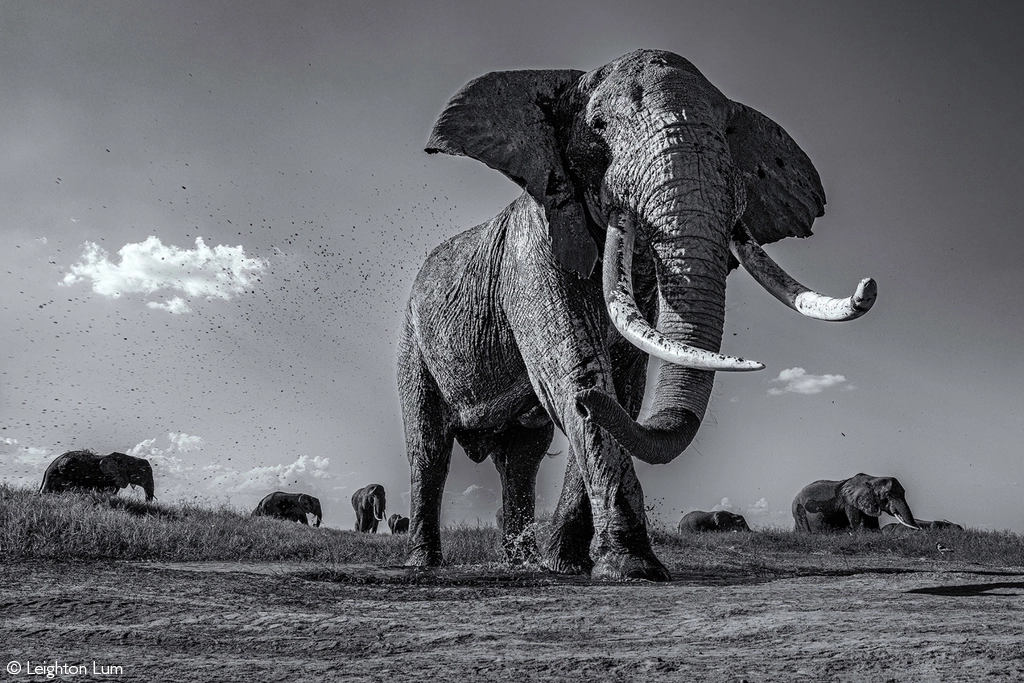
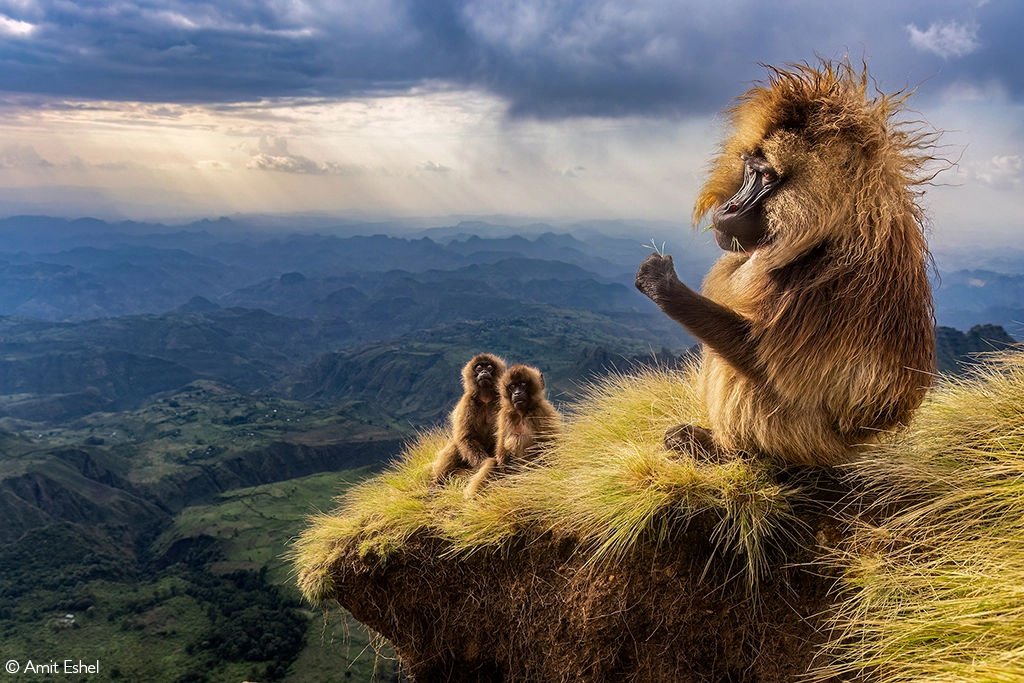
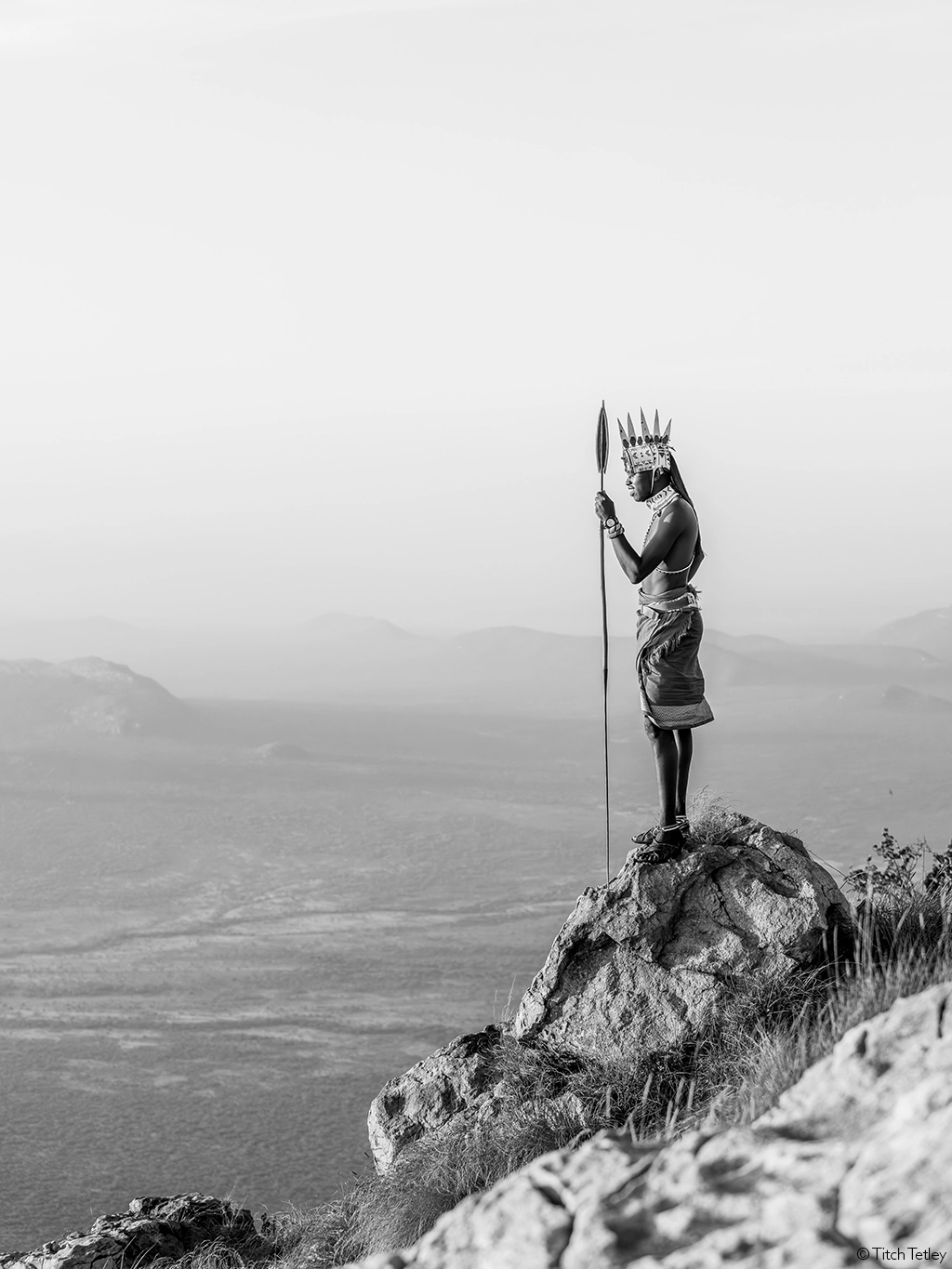
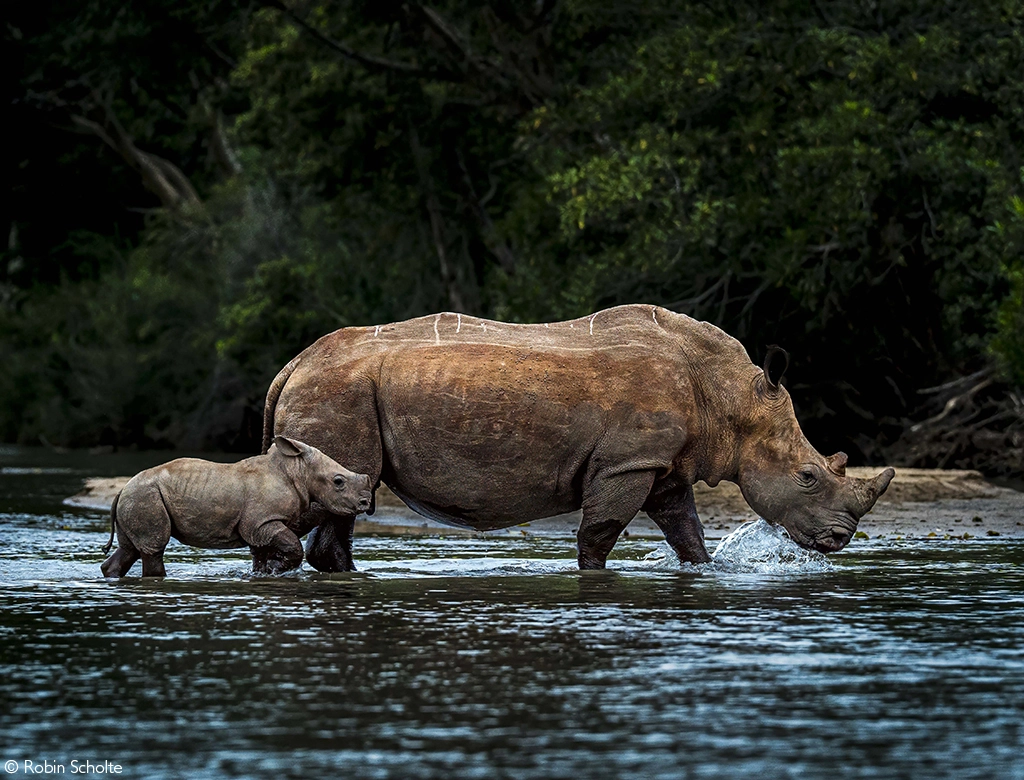
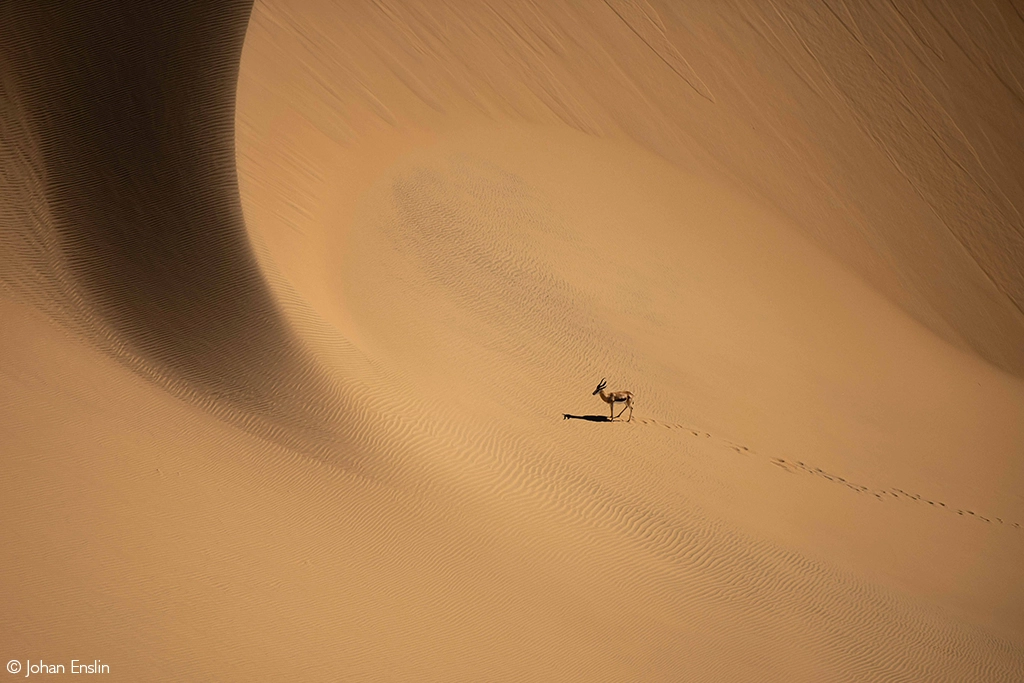
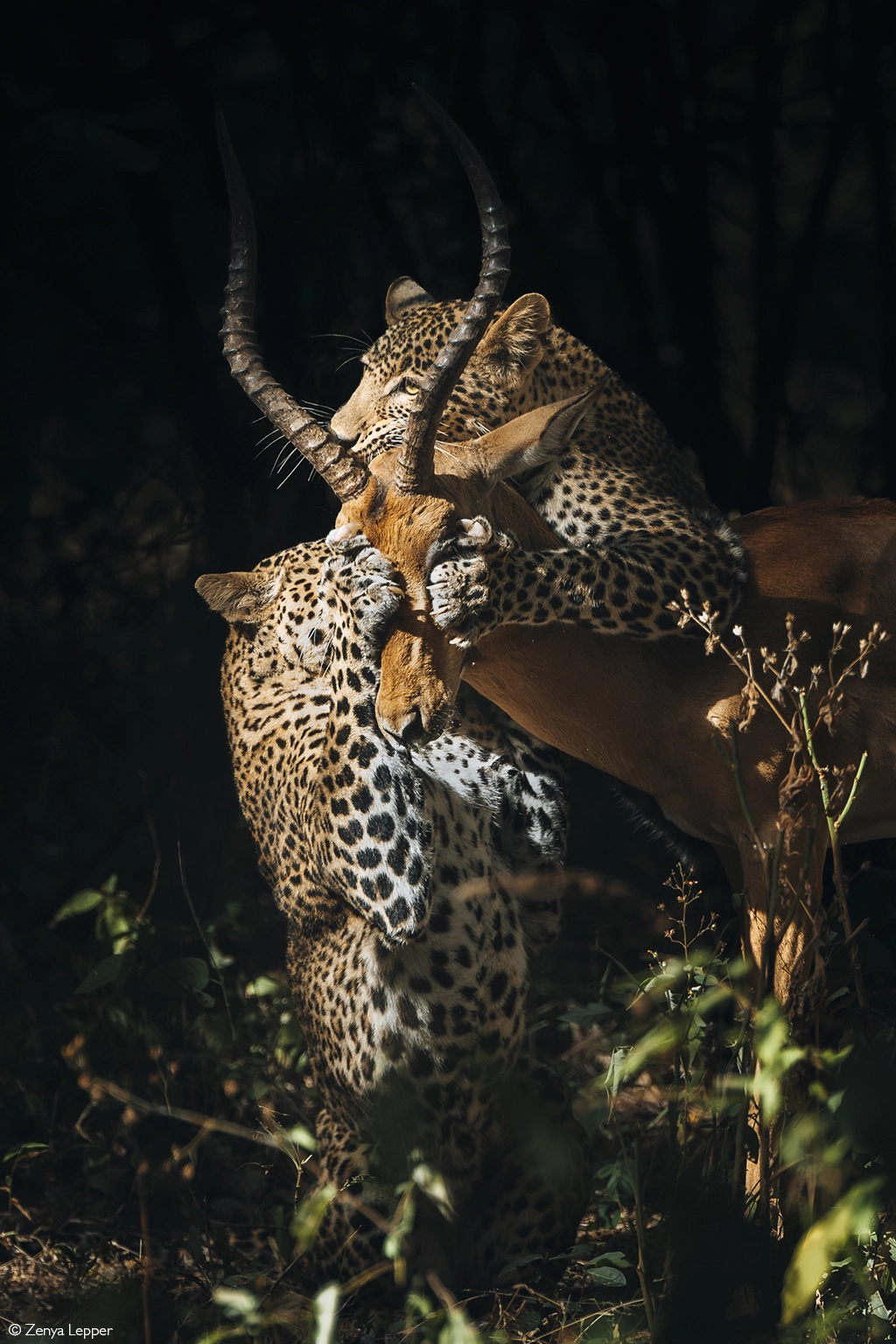
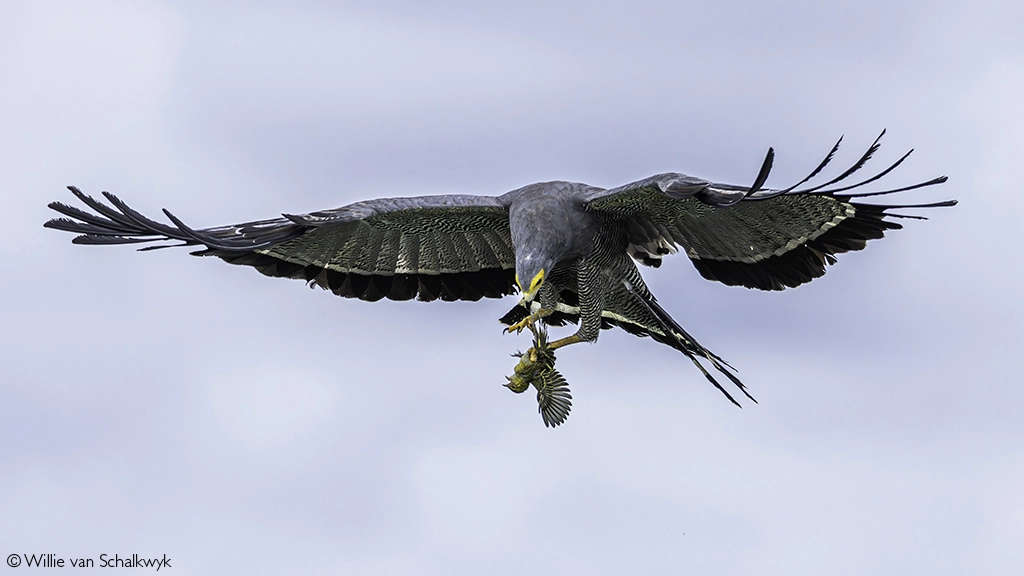
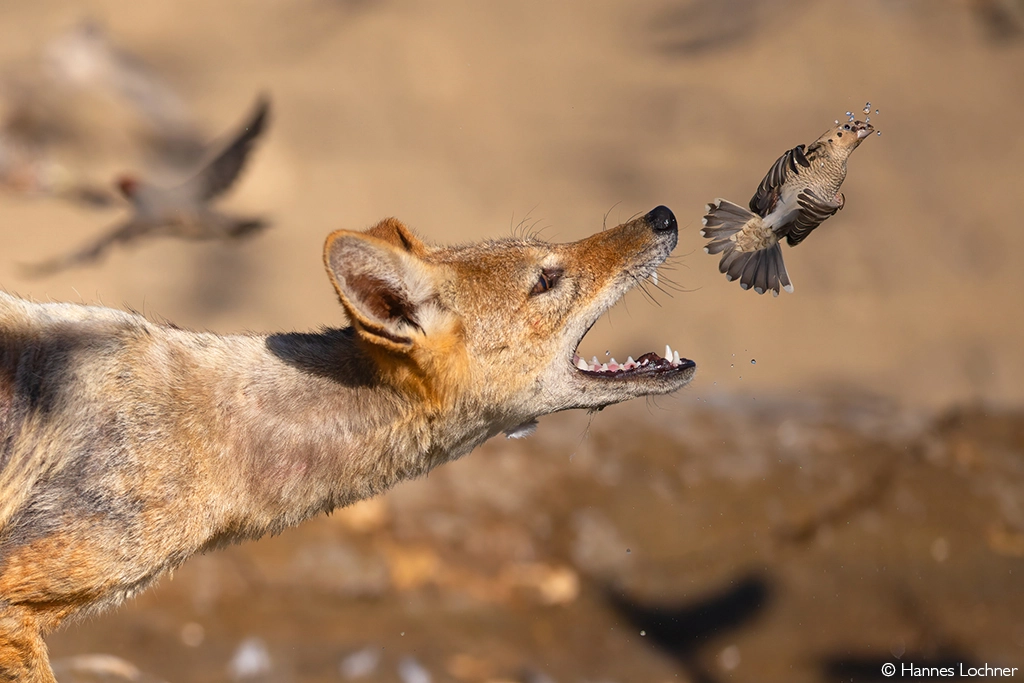
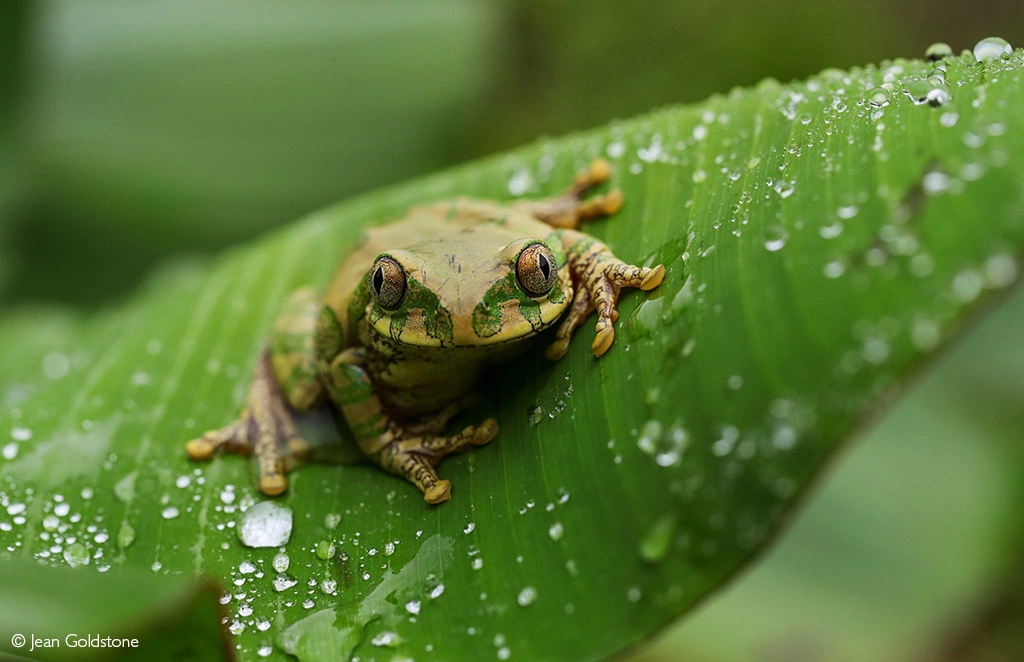
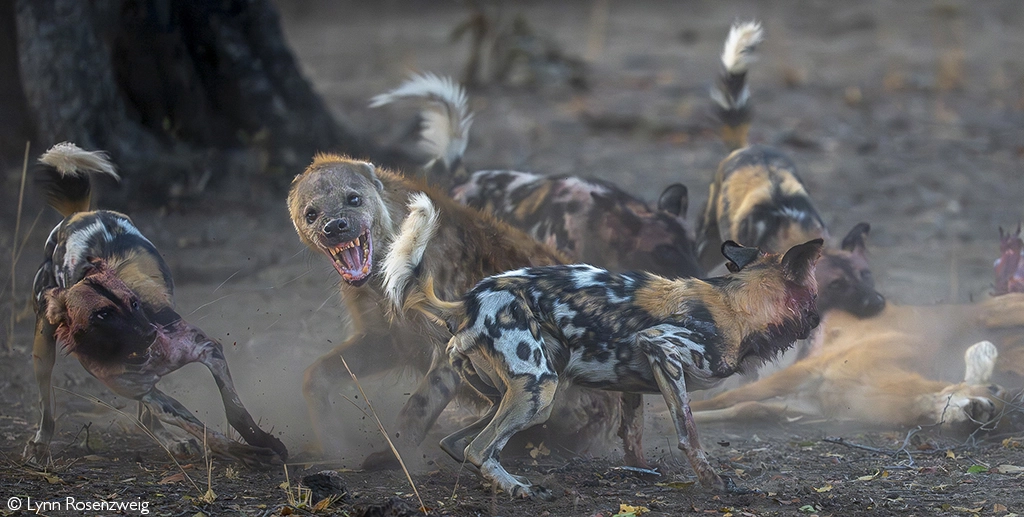
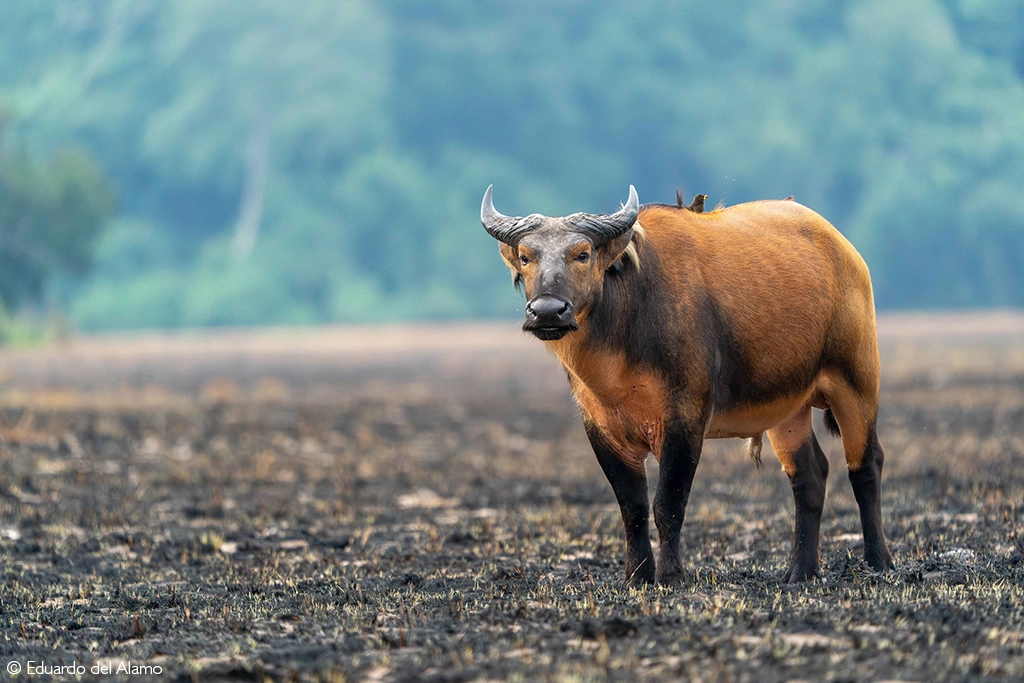
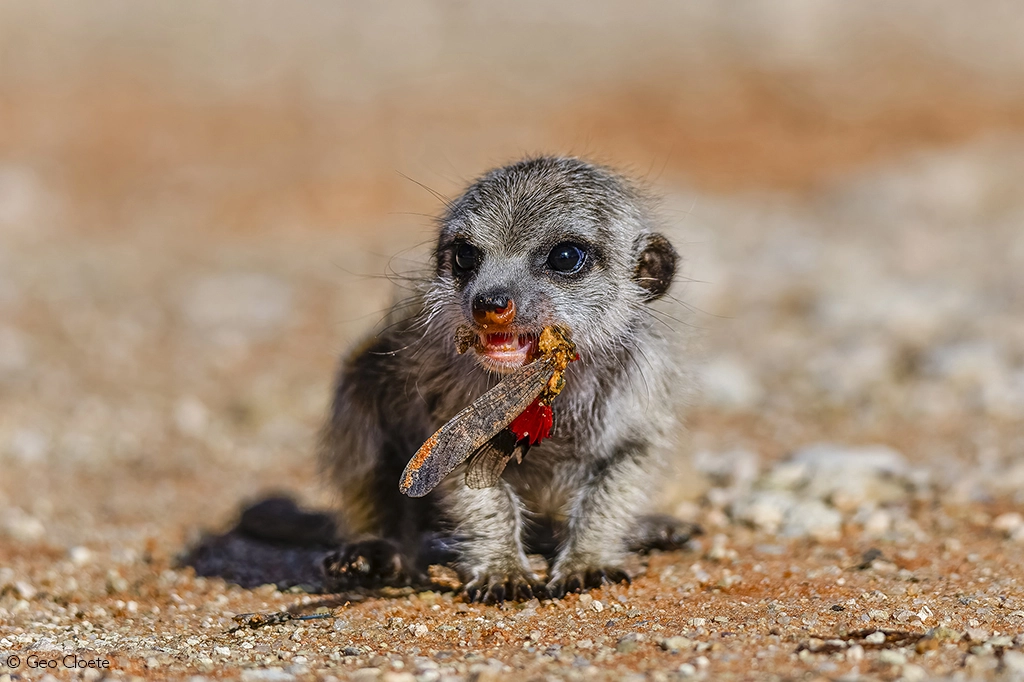
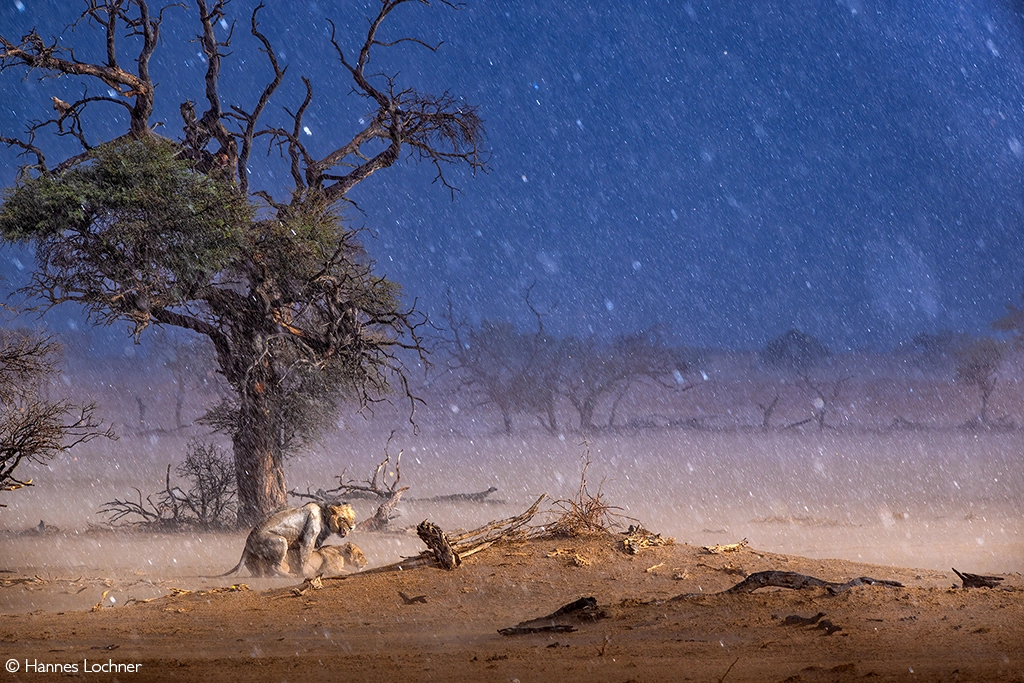
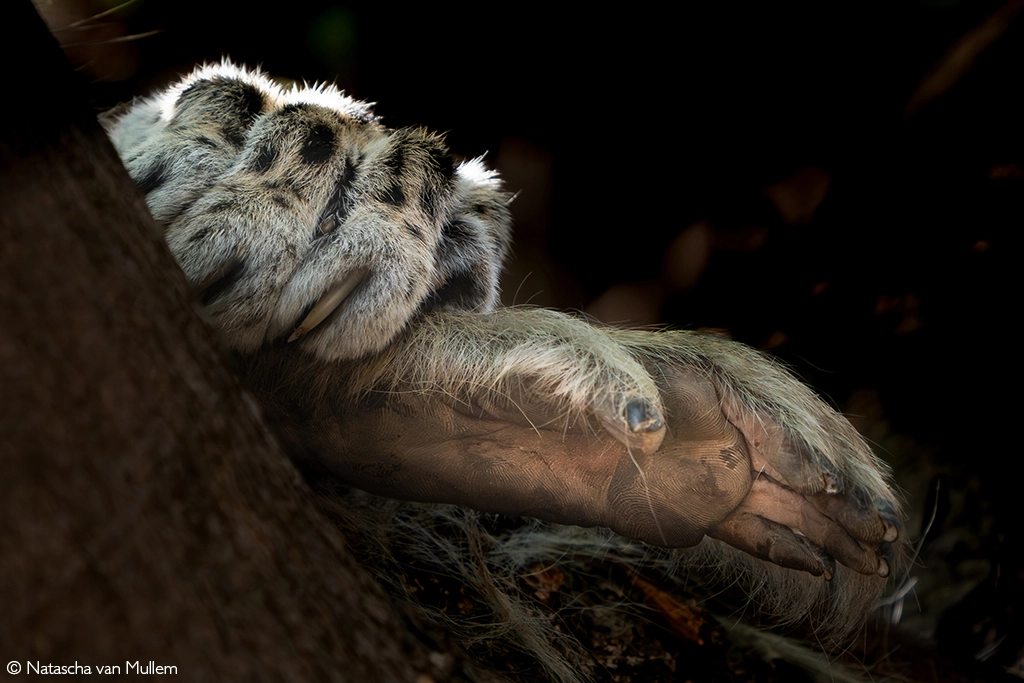
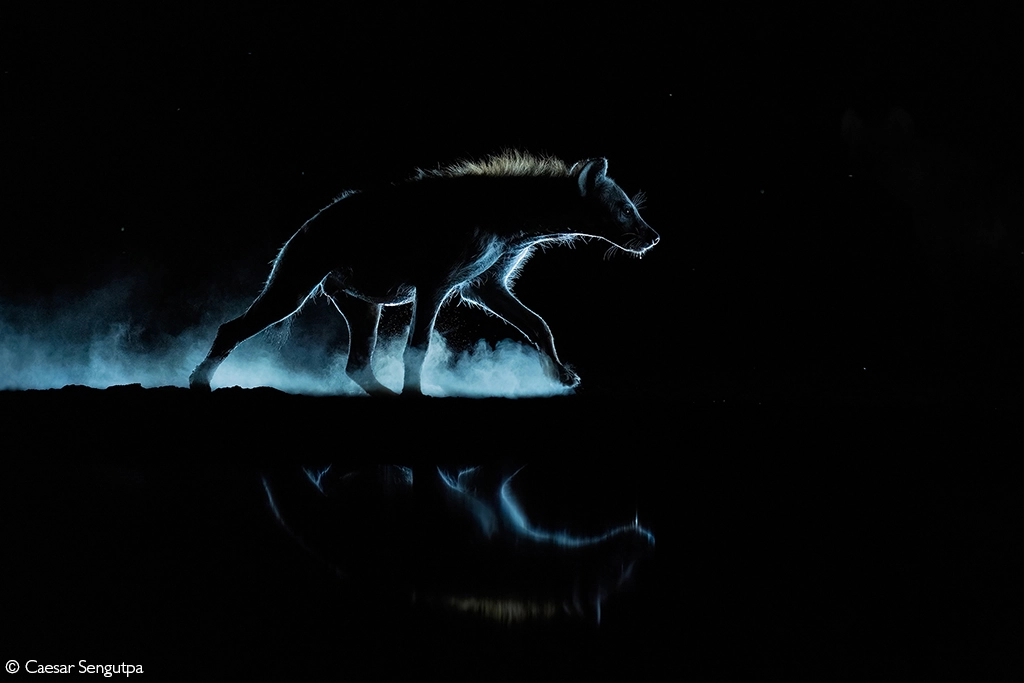
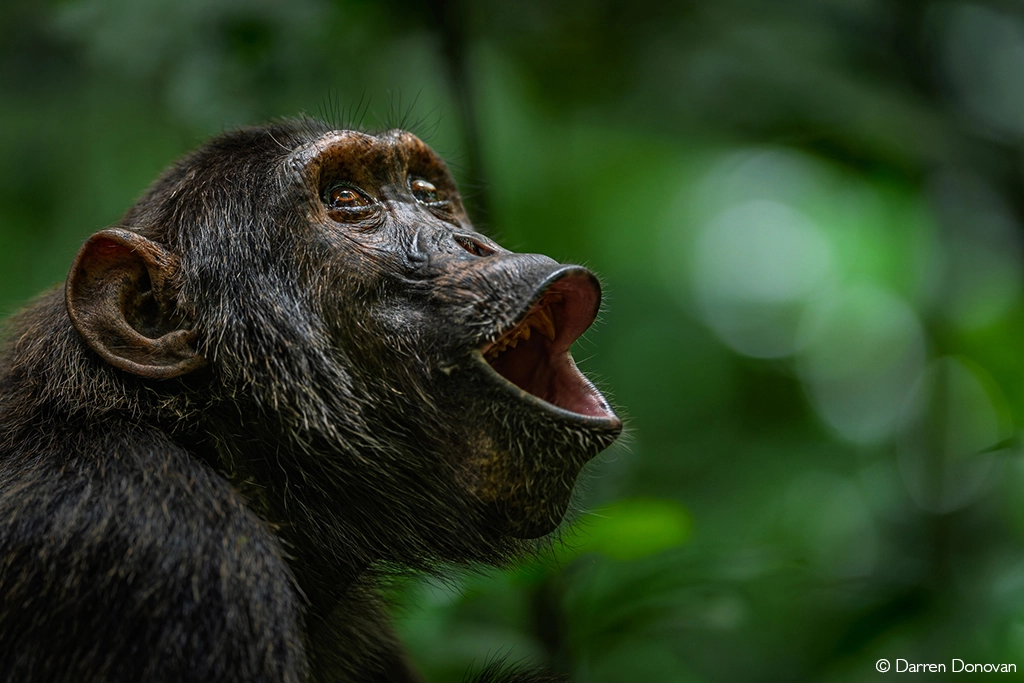
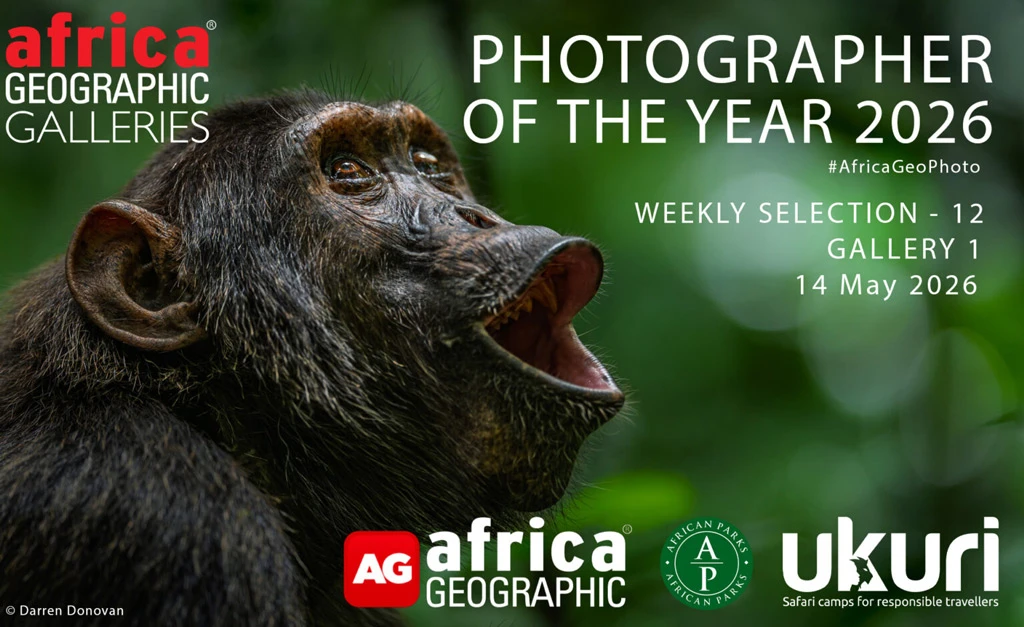
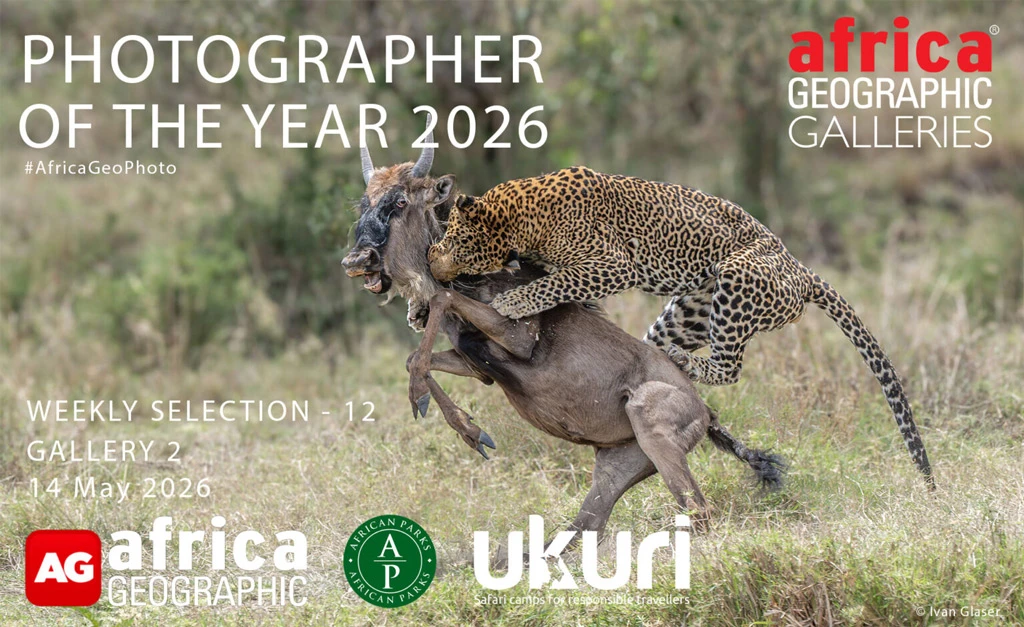
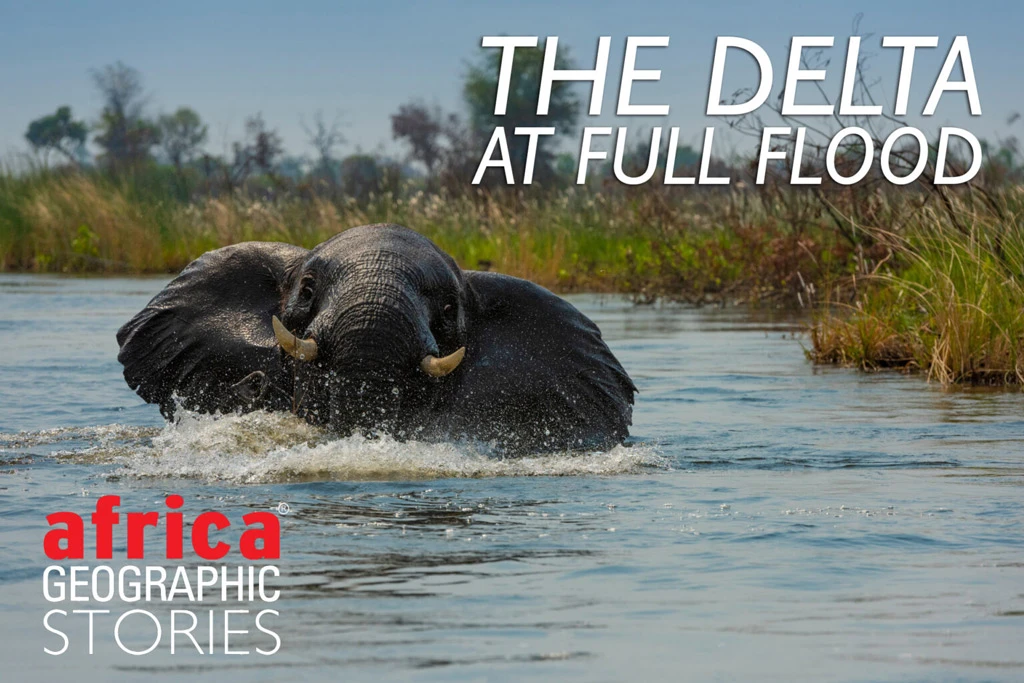
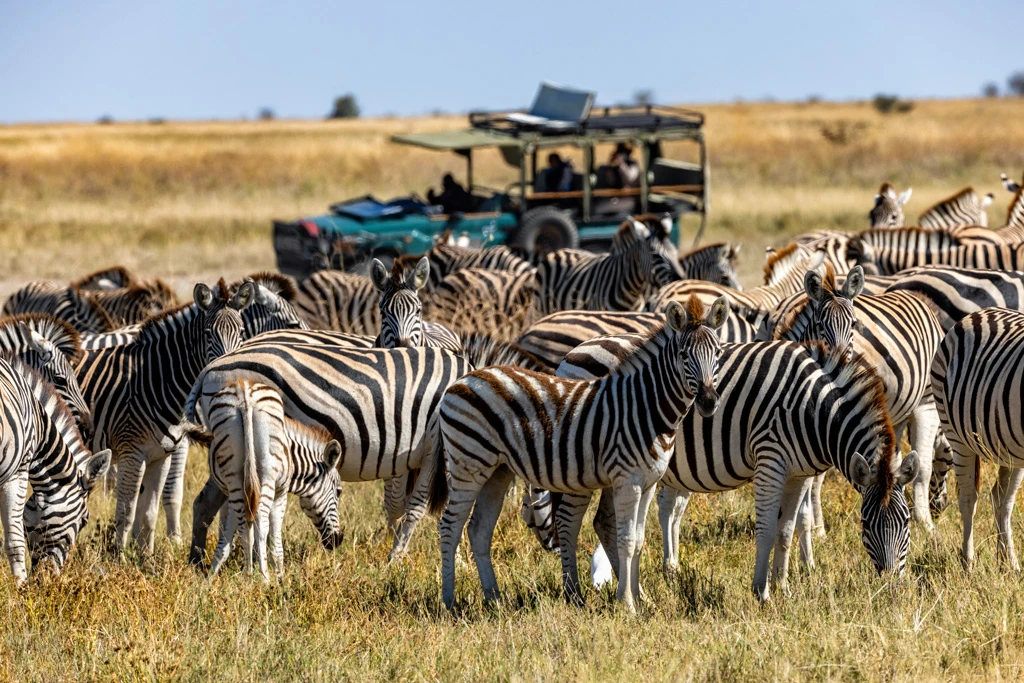

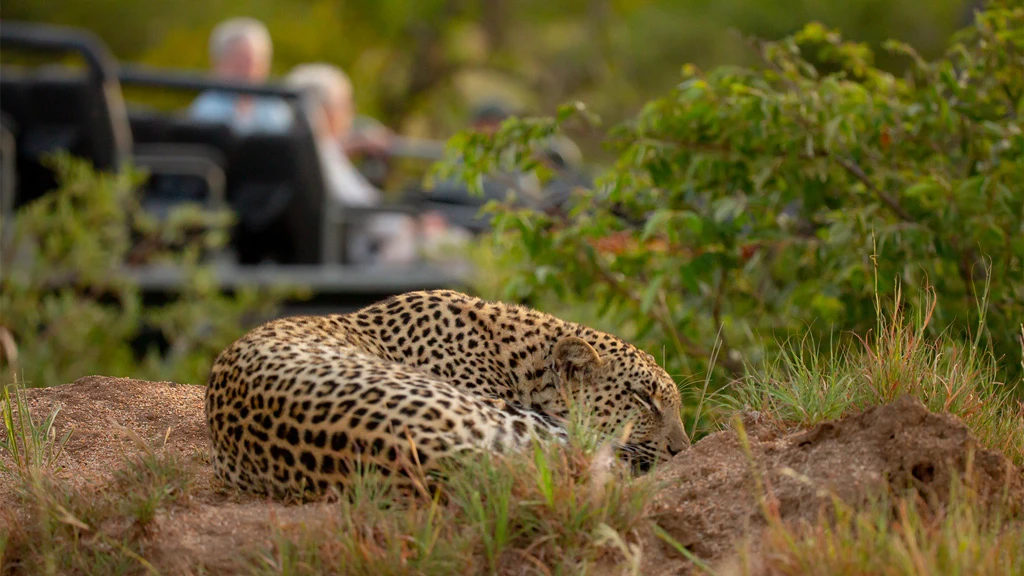
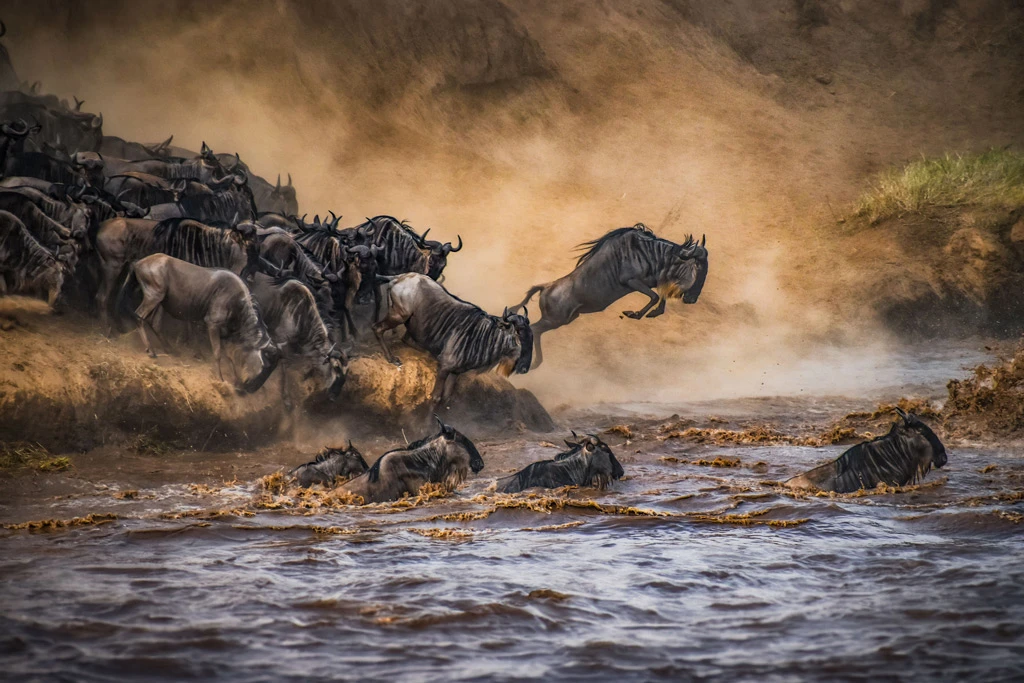
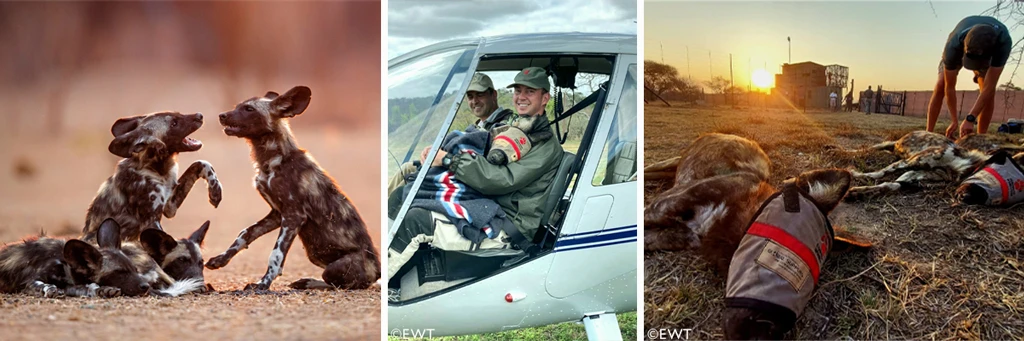
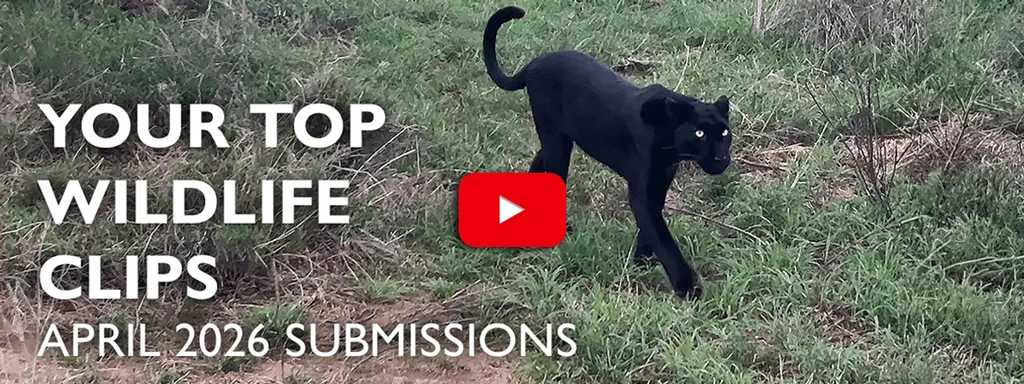
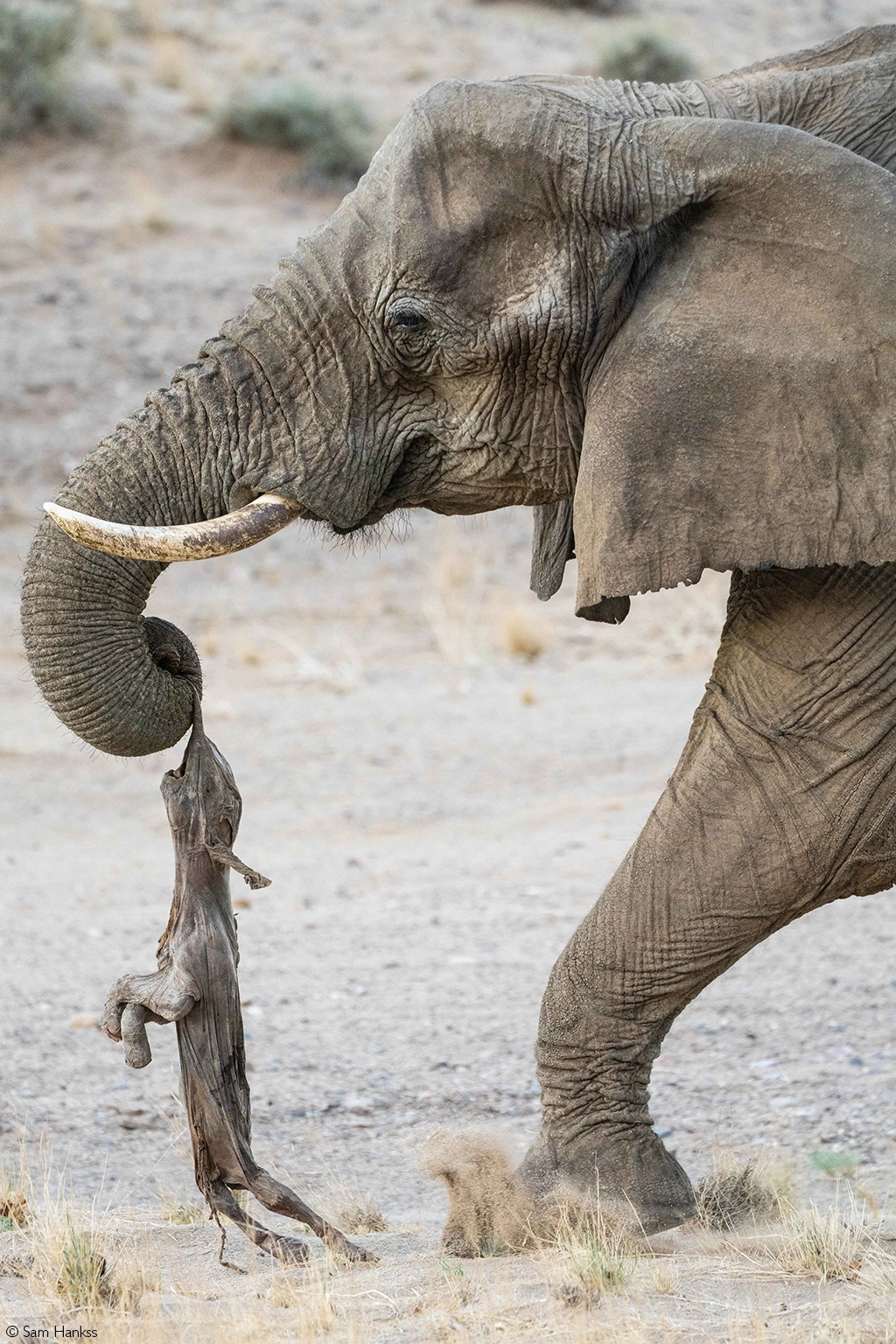
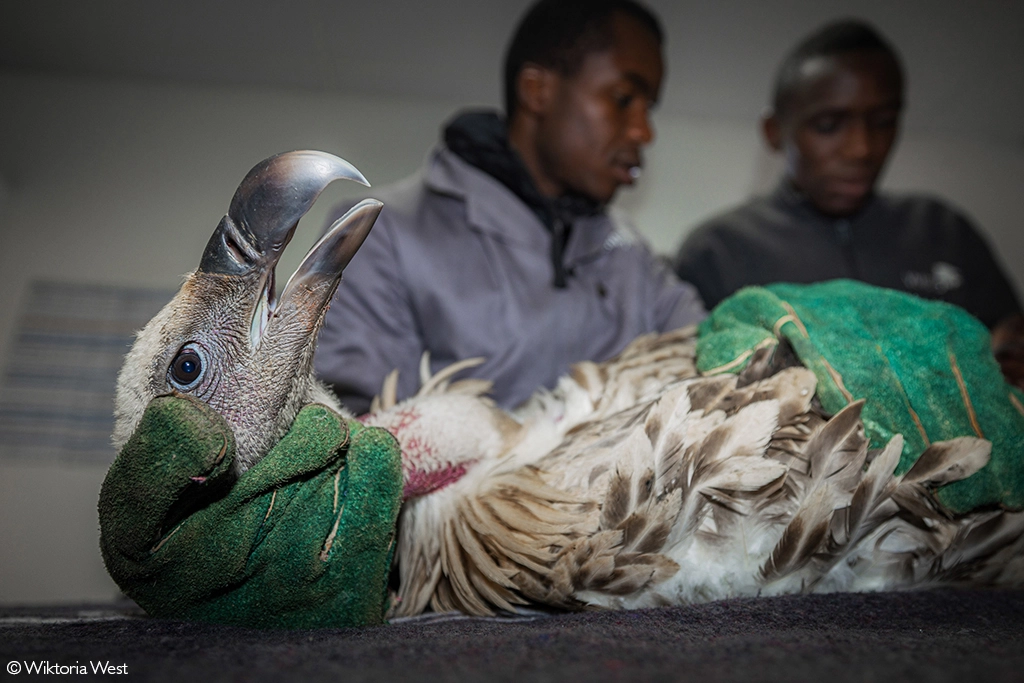
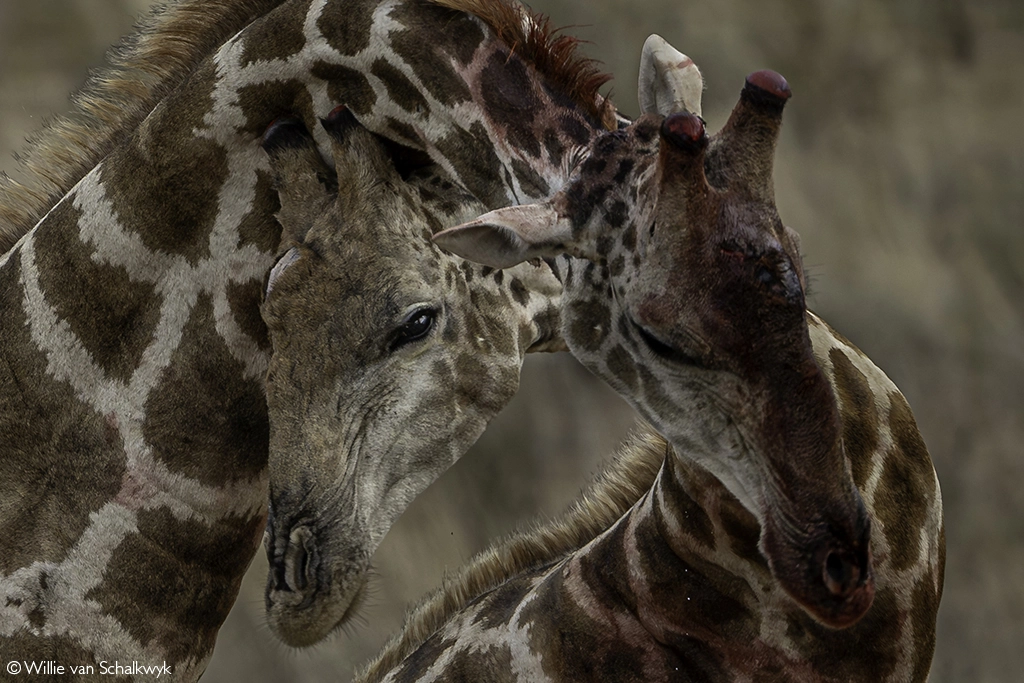
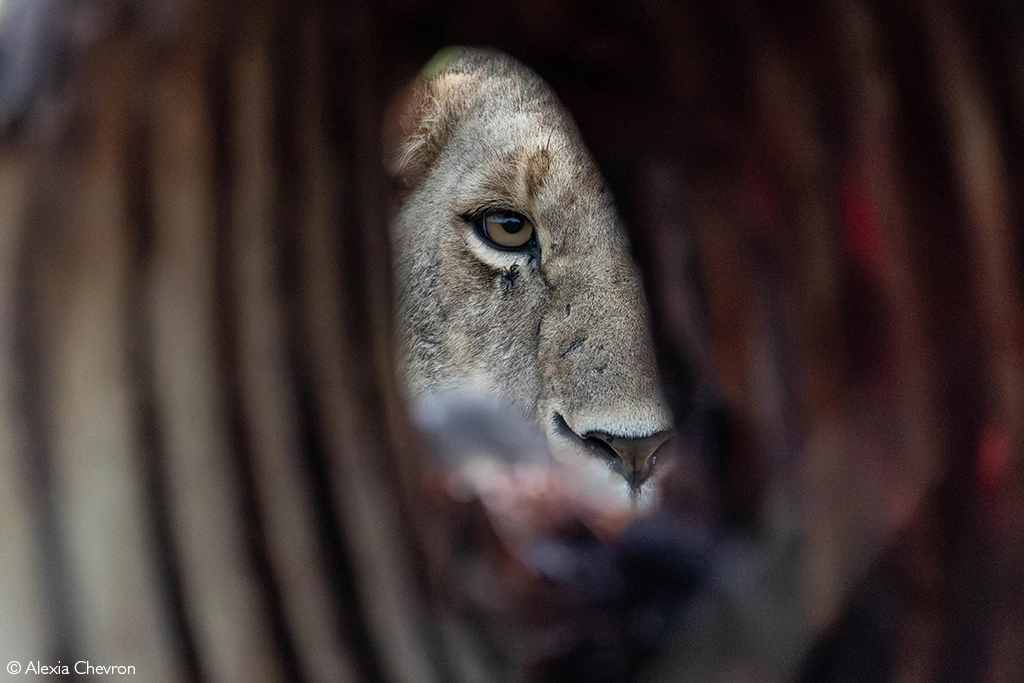
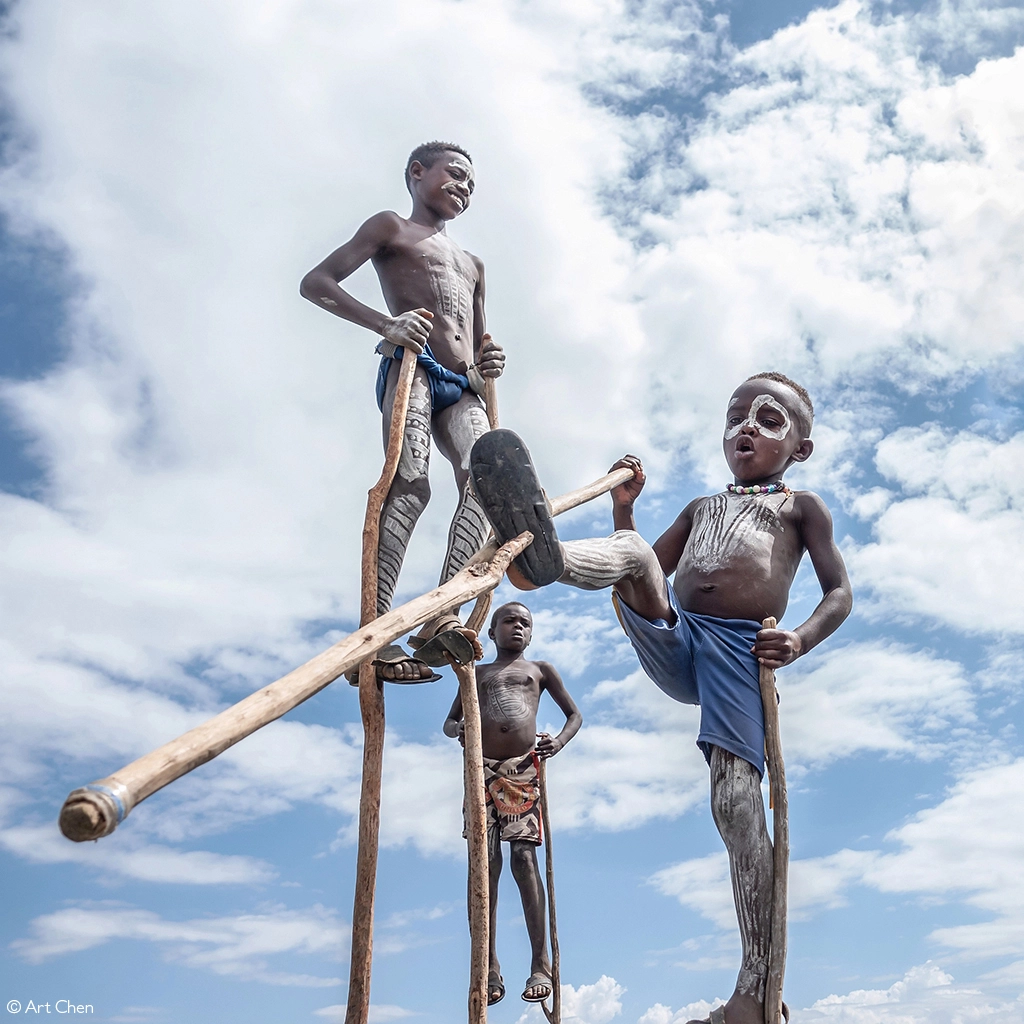
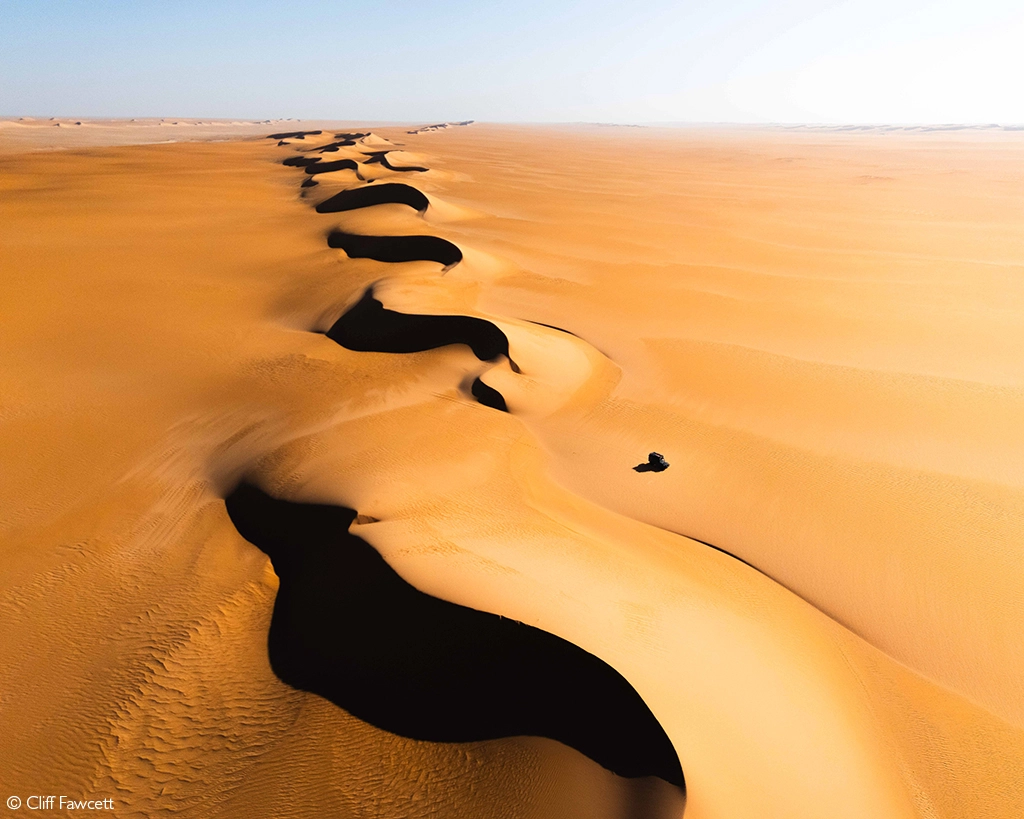
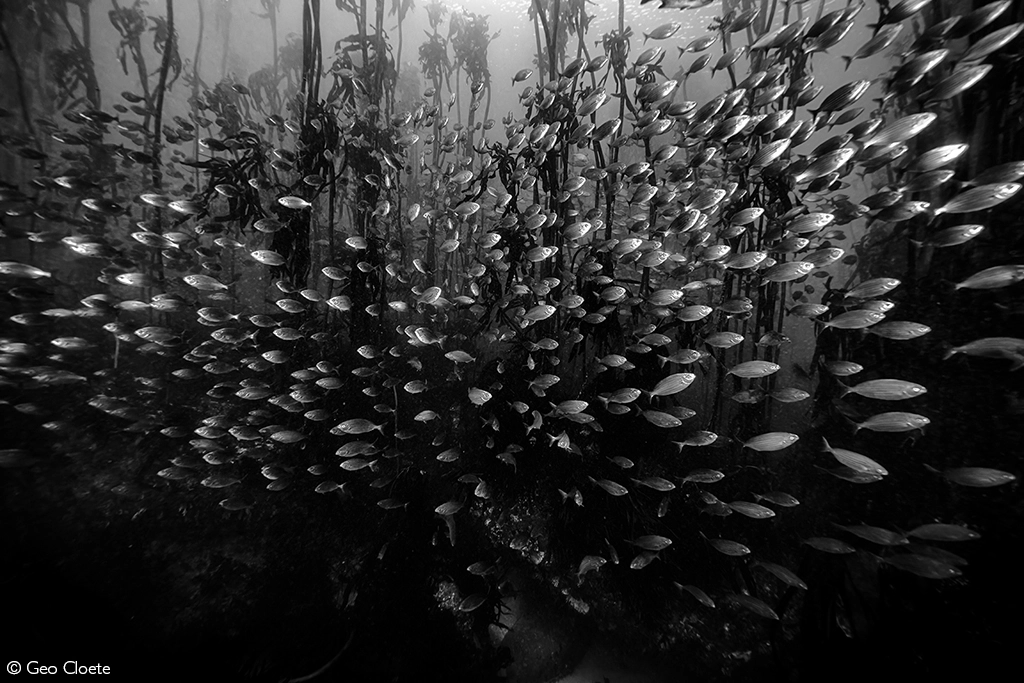
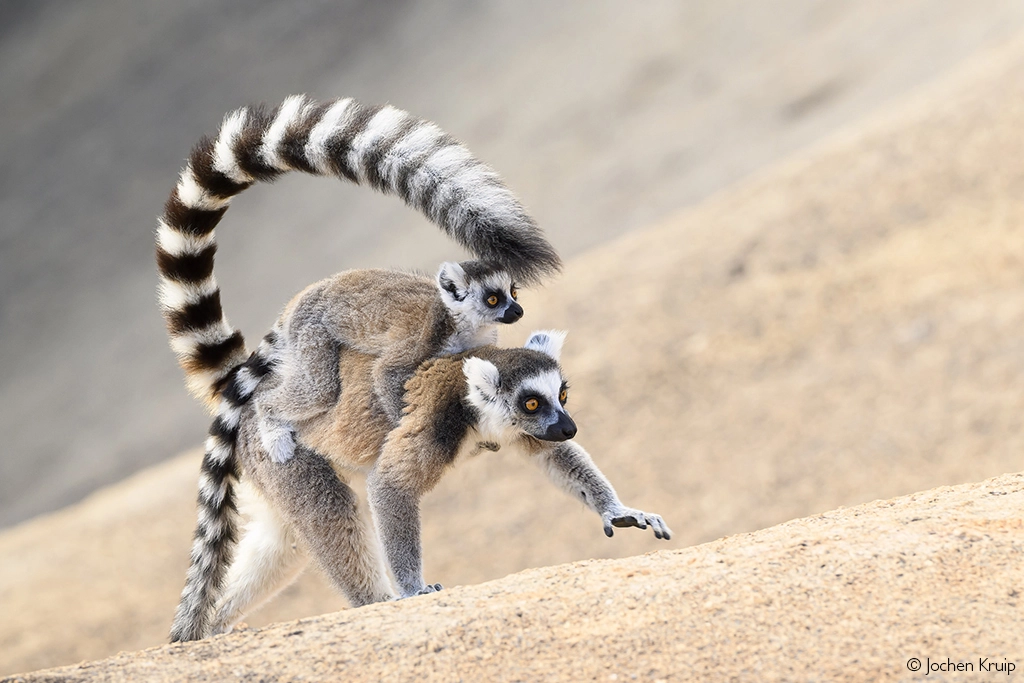
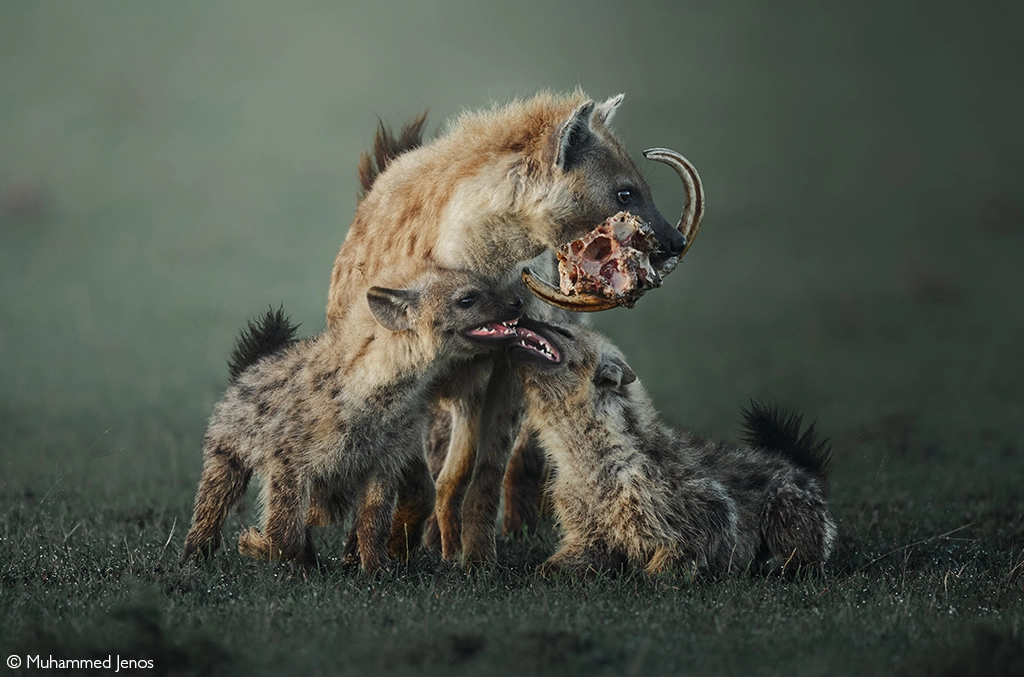
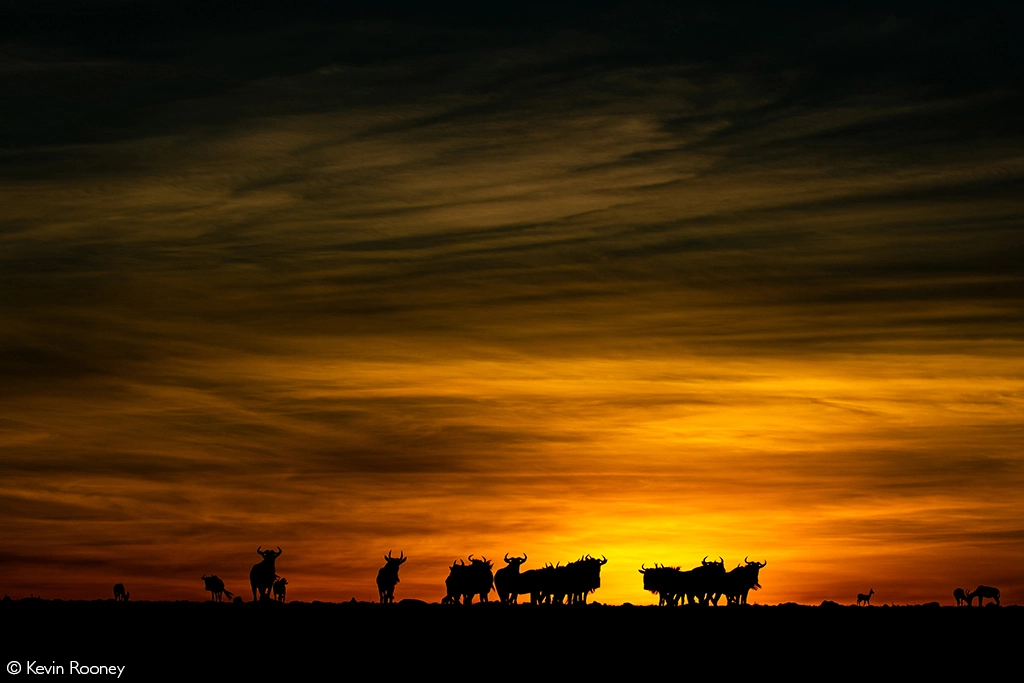
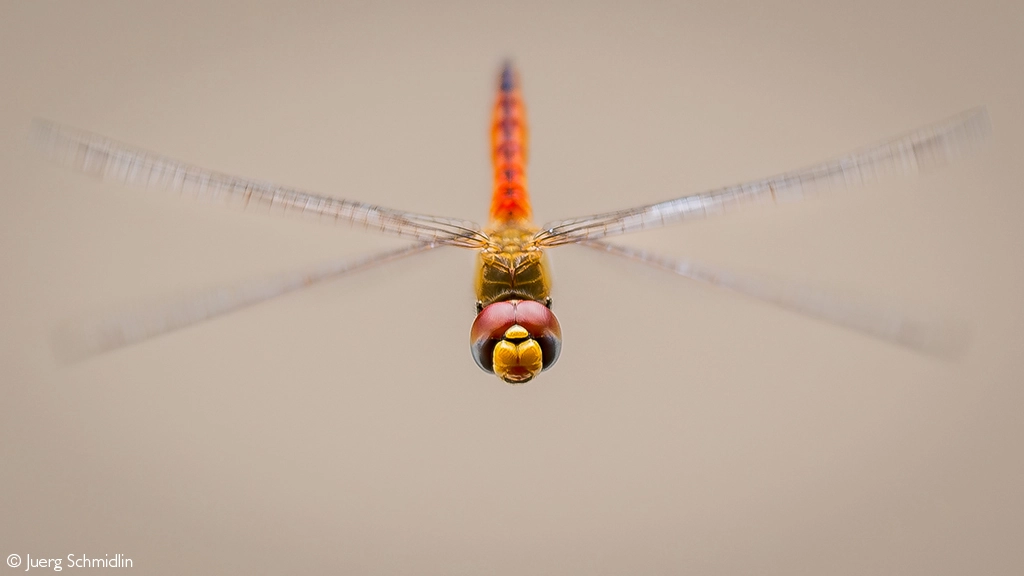
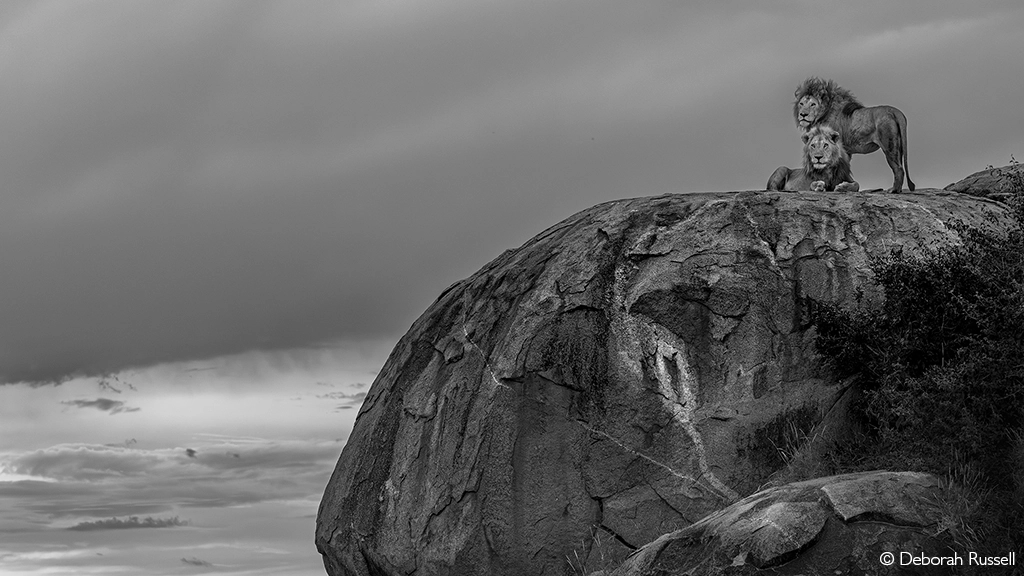
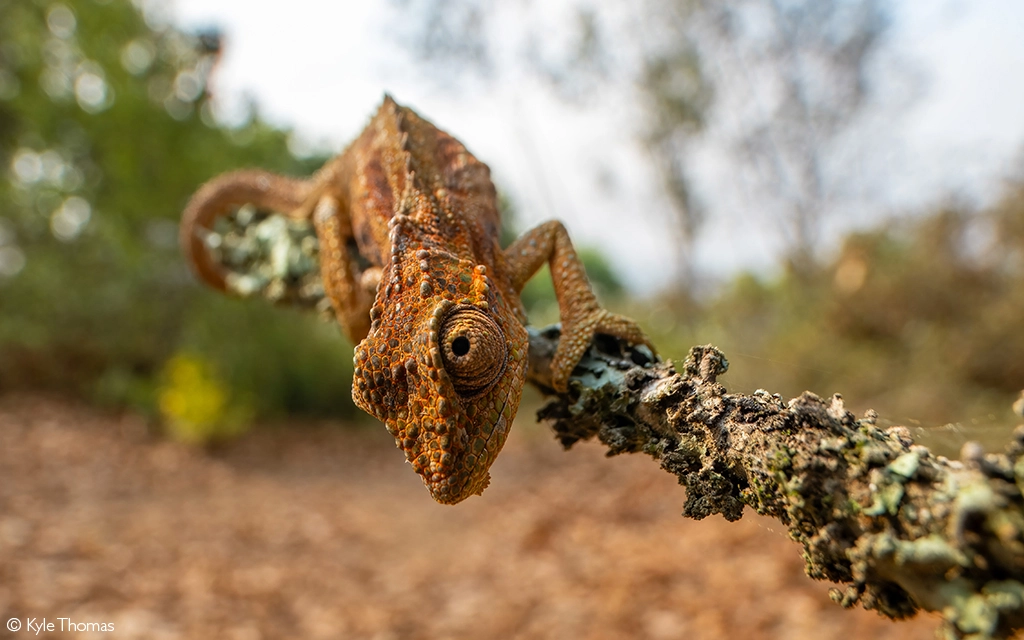
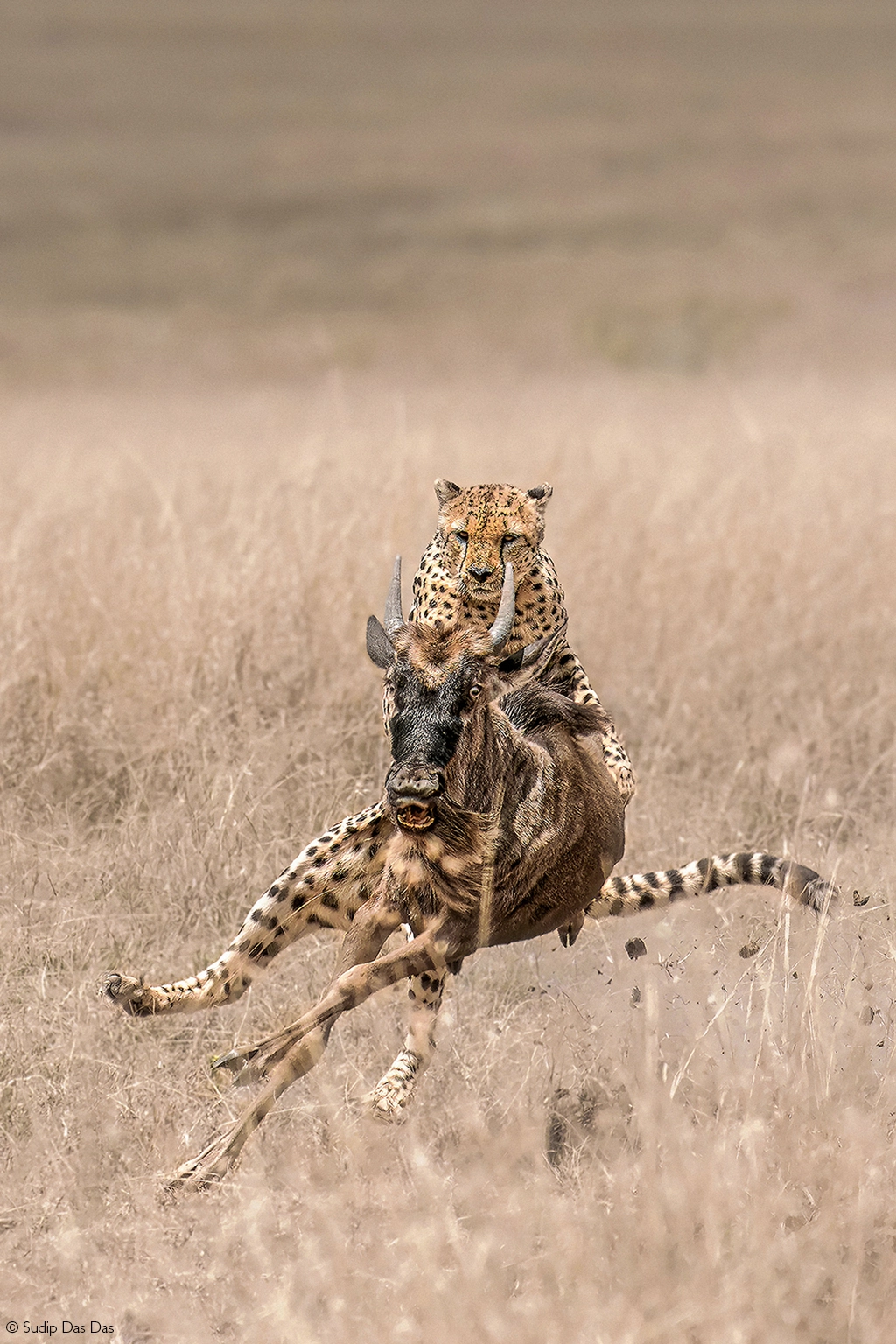
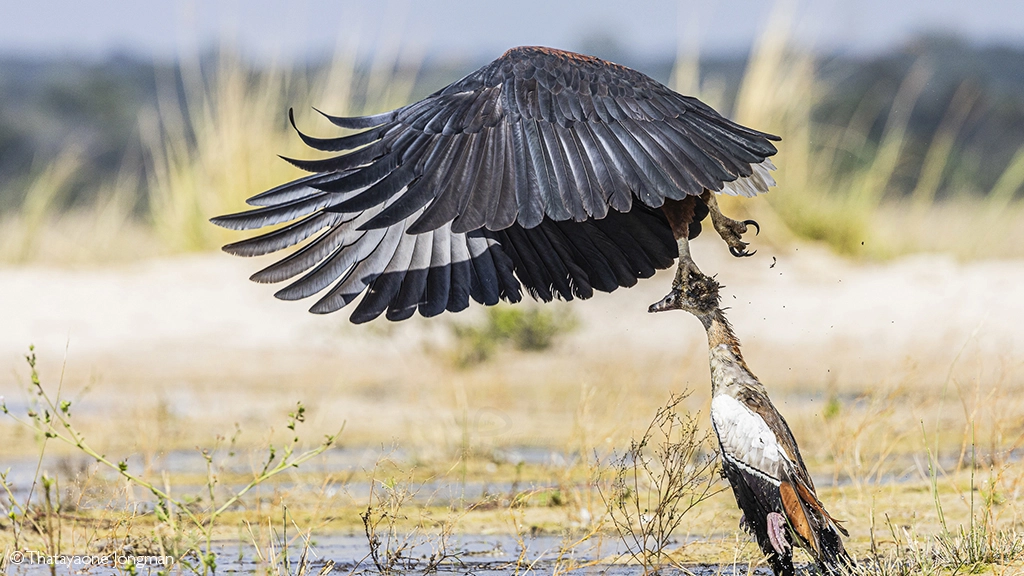
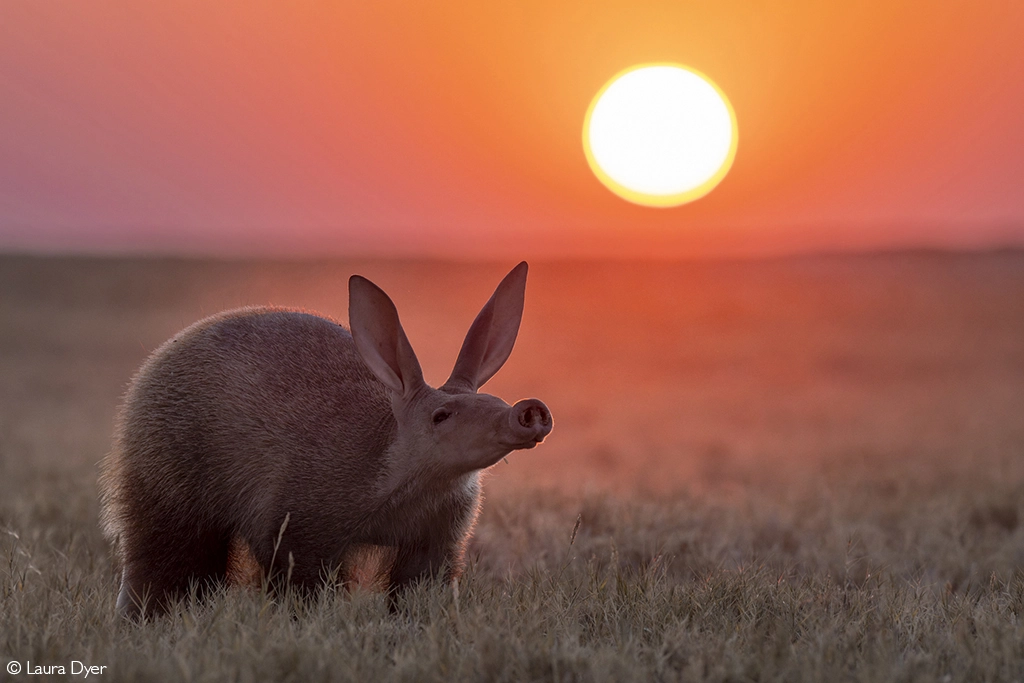
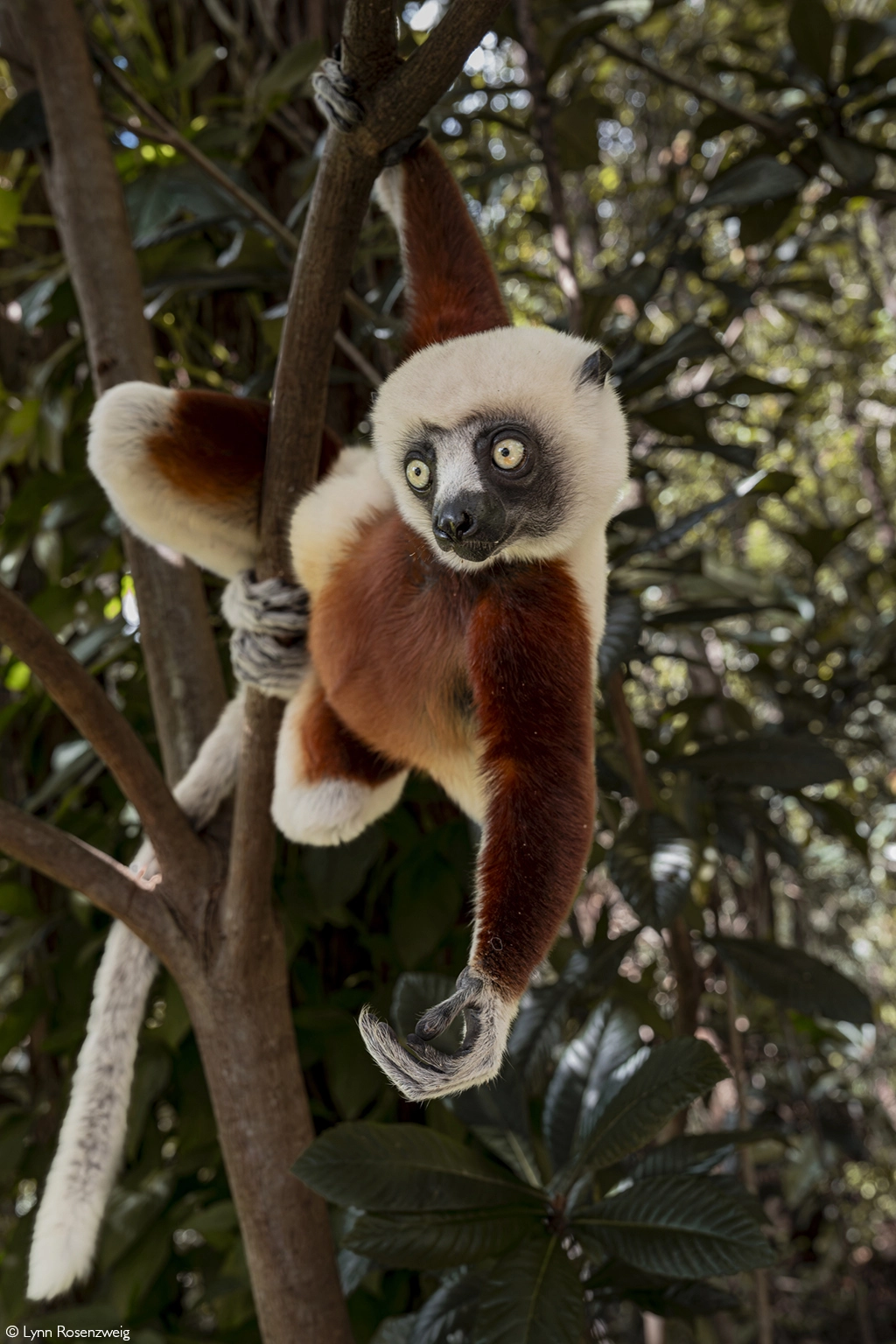
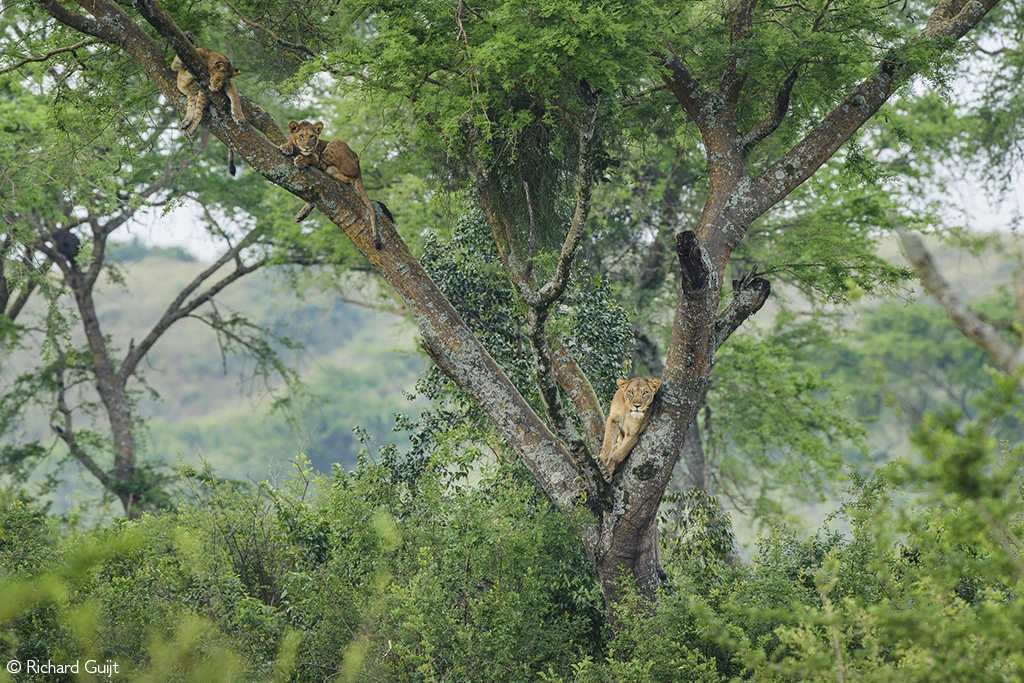
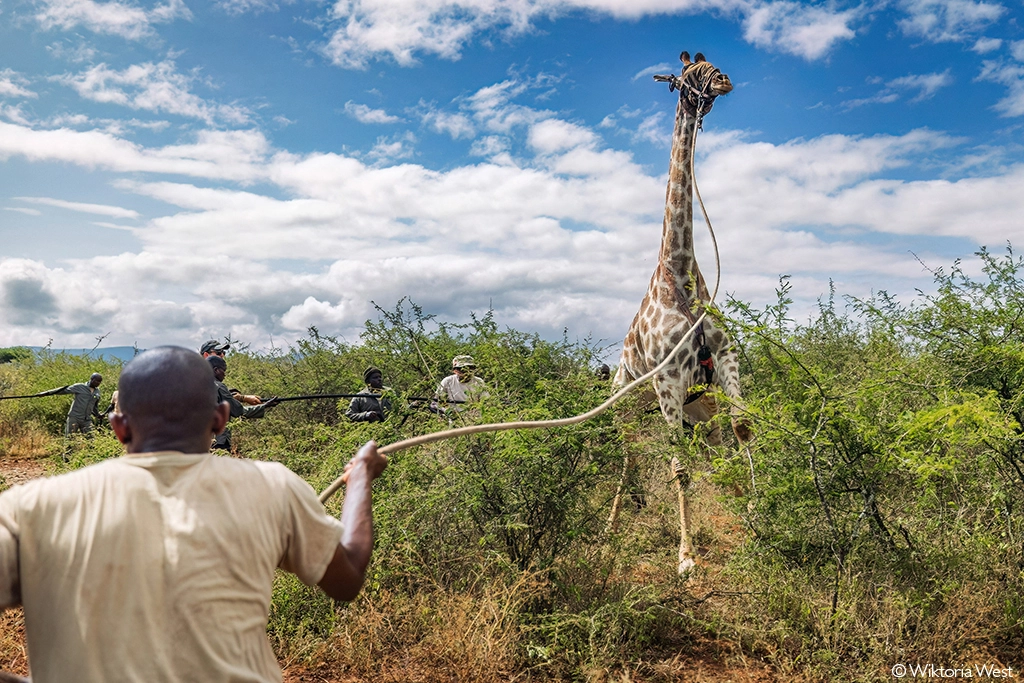
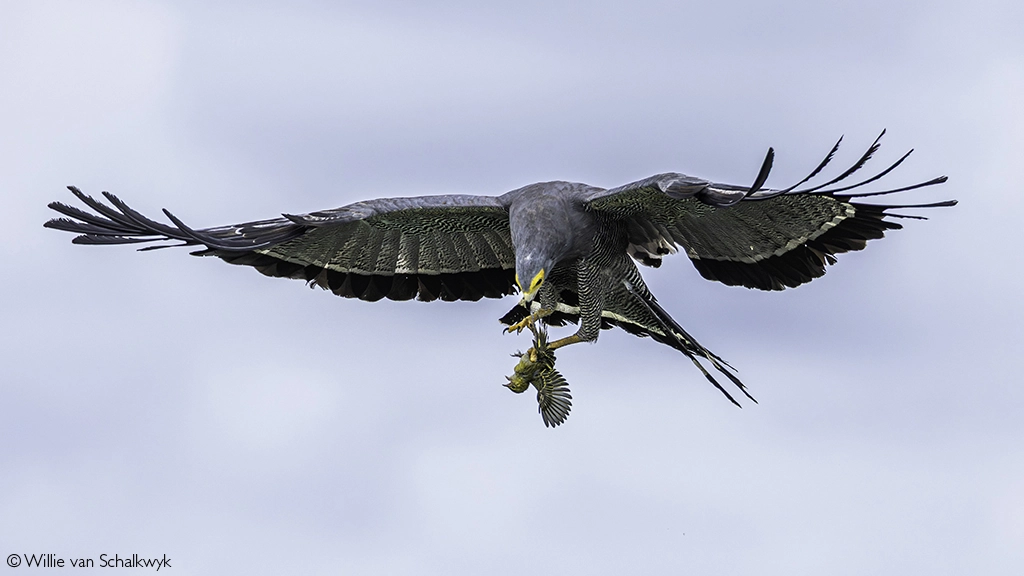
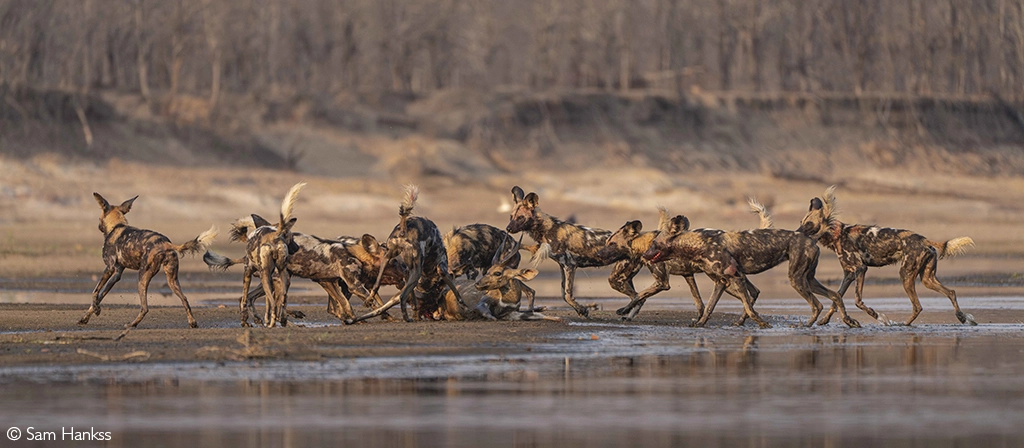
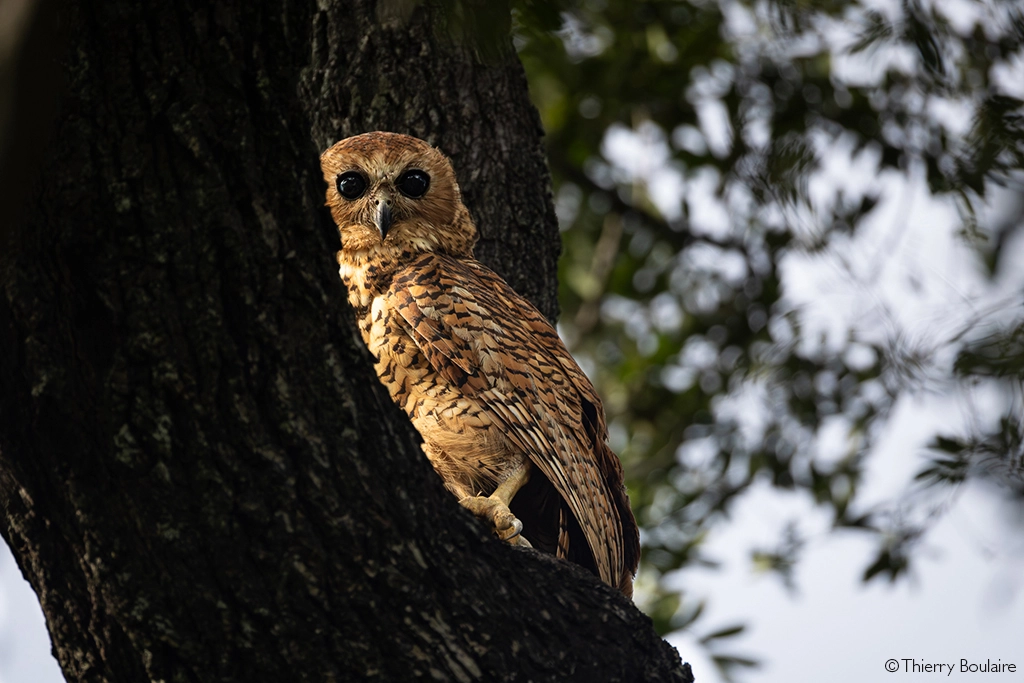
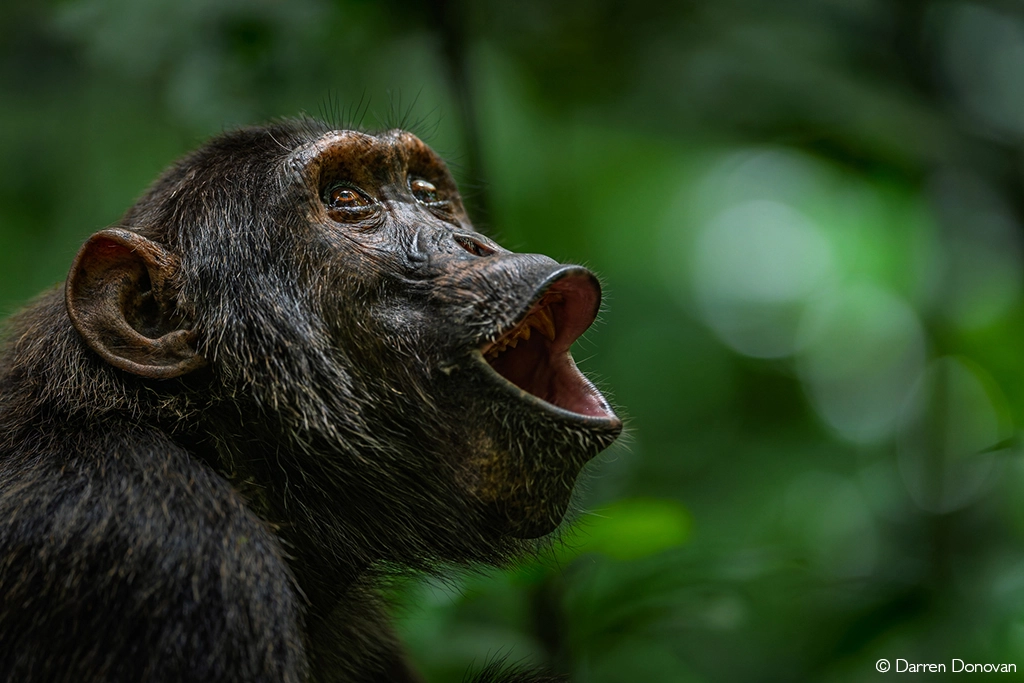
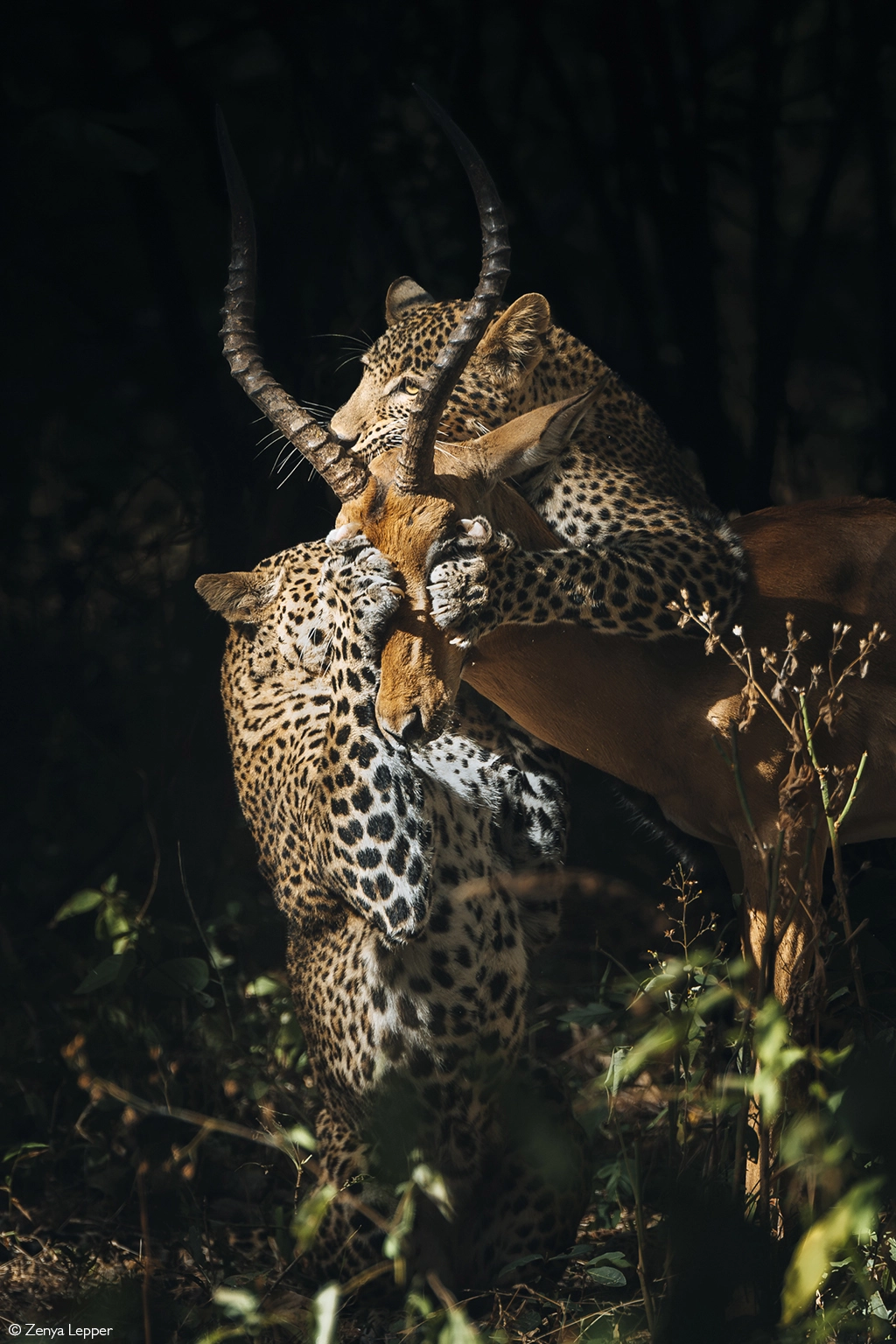
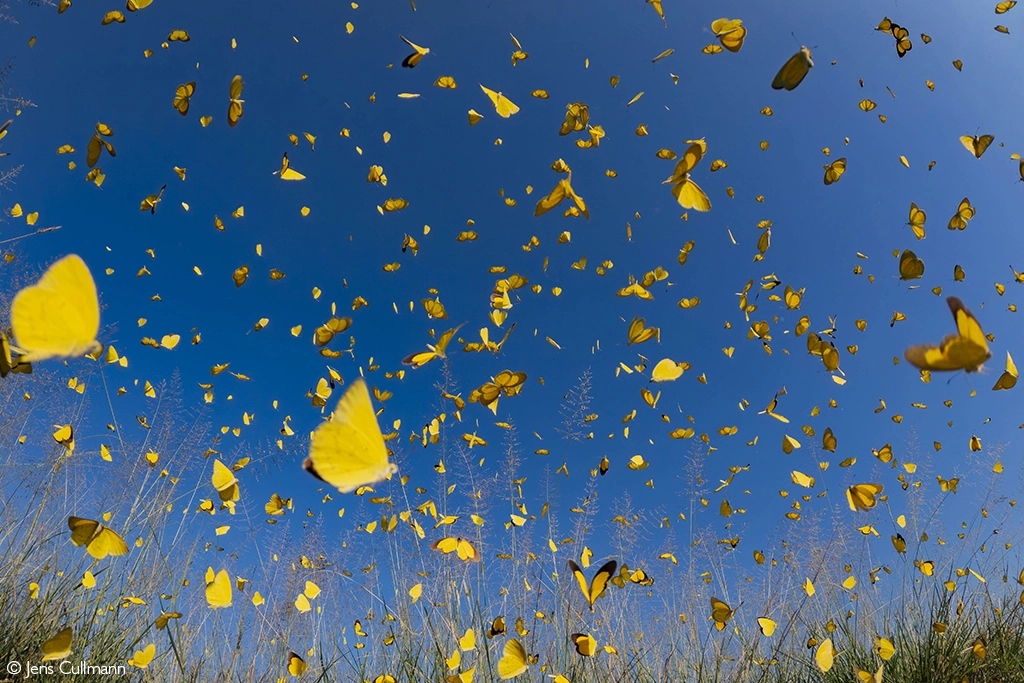
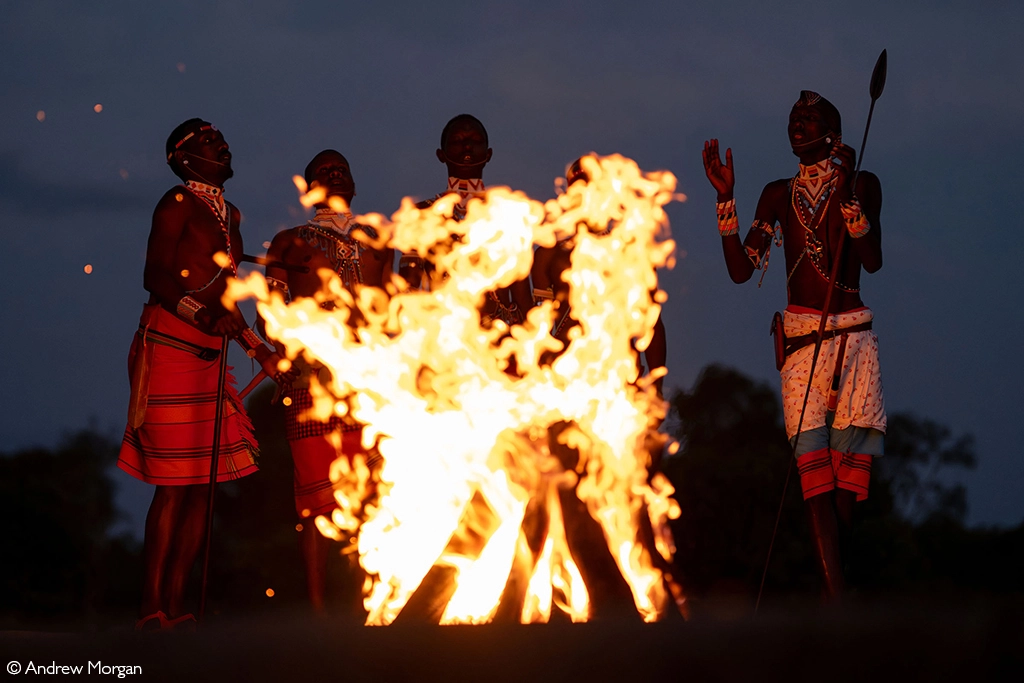
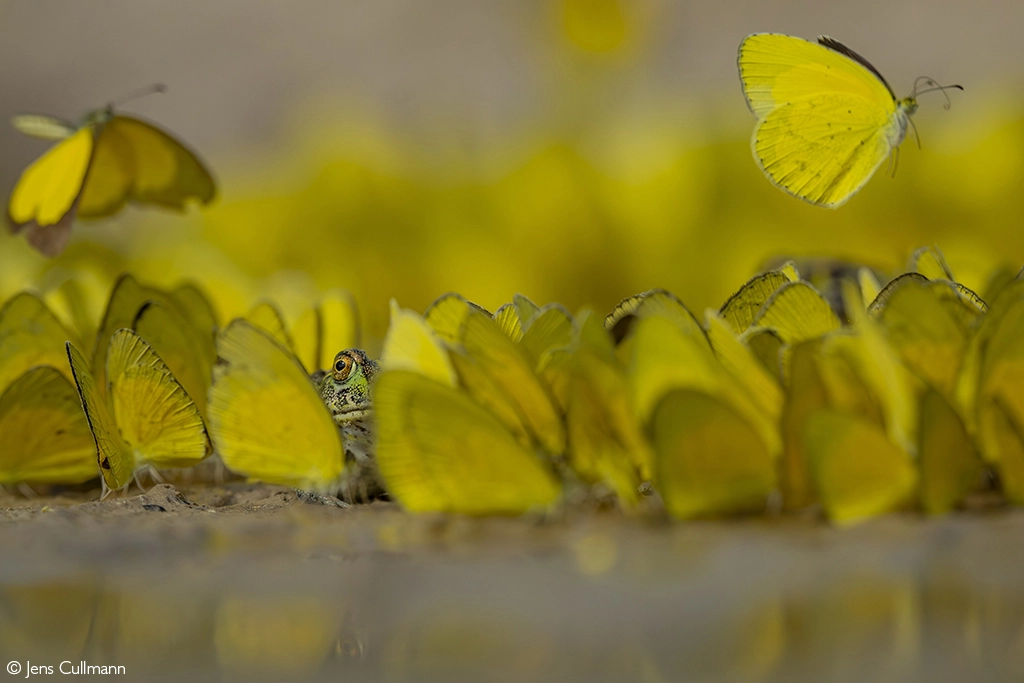
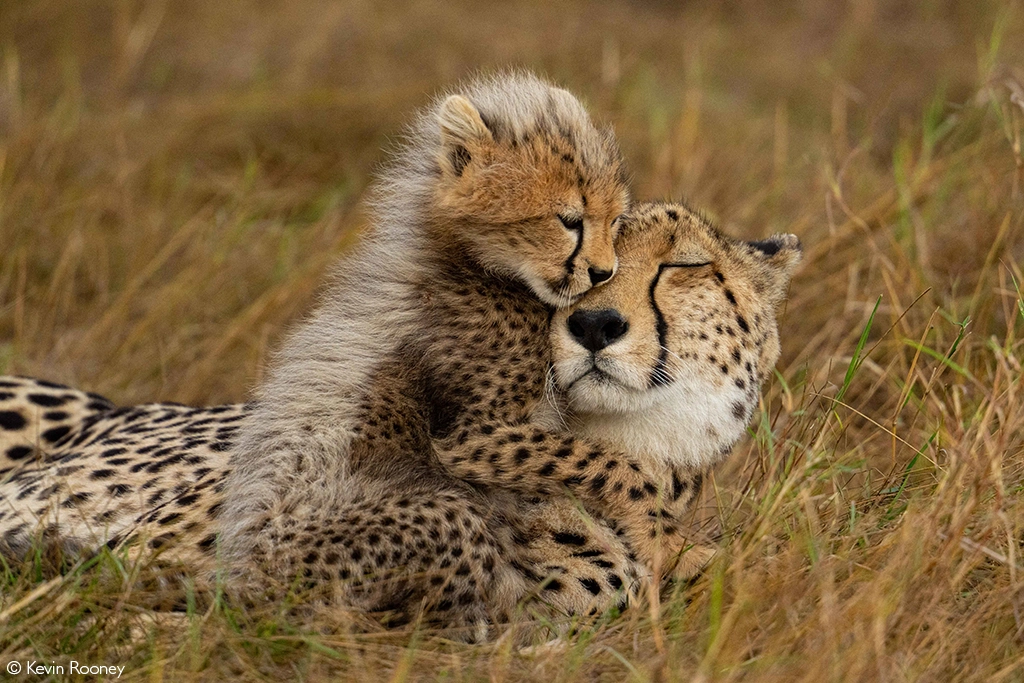
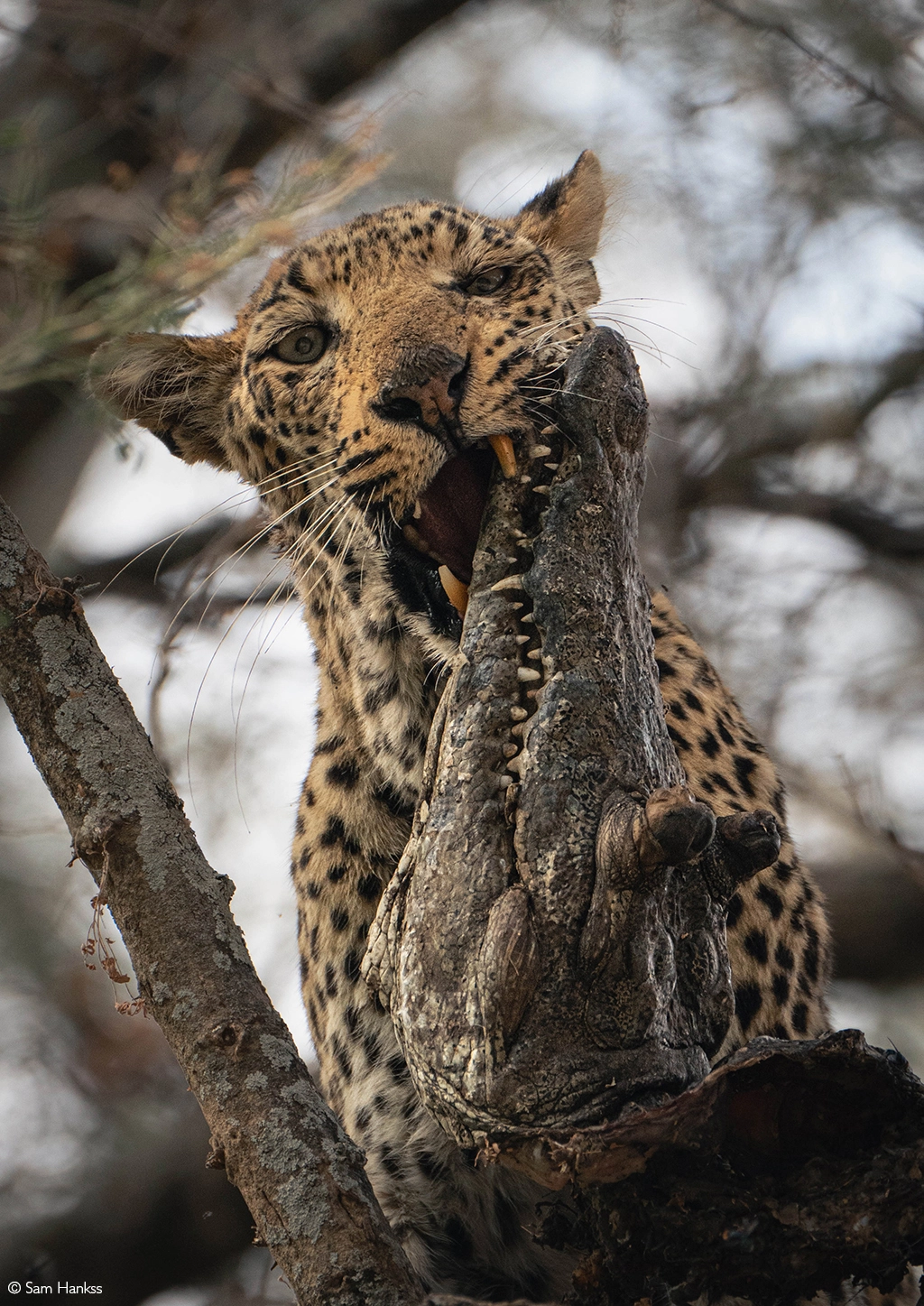
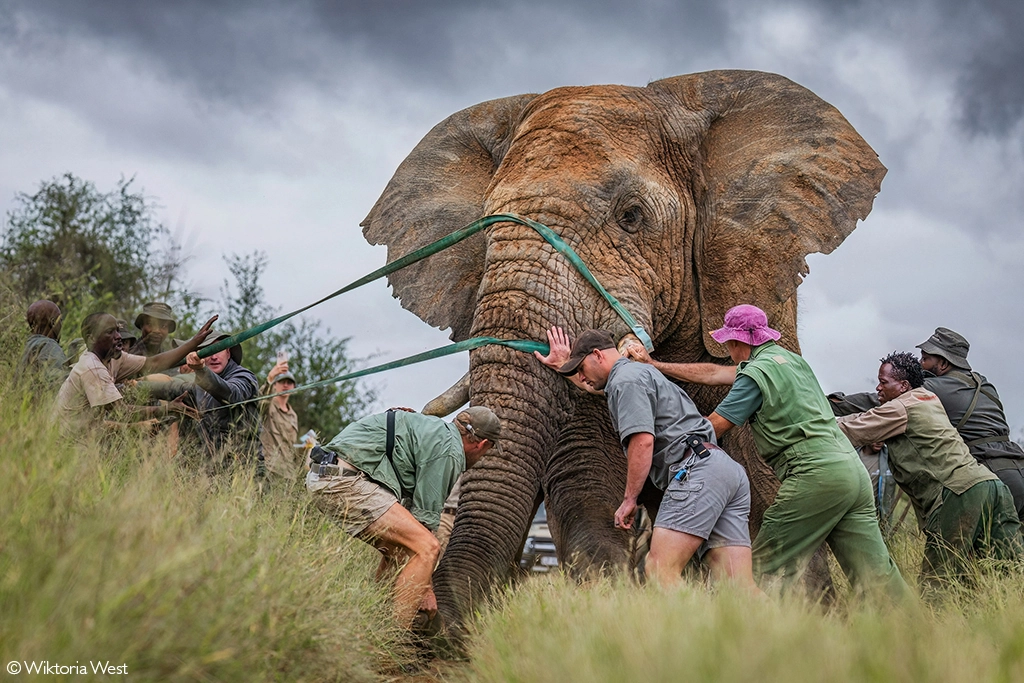
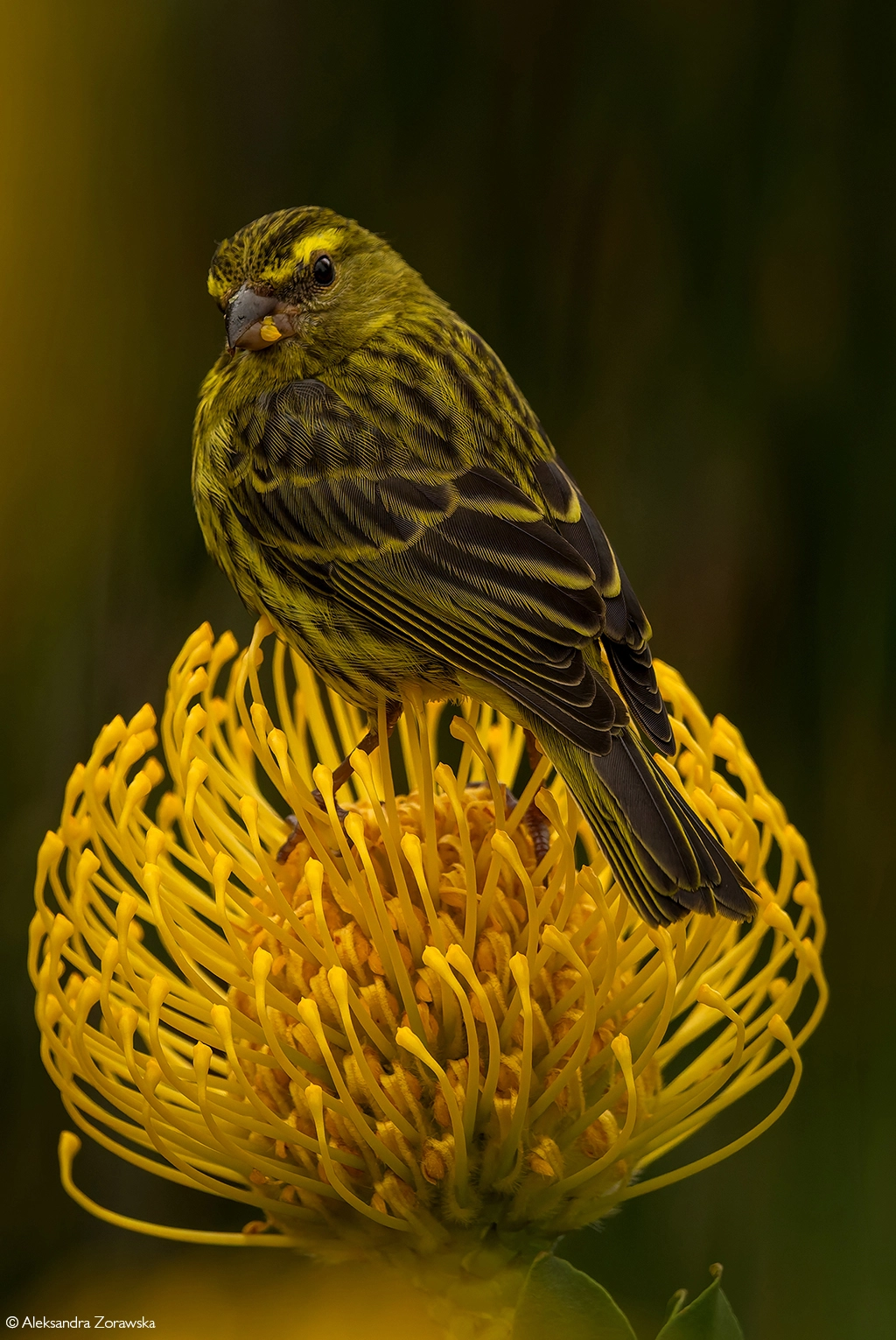
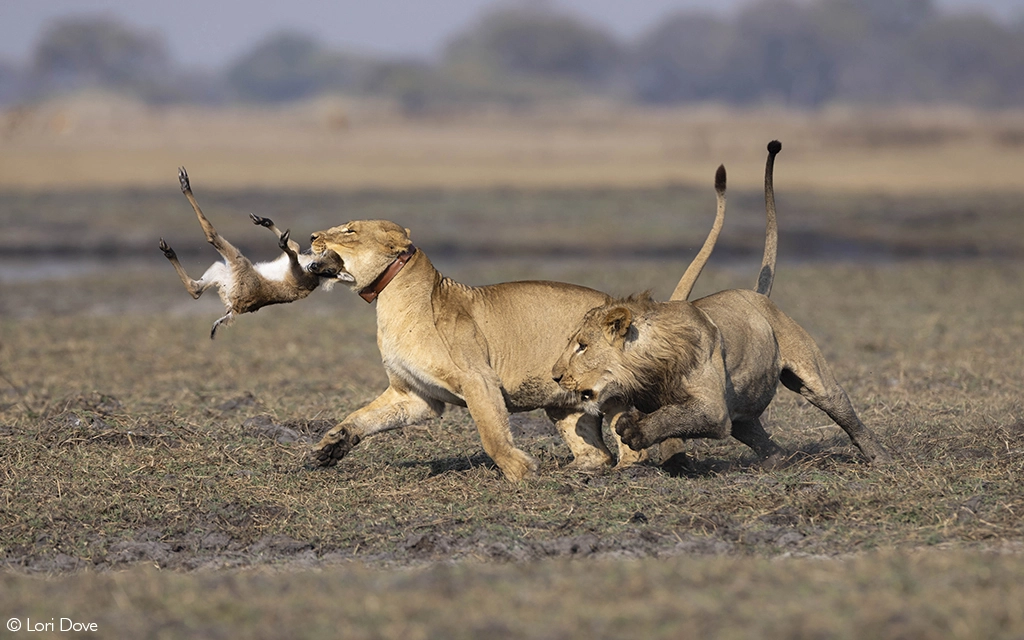
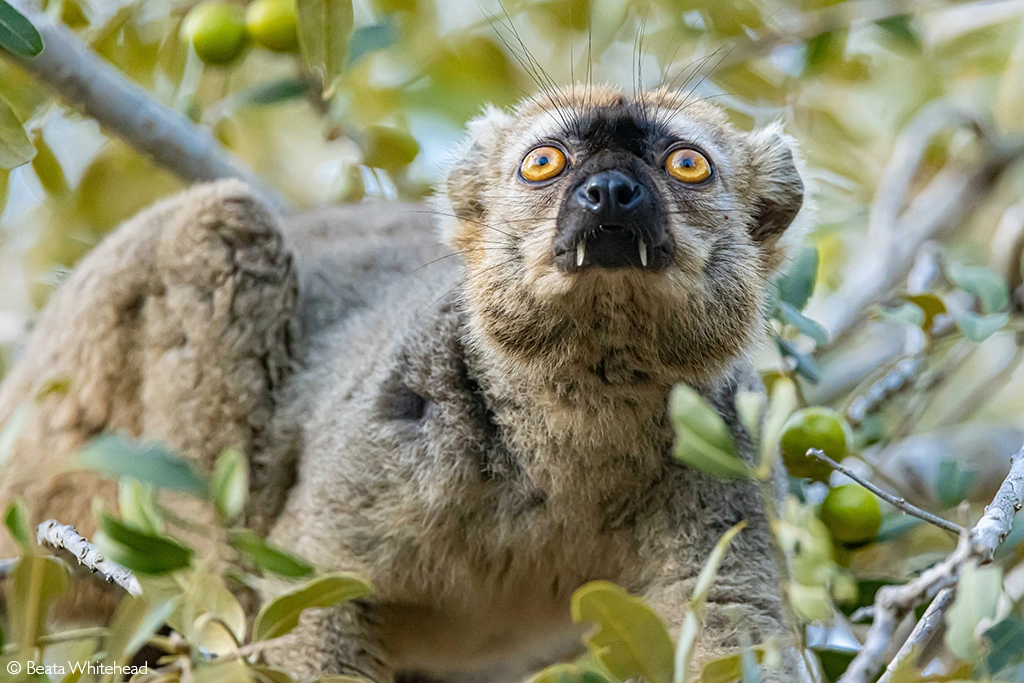
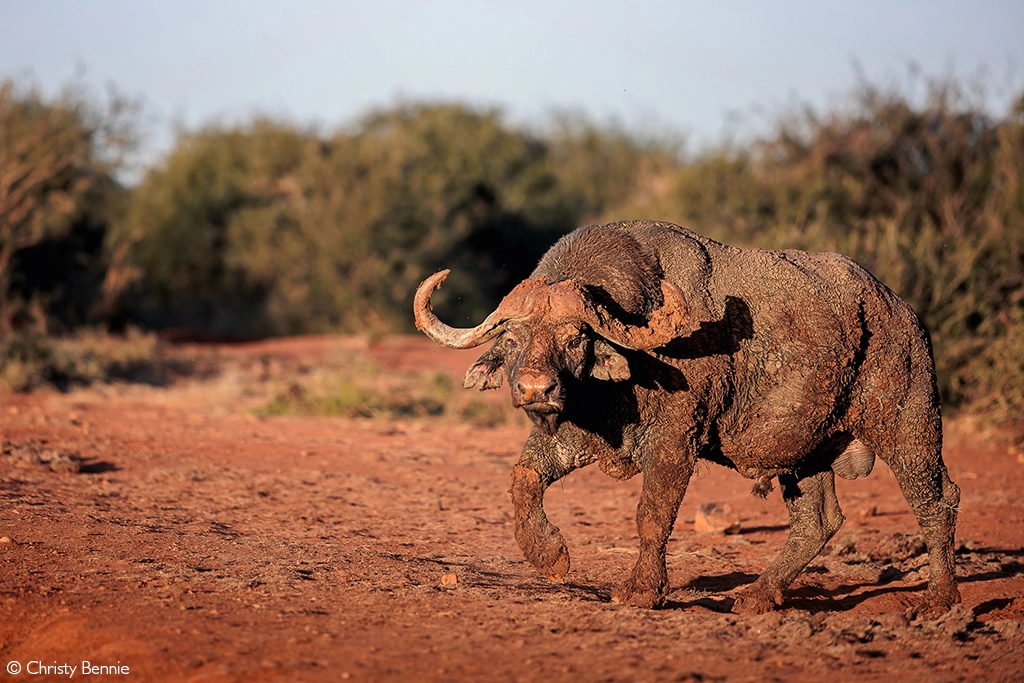
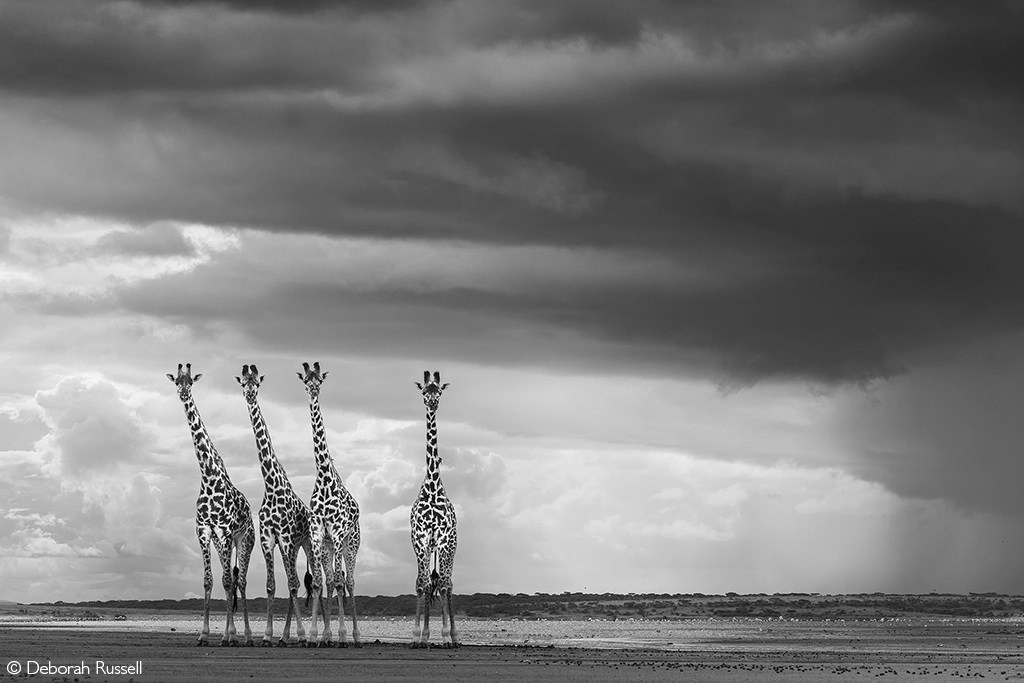
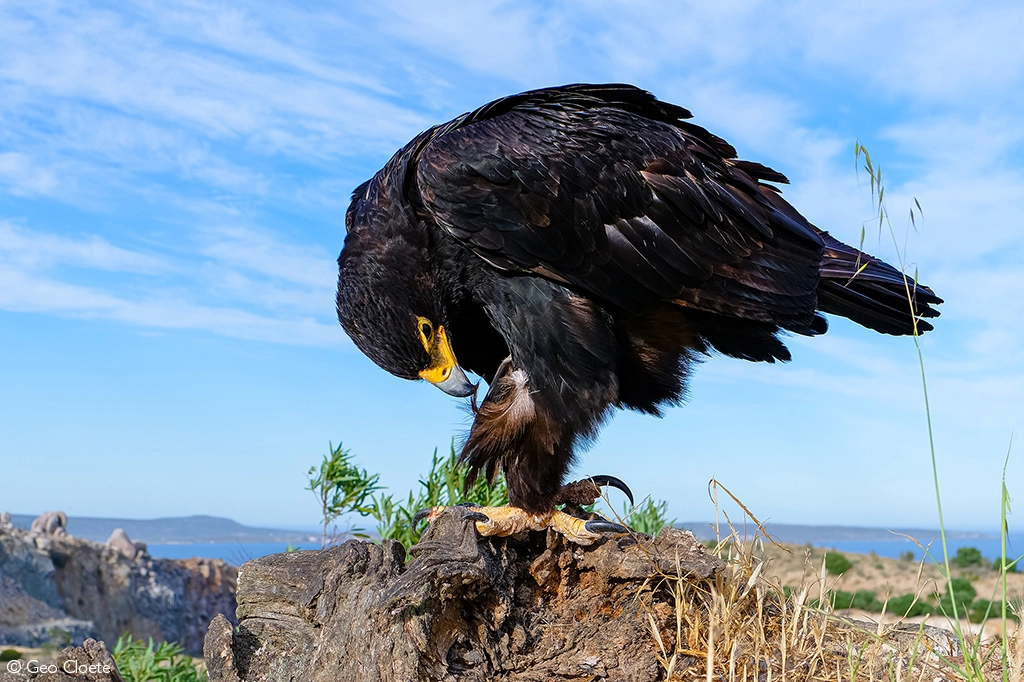
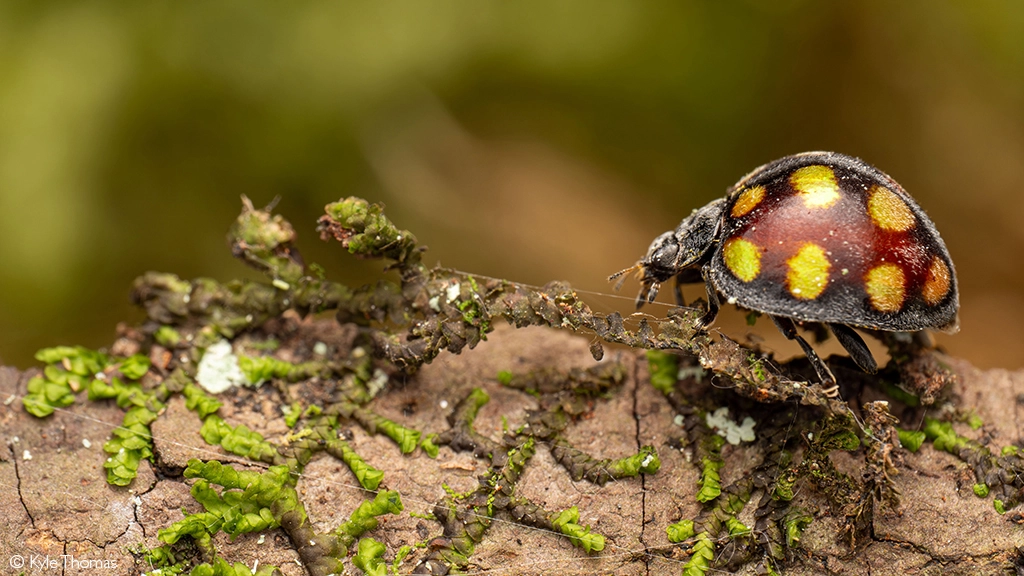
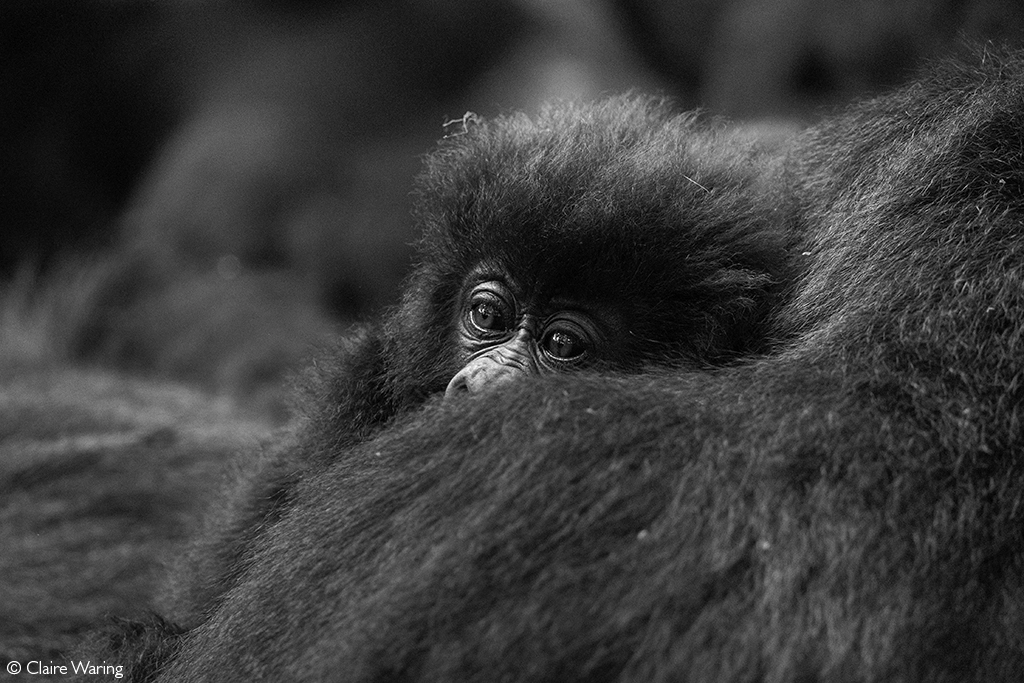
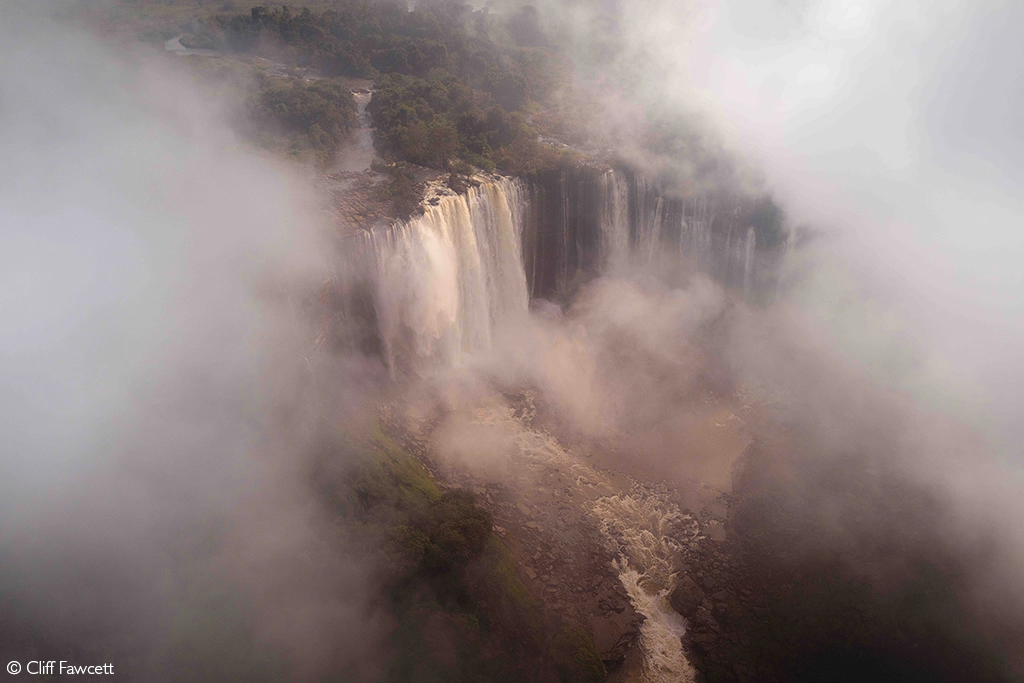
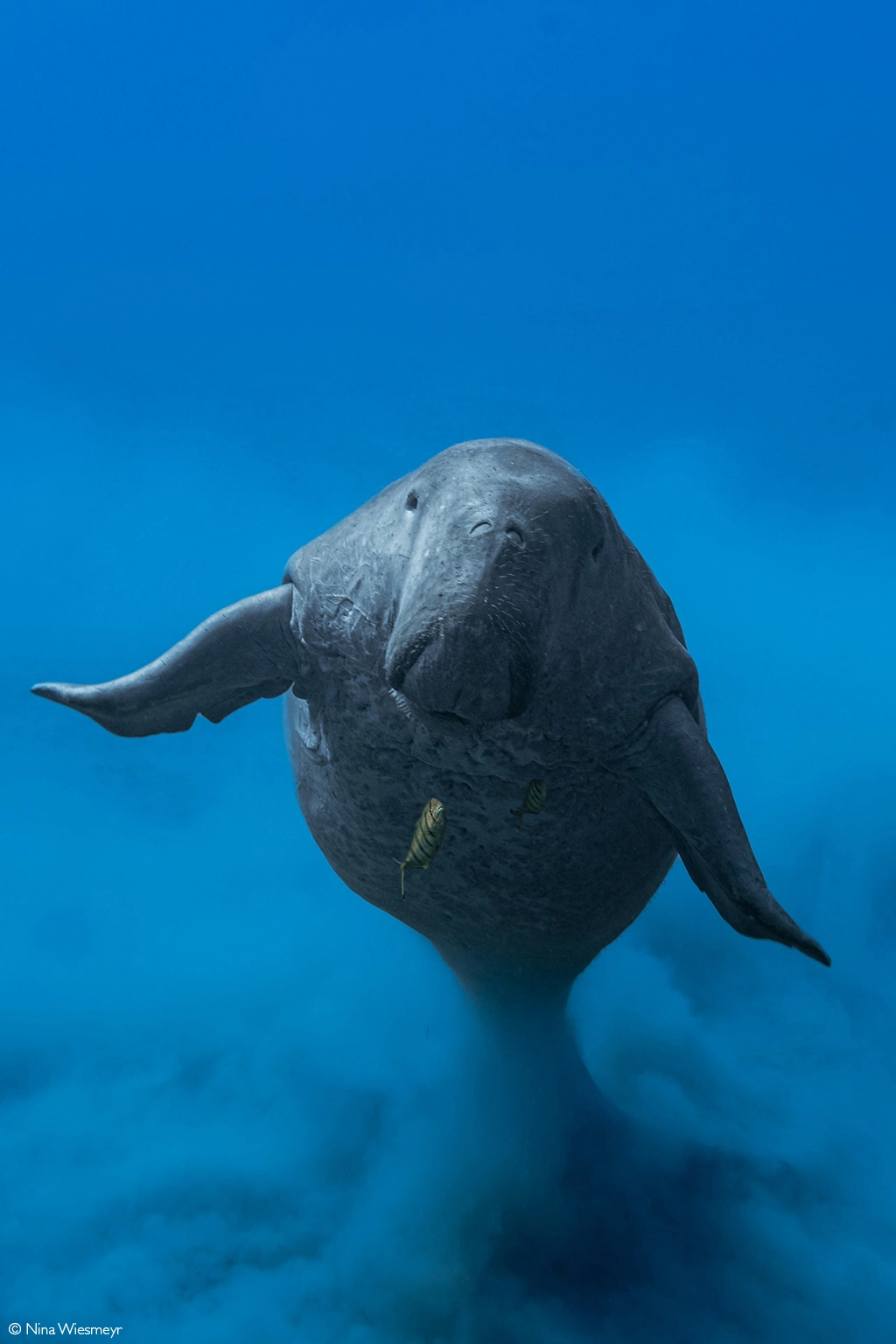
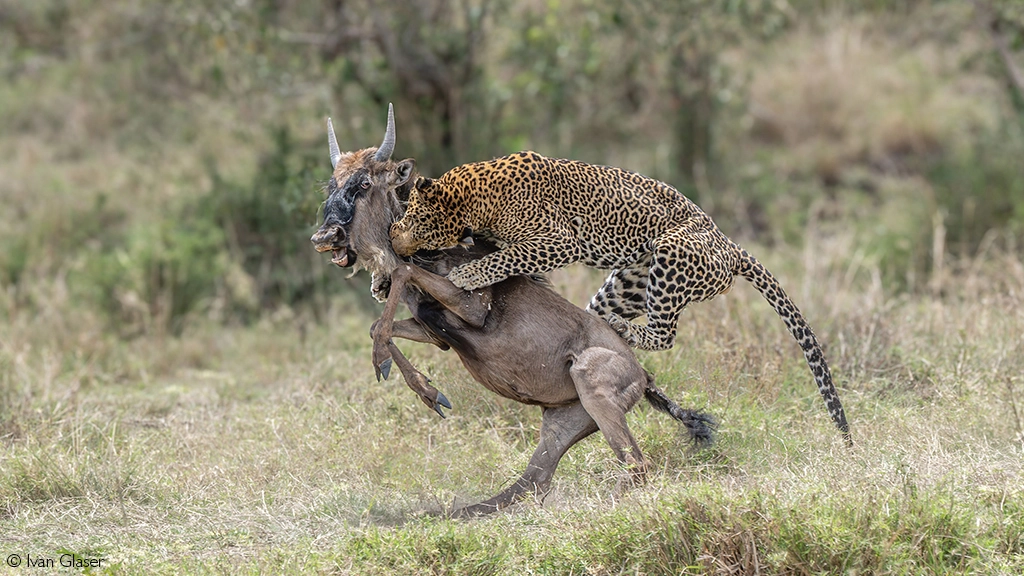
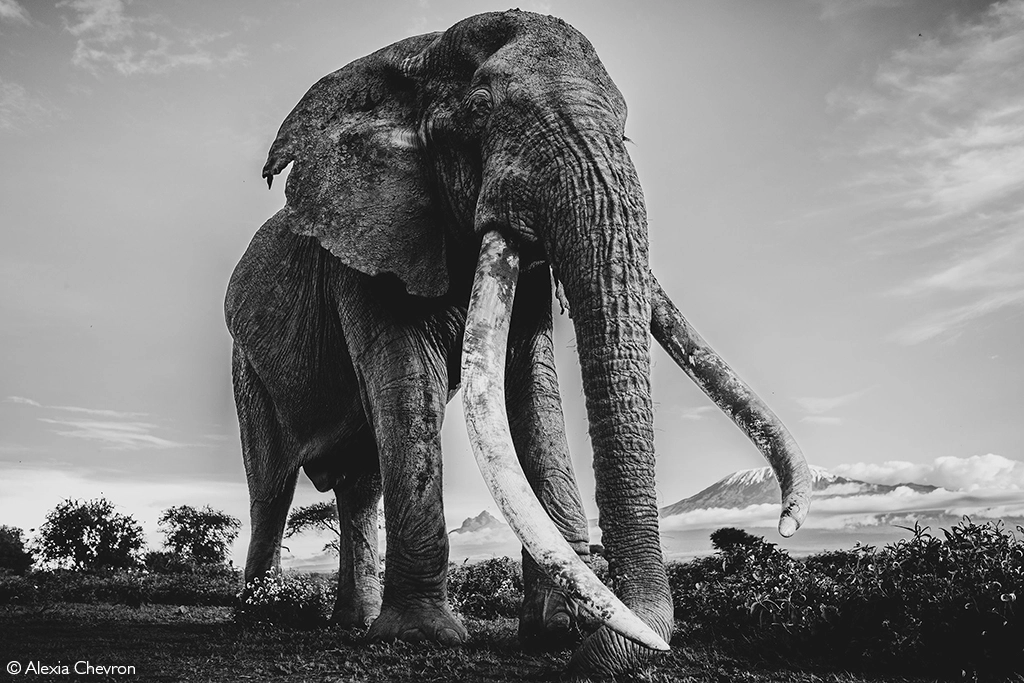
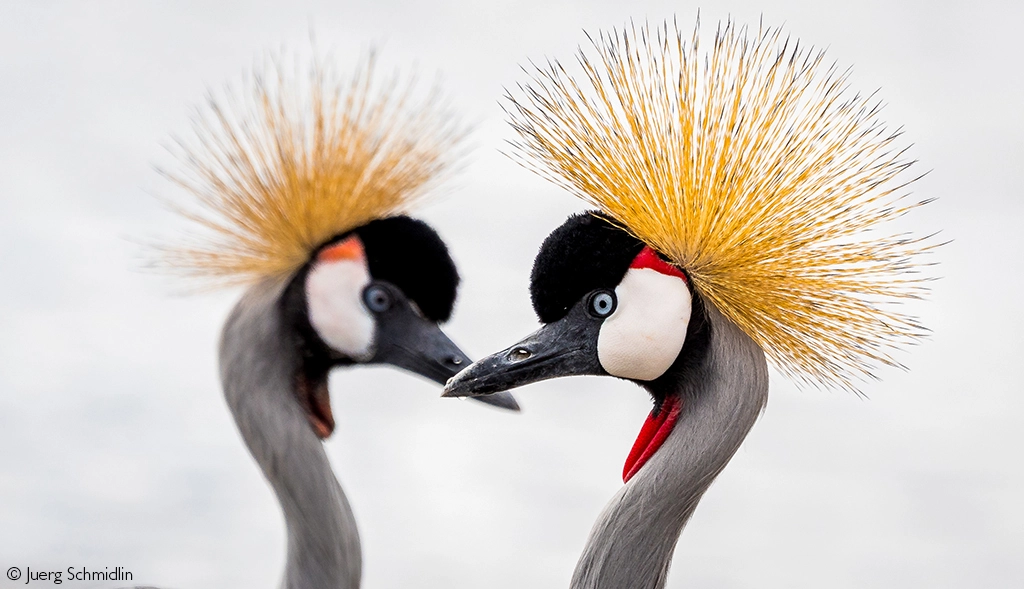
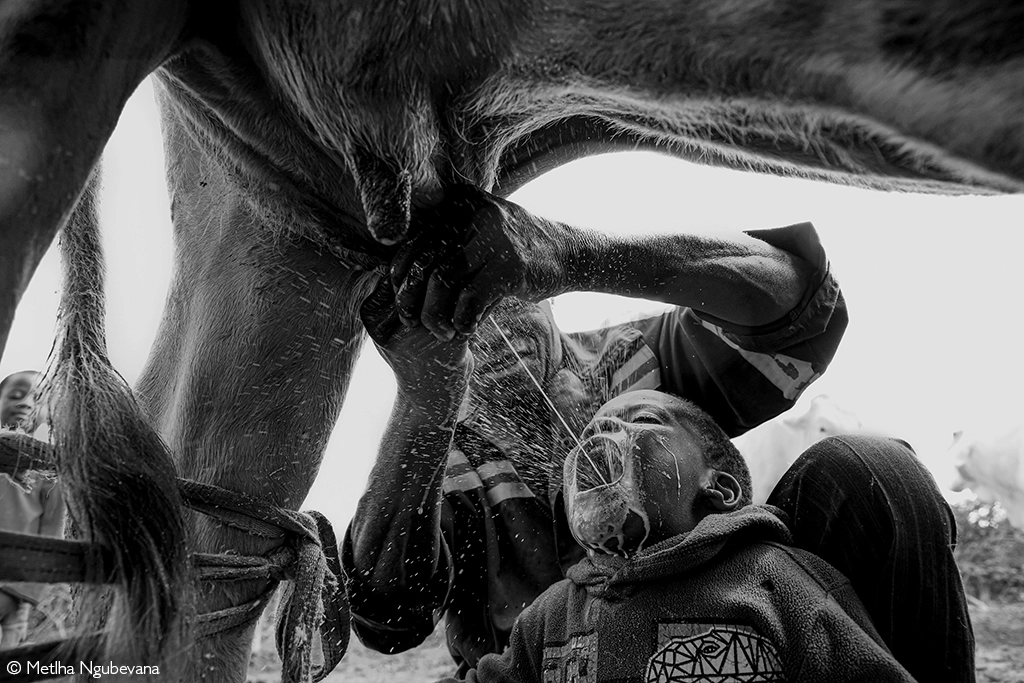
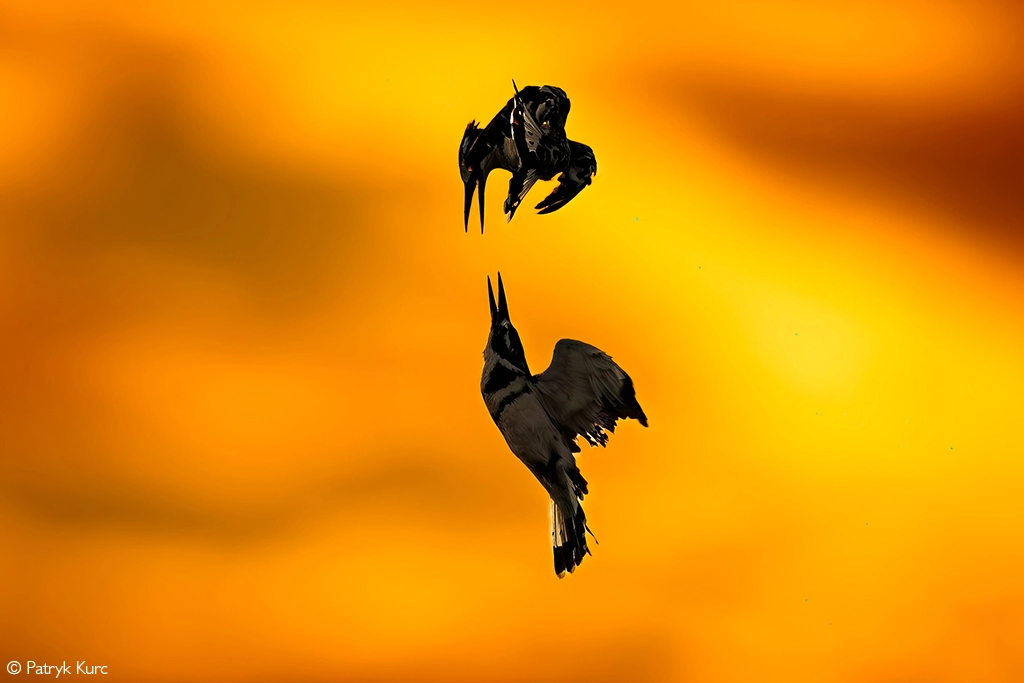
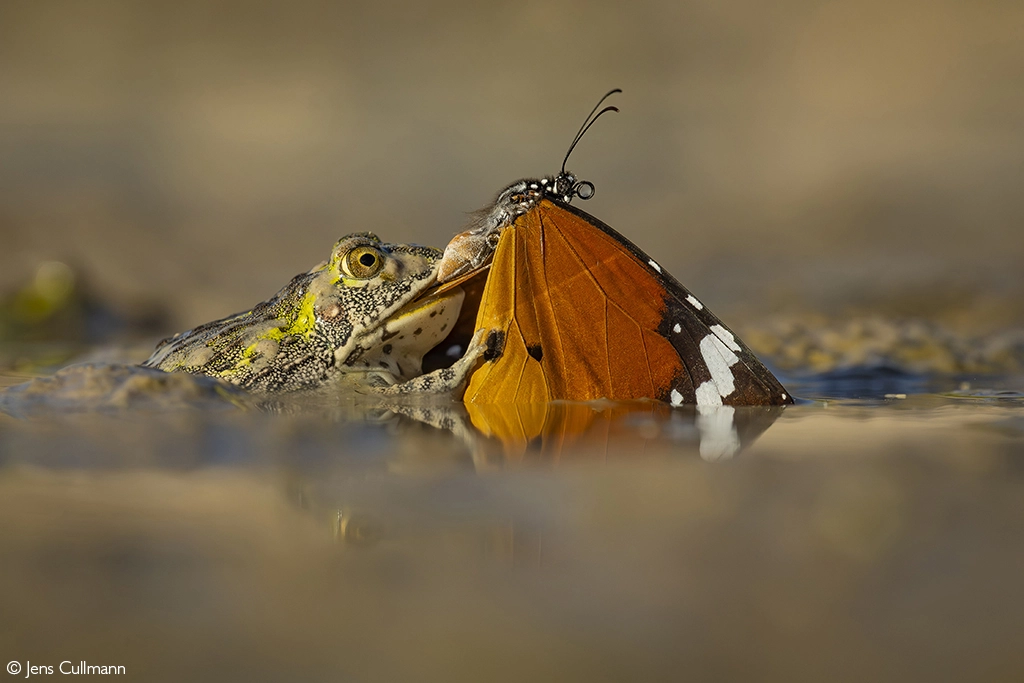
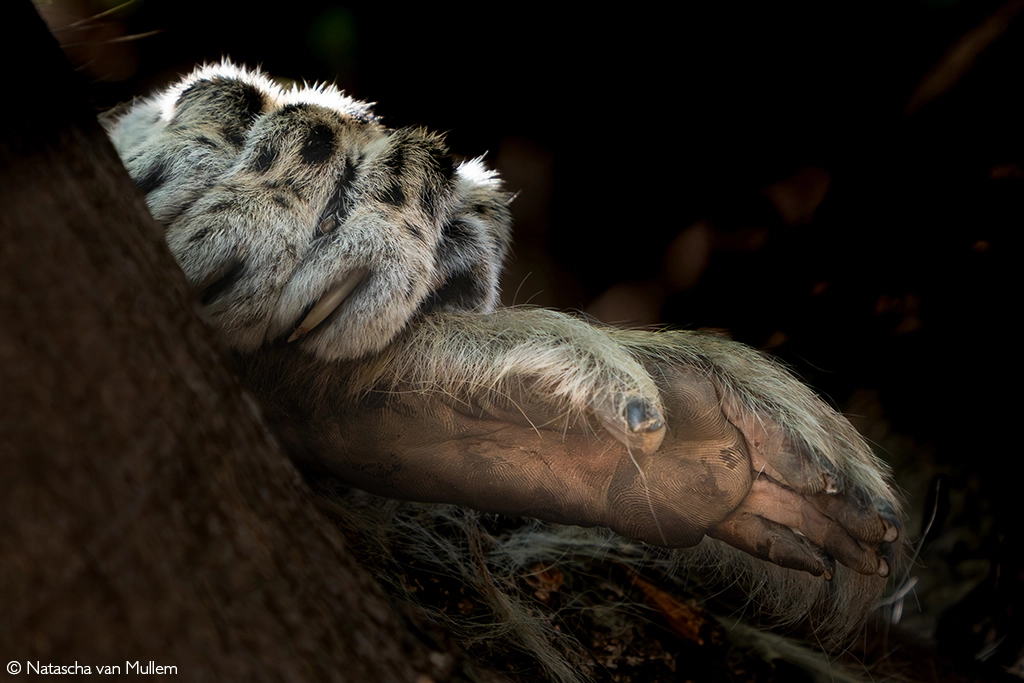
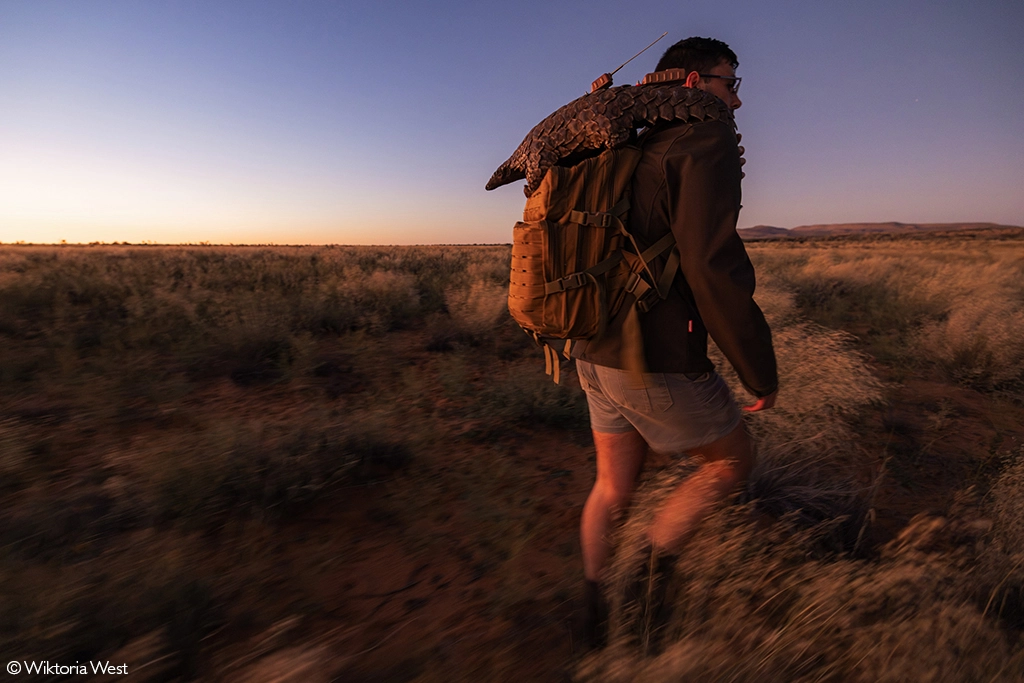
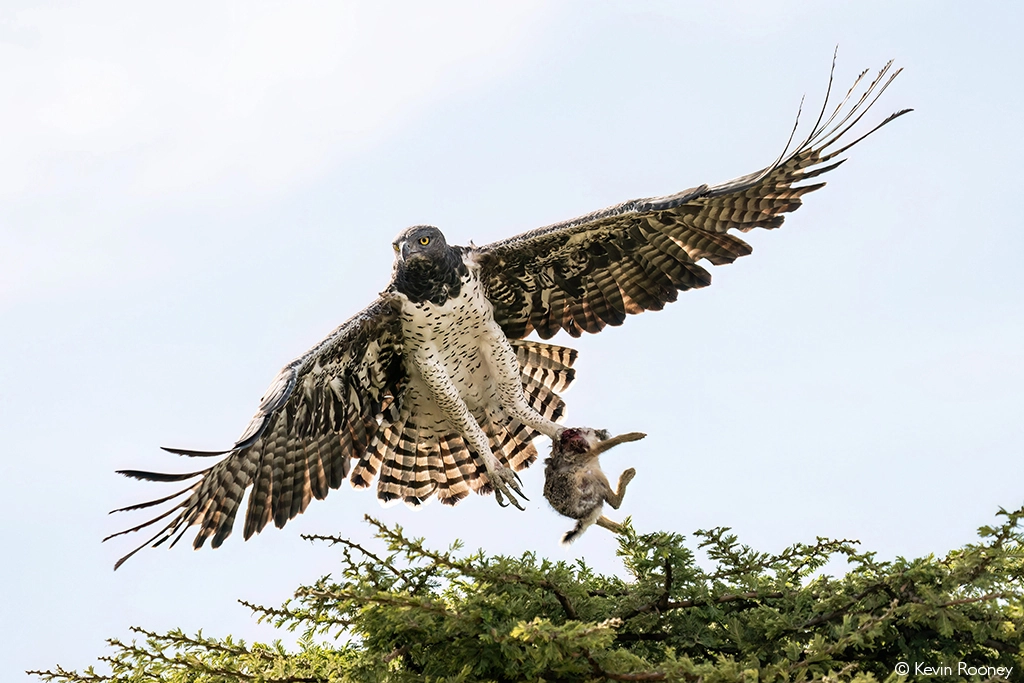
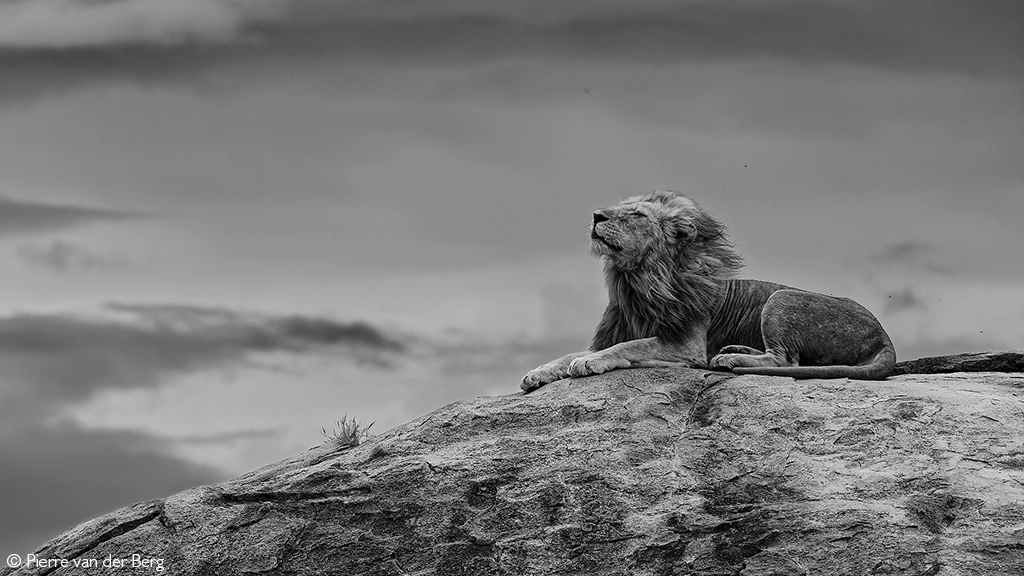
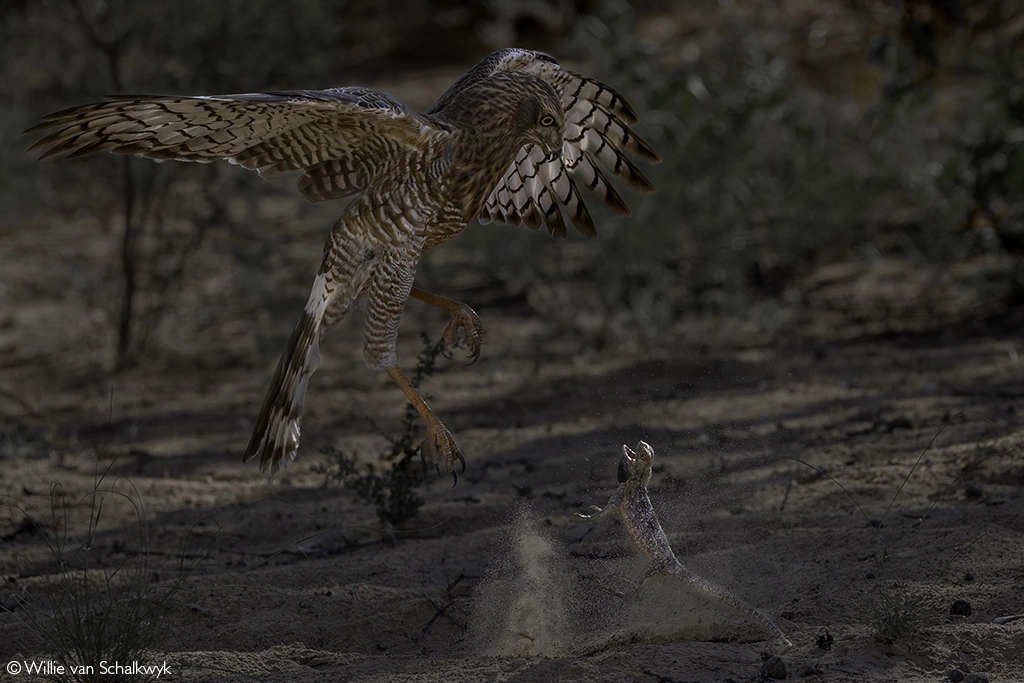
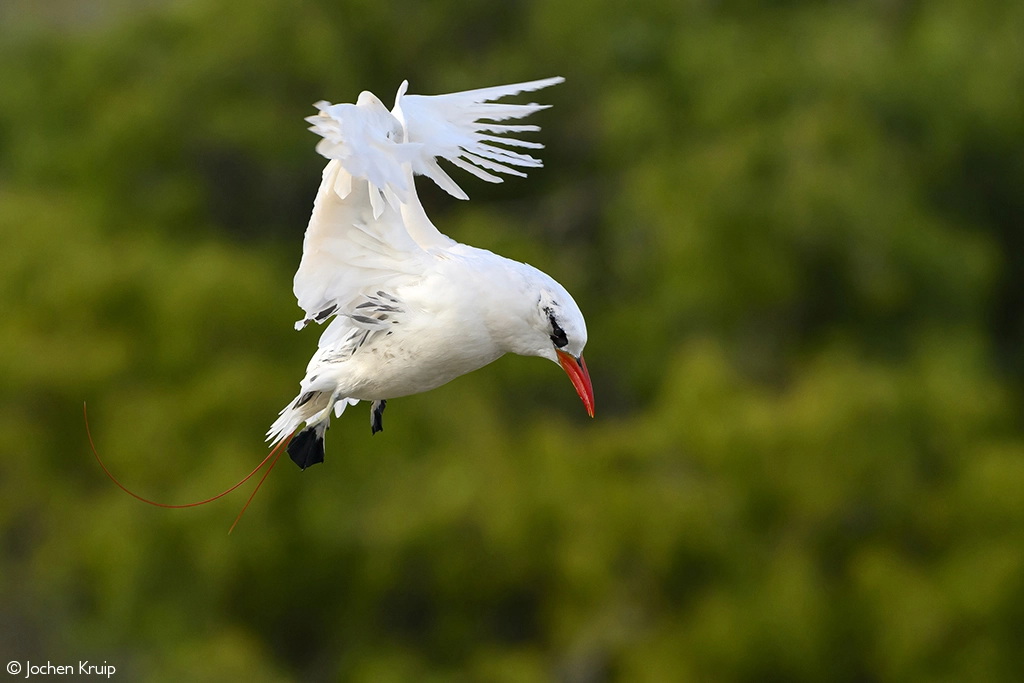
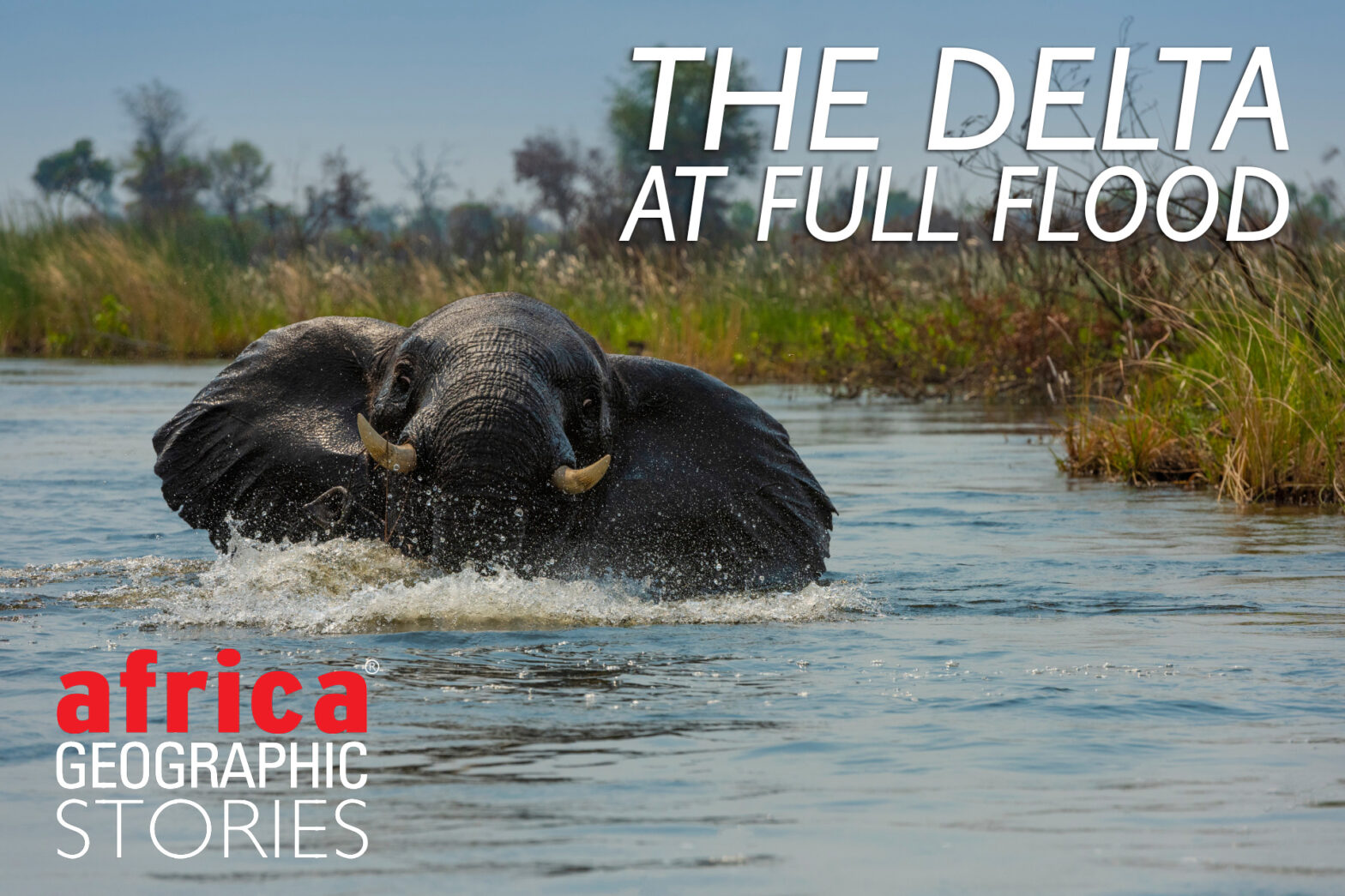
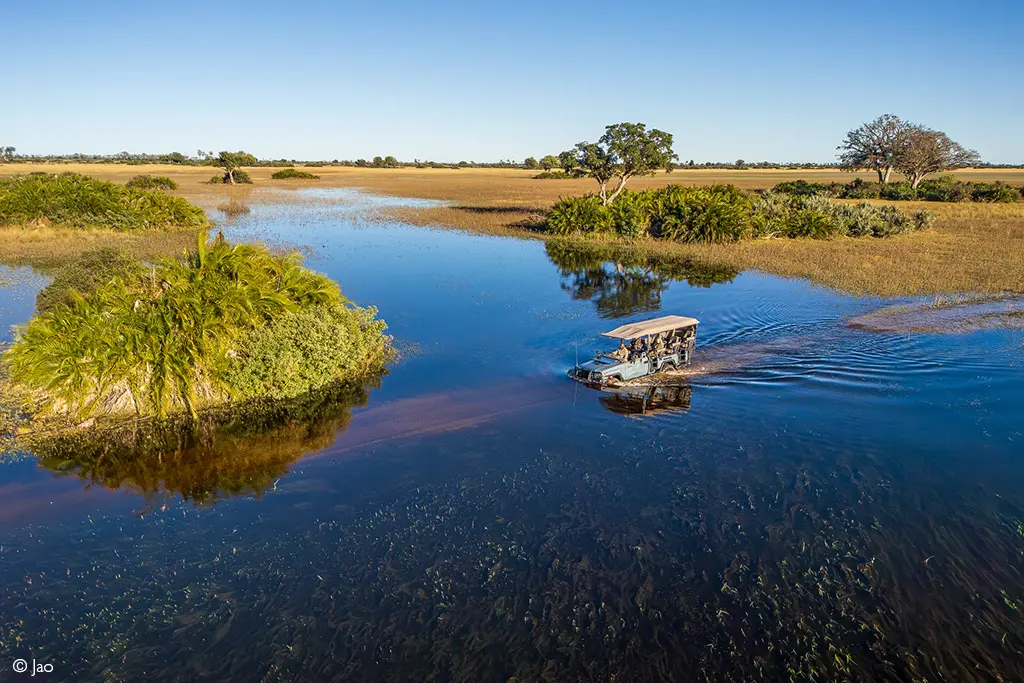
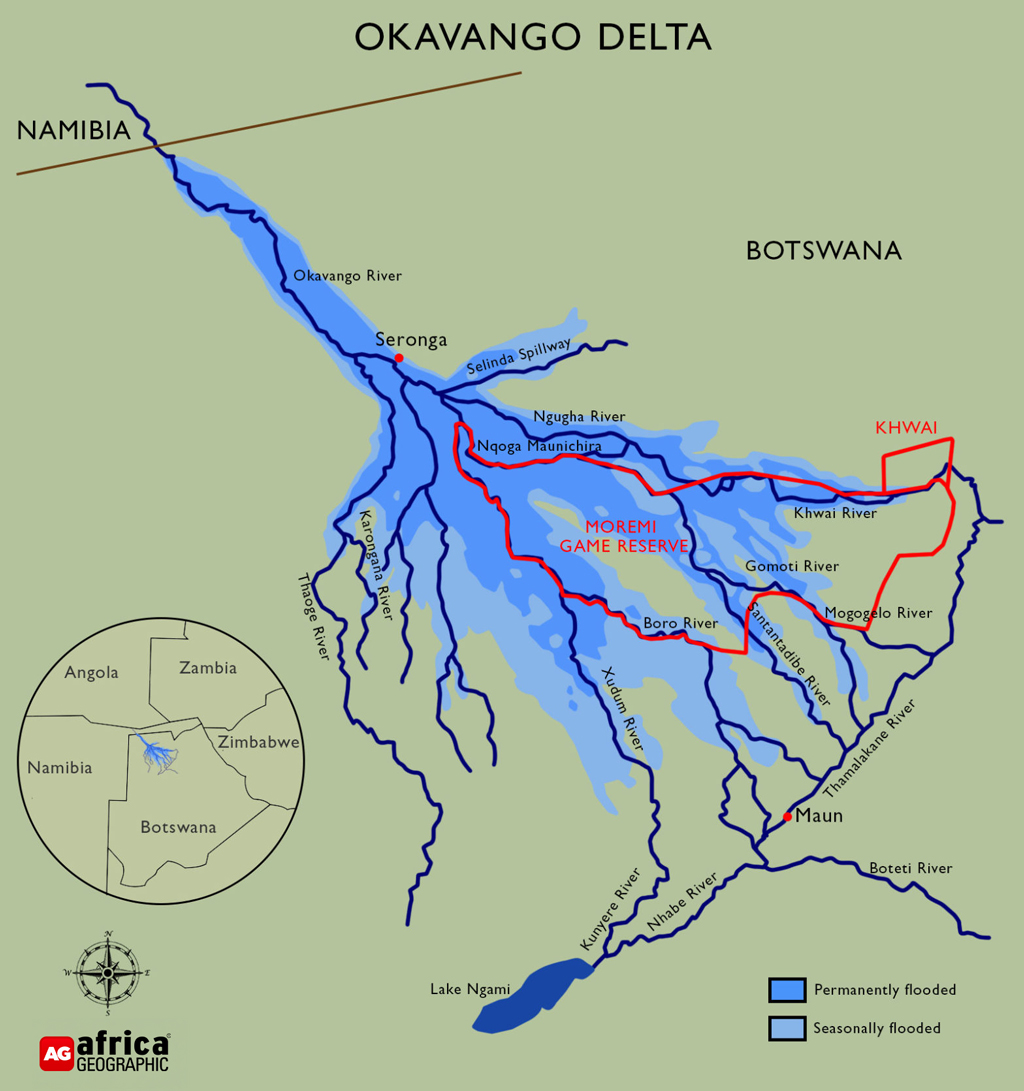
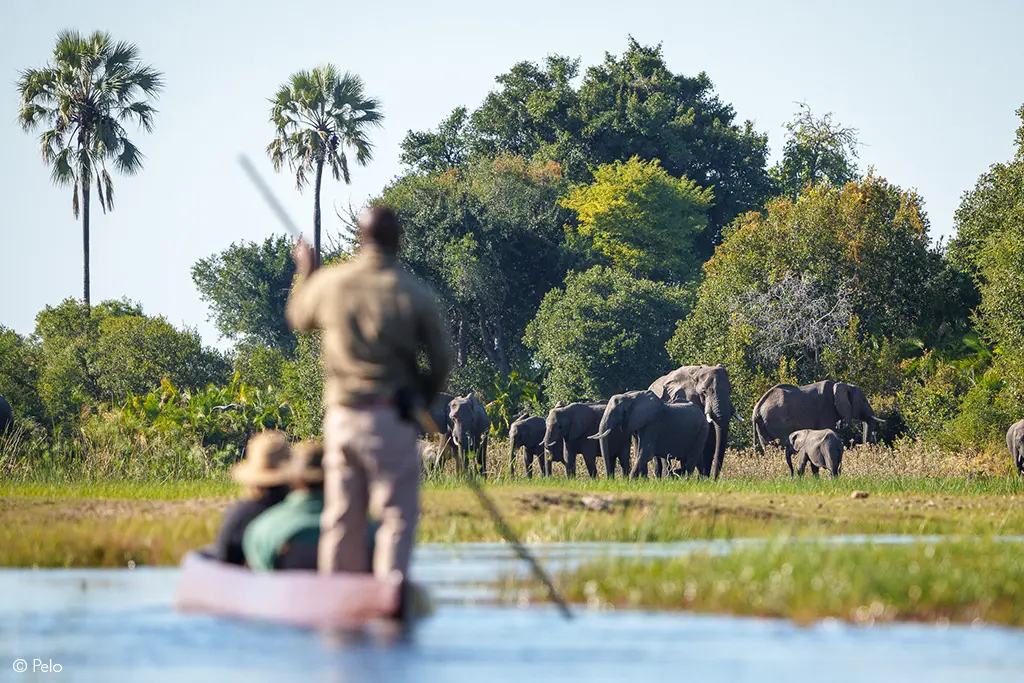
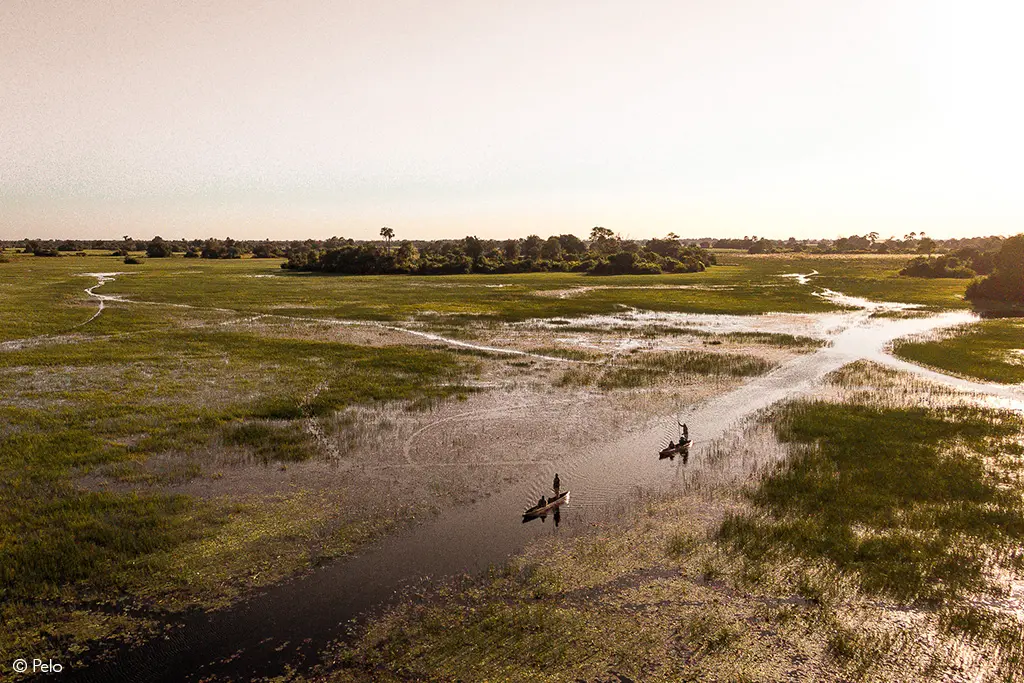
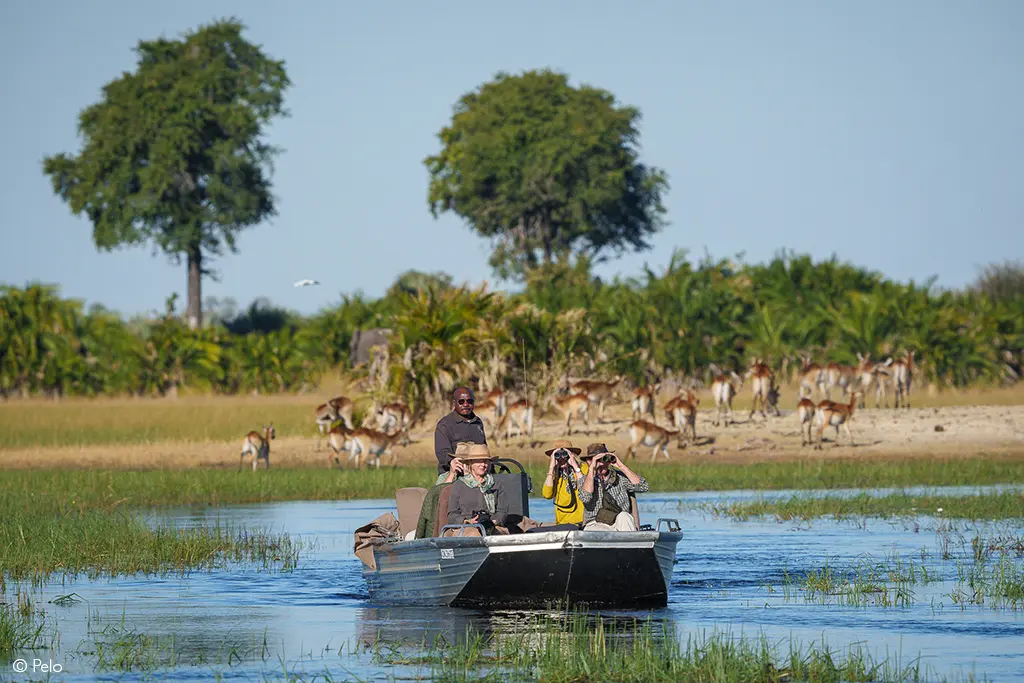
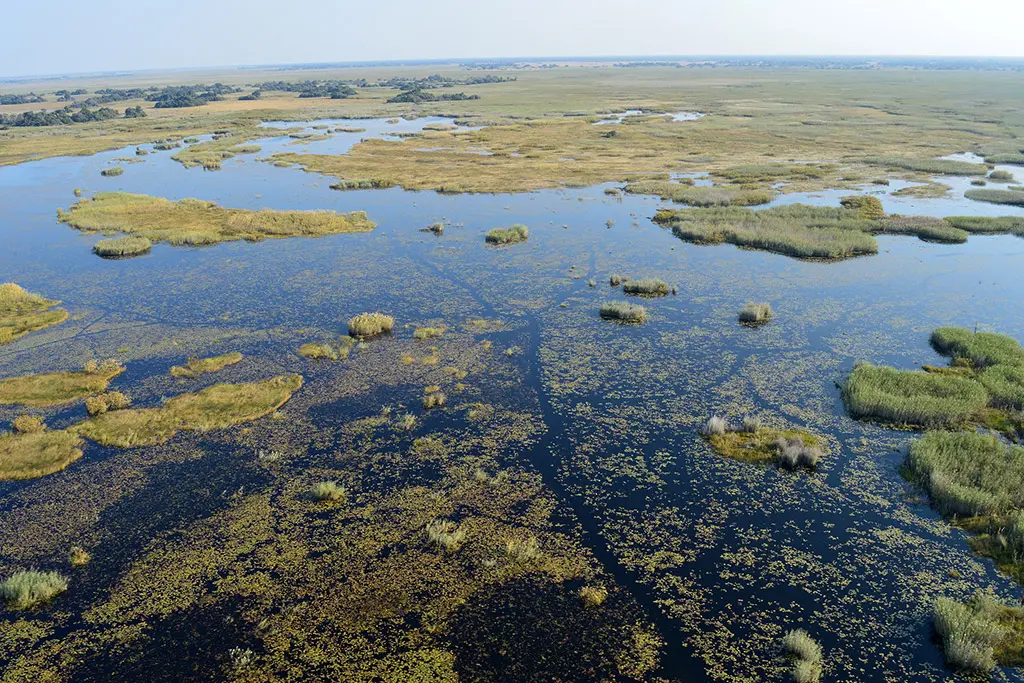
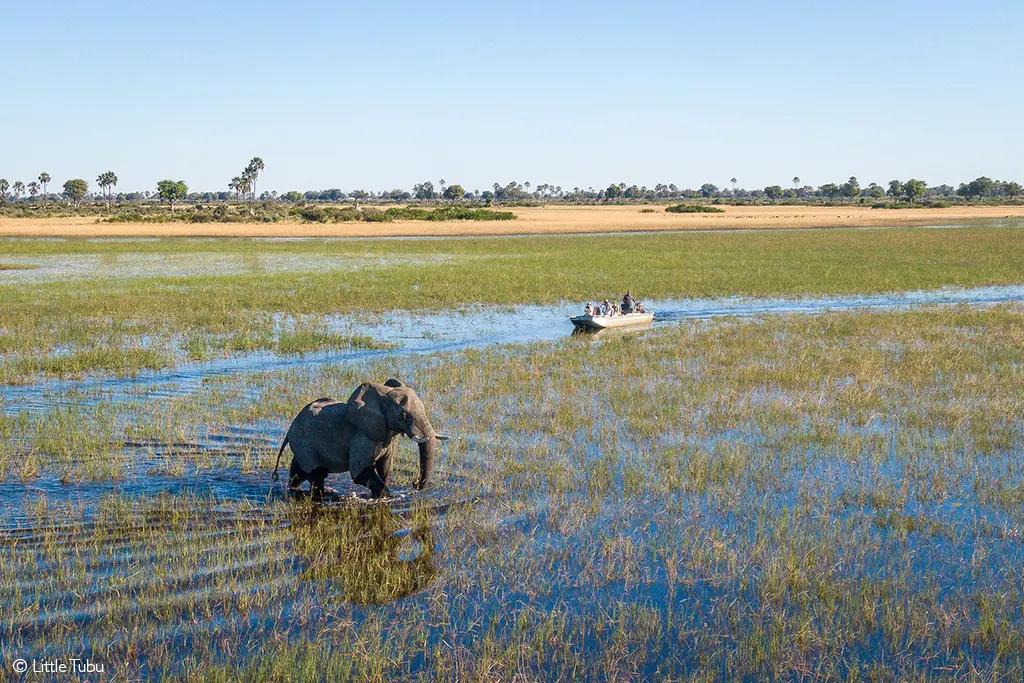
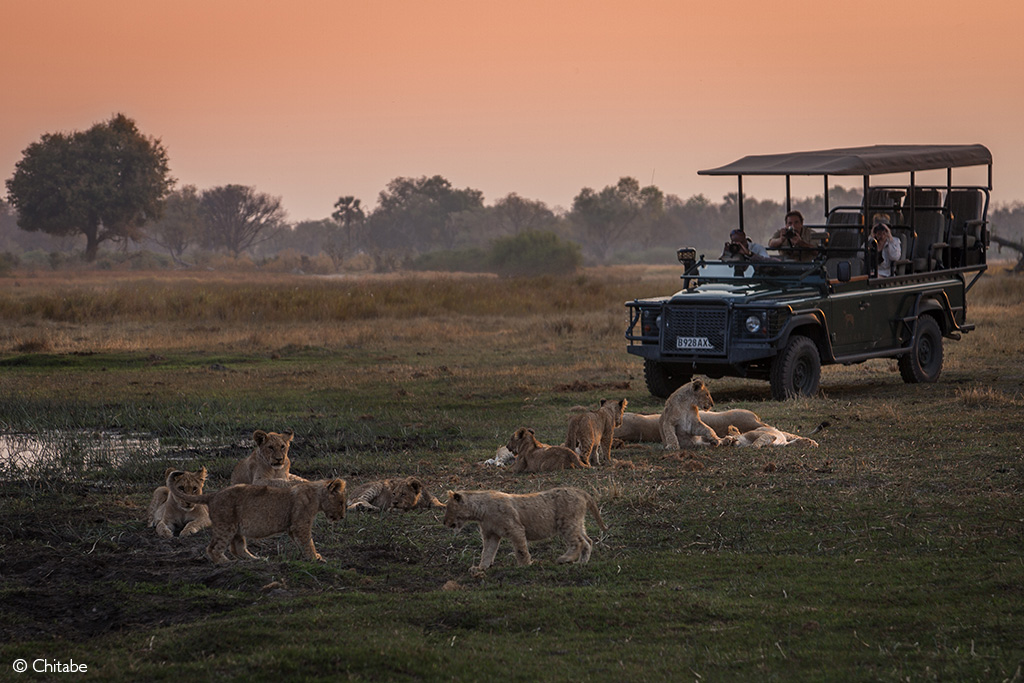
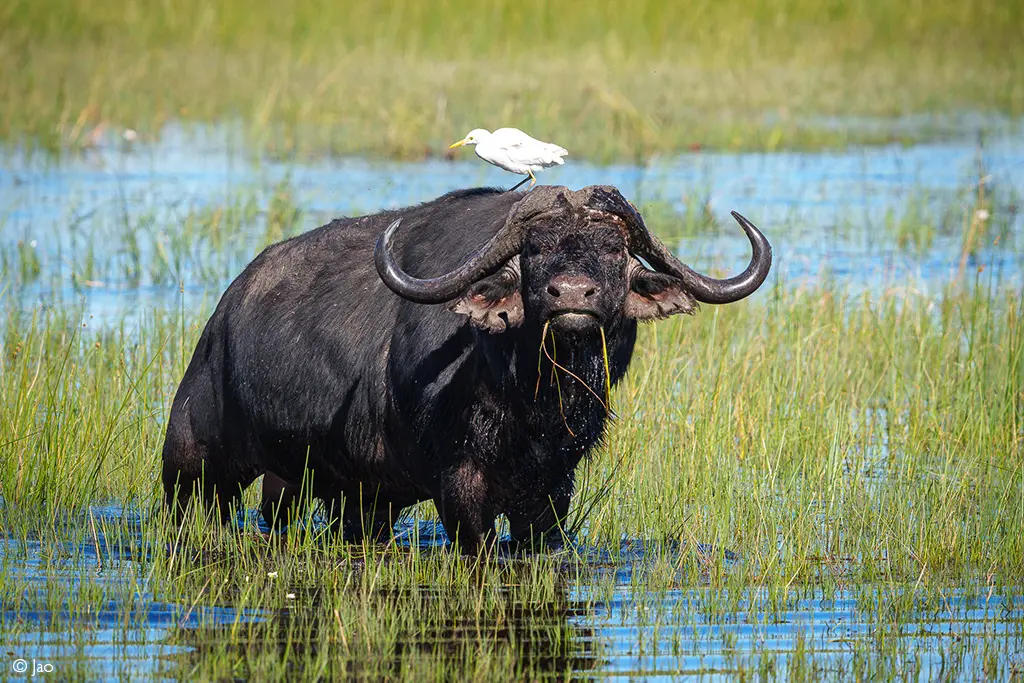
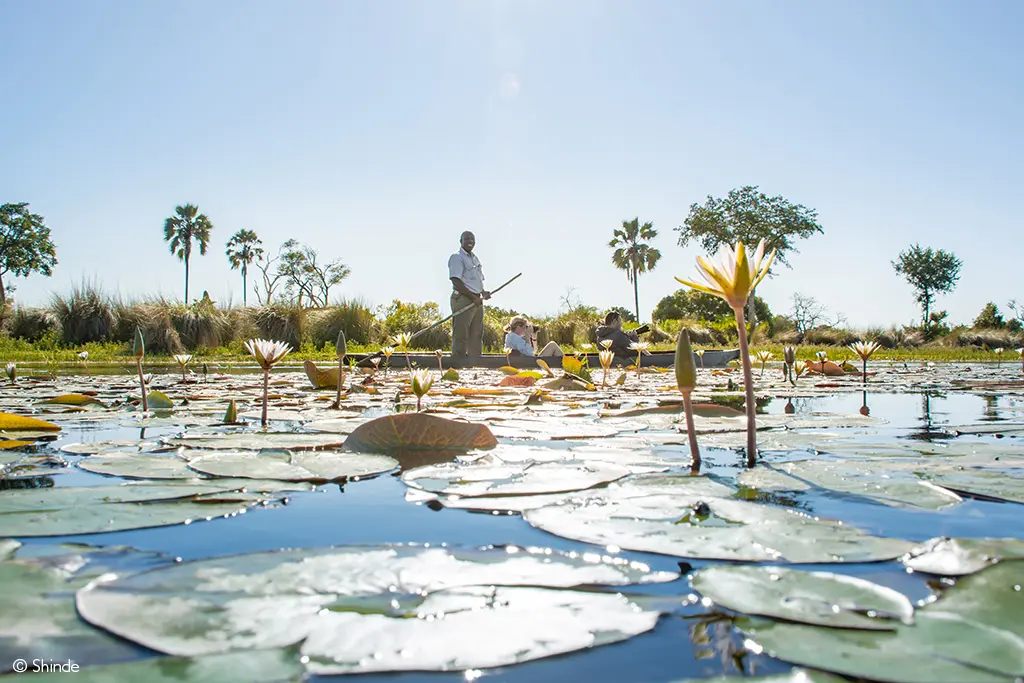
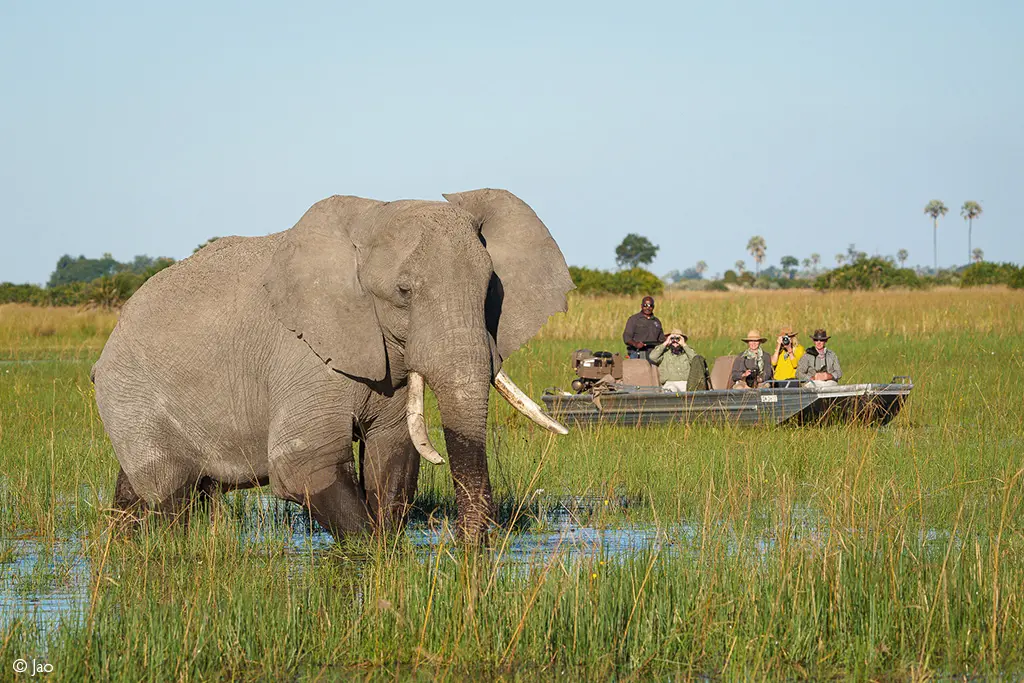
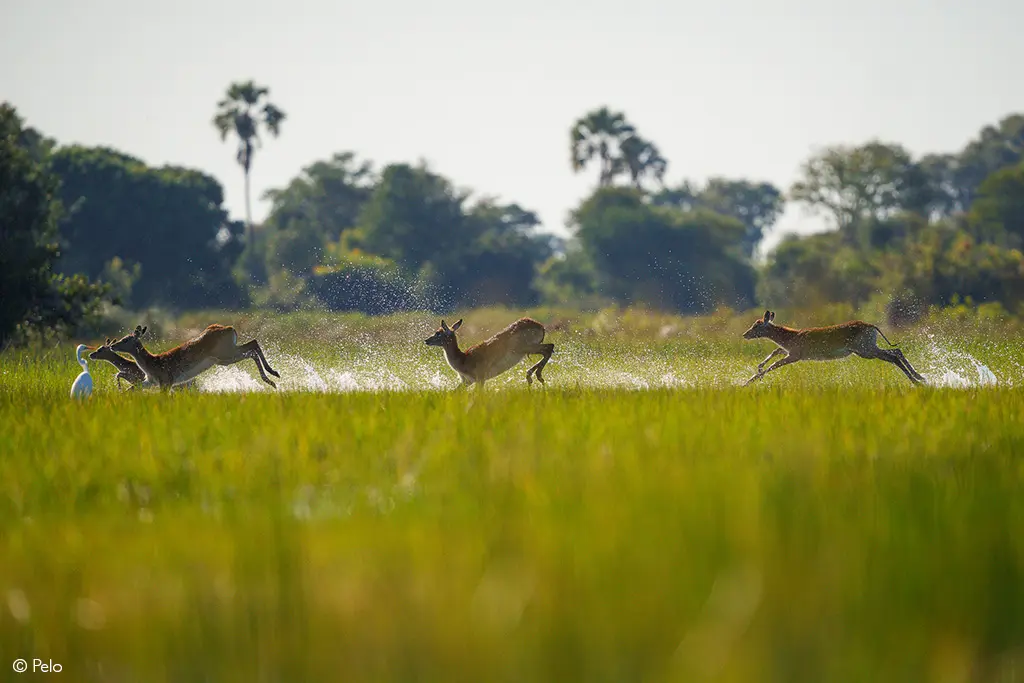
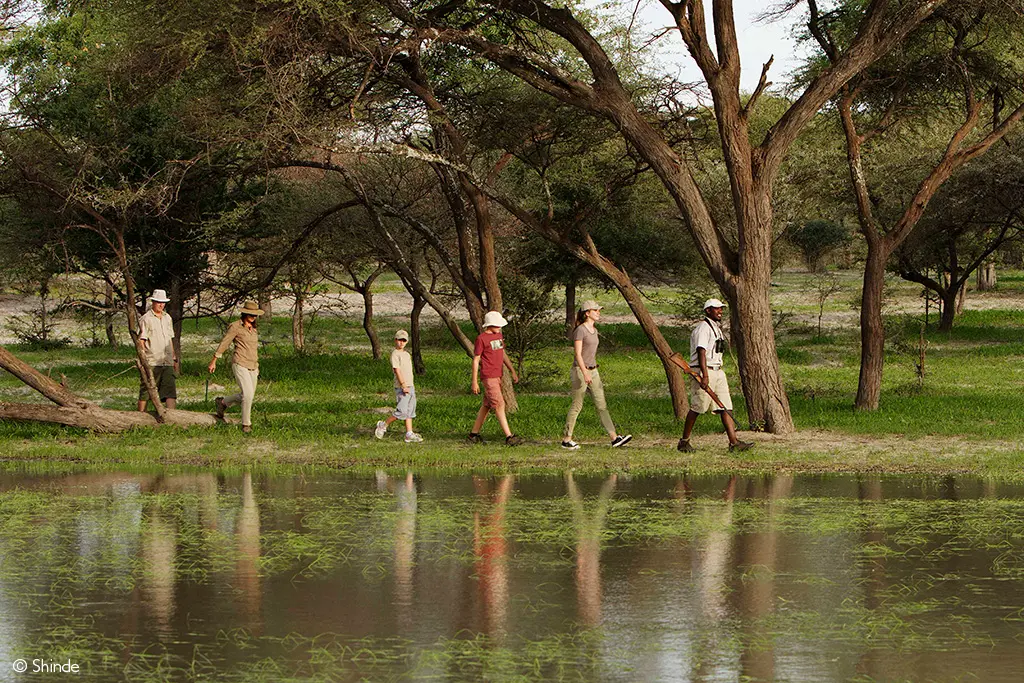
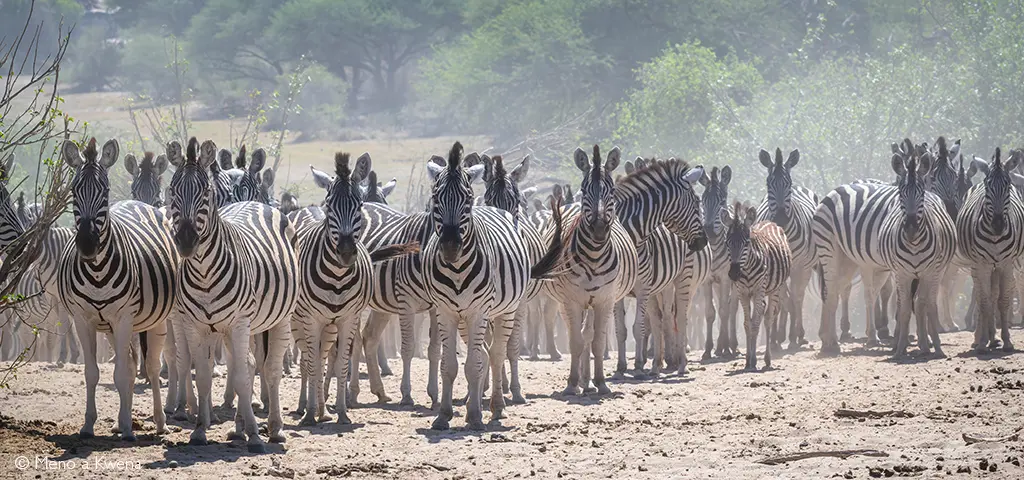
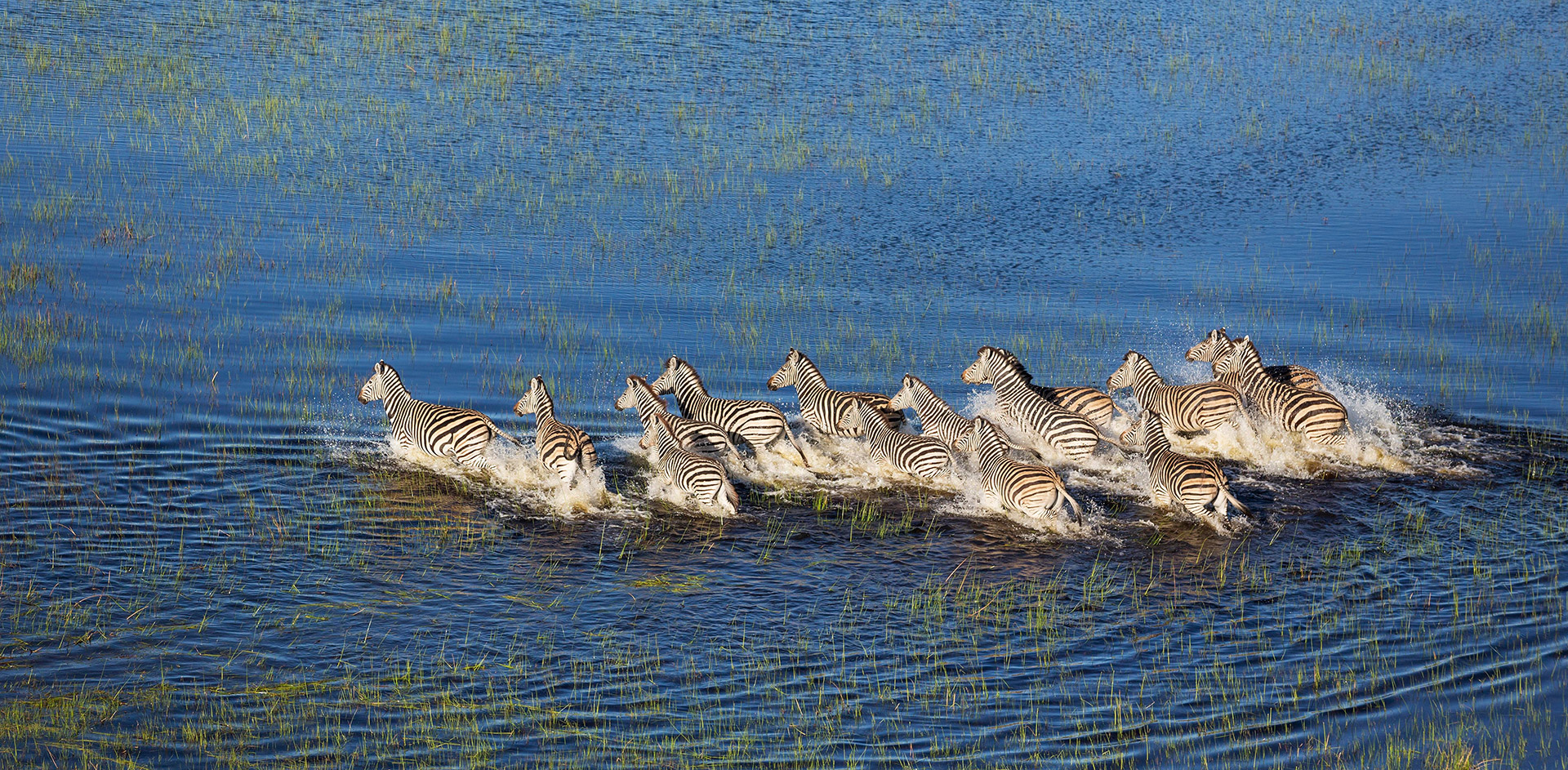
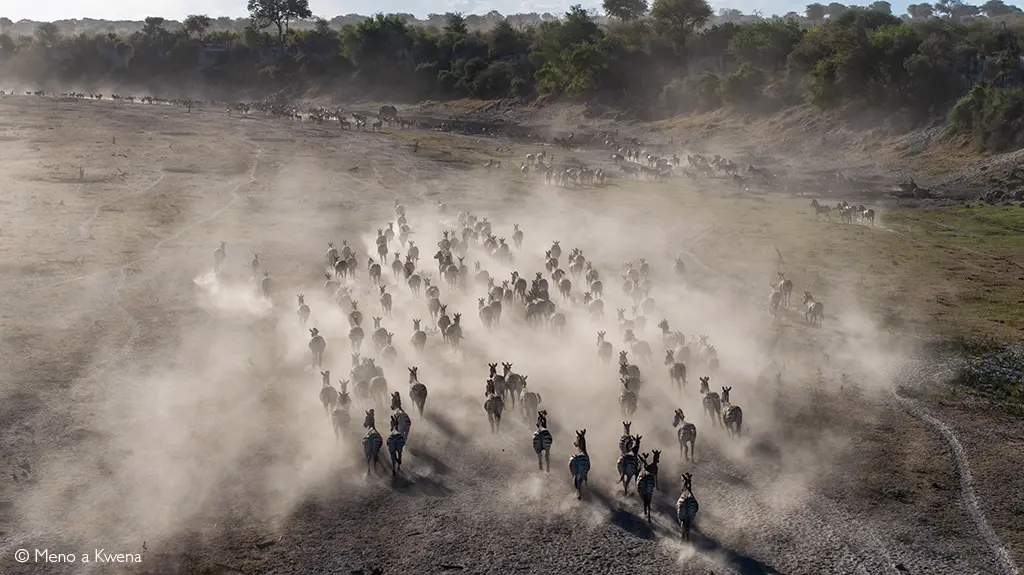
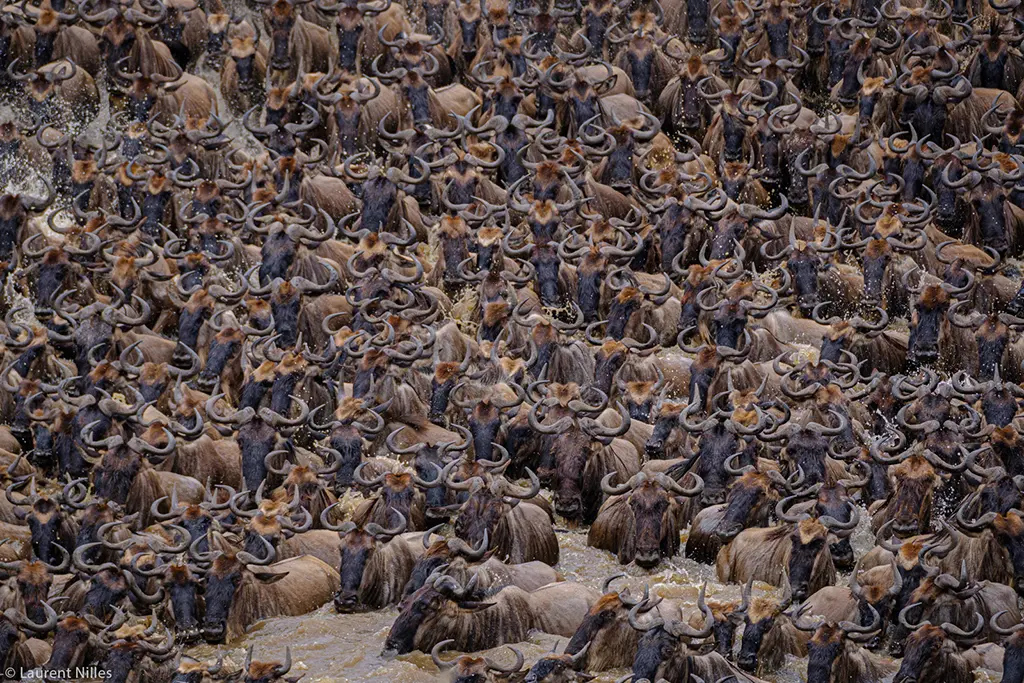
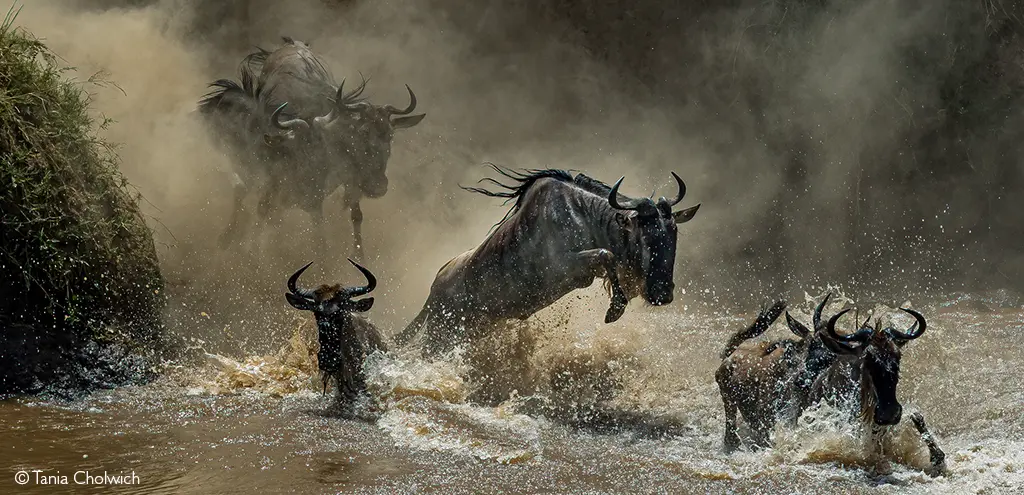
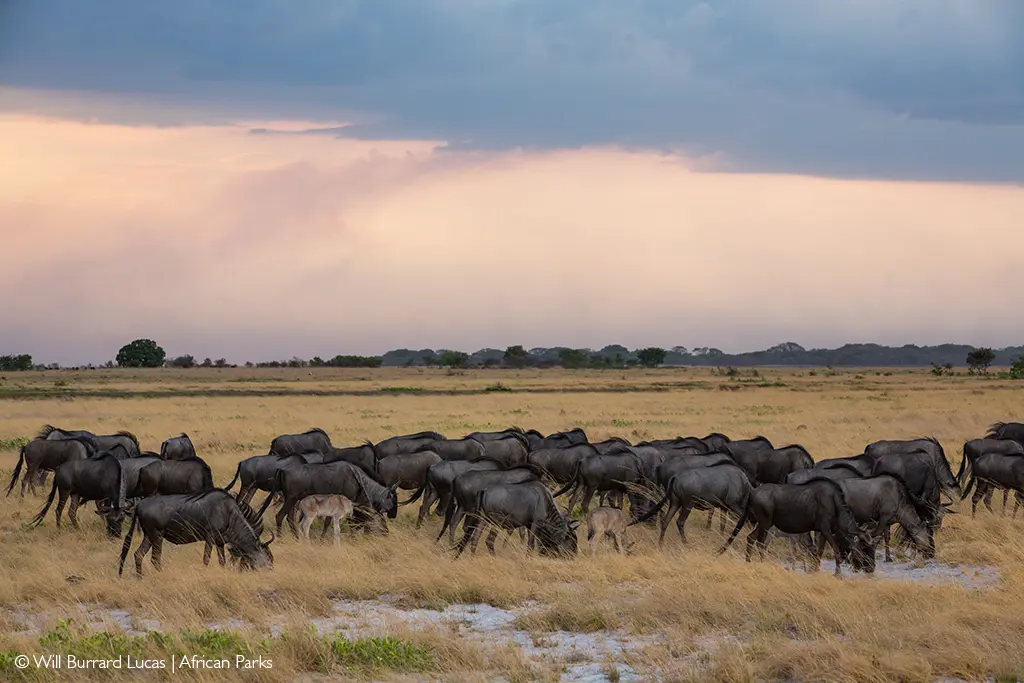
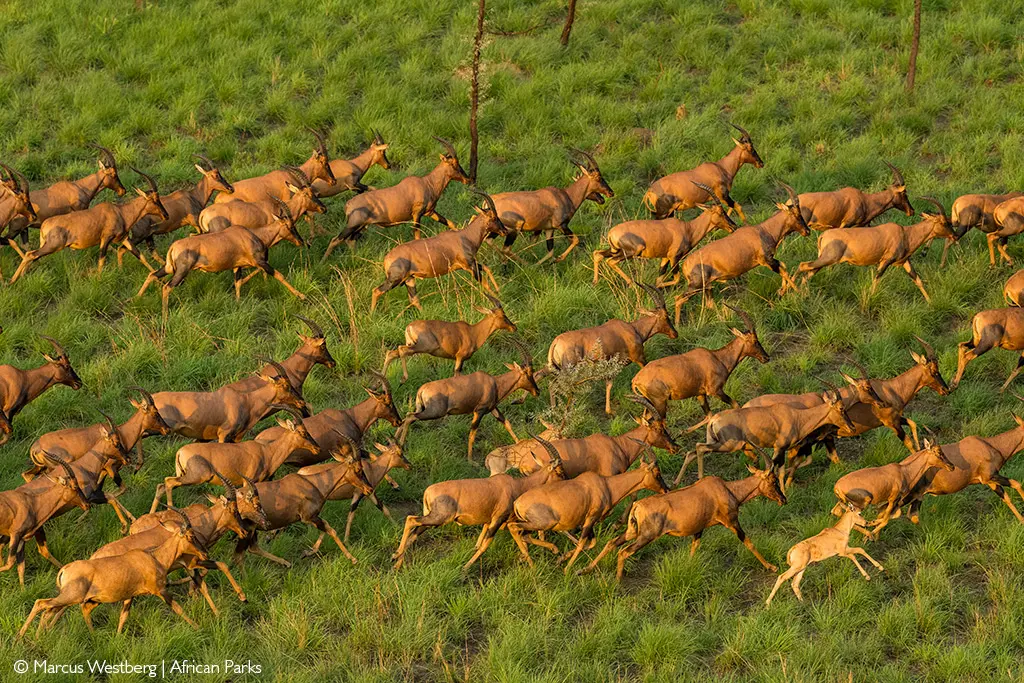
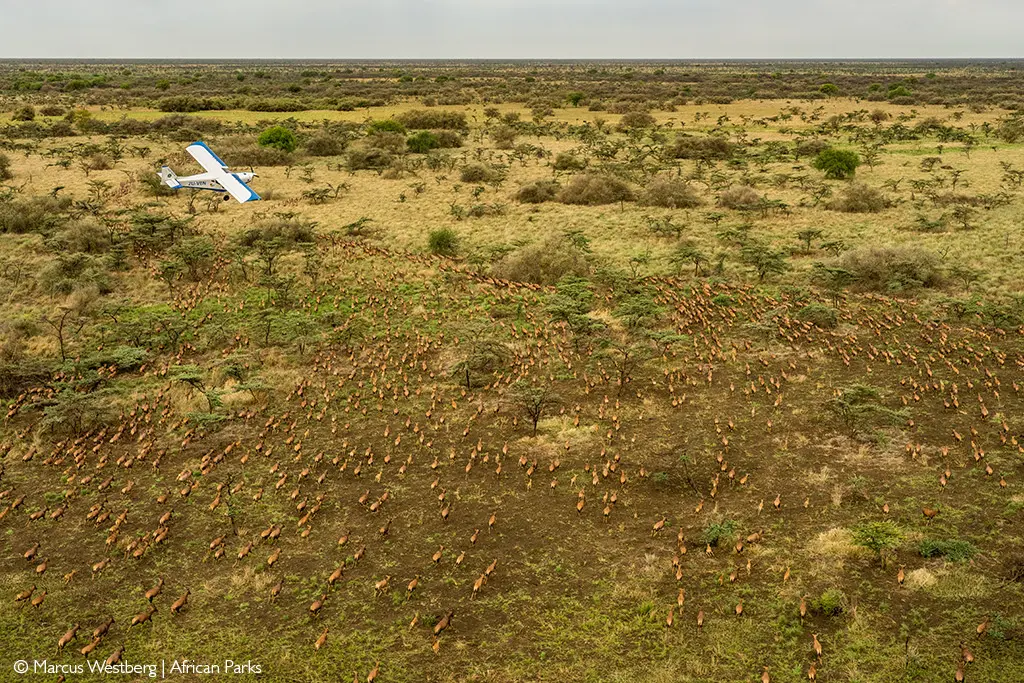
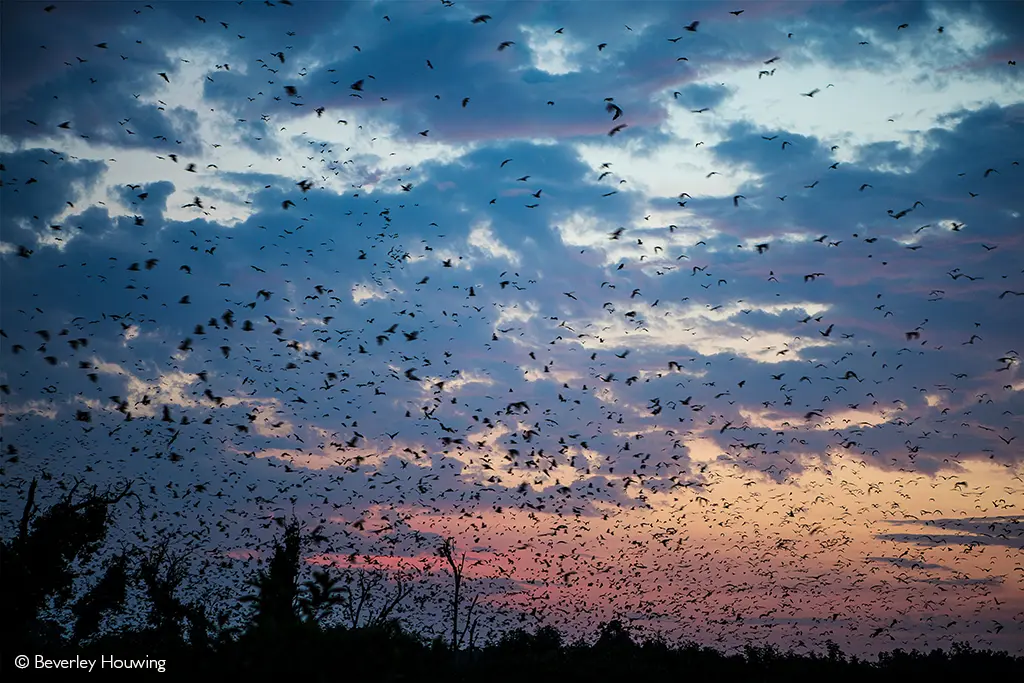
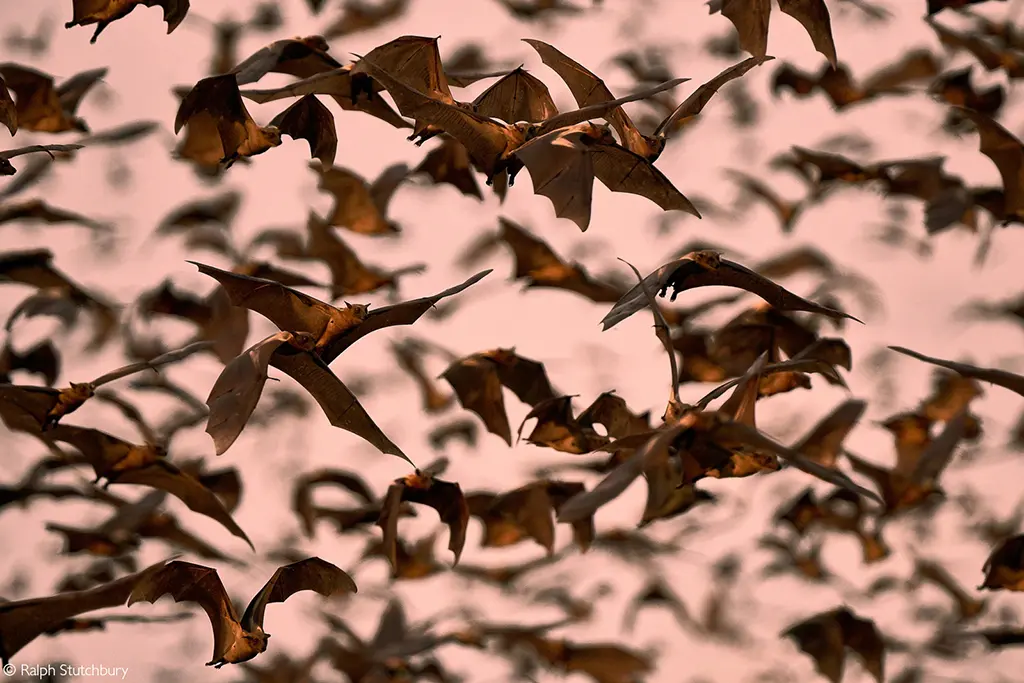
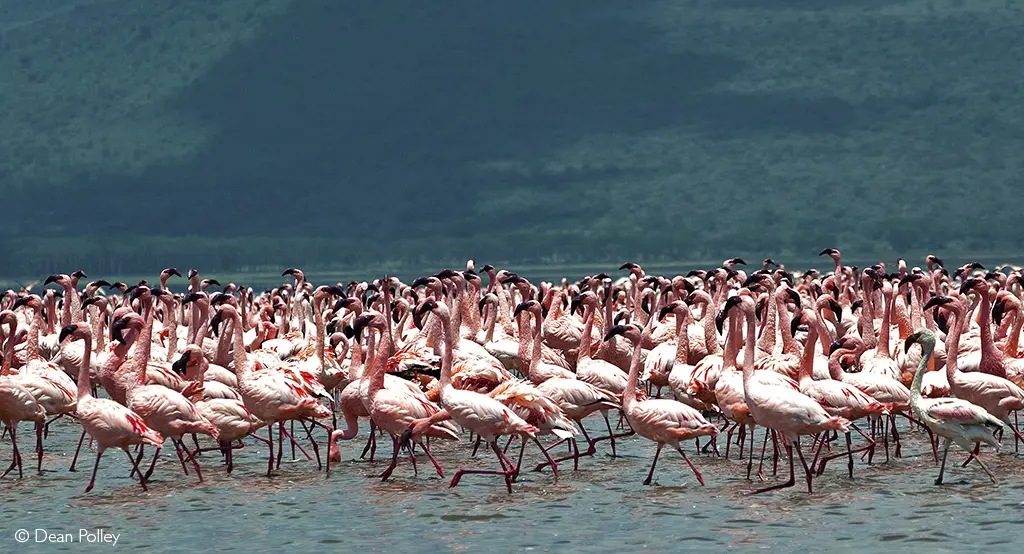
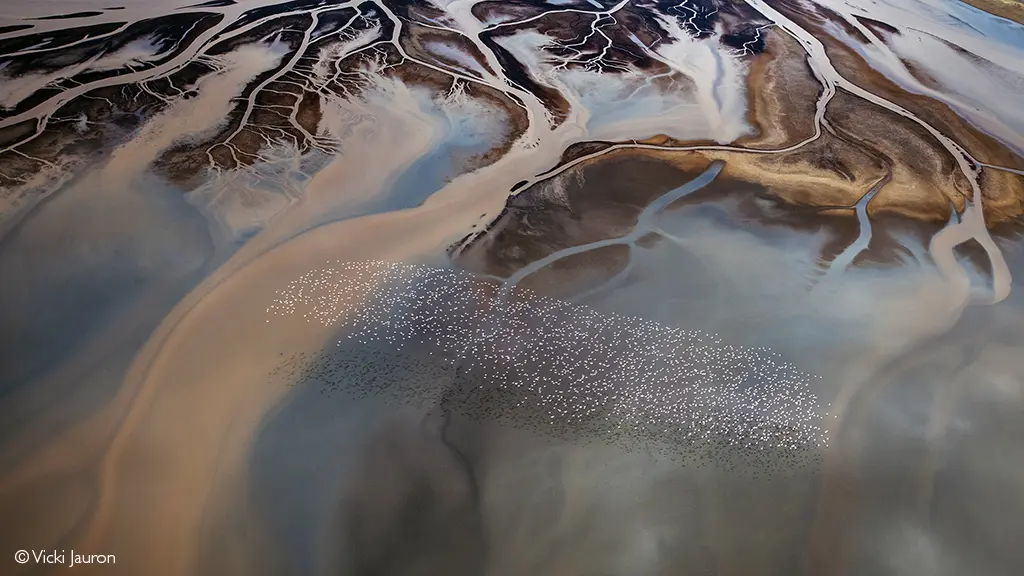
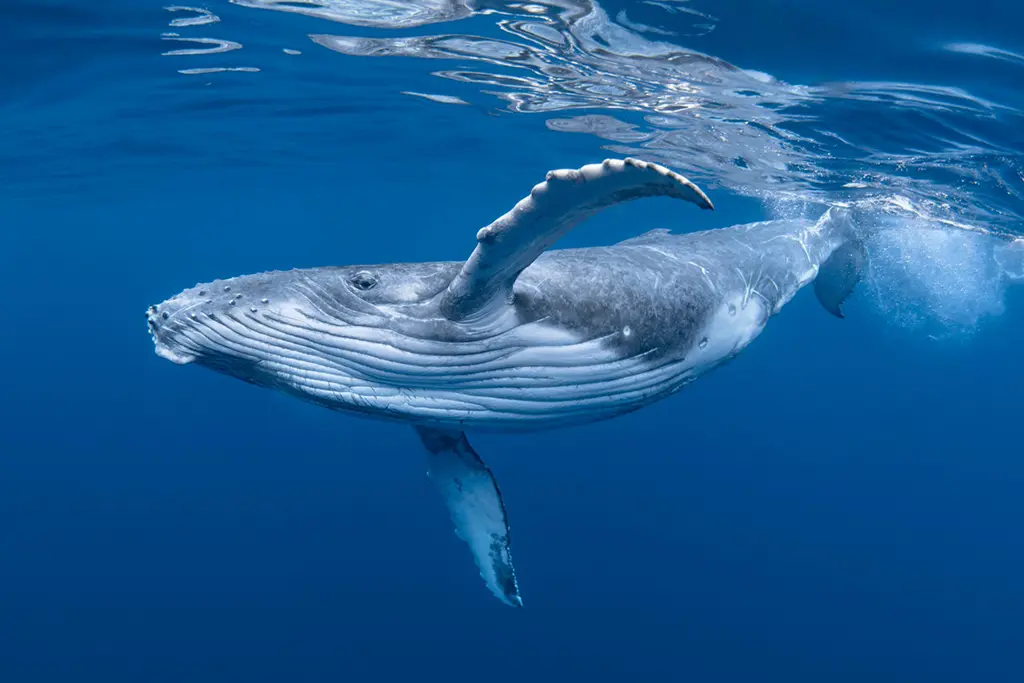
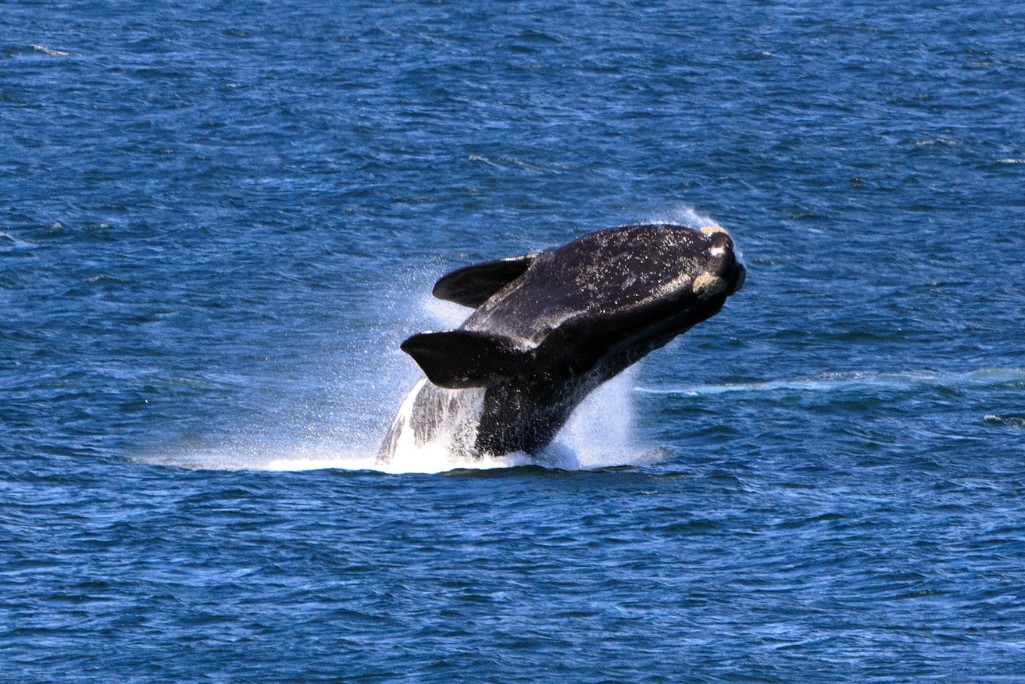
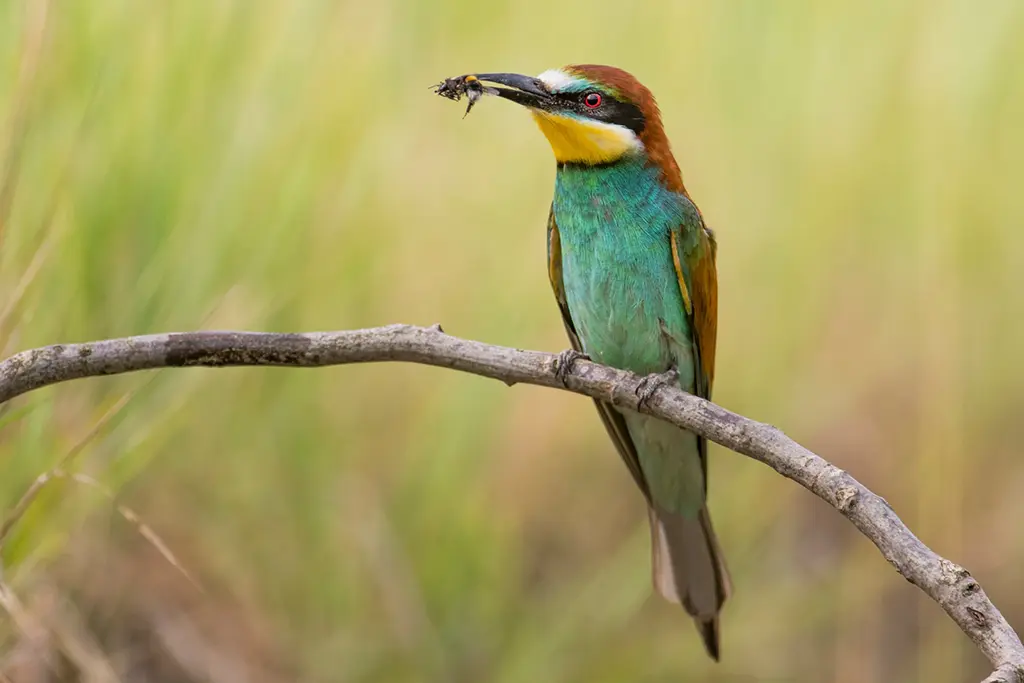
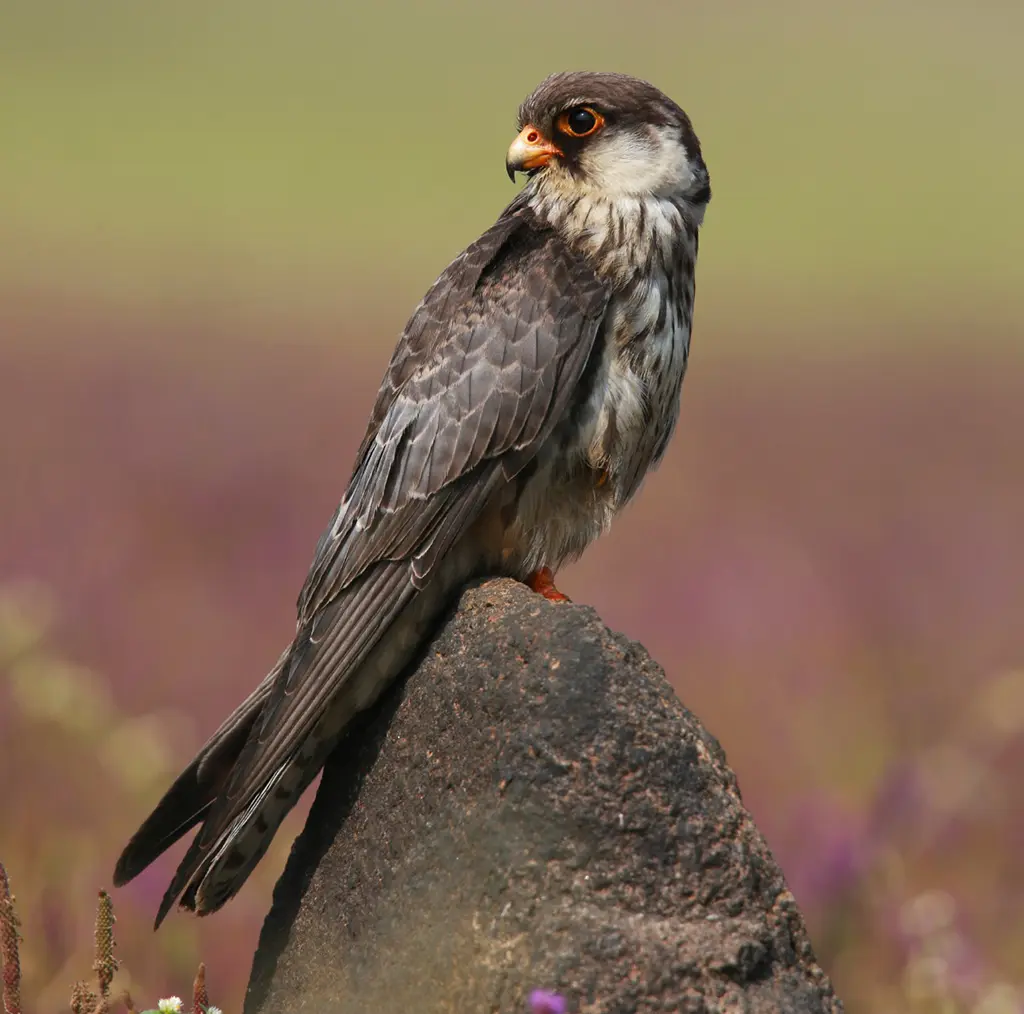
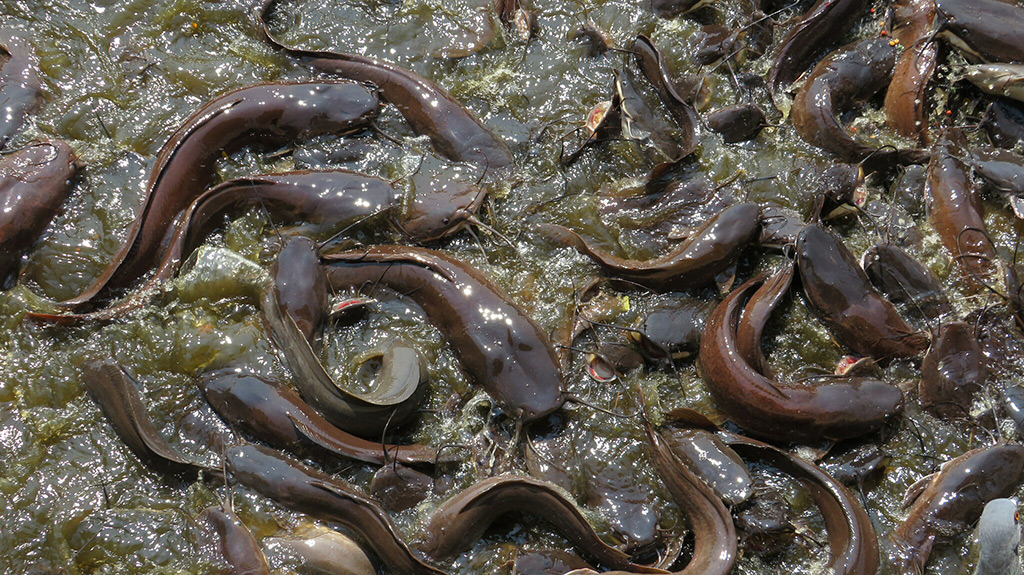

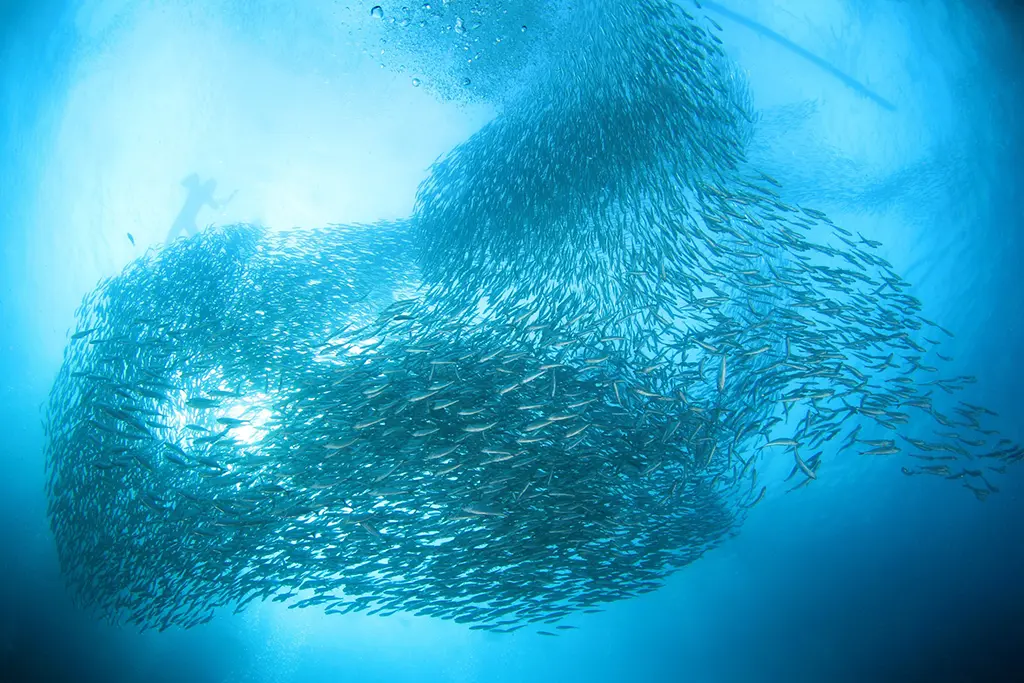
 We donate a portion of the revenue from every safari sold to carefully selected conservation projects that make a significant difference at ground level. YOUR safari choice does make a difference – thank you!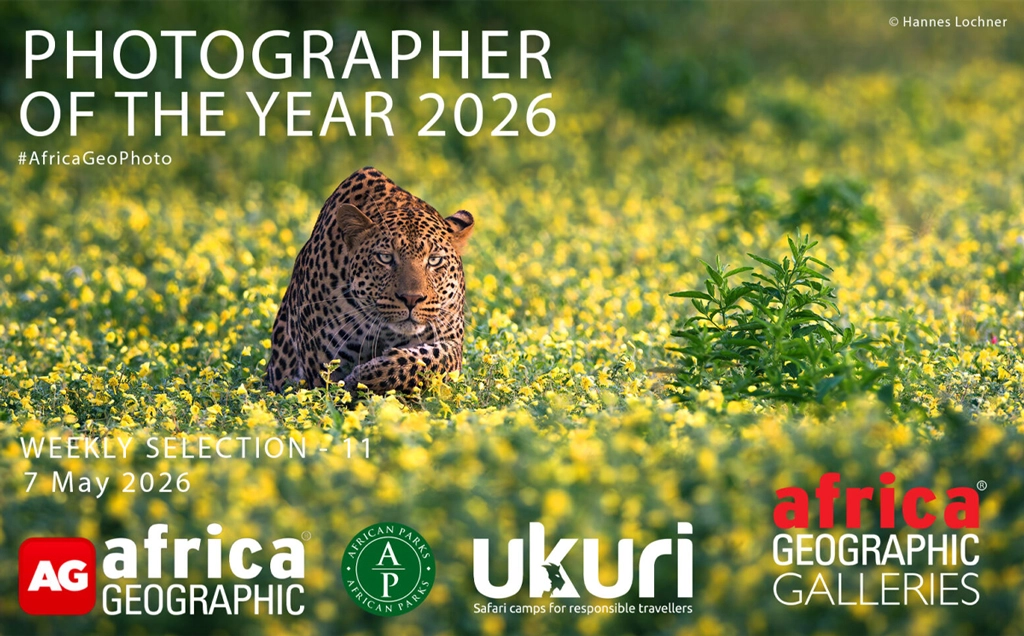
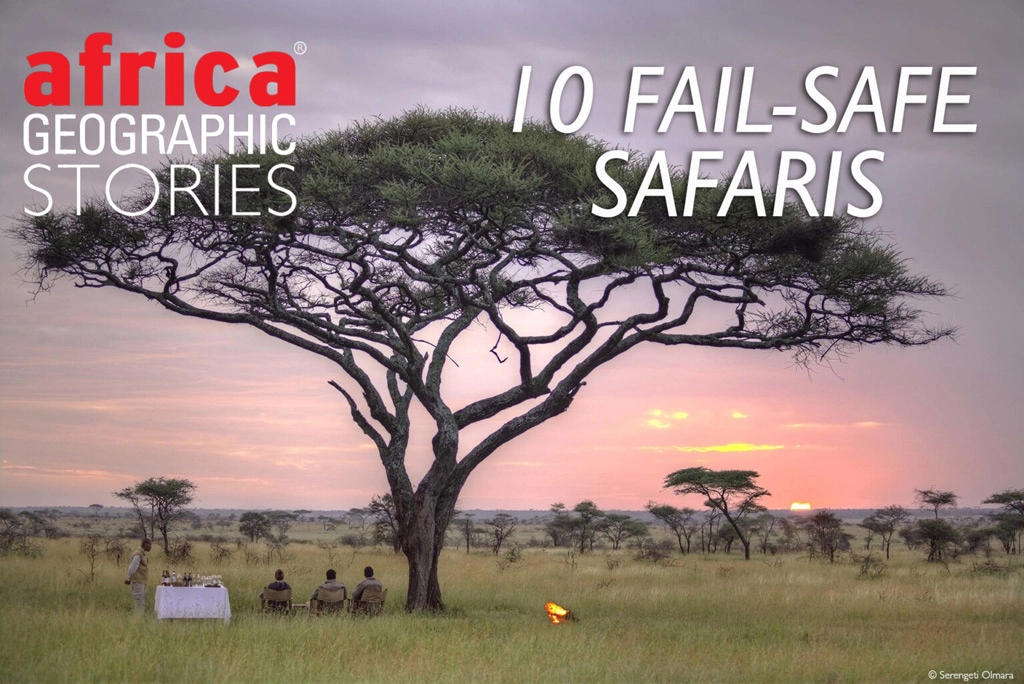
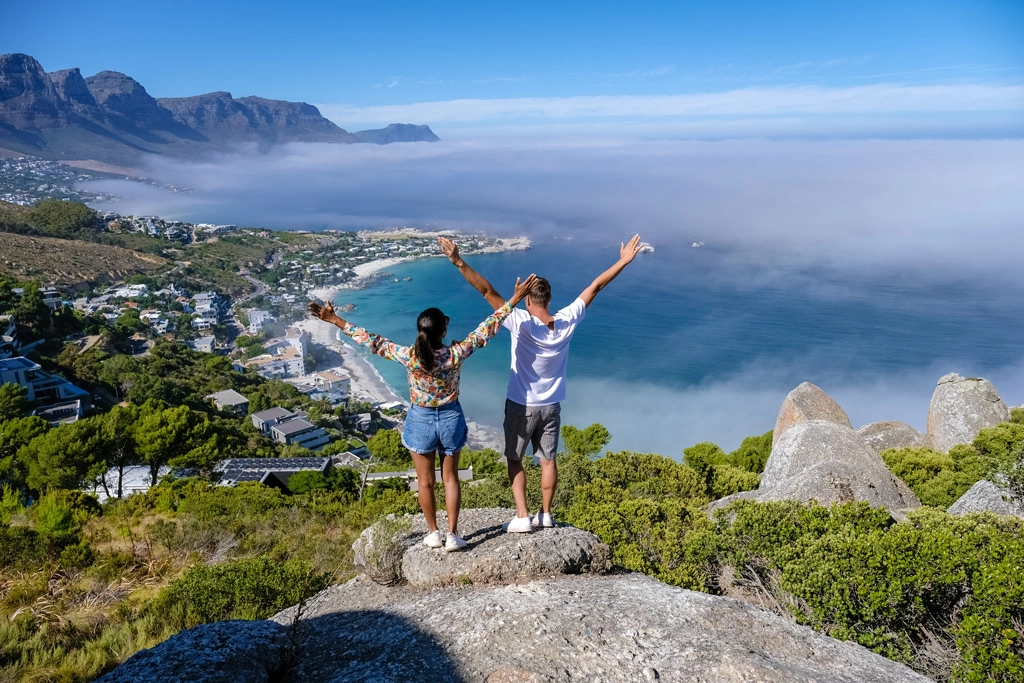
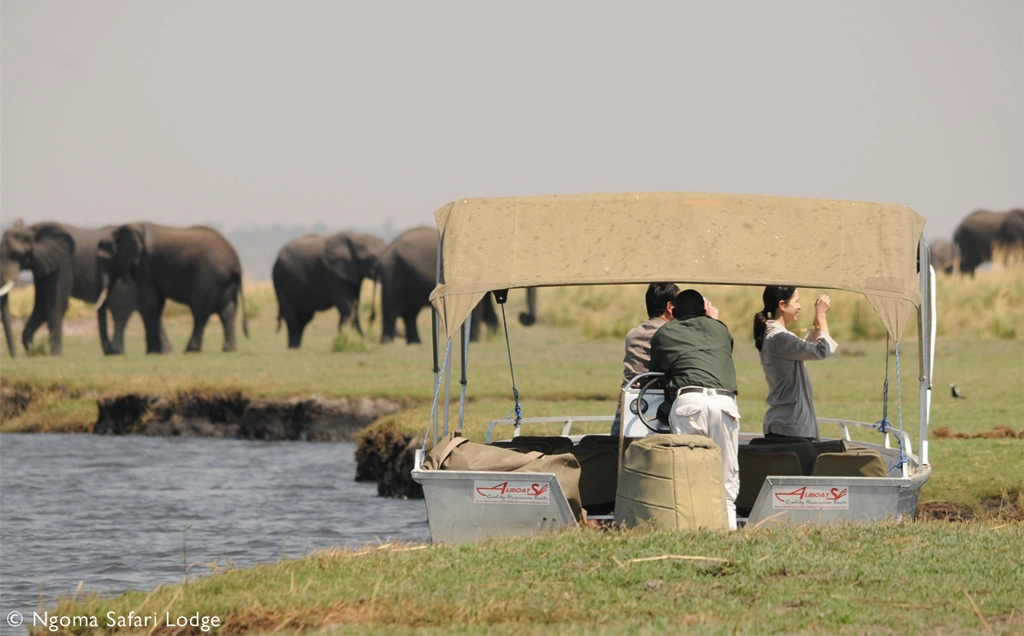
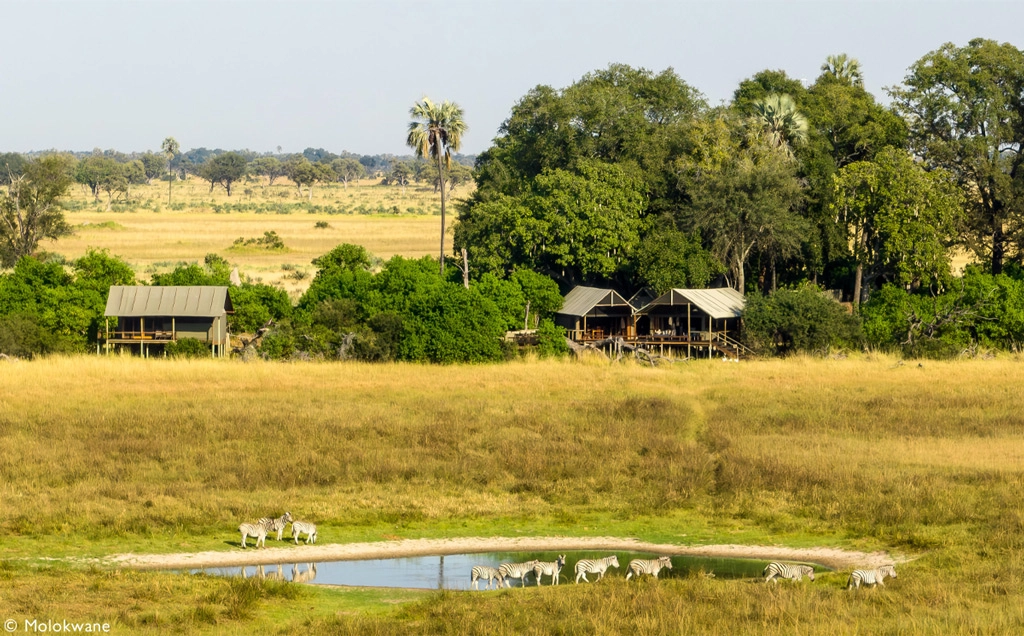
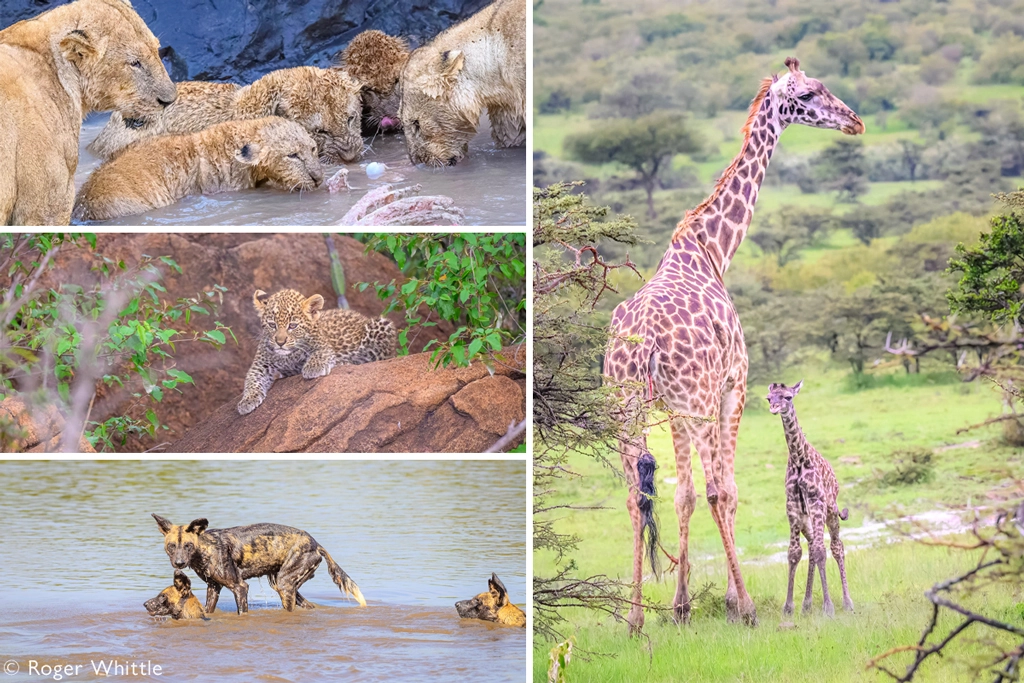
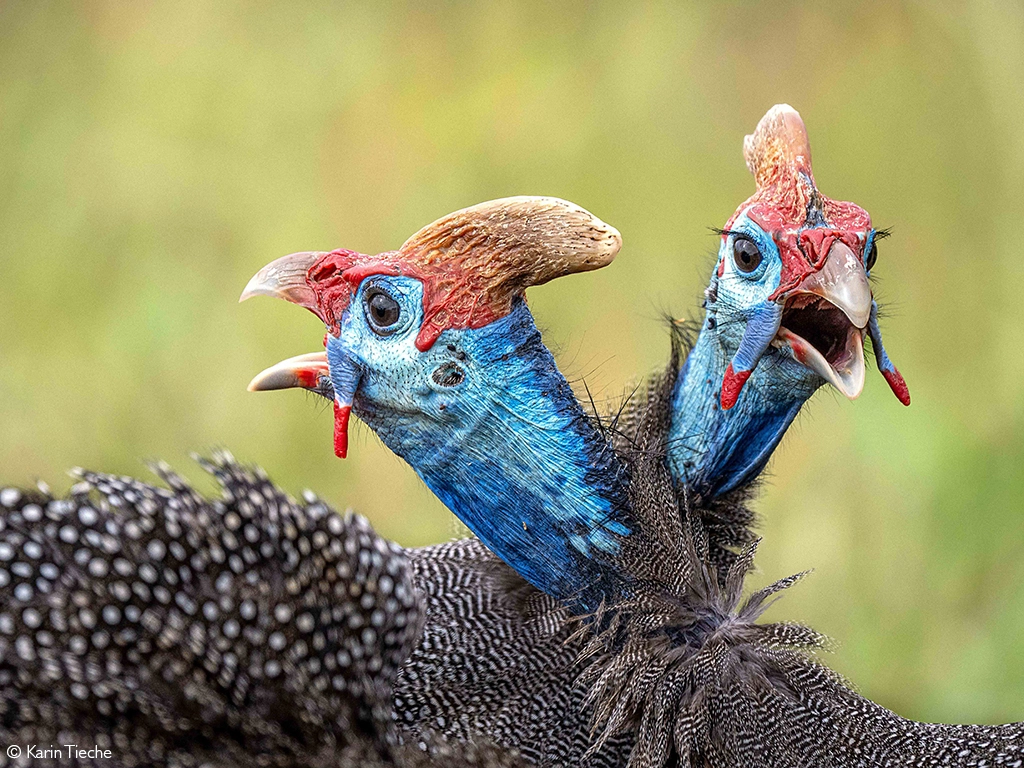
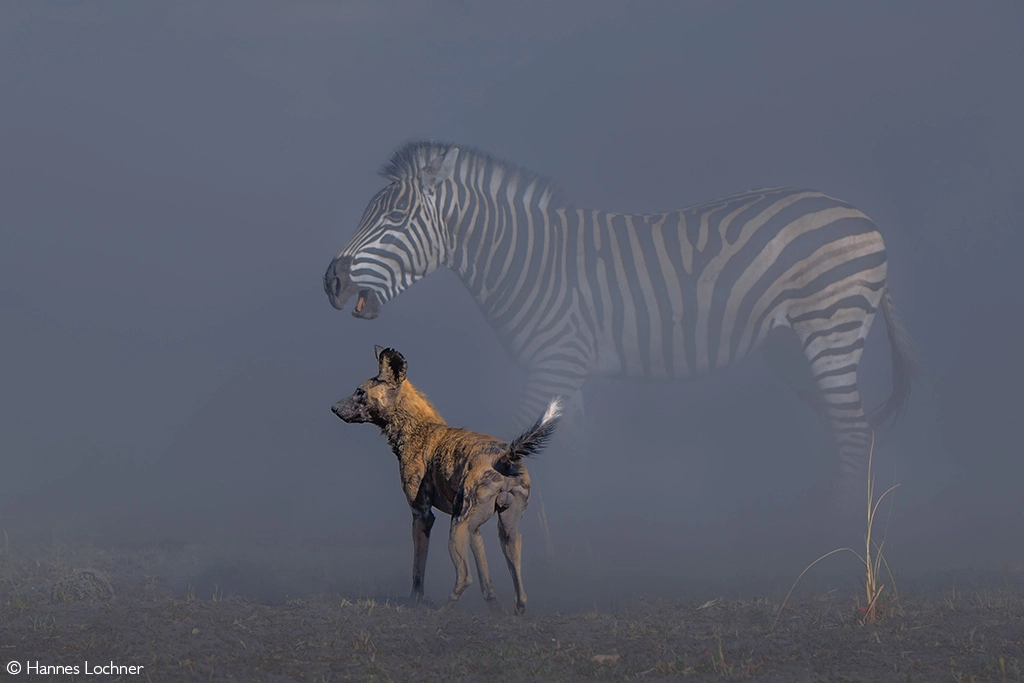
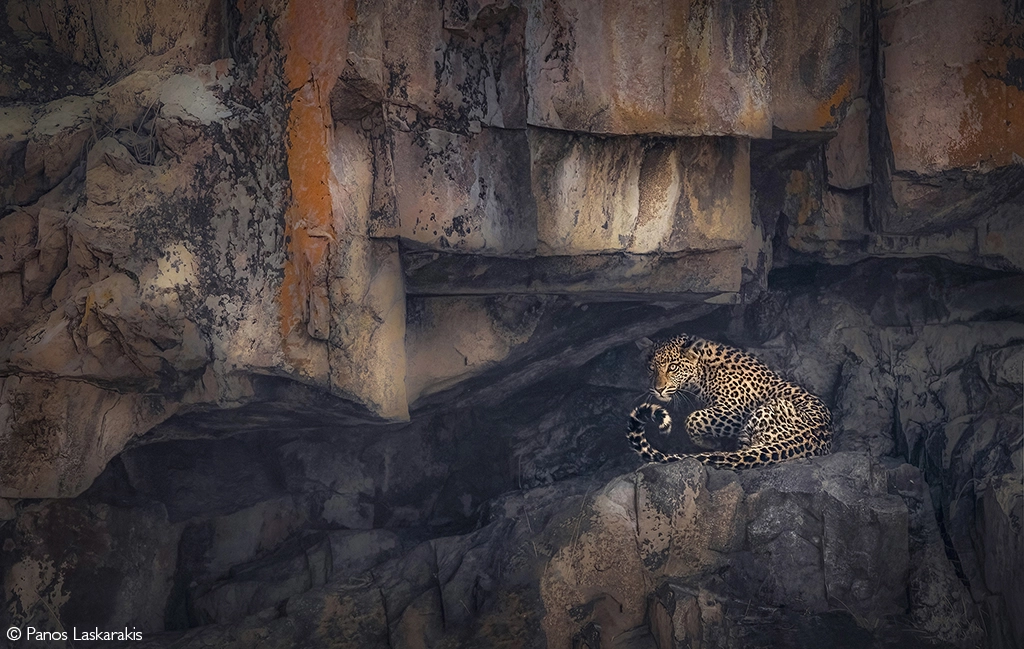
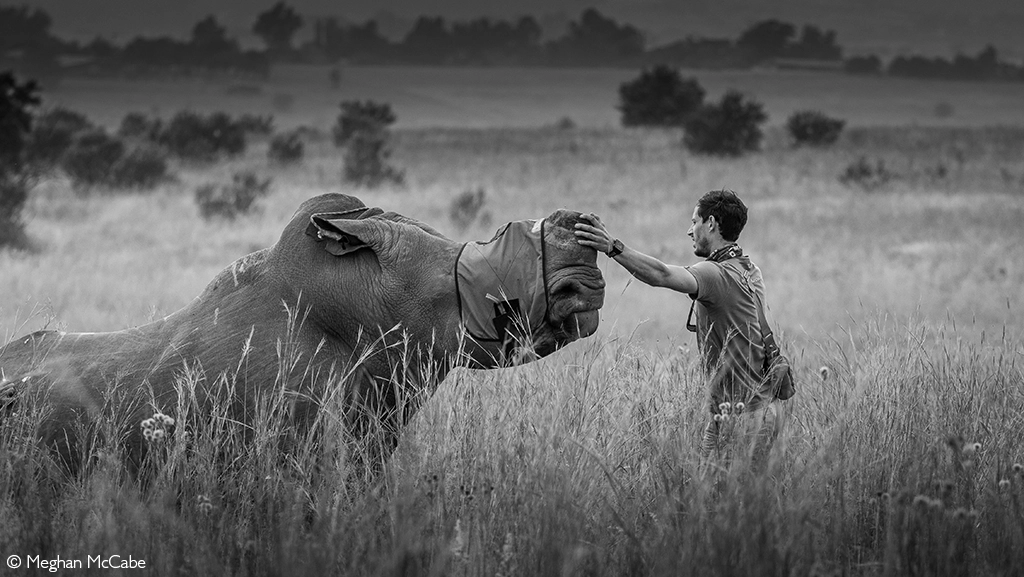
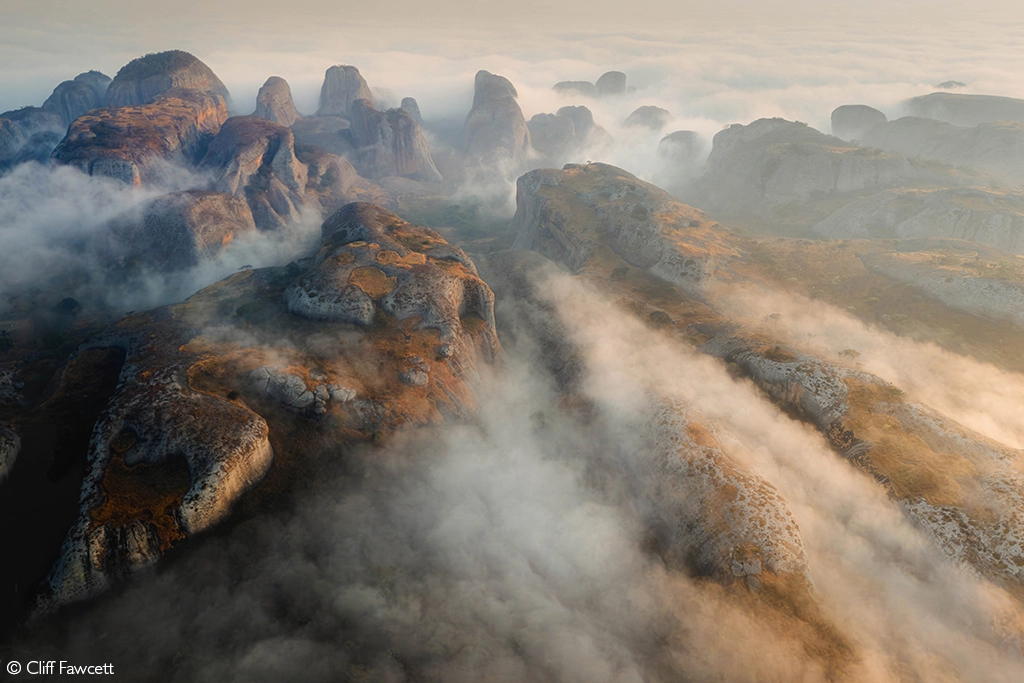
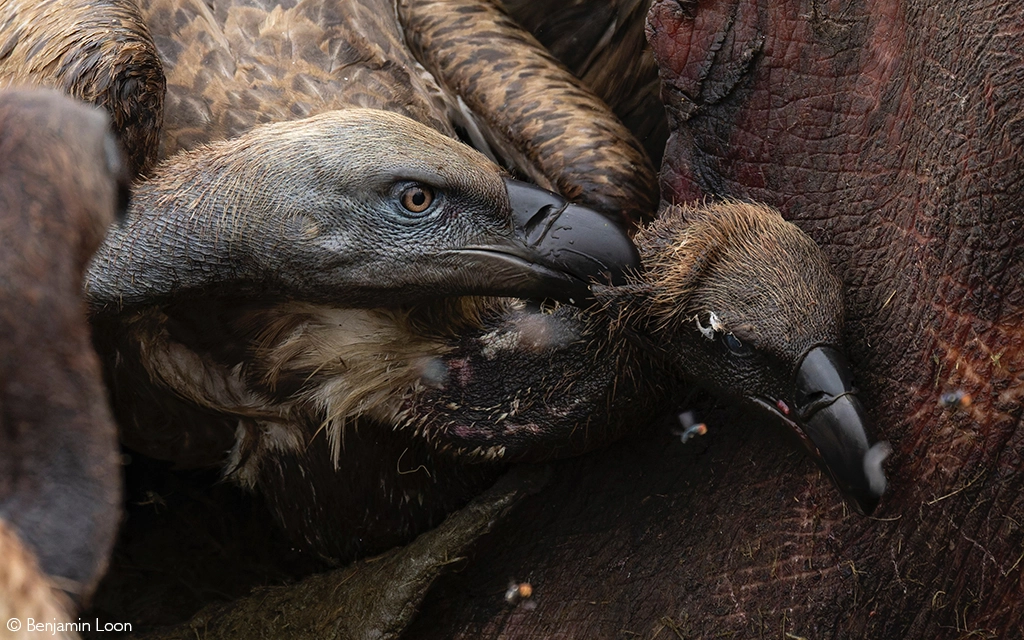
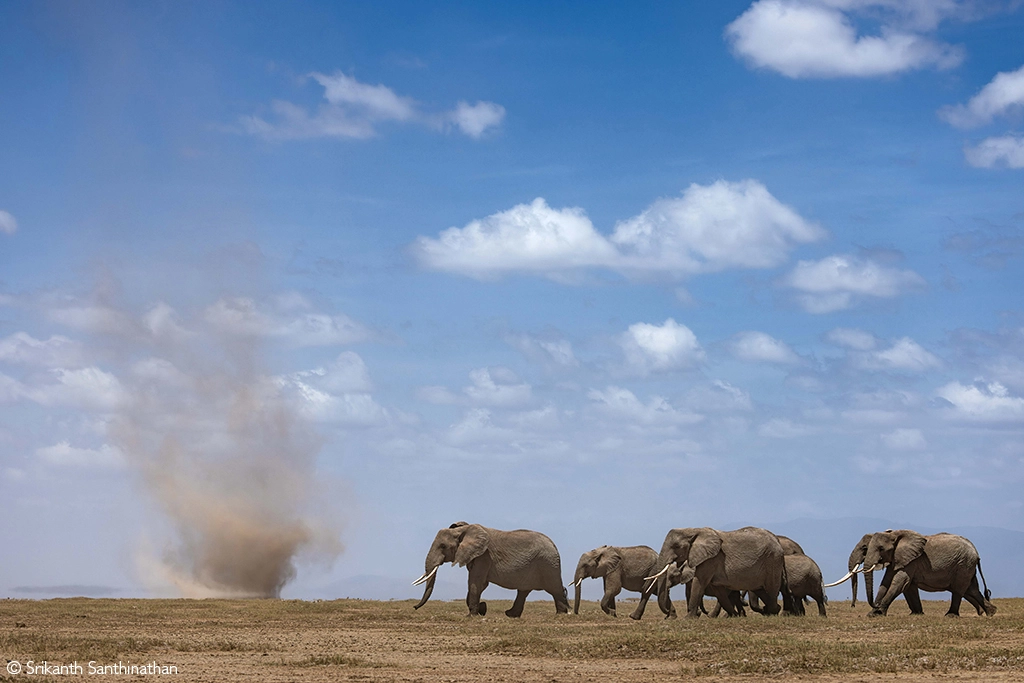
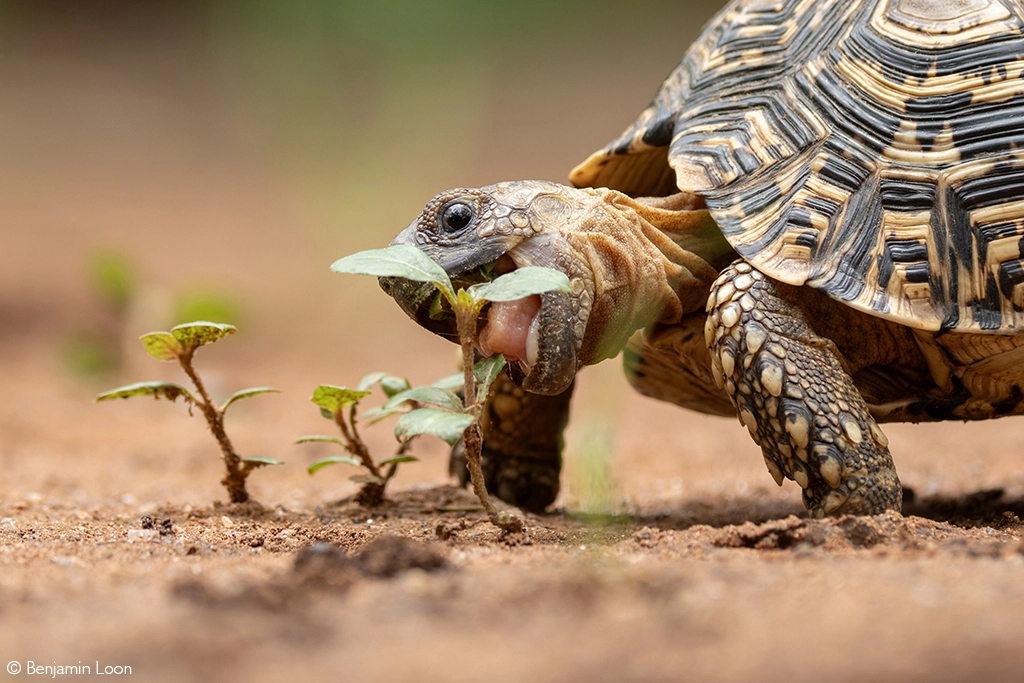
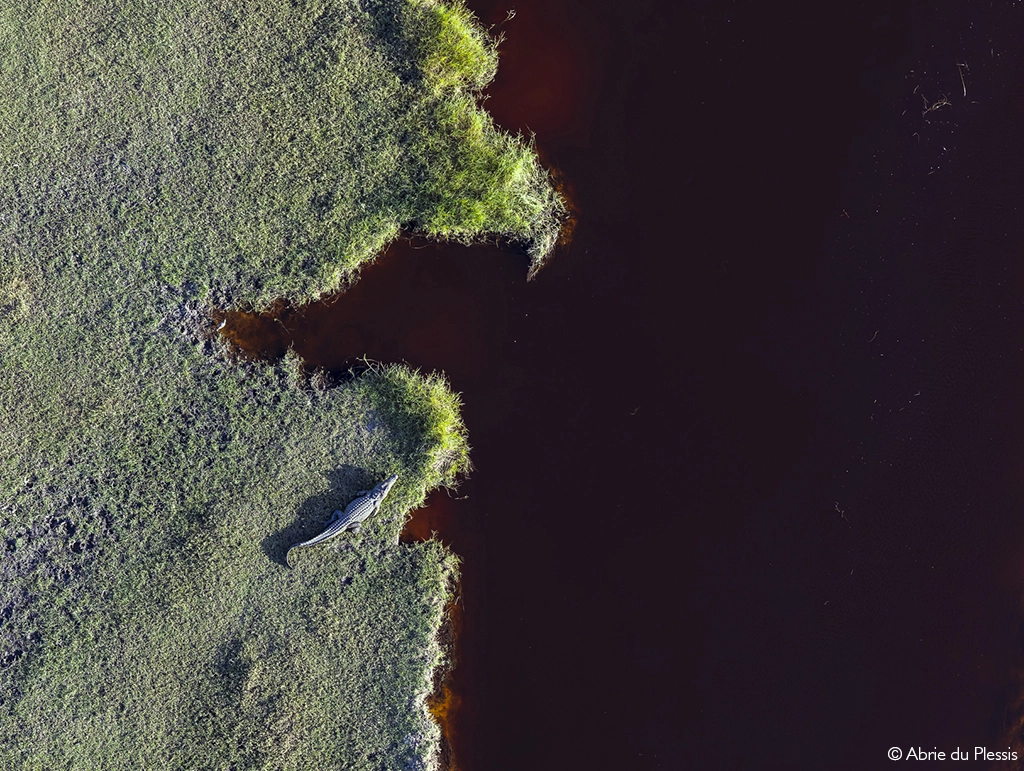
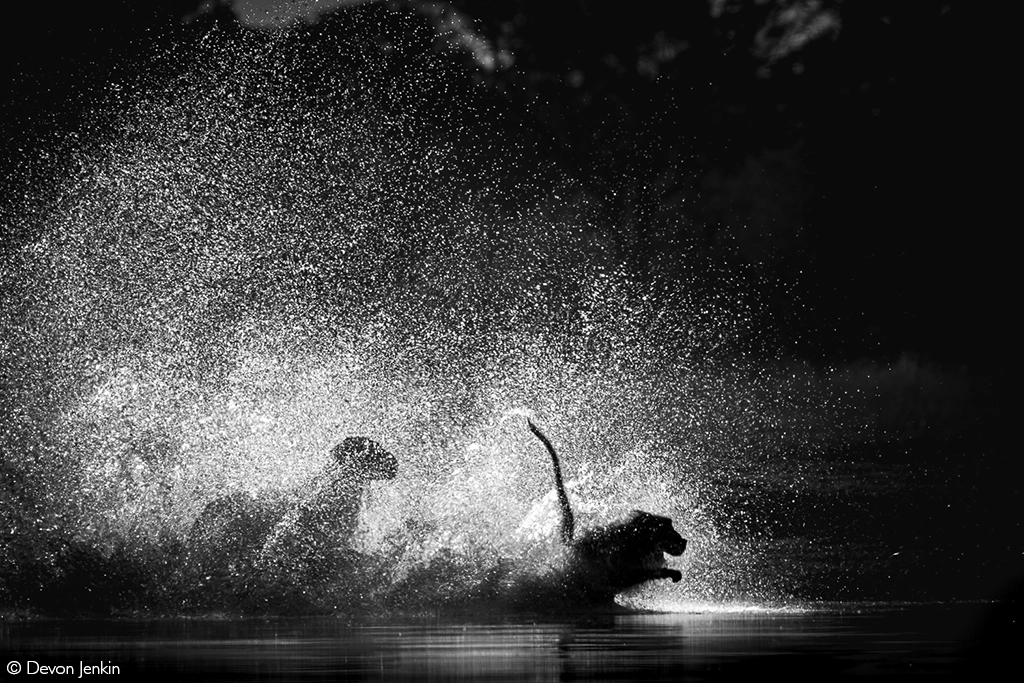
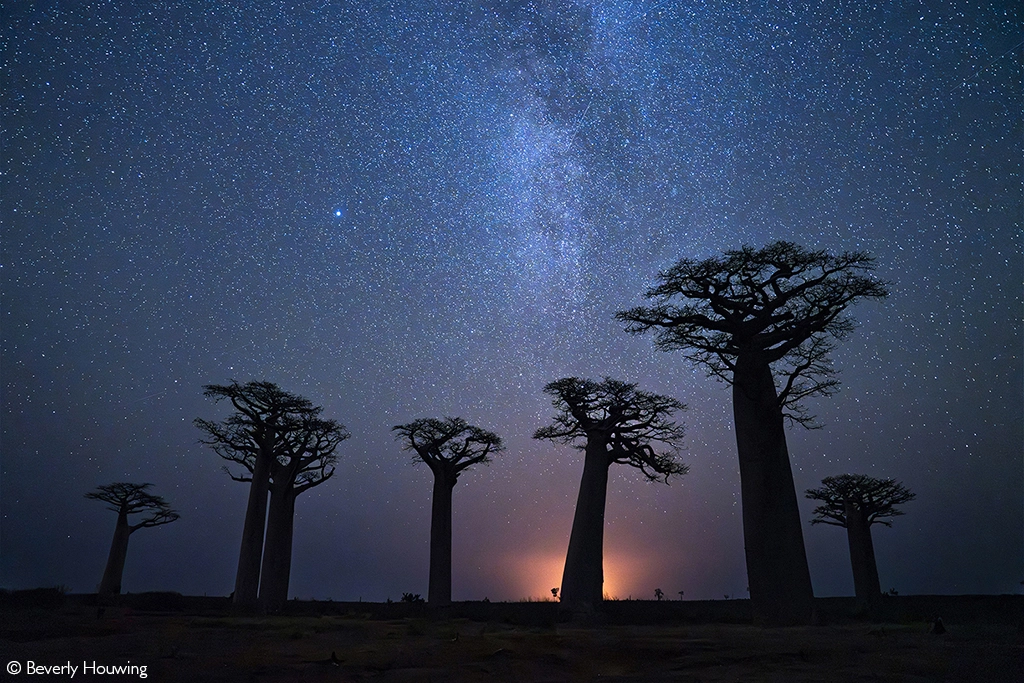
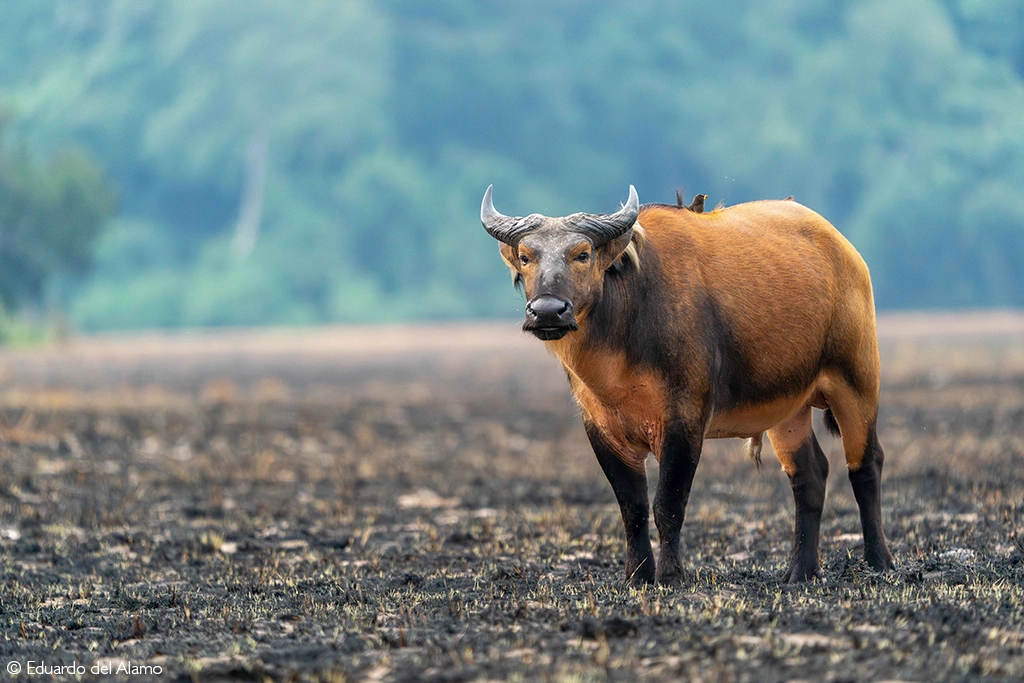
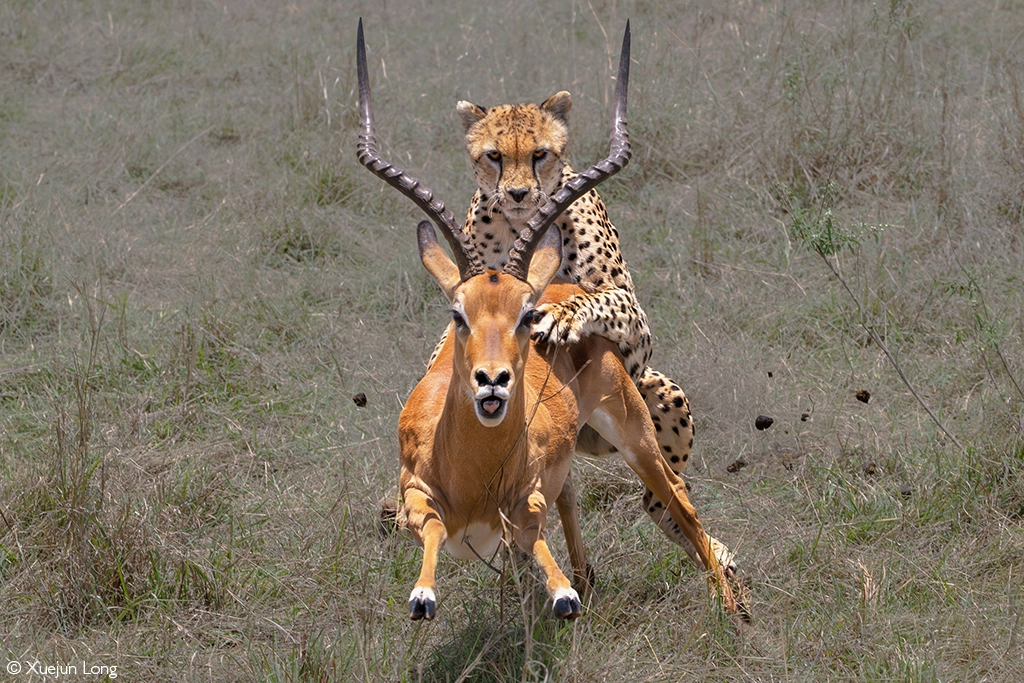
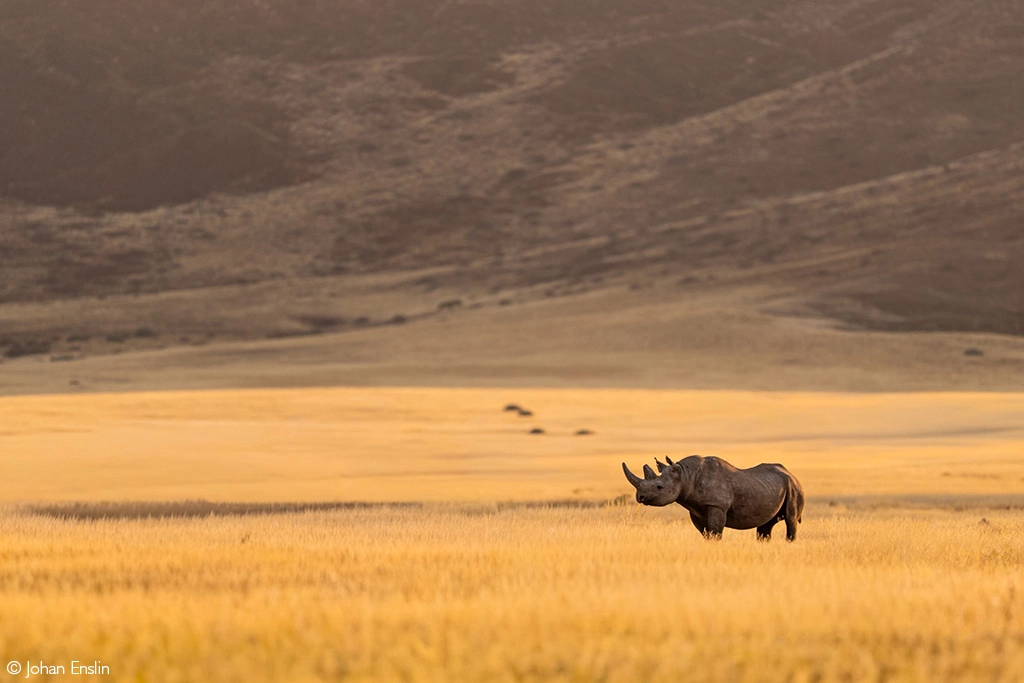
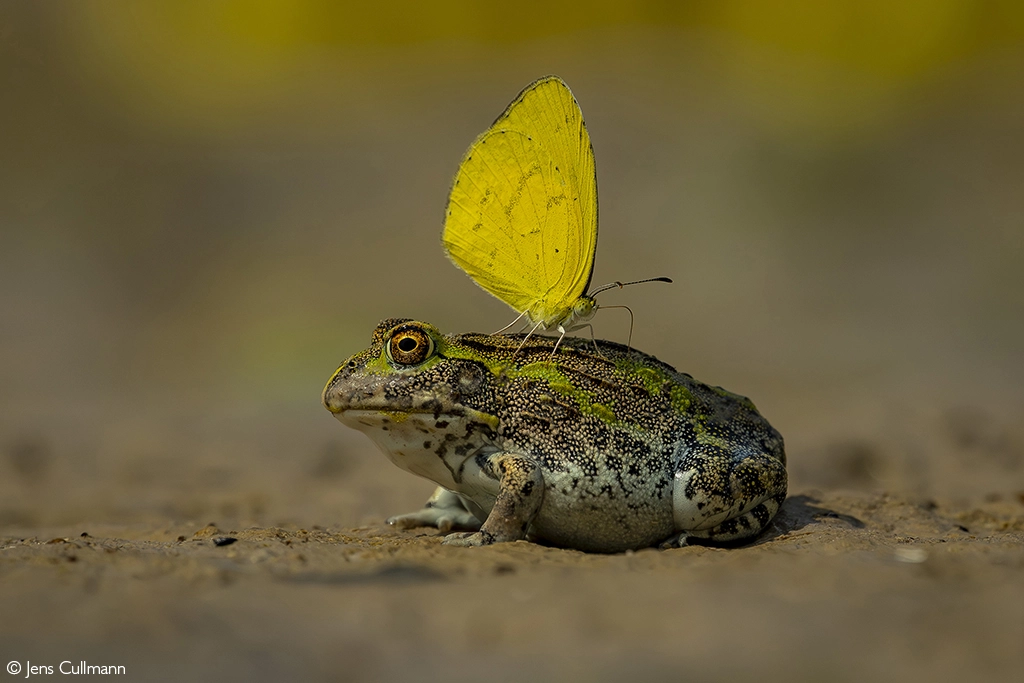
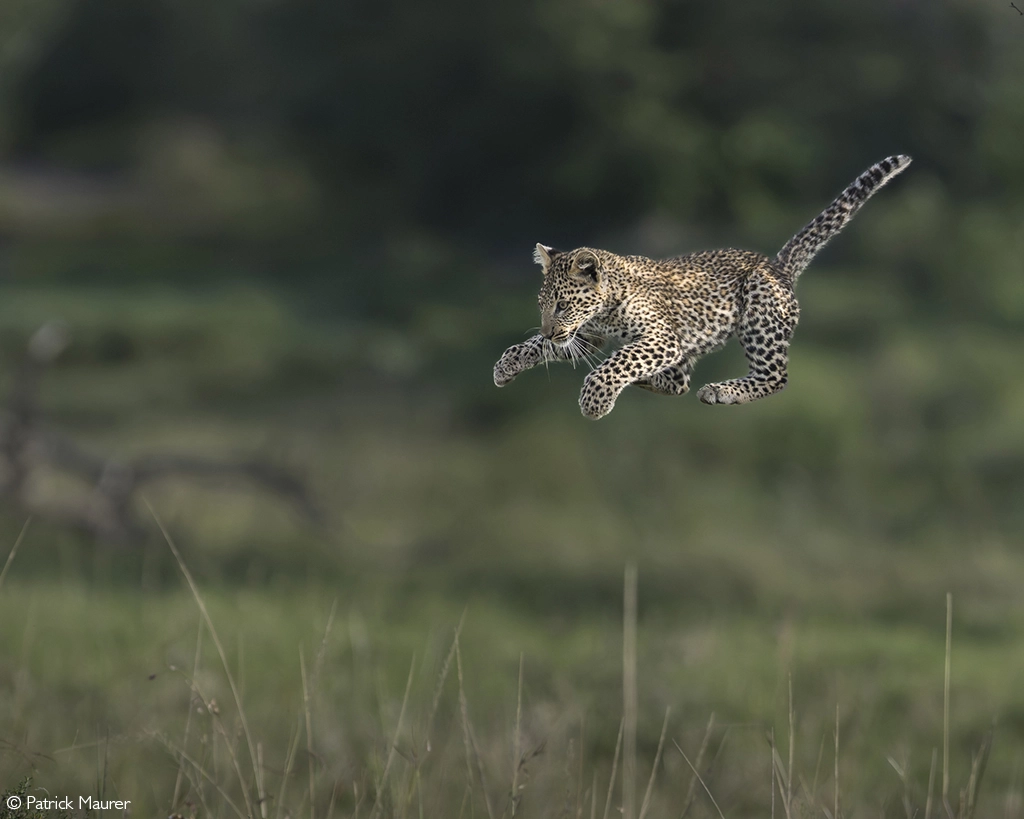
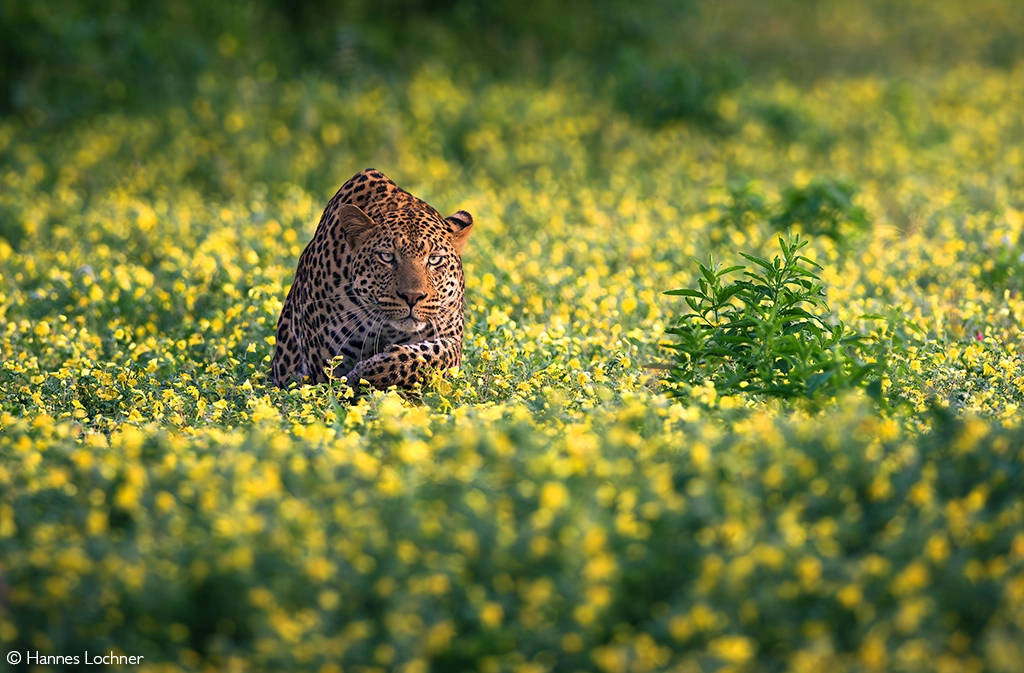
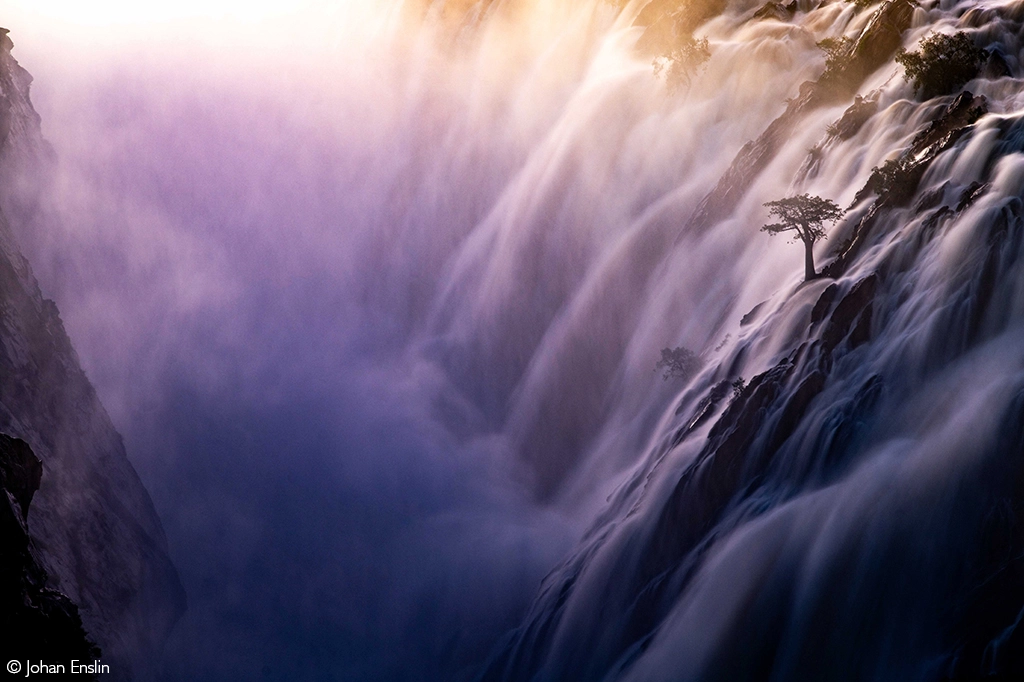
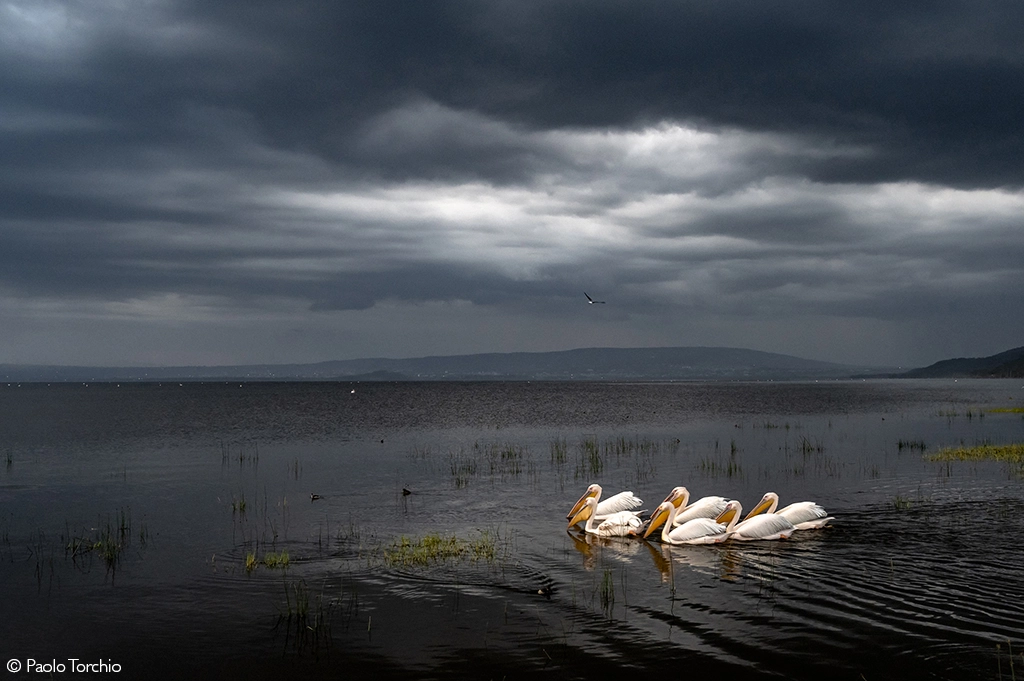
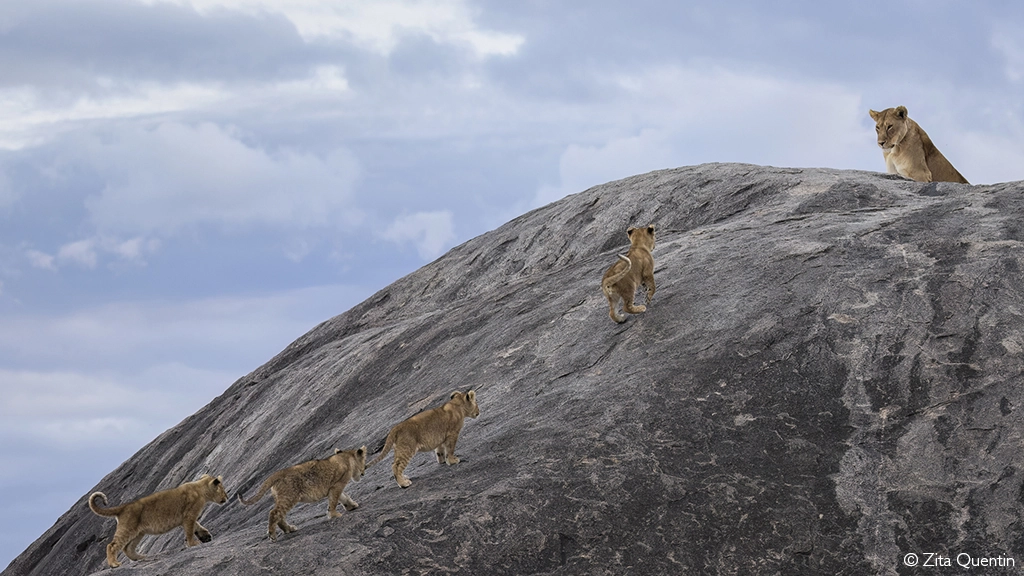
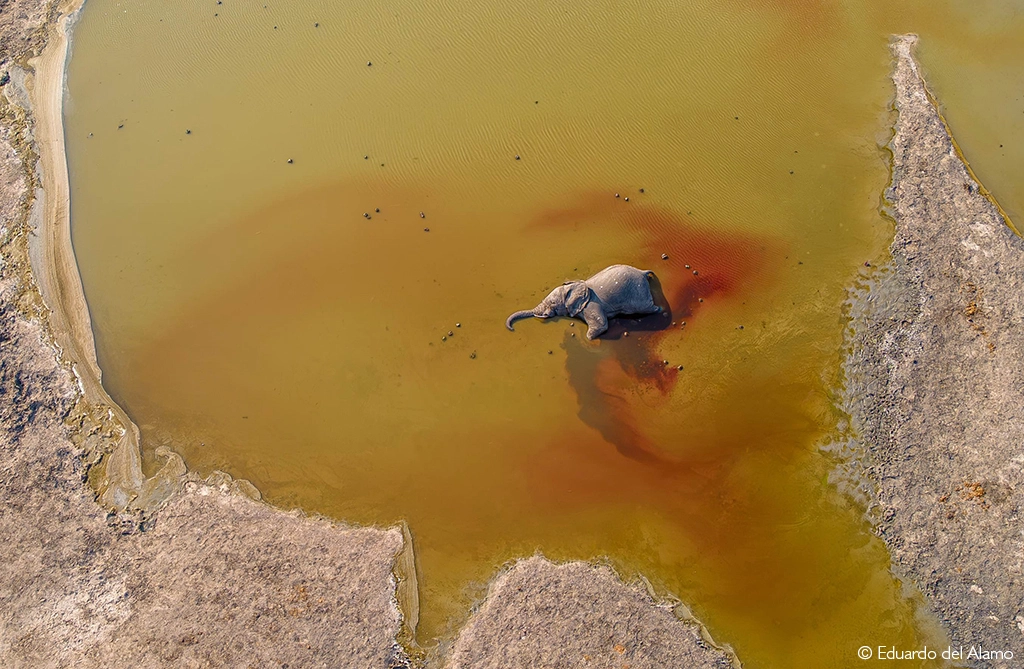
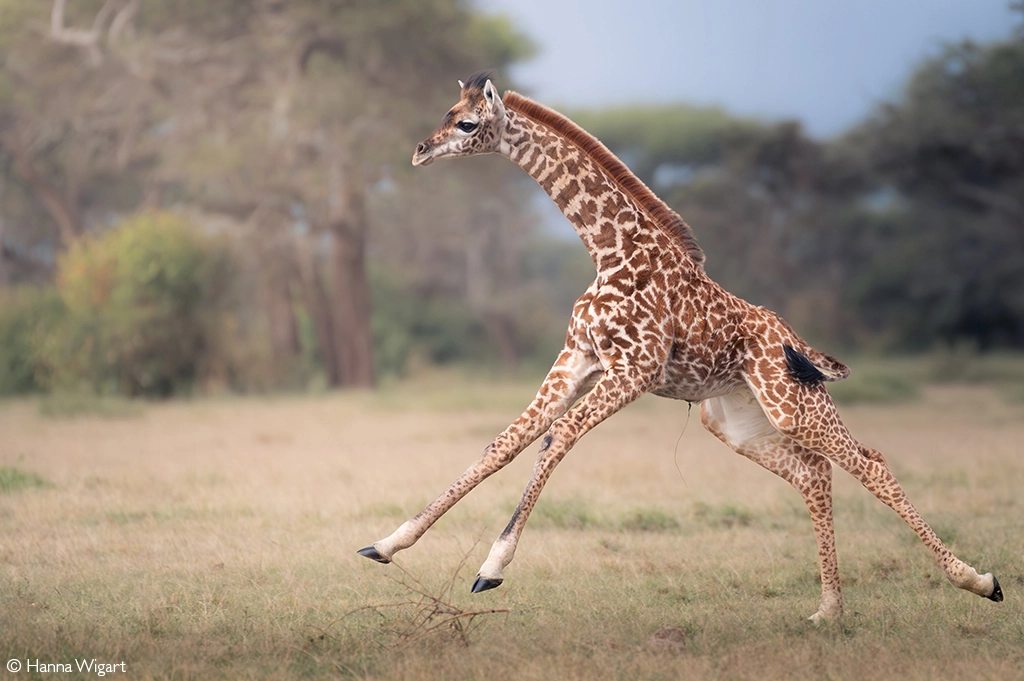
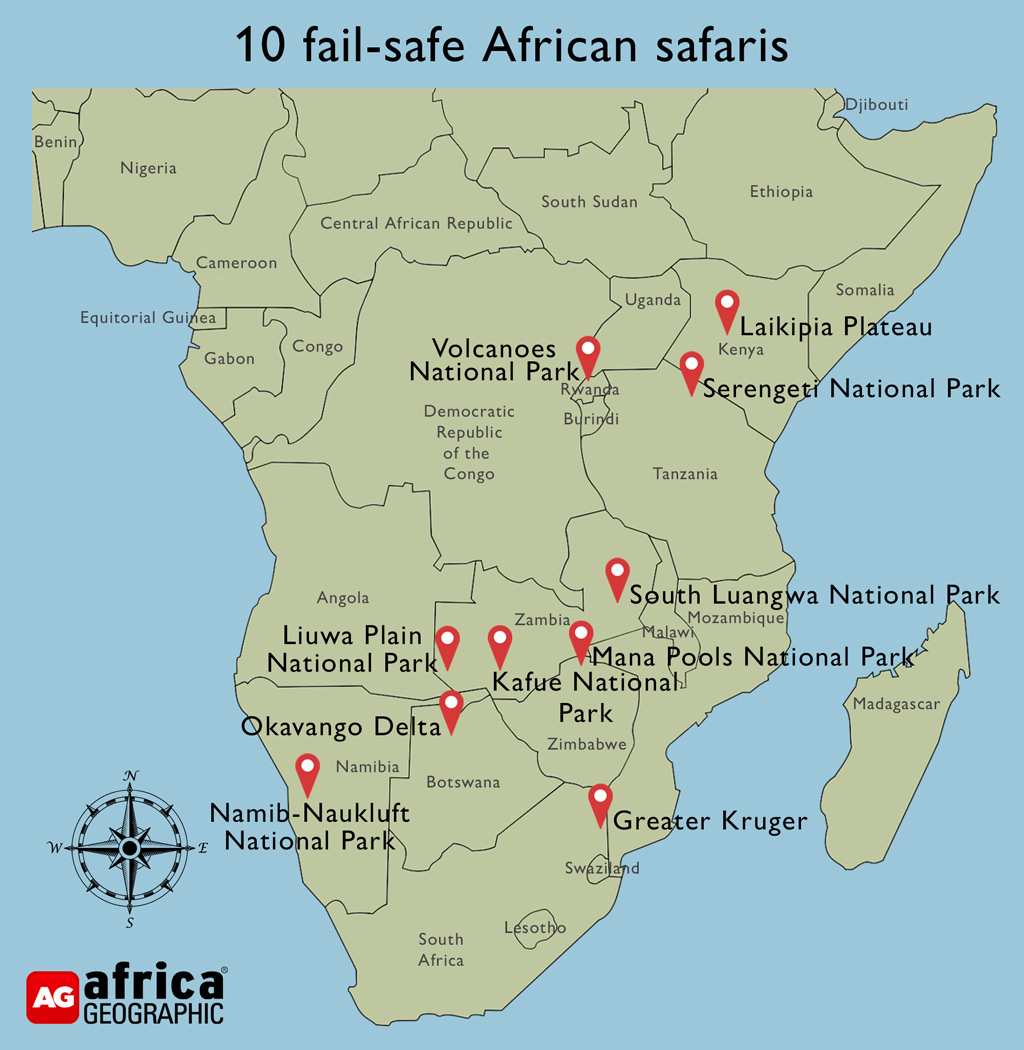
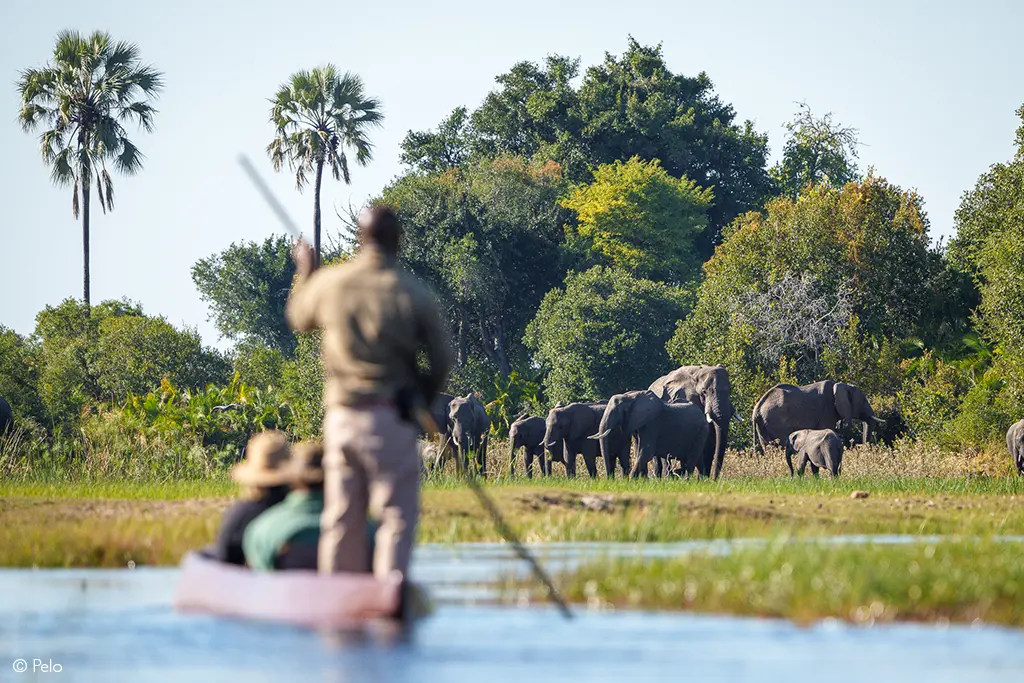
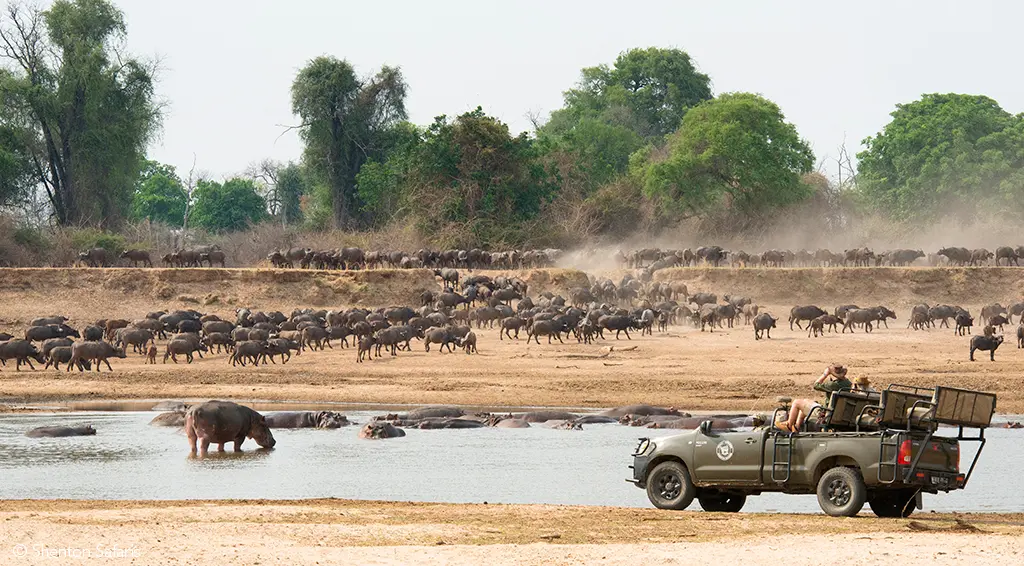
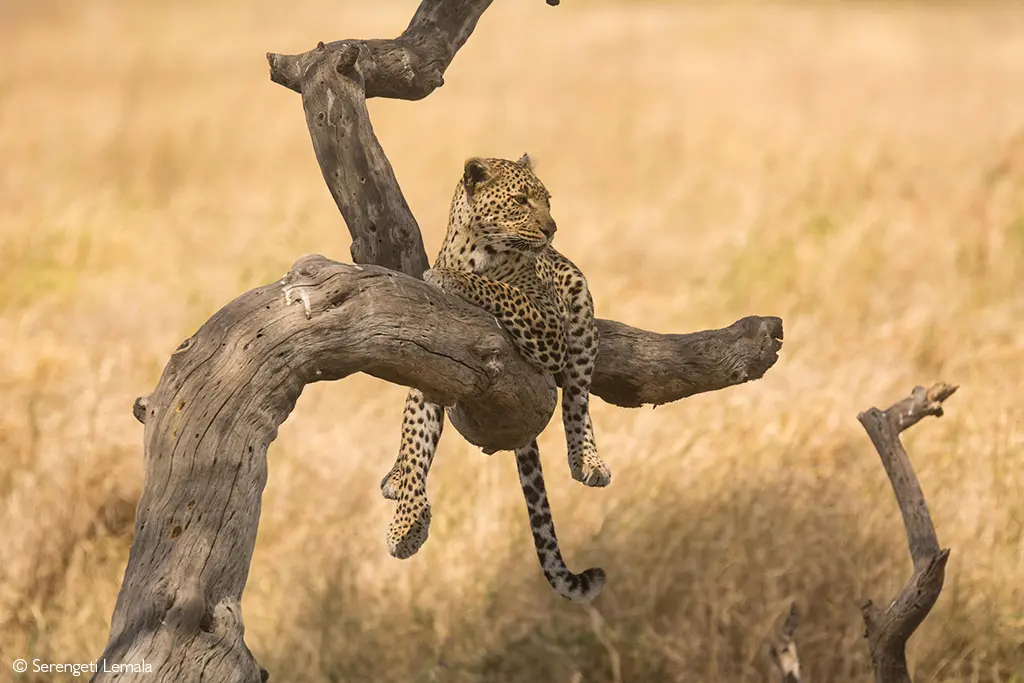
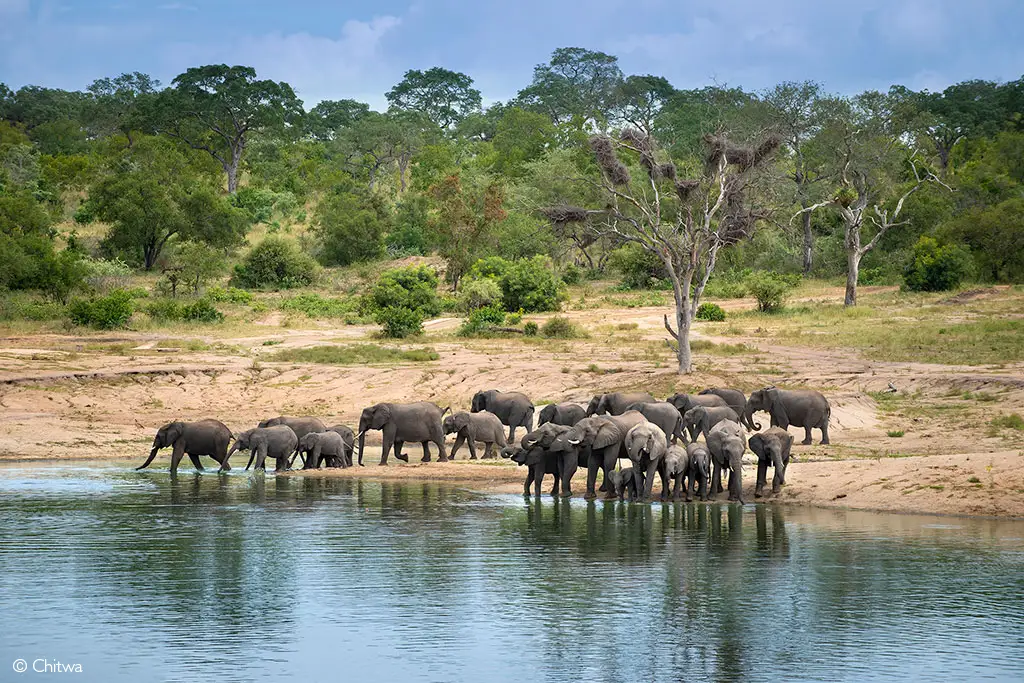
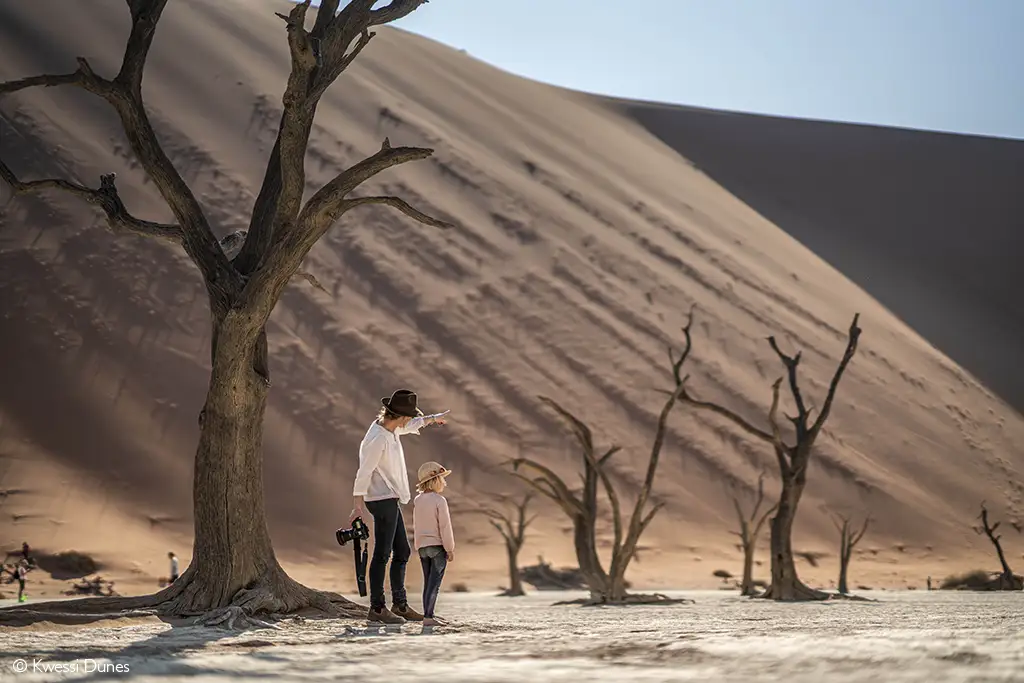
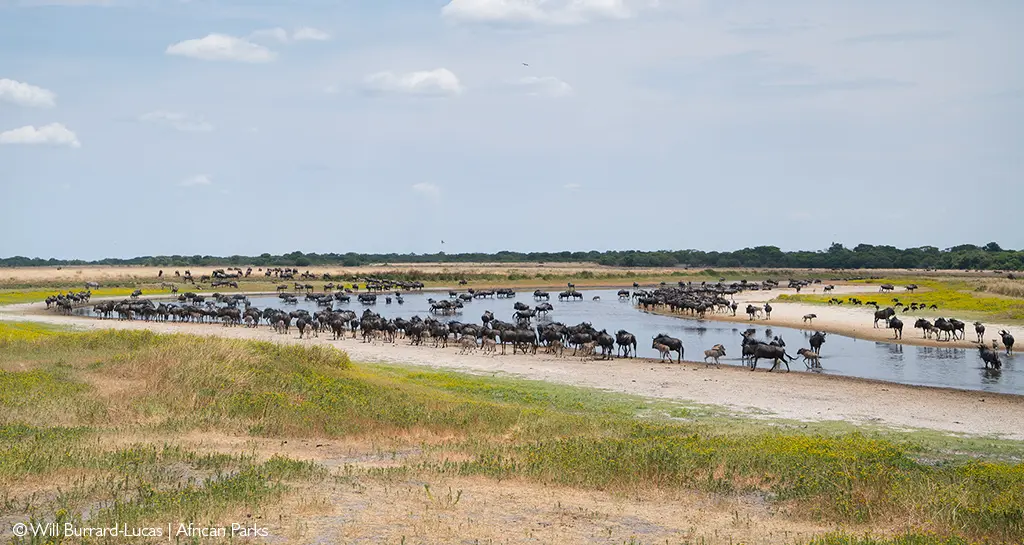
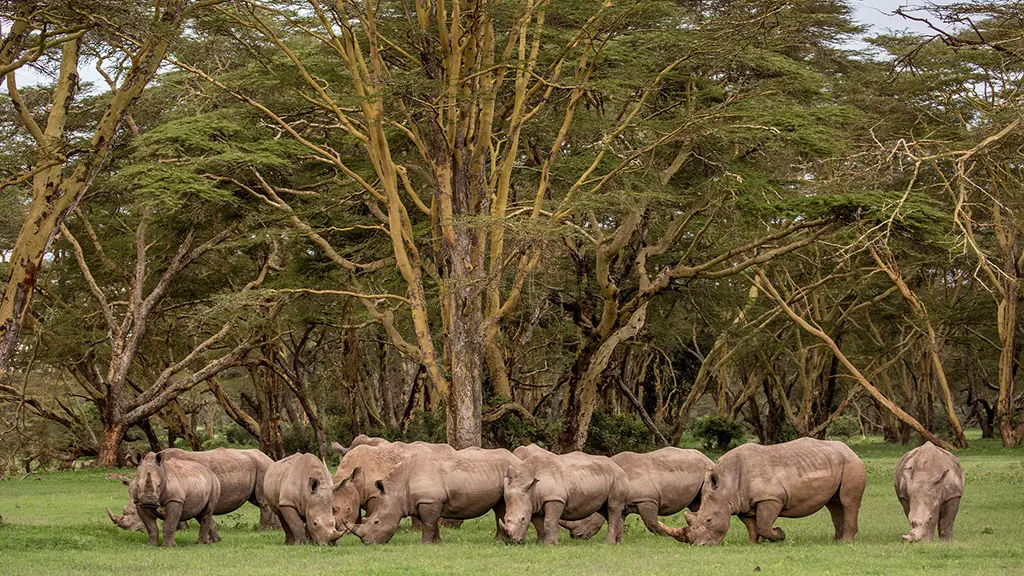
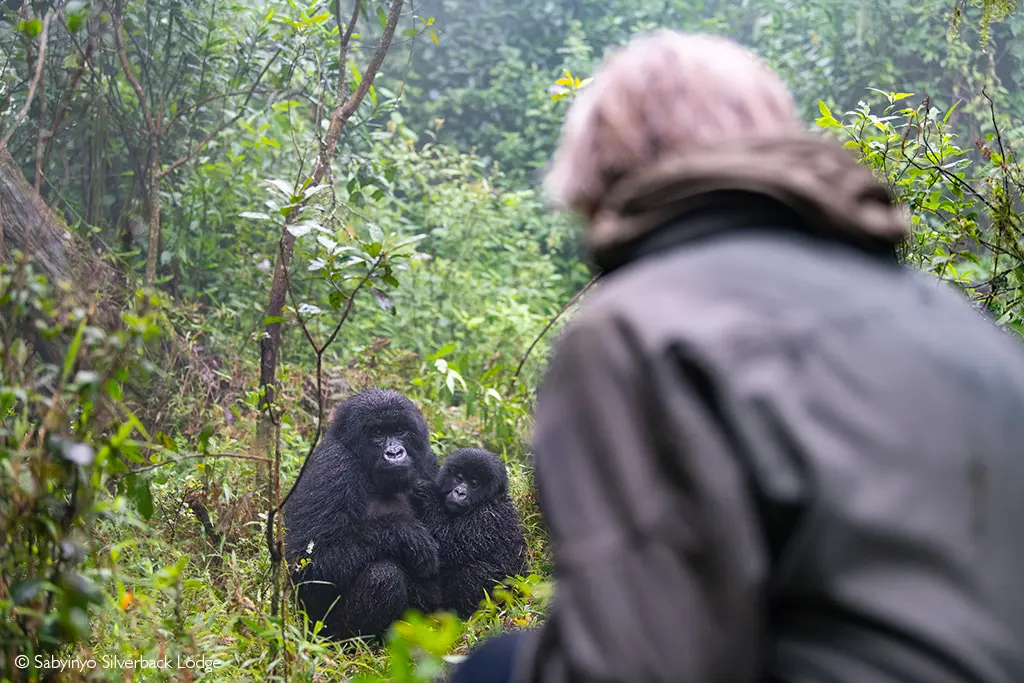
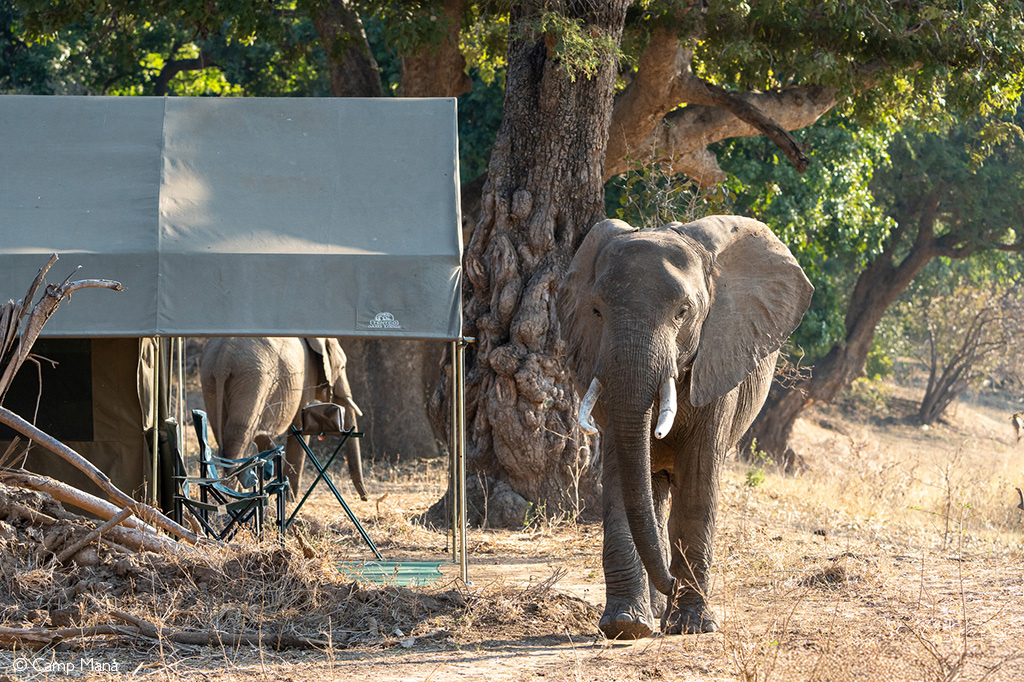
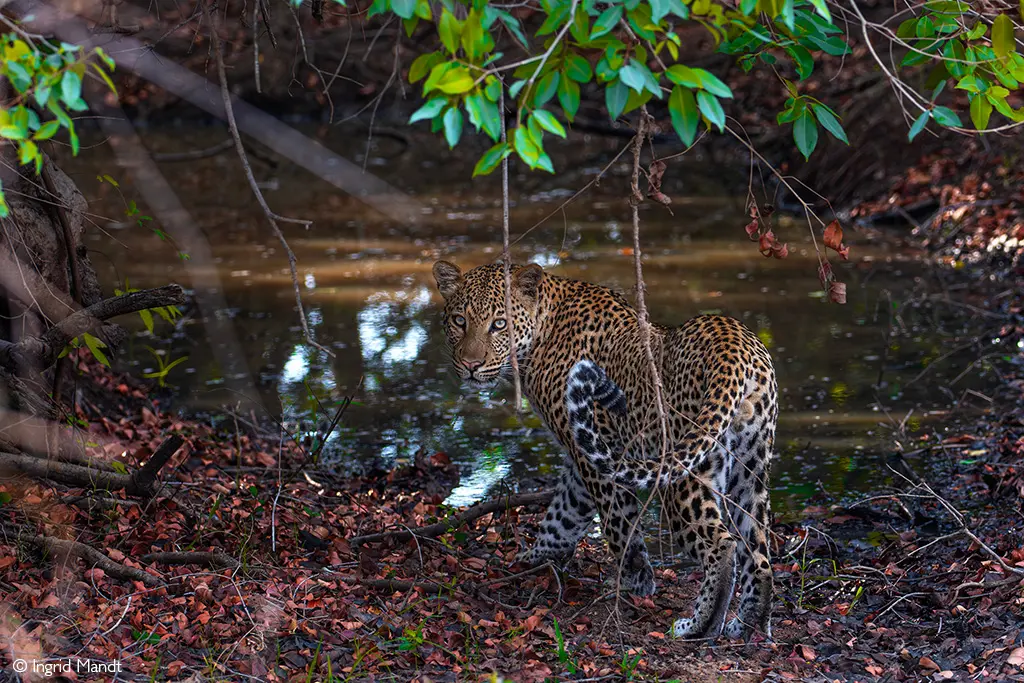
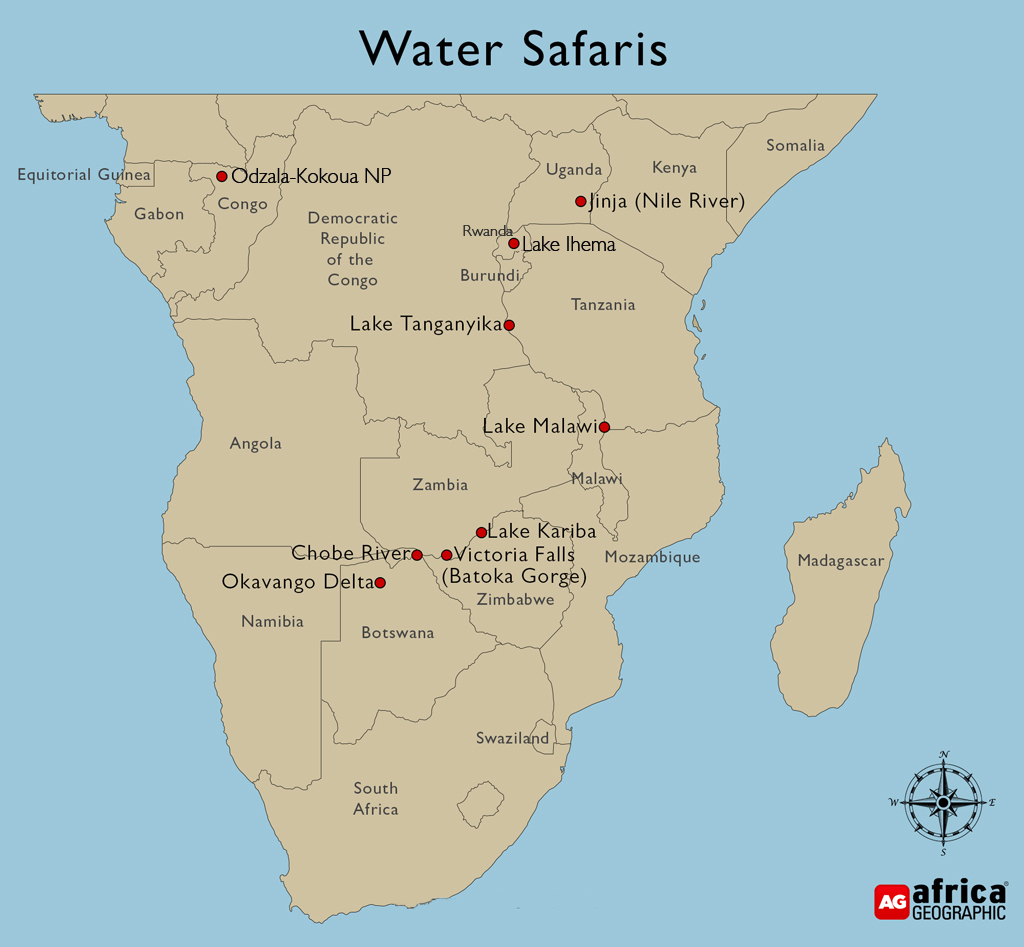
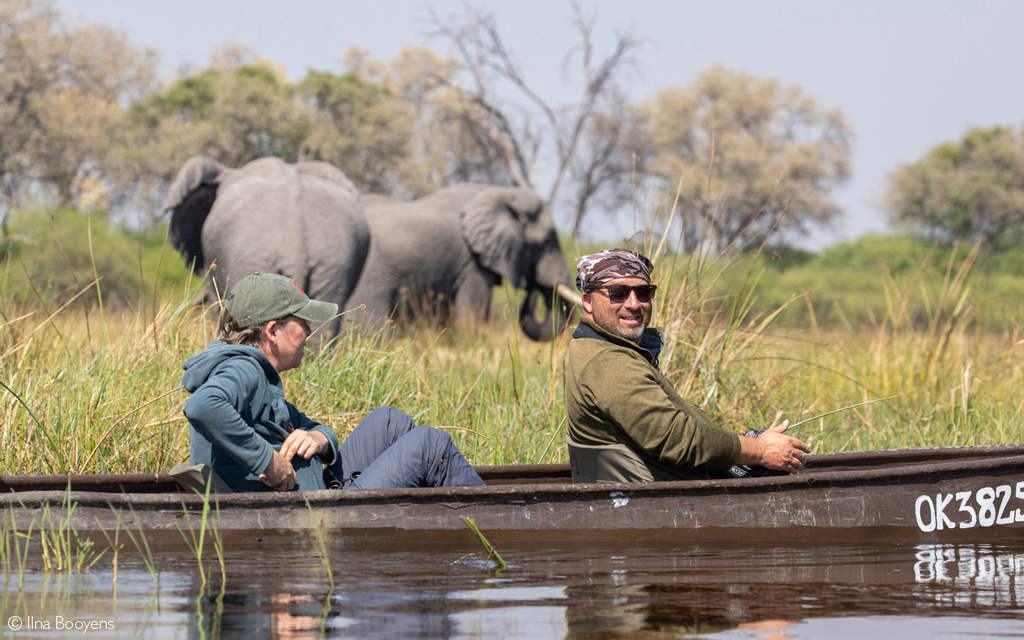
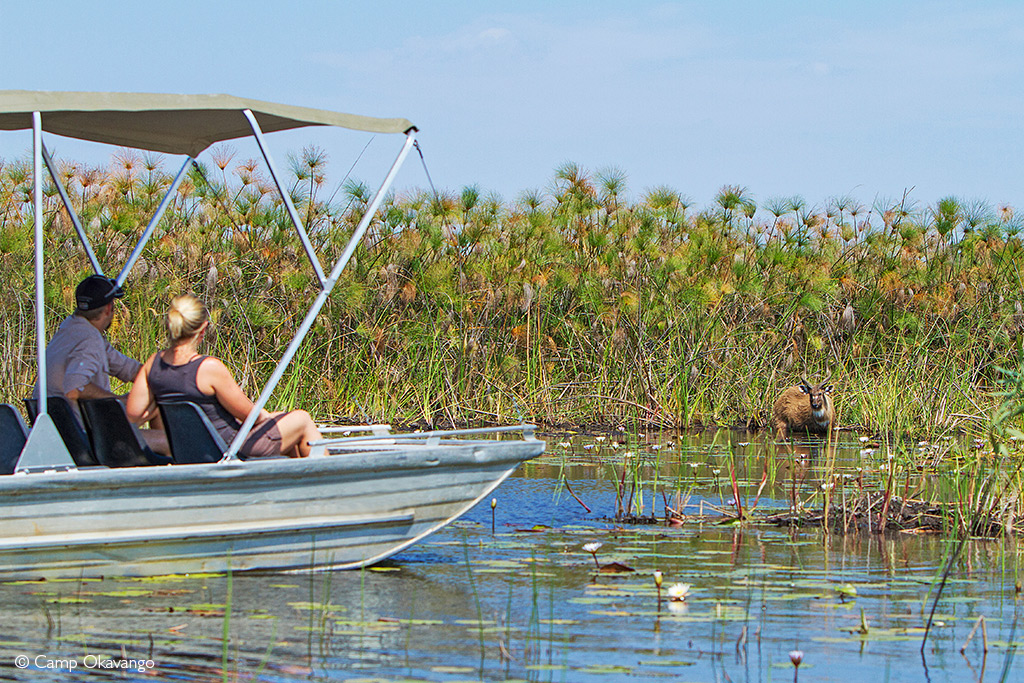
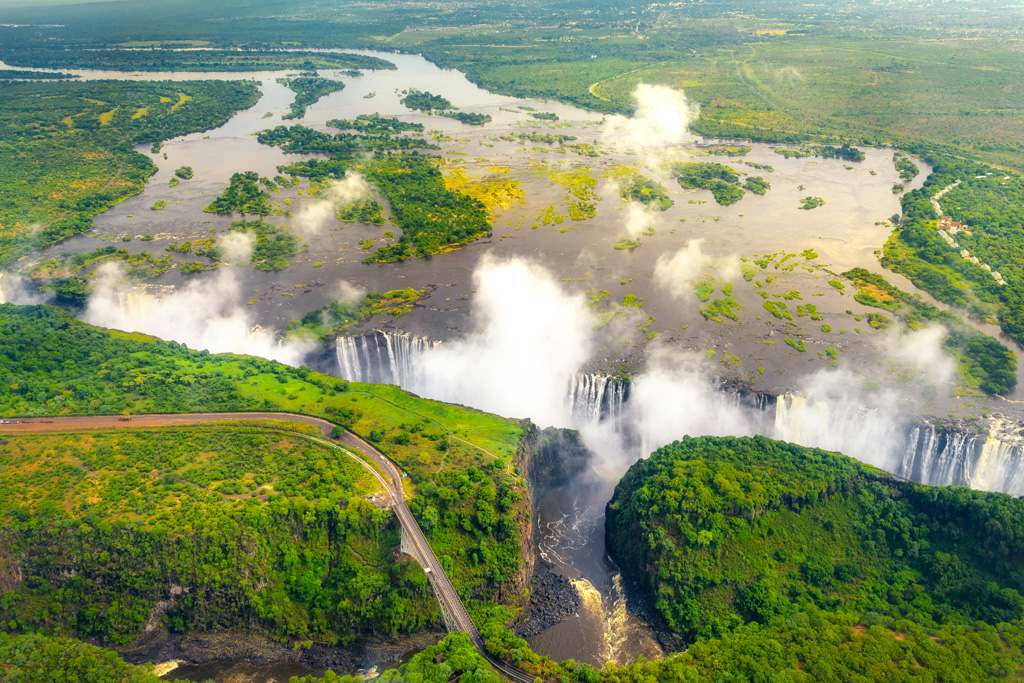
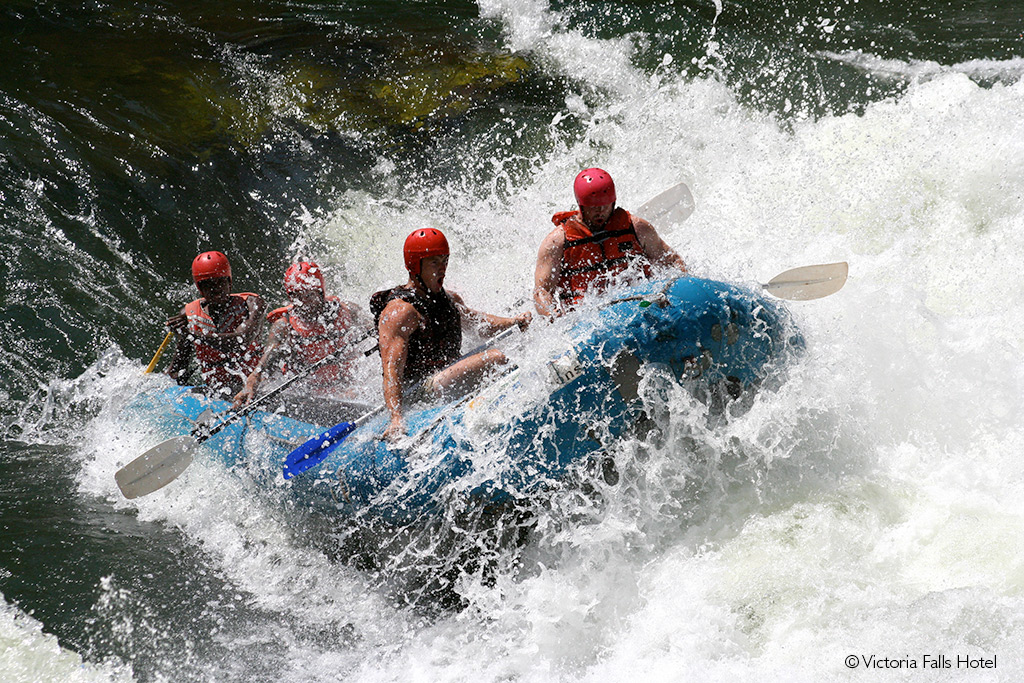
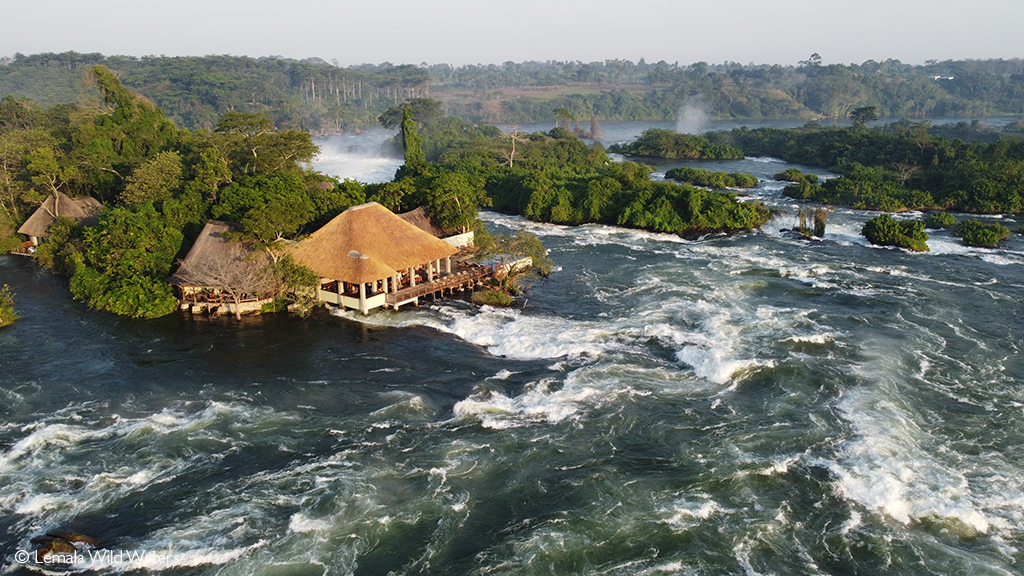
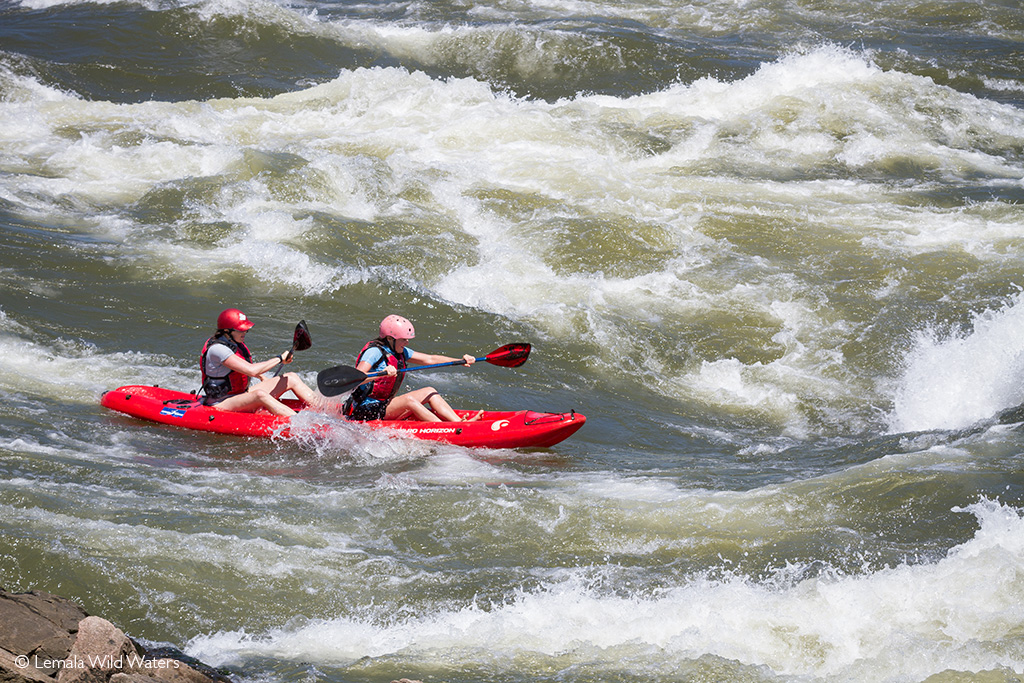
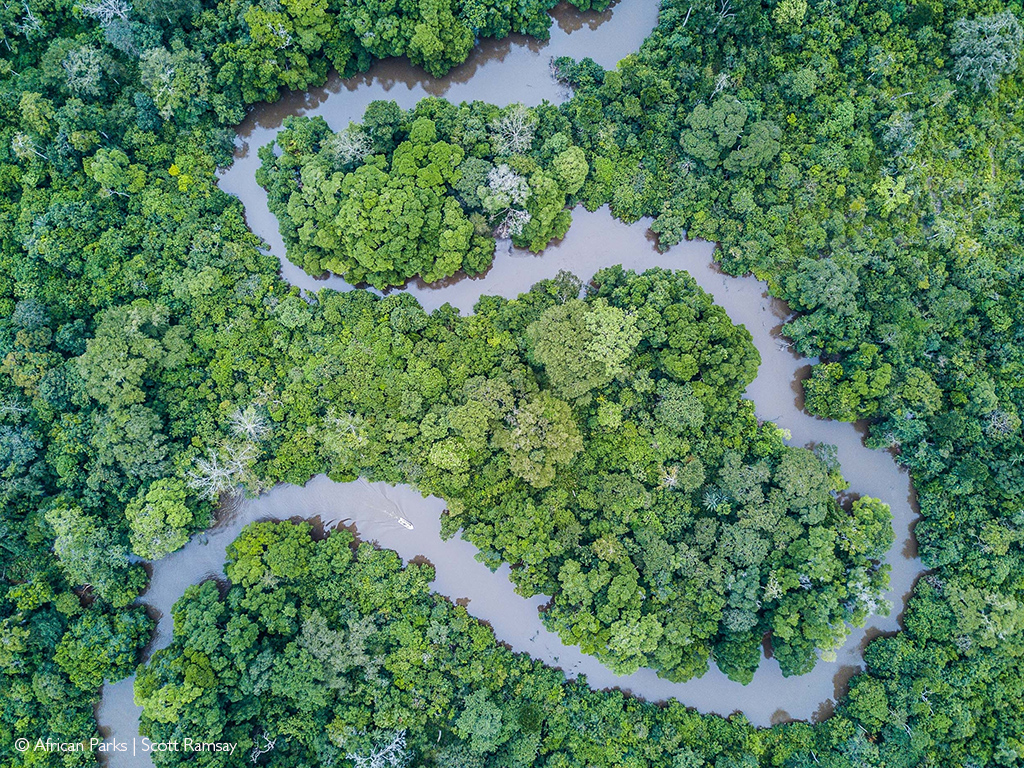
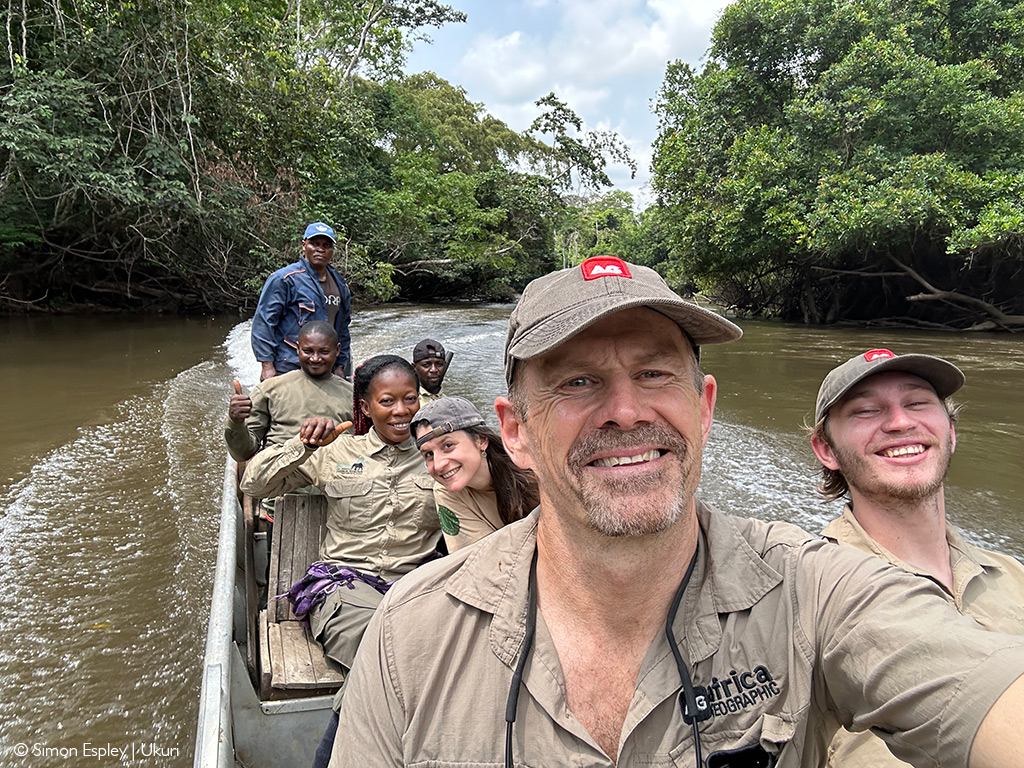
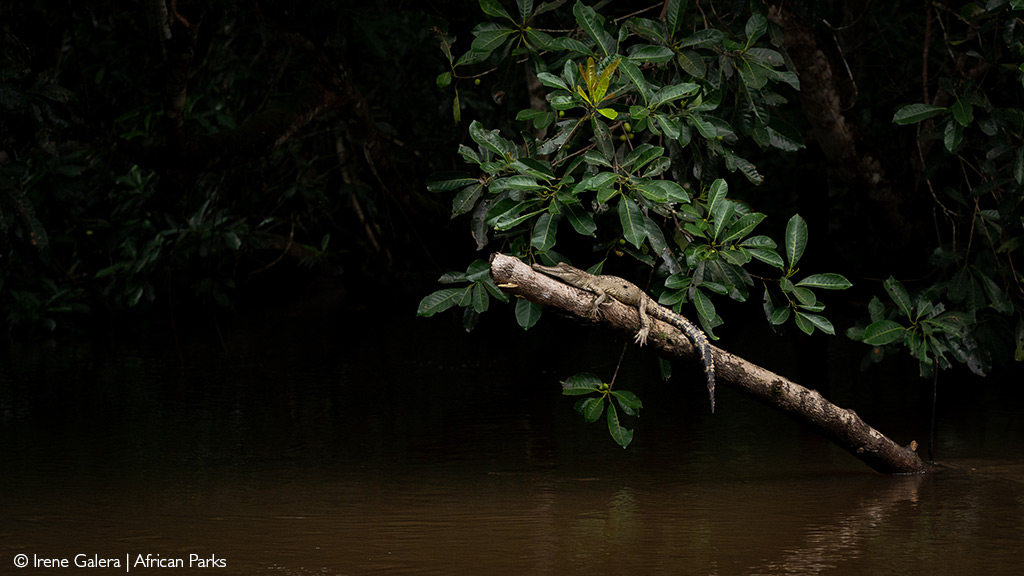
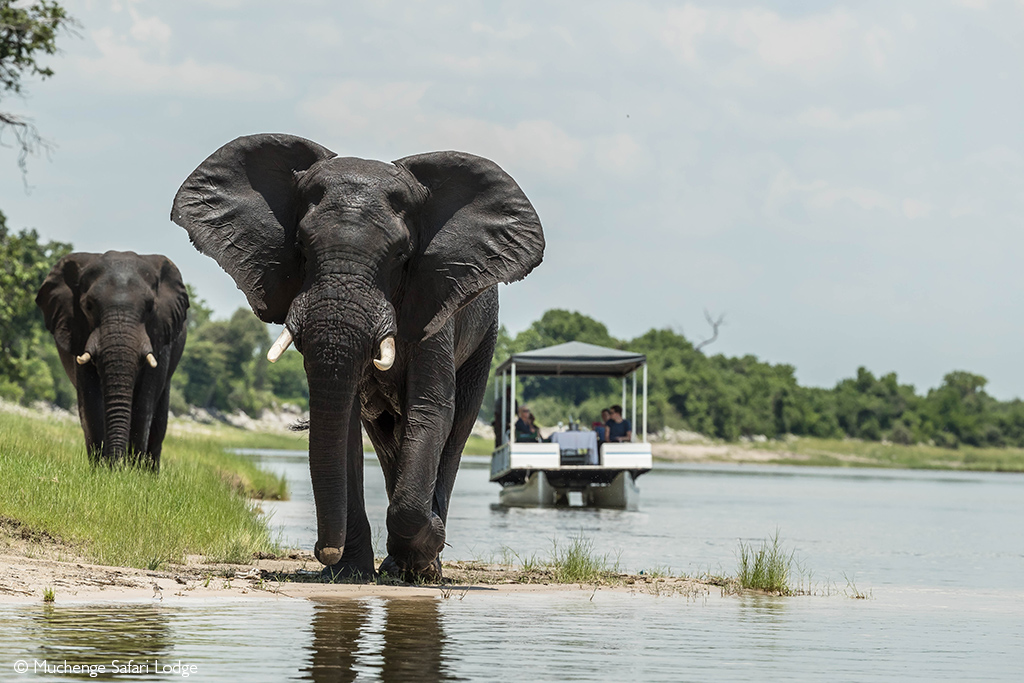
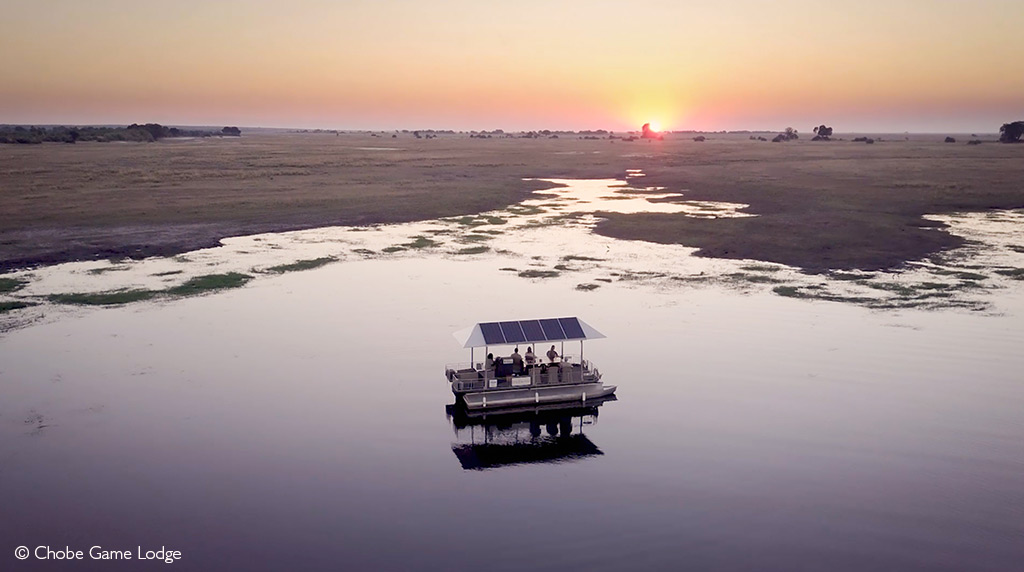
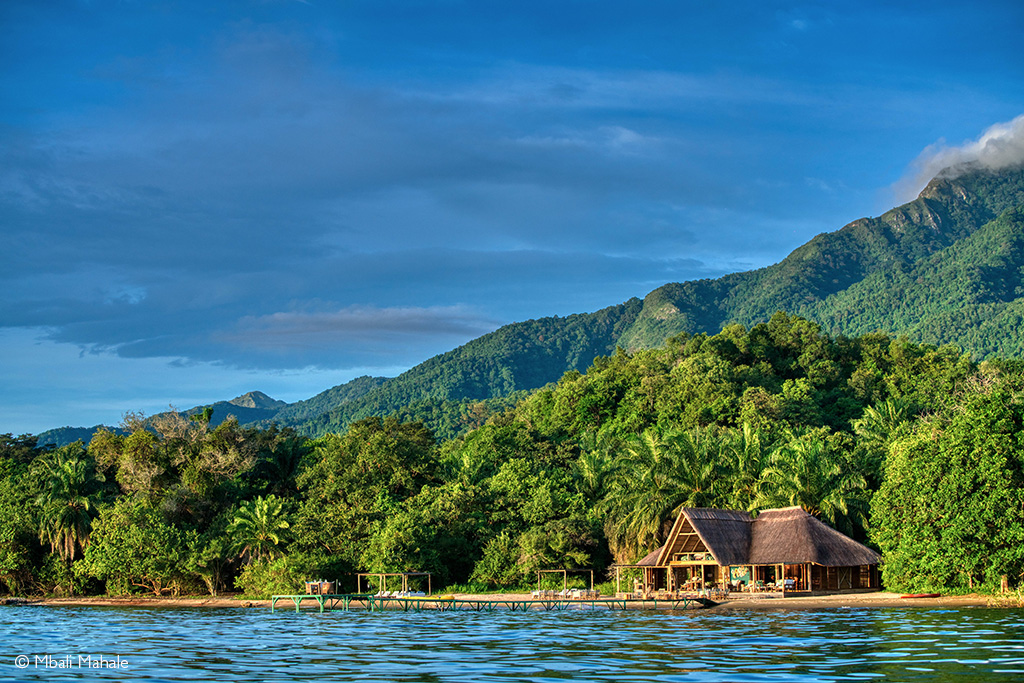
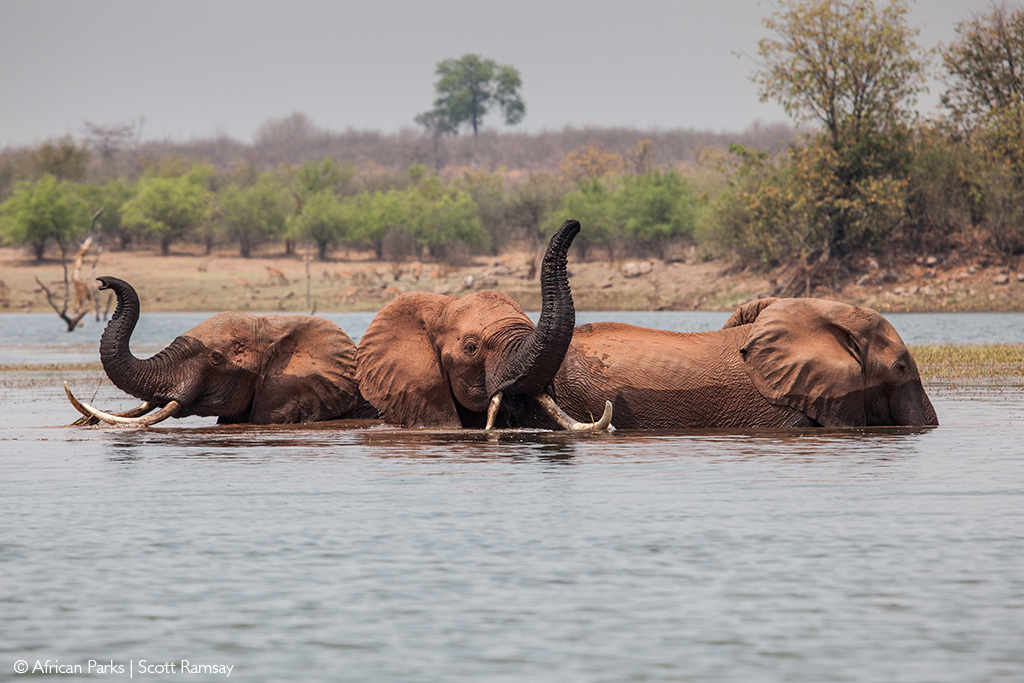

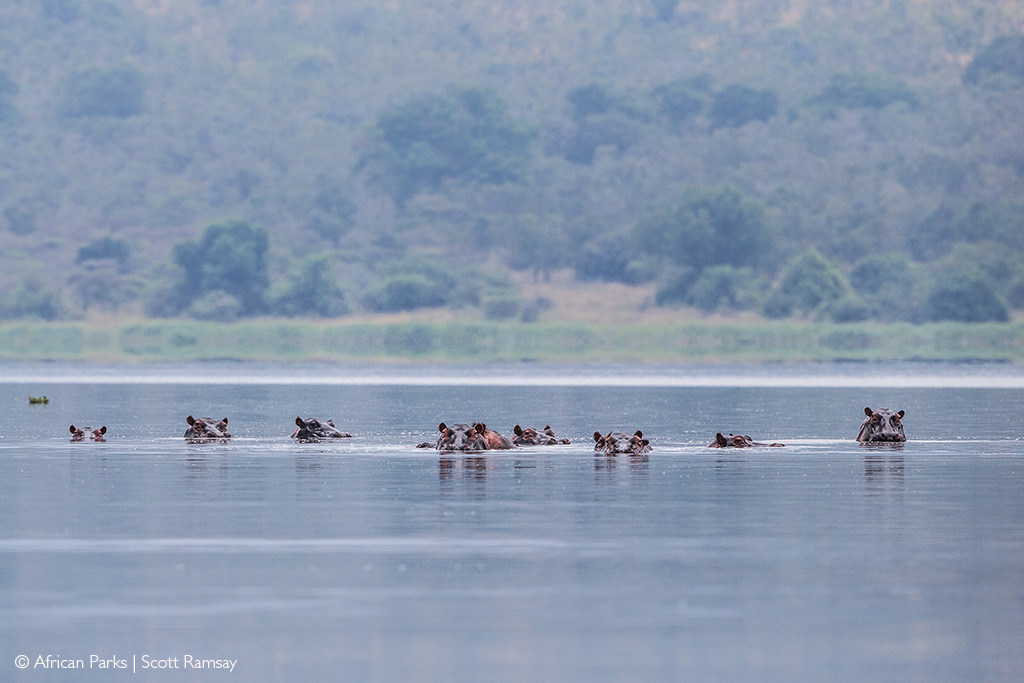
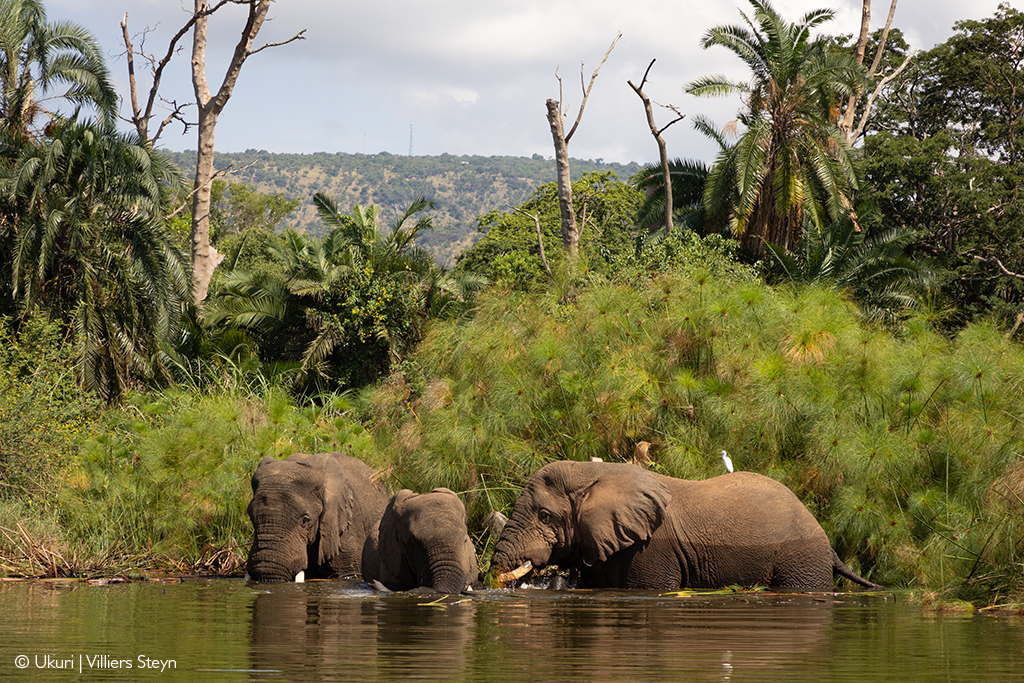
 It’s your last chance to enter Photographer of the Year 2026. This year’s winner will travel to Rwanda’s Nyungwe National Park, a misty rainforest alive with chimpanzees and other primates, birds, and ancient trees. Entries close at midnight on 7 May 2026.
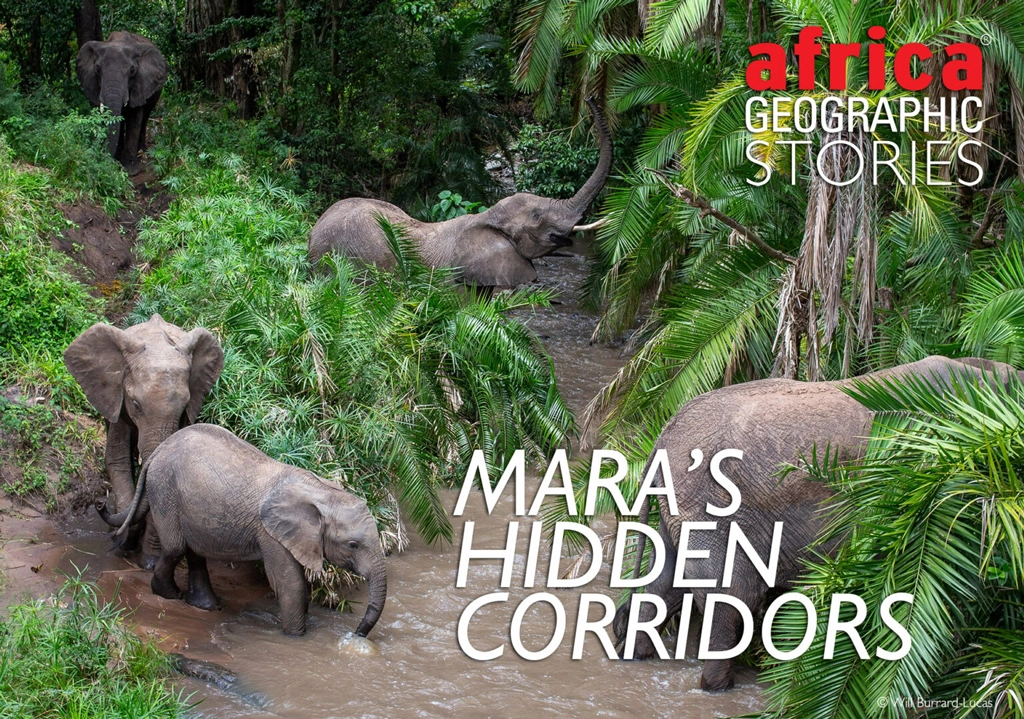
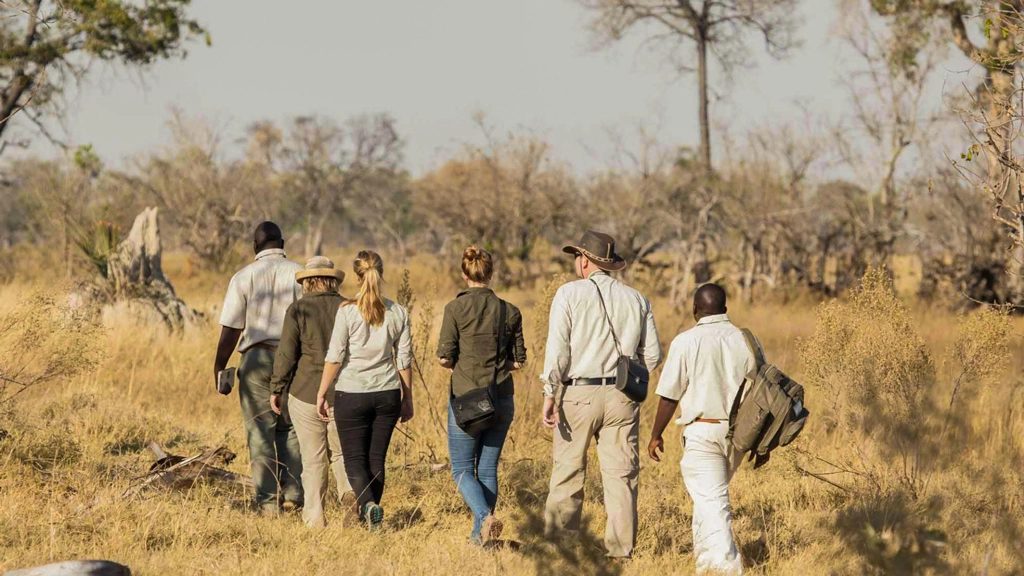
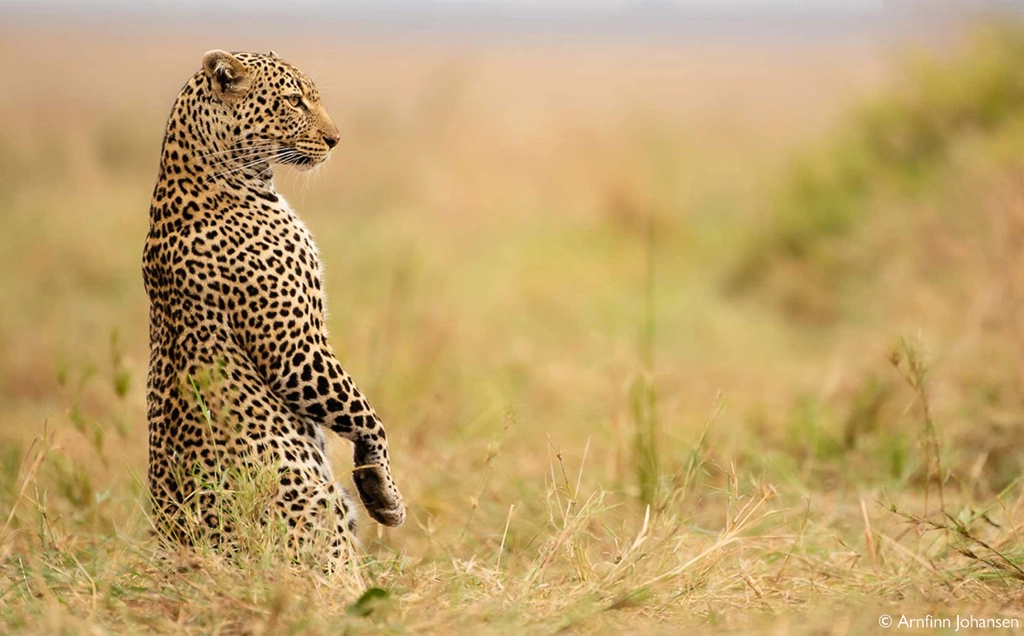
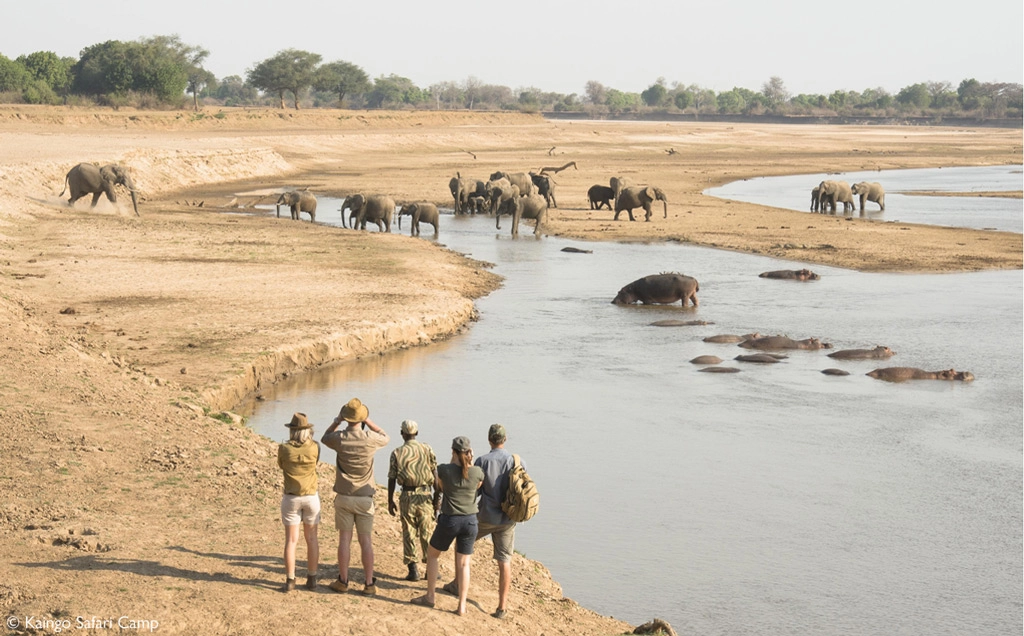
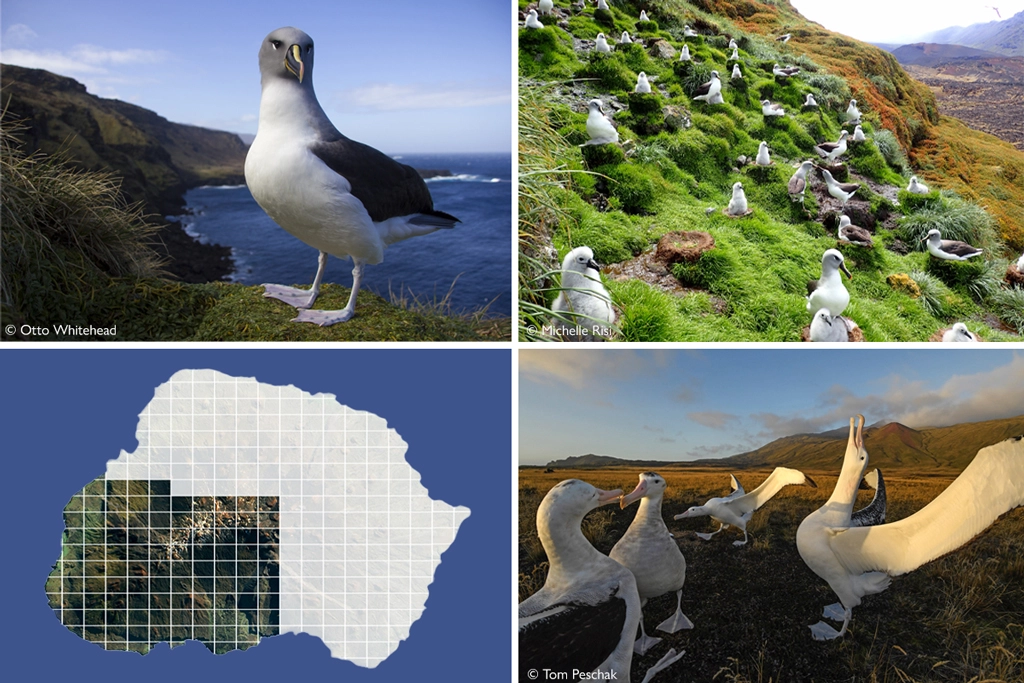
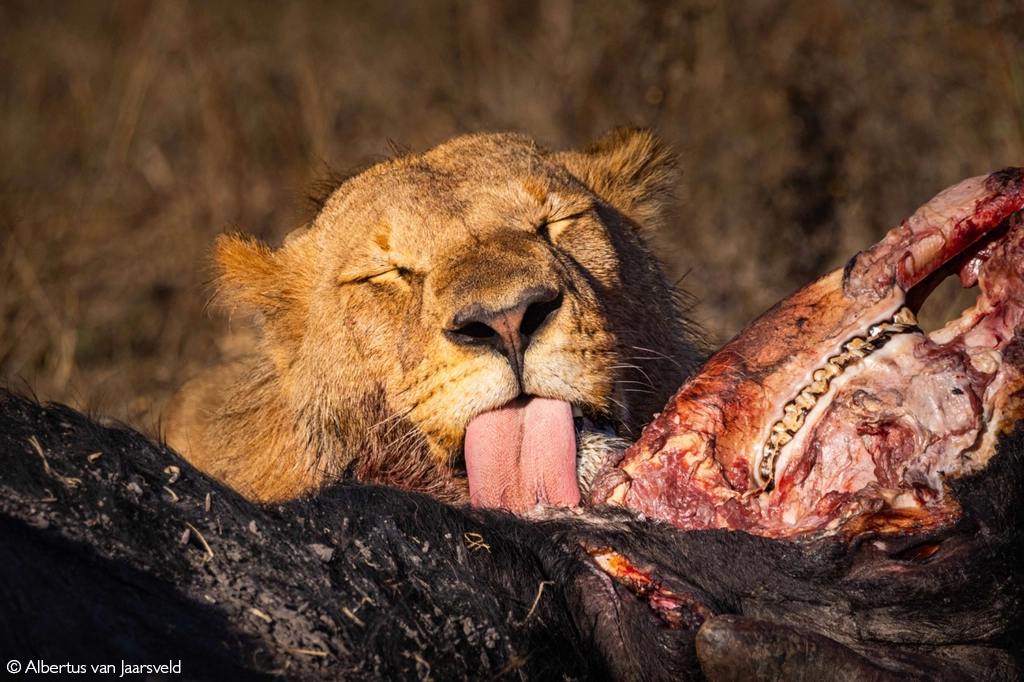
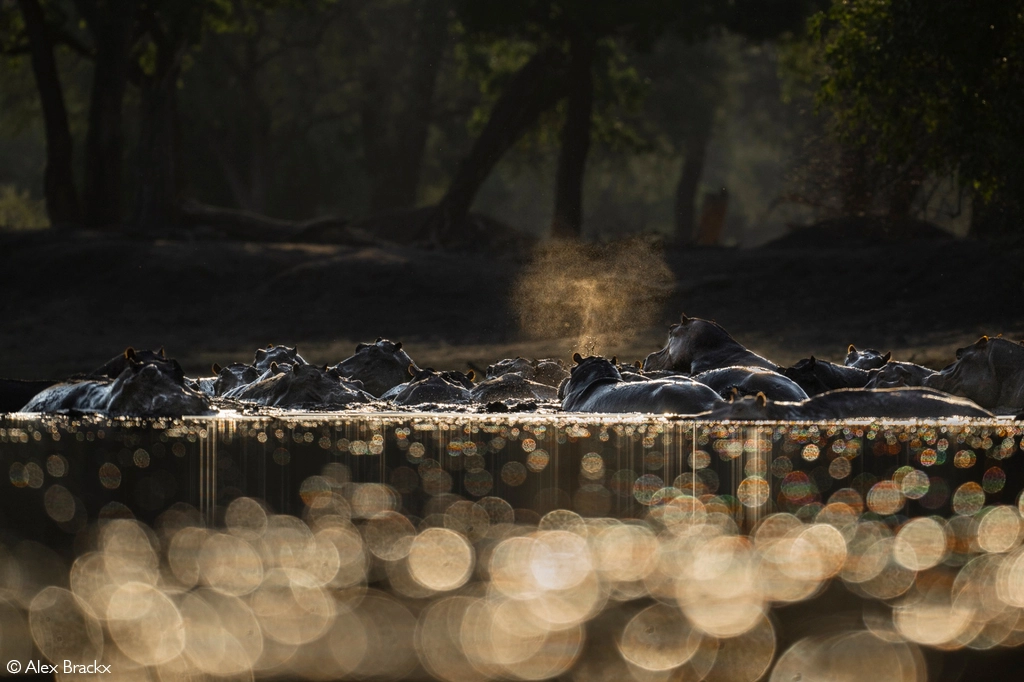
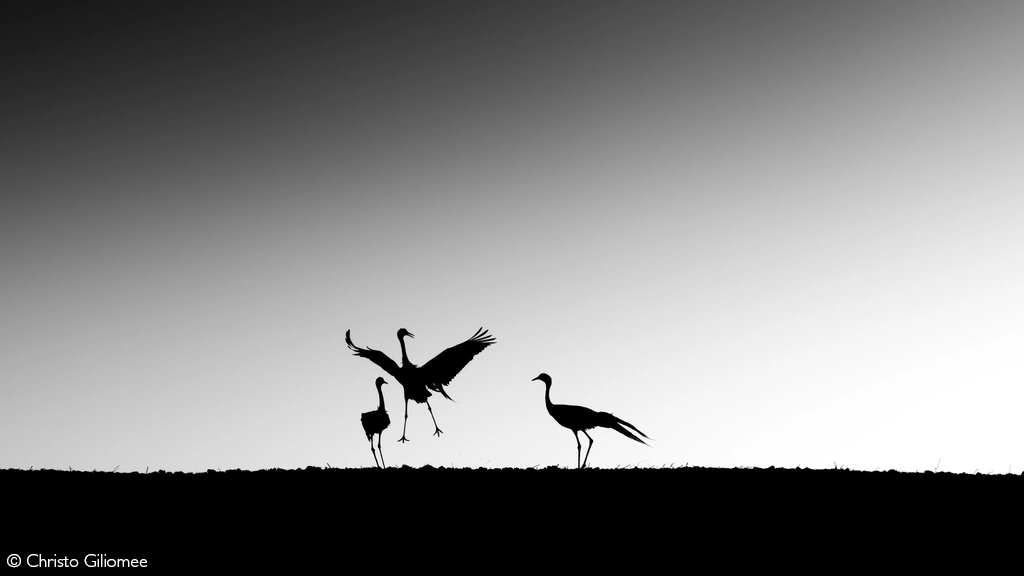
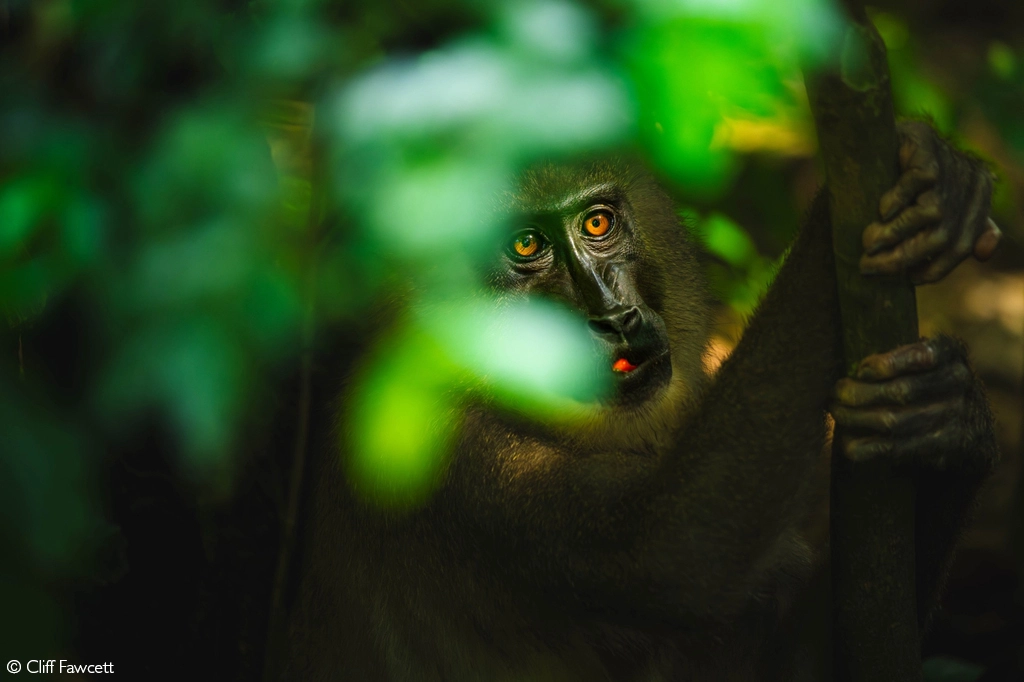
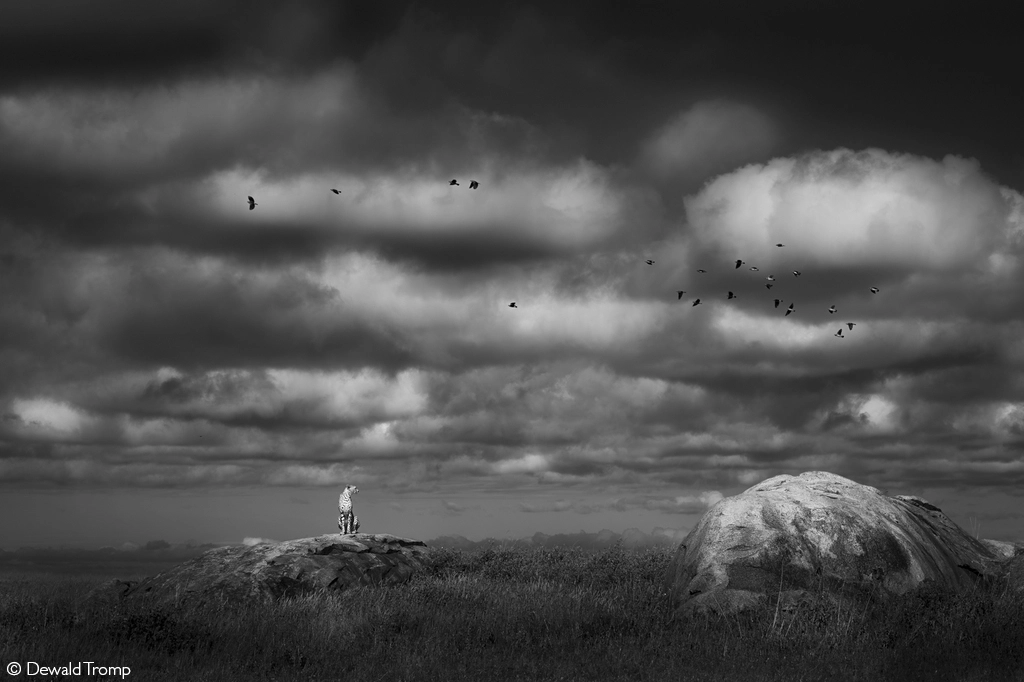
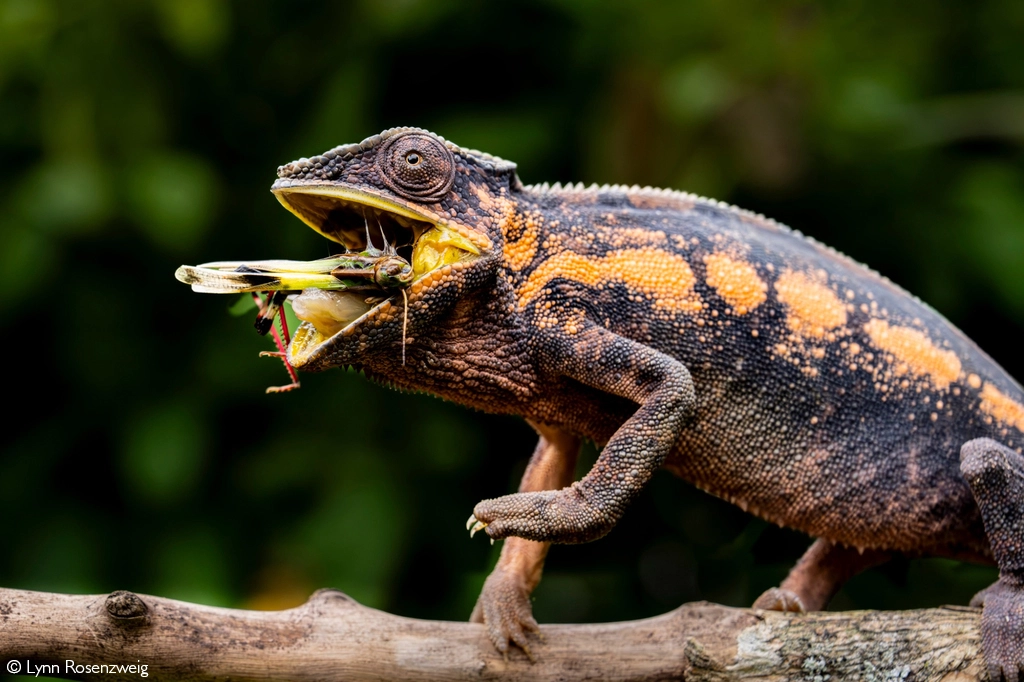
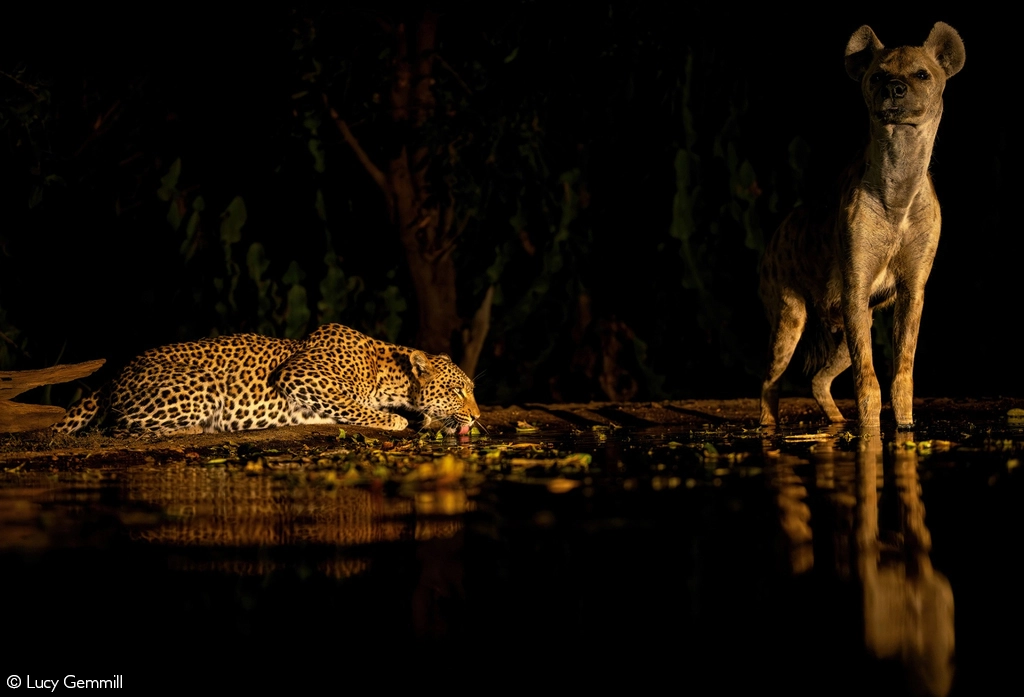
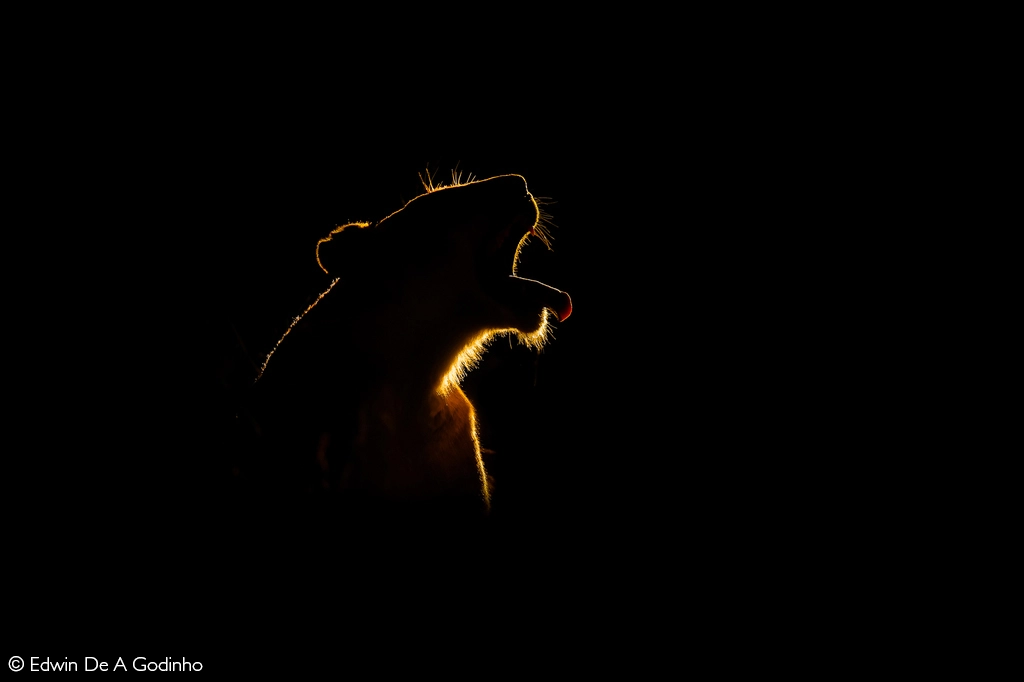
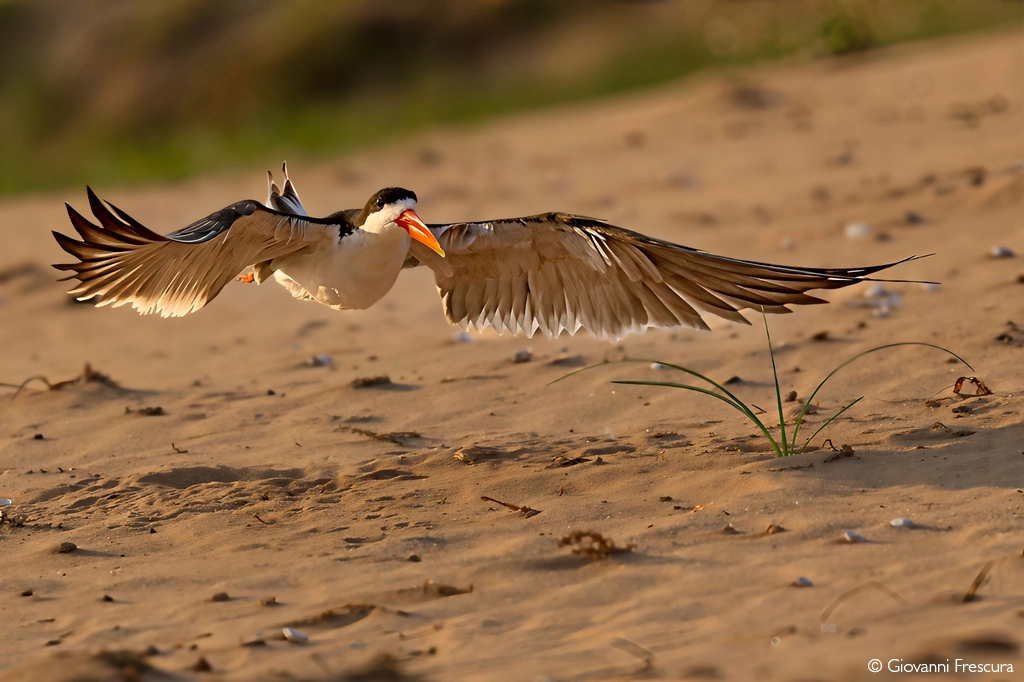
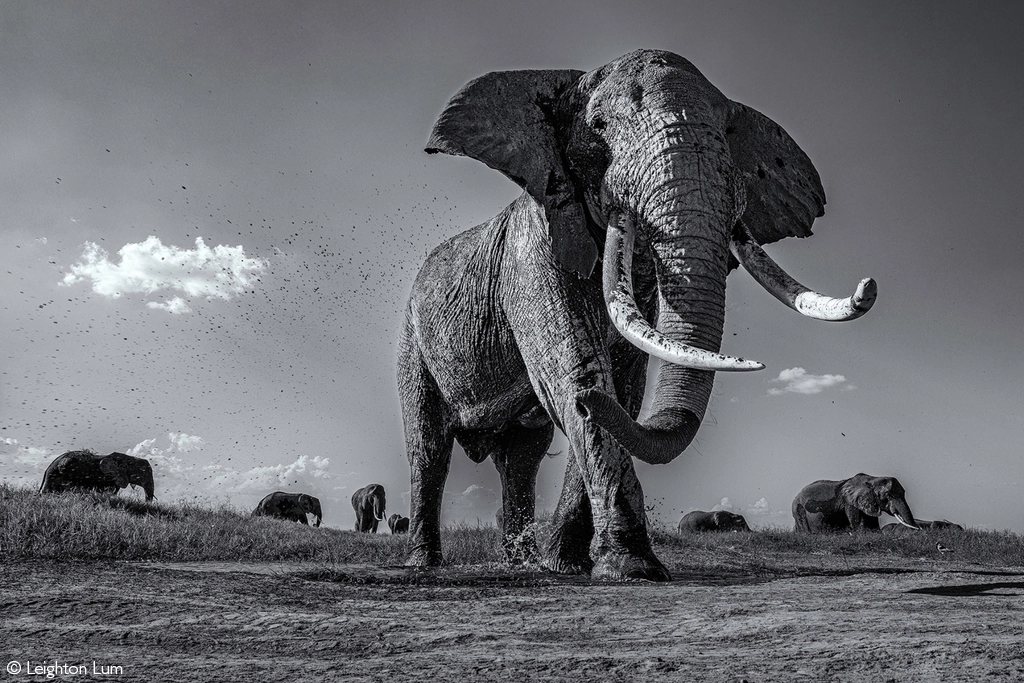
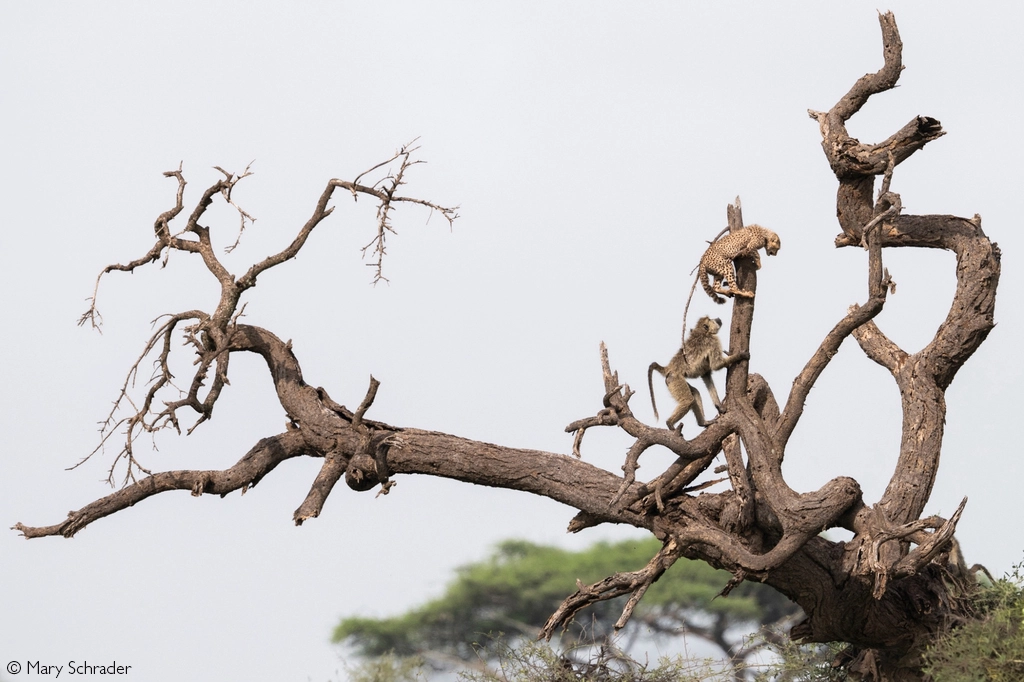
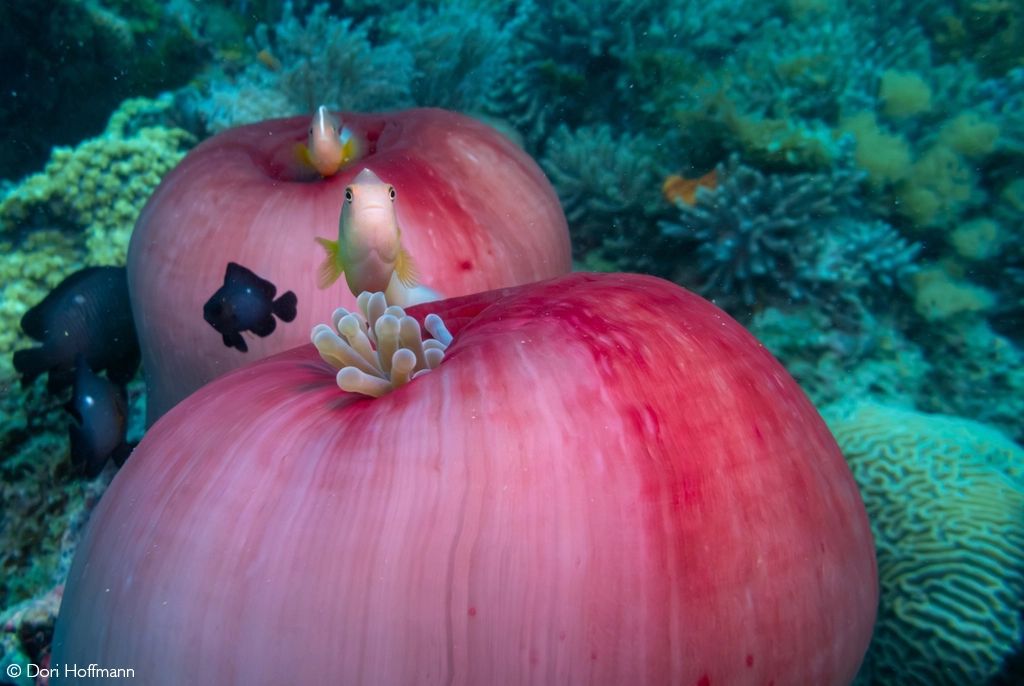
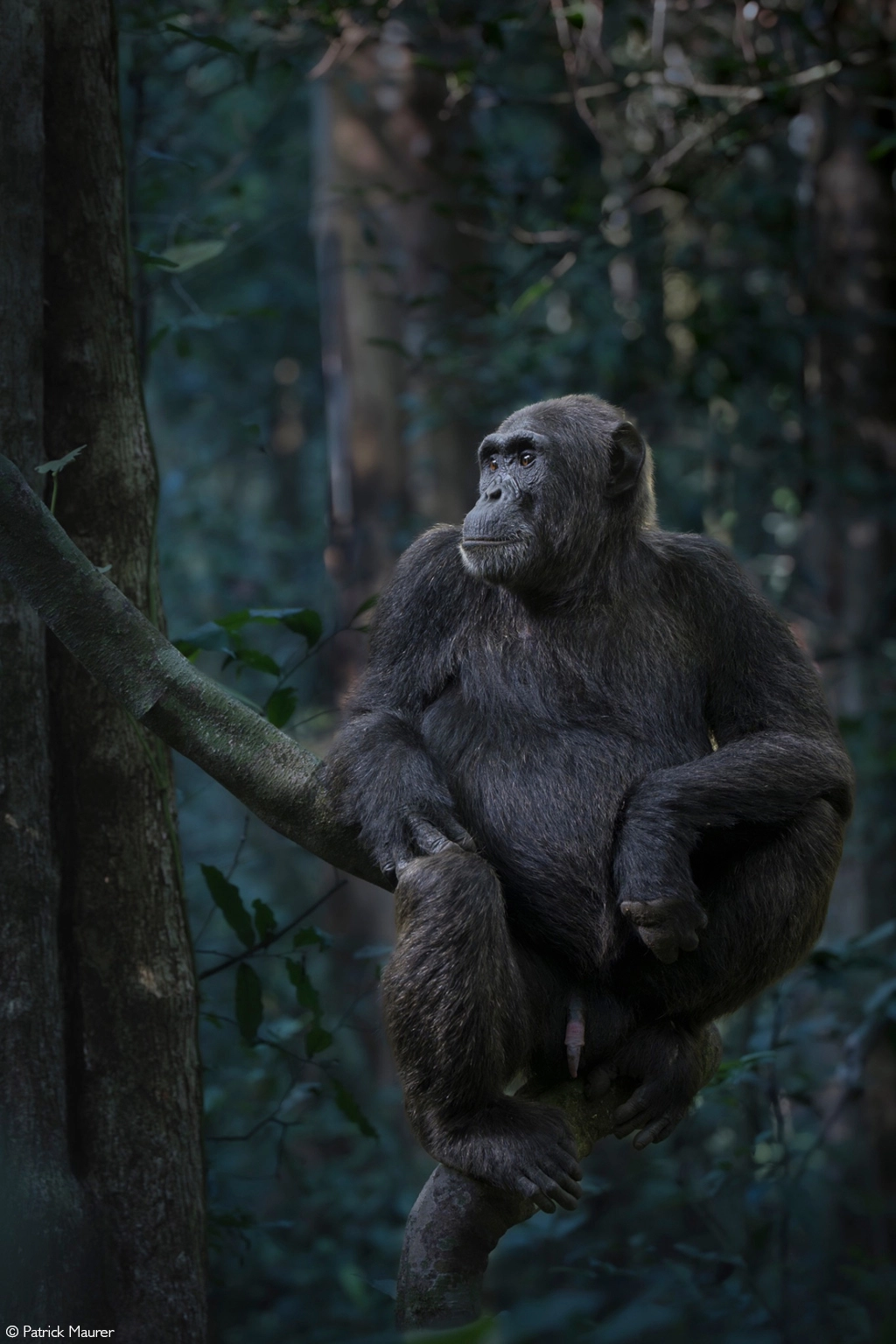
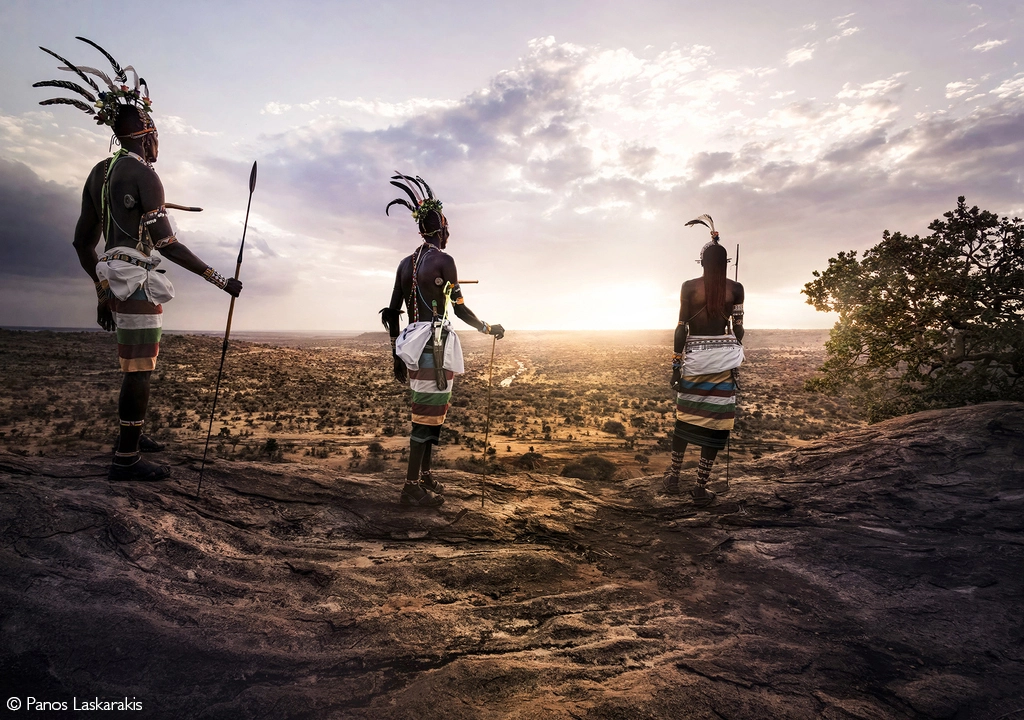
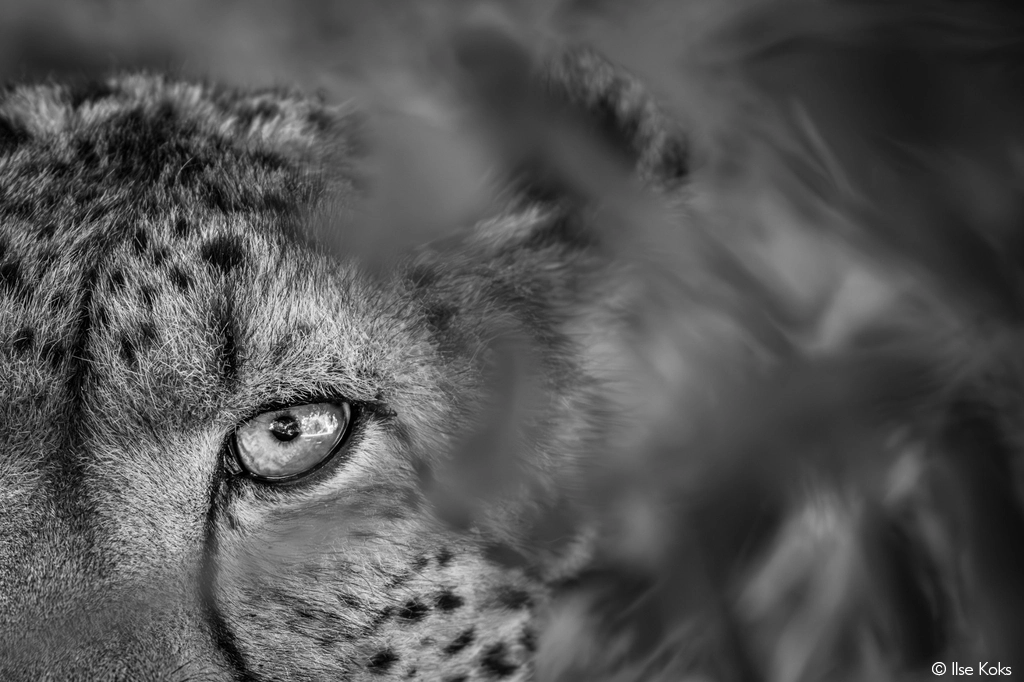
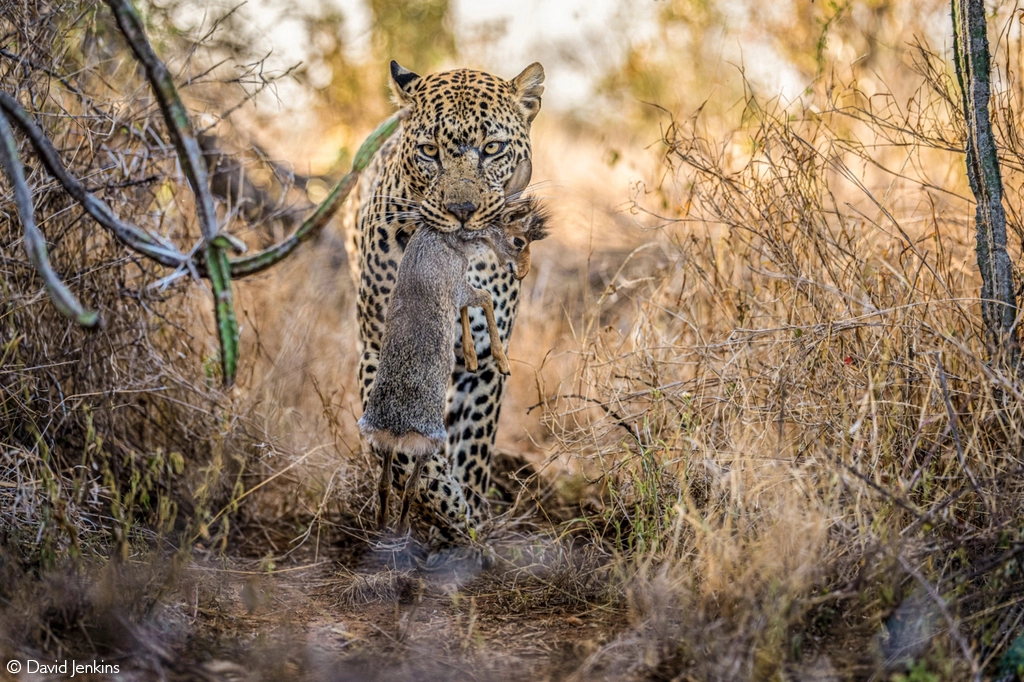
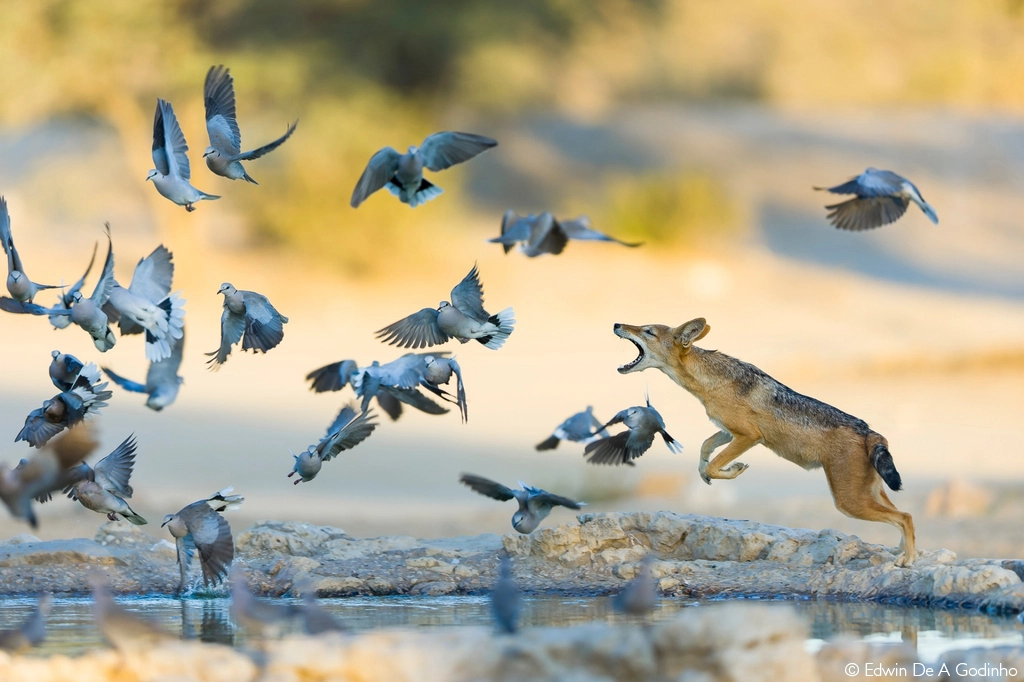
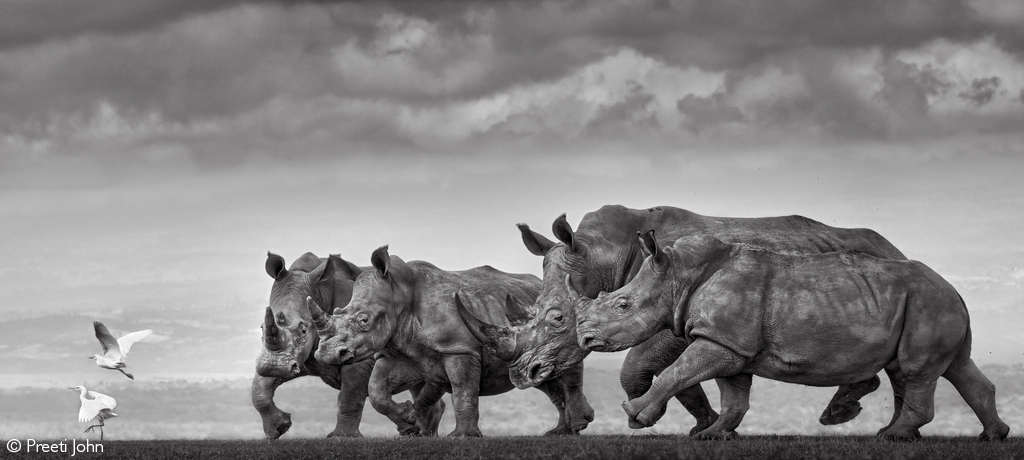
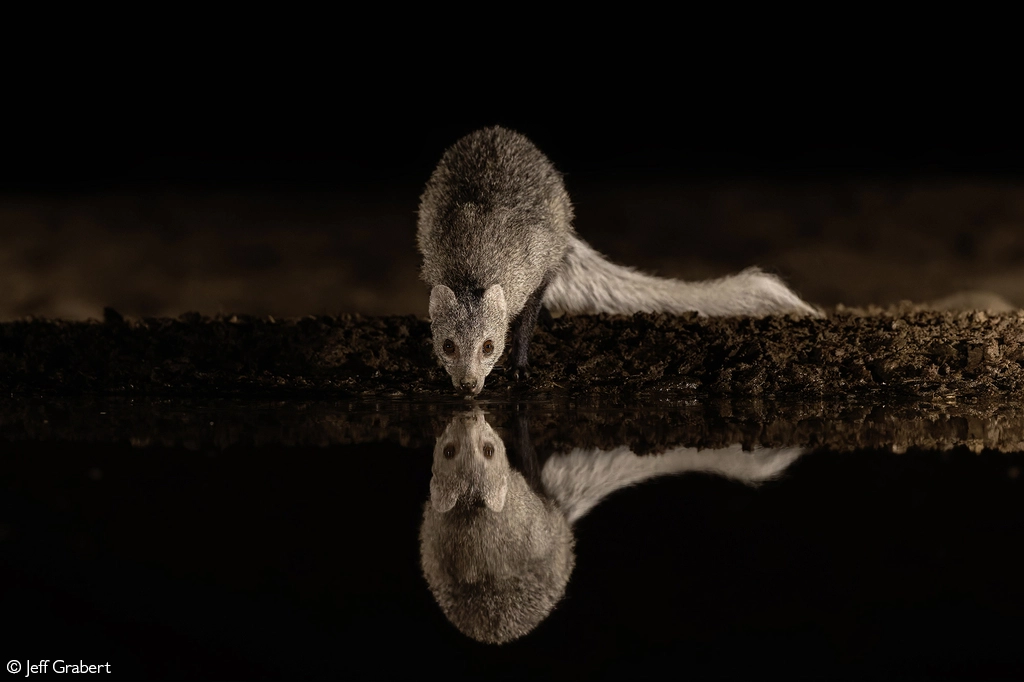
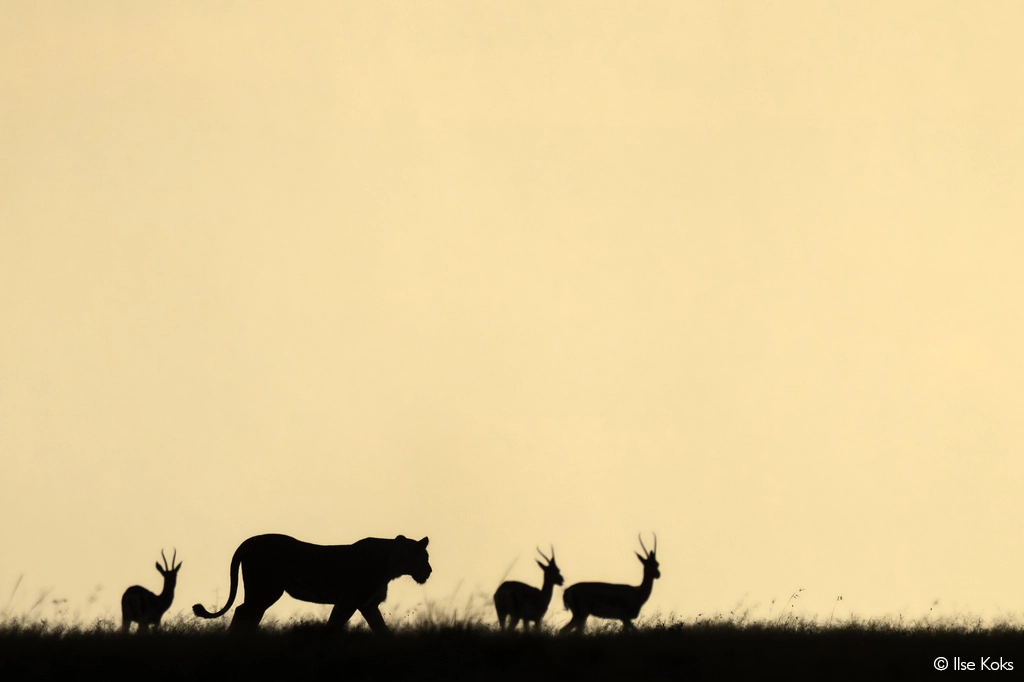
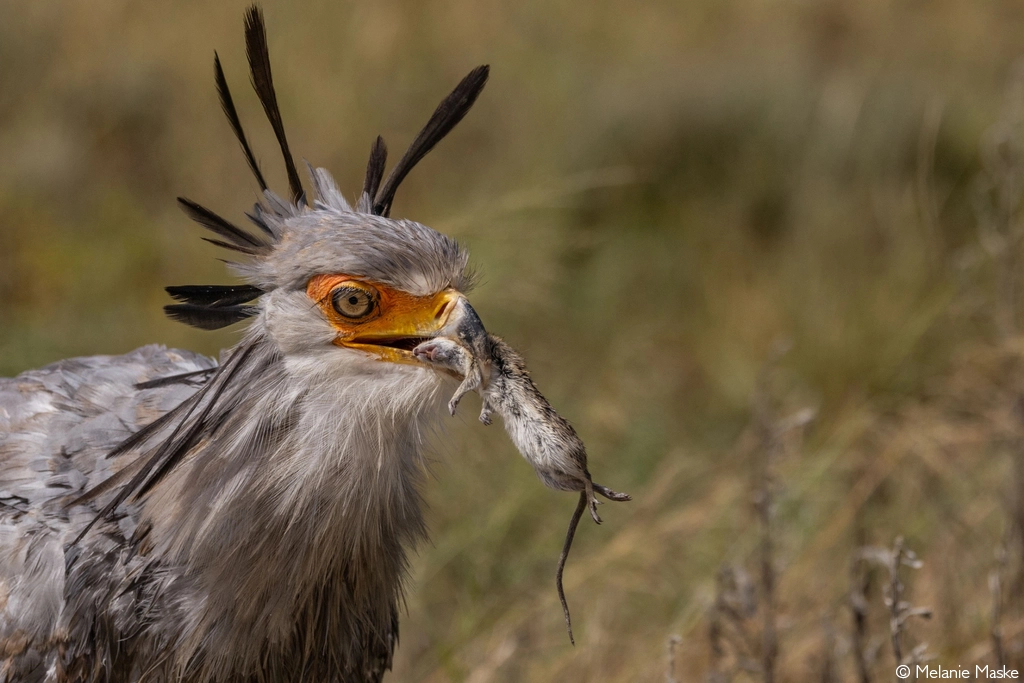
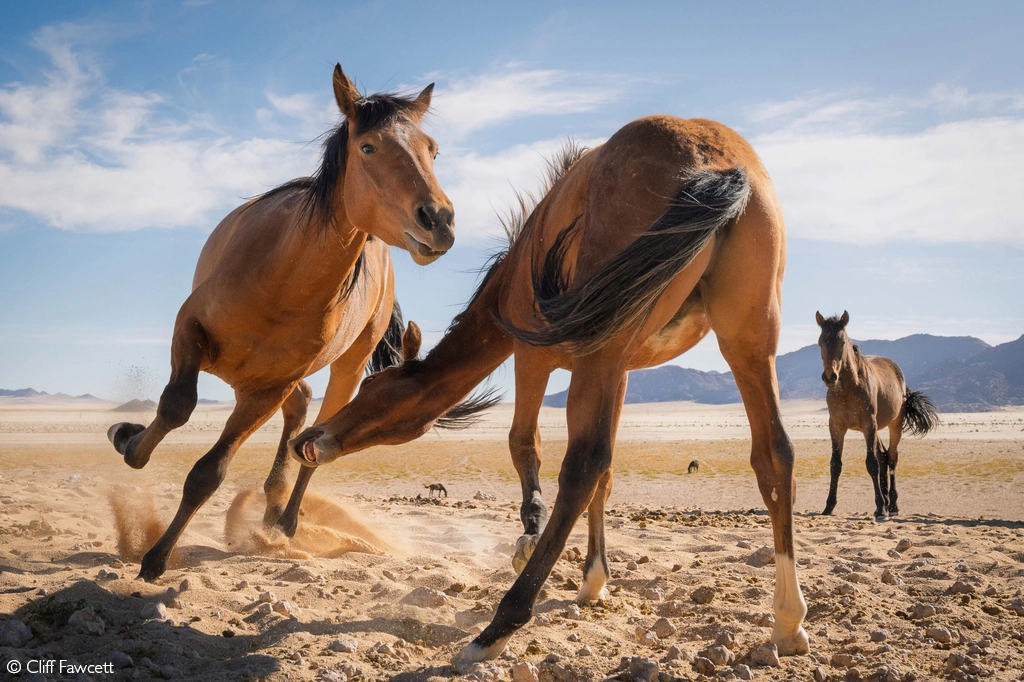
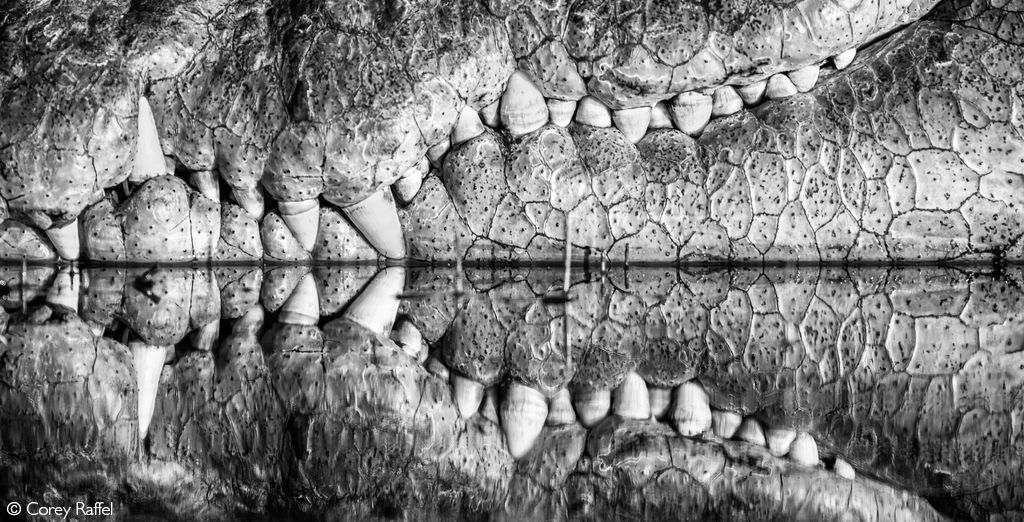
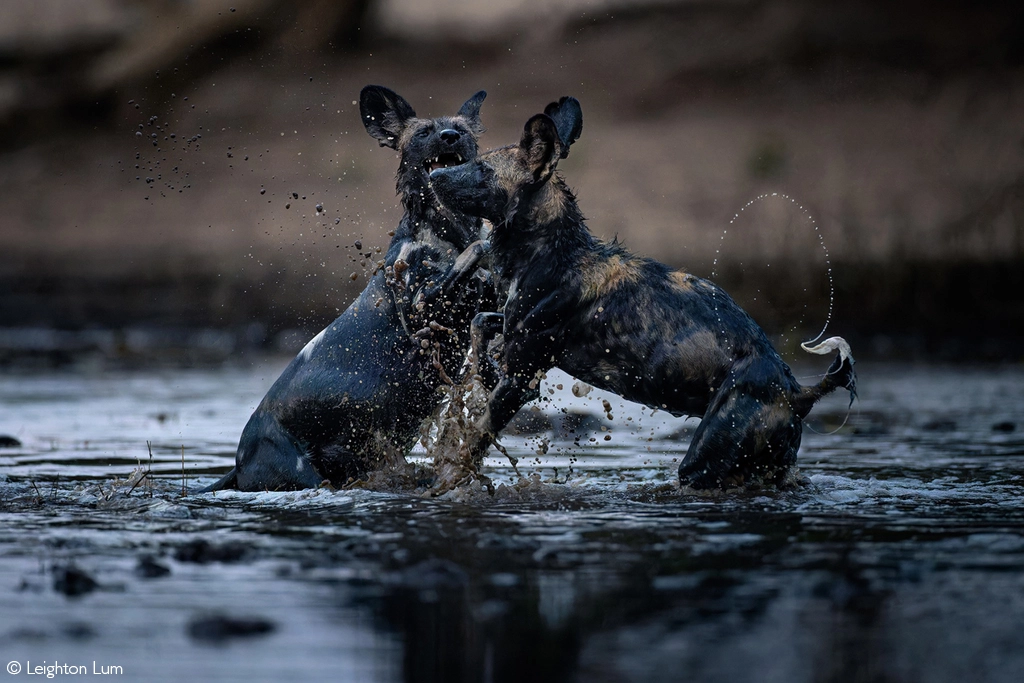
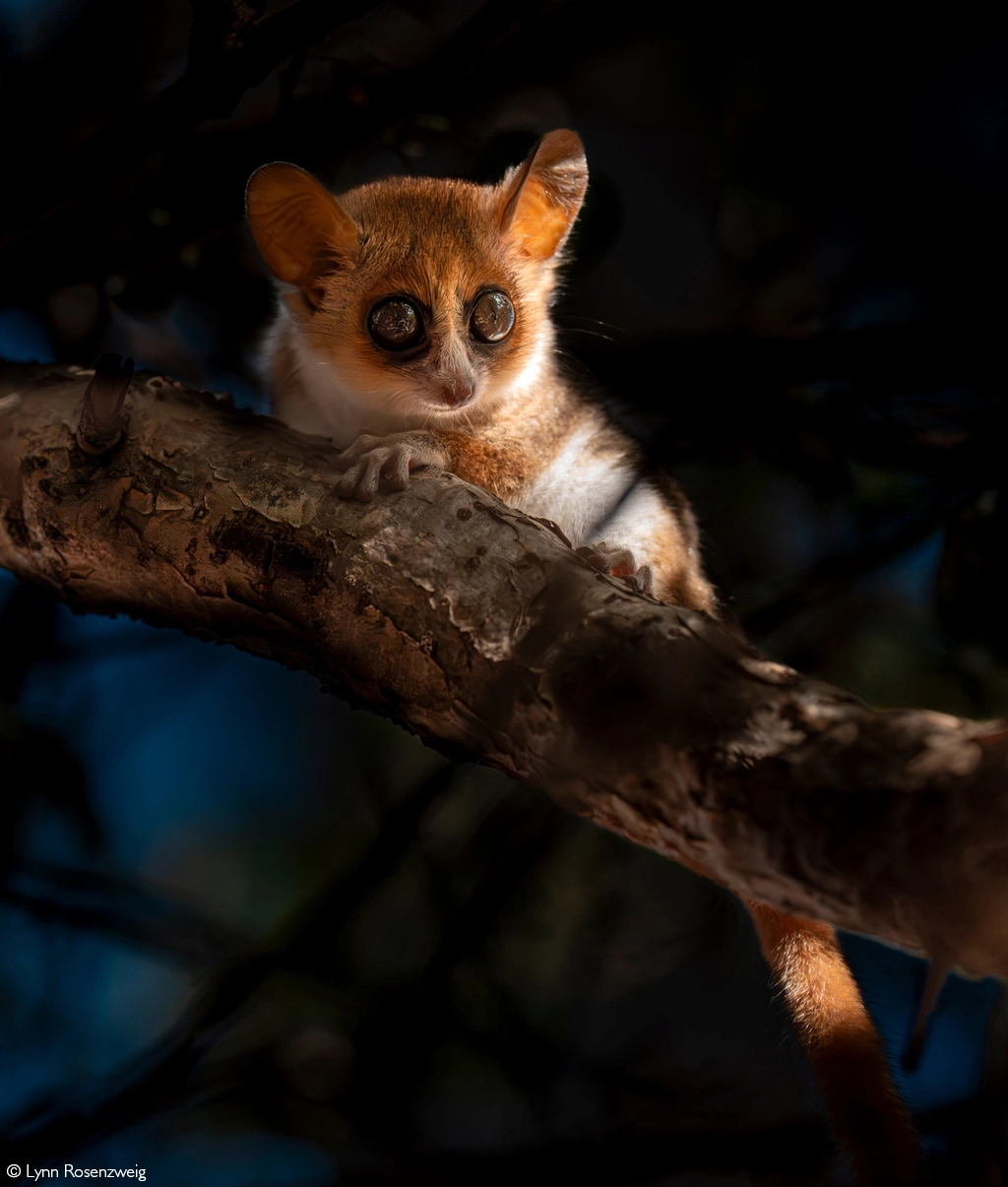
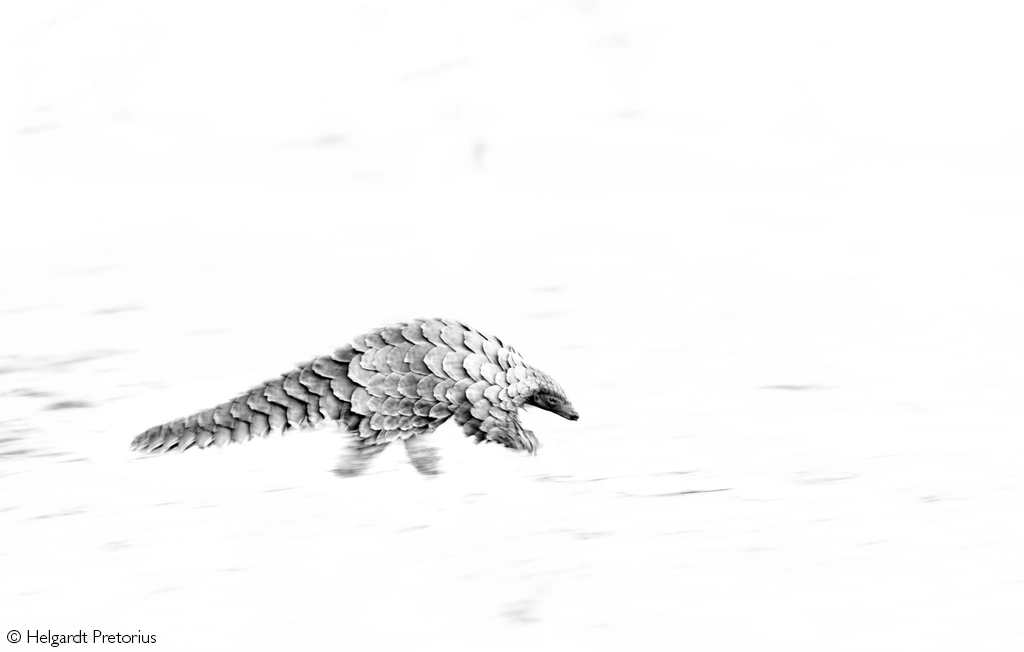
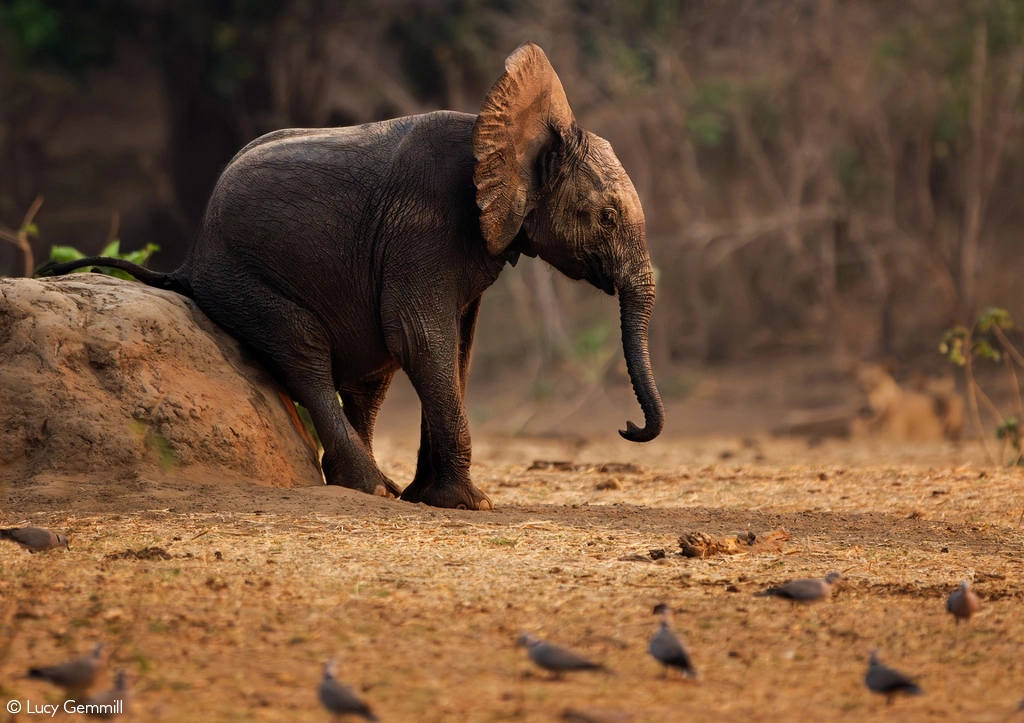
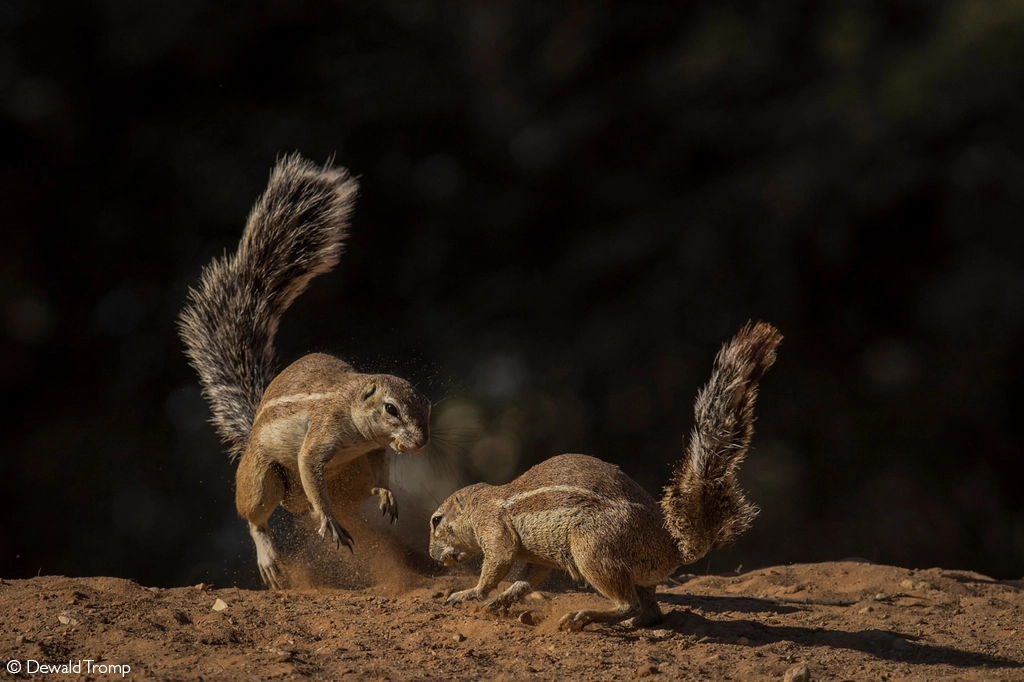
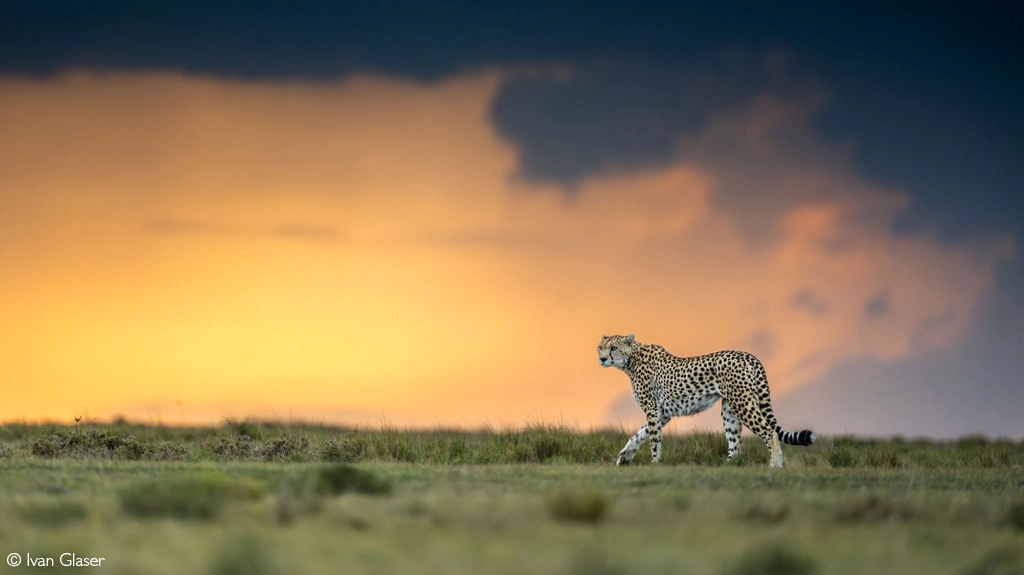
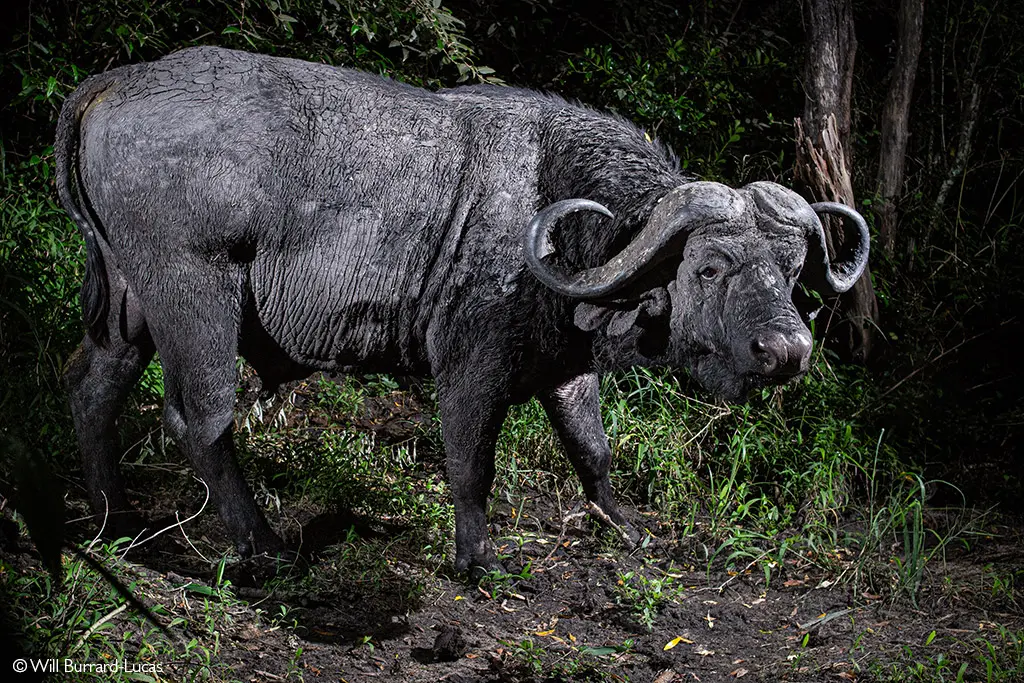
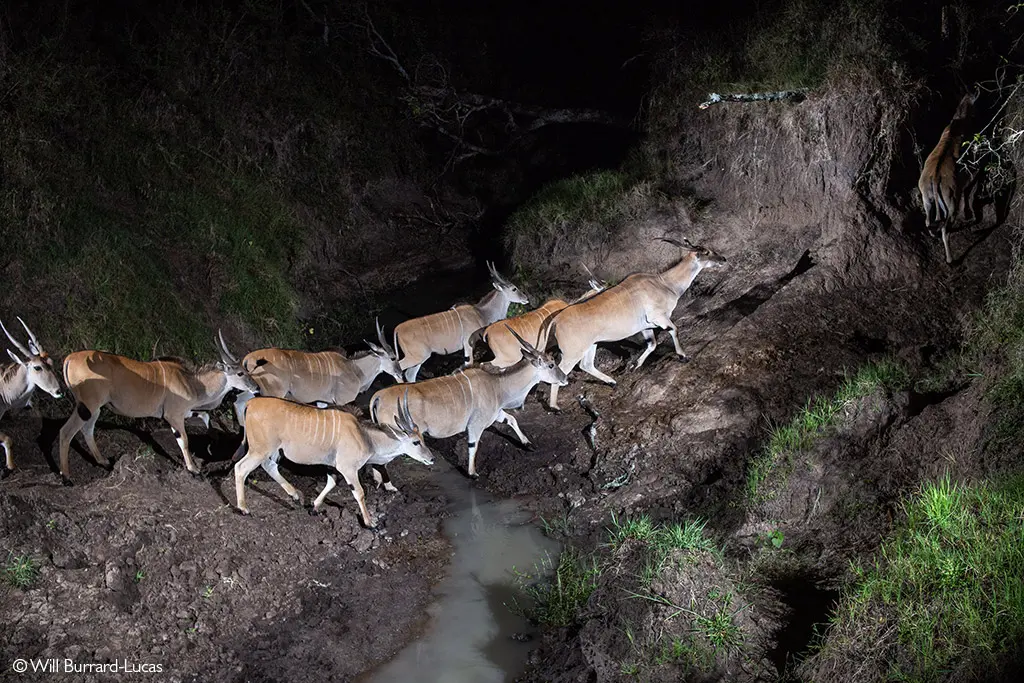
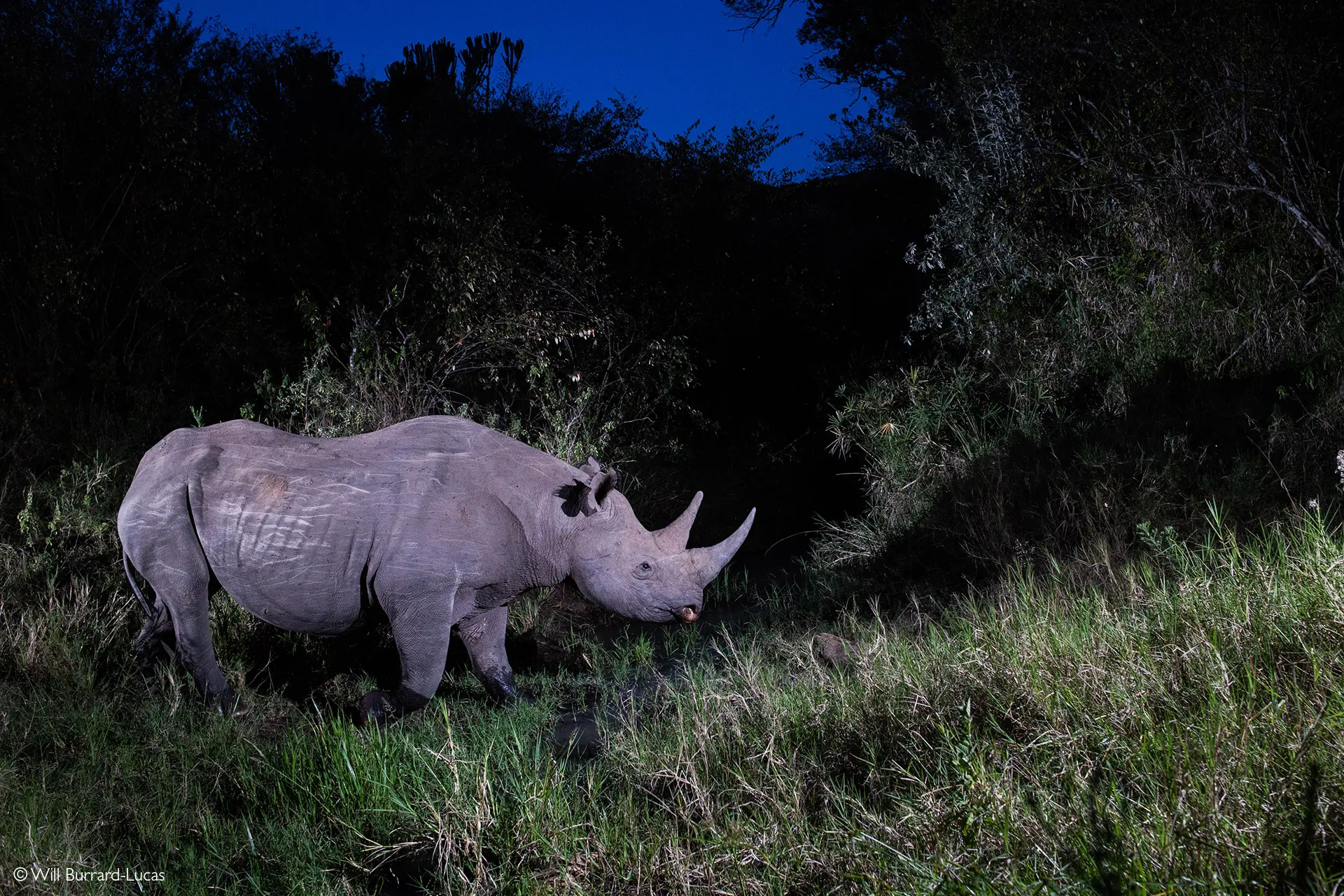
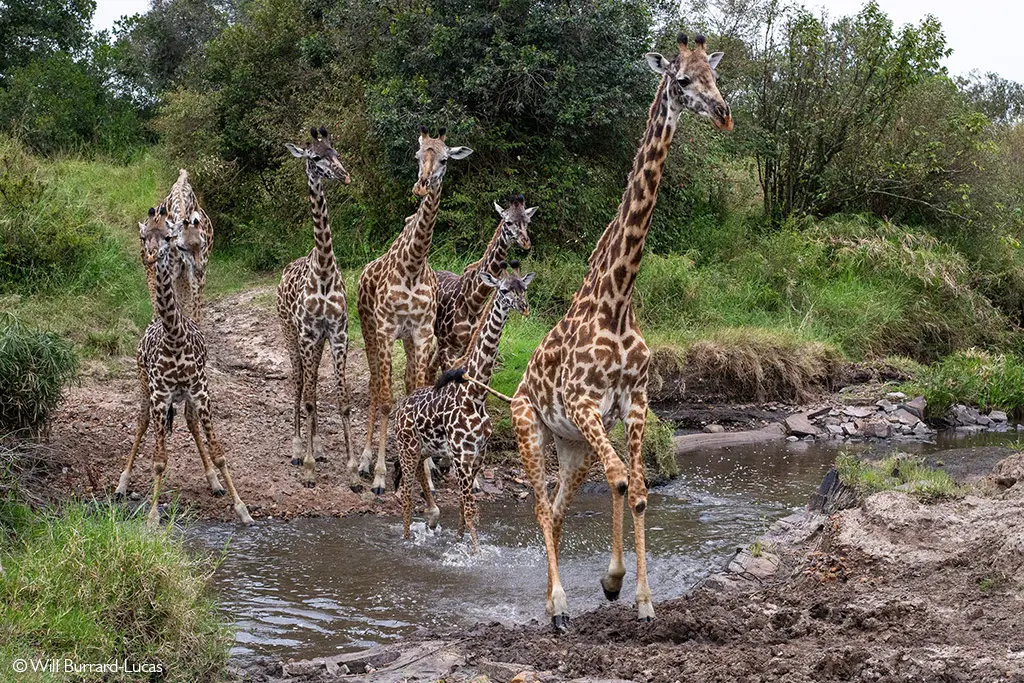
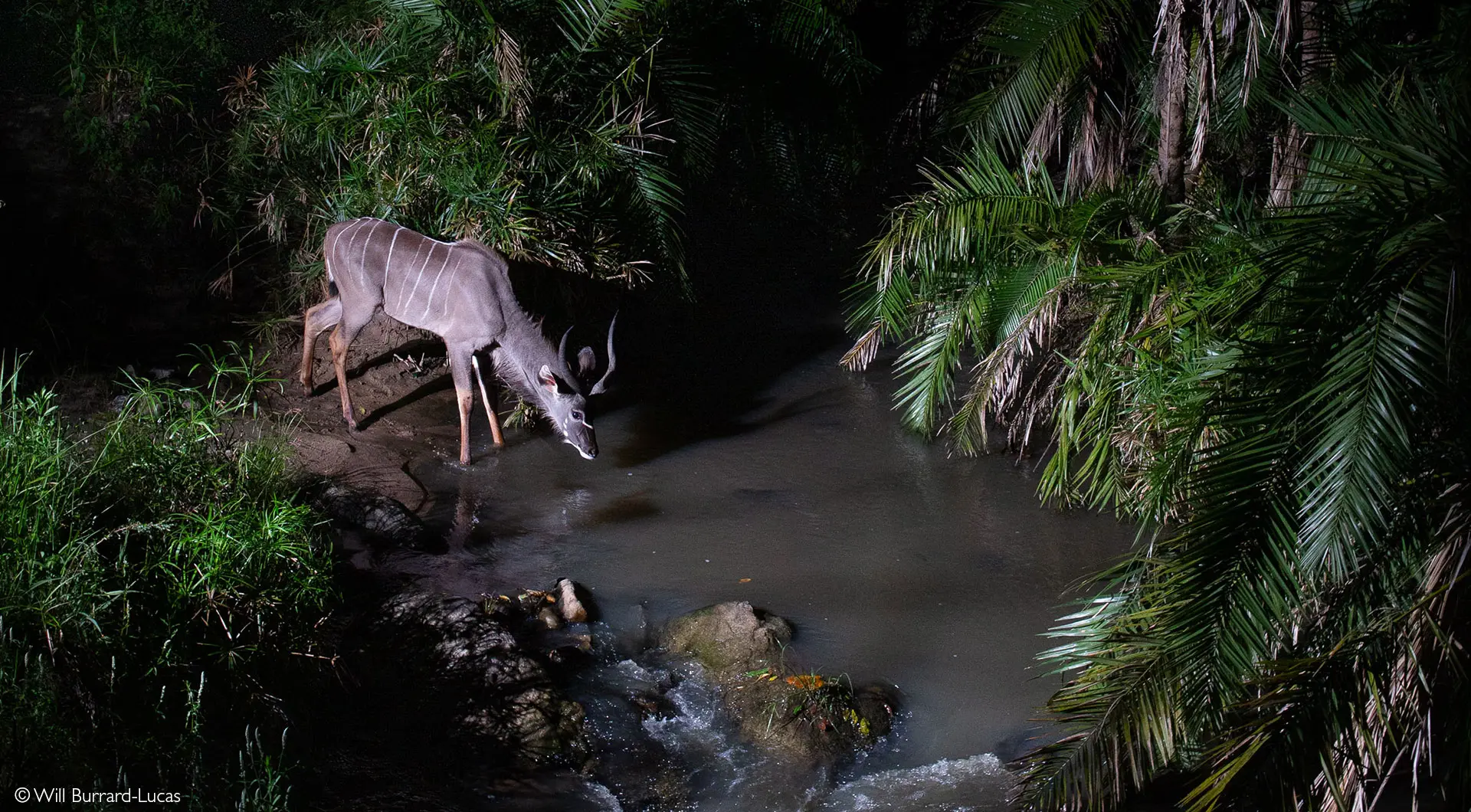
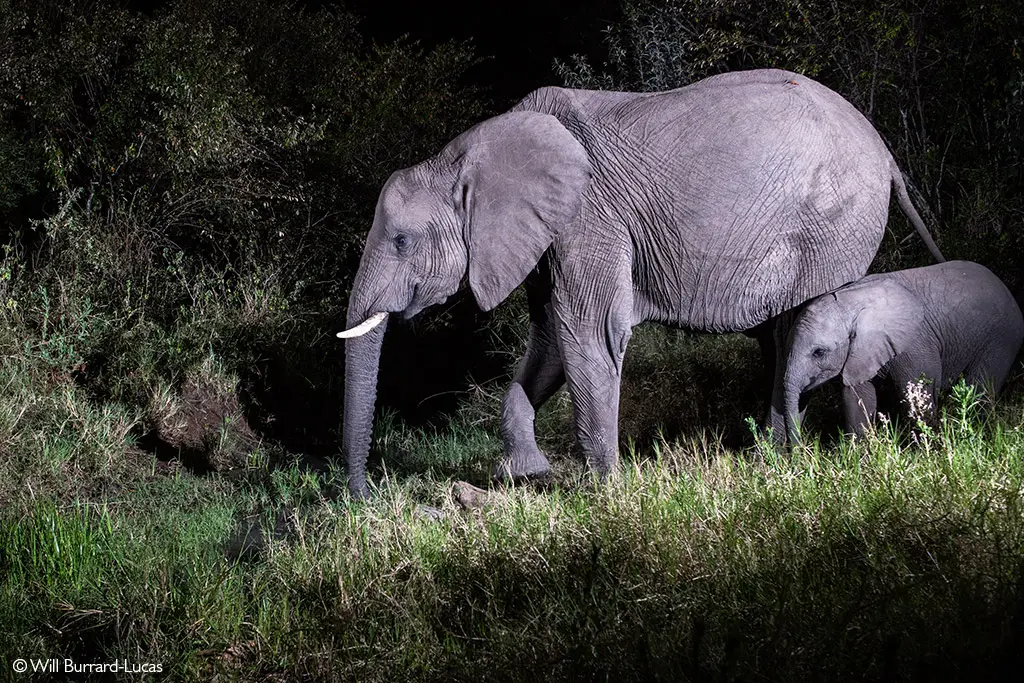
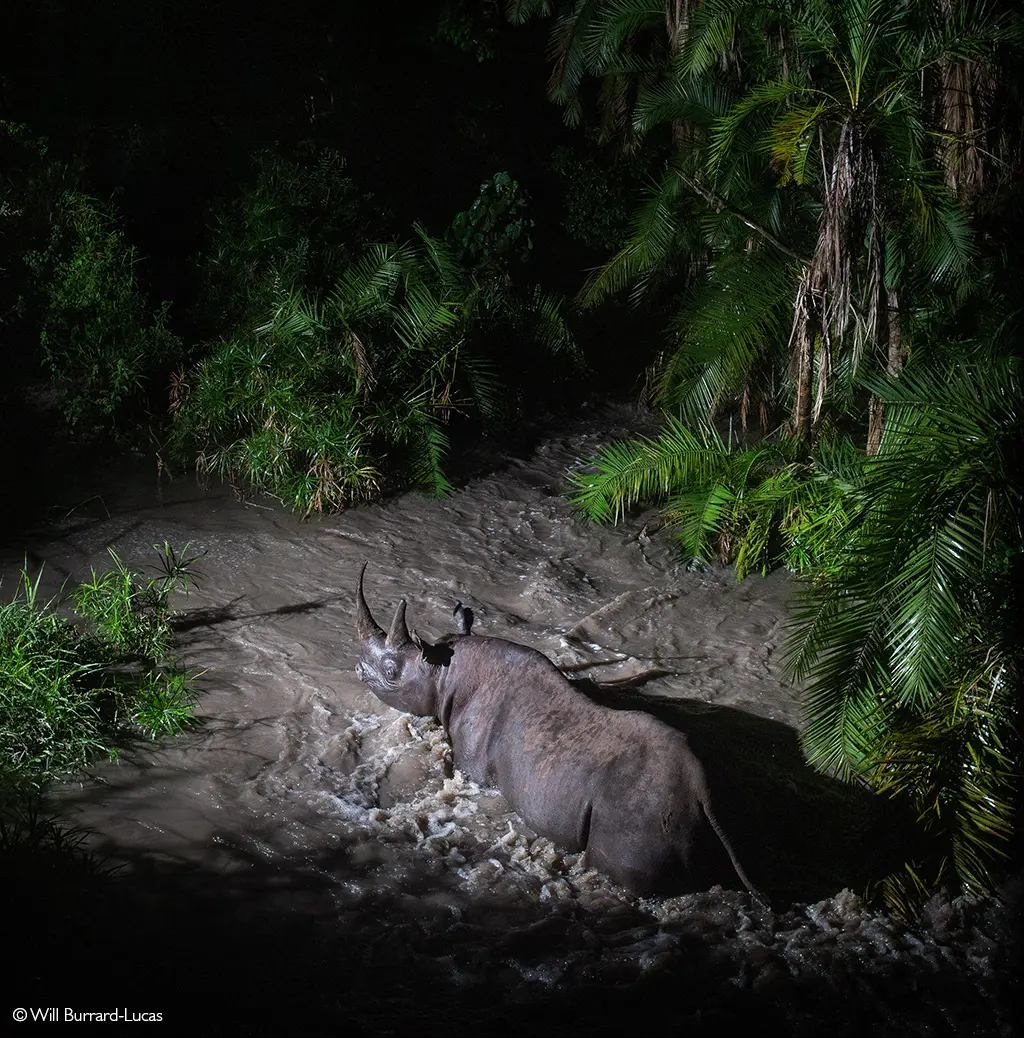
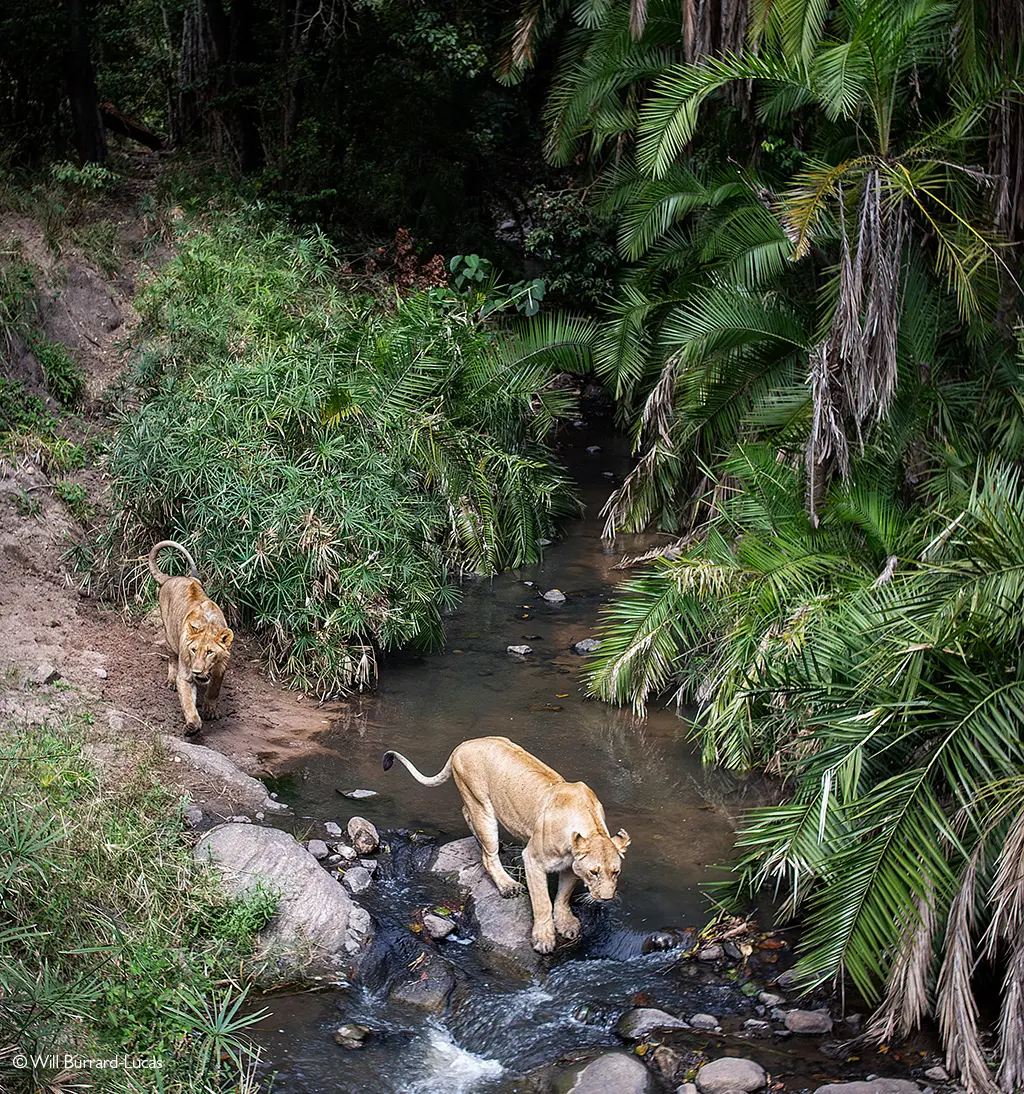
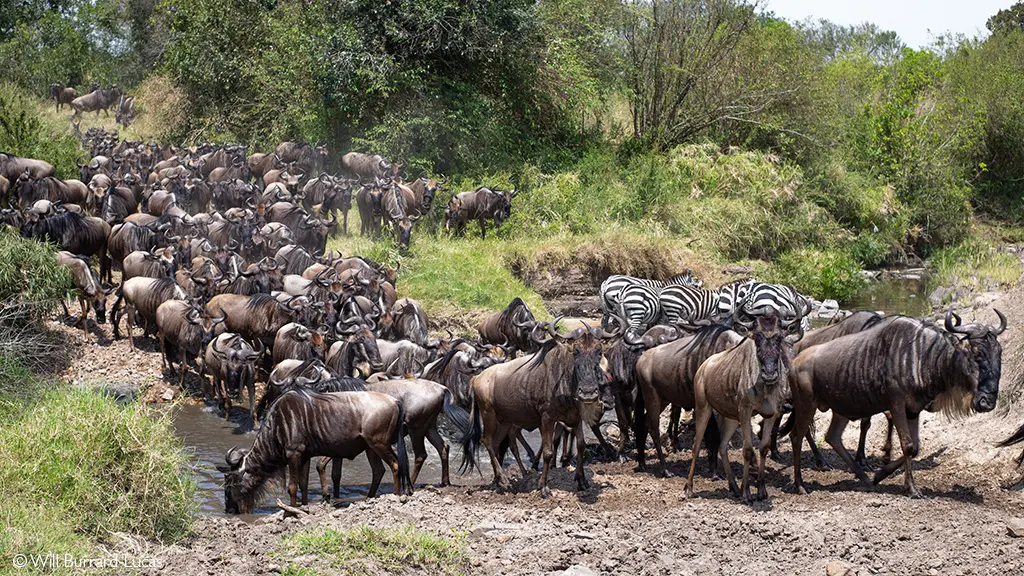
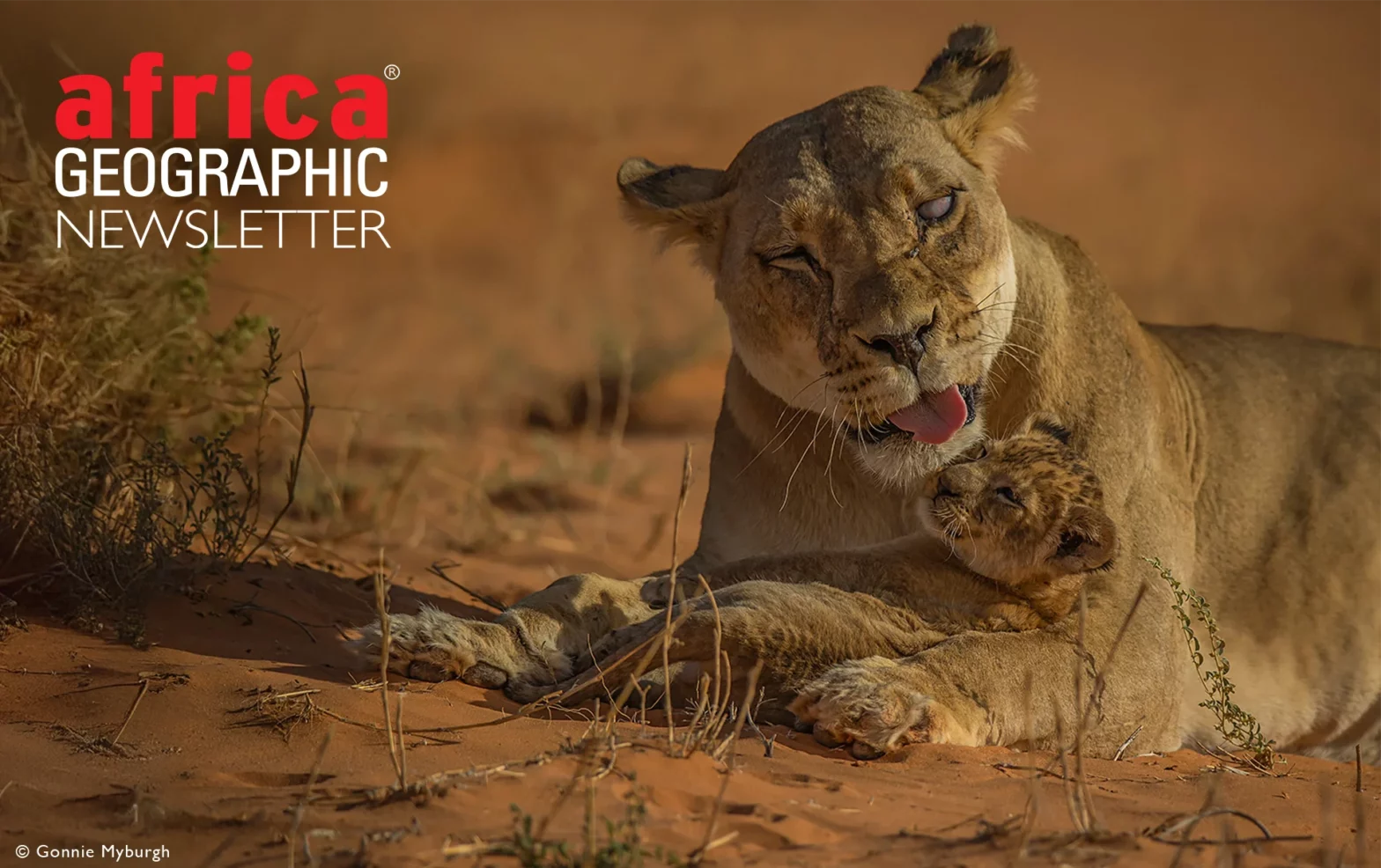
 We donate a portion of the revenue from every safari sold to carefully selected conservation projects that make a significant difference at ground level. YOUR African safari choice does make a difference – thank you!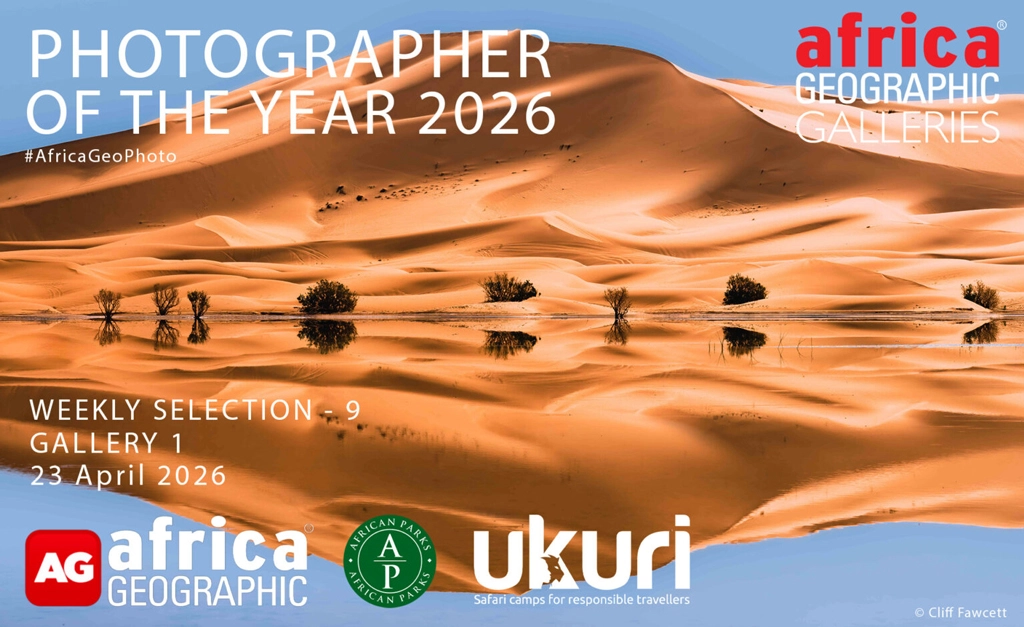
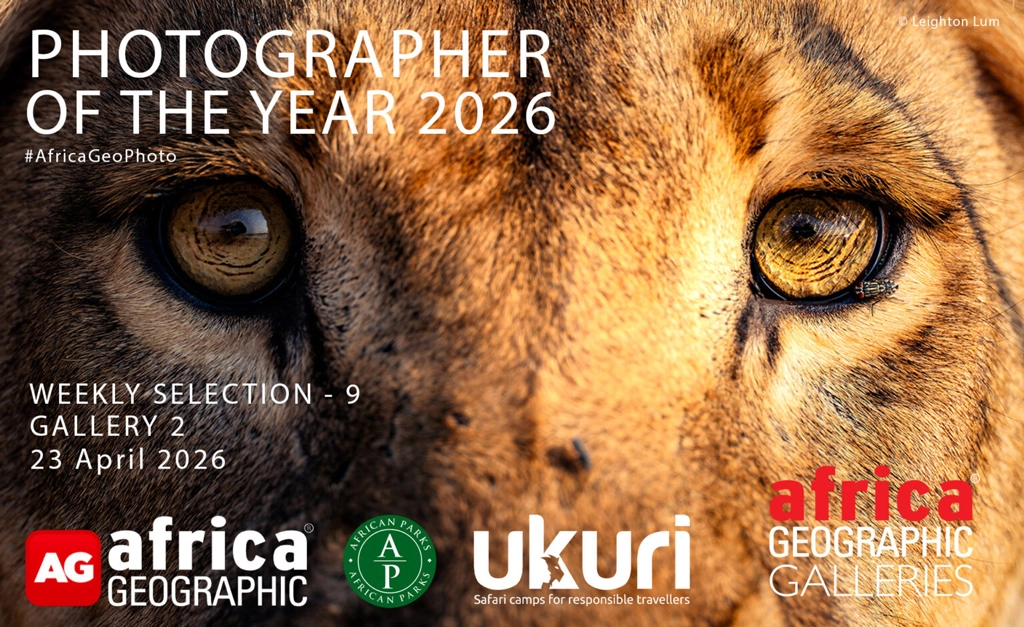
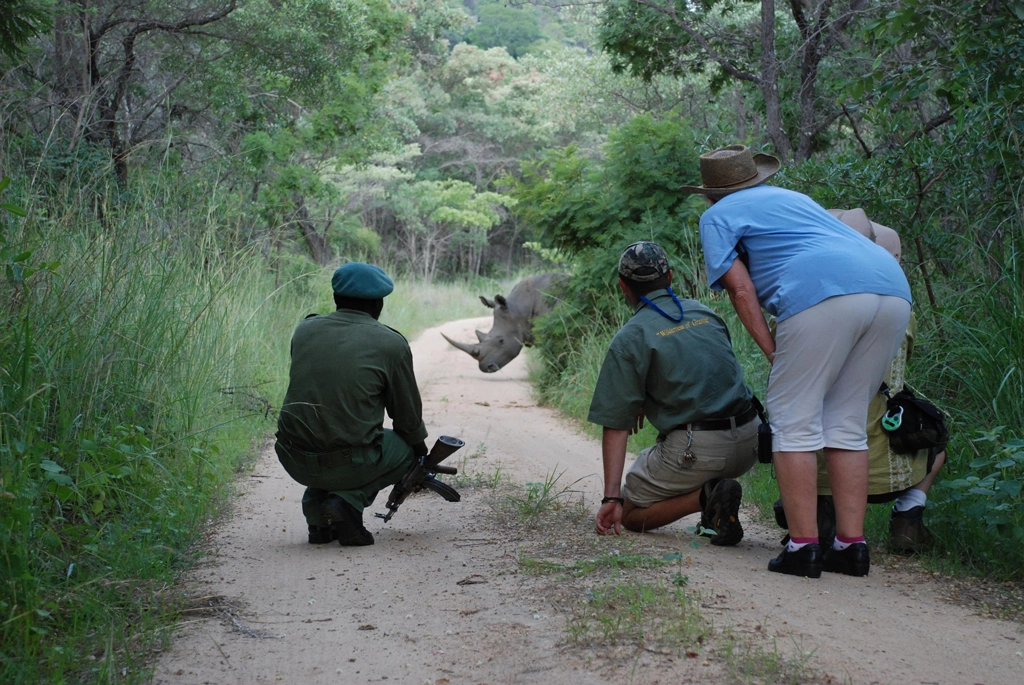
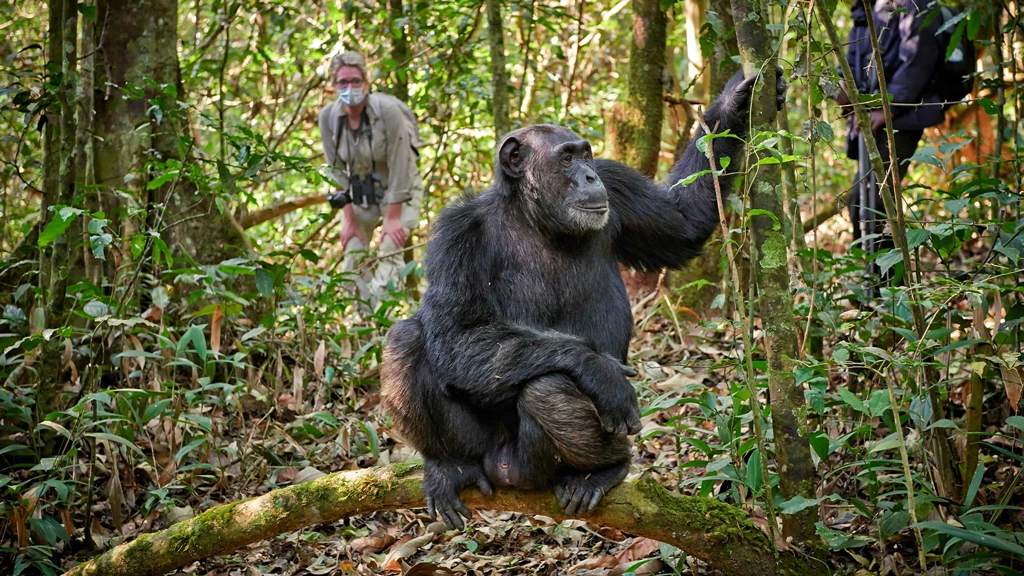
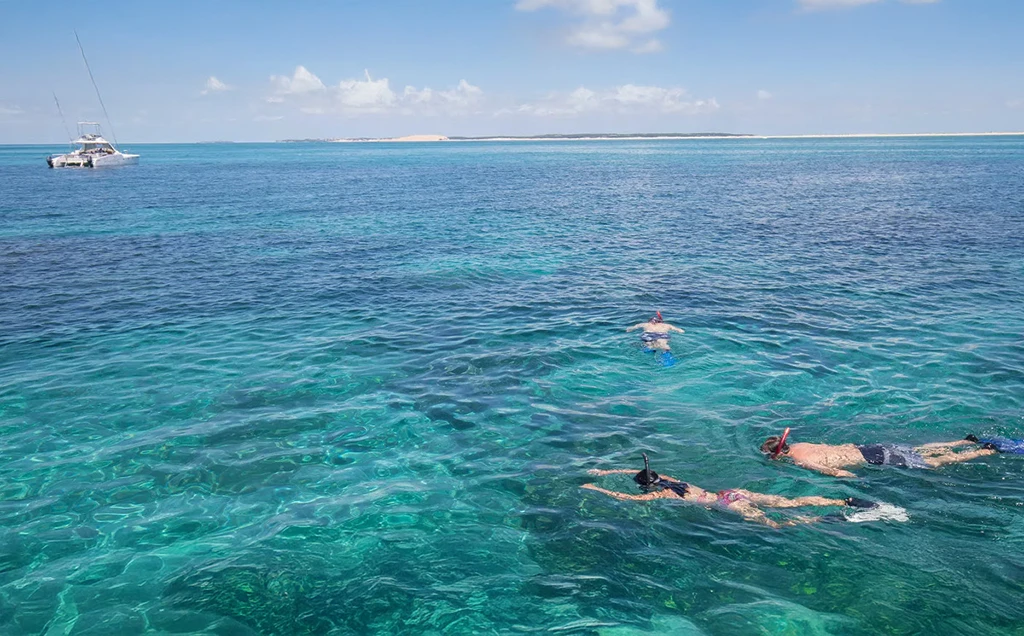

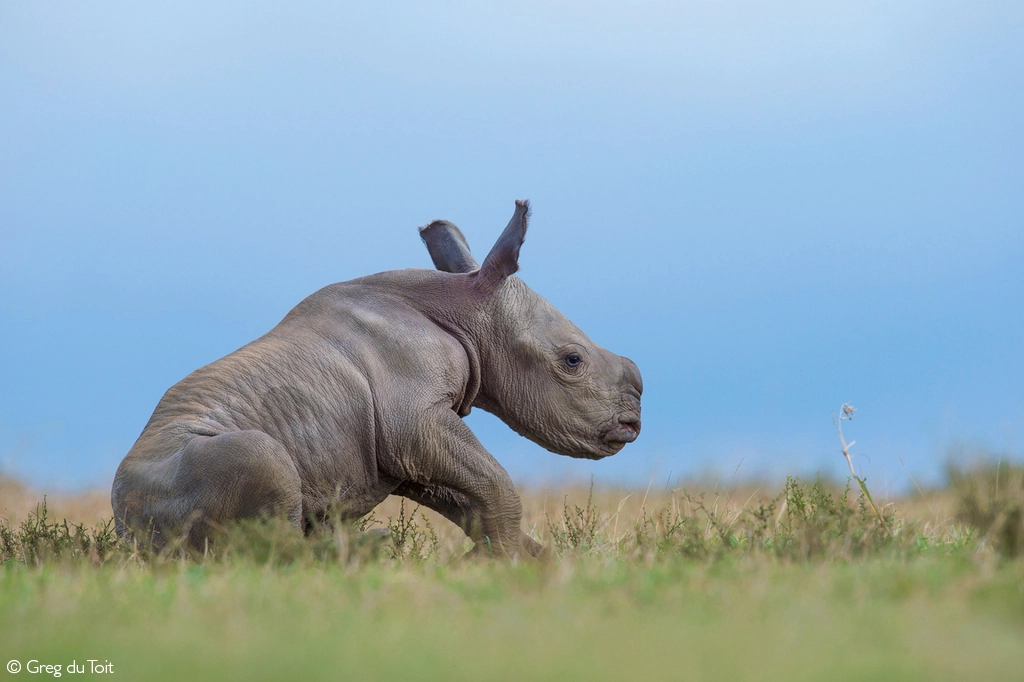
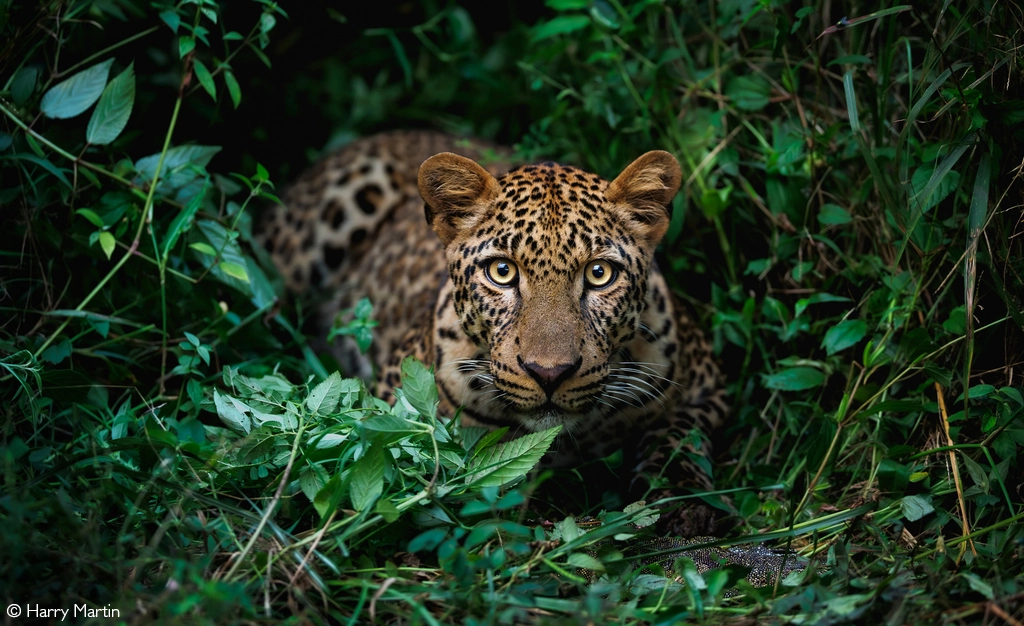
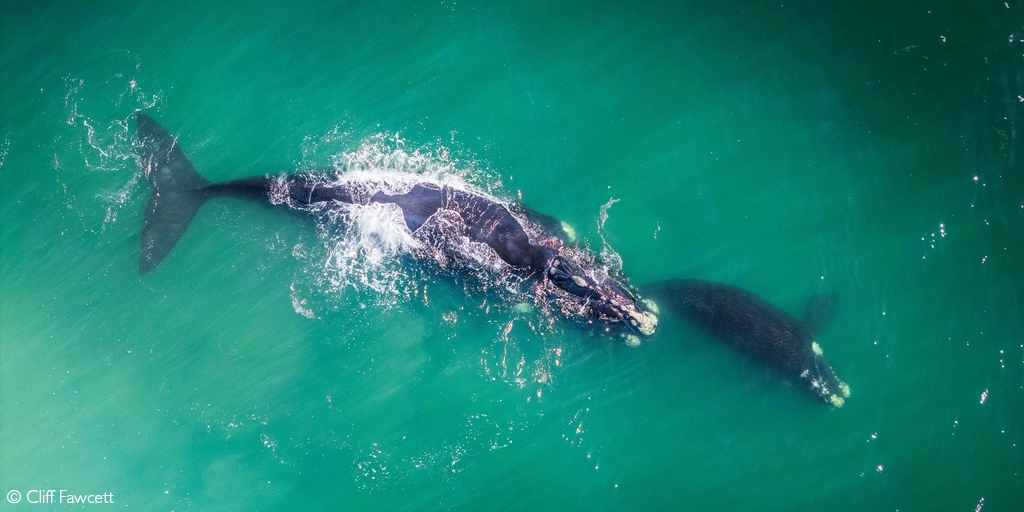
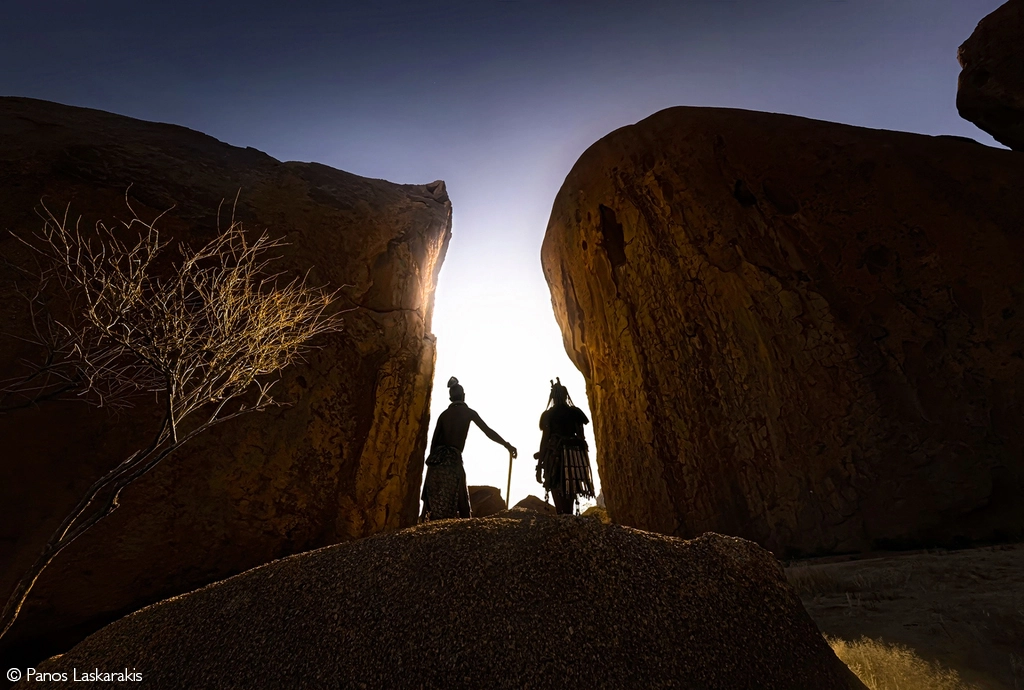
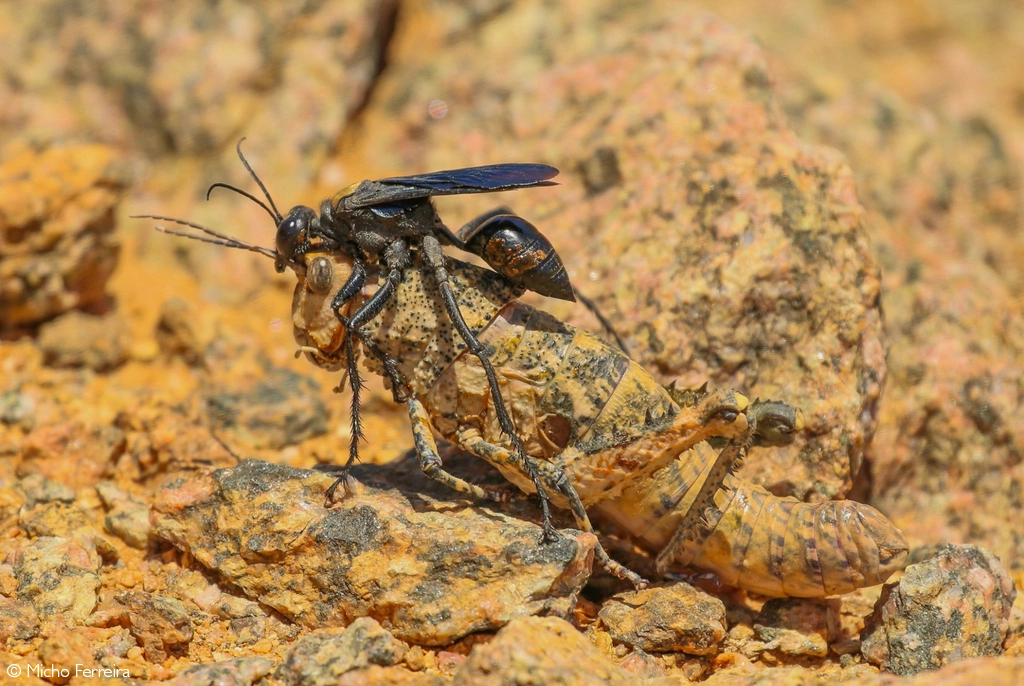
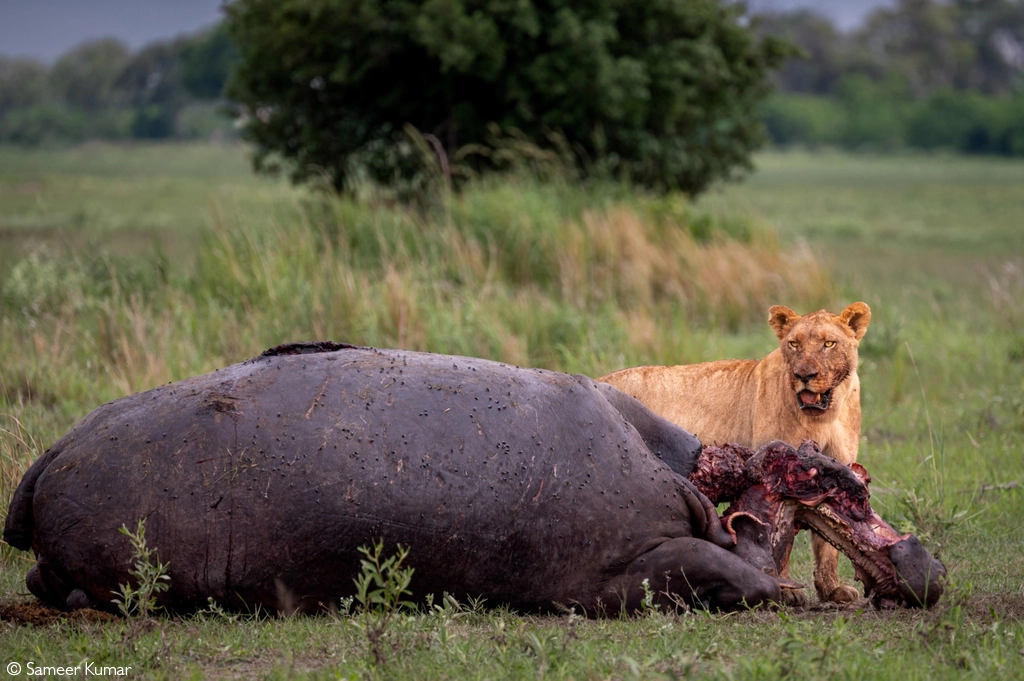
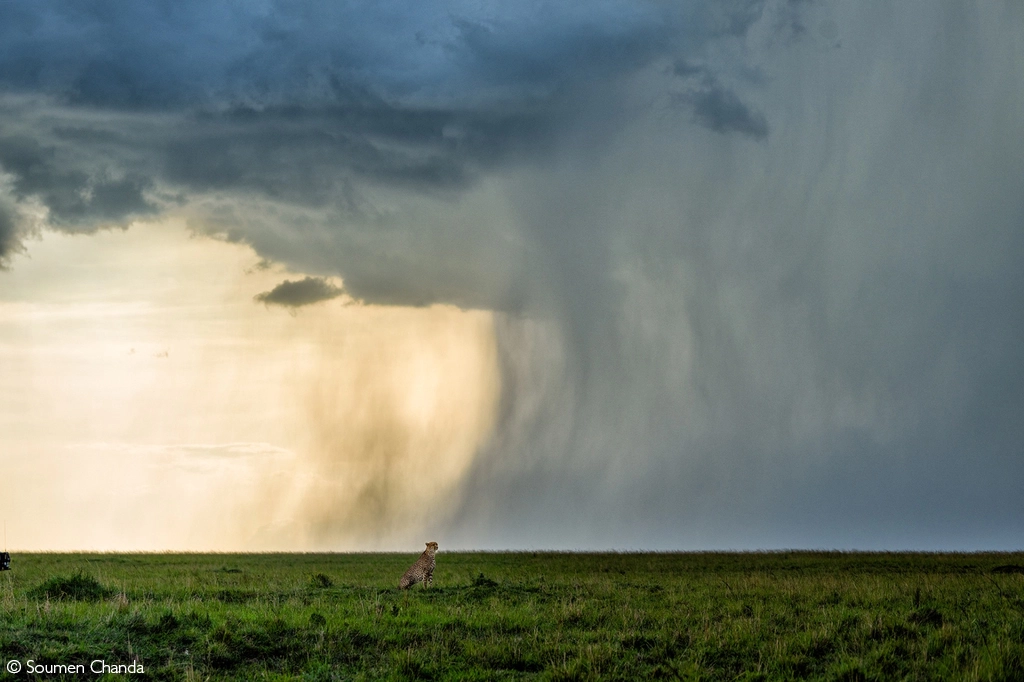
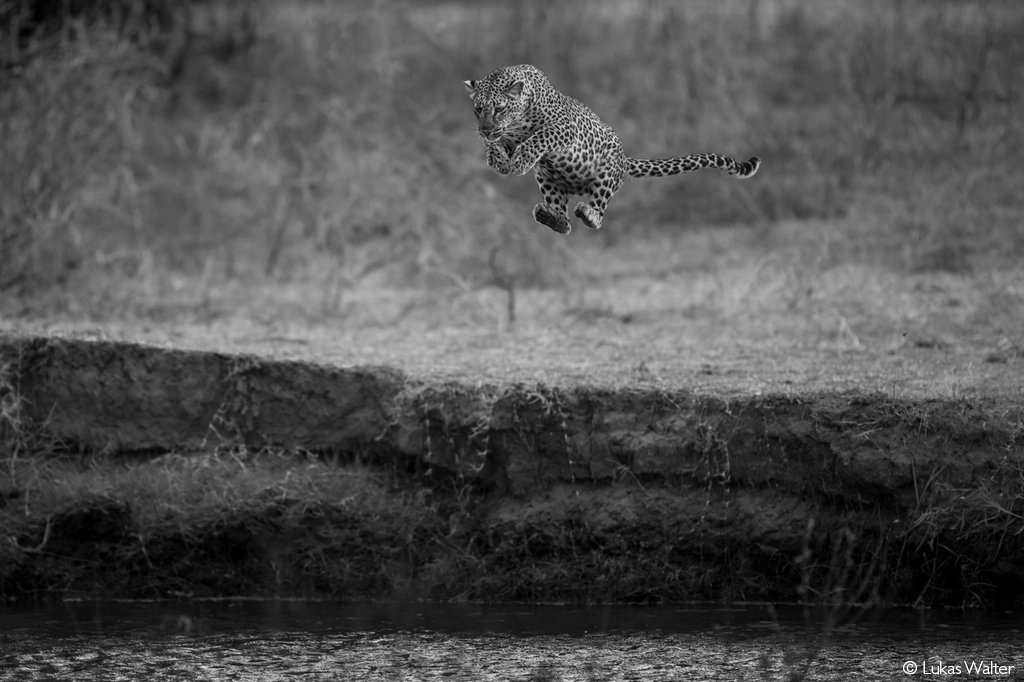
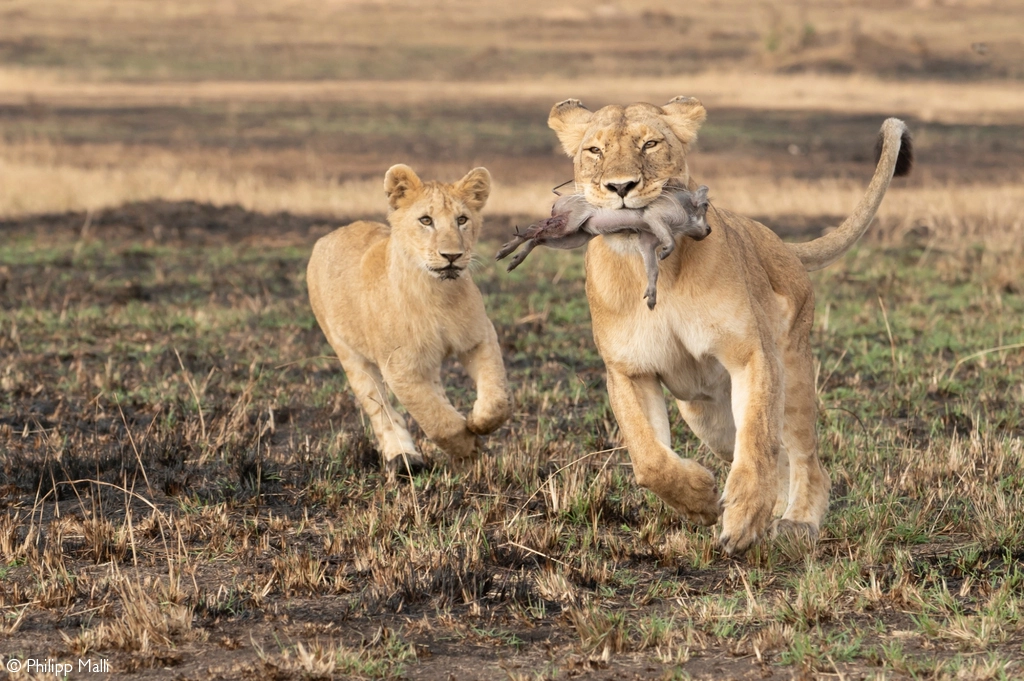
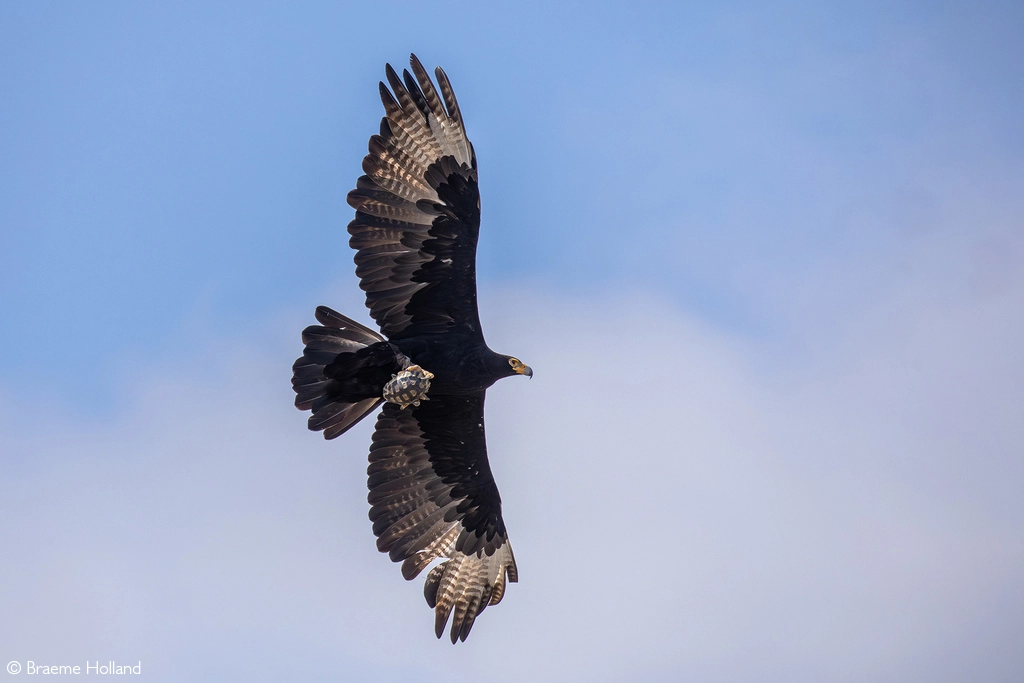
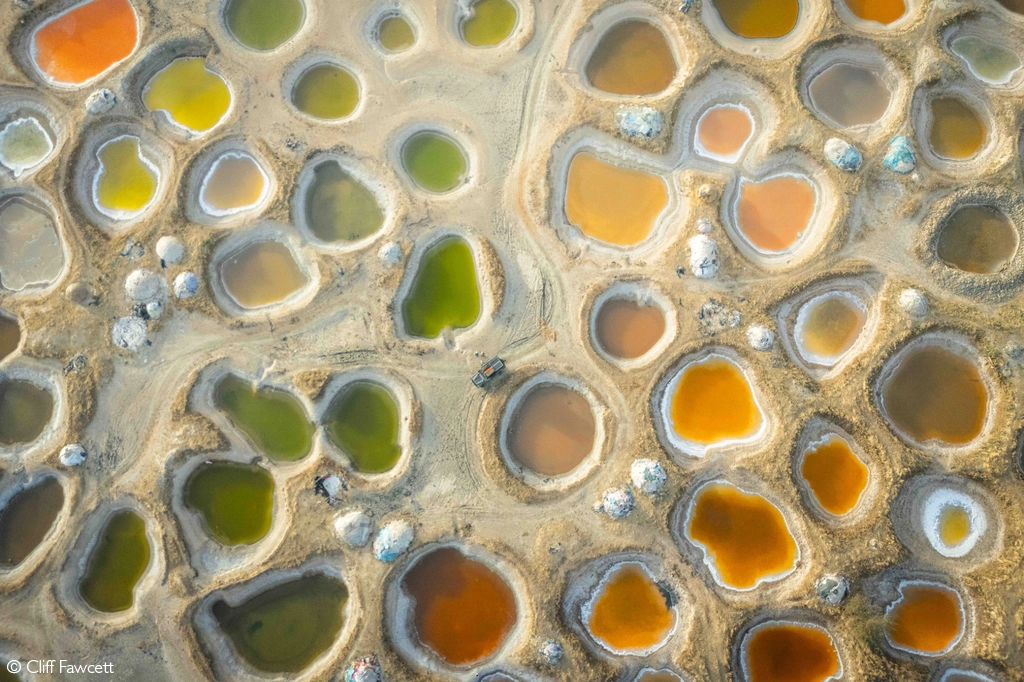
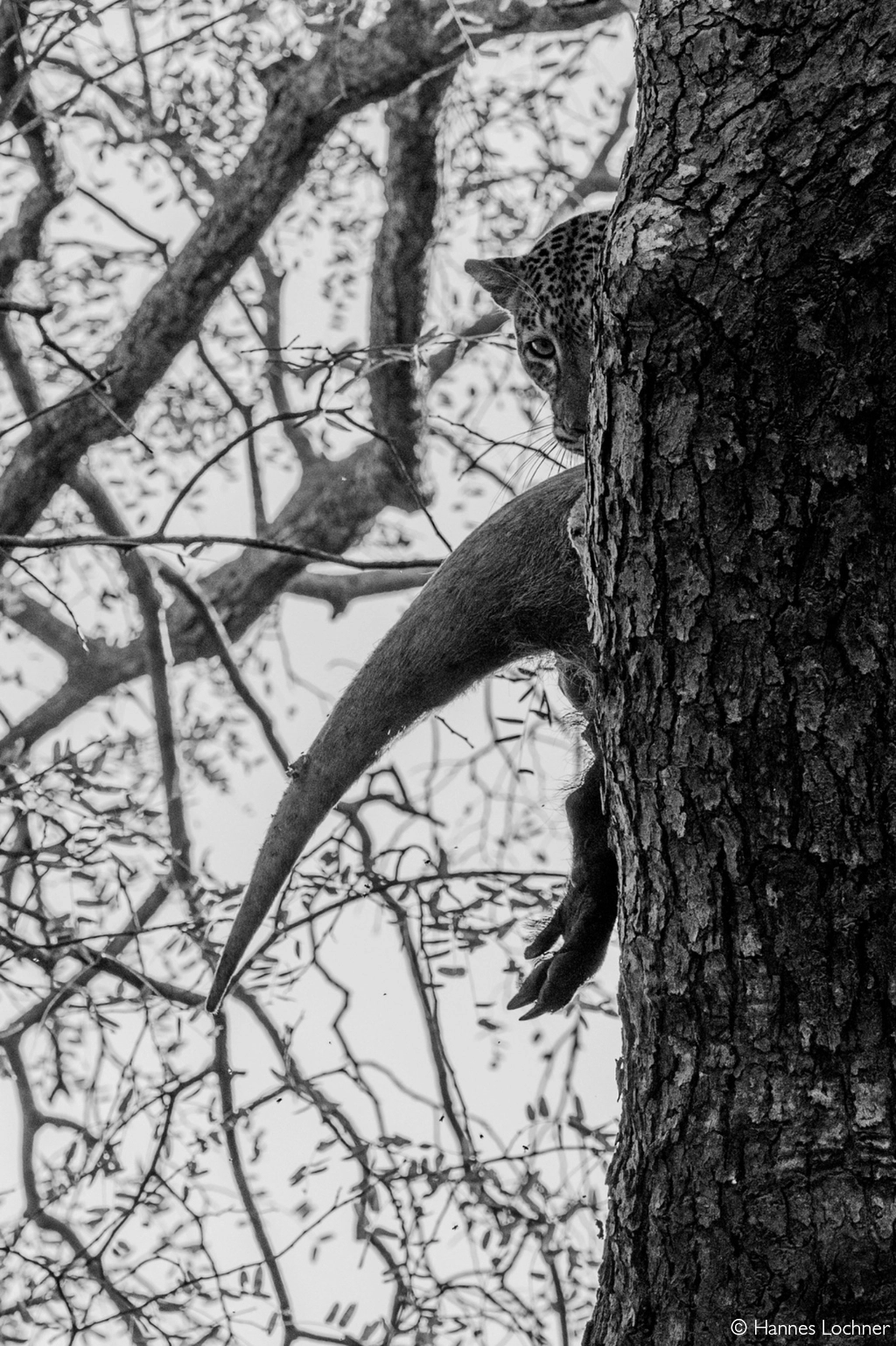
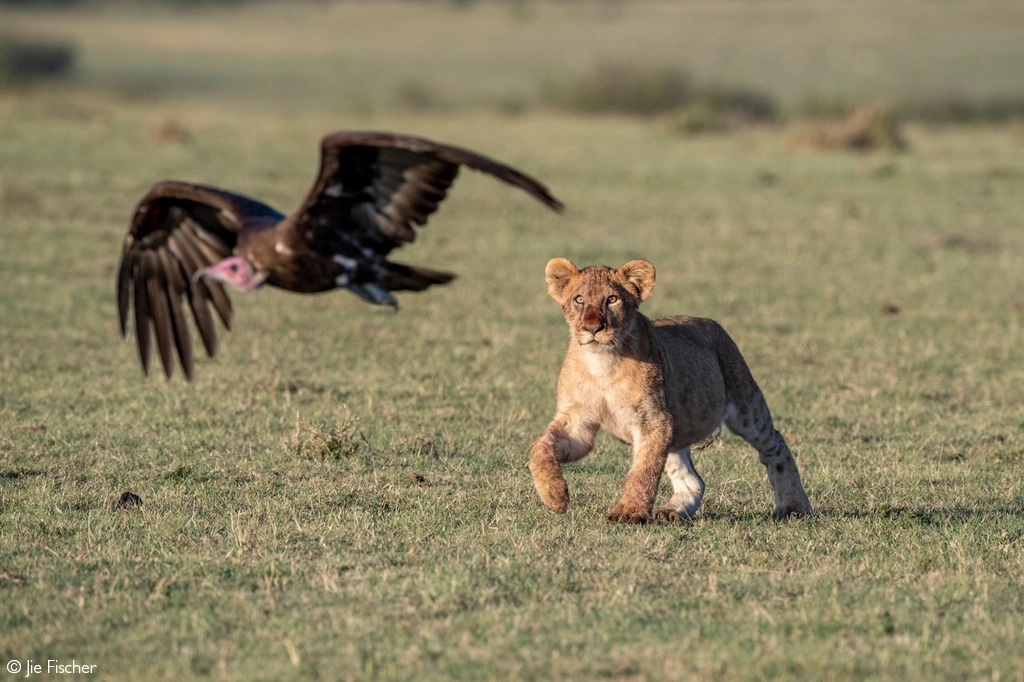
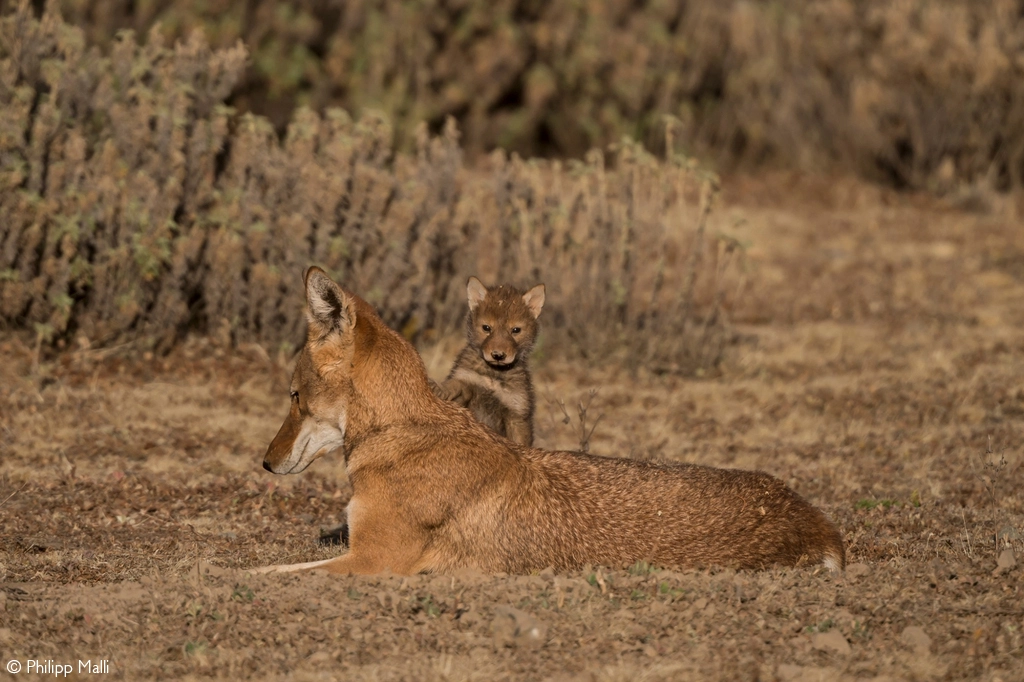
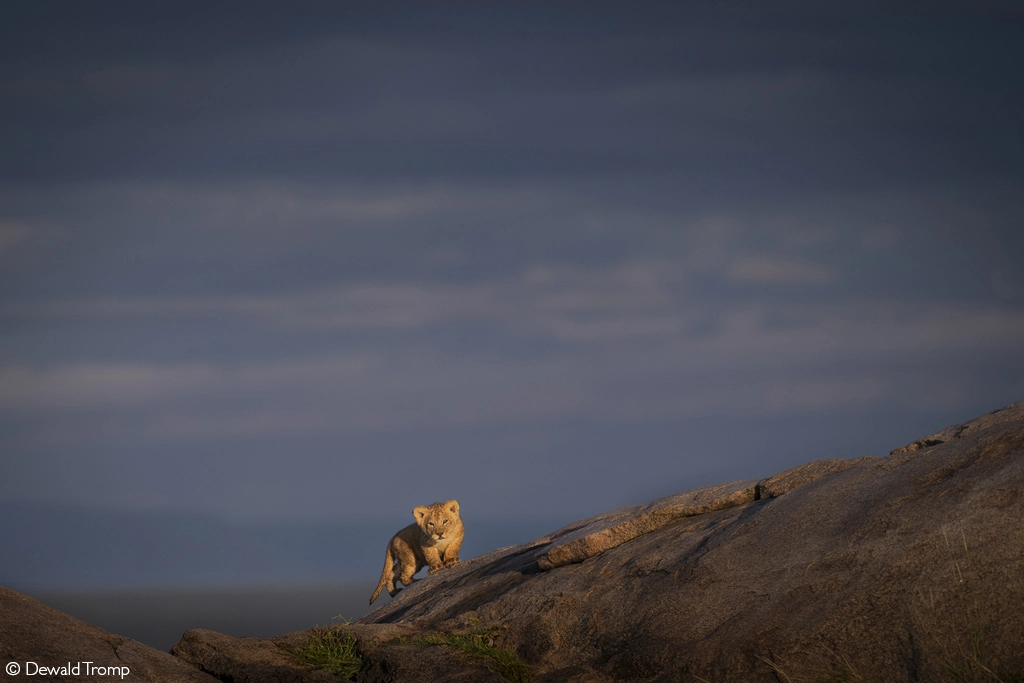
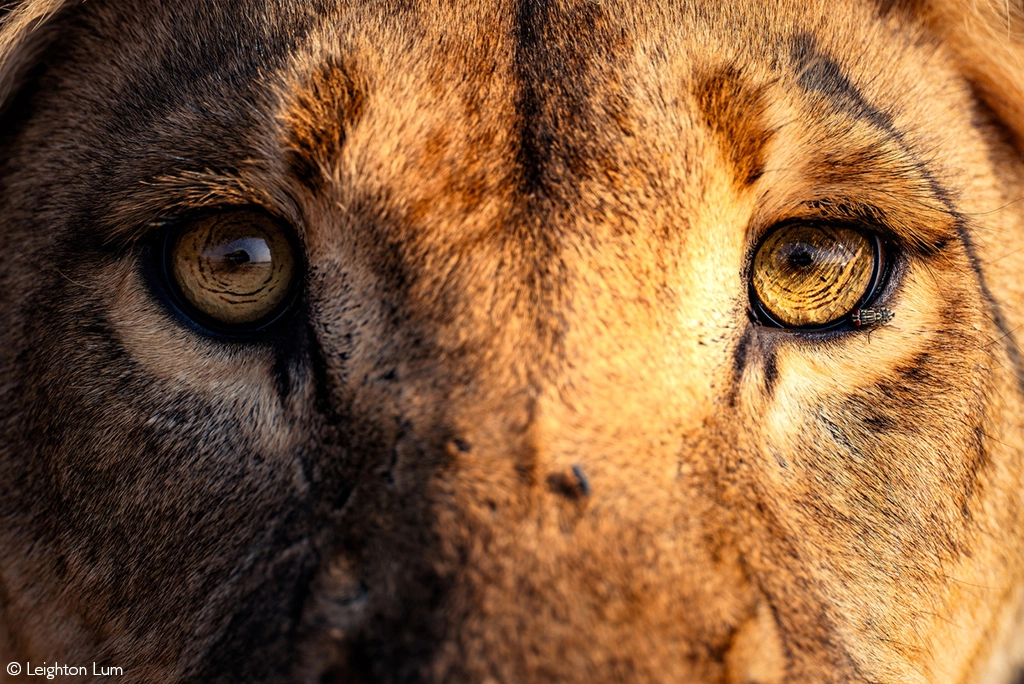
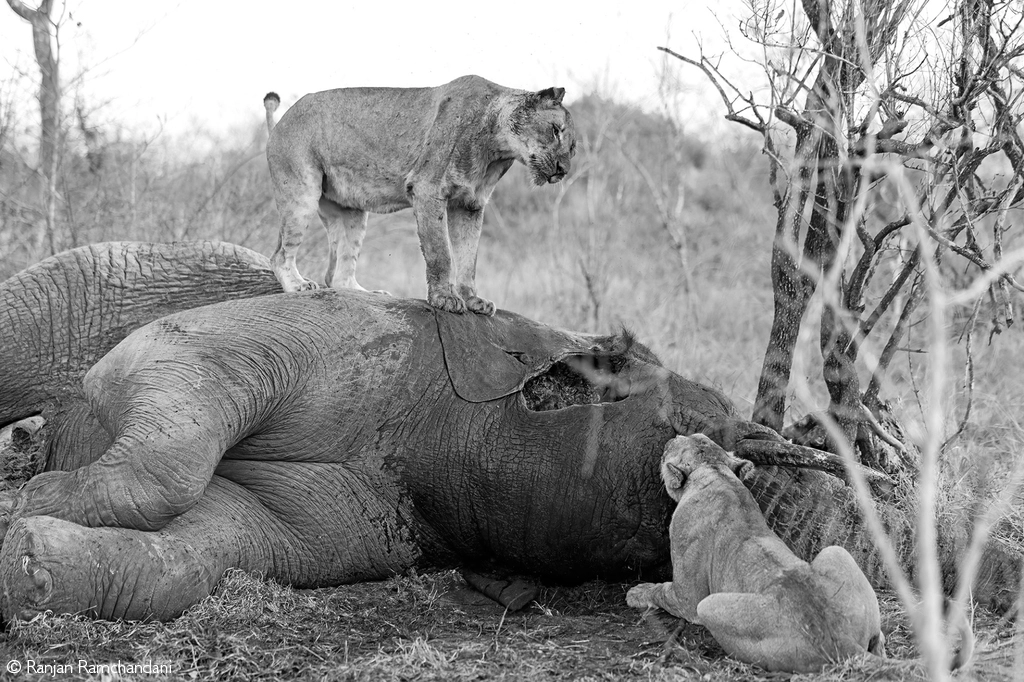
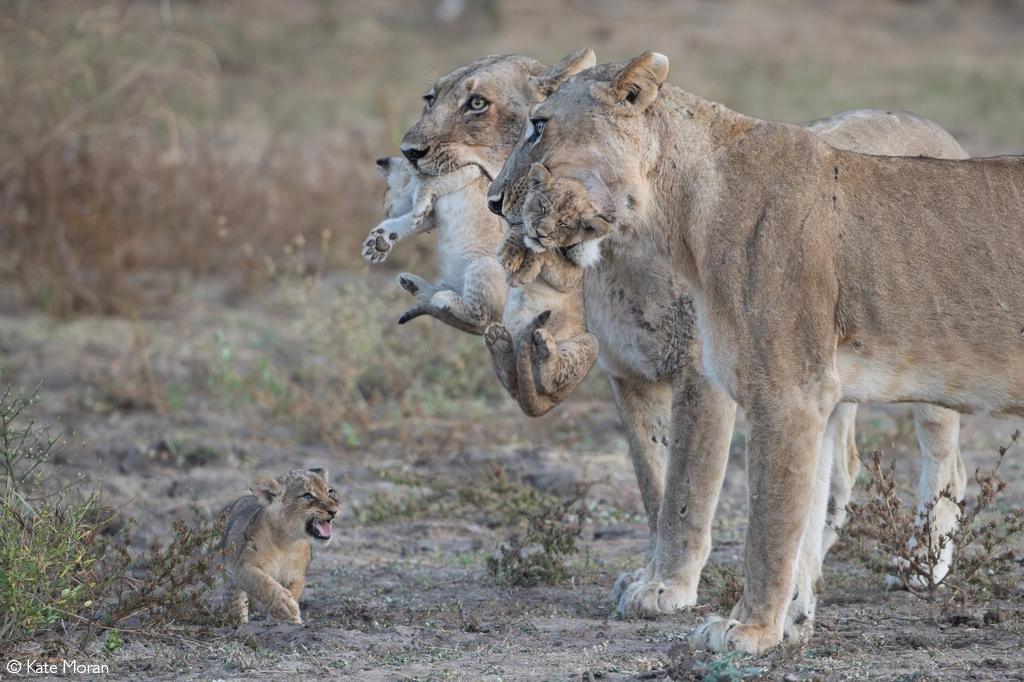
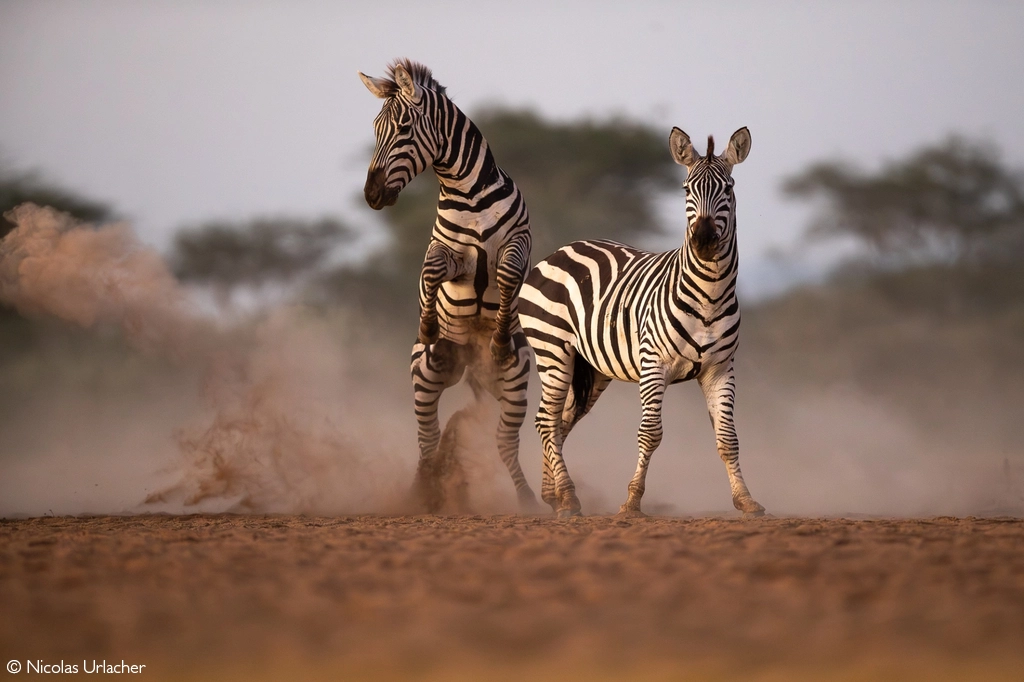
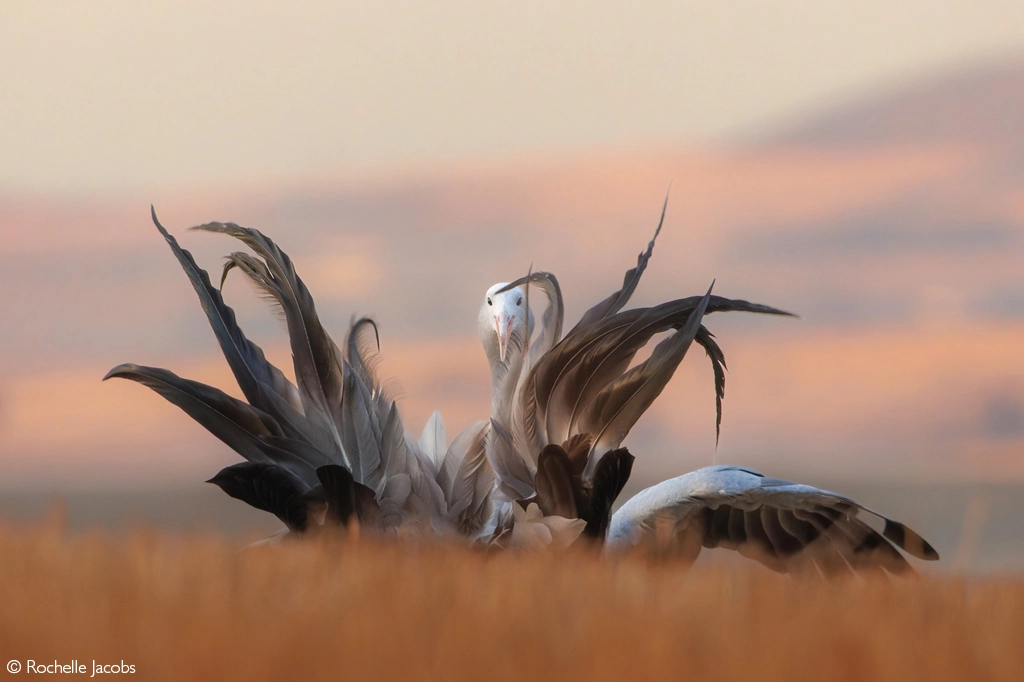
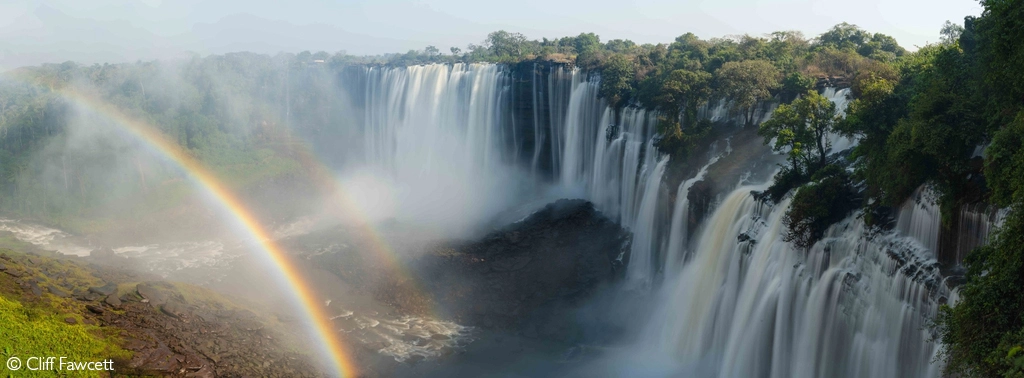
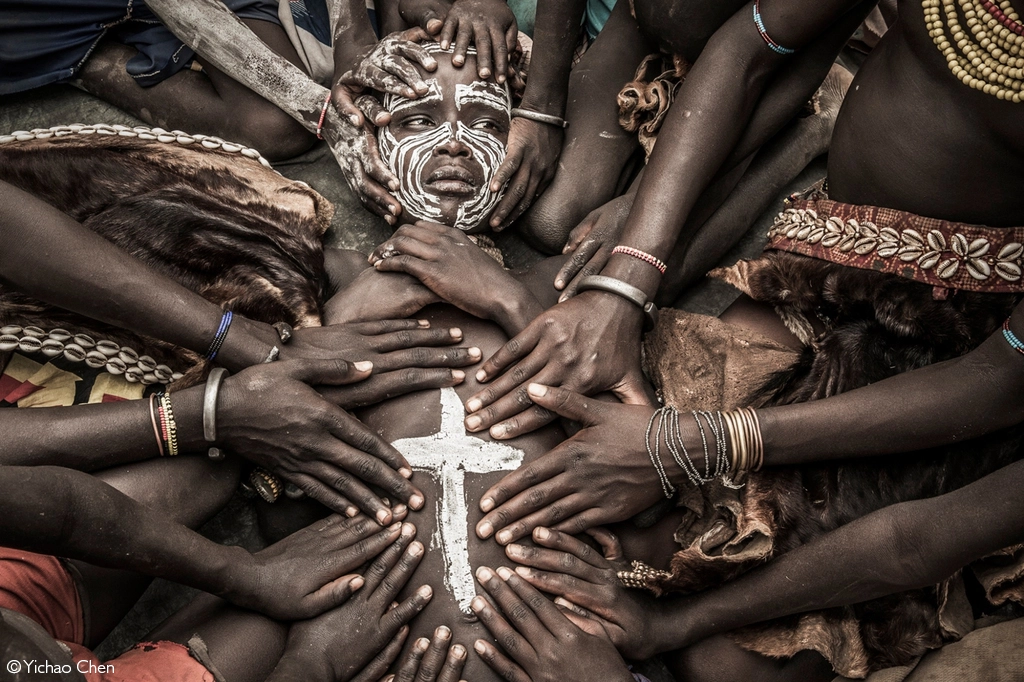
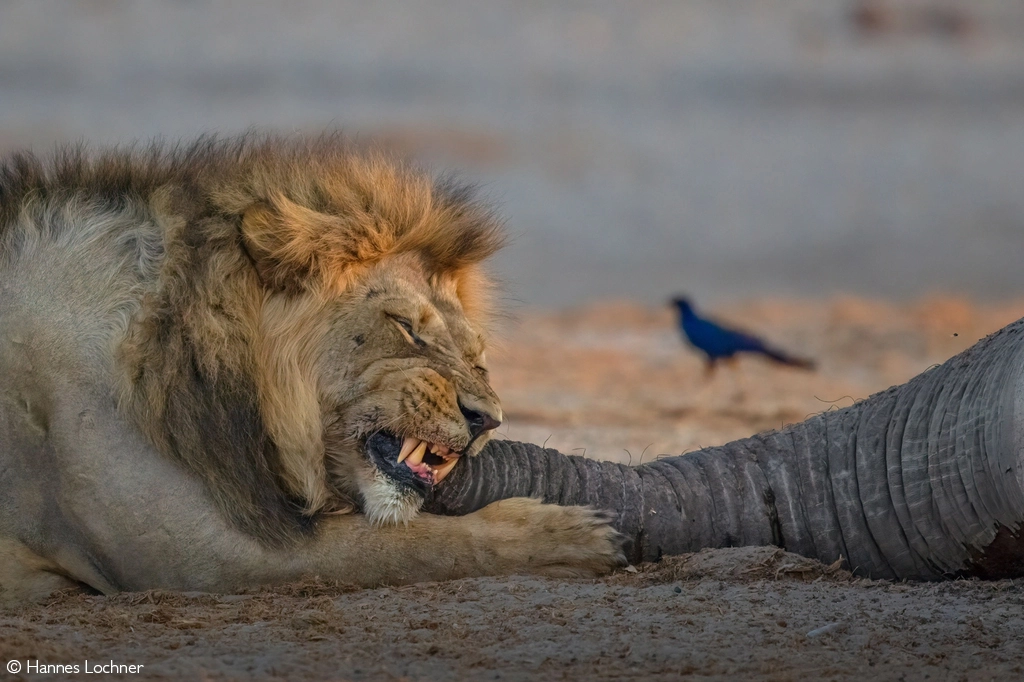
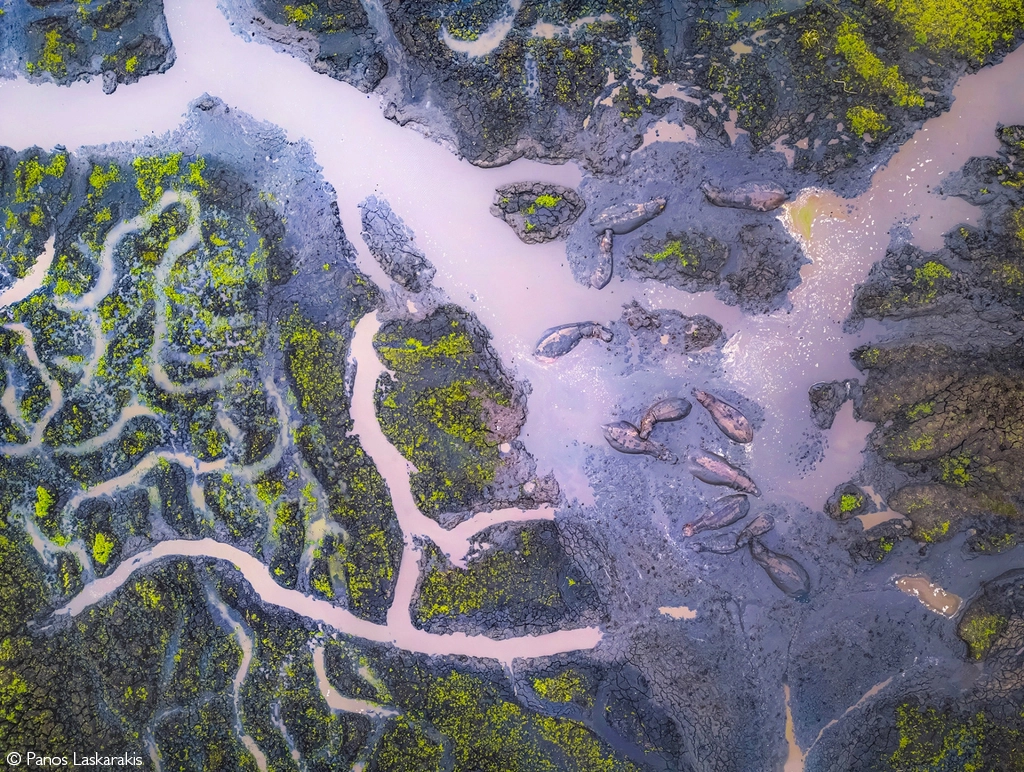
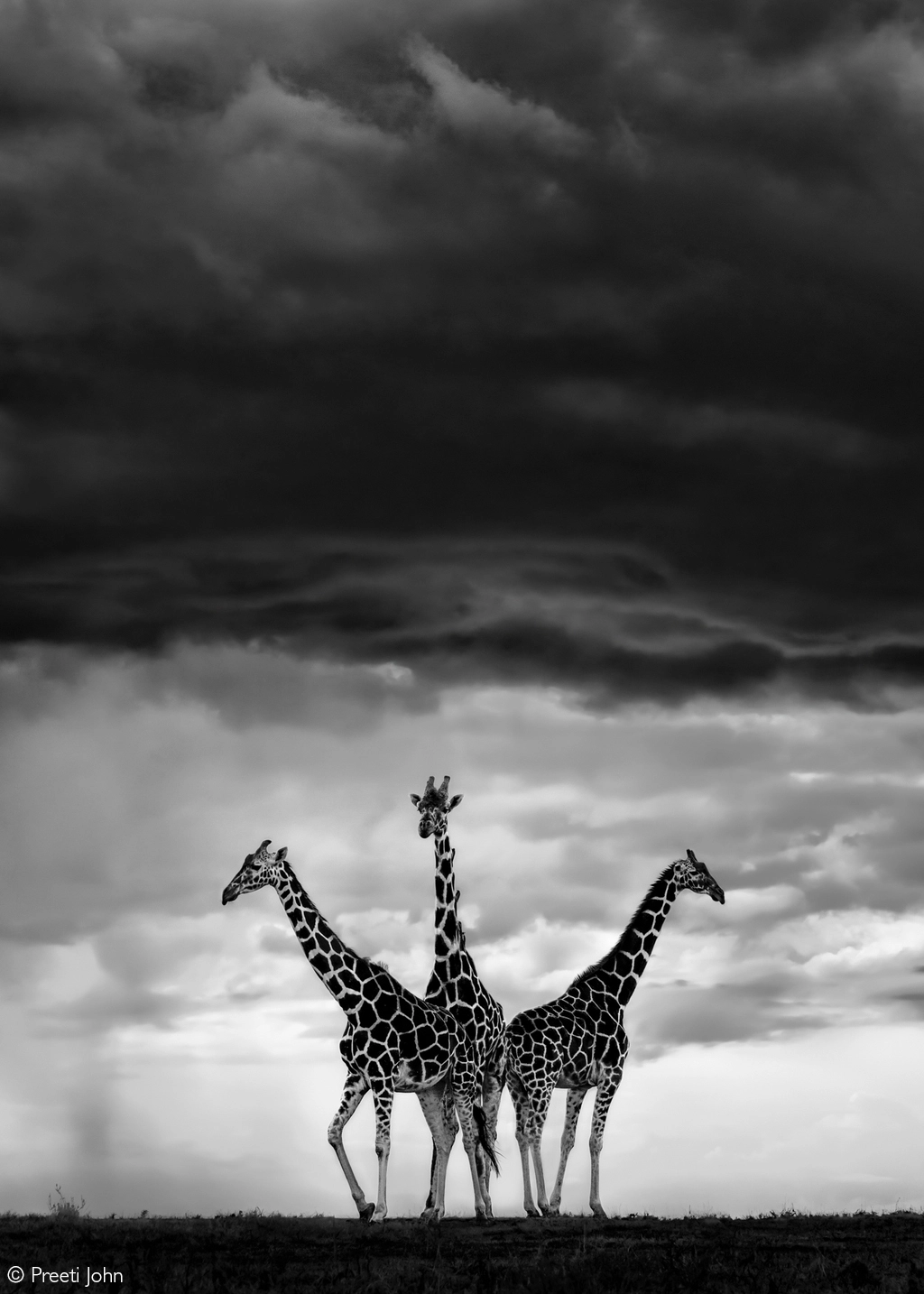
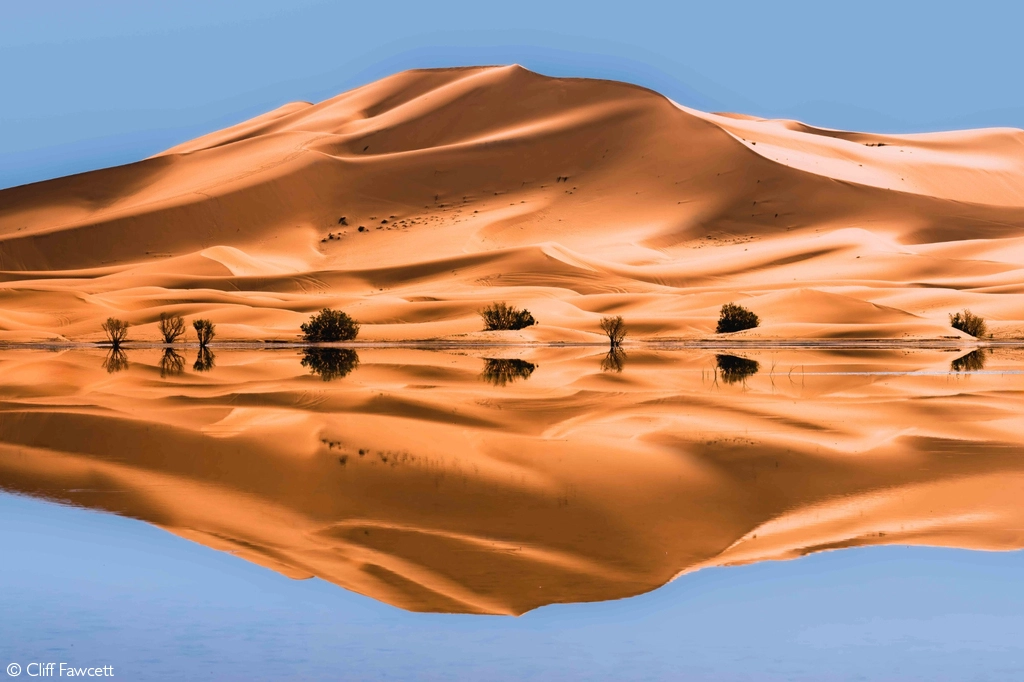
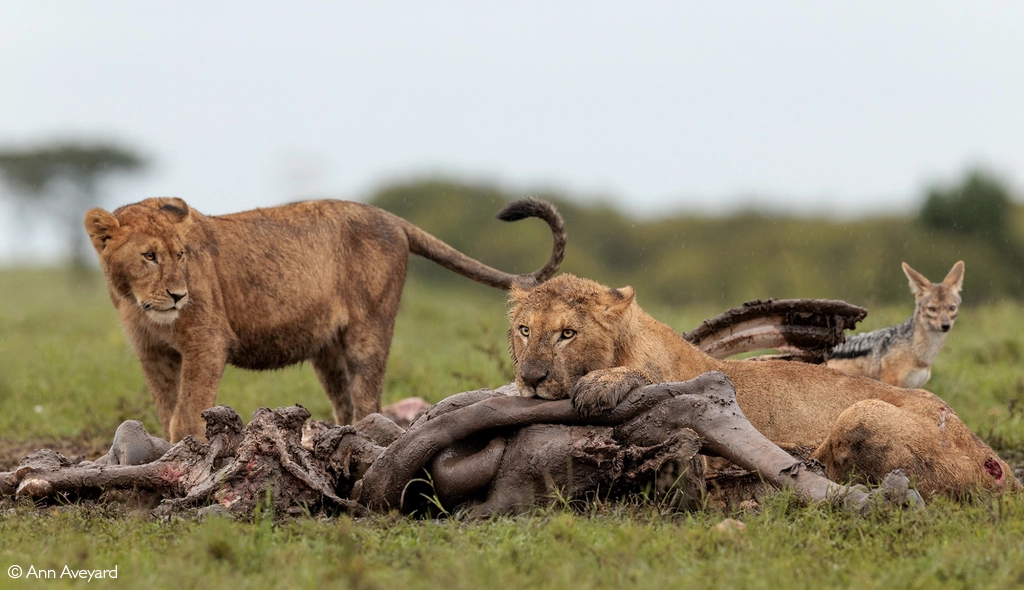
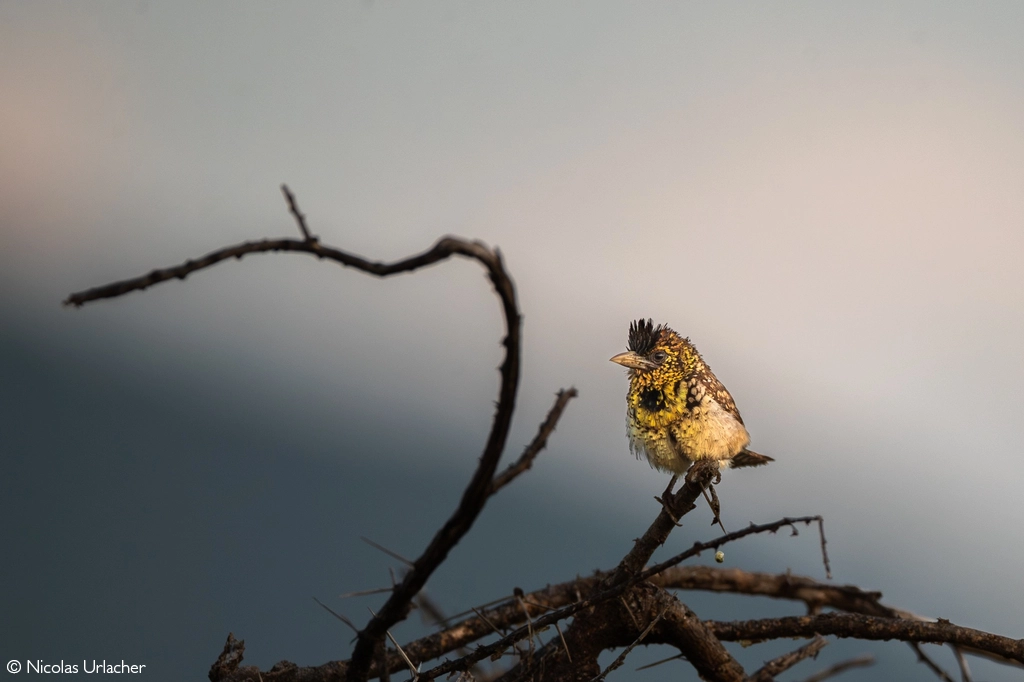
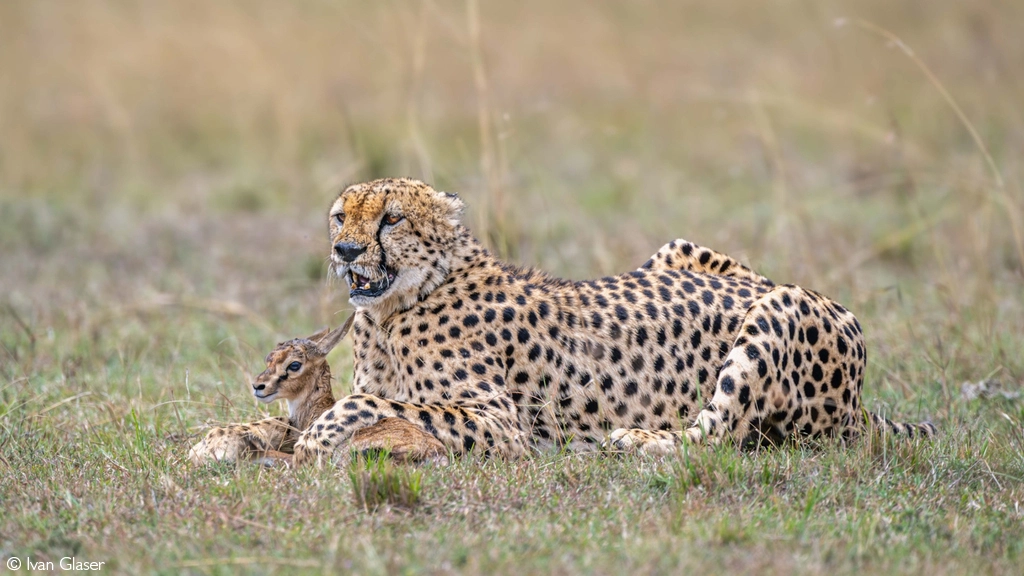
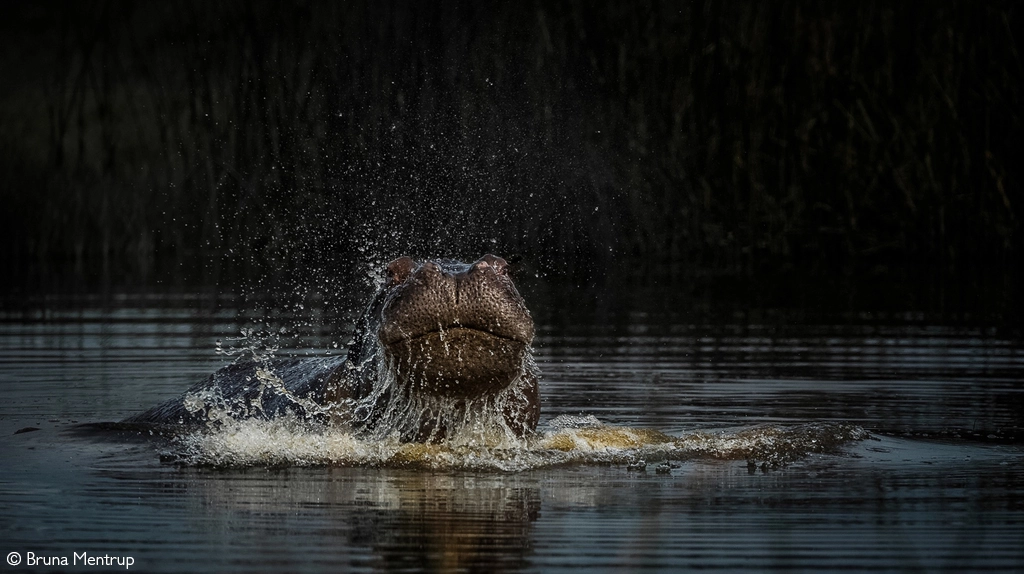
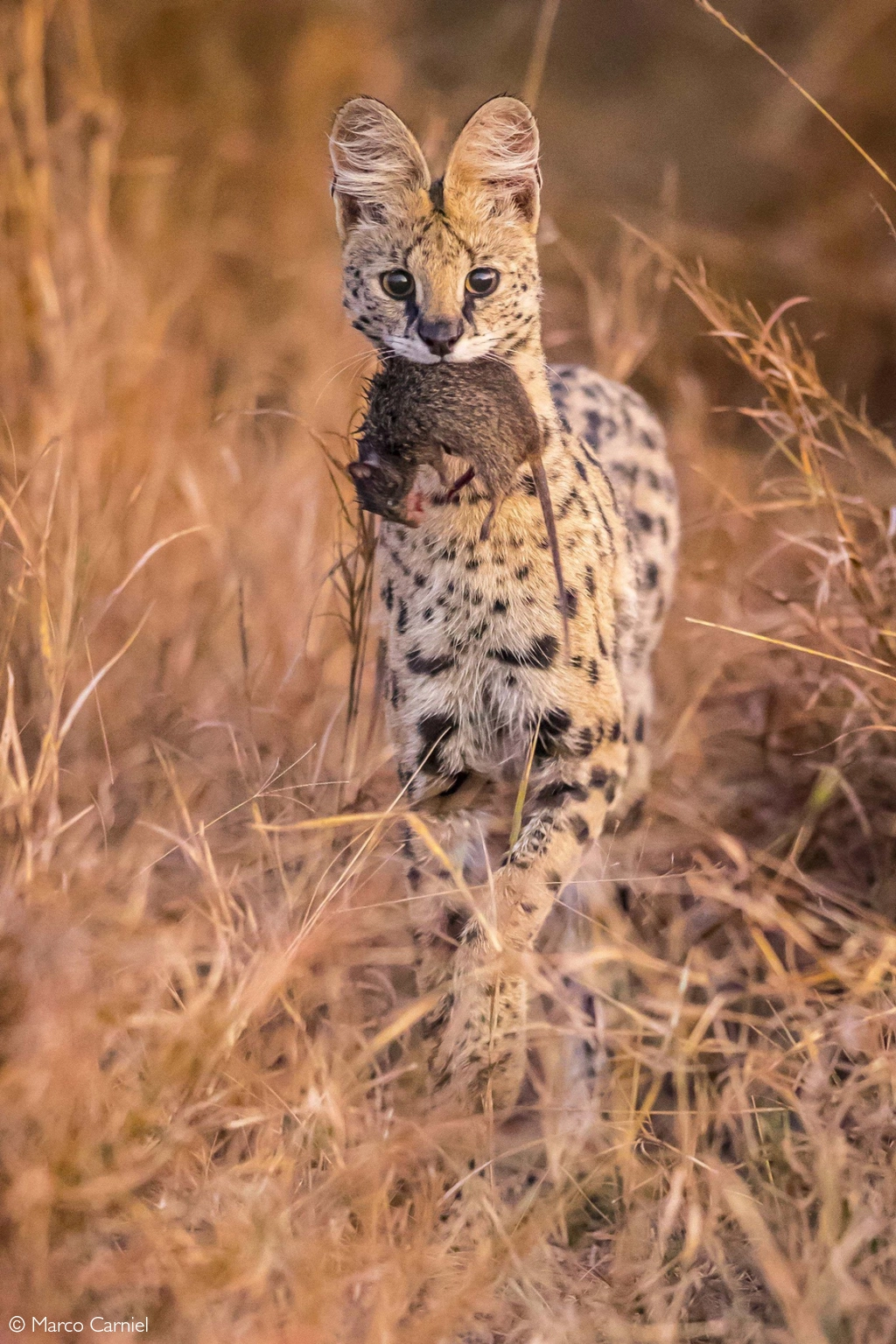
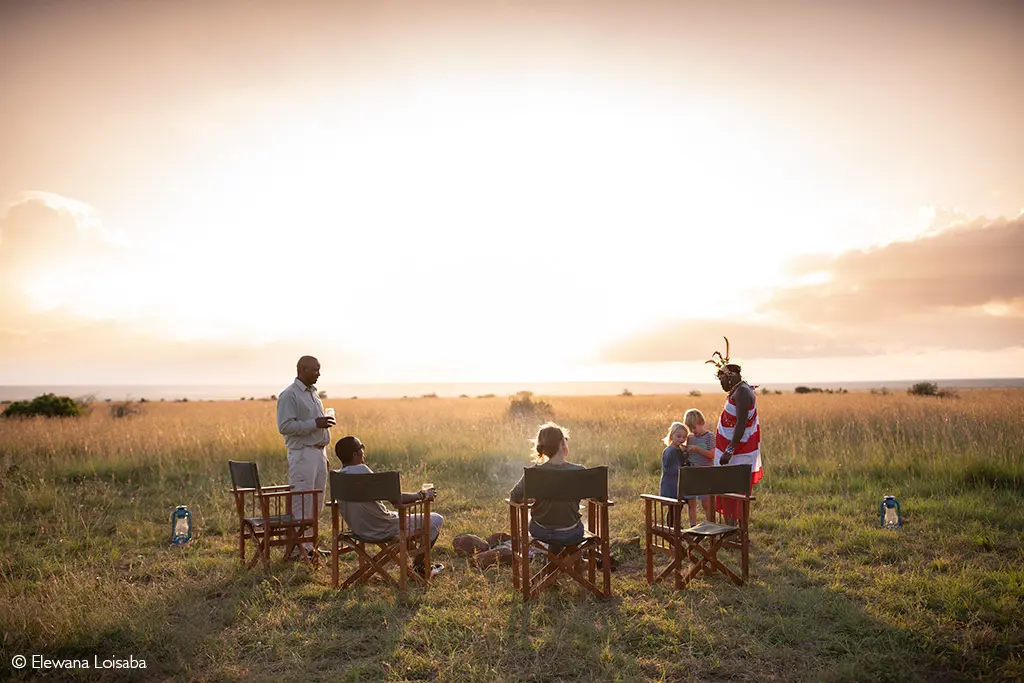
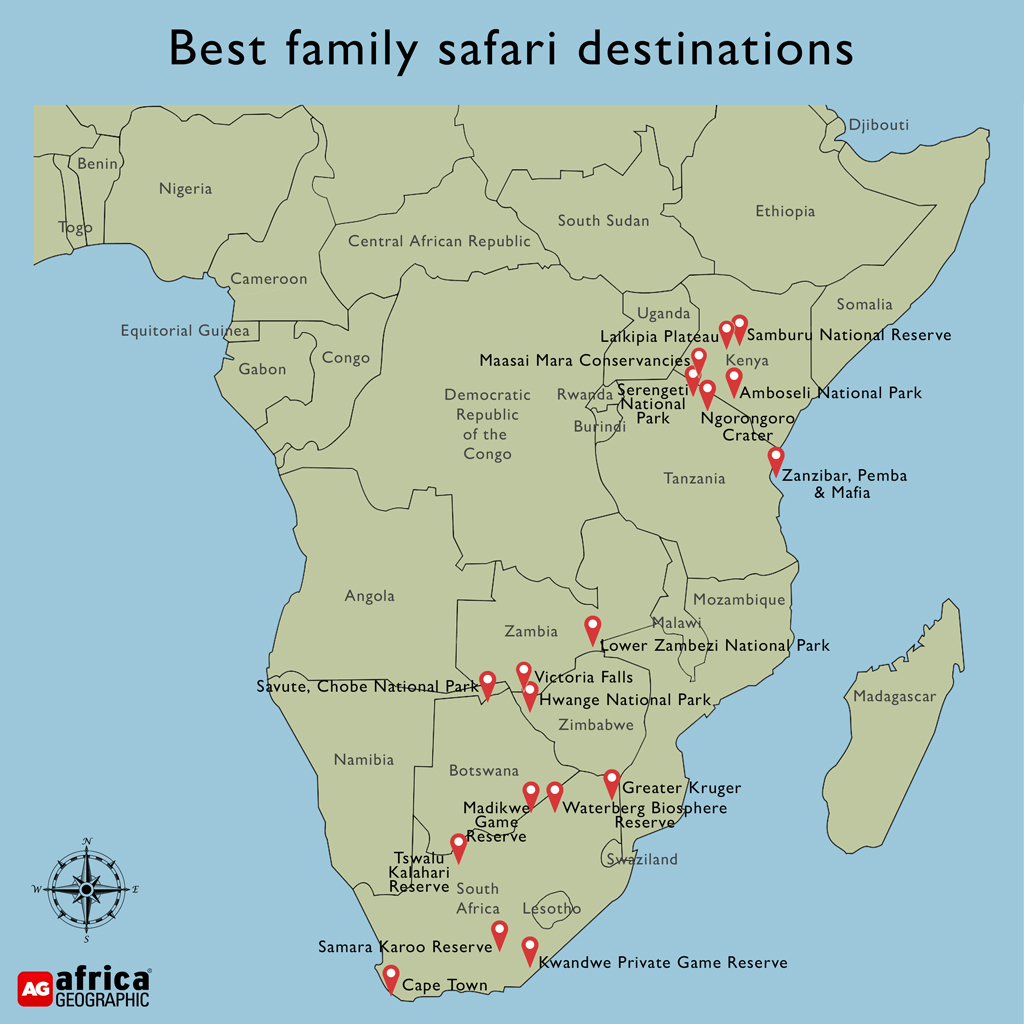
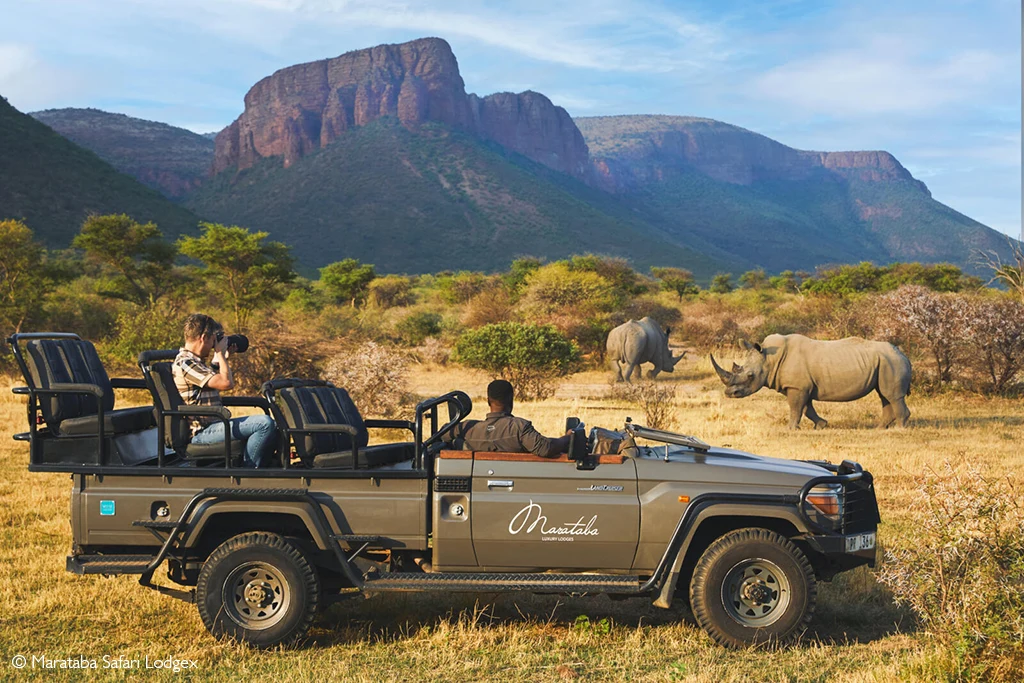
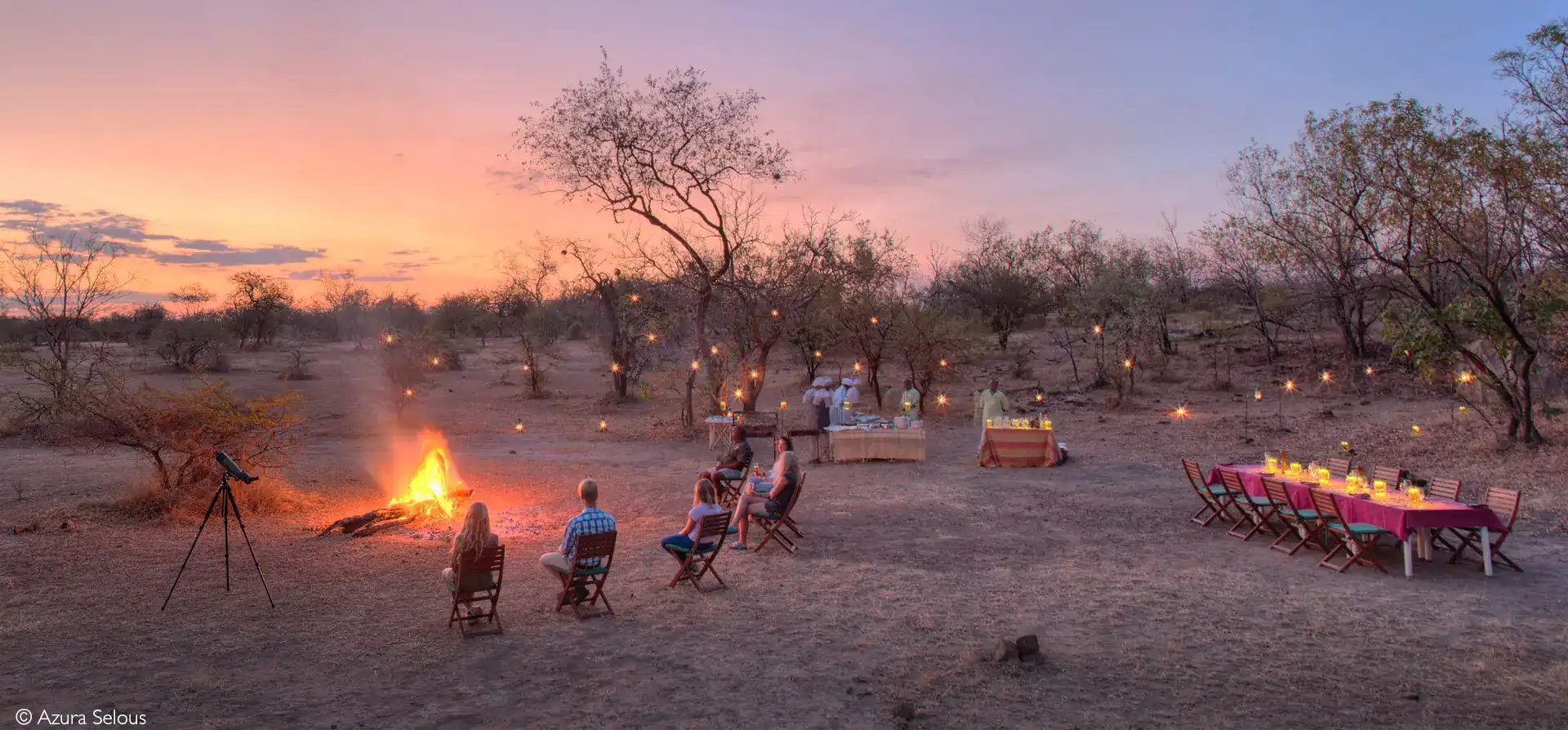
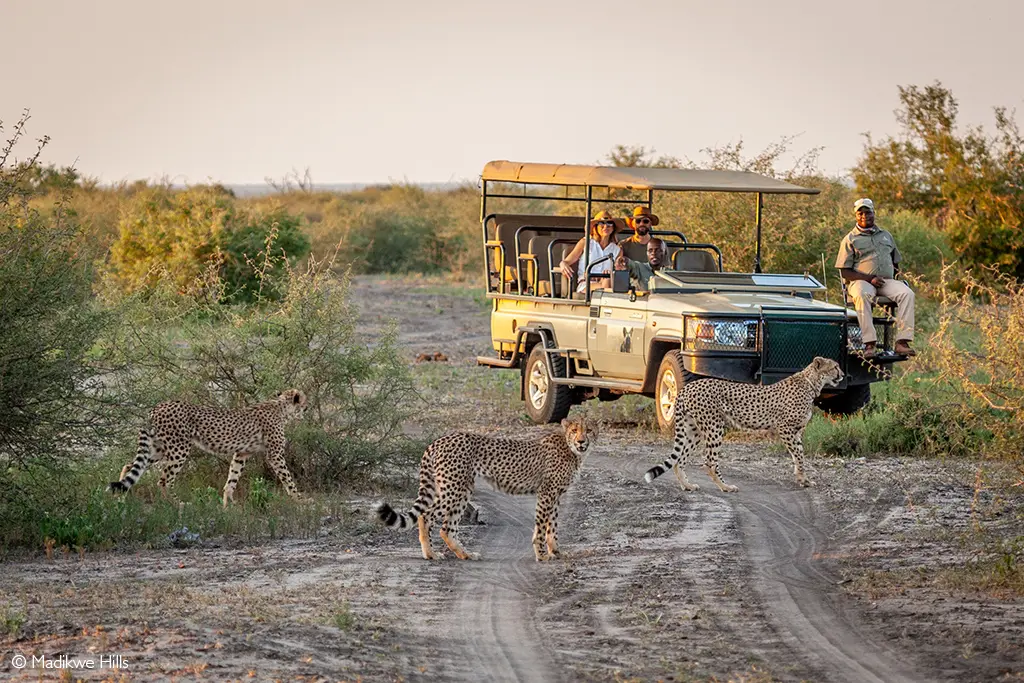
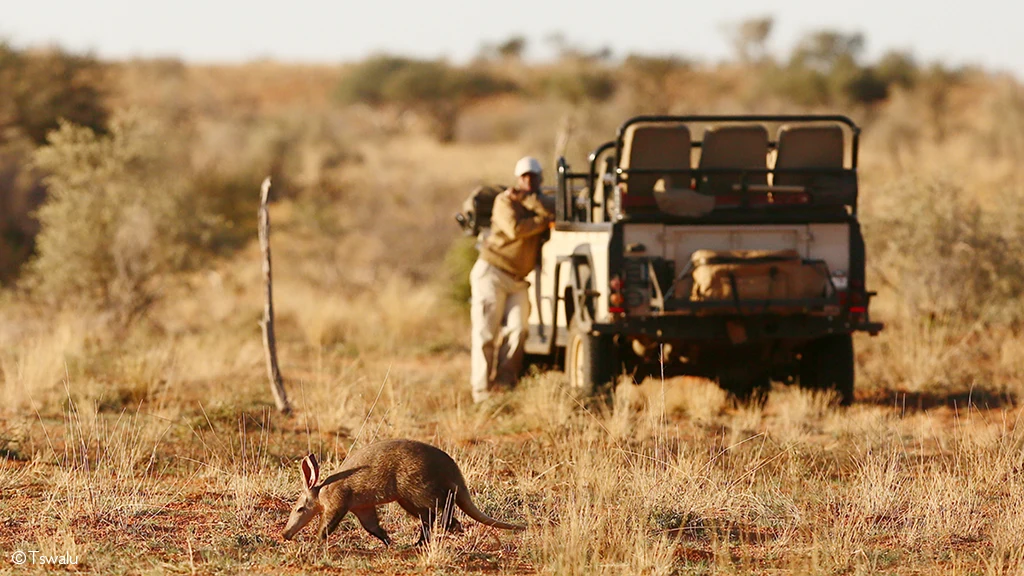
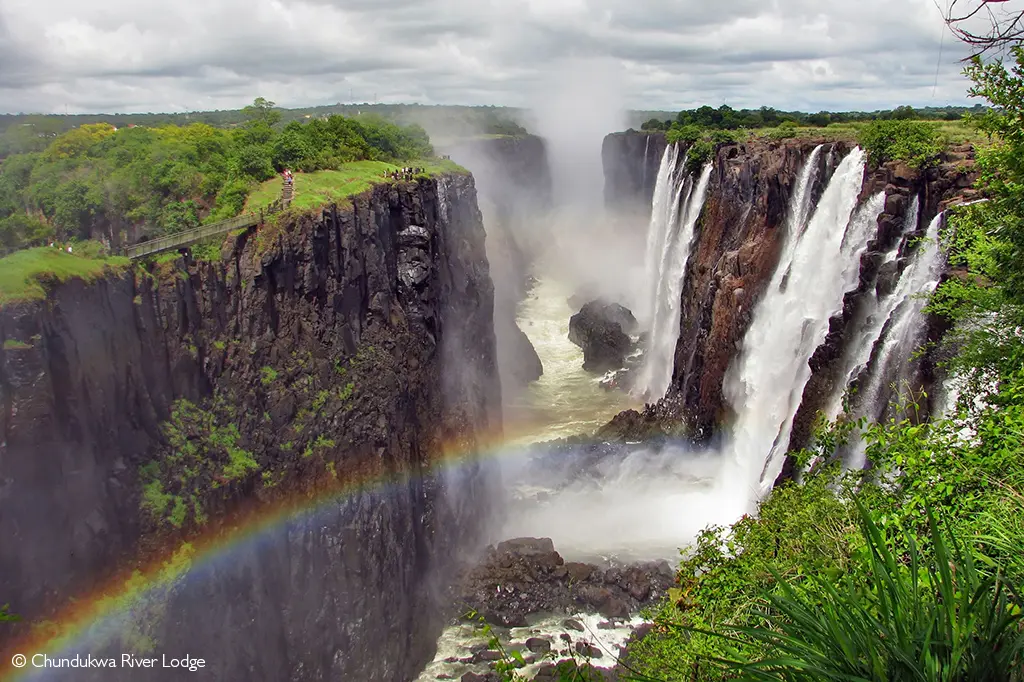
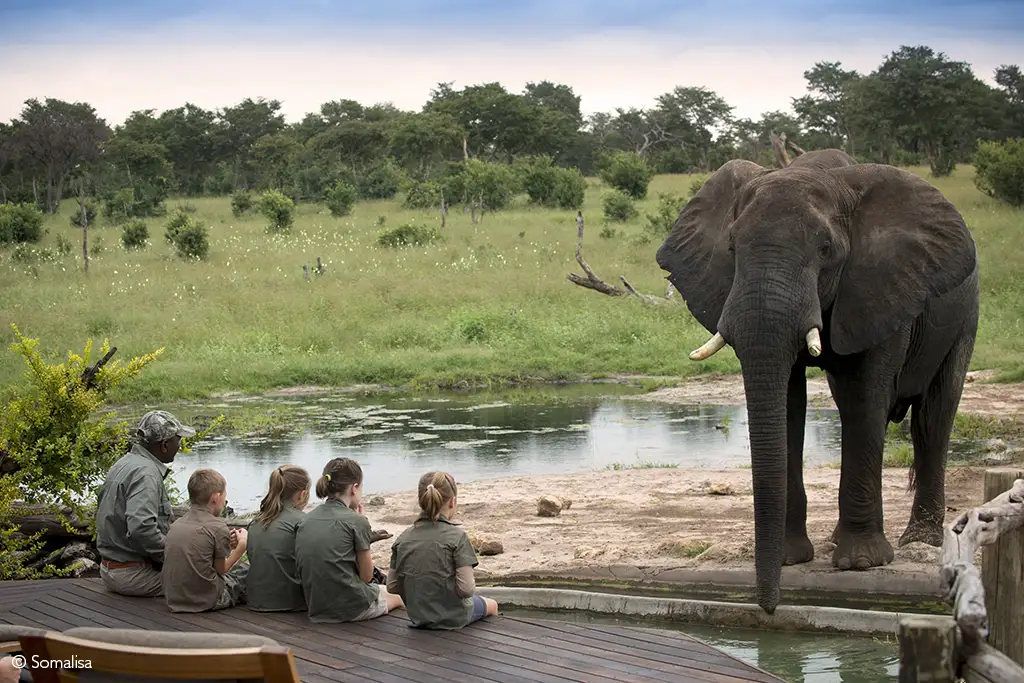
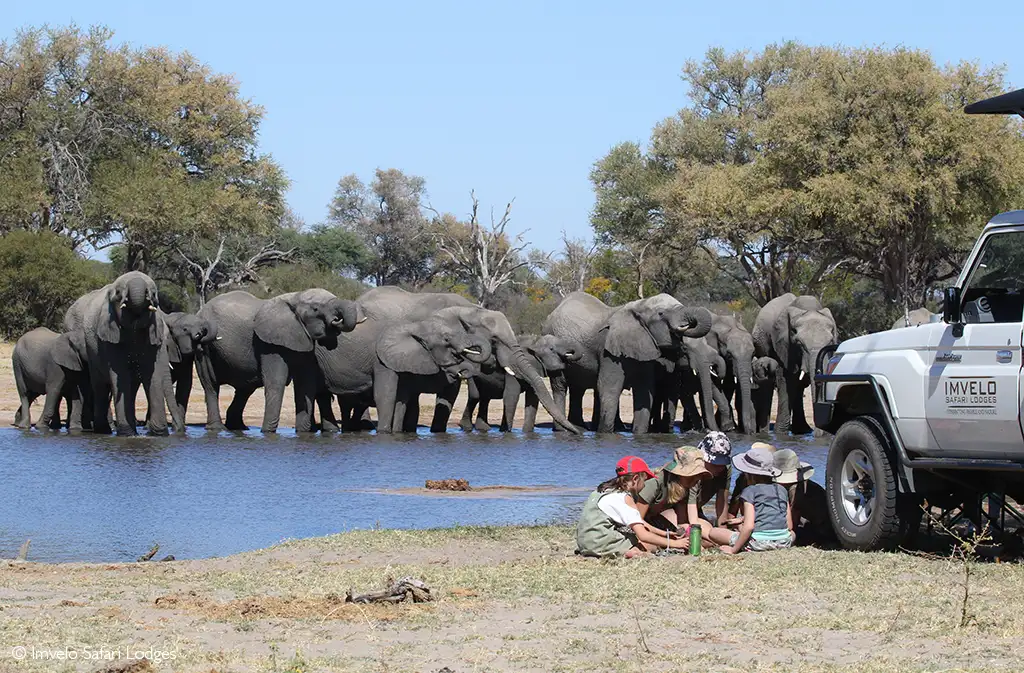
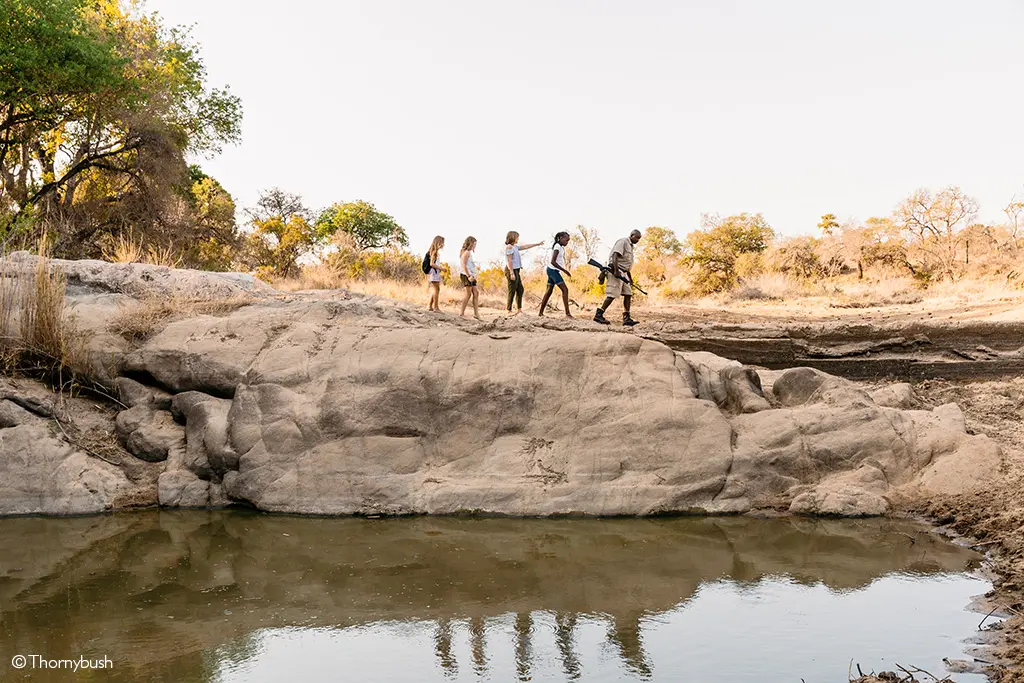
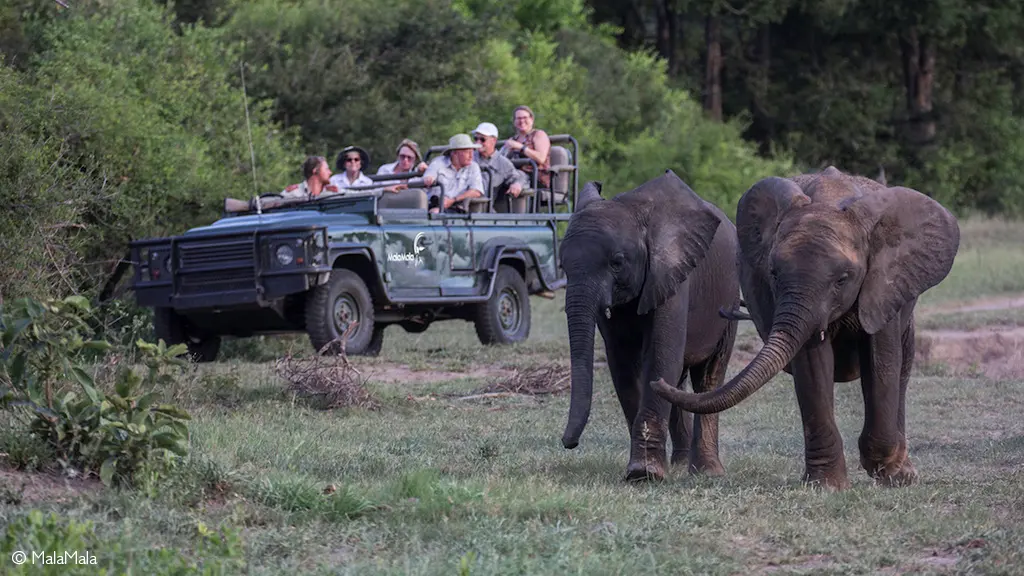
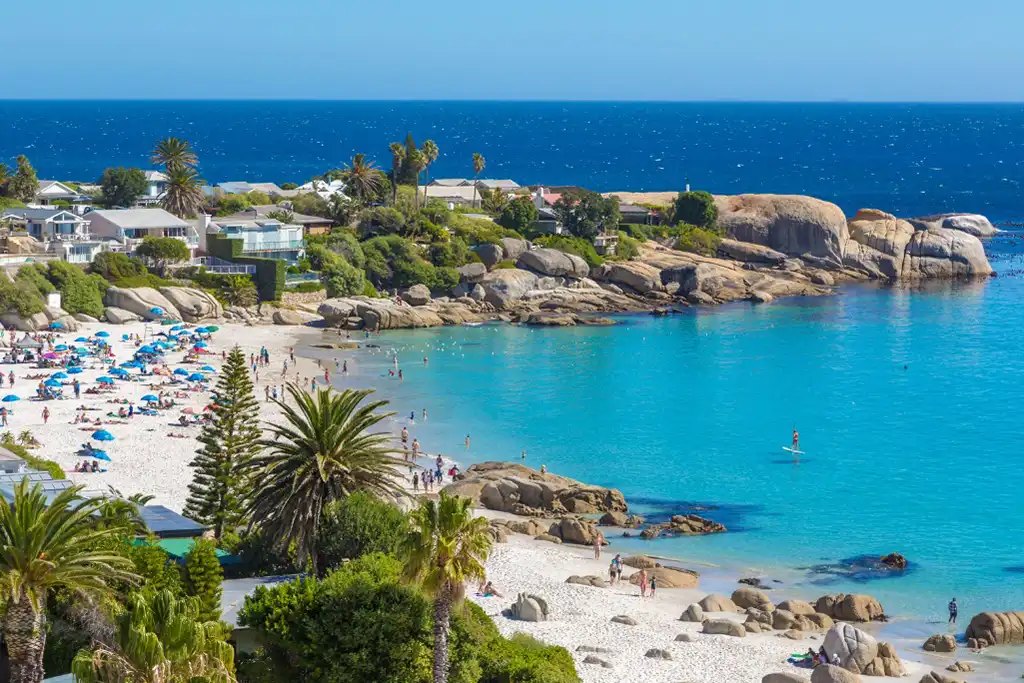
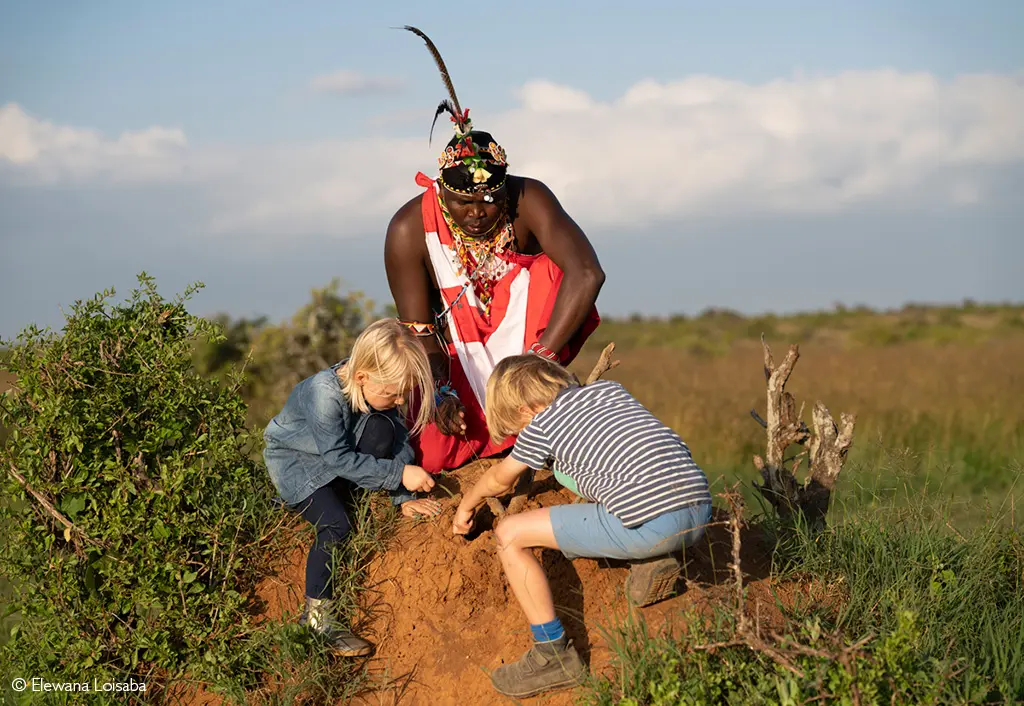
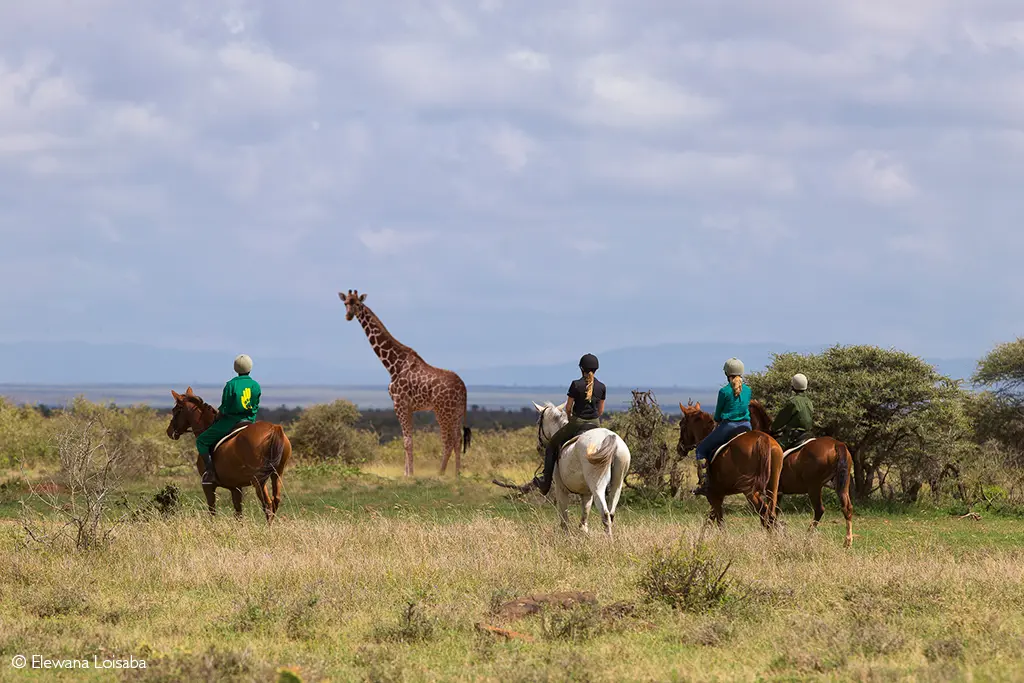
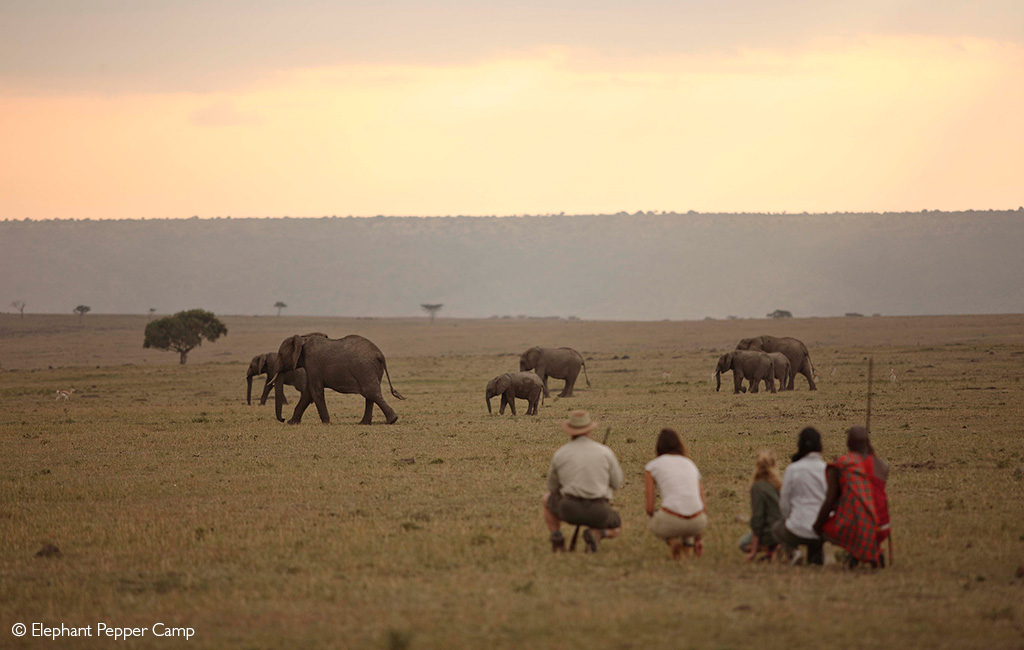
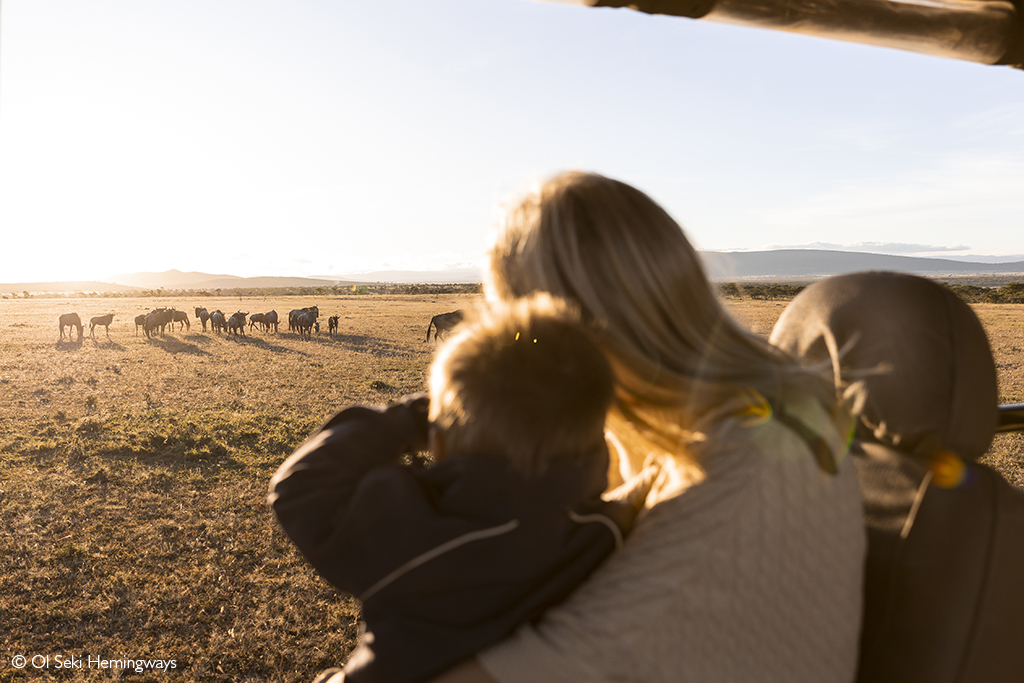
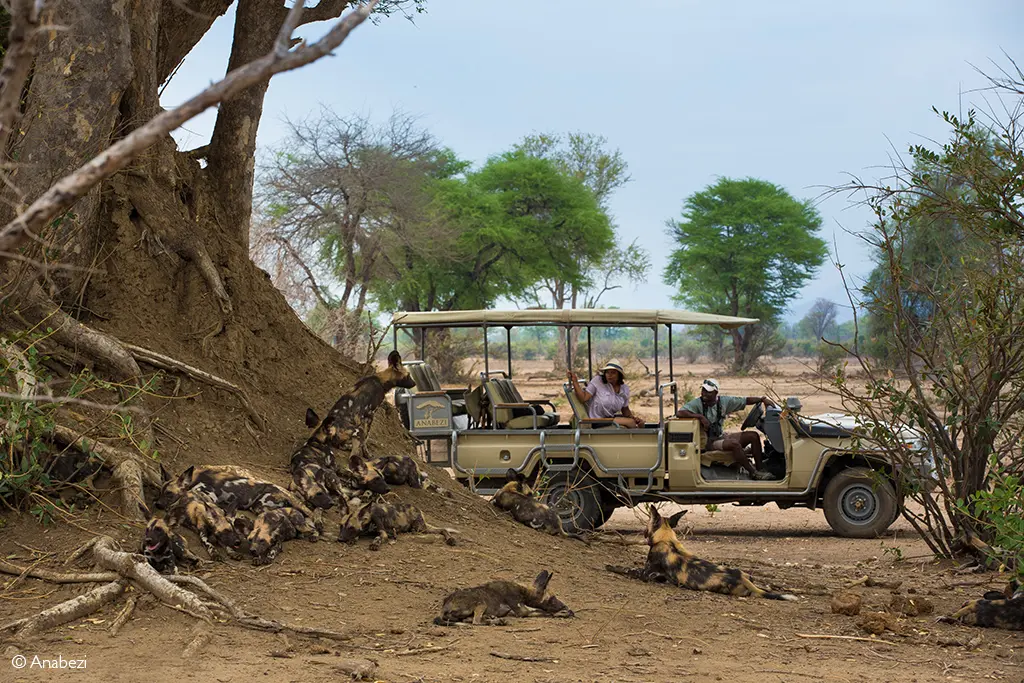
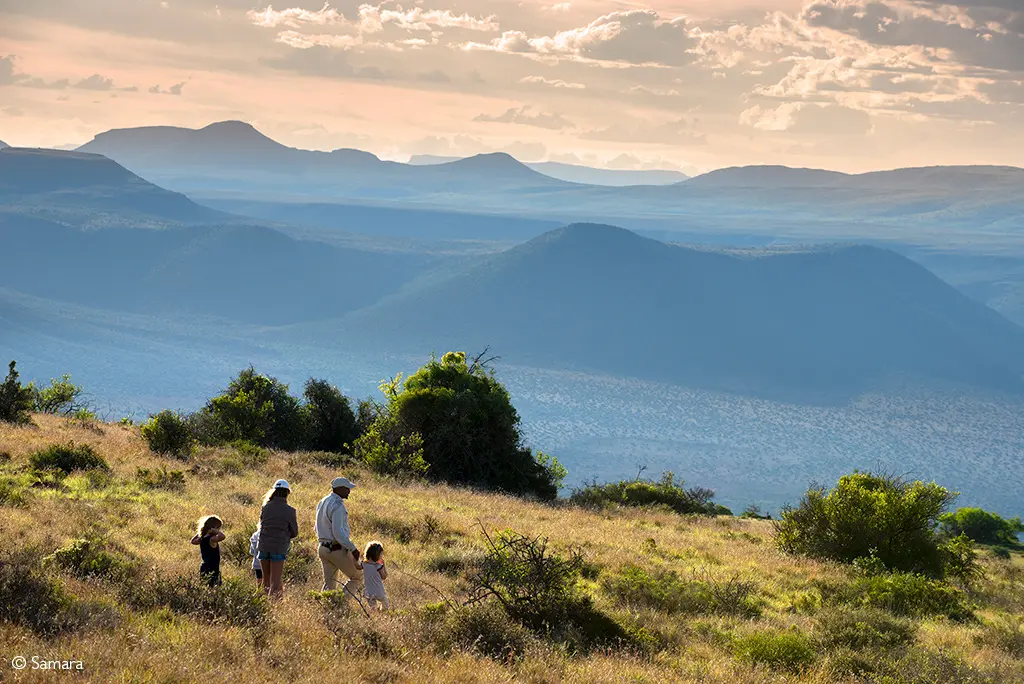
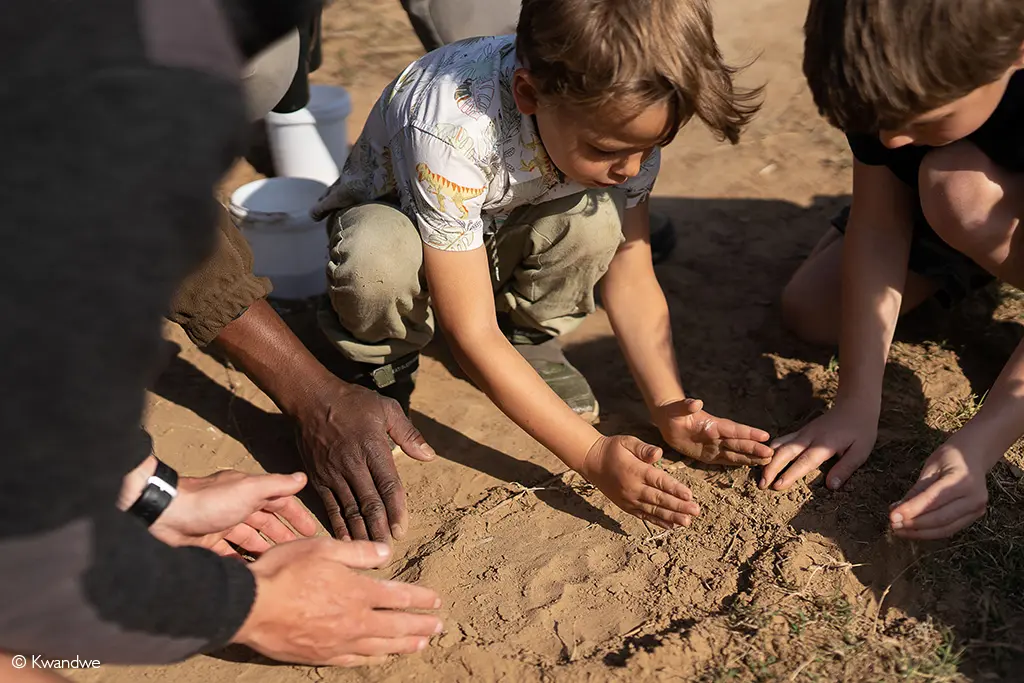
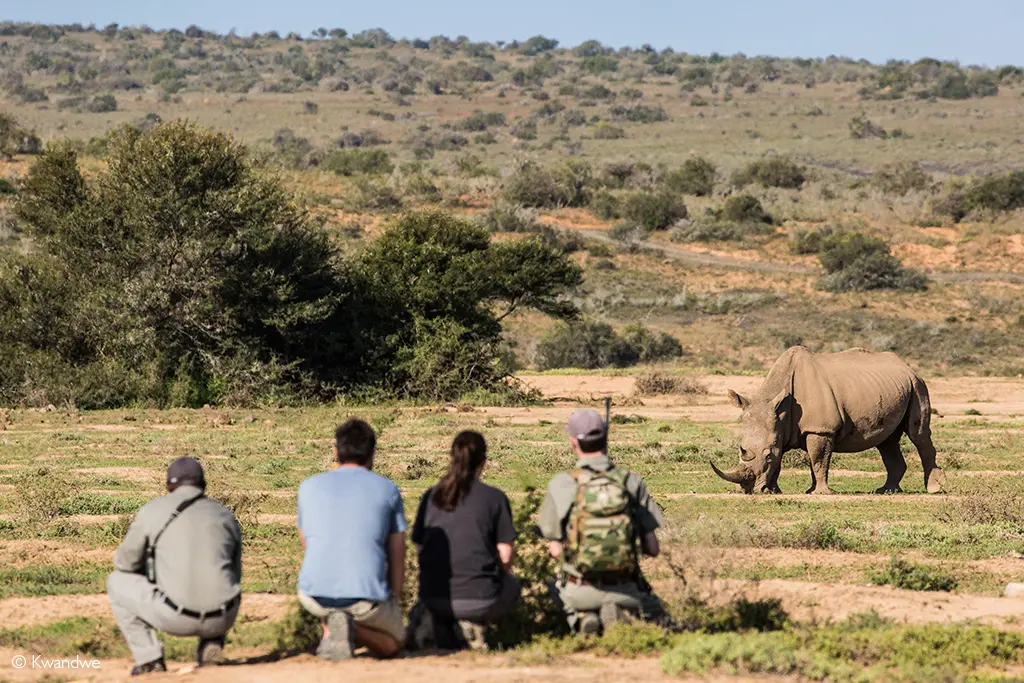
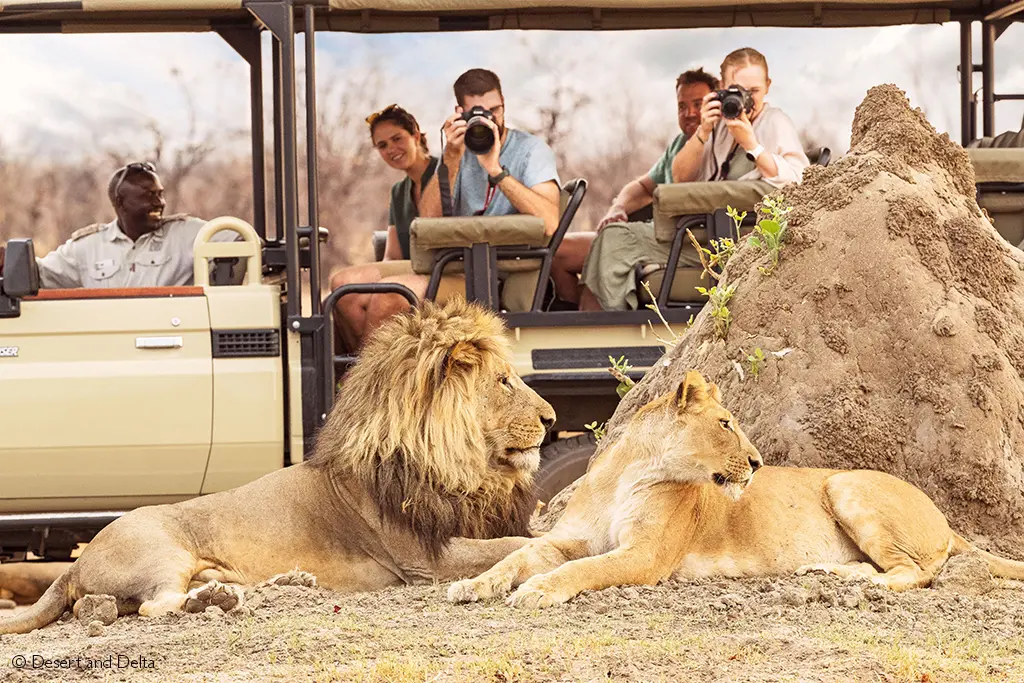
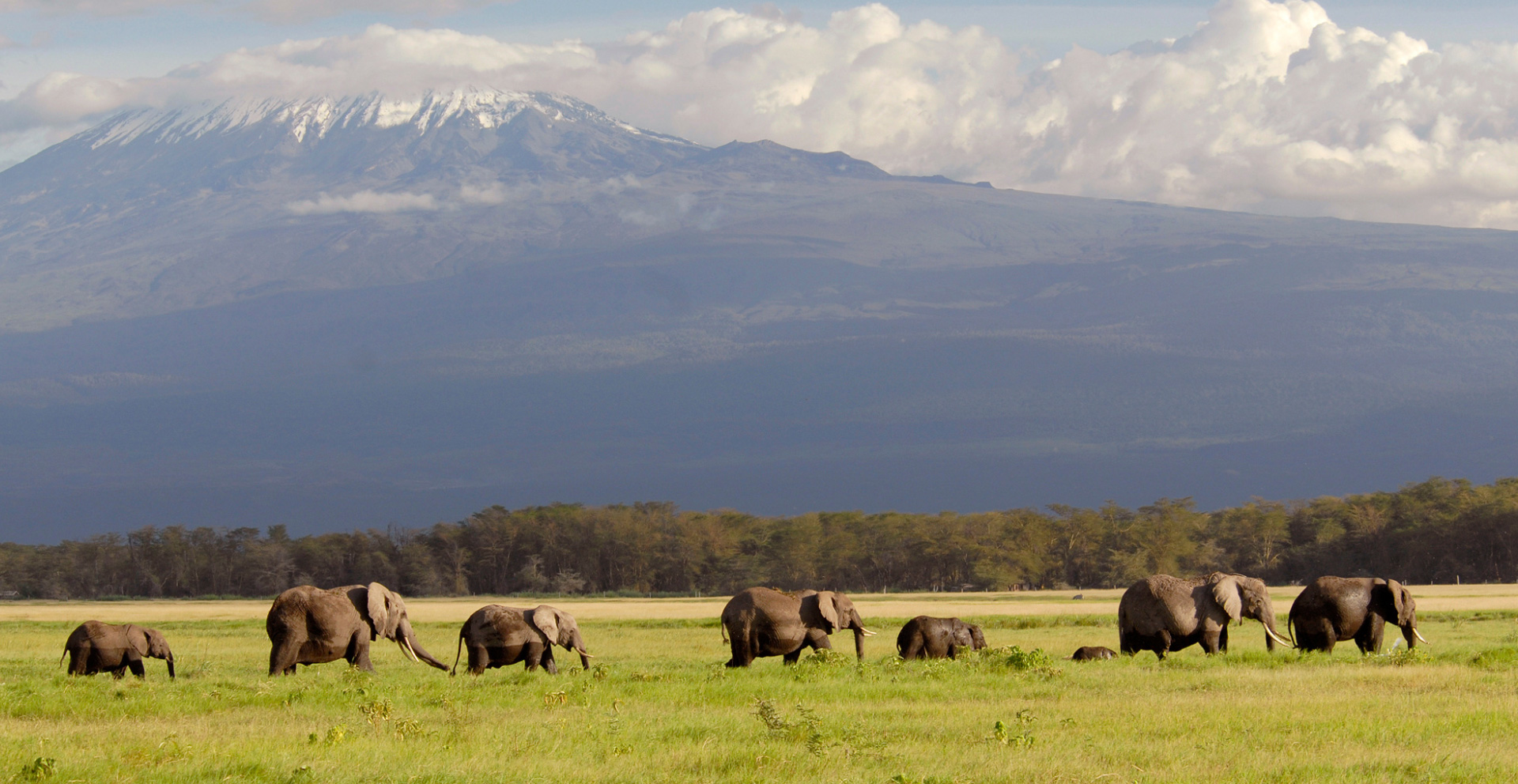
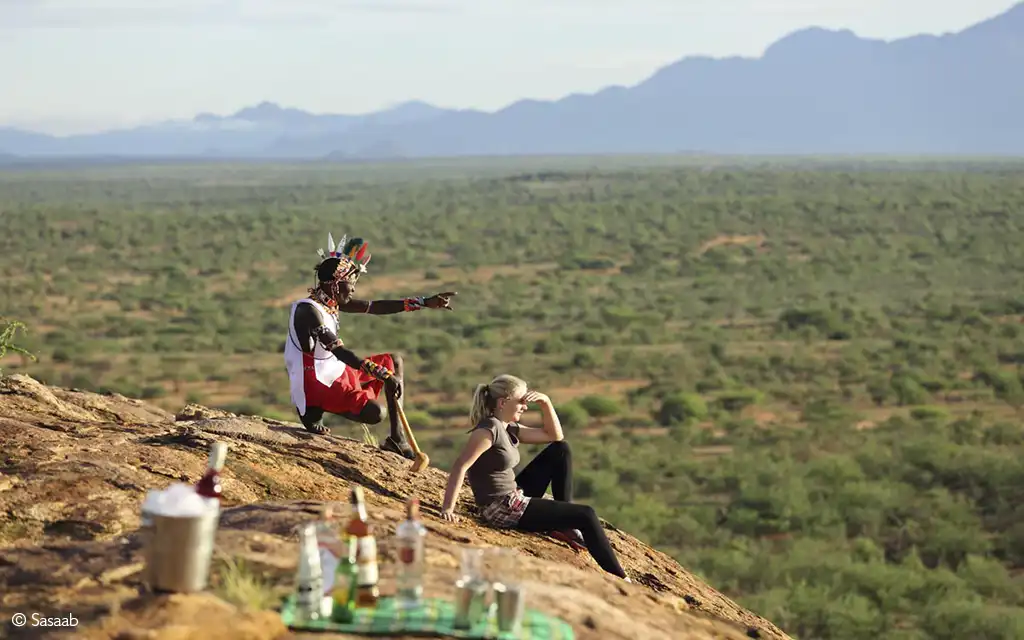
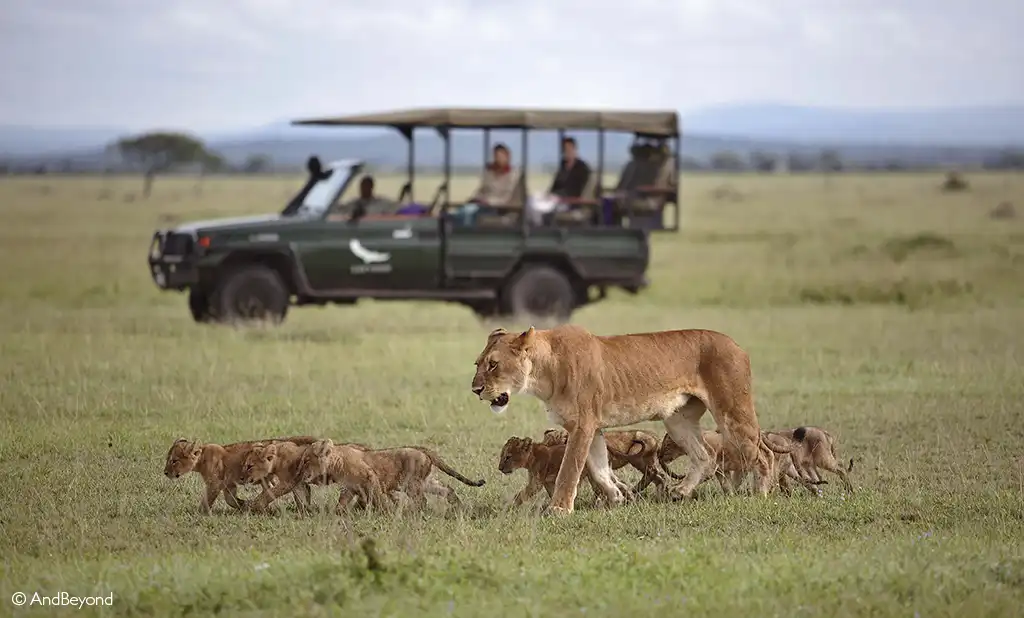
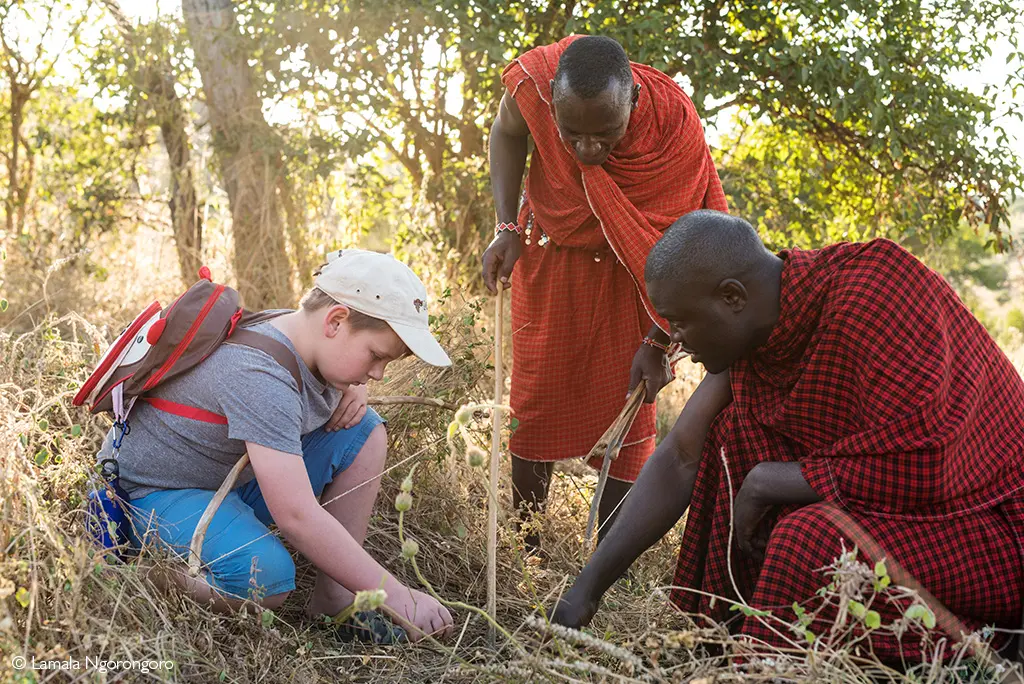
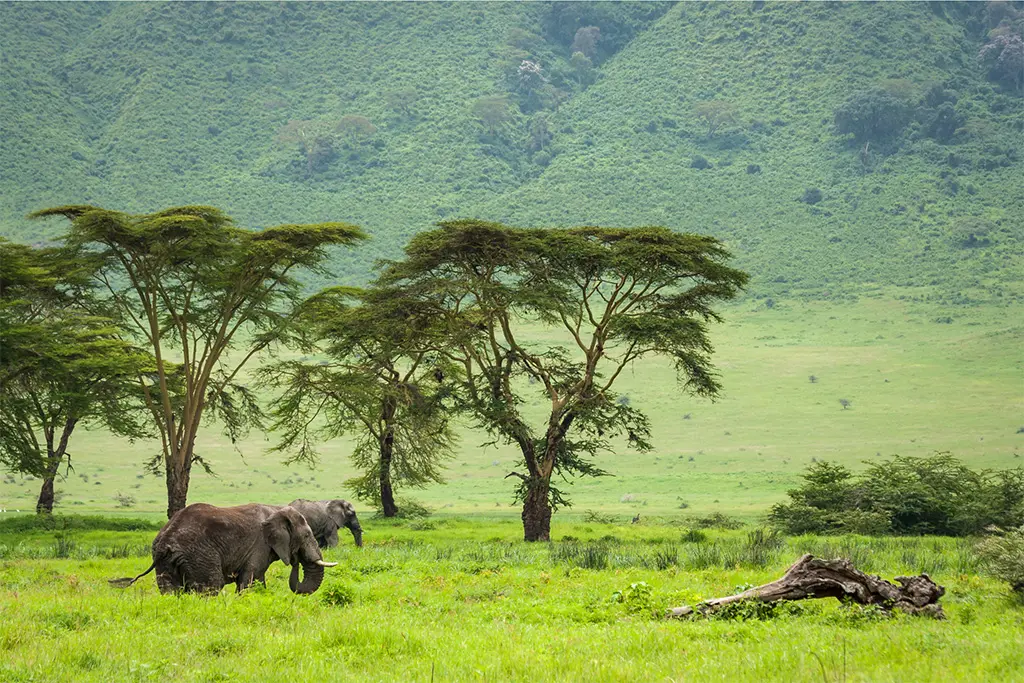
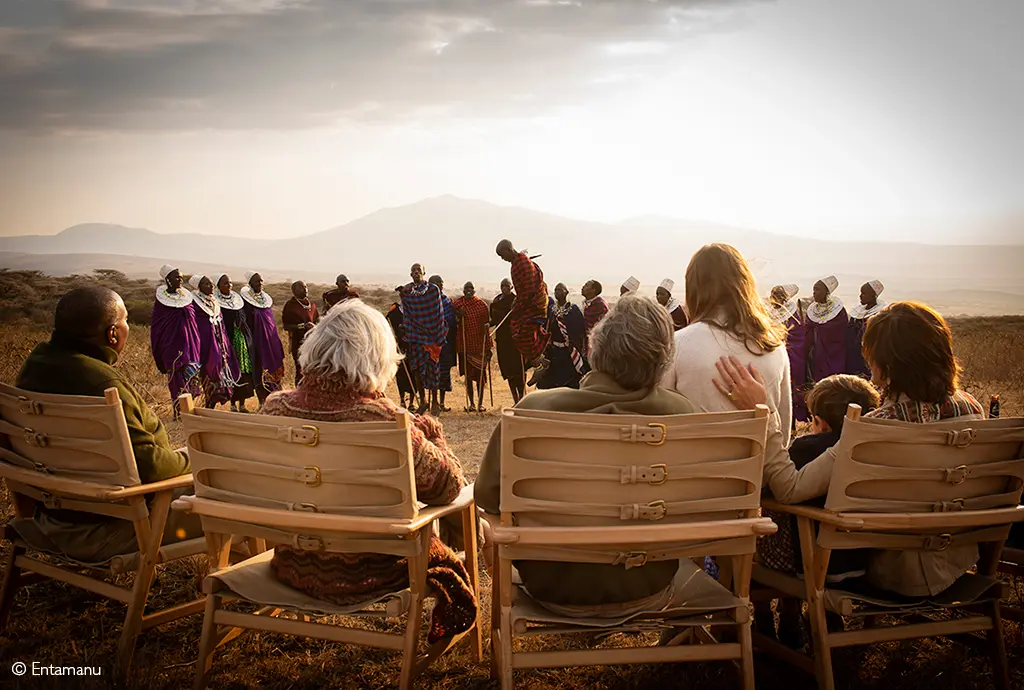
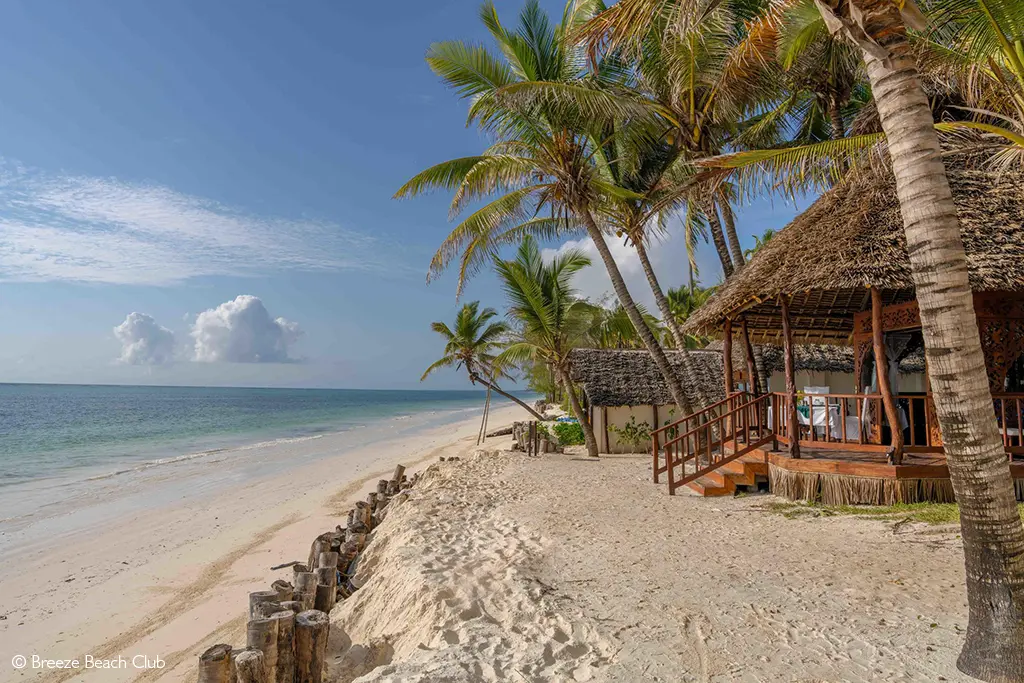
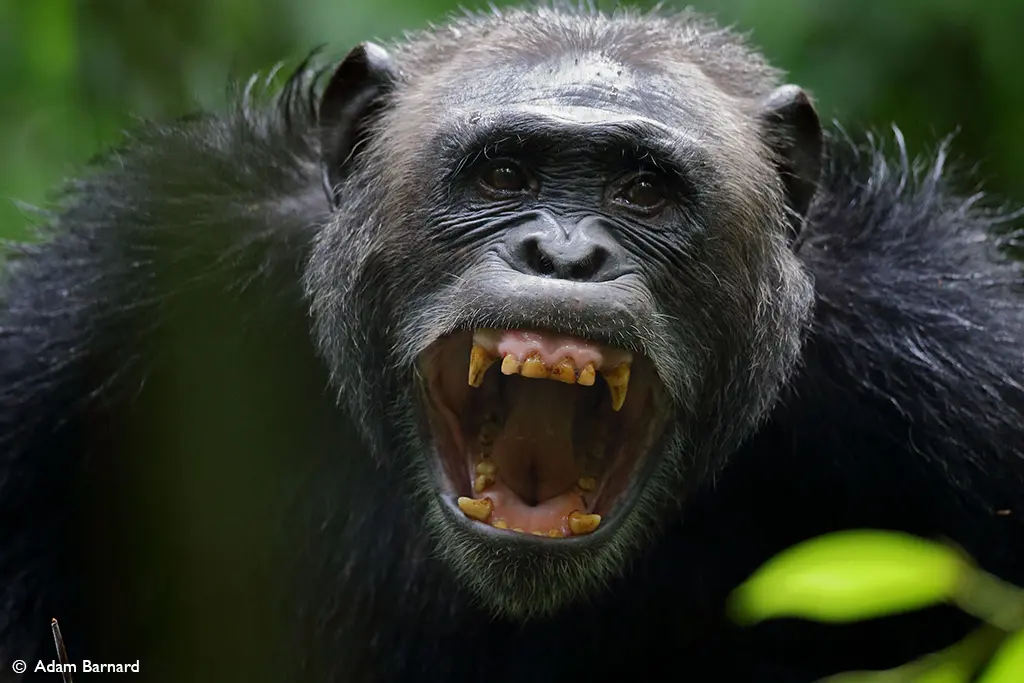
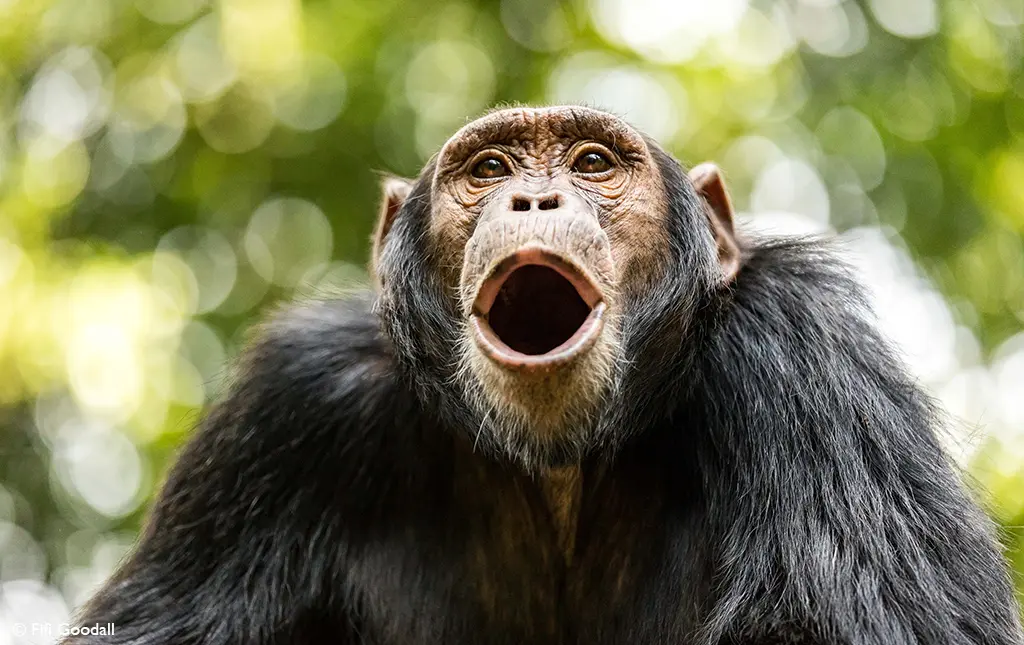
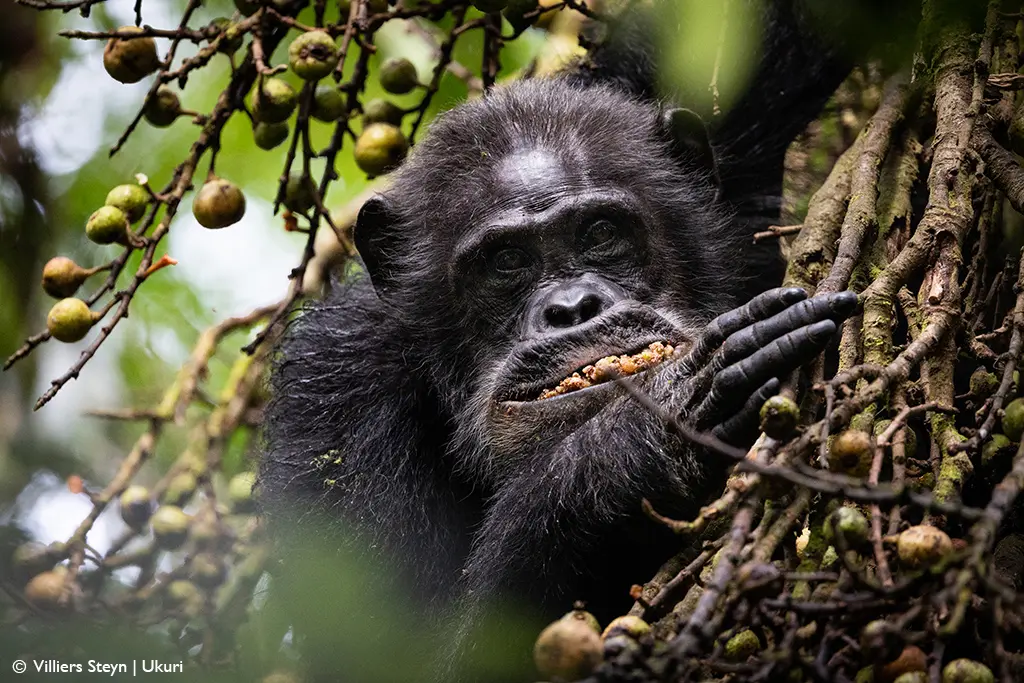
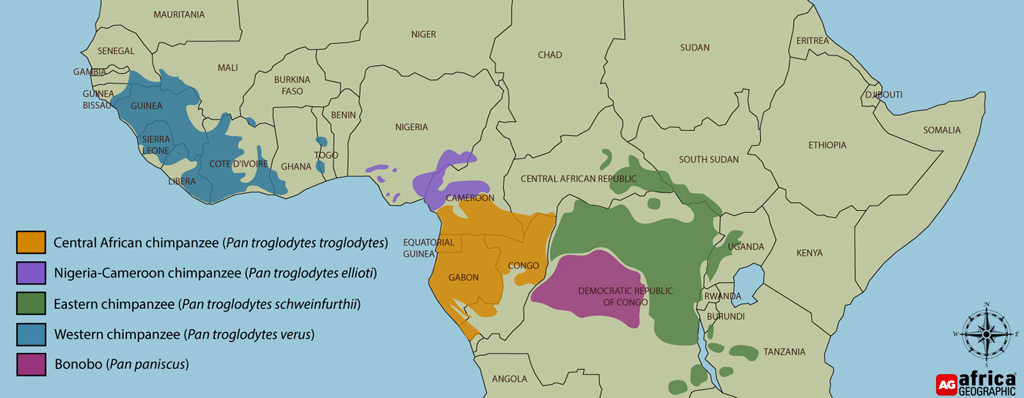
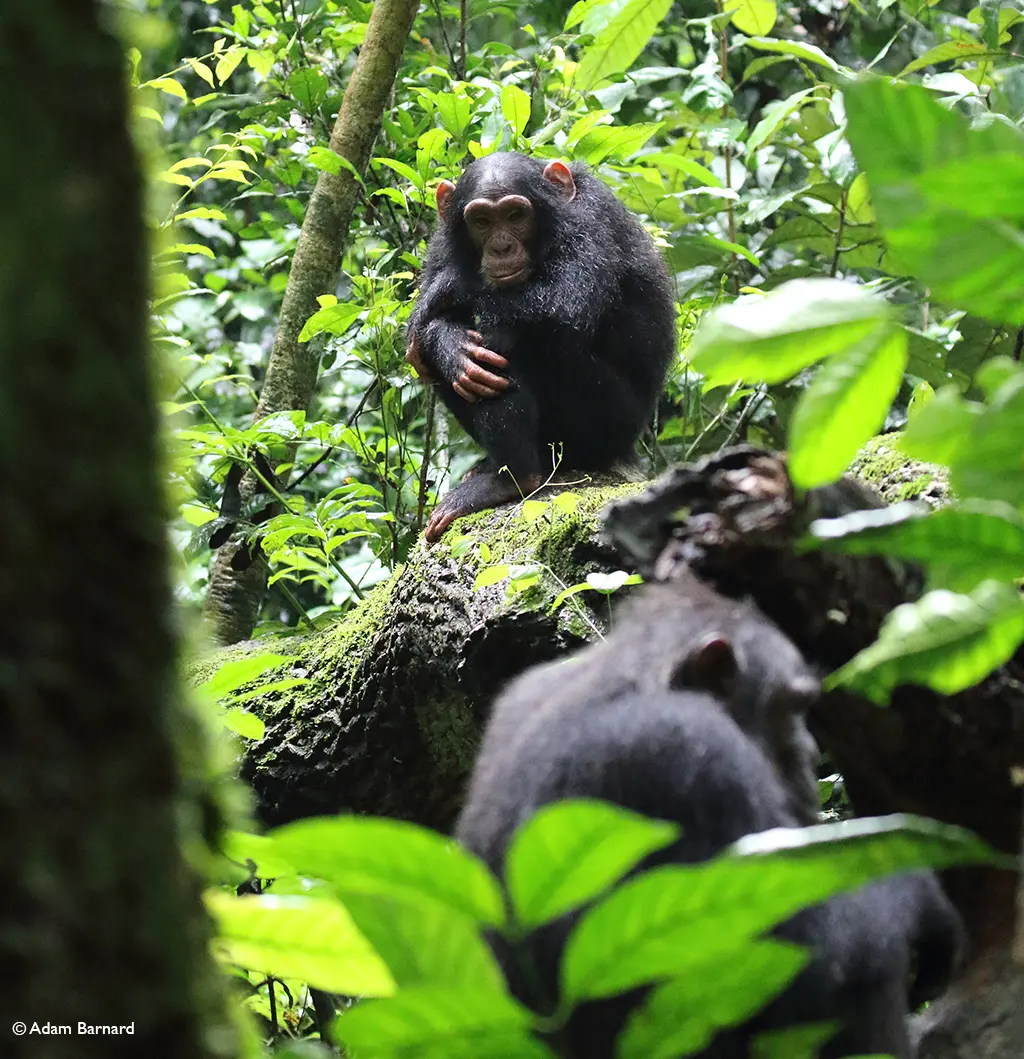
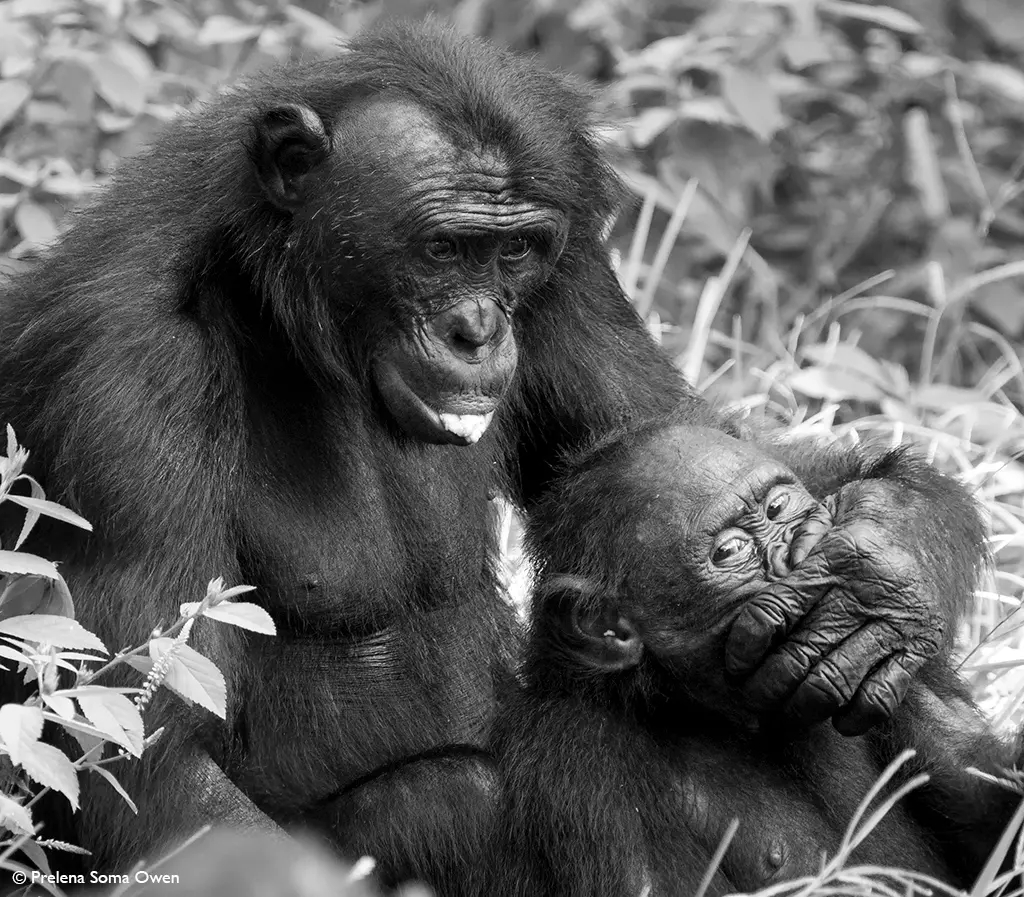
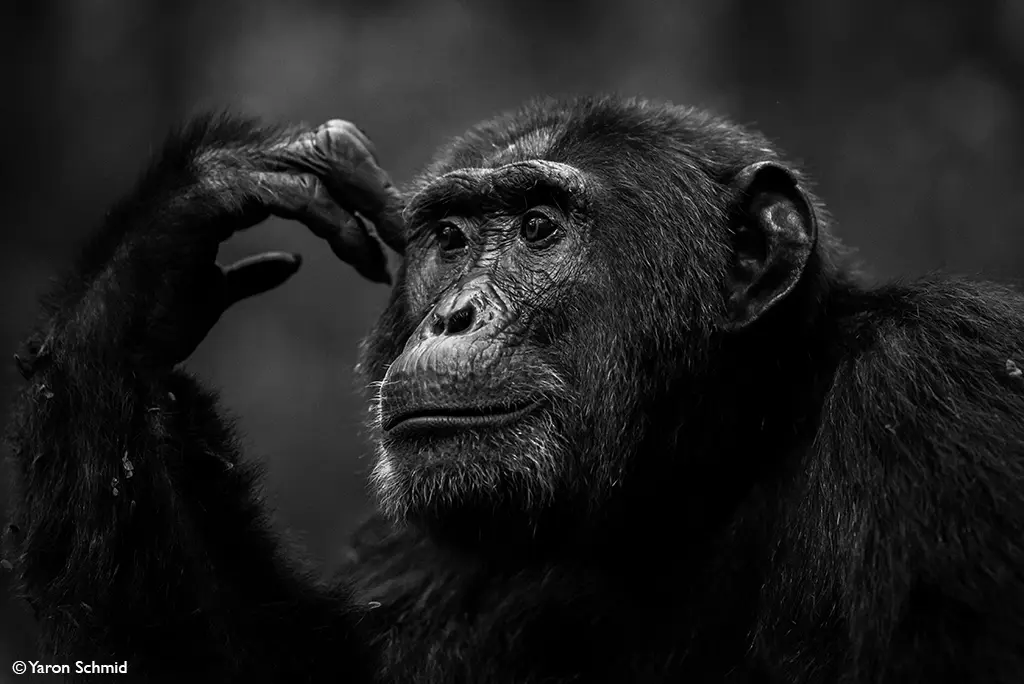
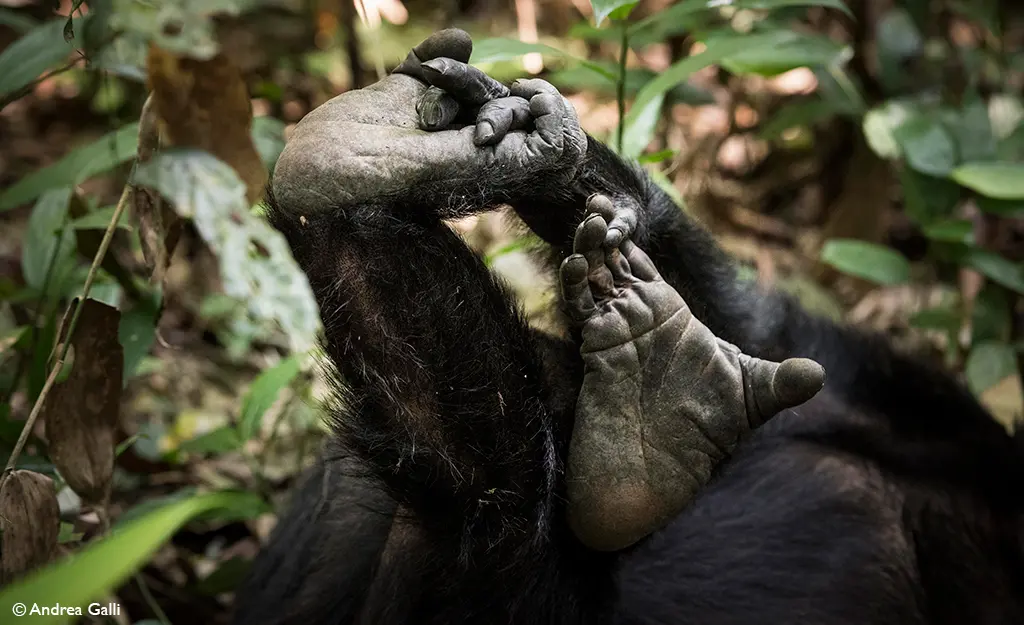
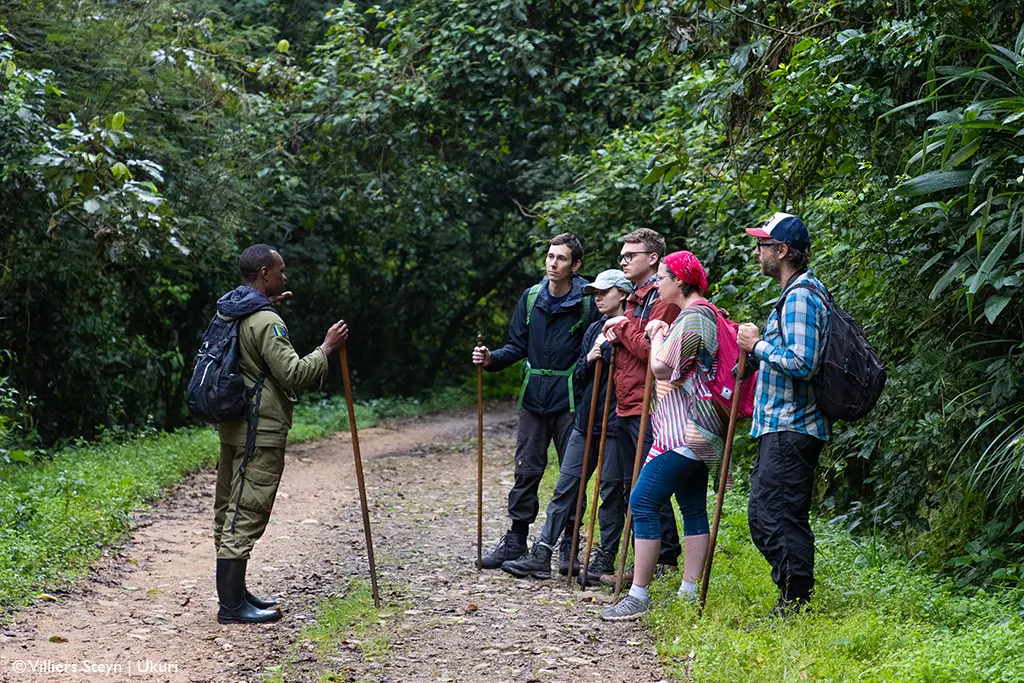
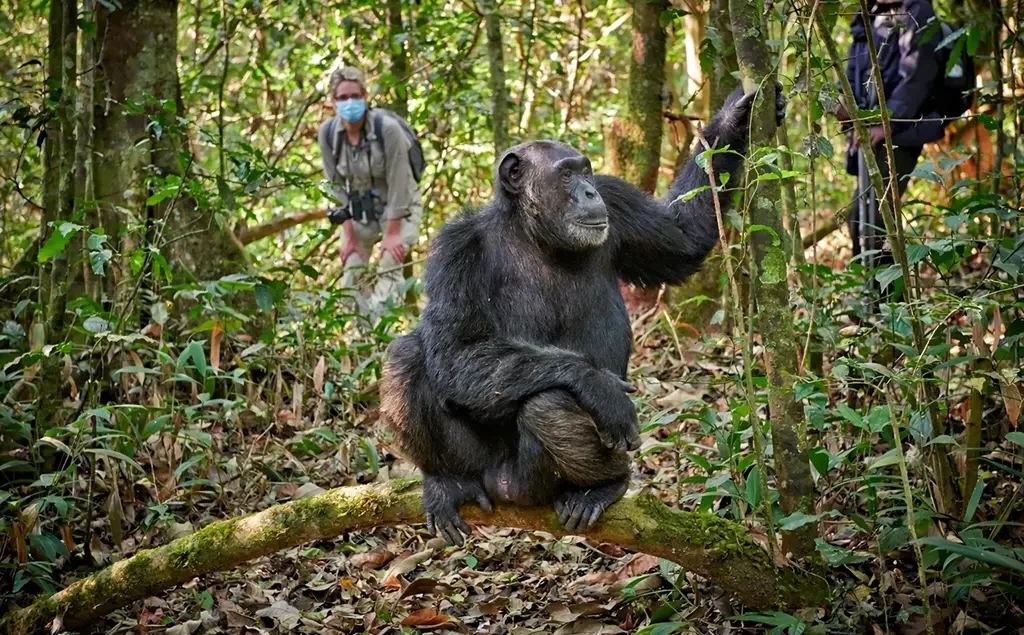
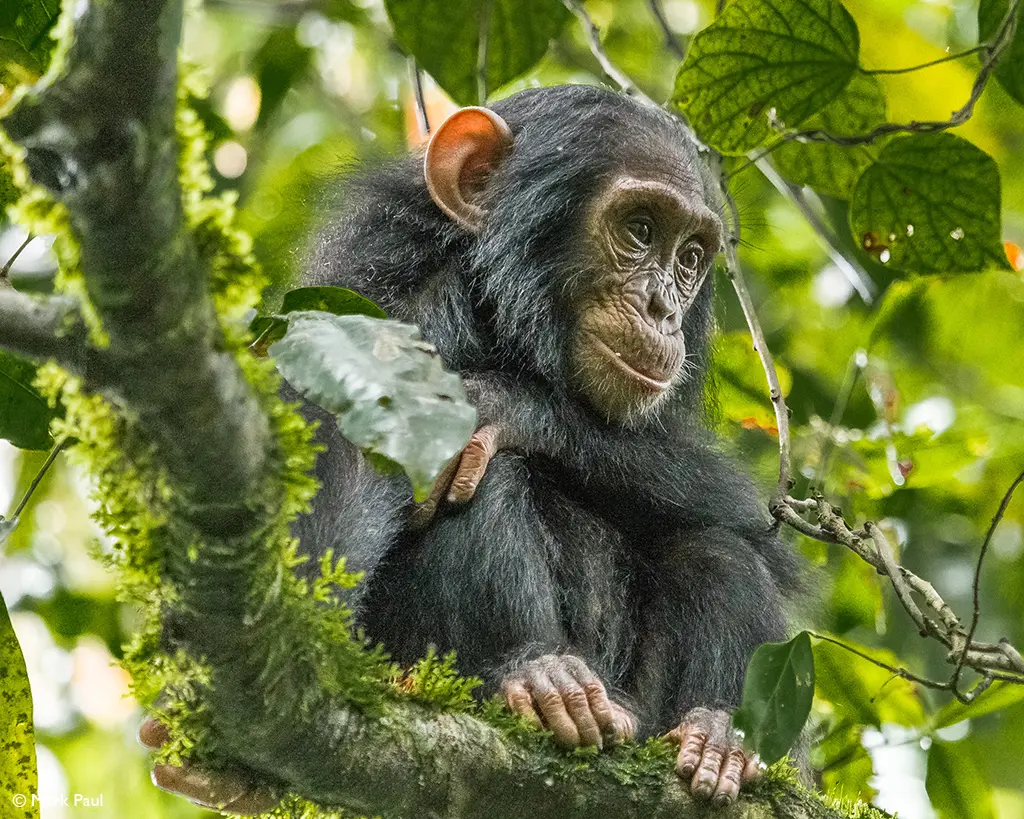
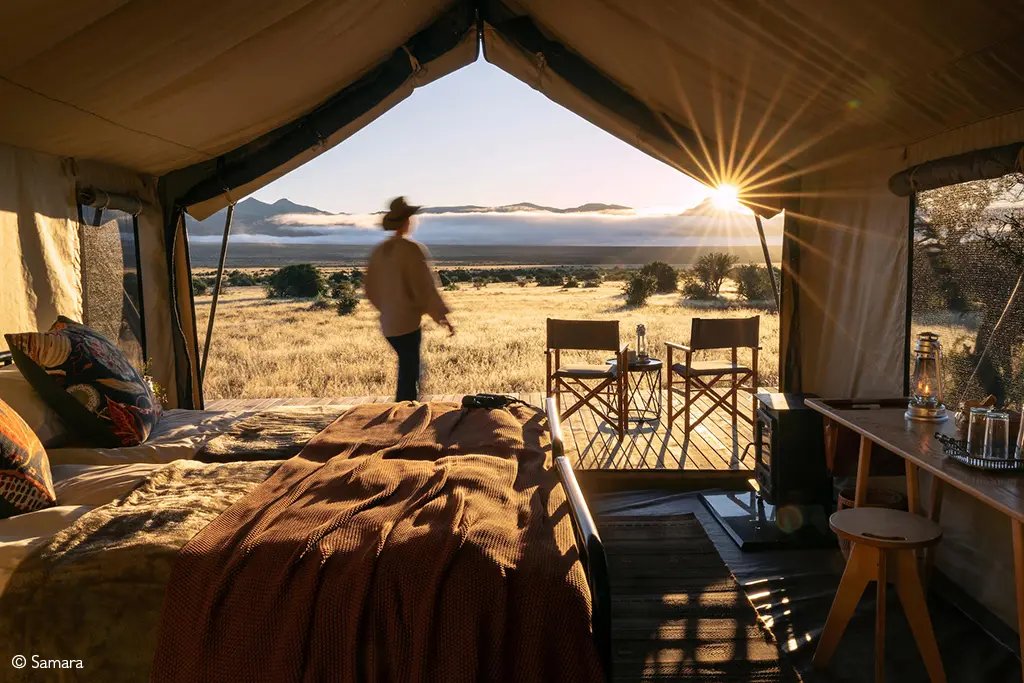
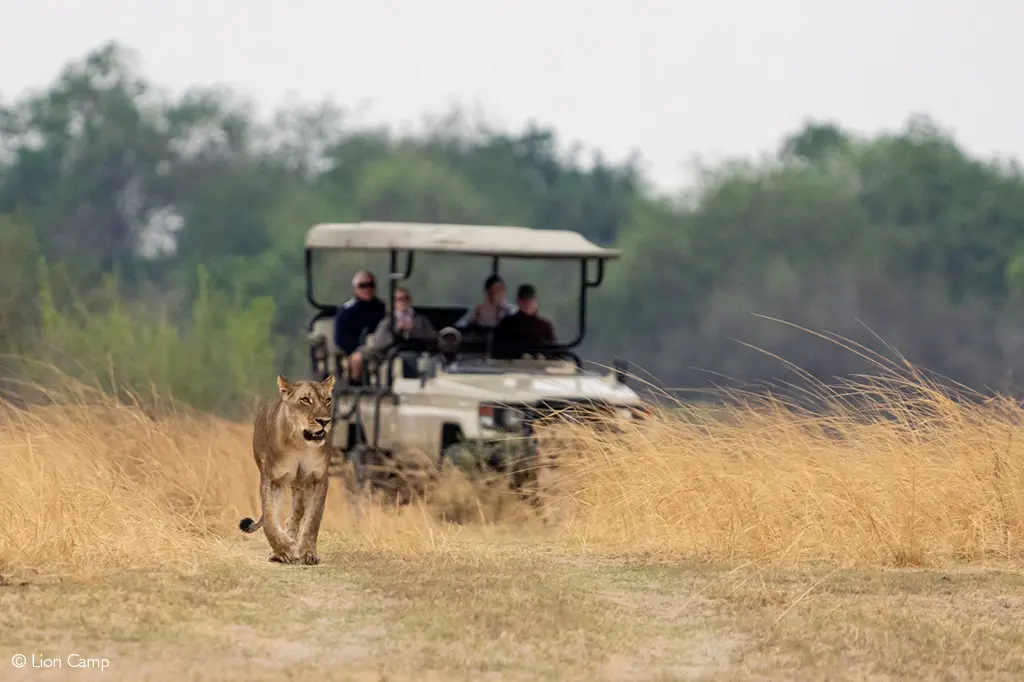
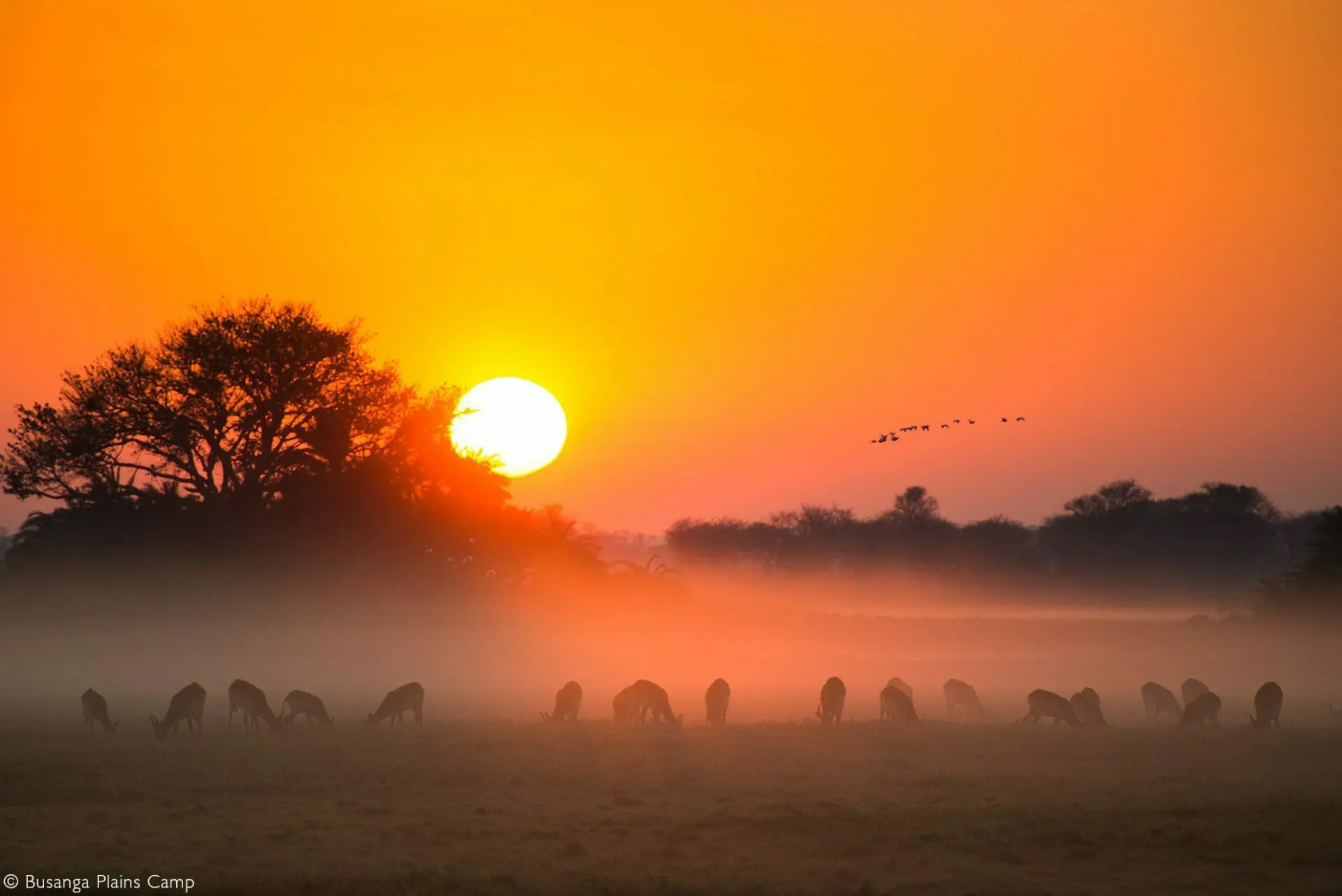
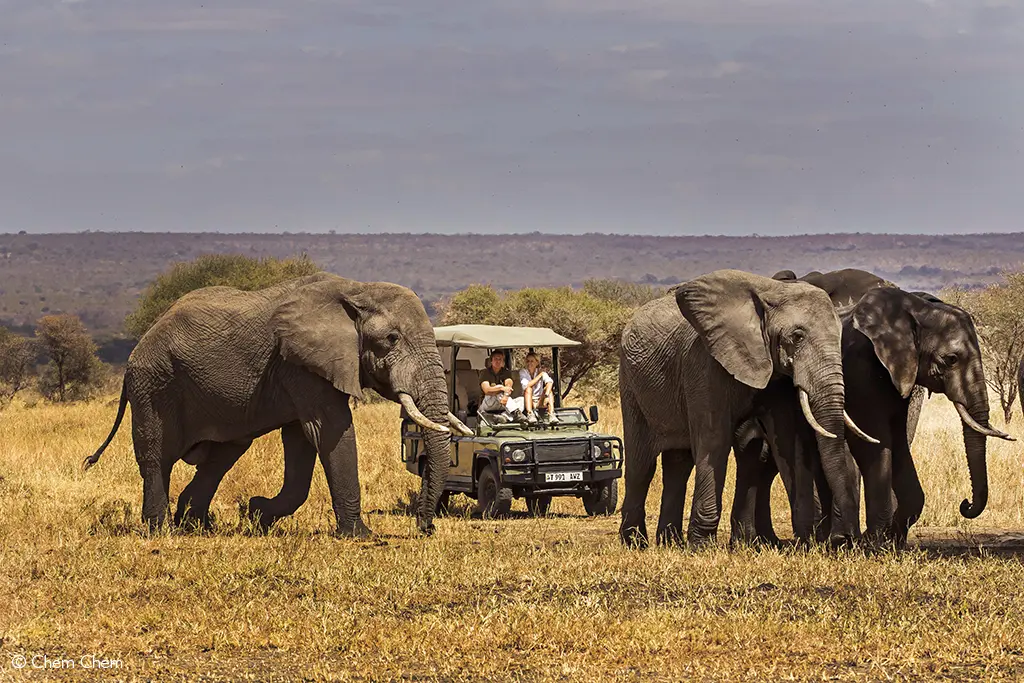
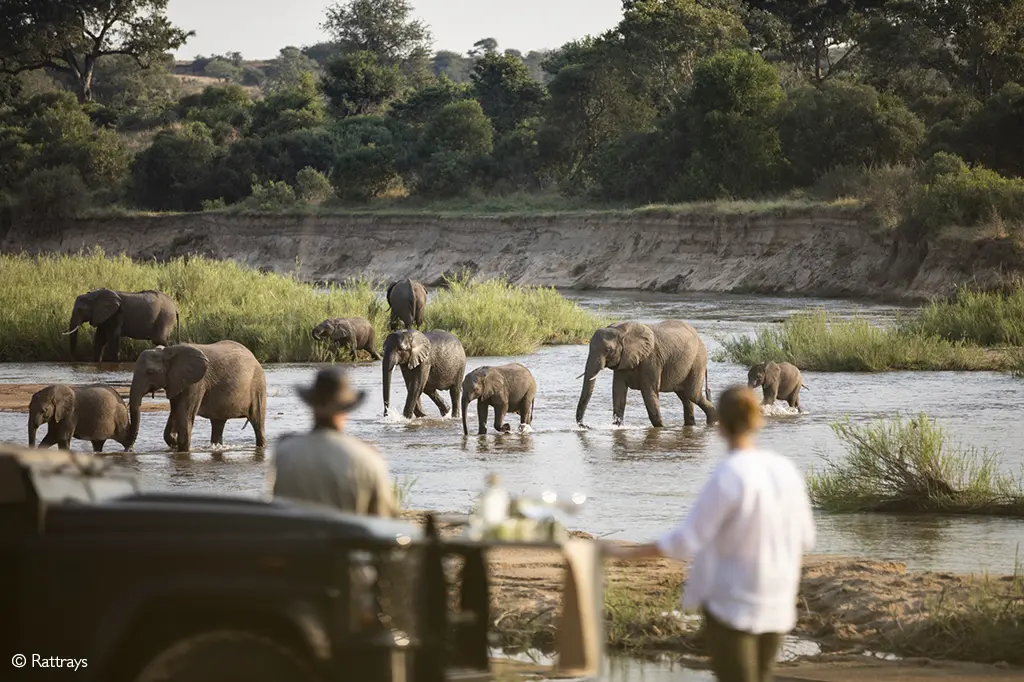
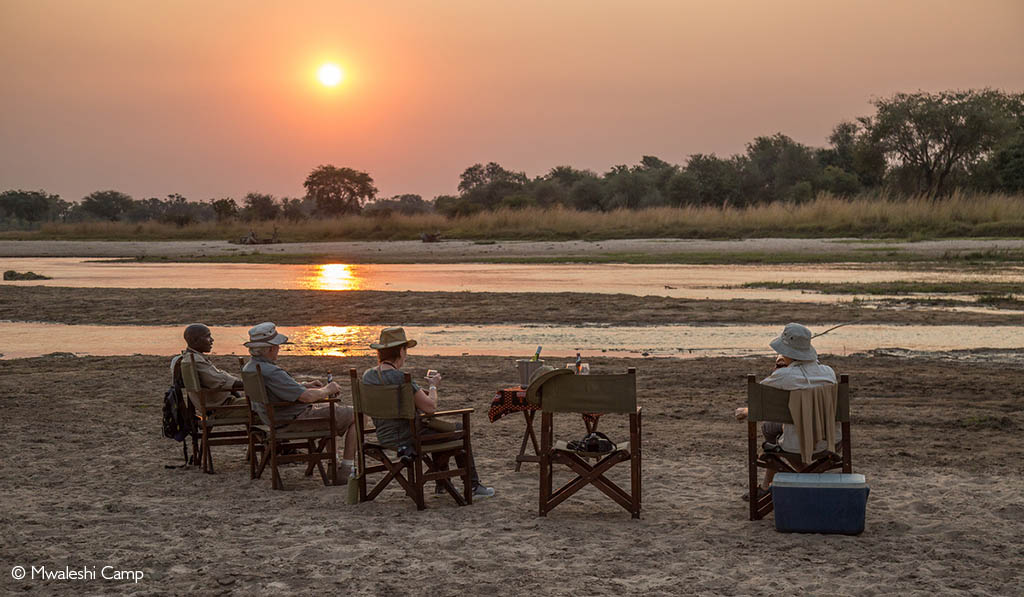
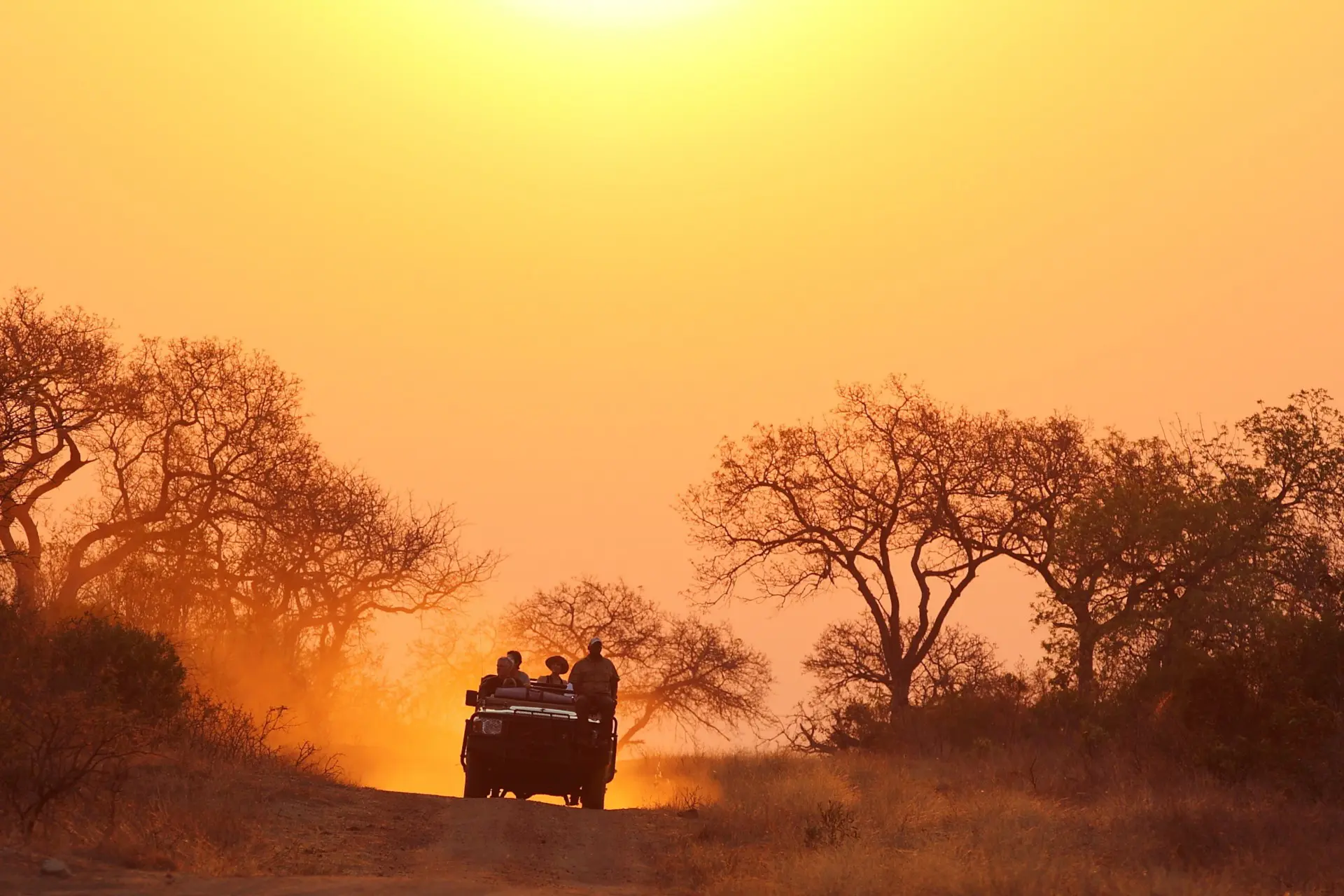
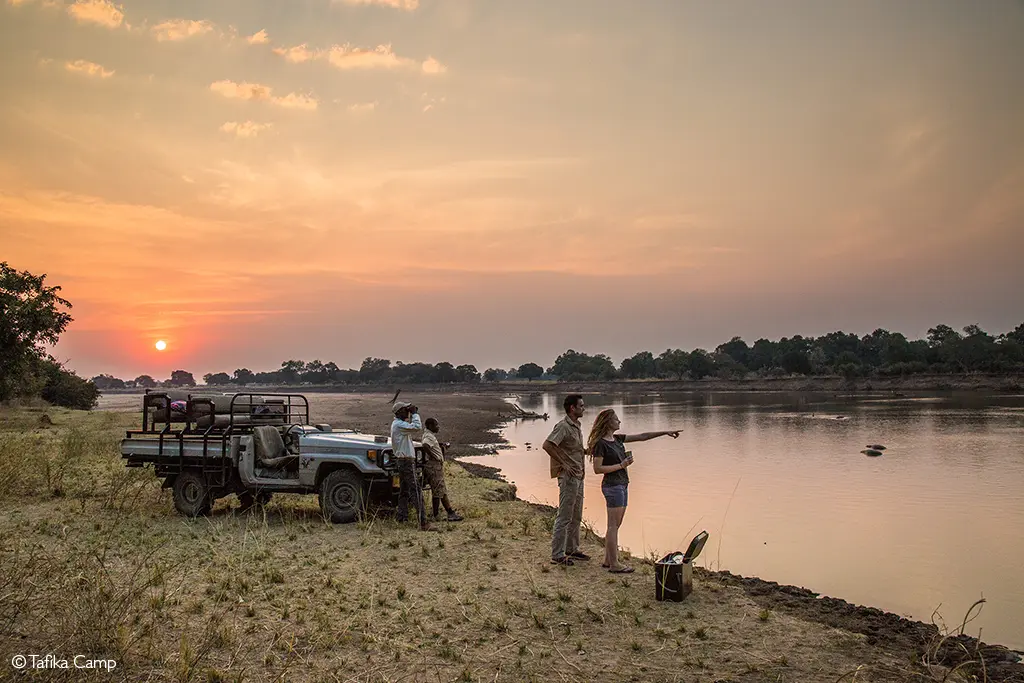
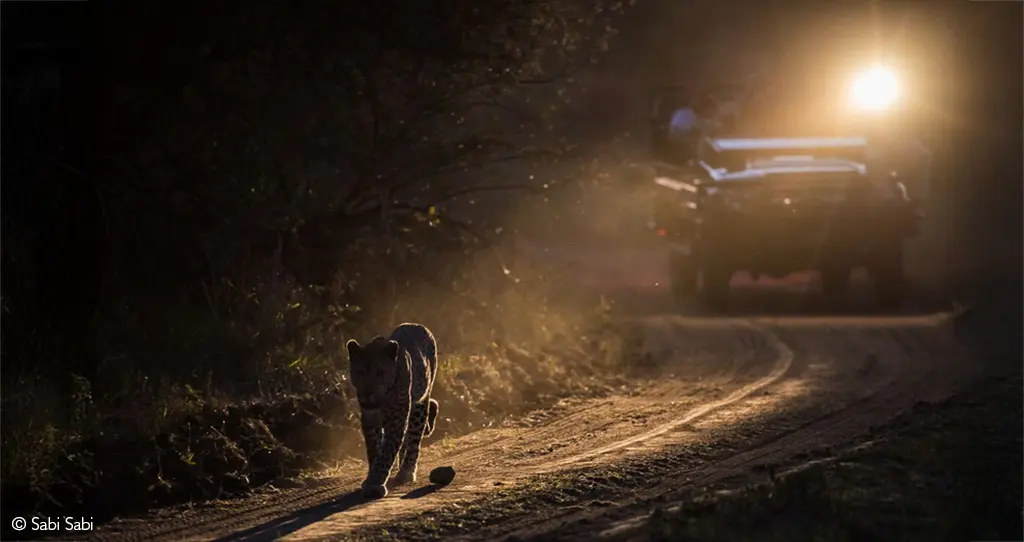
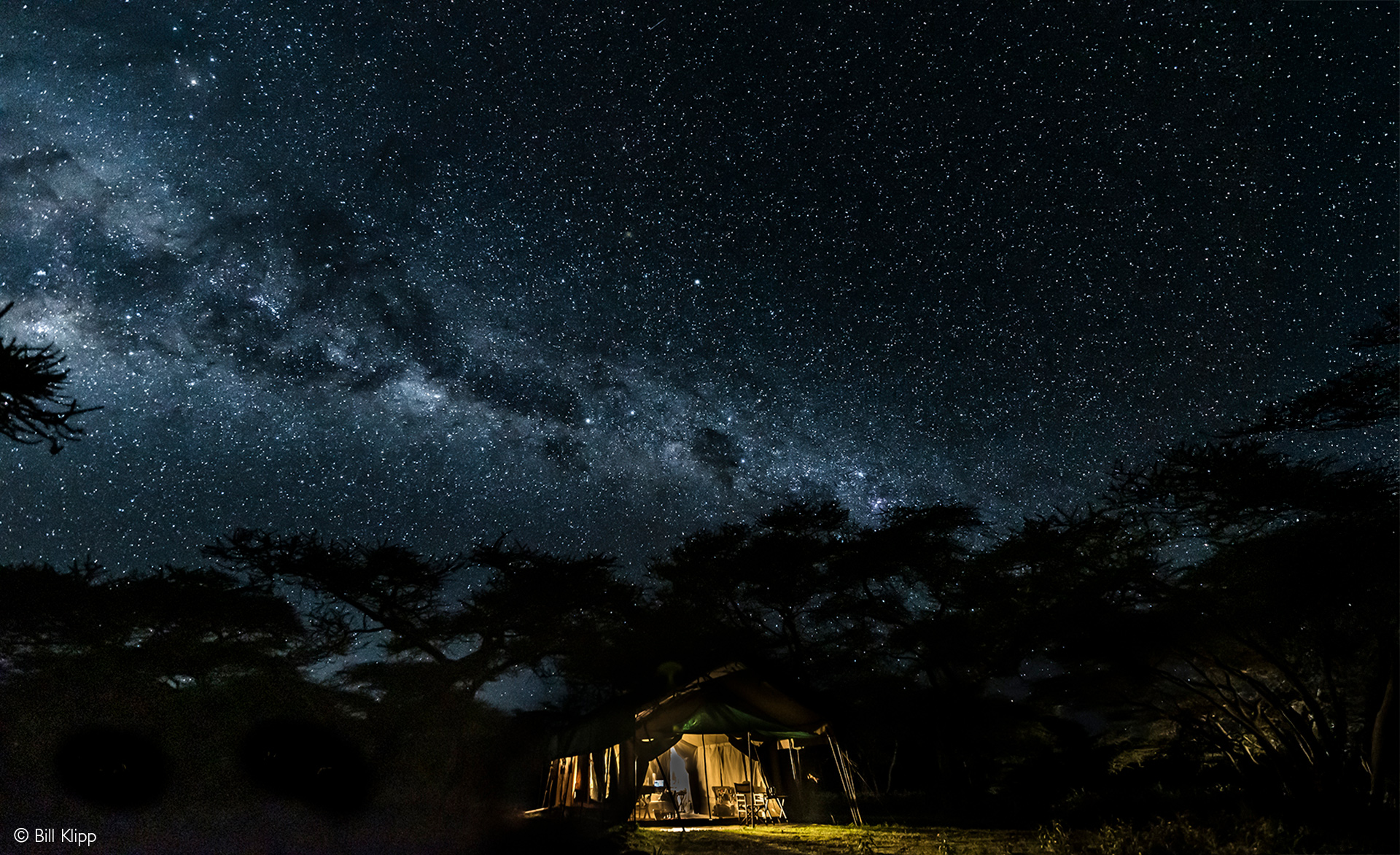
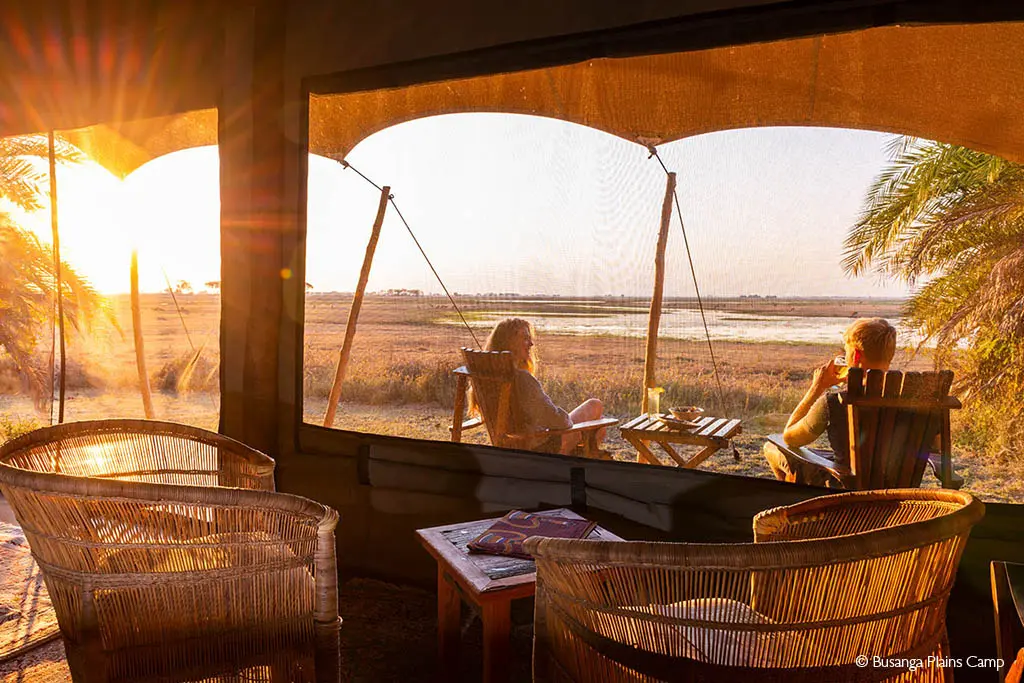
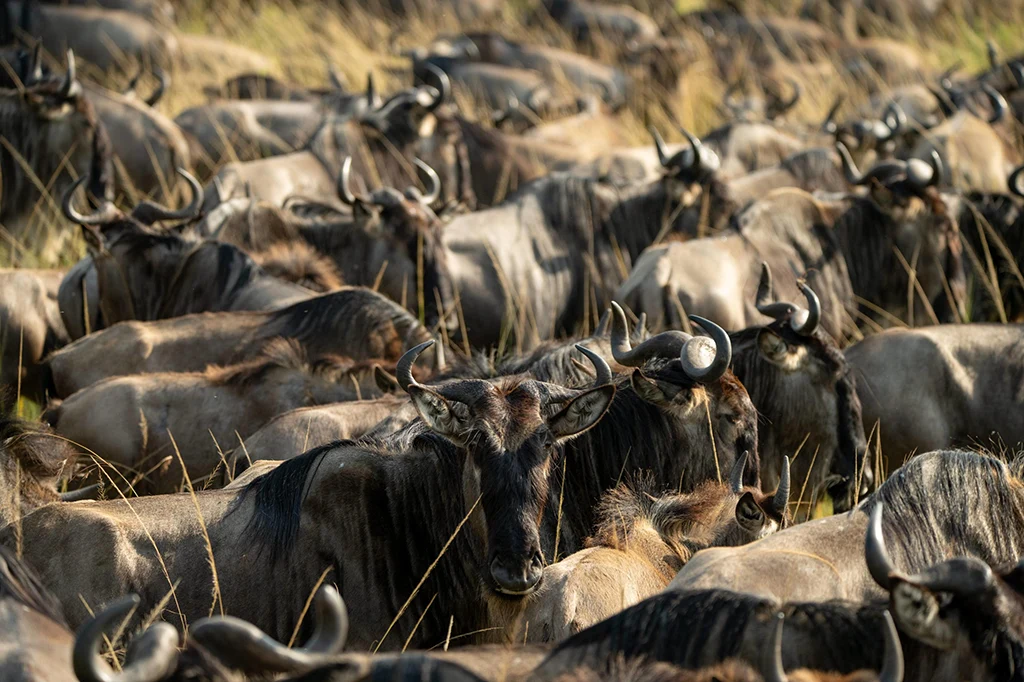
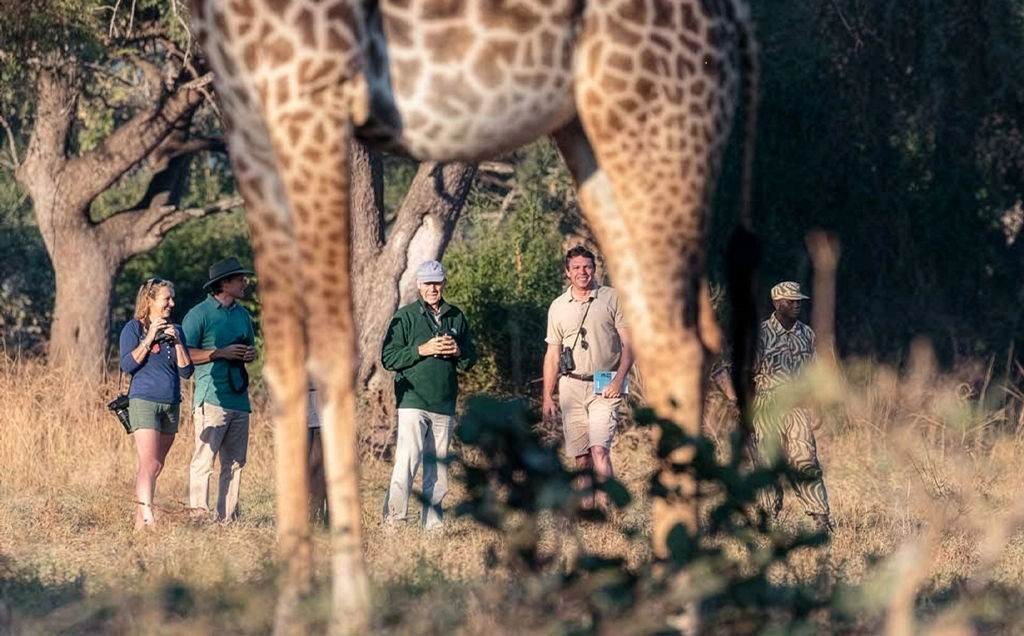
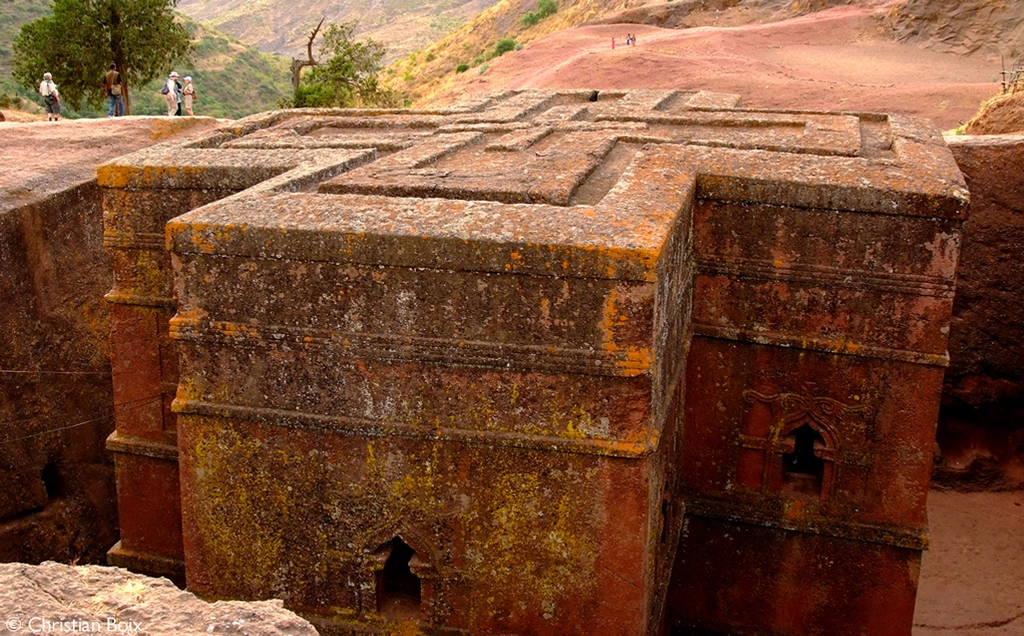
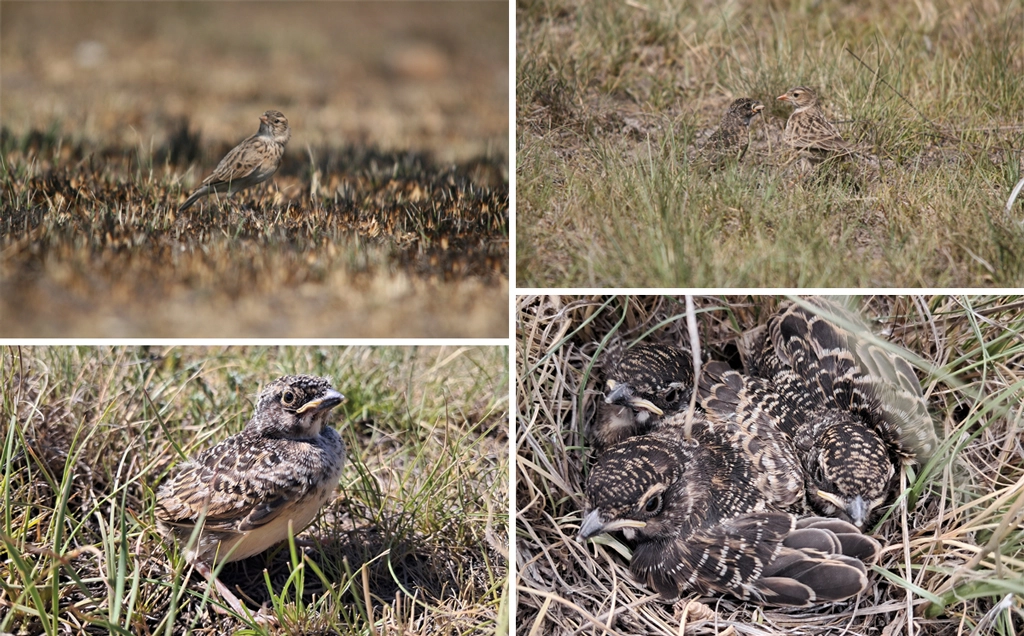
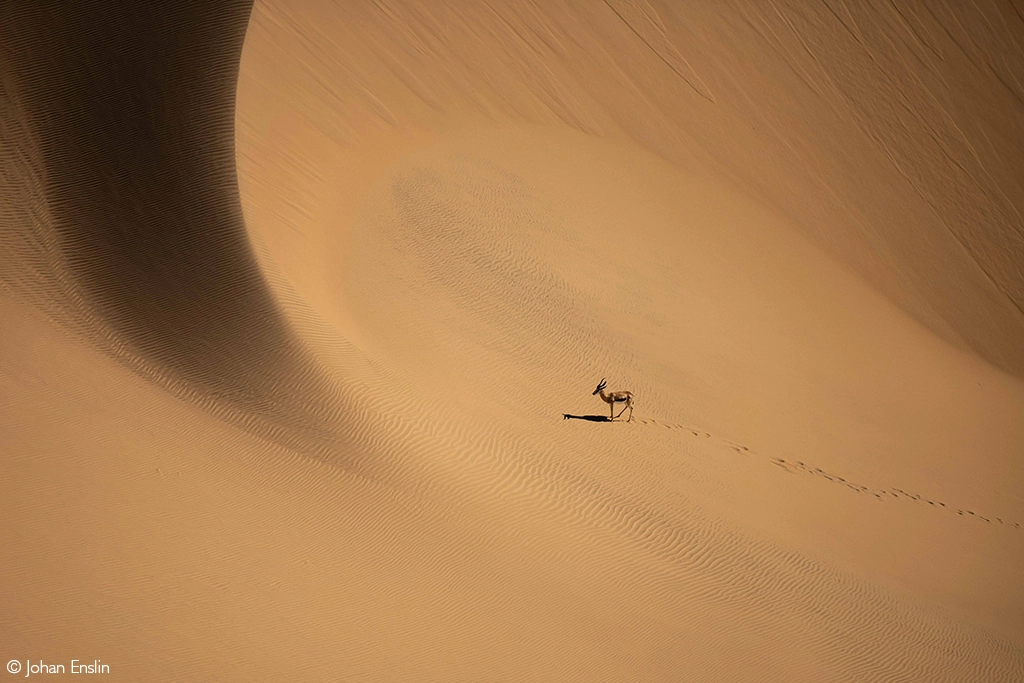
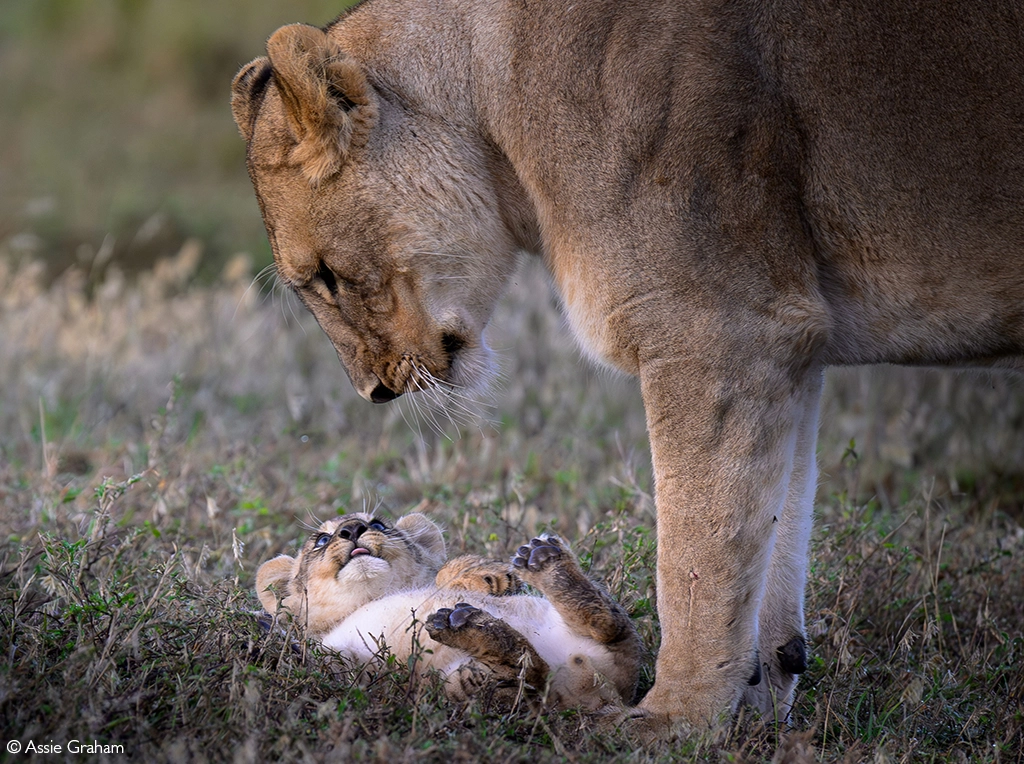
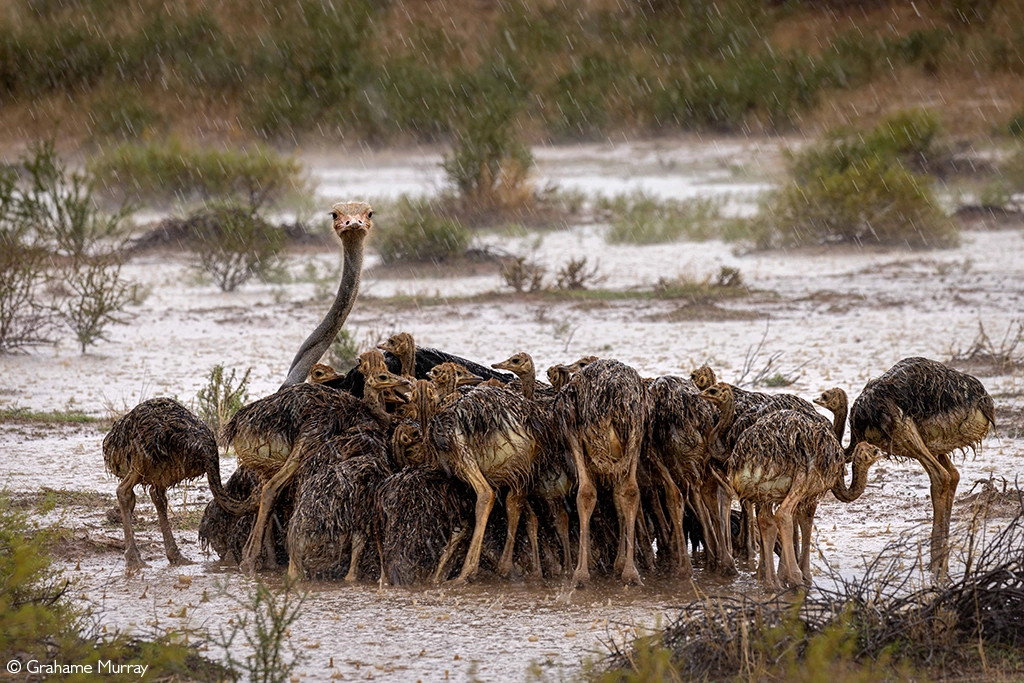
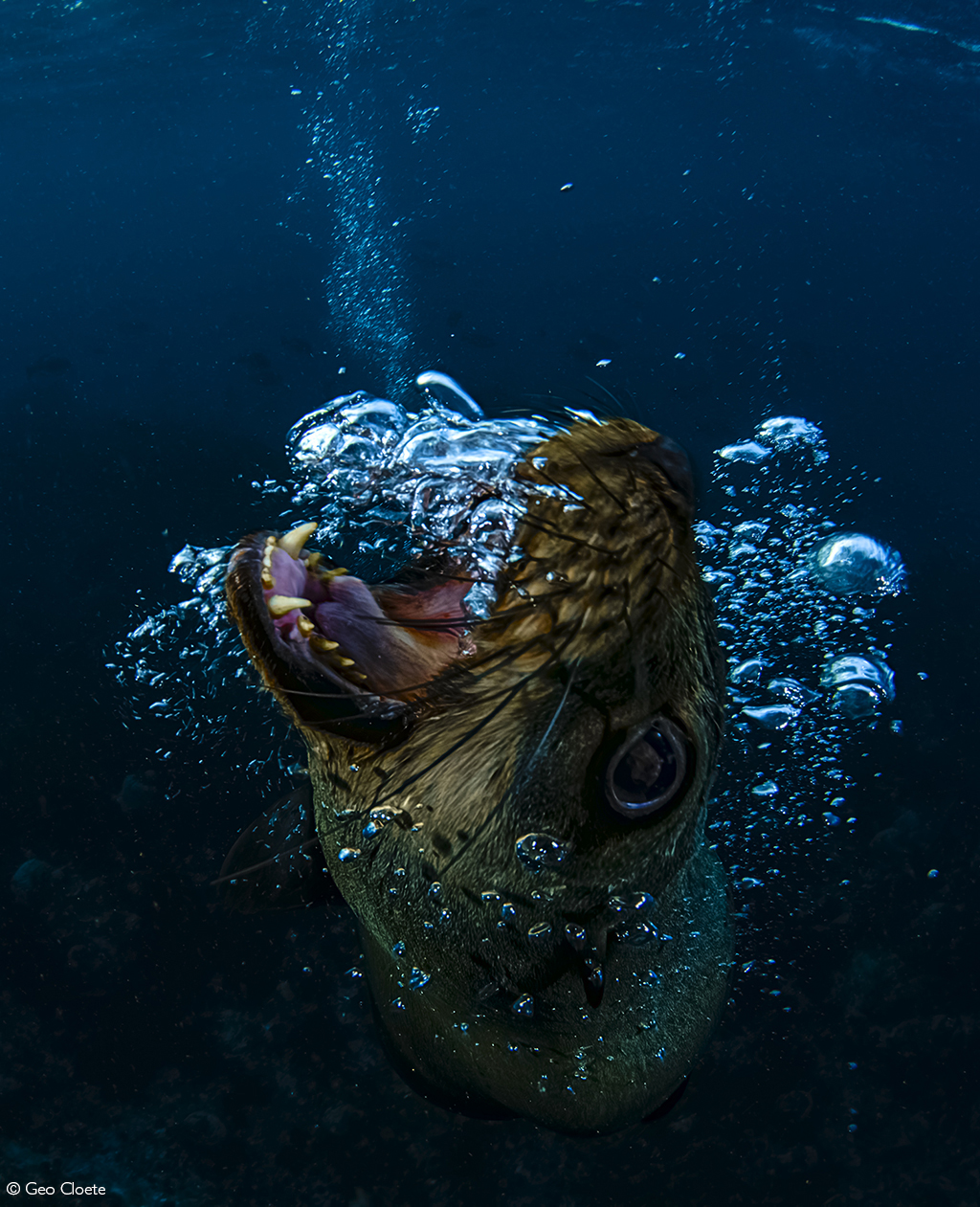
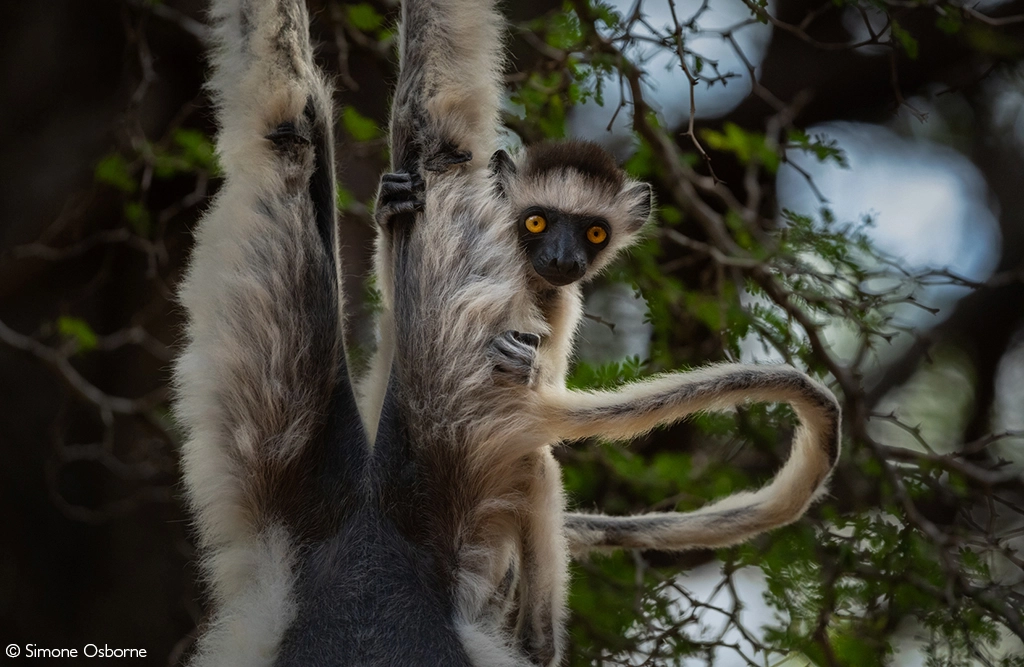
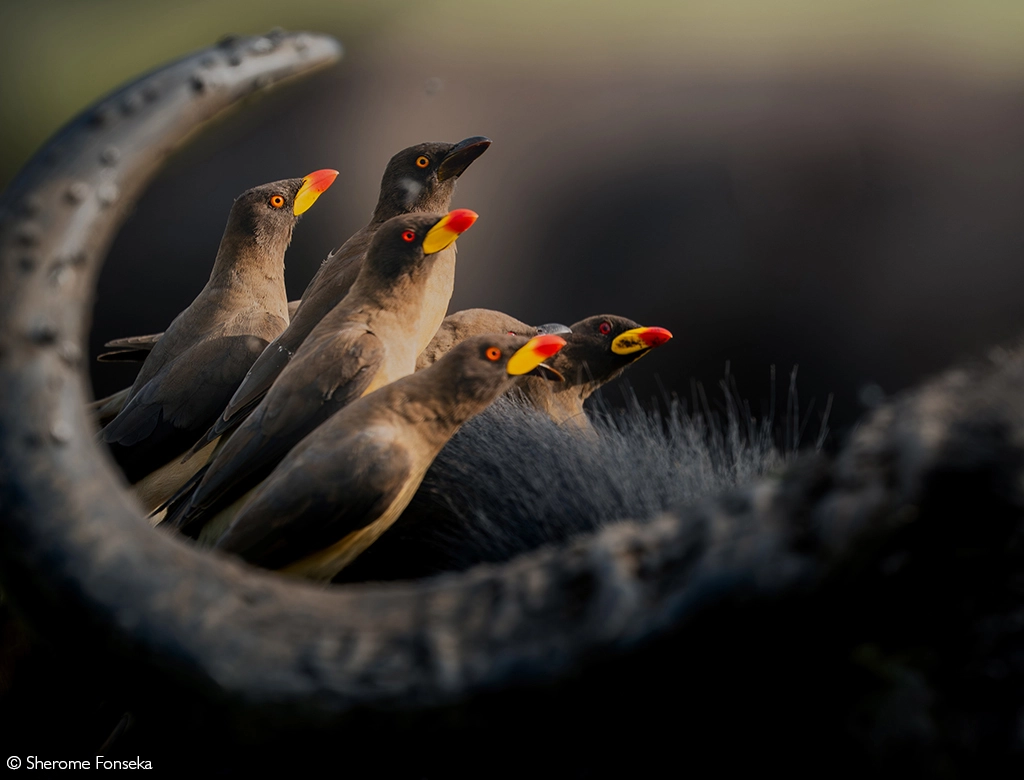
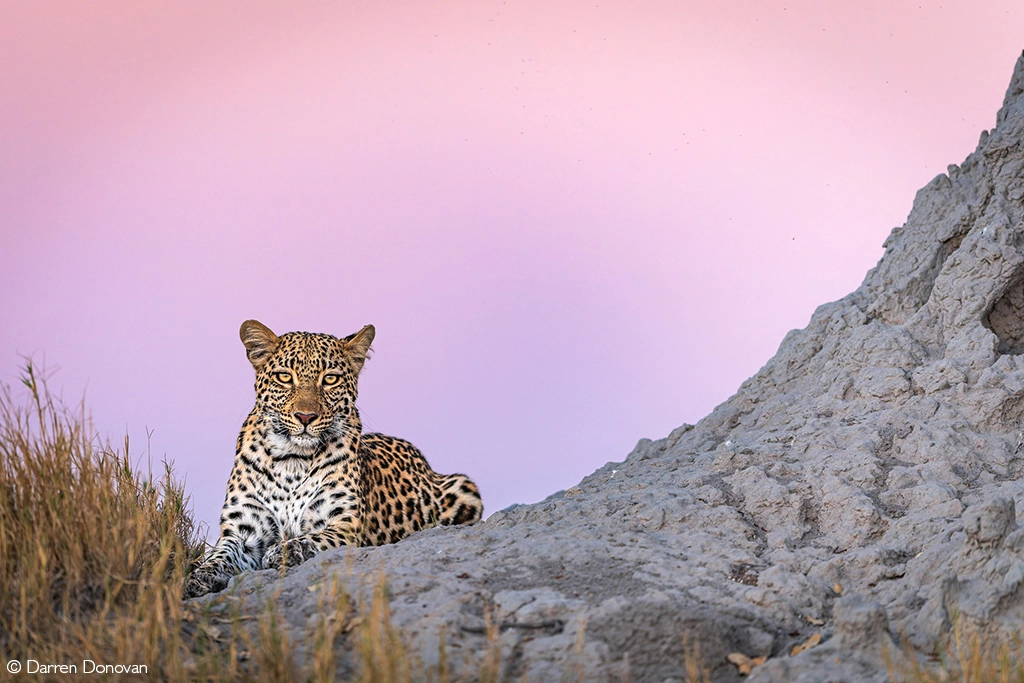
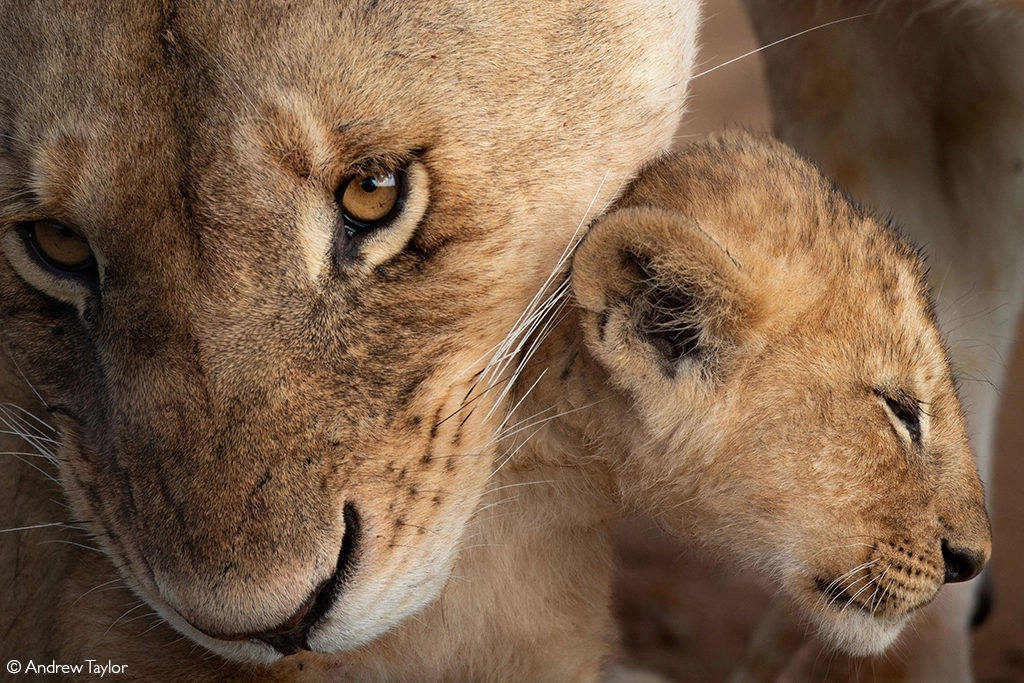
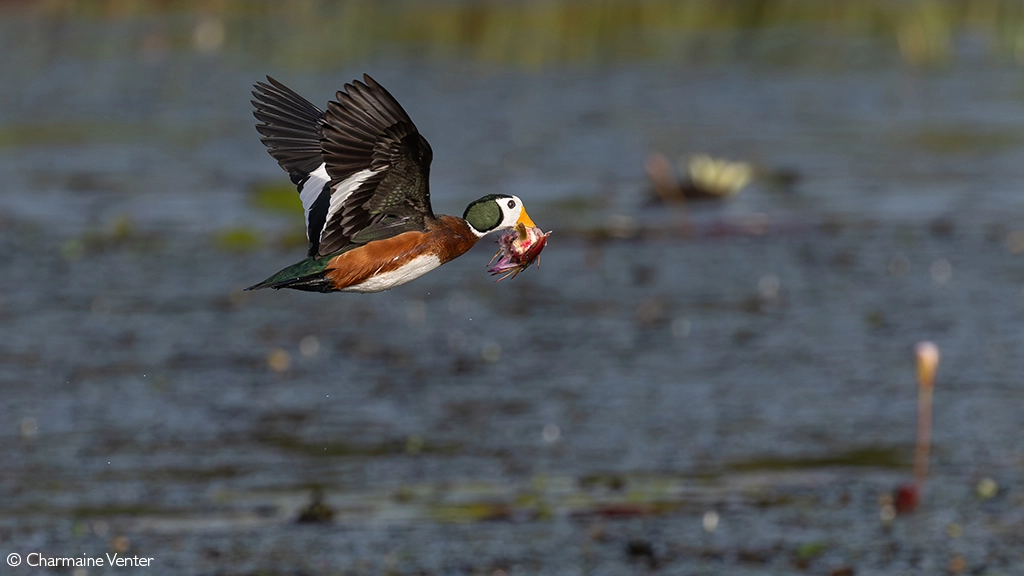
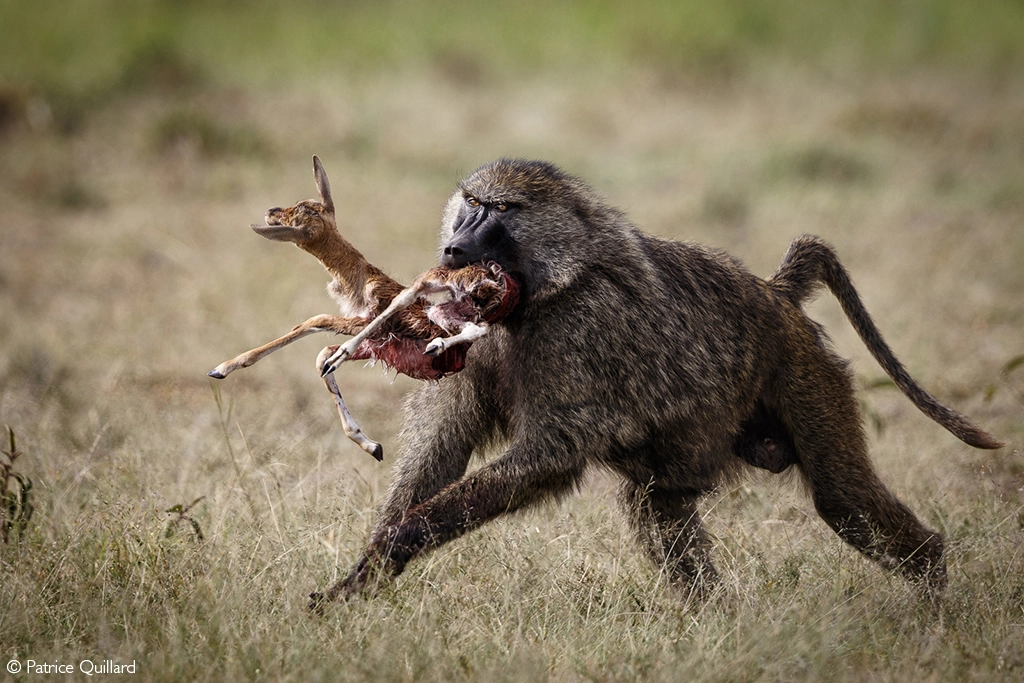
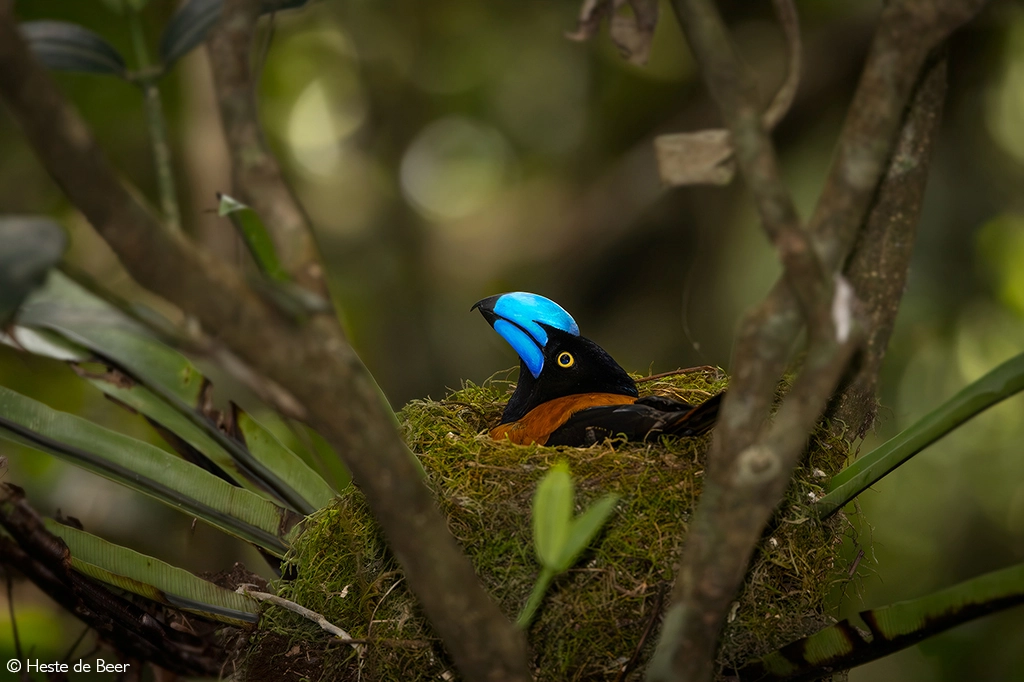
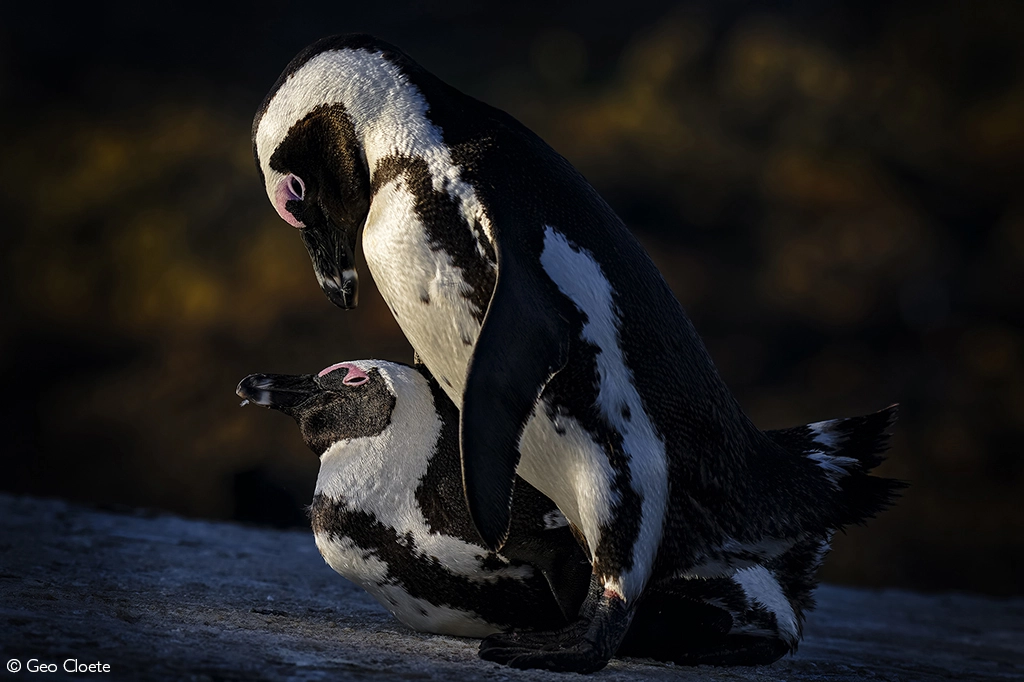
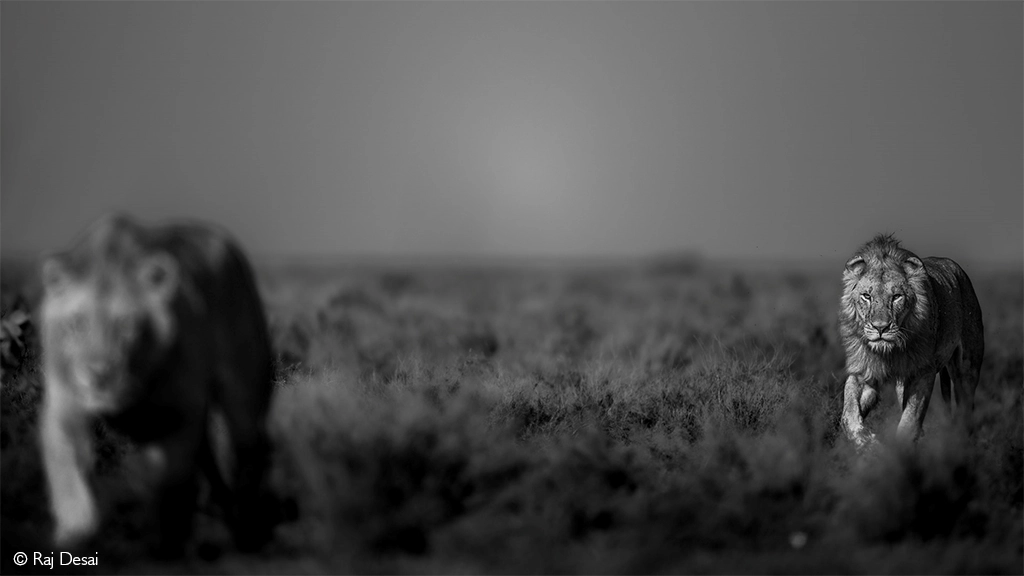
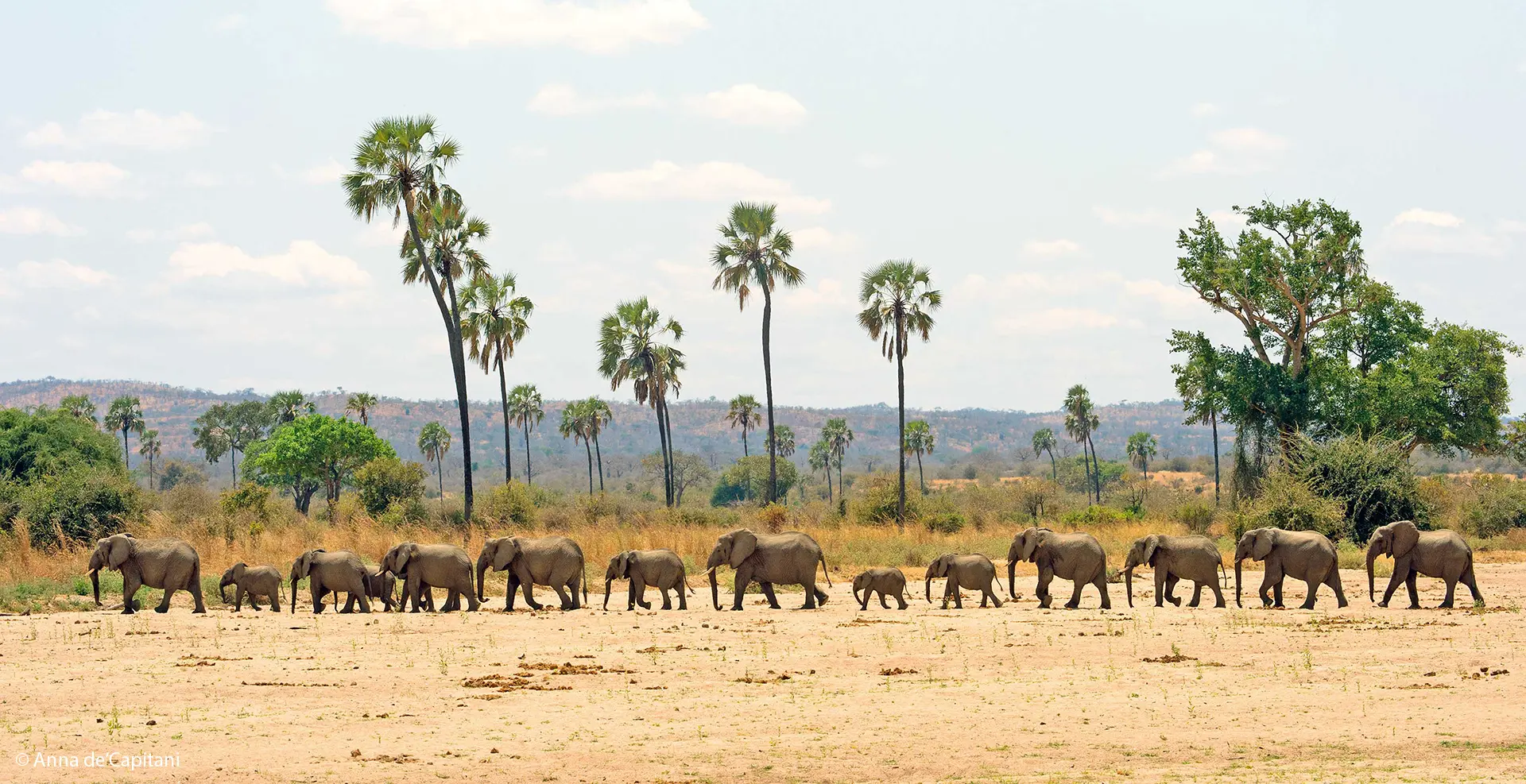
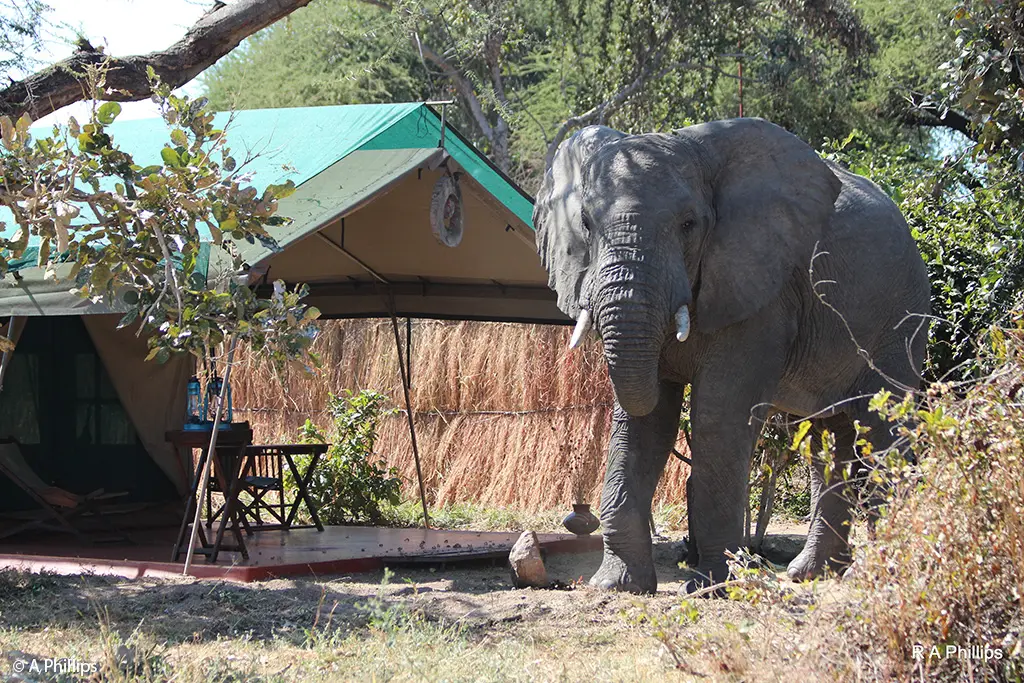
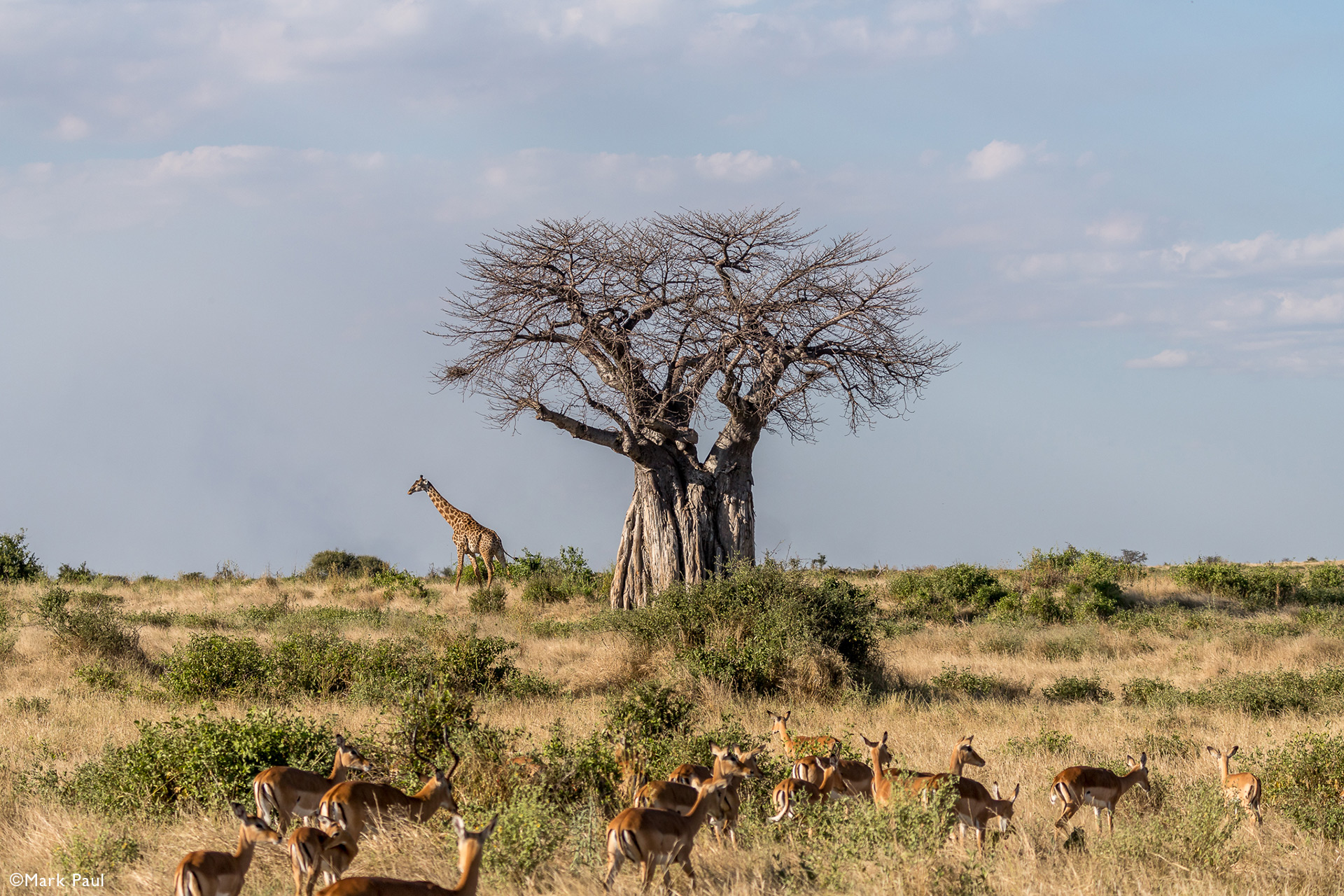
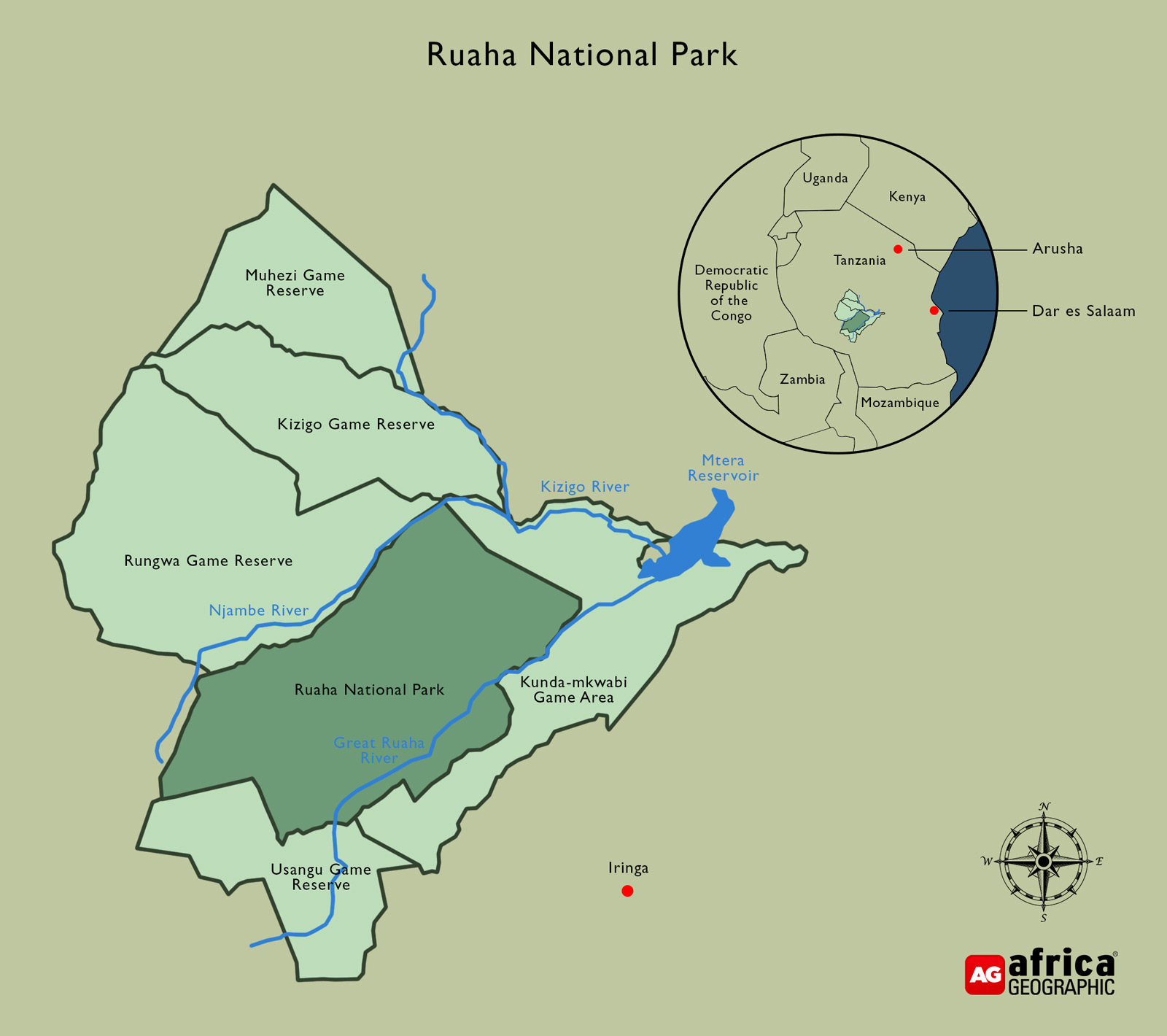
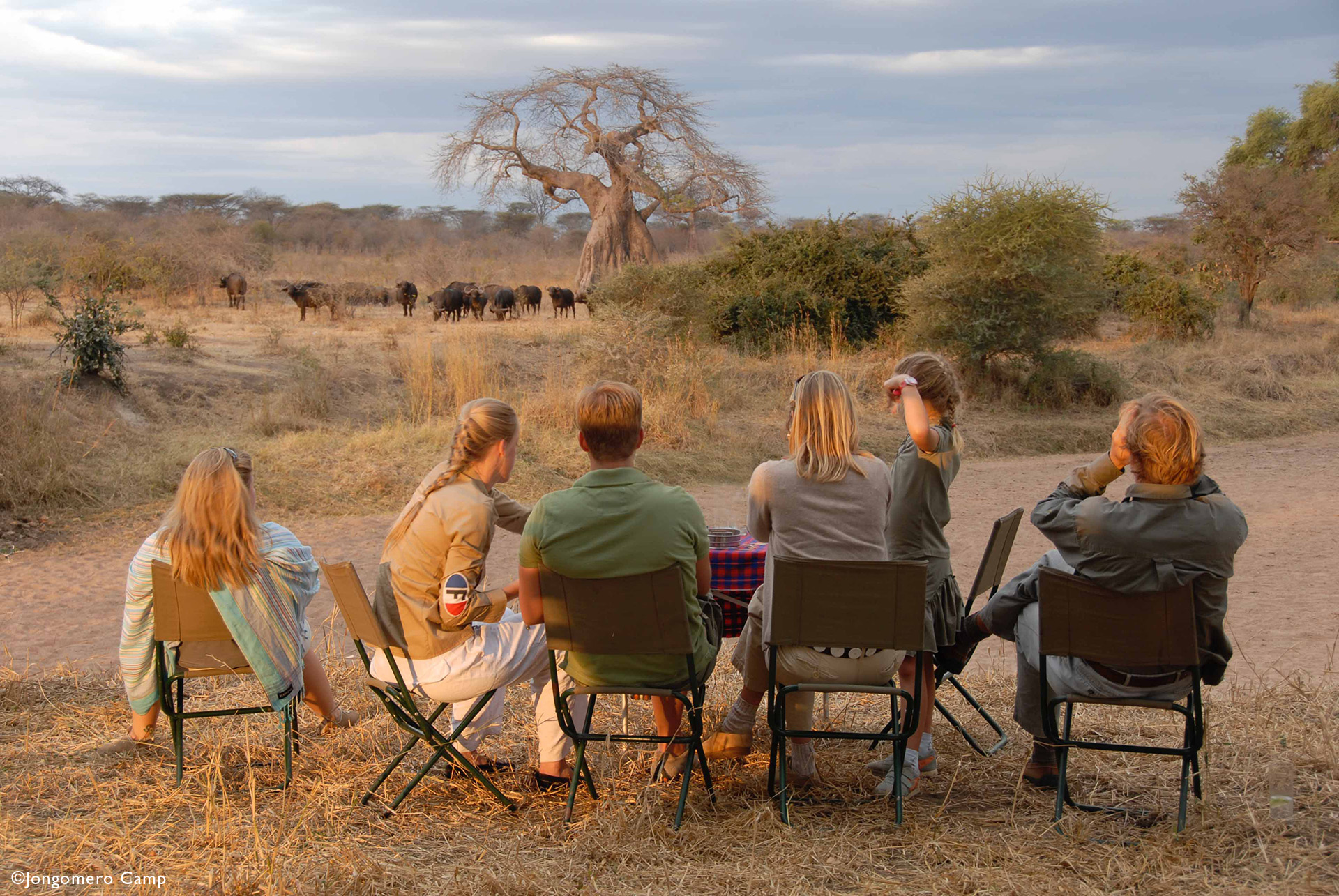
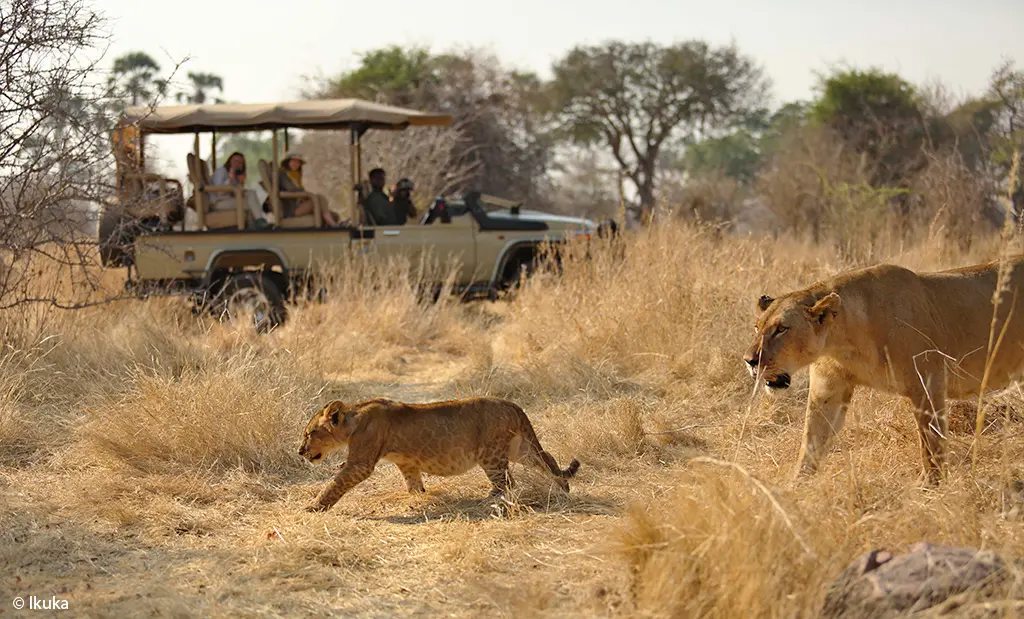
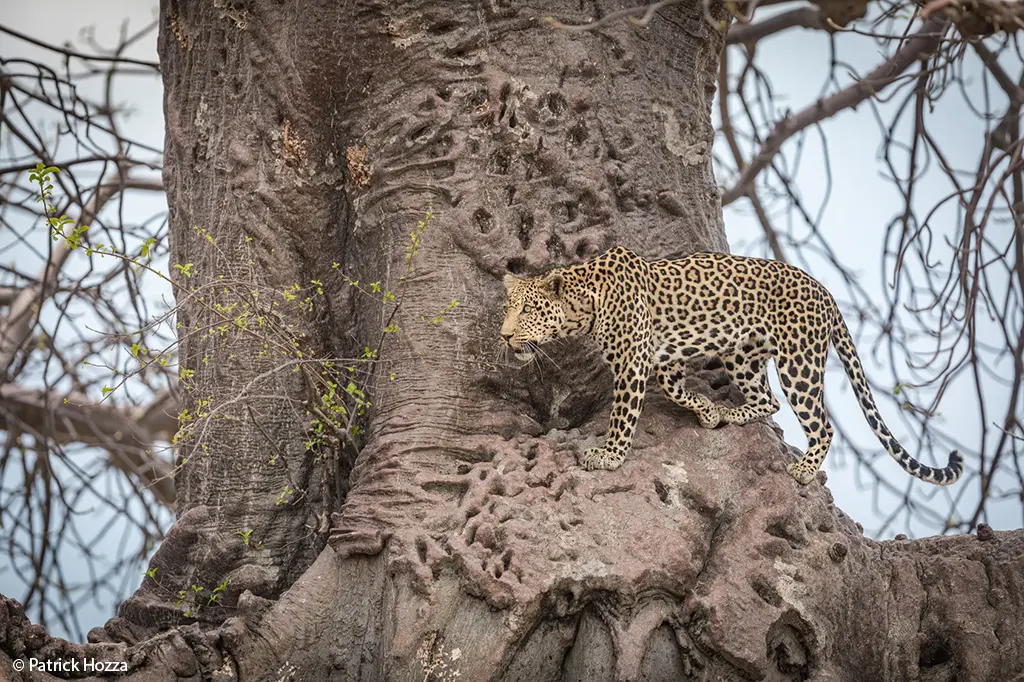
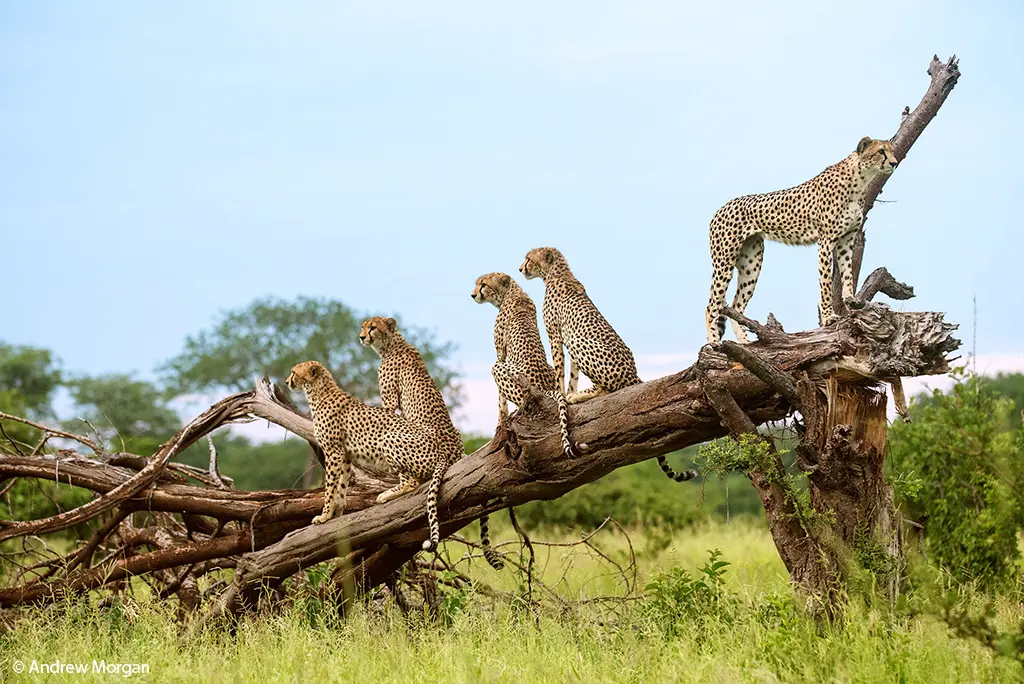
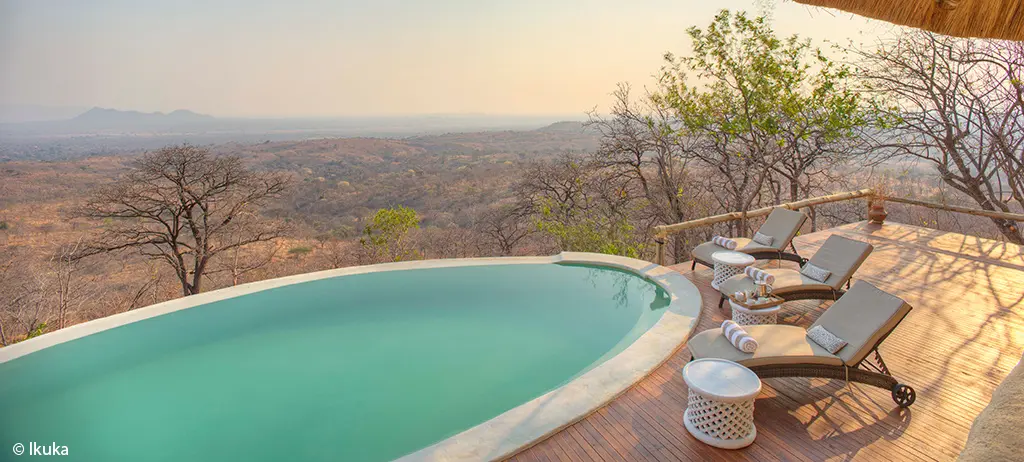
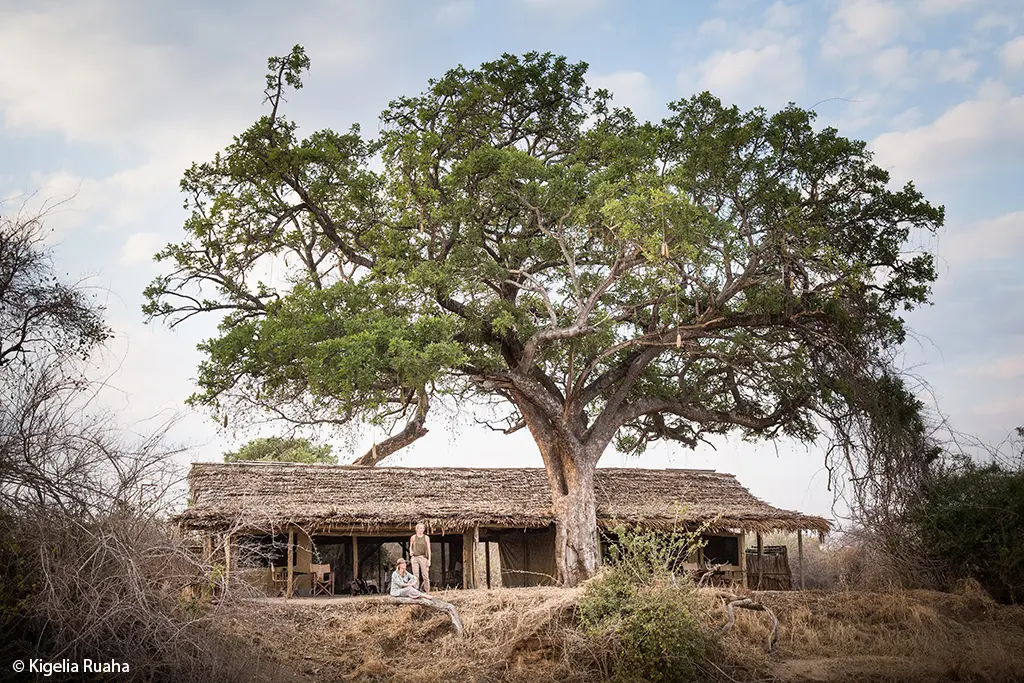
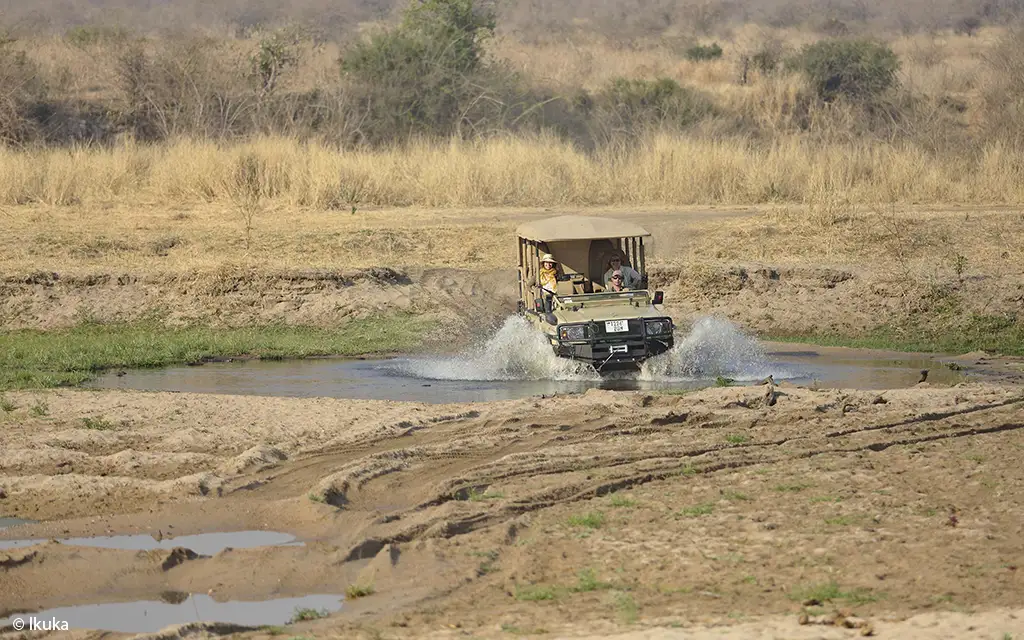
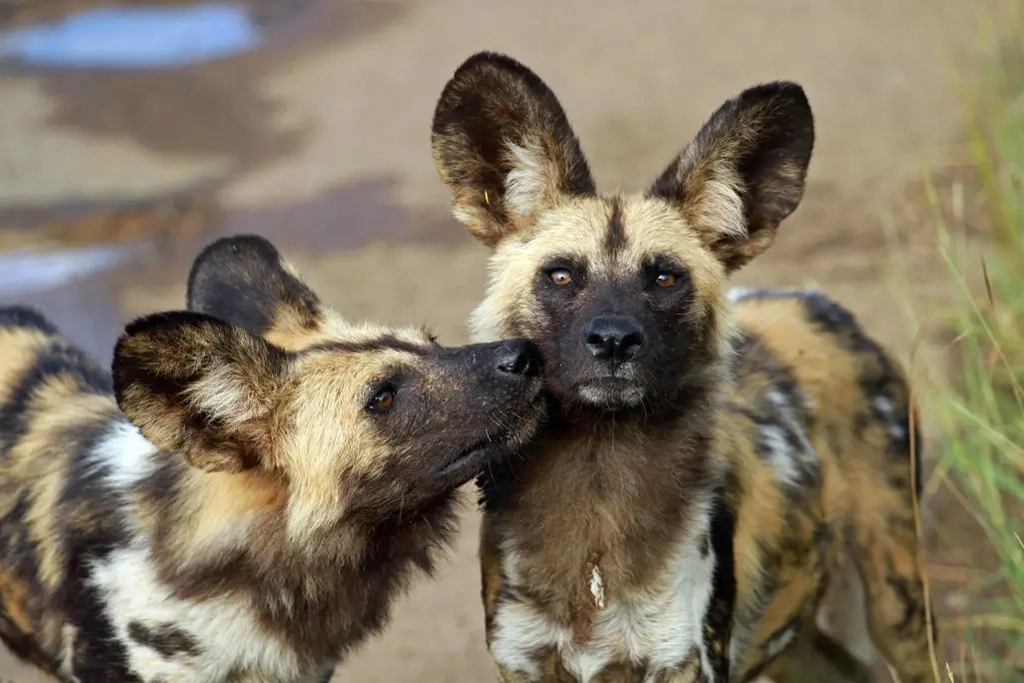
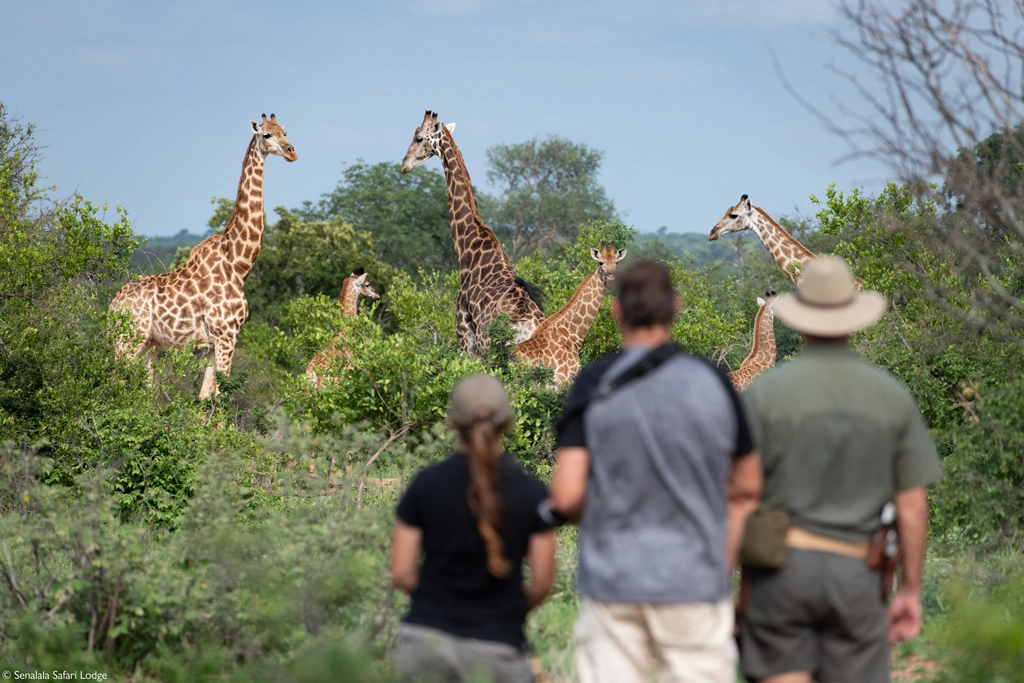
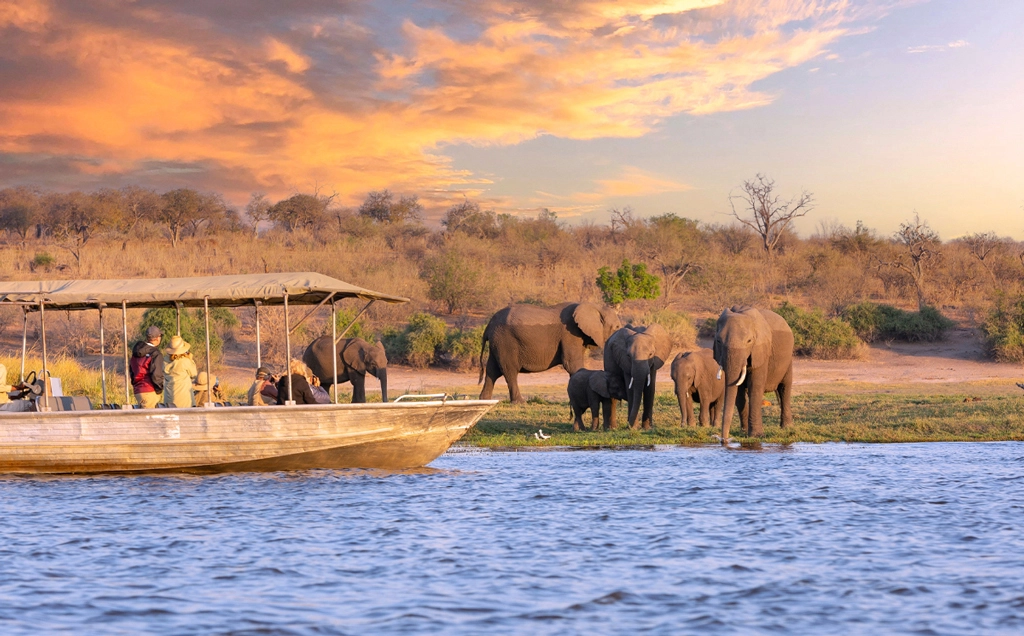
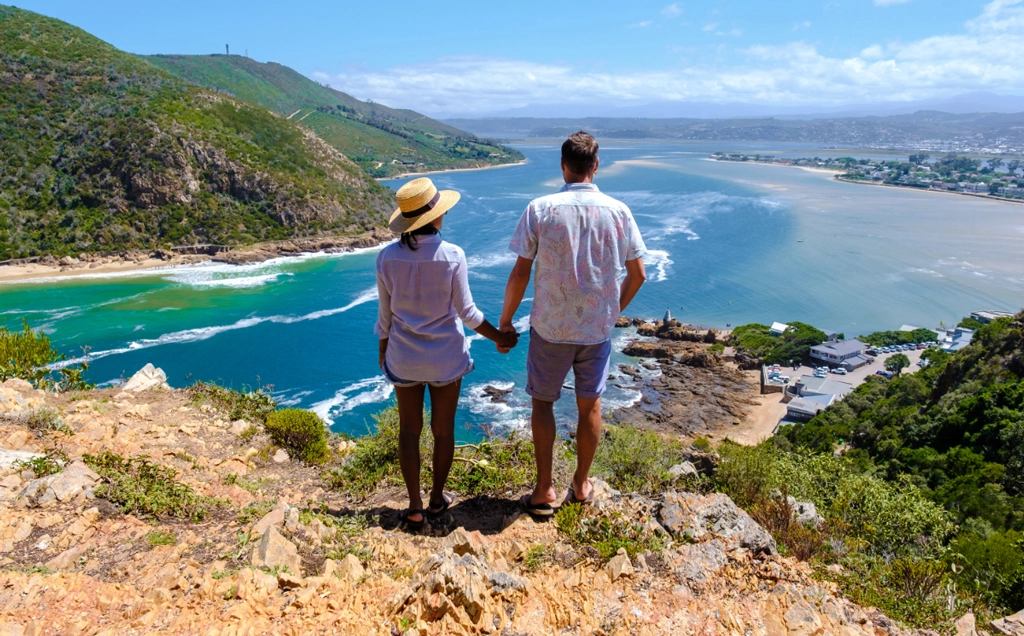
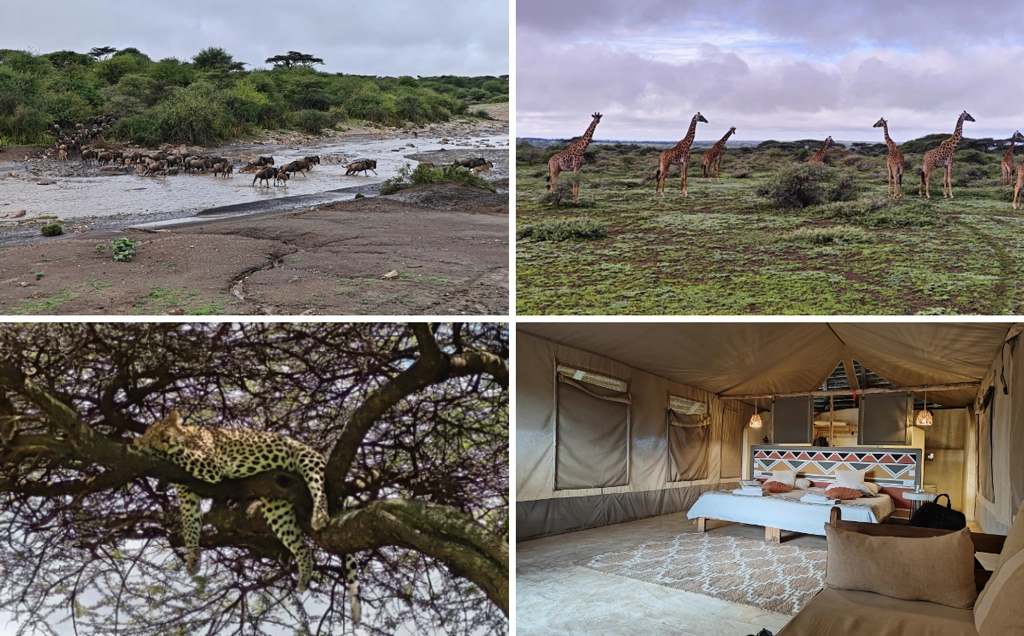
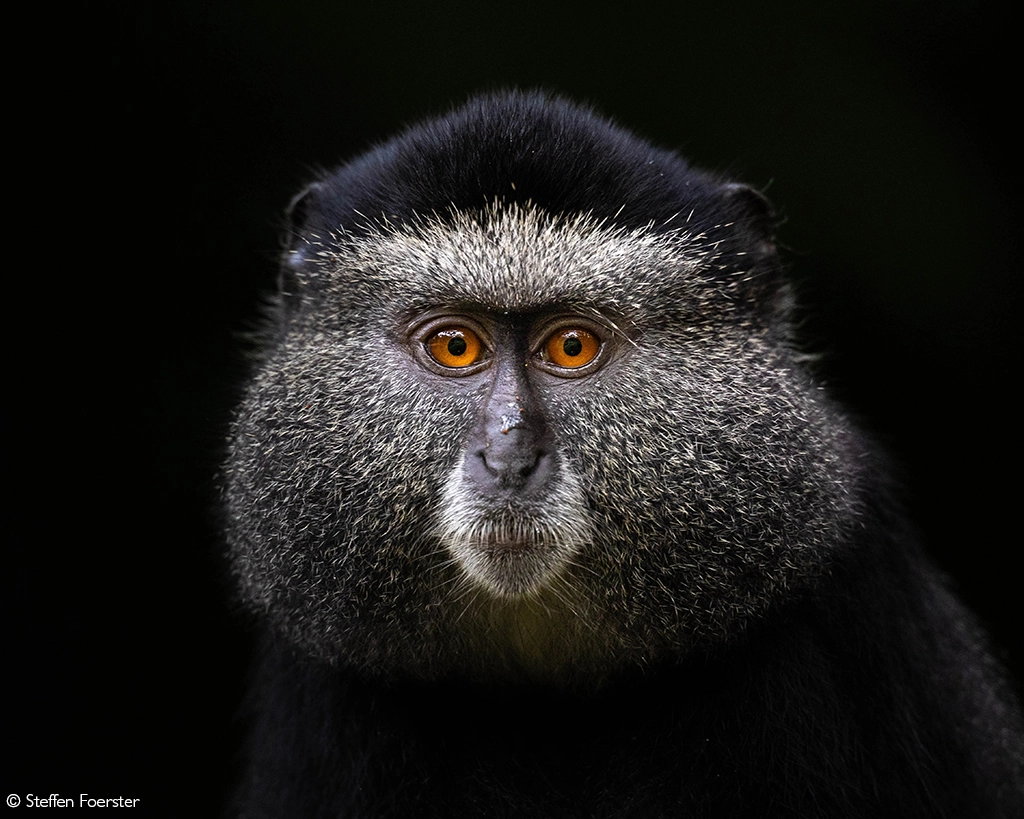
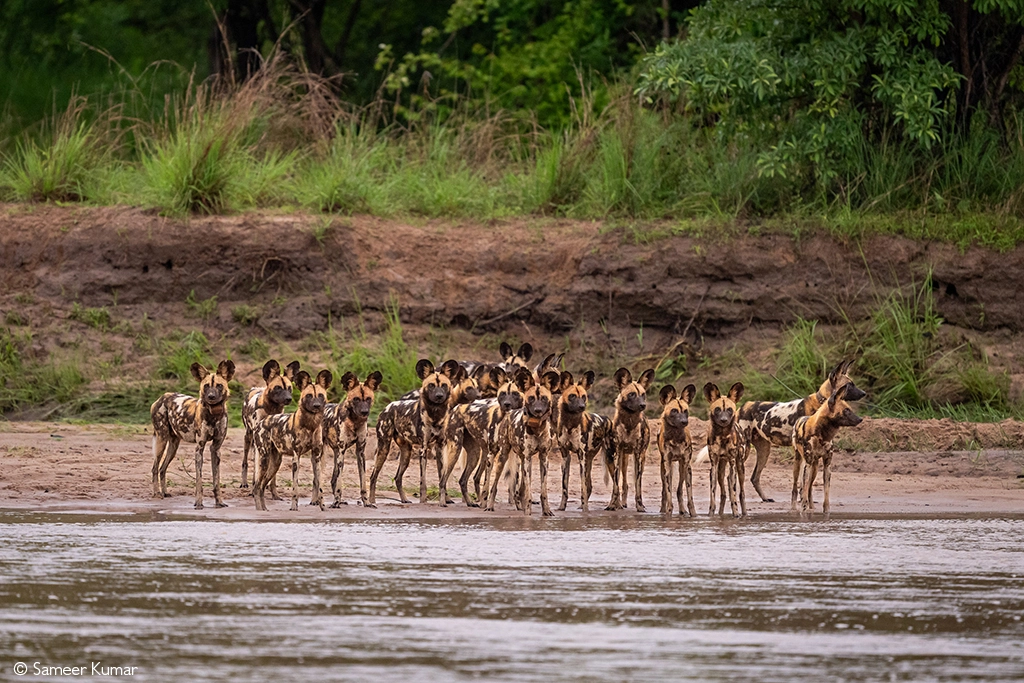
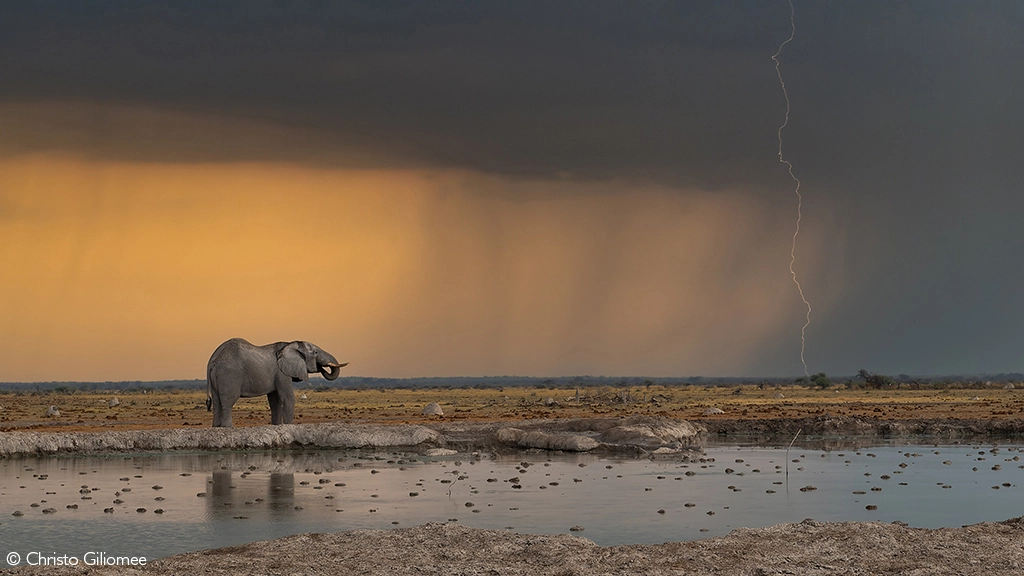
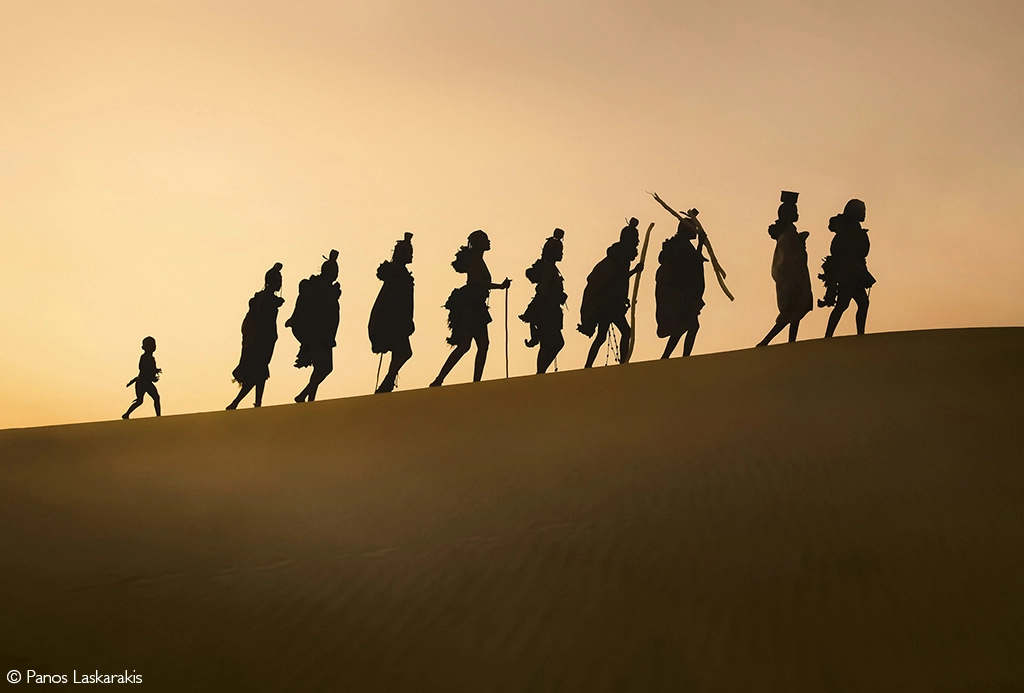
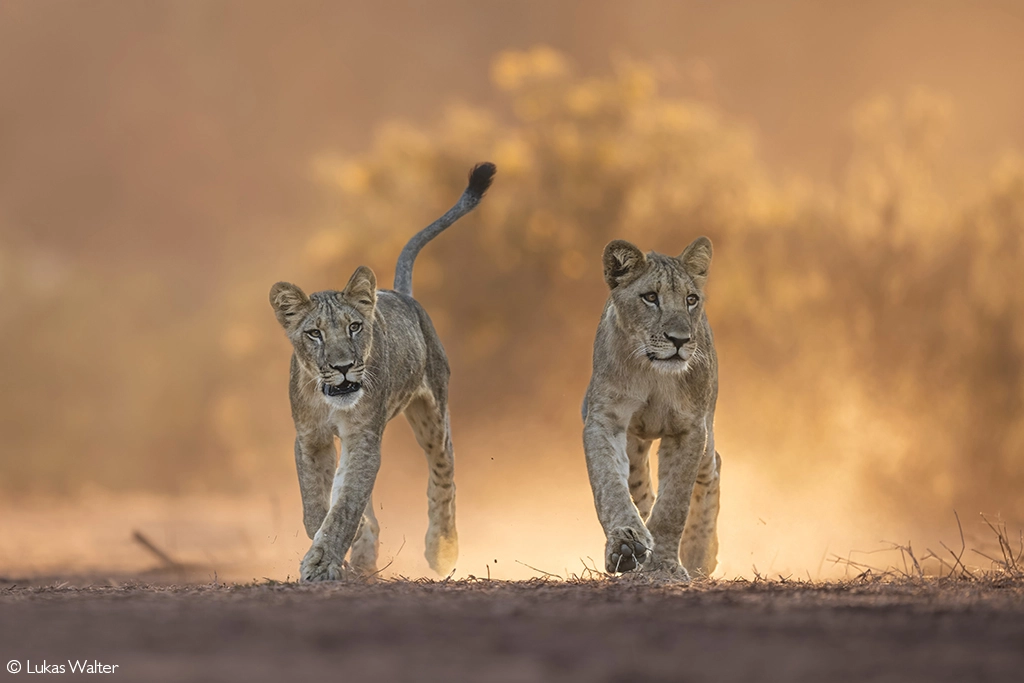
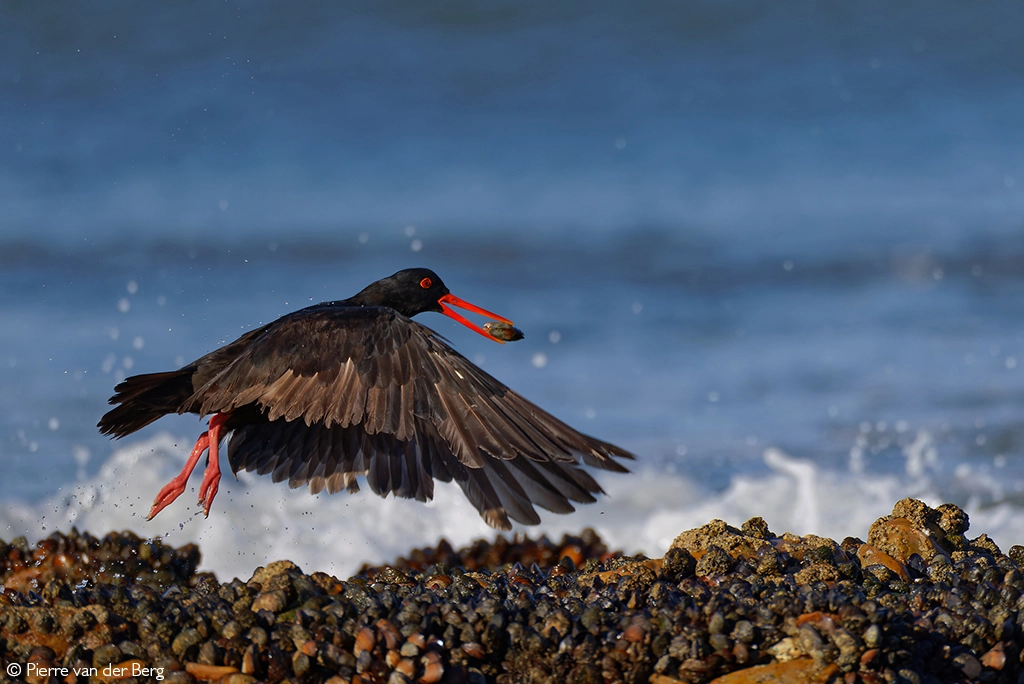
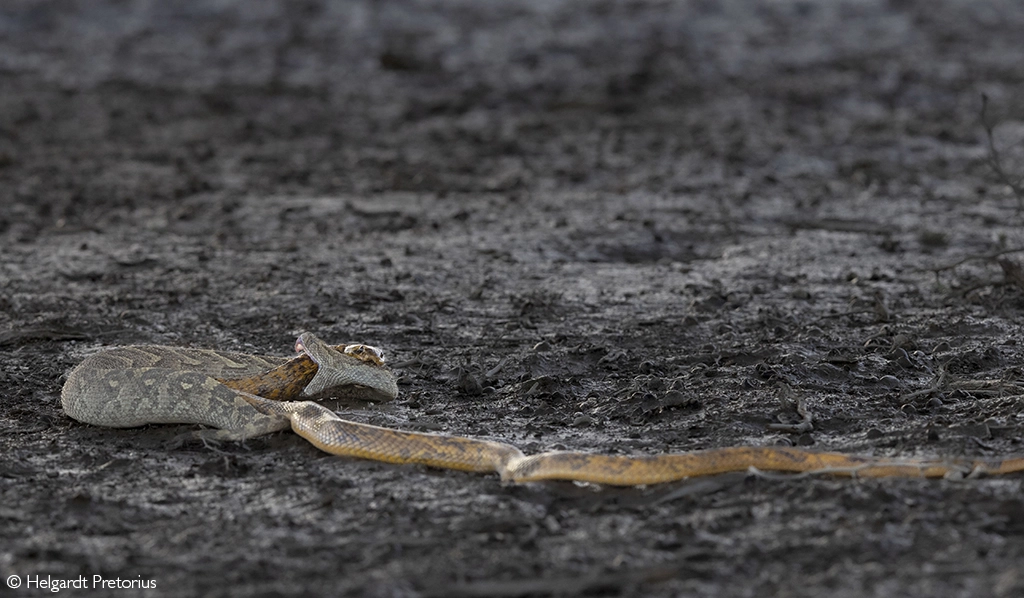
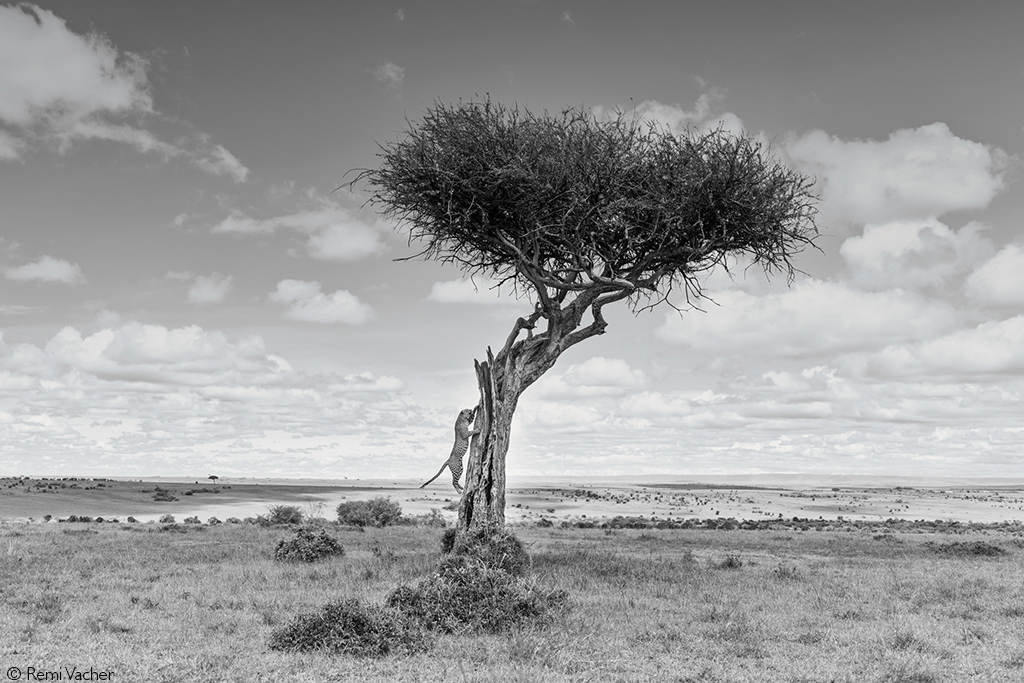
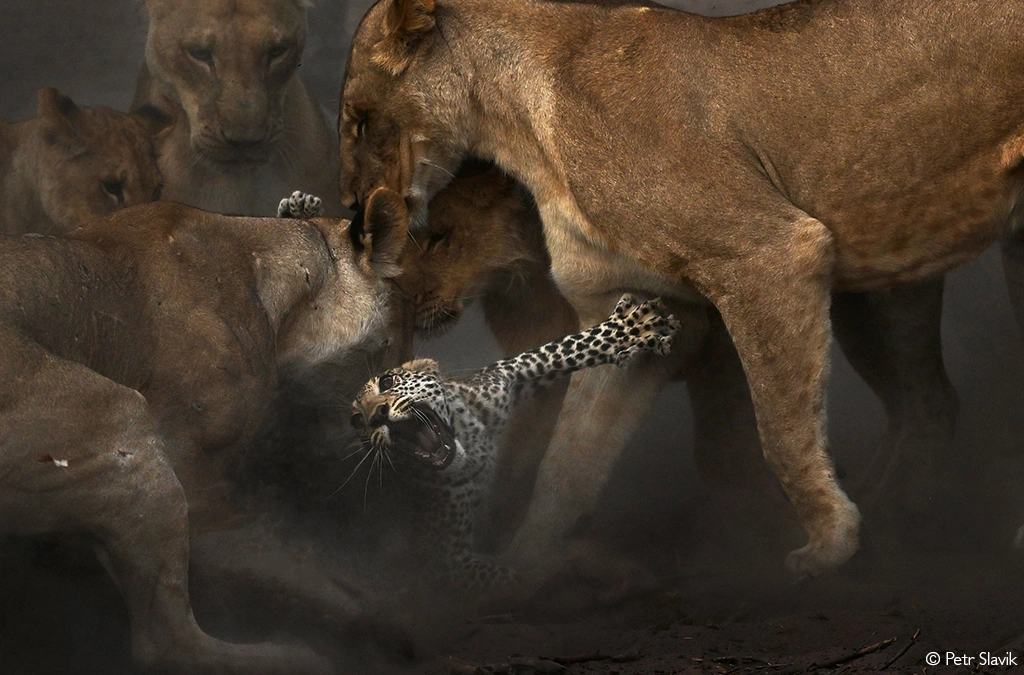
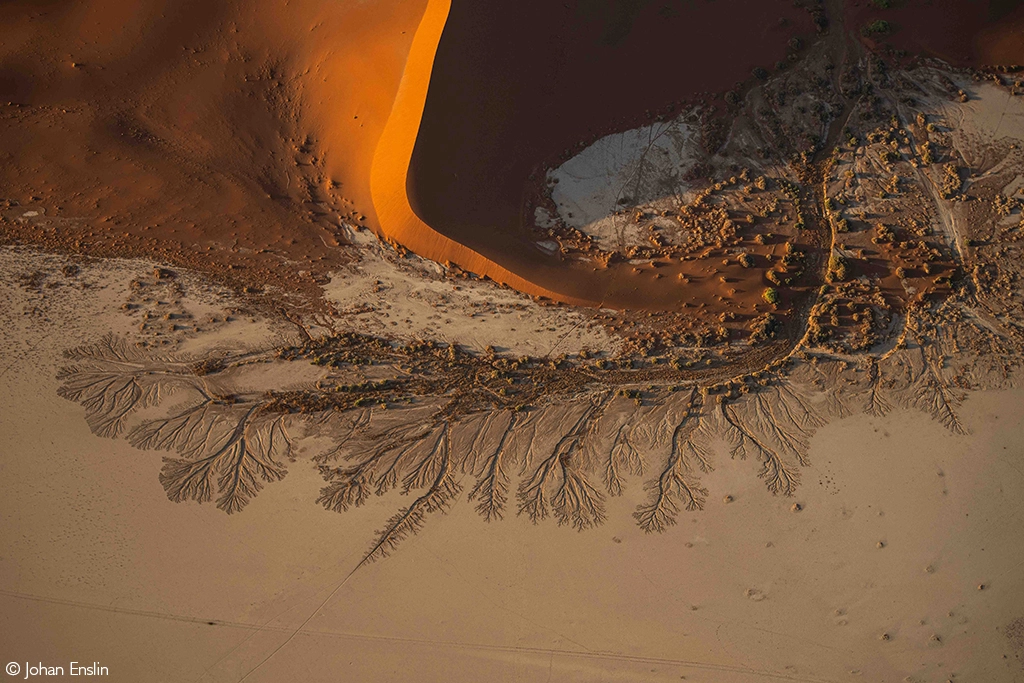
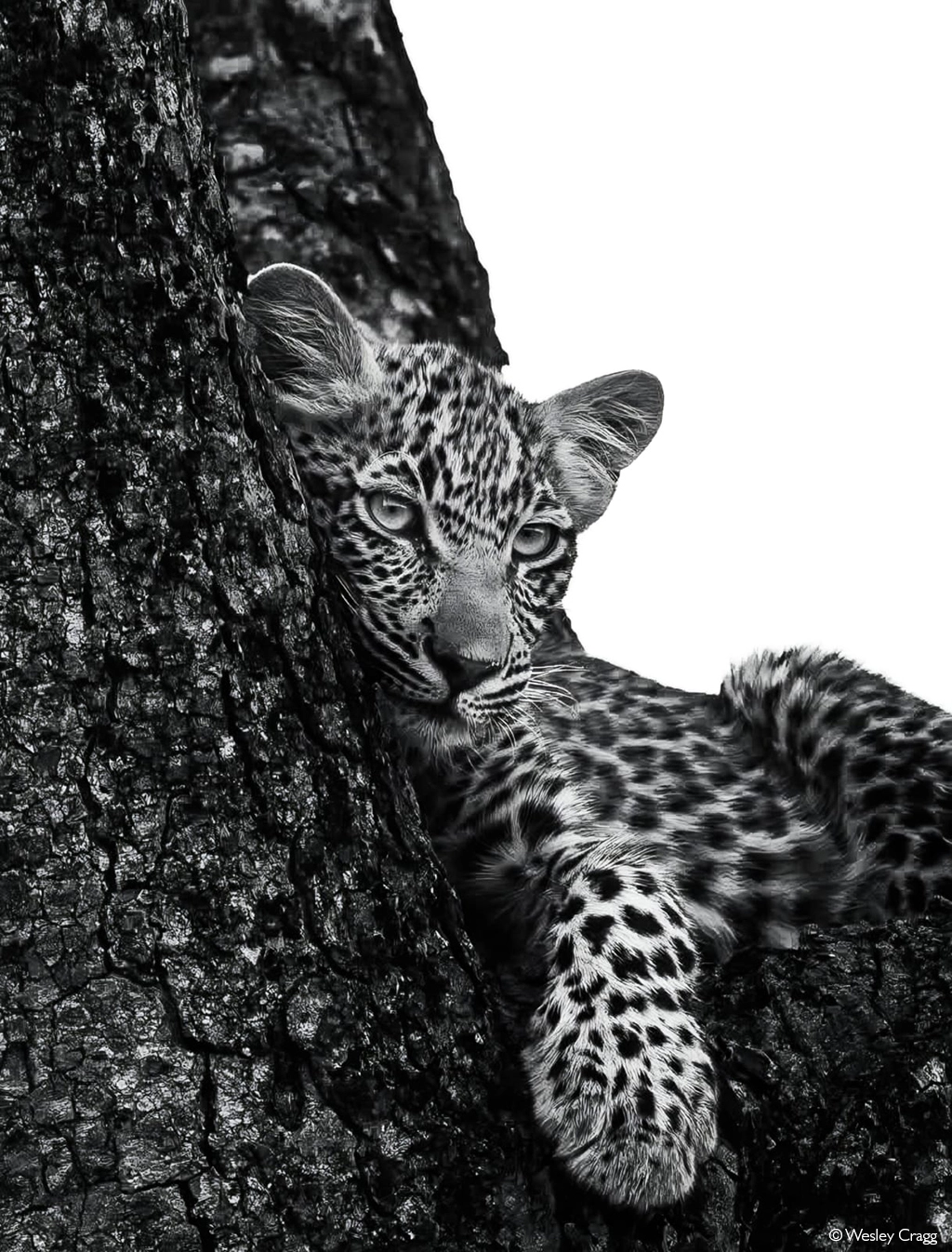
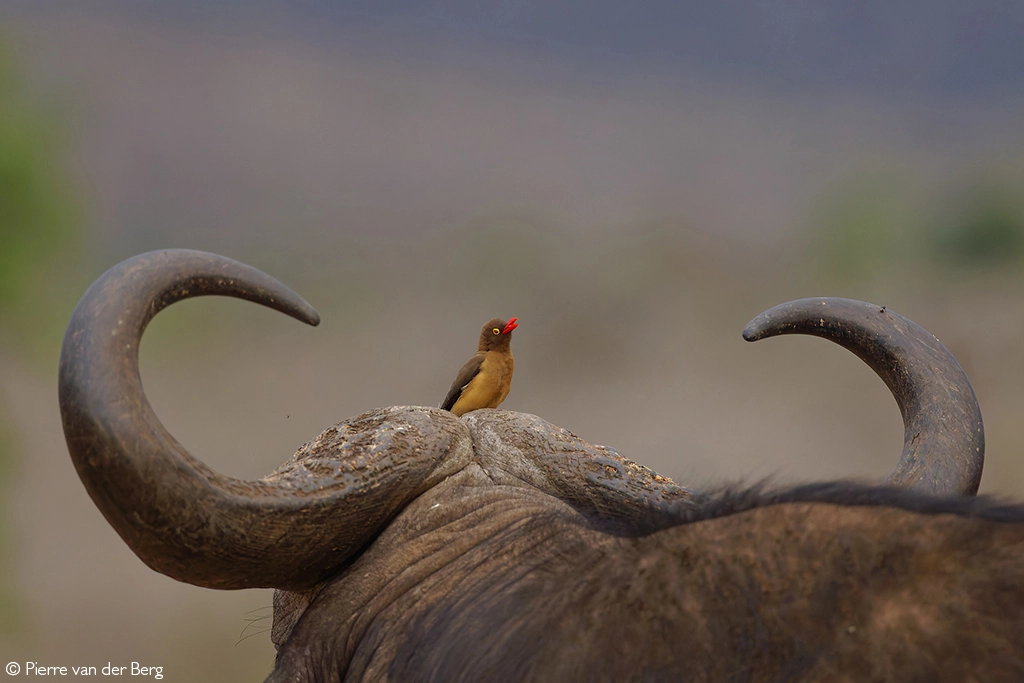
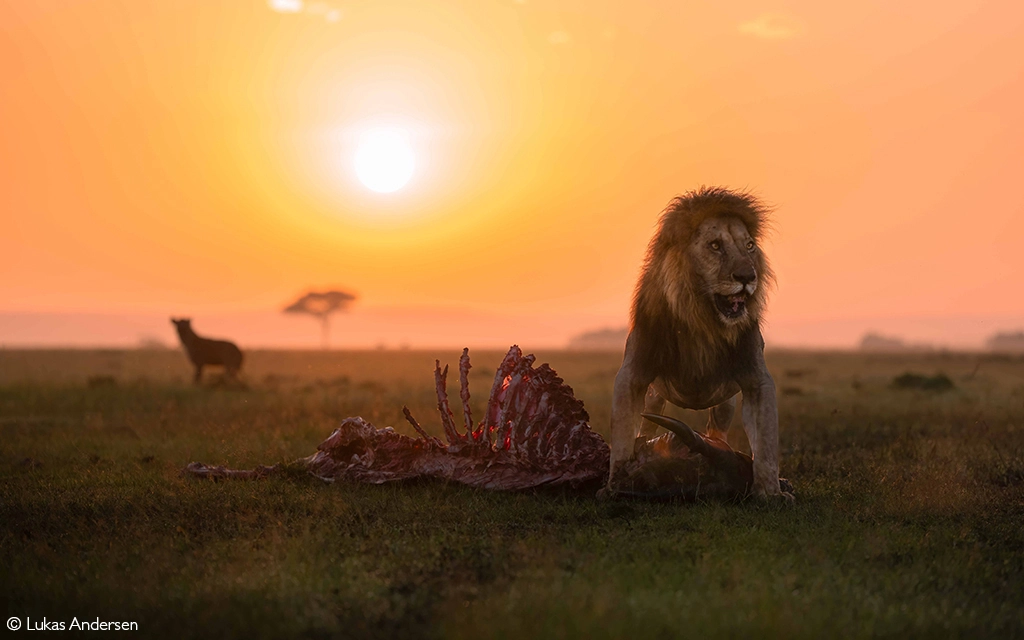
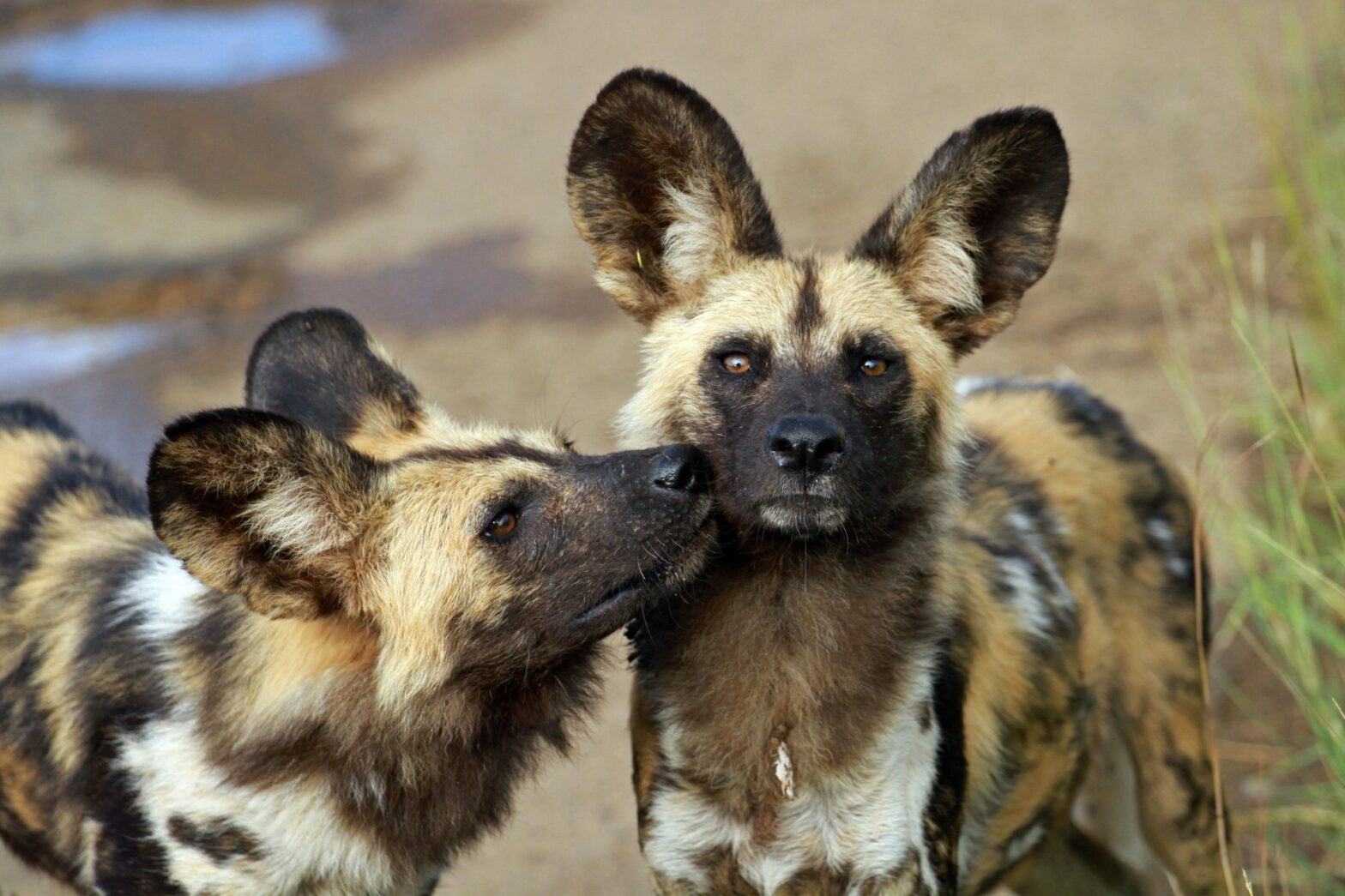
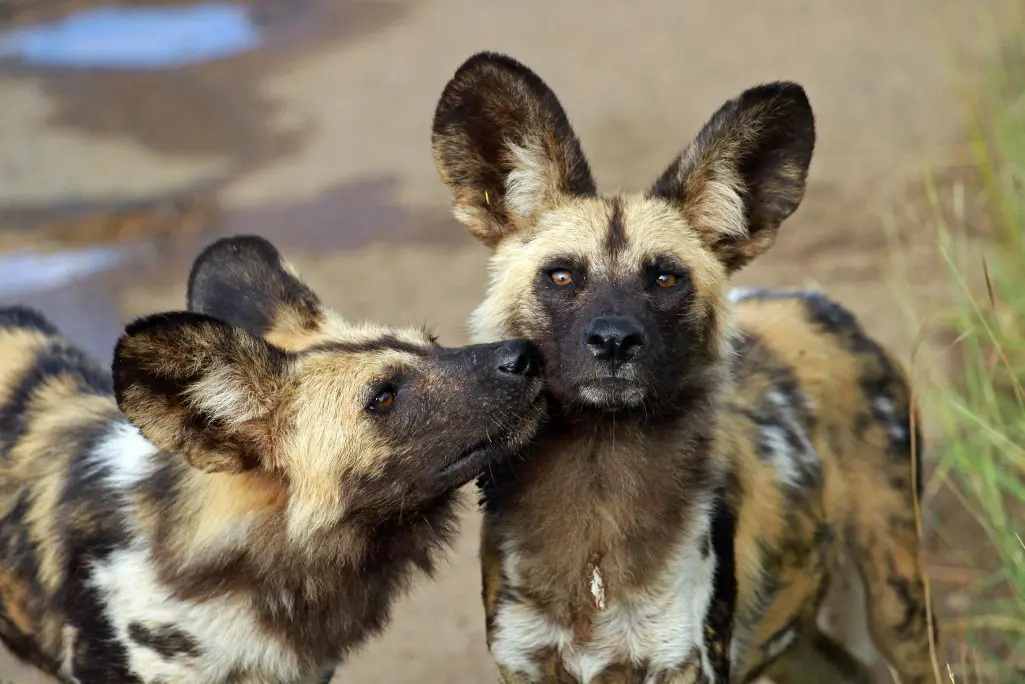
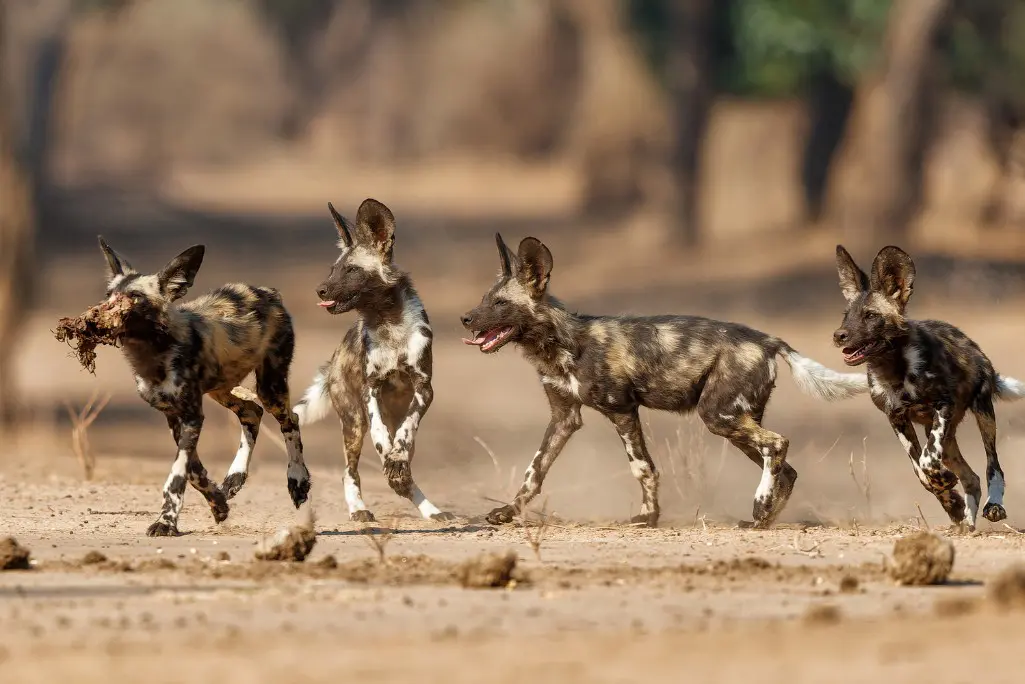
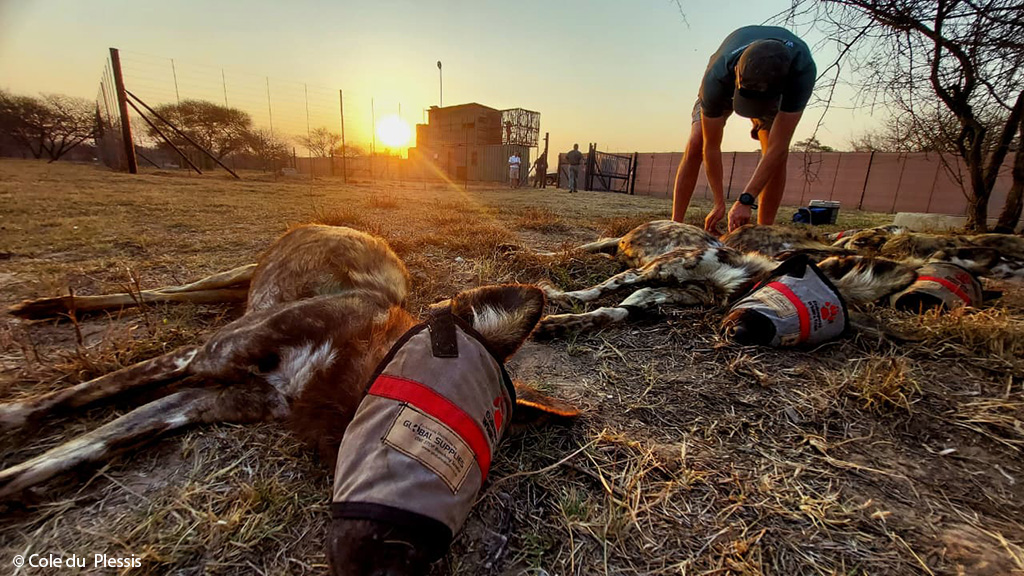
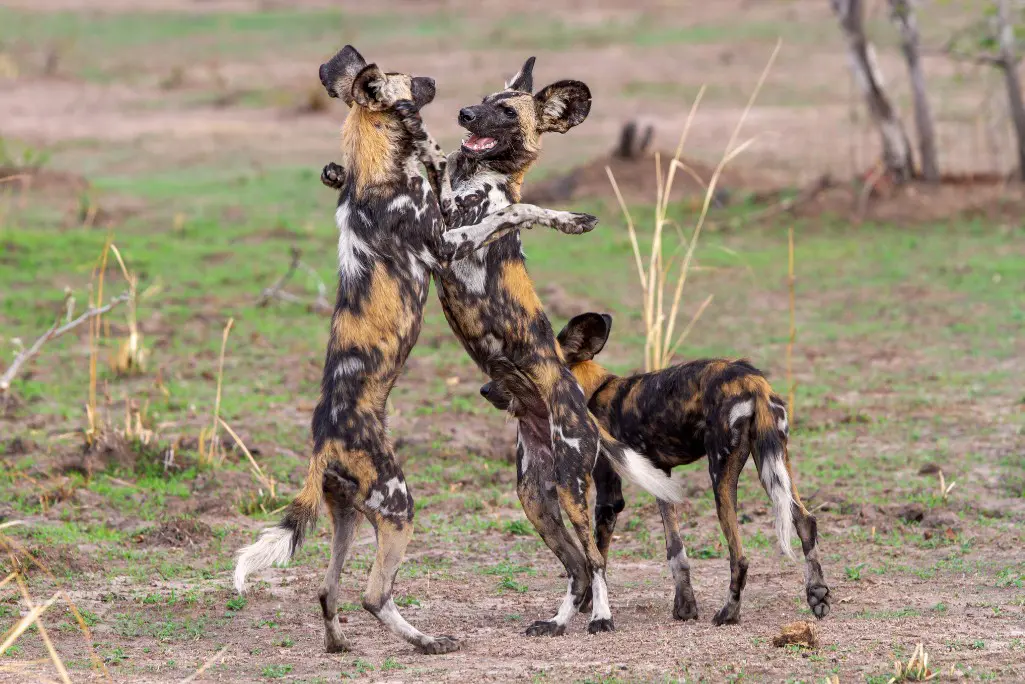
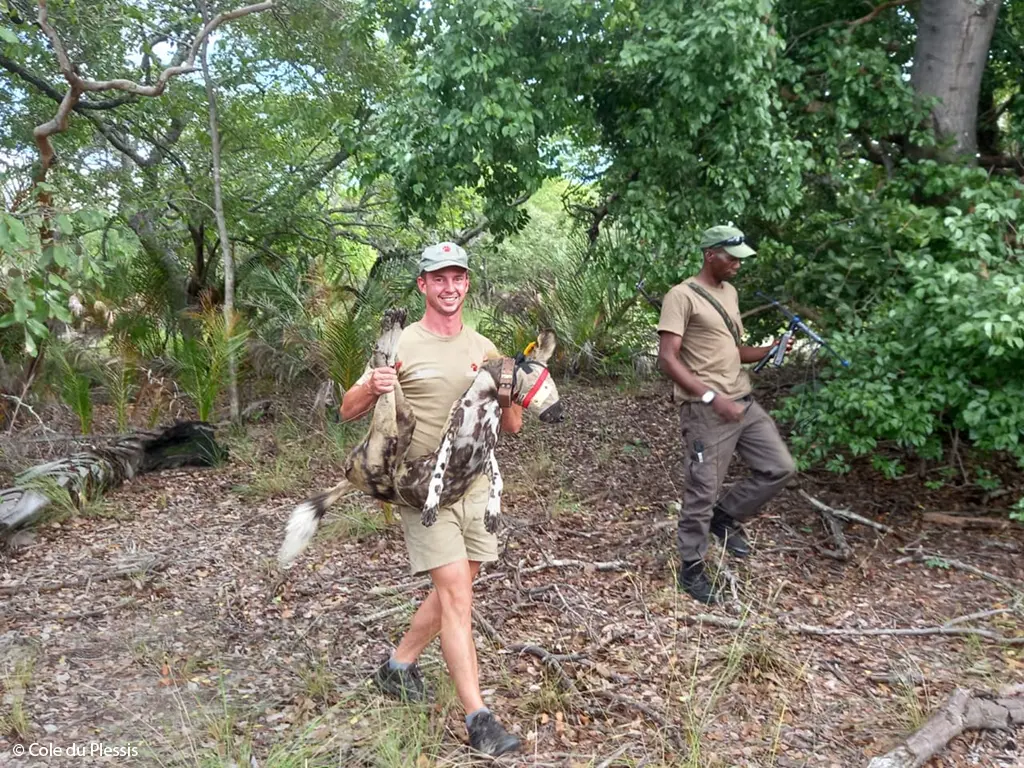
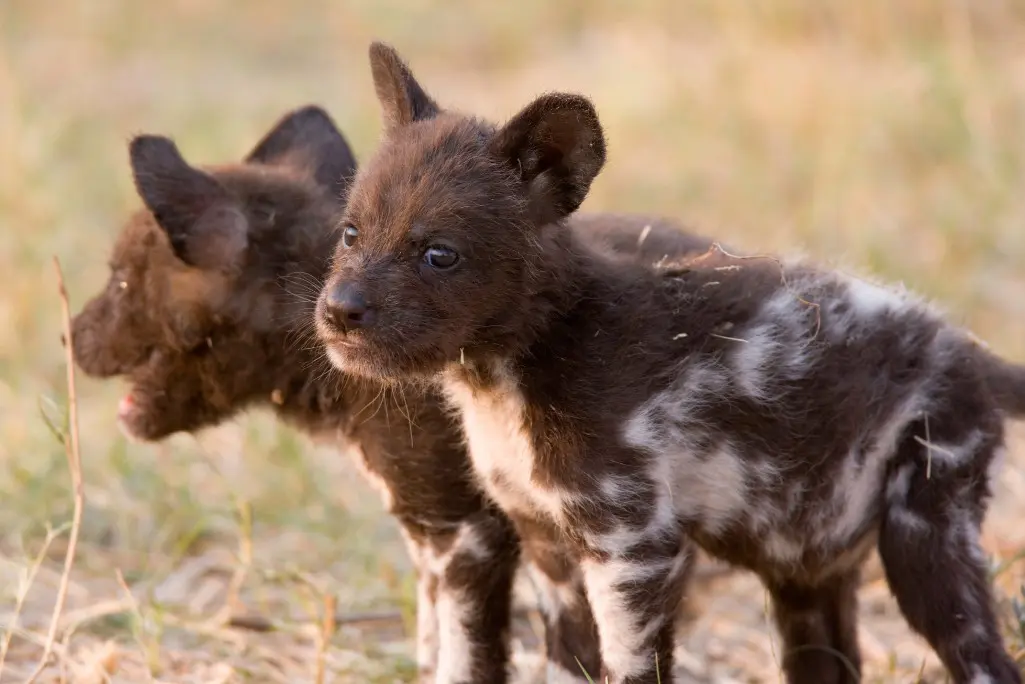
 About Cole du Plessis and the Endangered Wildlife Trust