


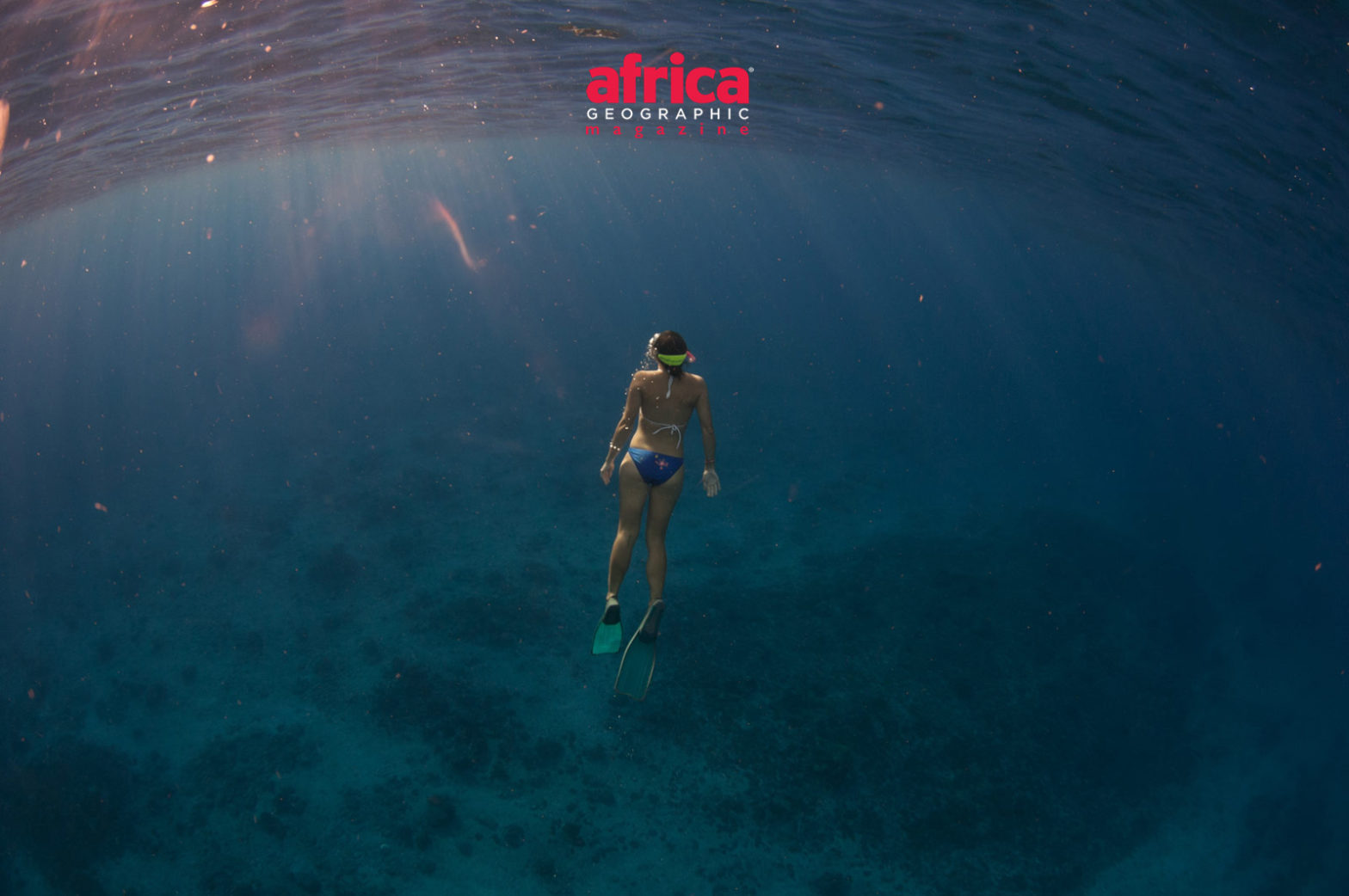
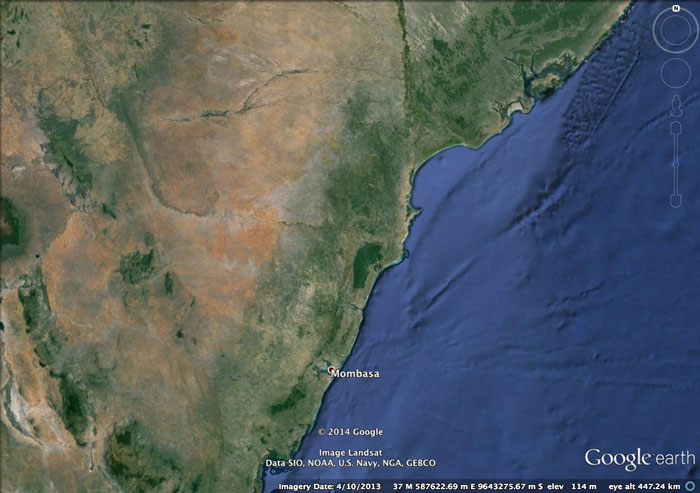
With the stadium lights of Durban fading into the night and the water lapping at the side of the boat, our small team had high hopes. Little did we know this would be our last night of restful sleep for a long while. Using a minimal budget and a team of six divers, one filmmaker, a boat and its crew, we aimed to survey the coral reefs spanning 3 500 km of coastline from northern South Africa to northern Kenya over four months. Ultimately we wanted to provide a quantitative baseline dataset for the entire East African region – to improve our knowledge of the coral reef ecosystems.
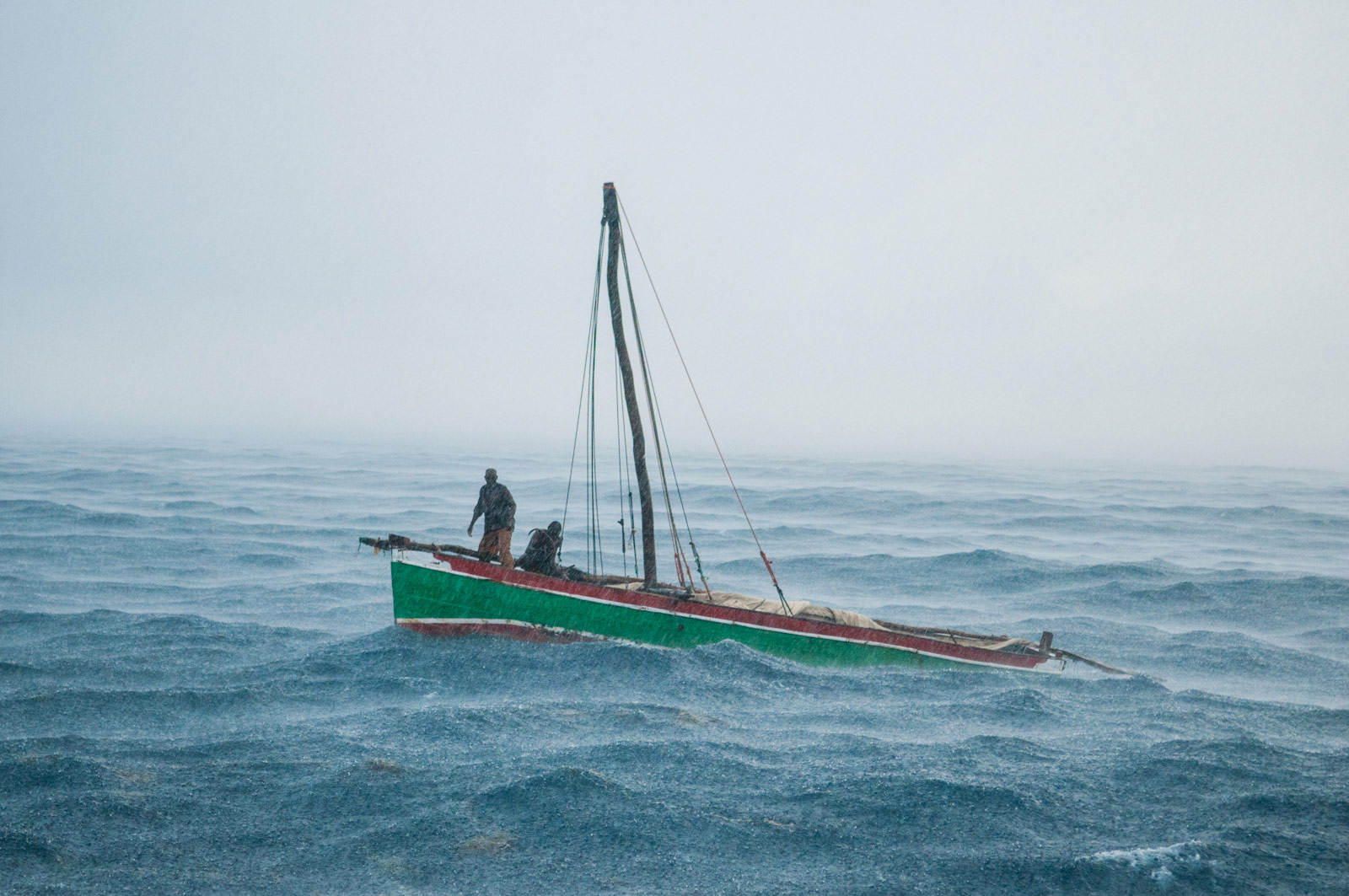
As a storm hits south of Lurio Estuary in Mozambique the team tow a fishing pirogue towards the safety of the closest shore village.
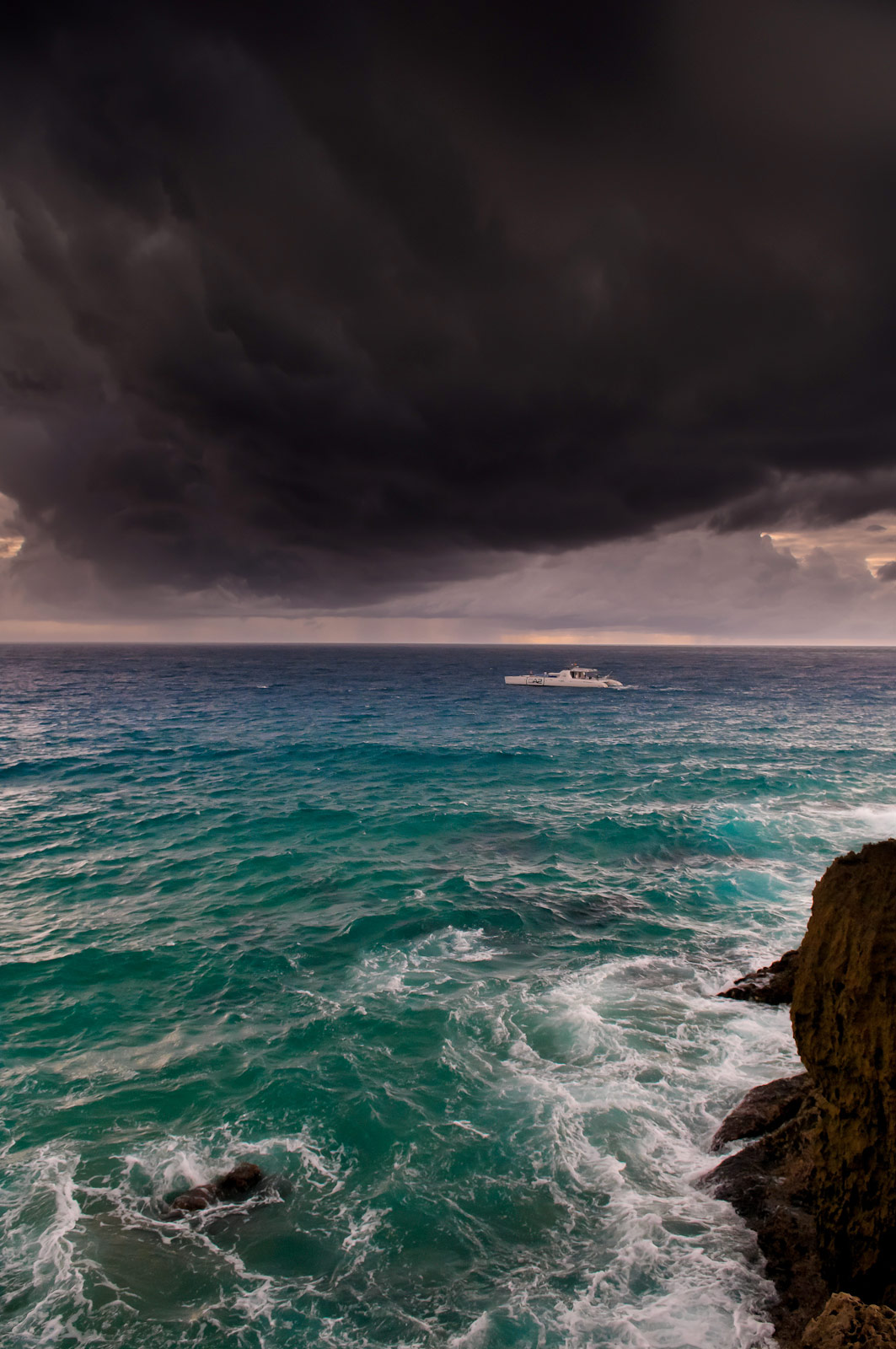
After the team were marooned in Mozambique, Ocean Adventurer 2 came to the rescue. Here OA2 chases a storm off Inhambane. ©Caine Delacy.
The weather turned from unpleasant to downright terrifying
It was quite an ambitious idea, but after much cajoling and the promise of adventure, we eventually had our team – and what we thought would be our vessel. David Livingstone once wrote, “If you have men who will only come if they know there is a good road, I don’t want them. I want men who will come if there is no road at all.” This quote became a mantra over the next few months.
Due to rough seas, seasickness took hold shortly after leaving Durban harbour. Most on board were a deep shade of green, and within a few days, the weather turned from mildly unpleasant to downright terrifying. We found ourselves at the front of a major storm off Leven Point on South Africa’s North Coast. To make matters worse, our engine broke down, and over the next 12 hours, the storm grew to a force with wind speeds exceeding 100km/h and 20ft waves that snapped our boom. Just one week into our trip, we found ourselves limping into Richards Bay with a broken boat.
There, we had to divide the team – three heading to Mozambique to begin the survey dives while the rest remained to await repairs and spare parts. The plan was to reunite in Tofo, where we would have to dive aggressively before cyclone season hit. In a week, we managed to get the boat into seaworthy shape. Spirits were high as we sailed towards Mozambique, but testing times were still ahead.
Crawling towards Tofo on the Mozambique coast late one night, there was an ominous ‘thunk’ from the bowels of the boat. Our hearts sank, and the engine stopped working once and for all. This boat wasn’t going on any expedition. We had to abandon ship, remove all our gear and head for dry land, where we installed our entire team in a small house kindly offered to us in Inhambane. Marooned there, we struggled to find justification for this faltering expedition.
We were working on scant information in areas that hadn’t been dived before
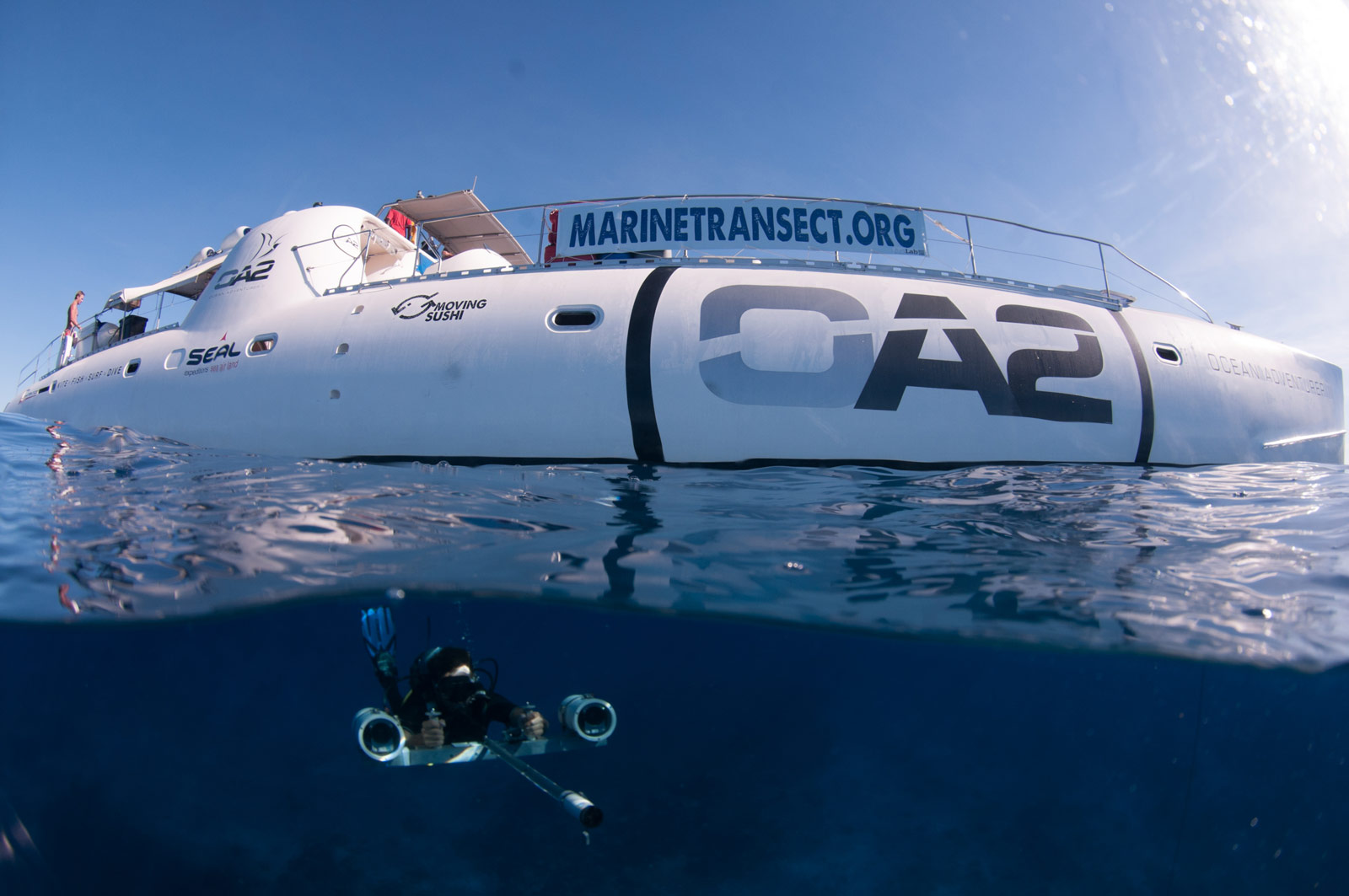
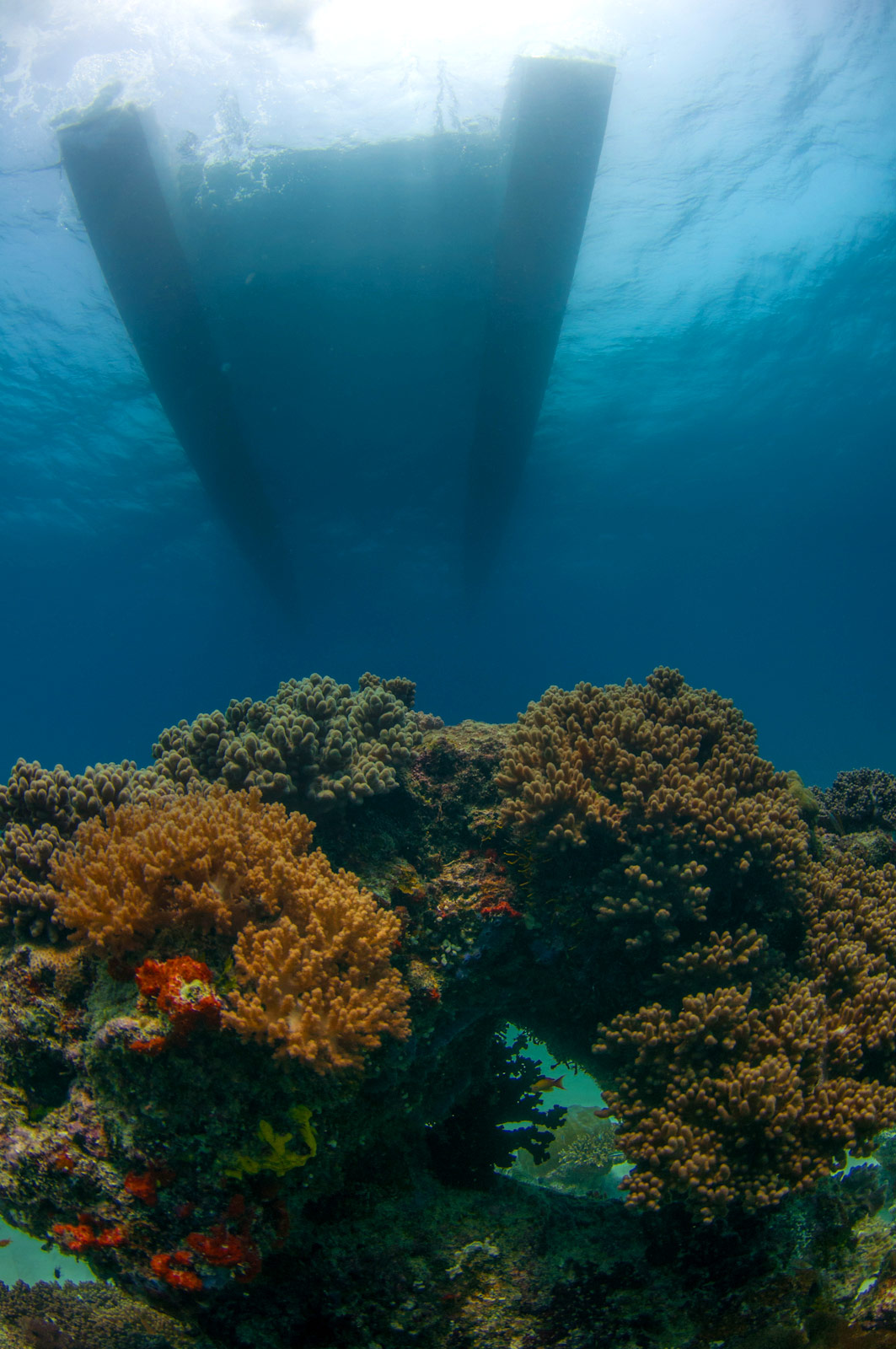
I firmly believe in Karma, and maybe we racked up a boatload of it because just when we felt we must abandon all hope, we were given a gift. The crew from OA2, who had heard about our situation, offered us their 82-foot power-driven catamaran to continue our expedition. We only had to wait a month in our little Mozambican shack in the heat of Christmas.
With the boat’s arrival after that long, drawn-out month of kicking up beach sand and agonising over our next move, we approached the project as people possessed. Our new team of 11 (boat crew and survey team combined) moved along Mozambique’s shoreline towards the spectacular Quirimbas islands, and we made up for the lost time by conducting eight dives a day for weeks on end unless bad visibility or weather forced us to take a break.
Our greatest challenge was finding all the dive locations. We were often working on scant information in areas that had not been dived before. Making decisions on which direction to head in, which side of an island to dive off or how much time to spend in a certain location became a stress-filled ritual. We quickly learned not to second-guess our decisions or spend precious time agonising over unpredictable outcomes. Every hour that went by served to remind us how far we still had to go and how little time we had.
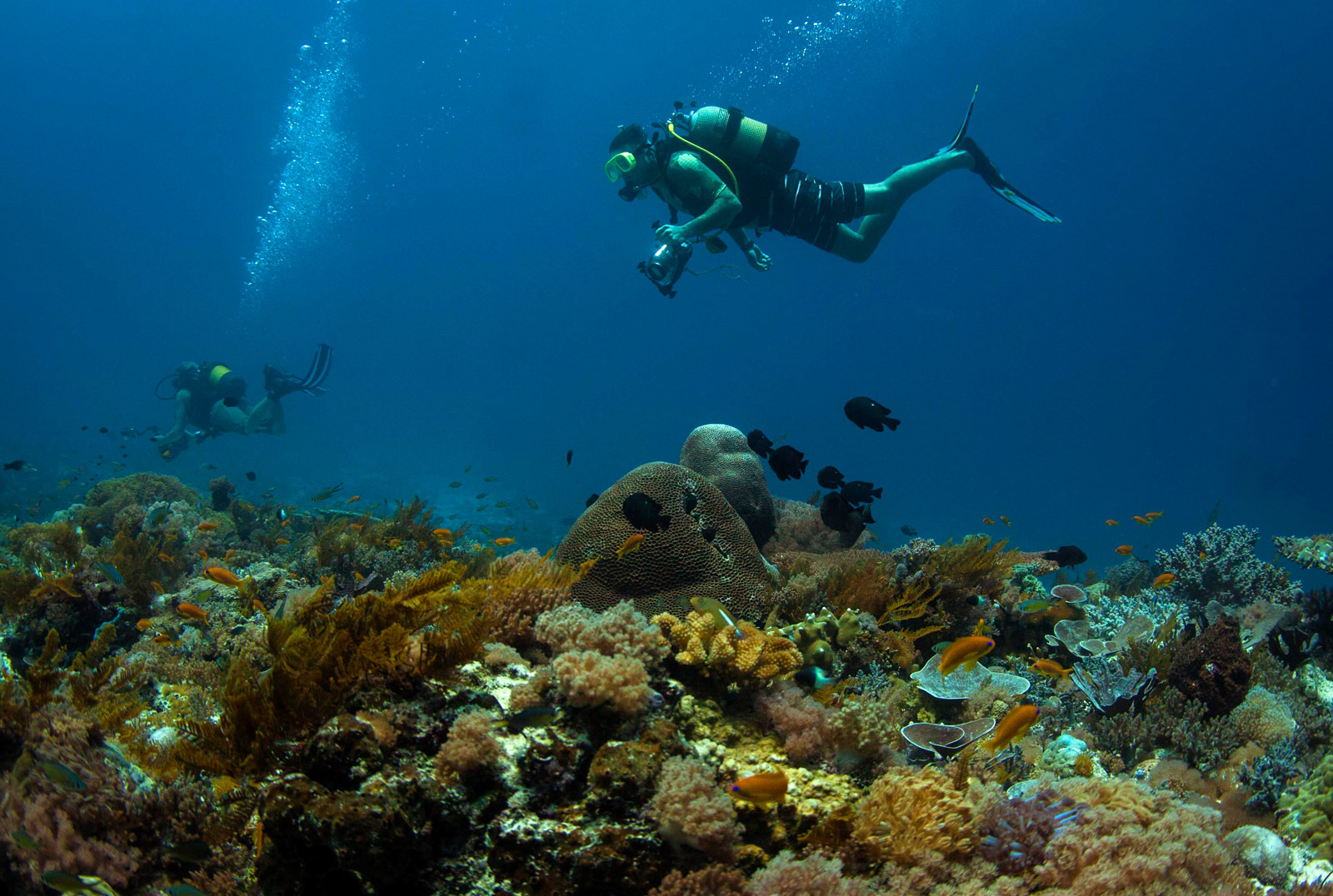
Everyone dug deep into their physical, mental and financial reserve. To say this wasn’t a pleasure cruise would be an understatement. But we slowly ticked off the dive sites, edging our way through the 2,500km of Mozambique’s coastline and into Tanzanian waters, up through Zanzibar and Pemba islands and past Pangani. Each time we crossed out another site, our hopes rose. You could still feel the tension when we hit minor setbacks like sickness, fatigue and losing team members to their real jobs, but the atmosphere lifted as the days went by. After deciding to forgo Lamu due to potential piracy issues, we crossed into Kenya and lumbered into Malindi, our last stop. Turning around to recover all our missed dive sites, there was a definite feeling that somehow, we might be able to complete this expedition.
Before embarking, a mentor told us to write down everything we thought could possibly happen to us on this expedition. Ultimately most of the worst-case scenarios, like the storm, the breakdowns and having to abandon ship, came to fruition, and we could finally talk about them with gay abandon. I think the universe has a way of dropping you down a peg, forcing you to face greater challenges, and overcoming them. Maybe that is what adventure is all about: Not letting your fears and failures alter your chosen course.
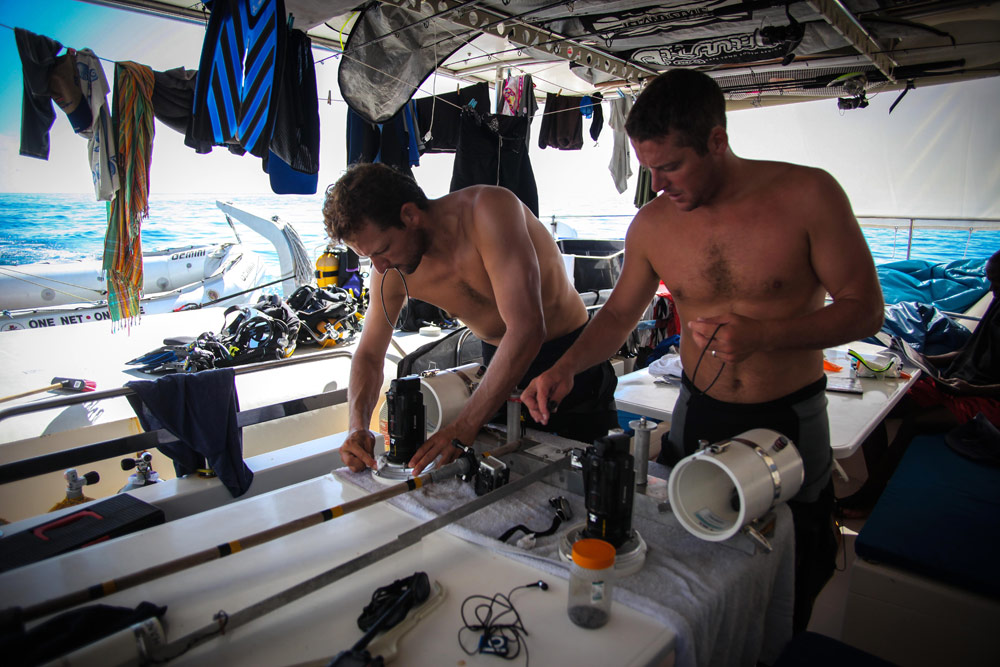
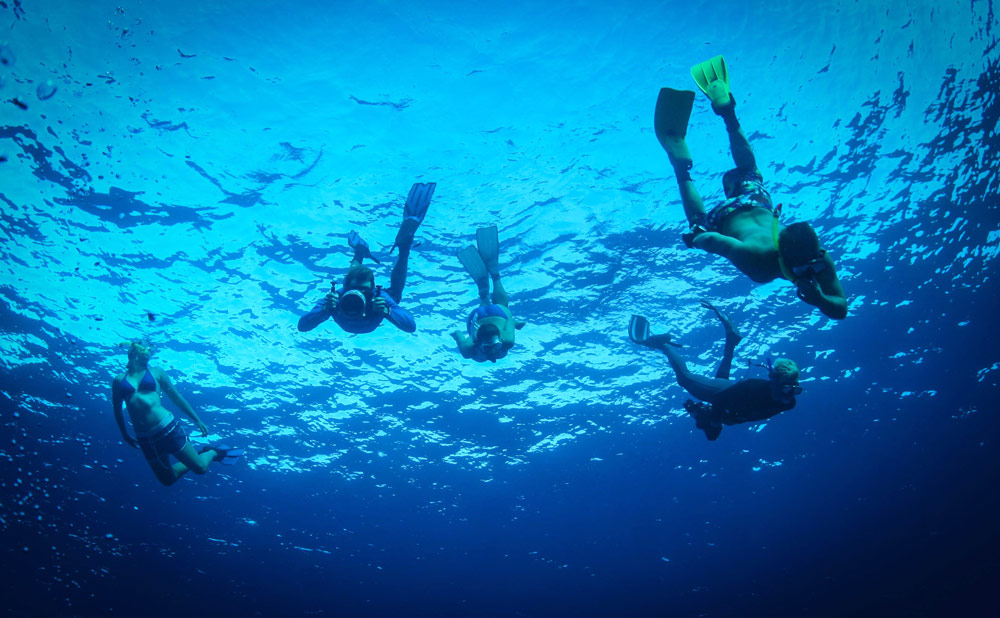
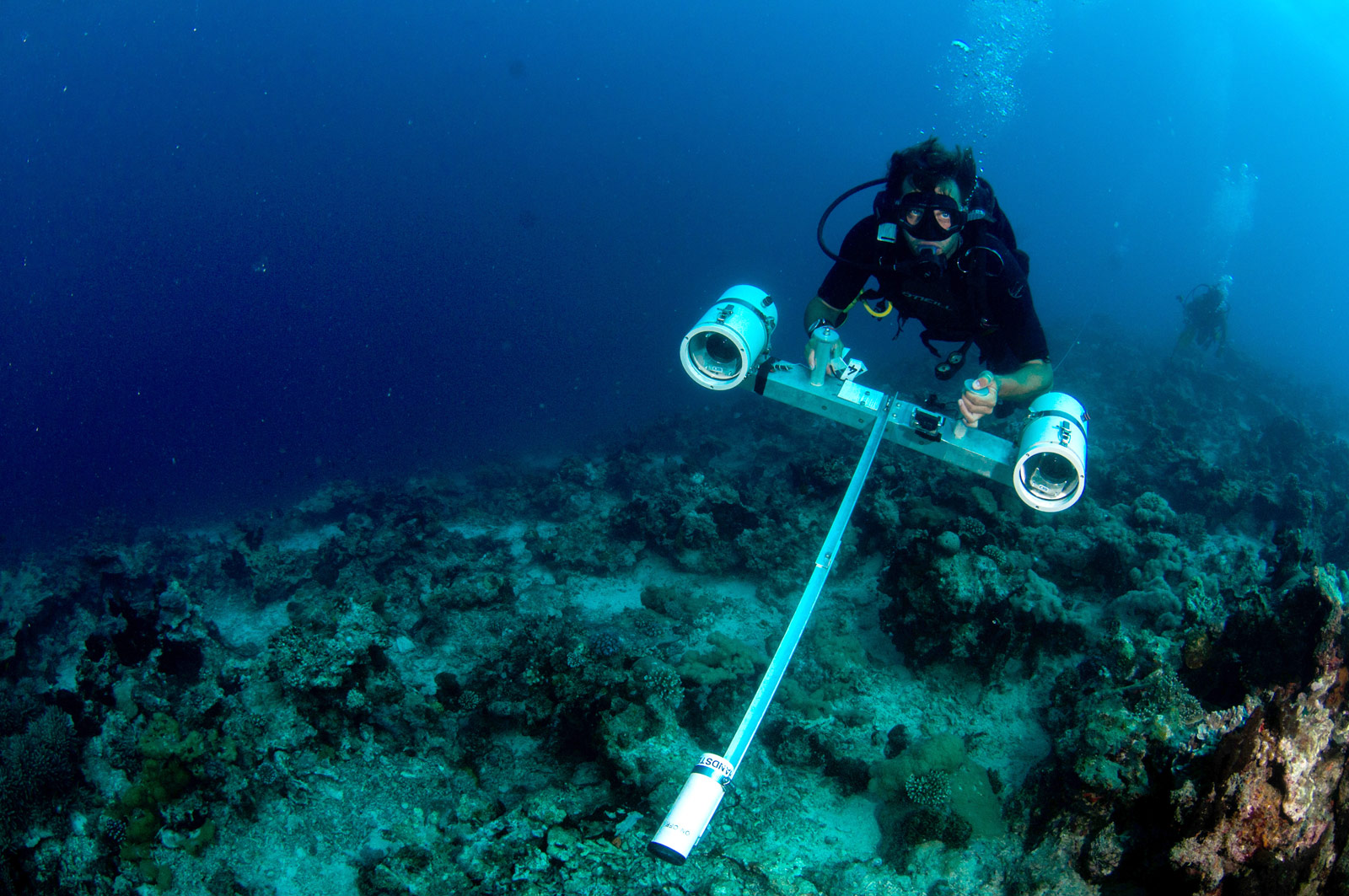
Team Scientists Dr Rhett Bennett and Mike Markovina prepare stereo video cameras for a new dive, often one of eight completed each day. ©Linda Marikovna.
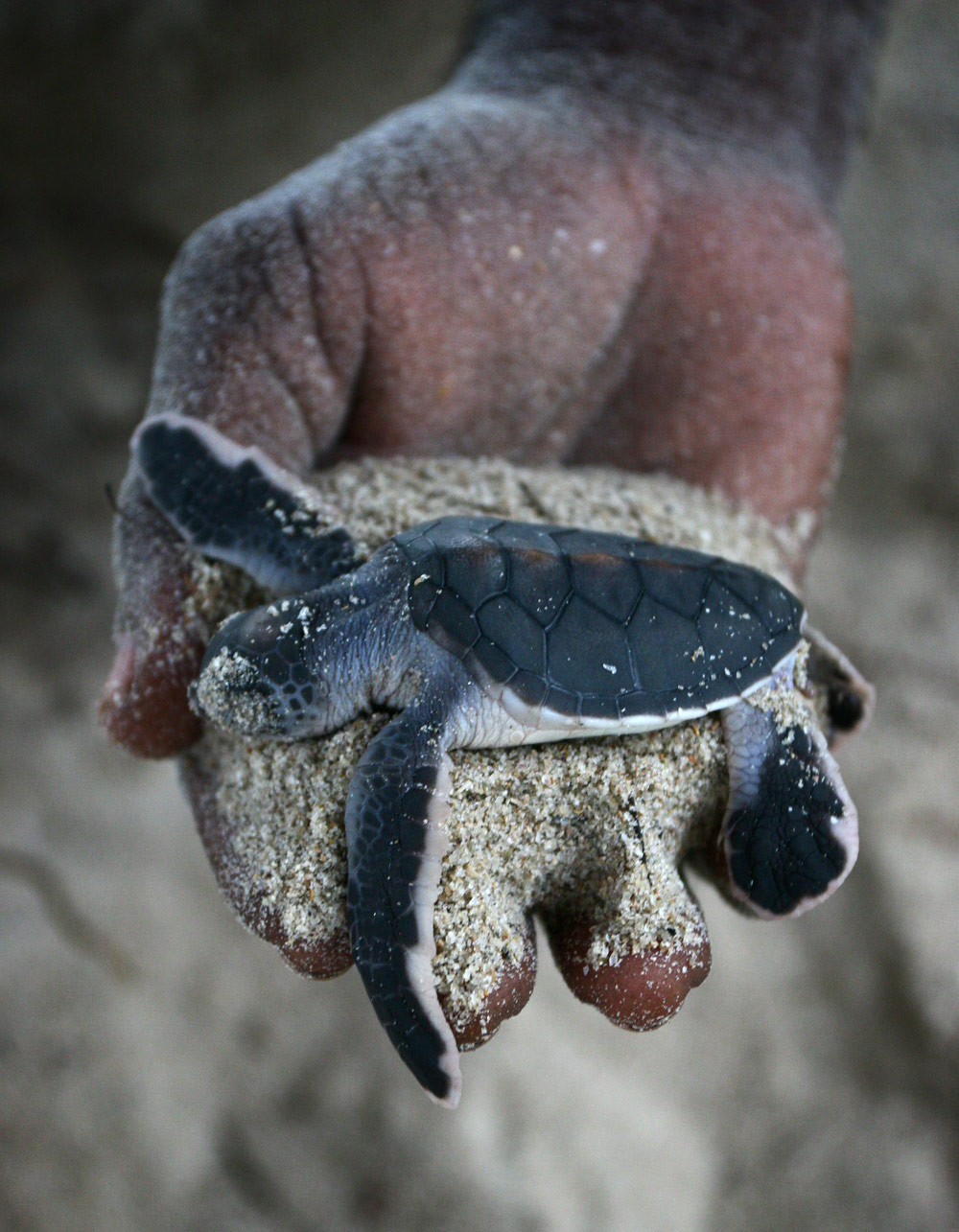
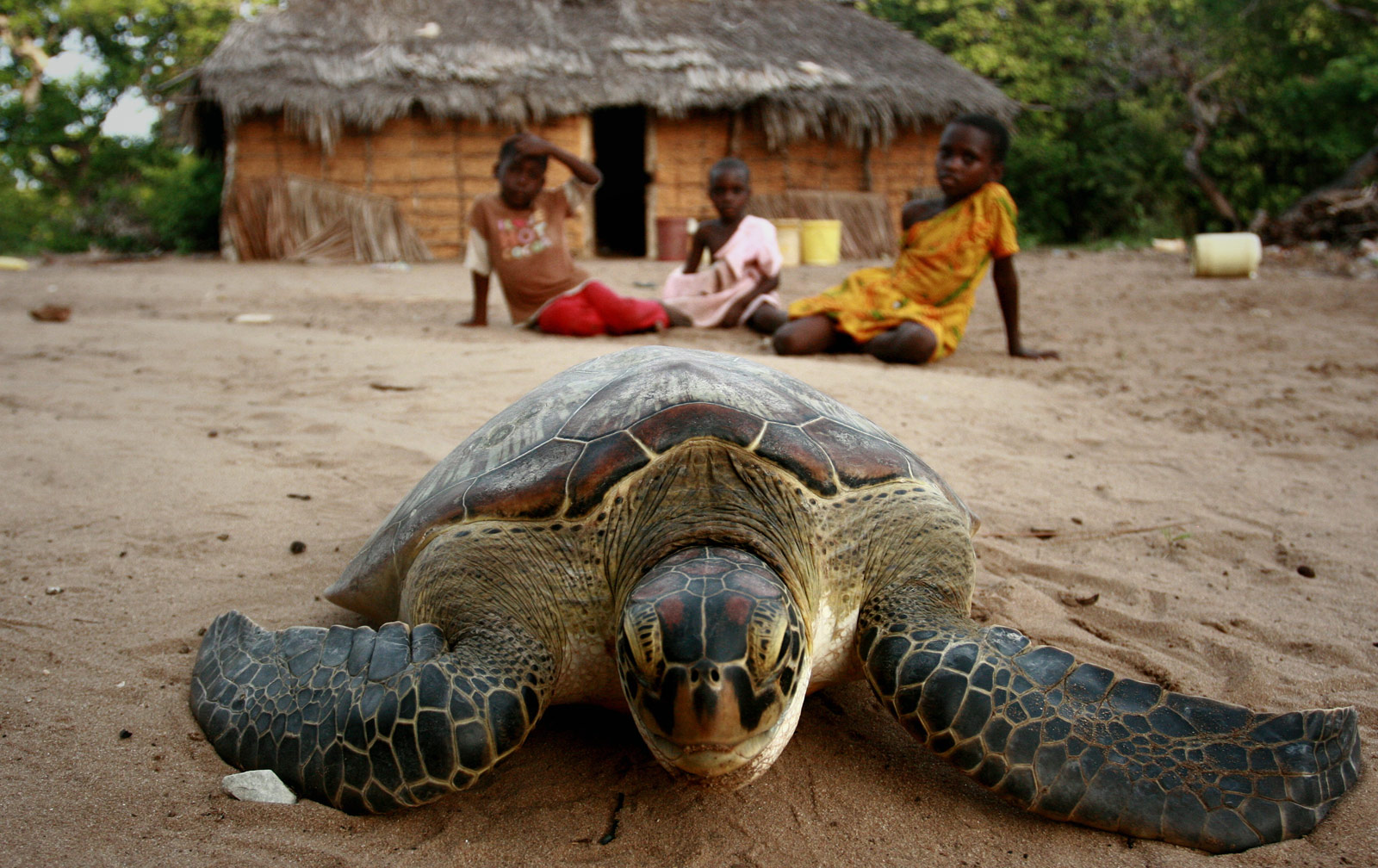
A green turtle hatchling before being released into the ocean. Its nest had to be relocated to a safe section of Tanzanian beach to avoid poachers. ©Linda Markovina
In February 2013, weather-beaten, smelly and a little skinnier, we returned to Cape Town harbour’s safety. We managed a total of 224 survey dives and 26 recreational and filming dives in rapid succession. We were beat, but we were successful, and that would not have happened without the help of so many different people who fed, housed, motivated and encouraged us. We come across the same kinds of people with every expedition we take, and we tell ourselves that if we ever come across people in similar situations, we will take them in. You have no idea the difference it makes.
So, after all that drama, what did we end up discovering?
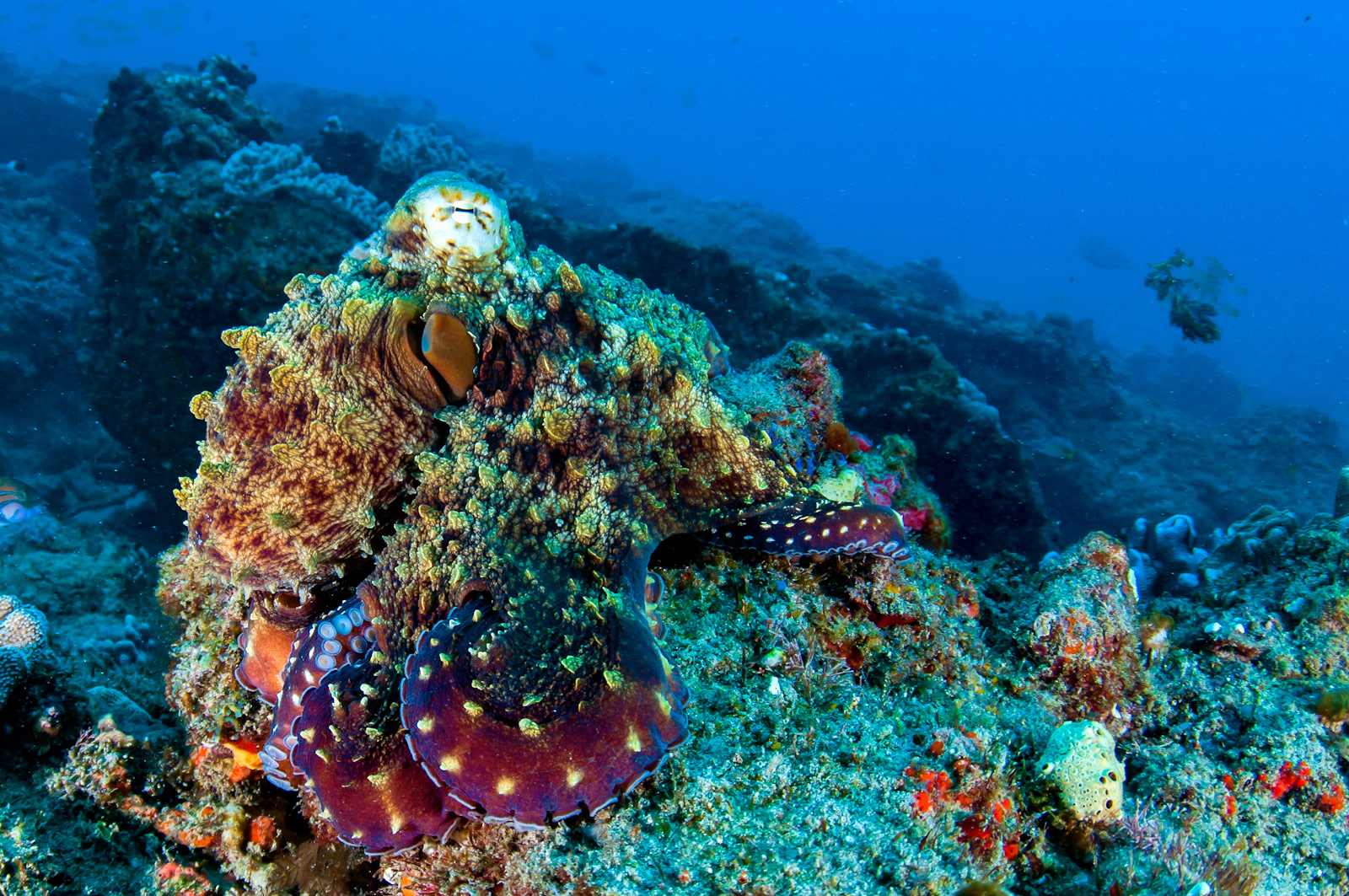
Certain no-take zones were effective in protecting important species
While no two dives were the same, a common thread emerged as we analysed the data for over a year. Encouragingly, we observed some reefs in near pristine condition, with high fish diversity and well-developed coral communities with endless large, old coral heads, which were a privilege to dive on. Numerous reefs also exhibited little evidence of fishing, with large predatory fishes and herbivorous fishes in high abundance. Potato groupers, large snapper species and a wide range of size classes and trophic levels showed us that certain well-established no-take zones in Mozambique, Tanzania and Kenya were effective in protecting important species – an analysis that favours well-managed marine no-take zones as useful fisheries management tool for the future.
But we also spotted signs of overexploited reefs in areas closer to coastal access points and around well-established local fisheries. Less large predatory fishes and a creeping dominance of algal cover signified that even herbivorous fishes had been overexploited.
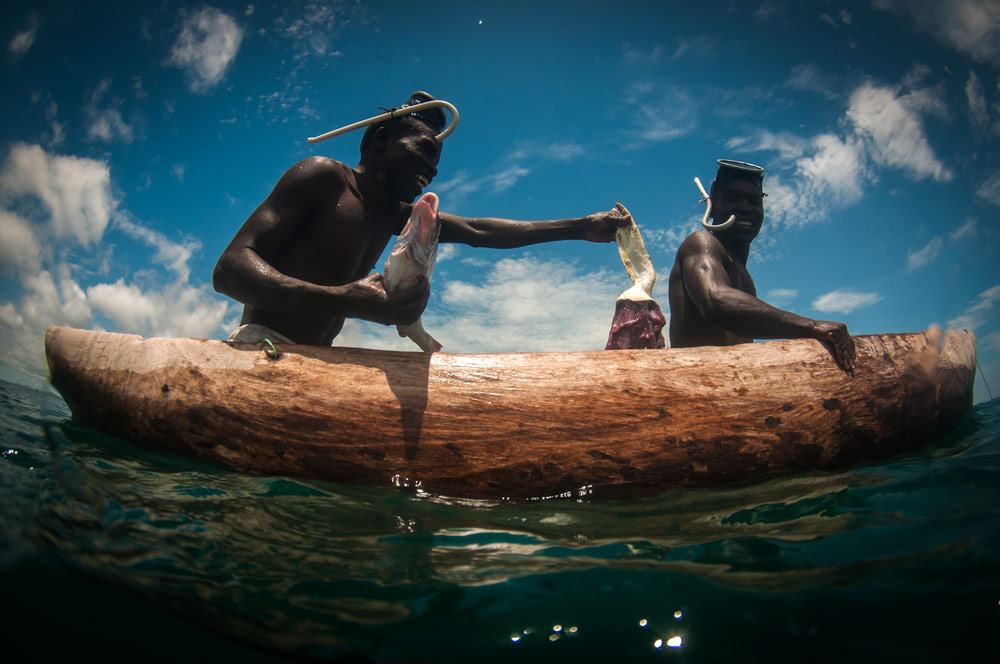
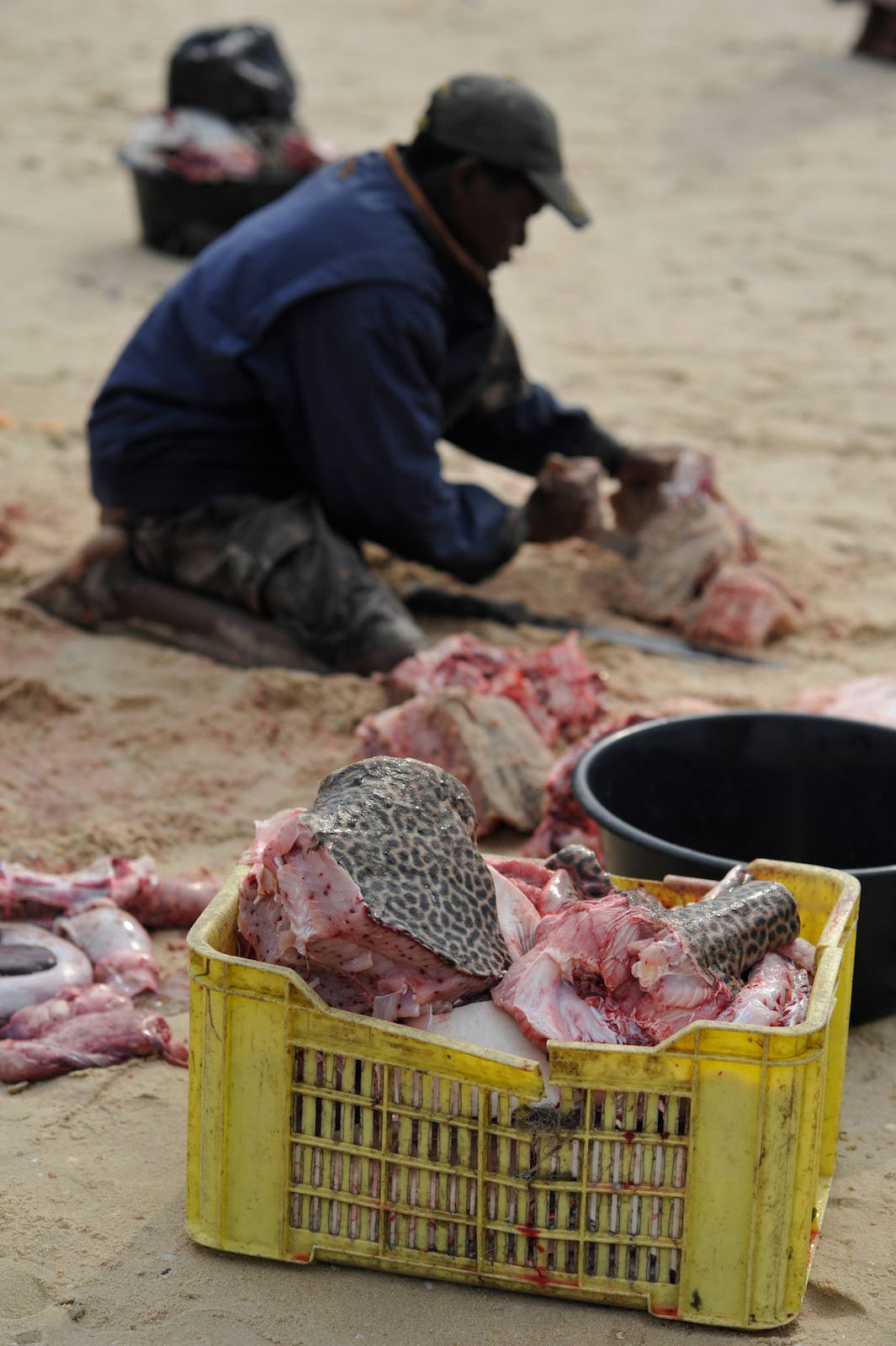
A sting ray is cut up for market in Vilanculo, Mozambique. ©Anton Crone
A stereo video system developed by SeaGIS in Australia recorded all fish in a given area. This method of counting and analysing fish biodiversity reduces many biases associated with more traditionally used visual census techniques and is cost-effective and easily replicated. ©Caine Delacy
When one of these bombs explodes underwater it sends a jarring pain through your bones
With the larger predatory fishes disappearing, local fishermen resort to more effective but devastating methods as they redirect their efforts towards smaller species and species in lower trophic levels, such as spearfishing to access large parrot fishes and small-mesh gillnets to target shoals of fish too small to take baited hooks. On more than one occasion, we dived up against massive monofilament gill nets, un-fondly referred to as ‘hanging walls of death.’
In addition, the destructive effects of dynamite fishing have devastated the corals in many areas, an illegal practice entered into more boldly than one might expect. Being underwater when one of these homemade bombs goes off sends a jarring pain through your bones. This happened to us regularly while we dived on the Tanzanian coast. The destruction is total and devastating, leaving behind eerie uninhabited craters of coral rubble.
What is most disturbing, however, is that many of these observations of coral damage and nets were recorded within some marine reserves or no-take zones. We can only surmise that there is either a lack of knowledge and/or respect for protected area boundaries or ineffective management.
To avoid making sweeping statements about the status of reef fishes or the health of the corals, the effectiveness or ineffectiveness of no-take zones or the noticeable changes in reef status from one country to the next, we will leave these simply as observations for now, until it is possible to back these observations up with scientific fact.
Information sharing and scientific study, in combination, can be incredibly powerful in creating awareness, and that was the core belief that drove us to complete our expedition. The scientific community is now picking up the data and hopefully can be used to help improve resource management in the regions and facilitate the planning of future management initiatives and surveys. In fact, a second survey is potentially in the works – we are suckers for punishment and adventure, it seems. What was it that Livingstone said again?
The survey data is free to download for all to use:
Click here for access
Dedicated to Aaron, who tragically lost his life in a diving accident just after we completed our expedition. A dear soul who loved the ocean as much as we do and whose family took in a bunch of stragglers and gave them a Christmas when they needed it most. Thank you.
Contributors
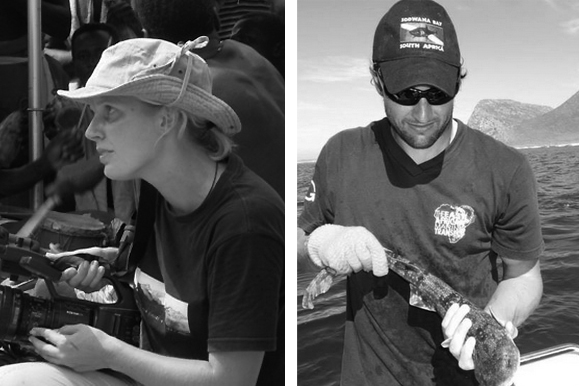 LINDA MARKOVINA is a freelance travel and photojournalist. She blogs on behalf of Moving Sushi for various online platforms and writes travel guides specifically focusing on African destinations. Her main loves are writing about travel, the natural world, and how we interact with it.
Dr RHETT BENNET is a passionate fisheries scientist interested in the African oceans. Growing up along the Eastern Cape coast, he spent most of his life in the blue, studying, observing, and marvelling at everything beneath the waves.
Also read: Killifish – suspended animation









 MAHINA PERROT is a Tahitian-born journalist with a passion for telling stories of conservation. In 2013, she founded Wildlife Sanctuaries Worldwide. This non-profit organisation aims to raise awareness about wildlife sanctuaries and rehabilitation centres around the world via the publication of articles in newspapers and magazines. WSW aims to become a label which will be awarded to sanctuaries and projects that are working towards creating a sustainable future for communities and wildlife. Mahina currently bases herself in France and regularly travels to Africa.
 JESSICA BLOYE is a first-year veterinary student from Lancashire, England. She travels as much as possible in her spare time and documents her journeys through photography. During her gap year, she spent ten months at Riverside Wildlife Rehabilitation Centre, where she formed close relationships with the chacma baboons and vervet monkeys; this awakened her passion for rehabilitation, and after she’s finished her degree she would love to carry on volunteering in rehabilitation centres around the world.
 SIMON ESPLEY is a proud African of the digital tribe and is honoured to be CEO of Africa Geographic. His travels in Africa are a search for wilderness, real people with interesting stories, and elusive birds. Simon lives in South Africa’s Lowveld, with his wife, Lizz and 2 Jack Russells. When not travelling or working, he is usually out on his mountain bike somewhere. He qualified as a chartered accountant but found his calling in sharing Africa’s incredibleness with you. Simon’s motto is “Live for now, have fun, be good, tread lightly and respect others. And embrace change”.
 SAMMY MUGO was born in Central Kenya near the Aberdare Mountain ranges and spent his youth visiting the beautiful Aberdare Mountain Park. It was here, while watching guests birding, that his interest in birds was triggered. Sammy’s elder brother worked as a game ranger, and he would visit him as often as he could. When his brother gave him a book on the birds of Africa and a small pair of binoculars, he knew he wanted to see all the birds in his country. His real love of ornithology and photography of different bird species began. Sammy is the co-author of Kenya’s largest publication on birds, ‘Wings of Kenya’.
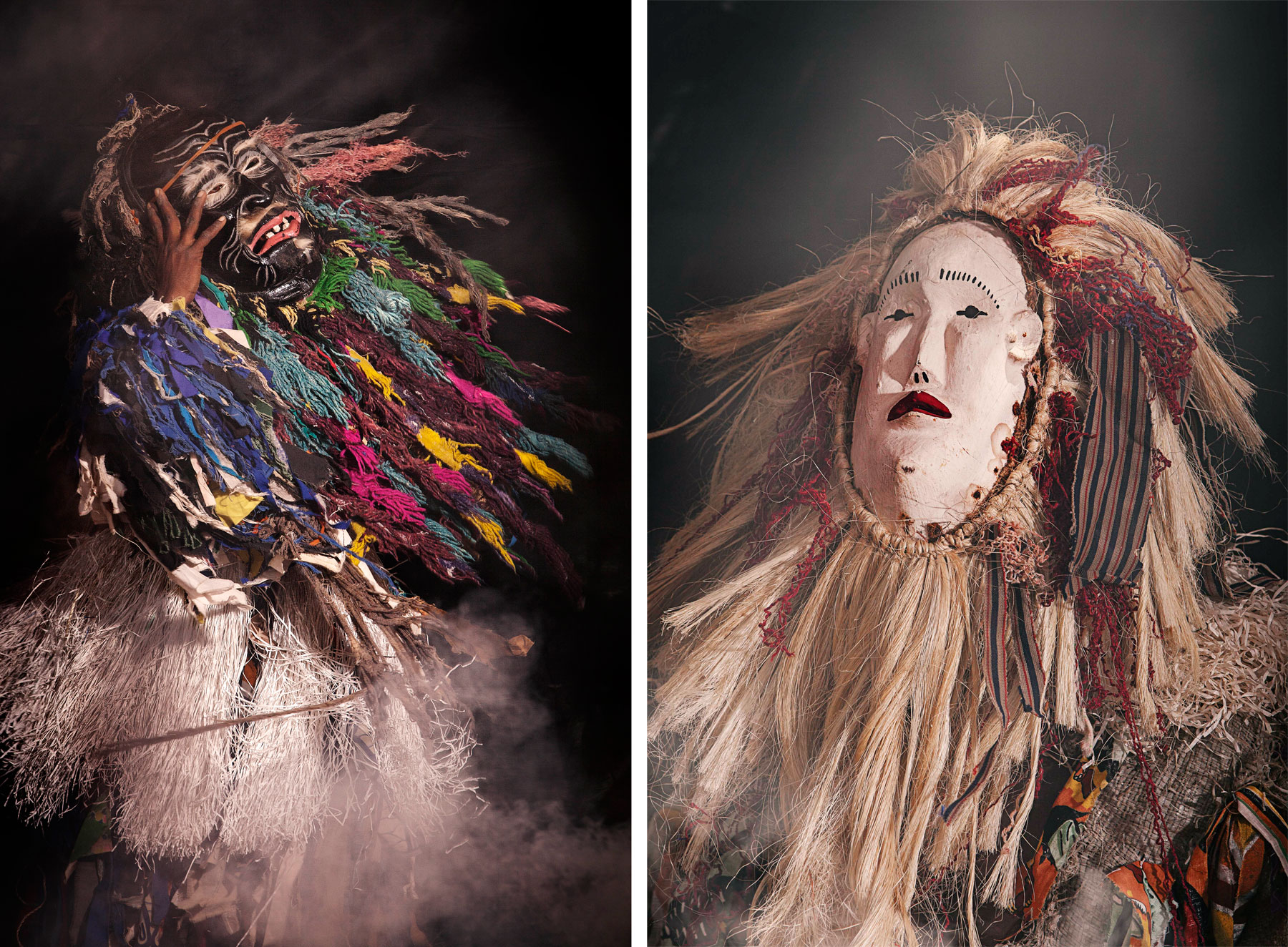
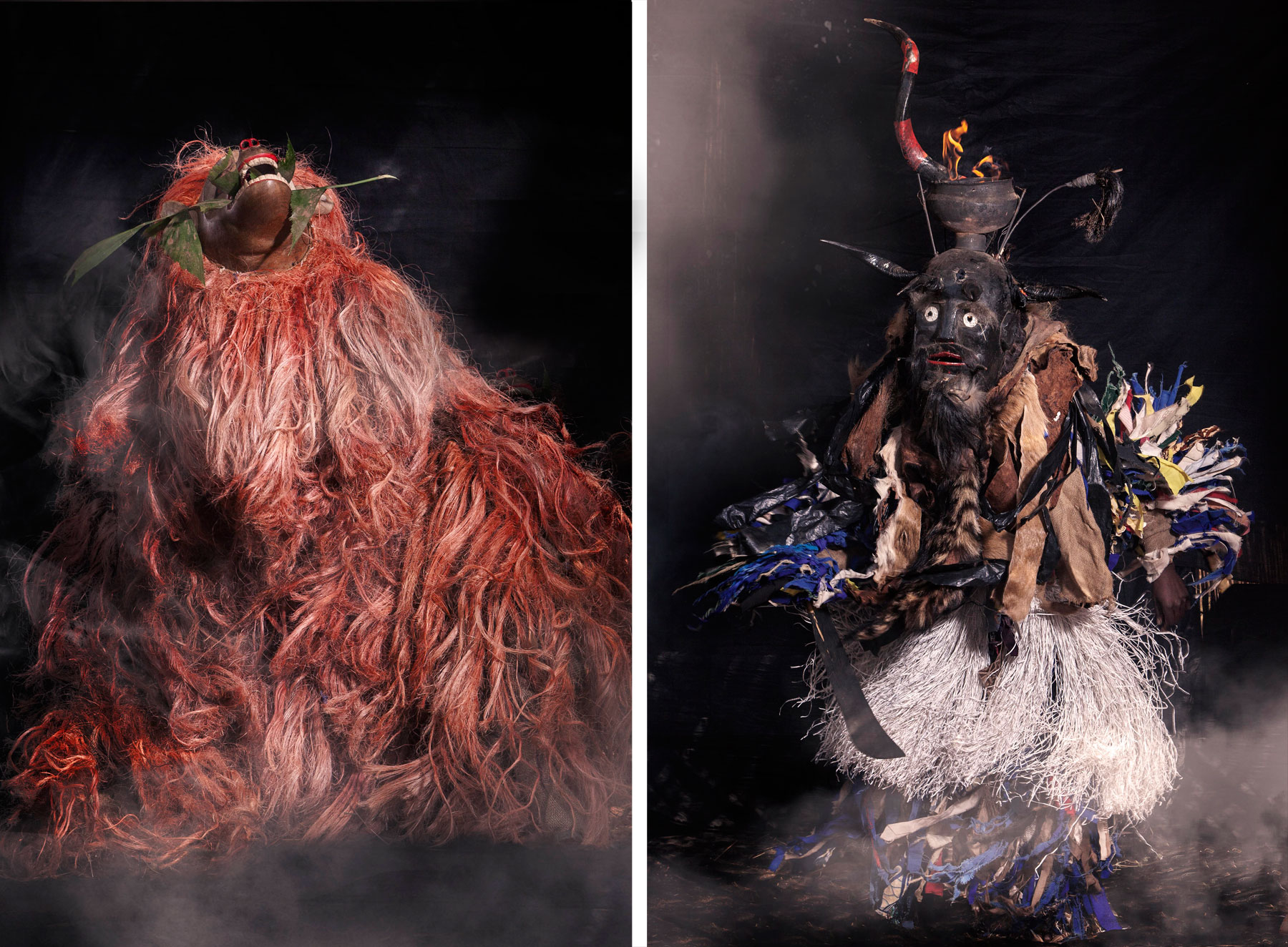
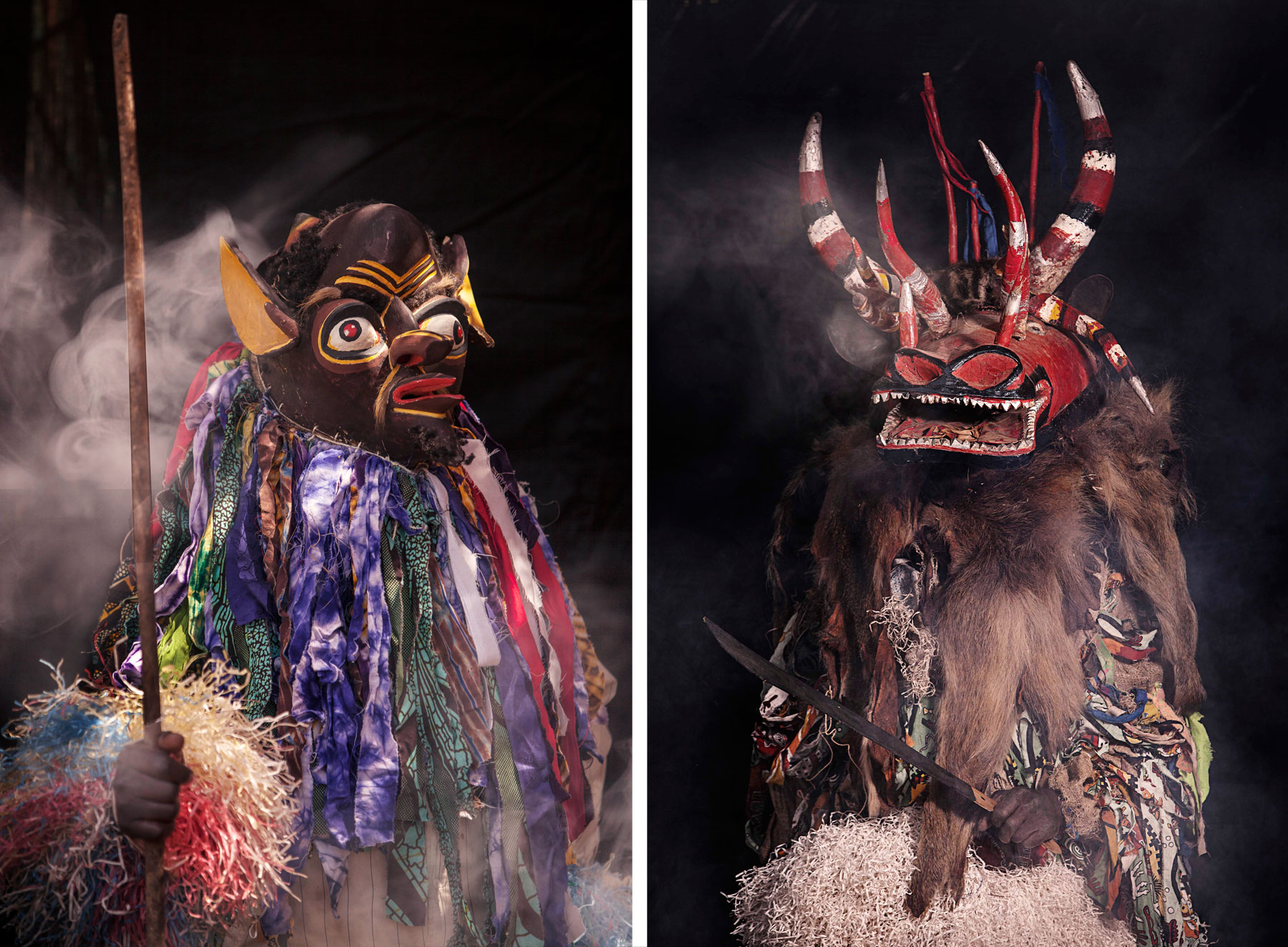
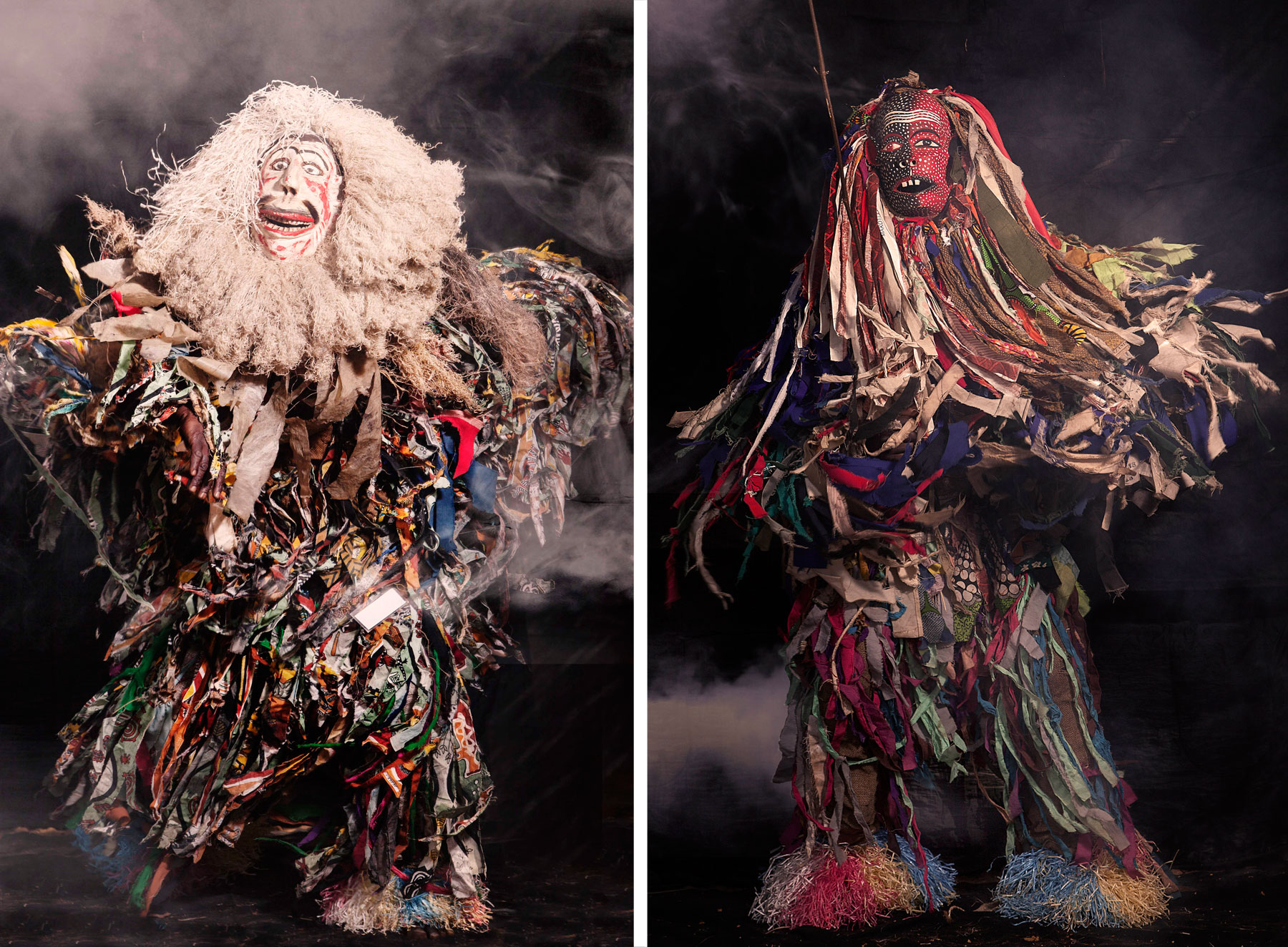
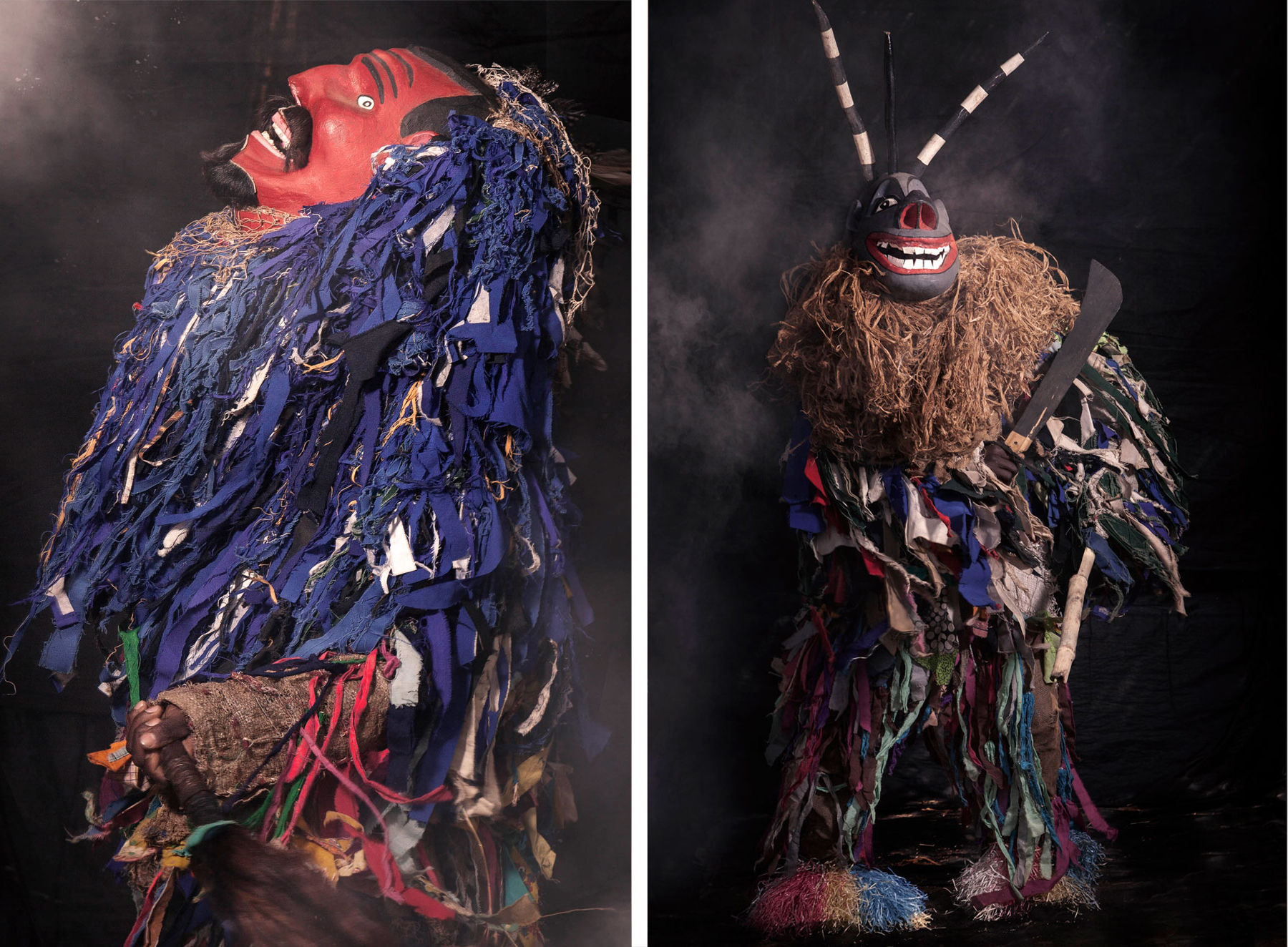
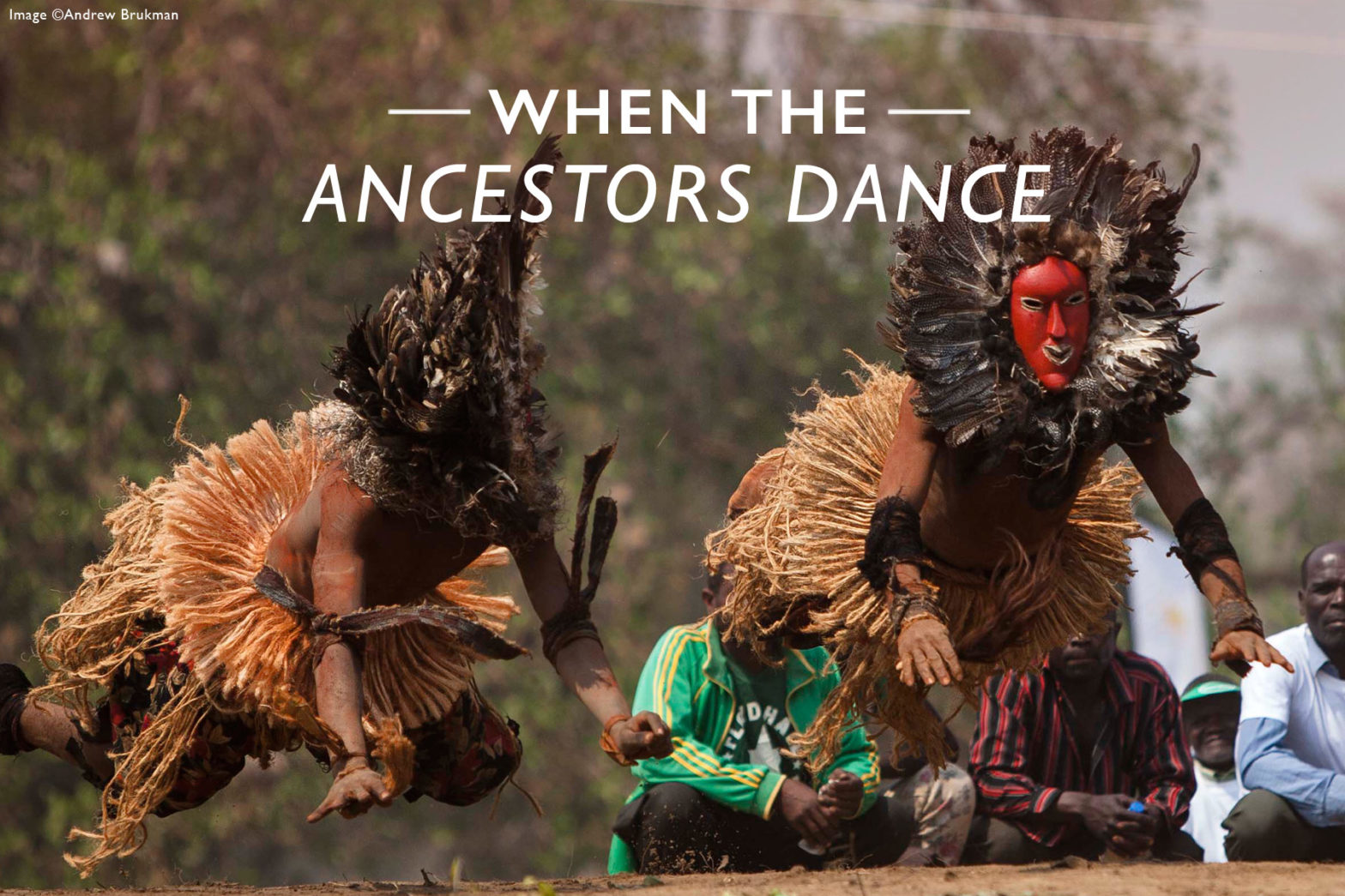
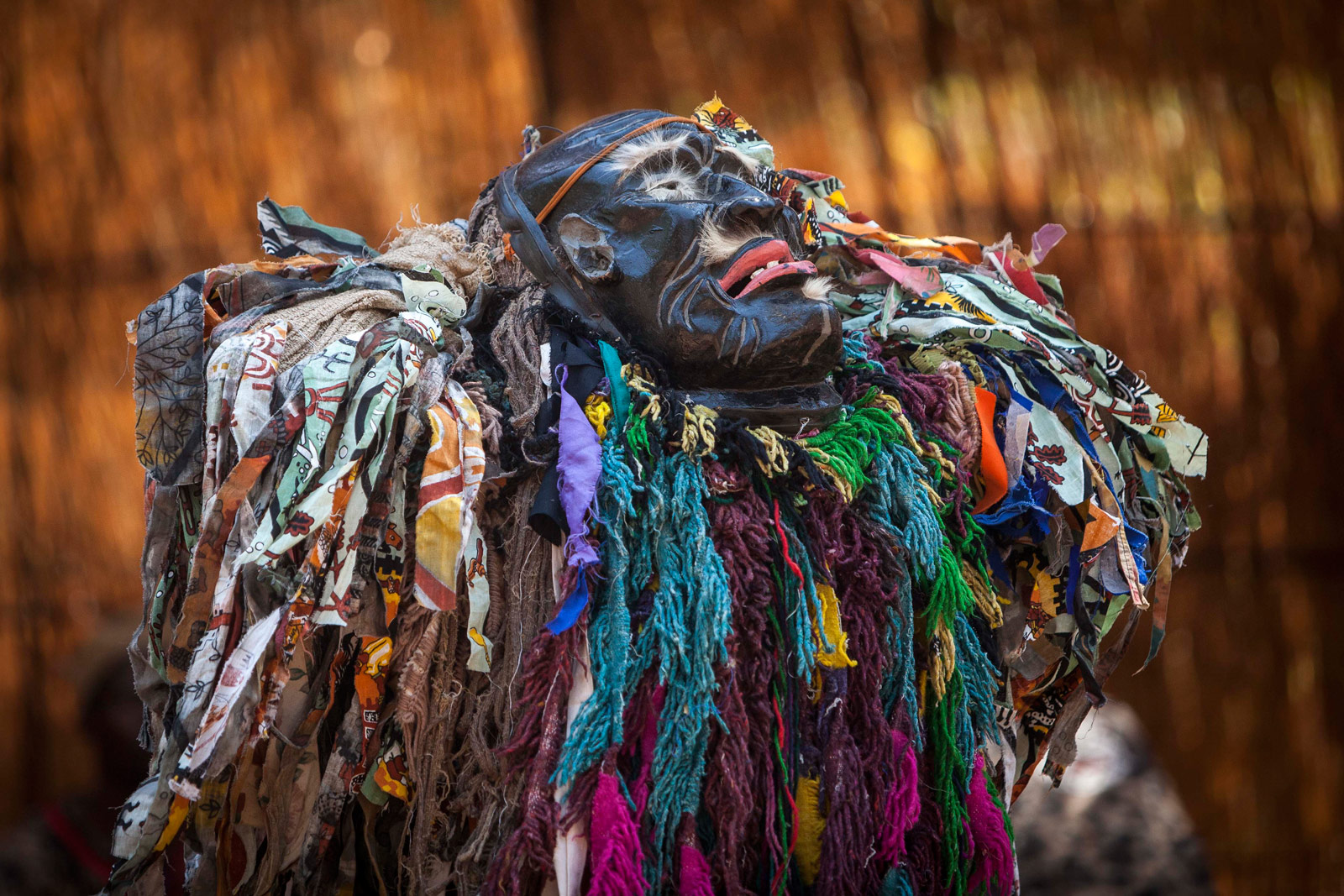
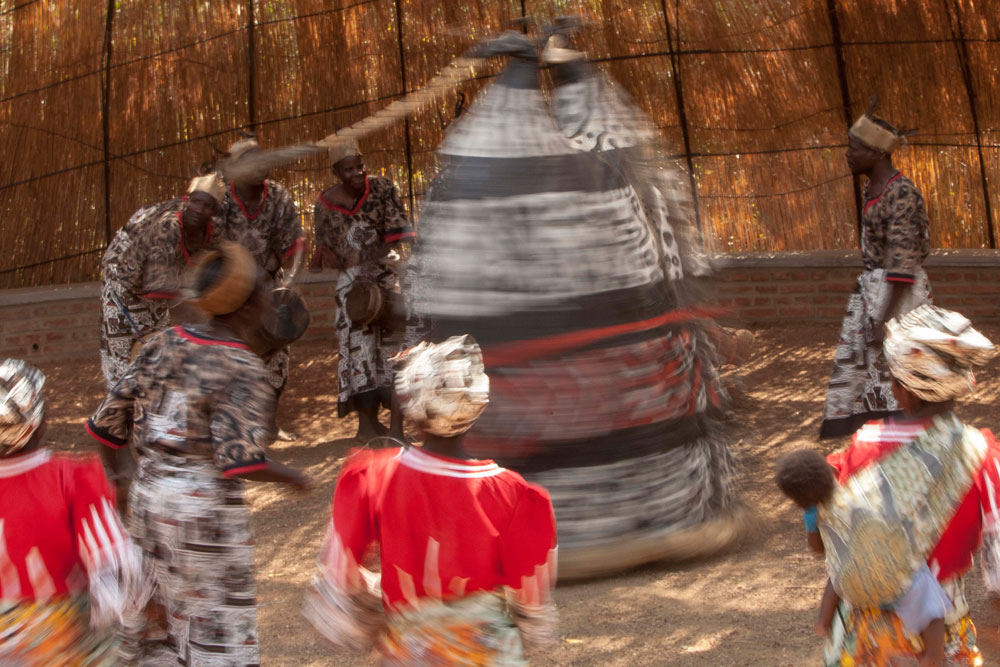
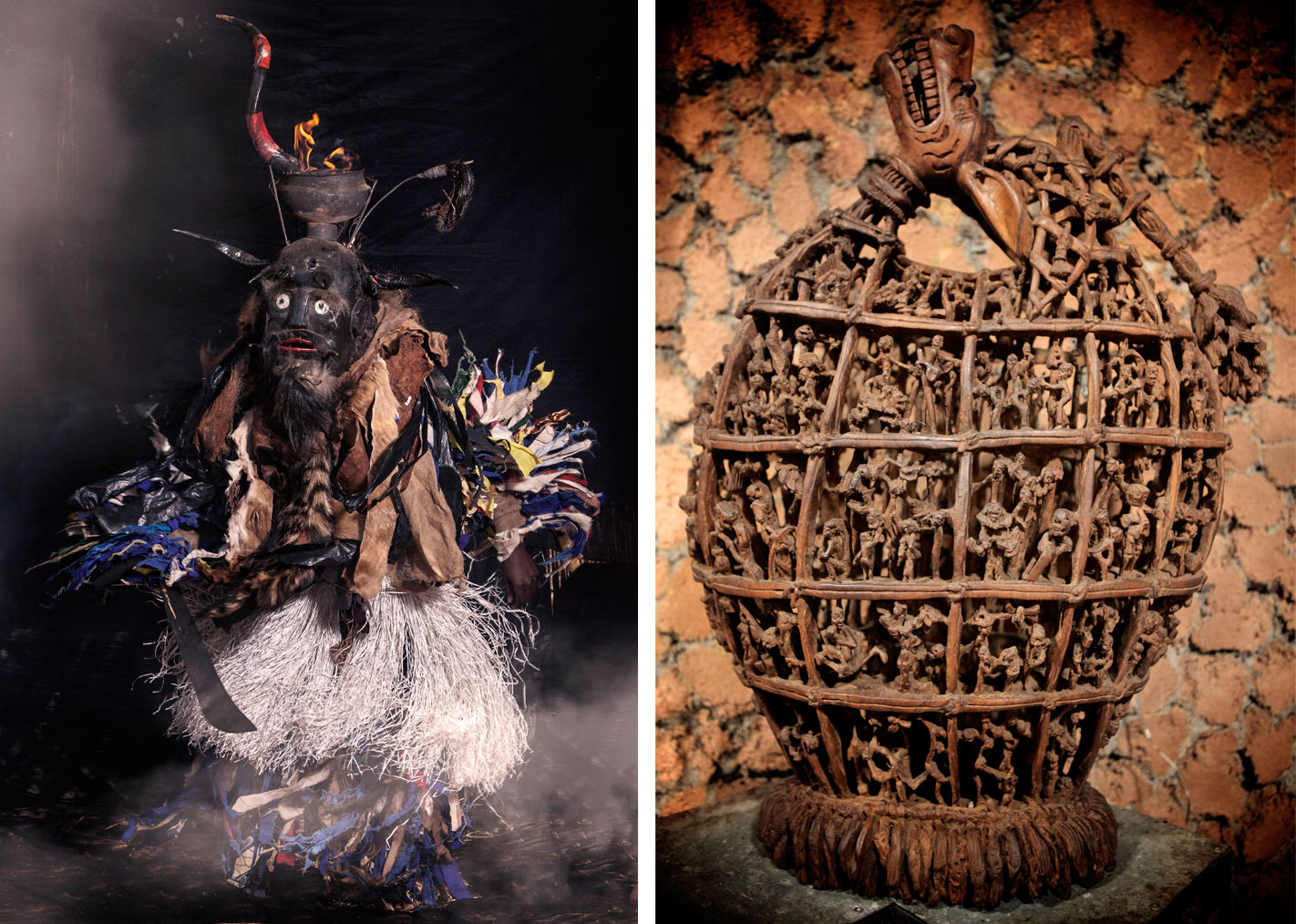
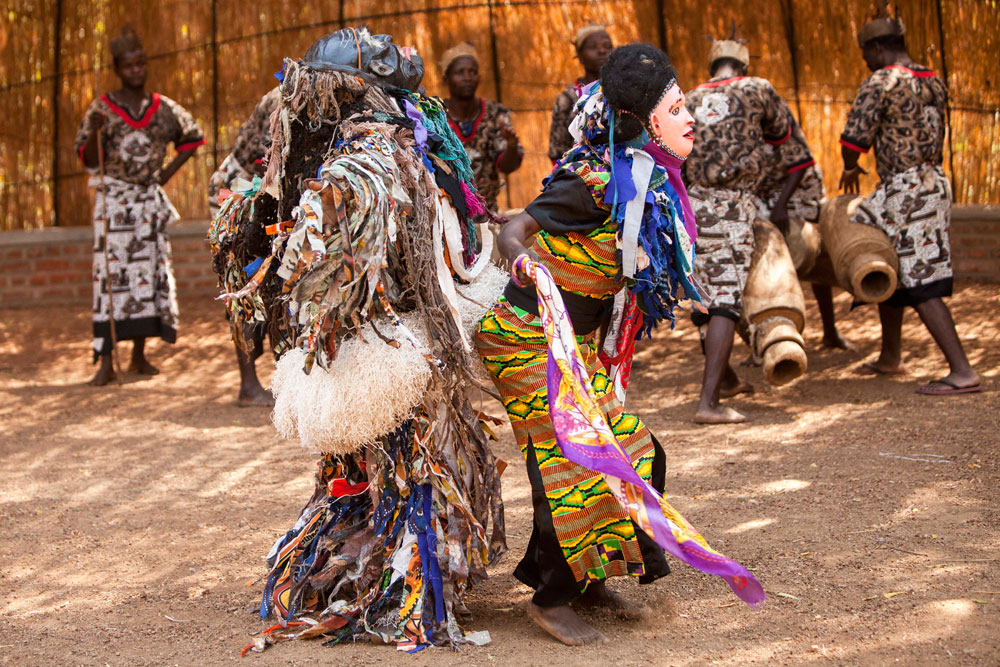
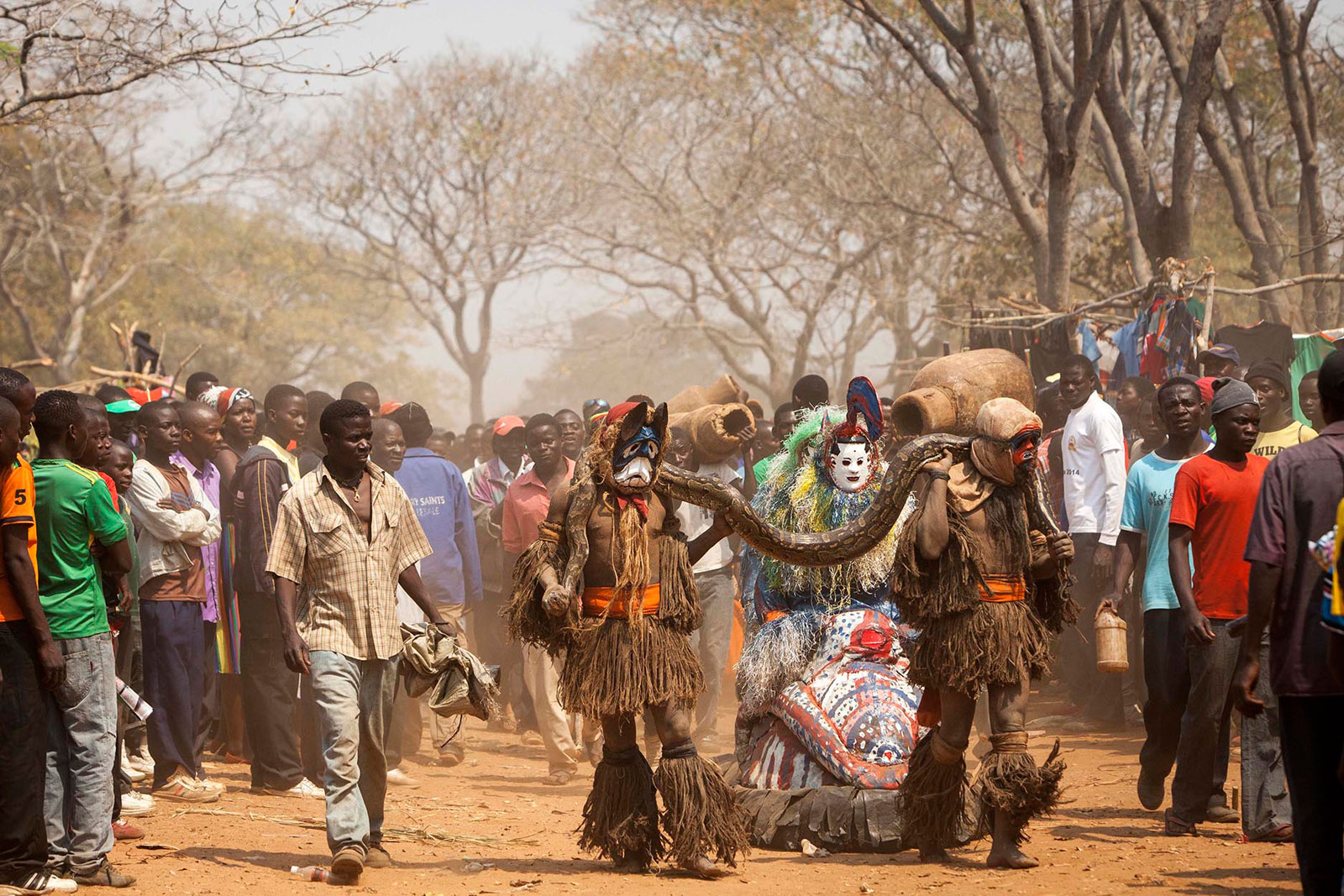
 JENNIFER STERN is a Cape Town-based travel writer who has been trawling southern Africa for fantastic adventures, fascinating and little-known museums, awesome food, great coffee and interesting encounters since the previous century. She is fascinated by how people shape the world – and how the world shapes people, and she sees every new project as another adventure. But adventure, she believes, is not about risking your life. It’s risking your preconceptions about life. Jennifer’s latest adventure took her to Malawi and Zambia to learn more about the mysterious gule wamkulu or great dance.

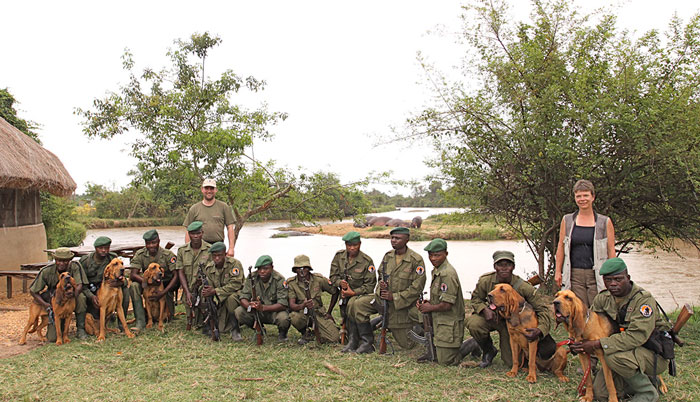


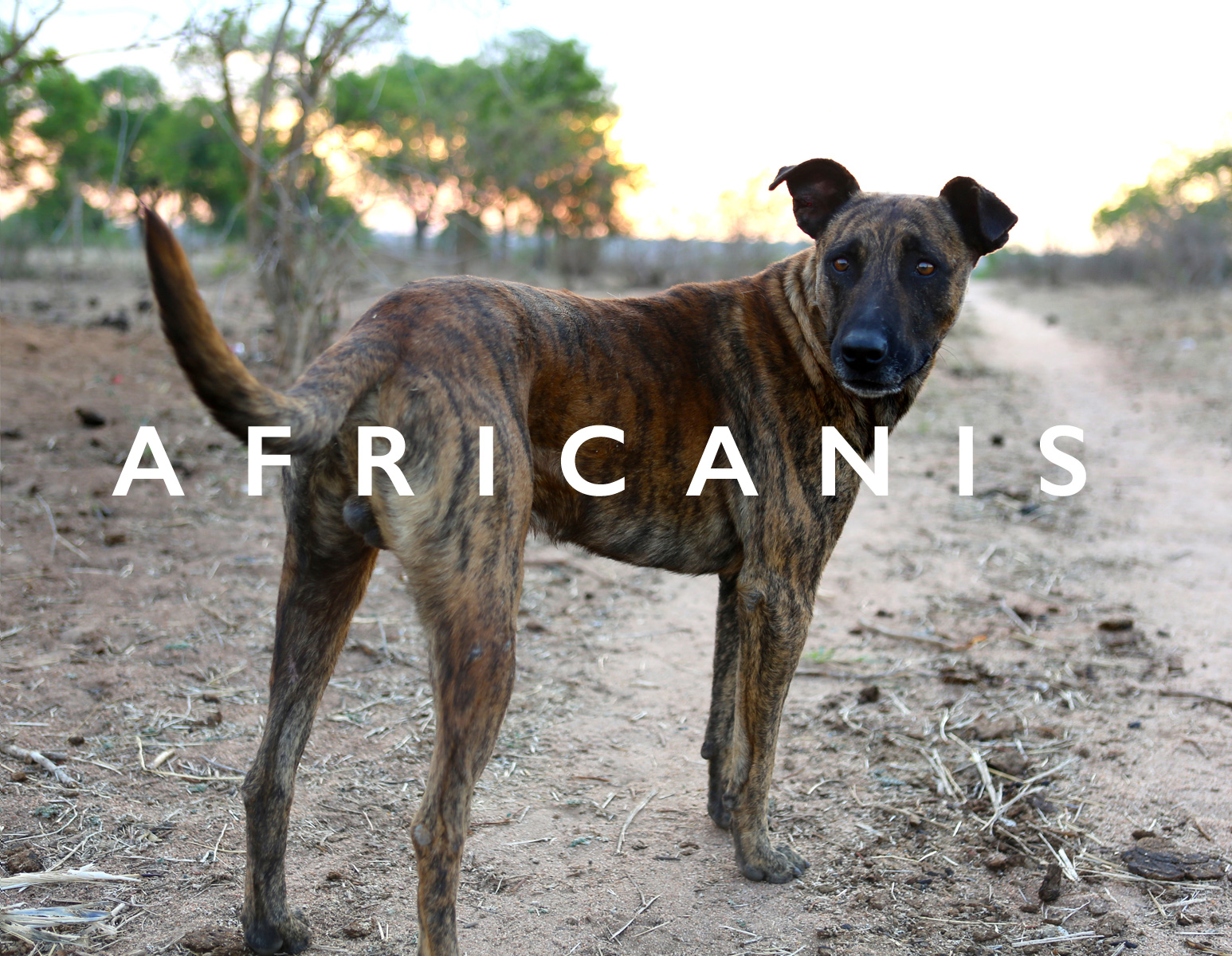
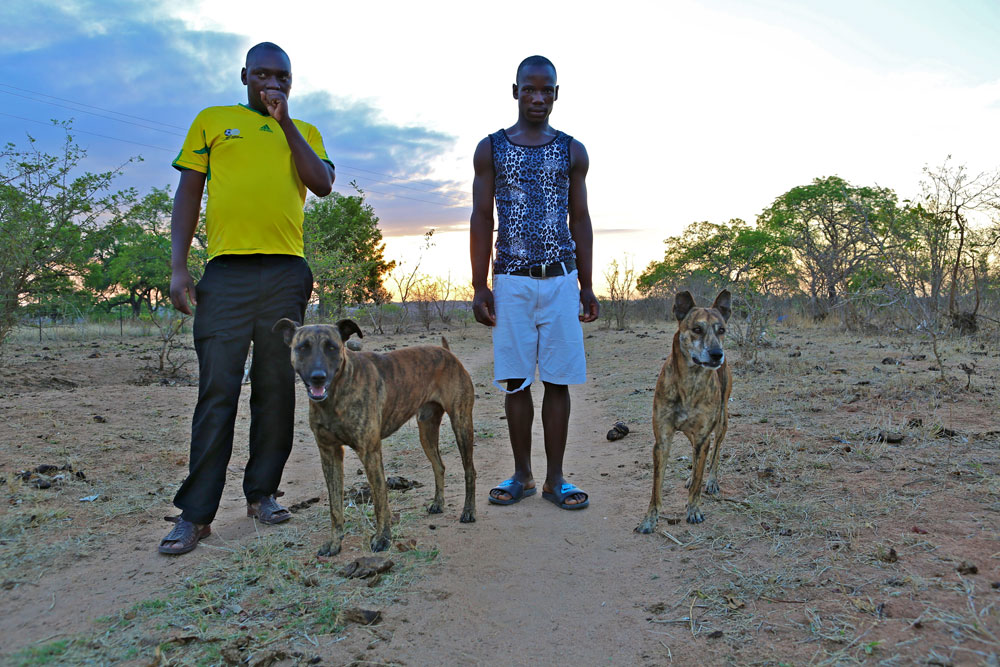
 CATHERINE CORRETT grew up and lived in the heart of London for twenty-five years. Africa stole her heart eight years ago, and she eventually moved to South Africa in 2011 to become co-founder of K9 Conservation. Catherine has spent the past four years deeply involved in conservation, working with some of the finest reserves and conservation programs in South Africa in many different fields, from relocating animals and rehabilitating threatened species to anti-poaching operations, reserve management and environmental monitoring. Catherine holds a BA Honours degree in Social Anthropology and a Master’s degree in Television and Current Affairs Journalism. She has also trained as a photojournalist, cameraman and editor and has worked for the BBC and Reuters. Her greatest passion is conservation through journalism and bringing awareness to a global audience through visual media.
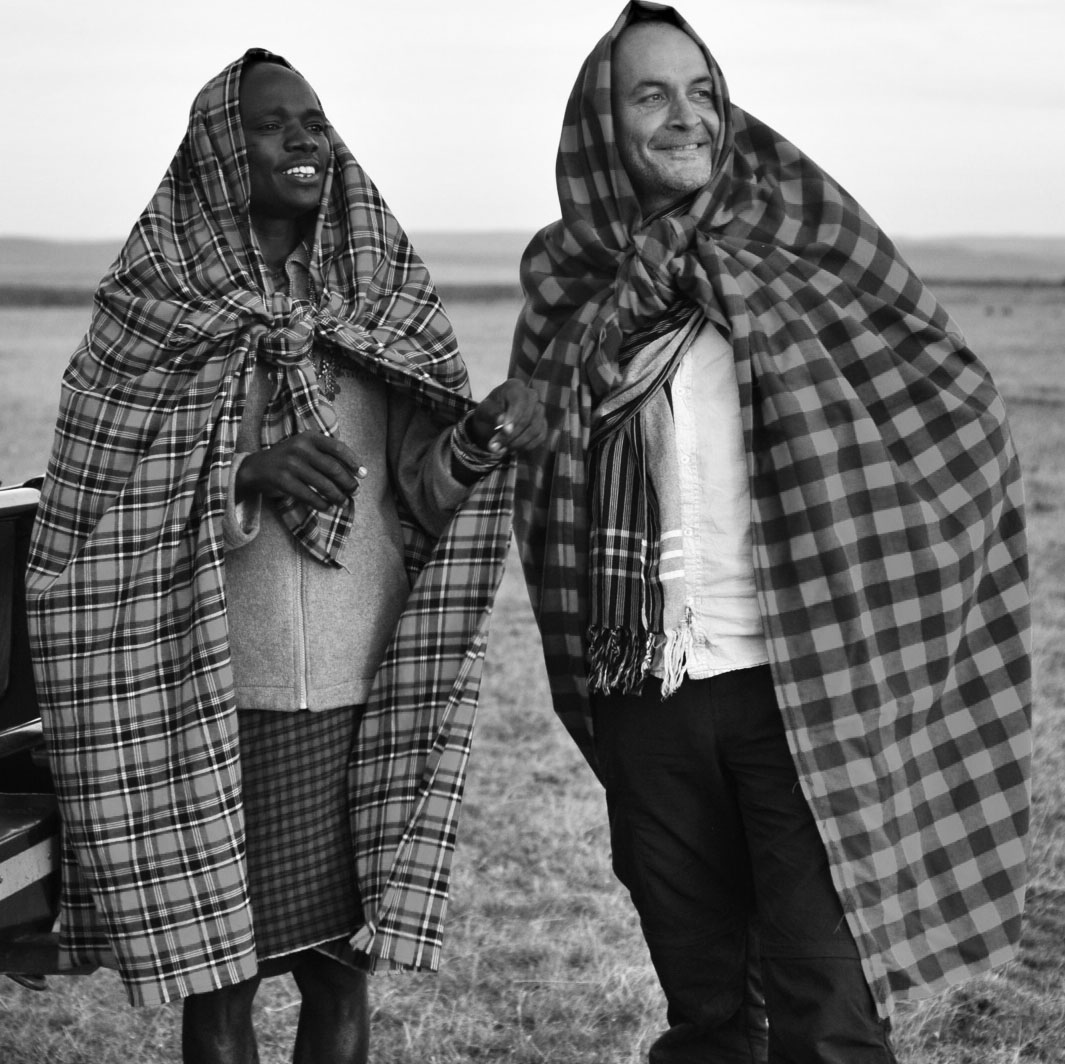 ANTON CRONE quit the crazy-wonderful world of advertising to travel the world, sometimes working, and drifting. Along the way, he unearthed a passion for Africa’s stories – not the sometimes hysterical news agency headlines we all feed off, but the real stories. Anton strongly empathises with Africa’s people and their need to meet daily requirements, often in remote, environmentally hostile areas cohabitated by Africa’s free-roaming animals.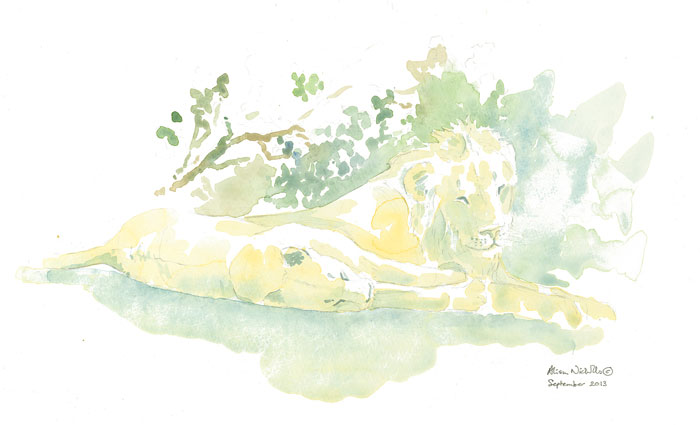


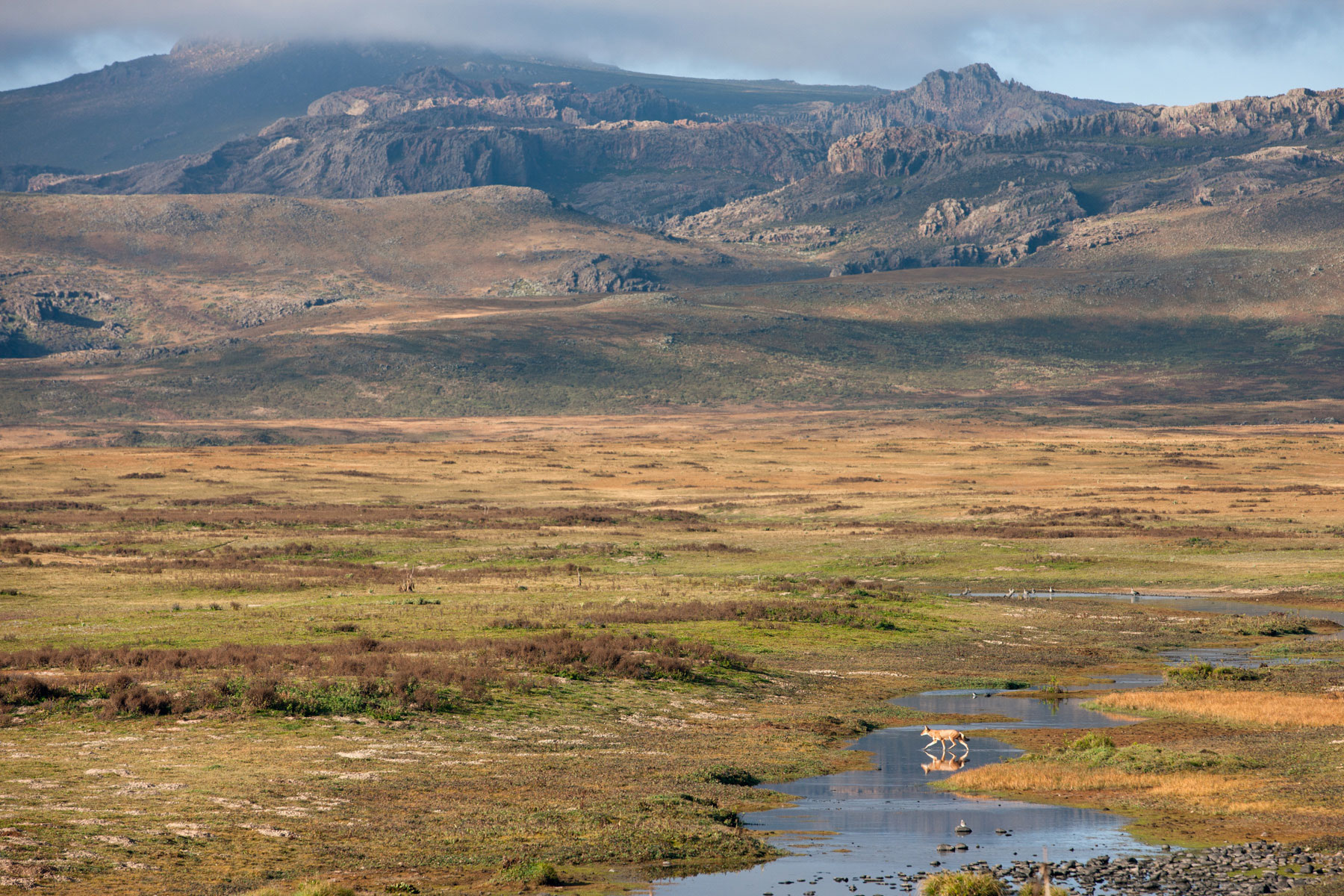
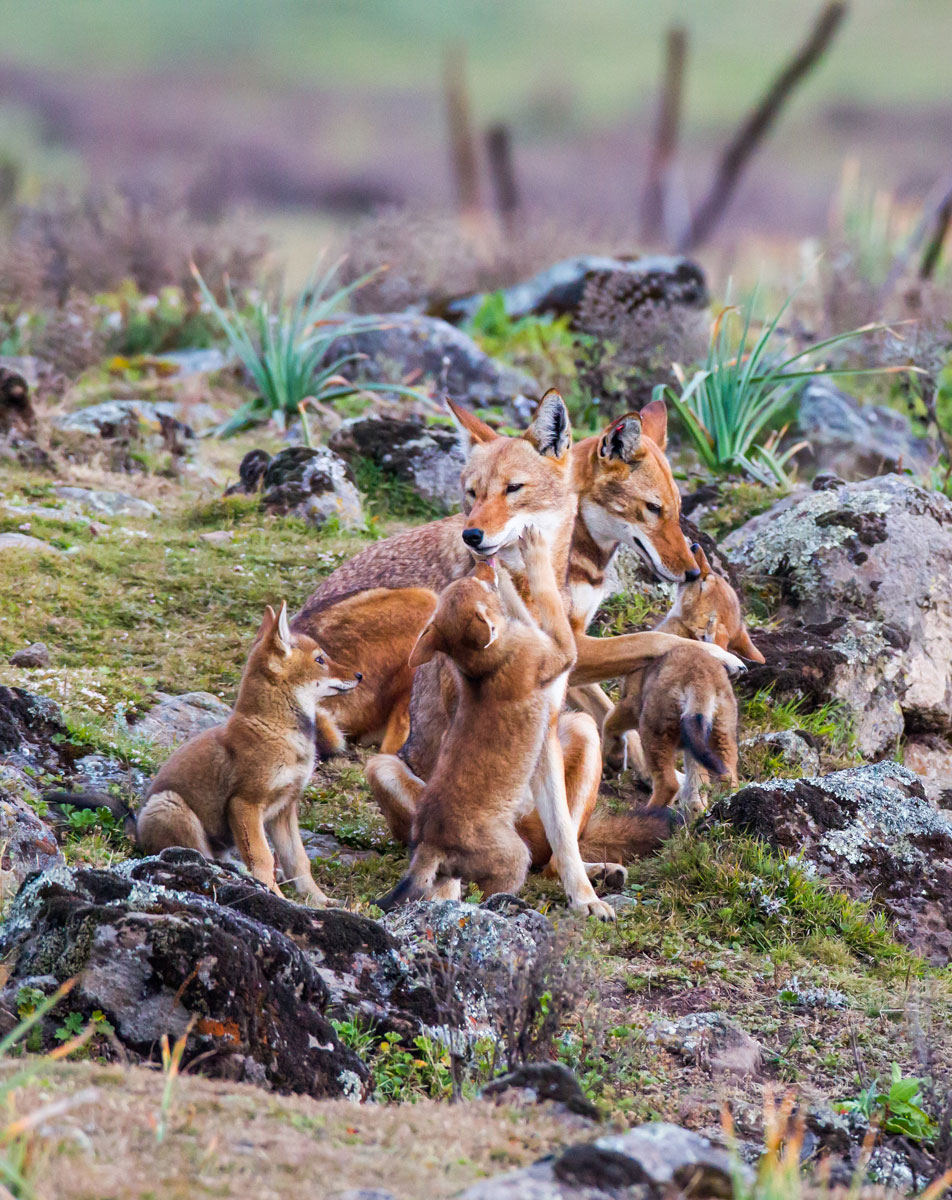
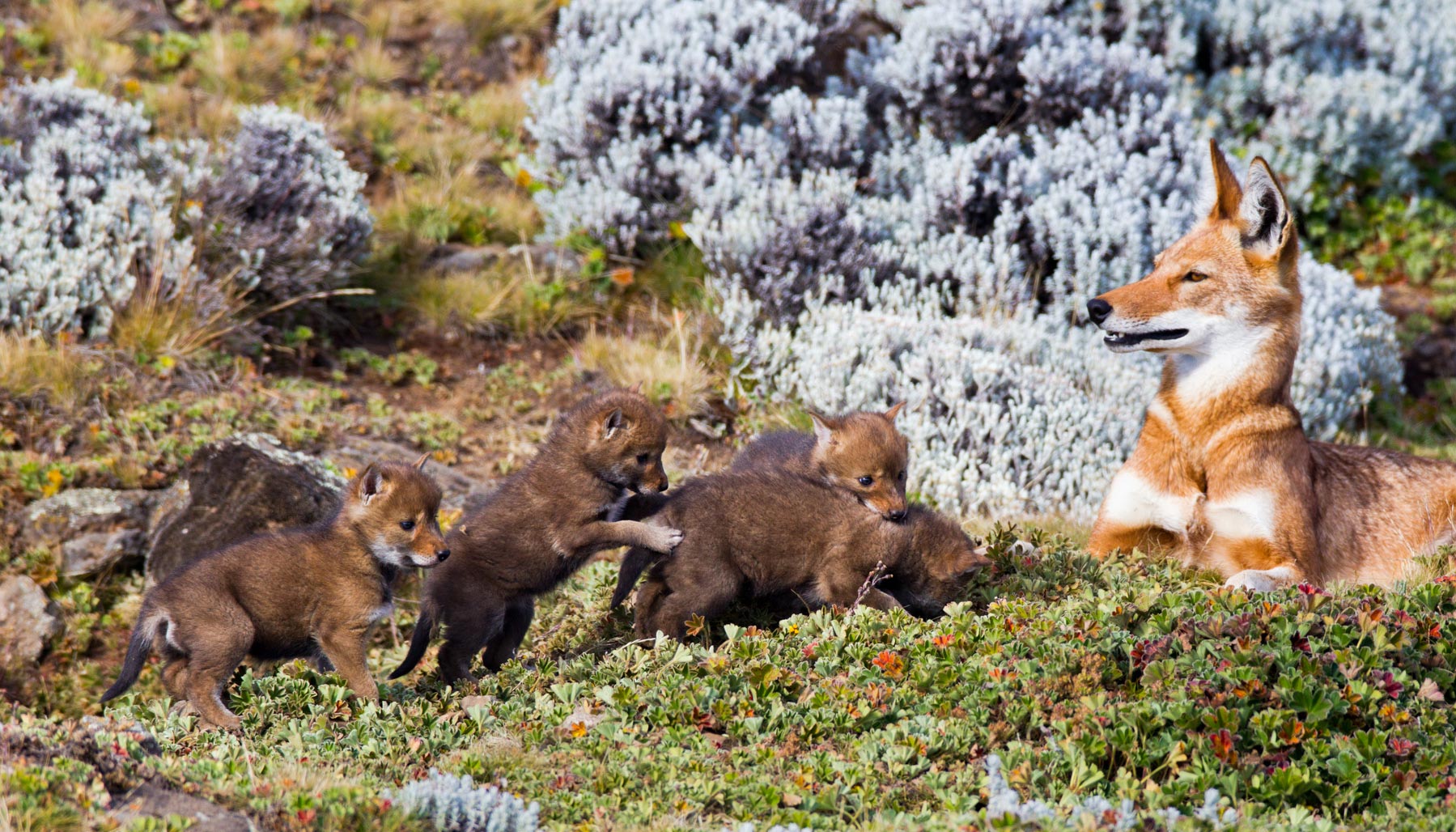
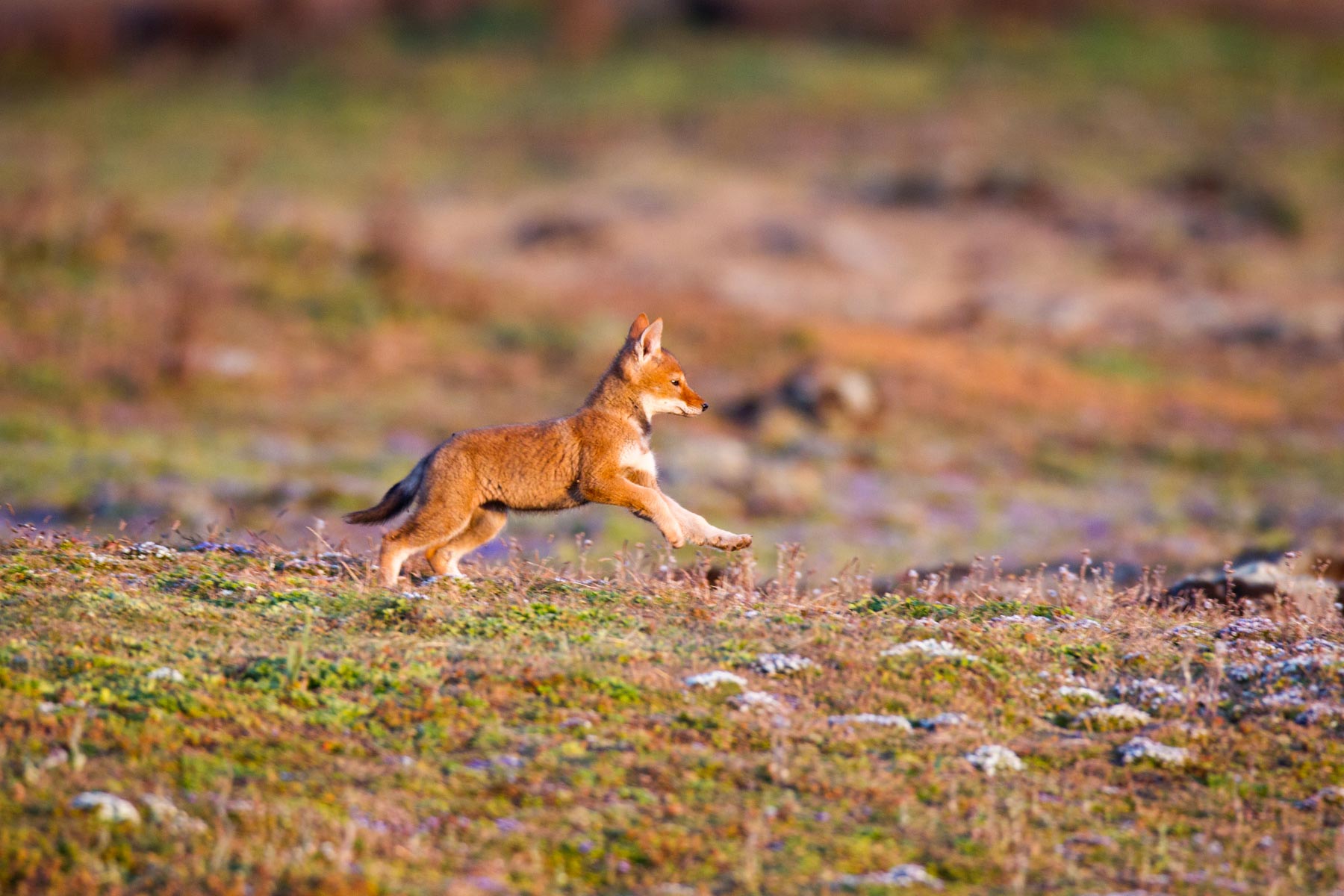
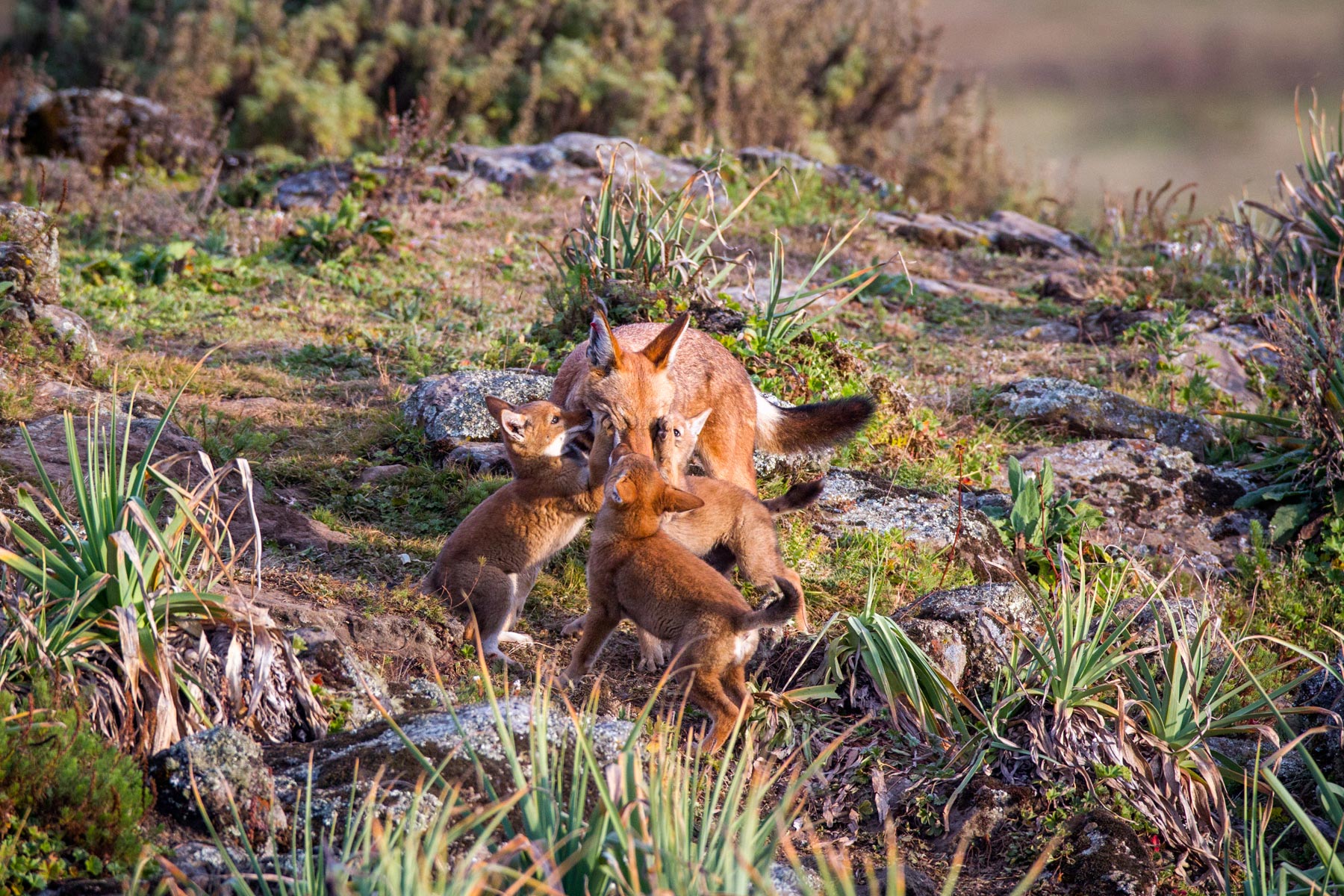
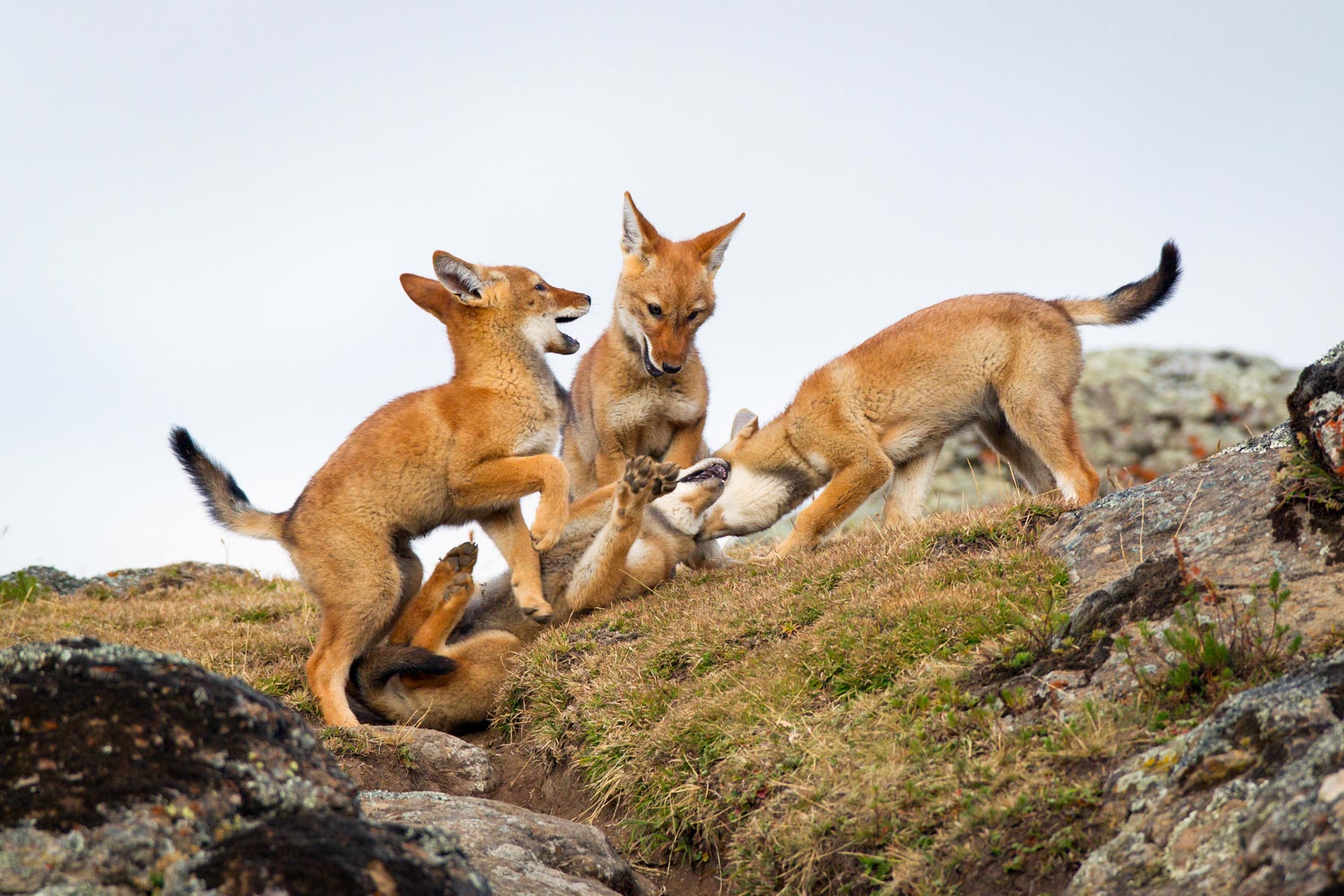
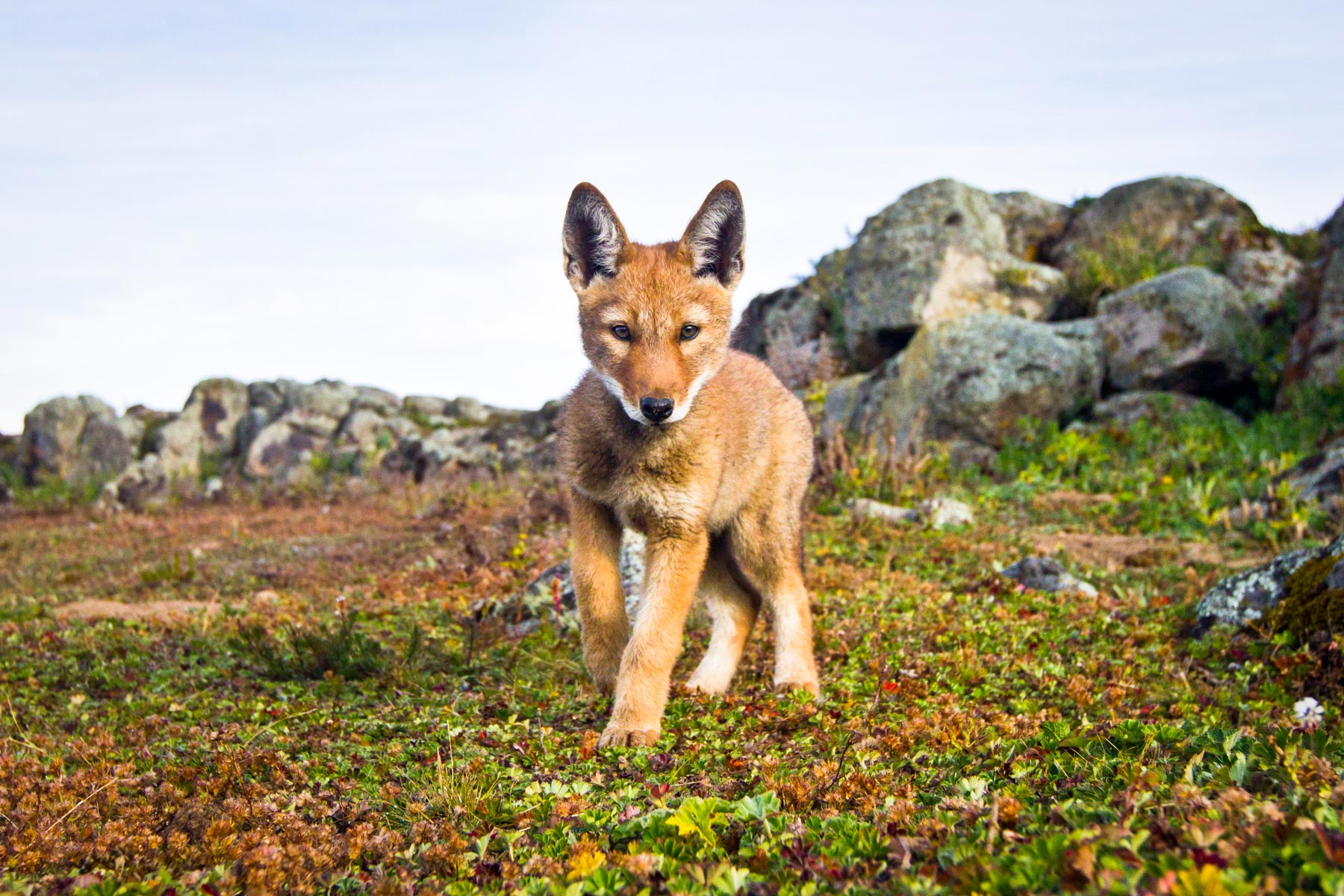
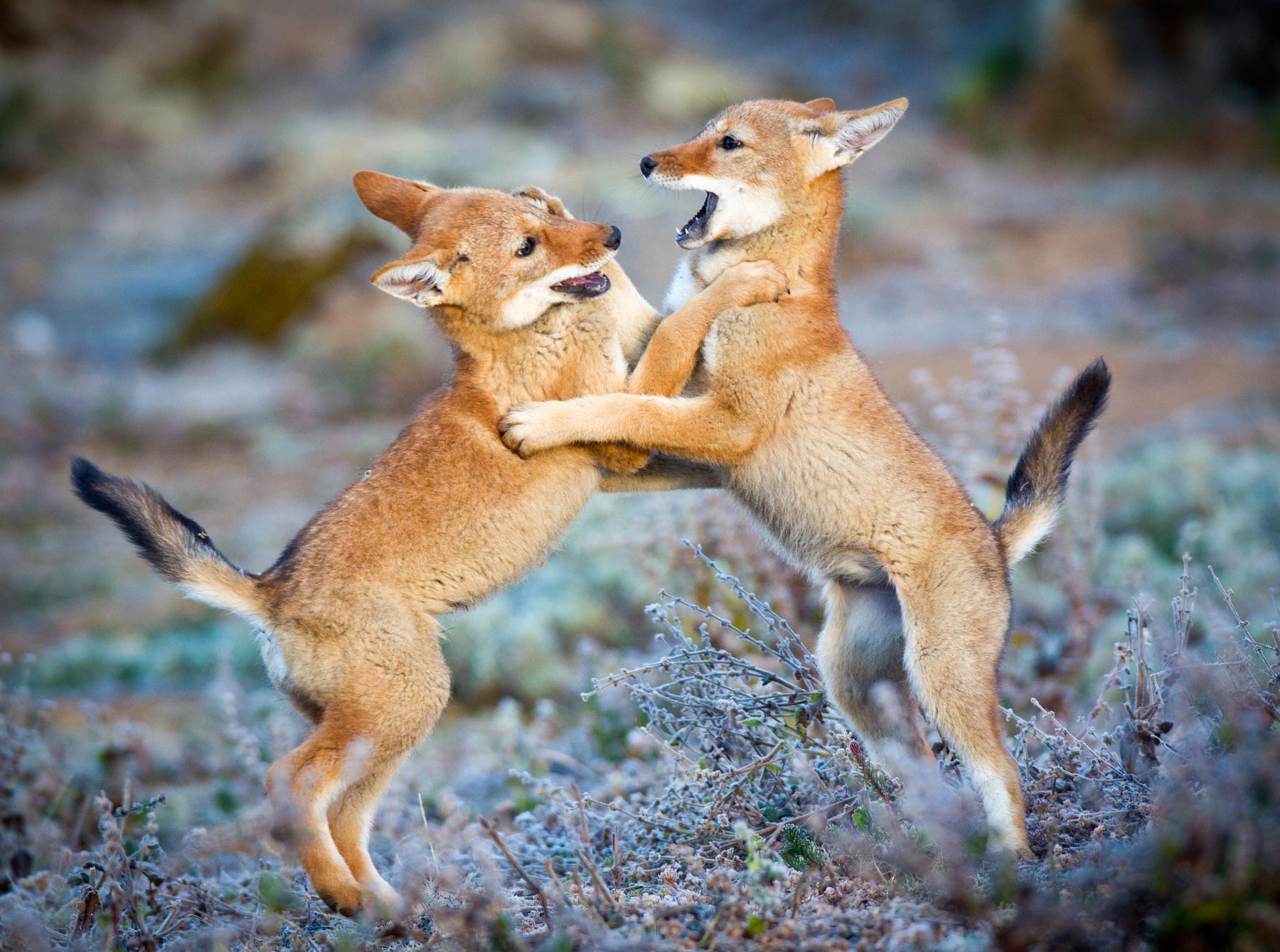
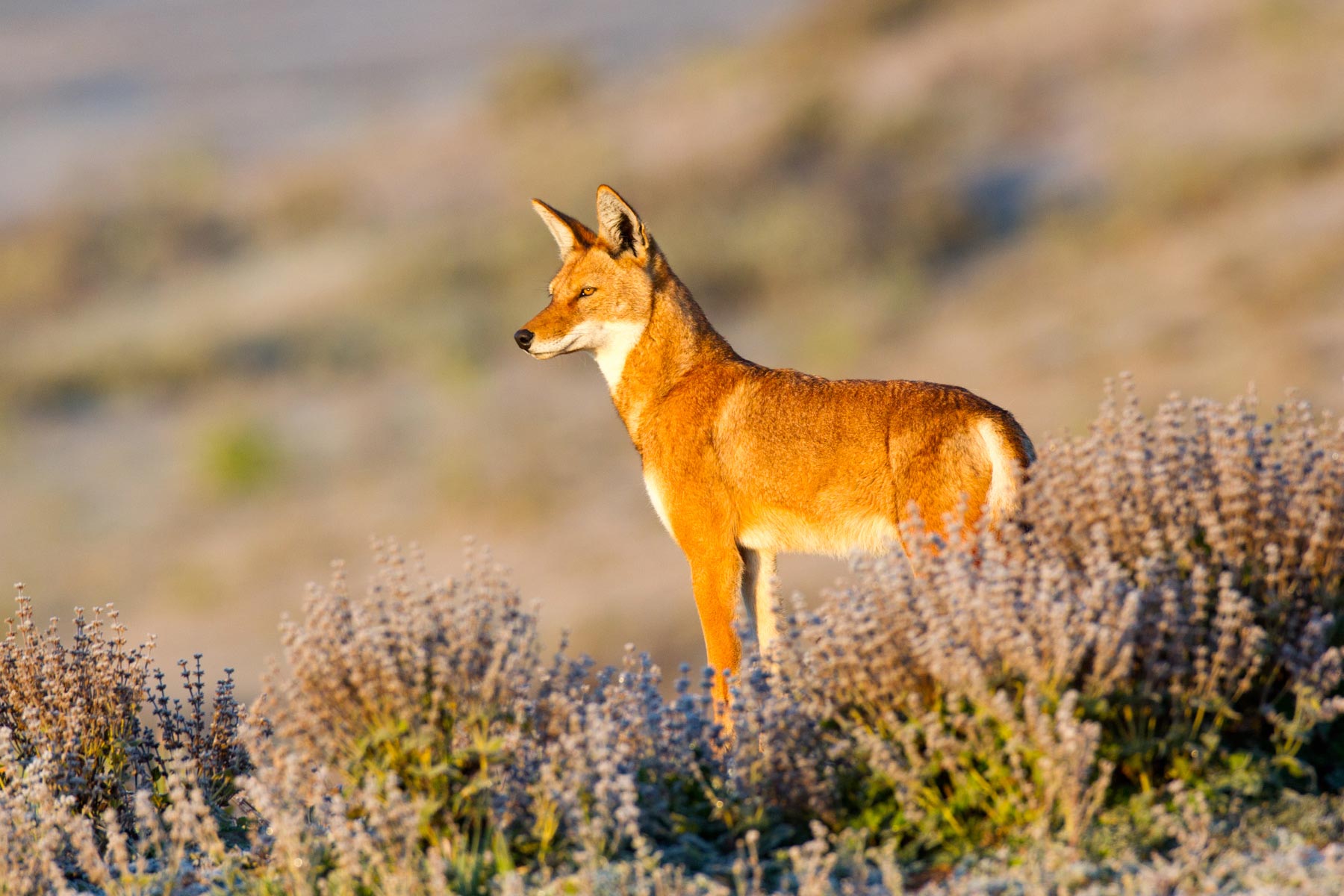
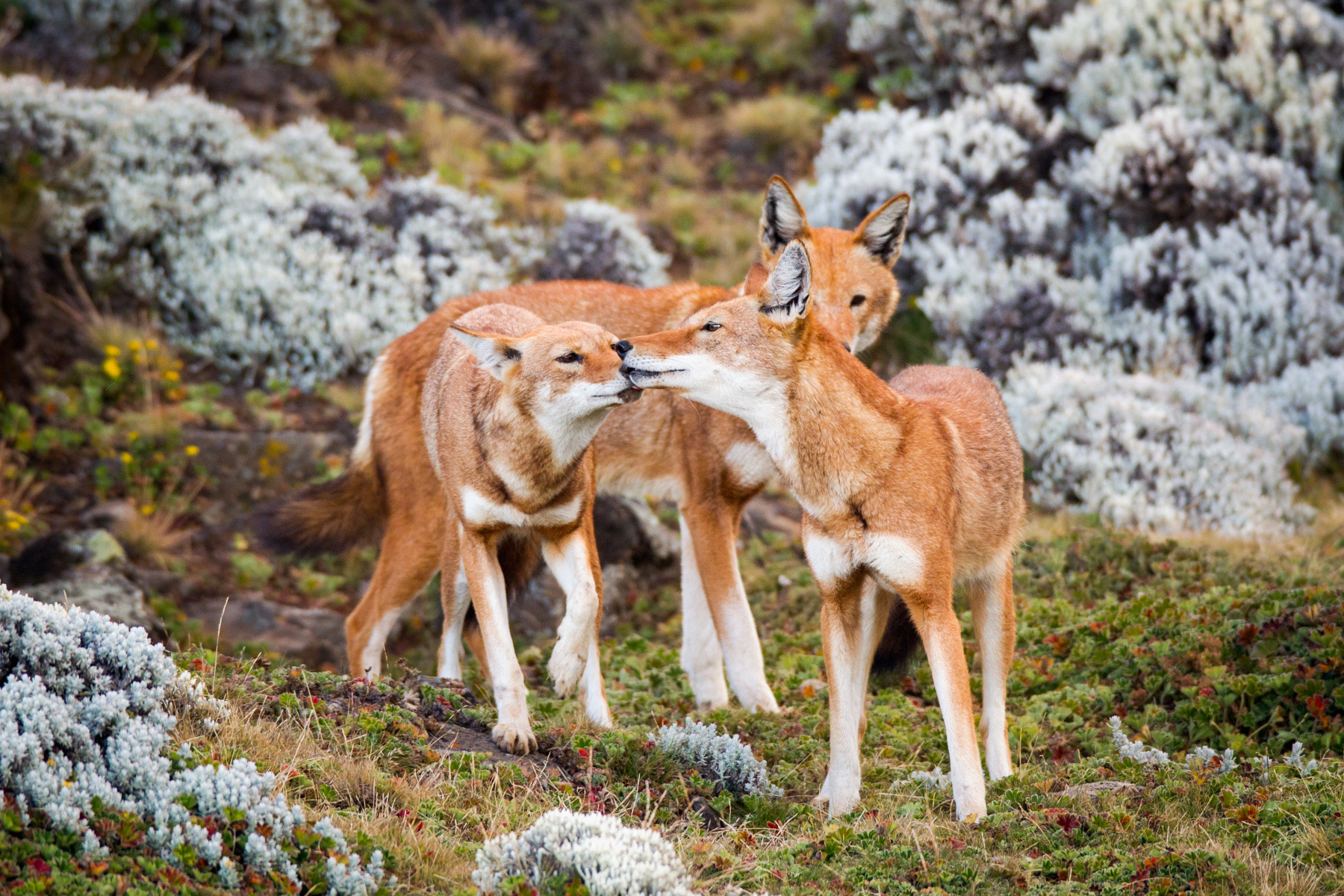
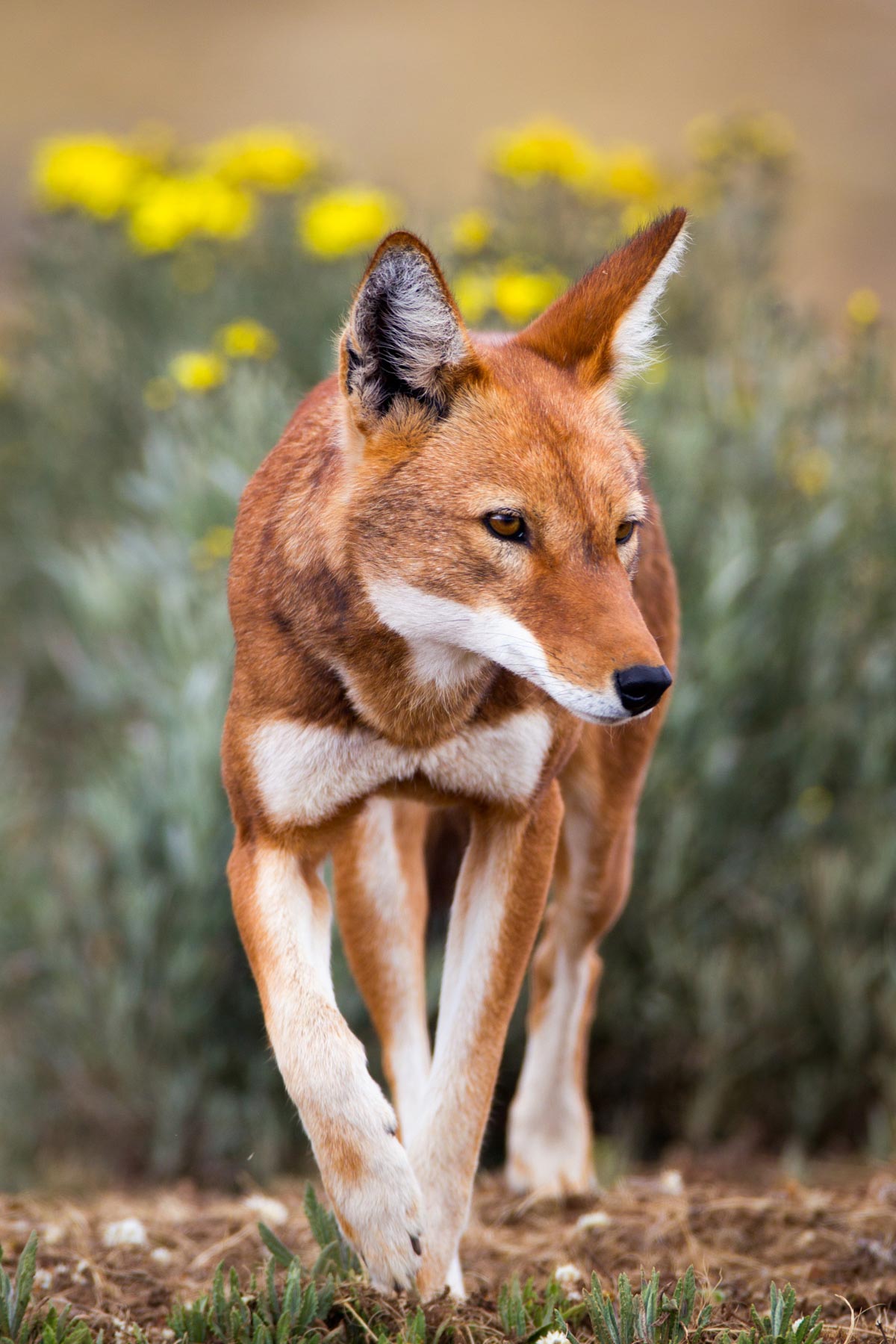
 Wildlife photographer WILL BURRARD-LUCAS first developed a passion for wildlife living in Tanzania as a child. Since then, he has photographed wildlife all over the world and primarily in Africa. Will aims to inspire people to celebrate and conserve the natural wonders of the planet through his imagery. He has partnered with several conservation organisations donating his time and images for their fundraising activities. Working with the Ethiopian Wolf Conservation Programme he draws attention to the challenges this species faces. You can view more of Will’s work on his


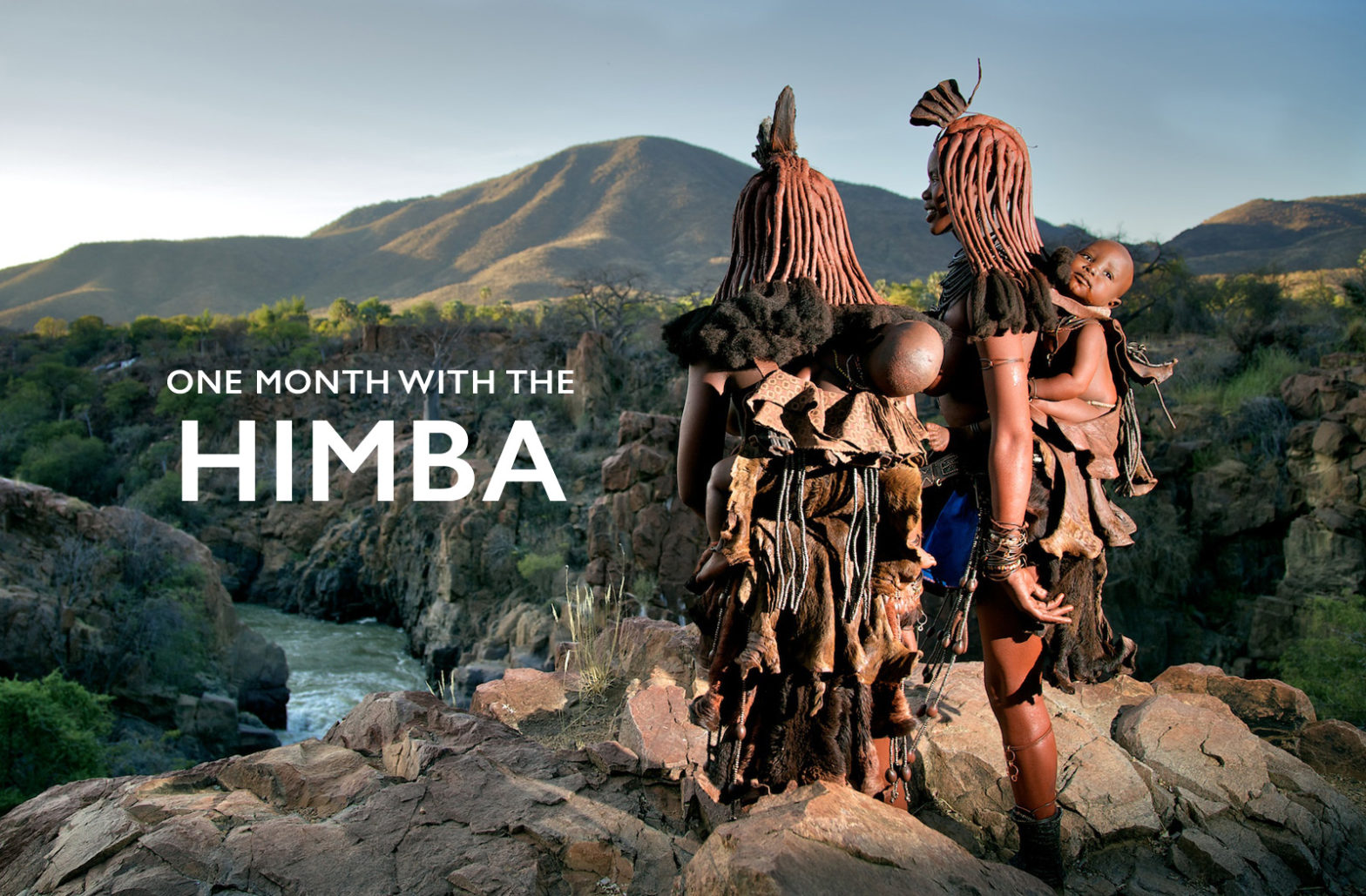
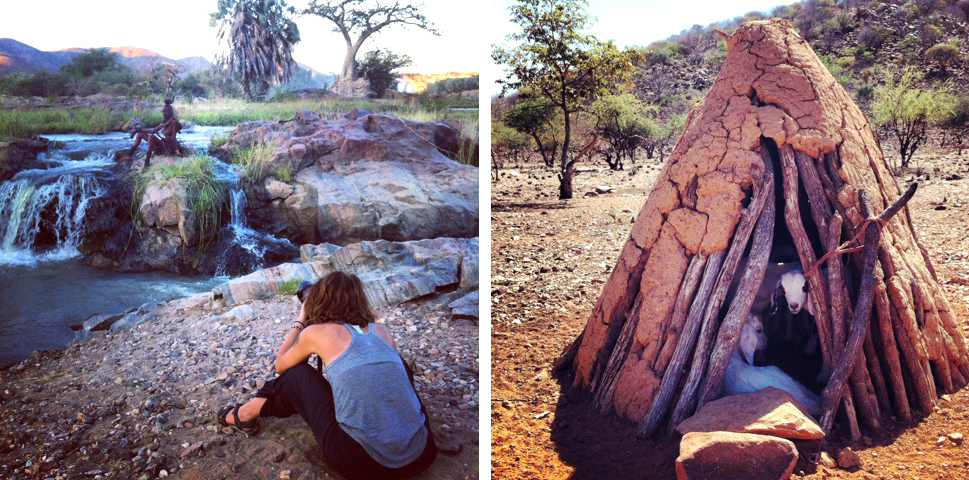
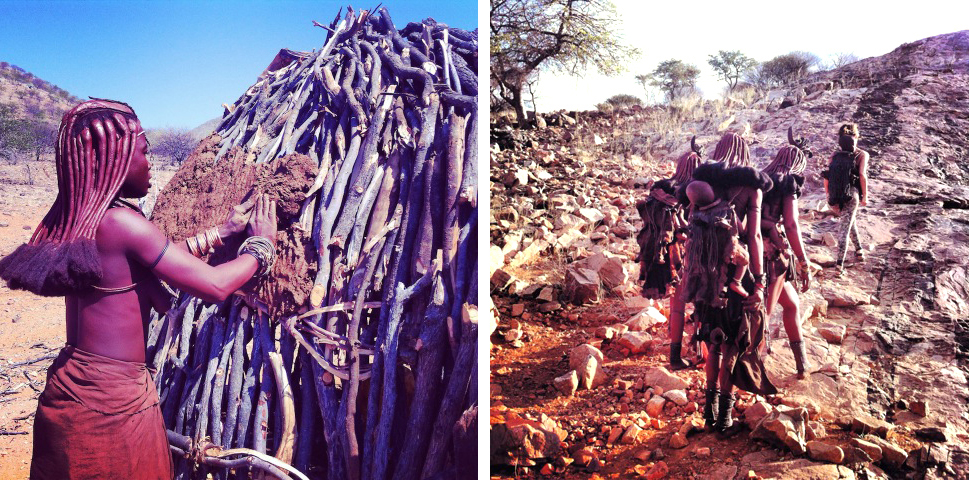
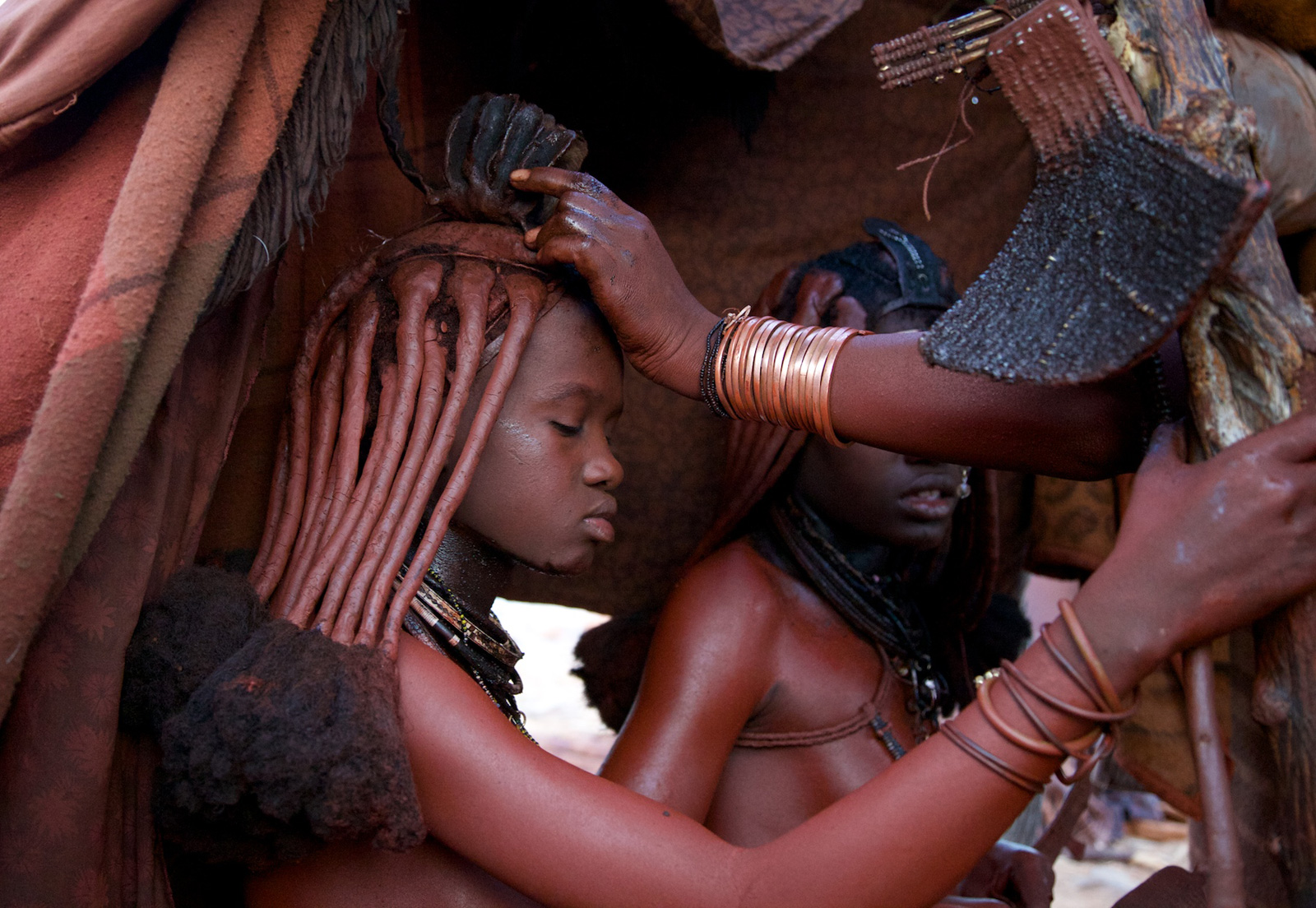
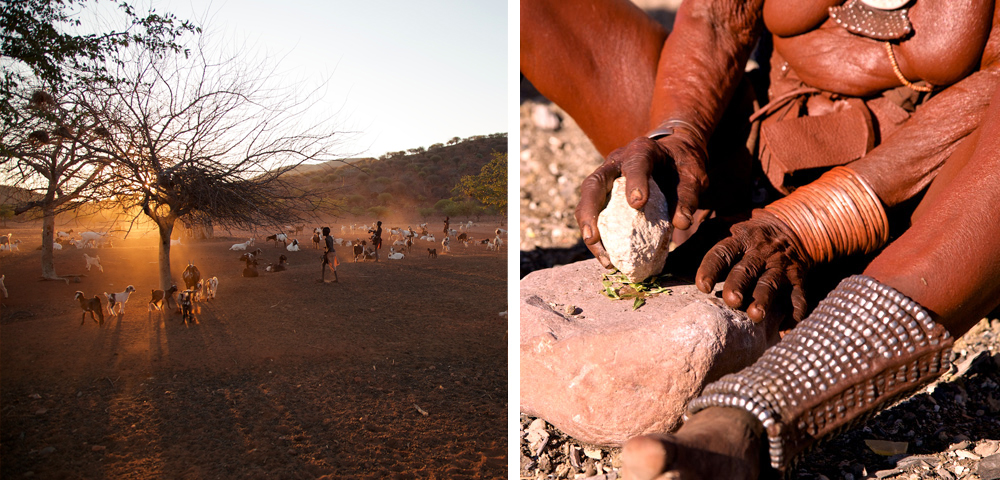
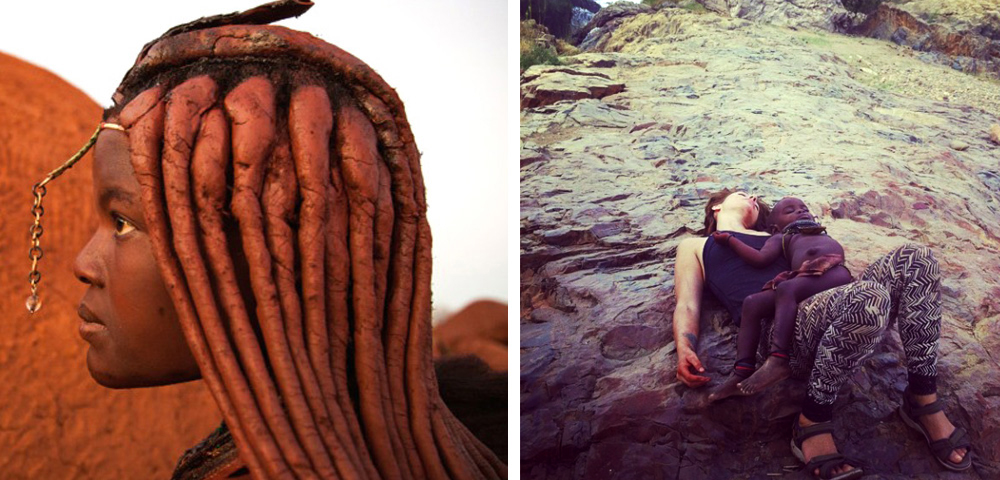
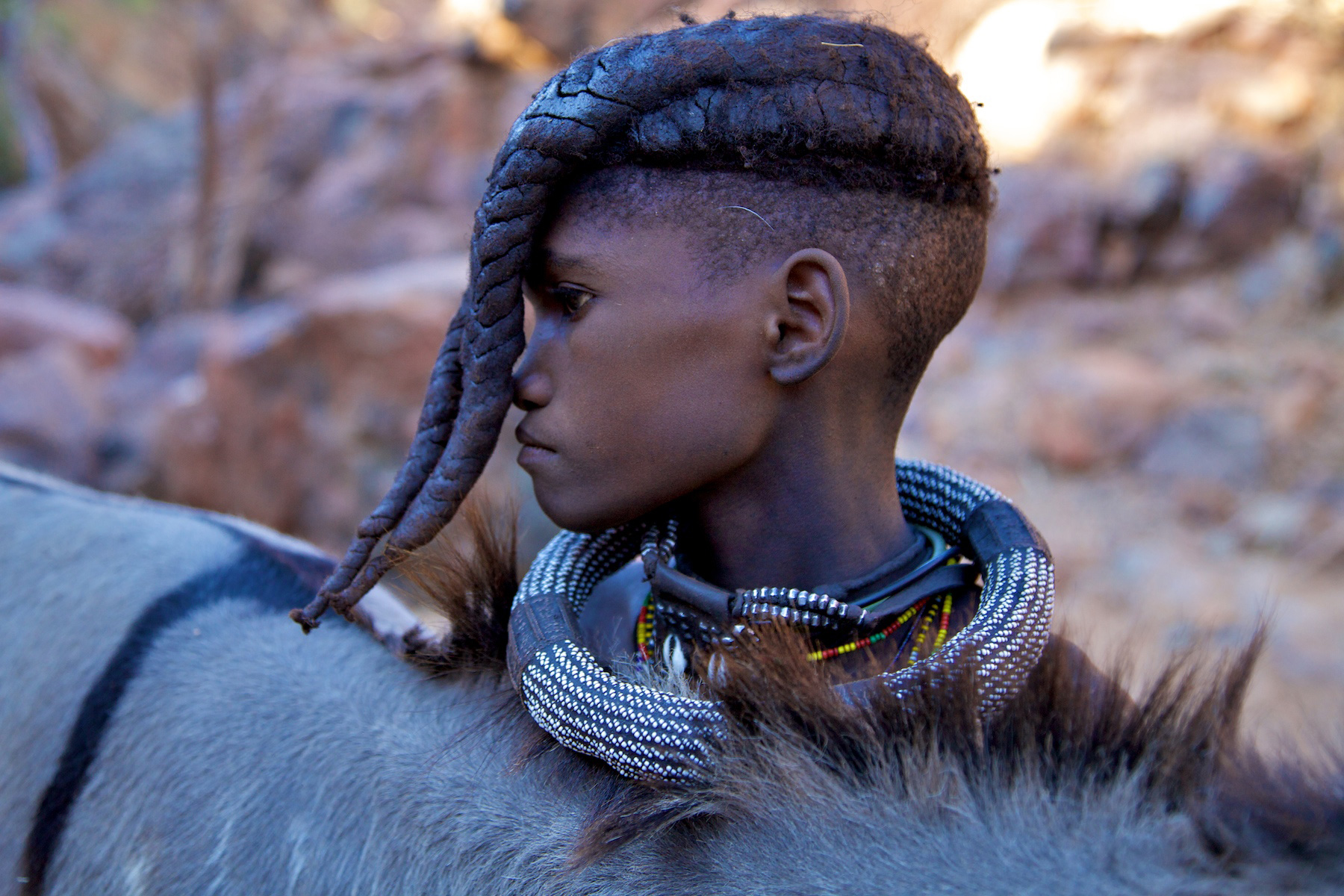
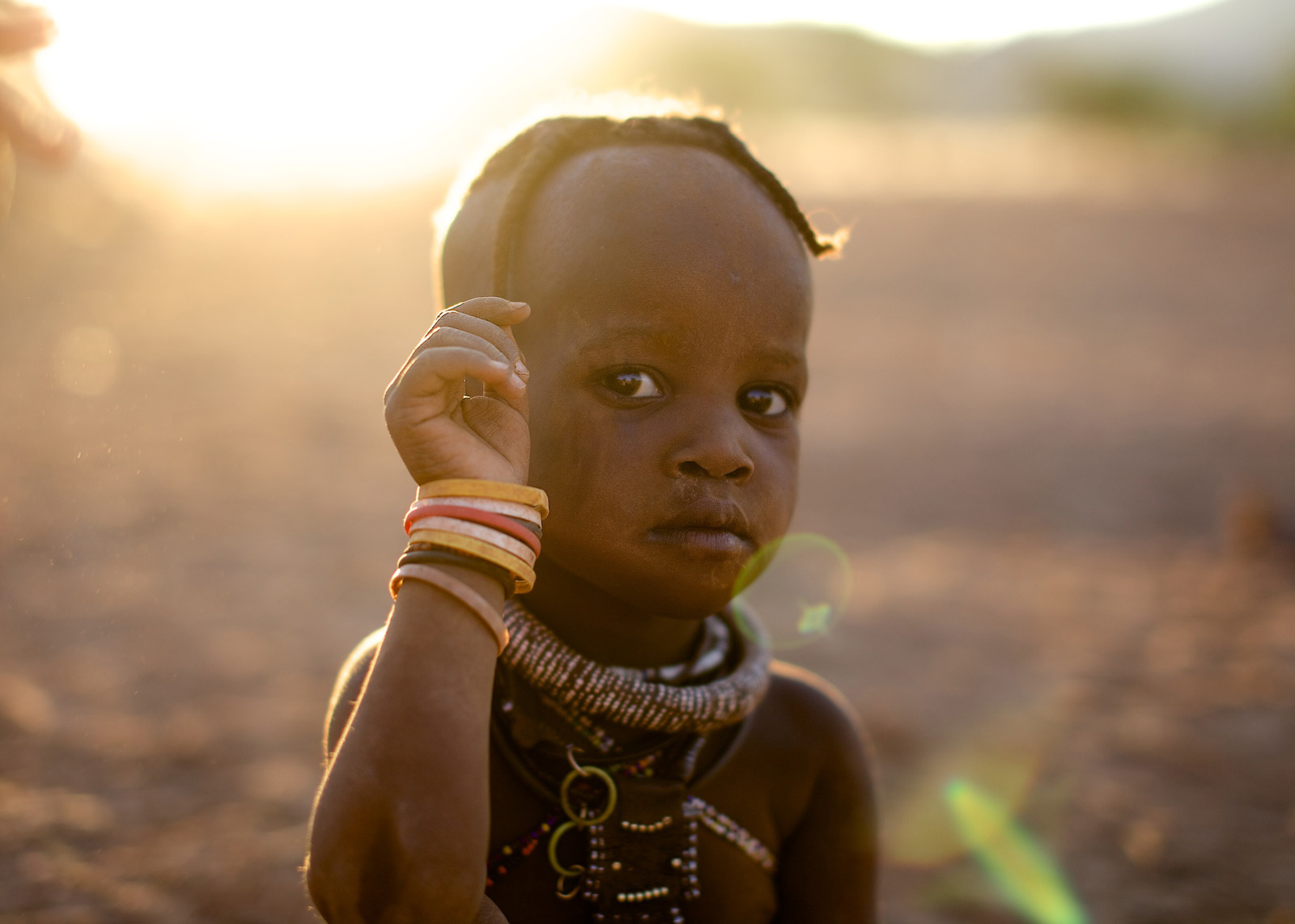
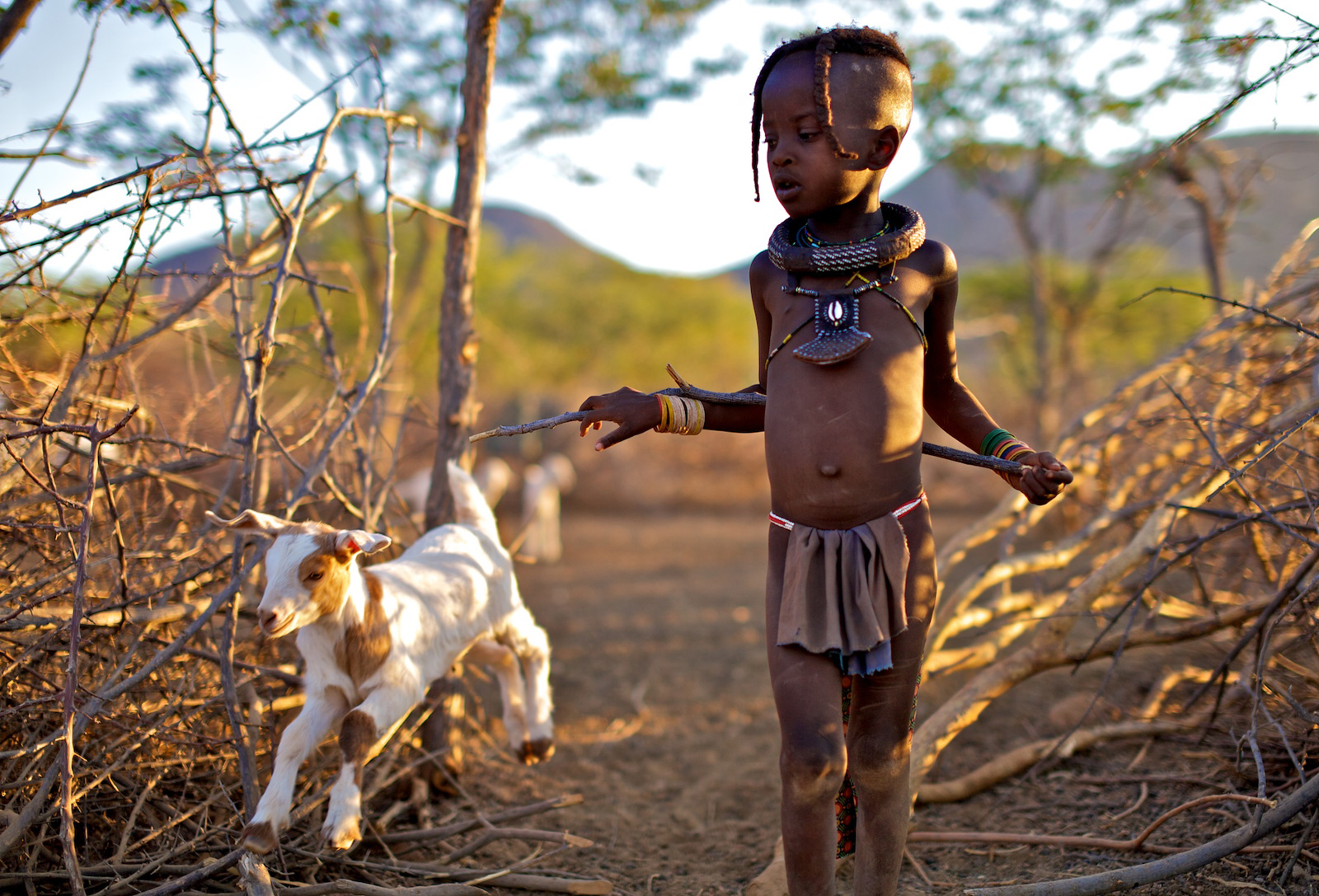
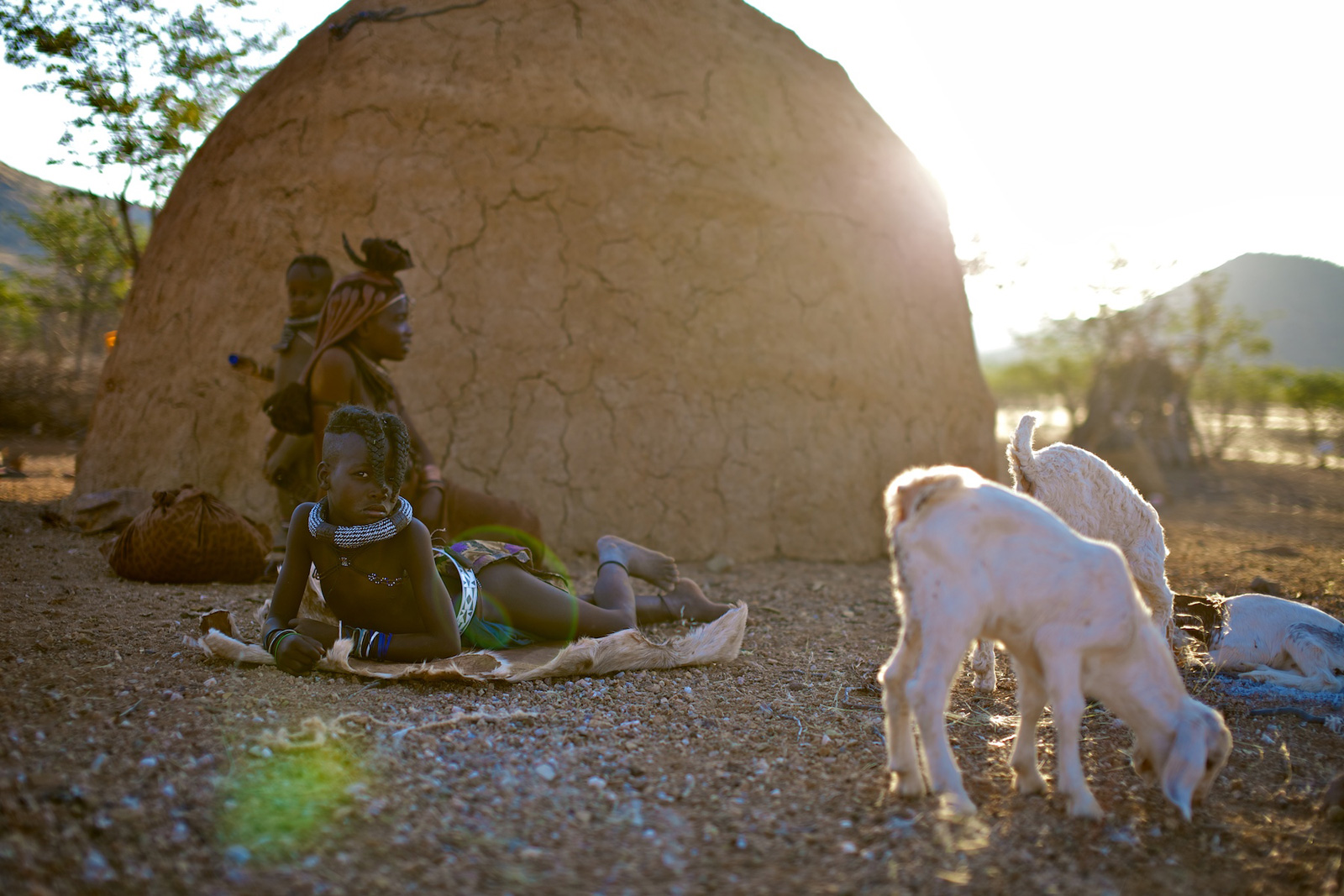
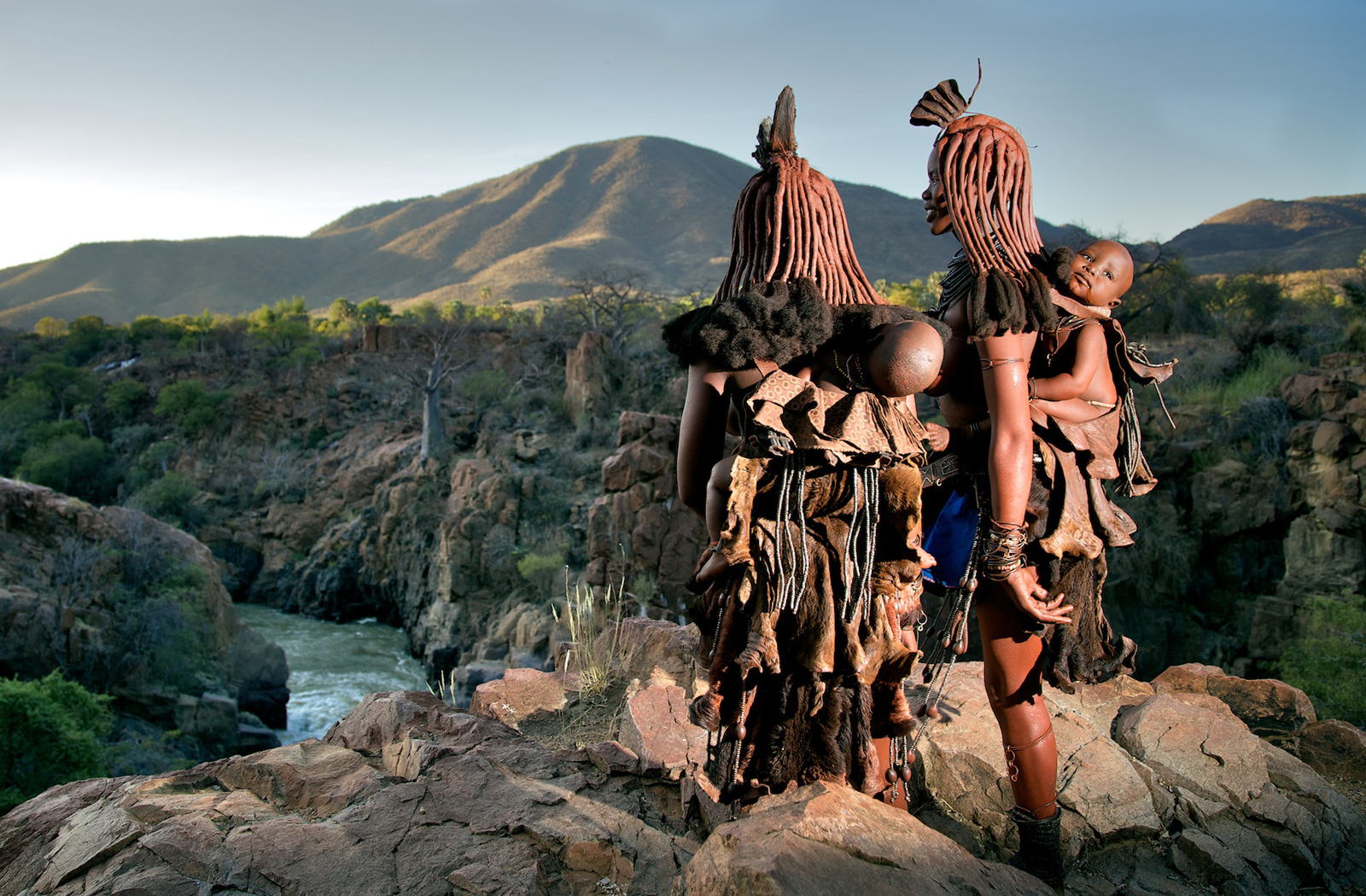
 ALEGRA ALLY is a Documentary photographer and a Fellow member of “The Explorers Club NYC”. She currently lives in Sydney, Australia, where she is completing her MA studies in Applied Anthropology. Ally is committed to working on issues relating to empowerment of women and girls, diminishing cultures and the environment. As part of her project ‘Wild Born’, Ally spent the last four years travelling to some of the most remote corners of the world where she lived with isolated tribes.
 DID YOU KNOW that African Parks offers safari camps (lodges and campsites) where 100% of tourism revenue goes to conservation and local communities?




 JANINE MARÉ is the first to confess that she has been bitten by the travel bug… badly. She loves all things travel, from basic tenting with creepy crawlies to luxury lodges; she will give it all a go. Janine is passionate about wildlife and conservation and comes from a long line of biologists, researchers and botanists. Janine is a former marketing manager at Africa Geographic.






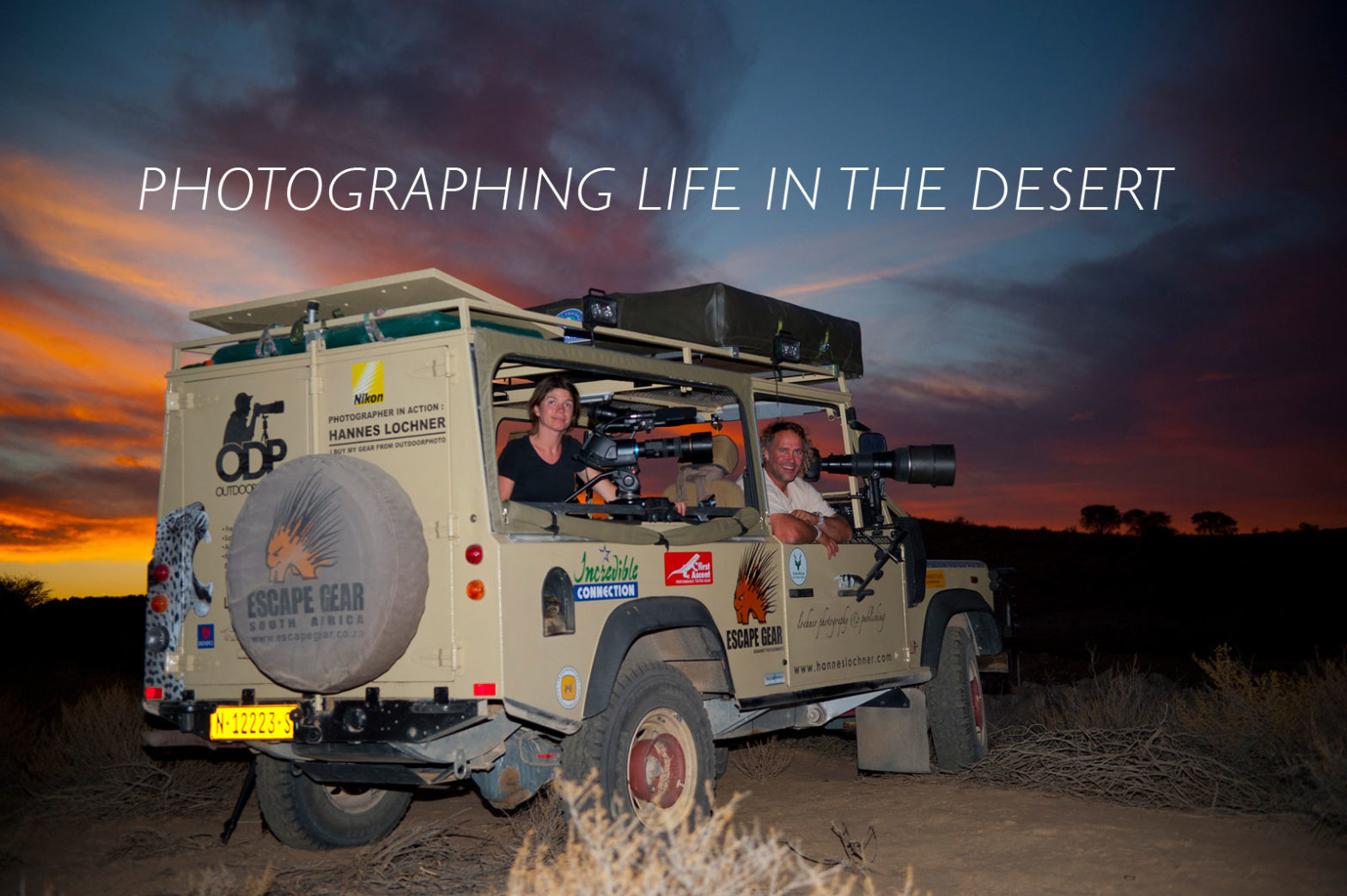
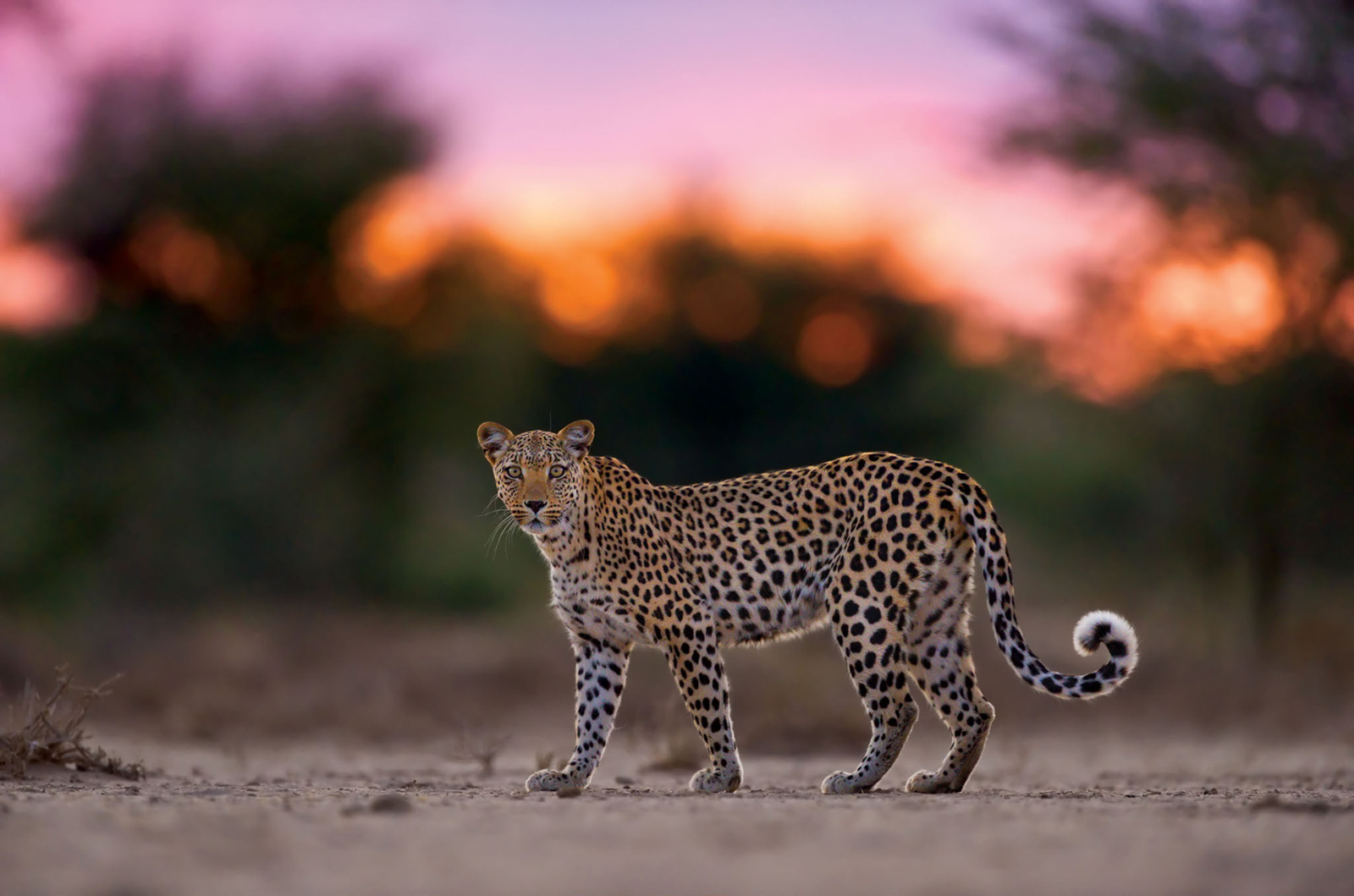
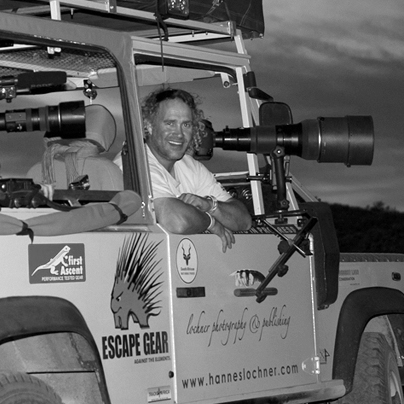 HANNES LOCHNER is a Cape Town-born photographer who has become synonymous with the Kalahari, having spent 5 years photographing the bounteous wildlife of this arid region. Before becoming a full-time wildlife photographer, Hannes was a graphic designer and travelled the world kayaking her rivers intensely. It was on returning to South Africa that he started his own rafting company, acting as a field guide on the Orange and Kunene Rivers. But his love for the fauna of Africa triumphed, and his career as a photographer took off. You can view more of Hannes’ work on his


 The
The  Simon Espley is an African of the digital tribe, a chartered accountant and CEO of Africa Geographic. His travels in Africa are searching for wilderness, real people with interesting stories and elusive birds. He lives in Hoedspruit with his wife, Lizz and two Jack Russells, and when not travelling or working, he will be on his mountain bike somewhere out there. His motto is ‘Live for now, have fun, be good, tread lightly and respect others. And embrace change.’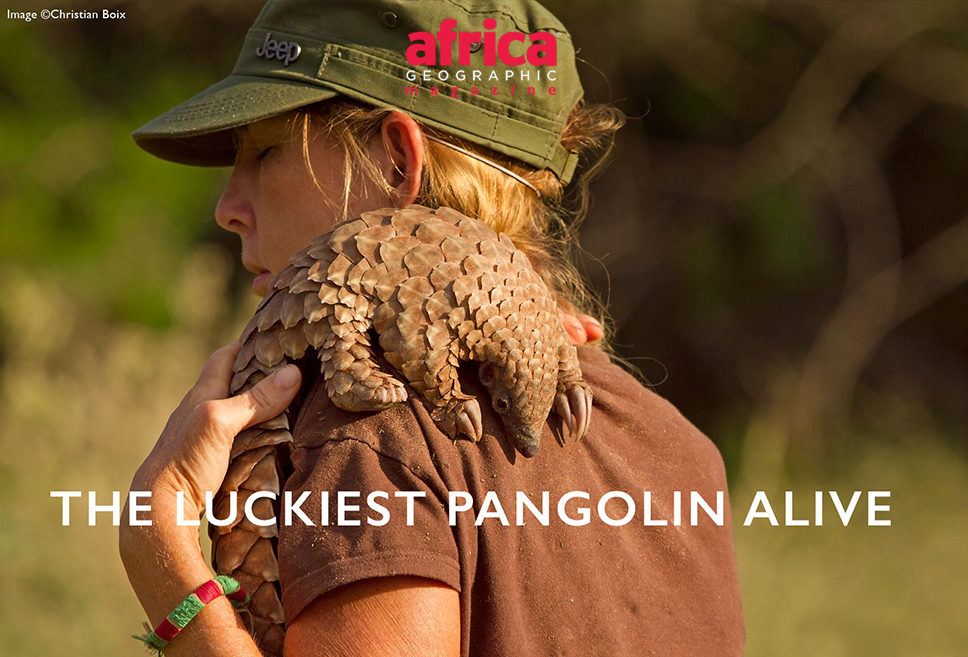
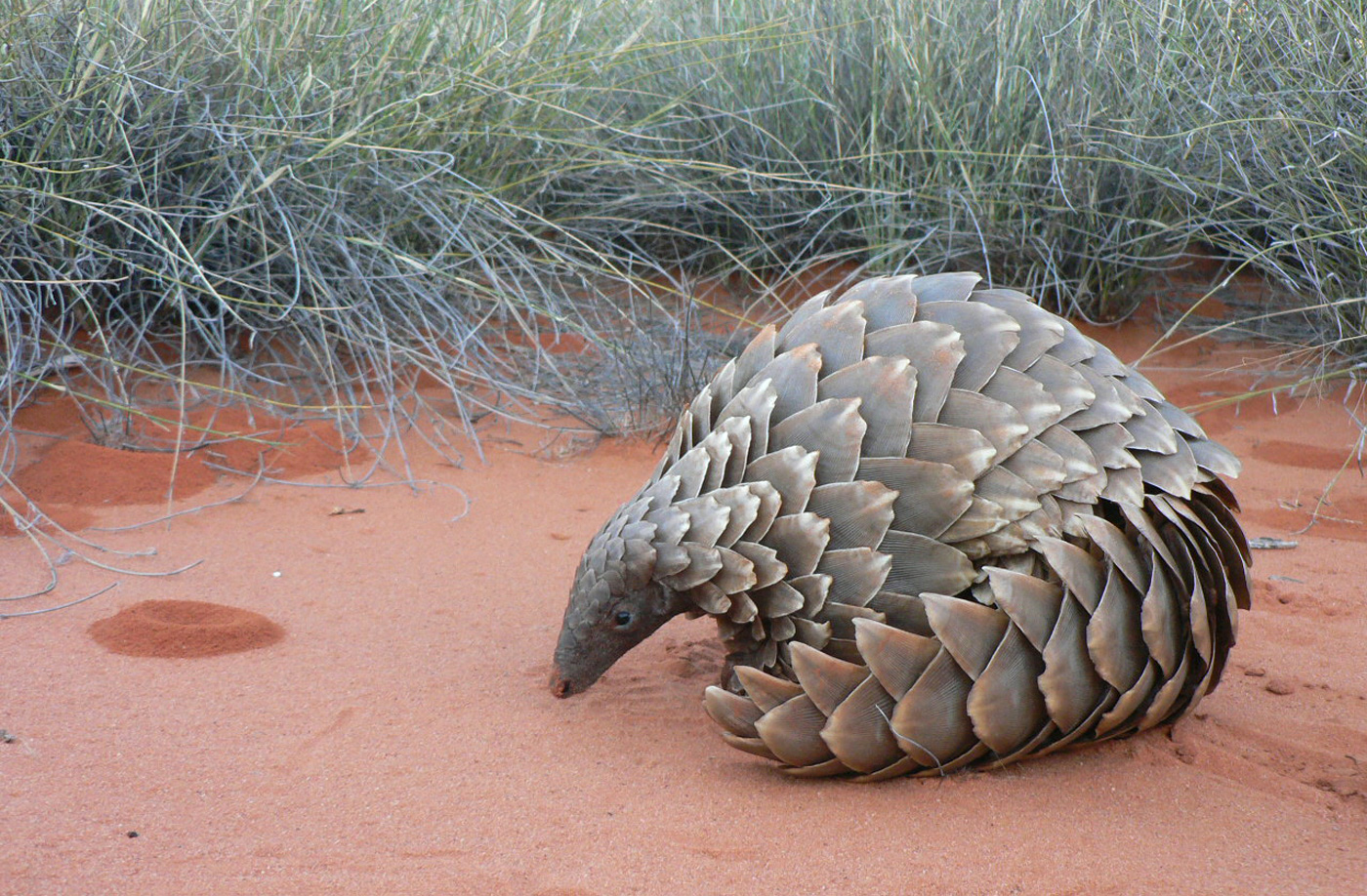
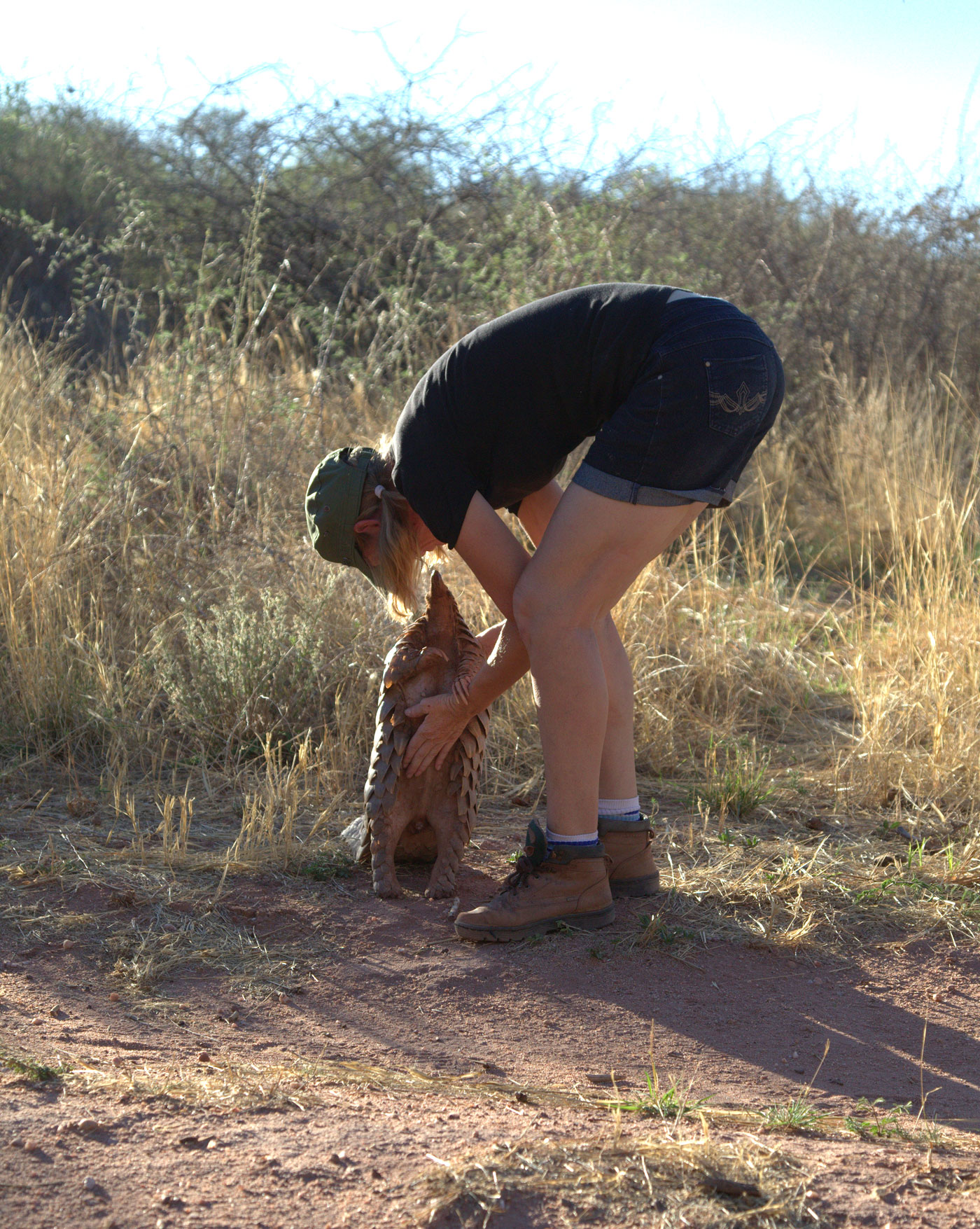
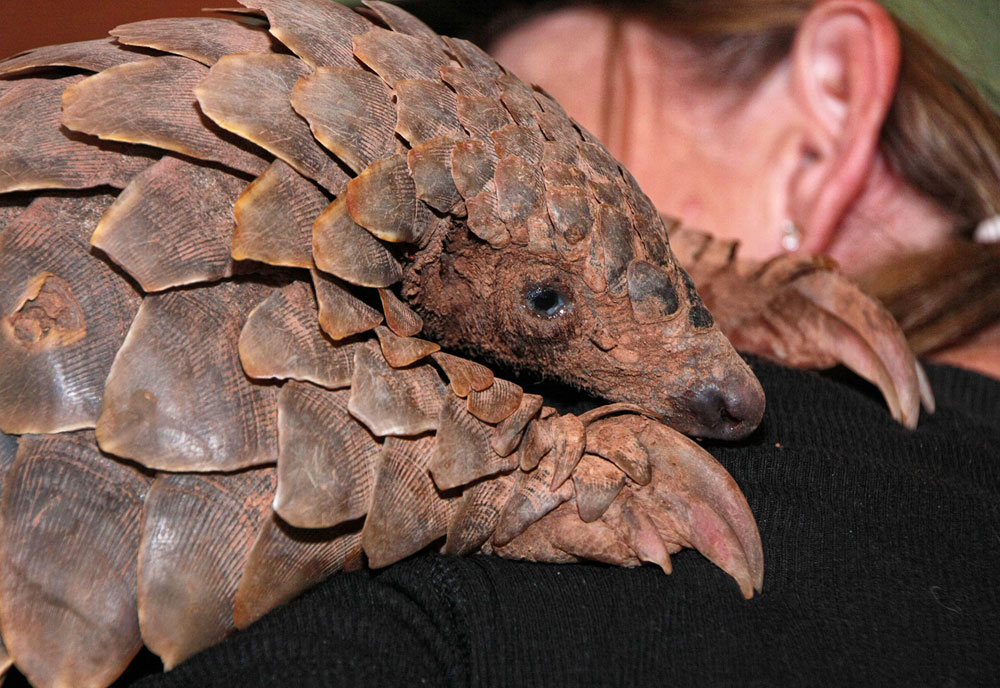
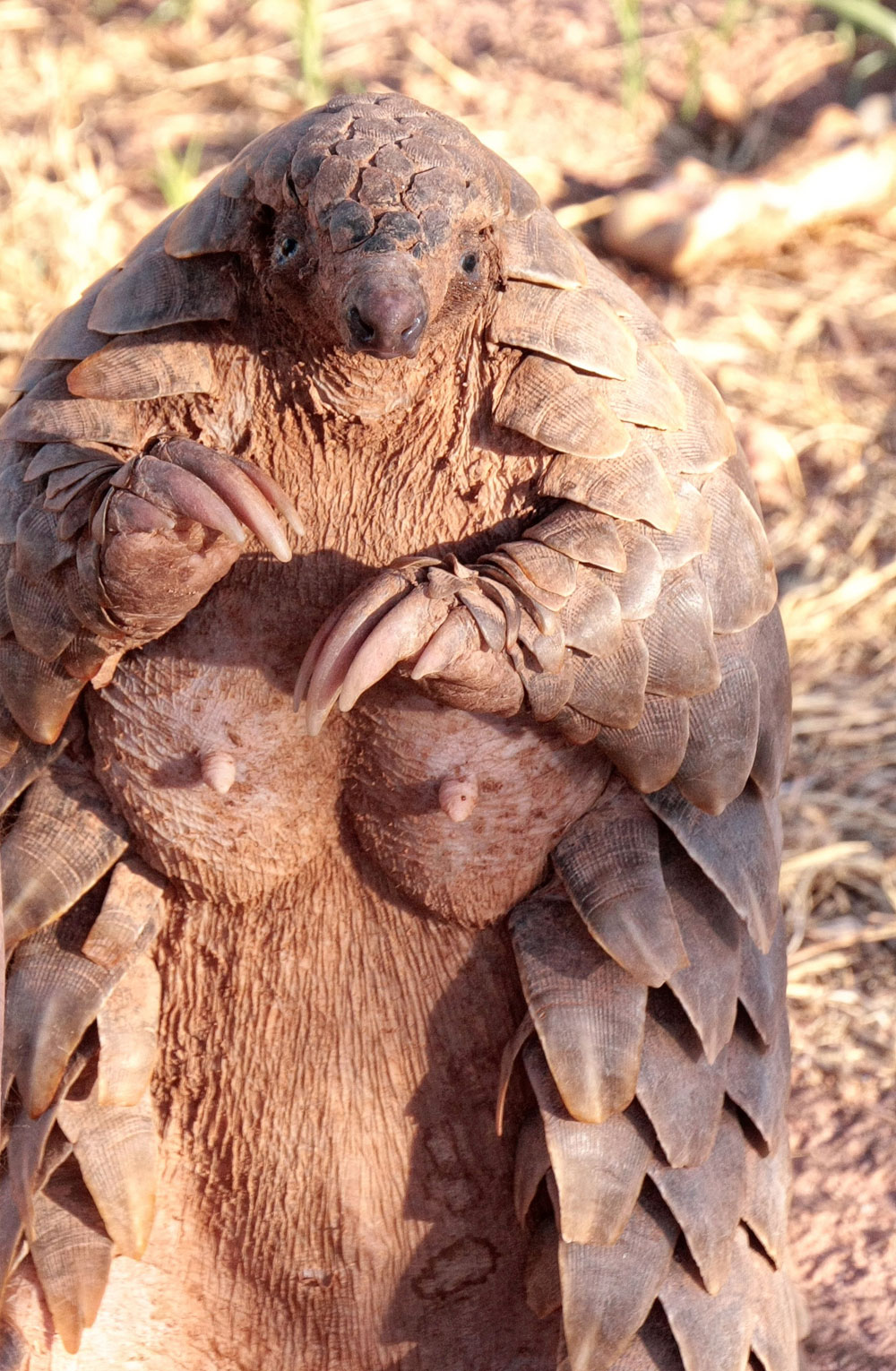
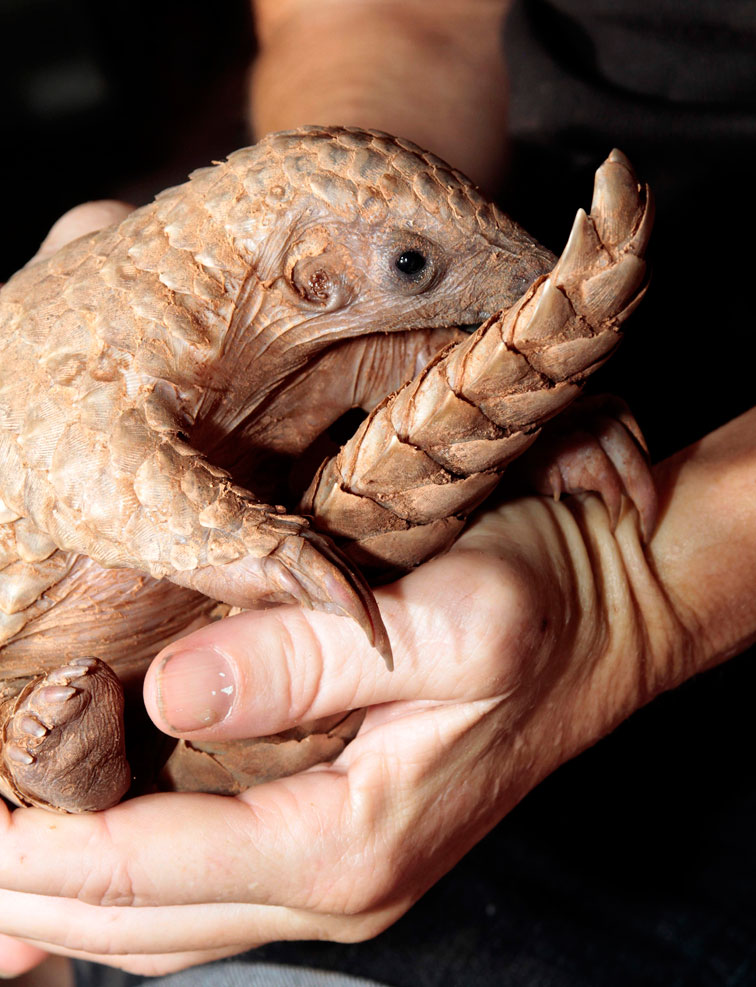
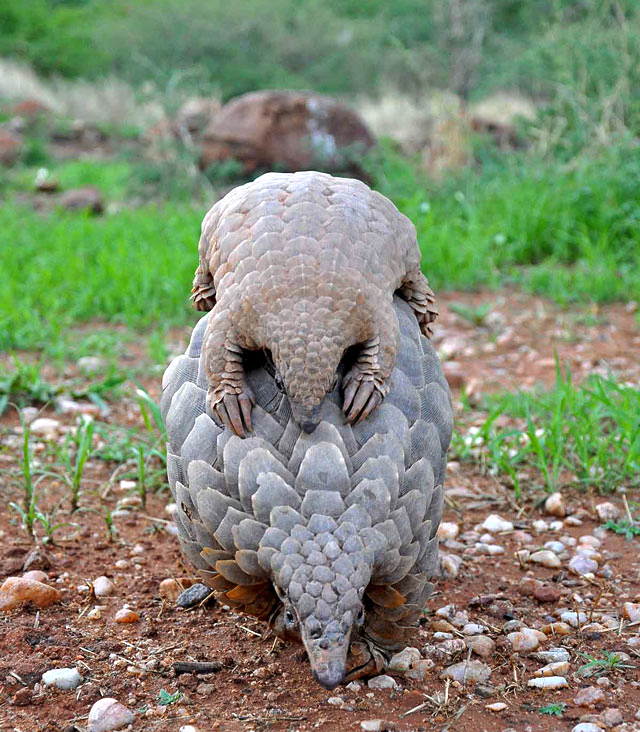
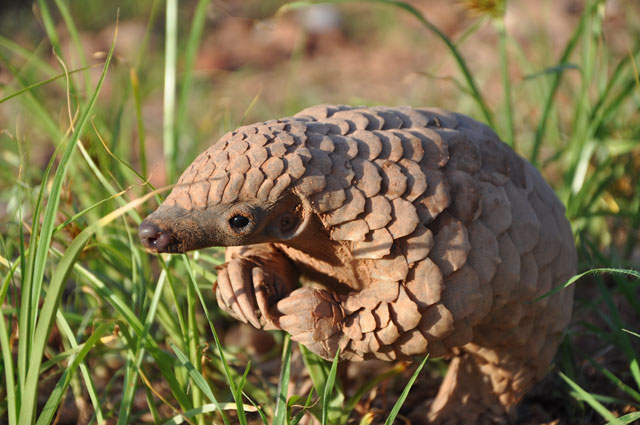
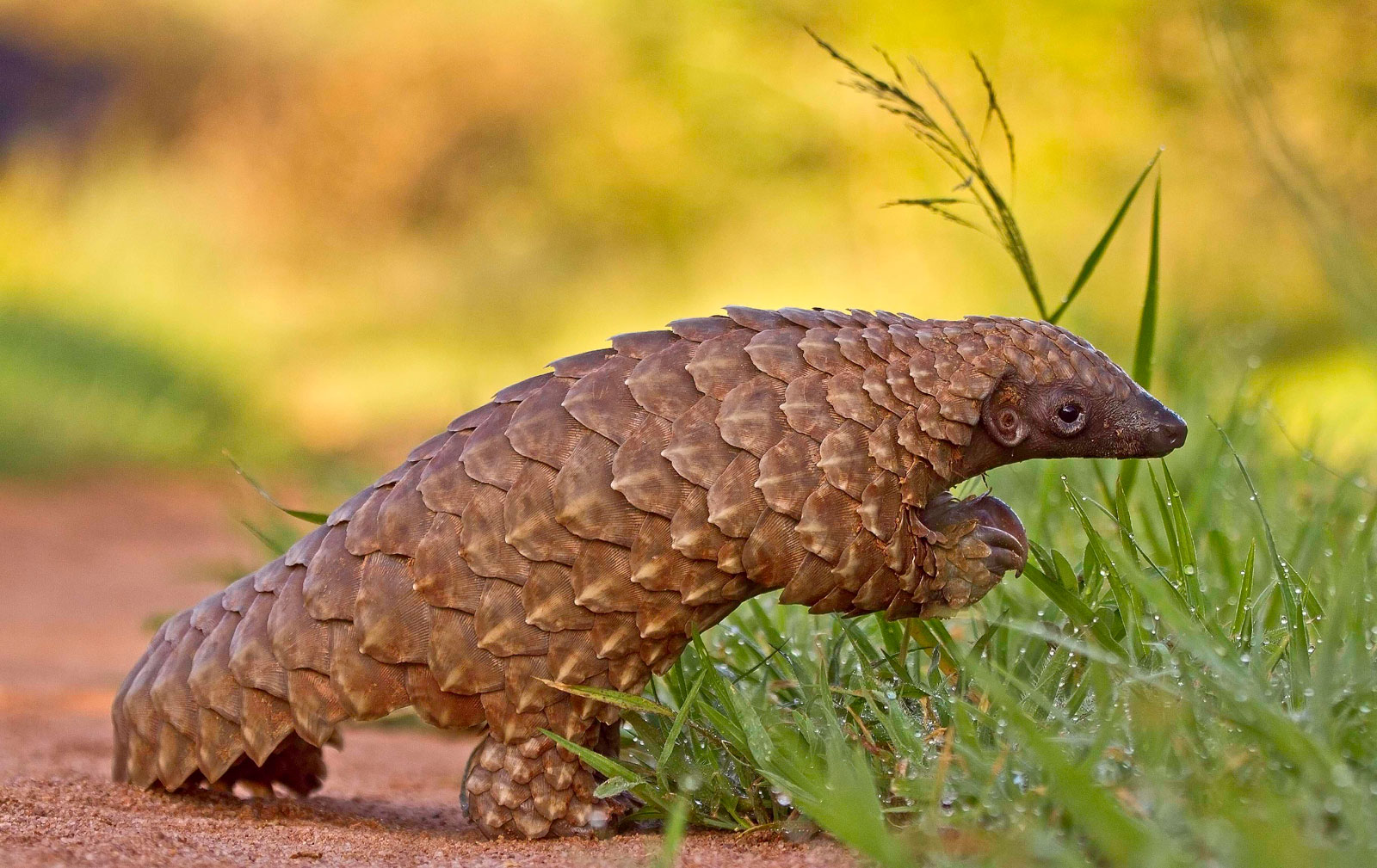
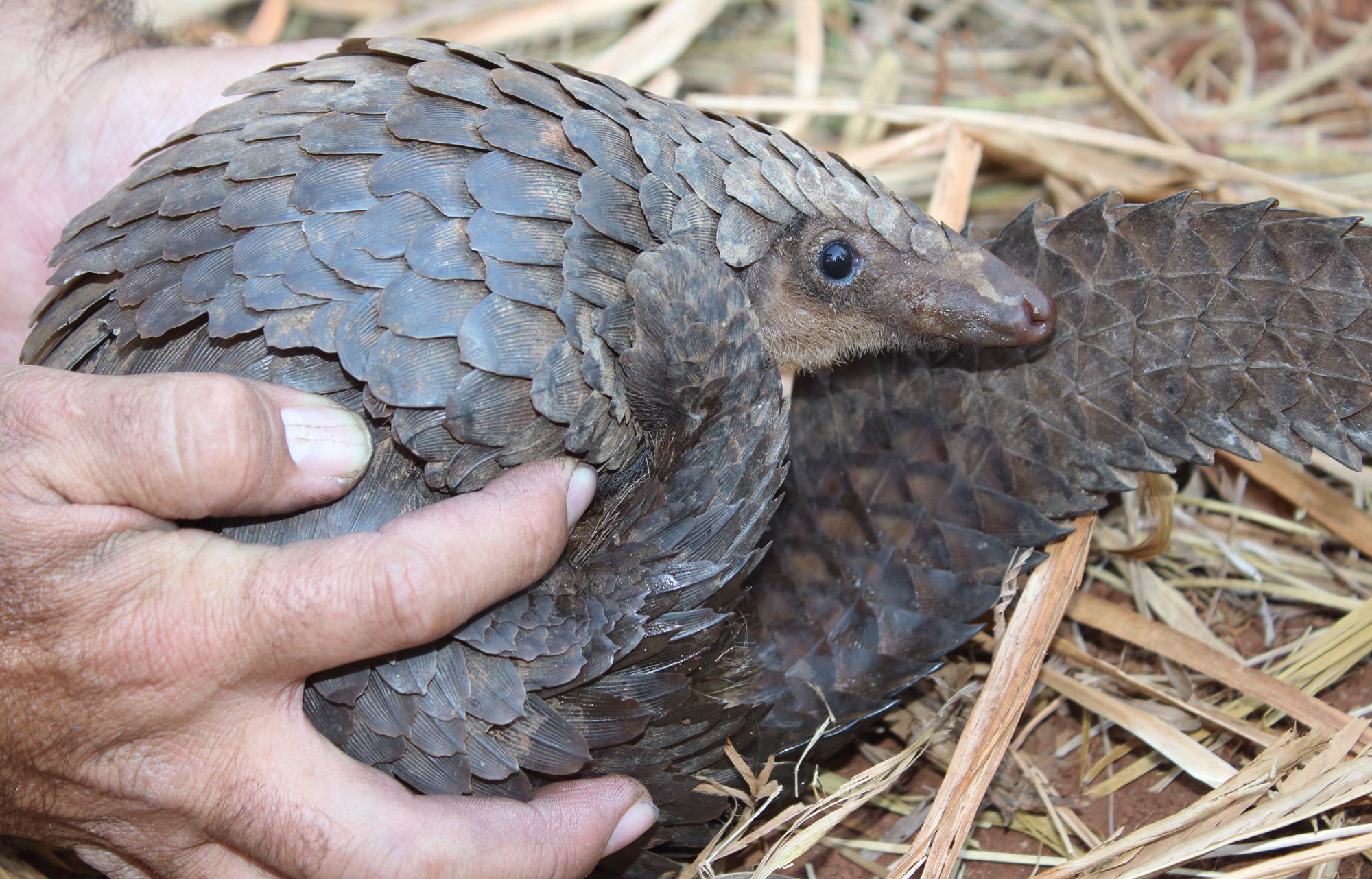
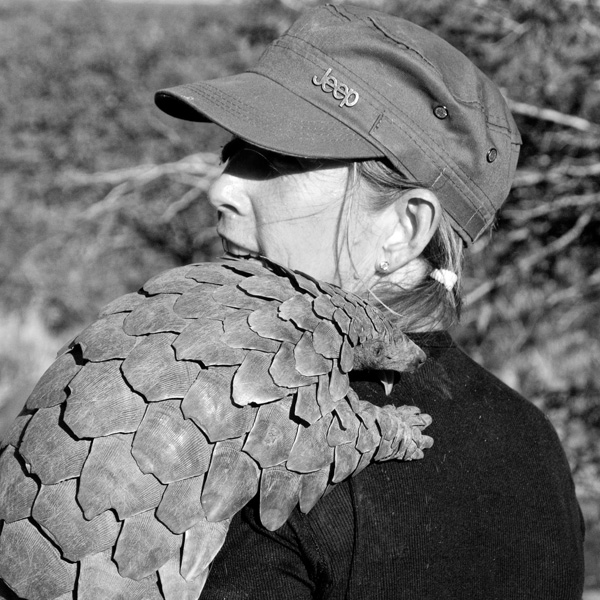 A special thanks to MARIA DIEKMANN, founder and director of Pangolins International. Maria has been a surrogate mother to the star of this issue, Katiti, and has rehabilitated and returned many other pangolins to the wild. While balancing this with the work she does to rehabilitate other species, Maria has always been at hand to provide us with vital content to make this issue possible.
 CHRISTIAN BOIX left his native Spain, its great food, siestas and fiestas, to become an ornithologist at the University of Cape Town and a specialist bird guide. Time passed, his daughter became convinced he was some kind of pilot, and his wife acquired a budgie for company – that’s when the penny dropped. Thrilled to join the Africa Geographic team; Christian is their resident safari expert and guide.
 JUDY & SCOTT HURD are photographers living and working in Namibia, a country they see as the most photogenic on the planet. They have accumulated a huge wildlife library, some of which you can view on their


 A special thanks goes to




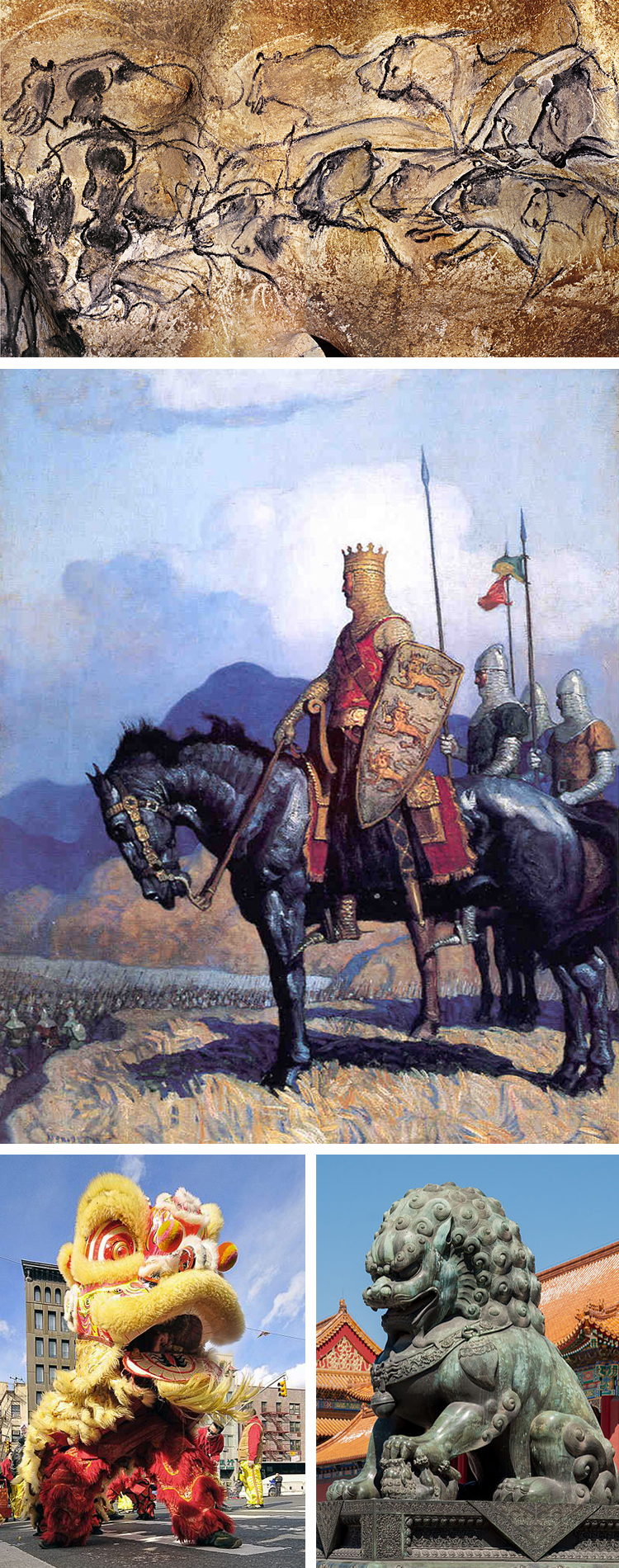
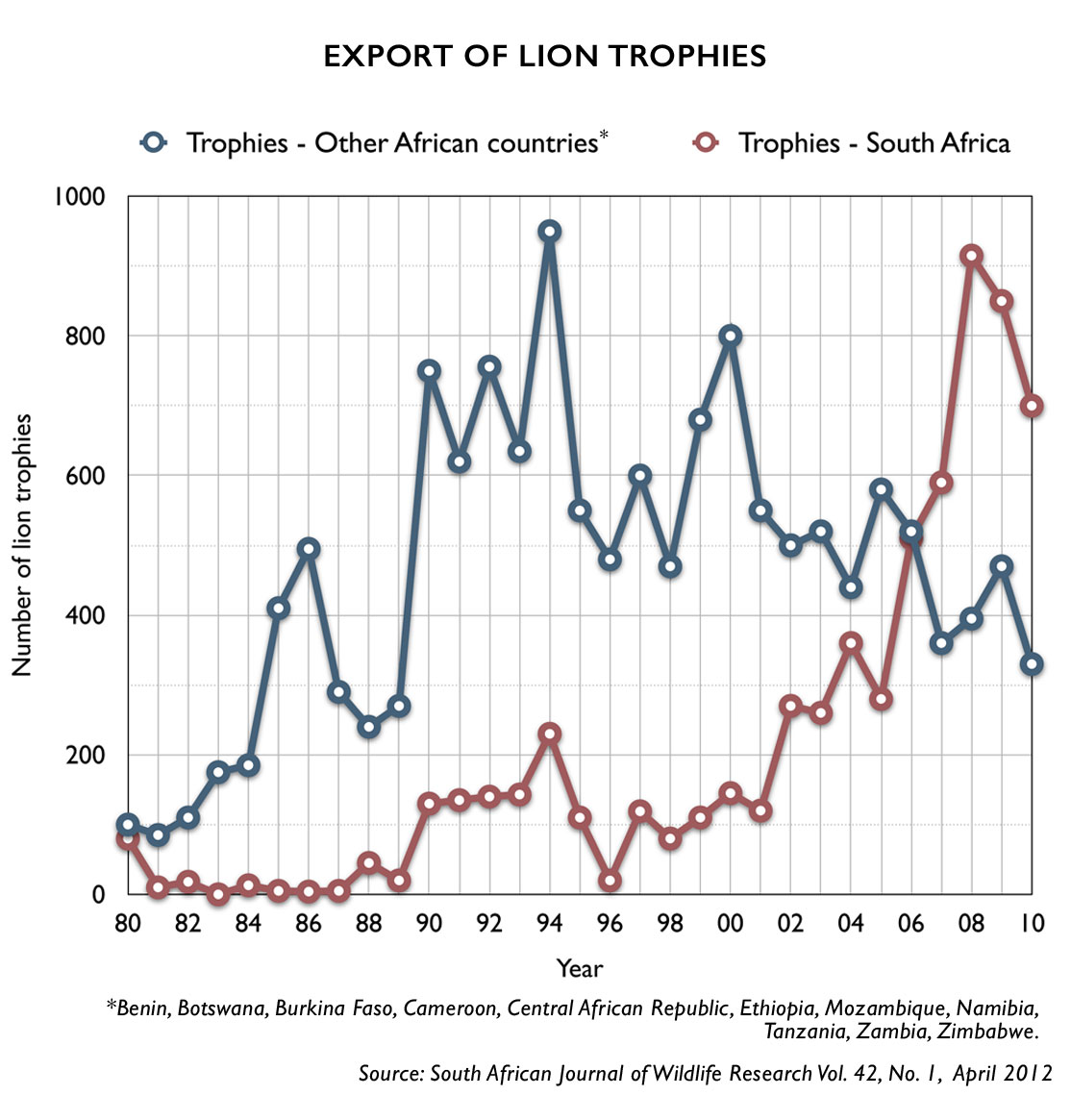 The USA is by far the largest market for trophies. The key drivers seem to be a large, wealthy hunting population and a colourful history of African big game hunting featuring iconic characters such as President Theodore Roosevelt, whose year-long African safari is the stuff of legends. In 1909, he and his son bagged over 500 big game, including 17 lions, 11 elephants and 20 rhinos.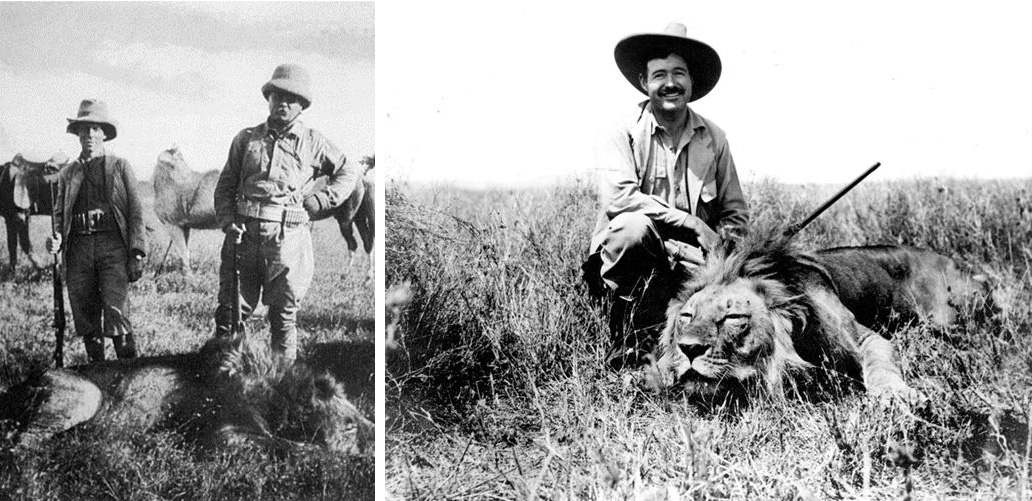
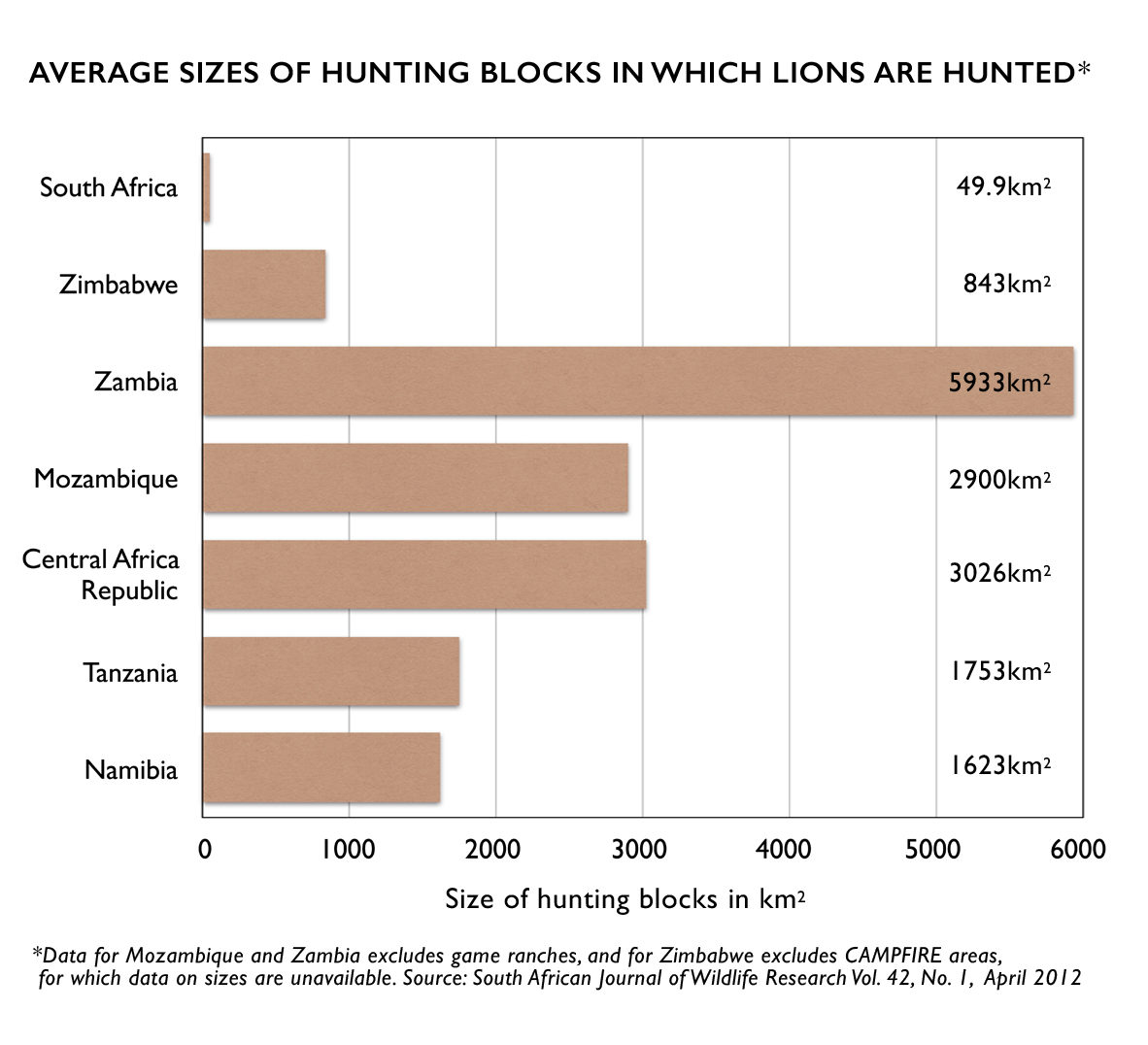 The South African Predator Association stipulates a minimum of 10km² hunting area for captive-bred lions. The legally required release period for captive-bred lions in the Free State Province and North West Province is 30 and 4 days, respectively (FS and NW are where most captive-bred lions are hunted)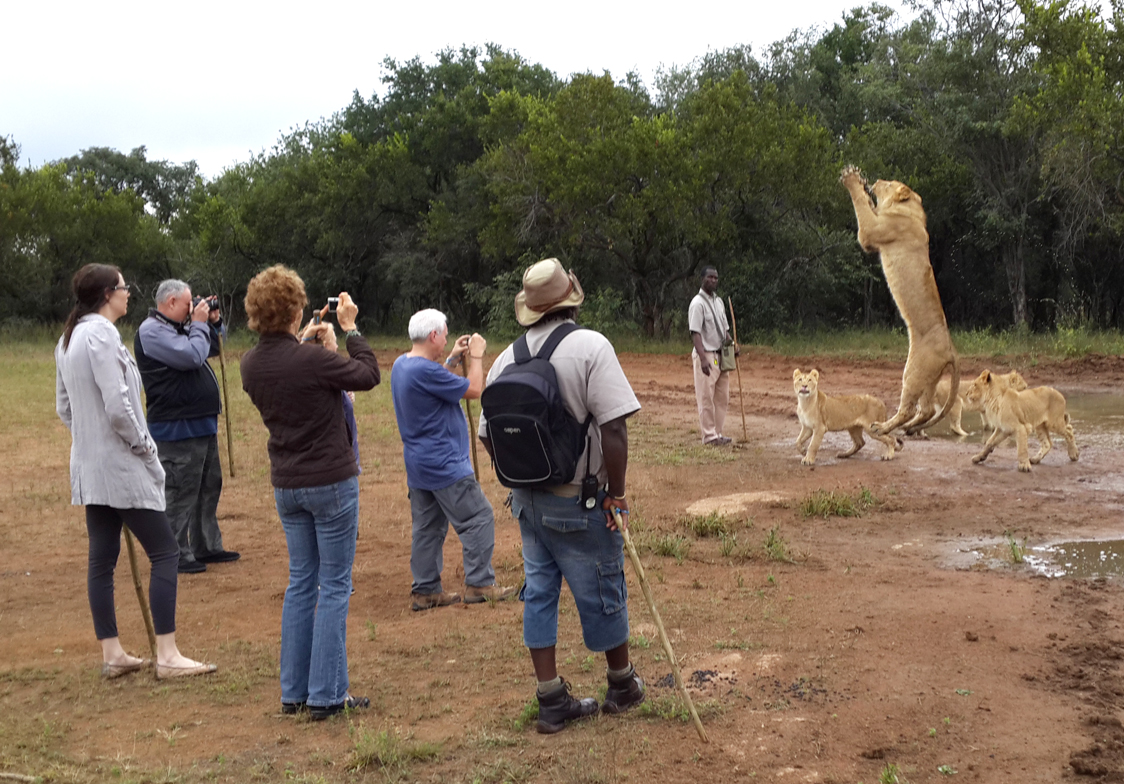


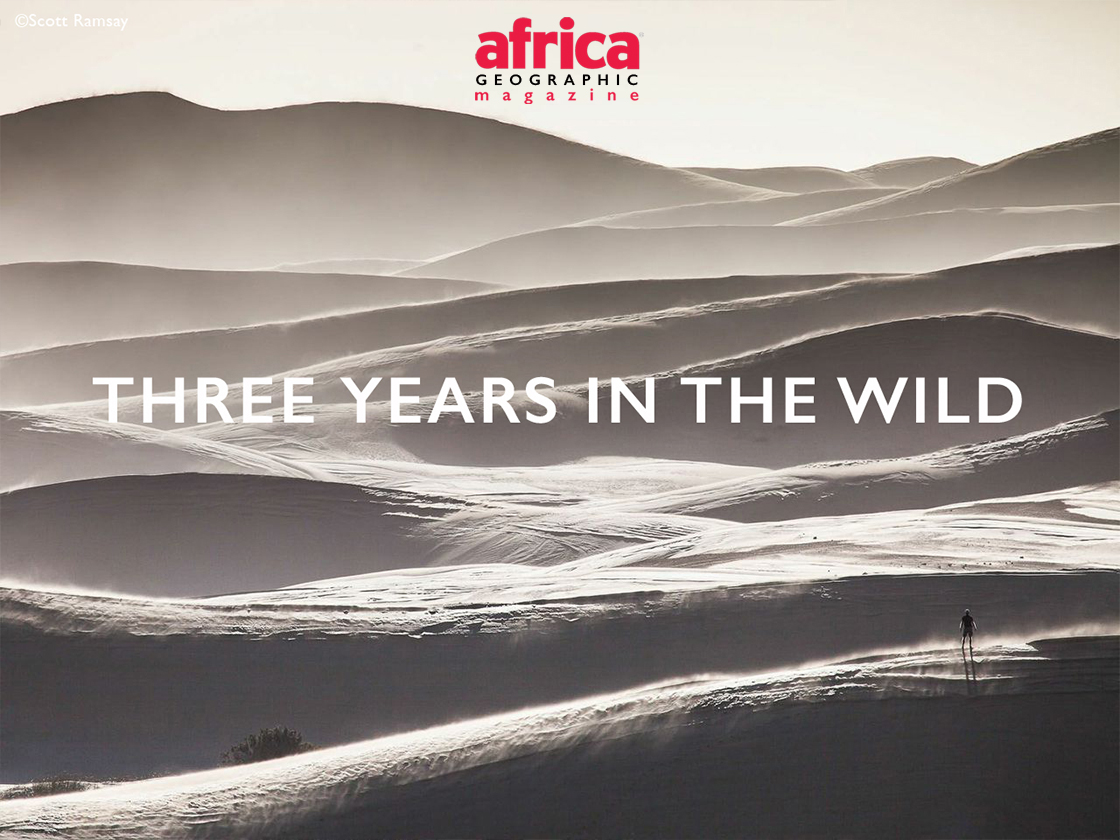
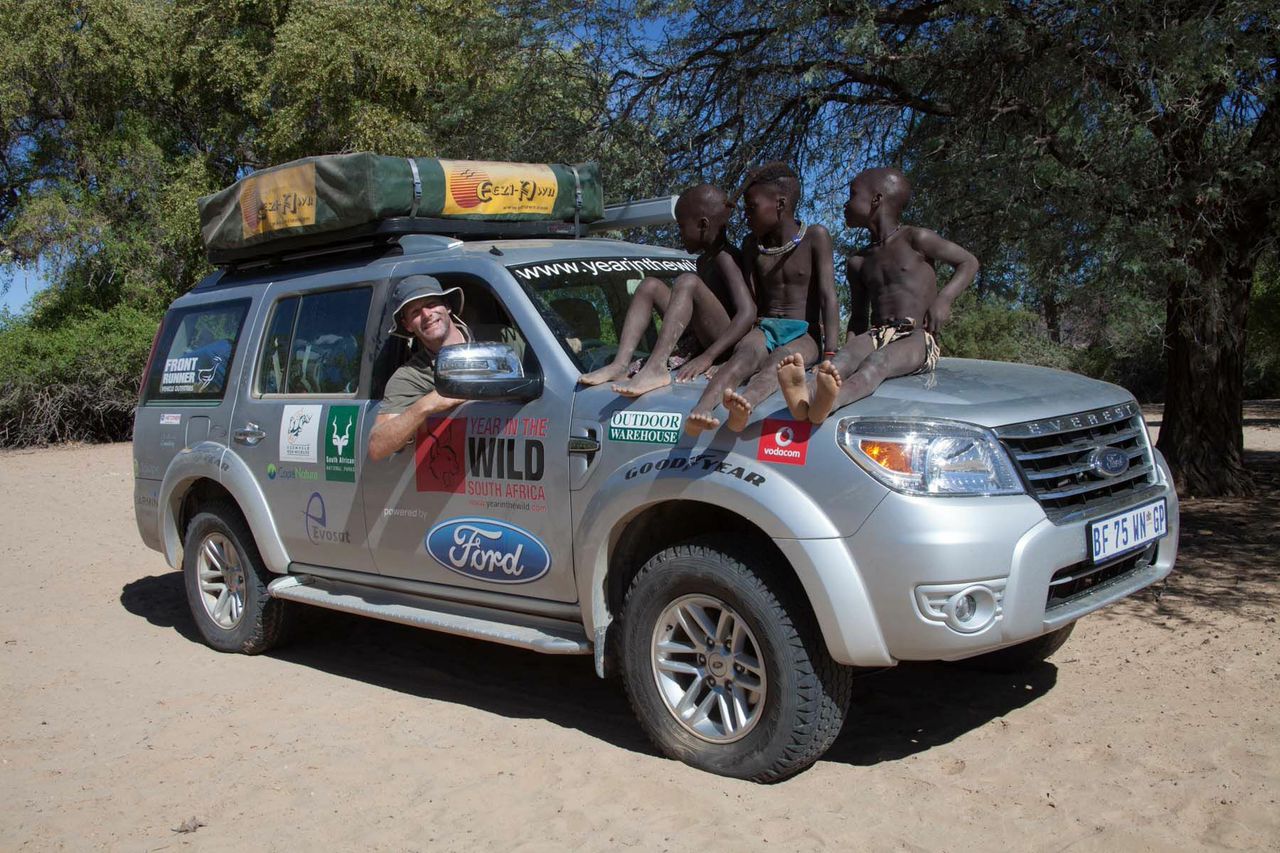
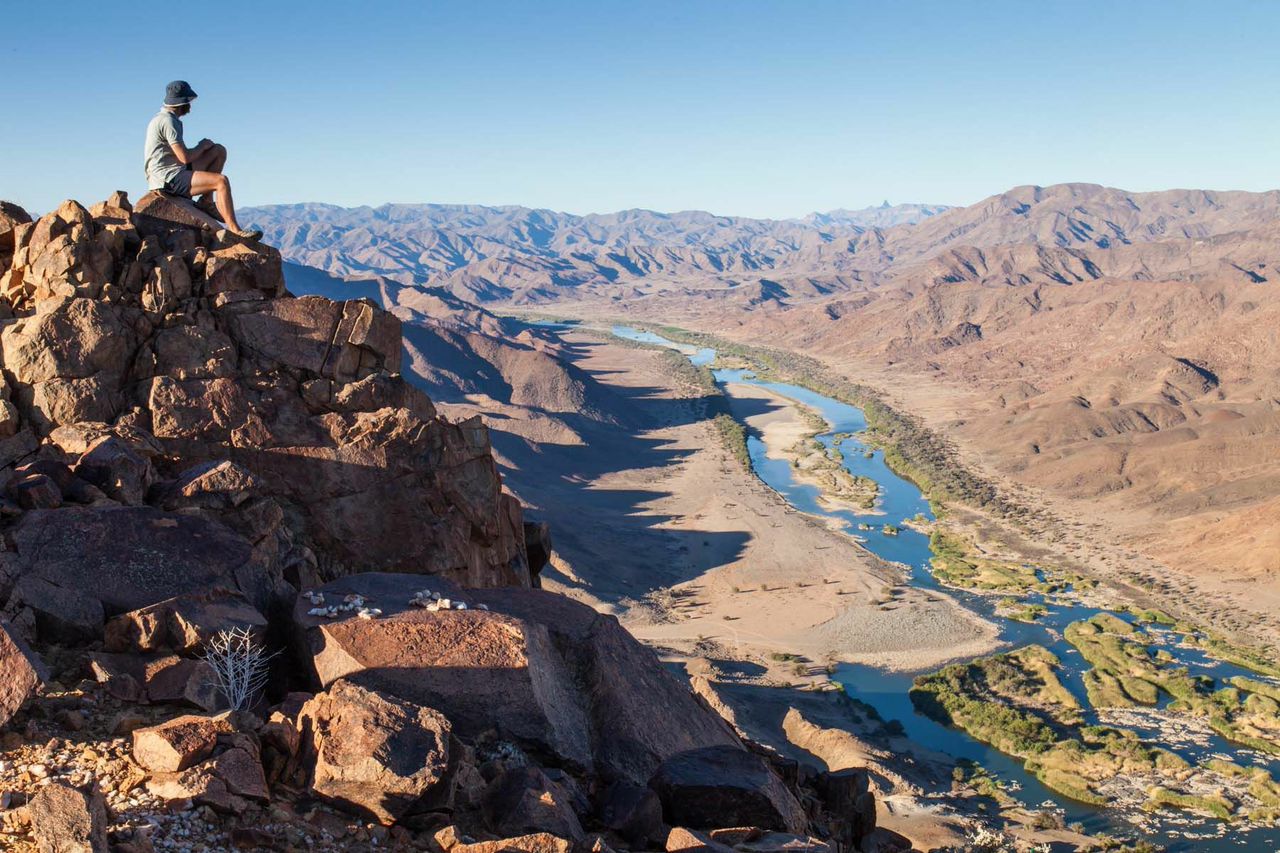
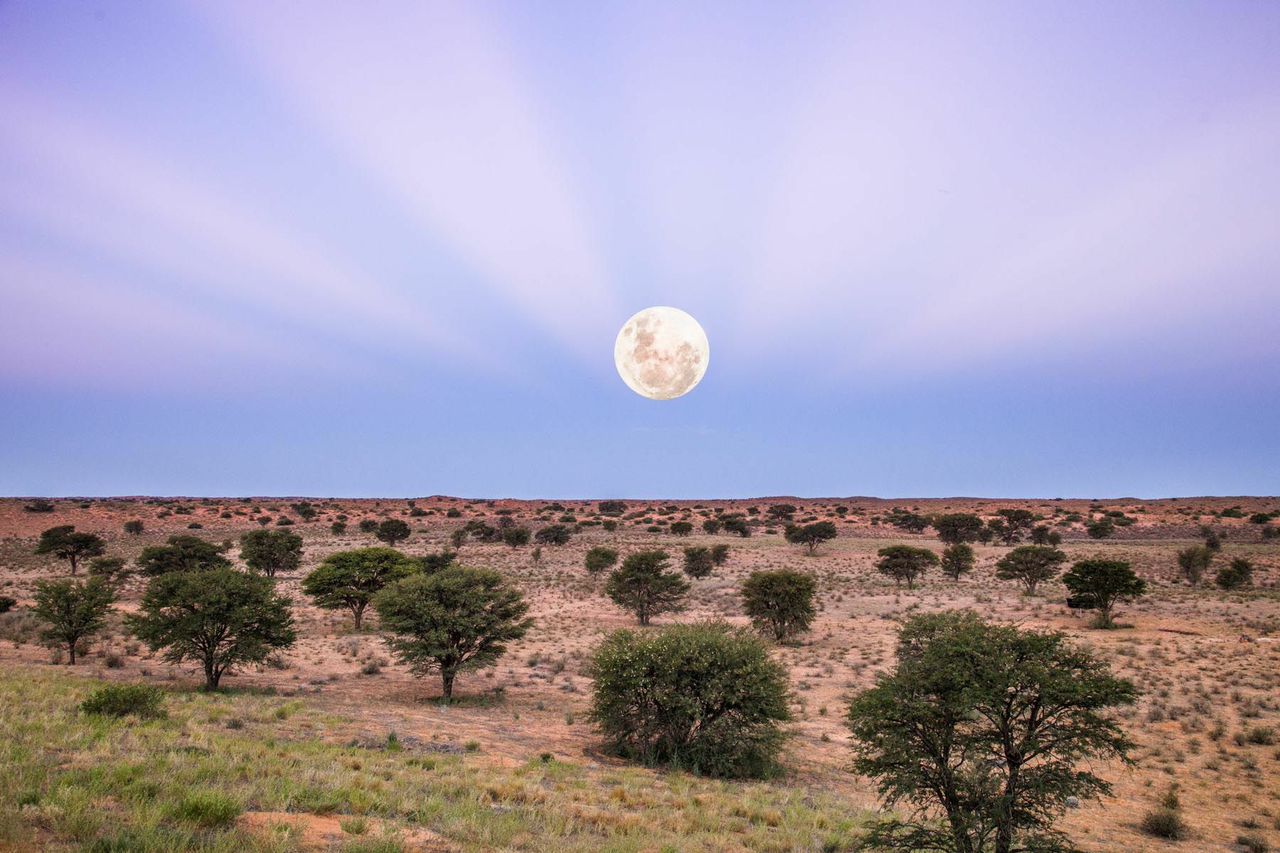
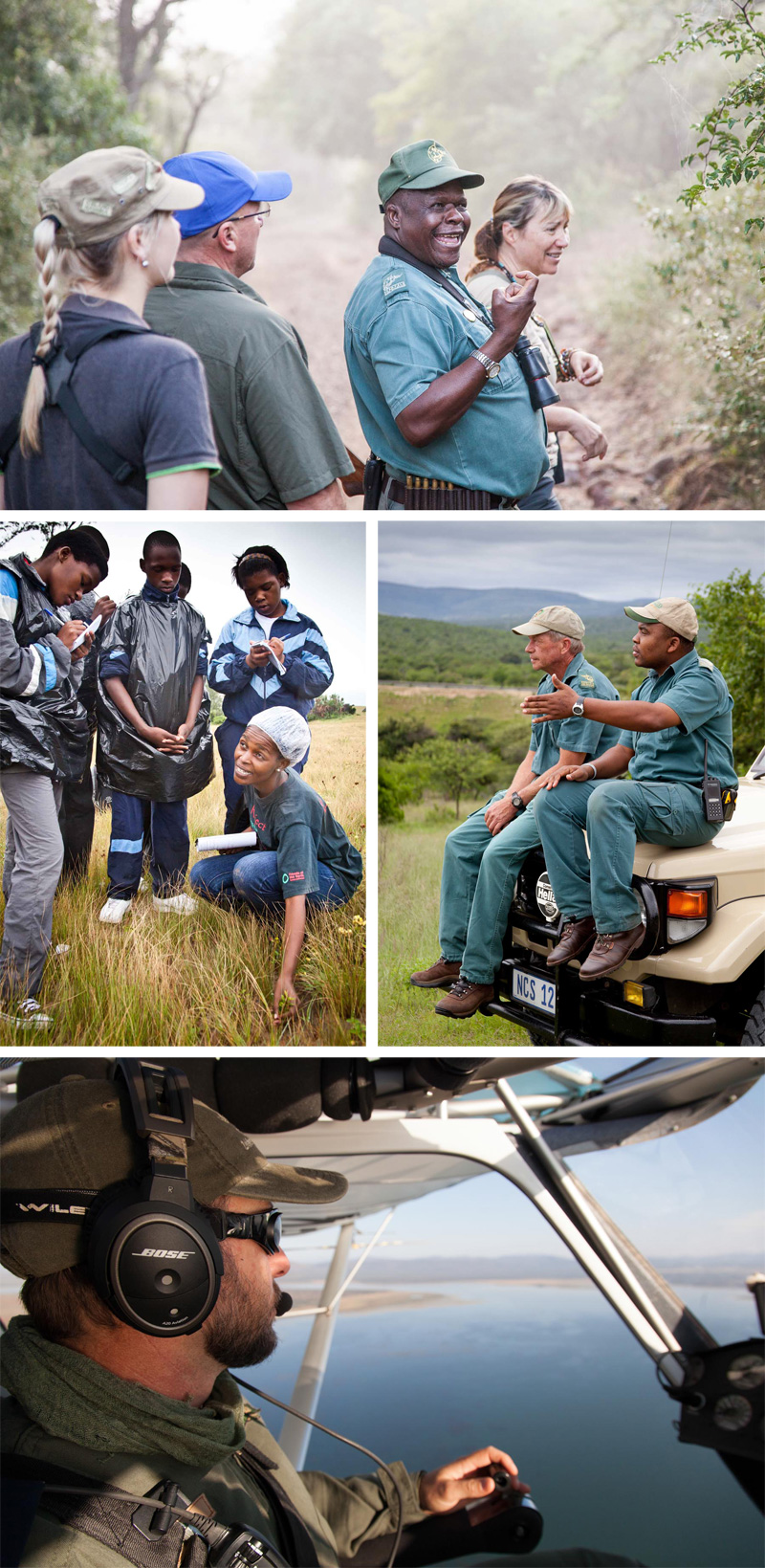
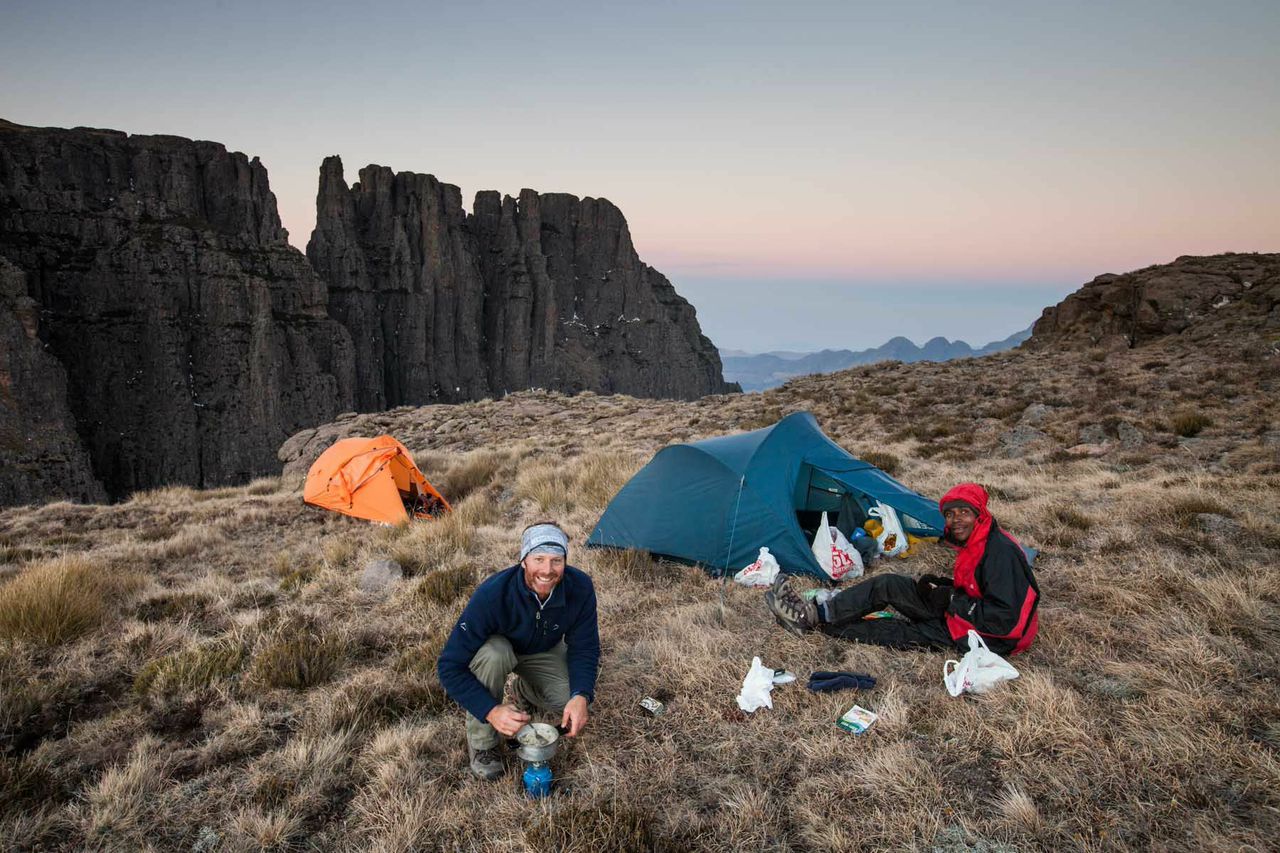
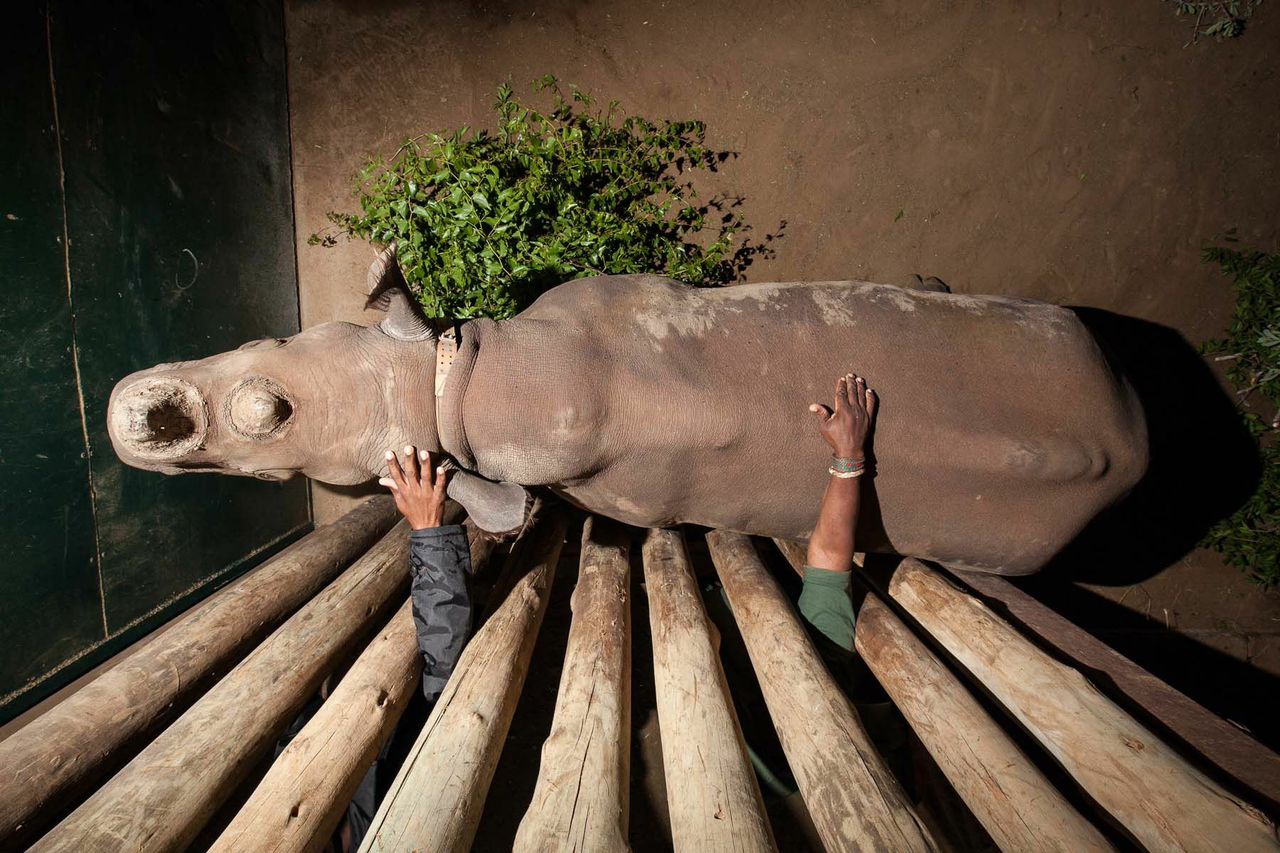
 Scott Ramsay is still out there somewhere. But he’s not hiding. Through his work, Scott hopes to inspire others to travel to the continent’s national parks, and nature reserves, which Scott believes are Africa’s greatest assets and deserve to be protected at any cost, not only for their sake but for our own survival. His one-year journey to explore South Africa’s wild places turned into three. Perhaps as the wild places beyond South Africa’s borders lure him, the journey will continue for many years.


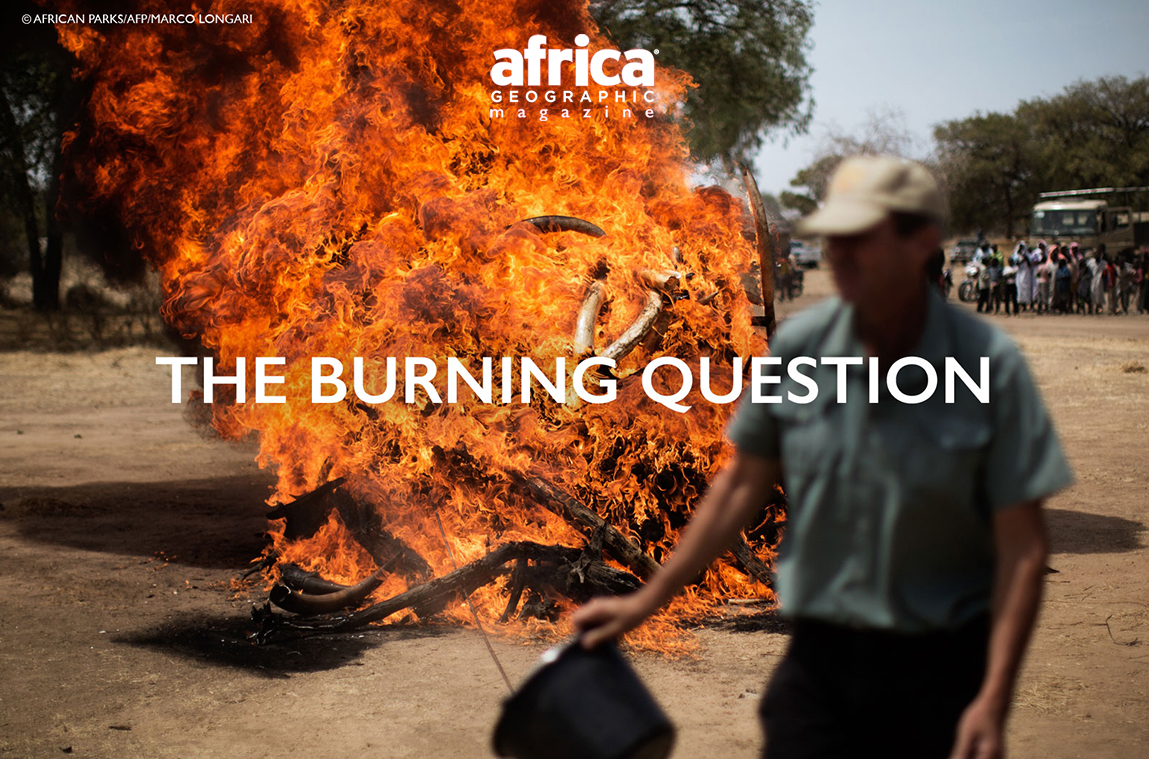
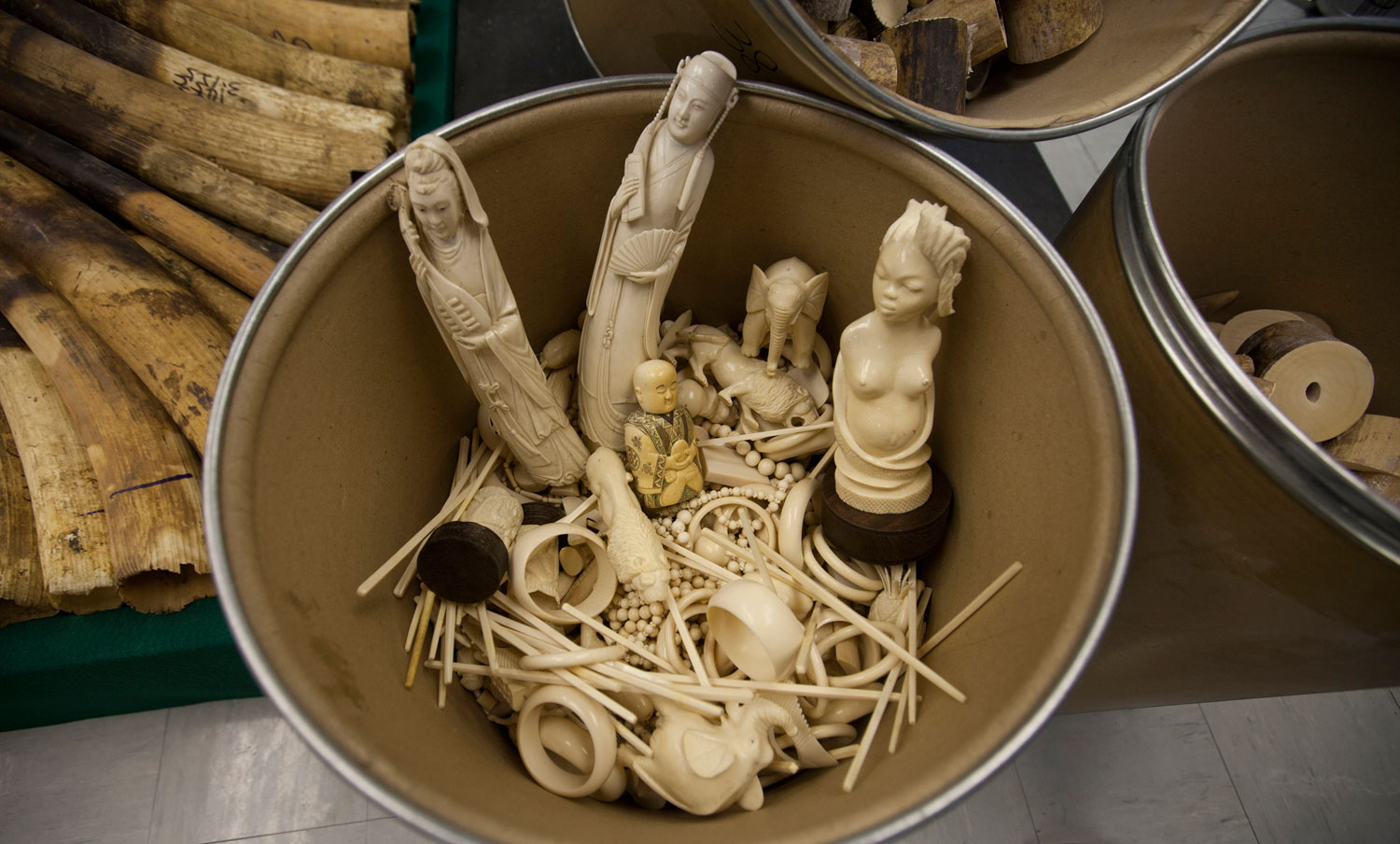
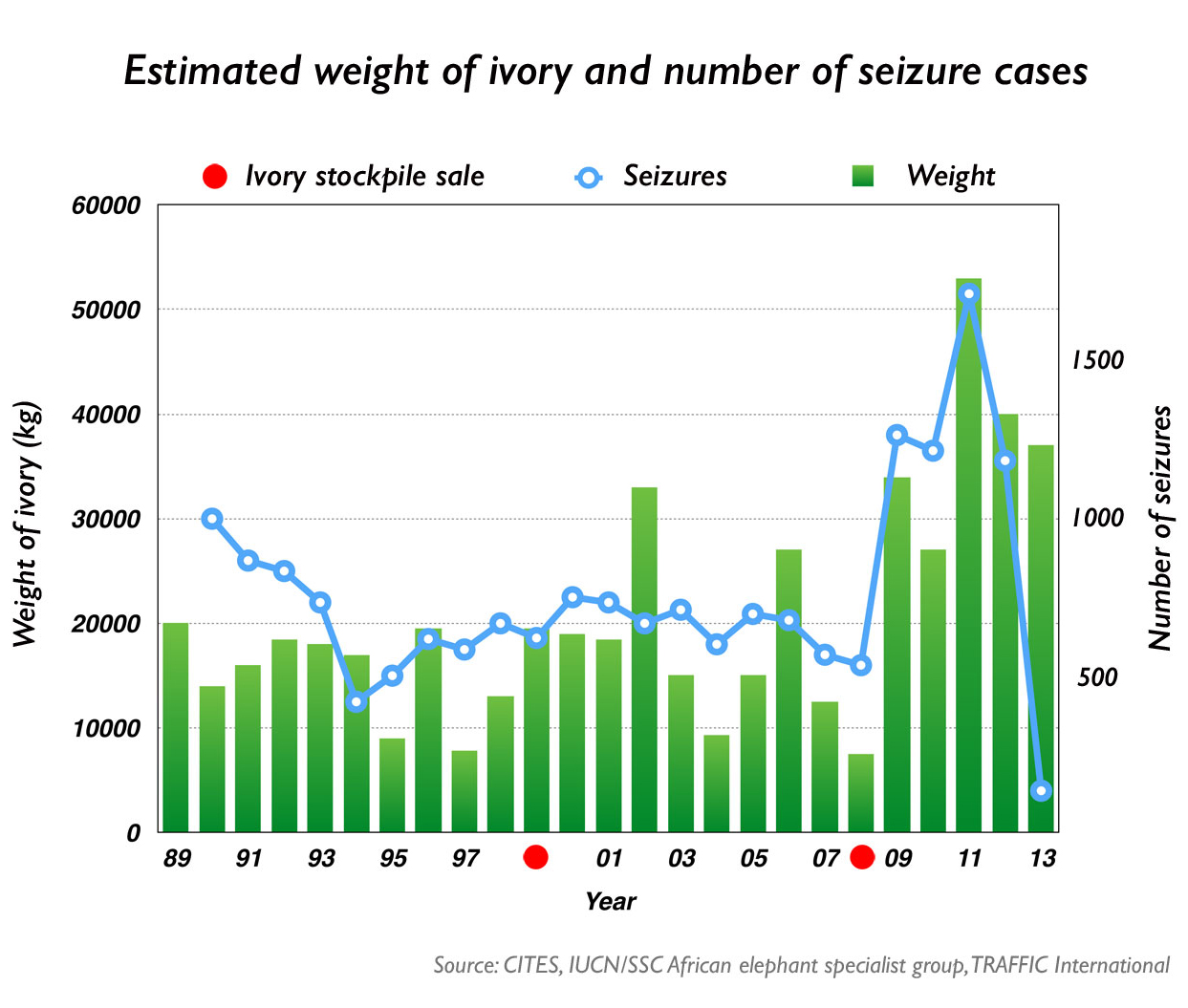 ‘The two objectives were to put money from those sales back into the hands of environmental law enforcement to increase conservation efforts further and to provide support and revenue for local communities,’ Bergin says. The experiment did not work, he continues to explain, because no one anticipated China’s tremendous economic rise, the huge increase in disposable income in that country, and the significant level of money laundering made possible by that new prosperity.

 MICHAEL SCHWARTZ is an American freelance writer, consultant and member of the
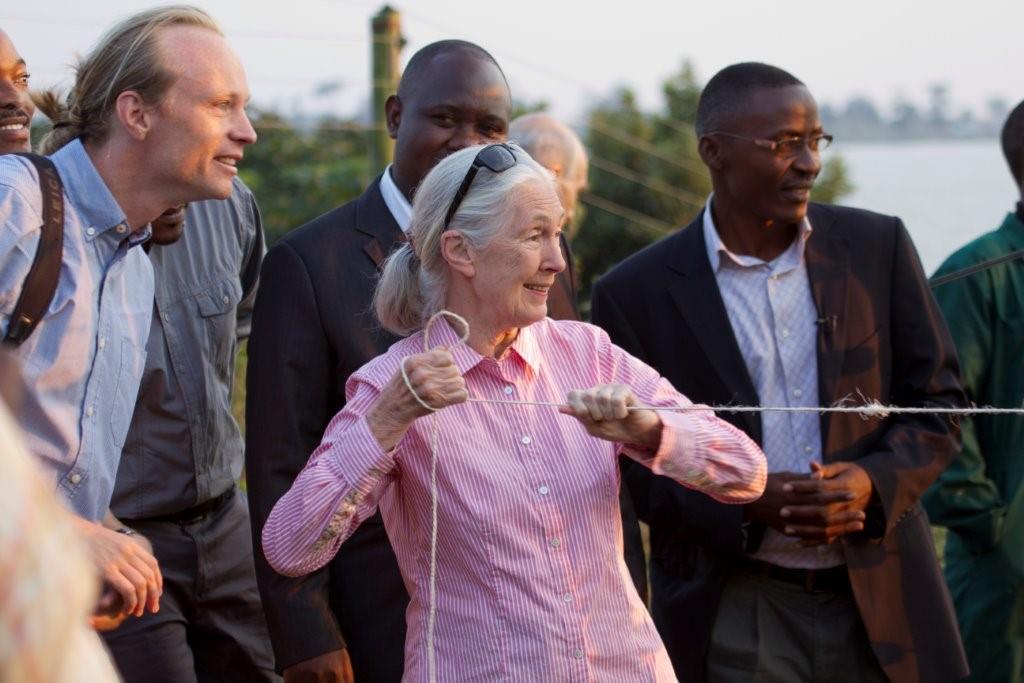
 DR. ROWAN MARTIN has been of vital assistance in writing this issue. Rowan heads up the
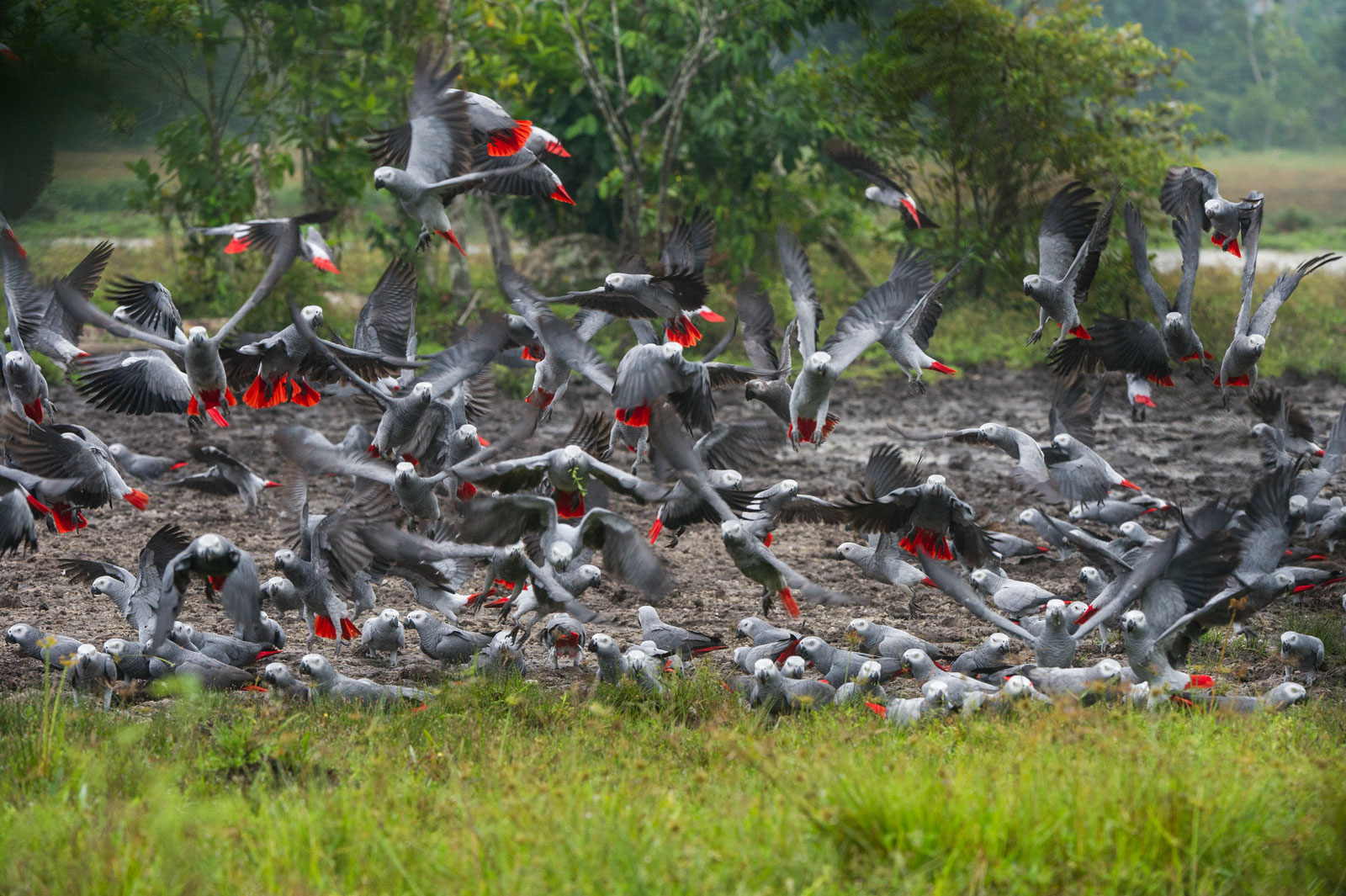
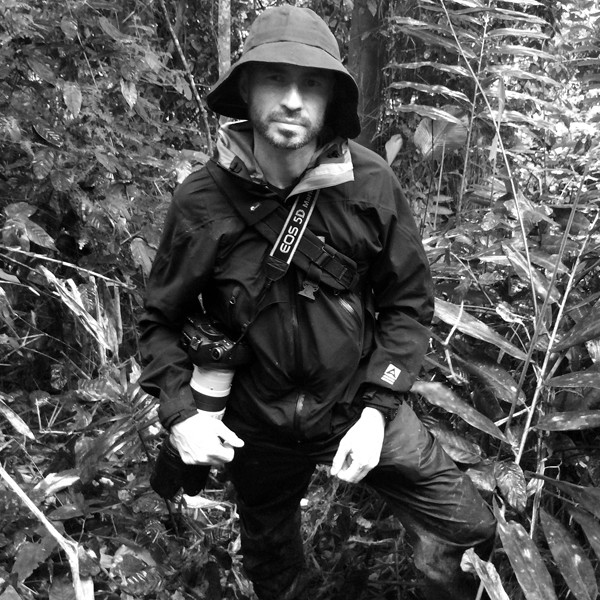
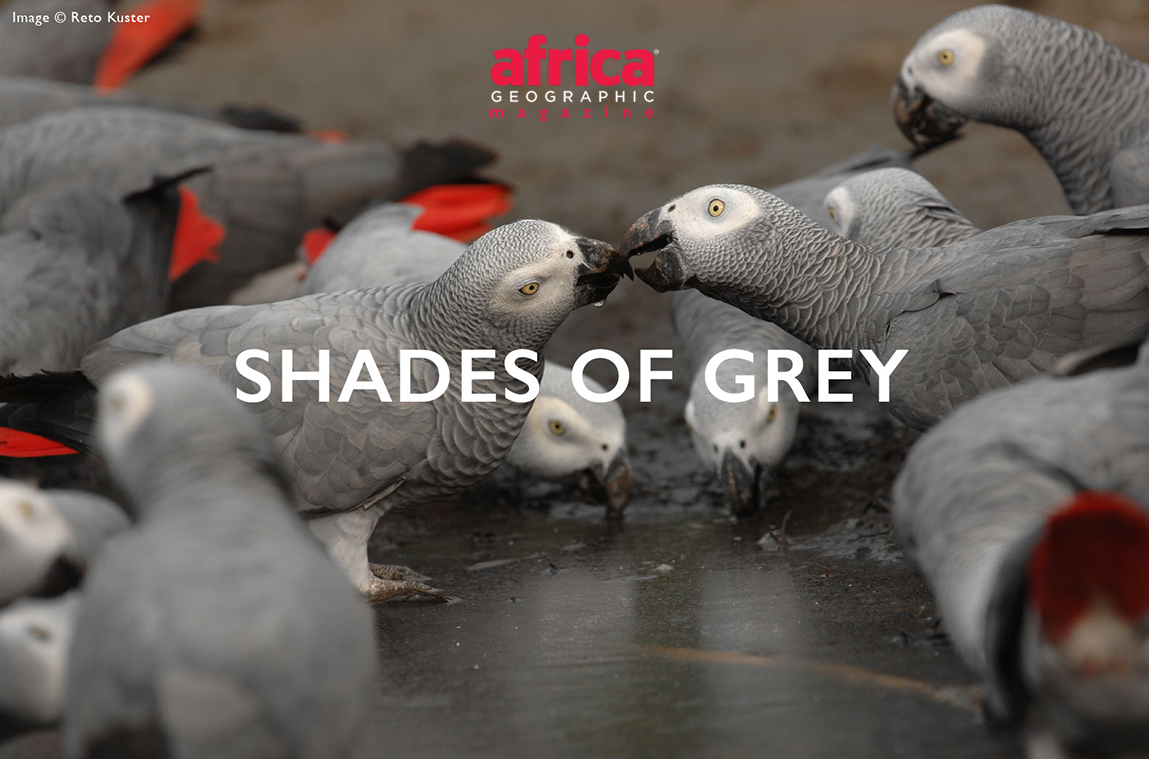
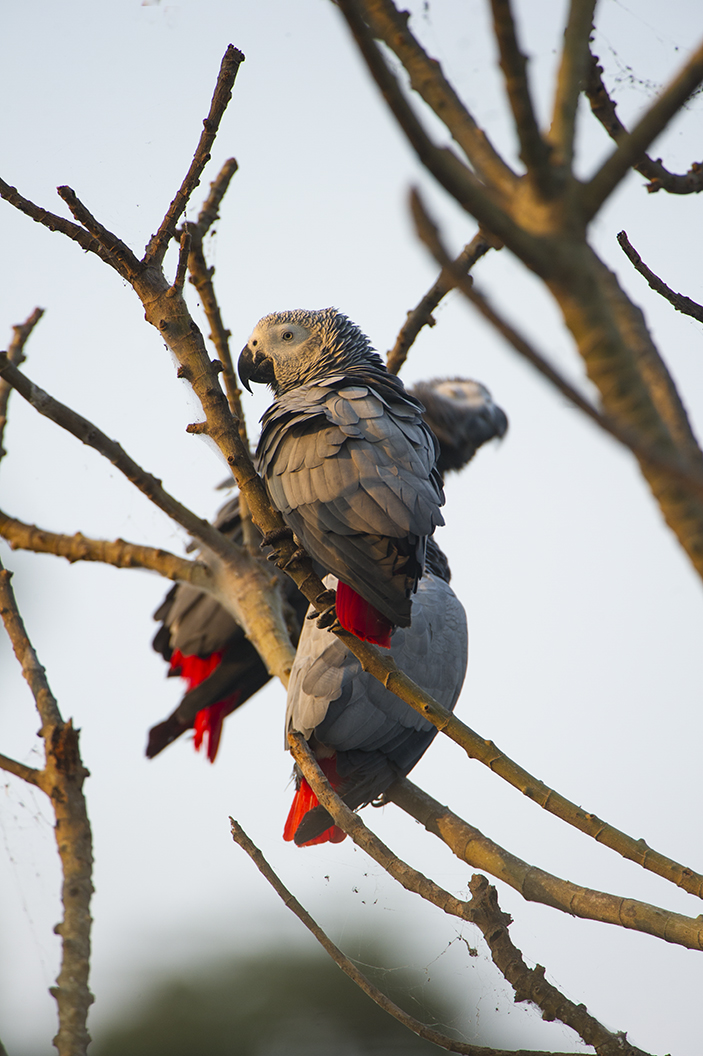
 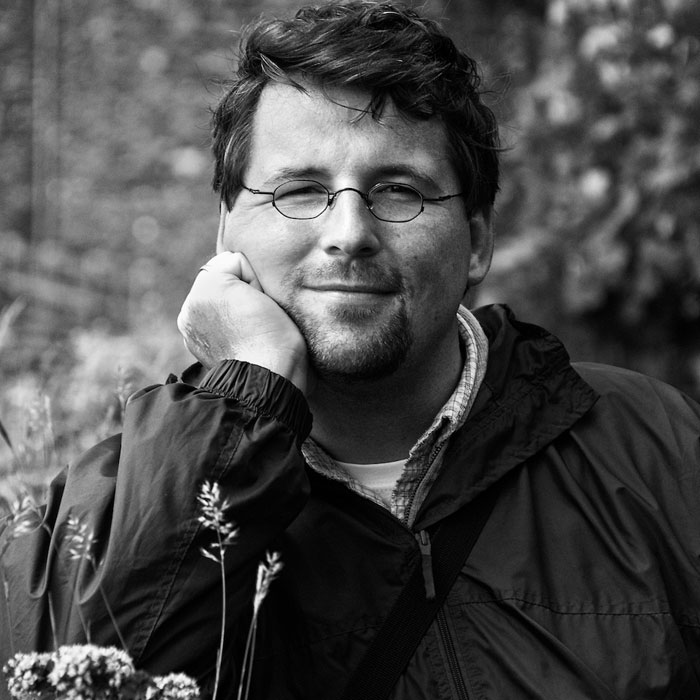 CHRISTIAN MEERMANN is the photographer of our Congo grey parrot cover image. Based in Germany and active since 2007, his award winning fine art black & white portraits of animals have not only built a strong and still growing reputation in the photographic communities on the web, but also caught the interest of customers like the Sporting Clube de Portugal, Maxim magazine, Getty Images and Nike. You can find his work on his website and also on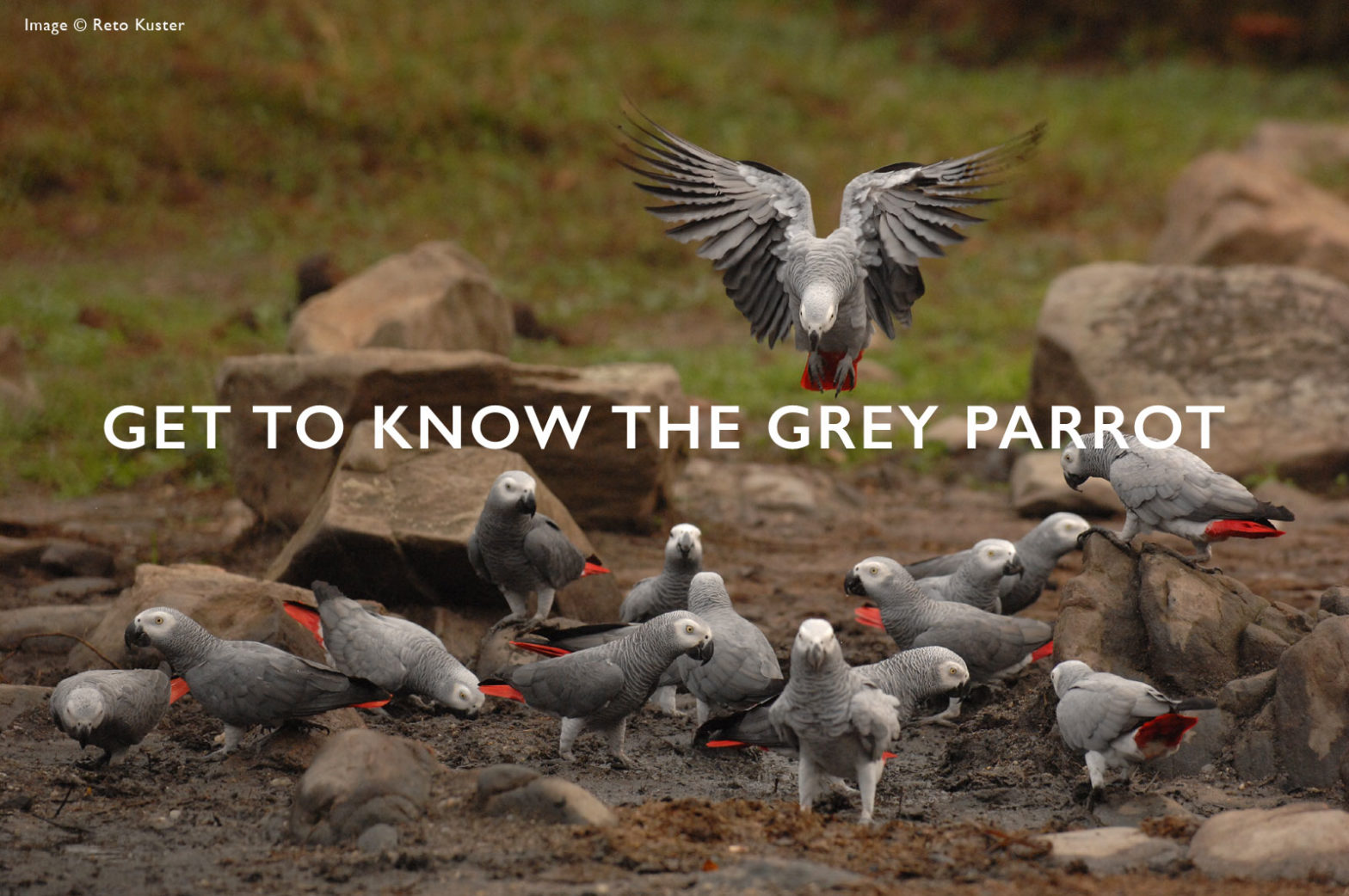
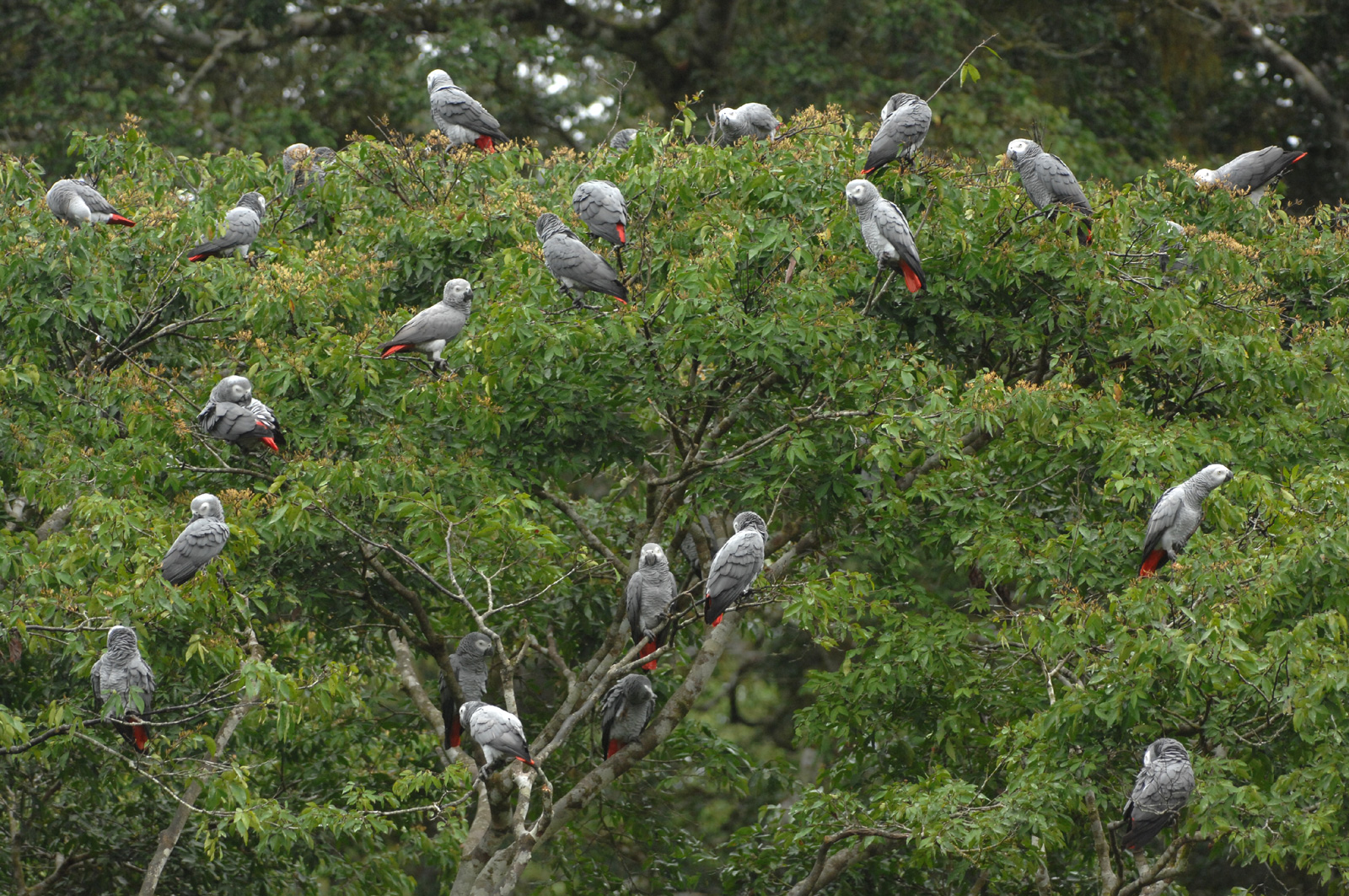
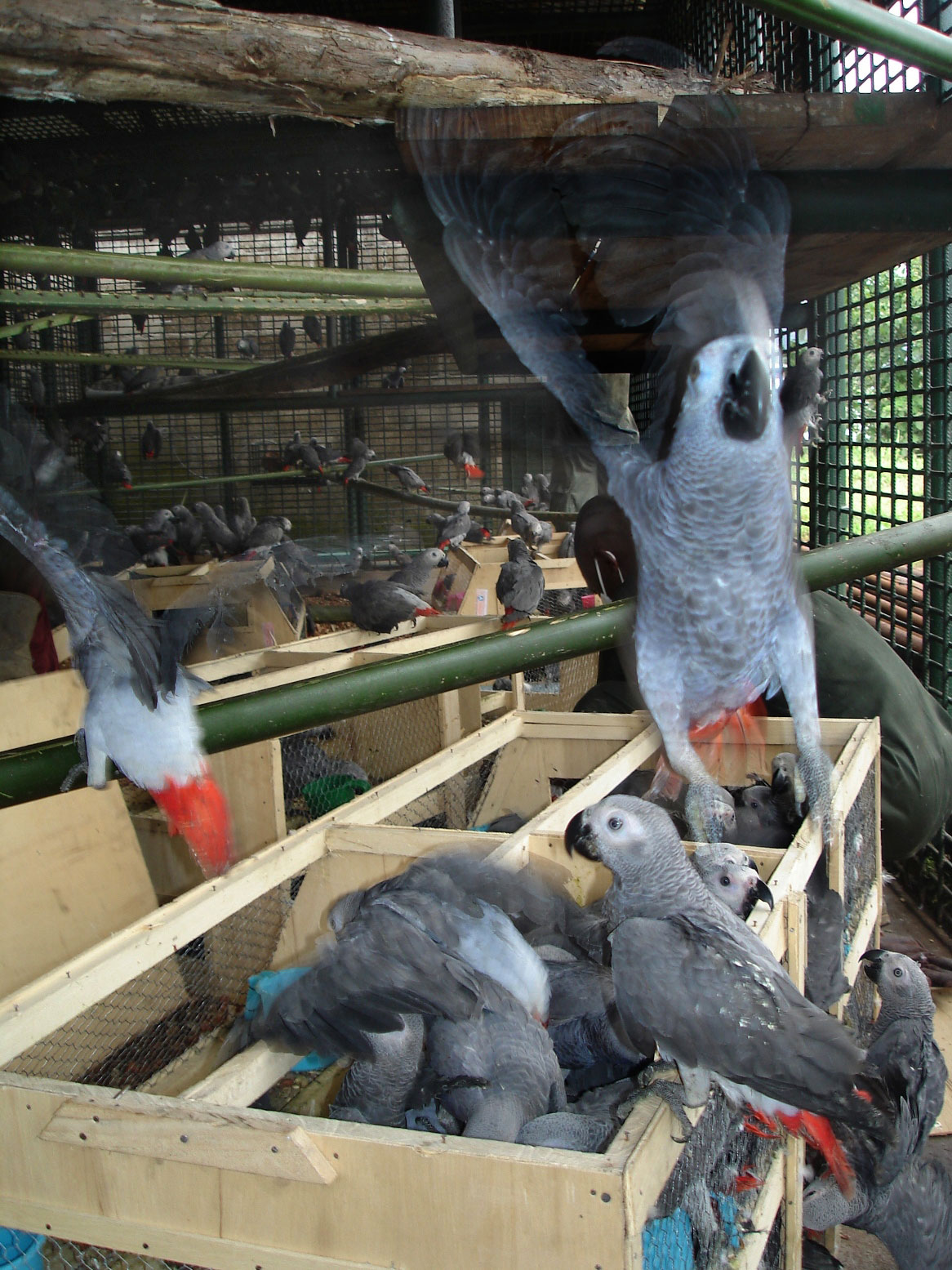
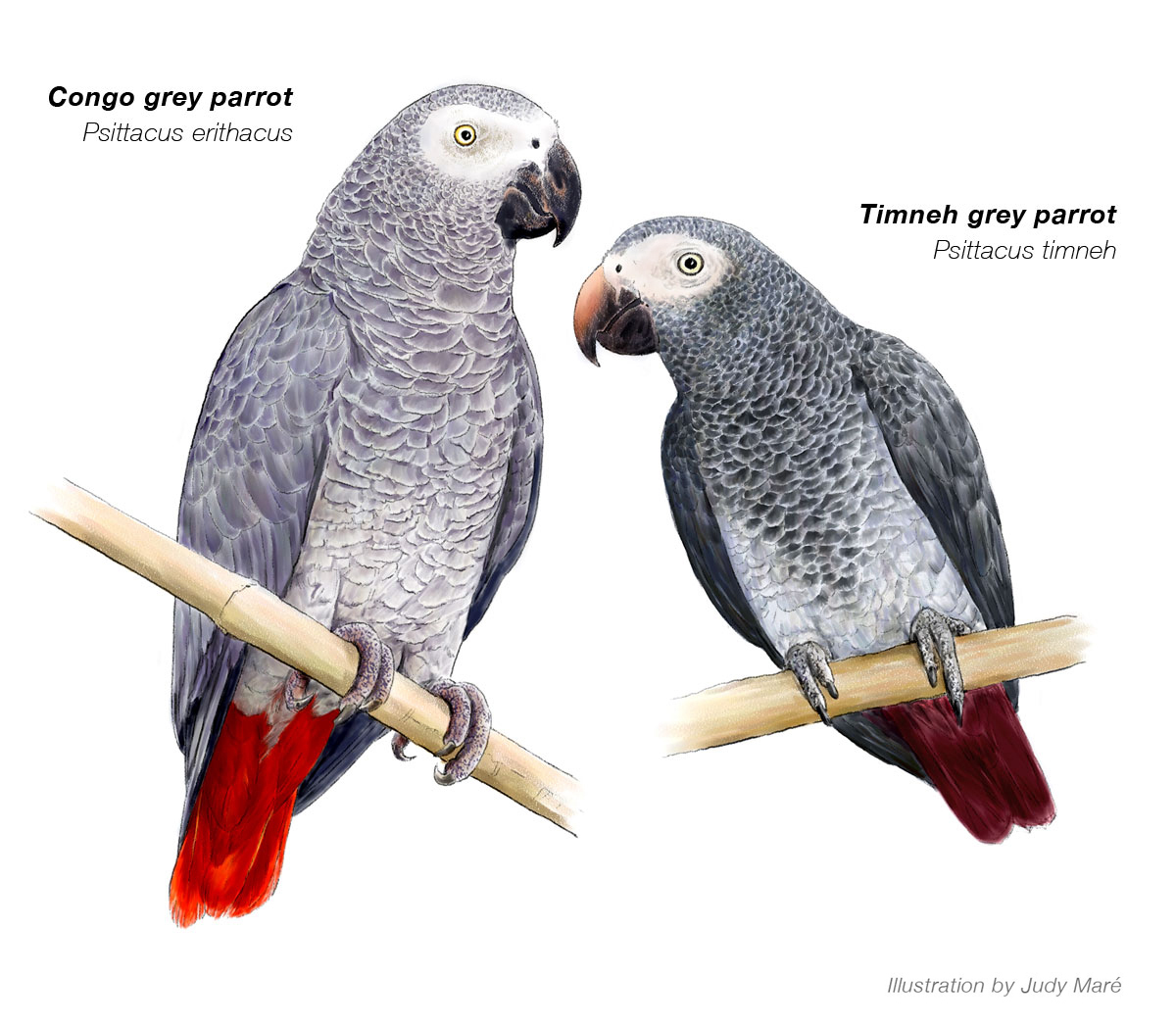 Congo grey parrot (Psittacus erithacus)
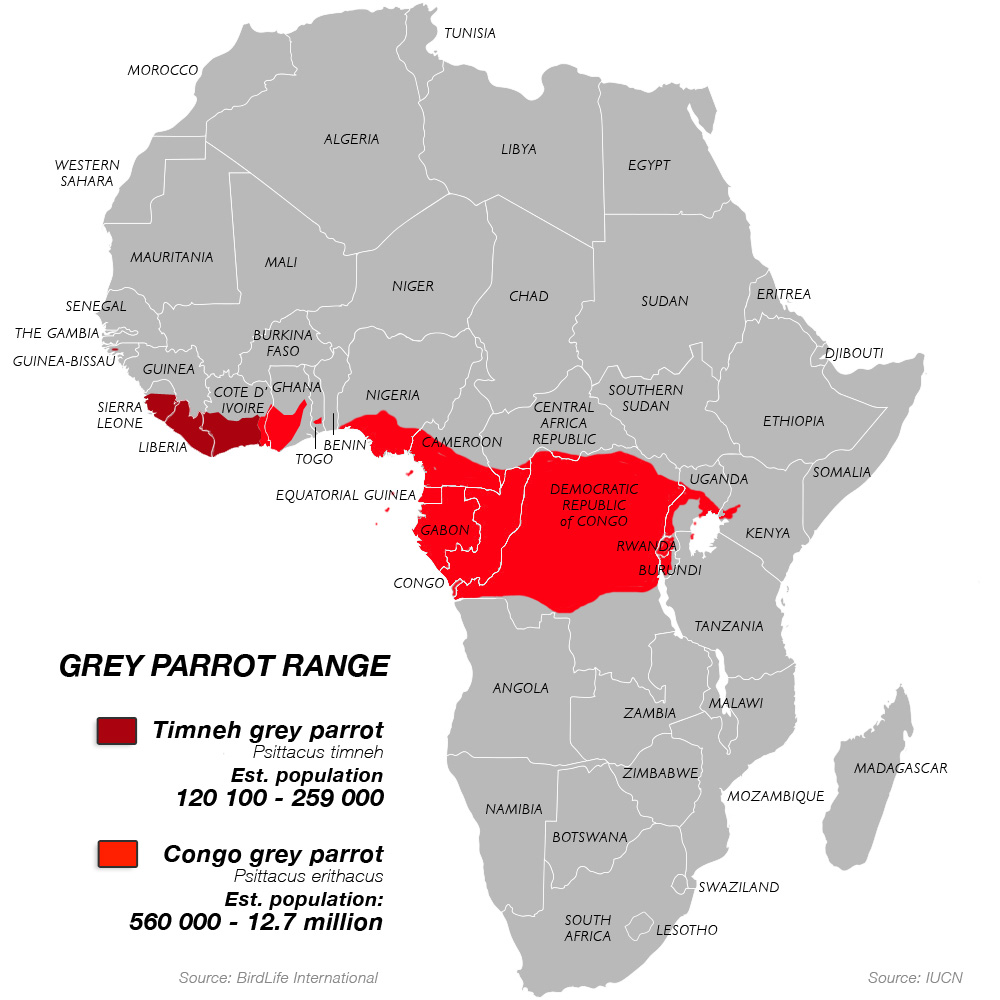 Population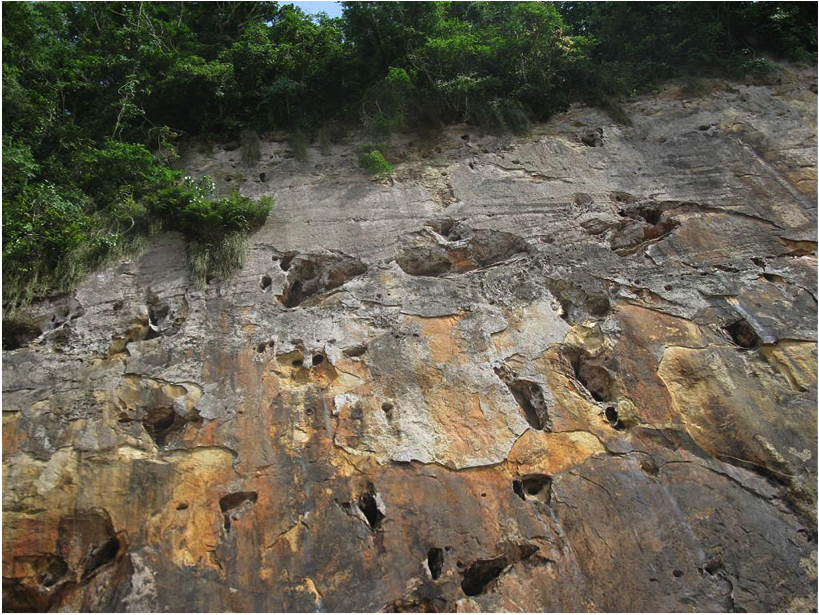
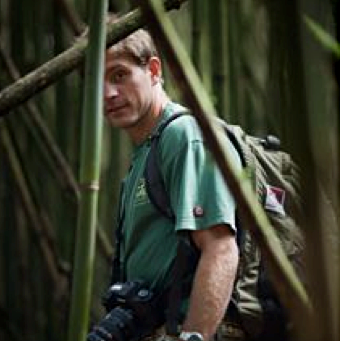 ETHAN KINSEYwas born and raised close to Arusha, where he and his wife now make their home. Being outside, immersed in nature, has always been a part of his life, from catching tadpoles and birding as a child to winter sports during college vacations. More recently, it has taken the form of sharing wildlife and wilderness experiences with guests, specialised guiding, guide-training, and personal learning ventures. Primarily engaged in designing and guiding private safaris throughout East Africa, he is also active in developing guiding standards through the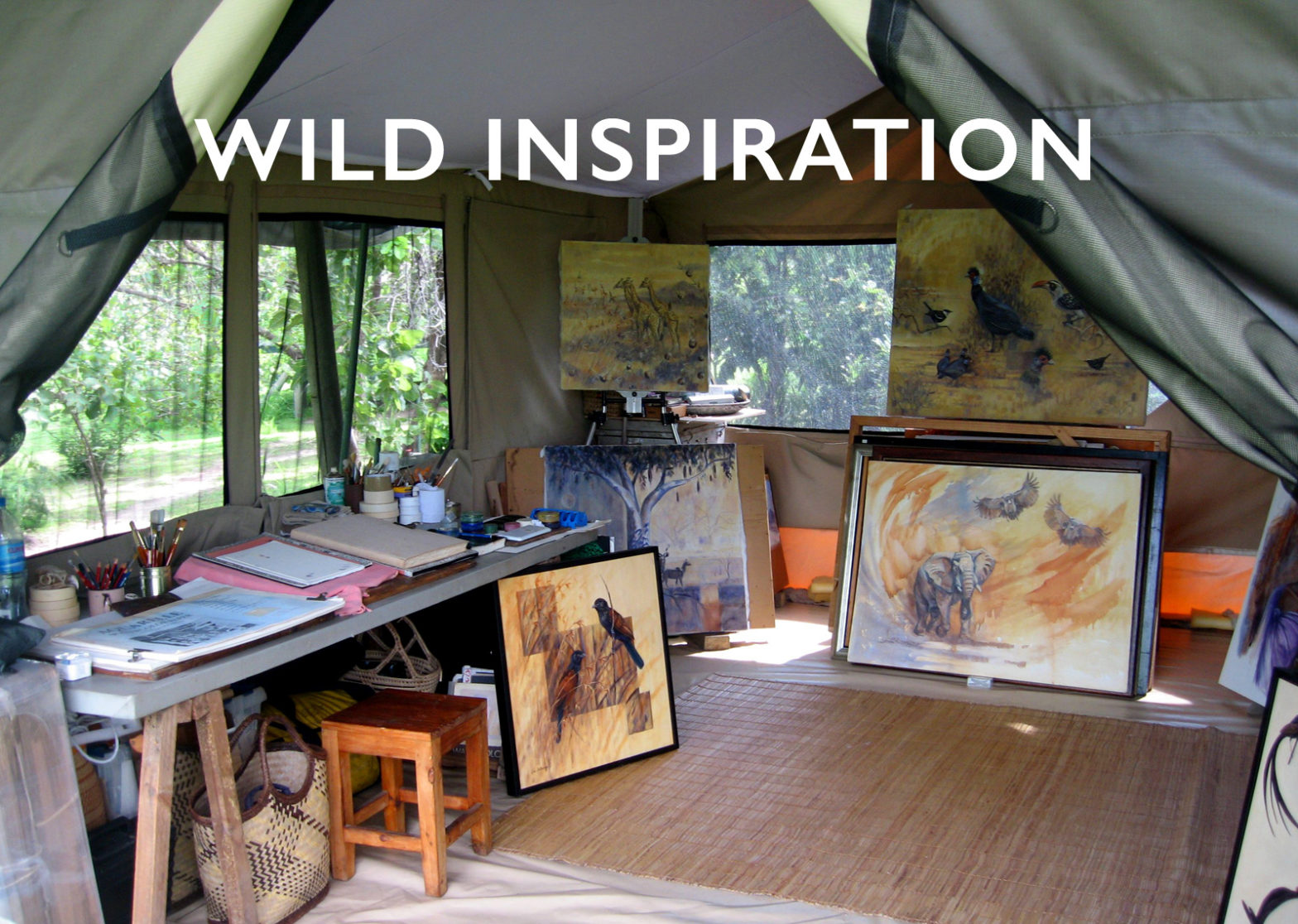
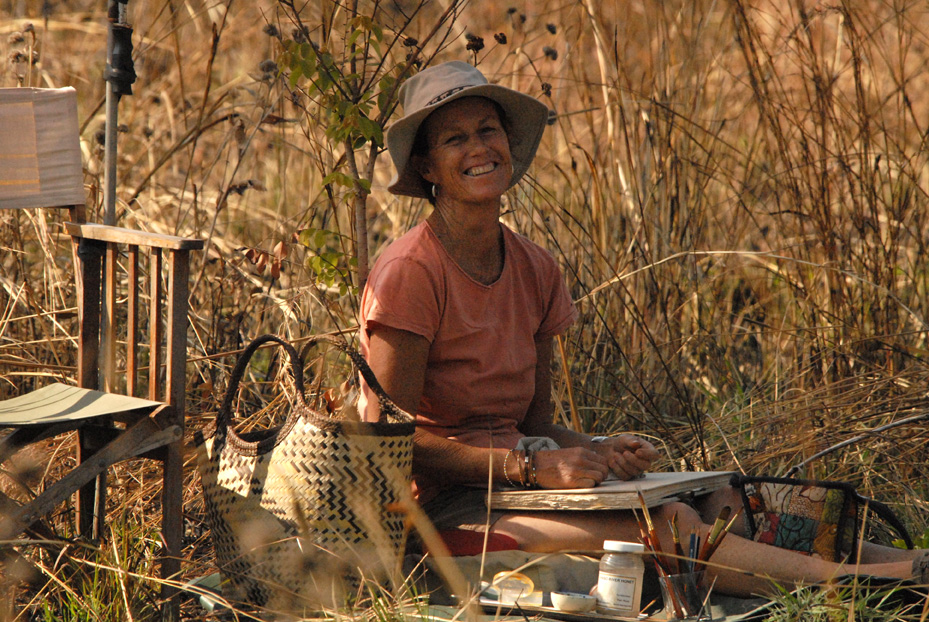
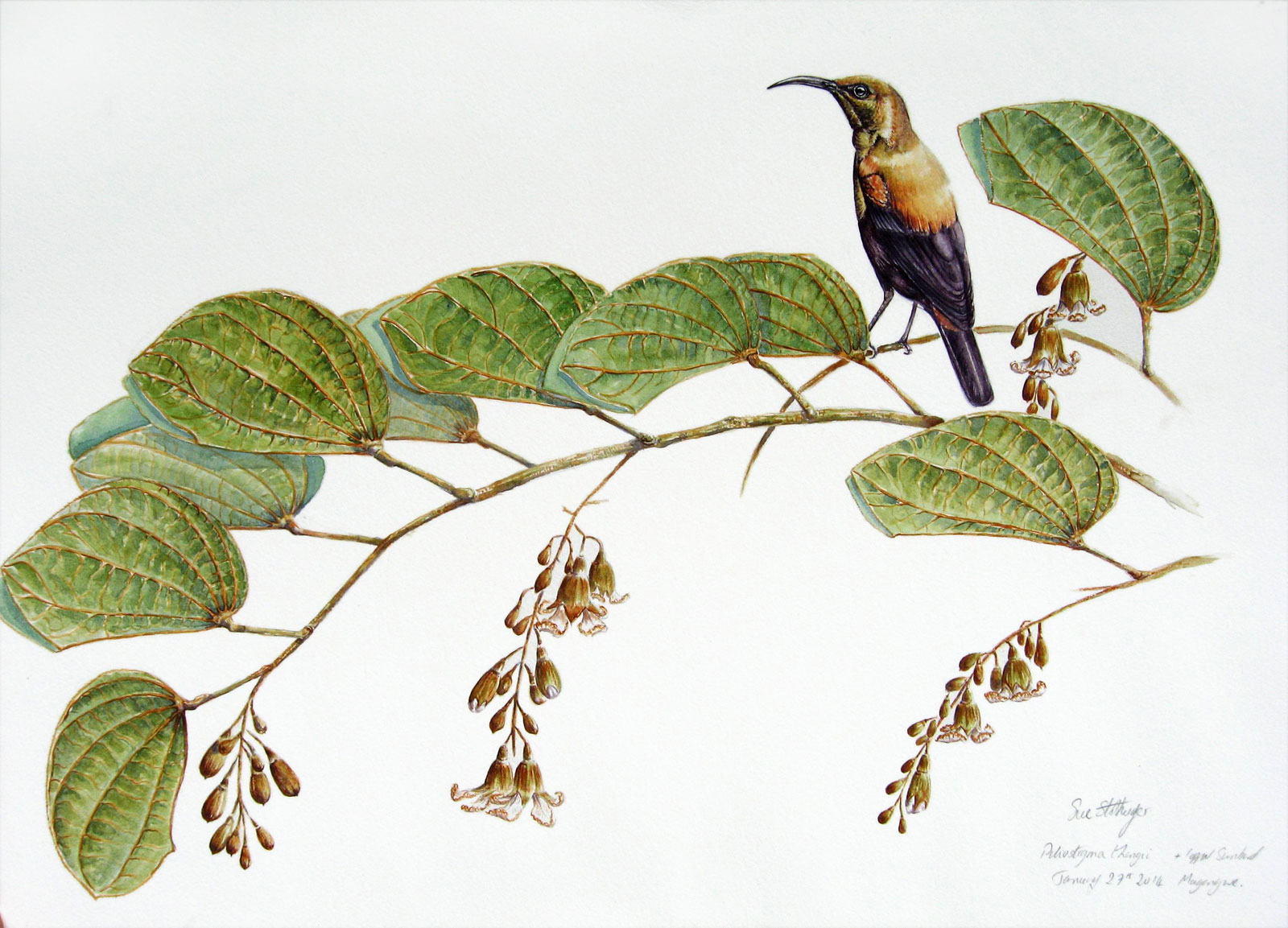
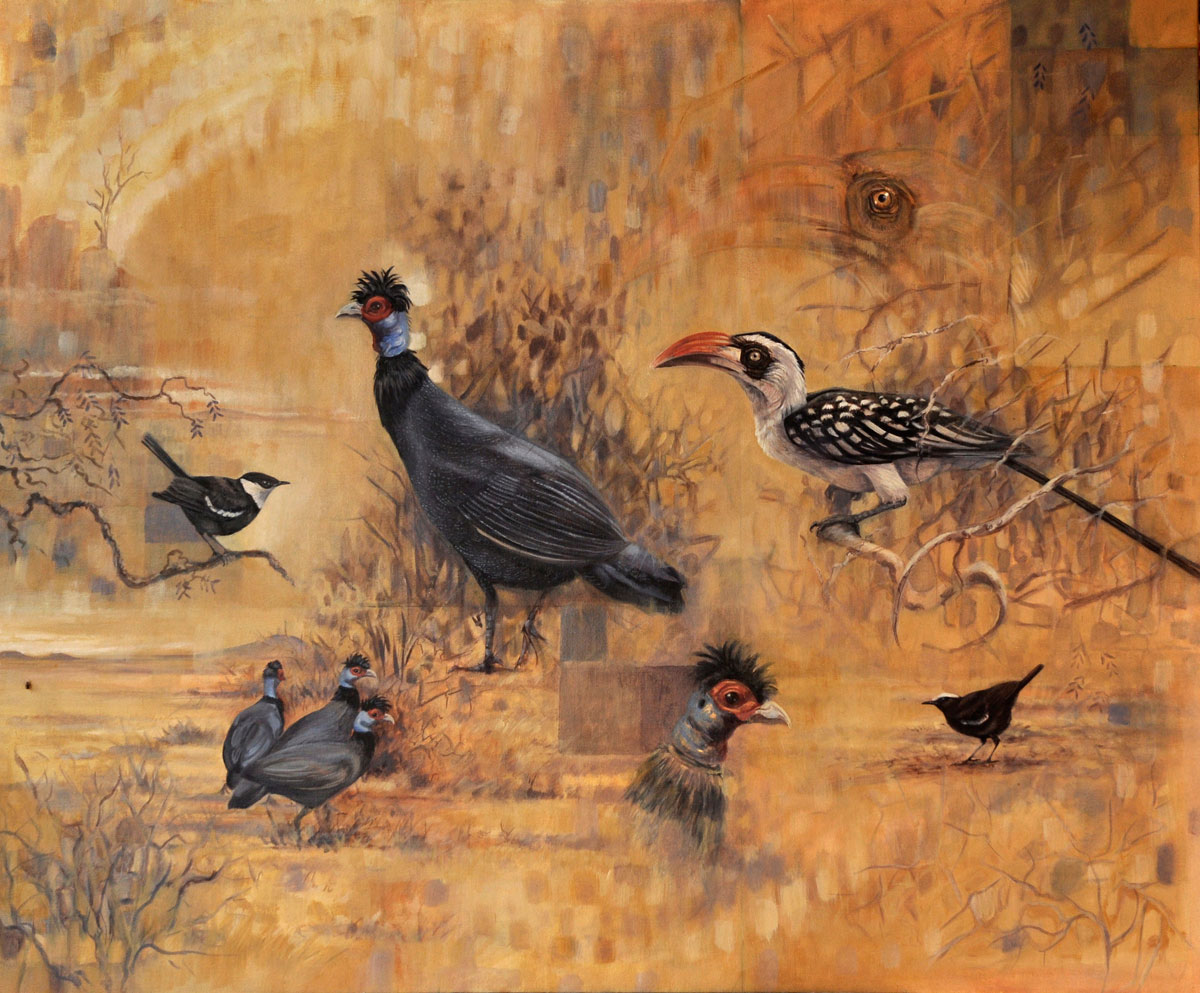
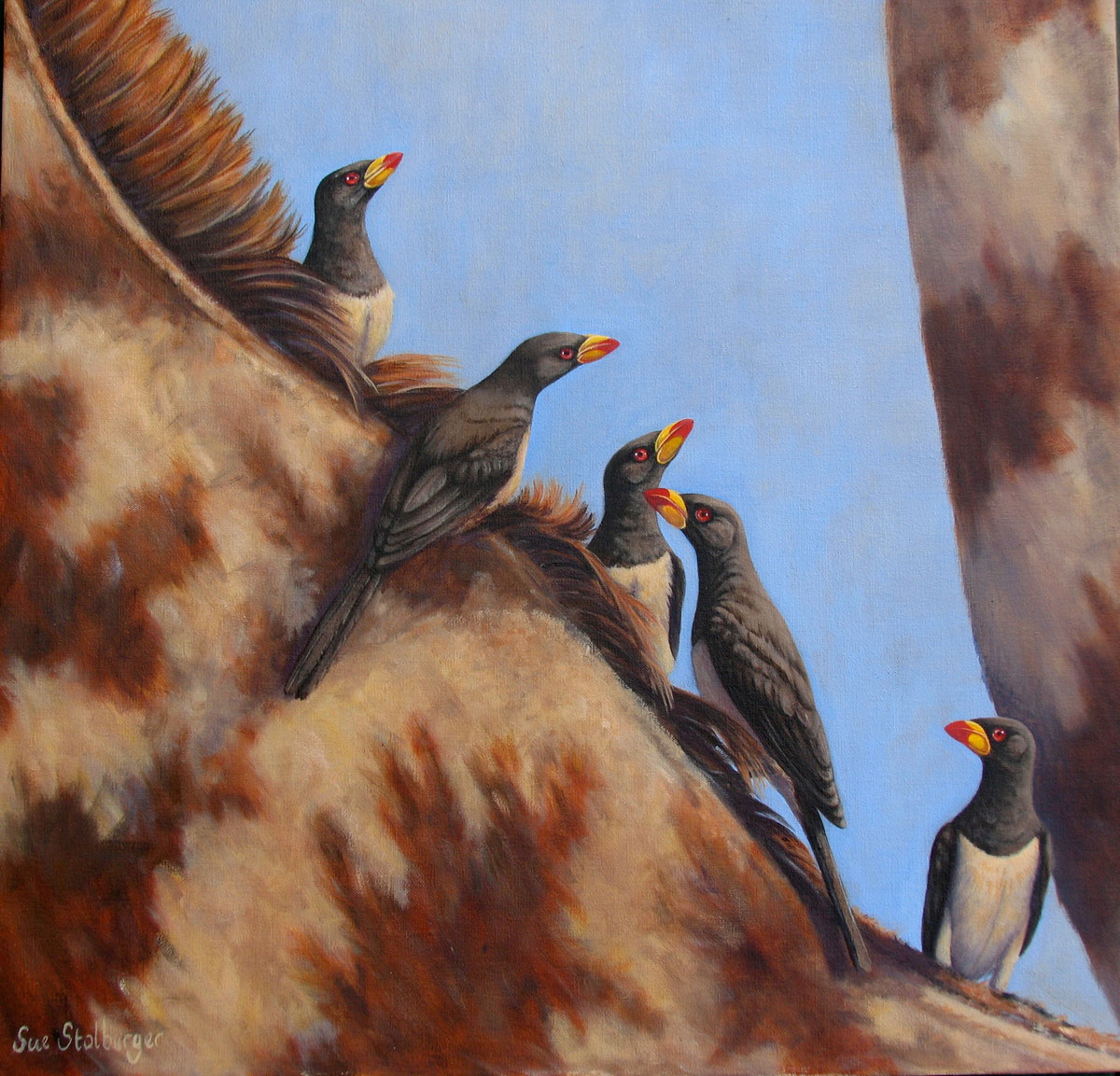 What has always fascinated me is how nature comes up with the most marvellous combinations of colour. It is these combinations of colour and design that spark many of my pictures. I have always loved painting birds; their patterns and colours are superb.
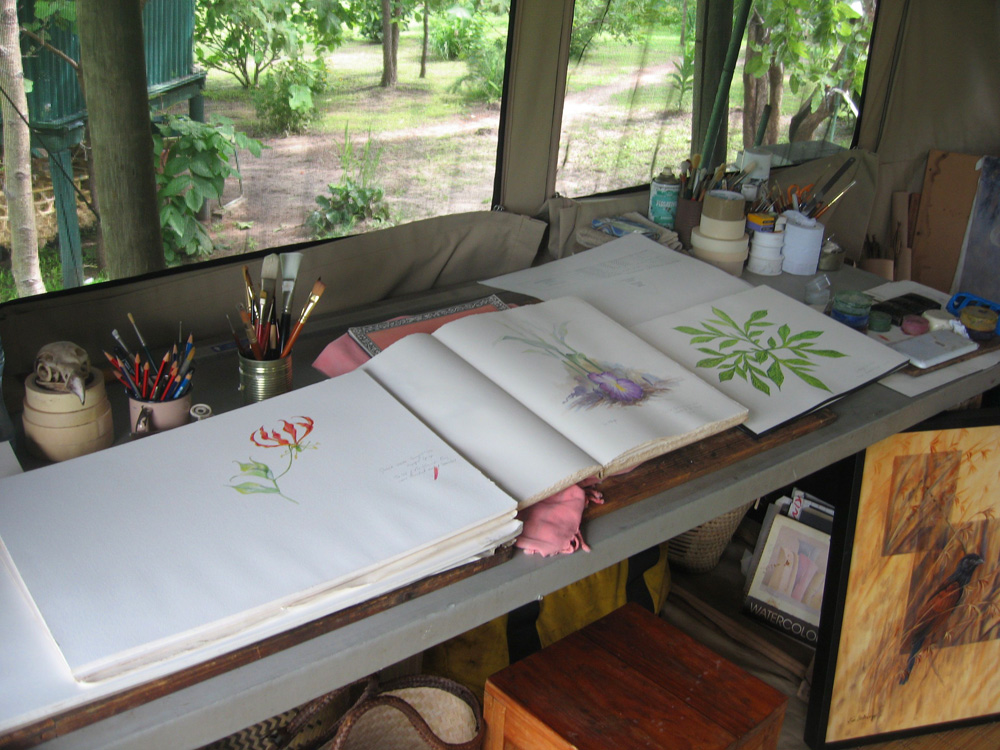 I paint because it is what I love to do. I paint what inspires me or challenges me. It is very hard to catch that same spontaneous ‘inspiration’ from someone else’s idea. In the few commissions I have done, I am constantly wondering: ‘is this what they had in mind?’ I concluded that it would be unwise to accept commissions as, although one might be tempted to follow this route as it brings in money, in the end, it will be detrimental to one’s standard of work and one’s own inspiration. I can afford not to be controlled by fear of not having enough money because I know tomorrow will take care of itself.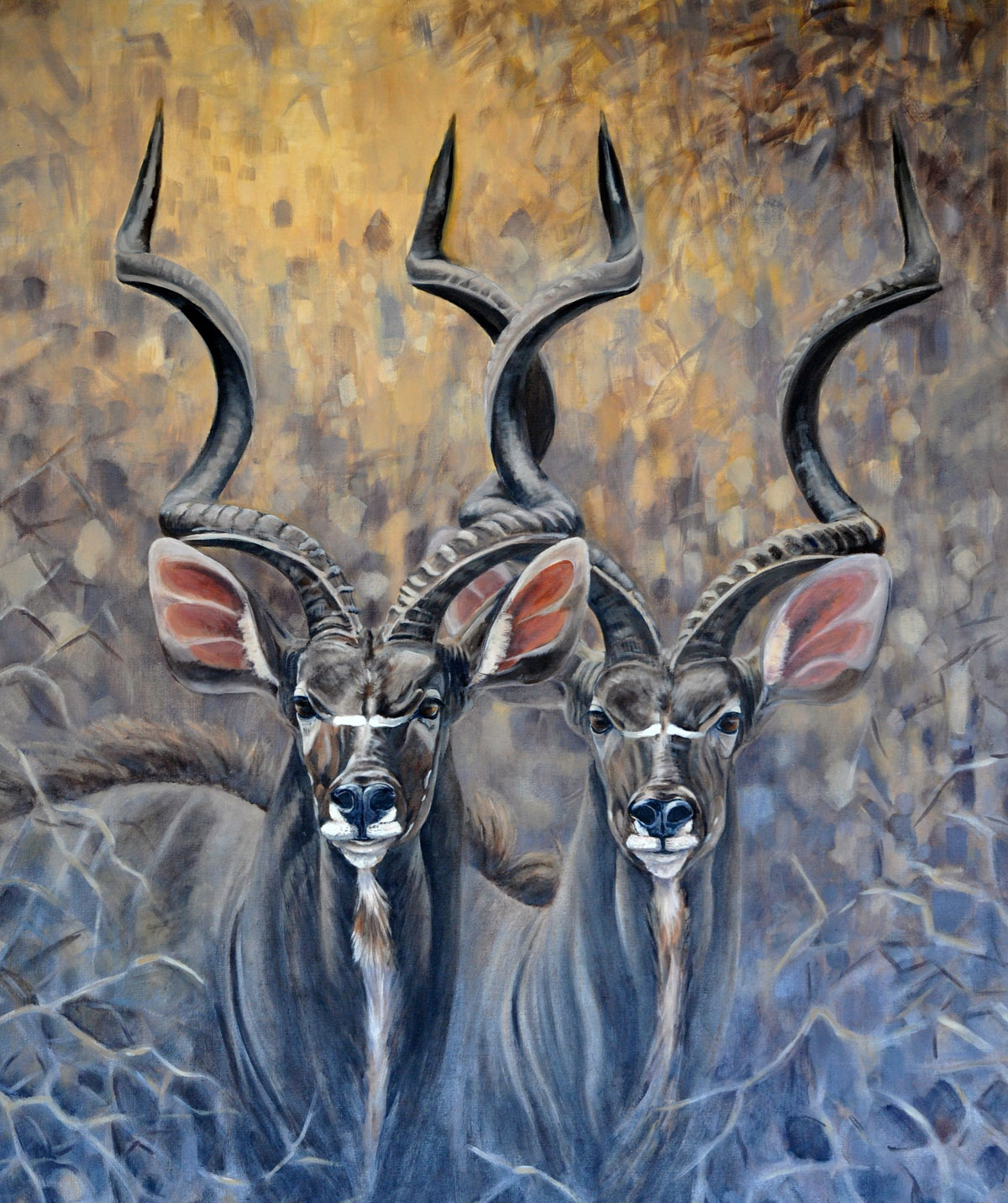
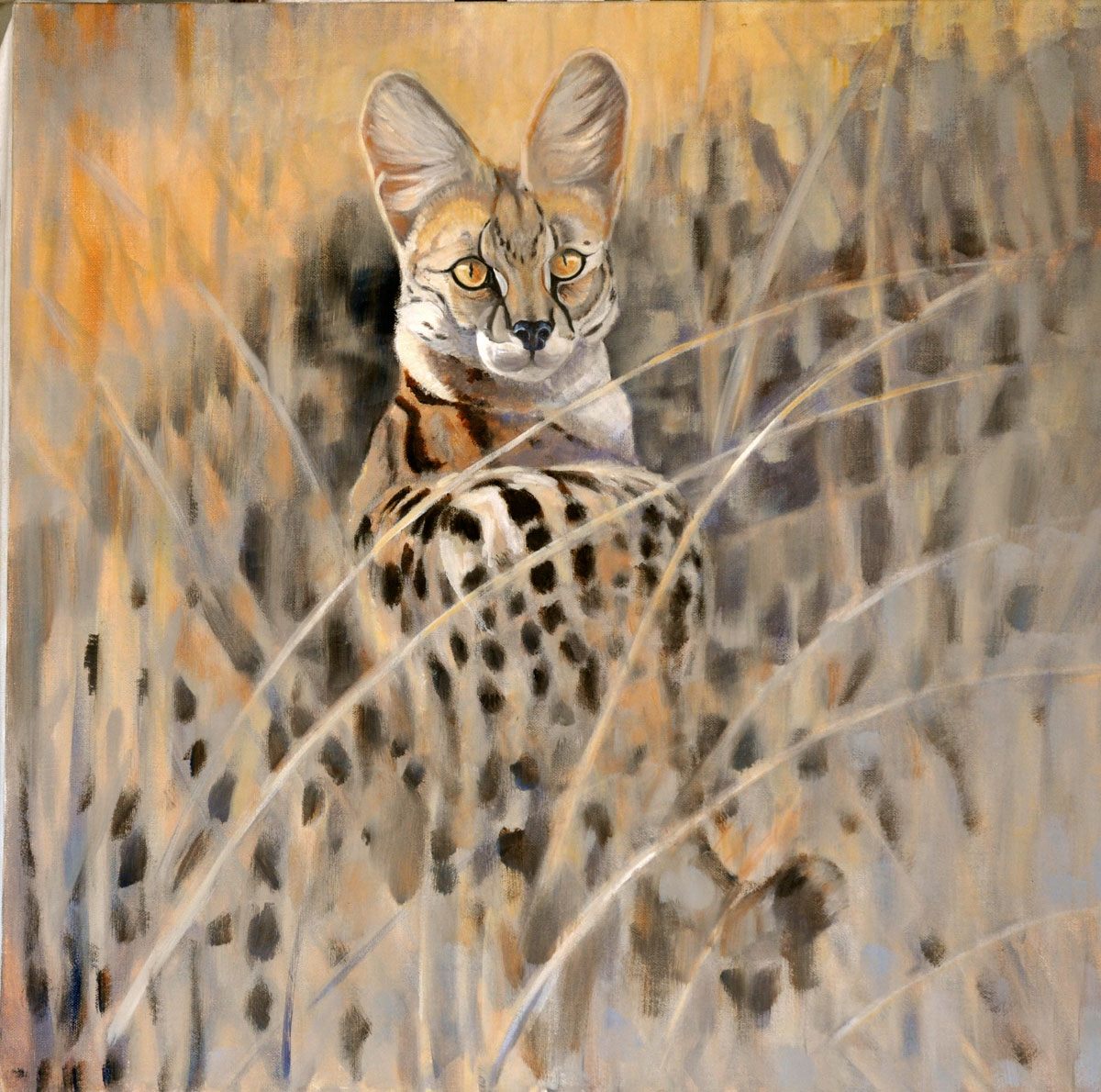 I am compiling countless little stories of my encounters and observations of the wonderful wildlife using photographs and sketches. And I have many oil paintings that are simmering away in my head, waiting for the right moment to appear on the canvas. These will be done randomly in between all the other projects. I will also be exhibiting and giving a talk in Vancouver at the Artist For Conservation exhibition at the end of September 2014.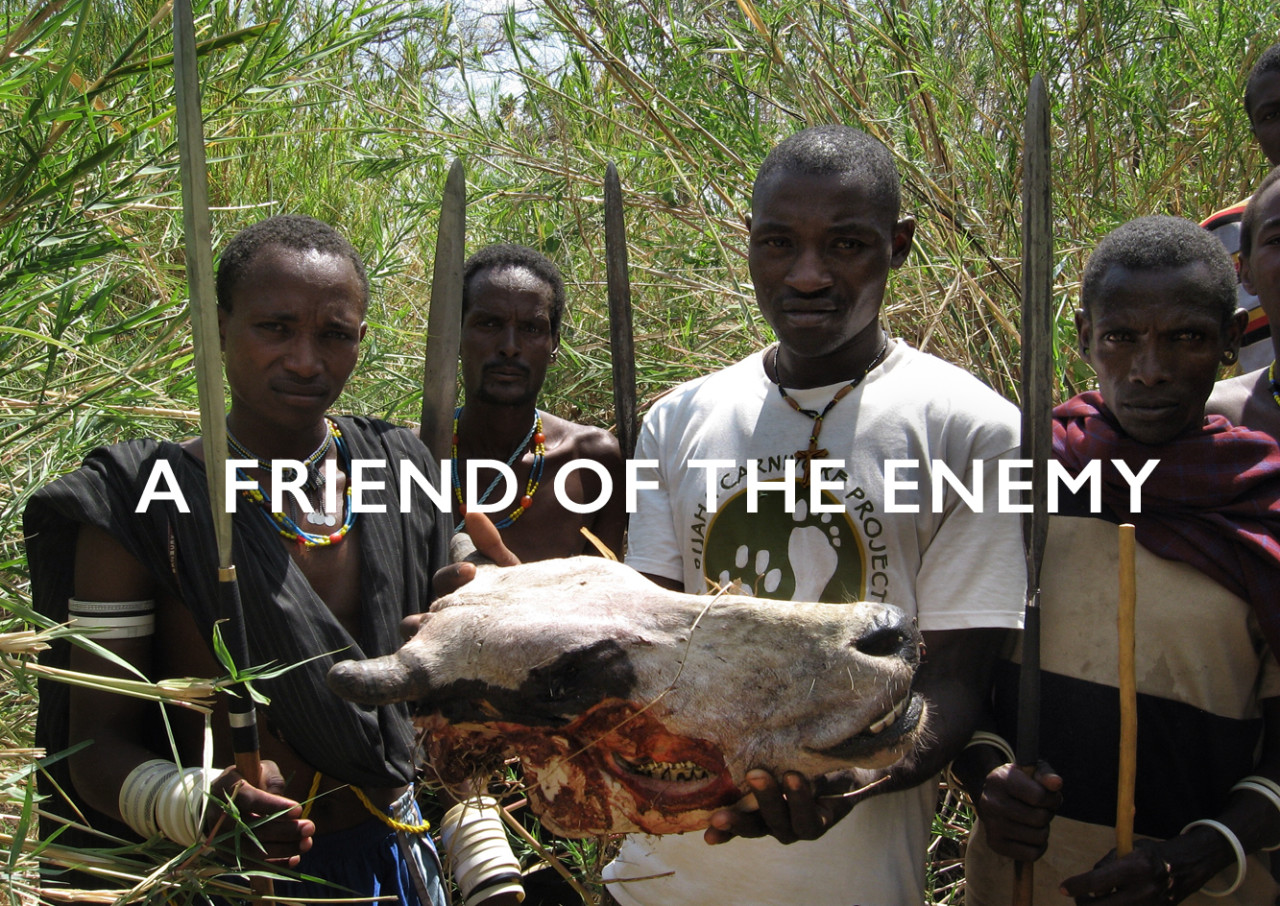
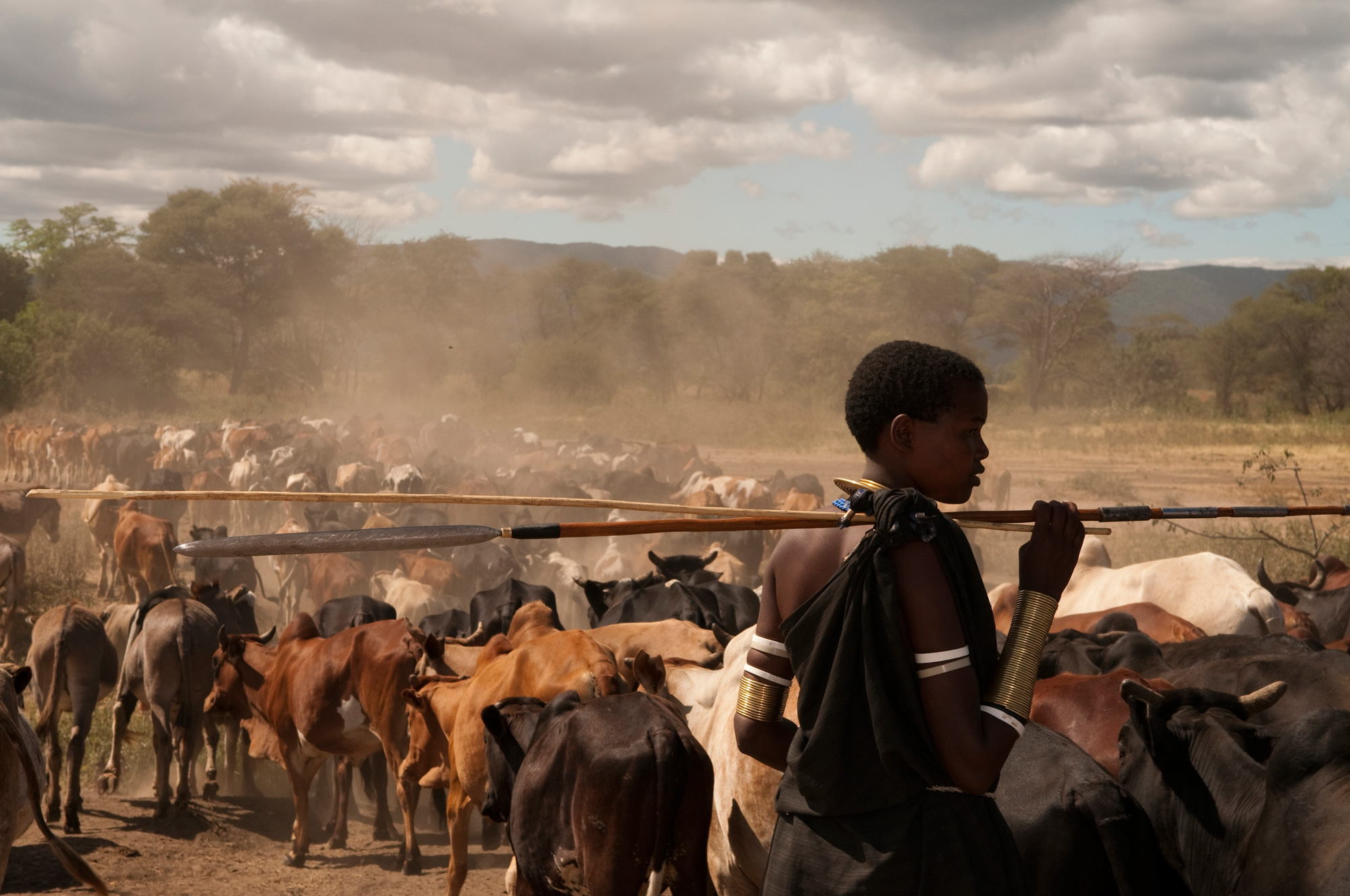
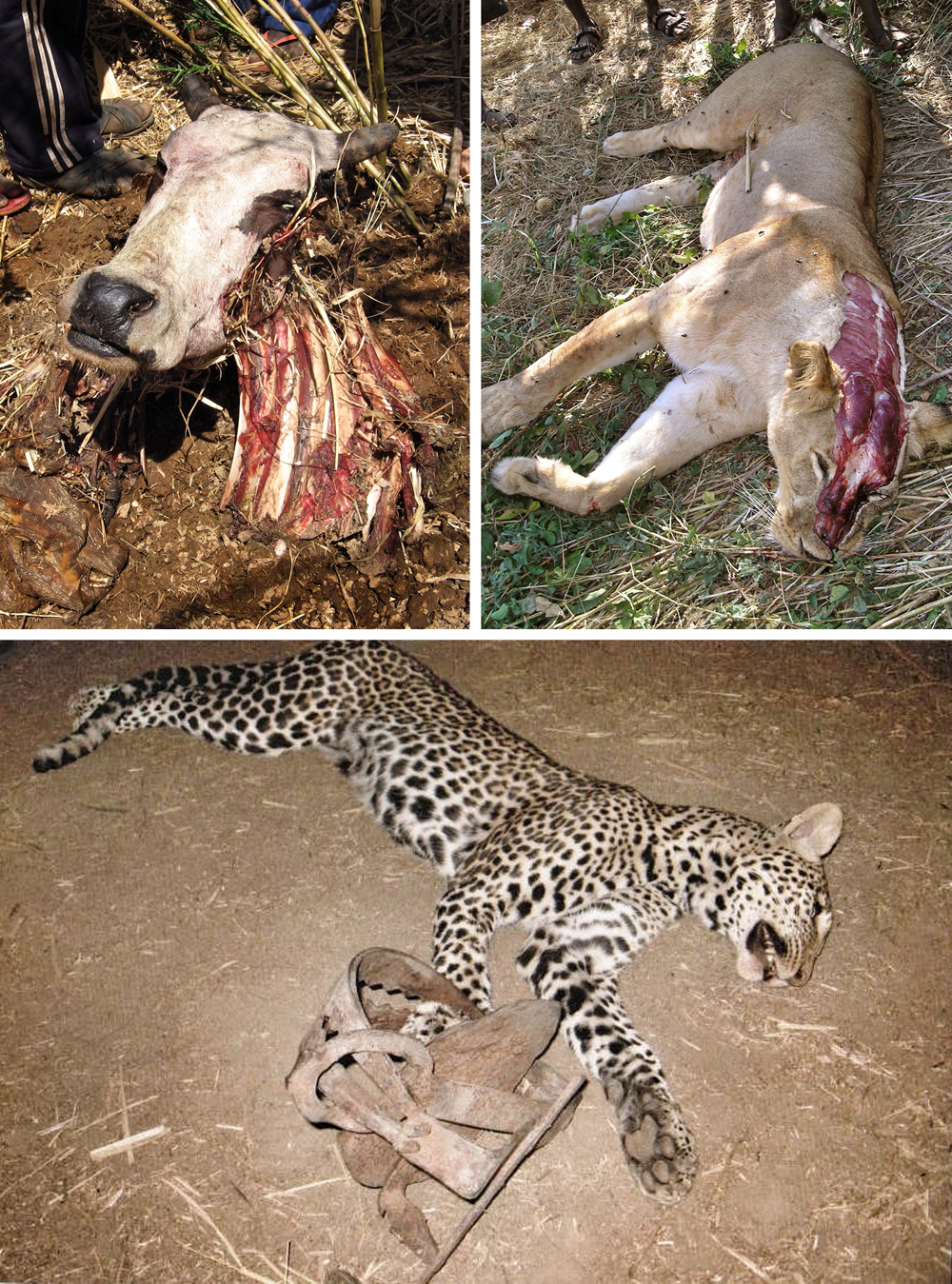
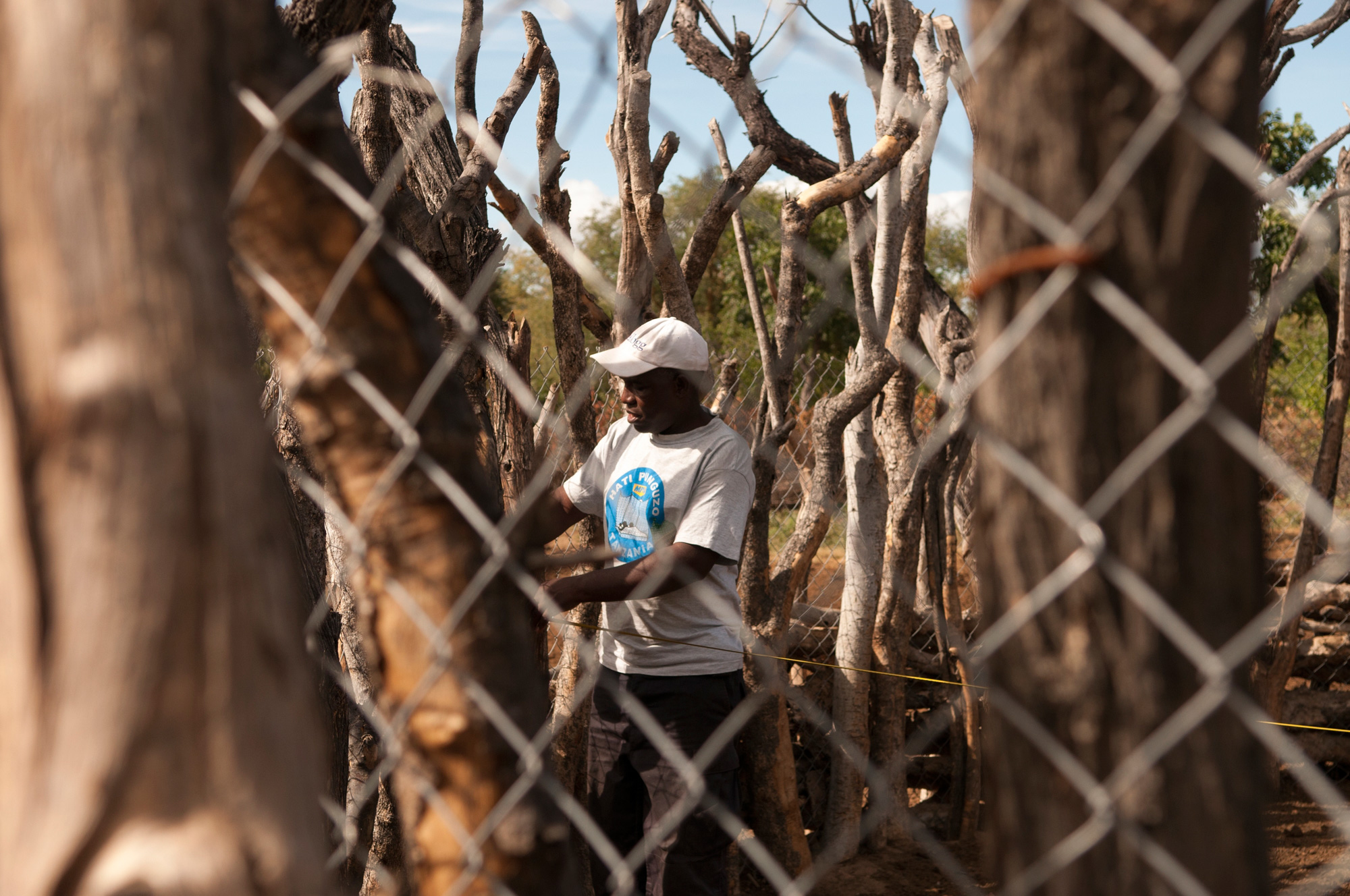
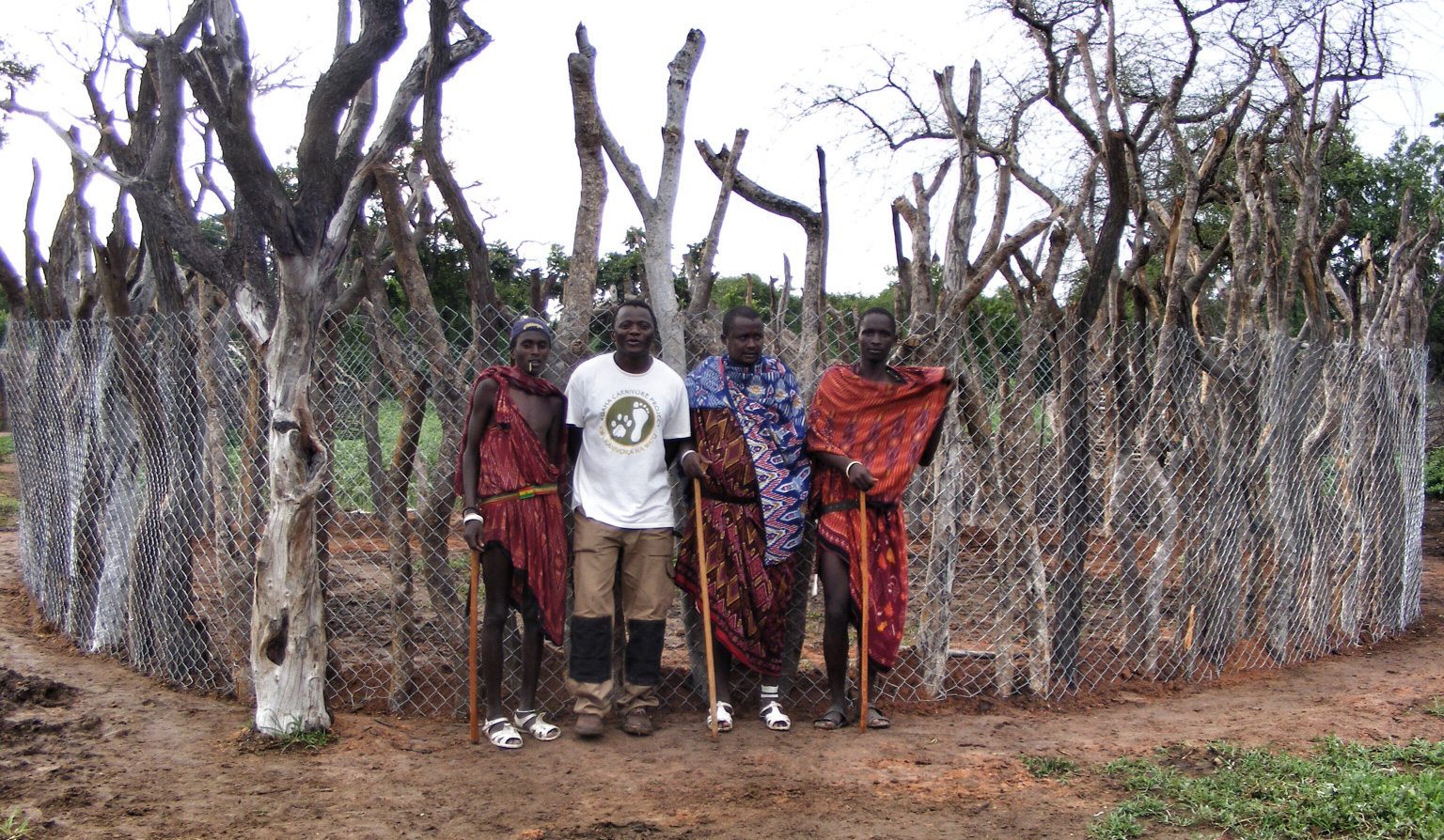
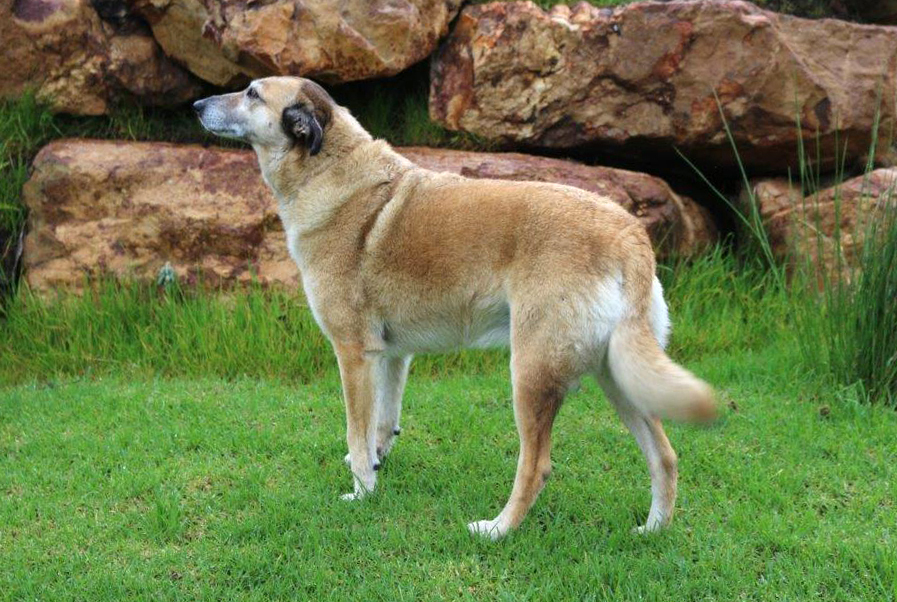
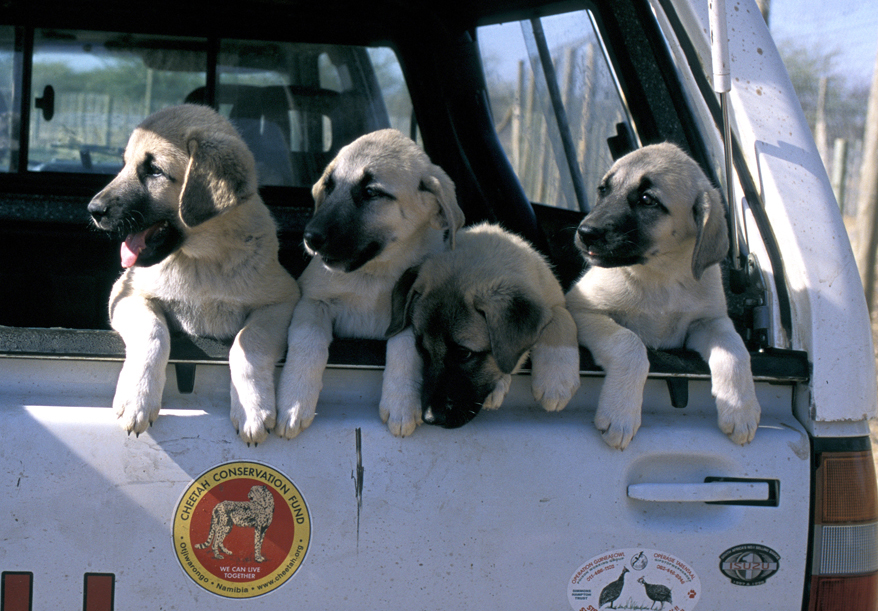
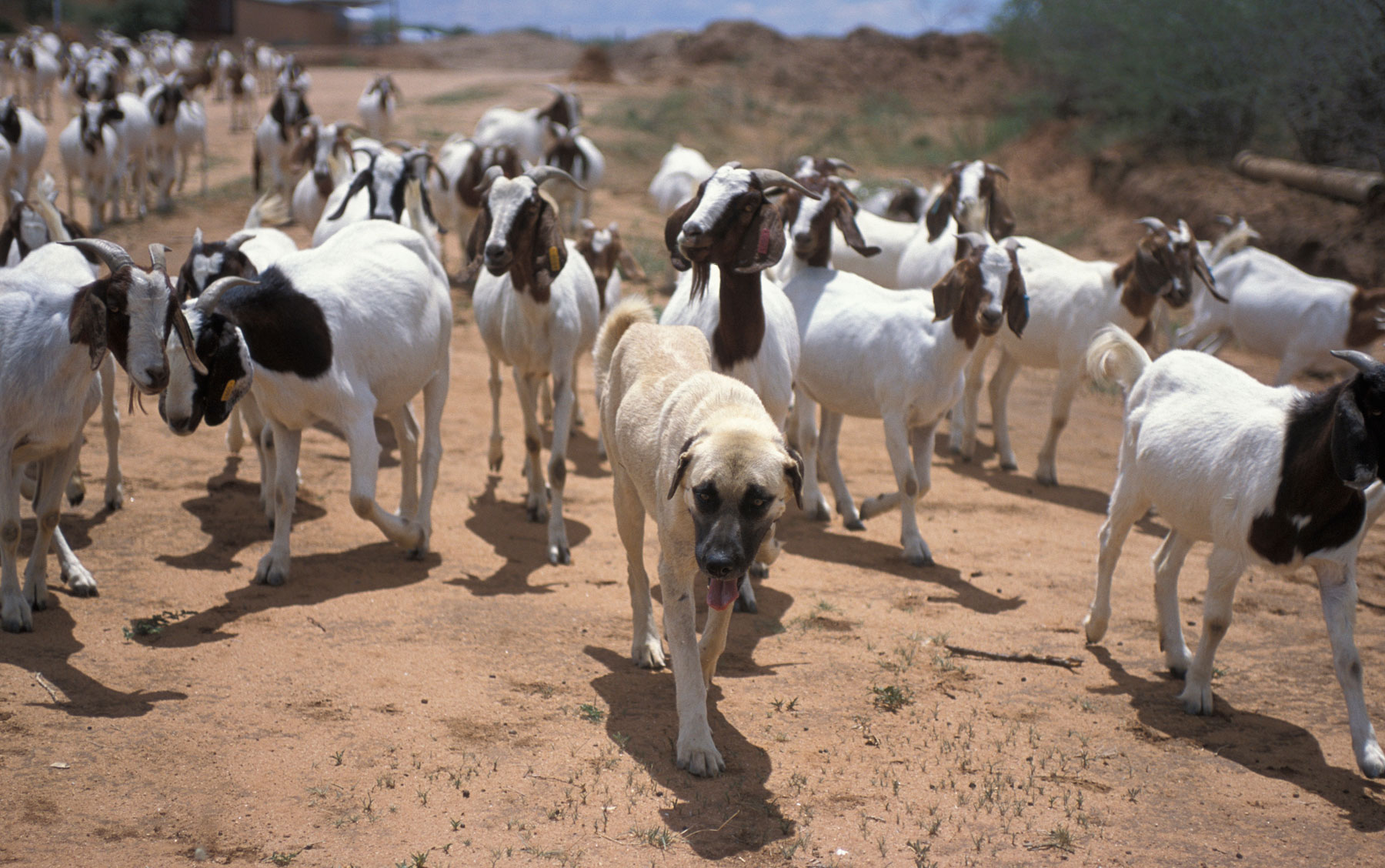
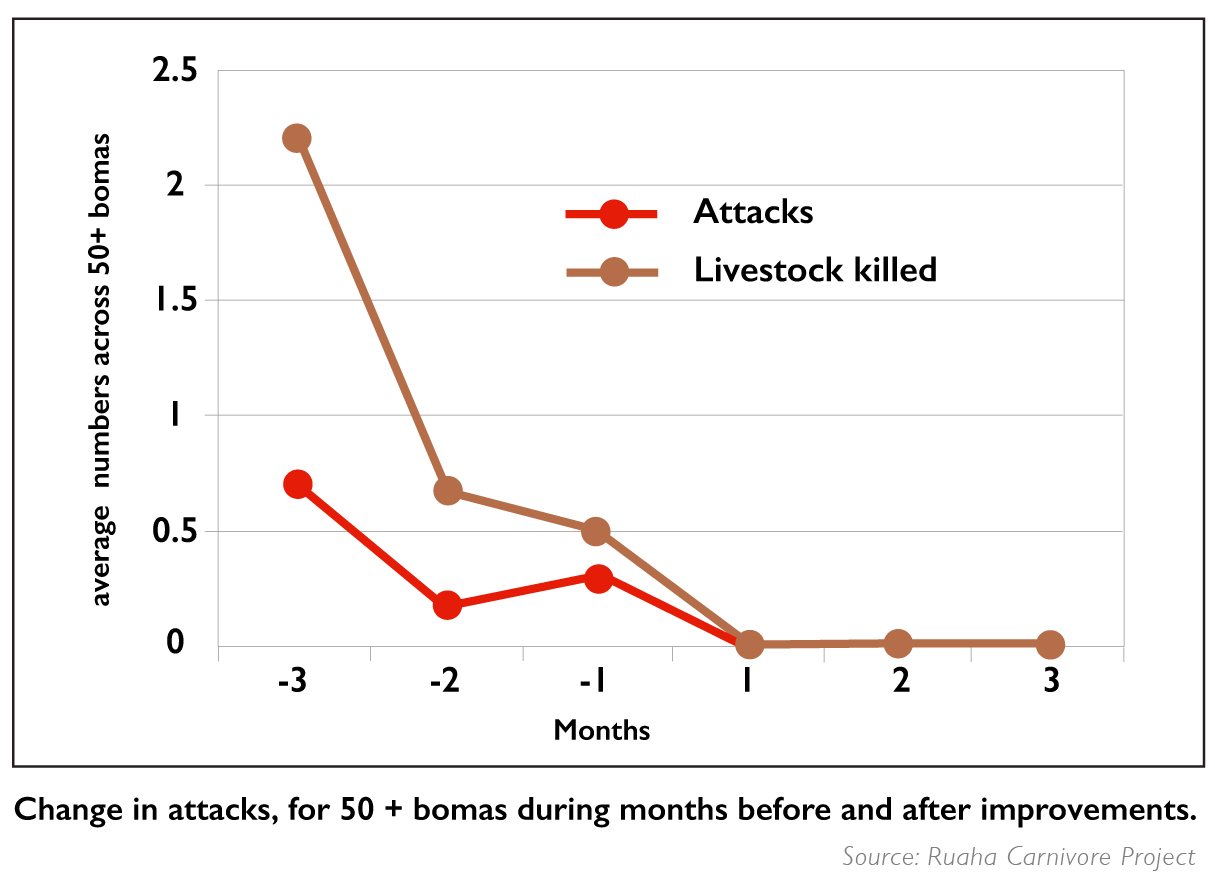 Our research showed that 65% of attacks occurred in livestock enclosures (bomas), the majority of which were poorly constructed. We introduced a cost-sharing initiative to construct predator-proof bomas made of diamond-mesh fencing. To date, we have constructed over 70, and they have proved 100% effective at preventing attacks. However, some attacks occur in the bush, so we have begun trials using specially trained Anatolian shepherd dogs to guard livestock. Although the project is in its infancy, the approach seems promising. In addition, we work intensively with village households to teach people how to identify carnivore attacks and how simple, low-tech measures can prevent such attacks from recurring. Together these measures have significantly reduced depredation, reducing economic pressures on people and the need for preventative or retaliatory killing.