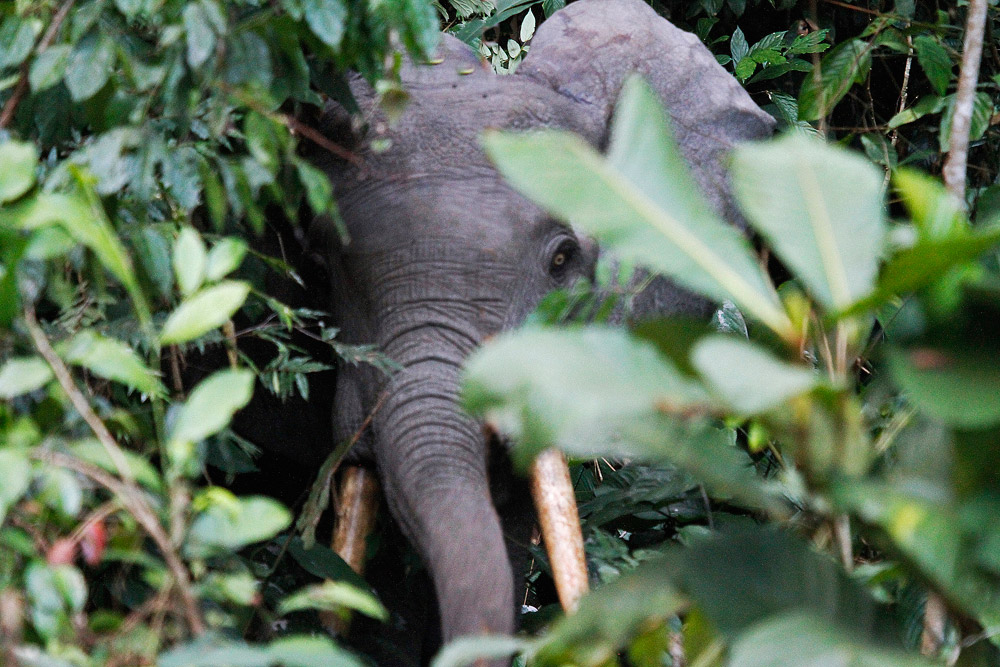
I was used to working in the savannahs of eastern and southern Africa, where the animals I studied roamed in full sight. I was used to the relative comfort and safety of getting around in a 4×4, and my camera went everywhere with me. Then, in 2010, I arrived in the Central African country of Gabon to begin studying the African golden cat in and around Ivindo and Lopé National Parks. I stubbornly kept my camera with me for the first few days but soon realised it slowed me down. I could no longer rest it on my lap as I scanned the horizon. I had to carry it for nine hours daily as I surveyed the humid forest on foot. I had to be ready for a hasty retreat in case I stumbled upon elephants – quite easy to do when visibility is restricted to a few metres by thick vegetation.
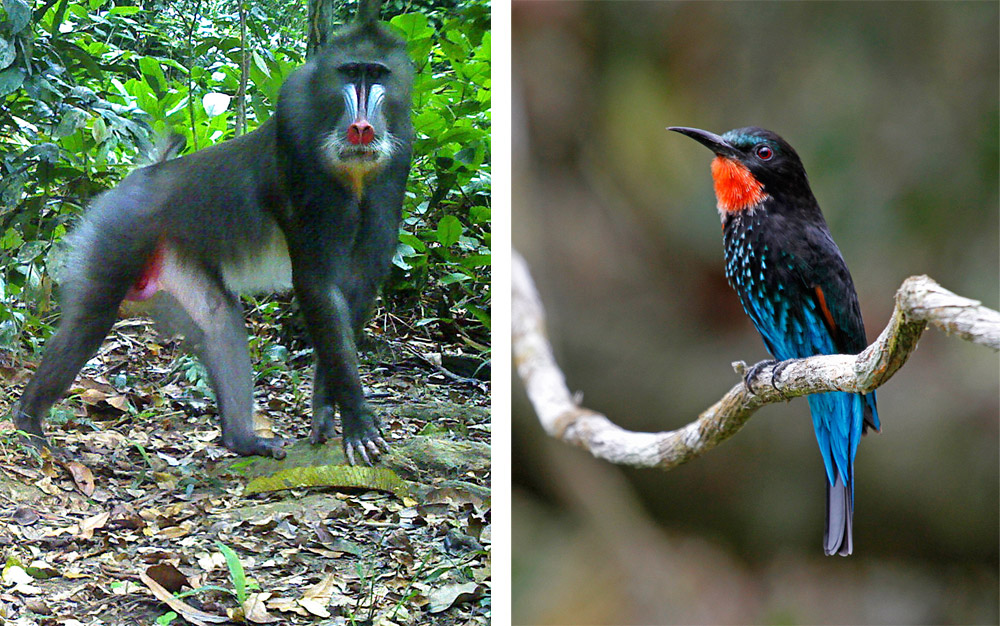
A mandrill caught on one of the author’s camera traps, just one of many wonderful forest creatures Laila recorded.
A black bee-eater perches on a forest vine.
©Laila Bahaa-el-din
Of course, not carrying my camera meant I could not photograph the gorillas and chimpanzees I encountered or the colourful birds that provided the soundtrack to my exploration. But soon, I accepted that my eyes (and camera) would no longer be my key tools. Now I needed to rely on my ears and nose to experience this new wilderness and to stay safe.
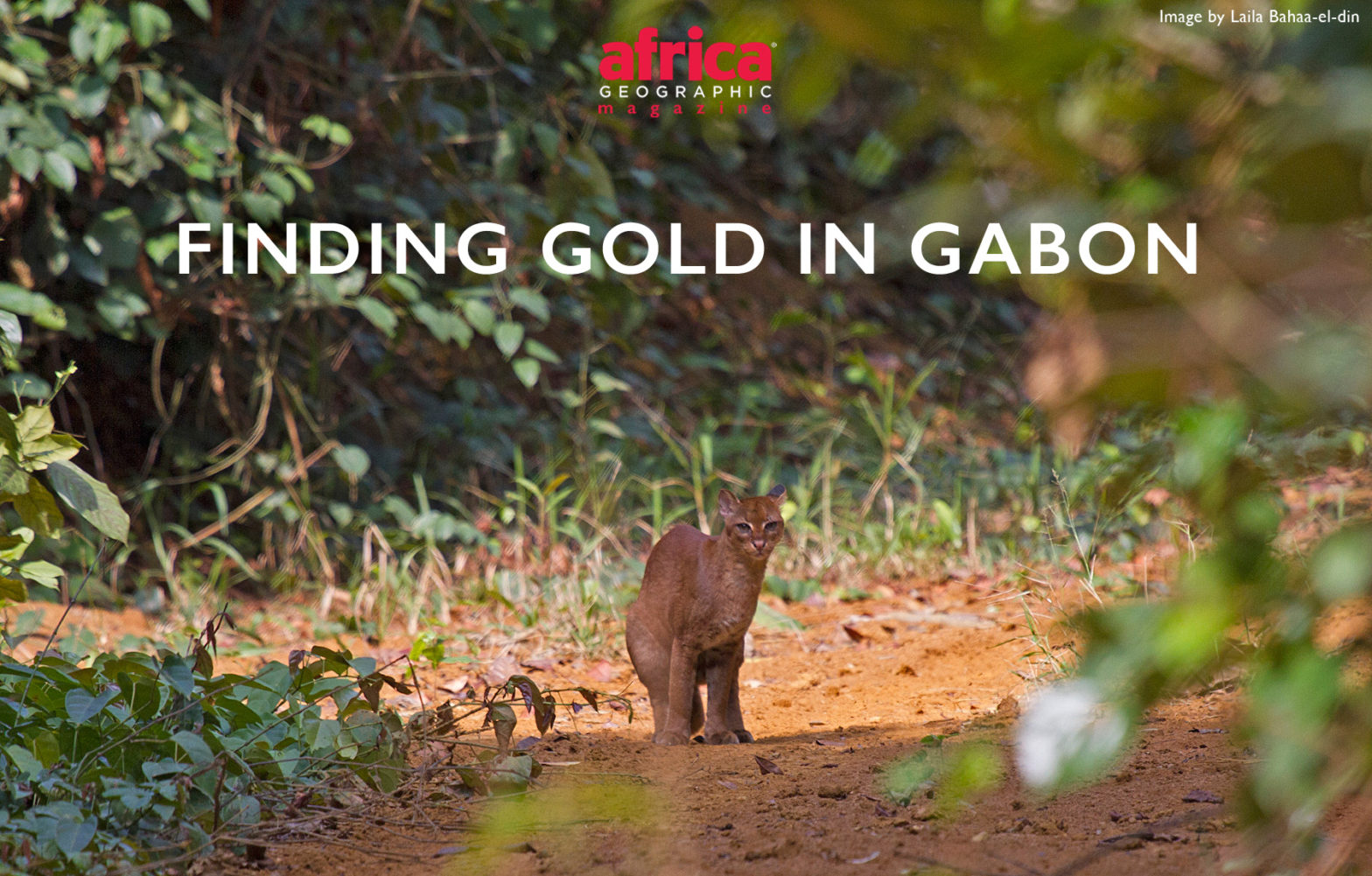
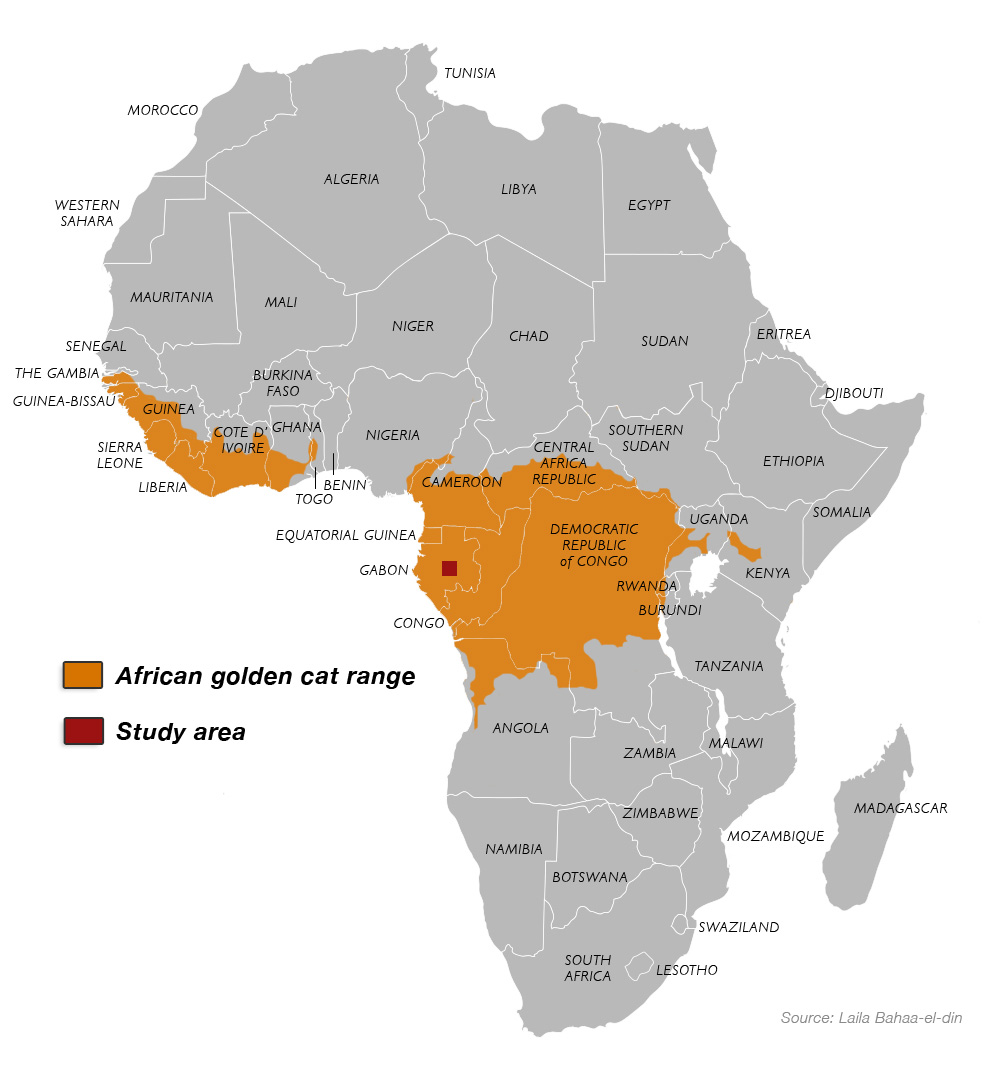
Of the African cats, the one you’re least likely to have heard of is the African golden cat. It lives in the rainforests along the Equator, is very shy, and successfully avoids people – that is until it falls into a hunter’s snare. Imagine a stocky caracal but without the pointy, tufted ears. It weighs 10 kg on average and, despite the “golden” moniker, it varies in colour from red to grey and sometimes black. It generally has markings on its underbelly and the inside of its limbs, but they sometimes extend across the whole body. We know almost nothing about its behaviour and breeding biology in the wild. This tough cat briefly found fame a few months ago when a film showing it hunting red colobus monkeys was released online (watch it above, it’s worth it!). A handsome creature, the golden cat is often called the leopard’s little brother. When it has the misfortune to be captured by hunters, its skin is used for ceremonial purposes, and its meat is eaten.
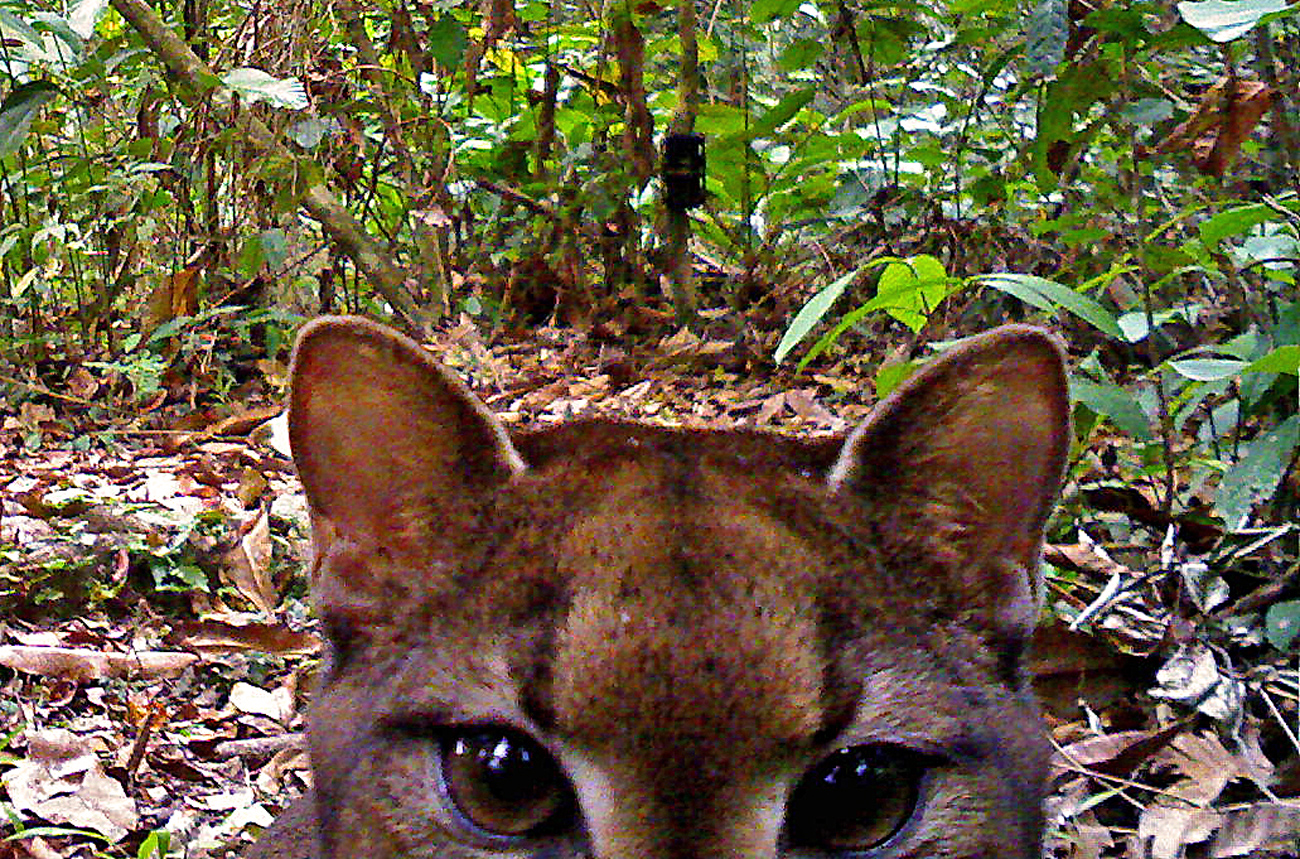
Camera traps provided me with eyes to see things my ears and nose were sensing
So what was I doing here, deep in the forests of Gabon? My study aimed to estimate how many golden cats there are and to see how human activities affect them. I collected data from six different areas in Gabon, some of which were protected, some were subject to logging, and some were regularly hunted.
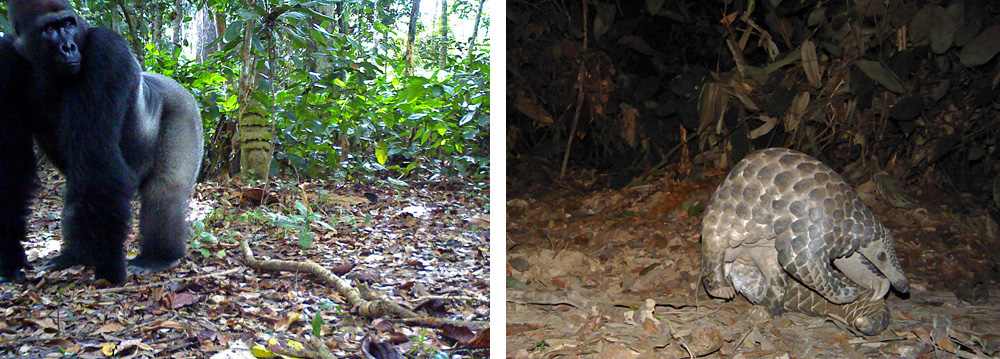
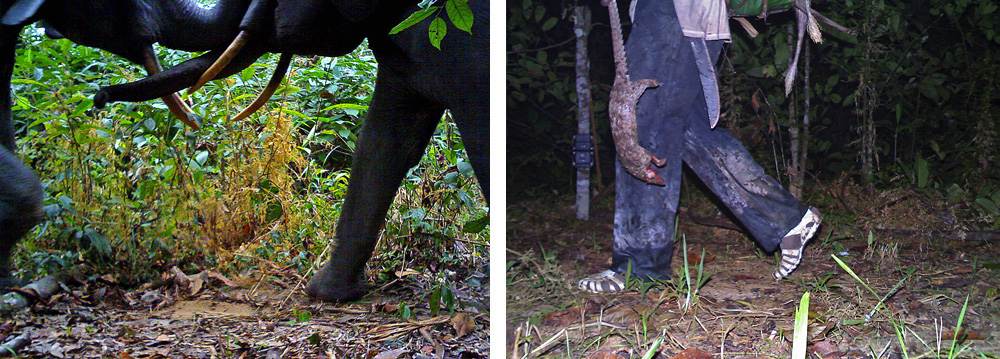
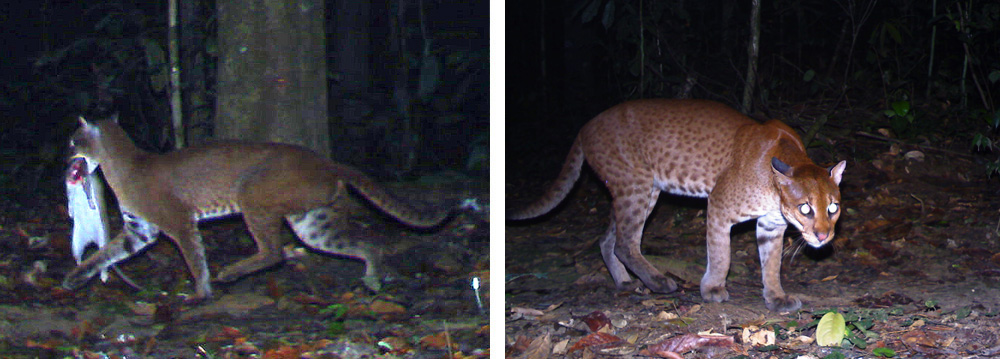
The camera trap is the obvious tool to study such a shy animal in the forest. Set up to work remotely; the camera is activated by an infrared sensor every time an animal passes by. These traps gave me the eyes to see everything my ears and nose were sensing as I walked the forest trails. Looking through the images was the highlight of my work – a silverback gorilla proudly standing his ground, a giant pangolin searching for termites, a goshawk clasping a squirrel it has just caught, and some elephants greeting each other. Sadly, there was also the occasional hunter, catch in hand. But most importantly, there were many photos of golden cats, providing me with the data I needed to make my assessment.
I felt honoured to be let in on its secret life
We have learned so much from these photographs. It is clear that golden cats are active at all times of day and night, and they like to make use of trails opened up by elephants and people, and they are indeed solitary. Interestingly, their coats vary in colour and pattern, even within one small site.
From images of a female carrying her prey past a camera to videos of a youngster batting at the camera with his paw, the mysterious golden cat was being revealed to me daily, and I felt honoured to be let in on its secret life. On one exceptional day three years into my study, when I was carrying my camera with me, a beautiful golden cat female allowed me to see and photograph her. I lowered the camera with shaking hands to watch her disappear into the forest. I turned to Arthur, my field assistant, and we grinned madly at each other as he whispered ‘chat doré’ (golden cat in French)
Dependent on forests, this plucky little cat will become even rarer
Then came the time to count the cats. You can identify individuals of other cat species by their coat patterns. Take, for example, a leopard’s rosettes or a tiger’s stripes – each individual is different. Although it’s the same with golden cats, their markings aren’t so easy to see in camera trap photographs because they are smaller and on less visible body parts. So, as I wasn’t 100% confident of my identifications, I enlisted two cat researchers to double-check my efforts. One of them described the exercise as the most frustrating thing he had ever done! But we got there in the end, and we can estimate the number of golden cats for the first time.
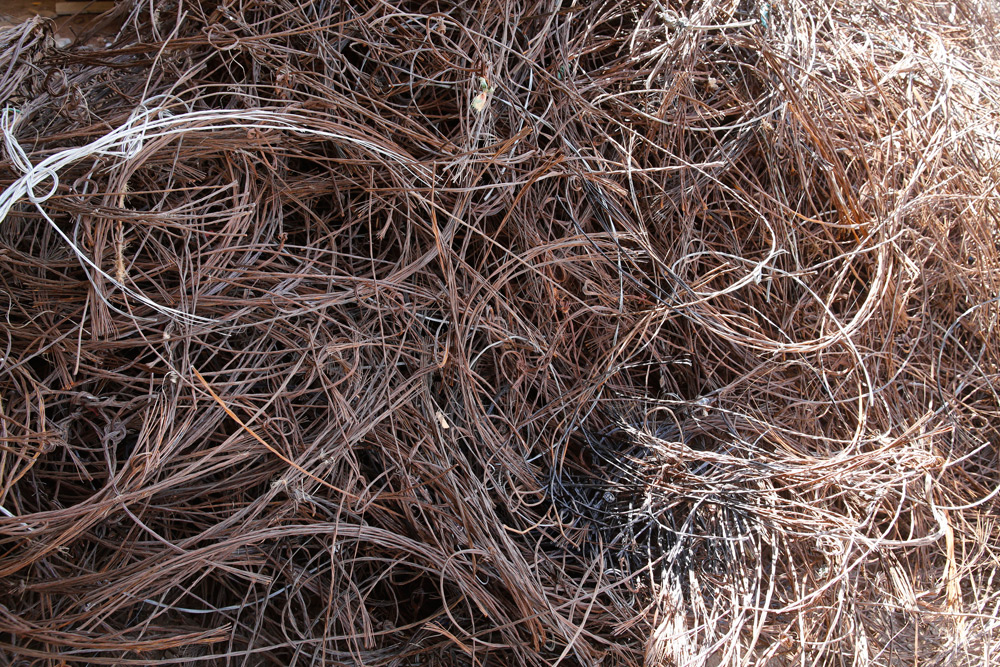
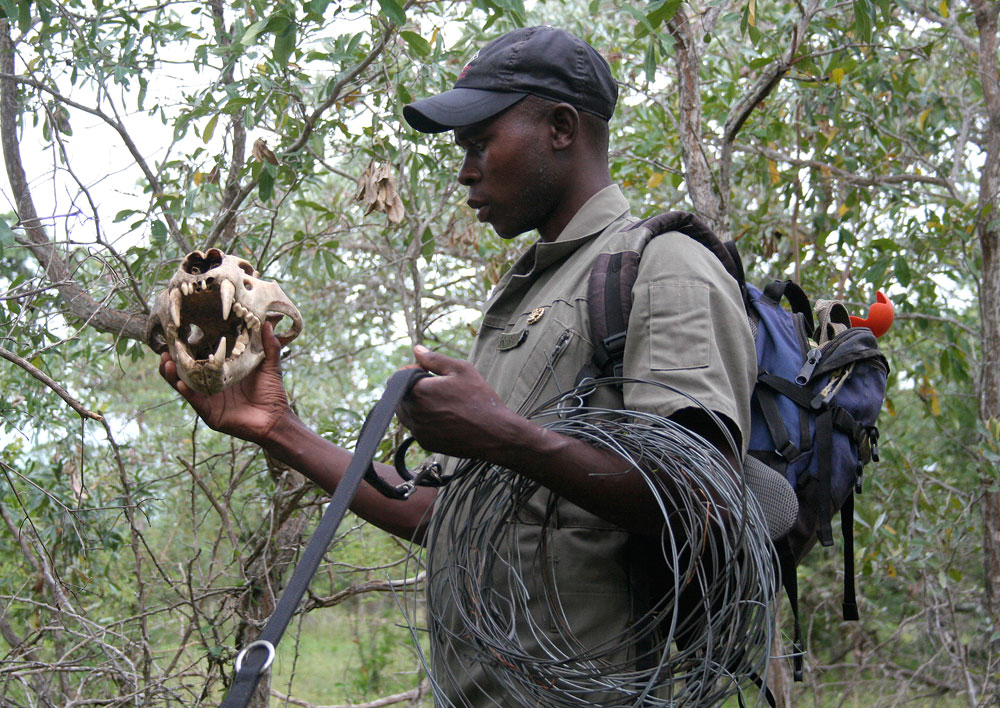
These figures will be officially released in a few months. As expected, golden cat numbers were at their highest in the pristine, undisturbed areas. Though hunted at low intensity, the village hunting area held very few golden cats, with wire snares proving to be the greatest threat. These snares are indiscriminate killers and, when not checked regularly, can be wasteful as animals are left to rot. There is also evidence from other areas that golden cats are highly sensitive to hunting. In areas where hunting intensity is high, golden cats are virtually extinct.
The golden cat is dependent on its forest habitat – a precarious lifestyle because trees are often considered a resource to be extracted by people. With African rainforests predicted to host major booms in mining activity and clear-cutting for development and oil palm plantations, this plucky little cat will become rarer and rarer, along with its fellow forest dwellers such as great apes, forest elephants, pangolins and many more. But there is hope too! The population size of the golden cat at the pristine site was comparable with forest cats from other continents (such as the leopard cat in Borneo and the Ocelot in Belize, both of which have density estimates of between 10 and 16 individuals per 100 km2). This is an encouraging result for a previously considered naturally rare cat.
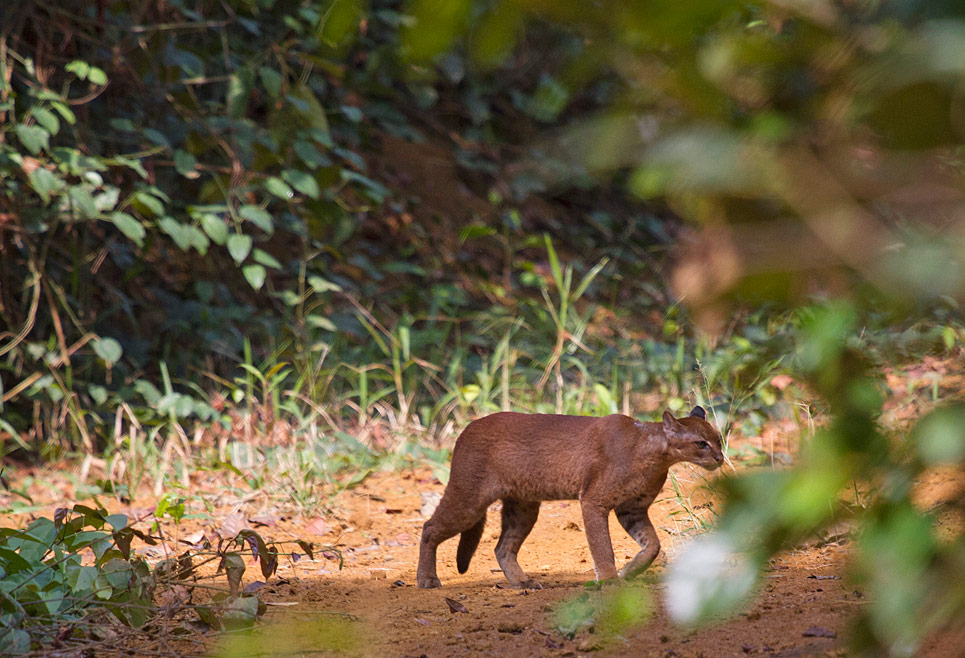
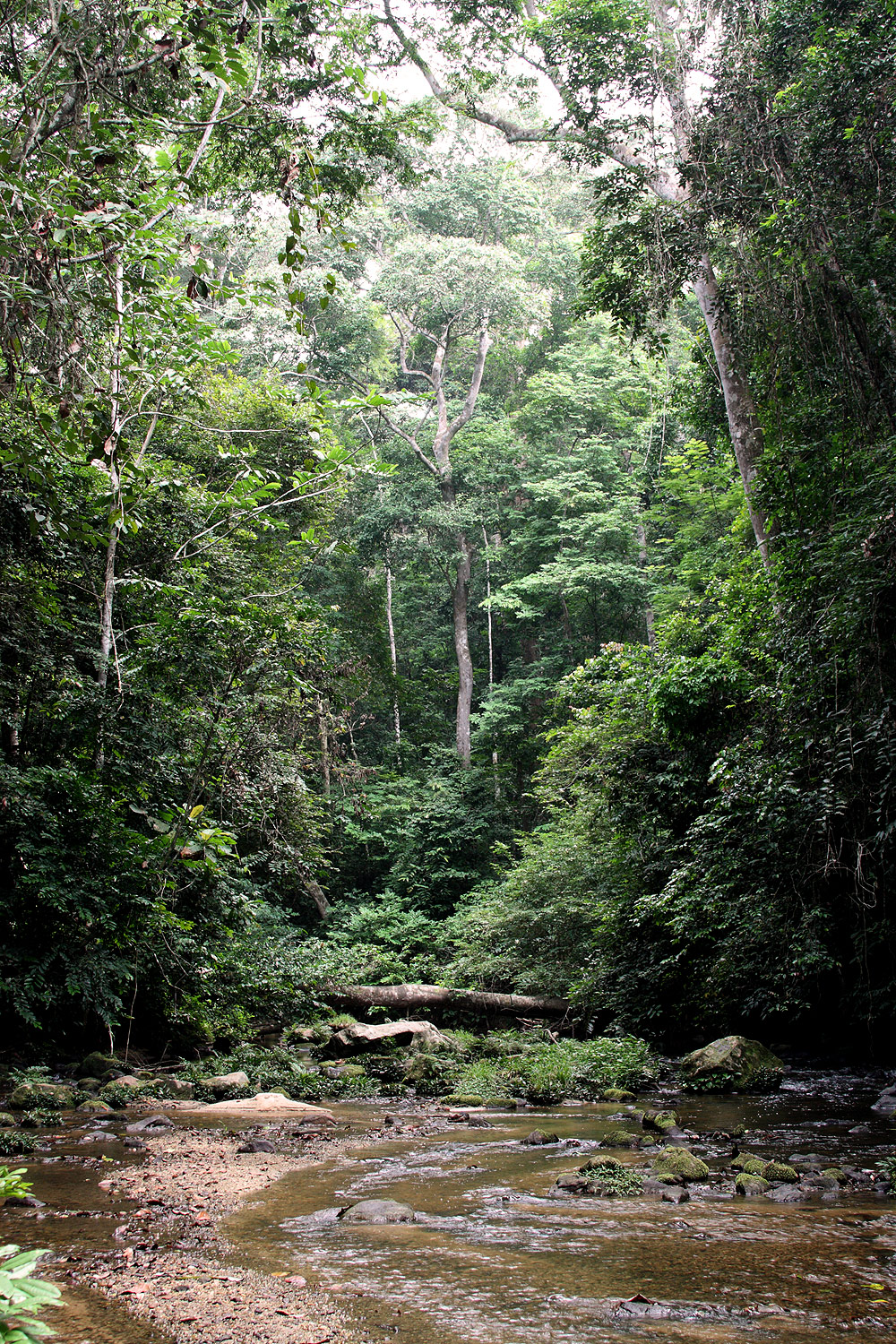
The experience of living in an African rainforest often left me breathless (and not just due to elephant-induced sprints). Light slanting through the dense vegetation that the golden cat calls home gave me a glimpse of what it will take to protect the species. If deforestation can be slowed and the use of wire snares for hunting bush meat reduced, Africa may well hold on to its only forest-dependent cat.
ALSO READ: Camera traps photograph black honey badgers in Gabon
Contributor
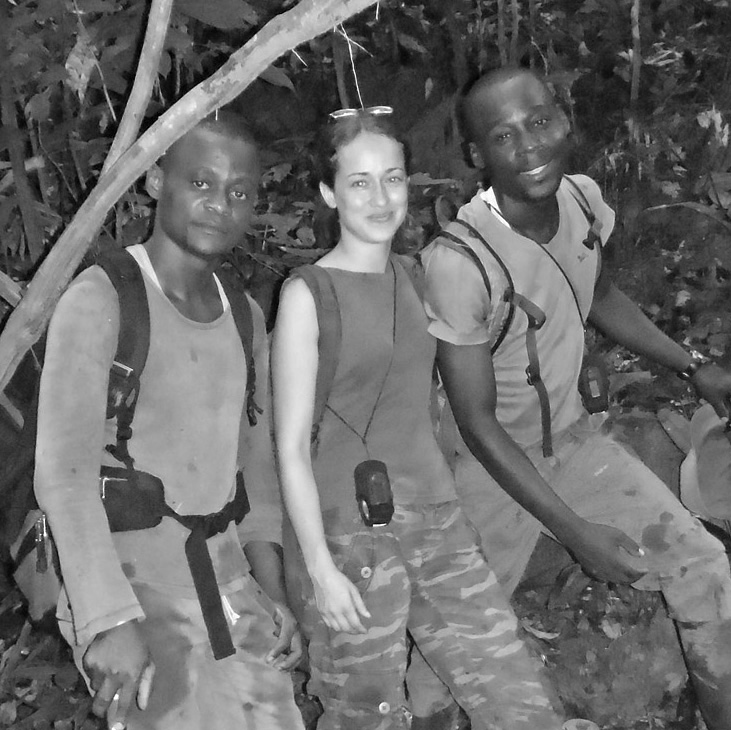 LAILA BAHAA-EL-DIN first escaped to Africa in 2007 after completing her degree in zoology at the University of Nottingham. She has since found it almost impossible to leave and has worked on research projects in eastern, southern, and central Africa. Laila’s work has thus far concentrated on the predators of land (cats) and sky (raptors). The golden cat project, funded by the global wild cat conservation group Panthera, is part of Laila’s PhD research with the University of KwaZulu-Natal and the Wildlife Conservation Research Unit (WildCRU) at the University of Oxford.









 ANTON CRONE quit the crazy-wonderful world of advertising to travel the world, sometimes working, and drifting. Along the way, he unearthed a passion for Africa’s stories – not the sometimes hysterical news agency headlines we all feed off, but the real stories. Anton has a strong empathy with Africa’s people and their need to meet daily requirements, often in remote, environmentally hostile areas cohabitated by Africa’s free-roaming animals.
 CHRISTIAN BOIX left his native Spain, its great food, siestas and fiestas. He now works in teamAG – as a safari consultant and Director of the company.


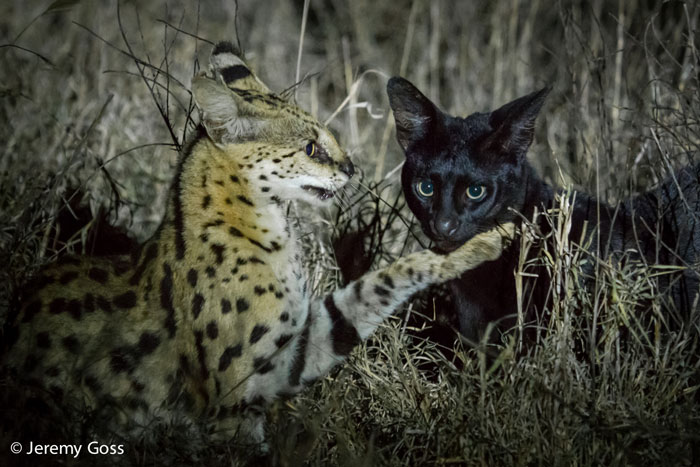
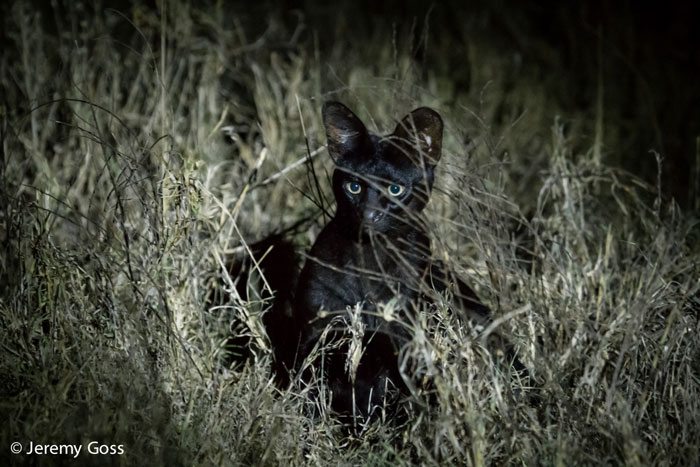 A meeting seemed inevitable, but how would it end? Two cats, identical in shape and form but for a genetic mutation that had left one with a black coat. The dark animal approached cautiously, nearer and nearer, until the two bumped heads.
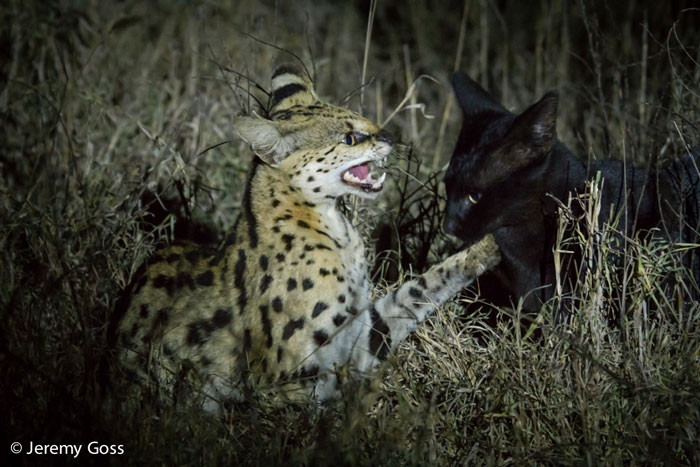 I have no idea what kind of behaviour we witnessed. Maybe it was a courtship ritual, and maybe it was two acquaintances refreshing bonds. Maybe it was an exchange of passive aggression and acts of submission. I know this was a once-in-a-lifetime experience, and driving home, I was elated and excited to remember that every trip into the African bush can produce unbelievable surprises.






 SIMON ESPLEY I am a proud African of the digital tribe, and honoured to be CEO of Africa Geographic. My travels in Africa are searching for wilderness, real people with interesting stories and elusive birds. I live in Hoedspruit, next to the Kruger National Park, with my wife Lizz and 2 Jack Russells. When not travelling or working, I am usually on my mountain bike somewhere out there. I qualified as a chartered accountant but found my calling in sharing Africa’s incredibleness with you. My motto is “Live for now, have fun, be good, tread lightly and respect others. And embrace change”.








 JANINE MARÉ is the first to confess that she has been bitten by the travel bug… badly. She loves all things travel, from basic tenting with creepy crawlies to luxury lodges; she will give it all a go. Janine is passionate about wildlife and conservation and comes from a long line of biologists, researchers and botanists. Janine is a former marketing manager at Africa Geographic and is now a freelance content marketing specialist.
 TOM VARLEY was raised in the Zimbabwean bush. At age 10, he moved to Victoria Falls, where he graduated from being a safety kayaker to a raft guide and then a videographer. After earning his Learner Guide’s License at sixteen, Tom joined the British Army, serving in The Royal Green Jackets Recee Platoon for three years. During his service in Bosnia, Tom was responsible for aerial reconnaissance photography for Nato. In 2002, Tom returned to Victoria Falls to pursue his passion for kayaking. After producing rafting videos and photographs, he progressed to filming and photographing wildlife and scenery in Zimbabwe, Southern Africa and Israel. Tom now has a well-established production company,





 LINDA MARKOVINA is a freelance travel and photojournalist. She blogs on behalf of









 MAHINA PERROT is a Tahitian-born journalist with a passion for telling stories of conservation. In 2013, she founded Wildlife Sanctuaries Worldwide. This non-profit organisation aims to raise awareness about wildlife sanctuaries and rehabilitation centres around the world via the publication of articles in newspapers and magazines. WSW aims to become a label which will be awarded to sanctuaries and projects that are working towards creating a sustainable future for communities and wildlife. Mahina currently bases herself in France and regularly travels to Africa.
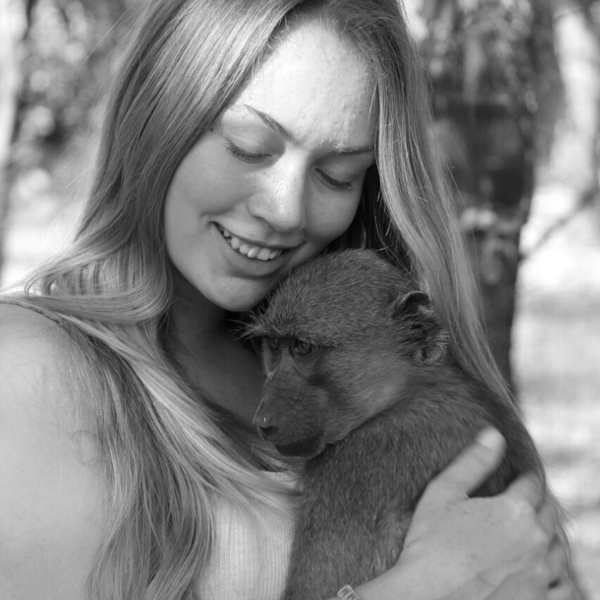 JESSICA BLOYE is a first-year veterinary student from Lancashire, England. She travels as much as possible in her spare time and documents her journeys through photography. During her gap year, she spent ten months at Riverside Wildlife Rehabilitation Centre, where she formed close relationships with the chacma baboons and vervet monkeys; this awakened her passion for rehabilitation, and after she’s finished her degree she would love to carry on volunteering in rehabilitation centres around the world.
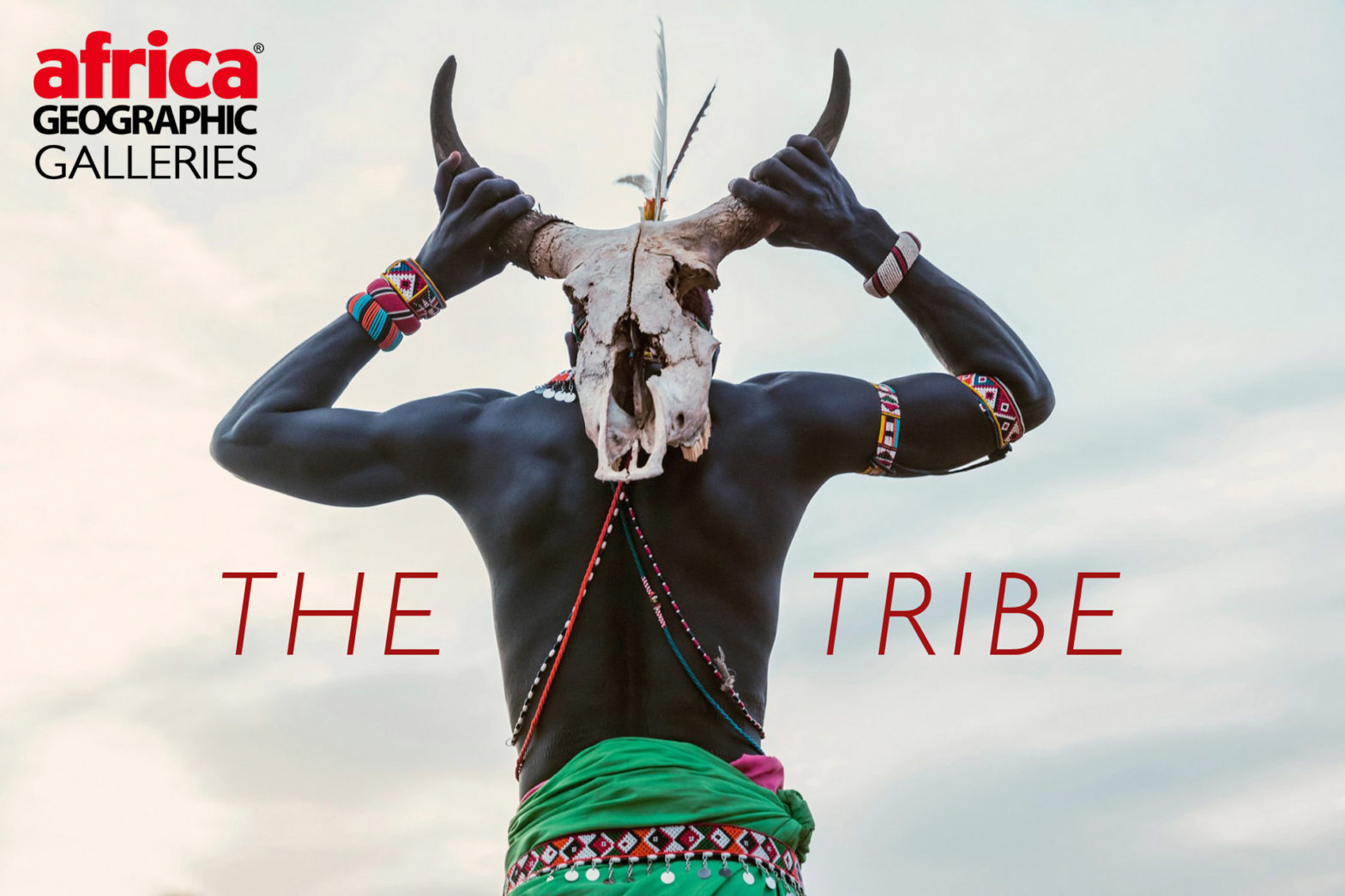
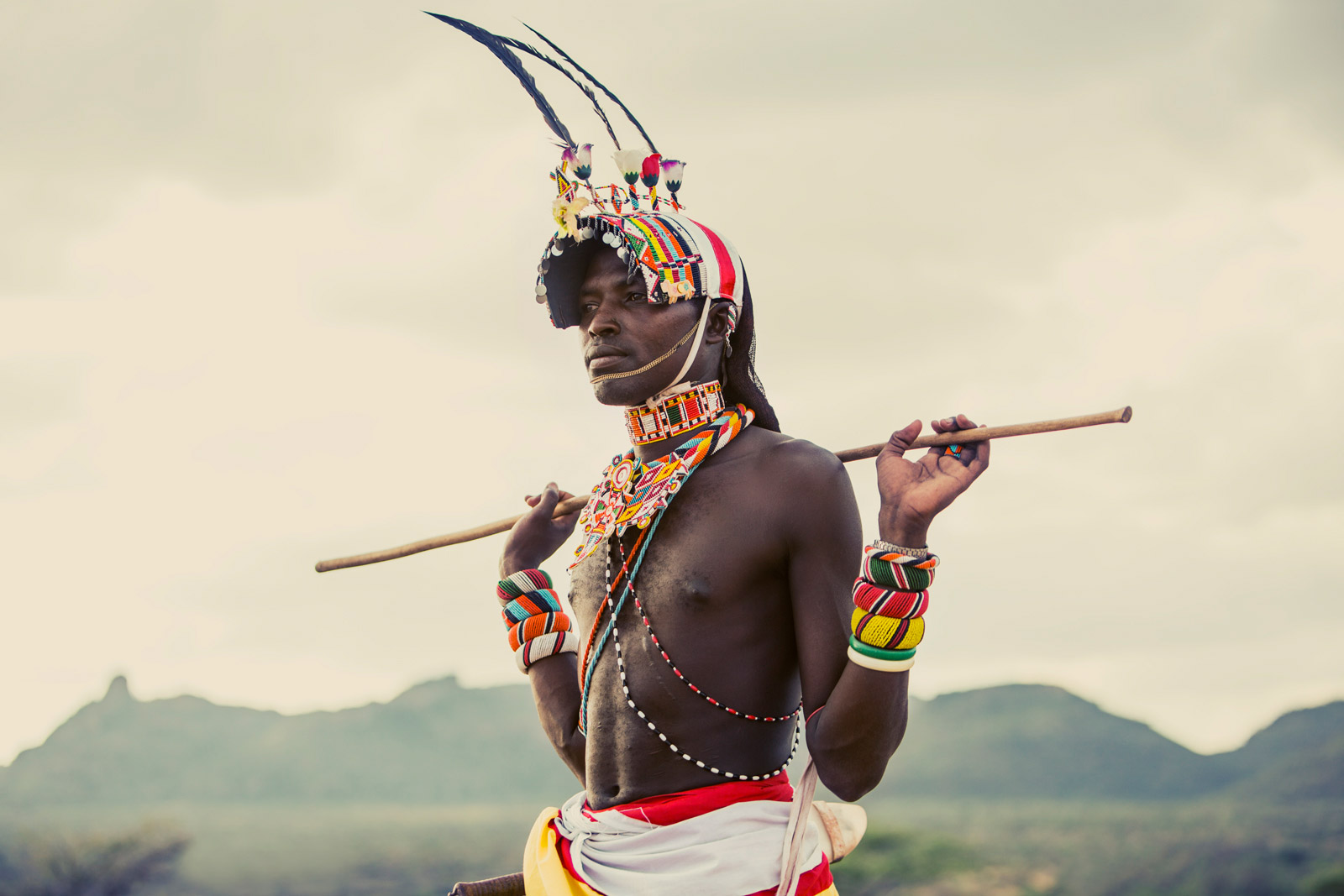
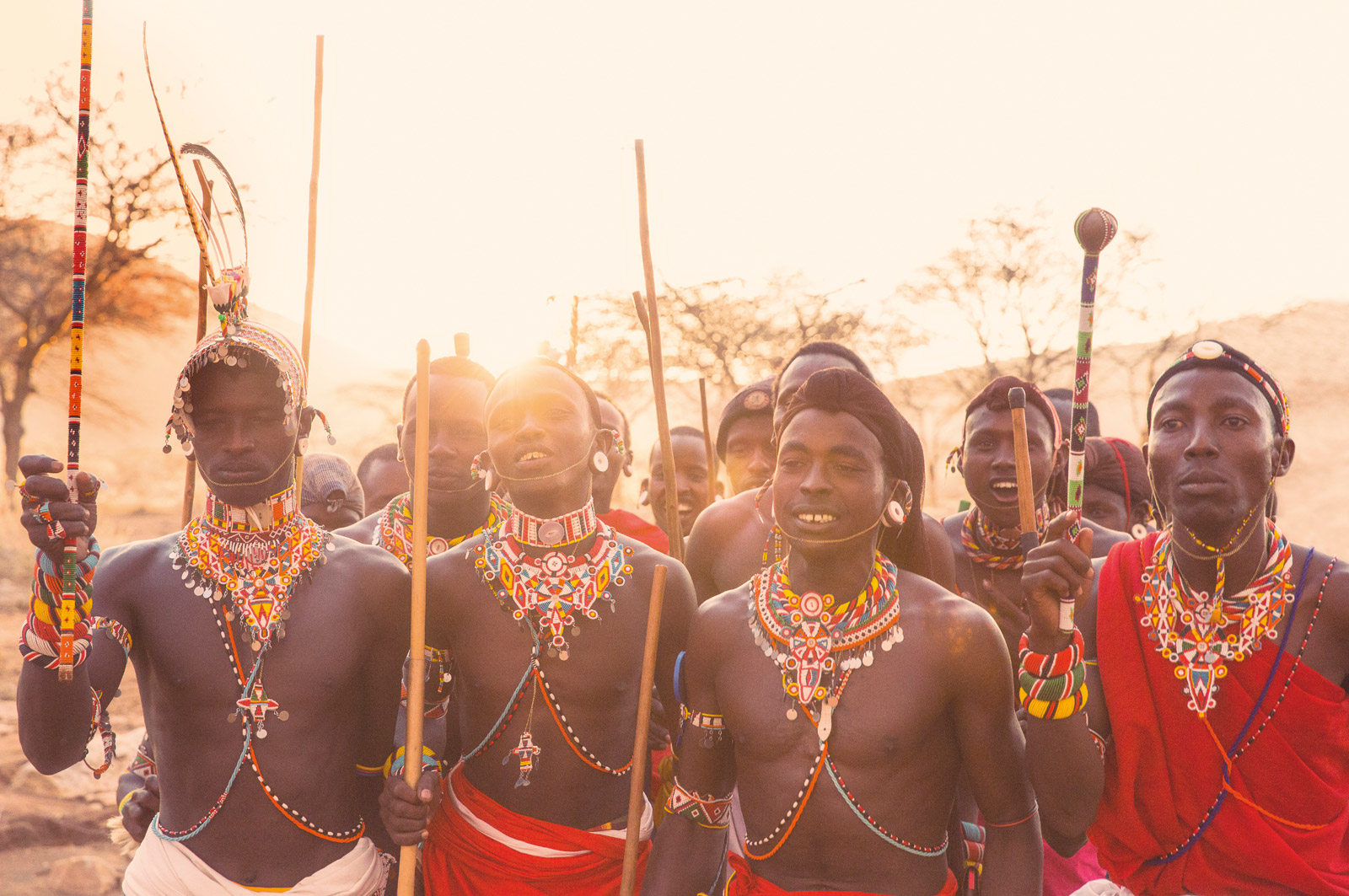
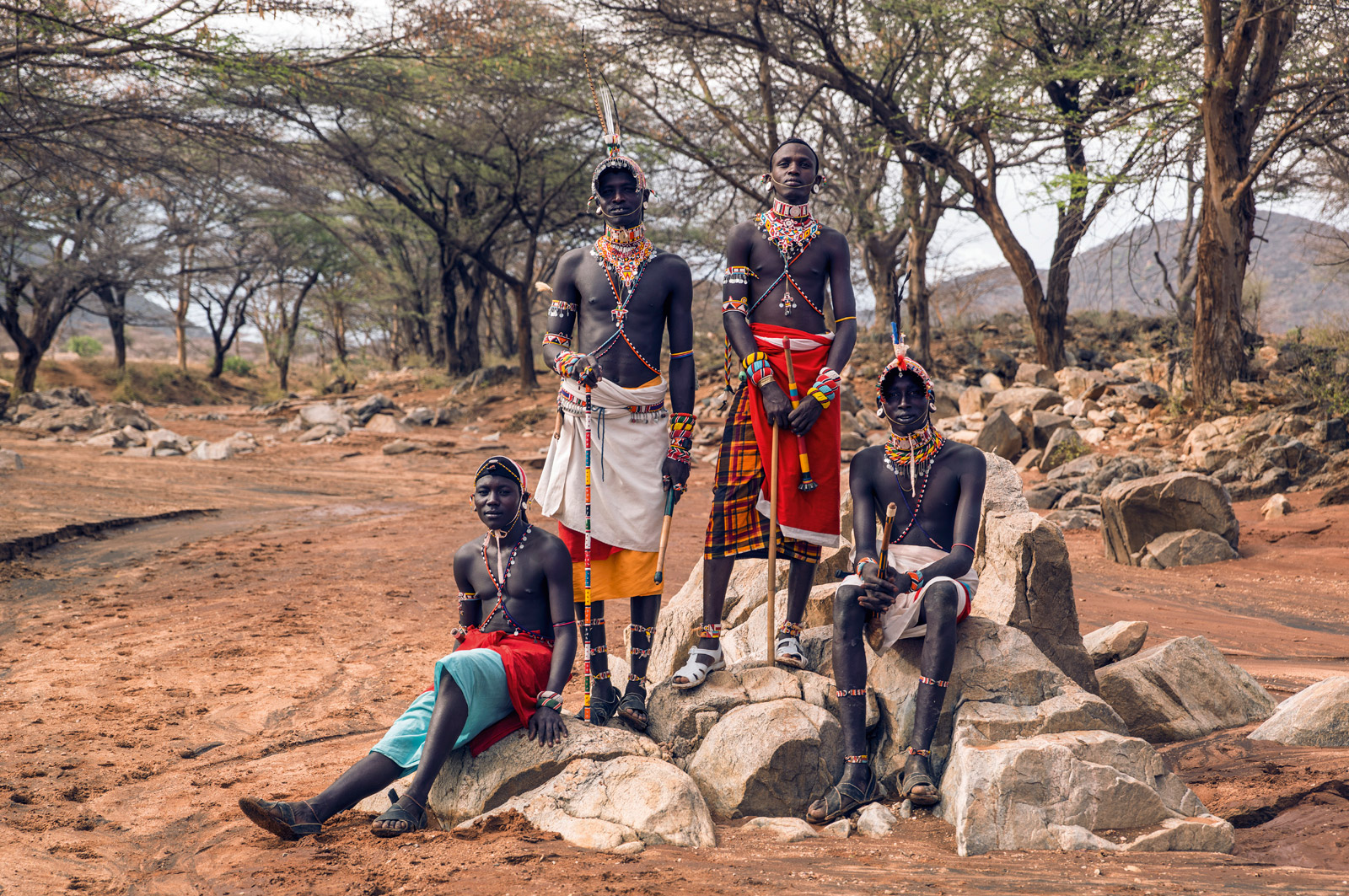
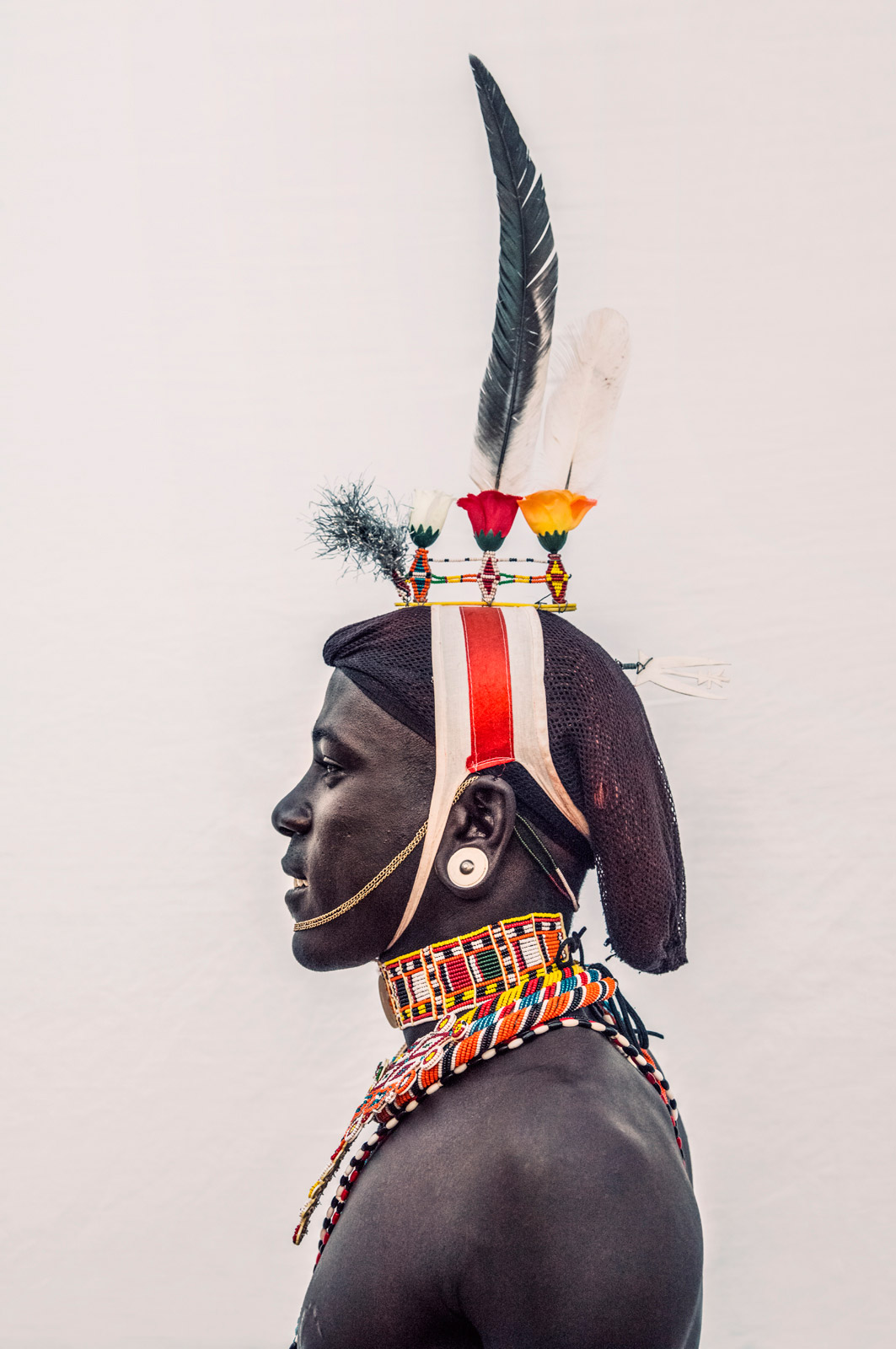
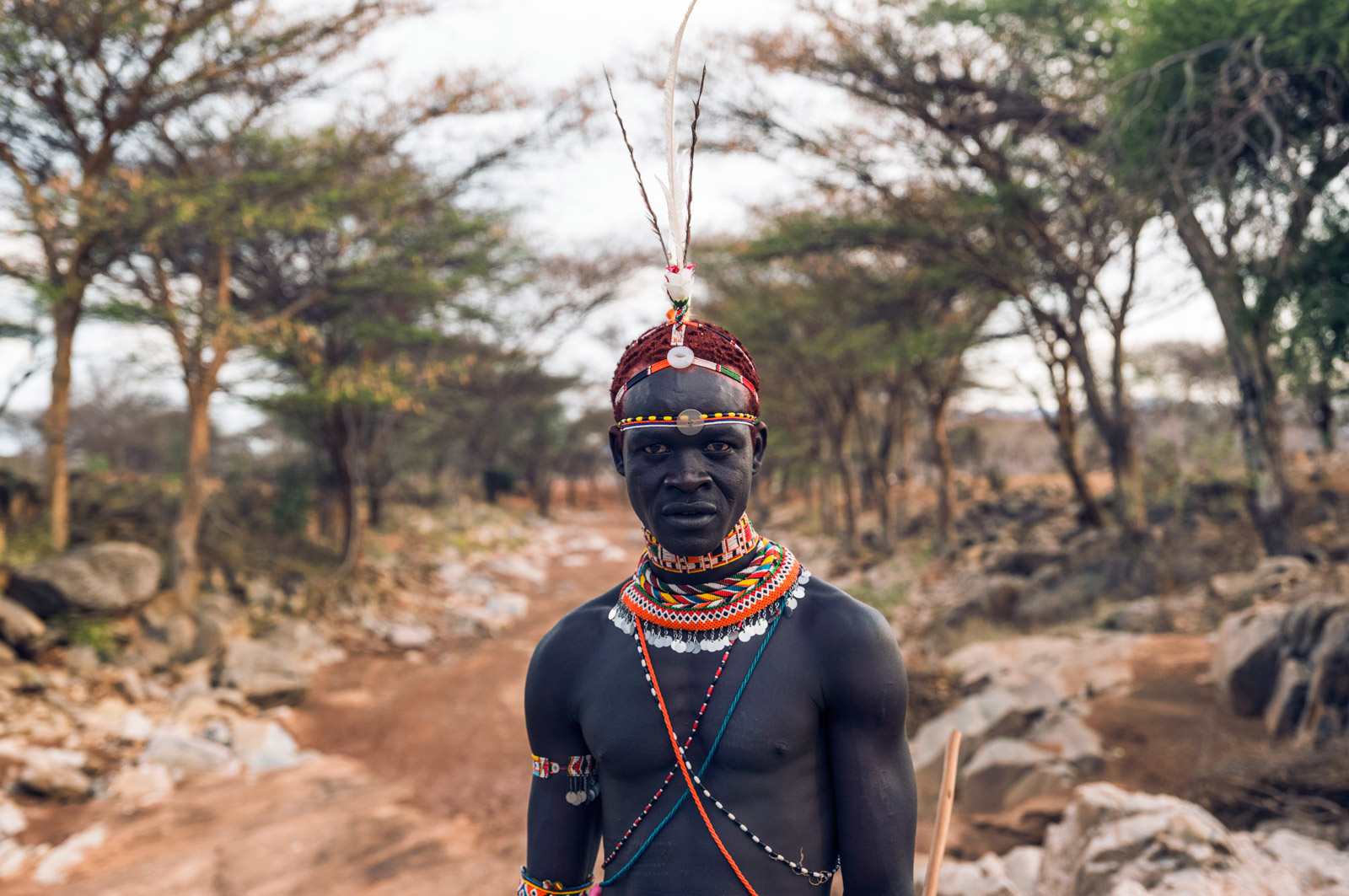
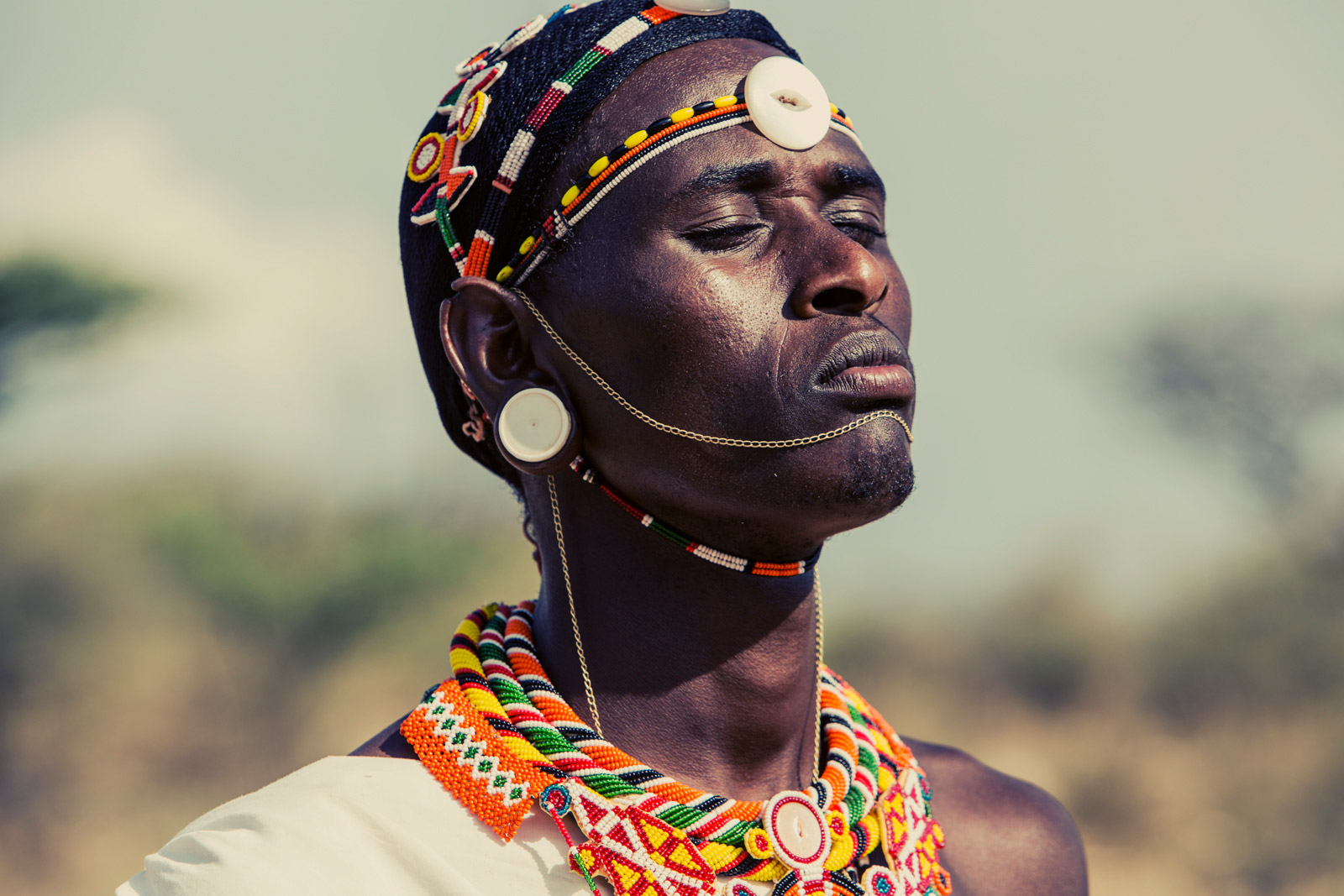

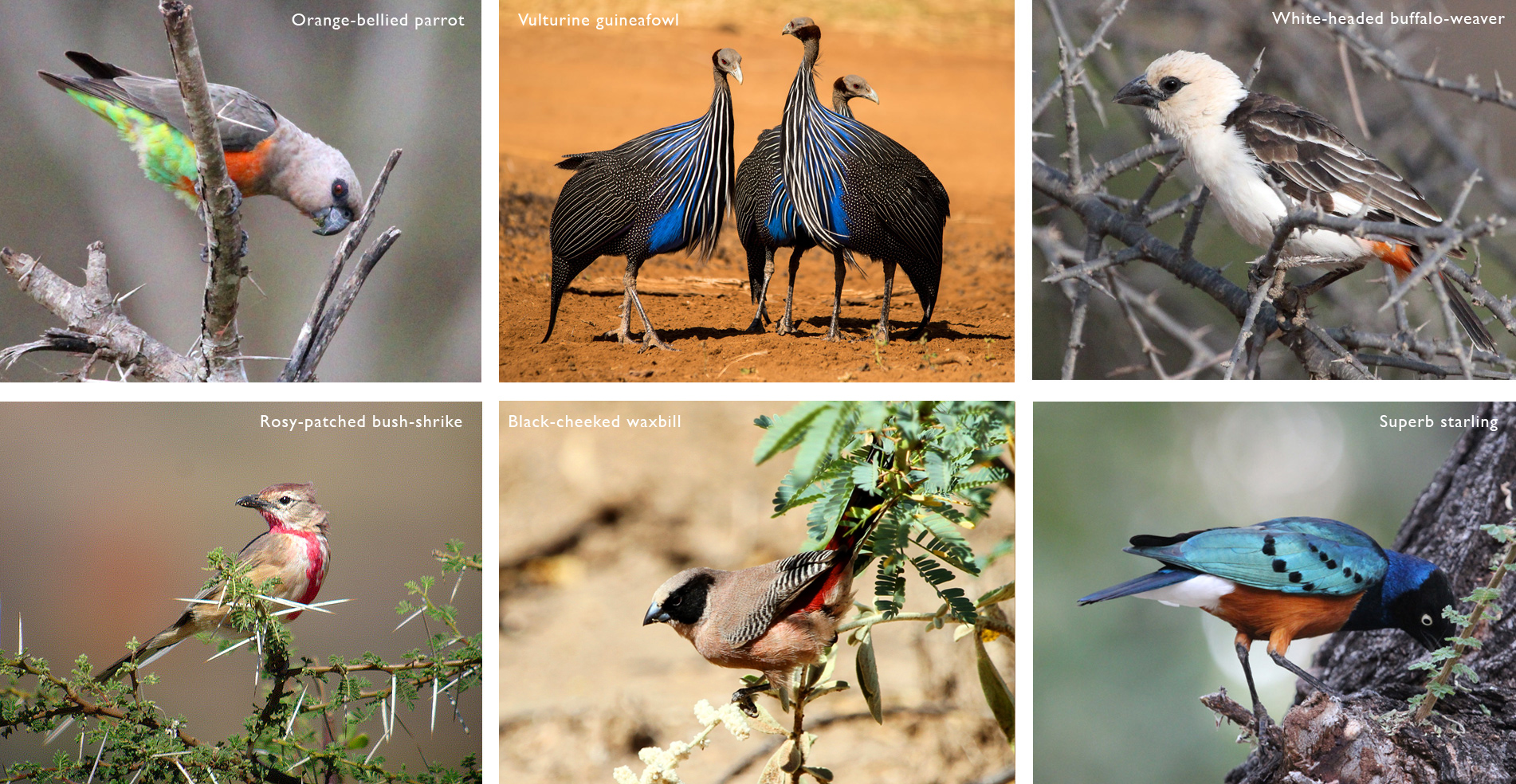
 SAMMY MUGO was born in Central Kenya near the Aberdare Mountain ranges and spent his youth visiting the beautiful Aberdare Mountain Park. It was here, while watching guests birding, that his interest in birds was triggered. Sammy’s elder brother worked as a game ranger, and he would visit him as often as he could. When his brother gave him a book on the birds of Africa and a small pair of binoculars, he knew he wanted to see all the birds in his country. His real love of ornithology and photography of different bird species began. Sammy is the co-author of Kenya’s largest publication on birds, ‘Wings of Kenya’.
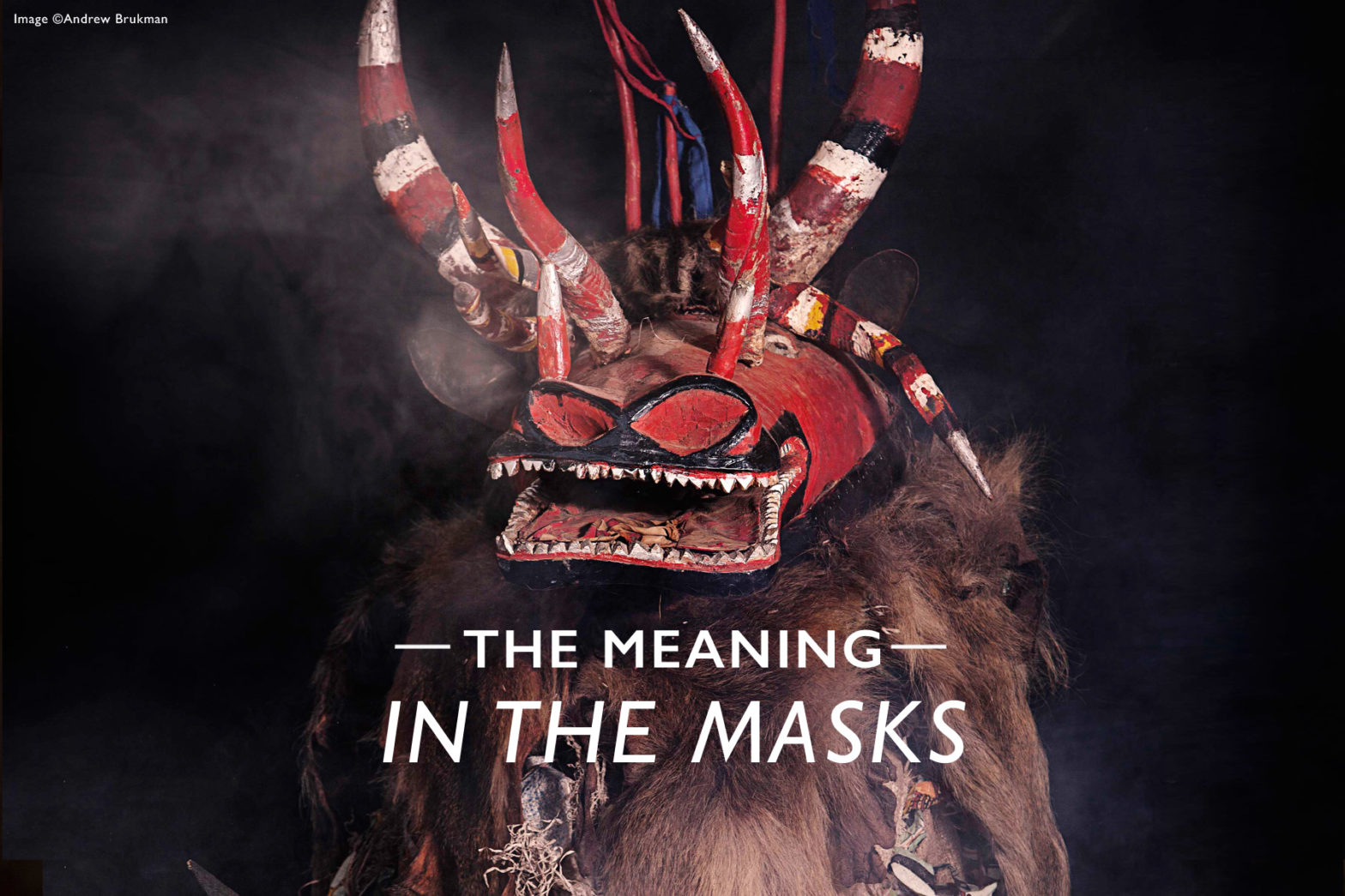
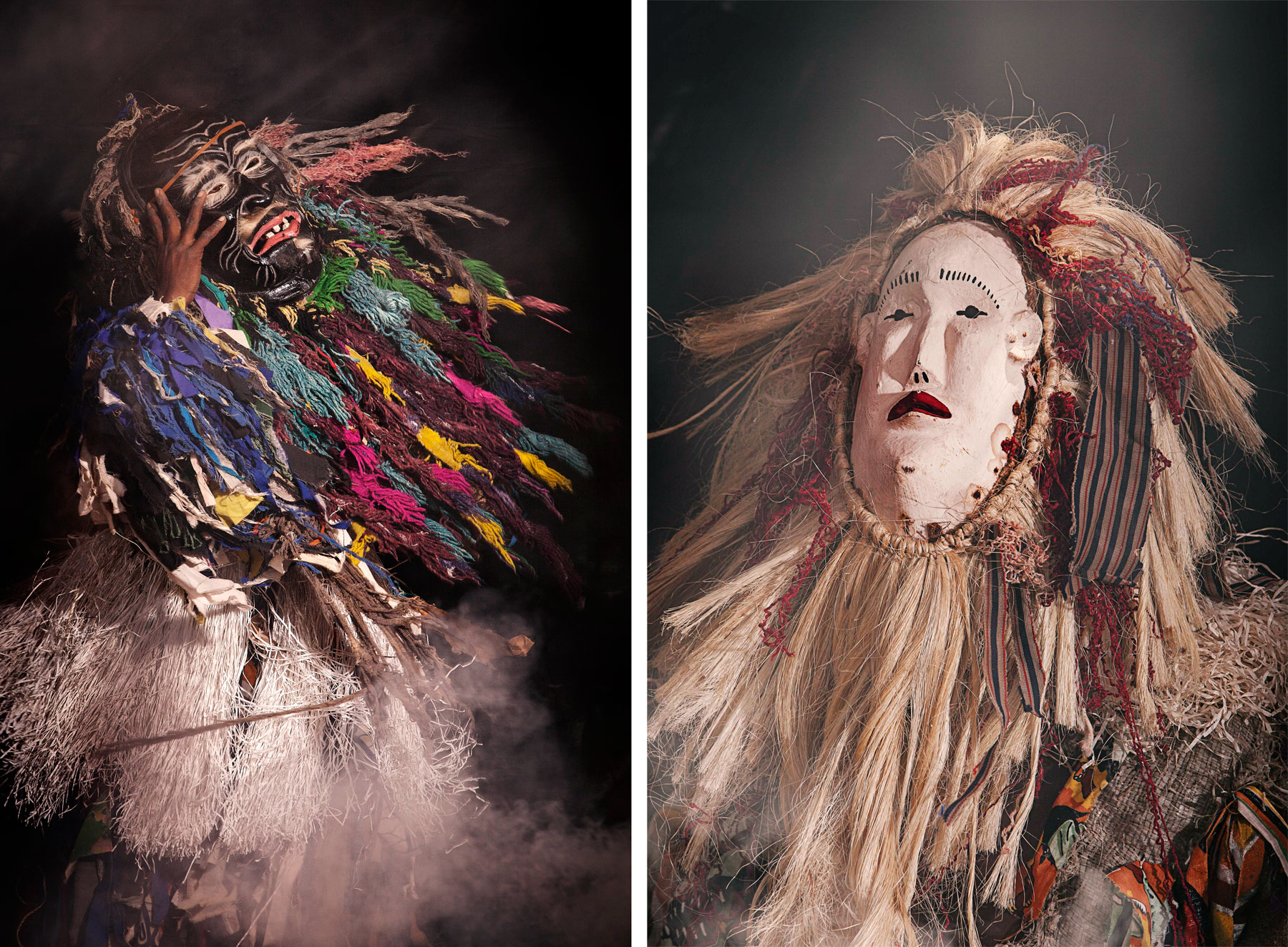
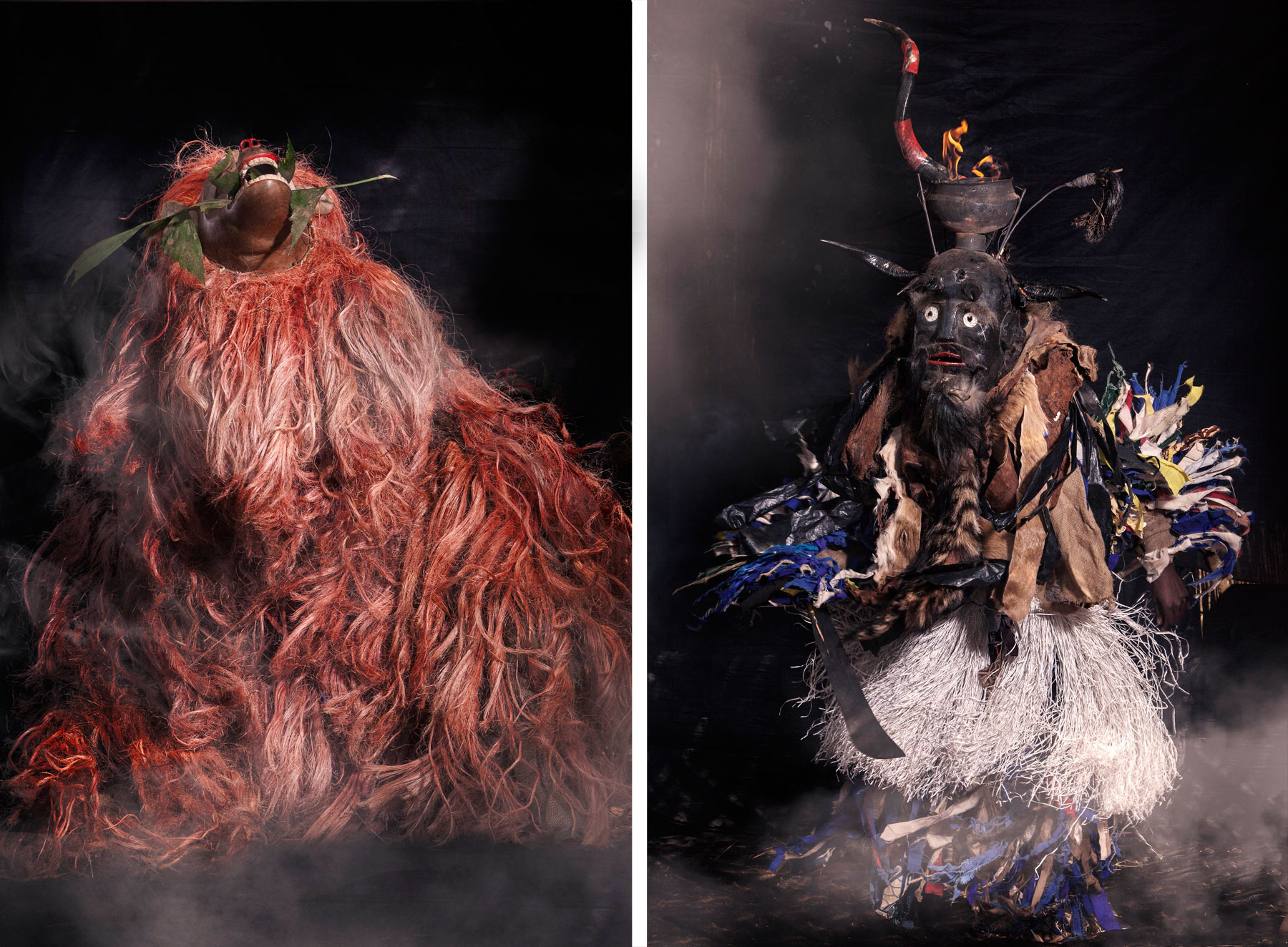
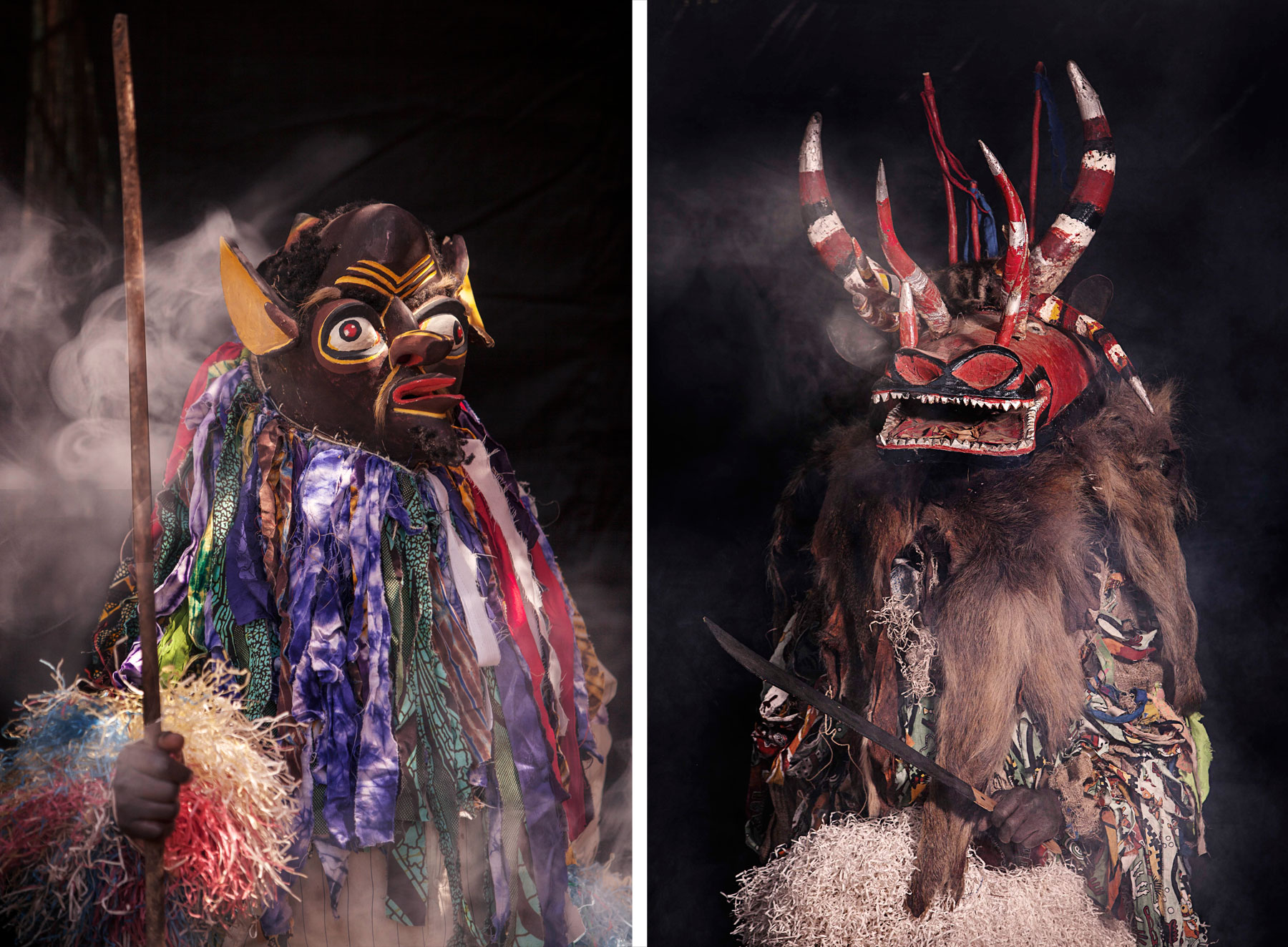
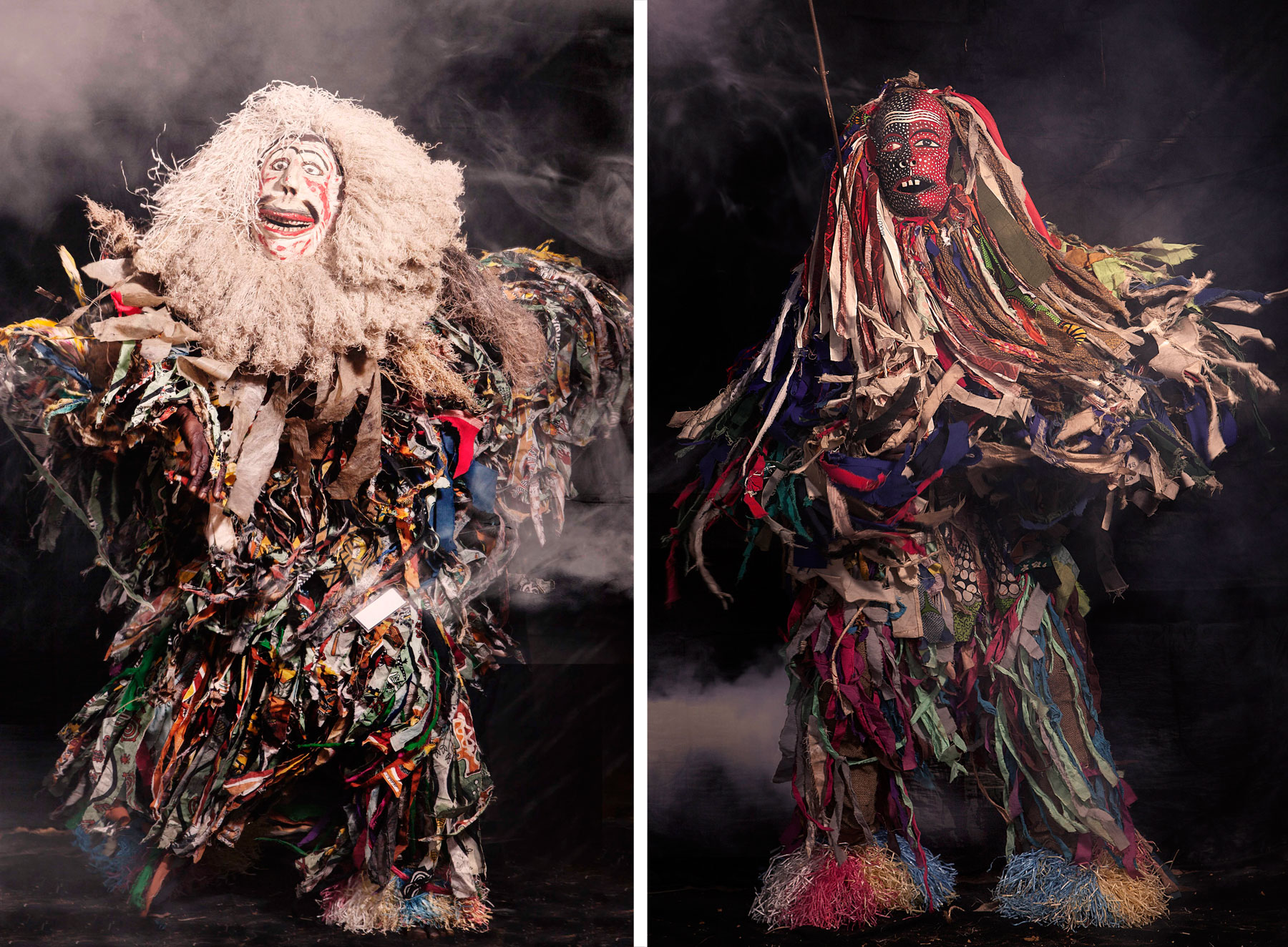
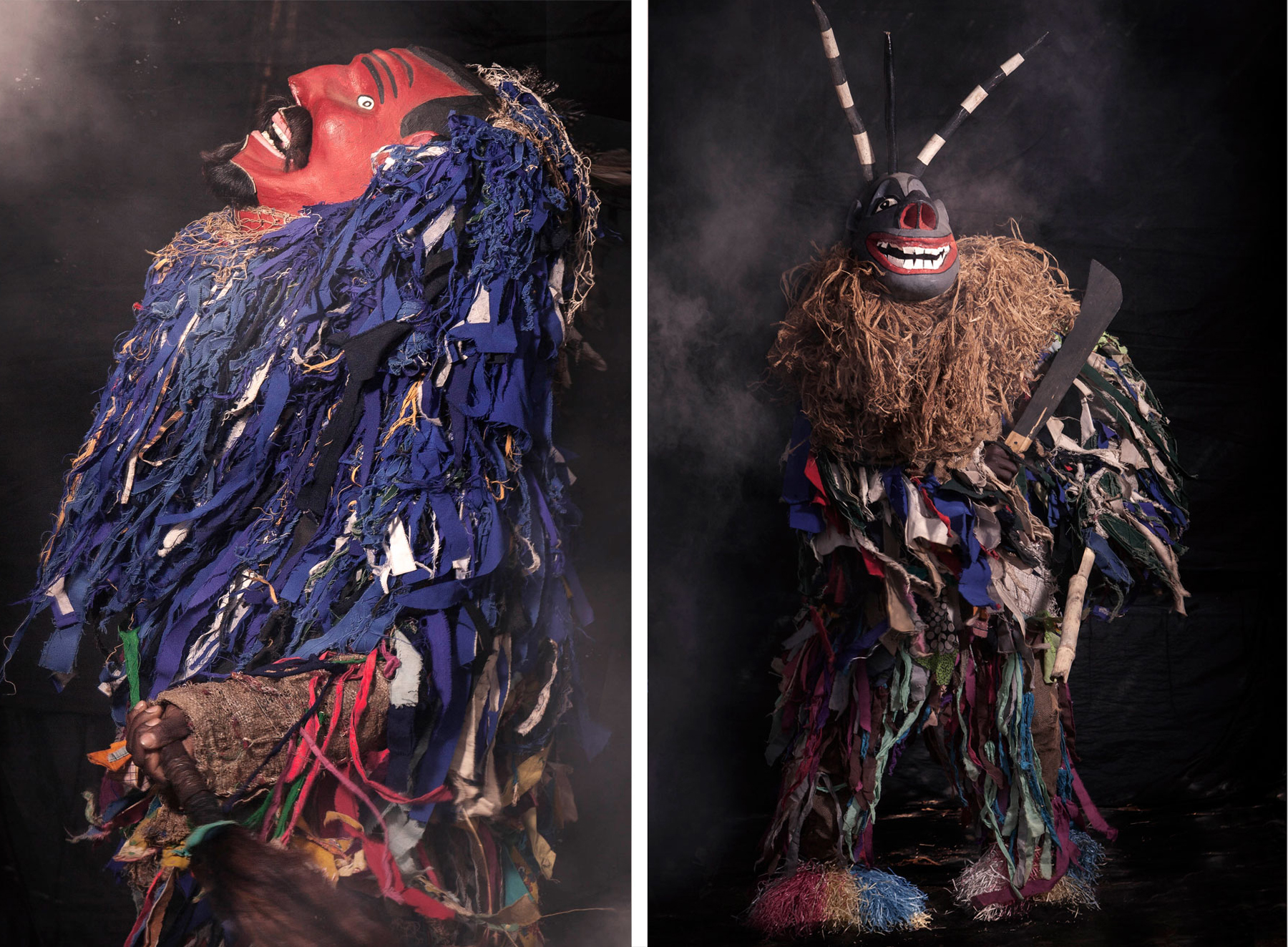
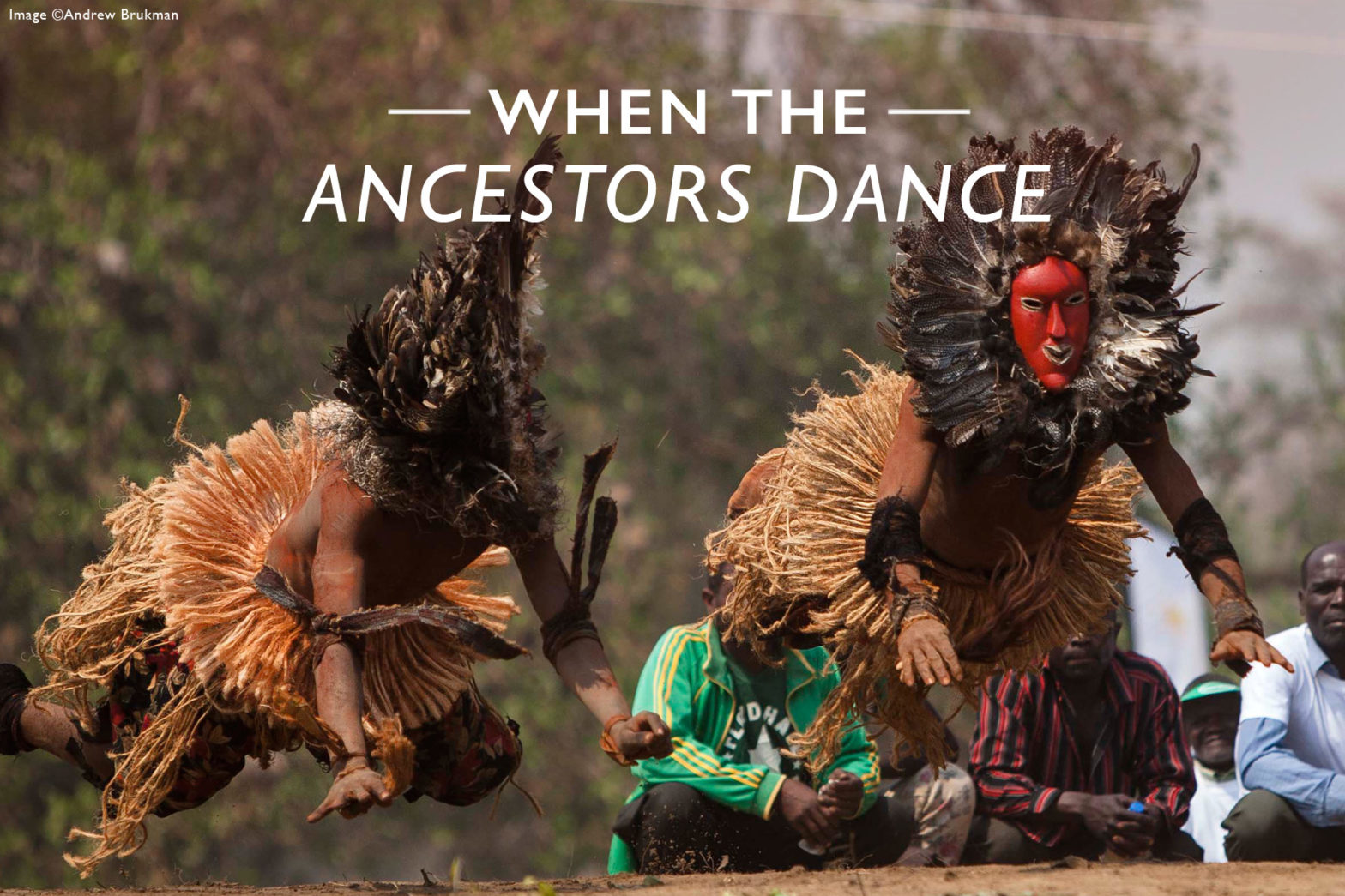
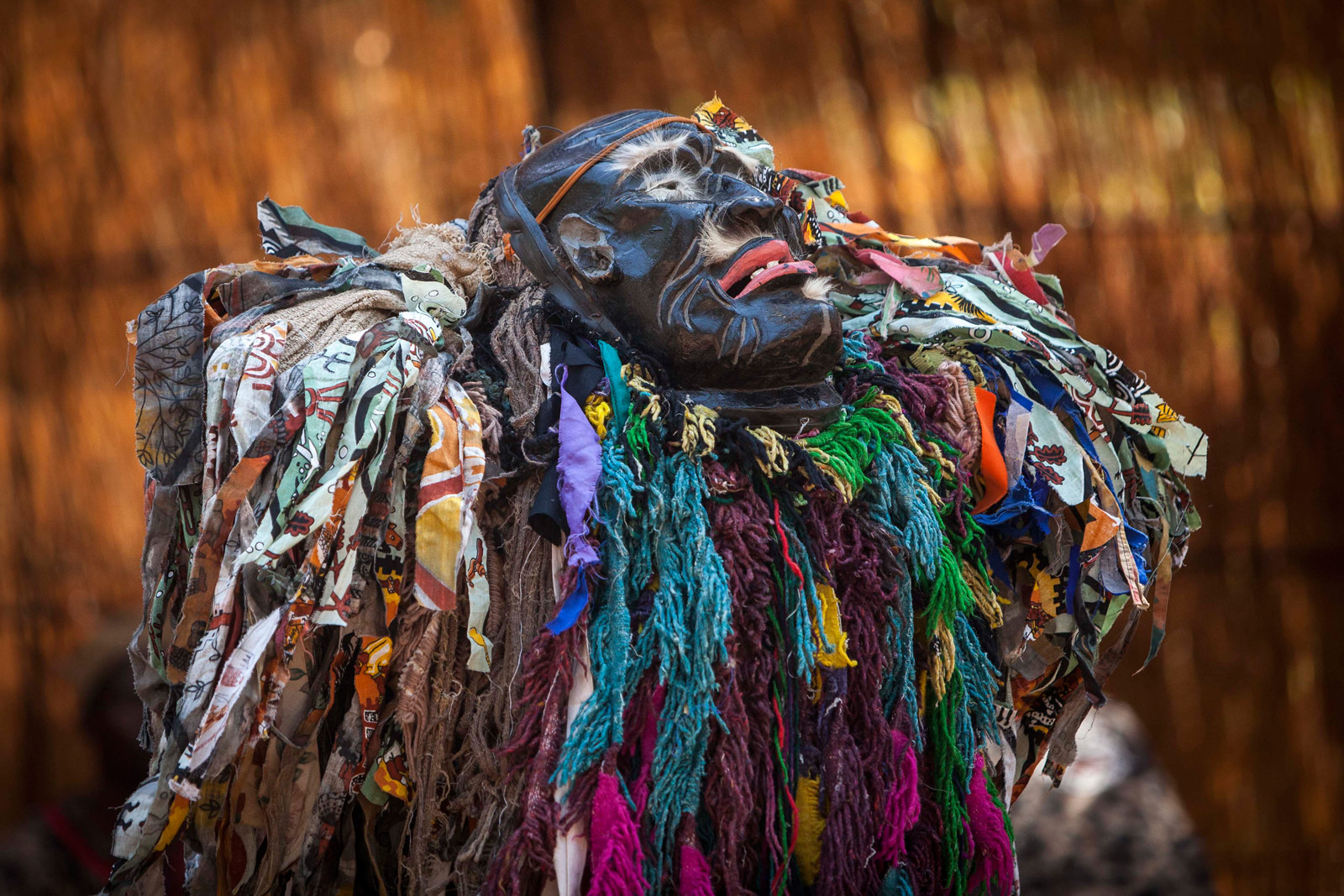
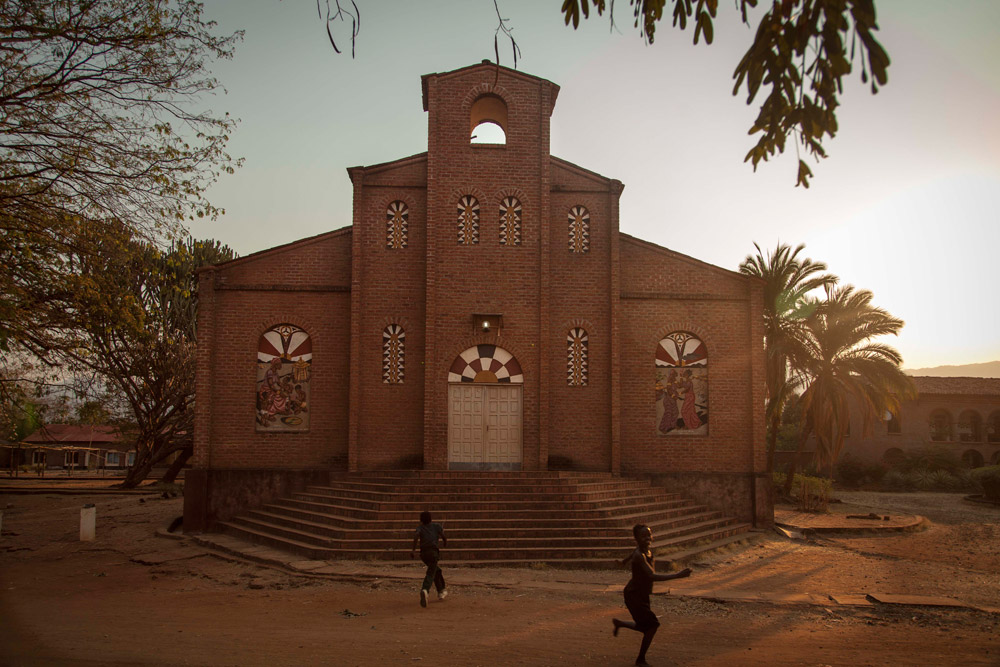
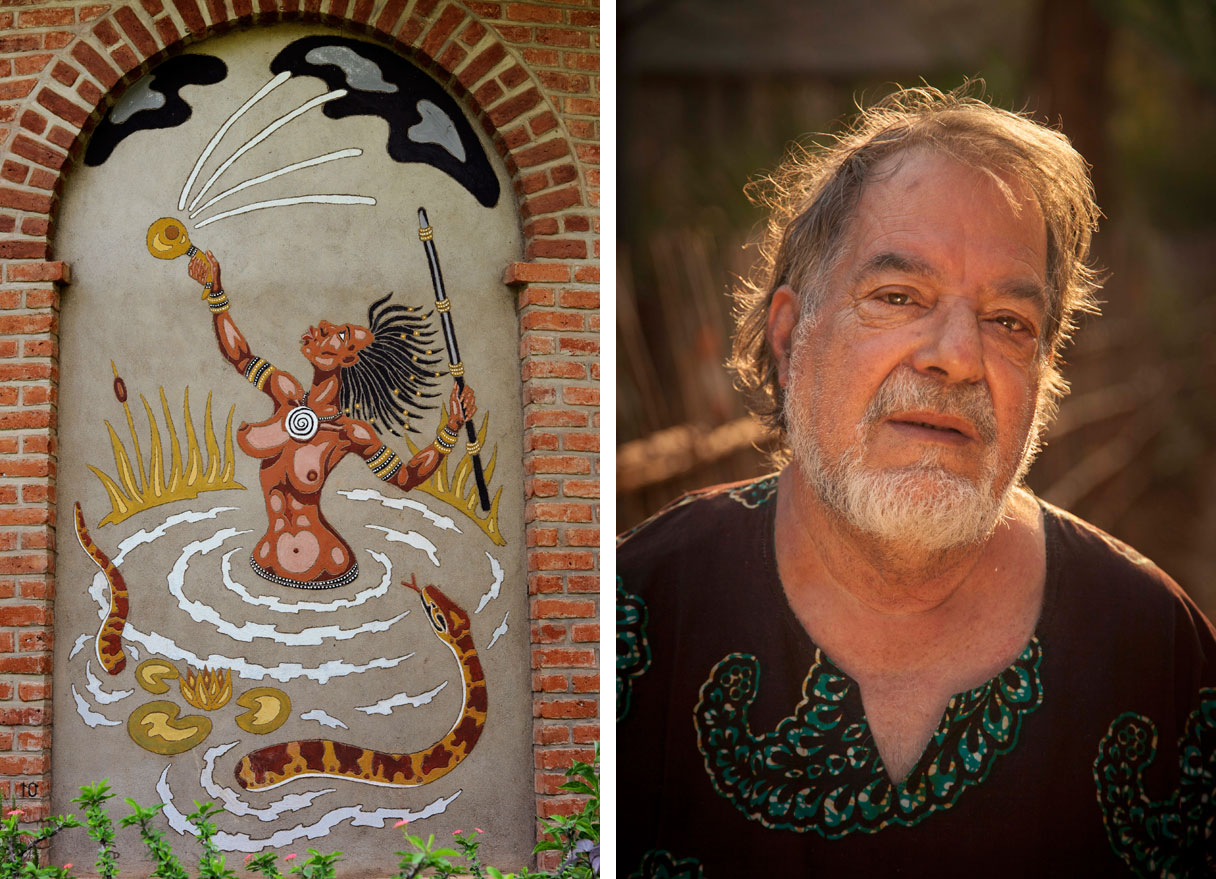
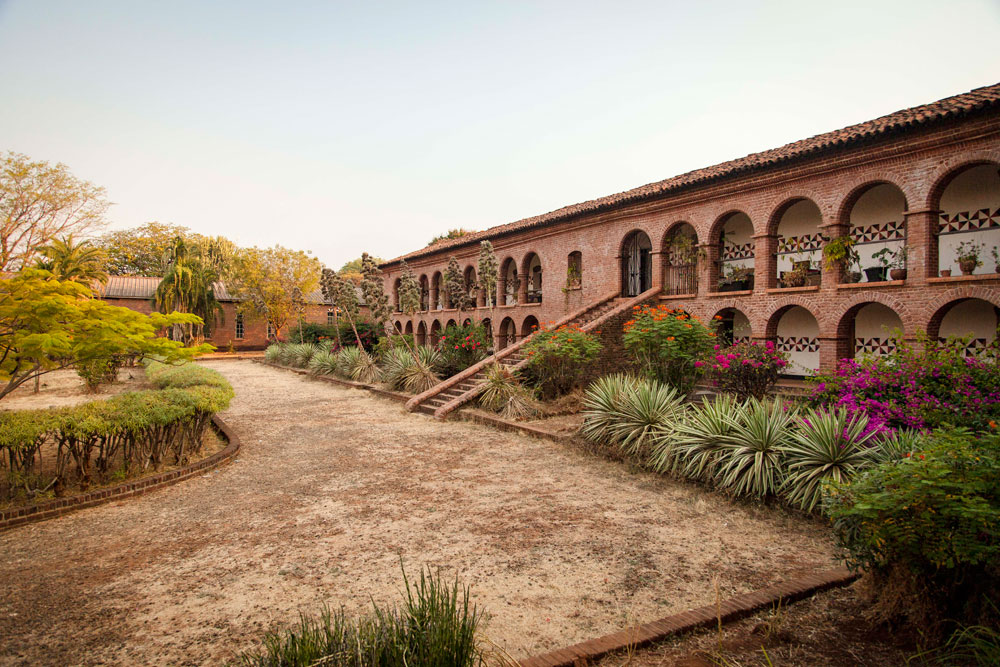
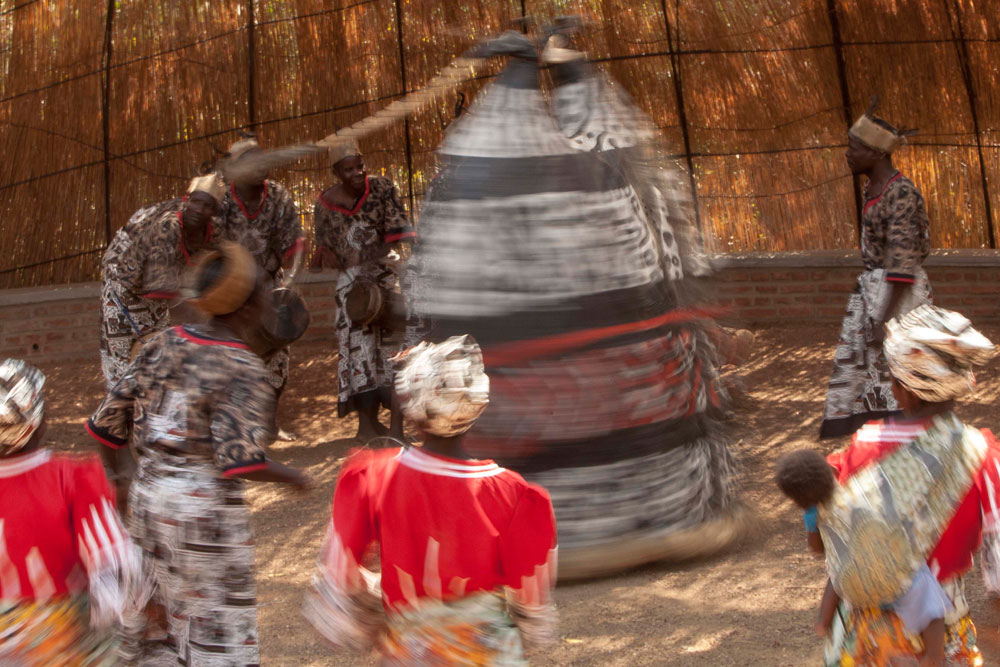
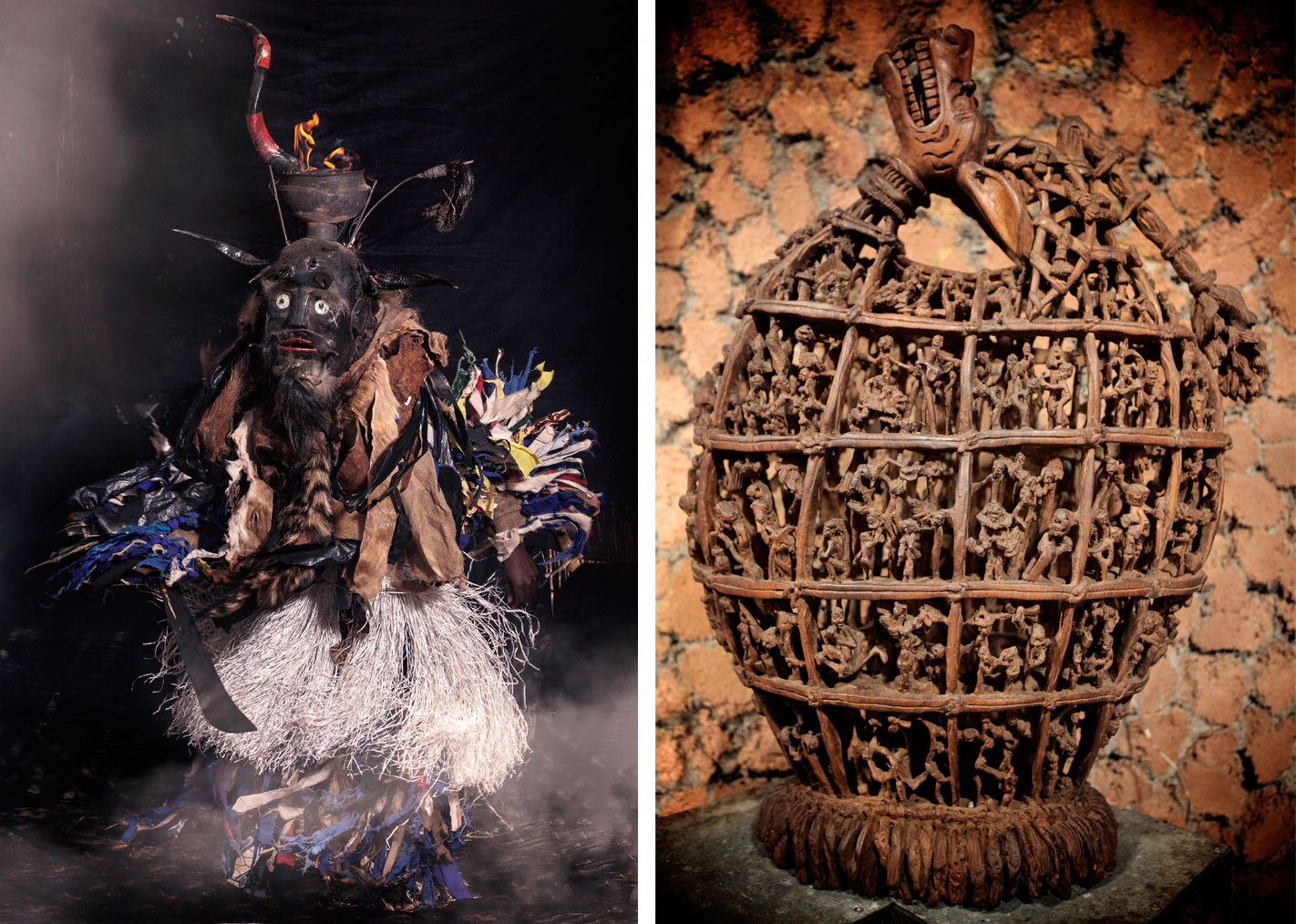
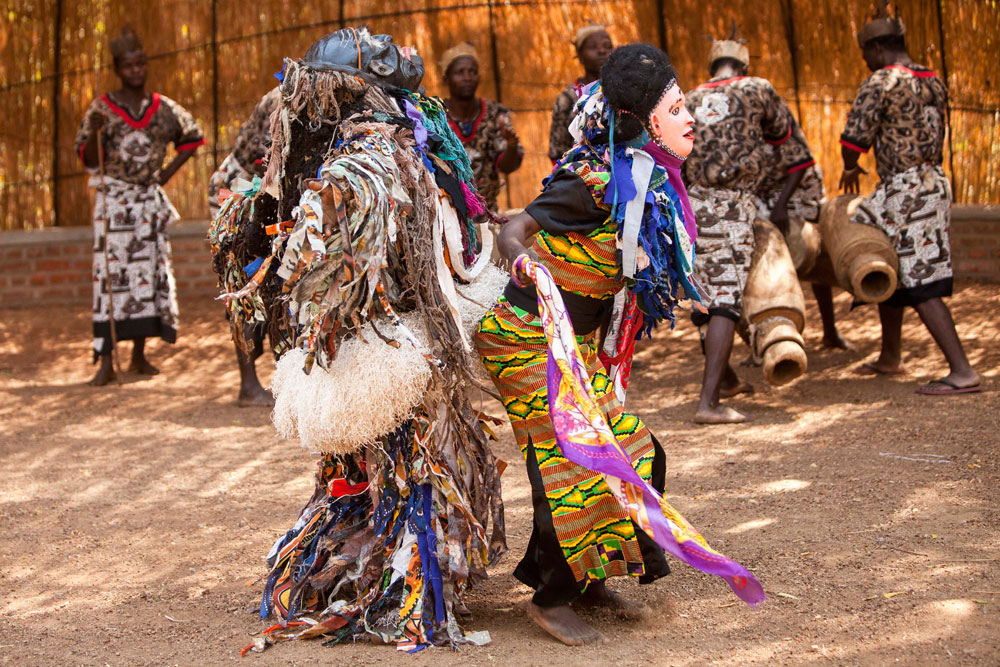
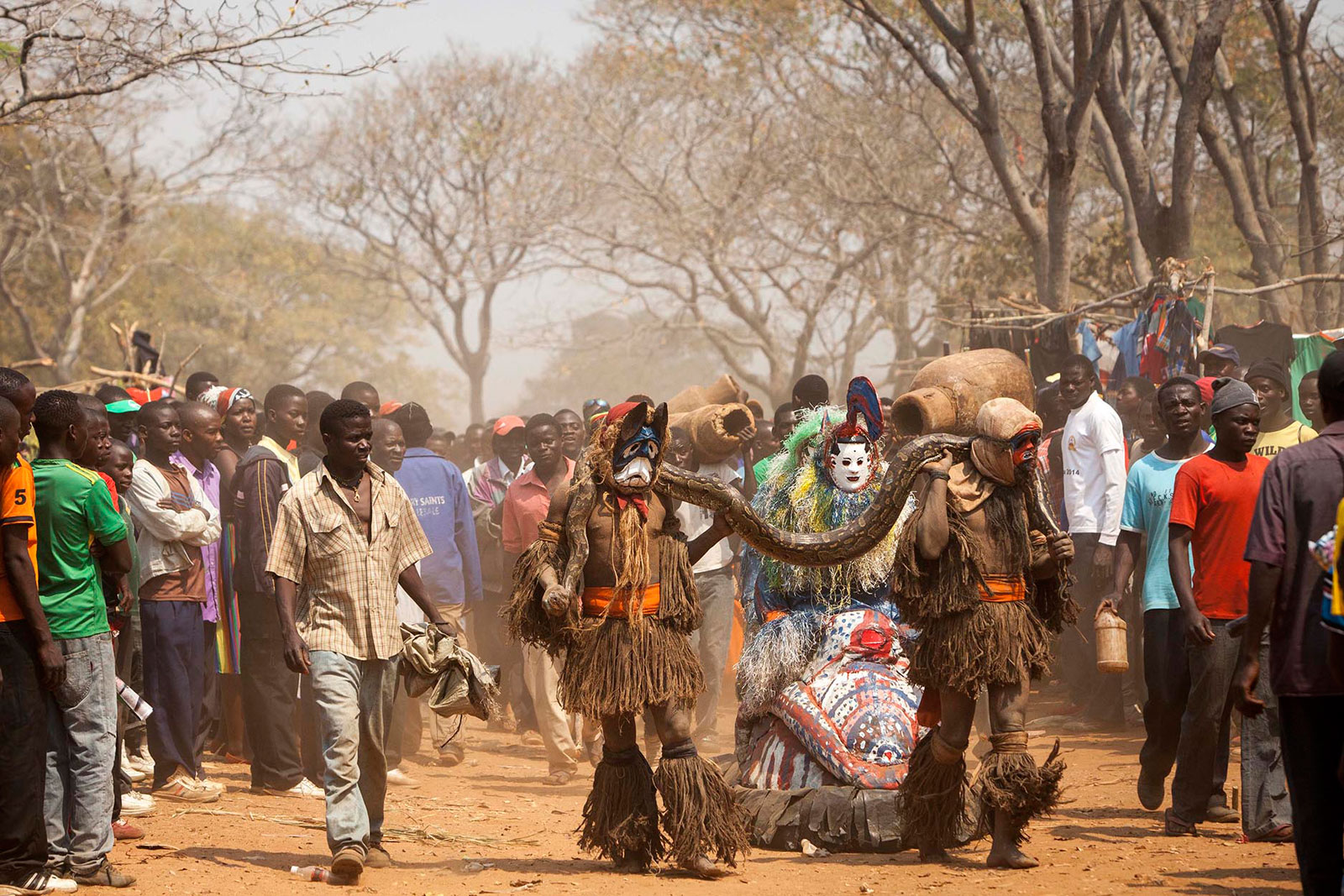
 JENNIFER STERN is a Cape Town-based travel writer who has been trawling southern Africa for fantastic adventures, fascinating and little-known museums, awesome food, great coffee and interesting encounters since the previous century. She is fascinated by how people shape the world – and how the world shapes people, and she sees every new project as another adventure. But adventure, she believes, is not about risking your life. It’s risking your preconceptions about life. Jennifer’s latest adventure took her to Malawi and Zambia to learn more about the mysterious gule wamkulu or great dance.

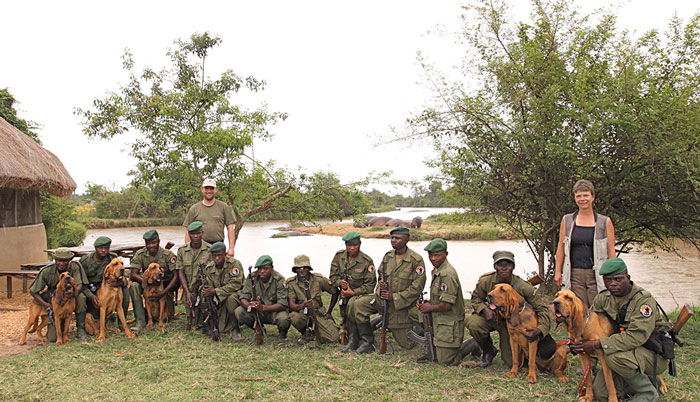


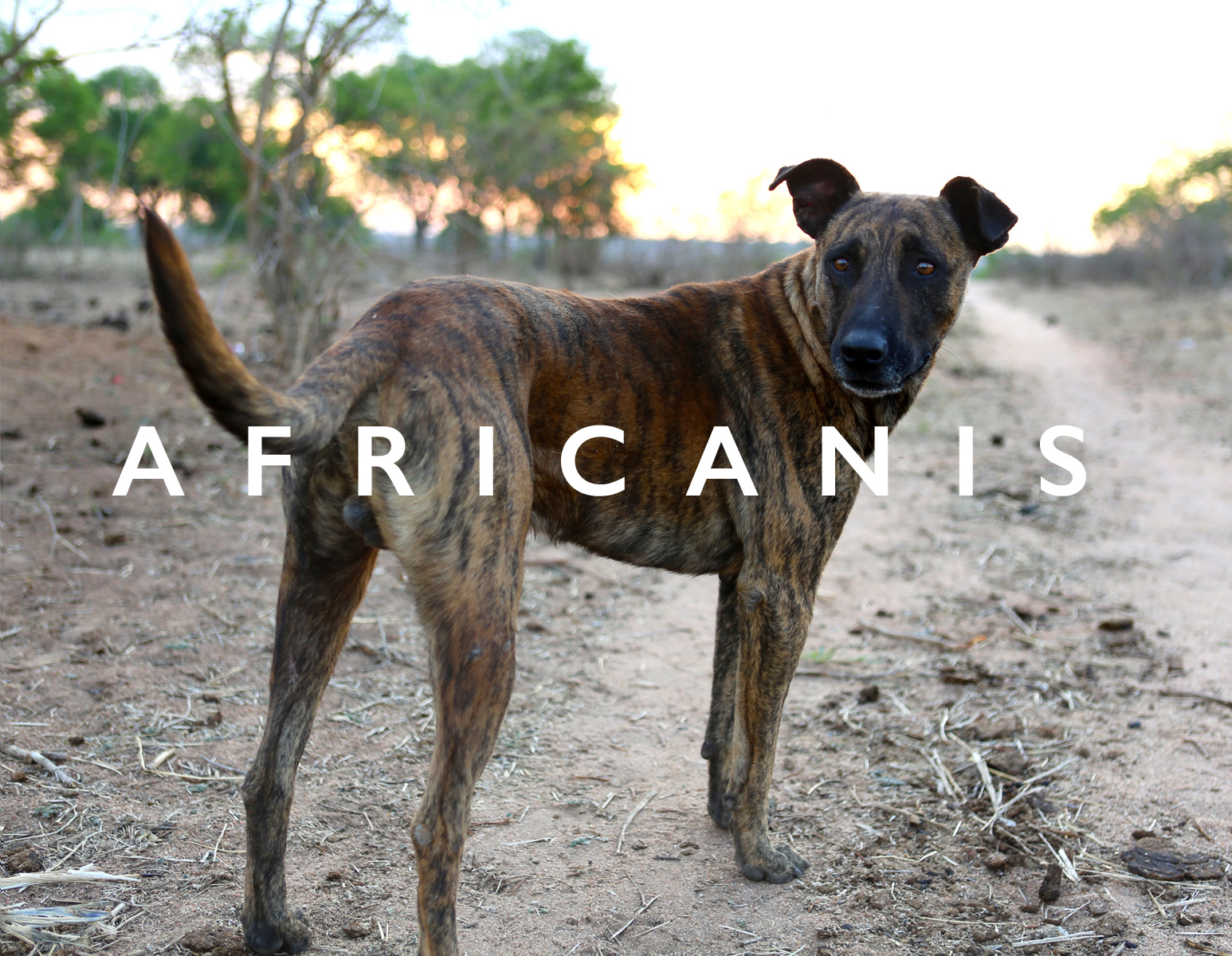
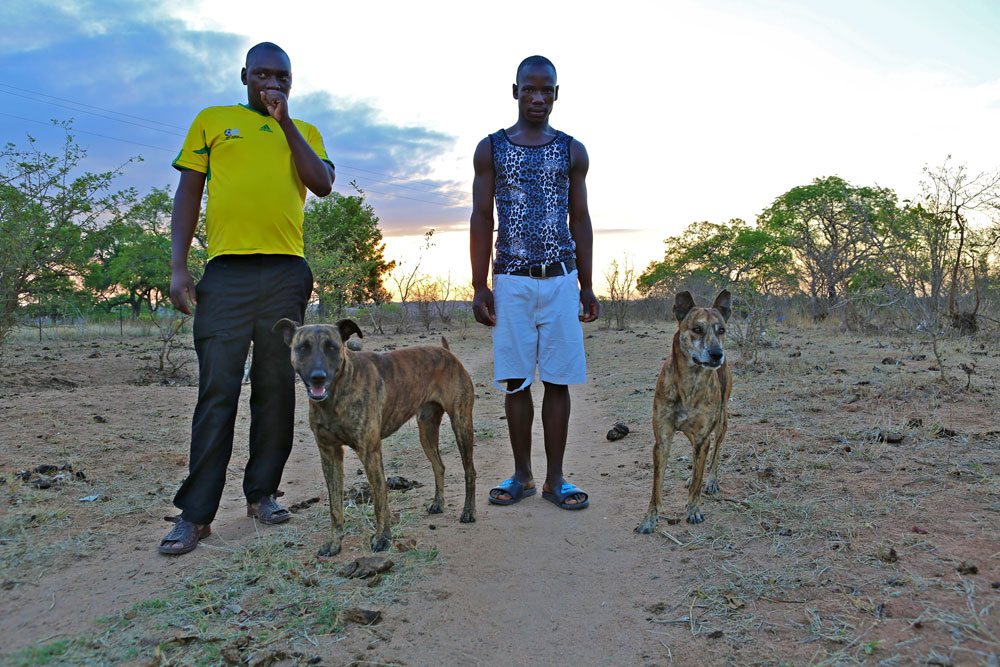
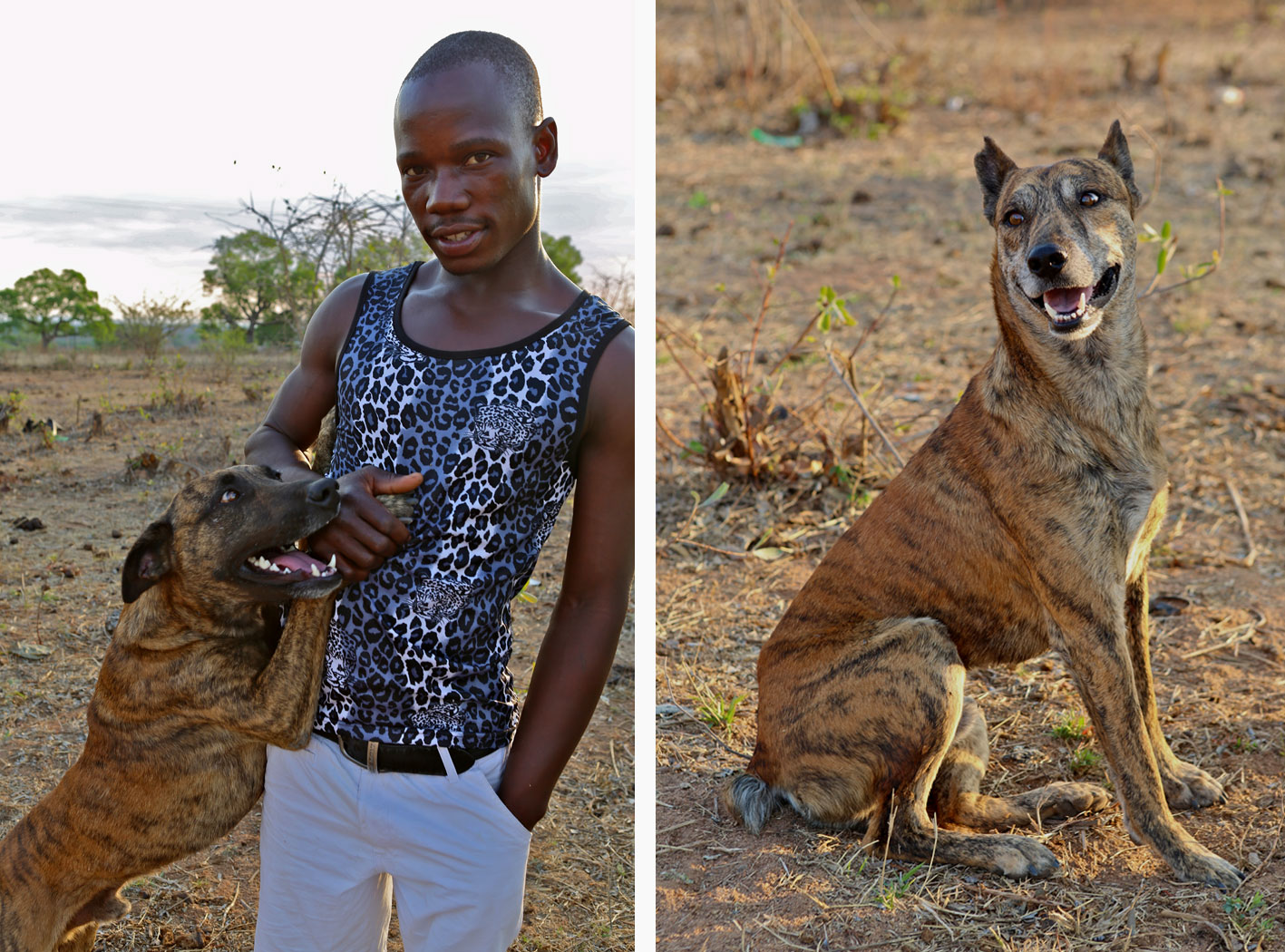
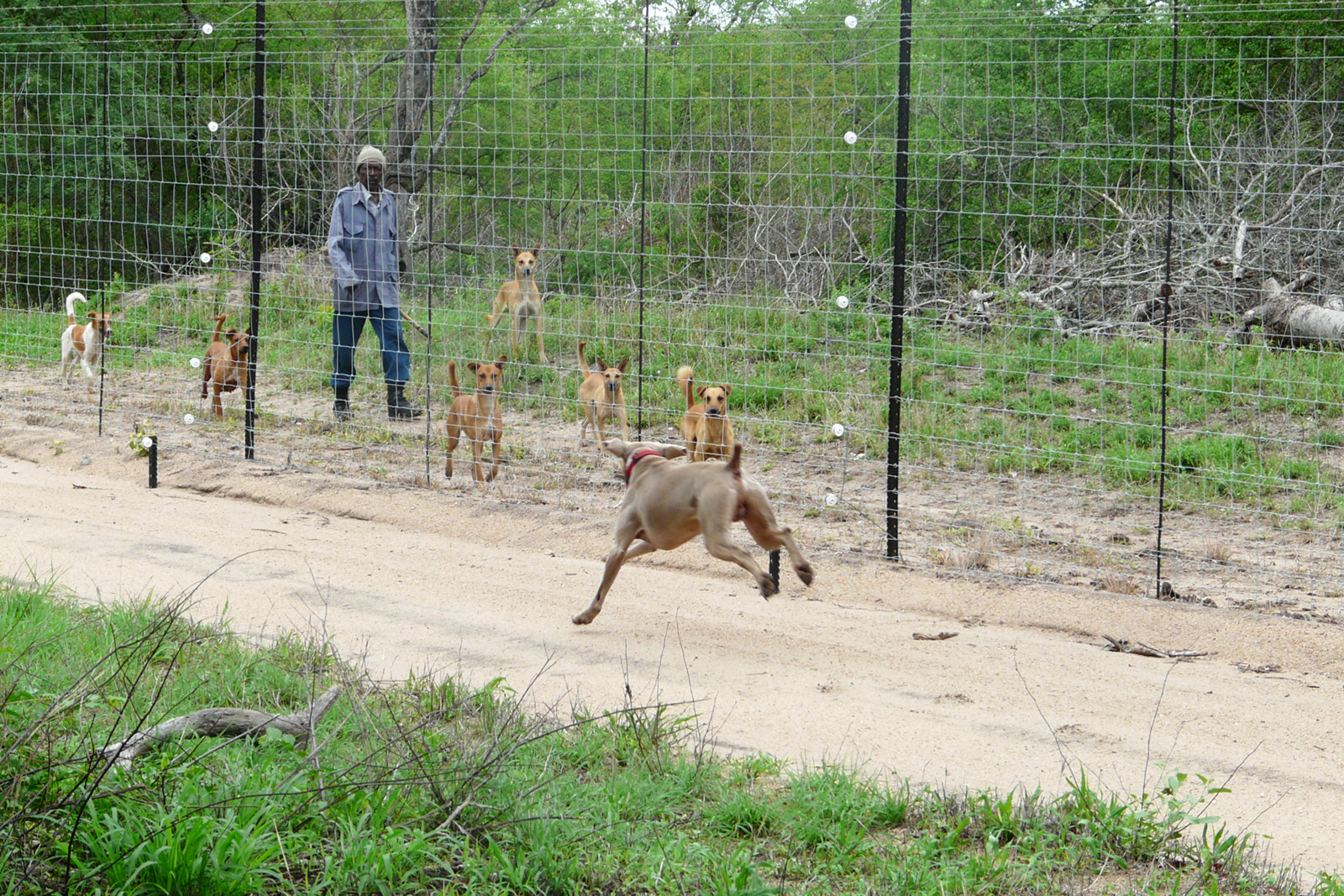
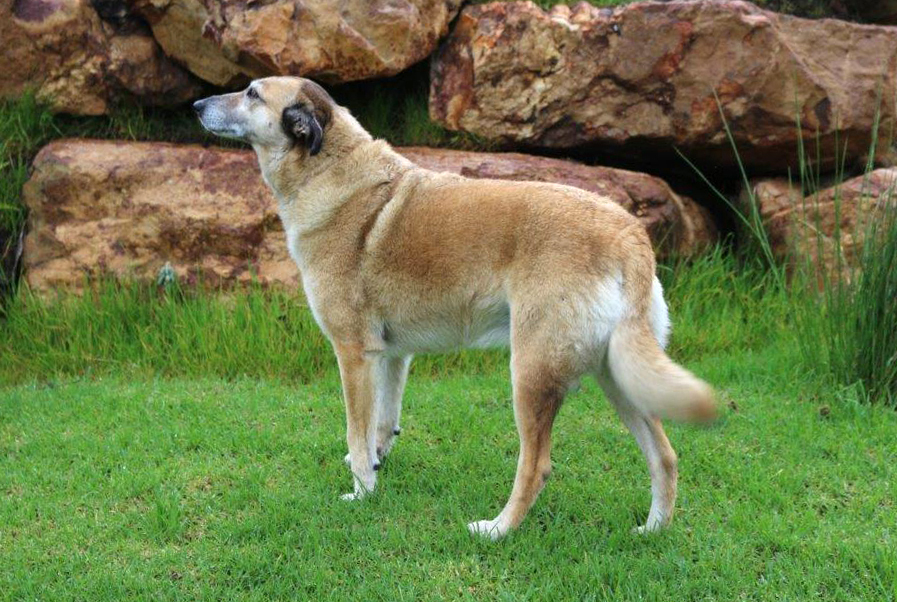
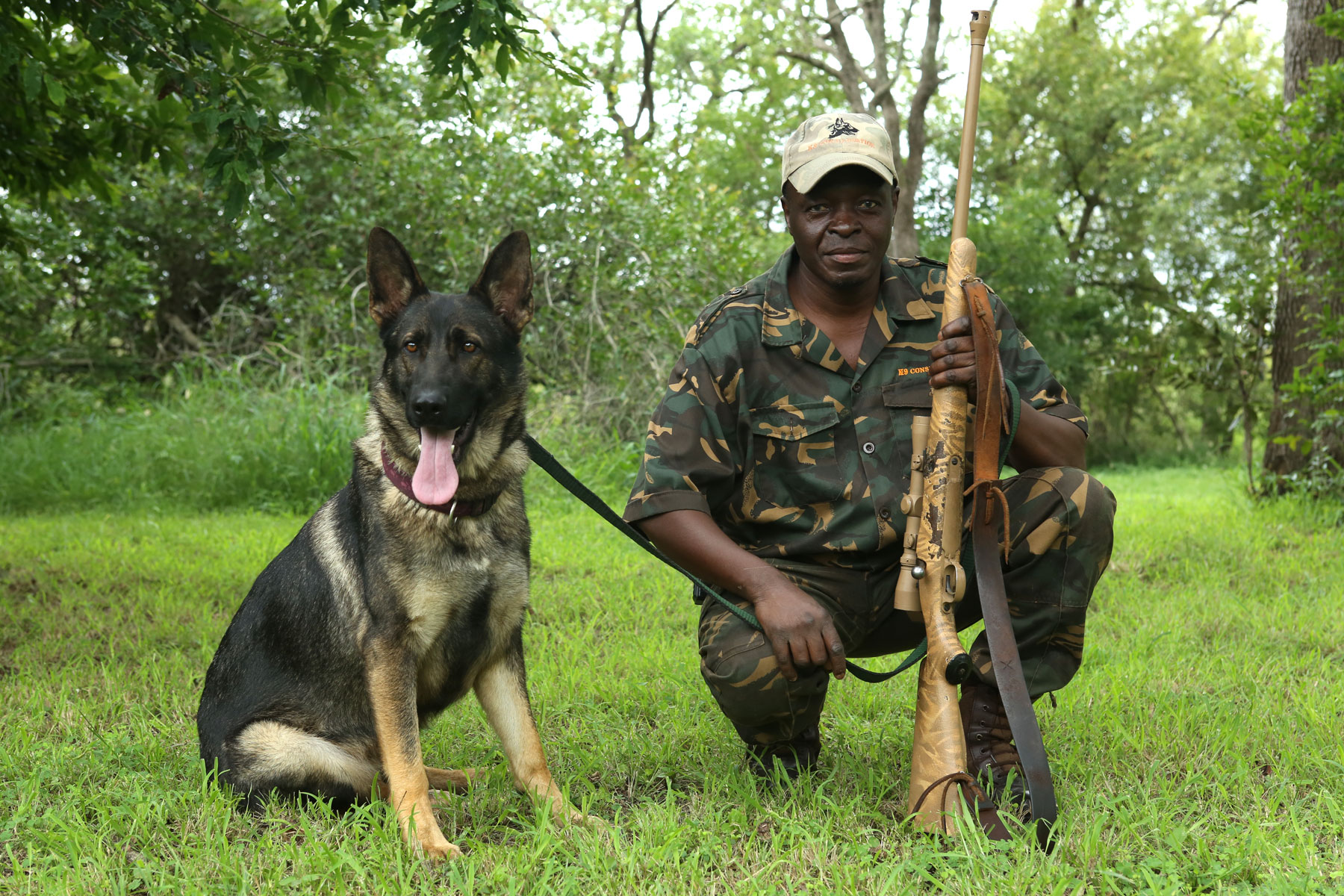
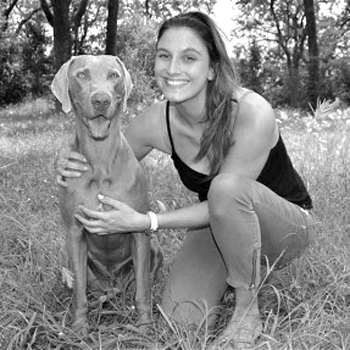 CATHERINE CORRETT grew up and lived in the heart of London for twenty-five years. Africa stole her heart eight years ago, and she eventually moved to South Africa in 2011 to become co-founder of K9 Conservation. Catherine has spent the past four years deeply involved in conservation, working with some of the finest reserves and conservation programs in South Africa in many different fields, from relocating animals and rehabilitating threatened species to anti-poaching operations, reserve management and environmental monitoring. Catherine holds a BA Honours degree in Social Anthropology and a Master’s degree in Television and Current Affairs Journalism. She has also trained as a photojournalist, cameraman and editor and has worked for the BBC and Reuters. Her greatest passion is conservation through journalism and bringing awareness to a global audience through visual media.


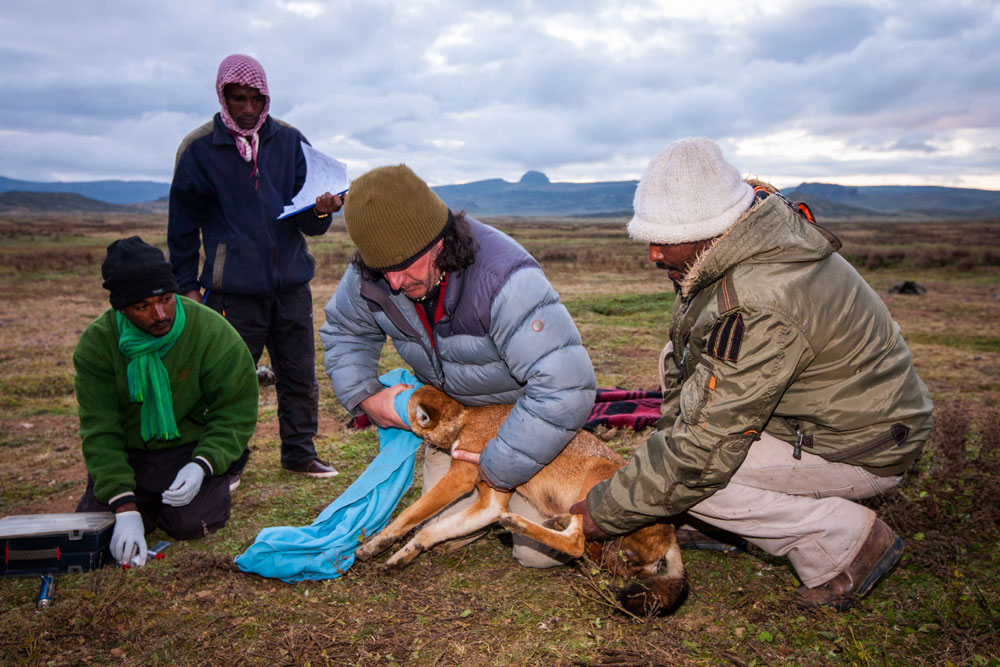
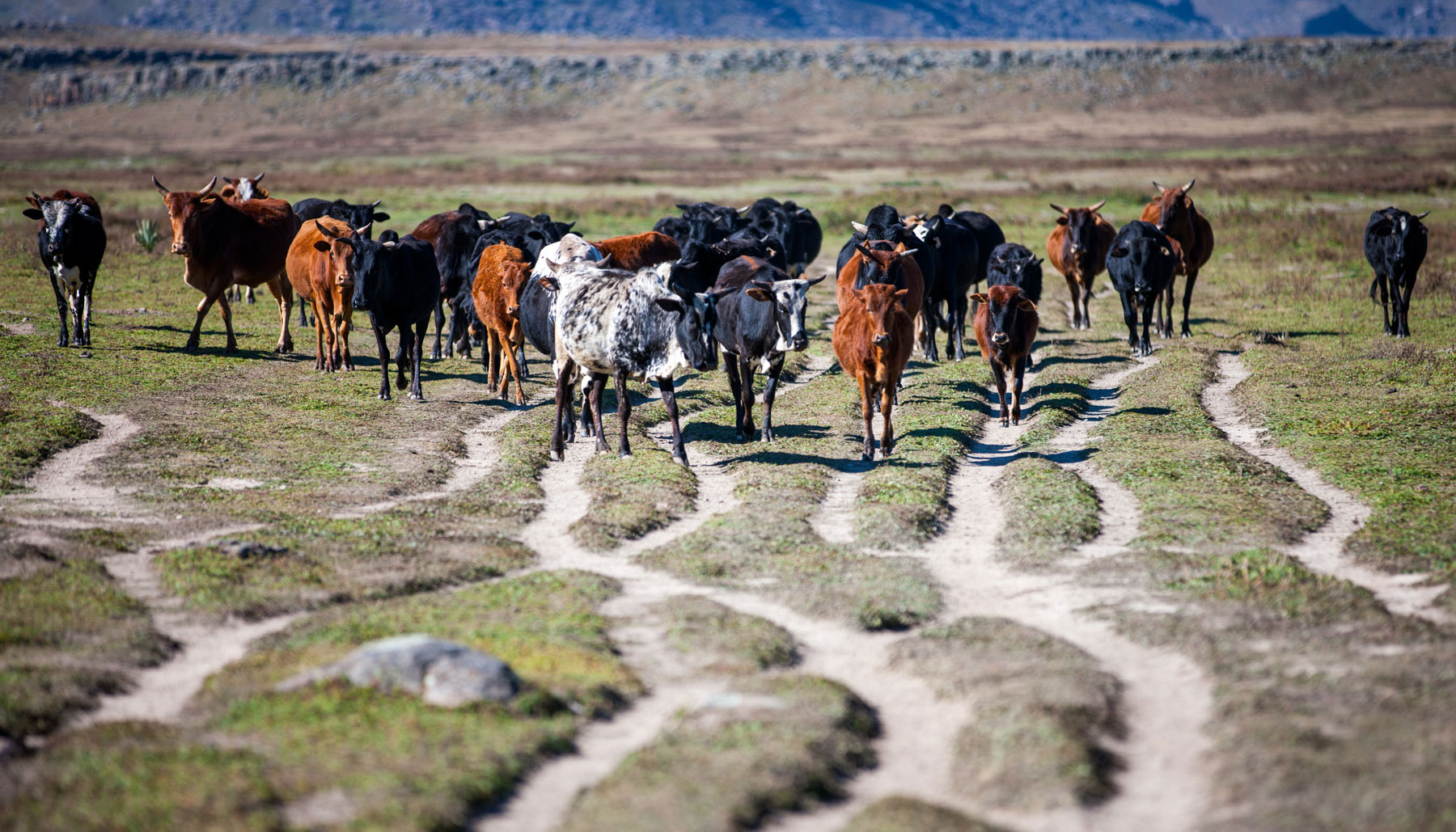
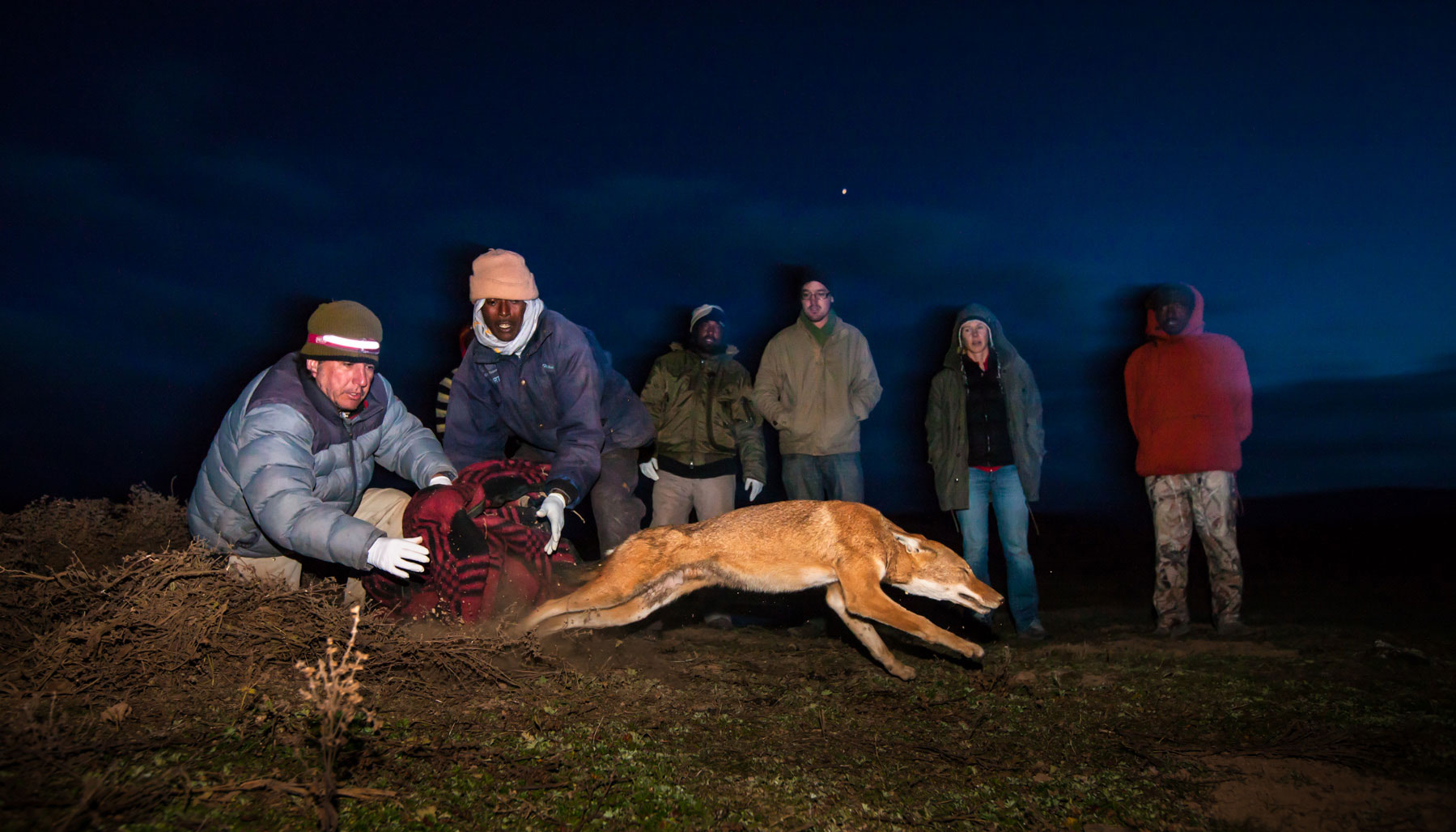
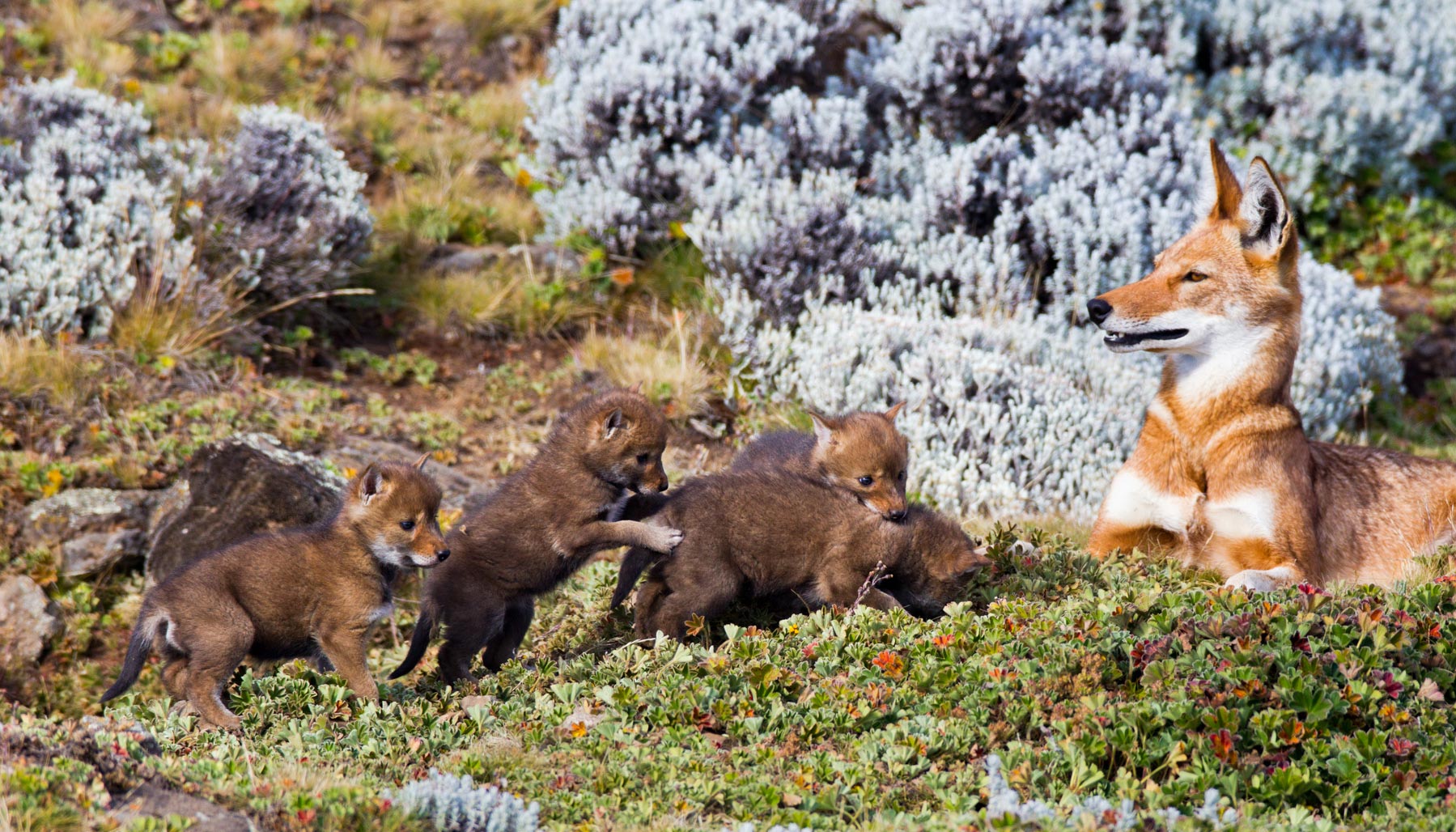
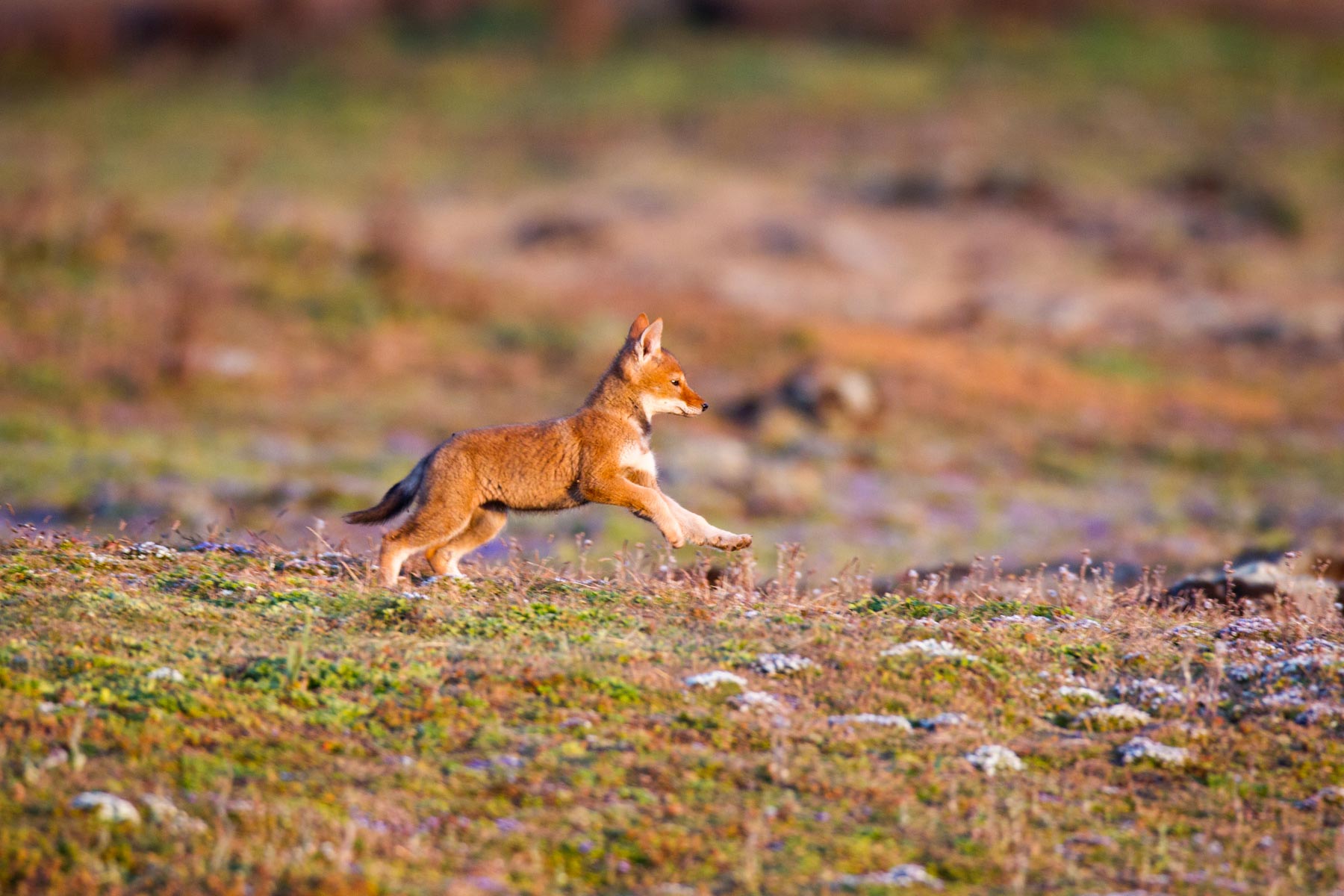
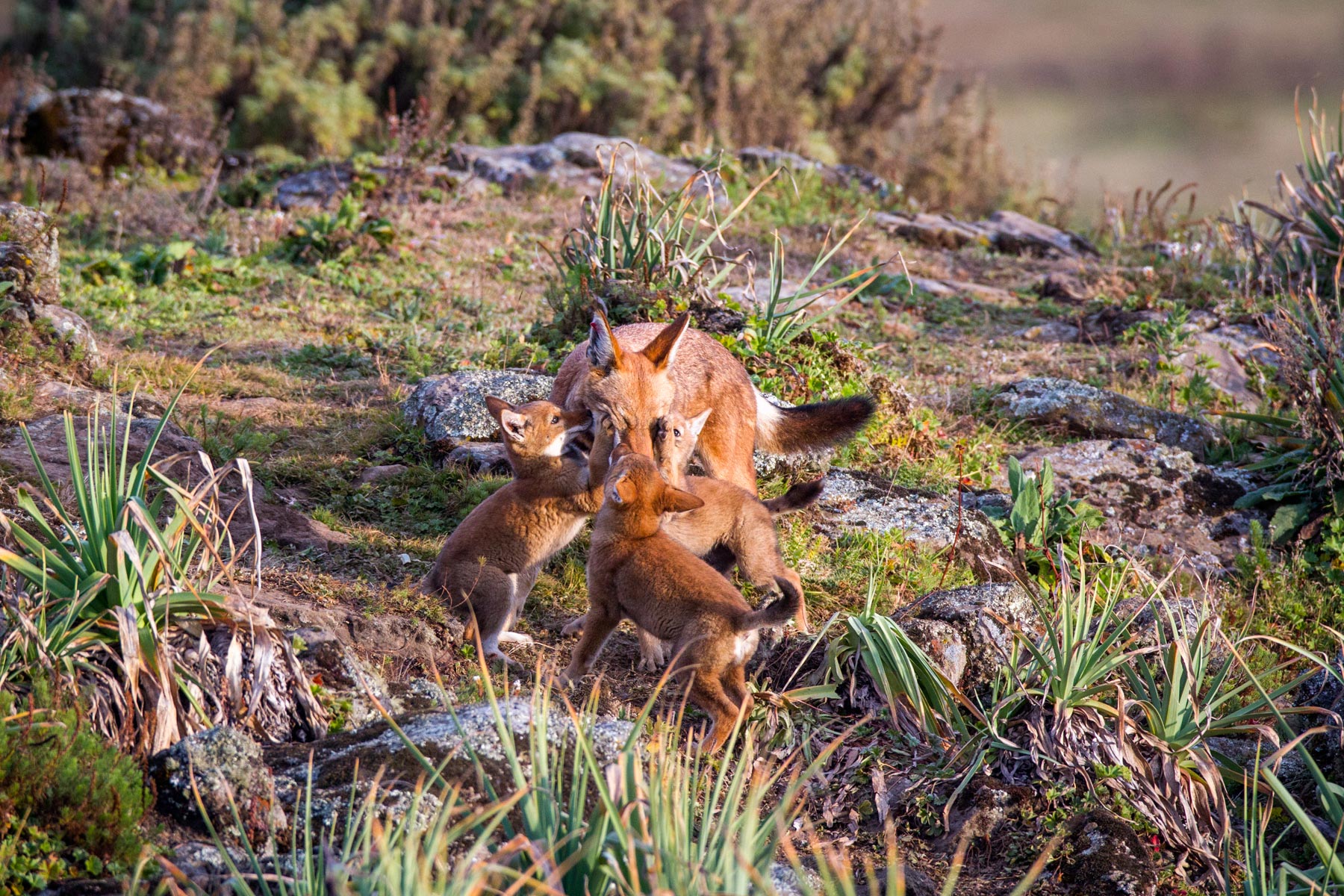
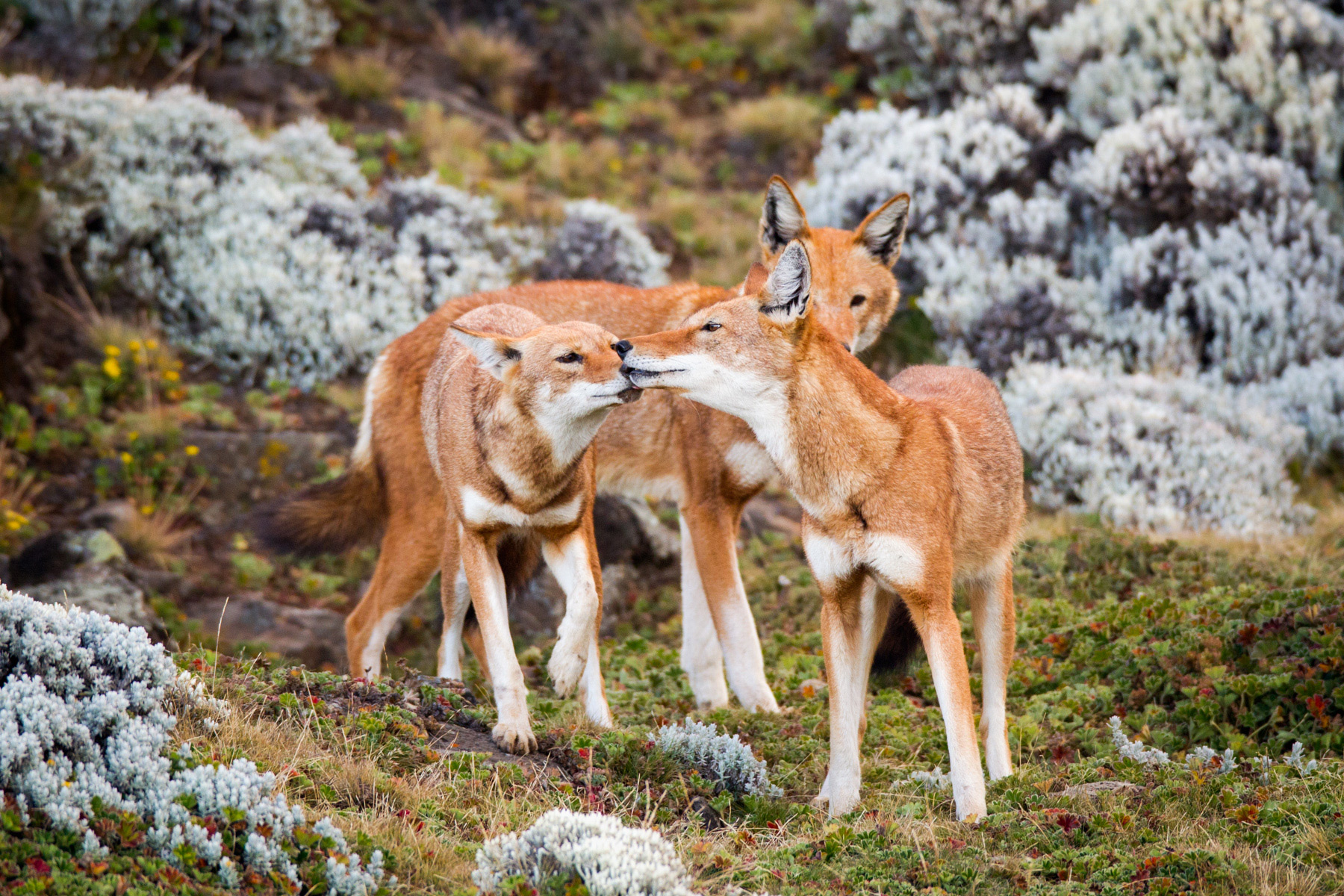
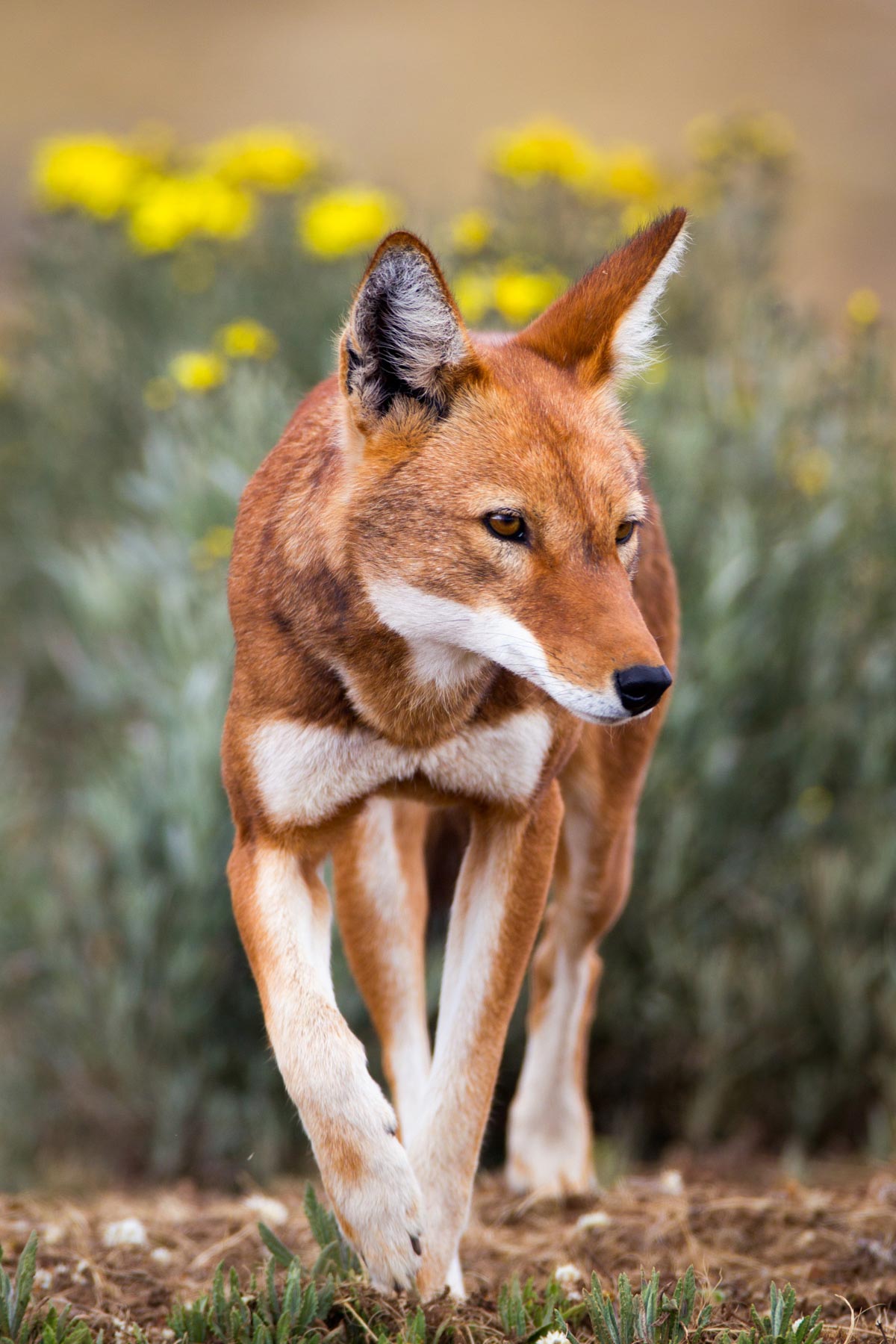
 Wildlife photographer WILL BURRARD-LUCAS first developed a passion for wildlife living in Tanzania as a child. Since then, he has photographed wildlife all over the world and primarily in Africa. Will aims to inspire people to celebrate and conserve the natural wonders of the planet through his imagery. He has partnered with several conservation organisations donating his time and images for their fundraising activities. Working with the Ethiopian Wolf Conservation Programme he draws attention to the challenges this species faces. You can view more of Will’s work on his


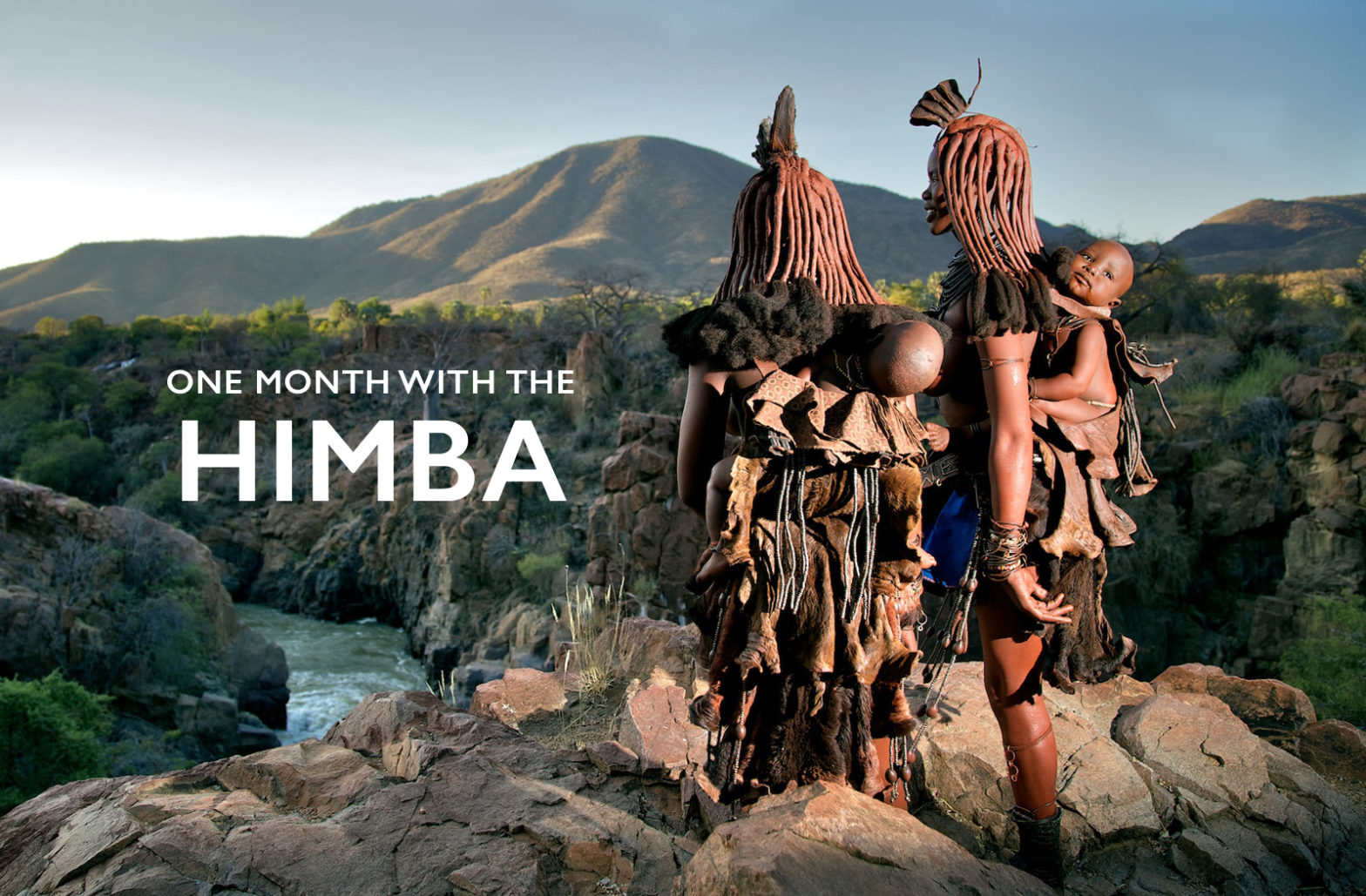
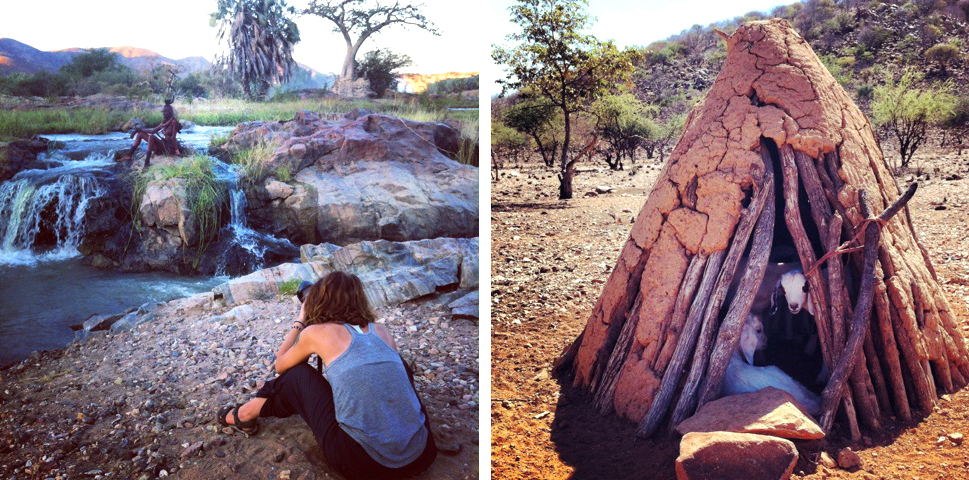
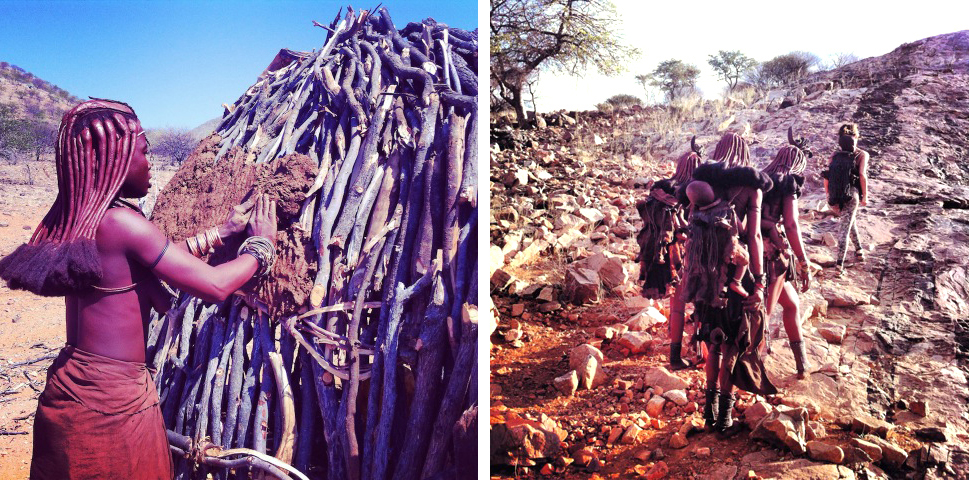
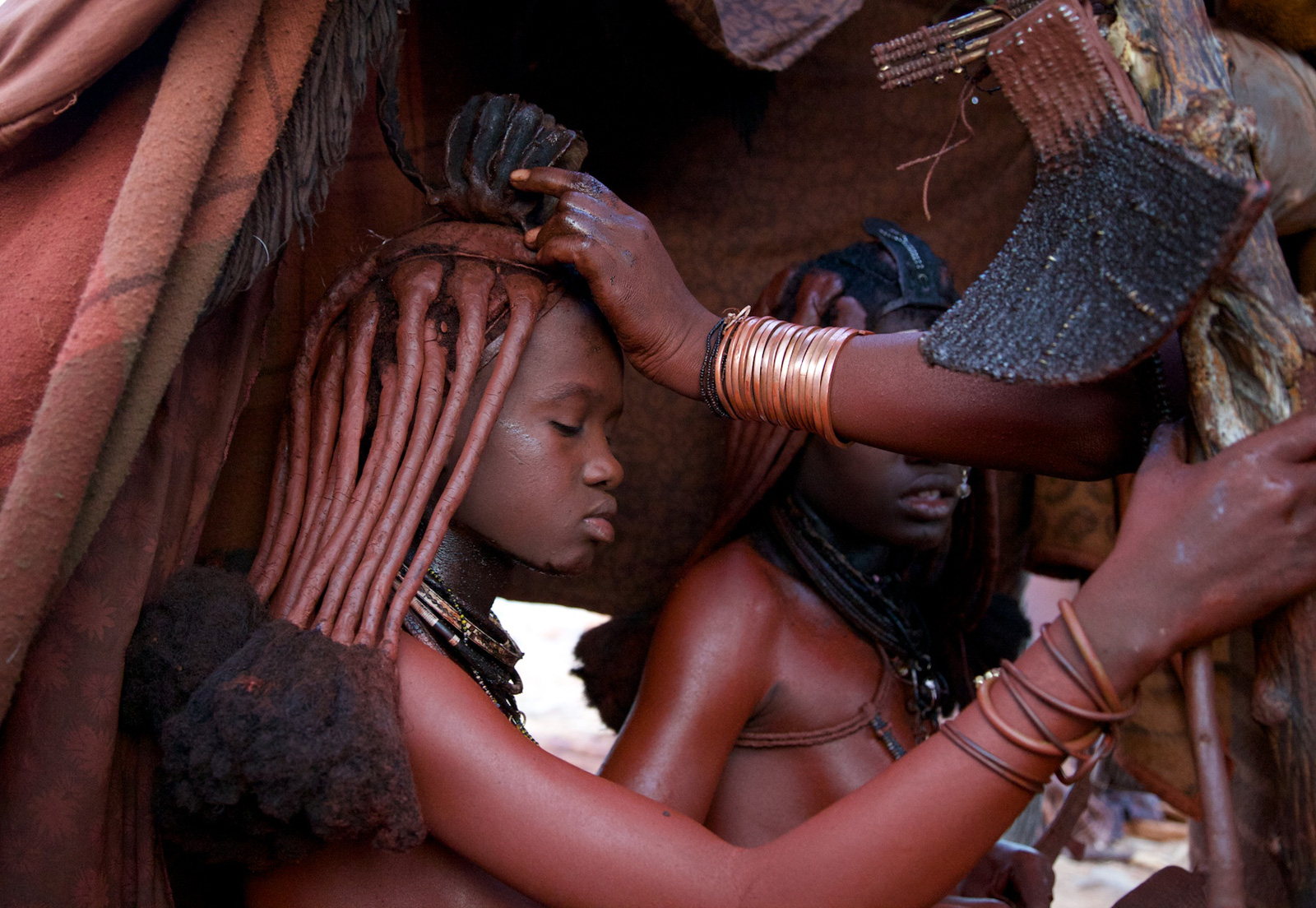
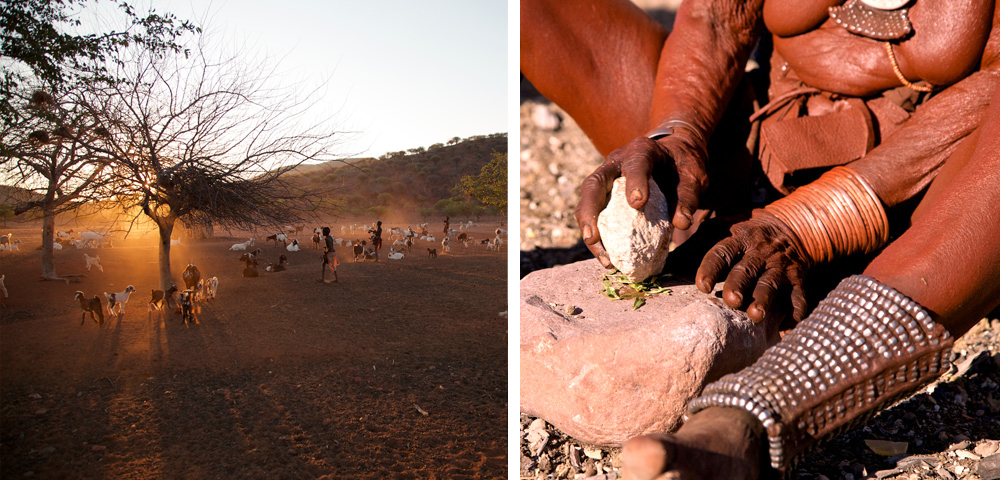
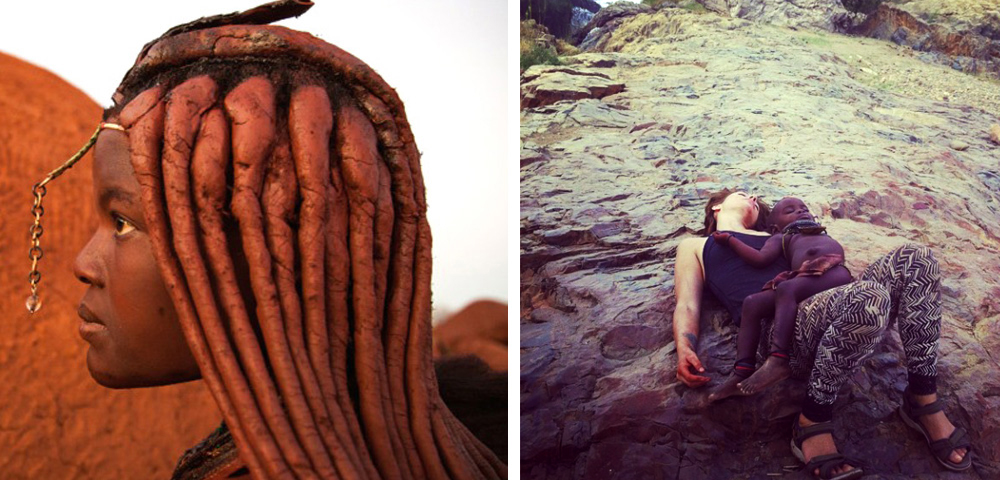
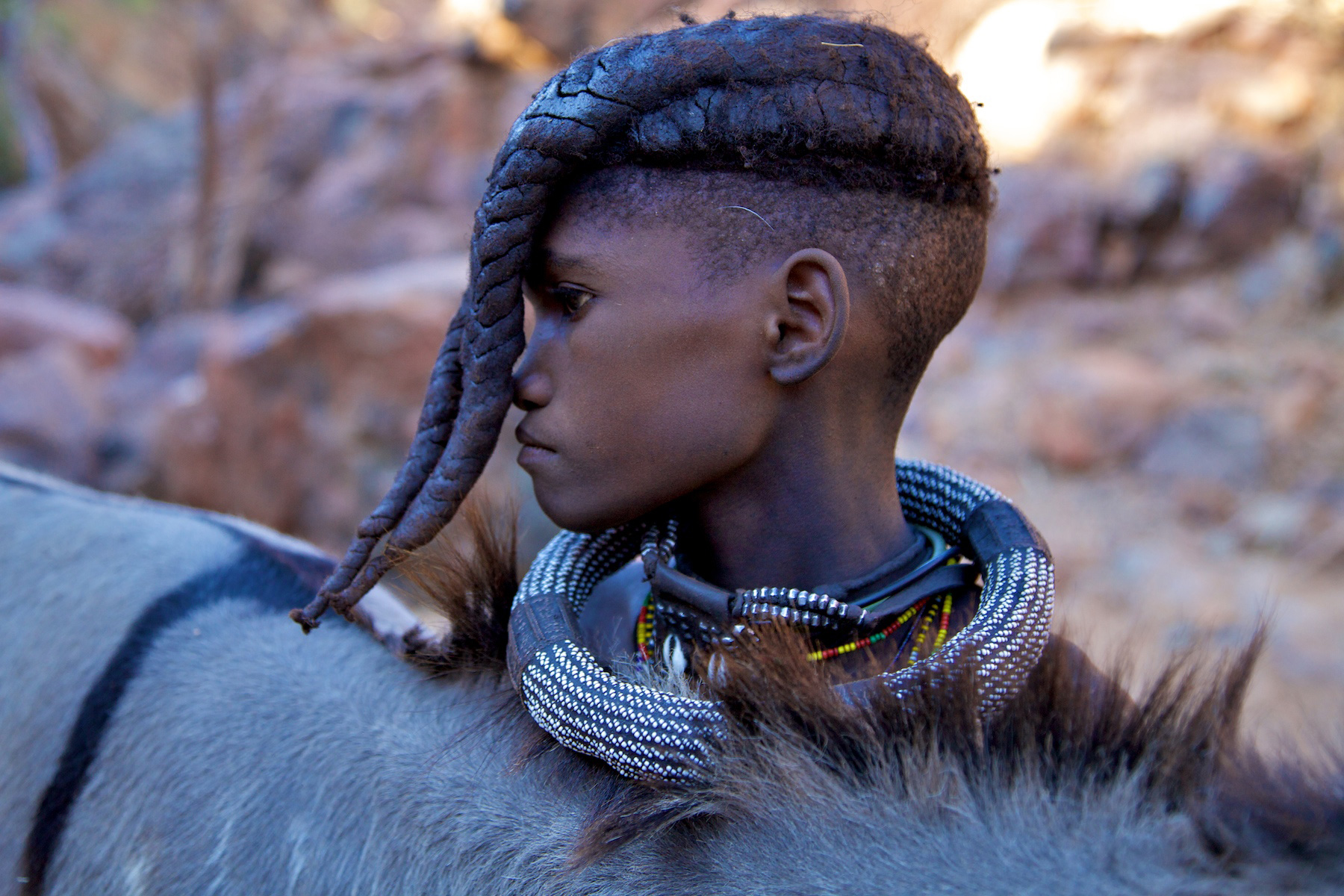
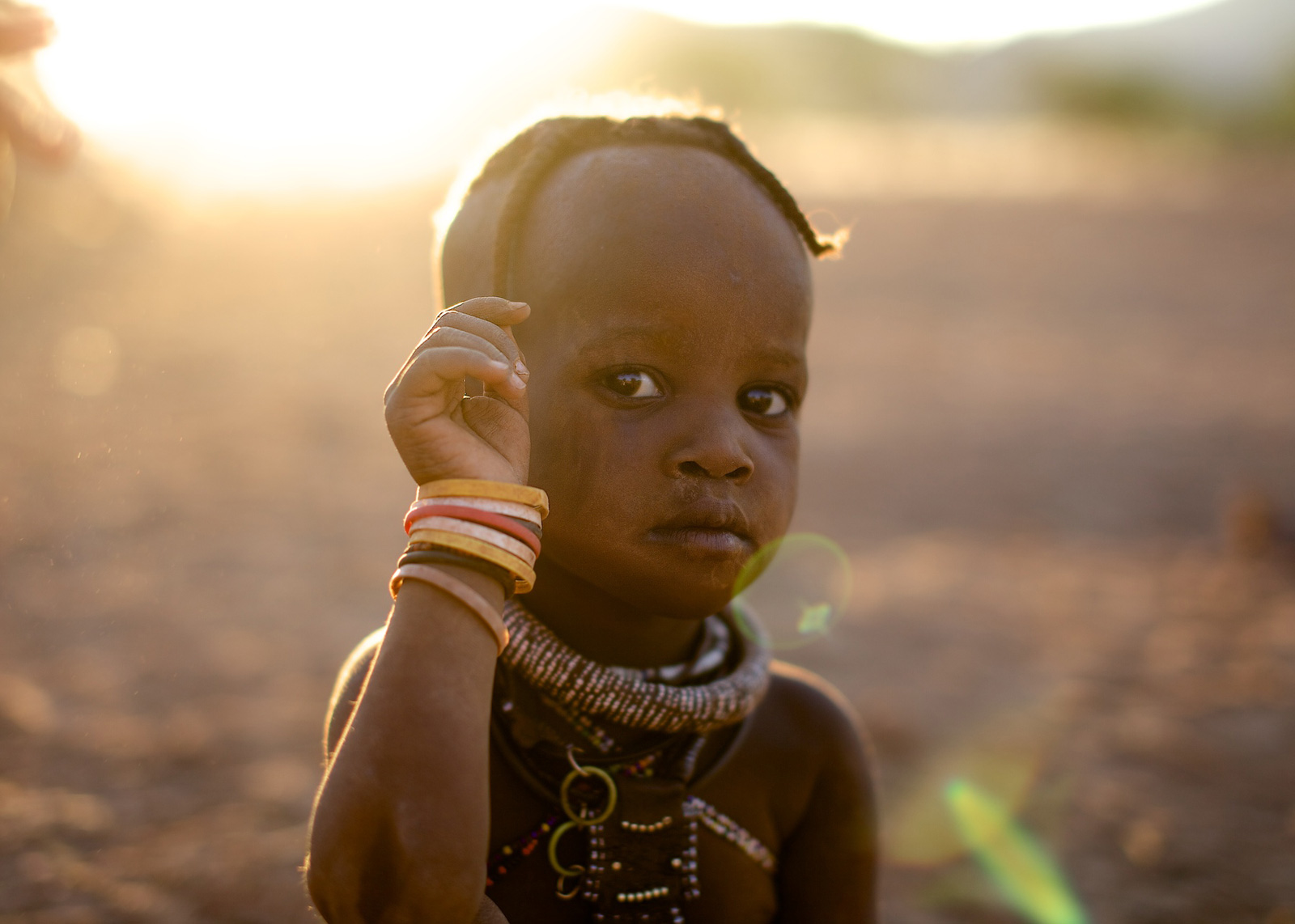
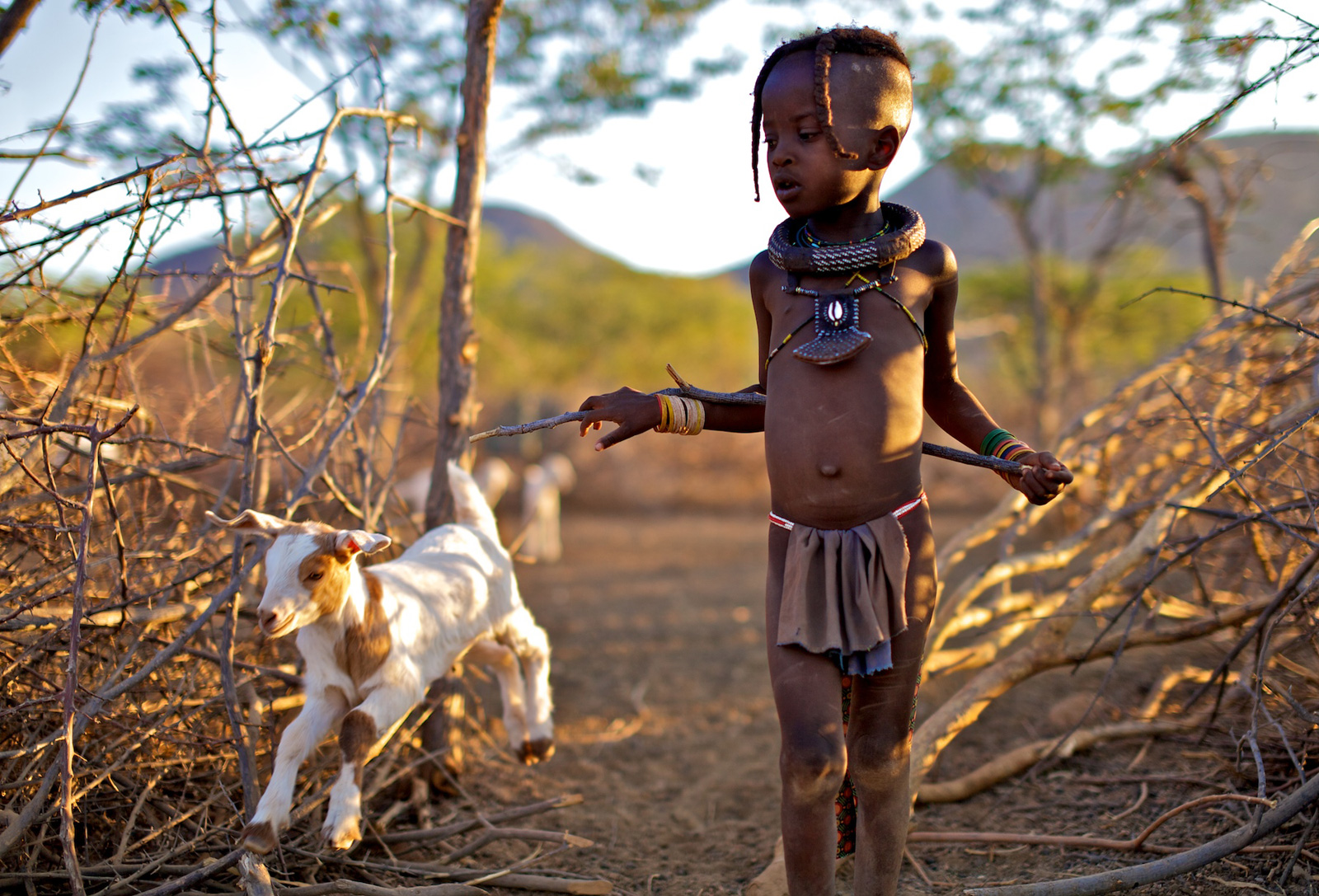
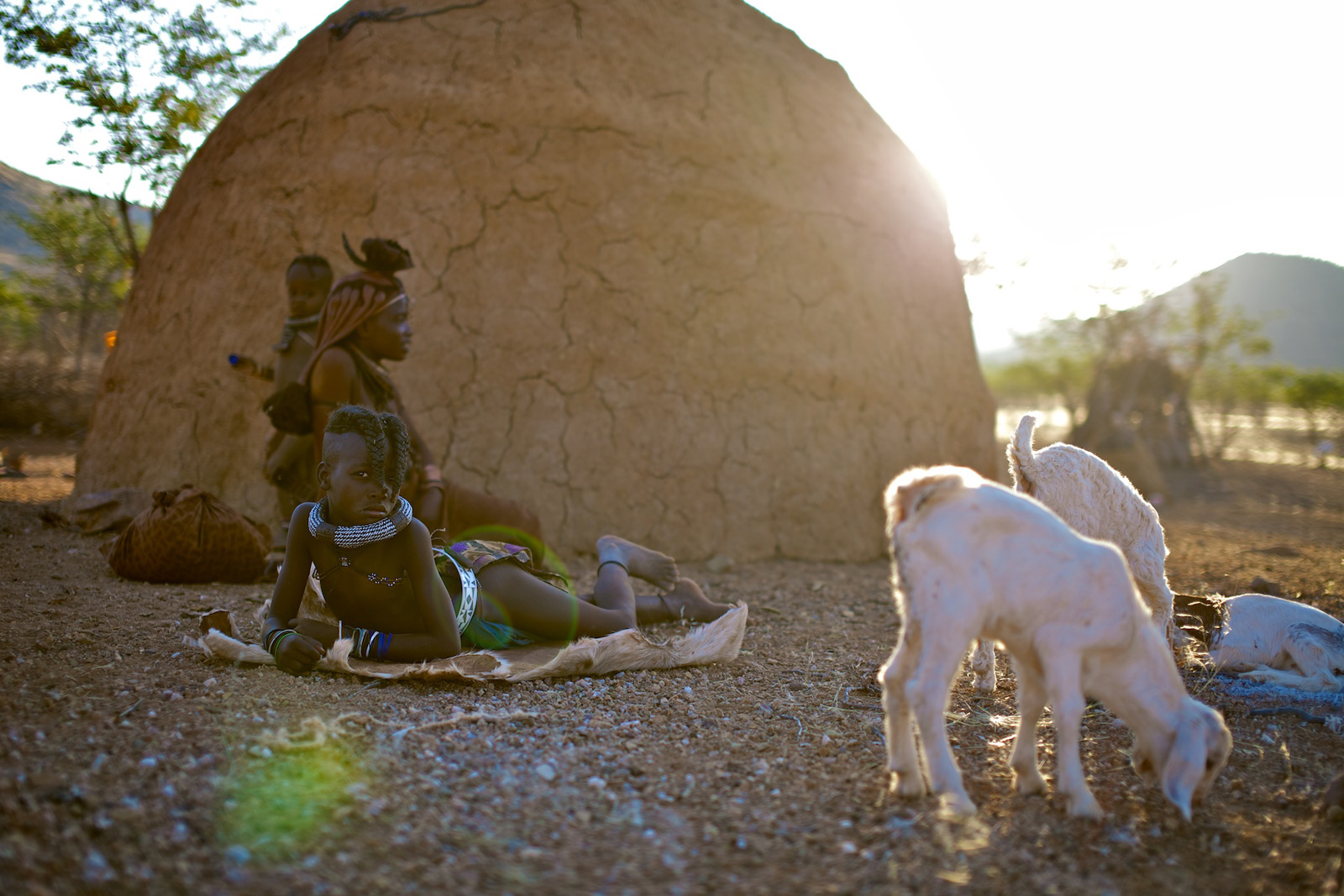
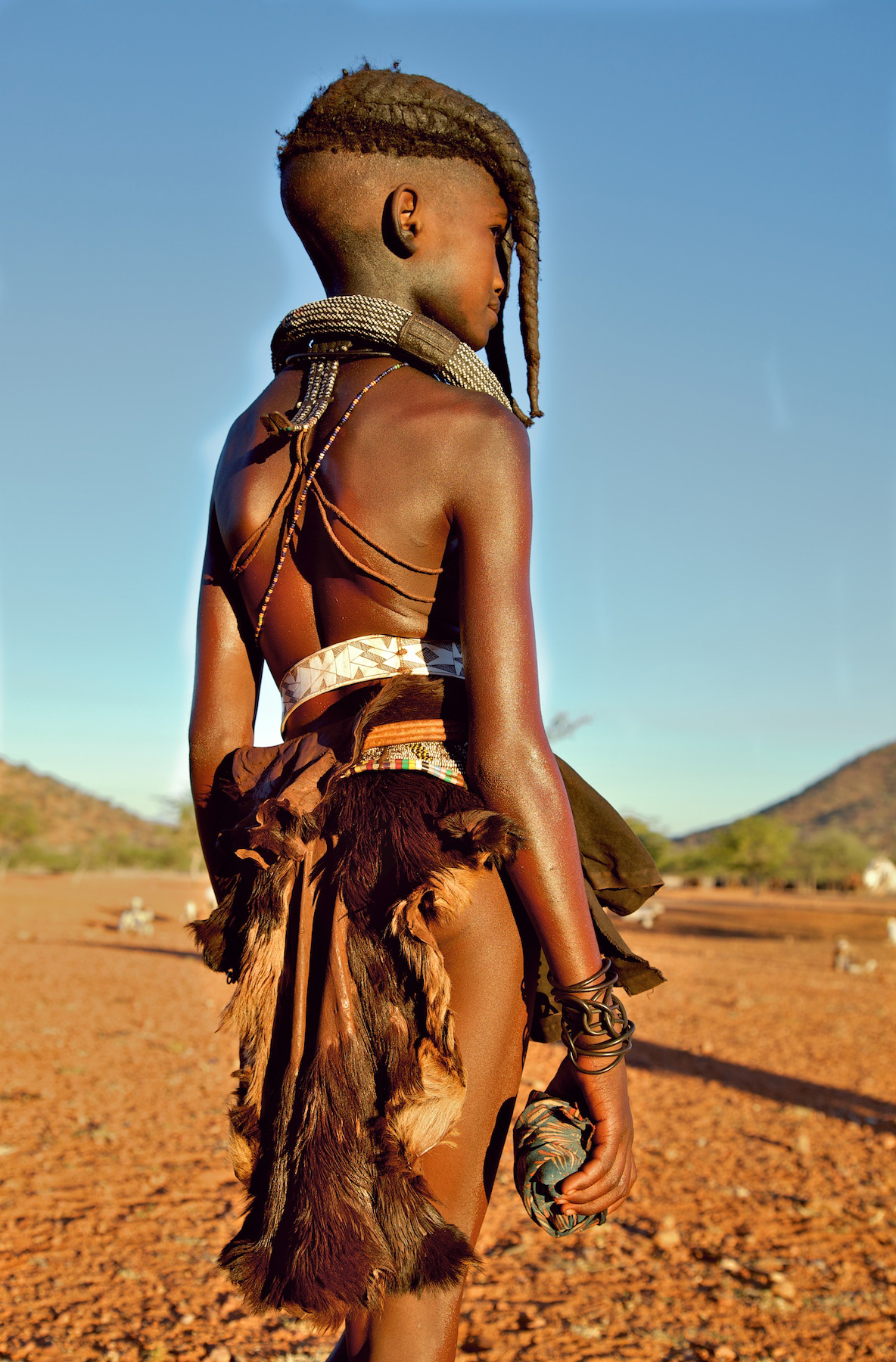
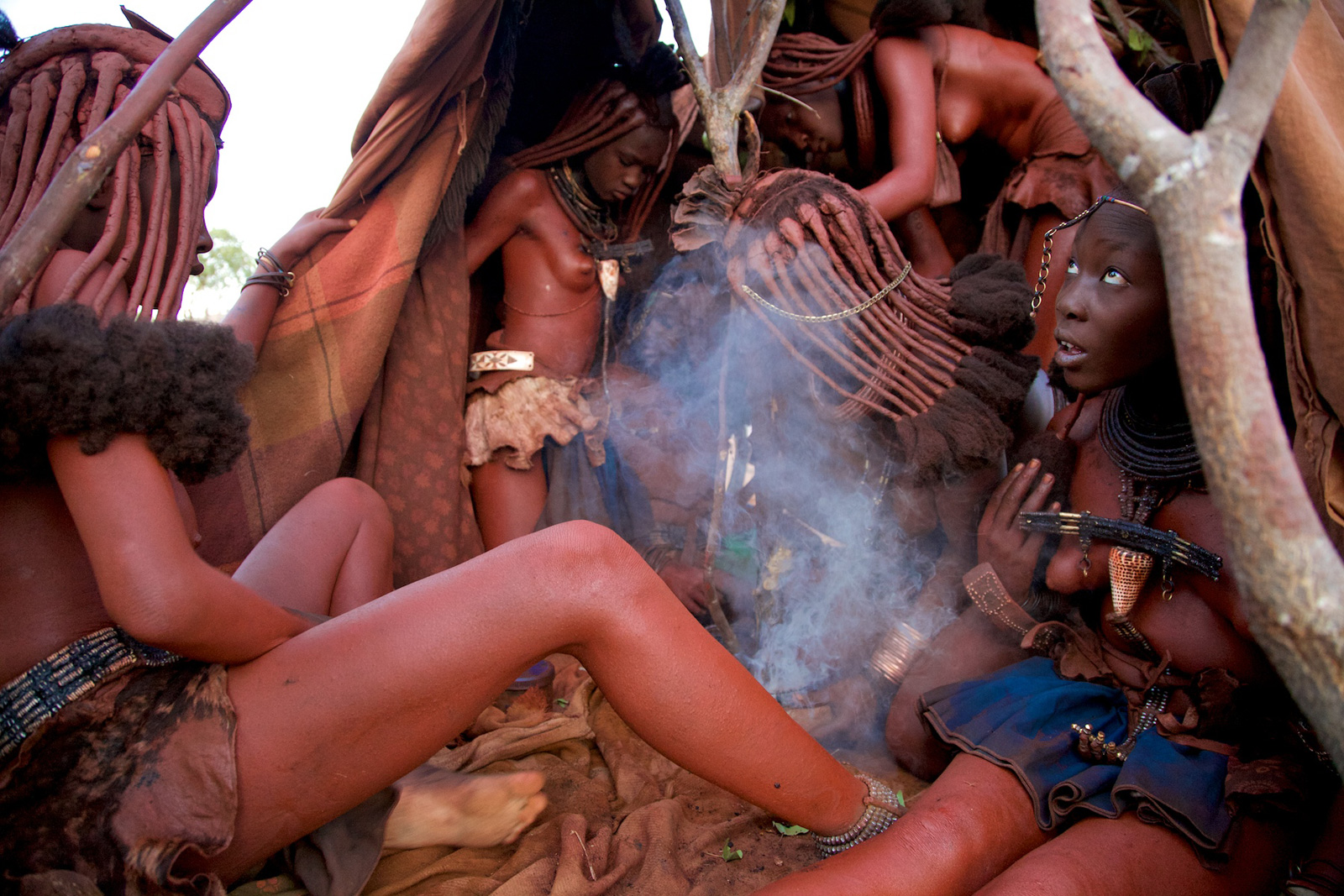
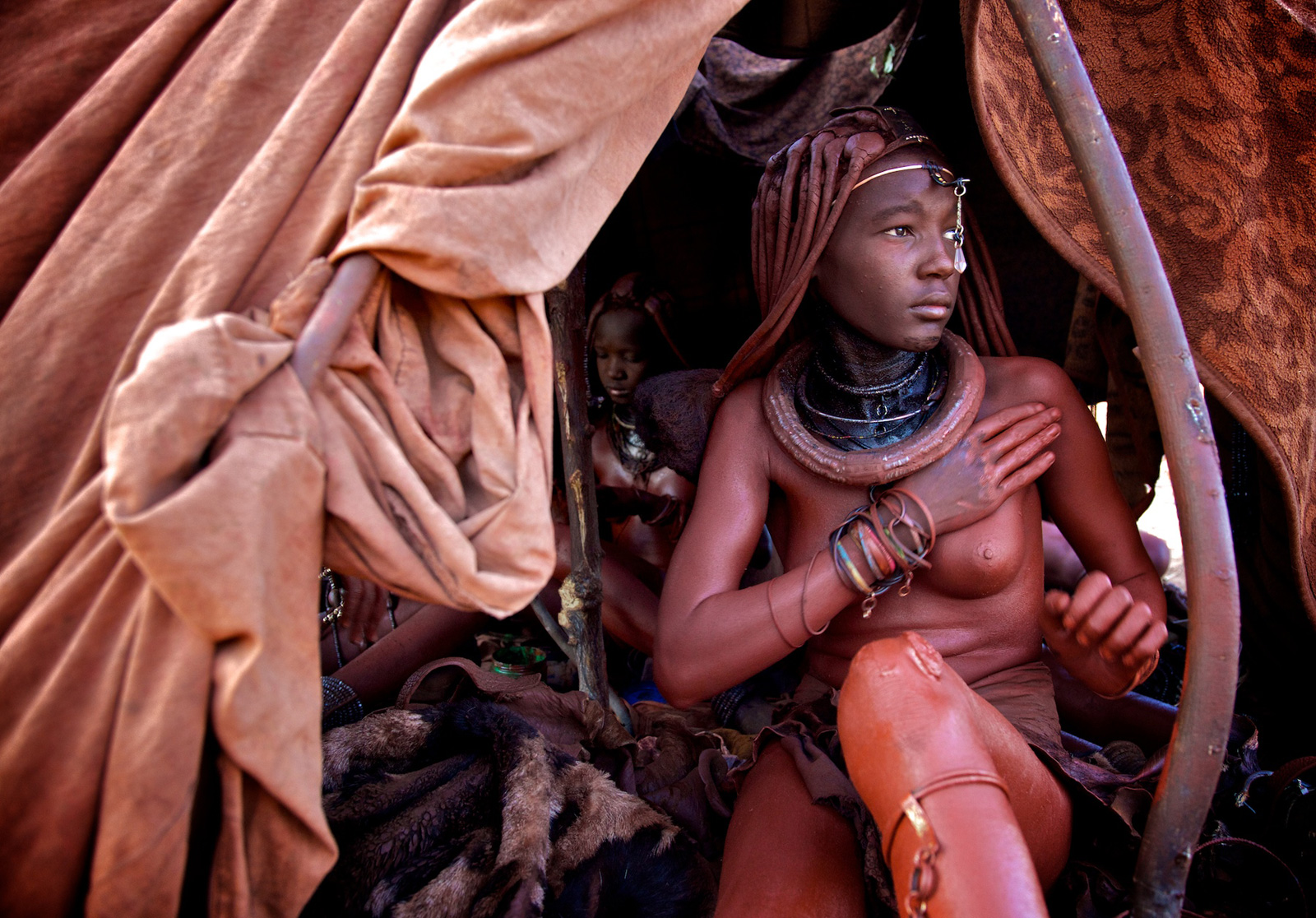
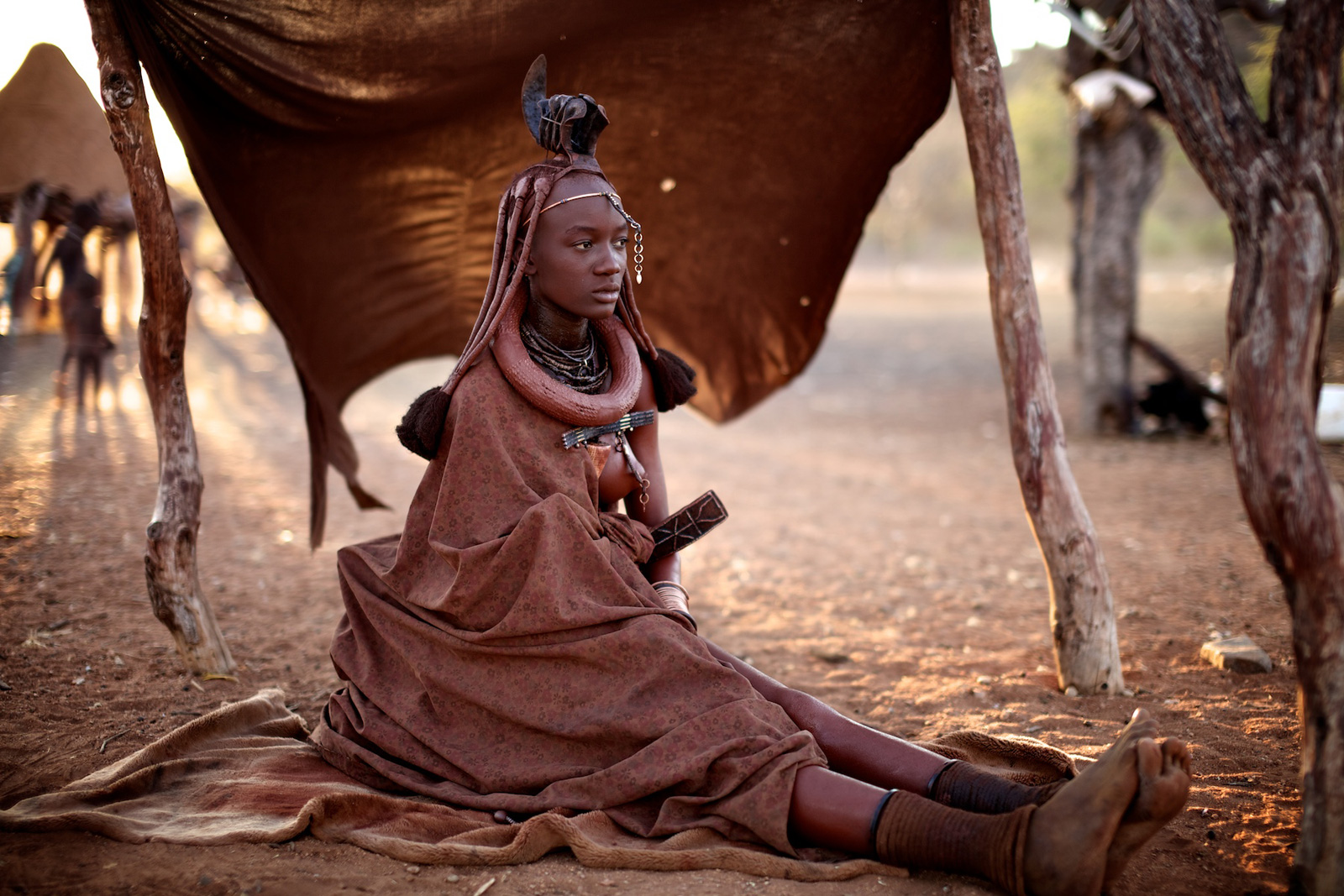
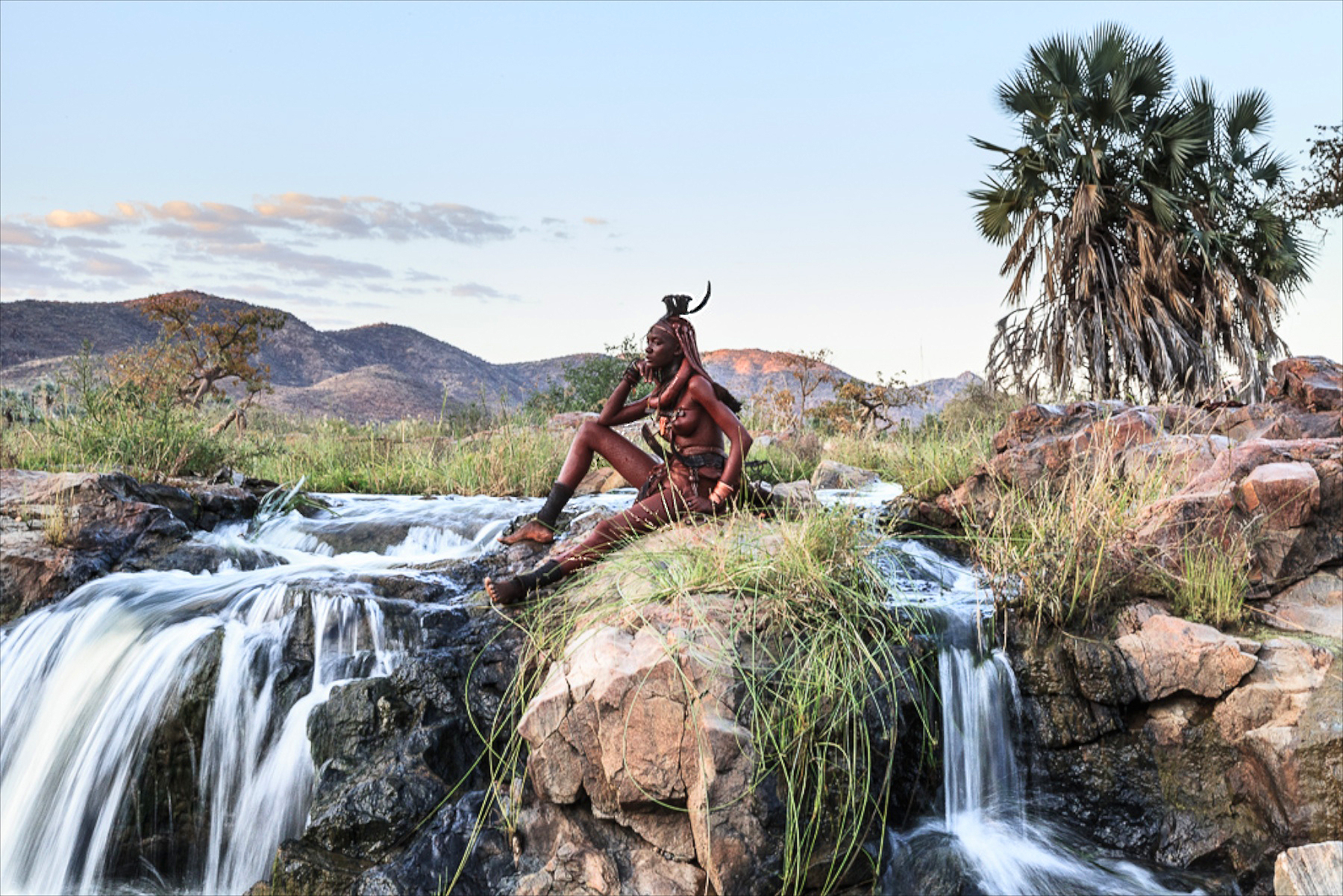
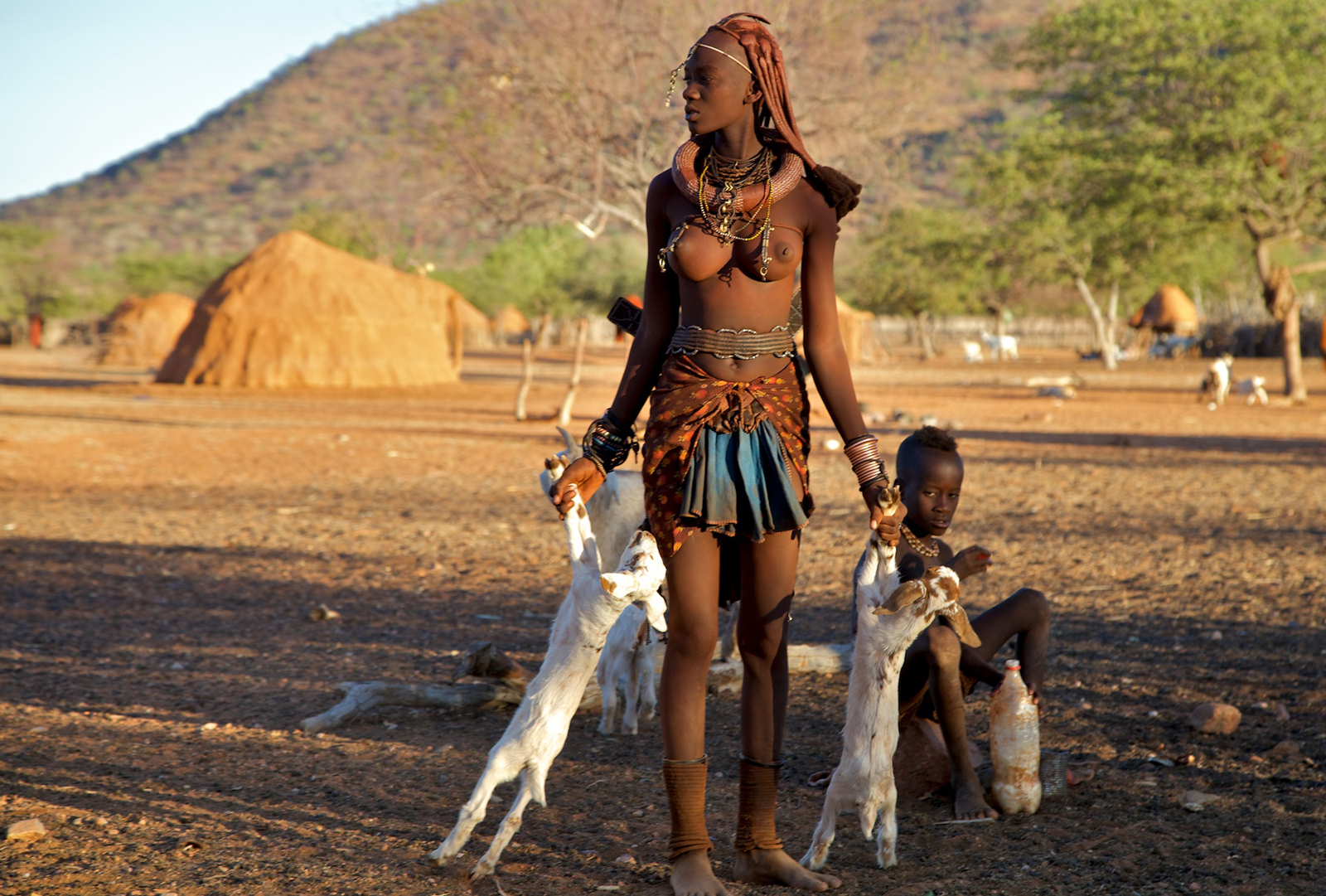
 ALEGRA ALLY is a Documentary photographer and a Fellow member of “The Explorers Club NYC”. She currently lives in Sydney, Australia, where she is completing her MA studies in Applied Anthropology. Ally is committed to working on issues relating to empowerment of women and girls, diminishing cultures and the environment. As part of her project ‘Wild Born’, Ally spent the last four years travelling to some of the most remote corners of the world where she lived with isolated tribes.
 DID YOU KNOW that African Parks offers safari camps (lodges and campsites) where 100% of tourism revenue goes to conservation and local communities?











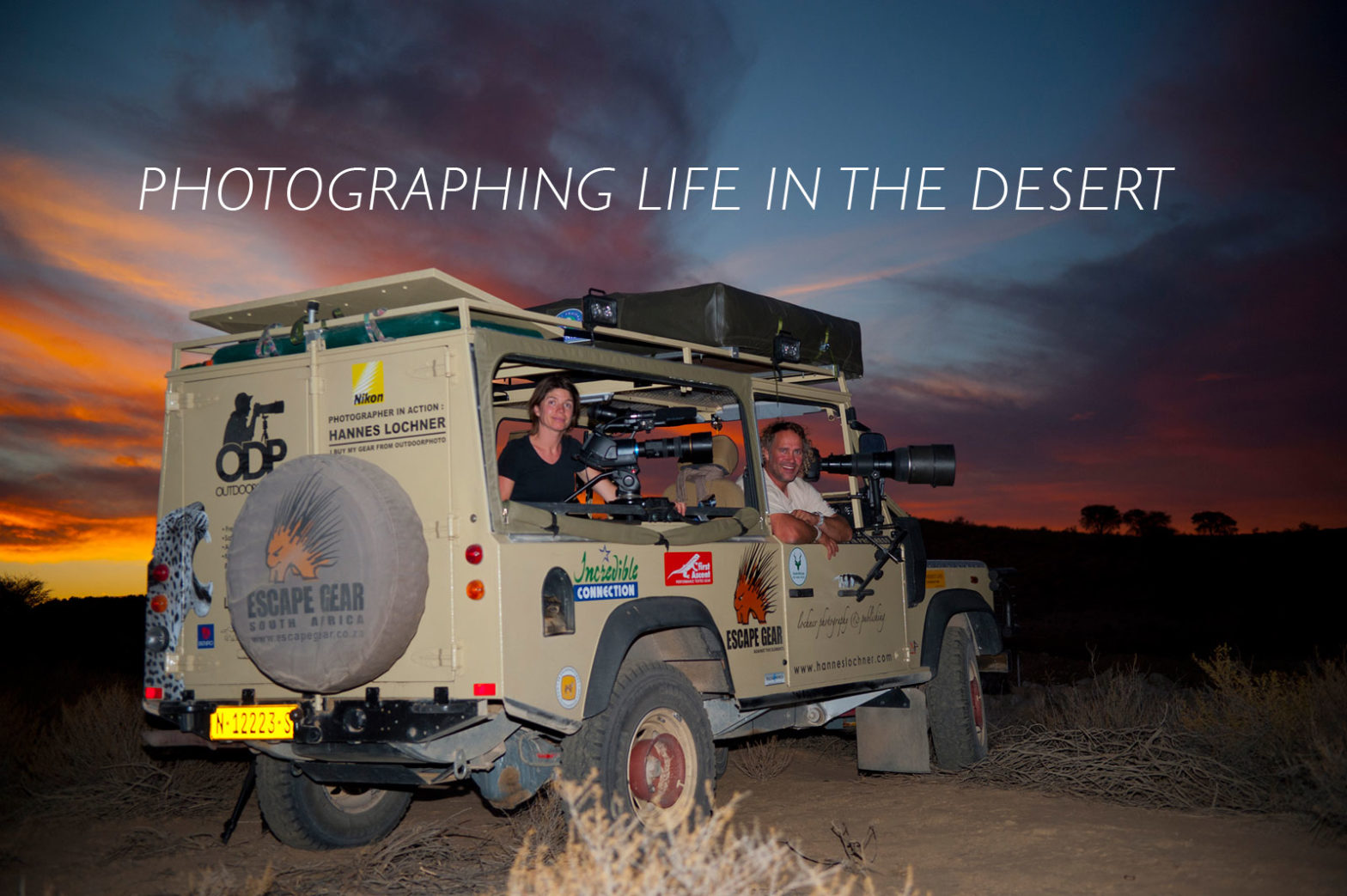
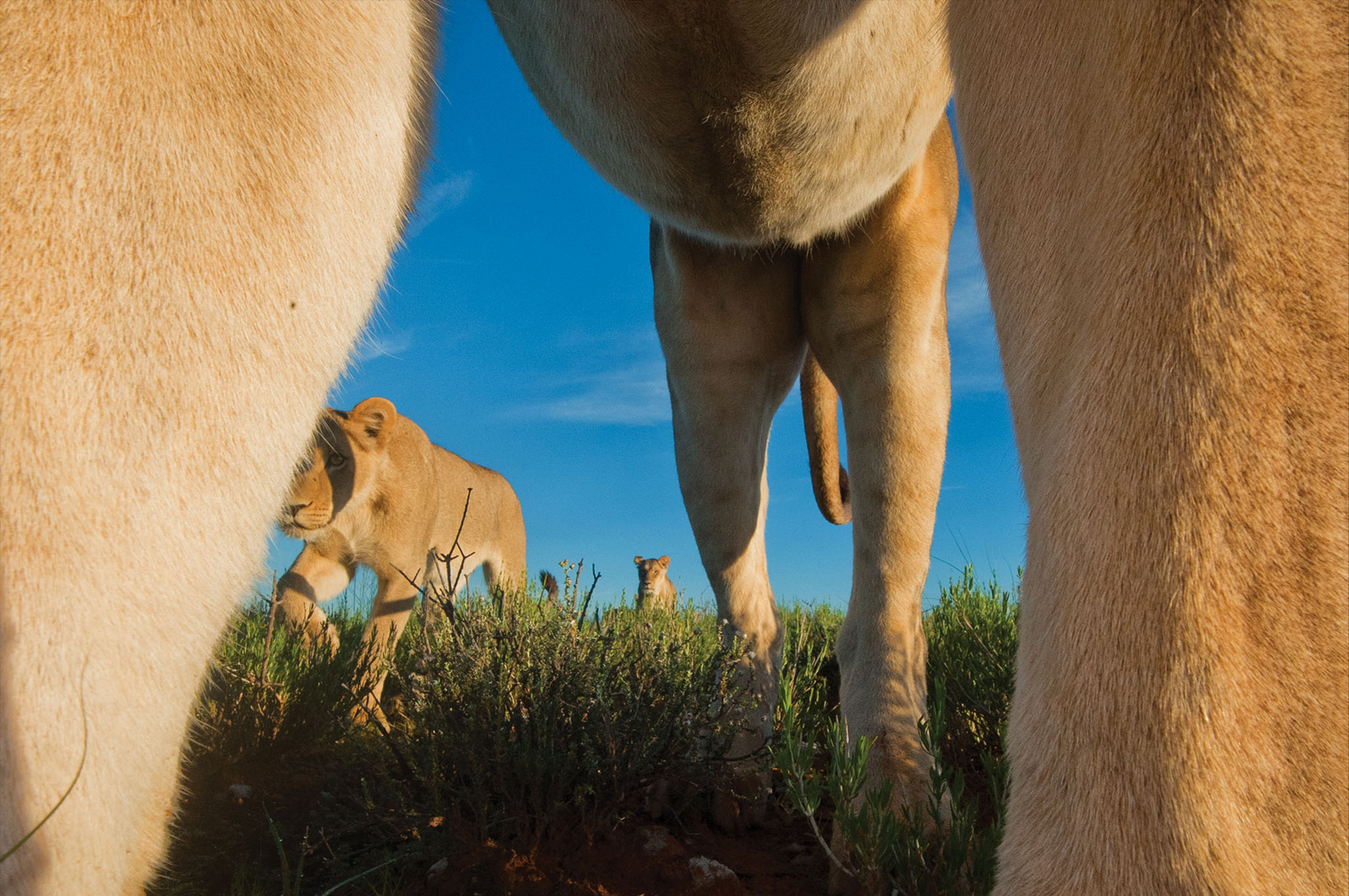
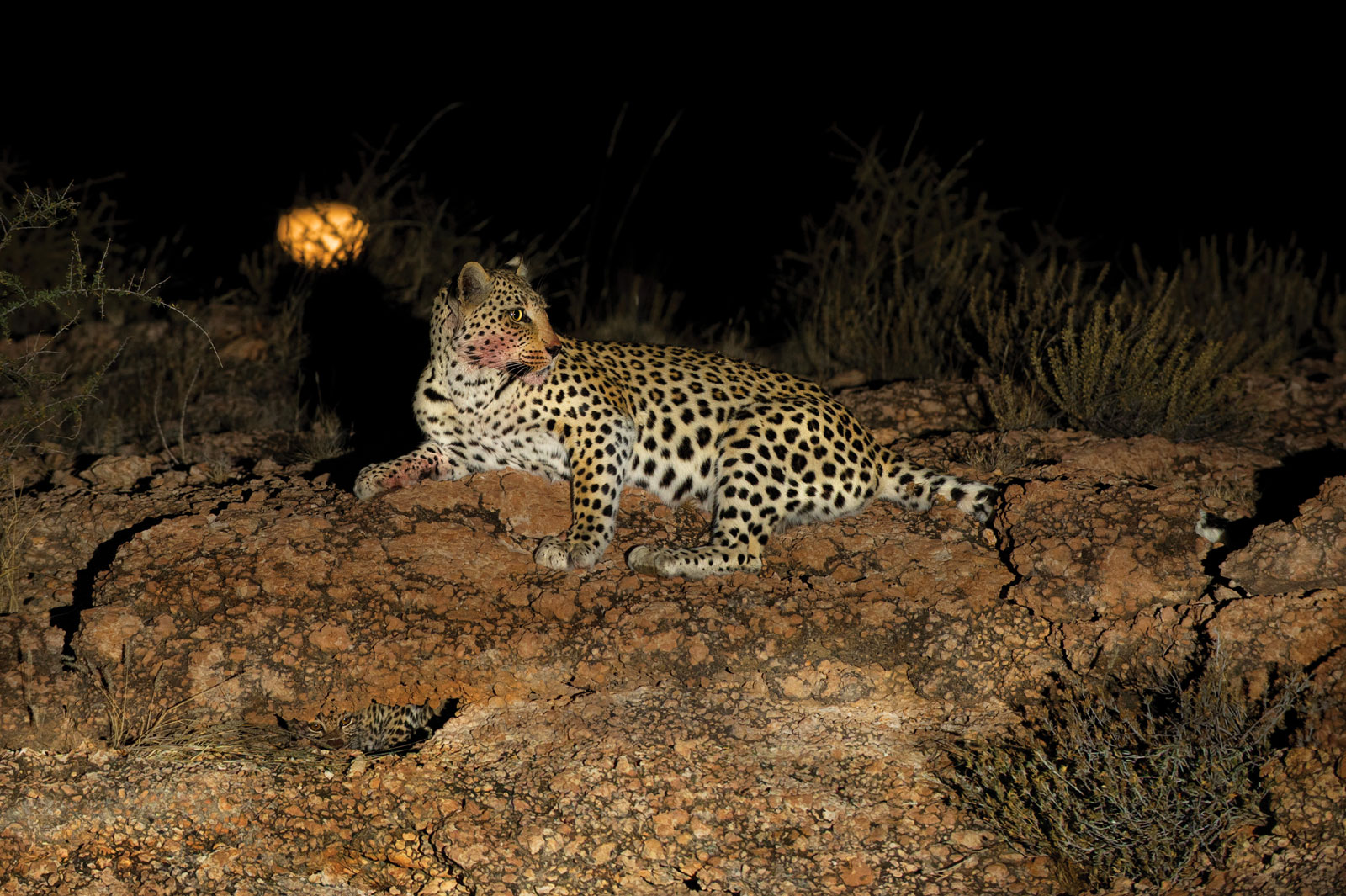
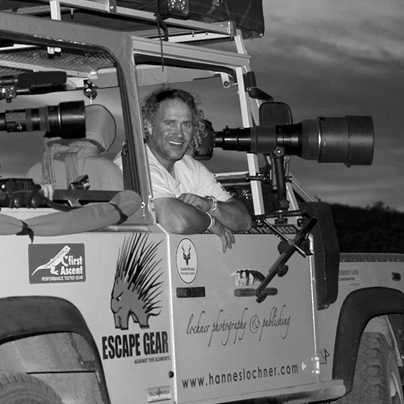 HANNES LOCHNER is a Cape Town-born photographer who has become synonymous with the Kalahari, having spent 5 years photographing the bounteous wildlife of this arid region. Before becoming a full-time wildlife photographer, Hannes was a graphic designer and travelled the world kayaking her rivers intensely. It was on returning to South Africa that he started his own rafting company, acting as a field guide on the Orange and Kunene Rivers. But his love for the fauna of Africa triumphed, and his career as a photographer took off. You can view more of Hannes’ work on his