Not many people would sell their homes and move back in with their parents to self-finance a wildlife documentary while refusing funding offers from people who want the message to be watered down and made more palatable for certain interest groups. This is the story of STROOP: Journey into the Rhino Horn War
This is precisely what Bonné de Bod and Susan Scott have done, and STROOP: Journey into the Rhino Horn War – now in edit, with the final release due later this year – promises to be a rollercoaster ride for viewers. It will include footage from the killing fields of Kruger National Park, where they were given privileged access to sensitive scenes, to the courtrooms in bush frontier towns and dingy backrooms of Vietnamese wildlife traffickers, where the intrepid pair endured life-threatening encounters with some of this planet’s most evil individuals. Imagine walking into a room full of suspicious thugs and convincing them you are a film star looking for ivory and rhino horn jewellery – with a hidden camera strapped to your chest!
Along the way, Bonné and Susan also met many passionate people who are making a real difference on the coalface and a dignified lady with cancer who views rhino horn as her salvation. All this and more packed into what will no doubt be a watershed documentary for awareness about the rhino situation.
‘STROOP’ is Afrikaans for ‘poach’ or ‘strip bare’; this video has Afrikaans audio with English subtitles. They also plan to have multiple language subtitles, including Chinese, Vietnamese, Zulu and Shangaan.
My one-hour meeting with these two brave filmmakers turned into four as they enthralled me with their stories and footage and infused me with their focused passion. I left humbled and overflowing with a sense of hope, of respect. And I wanted to get involved, to help them achieve their mission of educating the world about the true rhino story, free from any commercial influence.
And so I paid $25 on their crowd-sourcing web page to receive a digital download of STROOP: Journey into the Rhino Horn War when it comes out – which I am so looking forward to – and I promised myself to convince you somehow to do the same. Yes, you.
By paying for a digital download of STROOP: Journey into the Rhino Horn War, or donating a lesser amount, you help ensure that it is completed without editorial censorship by traditional broadcasters. Make no mistake, this will be a controversial documentary, and some interest groups may feel aggrieved when the truth is laid bare.
Rhino horns, ivory and weapons seized during overnight poaching operations in Kruger National Park
PLEASE HELP Bonné and Susan to complete this incredible journey.
Not long ago we heard the shocking news that Chapman’s Baobab – one of the greatest trees on Earth – split down its middle and crashed to the earth. Having visited this beautiful tree numerous times, it was very sad news. Written and photographs by Devon Jenkin
To have been in the presence of such an ancient tree and spend time in her presence was always a humbling and spiritually reflective time for me. Its sheer size, majestic presence and history earned her, in my eyes anyway, the title – Queen of the Kalahari.
Chapman’s Baobab, located at Ntwetwe Pan in the greater Makgadikgadi Pans area in central Botswana, was named after early explorer and pioneer James Chapman, who travelled through the area with Thomas Baines in 1861. Courtney Selous, Robert Moffat and David Livingstone were some of the other famous names we know that passed the tree. The baobab fulfilled several functions for these early explorers, mainly because it was used as a beacon when crossing the unforgiving salt pans. Explorers would leave their camp on the other side the evening before to avoid the merciless sun and travel through the night. Then, appearing as a tiny black dot on the horizon at dawn, it would lead the explorers across the narrowest section of the salt pans.
Once at the tree, its immensity provided shade and refuge from the heat. There was a cavity in one of the trunks that is said to have served as Africa’s first post office – explorers going north would leave their letters for loved ones and expedition funders in the hole in the hope that those returning south would take the mail with them and post it if and when they got home.
It’s difficult to age baobabs, but Chapman’s Baobab is said to be around 5,000 years old, which is difficult to comprehend. However, it lets you ponder upon what it has seen in its lifetime – nomadic people, great herds of wild animals, storms, floods, droughts and everything else that could happen in such an immense time span.
On one of his expeditions, Livingstone recorded its circumference as 85 feet (25.9m).
The reason for her falling is still being investigated. However, high temperatures and late rains are considered contributing factors.
My name is Yasser Alaa Mobarak. I’m a 22-year-old amateur photographer based in Alexandria, Egypt. Photography, for me, is an artistic journey which I started when I was 18 years old. I have travelled to many cities across Egypt, exploring the diverse cultures that call this country home.
Although many people in Egypt have adopted a modern way of living, I try to focus on the traditional side of Egyptian life, as this is where I feel the most authenticity and uniqueness exists.
I have produced many images from Alexandria to Aswan, Luxor and the Siwa Oasis on my photographic journey. And I would like to share a few of my favourite photographs with you.
Let’s start with some portraits of Egyptian people…
A Nubian man in the Nubian village of AswanTailor working in his shop in the El-Souk region of LuxorSeller in his book store in El-Nabi Danial street in AlexandriaA young boy in Kom El-Dikka region in AlexandriaYoung girl in Kom El-Dikka region in Alexandria
Here is an abstract series that showcases the traditional and simple houses of the El-Max region in Alexandria
Finally, here are some images that I took in Siwa Oasis in Egypt.
I’ve heard Daphne Sheldrick, the world’s expert on raising orphaned baby elephants, say on many occasions that “elephants are like us… but better.”
Growing up I only knew elephants from reading Babar the Elephant books and going to zoos. Later, I would see my first wild elephants in Africa. But it was while visiting the David Sheldrick Wildlife Trust on the edge of Nairobi National Park in Kenya, my love affair with the world’s largest land mammal really began.
I am back at the Sheldrick Centre for my fifth or sixth visit today. I can’t get enough of the place and make a point of visiting whenever I pass through Nairobi.
I’m waiting among a crowd of people, including about 100 local schoolchildren who have never before seen an elephant. We are gathered around a roped-off mud hole.
Out of the woods walk local men dressed in blue-green coveralls, followed by a line of elephants the colour of the red earth we are standing on. Some of the animals run kicking a ball, some lag behind, and others play with the tail of the elephant in front of them.
Their excitement is palpable, their energy contagious and adorable. The young ellies have come to play, wallow in the mud, and take their mid-morning feeding of the milk solution Daphne Sheldrick perfected over years of trial and error.
If the Sheldrick Centre had volunteer positions, I would sign up immediately. I envy the keepers who hand-feed the elephants from gallon-sized “baby” bottles and sleep in the stalls with the baby elephants who need almost constant contact until age three.
I listen to the keepers tell each baby elephant’s story of the tragedy that brought them here to the orphanage. This one fell down a well and was dehydrated when rescued. That one over there watched its whole family being poached and was found vigilantly standing beside her dead mother’s body. This little one is still so fragile she wears a blanket to keep her warm even though it’s 80ºF today.
Each story is as heartbreaking as the next.
But there is a happy ending for most of the 200 elephants that have been brought here over the years. Daphne says, “There is a saying: If you love an animal, set it free, and if it loves you, it will come back to you to thank you from time to time.” She says she has found that to be very true.
After five years at the orphanage (or when they are deemed ready), the young elephants are transferred to holding areas in Tsavo National Park, where they will eventually walk back to the freedom that is their right as a wild elephant. On many occasions, the “re-wilded” elephants will return to this place of transition to say ‘Hi’ to a keeper or ask for help when they have a festering wound, for instance. They never forget the caregivers who saved their lives. And I will never forget my close encounters with these orphaned elephants. They have changed my life.
It’s not unusual to see large groups of baboons in Tanzania’s parks, but seeing a white baboon is a rare treat! An albino baboon has been spotted in Arusha National Park in Tanzania. This ‘mythical’ creature has been seen drinking near the Momela Lakes and is delighting all the lucky visitors who glimpse him.
Albino baboons are not generally a common sight in the wild as they struggle to survive in an environment that favours blending in. Starkly contrasting the browns and greens of the bush, they are easily visible to roaming predators, making them an easy target.
When they are young, most parents will reject their albino babies, or the group may choose to exclude the unfamiliar members altogether. This leaves them fending for themselves and severely limits their chances of survival.
Luckily for safari-goers, this young white baboon has survived against the odds and appears to be thriving. Arusha National Park is much smaller than many other parks, making it the ideal place to spot rare creatures that would otherwise be very difficult to discover.
In April 2015, we embarked on a great adventure. We travelled through eight Asian countries – from Hong Kong to Singapore – on our mountain bicycles – loaded to the brim with front and back panniers carrying all of our essential survival equipment. Our aim was to raise awareness about the rhino poaching crisis in Africa and call for a greater focus on demand reduction as a conservation strategy.
We chose to travel to Southeast Asia because African rhinos are being slaughtered to cater to the high demand for rhino horn in these countries. Thailand and Laos are often named as transit countries that facilitate the smuggling. At the same time, Vietnam and China have been notably identified as the biggest drivers of poaching, with some sources claiming that Vietnam is responsible for up to 80% of rhino horn consumption. The country’s rapid economic development in the last decade has been cited as one of the main reasons why the demand for wildlife products such as bear bile, shark fins, tiger bones, pangolin scales and, of course, rhino horn is higher than ever.
Our vision was to inspire people living across Southeast Asia to realise that they have the power to change their surroundings, but our main focus was Vietnam. We believe that educating youth is key to curbing the demand for rhino horn in Asian countries, so we visited as many schools as possible on our journey – starting the day after our arrival in Hong Kong.
In each school, we gave educational talks about the rhino and implemented the Rhino Art Project, which aims to increase conservation awareness and cultivate the next generation of wildlife ambassadors by inviting young people to express themselves through art. The final objective of this project is to gather the most significant number of ‘Children’s Art Voices’ in support of rhino protection and use them as a worldwide call to action against rhino poaching. And we couldn’t believe how enthusiastic kids were about saving this species! Throughout our eight-month tour, we also spent a considerable amount of time talking at universities and English clubs across the region and collecting signatures for the World Youth Wildlife Declaration, which also allowed adults to voice their opinions and support.
Supply and demand
You might be surprised to hear that rhino horn is not traditionally used as an aphrodisiac. Tom Milliken, a rhino expert from TRAFFIC, clarifies that “the surge in rhino horn demand from Vietnam has nothing to do with meeting traditional medicine needs. It’s rather to supply a recreational drug to partygoers or to con dying cancer patients out of their cash for a miracle rhino horn cure that will never happen.”
A few years ago, a powerful Vietnamese general claimed that he was cured of cancer by regularly drinking ground rhino horn. Since then, this myth has spread, and the non-traditional use of rhino horn as a magical cancer cure has exploded – which stimulates rhino poaching.
Recently, the utilisation of rhino horn has further diversified in Vietnam. It is increasingly regarded amongst the affluent elite as a status symbol. It can be a special gift or a bribe in the business world. It is also believed that rhino horn works as a body detoxifier following excessive consumption of alcohol or rich food. This conviction makes rhino horn very popular as a party drug or hangover cure, even among the younger generation.
The users truly trust in the alleged medicinal powers of the horn
Talking to many people of different ages and backgrounds, we were surprised by how deeply these superstitious beliefs are ingrained. The users truly trust in the alleged, but never proven, medicinal powers of the horn. Many people told us about the use of rhino horn in their own families or had seen rhino horn being exhibited in homes. The younger generation might not always believe in the healing effects of rhino horn. If someone in their family were to fall ill, many would feel obliged to explore any possible remedy, including buying expensive and illegal wildlife products. We even heard stories about rhino horn ‘touts’ deliberately targeting terminally ill patients and their families.
It goes without saying that this illicit trade is a very profitable one! The black market is controlled by criminal syndicates, which often involve the same gangs that are guilty of human trafficking and other illegal wildlife trade – including products such as abalone, ivory and tiger bones. Sadly, “the only people benefitting from the current rhino poaching crisis are those running the criminal networks, who are making huge profits with little fear of prosecution in Asian markets,” said Milliken.
Many different solutions are being discussed to increase the security of rhinos left in South Africa – from dehorning the animals, dying the horn pink, or even poisoning the horn so that it will affect the end-user.
Recently, discussions have erupted about the planned sale of artificially manufactured rhino horn. Conservationists in Vietnam are convinced that this will expand the market and may even enforce the belief that rhino horn is an effective medicine. They fear that it would also complicate law enforcement and lead to more rhino killings.
New technologies such as drones, satellite imagery, GPS tracking and apps are being tested to combat wildlife crime, and a great deal is already being done in South Africa to stop those criminals and cut down on rhino poaching and horn smuggling. But protecting this iconic species is only part of the solution. We believe that the only viable and long-term solution is to stop the demand for horn. You only have to look back throughout history to see that demand reduction has repeatedly been successful.
In the past, there have been ever-shifting peaks in rhino horn consumption in various countries. At different times in the last century, Japan, South Korea and Taiwan were major rhino horn consumers, and the markets in these countries were also often correlated with strong economic growth. When the Taiwanese market was at its height, Zimbabwe lost most of its rhinos. However, thanks to a strong political will, international pressure and a focus on education, each country was able to curb the demand for rhino horn, and today, these countries no longer pose a threat to rhinos. We believe that this can be done again today.
The heated debate about legalising the rhino horn trade often flares up in South Africa. Private rhino breeders John Hume and Johan Kruger even launched successful legal action to lift the domestic ban of rhino horn and received a lot of media attention in doing so.
This is a very controversial and complex topic, and we asked many Vietnamese for their opinion. The general reaction was one that showed a complete lack of understanding. How could a country fight for the survival of the rhino and at the same time want to legalise the trade of horn?!
Meanwhile, Asian governments are apparently leaning back and waiting for the final outcome of this discussion instead of concentrating on cracking down on smuggling and the illegal sale of rhino horn. The fact that there is a debate is already sending a dangerous signal to Asian countries.
The idealist in me says that a unified voice combined with an investment in education will lead to demand reduction, which would be a more effective measure in the long run.
In Vietnam, we were happy to have numerous positive and encouraging experiences. Many young Vietnamese adults already have a different mindset to that of the older generation. Nature conservation and animal rights are still relatively new concepts, but they are growing. Environmental NGOs and nature clubs at universities are being founded, and the first tentative steps in the right direction are being taken. A paradigm shift looks to be possible, after all.
At one of our school talks, a sixteen-year-old told us an especially uplifting story. Her dad, a wealthy businessman, received a piece of rhino horn as a gift. When the girl heard this, she told her father that it was a disgrace for the family to accept this offering. At school, she had learned about the ivory and rhino horn trade and the dreadful poaching of elephants and rhinos. As a result, her dad returned the rhino horn, proving the power that children and young adults have to change the world.
We also realised how crucial personal exchange is. For us, it was an eye-opener to experience the Vietnamese culture and learn about their traditions. On the other hand, the Vietnamese were impressed by these two crazy young ladies who were willing to give their time (and money!) for a good cause. The Vietnamese who have had the chance to travel to South Africa and experience the beauty of the African bush, often return as changed people and act as rhino ambassadors in their country.
In Ho Chi Minh City, we had the honour of meeting the famous pop singer Le Hong Nhung. This delicate, beautiful woman is very passionate about protecting the rhino. Her solution is to appeal to the Vietnamese national pride, as she believes that Vietnam would not want to be known as the country responsible for the rhino’s extinction. This was definitely the best solution that we heard while we were over there – address the message in a way that will have the most significant impact on the local people by appealing to their pride.
The war against rhino poaching will be won in Asia, not in Africa
There is no quick way to stop the current rhino crisis. The problem has to be tackled on different levels, including effective conservation, international collaboration, the strengthening of law enforcement on a global scale, and a fast crack-down on criminal syndicates. But in the end, the rhino has only one chance of survival – demand reduction. As the slogan of the well-known organisation, WildAid states: “When the buying stops, the killing can too.”
We firmly believe that creating awareness and educating the Asian public is the most crucial step towards saving the rhino. The war against rhino poaching will be won in Asia, not in Africa.
Do you feel helpless, overwhelmed and saddened by the immense tragedy of the poaching situation? So did we. But that doesn’t mean that you can’t take an active approach.
First of all, inform yourself about the situation. Start by researching the facts, then become a rhino ambassador and talk to friends and family, creating awareness and spreading the seed of education. Use social media to share information and think of creative ways to tackle the issue. For example, one Australian businesswoman with no background in conservation launched a series of anti-rhino horn advertisements aimed at Vietnam’s wealthy elite.
So what could you do? Here are some ideas to start you off.
– Organise a fundraising event
– ‘Adopt’ or sponsor a baby rhino at a rhino orphanage
– Write an article for an international online news platform
– Blog some interesting facts
– Volunteer for a trusted organisation
Each action counts, and each action will have an effect.
Rhinos used to roam the forests of South-East Asia. Asia is home to three rhino species – the Javan, the Sumatran (both Critically Endangered species) and the Indian rhino. Vietnam lost its last Javan rhino in 2010 when it got shot in Cat Tien National Park and had its horn removed.
Rhinos have very poor eyesight. However, they have an excellent sense of smell and hearing.
Rhino females are very nurturing, protective mothers who take great care of their babies. They are pregnant for about 18 months, after which only one calf is born. The calf then stays with its mother for about two to three years.
The white rhino is the second-largest animal after the elephant. It can weigh over 3,500kg.
Rhinos are fast on their feet. Black rhinos have been recorded to reach speeds of 55 km/h. The white rhino is somewhat slower at 40km/h.
Both the black and white rhino are actually grey. Apparently, early English settlers mistranslated the Afrikaans word ‘wyd’, which means ‘wide’, as ‘white’. The white rhino has a wide, flat, square lip for grazing from the ground, whereas the black rhino is a browser and picks at bushes and trees with its hooked lips.
Vicky and Ness Wiesenmaier are sisters born in Cape Town, South Africa. They both love the bushveld and were struck by the severity of the rhino poaching situation while on a three-week holiday in Kenya back in 2012. Two years later, they decided to embark on a cycling adventure of epic proportions in April 2015 to create awareness about the rhino poaching issues in Africa. Their aim was to sow a seed of change in key consumer markets in Southeast Asia, even if they could not change a whole culture.
Vicky is a financial controller based in Germany, and Ness works as a fashion buyer in Cape Town. They conceived the idea for their trip and made relevant plans over many Skype conversations, and their call for change has been heard far and wide over the past year.
Our trip to Ethiopia was very spur-of-the-moment. Three days after deciding to go, we found ourselves trekking in the Simien Mountains in the north of the country, one of the most stunning places I have ever hiked. To many people, Ethiopia may be synonymous with drought and famine, but it is becoming a country to which more and more people are venturing. It is a beautiful, dynamic and fascinating place that offers varied Ethiopian safari experiences, and the people we met on our trip were among the friendliest, most welcoming and professional I have encountered in my African travels.
We had decided to combine a five-day, approximately 60km trek with a few days spent checking out some of the country’s incredible cultural sites. Our Simien hike would conclude with a climb up Bwahit – Ethiopia’s second-highest mountain. At an altitude of 4,437 metres, Bwahit was a five-hour hike and a one-kilometre vertical ascent above our final campsite, taking us up into the clouds and giving us a stunning view of where we had hiked the previous days.
Once we left the mountains, we planned to head off to see some of the oldest and most incredible historical sites on the African continent.
In Earth’s long history of dramatic geological changes, the most recent volcanic eruptions occurred in this part of Africa. Torrential rains in the region created gushing rivers and waterfalls, eroding much of the newly formed volcanic mountain massifs, leaving behind a broad plateau split by thousands of metres deep gorges. As far as the horizon in every direction is steep mountains and deep valleys carved from the hardened basalt – a seemingly timeless landscape. Listed as a World Heritage Site, the Simien Mountains are breathtaking.
Late, unexpected rain had come to the Simiens, just in time for our visit. The dry season runs from October to April, and October and November are usually the best times to visit, so we had come in mid-November. We had perfect morning weather, lasting long enough to get six or seven hours of trekking done. But just as we approached the camp, or not long after arriving, the weather would close in, and light rain would start falling. The rain usually lasted most of the night, making getting out of a sleeping bag, battling with stubborn tent zips and going out to ‘commune with nature’ a bit of a chore. We were generally in bed by 8pm, so the morning was far away and presented a challenge for bladders.
Amazing scenery aside, the Simien Mountains are home to several animals endemic to Ethiopia, such as the gelada monkey, the critically endangered walia ibex – with an estimated total population of approximately 500, and the Ethiopian wolf – the rarest and most endangered canid in the world, with less than 500 left in the wild. Geladas are amazing and intelligent ‘old world’ monkeys; the males have vampire-like canines, which they bare frequently, and golden manes that wouldn’t look out of place in a shampoo commercial! According to fossil records, they were once found throughout Africa, into the Mediterranean, and into Asia, but are now only found in the mountains of Ethiopia.
Thanks to their falsetto cries, explosive barks and soft grunts, they have one of the most varied repertoires of all primates. Grazing primarily on grass, these noisy herds are easy to follow, except at night when they disappear over the edge of the steep cliffs to sleep on tiny ledges out of the way of leopards and other predators. We could happily have spent hours watching them. We saw the ibex and heard the wolf (though sadly never saw it) and, given the heights we climbed, we had the rare vantage point of looking down on a variety of kites, eagles and vultures, including the lammergeyer, known as the ‘bone breaker’ for its habit of dropping animal bones from great heights to smash them open and reach the marrow inside.
A remnant of the more unsettled times in Ethiopia’s past is the prevalence of weapons. 80-90% of households own a gun, and the bulk of the adult male population has either served as soldiers or is still a member of various militia groups, which are a bit like reserve soldiers. Hiring a local ‘militiaman’ to accompany you as a scout when trekking in the Simien Mountains is compulsory. These militiamen are approved by the national parks authority to work as scouts and to accompany you throughout the park, ostensibly to keep you and your possessions safe, though at no point did we feel threatened or that the gun was really necessary. The scouts are generally local farmers who take on this role to earn an extra income.
Ethiopia has more to offer than mountains and scenery
Ethiopia also has more to offer than mountains and scenery. We travelled to Bahir Dar to visit the 14th-century Ethiopian Orthodox monastery of Ura Kidane Mihret on Lake Tana. This may look like a somewhat uninspiring building from the outside, but once inside, we were blown away by the 700-year-old paintings that covered every inch of the interior walls. Created by monks using only natural pigments from crushed berries and plants, the paintings spectacularly depict biblical scenes and Ethiopian mythology that have survived the ravages of time. Lake Tana is the source of the Blue Nile, and the Blue Nile Falls are nearby, though, frankly, at the time of year we visited, they were not worth the several hours spent driving on bad roads to get there.
Even more spectacular are the ruins at Gondar. Nestled in the foothills of the Simien Mountains, Gondar was Ethiopia’s ancient capital. Sometimes referred to as the ‘Camelot of Africa’, the city is home to an impressive royal enclosure of castles and palaces dating back to the 1600s. Gondar is also home to the church of Debre Birhan Selassie, with its walls decorated with paintings of biblical scenes and its ceiling painted with beautiful winged angels.
To top it all was Lalibela in the mountains of northern Ethiopia. Here, we visited 11 medieval churches, all over 800 years old and carved by hand from solid rock with ‘the help of angels’. Emperor Lalibela began construction of these churches after living in Jerusalem for some time.
Following Jerusalem’s capture by Muslim forces in 1187, legend has it that a dream told Emperor Lalibela to recreate the splendours of Jerusalem in Ethiopia.
Lalibela has lost none of its power to incite awe, even centuries after its creation. Even more incredible is that, despite their age, these churches are still tended to by white-robed priests who speak Geez – an ancient Semitic tongue. Hermits still live in tiny caves in the walls of the church’s courtyards, and people still pray in these churches every day.
We hiked from our hotel in Lalibela, at an altitude of 2,600 metres, to the 12th-century Asheten Maryam monastery, which towers over the town at 4,000 metres. As we climbed through local villages, we were greeted with calls of “selamta” – meaning ‘welcome’ – and for much of the climb, we were accompanied by an old man wrapped in a ‘repurposed’ Ethiopian Airlines blanket, herding his donkey up the mountain. He derived great enjoyment from my husband’s red-faced huffing and puffing; occasionally, he would place an arm around his shoulders and chuckle with delight as if to some private joke.
Upon reaching the top, the views over Lalibela and the countryside were beautiful. The monastery was the first of the famous Lalibela churches to be started, though the last to be finished, and is still an active church today. About 20 tourists a day visit Asheten Maryam, mostly arriving by bus and scrambling the last short, rocky stretch to the monastery. Apparently, only one or two people per day are “foolish” enough to walk the five-hour round trip like us!
The best time to visit the Simien Mountains is in October and November to avoid the rainy season. The dry season is from October through to May, and the wet season runs from June to September.
There is a risk of malaria in many parts of Ethiopia, especially below 2,000 metres (6,500 feet). However, Addis Ababa and Ethiopia’s highlands, which include the historical circuit and the Simien Mountains, are at high elevations, so they are considered low-risk areas for malaria.
Nevertheless, you may still wish to take precautions. High altitude, however, can manifest itself in several ways, but these altitude-related side effects are not harmful to most individuals.
Travelling in Ethiopia is mostly safe, but you should take the same precautions as you would in any undeveloped country. It is also wise to avoid all border areas, as pockets of political unrest remain.
Find out about Ethiopia for your next African safari – find a ready-made safari or ask us to build one just for you.
Ethiopia is an experience like no other. Stunning scenery, incredibly rare wildlife, amazing people, and history and ancient culture combine to make it a must-visit destination. If you’re a happy camper, you’ll be pleased to know that there are a few designated camping spots along the hiking trails in the Simien Mountains. We were fortunate to have our travels impeccably organised by Shif Asrat of Simien Trek, who not only seamlessly arranged all of our logistics but also owns Limalimo Lodge – a fabulously located, sustainable luxury eco-lodge located on the edge of the escarpment overlooking the Simien Mountains National Park. This lodge is a perfect place to relax and recuperate after the exertions of trekking.
Must-visit places include Lake Tana, Gondar, Lalibela, and Axum – all of which can be reached by reliable, regular Ethiopian Airlines domestic flights. You can go by road between towns, but distances are far and, as tourists are not permitted to hire vehicles without a driver, and local buses are not recommended, you will have to use a registered travel company to organise transfers.
The Simien Mountains National Park lies at altitudes between 3,000 and 4,500 metres and is a relatively small slice of a vast mountain range. It has one main trail running through it, with various extensions to explore, depending on the time and energy you have.
We flew Ethiopian Airlines, and it is worth noting that if you arrive in Ethiopia on an Ethiopian Airlines international flight, you are eligible for substantial discounts on domestic flights with the airline. There are daily flights to Addis Ababa from both Cape Town and Johannesburg, and numerous flights daily between the towns of Gondar, Bahir Dar (Lake Tana), Lalibela and Axum. If you plan to arrive by road, it is advisable to check with your embassy beforehand which borders can be safely crossed.
In general, road distances in Ethiopia make for long journeys. So if you don’t have much time on your hands, some domestic flights can make a difference.
If you have less than two weeks, I recommend taking some flights, or you’ll spend almost the entire time on the road.
Almost every nationality needs a visa to enter Ethiopia. Single-entry tourist visas valid for one to three months can be issued upon arrival at Bole International Airport in Addis Ababa for most nationalities, but it is worth contacting your local Ethiopian embassy for up-to-date visa information. Proof of an onward or return ticket is frequently requested upon arrival in the country. If you’re planning to enter Ethiopia by land, obtain a tourist visa in advance from your local Ethiopian embassy, as it will be valid from the date of issue.
One thing’s for sure – whatever you choose to do or however you choose to do it, Ethiopia will surely leave you mesmerised.
Born and raised in Sydney, Australia, Sarah Kingdom moved to Africa at age 21 and is now a mountain guide, traveller, and mother of two. When she is not climbing, she also owns and operates a 3,000-hectare cattle ranch in central Zambia.
She guides and runs trips regularly in India, Nepal, Tibet, Russia, Turkey, and Uganda, and takes travellers up Tanzania’s Mount Kilimanjaro numerous times a year.
Africa is home to some pretty iconic trees so often see on safari: the mighty and mythical baobab, the bright lime green fever tree, the fruit-bearing marula tree and the charismatic sausage tree, but there is nothing quite as spectacular as flaming coral trees.
“Bright reds – scarlet, pillar-box red, crimson or cherry – are very cheerful and youthful. There is certainly a red for everyone.” – Christian Dior
Carl Thunberg of Sweden, often regarded as the ‘father of South African botany’, christened this worldwide group of 130 plus scarlet flowering trees Erythrina in the 1770s. Erythrina derives from the Greek word erythros, meaning ‘red’, and inus, meaning ‘possession’ in Latin.
Erythrinas are part of the pea family, Fabaceae – a global phenomenon more commonly called the coral tree or flame tree. Some species of Erythrina grow on the slopes of the Andes, in the Galapagos, through the South Pacific Islands all the way to Asia and the USA.
South Africa is home to species of Erythrina that occur across all climates and biomes, from prime safari territory to botanical gardens such as Kirstenbosch to the streets of Durban.
Because of its stunning red blossoms, it is a popular domestic garden plant too, and at the Botanical Society of South Africa and Life Green Group,we recommend you plant it for the birds, but make sure you choose the correct one for your garden and climate. Indigenous is always the way to go, and with our country’s rich biodiversity, there are always choices.
Erythrina zeyheri – Ploegbreker
The magnificent flowers of the small Erythrina zeyheri act as a red herring for its tumultuous tuber roots that give it its common name ‘ploegbreker’ – as they easily make light work of the farmer’s plough. Due to its hefty root system, this tough deciduous shrub can withstand veld fires and drought. The plant tends to occur in colonies and is extremely hard to remove when it takes hold. It likes grassland, moist vleis and clay soils of Natal, the Free State and Lesotho.
The broad-leaf coral tree’s scarlet flowers are a hit with bulbuls, starlings, weavers and sunbirds. Dead, the cork-like bark of the tree makes for the ideal home for woodpeckers and barbets, but it takes 100 years for the Erythrina latissimi to die as it is extremely slow-growing.
In many African cultures, the coquelicot red seeds are worn to scare off evil spirits. The tree occurs along the east coast of Southern Africa, where there is no frost. This particular type of Erythrina is known for its large leaves and impressive canopy, but it will uproot pavements, so avoid putting it near buildings.
This is the most well-known of all the African coral trees because it is so attractive and brings with it an ark of animals. Black rhinos, kudu, elephants and baboons love its leaves. Certain birds, bees and insects come for its iconic flowers, and the brown-headed parrot disperses the tree’s lucky seeds.
Traditionally, these coral trees are planted on the graves of Zulu chiefs and are used intensively in traditional Zulu landscaping around the village and kraals. It was also one of the first trees to be used in domestic gardens in colonial times because of its flashy good looks. There are a few towns in South Africa with streets lined with the lucky bean tree, but it naturally occurs in northern South Africa, Botswana, Zimbabwe and all the way up to Angola.
Some of the best specimens of the lucky bean tree are found in Kirstenbosch Botanical Garden in Cape Town.
Erythrina caffra– Coastal coral tree
The largest and most attractive Erythrina caffra occur in Addo Elephant National Park. The flowers of the coastal coral tree differ slightly from others as they have a touch of terracotta. It has become a popular garden tree in the Cape as its long-lasting winter blossoms warm the long coastal winters.
The tamboekie thorn is endemic to the Eastern Cape of South Africa in the Queenstown region but is subsequently not that common anymore. Early colonialists reported that the veld was ablaze with the burning red flowers of these coral trees when they passed through.
The scarlet flower of the Erythrina acanthocarpa is fringed with a yellow-green colour. Its Latin name is formed from the Greek word acanthrocarpa meaning thorn, and karpos, translating to fruit.
It is a popular garden plant, but like the ploegbreker, it has a large root system and will uproot infrastructures. In the past, the tamboekie thorn’s large tuber was even used to make a light summer hat. It is frost-resistant and easy to grow from seeds, but sadly, it’s hard to find because of its conservation status.
Erythrina humeana – Dwarf coral tree
The dwarf coral tree is ideal for a small garden, especially in dense housing complexes with limited green space. The shrub produces an impressive display of scarlet flowers en-masse, attracting many birds which are fond of its nectar. It can tolerate harsh cold and frost by entering winter dormancy and re-sprouting from its large, swollen, tuberous roots as soon as spring arrives.
The Botanical Society of South Africa’s mission is to win the hearts, minds and support of individuals and organisations for the conservation, cultivation, study and wise use of the indigenous flora and vegetation of Southern Africa. Coral trees are as important as lions and elephants.
Meet the Black Mambas anti-poaching unit, the all-female anti-poaching unit that is making waves in conservation. Written by: Lee-Ann Olwage
The Black Mamba anti-poaching unit was founded in 2013 by Transfrontier Africa – created to protect the Olifants West Region of Balule Nature Reserve in Greater Kruger, South Africa.
The United Nations have recently awarded the Mambas The Champions of the Earth Award for 2015. This is a remarkable achievement and shows that the world is noticing the incredible work these women are doing.
The Black Mambas are often portrayed as women doing a man’s job. But perhaps that is not the case. Perhaps they are women doing what women do best: nurturing, educating, and caring for our communities and wildlife.
When Craig Spencer from Transfrontier Africa was asked to help with the increasing poaching problem, he realised that a new approach was needed. Poaching is evolving, and the poachers now have access to greater tools than before. He knew that we couldn’t solve the same old problem with the same old tools. A new approach was needed. Hence, the Black Mamba initiative came into being.
“We need a rapid return on our investment and, therefore, we invest in the women of these communities.” The women take care of their families, the sick and the elderly. They are the ones harvesting firewood and providing for the household. The women are the heart and soul of the community, and by investing in them, Craig knew that he was investing in the future of these communities and our natural heritage.
Initially, the men laughed at the women, telling them not to go out and do a man’s job but rather stay home to cook and clean. This perception soon changed, and the Mambas are now highly respected within their communities and valued for their work.
The Black Mamba initiative is a social upliftment programme that addresses unemployment and assists with skills development in South Africa. All Black Mamba recruits are from local, previously disadvantaged communities, and they go through a rigorous six-week training programme prior to deployment with an existing unit to further their training through work experience.
“Yes, our main objective is the protection of wildlife, but we also strive to create a strong bond and educate the communities that live on the boundaries of Balule and the Greater Kruger about the benefits of saving their natural heritage. We believe the war on poaching will not be won with guns and bullets, but through the local communities and education,” says Spencer.
Head 900km north-east of Chad’s capital, N’Djamena, and you’ll discover the wondrous Ennedi Plateau. Rich red sandstone formations tower more than 100 metres above the Saharan sand. However, given that there are no roads in the area and certainly no infrastructure on the ground, less than a few hundred tourists experience this remarkable landscape a year.
Australian photographers Kym and Tonya Illman recently spent some time in Ennedi, keen to photograph an ancient pool of water called the Guelta d’Archei. The Guelta is a magnet for hundreds of desert travellers looking to rest their camels and goats and replenish water supplies.
Despite the fact that this watering hole measures less than 200 metres in length, and there is no other water for kilometres, it is home to half a dozen rare dwarf Nile crocodiles. Photographically, it is a goldmine of opportunities and with so few making the long trek each year, the images the Illmans captured were certainly rare and no doubt worthy of inclusion in any future revised edition of their book, Africa on Safari.
Here are 12 photos (along with Kym’s explanations) that we feel capture the region perfectly:
1. Ennedi Camp
Travelling to the plateau on our own was never an option. Three government departments needed to sign off on our visit and given that there are absolutely no facilities or roads in the region, we enlisted a local tour company, SVS. They sorted out the permits, allowing us to fly into the region and land just 15 minutes from the Guelta. During our two-night stay, three four-wheel-drive vehicles ferried us, the camp gear and Rocco Rava’s team of five people around the plateau. The food and bedding were fine, but do bring your own sleeping bag (we missed that bit).
I climbed up a rock formation for this picture to gain an elevated position.
2. Toubou nomad
This Toubou nomad was heading out of the Guelta, having just spent 30 minutes refilling his goat-skin water bag and resting his camel.
3. Huge walls
It’s hard to imagine just how grand the Guelta d’Archei really is until you see an image like this and realise that those small specks on the ground in the distance are eight-foot-tall camels enjoying a drink at this ancient waterhole.
4. Legs
I’d long wanted a shot like this featuring hundreds of camel legs. The Guelta d’Archei was ideal as individual caravans of up to 200 camels arrive regularly at this waterhole. We only had two nights in the area and were most fortunate to get this shot just 90 minutes before departing for Zakouma on our third day.
5. Camels amongst the rocks
We chartered a C182, four-seat Cessna aircraft from MAF to fly us into (and out of) Ennedi. On the way in and out, we circled numerous times over the Guelta, shooting with a 70-200mm lens from the open passenger side window to get unique aerial shots like this one of a camel caravan relaxing alongside the cool water.
6. Shooting down the Guelta
This shot, taken from our plane under the control of pilot Phil Henderson, looks directly down the Guelta d’Archei. As you can see, the nomad herders have separated their camels, worth around US$1,500 each, to avoid mixing livestock. It’s hard to believe that the scene here would have been any different many hundreds of years ago. The area is timeless except for one 20-metre section of graffiti on one of the rock walls.
7. Kym and Tonya with a Toubou nomad
It would have been very difficult, if not impossible, to photograph this colourful Toubou nomad without the assistance of Rocco, our guide. Rocco speaks the local dialect and liaised with the herders who were initially not open to such photography.
8. Guelta reflection
Walking through the Geulta d’Archei’s soft sand, peppered with camel droppings, you feel like you are in an enormous, open-air cathedral. The walls rise vertically to around 100m, with the gap between the sides as little as 20m in some parts. This water is stagnant and almost black in colour with the droppings of thousands of camels.
9. Towering rock formations
Rocks like these abound on the Ennedi Plateau. You may have seen this one that was climbed on the North Face video. It is a beacon to rock climbers worldwide, although I was more than happy to view it from the safety of the ground.
10. Guelta from the air
The water level in the Guelta was a little low on the days we were in the area. From this aerial shot, you can see the water on the right is very shallow and can easily be walked across. At wetter times, this water could be knee-deep.
11. Rock formations
The rock formations in the Ennedi Plateau are vast and varied. The best time to visit is from December to February when the maximum daytime temperature is 30ºC, compared to May/June when the mercury can reach 40ºC.
12. Camels en route
On our final morning, we were thrilled to see two large caravans of camels saunter past our camp en route to the Guelta. Each group comprised around 100 camels and was tended to by just one or two young boys, who were probably in their early teens. Once again, our guide, Rocco smoothed over the initial “no photographs” response.
Africa’s extraordinary and charismatic wildlife is clearly under siege from the wrecking ball of demand from China. Heading the list of critically damaged species are elephants. As the world’s largest consumer, hunger for ivory from China is stimulating transnational organised crime, trashing ecosystems, flooding areas with weapons, perverting legal systems and causing mounting tension in elephant-range communities. Written by: Don Pinnock
According to detailed reports by international environmental organisations such as the Born Free Foundation and the Environmental Investigation Agency, nationals from China have been involved in ivory-related offences in virtually every African range state. They are closely connected to all steps along the ivory value chain other than physical poaching, for which they use African proxies. At Bole Airport in Ethiopia, a conduit for flights to Asia, a CITES report noted that more than 85% of transit passengers caught with illegal ivory in 2014 were from China.
Beyond Africa’s borders, nationals from China operate illicit networks that liaise with African poaching gangs, set up shell companies, bribe cargo handlers at various ports, then move the product through Asian entry points for sale to carving factories.
The Born Free Foundation has estimated that about 70% of ivory in the markets of China is illegal and that the laundering of illegal wildlife products is widespread. Its report, Africa’s Curse, describes the ivory trade as a massive, ongoing illicit resource transfer from Africa to Asia: “It’s robbing local communities of an important source of potential wealth, destroying the potential of critical economic sectors such as tourism, and financing a wide range of predatory and corrupt actors across the continent. Locals incur the majority of risk and bear the majority of costs, but receive a minority of profits.”
Chinese law prevents the killing and sale of protected species, and last year Premier Xi Jinping pledged to enact “a near complete ban” on the import and export of ivory. China’s Wildlife Protection Law is undergoing its first major revision in 26 years since it came into force. There was hope that this would signal a crackdown on poaching and wildlife trade. However, the draft, currently under public consultation, states that wildlife can be used in the manufacture of Chinese traditional medicine, healthcare products and food for profit. According to the EIA, if this draft becomes law it would open, rather than close, the loopholes in wildlife trafficking.
Elephants Without Borders estimates Africa’s present elephant population at about 600,000. Using carcass counts and consignment seizure numbers, researchers calculate that about 230,000 elephants were poached between 2009 and 2015. TRAFFIC, an investigation agency established by the World Wildlife Fund for Nature and the International Union for the Conservation of Nature, found that in 2013 the kill rate was running at 50,000 a year, yielding roughly 400 tonnes of ivory.
The effect on herds is devastating. By targeting tuskers, poachers are culling prime-aged males, skewing sex ratios and disrupting families, resulting in an increased number of orphans. In short, elephant populations are crashing and, within most of our lifetimes, will probably become extinct in the wild. This is also true for rhinos, pangolins, tigers, black bears and many other species that are victims of the Asian market.
According to the report Ivory’s Curse by the Born Free Foundation, there are three main elephant killing fields with a fourth – Southern Africa – soon to follow as more northerly herds are shot out. These are West Africa, the Congo Basin (home to forest elephants) and the East African savanna. In these areas, according to the report, ivory poaching has increasingly become a lifeline commodity for militias excluded from the global financial system, such as the Lord’s Resistance Army in Uganda, the Sudanese Janjaweed and al-Shabaab in Somalia. Much of the killing has been to fund wars.
Large tracts of northern and Central Africa are ungoverned and highly insecure for both humans and elephants, providing easy access for armed groups. North and South Sudan have been almost entirely stripped of once-huge herds of elephant, buffalo, giraffe and zebra. The ongoing conflict in South Sudan has seen the elephant population there drop from 130,000 to fewer than 5,000 today.
North Sudanese militias sanctioned by the Khartoum government — including the Janjaweed, which committed atrocities in Darfur — were reported to be mounting ivory raids into Chad, Cameroon, the Central African Republic and the Democratic Republic of Congo. In the DRC they compete with the Congolese army, FARDC, who are the region’s worst poachers. This hunting is a continuation of wildlife harvesting across equatorial Africa that saw more than three million elephants killed in the 19th century.
Equatorial poaching is increasingly targeting secretive forest elephants, which have harder ivory favoured by Japanese carvers for Hanko stamps used to mark documents with sealing wax. In Gabon, commercial logging — largely under Chinese concessions — is driving roads deep into the rainforest, providing access to poachers who use logging containers packed on-site to smuggle ivory.
However, according to Ivory’s Curse, the highest level of elephant poaching is in East Africa where the main enabler is not armed militias but state corruption. Between 2010 and 2012, hundreds of live animals were captured and shipped out of Tanzania, without legal documentation, in one case on a Qatari military plane.
Tanzania is the elephant poaching epicentre. In the 1970s the Selous-Mikumi region in southern Tanzania had one of the world’s great elephant herds, numbering well over 100,000. Today there are about 13,000. Poaching is done with military precision. Last month, poachers shot and killed the pilot of a conservation agency helicopter that was tracking them.
The situation is similar in Kenya. In 1979 it had 167,000 elephants, but today only about 28,000 survive. In Mozambique, nearly 20,000 elephants and all of its rhinos were poached between 2009 and 2013.
Born Free warns that Southern Africa, with two-thirds of Africa’s surviving elephants, is the last haven. The area, it says, is likely to see a rapid increase in poaching in the near future as elephant populations decline elsewhere.
There are already alarming incidents, such as the ongoing cyanide poisoning of waterholes in Zimbabwe, which has killed hundreds of elephants and other animals. Rampant rhino poaching in Kruger National Park serves as a warning about the difficulty of ensuring the future of southern elephants.
What is to be done? A study, Species of Crime, by Jackson Miller, Varun Vira and Mary Utermohlen on African wildlife trafficking says understanding the flow of ivory is essential if it’s to be contained. “Ivory flows upstream along its value chain, from low-value poaching in the ‘bush’ across Africa into the hands of established African and Asian criminal networks. These move it through the international transport system to market tens of thousands of miles away. After a tusk is removed from an elephant, there is an abrupt transfer from the nonprofessional but often highly militarised poaching networks that carry out the killing, to more professional trafficking networks. These are capable of nesting their illicit activities within the legal international trade and transportation systems.”
The value of ivory or any poached species increases in value with the distance from the killing. On average, the price increase for ivory between the poacher and final sale in China is around 4,000%. In line with their particular skills, each actor occupies a unique place in this value chain. One of these, often unknown to themselves, is legitimate container firms.
According to the Species of Crime report, many Asian organised crime networks appear to be consolidating and expanding their operational range on both ends of the chain. They’re reaching ever closer to the actual source of ivory in Africa, while expanding from trafficking into the Asian retail sectors, then deeper into direct involvement with black market carving factories. With increasingly professionalised networks, they’re also involved in the movement of abalone, narcotics, weapons, precious minerals such as diamonds and coltan, human trafficking and money laundering.
According to Ivory’s Curse, the way to contain poaching is to harden the environment through which ivory moves, making transmission too costly and dangerous for traffickers. Given the poverty in Africa and the remoteness of wild animal ranges, it says, the killing is difficult to stop. Changing consumer tastes at the Asian end of the chain may also take too long, leading to species extinction before it becomes effective.
The vulnerable point is the transmission network — the forest edge to African ports and landing ports in Asia. If these could be hit hard, says the report, with kingpin traffickers ending in jail and consignments constantly disrupted, it would make the whole exercise too costly for traffickers and stifle the value chain.
The biggest stumbling block, according to the Born Free Foundation, is corrupt officials, particularly in Africa. This corruption, it says, goes all the way from crooked customs, CITES, police and park officials to entire government departments and elected executives. As China increases its investment and influence in Africa, governments are clearly unwilling to upset relationships by condemning the damaging environmental practices that follow the Asian giant’s voracious demand for the continent’s raw materials.
The massive decline of elephants and rhinos are just two of many examples that suffer from this lack of restraint or official sanction. As earlier colonial regimes have demonstrated throughout history, there is a permeable margin between commercial extraction and looting.
Conservation efforts in northern Kenya are bringing back the world’s most endangered antelope from the edge of extinction. Numbers of hirola in the Ishaqbini Hirola Sanctuary have doubled in just three and a half years. By Northern Rangelands Trust
Most people have never heard of the hirola. The fawn-coloured antelope is a shy animal with a long, thin face and spectacled eyes. And yet, this unassuming creature is the centre of what may be one of the most successful conservation efforts in recent history and a wonderful safari attraction. The heroes are the equally unassuming Somali pastoralists who live alongside them on the east bank of the Tana River.
The Abdullah Somali community that runs the Ishaqbini Conservancy in north-east Kenya has always had a fondness for the hirola, whose docile nature has earned it the nickname of ‘the stupid antelope’ in other communities. It is endemic to north-east Kenya and south-west Somalia, but populations have declined by over 80% since 1990. Numerous factors, including disease, hunting and loss of grasslands, have contributed to this.
Ishaqbini is part of a network of 33 community conservancies in northern Kenya, operating under the Northern Rangelands Trust (NRT) umbrella. Together, they manage over 44,000 km² of land, stretching from the Indian Ocean to the Great Rift Valley. They are conserving wildlife, building a safari tourism industry, securing peace, and building resilient livelihoods for rural communities on the back of it.
Sourcing the funding and support they needed through Northern Rangelands Trust, the Kenya Wildlife Service and others, the Ishaqbini community built a 3,000-hectare, predator-proof enclosure in an attempt to protect the last remaining hirola in their area. In August 2012, 48 hirola were herded up from surrounding areas and moved into the sanctuary. This was the first fenced sanctuary on community land in Kenya dedicated to conserving a critically endangered species.
The Ishaqbini Conservancy team raised awareness about the plight of the hirola amongst the local people and dedicated conservancy rangers to anti-poaching patrols outside the sanctuary and full-time monitoring of individual hirola herds in the sanctuary. Through NRT, they had access to expert scientific advice to help them shape their conservation and management strategies. But not even they could have predicted the impact that these efforts would have.
In January 2016, an aerial and ground survey revealed how much their hard work had paid off. An estimated 97 hirola were found within the sanctuary, and several heavily pregnant females promise to bring this number into the hundreds very soon. From an initial population of just 48, hirola numbers have doubled in just three and a half years.
“The 50% increase in hirola numbers epitomises the opportunity and strength of the growing community conservation movement across Kenya,” says NRT’s Director of Conservation, Ian Craig. “The future of Kenya’s wildlife is inextricably linked with the development of the communities that live with wildlife. Kenya’s community conservancies are widely recognised worldwide as one of the most innovative models in Africa, empowering people to make informed decisions about managing their land whilst benefitting from wildlife and accessing new and alternative income from safari tourism.”
NRT member conservancies are managed by democratically elected boards and staffed by local people, often mixing ethnic groups that have historically fought with one another. Although the conservancies are still dependent on donor funds, they raise increasingly large sums from commercial activities related to conservation (through NRT Trading Ltd.), county governments and tourism. The profits are being channelled into education, health care and development activities.
With particular thanks to The Nature Conservancy, USAID Kenya and the Kenya Wildlife Service for their support of the hirola project.
Would you like to see hirola in the wild? See our safaris to TSAVO in Kenya – find a ready-made safari or ask us to build one just for you.
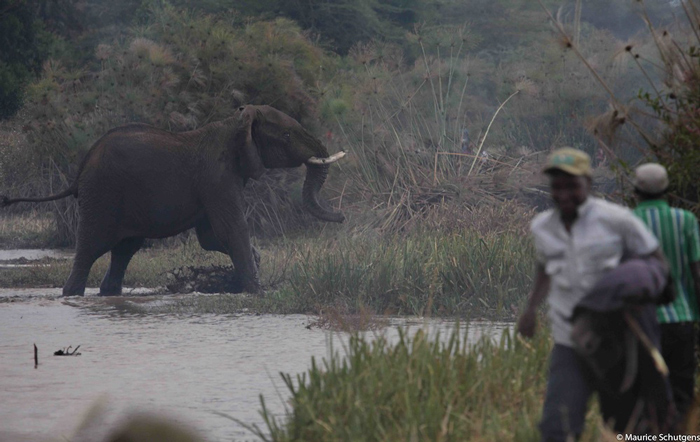
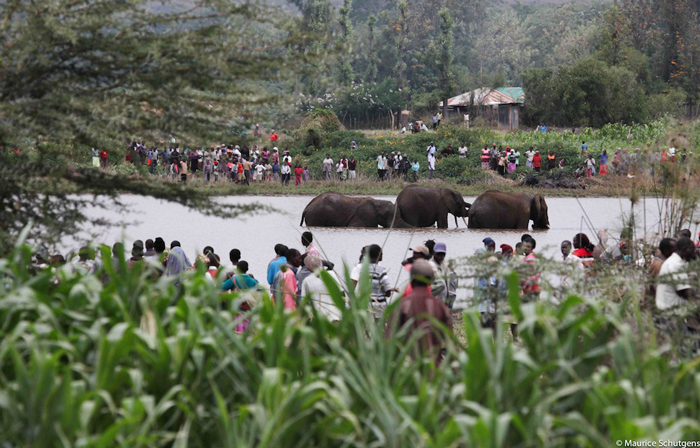
Elephants Alive received the call at lunchtime on Tuesday, 16 February 2016. An elephant calf was trapped in a dam at Phalaborwa Copper, Limpopo. Written by: Mike Kendrick
The Elephants Alive team raced into action and were soon on site. Inspection of the dam revealed numerous scuff marks from elephants trying to rescue the calf. Elephants form such strong family and maternal bonds that one can only imagine how distressed the baby, mother, and herd must have been.
Wildlife Supervisor Johann McDonald and his team rescued the baby and loaded him onto a truck. They had tried in vain to reintroduce him to the breeding herds still in the vicinity, but the little calf began looking weak and needing rehydration.
The calf was transferred to the Elephants Alive vehicle and doused with water to keep him cool and covered with wet blankets on a mattress. He was then transferred to a holding stable at a wildlife rehabilitation facility in Hoedspruit.
On arrival at the facility, the full extent of the trauma became clear. The distressed calf called repeatedly, vainly trying to locate its mother. Bruised areas over each eye were clearly visible – injuries incurred while trapped in the dam. The calf was unloaded with great care and guided towards an open stable door. Once inside, he continued to totter about and bellow, understandably disorientated.
The assembled team calmed him, and he took some rehydration fluids from a bottle. Exhaustion flooded over him, and he lay down while his team of wildlife vets set up a saline drip to further rehydrate him and administered antibiotics. Elephant calves are notoriously difficult to rear as they require precise nutrients in their milk.
His future is by no means certain, but once again, the Elephants Alive team have done all they can to support one of these incredible animals. They will check up on Amanzi (meaning water in isiZulu) regularly and explore potential sources of milk formula to assist in his much hoped-for recovery.
China’s desire for exotic animals, tastes and products will probably push wild elephants, rhinos, pangolins and many other species to extinction within the next 10 to 15 years. Asia’s Golden Triangle is the epicentre of the problem. Written by: Don Pinnock
This trade destabilises many African countries as poachers, armed by organised criminal syndicates, outgun security forces, loot villages and decimate animal populations. Their bloody haul is mostly transported by Asian agents who bribe officials and undermine the security of national states.
We begin in the lawless, drug-soaked jungles of Asia’s Golden Triangle. In the jungle along the Mekong River is a palatial casino named Kings Romans where you can order freshly killed bear cub steak, grilled pangolin, tiger penis or gecko fillet, and wash it all down with wine matured in a vat containing lion bones.
A captured pangolin
The shop offers rhino horn libation cups and bracelets or, for more conventional tastes, religious sculptures and jewellery made from poached African ivory. After a night at the gambling tables, you can pay a beautiful young woman to accompany you to bed. Chinese guests are preferred.
However, if you cannot settle your gambling debts, you will be locked in the local jail until your relatives pay. If they don’t, you could, apparently, be led into the jungle and shot.
Kings Romans is one of a number of such establishments in the Golden Triangle, thickly forested borderlands between Laos, Thailand, Myanmar and China. It’s an area of lawlessness and rebel armies from which much of the world’s heroin and amphetamines come. Similar ‘resorts’ include Allure, God of Fortune, Fantasy Garret, Regina, Mong Lah and Boten.
Kings Romans Casino
The Golden Triangle is a conduit of death for an unimaginable number of Africa’s iconic animals.
This information is offered matter-of-factly over a cup of coffee in Cape Town’s Waterfront by an unusual Kenya-based undercover investigator and self-confessed troublemaker named Karl Ammann. Unusual because he works alone and digs out explosive information, often at a considerable financial cost to himself. A troublemaker because he’s uncompromising in exposing wildlife traffickers, as well as governments and respected international conservation organisations, when they become part of the problem.
His motivations – an inquisitive nature and a fierce desire to protect wildlife – are often suspect because he has no political or organisational affiliations. He’s an elegant, widely-travelled, deeply knowledgeable, principled maverick. Not to mention the delightful company. But how reliable was his information? Corroboration came from a startling report, Sin City, completed last year by the Environmental Investigation Agency (EIA) in conjunction with Education for Nature Vietnam.
“Laos,” begins the report, “has become a lawless playground, catering to the desires of visiting Chinese gamblers and tourists who can openly purchase and consume illegal wildlife products and parts, including those of endangered tigers. There is not even a pretence of enforcement. Sellers and buyers are free to trade a host of endangered species products, including tigers, leopards, elephants, rhinos, pangolins, helmeted hornbills, snakes and bears, poached from Asia and Africa and smuggled to this small haven for wildlife crime. [It is] largely catering to growing numbers of Chinese visitors.”
Ammann began exploring the jungle regions of Southeast Asia while visiting his brother, who ran a hotel in Bangkok. He discovered the village of Mong La in Boko Province, the last Burmese outpost before China. “That was 40 years ago,” he says wistfully. “Today, it’s another sordid casino town thriving on drugs and prostitution, but then it was beautiful. I made contacts, went on expeditions, met hill tribes.”
On return visits, he realised things were changing fast and he began to document them. Wildlife trading was becoming an issue and he used his connections to probe it, first with questions and later with sophisticated button cameras and secret recordings.
“Because of my economic background [he worked in hotel finance], I was fascinated by the changing dynamic from sleepy hill station to illicit marketplace and conduit into China,” he says. “I was able to track changes in the area and thought I could make a contribution to conservation by letting the world know. It became something of an obsession.”
Those changes were to be devastating for elephants, rhinos, pangolins, tigers, bears and many creatures interesting to Oriental taste, superstition and aesthetics. In the uncontrolled, drug-saturated Golden Triangle, the illicit was profitable and law the prerogative of anyone wealthy enough to arm and command unscrupulous men. The area was to become, alongside the trafficking of narcotics and humans, China’s illegal wildlife supermarket. Ammann tried to get information out about what was going on. Nobody seemed interested. The area was a blank on the media map.
Ivory trade routes
The transformation of Mong La became a model for the establishment of lawless outposts across the region catering for Chinese customers in search of products and pleasures forbidden in their country. Over the Burmese border in Laos, a Chinese company acquired a 99-year lease on 10,000 hectares of riverside jungle and built Kings Romans Casino, giving the government a 20% stake. Around 3,000 hectares have been declared a ‘special economic zone’ – essentially a private fiefdom. Clocks there run in Beijing time, trade is done in Chinese currency and businesses are Chinese-owned.
These casino towns make their own rules. Sellers and buyers are free to trade endangered species, while governments within the Golden Triangle curb any potential law enforcement. According to the EIA report, “the blatant illegal wildlife trade by Chinese companies in this part of Laos should be a national embarrassment and yet it appears to enjoy high-level political support from the Laos Government, blocking any potential law enforcement.”
Other developments include a private landing dock for boats, a hotel, massage parlours, museums, gardens, a temple, banquet halls, an animal enclosure, a shooting range and a large banana plantation. In these surrounds, and with de facto immunity from any known law, the illegal wildlife trade is booming.
Wildlife products for sale in Tachilek Myanmar.
Ammann acknowledges the value of reports such as Sin City and the integrity of the EIA but tells me they don’t go deep enough.
“You can’t find out about these networks like conservation NGOs do – by going around with a notebook logging items. You have to infiltrate,” he says, hunching over his coffee and looking the part. “That means buying from sellers – and I do that. The moment money changes hands, it becomes much easier. You get the information you wouldn’t get by just snooping around. So, I’m pushing the envelope – which most NGOs have a problem with.
“I send in my guys as bogus sellers of rhino horn. They show photographs and say: ‘We can get access to this. How much would you offer?’ In contraband investigation, that’s pretty common, but in the wildlife trade, few people are willing to go to that extent. If I give NGOs this data, they say they need to verify it. But they’re not prepared to use my methods, so how can they do that?”
Ammann’s methods of tracing networks through secret recordings and a bogus website he set up have paid off. He has traced the circuitous smuggling routes out of Africa and tracked down crooked officials and countless bogus export/import permits supposedly verified by the Convention on International Trade in Endangered Species (CITES).
He found that the wildlife trade in China is dominated by a handful of key players behind container imports. They have the infrastructure in Africa to get the containers loaded and shipped. They work with retailers, sending cell phone pictures ahead, signalling, say, 20 rhino horns on the way. They’ve operated with port authorities and key dealers for many years.
In 2008, China legally bought 66 tonnes of ivory from Africa in a CITES-sanctioned sale and built the world’s largest ivory-carving factory. It had listed ivory carving as an Intangible Cultural Heritage two years before that.
According to a report, Out of Africa, by C4ADS and the Born Free Foundation, China presently has 37 registered (and countless unregistered) carving factories and 145 retail outlets. A survey of the outlets found that most ivory items had no identity cards, meaning their source was illegal. In 2013, a contraband seizure in Guangzhou included 1,913 tusks – meaning almost one thousand dead elephants.
A 2002 document sourced by the EIA includes a Chinese official reporting the loss of 99 tonnes of ivory from government stockpiles – greater than the amount procured in the 2008 one-off sale. An NGO report in 2013 estimated that 70% of the ivory circulating in China was illicit and that 57% of licensed ivory facilities were laundering illegal ivory.
“I’m not sure to what extent China’s enforcement activity is real,” says Ammann. “It’s mostly for Western consumption. They sacrifice a shipment every now and then, and that’s probably part of the plan. Maybe they give the container back to the dealer after six months.
“If traders get a tipoff that the Chinese government is curbing the sale of ivory in China, they send the message down the line saying shift your ivory somewhere else. Laos, Burma, Vietnam. That’s where some of the big dealers have set up their operations, places like Kings Romans. It just means the conduit routes to China are shifting. Sales in China may be going down, but they’re going through the roof just over the border.
“Hong Kong is now coming under pressure, so dealers no longer see it as the future of rhino horn or ivory trade. They’re looking for new outlets in the Golden Triangle, Luang Prabang and Vientiane in Laos and in Vietnam. And if you put pressure on those countries, it will probably move to Cambodia.”
The truth is that the demand for wild animals, alive or dead, remains high, which is not good news for Africa’s animals. “Wildlife traders are running circles around us,” says Ammann, glancing at his watch because he has another appointment. “They’re fooling us, and most of them are Asian. And most of the NGOs – EIA is the exception – have operations in China or Thailand or whatever, so they can’t rock the boat too much. For an NGO, being banned from a region is a big problem. They can be the good cop but can’t afford to play the bad cop. I can afford to be that cop. The problem is getting the information out. Where and how can it make a difference?”
The only hope for elephants and rhinos and other creatures, he says, is if the risk factor is ratcheted up with some of the lynchpins ending up in jail. Hit the supply chains.
“If the world really became serious about enforcement instead of becoming serious about talking about enforcement, it would be a major step in the right direction. But it will only come on the back of face loss. We have to name and shame. But for myself, I want to be able to look at myself in the mirror in the morning. So I keep telling the facts and truth as I see them, knowing fully well that I will not win any popularity contests.”
Before the year 2000, wildlife in Zimbabwe was thriving, partly due to the role played by private landowners such as commercial farmers. Private land was home to important populations of endangered species, including 80% of Zimbabwe’s cheetahs and other carnivores. Zimbabwe was held up as a model for how land can be effectively managed for the benefit of animals and people, and other countries soon adopted their policies and replicated their success. Written by: Dr Sam Williams
However, a fast-track land reform programme was initiated in 2000 in Zimbabwe, resulting in the haphazard resettlement of large numbers of people onto enormous areas of private land. The impacts of this process on people, such as hyperinflation, poverty, and the collapse of the healthcare system, made international headlines. But until now, no one has systematically studied how the wildlife populations were affected.
My colleagues and I set out to change this. With the help of experienced trackers, we conducted spoor (footprint) surveys across a thousand kilometres of transects on three land-use types: private land, resettlement land (former private land that had now been resettled), and communal land in Savé Valley Conservancy (SVC) and the surrounding area in south-eastern Zimbabwe. The spoor records allowed us to estimate the abundance of large carnivores in each area.
We focused our analyses on large carnivores, as they are important flagship and keystone species, and our scientific findings were recently published here. On average, the spoor density of carnivores was 98% lower on resettlement land than on private land. When we extrapolate this to a national scale, our tentative findings suggest that the land reform programme has resulted in a decline in the number of large carnivores of up to 70% across the country. Worryingly, we also found that merely being close to resettlement areas was sufficient to cause declines in wildlife abundance on private land. The main driver appears to be industrial levels of poaching.
This is clearly bad news for wildlife but also bad news for people. The declines in wildlife populations could have resulted in the loss of many associated benefits, such as jobs, food security and income. We also conducted hundreds of interviews to assess the level of human-wildlife conflict and found that conflict has spiked. We found that resettlement farmers reported much higher rates of cattle losses to carnivores than farmers in communal areas despite investing more heavily in anti-predator techniques.
Our conclusions are that Zimbabwe’s land reform programme has been catastrophic for wildlife and human-wildlife conflict.
What lessons can we learn from this?
Planning resettlement schemes carefully would be a good start rather than allowing them to occur haphazardly. This would allow resettlement areas to be located in areas of greater agricultural potential while maintaining wildlife populations’ connectivity. We also recommend using fencing wire that cannot easily be used to manufacture snares. When land is resettled, the steel strands commonly used in fence construction are often stolen and used for snaring.
Most importantly, however, we stress that land reform doesn’t have to mean changing land use. Land reform initiatives should maintain wildlife as a land use where it is most appropriate while diversifying the ethnic profile of landowners. Leasing resettled land back to the former owners could benefit wildlife while raising more income for new owners than switching to subsistence farming. Bringing in community members as stakeholders on private land and allowing them to benefit economically from wildlife will also encourage them to protect, rather than poach, animals.
Many potential models for achieving land reform in more productive and sustainable ways exist. By taking this opportunity to develop innovative models of land reform, Zimbabwe could once again become a world leader in managing land for the benefit of wildlife and people.
In August last year, I undertook an assignment for WWF in the Zambezi Region of Namibia. We aimed to obtain high-quality camera trap images of elusive animals, some of which had only ever been photographed on research cameras before.
The Zambezi region is a narrow strip of land, formerly known as the Caprivi Strip, which runs between Botswana and Angola, all the way to the Zambezi River in the East. It is the heart of the Kavango–Zambezi Transfrontier Conservation Area, known as KAZA, which links wildlife populations in Angola, Zambia, Zimbabwe, Botswana and Namibia. WWF works with the governments, local communities and species conservation programmes throughout the KAZA region.
For many years, Lise Hanssen has been studying wildlife populations in the region, with a particular focus on the carnivores. Her research utilised over 100 research camera traps to build up a picture of predator populations for the first time. She could identify the ranges of leopards, lions, hyenas and African wild dogs. Her findings prove this area is importance to carnivore populations and movements throughout the KAZA region.
I teamed up with WWF and Lise to try to capture high-quality photographs of her study subjects. However, it quickly became apparent that this would not be easy, as the carnivores are extremely elusive and hard to see. I spent two weeks in Namibia trying to find and photograph them, but they didn’t glimpse a single one!
Fortunately, we had foreseen this challenge, and I had come prepared with five camera trap systems. These are similar to Lise’s research cameras but incorporate a high-quality DSLR camera instead.
I relied on Lise’s research and expertise to identify several promising sites for my traps. These included locations both inside and outside the national parks. At the end of my trip, I left my cameras in place so they could continue working for another 10 weeks.
Lise’s predictions were spot on, and over the following weeks, my camera traps started capturing images of the key species we were after, including leopards, hyenas, African wild dogs and even a serval cat.
Of course, my traps also photographed many other creatures. One trap in particular, positioned near a waterhole in the Mashi Conservancy, captured an incredible number of animals, including elephants, giraffes, eland, wildebeest and bushpigs. It also took thousands of photos of guineafowls. In fact, I estimate that I had 10 images of guineafowls for every other animal photographed. Sorting through them all took quite a while!
The greatest challenge of all was photographing the lions. These cats are extremely shy and spend much of their time outside the national parks. Even Lise has never seen them other than on her research cameras. I set up two camera traps near waterholes that the lions sometimes visit. In the three months that my traps were operating, the lions passed by twice, resulting in some rare shots of these secretive big cats.
I hope that my images, in combination with WWF’s efforts and Lise’s valuable research, can help inspire conservation action in this important part of the KAZA region.
Anyone who has ever been lucky enough to visit South Africa on safari will know that there’s nowhere in the country quite like the Garden Route. Whether you admire the views from a lookout point or brave the 216-metre high bungee jump off Bloukrans Bridge, the forested coastal area between Heidelberg and Storms River will take your breath away.
Having moved to South Africa a few years ago, I knew this stretch of paradise to be famed for some of the best beaches, restaurants and hotels in the country, but what I didn’t realise was how many beautiful enclaves and secret hideaways lie tucked away off the beaten track, along with a healthy dose of adventure for good measure.
The call of the sand and the sea may always have been strong, but with the chance to explore hidden gorges and indigenous forests, I found plenty of ways to pass the days away from the hordes of tourists. Once I’d perfected my tan and caught up on some sleep, of course.
My particular four-night holiday started at the opulent Hunter’s Country House on what used to be an old farm between Knysna and Plettenberg. Set far from the madding ‘high season’ crowd in flowering gardens fit for a fairytale, this is a hotel that you could quite easily never leave. And if its surrounding areas hadn’t been quite as appealing, I’m not convinced that I would ever have parted ways with my private swimming pool and cheese platter. But dinner at The Fat Fish beckoned, and the moment that the tempura prawn salad touched my lips, I was happy to have briefly torn away from the comfort of my gigantic bed.
After the best night’s sleep of my adult life, I ventured further afield the following morning to embark on a Secret Elephants Forest Experience near the town of Knysna with Gareth Patterson. The Knysna forests form the largest closed-canopy forest in southern Africa, and I could not pass up the chance to explore the tranquil habitat of Knysna’s elusive elephants, as described in Gareth’s book, The Secret Elephants. They chose not to reveal themselves on our drive and forest strolls that morning, but we did come across their tracks, dung and other evidence of their existence. However, it was enough for me to wander their sacred home and learn about their diet, range and numbers from an expert.
In addition to these elusive elephants, the Garden Route also boasts an abundance of birdlife. Nearly 300 species are to be found in a variety of habitats ranging from fynbos to forest to wetlands, of which 30 species are endemic to the Southern Cape. And to get up close and personal with our feathered friends, the next day I took to the skies for the ultimate avian adventure with Altitude Paragliding.
With many stunning jump sites throughout the Garden Route, it was tough to decide which hill to hurl myself from, but the weather dictated that the site in Sedgefield would be best. My instructor, Nigel Frith, was not only a keen competition pilot with 20 years of experience catching the wind in his parachute, but you couldn’t think of anyone better to be strapped to while dangling hundreds of feet above the ground. He not only had a 100% safety record, but his true testament to his talent was setting a precedent for all the other operators and adrenaline junkies that day. While the wind refused to blow and we were stuck practising ‘para-waiting’, everyone else began packing up after a few attempts. But Nigel persevered, and soon enough we took off over stunning surroundings and flabbergasted faces. With the skies to ourselves, we soared higher and higher, catching thermals and chasing one spectacular view after the next. The sky was the limit!
Once my pulse had returned to normal, it was time to head even further off the beaten track to relax with Mother Nature at Teniqua Treetops. This is an eco-friendly, somewhat eccentric holiday hideout set in acres of indigenous forest, where there is no place for technology. And an evening spent braaiing on the handcrafted deck, while soaking up more breathtaking views, was just what the doctor ordered. As was the bottle of Pinot Noir/Chardonnay and another good night’s rest.
After waking to the sound of birds and starting the final day of my Garden Route adventure with a walk amidst 1,000-year-old milkwood and towering yellowwood trees, I was ready to abseil in the secluded Kaaimans Gorge with the experienced and incredibly friendly guides at Eden Adventures. After receiving detailed instructions on how best to shimmy down a rockface attached to a rope, I started to question some of my life choices. Still, any fears were soon quelled by the hilarious grandfather-grandson duo who bounded down the rocks on their first attempt without breaking a sweat. These two daredevils are quite the pair, and they head back to Eden Adventures every year for different bonding experiences together. So whether you fancy boulder hopping, cliff jumping and swimming down narrow canyons, or hiring a canoe to explore the various waterways in the area, it’s clear that this adventure company in Wilderness will make you want to keep coming back for more.
The Garden Route is a place you will want to return to again and again
And this, for me, is what the Garden Route is all about. It is a place you will want to return to again and again for an incredible experience each time. No matter what your age or what you choose to do along this scenic stretch of South Africa, whether you’re looking for solitude or an adrenaline fix, this area of the world will be sure not to disappoint. The landscapes will leave you in awe, the restaurants and markets are worth the new waistline, and the activities will have you ticking things wildly off your African bucket list.
For the perfect excuse to keep pedalling or trail running for hours, head to the Garden Route Trail Park. Open from dawn until dusk, enjoy exploring the endless trails that weave through ancient forests at the foot of the Outeniqua Mountains and the Karatara River Gorge.
Start your weekend the country way at Wild Oats Community Farmers’ Market every Saturday morning. Come rain or shine, this award-winning market on the outskirts of the town of Sedgefield is positively brimming with the best locally-produced foods and freshly picked vegetables. It’s also a great place to gobble down a cooked breakfast!
Looking to tire the kids out so that you can enjoy your sundowners in peace? Then head to Acrobranch in Wilderness, where Tarzan swings and ziplines await above the natural forest floor. I braved the 48 treetop obstacles on the High Flying Course while desperately trying to muster what’s left of my balance, and I had a great time being a kid again – albeit lacking somewhat in dexterity. If you’re on a tight schedule, there are shorter courses and even a Monkey Moves course for the tiny explorers in your troop.
For some of the most spectacular views this side of the equator, I was happy to have visited the extraordinary lookout point at Wilderness Heights, which towers over a forested mountain that resembles the shape of this beautiful continent – earning it the name, ‘Map of Africa’.
Once you’re done with the day’s snoring or soaring, head to watch the live music at Cocomo Restaurant in Wilderness. Local bands grace their stage every night of the week, so I got stuck into an O’Coco pizza and a Cocolada cocktail while the talented The Sequence Band performed. I had such a great night that I topped it off by buying a tree to support the 1000 Tree Project, so that the next time I go back to the Garden Route, I can look around knowing I helped preserve its beauty in some small way.
I spent a happy couple of hours, sipping cappuccinos and eating Saldanha Bay mussels steamed in Red Bridge beer at the quirky East Head Café, overlooking the stunning Blue Lagoon. Thanks to its cheerful vibe and funky decor, I found this to be the perfect spot to enjoy a top-notch ‘special’ and beer while overlooking the blue lagoon and the sandstone cliffs of Knysna.
Kurland Restaurant has won countless awards over the years and is located in the 5-star Kurland Hotel, just a stone’s throw from Nature’s Valley. To get a feel for the vast 700-hectare private estate, I took a beautiful stroll with my aperitif to admire the newborn horses and award-winning roses. Then, when the sun started to set, it was nothing short of perfect to return to the charm of the country house to finish my glass of Pecan Stream Sauvignon Blanc on the verandah before moving to the restaurant. Kickstarting my three-course meal with the grilled lemon butter langoustines with a rocket and parmesan salad was one of the best decisions that I have ever made.
“Fish to taste right, must swim three times… in water, butter and wine.” This is the fabulous motto of the even more fabulous The Fat Fish in Plettenberg and George. Head straight here for seafood when you’re hungry, and I’d personally recommend not living a day longer than necessary without trying the parmesan crumbed kingklip with smoked chilli butter.
Few hotels can boast a walk-in wardrobe, a bathroom larger than most London apartments, and a private garden leading from a lounge suite, but I felt Hunter’s Country House excels on every level, right down to their omelettes. Starting the day with a buffet selection that had me kicking back the bedcovers, to rounding off the evening with treats and poems left on my turned-down bedsheets, it was all the small details that warmed my heart the most.
I’m a hippy at heart, so I relished the chance to turn off all my gadgets and breathe in the fresh forest air alongside the butterflies at Teniqua Treetops. This secret hideaway is as green as its forest home. Thanks to its composting toilets, greywater recycling, horses as lawnmowers, solar geysers, and low-energy lighting, you can rest assured in your canvas-tented bedroom that you will be contributing to sustainable tourism efforts in the country. But as wonderful as that may be, my favourite part of this enchanting experience was undoubtedly taking the time to indulge in their pièce de resistance – a bath overlooking the forest canopy!
If you’re always keen for a safari fix, head to Gondwana Game Reserve to see the free-roaming Big Five in malaria-free luxury. The 11,000-hectare reserve is just a 25-minute drive from Mossel Bay, or transfers can be provided for the 45-minute trip from George Airport.
MEI CAPES is half-Chinese, born in England, and South African at heart. She studied French and German at the University of Warwick before spending a decade bumbling around Asia, Central America, Australia and Europe, then settling in Cape Town.
Already tired of pretending to be a grown-up, she takes every opportunity she can to explore her new home of South Africa, accompanied by her canine best friend and her fiancé, who will do almost anything – even face his fear of heights – to stop her whinging about being bored.
Being interesting is a bit like being beautiful. More often than not, it’s in the eye of the beholder. Personally, I find most of the washed-up shells I see on the beach more beautiful than a highly polished cut-diamond, but a whole lot of people are going to disagree with me on that. Similarly, the guy at the fuel station might be more interesting than Sigmund Freud – it just depends on your point of view. And then there is Peter Beard. Written by: Naturalist and author Duncan Butchart
That being said, some people are UNDENIABLY interesting, and, once in a while, you might be lucky enough to cross their path.
So it was that I once sat down for a drink with Peter Beard at a sidewalk café in Johannesburg. Born into a wealthy New York family, Beard first travelled to Kenya in the 1950s, then returned after his Yale graduation to work in Tsavo National Park, documenting the mass death of 35,000 elephants – and other wildlife – that formed the core of his 1965 book, The End of the Game. This provocative tome, overflowing with beauty and horror, captured the harsh reality of starvation, poaching and hunting in Kenya – a reality check when Joy Adamson’s Born Free was portraying Africa as a sort of Disneyland. More than anything, the enigmatic Beard wanted to portray the truth, like a photojournalist on a war front. The graphic and sometimes shocking images are more than many people can handle.
Personifying the ‘devil-may-care’ approach of those prosperous enough to be defiant of authority, Beard wanted to show the world how Africa’s game was disappearing. At the same time, he was documenting the end of an era – the end of colonial control. That, too, was a game – one of intrusion and greed.
My copy of the second edition of The End of the Game is among my most treasured books. Beard’s images of elephants, lions, vultures and gazelles are all in stark monochrome, adorned with layers of his own handwritten notes and quotes from Isak Dinesen (aka Karen Blixen, with whom he was friends), Roosevelt, Selous and others. Bizarrely, his multi-layered pictures are often smeared with blood to make his point. Shocking to many, these visceral images remind us of how powerful and wasteful humankind is.
Styling himself on Hemmingway, with a good dose of Denys Finch Hatton thrown in, Beard was part of New York’s Studio 54 crowd, and his unique images of Kenyan wildlife and beautiful women regularly adorned the pages of glossy magazines and calendars. Salvador Dali, Andy Warhol and Francis Bacon were among his friends, and he discovered the Somali supermodel Iman. Peter Beard is essentially a diarist and scrapbooker – the camera is just one of his tools, and his photographs are often only a canvas for a collage of found objects, newspaper clippings, woodcuts and other artwork. In some pictures, there are gorgeous women, usually naked, among the animals – these being models enticed out to the wilds of Kenya by the dashingly handsome Beard, who was just as at home among the Maasai and the thorn scrub as he was with Vogue fashion editors and the jet-setters of the world.
It is more than 50 years since The End of the Game was published, and I’m guessing that Peter Beard might just be surprised at how much wildlife still survives in Africa. The blood of rhinos continues to be spilt, and they are teetering on the brink; elephant poaching is out of control in some regions, but the pachyderms are too populous in others. Lions are certainly in big trouble; they have become extinct in several African countries since the book was published, and only seven countries now have populations of greater than 1,000.
However, the protected area network has increased significantly in some countries, and responsible ecotourism operators are providing sound economic reasons for local people to safeguard nature. There is hope. Perhaps Beard’s book woke up enough people in time.
Naturally, I asked Peter Beard to autograph my copy of his book when I met him way back in 1989. This was no ordinary flick of the wrist: he poured half a bottle of Indian ink into a soup bowl, placed his hand in the liquid, and then smeared it across the title page! After holding fast for a good fifteen minutes, he took out a nibbed pen and inscribed the book.
Note: Taschen is apparently releasing a 50th-anniversary edition of The End of the Game – as relevant now as it was back in ’65.
“Earth provides enough to satisfy every man’s needs, but not every man’s greed.” ― Mahatma Gandhi. Snares may not be something people hear of or pay much attention to, yet these simple devices are probably amongst the highest killers of wildlife in Africa. Written by: Nick Tucker
A snare is nothing more than a rudimentary piece of wire shaped into a loop, anchored down and placed in an area of high animal activity to kill wildlife. Whilst they are mostly used to catch (and kill) bushmeat, often as a means of sustenance for rural communities, their impact is huge.
With a fast-increasing population and high poverty levels across Southern Africa, snaring is becoming an increasingly bigger threat to our wildlife populations than we seem to realise. It is not the newsworthy war on poaching sort of a story that the media focuses on or the gruesome killing and maiming of wildlife that the public seems to want to read about, yet snaring is arguably a bigger problem and threat.
If you speak to many rangers and anti-poaching units from Uganda to South Africa, they will tell you that a lot of their time and energy is focused on the removal of snares; snares which maim and kill tens of thousands, if not millions, of animals a year.
This issue was recently brought into the public eye with the photographs and stories of a young male lion in the Kruger that was spotted and reported to park authorities by several visitors to the park. This lion was fortunate enough to have had the snare removed and, according to the South African National Parks team, has a good chance of making a full recovery.
For many other animals, the ending is not as happy.
Most animals caught in snares will end up in the cooking pot, while as many as an estimated 90% will be left to rot in the bush, and many others will be severely wounded to the point that they are no longer able to feed or hunt, condemning them to a short life of pain and starvation.
If one is ever fortunate enough to visit the wild dog research station in Hwange National Park, Zimbabwe, just outside the main entrance of the world-renowned park by the same name, one will start to understand the problem better. At the main building, where the educational centre (which is phenomenal and well worth a visit) is based, you will quickly learn that this entire building was built out of wire, collected in anti-poaching operations. The size of the building and the amount of wire needed, I’m sure any quantity surveyor can back me on this, is terrifying. Especially when one considers that these are nothing more than cheap, simple killing mechanisms. The centre also illustrates the effects of snaring on wild dogs (painted wolves) and wild dog populations.
The extent of the snaring and the bushmeat problem only really hit home for me when visiting Mlilwane Wildlife Sanctuary in Swaziland. In the 10 years between 1960 and 1970, when conservationist Ted Reilly was working to build the first national park in this country, over 20,000 snares were collected, far exceeding the amount of game in the country at the time.
According to a 2014 report by Lion Aid, the snaring problem is a bigger problem than the poaching of rhinos and elephants across the continent, and it could be one of the single biggest factors contributing to species extinction. For example, 182,000 to 365,000 tons of wildlife are illegally harvested for bushmeat in Mozambique alone, with an estimated value of between US$366 million and US$730 million per annum.
When we think about poaching and when we think about wildlife and conservation, we need to think holistically; we need to realise that every species is key and every species plays an important role. When one starts to understand this and grasp how many animals are dying in or from snares across the continent, daily, weekly, monthly and annually, one will start to understand the real horror of snares.
At the start of January 2016, our family of five went on a 3-day gorilla trek with Africa Geographic. What an adventure! Written by: Gale Ball
Obviously, the gorillas were the reason to visit and I still remember the moment when, after climbing for about an hour, the guide stopped me and said: “Sshhh… someone is watching you!”
I turned my head and froze.
There, almost touching me face-to-face, was the first gorilla, just sitting quietly behind a small bush. As we made eye contact, it took all my strength not to reach out and hug him! I couldn’t believe how close we got. For the first 10 minutes, we didn’t have any cameras out as we were all completely blown away by the experience.
However, there is so much more to Rwanda than we ever expected – picturesque views around every corner, a sad past that should be retold in order for history not to repeat itself, Dian Fossey’s legacy to help save endangered mountain gorillas, and big game safaris as well. It is yet another truly amazing country in the wonderful African continent.
There were just so many memorable moments on our trip! Obviously the gorilla trek was an unreal experience that I will never forget, but staying on Lake Kivu after meeting the gorillas was also a highlight, as was just seeing the continuous hills and valleys of beautiful Rwanda. Visiting the genocide memorial and church was also a must-see, although very sad.
Our guide for the trip was superb! He spoke English well, was very knowledgeable, and his service was excellent. He went out of his way to accommodate our request to visit the World Vision office to drop off a present, and he took different routes to and from the gorillas to accommodate our desire to see as much of Rwanda as possible.
Our gorilla trekking guide was also excellent; he was not only passionate about gorillas, but he was also very knowledgeable and helpful. He understood our age requirements and our wish to see a gorilla group closer to the base of the mountain, and he also organised our porters and chose those who could assist us with the climb.
After only one day of returning to Australia, we had already recommended a safari with Africa Geographic to friends!
We’re a couple of Australians from Perth who are mad about South Africa and feel that there is nothing quite like the experience of visiting Kruger National Park in particular. We’ve been at least 25 times and almost always stay for six weeks at a time, which makes our friends and family ask: “Why are you returning to the same place yet again?” They assume it must be boring and repetitive, but they don’t realise that it is very different in unpredictable ways every time and every day.
Kruger National Park is a vast area of about 19,485km², which is 360km long and about 65km wide, making it the size of a small country. And visiting Kruger can be an enriching adventure if you tackle it right! Sure, you can go on an all-inclusive safari where you will stay in luxury lodges and be driven around, but you could also do it yourself and indulge in the same serendipity for a lot less money. This serendipity comes from seeing what offers itself up to be seen – where what you see next is determined by what you stop to look at along the way.
Kruger offers us a fantastic opportunity to drive ourselves, stay in a small, thatched rondavel, and cook simple food. The trappings of Western life don’t belong here – television, the 24-hour news cycle, instant access to everything, constant phone calls and emails, and so on. We feel a deep, almost primaeval, satisfaction in finding our ‘own’ birds and wildlife. It feels good to connect with our pure instincts and be reminded of adrenalin’s real purpose – not for stress in the workplace, but for basic survival in the wild.
You do not know what will expose itself from one moment to the next. Each day, what you see or don’t see is determined by the stops you make along the way, a bit of skill and some luck. Ultimately, this combination determines whether you have the most amazing time with a leopard or miss out on seeing it!
We may have stayed in some upmarket places over our years of visiting Africa, but the place we always miss and yearn for is Kruger, where our souls get mended and restored without having to do anything to make it happen.
How did our obsession with Kruger begin? We first visited South Africa in 1994 as members of an Australian-South African scientific symposium on river classification and management. The meeting was to start in Kruger at the conference centre in Skukuza, so we decided to arrive a few days early. As soon as we had flown into the park and collected our rental minivan at Skukuza Airport, we headed off for a life-changing experience.
We drove out of the Skukuza Airport gate and agreed that the first one to find a big animal would buy the other dinner. Sally saw an impala after about 30 metres but protested that it wasn’t really that big! Then, almost immediately, she spotted a colossal giraffe browsing on thorns – now that is a big animal. She bought dinner.
We vividly remember stopping on the Sabie River causeway near the airport and being transfixed by the amazing birds we’d never seen before. One was black and white with a long tail and a lolly-pink beak, and the other was a pied kingfisher hovering before diving to catch a fish. We didn’t know where to look! As we arrived at Johannesburg airport very early that morning, we’d had a chance to load up on bird books and mammal guides at the airport bookshop, but we had no idea how to look up a bird we’d never seen before. With Bob driving, it fell to Sally to thumb through the book until she found the bird with the lolly-pink beak. It was a male pin-tailed whydah, and this method of thumbing through the bird guide became a great way to familiarize ourselves with a range of new birds quickly.
Kruger has a subtropical climate and a wide range of habitats that change from west to east and south to north as the underlying geology, soils, and average rainfall varies. In general, the park is relatively flat. Still, the topographic monotony is broken by the Lebombo Mountains bordering Mozambique to the east, the Muntshe and Nkumbe hills, the hilly southwest area around Pretoriuskop and Berg-en-Dal, and the spectacular escarpment overlooking the Olifants River, which is one of our favourite views in the world.
Kruger is relatively well-vegetated and lacks the sweeping plains of East Africa. The southern half of the park supports thorny acacia and bush-willow savannah, and this zone has a greater variety of plants than the seemingly endless mopane scrubland that lies further to the north. Open grassland with large herds of wildlife is rare but can be seen around the park’s centre. The ‘bushy’ nature of Kruger means that it is often harder to find animals – some estimate that only 2% of the park is visible from its extensive network of tar and dirt roads. However, despite this, the fantastic array of birds is always visible, and you usually spot animals every 15 to 20 minutes unless the weather is poor.
The varied habitats support an extraordinary range of plants and animals – about 500 species of birds, more than 145 mammals, lots of frogs and reptiles, and innumerable insects. On our last trip, we spotted 45 mammal species and over 300 birds, and there are very few places in the world where this is possible!
The 13 main rest camps are well located throughout the park to provide easy access to this spectacular diversity and enable drivers to travel from east to west across the ecozones or from north to south. The fact that the park has been mapped into ecozones makes it unique, and the ecozone guidebook is cheap. The main camps provide accommodation options of bungalows, permanent tents and DIY camping grounds. The available cottages, usually thatched, are comfortable, well-priced and adequately equipped (except none have a sharp knife). There are also five rustic bush camps and luxury game lodges on private concessions, so there is plenty of choice.
We mostly stay in the park for five to six weeks, beginning in the south at Crocodile Bridge or Berg-en-Dal and gradually working our way north to Shingwedzi Rest Camp or Punda Maria Rest Camp, staying three to five nights in each camp, before turning south again. This maximises the opportunity to discover the local specials, and avoids the problem of packing, moving and unpacking all of the time. Instead, we unpack once at the beginning and rely on using themed carriers, such as what we call a ‘bathroom bag’ and a ‘kitchen bag’. We then only pack up when we have to leave.
Our favourite time to visit is in late October to early November onwards, as we hope to catch the beginning of the rains when the biology of the park just explodes. Within a few days of the start of the season, impala ewes have lambed, green grass appears, leopard tortoises drink from puddles on the road, migratory birds arrive, and the stunning weaver finches begin breeding. This is not the easiest time to see mammals, as it’s sweltering and there is water everywhere, which means that the game is less dependent on formal watering points. Still, the considerable level of activity and the diversity of sightings outweighs this. Whereas in February and March the grass is tall, so we find spotting game to be challenging.
Many people consider the dry winter months best for game viewing due to the bush being less dense and the tendency for wildlife to congregate at waterholes.
However, due to the local school holidays in June and July, and the fact that this is low-risk malaria season, this is also the busiest time at Kruger.
We discovered early on that the best way to have a profoundly satisfying visit to Kruger is to be interested in everything. This is because finding things isn’t as easy as it seems in wildlife television programmes about Africa. Some days there is so much happening that we hardly know where to look, whereas, on slow days with little mammal or bird activity, we choose to focus on the plants and insects instead.
We have lost count of the number of times that we’ve stopped to observe a bird to be asked by someone what we are looking at before they drive off as soon as they realise it’s ‘only a bird’. But then a lion pops its head up from under the bush that the bird was in! Patient observation is the way to go, and taking the time to watch the natural behaviours, even of common animals, is rewarding and often surprising.
Kruger National Park has fantastic maps and guidebooks for sale, and South African National Parks has an excellent website. We mostly self-cater by shopping in one of the towns bordering the park at the beginning of our stay, and sometimes again half-way through our holiday. The park shops have a limited range of food and sometimes run out of things during busy times, so it’s essential to plan. We also pre-order good wine as the park shops don’t tend to stock South Africa’s best drops. The park restaurants are fine, but it’s part of our ritual to light the braai and wait for the coals to form as we sip gin and tonics, listening to the night sounds and reliving the day.
Please don’t speed – show respect and give animals the space to move
Safety around the wildlife is critical, so please don’t speed – show respect and give animals the space to move. Don’t reverse if a bull elephant blocks the road; this signals fear and submission, which keeps the elephant engaged. Instead, turn around and drive two to three kilometres away before turning off the engine and waiting 10 to 15 minutes for the bull to become bored and go back into the bush.
– A pair of good binoculars are essential to see things up close – we suggest 8x32s as they are not too heavy.
– Hire a large, tall vehicle – we like the VW Kombi T5 the best.
– Be prepared for a range of hot, cool and wet weather.
– Carry insect repellent and a cortisone cream to treat bites.
– Take wildlife and plant guides, or download some of them as smartphone apps.
– Bring a camera with at least a 300mm lens to avoid getting disappointingly distant shots.
– Stock up on food and supplies outside of the park, and take a couple of cooler boxes as you may want access to food and drinks when you are not allowed out of your vehicle.
Sally Robinson cut her teeth on zoos and Gerald Durrell’s books and loves seeing animals in their natural environment. She was Deputy Chairman of the Western Australian Environmental Protection Authority and works as an independent environmental consultant. She has won awards for her work in environmental protection and policy development. She is now a wildlife photographer.
Dr Robert (Bob) Humphries is a systems ecologist with a PhD in frog ecology. He has worked as an environmental consultant for the Western Australian EPA and the Australian water industry. At heart, he’s a naturalist, so his recent retirement is great – it means more time in the bush with his video camera.
Dear Mr Hume, let’s talk about trade in rhino horn – by Alisha Kirk
My thoughts here, written in my own capacity, are neither intended criticism nor an inference of ill-intent. Your achievements confirm your commitment.
For clarity, I have no association with commercial wildlife farming/ranching. I’m not a veterinarian, a scientist, a government official, a lobbyist, affiliated with an NGO or a member of any APU unit. I’m also not involved in conservation unless, of course, you wish to include donations to various conservation bodies, which, I must admit, I have been guilty of in the past.
I am, however, a South African, and proudly so. Each sunrise still holds promise for a brighter future. My children understand this, too. To pay for this privilege, I trade globally. I know stock markets, trading floors and exchange regulations as well as anybody anywhere, and I sleep with one eye open, watchful for substantive change in commodities, equities, traded products, derivatives, currencies and debt. This is my world.
We agree that rhinoceros are being poached for their horns; composed mostly of keratin, the same protein in our hair and fingernails. In the past, western society believed, erroneously, as it turns out, that the demand for rhino horn was ostensibly driven by the sexual desires of Asian men. During the same period, Yemeni demand for dagger handles made of rhino horn, considered a symbolic rite of passage, also contributed to global demand. Until very recently, it was thought that Eastern medicinal requirements primarily drove demand for horn. Rhino horn is said to ‘cool the blood’ and break a fever. Notwithstanding, Traditional Chinese Medicine (TCM ) does advocate an alternative. Modern demand theory challenges the notion that TCM demands are causal in the main. It’s now believed that rhino horn symbolises status for the elite. The ‘cure for cancer’ theory emanating out of Vietnam has also largely been discounted.
To clarify then, rhino horn is not an aphrodisiac. Yemeni demand for dagger handles has all but disappeared, and even though rhino horn has been used in TCM in the past, today’s practitioners prescribe alternatives. Most agree that rhino horn does not cure cancer. Modern theory holds that it is considered symbolic of status. What’s clear is that the demand for rhino horn is tangible.
Over the last century, 90% of the world’s rhinoceros were killed/harvested, mostly for their horn. As a result of this decline, the Convention on International Trade in Endangered Species (CITES), of which South Africa is a founding member, instituted a complete ban on all trade in rhinoceros products. For a time, pressure on the wild herd was seemingly controlled. In South Africa, the success was even better than most had hoped for. Consequently and simplistically for our purposes here, CITES downgraded the white rhinoceros to Appendix II, which allowed for limited trade. South Africans are, if nothing else, tenacious in business. Specific animals, considered surplus then, were offered to the private sector, and the local herd expanded.
Whilst South Africa enjoyed success, the rest of Africa’s rhinoceros population declined. Different theories account for this decline. Some say corruption, ease of access, leaky borders, less likelihood of getting caught etc. accounted for most. Nobody knows for sure. What’s clear, however, is that demand for rhino horn during that period was robust.
Back in South Africa, whilst rhinos were getting more costly to harvest illegally elsewhere because there were simply too few to harvest cost-effectively, our herd had expanded. Even though the harvest in the rest of Africa was patently illegal, the downgrading of our white rhino herd to Appendix II legitimised the harvest of trophy rhinoceros, subject to local permit approval, by sportsmen prepared to pay for the privilege. The illegal trade immediately focused on South Africa, which had inadvertently offered the illegal trade some legitimacy; most claim unintentionally. Pseudo-hunts for pseudo-sportsmen were facilitated locally, and rhinoceros were shot for horn to (illegally) supply what was becoming an insatiable Eastern demand. The South African authorities, belatedly appraised, instituted a ban on these pseudo-hunts, but the damage was done. The illegal trade had established local contact, formulated transfer channels and entrenched local infrastructure. Illegal harvest or poaching of the South African herd had begun in earnest.
In the current environment, demand for rhino horn is robust, and supply is imperfect, bottle-necked through illegal channels.
Economic theory tells us that markets exist mostly to facilitate supply and demand. In early times, we bartered one bundle of goods for another. The constituents or volume of the bundle determined the exchange. Today, we establish a price at the point of exchange, which the buyer pays in currency – usually the US dollar. Price, in turn, considers scarcity, real or perceived. In theory, the more scarce the bundle of goods, the higher the exchange price. The theory holds true in all markets, legal or otherwise, as long as demand is constant (or rising) i.e, not price sensitive.
On the ground, the supply of rhino horn is constrained and wholly dependent on illegal harvesting or poaching. It’s safe to assume that demand is constant at the current price, or prices would have fallen. The CITES ban has limited the supply of rhino horn to the end-user (currently illegal everywhere). The illegal trade facilitates the supply through a complex, convoluted maze of diverse and largely independent groups of harvesters in the field. Infrastructural corruption up the chain facilitates the transfer of product through the distribution channels to the end-user.
This is where you come in. You say to lift the CITES ban on rhinoceros trade. Legitimise the demand at the end-user. Eliminate the illegal supply chain. Establish a Central Selling Organisation mandated to control the supply of approved product through legal channels and to approved distributors only, who in turn supply the end-user markets. De-horn rhinoceros safely and without any negative effect on the donor-animal and collapse prices by volume of supply. Funds raised from the legal sales would contribute to current conservation in any one of a number of ways, either by bolstering fortress conservation (security) or for the purchase of land etc. Your point is well made but, dare I say it, flawed.
Allow me to clarify as best as I can. For ease of reference, the points will be annotated.
1. Nobody detracts from the success of your herd. I certainly don’t. Even so, as the owner of South Africa’s largest privately owned herd, you stand to benefit more than most from a resumption of trade. It’s a conflict of interest, which I can’t, in good conscience, ignore. Whilst the authorities deliberate, perhaps you would consider recusing yourself from the discussion and withdrawing from the media?
2. It’s true that rhino horn can be harvested as and when the animal regenerates its horn over the course of its life. It’s also true that the animal doesn’t have to be killed to do so. Notwithstanding, unless SANPARKS and/or Ezemvelo KZN Wildlife intend to dehorn their herd in the field, which you’ll agree is an unlikely occurrence, the only benefit to either would be the sale of surplus animals to private owners. To participate equitably, these rhinos would need to be sold at prices at, or in excess of, the current price of horn. A single animal yields approximately 4-6kg of horn? At current prices of US$30,000-US$50,000 per kilogram, that equates to approximately ZAR1,500,000 to ZAR2,500,000 per animal or circa 10 times the current price of the live animal.
3. On my point 2. above, you might be inclined to point out that an increase in supply should, by definition, drop the price of the product to more ‘reasonable’ levels. That’s true if demand stays constant, but it’s an assumption best left in the bin where it belongs. There is no irrefutable evidence that demand won’t increase, perhaps dramatically so, if ever trade was legalised. A possible/’probable’ shift outwards of the demand curve would leave prices unchanged at best or resume its upward spiral as new users enter the market.
4. The global regulatory environment is constantly in flux. It’s safe to expect some significant change within my own industry. The CSO concept as a stand-alone entity will soon be obsolete. A fairly common criticism of the CSO structure is its bias towards some form of complicity, either in open forum or disguised by internal policies. In truth, most operate as cartels, controlling both price and supply. Manipulation is simply endemic in such a structure. The same cartel-like complicity will manifest in the demand markets. Selling to ‘selected’ distributors has the same causal effect.
5. It does not follow that illegal syndicates will become redundant when trade is legalised. On the contrary, the scope to ‘launder’ illegally harvested product through official channels becomes entrenched, particularly in a corrupt environment or when large sums of money are involved. At the same time, your cost of harvesting horn or your production costs are significantly higher, I suspect, than the price of a bullet plus one or two thousand dollars for the trigger-men.
6. You have said that illegal trade will be eradicated in a legal trade environment. I don’t see why. The infrastructural environment under the auspices of legal trade would, in all likelihood, be no different from the current. Illegal networks are well established. Fortunately, some commendable work has been done by the authorities to break down these structures, but they still exist and will continue to exist until they don’t and certainly for reasons other than resumption in trade.
7. The most blatant flaws in your argument I’ve left to last, and they detract from the rest of your argument. Cattle farming has little to do with conservation. Farming lions for the ‘legal trade’ is, by anybody’s definition, not conservation. The same applies to the farming of chickens or pigs or sheep or, in this case, rhinoceros. Farming rhinoceros to shave their horns is as far removed from conservation as farming crocodiles for their belly skins. Yes, they’re not domesticated, but they’re hardly free-roaming ‘wild’ animals, either. Your herd is supplementary-fed and controlled in relatively small paddocks. Mauricedale is obviously a well-run farming operation.
8. Now, if you were to publicly distinguish your herd from the free-roaming herd and openly commoditise your rhinoceros, then your herd becomes a product, like eggs or bacon. Yes, it’s still an illegal commodity, but your exhortations in the public domain to reopen trade would be inscrutable. Intentions are made clearer, are based on sound business principles and are more readily understood in the public eye. However, masking intent by including conservation benefits and the project- integration of the local community in the same dialogue is misleading, although unintended perhaps.
9. In passing, I am confident that the authorities in control of the valuable stockpile of rhinoceros horn will remain steadfast in their application, thus avoiding any potential conflicts of interest. These same officials hold the elective right to lobby CITES to renew trade.
The US government has changed the rules relating to lion trophy imports. I have attempted to summarise their report of circa 64,000 words into 1,700 words, including 27 important facts about lions and trophy hunting that everyone should know.
The US government’s Fish and Wildlife Service (USFW) recently reclassified the subspecies of lions occurring in southern and eastern Africa to ‘Threatened’ (likely to become ‘Endangered’ in the foreseeable future) and the subspecies occurring in the rest of Africa and India to ‘Endangered’ (on the brink of extinction). At the same time, USFW changed rules relating to the import of sport-hunted trophies to address a perceived shortcoming in the sustainability of trophy hunting of wild lions.
In arriving at these conclusions, USFW considered a raft of information from scientific sources, which they presented in a lengthy and absorbing report. I would encourage you to set aside a few hours and read the USFW document as it contains many informative facts that I have excluded out of necessity or, at best, considerably shortened.
Ernest Hemingway on safari in 1934
Here, then, is my summary:
1. Historical lion ranges included most African countries from Greece through Eastern Europe, the Middle East and India.
2. The lion has since been extirpated from all of Europe, the Middle East and North Africa and now occurs only in the Gir Forests of India and in some countries of sub-Saharan Africa.
3. In Africa, lions now occur in 8% of their historical range and are restricted mainly to protected areas and surrounding conservancies.
4. Lions are difficult to count – due to low densities, extensive ranges, cryptic colouration, and wary nocturnal habits. The earliest estimates of lion abundance in Africa were educated guesses made during the latter half of the 20th century, as follows:
i) Myers (1975) wrote: “Since 1950, their numbers may well have been cut in half, perhaps to as low as 200,000 in all or even less.”
ii) Ferreras and Cousins predicted lion abundance in Africa in 1980 to be 75,800.
iii) Riggio et al. (2013)—estimated lion population sizes ranging from 23,000 to 40,000
iv) Bauer et al. (2015) estimated the lion population in Africa to be between 18,841 and 31,394 (although many believe that 20,000 is closer to the mark).
v) In 2015, the Government of Gujarat completed its latest census, estimating 523 lions in India.
5. Sample populations were measured between 1993 and 2014, with varied results, but broadly suggest that unfenced populations declined rapidly and fenced populations did not.
6. Lion populations in all but five countries are estimated to have dropped by 60% between 1994 and 2014, while populations in five countries (India, Botswana, South Africa, Namibia and Zimbabwe) are estimated to have increased by an average of 12%. These numbers are rough estimates.
7. The largest lion population in Africa is found in Botswana’s Okavango Delta, which experienced a reduction over that period, and it is estimated that even this area will lose a further one-third of its population over the next 20 years.
8. In East Africa, the lion population of the Serengeti is the only one not to have decreased over that period.
9. Trophy hunting was included in the list of the four main threats that lions face – the others being habitat loss, loss of prey base and human-lion conflict. Other related factors include harmful effects due to small populations and climate change, inadequate regulatory mechanisms and weak management of protected areas.
10. Documented declines in lion populations of Africa are a result, in part, of mismanaged trophy hunting (numerous studies listed).
11. As of May 2014, approximately 18 African countries allowed the legal hunting of lions for trophies (although hunts only took place in nine of those). Of these, all but three experienced rapid population declines between 1994 and 2014.
12. Where trophy hunting occurs, quotas are set by the government. The scientific community has raised two primary concerns about the current lion quotas. These are that (1) existing quotas are set above sustainable levels, and (2) the data used for setting quotas is inconsistent and not scientifically based.
13. Of the nine countries allowing trophy hunting of lions in 2013, eight have quotas set higher than current recommendations.
14. South Africa’s lion hunting industry is predominantly captive-bred lions, with little impact on wild lion populations.
15. Proponents support trophy hunting as a conservation tool for the lion if it is practised in a sustainable and scientifically based manner because it can provide incentives for the conservation of large tracts of prime habitat and funding for park and reserve management, anti-poaching activities, and security activities.
16. As habitat loss has been identified as one of the primary threats to lion populations, it is notable that the total amount of land set aside for hunting throughout Africa exceeds the total area of the national parks and accounts for approximately half of the amount of viable habitat currently available to lions.
17. When the value of lions in areas outside national parks is diminished, those areas are likely to be converted to forms of land use less suitable for lions, such as agriculture, livestock pastures, or areas of resource extraction, making lions even more vulnerable to expanding human settlement
18. The report identified six key trophy hunting practices undermining the sustainable management of lions:
i) A lack of scientifically based quota that results in excessive harvests;
ii) A lack of enforcement of age restrictions, which leads to unsustainable harvests, increased rates of infanticide, and population declines;
iii) Hunting of female lions in Namibia, which decreases reproduction success, thereby reducing males available for trophy hunting;
iv) The use of fixed quotas (fee has to be paid regardless of whether a lion is killed), which encourages hunters to be unselective in their take of a trophy (i.e., they will kill younger, less desirable males);
v) A lack of minimum hunt lengths or minimum lengths that are too short to allow hunters the time needed to be more selective in their take of trophies;
vi) General problems associated with management of trophy hunting, including corruption, allocation of concessions, and lack of benefits to communities and recognition of their vital role in conservation.
19. As individuals who display certain characteristics (such as largest size) are more likely to be harvested by trophy hunters, this selective removal will bring about genetic change in future generations, as those individuals are no longer contributing to the gene pool.
20. Trophy hunting concession areas are leased to operators without regard for the operators’ track record in conservation.
21. The main problem with mismanaged trophy hunting stems from excessive harvests and impacts associated with the removal of males.
22. Male dispersal is important in determining the level of inbreeding in lion populations. The fewer males present to contribute genes to the next generation, the more inbred the population will be. Therefore, not only does dispersal impact inbreeding, but so does the loss of male lions due to excessive trophy hunting and infanticide.
23. Unless reforms are made to the current management of trophy hunting, excessive harvests will further contribute to declines in the species across its African range.
24. Certain aspects of the current lion bone trade suggest that the potential for the trade to impact wild lion populations may be high.
25. Evidence also indicates “well-established” links between South Africa’s legal lion bone trade and the Xaysavang Network. This international wildlife trafficking syndicate is also involved in the illicit rhino horn trade in South Africa.
26. Although the current lion bone trade is predominantly from captive-bred lions, evidence suggests the incentive to poach wild lions for the bone trade may exist.
27. Based on the effect of the tiger bone trade on tiger populations, if current conditions continue unchanged, there is considerable potential for extensive poaching of wild lions to meet demand.
The thoughts below do not represent an Africa Geographic house view or mirror the thoughts of any passionate team members working with me.
There is no doubt that this is a complex issue. But, as is often the case, it is possible to rise above the emotion and complexities to single out the elephant in the room.
When it comes to wild free-roaming lions, it has become clear that the theory of a well-managed and sustainable trophy hunting industry is just that – theory. In practice, except for a few well-managed areas, the trophy hunting of wild lions is speeding up the demise of wild populations across Africa. Please read the USFW report if you would like further evidence for this.
Surely, it’s pointless going on further about how trophy hunting could contribute to a lion conservation strategy. We know that free-roaming lion populations are crashing and that trophy hunting plays a role. In other words, trophy hunting of wild free-roaming lions has become part of the problem. Again, I’d highly recommend reading the USFW report if you have any doubts.
Perhaps it’s time to recognise that a total ban on trophy hunting of wild free-roaming lions should be implemented until these populations recover. Or even forever. I’d like to think that humans have evolved and no longer see the need for this relic from the distant past.
It’s clear from the past few years that the rules of engagement have changed and that trophy hunters and their families will increasingly be targeted for special treatment – often by aggressive activists, but increasingly by Joe Soap, who just doesn’t buy the “trophy hunting is conservation” story any more. It’s also clear that free-roaming wild lion populations are not what they used to be – and that the trophy hunting industry needs to start recognising that fact.
We all must recognise this need for change and adapt to modern-day dynamics and realities. Perhaps, mainly due to seismic events such as Cecil the Lion, we are seeing the beginning of a massive change in an industry that needs a good shakedown.
In November 2015, a valiant attempt was made to rescue and resuscitate two elephants stuck in the mud at the Gubu mouth of the Ume River in Zimbabwe. Sadly, due to the intense heat, the elephants were too far gone to carry on, but this wasn’t for lack of everyone trying. Written by Nick Milne
What is incredibly humbling is how our little community just pulls out all the stops and bands together when we need to. Rae from the African Lion & Environmental Research Trust, Levi from Rhino Safari Camp, all staff from Bumi Hills Safari Lodge and Spa and Bumi Hills Anti Poaching Unit (BHAPU), Matusadona National Parks rangers, Pierre and Ian from the Ume Croc Farm, various houseboat guests including Lauren Luitingh and Taryn Luitingh, and all the local subsistence fishermen literally risked life and limb tying ropes onto the flailing legs and trunks of the two elephants. They pulled and pushed and dug through the mud for hours on what would have probably been the hottest two days of the year so far in Zimbabwe.
You win some, you lose some, and it is with a very heavy heart that I have to say that we lost this battle. There comes a point in every rescue operation where all you do is delay the inevitable and prolong the suffering. These two elephants were sadly too far gone, so the decision was made to put them down.
We tried everything we could, from feeding them oranges to giving them enemas to try to give them enough energy to get back up on their feet. We were so close so many times, but they were just too dehydrated and exhausted to continue their fight for survival.
Nevertheless, on behalf of everyone who pulled out all the stops to try to save these two elephants, we wish to thank Lisa from the Aware Trust Zimbabwe, Debbie and Andries from KAWFT for their advice and support, and everyone else involved for doing everything they could to help.
I enter a barren land where white clay meets an ice-blue sky. The ‘Great White Place’ gives new meaning to ‘bone dry’. At the end of a ruthless dry spell, the land is crying out for the taste of rain, but there are no signs of a storm brewing. Africa is renowned for its big skies, and never more so than at Etosha National Park.
On the ground, primal energy rules. The awkward stoop of thirsty, drinking giraffes makes them easy prey for Etosha’s lions, and bones lie scattered around the waterhole. Hyenas, jackals and vultures are queuing up for their turn at the buffet, that is, if the lions leave anything behind.
A young kudu bleats, stuck up to its shoulders in the middle of the shrinking waterhole. A hyena looks on, sensing easy prey, while the kudu’s father stands watch with his snaking horns, and a skinny warthog tentatively drinks nearby. The young kudu makes it out safely, the hyena skulks away, and I, too, move on past the Etosha Pan, which is so large that it can be seen from outer space.
There is no car in sight, and I could be forgiven for thinking that I own the land, until a stubborn rhino lets me know that he does. I understand my place and pay my respects to Namibia’s national animal as an oryx ambles past, followed by elephants of varying shades, from ivory white to ebony black, depending on which waterhole they decided to bathe in.
Members of a mongoose family go about their business, while a lazy few lie flat in the shade of a cool termite mound, and a hyena drags around a zebra skin, her rotund belly scraping the ground.
A wildlife haven that represents raw Africa
This is Etosha National Park – a unique reserve in Namibia, home to a 100-million-year-old salt pan and a turbulent history, remembered on the monuments throughout the park’s rest camps. It is a photographer’s dream come true, a birder’s delight, a wildlife haven and a place that, for me, represents raw Africa.
The ‘white elephants’ that garner their colour from the clay of the salt pan, which acts as a form of sunscreen and which they liberally smear over their bodies to cool down, should be at the top of anyone’s Etosha bucket list. The best place to catch a glimpse of one of these famous ‘ghosts’ is at Nebrownii waterhole, where that iconic Etosha scene will unfold before your eyes with ostriches, springbok, zebra, gemsbok, giraffe, wildebeest and zebra all congregating for their share of the life-giving waters.
If you are visiting during the dry season, it is best to hunker down at one of the many waterholes – including natural springs and man-made boreholes – and wait to see what comes for a visit. The stretch covering the Sueda, Salvadora and Rietfontein waterholes provides a wealth of sightings, and we were lucky to see two lionesses with their cubs on this stretch of road.
Chudob was another winning choice for our trip, as it was situated within easy reach of the Von Lindequist Gate and our accommodation at Mokuti Etosha Lodge, located just outside the national park. Here, we could watch the wildlife come and go as the sun set in the background, while still having enough time to make it to the gate before closing.
The man-made Halali waterhole, situated at Halali Rest Camp, is a great place to sit with a sundowner or a snack and a pair of binoculars. But be careful not to leave your food unattended, as a pair of honey badgers is known to go after anything they can!
If you’re a birder, you’ll find Fisher’s Pan an absolute delight during the rainy season when the pan welcomes thousands of flamingoes and other wetland birds and migratory species.
The plains between Halali and Okaukuejo camps are a great place to spot smaller creatures such as the bat-eared fox. At the same time, the western side of Etosha has recently opened to the public and offers a different landscape, thanks to its red soil and undulating terrain. On this side of the park, you will find Hartmann’s mountain zebra, black rhino and black-faced impala.
Before visiting the park, it is essential to note the fees based on your nationality and vehicle type. These fees are paid at the camps within the park, and proof of payment must be presented upon exiting.
It is also essential to respect the park’s opening and closing times, which are based on sunrise and sunset and change with the seasons.
Winter: May to October is the dry season, when Etosha sees the most action as wildlife congregates around the waterholes. This is the busiest season for visitors, thanks to excellent visibility for sightings and mild weather. I visited the park in November, at the end of the dry season in the region, but it had still not seen any rain. While waterholes were low, the game looked healthy. However, there was little game to be seen between these sources.
Summer: January and February are the height of the rainy season. In these months, Etosha’s usually dry salt pan is transformed into an exquisite birder’s haven, home to thousands of flamingos and migratory birds. The European bee-eater is a particular delight! However, it is harder to guarantee game sightings during this quieter period, as the animals do not need to visit the waterholes. Consequently, more driving is necessary, and you can expect daytime temperatures to reach up to 40°C.
I broke the journey into two parts by stopping at Okonjima, home of the AfriCat Foundation, on the way up. At Okonjima, various accommodation options are available, from camping to your private bush villa. Money raised from their lodgings supports the work of AfriCat, which focuses on the conservation of Namibia’s large carnivores, conservation education, and the mitigation of human-wildlife conflict. AfriCat also has another base on the south-western border of Etosha, aiming to mitigate conflict between local farmers and lions. Okonjima is currently home to leopards, lions, hyenas and wild dogs – many of which have been rescued, while some are natural residents of the reserve. These carnivores, which may otherwise have been confined to a life in captivity, can become self-sustaining in Okonjima’s protected area. And I managed to tick three of Namibia’s big cats off my list before I even reached Etosha. This was great as it meant that I wasn’t so focused on predator sightings during my time in the national park. The shorter drive also meant that I had time to enter the park through Anderson Gate and spend the rest of the day driving to exit at Von Lindequist Gate near Namutoni, where Mokuti Etosha Lodge was awaiting my arrival.
The dead flies are the first sign, their blue bodies reflecting the sun in glittering piles. This was followed by that sinking feeling upon discovering a cow carcass eaten by more than just flies. Another example of the use of poison in human-wildlife conflict.
Dead insects, particularly flies, are always the first sign of a livestock carcass poisoned to kill returning predators.
On the morning of 9th December, a community informer came to Big Life Foundation, an NGO operating in the greater Amboseli ecosystem of Kenya and Tanzania, with worrying information. Multiple livestock had been killed the night before, and lions were responsible for some of the deaths.
The call came from an area to the north of the core Amboseli ecosystem, a human-dominated place where there are no livelihood benefits associated with wildlife, and communities deal only with the costs. Knowing the threats this set of circumstances posed, the informer was immediately sent to investigate further.
He visited each livestock carcass, and the owners all appeared calm. Some had slaughtered what remained of their animals, and no one was talking about retaliation. But he missed one cow carcass.
The next day, there were rumours of poison, and staff from Big Life, Lion Guardians, and the Kenya Wildlife Service scrambled to get back to the scene. The rangers discovered the remains of a poisoned cow carcass, with lion tracks next to it. It wasn’t long before three dead lions were found, including two young cubs.
Tracks indicated that at least one (thought to be the pride male) survived, but four other lions remain unaccounted for in the pride.
The poisoning killed at least two cubs, and two other cubs remain unaccounted forThe only adult female in the pride was also confirmed dead (her carcass is being burnt here), which is a blow to the future of the pride even if the rest did survive.
The Amboseli lion population has been increasing for the past decade, which serves as a beacon of hope at a time when an IUCN assessment estimates a 59% drop in sample populations across East Africa over the last 20 years. This is a testament to the success of a Big Life livestock compensation programme, and the complementary work of groups such as the Lion Guardians.
The lion population of Amboseli has been bucking the general continental trend, thanks to targeted and effective conservation interventions. Pictured here is another pride that is still alive and well.
But these interventions cannot reach everywhere. Sadly, this tragedy, which comes less than a week after a separate poisoning incident killed three lions in the Maasai Mara, was almost inevitable. Lions (or any predators, for that matter) that stray beyond zones of community tolerance are in immediate danger. Many of the communities in the areas bordering core wildlife habitat can ill afford the economic losses incurred by predators, particularly when any benefits from the presence of wildlife do not balance these.
The effects of poison are not limited to predators and also take a heavy toll on scavengers such as vultures. Many vulture species are critically endangered in Africa, in large part due to the effects of poison. Pictured here is a vulture carcass being burnt after a different poisoning incident.
There are some places in Africa where wild animals have a chance and others where the balance has tipped too far away from natural systems. This is not a situation that needs anger to cloud understanding. These are complex issues, involving the welfare of people and wild animals. Community engagement is the place to start, but unless predator conservation interventions can be scaled up, the reality is that it will always be difficult to prevent the ‘leakage’ effect when species that cause economic damage leave protected havens.
According to a post on the David Sheldrick Wildlife Trust (DSWT) Facebook page, “On Sunday morning at 8 am Patrick Reynolds of Governors Camp in the Maasai Mara received a call that some of the lions from the famous Marsh Pride were acting strangely, collapsing and suffering from spasms. Patrick immediately called the DSWT-funded Mara Mobile Veterinary Unit, headed by Kenya Wildlife Service (KWS) Veterinary officer Dr Limo, who was on the scene by 11.30 a.m.
Dr Limo confirmed that up to five lions had suffered from ingesting a poison of some description – including a two-year-old sub-adult male whose mother is Siena, the lioness we have successfully treated on several occasions for severe injuries. Siena remains unaccounted for, while the two-year-old son has responded well to treatment and is looking brighter, having been guarded all night to keep him safe from hyenas as he recuperated.
Dr Limo began treating the lions yesterday, and today the DSWT is flying in emergency supplies of Atropine Sulphate, an additional helpful antidote for poisoning. Tragically, one older lioness from the Marsh Pride has died due to this poisoning incident, and the Mara Veterinary Team is back on site today, treating some more lions from the pride.
KWS reported that three people have been arrested concerning the poisoning of the lions. With lions being endangered, the three, if found guilty, could face fines of USD200,000 or life imprisonment.”
Collins Omondi, the senior warden at Narok Kenya Wildlife Service, said the lions had been poisoned after they killed some cows grazing in the reserve. The herders have been arrested after they took the cows, laced them with poison and gave them to the pride. Omondi said the herders should have filed for compensation and the KWS veterinary department is conducting tests to identify the poison used.
It is rumoured that these lions had been killing livestock as the Maasai bomas are right on the edge of the reserve, with the cattle being taken into the reserve every night when the likelihood of conflict with predators such as lions and hyenas is at its greatest.
A post by Big Cat Dairy’s Jonathan and Angela Scott on their website said, “The Marsh Pride have always been vulnerable due to their being a boundary pride – their territory spreads beyond the reserve boundary. This is particularly apparent in the wet season when Musiara Marsh (and Bila Shaka at times) becomes waterlogged, and the lions move to higher ground to the north and east. Each year, we lose lions to poisoning or spearing by pastoralists – that was always part of life for the lions. But in the last few years, the situation has escalated beyond all reason, with the Marsh Pride becoming increasingly fragmented by the influx of cattle and herdsmen.”
The cheetah (Acinonyx jubatus) is famous for its speed, reaching over 100 kilometres per hour in short bursts. All parts of its body have evolved for precision and agility, from the small aerodynamic head, lean body and long legs to a tail that works like a boat’s rudder.
People often confuse cheetahs with leopards or jaguars, but several points of physical difference make it easy to distinguish them. In addition to having a light-boned, elongated frame, the cheetah’s undercoat is marked with solid black spots instead of rosettes. Cheetahs also possess distinctive ‘tear marks’ that extend from the corners of their eyes along their nose to their jaw. The biological purpose of these marks is to cut the sun’s glare so that they can see more clearly across long distances.
The cheetah was once one of the most widely distributed land animals. Phylogenetic research has shown that the cheetah evolved from a common ancestor with the puma and jaguarundi in the Americas during the Miocene era, which was five to eight million years ago. Over time, the cheetah migrated, crossing land bridges from North America into China, through India and Europe, before finally settling in Africa as recently as 20,000 years ago.
Genetic research indicates that today’s cheetahs are descendants of but a few animals that survived 12,000 years ago following the last glacial event in the Pleistocene era. The population then experienced what is referred to as a ‘population bottleneck’, a sharp reduction in size. As a result, cheetahs lack genetic diversity, making them more susceptible to certain feline diseases.
The earliest record of human interaction with cheetahs dates back to the Sumerians in 3,000 BC. In Egyptian history, it was believed that the cheetah would swiftly carry away the Pharaoh’s spirit to the afterlife, and symbols of cheetahs have been found on many statues and paintings in tombs. They have also been long revered as hunting companions for royals.
At the beginning of the 20th century, approximately 100,000 cheetahs were found in at least 44 African countries. Today, fewer than 10,000 cheetahs are left on the continent, and they are found in small, fragmented areas spread across only 23 countries, at the most. This represents a decline of 90 percent in the last 100 years.
Although seven subspecies were originally proposed based on morphological criteria, five are currently recognised. The Southern African cheetah (Acinonyx jubatus jubatus) is the largest remaining population and was originally found throughout Southern Africa, but now is mostly limited to Namibia, Botswana and South Africa. The East African cheetah (Acinonyx jubatus raineyii) has the second-largest wild population in Kenya, Tanzania, Uganda and Somalia. The Central African or Sudan cheetah (Acinonyx jubatus soemmeringii) is found in Sudan, Cameroon, Niger, Nigeria, Chad, Ethiopia and the Central African Republic. Approximately 250 North African or Saharan cheetah (Acinonyx jubatus heck) are now found mainly in the central western region of the Saharan desert and the Saheland. And less than 100 Asiatic cheetah (Acinonyx jubatus venaticus) remain in Iran despite being previously spread across Asia.
The king cheetah was once thought to be a separate subspecies (acinonyx rex), but is actually a mutation due to the same recessive gene responsible for the two types of coats in domestic tabby cats – the striped mackerel tabby and the swirl-patterned classic tabby. King cheetahs are easily recognisable thanks to their coats, which have large, solid spots, some of which have merged to form dark stripes down the middle of their backs. King cheetahs also have somewhat of a larger build than the average-sized cheetah. Rarely seen in the wild, they are more frequently found in captivity, where they are intentionally bred.
Threats to survival
For many African wildlife species, living within a protected national park or private game reserve, such as the Maasai Mara Game Reserve in Kenya, the Serengeti National Park in Tanzania, or the Kruger National Park in South Africa, is the difference between life and death. However, for species like the cheetah, living in protected areas results in greater competition with other larger and more aggressive predators that steal their kills and kill their cubs. Consequently, 90 percent of all cheetahs live outside of protected parks and reserves, making them more vulnerable to human conflict.
Most people who live alongside cheetahs are rural communal farmers whose livelihoods depend on the health and well-being of their livestock. Most are poor and cannot afford to lose even a small fraction of their animals to predators. These farmers have traditionally viewed cheetahs as vermin, a nuisance and a threat. Some governments sanction herd protection programmes allowing cheetahs on farmlands to be trapped, removed, or killed on sight. Popular during the 1970s and 1980s, these programmes led to a rapid, widespread reduction in the number of wild cheetahs. Still, fortunately, since then, the introduction of non-lethal predator control techniques has stemmed the tide.
Bush encroachment is a form of desertification caused by the overgrazing of arid landscapes, which results in the prolific growth of native plant species commonly known as thornbush. On traditionally open savannas where cheetahs hunt, bush encroachment alters the landscape and limits the cheetah’s success in hunting, creating an imbalance in the mix of wildlife.
Bush encroachment is devastating for cheetahs as their habitat is now nearly impenetrable. As the cheetah sprints through thornbush, its eyes are scratched, often resulting in permanent damage. The cheetah relies on its eyesight to hunt and detect threats, but with impaired eyesight, cheetahs are more likely to consider livestock prey, becoming a problem animal for farmers, and thus increasing conflict.
Another issue impacting the cheetah is tourism. Everyone who travels to Africa and goes on safari wants to see a cheetah. While tourism helps to bring the species’ international attention and instils economic value in the species’ survival, crowds of multiple vehicles surrounding cheetahs are dangerous for the animal. The disruption of a mating event or a hunt, or getting too close to a mother with offspring, can have a lasting and devastating effect.
Most disconcerting of all, an estimated 300 cheetah cubs are being smuggled out of the continent each year, mostly to the Gulf States – to supply the illegal pet trade. Cheetahs as exotic pets are considered status symbols and live inside private homes, sleeping on furniture or tile floors that bear little resemblance to their natural habitat. Photos on social media depict cheetahs with gem-studded collars riding in speedboats, sitting in luxury vehicles and posing at social functions.
Keeping a wild cheetah as an exotic pet undermines the species. Five out of six poached cubs are believed to die before reaching their final destination, while mother cheetahs are often killed defending their cubs. Cheetah cubs that survive long enough to be sold most likely do not make it beyond two years of age.
Those that do, often become sick or disabled and die from improper care.
Although people are the root of most problems facing the cheetah, they are also the solution. Over the past 12 years, conservation professionals have come together to devise strategies to help the cheetah win its race for survival.
In 1994, the Cheetah Conservation Fund (CCF), a research education and conservation institution based in Namibia, initiated a programme to provide rural farmers with livestock guarding dogs as a non-lethal means for predator control. Two rare, large breeds were chosen, the Kangal and the Anatolian shepherd, because of their loud bark, protective nature and successful history guarding livestock in Turkey – a country with similar climate and terrain.
CCF livestock guarding dogs are credited with saving the lives of hundreds of cheetahs each year. Farmers with a CCF dog report a drop in stock losses due to predation anywhere from 80 to 100 percent, meaning they no longer feel as much pressure to trap or shoot cheetahs. CCF has placed more than 650 of these specially trained dogs and helped launch sister programmes in Botswana, South Africa and Tanzania.
In 2001, CCF also launched a project to combat bush encroachment by transforming selectively harvested, excess thornbush into a biomass fuel product. Today, the manufacture of BUSHBLOK™, a clean-burning, low-emission fuel log, helps restore thousands of acres of cheetah habitat each year. In 2012, with support from the Clinton Global Initiative, CCF expanded its BUSHBLOK™ production and is leading the way for an emerging biomass industry in Africa.
Nowadays, conservation priorities in each country where the cheetah is found are under evaluation. According to Dr Laurie Marker, founder and executive director of CCF, ensuring a future for cheetahs requires enhancing the livelihoods of human communities that live alongside them. Her creative approach includes developing alternative income sources in eco-tourism and craft making, providing economic incentives for predator-friendly agricultural products, and training workers to make value-added products derived from livestock, like goat cheese or soap.
CCF recently initiated an eco-label programme to motivate farmers to peacefully coexist with cheetahs. Under CCF’s model, farmers who agree to practise predator-friendly livestock management become certified with a Cheetah Country Beef eco-label and receive premium prices for their meat. “This concept works very well for the tuna industry, which markets dolphin-friendly products with great success,” said Dr. Marker. “We think we can adapt this approach with beef producers to benefit the cheetah in Africa”.
To celebrate the 5th annual International Cheetah Day this 4 December, check out our gallery, which showcases a selection of cheetah images from some of the continent’s most prestigious photographers.
Dr Laurie Marker is one of the world’s leading experts on cheetahs. The founder and executive director of Cheetah Conservation Fund (CCF), an award-winning research, education and conservation institution dedicated to ensuring the long-term survival of the cheetah, Dr. Marker has worked with the species in Africa since 1974. In 1990, Dr. Marker established the not-for-profit fund and relocated from the U.S. to Namibia to dedicate her career to saving the wild cheetah. Now the longest-running cheetah conservation organisation, CCF has helped stabilise the population in Southern Africa and is considered a model for large predator conservation.
Why on Earth would you want to climb an active volcano in the Democratic Republic of Congo? This is a question that many people asked me when I told them about the smouldering adventure that Africa Geographic crafted for me, which entailed climbing Mount Nyiragongo in Virunga National Park plus meeting one of Africa’s greatest ape species.
My reply was simple: “It is something that not many people get to do – I will finally come face-to-face with mountain gorillas and the largest lava lake in the world, which is actually easier and safer to see nowadays than ever before.”
The area where I was headed lies north of Lake Kivu, the Rwandan and Uganda border confluence that hugs the DRC. Mount Nyiragongo is an active stratovolcano, with an elevation of 3,470m, which looms over the town of Goma and Lake Kivu. It is a mere 30-minute drive from Goma International Airport and an hour’s drive from Mikeno Lodge, where you can meet the valiant staff of Virunga National Park and learn about the many projects that these determined custodians are undertaking to protect the Virunga Mountains and their wildlife.
I entered DRC via Gisenyi after spending a few days with a family group of mountain gorillas in Rwanda’s Volcanoes National Park. Albeit a bit time-consuming, crossing into the DRC was surprisingly hassle-free, and the Africa Geographic team handled everything very efficiently.
Once through border control, we were met by a charming guide who drove us through Goma’s streets to the Nyiragongo hike’s beginning. The drive to the Kibati Patrol Post at the base of Mt Nyiragongo was quite an eye-opening experience. The pot-holed dirt roads lined with dilapidated buildings were a stark reminder of the devastating effect of years of unrest. The beautiful, green slopes of the Virunga Mountains were a stark contrast as they climbed valiantly towards the heavens and clouds. Staring at so much natural beauty, I could not help but feel the urgency to remove the burden of war to allow the wildlife, people and the region to prosper from eco-tourism.
As we prepared to start our Nyiragongo climb, standing in a clearing of lush tropical rainforest and listening to the ranger’s instructions for the trail, I had the distinct feeling that everyone here was playing an important role in this park’s future.
The magnitude of the challenge ahead also suddenly dawned on me.
Not only was I about to climb an active volcano that last erupted in 2002, but I would need to ascend 1,500m to the crater’s rim to reach its peak at 3,470m. Luckily, my nerves were quickly soothed by a concise and very enthusiastic prep talk by the Virunga National Park head ranger.
It takes four to six hours to reach the Nyiragongo summit – depending on the group’s fitness level, and this is broken up into five main parts with well-located resting spots at the end of each section. On some occasions, members of our group moved at their own speed and then regrouped, but overall, our progress was determined by the pace of our slowest members. This gave everyone an ample chance to rest and catch their breath.
The first section is mostly flat and wet, but incredibly stunning. The thick rainforest engulfs you in a world that rivals JRR Tolkien’s imagination. This is the longest section and a good opportunity to loosen the cobwebs from your knee joints. It was also here that I was most grateful for my choice to accept the help of a porter, who took my main bag and enabled me to enjoy this rainforest and acclimatise to the humidity and heat.
Eventually, the forest thinned, and we slowly moved onto a trail naturally formed from the lava that flowed in 2002. At first, I found it quite tough to maintain my footing on the loose rocks, but the ground soon became solid and a little easier to negotiate, even though it also became steeper. The rangers slowed down their pace in a few areas and announced that a family of chimpanzees could be found in the area. The mere idea that I could glimpse unhabituated chimps made my heart swell. “They are here,” I thought. Sadly, we never saw them, but a few sightings of blue monkeys were most welcome.
As the trail got steeper and reached higher altitudes, people started to feel the challenge, and some struggled with the third and fourth sections of the hike. However, the rangers had developed a feel for the group’s fitness and stopped frequently enough for people to catch their breath. They also cunningly helped to distract our minds by pointing out the view and forcing us to absorb the amazing beauty of the valleys, lakes, mountains and forests below.
As we began to climb into the clouds, the temperature dropped dramatically. But the open terrain of dark charcoal solidified volcanic rock, and the view of the mist below our feet took our breath away. I could see our accommodation ahead and knew I was close to viewing a lava lake for the first time. I began to feel the satisfaction of what I was about to achieve boil up inside of me and was far too excited to rest. I was on a volcano and couldn’t wait to get to the top and see lava for the first time.
Nearing the summit, it became evident that the next 12 hours would be pretty cold. I would strongly suggest that anyone heading up this way be well prepared and bring a warm set of clothes to make your overnight stay on Nyiragongo more comfortable. The guides were very good, and they quickly had a fire going and soon served us all a very welcoming hot beverage.
A collection of small A-frame huts are perched on the slopes of the Nyiragongo crater, only a two-minute walk away from its rim. The sound of churning lava and exploding gases kept our excitement levels and expectations high. The huts are basic, and there’s only enough space for two people to lie down. Still, when you consider the challenges that the Virunga National Park rangers and staff have had to overcome to build them and protect them from the ravaging onslaught of climatic conditions, they’re more than adequate. Especially when a chilly swirl of wind whistles outside.
My first view of the lava lake will forever be infused into my memory. It did not disappoint. There I stood at 3,470m, on the edge of the volcanic crater, looking down at the largest lava lake in the world. But the sound of the churning lava and exploding gases first impressed me, as the noises echoed so loudly up the crater that they seemed to explode in my ears. Although it was a 250m descent to the lava lake, the sounds were loud enough to make me feel as if I were standing right next to the churning lava.
However, it wasn’t long before the clouds drifted over and concealed the view of the lava lake. My guide, Joseph, offered comfort by telling me that the best time to view the lake would be later at night. So I took the opportunity to put on some dry, warm clothes and shelter from the chilly wind in my small hut.
Being a keen photographer, I was itching to capture photographs of the crater, so after a lovely hot meal of pasta and potatoes, Joseph and I made our way to the crater’s edge to wait for the view to clear. And when it did, the syrupy red and orange lava was a sight to behold.
There are two viewing points that the rangers and guides ask you to use, and both provide fantastic views of the crater. It is a little tricky to capture the full intensity of the glow and light from the lava as it is constantly churning and boiling over. This means there is a harsh contrast between the lava in the centre of the volcano and the glow it provides on the outskirts of the rim.
Unfortunately, I only had about two hours of viewing before the clouds pulled the veil over the spectacle again.
When I woke up the next morning, I was greeted by a hot cup of coffee and a warm omelette. This warm meal solidified an overwhelming aspect of the trail – the amazing efforts that all the rangers, guides and porters made to ensure I was always comfortable. Their sense of hospitality, despite a language barrier, was a memorable component of this hike and a memory I took from the mountain to cherish forever.
The same applies to the Africa Geographic team, who set high standards for planning and managing my safari. Christian and his team checked on us regularly to ensure that things were going smoothly before, during and after the trip. And I couldn’t be happier with how the entire trip to Rwanda and the Democratic Republic of Congo went.
Anna’s emailed request went like this: “After reading all of her books, I long to feel a little bit like Jane Goodall – like a castaway in a remote corner of Africa, chimp trekking in the wild! Can you suggest where I can track down this feeling?”
Mahale Mountains National Park in Tanzania hosts a healthy chimpanzee population that remains protected thanks to the remoteness of the Mahale Mountains. Disturbance to the primates is minimal, there is no infrastructure within the park boundaries, and the only way in and out of the park is by boat across Lake Tanganyika.
As a result, our intrepid traveller became ever more enthused at the prospect of visiting Mahale, which is increasingly recognised as Africa’s ultimate chimp trekking experience.
We asked Ana Zinger to share some of her thoughts about her experience:
“To achieve my dream, Africa Geographic designed an itinerary that involved flying for four hours to the furthest and most remote confines of Tanzania, followed by an epic two-hour lake cruise in a dhow, braving the somewhat angry waters of Lake Tanganyika.
Throughout the trip, I remained hypnotised by the alluring and incomprehensible vastness of Congo’s lowlands that extended to the west – the far bank of the vast lake. When we eventually reached the white beaches of Greystoke-Mahale, I could not unlock my gaze from the verdant and looming peaks that towered behind the lodge. We had finally arrived, and I have to confess that, not only did I feel a bit like Jane Goodall, but I also felt a bit like Tarzan’s Jane!
The staff at Greystoke were wonderful. I felt welcome and comfortable from the moment I walked into the lodge! I shall also always be thankful to them for introducing me to the delicious Ndovu Beer, now my favourite beer in Africa.
Anyone landing at Greystoke is bound to become enamoured with every nook and cranny of this lodge. The lofty main banda, visible from the lake, provides a charming and relaxing ambience to read or just hang out and chat with other guests.
Everywhere in the lodge, you stumble across cleverly considered and skillfully designed nooks to take in the beauty and serenity of Lake Tanganyika.
Each room is a love affair, spiced with exquisite décor and disguised from the next. They are tucked into the surrounding bush and at perfect distances from each other, which gives guests all the privacy that they deserve.
I have trekked for gorillas before – in Uganda – and, as magnificent as that experience was, I have to say that tracking chimpanzees is in a league of its own. When it comes to gorillas, you know the drill – you find them and then stay put wherever they are, watching them and the odd movements that may happen, from playful youngsters darting about to the general allogrooming and social interactions that keep troops cohesive. Chimps, on the other hand, tend to always be on the move. And boy, do they move! Trees and hills are conquered with ease, and they move like black phantoms. They are not the easiest primates to keep up with, but this is where the skills and instincts of Greystoke’s trackers kick in, and they amazingly keep you on track every time you set off after them.
I also noticed another key difference to my gorilla experiences. Chimps are ‘all over the show’ compared to gorillas, which are generally quite merry and calm. Chimp troops are more likely to be divided into sub-units, with several still up in the canopy, while others swing in the mid-storey, and the remainder interact with each other and their babies at ground level. However, on sunny days, when light beams pierce through the forest leaves, it was common to find the entire group down below, stretched out and enjoying the sun’s warm rays, or engaged in some serious grooming sessions. Needless to say, these all make for the most perfect photographic opportunities.
Whilst framing them in my viewfinder, I could not help feeling a bit jealous. I thought to myself that I could definitely use a bit of that grooming as it looked very relaxing. I felt a bit like I was photographing a chimp spa! Comparatively, observing how edgy and grumpy they were on a misty morning after a night of rain was funny.
This was one of the most intense experiences I have ever had in the forests of Africa, and it is in no small measure thanks to Africa Geographic, as well as Mahale’s Mountains, the incredible lodge and the amazing guides at Greystoke. I shall never forget their patience, innate ability to track the chimps, and how we laughed when they discovered my ability to imitate chimp contact calls. When they asked how I did it, I replied: ‘I have learned from the best.’
Back at home, when I close my eyes and think back, I can vividly remember the chimps’ chestnut brown eyes, fascinating gazes, and intense stares.
No one forgets the power of a pant-hoot. Hearing the noises they make carried a very special significance for me, as these were the sounds that Jane Goodall played as an overture to her presentations. The same cries triggered my curiosity and yearning to experience chimp tracking in Africa. Needless to say, my dream came true.
Africa Geographic got everything right. Starting with the suggestion of this wonderful place for my chimp trekking dream safari, all the information they provided, their patience, and the swiftness with which they replied to my queries. Even my rather complicated flight schedule was arranged splendidly, and all flight connections worked like clockwork. Throughout the trip, I had no surprises or changes to my itinerary, and I felt well looked after at all times so that I could relax and enjoy a most magical time.”
Thickets have perplexed botanists for decades. Also called karoo, savanna, and forest, thickets share many characteristics with these vegetation types, but do not fit snuggly into any of them. As such, thickets have recently been recognised as a distinct South African biome. Written by: Adriaan Grobler and Catherine Browne
In its typical form, a thicket forms a dense, almost impenetrable tangle of trees, shrubs, and vines, many armed with thorns and spines. Historically, thickets have received very little attention compared to their more inviting floral neighbours – the fynbos and succulent karoo.
Thicket forms one of the major vegetation types in all three of South Africa’s Biodiversity Hotspots: the Cape Floristic Region, the Maputaland-Pondoland-Albany, and the Succulent Karoo hotspots. Thicket can be found along the south-eastern coast of South Africa between the Gouritz River in the west and the Kei River in the east, and it is the dominant vegetation in the central and eastern Little Karoo, and in the major river valleys coastward of the Great Escarpment. The largest thicket areas occur in the valleys of the Gamtoos, Sundays and Fish rivers.
Thickets are rich in plant life, and the plants come in a myriad of forms, including trees and tall shrubs, low and dwarf shrubs, succulents, vines, bulbs, and grasses, as well as perennial and annual herbs. This great diversity of plant types is unmatched by any other of South Africa’s biomes. After the succulent karoo, thickets have the second-largest succulent flora in the world, and half of the 344 succulent plants found here are endemic.
Thicket also has the richest mammal fauna of any area with a similar climate. At 106 species, it is home to almost half of South Africa’s mammal fauna, including the Big Five: African elephant, black rhino, Cape buffalo, Cape leopard and lion. Similarly, thickets support close to half of South Africa’s bird fauna. 349 bird species find refuge here, making it one of the richest bird environments among similar-sized regions outside of the tropics. Trumpeter hornbills, narina trogons, orange-breasted sunbirds and Knysna turacos are bird species that one will encounter in a thicket. The rare and threatened Cape parrot can also be found in the thicket of the Amathole Mountains.
Close to 10% of thicket has been obliterated, primarily by crop production, unsustainable livestock farming and urbanisation. A further 55% of thicket is heavily degraded, and only about 10% remains pristine. Most of the unspoiled thicket can be found within the borders of state-owned nature reserves and national parks. Foremost among these is the Addo Elephant National Park, which currently covers 180,000 ha. The area consists predominantly of thicket but also includes subtropical and temperate forests, fynbos, grassland, karoo, and savanna. In addition to hosting elephant, black rhino, buffalo, zebra, leopard, lion, spotted hyena and numerous antelope species, the thicket at Addo is also home to the largest remaining population of the threatened Addo flightless dung beetle.
In light of the unique biodiversity of thicket and the fact that it is not yet adequately protected, the Subtropical Thicket Ecosystem Planning project (STEP) identified a vast network of corridors that, if protected, will ensure the persistence of the irreplaceable natural heritage that we find here. This network covers about 22% of thicket’s core area. It will need to be protected in its entirety to allow the continued functioning of thicket, especially in the face of climate change.
The Botanical Society of South Africa is committed to conserving our unique floral heritage. You, too can help make a difference for the conservation of South Africa’s vegetation, to ensure your children and their children get to explore and enjoy the wonders of biodiversity we have today.
Poachers often target female rhinos as they tend to have larger horns than males, as males wear their horns down when fighting. But often, adult females have baby rhinos that will not survive if she is killed.
That is why the Rhino Orphanage in Limpopo, South Africa, is the world’s first centre dedicated solely to baby rhinos. Arrie and Marietjie Van Deventer were the driving force behind this non-profit company. Their love and passion for this cause are at the operation’s heart.
I fell in love with Ntombi, a newly orphaned white rhino calf, in January 2013. She was predicted to be about 12 weeks old and had just arrived at the Rhino Orphanage after suffering 18 hack wounds at the hands of the poachers that killed her mother for her horn.
Her wounds indicated that the assailants had stood side by side, one armed with an axe, the other with a panga. The axe had struck her forehead – the damage was deep and sliced through her skull. She ran around in panic, and blood splashed out every time she moved her head. The panga had cut through where her horn would one day grow and into her nasal cavity, and whenever she put her head down to rest, blood would trickle out of her nostril.
I cried the first time I saw her. How could someone do this to an animal?
The people responsible for the killing of Ntombi’s mother are still out there, and that is a thought that sickens me.
True animal rehabilitation is extremely difficult. Your job is to gain the trust of a traumatised, wild animal, nurse it to health and maturity and later break that bond so the animal can one day continue its life in the wild. Baby rhinos are no exception. This was to be my role in Ntombi’s life alongside another carer called Vicky.
Being a rhino mum is no small feat, especially when your baby weighs more than you do! Rhino calves spend 24 hours a day with their mothers, so even a quick bathroom break can cause distress!
It didn’t take long to earn Ntombi’s trust as she took milk readily from the beginning. This trust was important as her wounds needed tending and cleaning regularly to prevent infection.
Ntombi adored our company and would regularly seek physical contact. During the day, she would sleep for long periods. In the morning and afternoon, we walked her in the bush so she could explore and wallow in the mud. At first, she needed coaxing into the mud, but this later became one of her favourite pastimes. At night she curled up with a blanket under a heat lamp and woke us up every three hours for milk.
As Ntombi grew physically, so did her personality. She was a bouncy ball of joy who loved to play and was good at getting her own way. I would spend hours reading aloud to her in the shade while she slept peacefully. It is a privilege to play a major role in one of these special animals’ lives. The days were long and the nights short, but I loved every second I spent with my adopted baby.
However, I had some fears – did she understand that she was a rhino? Would she be able to integrate with other rhinos in the wild one day? And most of all, would she be safe when she left me?
Before too long, another orphaned white rhino calf, Nkwe, joined our family. Nkwe was difficult to settle in as she refused milk and didn’t take kindly to humans.
Once she had calmed down and started taking meals, we slowly introduced Ntombi to Nkwe. They were unsure what to make of each other and ran around with their tails curled up. Each expected the other to be a surrogate mother, leading to confusion, but they soon became the best of friends.
During this time, we could take a step back, and although we still spent a lot of time with the calves, it was important for them to remember that they were rhinos. They were happy with each other’s company and would snuggle up together at night under the red light. Every time we entered their enclosure, we were greeted with rhino pushes and kisses, and they would often roll over for a belly rub.
Nkwe and Ntombi are now independent and released together into the wild. Not a day passes that I don’t think about these two special rhinos. I pray they will be safe and have their own young one day – helping build on the dwindling rhino population.
Thanks to the Rhino Orphanage, these two rhinos are alive, well and free today.
At the start of September, we left our home in Cape Town to embark on a six-week road trip to celebrate our recent nuptials. Exploring the wild places of Namibia made for a different kind of honeymoon, and our road trip turned out to be a journey of a lifetime.
Sam and James’ route across Namibia
Criss-crossing borders
It made sense to break up the seven-hour drive to the Namibian border by first stopping at Namaqualand National Park in South Africa, where the flowers were in spectacular bloom. After a night of camping amidst a tapestry of brilliant colours, we continued on our way until we reached Sendelingsdrif on the Orange River in |Ai-|Ais/Richtersveld Transfrontier National Park. This meant crossing into Namibia only to cross back into South Africa for the night, but it was all relatively easy. This border park is the only real mountain desert in southern Africa, and the Richtersveld’s Martian landscape left a lasting impression on us. In this arid area, only the hardiest of life forms survive. However, despite this, the Richtersveld is regarded as the only Arid Biodiversity Hotspot on Earth, with a surprising variety of plant, bird and animal life; much of which is endemic.
We travelled back into Namibia the following day and drove to Fish River Canyon. This is the second-largest canyon in the world after the Grand Canyon, and it was well worth the visit. We hadn’t planned it, but we even managed to make it to the quiver tree forest just outside Keetmanshoop by sunset and spent our evening with dassies, meerkats, a warthog and a border collie. Quiver tree forests are rare, and all three subspecies of the strange but beautiful trees that appear in the forest also, unfortunately, appear on the IUCN Red List of Threatened Species.
Exploring Namibia’s vast landscapes is a treat as the country is one of the ten least densely populated places in the world, and it often felt like we had it all to ourselves – a common feeling during a Namibian safari. The next day, we returned to South Africa to enter the Kgalagadi. The Kgalagadi has an abundance of varied wildlife, and it is home to large predators such as the iconic black-maned Kalahari lions, cheetahs, leopards and hyenas. Although the park was full, it didn’t feel overcrowded and once we drove some distance from the rest camp each morning, we were often on our own.
Continuing our journey after we’d had our fill of predators, we thoroughly enjoyed the drive to Sossusvlei from the Kgalagadi via Mariental. The ambience created by goats, cattle and windmills along the dusty, open roads made it particularly magical.
We stayed at Desert Quiver Camp just outside the Sesriem Gate, the entrance to the Sossusvlei area of the Namib-Naukluft National Park. Sossusvlei is one of the most photographed places in Sub-Saharan Africa, and it is easy to see why. The enormous red dunes, so perfectly sculpted against the backdrop of the dazzling Namibian sky, are something to behold. Even experiencing a full-blown dust storm turned out to be quite spectacular.
These pristine mountains of sand have been shaped over millions of years by the colliding easterly winds from the Atlantic Ocean and the westerly winds from the Naukluft Mountains. We also spent a couple of hours alone exploring Deadvlei, and it was during this time that we encountered a solitary oryx. This iconic antelope was more relaxed than we would have expected, and we walked with him for some time while accompanied by the distinct sound of the Namibian sunset – the soft, rhythmic knocking of the toktokkie beetle.
Heading north-west the next day, with the toktokkie’s morse code still ringing in our ears, the relatively short drive from Sossusvlei to Swakopmund was beautiful, and the terrain became increasingly more mountainous with spectacular strata. We were excited to arrive in Swakopmund, a beach town with German colonial architecture situated in the Namib Desert on the country’s wild coastline. We had our first meal at The Tug restaurant, which is stylishly built around the original Danie Hugo tugboat next to the jetty on the beachfront, and we checked in at the quaint Secret Garden Guesthouse, which is an excellent home-away-from-home that has the bonus of being within walking distance of the town. There is so much to do and see in Swakopmund, from sunset walks and dinners on the beachfront to spotting jackass penguins, sea lions and Cape fur seals on a boat cruise with Ocean Adventures in Walvis Bay.
Once our bellies were full of German food, we left Swakopmund and drove up the Skeleton Coast, which is inundated with fog for most of the year as a result of the cold Benguela upwelling – a process in which deep, cold water rises to the surface and cools the overlying air. We spent time at Cape Cross and relished this fisherman’s paradise and the temperature change – this was the only time we wore beanies in Namibia. Then, we journeyed out of the fog to defrost in Twyfelfontein, passing through the small town of Uis on the way.
Twyfelfontein in the Damaraland region of north-western Namibia is famous for its ancient rock art, and this UNESCO World Heritage site is one of the many great reasons to visit the country. Ancient rock engravings and paintings can be found around a site inhabited 6,000 years ago – first by hunter-gatherers and later by Khoikhoi herders. At least 2,500 rock carvings and a few rock paintings can be admired. These engravings were the social media of yesteryear, and it was amazing to see the magic and mystery of these artworks.
North-western Namibia has been called an arid Eden, and people share their land and resources with desert-adapted elephant, black rhino, lion, giraffe, springbok, gemsbok, zebra and other wildlife. For this reason, it was hard not to prioritise on our trip, and we even had the chance to track rhino in a restricted area with Save the Rhino Trust Namibia. With poaching on the increase, we witnessed firsthand this small team’s challenge of patrolling an unfenced area larger than South Africa’s Kruger National Park.
After this rare opportunity, we ventured to Epupa Falls and northern Kunene. Epupa Falls is one of Namibia’s most picturesque destinations and a place we battled to leave. The falls lie within easy reach of the town of Opuwo, a bustling stop that boasts an eclectic mix of people, from tourists and business people to Himba men and women adorned in red ochre and hand-crafted jewellery. Axel Hartman, the chief operating officer at Save the Rhino Trust, had put us in touch with his friend, Koos Verwey, an ex-military man with a heart for the local people. We will never forget driving over the hill after kilometres of harsh, arid landscapes to see palm trees, baobab trees and other lush vegetation surrounding the falls and the beautiful Kunene River.
After three short days visiting local communities, making friends and learning about Koos’ work with the Himba tribe, we left Epupa Falls. We were soon immersed in Etosha National Park – a place we have always wanted to visit. We entered the formerly restricted western and wilder section of the park, which was only opened to the public in 2014, and we camped at the new Olifantsrus Camp right next to a waterhole teeming with wildlife. We then made our way across the park and spent two nights at Etosha Safari Lodge, which lies just 10km from the Anderson Gate near Okaukuejo. This was our first experience of the Gondwana Collection, and we can truly testify that there is something special about these lodges. After a fantastic two nights there, we indulged in another two at Mokuti Etosha Lodge, located just a four-minute drive from Etosha’s eastern Von Lindequist Gate near the historical Namutoni Fort.
Our muscles were soothed during a massage at Mokuti’s stunning spa that lies deep in the bush, away from the accommodation and other guests, and once rejuvenated, we spent the rest of our days waiting patiently at the waterholes. With it being so dry and so hot, the waterholes were alive with many different species that would visit them for a drink. In the short time that we stayed in the park, we sighted lion, hyena, black rhino, elephant, springbok, gemsbok, hartebeest, jackal, zebra, ostrich, honey badger, giraffe and wildebeest, as well as a variety of birds and smaller mammals like African wildcat and mongoose.
In contrast to the rest of the country, the Caprivi Strip, bordered by the Okavango, Kwando, Chobe and Zambezi rivers, is an area of fertile floodplains surrounded by perennial rivers.
The lush countryside appears out of nowhere after the desert landscapes of the south. Suddenly, we passed villages with goats, cattle and people by the roadside. We stayed at Hakusembe and Namushasha lodges, both part of the Gondwana Collection, and we enjoyed stunning boat cruises surrounded by lush vegetation and incredible birdlife.
Return to Cape Town
As soon as we left Namibia to enter Botswana and start our long journey home, we were welcomed by a herd of elephant crossing the tarred road just after the border post. We stayed at Chobe Marina Lodge and enjoyed cruises on the Chobe River before heading to Africa Albida’s Victoria Falls Safari Club, where we loved the vibe and energy of the lodge and the area. We had impeccable service while at the Safari Club, and we highly recommend their restaurant, The Boma.
The most memorable part of our stay at Victoria Falls was white water rafting down the mighty Zambezi River. This was a little more extreme than we had anticipated – we got some serious exercise from paddling 27km down the river through rapids and climbing the steep winding path afterwards to catch our ride home.
We had now reached the most northern point of our travels, and it was time to turn back and head home. On the way back down, we stopped for a night at Planet Baobab near the Makgadikgadi Salt Pans in the middle of the dry savanna of north-eastern Botswana. It is one of the largest salt flats in the world, and the pan is all that remains of the enormous Lake Makgadikgadi, which once covered an area larger than Switzerland but which dried up several thousand years ago.
We also stopped at the Kalahari Farmhouse in central Namibia en route home – where we loved our stone cottage and reading on the lawn. We hopped on a game drive into the Central Kalahari from their neighbouring lodge before having our last sundowner with our feet in the red dunes overlooking the desert.
From campsites to luxury lodges, there’s something for everyone in Namibia. If you’re thinking of planning a trip, here’s a shortlist of some of the places where Sam and James stayed on their travels that they highly recommend:
Twee Rivieren Rest Camp is run by SANParks and is the Kgalagadi Transfrontier Park’s largest camp. It is the only camp in the park with round-the-clock electricity and cell phone reception, so if you’re tired after a long day’s travelling, this is the best place to re-charge your batteries.
The Secret Garden Guesthouse is in the heart of ‘Old Swakopmund’ and offers a home for pizza-loving families and pets. Reasonably priced, it is an excellent base from which to explore all the adventure that the town has to offer.
Situated 120km north of Swakopmund, Cape Cross Lodge lies just metres from the Atlantic Ocean, providing a perfect place to explore the untamed wilderness of the Skeleton Coast.
Are you looking for the best seat in the house to view the falls? Then head to Epupa Falls Lodge, owned by ex-military man Koos Verwey and found in the heart of Kaokoland – home to the ancient Himba people who are indigenous to Namibia.
Twyfelfontein Country Lodge is a luxurious lodge located in the Kunene region of Namibia, which prides itself on various rock engravings and paintings that date back to the first hunter-gatherers in the area.
Mokuti Etosha Lodge is the perfect place for travellers who wish to explore the diverse wildlife in the famous eastern side of Etosha National Park. Mokuti prides itself on modern accommodation in a landscaped setting, with views of beautiful gardens and the indigenous bush beyond.
Hakusembe River Lodge and Namushasha River Lodge on the Caprivi strip both provide incredible idylls for the most seasoned of travellers, and you can unwind away from the world once you’ve stepped into the magical enclave of the Kalahari Farmhouse.
Stop off for an apple crumble at Solitaire Moose Macgregor Bakery at Solitaire Country Lodge en route to Swakopmund from Sossusvlei. Life’s short; eat dessert first.
Tuck into a richly diverse menu at The Tug in Swakopmund and pair your meal with one of 140 of the finest South African wines on offer. Or if you have more of a craving for bratwurst and sauerkraut, don’t miss the Swakopmund Brauhaus for the chance to dine in a typically Bavarian setting in Africa.
With three restaurants, as well as a microbrewery, beer garden, deli and a beach kiosk with its private pavilion, the Strand Hotel Swakopmund has it all. Its sea-facing terraces make it the perfect place to enjoy Namibian oysters and a great view.
Don’t drive past The Fish Deli in Swakopmund without stopping for a delicious smoked salmon and egg roll.
Tips and tricks
1. When going on a game drive in the Kgalagadi, get out as early as possible so you don’t have to endure the dust from other vehicles.
2. Book well in advance for a trip, especially if you wish to travel in September.
3. Spend quality time at waterholes in Etosha, and your patience will pay off.
4. Many people find Deadvlei more impressive and less busy than Sossusvlei.
5. Beat the crowds and enjoy the sunrise by climbing the dunes in the morning.
6. Drink lots of water to avoid heatstroke, but first, ensure it is drinkable.
7. Don’t swim in the Kunene River at Epupa Falls, as there are crocodiles. Rather cool off in the pools at the top of the waterfall – after checking which ones are safe.
8. Support a community campsite. You are almost camping in the community’s backyard, contributing to conservation by supporting these sites.
9. Know your vehicle. Although help can be found along some routes, be prepared to change a tyre (or three).
James and Sam Suter were exposed to the wonders of Africa and its wilderness areas from a young age. After graduating with a diploma in Environmental Studies, James went on to guide where he honed his skills, picked up his camera and started documenting the scenes from his day-to-day life. James now offers private photographic safaris and operates throughout Southern and East Africa. As well as his private guiding, James is co-owner of Black Bean Productions – a small, independent production company in Cape Town. Sam is the producer at Black Bean Productions. With a passion for conservation, travel and Africa, she creates short films and assists teams in raising much-needed funds and awareness to continue the good work that they are doing on the ground.
Photographer Jim Naughten first came across the Herero tribe when he visited Namibia fifteen years ago. He fell in love with the country and its extraordinary inhabitants. He was particularly spellbound the first time he saw a Herero lady sashaying across the desert outside Swakopmund in her beautiful dress.
What interested him, particularly, was the history behind the dresses and how things can get frozen in time. Their antiquated clothing was introduced by the German settlers and has since become a vital part of Herero identity, despite a dreadful war waged by the colonisers that resulted in the death of 80% of the Herero tribe.
Jim sees the dresses and Herero costume as symbols of defiance, survival and cultural identity. In this photoshoot, he was lucky enough to work with a Herero tour guide company, which backed the financing for the project. All the people photographed also received fees, and the crew brought supplies, such as maize, coffee, and sugar, to the villages where they stayed.
Jim had the chance to get to know the people and their culture very well during his three-and-a-half-month stay in their villages, and the response to his work from the Herero community has been very positive.
In the above photo, two women from the Otjigrine section of the Otruppe march alongside women from a different group in military dresses worn at ceremonies such as Herero Day to commemorate Herero chiefs of the past.
Two Herero women display their traditional patchwork dresses. Their hats are designed to resemble cow horns, and the ‘horns’ of their headdresses get smaller as they age. Some say that this is a symbol of their decreasing fertility.
The tradition of wearing floor-length formal attire started in the late 19th century when Christian missionary women sought to convert the tribe and clothe them in the European fashion of the times. The Herero women tend to wear these traditional dresses from their wedding day onwards
Herero women assume the cow dance pose; a celebration dance during which participants stamp their feet and kick up dust to imitate the upraised horns and swaying movements of the cattle they rear.
The men of the Herero tribe, in contrast to the women, do not dress up as Victorian gentlemen but as soldiers. Their attire is a permanent reminder of when the tribe came close to being exterminated by German colonisers. By mimicking the style conventions of their oppressors, they diminish the enemy’s power.
These uniforms demonstrate a form of social structure more than a present-day military movement, and male members of the tribe tend to wear these outfits at ceremonies and festivals mainly.
During the war that ended in 1908, Herero men would take pride in wearing the uniforms of German soldiers they had killed. To this day, the Herero people continue to wear the uniforms of their European oppressors to honour their warrior ancestors.
Jim Naughten is a photographic artist currently exploring themes with historical subject matter. He was awarded a painting scholarship to Lancing College and later studied photography at the Arts Institute of Bournemouth in the UK.
Naughten’s work has been widely featured in European and US exhibitions. It includes a solo show at the Imperial War Museum, and group shows at the Royal Academy of Art and National Portrait Galleries in London.
His first series, Re-enactors, was published as a monograph in 2009 by Hotshoe Books. His second, Hereros, was published by Merrell in March 2013, and his new book, Animal Kingdom, will be published by Prestel in April 2016.
Collections of his work are held at The Imperial War Museum, The Museum of Fine Arts in Houston, Honolulu Museum of Art, and many private collections in the US, UK and Europe.
This is not just another story about a pangolin rescue. This is a story of compassion and hope, a story of transboundary teamwork of two nations coming together to help two endangered mammals. A story that hopefully reminds us that we all have a role to play no matter how big or small. Written by: Ellen Connelly
When an email arrived alerting me of two rescued pangolins in Mozambique. My heart sank, and I had to take a deep breath before I could even read the words on the page. Two pangolins were being sold on the side of the road in Nampula in northern Mozambique. The rescuers, Nuno and Vicky, had seen this type of poaching occur while working in Mozambique. Knowing that buying the pangolins from the poacher could perpetuate the continual trade, Nuno and Vicky were at a loss as to what they should do. Honestly, though, there was only one thing to do, and that was to save these animals from starvation, dehydration and ultimately death. So they bought the pangolins from the poacher and took them to a safe ‘temporary’ environment.
It was at this point that the Tikki Hywood Foundation in Zimbabwe got involved. Through the IUCN-SSC Pangolin Specialist Group based in London, we were contacted to assist with supportive care and a solution to the problem. I was so relieved that we live in a world of emails and Skype, as it was not long before we were communicating with Nuno on a way forward. We quickly established the weights of the pangolins and offered advice on how best to proceed.
True to any epic tale – the plot could only thicken from this point. It was obvious that the two pangolins, which we now had established were mother and son, could not stay where they currently were. Within a few phone calls, we were put in touch with people on the ground in Mozambique who could take the pangolins.
Niassa Carnivore Project, run by Keith Begg, was the solution, and Keith jumped full force behind this project. Without worrying for a second about any cost implications, he was only concerned about the safety of the pangolins. But some issues to be considered – moving wildlife in Mozambique requires a permit, and up until this particular pangolin rescue, we had not had any involvement with the Mozambican authorities so we were rather concerned as to how we were going to achieve this without knowing the ‘right’ people.
We contacted Damien Mander of IAPF, who is currently involved with a rhino project in Mozambique and asked if he could direct us. Moments later, Damien emailed Dr Carlos Pereira and introduced the Tikki Hywood Trust and our work in Zimbabwe concerning pangolins. I was incredibly relieved when a new email arrived in my inbox from Dr Pereira. Not only was he aware of the increased pangolin poaching in Mozambique, but he was also completely on board in supporting the move of these rescued pangolins.
Together with Cornelio Miguel, warden of the Niassa National Reserve, Luis Tomas Sande, the chief of services who issued the permit that was required over a weekend, and Mr Aly, the head of the wildlife sector in Nampula, the necessary documentation and approval was given. The plan was put in action to get the pangolins to Niassa.
With just a cardboard box and a couple of towels, the pangolins were taken to the airport, where Keith would collect his precious cargo and give them their second chance. Both pangolins remained calm and never tried to leave the box, and the mother nurtured her young when the opportunity allowed. We had become concerned about both pangolins because they had dropped weight, likely from lack of food, but this was to be expected, and the time could not come sooner for them to move back to the wild.
The morning of 18th October arrived, and there was great excitement from Zimbabwe to Mozambique. The pangolins were to be transported to Nampula Airport by Nuno and Vicky, who would be met by the necessary authorities and ushered through the airport checks, where Keith would be waiting with the pilot, Alan Evans Hanes. Thanks to the organisation and support of everyone involved, the process was quick, and it was not long before the pangolins were loaded into the plane and their journey to freedom began.
The persecution of the pangolin continues unabated. An increasing number of these shy creatures are being tortured and killed for an unsustainable belief system in Asia facilitated by the illegal wildlife trade in Africa. We are losing our wildlife at a dramatic rate, which is why this rescue was all the more crucial. On behalf of the Tikki Hywood Trust and myself, we would like to thank the pangolin team who bravely and compassionately gave these two pangolins a second chance. This rescue could not have been achieved without dedicated people.
Like any true epic tale, however, there will be a part to the story that pulls heavily on the heartstrings. Unfortunately, the mother pangolin died shortly after arrival at the intended release site. We believe she had succumbed to starvation whilst still trying to nurture a growing baby. The silver lining is that the little boy is doing well, and his prospects for a successful release are positive.
If you make it to the crater of Mount Kilimanjaro, being able to see for miles and miles above the clouds makes the whole experience worthwhile. Written by: Matt Phillips
One final push and you arrive at Uhuru Peak – something I thought impossible. People are exhausted and very emotional, and you take it all in before you realise that you have to walk all the way back down. But here are five things that I wished I knew before I left:
1. Porters are the hardest-working people on the mountain
These guys will pretty much pick you up when you are down; they will leave camp after you and arrive before you; they will carry your bags, tents and other bits of equipment. Porters will completely go out of their way to make sure you are happy and safe; they will sing and dance all the way to the top of Kilimanjaro and stay with you when you most need support.
2. Altitude sickness
Not everyone will suffer from this, but many people do, especially after climbing to a high altitude too quickly. Most people get headaches, feel sick and dizzy – and the higher you go the worse the symptoms. On summit night, I suffered headaches, exhaustion and confusion while others suffered from sickness.
3. Bring plenty of water neutralising tablets
If you have treated your water with chlorine tablets, you will have a horrible taste of swimming pool water because of the chlorine. I found it very hard to want to drink water tasting like that, but neutralising tablets will take the swimming pool taste away completely. Not packing these is one of my biggest regrets!
4. Learn basic Swahili
English is not the first language for many porters and guides, so communication can sometimes be difficult. But do not worry; learning and speaking Swahili with your porters and guides can be fun.
5 . Nothing can prepare you for summit night
This was potentially the hardest night of my life. The more people I tell this to, the more people think it’s a complete exaggeration.
Leaving base camp at around midnight, after trying to sleep for a maximum of three hours, you start your summit climb. Two hours go by, and you are still walking. Five hours go by, and you are still walking. Everything will start to freeze – including your water. You stop for 10 seconds and struggle to get your breath back. I felt so exhausted and confused that I wanted to throw down my trekking poles and go home. That night, I kept asking myself why I was putting myself through so much physical and psychological pain on earth.
Then you reach Stella Point. The Kilimanjaro summit is only 45 minutes away, and the remaining walk is mostly flat and offers the most amazing view of the sun rising through the clouds, lifting everyone’s spirits. You then make it to the crater of Kilimanjaro. Looking around at all the glaciers and being able to see for miles and miles above the clouds, makes the whole experience totally worthwhile.
A group of six intrepid guests recently participated in an Africa Geographic safari to the remote and wild Nsefu Sector of the South Luangwa National Park. By: Ed Selfe
This area is accessible only during the sector’s peak game-viewing months (June-October). It offers some of the most genuine and rewarding game-viewing in Southern Africa, with the increasingly rare benefit of being extremely remote and secluded with few other visitors. The Luangwa River’s meanderings create a diverse matrix of beautiful habitats that form a stunning natural backdrop.
The very first evening in Luangwa was blessed by a beautiful sunset with a couple of elephants sedately drinking at the river. We couldn’t have set it up more perfectly! And it did set the tone for the week as we enjoyed wonderful sightings in the Luangwa Valley.
The benefits of this remote area were evident on the very first morning, when a herd of mixed-age bull elephants was spotted heading towards the river. We followed the river and stopped in the perfect spot to view them cross – with no one else around.
Holding a Grade 1 guide’s licence allows me to lead walking safaris in the national park, so when the bulls moved out of the river and across the sand, we got down from the vehicle and lay flat on the ground. Whilst safely protected by the vehicle, we took some wonderful low-angle photos.
One morning, we locked onto the alarm calls of a puku (an antelope species found almost exclusively in Zambia’s riverine regions), and after some searching, we came across the source of the commotion – a chunky male leopard climbing from tree to tree.
We used Zikomo Safari Camp as our base—a simple, rustic, remote camp on the banks of the Luangwa. They have an enviable location bordering the main South Luangwa National Park and the Nsefu Sector. This meant we had permission to cross the rivers that form the park’s boundaries, allowing us to follow up on any sightings or sounds on either bank. There is nothing more frustrating than spotting lions on the far bank and being powerless to approach them!
So it was one morning that we found the local Luwi pride resting in the shade of a sausage tree on the opposite bank. That afternoon, we left camp, crossed the river, and approached the pride as they roused. The light was perfect, and the interaction between the males and their cubs was one of the trip’s highlights.
The females soon set off hunting, so we gave them some space to manoeuvre, but the light was still too bright, and their attempts failed. We settled down in a sandy riverbed and shared the last of the evening light with them. Once again, we were entirely alone at this wonderful sighting in one of Africa’s most remarkable locations – a truly amazing feeling. There was ample time to discuss compositions and lighting angles, and for every guest to ask questions about how to get the photos they wanted.
One night, we carefully approached a hyena den, knowing that they had small cubs. We kept very quiet and waited for them to come out. It didn’t take long, and the following 30 minutes became an incredible highlight of this trip as two cubs were seen being groomed and cared for by a large female. We were able to sit and watch this behaviour without disturbing them and enjoyed a great chance to discuss what the best settings were to make the most of spotlight photography.
Later that night, we met another vehicle on a lion sighting. We took the chance to photograph the lion using their light—a textbook opportunity to photograph with a spotlight and another chance to teach and learn.
Our last morning turned out to be the best. Just when I wondered what else I would try to show the group, a large herd of buffalo approached the river. While the buffaloes sniffed the air and decided whether to come down, we played with fast-shutter-speed shots of impalas running across the sand, producing a very respectable and fun collection of panning shots.
Finally, the large buffalo herd came down the bank, and we all managed to take some great photos that captured the moment – the haze, dust and slightly harsh light worked beautifully to accentuate the drama of this encounter.
Moving on from this, we were very happy to find a small lion pride we had followed earlier in the week. They had recently killed a warthog and were contentedly feeding on the carcass.
Returning to camp as the light grew too bright, we found giraffes coming to drink at the river and enjoyed their reflections appearing and disappearing as the wind ruffled the water.
Next year, we will continue to use the rustic, simple offerings of Zikomo Bush Camp, and we plan to visit the valley a little earlier to avoid the heat while still reaping the endemic benefits of the Nsefu Sector.
As it often happens when I leave this area, I am already yearning to be back. I cannot wait to show this awesome corner of Zambia to anyone who chooses to join us on an Africa Geographic safari.
Comments from our guests:
“The lodge staff are very friendly, accommodating and helpful and went out of their way to make our stay comfortable. Food was good, and one could not expect any better, considering the remoteness and heat that they have to contend with on a daily basis. Ed is a highly likeable person and conducted the safari in a very professional manner. He is very knowledgeable and explained nature in great detail. He understands photography and manoeuvred the vehicle into great positions for making the most out of photographic opportunities.” – A.Ellmer, South Africa
“Ed Selfe, the guide on this photographic safari, was brilliant at accommodating the wide variety of levels of photographic experience on the trip. His photographic knowledge and ranger experience were invaluable to improving my photographic skills.” – B. Hobday, Australia
How about South Luangwa for your next African safari – find a ready-made safari or ask us to build one just for you.
Elephants spend a good portion of each day eating. These gentle giants consume 150-200kg of food daily – and produce up to 100kg of elephant dung daily. Written by: Willow Alexandria Brough
An estimated 130,000 elephants occur seasonally in Botswana, meaning they produce about 13,000 metric tons of manure daily in that country! It is unsurprising that people have thought up some pretty creative uses for elephant dung over the years.
As the old adage goes: “waste not, want not!”; here are eight useful ways to make the most of all that poop:
1. Mosquito repellent
Lighting up a piece of elephant dung to keep the mozzies away might not sound incredibly appealing to some, but I can promise that if you ever find yourself out in the bush with no alternative, the bites on your ankles will quickly change your mind. Luckily, just the smoke from burning a dried-up chunk of dung is enough to repel mosquitos, which saves you from having to rub it on your skin. Surprisingly, it also doesn’t have a particularly pungent smell and is less offensive to your nostrils than the average spray-on repellent.
2. Lifesaving water
I genuinely hope you’ll never be in a situation where squeezing the last remaining liquid out of fresh elephant dung is your only option. However, for the sake of survival, if you are ever lost with no water in an area where elephants roam, this is a solution; albeit a rather undignified one. Take a handful of fresh elephant dung and squeeze …
3. Mild pain killer and a remedy for a bleeding nose
Because of the large variety of plants an elephant consumes daily, their dung is a one-stop-shop for traditional healing. In their faeces, you can find traces of most of the foliage that a medicine man would use in his treatments. Once it has been lit and the flames have been blown out, allowing it to smoulder, all it takes is one deep breath of smoke and that headache should be gone. As well as curing headaches, dulling toothaches and limiting other pains, elephant dung is known to clear the sinuses and cure bleeding noses. So rather than searching the savannah for the herb or bark used to cure a specific ailment, just consider inhaling some elephant dung instead!
4. Eco-friendly paper
Despite the vast quantities of food they shove in their mouths, an elephant digests only about 45% of what it consumes. Elephants are herbivores with highly fibrous diets, so much of the undigested material passes through them as intact fibres. And this is why their excrement can easily be made into paper products. Today, our paper is most commonly made with wood fibre pulp, but a similar pulp can be derived from the fibres in elephant dung. This ‘poo paper’ does have a slightly different texture than what we’re used to, but I would rather write on slightly rougher paper than watch our forests be chopped down.
5. A coffee brew
You’ve probably already heard of those ‘trendy’ (but ethically highly compromised) coffee beans passed through farmed civets’ digestive systems. The beans are collected from their stool, then washed, dried and roasted by brewers before being sold for ridiculous sums of money. Well, now it seems that someone in Thailand’s Golden Triangle has had a similar idea, but on a much larger scale. Instead of civets, a herd of 20 captive elephants are pooping out coffee beans made into coffee. They’re calling it Black Ivory Coffee and are serving it exclusively in five-star resorts across Asia and the Middle East. As elephants are herbivores (unlike civets), the fermentation process they use to break down the cellulose in their food brings out the sweet, fruity flavours in the bean and gives the coffee its chocolatey-cherry taste. All traces of bitterness vanish, and it has even been described as a sort of tea-coffee hybrid due to its softness on the palate.
6. Bizarre beer
The success of Black Ivory Coffee has inspired an even stranger drink – Un Kono Kuro. The name of this strange beverage is a pun on the Japanese word for poo, ‘unko’. Those same beans that elephants excrete are then fermented into beer. Its flavour is similar to that of the coffee – mellow and sweet, with its initial bitterness giving way to a hint of chocolate. One satisfied reviewer went so far as to refer to the aftertaste of the beer as more of an afterglow. With such a demand for this novelty alcohol, Un Kono Kuro was so successful that its online store sold out within minutes of its launch.
7. Biogas
Sources of green energy are becoming more important by the day. With fossil fuel supplies dwindling and global warming taking its toll, the time to find alternatives is now. Luckily, some zoos and sanctuaries are wising up and using the resources right under their feet. With the help of biogas digesters, the waste products of herbivores can be used to generate gas for stoves, heat and even electricity. And as we all now know, elephants are a perfect candidate thanks to the amount that they poop. As the digesters break down the organic waste, methane and carbon dioxide are collected to be used in stoves or gas-powered engines. Nutrient-rich bio-slurry is also created during this process, which can then be used as a fertiliser.
8. A home
This last one isn’t for us humans, but a lump of elephant dung acts as home to many creatures. Scientists know elephants as ‘eco-system’ engineers – meaning they can control the availability of resources for other organisms by modifying the physical environment. Many insects make these piles of poop their home, including beetles, scorpions, crickets, termites and millipedes. And we all know that dung beetles bury balls of elephant dung after laying their eggs in it. As well as creating a highly nutritious home for some of the smaller creatures, it also benefits those who would want to eat those creatures. Honey badgers, mongooses, hornbills and francolins will scratch through them, snacking on the hidden bugs and grubs.
And this concludes our chat about elephant dung. Remember, just because we call something a waste product doesn’t necessarily mean we should waste it.
The name iSimangaliso means miracle and wonder in isiZulu, and Africa Geographic’s CEO, Simon Espley, can most certainly attest to that after completing iSimangaliso’s mountain bike challenge:
“‘If you encounter an elephant, buffalo or hippo, keep cycling!’ This was the gist of the briefing that we were given before the start of our mountain bike adventure. This was followed by advice on how to behave if any of the animals as mentioned earlier might be stubbornly blocking the bush tracks and game trails that we were following on our 4-day cycle through Maputoland.
And so began an immersion for me into the depths of iSimangaliso Wetland Park – a World Heritage Site, Africa’s oldest protected area, and without a doubt one of South Africa’s most beautiful and diverse national parks.
Perhaps a safari from a saddle is not everybody’s cup of tea, but potentially being ‘on the menu’, as it were, certainly gave me a different perspective than from the comfort of a vehicle. Throughout the event, we had the chance to cycle through eight distinct interlinking ecosystems – each one unique and yet somehow also at one with the others.
The region was experiencing an extended drought during my adventure, with the receding lake shoreline and many of the marshes reduced to rock-hard cracked mud as far as the eye could see. Yet each day was magical as we navigated our way through sand forests, thorn savannah, rolling palm-dotted grasslands, lake shorelines and across rocky Lebombo mountain ridges.
One particularly magical stretch for me was a long track through the sand forests bordering Lake St Lucia’s False Bay. It was early morning, and the forest was alive with birds – crested guineafowl and gorgeous bush-shrikes being personal highlights as I toiled through the thick sand, alone in my thoughts. A red forest duiker scuttling across the path in front of me caught my attention, as did a family of bushpigs that went snorting off into the undergrowth at my approach. As the morning matured and the temperature rose, so the avian chorus changed, with tambourine doves and yellow-rumped tinkerbirds taking over with their melancholy musing.
One afternoon I strolled through the extremely laid back town of St Lucia to catch a ferry cruise up the lake – cold beers and a comfy chair made for a nice change from a day in the saddle. Imagine my excitement when I spotted a reclusive African finfoot in the nearby reeds, and I tried to point it out to my fellow passengers. However, they were captivated by the large pod of hippos grunting, snorting and cavorting right next to the ferry. And for me, that moment sums up iSimangaliso in a nutshell – this incredibly endowed wonderland has something for everybody.
During our cycle, we also mingled with the local people who depend on this spectacular area for their livelihoods and who play such a vital role in its ongoing survival. A lasting memory of iSimangaliso was the involvement of local people in the management of the park and the surrounding areas – this is an essential element of conservation going forward. It is also good to know that visiting iSimangaliso contributes directly to community welfare as well as to biodiversity conservation.”
The history of iSimangaliso makes it clear why the park places community development at the forefront of their conservation strategies.
A successful conservation model that also offered tangible benefits to poverty-stricken communities
During the late eighties and early nineties, half a million South African citizens signed a petition against a multinational mining company’s plans to mine the iSimangaliso dunes for titanium and other heavy metals. The citizens were also backed by Nelson Mandela, who strongly approved of nature-based tourism as an environmentally friendly approach to income generation. A battle ensued, and the citizens won, with South Africa’s government ruling in favour of protecting the area’s fragile beauty. With five cultural groups that call the park their home, the development of a ‘people’s park’ in the area was suggested as an alternative to mining, and tourism and conservation became important regional economic drivers. It became vital that iSimangaliso create a successful conservation model that also offered tangible benefits to poverty-stricken communities in and around the area.
According to iSimangaliso’s CEO, Andrew Zaloumis: “There are still many challenges facing iSimangaliso. The most important is to ensure that progress continues to be made towards putting an end to the paradox of poverty amidst the plenty of nature.”
With this in mind, there is an essential focus on improving soils and providing access to water, fencing and seeds to communities to improve food security in the area, while also protecting the vulnerable coastal peat swamp forest.
Furthermore, the development of infrastructure in the park is creating employment, and land claimants are empowered to co-manage the area. At the same time, the iSimangaliso Authority enables community members to develop skills in hospitality and guiding so that they can prosper in the local tourism industry.
A craft programme also links about 300 women crafters to an urban retail market that includes Mr Price Home.
The communities living in and around iSimangaliso today have a rich relationship with the land and its past, and tribal traditions, as well as indigenous knowledge, continue to shape the current environment in which 526 bird species and 2,505 species of flowering plants flourish. And it is the inherent understanding of the importance of conserving both our cultural and natural landscapes that makes the surrounding majesty of Lake St Lucia so unique.
With its 25,000-year-old coastal dunes and 700-year-old fish traps, the wetland park is of historical significance. It is home to the prehistoric-looking coelacanth, which was once considered extinct, but has been discovered living in the deep submarine canyons off Sodwana Bay. The park is also the largest protected area of recorded Stone Age and Iron Age sites in South Africa.
With the world’s highest density of black rhino, Africa’s largest estuarine system, and the greatest bird diversity on the continent, the biological wealth of this area is testament to what can be achieved in the name of conservation.
This 332,000-hectare park is an outstanding example of the global values that former President Mandela so strongly stood for, and it’s easy to understand why the park became the first place in South Africa to be listed as a World Heritage Site by UNESCO in December 1999.
In a poignant speech that marked the reintroduction of elephants to the Eastern shores of Lake St Lucia in 2002, Mandela pronounced:
“iSimangaliso must be the only place on the globe where the oldest land mammal (the rhinoceros) and the world’s biggest terrestrial mammal (the elephant) share an ecosystem with the world’s oldest fish (the coelacanth) and the world’s biggest marine mammal (the whale).”
These words have forever engrained themselves onto the shores that stretch from Maphelane to Kosi Bay, and no sentence has ever better captured the essence of the area.
Thanks to its entry fee pricing strategy, iSimangaliso truly remains a park for the people by maintaining public access to the park and activities at affordable prices.
And to complement the sheer ecological, historical and social diversity of the region, there is a variety of adventure activities to enjoy in the area, including kayaking, deep sea charter fishing and horseback riding safaris.
Whether you’re interested in birding or game viewing on trails, making friends with the hippos and crocodiles on an estuary boat cruise on Lake St Lucia, or scuba diving amidst the 1,258 species of fish and colourful coral reefs, there is something for everyone both above and below land.
From spotting the Big Five in the bushes to finding the five different species of turtles on the beaches, it’s hard to run short of things to keep you busy in this stretch of paradise.
Just don’t miss the start of the ancient nesting ritual when the leatherback and loggerhead turtles return each November to lay their eggs on iSimangaliso’s pristine shores. From 1st November 2015 to 28th February 2016, iSimangaliso has allowed Thonga Beach Lodge to conduct turtle drives once per night in a 4×4 vehicle that is allowed to carry a maximum of 10 guests and that leaves one hour before low tide. This can mean some very late nights, but it’s worth it!
Accommodation ranges from rustic trail camps to high-end lodges, so the park caters to almost every passion and budget, which explains why thousands of tourists worldwide visit each year.
If you’re a happy camper, you have your pick of the litter in iSimangaliso. The campsites in the park vary in size from a private 10-site facility at Mabibi Beach to a much larger facility divided into several camps at Sodwana Bay. It’s worth checking out the iSimangaliso website for further information to help you decide what suits you best.
Cranking the comfort up a notch, several self-catering options range from rustic huts to log cabins. These are based primarily in Kosi Bay, uMkhuze, False Bay, Eastern Shores and Maphelane, and you can make your choices depending on whether a swimming pool is of prime importance or ocean views are what makes you tick.
And if you’re only interested in catered lodges, try these incredible options that will cater to your every whim in the Coastal Forest section of the park – Kosi Forest Lodge, Makakatana Bay Lodge and Thonga Beach Lodge.
Each season has something extraordinary to offer in this region, but you can expect more rain from November to February, which means that the vegetation is much greener. March to October are the cooler months when it is less humid, so if you love to walk or hate the heat, then this is the best time for you. And if you’re a twitcher, then June to August are the best months to bring your binoculars as this is breeding season.
Just be warned that if you do wish to visit the park over the South African school holidays, you’ll need to book accommodation well in advance.
Seaweed is a plant. All too often, when thinking of our vast floral biodiversity, we think of all the land plants and forget about the marine and aquatic plants out there.The Botanical Society of South Africa and Gavin Maneveldt, of the Department of Biodiversity and Conservation Biology at the University of the Western Cape open your eyes to some interesting facts about life in the sea and marine ‘flower beds’. Written by: Gavin Maneveldt and Catherine Browne
Oceans cover 71% of Earth’s surface and contain 97% of Earth’s water. Not surprisingly, the oceans are the largest source of biotic diversity on the planet. It is estimated that as much as 80% of all life on Earth is found under the ocean surface, and an estimated 90% of all photosynthetic life occurs in the oceans. This means that seaweeds and the microscopic algae of the ocean make up roughly nine-tenths of all the plant-like life on Earth.
4. Together with microscopic algae called phytoplankton, seaweeds (macroscopic algae) are responsible for all primary production in the oceans and, therefore, form the basis of the food chain in the oceans.
5. Seaweeds are amongst the fastest-growing organisms on the planet. For example, under optimal conditions, the giant kelp Macrocystis pyrifera, can grow nearly a metre (three feet) a day – attaining lengths over 50m.
6. While most seaweeds are soft and fleshy, many, particularly red seaweeds, are hard as rock. These hard red seaweeds, commonly known as coralline algae, deposit lime into their cell walls.
7. Strictly speaking, seaweeds are not plants. Only green seaweeds are considered plants as they have given rise to land plants. However, like plants, most algae and seaweeds depend on sunlight to create energy through photosynthesis.
8. Many argue that red seaweeds should be placed in a kingdom of their own. They are the only organisms on the planet with three life cycle stages.
9. Seaweeds assimilate minerals directly from the sea and are thought to be the most nutritious foods you can eat. Rich in trace elements and vitamins, many frequently contain more protein than meat and more calcium than milk.
10. The word seaweed is so commonly used, yet to refer to these marine algae as ‘weeds’ is very far from the truth. Although we often cannot smell or taste them, many ingredients in our foods and household products come from the sea and seaweed.
– Eaten in the Far East as a green vegetable in salads and soups
– Are rich in carotenoids (an antioxidant, age-defying substance)
– Are now known to help prevent cancer (including breast cancer in women), heart disease and strokes.
– Beta carotene, derived from green seaweeds, is used as a yellow-orange food colourant in cheese, coffee creamers, egg substitutes, margarine, mayonnaise, multivitamins and salad dressings.
2. Whole brown seaweeds such as kelp:
– Considered an excellent detoxifying agent.
– Produce alginate, a substance of considerable economic value used as a gelling and emulsifying agent. For example, alginate prevents the formation of ice crystals in ice cream. In the medical industry, alginate is used to encapsulate tablets in powder form and to form fracture castings and moulds. Other alginate products include brownie mix, frozen foods, desserts, relishes, salad dressing, sauces, gravies and even beer foam.
– Kelp also contains an astonishing amount of vitamins and minerals, particularly iodine, which has a normalising effect on the thyroid gland that controls the body’s growth and development.
– In many countries, kelp is harvested as a feed and nutritional supplement for commercially farmed animals.
– Due to its high micronutrient contents, kelp is widely used as fertilisers and plant growth stimulants.
3. While the seaweed industry in the West is based mainly on seaweed extracts, in the East, seaweeds are cultivated in huge quantities for human consumption. Red seaweeds from the genus Porphyra (purple laver), in particular, contribute at least 80% of all seaweed harvested worldwide.
In Asia, Porphyra (known as nori) is eaten as a whole seaweed, either dried or in soups, and globally as tasty wrappings for sushi. Nori’s iodine and high vitamin and protein content make it attractive, as does the relative simplicity of its mariculture (sea farming), which began more than 300 years ago in Japan.
4. Besides food for direct consumption, red seaweeds are also important for their phycocolloid extracts. Phycocolloids are seaweed derivatives that cause particles to remain suspended in solution and are, therefore, excellent as stabilising and gelling agents. The main phycocolloids derived from red seaweeds are carrageenan and agar.
Carrageenan is highly sought-after in western societies and is especially important in the dairy industry. Milkshakes, cheese, yoghurt and powdered milk (including baby formula) all possess red seaweed carrageenan extracts. Carrageenan is also used in toothpaste, cosmetics, shampoos, paints and pet food.
Agar, on the other hand, has its most important use as a medium on which to culture fungi and bacteria in microbial and medical pathological research. In food for human consumption, agar is found in baking and confectionery products and is widely used to clarify wine, juice and vinegar due to its excellent protein-binding properties. In larger industries, agar is used to make adhesives and capsules for tablets.
5. Due to their hard, calcified nature, encrusting coralline red seaweeds have several economic uses. In modern medical science, coralline algae are used to prepare dental bone implants. Coralline rubble (maerl) is used in calcium mineral supplements, as soil pH conditioners, in the filtration of acidic drinking water, and as food additives for livestock. Coralline algae are commonly used as “live rock” in the marine aquarium industry, and in many tropical communities, coralline rock is used as building stones.
Edible indigenous plants offer a great way to eat well and garden sustainably. We share some great tips on indigenous plants that you can easily grow and harvest in your garden for medicinal remedies and exciting culinary experiences – courtesy of Good Hope Garden Nursery. Written by Roushanna Gray & Gael Gray
We have a treasure trove of edible and medicinal plants within our rich plant kingdom in South Africa. It is important to know what part of the plant to use and how it can be used for culinary concoctions; some are edible only in certain seasons or after certain preparations. Below is a selection of some of our favourites!
Planting these indigenous edibles into your garden gives you easy access to fresh flavours that, at the same time, can handle our harsh South African climate as they are water-wise and easier to maintain than your classic herb or veg. This makes it much simpler to connect to your food and the rhythm of nature in a fresh and wild way and enjoy playing with new recipes using these ingredients picked on your doorstep. The local birds, bees and insects will be grateful, too.
1. Pelargonium culallatum (wild malva)
– The leaves of this plant diffused into a tea can be used to treat stomach disorders.
– Bruised leaves can be used as a poultice for sores and wounds, and a rolled-up fresh leaf inserted in the ear (not too deep) can reduce earache.
– Add the leaves to your bath for a fragrant, relaxing soak to relieve tired muscles.
– Tickle your salads and baked goods pink with the flowers of the wild malva.
This showy pelargonium grows to a height of one metre and flowers beautifully in post-fire years. It grows best in a sunny position in well-drained soil and looks best if pruned after flowering to prevent it from getting leggy.
Known as false buchu, this lovely shrub grows to one metre or more in height and width. They like well-drained soil and a bit of compost, and they prefer a sunny position, although they do tolerate light shade. As with all fynbos, a mulch of compost or bark is beneficial as it keeps the shallow root system cool. It responds well to pruning.
4. Oxalis pes-caprae (wild sorrel)
The whole plant is edible, and it has a nice, sharp taste. It is sour due to the oxalic acid content, so don’t overeat.
– The flowers can be used in salads, and the heart-shaped leaves can be used as a garnish in salads and dips.
– The stalks and roots can be eaten raw or cooked in milk. Traditionally oxalis is used as an ingredient in ‘waterblommetjie stew’ and as a salt substitute.
We all take this lovely spring flower for granted. It occurs naturally in the Western Cape and doesn’t have to be planted. It regrows from little underground corms as soon as the rains start. It responds well to a bit of compost and a sunny position, although a bit of shade doesn’t stop them from flowering. They die down at the end of spring.
5. Artemesia afra (African wormwood)
– The wormwood is used medicinally to treat fever, colds, flu, sore throats, coughs, asthma, pneumonia and headaches.
– The bruised leaves can be used as a poultice for sores and wounds, and a rolled-up fresh leaf inserted in the ear (not too deep) can also help earache.
– The leaves have a very strong flavour, so use sparingly, but it makes a great addition to iced tea and herbal drinks.
– Crush for a beautiful flavour addition to cocktails.
This hardy shrub has delicate-looking foliage and can be used effectively in a herbaceous border. It is easy to grow, drought resistant and responds well to being composted. It should be pruned hard after flowering to keep it looking good. Excellent garden plant.
6. Carissa macrocarpa (num-num)
The beautiful berries of the num-num can be eaten as a fruit as they are very high in vitamin C and pectin.
– Excellent for making jam and preserves.
– They impart a gorgeous ruby-red hue to syrups and cordials.
This reasonably slow-growing summer rainfall coastal shrub grows best in nutrient-rich soil. It is often used as a windbreak or a security hedge plant but also stands very well on its own. It is drought-resistant and grows up to two metres. The num-num has lovely white flowers in spring and summer, followed by delicious fruit.
7. Tulbachia violacea (wild garlic)
The whole plant is edible.
– The flowers can be used in salads and as a garnish.
– The leaves can be used like chives or as an insect repellent.
– The roots have a very pungent garlic flavour (so use them sparingly) and can be used like regular garlic. They are particularly great in stews and roasts.
– A tea made from the roots or leaves is good for coughs and colds, and it has similar medicinal properties to regular garlic.
This excellent border plant has bluish-green leaves. It flowers profusely if watered through the summer months with attractive mauve flowers. It is easy to grow and is reported to keep moles away. It occurs naturally along the south coast.
This plant has two forms – a scrambling shrub and a creeper. Both have beautifully scented large white jasmine flowers with a pink reverse from August to November. They are naturally widespread in summer rainfall areas. They will grow in sun or semi-shade and can tolerate wind.
9. Carpobrotus edulis (sour figs)
– The succulent leaves are excellent for skin problems like sunburn, bee and blue bottle stings, rashes, cold sores and insect bites.
– Chew on the leaves for sore throat relief.
– The fruits have a tamarind-tasting juicy seed centre and are used to make jams, chutneys and sauces.
– The pink flowers produce a sweeter-tasting fruit than the yellow flowers.
This fast-growing succulent ground-cover flowers from August to October. The large flowers are yellow but turn pink with age. It is widespread in the south Western Cape, where it is used as a pioneer plant to hold banks and exposed sand.
– This sage can be used medicinally as a tea for coughs, colds and stomach ailments.
– A delicious herb in cooking as it works well with veg and pasta dishes, chicken, sauces, stews and roasts. Add a sprig and fish it out later, as it imparts a delicious flavour but is bitter to eat.
– Dry the leaves and store them in a glass jar in your spice cupboard or add them to a salt mix.
– Use the flowers as a garnish in salads.
It is a hardy coastal shrub and grows in sandy coastal soils. It forms a good windbreak and is an excellent pioneer plant. It is covered in orange blooms with darker bracts in the early spring.
This metre-high, hardy shrub grows in coastal dunes and limestone soils of the Southern Cape, giving the ‘holiday’ smell to the Knysna area. It prefers a sunny position and is covered in white flowers in late winter.
PLEASE NOTE: Good Hope Gardens Nursery and Veld and Sea cannot take any responsibility for any adverse effects of using plants. Always seek advice from a professional before using a plant medicinally.
Extinct, then rediscovered. Lachenalia mathewsii stands quite tall at 10-20 cm and produces beautiful bright yellow flowers in a spike with a spicy scent that attracts honeybees. The entire genus of Lachenalia is endemic to South Africa. They are commonly known as “viooltjies” (the Afrikaans word for ‘ little violin’) as they look like little violins. Written by: Dewidine van der Colff, Botanical Society employed Red List scientist with the CREW programme
Lachenalia mathewsii, once thought to be extinct, was rediscovered in 1983. Currently, the species is only known to exist on two sites – one on a farmer’s property where it is potentially protected, and the other on municipal grounds just outside Vredenburg where there might be development plans in the near future.
This species is currently listed as endangered according to the IUCN Red Listing system. Its main threats have been identified by Custodians of Rare and Endangered Wildflowers (CREW) volunteers visiting the sites and collecting threat and population data of this precious plant. The main threats are habitat loss as a result of potential development, habitat degradation due to grazing pressure, and fire exclusion which is needed to rejuvenate the species.
Previously, Lachenalia mathewsii‘s sunny disposition could be seen within seasonally moist Cape inland salt pans in Saldanha granite strandveld but the species has gone extinct in all of its historic localities.
Urgent attention should be given to Lachenalia mathewsii, and searches for more populations might ease its plight. However, the CREW project manager, Ismail Ebrahim, and our dearest volunteers, Oom Koos and his wife Tannie Elise, have been searching for years without much success. Our CREW FoTH (Friends Of Tygerberg Hills) team has also been very busy surveying the area without much luck. We hope that future searches may yield some fruit, however, based on the available suitable habitat, the hope of finding more sub-populations are very low.
We aim to ignite the passion for conserving the little bits of natural veld that still remain within areas of high agricultural activities. For the future of biodiversity conservation and economic growth in South Africa, we really need to find the perfect balance as this relationship is unfortunately not a mutual one. We need nature more than nature needs us, so we need to conserve these precious species, their natural habitats and ecosystems so that one day future generations may experience the violins of the veld.
Many of the species of plants found in the Cape floristic regions are facing a similar threat, and public awareness is a vital part of protecting our precious plants, such as the Lachenalia mathewsii.
The Botanical Society of South Africa is a long-standing partner of CREW and many of our members volunteer with CREW. Become a member and get involved in citizen science.
Leading animal rights group PETA has named the man they believe to be the German hunter who allegedly paid nearly £40,000 to shoot one of the largest remaining large-tusked elephants in Africa in a legal hunt. Several sources subsequently named the trophy hunter Rainer Schorr, a German businessman.
According to the Daily Telegraph and numerous other media sites, PETA in Germany offered a €1,000 reward to anyone who could identify the trophy hunter who killed what is thought to be the biggest elephant killed in Africa for 30 years and one of a dwindling remaining population of ‘super tuskers’. Photos of the dead elephant, the professional hunter and Rainer Schorr were circulated widely online at the time (see below).
In a case that echoes the furore that erupted after Cecil the lion was shot by an American dentist, 55-year-old Mr Schorr allegedly and, according to The Daily Telegraph, paid US$60,000 (£39,000) for a permit to hunt a large bull elephant.
The Daily Telegraph claimed that a former friend of Schorr recognised him from the photo of him posing with the body of the huge elephant. The man, who ended his eight-year friendship with Schorr more than a year ago over a business disagreement, said he was told a few weeks ago by a mutual friend that the businessman was on a hunting trip in Zimbabwe.
The former friend said that hunting was Mr Schorr’s “big passion” and that the entrepreneur partly owned a hunting farm in Namibia.
According to the Daily Telegraph, the former friend added: “On the other side, you have to be realistic; when that guy pays for a hunt, which is legal in Zimbabwe, you do nothing wrong according to national laws.”
The weigh-in: One of the elephant’s tusks is placed on a scale
This iconic elephant, one of the largest of a dwindling population of ‘super tuskers’, with tusks weighing in at 121 and 123lb, was shot on 7 October in a private hunting concession in the Malipati safari area in Masvingo Province. Rainer Schorr also allegedly killed other species during this hunting trip in Masvingo, including leopard and buffalo.
When approached by the Daily Telegraph, Rainer Schorr said: “I don’t know what you are talking about. You have the wrong person.” He claimed he was at a trade fair from 5-8 October in Munich, southern Germany when the hunt took place. He refused to provide evidence backing up his claim.
In Zimbabwe, hunting is legally permitted in certain areas, and the Zimbabwe Parks and Wildlife Management Authority has said that the Malipati safari area, where the elephant was shot, is being leased out to the Chiredzi Rural District council under “arrangements where communities benefit from revenue generated from wildlife-based projects including hunting in the area”.
“Such hunts go a long way in assisting communities in the surrounding area,” said the Zimbabwe Parks and Wildlife Management Authority.
It added that the elephant population of the Gonarezhou-Malipati complex was estimated at 11,452 elephants according to a 2014 aerial survey and that the Malipati safari area is allocated an annual sustainable quota and hunting permit.
Editorial note: More than four years after the publishing of this article, a lawyer claiming to represent Rainer Schorr contacted Africa Geographic and threatened legal action if this article was not removed, claiming that the trophy hunter in the photo is not his client. As a matter of courtesy Africa Geographic CEO Simon Espley temporarily removed this article from the public domain, while conducting further research amongst his networks as to the accuracy of the lawyer’s claims. On receiving irrefutable evidence that the hunter was indeed Schorr, Espley contacted Schorr’s lawyer and advised him of his findings. He gave the lawyer a period of time to produce evidence backing up his claim, advising him that in the absence of such evidence the article would again be made available to the public. The lawyer did not respond, and Espley subsequently made this article available again to the public.
Islands are known to have high levels of endemicity with many unique species found only within their small areas. Madagascar, the land of the dodo, and several Indian Ocean islands such as Seychelles and Mauritius collectively form one of the 25 most biologically rich areas on earth. Mauritian flying foxes, found in Mauritius, are one such species. Yet it may soon join dodos on the extinct list. Written by: Fabiola Monty
Once occupying three islands in the southwestern part of the Indian Ocean, it is now found only in Mauritius due to habitat loss, cyclones and hunting. It is a threatened species that can play an important role in regenerating the severely degraded Mauritian native forests.
However, due to claims of economic losses from fruit growers, and assumptions that the population of the species has increased dramatically, a decision was made by the Mauritian government at the beginning of October 2015 to cull 20% of the bat’s global population. Despite local and international NGOs providing scientific evidence that this culling will not only be catastrophic for this threatened species but will also not solve the problem, around 18,000 Mauritian flying foxes are targeted and will soon be shot.
Penguins are in trouble – we all know that. But the extent of the population decline became clear when I attended a talk by Dr Stephen van der Spuy, executive director of SANCCOB.Written by: Georgina Lockwood
There are few things as delightful as watching a clumsy African/jackass penguin running like a schoolboy with his pants down, then transform into a master swimmer with torpedo-like agility as it dives into the ocean. The African penguin is such a character that it even has its own day – African Penguins Awareness Day.
I was at SANCCOB’s General Meeting at the Two Ocean’s Aquarium, learning about the charismatic penguins that attract 650,000 tourists to the sleepy coastal village of Simon’s Town and what SANCCOB is doing to save them – treating an average of 1,500 penguins in a non-oil-spill year.
The biological definition of a colony is: organisms of the same species, in this case, African penguins, living closely together to benefit from the safety found in numbers. Colonies of these suited-up little birds used to exist all along the southern African coastline. In the 1900s, it was estimated that there were between three and four million penguins – now, that’s a happy and healthy ‘colony’.
By 2014 there were only 19,000 breeding pairs dotted across South Africa, with another estimated 6,000 in Namibia – that’s not many, is it?
Sadly, overfishing, habitat loss, oil spills and predation by domestic and man-introduced animals pose the biggest threats to the African penguin’s survival. The population in South Africa is now restricted to areas around Simons Town, Robben Island, Dyer’s Island, Stoney Point and Dassen Island, with 60% of the birds occurring on St Croix Island and Bird Island near Cape St. Francis.
What is SANCCOB doing to help? In 2006 SANCCOB embarked on a Chick Bolstering Project – treating between 800 to 900 penguin chicks per year and roughly 500 just between October and January that were abandoned by their parents in moulting season – a time during which the adults shed and regrow their tuxedos and are unable to feed. This is a natural occurrence, but as so few penguins are left, human intervention has been deemed essential for the aquatic bird’s survival. And the good news is, it’s working! A recent study has revealed that hand-reared chicks survive just as well as wild ones.
SANCCOB has treated 95,000 oiled, injured, abandoned, and ‘at risk’ African penguins and other seabirds since 1968 in Cape Town and Cape St. Francis, and in my humblest of opinions, this is a charity worth supporting.
What would you get if you mixed the body parts of a kangaroo, horse, rabbit and hyena and then, just for fun, added massive fingernails? Certainly, one of the most unique-looking animals in the world – the aardvark. Written by: Maria Diekmann, founder and director of REST
This fascinating creature has rarely been studied. Few are kept in captivity due to their nocturnal behaviour, difficulties with an artificial diet and the need for large foraging areas. Their teeth, located towards the back of their mouth, are susceptible to infection in captivity, but no one is exactly sure why. While found in most ranges of southern Africa and not listed as threatened or endangered, many believe the species is declining.
The Rare & Endangered Species Trust (REST) in Namibia is preparing a young female aardvark for release back into the wild. Caught in a snare and found on a private farm, she was close to death when given to REST. Once her wounds had been cleaned, the long task of healing and gaining weight began.
Beatrice, or “B’ as she has been nicknamed, is amazing. As a young female, she only weighs about 45lb (20kg) – adults can reach 143lb (65kg). She sleeps approximately 18 hours a day, and REST supplements her natural foraging with a milkshake of food, cereals, grains, fruit and honey, both in the morning and noon. She wakes up between 6pm and 8pm and is taken out to forage naturally in the bush in the same habitat where she was found. Initially, a soft rope leash was attached, but for a few weeks now, B has been walking unleashed with me.
Fortunately, we have years of experience following released Cape pangolins in the bush, so my staff and students are used to walking silently behind a creature late into the night.
Having never rehabilitated an aardvark before, I was slightly concerned initially. However, my experience with Cape pangolins prepared me for the habits and needs of a similar, mainly nocturnal, ant-eating species. Like the pangolin, the information about aardvarks is conflicting and often wrong – at least in the region where I work. Both species prefer ants to termites, and the tongue of the aardvark is much thicker but shorter than that of a pangolin, only about 6-8 inches long. While a pangolin mainly uses its long, narrow, sticky tongue to attract and capture ants, the aardvark digs much deeper and laps up the ants. During these tongue licks, they consume massive amounts of dirt and small rocks. These small pebbles are believed to help with digestion and are then chewed for up to 10 minutes with a crunching sound that would displease any dentist.
Beatrice has taught me so much about aardvarks. If she represents the species, they are one of the gentlest alive as long as they do not feel threatened. Her nose, which she pushes into the hard ground to sniff out ants before digging, is as soft as velvet, and her powerful front feet have nails five times larger than humans and can move a foot of soil in less than a minute. Her back legs are used for covering her faeces and walking, which she does with a long sloping back like a hyena.
I have contacted a manufacturer of tracking units so that she can be tracked when released – to date, other researchers have used an implanted radio device, so I am gathering information on the best way forward. By Christmas 2015, Beatrice should be walking free. She will be monitored for health and safety, and I am confident that after months of rehab in the same area, she will do fine on her own.
The town of Ouesso lies in the heart of the rainforest in northern Congo. Spider webs of logging roads emanate from the settlement, dissected by the ‘forest highway’ of the Sangha River. The town’s location and accessibility from the forest make it a hub for the illegal wildlife trade. Bushmeat is openly sold in the markets with little regulation.
Although the spectacle of grimacing monkey carcasses and hacked crocodile tails on display at market stalls is an alarming sight to be confronted with, bushmeat has been an important source of protein for rural communities within the forest for centuries. However, today bushmeat usage has evolved from the small-scale, local consumption of the past. It has developed into large-scale exploitation with trade, shifting to the lucrative business of transporting the meat to cities for consumption by the urban elite as a delicacy, thus rendering the industry completely unsustainable.
The transportation of large amounts of bushmeat away from rural forest communities to urban areas is illegal in the Republic of Congo. At the end of 2014, the governor of Sangha province issued a statement to reinforce the application of these environmental laws – an important move for the region’s wildlife and its rural people whose livelihoods have come under threat due to the greedy exploitation of their primary food source.
In August 2015, the annual Congolese Independence Day celebration took place in Ouesso. Thousands of people travelled north from the more populated south of Congo to attend the Independence Day celebrations. The PALF (Project for the Application of Law for Fauna in the Republic of Congo) sniffer dogs were posted on the main road out of Ouesso to search the mass exodus of vehicles from the north during the days following the 15th.
Rick ready for action.Vehicles line up at Yengo-Mambili checkpoint. A team of eco-guards from Odzala-Koukoua National Park permanently man Yengo-Mambili control post. The boom gate is the only permanent wildlife product control post on the main road from northern Congo to the urban areas in the south.An African palm civet (Nandinia binotata) found in a vehicle heading south to Brazzaville.Three confiscated crocodiles keenly await their release as the team continues to search the constant flow of vehicles passing through the control post.The dogs continue working late into the night when there is a much higher chance of illegal products being transported.Buses loaded with luggage and passengers are searched. This requires encouraging all the passengers to exit the vehicle and wait beyond the barrier while the dogs search the bus’s interior.Passengers photograph the confiscated wildlife products piling up next to the road.An array of species from bush pigs, tree pangolins, and several species of duiker, monkey and reptile are discovered during the mission.A freshwater turtle shortly before its release.The confiscated crocodiles are released back into a nearby forest river and swim away unscathed.
A visit to the Cape Winelands is a great way to spend a sunny Saturday, a long weekend or a couple of nights tacked on to a holiday in Cape Town. And recently, I was privileged enough to spend four glorious Cap Classique-filled days in the area.
However, even after a very long weekend, I felt like I hadn’t even skimmed the surface of the many wonders the Cape Winelands offers.
With so many places to stay, wines to drink and fresh produce to stuff into my mouth, choosing which farms to visit was a tough decision and already had me reaching for the nearest glass of Pinotage. I wanted to see the farms that cared about what they gave back to the soil, the people and the environment.
Find out about Cape Town for your next African safari. We have ready-made safaris to choose from, or ask us to build one just for you.
This treading lightly approach didn’t mean that I visited strictly sustainable or organic establishments, but simply that I chose to visit wine estates that are both making a difference and trying to offer something different.
My first stop was Boschendal, where a thoughtful dinner in my charming room went down a treat after a long day at work; especially when I spotted the bottle of Blanc de Noir reflecting the sun setting over the Simonsberg Mountains.
Boschendal was the perfect start to my Cape Winelands trip, considering that the first malva pudding ever served in a restaurant was rumoured to have been on that farm in the summer of 1979. And years after that famous dish touched the lips of awe-struck diners, I arrived on Heritage Day just in time for the farm’s 330th birthday bash! Boschendal has an admirable minimum food-miles policy of growing as much of the restaurant’s produce on the farm as possible – a pasture-fed black Angus cattle was on the spit that day, with no packaging or antibiotics included. A herb and veggie garden lies in front of the Werf Restaurant, and any food not locally grown or reared is sourced from sustainable small producers in the area.
From Boschendal, it was an easy meander down the road to quirky Babylonstoren, where Gundula, the resident gardener, introduced me to her pride and joy. As she strolled through the garden of edible greens in her zig-zag skirt and Pippy Longstocking socks, she spoke of how the team at Babylonstoren had nurtured a virtual wasteland into what is now the heart of the farm. This seasonal wonderland is home to laughing ducks that may waddle behind the occasional bride but whose real job is to act as an organic pest control by chomping up snails. An insect hotel also ensures that the organic produce from the garden is as fresh on your plate as it was on the bush.
After an early wake-up call followed by a stretch of yoga in the blissful Babylonstoren spa, I left behind the traditional Cape Dutch farms and moved on to the modern setting of Leopard’s Leap. While I indulged there in a Culinaria Food and Wine Pairing, it dawned on me that the magic of the Cape Winelands is thanks to the passion of its people. Creating wine is an art form – each grape is lovingly cared for, each wine tenderly nurtured, and every bite of food is that wine’s soulmate – bringing out the best. And La Motte, the sister farm of Leopard’s Leap, also adds another passion to the mix with a museum that features a rotating gallery of local art and is dedicated to Jacob Hendrick Pierneef, whose famous linocut designs adorn the estate’s Pierneef collection of premium wines.
La Motte is also a proud champion of the Biodiversity and Wine Initiative (now called WWF Conservation Champions) – a collaboration project between the wine industry and the conservation sector that recognises farms leading the way in production integrity, environmental sustainability and conservation.
This passion for the natural environment was evident in the Cape Winelands, with nearly 90% of South African wine producers now displaying the Integrity and Sustainability Seal. At Leopard’s Leap, faces lit up at the mere mention of the Cape Leopard Trust, of which they are a sponsor. Jeannie and Anita are doing great work in the Cape Winelands and beyond to preserve over 60 Cape leopards that call the area home. A mother leopard with small cubs has even been spotted just up the slopes from the vineyards.
After all the food, a short nap was appreciated in a shiny bedroom complete with feathered lamps at Jordan Wine Estate – a far cry from the famous Cape Dutch gables but a great example of how the traditional and modern have interwoven themselves throughout the area. At Jordan, the natural environment gives each wine its unique appeal, and every wine has its own story. The one that stood out for me was the chameleon range, inspired by the Cape dwarf chameleon. Proceeds from the wine even go to the Jordan Chameleon Bursary for the conservation of these cute little creatures. I had the pleasure of tasting more of these wines at Jordan Restaurant, which has been voted one of the country’s top ten restaurants by Eat Out, and is where the famous George Jardin uses local ingredients to create delicious masterpieces.
From Jordan, it was on to the ever-popular Spier Wine Estate, exploring the farm on a Segway tour and indulging at Eight Restaurant. Eight offers a farm-to-table experience with an inventive tapas-style menu allowing you to choose from various delights. At the same time, I took in the nifty recycled fixtures, such as the 10,000 flower-shaped roof fittings made from old milk bottles.
My last day brought a tour of Stellenbosch by bicycle, courtesy of Adventure Shop. This low carbon emission tourism experience saw me weaving through town, learning more about Stellenbosch’s heritage and Cape Dutch influence. It was then time for a final spot of wine tasting as I cycled from farm to farm while soaking up the breathtaking scenery. To round off the day nicely, we visited the Cape Winelands region’s most picturesque tasting room at Stark-Condé. We enjoyed hand-crafted chocolates with fine wines at Lanzerac. The cycle back allowed me to work off the fantastic food and wine from the week, and while I stopped to give my tired legs a break, I thought about how lucky I am to live within easy reach of an area so rich in history, culture and culinary delights.
And now, the next time I pick up a bottle of my favourite Sauvignon Blanc, I will know that it has its own story.
My top picks of what to do:
Go horse riding at Boschendal
Take a ride on a Clydesdale – the working (but not too hard) horses. These happy plodders will take you around the farm, passing the pasture-fed Angus cattle while you take in the surrounding views of the Drakenstein Valley. With almost half of the farm’s land set aside to conserve the fauna and flora of the Cape Floral Kingdom, overnight guests are encouraged to explore by mountain bike or on foot.
Vineyard and cellar tours at Jordan
Jordan Wine Estate is a bit off the beaten track, but getting there is worth the extra effort. The tour of the estate’s vineyards by Gary Jordan allowed me to take in the fabulous location of Jordan with its 360° views of the Winelands, oceans and even Table Mountain. Finish the tour in the estate’s underground cellar and appreciate how their Chardonnay is made – with a glass of it in hand.
Segway tours at Spier
Enjoy the 300 hectares of biodynamic farming, where mobile chicken coops and pasture-reared Angus cattle are used to fertilise vineyards. Pass by the free-range chickens and whizz past the wastewater treatment plant where all of the farm’s wastewater is recycled, which means that Spier is not even batting an eyelid even after the Cape’s driest winter since before I was born.
Boschendal Boschendal offers several accommodation options – you and ten friends can even spend time in Cecil John Rhodes’ holiday home playing bowls, dining under the stars and swimming in your own eco-pool. Franschhoek, Paarl and Stellenbosch are all within a 15-minute drive, making Boschendal the perfect base for your ultimate Winelands getaway.
Spier
Spier is an excellent choice for families. There is so much to do at the farm, from picnicking with homemade deli treats to exploring the educational protea garden or visiting the Eagle Encounters rehabilitation centre. It is also a hop, skip and a jump away from many of Stellenbosch’s other great farms, markets, restaurants and shops.
Find out about the Cape Winelands as part of your next African safari – find a ready-made safari or ask us to build one just for you.
Jordan Restaurant
This is the locally sourced strawberry on top of Stellenbosch’s culinary collection. The menu changes daily and is prepared by a team of seven expert chefs in an open kitchen. As some of the last guests to leave, we had the privilege of eavesdropping on the multi-talented George Jardin as he planned the menu for the next day, ordering the freshest ingredients from his suppliers – a process which takes at least an hour and a half after the last guest has gone to bed. This results in the freshest, most exquisite four-course meal, and I suggest you indulge in their food and wine pairing menu, then skip the sweet stuff for a trip into the cheese room, where I selected a fantastic array of South Africa’s top cheeses to round off my meal.
Babel
The menu at Babylonstoren’s signature restaurant changes daily according to what vegetables and fruit have been gathered from the garden. The fresh papaya that Gundula discovered on my garden tour undoubtedly found its way into the generous three-course wonder offered at Babel that evening.
Leopard’s Leap
Relaxed rotisserie lunches with wine cocktails are offered at Leopard’s Leap from Wednesday to Sunday. Alternatively, their cooking classes often result in full bellies being supported by wobbly legs that need the help of newfound friends to find the door when it’s time to go home. The food and wine pairing is an intimate experience that is said only to get better the more times you partake!
Pierneef à la Motte
The Pierneef à la Motte restaurant overlooks a gorgeous pond, and diners can enjoy meals made from biologically farm-grown produce. The farm shop also sells this produce and a variety of freshly-baked bread – including a Shiraz loaf. However, the highlight for me was the Winelands Tea Experience, where homemade confectionaries were paired with my gorgeous crème caramel tea selection. Not to mention that the Van der Hum truffle was to wine for!
For the last 88 million years, life on Madagascar has been on its own – creating an island of evolutionary oddities and diverse safari travel experiences. Sometimes referred to as a “Noah’s Ark” or the “eighth continent” due to its geographic isolation and high levels of endemism, the island is home to over 110 species of lemurs.
In this gallery, we celebrate some of these lemurs:
The IUCN currently recognises 107 species of lemurs, but their classification is an ongoing process that incorporates new knowledge and research on a regular basis. The lemurs of Madagascar have evolved with the island, influencing the plant life, and filling every available niche to for an astoundingly diverse superfamily of multitudinous shapes and sizes.
Unravelling the history of Madagascar’s animal inhabitants has proven challenging for scientists because, despite numerous dinosaur fossils, there is almost no record from around 66 million years ago to about 26,000 years ago. However, based on complex genetic studies, researchers believe that, rather than being present when Madagascar broke away, the ancestors of modern lemurs arrived sometime after Madagascar achieved geographic isolation, probably between 50 and 60 million years ago. Since then, the family has evolved into a wide variety of diverse primates whose closest relatives are bushbabies (galagos), lorises and pottos. Read more about lemurs here.
ALISON BUTTIGIEG is a Maltese IT Consultant and self-taught Wildlife Photographer. She loves spending time in the wilderness – especially if it happens to be in Africa – photographing the wild animals inhabiting the wilderness areas. I
It started with a phone call. The man on the other end of the line reported seven elephants stuck in the mud on the community side of the 164km West Laikipia fence near Pesi. The news was not promising – we needed to make a plan – quickly!
Word had already reached the Kenya Wildlife Service (KWS), and they were on their way to the scene – a two-hour drive from Nanyuki, where Space for Giants (SFG) offices are located. We jumped in a vehicle and headed into the bush.
The story changed as we neared the scene, getting hopelessly lost on the narrow tracks between maize fields. The elephants were not stuck – the community was holding them hostage.
The moment we reached the dam, we were mobbed by several hundred local community members. We spotted the KWS senior warden for Laikipia County trying to placate a group of 50 men surrounding him. He had his hands full.
We pushed through the crowd to reach the dam’s edge and assess the situation. One boy of about ten years of age stopped us, “elephants eat my maize,” he mumbled in broken English.
Now we understood. These seven males, all known fence-breaking elephants to SFG researchers, had broken through the West Laikipia fence that is supposed to separate community land from large-scale ranches, where wildlife is tolerated. The elephants had smashed through the fence, entered the community land and destroyed a large crop of maize. The villagers were furious, understandably so. They had seen their livelihoods destroyed before their eyes. They wanted compensation. They wanted these elephants dead.
Human-elephant conflict in the Laikipia area is amongst the worst in East Africa and probably the most severe in Kenya. In 2007, SFG estimated that elephant crop raiding had cost local communities over US$1 million in lost revenue. These losses are catastrophic.
The KWS rangers had the situation under control – but it felt like a time bomb. You could feel the tension in the air. All the villagers were armed with sticks and machetes, angrily demonstrating at the elephants huddled together in the dam no more than 50 metres away. It would not take much to see this situation erupt into violence and bloodshed.
SFG called in support from our partners at Lewa Conservancy and Ol Pejeta Conservancy and chartered a support helicopter from Tropic Air – these elephants would have to be pushed from the dam. Soon a helicopter emerged over the horizon.
The helicopter’s arrival sent the crowd into a frenzy – it was there to help the elephants and not them. The KWS did well to control the crowd. But their increasing frustration was now aimed at the elephants, eager to leave and approaching the dam’s edge. The villagers mobilised themselves and set all the vegetation surrounding the dam on fire. A gang of 30-50 men started throwing stones. The crowd screamed and whistled. The elephants were trapped – and they knew it. They retreated and sought another way out, only to receive the same treatment. The panicked elephants huddled together in the centre of the dam, unsure of what to do as smoke filled the air and stones splashed around them.
There was no way of stopping the crowd from doing this – by now, they numbered at least 400 – a few rangers with guns would not intimidate them. The helicopter attempted to push them away by flying low overhead, but it only fueled their resistance. It was a standoff.
Suddenly one of the elephants – the one that had been attempting to escape for hours already, made his move. It had had enough. It was showered in stones and sticks as it reached the shallows, fires roaring in the background. It charged into the crowd that scattered before it. We lost sight of it immediately amongst the maize.
The Tropic Air helicopter reacted quickly, and the experienced pilot managed to steer it away from the fleeing crowd and to safety.
The courage of this elephant seemed to infect the three remaining elephants. As the helicopter returned, the police and KWS helped disperse the individuals trying to prevent the elephants from escaping, and the helicopter guided them out of the dam. Nevertheless, the remaining three elephants were in no mood to move. Stubbornly they huddled together and waited for night to fall. Under the cover of darkness, they slipped away unharmed.
The whole incident was bittersweet. There are no winners here. We are delighted all the elephants got away largely unharmed, but this incident illustrates the true state of affairs in Laikipia County. Local communities living side by side with these giants suffer significant losses daily and have little reason to value elephants. When elephants from Laikipia’s wildlife conservancies raid their farms, their complaints and requests for compensation fall on deaf ears – when an elephant is in danger, there is a monumental response from both the public and private sectors. The inequalities are all too clear.
The solution?
The rehabilitation of the West Laikipia fence. There has never been a more pertinent example of the need for a fence to separate man and beast. In Laikipia, the peaceful coexistence that we as conservationists strive for depends on a barrier made of wire, posts and 8,000 volts. It may not be pretty – but it works.
Space for Giants is an international conservation charity in Kenya through a local charitable trust with an independent board. SFG also focuses on mitigating human-elephant conflict in Laikipia County, securing space for these giants to roam and training the next generation of conservationists.
Travel in Africa is about knowing when and where to go, and with whom. A few weeks too early/late or a few kilometres off course, and you could miss the greatest show on Earth. And wouldn’t that be a pity?
Trust & Safety
Guest payments are processed through Flywire, a leading international payment gateway known for its high safety and security standards. Also, we are members of SATSA, who attest to our integrity, legal compliance, and financial stability.
We donate a portion of the revenue from every safari sold to carefully selected conservation projects that make a significant difference at ground level.
YOUR safari choice does make a difference - thank you!






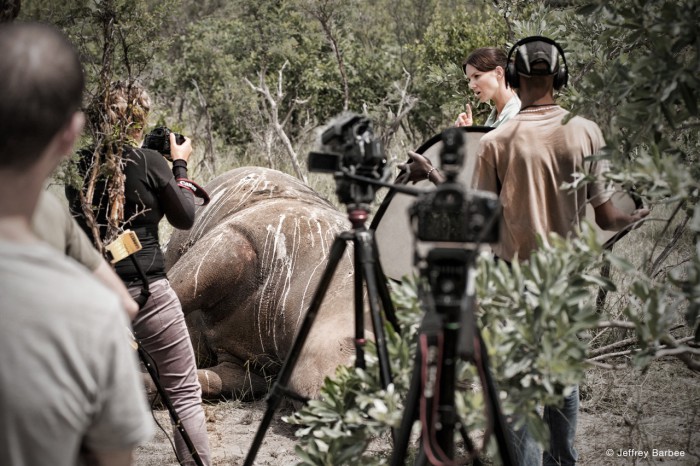
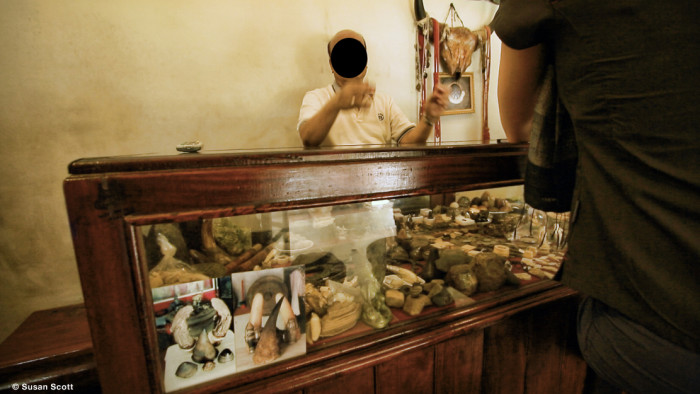
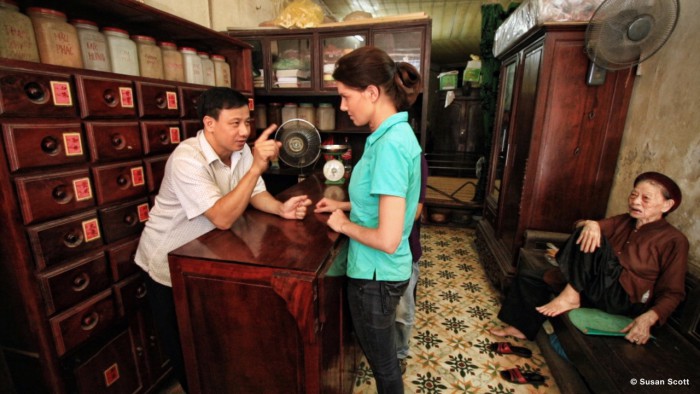

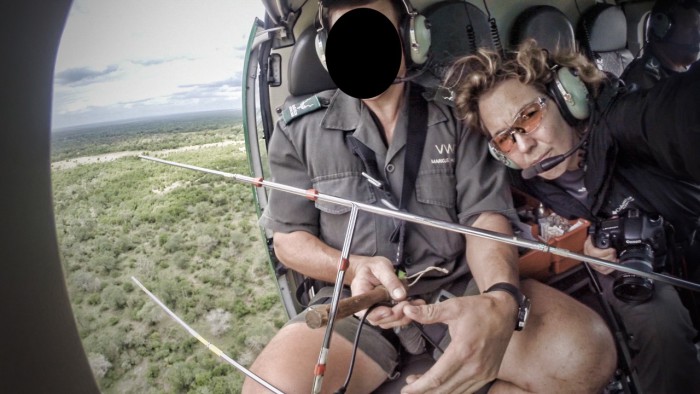

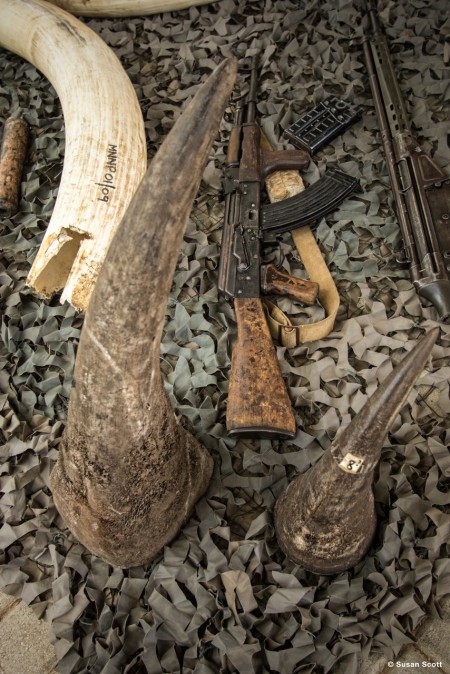
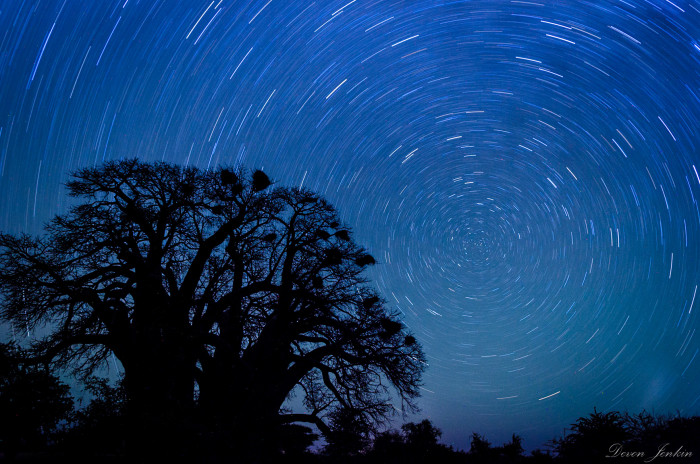
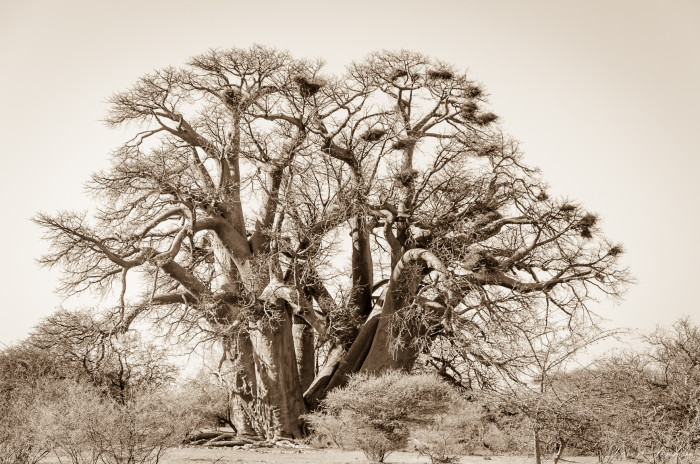
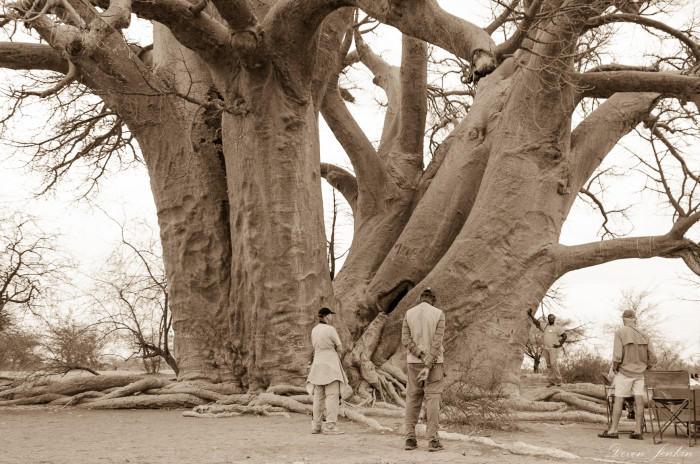
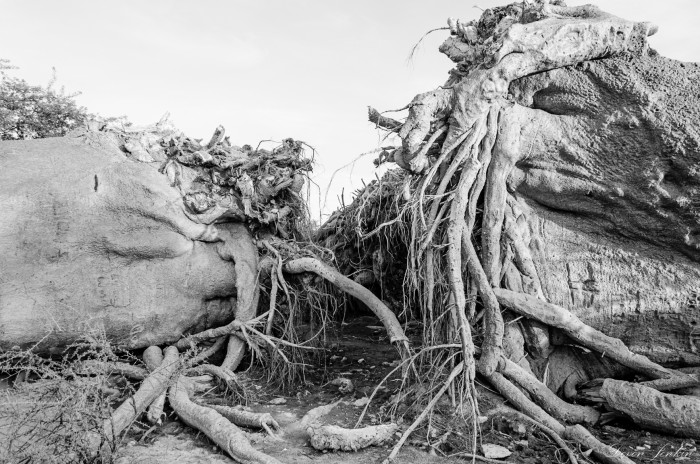

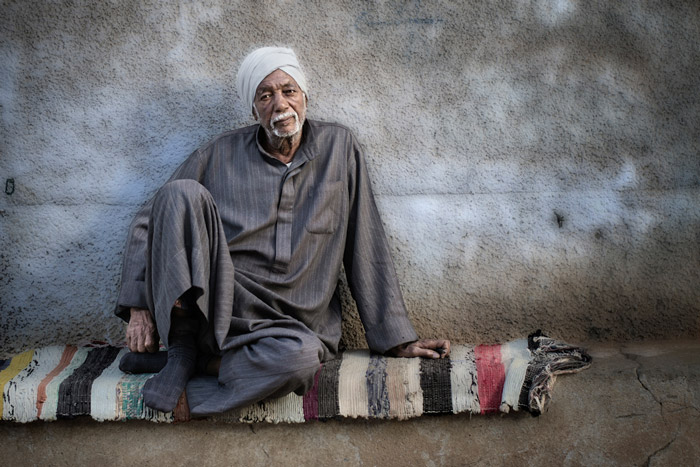






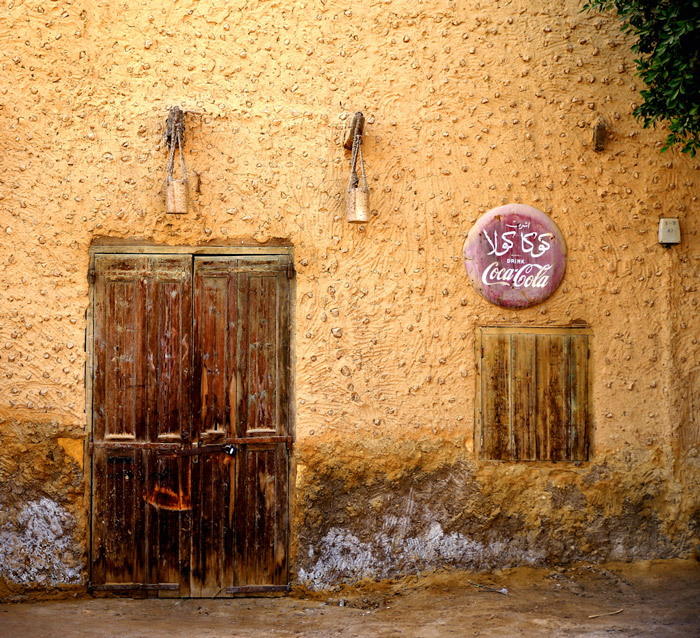
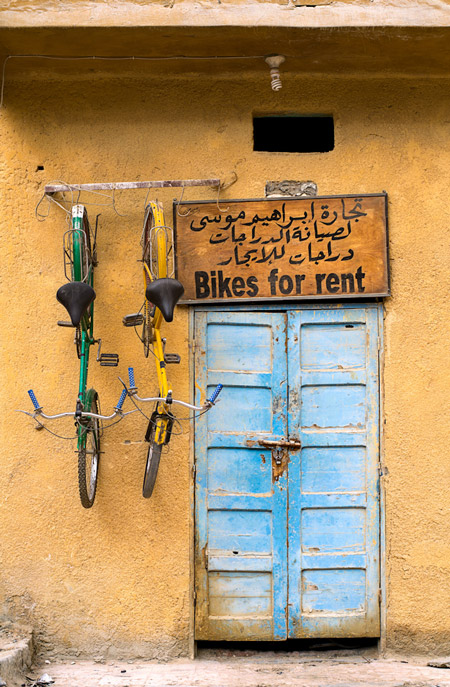


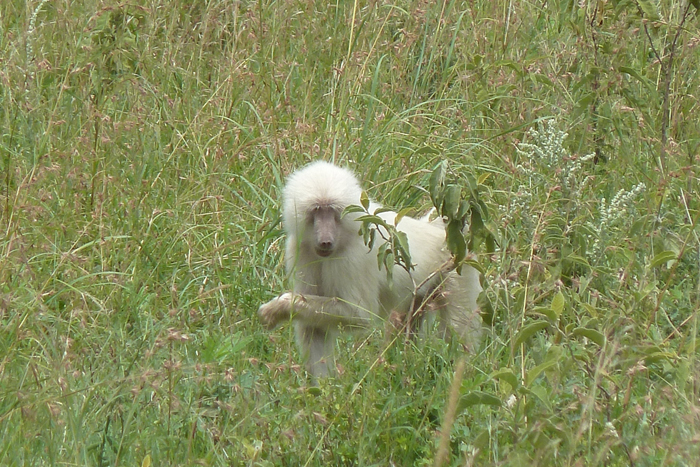


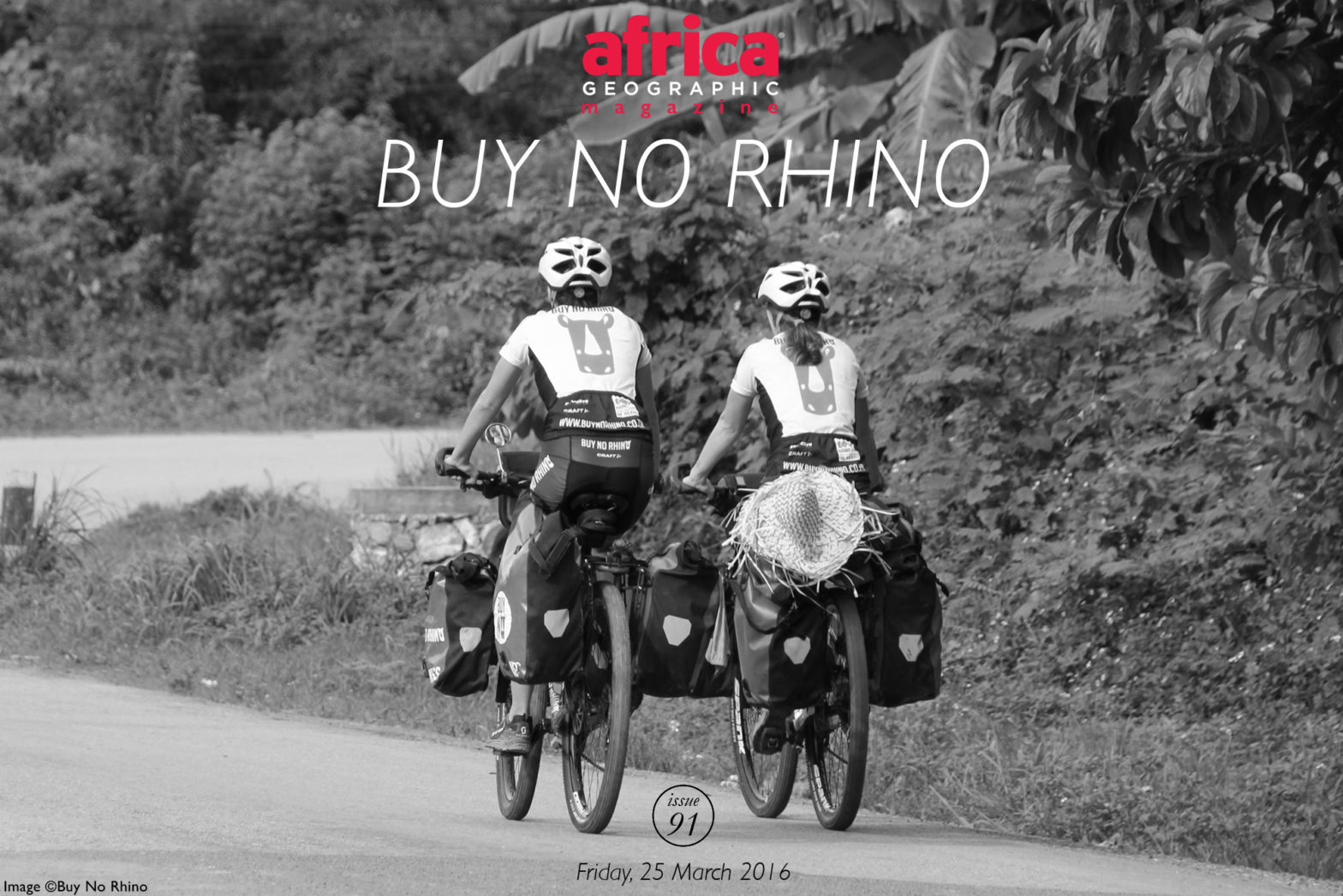
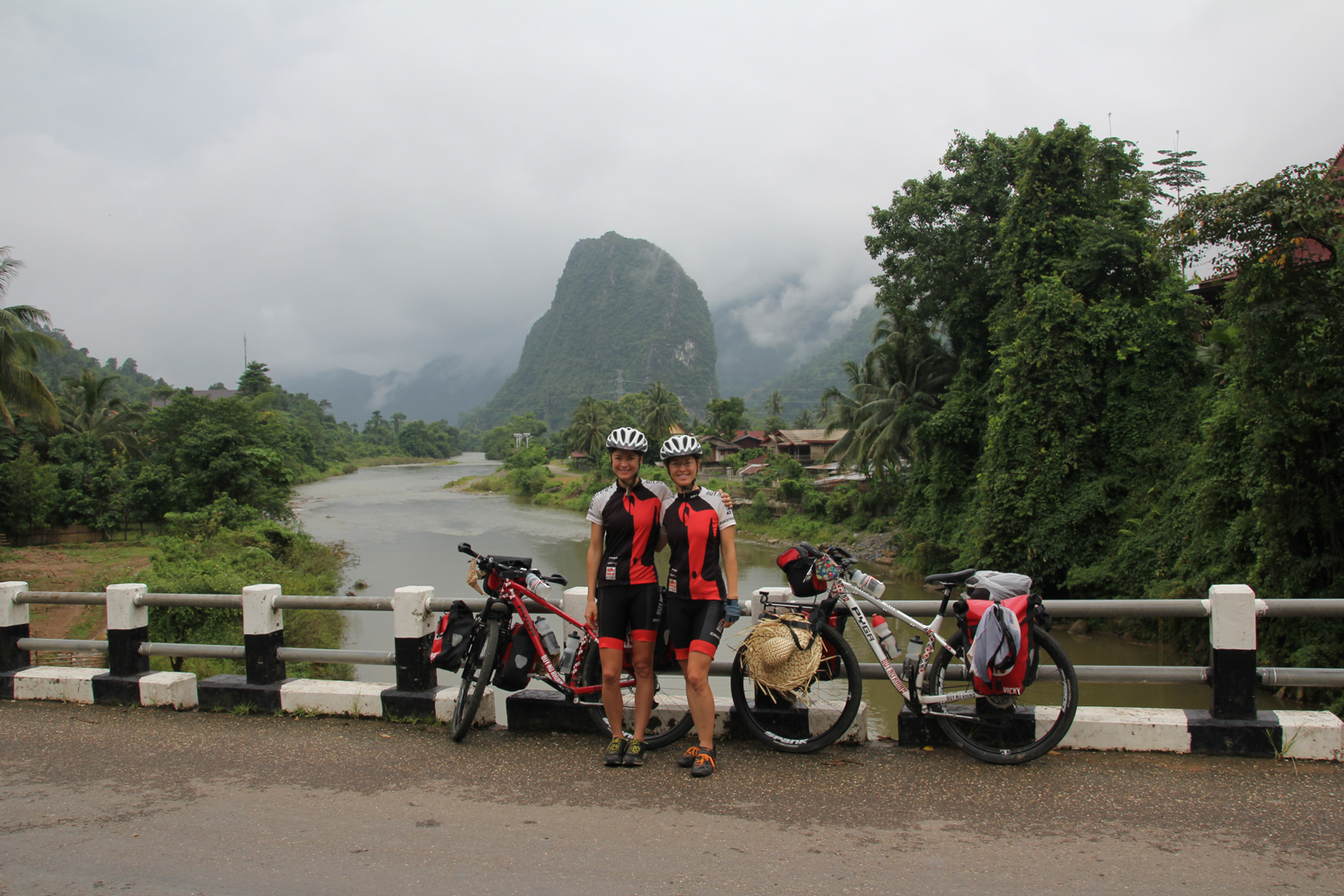
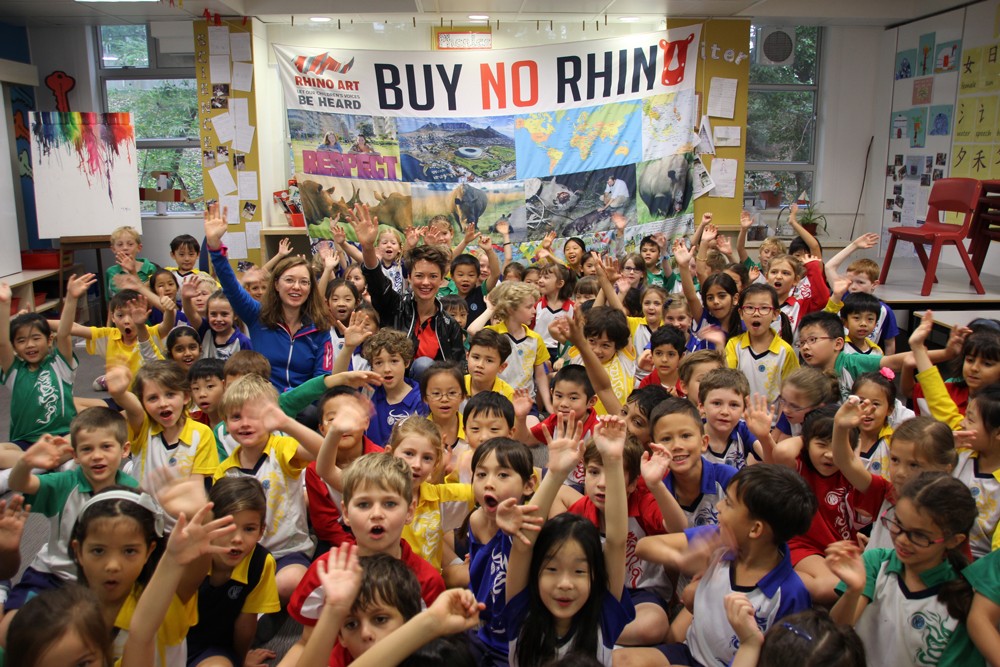
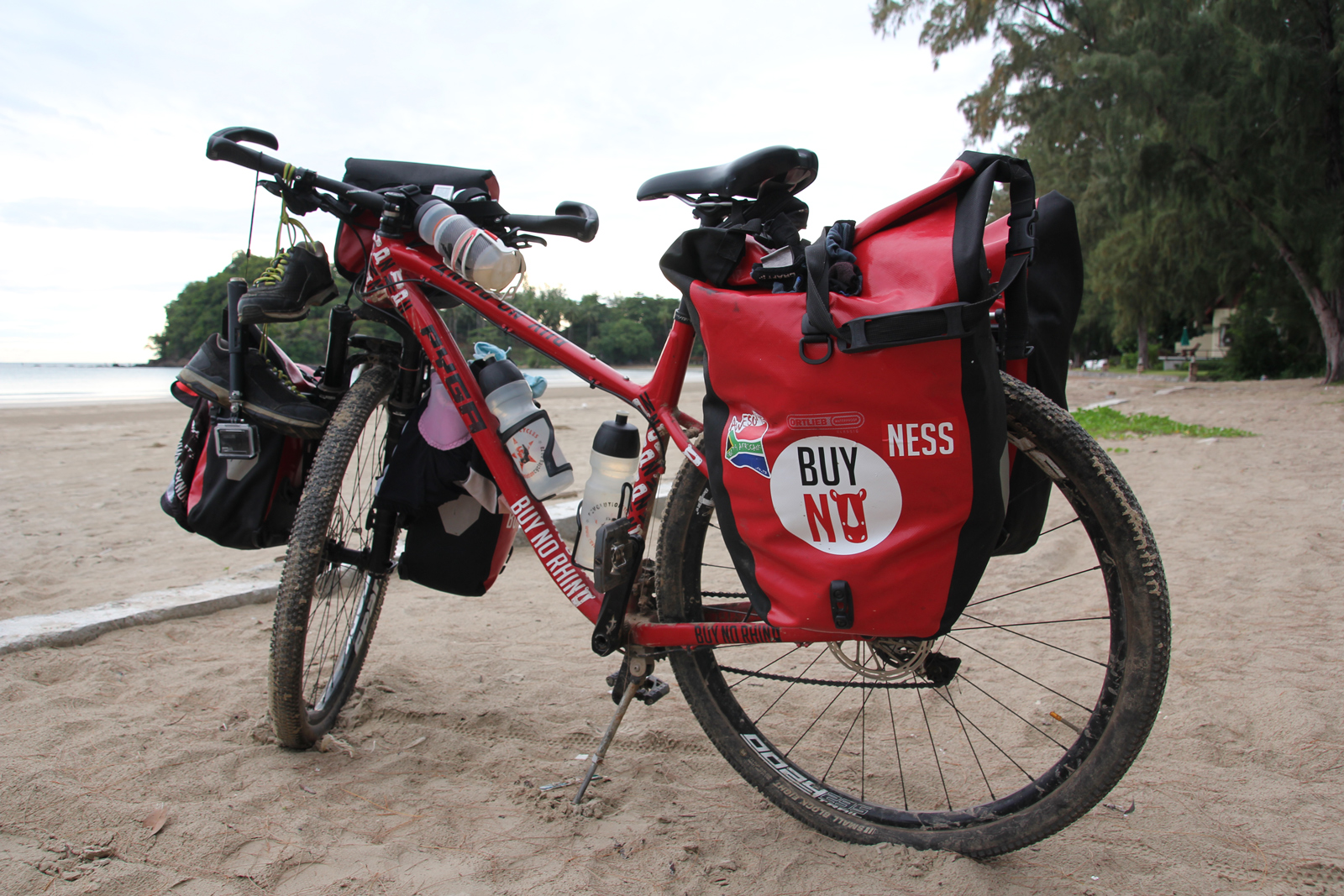
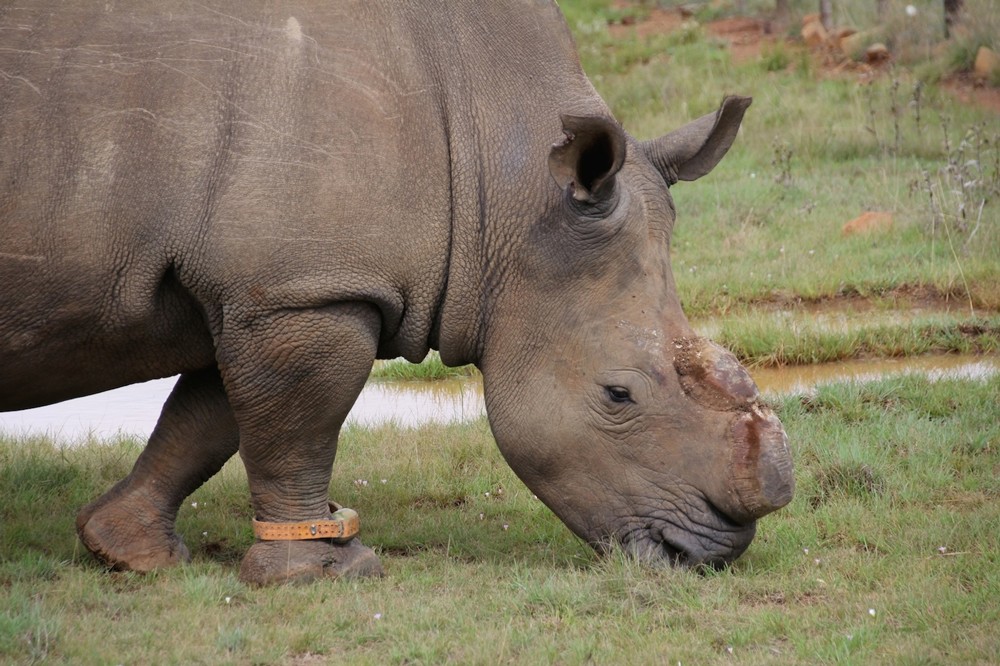
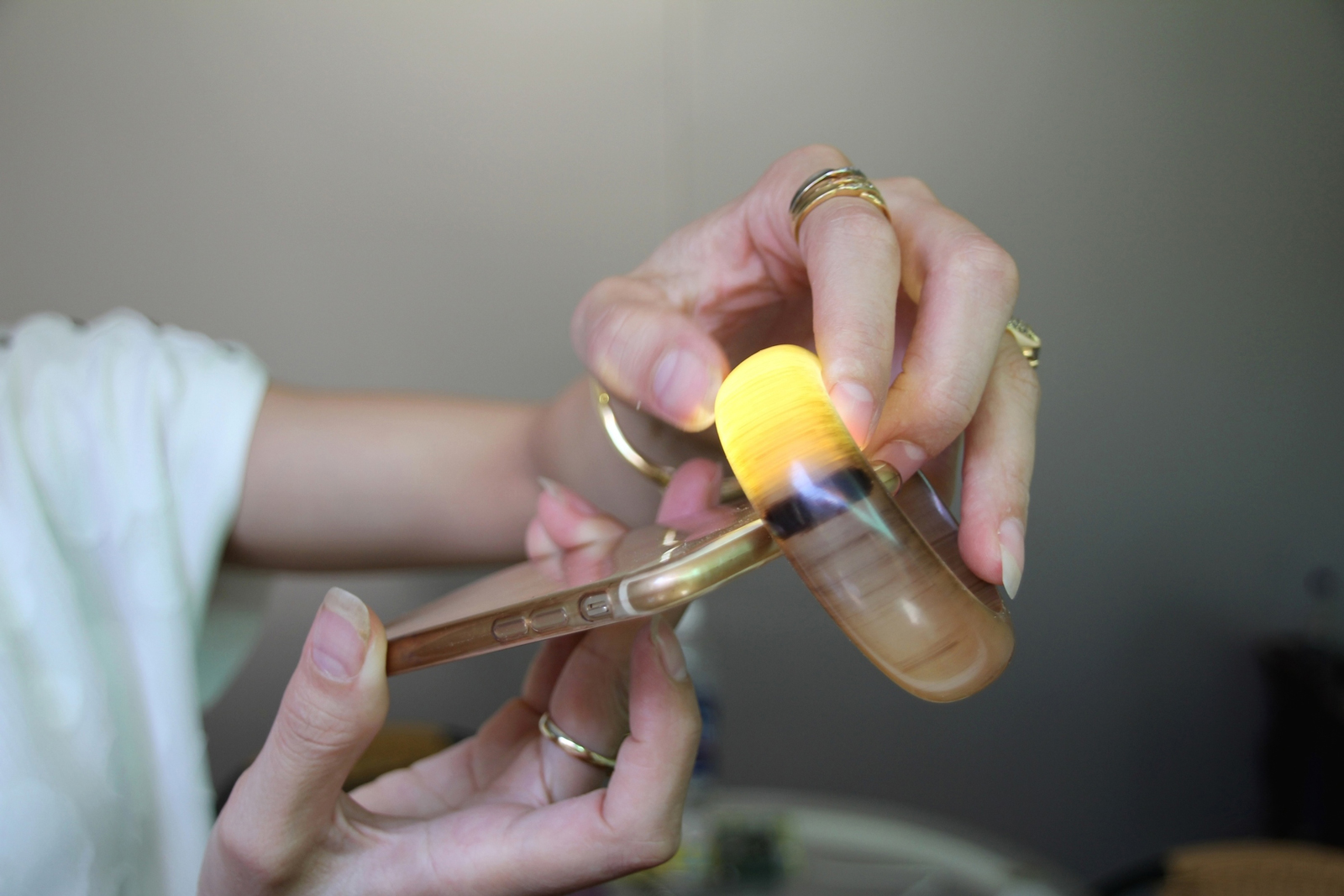
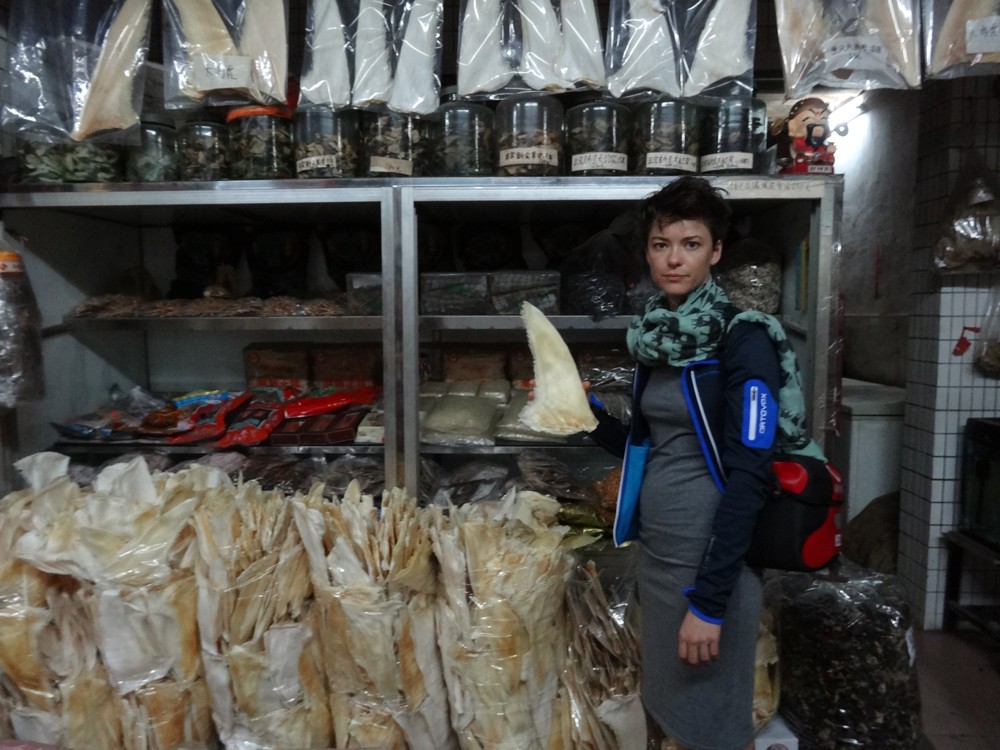
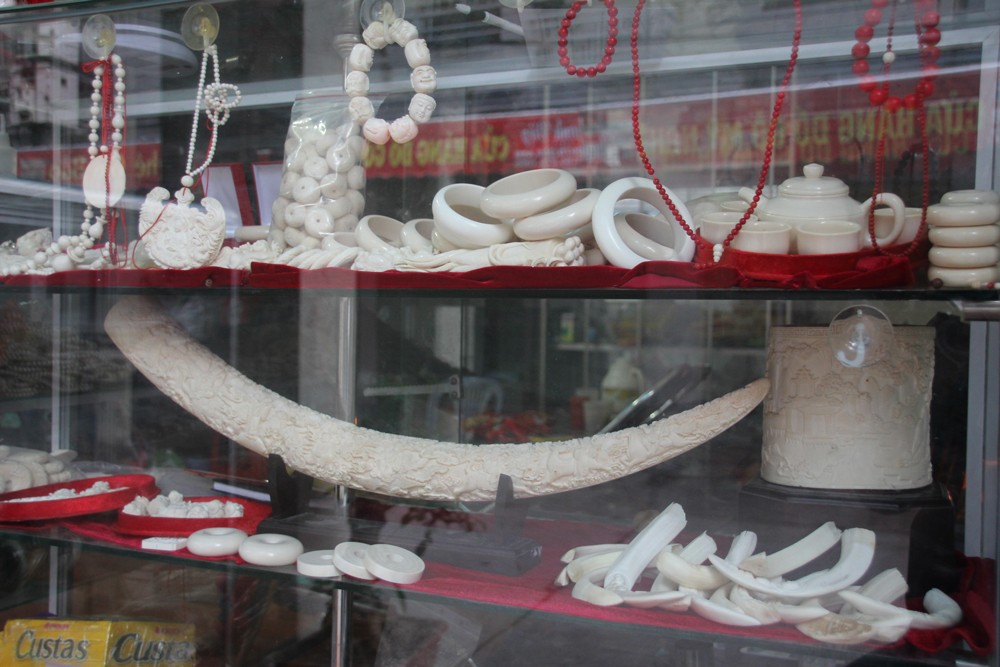

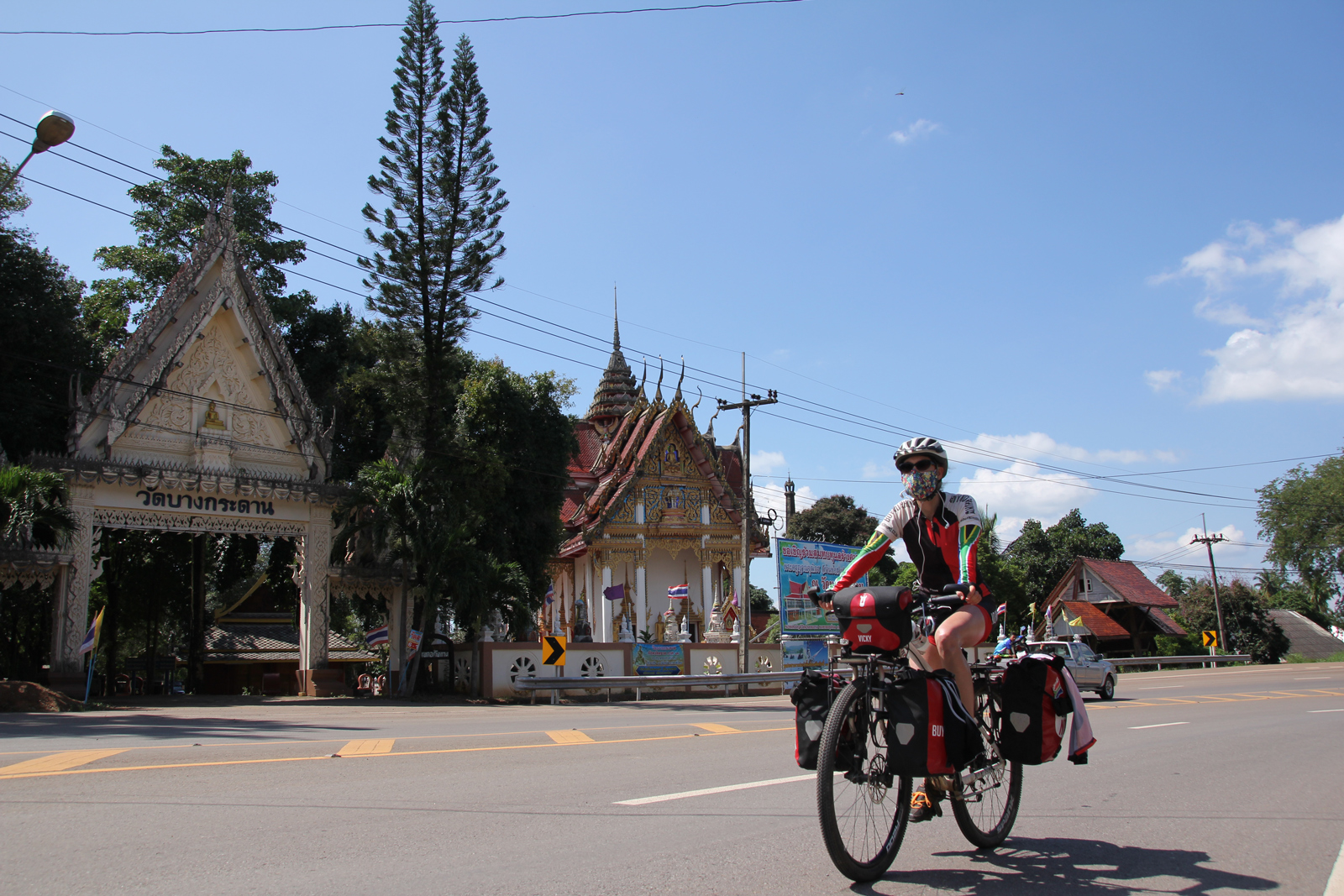
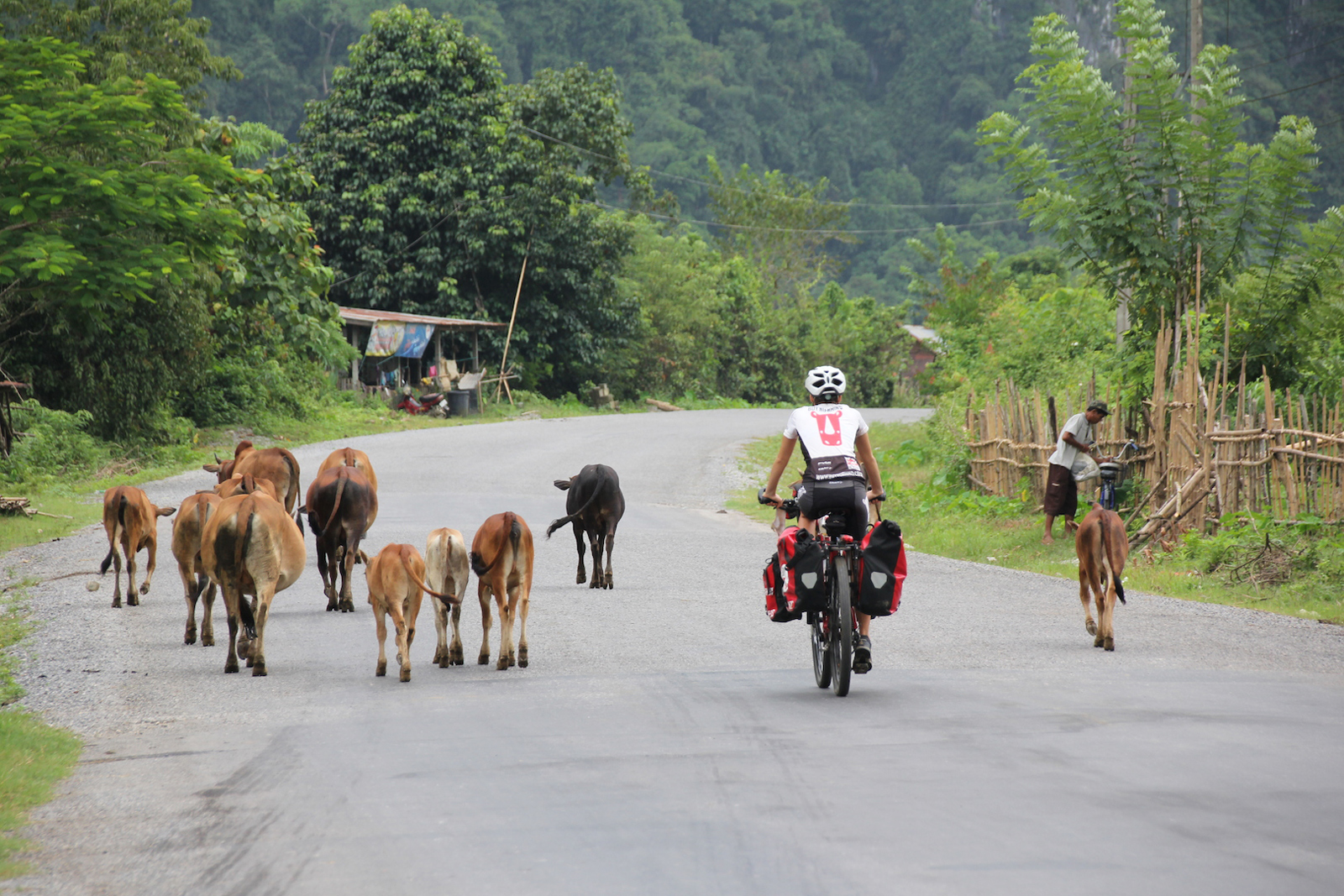
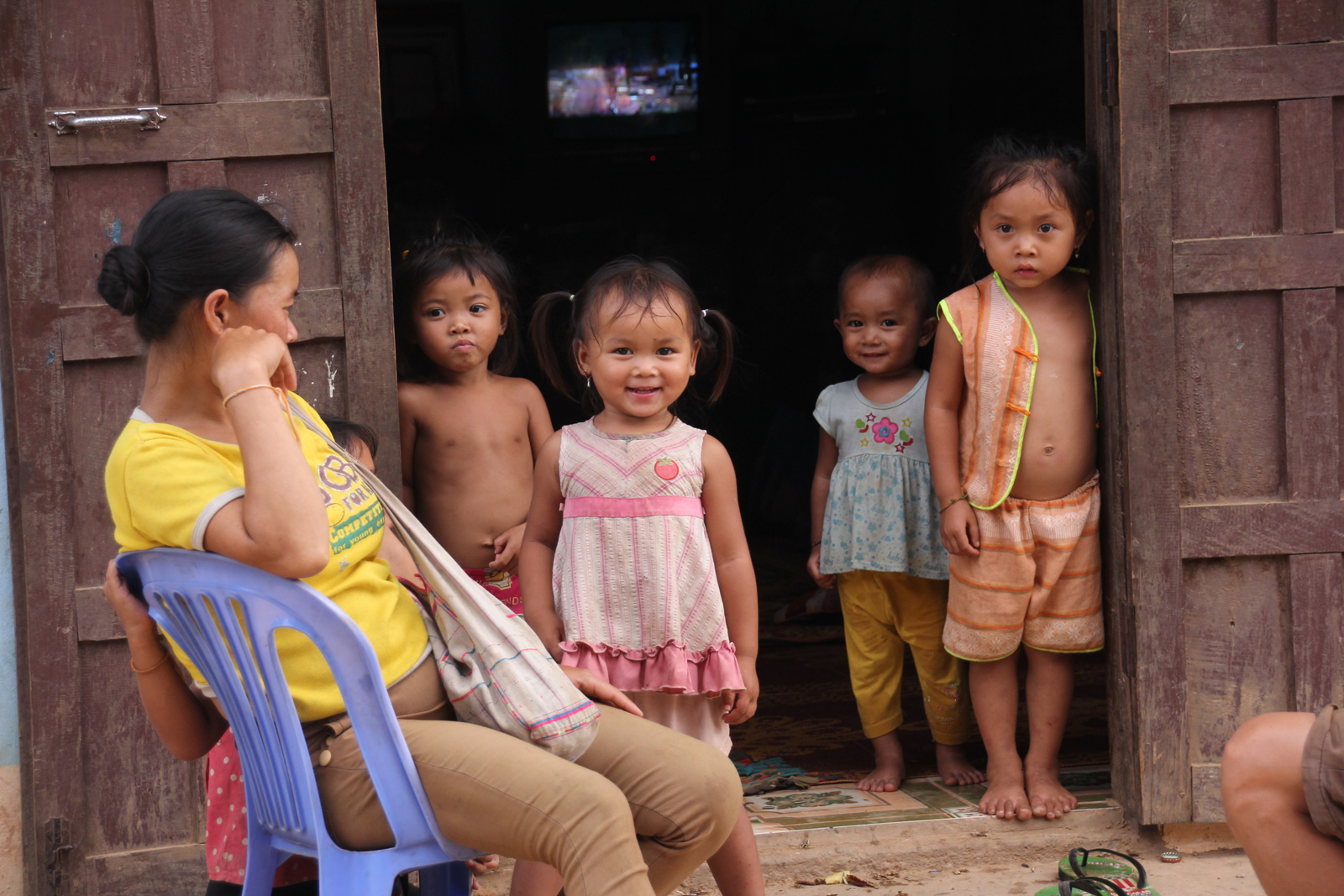
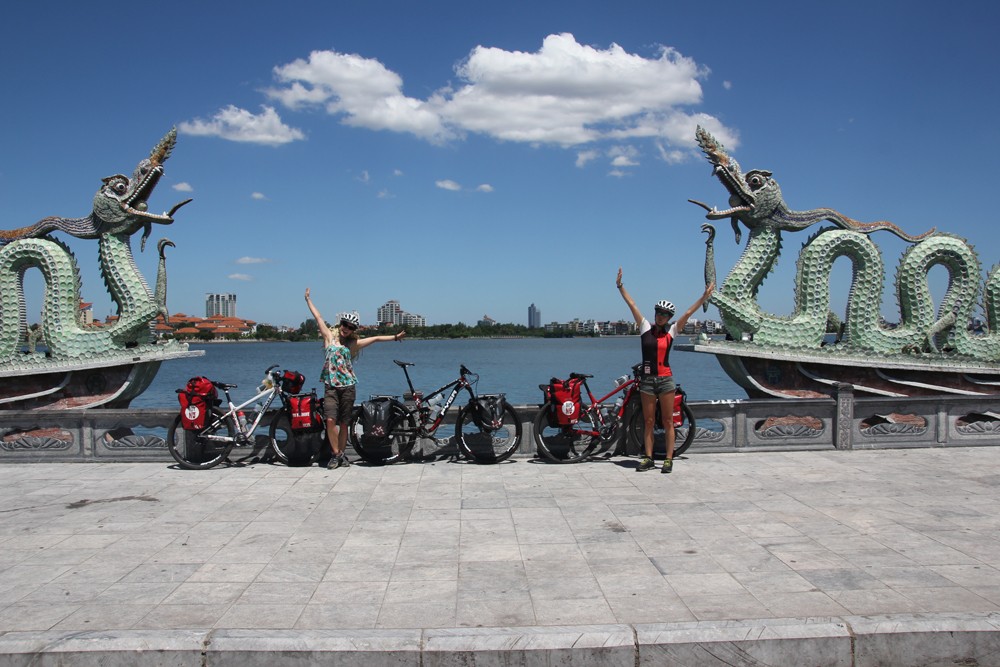
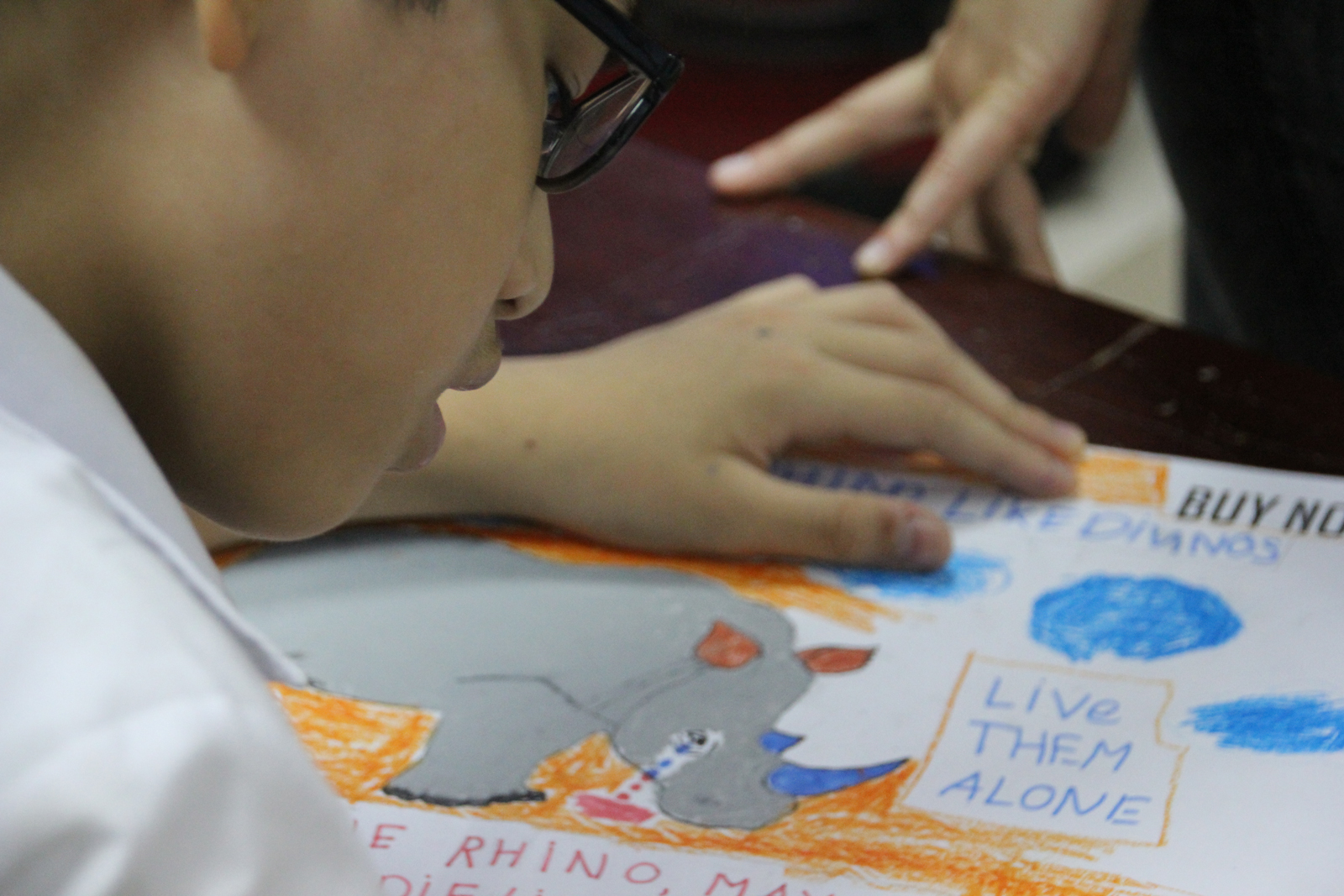
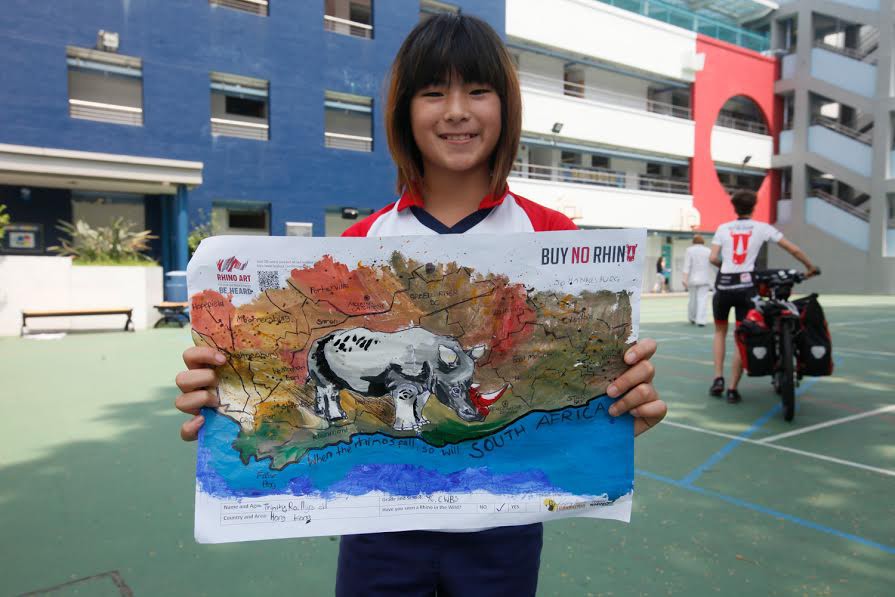
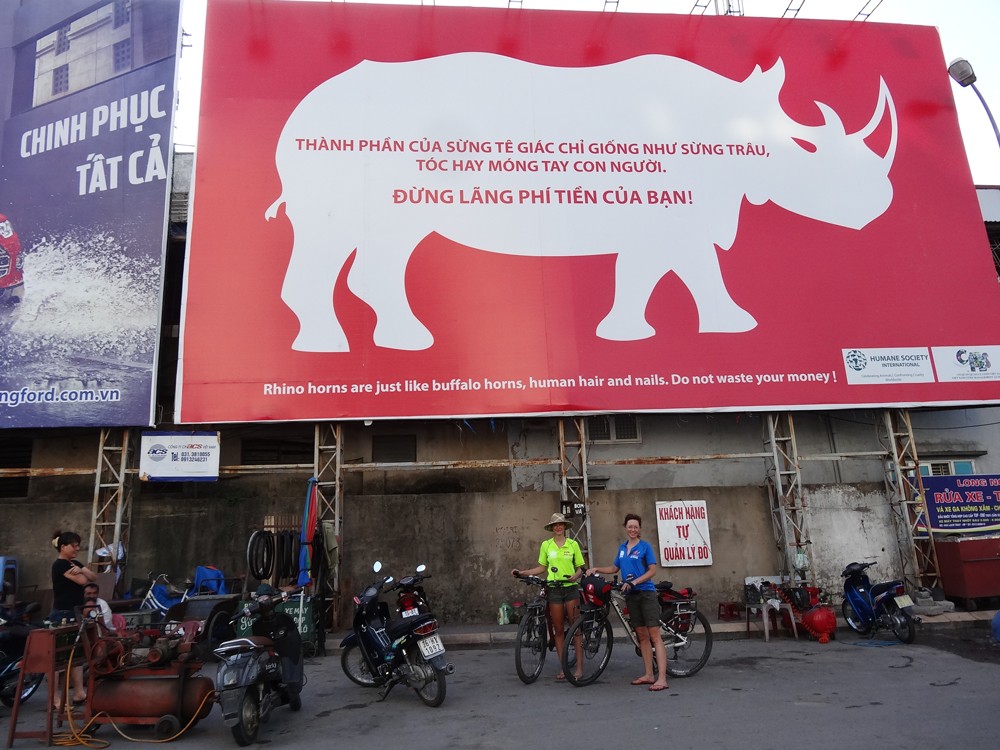
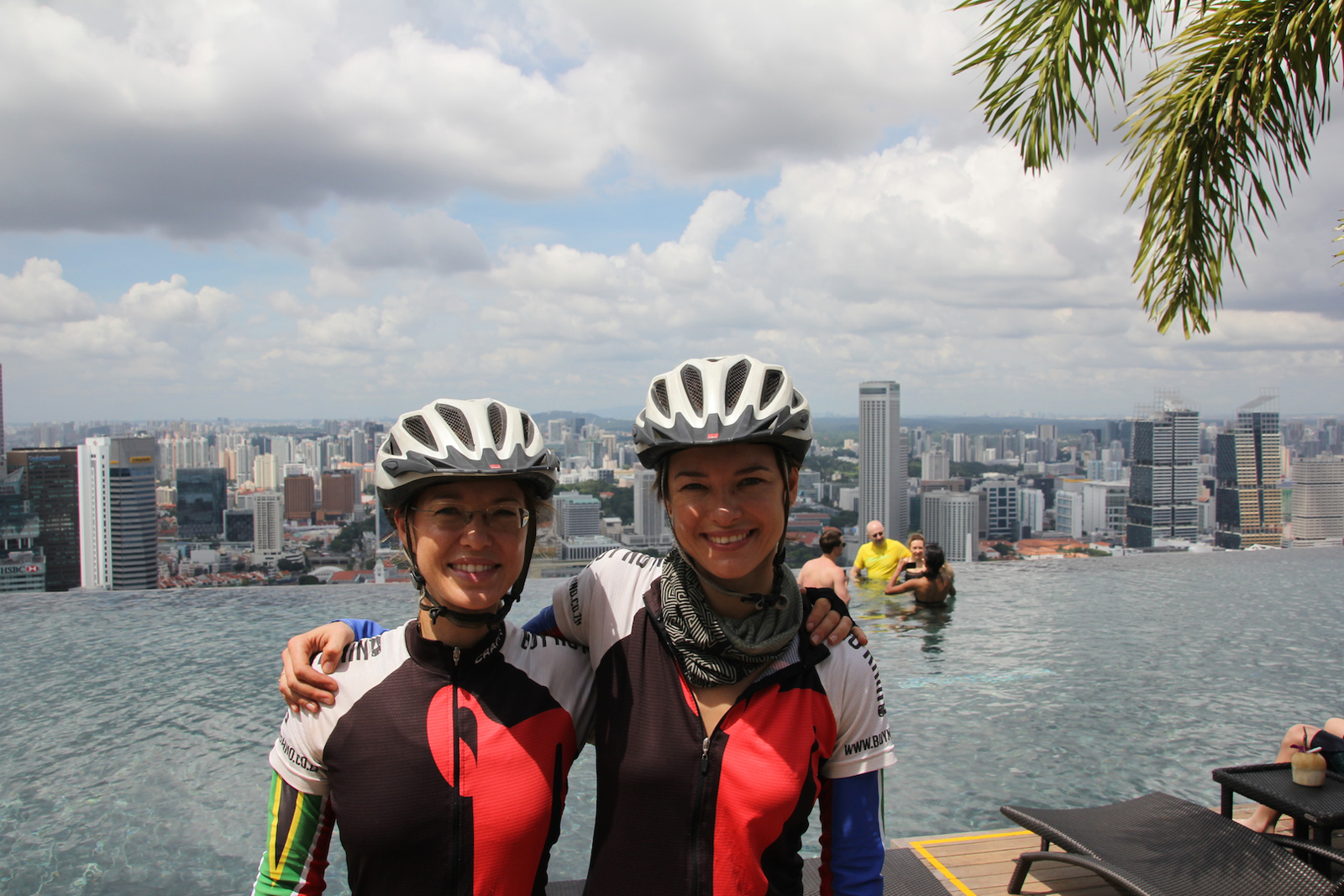
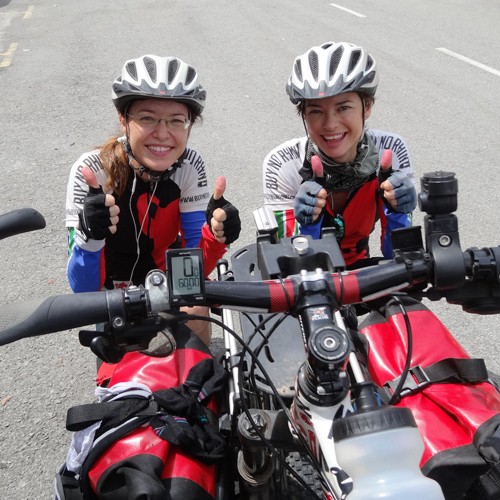 Vicky and Ness Wiesenmaier are sisters born in Cape Town, South Africa. They both love the bushveld and were struck by the severity of the rhino poaching situation while on a three-week holiday in Kenya back in 2012. Two years later, they decided to embark on a cycling adventure of epic proportions in April 2015 to create awareness about the rhino poaching issues in Africa. Their aim was to sow a seed of change in key consumer markets in Southeast Asia, even if they could not change a whole culture.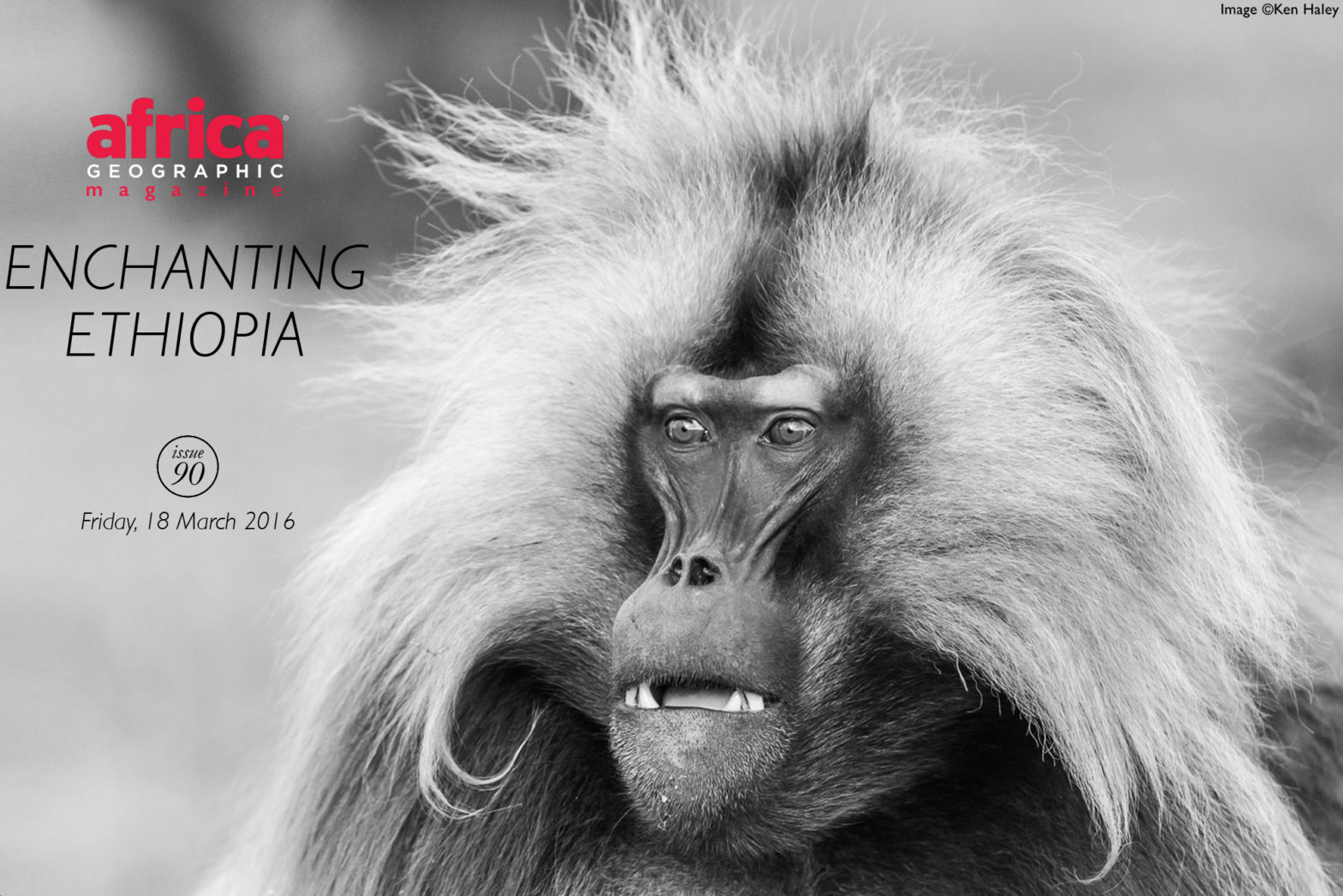
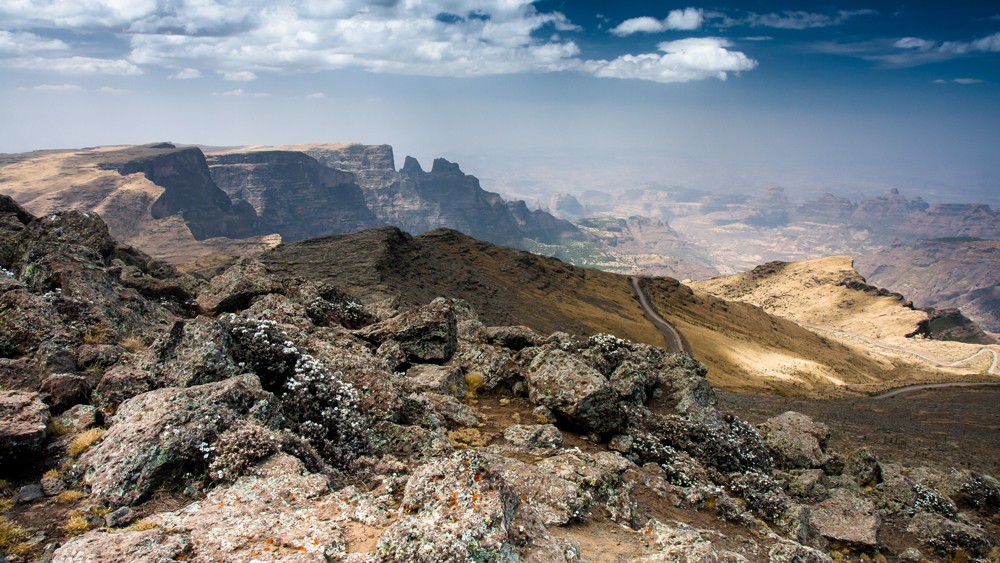
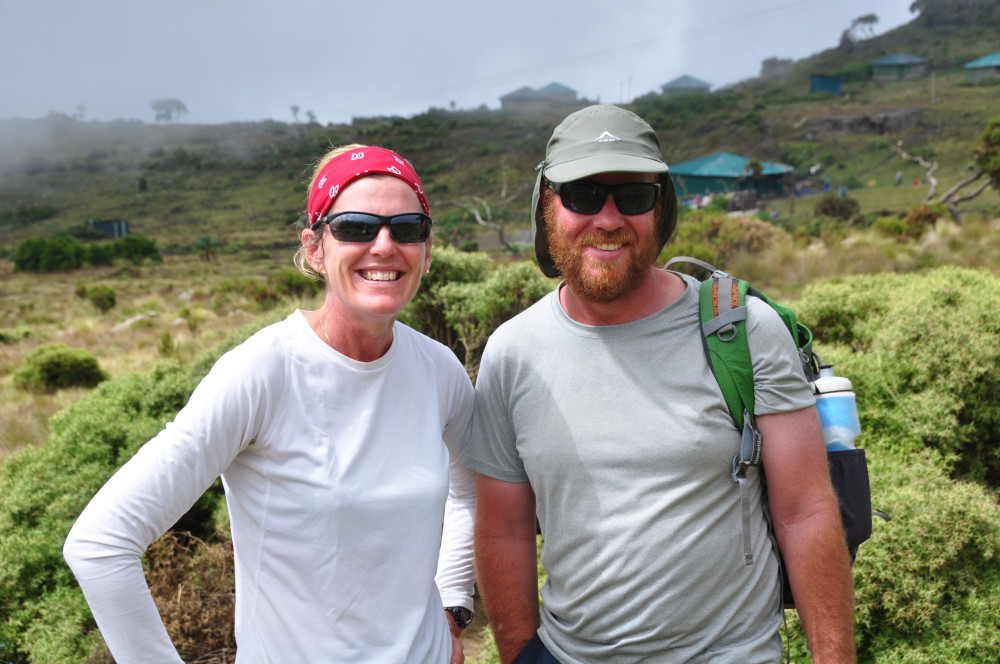
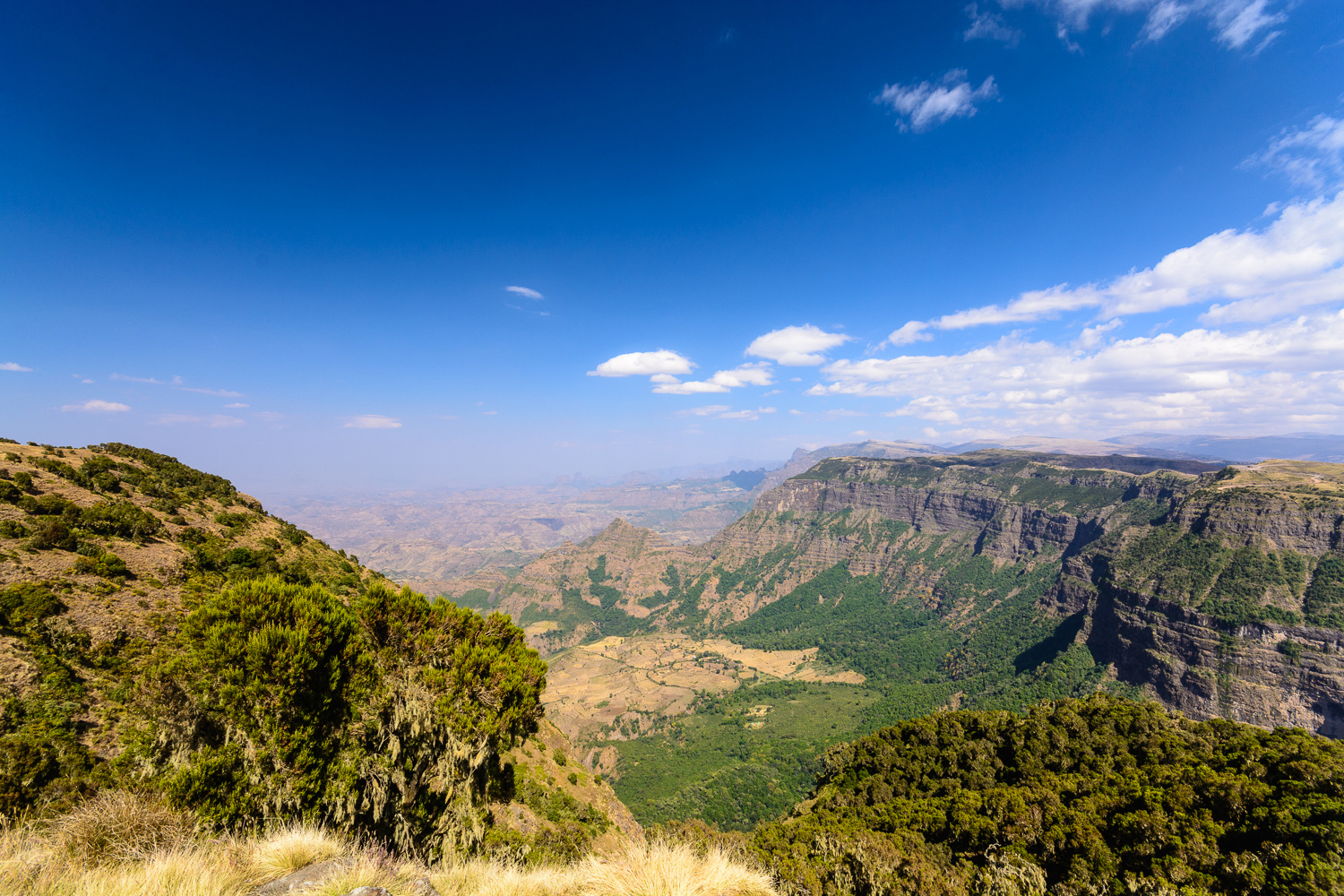
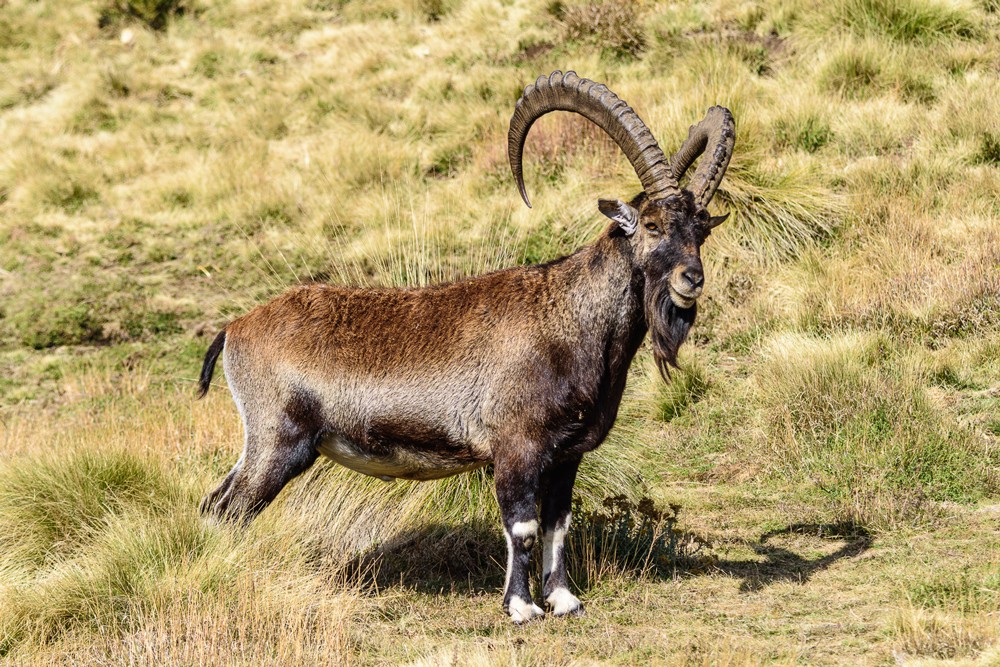
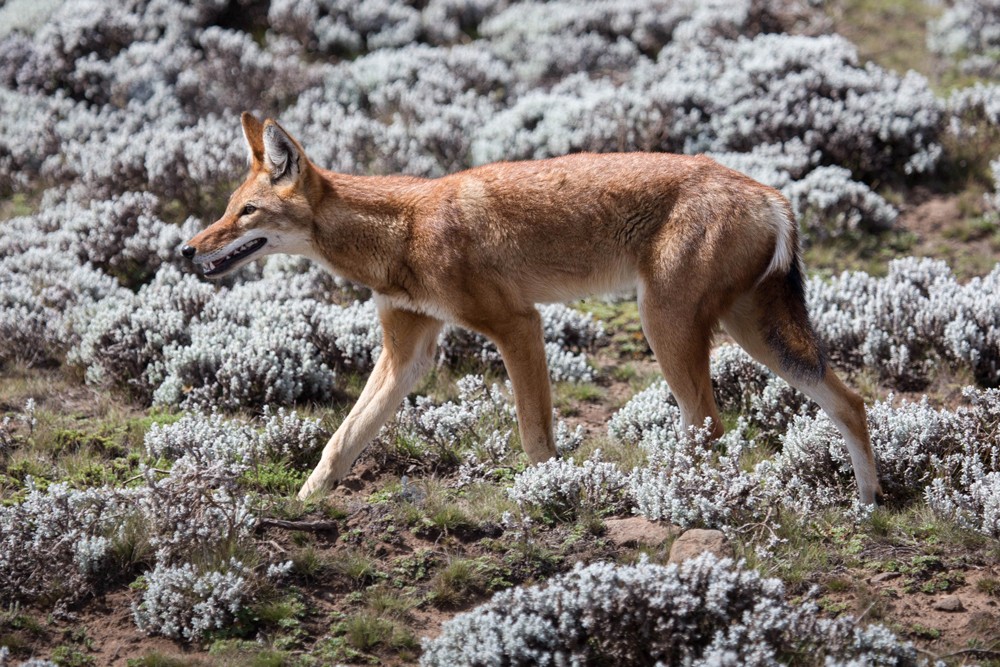
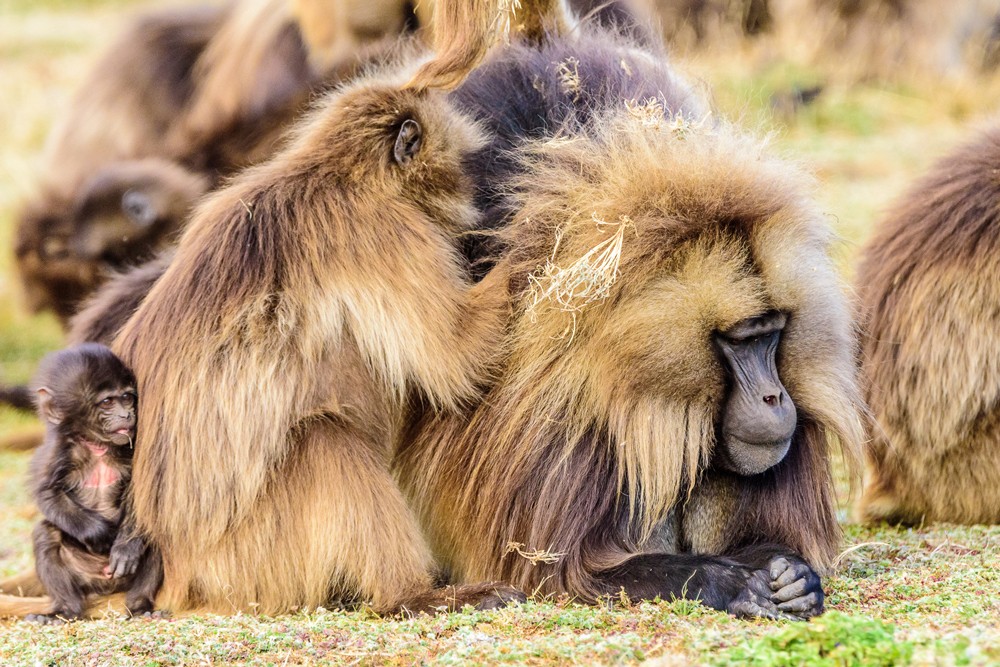
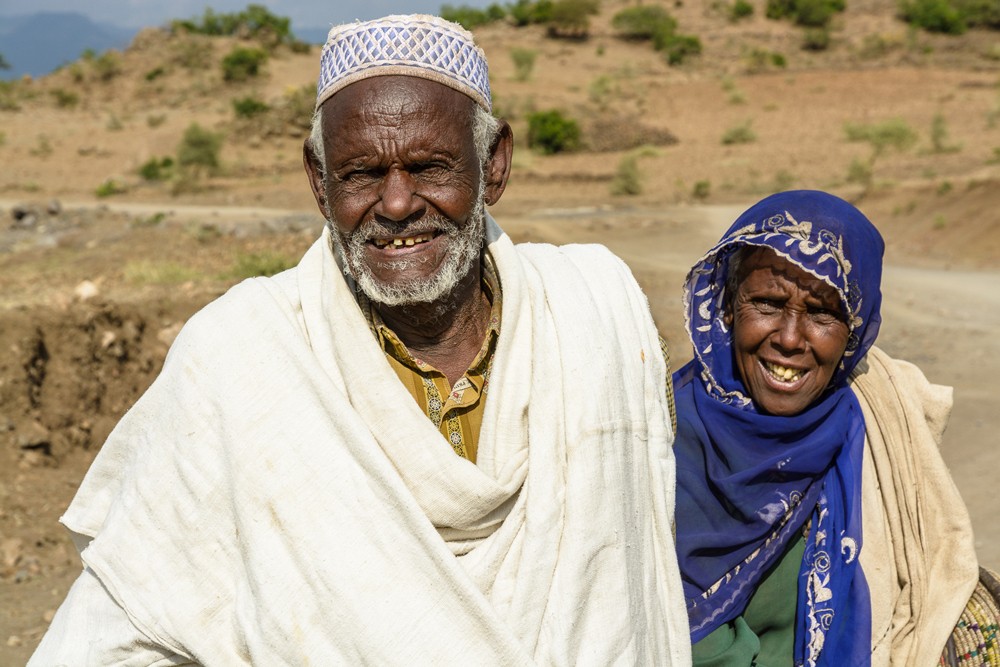
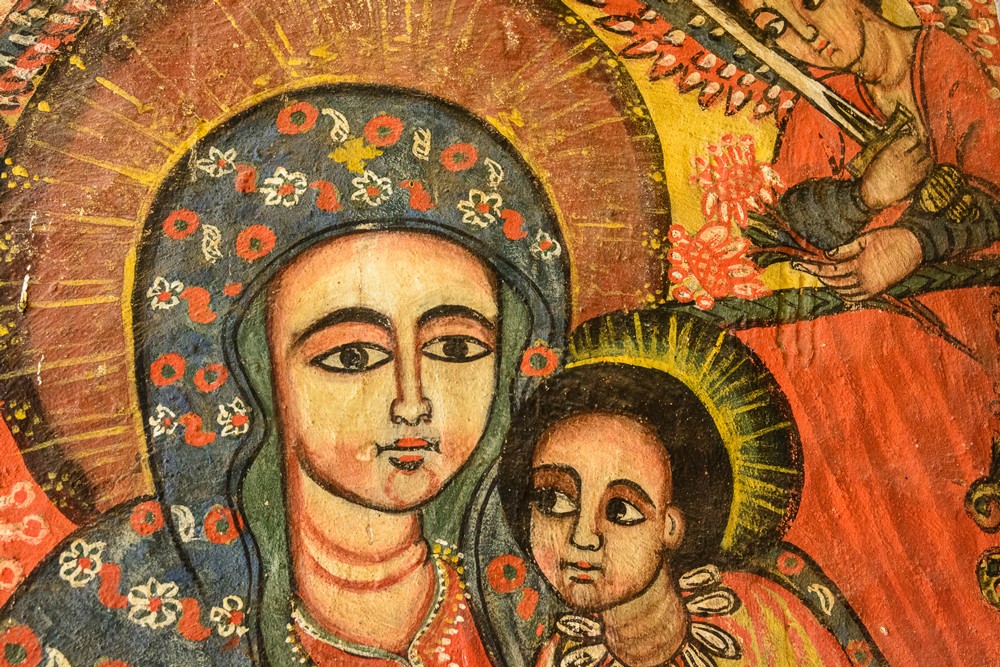
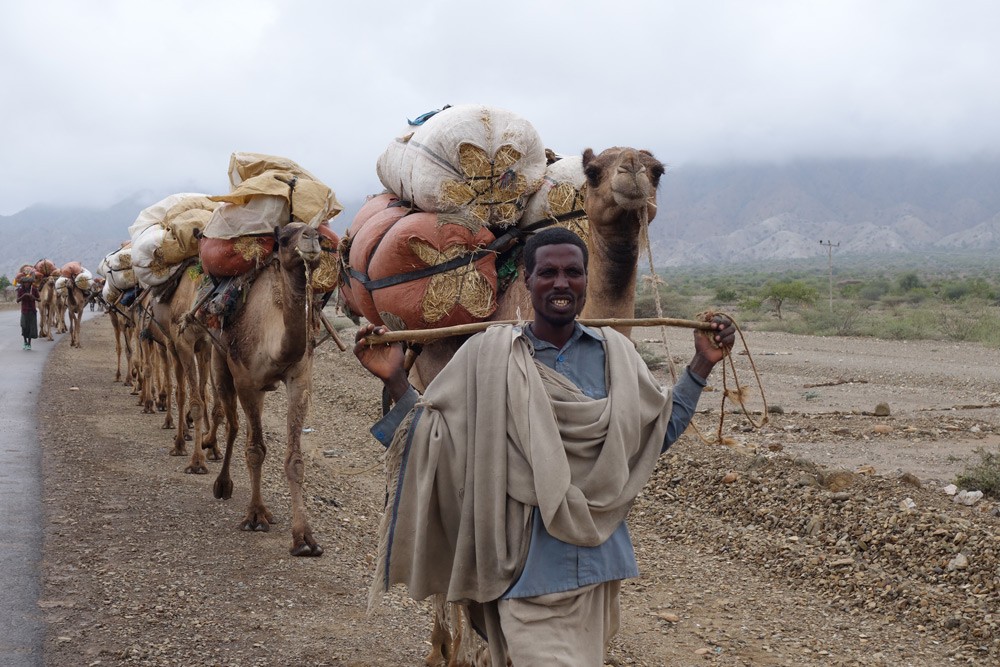
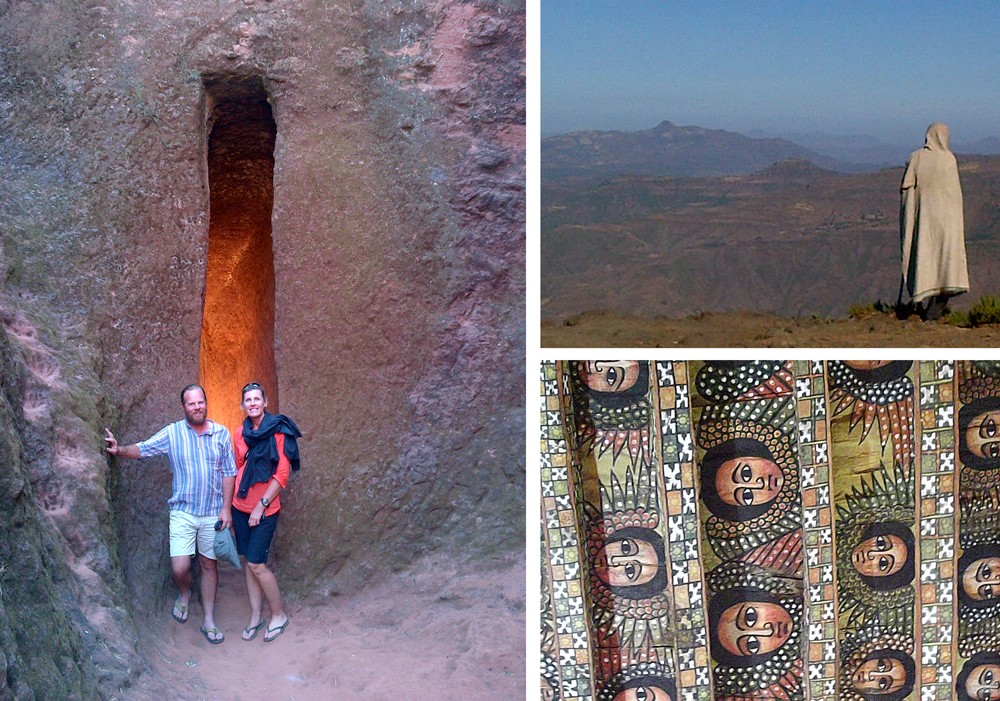
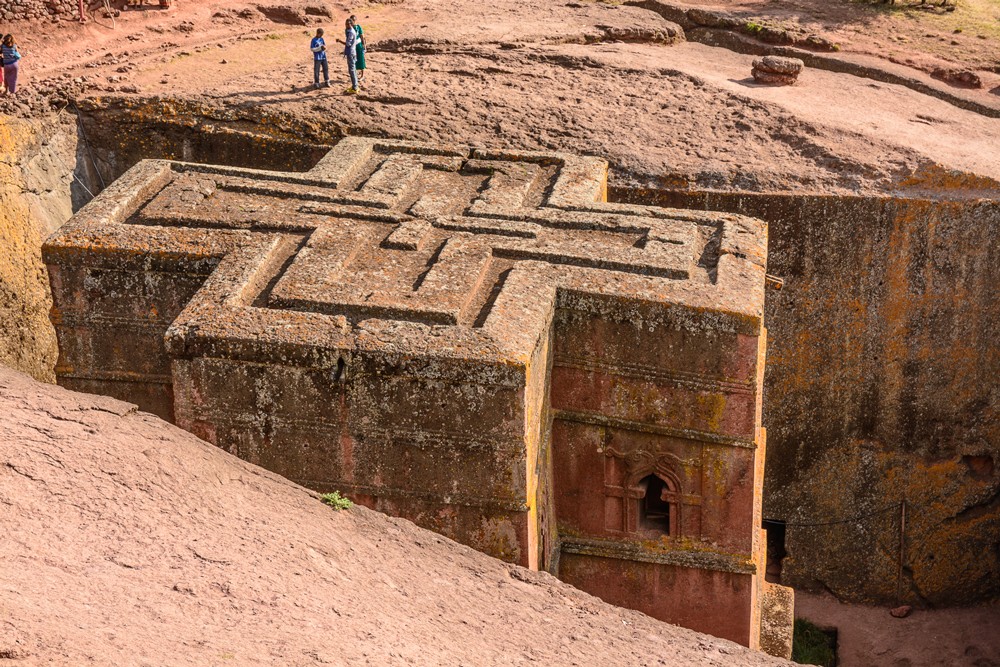
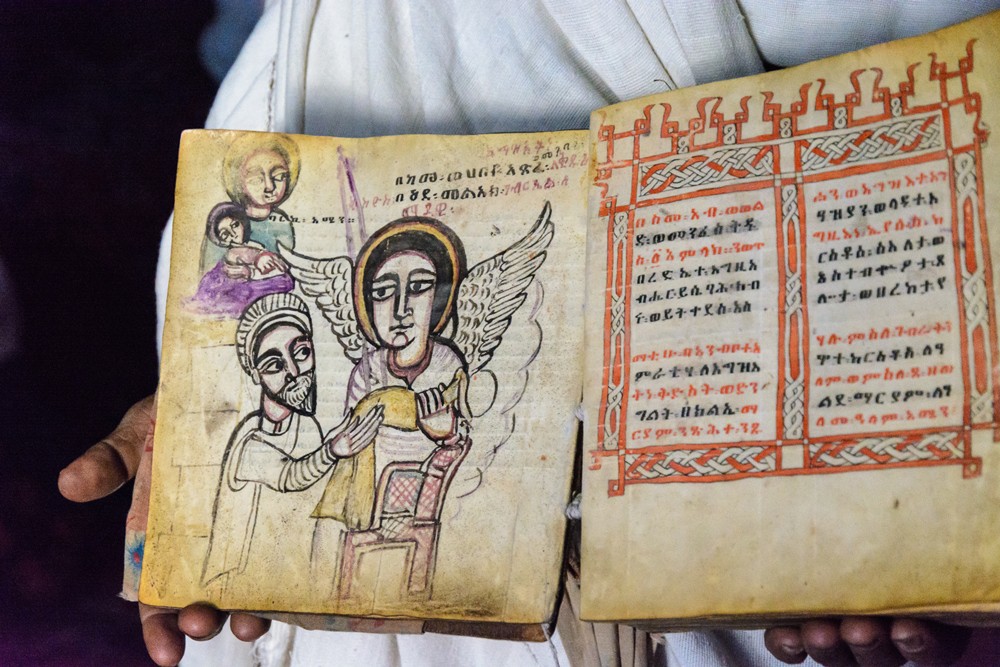
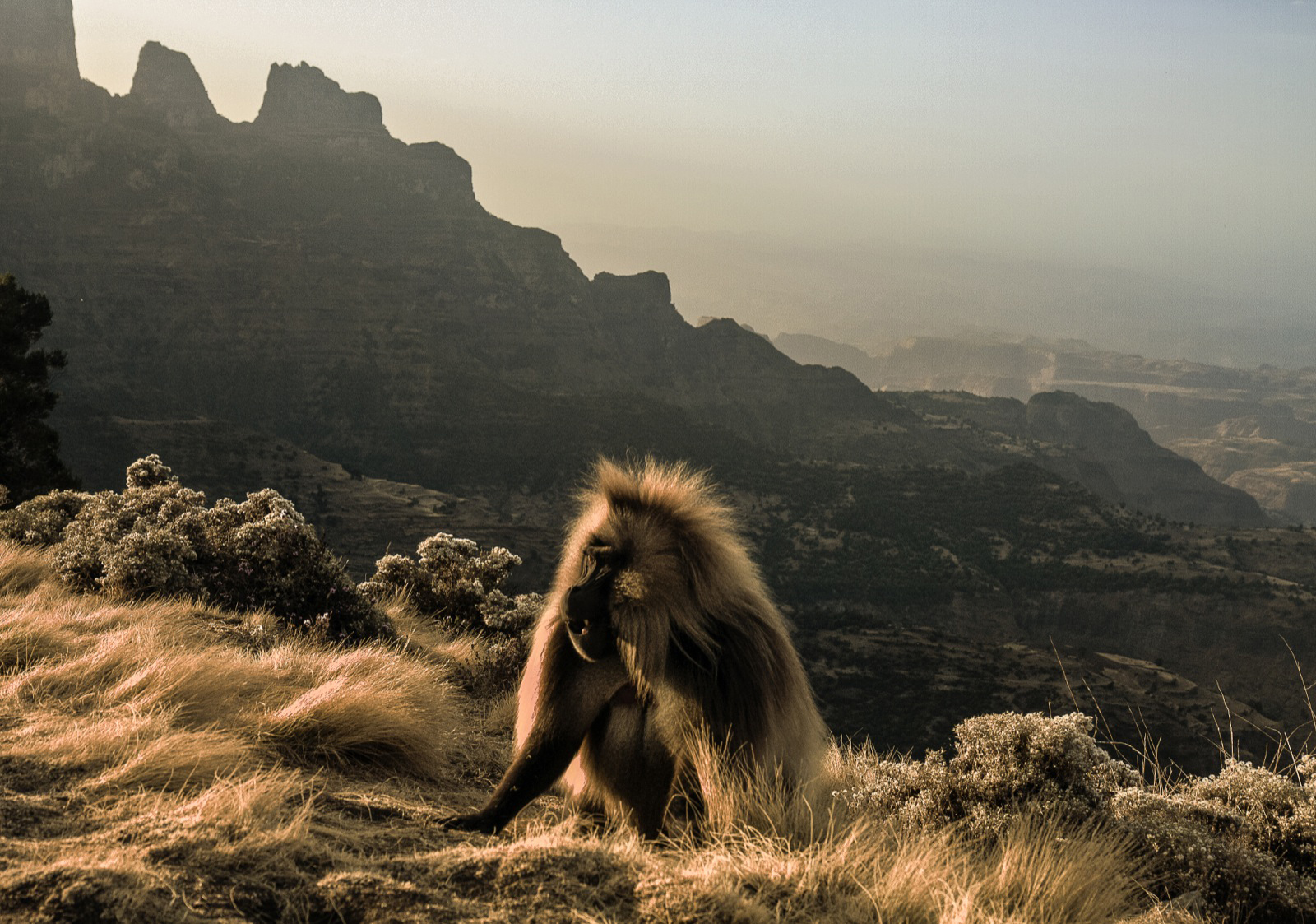
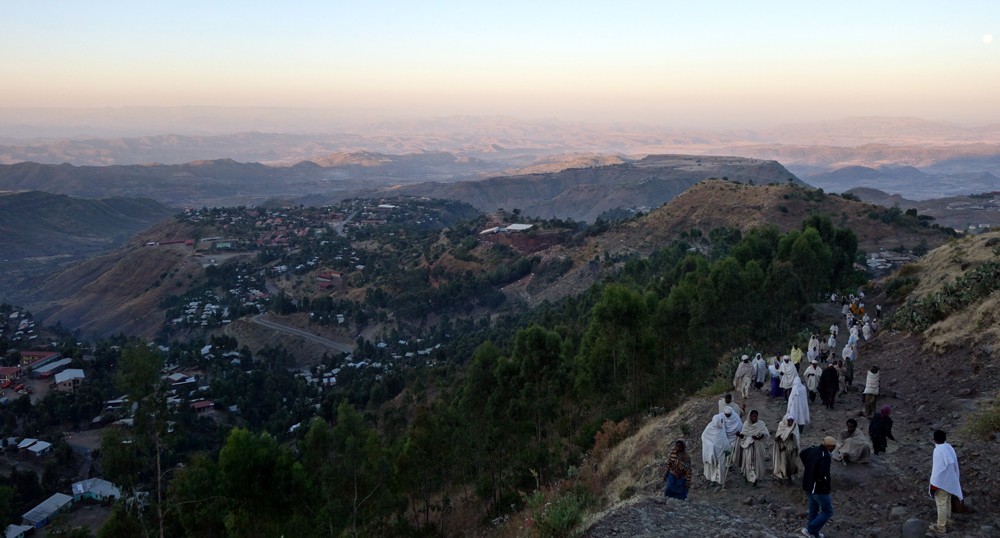
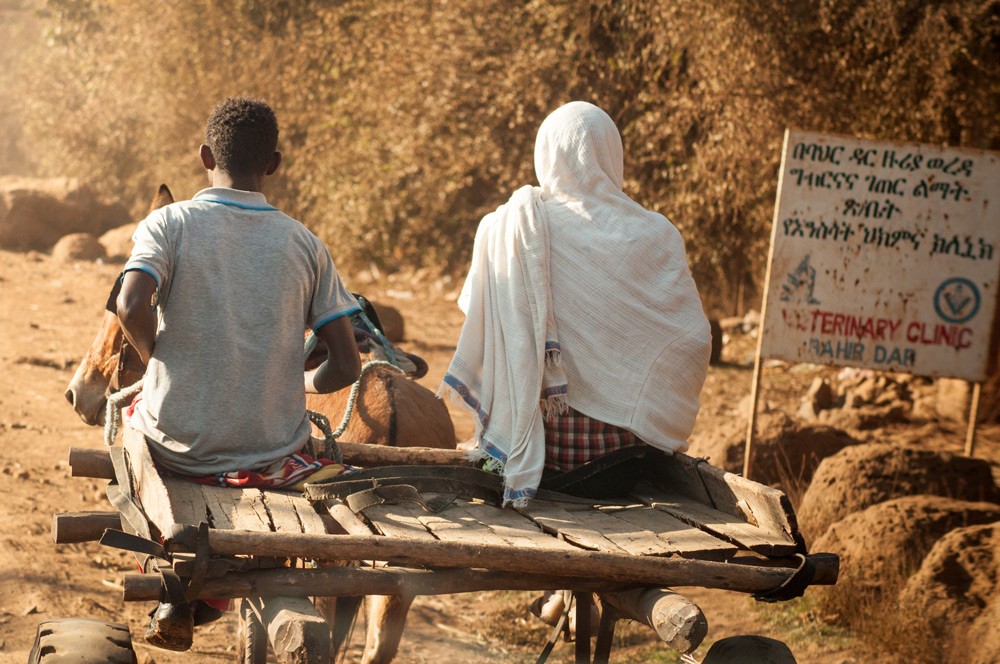
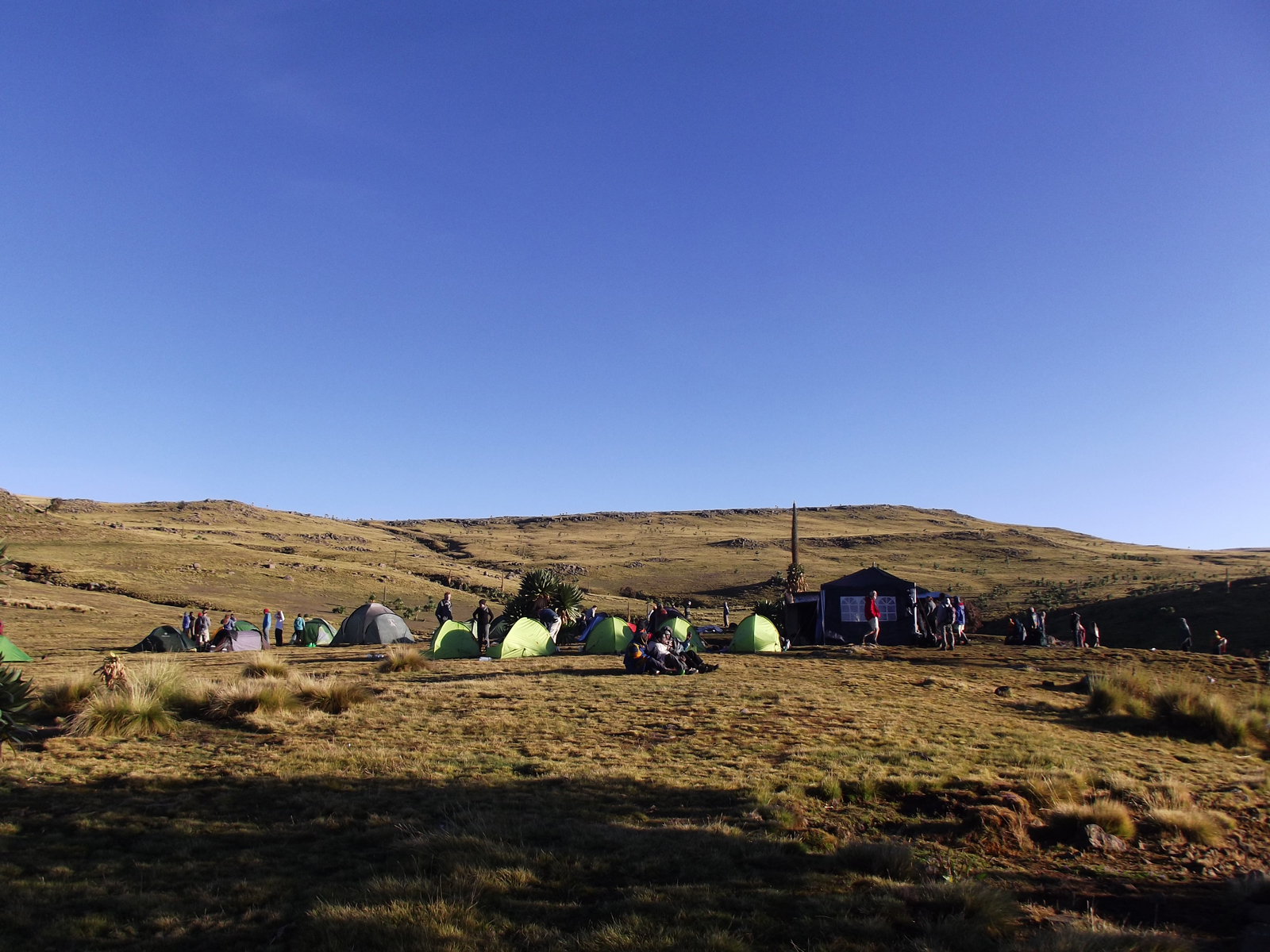
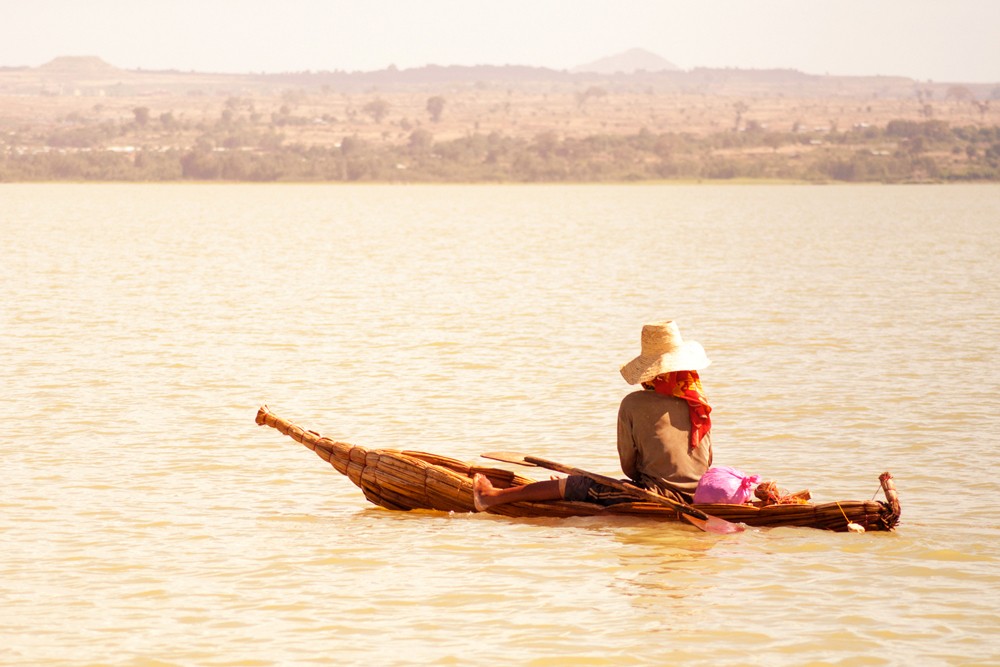
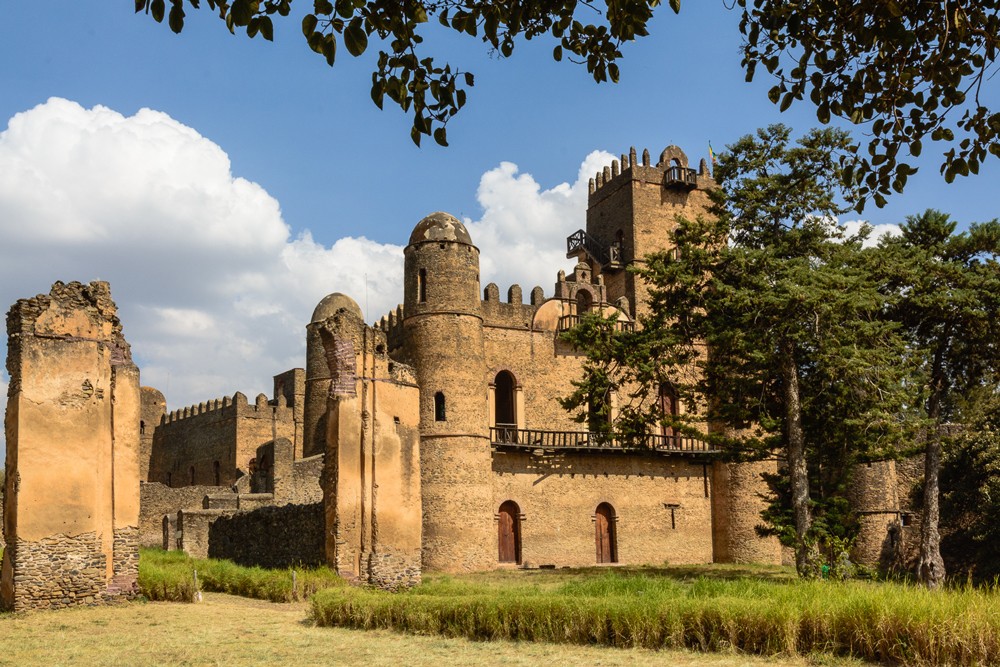
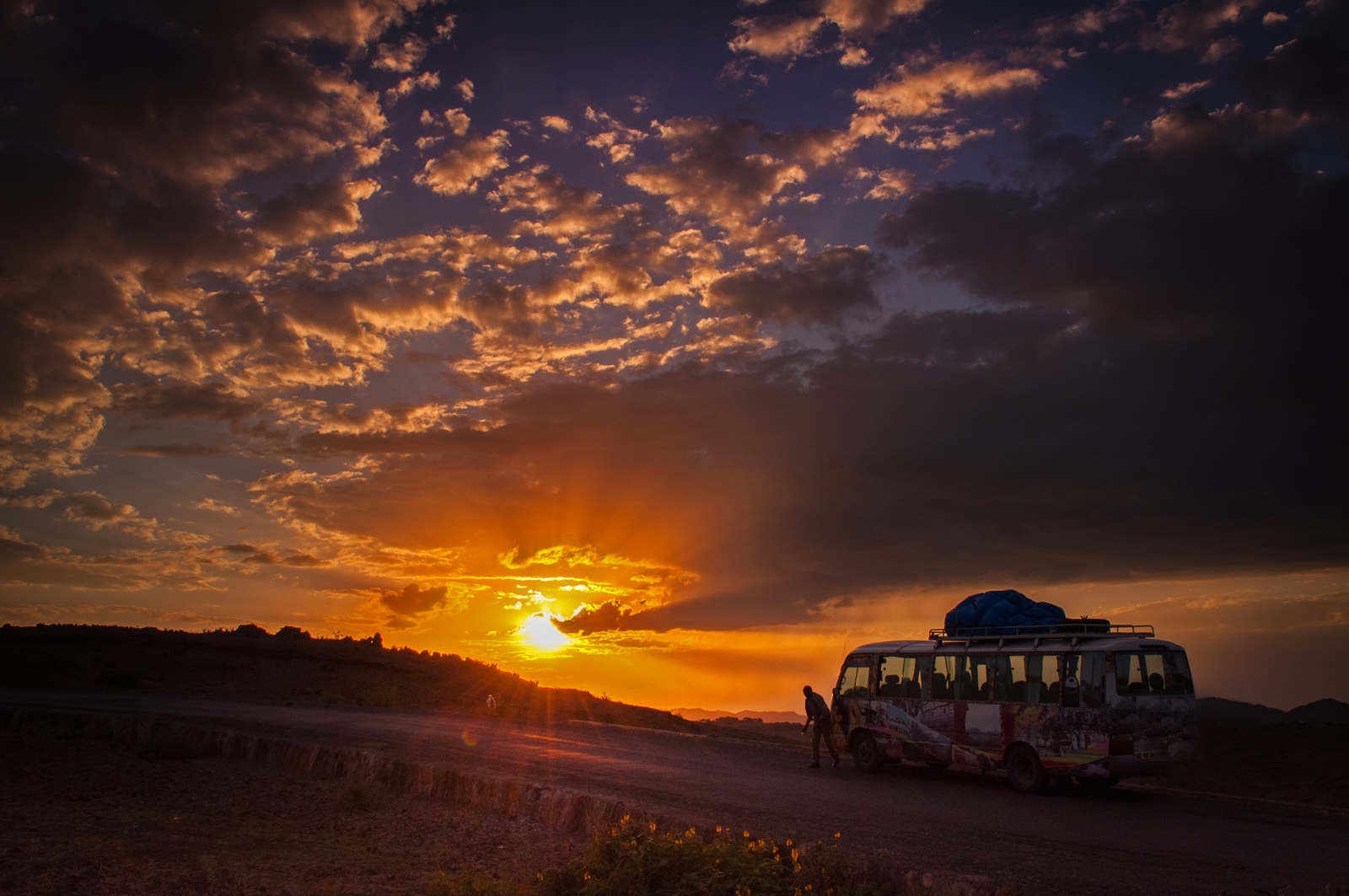
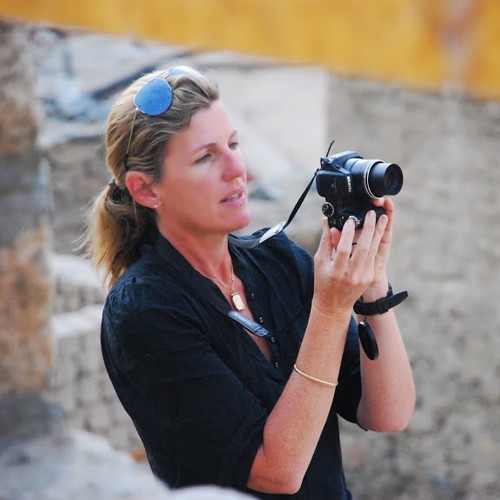 Born and raised in Sydney, Australia, Sarah Kingdom moved to Africa at age 21 and is now a mountain guide, traveller, and mother of two. When she is not climbing, she also owns and operates a 3,000-hectare cattle ranch in central Zambia.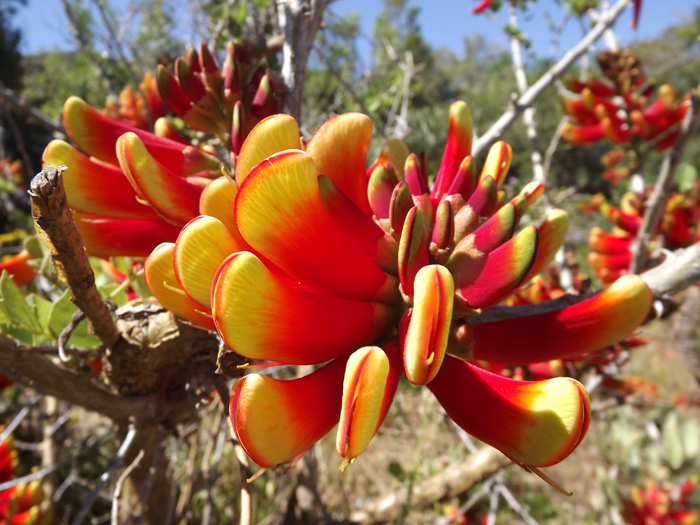


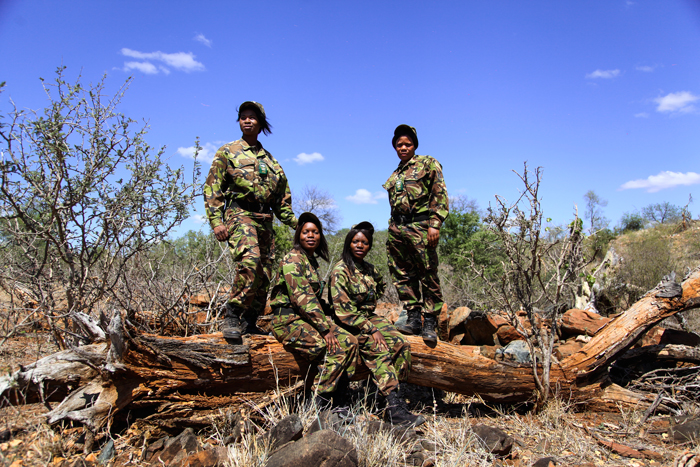


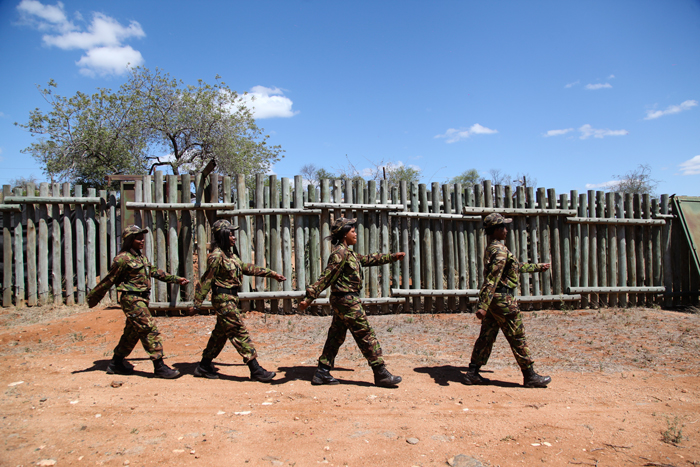
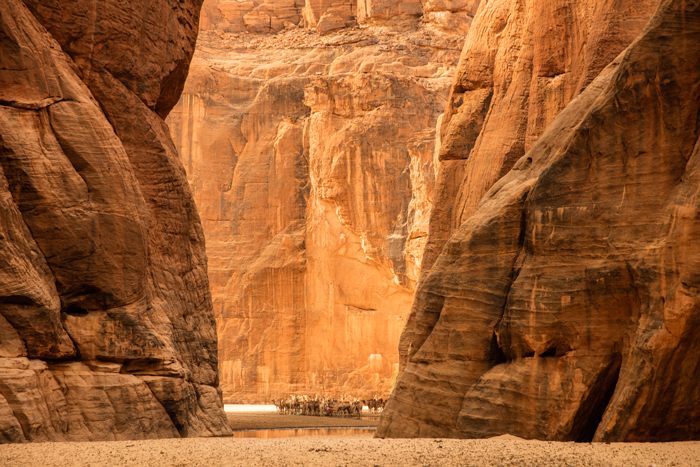


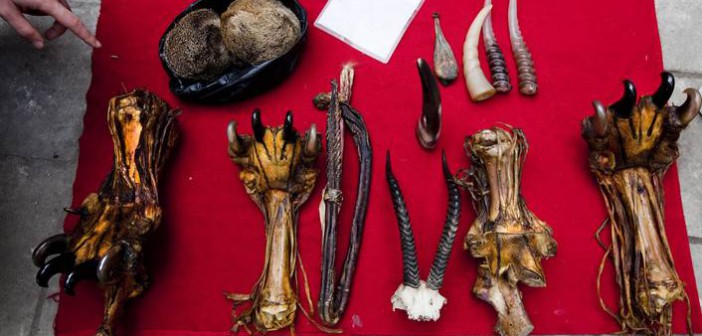
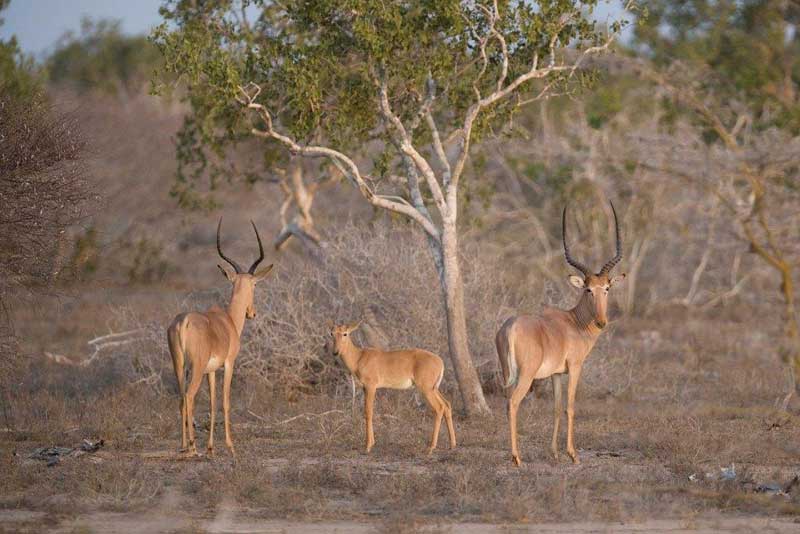

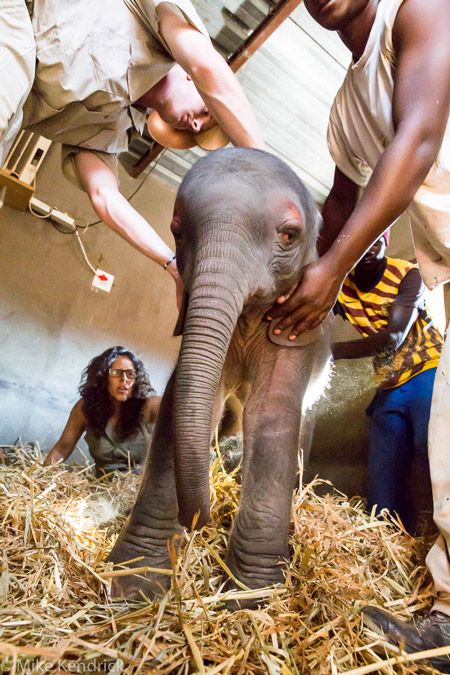
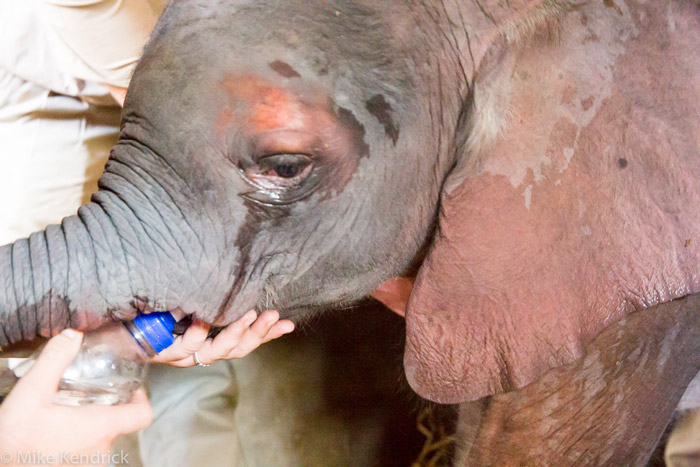
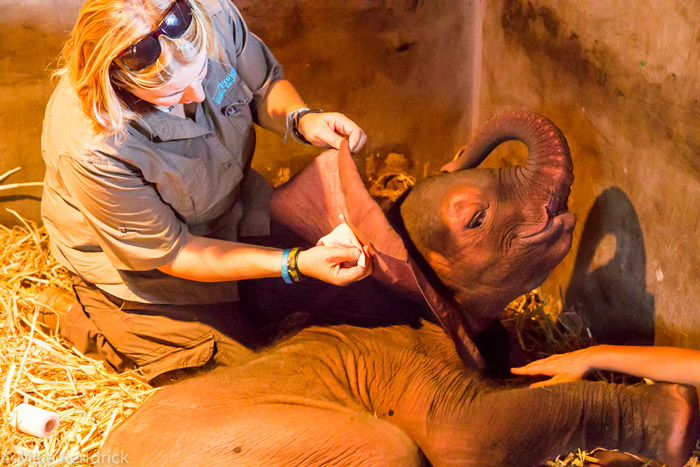
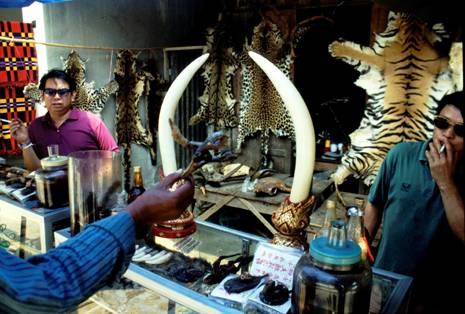
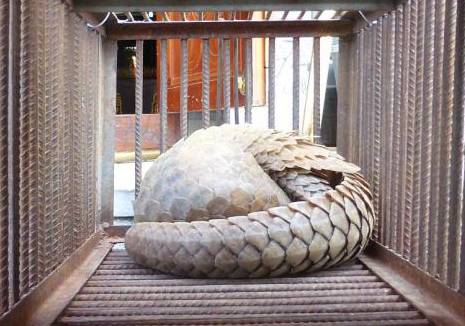
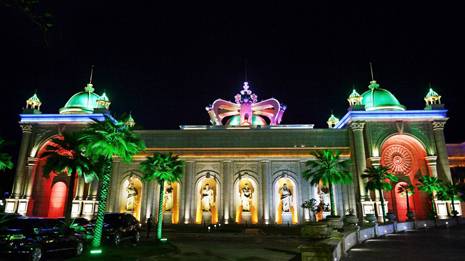

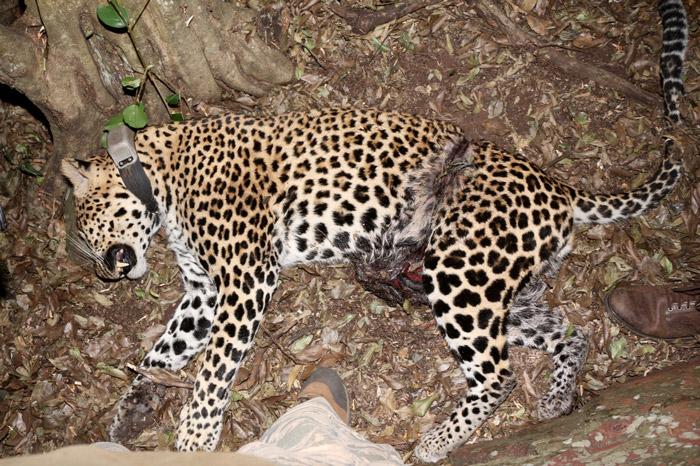


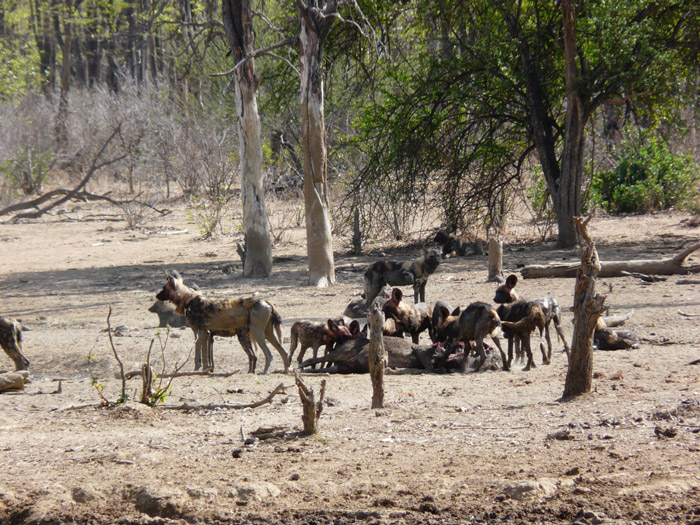

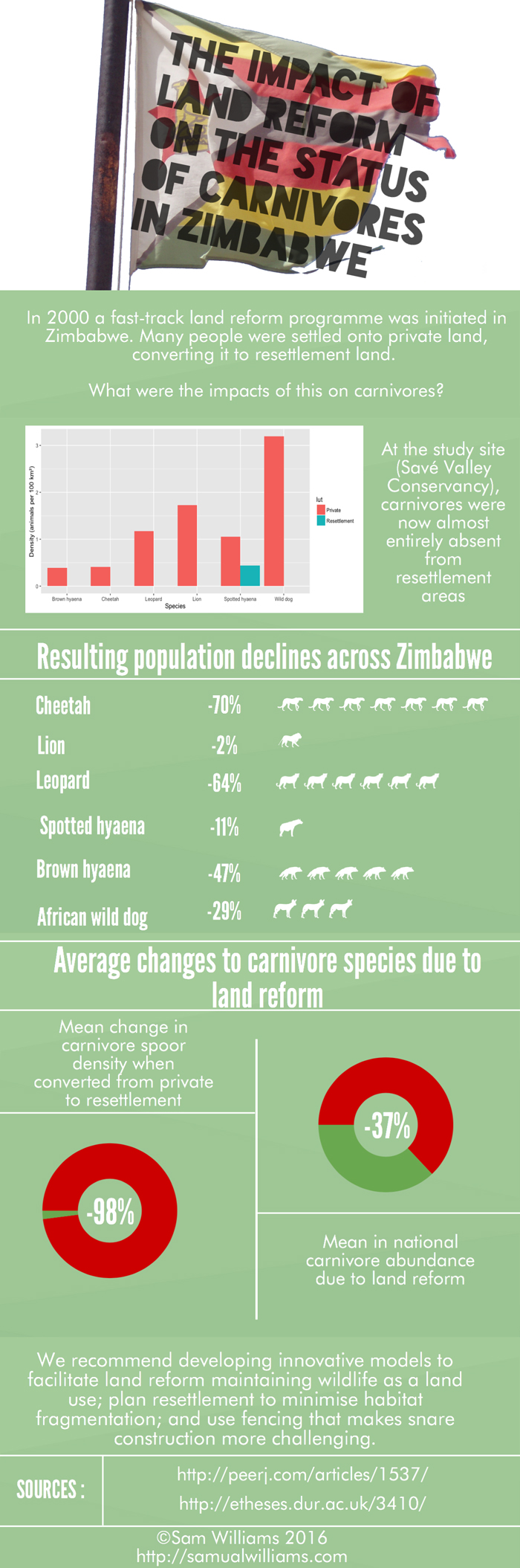
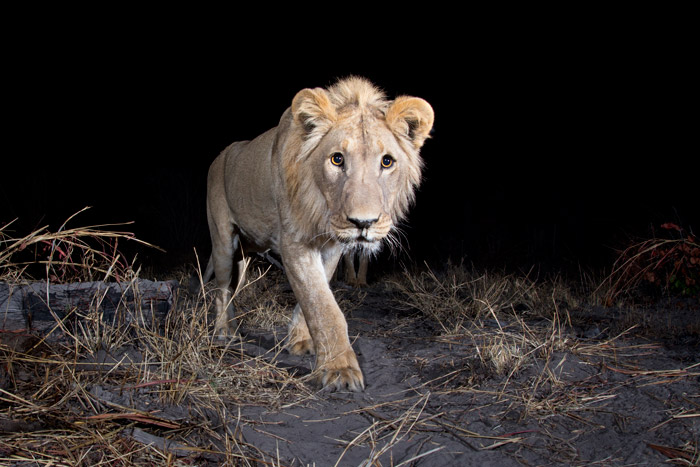
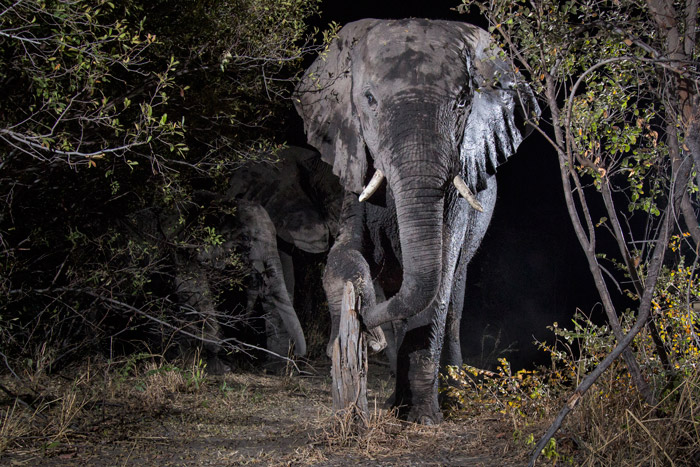
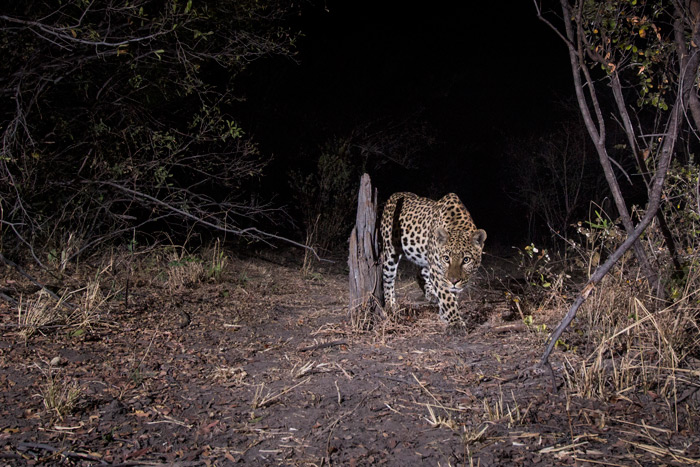

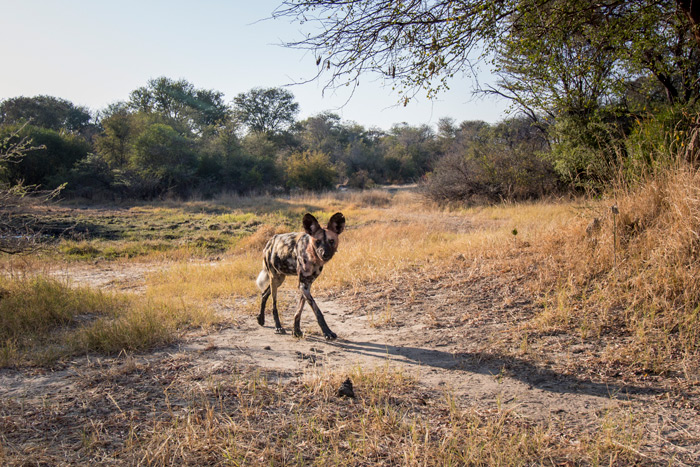

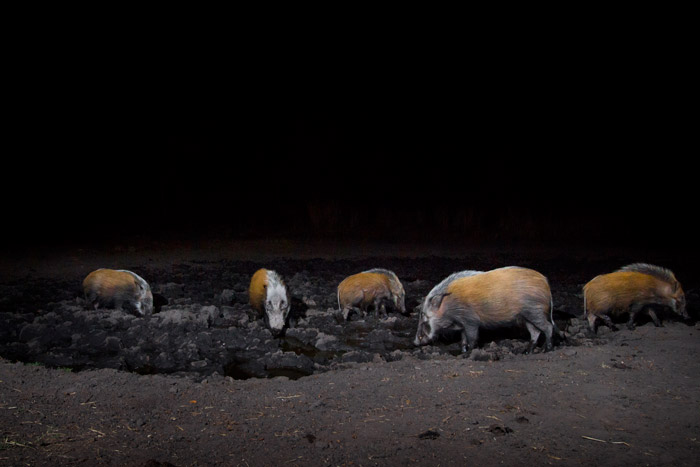
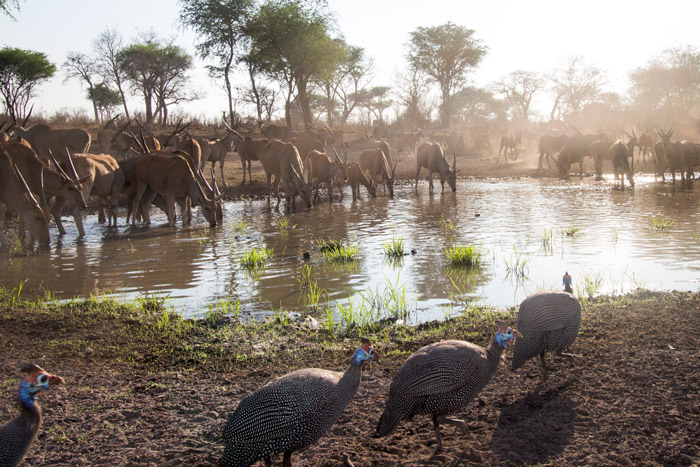
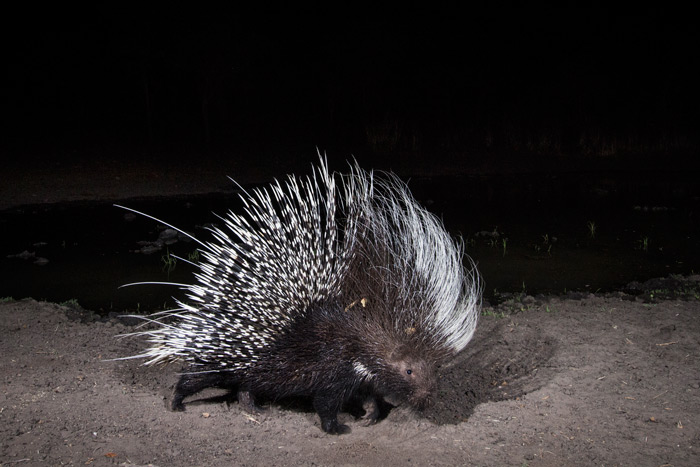
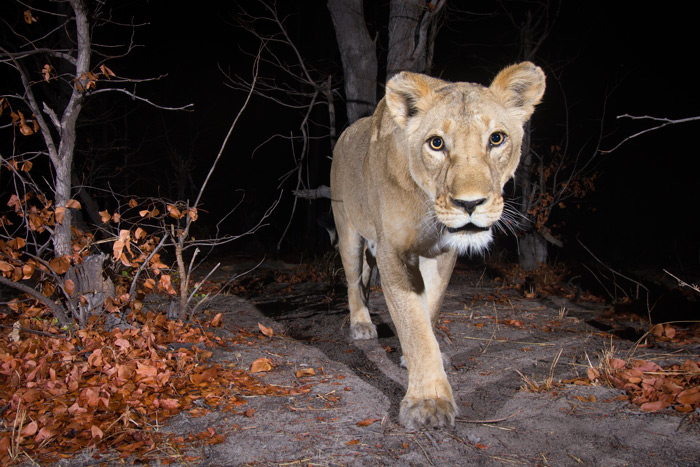
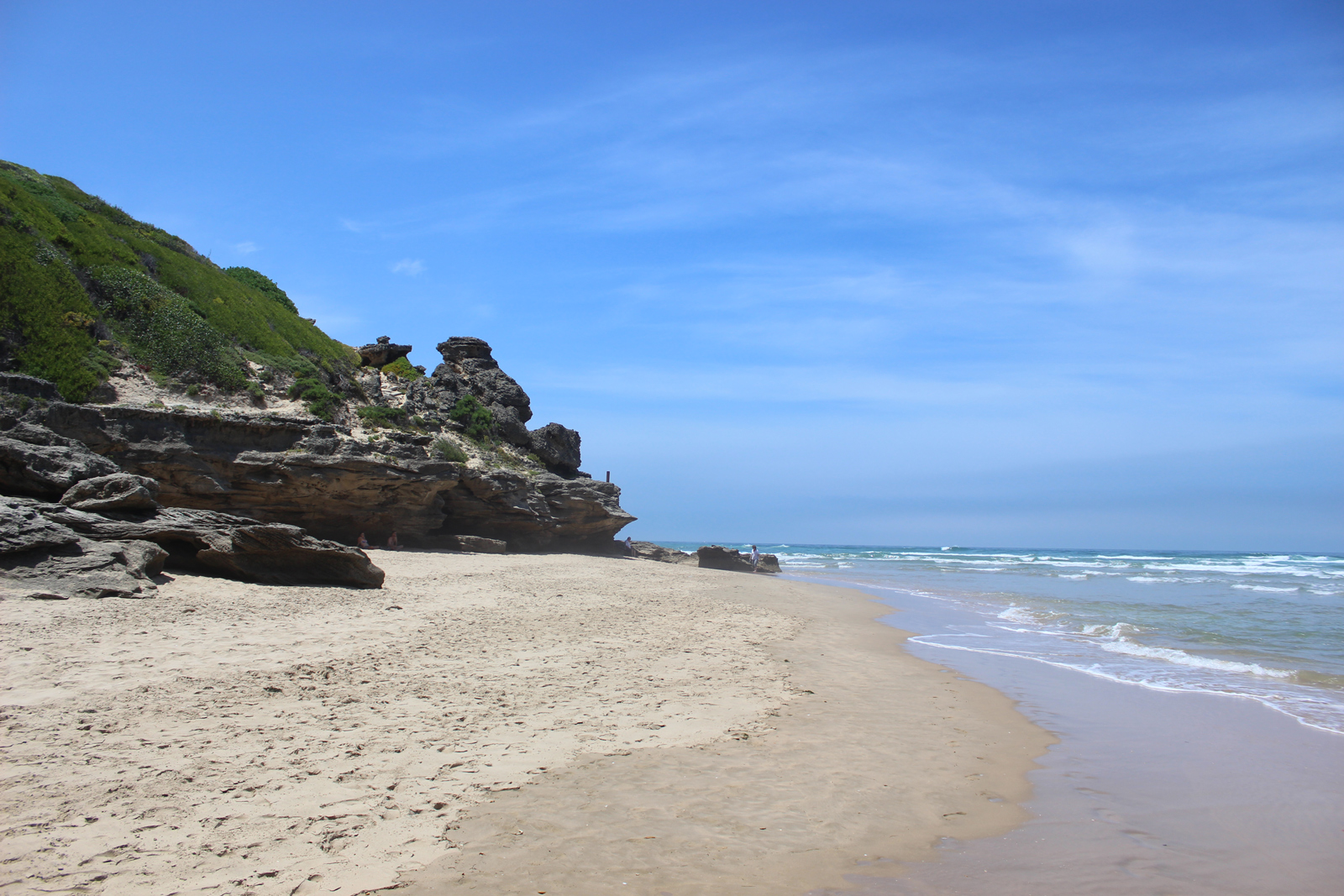
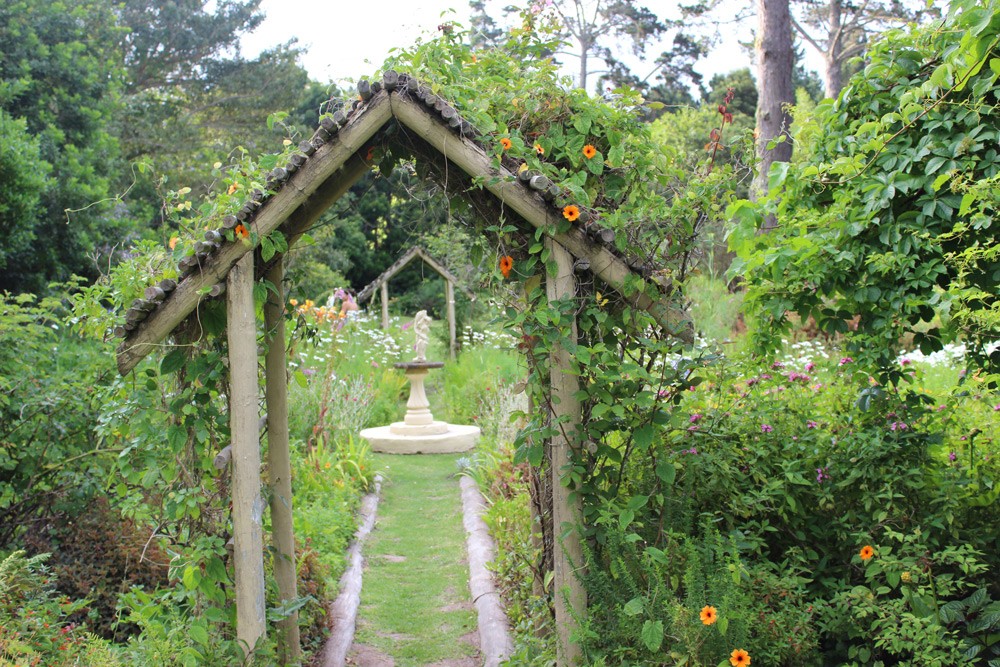
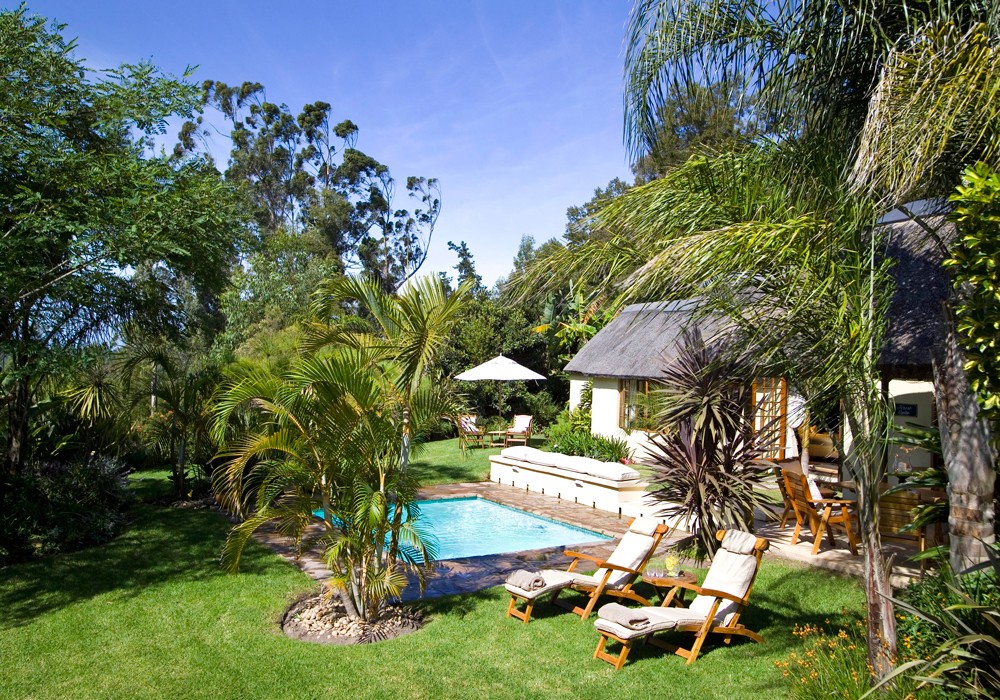
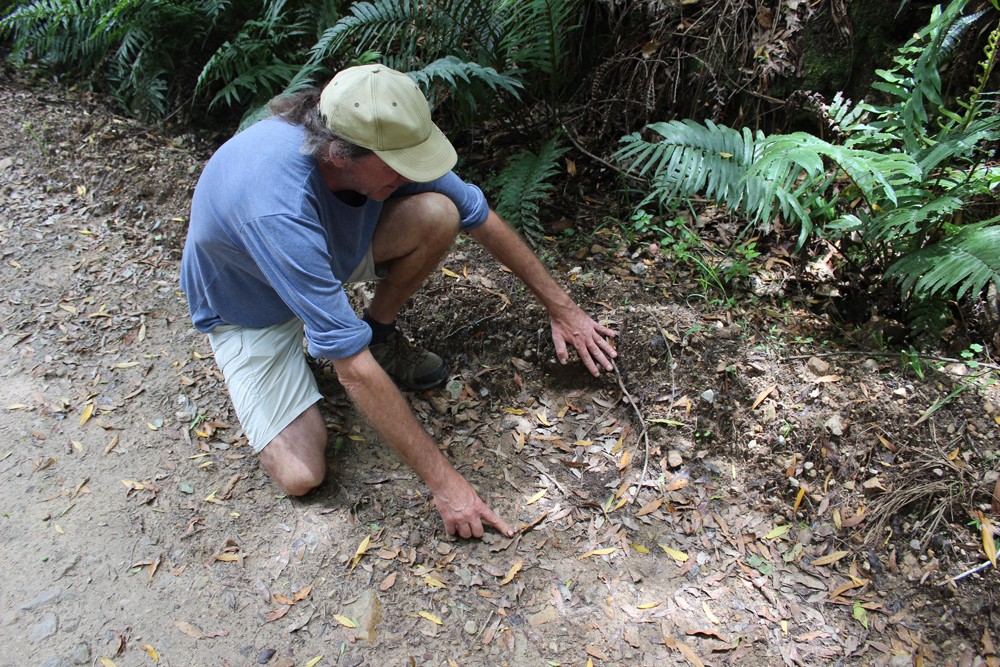
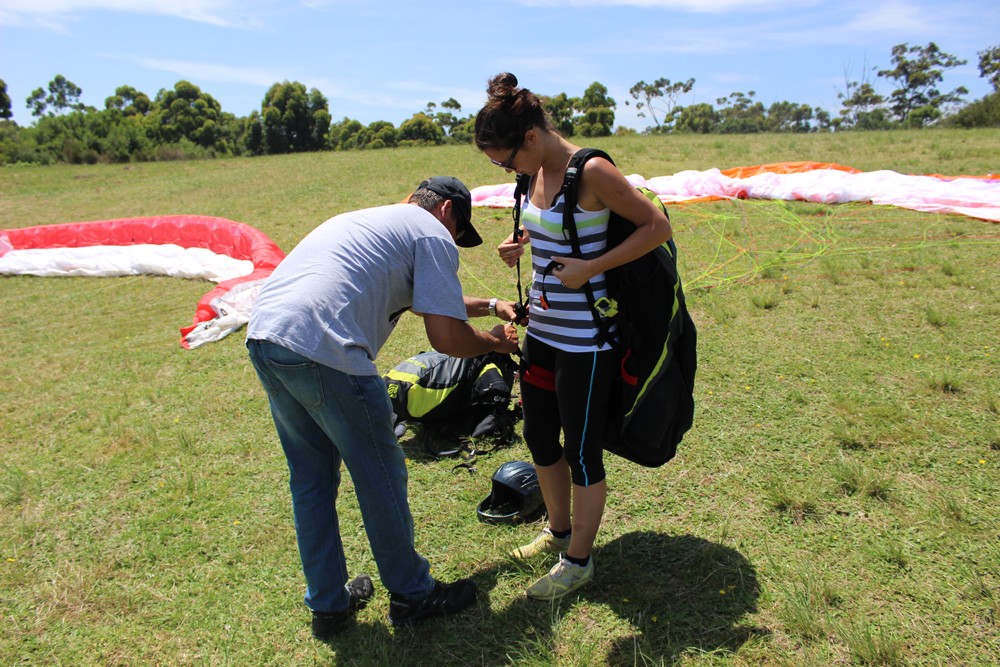
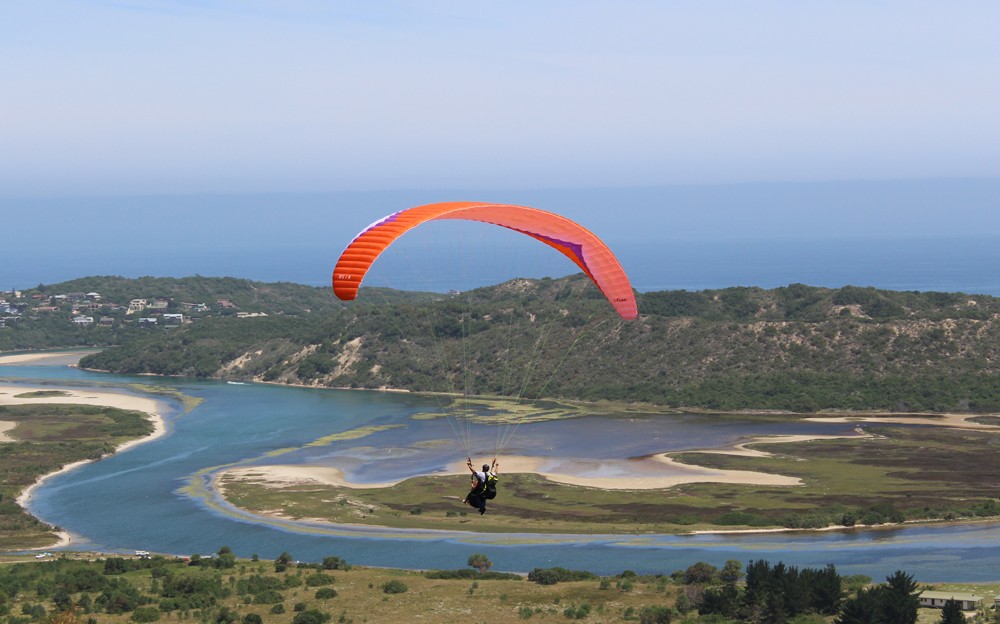
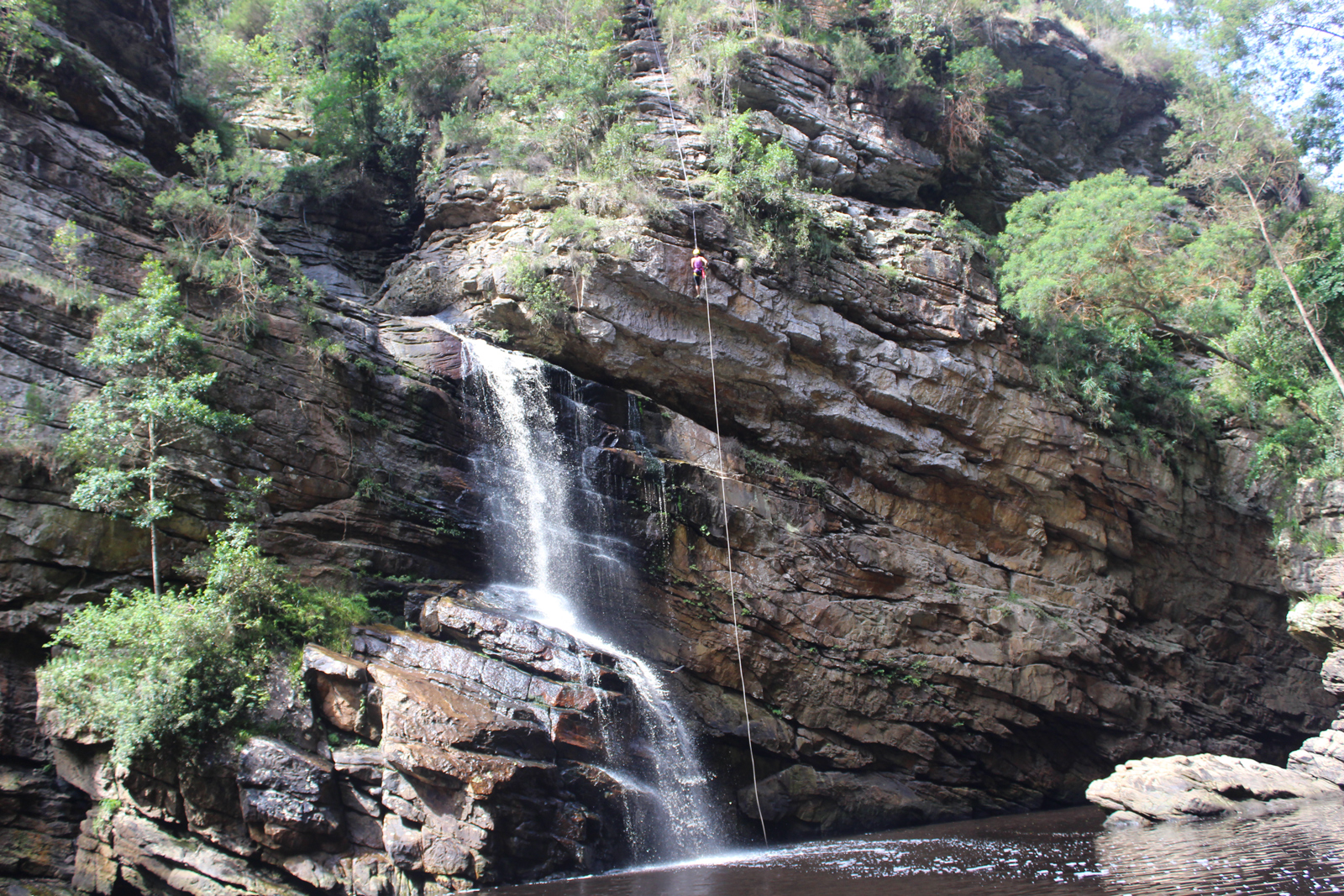
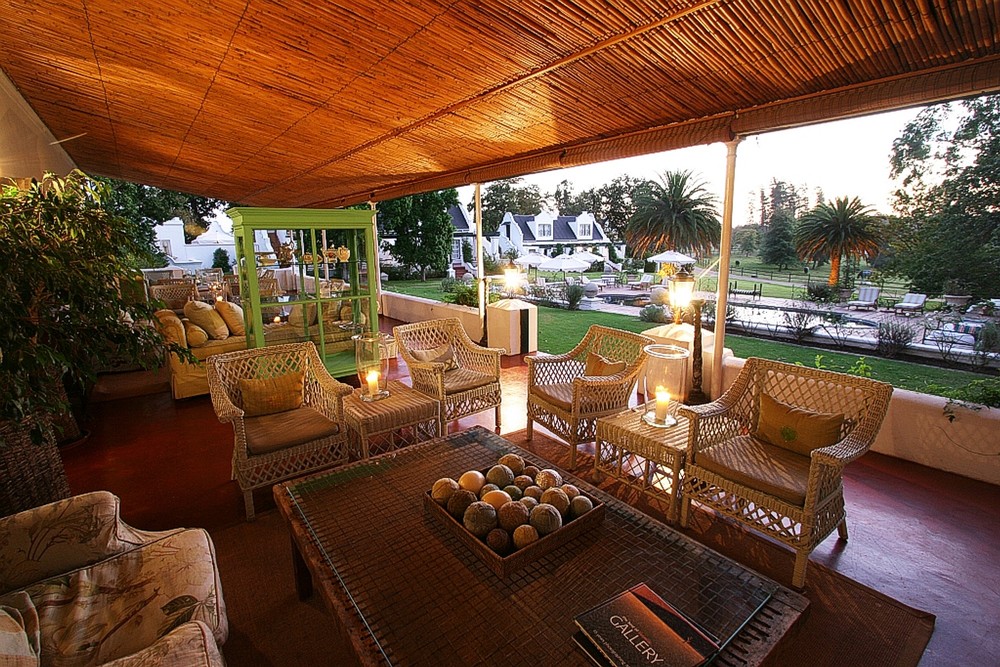
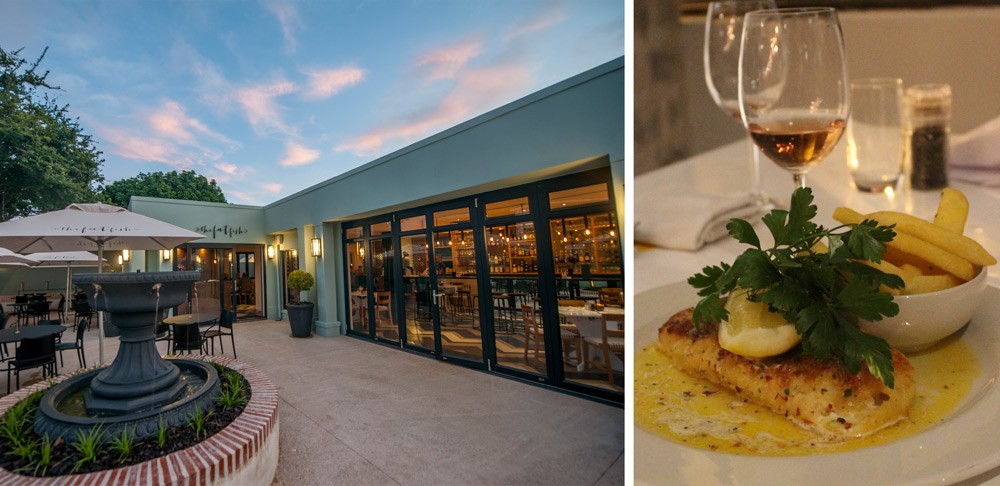
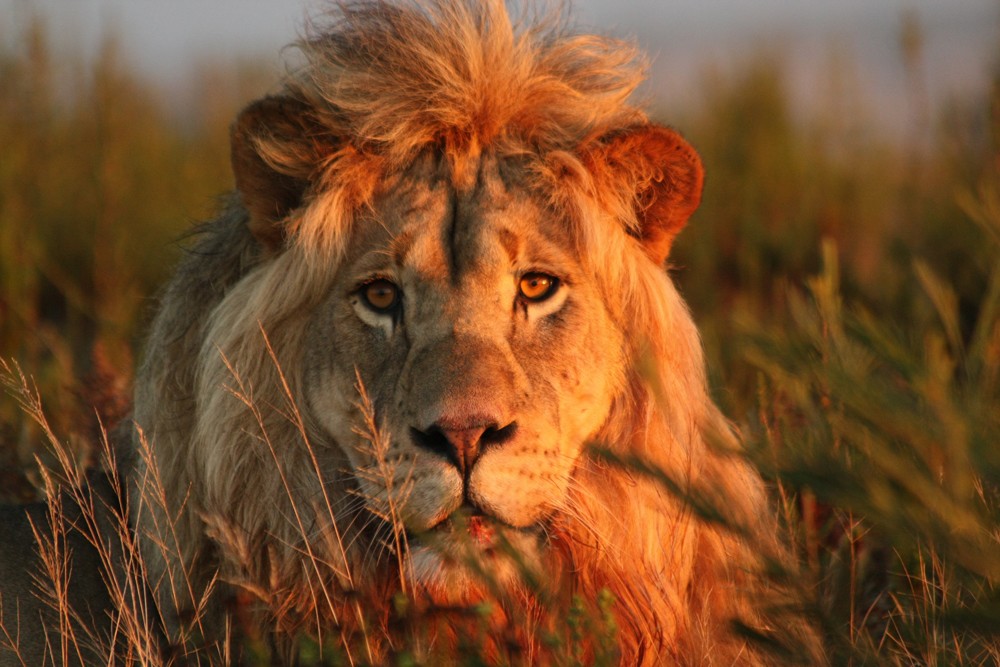
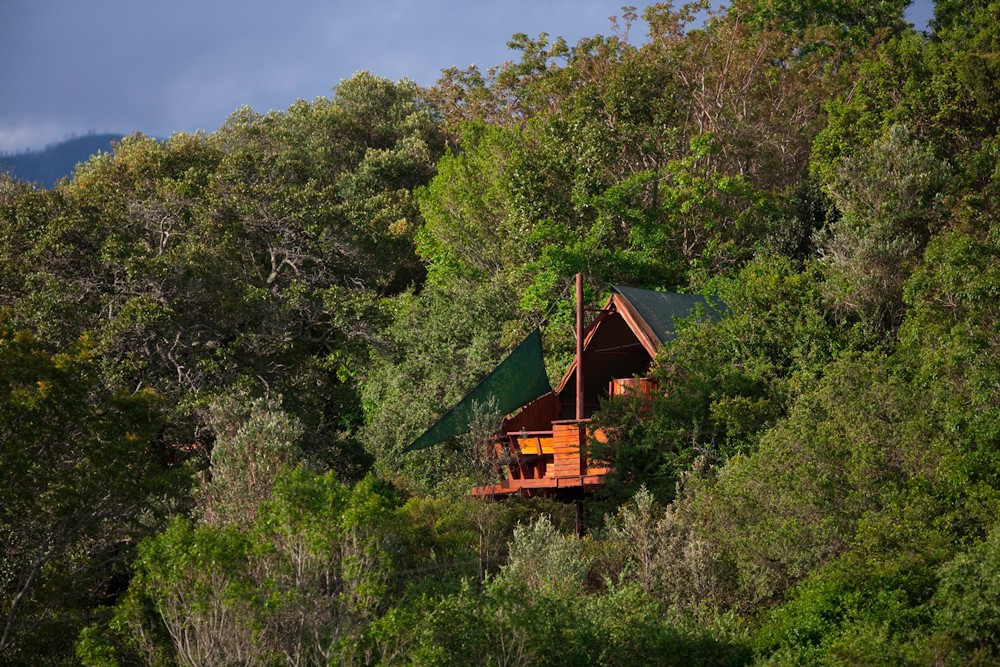
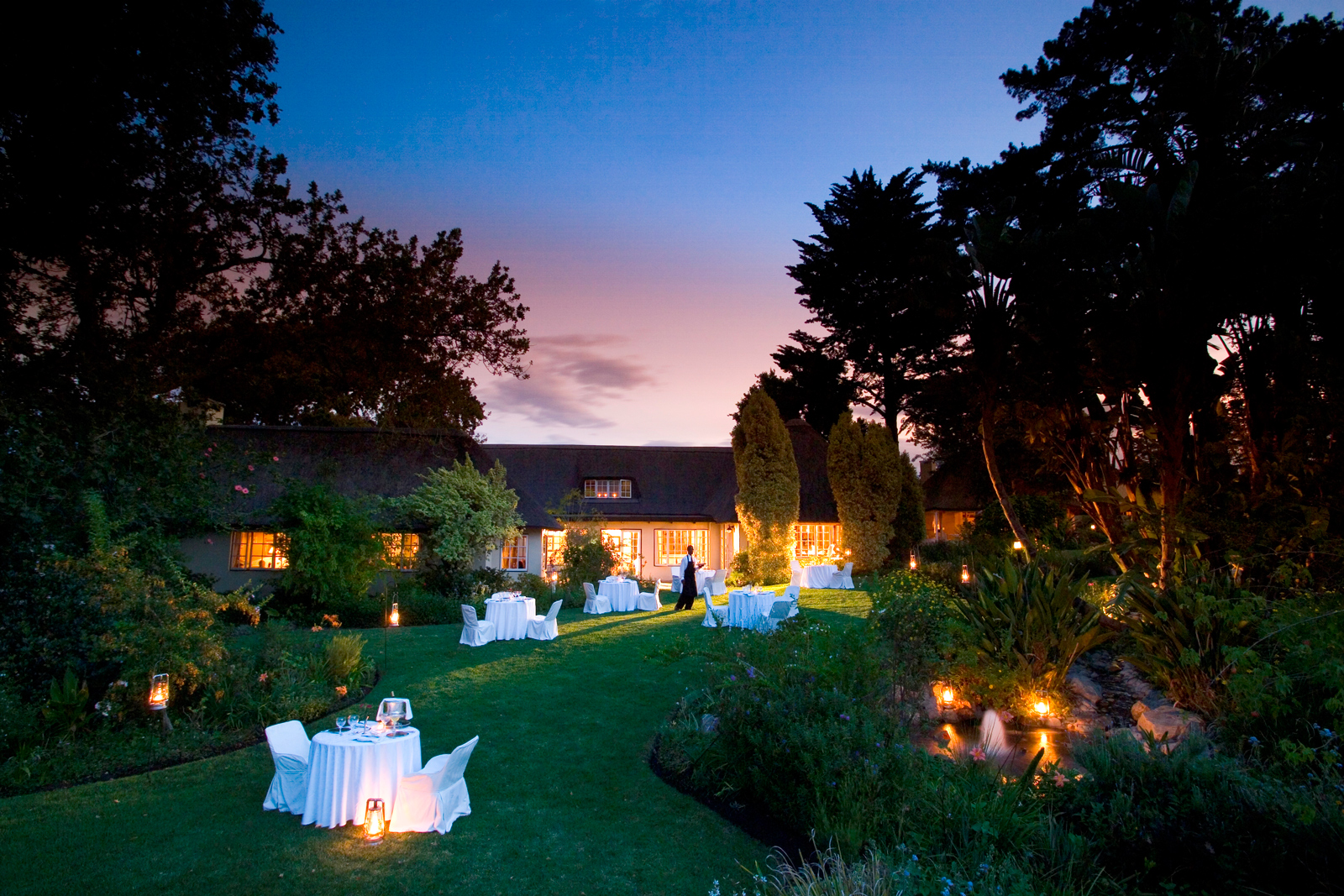
 MEI CAPES is half-Chinese, born in England, and South African at heart. She studied French and German at the University of Warwick before spending a decade bumbling around Asia, Central America, Australia and Europe, then settling in Cape Town.


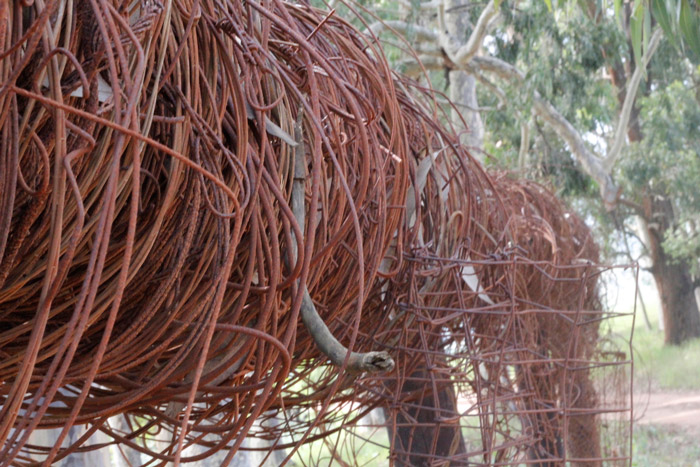


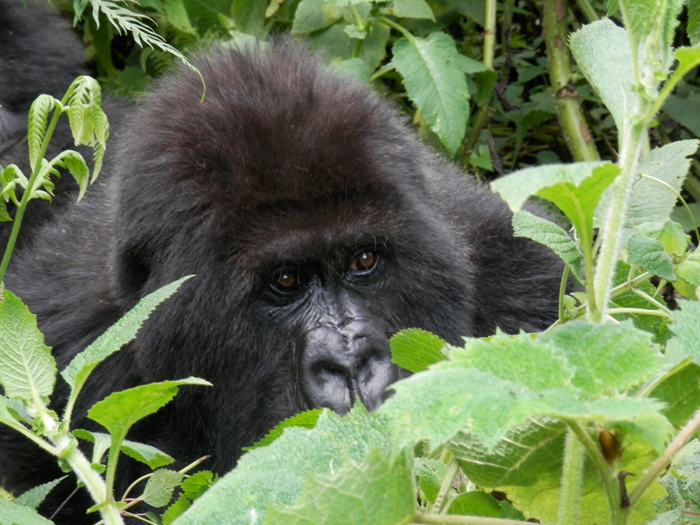
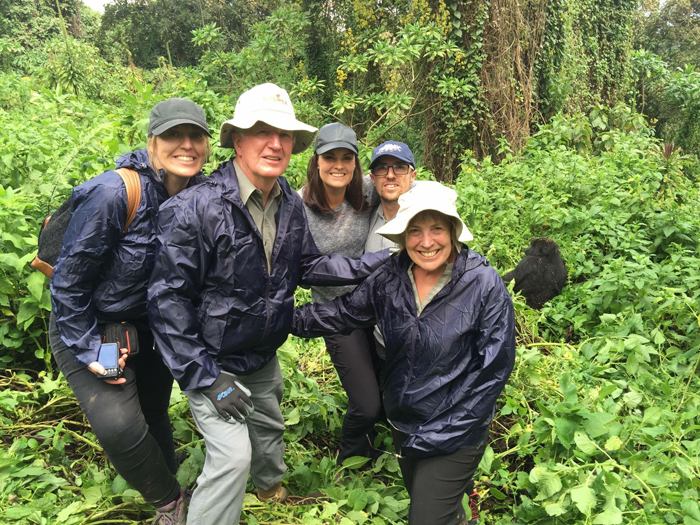


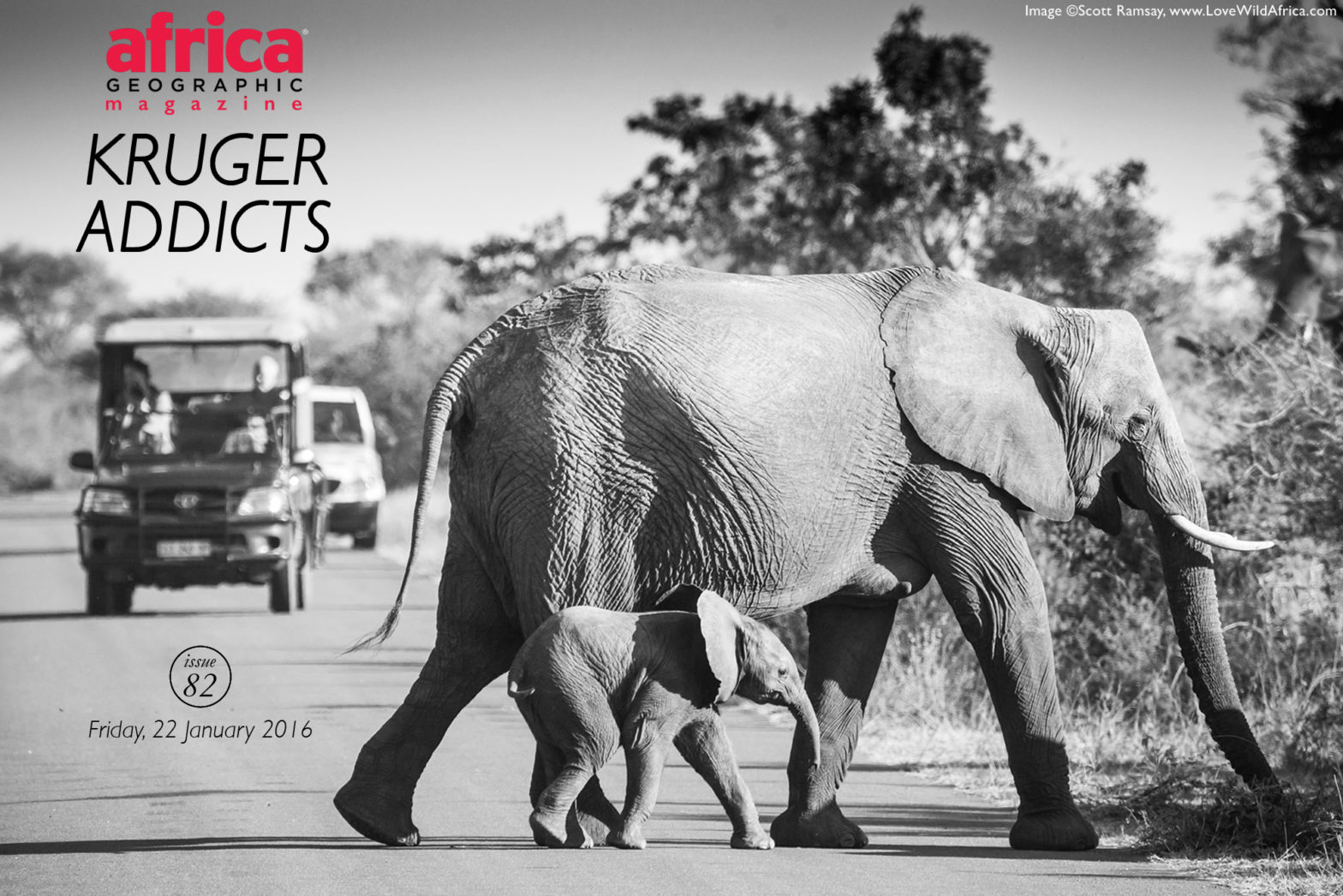
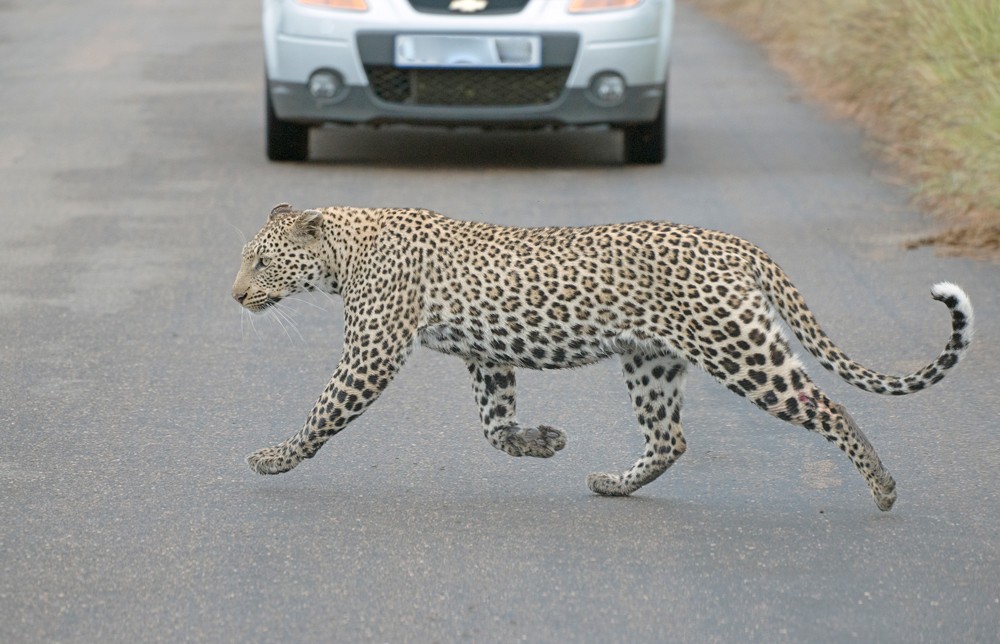
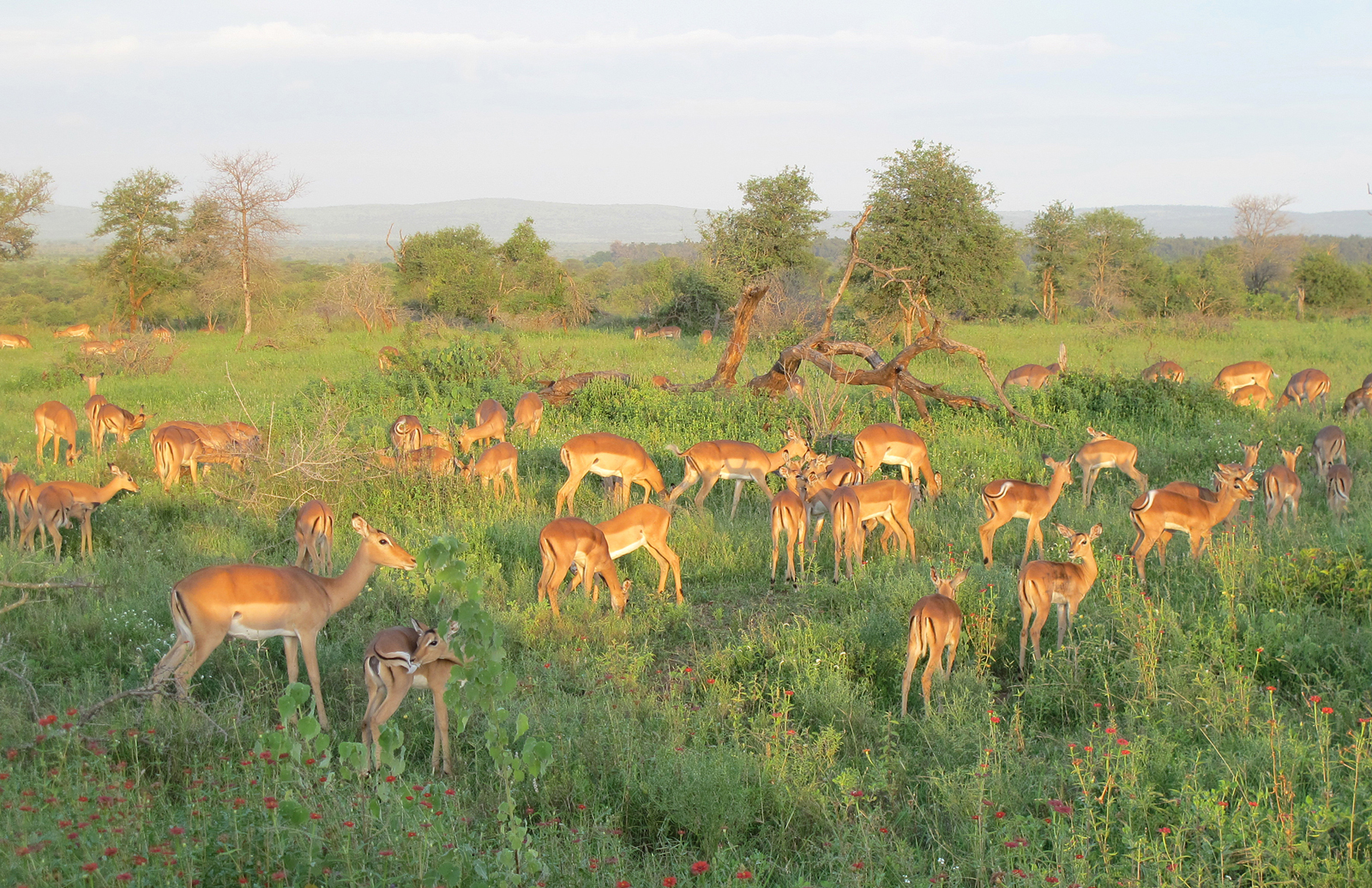
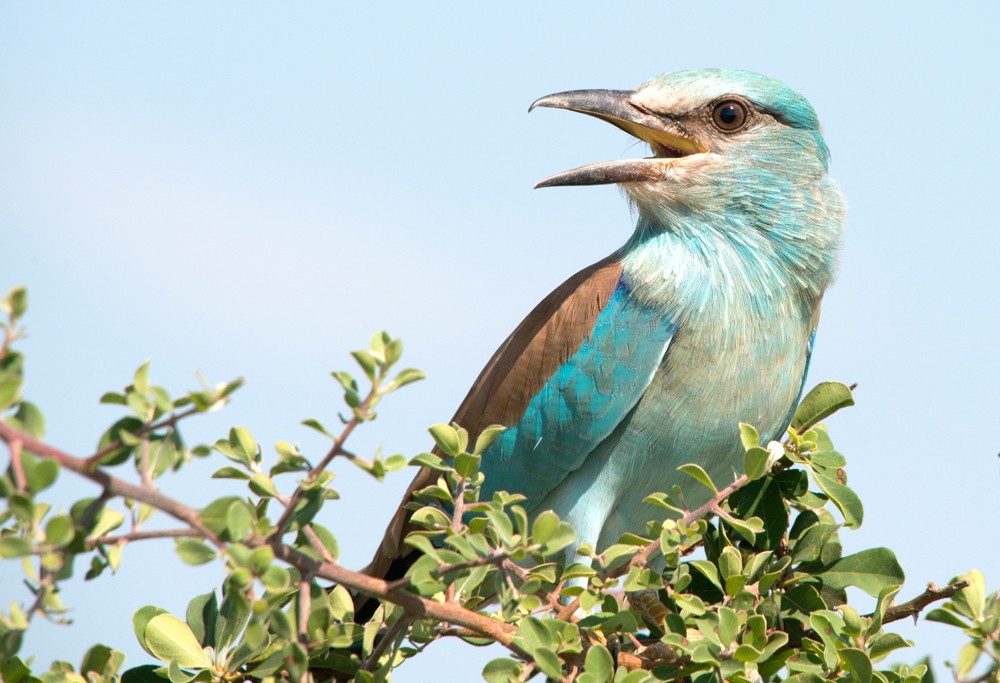
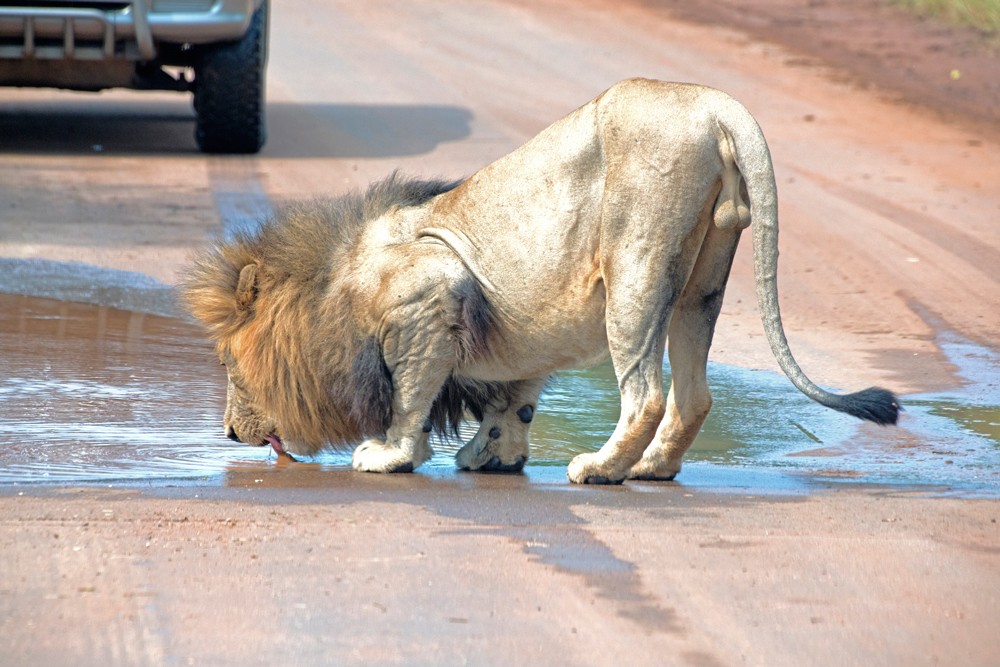
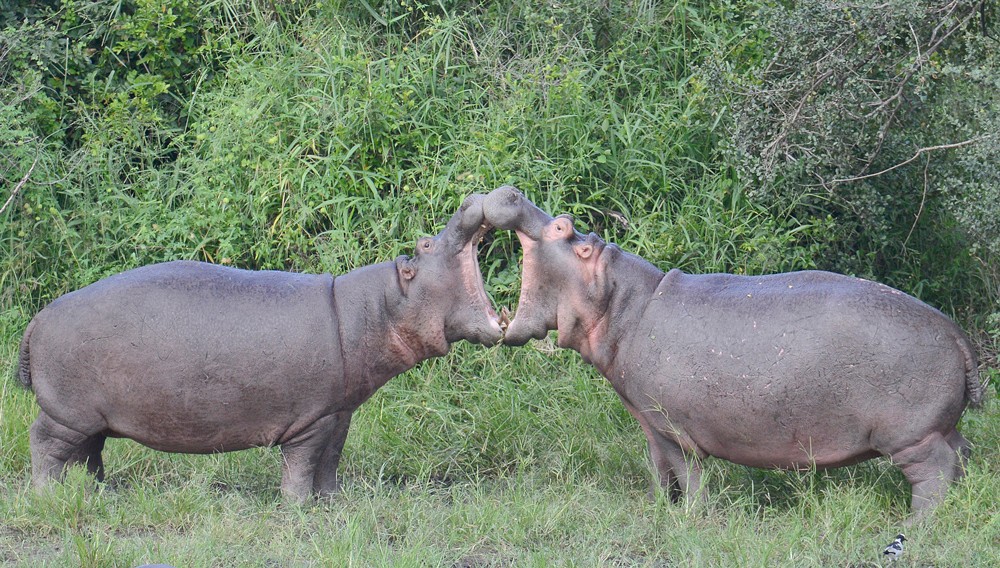
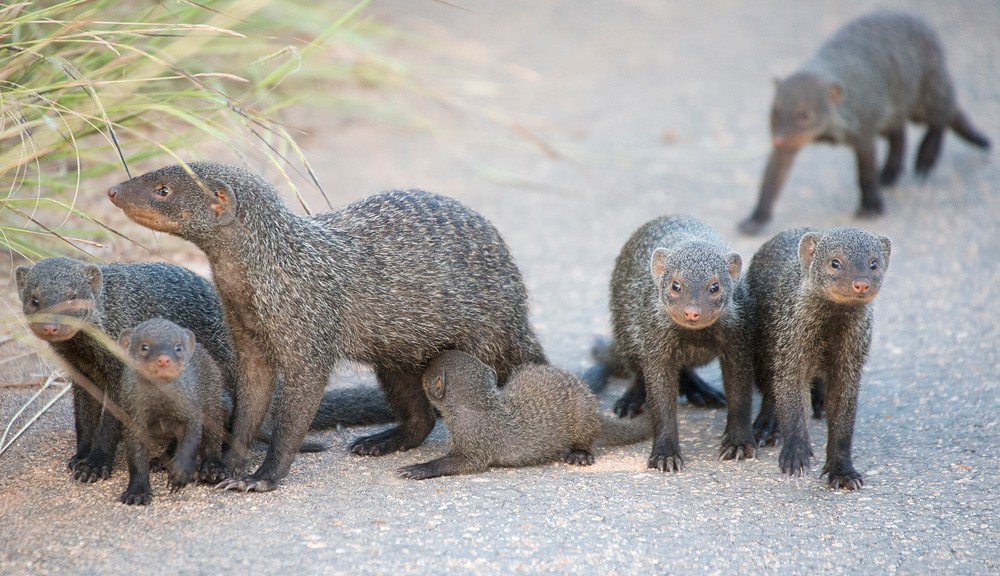
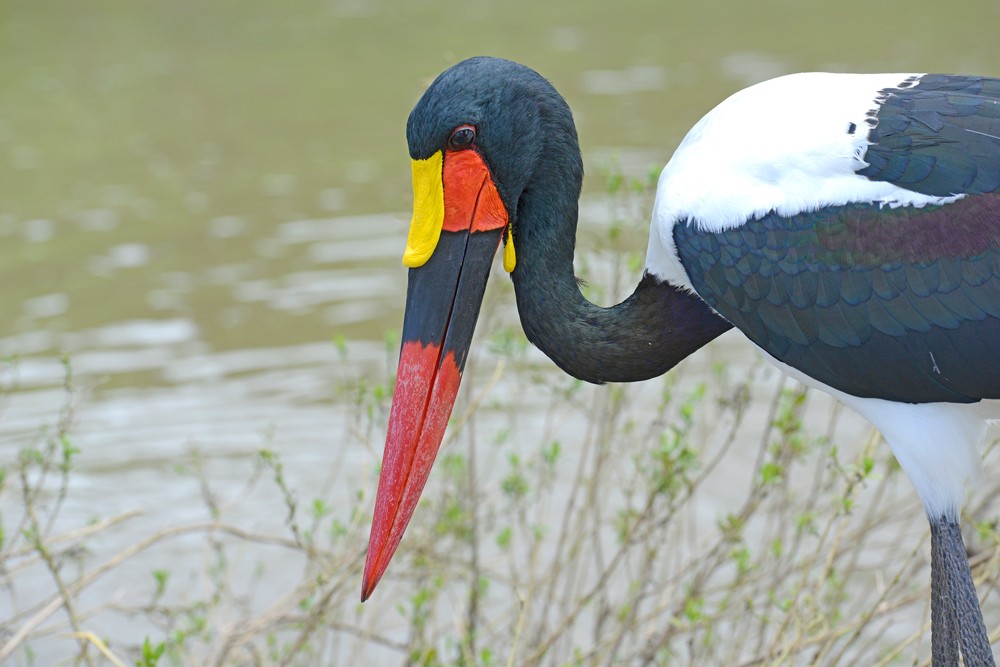
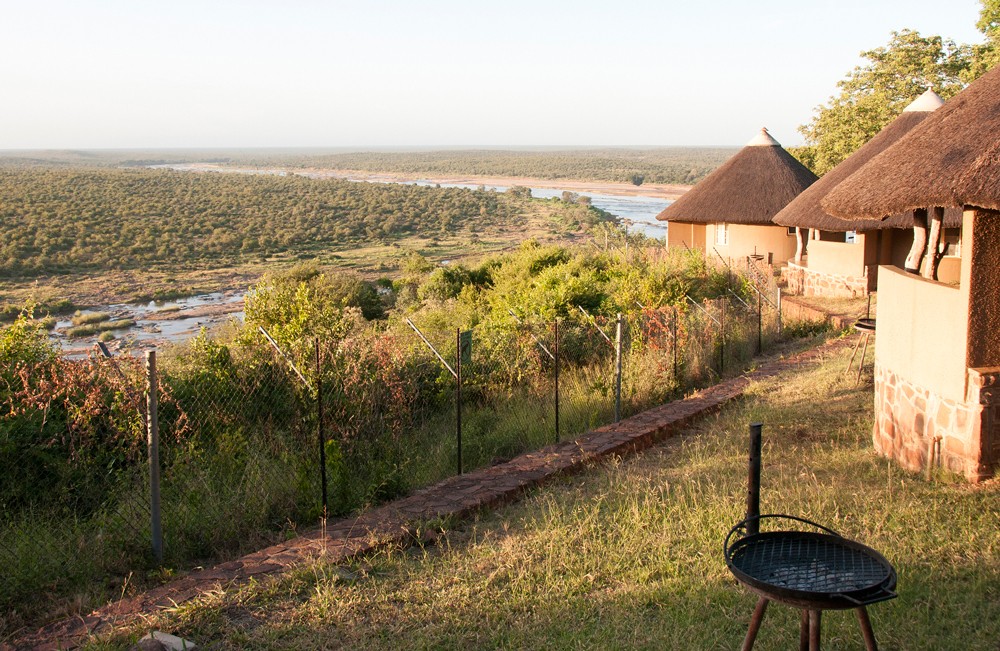
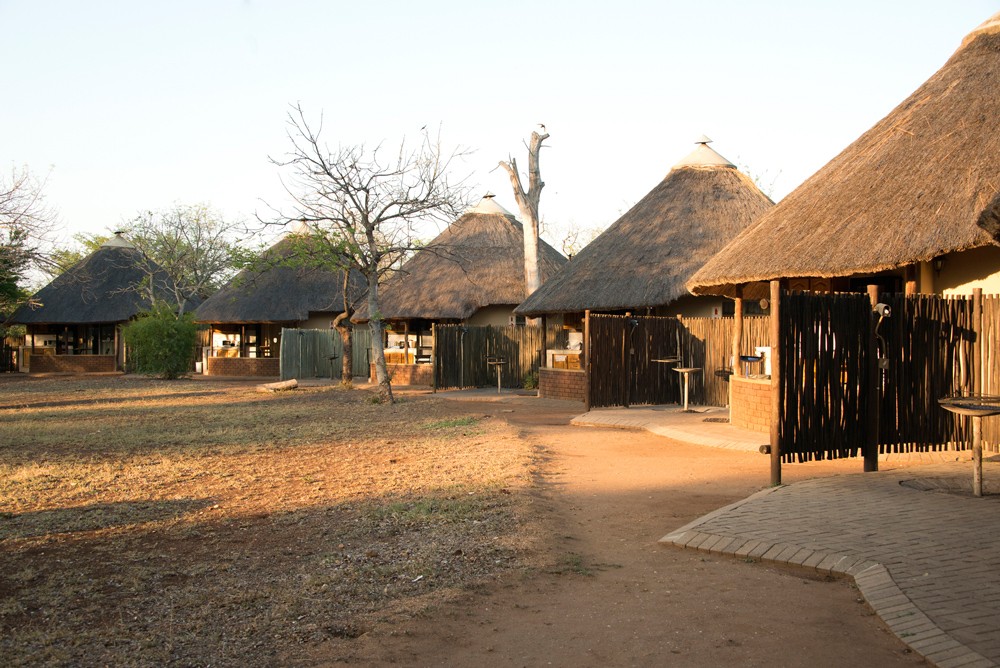
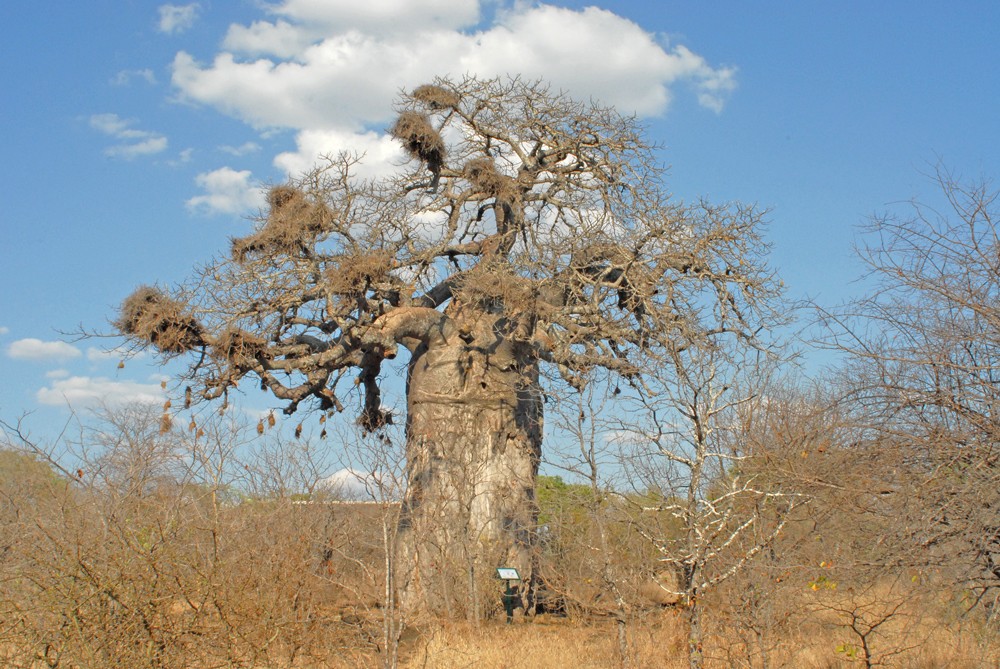
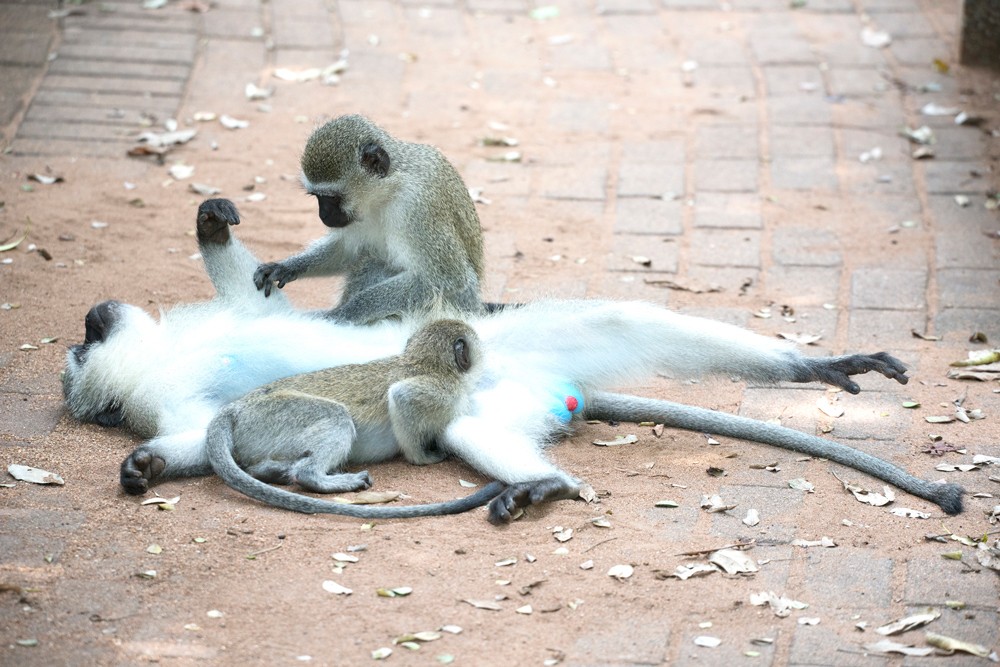
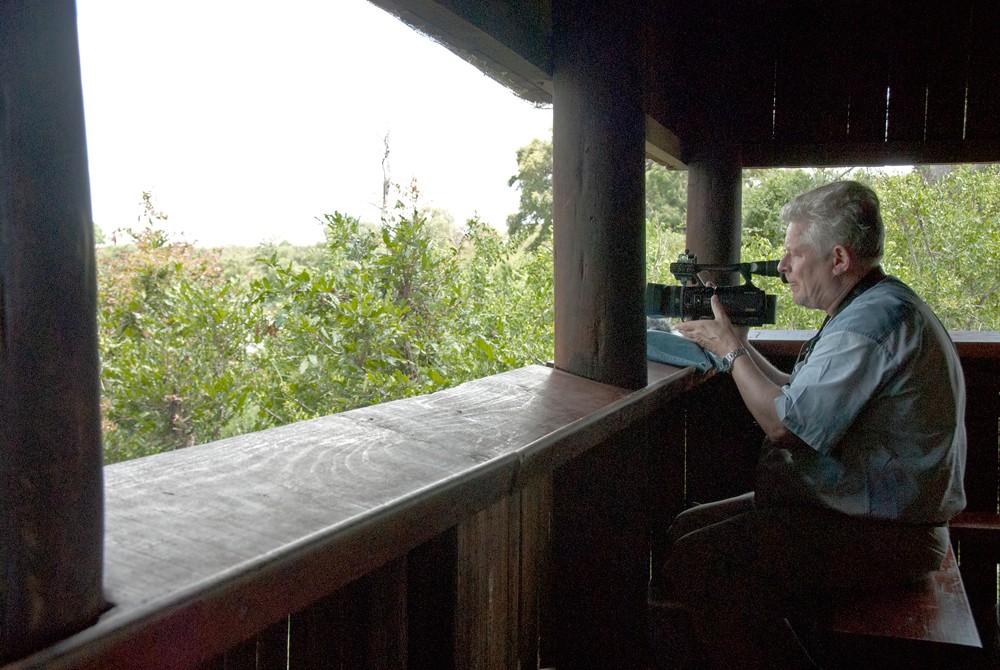
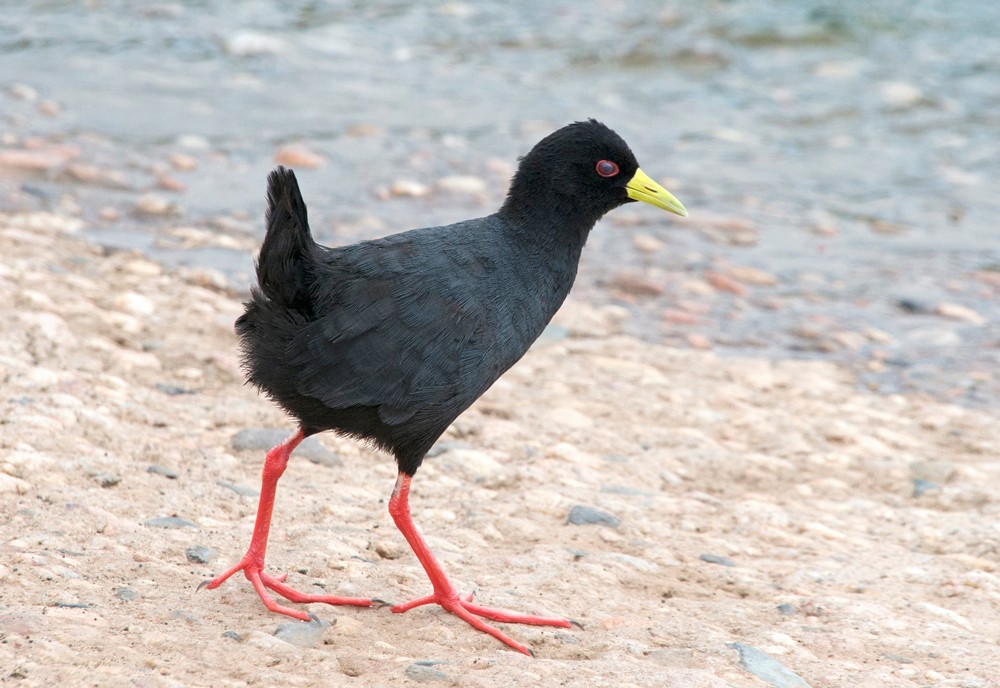

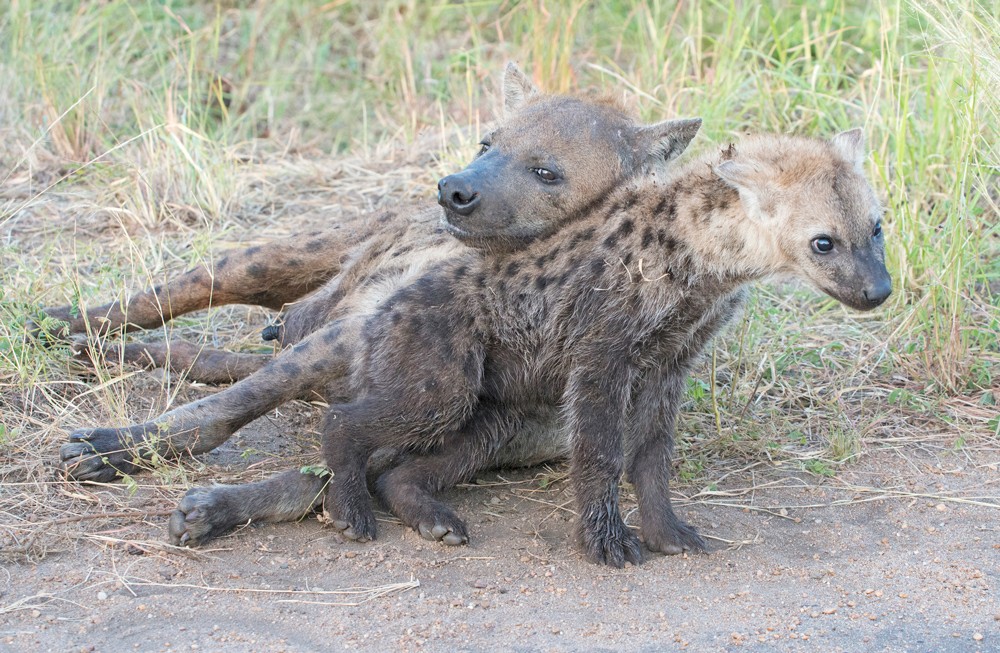
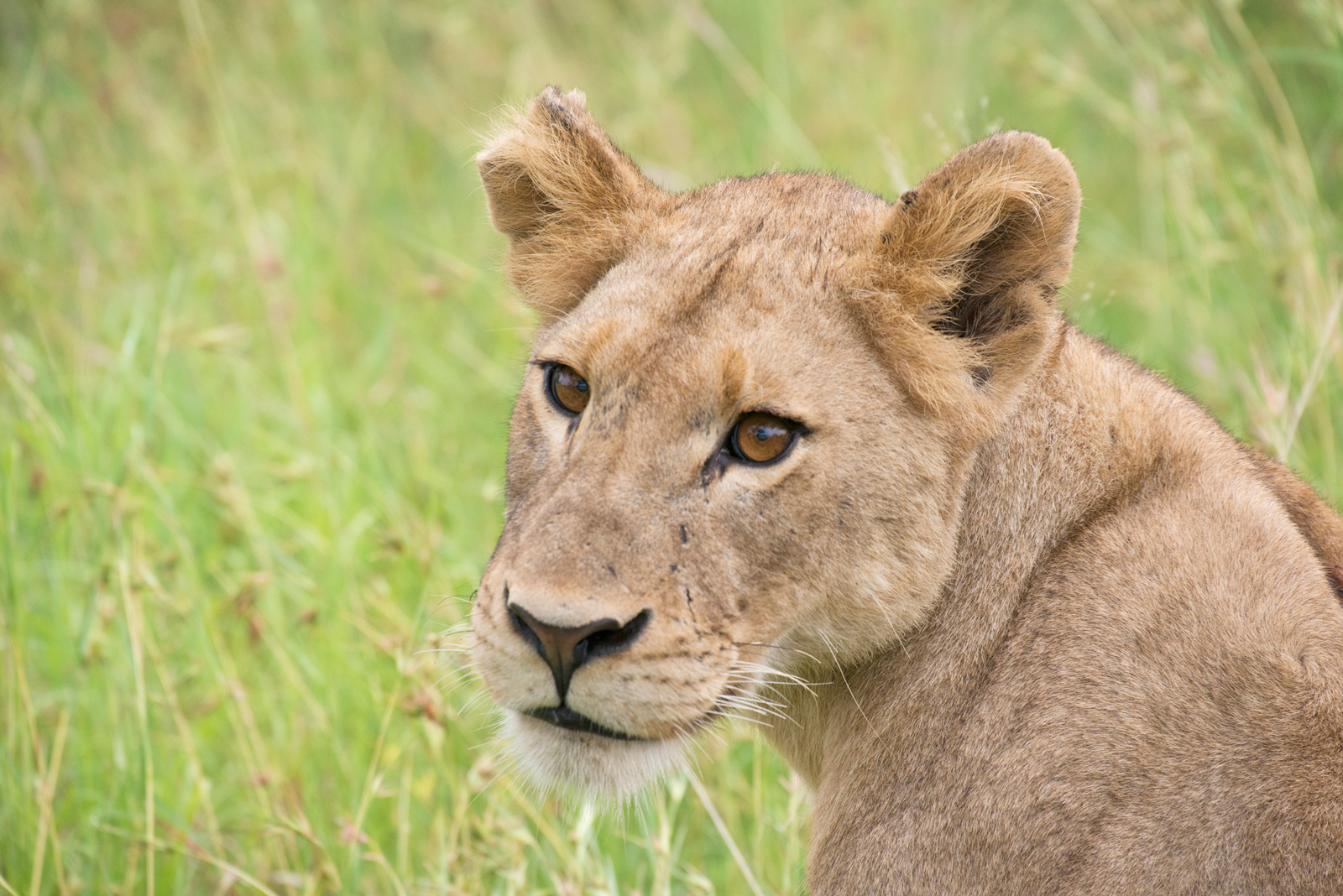
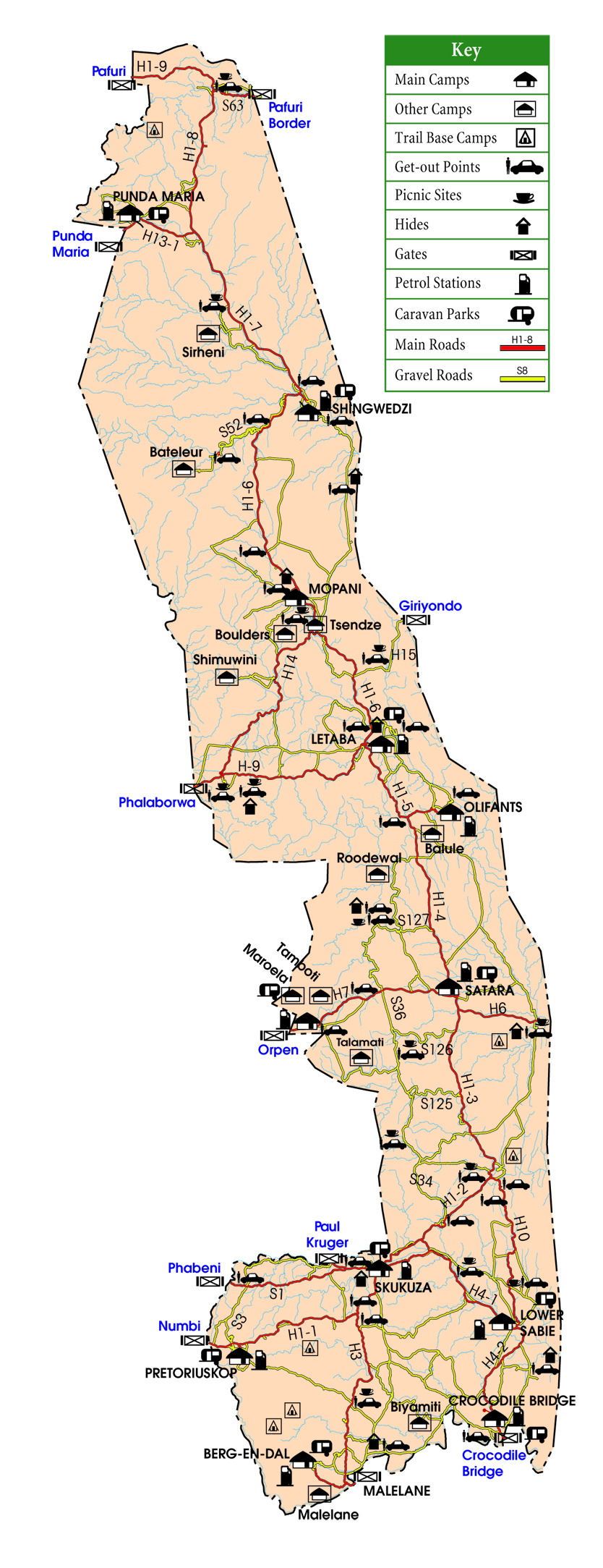

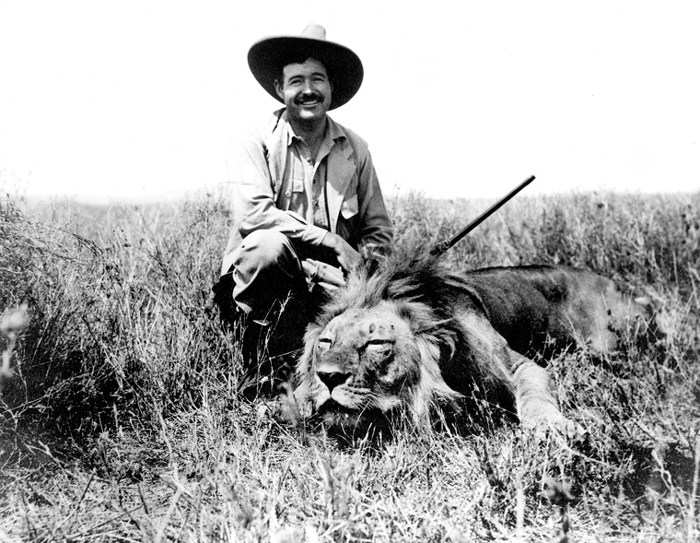
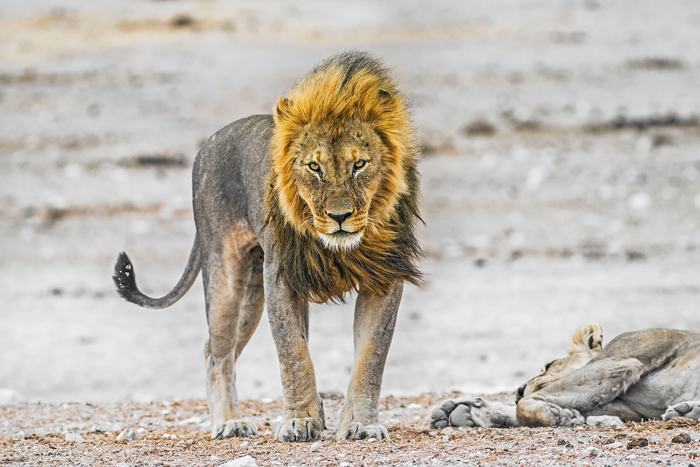
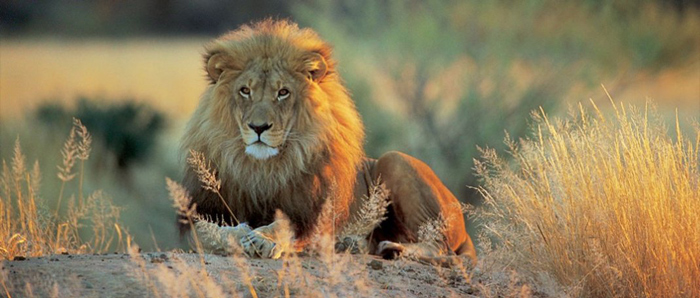
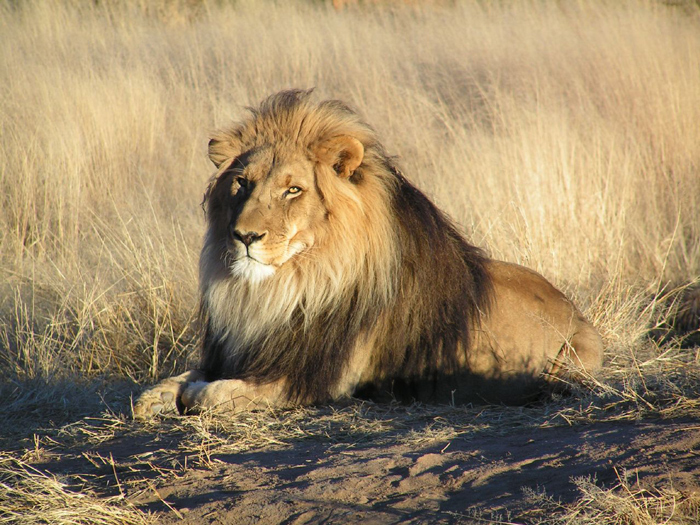
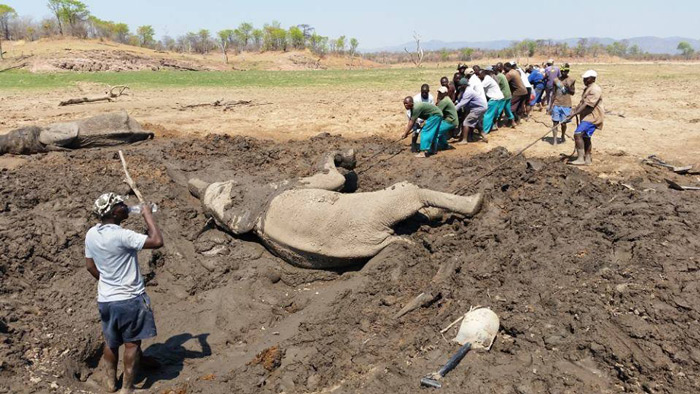
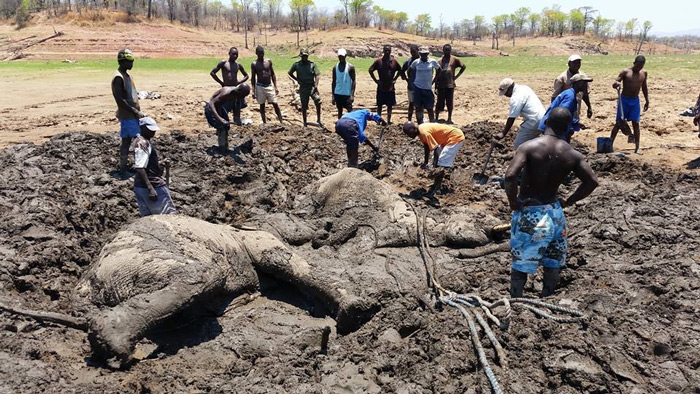

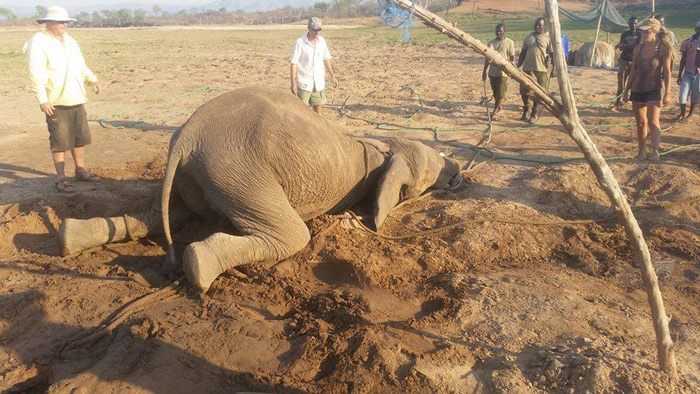
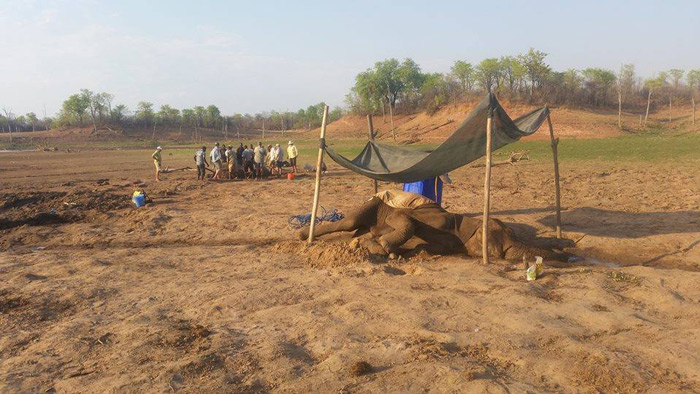
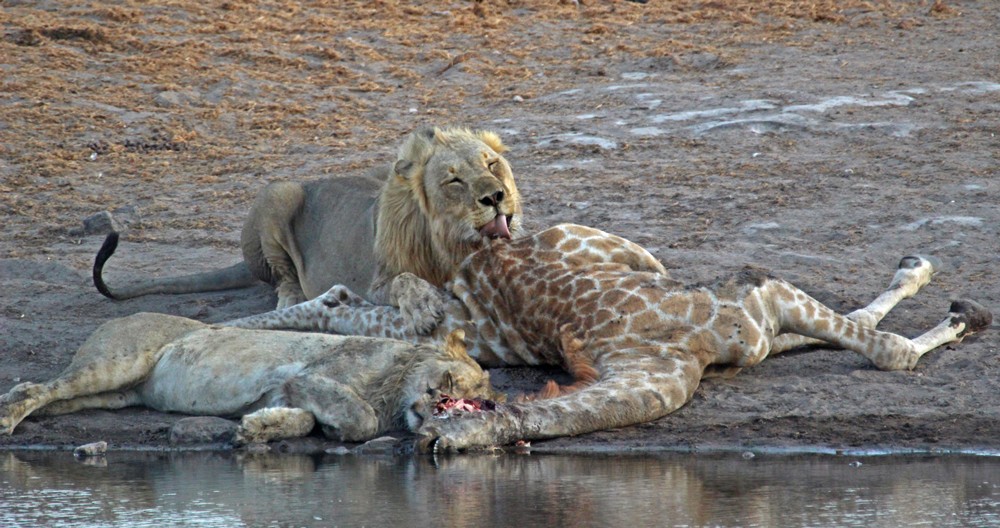
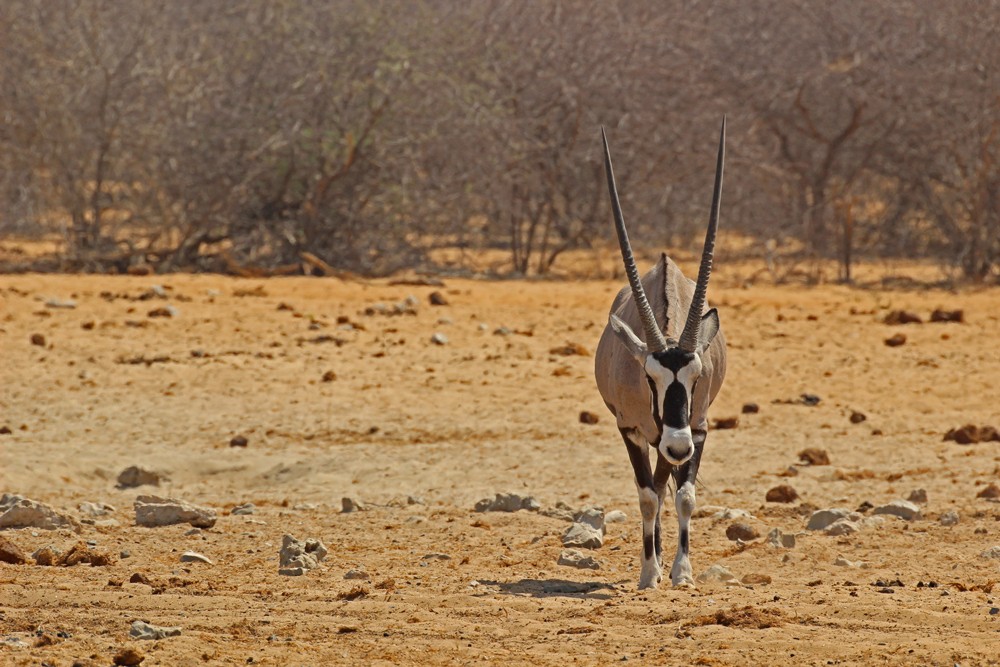
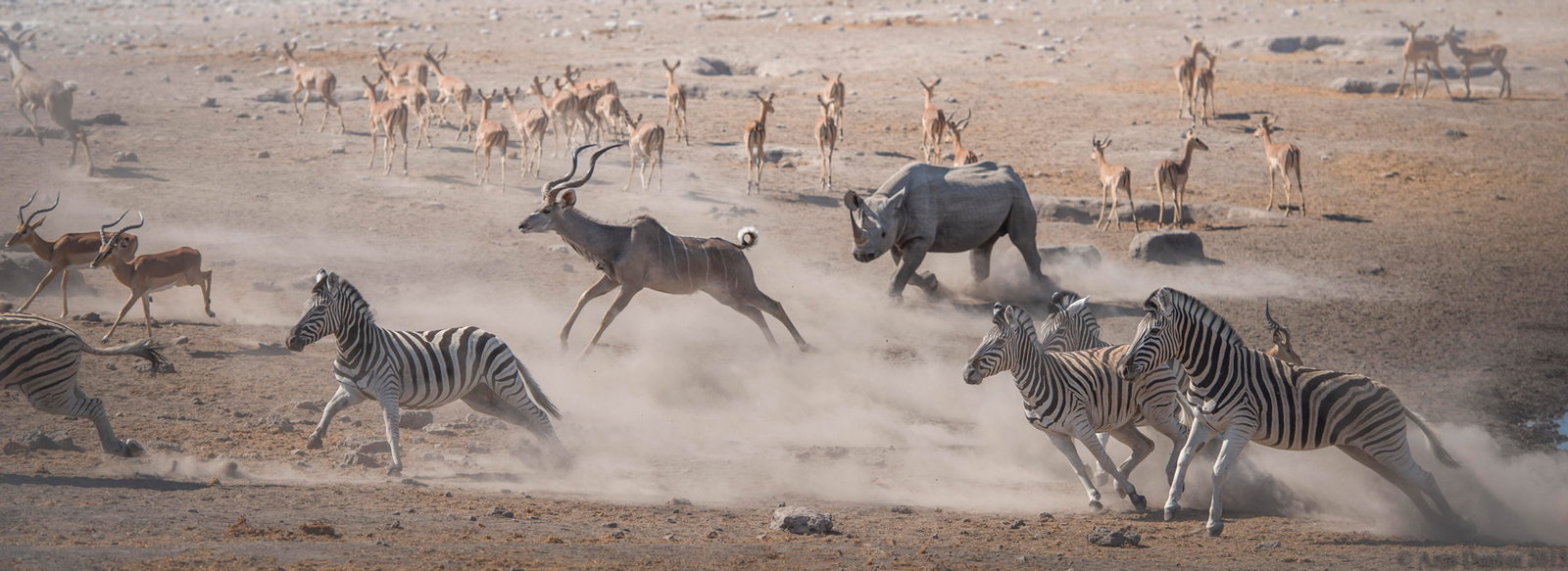
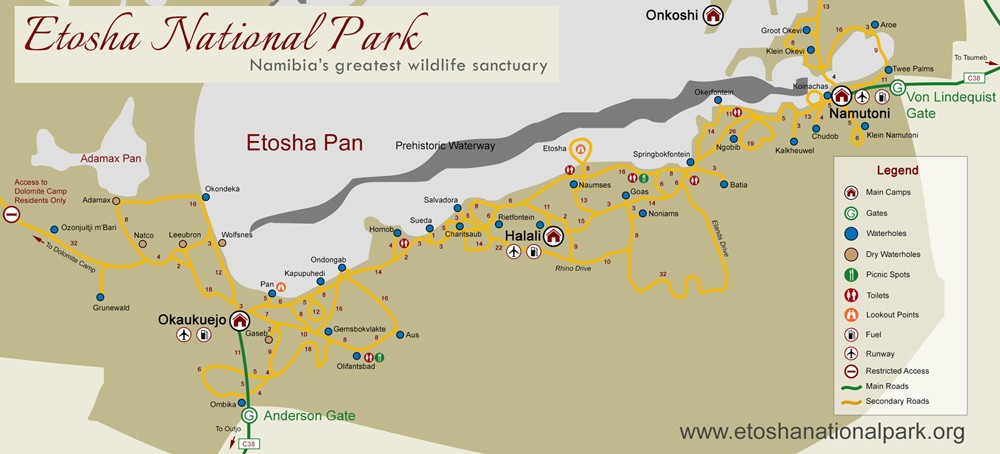
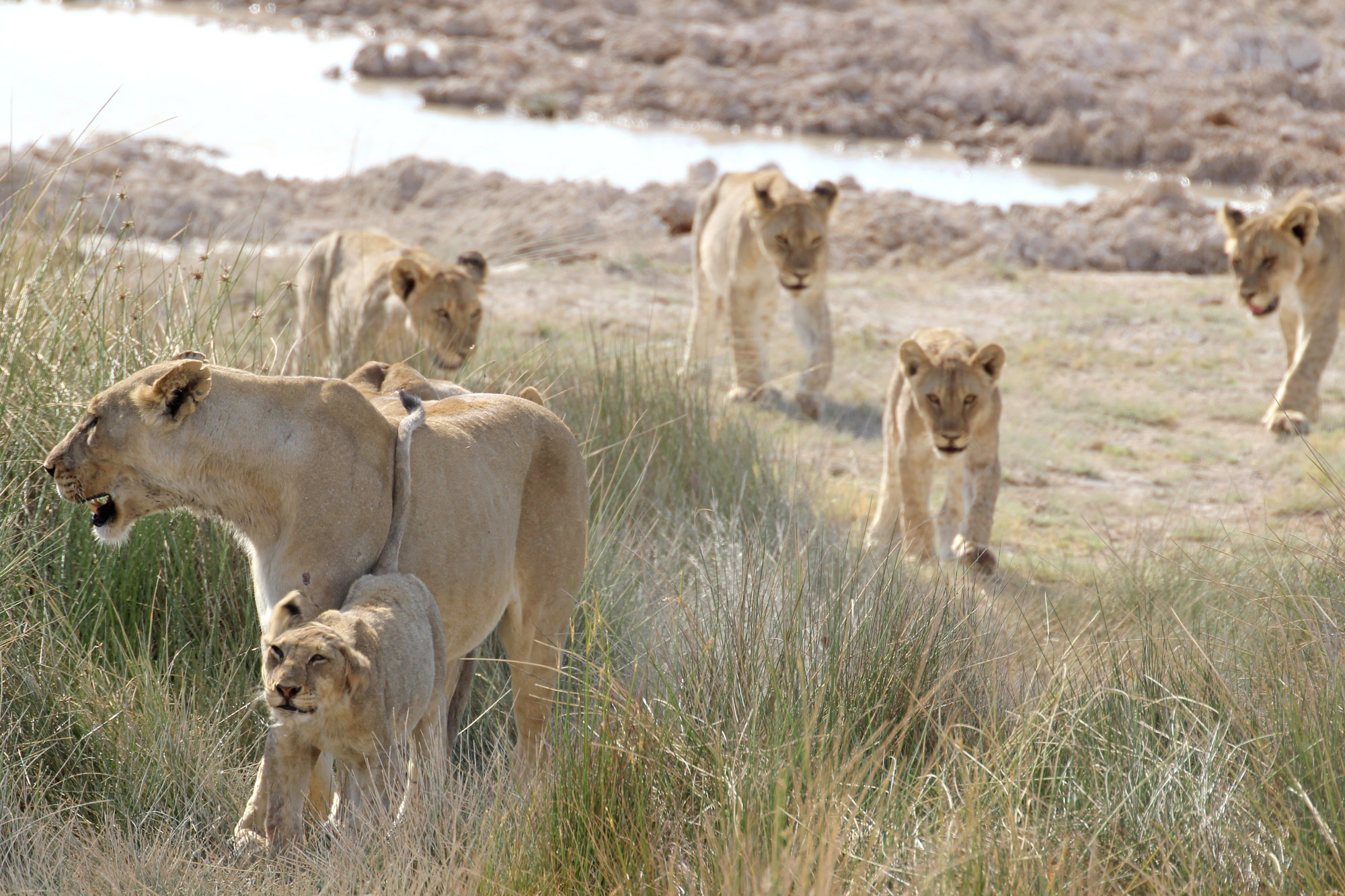
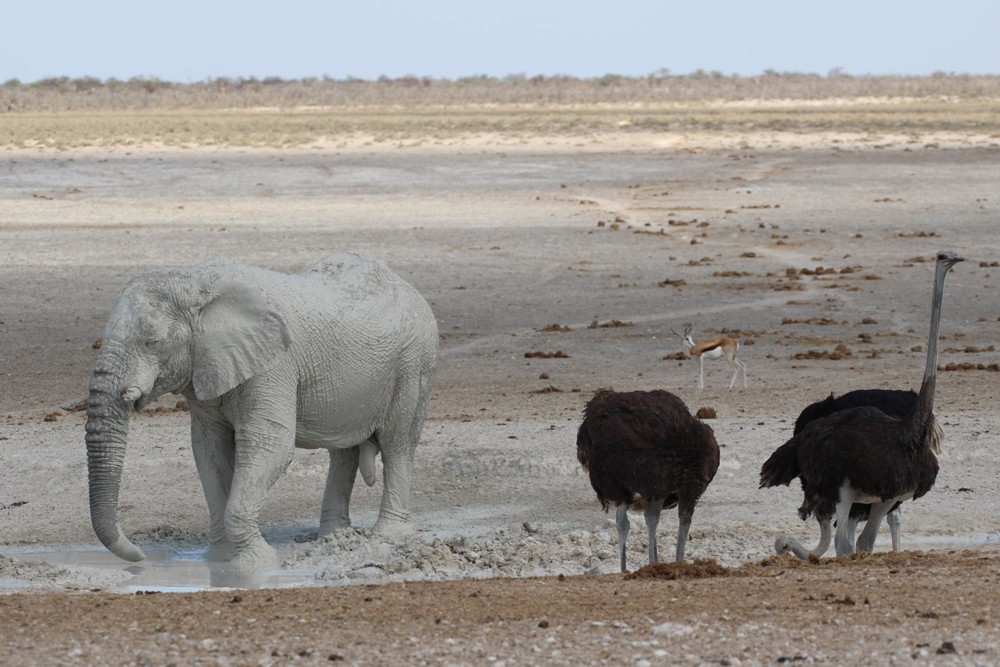
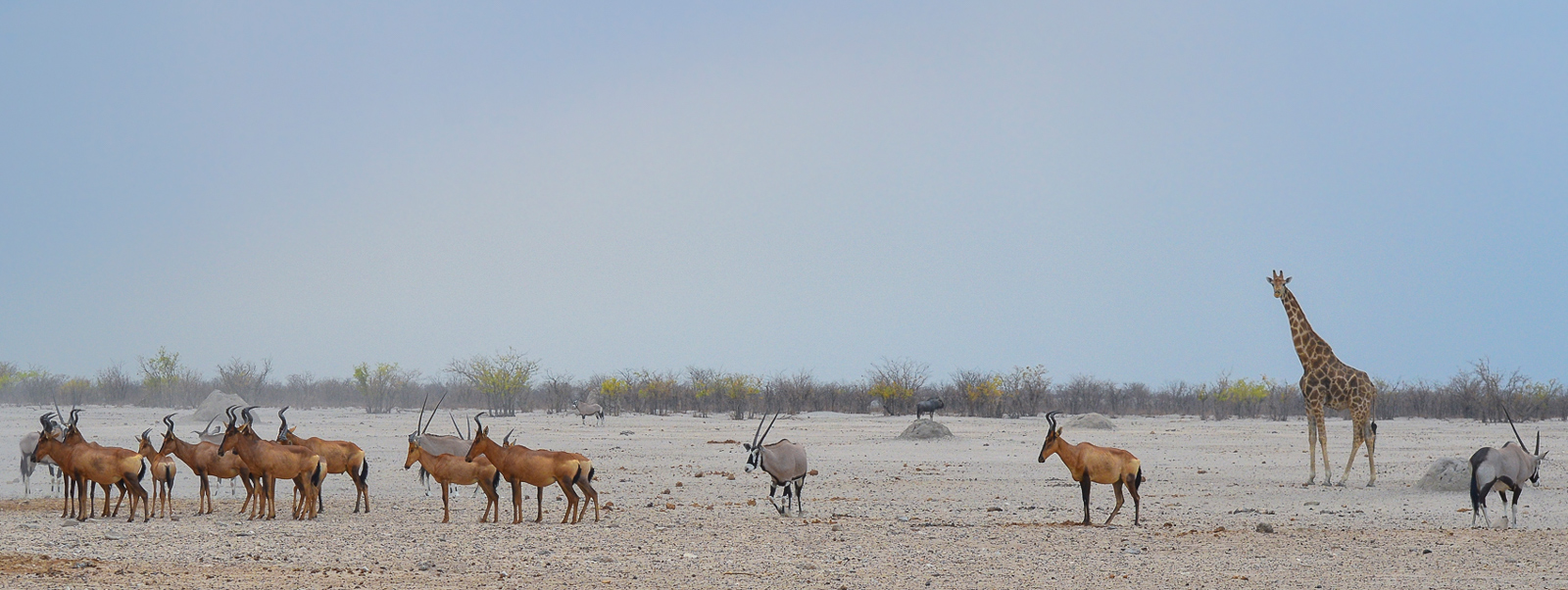
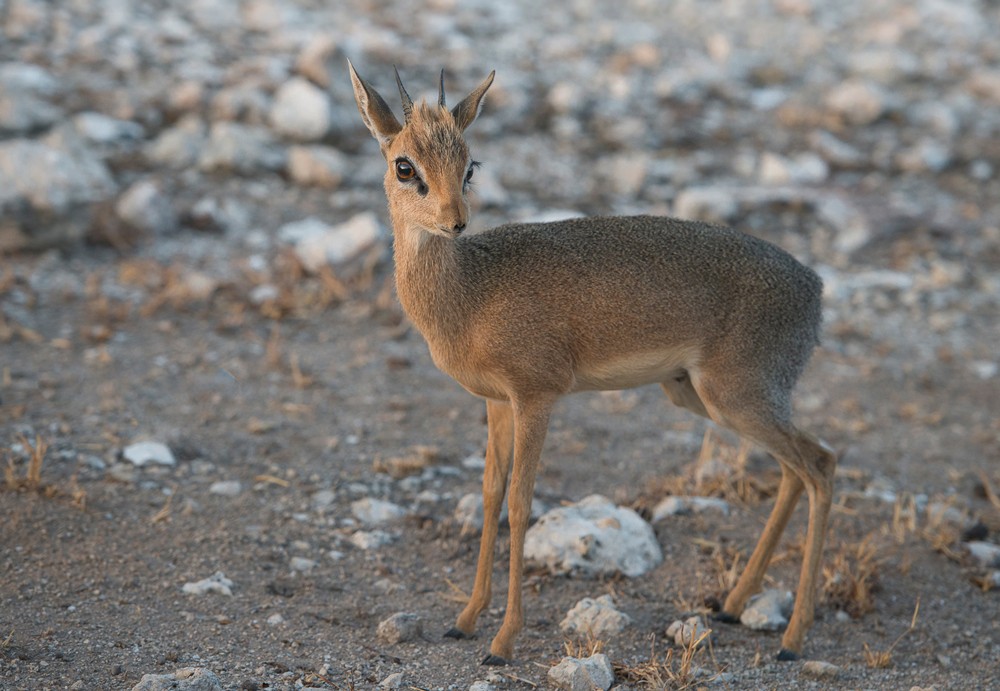
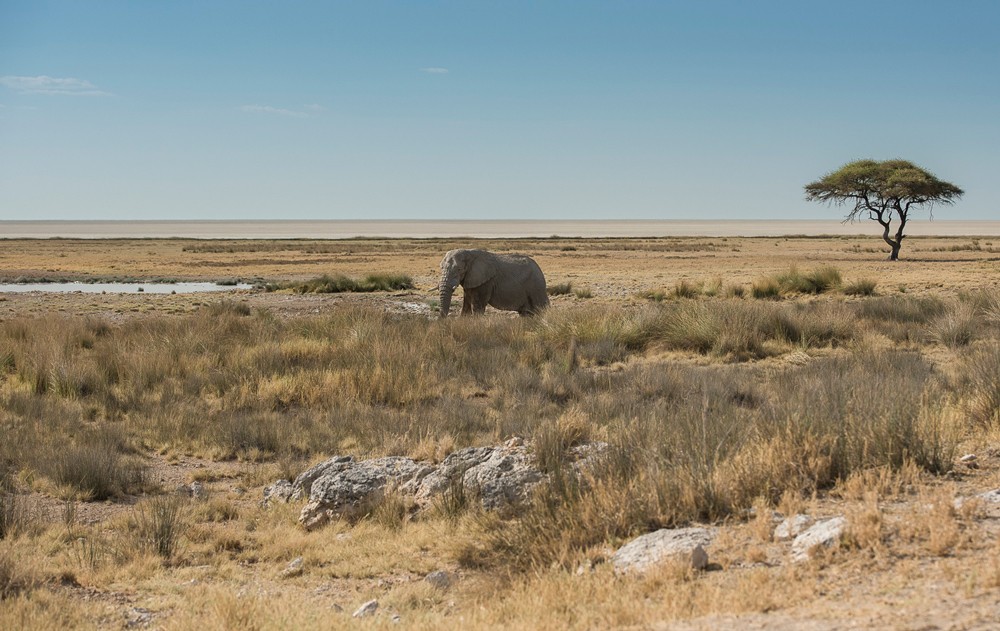
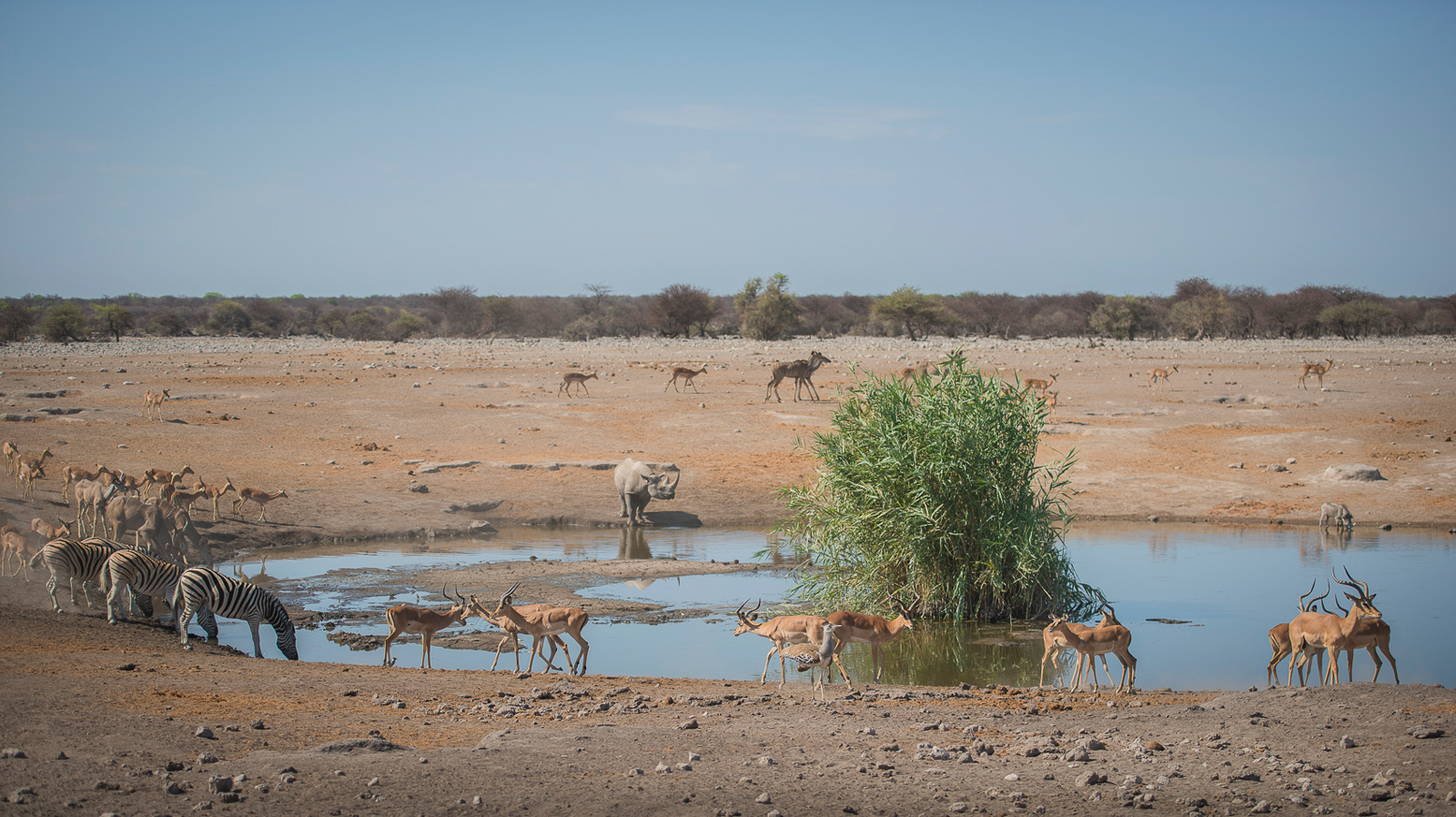
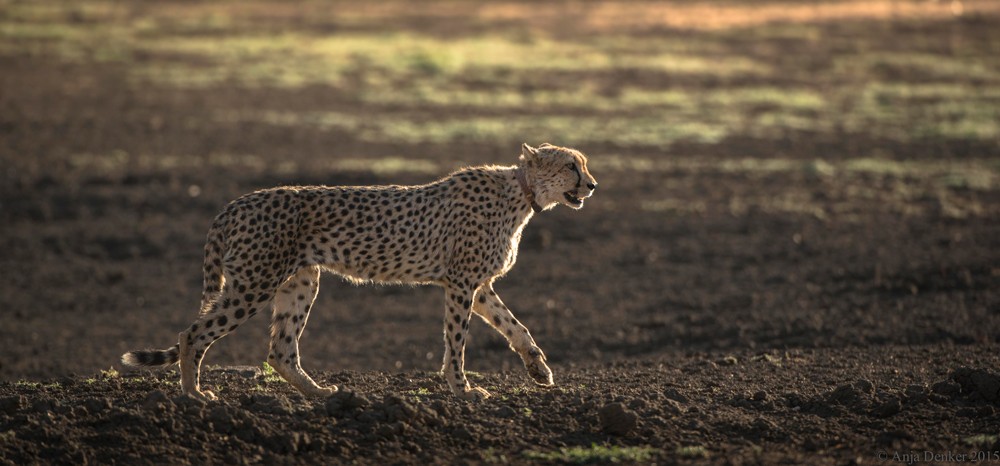
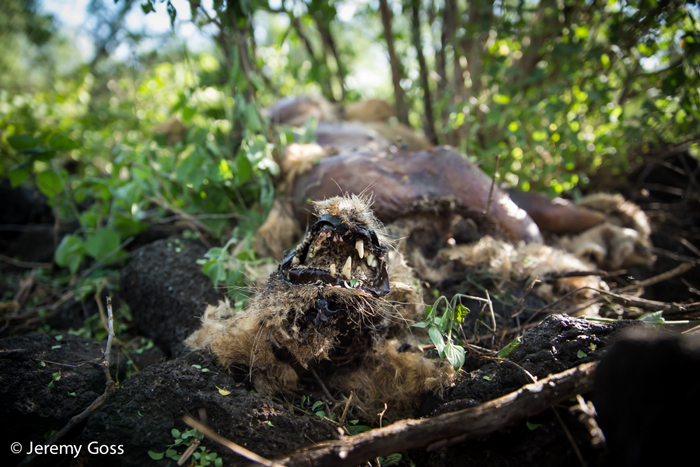
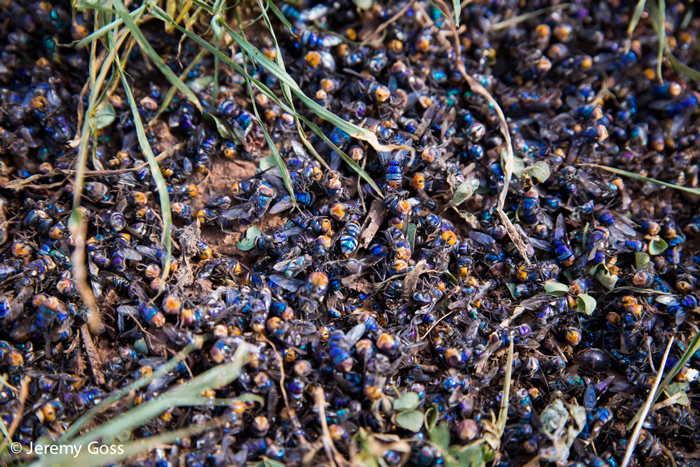
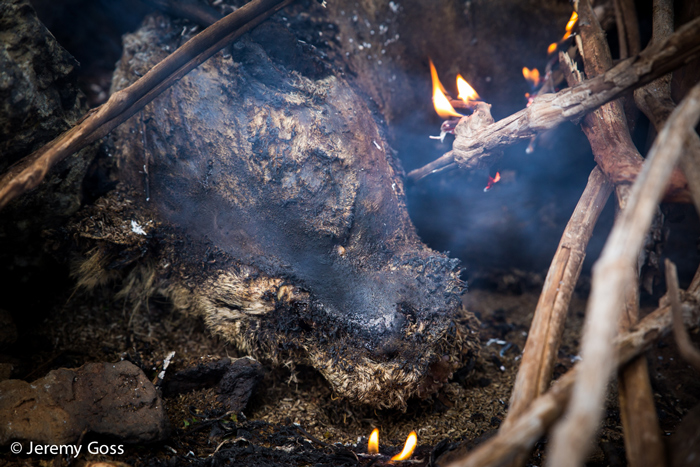
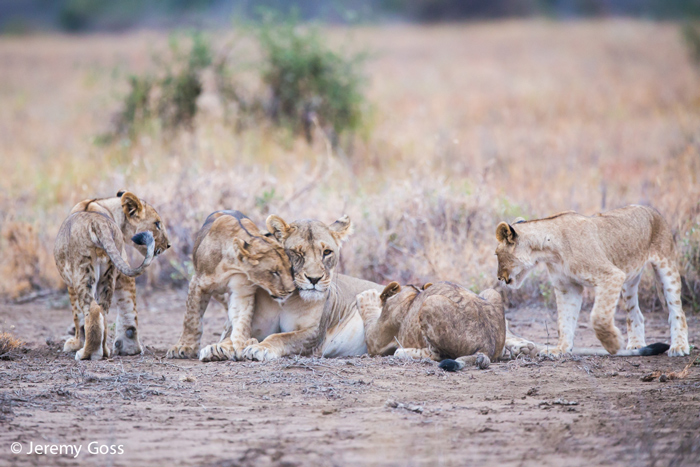
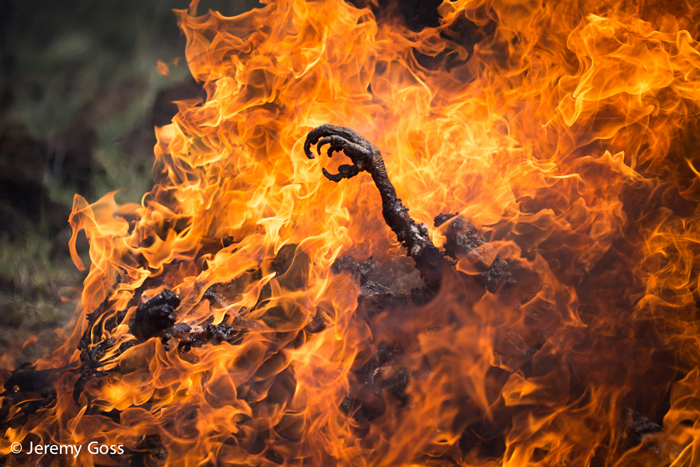
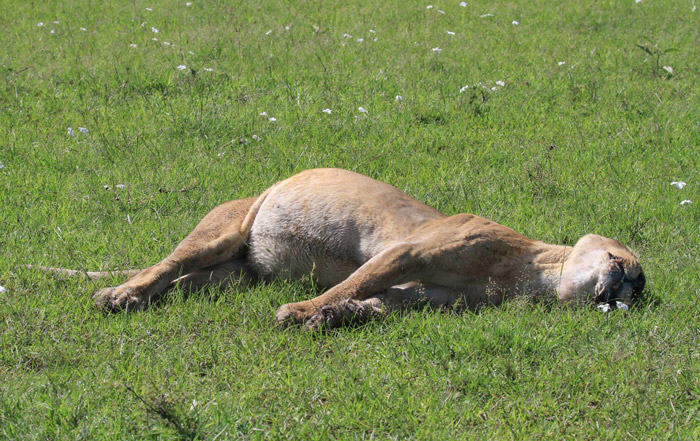
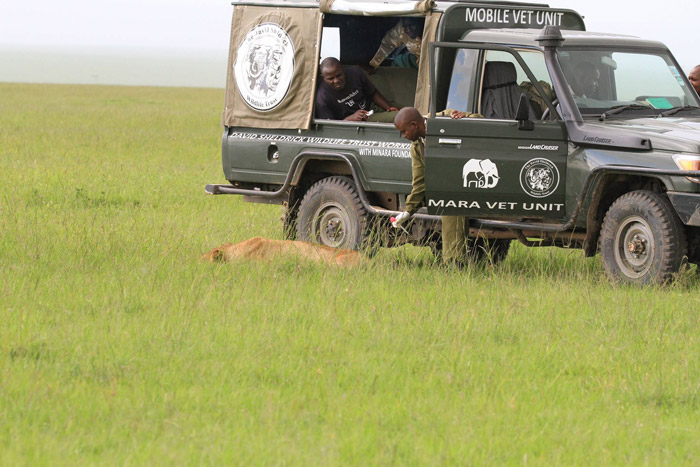

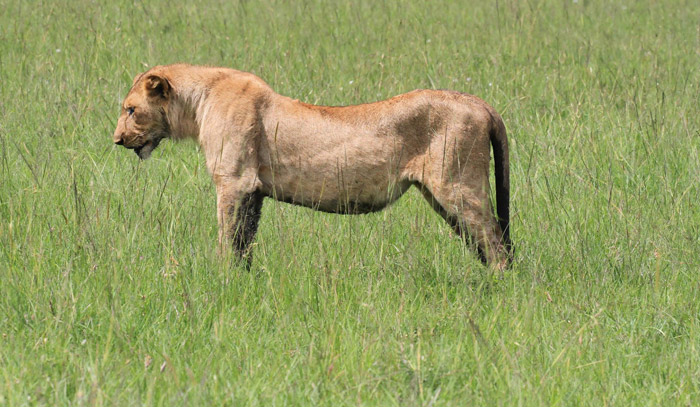

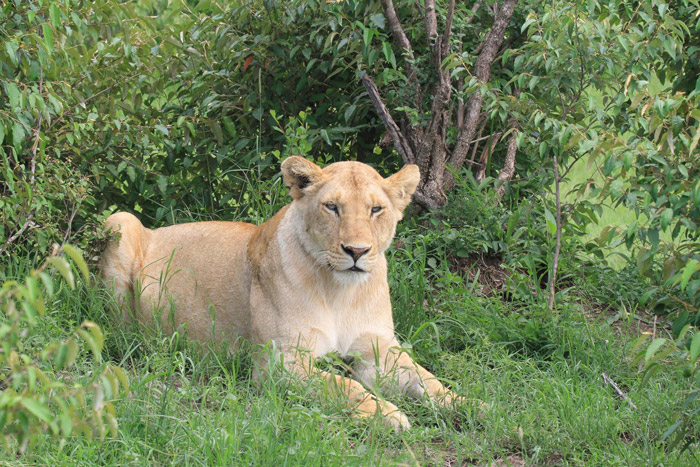
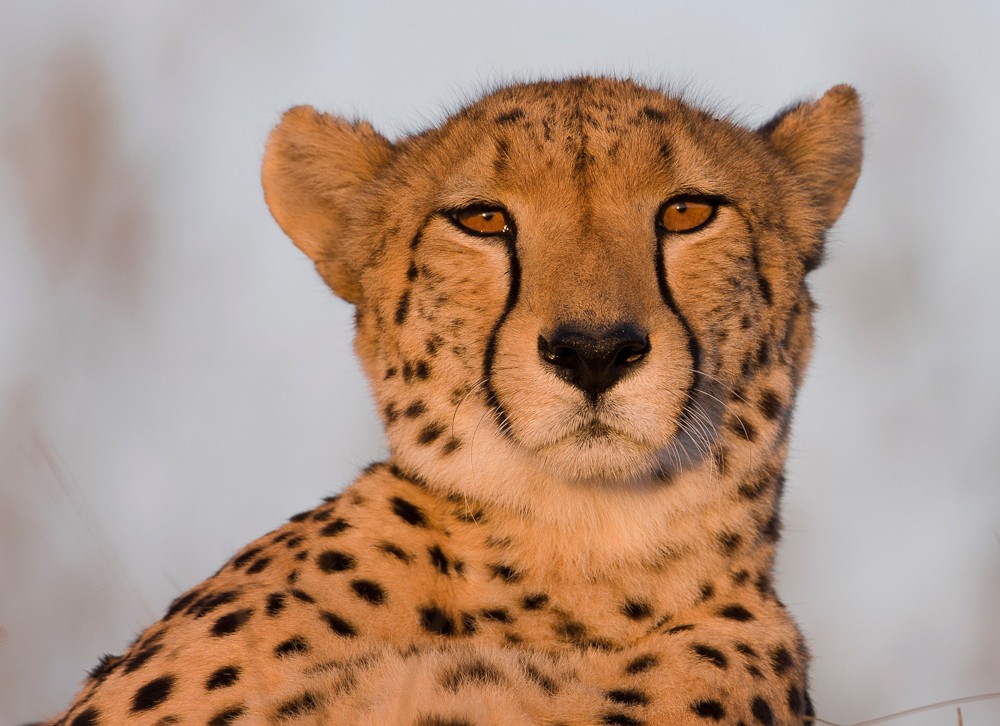
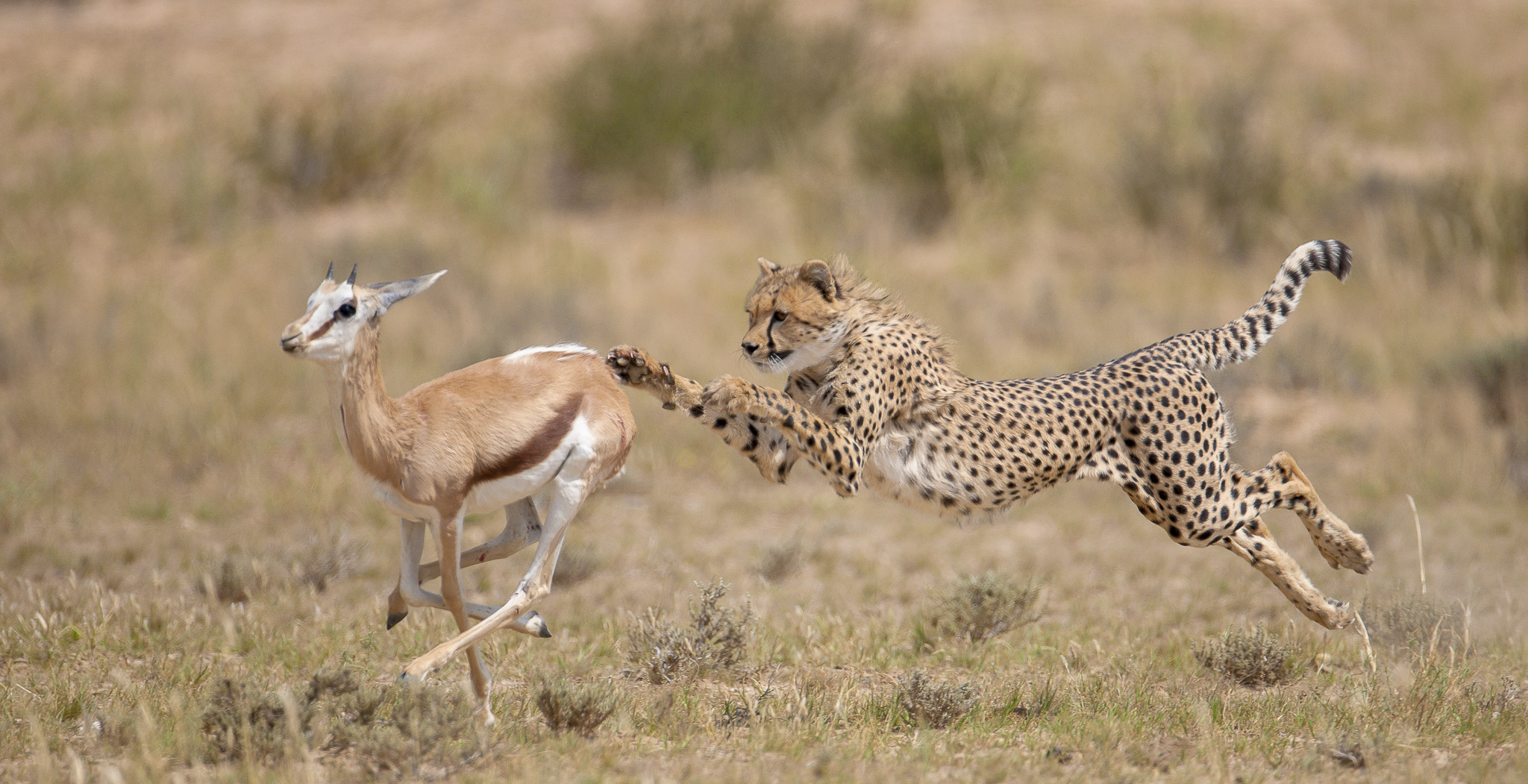
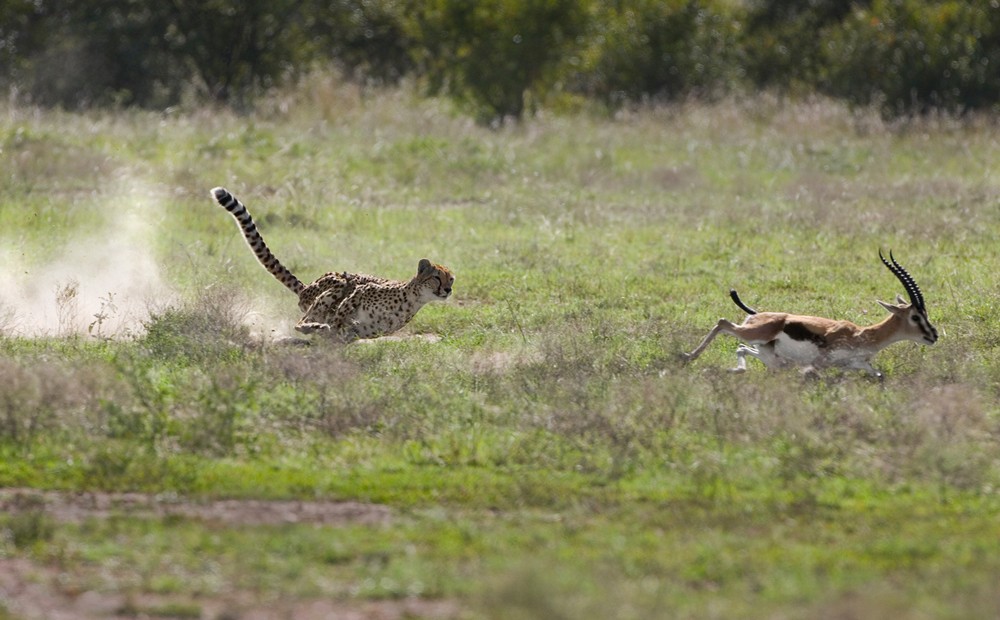
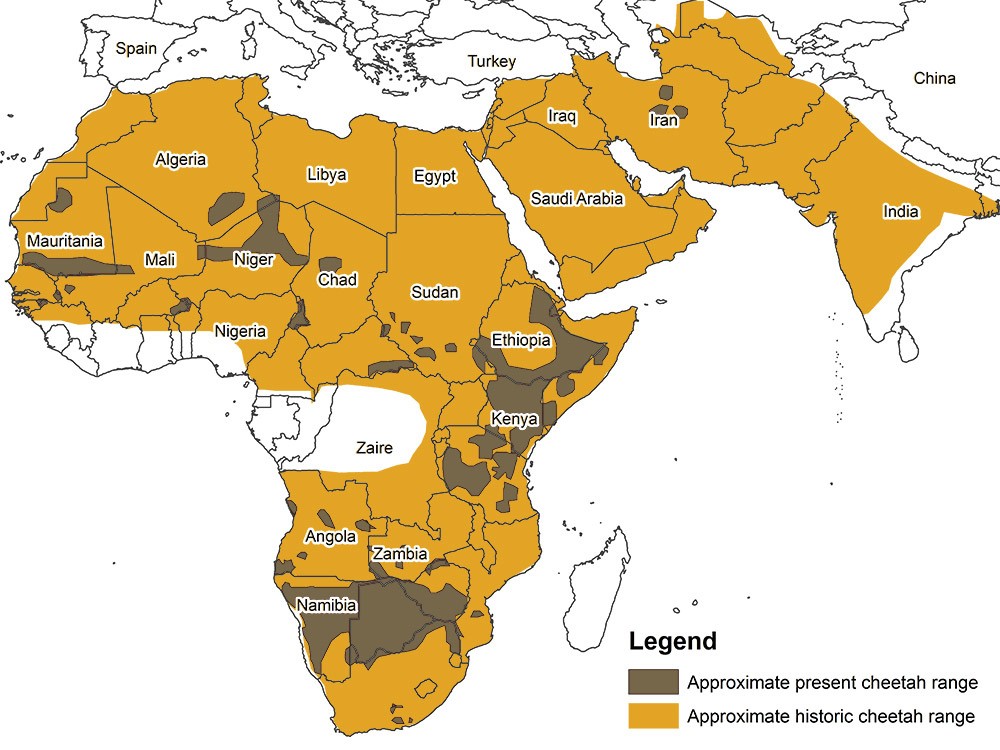
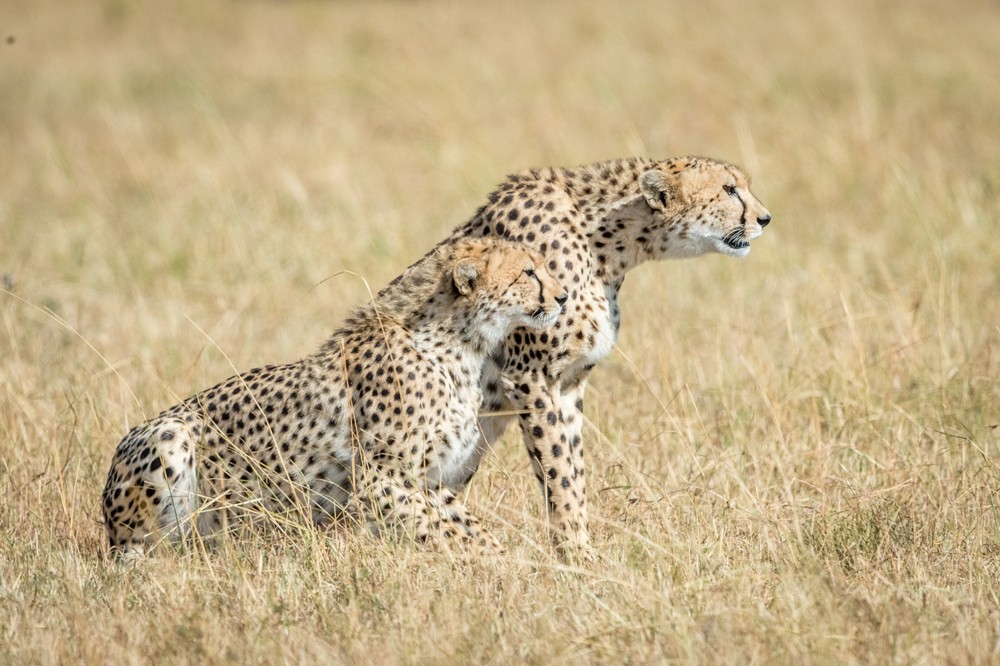
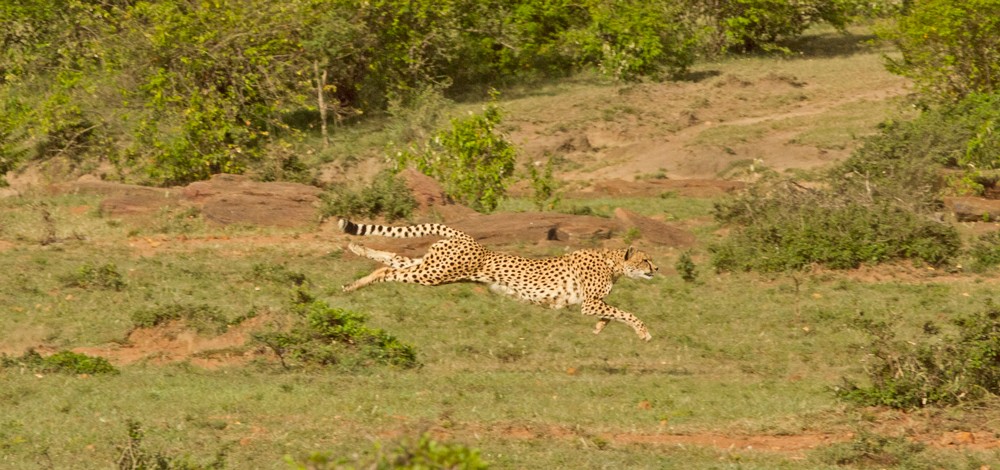
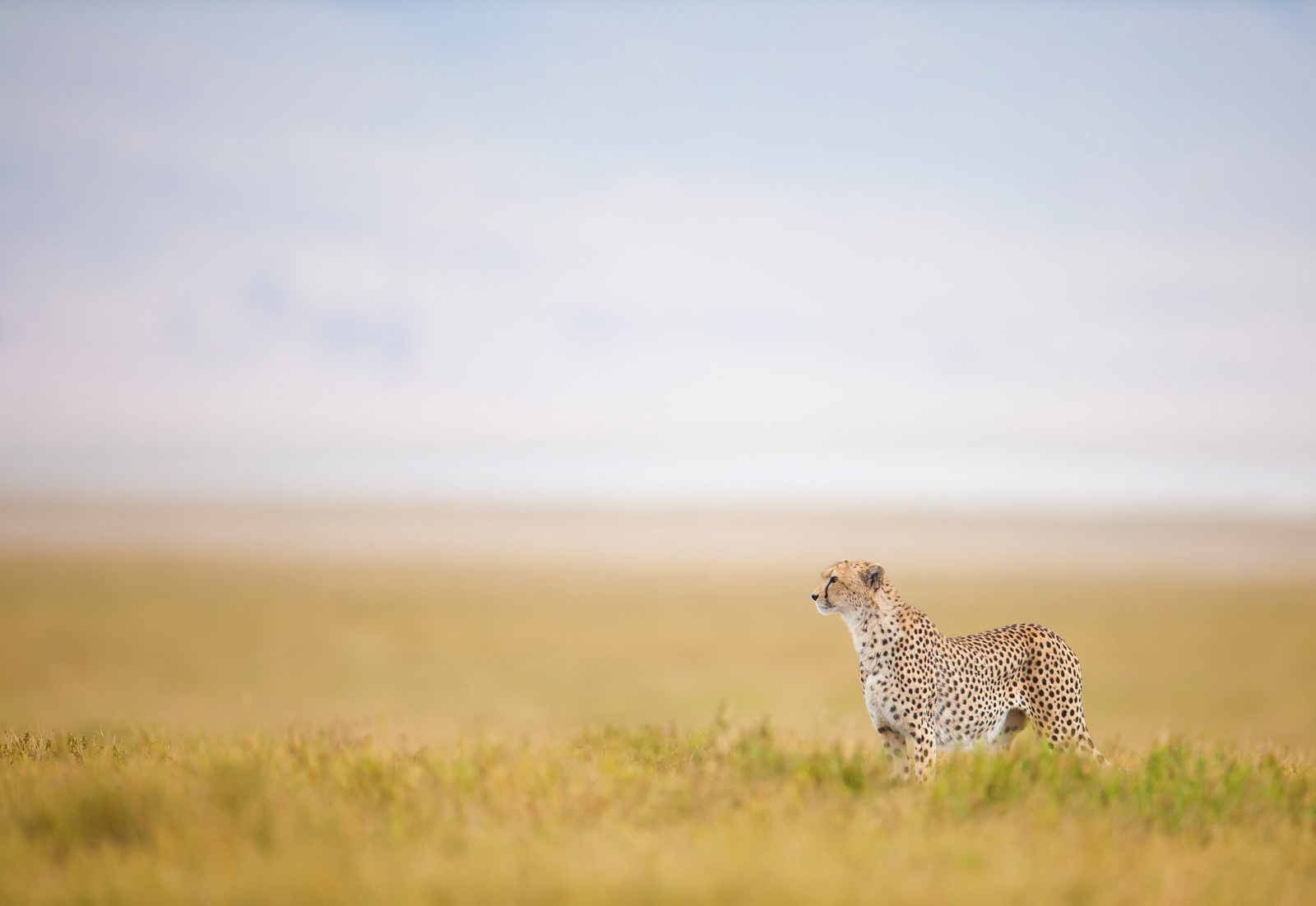
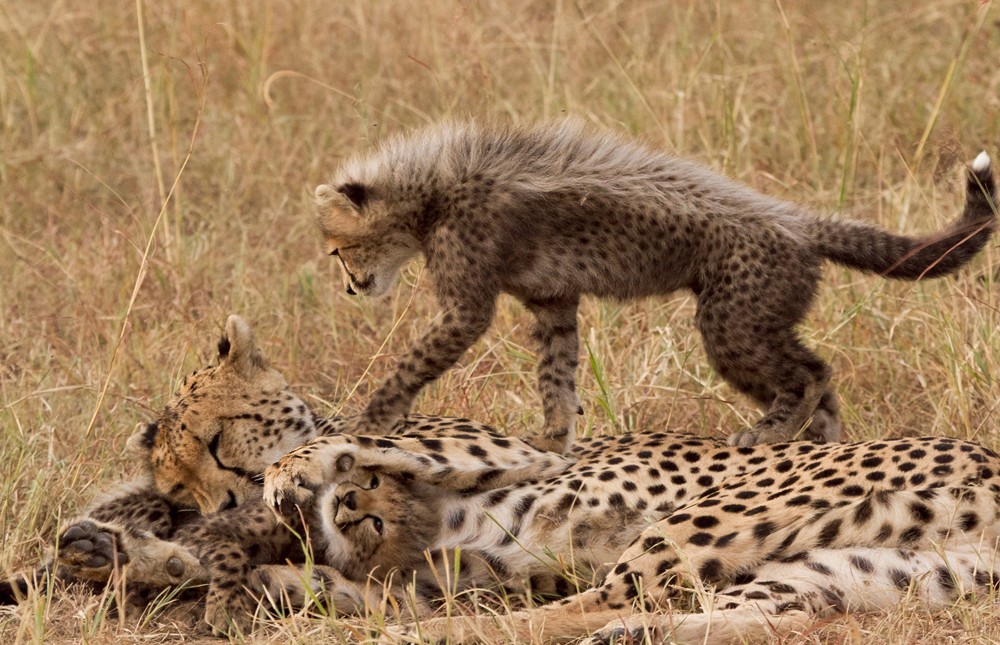
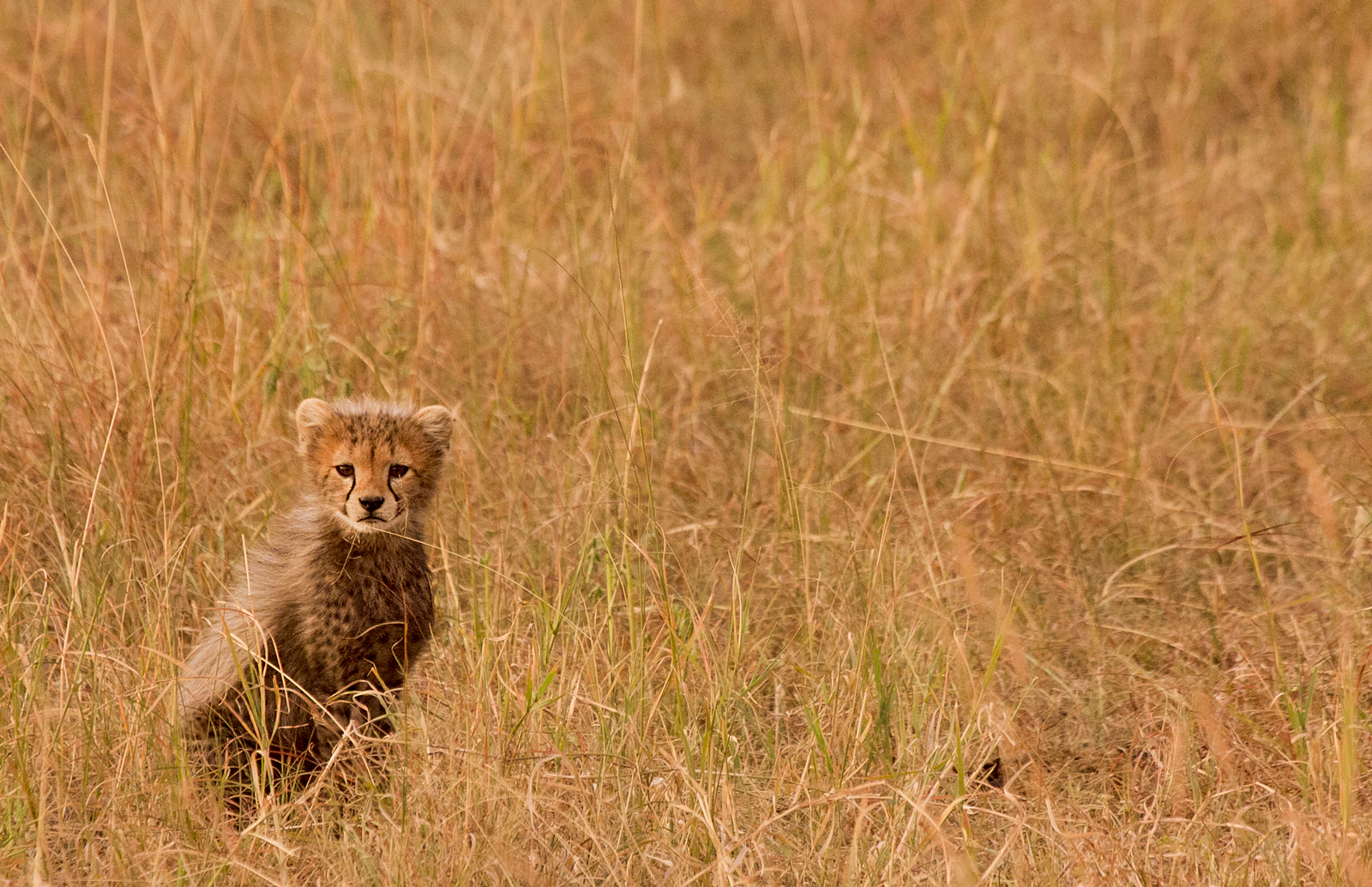
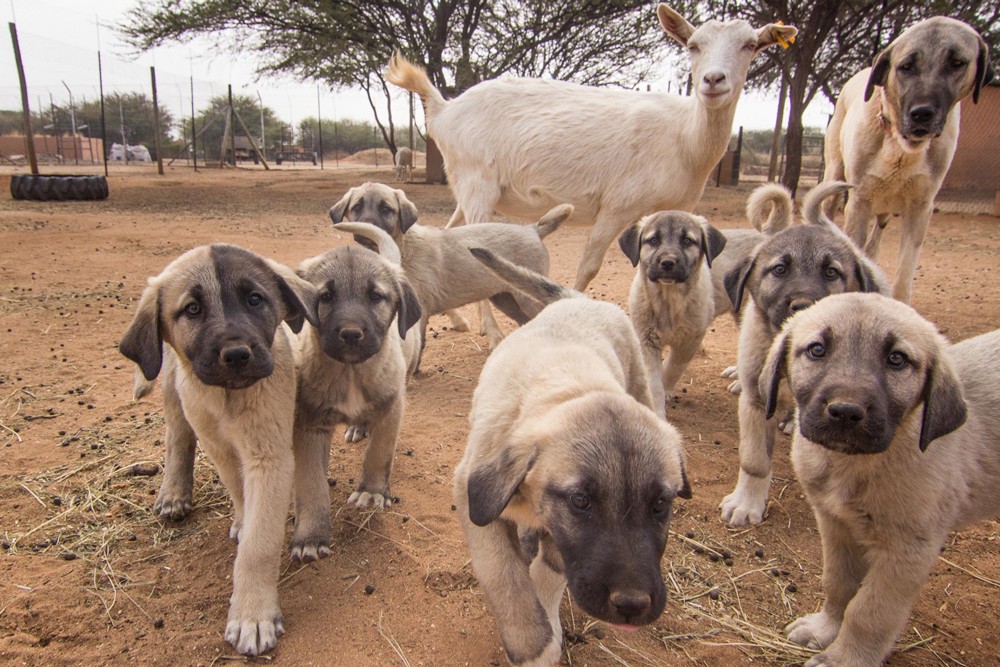
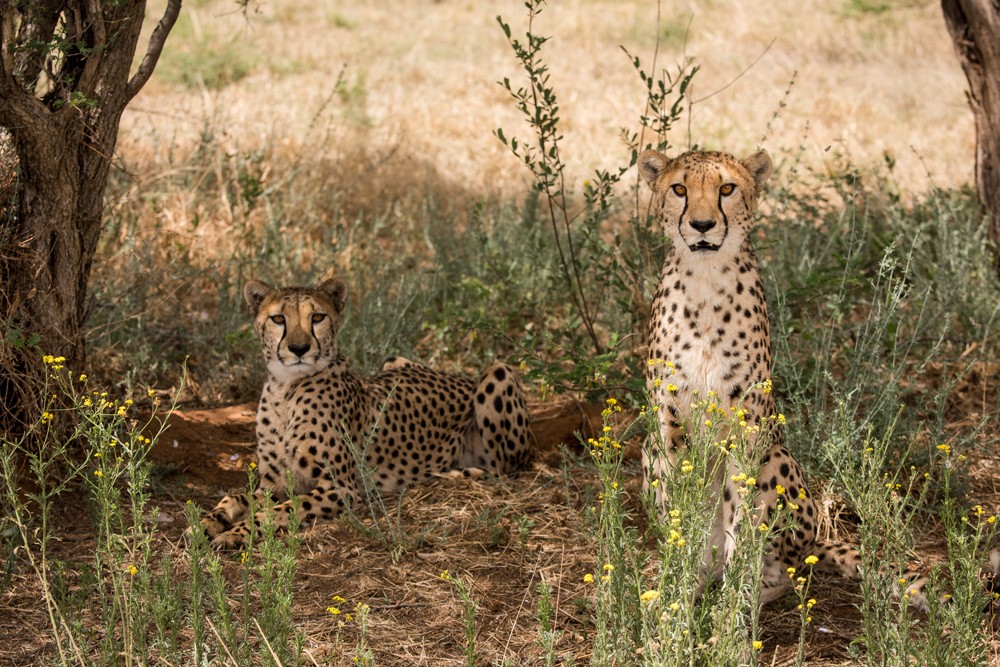
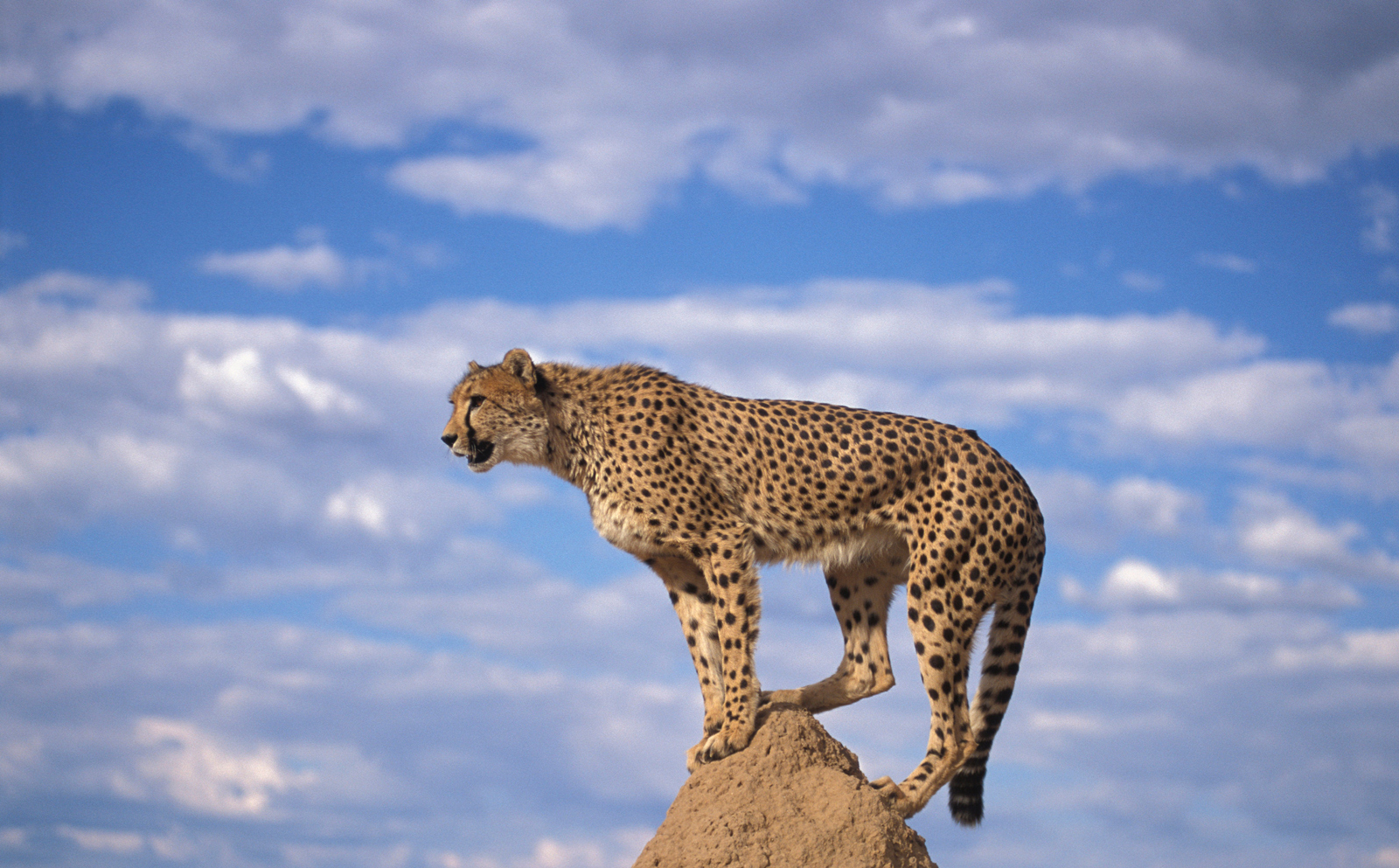
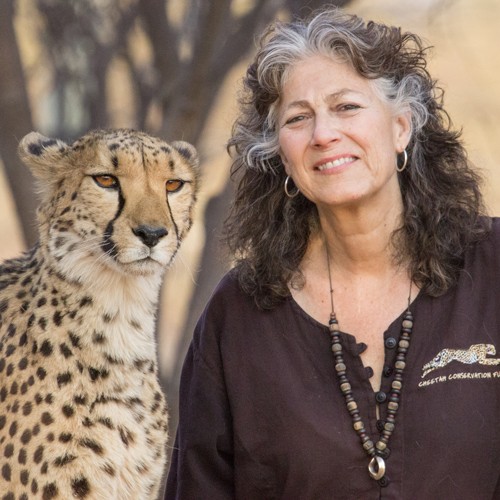 Dr Laurie Marker is one of the world’s leading experts on cheetahs. The founder and executive director of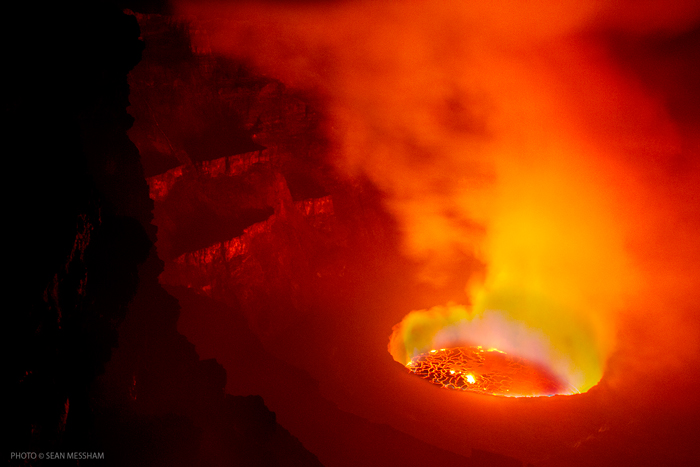


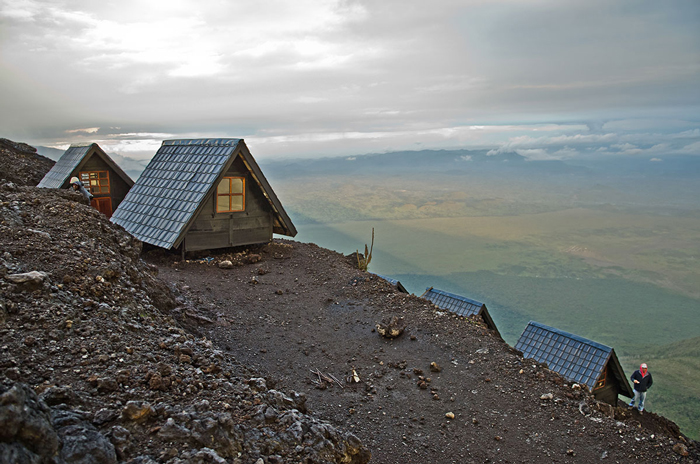
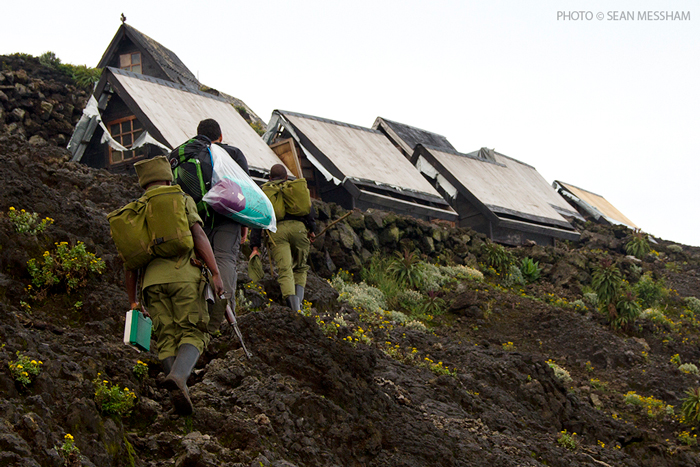


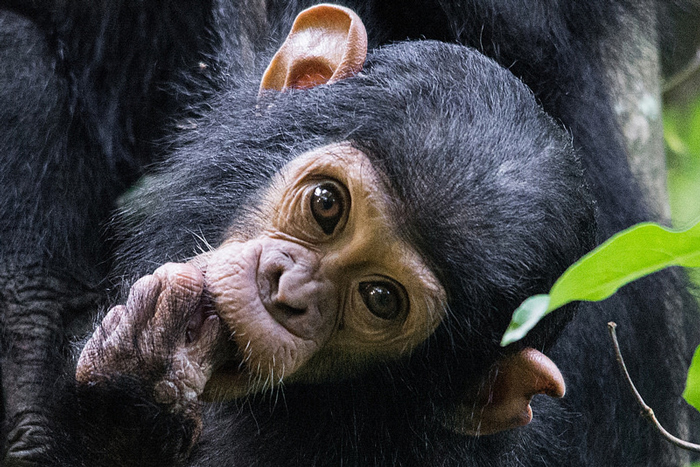

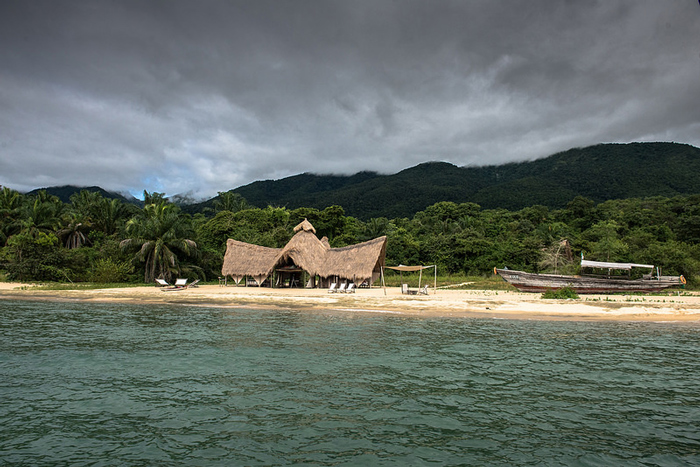

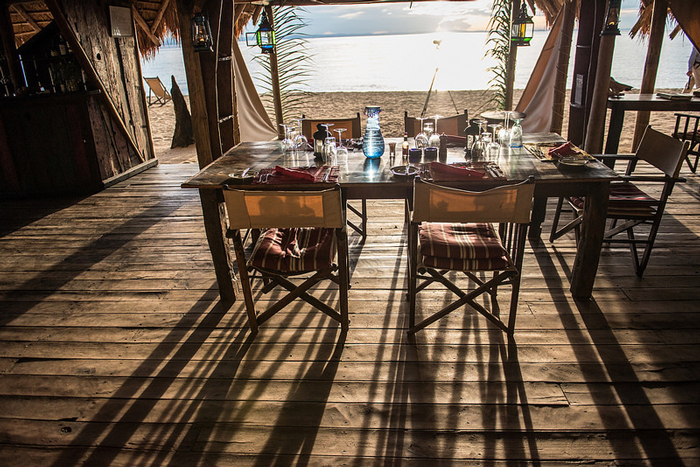

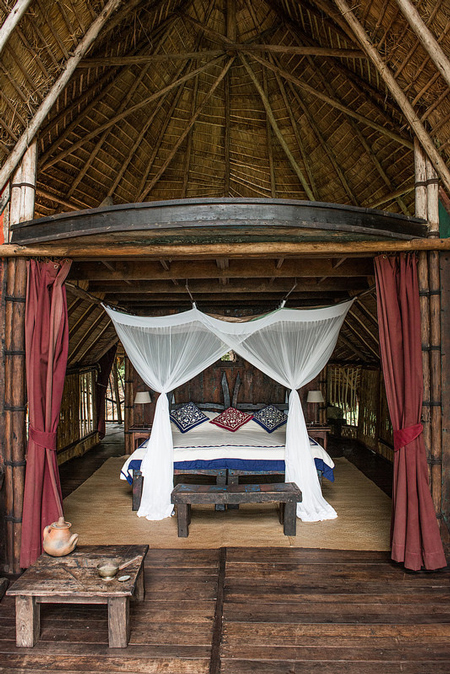
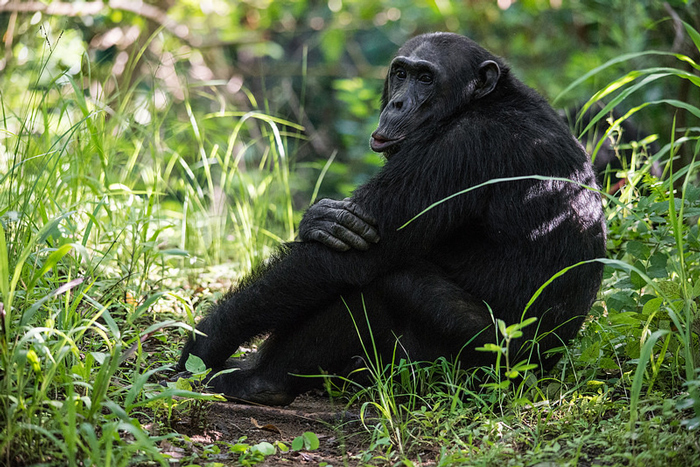
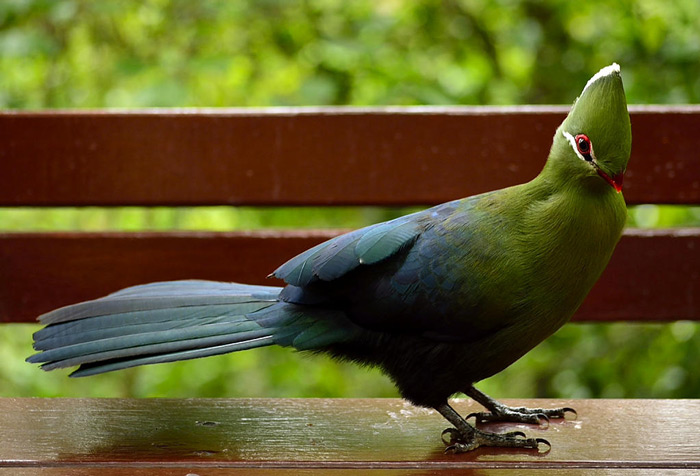
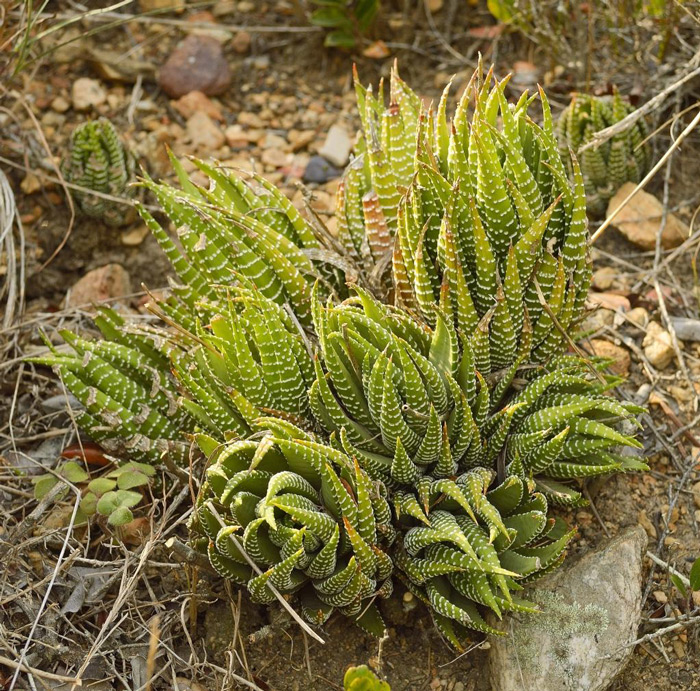

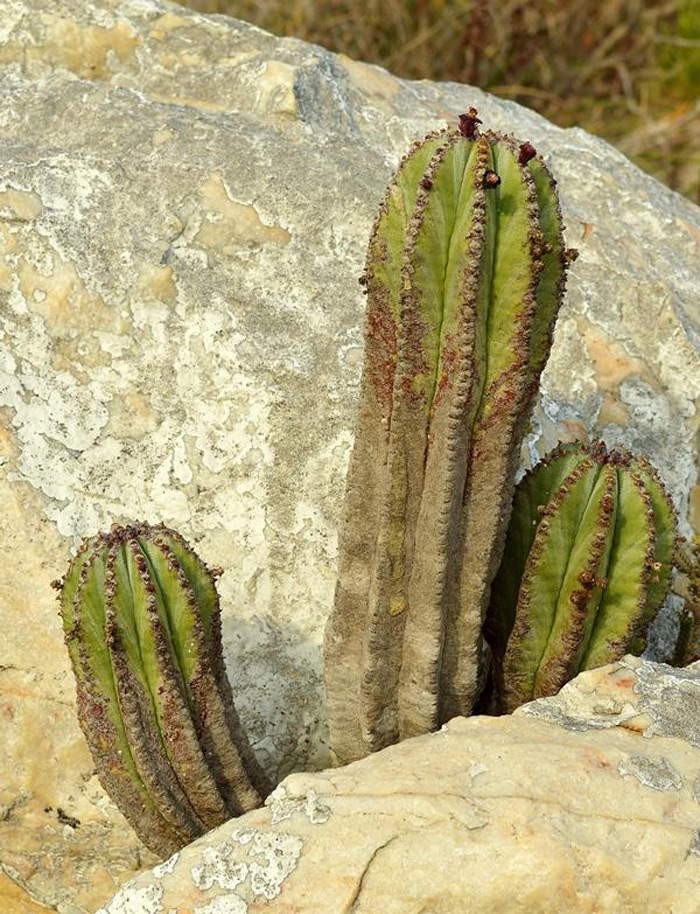
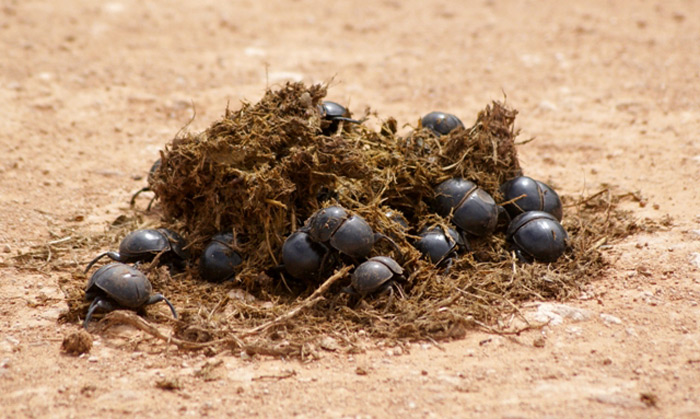

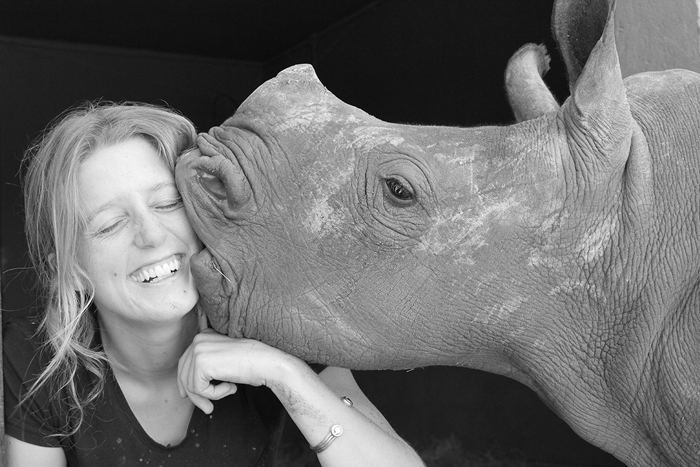
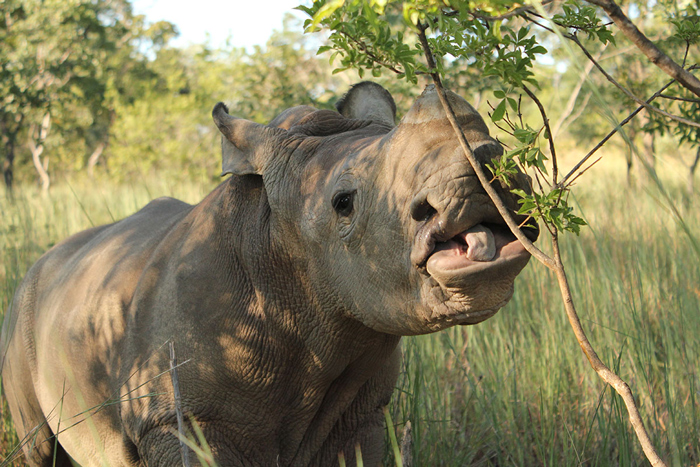
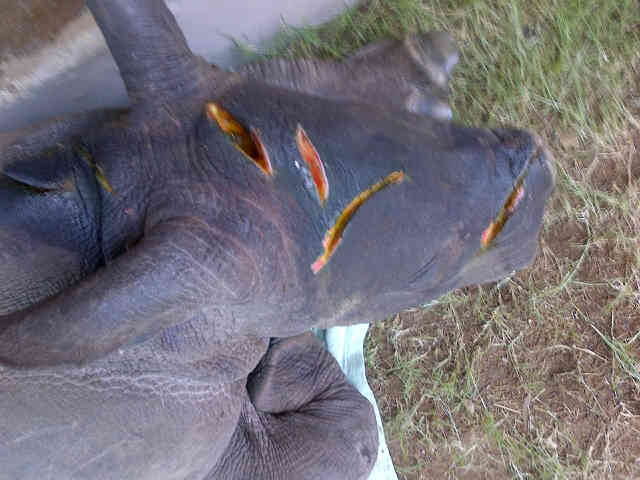
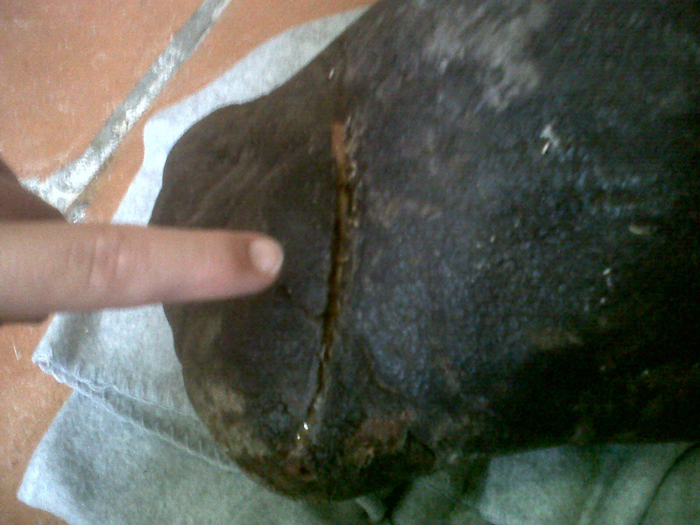
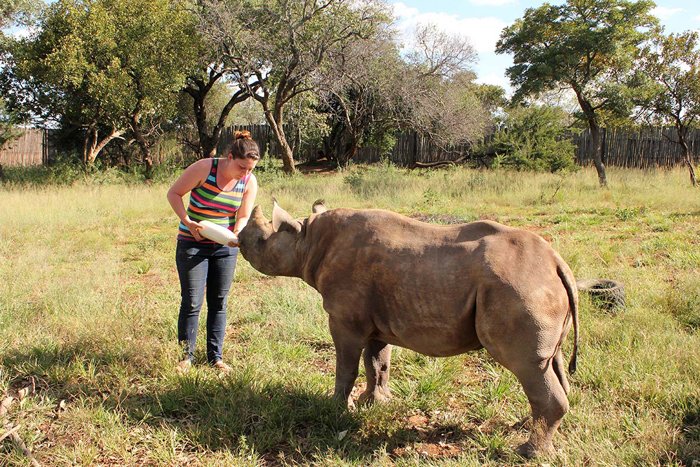
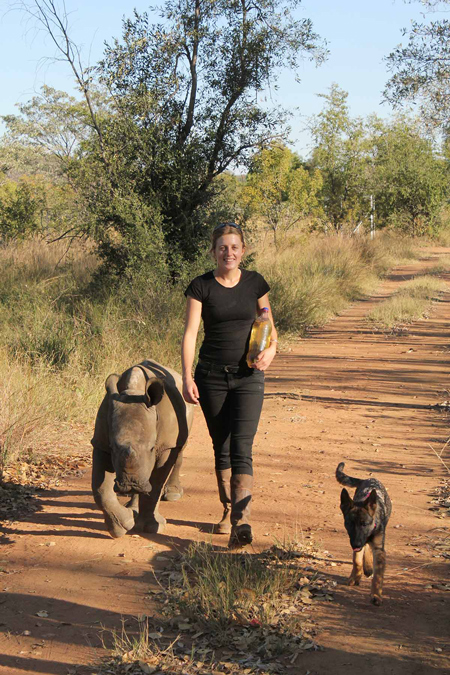
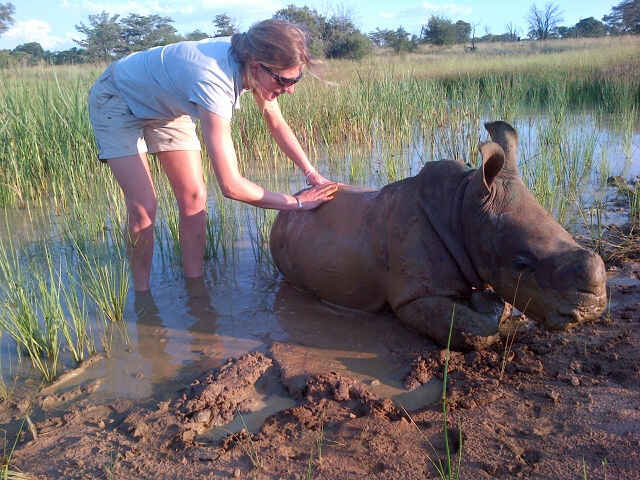
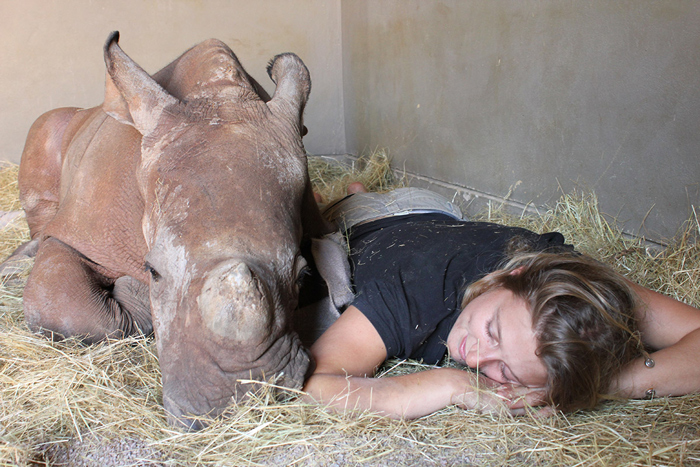
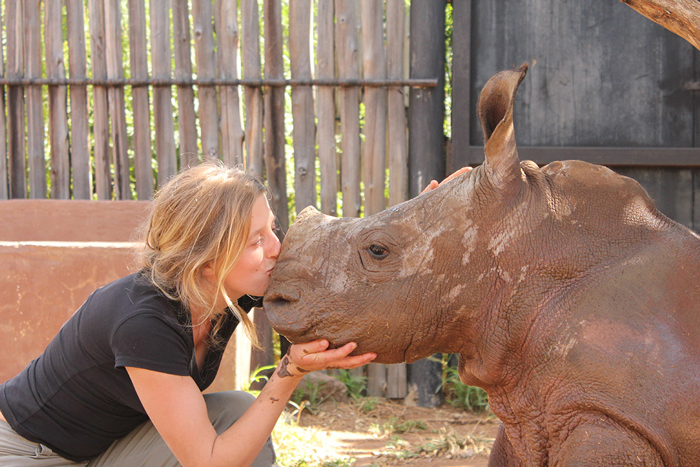

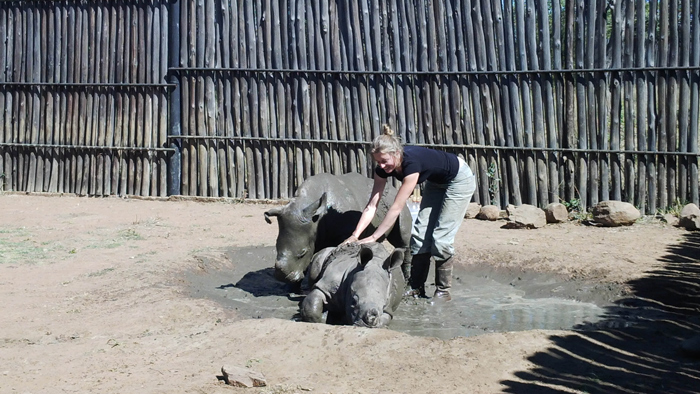
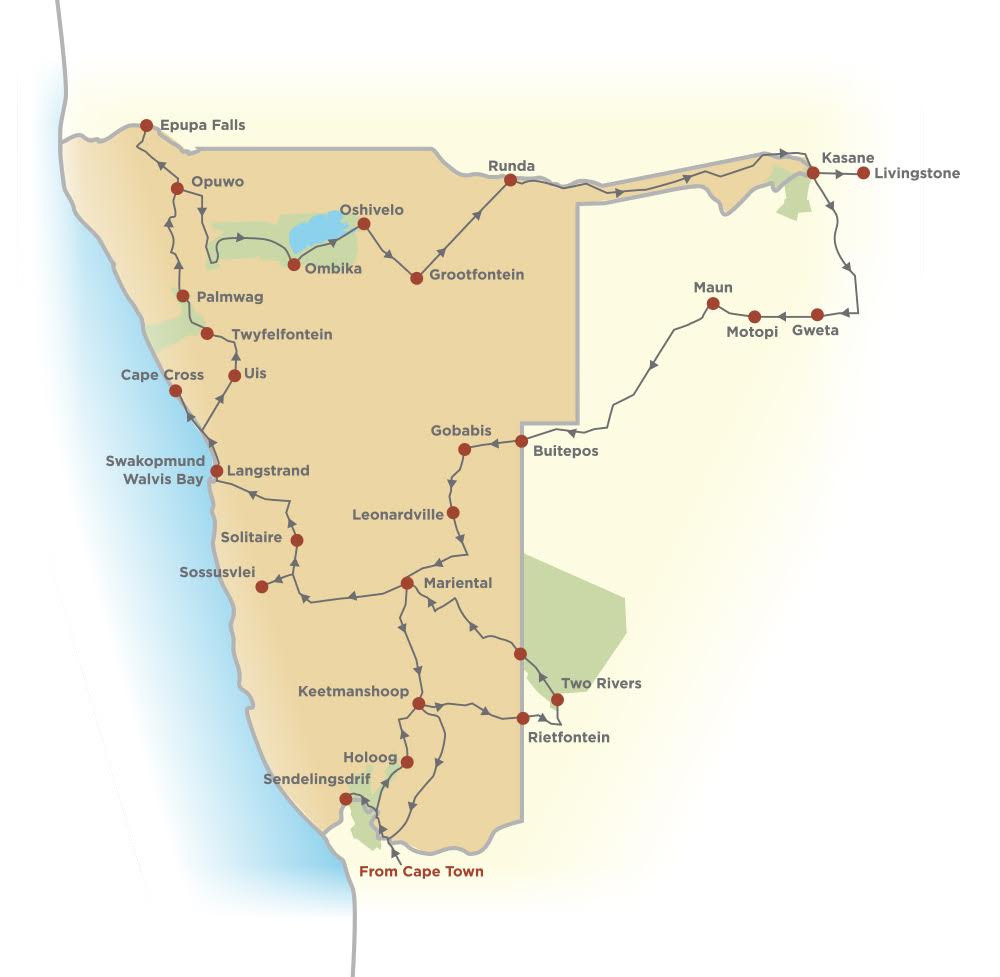
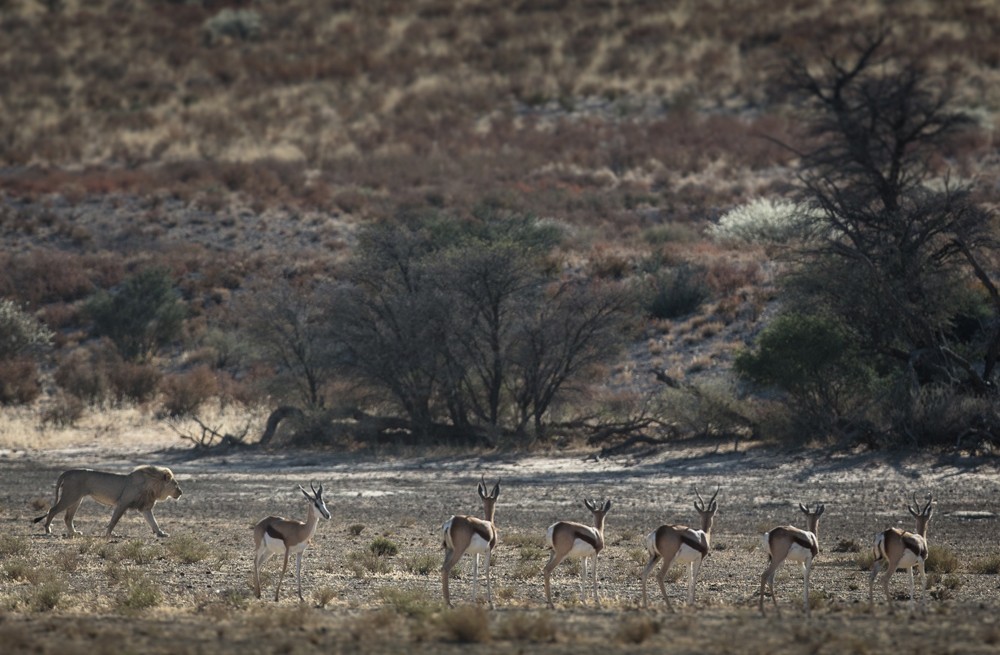
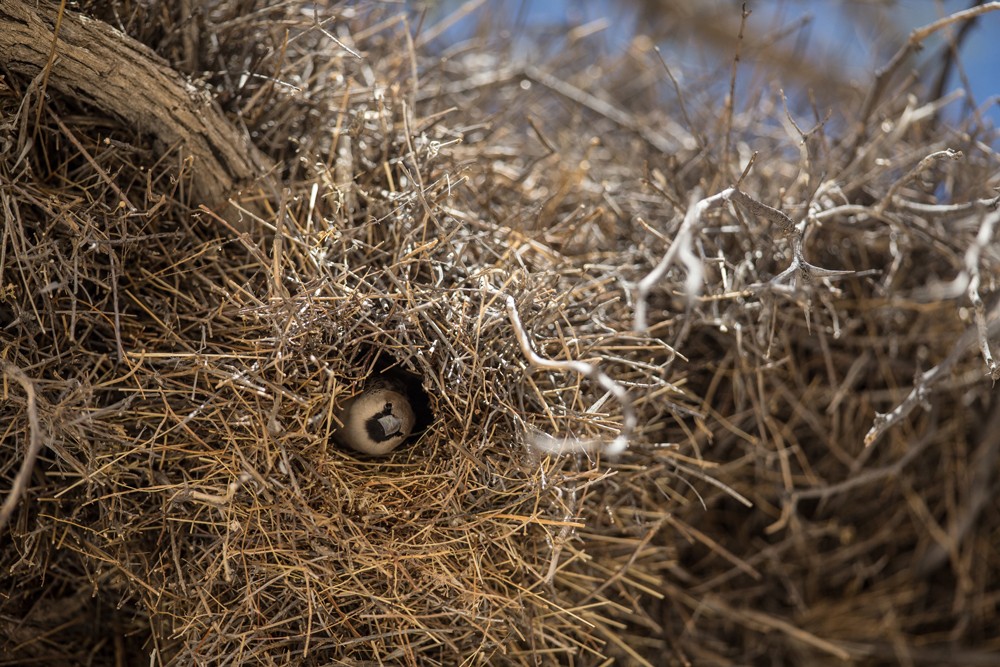
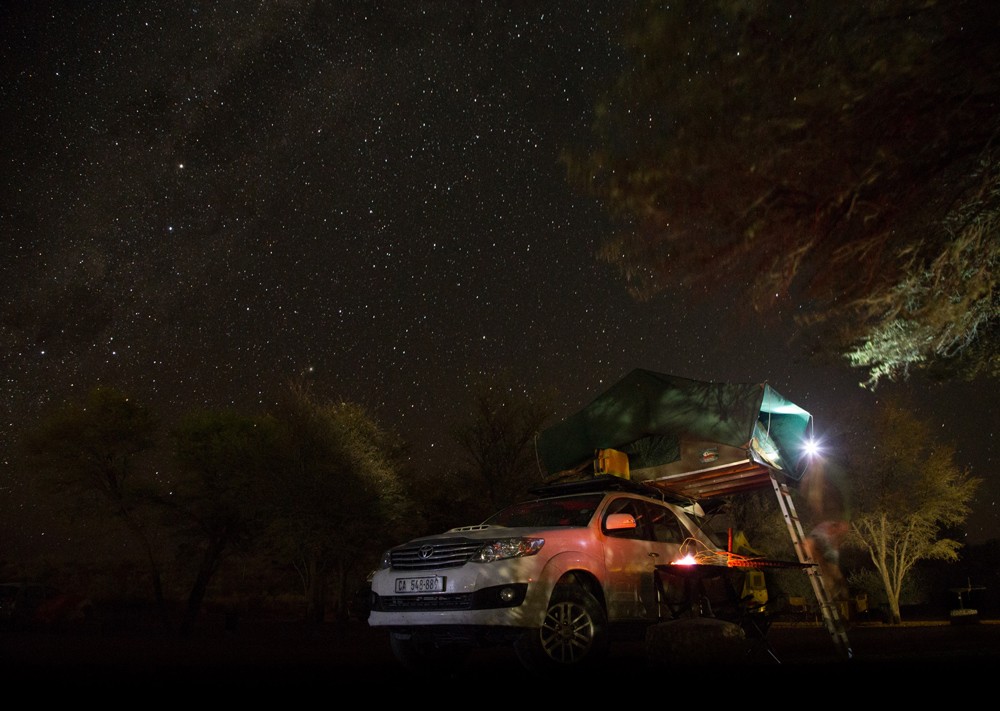
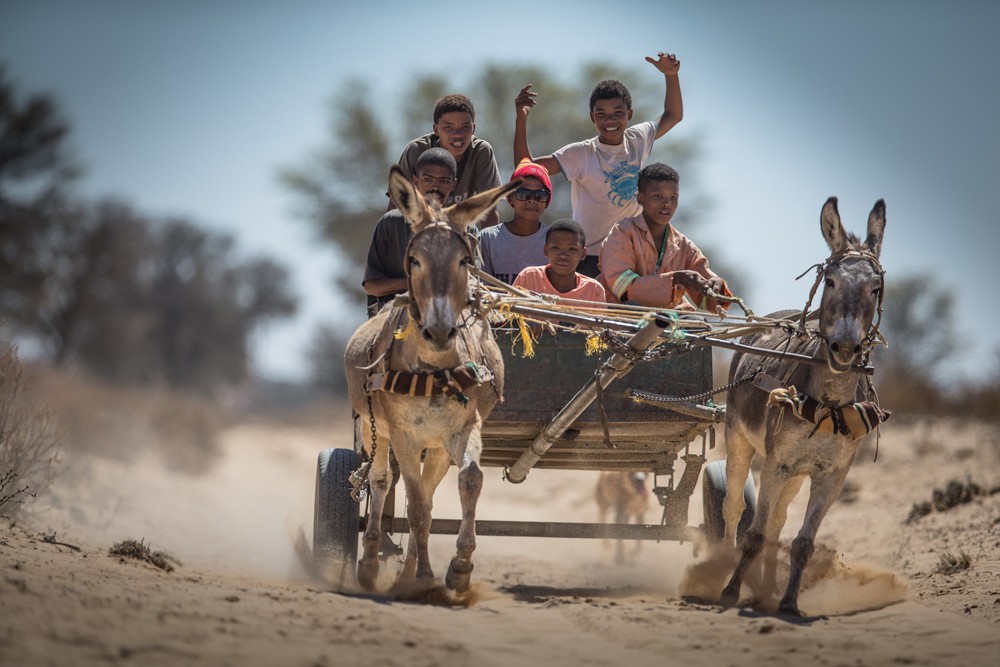
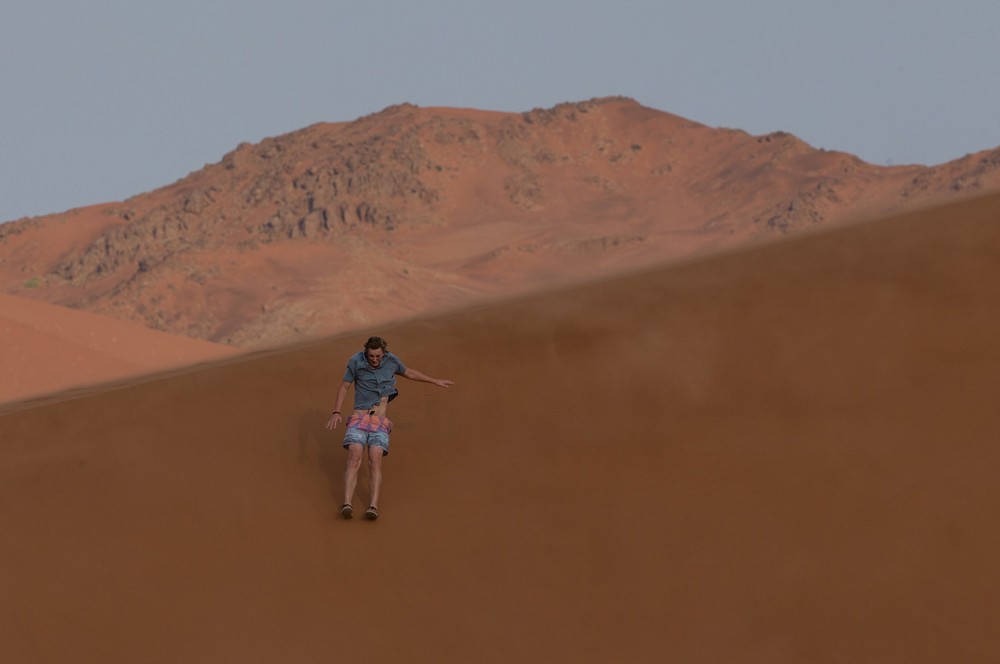
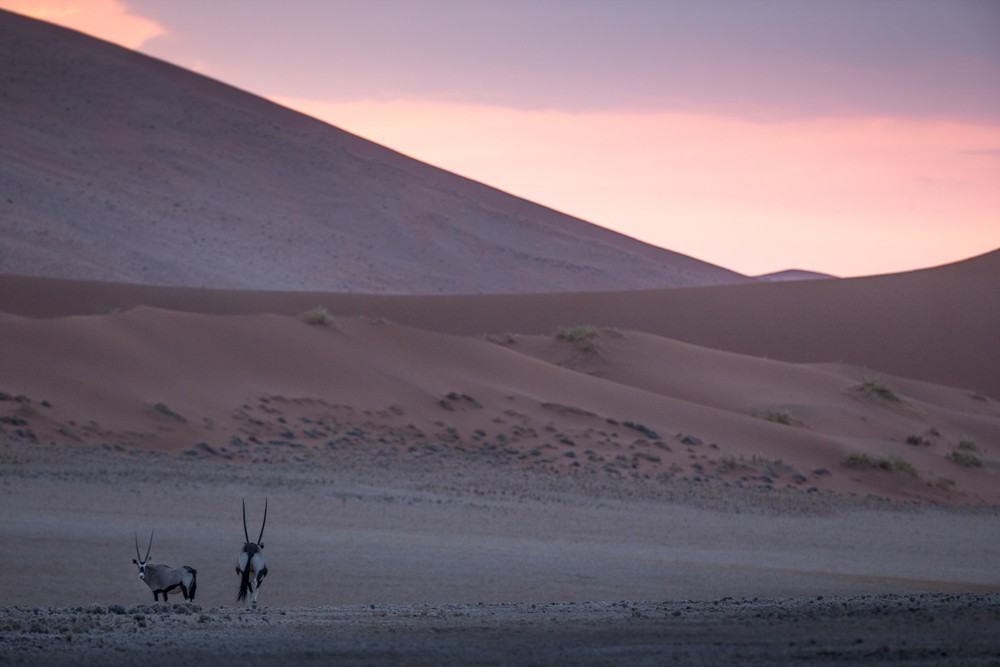
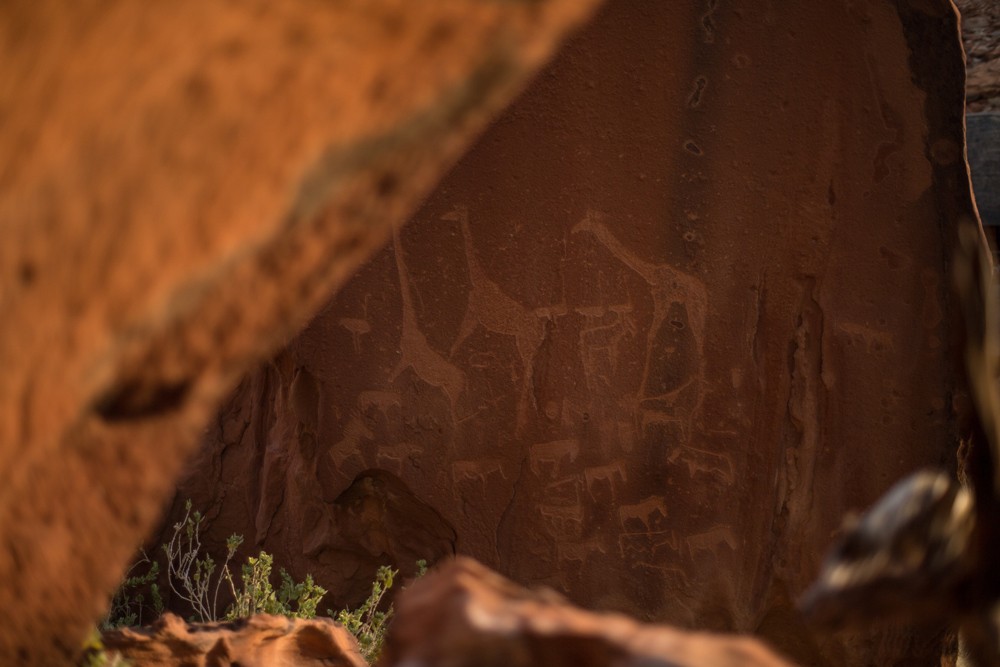
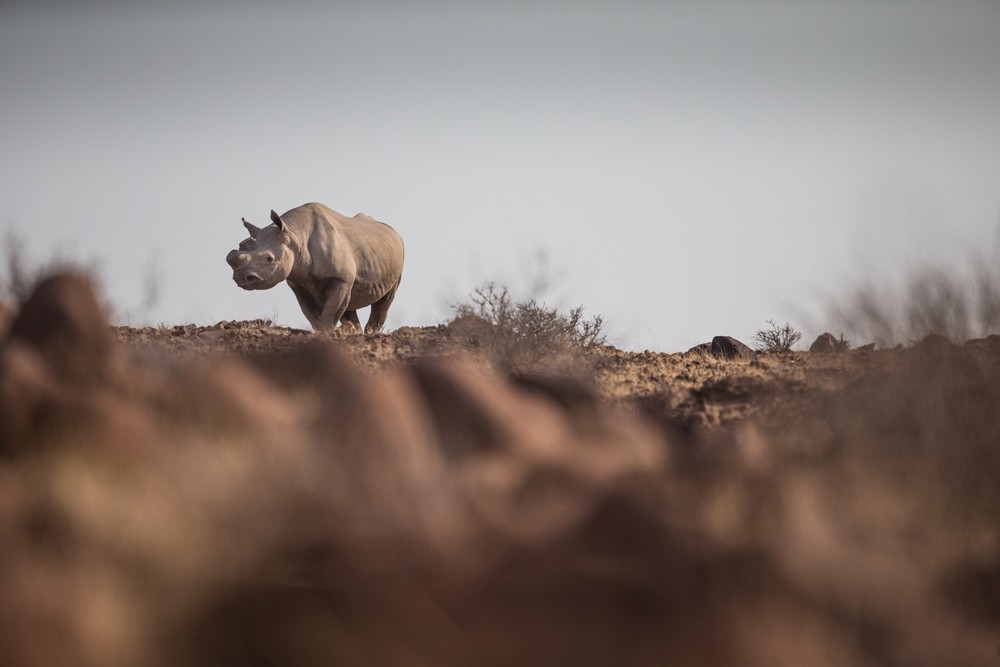
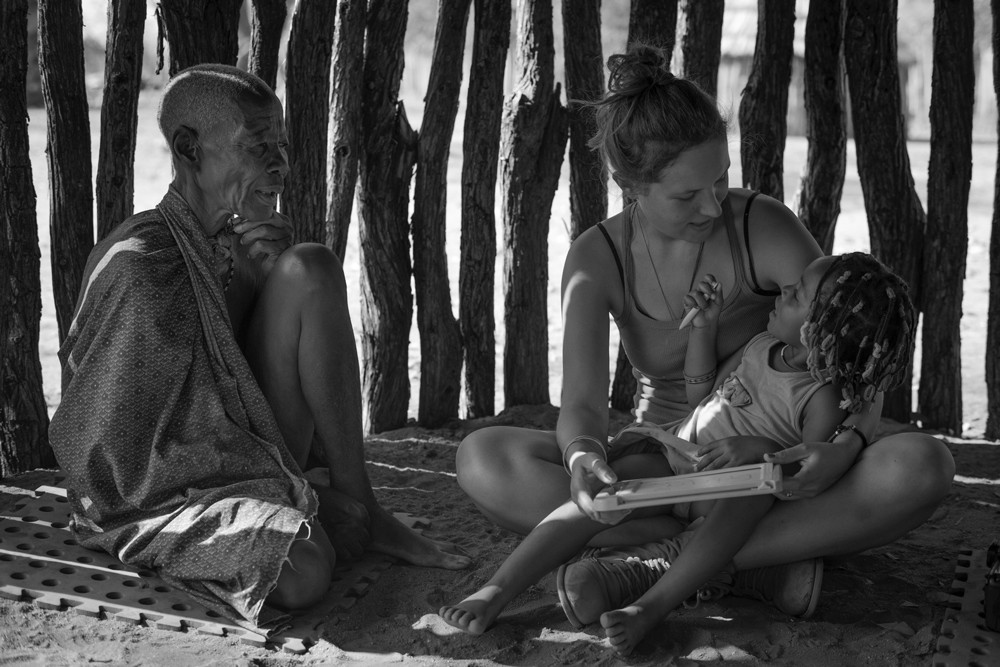
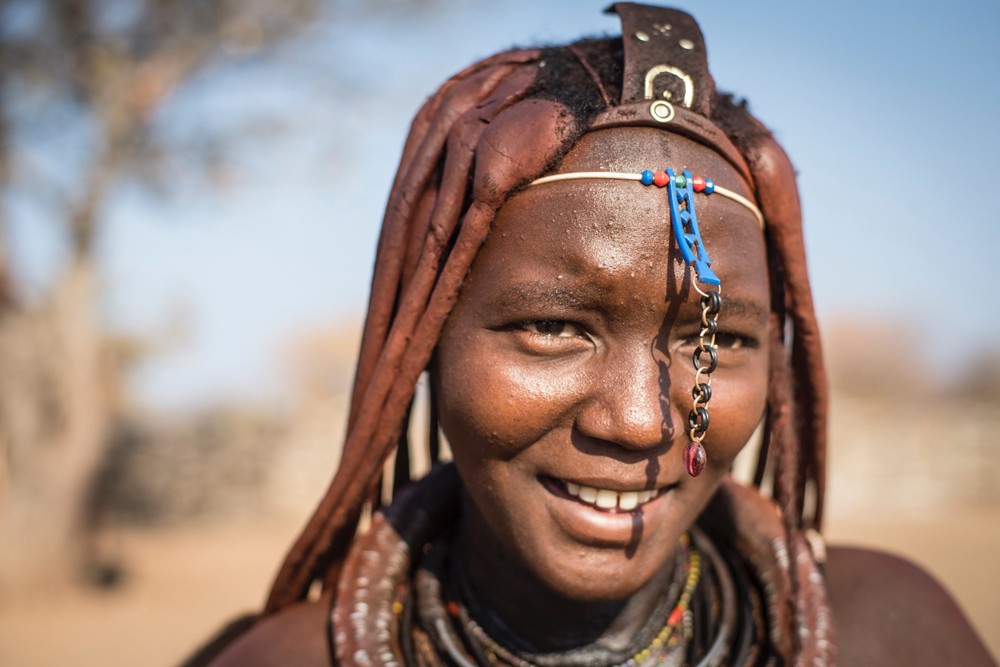
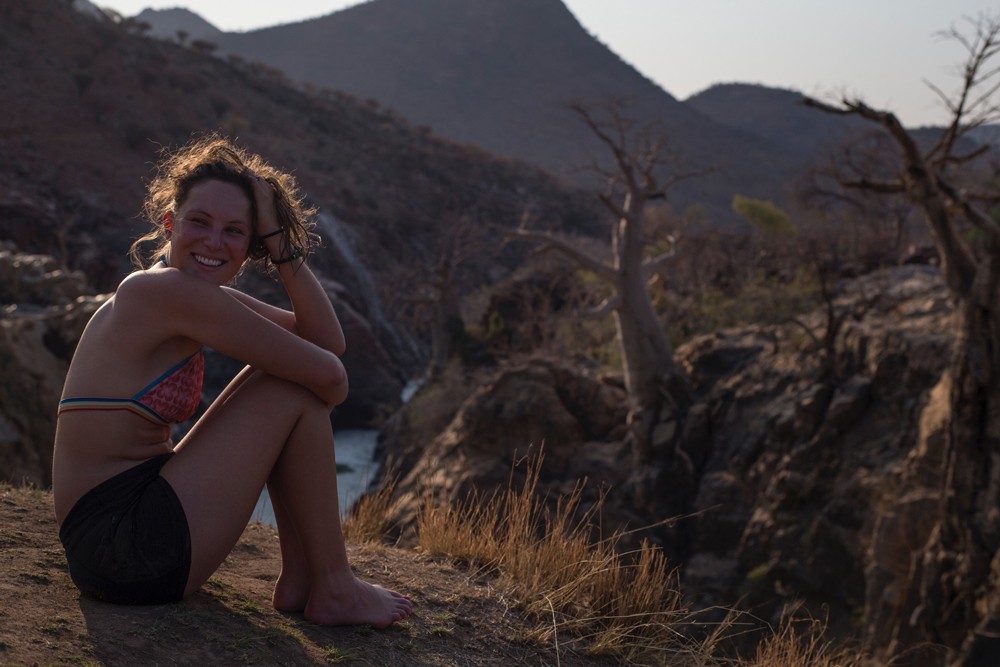
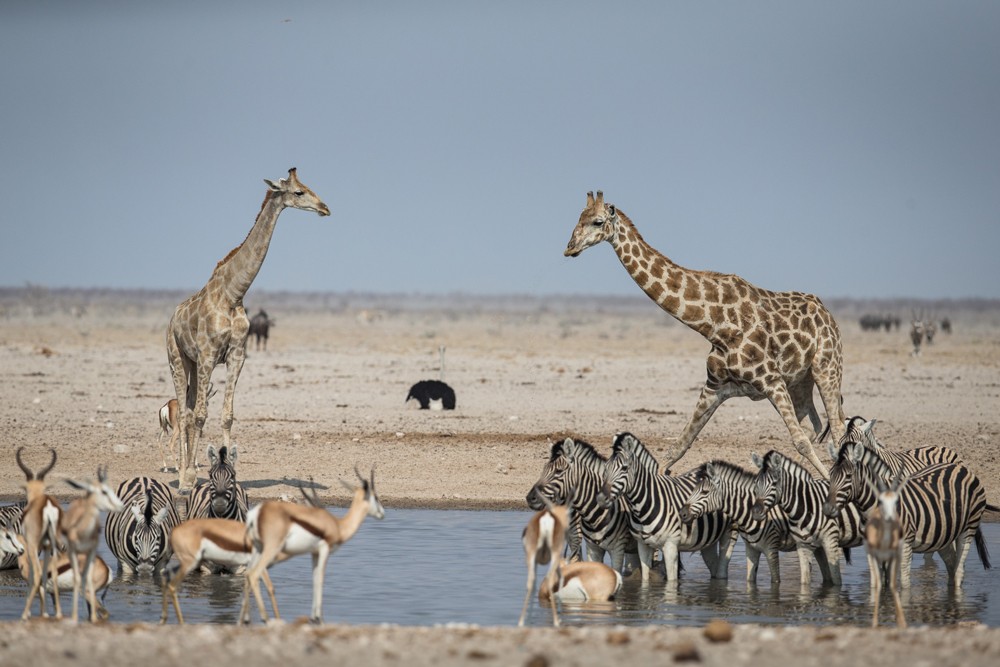
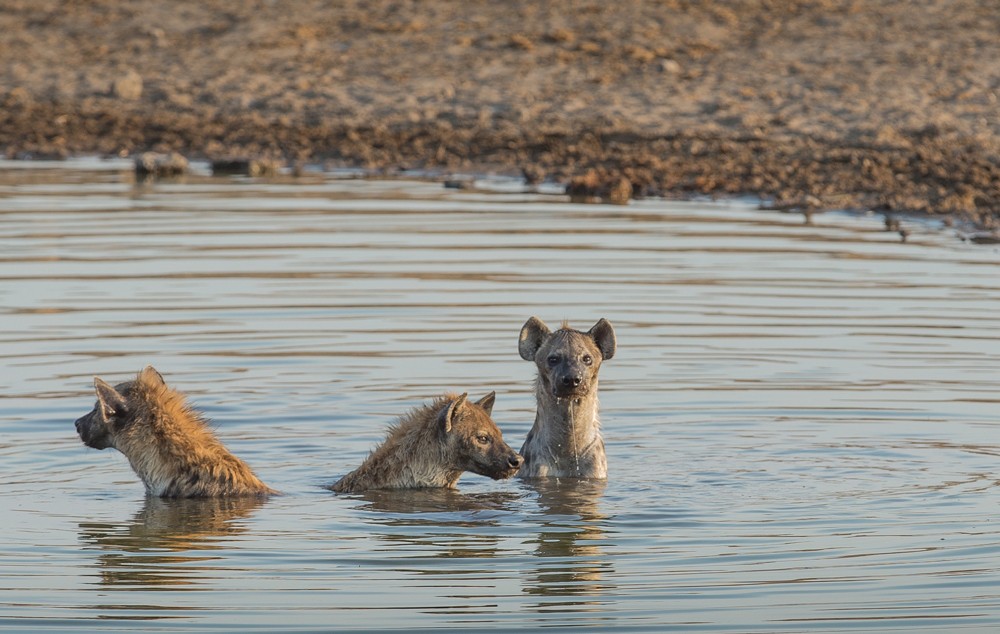
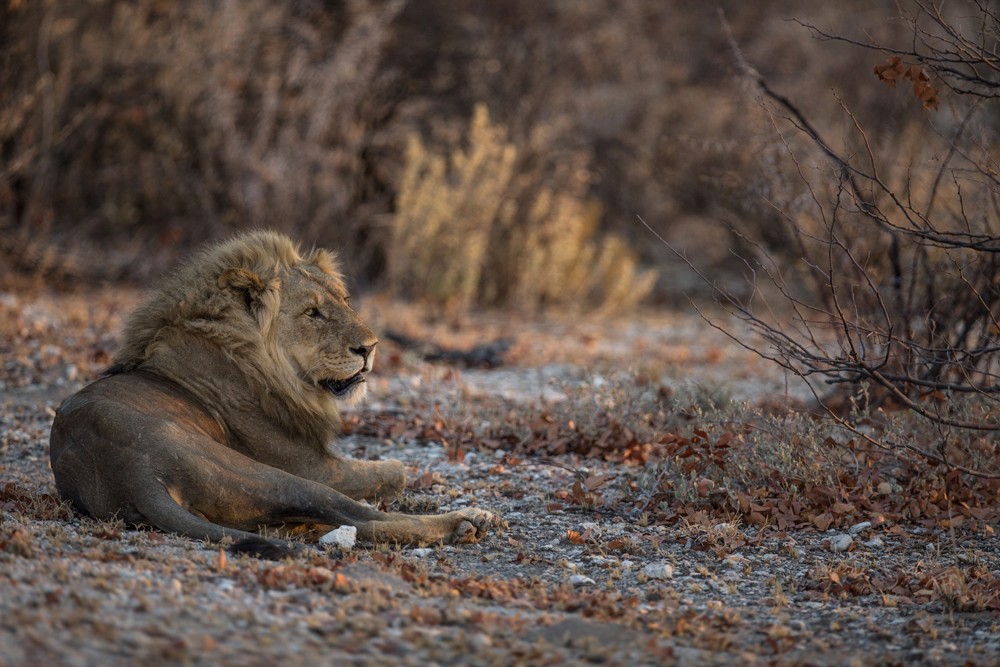
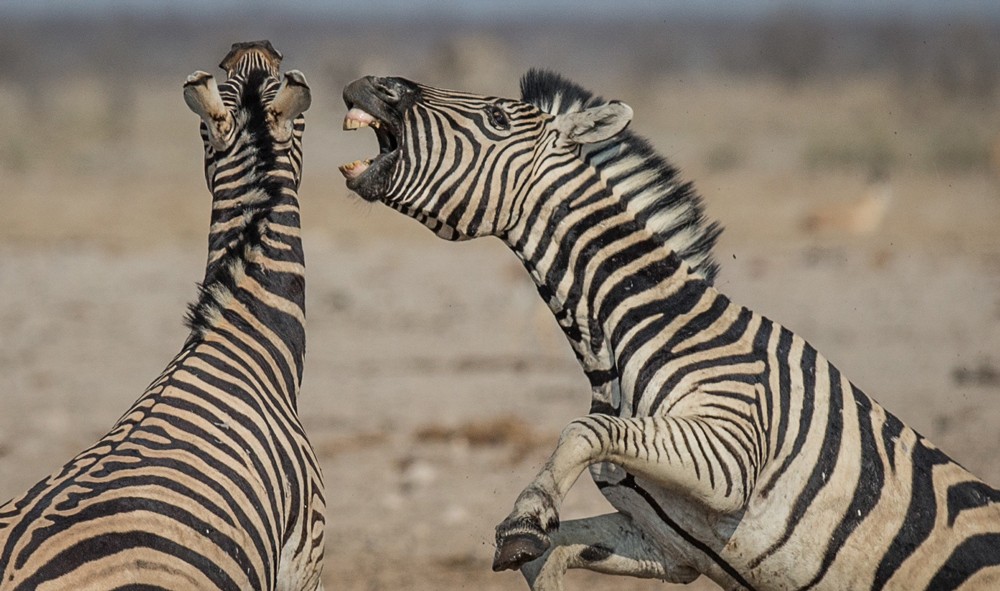
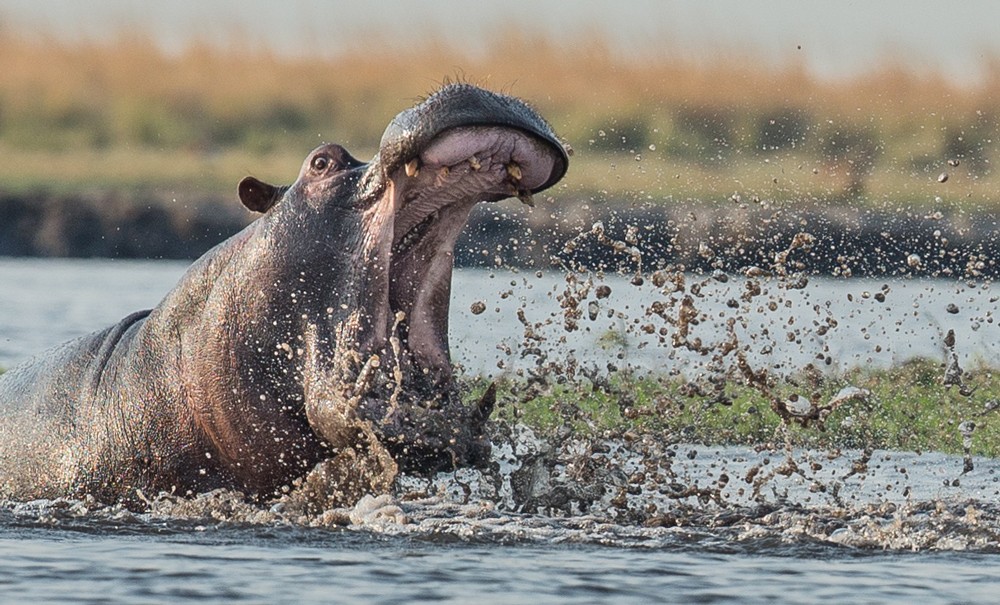
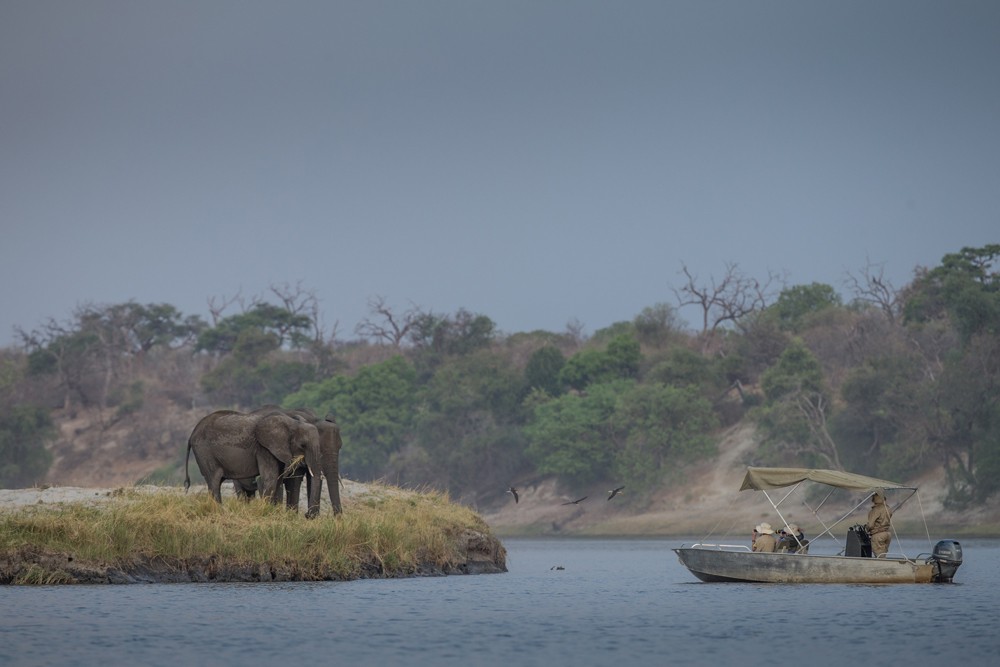
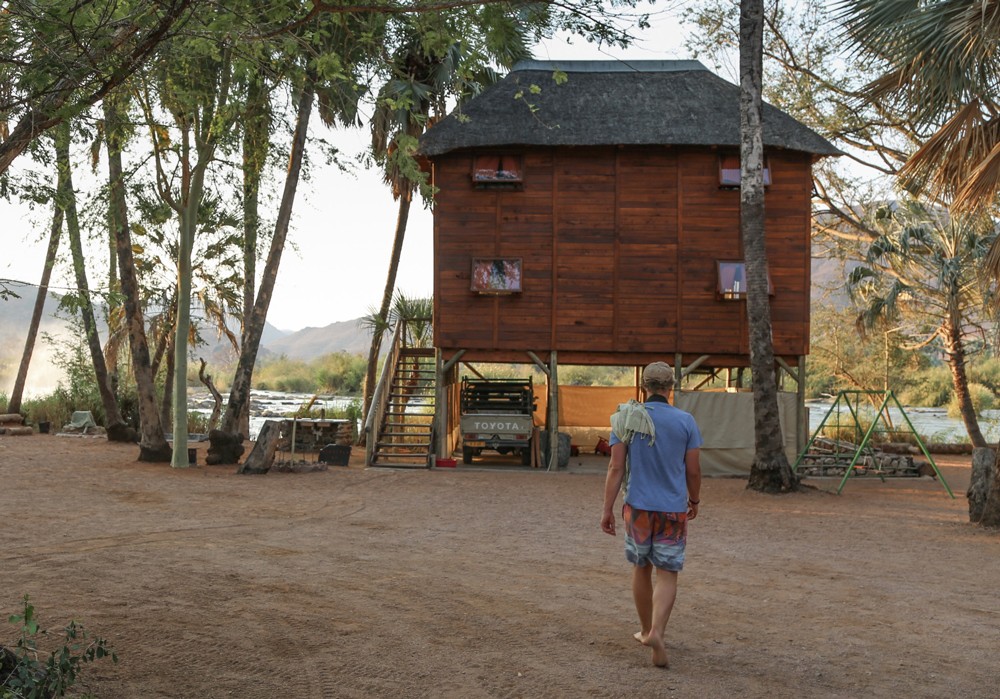
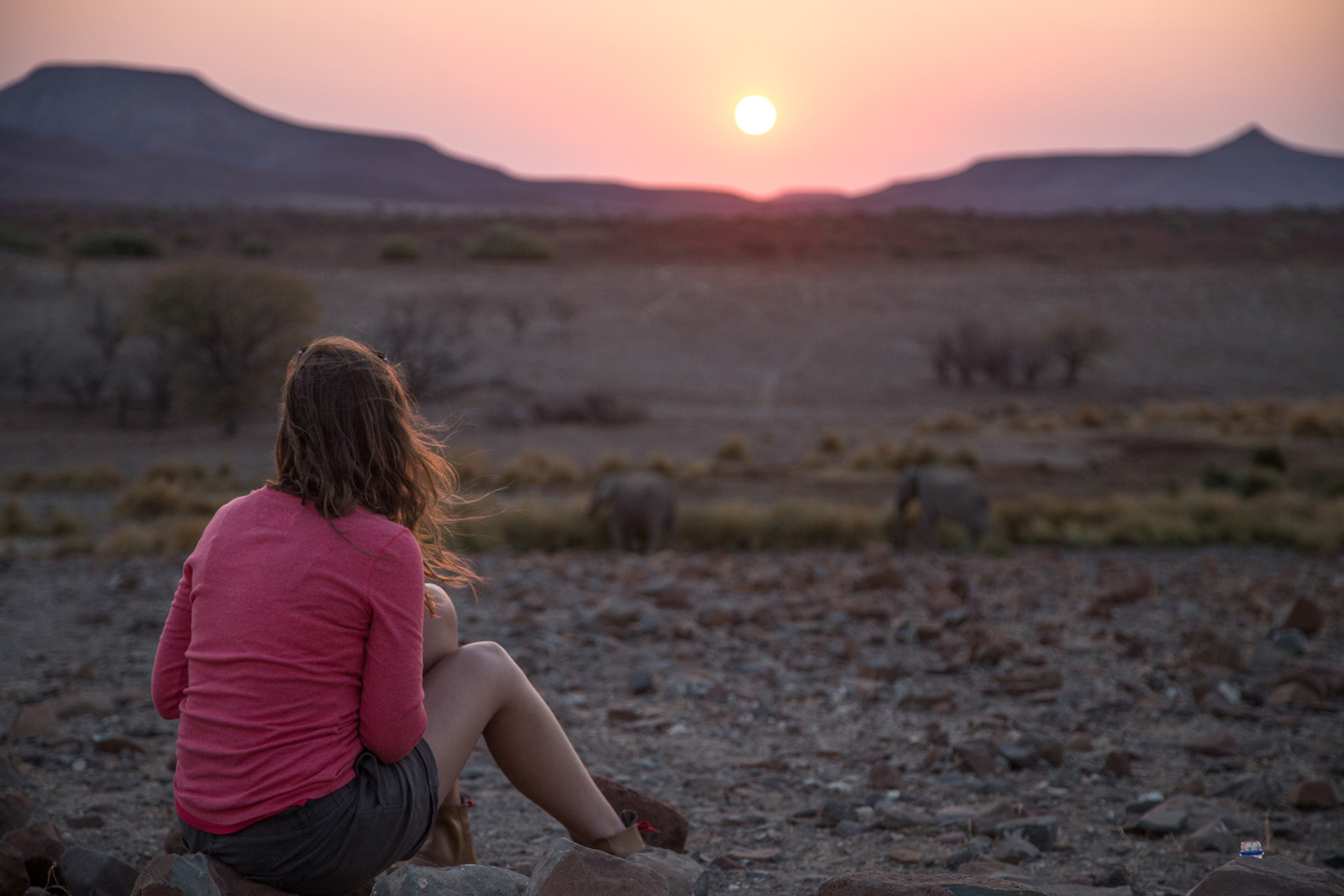
 James and Sam Suter were exposed to the wonders of Africa and its wilderness areas from a young age. After graduating with a diploma in Environmental Studies, James went on to guide where he honed his skills, picked up his camera and started documenting the scenes from his day-to-day life. James now offers private photographic safaris and operates throughout Southern and East Africa. As well as his private guiding, James is co-owner of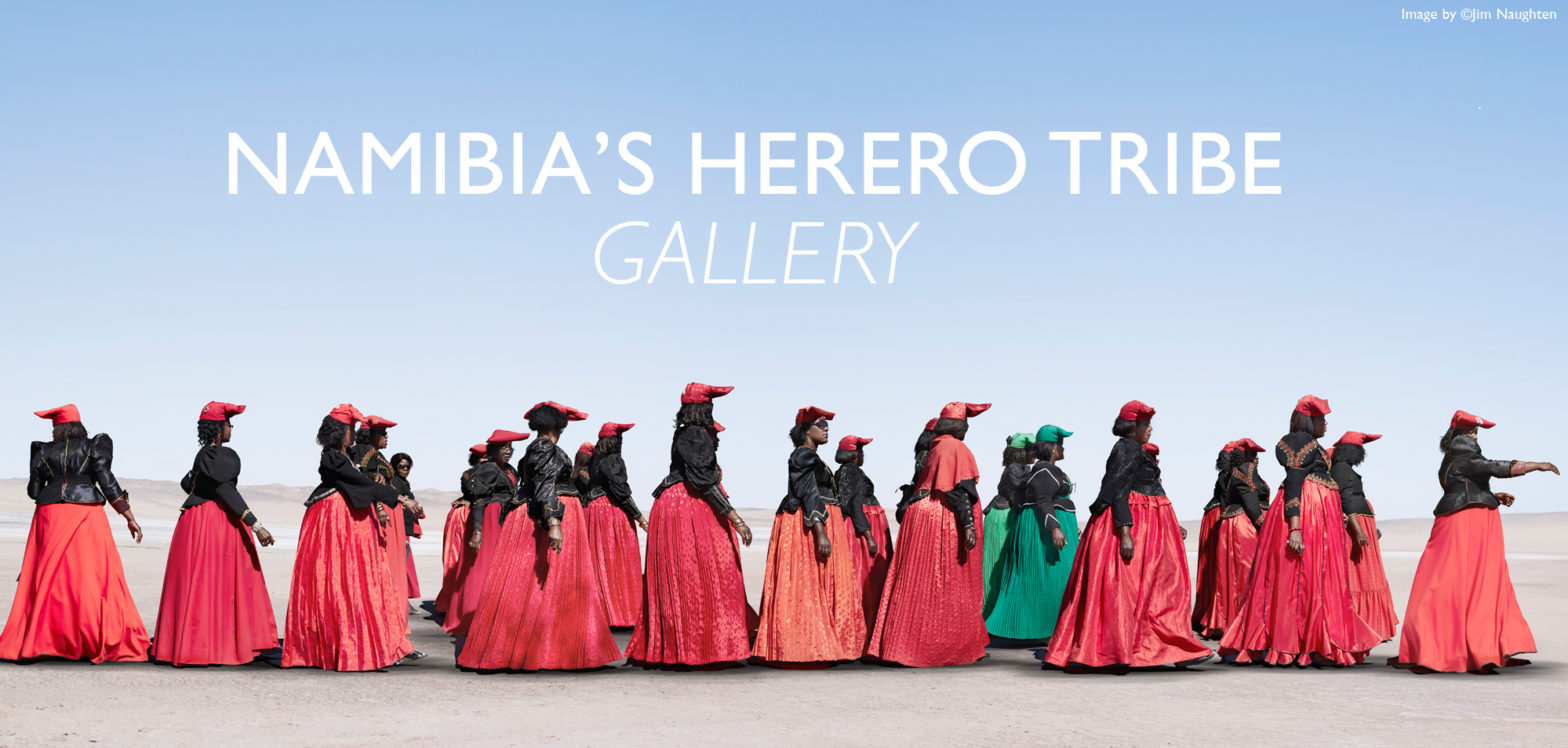
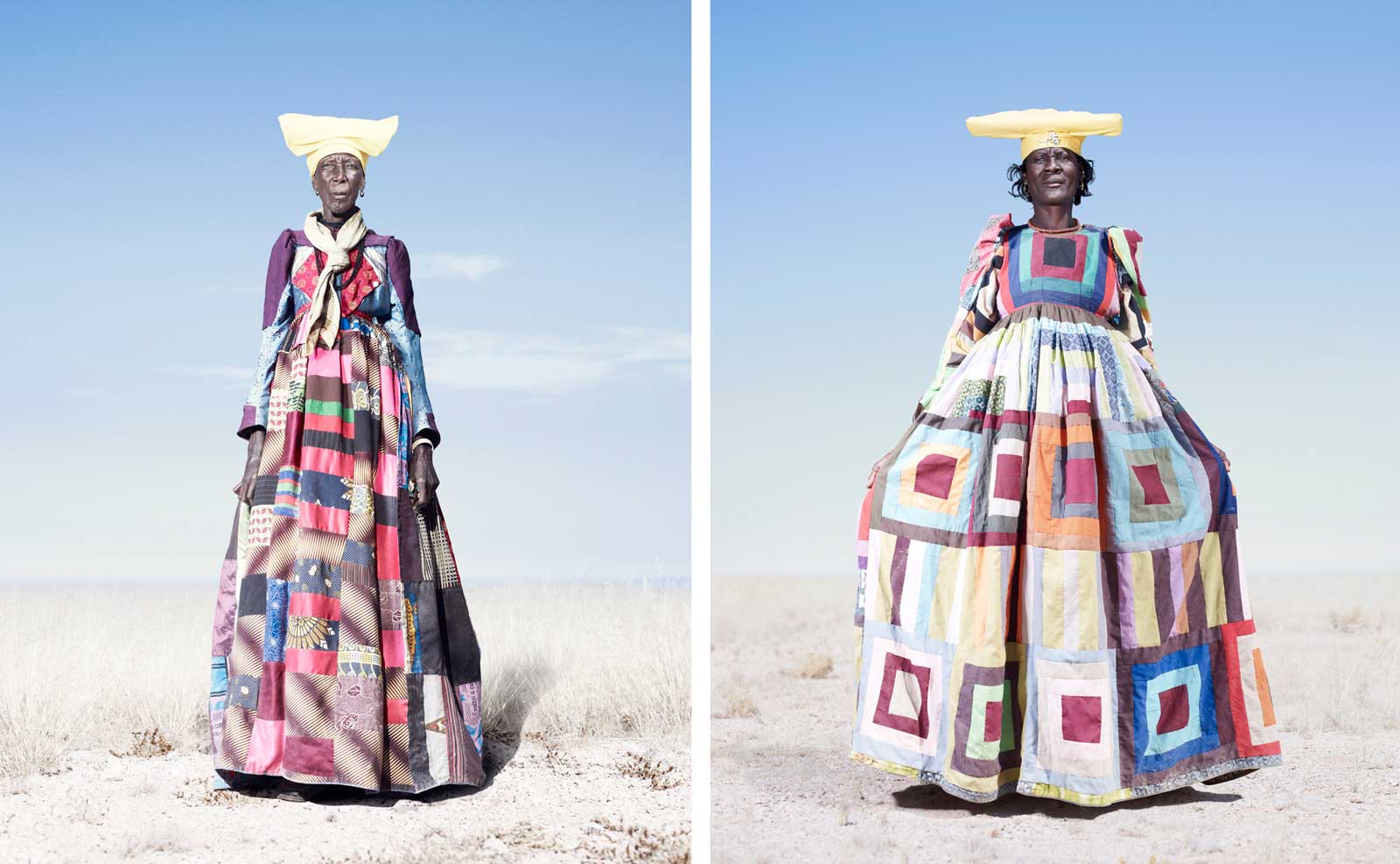
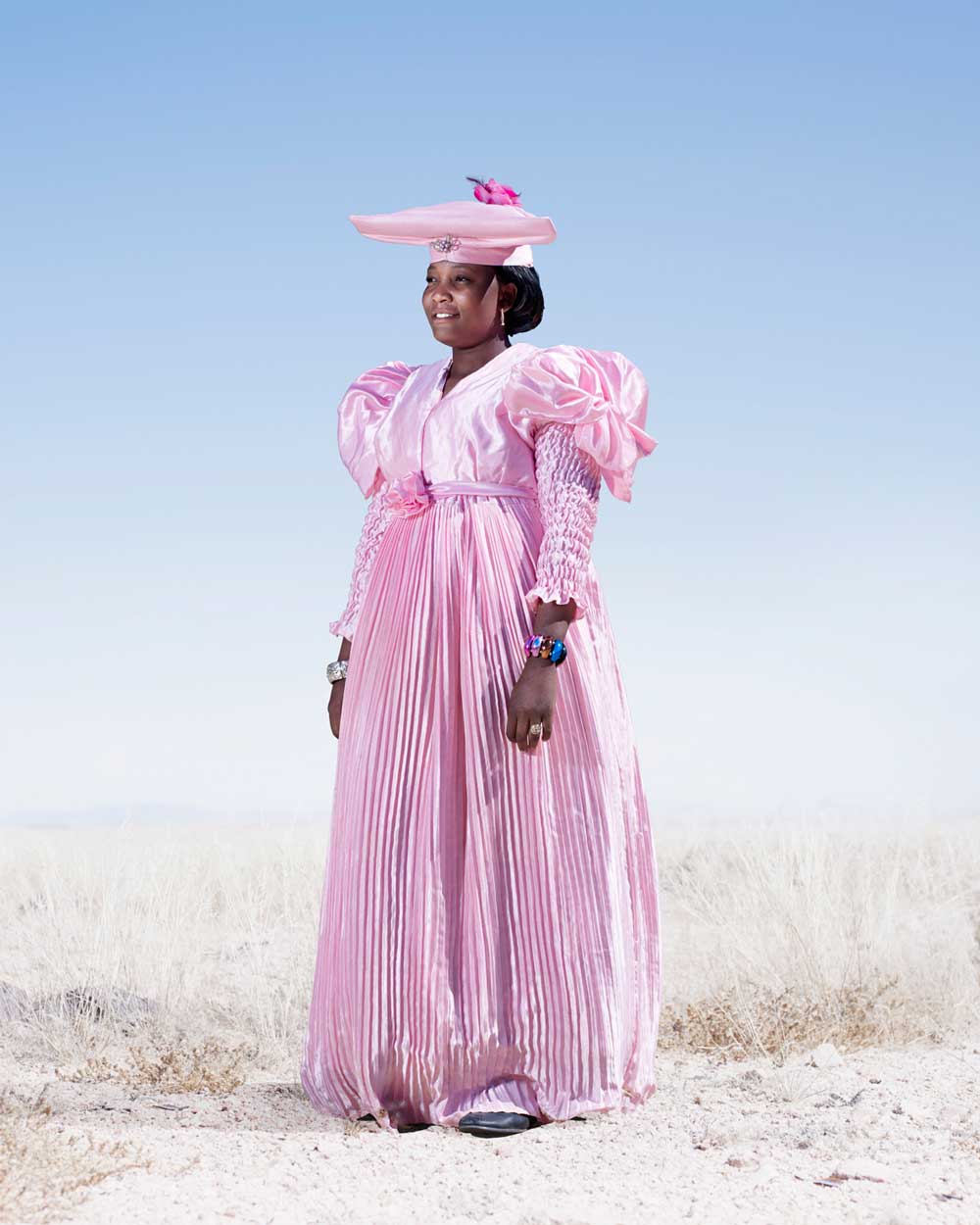
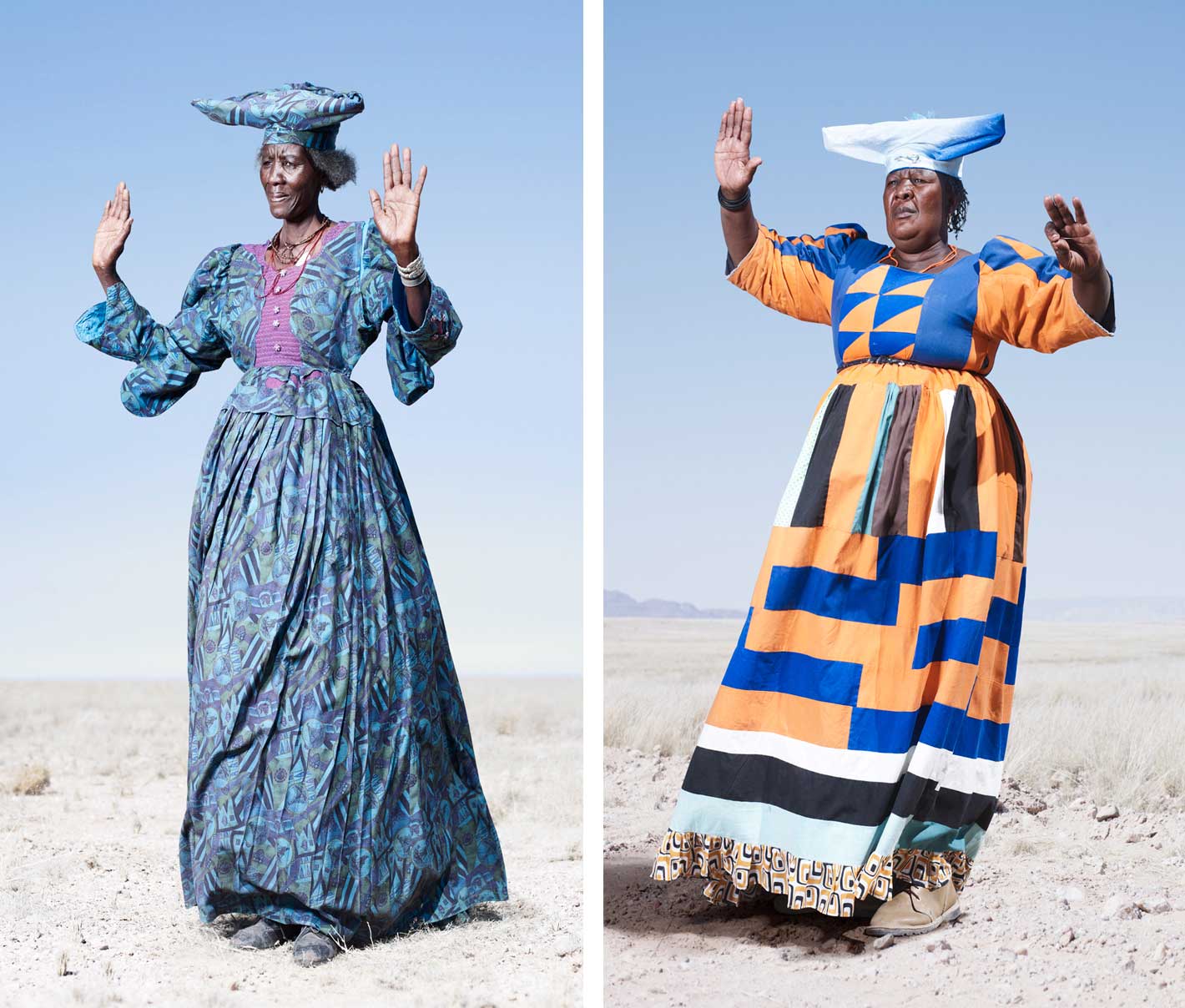
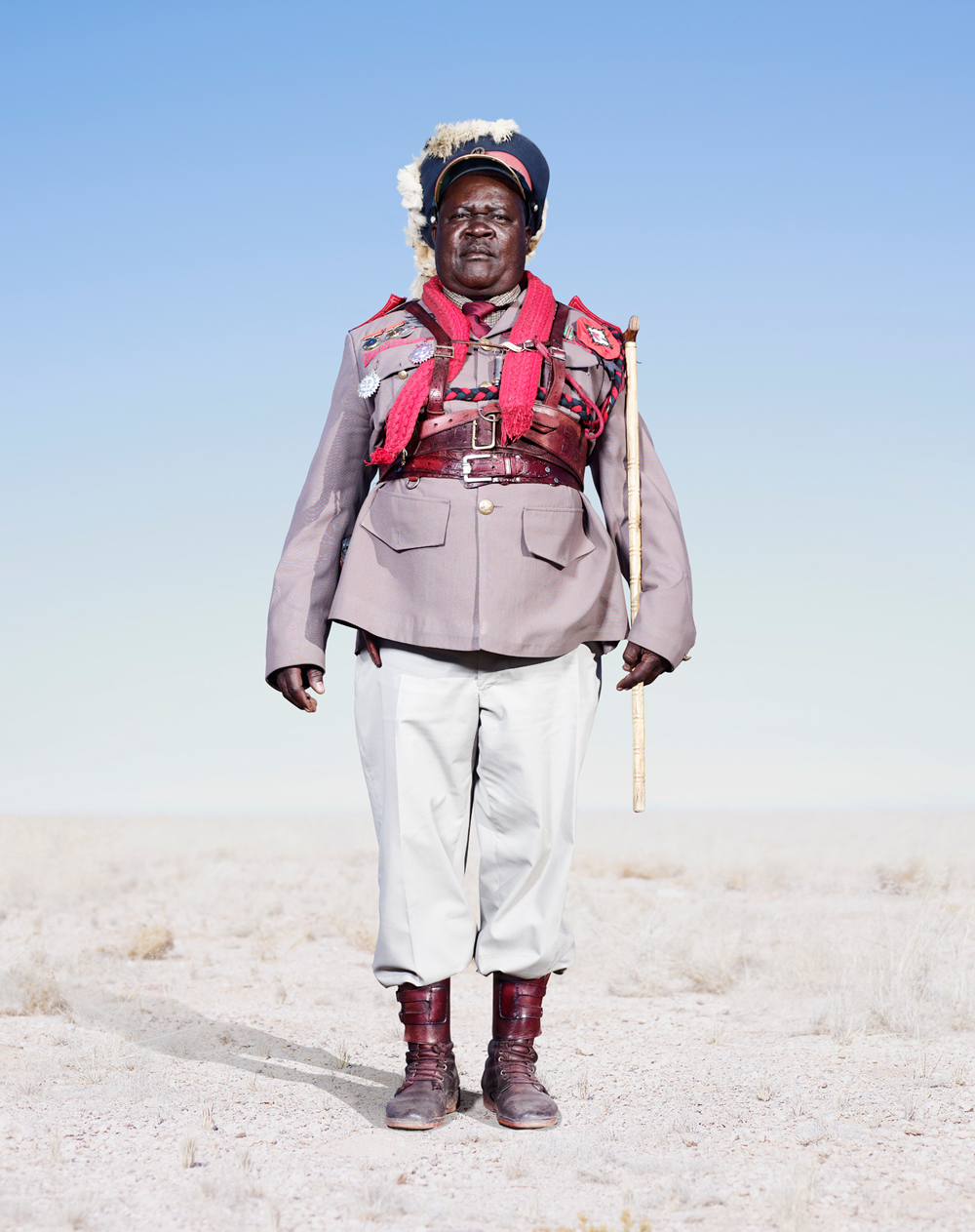
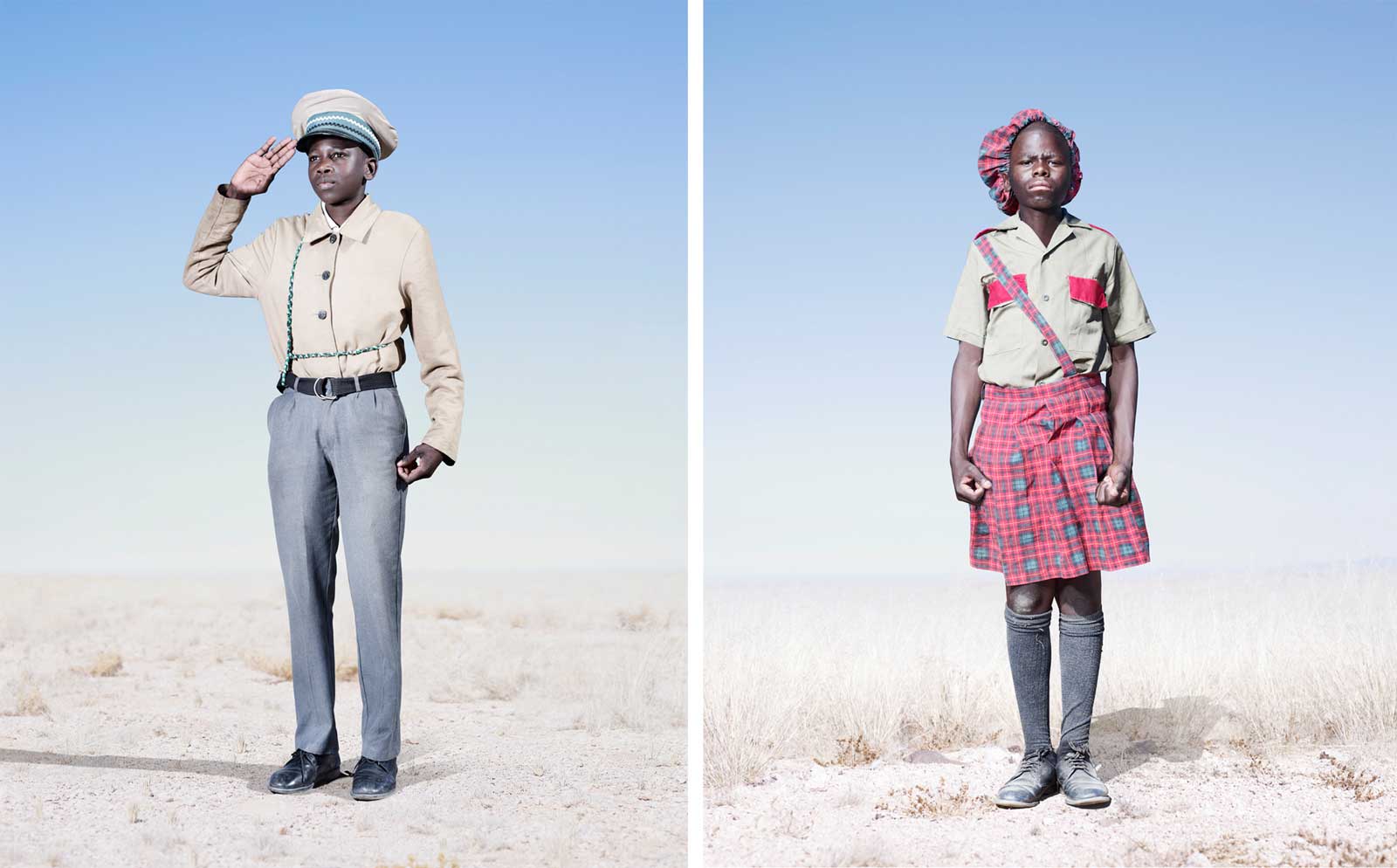
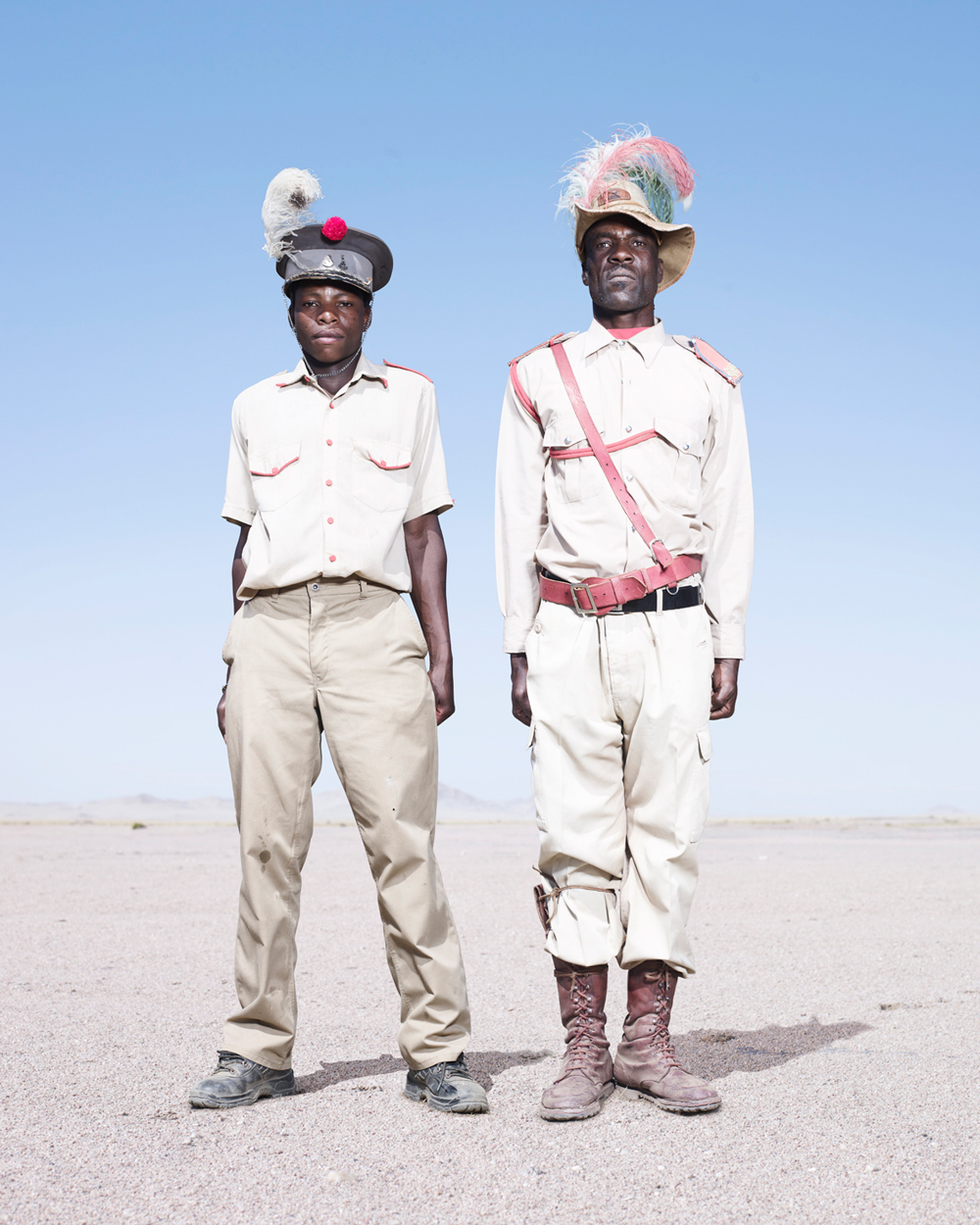
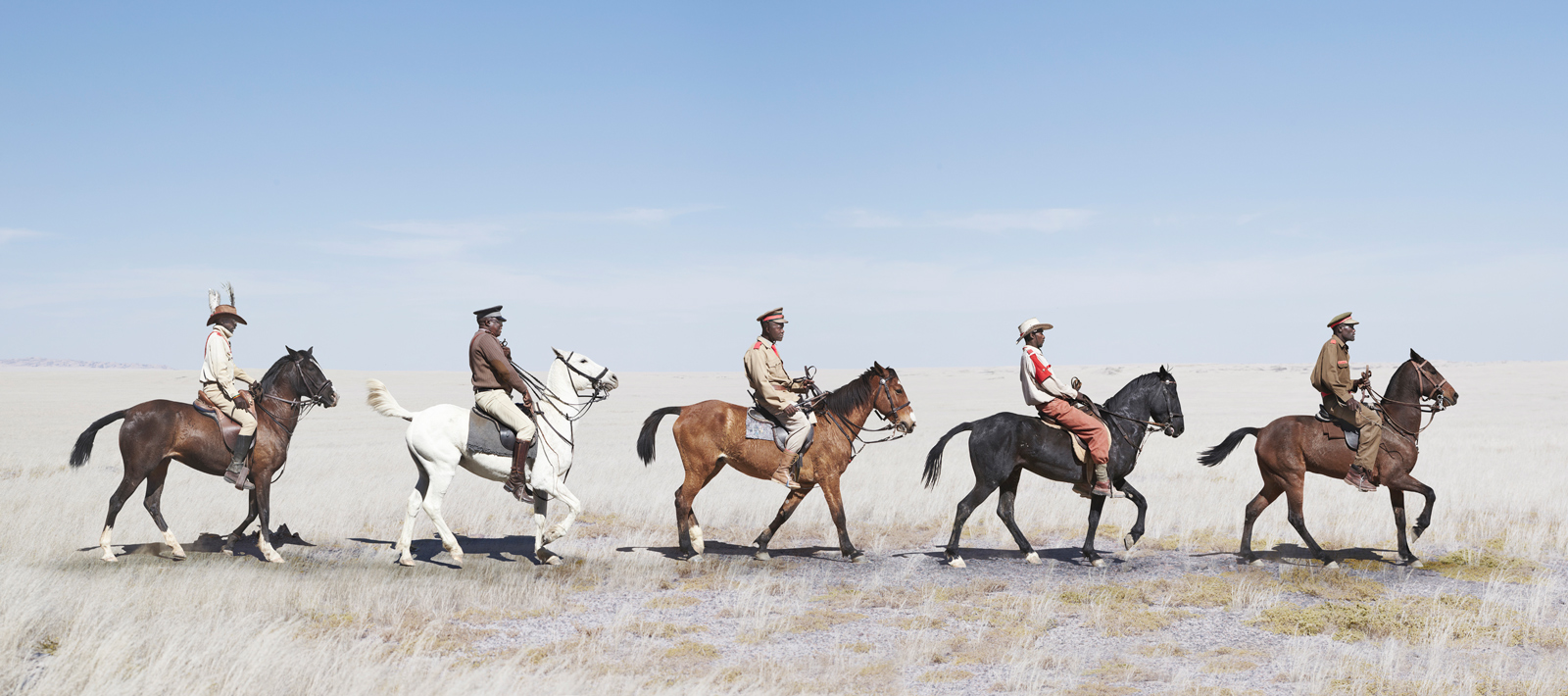
 Jim Naughten