A new species of puddle frog (order: Anura, family: Phynobatrachidae, genus: Phrynobatrachus), has just been discovered by NYU Abu Dhabi researchers on the unexplored and isolated Bibita Mountain in southwestern Ethiopia. The research team named the new species Phrynobatrachus bibita or Bibita Mountain dwarf puddle frog, inspired by its home.
In summer 2018, NYU Abu Dhabi Postdoctoral Associates Sandra Goutte and Jacobo Reyes-Velasco explored an isolated mountain in southwestern Ethiopia where some of the last primary forest of the country remains.
Bibita Mountain was under the radars of the team for several years due to its isolation and because no other zoologist had ever explored it before.
“It had all the elements to spike our interest,” says Dr Reyes-Velasco, who initiated the exploration of the mountain.
“We tried to reach Bibita in a previous expedition in 2016 without success. Last summer, we used a different route that brought us to higher elevation,” he added.
Their paper, published in ZooKeys journal, reports that the new, tiny frog, 17 mm for males and 20 mm for females, is unique among Ethiopian puddle frogs. Among other morphological features, a slender body with long legs, elongated fingers and toes, and a golden colouration, set this frog apart from its closest relatives.
“When we looked at the frogs, it was obvious that we had found a new species, they look so different from any Ethiopian species we had ever seen before!” explains Dr. Goutte.
Back in NYU Abu Dhabi, the research team sequenced tissue samples from the new species and discovered that Phrynobatrachus bibita sp. nov. is genetically different from any frog species in the region.
“The discovery of such a genetically distinct species in only a couple of days in this mountain is the perfect demonstration of how important it is to assess the biodiversity of this type of places. The Bibita Mountain probably has many more unknown species that await our discovery; it is essential for biologists to discover them in order to protect them and their habitat properly,” explains NYU Abu Dhabi Program Head of Biology and the paper’s lead researcher Stéphane Boissinot, who has been working on Ethiopian frogs since 2010.
Full report: Sandra Goutte, Jacobo Reyes-Velasco, Stephane Boissinot (2019): A new species of puddle frog from an unexplored mountain in southwestern Ethiopia (Anura, Phrynobatrachidae, Phrynobatrachus), ZooKeys. DOI: 10.3897/zookeys.824.31570
Sourced from third-party site: Department of Environmental Affairs
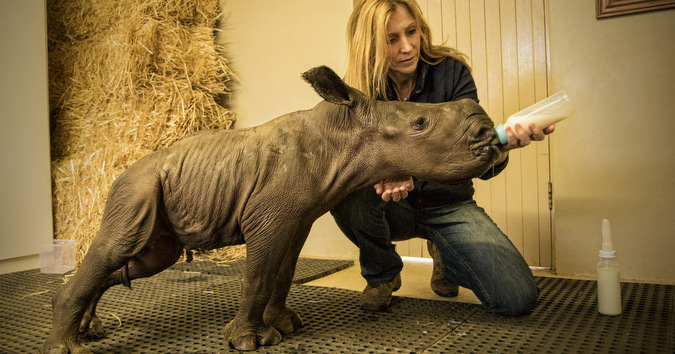
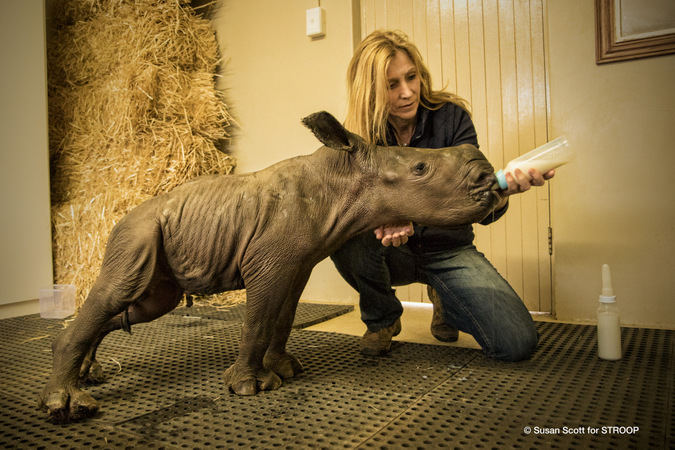
The latest annual rhino poaching statistics have been released by the Department of Environmental Affairs. Minister of Environmental Affairs, Ms Nomvula Mokonyane, has reported significant progress on the implementation of the Integrated Strategic Management of Rhinoceros covering the period 1 January to 31 December 2018. But Susan Scott (STROOP – Journey into the Rhino War filmmaker) cautions against too much optimism.
The statistics show that in 2018 there was a decrease in rhino poaching incidents to 769, making it the third consecutive year that South Africa has seen a decline in rhino poaching, particularly in the national parks. This is a decrease of 259 rhino compared to 2017 (1,028 rhino poached). It is also the first time in five years that the annual figure is under 1,000.
A graph showing the number of rhinos poached between 2006 – 2018. Source: Dep. of Environmental Affairs
A total of 421 rhino were poached in the Kruger National Park, 16.5% less than the 504 poached in 2017, and one was poached at the Marakele National Park.
The number of poacher activities in the Kruger National Park declined by only two recorded activities during the year, with a total of 2,620 incursions and 125 contacts recorded during 2018.
The provincial and national breakdown for rhino poaching incidents in 2018 is as follows:
PROVINCES AND NATIONAL PARKS
2017
2018
SANParks
504
422
Gauteng
4
2
Limpopo
79
40
Mpumalanga
49
51
North West
96
65
Eastern Cape
12
19
Free State
38
16
Northern Cape
24
12
Kwa-Zulu Natal
222
142
Western Cape
0
0
Total
1028
769
With regard to the biological management of rhinos, the statement mentioned that “within Kruger National Park, the translocation of rhinos from Kruger as part of South Africa’s biological management innovations of expanding ranges and establishing additional rhino strongholds are challenged by the emergence of bovine tuberculosis in both black and white rhino, albeit at low incidence … the development of efficient systems to overcome this challenge is in progress”.
It continues, saying: “Even so, innovative biological management have used translocations within Kruger National Park as a mechanism to direct poaching to focus less on cows. This goes hand in hand with initiatives to dehorn rhinos embedded in strategic approaches that target individuals that frequent poaching hotspots, but more importantly, approaches that minimise the losses of cows. Complimenting these interventions are guarding initiatives that focus on regular individual monitoring of individual rhinos. These combinations of interventions seek to ensure maximising the breeding potential of both black and white rhinos.
“The integrated initiatives of SANParks to manage its rhino population have had varied successes. Within Kruger National Park the continued onslaught of poaching resulted in a continued decline of rhinos. SANParks conducted a distribution survey of rhinos that forms part of predicting future rhino localities that can inform pro-active anti-poaching and biological management. This also allowed the evaluation of the robustness of the techniques to obtain formal rhino estimates. The evaluation is in progress.”
The statement concludes saying, “Combating rhino poaching remains a national priority, and as such, all the relevant government departments will continue their close collaboration to ensure that this iconic species is conserved for generations to come. Although we are encouraged by the national poaching figures for 2018, it is critical that we continue to implement collaborative initiatives to address the scourge of rhino poaching.”
Filmmakers Susan Scott and Bonné de Bod – the makers of the award-winning rhino documentary STROOP: Journey into the Rhino Horn War – had the following to say regarding the latest rhino poaching statistics:
Of course it’s welcome news that we’re under 1,000 rhinos poached for the first time in five years, but if we look deeply into the release coming from the department, there are some grim facts that we need to look at, and we must look at what’s not in the release:
1. Poaching numbers
The stats are broken down by province, so it’s hard to see the state rhino stats versus the privately owned rhino poaching stats. And that would tell us a lot… we know that farmers have sold their rhinos, exporting them overseas or moving them to neighbouring range states while our state rhinos, those in Kruger in particular, are down in total numbers so there are fewer rhinos to poach**.
And we can look at the incursion stats that were also released, they are staying at around the same rate: 2,620 last year compared to 2,662 the previous year (1% decrease). So the onslaught is not stopping. We’re still at seven incursions a day. That’s not the amount of people… that’s the incursions… footprints seen in the park, sound picked up, rangers spotting poaching teams. So seven times a day a gang is active inside Kruger and those are the picked up incursions.
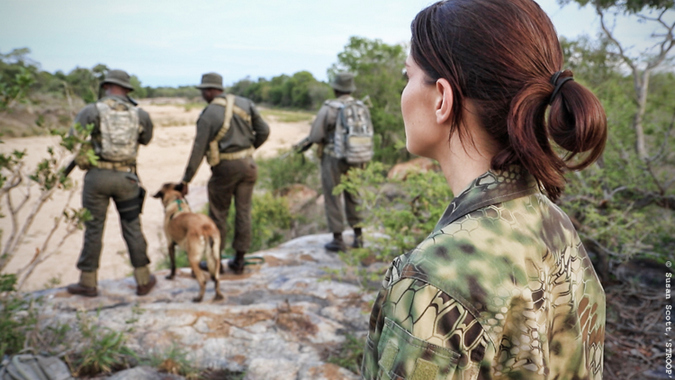
The onslaught is not subsiding and the loss of Ranger Respect Mathebule last year has also changed things for the ranger corps.
2. Tuberculosis (TB)
We’ve seen papers out on the TB inside the Kruger National Park from 2016* and Karen Trendler will tell you that that is because our rhinos are under severe stress from the poaching, and the drought of 2016/17 no doubt played a huge role. This is the first time the department has mentioned that our Kruger rhinos (black and white) have TB, although they say “albeit at low incidence”. They go on to say that South Africa’s veterinary regulations are strict about preventing TB from being spread into commercial stock, so they are developing systems for this challenge… this does mean that auctions are on hold, which also tells us the severity of this. And there is no mention if orphans rescued in the Kruger also have TB which will affect any protocols in place for that.
3. Recognition of collateral damage
The release goes on to say that translocations have happened within the park as a way to reduce poaching on cows. It’s very unclear from the language used, but it also seems that Kruger are dehorning cows in poaching hotspots. The actual quote is: “This goes hand in hand with initiatives to dehorn rhinos embedded in strategic approaches that target individuals that frequent poaching hotspots, but more importantly, approaches that minimise the losses of cows.”
This is a biggie. For years now there hasn’t been acknowledgement of this collateral damage where rhinos breed well, but cows poached not only removes that individual from the population but all future rhinos that could’ve been birthed by her and that could be as much as anywhere from 10 to 15 rhinos in her lifetime. This collateral damage is a real worry in this poaching crisis.
We’re a long way from it, but once rhinos get below a certain number in the wild, they become less productive, and can even become infertile which we’ve witnessed with the northern white rhinos, and isolated populations of the Javan and the Sumatran rhinos. Plus, have’t we always been told that rhinos in Kruger can’t be dehorned because they cannot defend themselves from lions and each other? We’ve all heard many stories of female cows protecting their young with their horns. This needs to be looked into more deeply.
The worldwide management of rhinos depends hugely on numbers coming out of Kruger. The poaching deaths yes, but more importantly the living numbers of wild rhinos in the world’s largest population, which of course is Kruger’s white rhino population. We have CITES in Sri Lanka in a few months time and this is the body that actually sets the agenda for rhino management for the next three years (they only meet once every three years).
So trading in rhino horn internationally will be decided at CITES and exporting live rhinos to Asia will be determined by what happens at CITES. So it’s very important that we know what the largest population of rhinos on the planet is…
Block-counting was the method used up until the last census, (Aug/Sept 2017). And the census results are usually released a few months after they are compiled but not this last one… it was released a year later, a day before World Rhino Day in September last year. We were in San Francisco for the world premier of STROOP and we were 10,000 miles away but still surprised that the press didn’t pick up on it.
White rhino numbers had declined by almost 30%. Thirty percent! Let’s look at this: the 2017 number was given as a range from 5,532 to 4,759 versus the previous census count in 2016 where the range was 7,830 to 6,649 and when that was released, Africa Geographic was the only publication to note that it was an 18% decline**.
I asked a DEA spokesperson why the most recent census results, the 2018 ones, had not been released yesterday and was told to get them from SANParks… we’ve been on this roundabout before. SANParks can’t release them to us, they release them to the department who then release them to the public. So this latest press release should’ve had the 2018 rhino numbers from the last Kruger census in 2018, but they’re not there. There have been a lot of rumours about “real” rhino numbers and if the block counting method of extrapolation is flawed leaving us all with the worry that the number is much lower than the range of around 5,000 counted back in 2017.
But the bigger picture that we must focus on is if we go back to the start of the poaching crisis… to 2010. The range of white rhinos counted in the park was 12,700 to 8,700***. In seven years, anthropomorphic factors (poaching and a little bit of the drought) have caused a 56 to 47% drop in our white rhino numbers in the Kruger. Half of our population is gone. Half. And we were told not to worry, rhinos breed well.
The next CITES is coming up and when the diplomats sit down in the huge conference halls to read through papers of white rhino management, our white rhino stats from 2017 will be a year and a half old, that’s what should’ve been in the press release coming out of the department today/yesterday. No wonder animals get uplisted at CITES when it’s almost too late… they’re working on old data. It’s the number that’s not in the press release that’s most important for our rhinos… how many are left, not just in Kruger but in the whole country.
In conclusion
The takeaway is to press the department for as much information as possible to help those in decision making processes… such as the correct and latest census results of Kruger’s rhinos. And the incursions are not stopping. Financial support has declined for Kruger and the worry is that it will decline further when South Africans see that rhinos poaching numbers have declined. Our rangers in Kruger, iMfolozi, and all our state parks need even more support now, we cannot take our eye off this.
Since the crisis started in 2010 we can now, by official numbers, say that we have lost at least half our white rhino population in the Kruger National Park, and that’s despite an incredible effort by the ranger corps. Now, more than ever, we should be ploughing in whatever support we can give them. The fight is a long way from over.
Acclaimed South African documentary, STROOP – Journey into the Rhino Horn War, continues its winning streak on the film festival circuit internationally. The film had its world premiere at the San Francisco Green Film Festival last September and picked up a further 10 awards during the rest of 2018, among them ‘Best Documentary’ at the prestigious San Diego International Film Festival. The start of 2019 sees STROOP winning four further awards at the Hollywood International Independent Documentary Awards with the ceremony taking place at the Raleigh Studios in Hollywood on March 23. This week also sees an announcement from The Impact DOC Awards on the film winning the Award of Excellence for a Feature Documentary. The competition states that the exceptional storyline made it worthy of a further Special Mention from the Competition Jury. The Impact DOC Awards are given out annually to films making a difference in the critical issues of our times.
In more exciting news, STROOP has been officially selected for The Earth Day Film Festival, the Green Mountain Film Festival, the Colorado Environmental Film Festival, and the Wellington Film Festival in New Zealand (where it has also been nominated for Best Documentary). The film also screened on opening night at the Guwahati International Documentary Film Festival in India at the end of January. In a further nod to honour the film, STROOP is one of only five documentaries invited to have its Italian premiere at the Riviera International Film Festival in May. The international jury, which determines the prize for best documentary feature film out of the five in competition, will comprise various film, culture and art personalities and will be announced at press conference in Milan next month. As part of this achievement, STROOP will be translated by the festival into Italian, furthering the exposure of South Africa’s rhino poaching crisis around the world.
The film has now been officially selected for 20 international film festivals and has collected a total of 15 awards.
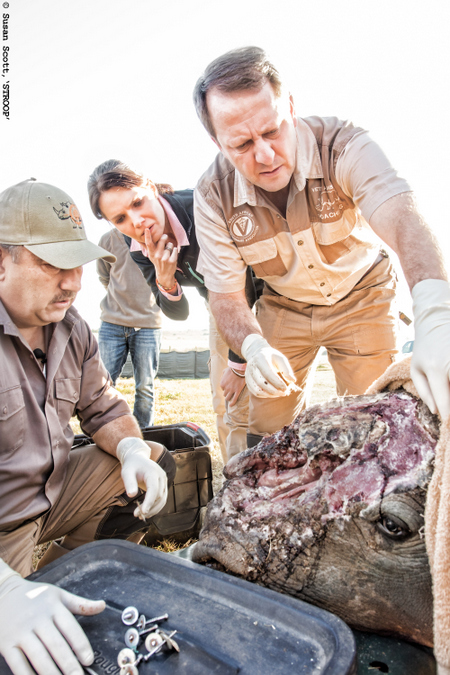
STROOP – Journey into the Rhino Horn War tells the shocking and touching story of the ongoing poaching of rhino and the trade in its coveted horn.
Despite this phenomenal worldwide critical acclaim however, STROOP has been unable to get local cinema distribution, prompting the Associated Press to report on the issue which was picked up by the New York Times, the Washington Post and other leading newspapers around the globe. Undeterred, the filmmakers began self-distributing STROOP by hiring cinemas around the country and by promoting the local screenings on social media and in local press. The film subsequently played to packed cinema houses.
“It was quite incredible! We kept being told that no-one would come to see a documentary in our cinemas, let alone a documentary about rhino poaching, but the support has been overwhelming!”, says Bonné de Bod, one of the filmmakers of STROOP.
“We thought we’d put on one screening in Joburg and one in Cape Town,” adds STROOP director Susan Scott, “and both of them sold out pretty quickly… Cape Town in under 48-hours!
“So once we had a screening paid for by the public, we could then hire another cinema and then another one and then that’s how come we have been able to take it around the country to Joburg, Cape Town, Durban, Port Elizabeth, Pretoria, Hoedspruit, White River and now Bloemfontein – this coming weekend – for our last cinema screening.”
AVAILABLE FOR DOWNLOAD NOW
The international support of the film continues, with Amazon, iTunes, Google Play and Vimeo on Demand on their digital platforms this week. A delighted de Bod says, “this is our first film, and everyone tells us how the film industry is different to two years ago, to five years ago, to ten years ago… but that doesn’t frighten us!
“Because all of this is new to us, we’ve been pushing these new boundaries to get our important story seen around the world. The fact that these big tech giant studios believe in the film and will be making it available for anyone to see at any time, is exactly what we set out to do when we started making STROOP all those years ago! Now it really can be seen by millions… getting our rhino story everywhere!”
The film recently screened in Hong Kong on the public broadcaster RTHK, and also formed part of a judiciary workshop on tackling wildlife trafficking through the port of Hong Kong. Locally, STROOP is also having an effect in the enforcement sector, after having being screened to the South African Police Service trainees undergoing specialised training on wildlife crime.
Keeping their sights firmly on local awareness, Scott and de Bod have started on their community and school roll-out of the film, working with Africa Geographic and the Jane Goodall Roots and Shoots Foundation to get the film seen in areas without access to cinemas.
The film is also releasing digitally through its website: www.stroop-film.com
Since childhood I have been fascinated by stories of black panthers. For me, no animal is shrouded in more mystery, no animal more elusive, and no animal more beautiful. For many years they remained the stuff of dreams and of far-fetched stories told around the campfire at night. Nobody I knew had ever seen one in the wild and I never thought that I would either. But that didn’t stop me dreaming…
Then, a couple of years ago, photos started emerging of a black leopard in India. It was a cat that had made its territory in the tourist area of Kabini Forest in Karnataka. The leopard was hard to see but some persistent photographers managed to capture images of it that got my pulse racing.
Then, by chance, I was asked to speak at the Nature in Focus Festival in Bangalore last September. I took this opportunity to spend three days searching Kabini Forest for the famous cat. The festival organisers arranged for me to be guided by Giri Cavale, a photographer whose knack for finding the elusive black panther is legendary.
I didn’t have high hopes of seeing it in such a short period of time but as we explored the forest it was thrilling just to know the cat was out there. Then, on the second day, we managed to spot the black leopard crossing the road in front of us! It was far away but I was enthralled and managed to capture the image below. The lucky encounter ignited my imagination and I dreamed more than ever of finding and photographing one of these stunning cats in Africa.
I have never seen a high-quality image of a wild black leopard come out of Africa, even though stories of them being seen are sometimes told… “a friend of a friend saw a black leopard crossing the road early one morning”. By chance, around the time of my India trip, my friends James and Abigail from Ker & Downey told me one such story – that a black leopard had been seen up at Laikipia Wilderness Camp in Kenya. My ears pricked up and I contacted the owners Steve and Annabelle Carey to find out more. Steve confirmed that it was true and he had seen several black leopards over the years. That was enough for me and I decided to invest some time in checking it out.
On arrival in Laikipia, Steve took me to meet Luisa Ancilotto who lives close to the camp and had seen a black leopard recently. She told us as much as she knew about the leopard’s habits and territory. Then Steve managed to pick up some fresh leopard tracks nearby and followed them to a path that leopards seemed to be using. I deployed a plethora of camera traps each consisting of a Camtraptions wireless motion sensor, a high-quality DSLR camera and two or three flashes. I had high hopes of photographing a leopard, but would it be black?
The next day I eagerly checked the cameras but had no images of leopards. I was disheartened and suddenly felt the enormity of what I was trying to achieve. Surely I was not going to be lucky enough to actually photograph a melanistic African leopard?!
I left the cameras for several more nights. On returning, I checked them and by the time I got to the last camera, all I had seen were pictures of hyenas but no leopards. I had a quick look at the last trap, not expecting to find much. As I scrolled through the images on the back of the camera, I paused and peered at the photograph below in incomprehension… a pair of eyes surrounded by inky darkness… a black leopard! I couldn’t believe it and it took a few days before it sank in that I had achieved my dream.
Over the days that followed I moved the camera traps around as I gained a deeper understanding of the leopard’s movements. The next hit I got was further down on the same game trail as the first capture. I love the way this cat melts out of the darkness!
Thereafter the black leopard disappeared and I started capturing images of a big spotty male instead – apparently he had chased away the younger black leopard. I have never been annoyed at capturing a spotty leopard on camera trap before! I suppose at least he was rather handsome…
The spotty male hung around for what felt like an age and I began to think that the black leopard might never return. During this time I checked my cameras daily and often had images of striped and spotted hyenas as well.
Then, on the night of the full moon, the black leopard reappeared and I captured the shot below as the moon was setting behind a ridge. Needless to say, I was thrilled that he was back and that I had captured such an atmospheric image.
In all the pictures I had taken, it were the leopard’s eyes that struck me first. I adjusted my lighting to darken as much of the background as possible. Just before I left, I managed to capture one last picture… eyes in the night…
As far as I know, these are the first high-quality camera trap photographs of a wild melanistic leopard ever taken in Africa. I can still scarcely believe that this project – which started out as a speculative recce trip – has paid such spectacular dividends!
A big thank you to Steve Carey from Laikipia Wilderness Camp and Luisa Ancilotto, without whom I never could have found and photographed the African black panther.
Update: For clarification, I am not claiming that these are the first photos of a black leopard taken in Africa. I do however believe that they are the first high-quality camera trap photographs. The headline, “first in 100 years,” is derived from a quote attributed to scientists from San Diego Zoo stating that my images, in combination with their video footage, constitute the first scientific documentation of such a creature in Africa in nearly a century. This was first published by National Geographic but was misinterpreted as meaning “the first photos taken in 100 years” as was subsequently reported by many media outlets. I hope this blog post and update clears up any confusion and I appreciate that this error has now been corrected in a number of articles.
Update: People have raised the valid concern that the leopard may now be a target for trophy hunters. Fortunately trophy hunting is illegal in Kenya. My take is that the benefits of promoting tourism far outweigh the risks and hence I have stated the location. Tourism brings valuable revenue to these places and is often a critical source of funding for conservation efforts. I would like to encourage people to visit Kenya, support local communities through tourism and look for leopards; you have a good chance of spotting a spotty leopard and maybe, just maybe, a…
I will soon be heading back in an attempt to capture more images, please follow @willbl on Instagram for more photos and updates.
Professional hunter Paul Stones has responded in a Facebook post to Simon Espley’s opinion editorial questioning whether the trophy hunting industry will ruin Kruger National Park’s expansion plans. We publish Stones’ post here, with his permission. The text in italics and quotation marks relates to statements extracted from Espley’s opinion editorial, followed by Stone’s responses.
Espley: “It is no secret that the trophy hunting industry staggers from one unsavoury incident to the next…”
This is a statement that is undeniably true. In certain cases a blatant disregard for rules and requests, all in the name of self-enrichment! The damage that these acts causes does not only impact the wildlife we profess to “conserve” but the many livelihoods, community projects, and service industries that rely on hunting income and contribution. However, it goes even further than that, way further. It directly impacts the future of Africa’s fauna and flora! This statement is equally powerful if not more than the opening statement to this article. Many may wish to dispute this but please, humour me and read on.
The banning of elephant hunting in Botswana lead to much of the impact I mention in the past paragraph. The ban that had been implemented has caused nothing but heartache and loss for communities and wildlife alike. The lack of revenue and the dishonesty of photo safari companies that had promised to run these hunting concessions in photo mode has never transpired, other than a few select areas that adjoin with the Okavango Delta. The increase of meat poaching with snares – that is way more damaging to wildlife than selected species poaching as it removes anything and everything caught in these snares, including all the lion and leopard that these selfsame crusaders of conservation profess to save. The condemning of hunting through story-telling from “days of yore” are not conducive to the far more conservation-based hunting industry of 2019. Much of what transpired in the past left a legacy that we should not be proud of – we know this. As with all industries, no matter how small or how large, there will be those that detract from the immense good industries can and often contribute to specifics.
The agreement signed between Kruger and the neighbouring private and community reserves is not only one that is hugely beneficial to all current activities in this relationship but for the future of the Kruger National Park, it should be applauded.
Espley: “In the latest trophy hunting-related disaster, South Africa’s Parliament has attacked Kruger’s magnificent and visionary 10-year plan by calling for the nullifying of the recently signed agreement between Kruger and neighbouring private and community reserves. Who knows what political manoeuvrings are behind this, but it is notable that trophy hunting and a perceived lack of local community benefits were at the root of the statement from Parliament.”
Insofar as to suggest “political manoeuvrings” I would agree with that comment, only from the anti-hunting fraternity and their capture of Parliament in this regard. This could not have been clearer, attending the Colloquium late last year, I was stunned to see how certain journalists were given more credence than the very people with all the experience, and those in the trenches were reprimanded for questioning a journalist on his anti-hunting diatribe by the chair of the portfolio committee! Say no more about political manoeuvring!
Espley: “The main focus and revenue drivers are the targeting of big gene elephants, lions, leopards, buffaloes, etc. and these have become increasingly scarce in the wild, resulting in drastic (sometimes illegal or contrary to agreed protocol) antics to secure the desired trophies.”
Trophy hunting does play a huge role in African conservation, an undeniable fact. The comment that it is all about “big gene” animals is one that needs addressing; this is not entirely a false statement. Record Books are, in my humble opinion, the damnation of hunting as a noble pastime, and should be banned! Where does the truth lie? Somewhere in the middle? No, in today’s world with a very large majority of people who come to hunt in Africa, the size of game animals is not of importance, as representative, old animals are far more sought after. The record book entries are damaging to us, this is a fact, however, those that subscribe to this chest-beating exercise are in the minority in the greater world of hunting.
As Espley’s article is about the agreement between one of the main players, the APNR (Associated Private Nature Reserves) and the Kruger National Park, I can categorically state and unequivocally fight the “big genes” statement! The APNR has unquestionably the finest hunting protocol in Africa today. This is an absolute fact. We do not hunt ANY big gene animals!
An example, ALL buffalo hunted may never exceed the 38-inch spread of horn (width of the horn from outside curve to outside curve) and these buffalo may not be younger than 12 years of age. They are old buffalo. The next category, if one needs to use that description, are ‘management buffalo’ bulls that are of inferior genetics and improve the herd quality by removing some of them. These buffalo may not exceed 34 inches and they may be hunted just on the maturity of six years, and absolutely no big tuskers, ever! Cats, well, aged-based only and not size! Yes, conservation at its best!
Espley: “Last year I wrote to the good people of the Associated Private Nature Reserves (APNR), a collective of private reserves that forms part of the Greater Kruger. I know some of them personally – good people who want the best for conservation. I cautioned them that their fund-raising model needs to change. Trophy hunting constitutes a sizeable chunk of the revenue pie that is applied to manage the reserve and keep wildlife safe from poachers. They acknowledged my letter politely, but I got the sense that the day-to-day reality of the issues that they face prevent them from taking too seriously warnings of the coming storm.”
To talk of the “coming storm” re the future of trophy hunting is not an invalid observation and one that might well have frightening consequences for all I mentioned above.
The Dollar comparison of the consumptive and non-consumptive activities, if one bases it on eco-footprint and sustainability alone is immense.
Espley: “Rather, my warning was that the rolling snowball of public rage at killing animals (particularly large-gene individuals) for fun and ego is growing in size and momentum every day, and the consequences will only increase.”
Is it not ironic that the “public rage” perpetuated by faceless, ignorant, emotive millions is over a sustainable and highly beneficial activity? Driven by egoistical individuals who generally have no dog in the fight! What if those faceless millions were to be shown the eco footprint stamped across Africa by the photographic industry with regard to the classic case of the tragedy of the commons: WATER!
Let us for one minute forget about the encroachment of wilderness, the destruction of habitat by luxury lodge building, the perpetual humdrum of humanity invading wild animal spaces, the creation of Disney-like habituated (once wild) animals, the belching of fumes coming out of the diesel stalks by countless vehicles into herds of game in the hope of a kill sighting, the damage to flora and the ‘lesser’ species by driving into and across so much of our precious African bush, the Mara game viewing jamboree at the time of the migration is criminal and the incessant hum of charter aircraft transporting the myriad planeloads of human cargo into what was once a pristine Africa.
Let’s look at one small facet that seems to go unnoticed and ignored – WATER.
How many of these areas have ever had a single environmental study conducted in them where the future of water may be a deciding factor in granting permission for the construction of these behemoths, of which many are such, simply because it is about volume and that in the modern world it is all about more, quicker, easier and shorter, so the more people that can be accommodated in the shortest space of time is the most beneficial to the financial well-being of photographic safari “camps”.
We all know that the world is changing, climate change is real, whether it is through human activity or simply a natural phenomenon, it is happening! South Africa is feeling it more than many other parts of the world!
So, based on this fact, the APNR, or let’s refer to it as the Greater Kruger, is in a very low rainfall area to begin with. Wild animals require vast swathes of habitat to move through, and as the seasons change, so too do their feeding patterns. If we continue to allow the photographic industry to grow in these areas we will absolutely destroy the natural patterns that currently exist. Besides the destruction of habitat and riverine being a large part of that habitat loss, as rivers draw lodges like a dog draws fleas! We will use up the groundwater to the point that spring lines, drainage lines and pans will cease to exist. What then?
The millions and millions of litres that are currently sucked out of the ground to fill the claw baths, outdoor showers with views that hardly encourage a quick soaking, can and will not be replaced!
The lioness and her four cubs, 2 miles down the valley from the lodge are dying of thirst, for the seep that her pride has used for millennia is now dry and her cubs will die!
Espley: “Timbavati, one of the APNR reserves, recently increased the conservation levy paid by visiting tourists, and now cover 55% of their operational budget from this revenue source (the rest comes primarily from trophy hunting). Based on simple maths explained to me recently, increasing that levy from the current R368 to about R750 per person per night would remove the need for any trophy hunting. This arithmetic is of course subject to assumptions, such as demand staying the same, but in broad strokes this number holds water.”
The argument that an increase of levies will solve the financial requirement to run such areas is true but a very temporary solution. Over an inordinately short time frame, R750 will be worthless, as simple inflation will erode and increase each year. There are only so many Golden Geese! The author was clear with regard to this short-term solution. Also, within the APNR, certain land masses have very few lodges so how do they benefit with the levies?
Espley: “Would travel agents and tourists agree to this increase? Time will tell. This model of increasing conservation levies paid by photographic tourists will not work in all of the reserves incorporated into the APNR, because some simply do not have not enough commercial lodges relative to land size and management costs. Those reserves have to find another model – perhaps including funding by the passionate and powerful anti-hunting lobby?”
The treacherous suggestion of the anti-hunting fraternity funding our wildlife and its habitat should be condemned with the venom it deserves. The mentality that the “white west” must once again control Africa and our wildlife should be spurned with all the contempt it deserves!
Espley: “Two community-owned reserves in the Greater Kruger (but outside the APNR) only have trophy hunting as a revenue source. The larger of the community-owned reserves with open fences to the Kruger (the 42,000 hectare Letaba Ranch) is now buried in chaos, after the trophy hunting operators left after being accused of unsustainable offtakes, baiting animals from the Kruger and of channelling little or no benefit to the community landowners.”
Let us look at the community areas and the comments made. Letaba Ranch is a sad indictment of a lack of governance. Letaba Ranch, I wholeheartedly agree, is a mess but we cannot pin this mess on trophy hunting per se. It would be grossly unfair to do such. Our country has the laws to deal with all the issues raised re this beautiful area bordering the KNP. They simply have not been enforced and it is an absolute disgrace. An opportunity perhaps for the right people to be given a fair chance to create what it should be?
The Kruger Park’s 10-year management plan to secure land for species to roam is admirable and should be supported to the best of all adjoining lands capability, however, we need to be very clear that most is private land and private land should not bend to the wiles of public perception or opinion if that perception or opinion damages our wildlife and its habitat. Hunting does not damage either when conducted under protocols such as the APNR protocol, it enhances wildlife and habitat. It has an eco-footprint that is minimalistic.
God forbid that we ever have to go back to fences and protectionism, it is the curse of a modern world where wildlife and habitat are in short and ever-decreasing supply, and that which we have we need to cherish dearly and in certain cases agree to disagree. It is not only the behaviour of certain hunting practices that need to be changed and condemned in the strongest possible terms, but the behaviour too of those that know so very little or refuse to enlighten themselves on the massive benefit responsible hunting offers and promotes across much of Africa.
Espley: “The trophy hunting industry seems, by virtue of its behaviour, not capable of playing a constructive role in the future conservation landscape on the western border of the Kruger National Park. Plus, the increasing public awareness and assertiveness will most likely eventually take down any attempt to involve that industry. Decision-makers can ignore these realities, or they can undertake the hard task of finding alternative conservation-funding models.”
We do not need to seek “alternative conservation-funding models” – we have the two finest that exist – we simply need to ensure that both are responsible and both have the end result that we seek and that is the betterment of our wildlife and habitat for future generations to marvel and enjoy.
‘The systematic demise of hunting as a conservation tool, will ensure the absolute demise of wildlife in Africa.’ – PAUL STONES, professional hunter
Technical process: The Dynamic Data Discovery Engine is designed to build as comprehensive a picture as possible of how, where and when vulnerable plants and animals are transacted over the internet. Image source: Oxpeckers
Sourced from third-party site: Oxpeckers – Center for Investigative Environmental Journalism, written byRoxanne Joseph
The internet is used to trade endangered animals, plants and their parts, and more broadly hosts communities and subcultures where this trade is normalised, routine and unchallenged.
There are numerous law enforcement agencies and organisations working to ensure that wildlife trafficking is identified, prevented and prosecuted at every opportunity, but with almost complete anonymity, easy access and seemingly endless variety, the internet makes this even more difficult to do.
Detecting Online Environmental Crime Markets, a report released in January by the Global Initiative Against Transnational Organized Crime (GI), introduced an innovative tool called the Dynamic Data Discovery Engine (DDDE). It is designed to build as comprehensive a picture as possible of how, where and when vulnerable plants and animals are transacted over the internet.
If you were to type “claws”, “skins” or “horns” into a search engine, you would be met with too many results to sort through. The DDDE attempts to solve this by giving you results that contain only illegal transactions, or discussions related to restricted commodities.
For sale: When we searched for ‘ivory for sale’ (based in South Africa), Google pulled up a whopping 1.2-million results. These results do not necessarily indicate illegal activity, and would need to be manually collected and narrowed down to begin to get a picture of ivory for sale online. Image source: Oxpeckers
To see what the DDDE was capable of, researchers Carl Miller, Jack Pay and Josh Smith trialled the tool across three case studies: orchids, pangolins and ivory.
The intention was to identify as many URLs (the address or link to a page available online) as possible, and as precisely as possible, that were engaged in either the transaction of the commodity, or conversations about them…
A charismatic carnivore has made itself right at home in the shadow of a large petrochemical plant in South Africa, according to researchers. The heavily industrialised Secunda Synfuels Operations plant, 140 km east of Johannesburg, has been found to contain a strong population of servals (Leptailurus serval) – a medium-sized carnivore that feeds primarily on rodents and is dependent on wetland habitats.
Researchers Samual Williams and Lourens Swanepoel, from the University of Venda, and Daan Loock from the University of the Free State, spent four years documenting these elusive predators. Their findings were published in a report in the international journal Nature.
“As the environment becomes increasingly altered by human development, the importance of understanding the ways in which wildlife interact with modified landscapes is becoming clear,” the researchers said. “Areas such as industrial sites are sometimes presumed to have little conservation value, but many of these sites have areas of less disturbed habitats around their core infrastructure, which could provide ideal conditions to support some species, such as mesocarnivores.”
Over several years the researchers placed camera traps and live traps (which allowed them to identify a serval’s sex and age) throughout the plant to determine the population. They found that the densities of serval were consistently far higher than had previously been recorded elsewhere, which is presumably due to favourable conditions such as a high abundance of rodent prey and the absence of persecution or competitor species. The results of the population density showed that the population structure appeared to be stable and normal, suggesting that the high density was not a temporary situation, but a long-term trend.
“Carnivore species able to adapt to urban environments often succeed in these areas due to high food availability, favourable climatic effects, and the reduced threat of intraguild predation because of the absence of larger apex predators,” the study reported.
In conclusion the researchers stated that although servals appear to thrive in close proximity to such a heavily industrialised site, they suggest that further research is conducted to identify any potential effects of industrial activity, such as the influence of noise and air pollution on the physiology and behaviour of wildlife in the vicinity.
“The cases of modified environments benefiting wildlife should not be taken as evidence that industrialisation is generally a good thing for wildlife,” they said. “As humans modify natural habitats biodiversity tends to suffer, and it is of paramount importance that we curb our impact on the environment. But our findings suggest that even heavily industrialised sites can still have conservation value. We should not overlook these areas when developing conservation plans as they can still play a role in protecting threatened species.”
Opinion post by Simon Espley – CEO Africa Geographic
NOTE: This opinion post relates exclusively to trophy hunting on land that shares an unfenced border with the Kruger National Park in South Africa. It does not refer to any other form or location of hunting, although I do refer to other areas in the opening paragraphs. Hunting is a complex and emotional topic, and my focus here is specific.
Recently, respected filmmaker and conservationist Dereck Joubert shared some of his experiences with trophy hunters that massacred their way through Botswana in the old days. His recollections make for harrowing reading. I have heard similar accounts from multiple people, including former professional hunters.
In the latest trophy hunting-related disaster, South Africa’s Parliament has attacked Kruger’s magnificent and visionary 10-year plan by calling for the nullifying of the recently signed agreement between Kruger and neighbouring private and community reserves. Who knows what political manoeuvrings are behind this, but it is notable that trophy hunting and a perceived lack of local community benefits were at the root of the statement from Parliament.
The trophy hunting industry could play such a powerful role in African conservation (there are some examples where this does happen), but in practice it simply refuses to adapt to modern-day conservation realities and rid itself of unsustainable take-offs, corruption and the bad apples that taint the entire industry. The main focus and revenue drivers are the targeting of big gene elephants, lions, leopards, buffalos etc and these have become increasingly scarce in the wild, resulting in drastic (sometimes illegal or contrary to agreed protocol) antics to secure the desired trophies. Fenced private game farms appear to be better managed as trophy hunting businesses, with arguably more sustainable practices. For open ecosystems though, this is a classic case of the Tragedy of the Commons. It appears that this rudderless industry will not change – it is what it is, and it simply does not operate in a manner that is conducive to sustainability in large ecosystems with multiple landowners and land-use models. Such as the Greater Kruger.
BUT BACK TO MY HEADLINE…
Last year I wrote to the good people of the Associated Private Nature Reserves (APNR), a collective of private reserves that forms part of the Greater Kruger. I know some of them personally – good people who want the best for conservation. I cautioned them that their fund-raising model needs to change. Trophy hunting constitutes a sizeable chunk of the revenue pie that is applied to manage the reserve and keep wildlife safe from poachers. They acknowledged my letter politely, but I got the sense that the day-to-day reality of the issues that they face prevent them from taking too seriously warnings of the coming storm.
My warning was not based on ignorance as to the amount of revenue raised by trophy hunting and the significantly lower eco-footprint per Dollar raised of trophy hunting versus that of photographic tourism. I am well aware of these realities.
Rather, my warning was that the rolling snowball of public rage at killing animals (particularly large-gene individuals) for fun and ego is growing in size and momentum every day, and the consequences will only increase. And social media and other technologies are empowering millions of new-age activists to pursue and persecute trophy hunters and others in the industry. Ask that dentist Walter Palmer if he would do it again.
I stressed to APNR management that their personal faith in the trophy hunting industry and their granular understanding of what it actually takes to manage, and keep safe from poachers, vast tracts of wildlands, are simply not deemed relevant in the court of public opinion. Unfortunately, what is relevant is that the emotional tidal wave will quite simply swamp all of that, and reduce the APNR to tatters if public opinion is ignored. We now live in a world where accumulated opinion becomes fact, emotion trumps knowledge, and experience on the ground has a low ranking. Those are the cards that we have been dealt with. Thank you, Facebook. I am not suggesting that APNR management surrender and let public opinion and the hordes of ’emotional keyboard warriors’ (favourite hunter term) manage the Greater Kruger. Heaven forbid! I am suggesting that they make wise decisions about aspects of their model that do not seem to have longevity, and where the risk of brand destruction is high.
My parting comment was that surely they had no choice but to stop trophy hunting as soon as possible and seek alternative revenue-raising strategies. I expressed faith that the significant combined intellectual and financial muscle amongst the landowners and lodge owners (often separate entities/people) would come up with a plan.
Timbavati, one of the APNR reserves, recently increased the conservation levy paid by visiting tourists, and now cover 55% of their operational budget from this revenue source (the rest comes primarily from trophy hunting). Based on simple maths explained to me recently, increasing that levy from the current R368 to about R750 per person per night would remove the need for any trophy hunting. This arithmetic is of course subject to assumptions, such as demand staying the same, but in broad strokes this number holds water.
The 19 commercial lodges in Timbavati charge on average R8,275 per person per night, so the suggested increased conservation levy would still pale by comparison. So there is one workable solution for one particular reserve.
Would travel agents and tourists agree to this increase? Time will tell. This model of increasing conservation levies paid by photographic tourists will not work in all of the reserves incorporated into the APNR, because some simply do not have not enough commercial lodges relative to land size and management costs. Those reserves have to find another model – perhaps including funding by the passionate and powerful anti-hunting lobby?
Two community-owned reserves in the Greater Kruger (but outside the APNR) only have trophy hunting as a revenue source. The larger of the community-owned reserves with open fences to the Kruger (the 42,000 hectare Letaba Ranch) is now buried in chaos, after the trophy hunting operators left after being accused of unsustainable offtakes, baiting animals from the Kruger and of channelling little or no benefit to the community landowners. That reserve is now in a nosedive, with increasing illegal mining on the property, and poaching. Remember that there are no fences between this reserve and our beloved Kruger.
If the current situation persists (trophy hunting of Kruger animals in neighbouring properties), the probable result of the rising public anger and politicisation by opportunists could see the APNR and others being forced to disband and fences going back up. In that case some of the landowners will revert to livestock and crop farming and intense trophy hunting. After all, they own the land and can utilise it as they choose. That would be a catastrophe, and the knock-on effects could be significant – Kruger’s big westward expansion plans could wilt and die, and the tourism industry in that area would collapse – taking with it many jobs and trickle-down benefits.
Remember that by far the best way to protect species such as elephants, lions and wild dogs going forward is to secure more land for them to roam and that the vital east-west migration patterns are at stake. Kruger’s 10-year management plan does just that. Kruger has to expand, and its laudable ten-year plan to do so depends on this model of incorporating other land under one conservation footprint. The Greater Kruger (and APNR) is a majorly important part of the 10-year plan and shining light on the conservation landscape. It is a thriving working model that requires ongoing evolution, and this discussion is part of that process of constant change. We have to get this right.
The trophy hunting industry seems, by virtue of its behaviour, not capable of playing a constructive role in the future conservation landscape on the western border of the Kruger National Park. Plus, the increasing public awareness and assertiveness will most likely eventually take down any attempt to involve that industry. Decision-makers can ignore these realities, or they can undertake the hard task of finding alternative conservation-funding models.
Neighbouring reserves form an important part of the 10-year Kruger National Park management plan
The South African Parliament has strongly criticised South African National Parks for signing a formal agreement on 5th December to ratify a long-standing cooperation arrangement between Kruger National Park and several neighbouring private and community game reserves, which together form an area known as “Greater Kruger”. The arrangement resulted in fences between Kruger and the reserves coming down and wildlife roaming freely over the expanded conservation area. Some of these private and community-owned reserves allow trophy hunting of wildlife that roams from Kruger into the reserves. This agreement is a vital aspect of Kruger’s 10 year management plan.
The Parliament session included presentations by several anti-hunting and community rights organisations. The Portfolio Chair announced the following towards the end of the session:
• That SANParks defied Parliament by going ahead with the signing of the Agreement. He is demanding sanctions against members in SANParks;
• That the signed Agreement not be recognised and be treated as “draft”;
• That the Agreement be presented to Parliament and via public hearings, and aspects such as trophy hunting and community and land claimant benefits be scrutinised.
MEDIA STATEMENT
ENVIRONMENTAL AFFAIRS COMMITTEE STRONGLY CONDEMNS THE ACTIONS OF SANPARKS IN PROCEEDING TO SIGN THE COOPERATIVE AGREEMENT BETWEEN KRUGER NATIONAL PARK AND PRIVATE RESERVES DESPITE THE DIRECTIVES OF PARLIAMENT
Parliament, Wednesday, 6 February 2019 – The Portfolio Committee on Environmental Affairs strongly condemns the actions of South African National Parks (SANParks) in proceeding to sign the cooperative agreement between the Kruger National Park and the Association of Private Nature Reserves despite the directives of Parliament.
In September last year, the committee requested SANParks to compile a concept paper on the sharing of benefits arising from the collapse of the fence in the western boundary of the Kruger National Park in the interest of broader society to be presented to the committee in October/November 2018. The committee wanted to engage with SANParks and subsequently hold public hearings to determine the best way forward. Despite this clear committee resolution which was subsequently publicly communicated through a media statement, SANParks defied Parliament and went ahead with the signing of the cooperative agreement even after it was brought to their attention by the chairperson of the committee that by proceeding with that action, they will be in breach of both the committee and the National Assembly resolutions on this matter.
The committee is appalled by the conduct of SANParks and believes that there should be consequences for defying Parliament. The committee will engage with the Minister of Environmental Affairs to ensure that an appropriate sanction is taken in this regard.
The committee has also requested SANParks to once more prepare a comprehensive presentation on the benefit sharing to the communities, arising from the collapse of the fence in the western boundary of the Kruger National Park. The presentation must also include the current hunting protocols that allow hunting of animals in the Greater Kruger National Park as a result of an open system.
ISSUED BY THE PARLIAMENTARY COMMUNICATION SERVICES ON BEHALF OF THE CHAIRPERSON OF THE PORTFOLIO COMMITTEE ON ENVIRONMENTAL AFFAIRS, MR PHILLEMON MAPULANE.
I’ve been asked to respond to the following remarks that came up in a discussion following the broadcast of our latest Documentary, Birth of a Pride:
The remarks:
“He is exaggerating the extent to which hunting had anything to do with the near absence of lions and the extent to which his taking over the area contributed to the lions coming back again. The whole of northern Botswana has very unstable rainfall (like Namibia) – if it is dry (or flooded) in an area for a couple of years the herbivores move out and the predators go with them. When it rains (or the floods are lower) they all come back again – nothing at all to do with human interventions. They were certainly involved in moving SA rhinos to the Okavango, an intervention which allowed Great Plains and Wilderness to market themselves as big 5 destinations. They are not fake conservationists, but their approach to hunting and other forms of ultilisation is driven by a very narrow focus on the bottom line. Joubert is on record as saying that he would give a job to every hunting employee post ban, in reality he gave no jobs to anyone and his company did not take over any of the vacated hunting concessions.”
My response is detailed but is as follows:
Actually we lived in the area permanently through the hunting era unlike so many of the old ‘Hunters Africa’ hunters and friends of mine, who probably spent three or four months in the bush each year, and would probably not be considered ‘reliable witnesses’, in particular, they were doing the shooting. There will always be different opinions of how to USE the land and wildlife and the South African policy is pro-hunting, while the Kenyan, Uganda, and Botswana one is of no hunting. So the differences will always be there, and I have learned that trying to convince someone who has firm views one way or another is probably not going to be successful, but I can speak to some of the details you mention, just for accuracy for those who may be interested.
The demise of wildlife in what was once called Area 6 and now NG 16 is very clear. I wrote a paper on this for government in 1993 and lion researchers – Drs Winterbachs – similarly presented the results of zero recovery from excessive lion hunting in 2004 at the Lion Symposium. So the science is irrefutable. I personally saw hunters shoot the last 6 of 11 tsessebe, with sable antelope being shot for ration meat and fed to hunters’ dogs at home in Kasane. Elephants were wild and attacked Beverly and me nine times during that era as a result of being persecuted or wounded by hunters.
Once I may have been one voice in dozens at these symposiums, who felt that big cats were suffering from over-hunting. Today there are very few scientists that disagree. There are parallels to the Climate Change debate. People can simply deny it over and over – but it doesn’t go away.
With regard to the Selinda ecosystem, rainfall and trophy hunter behaviour
To suggest that an area in an open ecosystem like northern Botswana can collapse because of a drought is incorrect, especially along a permanent river system like the Linyanti! If anything it should be even more concentrated with wildlife as pools dry up in the interior and the Spillway, but with water remaining in the river. Droughts happen all the time and unless the wildlife is dying up against fences in closed systems, they simply follow the water and adapt most of the time. Some local resident species don’t move, but our study showed that even resident species like impala moved when they had to.
In fact, this dry cycle you talk of is exactly when most of the hunting took place, when the tectonic shift caused the drying up of the Savute channel, starting in 1981. As that happened, large numbers of wildlife flocked to the rivers – and were shot.
I have 15 years of detailed logs of hunters shooting madly from vehicles – at night, on baits – almost in a frenzy. And today, many of those same hunters tell me it was a crazy time of abundance and excess. Lions were shot down to such low numbers that male cubs started breeding with their mothers and sisters, and were then shot. New sub adult male cubs mated with their sisters, mothers and grandmothers just because hunters had shot out every breeding male in the region and beyond. Again, I documented this, as well as the rash of deformities the subsequent cubs were born with. Then it collapsed. So the notion that when it floods again, ’they all come back’ is a wonderful idea but not realistic if you are shooting them all, year in and year out.
By chance, when we took the concession over, the rains brought water into the Selinda Spillway again. We have annual game counts and official censuses on that recovery process. But there are still have species here that were very highly desired by hunters, and once occurred in good numbers but that have simply not recovered. In over 136,000 ha we have fewer than 400 zebras, and wildebeest are half that number. It took years for hyena numbers to recover, and they usually do really well in dry conditions. But as I recall, one hunter who had just slaughtered nine of them in one moment around a den (1997) answered me when I asked how he decided which to shoot, males or females (only males were legal even then): “Oh, hyenas are both male and female, they are hermaphrodites!”. This was 1997 I see in my notes – not 1897!! And this was by a licensed professional hunter.
There was no science behind what to kill, how many and when to stop. It was the Wild West, and these declines are just too easy to blame on a dry cycle. The recovery, as it is, is also not to be accredited to a wet cycle, but on sane wildlife management. At the time, by the way, wildlife advisors to Chief Tawana came to me to tell me what used to happen 100 years ago, and even then there was basic science on what not to shoot and kill, as hunters accounted for their kills, and if the chief noticed fewer of a certain species, or the stories were about how much harder it was to find something, he would place a ban on either that species or on all hunting. Those representatives asked me to help take their call for a ban to government.
I won’t go into the detail of what I saw and recorded in this post, but I can say that if there is a solid record of what happened in that area at all over a 30-year period of time, it lies in my notes, footage and photographs in my office, not in the rhetoric in the bars of Maun. That humans could behave like that was a disgrace, to be frank. Dragging a squealing and gutted duiker across the ground to a tree where it was wired up (still alive) to attract a leopard to shoot after dark (also illegal), diesel used to pour into warthog holes where a wounded leopard had run, and then set on fire; over 200 rounds of gunfire shot into a palm island where they thought a male lion was holed up, but ended up shooting his pride and eight cubs, and then later, setting the palm alight to “smoke the sucker out” – are all testaments to the atrocities. The male was wounded so couldn’t escape and burned to death, but the hunters logged it up to an accident and went on to shoot his brother. I saw all these things and heard the hunters tell the stories with no remorse afterwards around the campfires. Well known local professional hunters were nicknamed ‘Matches xyz’ and ‘Fireman xyz’ for burning the swamp to attract the rare sitatunga to kill, amongst other unsavoury hunts.
Buffalo herds, science tells us, are often indicator species and when you see them in their ideal numbers of around 250 in a herd, there is a balance. Larger herds in this habitat indicate high predator numbers (so their behavioural response is to band together as a defence). But very low herd sizes indicate massive human persecution (where the better defence is to disband and hide in the thickets). Selinda, between 1993 and 2010 had average herd sizes of 15-20. We have just taken over an ex-hunting area in Zimbabwe where the hunting was very heavy, and the herds are small there as well. In Duba Plains or places like Kidepo in Uganda those herd sizes are well over 1,000 – not because of habitat or drought, but because of high lion numbers. Anyone who denies that hunting, and in particular heavy or overhunting has no effect, is not being logical or totally truthful with themselves.
On the rhinos, we don’t actually market rhinos in Great Plains Conservation and with regards to this area, Selinda, we actually refused to move rhinos here, partly because it may be seen as us providing some commercial advantage to ourselves, which would probably be fine given that with our partners we raised the full $5m and brought them in, but I was always determined to “give” them as a gift to Botswana and the people of Botswana. If Wilderness Safaris do indeed market rhinos, it is not from the batch of nearly 100 we have donated to the nation of Botswana, but something they may have done themselves and nothing to do with me or marketed or condoned by me.
Besides that, frankly, I don’t think there are many people who would book a ticket to come to Africa to see rhino. Studies show rhinos to be quite low down the list of requested species (in Kruger), and below giraffe, for example. Booking a ticket to come and shoot a rhino – as is possible in South Africa or Namibia, is another thing, however, and studies also show that the more endangered a species the more desirable it becomes as a hunting ‘trophy’. If the price to shoot an endangered or threatened species is higher than the ‘yet to be threatened’ species, then my mind questions the conservation ethics of those hunters.
Selinda was a hunting area when I purchased it, so it came with its financial records, and I was able to analyse the different benefits to the two opposing management styles. It turns out that, where 12 semi-permanent staff were hired before, we now hire 140. (On the day we took over, 100% of our staff were, therefore, ex-hunting staff so in fact that alone refutes the statement that we didn’t hire any ex-hunting staff in itself.)
Those (all ex-hunting staff,) under the previous management, were hired for five months of the year and let go every year, so no 5, 10 or 15-year gratuities were ever paid to them. In addition very few advanced their careers. The most senior was a tracker earning about $1.60 a day. Today we have those same cooks and trackers as managers, as guides, as PR and HR staff in our offices, earning more than ten to twenty times that. And more relevant to me is that many have left us and moved into other sectors, in banks and businesses, and started their own companies. Airline tickets, curios, food supplies, fuel transport, etc. etc. all developed as a result of this conversion from hunting to photographic tourism.
In converting Selinda from a marginal area for hunting to one of the most productive wildlife areas in Africa, it has generated jobs and businesses around it for local communities. In fact, the net benefit (in a paper I did about six years ago), to the nation is 2,500% better than it is for trophy hunting! Jobs, taxes, skills, costs are all included, and we do that by inviting fewer than 50 people a day into the area, so the environmental footprint is minimal, and we do it without killing an animal. An analysis of benefit to communities is interesting because, by way of example, our guests have left behind around $1M in donations over the past few years, and a lot of that goes to providing communities with solar lanterns and a range of projects, We are about to start the Great Plains Academy to prepare some of the forgotten community members for higher education. This was not going on before.
By the way, around 15% of our current staff are ex-hunting employees and actually finding staff who were once hunting workers is getting even harder as time passes, as they are either absorbed into the tourism market or retire. We are constantly looking for staff to hire. Obviously, we have to train them and they need to be willing to be trained, but we are growing and will probably see the need for another 50 people to join us in the short term (18 months). We hire about 300 people in Botswana alone and over 660 across the group. According to the UN benefit proportion of breadwinners:dependants that means we put food in the mouths of over 4,000 each day. And we do it without shooting sable or elephants as ration meat. So the claim of us not hiring a single person is factually incorrect.
With regard to former hunting concessions
The allocation and management of retired hunting concessions has been a disappointment to all of us, and some areas have actually been gazetted as part of the National Park scheme, so they actually aren’t available for me or others to take over, even if we wanted to. But some of these concessions came up for tender two years ago, and we were the only company to apply to take over all eleven of these old hunting concessions. Unfortunately, that process was stopped for some internal government reason (possibly to do a survey on what could be incorporated into National Parks). We can hardly be blamed for not taking over an area that was not awarded at all, let alone to us.
Finally,
The debate on whether to hunt or not is not really relevant anymore as we stare down the barrel of 8 billion people on Earth and over 1 billion head of livestock in East Africa alone – and massive disenfranchisement across Africa, and within our communities. This is a real threat to wildlife. The answer, in my humble opinion, is in education, creating real benefits (like the Selinda model does), and in being respectful to those people who need us to drive the increase in their basic wealth and to fight poverty and corruption. The Okavango and the few wild places like it in the world deserve complete protection. The people who look after it deserve our respect. Dumping a rotting elephant carcass at their villages from time to time is not respectful or of real benefit to the poor. It may feed people today, but it doesn’t lift them up to that place where they can feed themselves. Together we need to tackle the far bigger problems with knowledge and passion and the deeper insight that local communities bring from generations of living side by side with nature, something we in the Western mindset are losing daily.
Endemic in tropical areas of Africa and Central and South America, yellow fever is an acute viral haemorrhagic disease spread by the bite of infected female mosquitoes. The ‘yellow’ in the name refers to jaundice that affects some patients. Symptoms include fever, headache, jaundice, muscle pain, nausea, vomiting and fatigue.
Which African countries are high risk?
According to the World Health Organization, only four African countries have seen cases of yellow fever in 2018, although many more countries carry a risk warning (see map below). The four countries are Central African Republic (one new suspected case in December 2018); Democratic Republic of Congo (15 cases confirmed since the beginning of 2018); South Sudan (one confirmed and two suspected cases in December 2018) and an epidemic in Nigeria.
An outbreak of yellow fever in Nigeria prompted the Centers for Disease Control and Prevention (CDC) in the USA to issue a Level 1 Travel Alert (Practise Usual Precautions), saying that “Travellers going to Nigeria should receive vaccination against yellow fever at least ten days before travel and should take steps to prevent mosquito bites while there”.
According to the Nigeria Centers for Disease Control (NCDC), the outbreak of yellow fever began in September 2017. Since then, it has spread throughout the country. By the end of November 2018, 14 Nigerian states had reported more than 55 laboratory-confirmed cases of yellow fever; all 36 states and the Federal Capital Territory had reported more than 3,500 suspected cases and several deaths; and Edo State had reported a large number of suspected cases, several of which had been laboratory-confirmed as yellow fever. No new cases have been confirmed as of the end of December 2018.
Vaccination is the most important means of preventing yellow fever. WHO states that just one dose of the vaccine will provide life-long protection. Booster doses and new vaccination certificates used to be recommended every ten years for people who continued to be at risk of the infection, but this is no longer necessary in most cases – however, some countries do recommend the booster dose if travelling to areas that have a high risk of exposure to the virus, such as Nigeria.
“Yellow fever is prevented by an extremely effective vaccine, which is safe and affordable,” says WHO. “A single dose of yellow fever vaccine is sufficient to confer sustained immunity and life-long protection against yellow fever disease. A booster dose of the vaccine is not needed. The vaccine provides effective immunity within ten days for 80-100% of people vaccinated, and within 30 days for more than 99% of people vaccinated.”
However, the vaccination is not recommended for the following individuals:
• children below nine months of age;
• pregnant woman;
• people with severe allergies to egg protein;
• and people with cancer or compromised immune systems (due to symptomatic HIV/AIDS or other causes), or who have a disorder with their thymus gland.
Rare cases of serious side-effects
According to WHO, there have been rare reports of severe side effects from the yellow fever vaccine. These severe ‘adverse events following immunisation’ (AEFI) provokes an attack on the liver, the kidneys or the nervous system.
The risk of AEFI is higher for people over 60 years of age and anyone with weakened immune systems due to symptomatic HIV/AIDS or other causes, or who have a thymus disorder. However, the risk of these severe side effects is low, occurring about one in every 100,000 doses of vaccine recipients.
If travelling in high-risk areas, various precautions against mosquito bites that can be taken include:
• using insect repellent;
• covering legs and arms with long-sleeved shirts and trousers;
• sleeping under a mosquito net in an air-conditioned or well-screened room;
• and avoiding standing in water that may breed mosquitoes.
The Wild Tomorrow Fund has announced the discovery of a new spider species, the Phinda button spider, in the critically endangered sand forest of South Africa. Closely related to the infamous North American black widow, the Australian redback, and the katipo from New Zealand, it is the first new widow spider to be discovered in almost three decades, and potentially the largest widow spider in the world.
There are 31 recognised species of widow spiders globally, with eight recorded on the African continent. This discovery, once officially described, will make it the ninth widow spider on the African continent (known locally in South Africa as the button spider).
Barbara Wright, who works for Wild Tomorrow Fund in South Africa, was passionate about proving this spider is a new species.
“In the arachniverse, this is a big discovery”, said Wright. “To find a spider in a critically endangered habitat really highlights the importance of its protection. The Phinda button spider is a red flag to raise awareness of the importance of habitat protection”.
Wright worked together with Dr Ian Engelbrecht, an arachnid expert with the Department of Zoology and Entomology at the University of Pretoria, to confirm the uniqueness of this large, red-backed widow spider, first spotted at Tembe Elephant Park on the northeast coast of South Africa in 2014.
“When Barbara showed me the first photo, I literally could not believe this spider existed and that it was unknown to science” said Dr Engelbrecht. “Discovering a new species is always exciting, but the feeling of finding something so spectacular and unique is indescribable. Widow and button spiders are medically important for humans, so it’s important to understand their diversity.”
In order to collect enough data to confirm this spider is new to science, Wright searched for additional specimens in the sand forest of andBeyond Phinda Private Game Reserve, finding females with the help of the conservation team. She then spent two years raising spiderlings, while waiting for male specimens to hatch and mature.
It was the charismatic bright red markings on the female’s back and underbelly that set the Phinda button spider apart from other African button spiders, which either have markings on their back or their underside, but never both.
Not only is the spider potentially the largest widow spider in the world, it also creates a unique purple-coloured egg sac and lives specifically in a critically endangered South African forest type called a sand forest. This forest is unique to South Africa and southern Mozambique (where it is known locally as Licuáti Forest), and is an important habitat for many endemic plants and animals, including the endangered suni antelope.
“The discovery of this new species of widow spider in South Africa’s most critically endangered ecosystem, the sand forest, underlines the importance of habitat protection. By saving the habitat, we are saving species potentially not yet discovered,” said Wild Tomorrow Fund’s Executive Director, John Steward.
A scientific name has been chosen for the spider and will be released once the species description has been published (currently under review).
Wild Tomorrow Fund is a registered wildlife conservation charity both in the United States and South Africa. Wild Tomorrow Fund is dedicated to the protection of threatened and endangered species and the habitats they depend on for survival. Wild Tomorrow Fund works on the ground in southern Africa with a vision for a world in which wildlife habitats are expanded and protected, and where existing reserves have the resources needed to keep their animals safe.
“Listen”, says Jean, cupping his ears and staring at the distant horizon. I listened. Nothing, except for that constant muuuuuh muuuuh? muuuuh coming from the wildebeest herds dotted around us, and the constant buzz of birds and insects. Still I listened. Nothing. I looked at him and raised a quizzical eyebrow.
“Exactly”, he said.
You see, the Serengeti can be pretty busy during the Great Wildebeest Migration season, and yet we had been on safari for days without hearing a vehicle, or seeing another soul. This was no private concession; we were in Serengeti National Park. On one occasion, we had watched a pride of lions hunting a herd of cranky old male buffaloes (more about this later) – no other tourists present, despite this being prime tourism season. Huh?
It turns out that the Serengeti is VAST, and there are massive swathes of wilderness that are far away from the roads, and therefore see no tourism traffic. I have seen this during several flights over the Serengeti over the years – miles and miles of open savannah dotted with rocky kopjes and woodland, and rivers snaking through – but no roads or tourists in sight.
I was on a walking and fly-camping safari in these Serengeti wilderness areas. Heaven on Earth.
When I say ‘fly-camping’, I don’t mean dig your own pit latrine, divine water and find food. I mean comfortable, rustic tented camps that are either seasonal (timed according to the migration movements) or they are set up specifically for your walking safari. And there is a team behind the scenes to cater to your needs while you make the most of being in paradise.
One late morning, after walking since sunrise, the rising heat and aching feet drove us to a huge fig tree clawing out a living on a rocky kopje with views across the simmering savannah. We clambered up the rocks, to find chicken wraps, chocolate brownies, cool drinks and mattresses set out in the cool shade. Say no more.
Four hours of feasting and snoozing later, we walked the last hour to our camp for the night. It was just us on that rock, with regular visits from white-headed barbets and Fischer’s lovebirds as they plundered the ripe figs overhead. Some in our party spent that time reading books or Kindles, some chatted quietly, and others like me simply hit the snooze button. Could life be better?
About those lions. So, we were walking across a slope overlooking a riverine drainage line below us, when we first heard their faint grunted contact calls. Then we saw a few svelte lionesses slinking through the dense riverine shrubs, totally focused on the hunt. We sat in the shade of a small tree a few hundred metres away and waited for the drama to unfold. The lionesses ignored us like we were wallpaper, though they did glance at us now and then, possibly to make sure we would not spoil the hunt. Sharp eyes amongst us picked up the dark shapes of several huge male buffaloes lurking amongst the shrubs, seemingly oblivious to the advancing threat. We held our collective breaths.
Suddenly the silence was broken as the buff boys picked up the scent of the lions and got the hell out of there, joined by several others that we had not realised were mud-wallowing a short distance away. The cantankerous buggers made their indignant departure (happily in the opposite direction to us) amidst snorts, farts and bellows. And the lions simply vanished. Gone.
An hour later, while walking up a small valley that would crest with a view over our next camp, we gaped in wonderment at the sheer number of animals just across the valley, a few hundred metres away – good numbers of elephant, giraffe, zebra, wildebeest, topi, hartebeest and warthog. In fact, I cannot remember one time during the 5-day walking safari that we could not see or hear large numbers of animals all around us. At times when walking across the flat grassy savanna, the herds of wildebeest and zebras seemed to part ahead of us and reform behind us, like a magnetic force field.
One morning I was enjoying a quiet moment alone on the fringes of the camp, mug of coffee in hand and watching a stunning red-cheeked cordon-bleu waxbill scratch around for grass seeds when a daring side-striped jackal appeared out of nowhere and dived into the grass 10 metres from me. He emerged with a tiny Thomson’s gazelle fawn in his mouth, and headed off, dragging the screaming young thing with him. In a flash, the fawn’s mom appeared and attacked the jackal with diminutive determination. After a few head-butts in the rear-end (those sharp little horns must have hurt), the jackal dropped his intended breakfast and ran for the hills. Mom quickly escorted her kid away, shaken but not stirred.
Life on a walking safari is made of these moments of magic, these packets of exhilaration and solitude. This is the “slow safari”, the true essence of journeying.
These walking safaris are not the brief mid-morning stroll after your game drive, offered by many traditional safari lodges. Instead, the goal is to cover a good amount of ground and to explore the vastness beyond the usual tourist haunts. And so, you should be prepared to spend most of each morning walking, and possibly part of each afternoon. The pace is slow, and the terrain easy, but you should be walking fit.
This is not a route march, so every excuse to stop is taken – from bird-watching to wondering at a spider packing up her dew-drenched web after a night of hunting. And watching lions hunt buffaloes.
You will carry your water and personal items for that walk, but of course, your kit bag and heavier items are left in camp, to be transported to the next camp location. Blisters are the norm, and you will get hot and uncomfortable at times. And did I mention the tsetse flies?
There is a game-drive vehicle-based at camp, and so game drives are possible during walking safaris – but the true essence of walking safaris is to, well, walk.
Indeed, Serengeti walking safaris are for those who want more than the traditional lodge and game drive arrangement. That said, a combo of the two is just perfect. After this fantastic soul-food walking safari, I headed off to enjoy a more traditional lodge-based safari, also in the Serengeti. Which did I prefer? That is like asking whether you prefer the main course or dessert. The question is what you want, versus what you need. The answer lies within you…
Serengeti National Park, in northern Tanzania, comprises of almost 15,000 km² of predominantly rolling grasslands, savannah, riverine forest and woodlands.
This vast landscape forms part of the unfenced Mara-Serengeti ecosystem that spans Kenya and Tanzania and plays host to the Great Wildebeest Migration and offers regular sightings of the Big Five (lion, leopard, elephant, buffalo and rhino) as well as zebras, crocodiles, hippos, giraffes, various antelope species and good populations of cheetahs and hyenas, as well as smaller species such as serval and bat-eared fox.
The name Serengeti is derived from the Maa word siringet, which refers to a “place where the land runs forever.”
Simon was a guest of Wayo Africa, who offer several activities across northern Tanzania, from canoeing to biking and walking. Using expert guides and unique access, they focus on remote areas within the iconic Serengeti, Ngorongoro, Lake Manyara and Arusha regions. With only 30% of the Serengeti currently accessed by tourists, they prefer to operate in the unexplored regions of the park, from their various permanent and mobile camps that are located seasonally to either follow the Great Wildebeest Migration or to cater to specific client requests. The camps are simple and very comfortable, evoking a feeling of adventure – from a bygone safari era. They are termed “green camps” because every effort is made to tread lightly – making use of solar power, gathered rainwater and compostable toilets.
The three camps range from ‘classic’ camps (canvas bell tents) to ‘walking’ camps (canvas dome tents) and ‘trekking’ camps (ultra-lightweight nylon tents).
Naabi Green Camp is located under a stand of large Acacia tortilis trees in a beautiful quiet area at the foot of the giant Nabi rocky kopje in the southern Serengeti short grass plains, south of the prime Seronera area and close to the Ngorongoro Conservation Area. The camp is open from December to March each year, to catch the Great Wildebeest Migration as it moves through this area, but also well-placed to be able to head further south, west or north to wherever the migration is moving.
Trekking Safari Camp and Serengeti Walking Camp provide access to remote parts of the Serengeti, following the migrating herds. The lightweight mobile camps have comfortable mattresses and mosquito mesh sides/tops.
For camps & lodges at the best prices and our famous ready-made safari packages, log into our app. If you do not yet have our app see the instructions below this story.
ABOUT THE AUTHOR, SIMON ESPLEY
Simon Espley is an African of the digital tribe, a chartered accountant and CEO of Africa Geographic. His travels in Africa are in search of wilderness, real people with interesting stories and elusive birds. He lives in South Africa with his wife Lizz and two Jack Russells, and when not travelling or working, he will be on his mountain bike somewhere out there. His motto is ‘Live for now, have fun, be good, tread lightly and respect others. And embrace change.’
Several hours flight due east of mainland Africa a rugged island, covered in towering green mountains and home to wild stretches of coastline, rises from the ocean floor. From afar it looks positively Jurassic, an Eden in every sense of the word. It is only when you draw near that you see the tell-tale signs of humanity carving out an existence in the middle of the Indian Ocean.
“Welcome to Seychelles. Enjoy your stay!” the immigration officer said cheerfully before waving us through. We could barely contain our excitement, we had arrived in Seychelles!
The sun was shining and the tropical humidity drenched us to the bone in minutes. Our hire car was waiting for us and we quickly navigated our way into the sparse afternoon traffic heading for Anse a la Mouche located in the southwest of the island. We had booked an incredibly cute wooden bungalow located in a lush piece of forest just a stone throw from the beach.
By the time we had found it (we got lost a few times) the sun was fighting its last battle. We strolled over to the nearby beach and sat side by side as we watched a mesmerising display of colours in the sky.
We had given ourselves four days to explore all of Mahé – the largest island in the Seychelles archipelago – had to offer… and there was plenty on offer.
From lazy drives on winding roads traversing the island to impromptu picnics on hidden away beaches to grabbing drinks in Beau Vallon to hiking in Morne Seychellois National Park returning just in time to chase another sunset. It was magical.
The stretch of coastline along Port Launay Marine National Park was especially wild. A non-descript little track led to a rocky outcrop from where we had the most incredible view overlooking a beach with towering green mountains in the background and white caps of breaking waves hungrily advancing on the shores down below.
Like I said – Jurassic in every sense of the word.
Mahé was a hiker’s paradise with an impressive network of trails for all degrees of fitness and sense of adventure. The 30-minute scramble up to the Morne Blanc viewpoint was well worth the exertion and the 45-minute trail to Anse Major in the northeast of the island was simply put: spectacular.
It was an easy path that took us high above the tantalising azure waters before dropping down to an incredibly secluded little bay. With a little bit of sadness, we were forced to leave many more trails unexplored.
The days merged into one and before knew it our time had come to an end. On our last day on the island, we headed for Victoria, the laid-back capital city of Seychelles. While not the most attractive of cities, it exuded just enough charm with its wide boulevards, bustling markets and old colonial architecture to keep us hooked for a few hours.
Though, with all the concrete around the heat was punishing. We needed a quick escape.
“Shall we go into the Natural History Museum babe?” I suggested hopefully. Surely, they would have some air-conditioning. Jorien agreed. And yes, they did have aircon.
After spending an hour learning about volcanic rocks we braved the streets of Victoria again. We wandered over to the famous cast-iron clock tower on Independence Avenue, erected in 1903, then onto the Victoria Market where an explosion of colours and smells hit us. We got a takeaway octopus curry from a local joint. Seychellois cuisine was extremely tasty!
For many travellers, Mahé is but a stepping stone to one or more of the other 115 islands that make up the archipelago, but as far as rugged beauty is concerned you are not going to find much better than Mahé… so give it a chance!
Research by respected scientist P.E. Stander reveals that the desert-adapted lions eking out a living on the harsh northwest coast of Namibia’s Skeleton Coast National Park (SCNP) are again specialising in hunting seals and coastal birds such as flamingos and cormorants, after an absence of 35 years. They have also been seen feeding on brown hyenas and beached pilot whale carcasses.
Lions disappeared from this hostile, remote coast during the 1980s due to intense human-lion conflict, but since 2002 have gradually re-colonised the area after a successful community-based conservancy model was implemented, and the growth of tourism in the area.
These lions have only recently, after a period of 35 years, again started to utilise the rich marine resources, with as much as 79% of their diet in the past 18 months consisting of seals and birds.
The last SCNP lions were killed off by 1990, shot or poisoned by livestock farmers on the fringes of this narrow national park. Then, in 1997, a group of 20 desert-adapted lions was discovered in the mountainous eastern edge of the Namib Desert.
The population has since gradually recovered, thanks to periods of good rains, growing Namibian tourism industry and a successful program to generate benefits for local communities from the tourism industry, although it is still beset with issues relating to human-wildlife conflict and trophy hunting.
During the poor 2017 rainfall period, lions living inland of the coastal area started visiting the coastal area to utilise the marine resources.
Three young lionesses, orphaned at the age of less than one year when their mother died of natural causes, found their way across the dunes to an island in a fresh-water spring on the coast and survived by hunting cormorants, flamingos and teals. They then moved on to scavenging off seal carcasses, and then to hunting and killing juvenile and then adult seals.
According to the Chinese zodiac, 2019 marks the year of the pig. So what better way to celebrate it than by taking a look at Africa’s own wild pig: the warthog!
To avoid any confusion, there are other species of pig in Africa, such as the Eurasian wild pig (Sus scrofa) found in North Africa, as well as the bushpig (Potamochoerus larvatus) which is quite common in East and Southern Africa. As interesting as those are, the warthog is just as fascinating, and here we get to find out a bit more about this wild member of the pig family with the following facts.
There are two species of warthog: The common warthog (Phacochoerus africanus), which has four subspecies. And then there’s the desert warthog (Phacochoerus aethiopicus), that has two subspecies – one of which went extinct in the 1870s. The common warthog has the widest distribution in Africa, whereas the desert warthog is only found in Ethiopia, Kenya, and Somalia.
The common warthog is found in much of Africa, below the Sahara desert. They are abundant in East Africa and Southern Africa, with their favourite habitat being grassland, savannah and woodlands.
Warthogs do enjoy their water and mud
The name ‘warthog’ comes from their large wart-like protuberances found on its face. Technically they are not warts, but rather they are made of bone and cartilage. The male (boar) has two pairs of these ‘warts’ and the female (sow) one pair.
Warthogs like to live in abandoned burrows that were dug out by other animals, such as aardvarks or porcupines. These burrows are used for a number of reasons, such as for sleeping, where they raise their young, and a safe place to escape from predators. In order to ensure their safety, and when protecting themselves from pursuing predators, they will slide into a burrow backwards, tail first, so that they can use their formidable tusks to defend themselves against unwanted guests.
When startled or threatened, warthogs can be surprisingly fast, running at speeds of up to 50 km per hour!
You will notice that their face is quite wide and flat, with a prolonged snout and four impressive tusks. Their eyes sit high on their heads so that they can spot predators, even while grazing. While their eyesight may be quite poor, they have an excellent sense of smell and are able to sniff out food and detect predators. Their hearing is also quite keen.
Warthogs have specially-adapted protective pads on their wrists that allow them to ‘kneel’ down to feed. Thanks to their short necks and relativity long legs it is far easier for them to kneel while grazing than it would be for other grazers.
Their tusks are used mainly for self-defence and when males battle it out for breeding rights.
Quite often when you see a warthog in the wild it will either be running away with its tail straight up… or grazing. Warthogs spend much of their time grazing for food, with grass as a staple in their diet. However, they are omnivorous, meaning that they will eat both plants and small animals when given the opportunity – their diet can be quite adaptable depending on the availability of resources!
Usually, you will see them eating grass and using their snout (and sometimes tusks) to dig up bulbs and roots. Other common food items include eggs, carrion, fruit, berries, insects and mushrooms.
A warthog piglet ‘kneeling’ on its wrists
Female warthogs are sociable creatures, and live in matriarchal groups called sounders with one or two adult females and their young. Sounders occupy home ranges but are not territorial. These grounds can get quite noisy as warthogs love to communicate with each other, using a range of vocals from grunts and snorts to squeals and growls!
Young males usually form loose bachelor groups, though when reaching adulthood they will go their separate ways and lead a solitary life.
Female warthogs will have an average of four piglets after a five to six month gestation period. Being very protective mothers, the females will leave the sounder to give birth in a separate burrow. After about 10 days they will be allowed to leave the burrow to start exploring and meeting the rest of the sounder.
The mother will wean them at three months. Usually around two or four piglets will survive to adulthood, and mothers who have lost their own litter have been observed nursing foster piglets, a practise known as allosuckling.
Even though warthogs are not considered endangered, they are still threatened by poaching as they are hunted for their ivory tusks and meat. Warthogs can also be a problem to farmers – for eating their crops and because they carry diseases such as swine fever that can be passed onto domestic animals. And so farmers often persecute warthogs.
Warthogs, like every other pig out there, like to roll in the mud. They do this for very important reasons: to protect them from the harsh rays of the African sun, and against insect bites. Rolling in the mud provides a layer of natural sunscreen and helps cool them down.
The three species of elephants from left to right: African savannah elephant (Loxodonta africana), Asian elephant (Elephas maximus), and the African forest elephant (Loxodonta cyclotis)
Did you know that there are three species of elephants in the world? Most only know of two: the African savannah elephant, also known as the African bush elephant (Loxodonta africana) and the Asian elephant (Elephas maximus). However, in 2010 a detailed genetic study confirmed that there is a third distinct species: the African forest elephant (Loxodonta cyclotis) – only found in the rainforests of Central and West Africa.
Further research has shown that African forest elephants are more closely related to a now-extinct ancestor than they are to their savannah relatives.
A revised tree showing phylogenetic relationships among living and extinct members of the elephant family, colour-coded by their presumed geographical range. Image credit: Meyer et al. (2017)
All three may look the same from afar, but on closer inspection, there are quite several differences between the species.
Join us as we take a look at the main differences between the African, Asian and forest elephant:
African savannah elephants (Loxodonta africana) drinking at a waterhole
Size
The savannah elephant is the largest of the three species – also the largest living terrestrial animal in the world – with bulls growing up to over 3 metres in height and weighing up to 8,000 kg. On average, Asian elephant bulls can reach about 2.75 metres, weighing up to 5,500 kg, while forest elephant bulls (the smallest of the three) rarely exceed 2.5 metres and weigh around 2,700 kg.
An African savannah elephant
Ears
Savannah elephants’ ears look like the shape of the African continent, and when compared to the other two species are much bigger and reach up and over the neck, which does not occur in Asian elephants.
Forest elephants’ ears are more oval-shaped, while the Asian are shaped like India and are more rounded on top and flat along the bottom when compared to the savannah elephant.
Asian elephant (Elephas maximus) in a forest in Asia
Head shape
Savannah elephants have fuller, more rounded heads. They have a single dome head, whereas Asian elephants have a twin-domed head, which means there’s a divot line running up the middle of the head.
The head of the forest elephant is similar to that of the savannah, albeit slightly smaller.
Forest elephants have tusks that are straight and point downward, unlike the savanna elephants who have curved tusks. All savannah and forest elephants, male and female, can have tusks – whereas only some male Asian elephants have tusks. About 50% of female Asian elephants and a small percentage of males have small tusk-like teeth known as tushes (which have no pulp inside).
However, it must be noted that not all male Asian elephants nor all savannah and forest elephants necessarily develop tusks.
Trunks
The tip of the trunk of the African elephant has two finger-like projections, while the Asian elephant’s trunk tip has only one.
Nails
There is even a difference between the number of nails on each of the three species feet:
• African savanna elephant: 4 nails on front feet, 3 on back feet
• African forest elephant: 5 nails on front feet, 4 on back feet
• Asian elephant: 5 nails on front feet, 4 on back feet (rarely 5)
Asian elephants drinking water – notice the ear size is quite smaller than the African savannah species
Location
Savannah elephants are found in sub-Saharan Africa, including Kenya, Tanzania, Botswana, Zimbabwe, Namibia, South Africa and Angola.
Forest elephants are found in Central and West Africa, including Gabon, the Democratic Republic of Congo, Cameroon and Central African Republic and Côte d’Ivoire, Liberia, and Ghana.
Asian elephants are found in tropical and subtropical moist and dry broadleaf forests in India, Nepal, Bhutan, Bangladesh, Sri Lanka, Myanmar, Thailand, Laos, Cambodia, Vietnam, China, Malaysia, and Indonesia.
IUCN status
The International Union for Conservation of Nature (IUCN) recognise forest and savannah elephants as distinct species.
• African savannah elephant: ‘Vulnerable’
• Forest elephant: Classified as ‘Vulnerable’, but should be classified as ‘Endangered’ according to African Conservation Foundation
• Matthias Meyer et al. eLife (2017) Palaeogenomes of Eurasian straight-tusked elephants challenge the current view of elephant evolution. DOI: 10.7554/eLife.25413
La Digue, the third island of the Seychelles, is the definition of ‘laid-back’. With a population of just 2,000 inhabitants, bicycles outnumbering cars by 100 to one and the most mind-blowing beaches in the world, La Digue is positively diminutive and absolutely perfect.
The ferry ride on the Cat Cocos from Praslin to La Digue only took 15 minutes but we felt we had stepped into a time warp. The sleepy tropical port of La Passe felt like it belonged in the Caribbean. The heat was overpowering. We walked over to the first shop and bought a beer. Much better. Over the next four days we explored every inch of the island with the following highlights:
There is only a single road that crosses the island which takes you from La Passe to Grande Anse on the far side of the island. As you emerge from the forest you feel the ocean breeze long before you lay eyes on it. And then suddenly it’s there. A mesmerising expanse of white powdery sand stretching left and right flanking perfectly azure waters.
Most visitors lose their ability to walk right then and there, collapsing under makeshift shelters of palm trees. We mustered our strength and pushed on until we came to Anse Petit. Large waves broke over a stunning beach twice and barely a human in sight.
The Eagles Nest is the highest point on La Digue offering some spectacular views of the island. It’s about a 30-minute scramble up an extremely steep slope that starts up next to the Belle Vue Restaurant. One gets a distinct feeling that very few people make it up there. It’s a sweaty experience all round but the views are priceless.
Seychelles is home to many contenders for the ‘world’s most beautiful beach’ and ASDA is certainly one of those. Just a 10-minute bike ride from La Passe, we arrived in the late afternoon when most of the crowds have dispersed and the colours are at their most intense. The beach is awash with large granitic boulders strewn haphazardly on the shore. They are a photographer’s playground.
Lying just of the coast, Petit Seour, Grande Seour & isle Cocos make the perfect half-day excursion. The corals are healthy and host an incredible diversity of reef fish punctuated by the odd turtle and shark sighting. The water is warm and the visibility excellent.
While the road network is particularly limited on La Digue there is nothing quite like jumping on your bike and following the coastal roads, stopping at local restaurants to sample mouthwatering dishes prepared in traditional Seychellois Creole style or simply finding secluded hideaways to look out over the ocean to contemplate life.
La Digue is one of the most picturesque islands in the archipelago. Thanks to its small size and easy-going vibes it easily becomes a favourite for most. We would return in a heartbeat!
A rich forest teeming with unique and endangered wildlife in Tanzania has finally been placed under protection, supported by World Land Trust and other partners.
The new Magombera Nature Reserve now protects 6,425 acres (2,600 hectares) of tropical forest and grassland, managed by the Tanzania Forest Conservation Group (TFCG). Without acquiring this land and creating this reserve, this habitat was under threat from conversion to a sugar plantation.
Magombera Forest is internationally recognised for its diverse landscapes and unique wildlife. In addition to holding charismatic African megafauna such as African elephants and hippopotamus, it has also been identified as one of the top 20 Priority Primate Areas in Tanzania, and until now has been the only one without protected status. It is home to at least five primate species: Udzungwa red colobus (an endangered species which can only be found in this valley and the neighbouring Udzungwa Mountains), Angolan black and white colobus, Sykes’s monkey, greater bushbaby and Udzungwa galago.
WLT’s Director of Conservation, Richard Cuthbert, said “We are proud to have been a part of this project, protecting a globally important forest remnant and ensuring the future of its unique wildlife. The botanical diversity of Magombera is particularly striking, with more than 500 plant species including a number of rare and endemic trees”.
In an ecological report from 2008, Dr Marshall predicted that the forest understorey would be gone by 2018 if the rates of logging of young, straight trees continued without intervention. The landscape had suffered drastic deforestation since the 1950s and some 988,420 acres (400,000 hectares) of this habitat in the surrounding Kilombero Valley had been lost, and Magombera Forest was all that remained.
Having been closely involved in the establishment of the Udzungwa Forest Project (UFP), under UK conservation zoo Flamingo Land, TFCG, and the University of York, Dr Marshall said, “This wonderful news has followed more than 40 years of research and consultation. When I first began work in the forest 15 years ago it was clearly a biologically important place, but it rang with the sound of axes and machetes. Over the past few years the Udzungwa Forest Project has worked with local villages to find alternative sources for wood and has even managed to reduce the frequency of wildfires in Magombera, leading to thousands of small trees now growing back into the once empty forest understorey”.
Under the UFP, local communities have shown strong support for the conservation of Magombera Forest. In addition to the benefits such as regulating climate, preventing flooding, and maintaining soil fertility for crops, villagers will now benefit from entrance fees paid by tourists to visit the forest. A group of villagers also recently showed their support by travelling 40 km to protest to the district government against forest encroachment by a wealthy landowner.
Besides support from the local villages, this project has come together thanks to the collaboration of numerous organisations. TFCG was able to purchase 3,030 acres (1,227 hectares) of this reserve from a sugar company thanks to the joint support of World Land Trust (WLT), Flamingo Land, Aage V. Jensen Charity Foundation, and Rainforest Trust. The remaining 3,395 acres (1,374 hectares) already belong to the Tanzanian government and will now be protected as Magombera Nature Reserve, the highest level of protection available under the Tanzania Forest Service.
World Land Trust is an international conservation charity, which protects the world’s most biologically important and threatened habitats, with more than 600,000 acres saved to date. Since its foundation in 1989, WLT has funded partner organisations around the world to create wildlife reserves and give permanent protection to habitats and wildlife. Patrons of World Land Trust are Sir David Attenborough, Steve Backshall, David Gower OBE and Chris Packham.
Zambia’s Kafue National Park is one of Africa’s best-kept secrets, an unspoilt wilderness with an extraordinary diversity of wildlife. Nowhere else in Africa can you see blue duiker, sable, roan, red lechwe, Lichtenstein’s hartebeest, puku, elephant, buffalo, lion, leopard, painted wolf, hippo and yellow-backed duiker all in one park. Covering 22,480 km2, Kafue represents 36% of Zambia’s national park area. When combined with the surrounding 45,400 km2 of Game Management Area (GMA), the total wildlife area of 68,000 km2 represents a staggering 9% of Zambia’s total landmass.
This is a land without fences and few roads, much of it still uncharted territory. In the southern reaches of Kafue lies another secret, a hidden gem… the Nanzhila Plains. We had been to Kafue before, visiting the beautiful Busanga Plains in the far north, the park’s scenic centre, and reaching as far south as Lake Itezhi-Tezhi. But on that safari, we had run out of time to get as far as Nanzhila, and so this time our mission was to visit this very special place.
Find out about Kafue for your next African safari. We haveready-made safaris to Kafue to choose from, or we can build one just for you.
We broke our journey to the Nanzhila Plains three hours from Lusaka, with a couple of nights at Ila Safari Lodge in the centre of the park. Built on the banks of the 400 metre-wide Kafue River – the lifeline of the park – Ila Safari Lodge is a luxury tented safari lodge. Each tent is perched on its own deck overhanging the river, and the views are just stunning! My husband, worn out with the rigours of escaping from Lusaka and the drive to the park, decided to take the afternoon off, but I was determined to go on an afternoon game drive. A short float across the water and we set off in the game drive vehicle into Kafue National Park.
The park was awash with puku that afternoon, around every twist or turn in the road more and more of these sandy brown, shaggy-coated antelopes awaited. Young males gathered in bachelor herds, while the more dominant males jealously herded their female consorts. Dotted between the puku were impala, Defassa waterbuck and the occasional zebra. As the sun set and the night air grew chilly, we wrapped ourselves in warm ponchos and carried on with the drive. A leopard sat by the roadside, setting off on a leisurely walk as we reached him. We followed him for half-an-hour while he sauntered and sniffed, marking his territory as he searched for a mate.
After a well-earned night’s sleep, we started the day fresh as the sun rose with another fantastic game drive.
Rounding a corner, we were greeted by a 600-strong herd of buffalo of all shapes, sizes and colours – from rusty reddish-brown calves to battle-scarred old males. They surrounded our vehicle as they breakfasted ‘on the hoof’. In the background, a family of twenty or so elephants ambled, ranging in age from tiny babies to the old matriarch, taking part in the movable feast. Rounding another corner, we startled two lionesses on a sandbank beside a small tributary. Within minutes, they had vanished, blending into the long grass. If we had arrived minutes later, we would not have known they had ever been there.
Soon it was time to move on from Ila Safari Lodge to our ultimate destination, Nanzhila Plains. For many years, this part of the park was more or less cut off from the north, and it is still not easy to get there…
We headed through the varied habitats along the park’s spine and then joined a brand-new, still-under-construction dirt road heading into the deep south of the park – we hoped. The road was so new that it didn’t feature on any map, and it didn’t take long before we were well and truly lost. Driving back and forth over the same 10 km stretch of road, we eventually found the road we were looking for and were finally on our way again.
The Nanzhila Plains, in the southern end of Kafue National Park, is smaller and has a more varied habitat than the better-known Busanga Plains of the north. It’s a stunning landscape of open grasslands and dambos (shallow floodplains), ringed with miombo woodland and mopane forest. Dotted with baobabs and acacias, punctuated by termitaria, and interspersed with low woodland ridges and thickets.
Winding river channels become scattered pools and ponds, surrounded by rich pastures when the water recedes in the dry season. These grasslands provide the perfect grazing grounds for an array of antelope species. Our drive into camp gave us a taste of what was to come, with the widest variety of wildlife we had seen thus far on our trip. Zebra, reedbuck, impala, eland, kudu, waterbuck and even a lone roan all witnessed our arrival.
Nanzhila Plains Safari Camp has a peaceful, rustic charm and a fantastic view over a small lake, which was home to a collection of beautiful pygmy geese when we arrived.
Our early wake-up call was accompanied by tea, coffee and rusks by the fire before rugging up for the game drive – we would be back in time for a late breakfast.
A huge variety of antelope awaited us: Impala, reedbuck and a large bachelor herd of kudu sporting an impressive display of their trademark corkscrew headwear. A trio of oribi – mother, father and calf – daintily pranced across our path. A singular, slightly confused-looking sable stood amongst a large herd of waterbuck. Groups of zebra chewed ruminatively while surveying us. A herd of wildebeest, looking like they were returning from a bachelor’s party night on the town, galloped and careened in ever-widening circles, full of testosterone, each one showing off in his unique style.
A serval, oblivious to our presence, stalked and sniffed in the grass, suddenly catching sight or sound of us, disappeared at speed. A pair of bush pigs snuffled around in the grass, excavating breakfast with their snouts. The ground was peppered with the footprints of marsh mongoose, porcupine, hyena and even a lion’s footprints accompanied by the clear swoosh mark of his tail.
This part of Kafue National Park is a superb place for bird watchers, and an impressive array of birdlife was on display. Three pairs of wattled cranes dipped and danced in the shallow waters, and a Dickinson’s kestrel and a martial eagle perched in trees overhead. Shelley’s francolins rustled in the undergrowth while swallow-tailed bee-eaters swooped.
We spotted three giant eagle-owls and an African barred owlet in quick succession. A pair of fish eagles worked at procreating, and grey-headed parrots squawked as they flew overhead.
We were delighted to see several small flocks of black-cheeked lovebirds – endemic to the south-west of Zambia and which breed in and around the park – shoot past, with their dark brown heads, white eye rings and red beaks, chattering shrilly and never settling in one place for long.
Nights at the camp, sitting by the fire (often referred to as the ‘bush television’), were a great way to end the day. With a drink in one hand, legs outstretched towards the mesmerising flames and the vast spaces enveloping us; we appreciated what a special place we were in and what a privilege it was to be there. With 3,000 km2 of diverse landscape and wildlife all to ourselves, Nanzhila Plains somehow still manages to remain an intimate, exclusive and personal experience.
Notwithstanding the fact that we were actually on holiday, safari life can be seriously tiring. Those 5 am wake-up calls take their toll on those not used to dragging themselves out of bed so early. I’ve lost track of the number of times fellow safari-goers have turned to me mid-game drive and said, “I don’t know why I’m so tired, it’s not as if I’m doing anything”.
A week of early mornings, hours out in the fresh air, irregular sleep patterns and late nights by the fire had all added up to be, frankly, a little exhausting. So while we were sad to leave Nanzhila, we were also keen to do absolutely nothing at all at our next destination on the way home – Mukambi Safari Lodge, in the centre of the park.
A long and luxurious bath on our verandah watching the river flow by, sundowners in the lodge watching the spectacular colours of our final Kafue sunset and an early night to bed… just what we needed.
The following morning, we were loudly and thoroughly awoken by a raiding party of baboons, leaping spectacularly onto our roof. They made such a racket that I, half asleep, wondered if they would fall right through and land on our bed! The roof withstood the onslaught, and we went outside to get a better view of their antics.
Play fights, real fights, hugging, grooming, squabbling and eating. It made me realise how little time we generally spend observing baboons and how interesting they are. We weren’t the only ones watching the hijinks. A couple of impala looked on nonplussed; clearly, they had seen it all before.
And so marked the end of our time in Kafue. It was time to leave this special park behind and head back to ‘civilisation’.
Ila Safari Lodge is an eco-lodge on the banks of the mighty Kafue River in Kafue National Park, offering 180-degree views of the wide river. The lodge hosts 24 guests in 10 luxury safari tents (two of which are family tents), perched on wooden decks that extend over the river. Each tent has en-suite bathrooms and either an outdoor shower or a bath. Beds are extra long, and mosquito nets ensure a good night’s sleep. The tent interiors and private decks are furnished in chic, modern African style, with every comfort considered. The central boma area, which features a designer pool, is best described as ‘eco-friendly meets dynamic design’ and is the showpiece of the lodge.
NANZHILA PLAINS SAFARI CAMP
Nanzhila Plains Safari Camp is an intimate owner-managed lodge situated on the edge of the Nangandwedambo (shallow floodplain) in the seldom-visited southern section of Kafue National Park. Accommodation comprises three chalets and three Meru-style safari tents (accommodating 12 guests in total), situated in the shady tree line and commanding views over the dambo. Each unit has an en-suite toilet, double basins and hot-and-cold showers. Paraffin lamps light them, and donkey boilers provide hot water.
Mosquito nets protect comfortable beds. The spacious communal area is a raised insaka (grass-thatched structure), with a wooden deck in the shade of a massive jackalberry tree. Elevated above the dambo, this area features a lounge and dining area, a bar, and a verandah. An adjoining communal open-air fireplace is a great gathering place in the evening, where stories are exchanged under the stars.
MUKAMBI SAFARI LODGE
Mukambi Safari Lodge is a traditional thatched lodge on the bank of the Kafue River in the central section of Kafue National Park. Accommodation at Mukambi houses 30 people in eight chalets, four luxury safari tents and one luxury villa. All units are either on the bank of or overlooking the river. The communal area consists of a bar and restaurant, a curio shop, a boma area with an open-air fire pit, wooden decks, a children’s splash pool, and an infinity pool overlooking the river.
ABOUT THE AUTHOR, SARAH KINGDOM
Travel writer, mountain guide and mother, Sarah Kingdom was born and brought up in Sydney, Australia. Coming to Africa at 21, she fell in love with the continent and stayed. Sarah guides on Kilimanjaro several times a year and has lost count of how many times she has stood on the roof of Africa. She has climbed and guided throughout the Himalayas and now spends most of her time visiting remote places in Africa. When not travelling, she runs a cattle ranch in Zambia with her husband.
Up to 93% of green turtle hatchlings could be female by 2100, as climate change causes “feminisation” of the species, new research suggests.
The sex of turtle hatchlings is determined by temperature, and at present about 52% of hatching green turtles – one of seven species of sea turtle – are female.
But a study by the University of Exeter and the Marine and Environmental Sciences Centre (Portugal) shows that in warmer temperatures predicted by Intergovernmental Panel on Climate Change (IPCC) scenarios, 76-93% of hatchlings would be female.
The figures are specific to the study site in Guinea-Bissau, West Africa, but researchers say they expect a similar picture globally. They say the changing gender ratio would initially lead to more females nesting, increasing the population, before by a decline “as incubation temperatures approach lethal levels”.
They also predict rising sea levels will submerge 33-43% of current nesting areas used by green turtles on the beaches where the study was carried out.
“Green turtles are facing trouble in the future due to loss of habitats and increasing temperatures,” said Dr Rita Patricio, of the Centre for Ecology and Conservation on the University of Exeter’s Penryn Campus in Cornwall.
“Our results suggest the nesting population of green turtles the Bijagós Archipelago, Guinea-Bissau, will cope with the effects of climate change until 2100.
“Cooler temperatures, both at the end of the nesting season and in shaded areas, will guarantee some hatchlings are male.
“Although rising temperatures will lead to more female hatchlings – and 32-64% more nesting females by 2120 – mortality in eggs will also be higher in these warmer conditions.
“As temperatures continue to rise, it may become impossible for unhatched turtles to survive.”
The research team, which included the Institute of Biodiversity and Protected Areas of Guinea-Bissau, say nesting sites submerged by rising seas may not simply “move” inland.
“Beach retreat may be okay in some areas, but the turtles we studied were nesting on a small island (Poilão Island) so there is a limit to how far the beach can go,” Dr Patricio said.
“In other places, there may be natural barriers or human constructions that stop beaches moving inland.”
The Bijagós Archipelago is the most important nesting place for green turtles in Africa, and the main breeding ground for the species in the South Atlantic.
Full report: Ana R. Patrício, Miguel R. Varela, et al(2018). Climate change resilience of a globally important sea turtle nesting population. Global Change Biology. https://doi.org/10.1111/gcb.14520
The Secretariat of the Convention on International Trade in Endangered Species of Wild Fauna and Flora (CITES) has revealed the proposed changes in CITES trade rules that, along with a range of other policy and implementation issues, will be discussed at the forthcoming Conference of the Parties taking place next May in Sri Lanka (CoP18).
Of the 57 proposals to amend the lists of species, two relate to the white rhino, where both Namibia and Eswatini (formerly Swaziland) have requested changes to their rhino population Appendix listing.
Namibia has proposed to change the CITES status of their white rhino population from Appendix I to Appendix II , which would allow international trade in live animals and in trophy hunting trophies. Eswatini has proposed the removal of the existing annotation on the Appendix II listing of its white rhino population, which would allow international trade in rhinos and their products – including horn and derivatives.
The CITES CoP meetings occur roughly every three years and changes to trade rules, through amendments to the Convention’s Appendices, can have profound conservation implications for affected species.
The listing of a species in Appendix I includes species threatened with extinction, and effectively prevents all commercial international trade, while those species listed in Appendix II are not necessarily threatened with extinction and can be traded under special permit conditions.
Namibia’s proposal is asking for CITES to change the status of their white rhino population from Appendix I to Appendix II. This change, according to their proposal, would allow the international trade in “live animals to appropriate and acceptable destinations”, and legally hunted trophies.
The majority of white rhinos in Namibia are privately owned, with large numbers imported from South Africa since 2012. The Ministry of Environment and Tourism is responsible for monitoring white rhinos in Namibia, and those in the private sector are monitored through the State permitting system where private owners only receive transport or hunting permits if the relevant individuals have been microchipped and DNA profiled.
The proposal notes the following rationale behind the request to change to Appendix II:
1) Namibia has an increasing population of white rhinos – the second largest population in the world after South Africa – currently standing at 1,037 based on surveys during the 2017-2018 period. The current privately-owned population comprises of 780 animals in around 70 populations. The State-owned population in 2018 comprises of 267 animals in three protected areas. According to the proposal, the rhino population is secure, with a steady growth rate of 6.7% per annum noted between 2002-2018 (including imports from South Africa). There has been no impact to the growth rate with the current low levels of exports of hunting trophies and live animals.
With this said, the population does not meet the criteria for inclusion in Appendix I as it is a) not small; b) not declining; c) does not have a restricted distribution as there are multiple subpopulations throughout the country; and d) there has been no marked decline in the population for 43 years since the re-establishment of the population in Namibia.
2) The transfer will, according to the proposal, not threaten the survival of the species as there are already the necessary control and enforcement measures in place, which have shown to be relatively successful in curbing illegal killing and illegal trade. Trade in live animals will only take place to appropriate and acceptable destinations, therefore allowing Namibia to verify the destination. With the transfer to Appendix II, Namibia will be able to export live animals and hunting trophies to more countries and will increase revenue through sustainable use, and therefore generate much-needed funding for rhino conservation and protection.
It should be noted that with the rhinos currently under Appendix I, Namibia’s ability to generate revenues for conservation has been severely limited. Transferring the population to Appendix II will create access to a far larger market for the animals.
3) Benefits of the transfer would include a) motivating Namibian rhino owners to effectively manage their populations, investing and protecting them as sustainable, utilisable and economic assets; b) the revenue from rhino sales would go directly into conservation, anti-poaching programmes, and habitat management, and c) the reduction in the rhino population, through the increased trade in live animals and trophy hunting, will allow more habitat to become available to breeding rhinos and therefore an increase of their reproduction rates.
The proposal concludes with the following:
“Namibia fully supports every effort at all levels to stamp out the illegal trade in rhinoceros products and has pledged its full cooperation with all involved in such actions. At the international level, Namibia has made strenuous efforts to stop illegal trade and has been successful in reducing illegal killing by half in the last two years in Namibia. This proposal, therefore, is simply a down-listing proposal, with no consequential actions being implemented other than to facilitate the trade in live animals to appropriate and acceptable destinations, and legally hunted trophies which in turn will enhance the conservation of the species and its habitat.”
Eswatini (formerly Swaziland)
Eswatini’s proposal is to allow unrestricted international commercial trade in all specimens of its white rhino population, which is currently included in Appendix II.
Currently, there are two areas where white rhinos are found in Eswatini: Hlane Royal National Park and Mkhaya Game Reserve. Together there is a total population of 66 white rhino, this is after a three-year drought severely affected the population which stood at 90 animals in 2015. According to the proposal, there are plans to place white rhinos in Mlilwane Wildlife Sanctuary in the future.
All three parks rely on self-generated revenues, and are under heavy strain to support the wildlife, including rhinos, after the recent surge in costs ─ particularly with escalating security requirements to protect wildlife from poachers.
The proposal to CITES is to allow Eswatini to sell rhino horn from existing stock to licensed retailers in the Far East, plus up to 20 kg per annum, including harvested horn, to those retailers. The proposal states that the proceeds from the sale of existing stocks should raise approximately US$9.9 million if sold at a wholesale price of US $30,000 per kg. That amount will be placed in a conservation endowment fund to yield approximately US$600,000 per annum.
In addition, the proceeds of the annual sale of up to 20 kg of horn will raise a further US $600,000 per annum, bringing total recurrent annual income from horn to US $1.2 million. The annual sales of 20 kg can be sourced from sustainable non-lethal harvesting of horn.
There is no trophy hunting of white rhino in Eswatini as the rhinos live in Big Game Parks reserves where sport and trophy hunting is not permitted. Legal white rhino horn is kept in stockpiles in various places of safe-keeping within the country – though this presents an enormous risk and an attraction to criminals; strongrooms and museums have been raided elsewhere by these criminals.
This horn has been legally collected from natural deaths, horn knock-offs and legitimate management actions (including dehorning and horn-tipping for translocation) of white rhino over many years, or has been recovered from illegally hunted rhinos.
“Eswatini does not believe in burning or otherwise destroying valuable resources including rhino horn, when conservation agencies across the continent are under-funded and cash-strapped,” the proposal states. “Eswatini also sees no sense in devaluing its natural resources when they can and should become an added value for the benefit of successful conservation and rhino range states at large.”
The proposal lists the benefits of the proposed change:
1) Proceeds from the sale of horn will be utilised by Eswatini’s rhino parks in order to protect the country’s rhino populations against criminal poaching syndicates.
2) Horn sales will allow the remuneration of park employees to be improved.
3) Proceeds will be used to fund much-needed additional infrastructure and equipment, range expansion and to cover supplementary food during periods of drought.
4) Proceeds will also be used to provide for sustainable long-term developments, all of which will strengthen species protection and other nature conservation initiatives, while also benefiting neighbouring rural communities and the nation at large.
“The CITES ban on trade in rhino horn has been in force for 42 years and it is clearly not working – rhino losses from illegal hunters are driving rhinos towards extinction,” the proposal states. “At present 100% of the proceeds from the sale of rhino horn are taken by criminals, while rhino custodians pay 100% of the costs of rhino protection and production without the funding that could cover these costs from legal trade. Opening legal trade would immediately rectify this inequity and open competition to the illegal trade. Whatever income the legal trade attracts will be unavailable to the illegal trade, reducing illicit profits and strengthening protection.”
Sourced from third-party site: Associated Press (AP), written by Christopher Torchia
Several African countries with some of the world’s largest elephant populations will push this year for looser controls on legal ivory trade, while another group of countries on the continent says more restrictions are the best way to curb the illegal killing of elephants for their tusks.
The duelling proposals reflect divisions within Africa over how to safeguard a species that has been killed in massive numbers by poachers over the past decade and to what extent elephant parts, including ivory, skin and hair, can be sustainably traded as commodities. They pit southern African countries including Botswana and Zimbabwe that say commerce will help them pay to conserve elephants against Kenya, Gabon and others that believe even limited trade fuels demand and drives up illegal killing.
The proposals were released by the office of the Convention on International Trade in Endangered Species of Wild Fauna and Flora, or CITES. They will be discussed when member countries of CITES meet May 23-June 3 in Colombo, Sri Lanka. At the last meeting in Johannesburg in 2016, CITES rejected appeals to relax an international ban on the ivory trade that has been in place for decades.
“There isn’t really any appetite in the international community to agree to this,” said Colman O’Criodain, a wildlife trade expert with the WWF conservation group. He said in a telephone interview with The Associated Press on Saturday that the Sri Lanka meeting should focus on enforcing anti-trafficking measures instead of engaging in “sterile debates” about whether to trade legally.
An illegal ivory market in Vietnam and other countries is feeding demand in China, which banned its domestic ivory trade, according to O’Criodain. Meanwhile, the main exit points for African ivory from the continent are the Kenyan port of Mombasa, the Tanzanian region of Zanzibar and to a lesser extent Maputo, Mozambique’s seaside capital, he said.
A southern African proposal said Botswana, Namibia, Zimbabwe and South Africa have about 256,000 elephants, or more than half of the total estimate for Africa. Protecting elephants as human populations increase and wildlife habitats shrink comes at a big cost, and a closely regulated trade in government-owned stocks of ivory will help to alleviate the burden, it said.
“CITES has acted as an inhibitor and not an enabler of progress,” the proposal said.
Zambia made a similar proposal, saying elephants are competing with people in rural areas for resources and that Zambians would be more tolerant if they see “economic returns earned from the sustainable use of elephant.”
The debate touches on sovereignty issues. Countries that want southern Africa’s elephants to be subject to tighter controls include Gabon, whose forest elephants have been heavily poached, and Nigeria, which has a very small number left. The southern African countries believe countries with their own problems, including weak law enforcement, shouldn’t impose policy on others.
Writing in Zimbabwe’s The Herald, columnist Emmanuel Koro said it was time for southern African countries to act in their “national interests” and consider refusing to go along with CITES-supported bans on the trade in ivory as well as rhino horn. Japan’s recent decision to leave the International Whaling Commission could serve as a guide, he suggested.
O’Criodain, the WWF specialist, cautioned against countries taking the view that “it’s their right to trade and that the consequences are other people’s problems.”
A duck thought to be extinct for 15 years has been brought back from the brink and given a new home on a remote lake in Madagascar.
Some 21 Madagascar pochards spent a week in the safety of the world’s first floating aviaries on Lake Sofia in the north of the country. This pioneering approach is to allow the birds to become accustomed to their new surroundings, increasing the chances they will remain at the site after release – the state of wetlands in Madagascar is so poor that they will likely not survive if they leave the lake. The ducks were released from the aviaries in December 2018 and very quickly adapted to the lake, diving and flying, associating with other wild ducks, and returning to the safety of the floating aviaries to feed and roost.
Experts from Durrell Wildlife Conservation Trust, WWT, The Peregrine Fund and the Government of Madagascar have spent years laying the foundations for the birds’ introduction, working closely with the local communities around Lake Sofia that rely on its water, fish and plants.
Durrell’s Head of Birds, Dr H. Glyn Young, said: “The idea that we could be releasing pochards into the wild only 12 years after rediscovery pays remarkable testament to the dreams and hard work of many people from Madagascar, Jersey and the UK, who have worked tirelessly to see this remarkable bird get a chance of survival in a changing world. The restoration programme at Lake Sofia will encourage others in Madagascar to no longer look at the Island’s wetlands as lost causes. They may once again be centres of biodiversity while continuing to support communities of people who also depend on them.”
Conservationists have been meticulously planning their release since the surprise discovery of a small group of pochards in 2006. Faced with an endless set of logistical hurdles, they have had to consistently think outside the box.
Madagascar pochards spend almost all their time on water and, importantly, feed underwater. For this reason, a plan was conceived to convert Scottish salmon-farming cages into the world’s first floating aviaries. After successful trials in 2017, the aviaries were shipped from the UK to Madagascar and assembled on Lake Sofia this summer.
Ducklings hatched in October were transported 200 km to the lake along a dirt road and reared in lakeside aviaries, then in early December, just before they were able to fly, moved into the floating aviaries. Other floating equipment – feeding stations and loafing rafts – have also been specially designed and installed on the lake to give the birds the best possible chance of survival.
With much of the wetlands across northern Madagascar severely degraded due to human encroachment, conservationists have also been working to improve the condition of Lake Sofia so that it’s not just a suitable home for the ducks, but better serves the community and the other wildlife that depends on it.
WWT’s Head of Conservation Breeding, Nigel Jarrett, said: “It takes a village to raise a child, so the old African proverb goes, but in this case, it has taken a village to raise a duck. We have been preparing for this moment for over a decade. The logistics of working in a remote part of Madagascar – where access to the lakes by vehicle is only possible for three months a year – have been an enormous challenge, requiring us to come up with novel approaches. Working with local communities to solve the issues which were driving this bird to extinction has been essential to giving the pochard a chance of survival. If we can make this work, it will provide a powerful example not just for how to save the planet’s most threatened species, but how communities can manage an ecosystem to benefit people and wildlife, especially in areas of significant poverty.”
The release is just one step in a long-term plan to restore Madagascar’s wetlands. Durrell, WWT and other partners have been working closely with communities around Lake Sofia for the last few years to improve farming and fishing so that they are more productive while having less impact on the natural environment. At the same time, guidance has been provided for the government, authorities and conservation organisations to help them improve wetland conservation in the country.
This work would not have been possible without the support of the HSBC Anniversary Fund, The Disney Conservation Fund, the National Geographic Society, The Darwin Initiative through UK Government funding, Fota Wildlife Park, USFWS and Mitsubishi, Mohamed bin Zayed Species Conservation Fund and Synchronicity Earth.
“There are few sounds as evocative and exhilarating as a lion roaring his challenge into the African night; triggering in us all a primordial reaction of fear and awe. Lions are essential players in Africa’s wild spaces, ruthlessly executing the role of an apex predator and so helping maintain biodiversity and ecosystems, which change fundamentally when lions are removed from them.
“Unfortunately, lions compete with livestock farmers for access to land and resources and suffer fatal consequences. They also have to make do with reducing suitable habitat and with less available natural prey, as man increases his footprint. And, to top it all off, trophy hunters surgically remove the remaining large male lions from vast unfenced areas and as they migrate (or are lured) out of conservation areas.
“And, the commercial exploitation and commoditisation of lions continue unabated, with a small band of ruthless and opportunistic South Africans, reducing them to factory farm products. Increasing numbers of tiny cubs born in captivity are taken from their mothers after a few days – to be petted by gullible tourists, later to accompany the same ilk of tourist on lion walks, before being shot in small enclosures by a new kind of trophy hunter – the kind that seeks instant peer status at a discounted price. The lions not hunted are mostly slaughtered and the bones sold into the insatiable Far East market, often in the guise of tiger bones. Industry spokespersons justify this evil industry as ‘sustainable utilisation’.
“To add to the confusing din surrounding lions is the clarion call of increasing numbers of self-appointed lion’ protectors’, many of whom post pictures online of them hugging their ‘special lion friends’. And luxury brands flock to these Instagram icons, paying big cash for the association, and so the big cat bandwagon rolls inexorably onwards. ‘Do as I say and not as I do’, seems to be the message, as these ego-driven opportunists spit venom at the many other predator-petting facilities that have mushroomed all over South Africa.
“There are fame and a decent living to be made by hugging big cats, it seems. All of these opportunists (from petting parks to celebrity lion-huggers) claim to be doing so for lion conservation purposes. Yet, most contribute very little, if anything, to wild lion conservation. In fact, quite the opposite. Aside from creating confusion for tourists, these activities suck up donations and gate revenue that would otherwise go to genuine conservation projects.
“It is in this confusing and toxic space that lions battle for recognition and protection. With African lion populations having plummeted by 60% in 20 years, and only some fenced populations holding their own, it is important to understand the available facts about lions, to navigate the confusing online chatter better.”
The following information was extracted from the IUCN Red List, the US government’s Fish and Wildlife Service (USFW), and Africa Geographic, with additional information provided by lion researcher Ljubica Butkovic
Brief introduction
The lion can be found in a variety of habitats, from the quintessential grassy savannahs of Serengeti to the deciduous woodland of Hwange and the harsh sand desert of Namibia. They have even been found occurring at altitudes exceeding 4,000 m in the Bale Mountains of Ethiopia and on Mount Kilimanjaro. In fact, the only habitat types they do not frequent are tropical rainforest and the interior of the Sahara Desert.
Lions will drink regularly when water is available, but in water-scarce areas, they obtain their moisture from their prey and even from plants (such as the tsama melon in the Kalahari Desert). Their prey is usually made up of medium to large species such as zebra, wildebeest, buffalo, giraffe and even rhino, hippopotamus and young elephants. They are opportunistic and will also take smaller prey such as impala, rodents and other predators. Lions frequently scavenge, displacing hyenas, wild dogs, leopards and cheetahs from their kills.
Lions breed freely when given a chance, although cubs (especially males) have an extremely high mortality rate – dying due to predation by other predators (including rival male lions), starvation, dehydration and disease. Even buffaloes will kill lions and their cubs if given a chance. Read more about lion infanticide here
Lions are the most social of the cats, occurring in average prides of up to six adults plus cubs of various ages. Related females form the pride nucleus, with related and unrelated males forming coalitions to compete for and hold tenure over prides.
Lion densities vary from 1.5 adults/100 km² in arid regions of southern Africa, to 55/100 km² in parts of the Serengeti. Pride ranges can vary widely, even in the same region, for example from 266-4,532 km² in the Kgalagadi Transfrontier Park.
Recent published phylogeographical studies (Barnett et al. 2014) splits lions (Panthera leo) into two subspecies:
Panthera leo leo of Asia and West, Central and North Africa
Panthera leo melanochaita of South and East Africa
The African Lion Working Group is preparing a taxonomic paper which will add to our understanding of the above classification.
Major threats
The major threats to wild lion populations are indiscriminate killings during human-wildlife conflict (particularly in livestock areas), prey base depletion (due to the commercial bushmeat industry), and loss of suitable habitat (which leads to small isolated populations). Also, trophy hunting has at times contributed to population declines in Botswana, Namibia, Tanzania, Zimbabwe, Cameroon and Zambia, due to unsustainable offtakes and poor regulation.
Another threat is the use of lion bones and body parts for traditional medicine in Africa. Also, although captive-bred lions primarily supply the increasing trade in lion bones to Asia from South Africa, there is substantial concern that wild lion parts from eastern and Southern Africa are now being laundered via these channels.
Lions are listed as ‘Vulnerable’ on the IUCN Red List (meaning that they are vulnerable to extinction in the near future), but of great concern is that the vast majority of the population is inferred to have declined at a rate that meets the criteria for ‘Endangered’ (high risk of extinction in the wild).
1. Historical lion ranges included most African countries and from Greece through eastern Europe, the Middle East and India.
2. The lion has since been extirpated from all of Europe, the Middle East and North Africa and now occurs only in the Gir Forests of India and in some countries of sub-Saharan Africa.
3. In Africa, lions now occur in 8% of their historical range and are restricted mainly to protected areas and surrounding conservancies.
4. Lions are difficult to count – due to low densities, extensive ranges, cryptic colouration, nocturnal and wary habits. The earliest estimates of lion abundance in Africa were educated guesses made during the latter half of the 20th century, as follows: i) Myers (1975) wrote: “Since 1950, their numbers may well have been cut in half, perhaps to as low as 200,000 in all or even less.” ii) Ferreras and Cousins predicted lion abundance in Africa in 1980 to be 75,800 iii) Riggio et al. (2013)—estimated lion population sizes ranging from 23,000 to 40,000 iv) Bauer et al. (2015) estimate the lion population in Africa to be between 18,841 and 31,394 (although many believe that 20,000 is closer to the mark)
5. Sample populations were measured between 1993 and 2014, with results that varied greatly, but broadly suggest that unfenced populations declined rapidly and fenced populations did not.
6. Lion populations in all but five countries are estimated to have dropped by 60% between 1994 and 2014, while populations in five countries (India, Botswana, South Africa, Namibia and Zimbabwe) are estimated to have increased by an average of 12% over that period. These numbers are rough estimates. Subpopulations appear to be stable where management is adequately funded; fencing is one of several effective conservation management techniques, although lion populations in fenced areas stop growing once capacity is reached. The most significant population reductions have occurred in countries with higher human population densities.
7. The largest lion population in Africa is found in Botswana’s Okavango Delta, which experienced a reduction over that period, and it is estimated that even this area will lose a further one-third of its population over the next 20 years.
8. In East Africa, the lion population of the Serengeti is the only one not to have decreased over that period.
Lion researcher Ljubica Butkovic had this to say, when asked what more needs to be done: “The future of wild lions lies in the hands of local communities that live amongst the wildlife.
“Lion numbers continue to decline, despite millions of dollars being pumped into ongoing research projects. This research is vital, but what is needed more at the moment is educating local communities on the importance of wildlife and how to cope with their presence to increase human tolerance towards lions. This would result in the overall enhancement of livelihoods. The fate of these animals rests in the hands of people who live around national parks, reserves and conservancies. Many studies have been conducted through interviews that focus on human interactions with wildlife, and these studies need to be used to find practical and effective solutions for human-lion conflict, particularly concerning livestock protection.
“A wide range of NGOs primarily focus on raising awareness and educating younger generations. This technique teaches and trains individuals in literacy and scientific monitoring, who then engage communities in wildlife conservation and reinforce the link between humans and carnivore presence. It is believed, however, that without the proper education of older generations and improvement of livelihoods the attitudes of the locals towards wildlife is unlikely to improve.
“Also, the employment of local people as park rangers, tour guides and lodge/hotel staff makes a big difference to their attitudes towards lions, and these forms of employment should be encouraged. Local schools in Kenya are proactive in arranging trips for students to these parks, going a long way in educating young generations of the importance of African wildlife.
“So many of these vital efforts are, however, not recognised or supported by donor cash, because the results are difficult to measure and so are not always very visible.”
Final thoughts
Lions are vital components to naturally-functioning African ecosystems and key drivers of the sustainable photographic tourism industry. They are also iconic beacons to our own sense of place as Africans. Their disappearance in the wild would be catastrophic, and we all should get stuck in to help. There are enough wild lions left, and there exists enough goodwill amongst Africa’s people and conservation entities, to reverse the current slide into extinction and repopulate areas now denuded of wild lions.
What can you do to help with wild lion conservation
1. Support by way of donations scientifically-based, transparent, successful conservation programs that focus on wild lions and support African people that have to suffer the consequences of living amongst wild animals; Here are some suggestions, but please do your own research before deciding:
2. Actively discourage the cynical and morally-bankrupt lion petting and walking industries by refusing to visit them or financially support them, and educating your friends and family accordingly;
3. Place social media and other lobby pressure on government entities to be transparent and accountable regarding all forms of ‘sustainable utilisation’ – including the trophy hunting of lions (‘canned’ and wild).
Often in the news, or even while out on safari, you may come across the term ‘infanticide’, or even witness it first-hand. This is where an adult, usually a male – though it can be practised by females too– kills a young offspring of the same species.
Infanticide is an often overlooked way of ensuring the survival of the fittest. It has been recorded in several species throughout the animal kingdom, especially in primates. It includes mammals such as dolphins and meerkats, as well as fish, insects, reptiles and amphibians – even unpredictable animals such as hippos can commit infanticide.
Scientific research shows it can provide benefits to the perpetrator, such as increased reproductive opportunities, access to limited resources, direct nutritional benefits, or the prevention of misdirected parental care.
Infanticide in lions is common, and here we will briefly look into the theories as to why lions, both males and females, commit such an act.
Infanticide by males
When a new coalition of males takes over a pride, they almost always kill the prides’ cubs, since they are not biologically related and do not want to spend energy ensuring that other lions’ genes will be passed on. Also, female lions will not be receptive to mating while they are nursing, so killing the cubs enables the male lions to procreate.
The immigrating lions seem to target any cubs that are roughly nine months old or younger – as the mother will still be nursing them – though as in other species, the female will attempt to prevent infanticide by hiding or directly defending their cubs; lionesses are generally more successful at protecting older cubs, as they would be leaving the pride sooner.
Males have, on average, only a two-year window in which to pass on their genes, and lionesses only give birth once every two years, so the selective pressure on them to conform to this behaviour is intense. In fact, it is estimated that a quarter of cubs dying in the first year of life are victims of infanticide (Packer & Pusey, 1984).
Infanticide by females
Infanticide by the mother of lion cubs, referred to as filial infanticide (when a parent kills its offspring), has been observed where the mother will deliberately abandon her litter when only one cub remains. It has been determined that females will increase their lifetime reproductive success by abandoning single cubs and investing exclusively in larger litters (Packer & Pusey, 1984). It is also noted that abandonment can also occur if the cub is handicapped, weak or suffering from illness.
Because infanticide by males is highly detrimental to female reproductive success, several counter-strategies by female lions to try and prevent infanticide, or reduce the impact of it on the pride, has been noted by researchers Packer & Pusey (1982):
“Those females that remain in the pride and mate with the new males show low fertility in the first few months after a takeover of their pride. At the same time, however, females show heightened sexual activity, being more active in initiating copulations and seeking a greater number of mating partners. These two factors appear to elicit competition between male coalitions for control of the pride, with the result that larger coalitions eventually become resident. This is adaptive because a female needs protection from male harassment of her cubs for two years or more to rear her cubs successfully, and only large male coalitions are likely to remain in a pride for more than two years.”
Opinion post by Dr Chris Brown – CEO: Namibian Chamber of Environment
The campaign against trophy hunting – a western urban cultural imposition on rights of rural African communities: arrogant cultural superiority or ignorance?
The difference in views on trophy hunting between the western urban elite and that of the people of rural Africa is stark. In a recent letter to the Guardian, a group of public figures in the UK described trophy hunting as “cruel, immoral, archaic and unjustifiable” and called for an end to global trophy hunting. In much of Africa, rural communities see all forms of sustainable hunting as a legitimate use of their indigenous resources, in much the same way as western nations consider it their right to harvest fish, timber, deer, and use other natural resources for their livelihoods and economic growth. So, what is really behind the call for a ban on the import of wildlife trophies into the UK?
If trophy hunting was in fact good for conservation, would the public figures who are signatories to the letter still oppose trophy hunting? If trophy hunting was good for rural livelihoods in poor African communities, would the public figures still oppose trophy hunting? If trophy hunting had far fewer animal welfare issues associated with it than the widespread factory farming practices of mainly western countries, that puts meat, milk, cheese, eggs on the plates of the members of urban western societies, leather on their feet, and shiny briefcases in their hands, would they still be so opposed to trophy hunting?
And if all the above were true, as well as a range of additional positive benefits such as protection of natural vegetation and landscapes (countering the greatest threat to global biodiversity loss – land transformation), the collateral protection of a suite of less charismatic but equally important wildlife, limiting the impact of climate change, allowing land use to shift from low levels of primary production (e.g. domestic livestock meat production) in the drylands of Africa (covering over 65% of the continent and where most wildlife is to be found) to include wildlife-based service industries to significantly enhance land productivity and reduce climate vulnerability, would the public figures still oppose trophy hunting?
What we are trying to understand is whether these public figures are simply opposed to trophy hunting and perhaps other forms of sustainable use of wildlife because they don’t like the concept of killing an animal of a non-domestic species irrespective of significant potential benefits to conservation, the environment and people’s livelihoods; or do they genuinely think that trophy hunting is bad for conservation, bad for rural communities and violates animal welfare standards? Understanding this is fundamental in addressing the misconceptions of the campaign.
If these public figures are simply opposed to trophy hunting on the grounds of it being uncivilised from the perspective of their own urban western culture, irrespective of any environmental, livelihoods or other benefits, then there is little that can be argued other than to suggest that they should stop trying to impose their cultural views on the rights of others cultures – other cultures where people live side-by-side with their indigenous wildlife on a daily basis. And to tell these public figures that perhaps it is a bit arrogant of them to feel that they can make decisions about how other people, living thousands of miles away, should use their wildlife resources.
And perhaps it is more than a bit arrogant of these public figures, coming from a nation that has lost most of its charismatic megafauna (wolves, bears, elk, lynx, etc.) to impose on people of other cultures, who have not driven their indigenous species to extinction, without consultation or attempting to understand their views, how their natural resources should be used, based on their elitist western urban “civilised” perspectives. Or perhaps it is easier for these public figures to transfer their arm-chair conservation aspirations to a softer and more populist target than address the problems at home – namely to tackle the difficult task of convincing their own farmers and people who use the UK countryside of the importance of re-introducing and re-establishing their own nationally extinct wildlife as free-roaming populations across their own open landscapes.
Because, by trying to close down the trophy hunting sector in Africa, not only are they violating the rights of other people, cultures and nations, but they are removing the economic tools that create incentives for people to be willing to live with wildlife so that Africa’s wildlife does not go the same way as that of the UK – extinct. And these public figures should keep in mind that the challenge of living and farming with wolves, bears and lynx pales into insignificance against that of people living with lions, leopards, hyenas, elephants, hippos, buffalo, crocodiles to mention but a few of the challenging species.
On the other hand, if the public figures genuinely think that trophy hunting is bad for conservation, cruel, immoral, archaic and unjustified, and if they are genuinely interested in doing what is best for the long-term conservation of species, ecosystems and landscapes, and for the welfare of rural communities, then we have a lot to discuss.
Perhaps the first thing to say is that wildlife, and particularly the more charismatic megafauna of Africa, is Africa’s global comparative competitive advantage over the rest of the planet. While virtually every country on Earth has cattle, sheep and goats, only the continent of Africa has the variety and spectacle of wildlife that makes it stand out on the global landscape. How the countries of Africa use their wildlife, in the interests of their people and their economies, is for Africa to decide, not for a group of western urban public figures.
Second, the regions of Africa that have followed a western urban protectionist approach to wildlife management, exemplified by countries such as Kenya, have less wildlife today than at any time in their history. By contrast, regions that have created wildlife management systems based on devolved rights over wildlife to local communities and landowners, together with economic incentives, exemplified by countries such as Namibia and South Africa, have got more wildlife today than at any time in the past 150 years. Kenya’s wildlife continues to decline, Namibia and South Africa’s wildlife continues to grow – including that of elephants, rhinos, lions and other species.
Third, trophy hunting is an important component of the wildlife economy. It cannot be substituted by ecotourism. In many areas, ecotourism has little potential, but the land is kept under wildlife and natural vegetation by the economic returns from trophy hunting, wildlife harvesting (for venison) and the live sale of surplus high-value wildlife. In some areas, all four forms of wildlife management are practised on the same land, i.e. tourism, trophy hunting, harvesting for meat and live sale. The greater the returns that can be sustainably generated from wildlife, the more secure is that land from agriculture, land transformation and a permanent loss of biodiversity.
Wildlife populations typically have natural rates of increase of between 15-35% per year (large species such as elephants and rhinos breed more slowly). Namibia’s wildlife population, for example, numbers about 3 million animals. Of these, only about 6% are in national parks which cover some 17% of the country. This apparent disparity is because a large component of Namibia’s national parks network is in the hyper-arid zone of the Namib Desert with very low rainfall (less than 70 mm per year) and low wildlife carrying capacity. Thus over 90% of Namibia’s wildlife is on communal and freehold farm land – and it is there only because it has value and people want it.
As a result, an additional 34% of Namibia outside of the national parks network is under formal wildlife management. Wildlife populations in these areas need to be managed to ensure that the natural vegetation is not damaged by overgrazing and over-browsing. Trophy hunting removes less than 1% of the national wildlife herd per year. These are mostly old bulls passed their reproductive peak. Harvesting for meat takes off most of the surplus animals. Because trophy hunting is such an important component of wildlife conservation and the wildlife economy, it is preferable to refer to it as “conservation hunting”, as the benefits include increasing land coming out of traditional agriculture and under indigenous biodiversity management. In Namibia, conservation hunting contributes about 20% more to the national economy than the entire small-stock farming sector, (about 4 million sheep and goats on about 27 million ha of land), with conservation hunting taking off less than 1% of the national wildlife herd per year. Much of this income flows to rural communities, as does the meat from animals hunted in their areas.
Fourth, it is necessary to clearly differentiate between legal hunting and poaching. Not to do so is akin to lumping legal diamond sales with illicit diamond dealing, legitimate cattle production with cattle rustling and the legal pharmaceutical industry with the illegal drugs trade. We don’t close down the legal components of these enterprises because there are illegal elements at play. And if anyone thinks that, by closing the legal pharmaceutical industry, the illegal drugs trade would be diminished or eliminated, they are delusional – the illegal drugs trade would simply expand to address the demand. The same applies to hunting, poaching and the illegal wildlife trade. Legal hunting is based on quotas and regulated activities with benefits going to those who manage the resource and run the businesses, and taxes going to the state. Poaching is theft, often incentivised and driven by international criminal syndicates – most from Asia.
Fifth, much of the hunting and sustainable utilisation debate within conservation has been taken over by the animal rights movement. We have great respect for people who stand up for animal welfare – we all should. The way that domestic animals are mistreated in high-intensity production systems, turned into factory units, held in unbearable conditions, will go down in history as one of Homo sapiens’ greatest crimes.
But animal rights and animal welfare are two very different things. The situation of wildlife in its natural habitat, in large open systems, is profoundly different to the life that domestic animals in factory conditions, abused by chemicals and a total lack of consideration for their species-specific requirements and welfare, face each and every day – particularly in the industrialised world where such practices are most prevalent. Animal welfare of domestic animals in high-intensity production systems should be by far the most pressing animal welfare issue on everyone’s agenda. From a conservation biology perspective, problems arise when animal rights agendas are passed off as conservation agendas, which they are not.
Conservation works at the population, species and ecosystem levels. Animal rights works at the individual level. And what might be good for an individual or a collection of individuals might not be good for the long-term survival of populations, species and ecosystems. This of course does not negate the need for ethical and humane practices, which should always be an integral part of good conservation management and science.
And finally, the economic drivers around wildlife conservation in the drylands of Africa are quite different to those in most western countries. The value of wildlife in western countries is generally far lower than that of Africa. This, combined with the fact that the agricultural potential and access to lucrative markets are far higher in western countries means that market forces are working against indigenous wildlife and in favour of agriculture and land transformation. The response of western conservation organisations and individuals is thus to counter these market forces, try to prevent the commercialisation of wildlife (because the land and its biodiversity will be lost to conservation anyway) and resist consumptive use of wildlife.
However, the system is quite the opposite in the drylands of Africa, provided rights over wildlife are devolved to local communities and landowners. Then, wildlife as a land use outcompetes agriculture and its associated land transformation. And the more it outperforms agriculture the more secure is the land and is biodiversity for long-term conservation. Removing conservation hunting from the wildlife economy reduces its competitive edge to the point where large areas will simply revert to agriculture.
For those living in western economies, the situation of conservation hunting in the drylands of Africa may seem counter-intuitive. But for us in Africa, it is so obvious that we wonder why seemingly intelligent and well-meaning western conservationists are continually trying to undermine our conservation work, particularly where the record of conservation accomplishment in African countries with devolved economically-based sustainable use policies is so obvious.
Dr Chris Brown is the CEO of the Namibian Chamber of Environment (NCE), an umbrella membership body for environmental NGOs in Namibia. The NCE currently has a membership of 64 environmental NGOs – well over 90% of all ENGOs in the country. Dr Chris Brown is not a hunter. He is a vegetarian since the age of 11 because of welfare issues around domestic animals, a former director of the Namibia Nature Foundation (for 12 years) and the first Director of the Directorate of Environmental Affairs in the Namibian Ministry of Environment & Tourism. He has a PhD in conservation biology and interests in the tourism industry in Namibia.
The time has come to announce the winners of our Best Video Clip of 2018! With over 350 videos clips entered, the judges had a tough task of watching and selecting some brilliant clips showing the best African wildlife has to offer. We selected a staggering 131 video clips that we felt displayed Africa at her best, and each stood a chance of winning one of two prizes.
Two prizes of US$500 each are up for grabs – one going to our overall winner (determined by the AG judges), and the other to our ‘Audience’ Favourite (decided by the public, via voting).
So without further ado, here are the winners and the highly commendable runners-up!
Comment from the judges: This exceptional clip is what ‘slow safari’ is all about – no drama or viral events – just Africa’s wildlife doing its thing. Etosha’s waterholes at the end of the dry winter season are often very busy, but even seasoned safari-goers will be amazed at the sheer volume of wildlife gathered to drink in this clip.
Comment from the judges: This brief, powerful clip goes to the core of what big male lions are all about. Far from the dignified Disney characters we were misinformed about as kids, male lions are tough, stoic warriors with a fierce drive to spread their genes, dominate territory and beat the often insurmountable odds of survival in Africa’s wild places.
Comment from the judges:This clip has a ‘cuteness alert’ warning label! This tiny leopard cub tests mom’s patience with boundless energy, sharp teeth and rodeo-style antics. Hunting and fighting skills are honed during these important early days, and the cub will move onto stalking insects, birds and other small creatures before being coached onto larger prey species.
Congratulations to our winners and to the highly commendable runners-up! And thank you to all who entered, it has been an honour judging your fantastic video clips and sharing them with our worldwide audience.
African penguins (Spheniscus demersus) in Simon’s Town, Cape Town
Press release by SANCCOB (Southern African Foundation for the Conservation of Coastal Birds)
Cape Town is synonymous with many things, like Table Mountain, picturesque landscapes, beautiful beaches, and of course our iconic African penguin. The Simon’s Town penguin colony, on the False Bay coastline, is jointly managed by the City of Cape Town (CCT) and Table Mountain National Park (TMNP).
The Seaforth Beach to the Water’s Edge Beach section, and the Burghers Walk through to the Franks Bay are controlled by the CCT, while the Boulders section is managed by South African National Parks (SANParks). Take a look at the map below showing the penguin management area in Simon’s Town.
The CCT works in partnership with the Cape Town Environmental Education Trust (CTEET) and the Southern African Foundation for the Conservation of Coastal Birds (SANCCOB) who funds the penguin monitor programme and assists with the research and monitoring of the penguin colony.
Currently, there is an area supervisor, four penguin monitors, a CTEET learnership student and four Wildlife and Environmental Society of South Africa (WESSA) beach stewards working with the project.
African penguins at Boulders Beach in Simon’s Town
WESSA beach stewards and the Tourism Blue Flag programme
The Tourism Blue Flag programme is a three-year coastal tourism and youth development project implemented by WESSA in partnership with the National Department of Tourism. This project aims to improve the experience of both domestic and international visitors to our beaches, while simultaneously providing youth with accredited training to help them find employment in the coastal tourism sector. The beach stewards are hosted by local coastal municipalities and are involved in activities such as the monitoring of all beach activities; conducting visitor surveys, as well as collecting other data.
They also provide updates on weather and general beach conditions via Twitter; coordinate fun and interactive environmental education activities for schools; assists lifeguards by improving water safety at the beach; and help beach managers to maintain high blue flag standards relating to safety, environmental management, water quality, and environmental education at their beaches.
The beach stewards are also receiving accredited training in environmental education from WESSA.
The African penguin is listed as ‘Endangered’ on the IUCN Red List of Threatened Species
Monitoring the Simon’s Town penguin colony
Our penguin monitors work seven days a week, 365 days a year to ensure that our seabirds are protected and co-exist peacefully with residents and visitors in the Simon’s Town coastal area.
Seaforth beach dune rehabilitation
This year, coastal management has been focusing on stabilising the dunes on the western side of Seaforth Beach. The area has suffered under the trampling of visitors to see the penguins down at the beach. The increased scouring from wind erosion was having a negative impact on the surrounding areas being inundated with windblown sand. The team has erected wind nets and barriers to protect the vegetation and allow it to recover naturally. The barriers also reduce disturbance to the breeding and moulting penguins in the area.
Residential sweeps
Our penguin monitors conduct residential sweeps three times a week. During these rounds, they remove penguins breeding outside designated breeding areas, especially those in unsafe areas. These may include areas where they have to cross roads on their way to the sea, could be attacked by dogs, and where they are unwelcome on private properties. Any penguin chicks or eggs found during these sweeps are taken to SANCCOB for incubation and hand-rearing.
African penguins used to be marked with flipper bands, but nowadays, small microchips (similar to a cat or dog’s microchip) are being used and birds can be identified using hand-held or ground readers. This greatly reduces stress on the birds and provides a wealth of important data that is easily collected. The penguins are being individually marked with microchips, both at the breeding colonies and when released from rehabilitation centres.
A ground reader installed in 2018 at Boulders records any marked penguin coming into the colony. Among the birds being resighted are breeding adults from Simon’s Town, young birds that might start breeding at Boulders, and some from other colonies such as Robben Island and Stony Point.
Many of the young birds visiting Boulders were hand-reared at SANCCOB after being abandoned by their parents. The information that we receive from the ground reader is crucial to understanding the survival and movement of young penguins and how they decide where to breed. This will help in the conservation of the species.
Moulting and chick abandonment
African penguins usually breed and moult only once a year. During the moult, they replace all their feathers to retain their waterproofing properties. However, during this period they are land-bound and can’t go into the sea to feed. Fortunately, moulting starts a few weeks after the chicks have successfully fledged, giving the parents time to fatten up. In some years, birds lose their first clutch of eggs or chicks, either because of bad weather conditions or due to a shortage of food (small pelagic fish). Birds may then attempt to breed again later in the year.
However, if this coincides with the moulting period, adults abandon their chicks as they can’t feed them. In these cases, the chicks will be pro-actively rescued and admitted to SANCCOB for hand-rearing and released once they are old enough.
The African penguin (Spheniscus demersus) is listed as ‘Endangered’ on the IUCN Red List of Threatened Species. The current conservation status of the African penguin is such that we can’t afford to lose these late season chicks to natural mortality events.
Adult and juvenile African penguins
Threats to penguins
Pollution
Luckily, no major oil spill or pollution event occurred in, at or near the colony in 2018. Nevertheless, penguins and other birds still get oiled (from unlikely sources) and need to be admitted to SANCCOB for cleaning and rehabilitation.
Avian influenza
In early 2018, avian influenza (bird flu) was detected in seabirds in South Africa. The same virus had affected ostrich and poultry farms in the previous year. The virus killed large numbers of swift terns and affected several other seabird species, like the African penguin.
Fortunately, very few African penguins died of the virus, among these were four birds from Simon’s Town. As a precautionary measure, all colony-based research was stopped to reduce the risk of transmitting the virus between birds and colonies. No new cases have been observed for several months now and colony work has resumed.
The virus is not dangerous to humans but if you find dead seabirds, or seabirds showing signs like drowsiness, unable to fly (except for penguins) or possibly blindness (milky eyes), please contact our Penguin Monitors.
The penguin monitor project is funded through donations received by SANCCOB and covers the costs of the penguin monitor salaries and a vehicle for transporting penguins to SANCCOB. Please help us sustain this project as it also serves as an important development opportunity for budding conservationists.
If you would like to contribute please contact SANCCOB directy: www.sanccob.co.za
When left to nature, the delicate balance of wild ecosystems ensures the survival of the fittest, as long as national parks and reserves – set aside for wildlife – are protected and connected via safe migration corridors. Predators help to maintain the healthy balance of wild ecosystems by killing only the slowest, weakest individuals.
Trophy hunters target the largest or rarest animals they can find – or those with the biggest horns, tusks or manes. Yet both science and common sense tells us that that goes against nature’s law of survival of the fittest. The reason dominant males survive to grow to be the largest and fittest individual is due to strong genes that have been passed down to them through natural selection – achieved through males fighting to decide dominance and ensure the strongest genes are passed on.
In the wild, when natural, favourable occurrences cause overpopulation, natural processes work to stabilise that population. Starvation and disease are nature’s ways of ensuring that healthy, strong animals survive so that the strongest genes are passed on to future generations. When migration corridors are blocked and natural dispersal is prevented overpopulation will result – this is not however a natural occurrence. It’s vital that safe migration corridors are kept open to allow natural dispersal and avoid overpopulation of species.
It’s claimed that trophy hunting is a good conservation tool, but after many decades trophy hunting has done nothing to solve the causes of poaching in Africa. This is one of the main reasons the KAZA Trans Frontier Conservation Area is not functioning as intended. Often, trophy hunting concessions block ancient wildlife migration corridors, and poaching is uncontrolled even in the countries where trophy hunting goes on – making safe dispersal across the KAZA TFCA dangerous for elephants – which is why so many have been taking refuge in the relative safety of Botswana.
Yet organisations such as WWF and Peace Parks – founders of KAZA – support trophy hunting as a ‘useful conservation tool’ when in fact it causes more problems than it solves. According to the World Wildlife Fund’s 2018 report, global wildlife population shrank by 60% between 1970 and 2014! Trophy hunting has been going on for decades but has not helped to stop poaching inside the National Parks of Africa. It doesn’t help to solve the causes of poaching, and yet strong gene pools are depleted when trophy hunters target the biggest specimens from the ever dwindling populations of wildlife. This goes to show that a new way of protecting wildlife is urgently needed – rather than continuing to rely on trophy hunting as a conservation tool.
Where the boundaries of National Parks are surrounded by hunting concessions, individuals from the communities, living in the area, are employed seasonally by the hunting industry, and ‘game meat’ is distributed to poor communities during the hunting season. But those communities are not lifted out of the poverty trap – and encouraging demand for ‘bushmeat’ leads to more poaching – not less – inside the National Parks.
Most trophy hunters push for more trade of ivory, rhino horn and lion bones to be permitted. This puts elephants, rhinos and lions at greater risk since encouraging demand, in the insatiable markets of Asia (the majority of consumers are in Asia these days), for body parts of endangered or threatened species, only leads to more poaching, supported by powerful trafficking syndicates operating across Africa. Funding from trophy hunting does go towards supporting anti poaching patrols and de-snaring operations, but it does not help to solve the causes of poaching. It simply drives a never ending vicious cycle.
Trophy hunting outfitters get paid overseas for several hunts over a typical 2 – 3 week hunting safari and only a fraction of the hunting fees return to Africa. The money from trophy hunting that does come into Africa pales in comparison to the billions generated from photo tourism each year. Revenues from trophy hunting constitutes only a fraction of a percent of GDP in African countries where it’s practiced and almost none of that ever reaches rural communities.
A far better way forward for Africa, would be to begin to phase out unsustainable trophy hunting and ensure that more revenue from photo tourism goes towards supporting communities living close to National Parks, in creating protective community-run conservancies inside buffer zones, or in failed hunting concessions, for establishing various eco ventures – in exchange for their help in protecting the wildlife in and around the protected parks.
Regenerative tourism should be encouraged whereby tourists wishing to help support those communities, visit the community-run conservancies to contribute in some way – either helping to establish eco ventures, buying crafts or going on bird watching tours (until wildlife returns to the conservancies – which it will in time, once protected).
Source :Facebook, unknown
Examples of why trophy hunting is not true conservation:
Lion populations have declined sharply in the last three decades, across Africa, due to threats such as habitat loss, retaliatory killings, snares set by poachers and increasing demand for lion bones and body parts from China. Populations in many range states are already dangerously low and yet hundreds of the largest males are trophy hunted each year. Not only does this remove the strongest, dominant males, but it often forces females – left with older cubs to feed and wanting to protect them from other male lions – to leave the parks and attack livestock which is easier to kill.
Very young cubs, unable to walk long distances, will simply be killed by less dominant males that take over the pride. Hunting regulations are often broken whereby pride males with cubs are targeted as ‘trophies’ – since they happen to be the largest lions around – with the biggest manes. By removing the fittest, resistance to deadly diseases is also depleted -nwhich can cause the loss of entire prides.
Elephant trophy hunting also not only depletes strong gene pools but also removes the older bulls and matriarchs with knowledge needed for survival in the wild. Many more elephants are now tuskless these days, which shows that trophy hunting is not sustainable in the long term – since the more the biggest tuskers are removed, the smaller the ‘trophies’ become. In that way, the rule of survival of the fittest is being overruled. Elephants evolved with tusks for a reason.
Tuskless elephants weaken their chances of survival since they need their tusks – to strip bark from trees and dig for water in dry riverbeds to survive long dry seasons, to defend their young from predators, and in the case of males with the largest tusks, as a show of dominance and to fight off rivals. Elephants are also family-oriented, sentient beings. Herds of female elephants are led by a matriarch and dominant bull elephants teach manners and pass on knowledge to younger males. So much is being lost each time a large bull or matriarch is trophy hunted or poached for their tusks!
True conservation should involve local communities in ways that will develop sustainable livelihoods and independence – and help to solve the causes of poaching.
The international community needs to help to solve the causes of poaching by calling for the urgent elimination of all demand for endangered/threatened species or their body parts. Interpol needs to help to remove the trafficking syndicates and stop smuggling through porous borders to help end the poaching crisis in Africa.
Rural villagers living alongside wildlife need support from grass roots NGOs who can help to surround villages, fields and bomas with effective elephant and predator proof fencing – to prevent human-wildlife conflict. Community members would need to be trained to maintain and protect the fencing on behalf of each community.
Once fields are well protected, environmentally-friendly farming methods that protect soils and increase yields – to ensure food security, steady incomes, and prevent deforestation – need to be taught. Holistic grazing and mob grazing methods need to be adopted to regenerate grasslands and predator-proof, mobile bomas used to allow grass to recover as livestock is kept moving to avoid overgrazing. Insurance herds should be kept by communities to compensate for losses.
These are self sustaining solutions that only need initial funding and expert advice to set up and get them running successfully. Grassroots NGOs need funding from many different sources to enable them to give a hand up, rather than hand downs, ensuring a better way forward which can be achieved without relying on seasonal funding from trophy hunters who target the biggest endangered or threatened species.
In arid areas that are used seasonally as migration corridors by elephants, where farming fails repeatedly, land should be set aside for wildlife and communities helped to set up community-run lodges and earn extra revenue from carbon credit schemes while helping to protect forests, as well as earning income from various eco ventures such as beekeeping and craft-work.
SOURCES
• IUCN/PACO: Big Game Hunting in West Africa. What is its contribution to conservation? IUCN, Cambridge, 2009, ISBN: 978-2-8317-1204-8
Bouncing over a line of assailing waves, our boat speeds away from the riverine town of Maroansetra, bound for the lushly forested Masoala National Park. Nosy Mangabe clogs the horizon, a perfectly placed puff of cloud lending the 520-hectare islet the appearance of a smouldering volcano. I almost expect to see dinosaurs wandering the island’s liana-tangled flanks, but instead, snow-white cattle egrets dust the treetops. Casting waves toward fisherman in hand-wooden pirogues, we skirt Nosy Mangabe’s rocky shores and continue south through the Antongil Bay toward the evergreen forests of the Masoala National Park – our final destination.
We are just minutes from the mainland, and I’ve already had a realisation – getting to Madagascar’s largest national park is absolutely part of its appeal.
Masoala National Park covers a sizeable portion of northeastern Madagascar’s virtually roadless Masoala Peninsula, a stubby isthmus wedged between the Antongil Bay and the Indian Ocean. Established in 1997, the 2,300 km2 park is among the most biodiverse protected areas in Madagascar, a conglomeration of littoral forest and steamy lowland rainforest, three marine sanctuaries, and the offshore Nosy Mangabe Special Reserve. Edged by Betsimisaraka villages, the terrestrial portion of the park spreads over the Masoala Peninsula’s interior, supporting a hodgepodge of globally rare flora and fauna.
The absence of roads also means Masoala National Park is one of Madagascar’s most isolated protected areas – too far afield for many of the island’s tourists. There are currently two ways to get to the national park – by foot or by boat. Tight on time, my travel companion Andy Haines and I have opted for a 40 km speedboat trip across Antongil Bay – one of the most biologically productive inlets in the Indian Ocean. Nearly a dozen whale species have been recorded in the sheltered waters – and every year during the austral winter, hordes of migrating humpbacks descend on the bay to mate and give birth.
Slightly more unnerving for someone in a wave-pummelled boat, the Antongil Bay is also a hotspot for sharks, harbouring 19 different species. Endangered zebra sharks and great hammerheads frequent the natural harbour, and just like the globe-roving humpbacks, sharks also visit the bay to pup. In 2015, the government of Madagascar declared the entire Antongil Bay a shark sanctuary – the country’s first.
Lemurs After Lunch
After nearly two hours on the water, the motor is cut, and we drift toward our final destination – Hippo Camp Lodge. Tucked away in a sheltered cove, the palm-roofed bungalows of the lodge are spread along the waters of the Tampolo Marine Protected Area, nestled between the ocean and the terrestrial forests of Masoala National Park. Once the boat anchors, I wade onto a crescent of beach shaded by leafy cardinal hat trees, branches curving toward the bay. In the distance, lushly vegetated foothills meld into the ocean. I hear the siren song of glass beer bottles clinking ashore as the boat is unloaded, but our park guide Alden wants to get a quick start.
After an alfresco lunch, we leave the lodge on a slender footpath paralleling the beach, meandering past a cluster of wooden houses, just steps from the ocean. Beyond the village, terraces of lime-green rice paddies spread to the edge of the forest. Alden spots a tiny tenrec ambling through the grass, her pronounced proboscis scouring the ground. We startle the hedgehog-like creature, and she skitters toward a hulking canarium tree. Inside a cleft in the trunk, she has a litter of thumb-sized offspring cloistered beneath a pile of leaves.
Peeling away from the ocean, the trail plunges into the forest. Instantly we are engulfed in lush vegetation. Towering palms spread like showy peacock tails, and braids of lianas dangle from the canopy. Incubating orchids are preparing to bloom, and bird’s nest ferns protrude from tree trunks, leaves fanning out in feathery plumes. On the ground, forest crabs with bright, cherry-red legs peer out from beneath the buttressed tree roots. Alden walks with purpose. There are red-ruffed lemurs nearby.
We are looking for one of the rarest primates on the planet. Critically endangered red-ruffed lemurs are found only in the forests of northeastern Madagascar, mainly on the Masoala Peninsula. A penchant for primary forest and lofty canopy means the prosimians are primarily confined to remaining swathes of intact habitat within Masoala National Park. Outside the protected area, the status of the rust-coloured lemurs is mostly a mystery, although the species has been documented in the Makira Natural Park, just northwest of the Masoala Peninsula.
One of the largest true lemurs found in Madagascar, red-ruffed lemurs are among the most frugivorous species on the island, preferring to nosh on the fruit of canarium trees. As a result of their proclivity for fruit, red-ruffed lemurs fill a critical ecological role in Madagascar – seed dispersal. In most of the planet’s tropical regions, birds perform this ecological function.
Somewhat surprisingly, although Madagascar is rich in avifauna, the island harbours only a handful of true seed-dispersing birds – meaning lemurs fill this niche, helping to maintain forest diversity and regeneration. As one of the largest-bodied lemurs remaining on Madagascar, red-ruffed lemurs are ecologically irreplaceable – and have a vital role – spreading sizeable seeds, those too big for smaller lemurs to ingest.
Alden cups his hands around his mouth and issues a guttural call. We freeze, listening for a response. I scan the canopy, but all I can hear is the gushing stream up ahead on the trail. As we approach the rushing, rock-studded rivulet, Alden whoops again. This time, I hear something. We plunge into the icy channel, wading through thigh-deep water, across the slickened river stones. Clambering ashore, we scramble up a grassy hillock, and suddenly I see the flash of a rust-coloured coat. Three red-ruffed lemurs sit perched in the canopy.
The prosimians regard us with button-like eyes, affixed to leathery faces. Red-ruffed lemurs are among the most vocal primates, quick to sound a raucous alarm at first sight of predators. But, the group observes us silently. We’ve disturbed their mid-afternoon nap, and the lemurs quickly return to convalescing. Suddenly, I realise I’m already ready for a siesta too – and a beer.
Night Walk
The sun disappears with a flourish, lacquering the sky with ribbons of gold, cerise, and violet. Beneath a spray of stars, we set out to find creatures of the night.
In the moonlight, the beach is alive with activity. Hermit crabs skitter across the sand, dragging oversized, peach-hued shells. In a slender stream trickling toward the ocean, freshwater shrimp glisten, and a giant Grandidier’s Madagascar frog poses like a supermodel. But, we’re looking for arboreal creatures, scanning the canopy for eyeshine. Most of the lemurs on the Masoala Peninsula are nocturnal, including the fork-marked lemur and the hairy-eared dwarf lemur.
Overhead, the Southern Cross takes shape – a celestial map used by mariners for centuries, from the Indonesian voyageurs credited with first inhabiting Madagascar to the spice traders, slavers, and overzealous colonisers who would later sail to the Antongil Bay. Suddenly, I see two glowing pinpricks in the inky dark – the tiny eyes of a brown mouse lemur. I fumble for my camera, and in an instant, the tennis-ball-sized primate is gone.
Back at the lodge, we pause for a nightcap in the open air, built around a hulking mango tree. After choosing from a selection of rhum arrangé – flavourful rum steeped with fruit and spices – the electricity flickers, and darkness envelopes us. I click on my headlamp, and the cone of light instantly illuminates a host of flying insects. Suddenly, something buzzes my ear. Then again. A winged silhouette is swooping and diving into the beam of light, picking off bugs. The Masoala Peninsula is known for harbouring Madagascar’s largest bat – the flying fox — a nocturnal feeder with a wingspan stretching over a metre. The frugivorous bats are believed to be ecologically valuable pollinators and seed dispersers. Studies in southeastern Madagascar have even suggested seeds have higher rates of germination and survival after passing through the gut of a flying fox.
But, the opportunistic dive-bomber hogging my light is a smaller specimen – perhaps an insectivorous Manavi long-fingered bat. Once the lights flicker back to life, the creature disappears into the darkness.
An electric blue damselfish darts in front of my face. Then another. Below me, striped butterfly fish swarm around clusters of coral. After an overnight rain shower, the water is turbid, but the vividly coloured fish are easy to spot, even in muddy water. Suddenly, a massive shape materialises to my left. The shallow coves of the Antongil Bay are known to harbour dugongs, hulking herbivores credited with perpetuating mermaid myths – especially due to their extraordinary ability to rise from the water during tail stands. But, I can’t help thinking about the bay’s denizen bull sharks, even though Alden has assured us the tiny cove is shark-free. Surfacing from the water, I see a shard of basalt, not a dorsal fin.
Back on land, a Madagascar malachite kingfisher watches as I peel the snorkel mask from my face. We decide to spend our final afternoon on the Masoala Peninsula in search of the national park’s avifauna, trading the boulder-studded beaches of Tampolo for the steamy forest. The protected area harbours some of the planet’s rarest birds, including red owls, endangered serpent eagles, and helmet vangas, sporting massive, sky-blue beaks.
In the forest, a red-breasted coua darts across the trail in front of me. Pausing to point out the bird, I notice something else – the path we’re following is wide enough to be a road. Alden explains that we’re following the route of a colonial railroad, once used to haul precious hardwood from the forests of the Masoala Peninsula. The extraction of timber – namely rosewood – still threatens regional ecology. After Madagascar’s 2009 coup, illegal logging boomed as timber traffickers exploited the political tumult and began plundering protected areas – notably Masoala National Park and nearby Marojejy National Park, located about 140 km due north. After the spike in the harvest of precious hardwood, Madagascar agreed to a zero export policy in 2013. However, demand for tropical hardwoods remains, driven chiefly by the desire for luxury furniture in China. According to the United Nations Office on Drugs and Crime, rosewood trafficking has become the most profitable wildlife crime on the planet.
After two hours of ascending, we’ve arrived at a pinnacle, the rim of a forested ravine. The drop off creates a cylindrical opening in the palm-dominated canopy – a window to the sky. I can see a soot-coloured black parrot circling overhead. Rounding a corner, we startle a Madagascar crested ibis. The leggy bird launches awkwardly, skirting tangles of dangling lianas. Still, no helmet vangas. In the clearing, I can see the sun sliding toward Antongil Bay. Reluctantly, we descend to Hippo Camp.
It’s 4:45 am, and the sky is still speckled with stars as Andy and I sip coffee waiting for our boat back to Maroantsetra. A shroud of smoky fog smothers the Antongil Bay. The plan is to detour to Nosy Mangabe. We are hoping that the ocean cooperates and that we have at least an hour to explore the richly biodiverse special reserve.
A splotch in the Antongil Bay just 5 km off the coast of Maroantsetra, today Nosy Mangabe harbours a host of unearthly creatures, including endangered aye-ayes, released on the island in 1967 as part of an effort to thwart the species’ extinction. But, the atoll also has a rich past – with signs of habitation dating back to the 8th century. The island still harbours signs of many previous visitors, including the Betsimisaraka tombs nestled in the hillsides. The atoll also serves as the final resting place for many of the Europeans who sailed the Antongil Bay, including Dutch navigator Cornelisz Schouten, credited with discovering a new route around the southern tip of South America, and naming the strait the ‘Cape Horn,’ after his birthplace in Holland.
Rain clouds furrow above Nosy Mangabe as we drift into the horseshoe cove on the southwest side of the island. A hulking fishing boat named Irina sits rusting in the bay. As we wade ashore, Alden proposes a friendly competition – try to spot one of the island’s infamous leaf-tailed geckos.
Champions of camouflage, leaf-tailed geckos can change colour to match their surroundings, and fringed flaps of skin also allow the arboreal lizards to meld seamlessly with tree trunks and branches, without casting a shadow. As we wander through the forest, a pitter-patter of rain begins. After half an hour, Andy and I still haven’t spotted one of the tree-clinging geckos. But, Alden already has his eye on one. He points to a spindly sapling, and I finally spot the lizard’s cue ball eyes and bark-coloured body, plastered to the tree trunk. I wouldn’t last long as a diurnal predator…
Considering our midday flight to Sambava, reluctantly we return to the boat. Just as we motor away from Nosy Mangabe, the clouds begin to part and sunlight flickers on the Antongil Bay. In the cloud-scrubbed sunshine, we join the line of low-slung passenger ferries chugging toward Maroansetra.
A freelance writer specialising in travel, outdoor adventure, and conservation, Malee Oot has contributed to several print and online mediums. She has a background in environmental management, and first travelled to Madagascar in 2011 as a volunteer, spending several weeks assisting with a vegetation study at the Sainte Luce Reserve. Although currently based just outside Washington, DC, Malee spent much of her childhood in Kenya, and regularly returns to East Africa. When not travelling, she is often found hiking in the Blue Ridge with her hound dog.
Hippos don’t usually eat meat, as they are strict herbivores. However, there have been accounts of hippos eating animals, including their own species, and it is thought that their carnivory is driven by factors such as dietary deficiencies. Hippos are also extremely territorial, and brutal fights can break out in pods – and there can be casualties.
Written by Peter Geraerdts, a professional photographic safari guide at Track and Trail River Camp, South Luangwa:
It was in November when I was in South Luangwa in Zambia and came across a baby hippo lying in the shallow water by the side of a river. It didn’t look well and wondered what might be wrong with it. There was no sight of its mom either. At first, I thought this could have been the work of a crocodile when the mom wasn’t watching, or perhaps she herself had died.
It was unusually dry for November, as normally this is the month when the rains start, but this area had only received a few showers so far. When water levels are low, hippos tend to migrate to more permanent water sources – though usually these areas are already occupied by other resident hippos.
Territorial male hippos will defend these spots with full force against new arrivals if need be, using their massive teeth and immense biting power in combat.
I continued watching the baby hippo, who wasn’t moving at all when the next thing an adult hippo popped up out of the water and approached it. At first, we thought that this could be the mom as it was very gently sniffing and licking it, and even lay next to it for a while.
Then the baby hippo moved a bit, and suddenly the adult viciously attacked it, biting and swinging it around. Other hippos from the pod started to attack the adult hippo, but unfortunately, their efforts couldn’t save the baby. It died after a couple of minutes and sunk to the bottom of the river.
Cases of hippo infanticide are not unheard of, especially when water resources are scarce, or where territory takeovers or changes in dominance hierarchy are happening.
One theory is that infanticide in hippos may be a strategy by which the males increase reproductive success – by getting rid of babies that are not their own and having the female go into oestrus again, ready to mate with the male and ensure his gene pool is expanded.
In this case, the baby could have been introduced into the new pod by its mom, but then something may have happened to the mom, or the baby got sick and she abandoned it. A dominant male saw this new baby, which was not his own, as a threat and killed it.
WARNING: This video contains distressing footage and is not advisable for sensitive viewers
The Cheetah Conservation Fund (CCF) today announced a new international partnership between European and African institutions to enhance Somaliland’s ability to treat and care for confiscated wildlife. Somaliland is located in the Horn of Africa with access to the Gulf of Aden and is considered a main trafficking route for wildlife destined for the illegal pet trade in the Arabian Peninsula.
The partnership between Vétérinaires Sans Frontières Czech Republic (VSF-cz), USAMV Cluj-Napoca (Romania), University of Veterinary and Pharmaceutical Sciences Brno (UVPS, Czech Republic), University of Hargeisa (UOH), Heritage Somaliland and CCF began on November 1, 2018.
USAMV and UVPS researchers signed a partnership agreement with the two Somaliland universities in September 2018. Researchers will carry out teaching activities at the two universities with the students of the Faculty of Veterinary Medicine and Human Medicine, contribute to the setting up of parasitological diagnostic laboratories, and conduct training for teaching and laboratory staff.
“We will initiate a new discipline of wildlife veterinary medicine and species conservation medicine to protect endangered mammals,” said USAMV Vice-Rector for International Relations, Prof. Dr Andrei Daniel Mihalca. “This will be implemented in collaboration with UVPS and VSF-cz, with which the USAMV has a long history of collaboration.”
USAMV and VSF-cz will also provide specialised volunteer veterinary support to a Somaliland-based facility for confiscated animals established by CCF and Heritage Somaliland. The facility houses mainly felines such as cheetahs and caracals, along with various species of antelope and raptors, victims of exotic animal trafficking activities.
The volunteer program is designed to promote working with wildlife, including basic veterinary care. Seeing the need to improve knowledge in these areas, the partners joined forces with CCF based on its decades of experience in caring for rescued cheetahs. The collective knowledge and capabilities of the partner institutions will enable students and volunteers to become immersed in wild animal care.
“Somaliland currently lacks wildlife medicine and husbandry specialists as there is a lack of interest in working with wildlife. Currently, we only have one caregiver able to look after the confiscated animals,” said Dr Laurie Marker, CCF’s Executive Director. The caregiver, a 5th-year veterinary student, is being sponsored by the VSF-cz for specialised training at a wildlife rehabilitation centre in Jordan.
Being a country with limited financial possibilities, the partners welcome donations of equipment, medical and laboratory supplies, pharmaceuticals, diagnostic kits and specialised literature.
CCF was founded in Namibia in 1990 as a not-for-gain association dedicated to the global conservation of wild cheetahs. Cheetah populations worldwide have suffered a steep decline in the last 100 years, from 100,000 in the early 1900s and to less than 7,500 today. CCF designs and implements education and conservation programs based on its years of scientific research. CCF began research and activities to counter the trafficking of cheetahs for the illegal pet trade in 2005.
As Somaliland has been identified as the main transit route for smuggled cheetahs out of the Horn of Africa into the Middle East, CCF has been working with Heritage Somaliland and the authorities in Somaliland since 2011, with the objective of supporting enforcement capacity building and raising awareness about the threats that illegal wildlife trade pose to humans, wildlife and ecosystems, and to ensure the welfare of confiscated cheetahs.
Since 2013, more than 4,200 animals have been translocated to Maputo Special Reserve through a multi-year rewilding project led by Peace Parks Foundation in support of Mozambique’s National Administration of Conservation Areas (ANAC). On Sunday, 11 November 2018, Peace Parks released three more buffalo into the reserve, thereby concluding a busy translocation season that also included the translocation of 630 animals to Mozambique’s Zinave National Park.
For the past three years, operational funding for Maputo Special Reserve was secured through the COmON foundation and the Mozbio programme, which supports conservation and development of projects which include the enhancement of the livelihoods of communities living adjacent to Maputo Special Reserve and Ponta do Ouro Partial Marine Reserve.
Maputo Special Reserve lies within the Lubombo Transfrontier Conservation and Resource Area, which stretches across the borders of Mozambique, South Africa and the Kingdom of eSwatini. It was proclaimed a protected area in 1932 with the primary aim of safeguarding coastal elephants. Although several years of civil war and severe droughts nearly eradicated all wildlife here, the combined efforts of the governments of Mozambique, the Kingdom of eSwatini and South Africa, as well as conservation agencies Ezemvelo KZN Wildlife, Peace Parks Foundation and the World Bank, have seen the reserve’s animal populations revitalised.
Species reintroduced over the past eight years include warthog, kudu, nyala and giraffe, as well as a variety of plains game such as impala, waterbuck, blue wildebeest and zebra, each having their own role to play in restoring the Maputo Special Reserve ecosystem.
A project highlight was the introduction of 31 buffalo in 2017. Buffalo, one of the iconic Big 5, are a fascinating species. Apart from having strong social connections to protect their very old and young from predators, and having a democratic system to determine in which direction the herd travels, as mega-herbivores, African buffalo herds also contribute significantly to restoring unbalanced ecosystems.
The three released in November had been roaming freely in the cattle areas of local communities in Mozambique. As buffalo are notoriously aggressive and unpredictable, moving them into Maputo Special Reserve has reduced the risk of human-wildlife conflict.
During 2018, buffalo were brought in from Tembe Elephant Park in South Africa. Because of growing animal populations, Tembe’s carrying capacity came under pressure, resulting in 39 buffalo and 49 nyala being relocated to Maputo Special Reserve. In addition, the reserve received 95 zebras and 20 impalas from South Africa this year, which further boosted game numbers.
With veterinary support from Joao Almeida, who is supported by Saving the Survivors, the animals were darted from a helicopter, which had been funded by Mozbio. Almeida and his team successfully removed a snare from one of the buffalo, after which they were safely transported by trucks into the reserve and released.
“The cable was buried in the flesh and tight against the bone, causing massive swelling and infection. It took us 30 minutes to surgically access the cable and cut it out. There will be permanent lesions in the leg due to the severity of the injury, however, we think that the prognosis is good and that the beautiful buffalo will live a long life in her new and safe home.” – Saving the Survivors
Maputo Special Reserve is a conservation success story. It is well-managed and protected, strengthened by impactful transfrontier cooperation between parks and partners within the Lubombo TFCRA, who meet regularly to develop joint development and protection strategies.
The Reserve combines coastal lakes, wetlands, swamp forests, grasslands and mangrove forests and has a pristine coastline that supports a wide variety of birds. It is quickly developing into a prime tourist destination, which will be enhanced with the planned development of new tourism camps within the Reserve, further unlocking economic opportunities for local communities.
The breathtaking landscapes of Maputo Special Reserve and the adjacent Ponta do Ouro Partial Marine Reserve. Image source: Peace Parks Foundation
Earlier this year, Peace Parks Foundation entered into a partnership agreement with the Mozambique Government to jointly develop Maputo Special Reserve and Ponta do Ouro Partial Marine Reserve.
With generous support from the World Bank, Reinet Foundation, Hansjörg Wyss, Neville and Pamela Isdell, and other private donors, Peace Parks Foundation remains committed and invested in assisting the natural environment of Maputo Special Reserve to transform itself back into the paradise it once was.
50 days, four countries and 11 235 km later, South Africa humanitarian and eco-warrior, Carla Geyser, has returned home having led a successful international all-women conservation expedition into Southern Africa. Geyser’s Journeys with Purpose: The Rise of the Matriarch expedition spanned South Africa, Zimbabwe, Botswana and Namibia, and attracted 12 women from around the world.
“Mama Africa takes your breath away with her magnificent sunsets and sunrises, leaves you speechless at her amazing wildlife and her boundless energy, and reawakens emotions that you thought had long-since disappeared,” says Geyser. “Yet, amidst all this splendour, there is a sad, ugly reality – a festering wound of poaching, over-population, poverty and human-wildlife conflict.”
The figures are alarming: poachers kill approximately two rangers every week in Africa; they also kill on average three rhinos, 98 elephants and countless pangolin every single day. It is this harsh cold reality that spurred Geyser into action.
“For most people on our planet, disaster on this scale is overwhelming so they resign themselves to shake their heads in dismay and leave the job of saving our people and wildlife to someone else. I have learned over the last few years that we simply cannot rely on ‘the other person’ or the next generation to take up the fight, it has to be us and it has to be now; we simply don’t have the time. And 12 brave women from around the world felt just as strongly as I do to leave the comfort of their homes and journey with me to make a difference” explains Geyser.
The group of ‘eco she-roes’ included eight South Africans – Lungile Dimba, an education administrator at wildlife body WESSA in the KwaZulu-Natal Midlands; Durban’s Erin Dickson, an on-air personality at East Coast Radio; Umzimkhulu’s Celokuhle “Smax” Biyela who is aligned to the Blue Sky Society Trust; conservation supporters, Laura Thomas-Gilks and Tarren Benson both from Durban, Pietermaritzburg photographer and eco-warrior, Stephanie De Wit; Bronwyn Laing, a Durbanite living in Tanzania; and real estate business owner, Joan Arnestad, from Hoedspruit, Limpopo.
Four Americans joined the journey too, namely wildlife biologist and conservation scientist, Jennifer Palmer; nurse and travel blogger, Emily Scott; camerawoman, Alize Jireh Yaccino; and acclaimed business coach and conservationist, Tommi Wolfe.
The eco-adventure kicked off from South Africa on 16 September 2018, under the banner of Geyser’s NPO, the Blue Sky Society Trust.
The mission had four distinct goals:
• to raise global awareness about the contentious human-wildlife conflict issue;
• to educate the youth about conservation;
• to support local empowerment efforts targeting young women from localised, rural communities;
• and to raise funds for four wildlife conservation bodies, namely Elephants Alive (South Africa), Rare and Endangered Species Trust (Namibia), Eco-Exist Project (Botswana) and the Soft Foot Alliance Trust (Zimbabwe).
In the seven weeks that followed, Geyser and her crew, who joined her on different ‘legs’ or sections of the expedition, distributed 30,000 educational booklets, visited 13 on-the-ground conservation projects and met 16 phenomenal women who are doing incredible conservation work at a grassroots level.
“So many lifelong memories were made on the journey,” explains Geyser, “but a few stand out more than others. Meeting the world-famous Black Mamba Anti-Poaching Unit here in South Africa is one of my favourites. This elite group made up of 33 women protects the boundaries of the 52,000ha Balule Nature Reserve, which is part of the Greater Kruger National Park. As proud defenders of our wildlife, these women are incredible role-models; and they are mothers, sisters, wives and future grandmothers too.”
Spending time with the Eco-Exist educators and community officers in rural schools in the eastern panhandle of Botswana to learn about their daily challenges with elephants that raid crops and subsequent injuries and deaths of local community members was also memorable.
“We saw a herd of over 400 elephants crossing the road, so it’s easy to see why people living in the area are so nervous and resentful of elephants,” says Geyser.
Highlights for other crew members include meeting two of the brave Chobe Angels in Botswana. Kedi and Flo shared remarkable stories of bucking gender discrimination and gender stereotypes to prove that women are just as capable of tackling wildlife issues as men. They are part of an incredible guiding crew of 22 women from Chobe Game Lodge who are committed to conservation efforts.
“I learnt so much on my trip starting with our visit to Wild is Life and meeting Roxy Danckwerts and Angela Loubser where I got to see my first elephant, giraffe, lion and pangolin,” says KZN’s Celokuhle “Smax” Biyela.
“I witnessed a love that cannot be described from each member of staff who worked with the animals and how they treated them stirred something so deep within me that made me want to fight for my children and my grandchildren and generations thereafter to experience what I was not just in the sanctuary but in the wild.”
The women also fondly recall the warm welcome they received from teachers and children at the A. Gariseb Primary School in the Damaraland, Namibia; meeting solo travellers and conservation champions from Germany and the U.K who had self-funded their trips to do their bit for the environment; and witnessing the success stories of the various initiatives spearheaded by women in the four countries.
“Joining the Rise of the Matriarch Expedition and being part of the movement to empower women in wildlife conservation has been one of the greatest adventures of my life,” says Jennifer Palmer (USA).
“I feel I am now part of an extended network and family of courageous change makers who are bonded together by our love of wildlife, Mother Africa, exploration and a deeper calling to boldly live life to the fullest.”
The conservation mission wrapped up on 28 October 2018. For Geyser, being back home means time to reflect and then plan the next Journey with Purpose.
“It was an extraordinary journey. Meeting the phenomenal women who are giving it their all to help save our planet, restored my faith in humanity. Many hands working together can make a difference which is why the planning phase for the next mission is already underway!”
One of the elephant bulls that was darted and loaded onto a flatbed trailer. This method of lifting elephants is standard procedure and the animal was alive when the photo was taken. Image source: Letaba Herald
Sourced from third-party site: Letaba Herald, written by Beth Coetzee
Four elephant bulls that were causing havoc in the Gravelotte area last week died during a relocation attempt that took place on Saturday. Their deaths allegedly attributed to blatant bureaucratic inflexibility.
The four bulls were traversing in the Gravelotte area, which is situated in the east of the Limpopo province of South Africa, for almost a week before the relocation attempt. During this time they had caused significant damage to fences and farm infrastructure in the area.
Many farmers local to the area had reached their wits-end and some had threatened to shoot the animals. Moreover, The Limpopo Department of Economic Development, Environment and Tourism (LEDET) were aware of the situation and permits were already in place for the animals to be destroyed.
On Wednesday last week, LEDET were already tracking the animals with the plan to dispatch them, the operation only being called off due to bad weather.
Concerned local residents reached out to the NGO, Elephants, Rhinos & People (ERP), on Wednesday in order to try and intervene and find another solution to the issue. Local NGOs were also contacted but no plans were not put into action.
The Director of Operations for ERP, Dereck Milburn, told the Herald, “We got the call on Wednesday and immediately called LEDET. We sent an advance party to the area on Thursday to try and establish how many animals it was and the size of them”.
When ERP found out that three of the four bulls were of a large size, they realised that their family-sized crate would not be large enough.
Milburn told the Herald that they then requested more time from LEDET, asking to start the process on Sunday, with the aim to capture the animals on Monday, thus giving them time to source larger crates. Milburn advises that LEDET categorically refused and gave them a deadline until Friday to capture the animals, also stating that as of Friday, all responsibility for the animals would rest on ERP’s shoulders.
This implied that any costs incurred from damages caused by the animals or human deaths caused by the animals, full responsibility would land on ERP. Without the time extension, ERP were forced to make use of limited equipment, namely no crates. So instead the elephants were to be transported from the Gravelotte area to their new home on the back of flatbed trailers.
ERP paid for unlimited flying time to keep an eye on the elephants’ movements so that they could be chased back to a safer area should they wander into local villages or onto properties where the owners had threatened to shoot them.
Balule Nature Reserve in the Greater Kruger agreed to take ownership of the animals, with ERP footing the bill for all capture, helicopter and veterinary costs, totalling well over R300,000. Elephant relocation specialist Kester Vickery was also flown in from KZN to assist.
The flatbed trailers arrived on Friday afternoon, but the team decided not to take the risk of starting the operation in the fading light. According to Milburn, the team checked the weather report and decided that the impending thunderstorm forecast for Saturday would bring enough relief for them to carry out the procedure. But the storm never came, and Saturday’s temperatures soared into the 40’s Celsius.
“There was enormous pressure. Local farmers were turning up saying ‘You better move them, we’re going to shoot them’ and if not, they were going to be shot by LEDET,” said Jana Meyer from Hope for Wildlife Helicopter Services. Her comments were echoed by other personnel involved in the process.
“It was D-Day, if we didn’t try to catch them then, they were dead. It was a case of get hot, or get shot. It was a mercy mission,” said another person involved with the procedure.
The team took to the skies at first light on Saturday to locate the animals and by 08:00, their location was determined and the process began. However, the temperatures rose rapidly and by the time all four animals were darted, temperatures were in excess of 40 degrees.
One elephant sadly passed away en-route to Balule, another died upon arrival and the last two died once they were given the reversal drug.
“They were just too weak to stand,” said Meyer. The heat of the day proved too much and the animals succumbed to the temperatures, unable to regulate their own body temperatures effectively whilst under the anaesthetic.
“I didn’t even want to get up this morning, I am devastated,” Milburn told the Herald on Monday, “We have relocated over 200 elephants and only ever lost two before! It was either this or bullets”.
Meyer echoed the same words, “The odds were against us but no-one else was going to give it a go”.
LEDET’s spokesperson Burkels Napo was contacted for comment, but no response was forthcoming.
Amidst the catastrophe of wildlife poaching and trafficking, where animals such as rhinos, lions and elephants often take the spotlight, there is one very small creature that is mostly overlooked. A creature that some people do not know what it even looks like, and others that have no idea it even exists.
This creature is the pangolin, and it just so happens that they are the most incredibly fascinating little creatures out there. As one of the weirdest-looking critters to ever walk the earth, these scaly anteaters, of which there are eight species worldwide, occur only in Africa and Asia.
It is believed that they are the most poached and trafficked animal worldwide – more than rhinos, elephants, and lions. By a lot!
It’s estimated that more than a million of these sentient beings have been poached from the wild over the past decade and trafficked in the illicit wildlife trade all over the world. The driving force behind this is partly the demand for their meat – which is considered a delicacy in some countries – but mainly it is for their hard, keratinous scales that are (falsely) believed to yield magical medicinal qualities – which they most certainly do not.
Seizures of pangolins and their scales have soared disturbingly in the last decade, with one shipment weighing in at 11.9 tons of scales alone. A new comprehensive analysis done by TRAFFIC has confirmed that a combined minimum of 120 tons worth of pangolins and their scales were seized from international traffickers between 2010 and 2015, with an average of 20-25 tons a year!
It may sound like a hopeless case for pangolins, but fortunately, there are those out there determined to help save these vulnerable creatures. I’m here to tell you about a group of incredibly passionate and dedicated people fighting for the survival of a pangolin species right here in Johannesburg, South Africa. And most importantly about the pangolins that made it back to the wild.
Notorious for being very difficult to keep alive in captivity, the team continues to painstakingly take each rescued pangolin out every day for up to eight or more hours to forage for their natural food items: ants and termites.
Over the past year alone the African Pangolin Working Group, the Johannesburg Wildlife Veterinary Hospital and the Humane Society International have managed to intercept and rescue more than 30 pangolins from the illegal wildlife trade, with a great deal of assistance from the South African Police Department.
A short while back two of the pangolins that were lucky enough to find themselves in the loving, capable hands of the experts at the Johannesburg Wildlife Veterinary Hospital, were finally returned back to their wild home after multiple tests, scans and checks were conducted at the hospital to ensure they were healthy and strong enough to resume their wild lives.
On one particular Friday morning not too long ago, Professor Ray Jansen from the African Pangolin Working Group fitted both pangolins with GPS trackers (costing close to R30,000), to ensure their safety and well-being.
After many days of planning, we arrived to pick them up (no small task) and began our long drive to freedom to an undisclosed location. Once we arrived we set up camp and scouted the area for the best termite mounds and ant nests around and began what in the animal rehabilitation world is called a ‘soft release’ process.
We opened the boxes and off they went, trundling into the darkness with us in hot pursuit, maintaining a distance far enough to make them comfortable but close enough to make sure we didn’t lose them! To help us in our struggle to keep track of them, we fitted reflective bicycle lights onto their scales (which we later removed) that emitted a constant dull light for us to follow. Like ghosts in the darkness.
With the radio telemetry tracking device and aerial in hand, along with our backpacks stocked with food, torches, spare batteries, a GPS and absolutely no signal on our cell phones, we each set off into the star-lit dark of the African wild.
In an area home to hippos, leopards and buffalo, we cautiously followed the pangolins as they effortlessly walked on their hind legs over rocky terrain, down steep inclines and into deep drainage lines. There was no shortage of spiders and their webs for us to walk through as we attempted to navigate our way through the thick and spiny vegetation in pursuit of two very (unfortunately) fortunate little beings.
Watching them snuffle around the dark, the wild smell in their noses once more, their intelligent little black eyes lit up and you could see their visible excitement.
After a few days of constant observation, we removed their reflective bicycle lights and that night they wandered off alone, truly wild once again.
Of all the animals I’ve ever worked with, there have been none as mystifyingly captivating as a pangolin.
Partly due to their bizarre appearance but also due to their personalities and helplessness. For millennia these animals have thrived with one of the simplest yet most effective defences of any animal on the planet: rolling up into a protective ball of hard scales. It protects them from the jaws of lions, hyenas, and leopards, but it can’t protect them from us. A defence that once protected them from the planet’s most fierce predators has, in a few decades, become completely redundant. People who come across them simply pick them up and put them in a bag. They don’t bite, they don’t attack, they don’t even try to run away. A creature that has been perfected by time has ultimately been defeated by its own defence.
It is painfully ironic but is also a poignant sign of our involvement in the destruction of our planet’s wildlife and wilderness areas, and a reminder of how badly they need our help, how much they deserve our help.
There may be many that slip through our open hands, but the tireless efforts of the employees and volunteers at each respective group has been absolutely awe-inspiring to witness as well as saddening as the donations and support dwindle, with the future of a species on the line.
As we head into the Christmas season please keep these little guys in your thoughts as well as the groups dedicated to protecting them. I want to ask each and every one of you to challenge yourself to make at least one small sacrifice for the vulnerable and the helpless.
Whatever it is, it will be a positive step towards pangolin conservation and protection, whether it’s a potential sponsorship, a small donation or a simple thank you to those who will be working tirelessly throughout the Christmas season and into the New Year to save a species that is, in my opinion, well worth saving.
Elephants Alive has released a comprehensive report regarding the proposed 120ha citrus farm development on the border of the Greater Kruger National Park. This small but ecologically pivotal farm was purchased by a citrus farming enterprise, Soleil Mashishimale (Pty) Ltd., an affiliate of Soleil Sitrus (Pty) Ltd. who specialise in the production, packing and exporting of citrus. The farm is located on the border of the Klaserie and Timbavati Private Nature Reserves (Greater Kruger) near the town of Hoedspruit.
The company plans to develop a citrus orchard in this vital area, which is typically devoted to game reserves and is categorised as a Critical Biodiversity Area 2 (CBA 2). This means that developments need to be environmentally sensitive, should blend in with the environmental characteristics and processes of the area with little to no compromise to the ecological integrity and to threatened species.
The Elephants Alive report expresses concern about this proposed development and highlights the devastating effects a citrus farm will have on the biodiversity of the area and its surroundings. The report covers specific concerns associated with the farm, namely loss of protected area expansion opportunities; pesticide application; water pollution; water supply; soil degradation; climate change implications; and the potential impact on human-wildlife conflict.
Figure 1: Critical Biodiversity Areas (CBA) within the Mopani district of Limpopo with an inlay showing the CBAs within the proposed citrus farm development (QGIS, 2019)
To briefly summarise each concern
• Loss of protected area expansion opportunities:
Currently, 11% of Limpopo is formally protected, with the Kruger National Park contributing 72% to the provincial protected area network (PAN). The Limpopo Conservation Plan has identified 40% of the province as Critical Biodiversity Areas (CBA) and 22% as Ecological Support Areas (ESA).
The property contains 120ha of CBA 2, and also contains 7ha of CBA 1 which is outside of the proposed citrus orchard development, but still within the farm’s boundaries. This area is regarded as irreplaceable and vital for maintaining ecological process targets, and will become degraded if the property were to be developed. Developing the property into a citrus farm would undermine conservation efforts and there would be a consequential loss of biodiversity.
• Pesticide application:
The location of the proposed citrus farm is cause for great concern on both the impact that pesticides and water extraction may have on the surrounding environment. This concern is elevated due to the close proximity of the farm to the Greater Kruger National Park.
• Water pollution:
The proposed development poses a high risk of decreasing the quality of the only natural surface water source in the area. This will have a detrimental effect downstream, specifically within the Associated Private Nature Reserves (APNR).
• Water supply:
The Klaserie River drains approximately half the Klaserie Private Nature Reserve and flows to the north-east into the Olifants River together with other seasonal drainage lines. The proposed development would make use of the Klaserie River for irrigation.
As citrus farming requires a substantial amount of water this will increase the pressure on an already water-stressed ecosystem as Limpopo is a water-scarce province due to its geologically-limiting groundwater aquifers. The reduced water supply will ultimately have a negative impact on the ecosystem and affect the fauna and flora during the dry seasons and future droughts.
• Soil degradation:
The proposed development will have detrimental long-term effects on soil structure and chemistry, potentially preventing future habitat rehabilitation efforts. Extensive use of chemicals and fertilisers will completely change the soil biota, reducing soil biodiversity and health.
• Climate change:
Climate change is inevitable and thus is the importance of recognising strategies to allow ecosystem resilience for the continued provisions of ecosystem goods and services. Protecting important areas to allow for a larger connected habitat is one of those strategies. The proposed developed impedes this and will instead lead to land degradation and habitat fragmentation.
• Damage-causing animals (DCAs) the potential for human-wildlife conflict:
Elephants have been found to travel up to 5 km to reach cultivated areas. Back in 2017, three elephants travelled 40 km from within the APNR to reach mango orchards. As the proposed citrus farm is within 1 km of the boundaries of the APNR, crop-raiding by elephants is inevitable. This would not only increase human-wildlife conflict already occurring throughout Limpopo but undermine the purpose of the nature reserve.
From an environmental, economic and ethical stand-point, it is not feasible to cultivate an attractive crop such as oranges next to a reserve that protects a large population of elephants. Although there are mitigation methods to prevent intense fence breaks, these methods are time-consuming and potentially costly.
In the report the team does propose mitigation strategies based on the above concerns, such as planting crops that are compatible with organic farming methods; using water purification methods for wastewater; planting alternative crops (such as lemon grass, chili and garlic) that are known not to be attractive to wildlife; and so on. In addition to the above-mentioned threats to biodiversity, the proposed development would also incur significant noise and traffic pollution during both the construction and operational phase. However, neither of these threats are easily mitigated and should be acknowledged.
In conclusion, the team is strongly opposed to the proposed citrus development and believes viable alternatives are available that would not come at the expense of the region’s ecological integrity. They go on to say that “there are certain limited resources and existing ecosystem services that can and should not be sacrificed in the name of ‘development’.”
Recently the BBC aired the fourth episode of Dynasties – a nature documentary series that highlights five vulnerable or endangered species – with this particular episode focusing on the painted wolves of Mana Pools in Zimbabwe. It brought back floods of memories for Nick Dyer and Peter Blinston, founders of the Painted Wolf Foundation and authors to the book Painted Wolves: A Wild Dogs Life. For six years Nick has been tracking and photographing painted wolves on foot in the Zambezi Valley. For twenty years Peter has been doing all he can to save the painted wolf from extinction through his organisation Painted Dog Conservation.
One painted wolf stood out amongst the others for both Nick and Peter, and that was Tait – the alpha female of the Vundu Pack.
Just after the BBC had finished filming in 2015, Nick went into the Nyamatusi with Jealous Mpofu of Painted Dog Conservation to try and find Tait. She was very old and the rains were about to arrive. This was the last time anyone saw Tait and proved to be a very emotional experience for him.
Here is Nick in his own words about seeing Tait for the last time:
“I find Tait and her Vundu Pack on the banks of the Zambezi River in the remote wilderness area of the park. It has been a month since I last saw her and she seems to have aged considerably. She limps painfully, her last two pups are missing and a bulge protrudes from her belly that suggests mastitis.
“I crawl across the open sand on my bum, taking half an hour just to get close. She is no longer used to my presence, so I am cautious. Somehow, she seems to have shrunk. And while she is clearly weaker and frailer than the other wolves in her pack, none are challenging her position. She is still in charge and clearly revered and respected.
“Her alpha male, Ox, walks to the edge of the river and Tait follows behind. They stop and look out across the waters together with an air of gentle reminiscence.
“Tait turns and looks inland across the territory she has controlled for the last eight years. She is now ten years old and I can sense she knows that this is her last.
“She has been an incredible alpha female. Responsible for so many pups, grandpups and great-grandpups, Tait has made a significant contribution to the survival of her species. While she is near her end, her genes will flow on like the Zambezi.
“I look at her Vundu Pack. It is a remnant of its former strength. The individual wolves seem strong and healthy, but as a pack, they are diminished. Now puppyless, I sense the joy has been drained from their existence and they are ready for a new beginning.
“As the sun starts to set, I take my last ever photographs of Tait. We make eye contact like we have so many times before. Looking into her tired eyes, I remember her hunting, fighting hyena and playing boisterously with her pups. I remember cradling her head after Peter darted her to remove her failed collar and feeling her warm heartbeat under my hot hand.
“She turns and walks away, and her pack rises to follow her. I can no longer photograph as the tears in my eyes won’t let me focus.
“This is the last anyone saw of her. Some say she was taken by a lion. Natural death is rare in the bush. I honestly have no idea how she died.
“I just know she was ready and I am glad I could be with her one last time.”
Many people refer to painted wolves as wild dogs, a term which is also used around the world to describe domesticated dogs that have gone feral, rather than to refer to indigenous species of the Canidae family (of which the painted wolf is a member). To fully understand this interesting topic, read ‘What’s in a name? Dogs or wolves, painted or wild‘
Read more about wild dogs / painted wolves:Painted Wolves
“A cheetah in full flight is one of Africa’s most breathtaking sights – that blindingly rapid and yet sublimely smooth acceleration and the ability to swerve at full speed take one’s breath away. And, with a hunting success rate above 50%, cheetahs are amongst the most successful of Africa’s large carnivores when it comes to hunting efficiency, second only to painted wolves.
And yet, the evolutionary sacrifices that cheetahs have made in their quest for speed and agility have placed them at a disadvantage when it comes to defending themselves and their food against other predators. Lions, leopards and hyenas frequently rob cheetahs of their hard-earned meals, and even kill adult and baby cheetahs, in the ongoing brutal battles amongst predators over resources. Game reserves and national parks with high populations of large predators tend to harbour small cheetah populations, and most cheetahs are often found in the vast lands beyond protected areas. Trying to avoid conflict with stronger predators, cheetahs move to unprotected areas. However, there they come into conflict with pastoralists, who see cheetahs as potential livestock killers, which leads to retaliatory killing of cheetahs.
Cheetahs have another reason to fear humans. Their relatively timid nature and lack of brute strength and sharp hooked claws make cheetahs popular pets for humans. Even though no wild animal species should be tamed and made into household pets or items in personal zoo collections, there is a substantial trade in wild-caught and captive-bred cheetahs. And the recent upsurge in South Africa of tourism’ predator encounters’ and cub petting facilities has increased the demand for cheetahs, which have a longer usage shelf-life in this regard than do lions.”
Cheetahs are the fastest land mammals, with documented speeds up to 115 km/hour in captivity and 93 km/hour in the wild, but they cannot maintain such speeds for more than a few hundred metres. By comparison, sprinter Usain Bolt hits a top speed of 45 km/hour over a maximum of 100 metres.
They are found in a wide range of habitats, from dry forest and thick scrub to savannah grassland and arid deserts.
Cheetahs take a wide variety of prey, predominantly small or medium antelope species such as Thomson’s gazelle and impala, but also larger species such as wildebeest and kudu. They also target ground-dwelling birds such as francolins and bustards and small mammals such as hares. Unlike many predators, cheetahs rarely scavenge.
Cheetahs adapt to various environmental conditions and display different behaviours depending on the area and country. For example, in South Africa in areas with high large carnivore densities, cheetahs can lose up to around 10% of their kills to lions and spotted hyenas. In these areas, they are primarily active during the day and during full moon periods when there is excellent visibility, and tend to abandon their kills once they have eaten their fill – both habits are thought to reduce conflict with lions and hyenas.
In contrast, in areas where there are fewer other predators, they have been recorded as being primarily nocturnal, although this may be to avoid the increased human activity in those areas. In Kenya’s Maasai Mara, cheetahs change their diurnal activity and become nocturnal, depending on current needs and circumstances, and some of them become successful hunters in total darkness!
SOCIAL STRUCTURE AND TERRITORIES
Female cheetahs tend to be solitary (when not with dependent young), whereas males tend to form coalitions of two or four (often littermates) – a social organisation that is unique amongst cats. Sometimes brothers accept unrelated males and such unions last from a few weeks to several years. In the Maasai Mara, a male coalition named the Fast Five has become famous because it was formed from unrelated males, who travel, hunt and rest together, but split for mating so that each member gets the chance to breed.
Although females display preference to specific partners, adaptive mechanism leads them to mate with as many males as possible to increase genetic diversity.
In areas where prey is not migratory (such as Namibian farms), cheetahs establish large home ranges (up to 3,000 sq. km!) with extensively utilised core areas, with male and female ranges overlapping to an extent. It is thought that the large home ranges are to avoid clashing with other large predators such as lions, leopards and hyenas.
In areas where prey is migratory (such as the Serengeti/Maasai Mara ecosystem), some cheetahs follow the herds. In contrast, others establish territories (60 – 150 sq. km) or become nomadic, covering vast territories within the Mara-Serengeti ecosystem.
BREEDING AND CUB MORTALITY
Wild female cheetahs live to about 14 years and males to 10 years. Females have been recorded as starting to breed at two-years-old and to continue beyond 12-years-old. The cubs are born after a three-month gestation period and kept hidden away in a lair for the first two months of their lives. During this time, the mother will be out hunting and therefore absent from the lair during daylight hours.
Cub mortality can be high – up to 95% reported in the Serengeti, 76 – 74% in the Mara and 64% in the Kgalagadi Transfrontier Park. Lions, spotted hyenas and leopards are key predators of cheetah cubs, in addition to smaller predators such as honey badgers, jackals and secretary birds. In the Mara, depending on the year, only 7 to 15% of cubs reach the age of independence.
Surviving cubs remain with their mother for 12 – 22 months, after which they will roam with their littermates for a few weeks or up to six months. At this time, females split from their siblings, while surviving males will stay together for life or join up with unrelated males to form a coalition.
The cheetah (Acinonyx jubatus) has 4 subspecies, now recognised by the IUCN Cat Specialist Group and detailed as follows:
• Acinonyx jubatus hecki (Northwest African cheetah) • Acinonyx jubatus jubatus (Southeast African cheetah) • Acinonyx jubatus soemmeringii (Northeast African cheetah) • Acinonyx jubatus venaticus (North Africa to central India – the Asiatic cheetah)
The cheetah (Acinonyx jubatus) has been described as a species with low levels of genetic variation as a consequence of a demographic bottleneck 10,000 – 12,000 years ago, which led to small genetic differences between the subspecies. However, an examination of mitochondrial DNA and microsatellites in cheetah samples from most of the historical range of the species undertaken in 2011, revealed the distinctiveness of Northeast African cheetahs (A. j. soemmeringii) from Southeast African (A. j. jubatus) and Asiatic cheetahs (A.j.venaticus).
The English name ‘cheetah’ is derived from Sanskrit’ citra’, meaning spotted or speckled.
The scientific name Acinonyx jubatus derives from Latin and Greek with the genus name referring to its semi-retractable claws and the species name – to the mantle which covers the cub’s body for a few months of age.
At the beginning of the 20th Century, over 100,000 cheetahs roamed Africa and Asia, but by the end of that century, the wild cheetah population had reduced to 15,000. Currently, the total population is estimated at 7,100 adult and adolescent animals of known cheetah populations, with 4,297 living in Southern Africa, 2,290 in Eastern Africa and 457 in Western, Central, and Northern Africa. In Africa, cheetahs are resident only on 13% of their historical range, and in Asia on just 2% of a historical range – entirely within Iran, where less than 50 animals recorded.
The cheetah is classified as ‘Vulnerable’ in terms of the IUCN Red List, while the two subspecies A. j. venaticus (Asiatic cheetah) and A. j. heckii (Northwest African cheetah) are listed as ‘Critically endangered’.
Major threats
Because cheetahs require such large ranges, they are especially vulnerable to habitat loss and fragmentation.
Those living outside protected areas are often threatened by conflict with livestock and game farmers. Although they do prefer wild prey over livestock, they have been known to kill domestic livestock species, and so face retaliatory persecution by farmers. Game farmers may also target cheetahs due to a perceived threat to their farmed game species.
Because cheetahs rarely scavenge, they are less susceptible to poisoning than are other carnivores such as hyenas, leopards and lions. Cheetah do though get caught in snares set for bushmeat, even though they may not be the primary target.
Cheetahs can survive in low prey-density areas because they are such efficient hunters. Still, they are nevertheless vulnerable to the reduction in prey species due to hunting, high livestock densities and grazing pressure, and habitat conversion. Low prey densities, in turn, cause cheetahs to target domestic livestock.
High-speed roads also represent a threat to cheetahs, especially where tarred roads cross or adjoin major wildlife areas.
Unregulated tourism can threaten cheetah populations, where large numbers of tourist vehicles or insensitive tourist behaviour can lead to interference with cheetahs hunting, scaring cheetah away from kills, and separation of mothers from cubs.
Cheetahs are hunted in some areas for their skins, and also for cultural uses. Additionally, there is a substantial illegal trade in wild-caught cheetah cubs and adults to the Gulf states.
USE AND TRADE
CITES permits a legal quota for “live specimens and trophy hunting” of cheetahs in Namibia, Zimbabwe and Botswana, with most resultant trade primarily being of hunting trophies from Namibia and captive-bred animals from South Africa. There is a strong suspicion that some of the animals traded from South Africa as captive-bred are in fact wild-caught. Observers have reported illegal international movement of live-captured wild cheetahs between Botswana, Namibia and South Africa.
The illegal trade in cheetah skins for traditional use and live wild-caught cheetah cubs is an ongoing issue, with the primary market for the live cubs being the Gulf States. The cubs are sourced in Ethiopia and Kenya, via Somali-controlled trading operations. There is a high mortality rate (estimated 70%) amongst wild-caught cubs, and captive conditions in the Gulf States are often not satisfactory, with inappropriate diet leading to illness and early death.
Historically a key cause of the demise of the Asiatic cheetah populations was from illegal capture and trade and the hunting for their skins. Currently, illegal trade in live cheetahs remains a problem issue.
FINAL THOUGHTS
Of all species, surely the cheetah most represents Africa’s vast open spaces, where no fences stifle the seasonal movement of species between ecosystems and the free flow of dispersing individuals seeking breeding opportunities and escaping persecution. For cheetahs do not fare do well in fenced reserves, where they have to compete with larger, more powerful predators. If we can succeed in keeping cheetahs roaming wild and free, then we will by implication also achieve great things for African wildlife conservation.
The Giraffe Conservation Foundation and Sahara Conservation Fund announce the safe reintroduction of eight highly threatened West African giraffe into Gadabedji Biosphere Reserve (recently listed as a Biosphere Reserve by UNESCO). In two trips of 48 hours each, two groups of four giraffe were translocated over 800 kilometres by truck to their new home. This is the first conservation effort of its kind in Niger, and for West African giraffe.
The world’s last remaining population of West African giraffe (Giraffa camelopardalis peralta), a subspecies of the Northern giraffe (Giraffa camelopardalis), is restricted to the ‘Giraffe Zone’ in the Republic of Niger, an area approximately 60 kilometres south-east of the capital Niamey.
Even though the ‘Giraffe Zone’ is not formally protected, it forms part of the W Transboundary Biosphere Reserve, covering more than 1,700 km². These West African giraffe are an isolated population, with the closest population of giraffe being Kordofan giraffe (G. c. antiquorum) that live more than 2,000 kilometres away in northern Cameroon and southern Chad – also a subspecies of the Northern giraffe.
Operation Sahel Giraffe commenced in early November 2018, after a year of meticulous preparation. Eight giraffe were individually captured in the ‘Giraffe Zone’ and transferred to a holding pen (boma), where they were kept for more than three weeks to prepare them for the long journey.
The eight giraffe were then transported in two groups of four, an arduous journey for both the giraffe and the team, before their successful release in Gadabedji Biosphere Reserve recently.
Almost 50 years ago, giraffe became locally extinct in the Gadabedji area because of drought and illegal hunting. Since 2013 Niger’s Wildlife Authority, with support from the Niger Fauna Corridor Project/UNDP, has worked diligently towards restoring the region’s wildlife and their habitat.
The re-introduction of giraffe will further enrich the reserve’s biodiversity and contribute to increasing community development and support in the region.
“The Government of Niger has undertaken a significant effort to re-introduce giraffe back into the Gadabedji Biosphere Reserve. This is a major giraffe conservation success. The giraffe have not been seen in this area for more than 45 years due to a combination of illegal hunting, habitat loss and climate change. In the days immediately following the release, the giraffe have explored the reserve and its periphery. Local communities and traditional authorities provide updates of giraffe movements to the management unit of the reserve, highlighting their commitment to conserving giraffe in the region.” – says Lt Colonel Ali Laouel Abagana, Coordinator of the Niger Fauna Corridor Project/UNDP
In the mid-1990s there were only 49 West African giraffe left in the wild, and as a result, the subspecies was listed as ‘Endangered’ on the IUCN Red List of Threatened Species in 2008.
Comprehensive conservation efforts by the Government of Niger, in collaboration with local and international partners, have triggered an amazing recovery of the West African giraffe population to over 600 individuals today. This positive trend resulted in the downlisting of West African giraffe to ‘Vulnerable’ on the IUCN Red List last month (November 2018).
Operation Sahel Giraffe has been a partnership between the Giraffe Conservation Foundation, Sahara Conservation Fund, Niger’s Ministry of Environment, and the Niger Fauna Corridor Project/UNDP. Valuable support was provided by Ivan Carter’s Wildlife Conservation Alliance, San Diego Zoo Global, Saint Louis Zoo, Born Free, and Prague University of Life Sciences. Further field support was provided by Dr Pete Morkel, Dr Philippe Chardonnet, Niger Directorate of Veterinary Services, Cheri Morkel, David O’Connor (San Diego Zoo Global), Dr Liza Dadone (Cheyenne Mountain Zoo), Andrea Bryant, and Sean Viljoen.
Mondays don’t start much worse than this: a report received of a big bull elephant stuck in the mud deep in the Kimana swamp. Our hearts sank. Given the size, there was a small number of elephants it could be, and a small chance of a successful rescue.
An aerial view confirmed the worst: it was Tim, an icon of Amboseli and one of Africa’s largest and most magnificent elephants. He was stuck in a section of deep mud, surrounded by farms and a growing crowd, and clearly in serious trouble.
Big Life Foundation rangers responded immediately, but the outlook wasn’t good. Tim was up to his neck in mud and fully immobilised, with zero chance of escaping on his own. Nor was there a way for any kind of vehicle to get close enough in the swamp, either to pull him out or to dig around him. Failure – Tim’s death – was suddenly an even more real possibility.
Regardless, everyone got to work. This was a challenge of physics: how to pull a 6-ton object out of a suction pit, when that object is alive, thrashing, and has no idea the people around him are trying to help. Tim was understandably aggressive and stressed, and tiring fast. Exhaustion alone can kill an animal, and it became a race against the clock to try something, anything, to save him.
The first step was to loosen the mud, so rangers knocked a hole in a concrete agricultural furrow upstream. Water flowed in, and the mud slowly started to release its grip. Tim could move a bit more, and it was helping, but it wasn’t going to solve the problem.
Luckily, additional support was on the way from all over Kenya. A Kenya Wildlife Service (KWS) tractor had been steadily chugging in from Amboseli since the alert was sounded, and our friends a The David Sheldrick Wildlife Trust (DSWT), drawing from their wealth of experience, were also wrapping their heads around the tools needed to pull Tim out. The answer was going to be a very long tow strap, but that is easier said than done. We needed something 300 m long! A team got to work in Nairobi, stitching shorter straps together and then urgently sent the final product down on a private chartered flight. Meanwhile, the KWS vet, along with the DSWT mobile vet unit, were on their way from Tsavo West National Park.
Things were happening, but would the plan work? The tractor got as close as it dared, which was a farm about 100 m away. The team struggled to get the straps onto Tim, somehow persuading him to lift his head and then slipping the straps underneath. Finally, they were ready. The tractor pulled, and the wheels spun… and spun… and spun. The ground was too soft, and it wasn’t going to work. Another approach was needed.
The tractor set off around the swamp to try and approach from the other side. The land there was drier and firmer, but the closest point of approach was now more than 300 m away from Tim. Time ticked by as the tractor slowly drove around, and an hour later, things were in place again. Now there was space to add some extra horsepower, and two Big Life Land Cruisers lined up in front of the tractor to assist. Together, the three machines pulled, the tow strap went tight, Tim shifted slightly, and then… the strap snapped.
It was disappointing, but there was still a ray of hope. Again the vehicles pulled, again there was a slight shift, but again the strap snapped. Eventually, five strap breakages later, Tim had been repositioned and pulled out of the deepest section. Everyone was exhausted by this stage, human and elephant alike. Ten hours in the baking sun had taken its toll, but adrenaline kept the teams going. Victory felt possible; our work would not be in vain.
After more pulling, and even more strap breakages, the tractor and vehicles finally managed to pull Tim 25 m across the muddy ground and onto a firmer footing. Once there, he was too worn out from the ordeal to even stand.
The vehicles kept pulling slowly, trying to help him up, knowing that his life depended on it. And finally, in the last light of the day, Tim stood up. Met by cheers from everyone present, he shrugged the tow straps off before slowly heading back toward the Kimana Sanctuary. The rangers stayed with him until 11 pm, ensuring that he was safely back on protected land, before calling the long day over.
Rangers have been keeping an eye on Tim today, and he appears to be fine, but following two prior encounters with farmers’ spears, it is clear that he has not been deterred from living dangerously. We’re not quite sure how many lives Tim has left, but we’ll continue doing our best to make sure that he lives each of them to the fullest!
A huge thanks, as always, to KWS and DSWT, for helping to turn this incident from a potential tragedy into a remarkable success story.
And to our supporters around the world, thank you! If not for your ongoing generosity, stories like these might not have such a happy ending. As we enter the season of giving, please consider supporting Big Life Foundation and our critical work to protect and secure the Kimana Sanctuary. This valuable area of habitat gives Tim, his fellow elephants, and other wildlife a safe place to call home.
Protecting over 1.6 million acres of wilderness in the Amboseli-Tsavo-Kilimanjaro ecosystem of East Africa, Big Life partners with local communities to protect nature for the benefit of all.
Since its inception, Big Life has expanded to employ hundreds of local Maasai rangers – with more than 30 permanent outposts and tent-based field units, 13 Land Cruiser patrol vehicles, 3 tracker dogs, and 2 planes for aerial surveillance.
Co-founded in September 2010 by photographer Nick Brandt, conservationist Richard Bonham, and entrepreneur Tom Hill, Big Life was the first organisation in East Africa to establish coordinated cross-border anti-poaching operations.
According to a statement released by the Department of Environmental Affairs (DEA), the current quota for the lion bone trade has been reduced from 1,500 to 800 lion skeletons.
Minister Nomvula Mokonyane, in a statement dated December 3, announced that the amended lion bone trade quota is now back to what it was in 2017. This amended quota is a reversal of the increase to 1,800 skeletons announced in July 2018.
The statement said that “taking into account the current compliance inspections of lion captive breeding facilities being conducted throughout the country, there is a need to harmonise sustainable use with strictly controlled legal international trade and monitoring … The maintenance of the 2017 quota will allow the Department to reflect on effectiveness of the implementation of the quota, enhance compliance and monitoring systems, and further allow the High-level panel being appointed to incorporate these issues into their work”.
According to research by South African authorities, there are 3,500 African lions in the wild in South Africa, and approximately 7,000 lions in 260 captive breeding facilities. Lion are bred in captivity for hunting, the lion bone industry and the tourism products of cub petting and walking with young lions.
South Africa’s Acting Minister of Environmental Affairs Derek Hanekom has officially approved the ground-breaking and visionary 10-year Kruger National Park Management Plan, a huge step forward for ambitious plans to expand Kruger’s conservation footprint across international borders and to incorporate a wide spectrum of landowners and land uses. The formal signing of the Plan on 5 December will kick-start the emergence of the 10 million-hectare Great Limpopo Transfrontier Conservation Area (GLTFCA) as a world-leading conservation initiative. The Plan will guide Kruger NP’s strategic direction and operations in relation to broader regional land use for the next ten years and is a major catalyst within the Greater Kruger regional socio-economic landscape.
Find out more:
The 259-page Plan is essential reading for Kruger fans who enjoy debating the issues that the Kruger management team has to deal with on a regular basis, such as problem-animal management, hotels in Kruger, removal of international border fences and trophy hunting of free-roaming wildlife on reserves adjoining Kruger. Read our brief summary of the plan here.
The Plan was reviewed over a period of 18 months, with extensive consultation through 54 public and thematic focus group meetings. Stakeholders from local and district municipalities, other organs of state, traditional authorities, private sector, NGOs, CBOs, etc., were consulted through public meetings, focus groups meetings, and written inputs. Workshops were conducted in 11 local Greater Kruger towns/villages, and within four ‘metros’. A total of 5,762 people attended the meetings, whilst a further 483 written inputs were received to comment on the draft Management Plan.
Criticism:
There has been criticism of the Plan, largely focusing on issues such as the role that trophy hunting plays in some of the buffer reserves incorporated into the GLTFCA, with some people calling for fences between Kruger National Park and certain private reserves to be put up again.
One organisation, Global March for Elephants and Rhinos, called for a delay in approval, despite the lengthy consultation period already undertaken. They criticised the inclusion of “5-star resort amenities in and around Kruger National Park” which they felt would bring about a “landscape of fear”. They referred to the Plan as “harking back to Kruger’s late 19th century roots and colonial sensibilities of deluxe safaris”. They also objected to activities such as elephant-back riding being noted in the Plan as already being offered in buffer areas, even though this controversial activity was clearly marked in the Plan as being not appropriate for the Kruger National Park. Other activities mentioned in the Plan and similarly rejected as not being suitable in buffer areas near the Kruger National Park, include clay pigeon shooting and golf courses.
Concluding thoughts:
The broad principle of the 10-year Kruger National Park Management Plan is that it is better to surround the core protected area of Kruger National Park with a buffer zone – land that is also managed in a similar way, albeit with different expectations (hunting, tourism). Rather that, than have sugar cane fields, citrus orchards and livestock farms on Kruger’s borders.
Africa Geographic CEO, Simon Espley:
“The Kruger National Park 10-year Management Plan is immensely exciting, because it is all about expanding an already highly successful 2-million-hectare national park conservation model to a mouth-watering 10 million hectares of conservation land that spans several countries and many precious ecosystems. This visionary and brave plan has the potential to place southern Africa firmly at the forefront of finding solutions to meet the complex demands of a variety of interest groups with vested interests in their own natural areas. No plan is perfect, so there will be problems, mistakes and drama. And there will be parties calling for change and even scrapping of the Plan. This is all part and parcel of the evolutionary process by which Plans improve over time. I have little doubt that over time the less savoury practices we currently endure, such as trophy hunting and elephant-back riding, will be extirpated, thanks largely to the ongoing energetic work of a small band of dedicated activists. But for now, the focus is on this 10-year Kruger National Park Management Plan, and I for one am totally behind it.”
A citrus farming enterprise has purchased a small but ecologically pivotal farm on the border of the Klaserie and Timbavati private nature reserves (Greater Kruger) near the town of Hoedspruit, and plans to develop a citrus orchard in this vital game reserve area. Private reserves in the area have submitted their opposition to the development via formal channels, and they would appreciate your help to prevent an ecological disaster on the Kruger border.
After reading the information below, please register your feedback with the Limpopo Department of Economic Development and Tourism (LEDET), by way of email Comms@ledet.gov.za or on Twitter. LEDET is responsible for assessing the application and is currently busy with that process. Note that LEDET is not an adversary in this process, they are the governing authority that has to make difficult decisions such as this, balancing the needs and rights of various stakeholders.
The farmer
The applicant, Soleil Mashishimale (Pty) Ltd, is an affiliate of Soleil Sitrus (Pty) Ltd, a company specialising in the production, packing and exporting of citrus, currently exporting approximately one million cartons of citrus per annum. The farm in question was recently purchased specifically by Soleil for the purpose of developing a citrus orchard.
The farm
The farm borders the Klaserie River and shares its northern border with Klaserie Private Nature Reserve. The farm will also border the Timbavati Private Nature Reserve on Timbavati’s western border if and when an application by a private reserve for inclusion into Timbavati is accepted. Both Klaserie and Timbavati are included in the Greater Kruger ecosystem, with animals free-roaming between them and the Kruger National Park. The farm includes previously-cultivated land, and the proposed plan is to develop 120ha as a citrus orchard.
The area
This area is typically devoted to game reserves, as it is categorised as a Critical Biodiversity Area 2 (CBA 2), where developments need to be environmentally sensitive, should blend in with the environmental characteristics and processes of the area with little to no compromise to the ecological integrity and to threatened species.
The property is important in terms of corridors and connectivity, falls within the buffer zone of the important Klaserie River and within the natural distribution range of the Cape, hooded, white-backed and white-headed vultures and bataleur, martial and tawny eagles – all threatened species.
Map showing location of the planned citrus farm on the Greater Kruger boundary, with proposed cultivation area in green. Click to enlarge
Major concerns
Major concerns already submitted to LEDET by neighbouring reserves and landowners include the following:
1. Elephants are known to relish citrus fruit, particularly during the dry season when natural food sources are limited. The likely scenario is that Kruger elephants will frequently break through the fences separating the Greater Kruger from the farm, to get to the fruit. This will lead to human-wildlife conflict, and life-threatening encounters for both humans and elephants, and the destruction of property. Employees from the neighbouring reserves will be hard-pressed to react timeously to these break-outs, and the likely result will be that the farmer will most likely apply for permits to have the elephants declared ‘problem-causing animals’ and killed;
2. Other animals likely to be attracted to the fruit include baboons, monkeys and birds, and many will in all likelihood be killed – again as ‘problem-causing animals’;
3. Neighbouring reserves will incur significant additional costs as a result of having to deploy teams every time an elephant goes through a fence, reducing the available financial resources to combat poaching;
4. The farm has water rights for 120ha, equating to an estimated 1.2 billion litres per annum of water to be extracted from the Klaserie River (10 million litres per hectare per annum). The Klaserie River is a key tributary of the Olifants River, so this water extraction will impact significantly on Kruger. This area is in the grips of an extended and serious drought, with areas of the Greater Kruger and the Kruger National Park denuded of edible vegetation, and the animals battling to survive. At the best of times, this area enjoys unreliable rainfall of 300-700mm per annum, with about 65 rain days per year – mainly via thundershowers.
5. There will be significant chemical pollution due to the citrus farming operations, including the use of poisons, herbicides and fertilisers;
6. The noise pollution of farm machinery and the visual pollution of a monoculture crop in an otherwise peaceful and biodiverse bushveld setting will be significant;
7. The insertion of a citrus farming operation into a bushveld game reserve environment is not compatible with existing land-use, and will compromise the further expansion of the Greater Kruger and SANParks plans for a core buffer zone around the Kruger.
With over 25,593 entries received for our Photographer of the Year 2018 competition, our judges had a tough time deciding on our overall winner. However, one photo stood out among the thousands, and it spoke to the judges on all levels.
Sushil Chauhan’s photo of a Rüppell’s vulture portrayed vultures for what they are – majestic and regal birds that deserve our respect. The photo was a sensitive representation of one of Africa’s most threatened birds. It was a refreshing change from the stereotypical vulture image of bloodied hoodlums fighting for scraps of meat.
With our Photographer of the Year 2019 starting on November 30th, we would like to celebrate this fact by sharing with you a selection of Sushil’s stunning photos, along with his thoughts on becoming our 2018 Photographer of the Year.
“June 1st in Kenya is a public holiday – Madaraka Day – and I was lounging with the family after a very late breakfast when my phone beeped with a message to an email notification. I opened my inbox to find an email from Africa Geographic announcing the winners for the competition. To my very surprise, I saw my name listed first as the overall winner!
“I was in utter shock and disbelief! I showed the email to the family members, and the celebrations started immediately! The phone started buzzing with congratulatory messages from friends and followers from social media platforms. I was so overwhelmed, and it took me over a week to fathom that this was real and not a dream!
“I have been following this competition from its inception and love all the images celebrating this fabulous continent and its natural beauty. The weekly galleries leave me in awe every time with the diversity and talent the photographers portrayed. Every photo captured was a moment frozen in time, showcasing the subject with immense splendour.
“Since childhood, I have had a deep love for all flora and fauna, and a lust for travel to all the wild places that are home to these marvellous creatures. When I was 18, my grandfather gave me his Pentax Asahi SLR camera. He taught me the basics when analogue was the system. It was also expensive and left little room for experiments and creativity. I was later introduced to the digital world and bought my first DSLR in 2007.
“I still miss analogue, especially colour slide film and currently I am using Nikon equipment. In 2011 I started a Facebook page called Photography for Conservation in the hopes of using my images to create a sense of appreciation and connection with wildlife, and also so that they can be used as a tool on the conservation front.
“I want my images to create awareness about wild places, while also giving back. Sadly today, I see that many photographers are fuelled by ego and pressures of social media to see how many ‘likes’ they can get for their images. In my opinion, this desire for acceptance adulterates art and ethical photography.
“I am fortunate to have a garden with a wide variety of wildlife visiting, as the seasons wax and wane. This stunning Jackson’s chameleon made my afternoon when I observed him catch a fly with his tongue, mate with a female on the fence, and then pose for this portrait.
“The bongo is Africa’s largest forest antelope and has a ‘Near Threatened’ status according to the IUCN, with a population of fewer than 250 individuals in Kenya’s Mount Kenya region, Eburru and Mau forests.
“This is the late Malaika (‘angel’ in Kiswahili), probably the most famous and most photographed cheetah in the world. She was always on everyone’s bucket list on a game drive in the Mara. Like her mother Kike –a cheetah who featured in BBC’s Big Cat Diaries – she is famous for her car-jumping behaviour.
“This commanding martial eagle showed me where to find lions on a morning game drive. We were looking for a pride of lions seen earlier that morning when we stumbled upon this stunning raptor enjoying the morning sun and stretching its wings, and I would like to believe it was showing us the way to the cats.
“This young male looks at his father in the distance who had just killed a warthog and was selfishly feeding on it. The pressures of being a male lion coming into his prime are immense.
“I was recovering from an accident when I heard that the largest stockpile of ivory, horns and animals trophies was going up in flames in Nairobi National Park. Armed with my crutches and camera, I went to see this scene of horror. I was traumatised by the sight and smell – this was not how I wanted to see or remember, elephants.
“This gorgeous male was part of the Notch coalition that we found during an evening game drive. This coalition was a formidable force and regularly killed hippo.
“Kenya is home to 43 distinct tribes. On a visit to one of the tribe’s villages, I saw this beautiful Samburu woman seemingly lost in a spell as the hypnotic hymns were sung.
“Nairobi National Park is not only the gem of the country but also the only national park located in a capital city. The park boasts the Big 4, there being no elephants. This park is very close to my heart as I have grown up visiting it since my childhood. Sadly it is facing many threats from urbanisation, with the railway passing through it, and increased cases of human-wildlife conflict.
“Laikipia is famous for its open spaces and wildlife. I was lucky to see this magnificent bull taking a rest by a dead tree, with the famous Mount Kenya in the background.
“All in all, I feel very fortunate to win this award, joining every photographer who loves and celebrates Africa. I can’t thank Africa Geographic and its team for their great work and the passion they have for this amazing continent. I want to congratulate the other winners and finalists, including everyone who took the courage to take part – everyone is a winner! Just know that someone somewhere has been touched by your image and the magic that is Africa. Asante sana.” – Sushil Chauhan.
I am a Kenyan wildlife enthusiast, nature lover and keen photographer. Trained professionally as a safari consultant and guide, my most profound passion has always been to work with wildlife and travel the world. My goal is to take photographs that create awareness about wildlife, conservation and wilderness areas.
Glamorous camping (glamping) should be an authentic way of enjoying what safari used to be all about. But not too authentic, right? I mean you don’t want to have to catch your dinner or dig a pit latrine. Sure, do away with the permanent lodge structures, but I still want to feel safe and comfortable. Comfy bed, crisp linen, great food, ice-cold drinks and my favourite single malt – tick.
Find out about Greater Kruger for your next African safari. We have ready-made safaris to choose from, or ask us to build one just for you.
Recently my wife Lizz and I had the pleasure of hosting some special people for five days at the Tanda Tula Field Camp in Timbavati Private Nature Reserve – part of the Greater Kruger, which shares unfenced borders with the national park. Our small group consisted of the 2018 winner and two runners-up of our annual Photographer of the Year competition, and their partners.
One morning was to be an exceptional experience for all of us. We set out on foot, in the general direction of the Kruger National Park. It was a chilly morning, and the rising winter sun was in our faces as we strolled along, frequently stopping to test the breeze, listen, watch and interpret the messages that were all around us. Reading the bush newspaper, you could say.
A large breeding herd of elephants appeared behind us; as if by magic, as they do. They were moving fast – and we were in their direct path. Tails up and ears flared, trumpeting, tiny babies scrambling to keep up with the herd – something had spooked them. We ducked behind a small copse of gwarrie, there being nothing more substantial in the area, to watch and assess. No need yet to make our presence known and hopefully steer the herd in another direction.
Thankfully, a few hundred metres from us, the matriarch veered off in a northerly direction, and they all followed suit. Still stressed, moving fast. There were a few large bulls in hot pursuit of the herd; perhaps musth bulls looking for mating opportunities? One bull leered at us as he swaggered past. Perhaps the bulls had caused the angst, or maybe the lions that we heard during the early morning hours were working the herd. This is what bushwalking is all about, and with excellent guides, the danger of the moment is turned into a practical lesson.
Essential for this kind of experience is your guide and tracker team. Anthony Collett and Ginger Ubisi were like blood brothers, knew the area like the back of their hands and seemed to read the bush news as easily as I read my mobile phone feed. Many of our encounters started as bird alarm calls or by following fresh spoor.
An hour or so later, during an impromptu practical spoor identification lesson, and to our amazement, the shrubs in front of us erupted and reformed into several well-camouflaged men and a dog. Said party seemed not to notice us as they moved swiftly and silently away, clearly following a scent trail – the dog, a Belgian malinois cross bitch, straining at the leash. Like leopards, they melted into the thicket. Their leader came over and briefed us before also vaporising. The message was that this anti-poaching unit was hot on the trail of suspected poachers and that we were to stay in contact.
Timbavati has its own (very effective) anti-poaching operation, which cooperates with those from neighbouring Kruger and other private reserves. We bunkered down, a bit confused (huh, poachers in paradise?) and more than a bit anxious (is this a dangerous situation for us?). Later we heard the sharp crack of three gunshots (R1 automatic rifles, we were later told), followed by shouting and crazed barking from a dog. We all hit the deck, dignity forgotten.
Silence, except for thumping hearts and the commotion some distance away.
Anthony got on the horn, and instead of leading us away from the action, he led us directly to the scene of engagement.
“A bit odd,” mumbled Stuart, exchanging raised eyebrows with his wife Sarah.
But keen to show us South Africans that Aussies are just as tough, they gamely ploughed on. We then came across the scene of two cable-tied alleged poachers being questioned by the anti-poaching team about their presence in the reserve; their guns and other poaching paraphernalia stacked nearby. The dog was hysterical; barking and trying to free herself of harness and handler. With wide eyes, we absorbed as much of the surreal scene as we could, before Anthony called it a day and we headed back to camp.
Back in our safety zone, we gathered around the campfire and discussed the events of the morning. The general vibe was of how efficient and well-trained the anti-poaching team is, and how shocked we all were that evil people could infiltrate and violate Kruger. Of course, we all know about poaching, and we have all weighed in during social media discussions on the topic (like the experts that we are. Not), but to have poachers interfere with our safari is another thing entirely. This means war!
Before long a bakkie arrived in camp – our anti-poaching heroes (avec dog) dropped by for a chat, along with two others we recognised as the alleged poachers. First in camp to greet us was the vicious dog, now all smiling eyes and wagging tail. The morning’s encounter was a training exercise. 🙂
Remarkably realistic, to be sure. I was in on the act – only our guests were not aware that this was a setup. Back in camp, it was terrific to chat over a cup of coffee with the anti-poaching guys – to get a feel for their working day. Such dedicated, remarkable people they are. All brave smiles and evident passion. The team leader was called away early, to attend to an actual encounter on the go some distance away.
Reality check. The message we all took home was how we all vent, judge and express opinions on social media, without really understanding what goes on at ground level. Without truly appreciating that the real heroes are these anti-poaching teams, who live most of their lives away from families and friends, deep in the bush, keeping our wild areas safe from criminals that are intent on turning Africa’s wildlife into trinkets, fake medicine and status symbols. So quick are some to cast doubts on the passion and commitment of these heroes, and to accuse all and sundry of collaboration with poachers.
Another take-out message from the morning was that our contribution, as tourists, goes to funding this essential anti-poaching operation. We do make a real difference by being occasional visitors to protected areas like this. Yes, we do.
Our encounter with the anti-poaching team was placed into perspective late that same day when we encountered a massive rhino bull. We parked about 100 metres away, and he wandered over and stood for minutes in front of us – a few metres from the vehicle.
It was a bizarre moment. He seemed to be dozing off in our company, with Ginger in the tracking seat and closer to the rhino than I can spit a dry kudu dropping. It did occur to me how easy it must be for poachers to kill these special prehistoric creatures.
One morning we bumped into the largest tusker I have seen in the Kruger area – a gentle giant by the human name of Apollo. He was in musth, but showing no signs of aggression, or even mild agitation. We parked off about 300 metres away, and Apollo ambled over in that elephant way, time being of no concern.
There is no doubt in my mind that he sought out our company; massive ears flapping lazily as he went about browsing just metres away, chilling and socialising, curious eyes on us but also spaced out by the tannins from the shrubs he was gently nibbling on.
Even Sushil was impressed at Apollo’s sheer size. Sushil hails from Kenya and has spent many hours with Tsavo and Amboseli super tuskers, including the legendary Tim.
I noticed Anthony take the necessary precautions for a musth bull (vehicle positioned for easy exit, key turned in the ignition), but on this occasion, this was merely insurance. We hung out together for over an hour, before our departure in search of more bliss.
On another morning, and after some astute tracking and reading of the signs, Ginger and Anthony found a mother leopard with her two adolescent cubs. She had stashed a freshly-killed impala in a knobthorn, and the three of them were taking turns up the tree.
The young male scampered when we arrived and ignored mom’s reassuring calls for his return. The young female though seemed to enjoy our presence, fluttering eyelids and all, although she frequently sashayed off to mom for reassurance, the two making a cute leopard pile now and then.
She went up and down the tree several times during our lengthy park-off session. On one occasion, she and mom were on the kill together, and for a few intense seconds, they fought loudly over rights, before mom relented and jumped down to leave her daughter to eat in peace.
I suspect that this was mom’s lesson about fighting for what is yours. We spent a few thoroughly enjoyable hours with the leopards, made even more interesting by watching Annemarie and Zani work the scene.
Annemarie is a technical genius on her camera, always keen to try out creative ways of portraying leopards (her favourite subjects). Her partner Zani provides that vital backup support during intense filming sequences, accompanied by chirping and backchat that kept us all amused.
Later that day, we bumped into the cubs’ father on a warthog kill some distance away; a big Tomcat who rules the area with an iron fist.
Lizz had remained in camp that morning while we were lingering with the leopards, to chill and read her book. She was joined by a pack of wild dogs that loped through camp, mere metres away, casually checking out this temporary setup. Lucky Lizz.
The focus of the Field Camp is to provide that explorer feeling – a shift away from the permanence of a classic safari lodge. The camp is set up anew for each party of guests and taken down when they leave and manned by a full complement of staff to provide for your every need. Somehow this dedicated team churns out mouth-watering meals from a small kitchen area behind camp.
There is a strong sense of family amongst this team, a happy family at that. Every meal was in a different location – in the general camp area, or in the sandy riverbed that runs behind camp. Each tent is discreetly positioned under trees, and each has an en-suite bathroom area, with a safari shower (canvas bucket with a tap) which is filled on request with warm water heated over coals. The en-suite toilets are ‘long-drops’, which are composted after every safari. Nothing is left behind once camp is broken, except for footprints. The camp lends itself to intimate groups of friends and extended family. Lizz mentioned a few times that Field Camp is a fantastic safari experience for women – like a bunch of her close friends.
Most of the moments described above were exclusive to our party – no other vehicles present. Sometimes one, or at the most, two other vehicles would drop by for a short while, and we would all grin at each other. Strangers sharing a special moment. That exclusivity defines this part of the Greater Kruger. Long may it last.
In 1976, Tanda Tula Safari Camp became the first East African-styled, luxury tented safari camp in South Africa. Today, Tanda Tula consists of two exclusive tented camps, located in the heart of the Timbavati Private Nature Reserve in the Greater Kruger National Park: Tanda Tula Field Camp and Tanda Tula Safari Camp. Both camps are owned and managed by Don and Nina Scott, together with their passionate and dedicated team.
TANDA TULA FIELD CAMP
Tanda Tula Field Camp is an intimate semi-permanent bush camp, set up exclusively for each group of guests and taken down when they leave, and manned by a full complement of staff to provide for their every need. The focus at the Field Camp is to give that explorer feeling – a shift away from the permanence of a classic safari lodge. The camp includes a canvas communal area consisting of a comfortable lounge with a variety of chairs and couches, a small library and a self-service bar. This tented area leads to an outdoor fire area for kicking back and sharing your adventures of the day with your favourite beverage in hand.
TANDA TULA SAFARI CAMP
Tanda Tula Safari Camp is situated on the banks of the Nhlaralumi riverbed, deep inside the park. The camp consists of 12 secluded tented suites each with their own private viewing deck high above the often dry riverbed, with views across the Kruger. The camp offers a wide range of safari activities that cater for all type of guests. The camp runs both morning and evening game drives conducted in large open-air 4×4 vehicles with each vehicle holding up to six guests. The camp also provides an animal tracking experience, guided walking safaris, stargazing, birdwatching and bush picnics.
ABOUT THE AUTHOR, Simon Espley
Simon Espley is an African of the digital tribe, a chartered accountant and CEO of Africa Geographic. His travels in Africa are in search of wilderness, real people with interesting stories and elusive birds. He lives in South Africa with his wife Lizz and two Jack Russells, and when not travelling or working, he will be on his mountain bike somewhere out there. His motto is ‘Live for now, have fun, be good, tread lightly and respect others. And embrace change.’
Press release by Balule Nature Reserve Executive Committee
We wish to express deep regret that visitors to the reserve had to endure a harrowing and traumatising incident in which an elephant was shot by hunters near the lodge that the visitors were staying at.We apologise profusely and unreservedly to those affected.
Based on witness accounts gathered to date, this incident seems not to comply with the sustainable utilisation model of ethical hunting in accordance with the hunting protocol that governs all reserves within the Associated Private Nature Reserves (APNR) and to which Balule and hence Maseke are bound.
We are currently doing an in-depth internal investigation into the incident and will report back once the process has been completed. If the results of the investigation point to unethical behaviour or behaviour that is contrary to established protocols we will have no hesitation in taking the appropriate disciplinary action. This has been a difficult few months for us, with a recent illegal elephant hunt on Balule that resulted in a warden being convicted, and we wish to stress our determination to operate in an ethical and transparent manner.
Note that we conduct detailed post-hunt reports on each and every trophy hunt conducted on Balule, to ensure compliance with legal and ethical requirements. At this early stage, we can confirm the following facts about this incident:
• The incident occurred on Friday afternoon on November 23rd, in the Maseke Game Reserve, which is incorporated into Balule Nature Reserve;
• The hunt took place in view and about 800 metres from a lodge situated in a neighbouring property;
• Several shots were fired before the elephant was successfully brought down;
• Balule management responded as soon as they were notified by the lodge about the incident;
• There were four eyewitnesses to the incident from the lodge viewing deck. We have obtained statements from them;
• Contrary to news media reports, there is no allegation or proof of the use of alcohol by the hunting party before the hunting incident;
• We have a statement from an independent observer who was at the scene shortly after the incident, who has testified under oath to the sobriety of the hunting party;
• The hunt was legal, and we have verified all permits;
• Our investigation relates to possible contravention of APNR trophy hunting protocol and ethical practice;
• The internal investigation is currently awaiting further correspondence and statements from the Maseke Game Reserve representative.
Balule Nature Reserve Executive Committee 28 November 2018
On 13 August this year, a scheduled elephant hunt was conducted illegally in Balule Nature Reserve, a private reserve within the unfenced Great Kruger area, but outside of the Kruger National Park boundaries. A collared male elephant of 20-30 years old, with tusks of approximately 30 pounds on each side, was shot and killed during the illegal hunt.
Mpumalanga Tourism and Parks Authority laid criminal charges against the culprit as soon as the incident was reported to them by Balule management, and Balule co-operated in the process.
A regional warden by the name of Frikkie Kotze, representing the private property within Balule during the hunt, pleaded guilty to the charges and was fined R50,000 OR five years imprisonment, with both options suspended for five years. In addition, he must pay R35,000 to Elephants Alive to replace the elephant collar. The hunting party consisted of Kotze, professional hunter and outfitter JJ Horn, the client and his wife.
Why was the hunt illegal?
According to information gleaned from various sources, the permit for this hunt was issued by Limpopo authorities (LEDET) whereas the elephant was killed in the Mpumalanga Province. Balule straddles both provinces, and according to our sources, the hunting party strayed about 700 metres across the provincial boundary to shoot the elephant. Relevant hunting protocol demands that the warden and professional hunter should have a good working knowledge of the area – including provincial boundaries.
Why was the hunt a breach of accepted hunting protocol?
The elephant was collared and part of an ongoing research project by Elephants Alive. The elephant, sponsored by Youth 4 African Wildlife, was named ‘George’ by the research team, and was collared on 15 August 2016. Data from his movements and behaviour formed part of a study by the University of Nottingham into how geochemistry influences elephant movements. According to our sources, the elephant was covered in mud at the time of the hunt and the warden and professional hunter claimed not to have seen the collar, as it was, according to him, “very tight around the elephant’s neck”. The collar was removed after the elephant was killed, and sent to Balule head warden Craig Spencer, who delivered the collar to Elephants Alive.
Aside from the above factors, all necessary permits and documentation for the hunt in Limpopo Province were apparently in place, and according to Associated Private Nature Reserves (APNR) hunting protocol, the elephant was of suitable age (20-30 years) and tusk size (30 pounds each side) for hunting purposes.
Comment from Balule representative
We contacted newly-appointed Balule chairperson Sharon Haussmann, who seems determined to stamp out illegal activities and actions that breach accepted protocol, and she had the following to say:
“I would like to state as chairperson of Balule Nature Reserve that I and my team are committed to good governance, with transparency and cooperation within the Greater Kruger system. This incident, a costly mistake by the regional warden, is extremely unfortunate and we worked pro-actively with the authorities for justice to prevail.”
Read our CEO’s opinion editorial about trophy hunting in the Greater Kruger.
I know I am not alone when I say that I often feel depressed and helpless about the state of rhino poaching – brought home to me by those awful images and videos of brutality, of suffering. These Jurassic unicorns are being driven to extinction by wealthy and politically-connected wildlife traffickers that also drive the illegal trafficking of women and children, weapons and drugs.
What can you and I do about the seemingly unstoppable tide of slaughter, underpinned by an insatiable appetite amongst some Asian people for every imaginable form of wildlife product, and sponsored by corruption at the highest levels?
Surely our governments need to protect our wildlife ‘assets’, if for no other reason than to generate sustainable tourism revenue for their people? Why do those in power on all sides of this planet not shut down known and obviously porous trade routes? Why do convicted poachers and traffickers walk free so soon and how come cases involving high profile traffickers are so easily delayed and then dismissed? Do those in power even discuss wildlife trafficking when they get into a huddle with their Asian counterparts? Why is CITES so ineffective?
Sometimes my head spins, and I want to hide from it all.
Four years ago, two ladies decided to find out what was going on, to tell the story about the rhino poaching war. THAT was the beginning of change. Because you have to know your enemy before you can engage and vanquish.
And now STROOP journey into the rhino horn war has finally arrived. I was lucky enough to be invited to an early local screening of this amazing journey into the belly of the beast.
STROOP audience during the premier screening in Johannesburg
STROOP is a sensationally revealing story of what is really going on – the story behind those brutal images we all hate seeing. There is some tough-to-stomach footage of the cruelty and the suffering, but mostly this documentary is about discovering the truth. Importantly, many of the questions I ask above are answered in this documentary. The issue is what will we, as wildlife activists, do with this information?
Bonné de Bod and Susan Scott risked life and limb to unearth that truth, and the coverage of their covert fact-finding missions in Asia makes for chilling viewing. And other heroes also show their mettle – just ordinary people doing extraordinary things for the greater good.
From wildlife activists to government prosecutors and vets to game rangers – so many people doing brave things every day to stem the tide. STROOP is also about them.
One baby rhino orphan caregiver provides narration and interviews that are an important part of the STROOP message. I met this amazing young hero a few months before the rhino orphanage at which he worked was attacked. So pure-of-heart, such an inspiration.
These amazing people continue to do their utmost to keep rhinos safe from the evil ones. Now you and I need to step up and play our roles.
This award-winning, brave documentary inspired me to step away from my personal pity-party about the horrors of the rhino poaching war. To focus on the small steps that I can take in the long, long journey to victory. Yes, victory.
So, what can you and I do about this crazy situation?
First, WATCH THIS DOCUMENTARY – make sure that you understand your enemy and the war that we are all fighting. Why? Because unless you know your enemy and understand the situation you will probably never function effectively as a wildlife activist.
Then, start engaging with those most able to apply pressure on governments to shut down this evil industry. That includes major companies and politicians. If you live outside of Africa, remember that your politicians and companies can influence ours. Our collective governments CAN shut this down – they have the resources. They just need the incentive and the political will. Right now, they are not prioritising rhinos (or any wildlife), so we need to recalibrate their priorities. They need to understand that rhino poaching is symptomatic of a corrupt system that WILL jeopardise the future for their electorate. Because if we don’t remove these evil criminals from our society, they will move on from rhinos to steal everything else. Everything.
Remember, focus on fact, elevate yourself above the emotional venting and fakery that dominates our screens. Use emotion to drive you, not distract you. Prioritise what you choose to share via your social media networks (so that they take you seriously) – just like you expect governments to prioritise wildlife and ecosystem conservation. Harness your emotions, know your facts, and engage one-to-one with your chosen companies and governments. Be patient, be strong, be effective wildlife activists.
Travel in Africa is about knowing when and where to go, and with whom. A few weeks too early/late or a few kilometres off course, and you could miss the greatest show on Earth. And wouldn’t that be a pity?
Trust & Safety
Guest payments are processed through Flywire, a leading international payment gateway known for its high safety and security standards. Also, we are members of SATSA, who attest to our integrity, legal compliance, and financial stability.
We donate a portion of the revenue from every safari sold to carefully selected conservation projects that make a significant difference at ground level.
YOUR safari choice does make a difference - thank you!






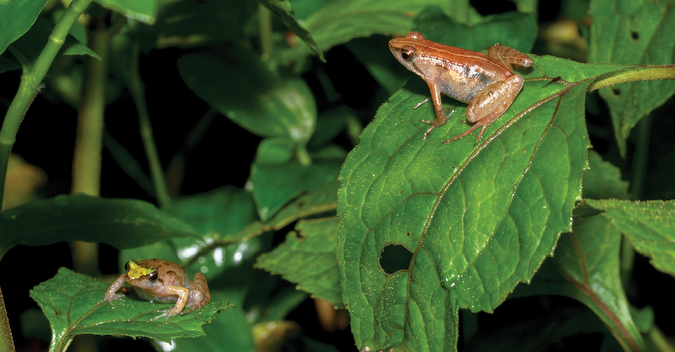
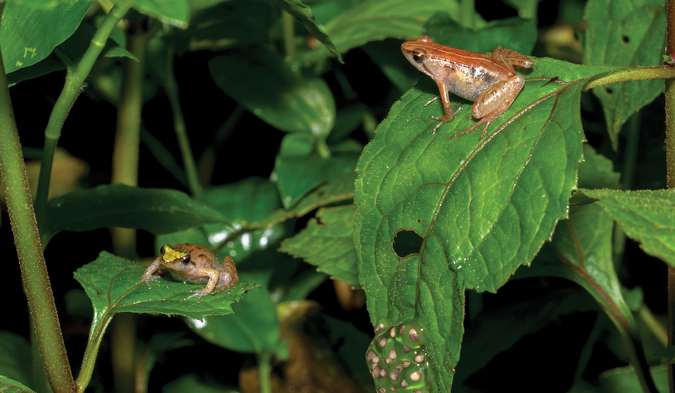
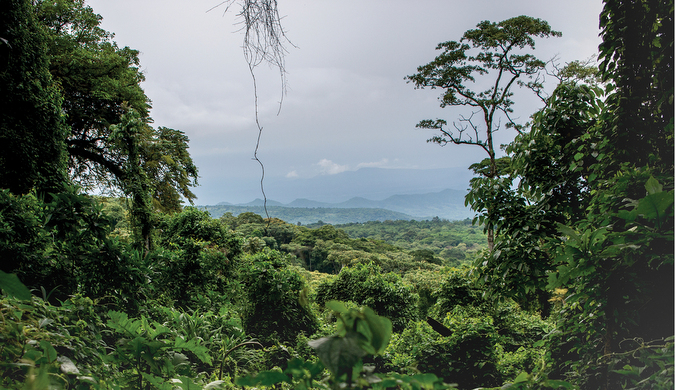
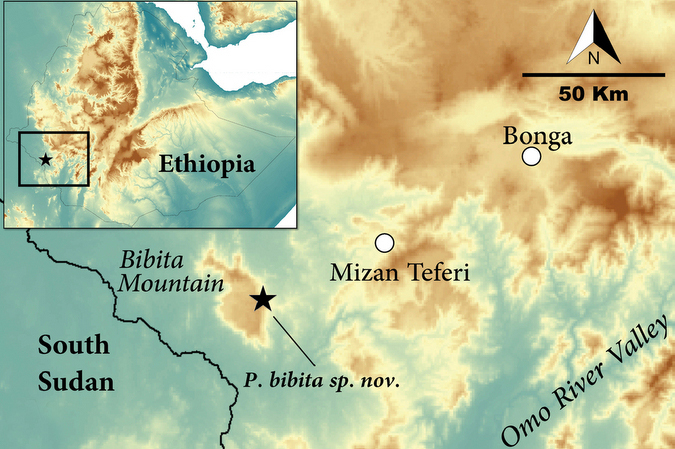
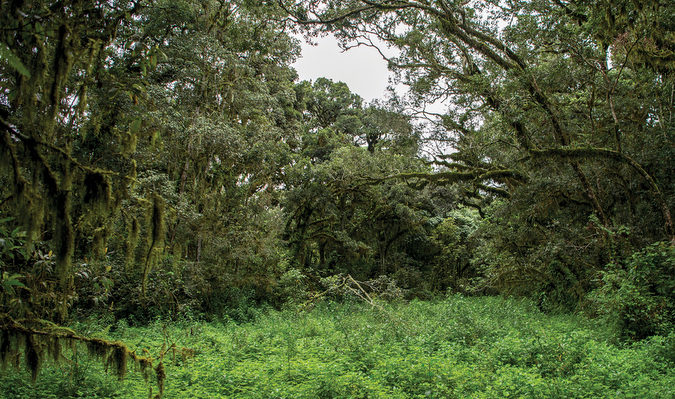
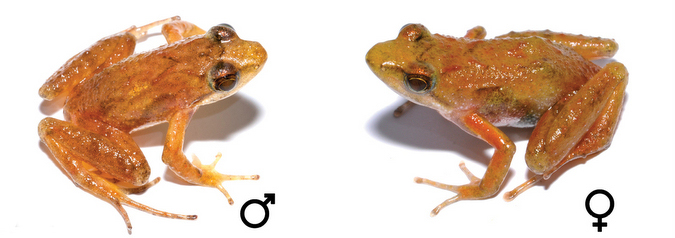
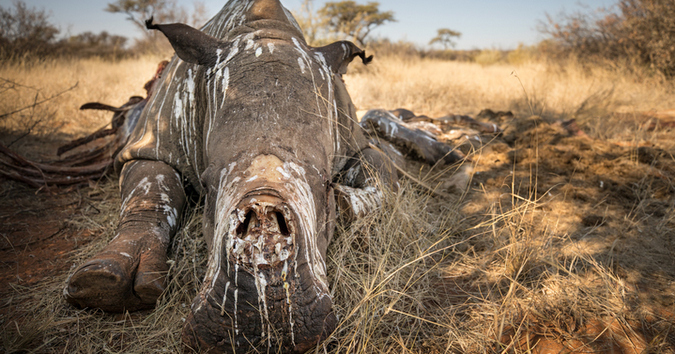
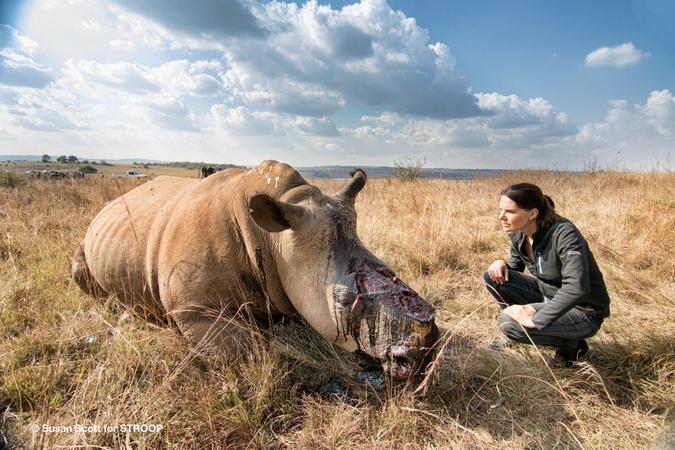
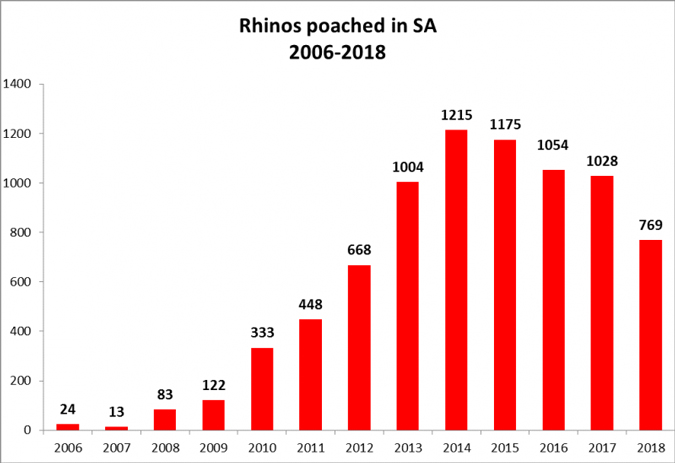
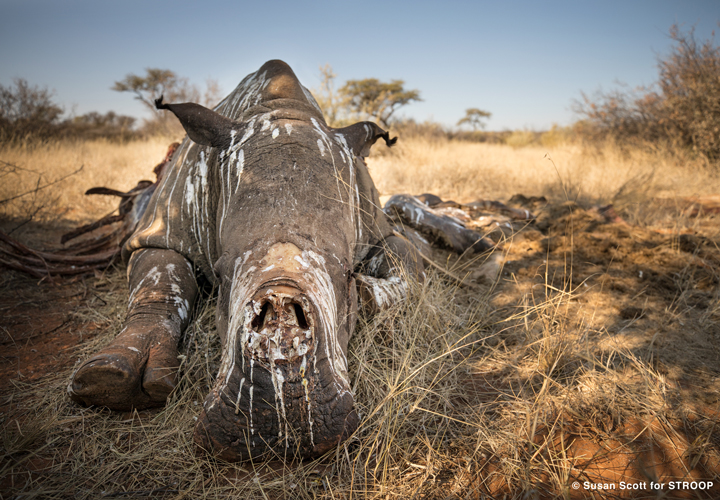
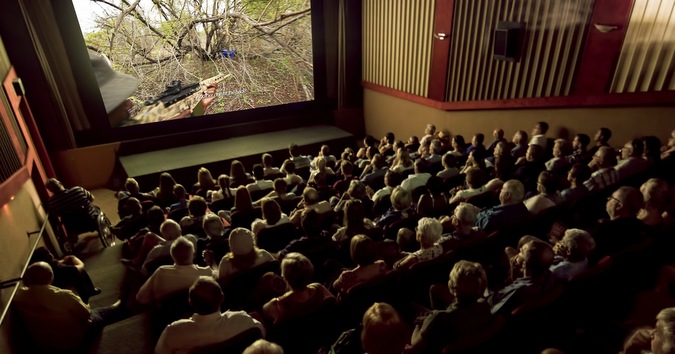
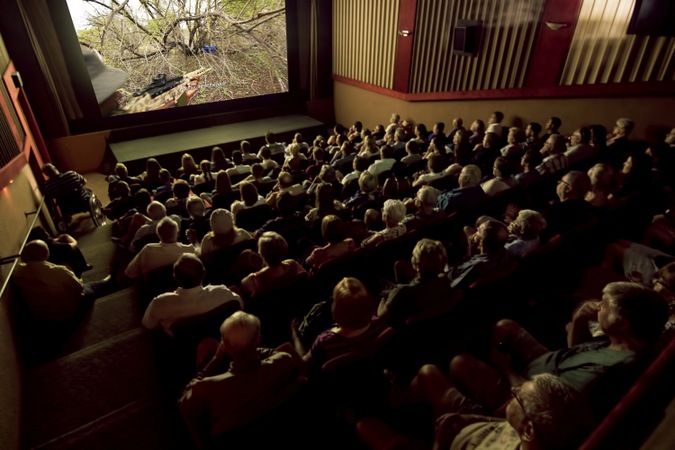
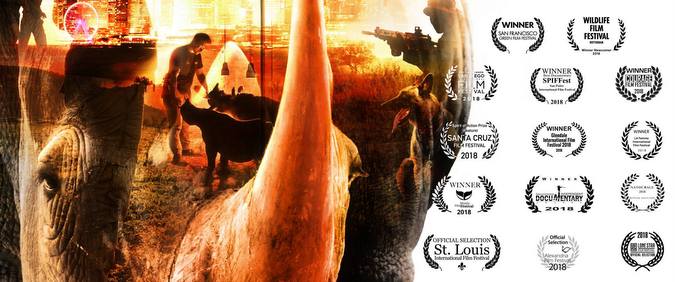
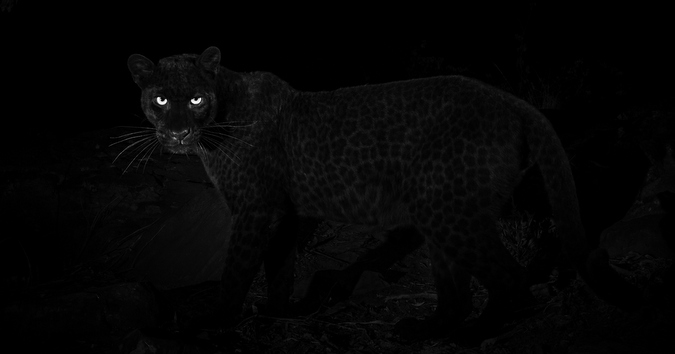
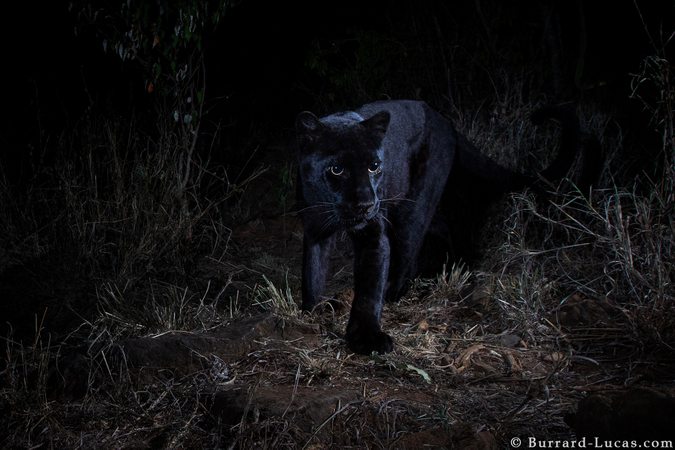
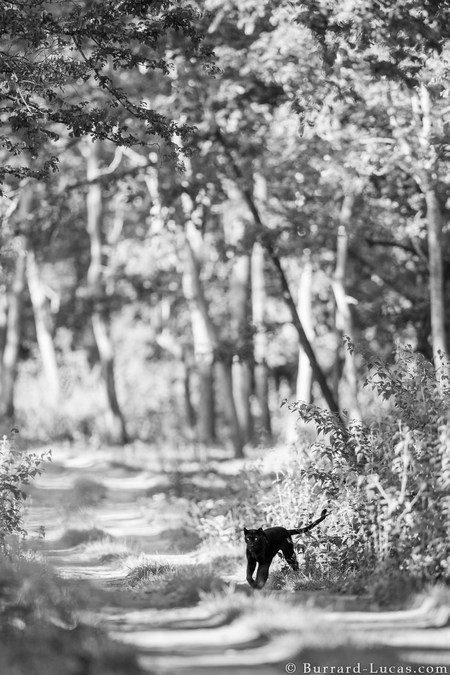
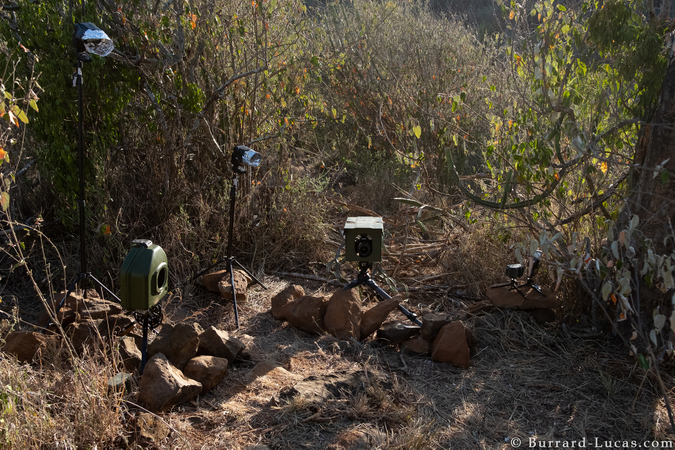
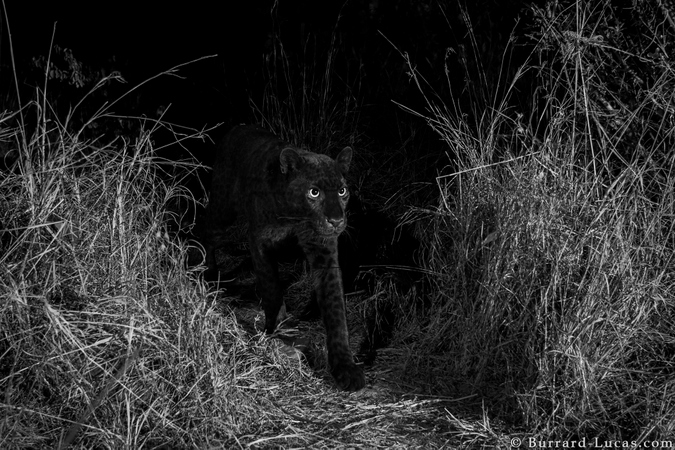
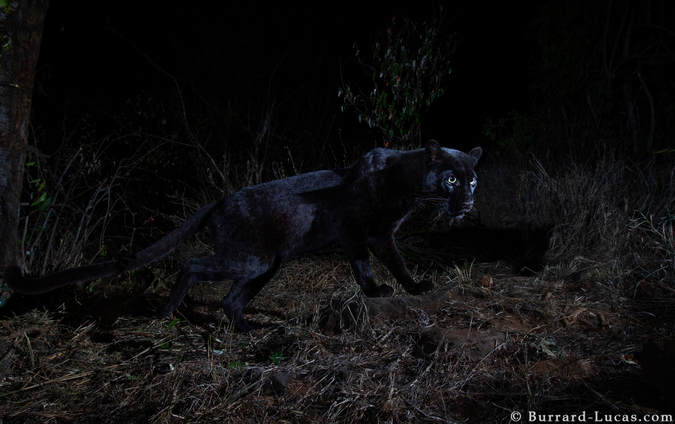
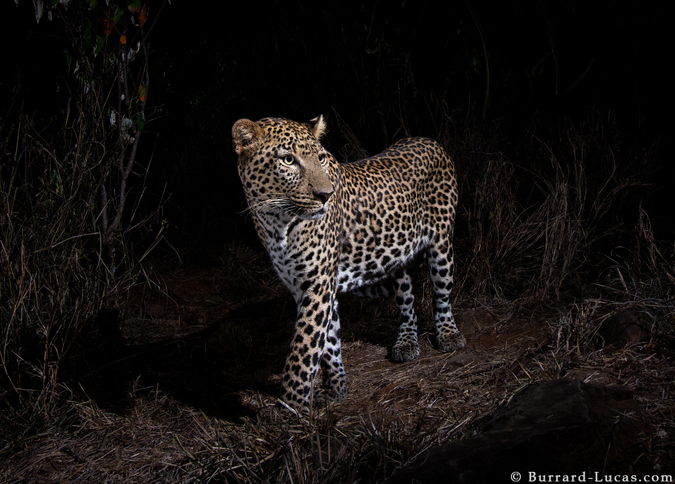
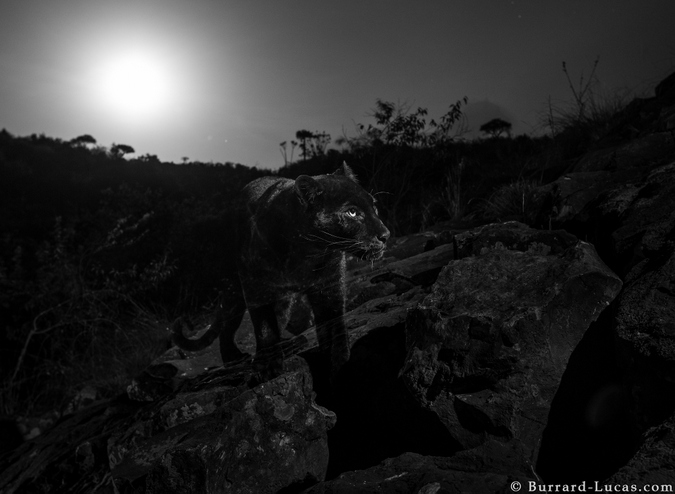
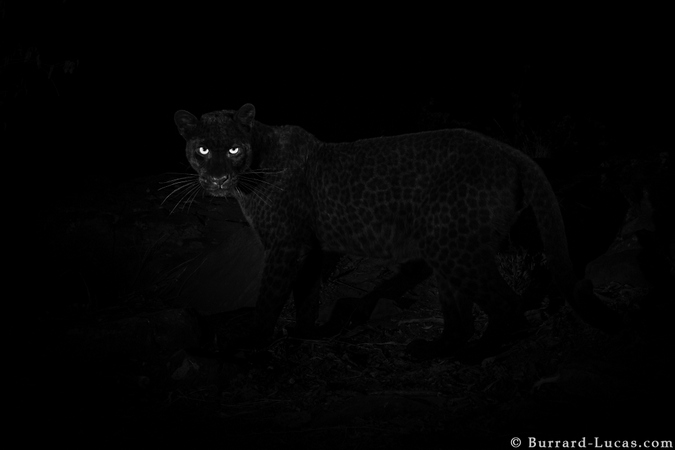
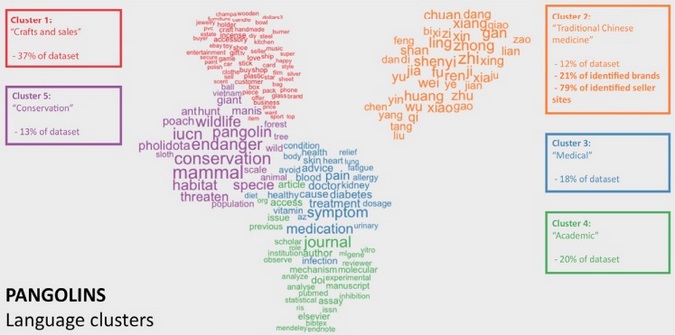
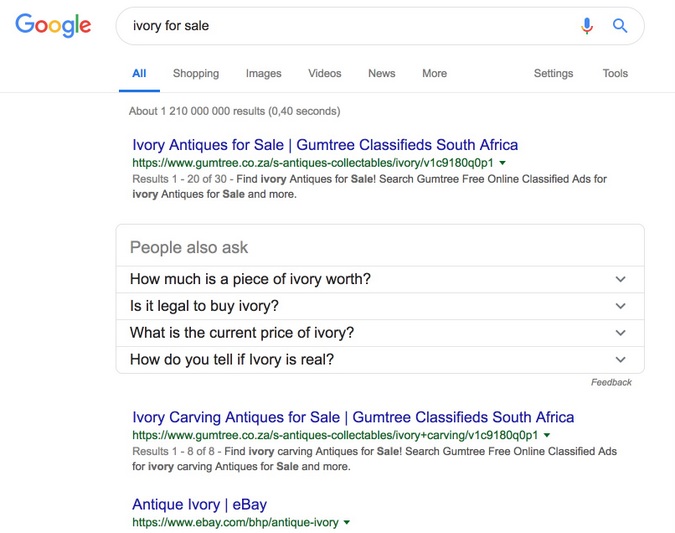
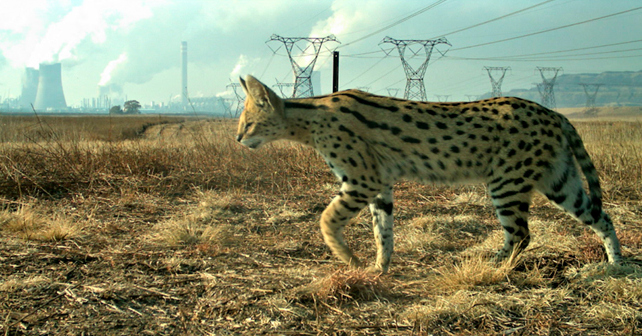
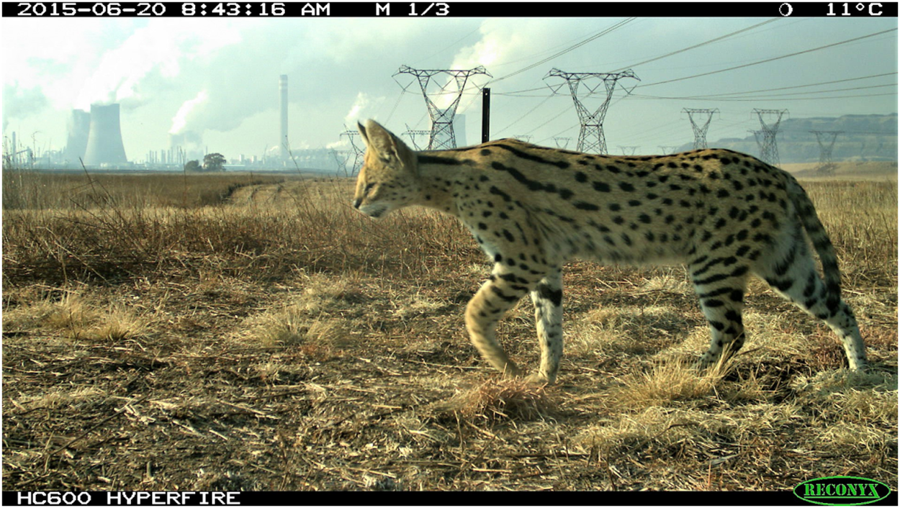
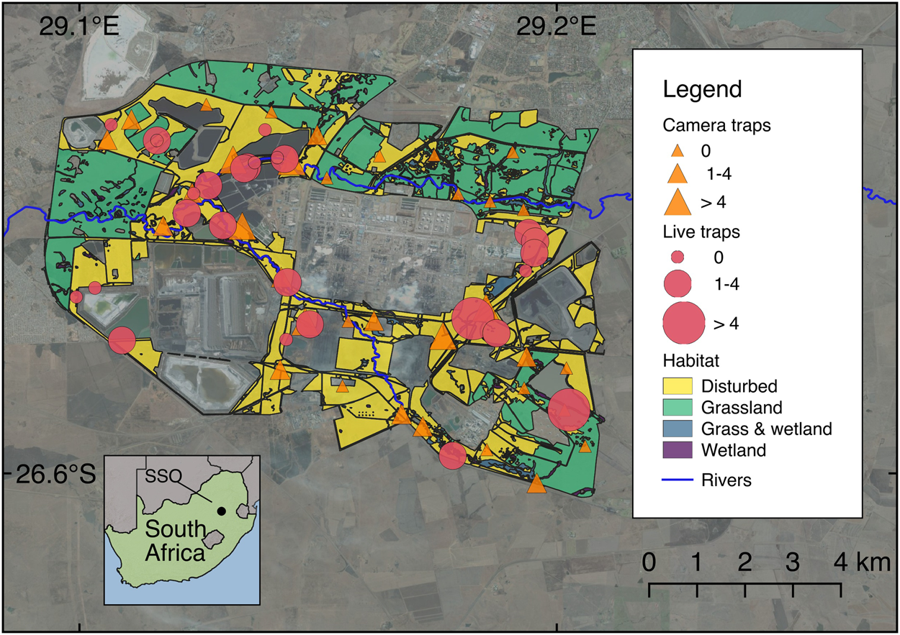
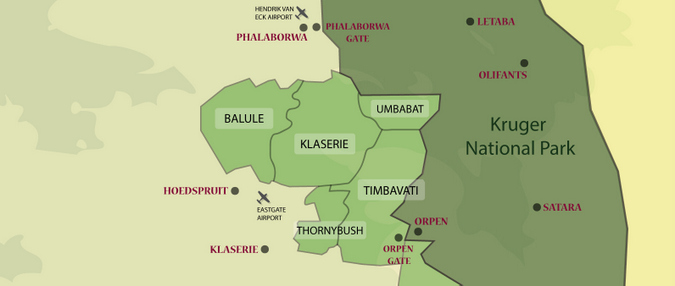

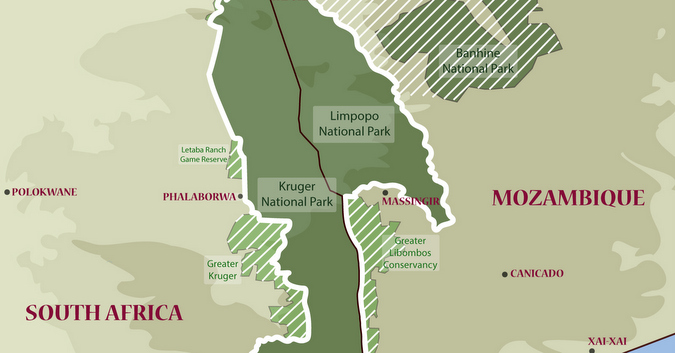
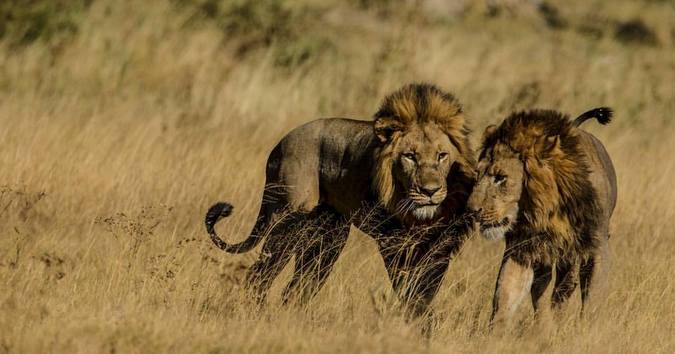
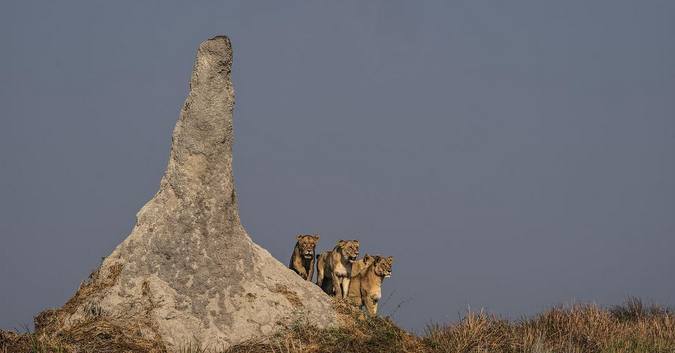
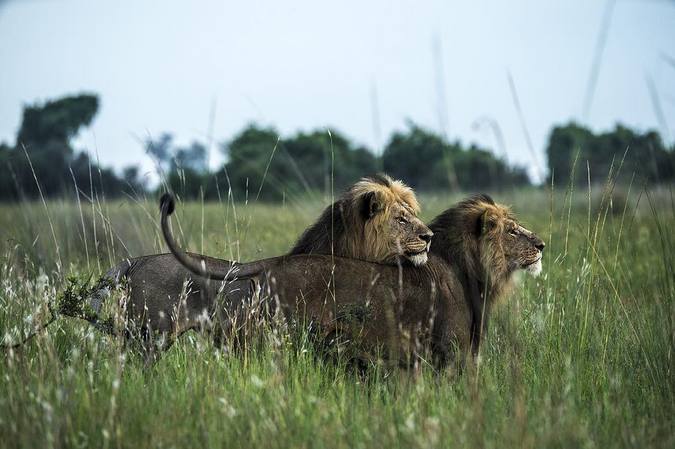
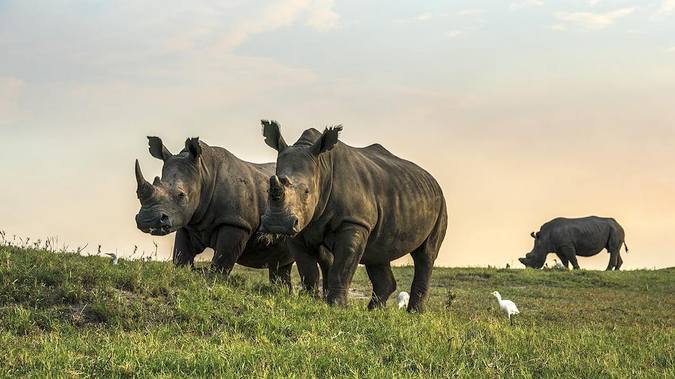
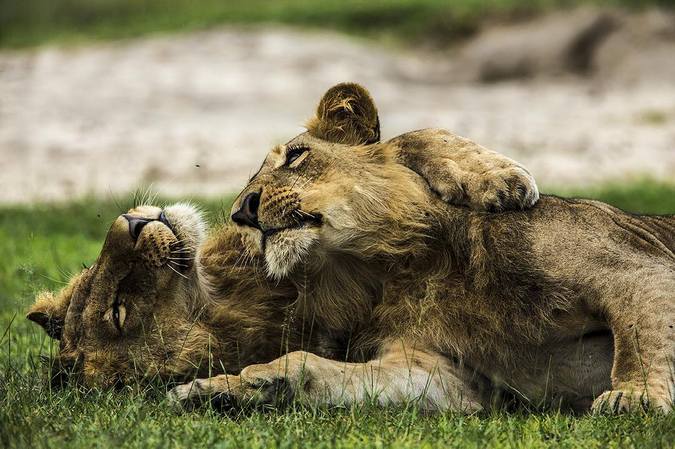
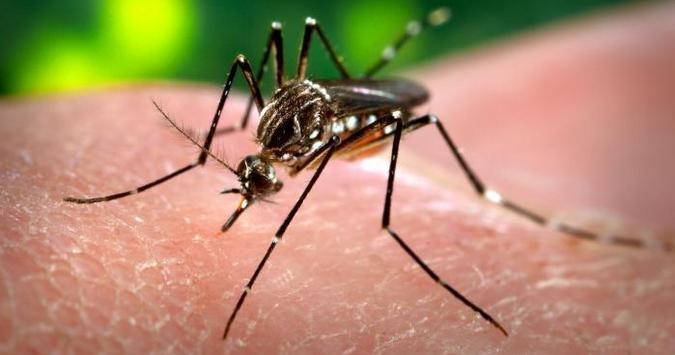
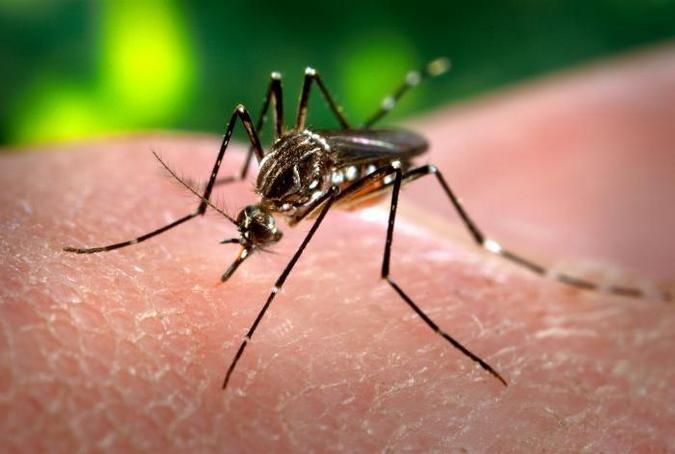
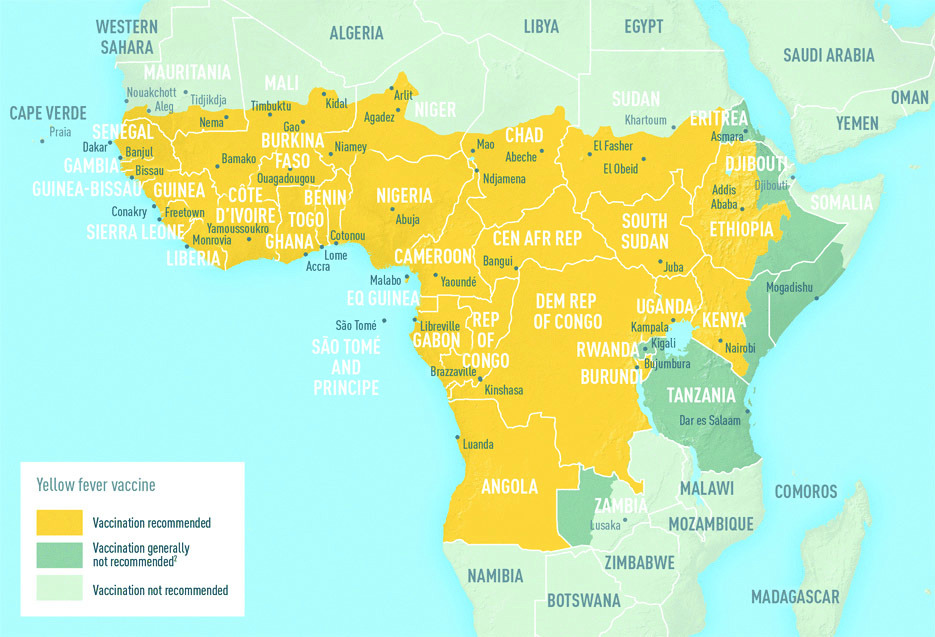
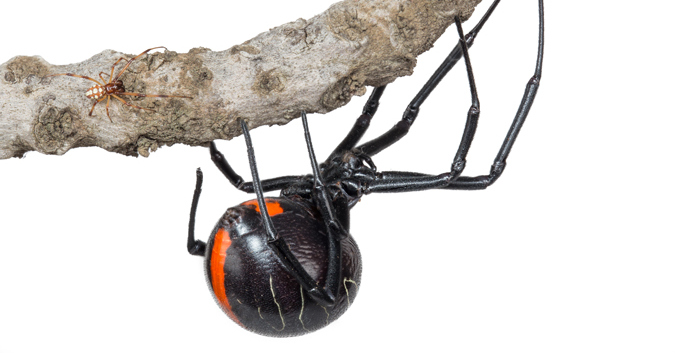
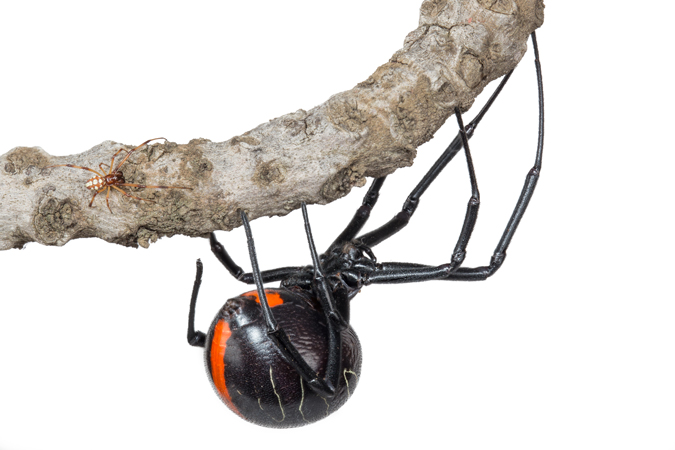
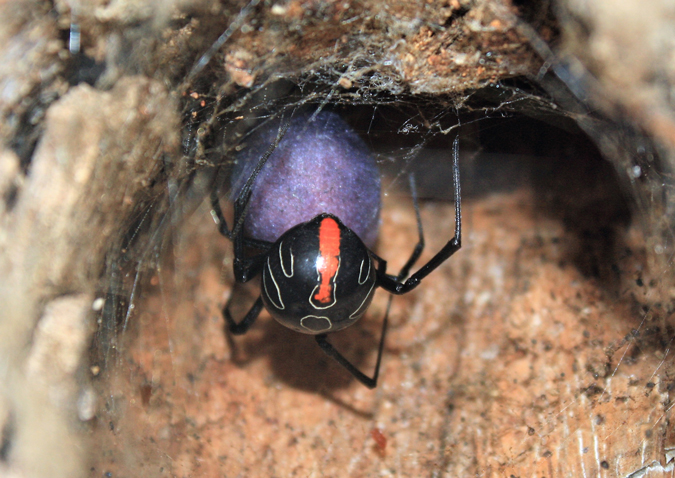
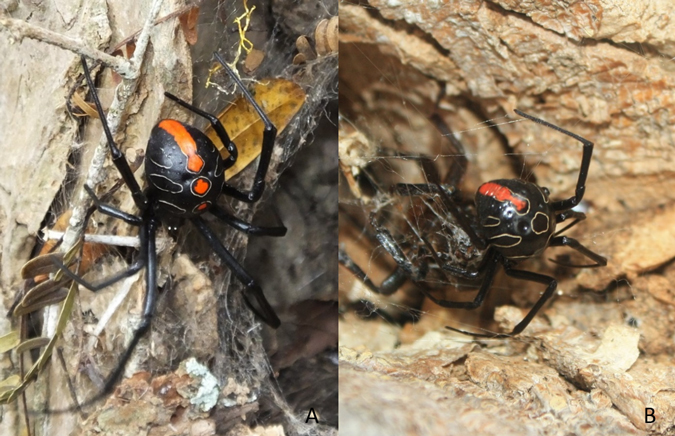
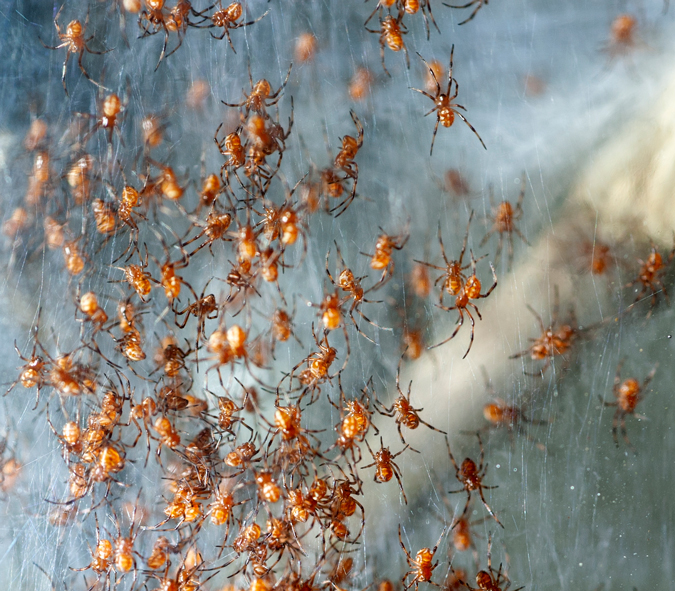
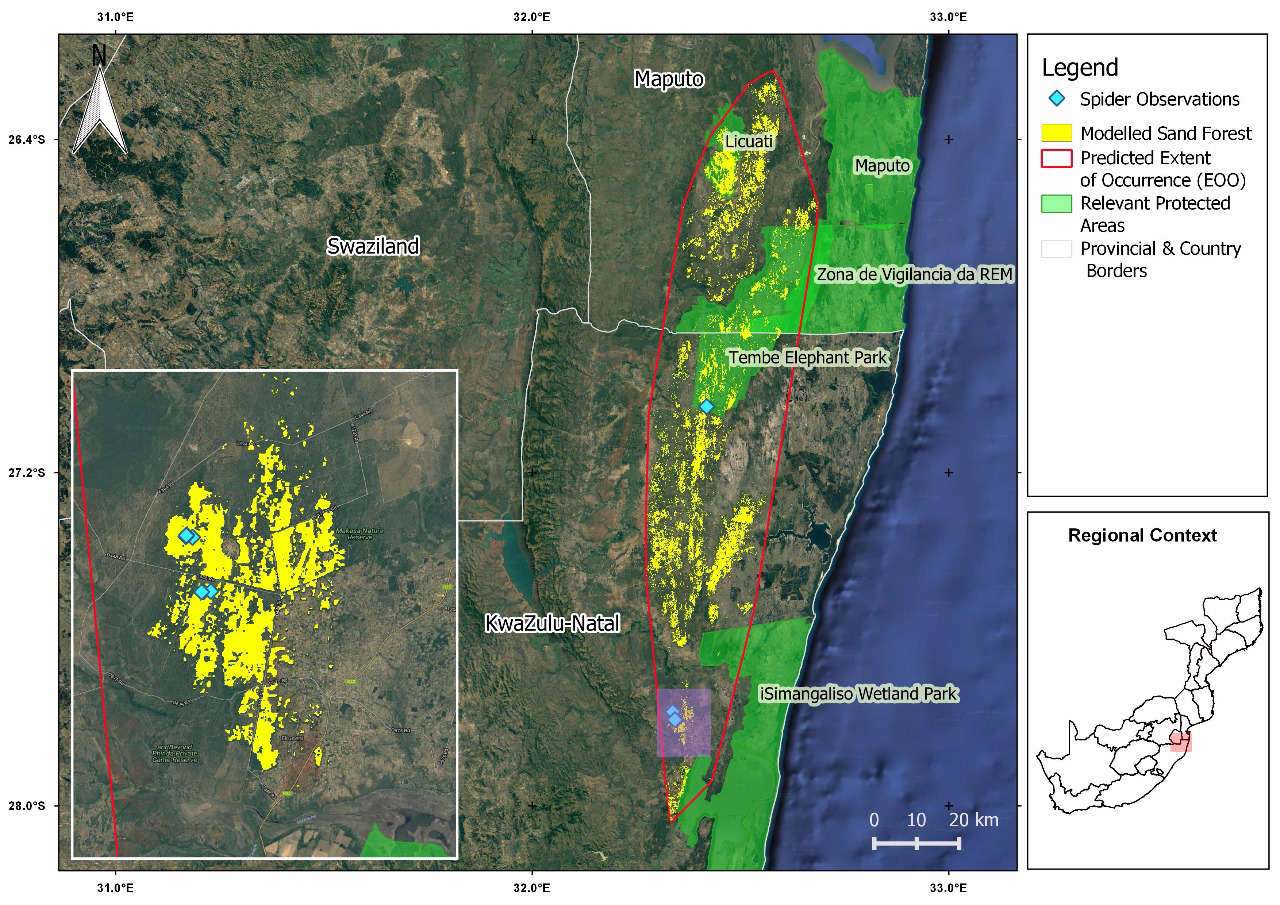
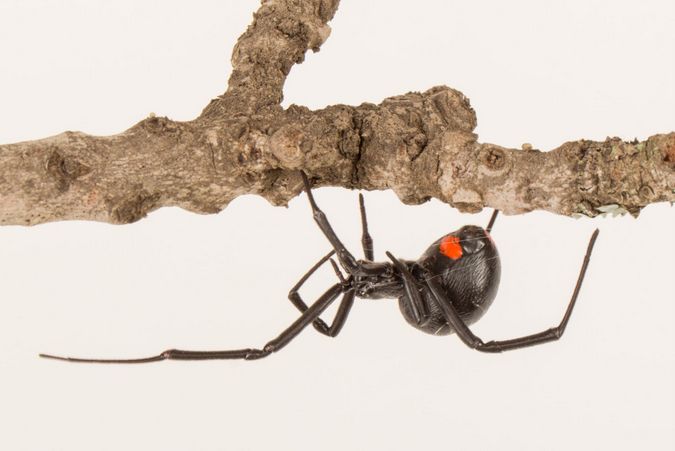
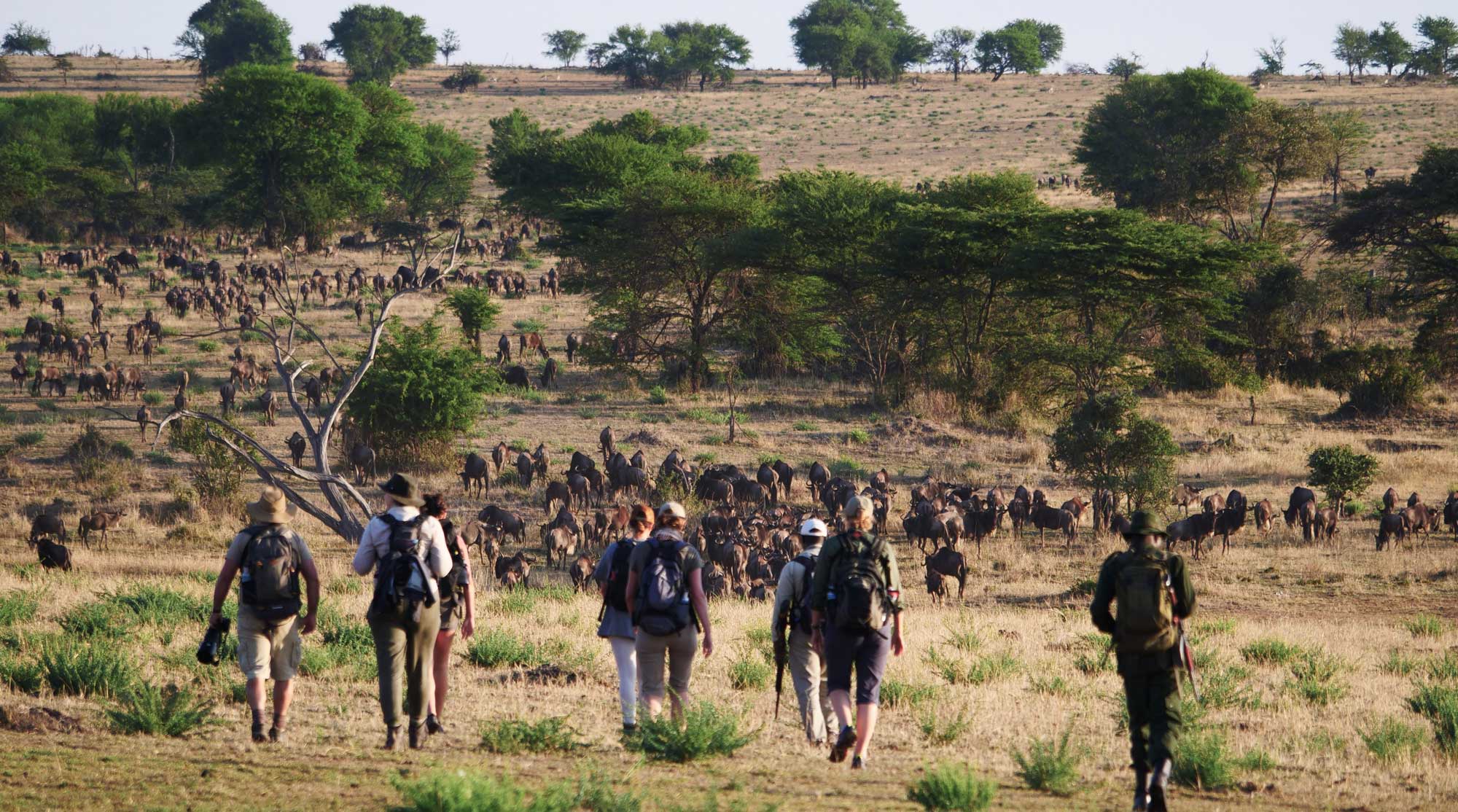
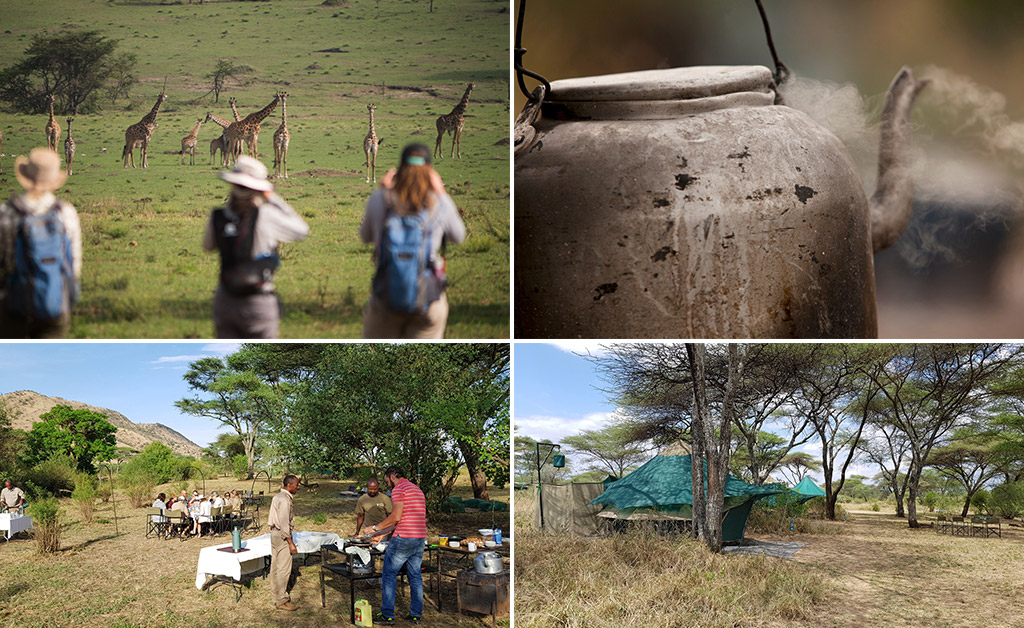
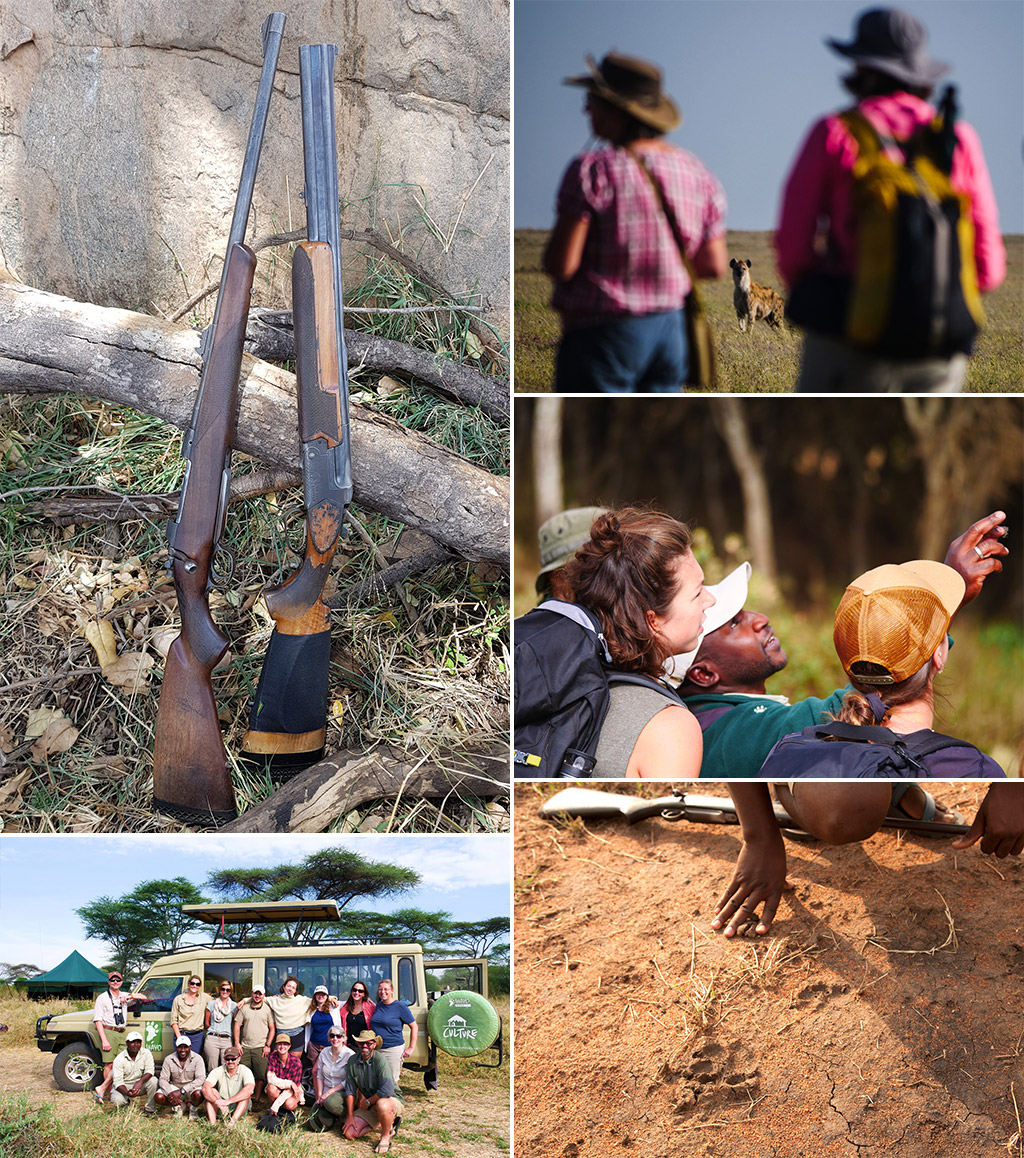
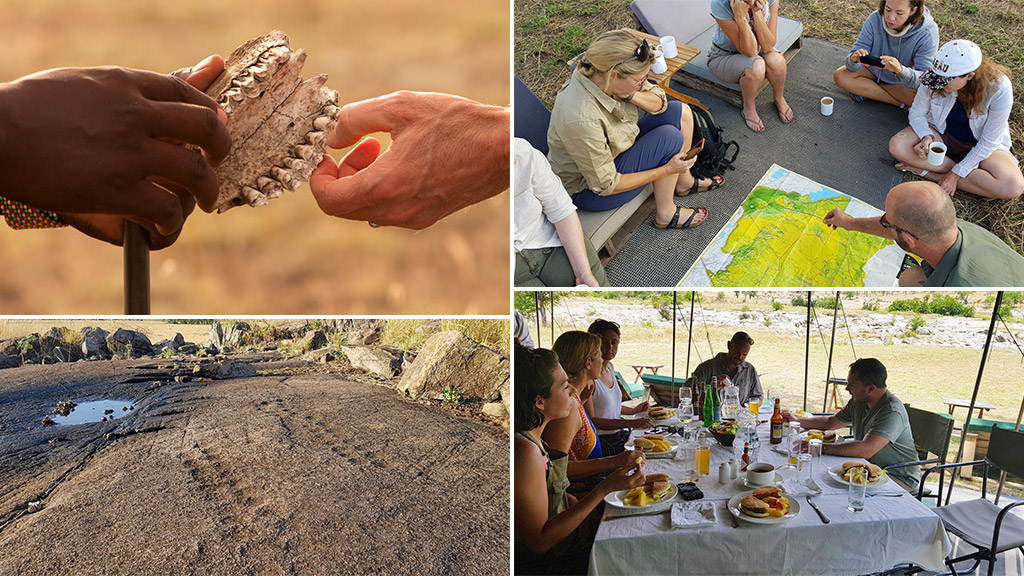
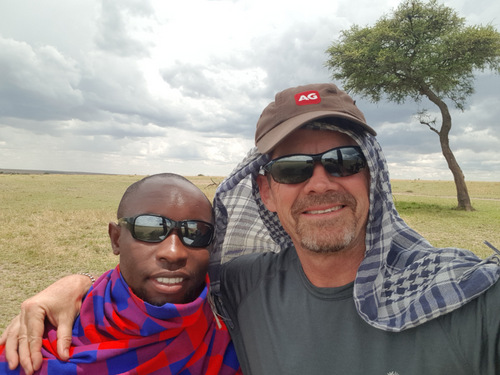
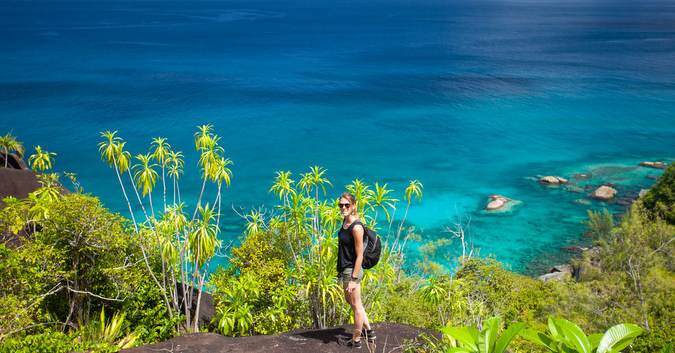
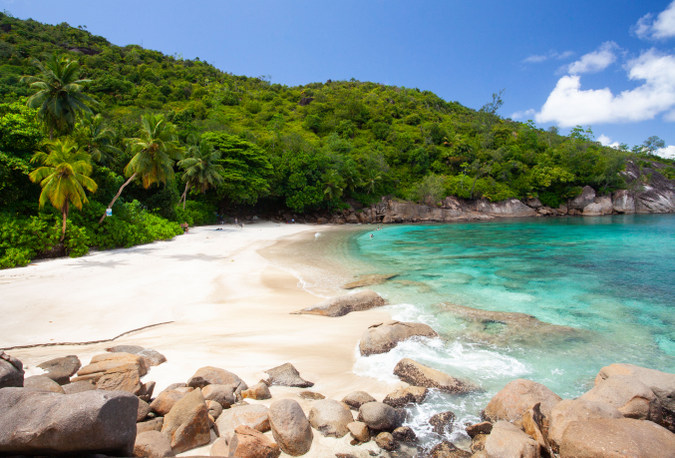
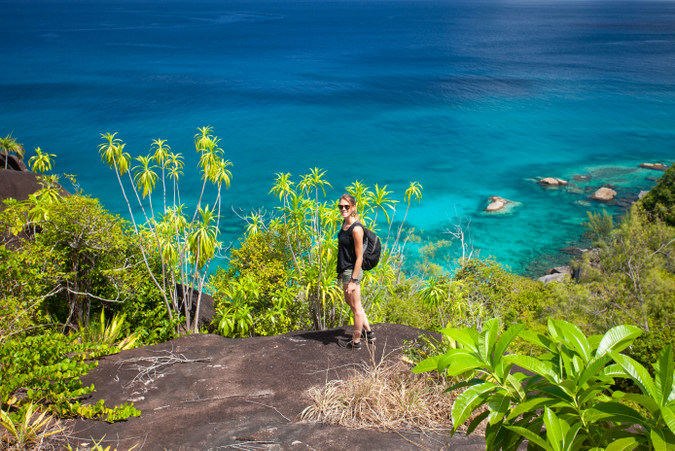
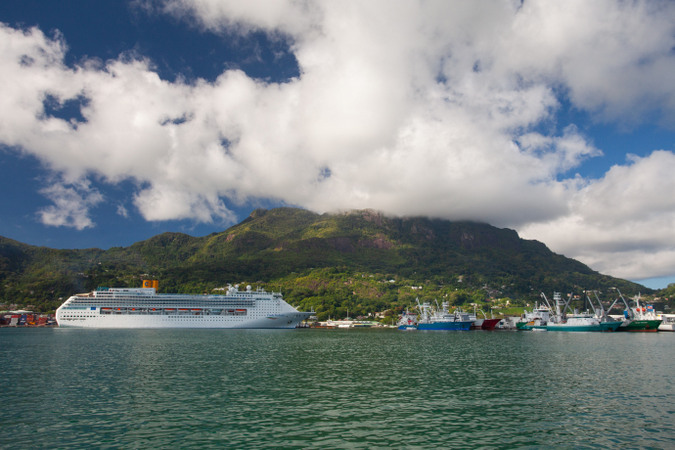
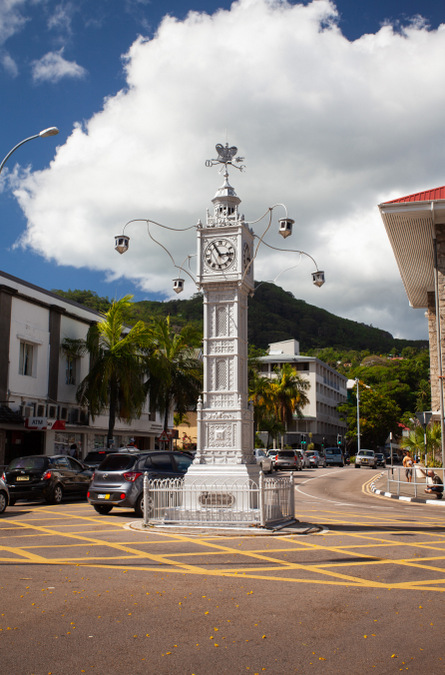
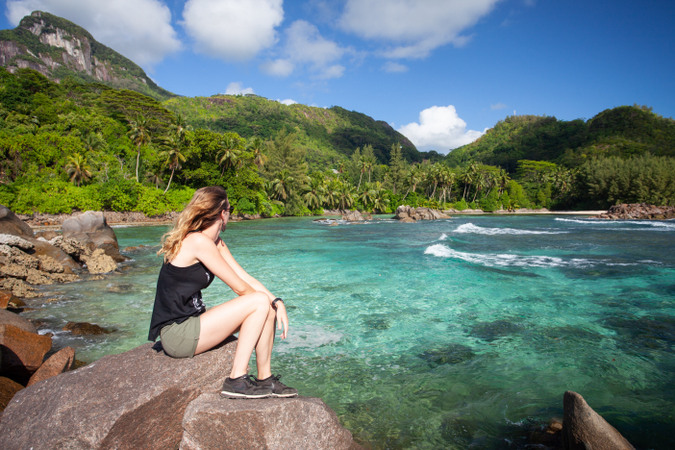

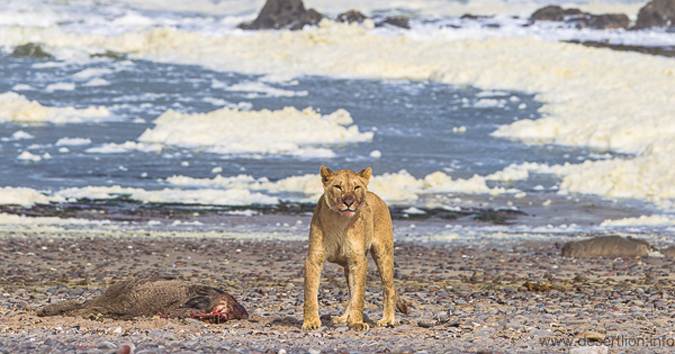
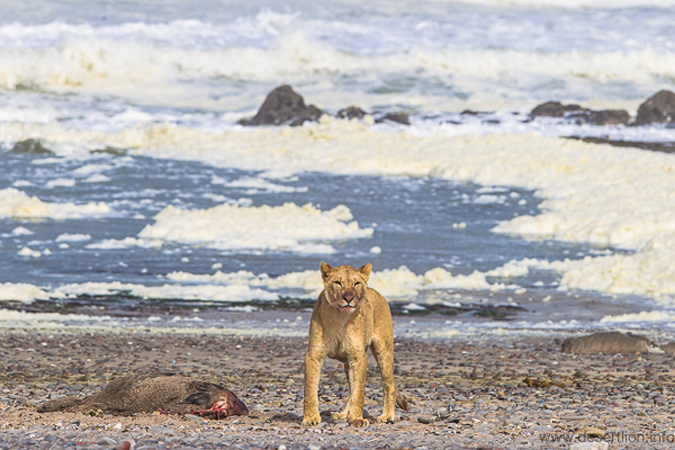
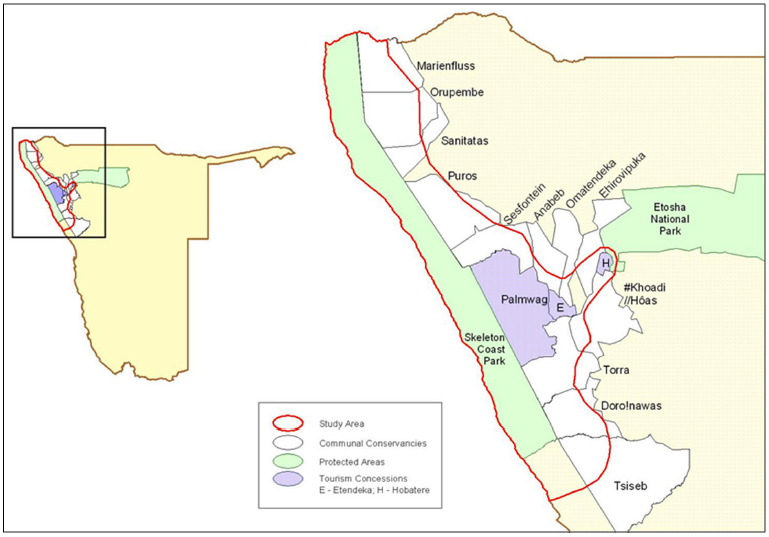
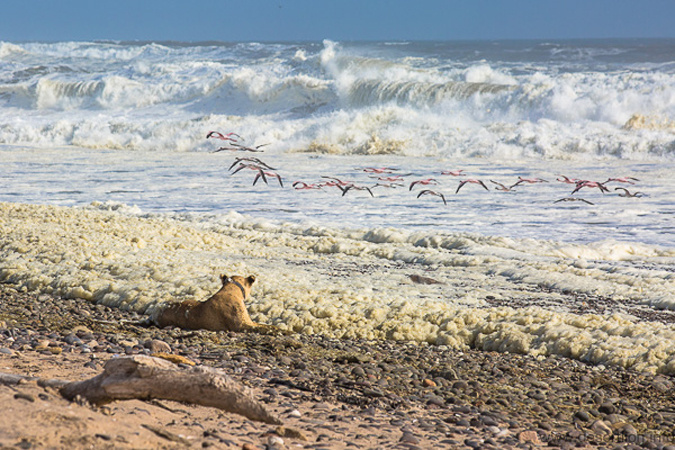
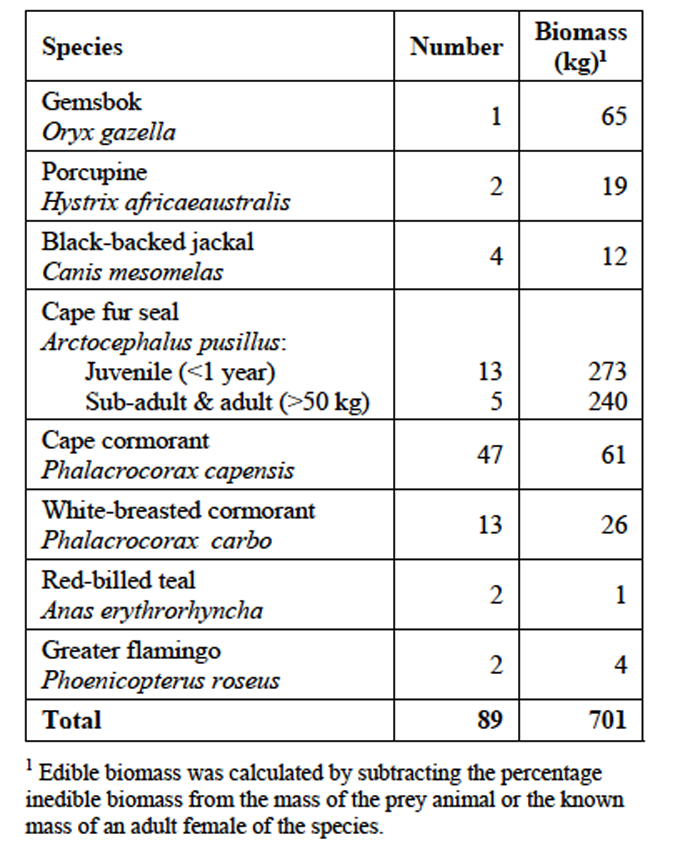
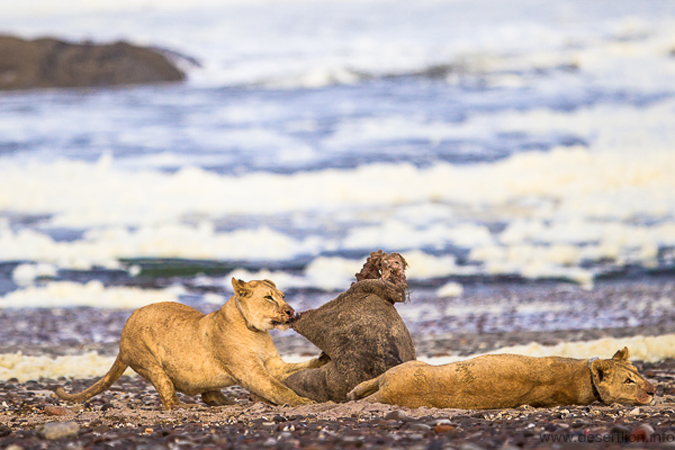
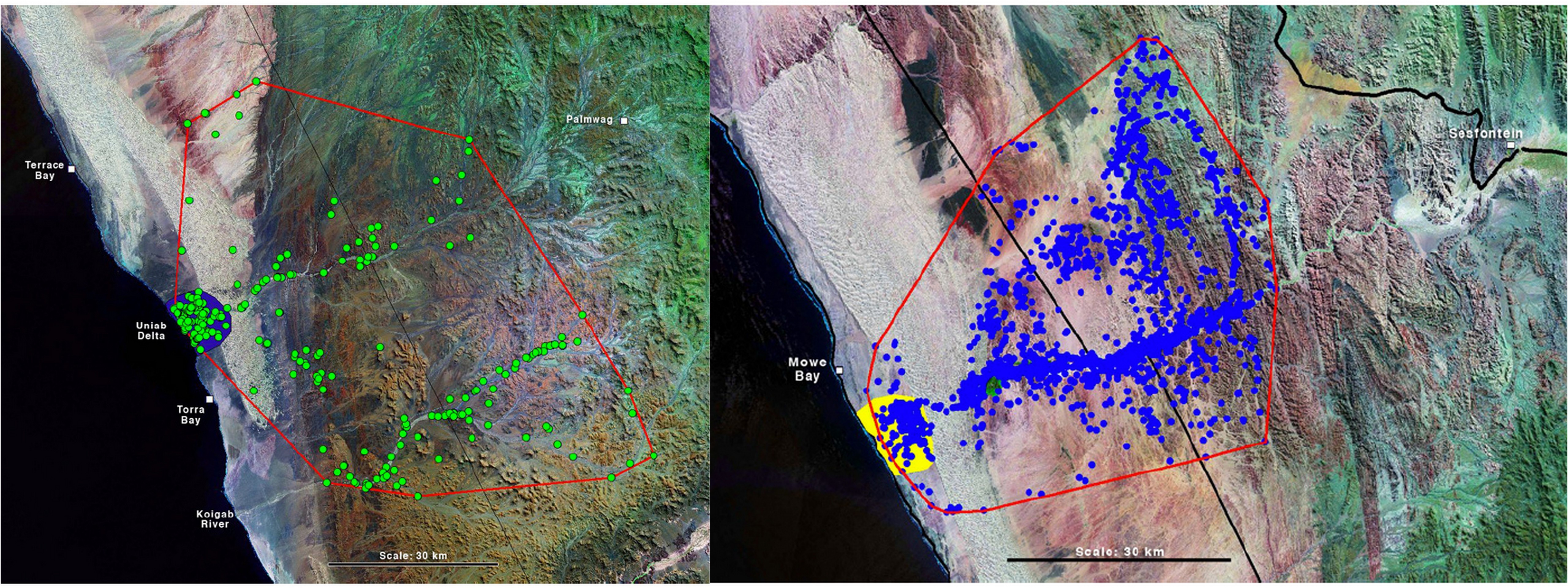
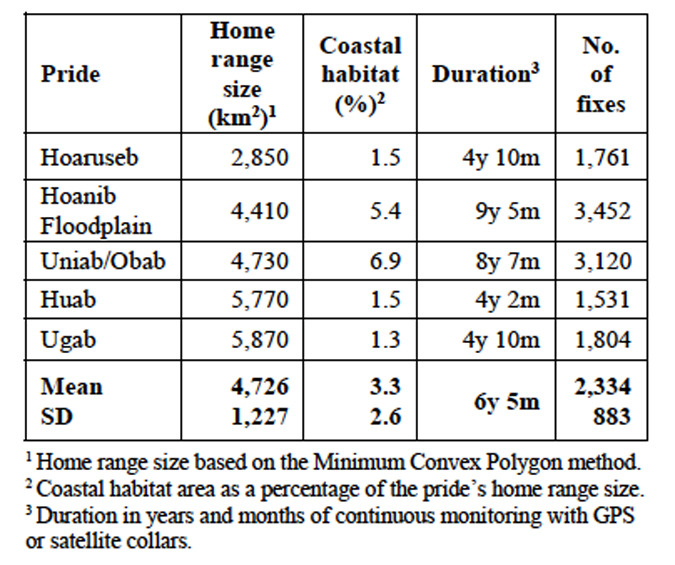
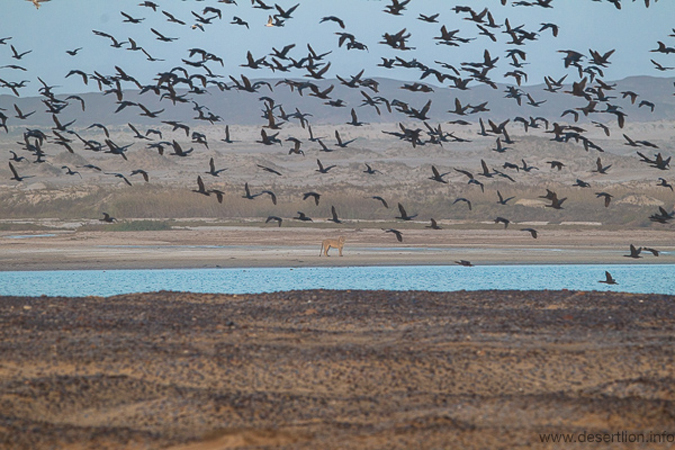
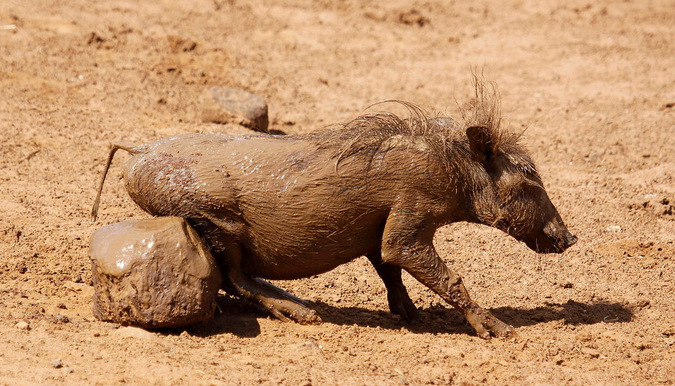
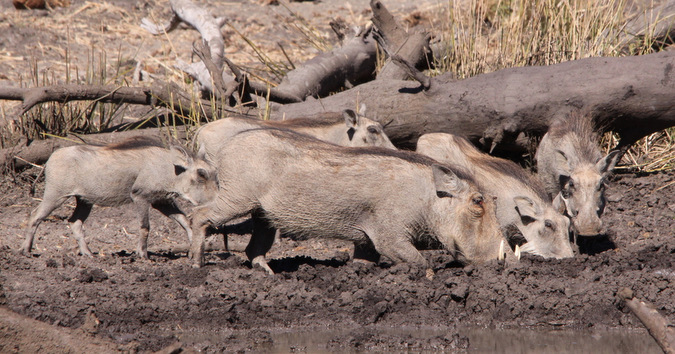
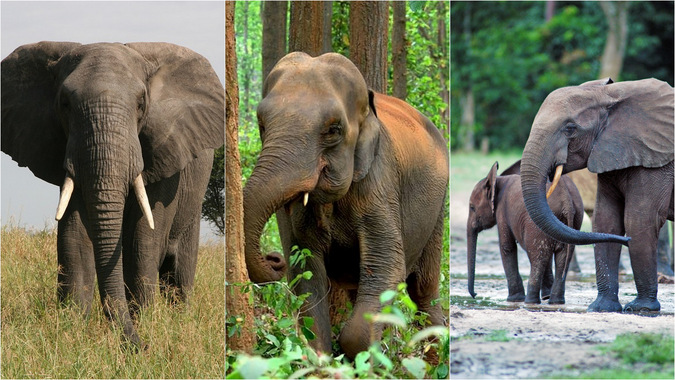
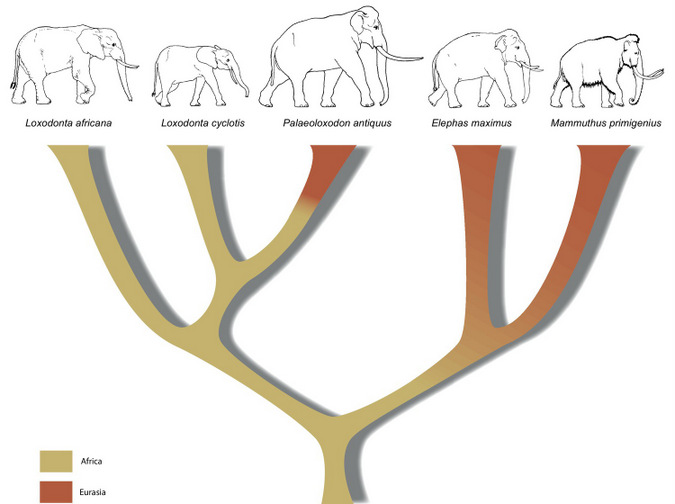
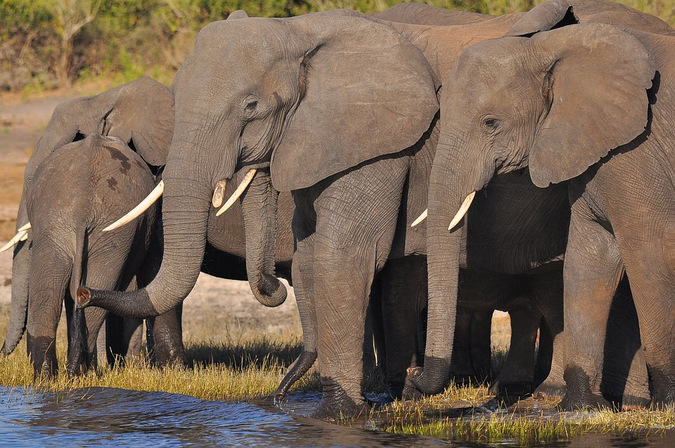
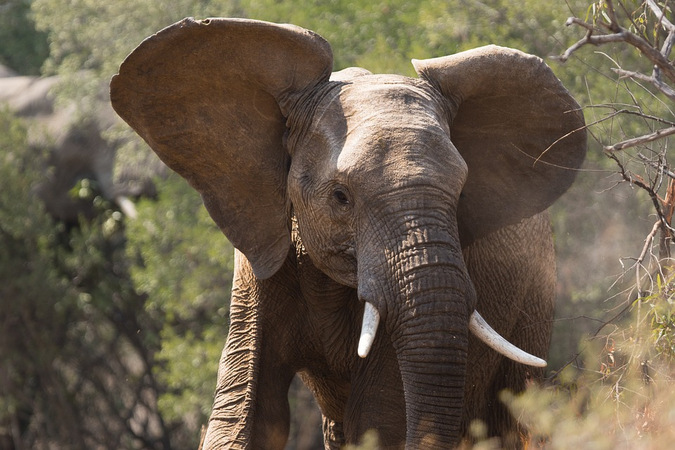
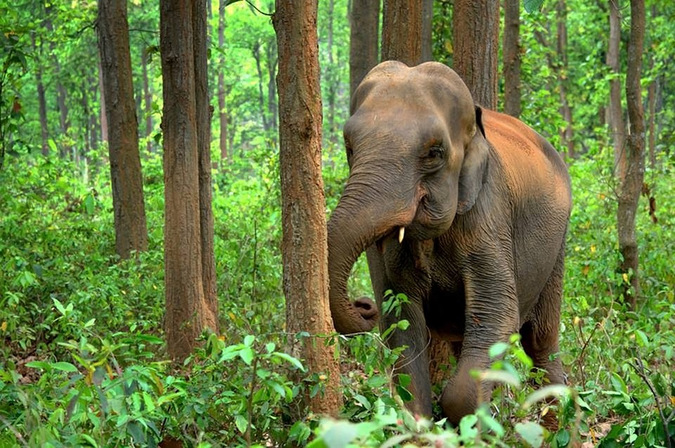
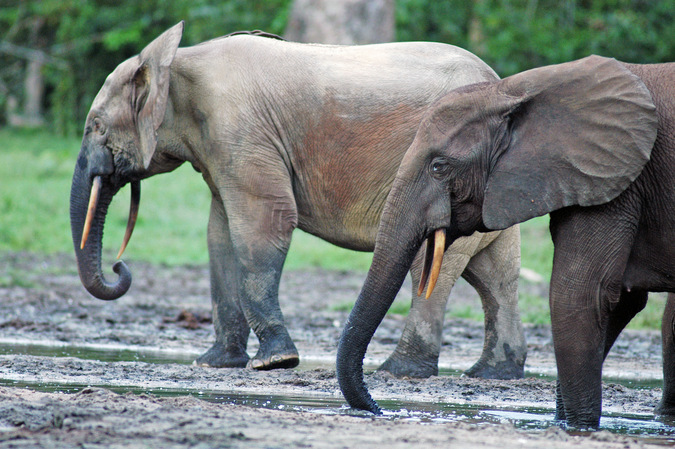
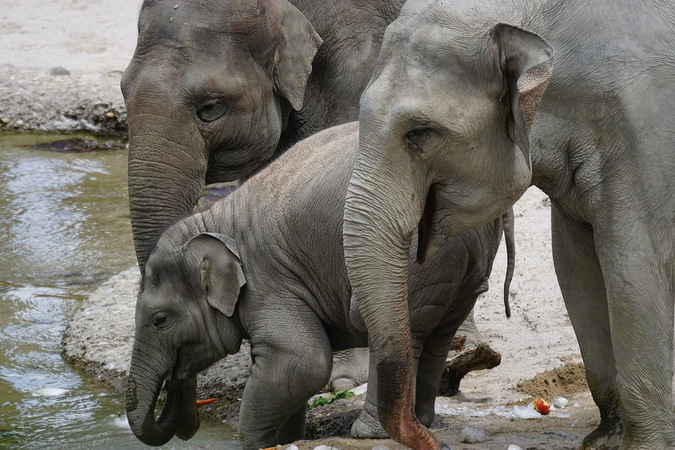
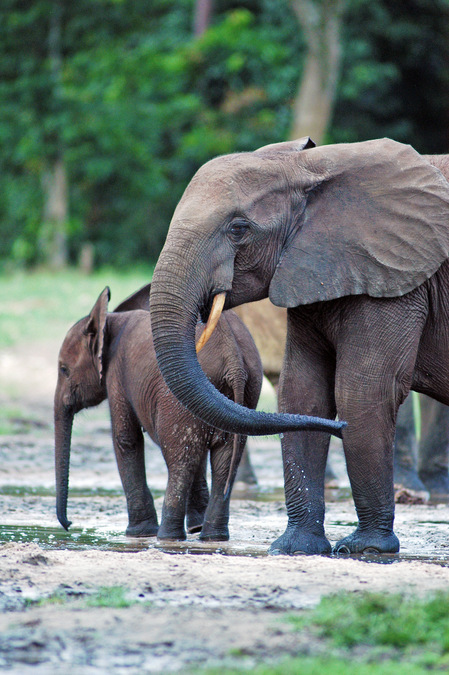
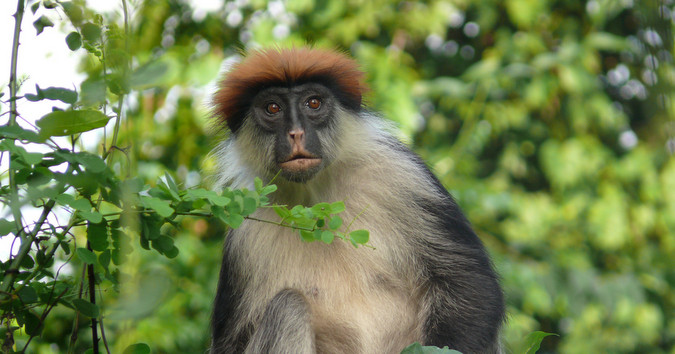
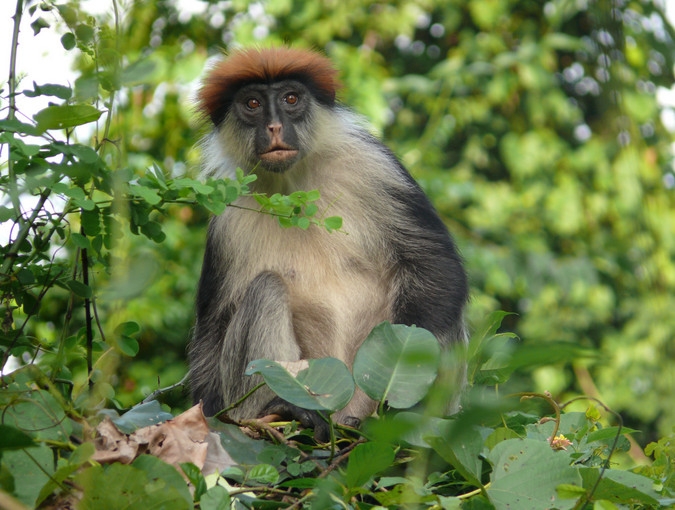
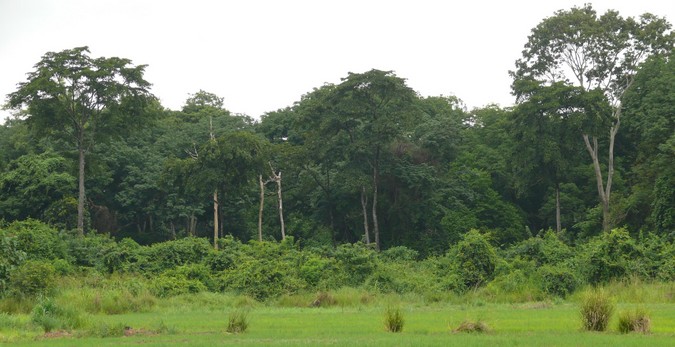
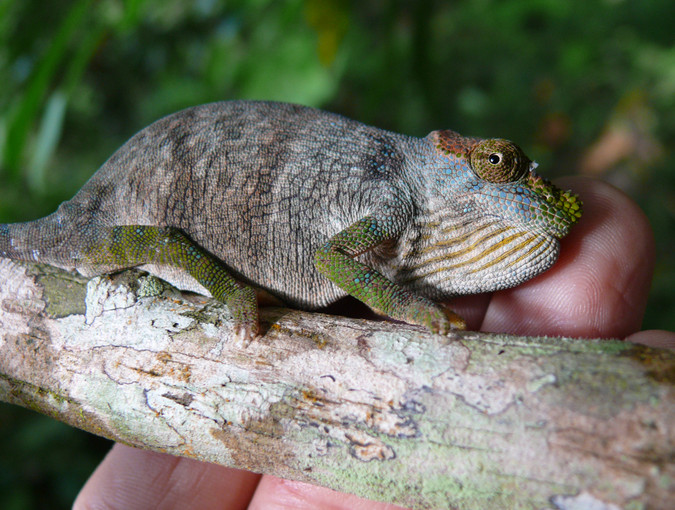
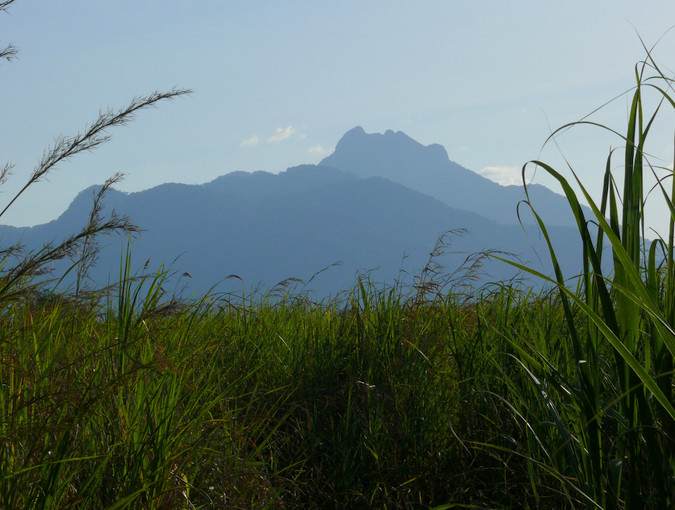
 Find out about Kafue for your next African safari. We have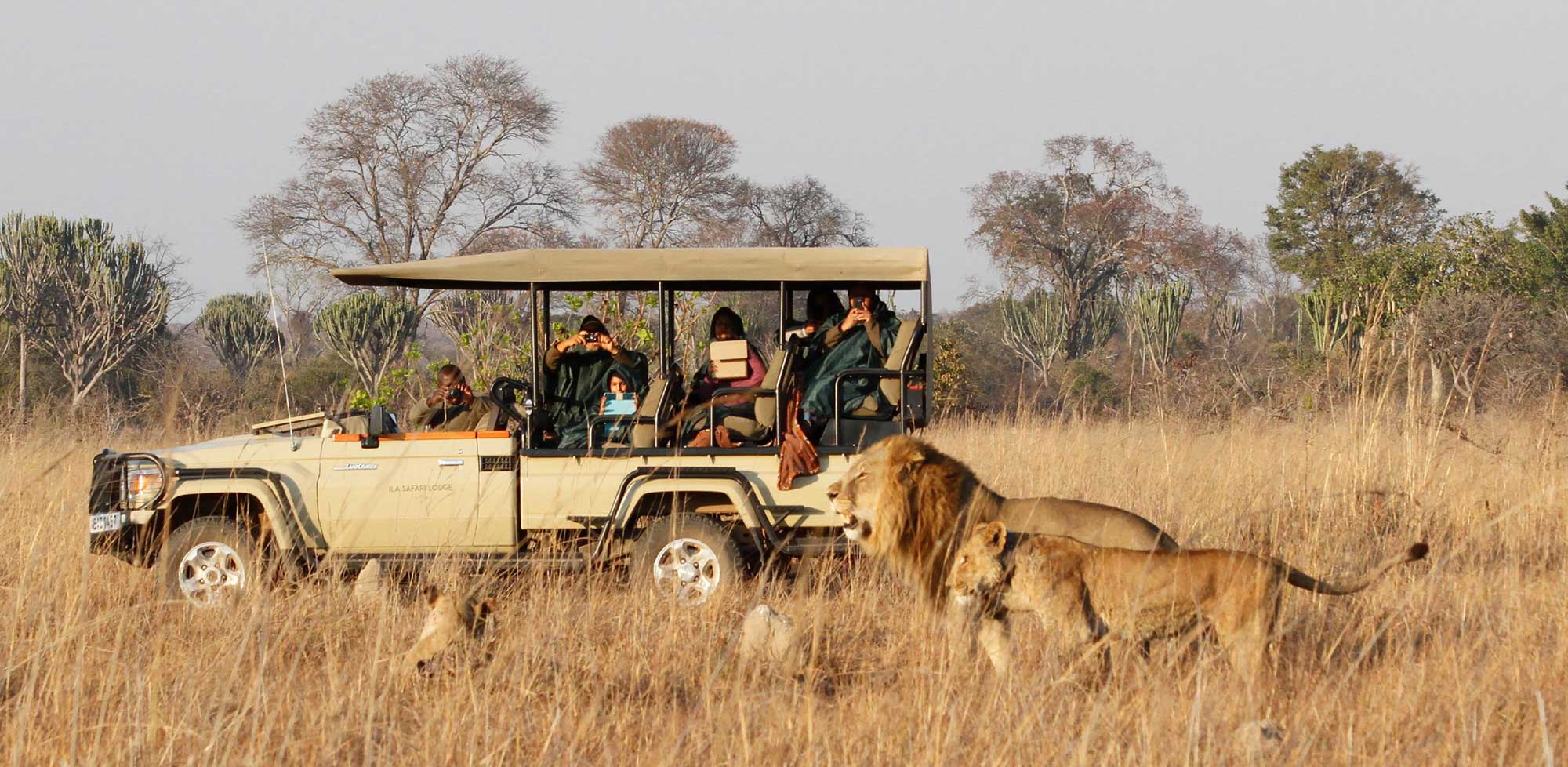
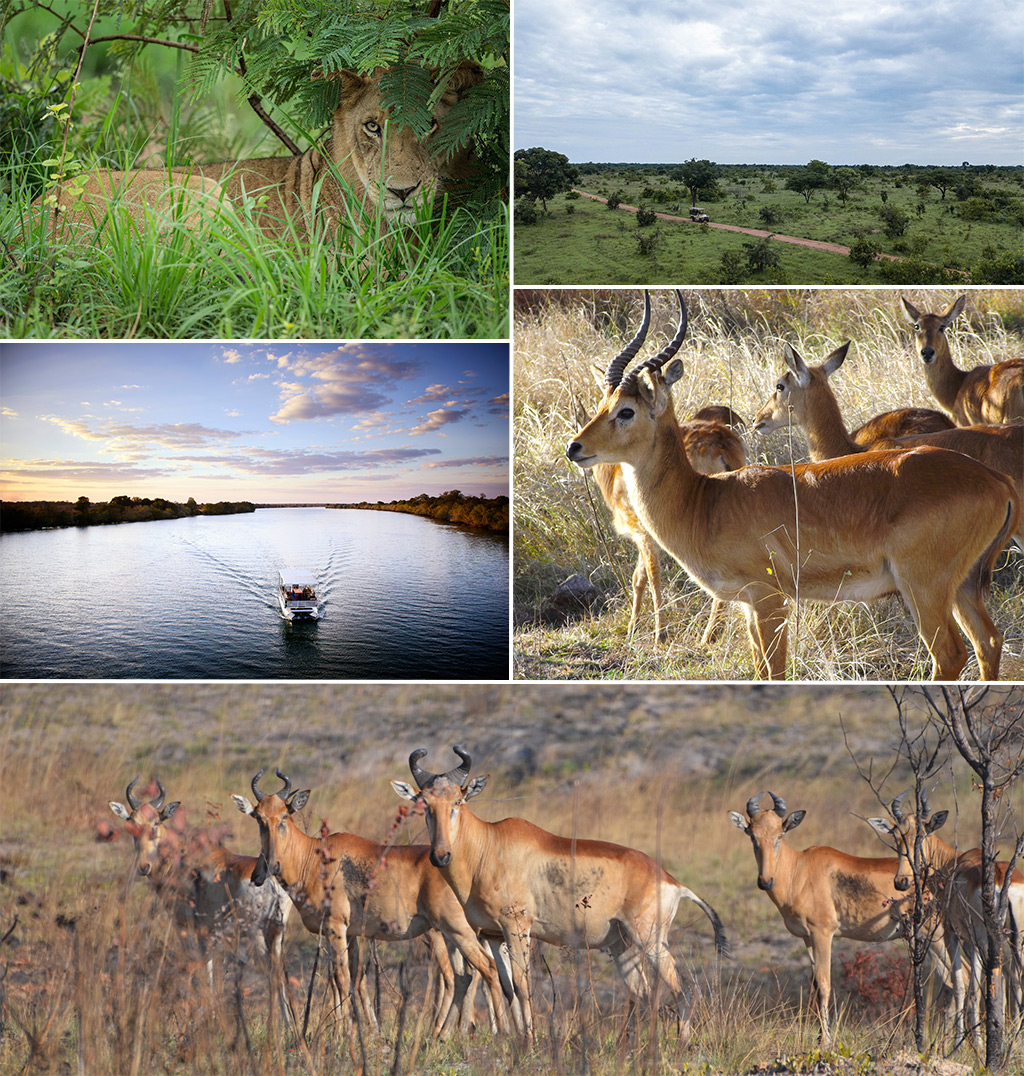
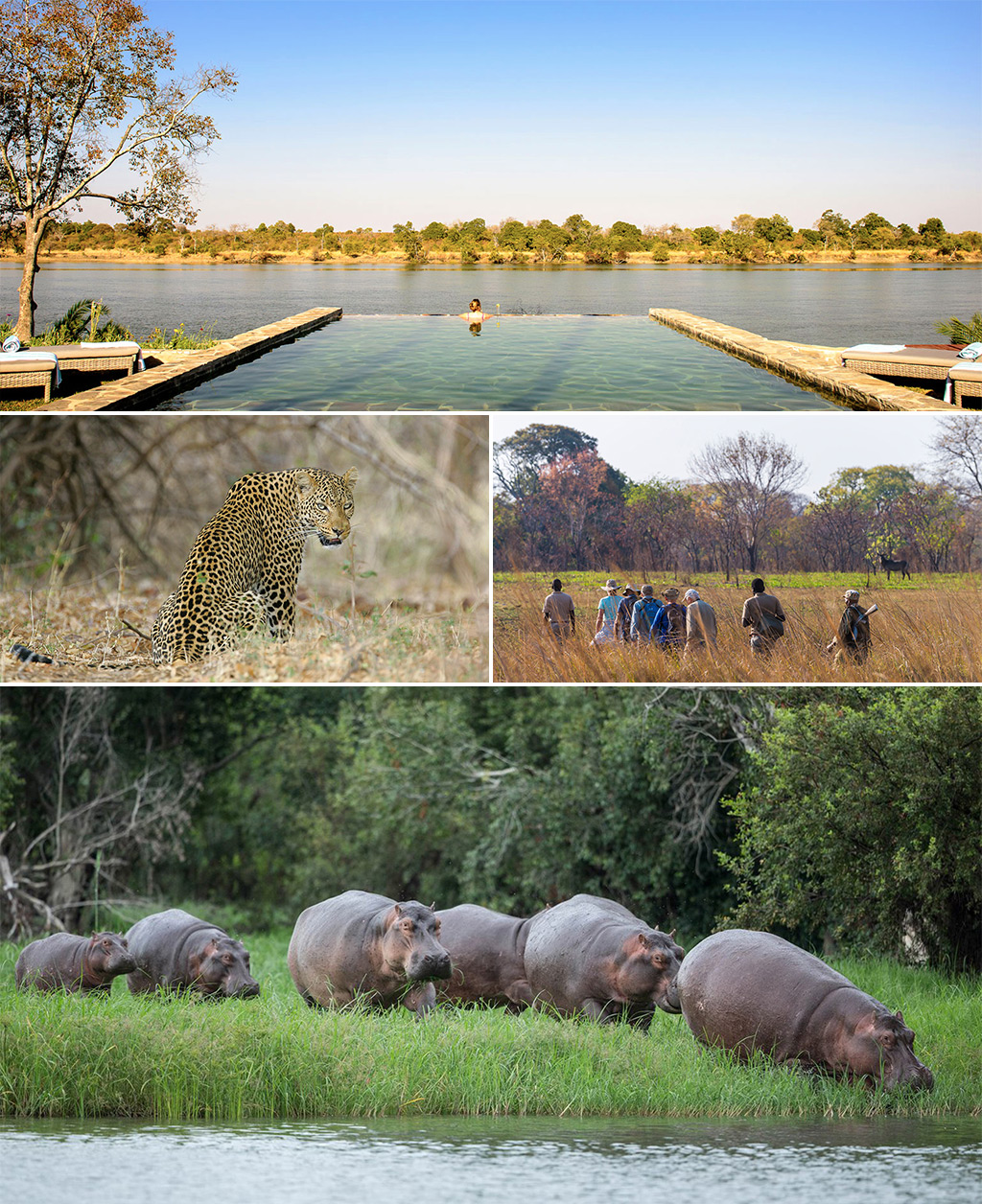
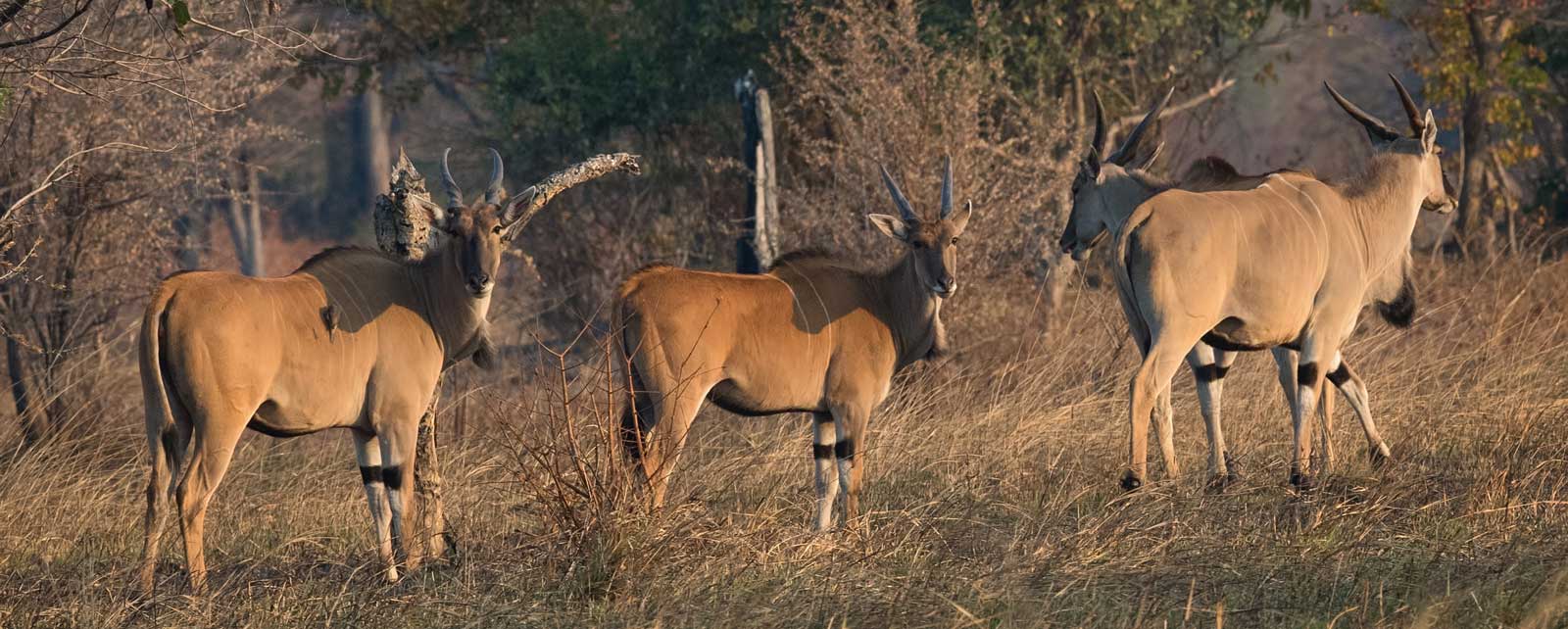
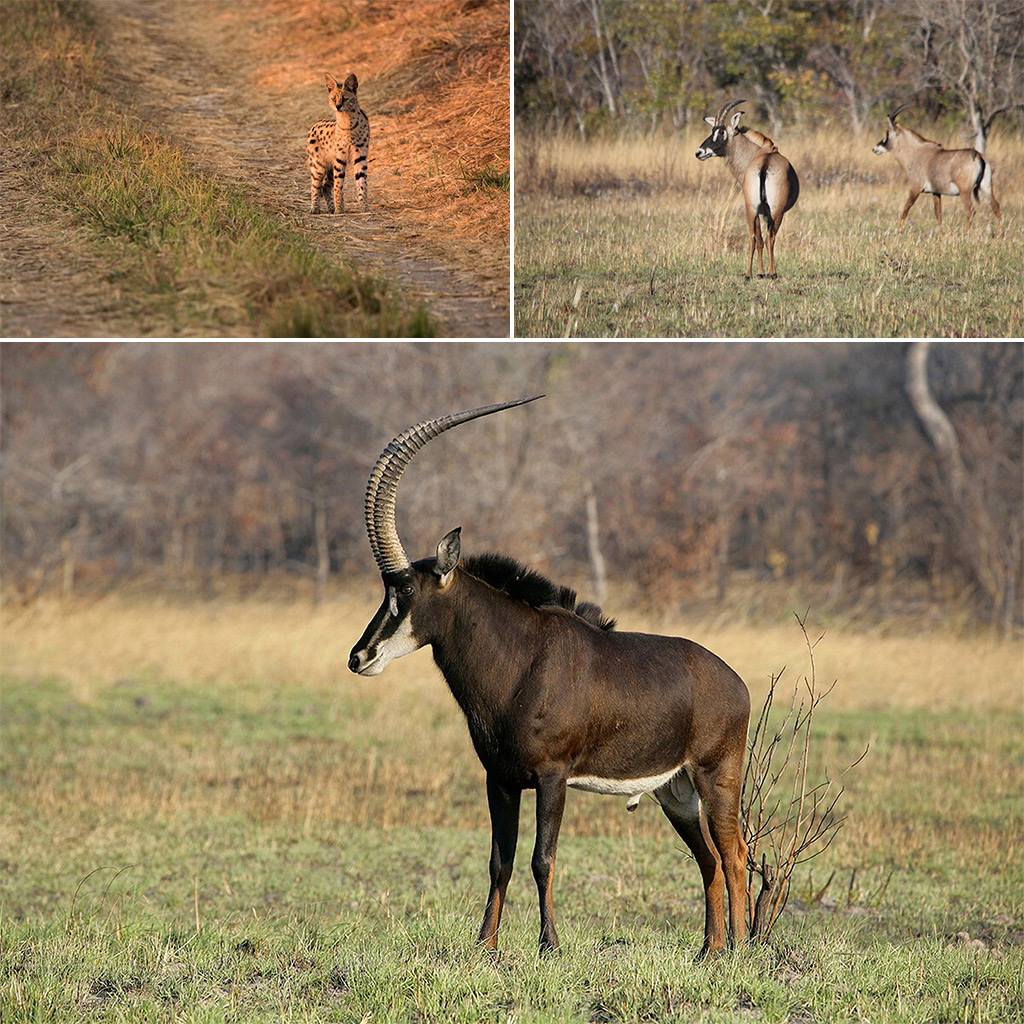
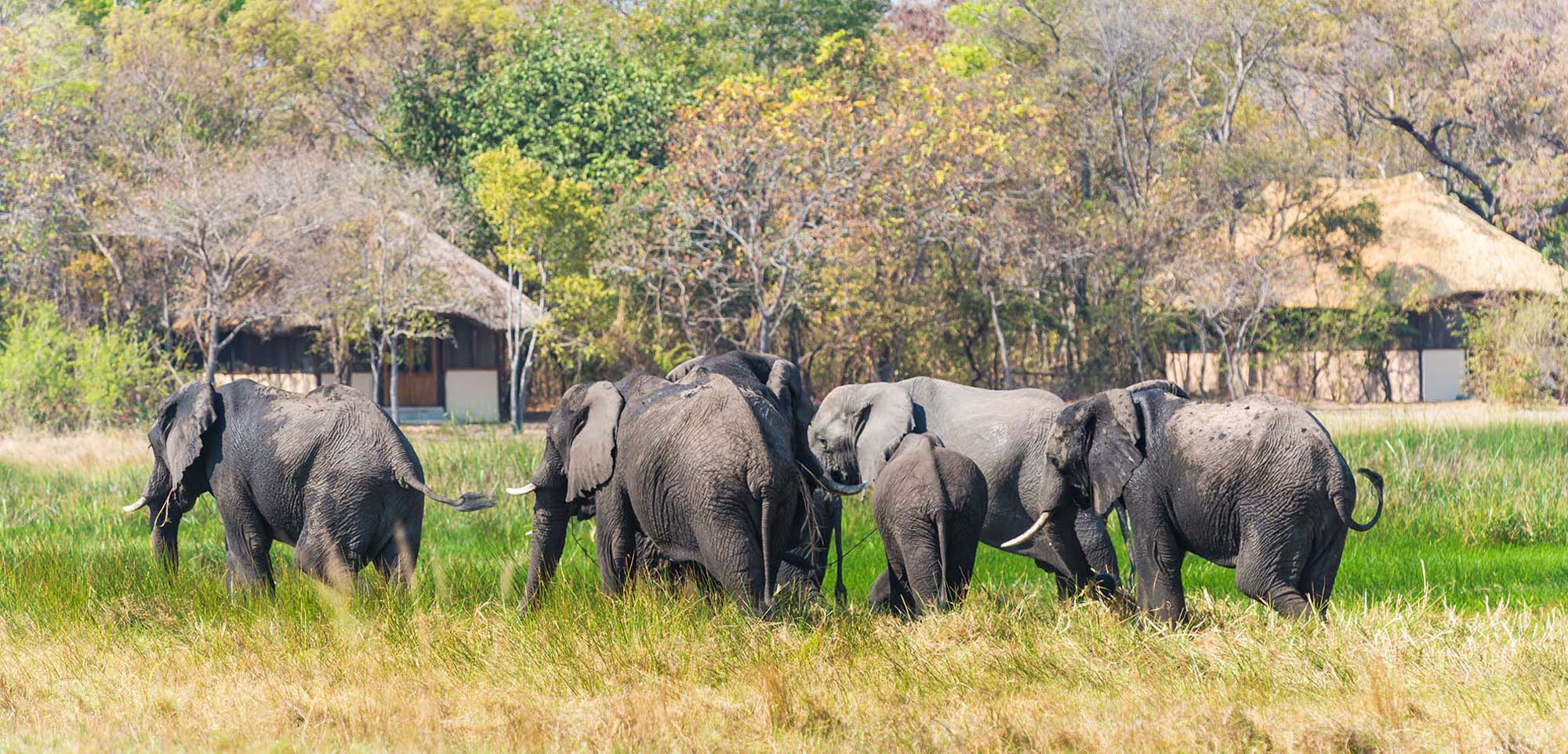
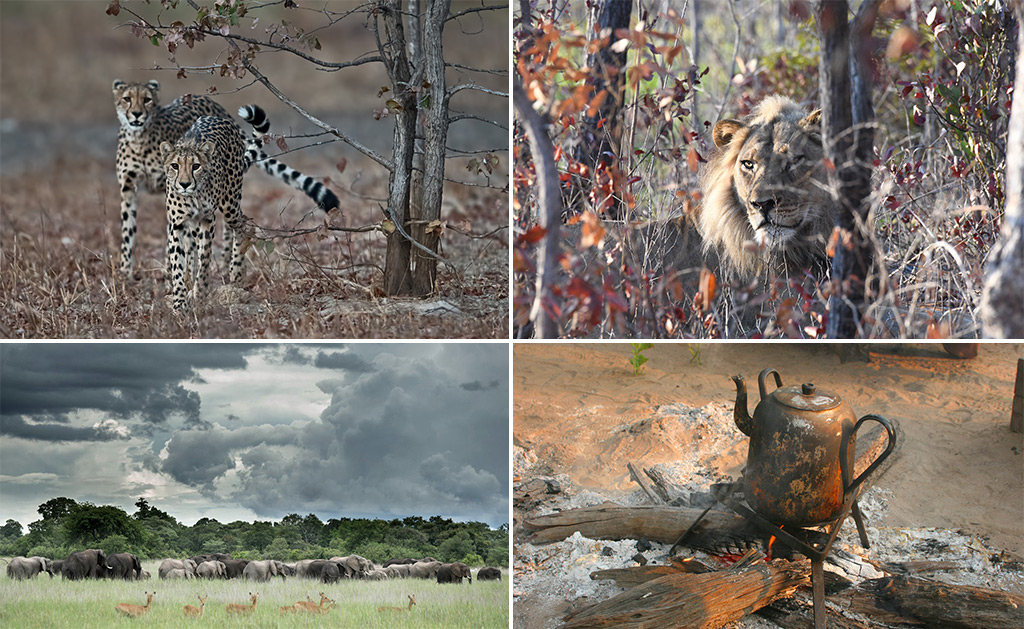
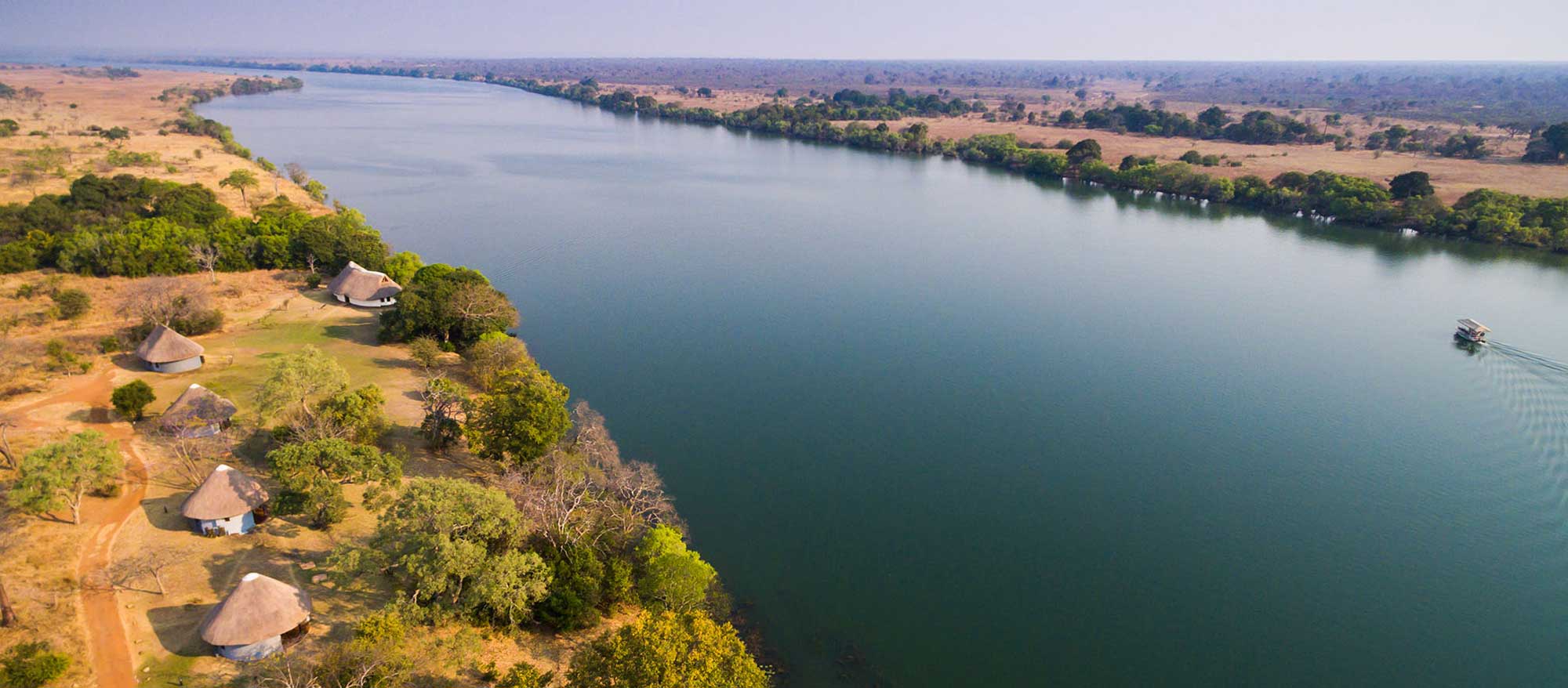
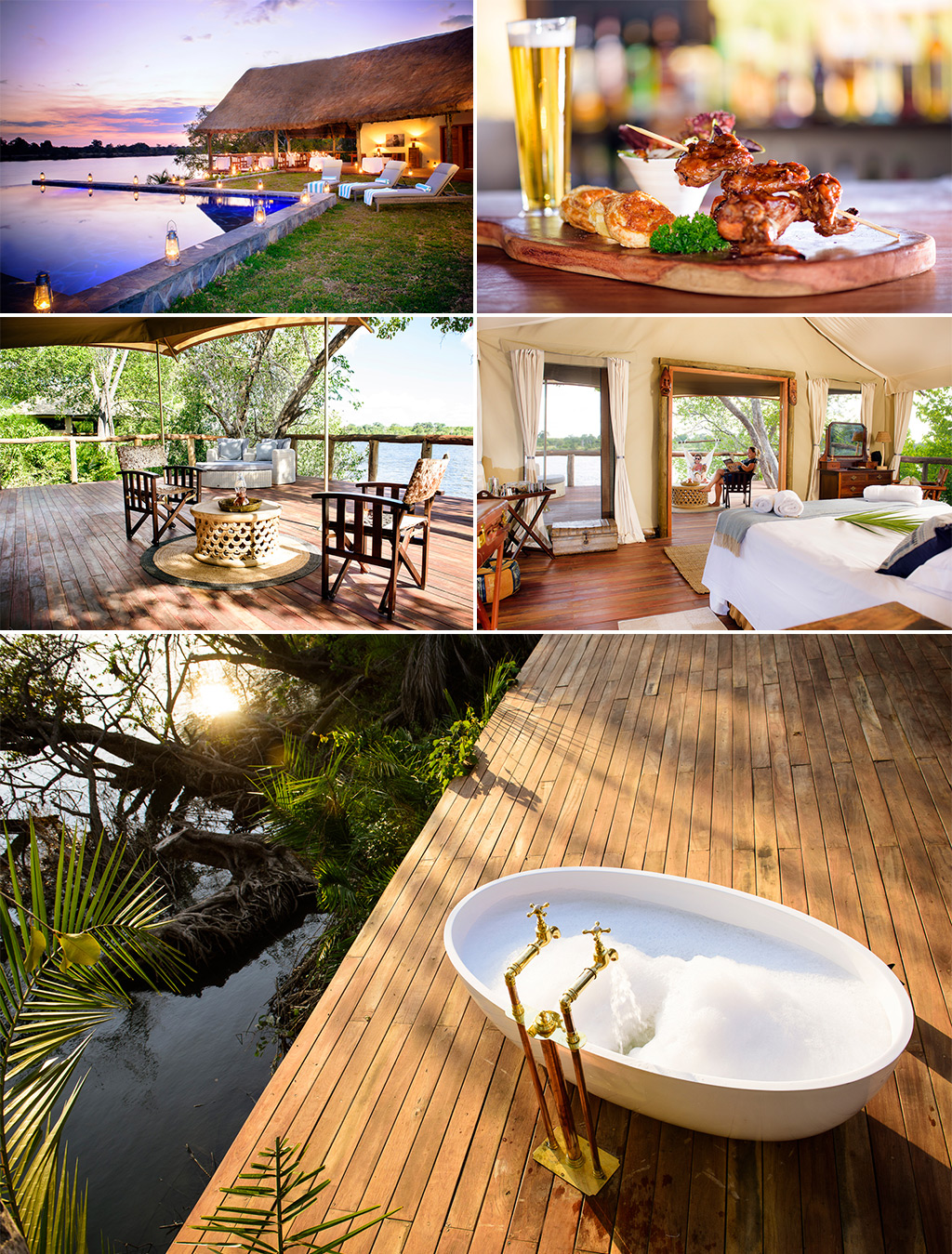
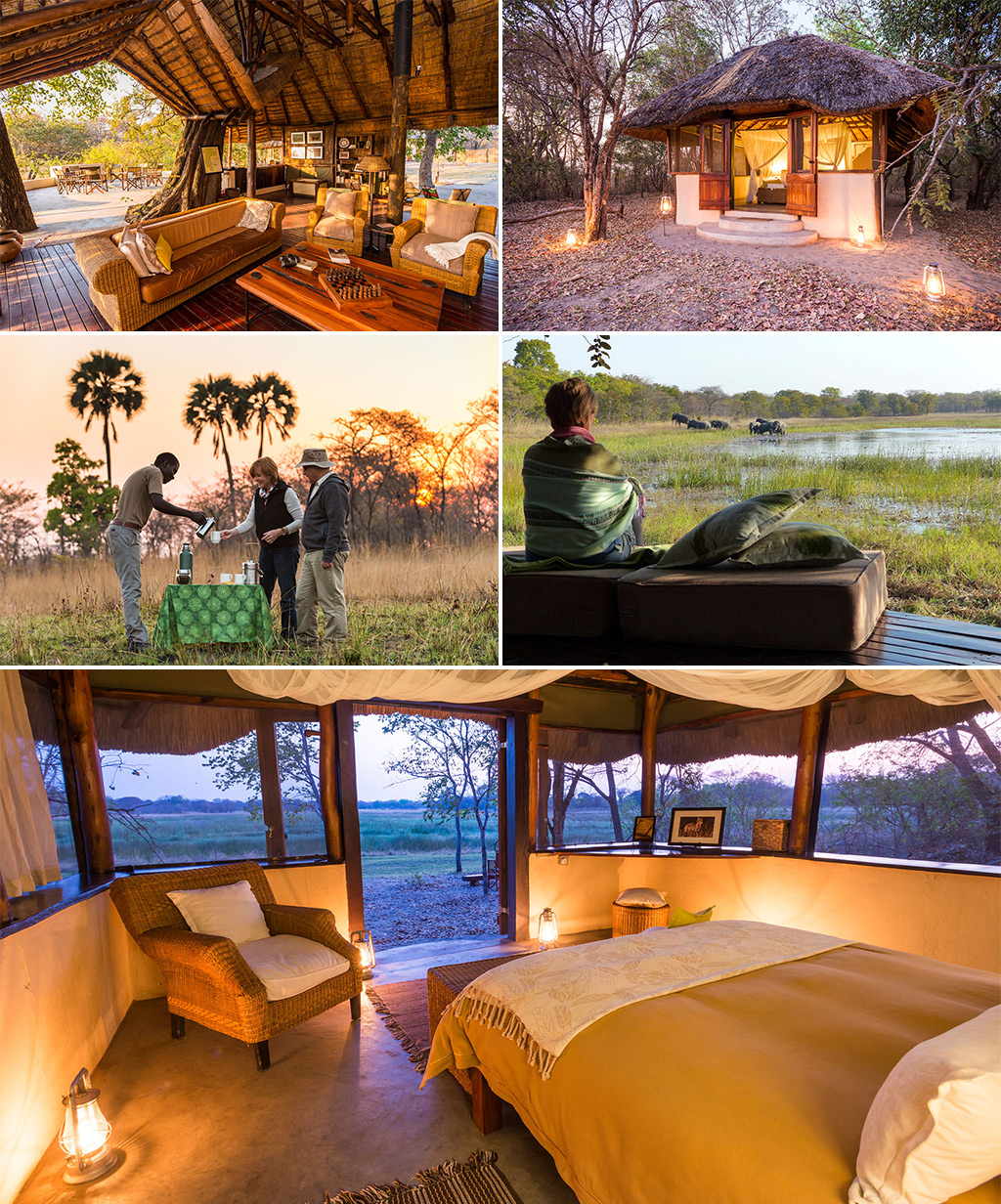
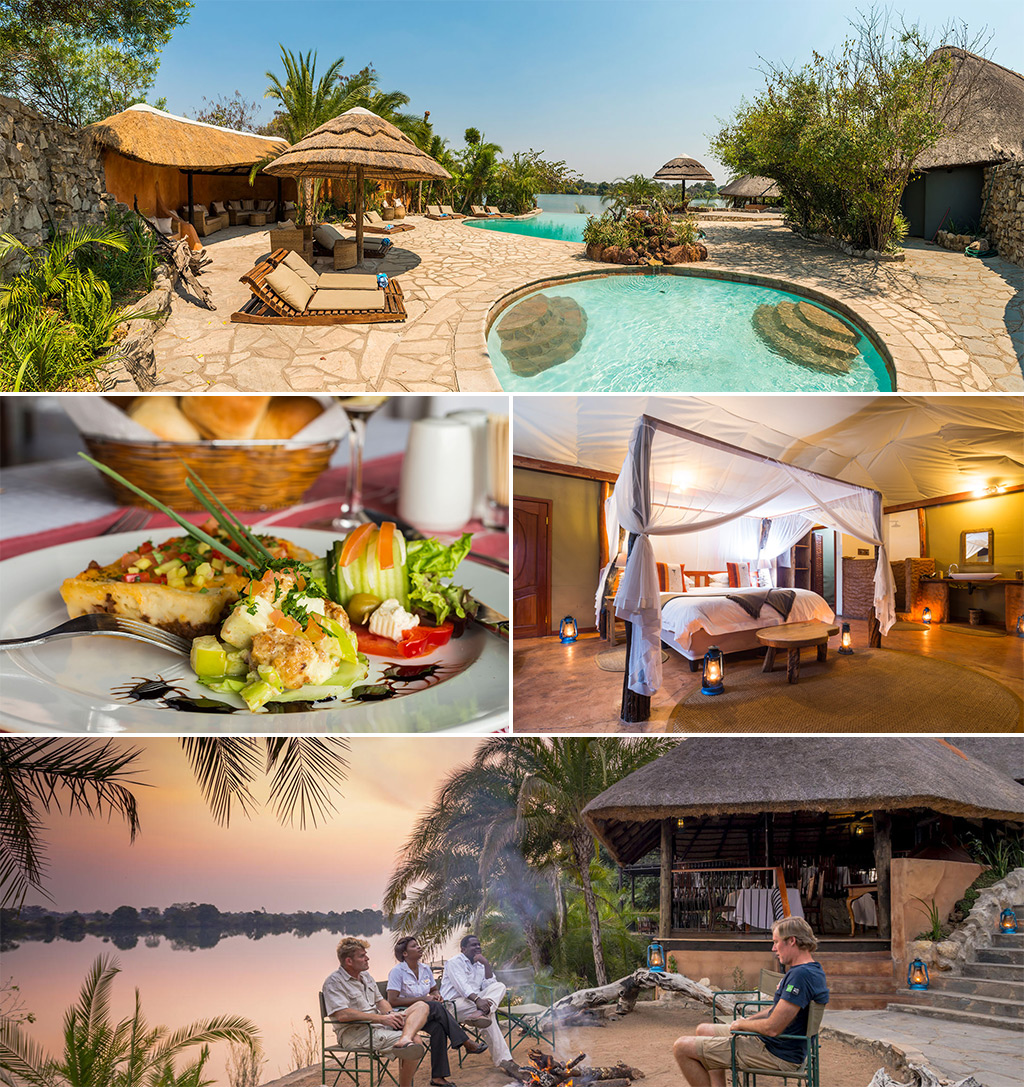
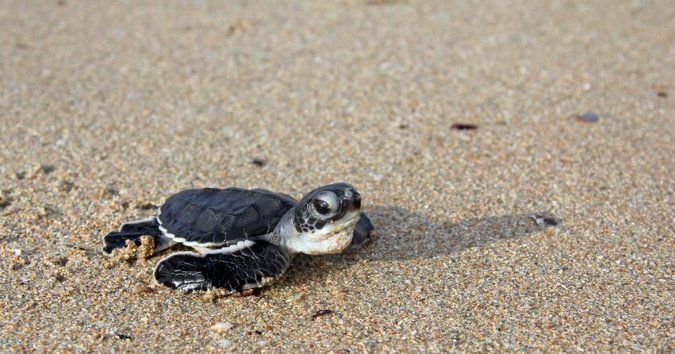
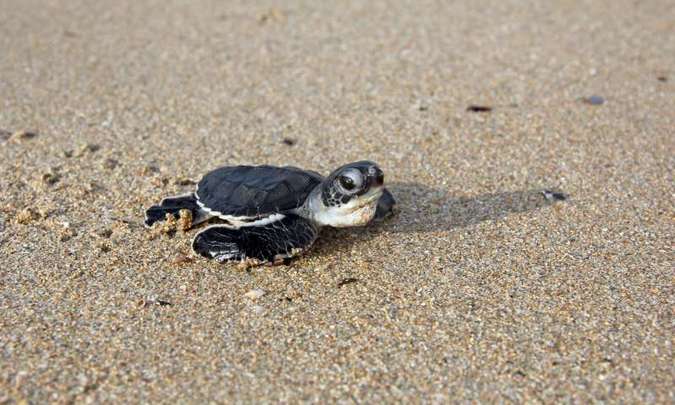
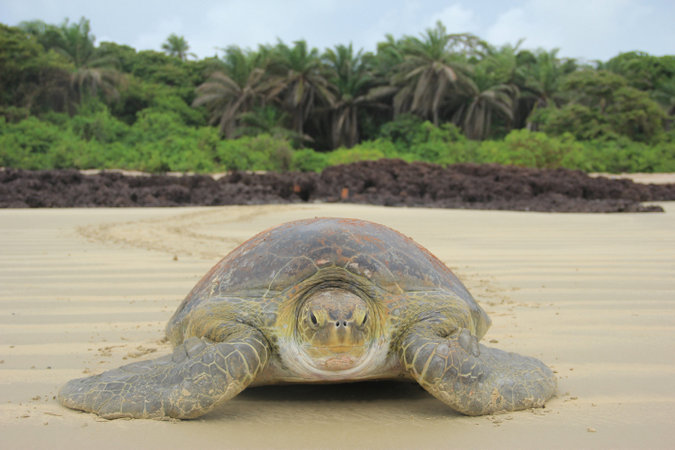
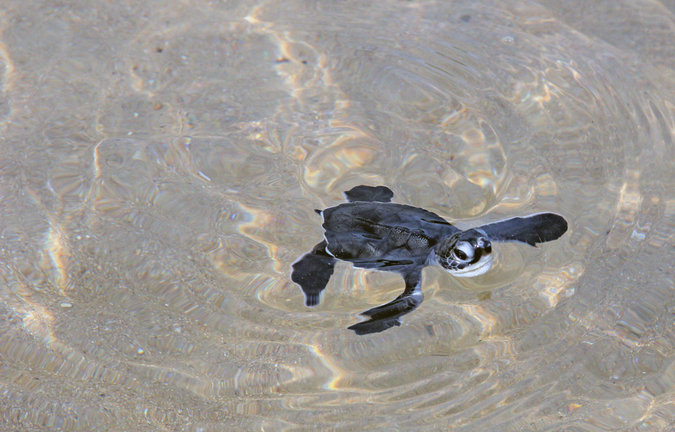
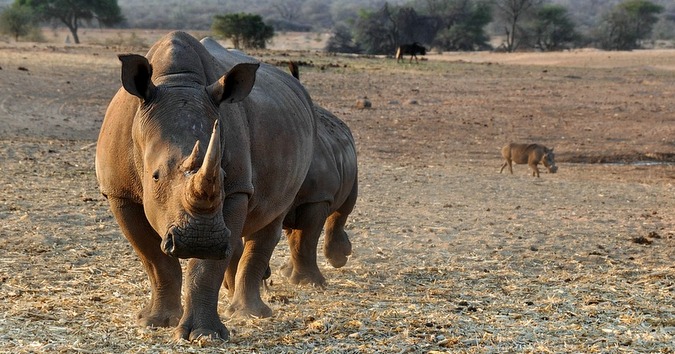
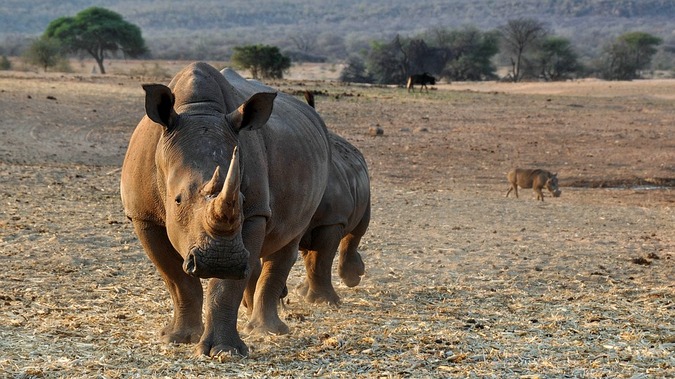
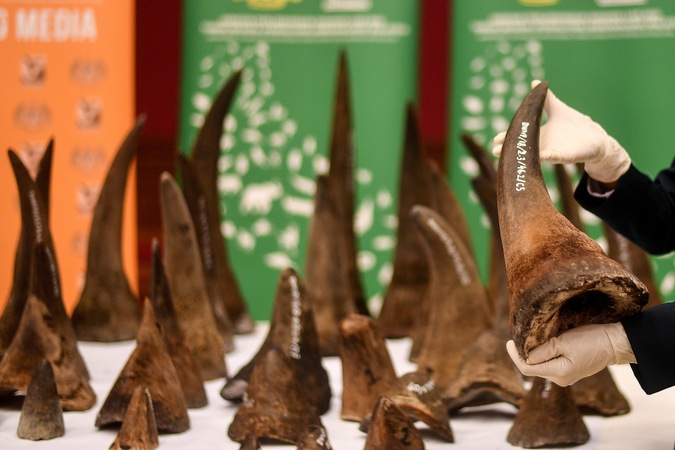
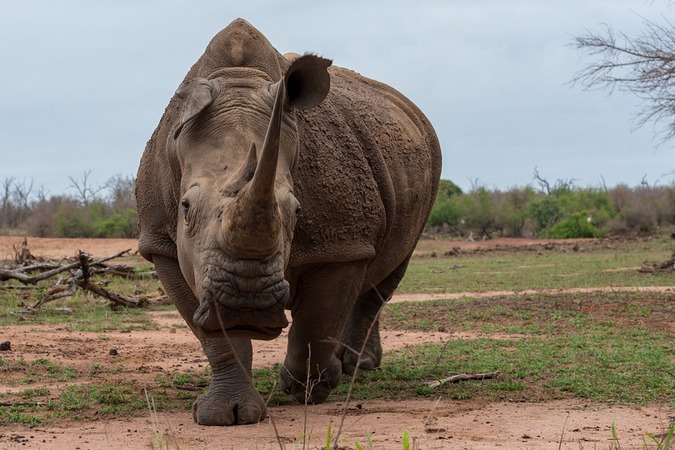
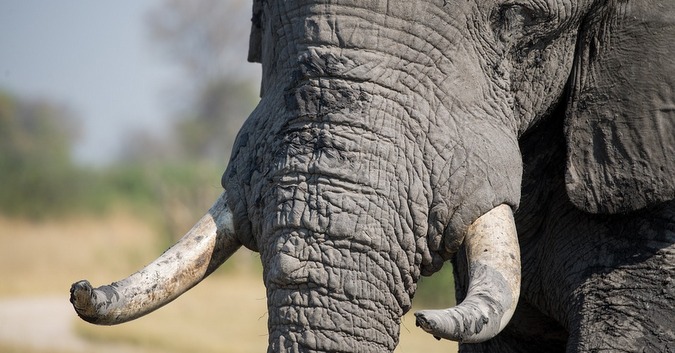
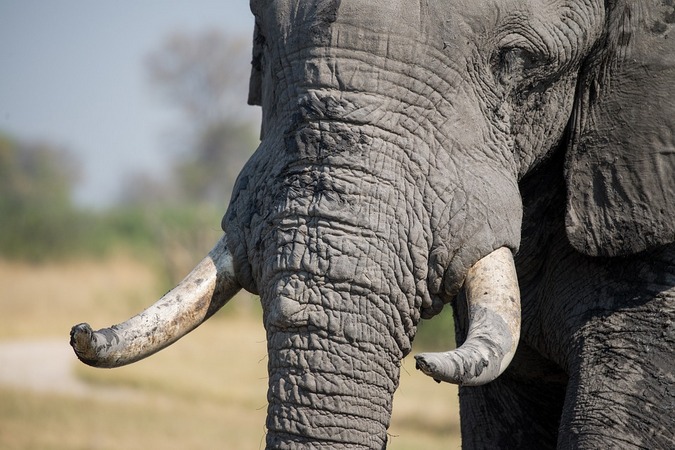
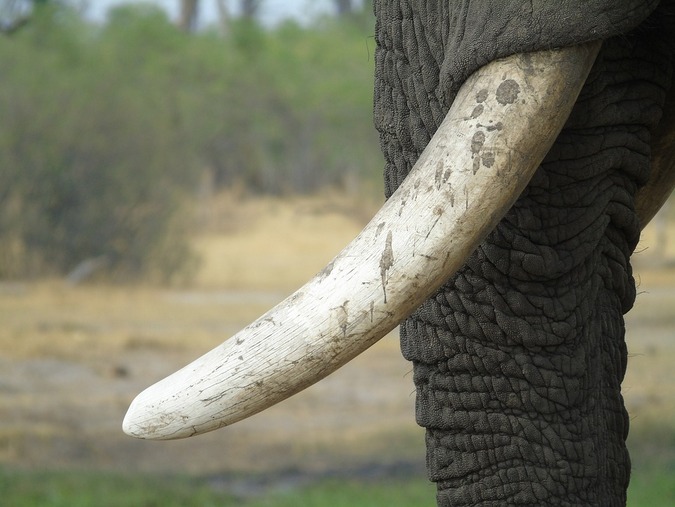
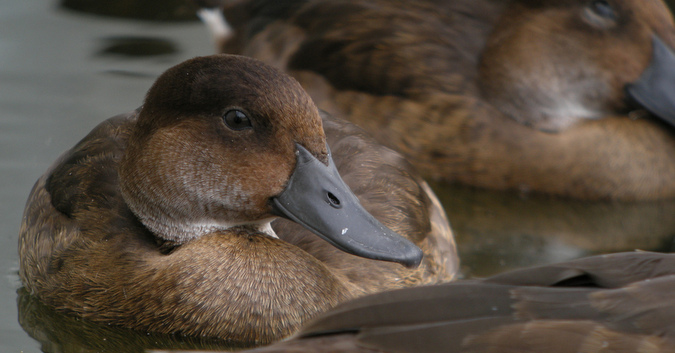
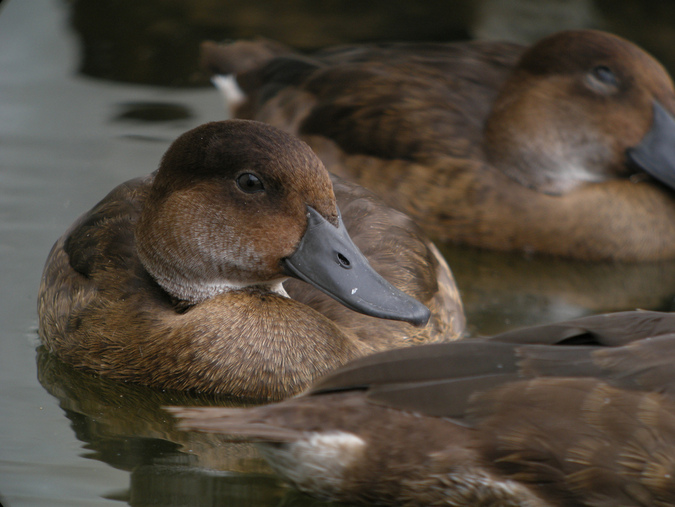
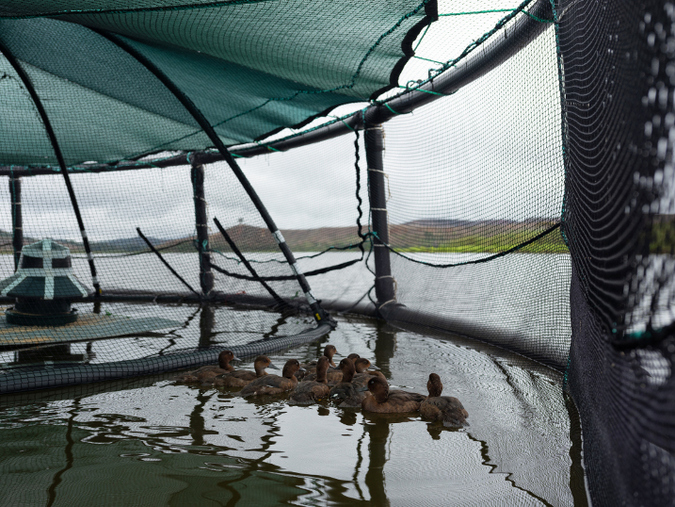
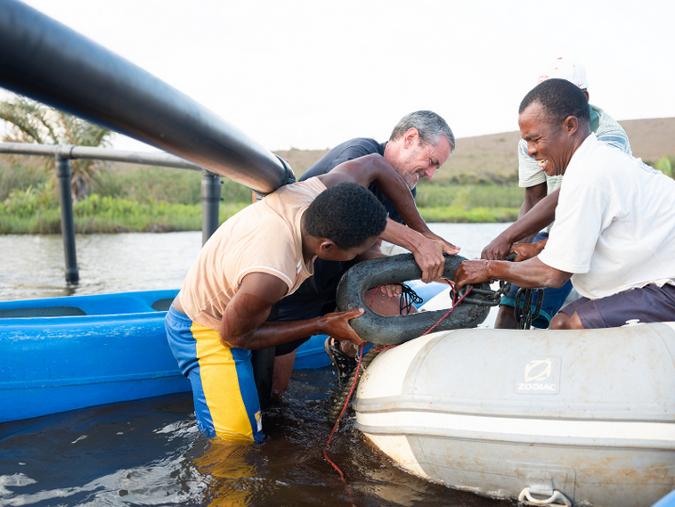
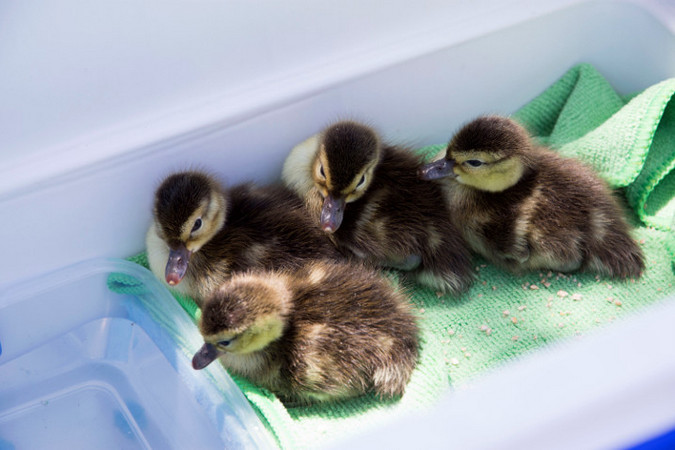
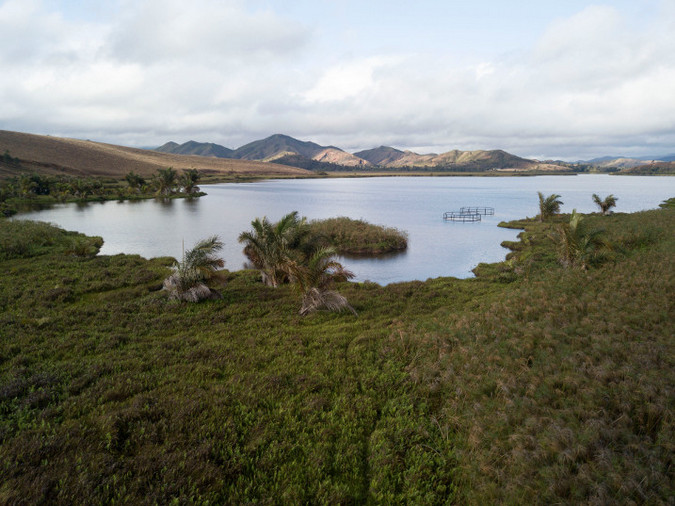
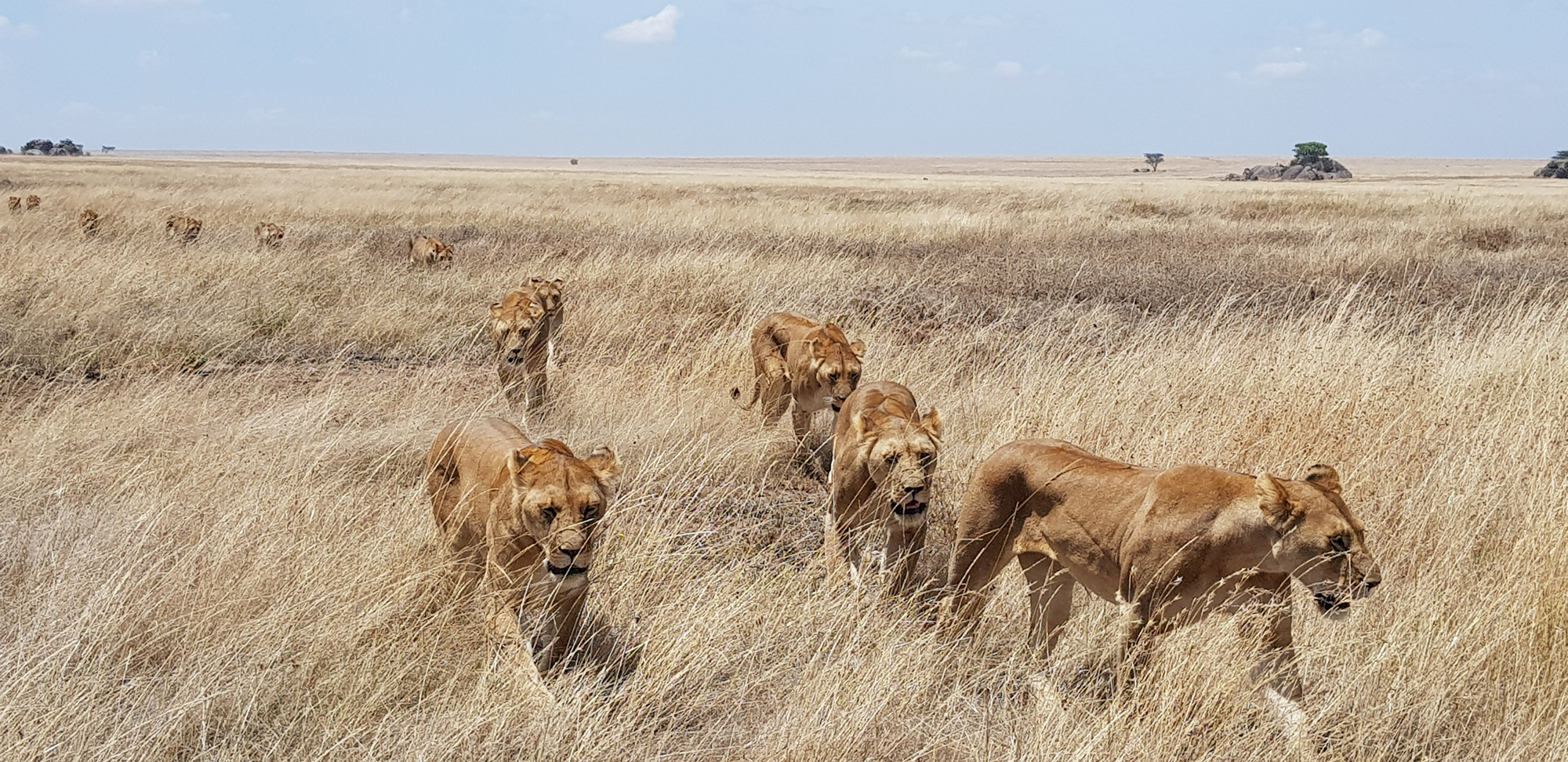
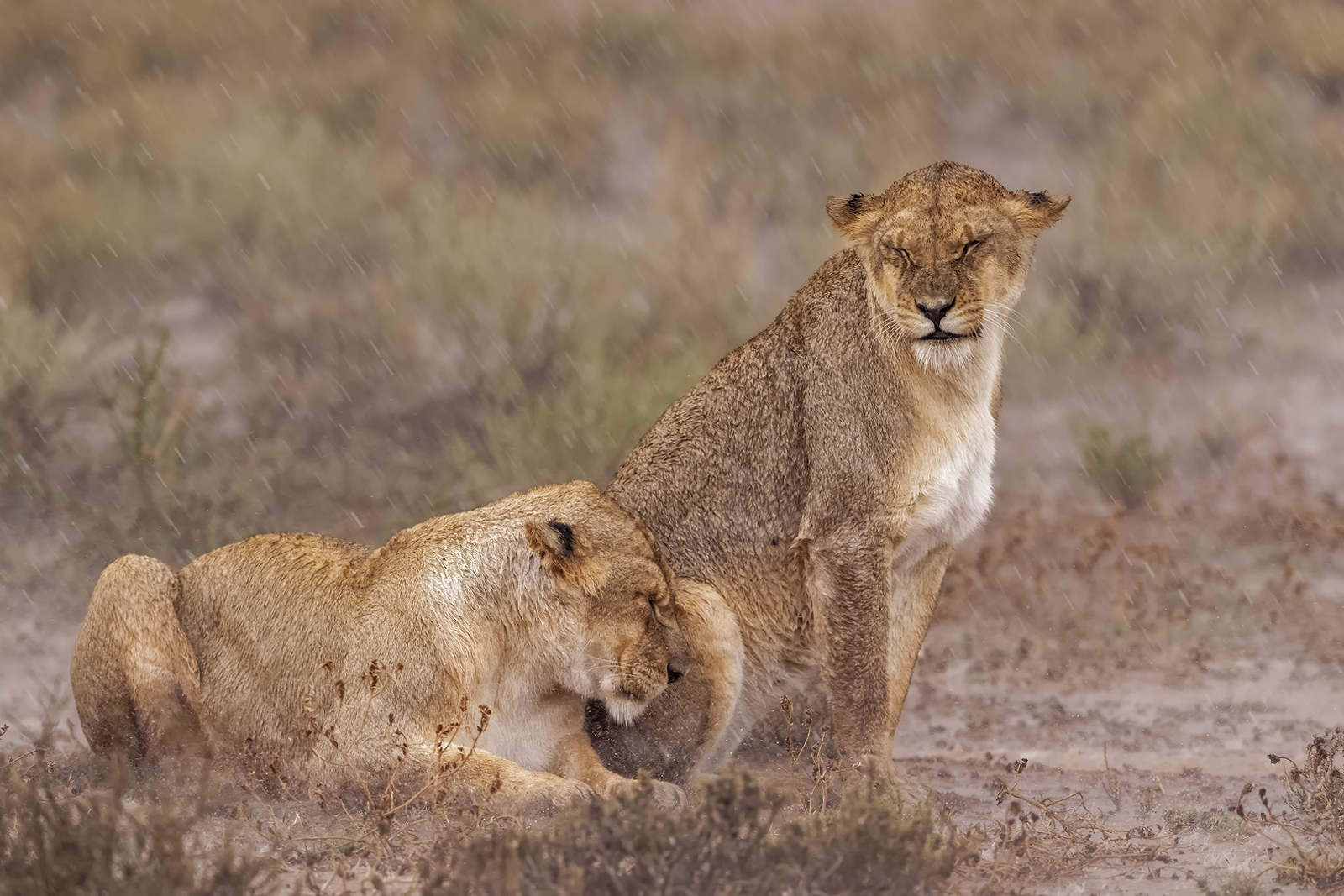
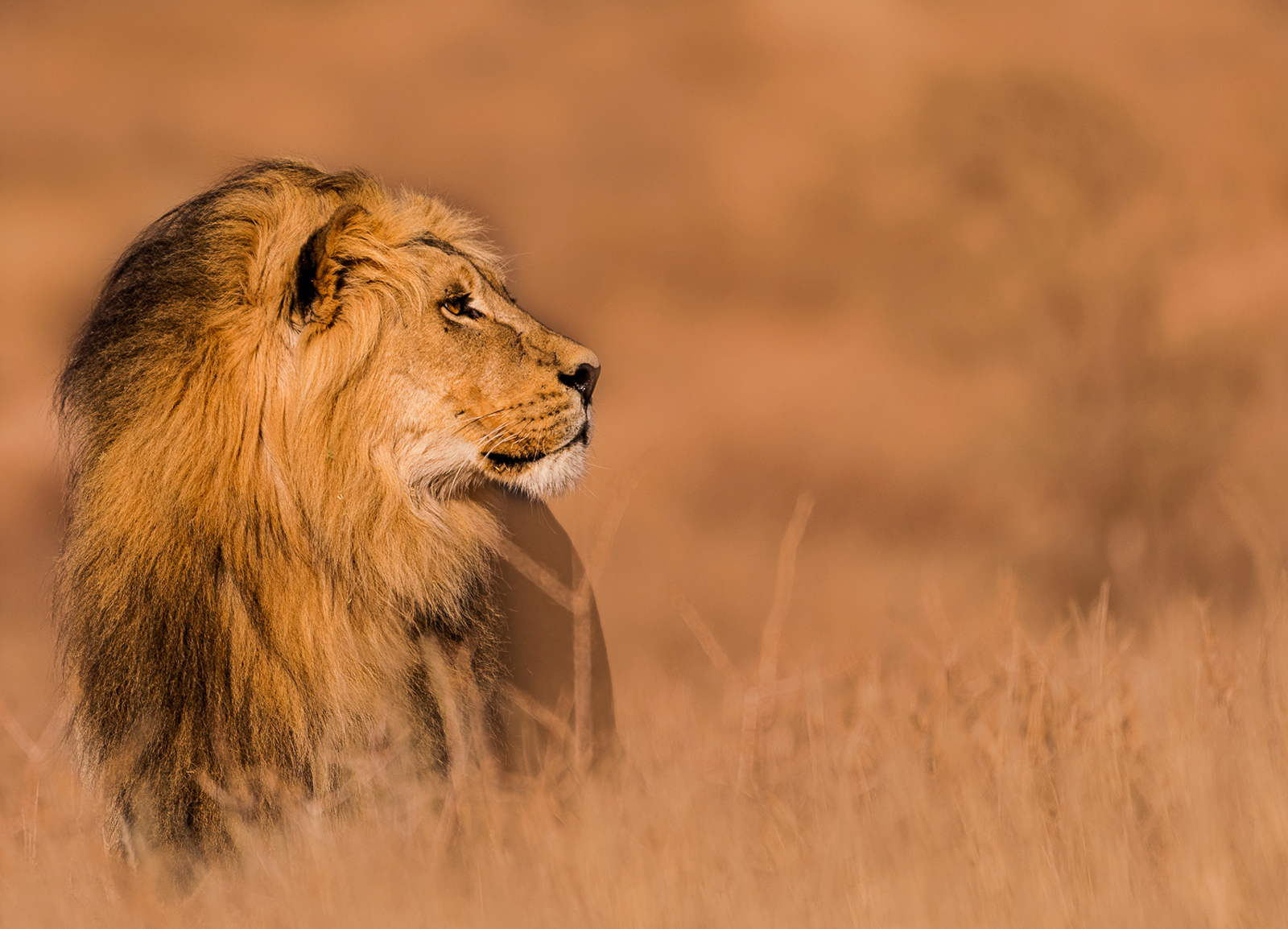
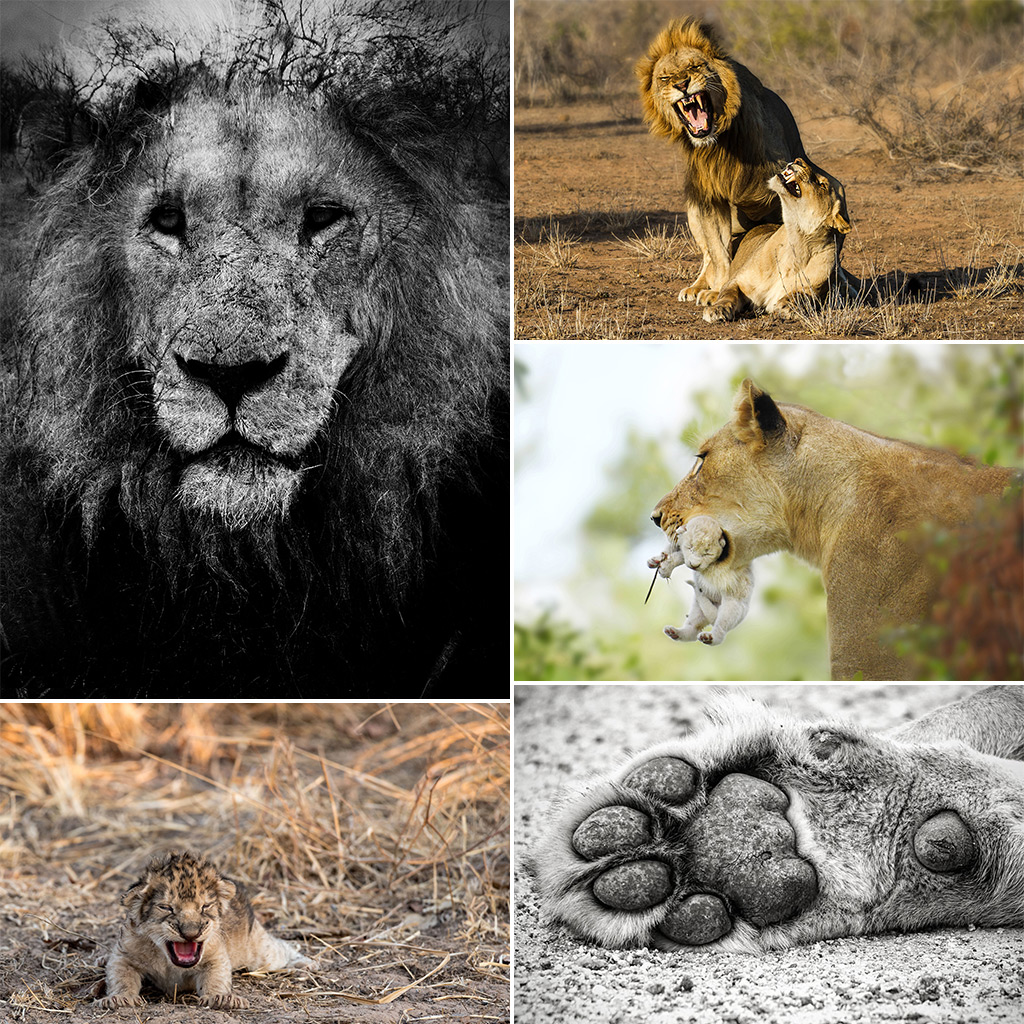
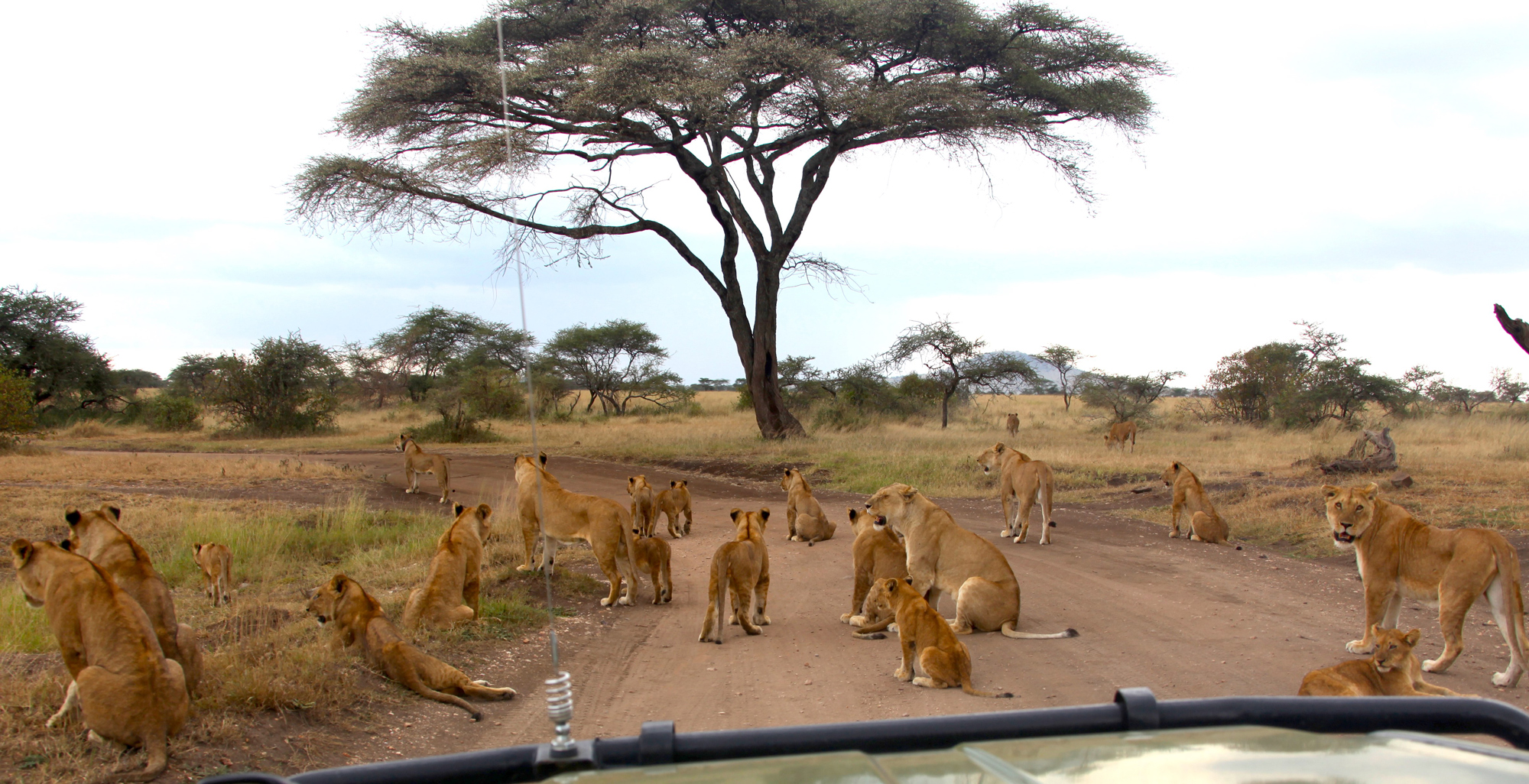
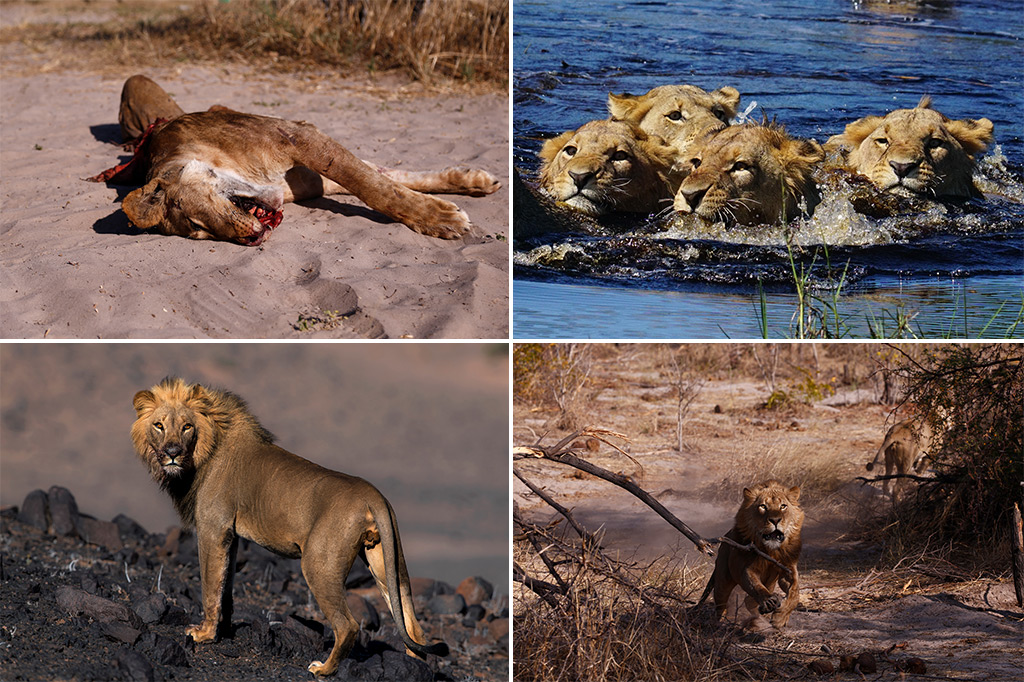
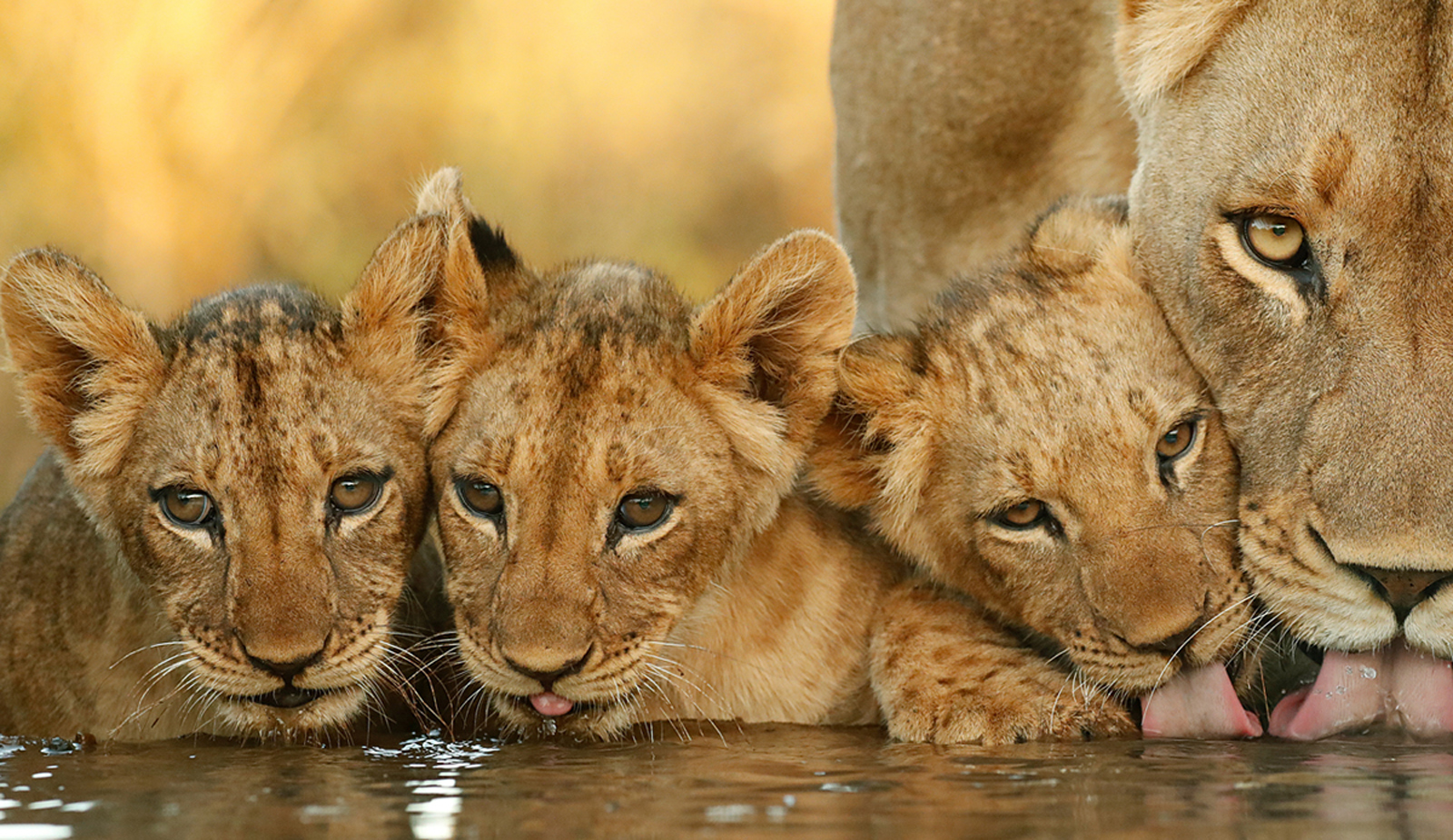
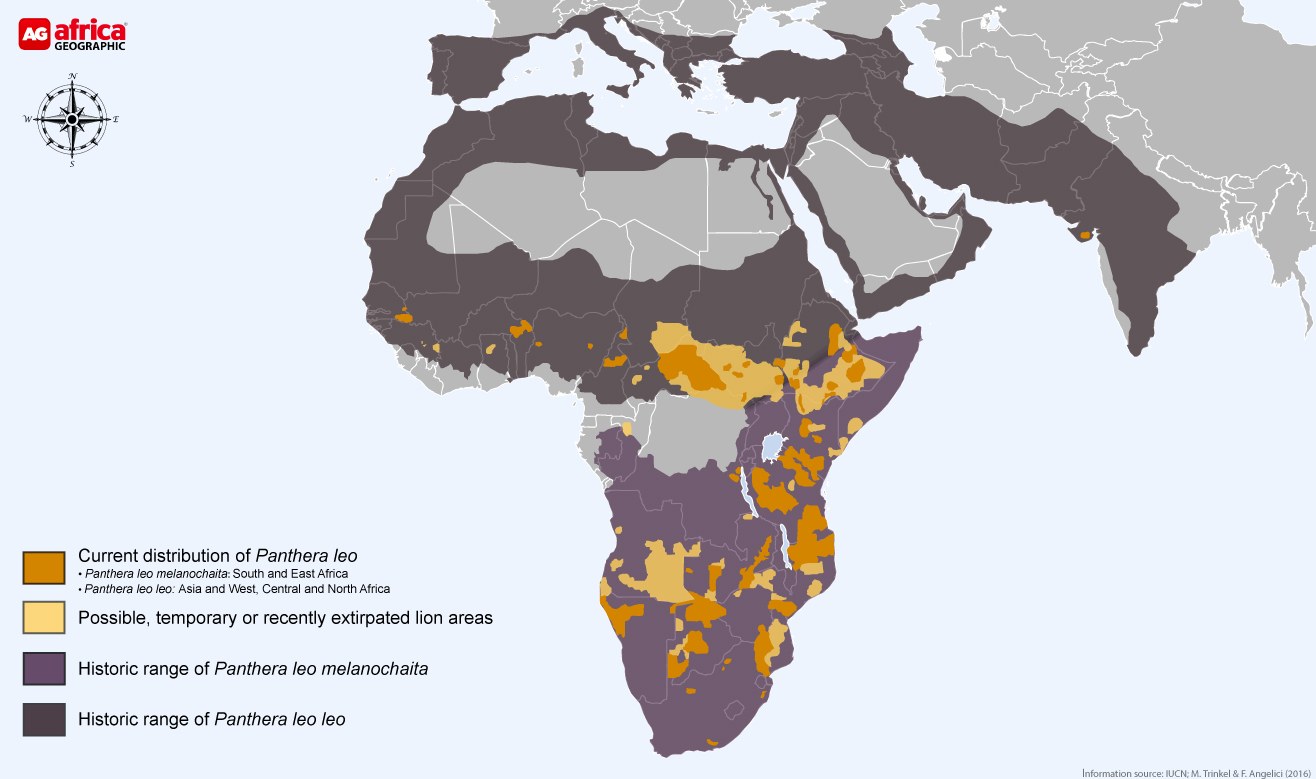

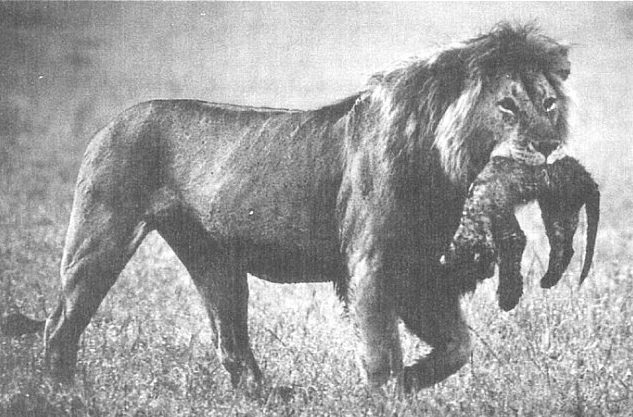
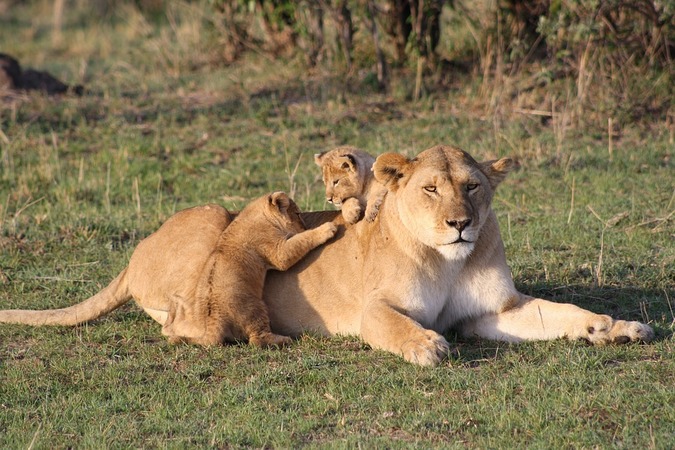
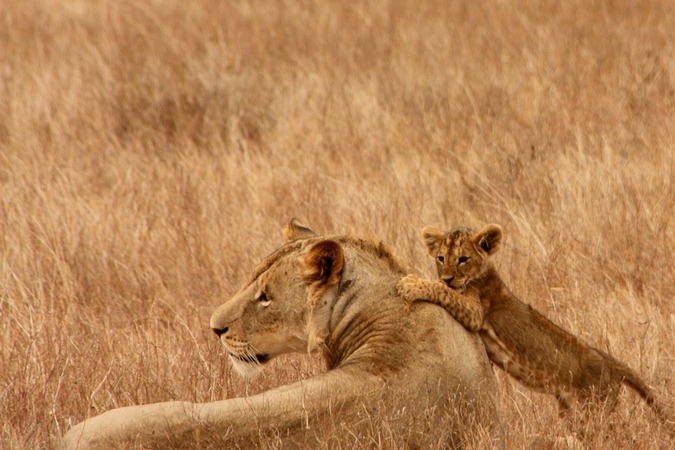
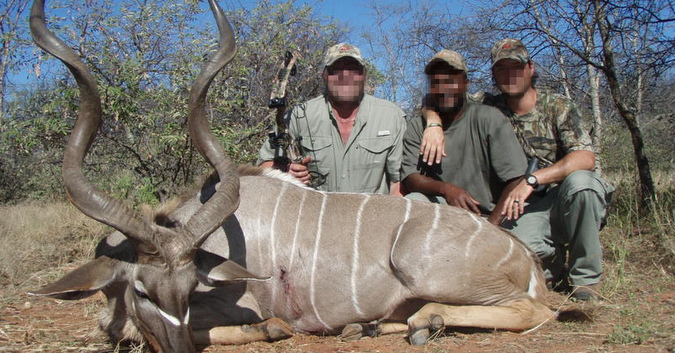
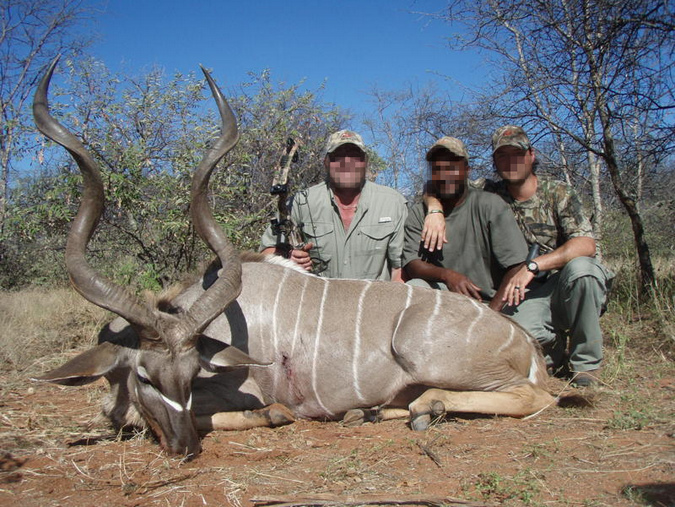
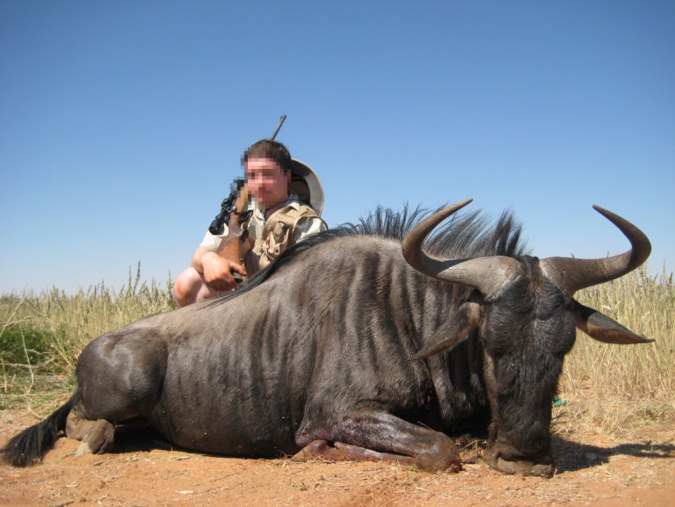
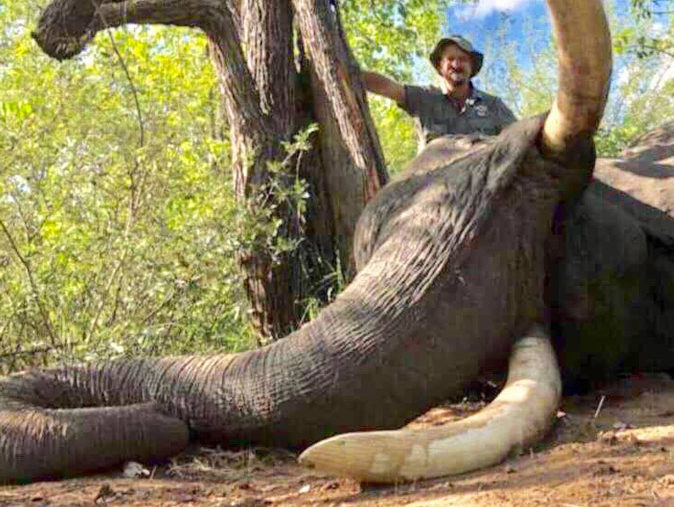
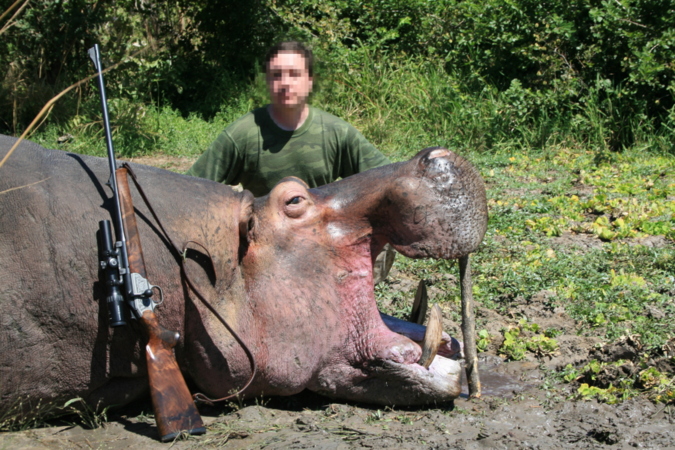
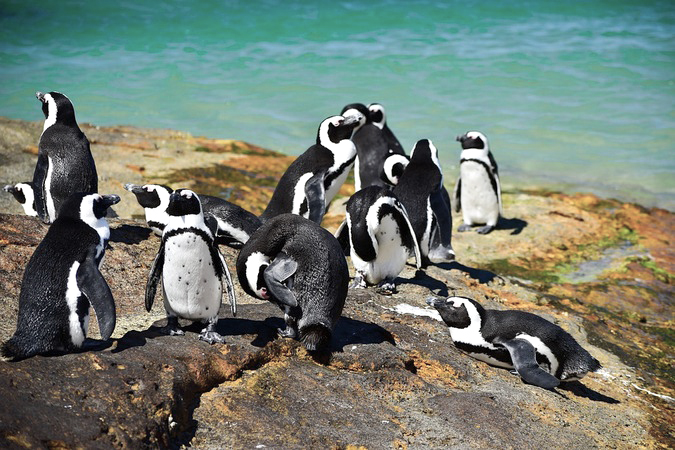
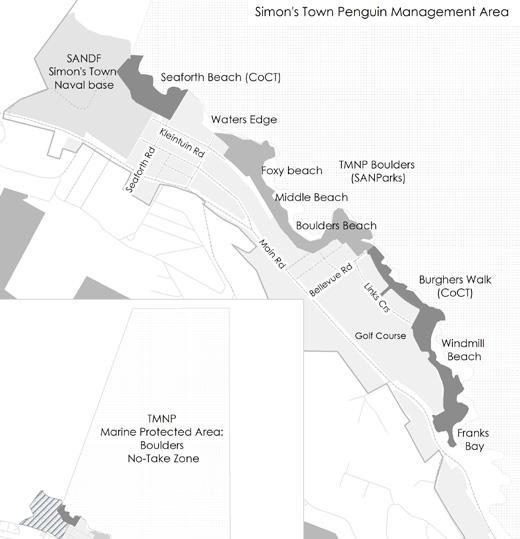
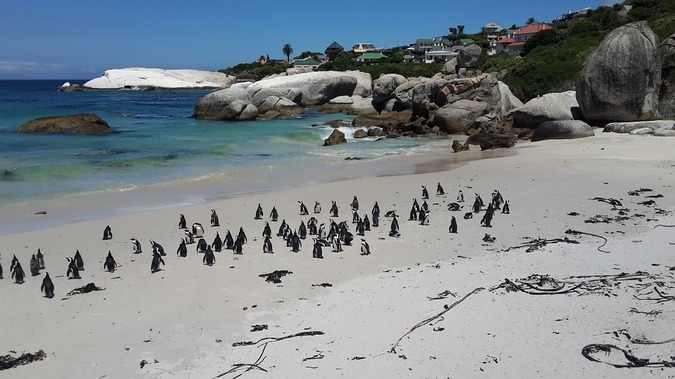
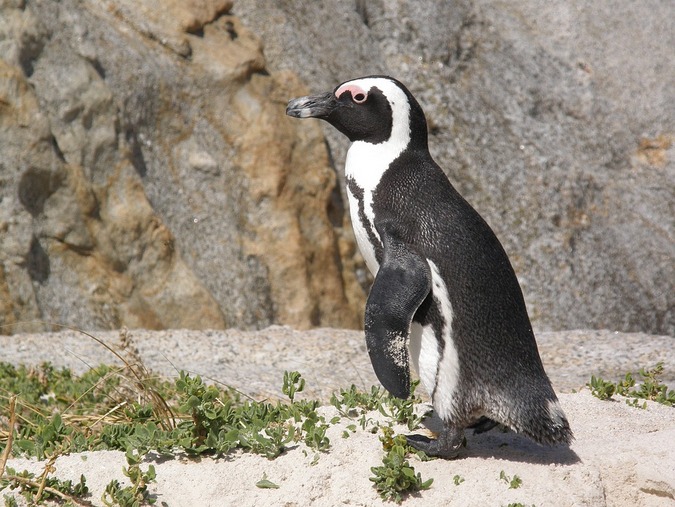
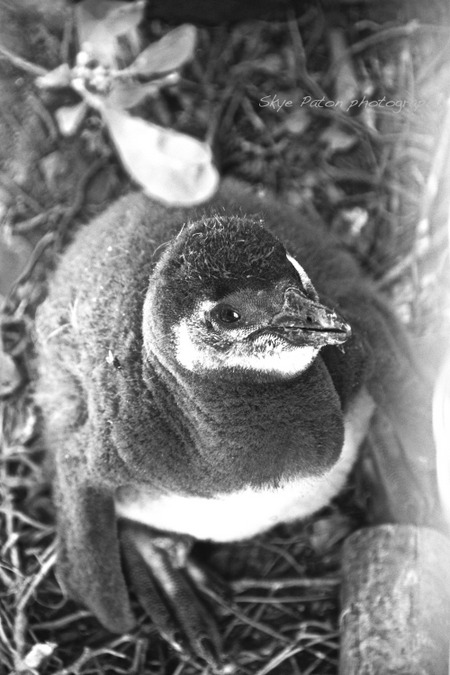
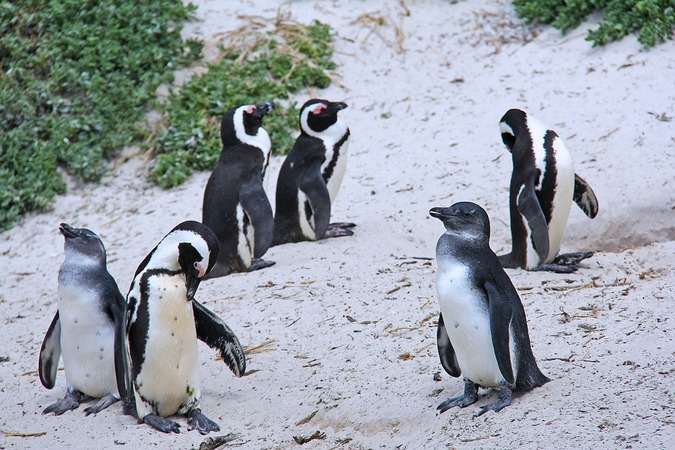
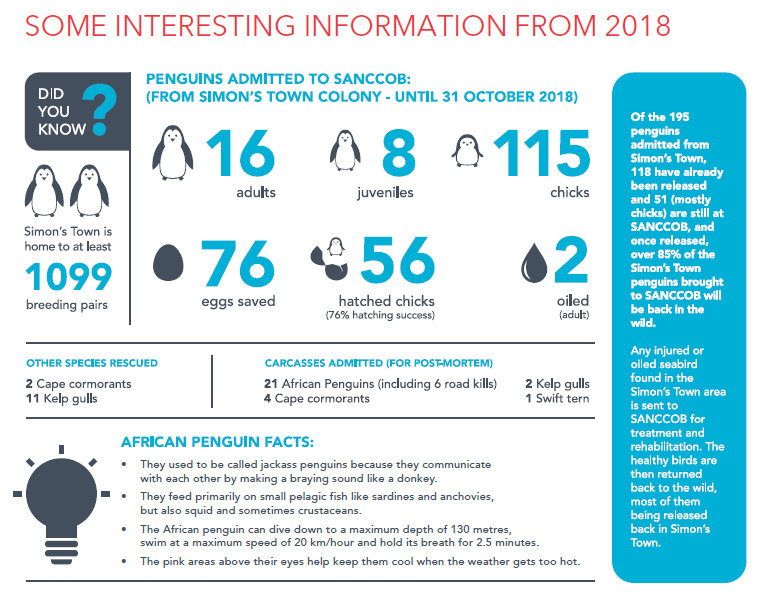
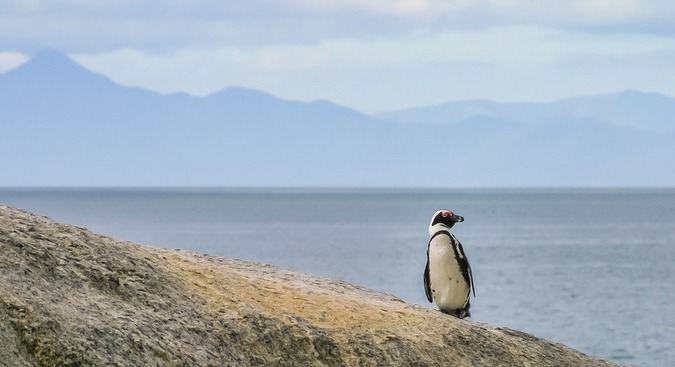
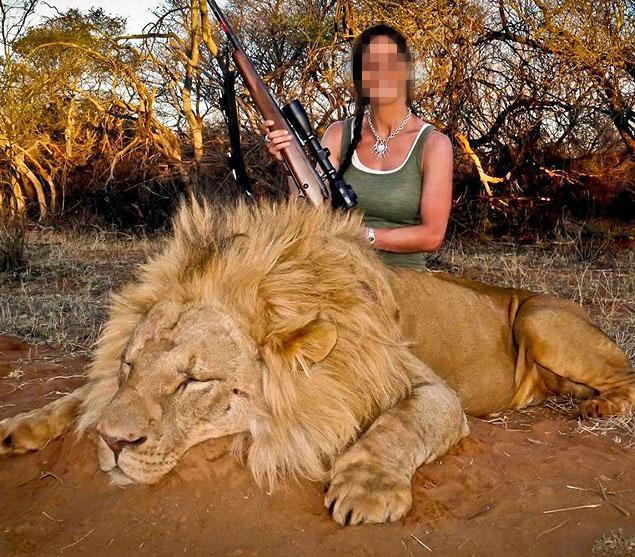
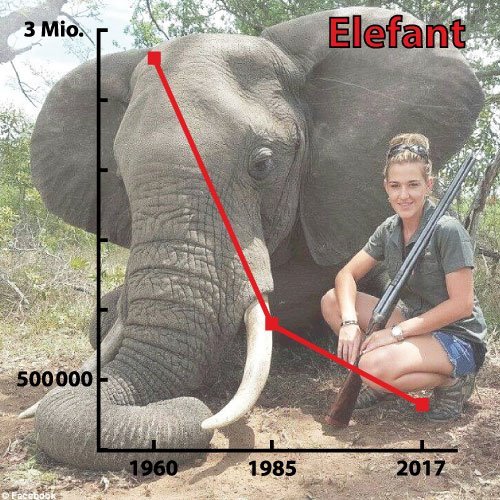
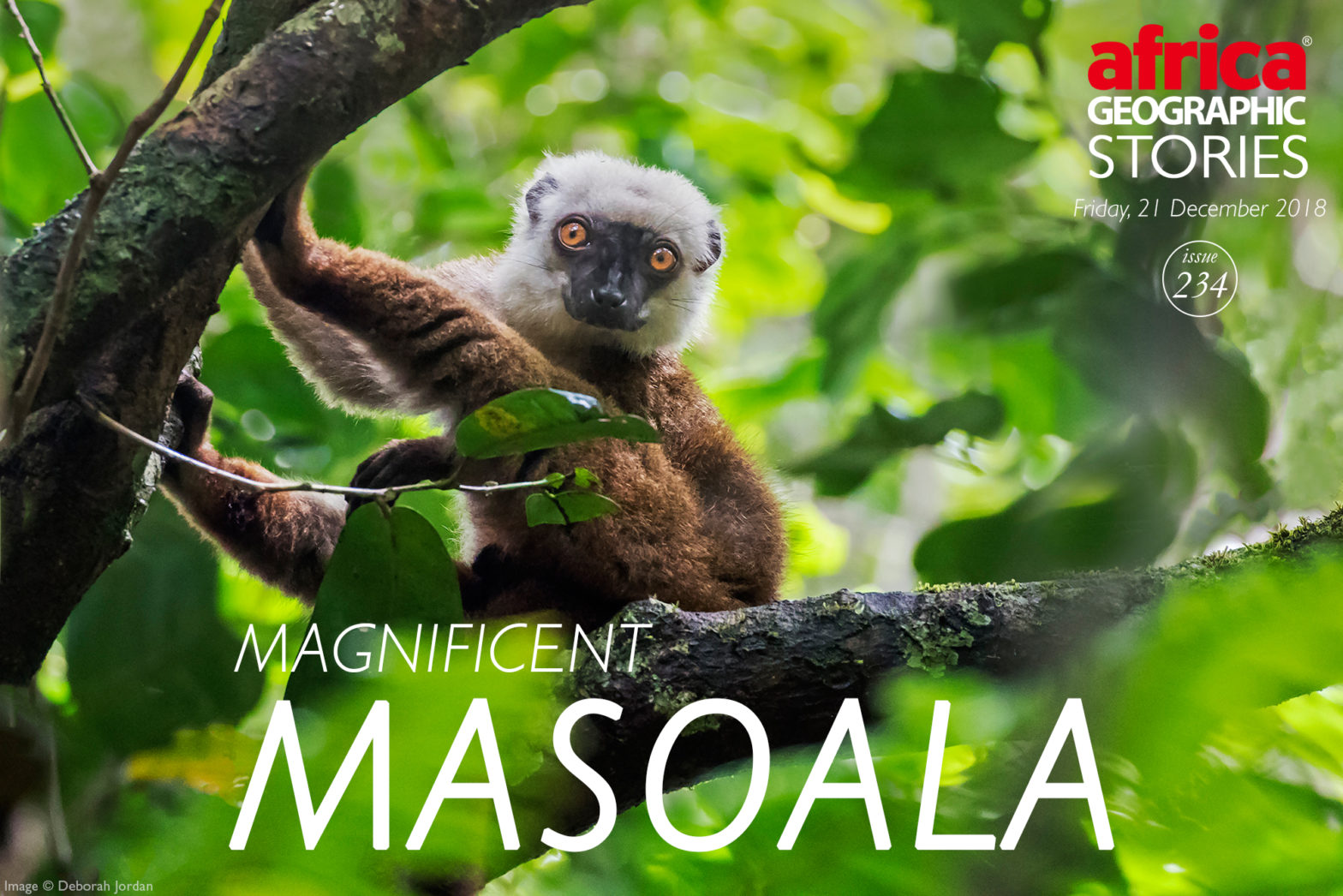
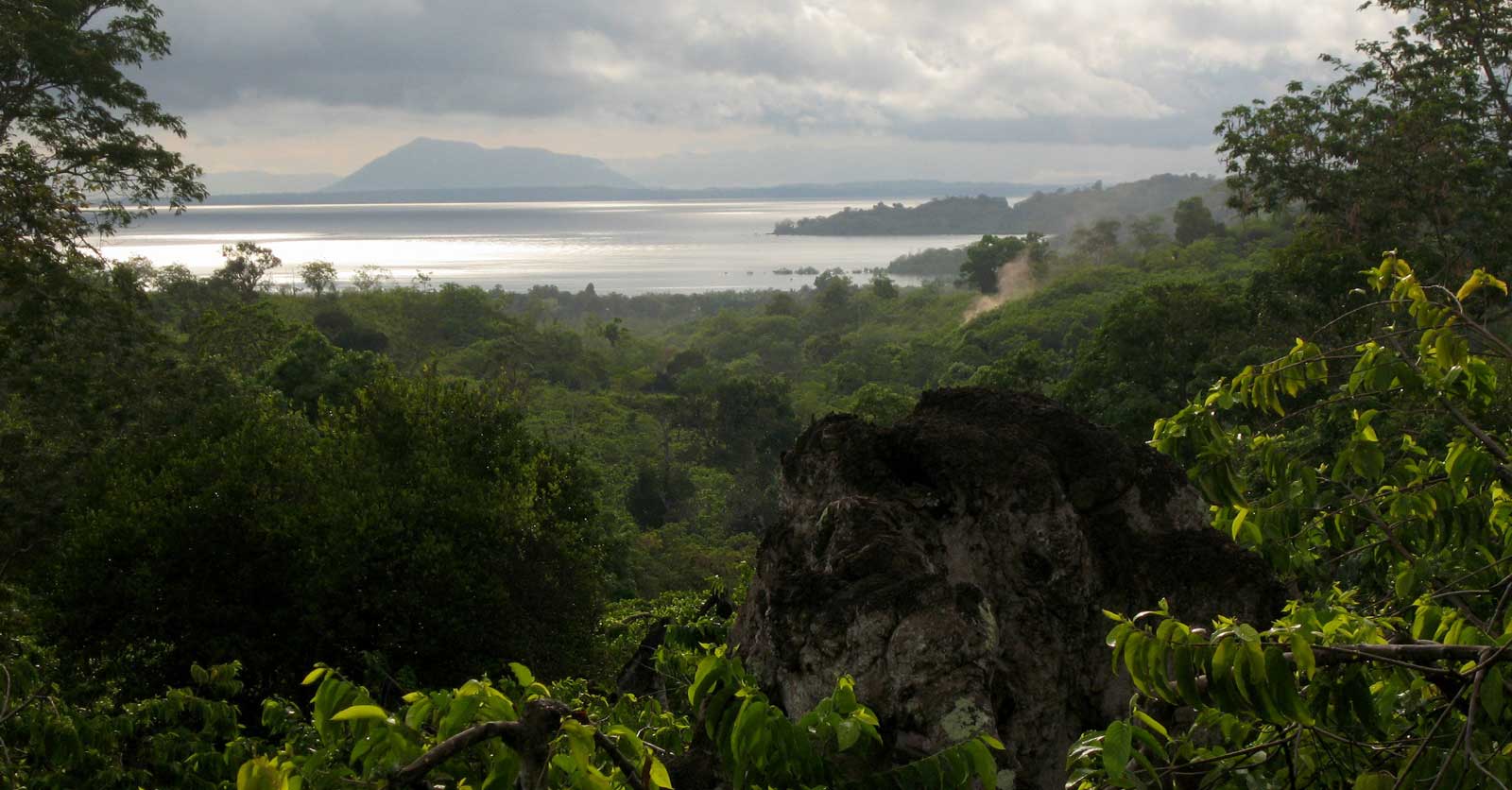
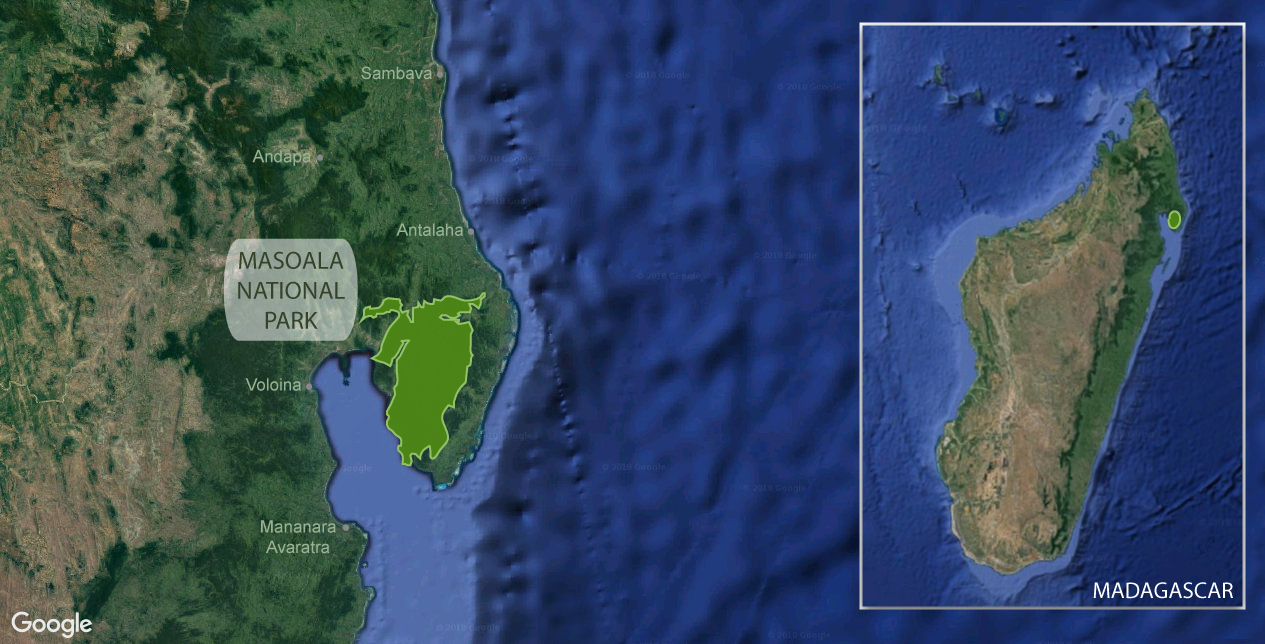
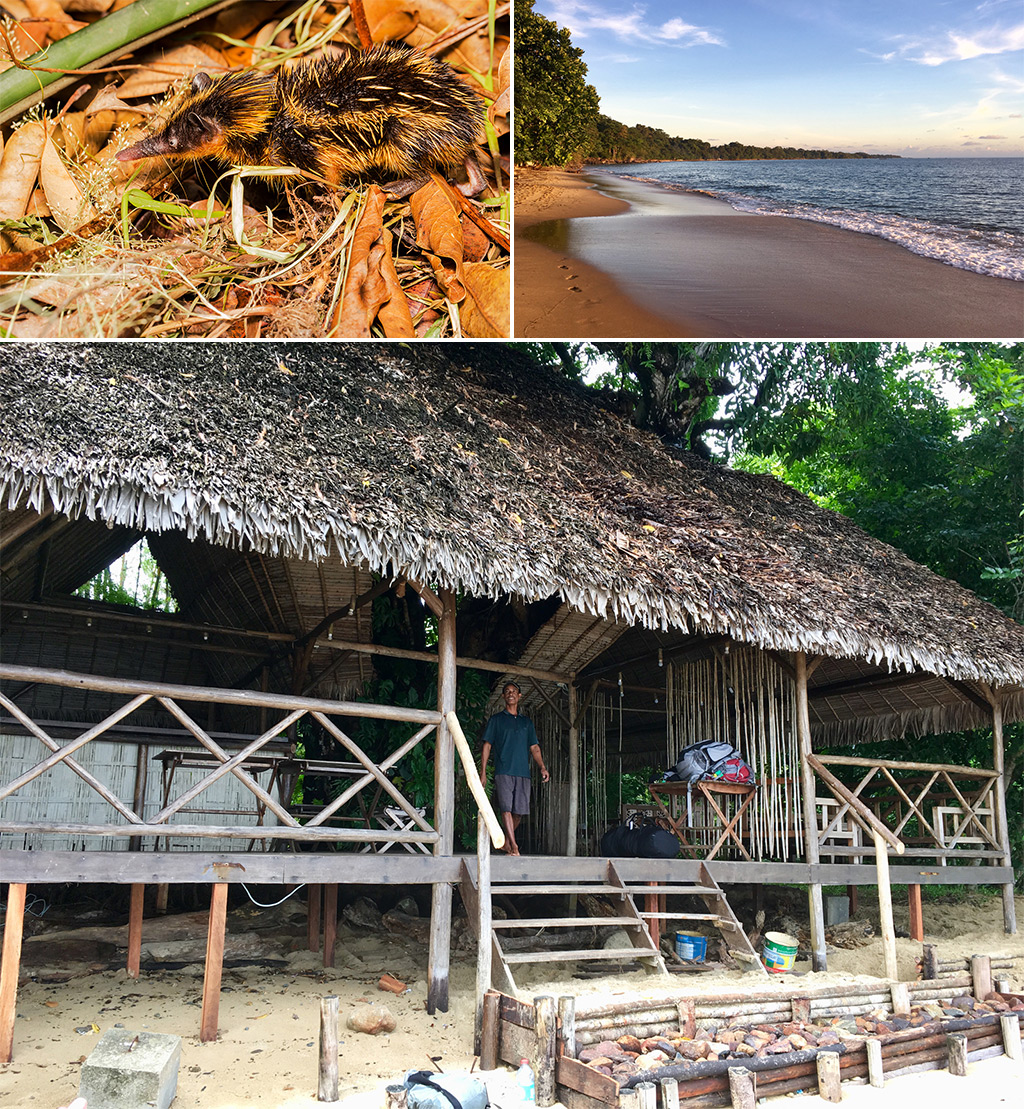
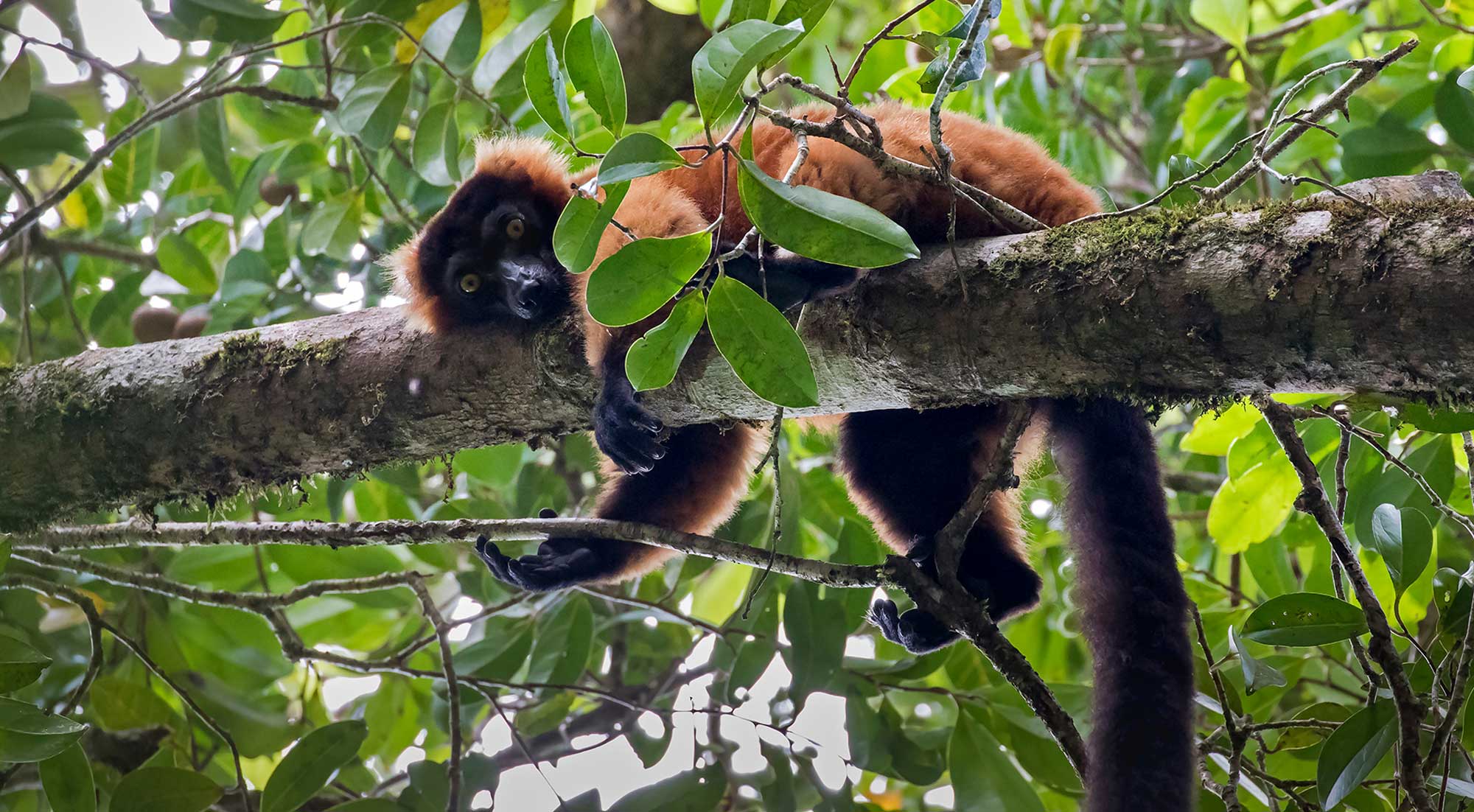
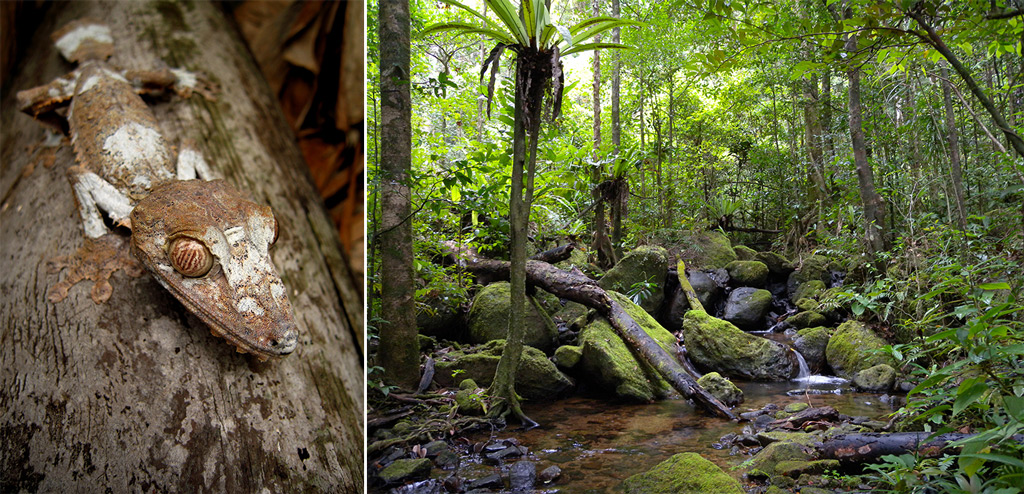
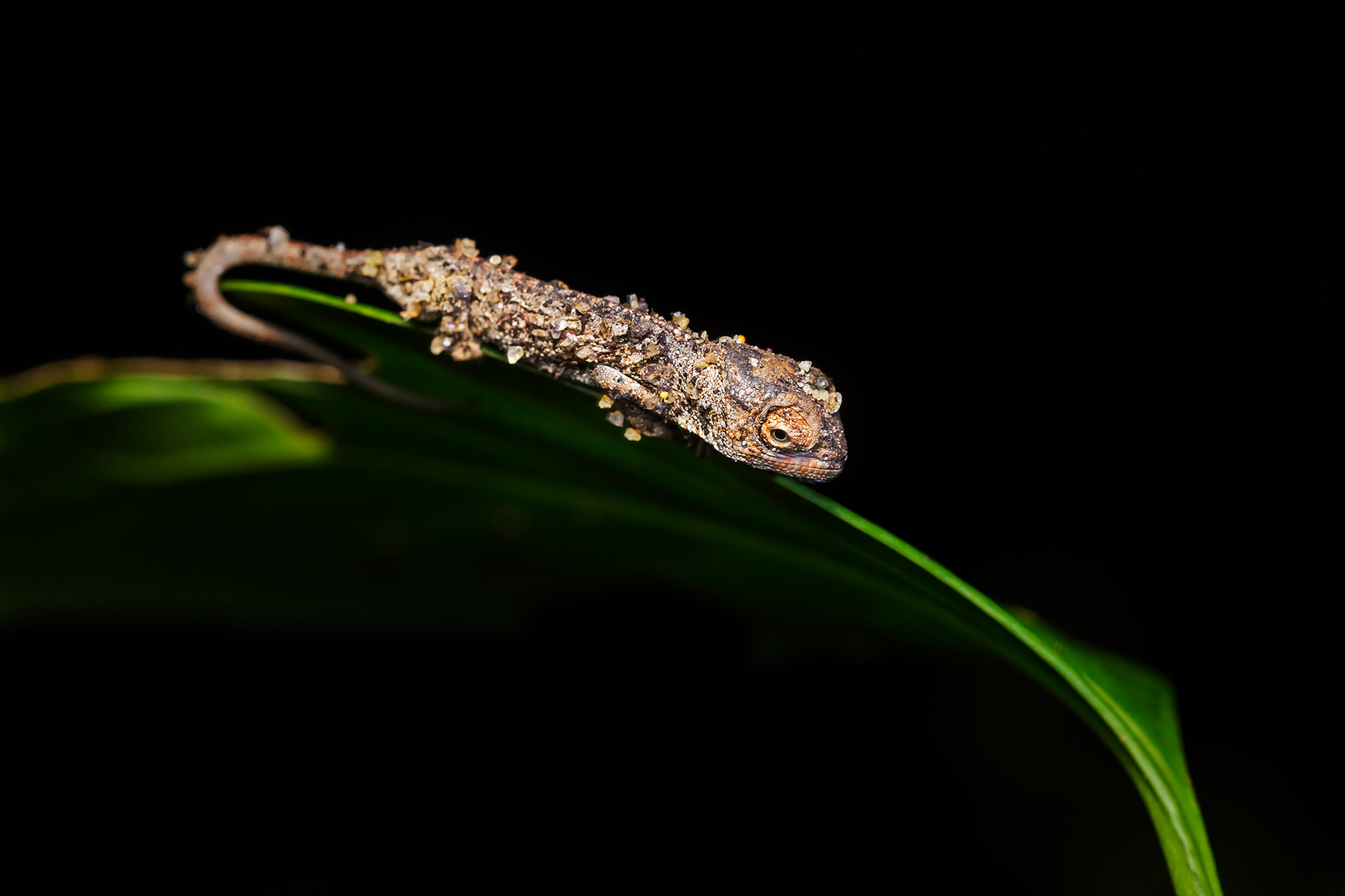
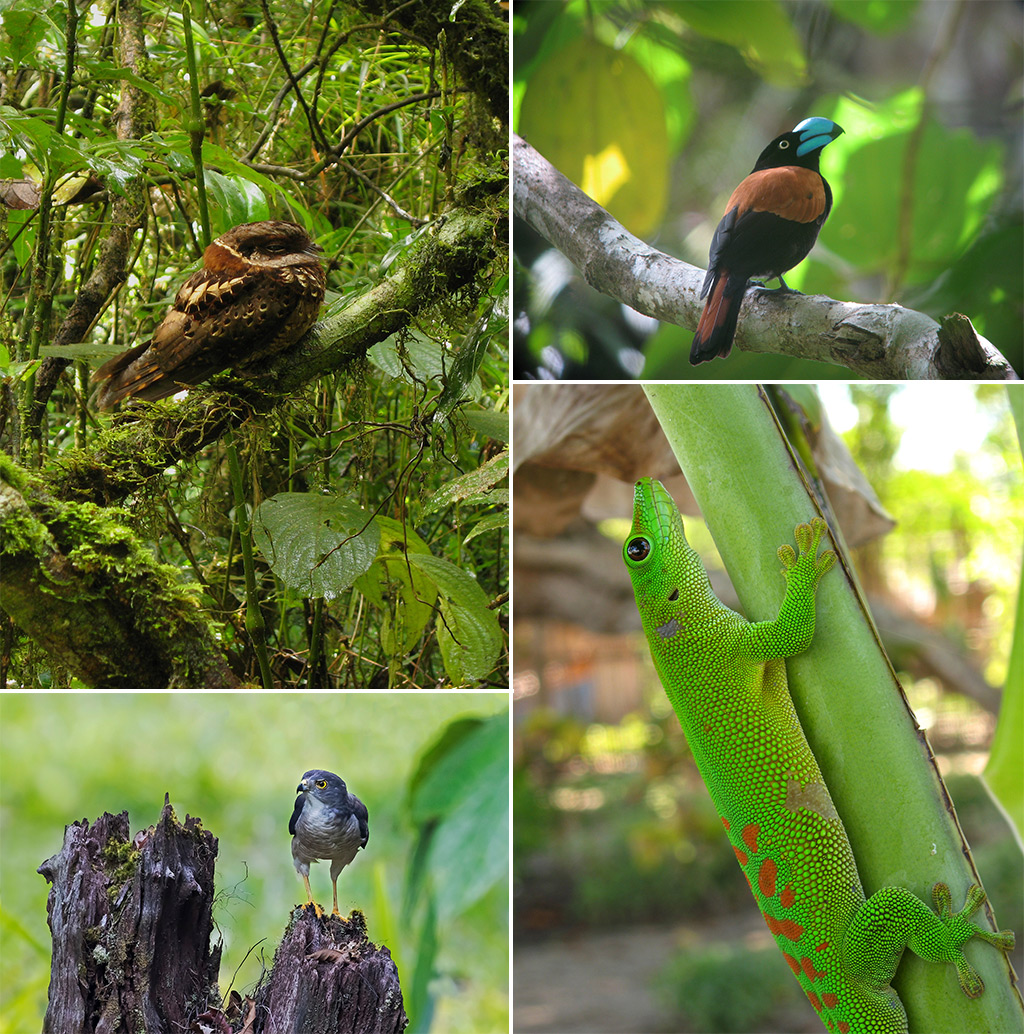
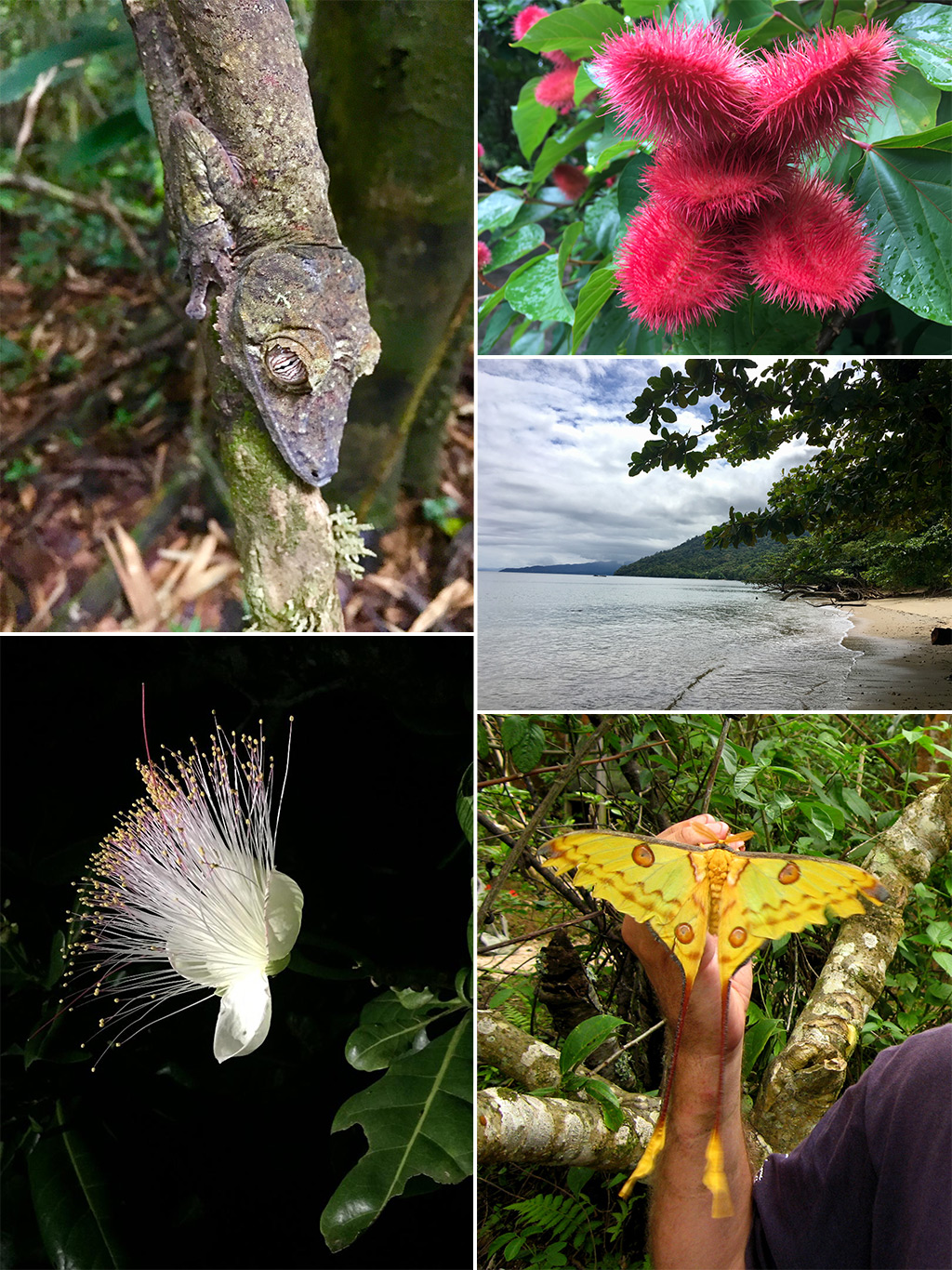
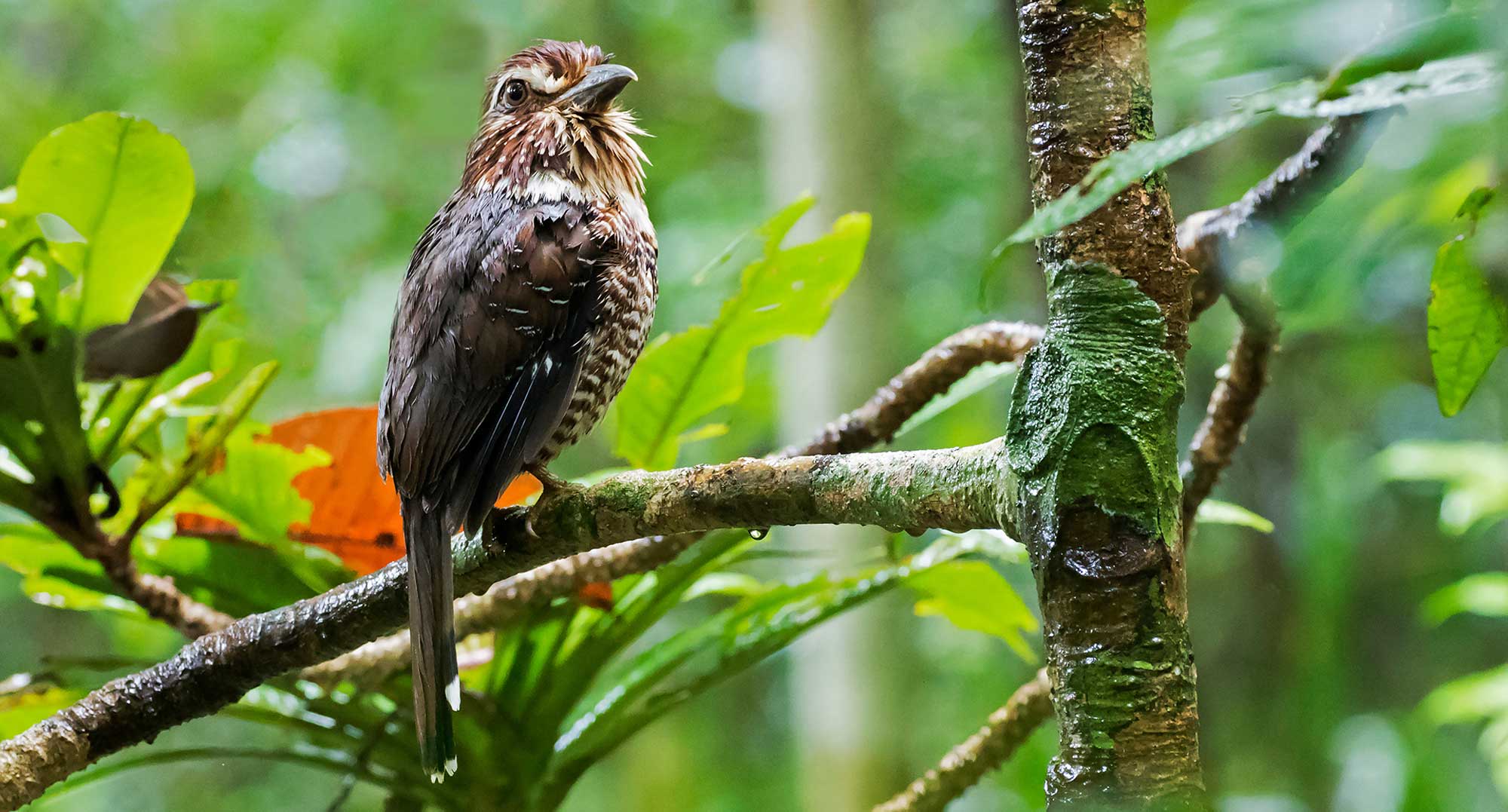
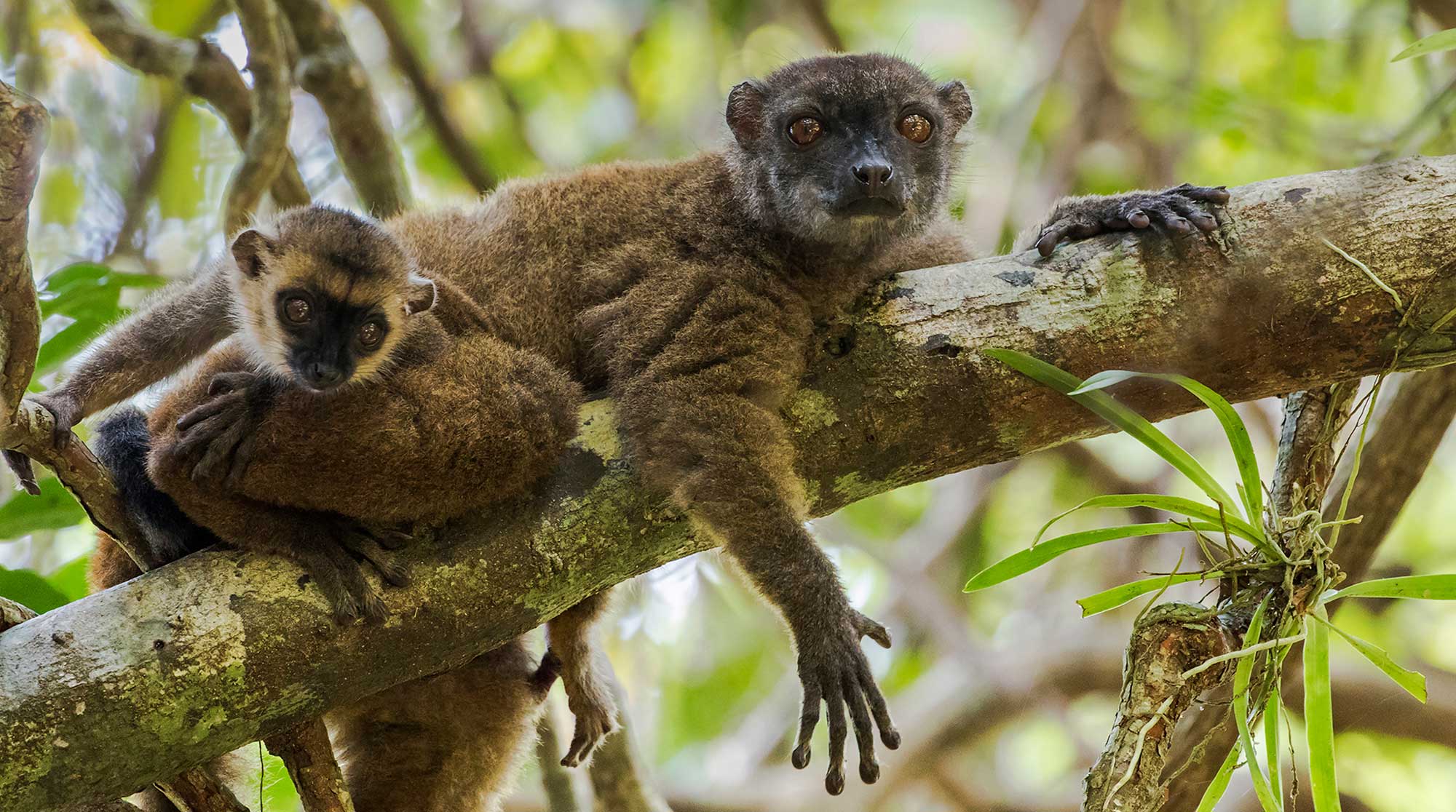


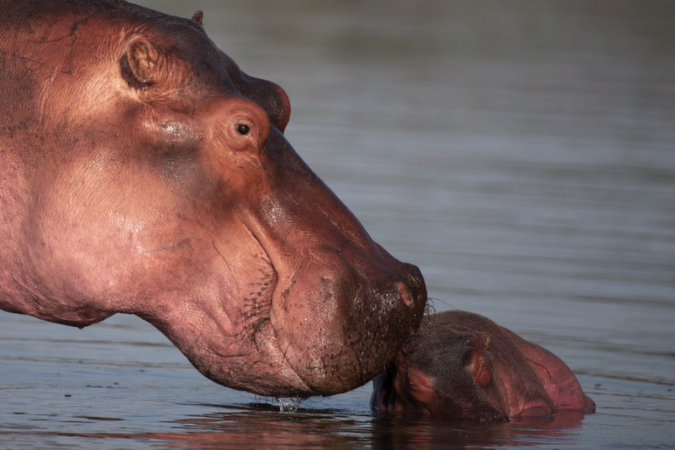
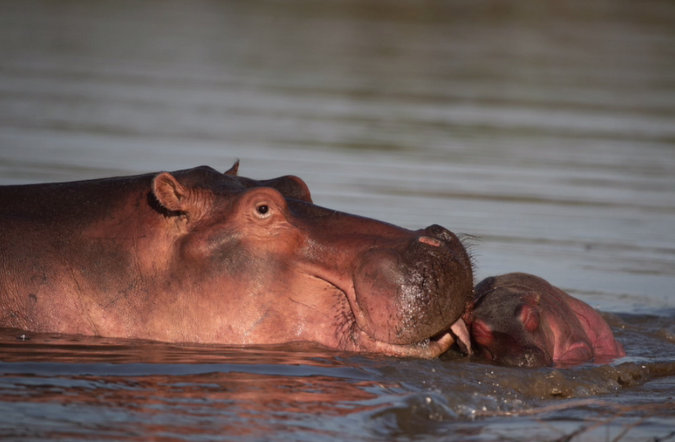
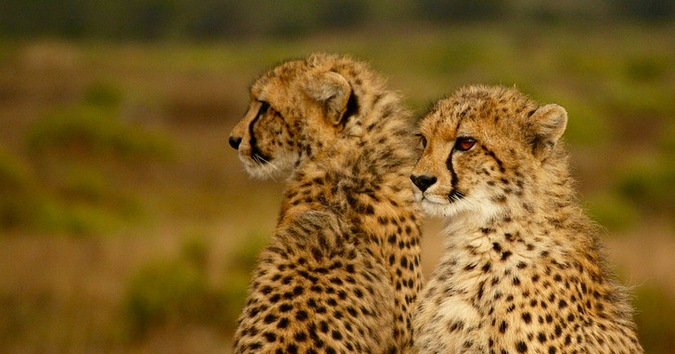
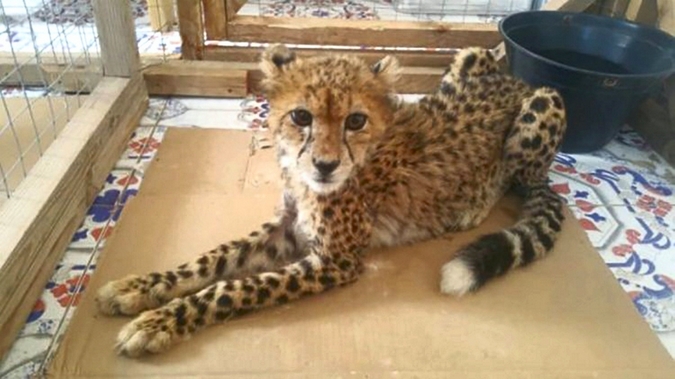
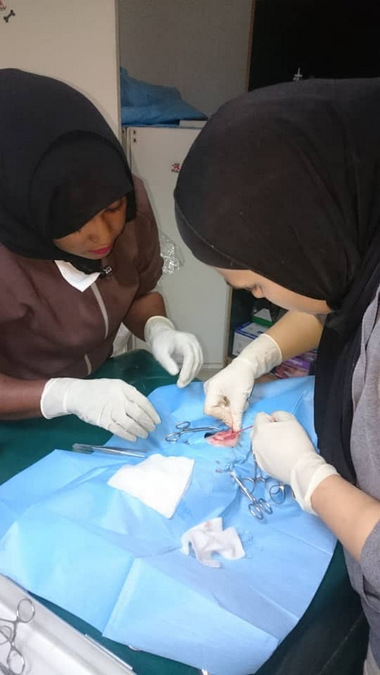
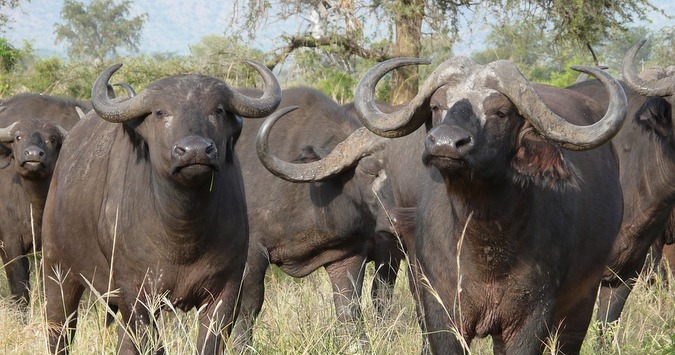
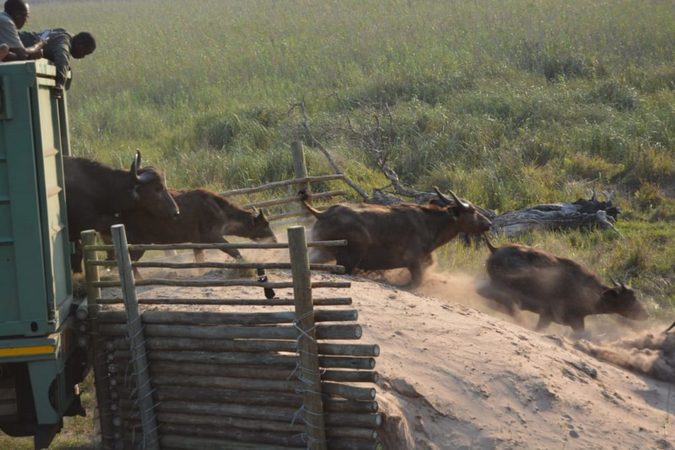
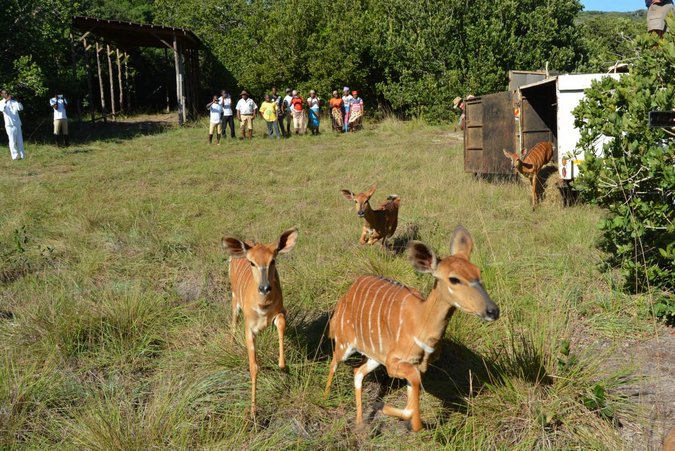
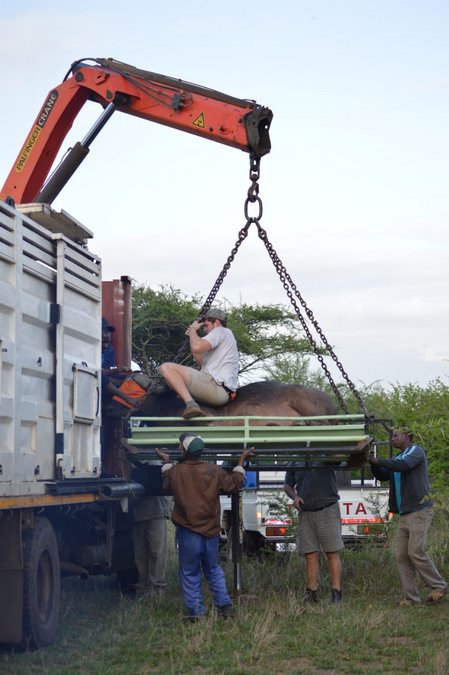
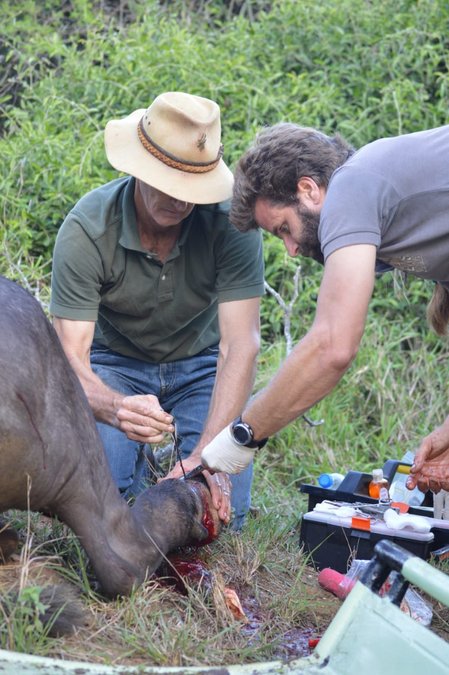
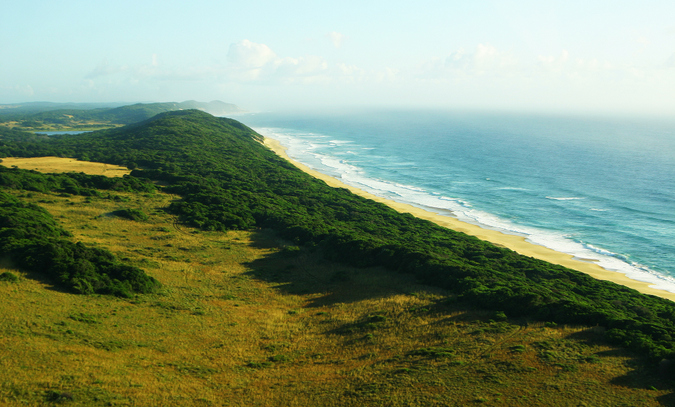
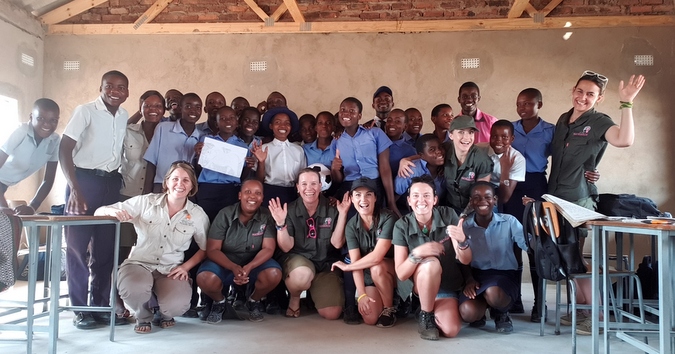
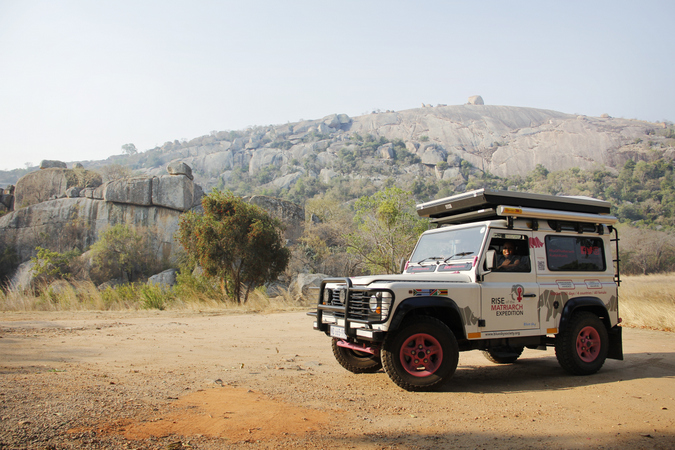
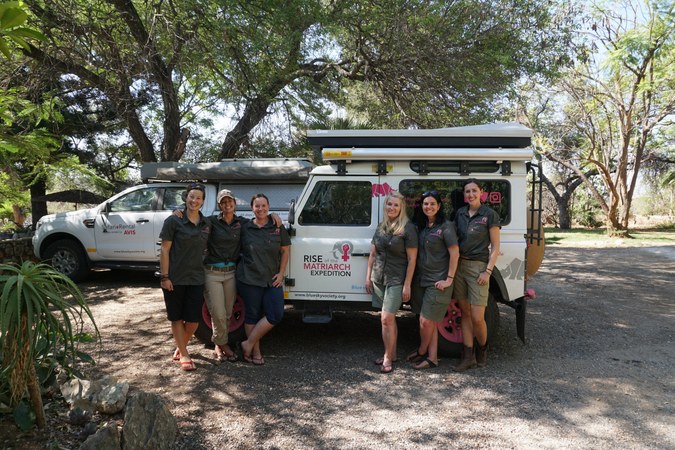
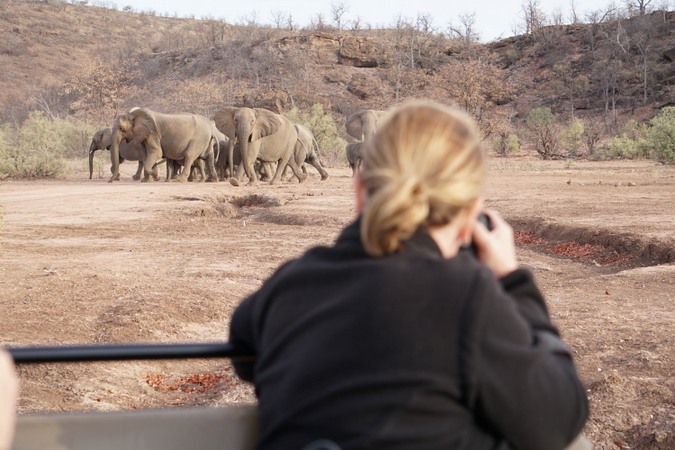
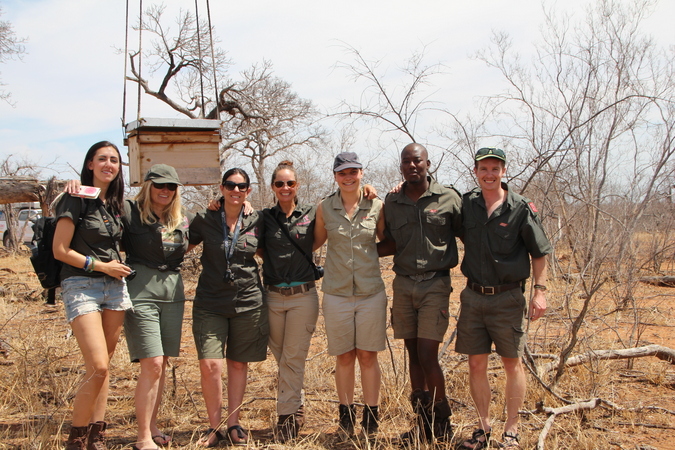
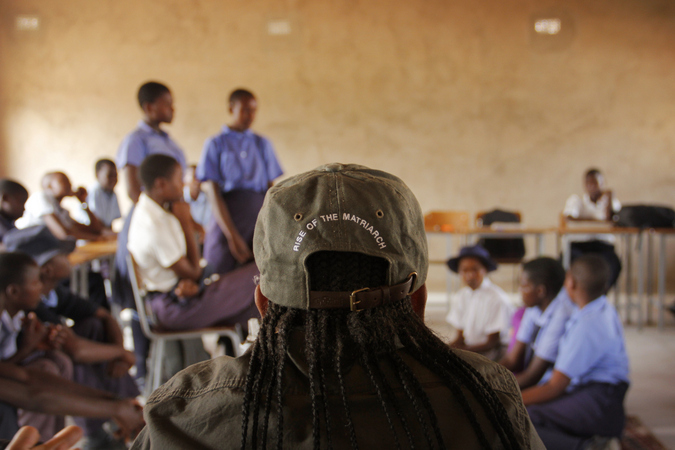
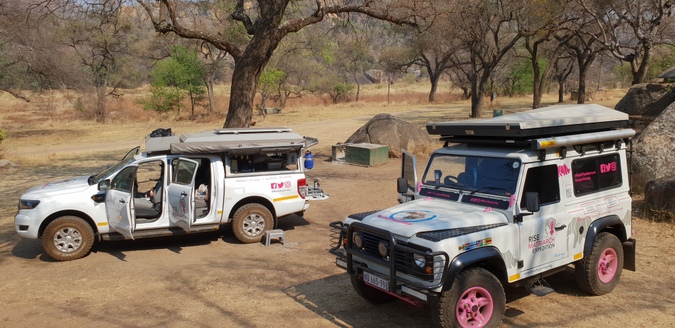
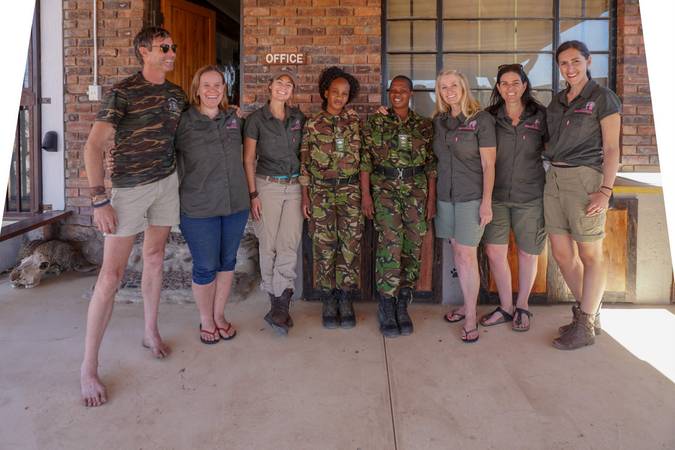
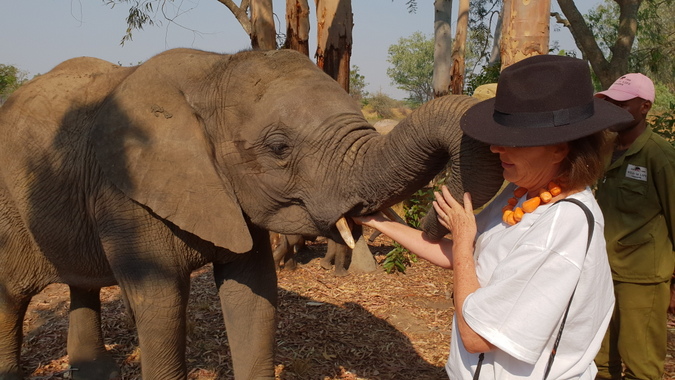
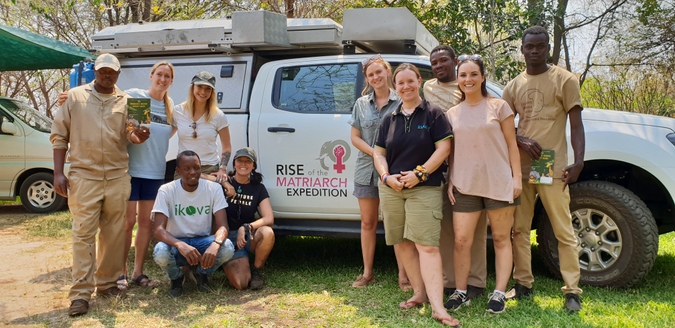
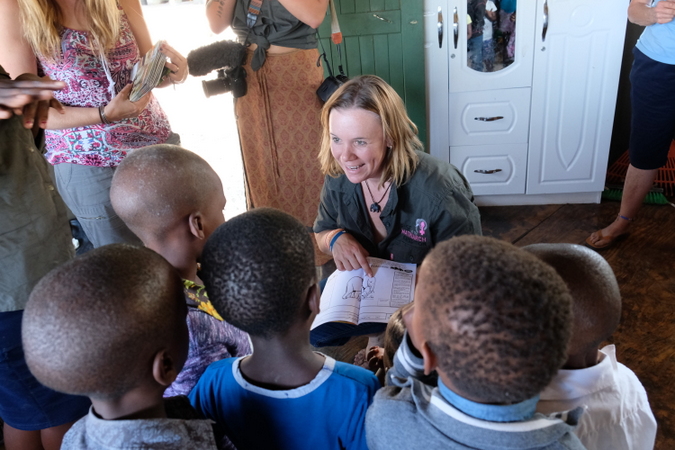
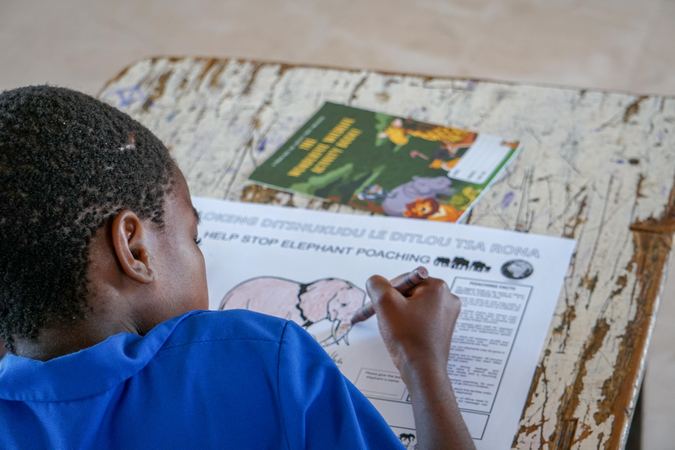
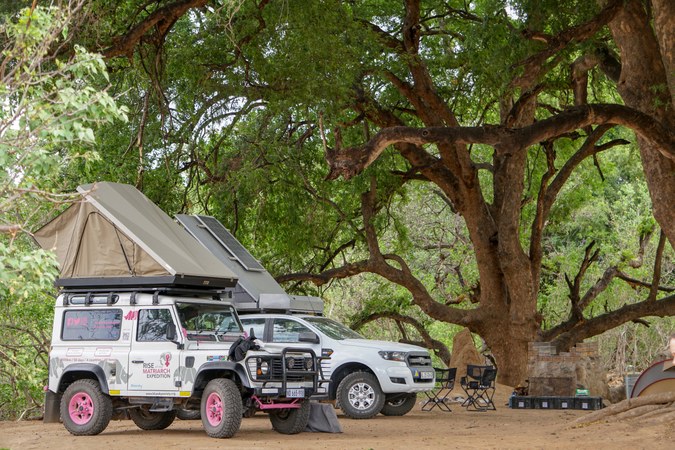
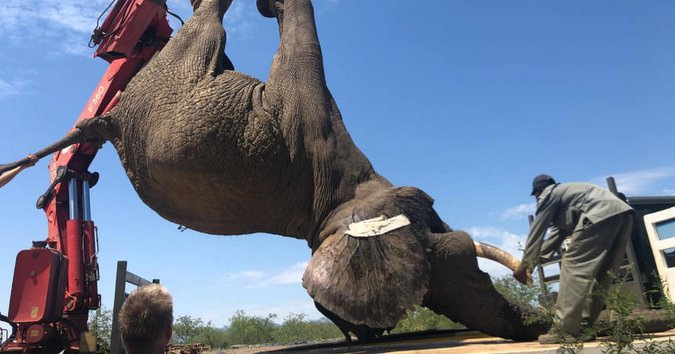
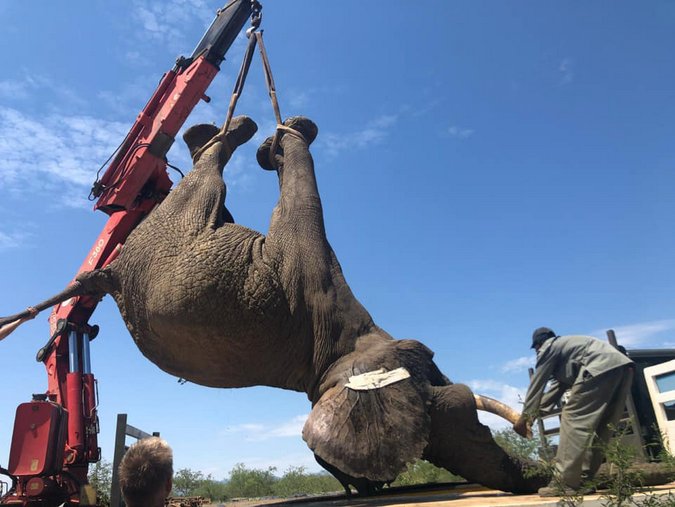
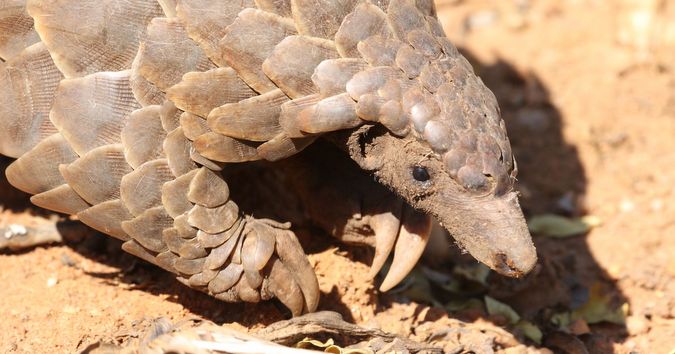
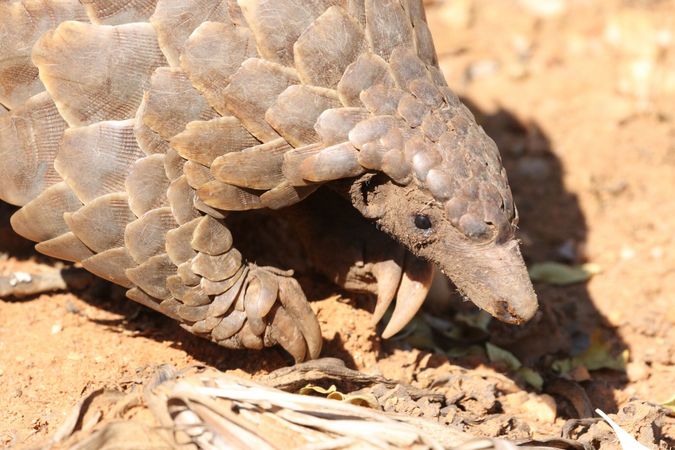
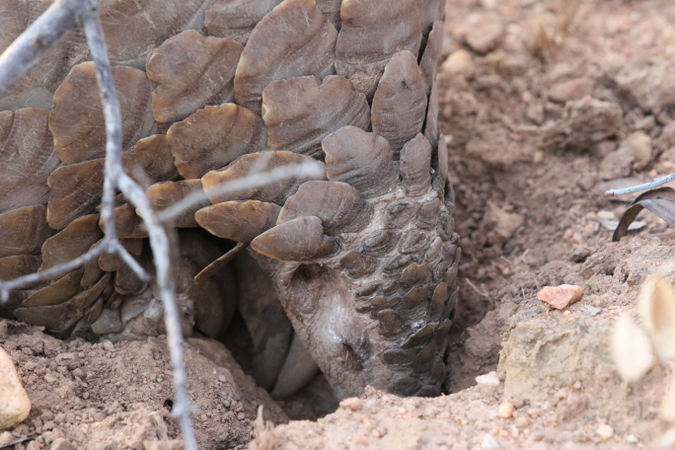
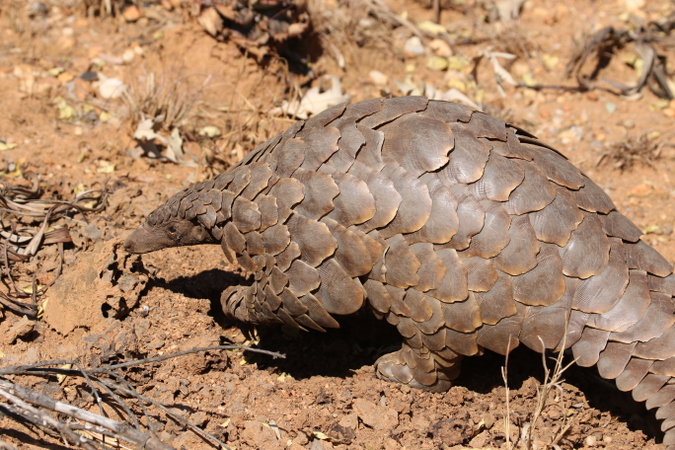
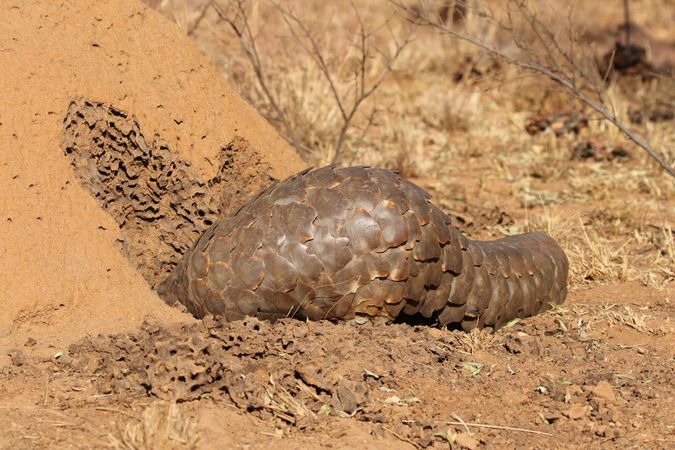
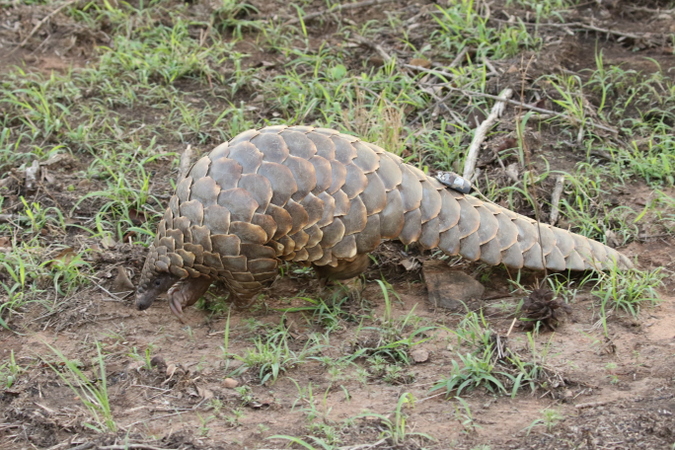
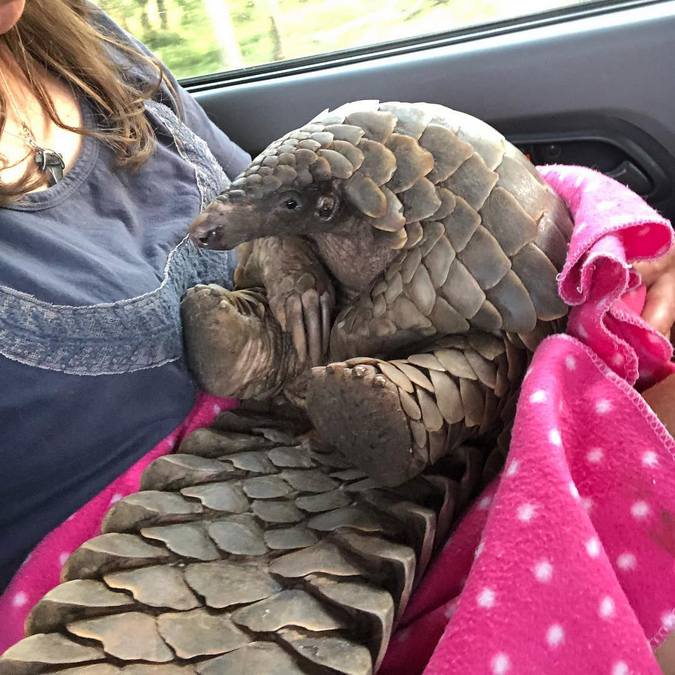
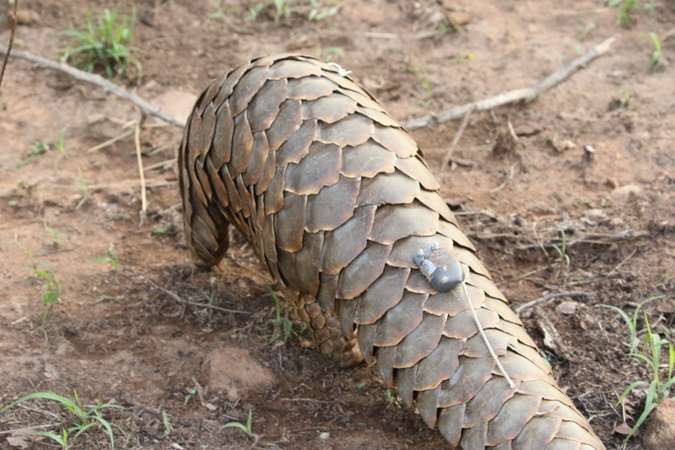
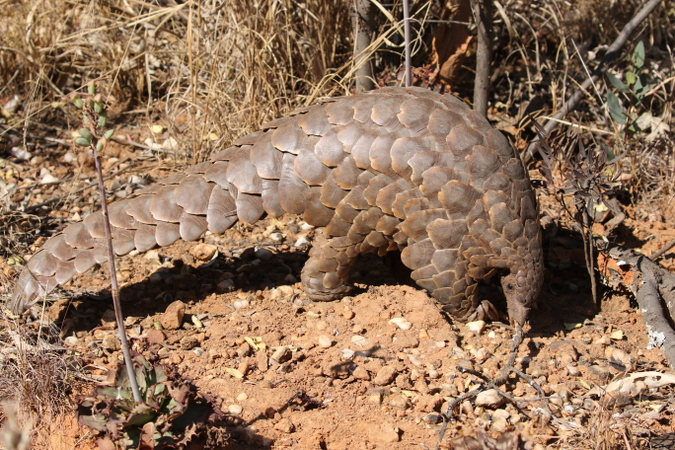
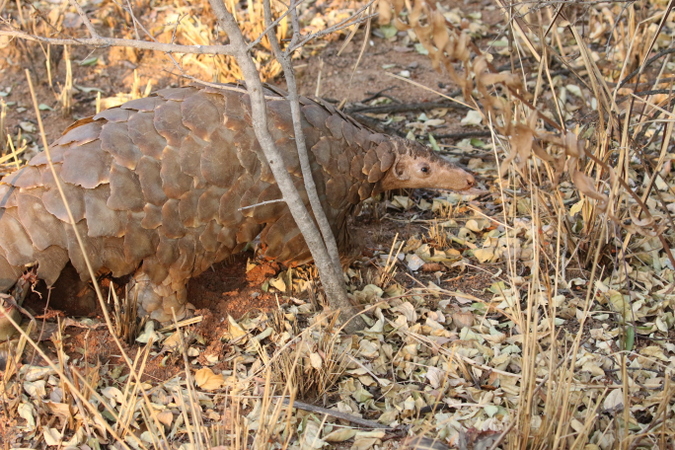
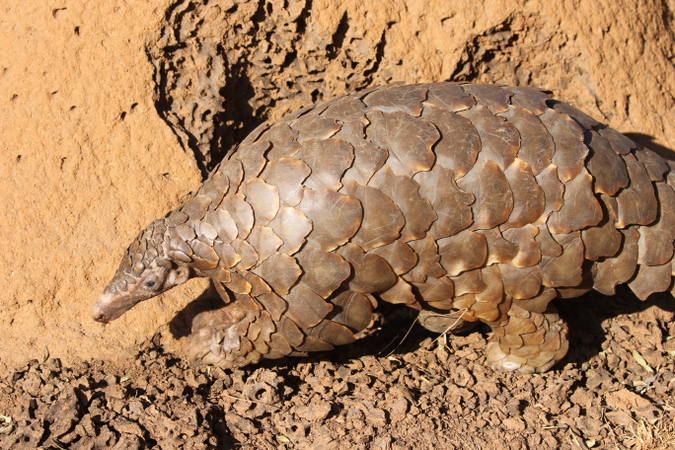
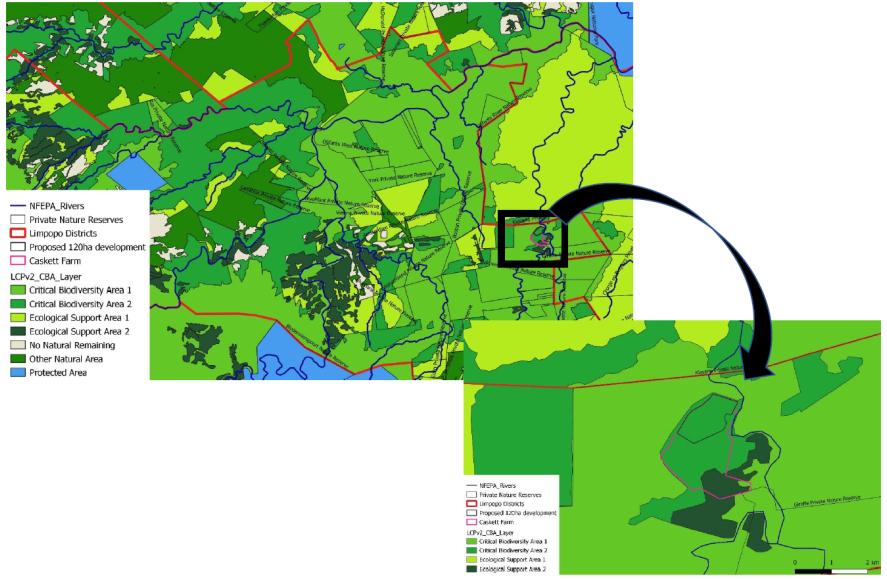
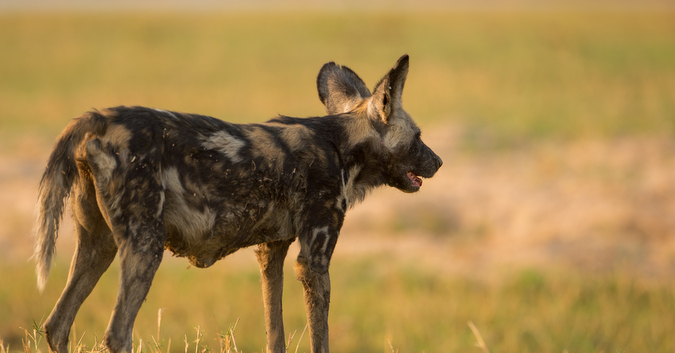
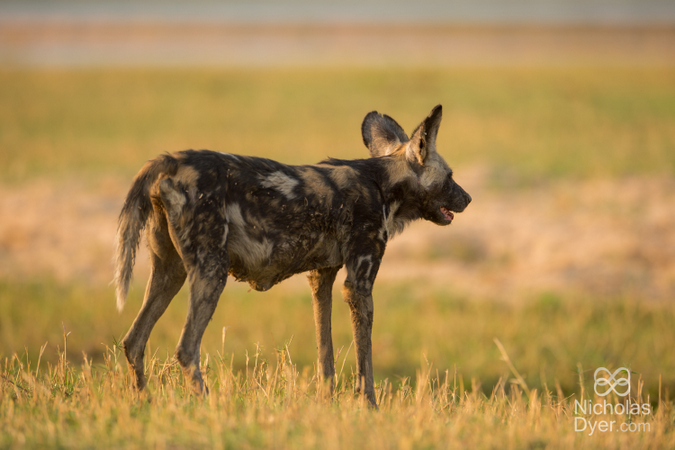
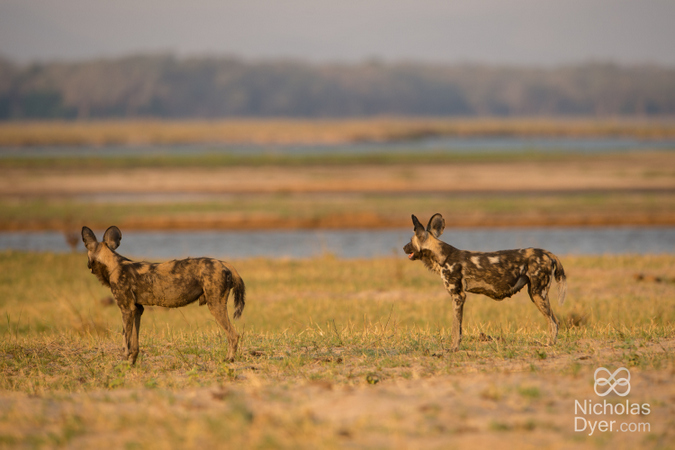
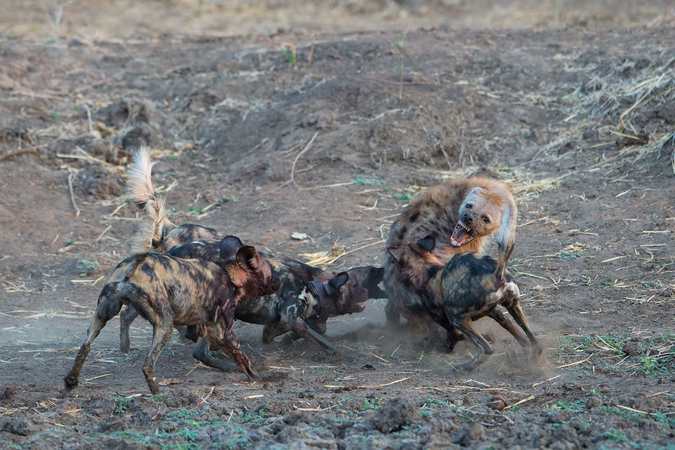
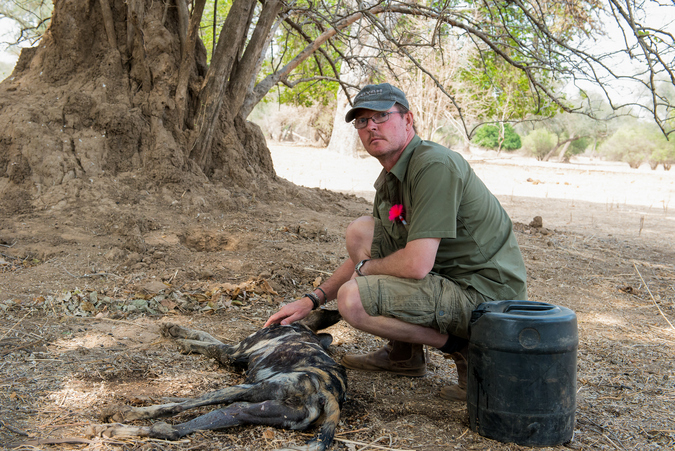
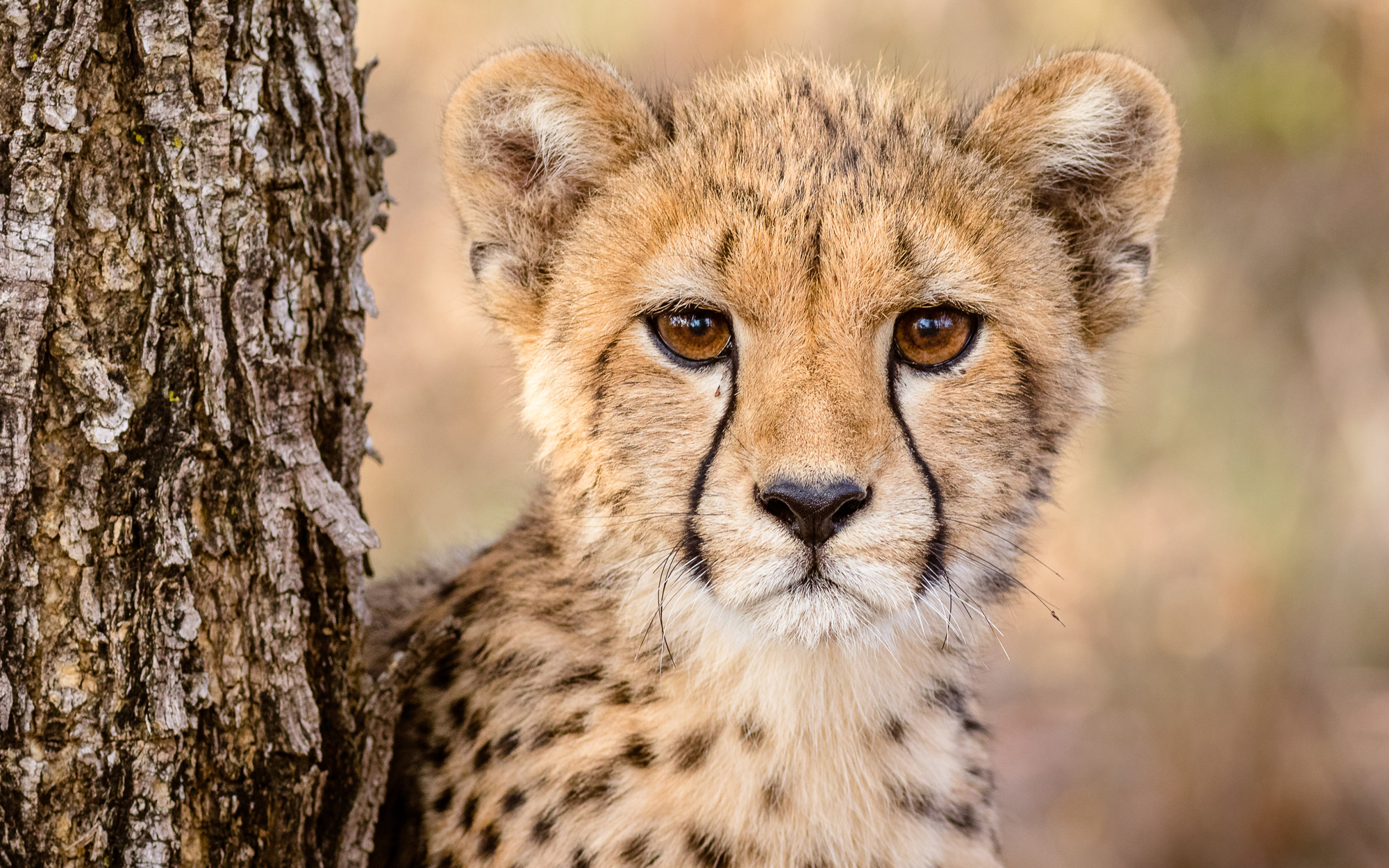
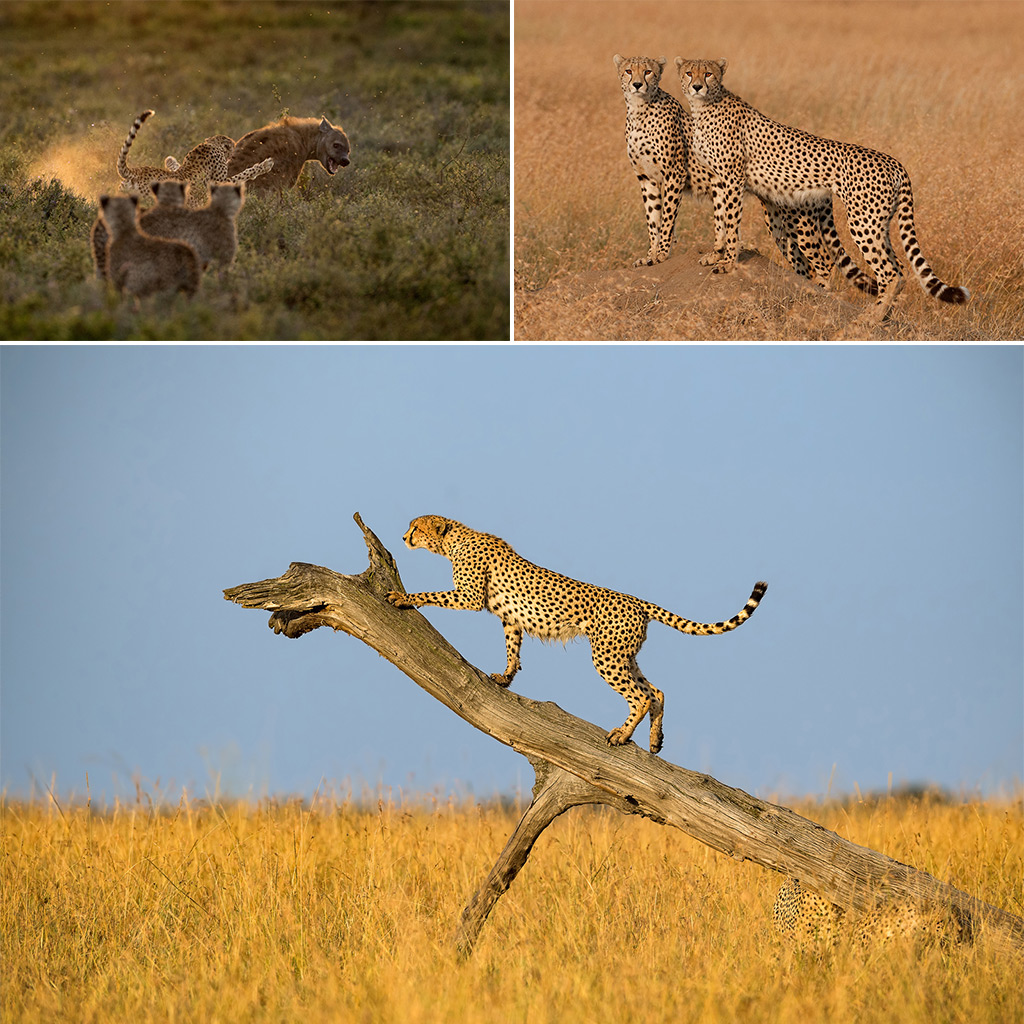
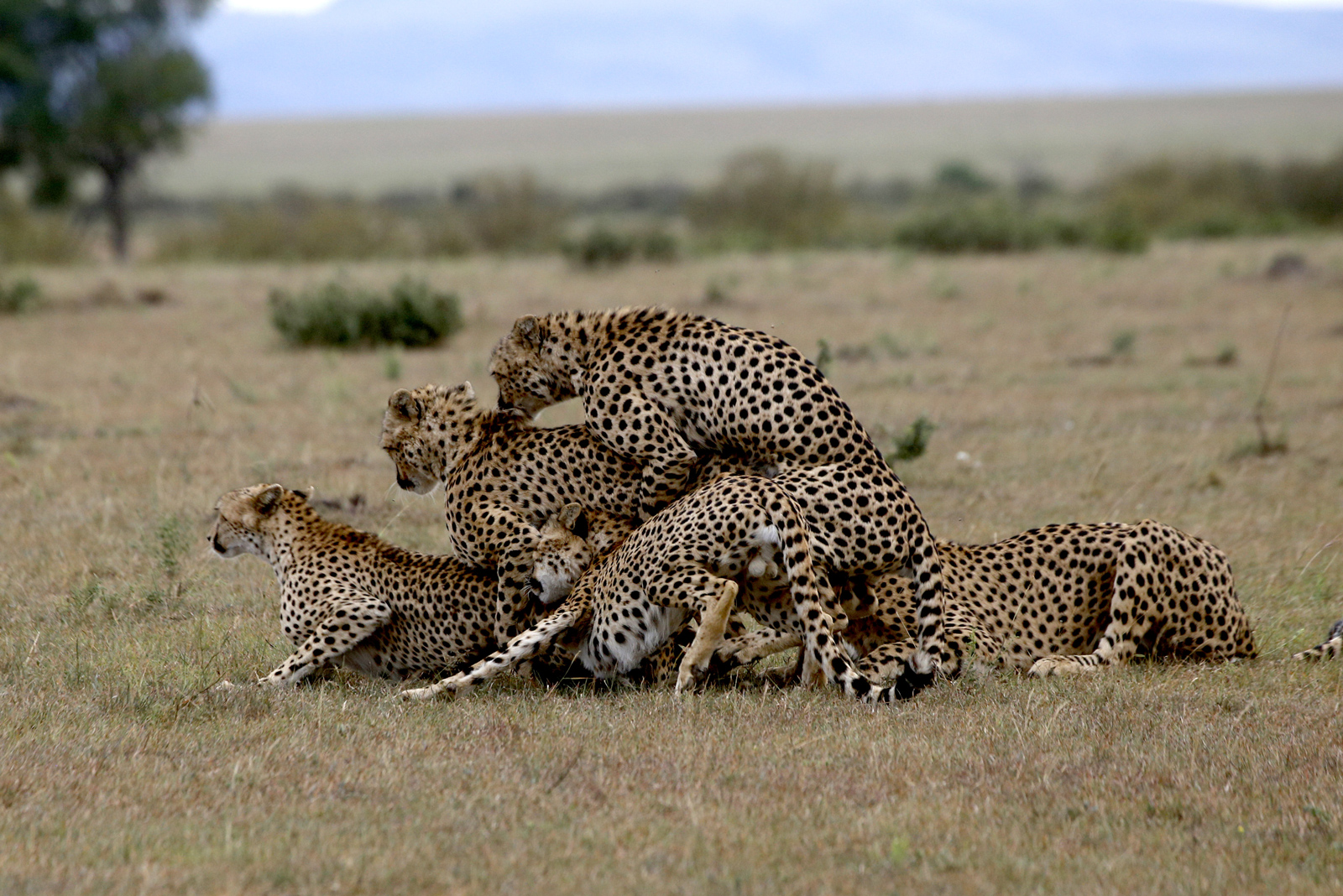
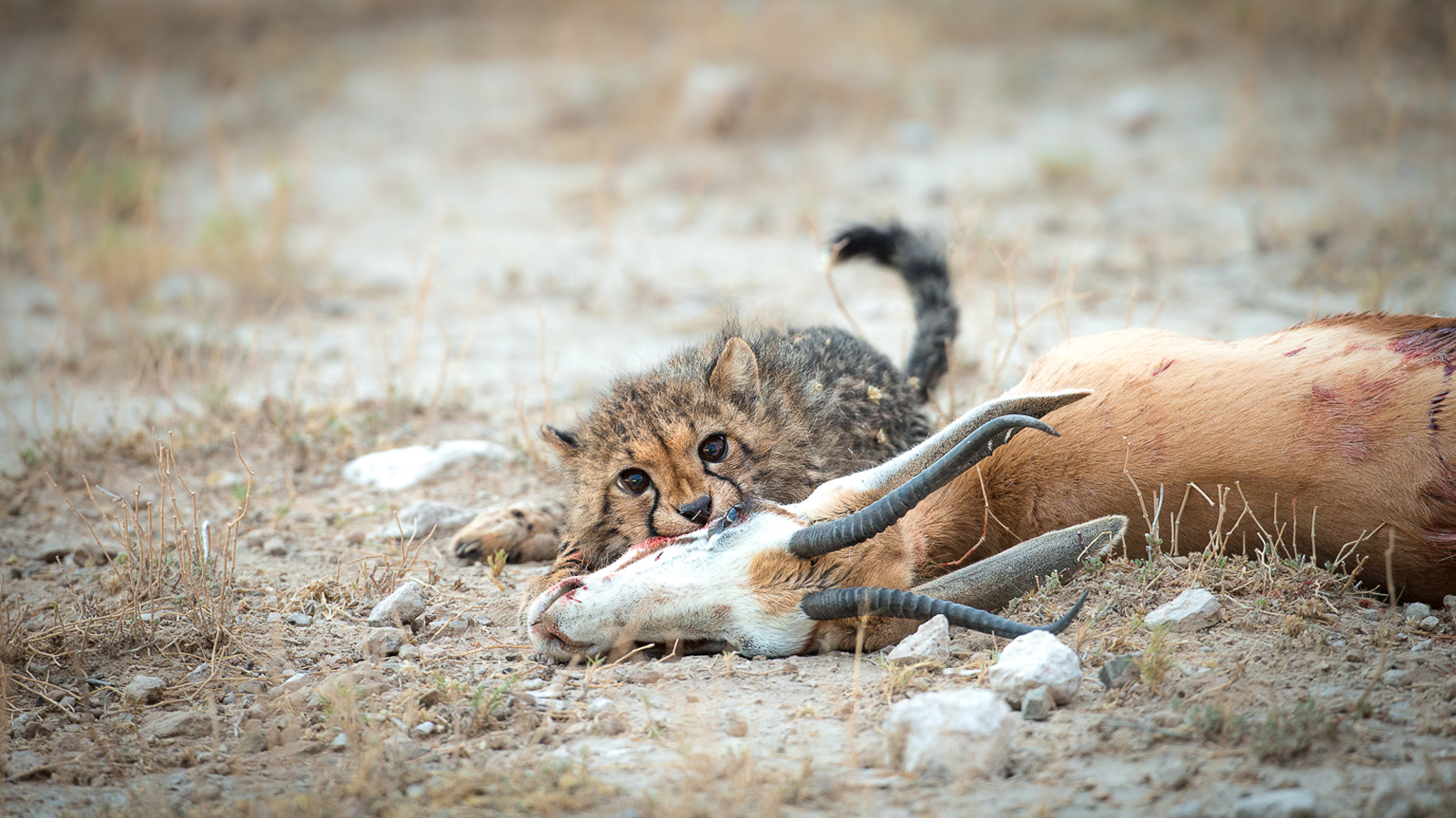
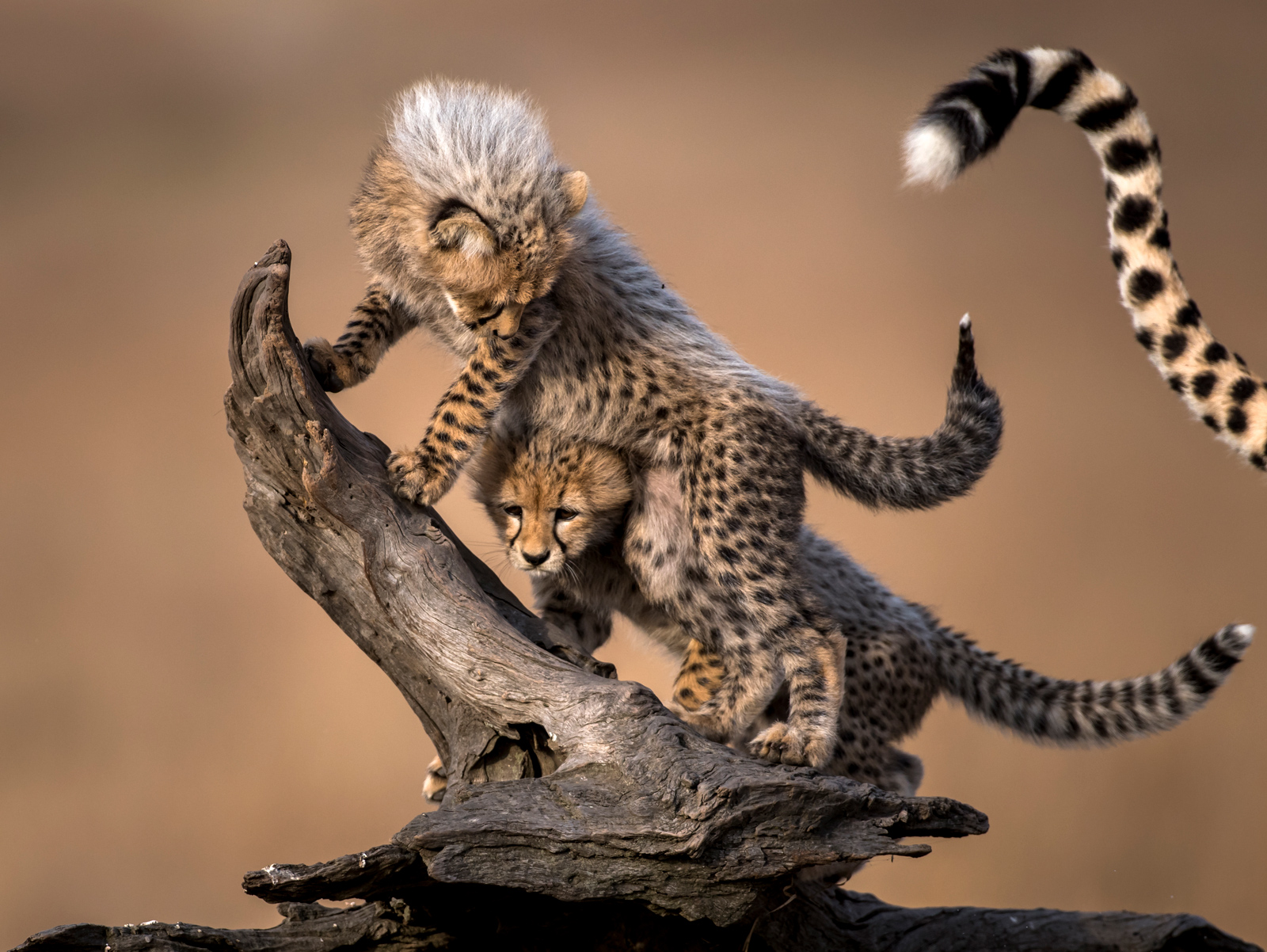
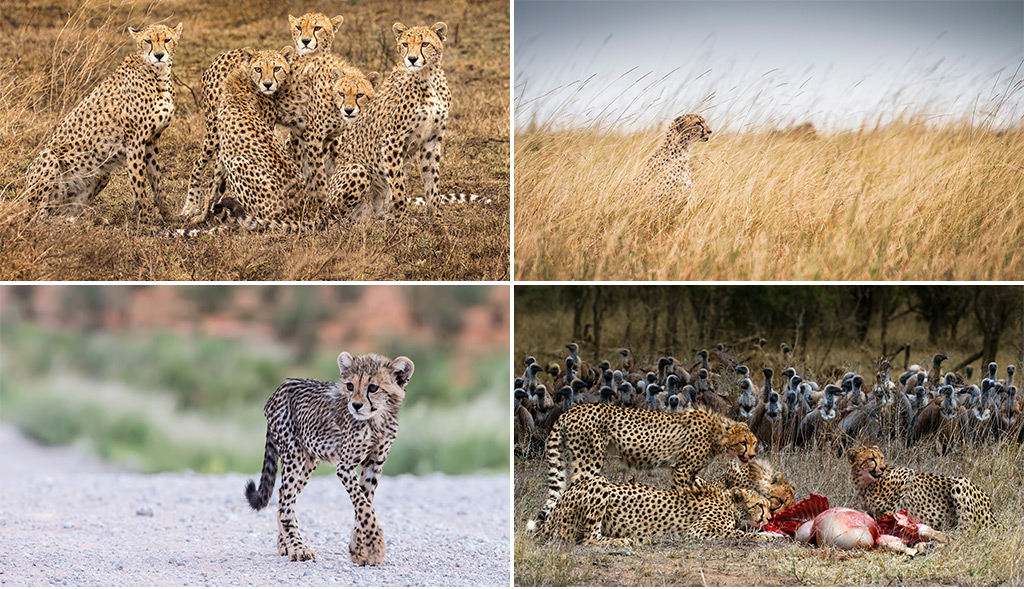
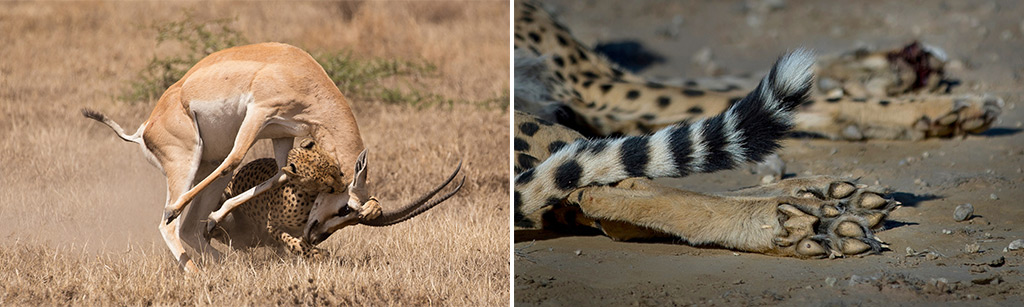
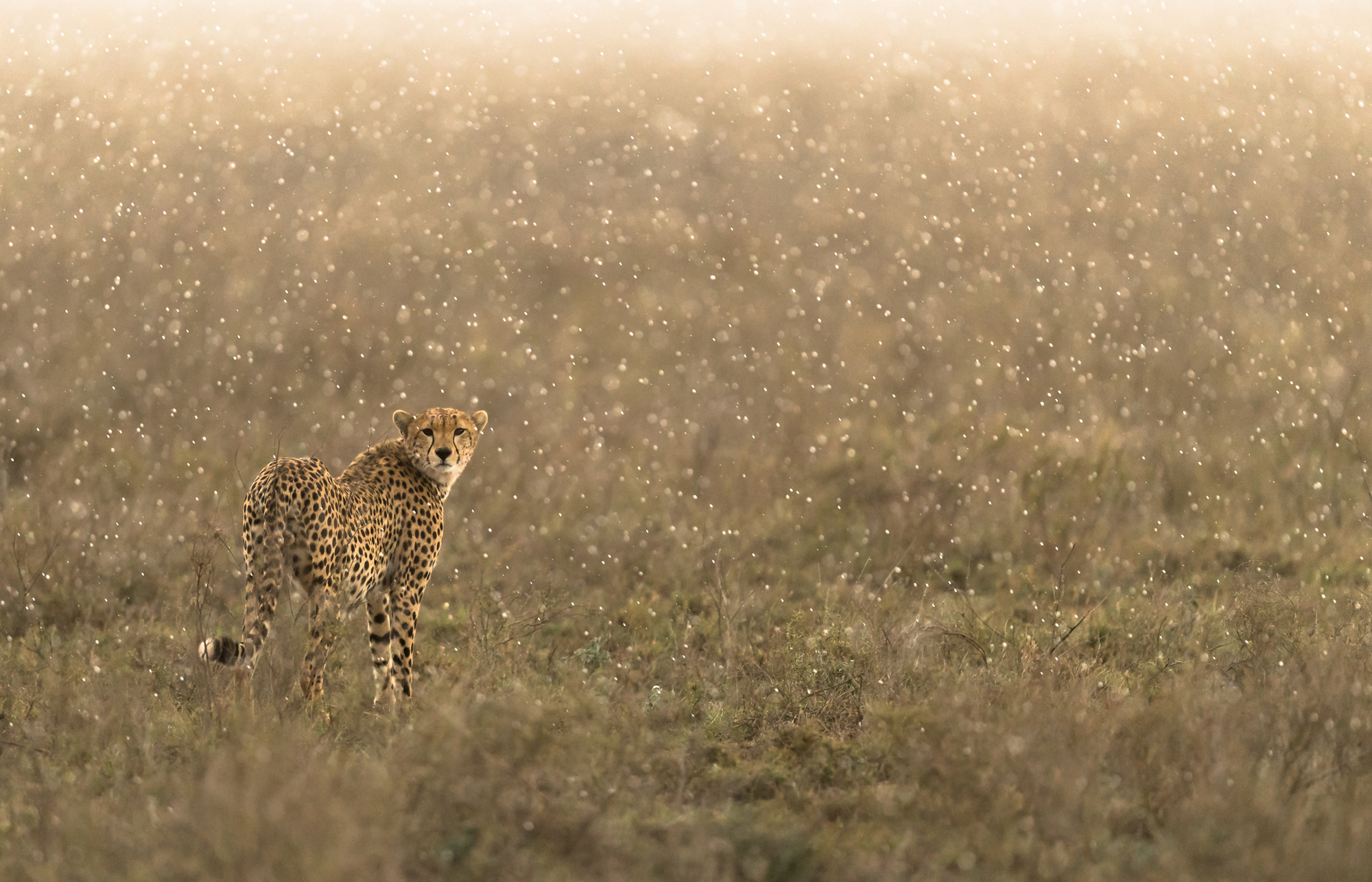
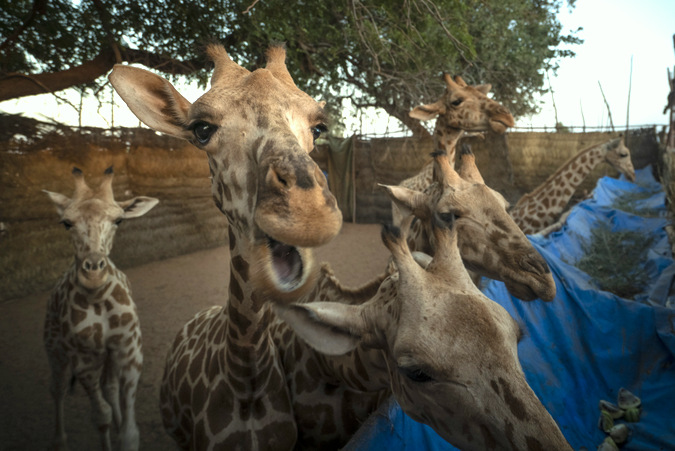
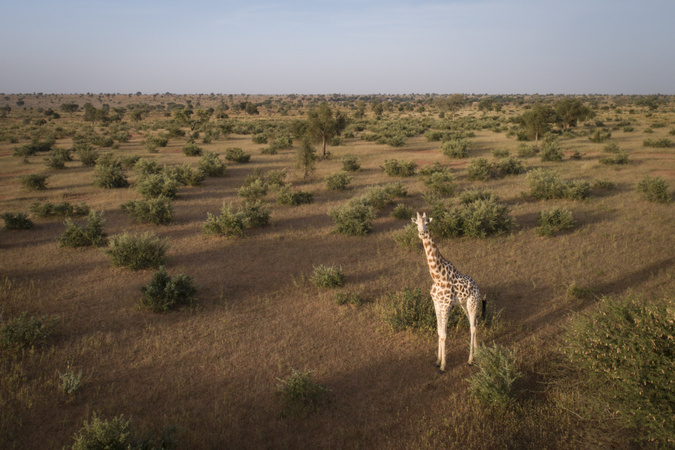
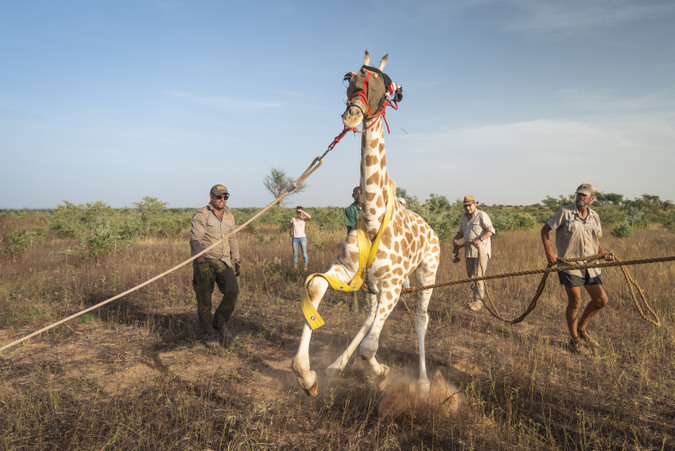
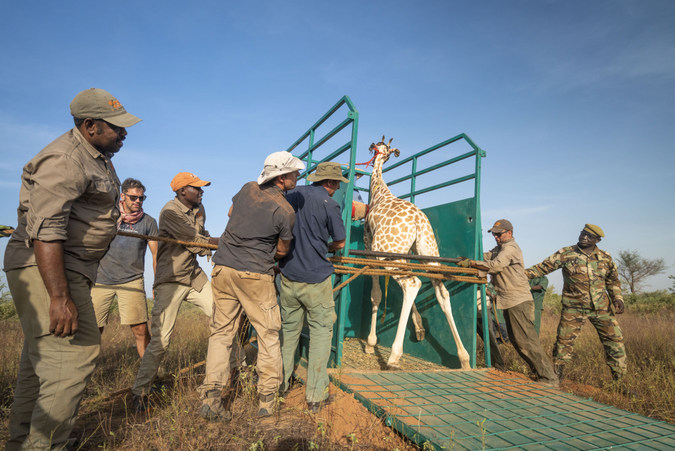
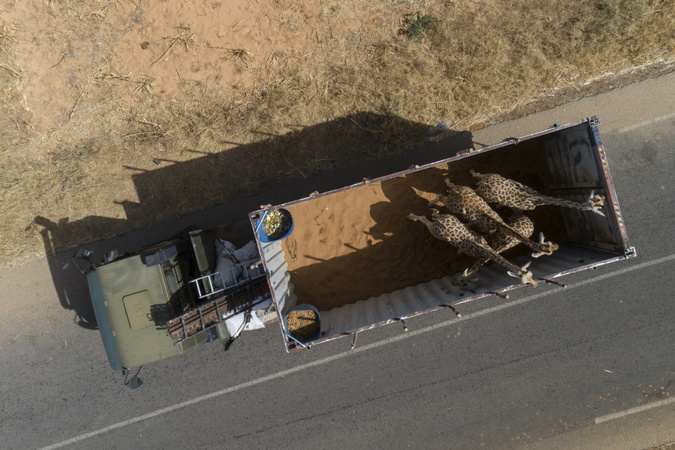
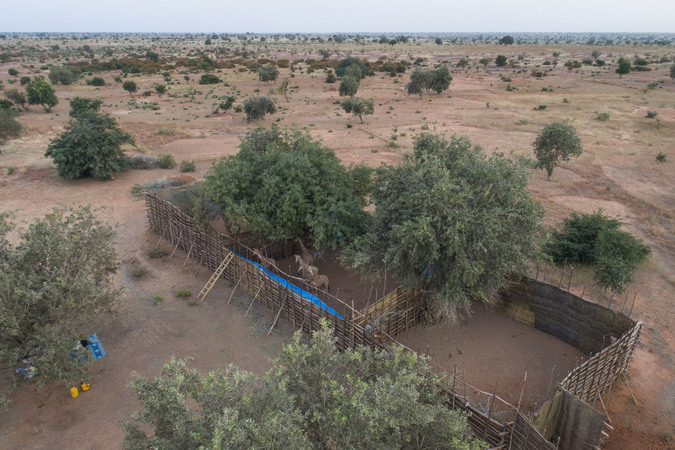
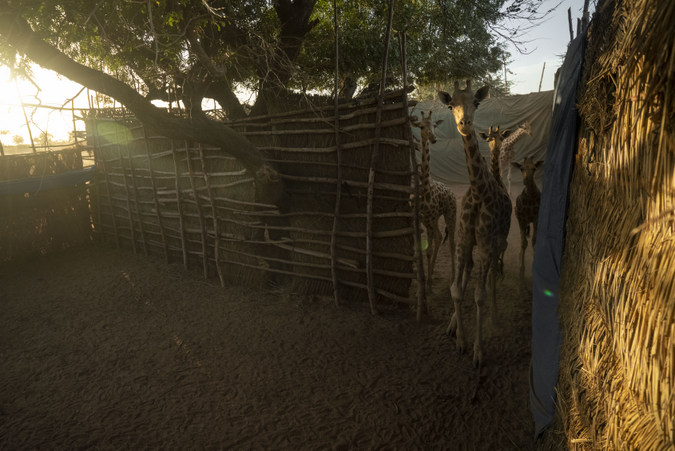
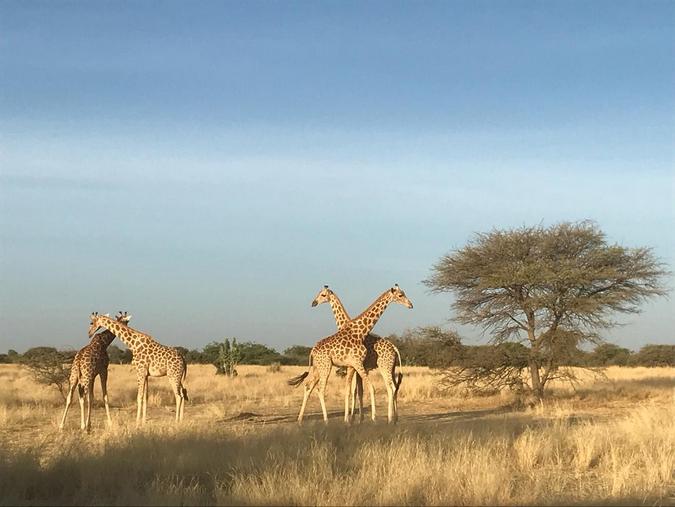
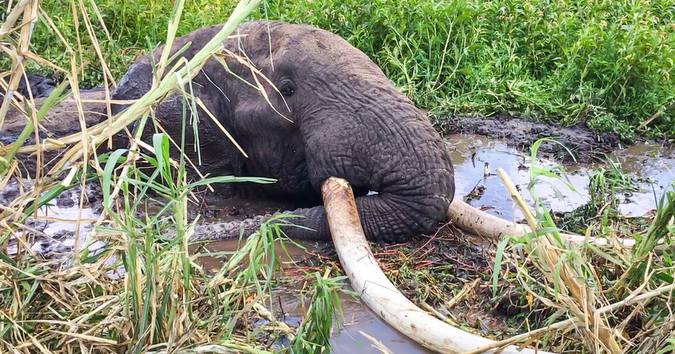
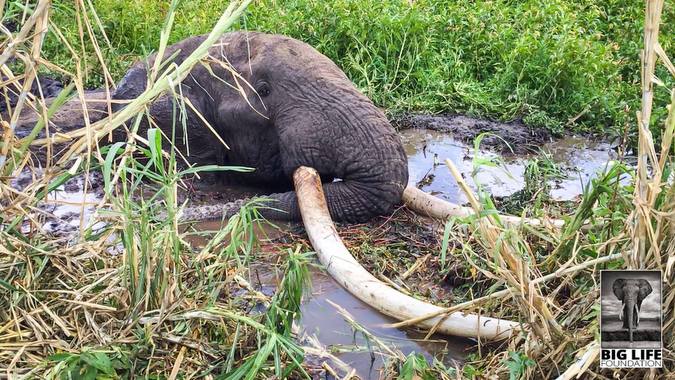
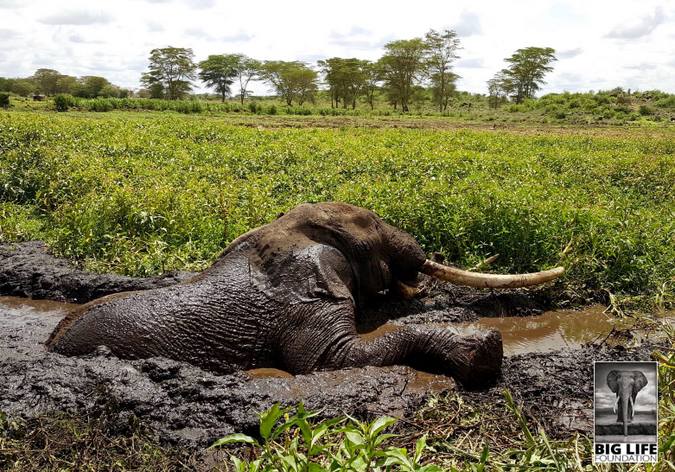
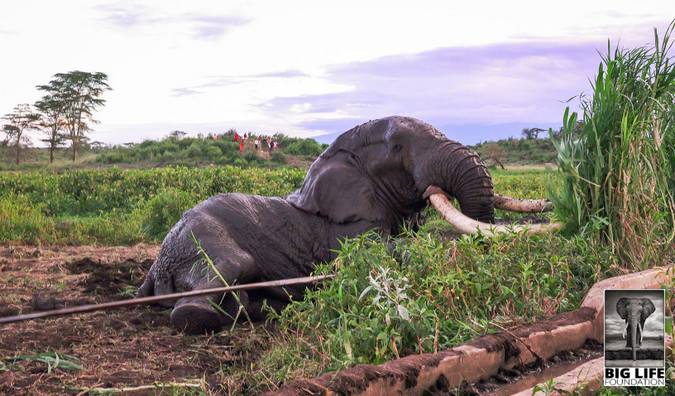
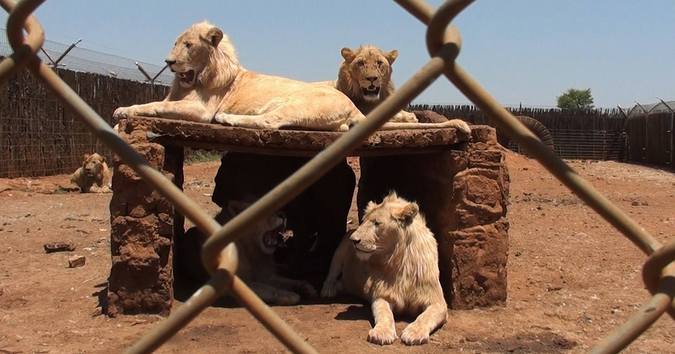
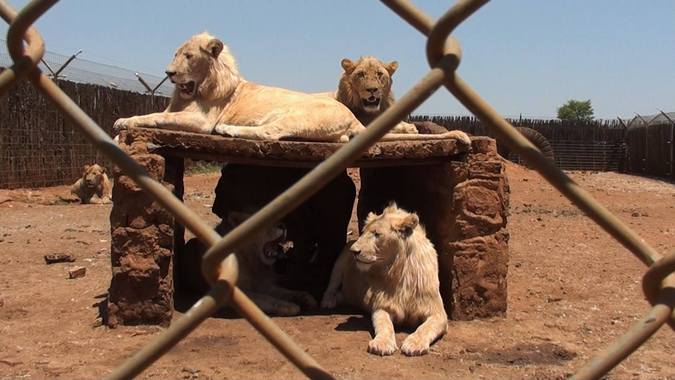
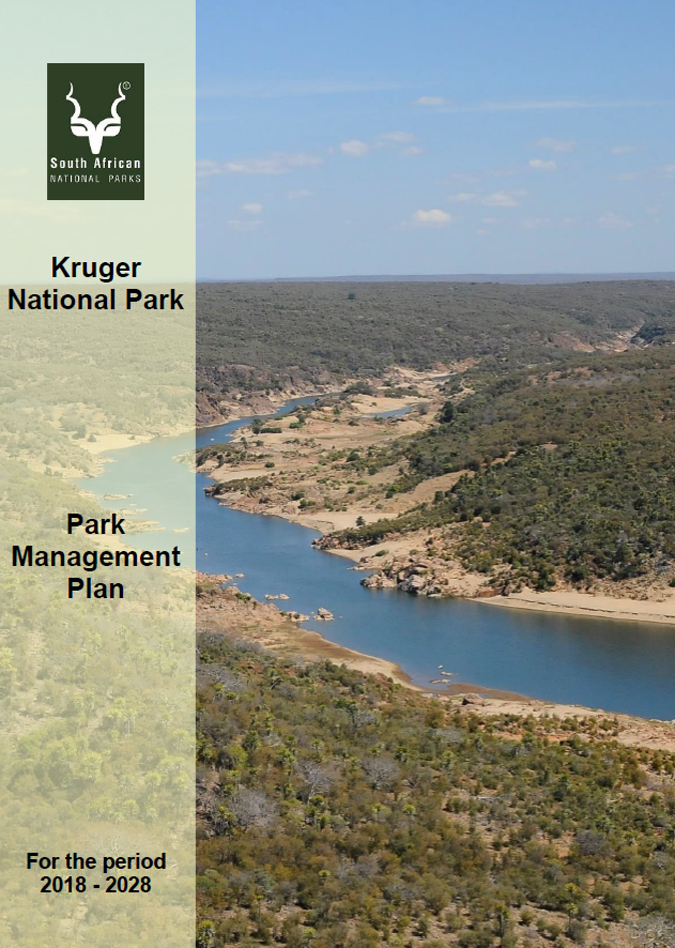
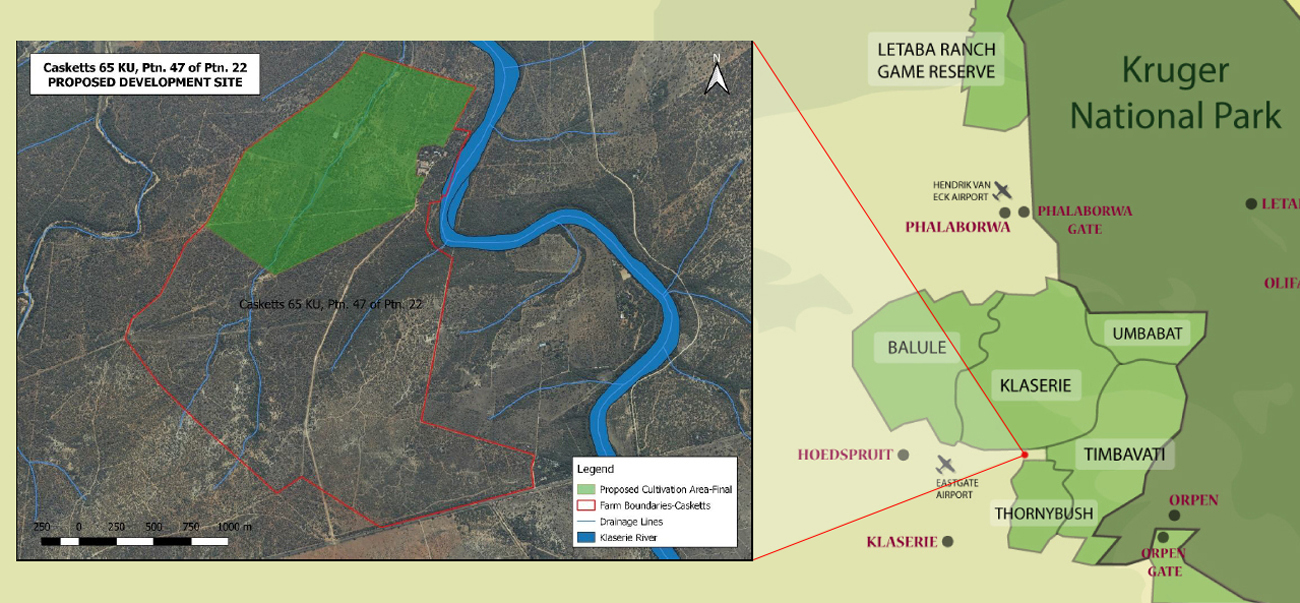
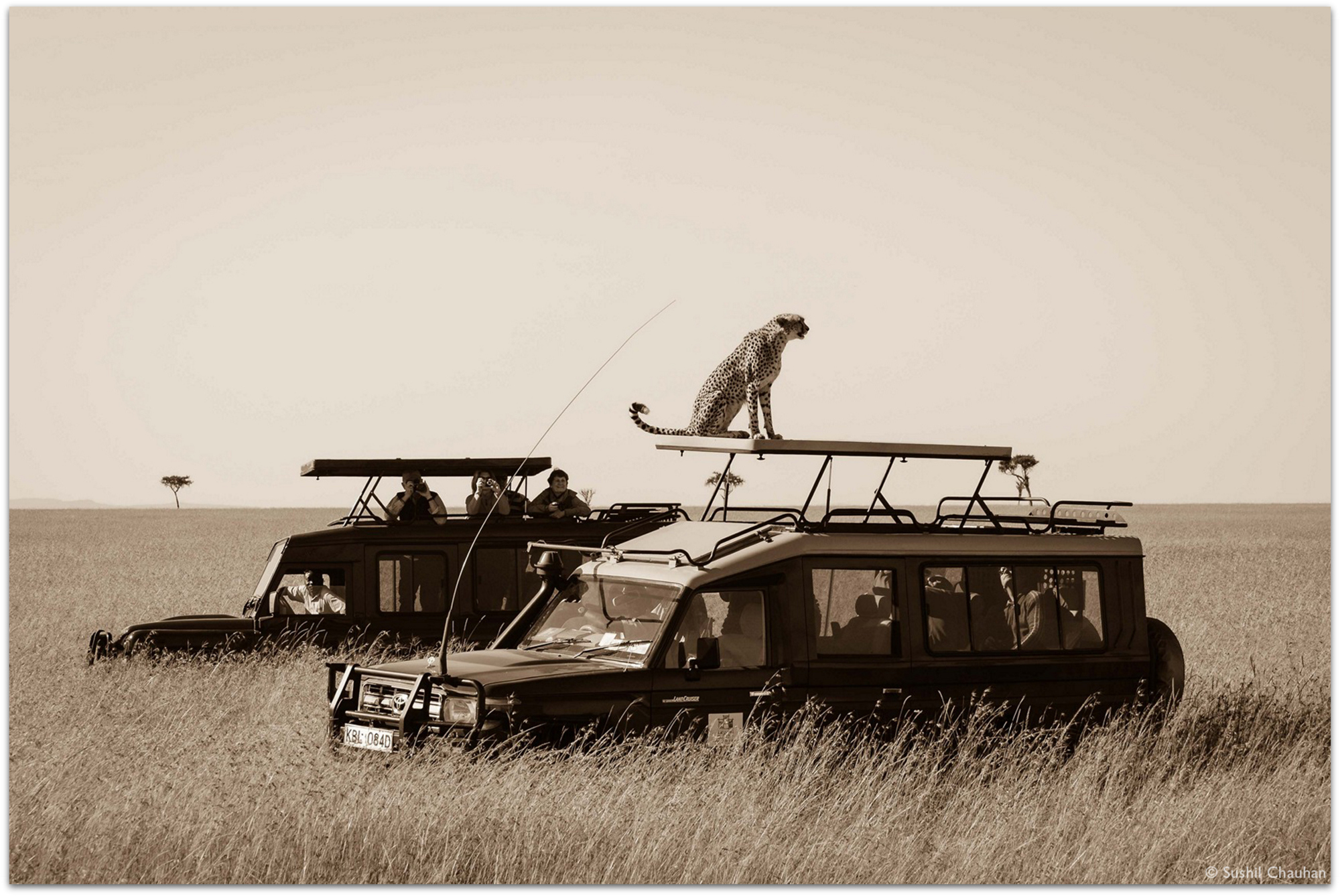
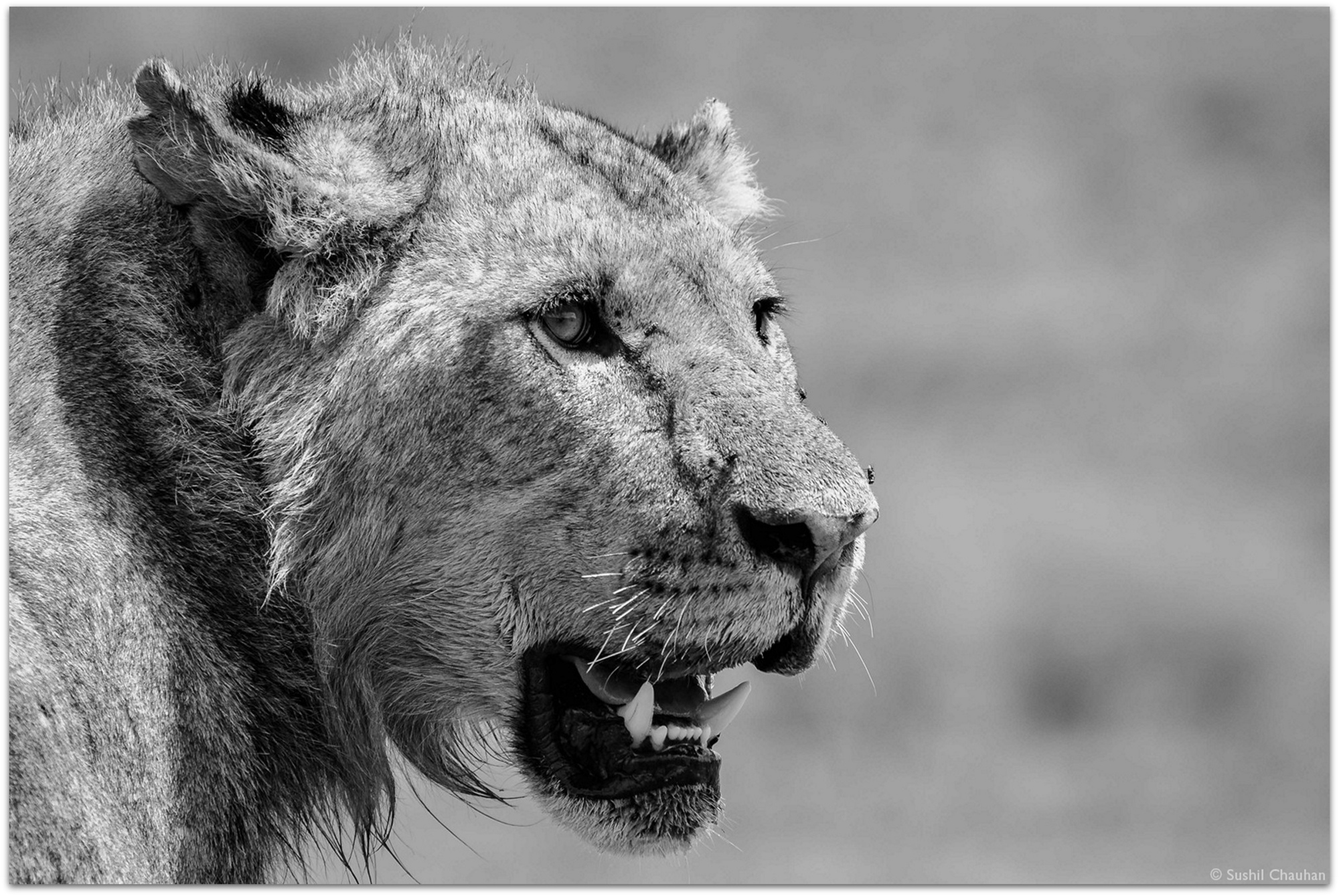
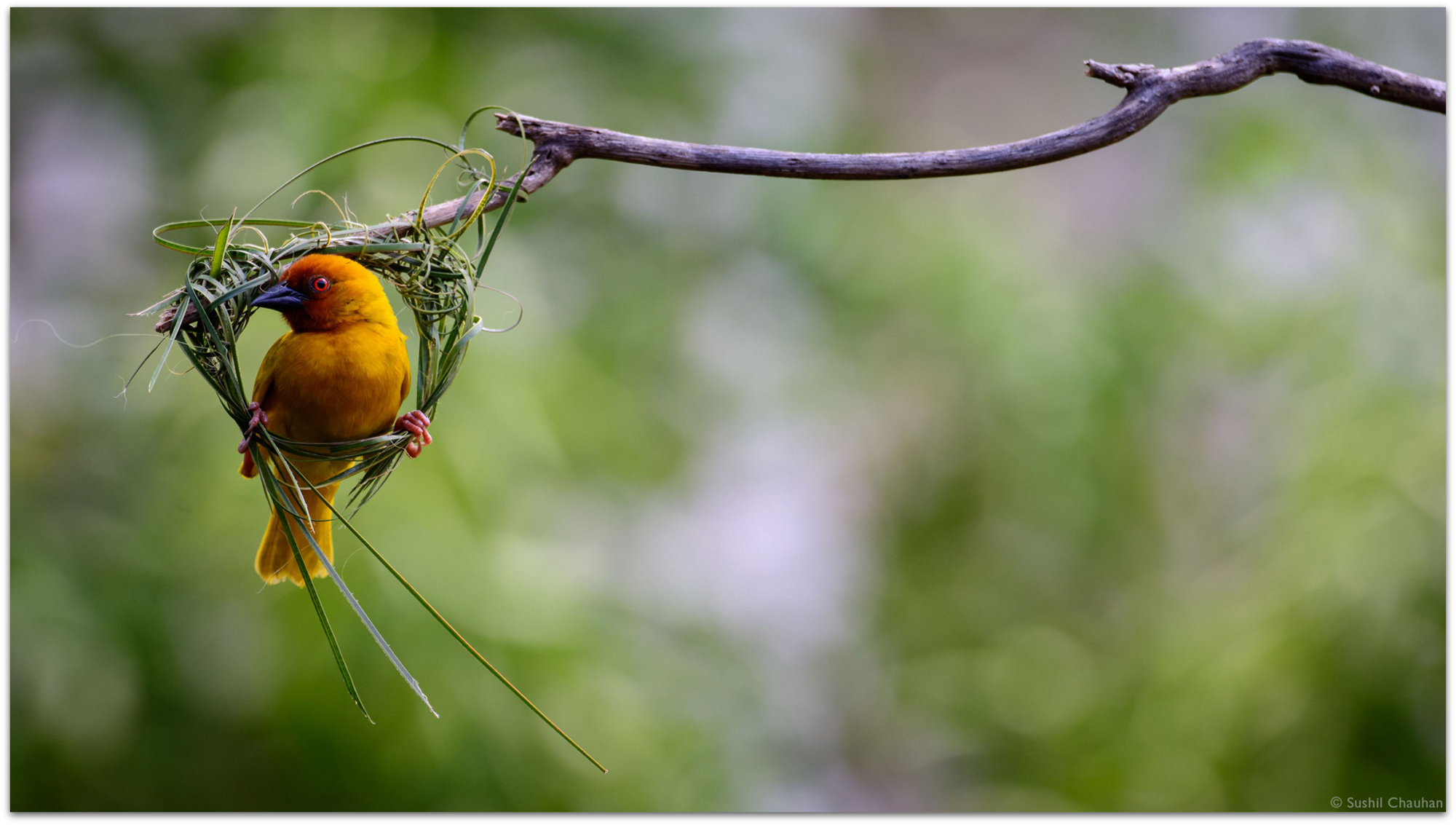
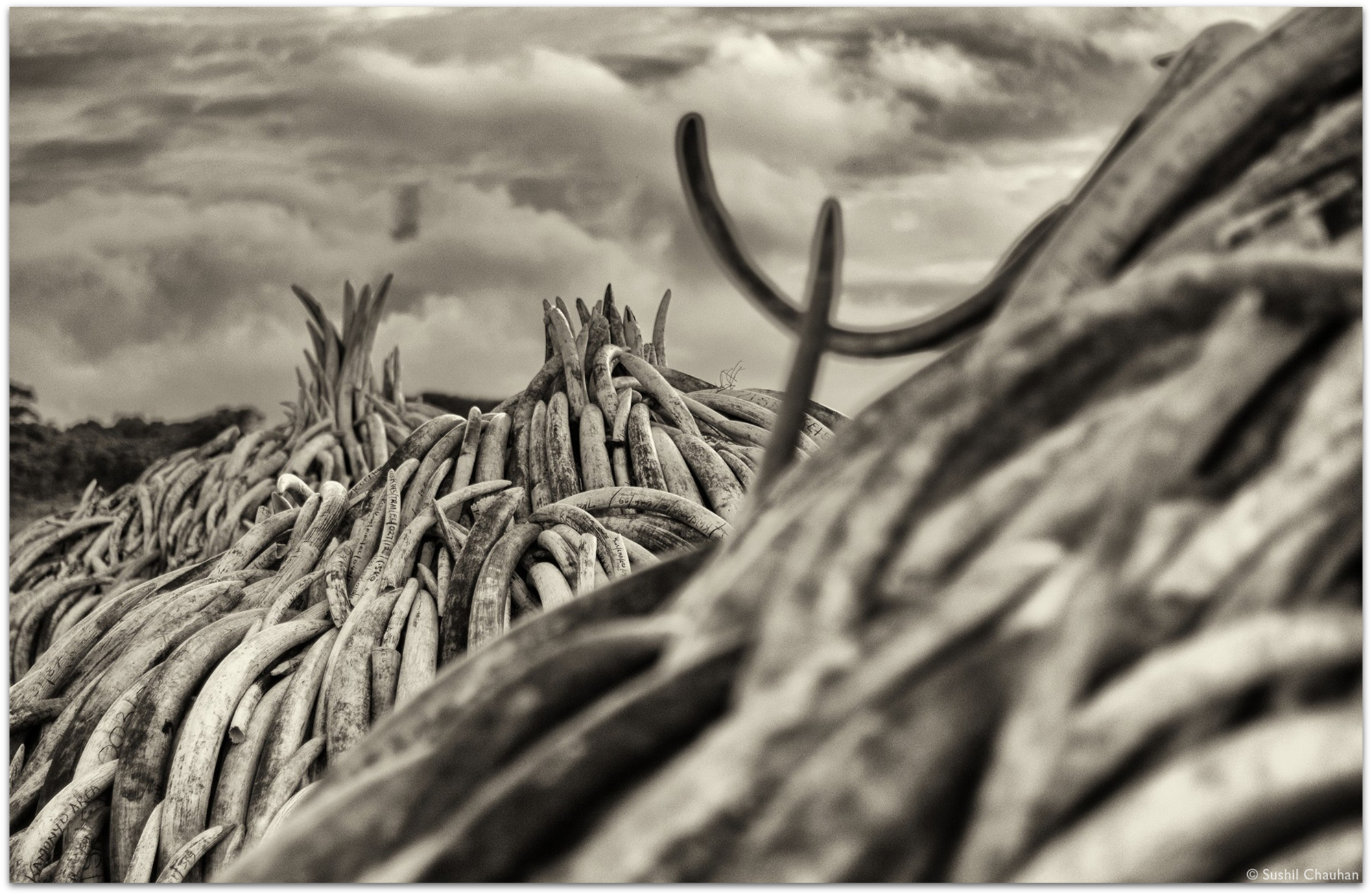
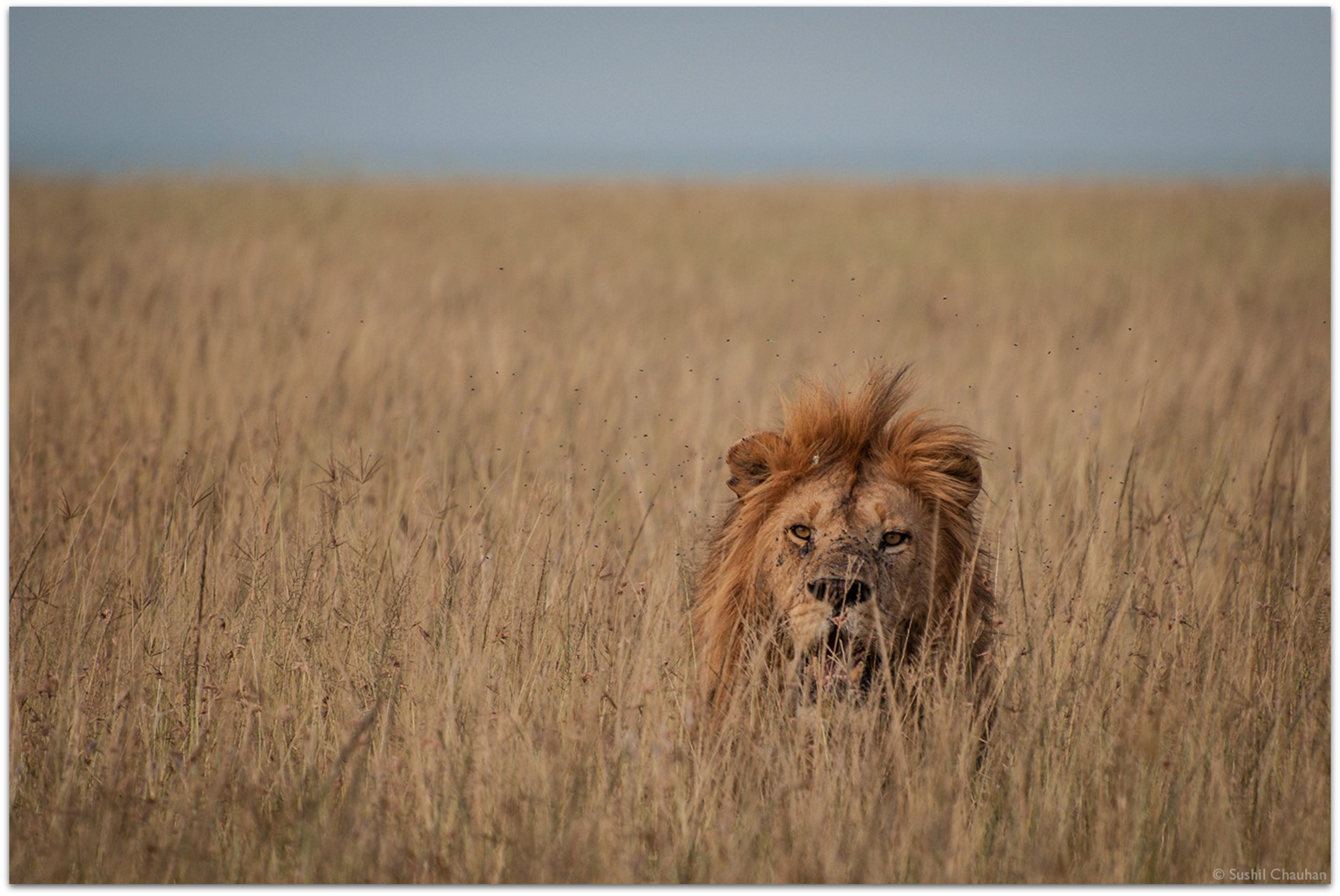
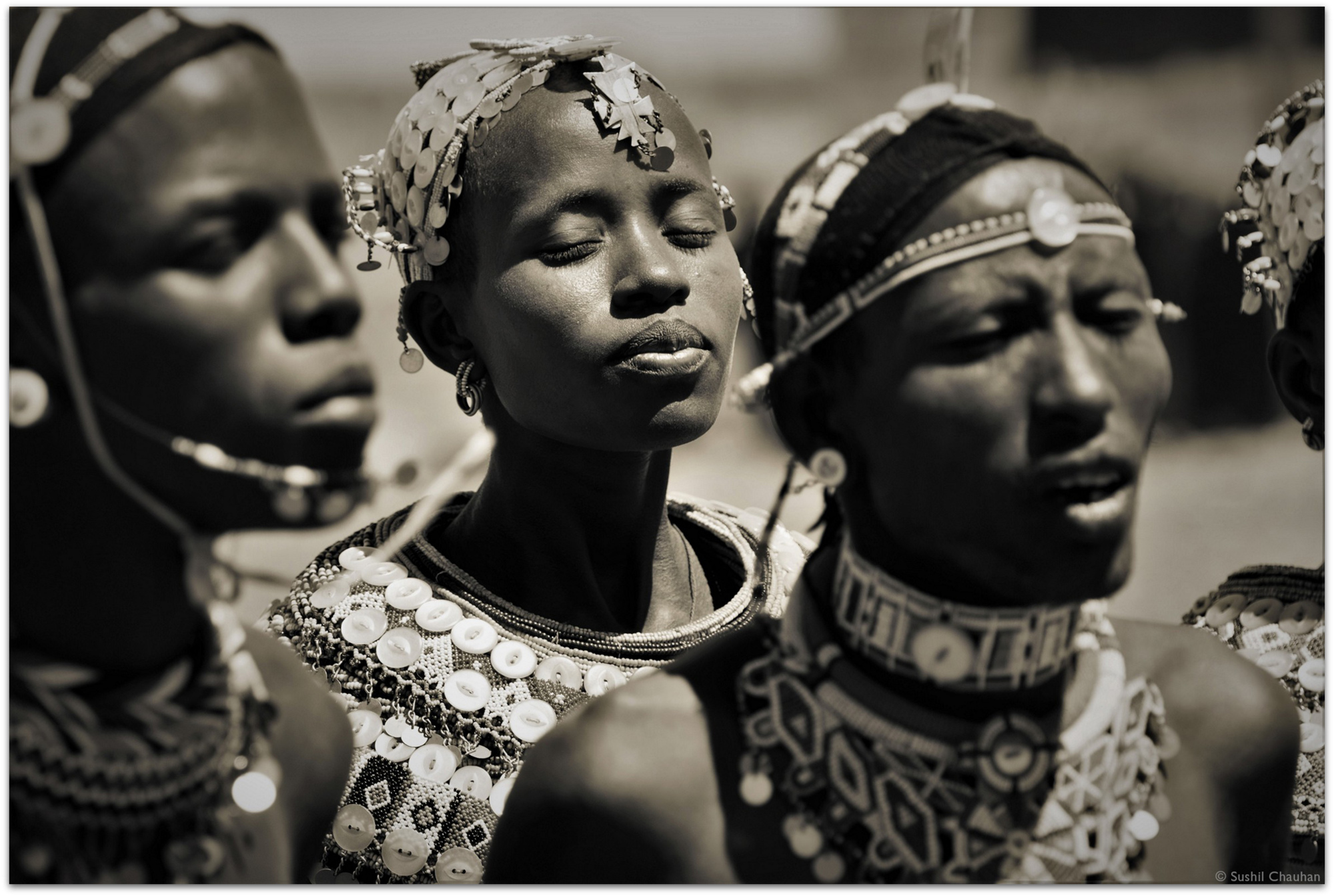
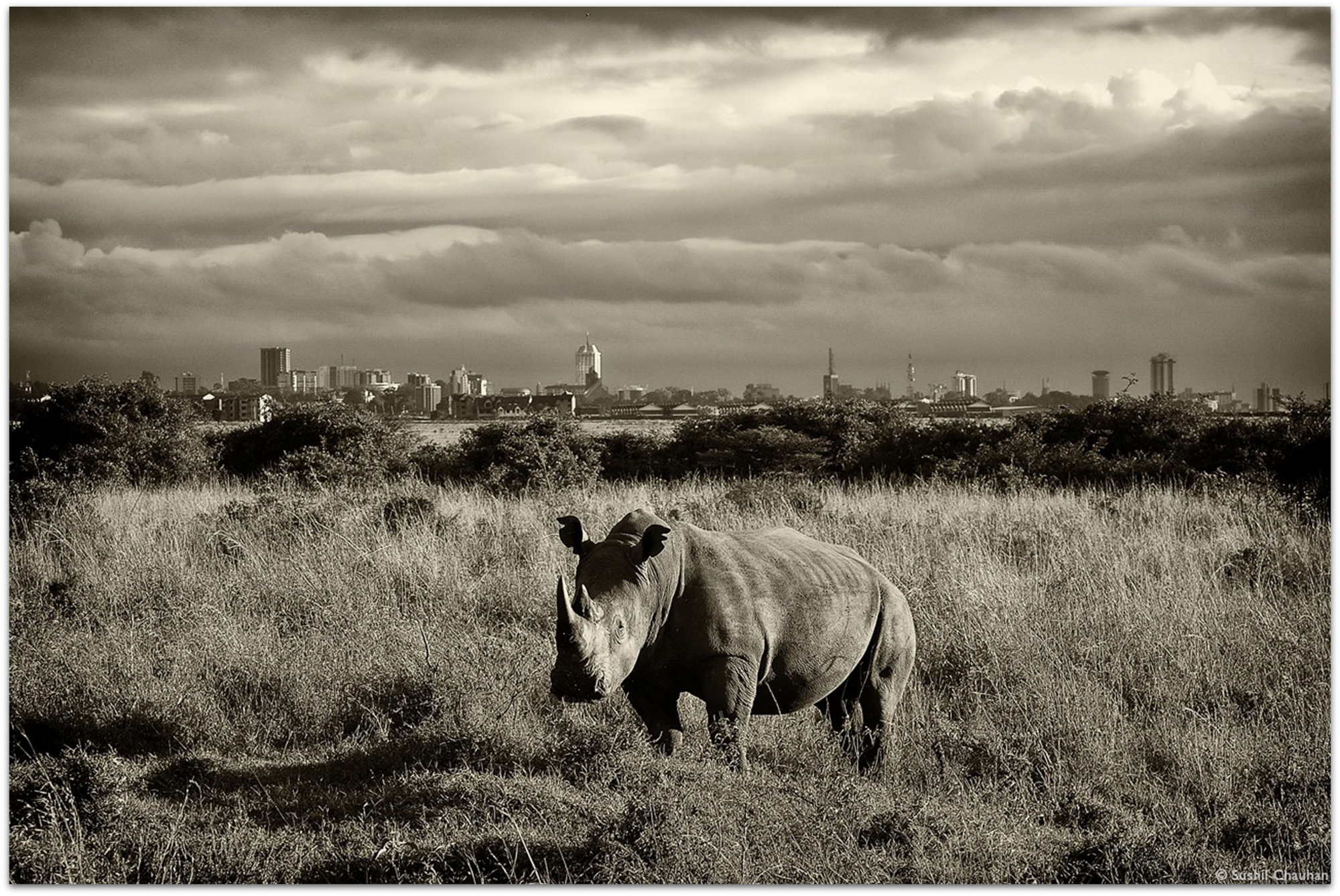
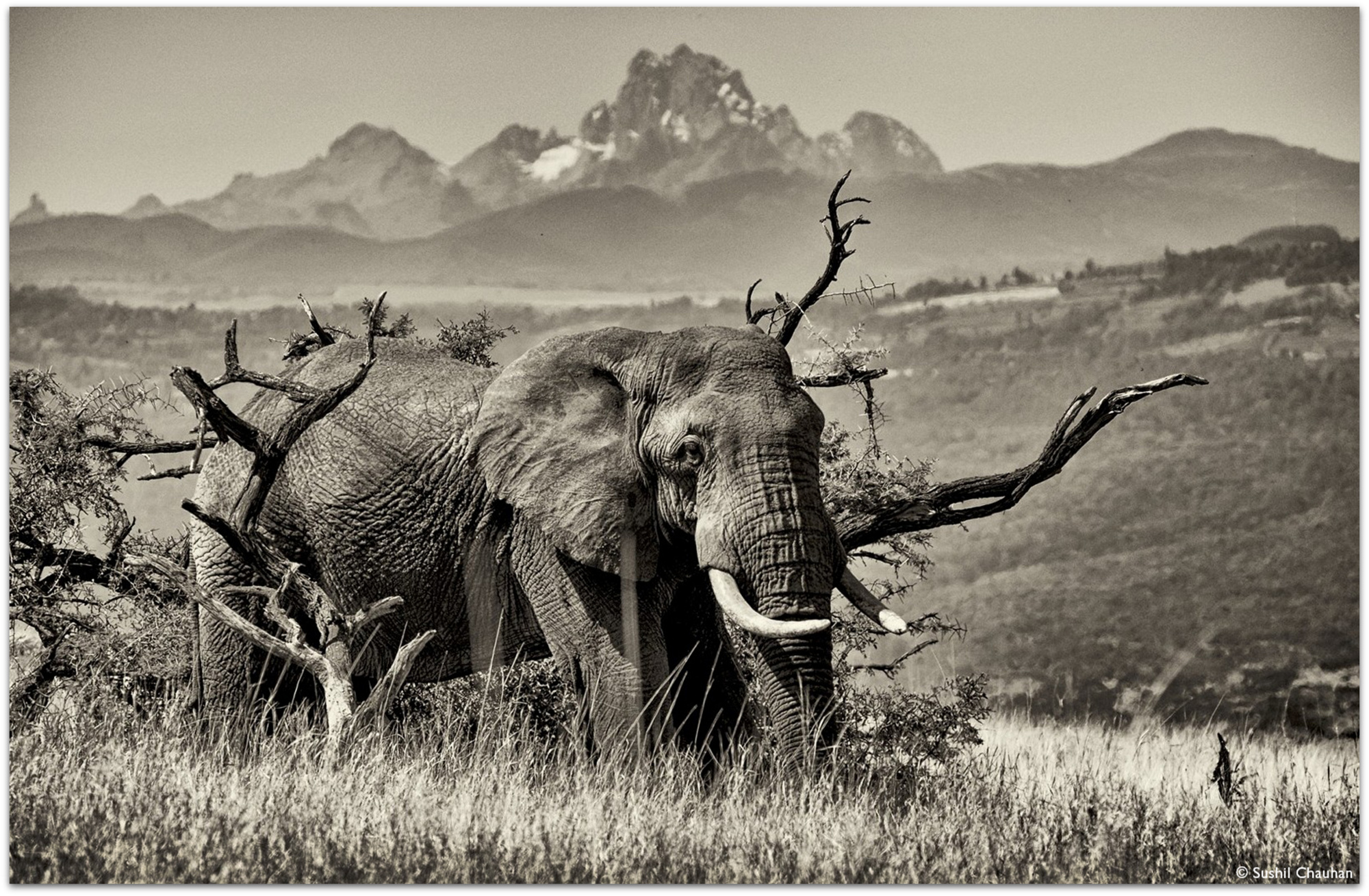
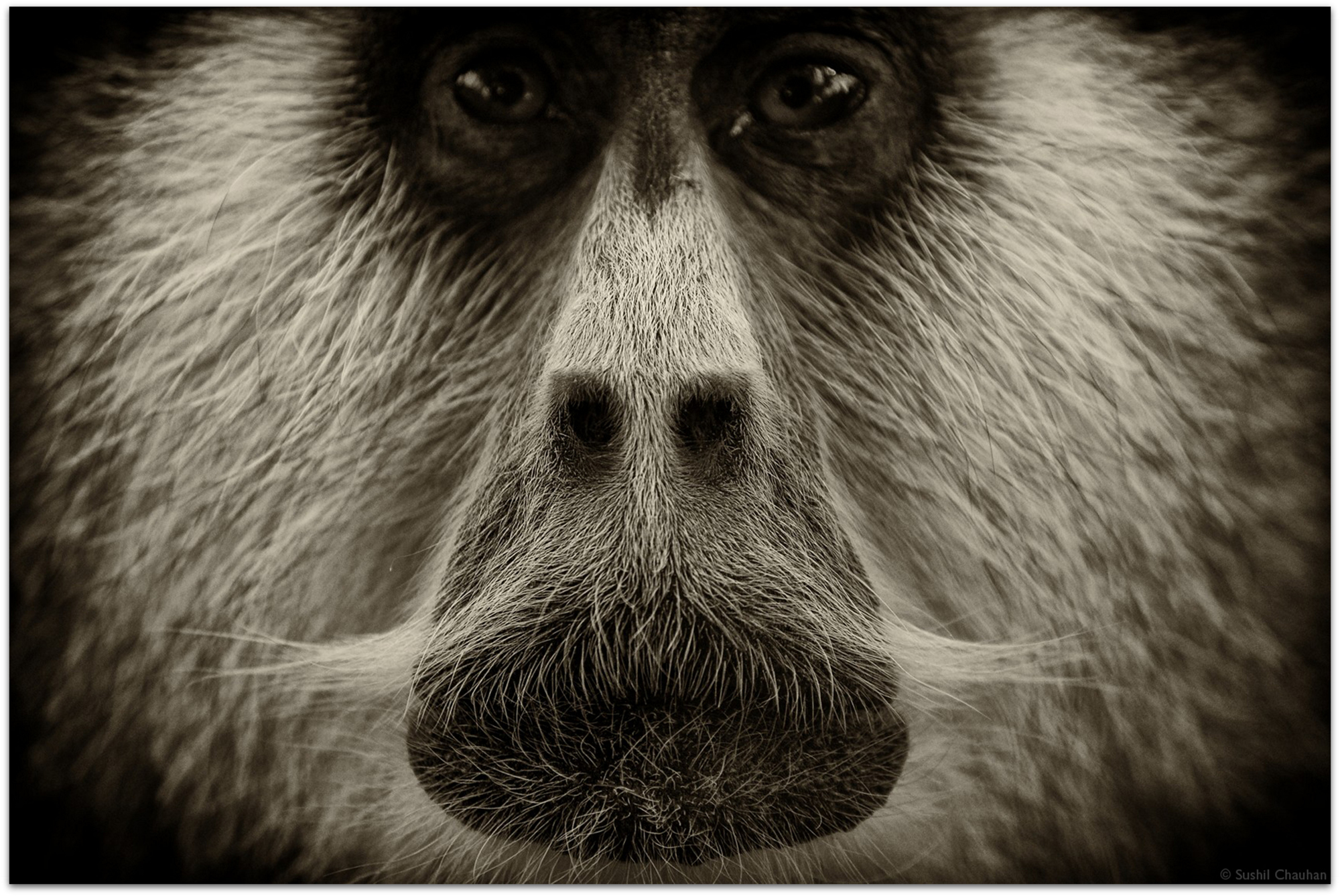


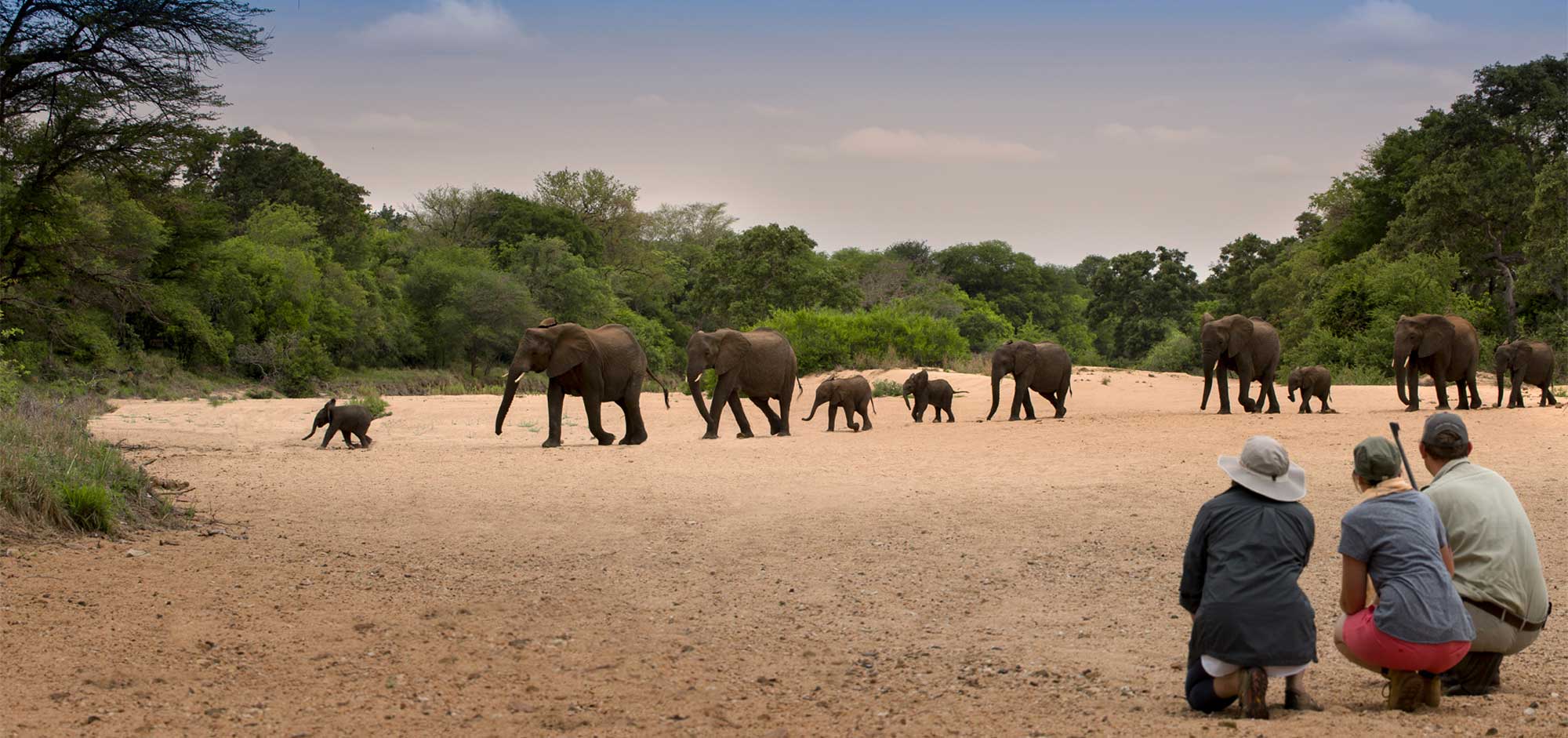
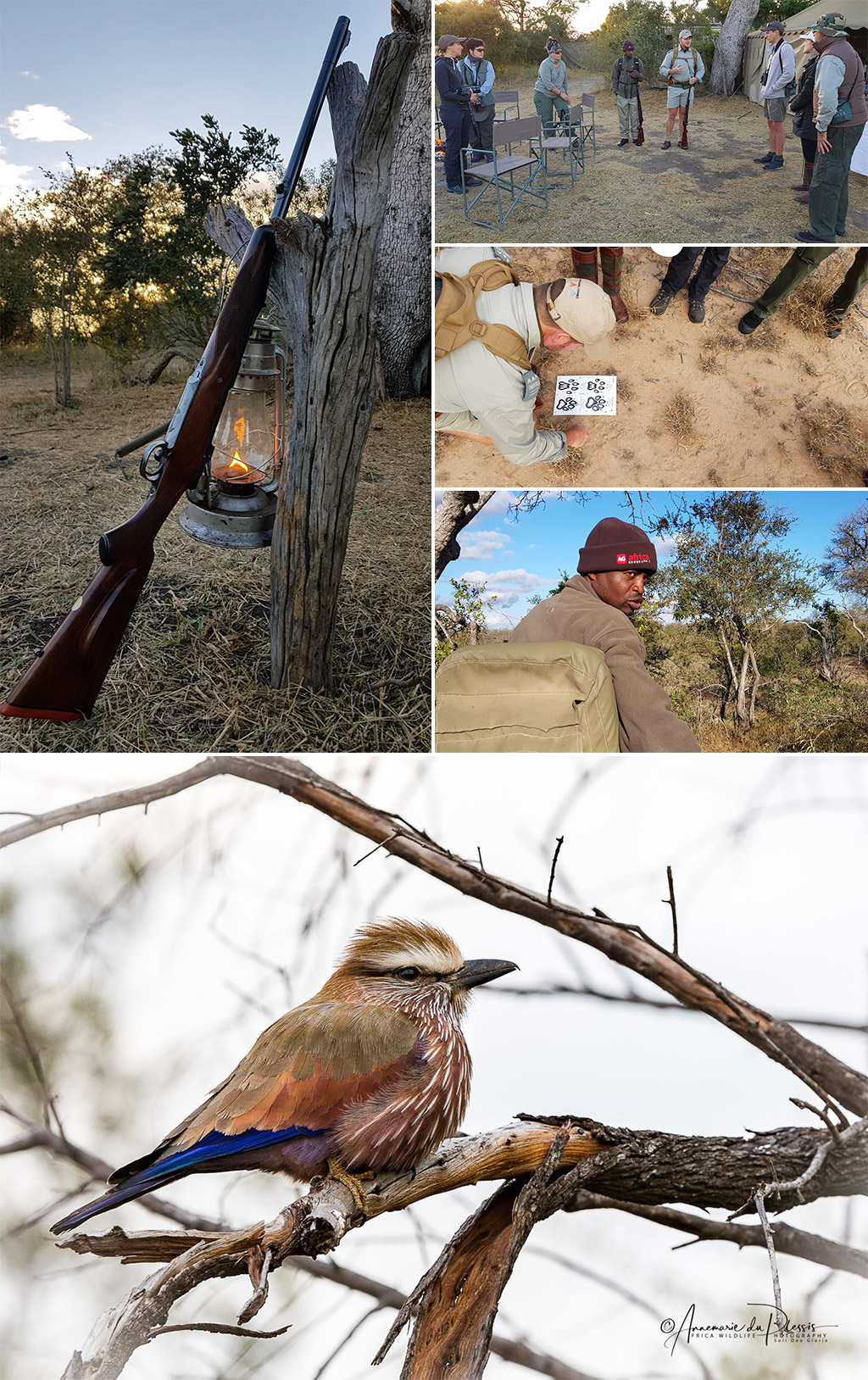
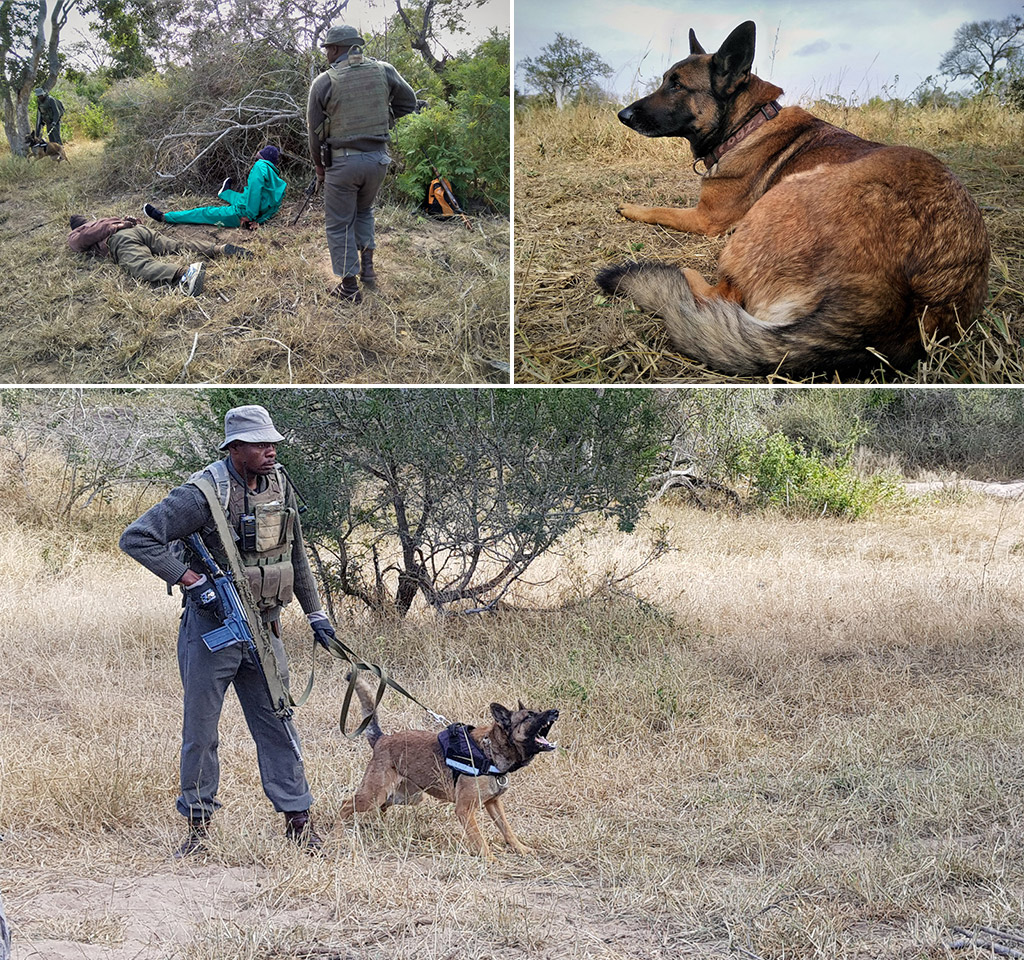
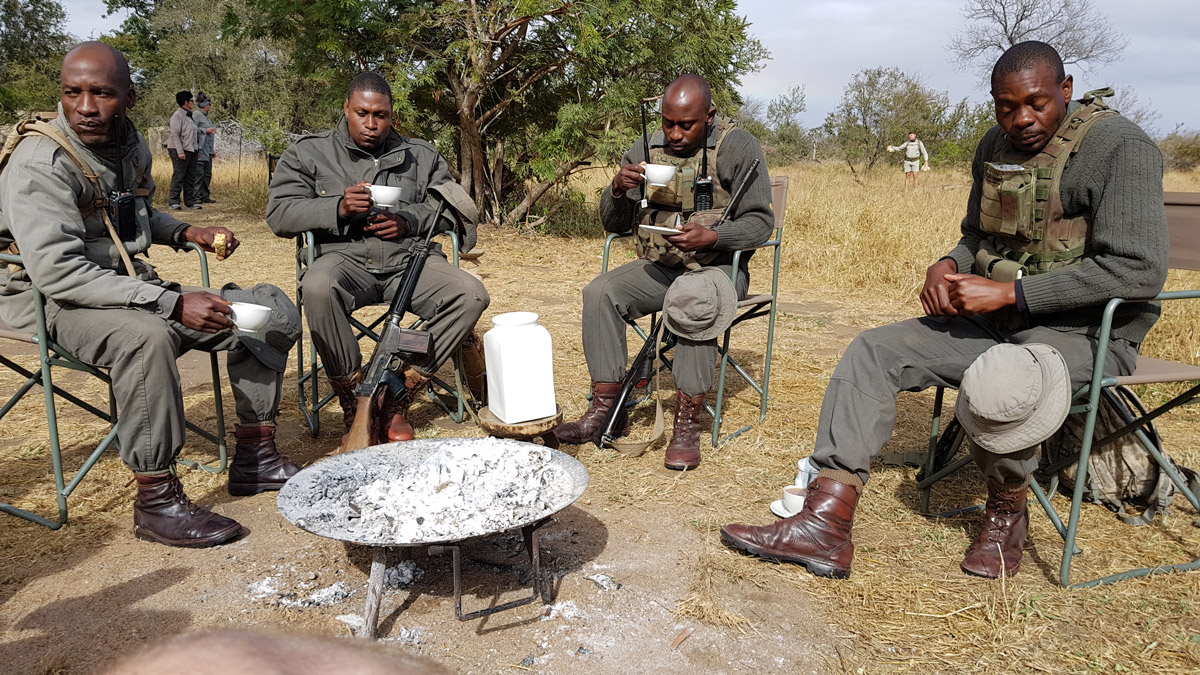
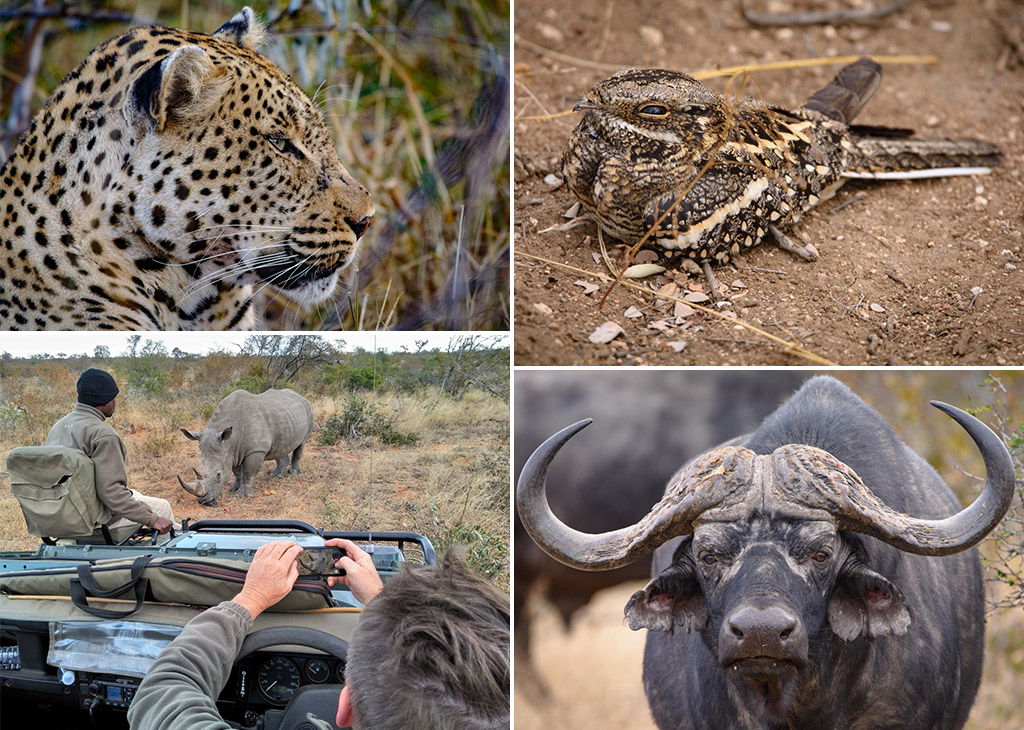
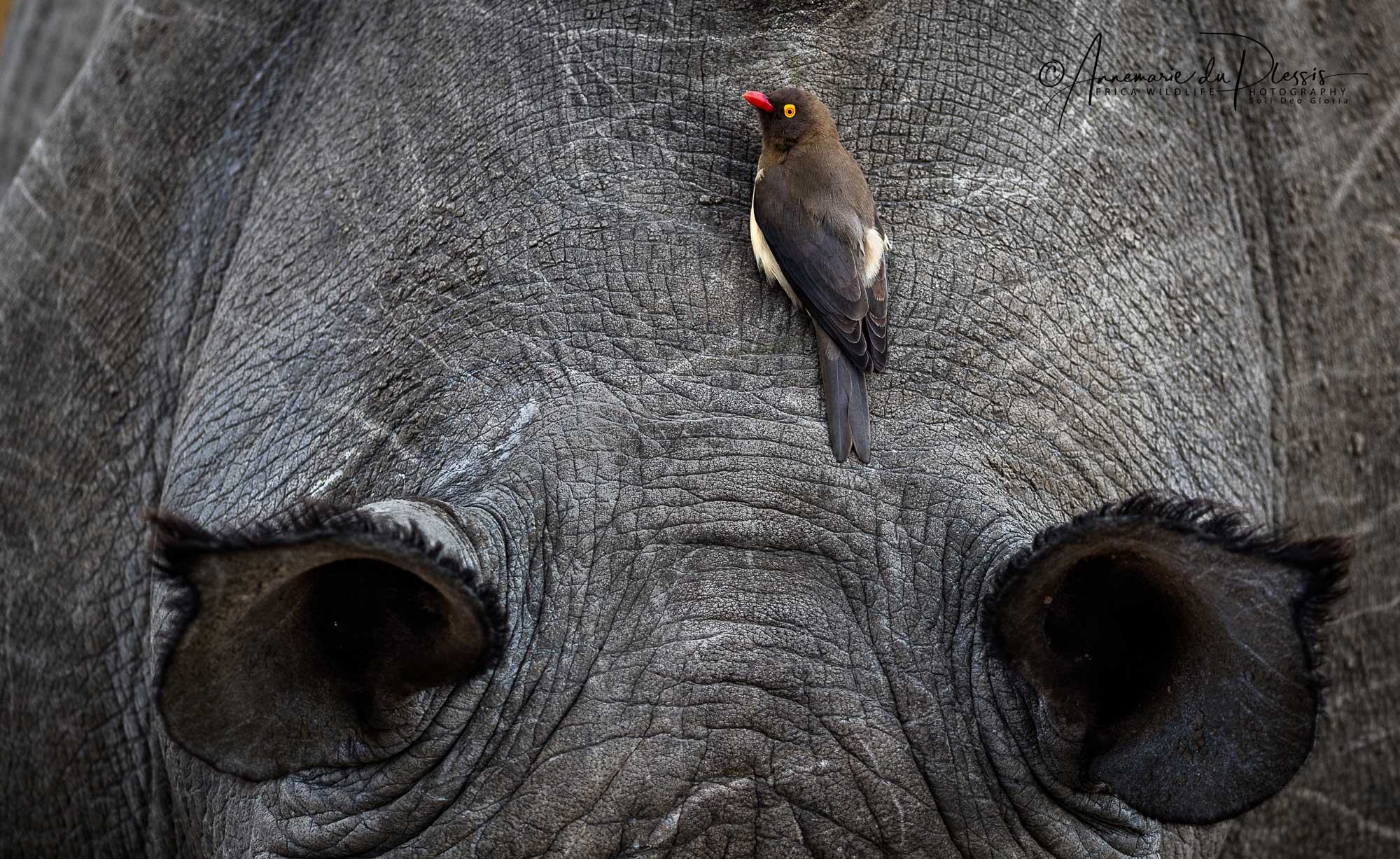
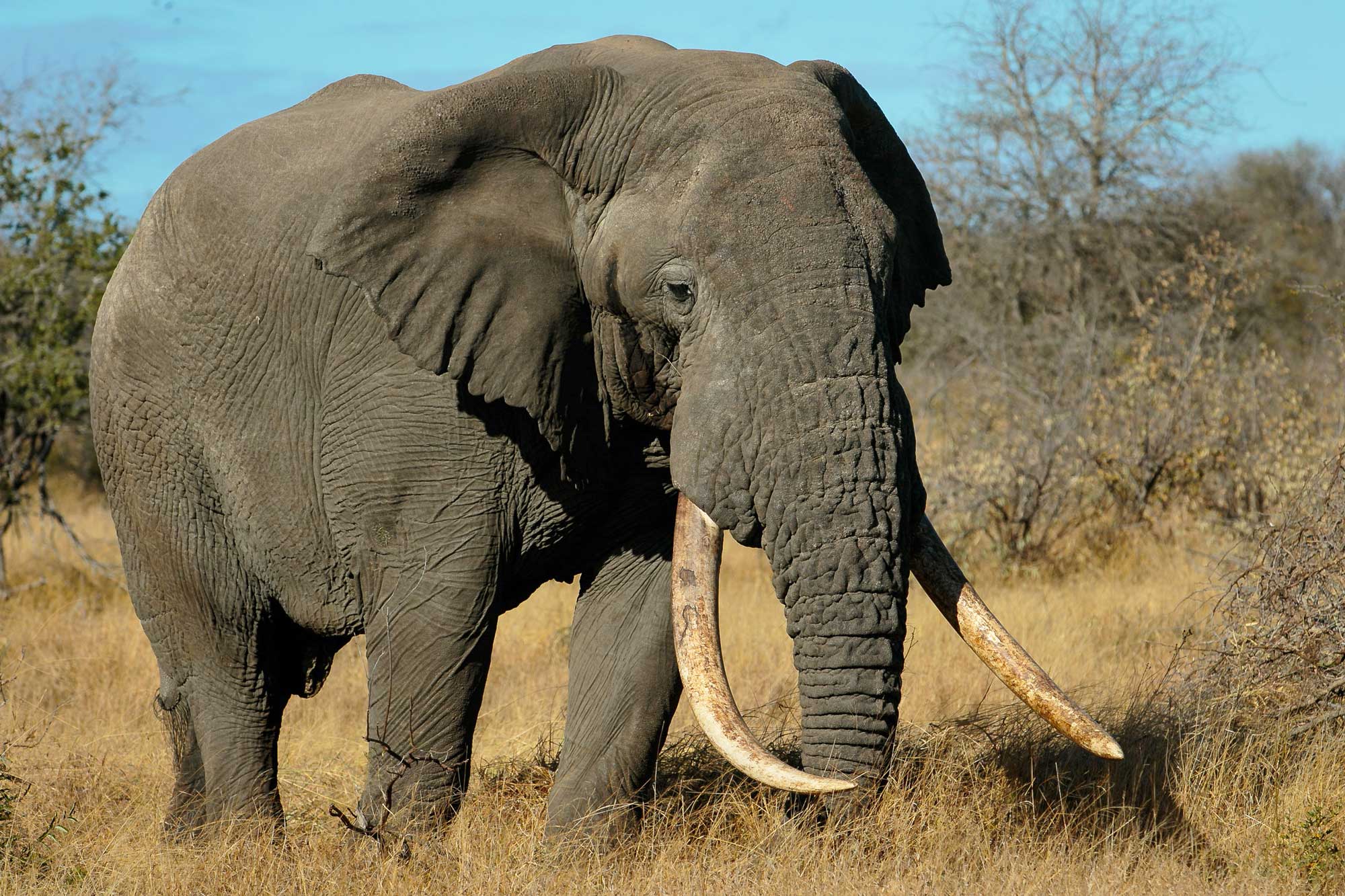
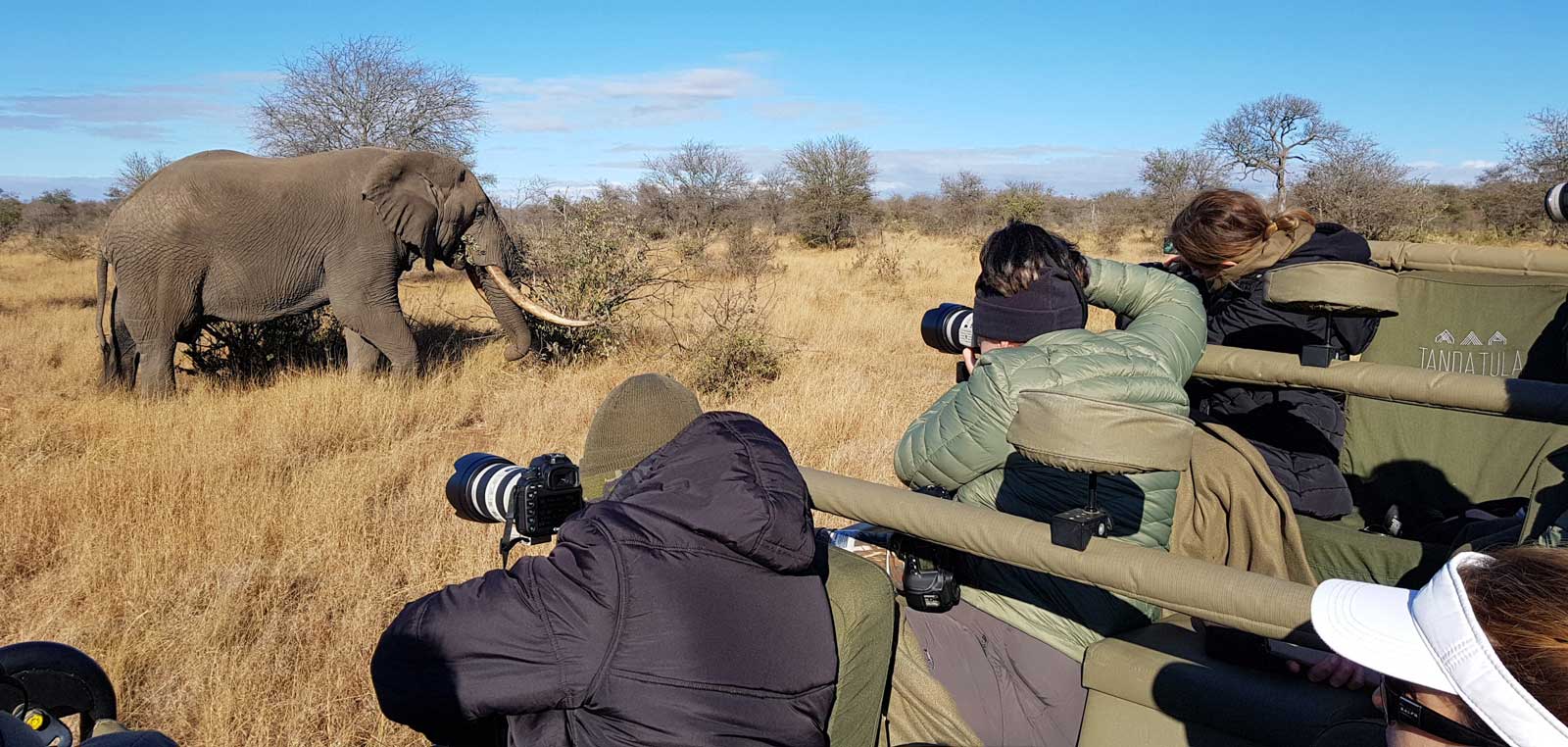
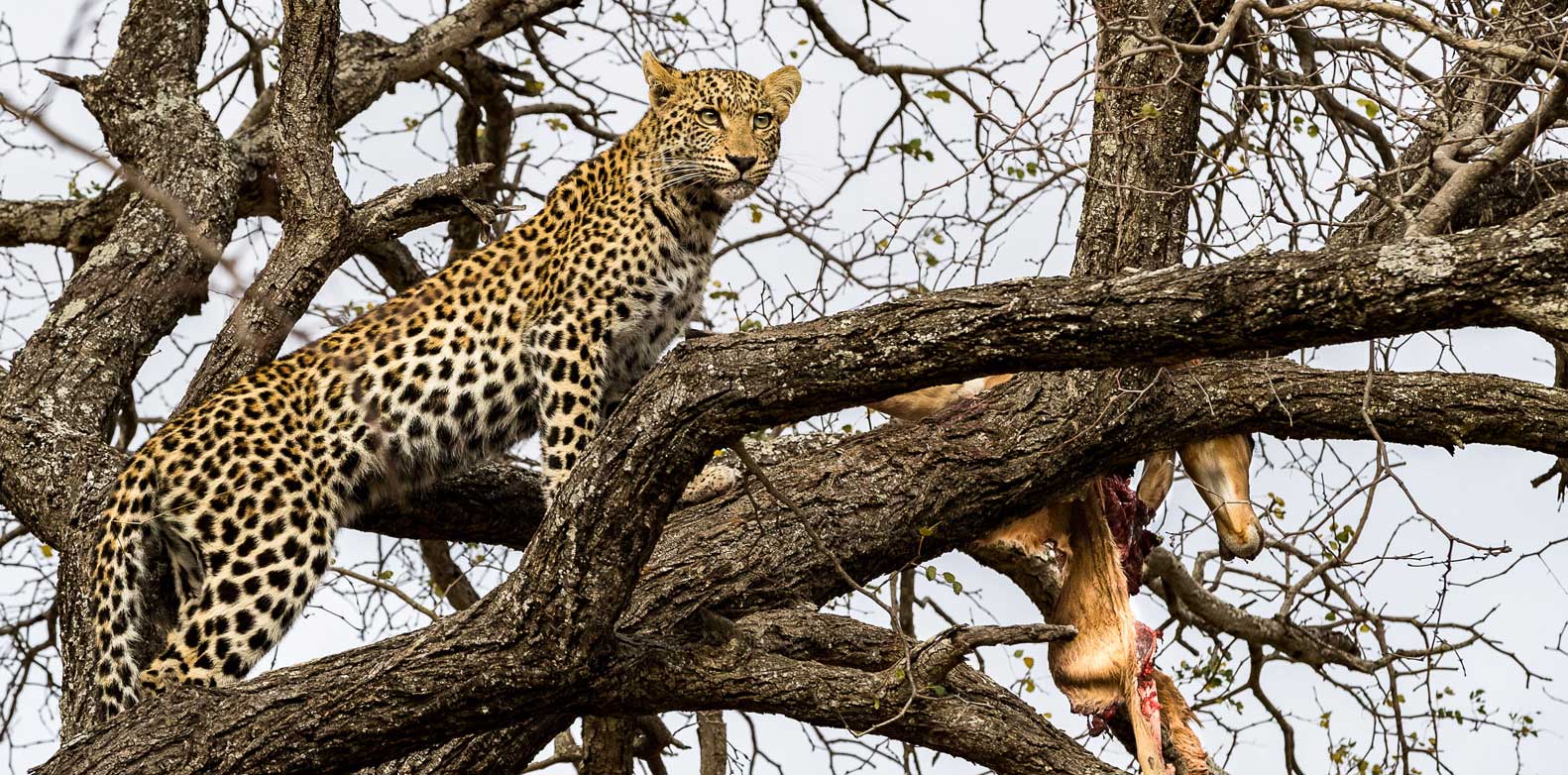
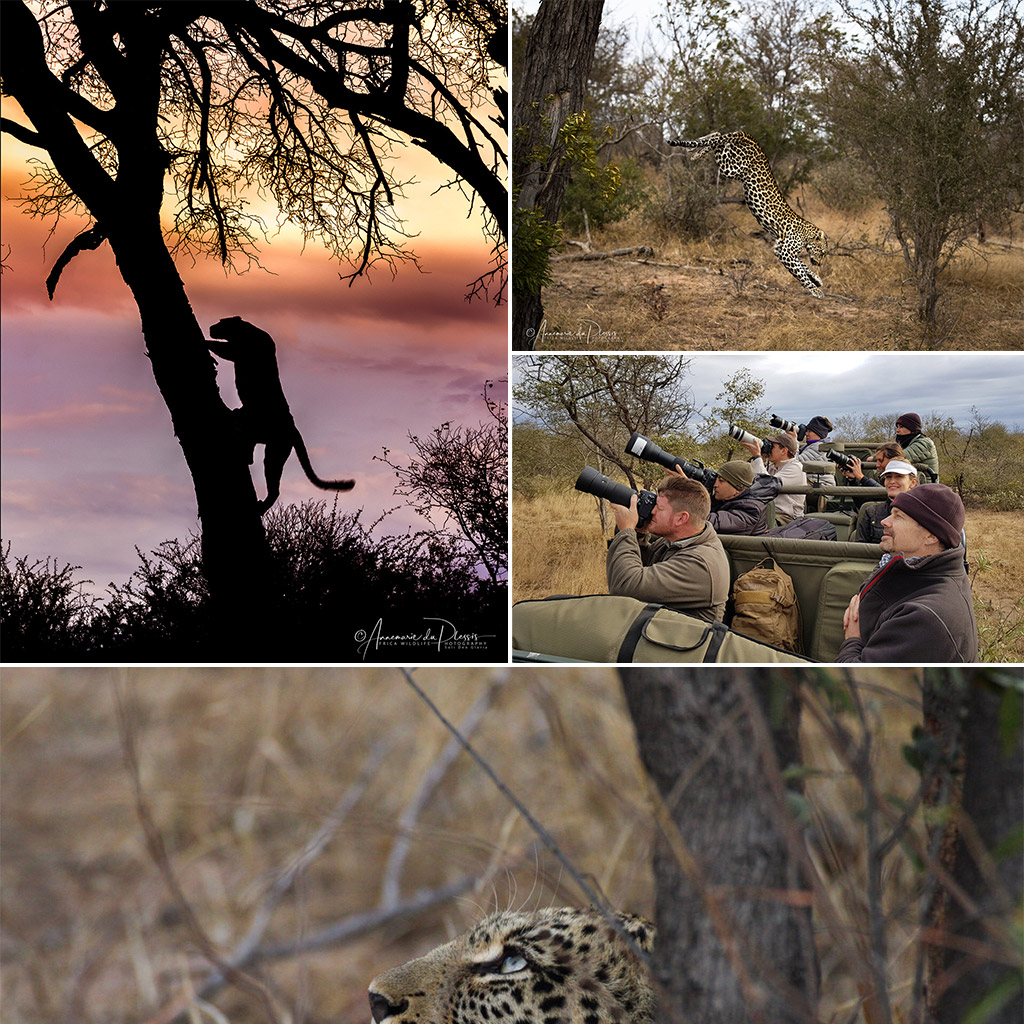
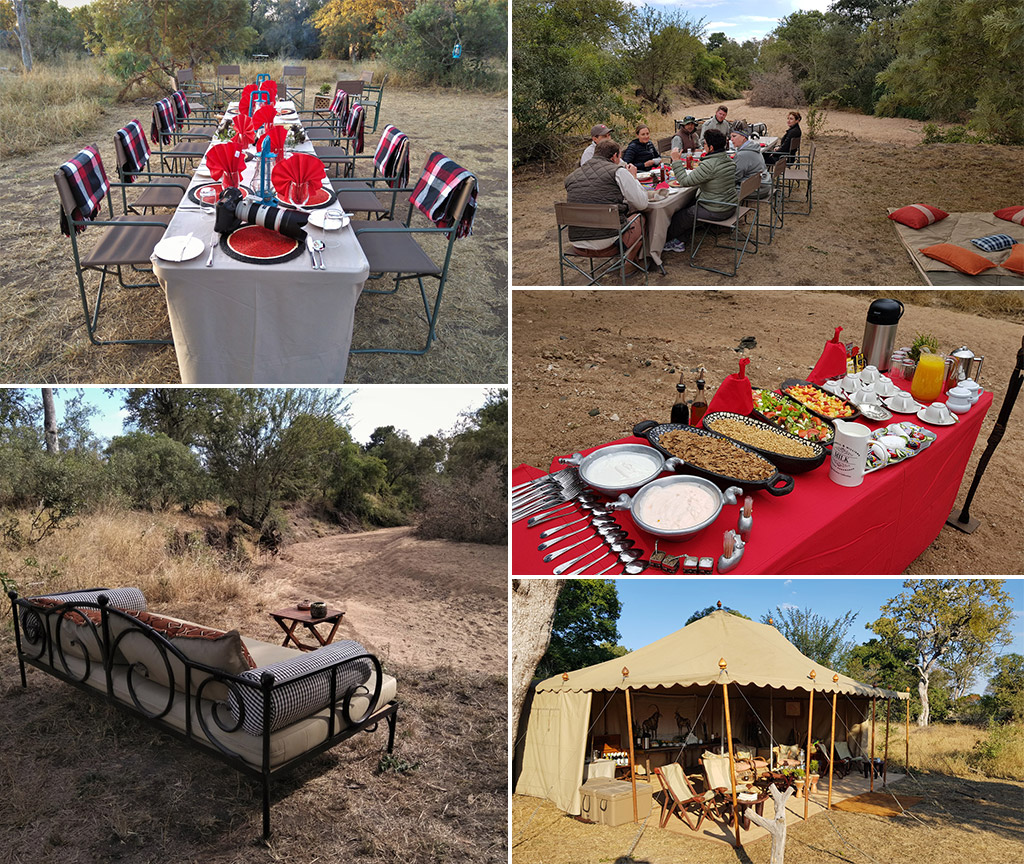
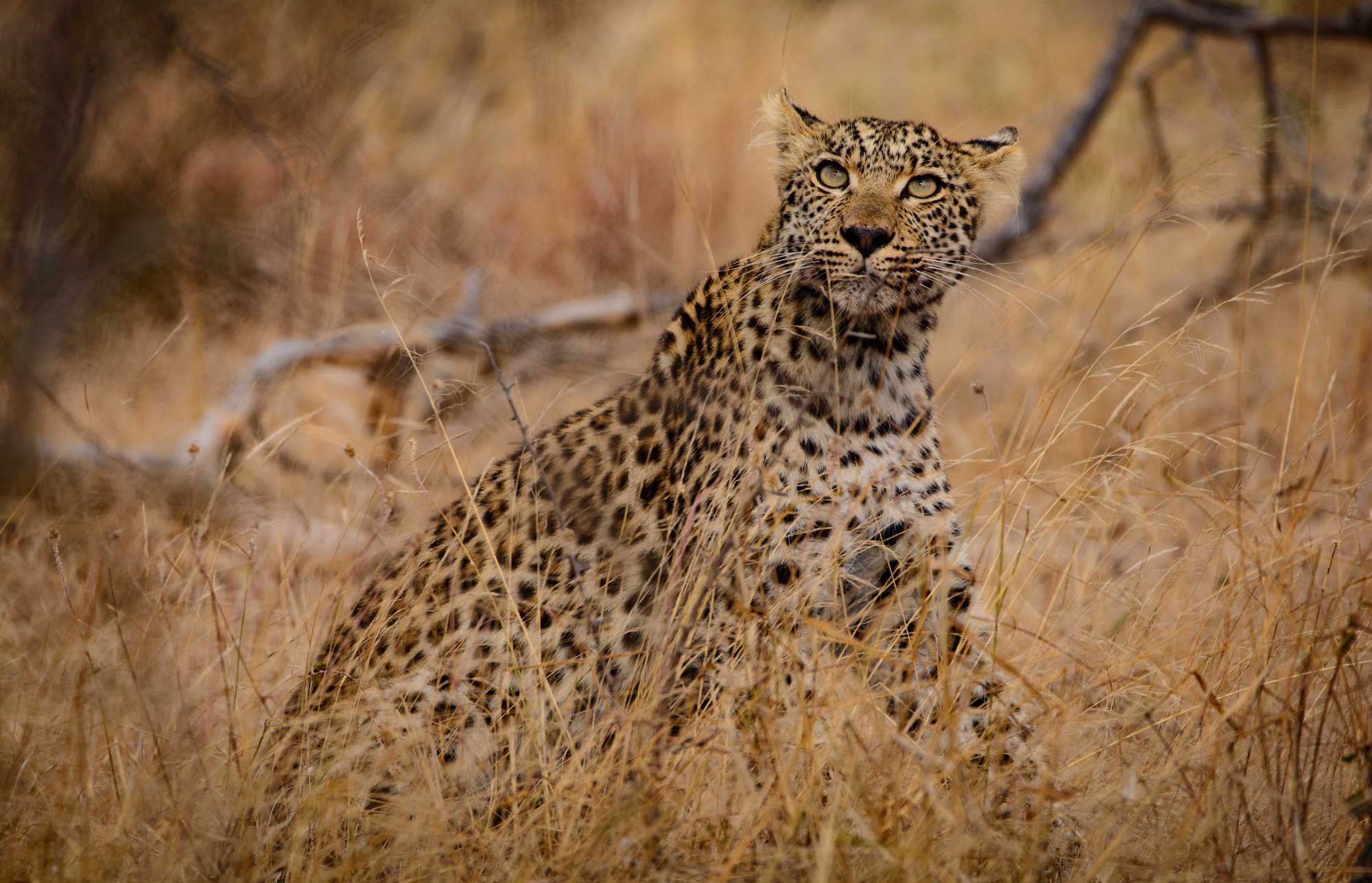
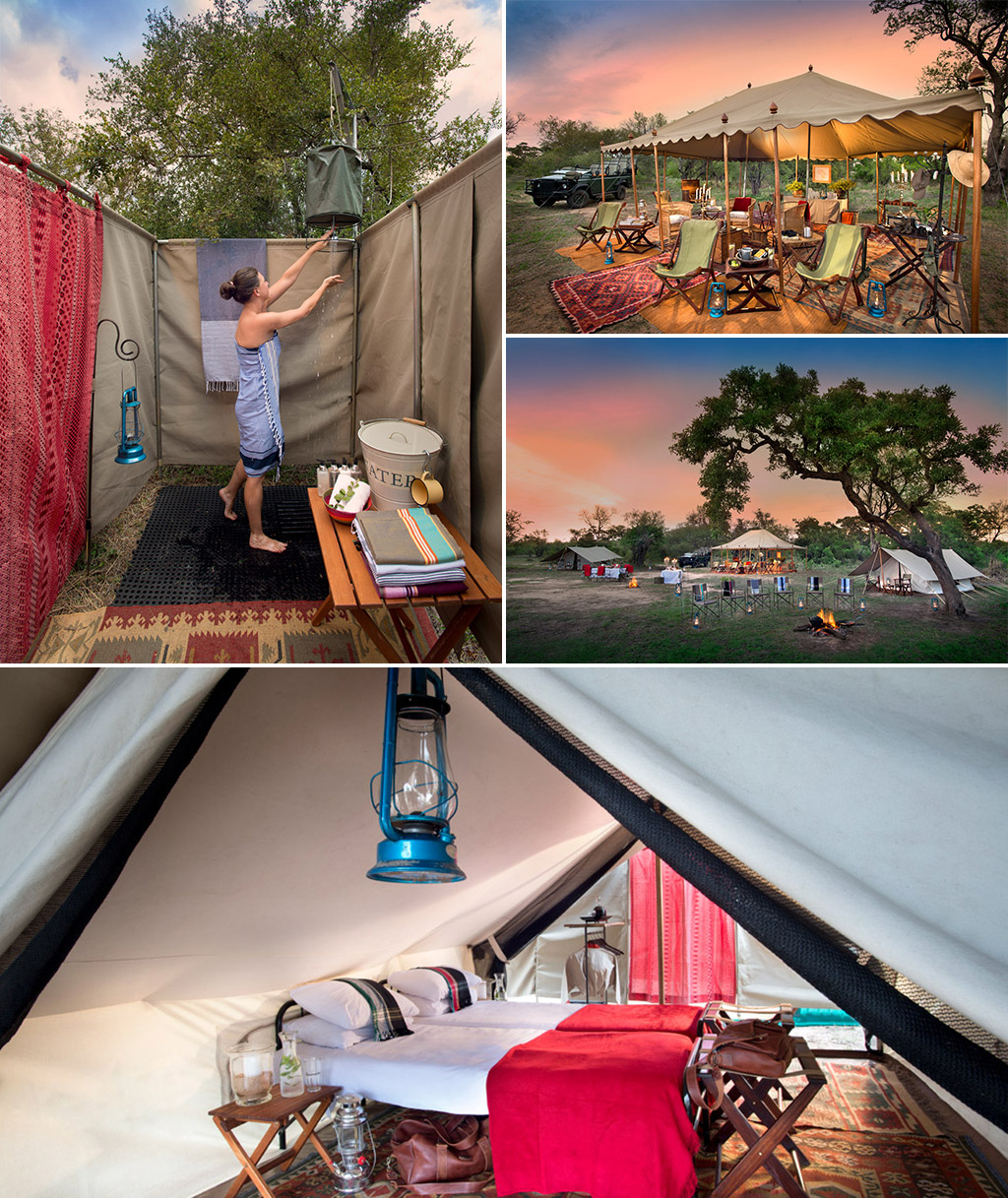
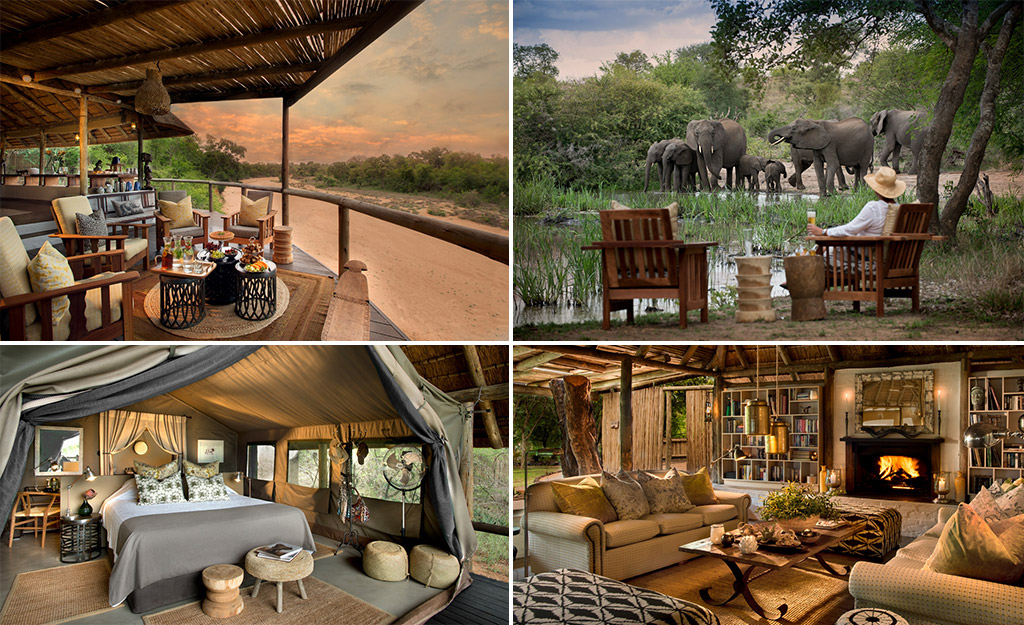
 Simon Espley is an African of the digital tribe, a chartered accountant and CEO of Africa Geographic. His travels in Africa are in search of wilderness, real people with interesting stories and elusive birds. He lives in South Africa with his wife Lizz and two Jack Russells, and when not travelling or working, he will be on his mountain bike somewhere out there. His motto is ‘Live for now, have fun, be good, tread lightly and respect others. And embrace change.’