

Speak with a safari expert

phone icon

Guest reviews

5 star icon
Safari experts & storytellers. Since 1991
Book a call with a safari expert Book a call
Guest reviews Client reviews
×
SEARCH OUR STORIES
SEARCH OUR SAFARIS

Community stops avocado farm in the Amboseli region

by Mike Pflanz with photographs by Kathy Karn

An agribusiness planning to operate an avocado farm in the Amboseli region – a water-stressed landscape of southern Kenya famous for its elephants – has lost its license after local Maasai and conservationists joined forces to protest the plans.

Kenya’s National Environment Management Authority (NEMA) revoked the license it gave to KiliAvo Fresh Ltd after questions about how the developer assessed the environmental impact its farm would have on the local ecosystem.

NEMA said concerns included: the proposed farm was in a wildlife corridor; that it violated official plans that zone the area for livestock and wildlife, not cultivation; and that the developers failed to consult widely enough on their plans.

 avocado farm in the Amboseli region
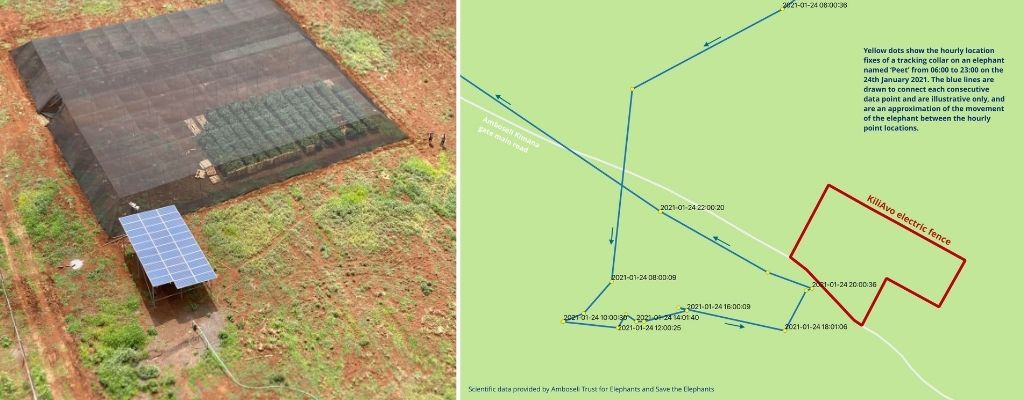
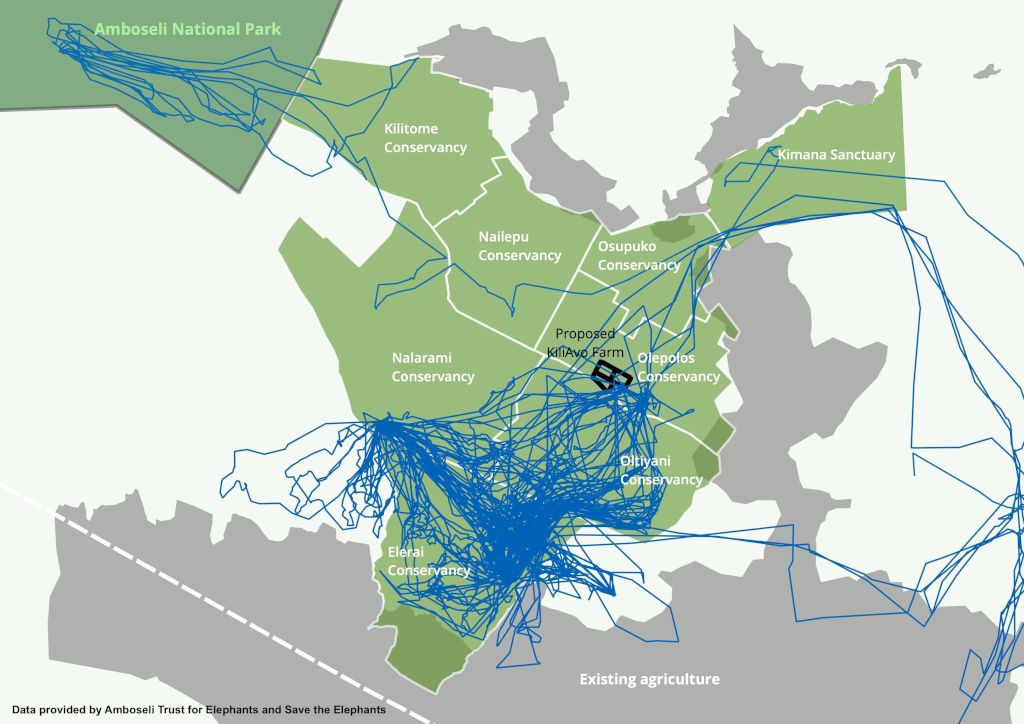
Right: the start of the KiliAvo’s avocado farm; left: The farm fenceline (red) and the movements of a collared elephant (blue) in January 2021

Conservationists and communities stand together

Conservationists, including Big Life Foundation and Dr Paula Kahumbu, CEO of Wildlife Direct, worked alongside the Amboseli Land Owners Conservancies Association (ALOCA) to campaign against the farm.

“Big Life commends NEMA for following to the letter the relevant processes drawn up to balance development with environmental protection in circumstances such as these,” said Benson Leiyan, Chief Operating Officer for Big Life.

“The decision to reject KiliAvo’s insistence that it be allowed to continue operations sends a very clear message to anyone considering commercial farming in this area of Amboseli: only sustainable enterprises that fit with local land use plans and that conserve the environment for people and wildlife are welcome.”

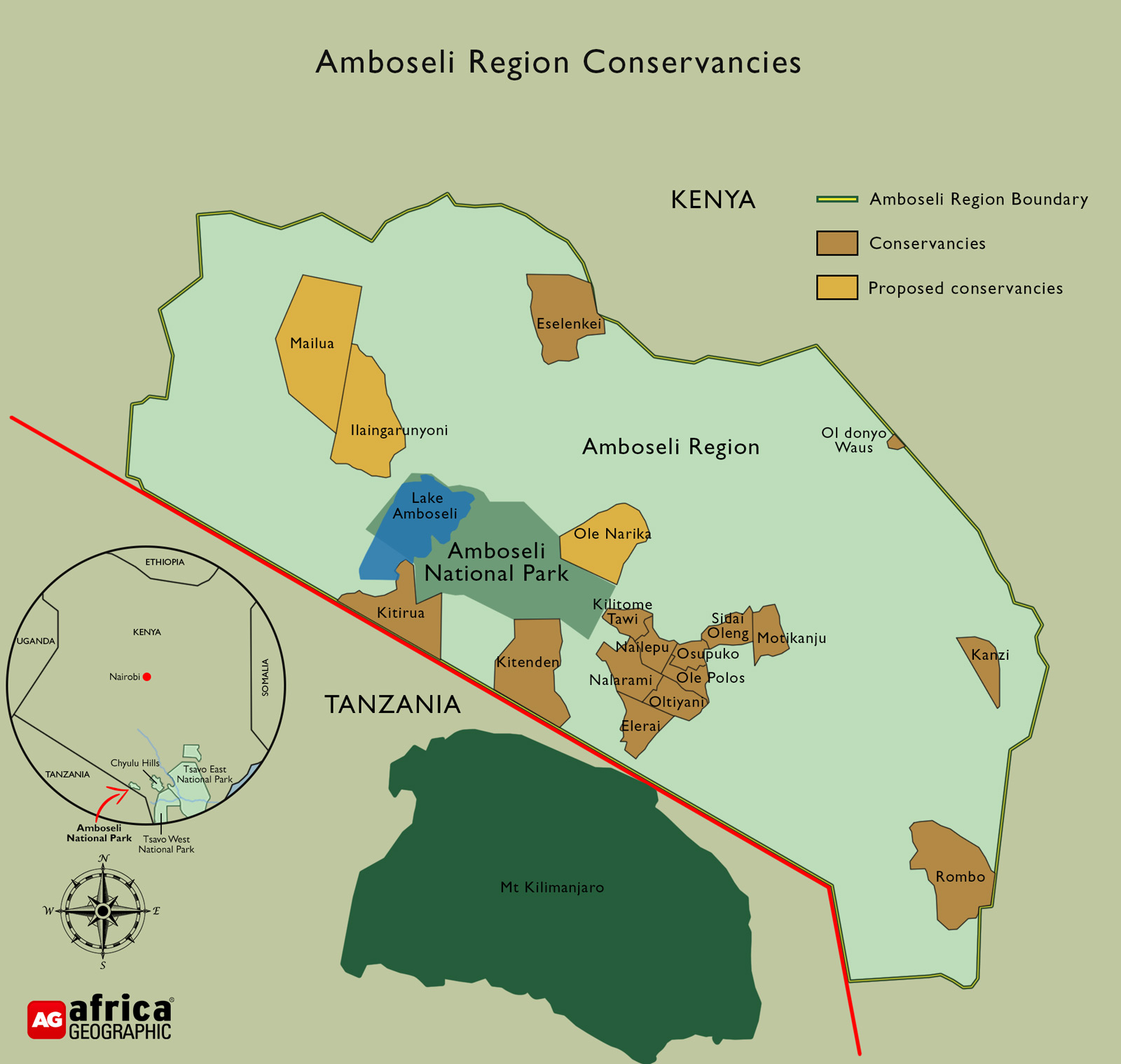
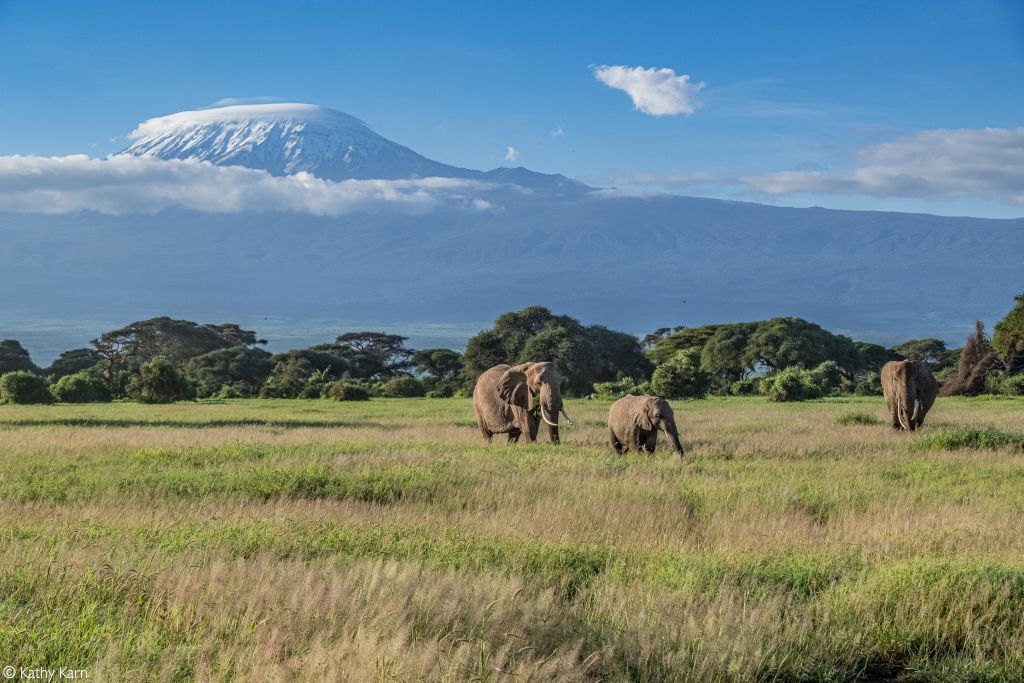
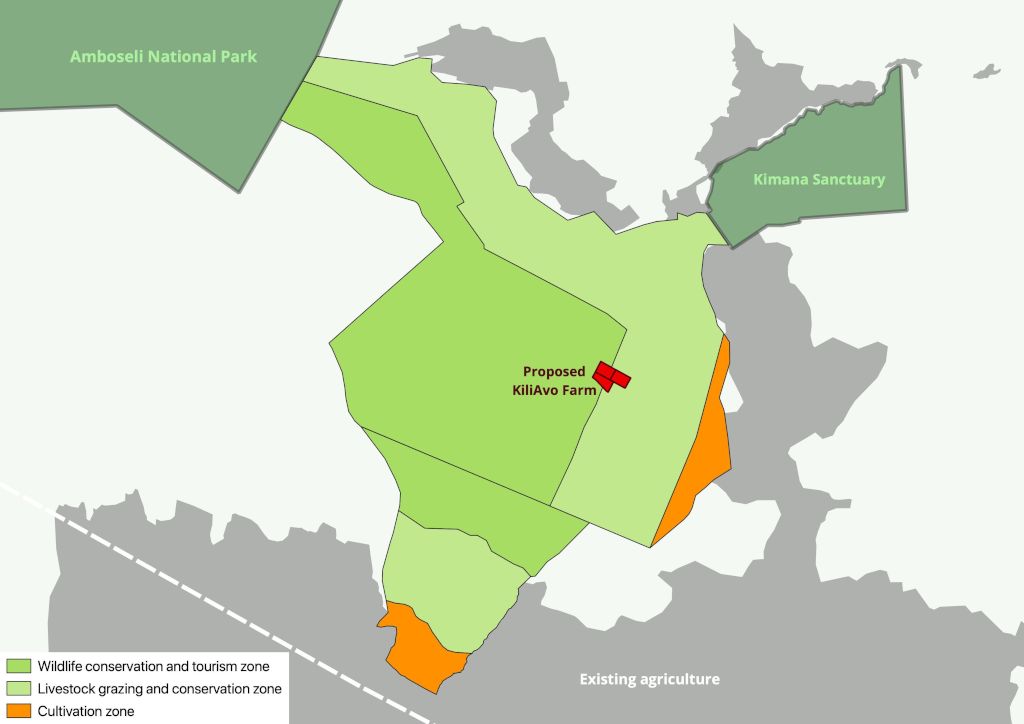
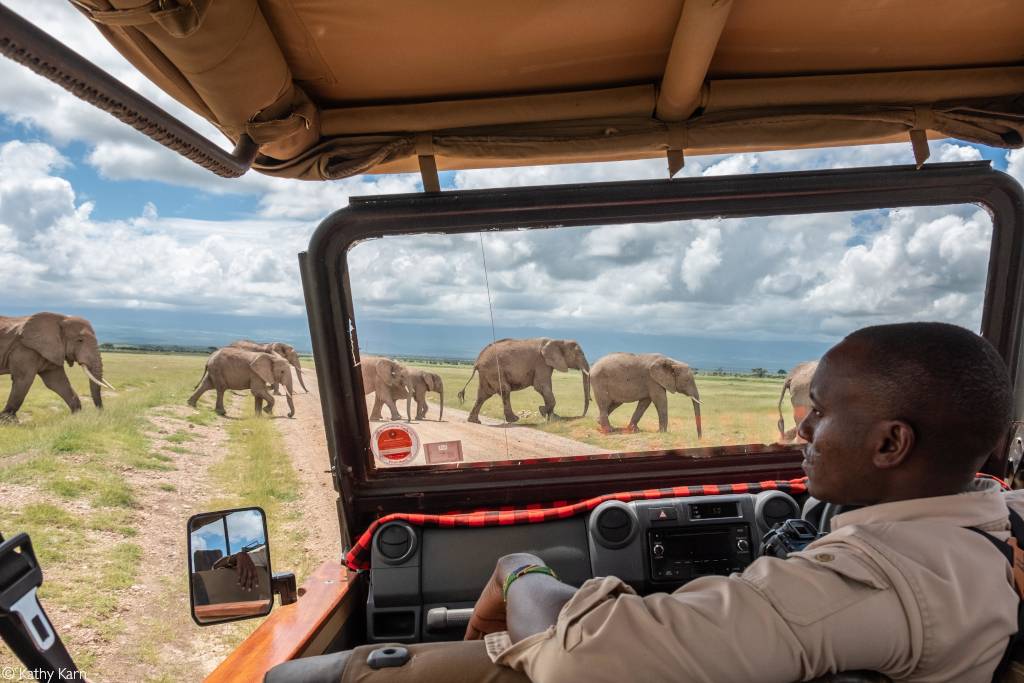
The farm sits in a buffer zone of wildlife habitat and Maasai grazing land just east of Amboseli National Park, a magnet for Kenya’s wildlife tourism famed for its herds of elephants grazing with the backdrop of Mt Kilimanjaro.

avocado farm in the Amboseli region
The proposed farm in the greater Amboseli area

Tourism threatened

In 2019 close to 200,000 people visited the national park, generating millions of dollars for the Kenya Wildlife Service. KWS does not release exact figures.

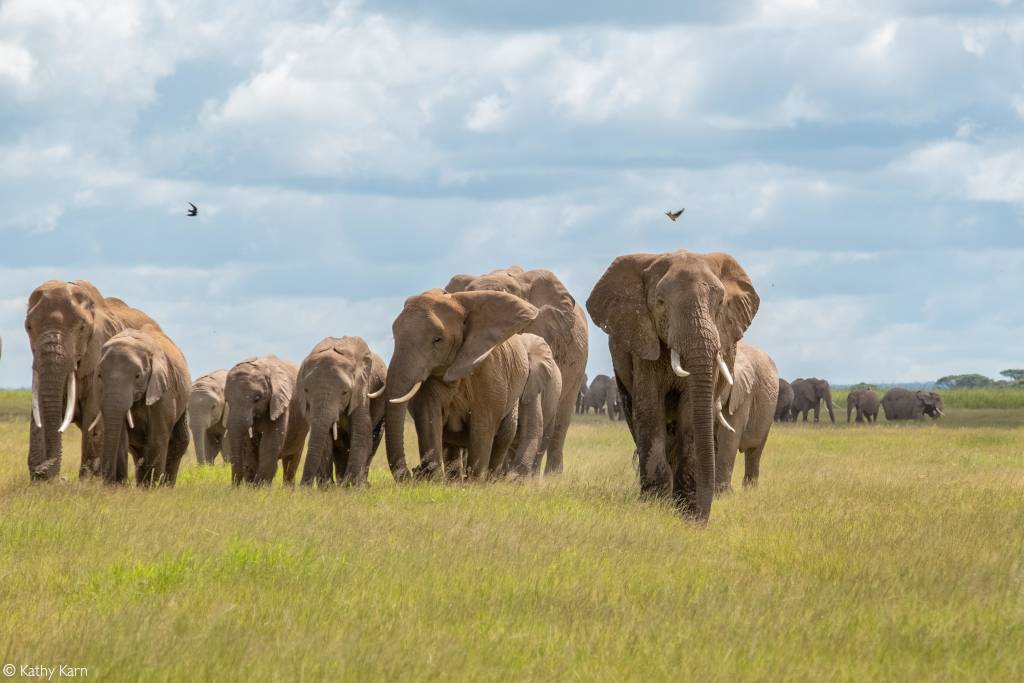
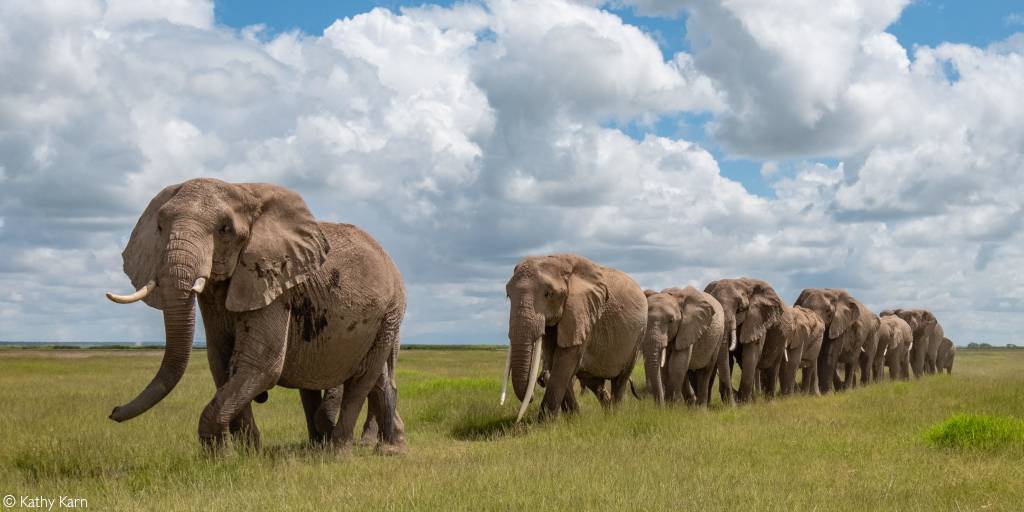
But the park itself is small – at less than 400 square kilometres. To thrive, the multiple endangered animal species and the population of 2,000 elephants that live there need to be able to disperse and migrate through neighbouring, locally-owned rangelands.

Significant threats pressure this pocket of remaining wilderness in East Africa – habitat loss, agriculture and climate change are the principal ones.

avocado farm in the Amboseli region
The region is heavily dependent on tourism


Africa Geographic Travel

Privatisation of communal land

After this previously communal land was subdivided into a patchwork of private titles, conservationists worked with the majority of the new landowners to group their plots into a series of community-owned conservancies.

Members pledged not to fence or farm their land, and in return, gain access to open rangeland to graze their cattle. Conservation and tourism operators pay regular fees for the protection of this crucial wildlife habitat.

However, there are a number of locals who chose not to group their land into the conservancies. Some have sold their land to people from outside the landscape, including speculators and brokers who, in turn, sold plots on to investors.

KiliAvo Fresh Ltd acquired their three plots of 60 acres each in this way, buying from a third party who bought them from the original Maasai landowners. There are no restrictions on buying or selling such plots.

avocado farm in the Amboseli region

There are, however, restrictions on land use plans agreed by the Maasai landowners’ association, ALOCA, for the immediate area and in the Amboseli Ecosystem Management Plan, for the wider landscape.

The ultimate land planning authority, the local county council, is overhauling its Spatial Plan but currently designates the area for “agriculture”. Initially, this was understood to mean cultivation but the chief lands officer from the council later clarified it was for “livestock grazing”.

This confusion, in part, led to NEMA issuing KiliAvo Fresh Ltd a license in August 2020 to develop 180 acres for growing avocados and other fruits and vegetables. This followed an earlier rejection of the same proposal, prompting critics led by ALOCA and the Kenya Wildlife Service immediately to cry foul when the new application was approved.

Samuel Ole Kaanki, chairman of ALOCA, said: “The majority of us are united against this farm because it could threaten water supply in this semi-arid place, block where we can graze our livestock, and deter tourism investors who pay us to bring visitors to see wildlife. These concerns were not addressed in the EIA, and we were very surprised to learn KiliAvo had been given a license.”

They complained that the license was issued without enough consultation with local people and environmental experts who would have objected, they said, because the farm stands squarely in an area zoned only for livestock and wildlife tourism.

 avocado farm in the Amboseli region
Movement of collared elephants from Amboseli National Park into the surrounding buffer zone and wildlife corridors

Setting a precedent

Farm operations that encroach on wildlife land disrupt the natural balance of the ecosystem. Boreholes need to be dug for water-thirsty crops like avocados. These wells impact the water table, robbing surface water sources for wildlife and putting severe pressure on the groundwater resources and springs that support tens of thousands of people.

Faced with what it termed “new information and issues” that had come to its attention, NEMA ordered the farm to stop and threatened to revoke its license. The farm appealed that order at Kenya’s National Environment Tribunal (NET). After seven months of hearings, on April 26 the Tribunal dismissed KiliAvo’s appeal citing a lack of evidence or witnesses. The next day NEMA finally revoked the license.

The farm’s owners said their 180 acres would have a negligible impact on the 38,000 acres of habitat in the Kimana Wildlife Corridor. Even if that were true – and it is unlikely – the key issue was that this case would have set a precedent and many other farms could follow, fragmenting the landscape and devouring essential resources like water needed by wildlife, farmers and livestock downstream.

Revoking KiliAvo’s license has been seen as a positive sign that Kenya is listening and seriously considering the health of an ecosystem and the concerns of local communities when dealing with the negative consequences of corporate-led agribusiness.

However, KiliAvo is expected to appeal these rulings. Conservation organisations including Big Life, KWS, the Conservation Alliance of Kenya, the Amboseli Trust for Elephants, Wildlife Direct, ALOCA, and tourism investors will remain vigilant in opposing KiliAvo’s plans for the farm and any other farming development that encroaches on wildlife corridors and pastoralist land use.

avocado farm in the Amboseli region

“This is not yet the end, we will continue until this farm has gone, and we are sure no others can follow it,” said ALOCA’s Ole Kaanki.

Photographer of the Year 2021 Weekly Selection: Week 17

Our Photographer of the Year 2021 is open for submissions, with cash prizes of US$10,000 for the overall winner and the two runners-up. They and their partners will also join our CEO Simon Espley and his wife Lizz on the ultimate private safari in Botswana.

The competition runs from January to June 2021. Get your entries in now and join us in celebrating Africa! Proudly brought to you by Hemmersbach Rhino Force and Natural Selection.

Here are the best submissions for this week 

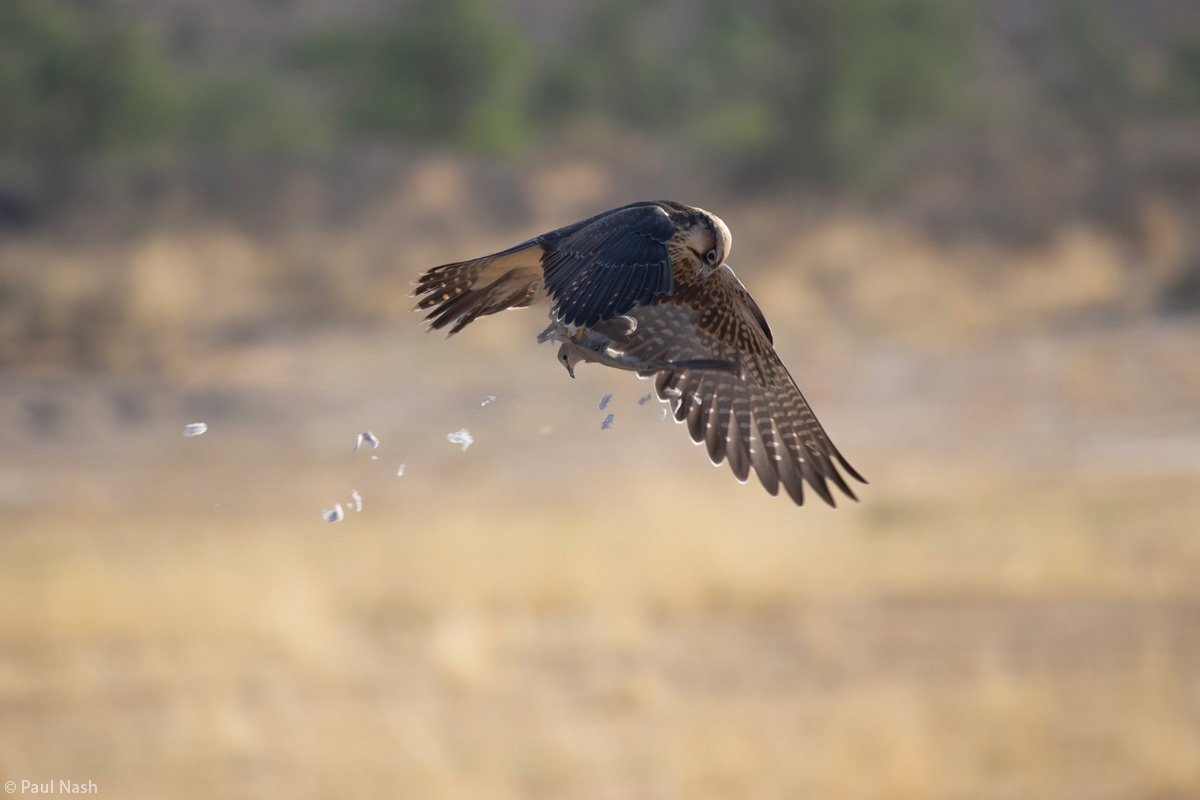
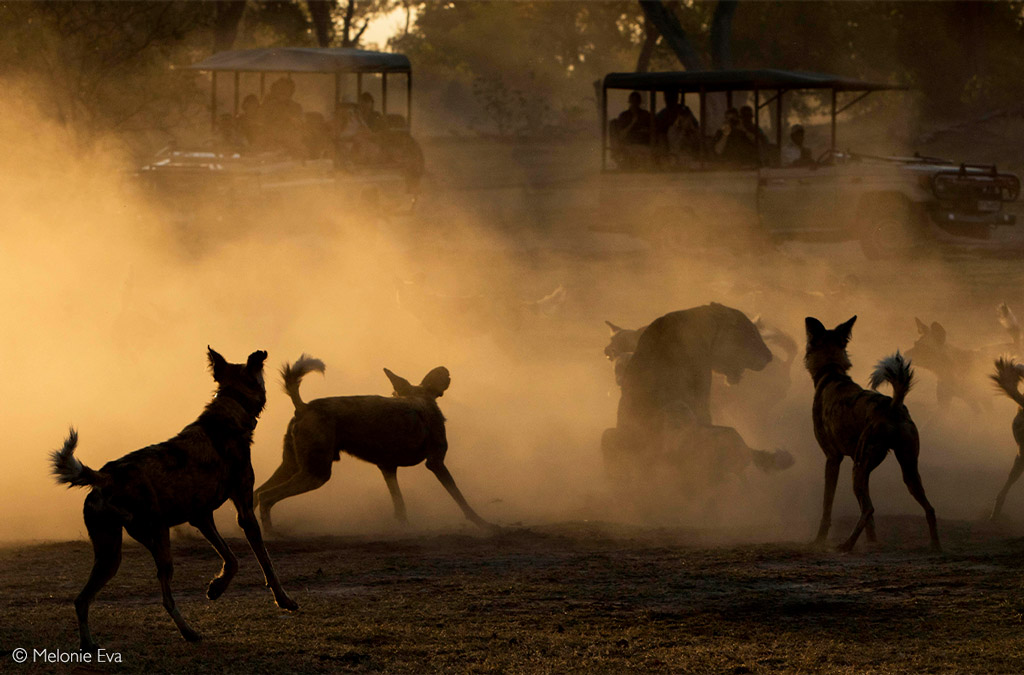
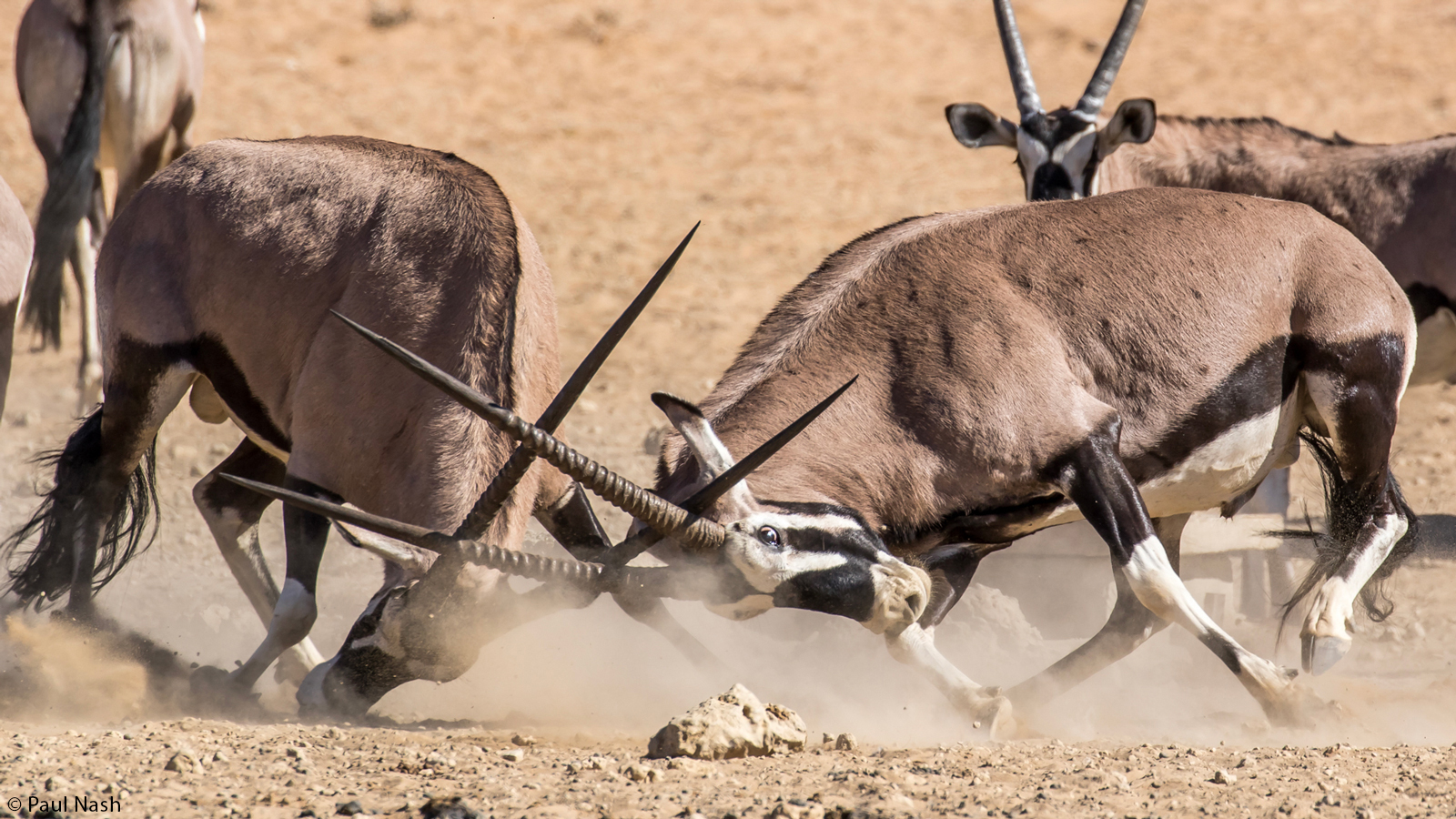
Battle of the spears. Kij-Kij waterhole, Kgalagadi Transfrontier Park, South Africa. © Paul Nash
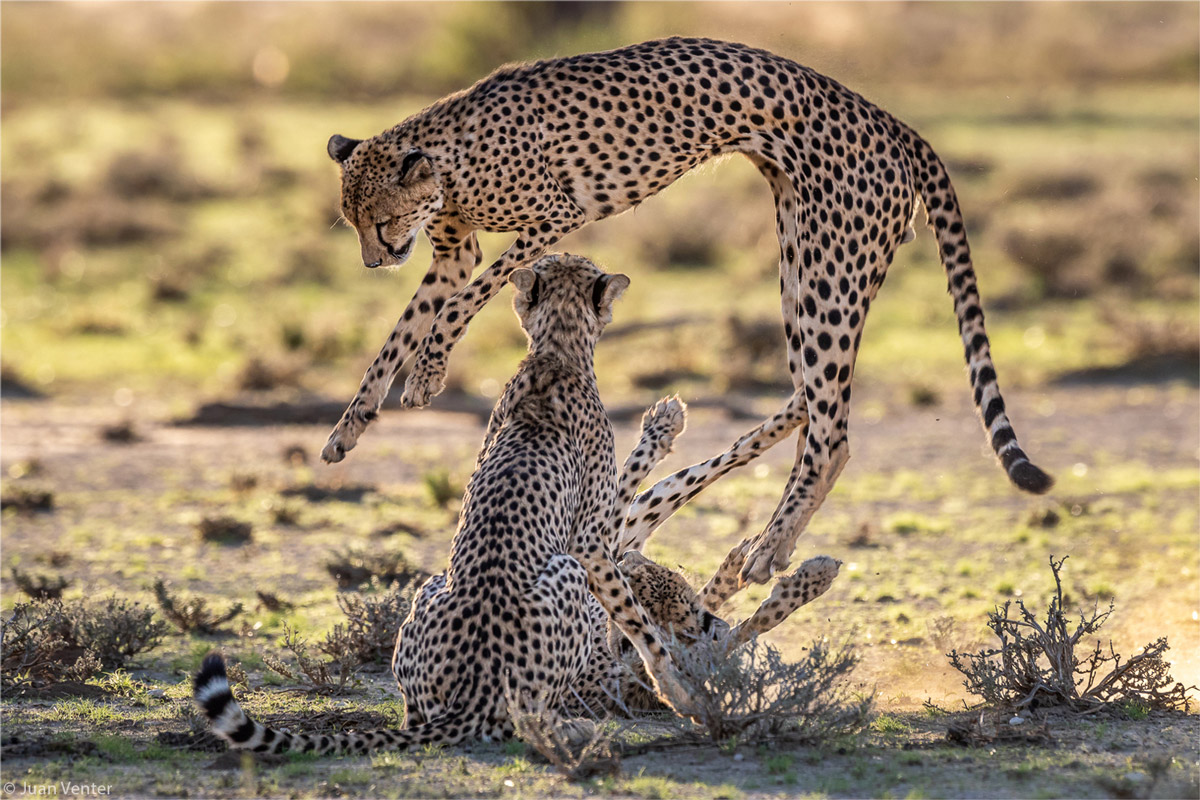
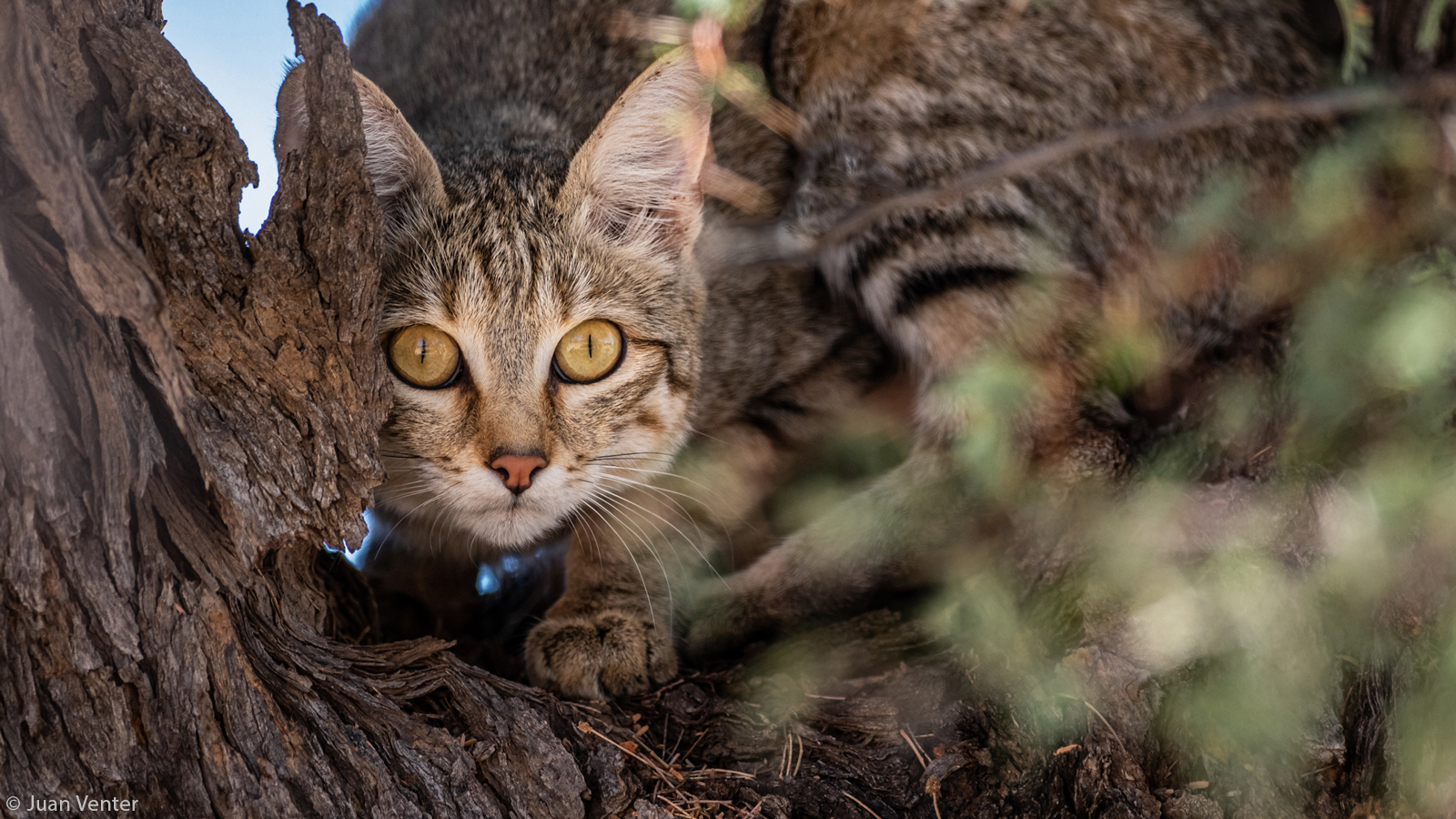
Concentration – African wild cat. Kgalagadi Transfrontier Park, South Africa. © Juan Venter
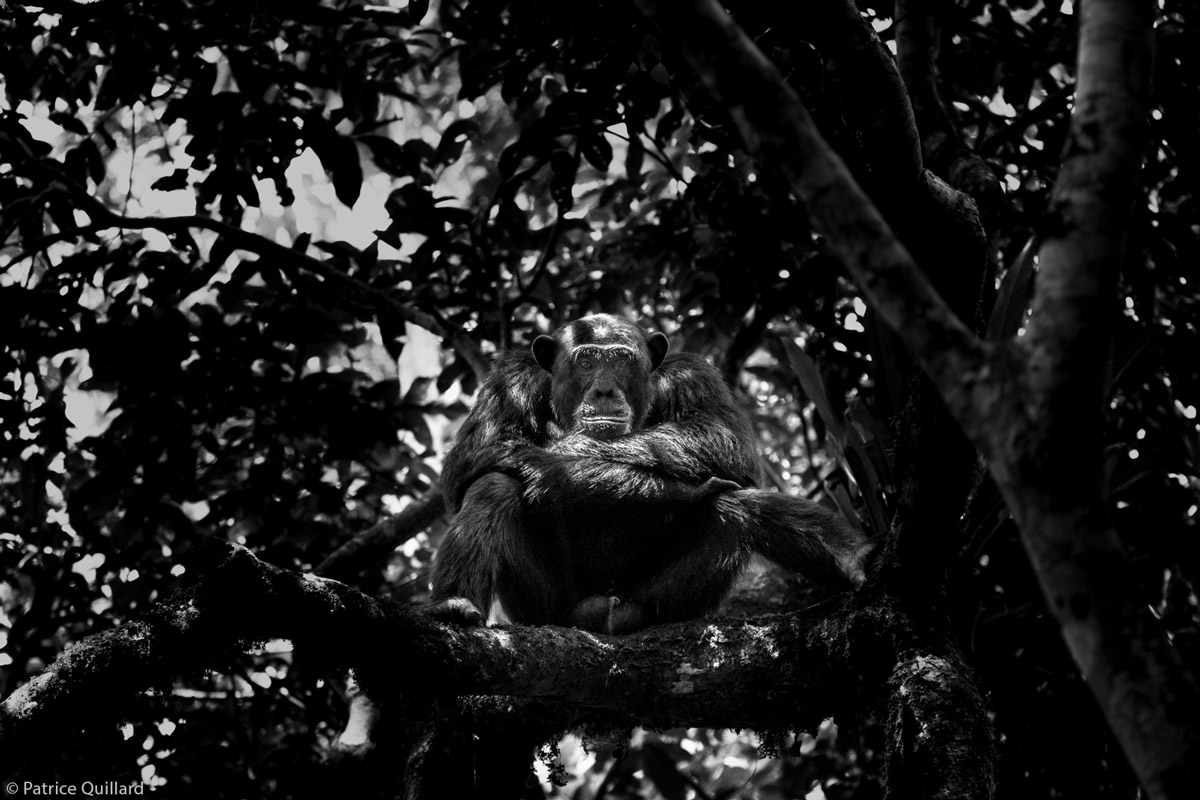
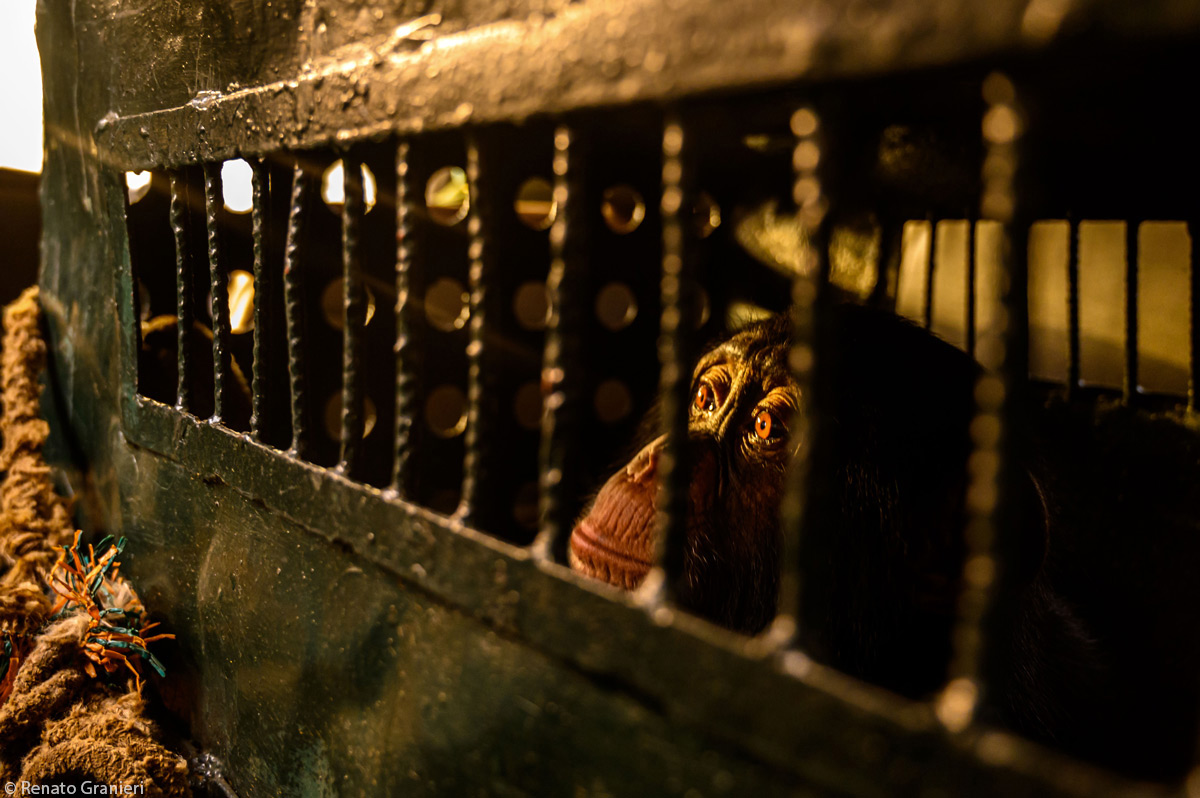
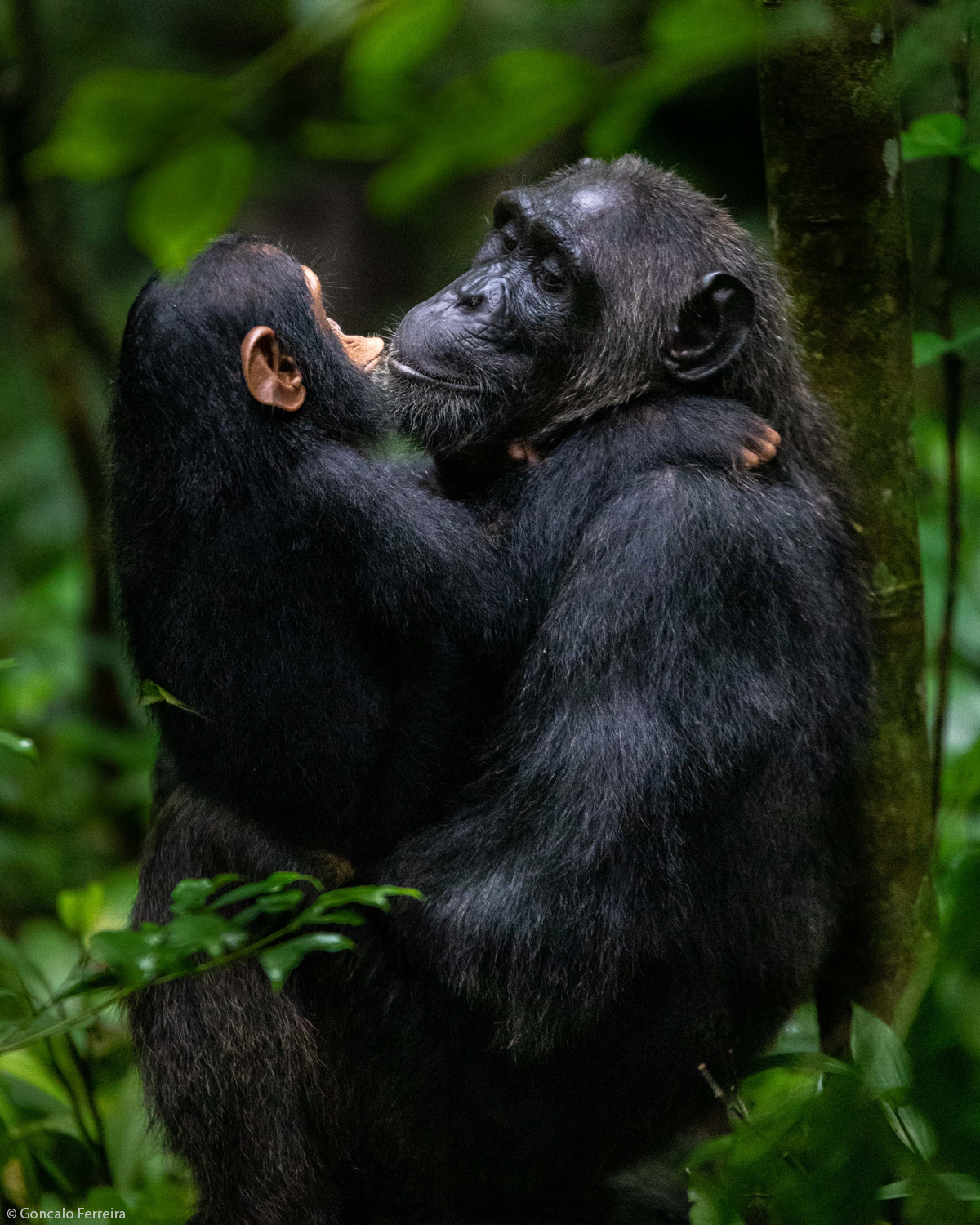
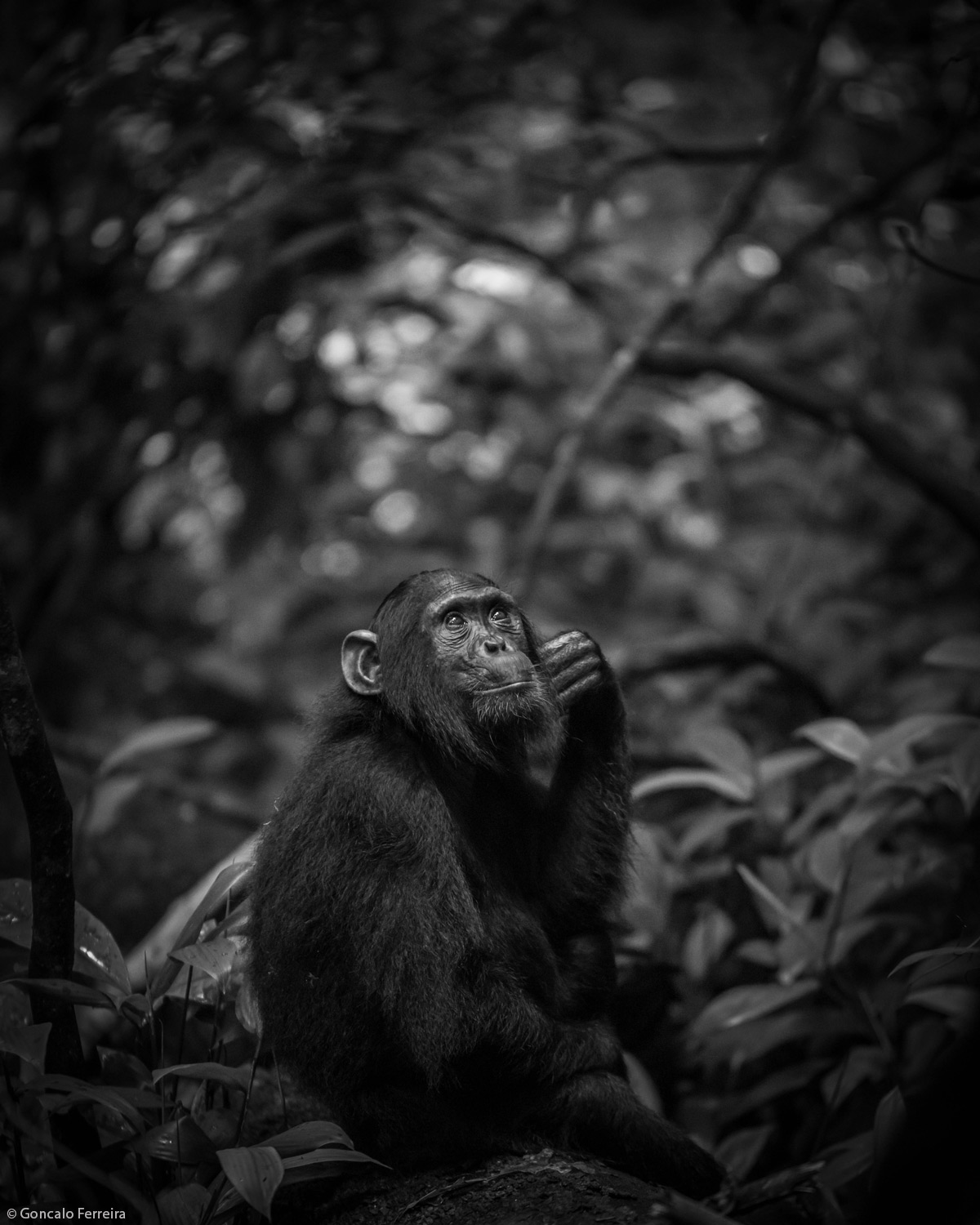
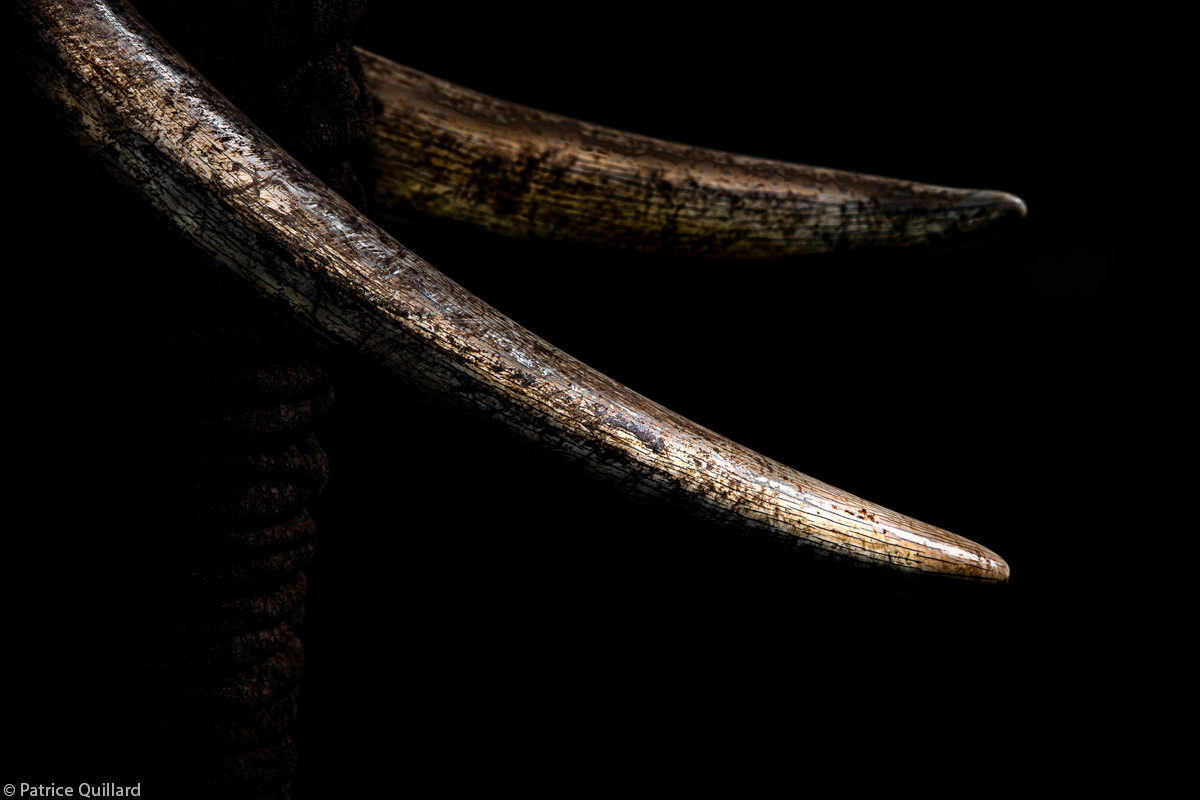
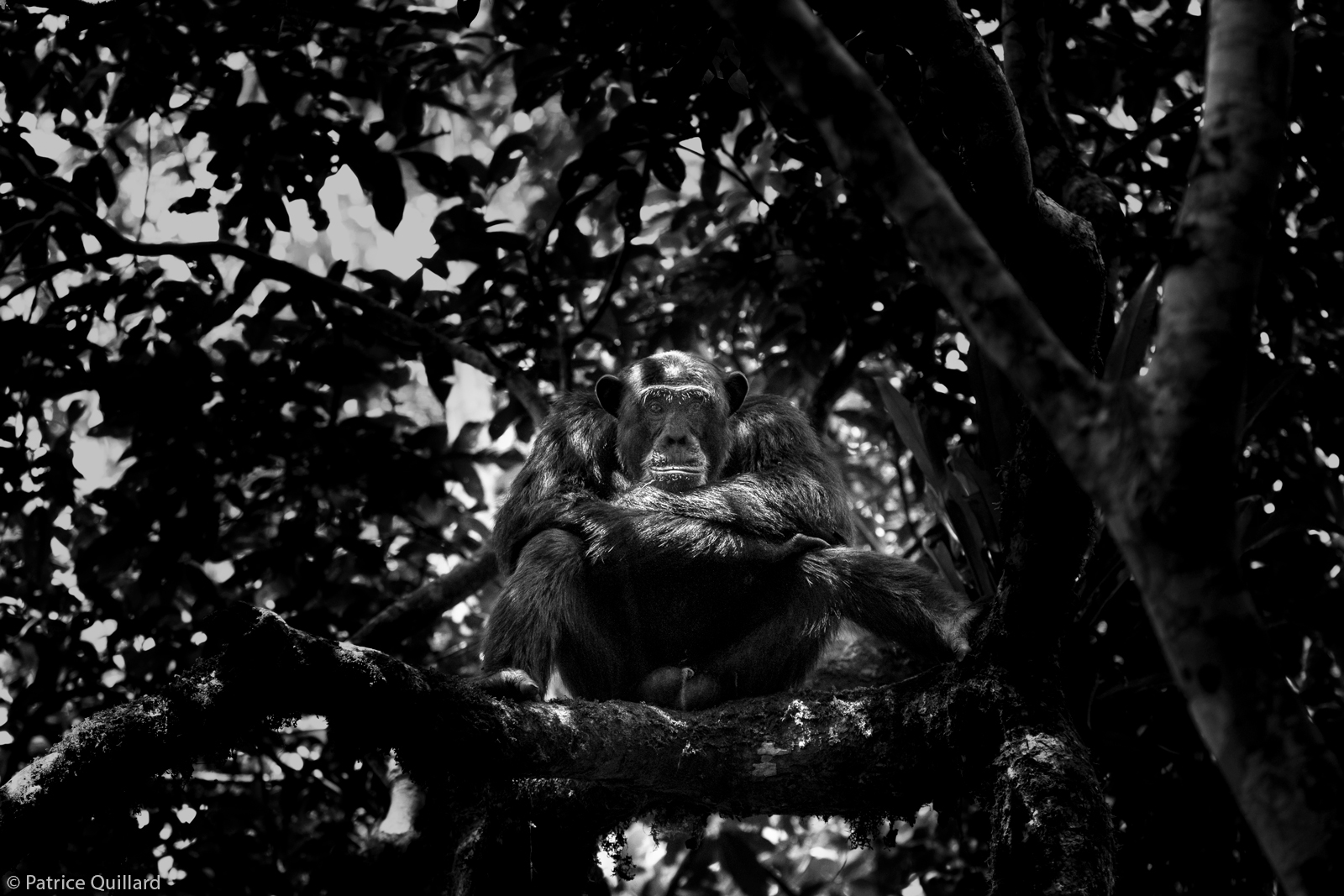
A chimpanzee judging. Budongo Central Forest Reserve, Uganda. © Patrice Quillard
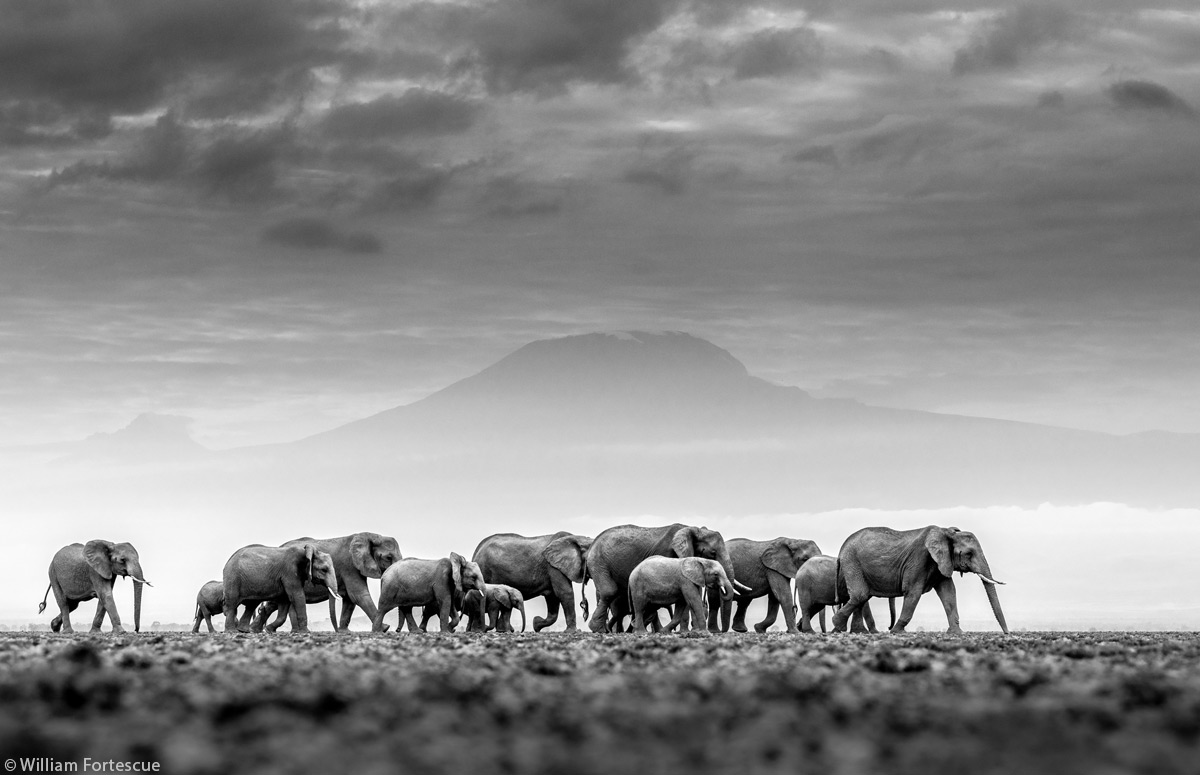
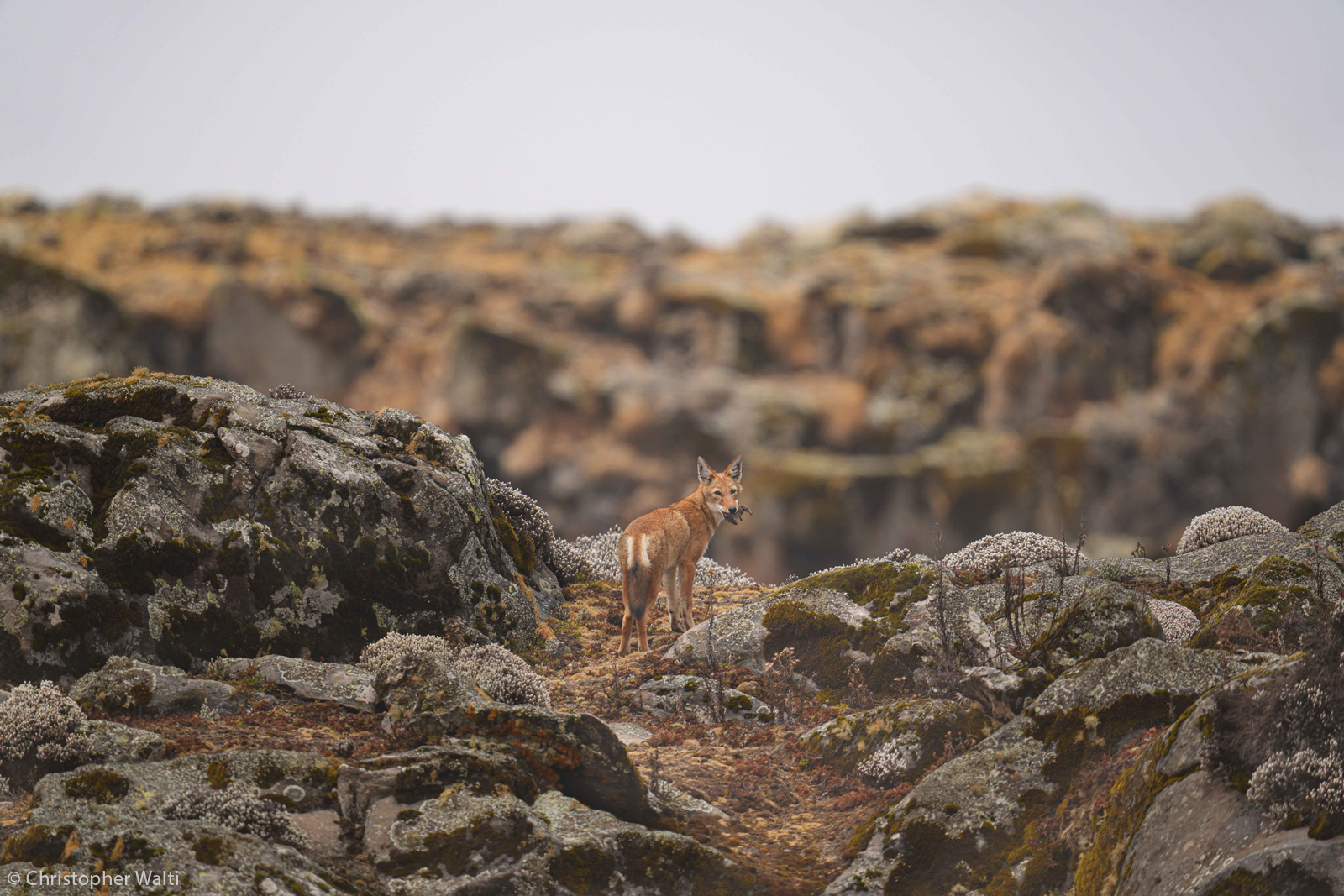
An Ethiopian wolf, Africa’s most endangered carnivore, surveys his mountain fastness. Bale Mountains National Park, Ethiopia. © Christopher Walti
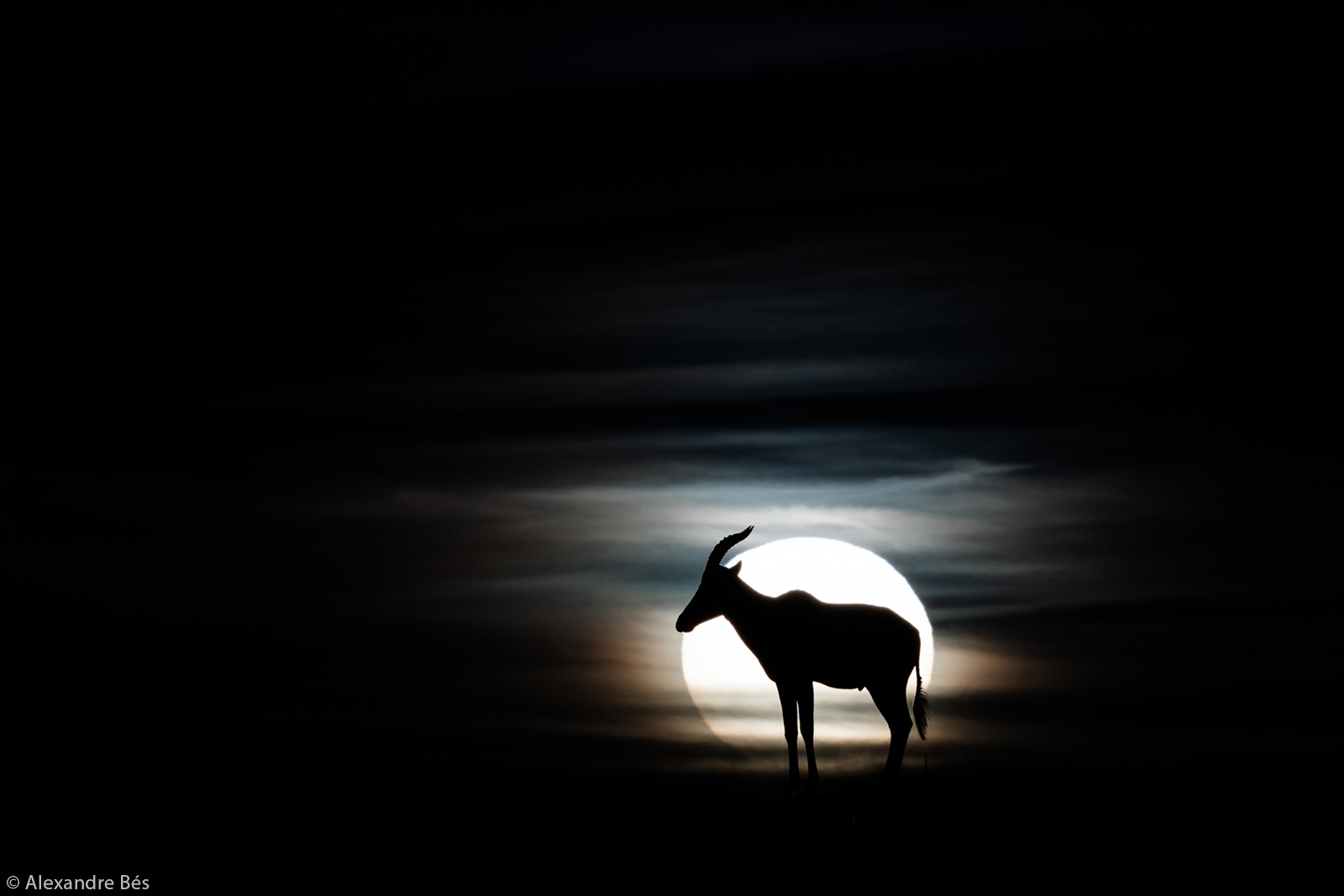
A topi atop a termite mound displays himself at dawn. Maasai Mara National Reserve, Kenya. © Alexandre Bés
Africa Geographic Travel
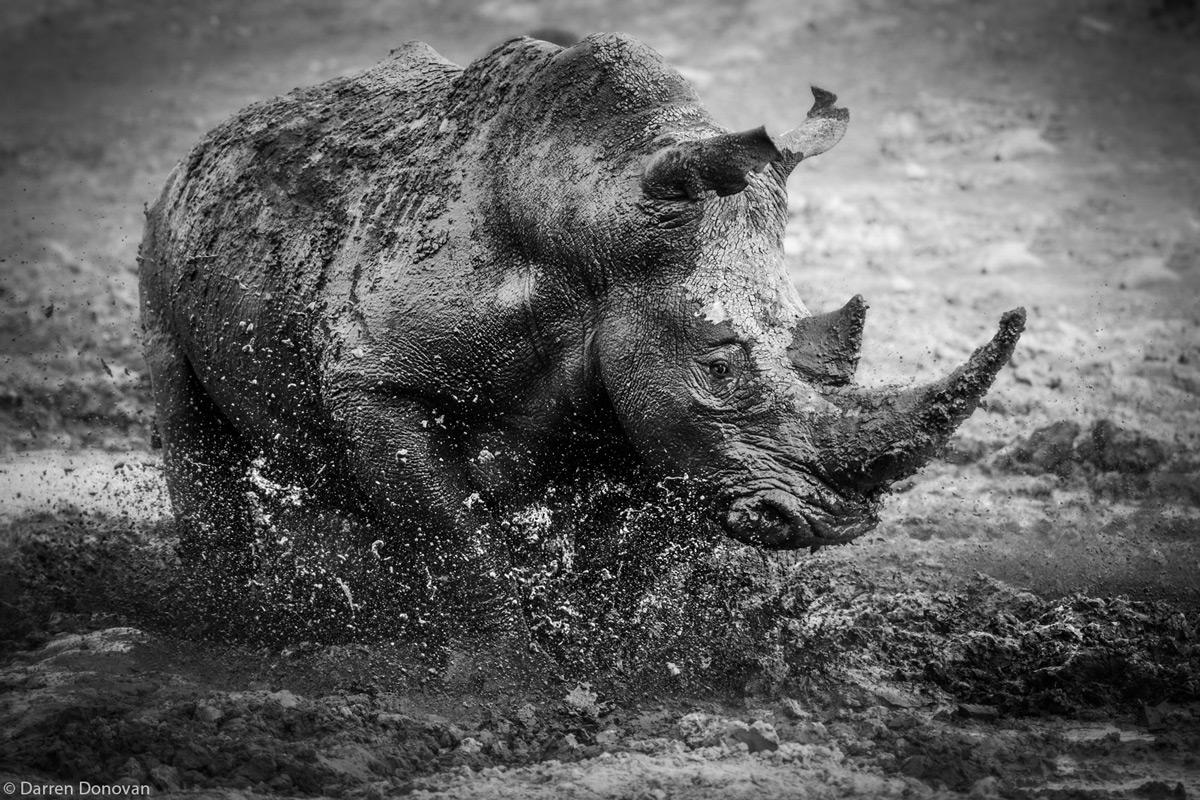
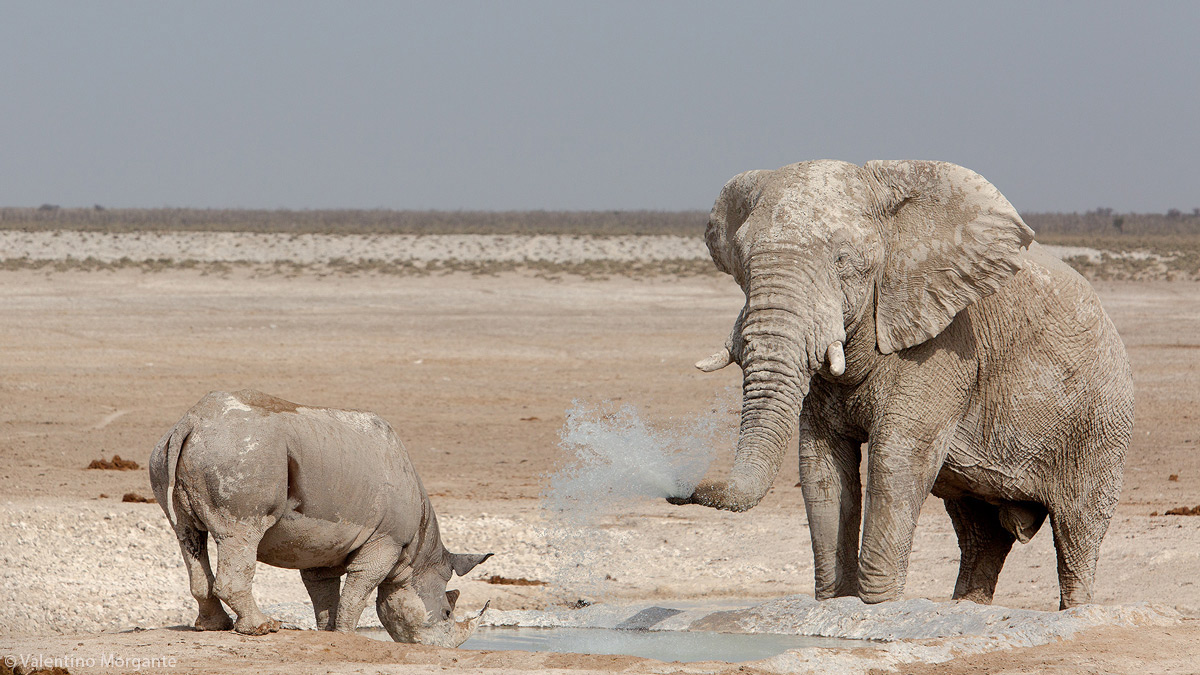
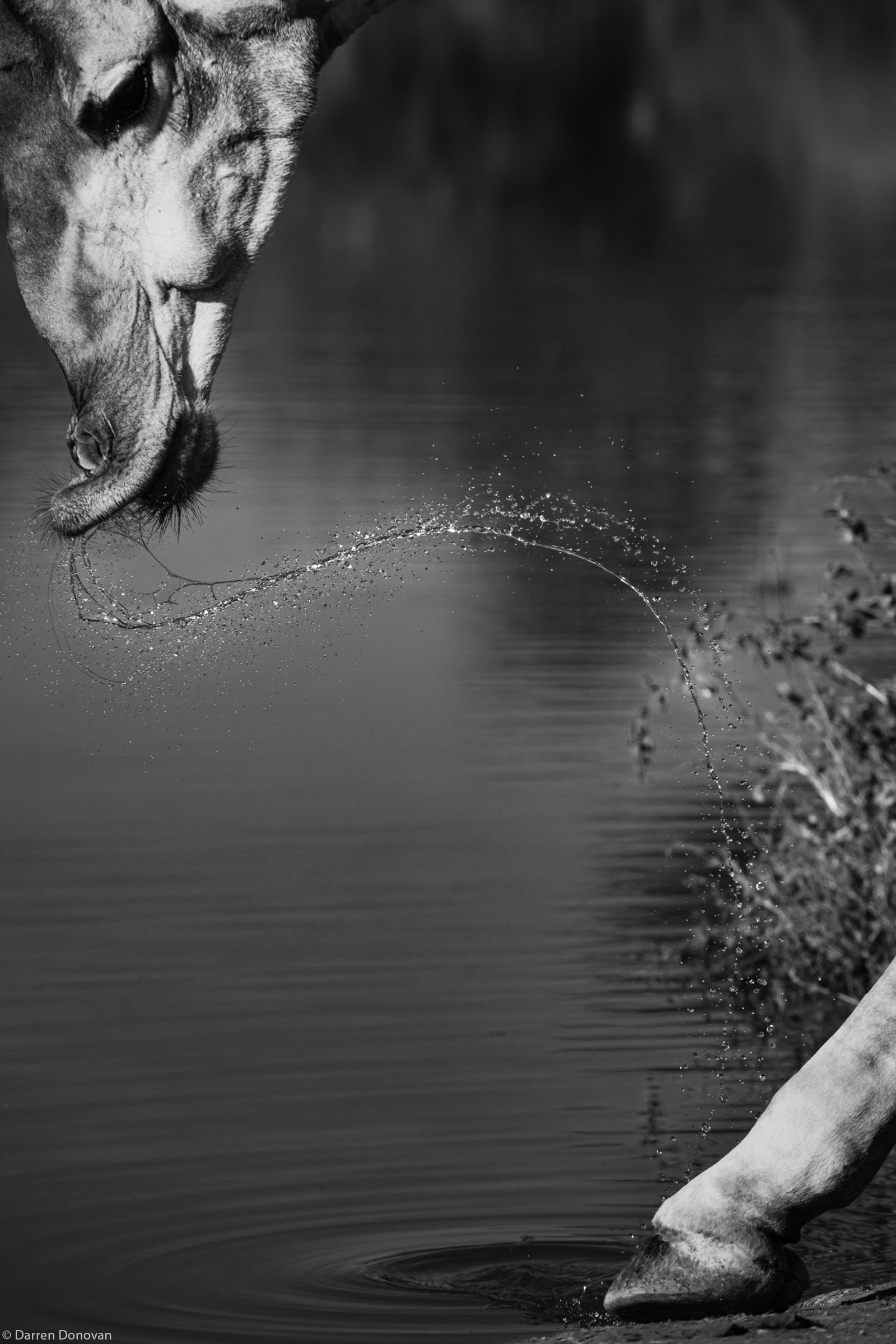
Drinks time. Madikwe Game Reserve, South Africa. © Darren Donovan
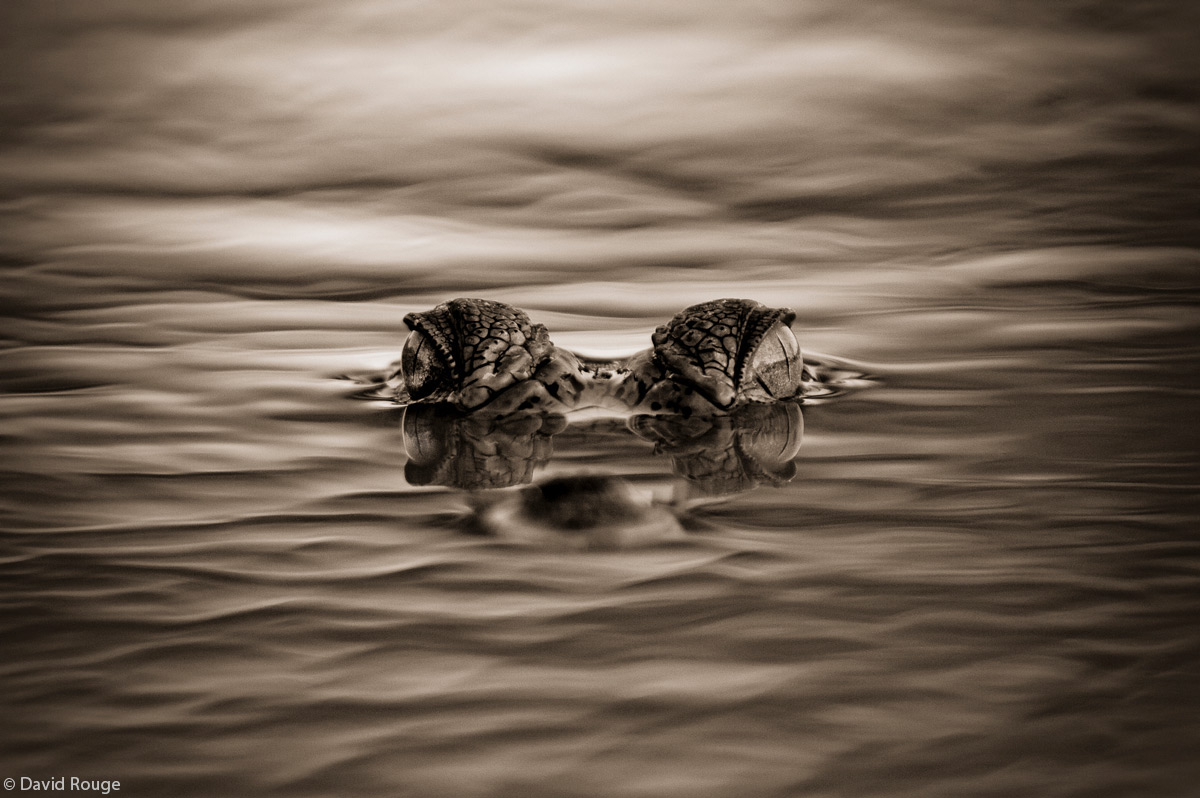
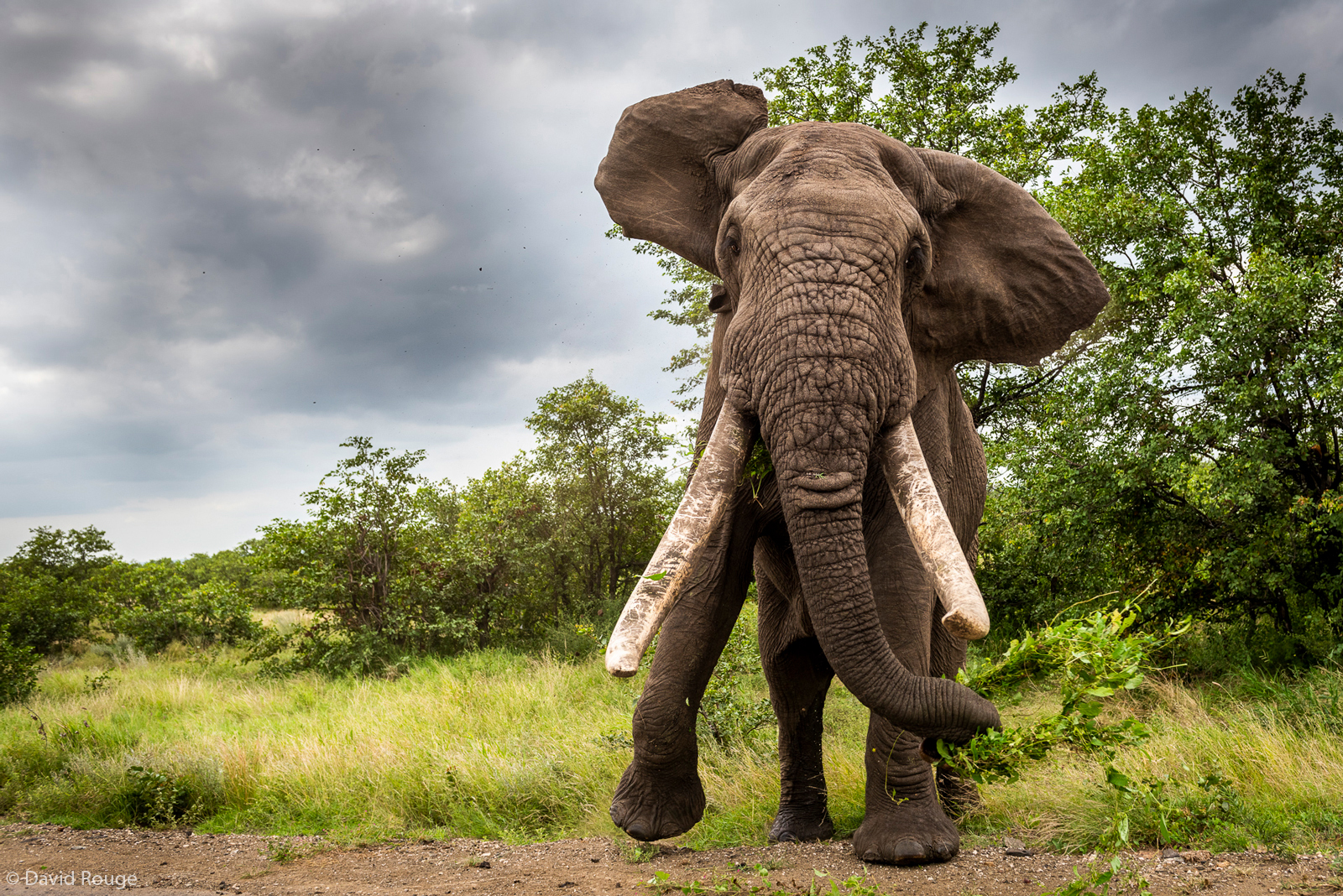
Time to leave – posthaste. Kruger National Park, South Africa. © David Rouge
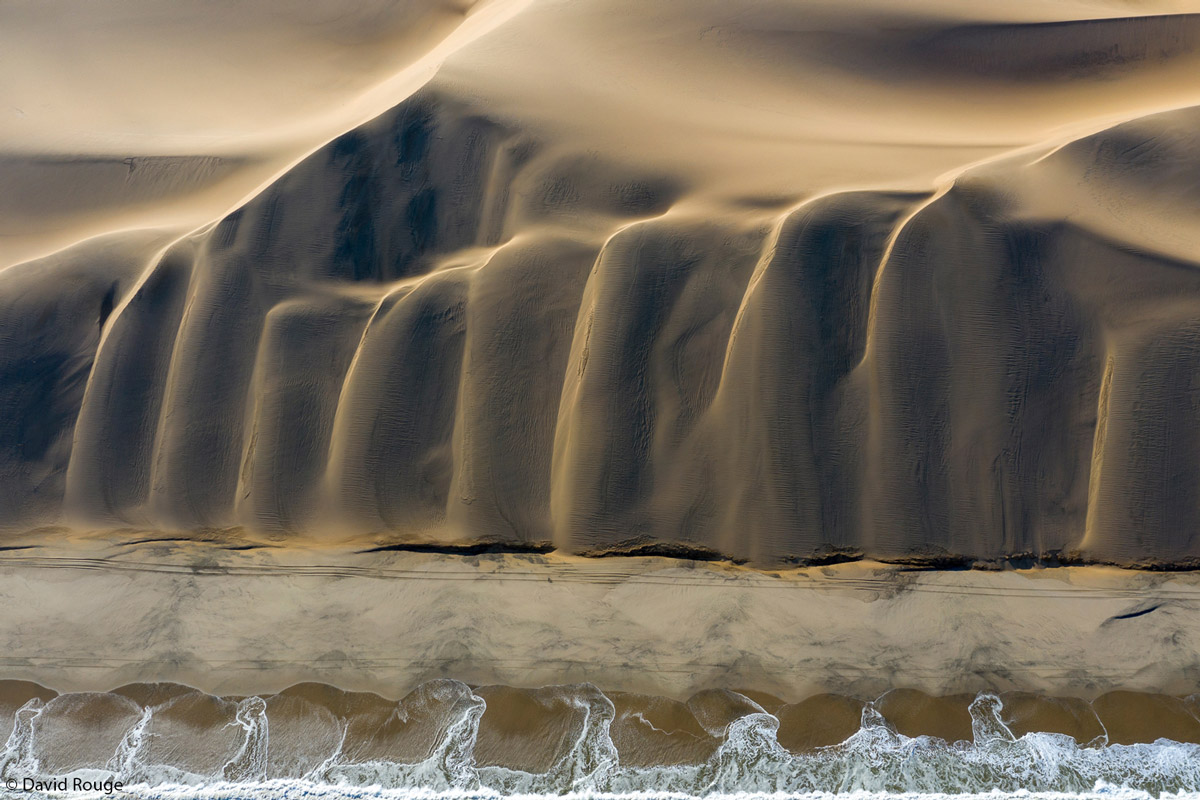
The Namib Desert flowing into the Atlantic. Namibia. © David Rouge
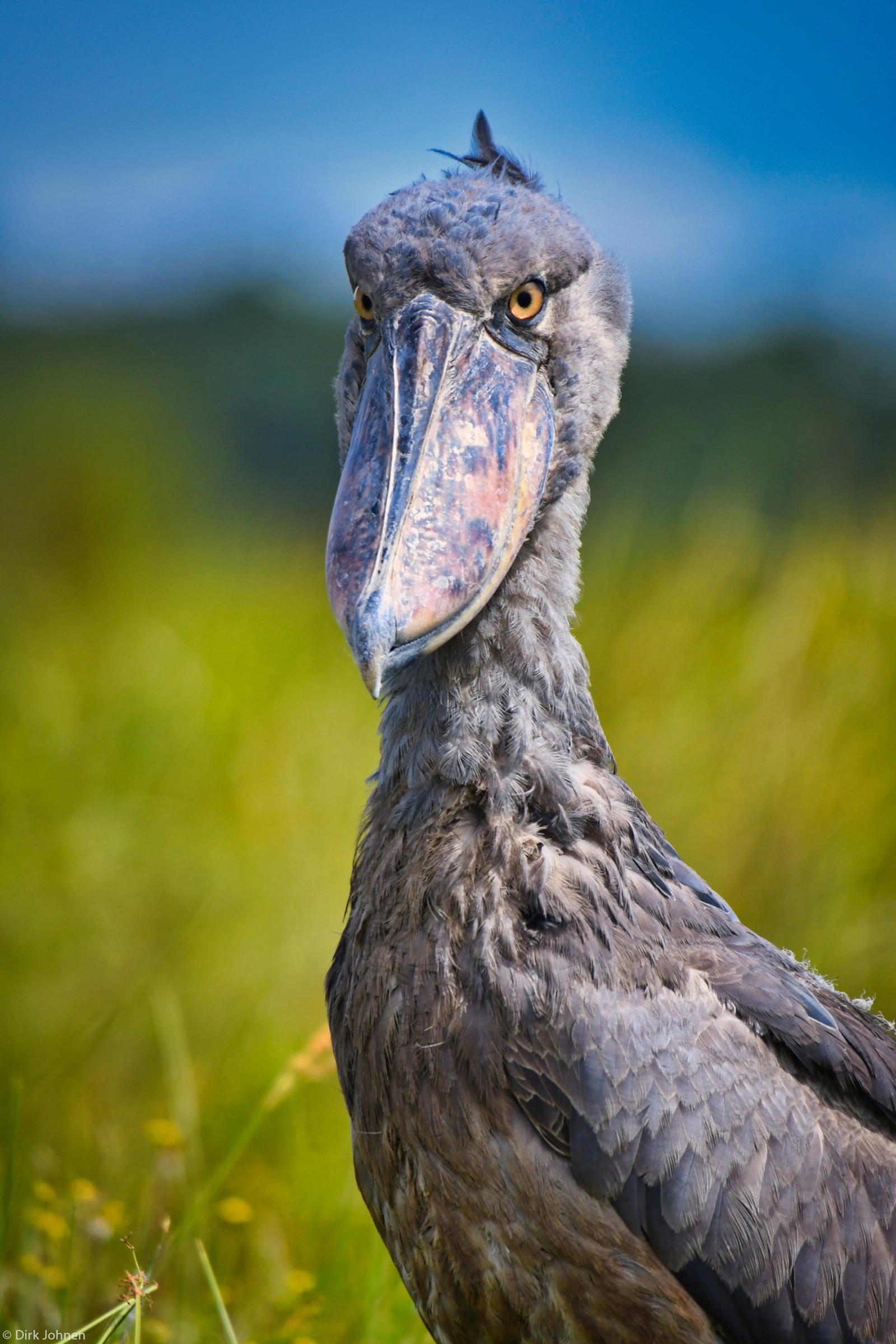
Shoebill. Mabamba Swamp, Uganda. © Dirk Johnen
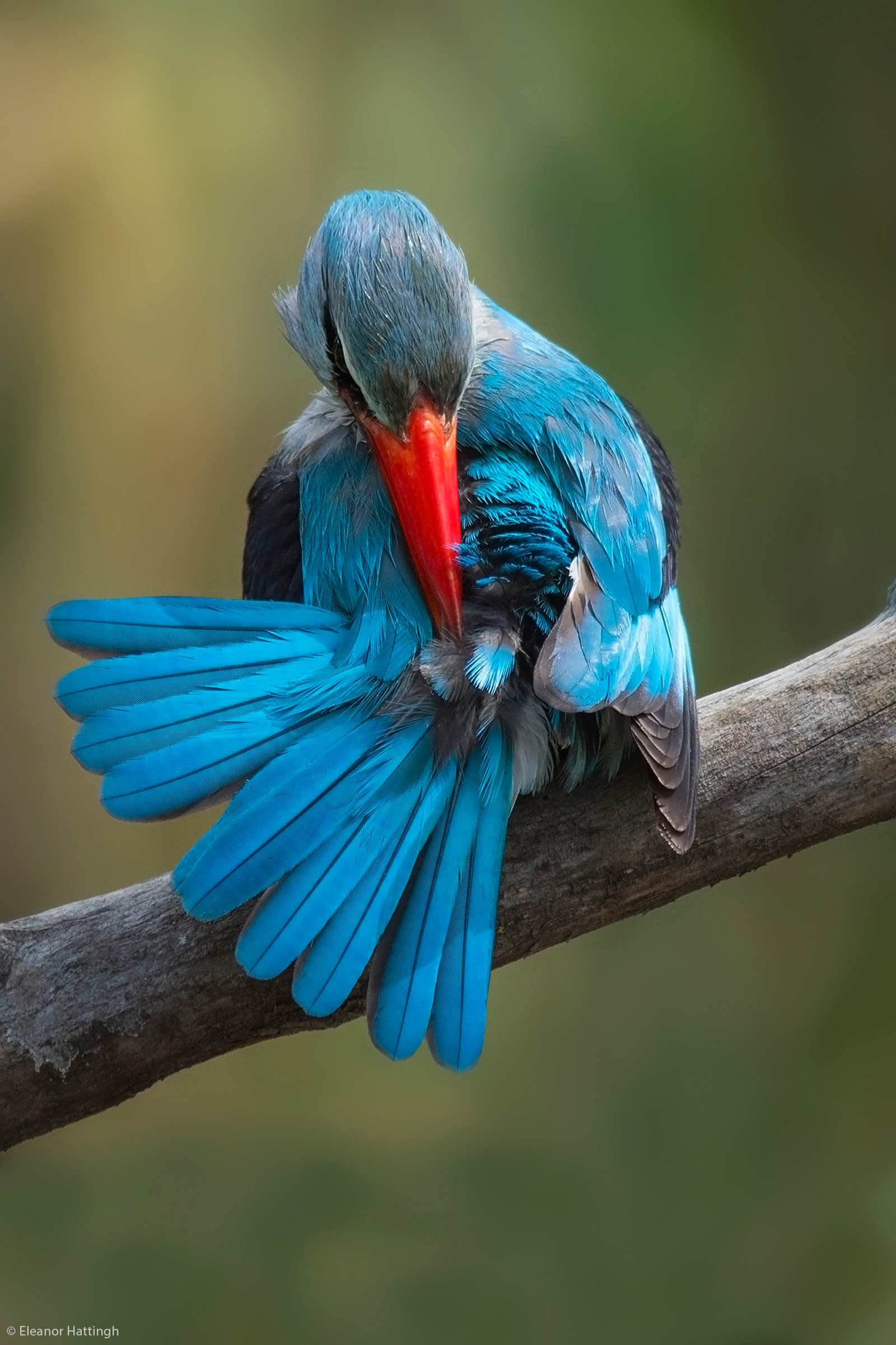
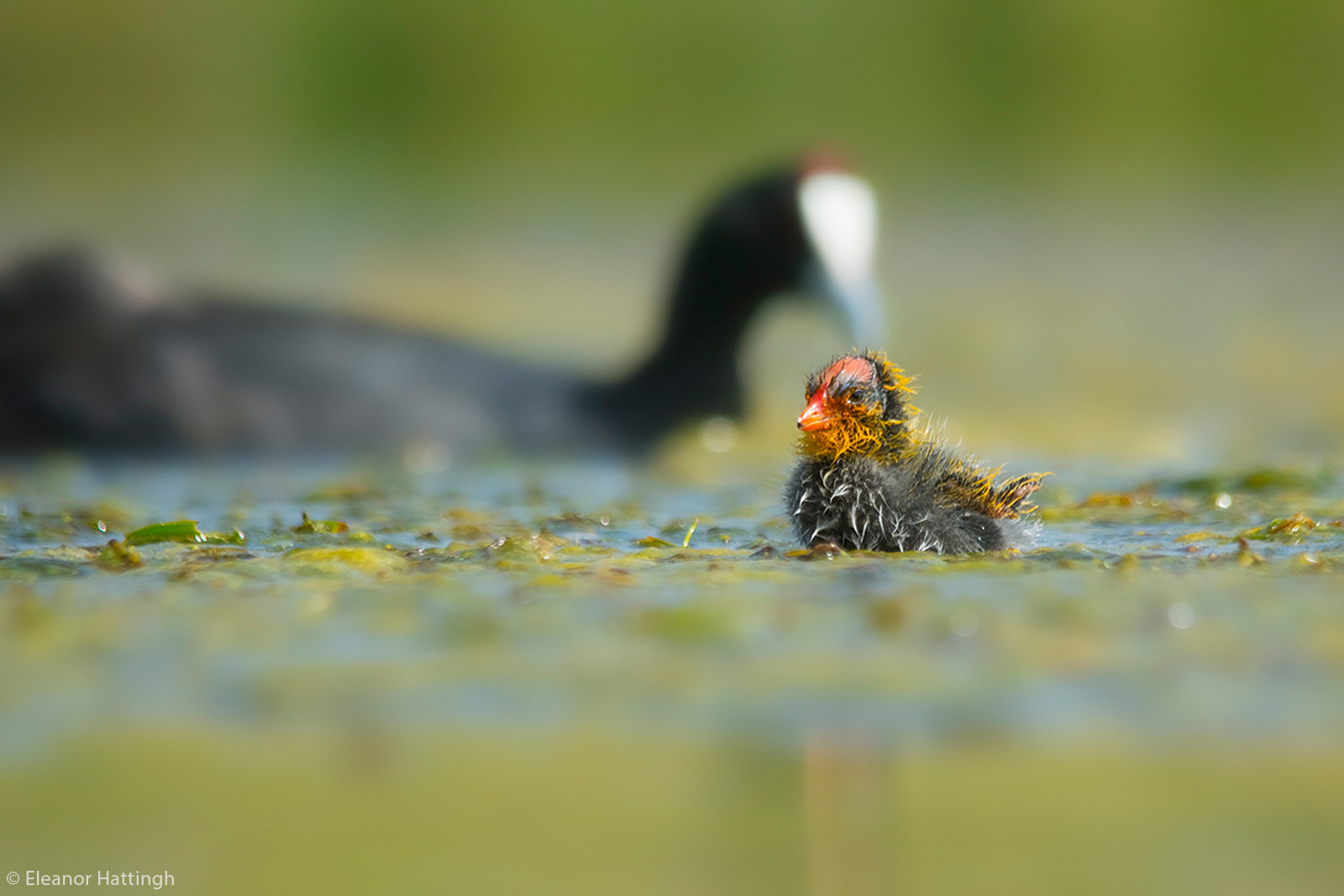
Red-knobbed coot chick waiting for a meal. Zibulo bird hide, Mpumalanga, South Africa. © Eleanor Hattingh
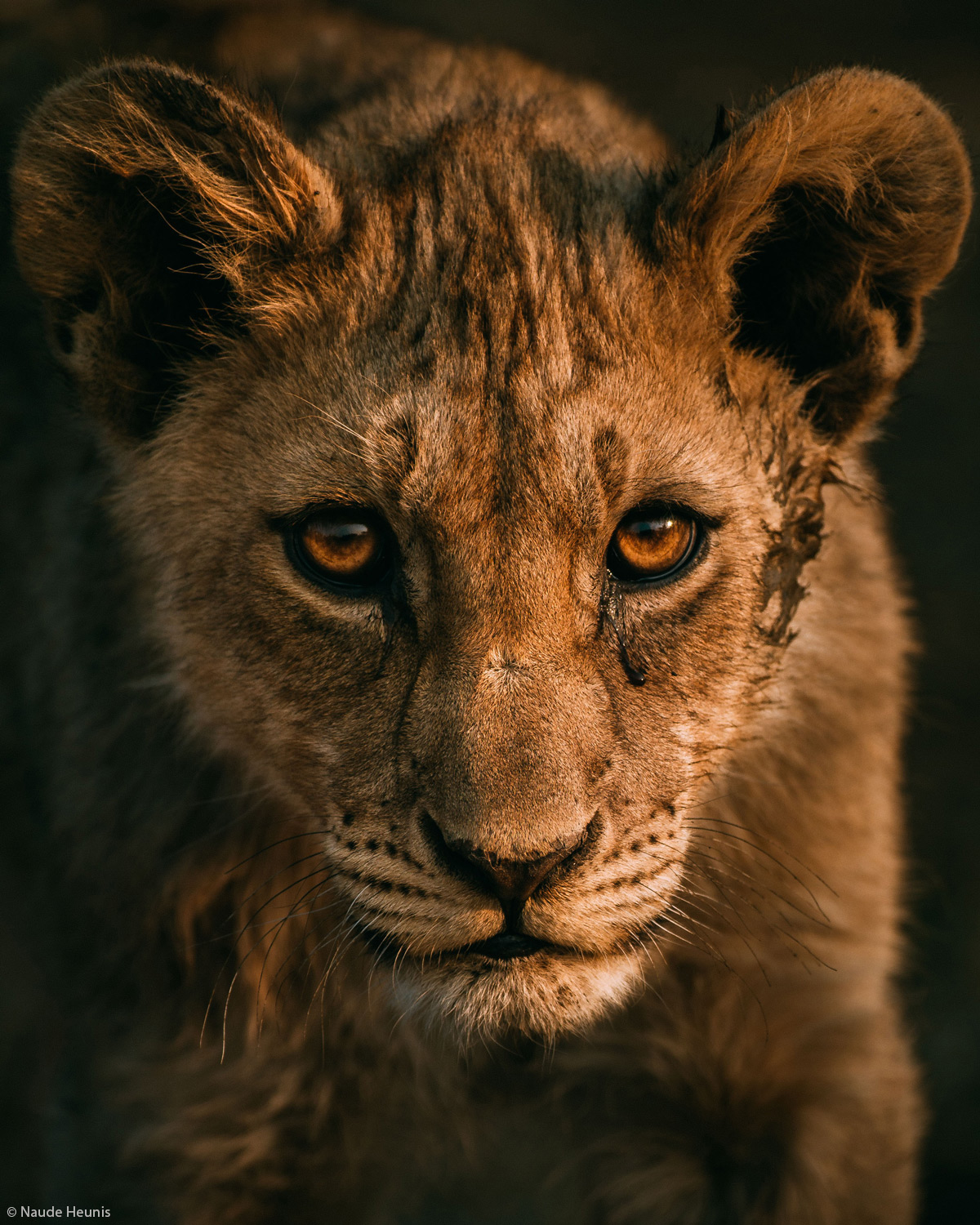
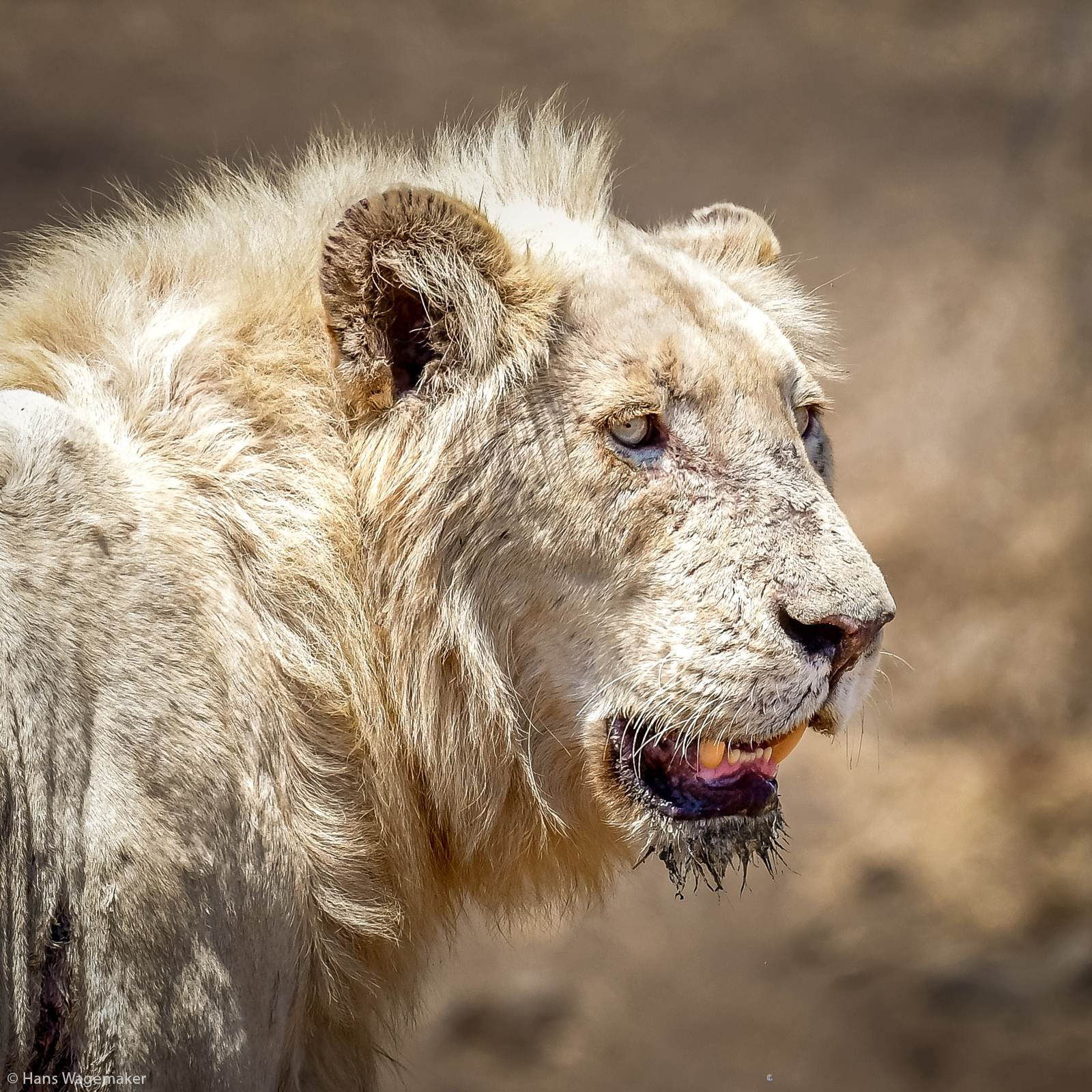
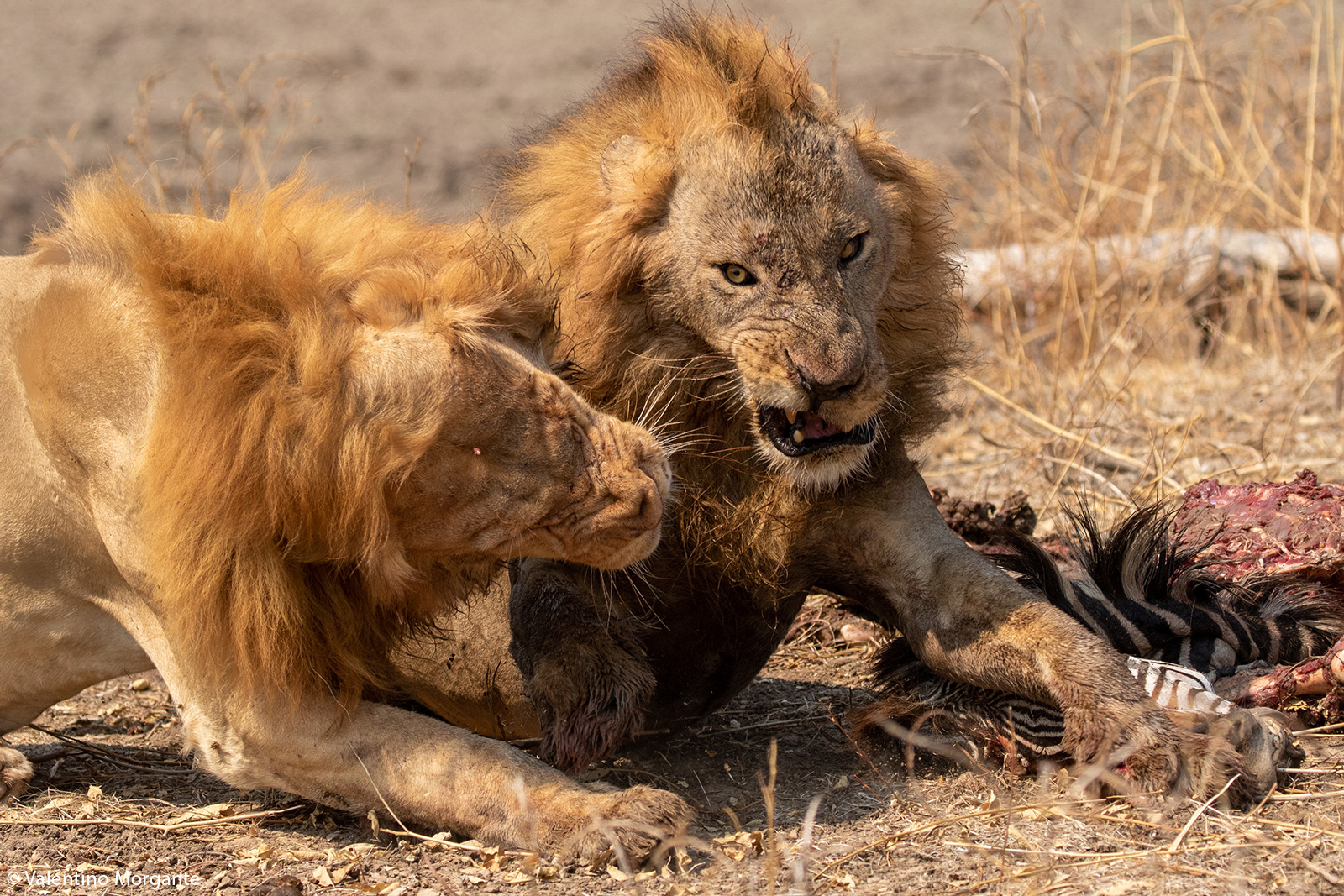
Young male white lion severely wounded from inter-pride battles. Kruger National Park, South Africa. © Hans Wagemaker
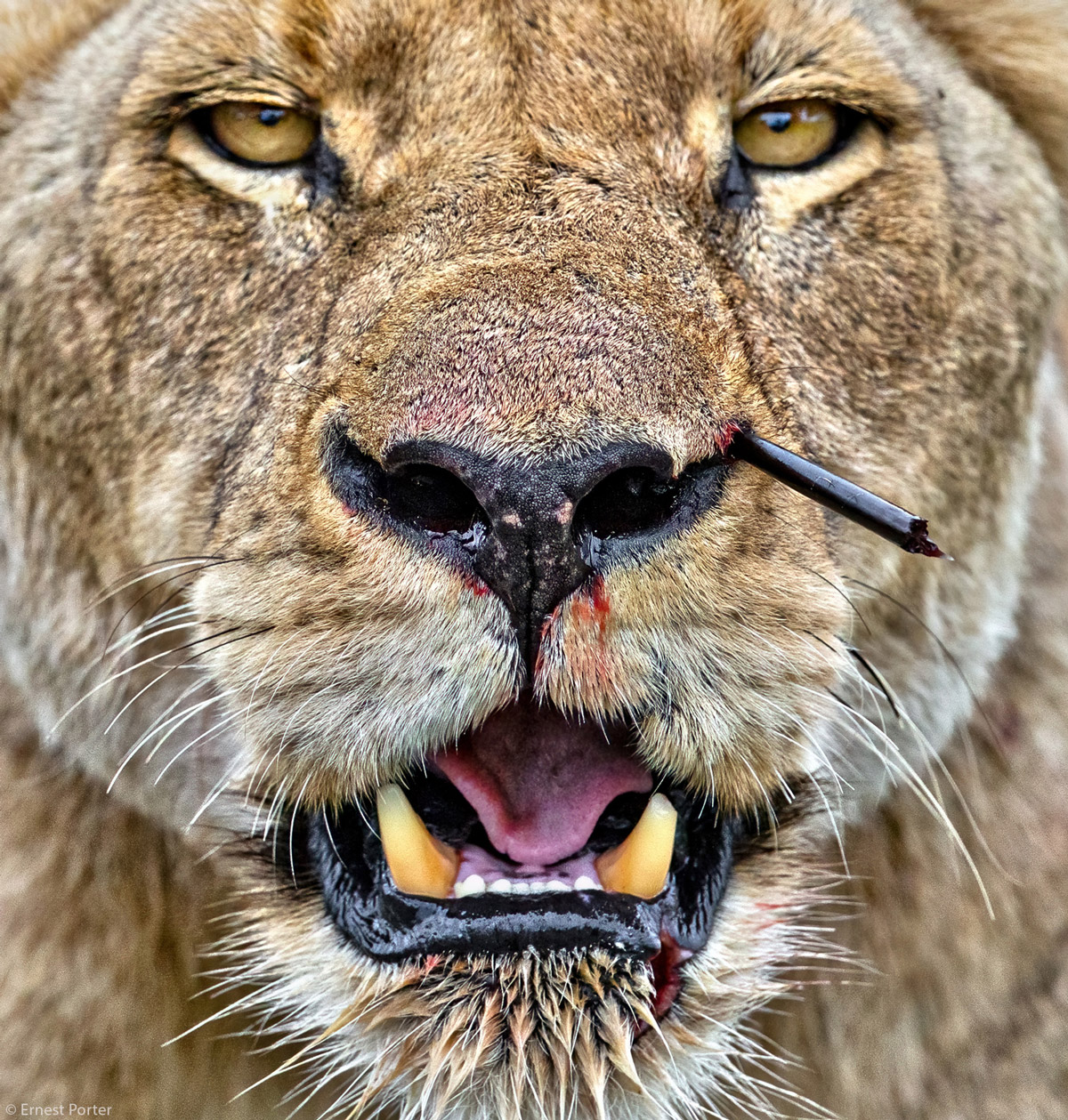
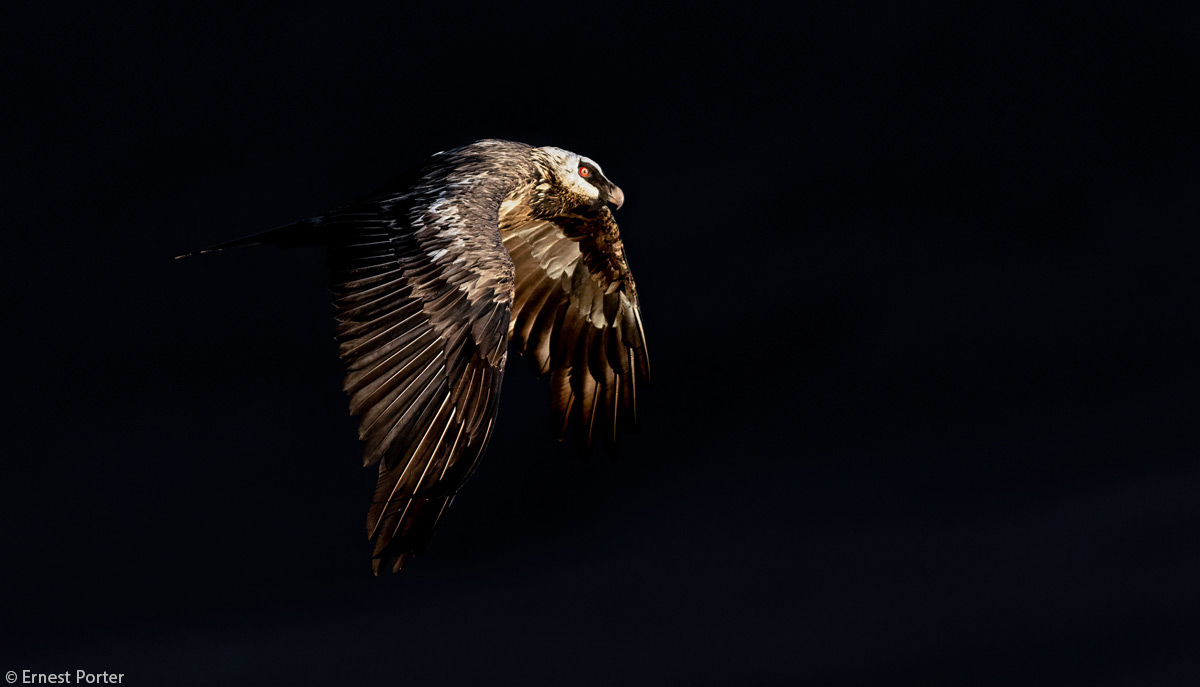
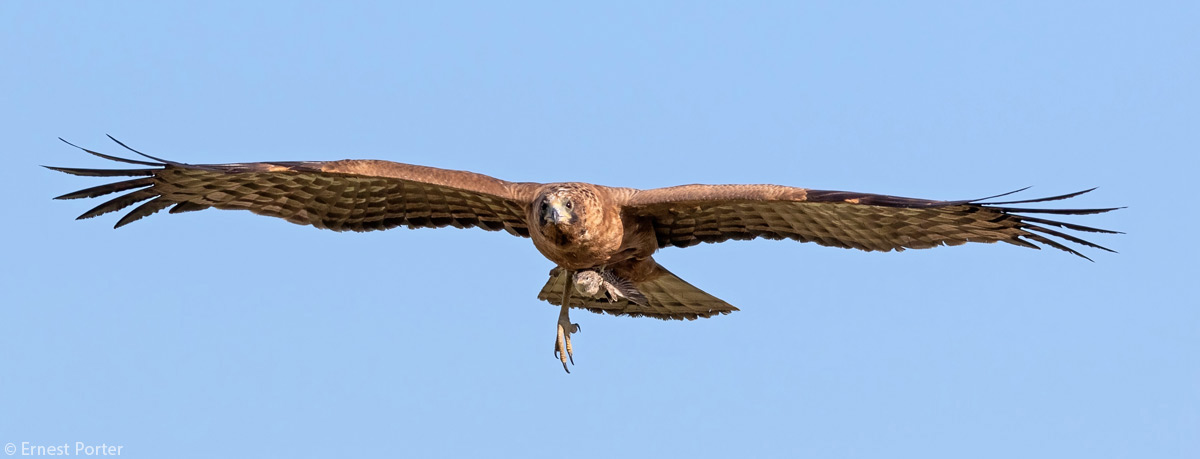
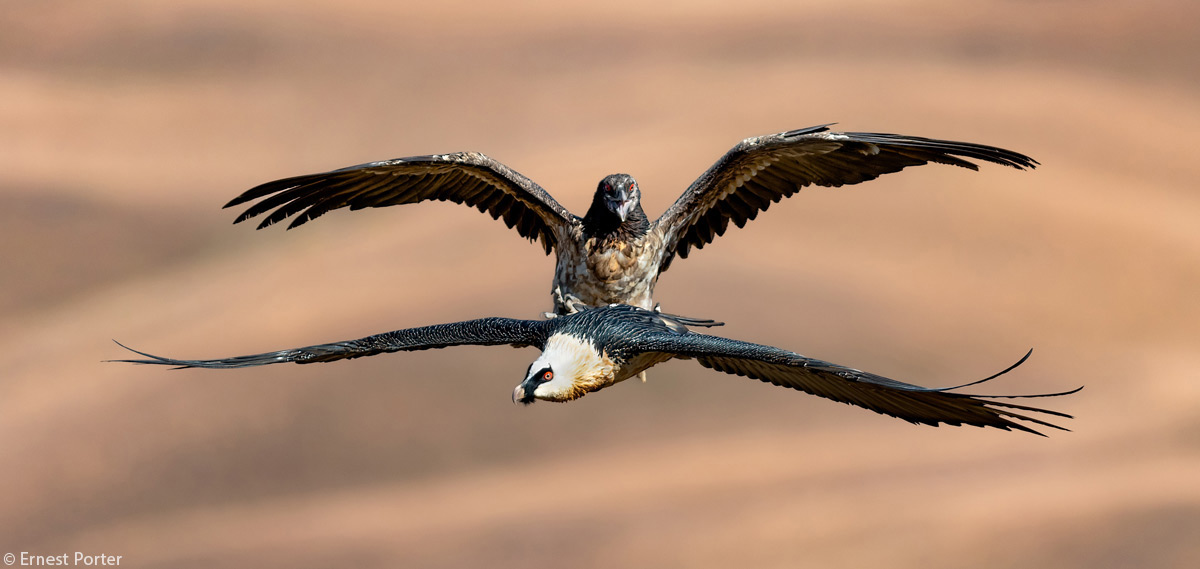
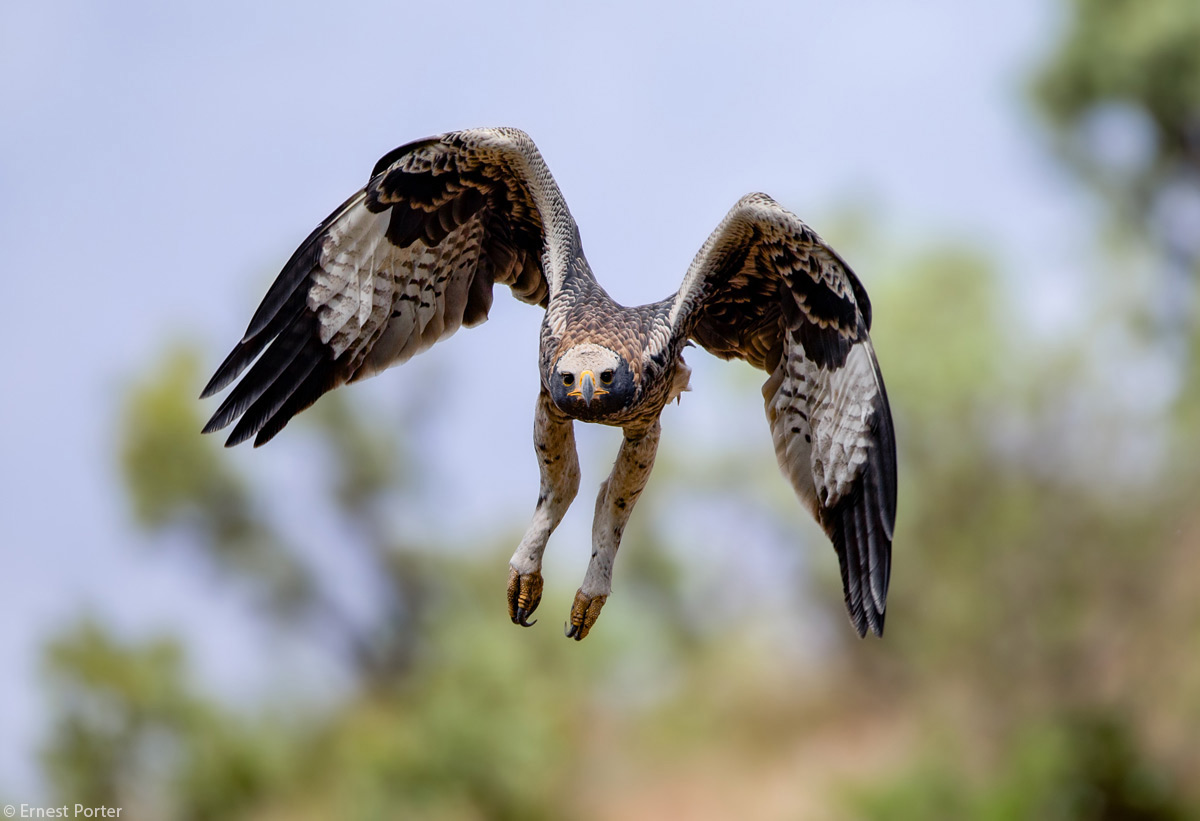
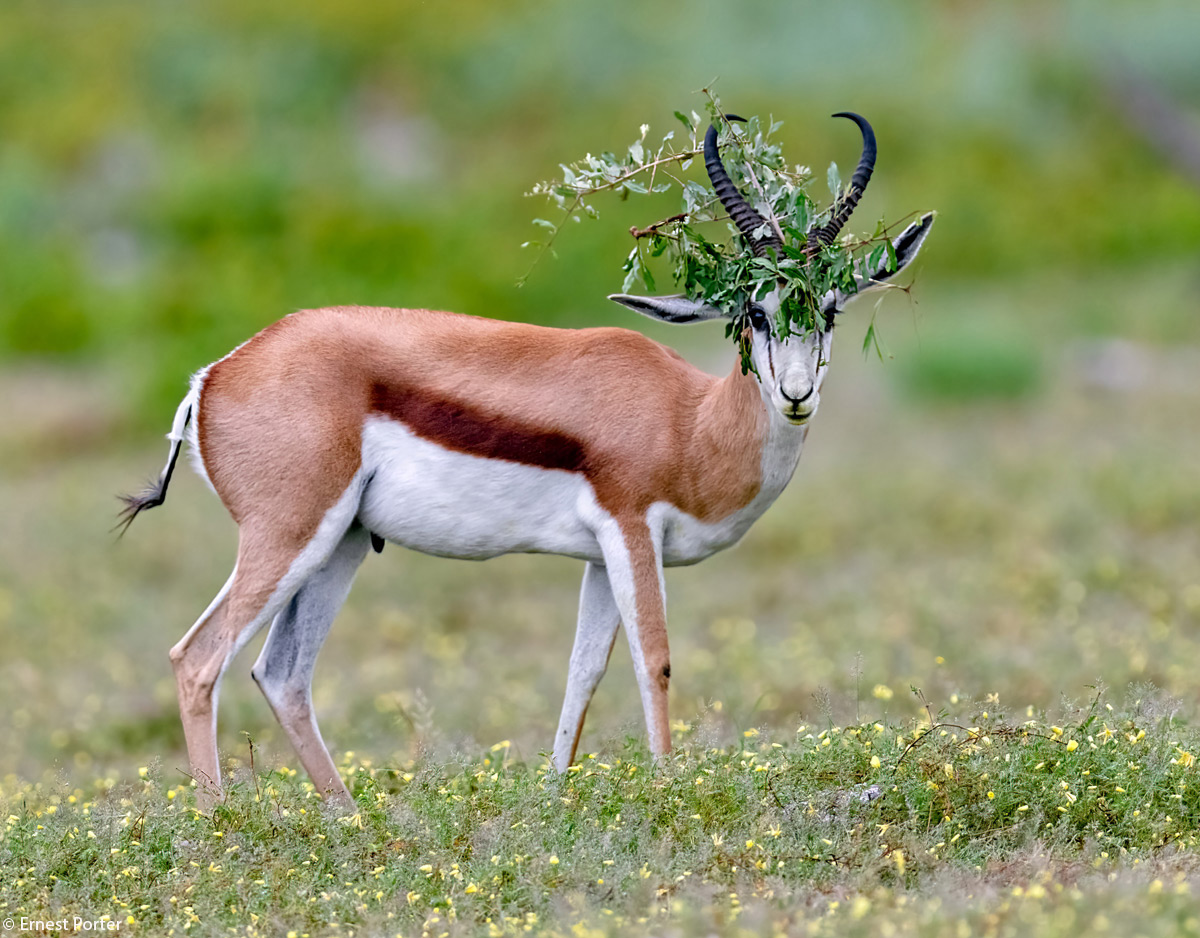
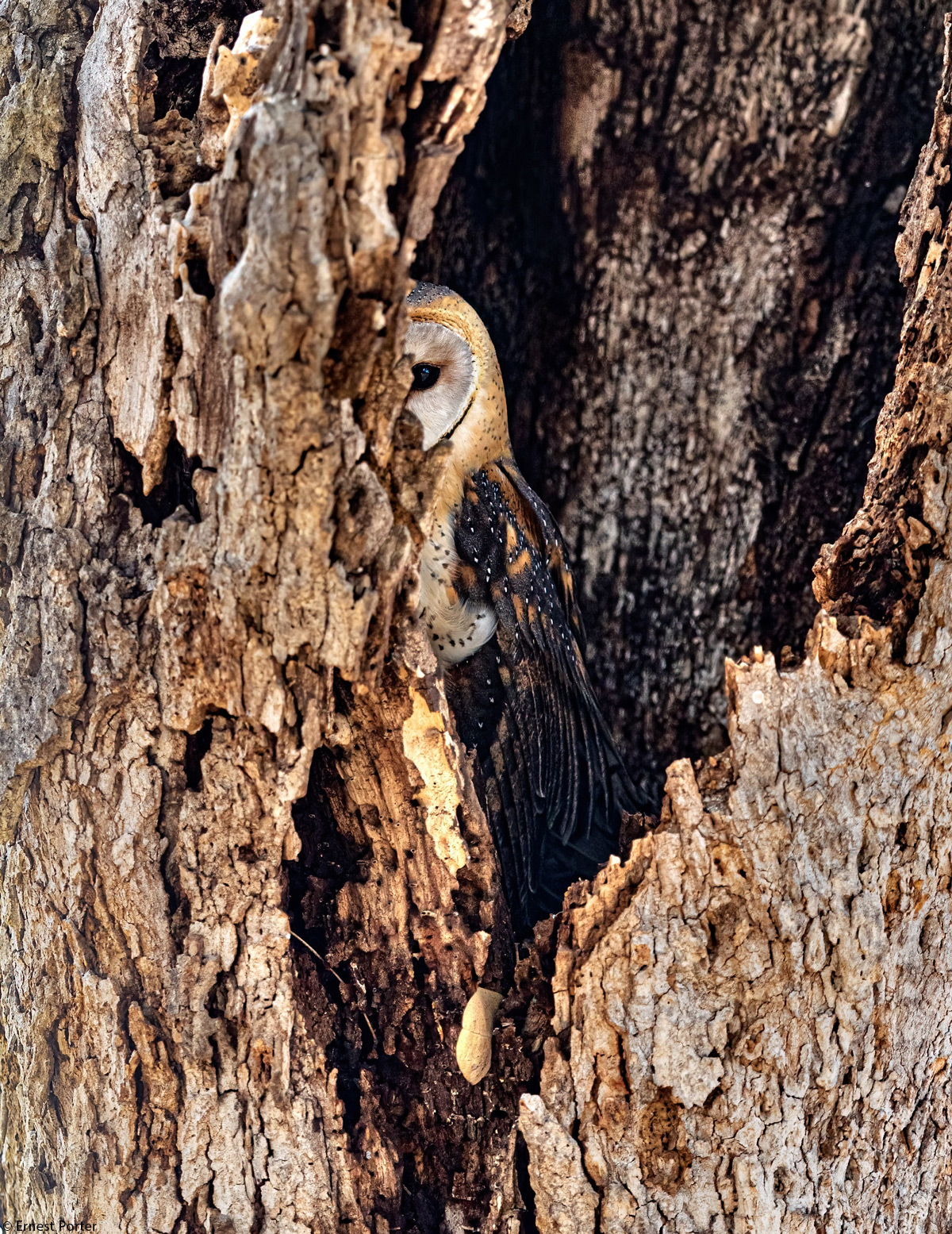
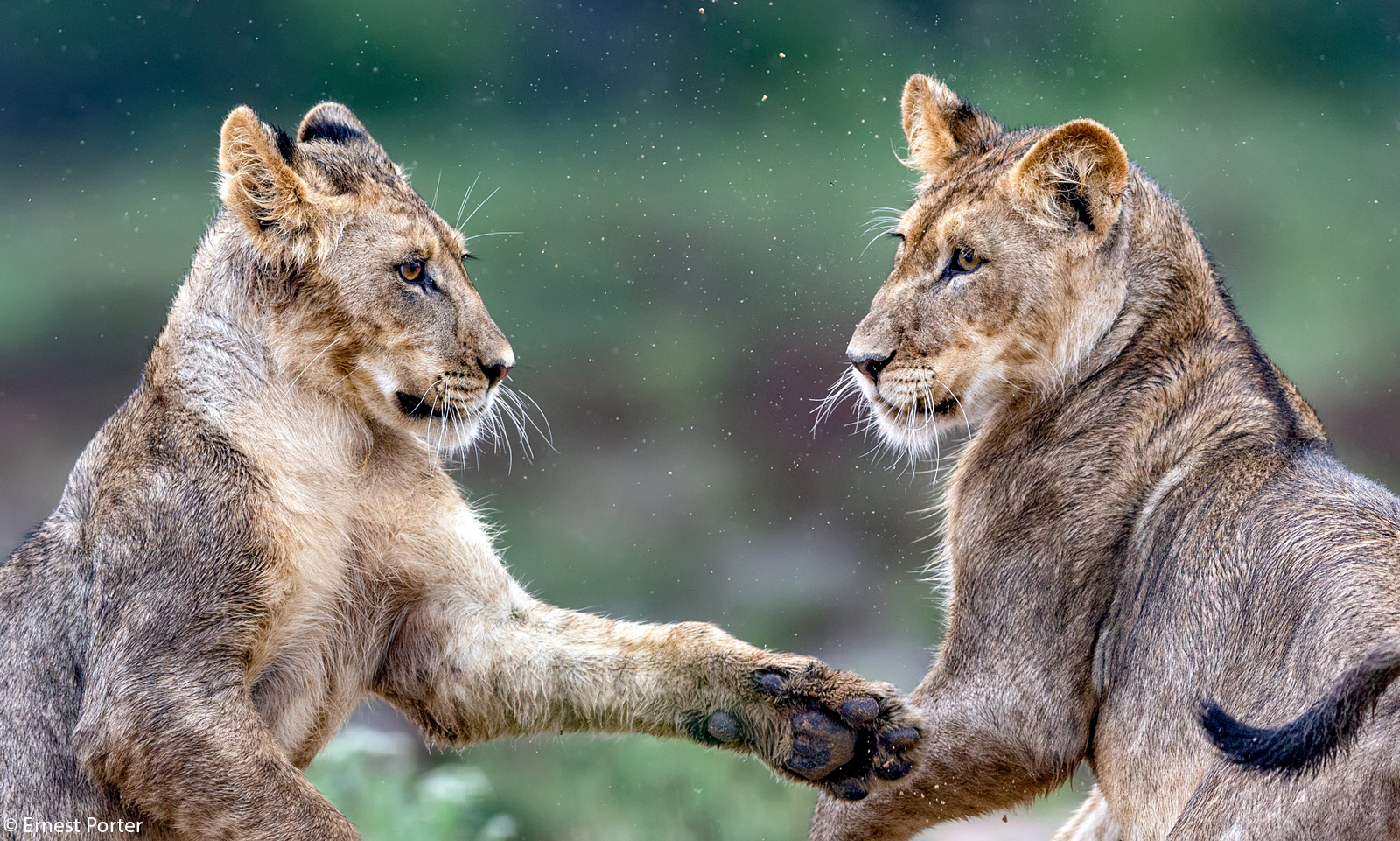
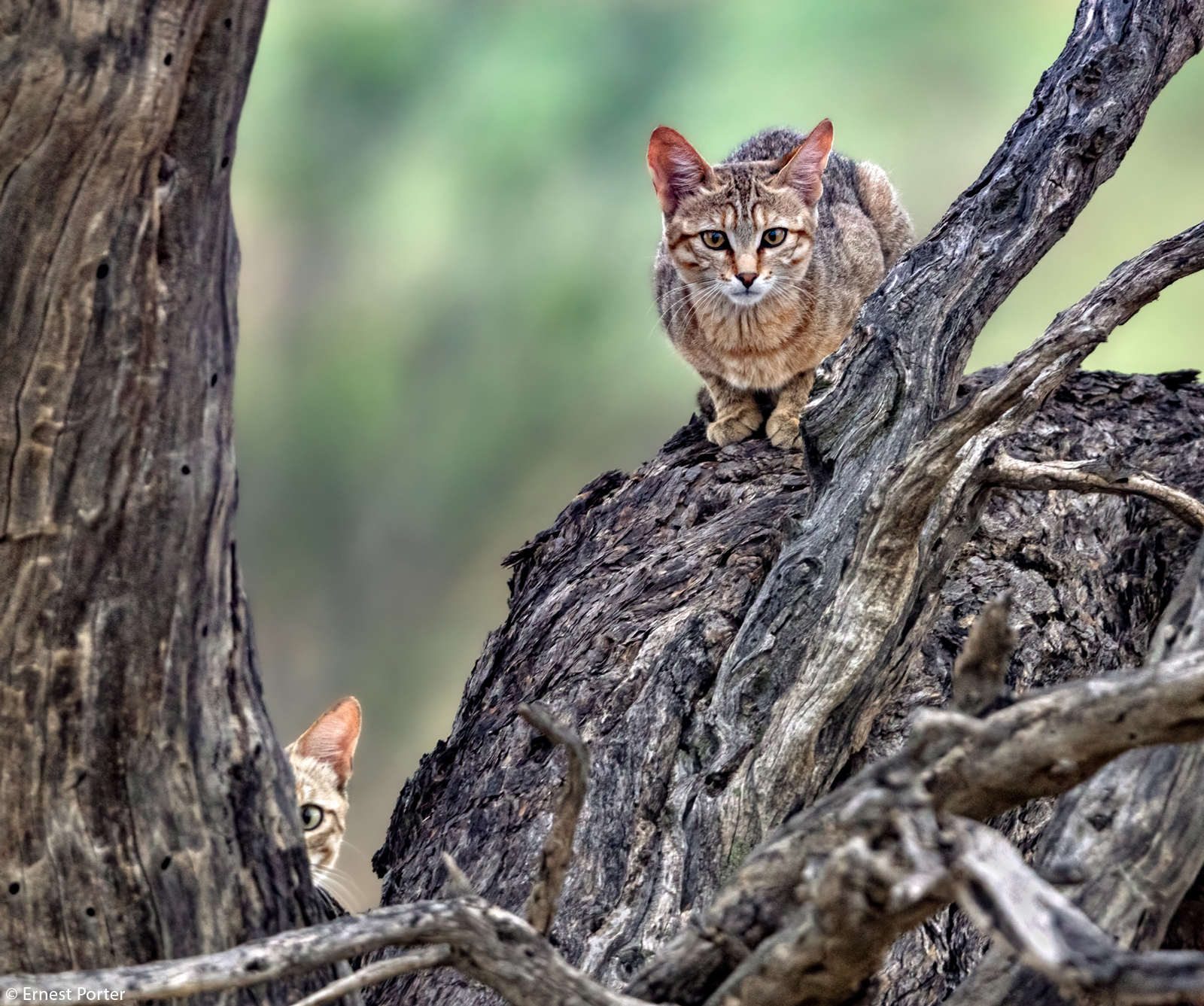
‘Do you think they’ve seen us?’ ‘Yes, quite probably.’ Kgalagadi Transfrontier Park, South Africa. © Ernest Porter
Africa Geographic Travel
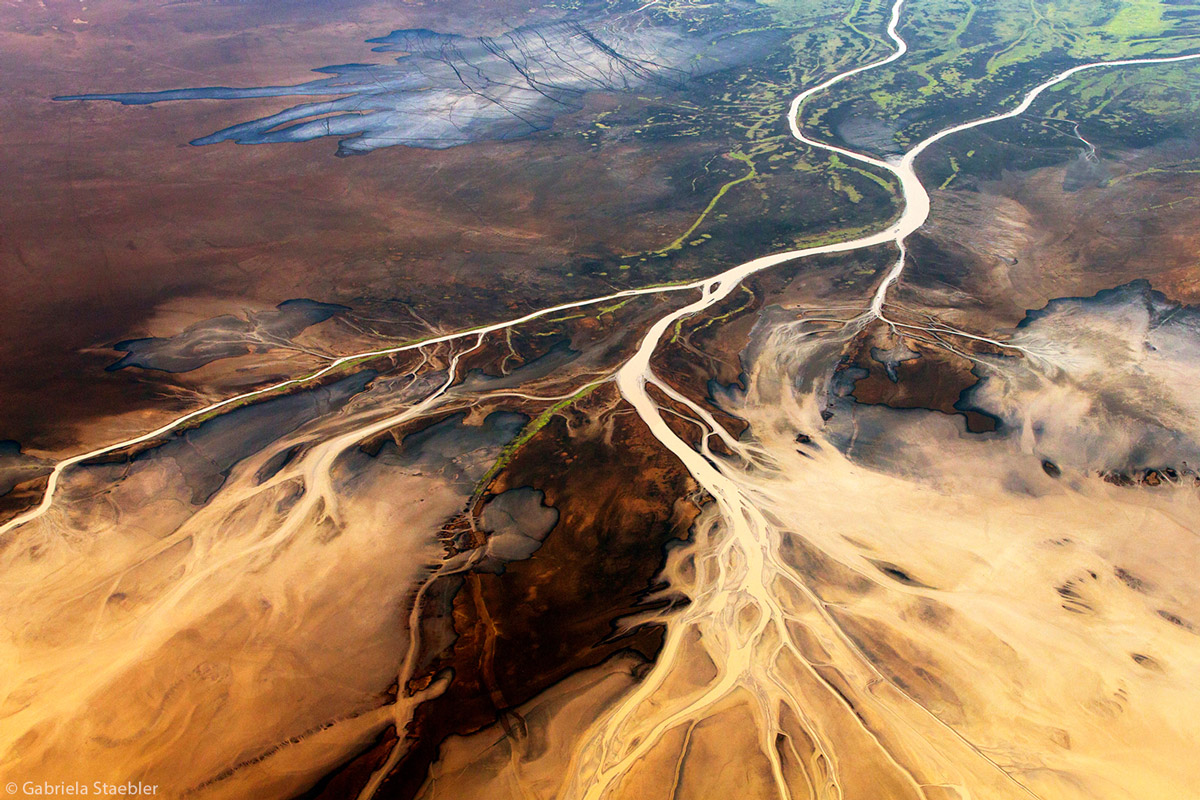
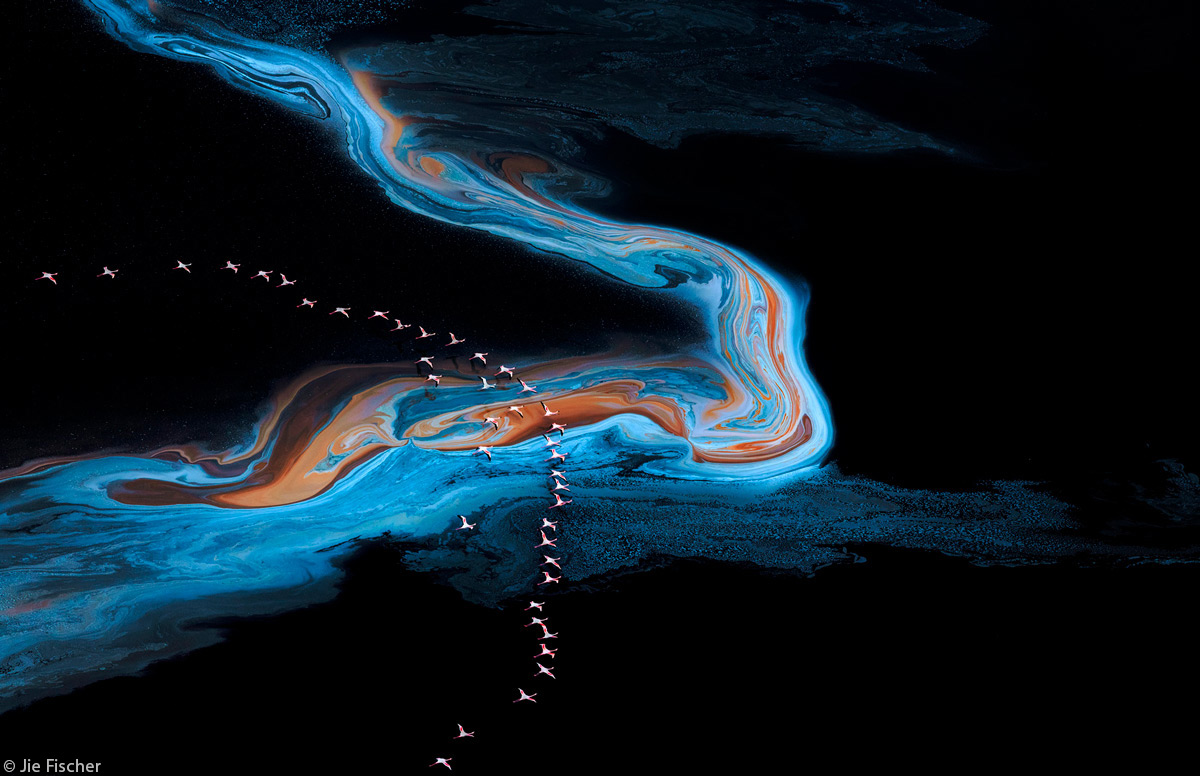
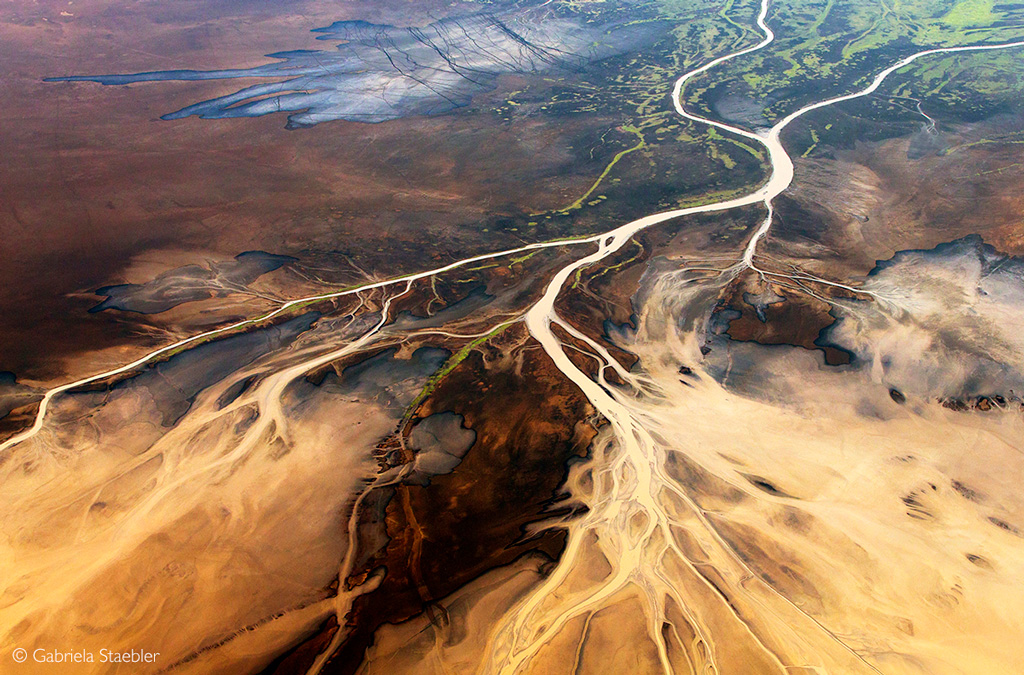
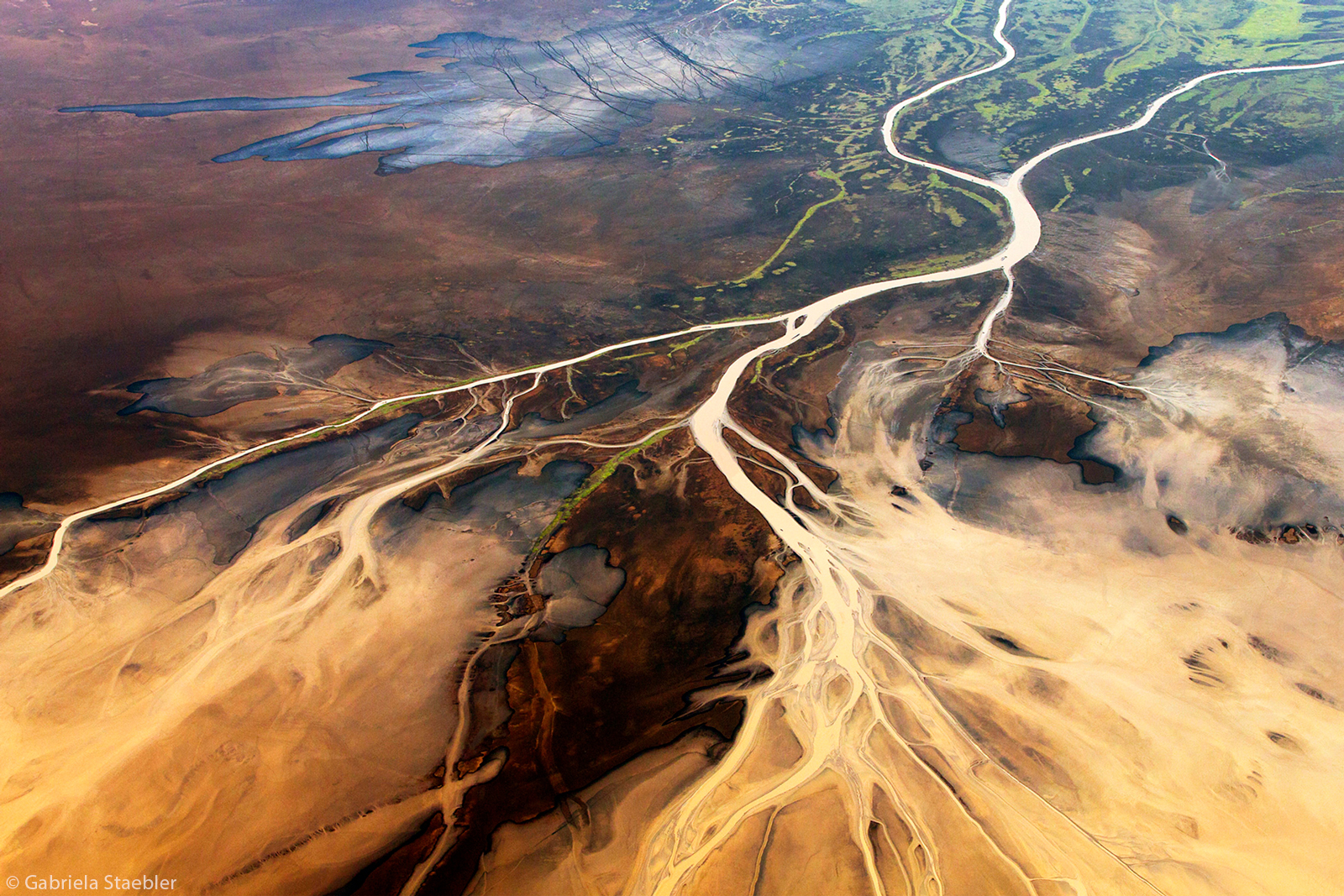
Flight over Tanzania’s Lake Manyara National Park with its meandering rivers and animal tracks. © Gabriela Staebler
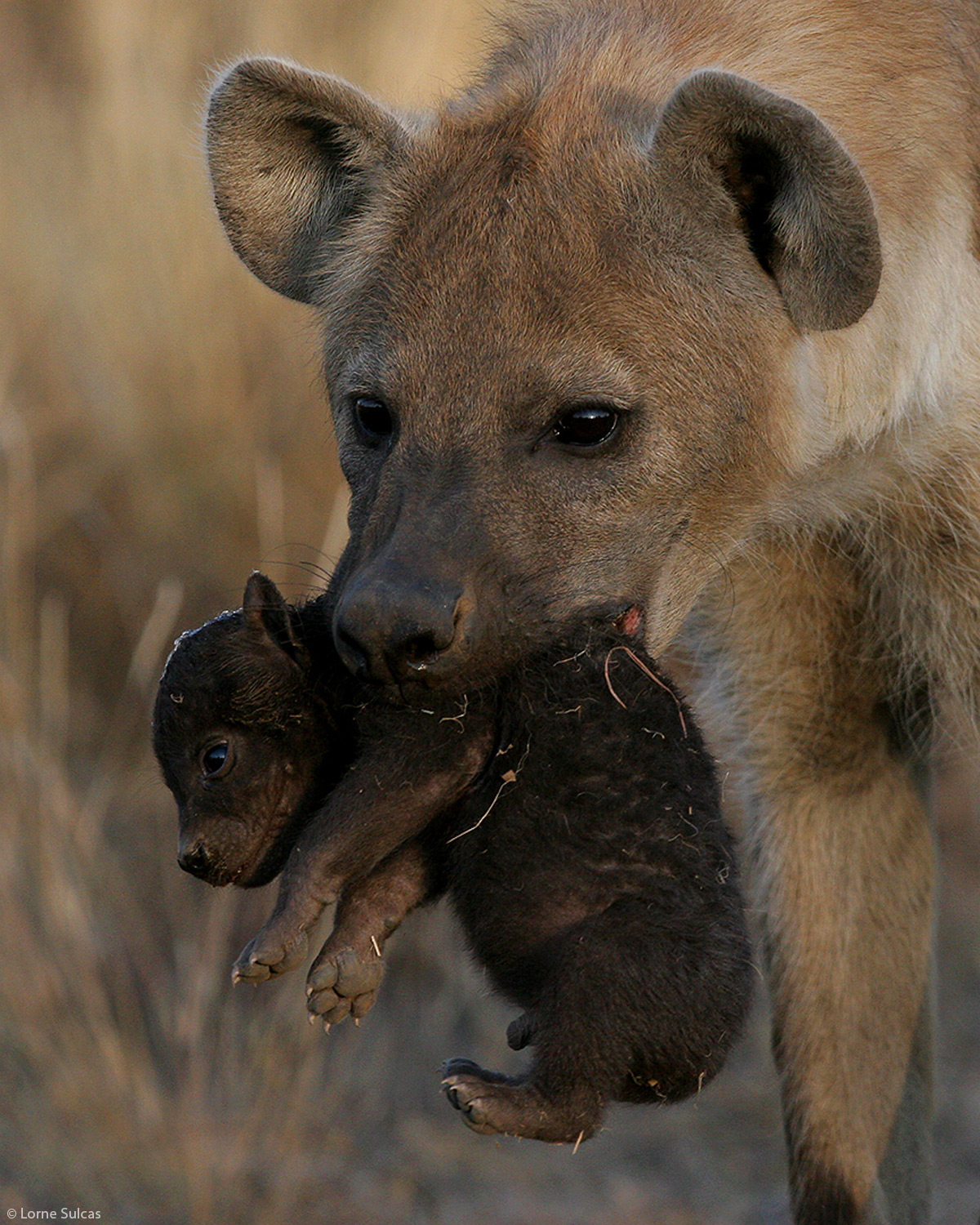
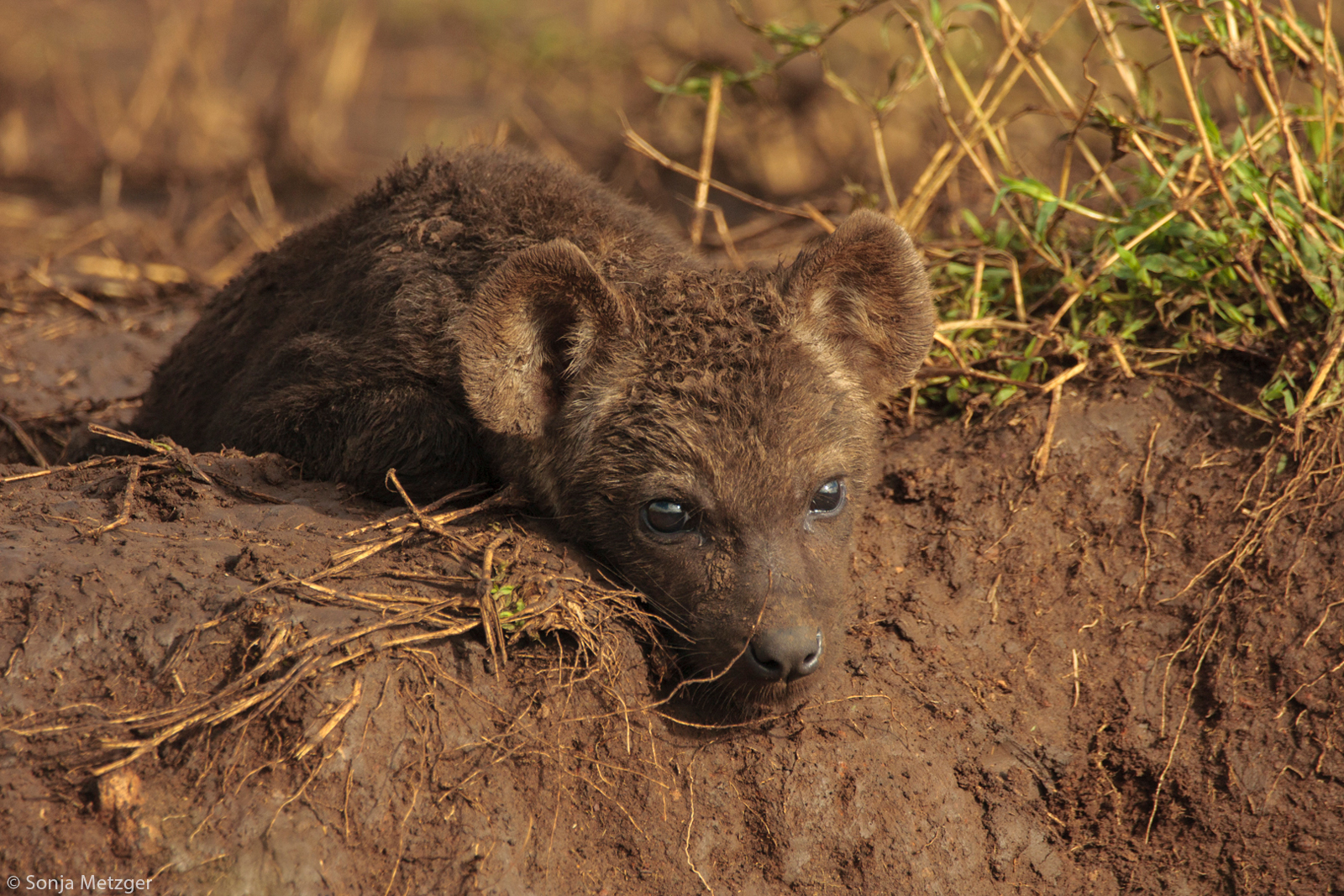
Patient spotted hyena cub waiting for its mum. Serengeti National Park, Tanzania. © Sonja Metzger
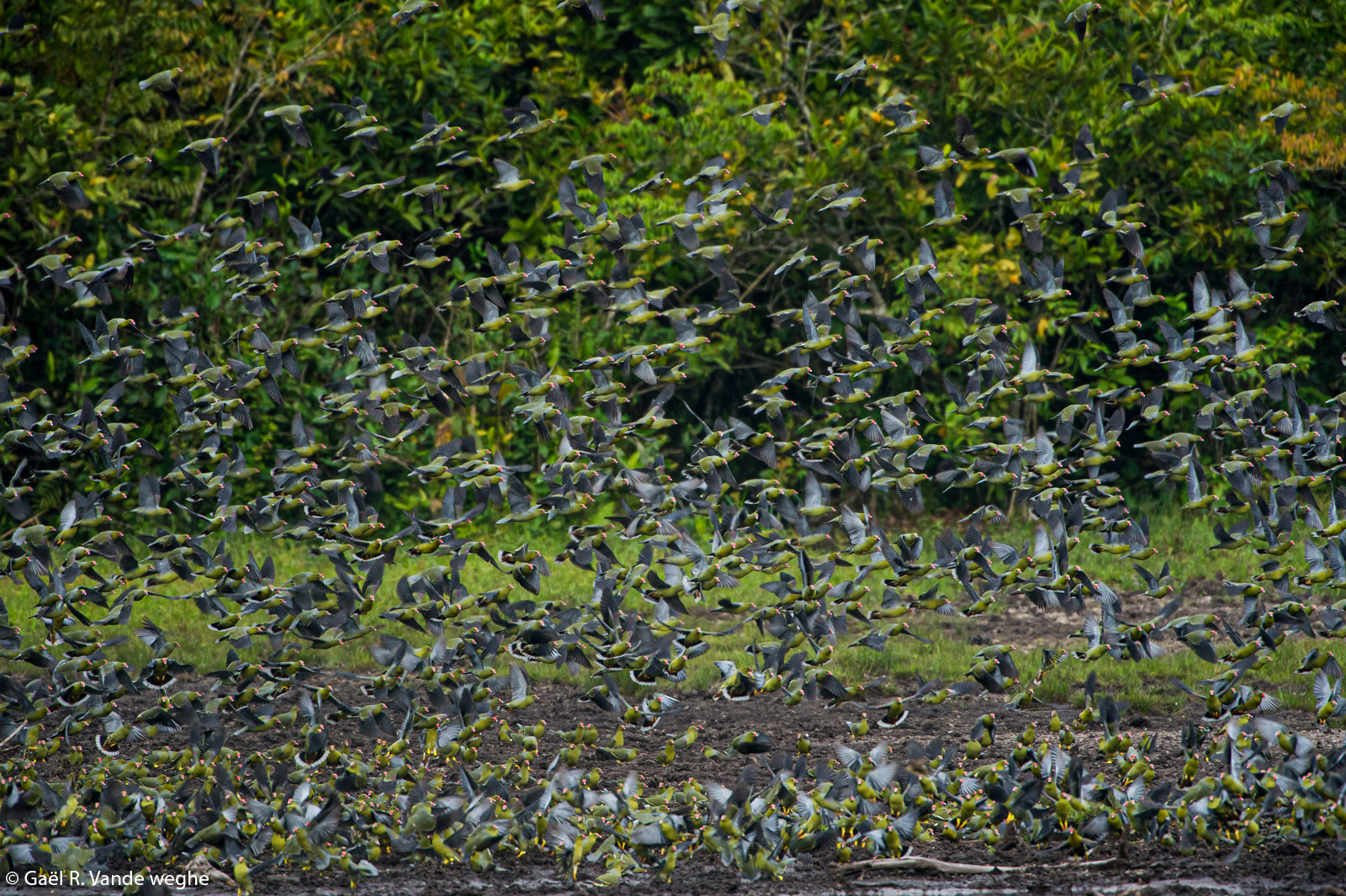
Green pigeons aggregate in spectacular groups on the muddy grounds around the bai. Lango Baï, Odzala-Kokoua National Park, Republic of the Congo. © Gaël R. Vande weghe
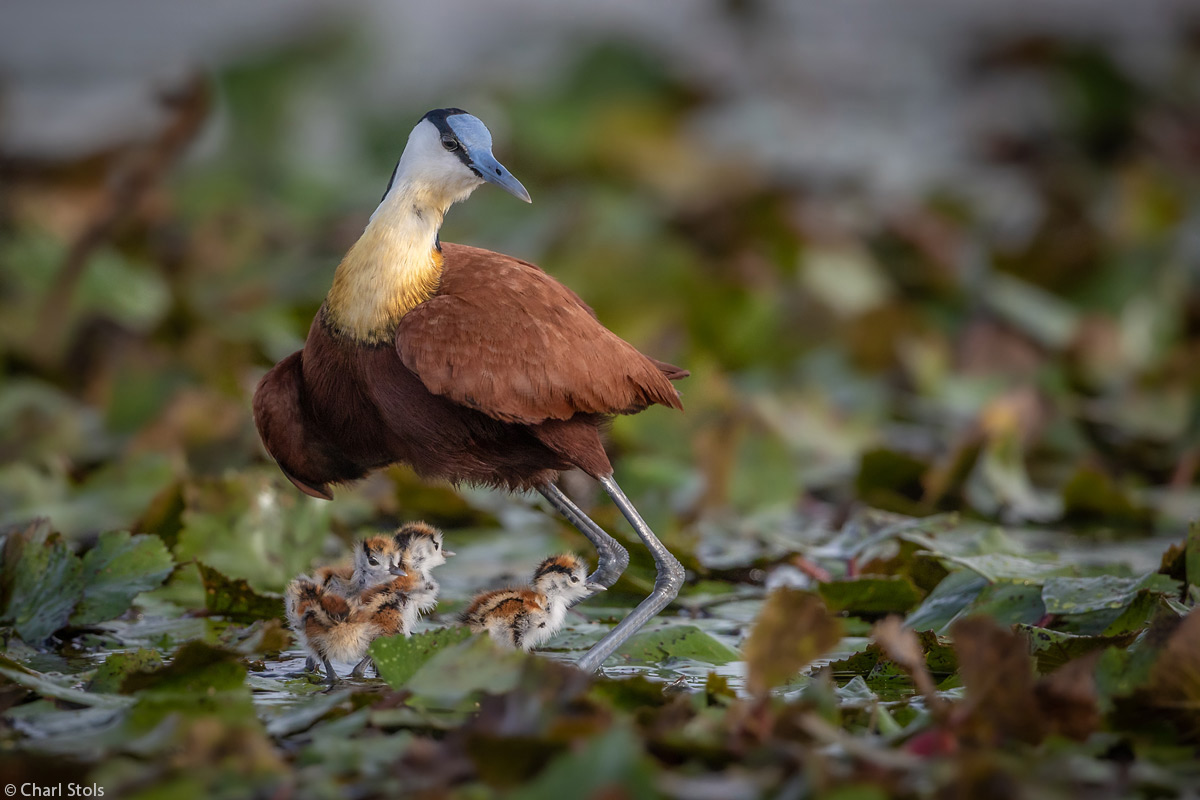
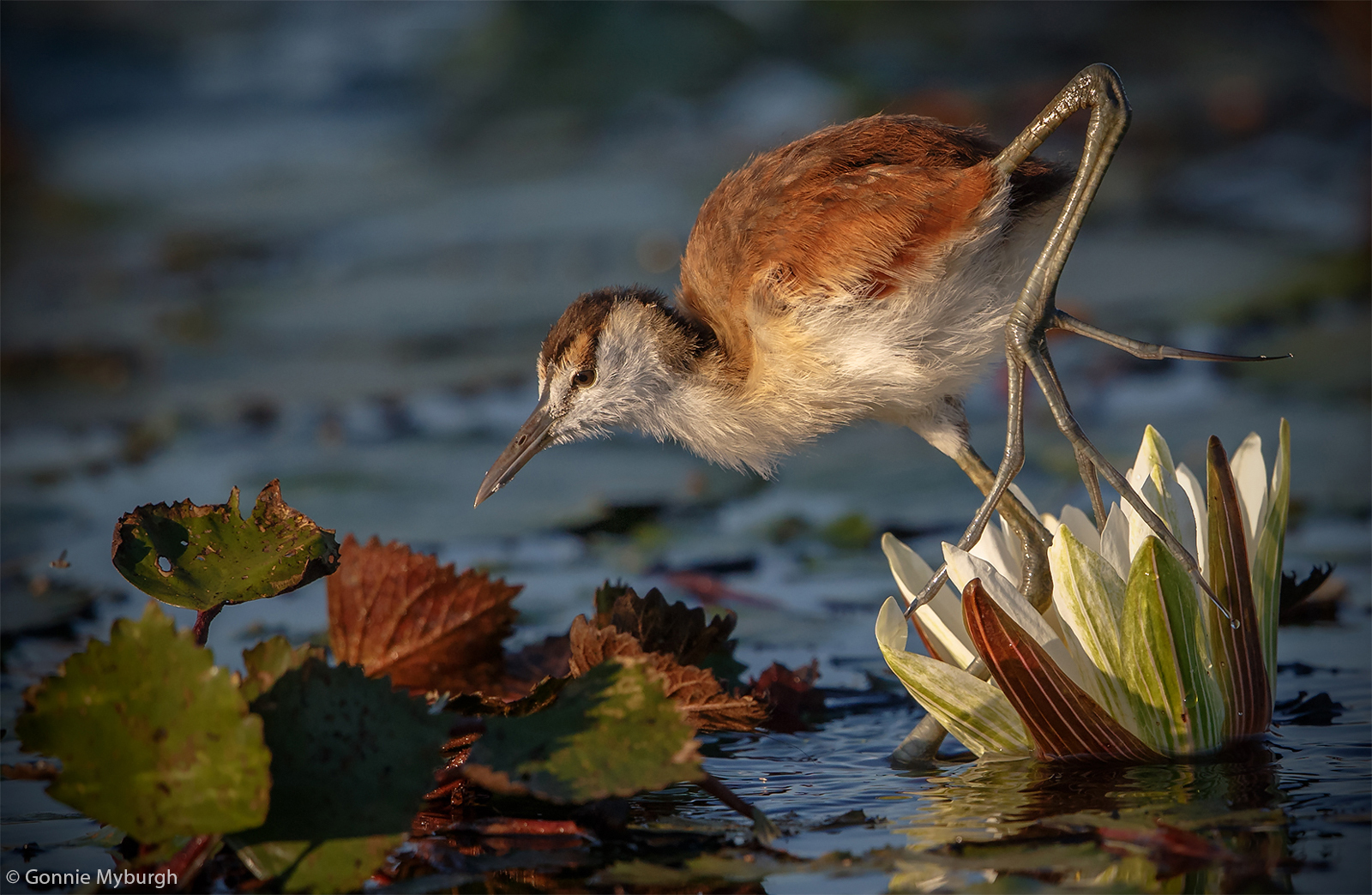
African jacana chick learning to use its outlandish toes. Chobe National Park, Botswana. © Gonnie Myburgh
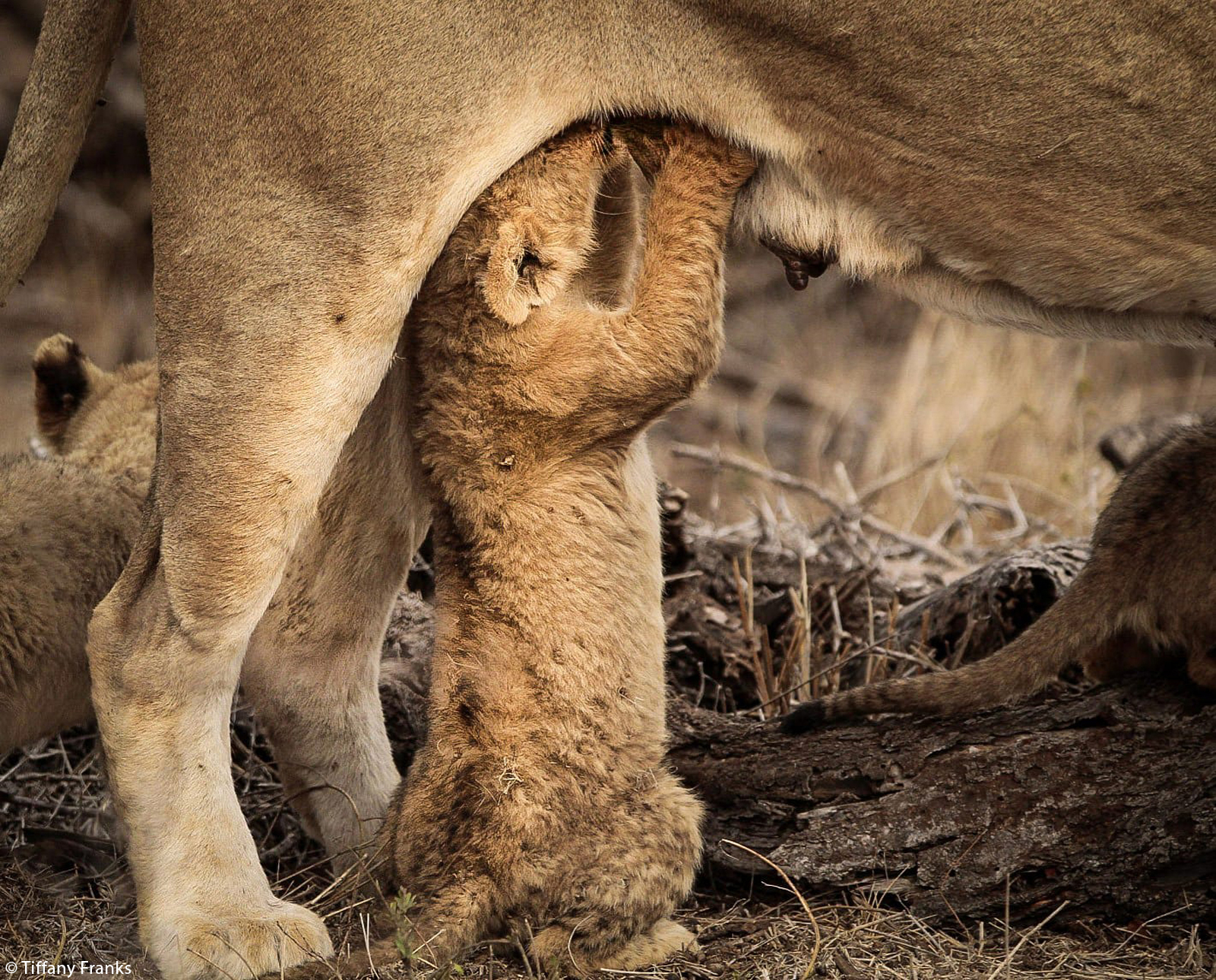
Drinking on the move. Kruger National Park, South Africa. © Tiffany Franks
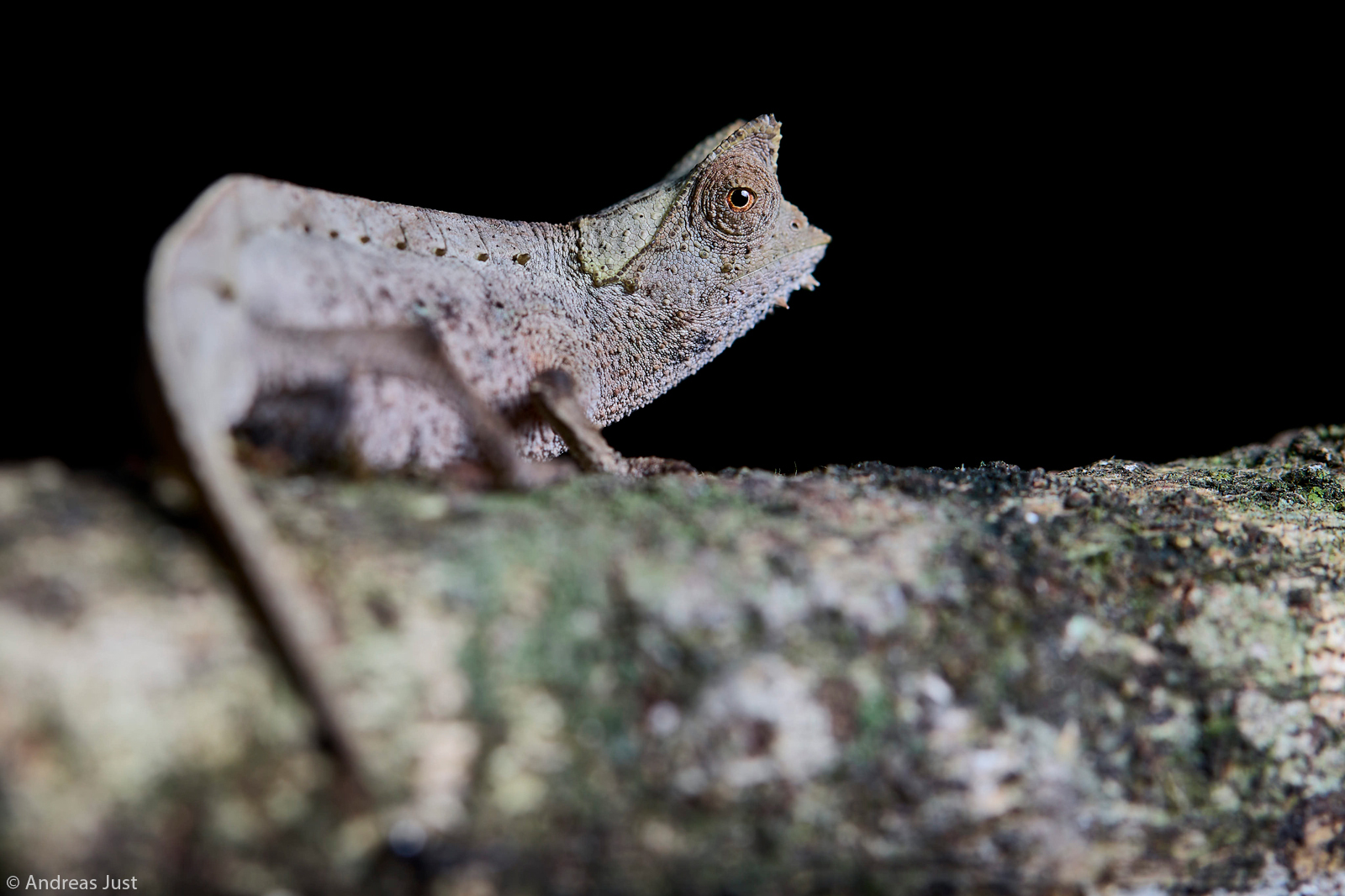
The world’s smallest known reptile – nano-chameleon or Brookesia nana. Park V.O.I.M.M.A. Community Park, Andasibe, Madagascar. © Andreas Just
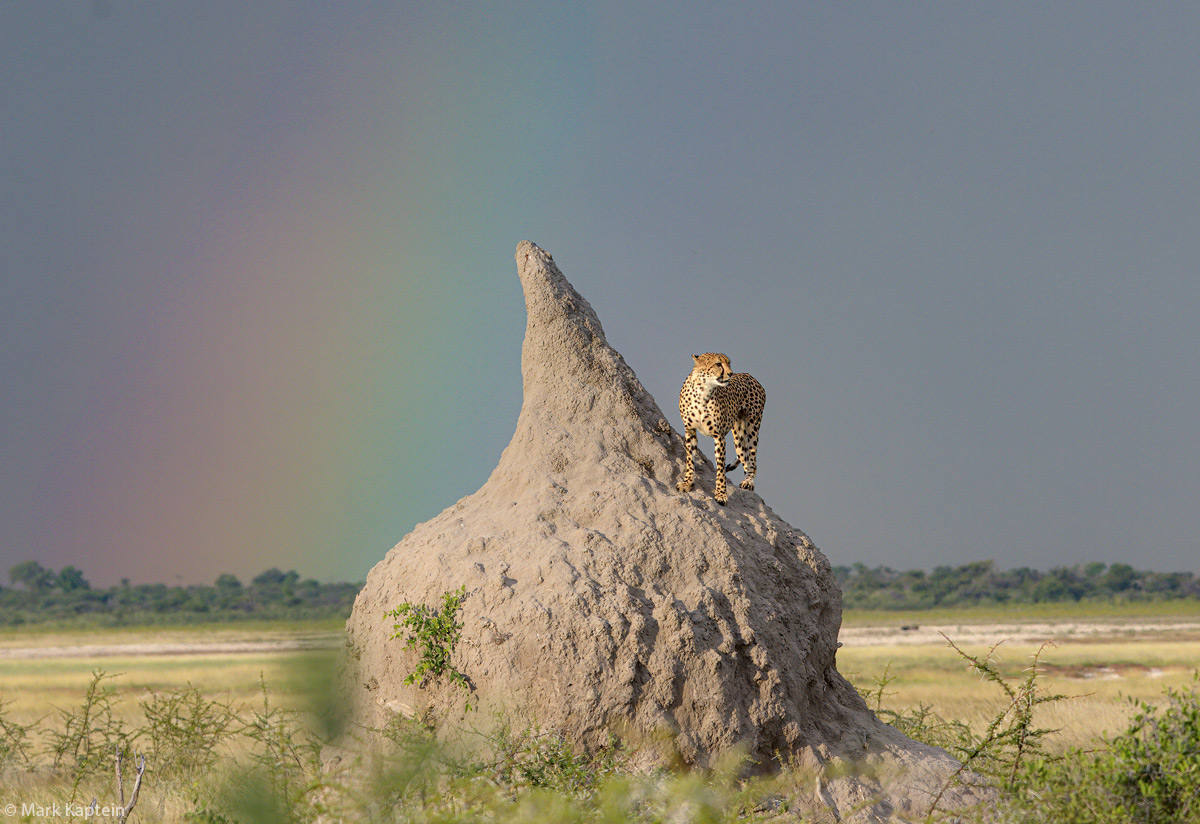
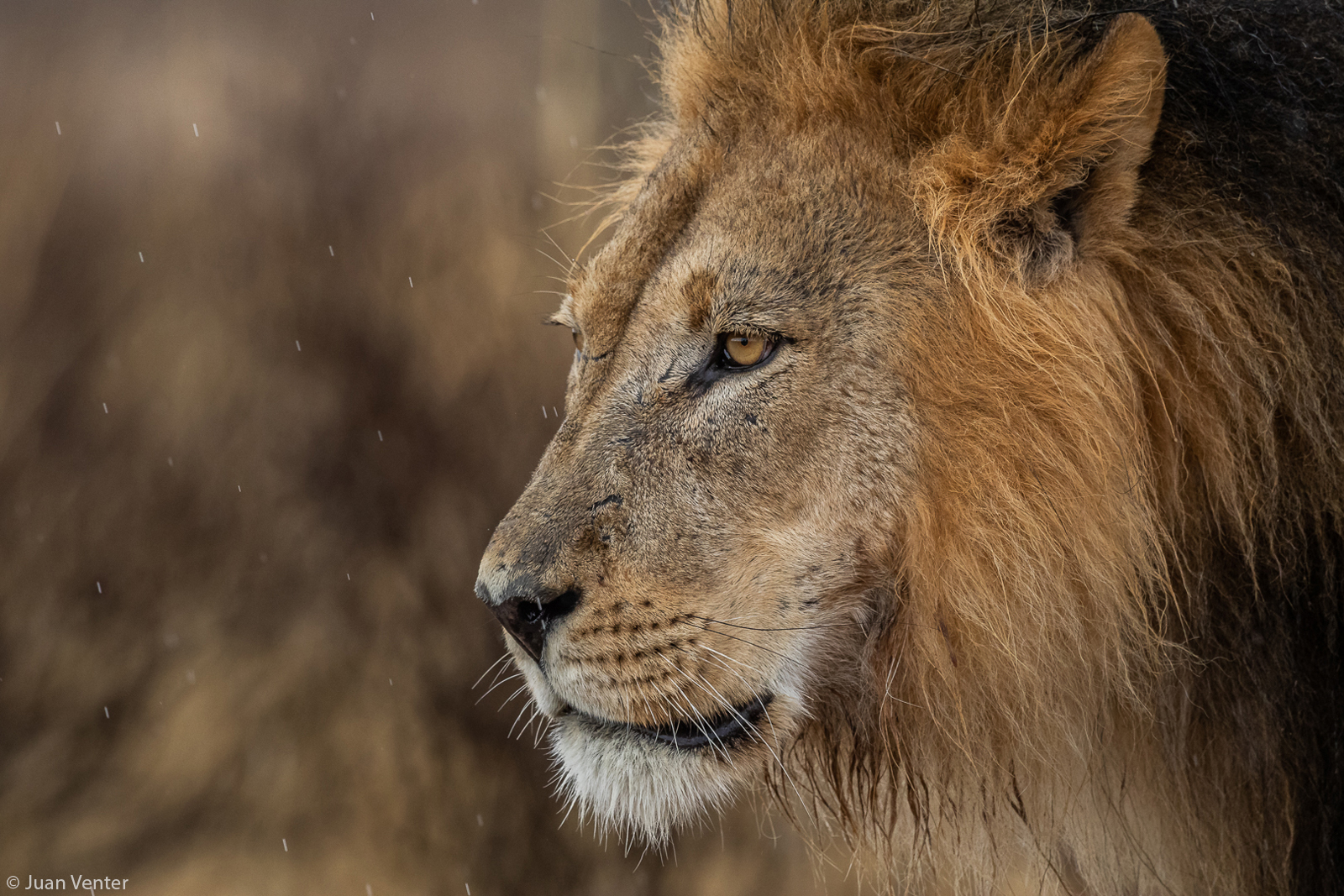
Unimpressed with the desert rain. Kgalagadi Transfrontier Park, South Africa. © Juan Venter
Africa Geographic Travel
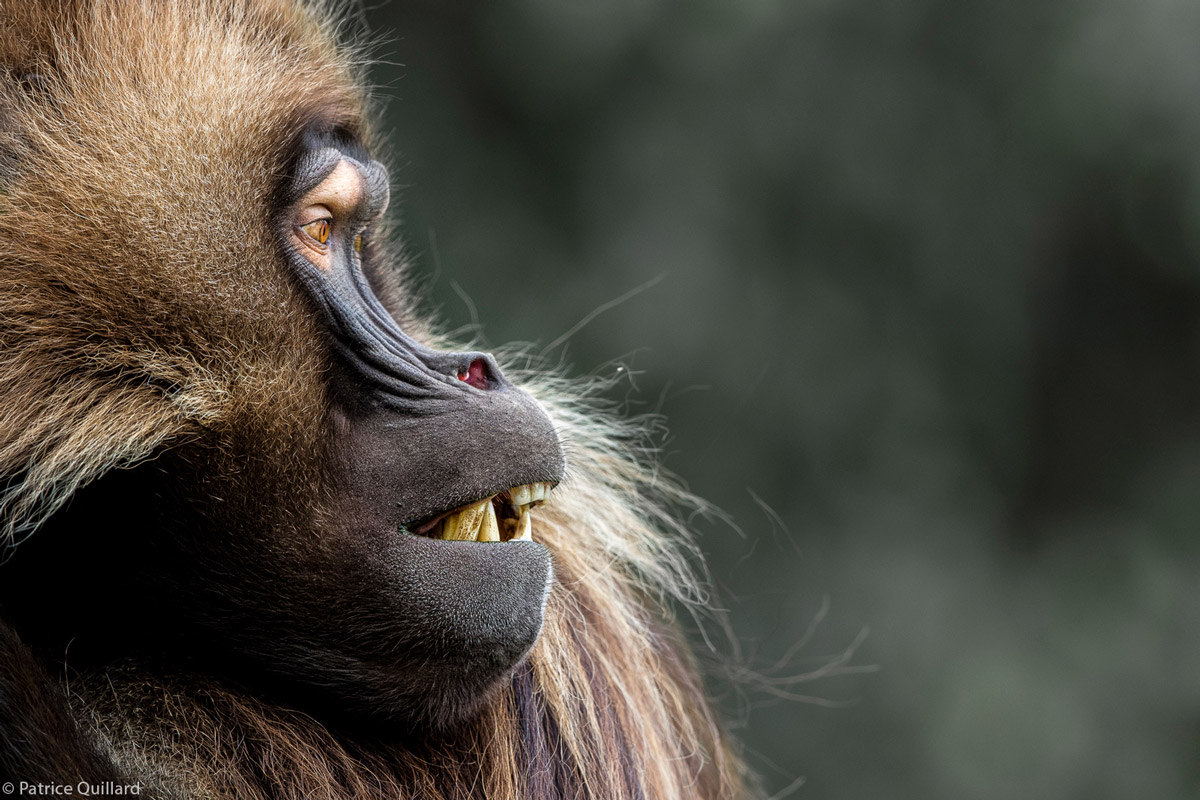
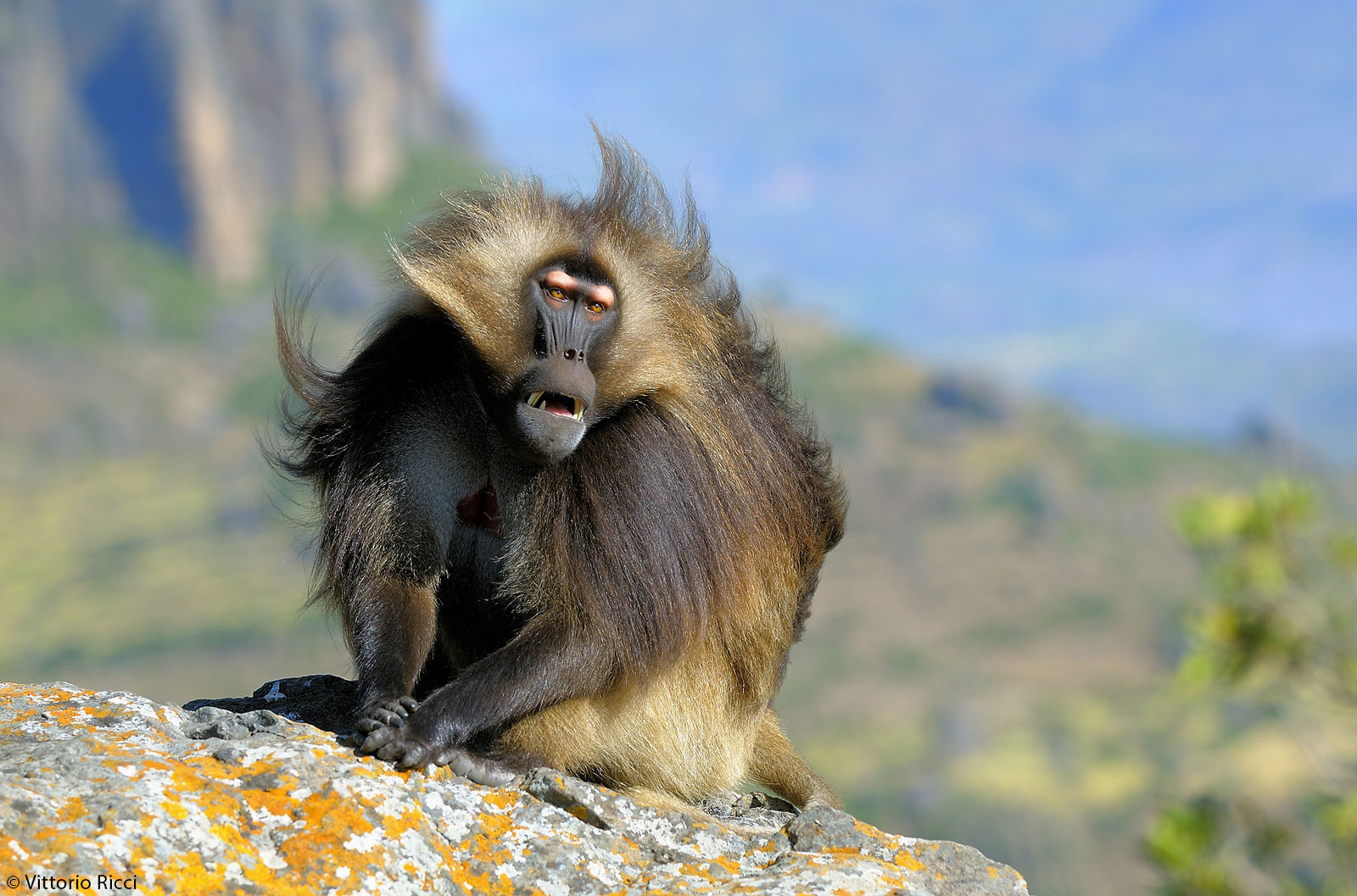
A male gelada demonstrates annoyance. Debre Libanos, Ethiopia. © Vittorio Ricci
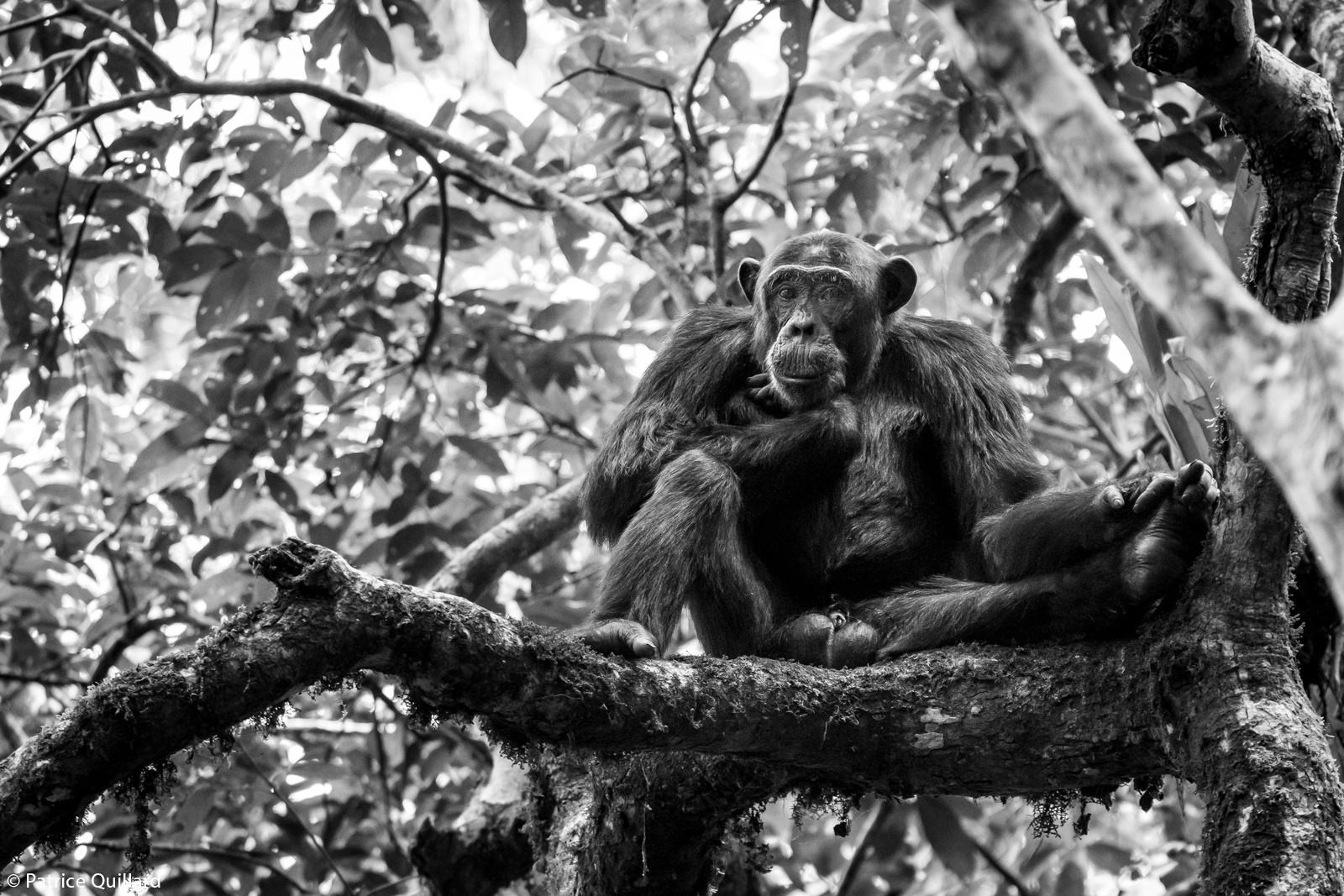
A chimpanzee calmly observes his human relatives. Budongo Central Forest Reserve, Uganda. © Patrice Quillard
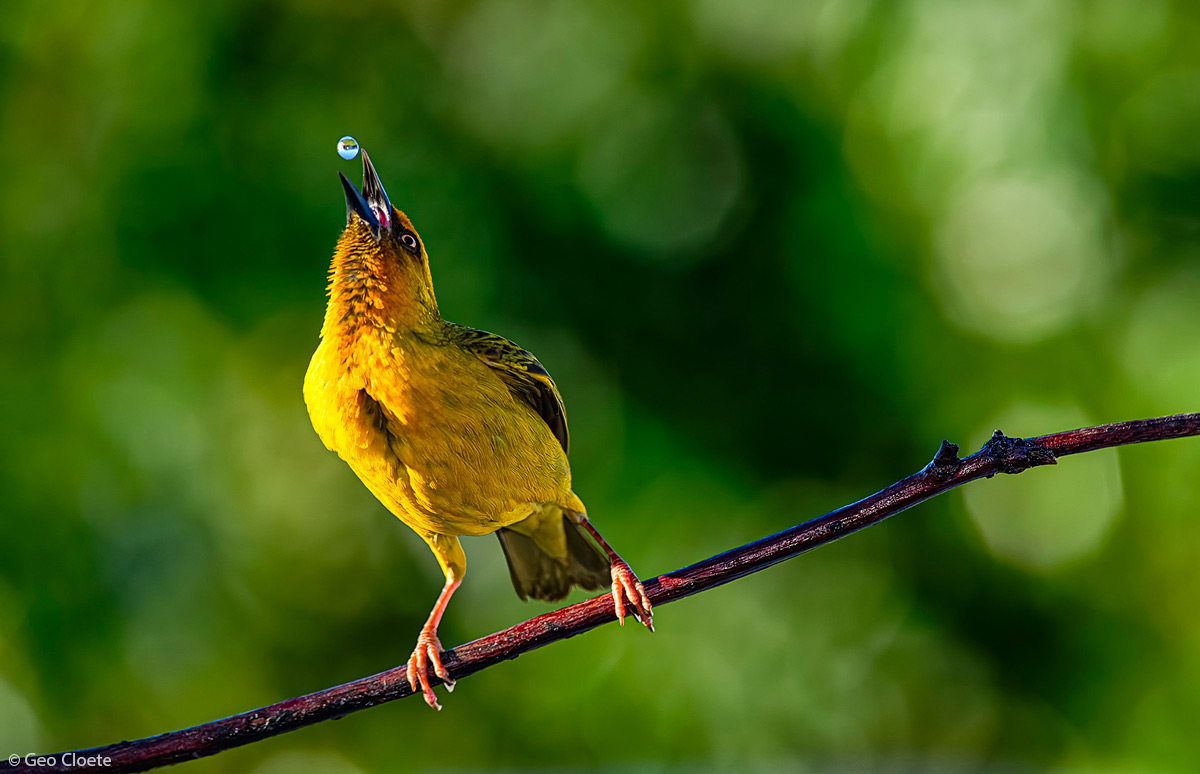
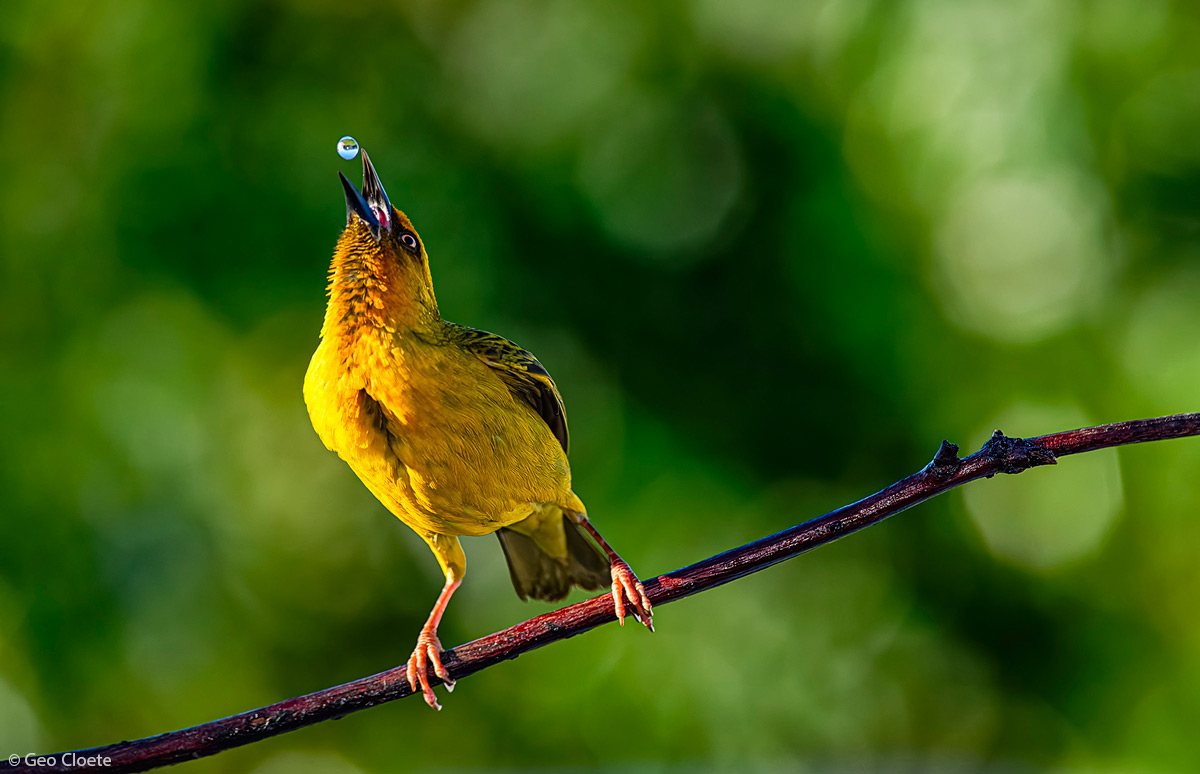
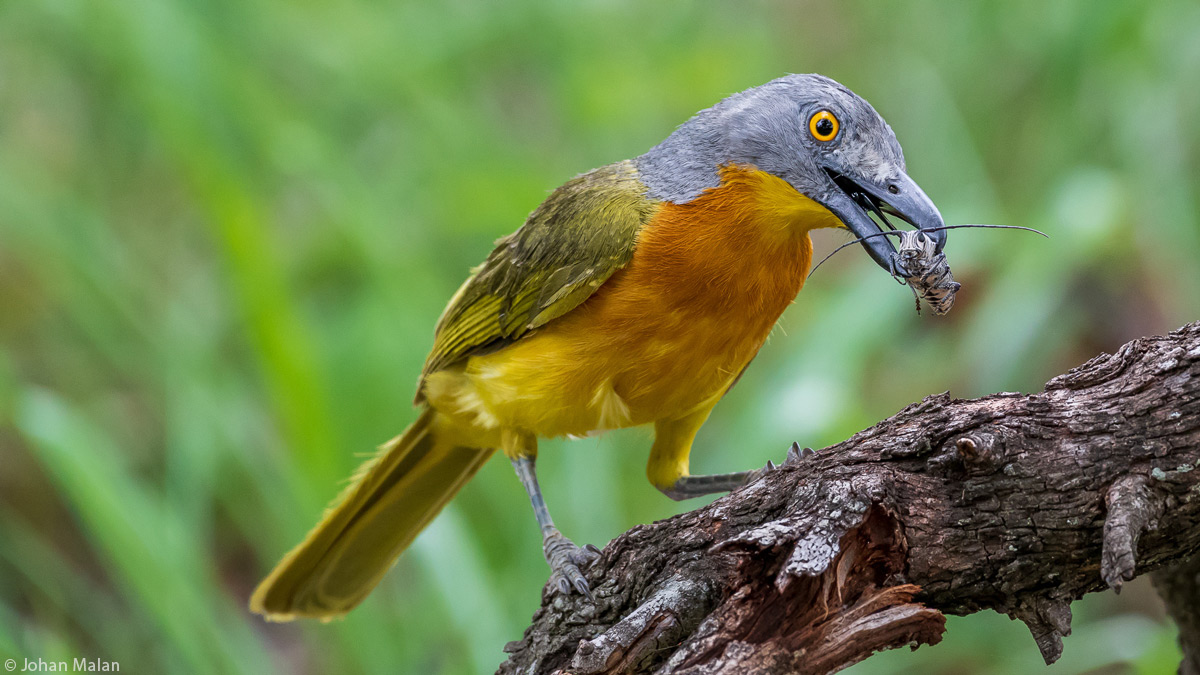
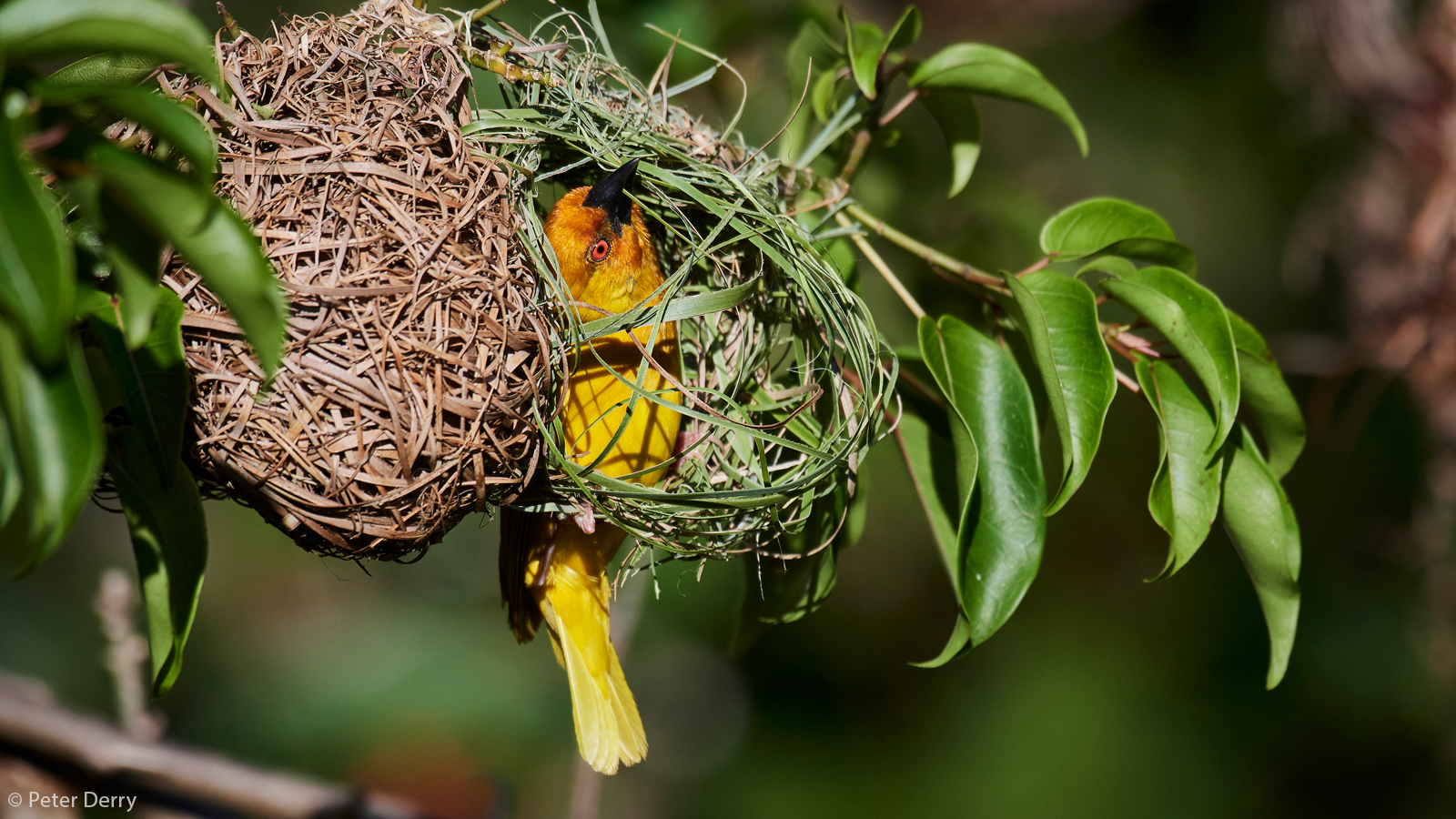
Eastern golden weaver…weaving. Watamu, Kenya. © Peter Derry
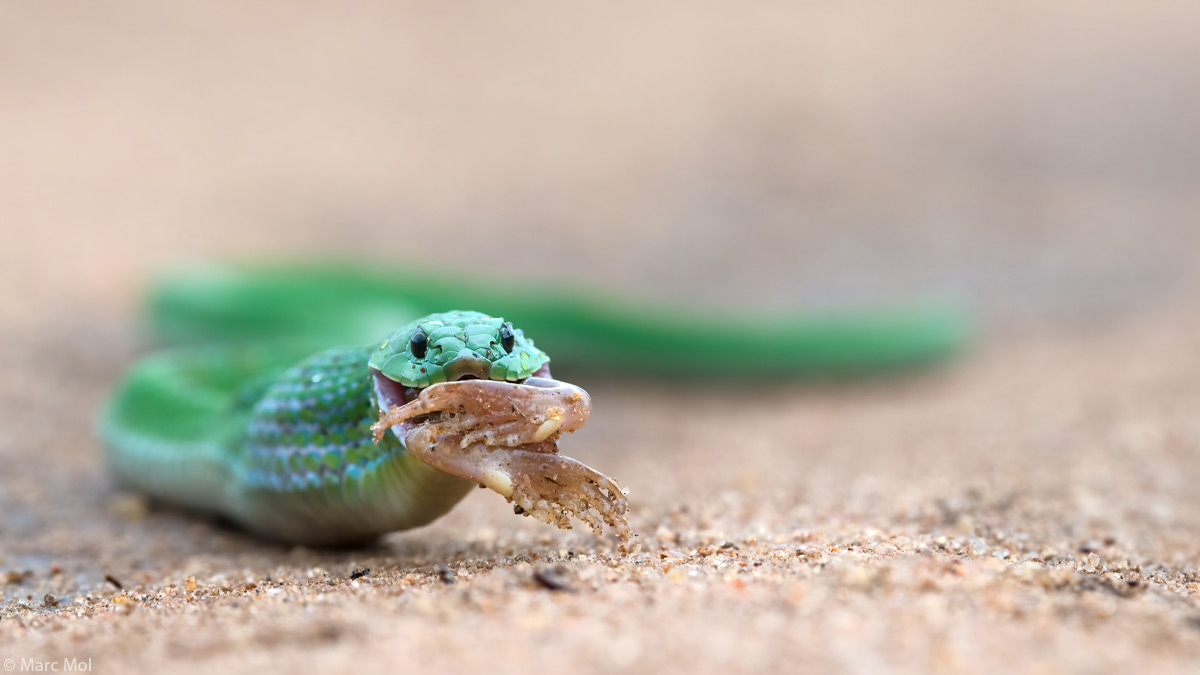
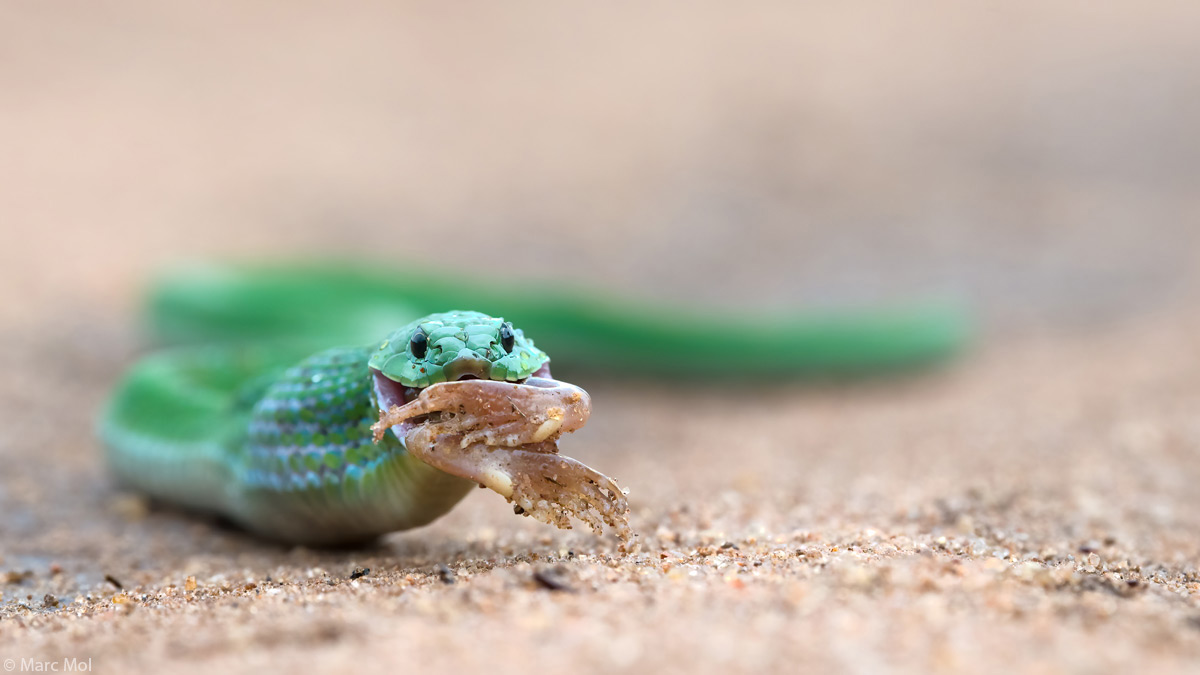
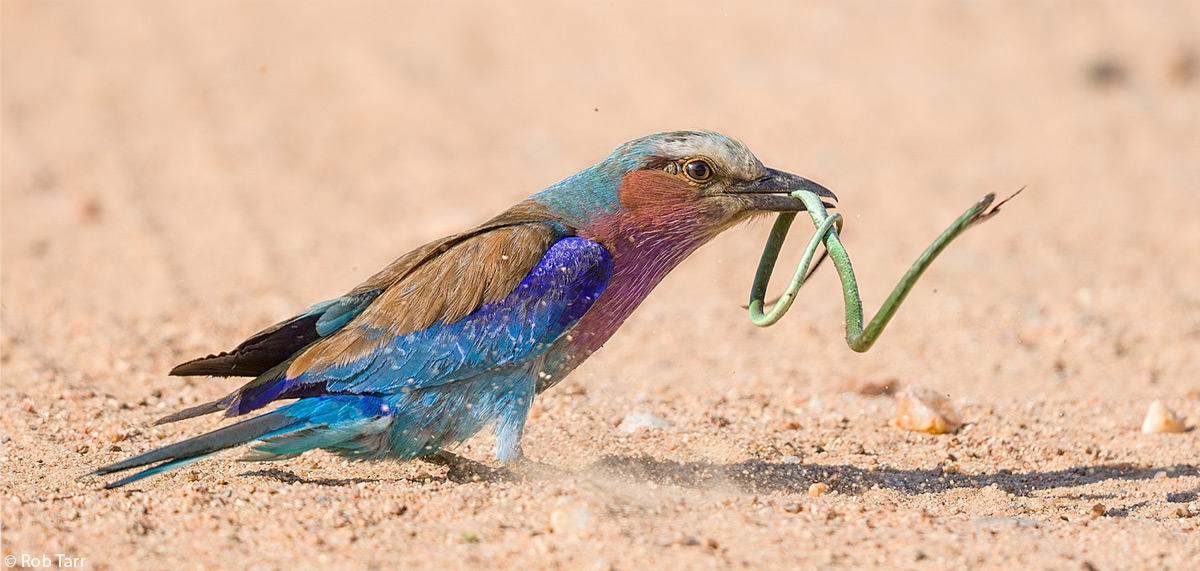
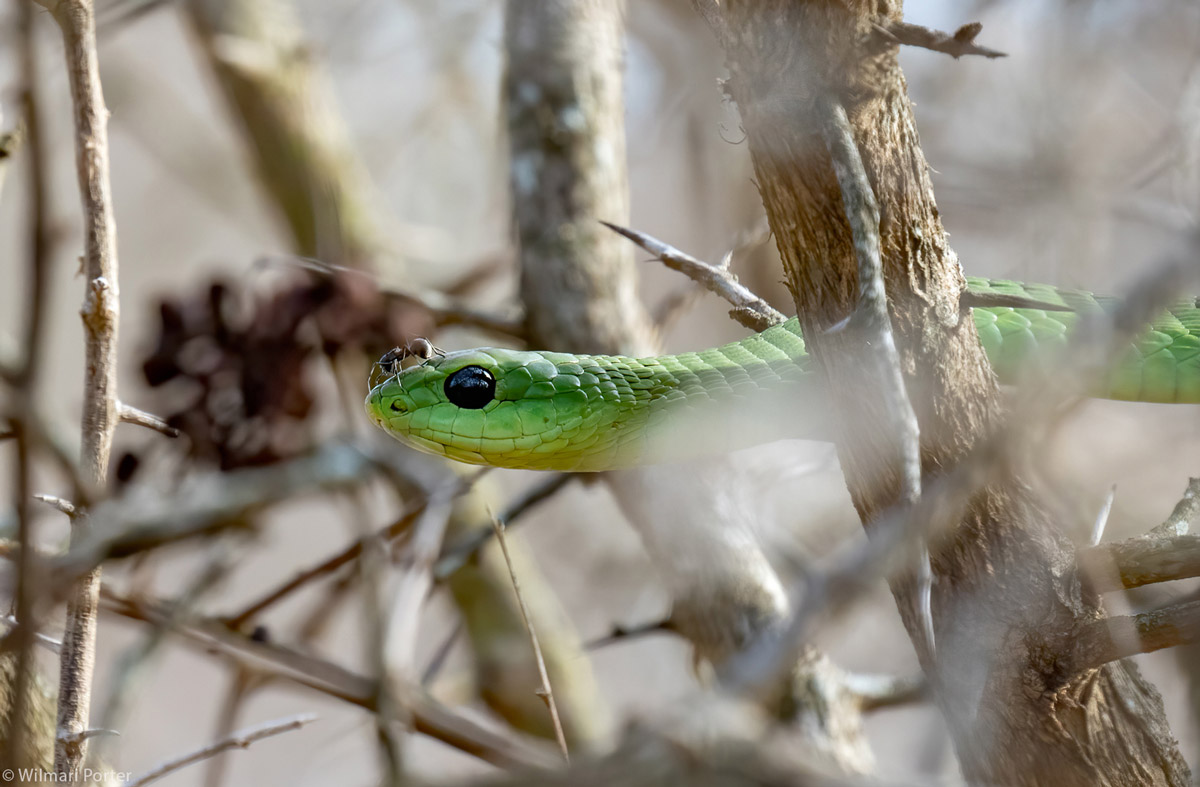
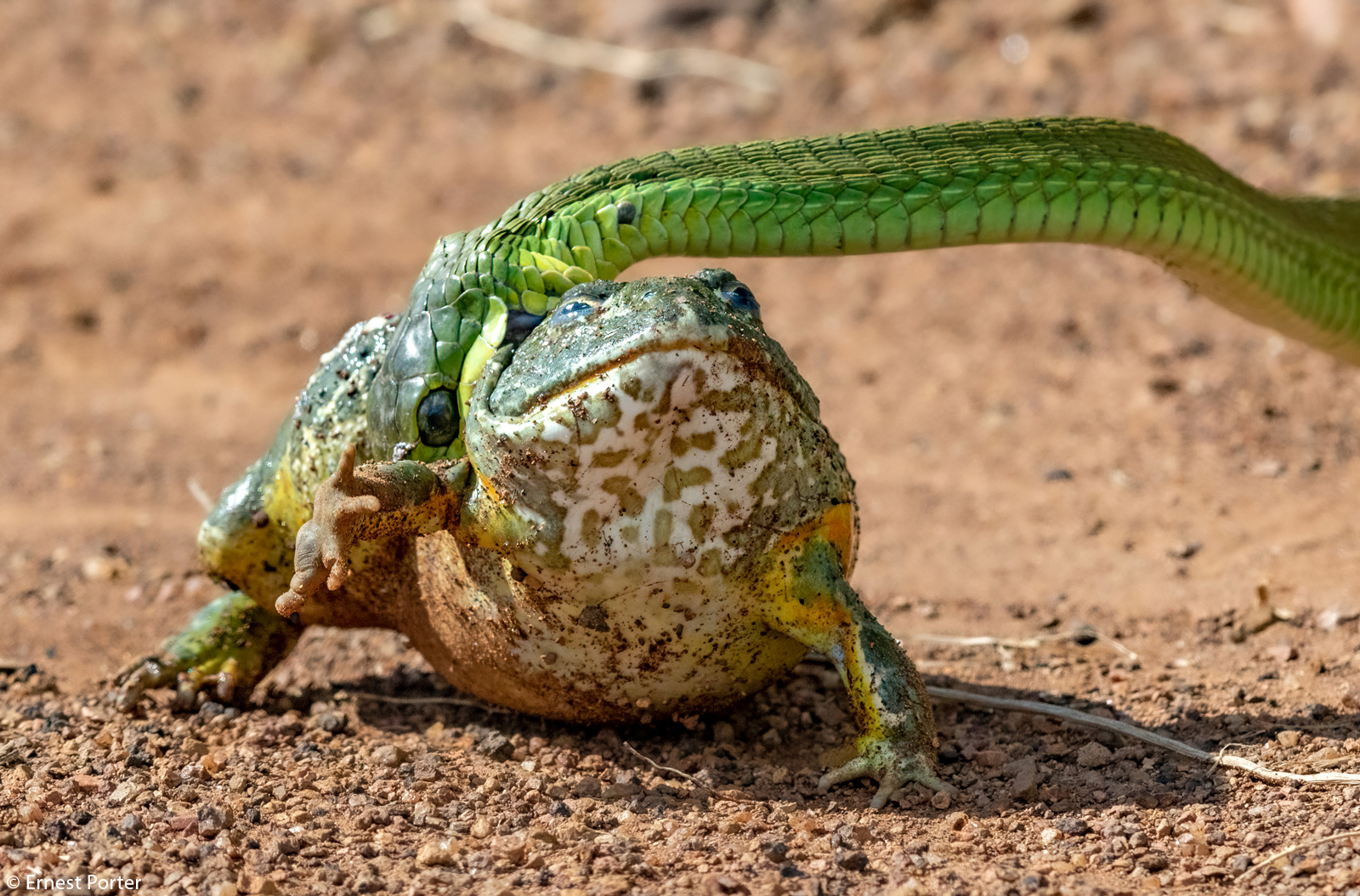
A male boomslang ruins the day for an African bullfrog. Pilanesberg National Park, South Africa. © Ernest Porter
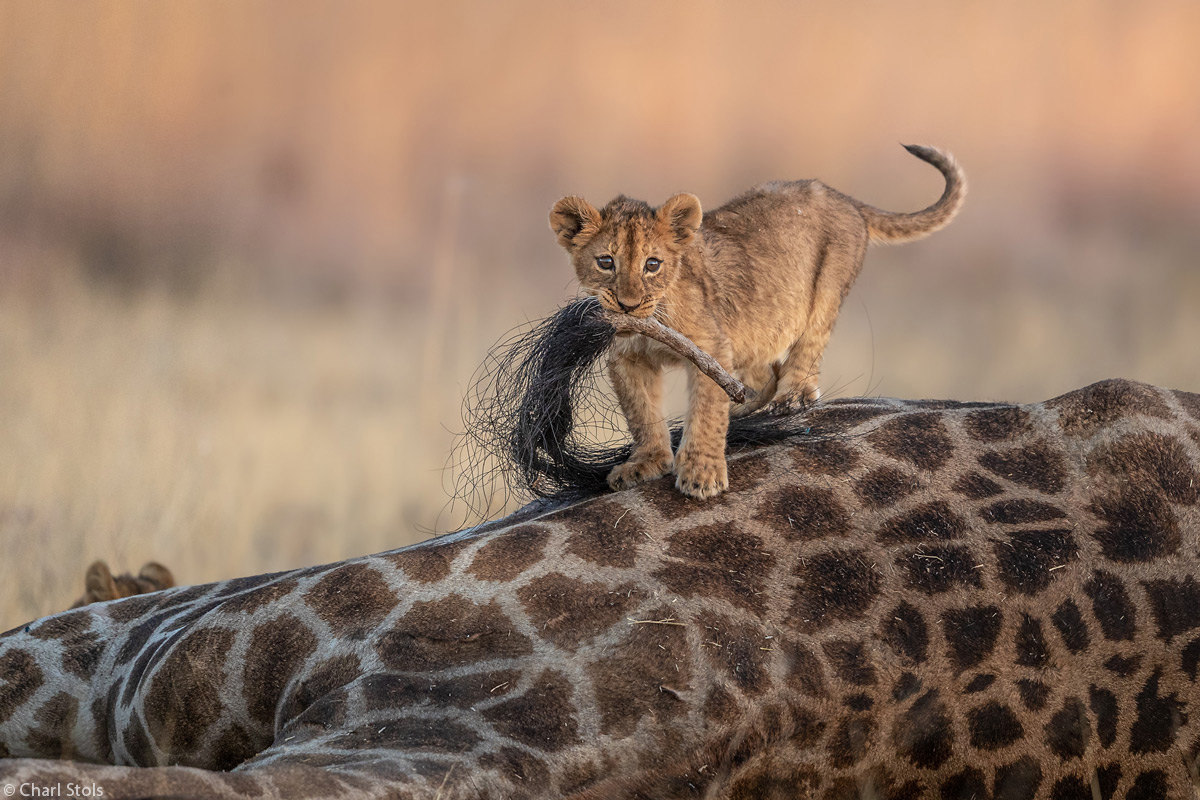
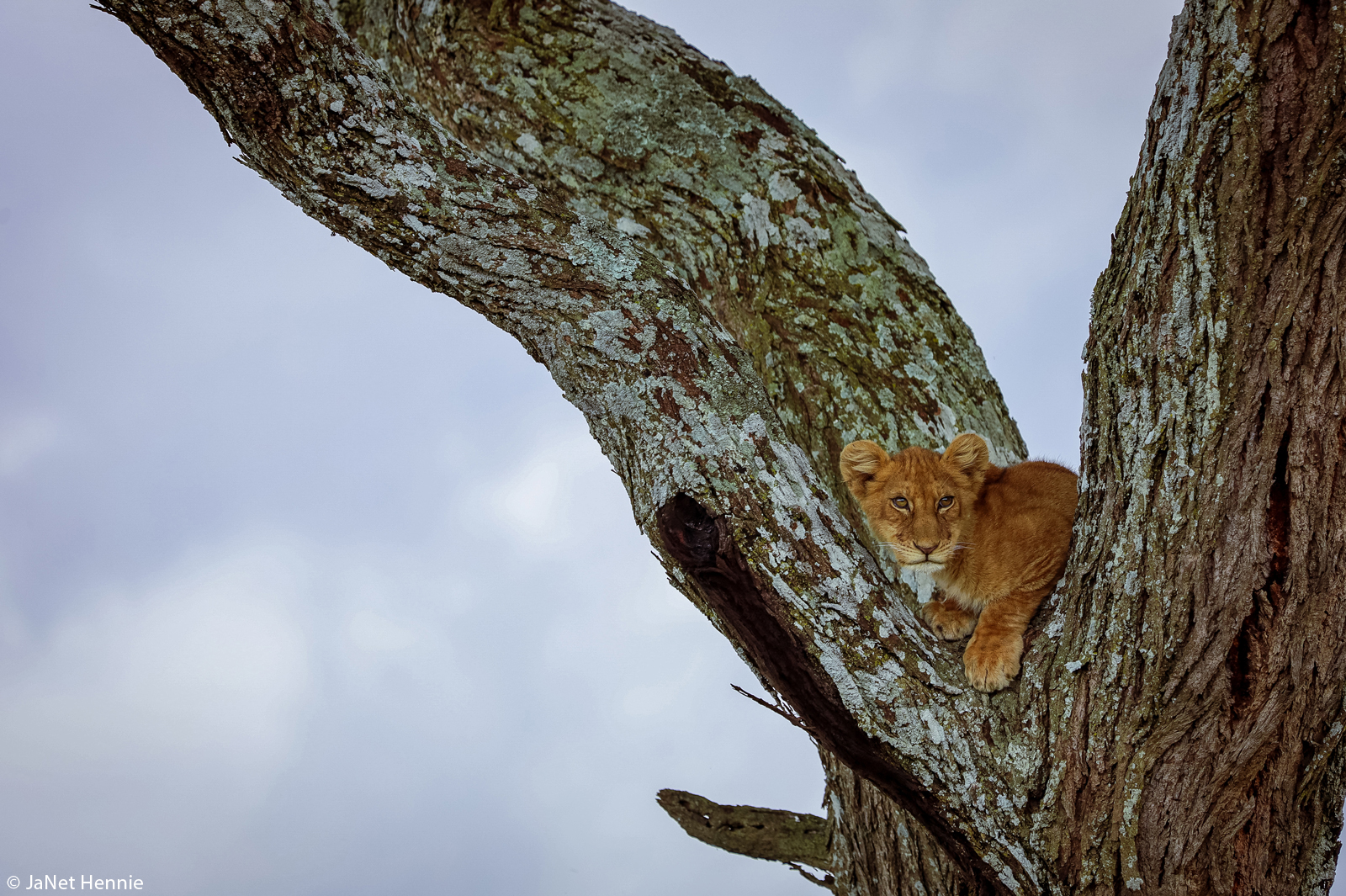
A lion cub waits patiently for its mother, perched about nine feet above the Serengeti plains. Serengeti National Park, Tanzania. © JaNet Hennie
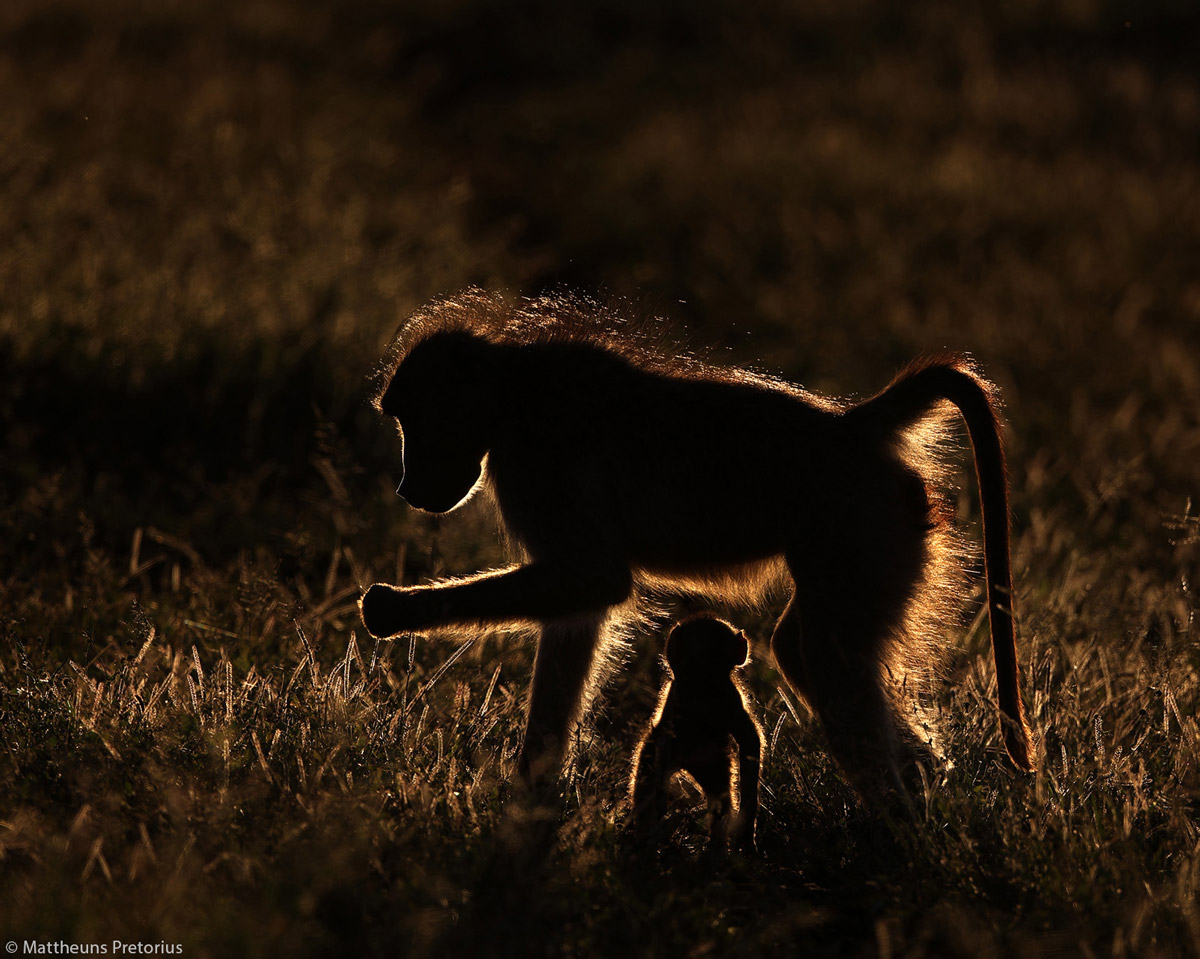
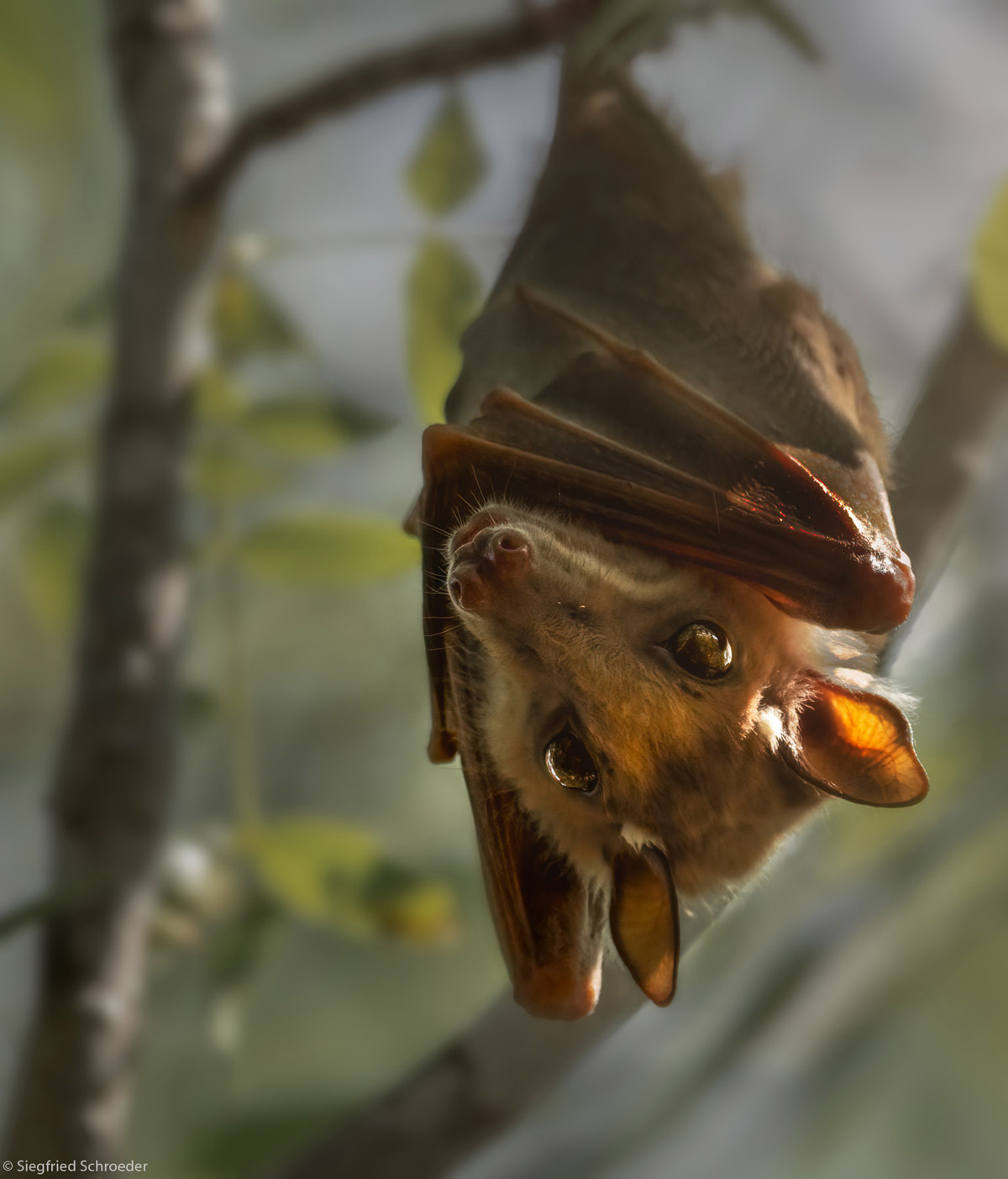
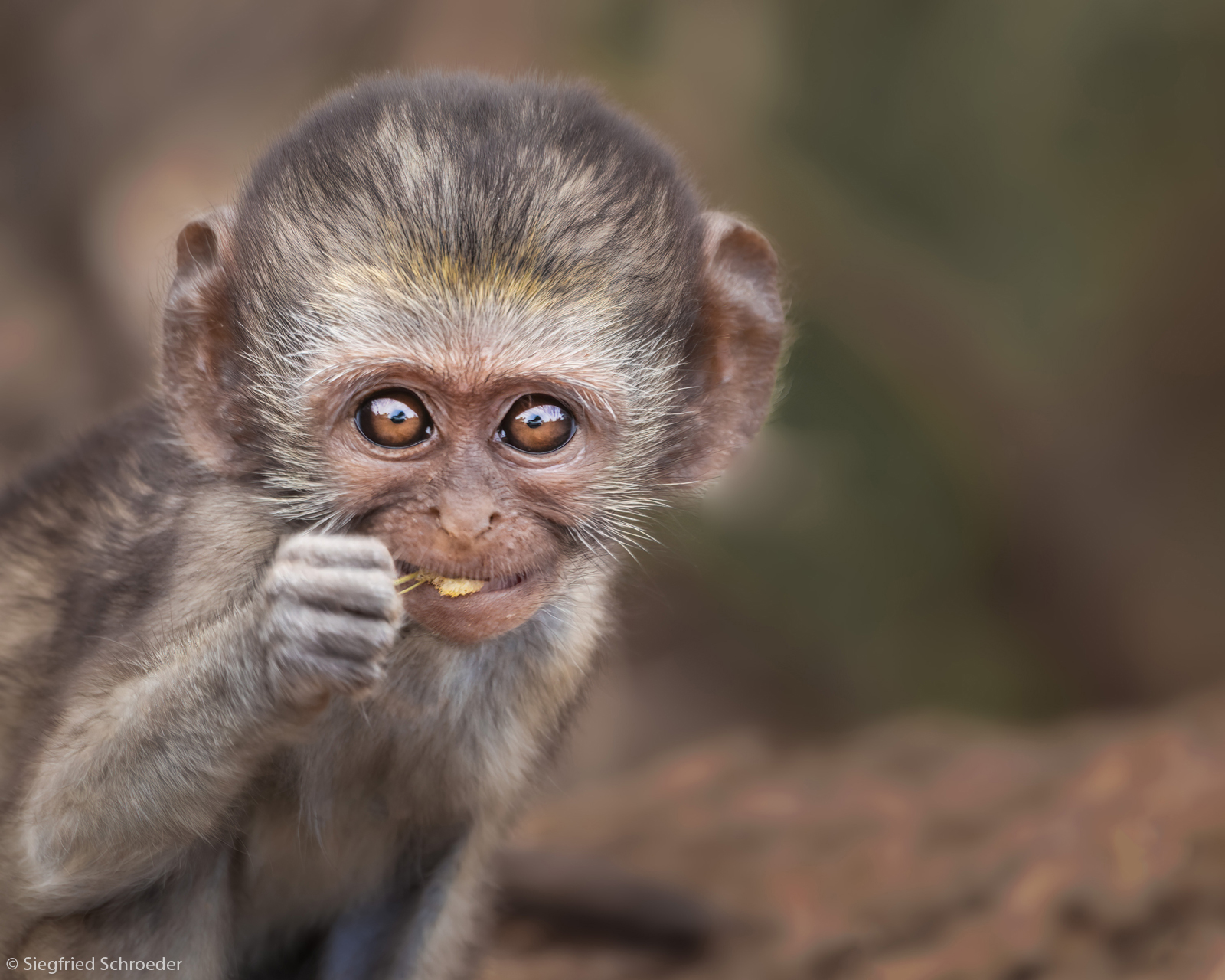
A curious young vervet monkey fascinated by his photographer. Pafuri region, Kruger National Park, South Africa. © Siegfried Schroeder
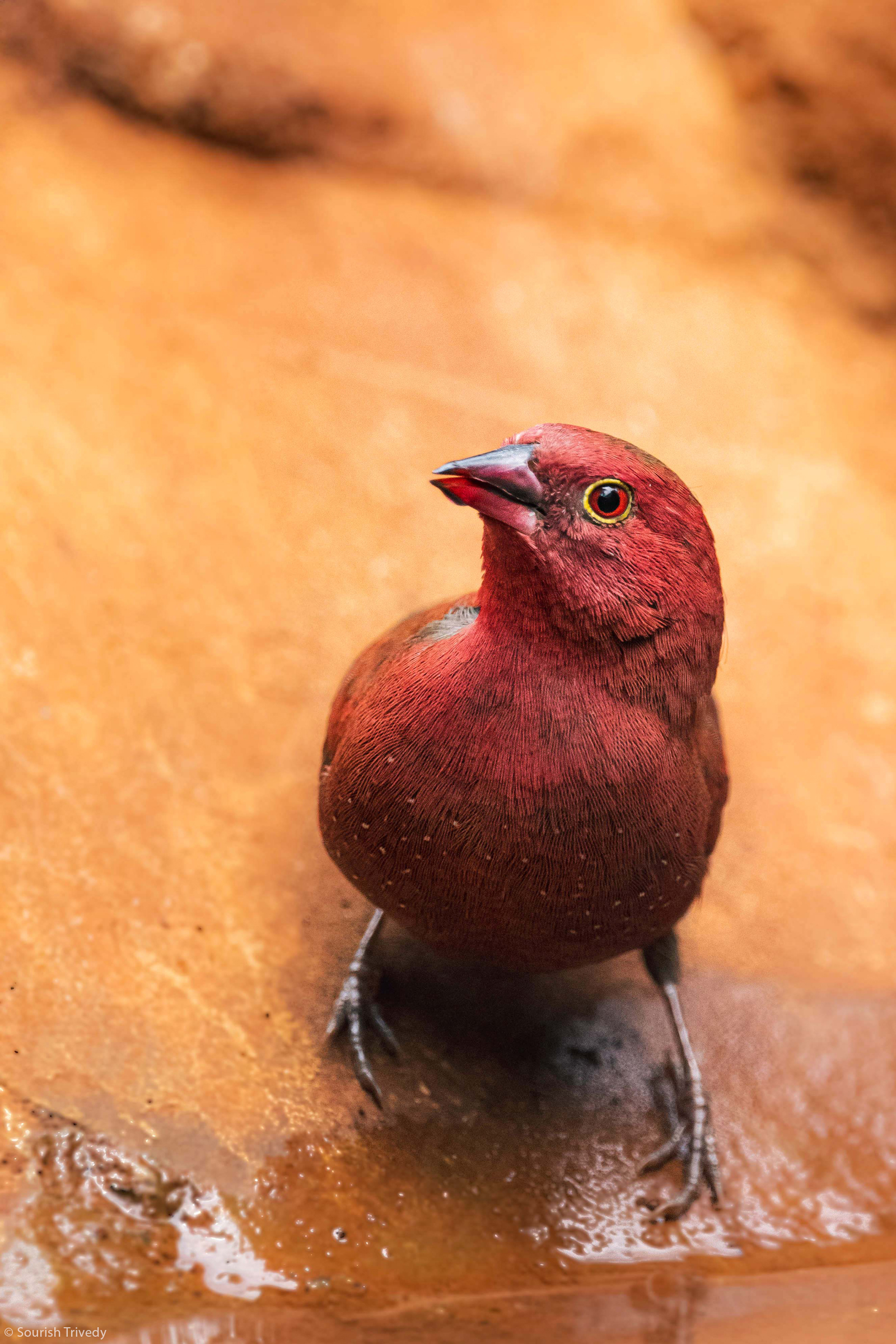
Red-billed firefinch comes for a drink in suburbia. Nairobi, Kenya. © Sourish Trivedy
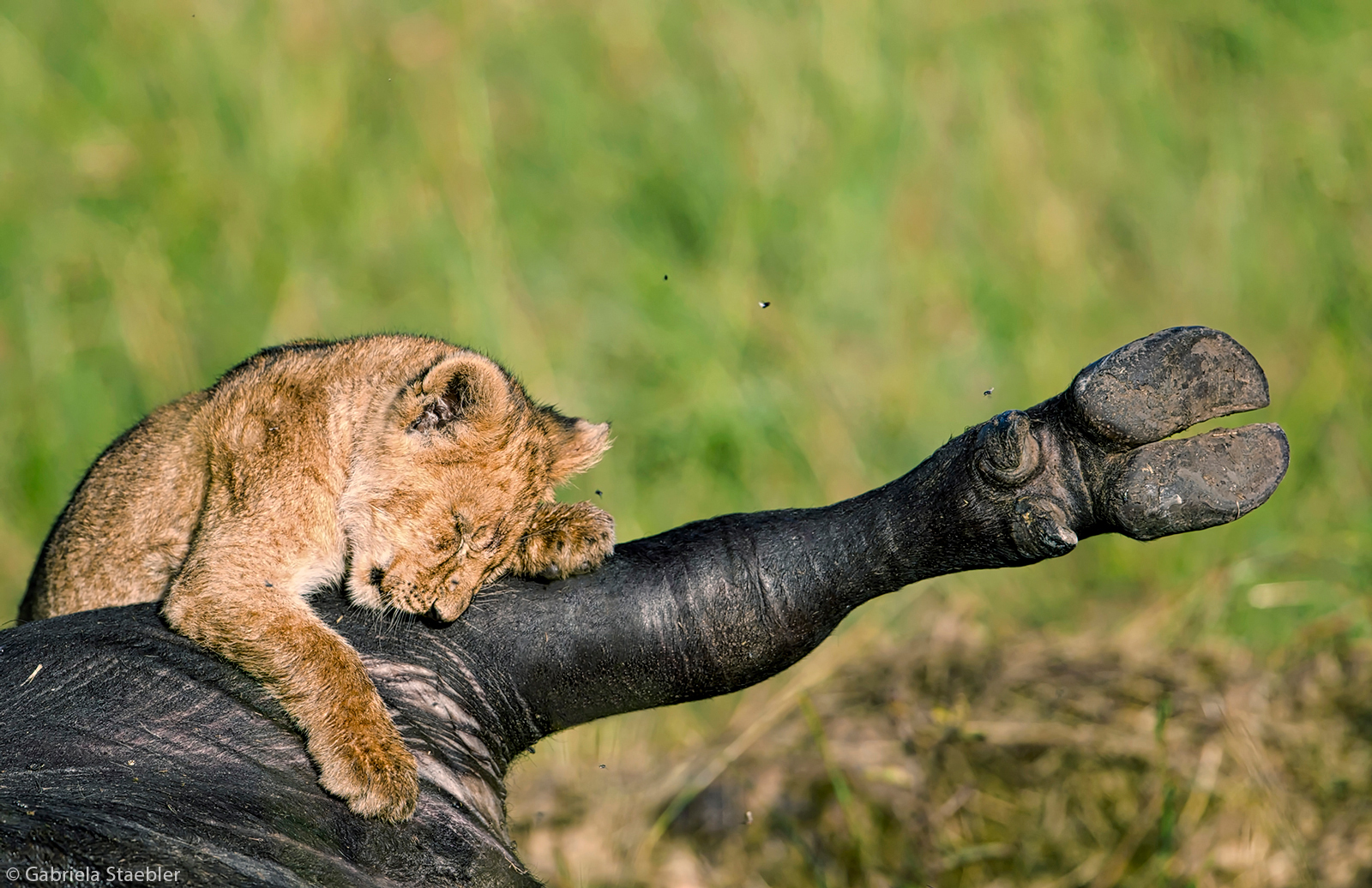
Hunting buffalo is so exhausting. Maasai Mara National Reserve, Kenya. © Gabriela Staebler
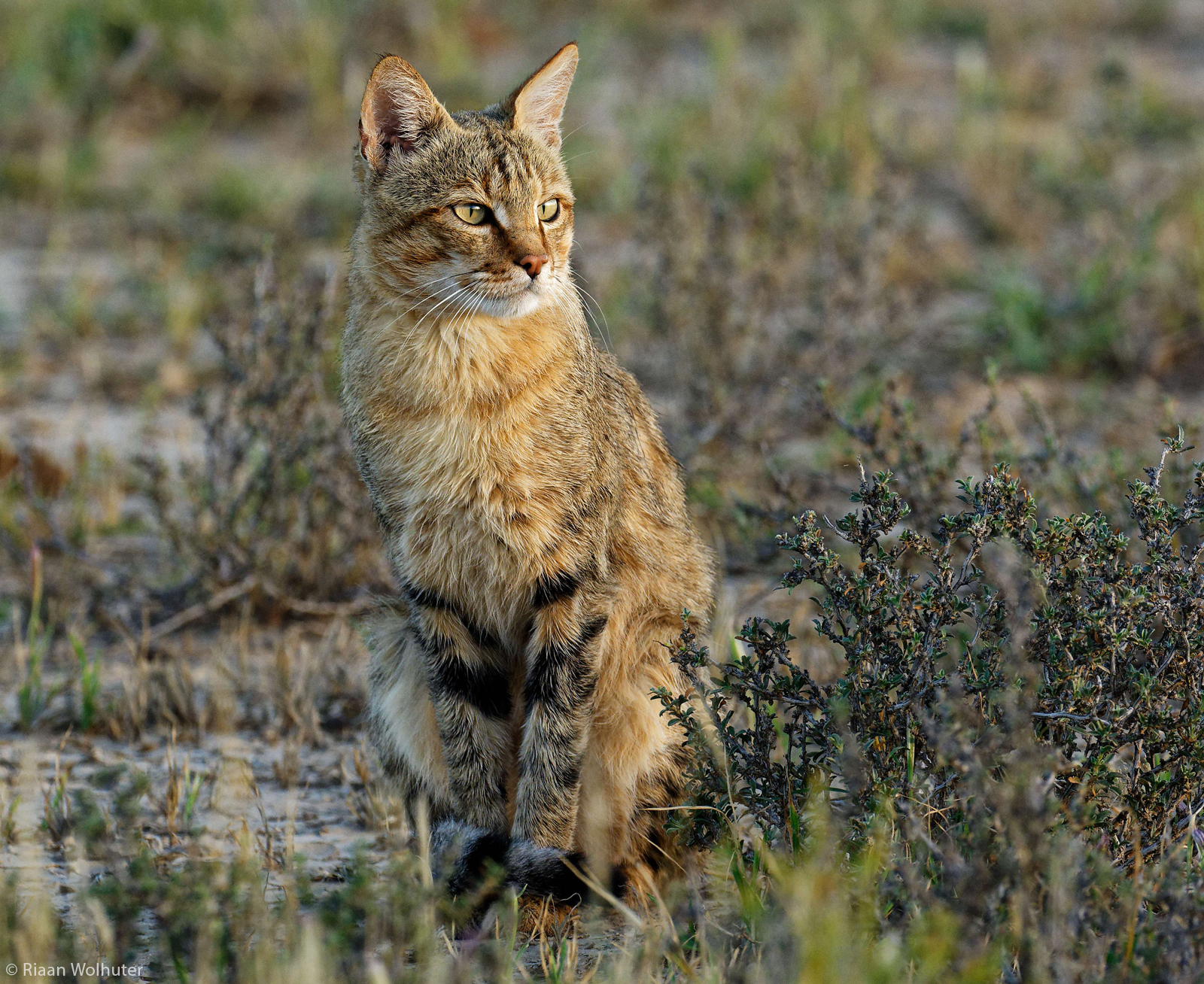
Dew-soaked, morning pose. Kgalagadi Transfrontier Park, South Africa. © Riaan Wolhuter
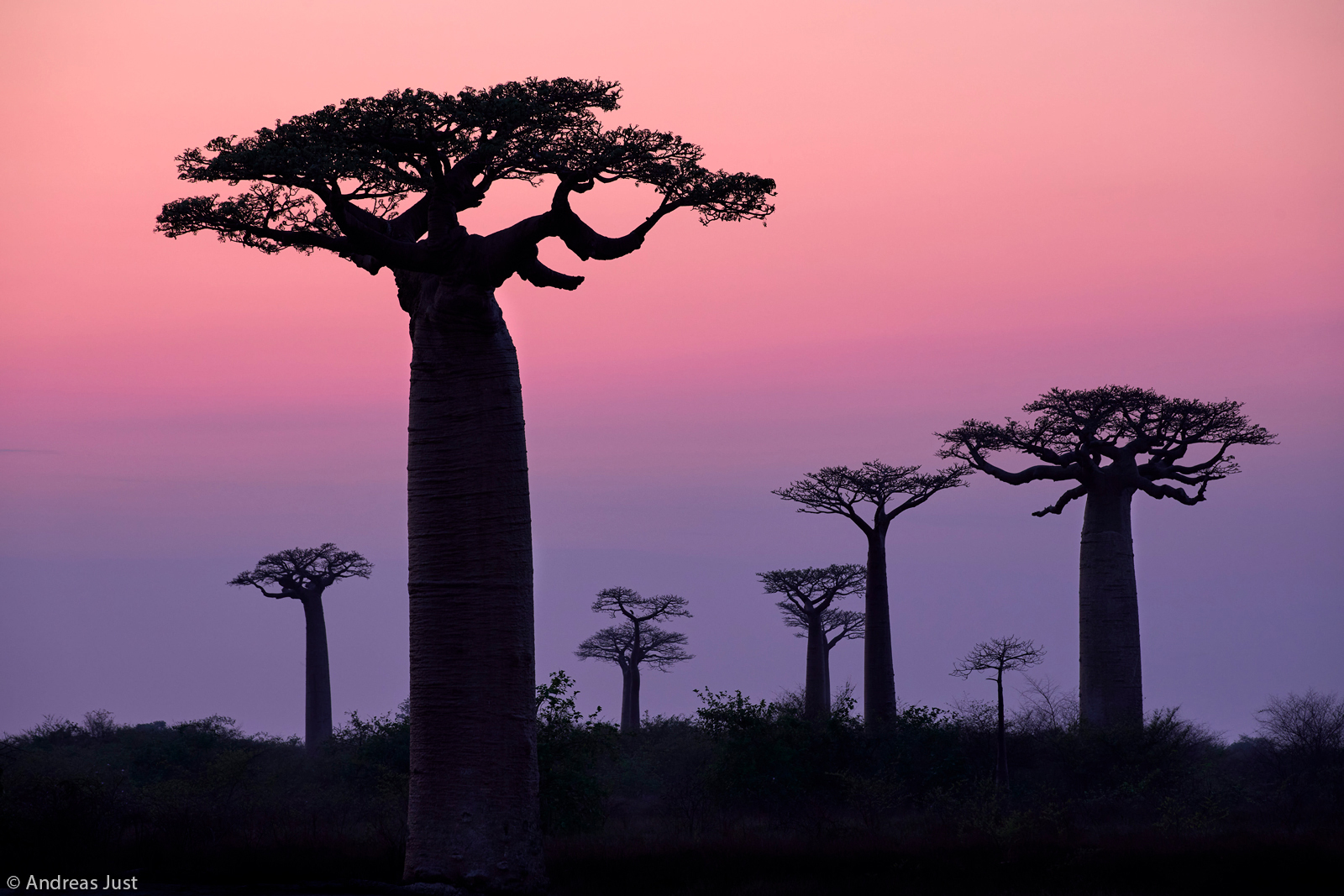
Baobab Alley. Madagascar. © Andreas Just
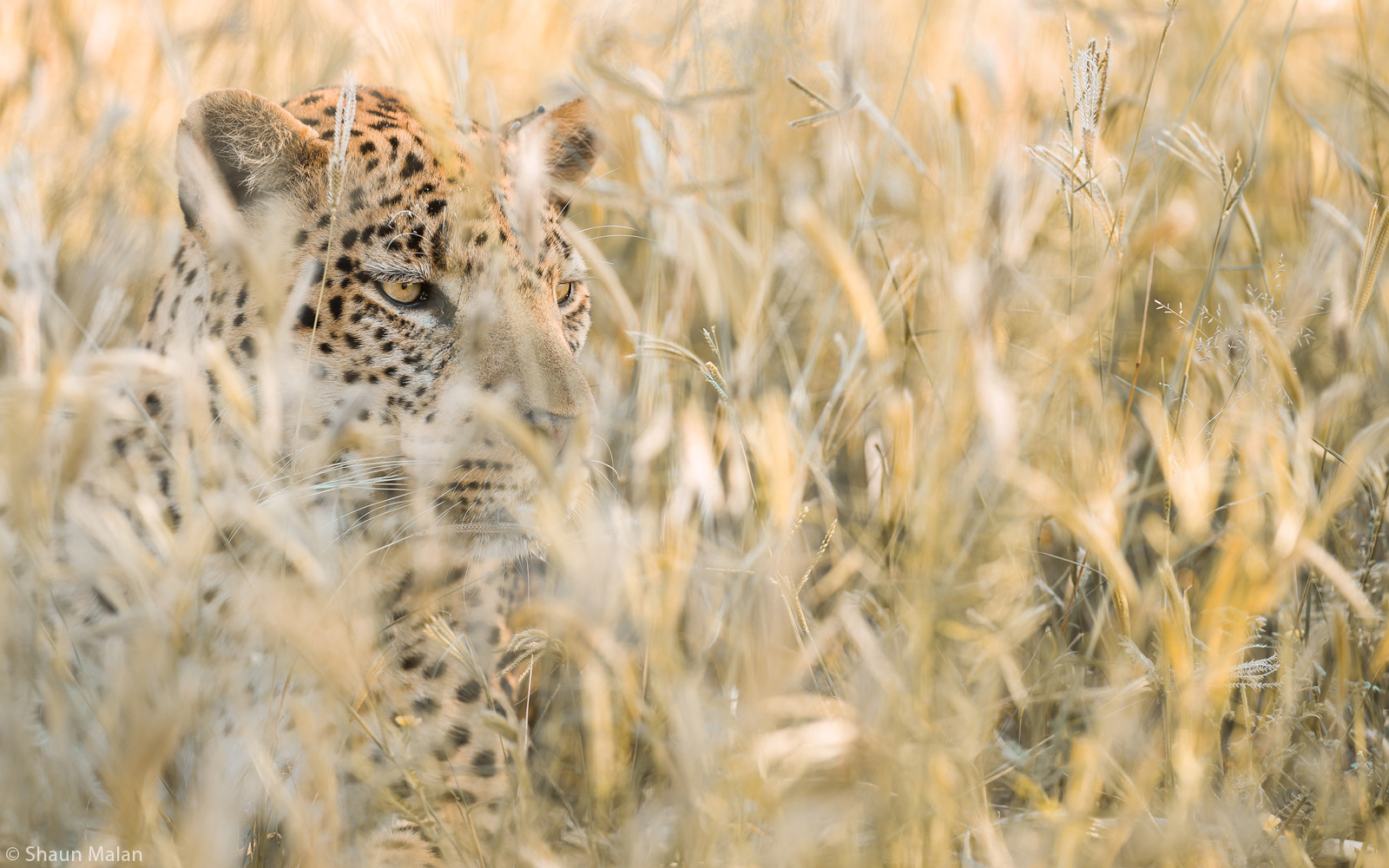
Camouflage. Khwai Community Concession, Botswana. © Shaun Malan

Chobe River lions face an uncertain future

By: Johannes van Jaarsveld, biologist and Chobe resident

Introduction

The Chobe River lions face an uncertain future with various barriers hampering recruitment, dispersal and immigration. To the north, hostile farmers in the Zambezi region of Namibia are intolerant of apex predators on their farms. In every other direction, fragmented protected areas and human settlements impede lion movement.

Chobe River lions

Background to the Chobe Riverfront

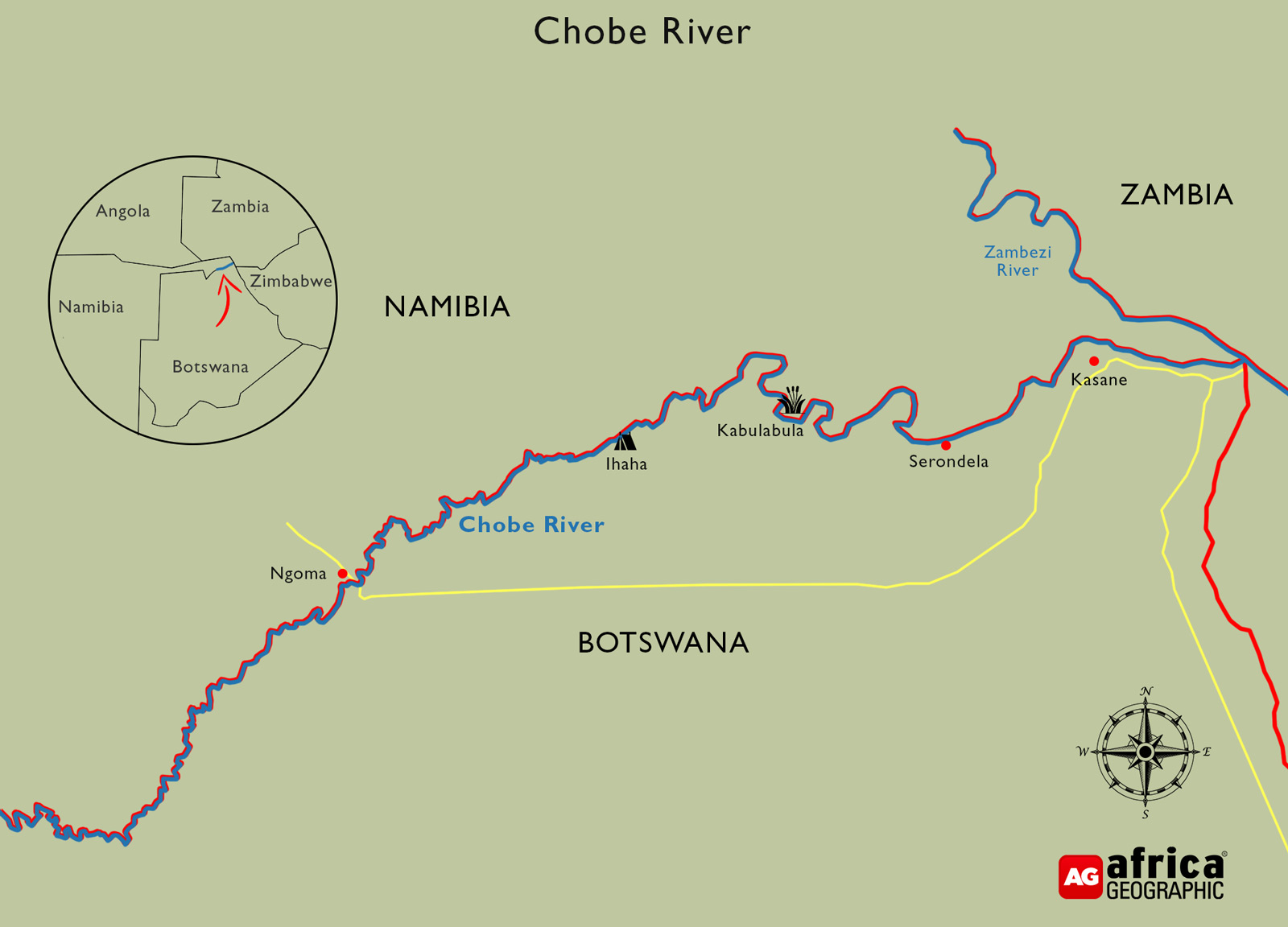
The Chobe River stretches from Lake Liambezi (Namibia) in the west to Kazangula in the east, where it flows into the Zambezi. The western section of the river is populated by cattle, goat and small-scale crop farmers. The Botswana-Namibia border, which is the Chobe River, cuts the floodplain, with the majority falling on the Namibian side (Zambezi Region).

The Chobe National Park protects the lions on the Botswana side where they tend to hunt along the river or on the floodplains. They seldom stray too far into the sandveld teak forests south of the river because of the limited prey.

Pride history

In 2017, there were approximately 20 lions on the riverfront: ten cubs, two old males (at least ten years old), a subadult female, and six adult lionesses. In early 2018, the pride swam across the Chobe River to the Namibian side. It was a fatal day. Five of the six lionesses were shot by Namibian farmers. A Chobe guide with his guests watched in horror as a Namibian farmer cut off the lions’ paws and waved them at the tourists. Over the next month, all the cubs died from starvation.

The subadults survived and the remaining adult lioness (called Broken Tail) settled in a small territory of her own around the Serondela picnic site. In October 2020, she birthed three cubs. The two subadults, possibly siblings, were gradually joined by four lionesses from the south. The young male disappeared and was not seen after July 2018. Possibly not coincidentally, about that time, two new males arrived – Caller and Tom-Tom. Scarface, one of the older males, had his leg broken in a skirmish with the new males and the Department of Wildlife and National Parks euthanised him when he took refuge at Chobe Game Lodge. The other old male died in the territory not long after.

Chobe River lions
Caller and Tom-Tom

The current pride

Two of the lionesses soon fell pregnant. One, Snips, had five cubs in December 2019, and the other, Teddy Bear, had two cubs in February 2020. One cub, called Lost and Found, wandered into the village of Kasane and was rescued by some tourists, who put him at the edge of the park away from people and traffic. His mother found him eventually, and he was safely back with the pride as of November 2020. Another lioness, Small Girl, mated with one of the new males in early 2021.

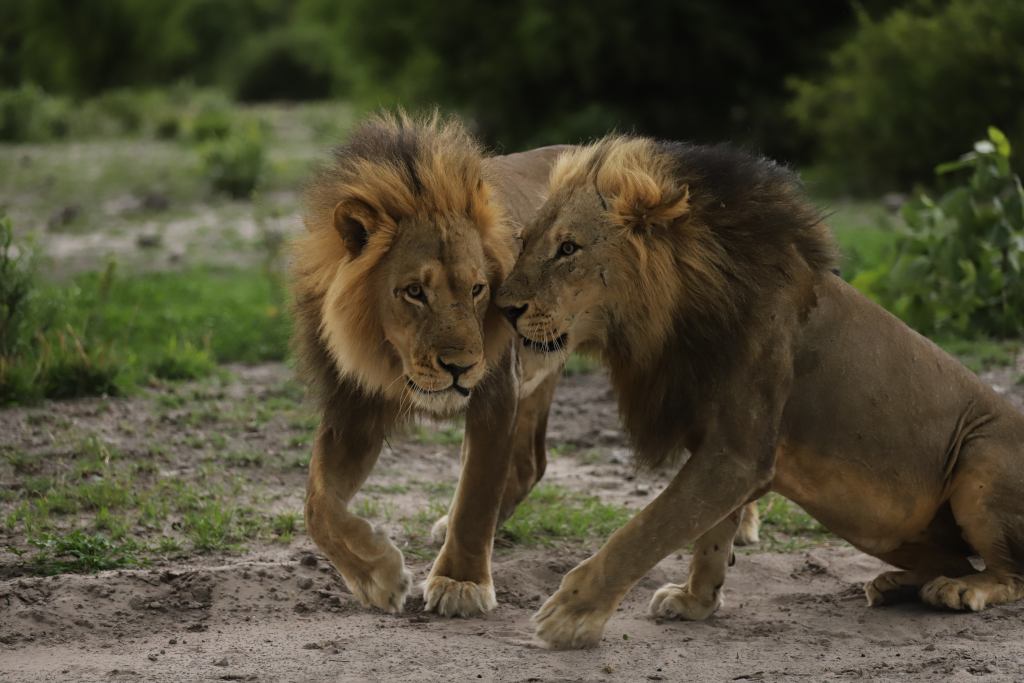
The two males roam from west to east all along the river, seldom staying with the pride for long. They are very attached and every greeting after separation is marked with joyous, cub-like playing. They have enjoyed an unchallenged three-year run.

Africa Geographic Travel

Lone lioness – Broken Tail

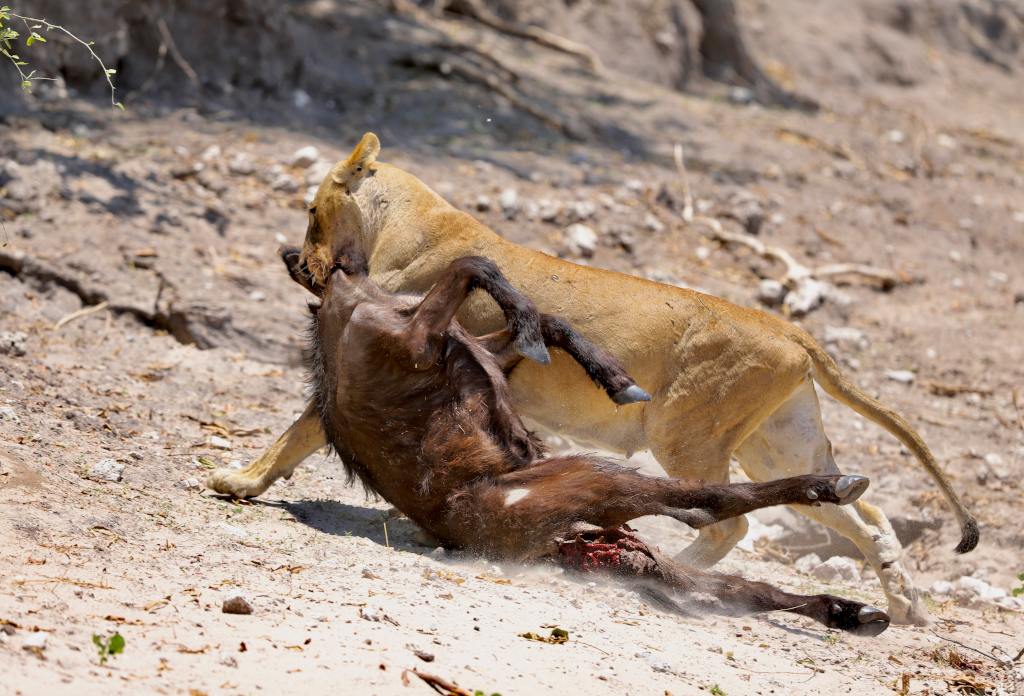
Broken Tail, the lioness which returned from Namibia after the massacre, remains alone and produced three cubs (most likely sired by Tom-Tom) in November 2020. She occupies a territory opposite Serondela Lodge on the Botswana side of the river. During the green season from late November to mid-April, the vegetation is very thick and she hunts smaller game. In the dry months, she targets buffalo calves when the herds come onto the floodplains.

The northern Chobe Lions are not troubled by hyenas, of which there are very few. Other predators such as wild dog are sporadically distributed but seem to avoid any area that the lions occupy.

Chobe River lions
Snips (pride lioness)

Threats

The lack of new males indicates a dearth of immigration. Researchers have noted lions at Ngotsaa in Chobe National Park, about 50 km south of the Chobe River. This is the next pride to the south. There are lions in the Kachikau area, 76 km west as the crow flies, but this is a village region. It is apparently not a big pride and is likely struggling to survive given the farming activities and villages.

The Chobe west of Kabulabula sometimes dries up and lions can easily cross to Namibia. North of the border, the Namibian farmers allow their cattle to graze right up to the border and sometimes over it at Ngoma. It is an irresistible temptation to lions and they quickly learn what soft targets the cattle are. The discovery probably encourages hunting forays north over the border in search of cattle.

Once the lions are in Namibia, the laws become murky – Botswana cannot protect them. The Namibian farmers can legally kill lions if their livestock is threatened. The lions, therefore, depend on the goodwill of the farmers – difficult to muster if they have just lost cattle to border-hopping predators.

Chobe River lions
Broken Tail (lone lioness)

Conflict mitigation

Chobe is part of the Kavango Zambezi Transfrontier Conservation Area (KAZA) which aims to secure the sustainable use of natural resources for both wildlife and local people in a cooperative effort by Botswana, Namibia, Zambia, Angola and Zimbabwe.

In Chobe and the Enclave (comprising the villages of Mabele, Kavimba and Kachicau), WildCRU (a conservation research unit) has been running several human-predator conflict mitigation programmes. Communities are encouraged to kraal their cattle at night in predator-resistant kraals. These kraals are funded and built mostly by WildCRU. Owners must make a small contribution to the total costs and help to erect the structures. WildCRU also employs community guardians from each village who investigate any reports of lion conflict. To date, WildCRU has built 26 predator-resistant kraals in the Enclave. They hope to build a further 20 during 2021.

WildCRU, through Dr Jess Isden, has also introduced a lion chasing programme. By using vuvuzelas and running towards lions, the lions disperse. Astounding and insane as this sounds, the vuvuzela has been used to mitigate lion conflict with some success in parts of Zimbabwe.

Some of the lodges in the area, such as Chobe Game Lodge and Serondela Lodge, have established a compensation scheme for farmers who have lost cattle to lions. Farmers are also rewarded if they can prove they have chased lions back into the park.

In the Zambezi Region of Namibia, east of Ihaha, where the pride spends most of its time, farmers don’t have the same tolerance. There seems to be an unsustainable number of cattle feeding on the floodplain, many of which do not belong to the herders but to owners who send their animals to the area for grazing. There are more than 300 000 cattle feeding on the floodplain between Sedudu and Ngoma. Game is naturally scarce due to human and livestock pressure. Recently, another NGO in Namibia, the Kwando Carnivore Project, has started conflict mitigation work in the area and this will hopefully help protect the lions and other predators.

Chobe River lions
Mosadimogolo (pride lioness)

Conclusion

Lions are a major attraction for tourists and their absence will drastically, negatively affect tourism along the Chobe River.

All the tourism enterprises on both the Namibian and the Botswana sides would like to see better protection for wildlife and cooperation between Namibia and Botswana. Tourism could have long-term benefits for the area. Not only does it create jobs, but it trains people who can form their own tourism-related businesses. Rural communities need to see the potential in tourism without necessarily giving up their farming practices.

Negotiations with various stakeholders in Namibia continue and seem to be bearing fruit. A lion group has been created with several Namibian officials and a few cross-border meetings have seen some commitment from both sides. There are already several lodges on the Namibian side, thanks to the vaunted community conservancy model. The future for the Chobe River lions is uncertain but hopeful.

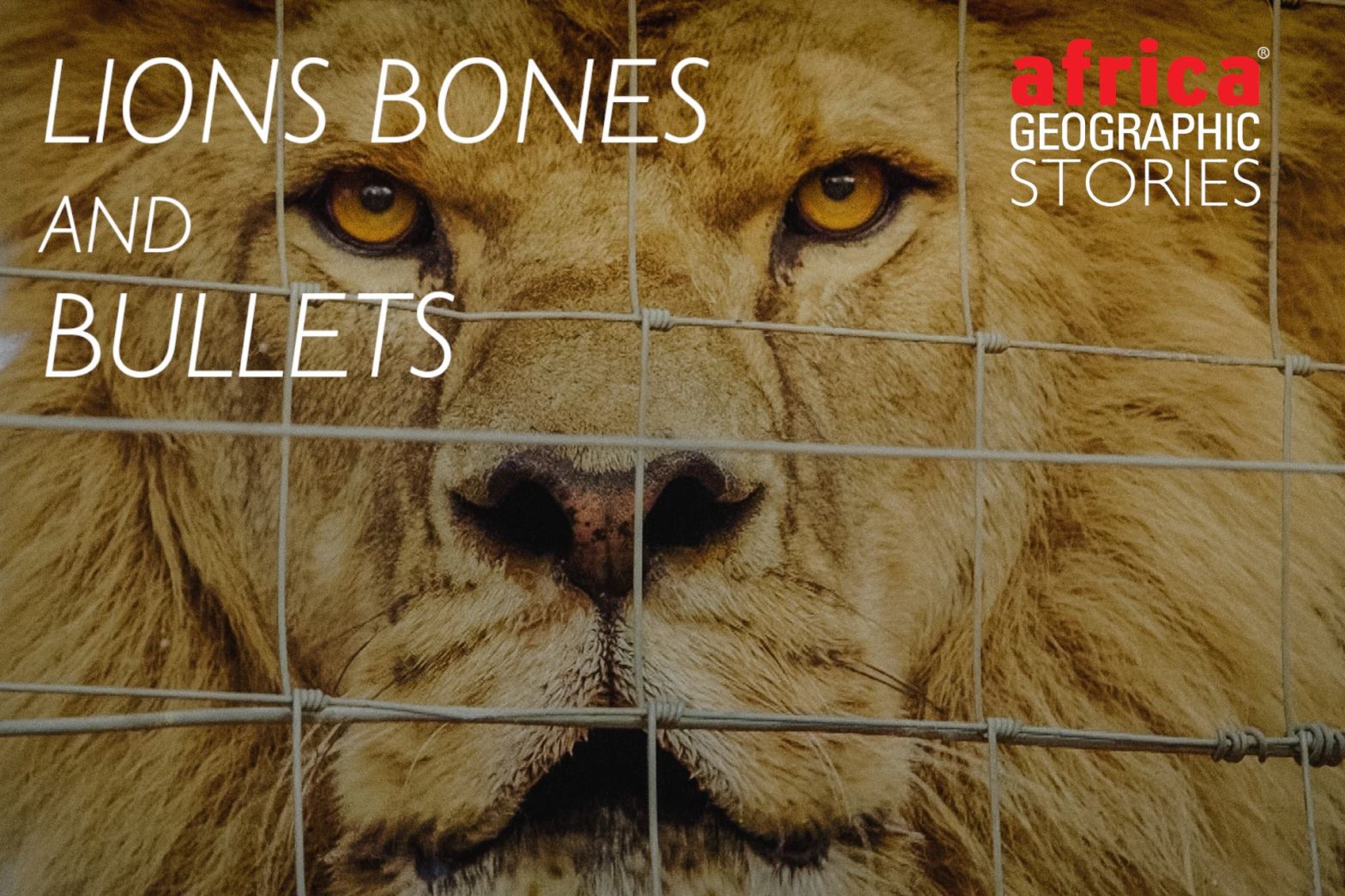
Lions bones and bullets – bones for sale

What is the link between trophy hunting, deadly infectious diseases and traditional Chinese medicine? The not so obvious answer is lions. Paradoxically, these apex predators are now farmed on an increasingly industrial scale in South Africa (note that a recent announcement by the SA government may change this). The estimated number of farmed lions in the country is already four to five times larger than that of wild lions. And there is another paradox – in 2019, the South African government amended legislation to reclassify lions and 32 other wild species as farm animals. Lions, Bones & Bullets (see video link below) tells the astonishing story of how the lion farming industry adapted to survive losing two-thirds of their trophy hunting clients following Cecil the lion’s shooting and the US boycott that followed.

Lions bones and bullets
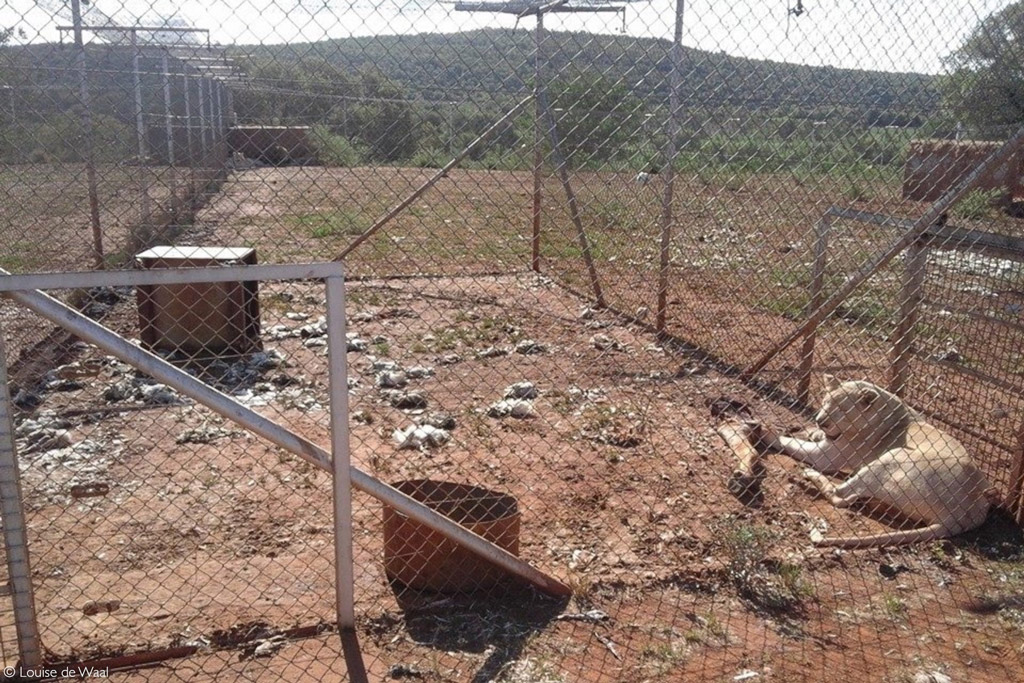
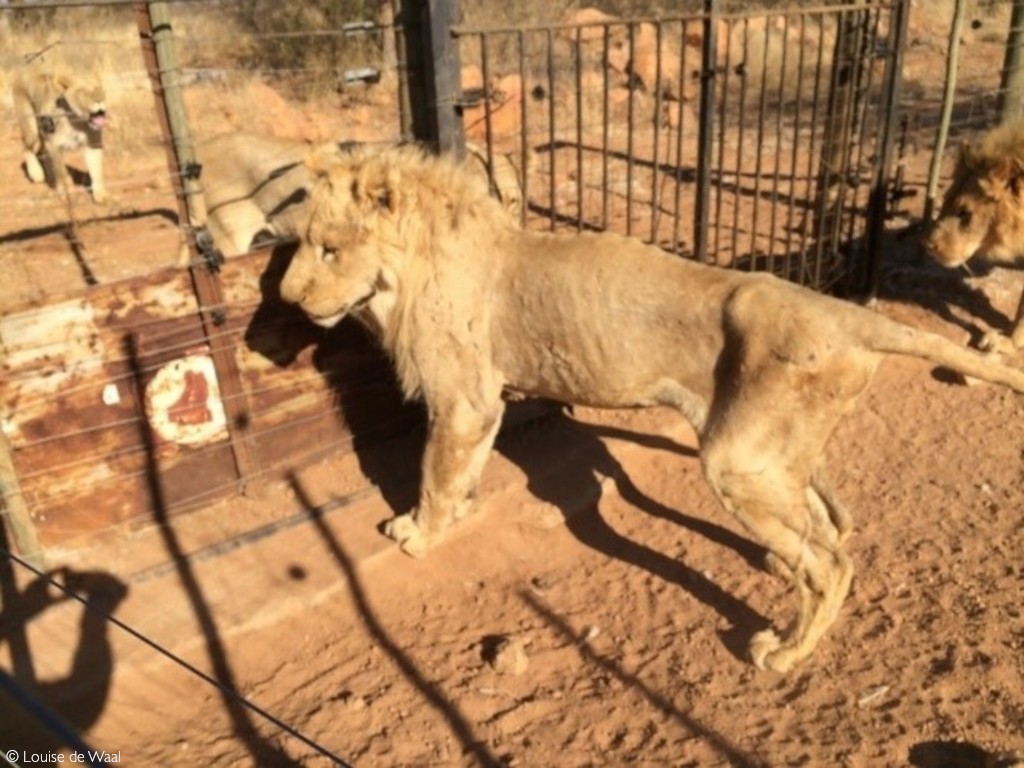
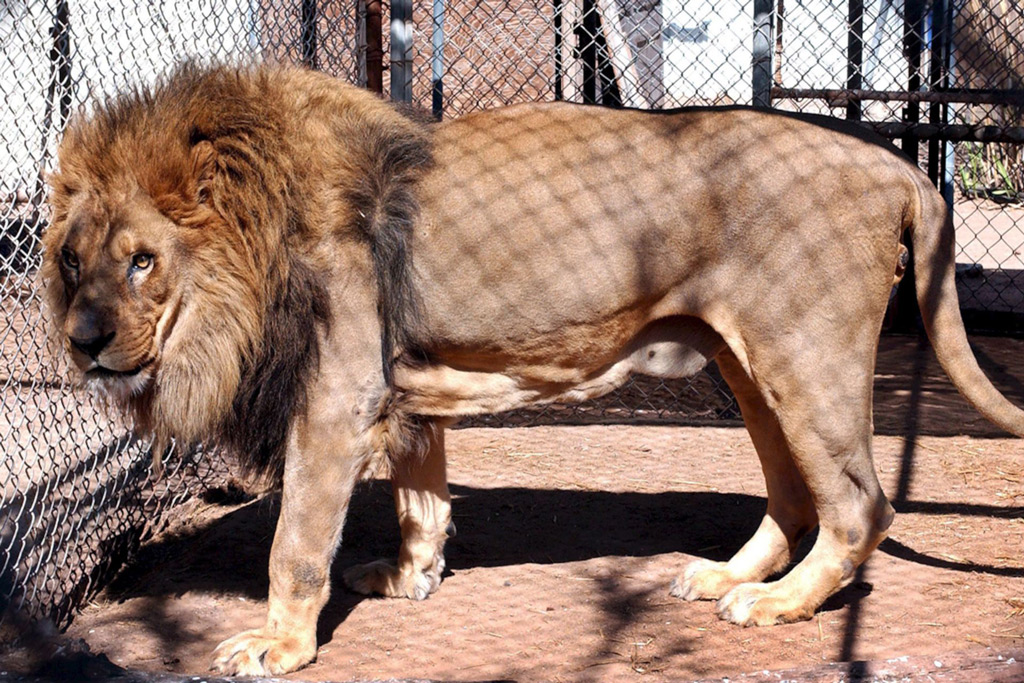
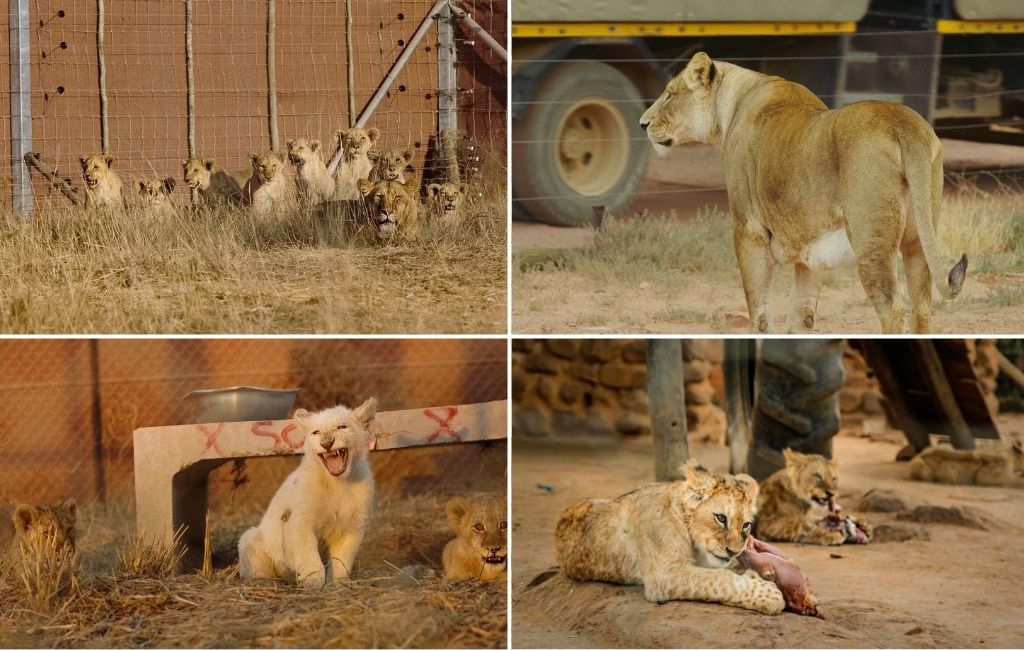
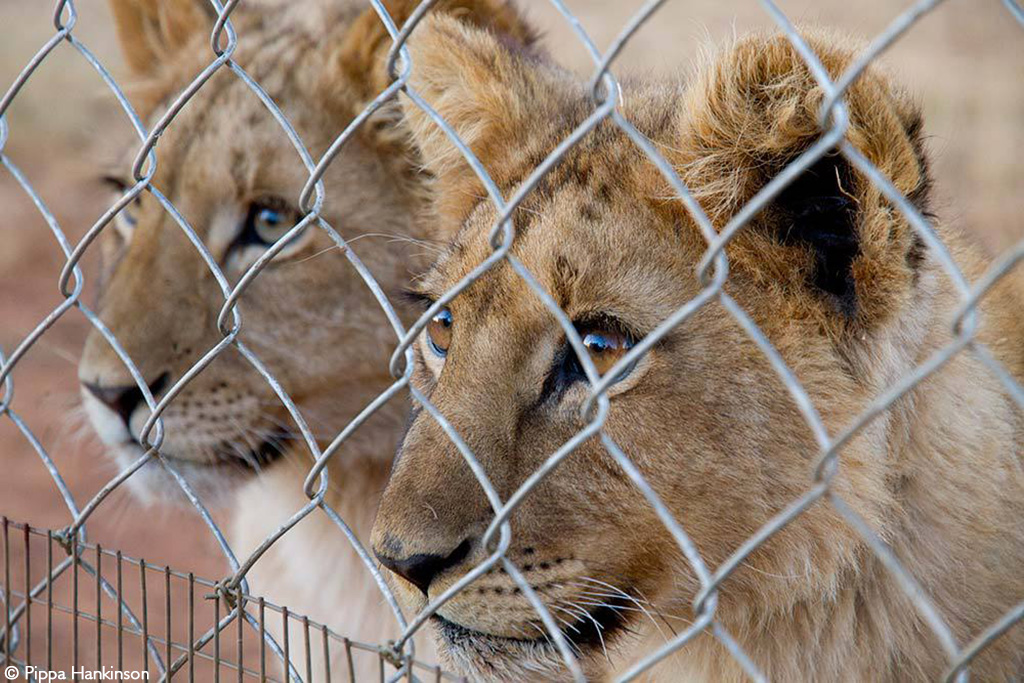
Lions bred in captivity on an industrial scale in South Africa

If trophy hunting was dying out, then what was stimulating the boom in lion farming? Penguin Random House author Richard Peirce and the Jagged Peak Films team went in search of the answer. They discovered that while canned hunting had decreased, a parallel increase in demand for lion bones from Southeast Asia was fuelling demand, leading the South African government to establish an annual quota for lion skeleton exports. Richard followed the lion bone trail from farms in South Africa to street dealers in Vietnam and Laos.

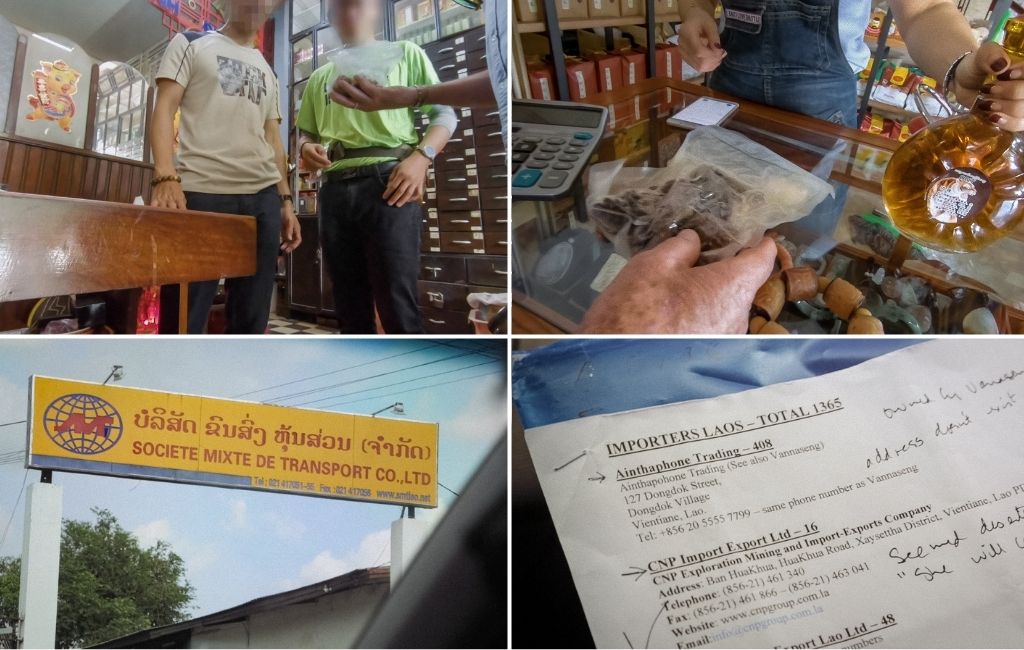
Following the wildlife trafficking trail led to dangerous situations, but the team persisted in their quest for the truth. An undercover informant in Southeast Asia confirmed that lion bones were being imported and passed off as tiger to be used in tiger cake, tiger wine, and various other ‘tiger’ products consumed in traditional Chinese medicine. The filmmakers exposed how easy it is to buy ‘tiger’ or ‘lion’ products, which are supposed to be illegal by international trade laws. Between the South African skeleton sale value and the end consumer price, they discovered a 60-fold increase. These huge profit margins and the fact that it’s cheaper to import a farmed lion skeleton and pretend it’s a tiger than to rear an actual tiger, drive the South African lion bone trade.

Lions bones and bullets
Richard goes undercover to investigate the trail of lion parts in Southeast Asia. Clockwise from top left: Richard is offered illegal pangolin scales in Vietnam; Richard is offered illegal ‘tiger wine,’ ‘tiger bracelets’ and a mysterious ‘tiger whip’ in a marketplace in Laos; List of companies that have imported lion skeletons from South Africa to Laos. While tracking down each address, Lions, Bones and Bullets proved that most are front companies for the true importer; Entrance to the office of ‘Societe Mixte de Transport’ in Laos, an import-export company which has imported lion skeletons from South Africa to Laos on behalf of a client.

This timely and groundbreaking film is much more than a straightforward exposé. The threats lion farming and the lion bone trade pose to conservation are tremendous. Richard, the author of several books on wildlife, explains: ‘Lion farming and the increasing sale of lion bones to Asia involve exploitation, cruelty, injustice, misconception, fraud and corruption. They are a threat to wild lion populations. It is mind-blowing in terms of the huge negativity involved and has no redeeming aspects. Lions are a flagship species; what happens to lion populations will be a major factor in determining the future of wild animals in Africa.’

The threats to global public health are even more significant. The world is paralysed by a pandemic that came to humans via wild animals. Lions, Bones & Bullets reveals how shockingly easy it is to legally develop an expanding wildlife farming industry and then transport products that could be infected with tuberculosis, the ‘world’s deadliest infectious disease’. The disease is still South Africa’s leading cause of death.

Lions bones and bullets
Richard Peirce

The world festival premiere of Lions, Bones & Bullets is being hosted by the 60th Monte-Carlo Television Festival in June. The Prince Albert II of Monaco Foundation, competition partners to the festival, is dedicated to environmental protection and sustainable development globally. Olivier Wenden, Vice-President and CEO, notes:  ‘Lions, Bones & Bullets sends a clear and vital wake-up call to the world, inviting us to open our eyes and rethink our relationship with nature and wildlife.’

The team behind Lions, Bones & Bullets includes Kiwi director and executive producer Anton Leach, who has filmed in more than 20 countries, including war zones in Iraq, Syria and Gaza. Also from New Zealand is the film’s producer, writer and editor, Jasmine Duthie. Her work focuses on character-driven wildlife stories.  Lions, Bones & Bullets is narrated by leading British actor and campaigner Peter Egan (Harry Potter, Downtown Abbey, Chariots of Fire).


WATCH: Watch the Lions, Bones and Bullets trailer (1:12)

Captive lions: NO – says South Africa’s minister

captive lion industry

Minister Creecy of the Department of Forestry, Fisheries and the Environment (DFFE) today announced that the Government of South Africa will act on the High-Level Panel’s recommendations to bring an end to the commercial captive lion industry in South Africa.

Her announcement accompanied the release of the 600-page High-Level Panel Report, which identified that South Africa’s captive lion industry:

  • Poses risks to the sustainability of wild lion conservation resulting from the negative impact on ecotourism which funds lion conservation and conservation more broadly;
  • Does not contribute to the conservation of wild lions;
  • Carries significant zoonotic risks associated with intensive breeding and keeping of lions;
  • Does not represent ecologically sustainable use;
  • Threatens South Africa’s reputation as a leader in the conservation of wildlife;
  • Provides very little economic activity benefiting relatively few;
  • Negatively impacts the authentic wild hunting industry;
  • Risks stimulating poaching and illegal trade.

The majority of the Panel Members recommended that the Minister put in place a process to halt and reverse the domestication of lions due to captive lion keeping, breeding, and commercial use. They also recommended that policy decisions should be made for an immediate halt of the sale of captive lion derivatives, the hunting of captive lions and tourist interactions with captive lions.

“I have requested the department to action this accordingly and ensure that the necessary consultation in implementation is conducted”, said Minister Creecy. “In adopting the recommendations, it is important to indicate that the key outcomes for the country will include… the ending of certain inhumane and irresponsible practices that greatly harm the reputation of South Africa and the position of South Africa as a leader in conservation”.

She did not, however, address the Report’s recommendation that the DFFE establish an independent committee to formulate a process for the ethical and humane euthanasia of the lions currently in captivity, in consultation with captive lion breeders and keepers, and other stakeholders.

The Minister’s announcement also references the Panel’s recommendations regarding the safeguarding of rhinos in South Africa in the future. Her announcement acknowledges that South Africa protects the largest component of the global rhino population. As such, the country should play a global leadership role in their conservation. As such, the Government will make no further proposals to CITES for trade in rhino horn until certain conditions are met, including developing a global consensus on the legal international trade in rhino horn.

The High-Level Panel was established on the 10th of October 2019 after the then Portfolio Committee on Environmental Affairs requested the DFFE to initiate a policy and legislative review to put an end to captive lion breeding. The Panel comprised 25 individual members, including experienced conservationists, ecologists, hunting industry representatives, wildlife ranching experts, animal welfare scientists, traditional leaders, and a representative of the captive predator industry. They were tasked to “review policies, legislation and practices on matters related to the management, breeding, hunting, trade and handling of elephant, lion, leopard and rhinoceros”.

The Panel’s goals and recommendations are based on a vision of “secured, restored and rewilded natural landscapes with thriving populations of elephant, lion, rhino, and leopard, as indicators for a vibrant, responsible, inclusive, transformed and sustainable wildlife sector”.

The Report also expresses concerns over the listing of wildlife under the Animal Improvement Act. It warns that the potential intensification of management practices poses significant welfare risks that will exacerbate the current challenges being experienced. While the Minister makes no reference to this in her announcement, she states that South Africa will be adopting a One Welfare approach to wildlife welfare. (The ‘One Welfare’ approach highlights the interconnections between animal welfare, human well-being, and the environment.)

In a joint media statement, Blood Lions and World Animal Protection, two organisations at the front of the fight against the captive lion industry, “congratulate the Minister on these bold steps and offer their full support in developing and implementing a responsible phase-out plan in order to ensure that the commercial predator breeding industry is successfully closed down in South Africa, once and for all.”

See also: Statement by Minister Creecy: Release of Report of high-level Panel the 2nd of May 2021

The comprehensive 600-page report, including the minority opinions on captive lion breeding and rhino management, can be accessed here. The relevant recommendations regarding the captive lion industry can be found on page 328.

CEO note: Hope 4 elephants | Mundari | safari tips

On safari with Africa Geographic in Tanzania’s Serengeti National Park. © Simon Espley

CEO NOTE: 30 April 2021

This is a copy of our weekly email newsletter. Subscribe here to receive the newsletter.


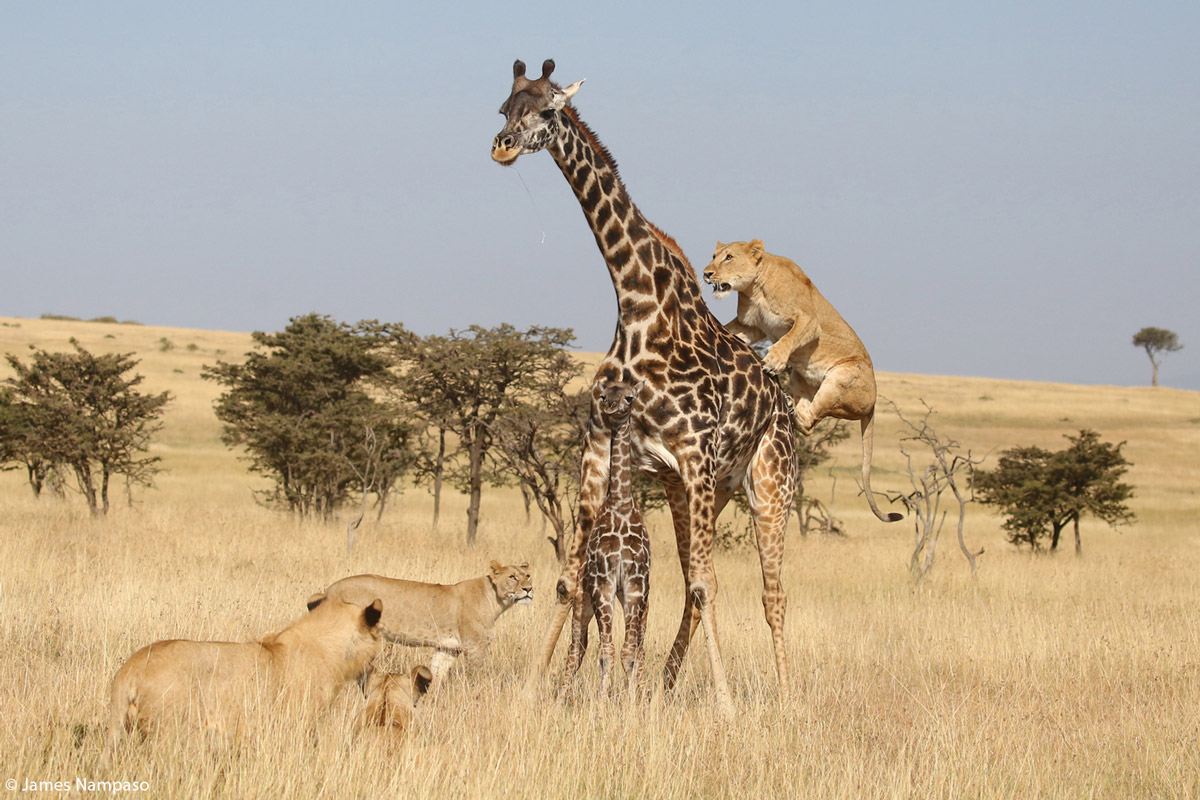
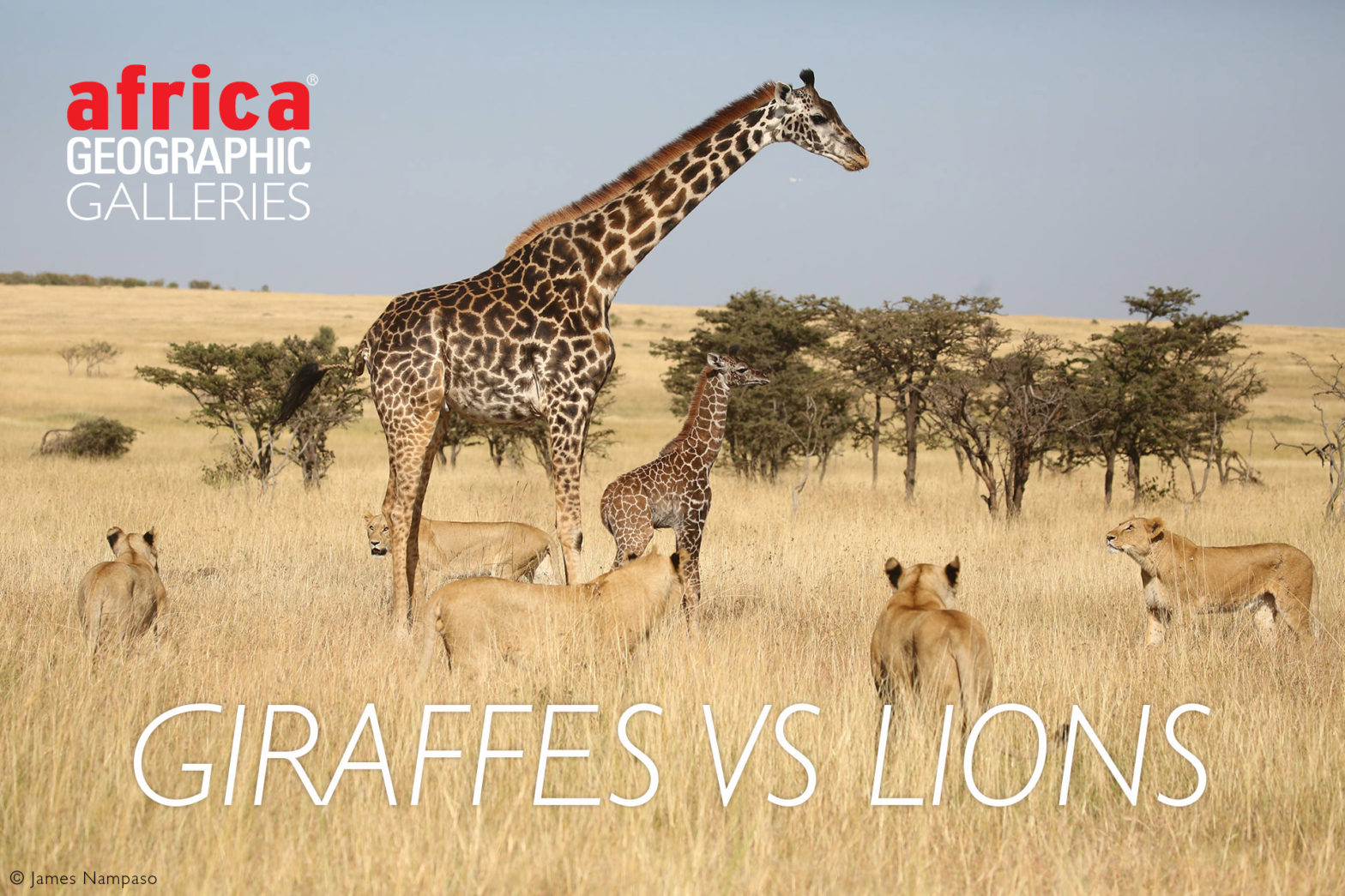
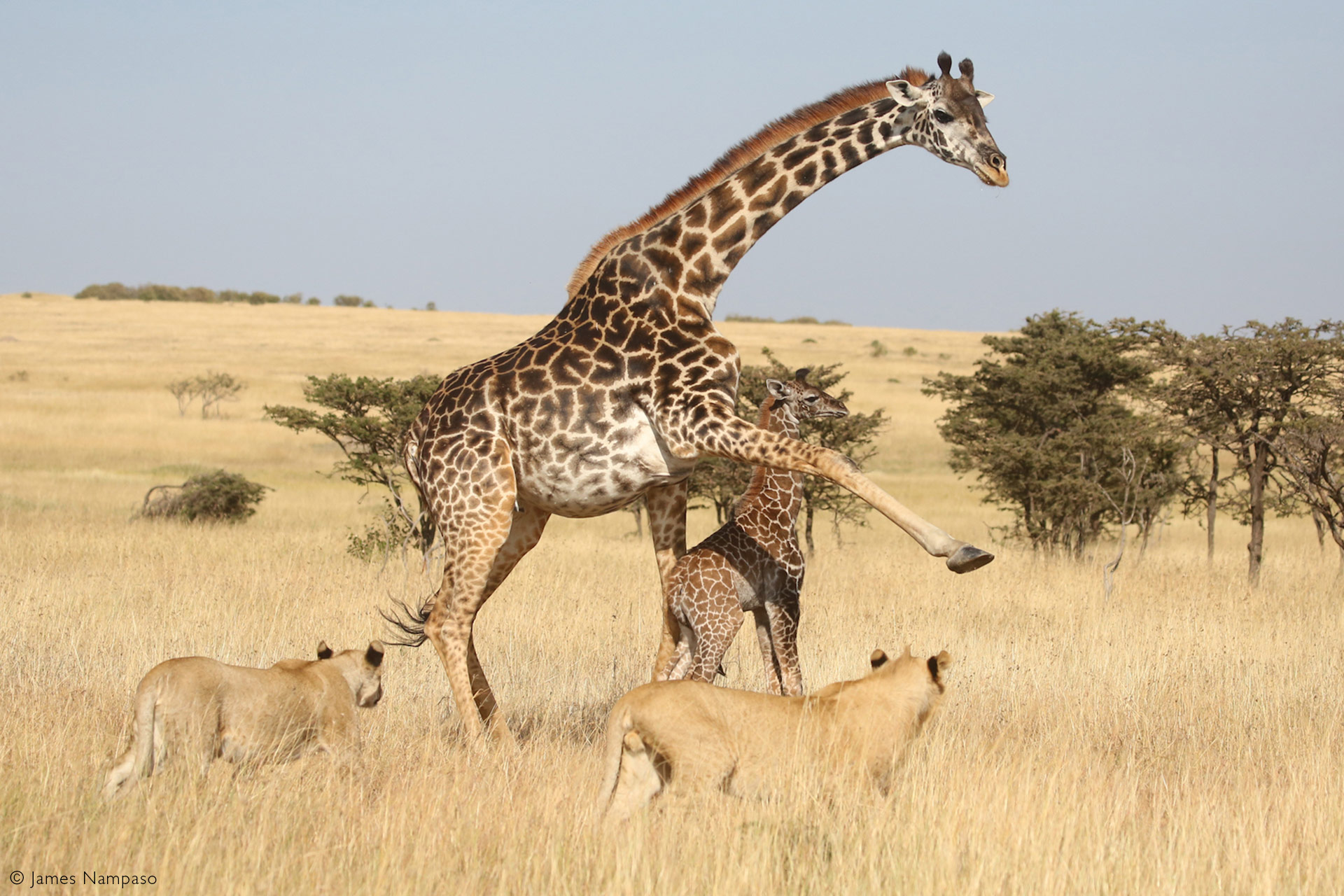
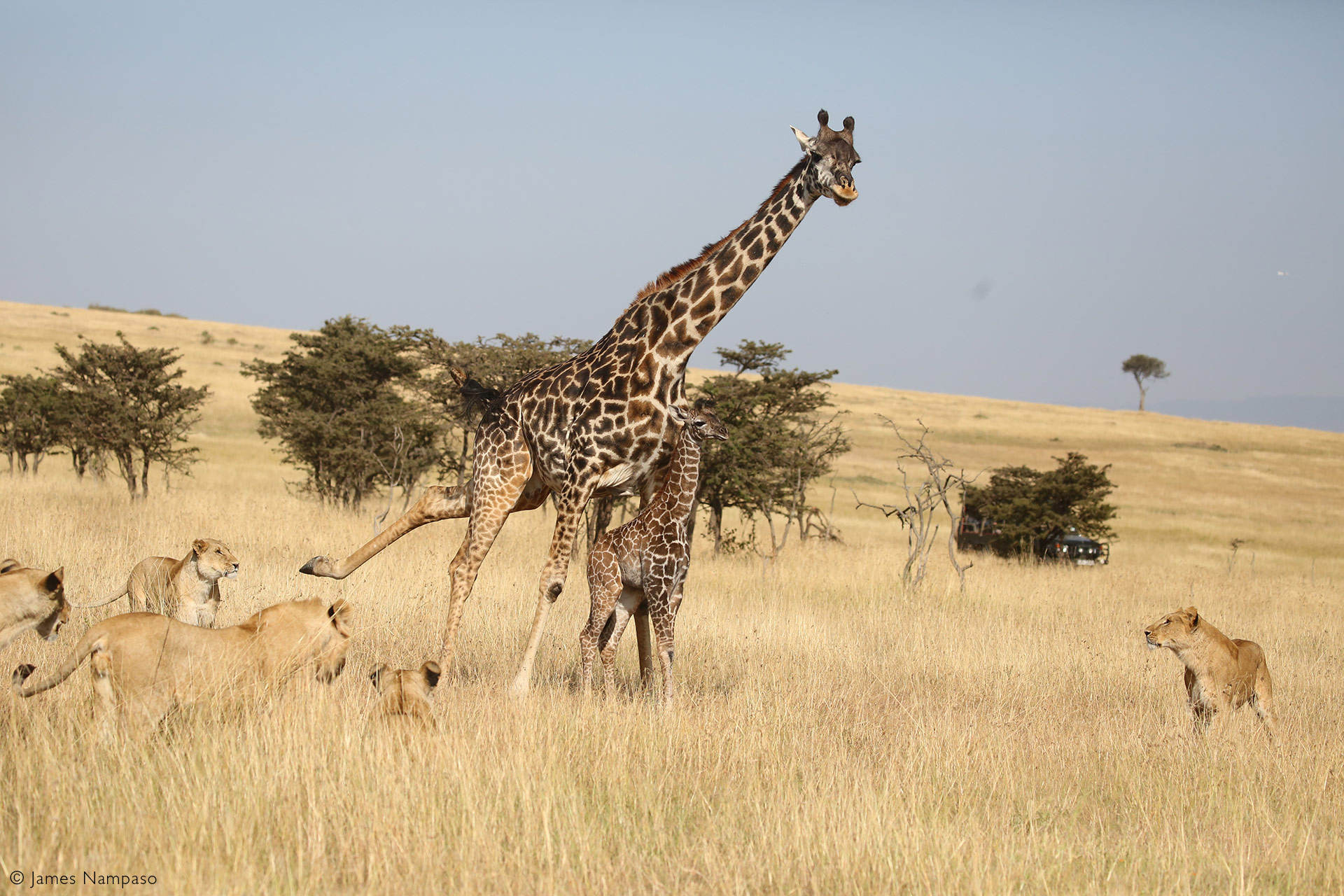
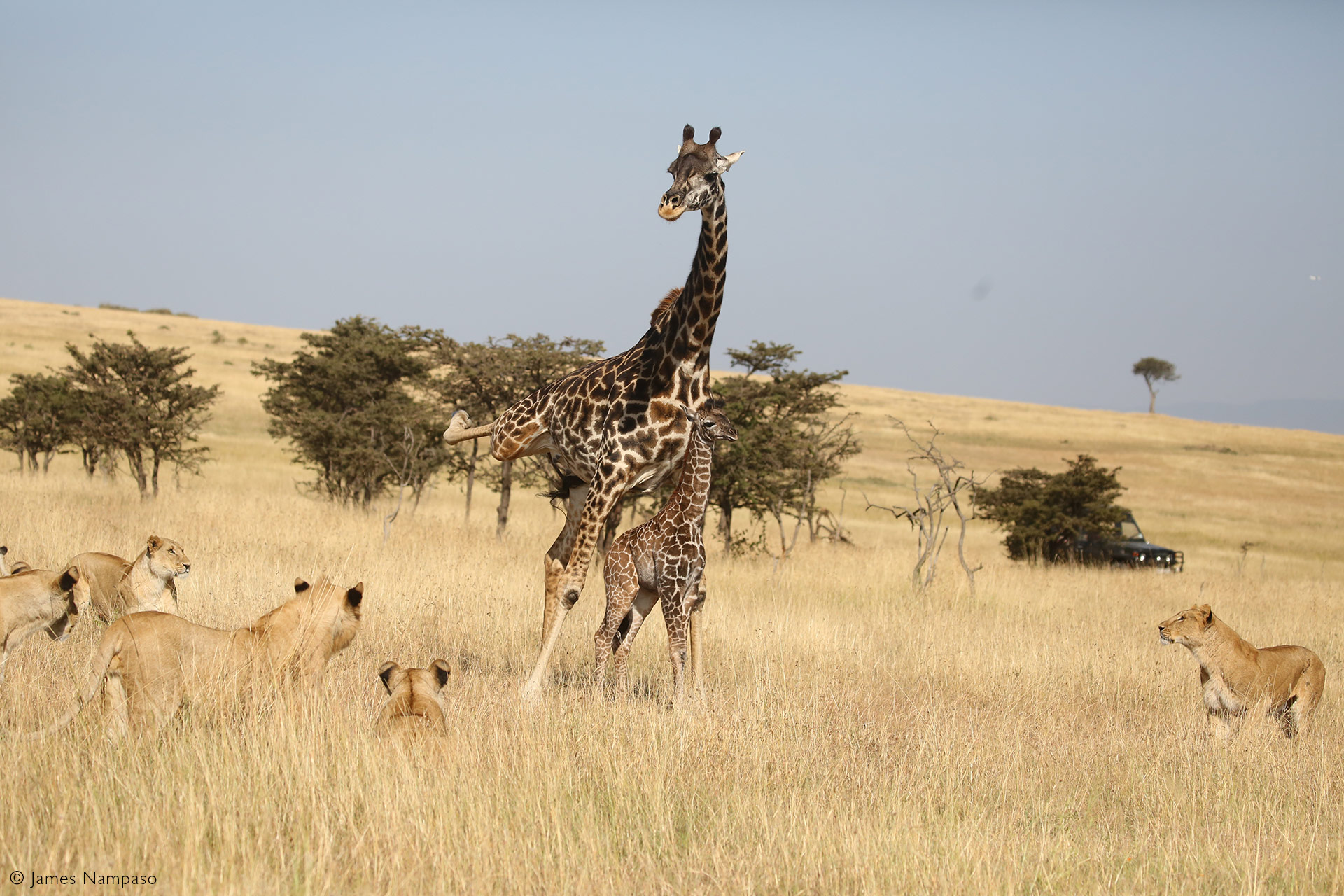
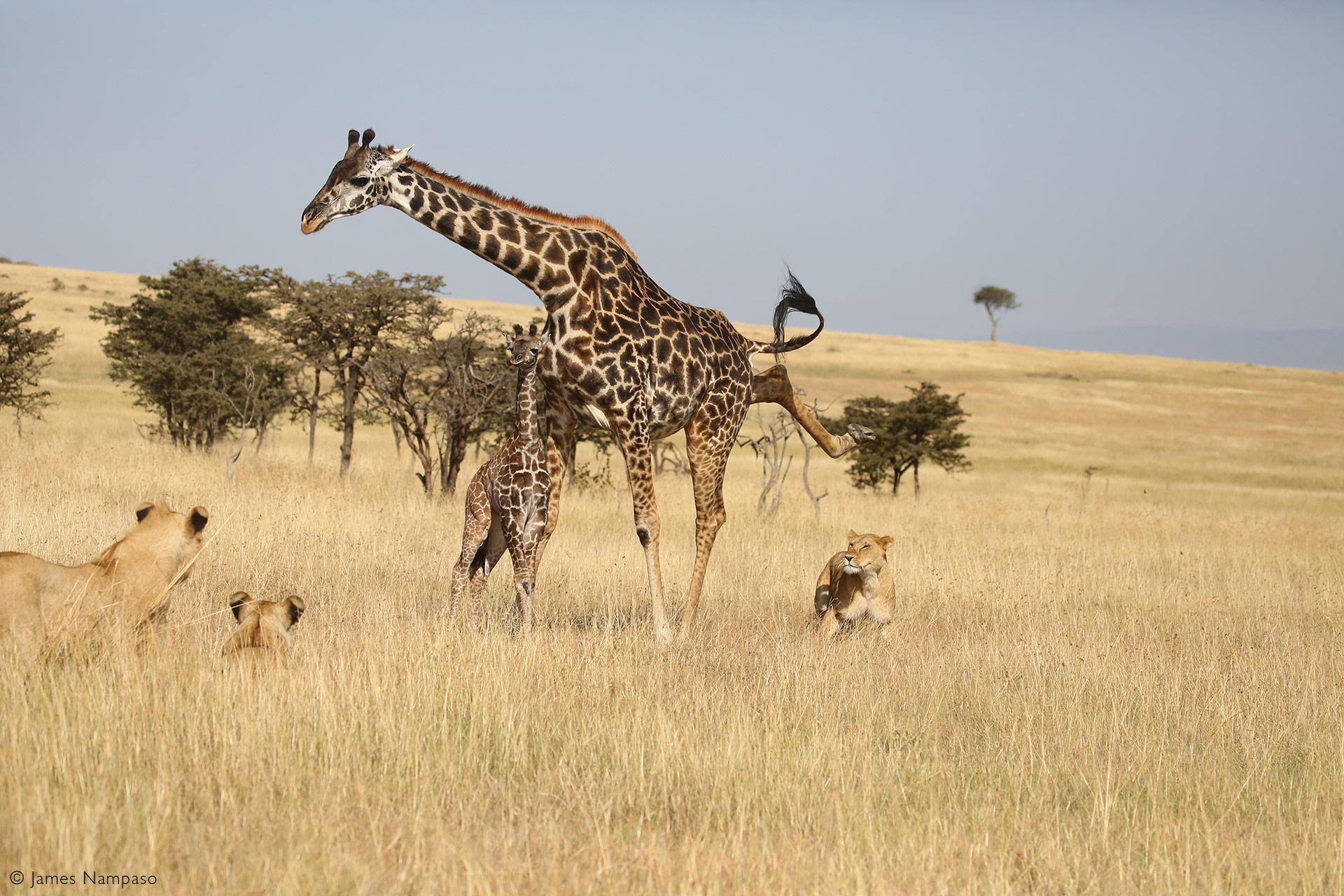
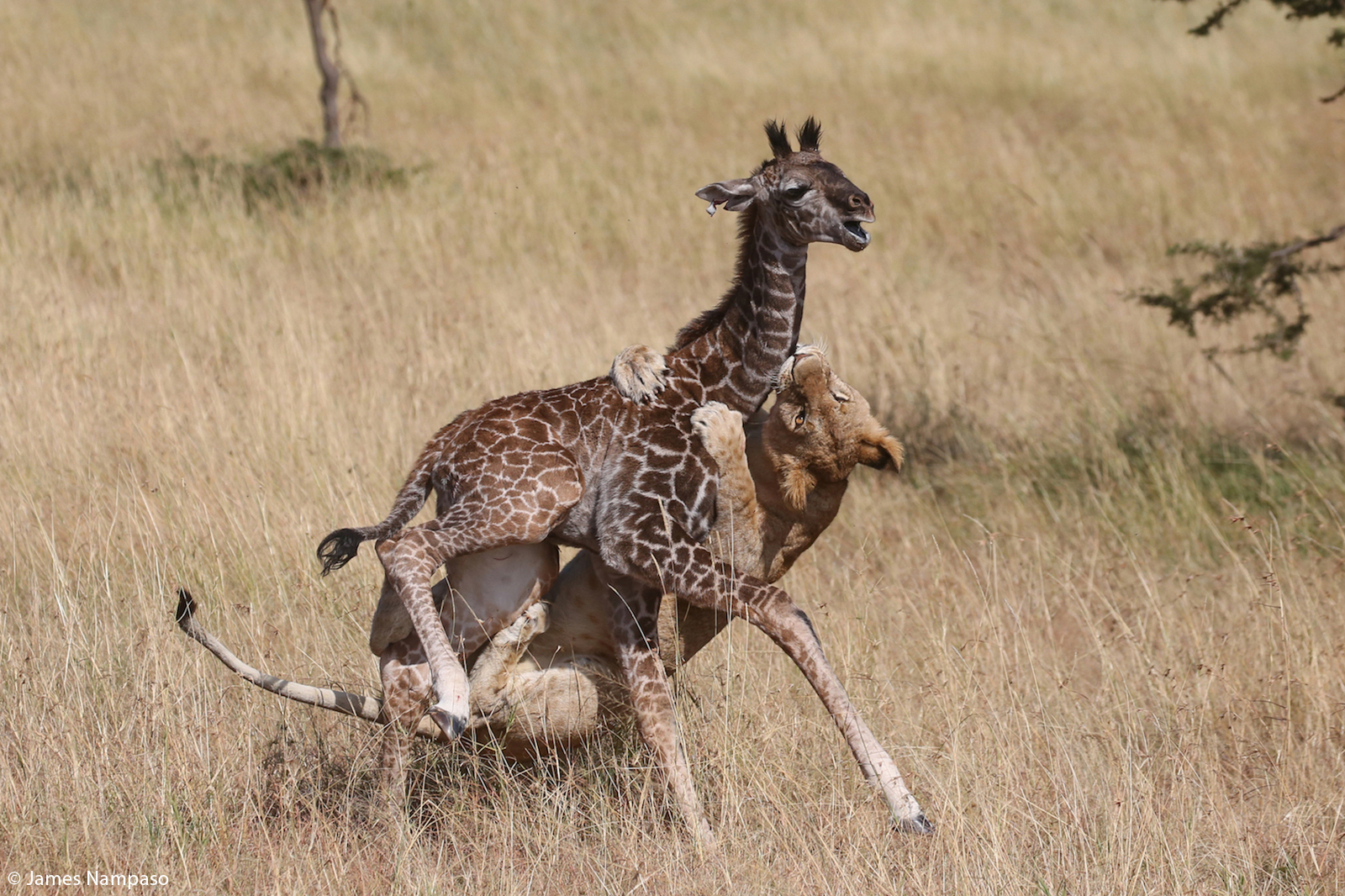
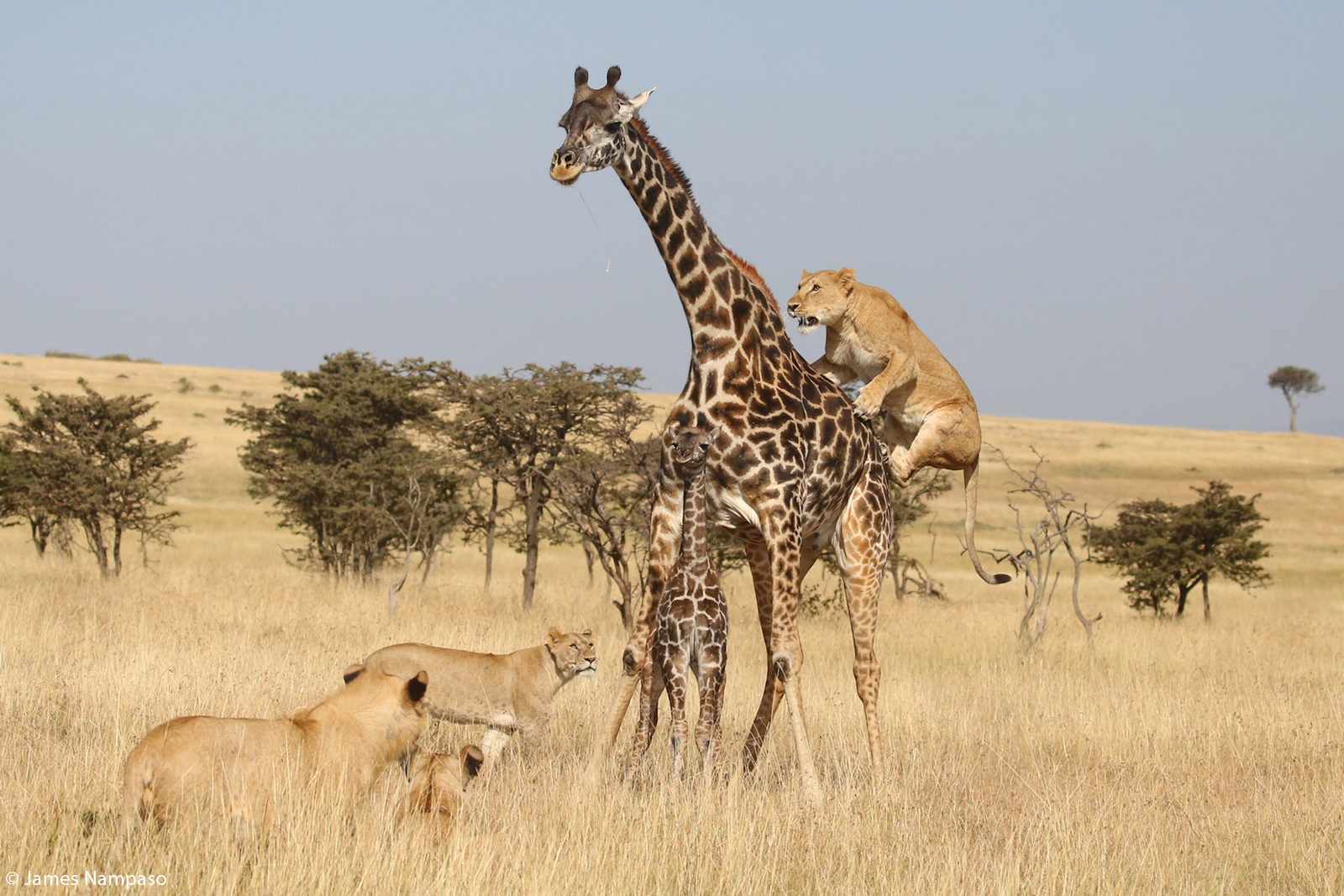
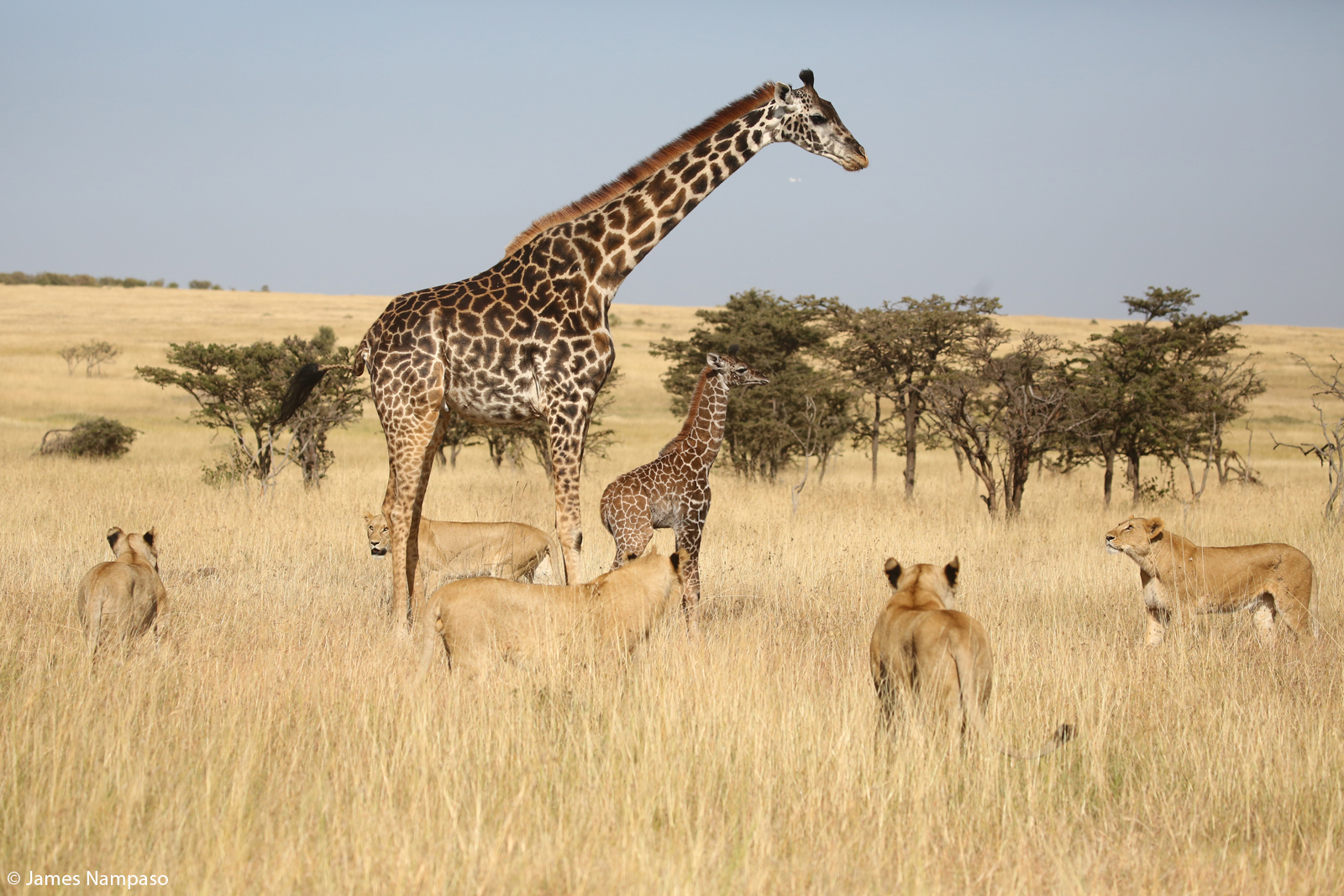
Last week we published an incredible gallery by Kenyan guide and Photographer of the Year entrant James Nampaso – of lions targeting a mom giraffe and her tiny calf. Like many of you, I suspect, images like this toy with my emotions – although of course I respect the necessity of this brutal process playing itself out in countless ways in the natural world. After seeing the above gallery, Barbara Westbrook from Australia sent us an enthralling video clip of a similar encounter of a few years back – in the same area. Again, such a brave giraffe mom and calf. This time though, the outcome was different – watch the video featured after our stories below.

Speaking of 2021 Photographer of the Year, May is the final month of entries, before we start the judging process in June. Some epic images already submitted are competing for the title, which comes with US$10,000 in prize money and a Botswana safari for the winner and two runners-up + their partners. Please get your entries in now to avoid the usual last-minute rush.

Keep the passion

CEO note


Simon Espley – CEO, Africa Geographic


From our Editor-in-Chief

‘When is the best time to go to Africa?’ The safari guide’s eyes roll heavenward. He forces a smile and answers with something like, ‘You do realise that Africa straddles the equator, covers six time zones, is a vast area more than three times the size of the US of profoundly different vegetation, climate, topography, wildlife and home to over a billion souls of unimaginably diverse looks, languages and cultures. Which bit of Africa were you referring to exactly?’. Luckily for our jaded safari guide, we at AG have come to the rescue with a series of four stories about the best times to visit the many fascinating parts of Africa. In our first story below, we cover the most popular safari season of June to August.

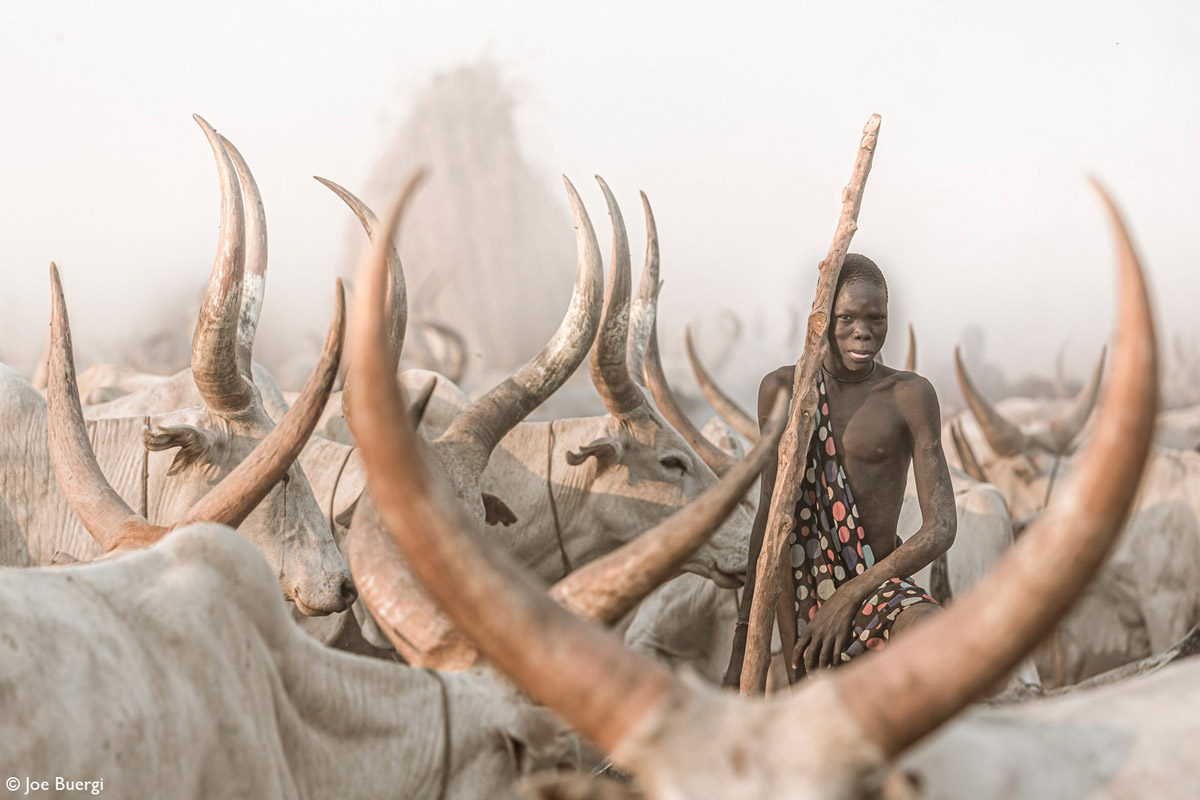
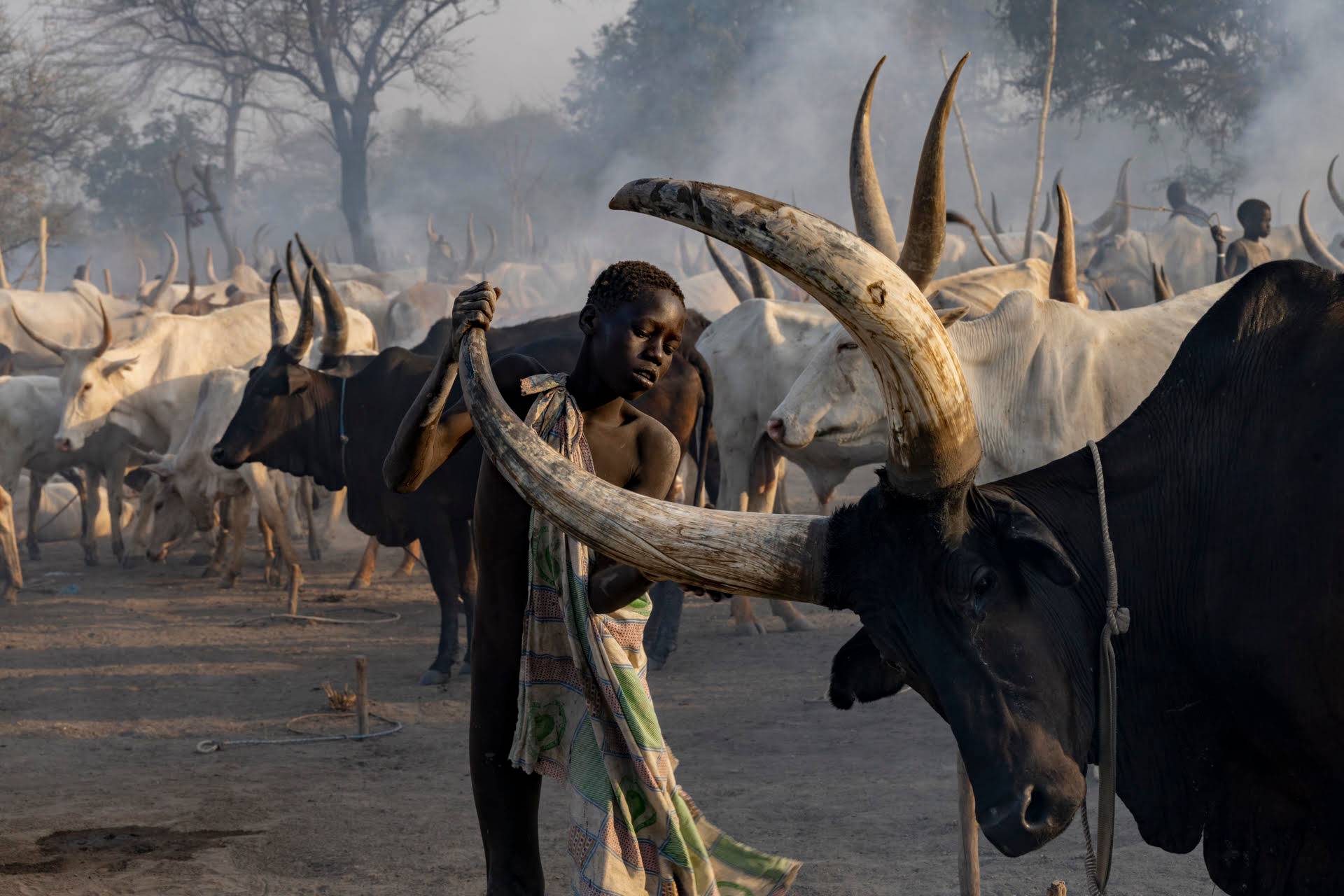
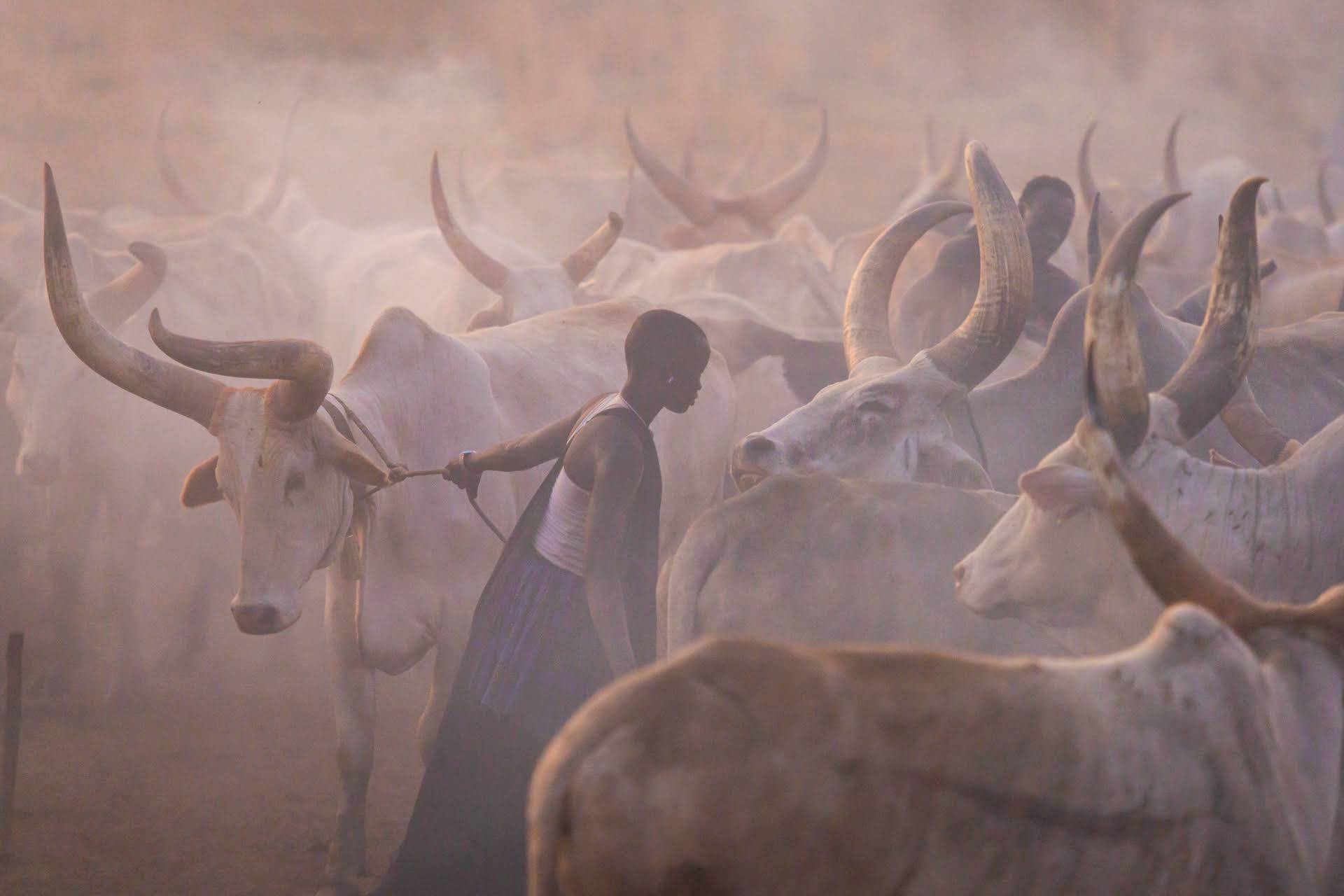
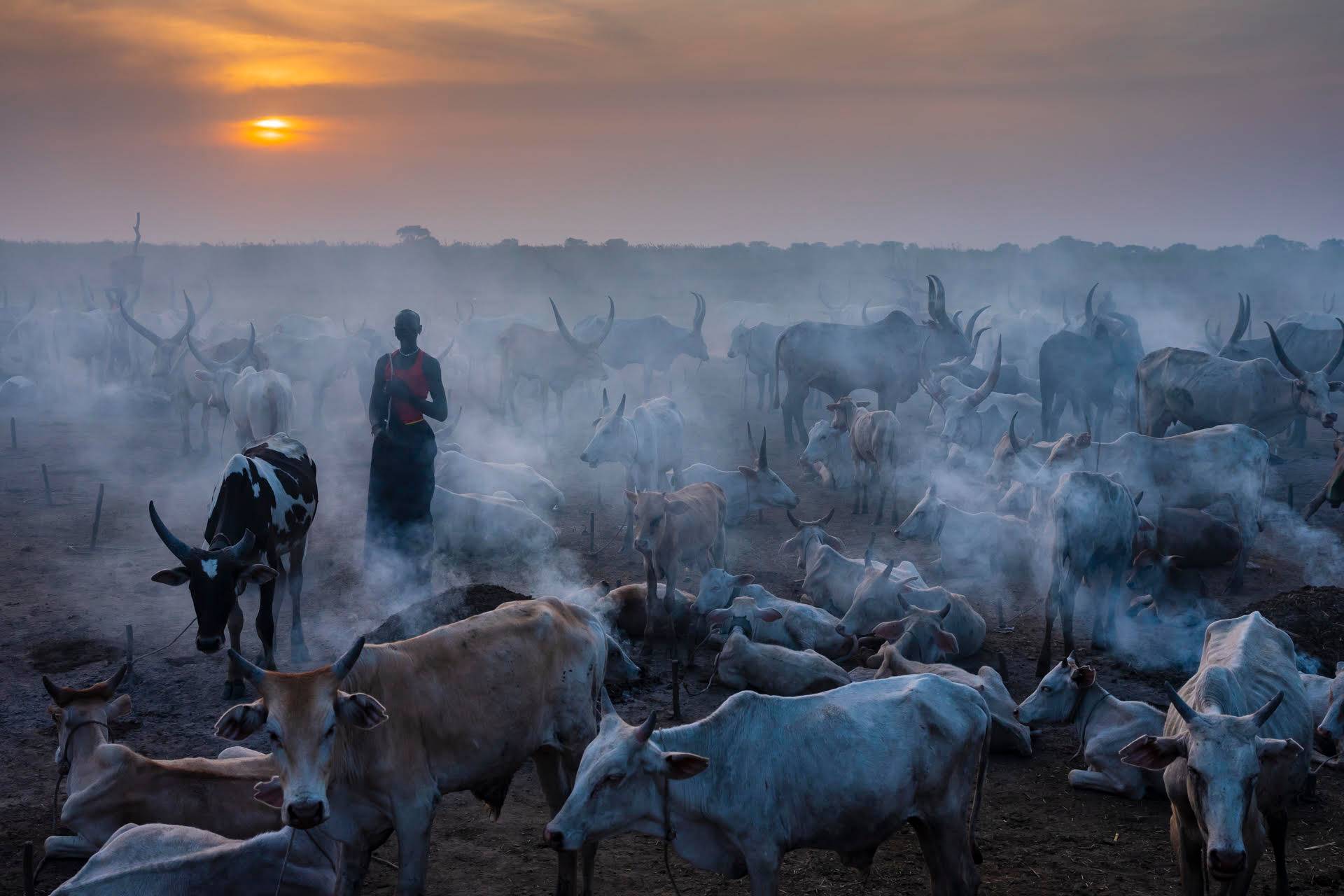
A few years ago, I was shooting a short documentary on the Maasai people who graze their livestock (legally) in the Mara Triangle during the quiet season. Even a blind moron with a faulty pinhole camera could have captured gorgeous images of the scene: backdrop of the Mara at sunrise, the Maasai’s colourful clothing and the odd elephant wandering past the cattle. What struck me most, however, was the fact that the herders, contrary to their cliched portrayal in popular media, are not relics of a bygone era. They were chatting on their smartphones and doing banking transactions dressed in shukas and car-tire sandals while whistling at their cattle. These were modern, 21st-century Maasai. In our second story below, Benoît Feron and Anne-Françoise Tasnier travelled to South Sudan to spend some time with the Mundari people; to learn about their cattle culture and photograph their interaction with the 21st century.

Our third story below is exciting. New research by the big hitters of African elephant conservation lead by Jake Wall with support from doyen Iain Douglas-Hamilton and many others, asserts that elephants occupy just 17% of their potential range. Whether we, as a species, can learn to share this land with them is another matter – but there is hope, and there is more space than we thought.


Story 1
https://travel.africageographic.com/when-to-go-on-safari
SAFARI TIPS
When is the best safari season in Africa? Learn the best places to visit for weather, wildlife and experiences

Story 2
MUNDARI CULTURE
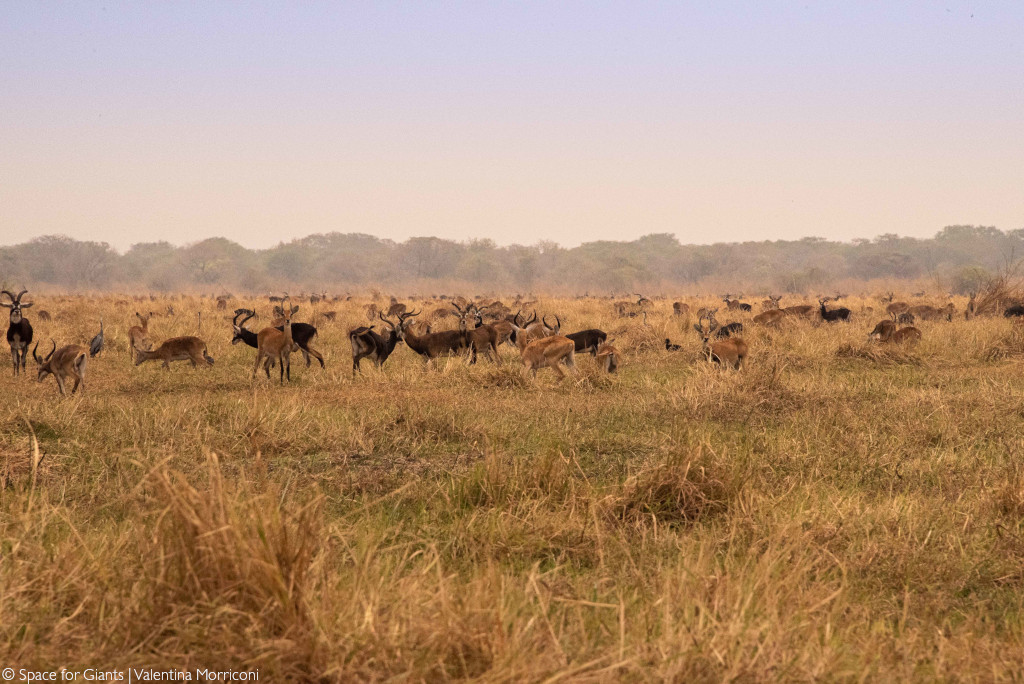
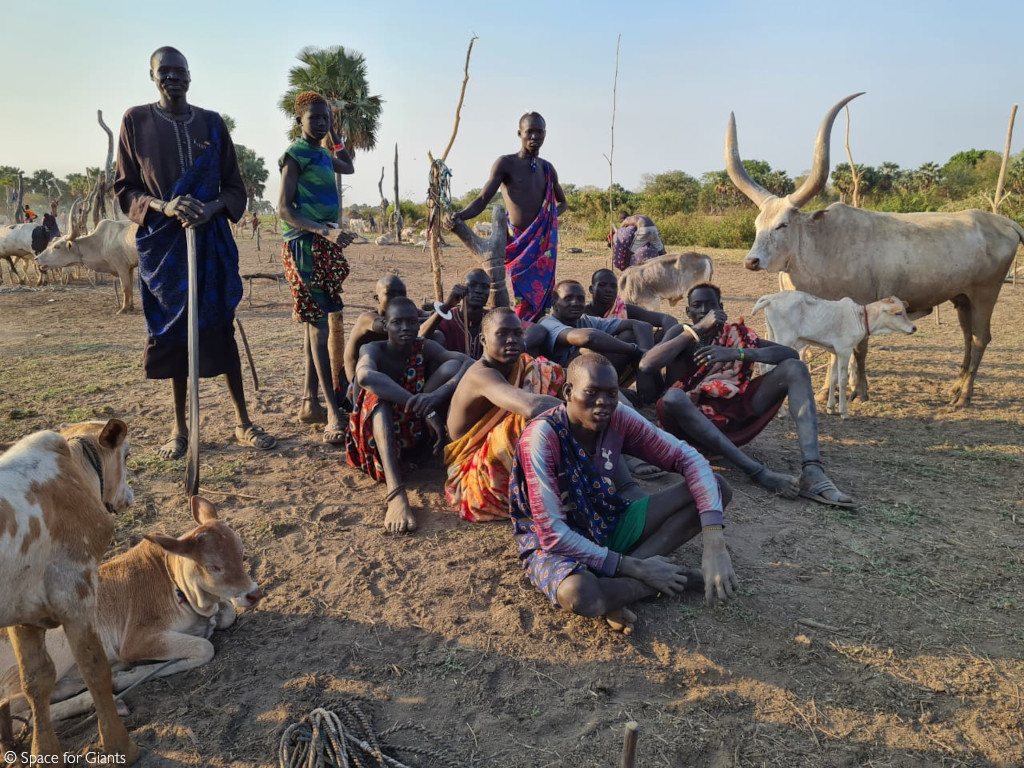
The Mundari people of South Sudan are a fascinating, traditional people forging into the 21st century with a cattle-based culture

Story 3
HOPE FOR ELEPHANTS
New research shows that Africa’s elephant range is just 17% of its potential. Despite the odds, there is potential for expansion.

Story 4
BEST PHOTOS
Week sixteen of our 2021 Photographer of the Year


DID YOU KNOW: Vulturine guineafowl (Acryllium vulturinum) live in complex multilevel societies – a social structure previously believed to be unique to large-brained mammals


WATCH: An amazing encounter between a lion pride and a desperate giraffe cow trying to protect her calf. In this case, the inexperienced lions lost interest, leaving the traumatised family to fight another day (1:26)


Photographer of the Year 2021 Weekly Selection: Week 16

Our Photographer of the Year 2021 is open for submissions, with cash prizes of US$10,000 for the overall winner and the two runners-up. They and their partners will also join our CEO Simon Espley and his wife Lizz on the ultimate private safari in Botswana.

The competition runs from January to June 2021. Get your entries in now and join us in celebrating Africa! Proudly brought to you by Hemmersbach Rhino Force and Natural Selection.

Here are the best submissions for this week 

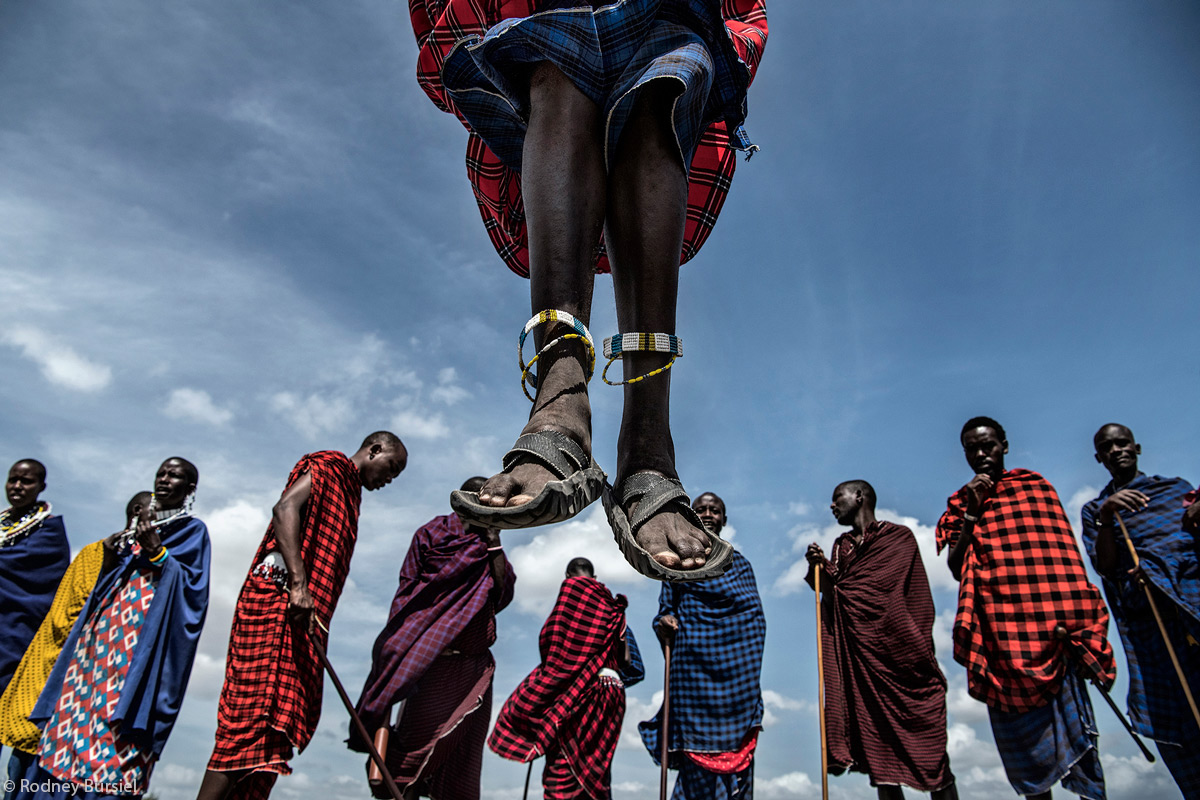
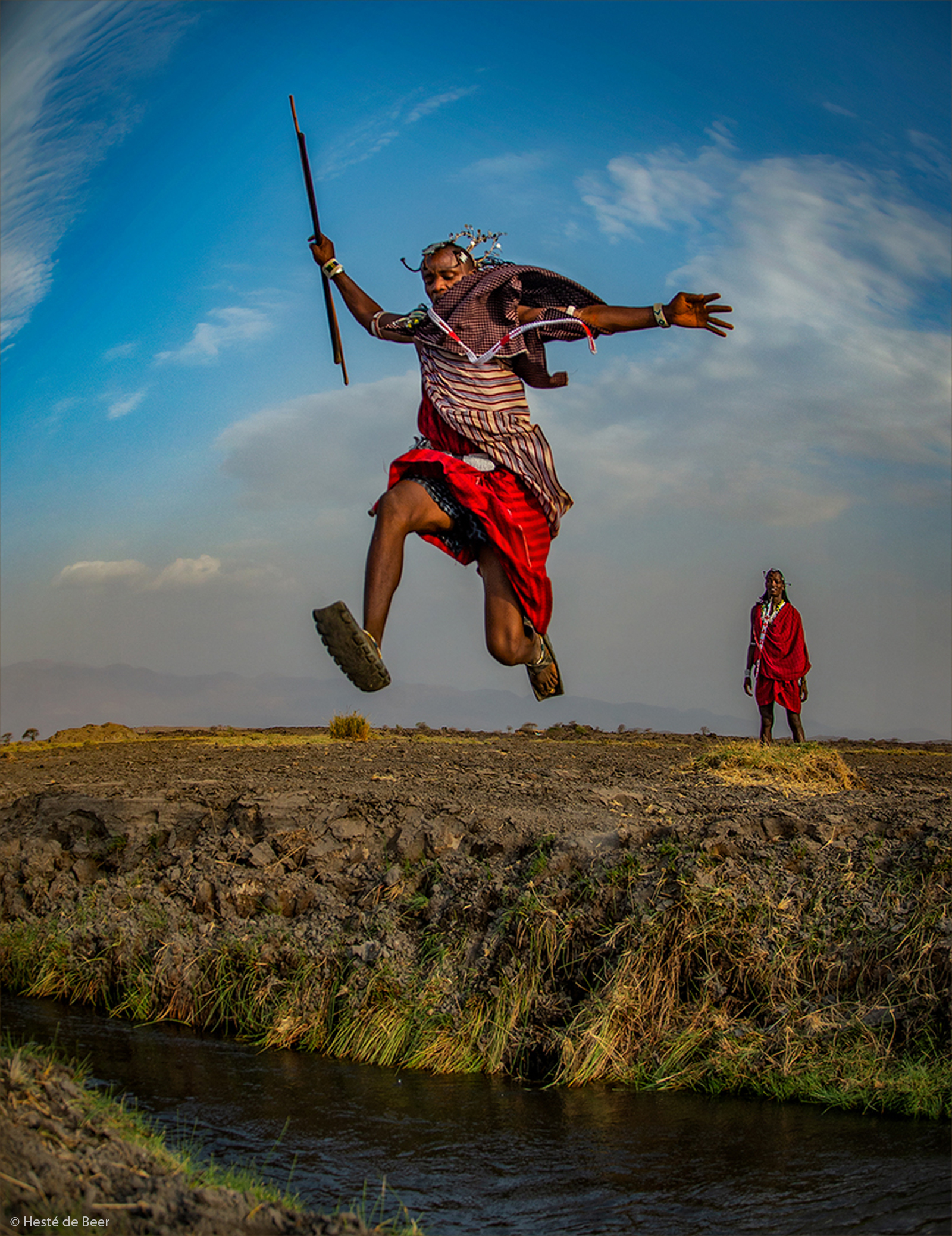
Maasai warriors competing to jump over a stream that flows into Lake Natron, Tanzania. © Hesté de Beer
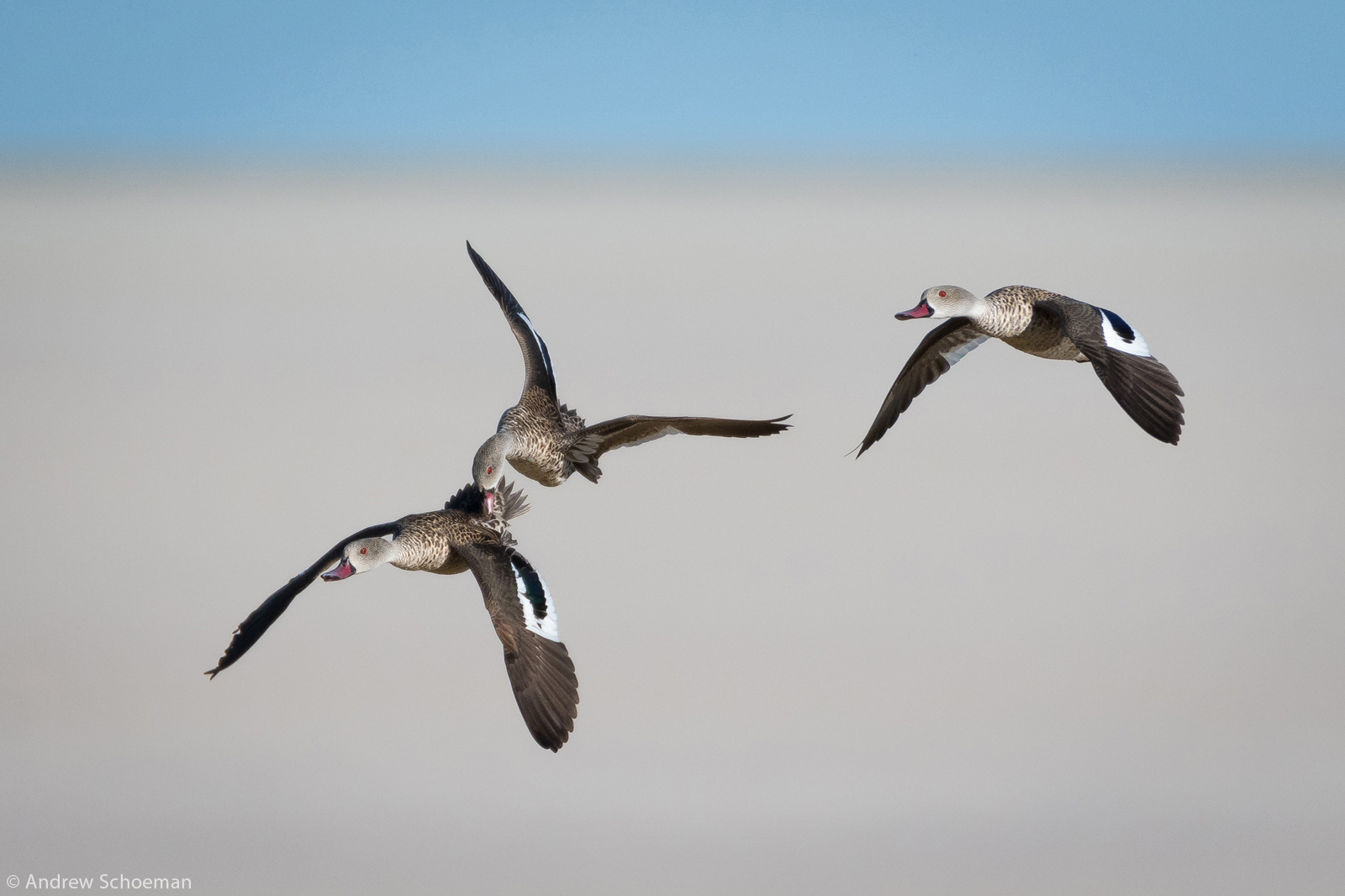
A pair of angry Cape teals chase an intruder from their waterhole. Etosha National Park, Namibia. © Andrew Schoeman
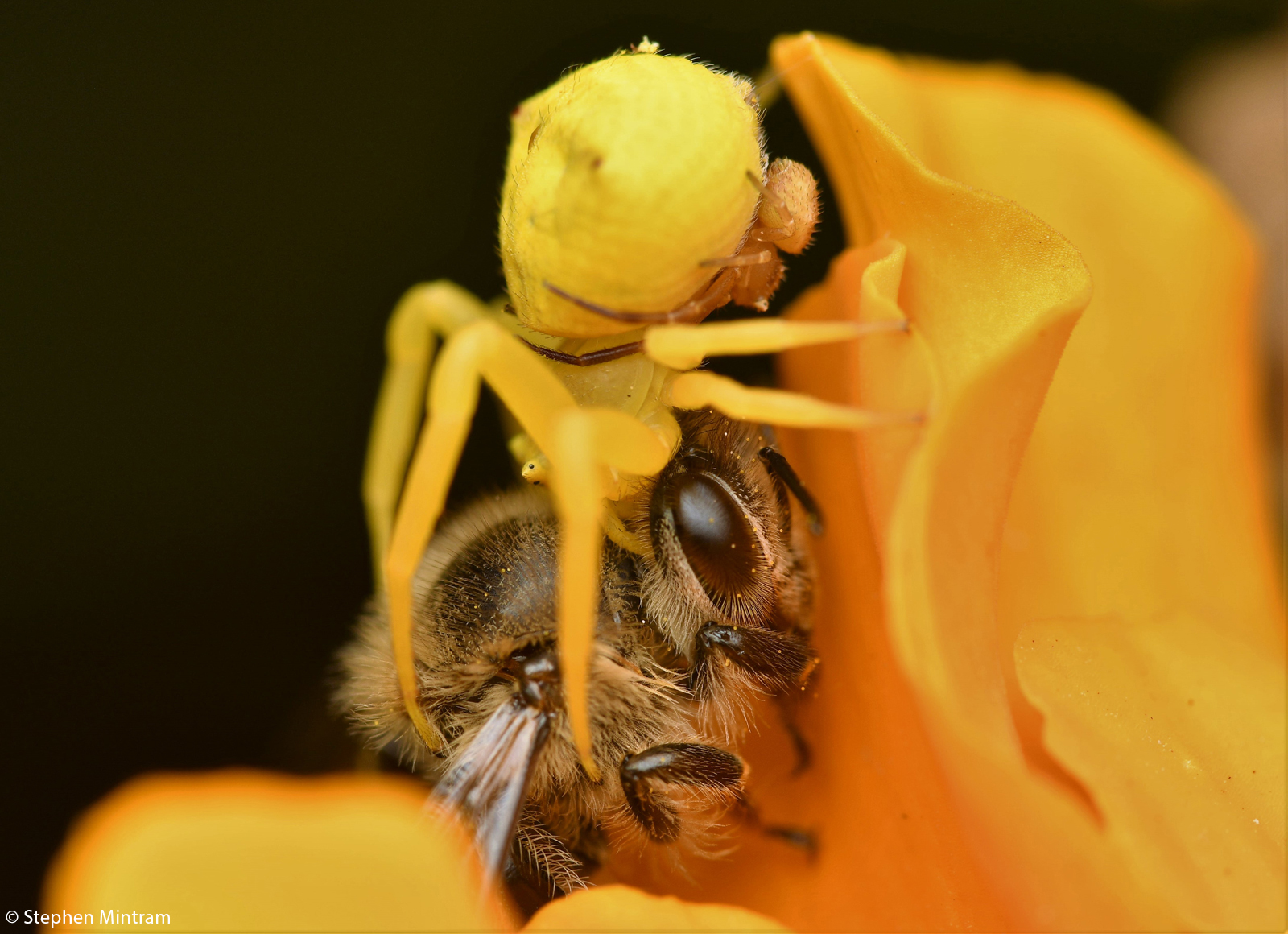
A female crab spider ruins the day for a honey bee. If you look carefully, you can see her husband clinging onto her abdomen. Olivedale, Johannesburg. © Stephen Mintram
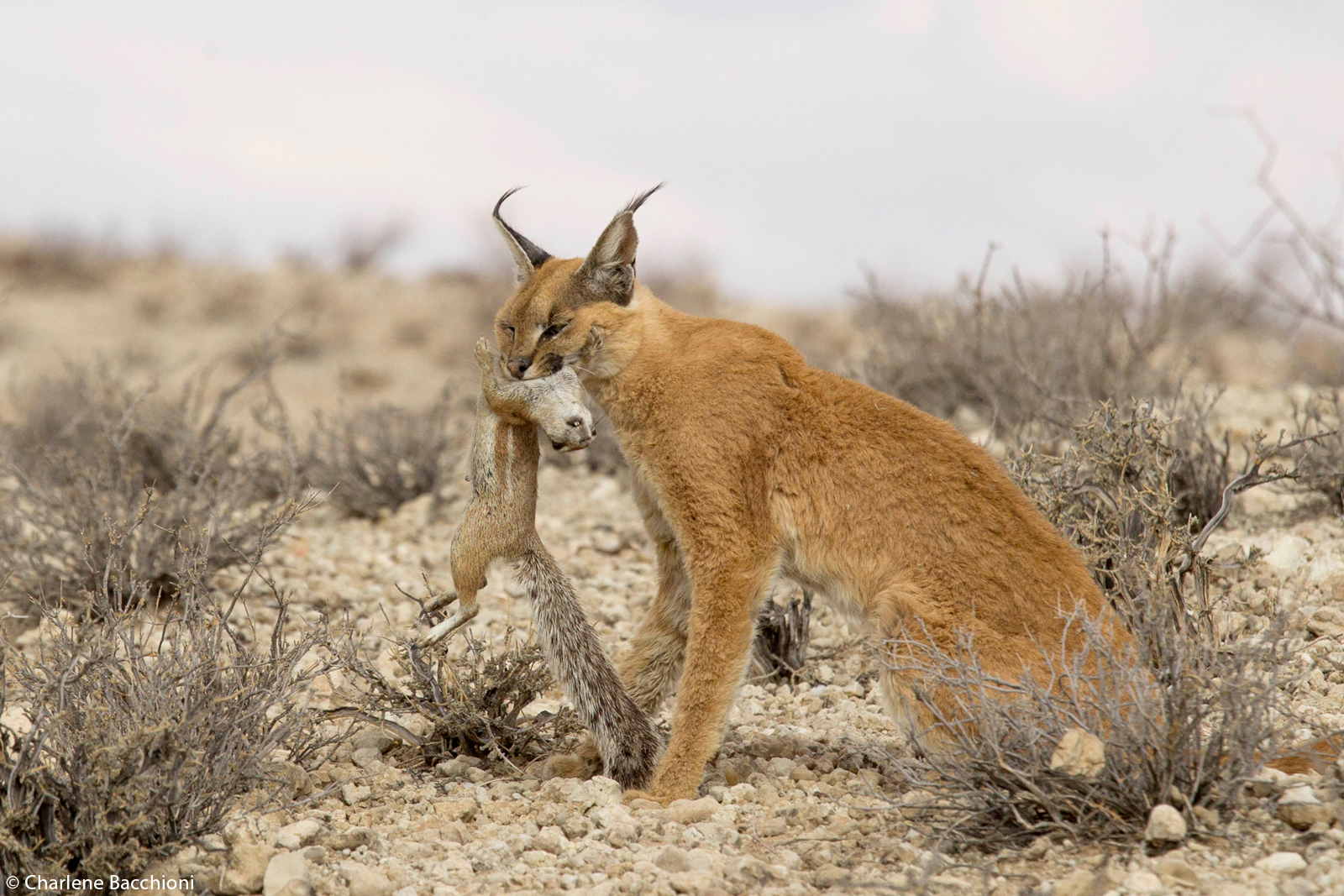
A ground squirrel pays (unwillingly) for a caracal’s patience. Kgalagadi Transfrontier Park, South Africa. © Charlene Bacchioni
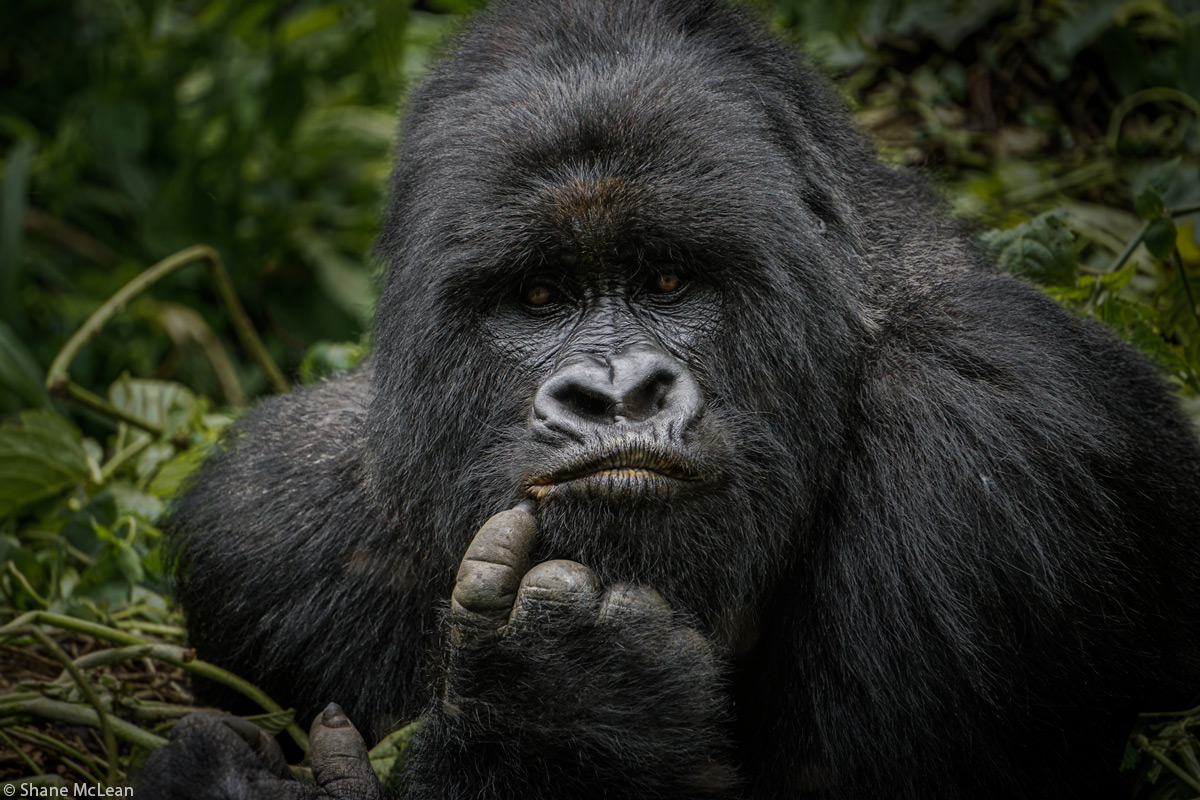
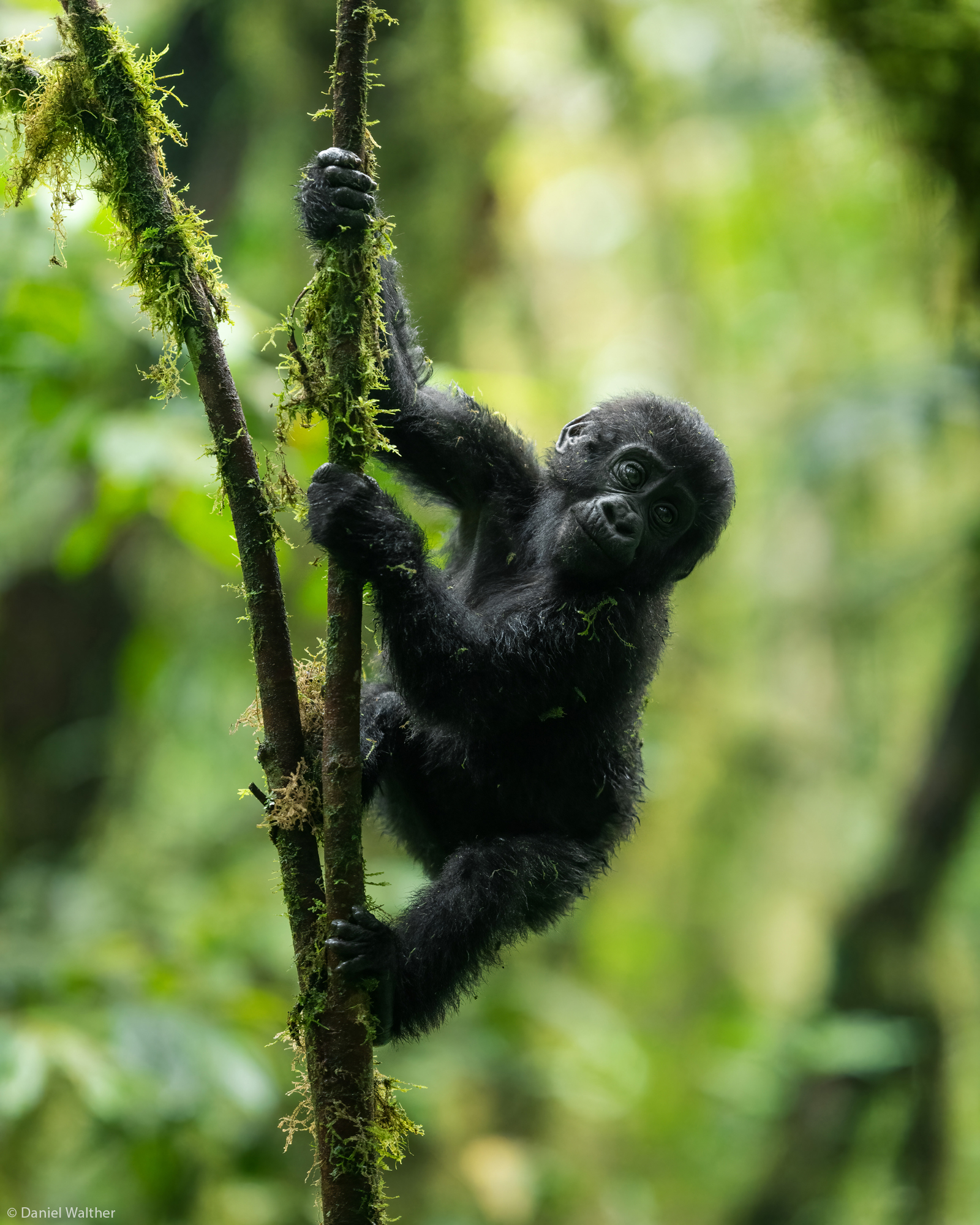
A baby mountain gorilla honing his climbing skills. Bwindi Impenetrable Forest National Park, Uganda. © Daniel Walther
Africa Geographic Travel
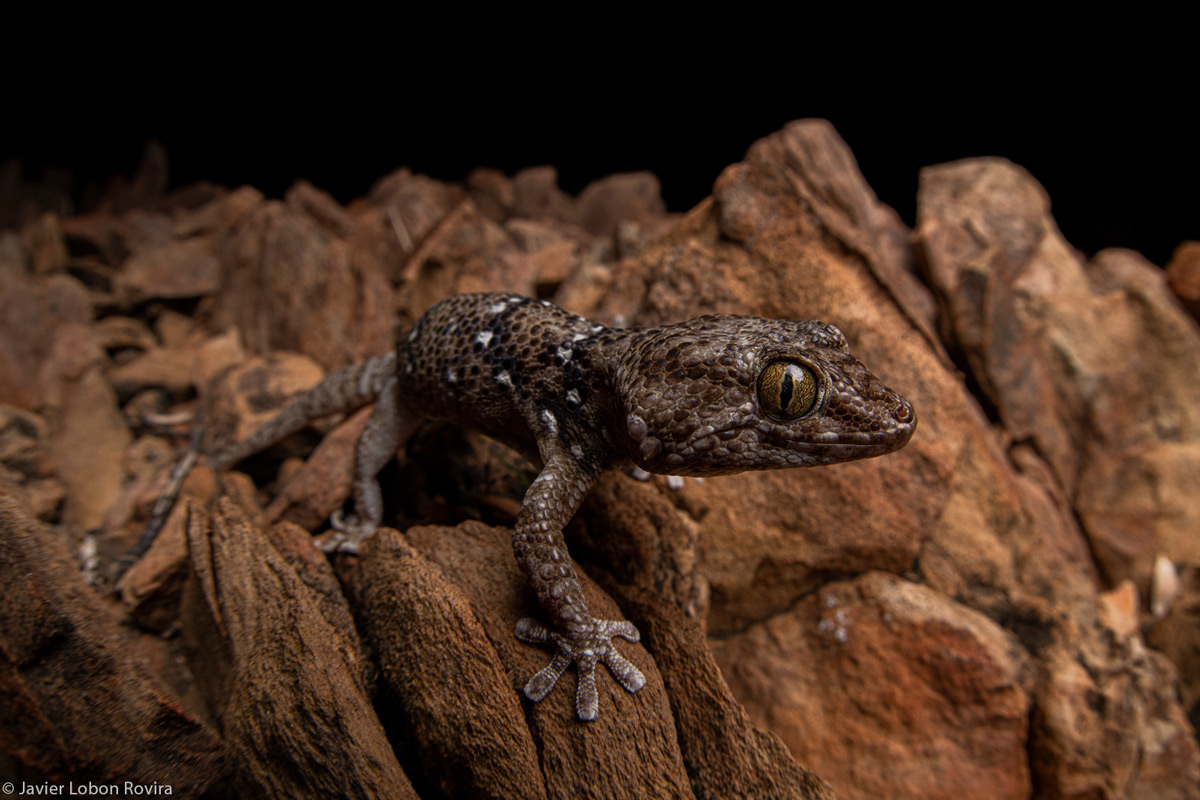
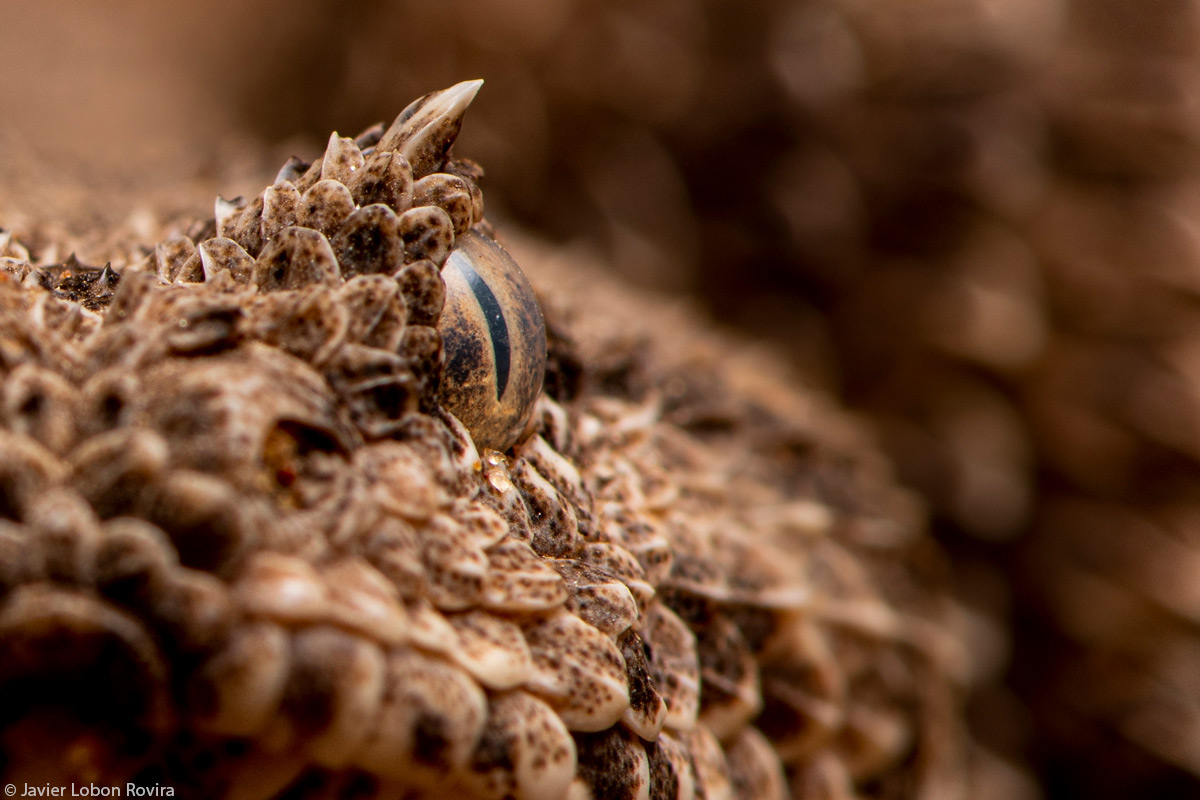
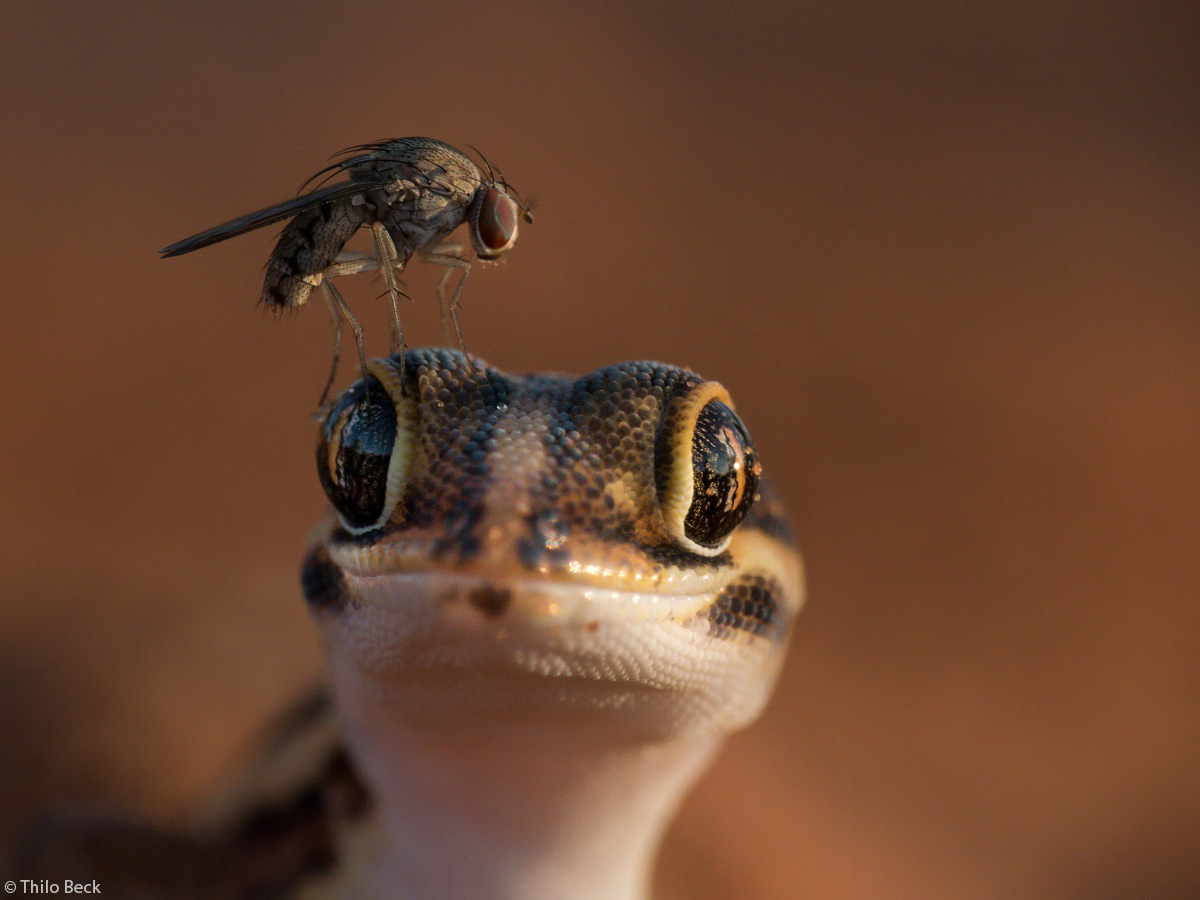
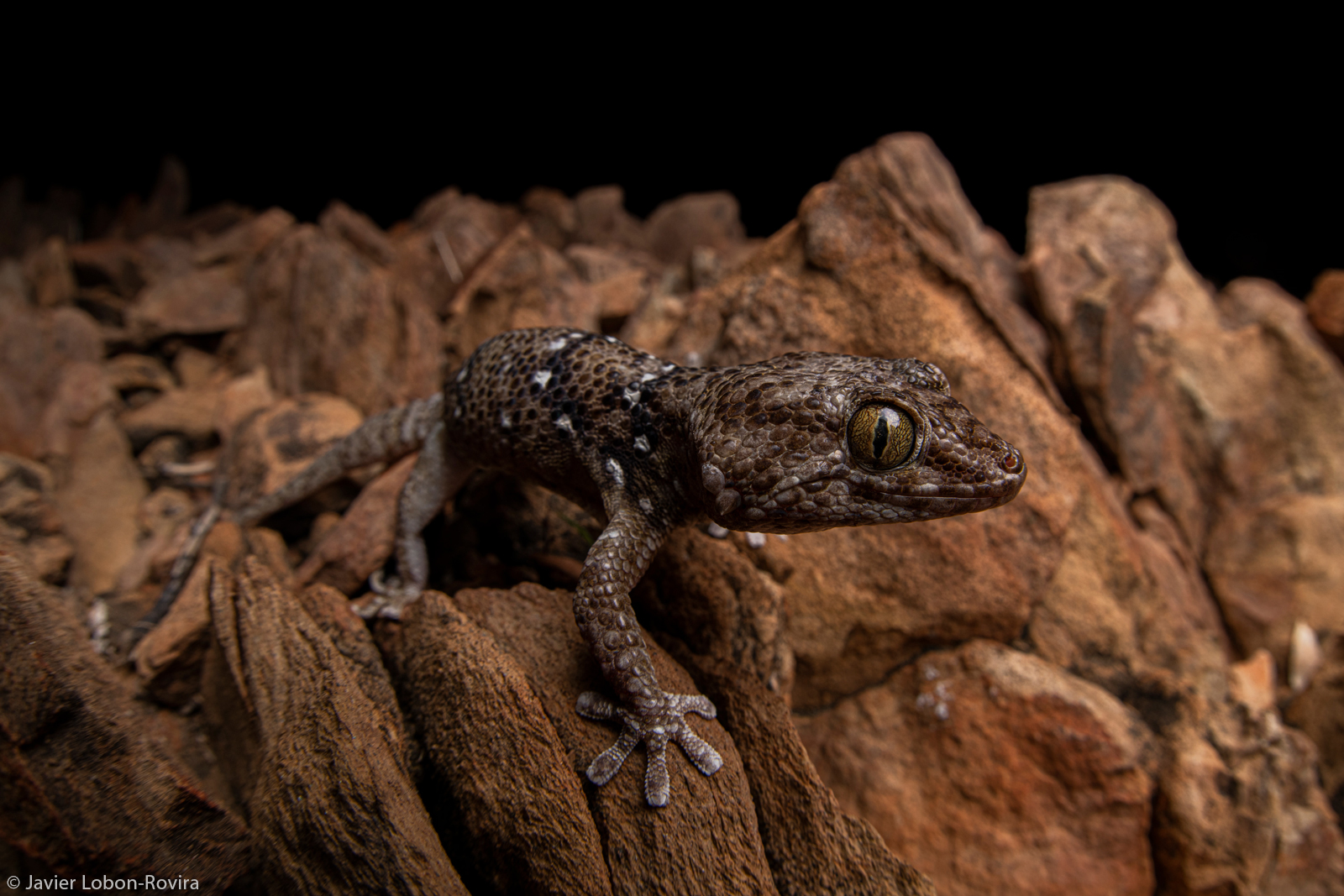
The beautiful Fitzsimon’s thick-toed gecko (Chondrodactylus fitzsimonsi) emerging after rain in search of insects. Iona National Park, Angola. © Javier Lobon-Rovira
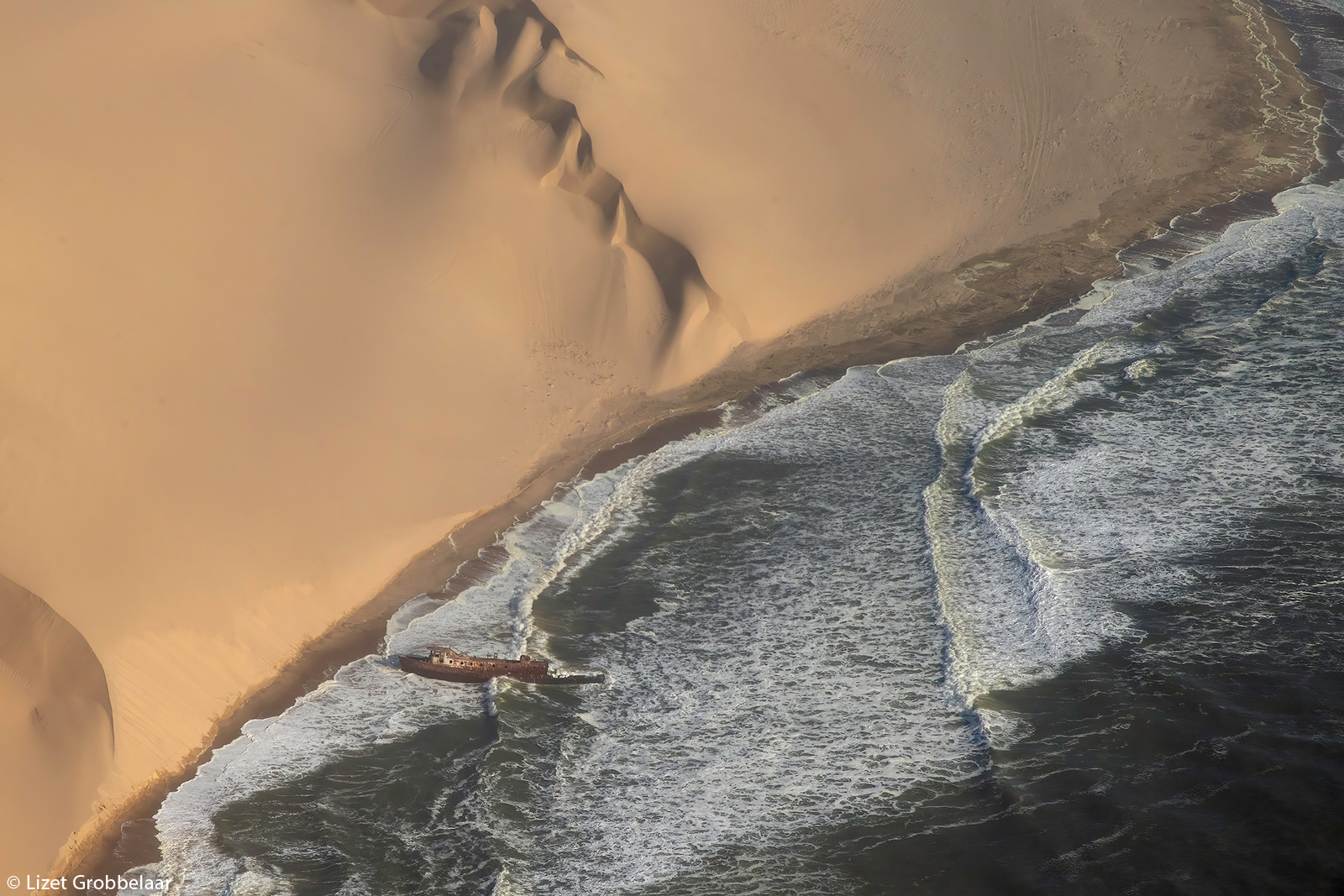
The Shawnee shipwreck just south of Sandwich Harbour. The ship ran aground under mysterious circumstances in 1976. Skeleton Coast, Namibia. © Lizet Grobbelaar
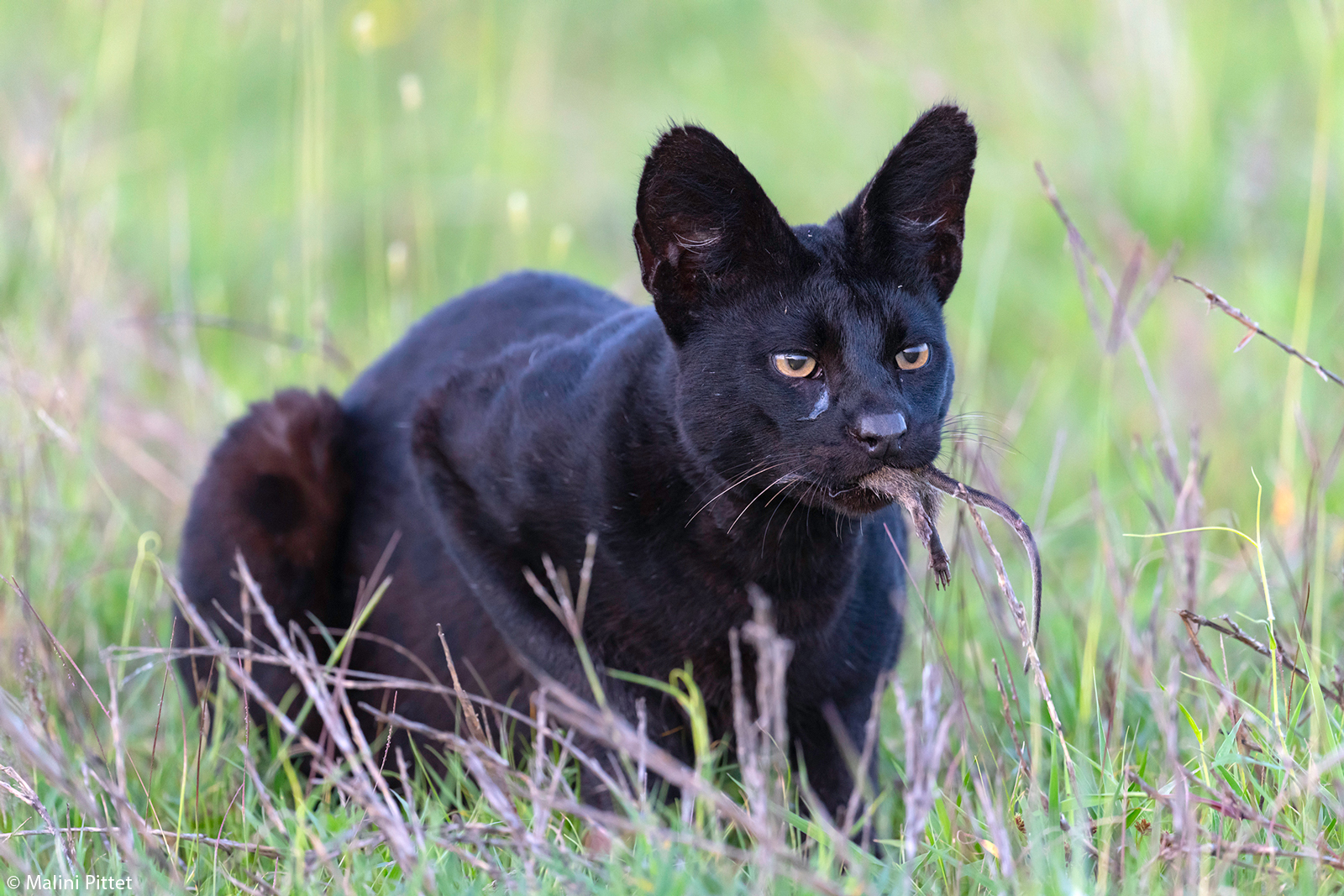
Twilight snack: a melanistic serval enjoys a mouse at the end of an eventful day. Serengeti National Park, Tanzania. © Malini Pittet
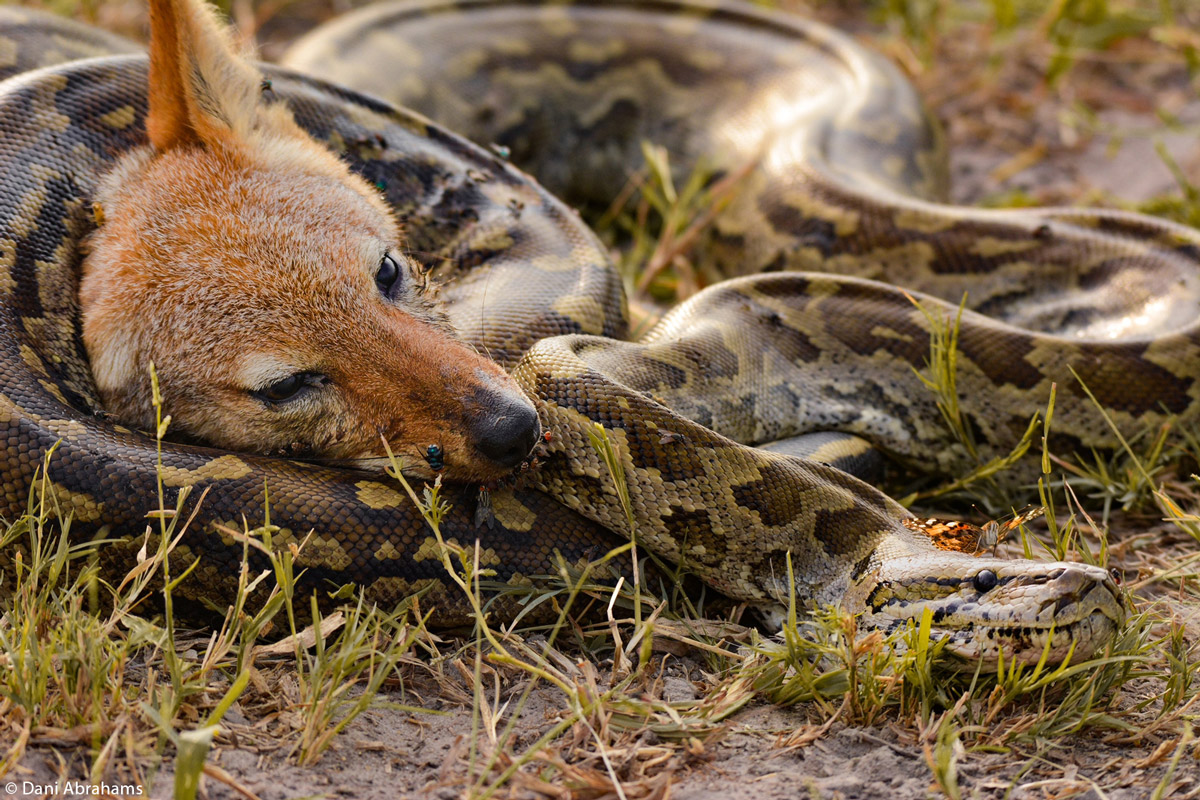
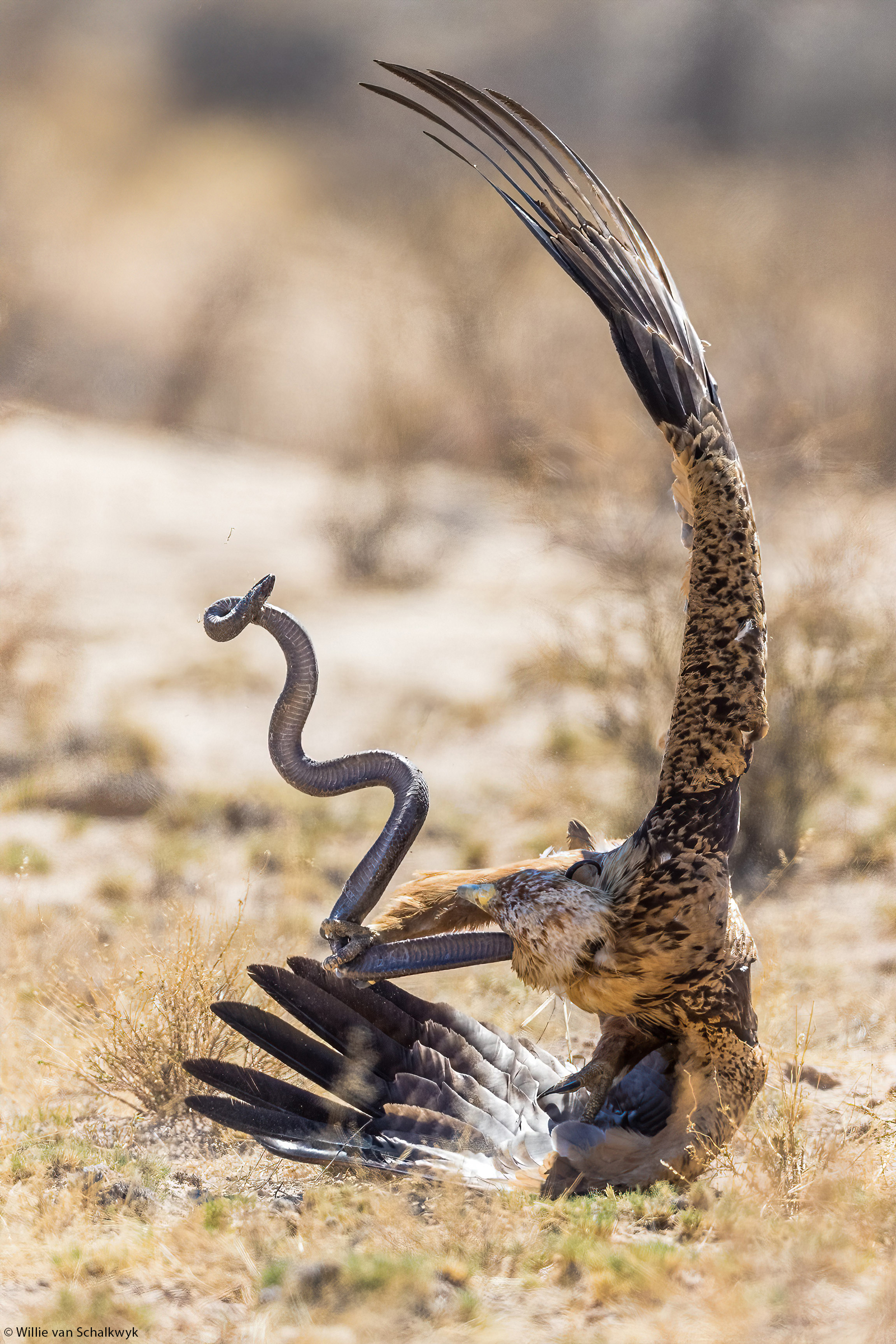
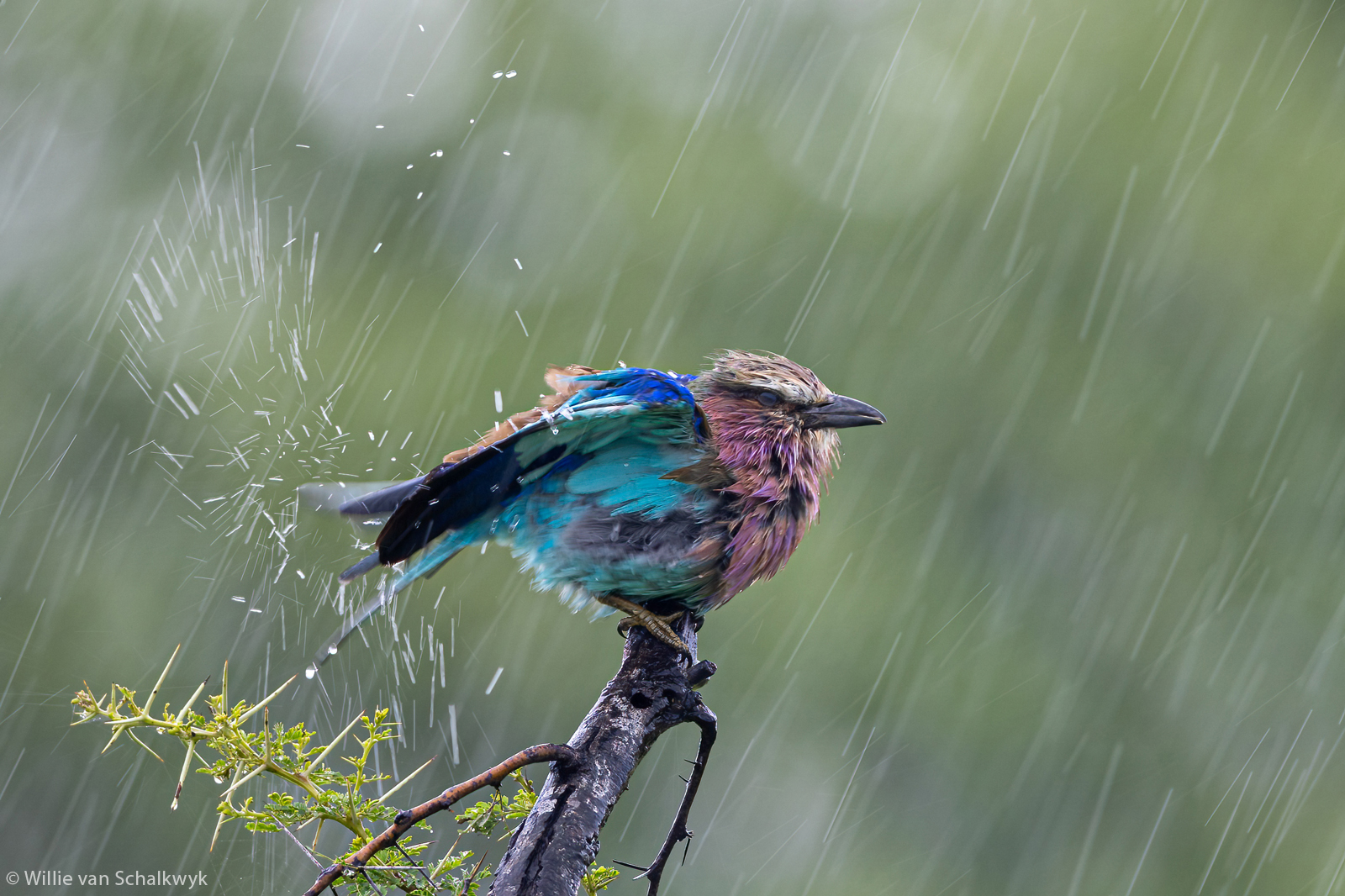
Attack is the best form of defence. A mole snake wraps its tail around the neck of a tawny eagle which underestimated its supper’s will to live. The eagle managed to escape after a long struggle. Kgalagadi Transfrontier Park, South Africa. © Willie van Schalkwyk
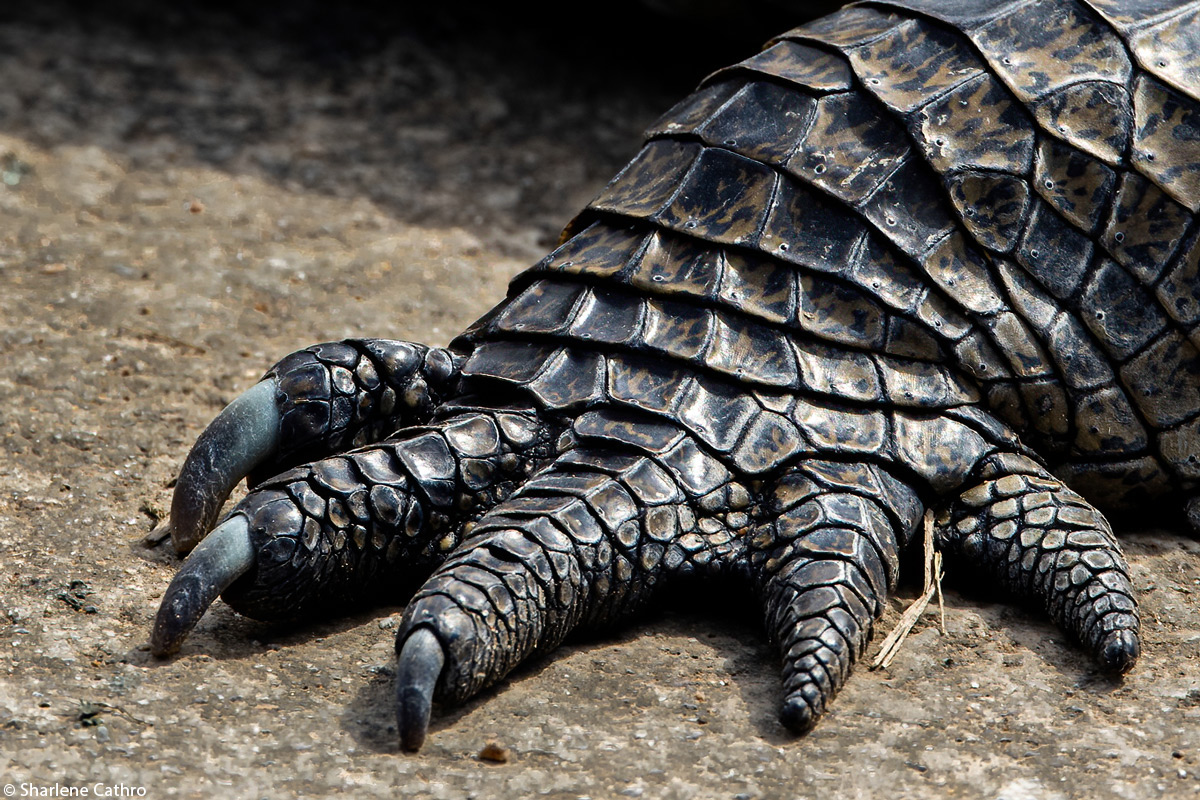
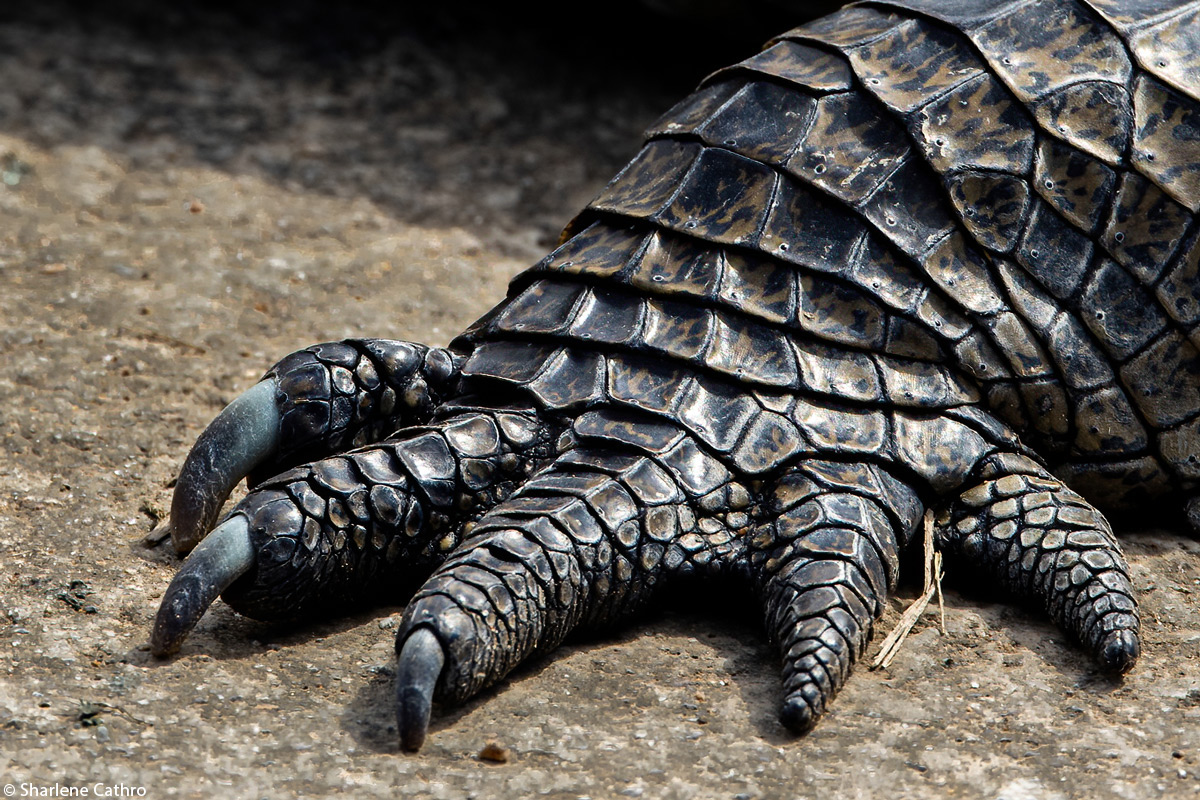
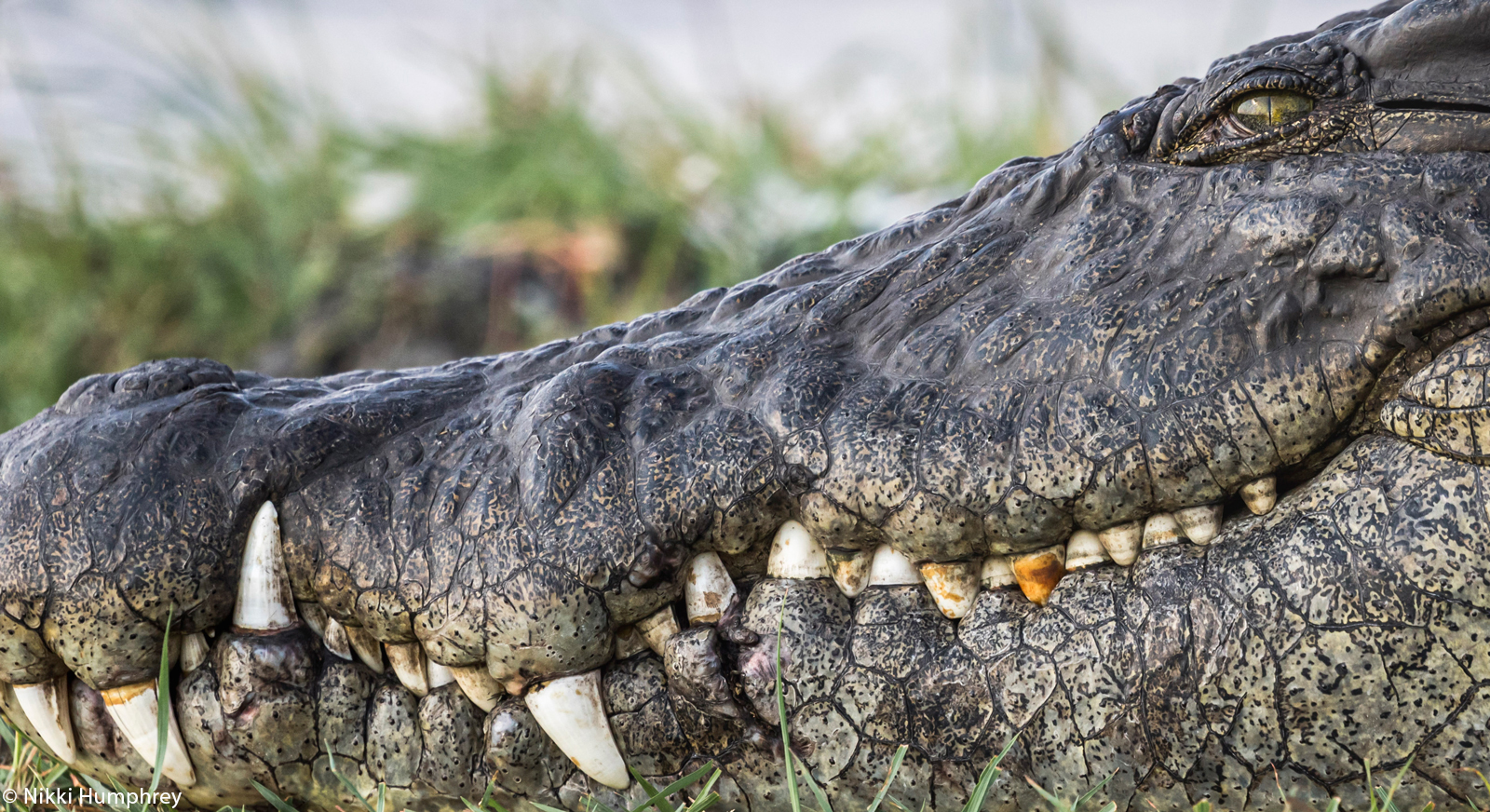
The Nile crocodile’s fearsome, if slightly unhygienic, teeth. Chobe National Park, Botswana. © Nikki Humphrey
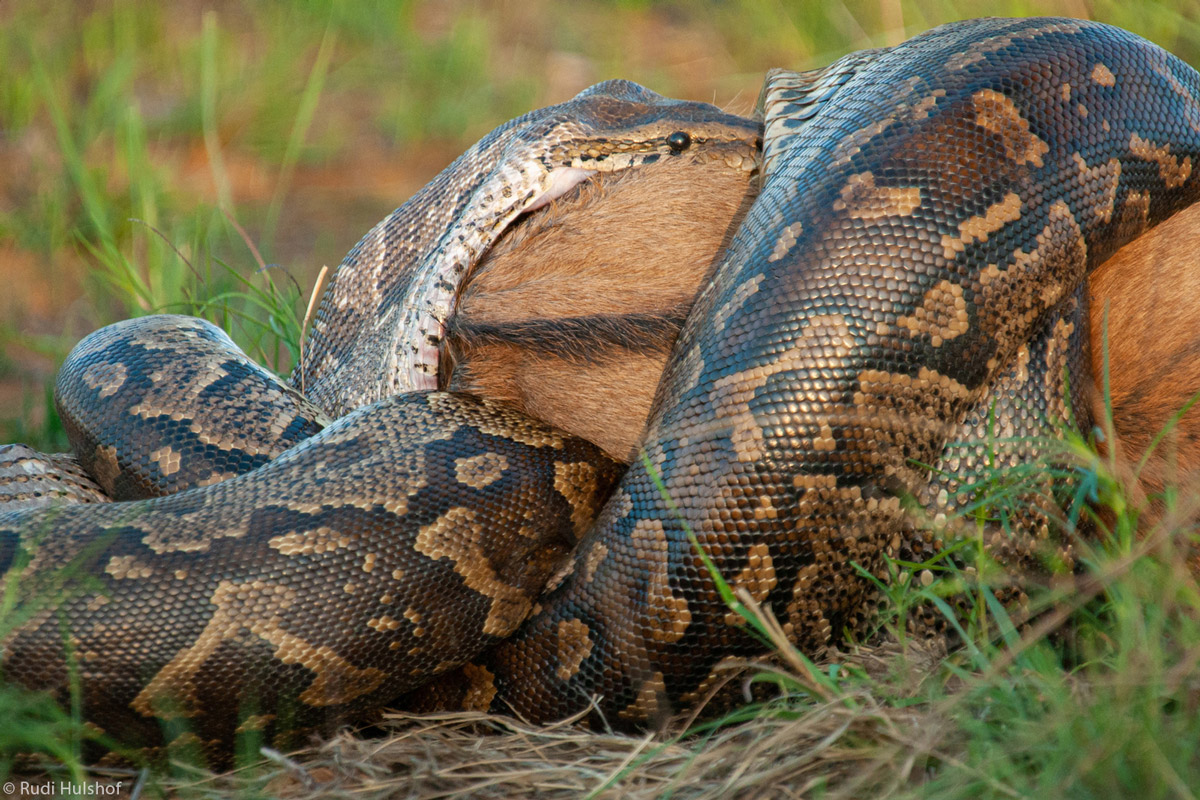
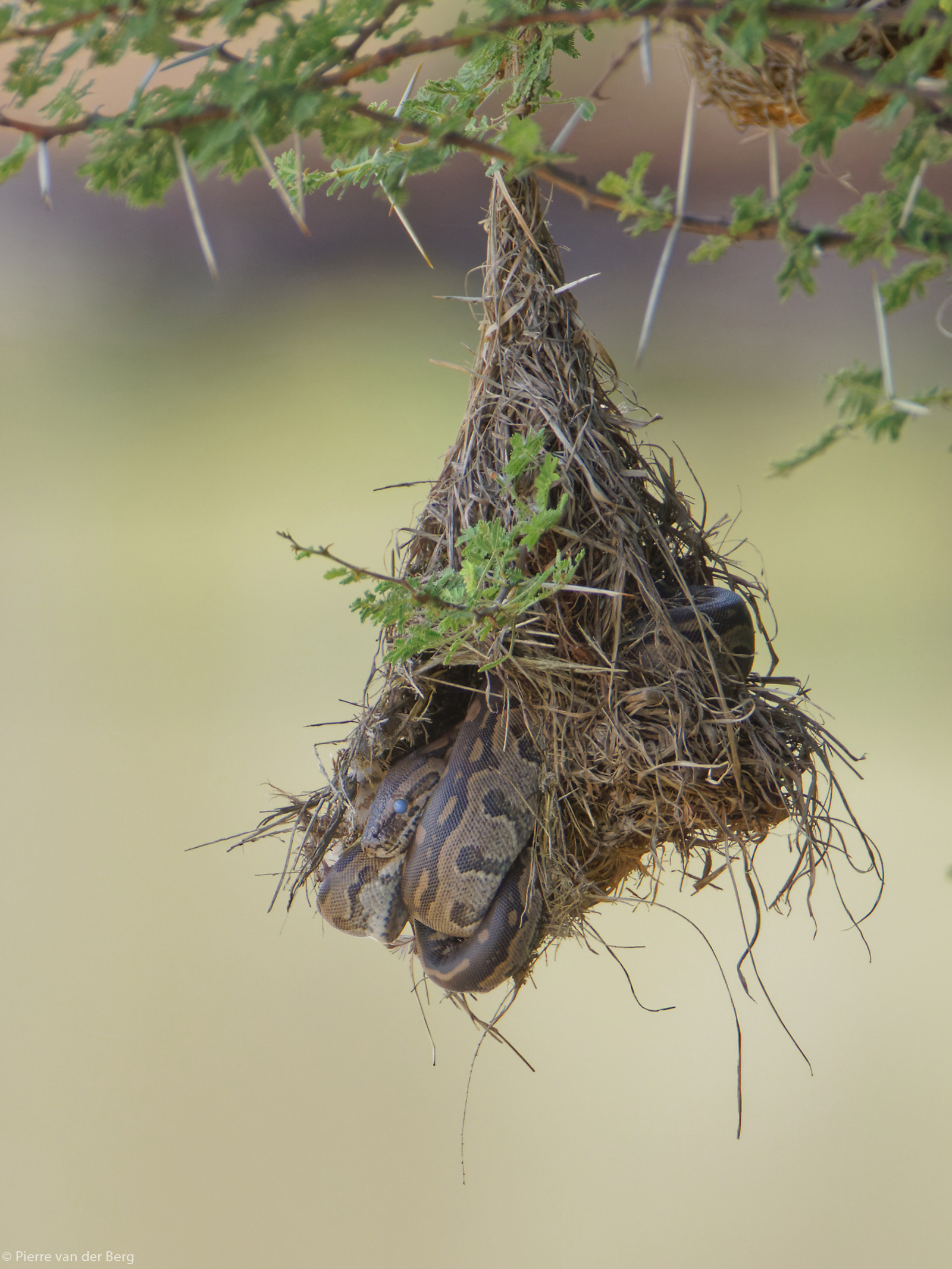
A python confusing an old weaver’s nest for a hammock. Pilanesberg National Park, South Africa. © Pierre van der Berg
Africa Geographic Travel
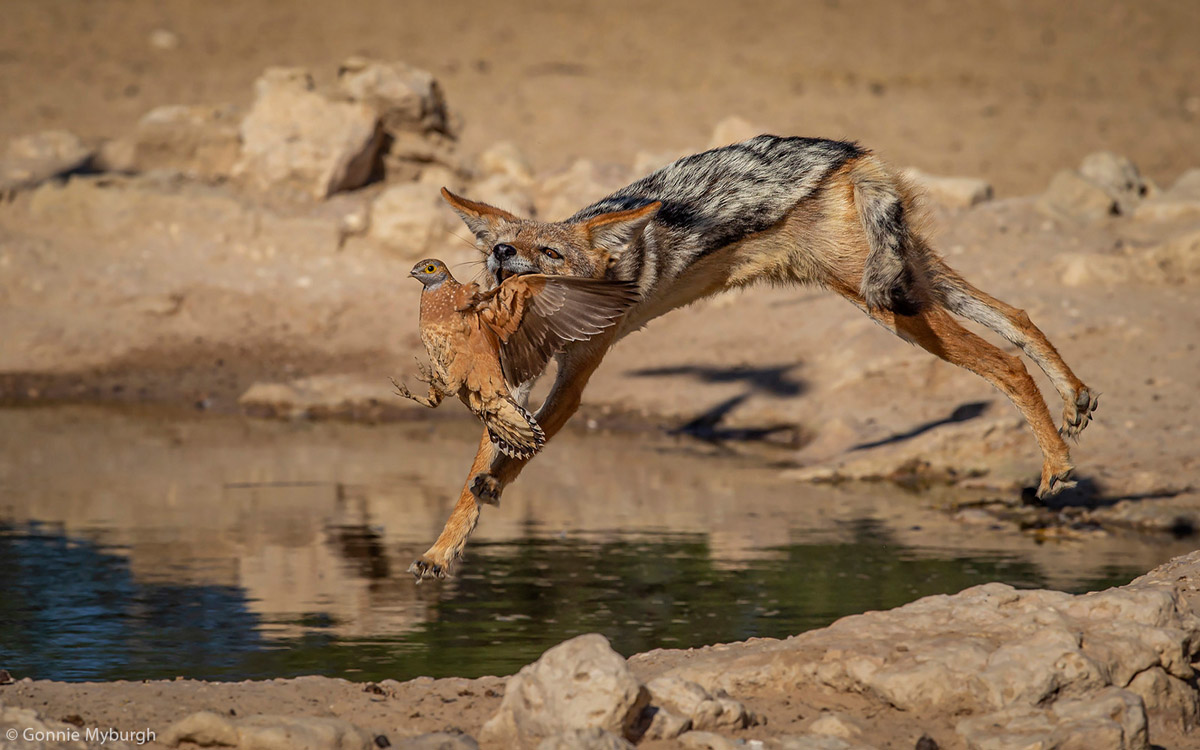
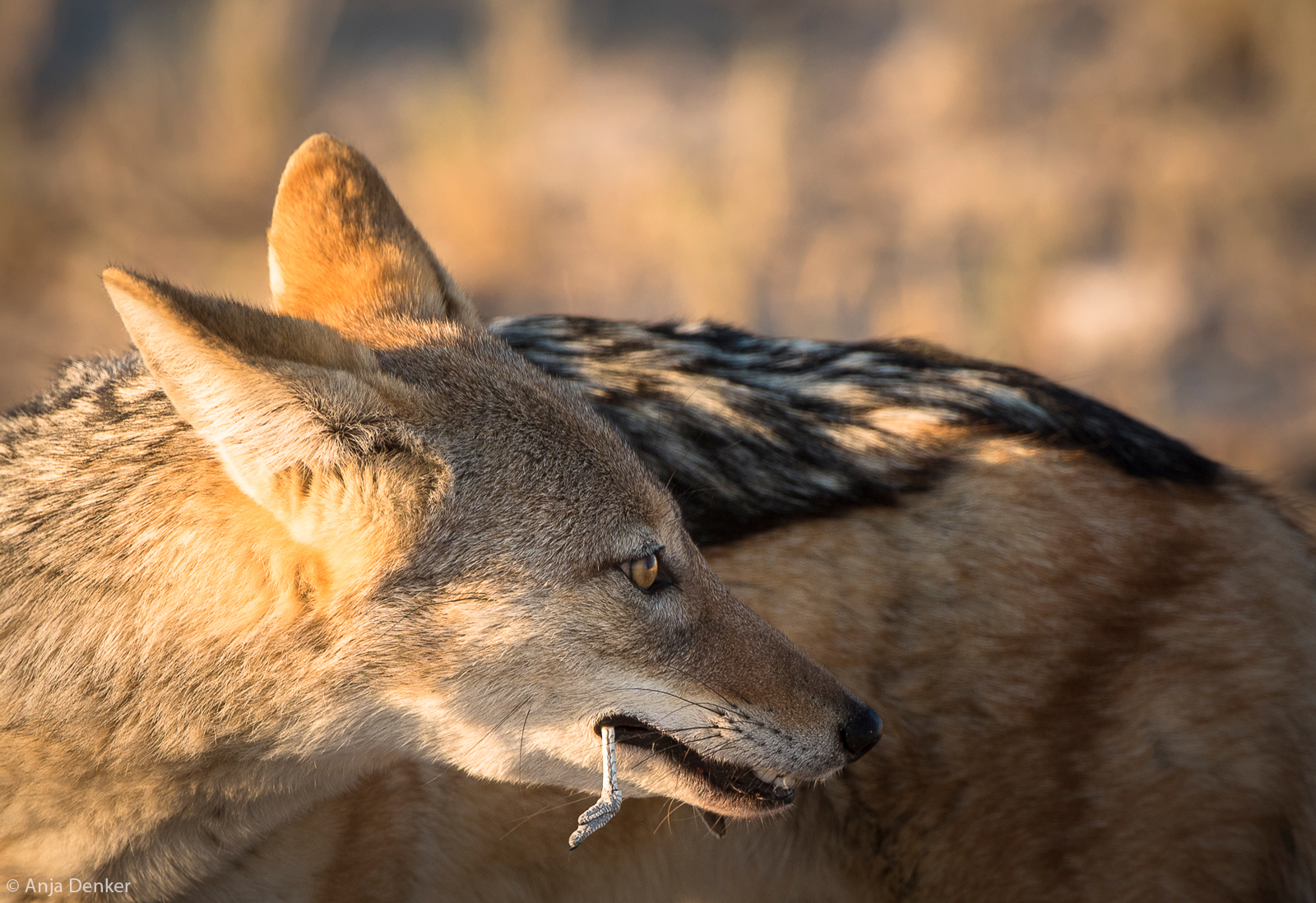
A black-backed jackal with the last bit of a double-banded courser snack. Etosha National Park, Namibia. © Anja Denker
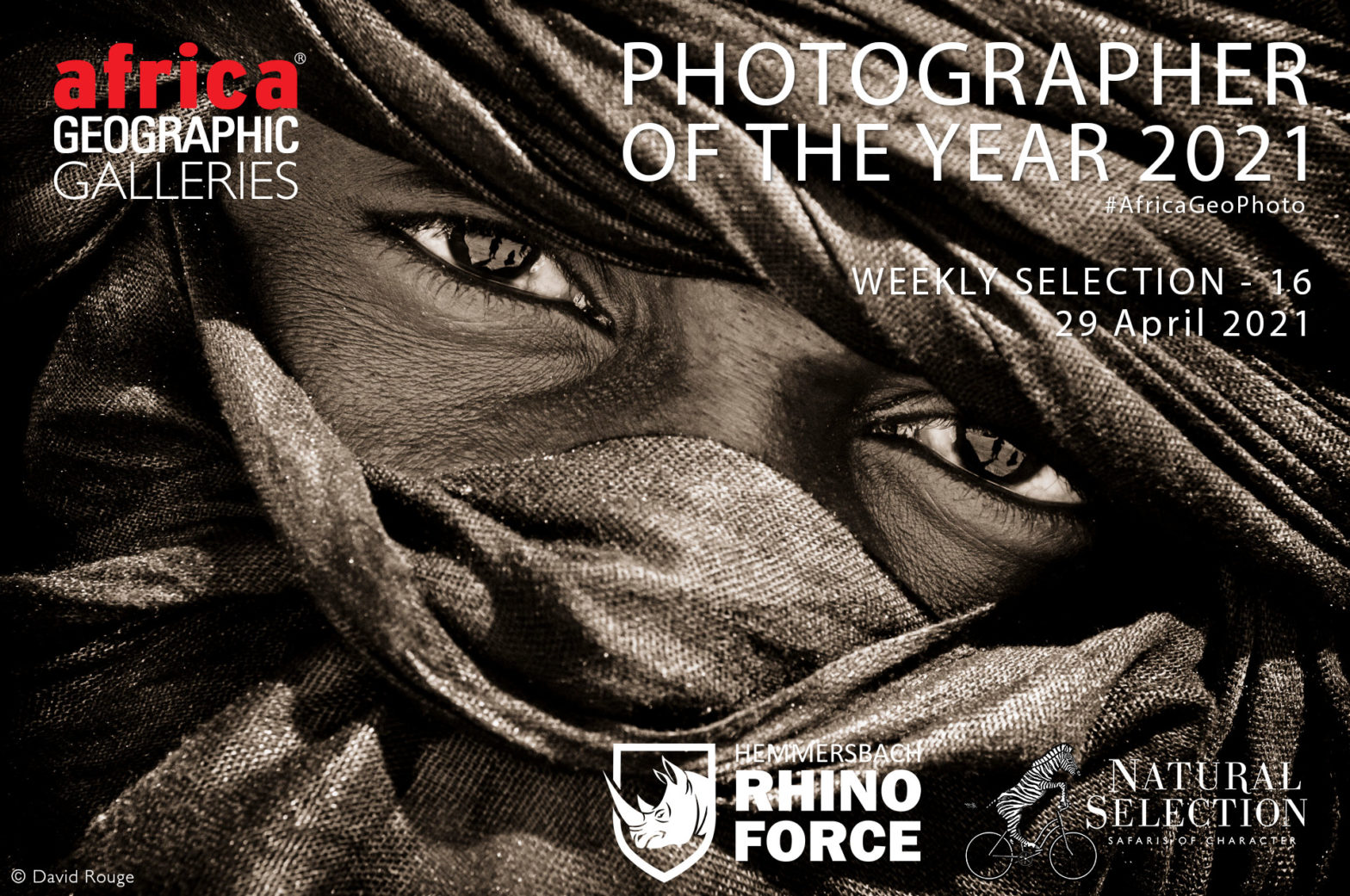
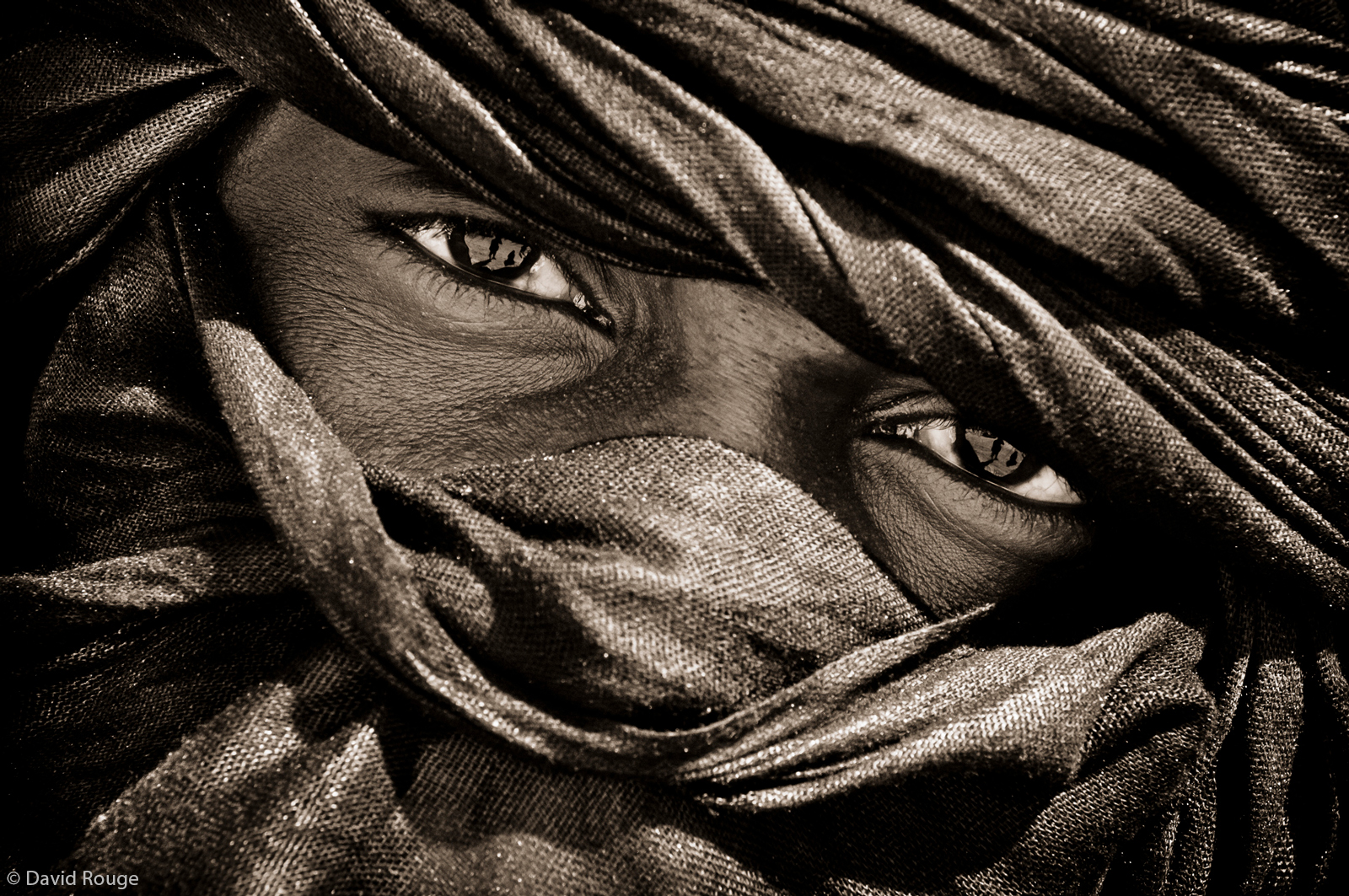
Tuareg. Sahara Desert, Mauritania. © David Rouge
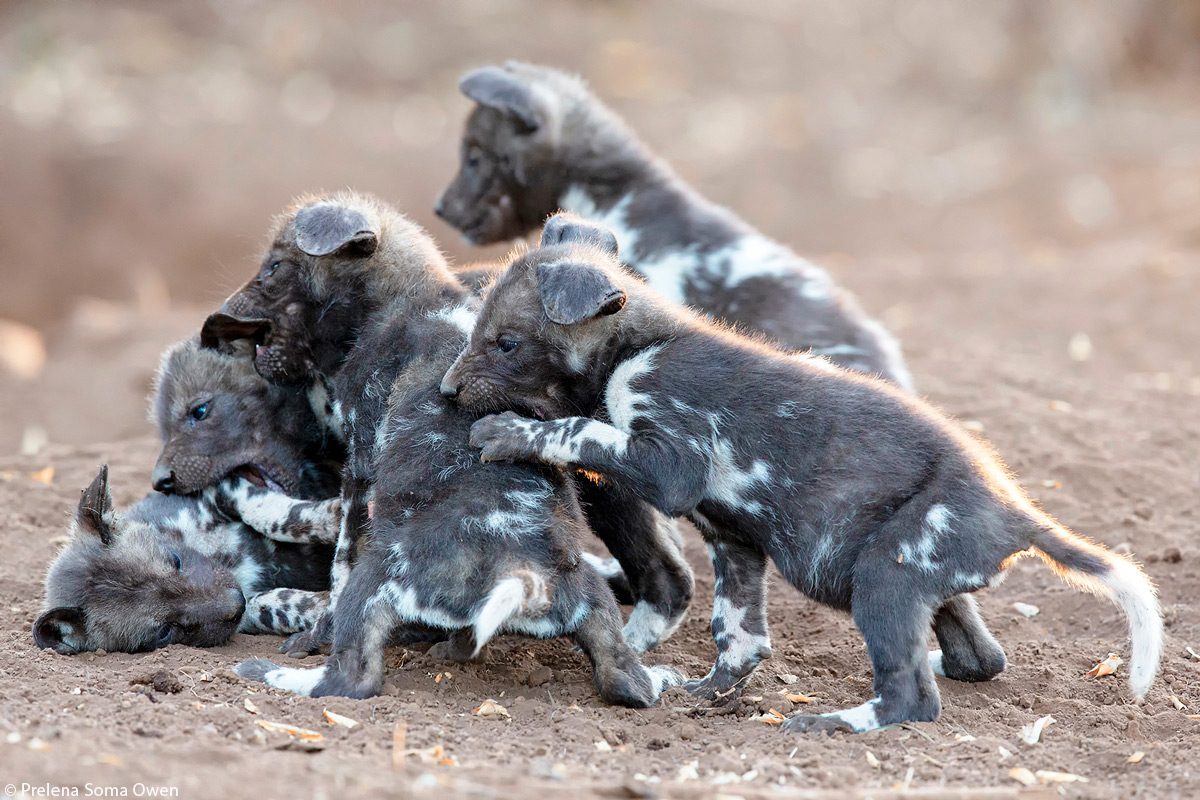
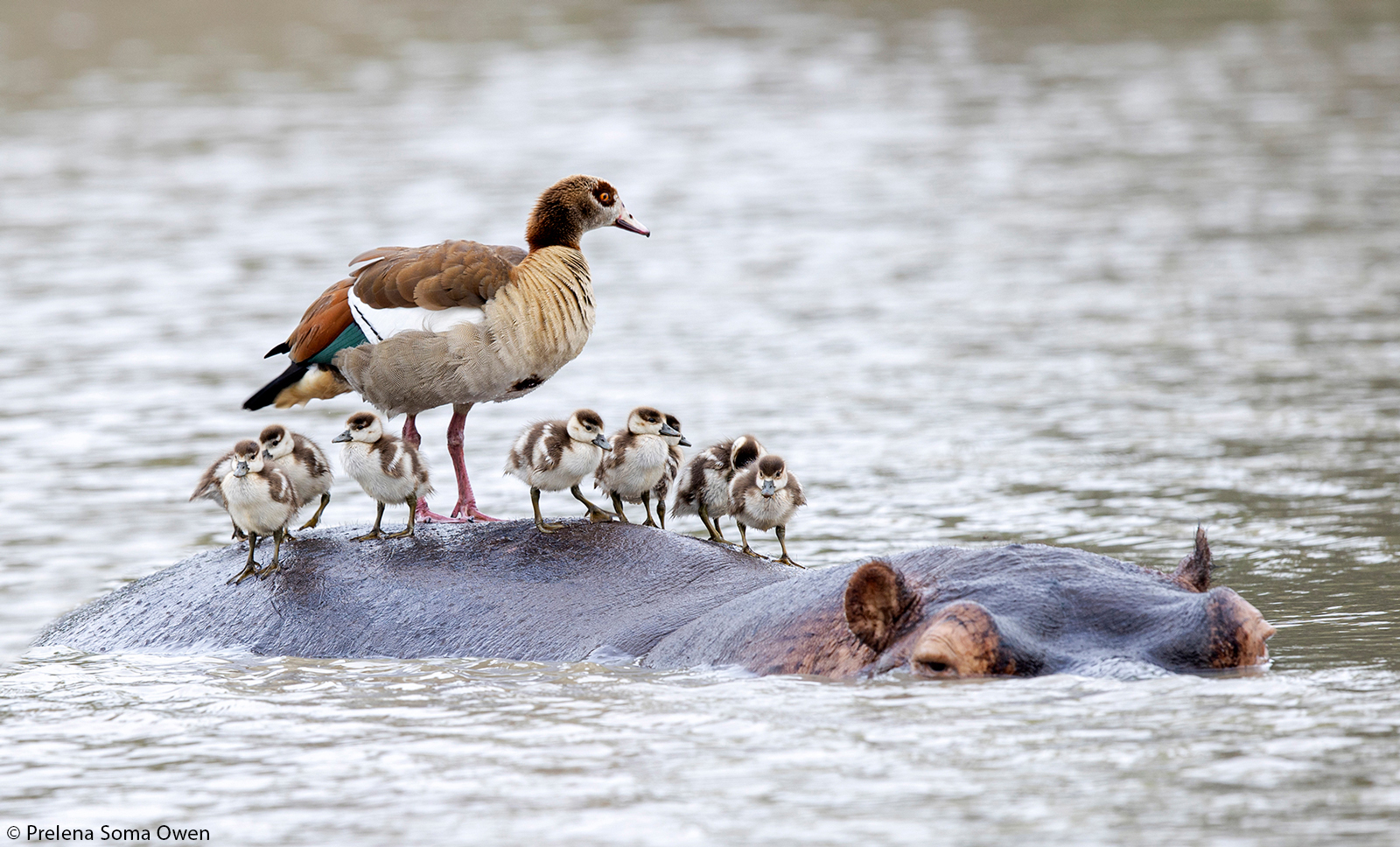
Mother Egyptian goose with goslings having a break on hippo island. Sabi Sands Game Reserve, South Africa. © Prelena Soma Owen
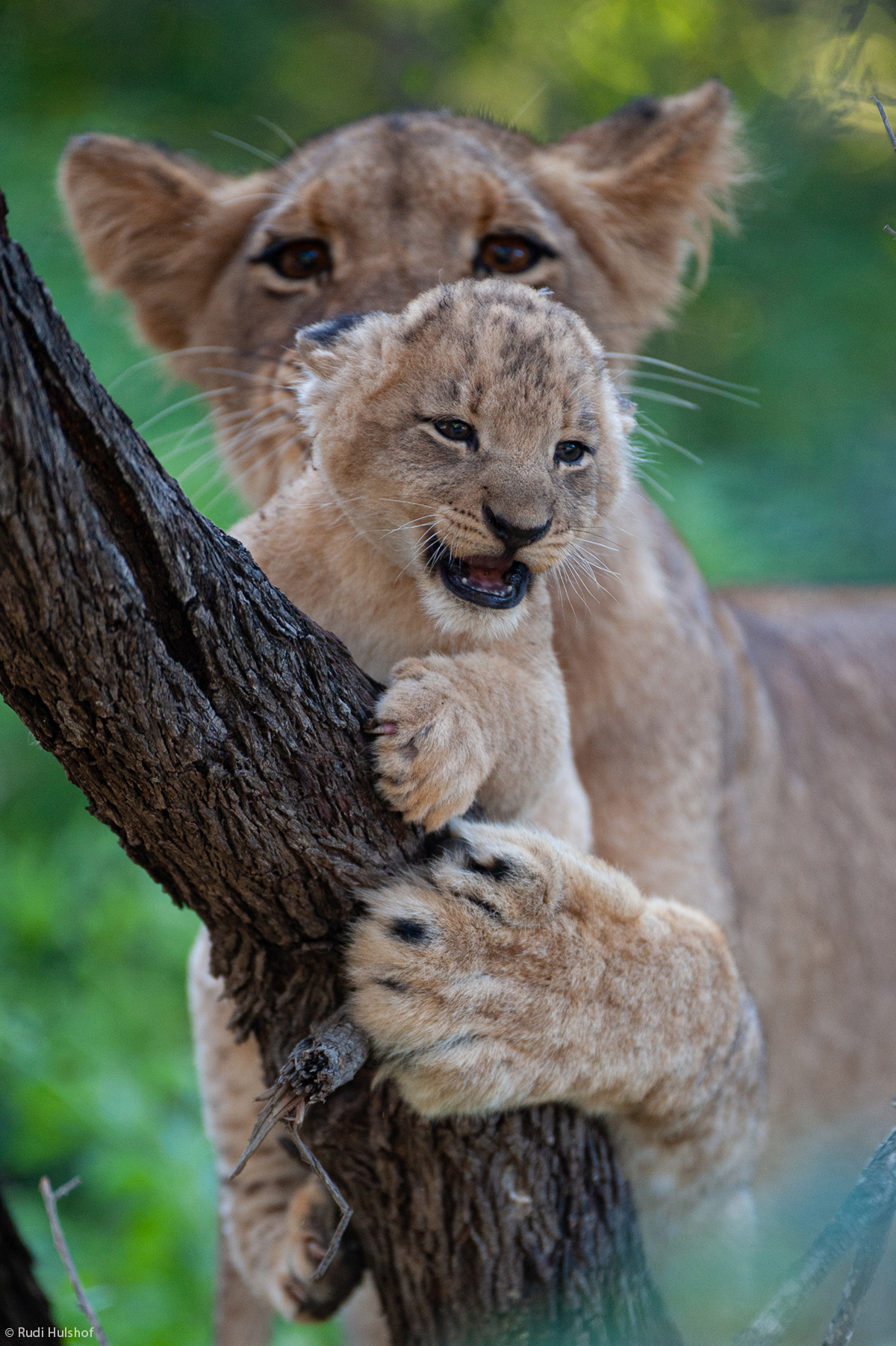
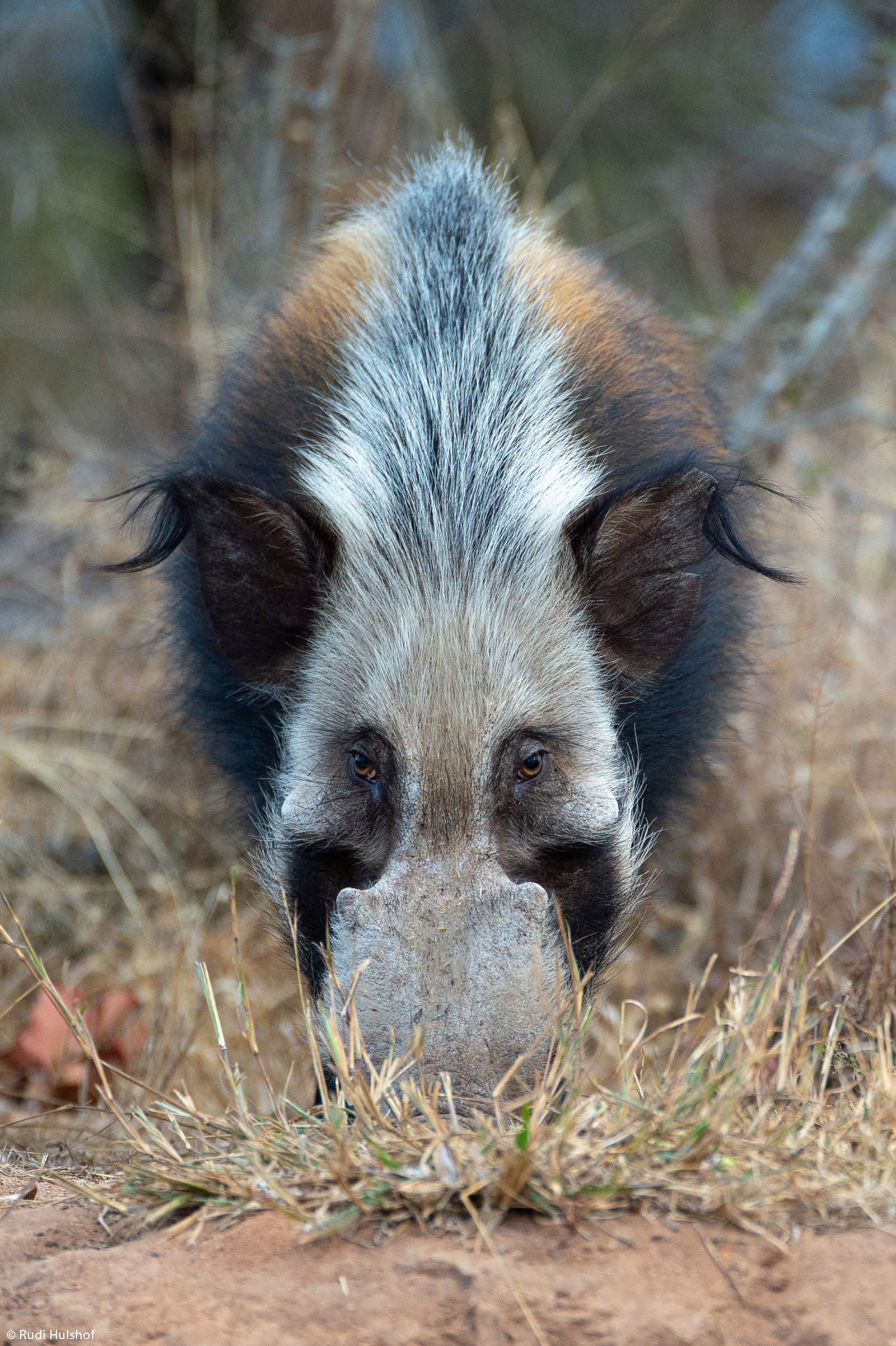
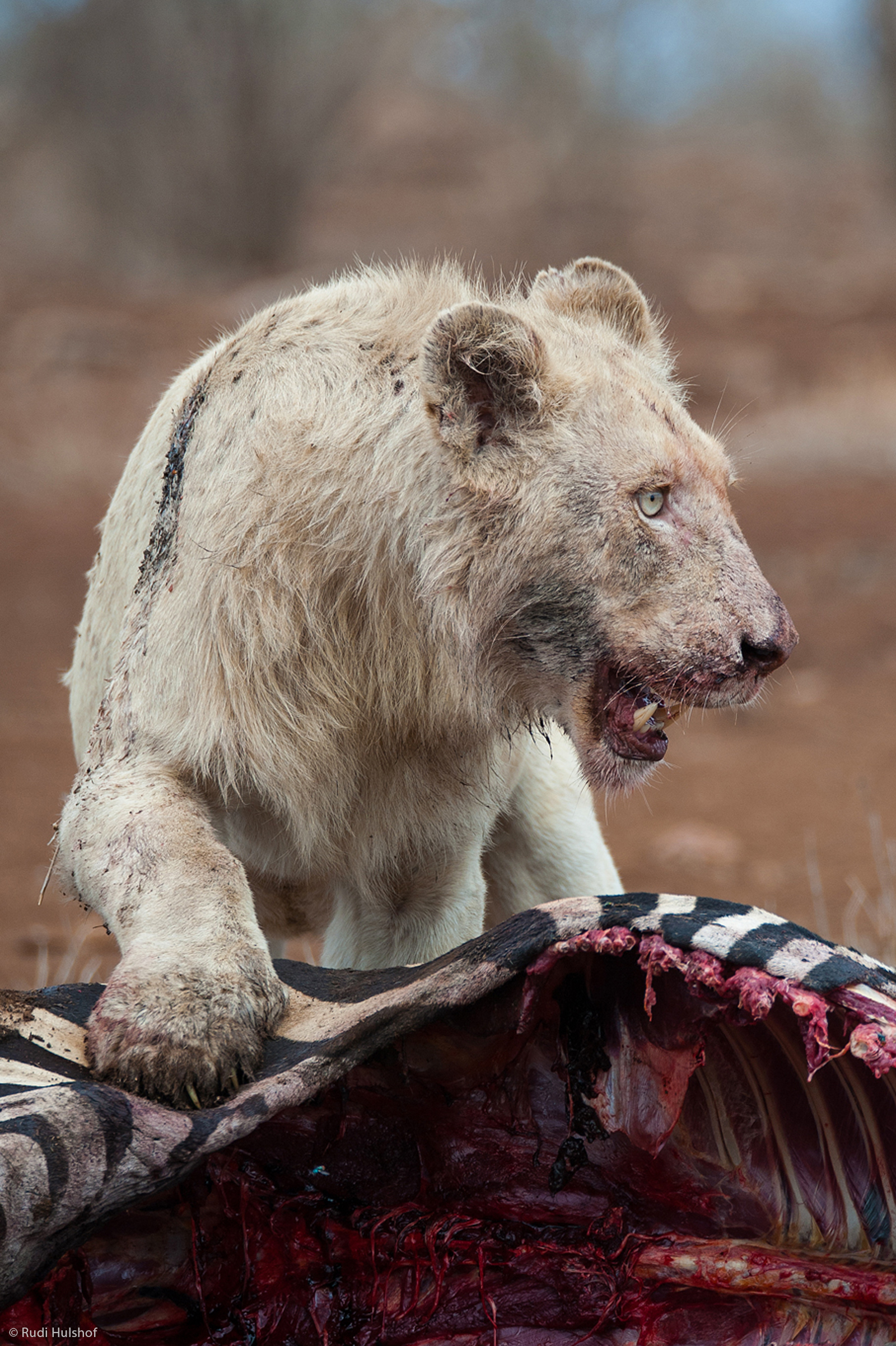
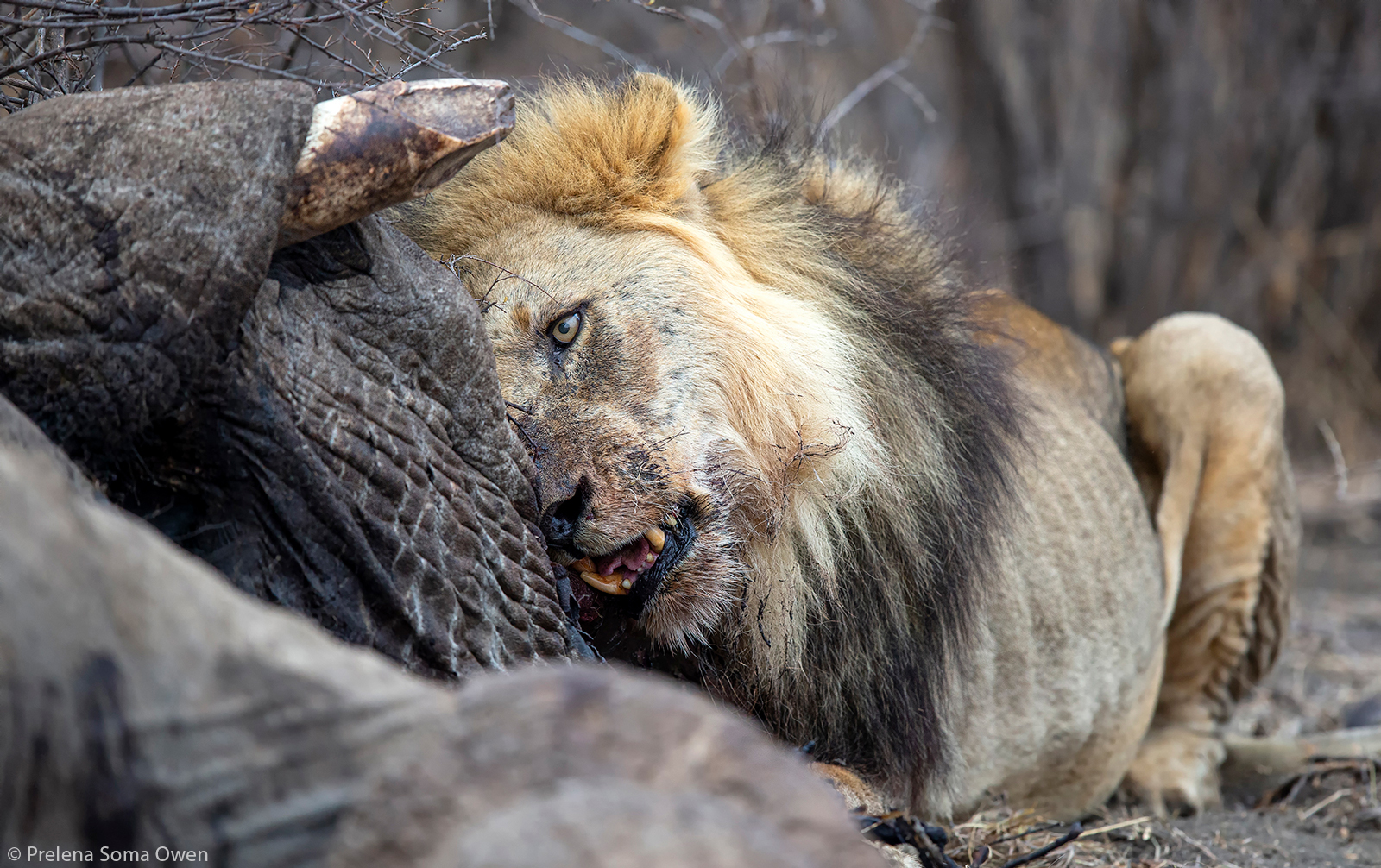
A wild, male white lion enjoying breakfast. Kruger National Park, South Africa. © Rudi Hulshof
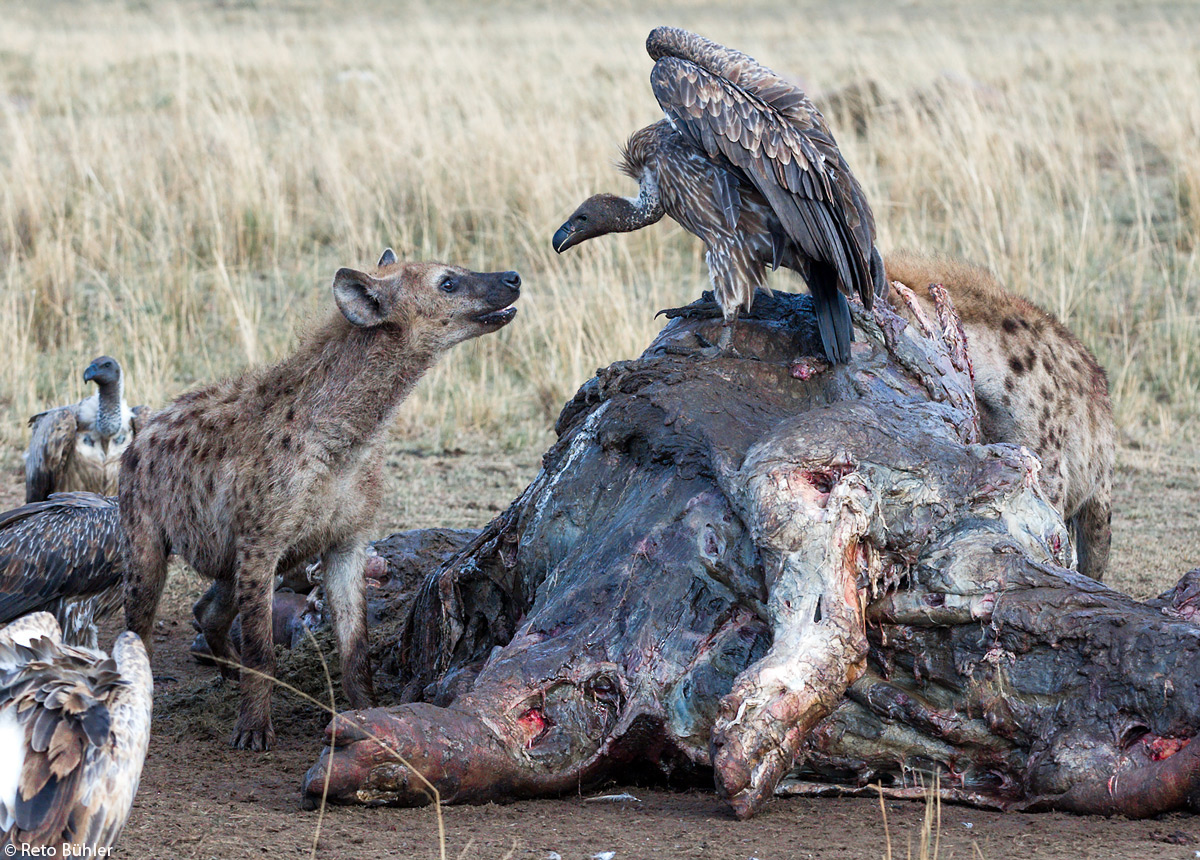
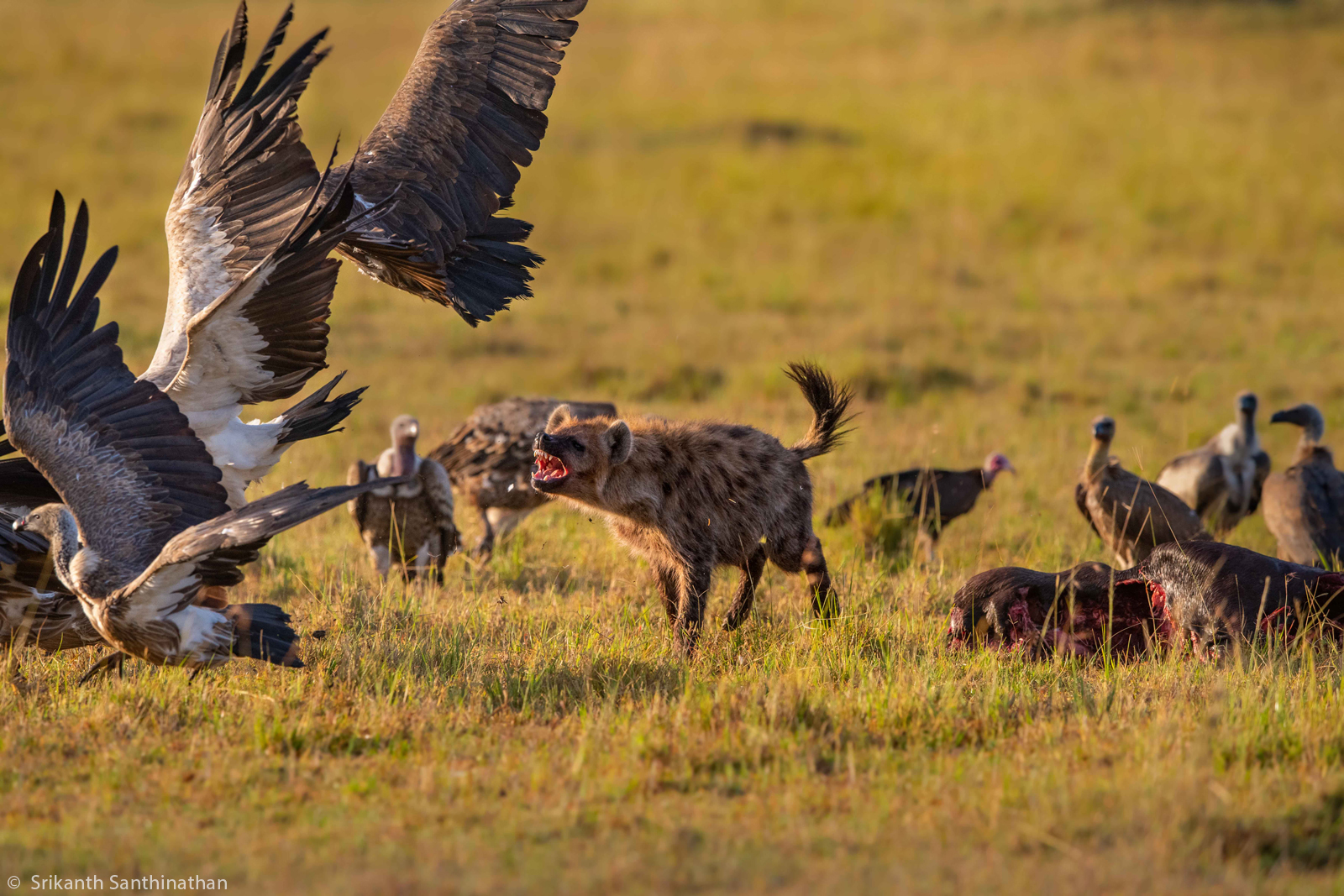
Ground-based scavenger taking exception to his avian competitors. Maasai Mara National Reserve, Kenya. © Srikanth Santhinathan
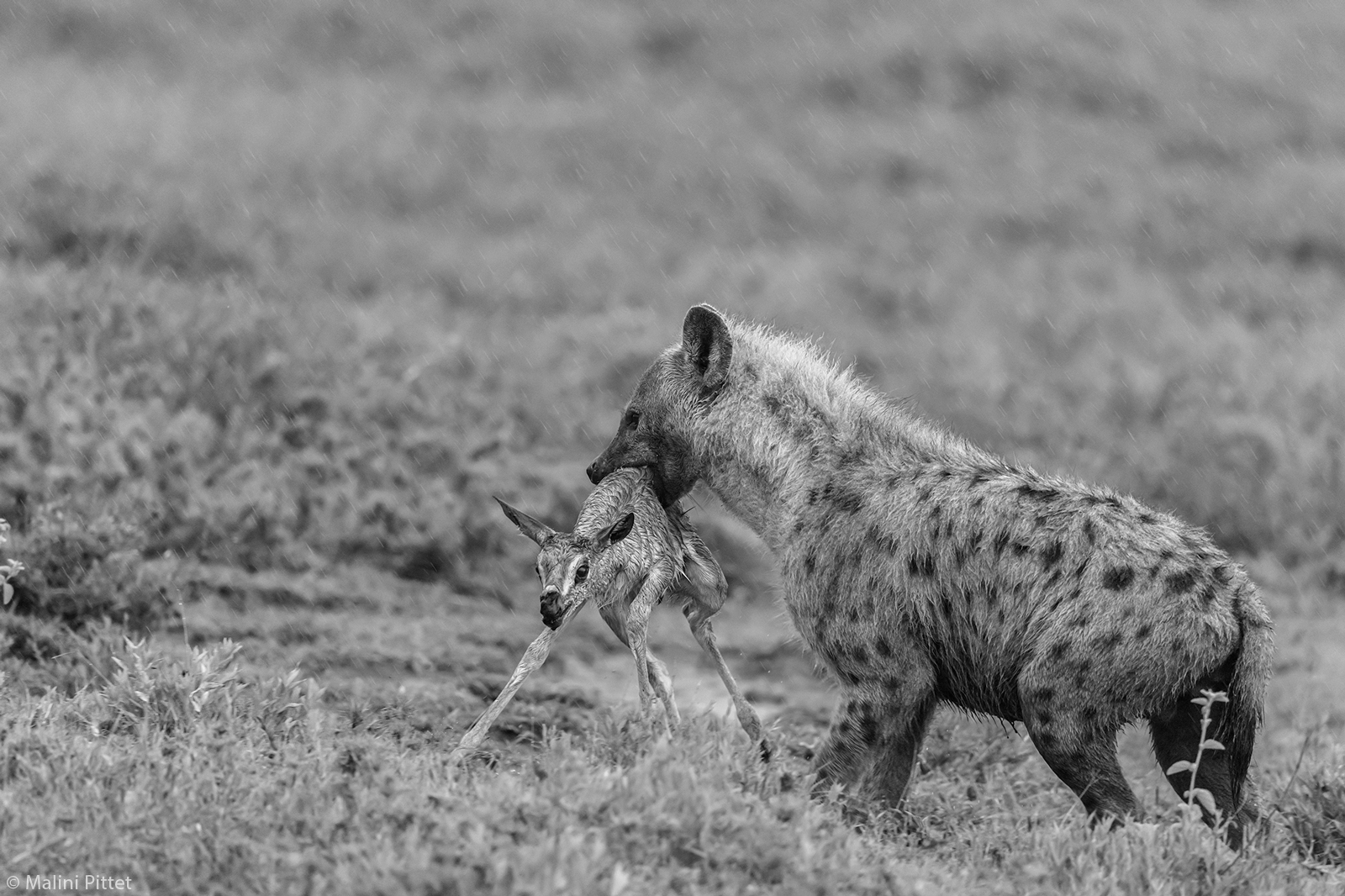
A cruel fate: a clan of hyenas were dancing around a lion with a kill when one of the hyenas stumbled on a young Grant’s gazelle hiding in the grass. Serengeti National Park, Tanzania. © Malini Pittet
Africa Geographic Travel

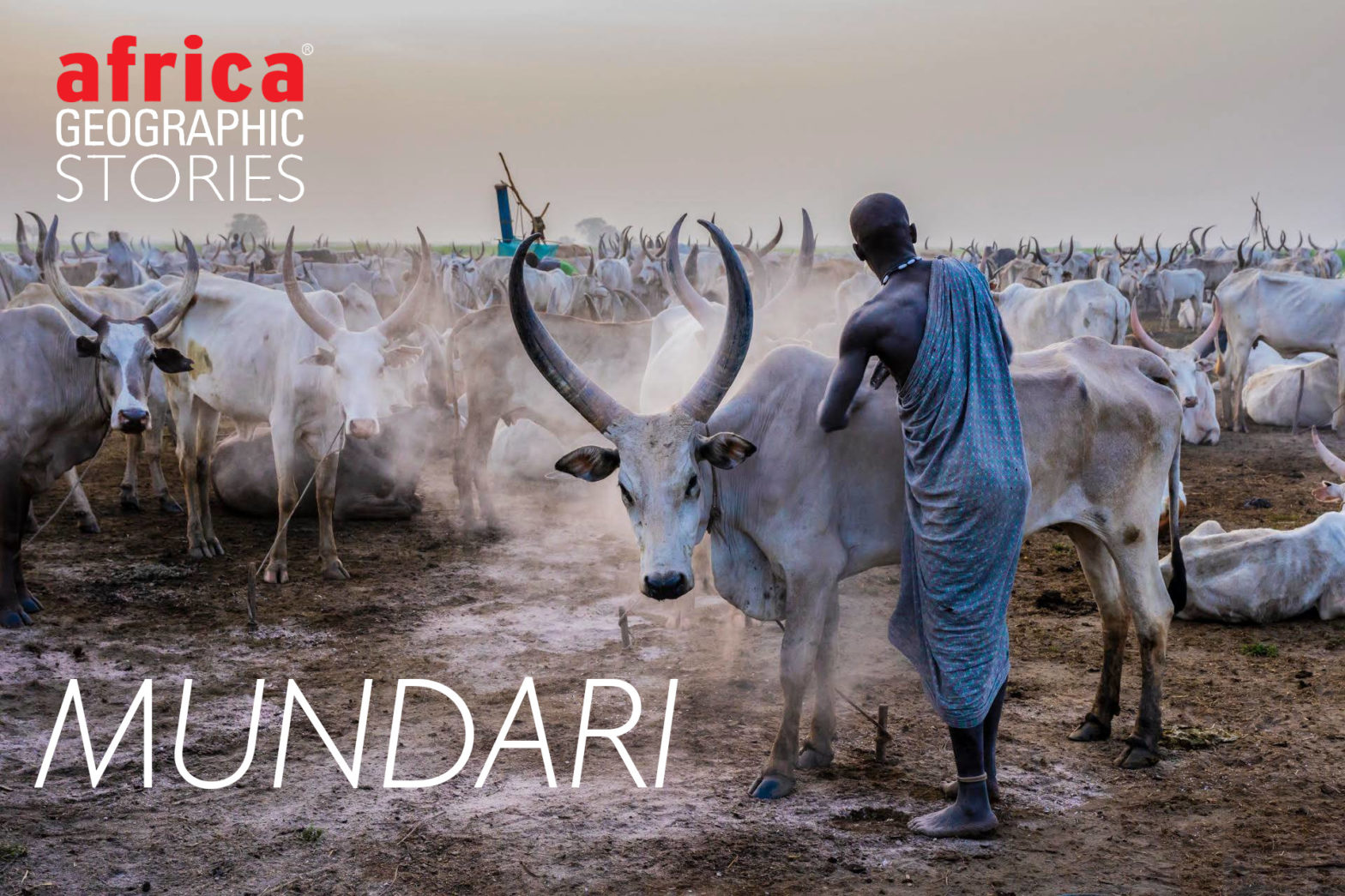
The Mundari people of South Sudan

The Mundari tribe is a small ethnic group from the Republic of South Sudan, numbering between 70,000 and 100,000 people. South Sudan, the world’s youngest country, gained independence from the Republic of the Sudan in 2011 after a 21-year civil war.  During the war, Mundari militias organised themselves into commando units under the leadership of the present governor of the Central Equatoria State. They fought in Eastern Equatoria, Eastern Sudan, and Darfur.

The Mundari are one of the ethnic groups indigenous to the Nile valley (Nilotic). Their main homeland is approximately 75 kilometres north of Juba, the capital of South Sudan. Their lands are bounded on the east by the White Nile, an important source of water for livestock.

Mundari

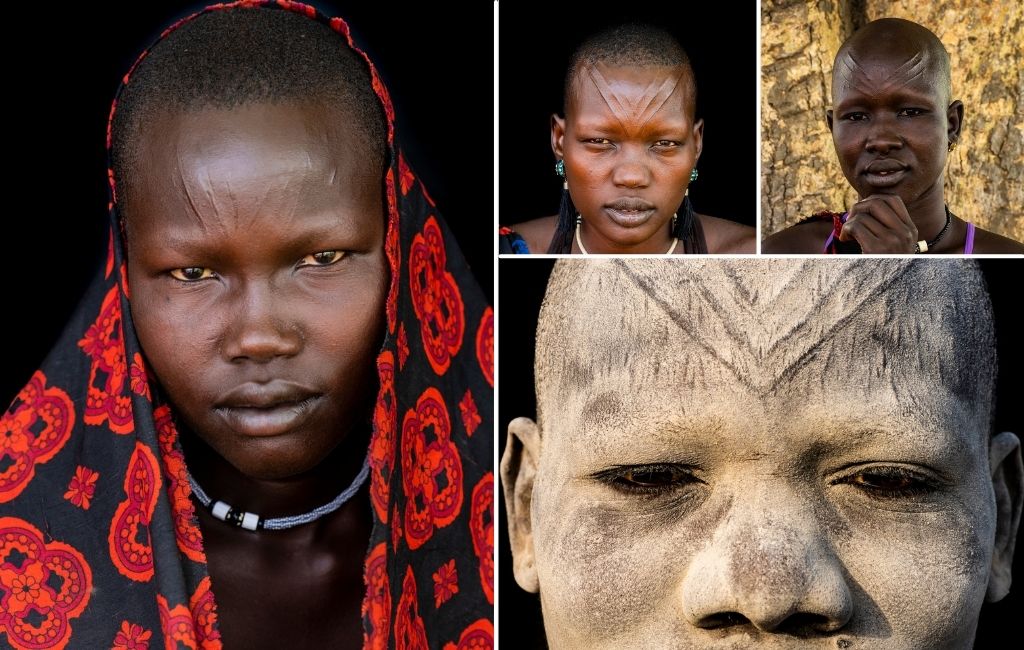
The Mundari follow a mixture of Christian and animistic beliefs, with symbols playing an important role. As for many people in the area, the Mundari culture is transmitted orally in songs, dance, poems and other body expressions that reflect good, generosity, and other core values. Ritual scarification is an important part of cultural identity. Men must undergo initiation rites where initiates live together in nature and spend three months with a village elder, away from the community. The rite of passage to adulthood is completed with V scars cut into the forehead.

Mundari


Africa Geographic Travel

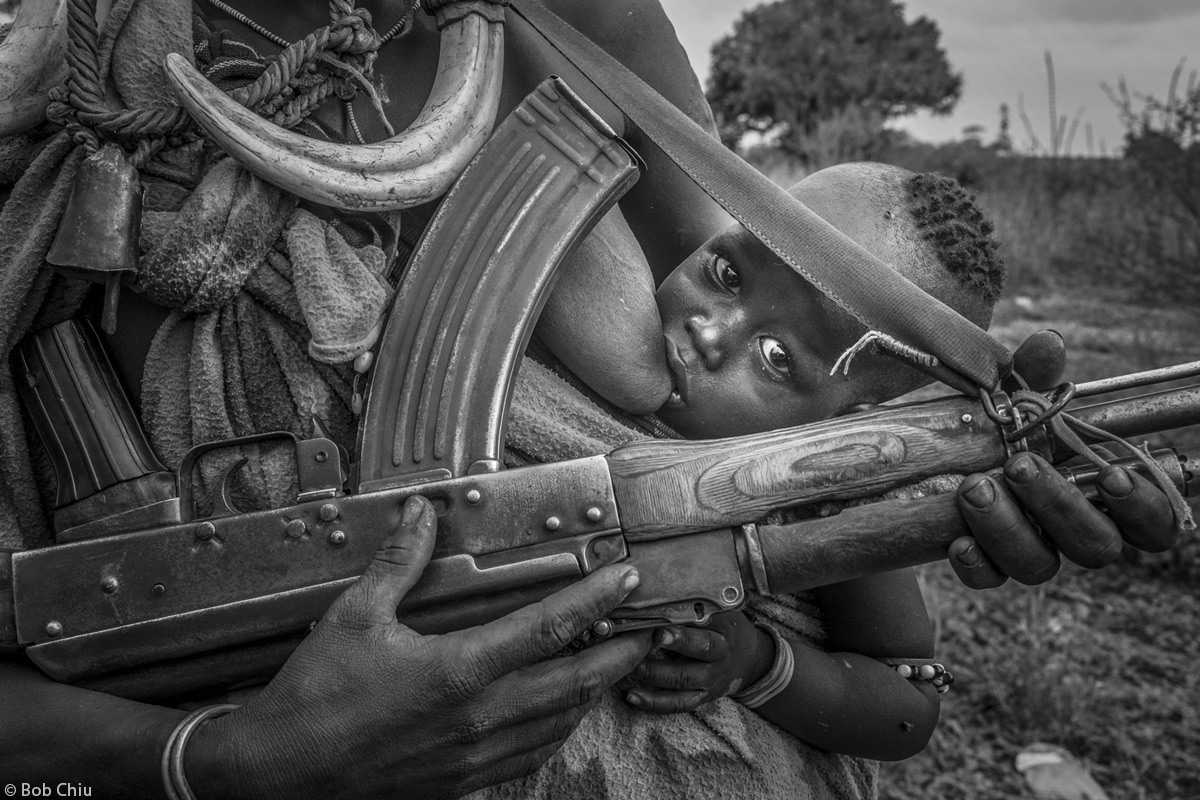
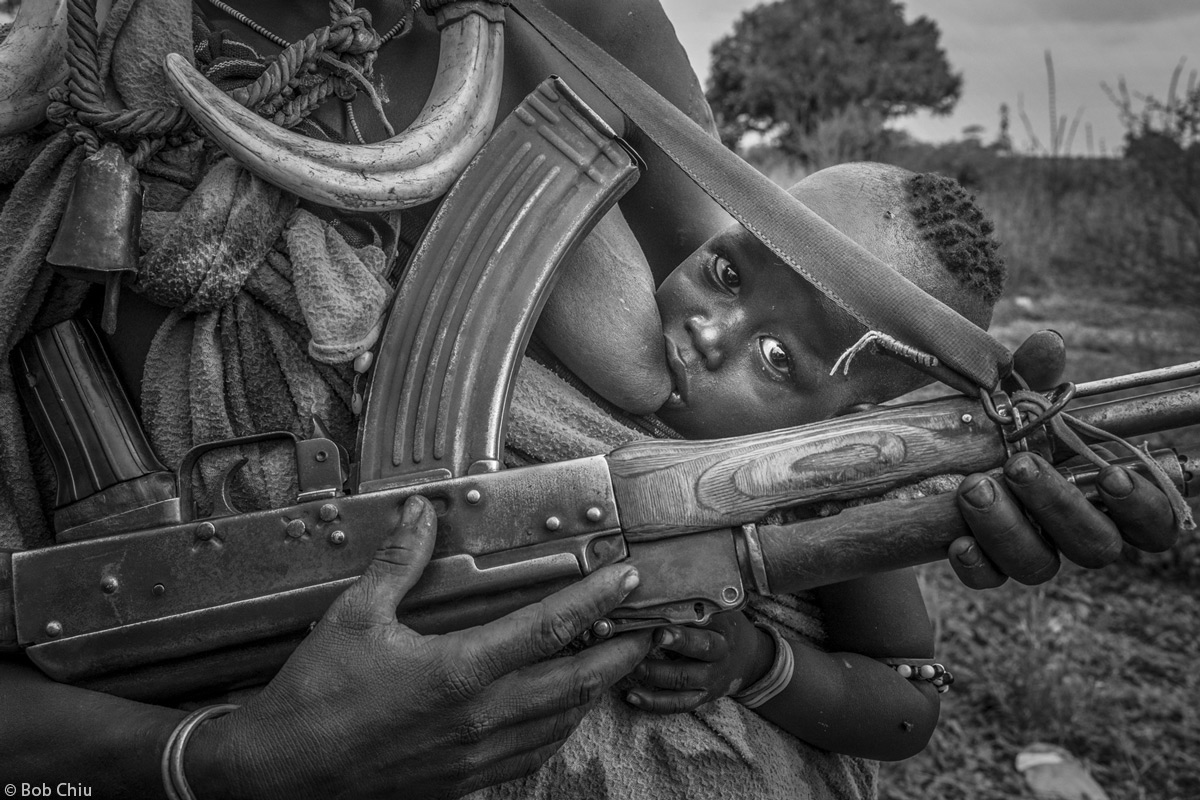
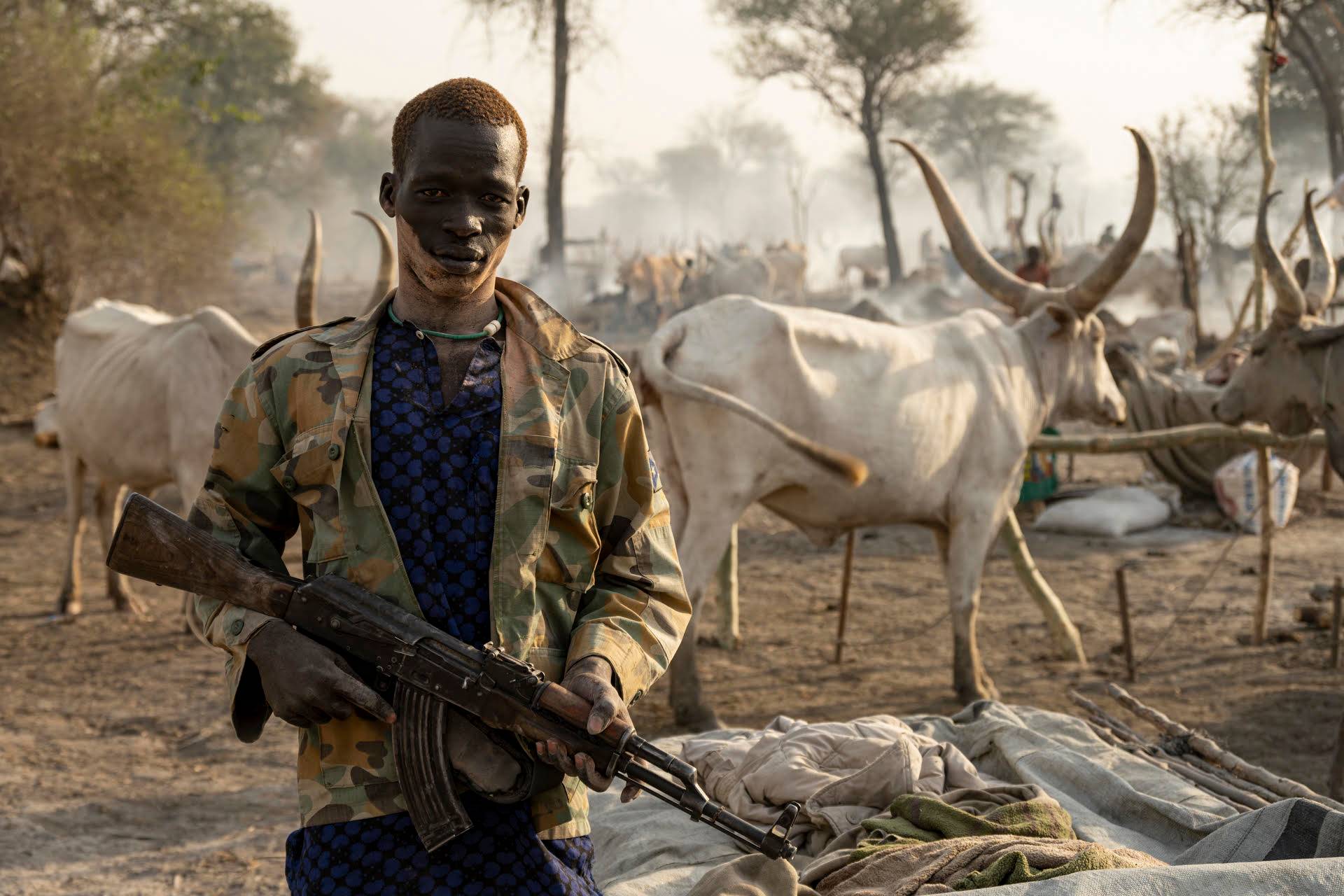
Friendly and peaceful by nature, the Mundari are nevertheless armed, like most tribes in South Sudan. Decades of war have made guns ubiquitous and easy to obtain. That said, the Mudari seem to have no interest in warfare – weapons are used to protect their herds from cattle rustlers. Mundari men take up wrestling as a serious hobby from a very young age. They regularly organise wrestling competitions, and the best proponents keep going until they are too old to compete.

Mundari

Cattle Culture

The Mundari are agro-pastoralists with an economy centred on agriculture and herding livestock. Their famous, massive-horned Ankole-Watusi cattle are considered the ‘kings of the cattle’. They are part of the Sanga family of African cattle breeds which originated over 2,000 years ago from a combination of the Egyptian longhorn cattle of Africa and Zebu longhorns originally from India. Sanga cattle spread throughout eastern Africa, and many different breeds developed. Some studies suggest that the big horns of the Ankole-Watusi are an adaptation to hot climates, facilitating the dispersal of excess body heat.

Mundari

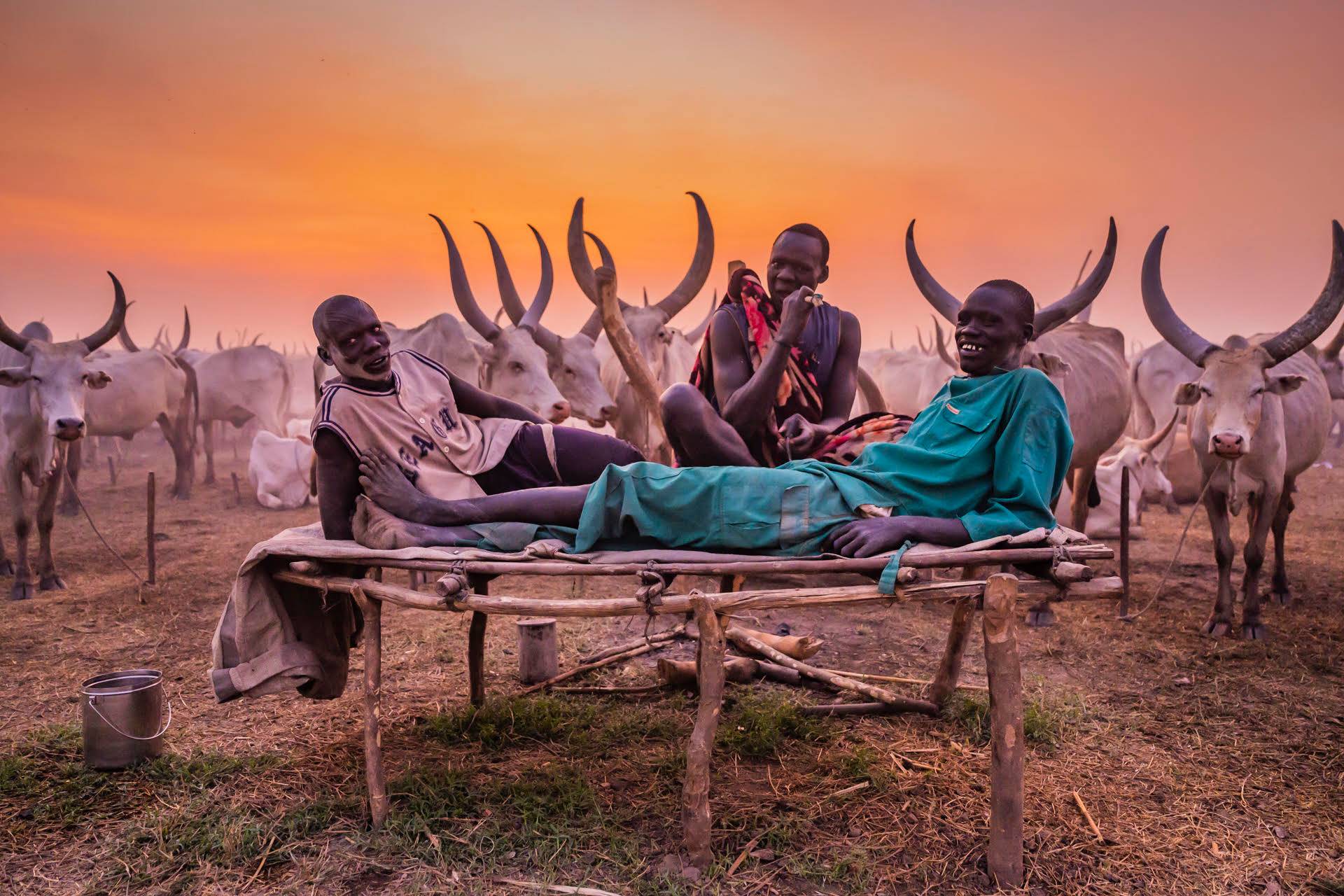
While elders (from 38 years old) and maternal relatives settle villages with beautiful huts, the youngest (young men and women, teens and children) go to cattle camps to tend livestock, moving according to the rhythm of rainy seasons. This part of South Sudan is extremely vulnerable to drought with low rainfall and high temperatures. Sometimes the herds can number as many as 850 animals, and finding enough forage for such large herds in arid areas necessitates constant movement. At the end of the dry season, camps are pitched around the Nile, the only place still sufficiently green to accommodate the appetite of their livestock.

Mundari

In Mundari culture, like for many tribes of the region, cattle play an important role in religion, birth and marriage. They are symbols of wealth and power. Every life event includes a reference to cows, the lives of which can be sometimes deemed more important than those of humans. A person’s position in society is established through the ownership of cattle – the size and shape of the horns being the most important features. Traditionally, Ankole-Watusi cows are considered sacred, with an owner’s wealth counted in live animals. Unfortunately, cattle are also the main source of conflict. Clashes seldom arise over common resources such as land but rather over animals and their ownership.

Before the civil war, each Ankole-Watusi was worth as much as $500. This was the reference value used to calculate the bride price paid to a woman’s family. Following the end of the war, the number of middle-aged men in search of wives dramatically increased. This had a direct impact as it doubled the bride price from an average of 20 cows per bride to 40. This inflation has made cattle even more precious and has also increased the frequency of lethal cattle raids.

Cattle camps

Mundari

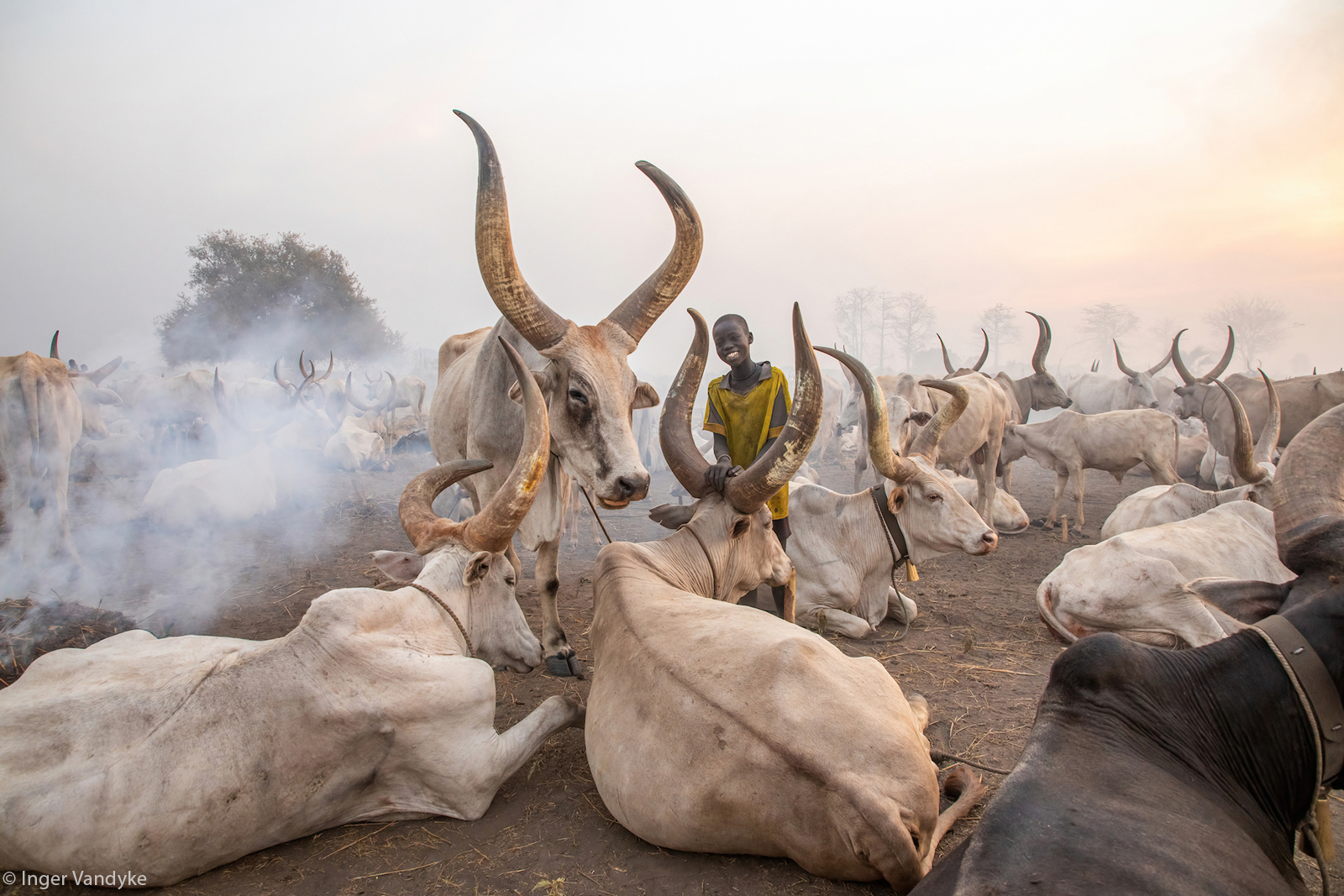
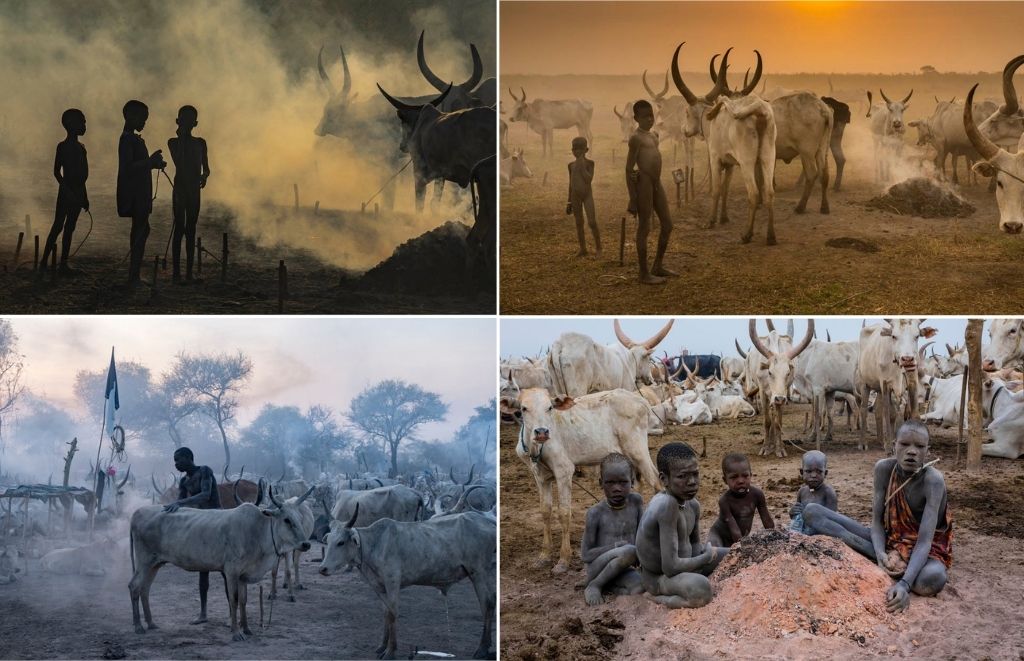
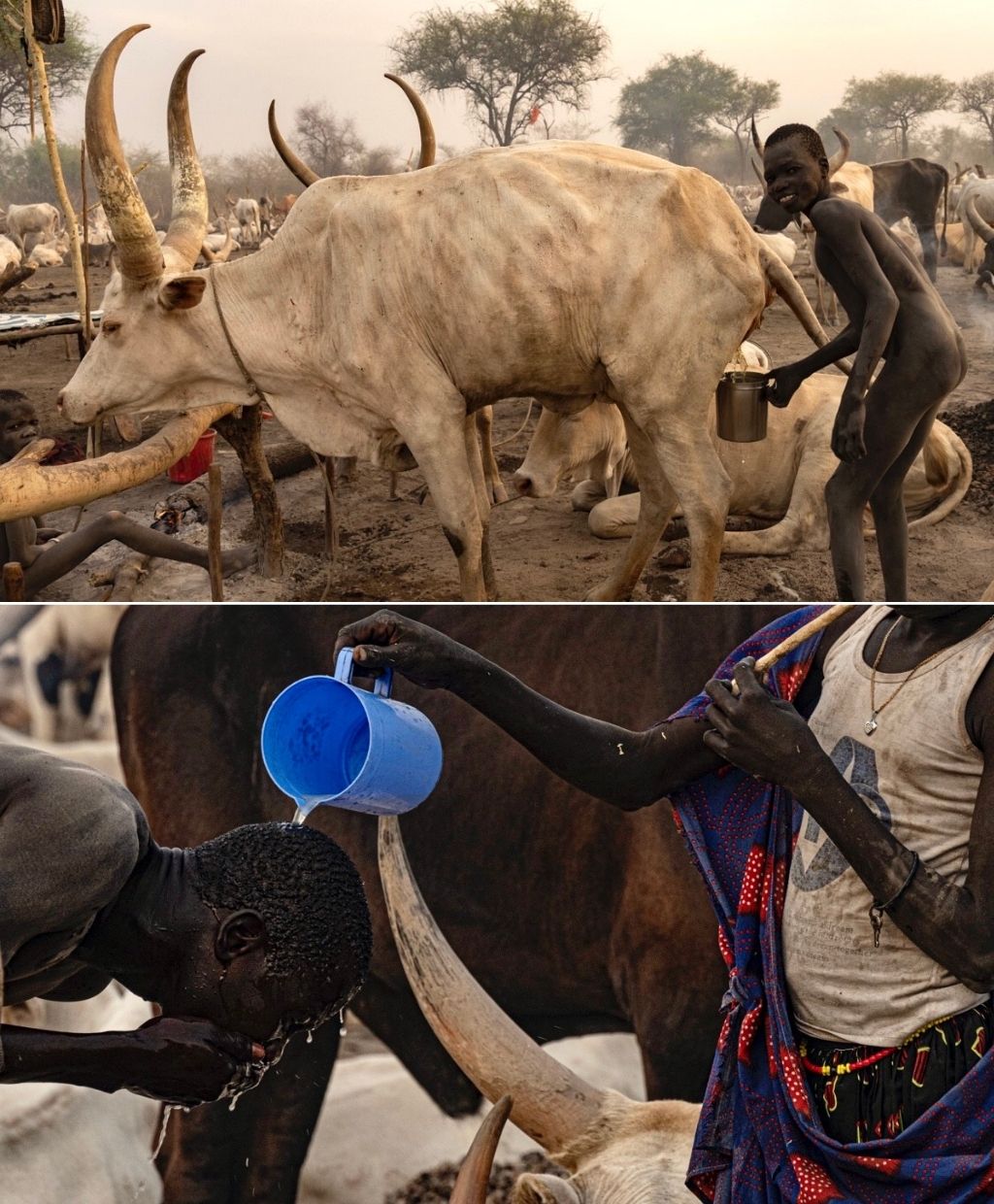
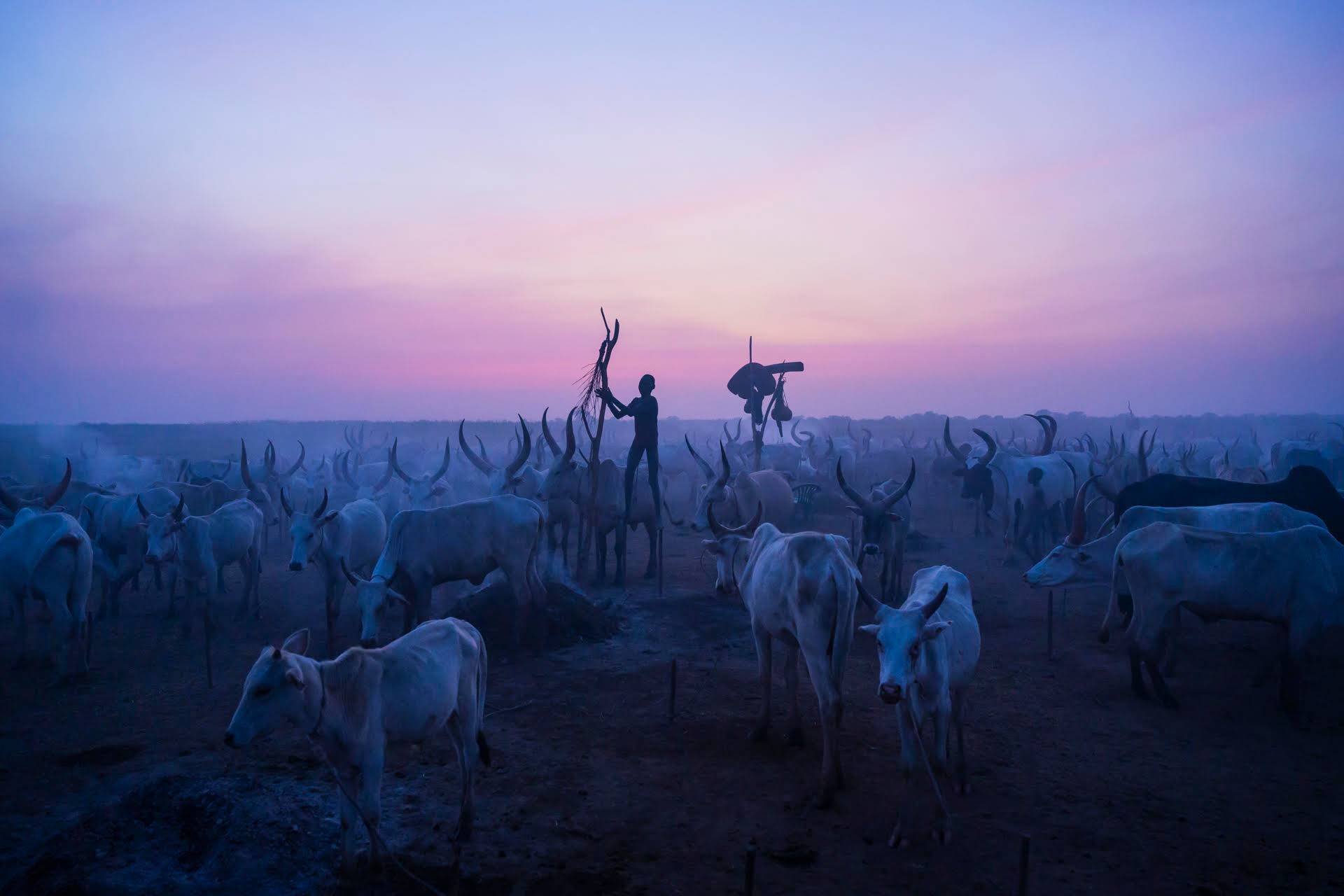
In a cattle camp, everyone plays their role. The men lead the cows into the fields during the day and regroup them in the camp before sunset. The women clean and prepare food for everyone. The children clean the ground of the camp every morning by collecting the dung and burning it at sunset. The smoke drives away mosquitoes and also creates a unique atmosphere for photographers.

Mundari

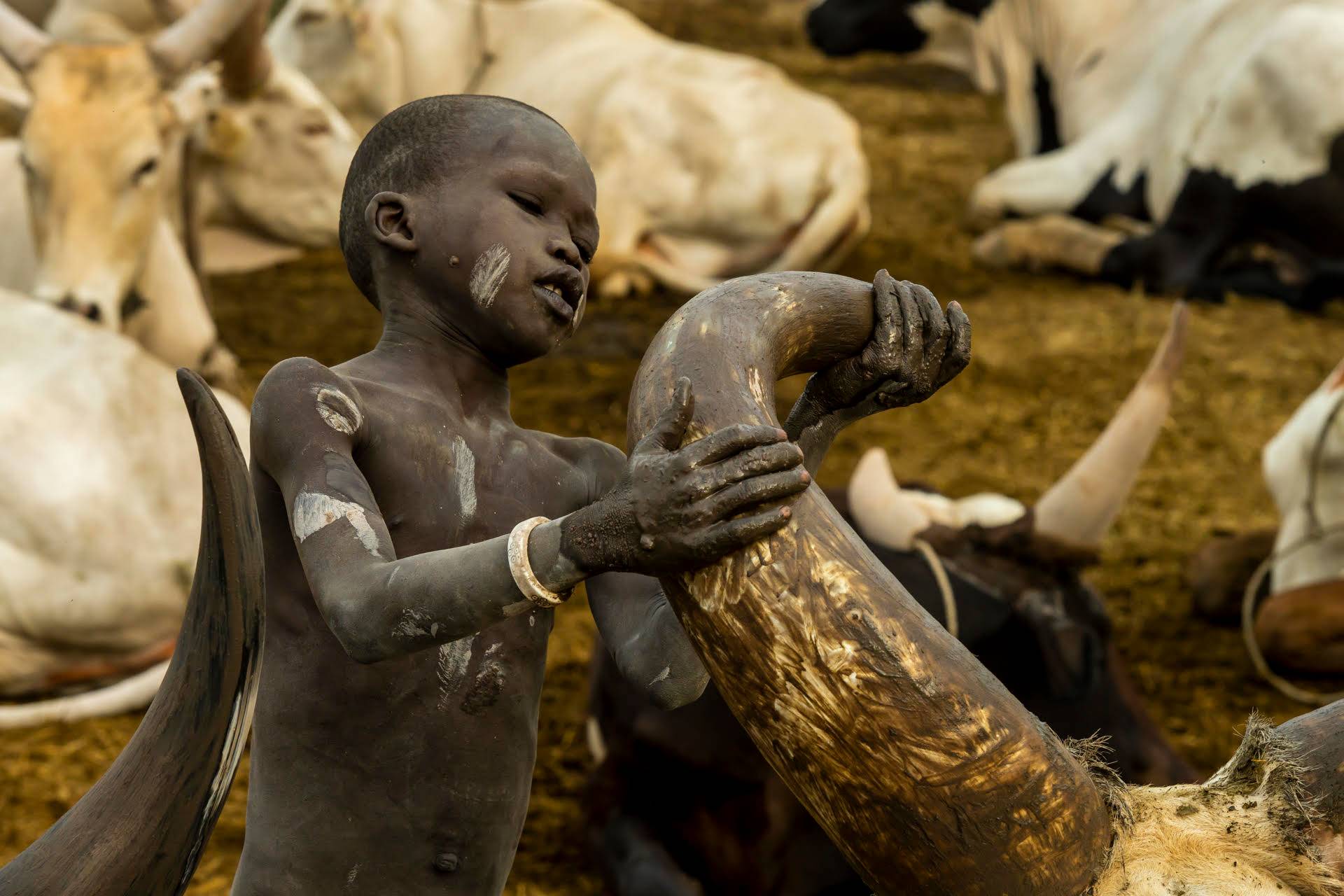
Ashes are then used as a natural antiseptic to protect the skin of the people and cows from insects and the sun. The Mundari also use ash as talcum to massage their cattle twice a day and as toothpaste for themselves.

Mundari

Cattle urine is used to wash hands, faces, teeth and bleach hair. The Mundari also drink it in the belief that cow urine infuses purity. They also combine urine with ashes to polish the magnificent horns of the cattle.

Mundari

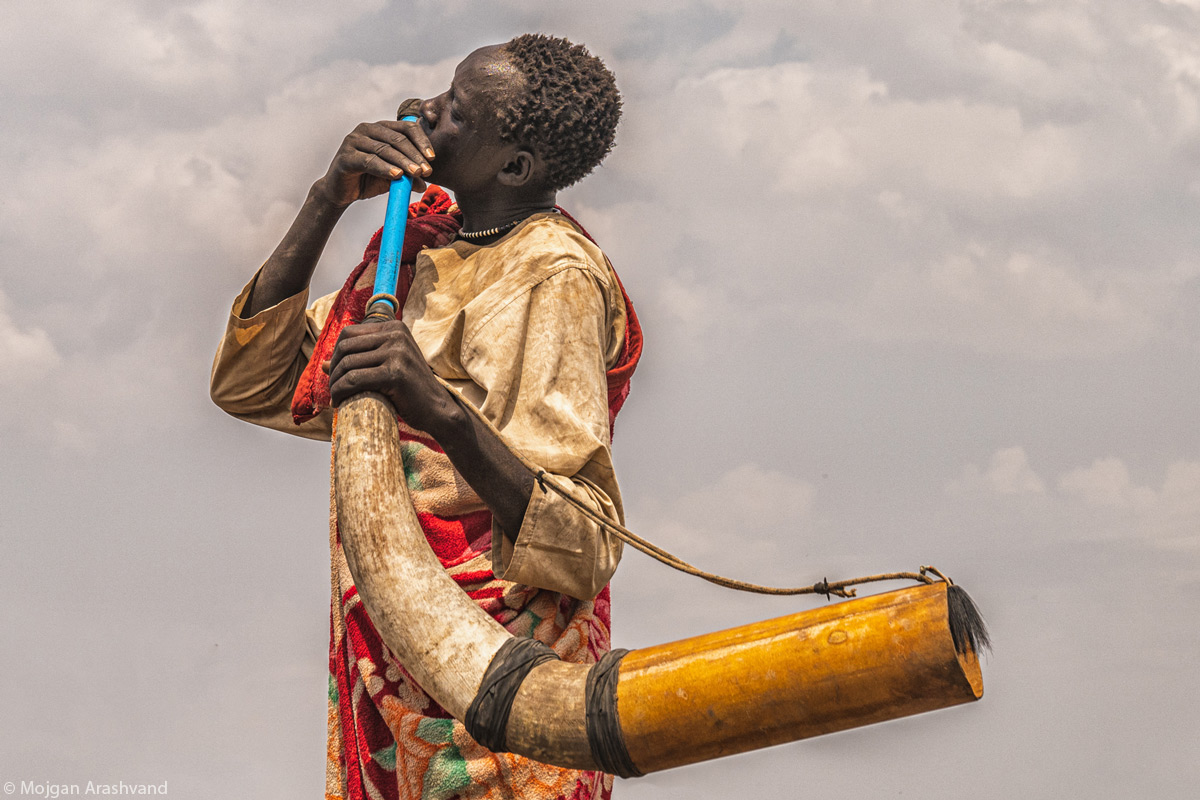
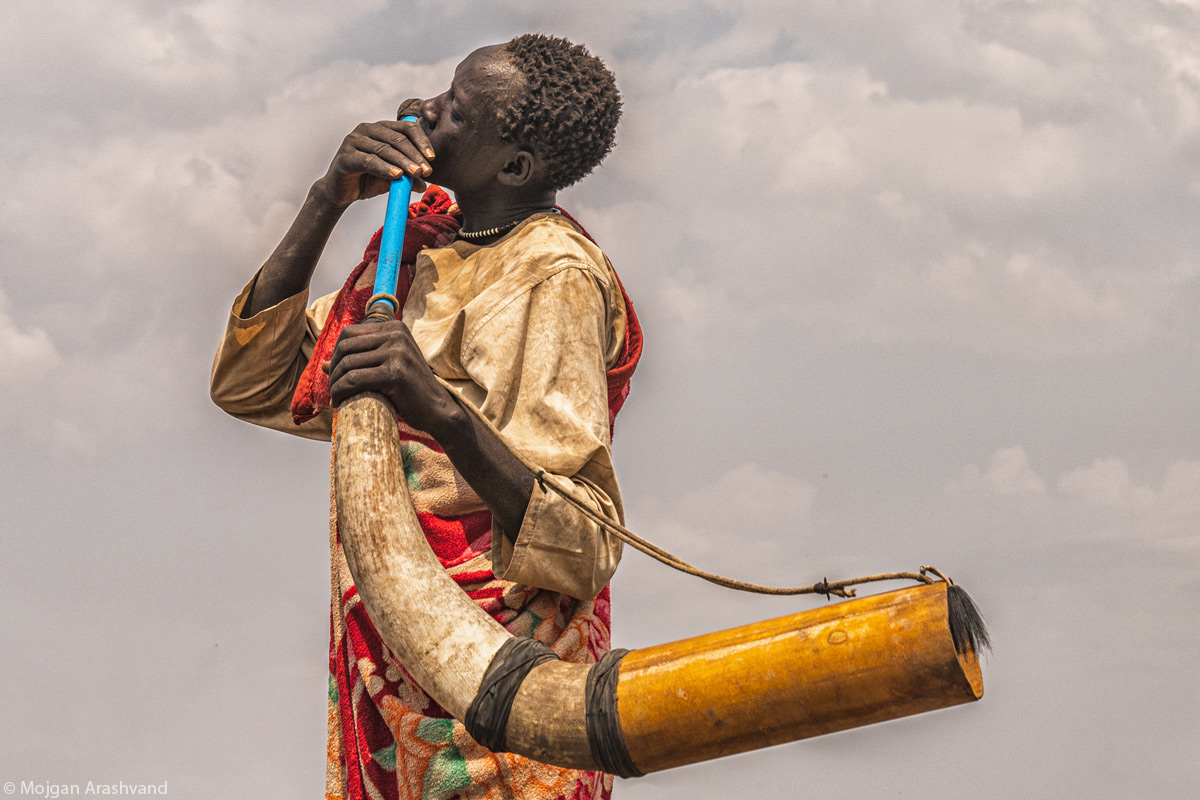
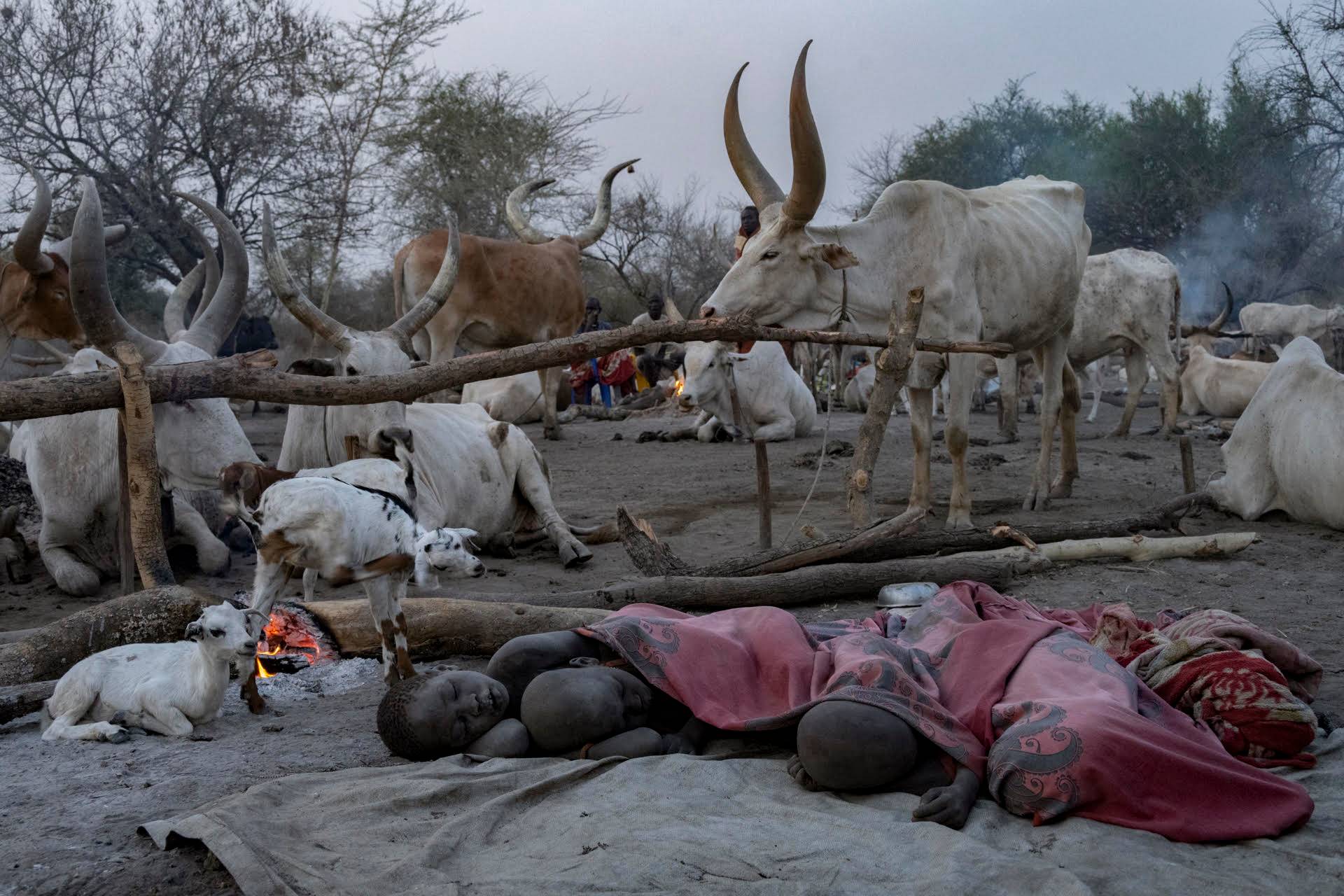
At night, music played on horns floats through the camp. The people sing close to the heat of fires until they fall asleep under the stars with the cattle just a few feet away. Sleep is not always easy, and the herders must often protect their livestock from jackals, hyenas and even painted wolves (African wild dogs). The main threat to livestock, however, is from raiders. Indeed, cattle rustling is a common cultural practice among many pastoral communities in East Africa – the Nuer, Dinka and Murle often participate in cyclical raiding.

Mundari Africa Geographic Travel

The future

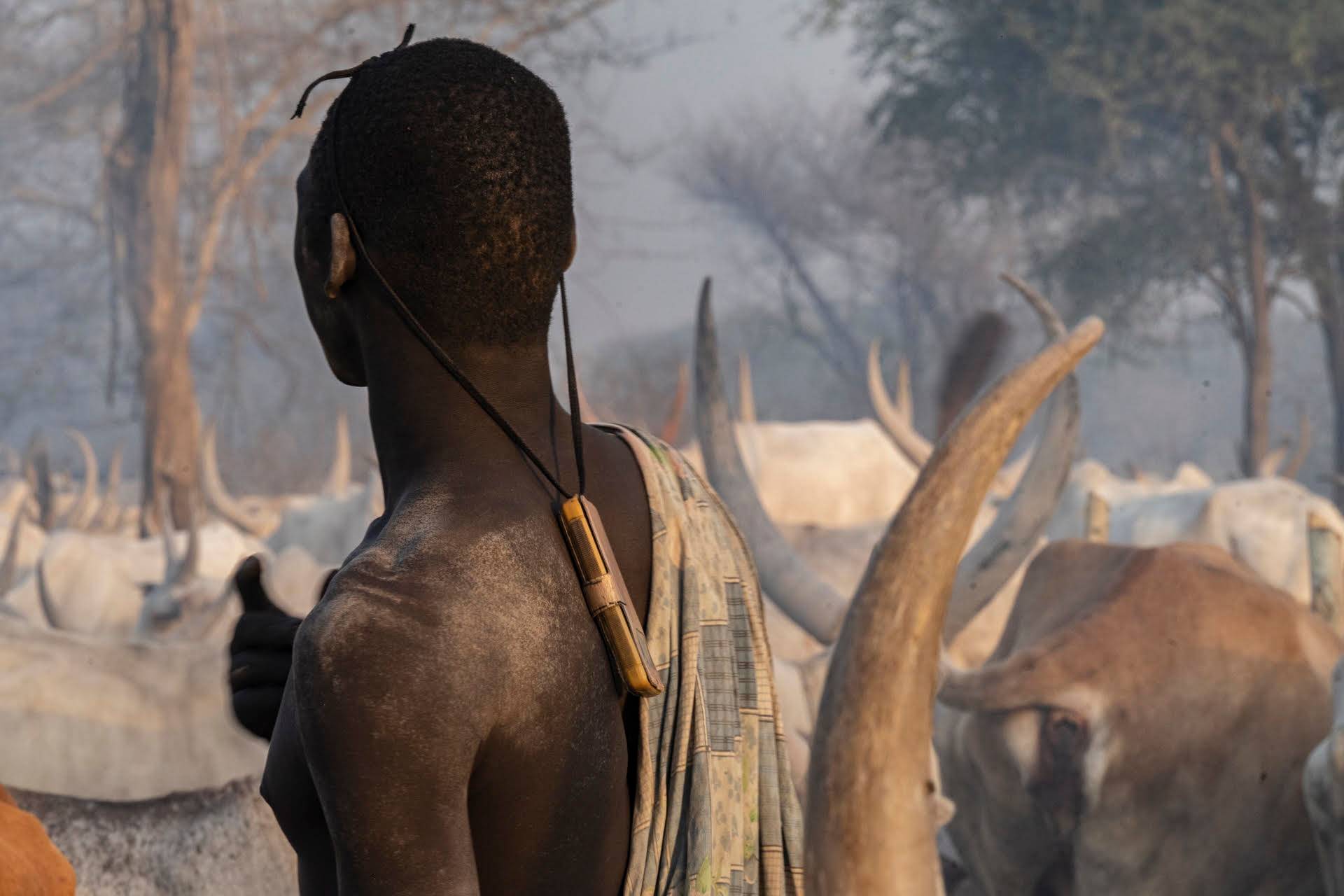
The Mundari’s apparently sustainable way of life is no doubt changing. Today, young Mundari dream of another life, and it is somewhat incongruous to observe young people looking at the outside world on Chinese smartphones while looking after the cattle. The modern world is on its way, and China is financing and building a highway that will link Juba to Terekeka, the county where Mundari live. This highway is part of the Chinese oil exploitation program in South Sudan, which started even before its independence in 2011. This war-ravaged region boasts 3.5 billion barrels’ worth of crude oil in proven reserves, and petroleum geologists will likely find more in the two-thirds of South Sudan they have yet to explore. Despite the challenges of working in a war zone, China dominates what analysts have assessed to be the third-largest oil reserve in Africa.

Mundari

The Mundari way of life faces an uncertain future. We believe, however, it will still take years for the traditions we’ve described to change. They remain the basis for the whole social structure of the tribe – despite cell phones and a few other modern conveniences. Cattle and not cash remains the foundation of society in two main ways.

Mundari

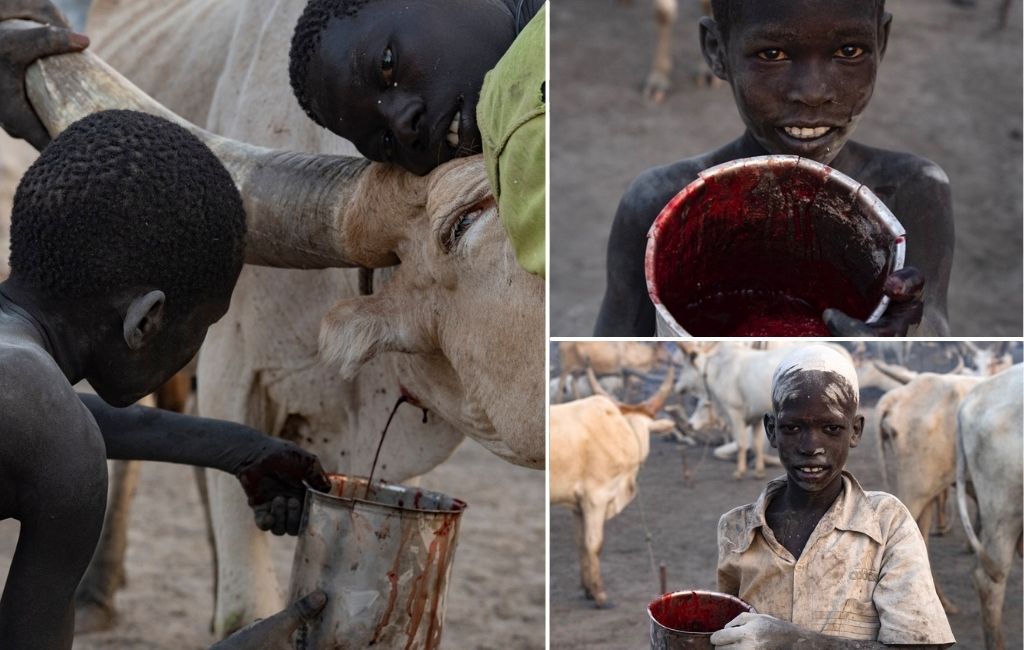
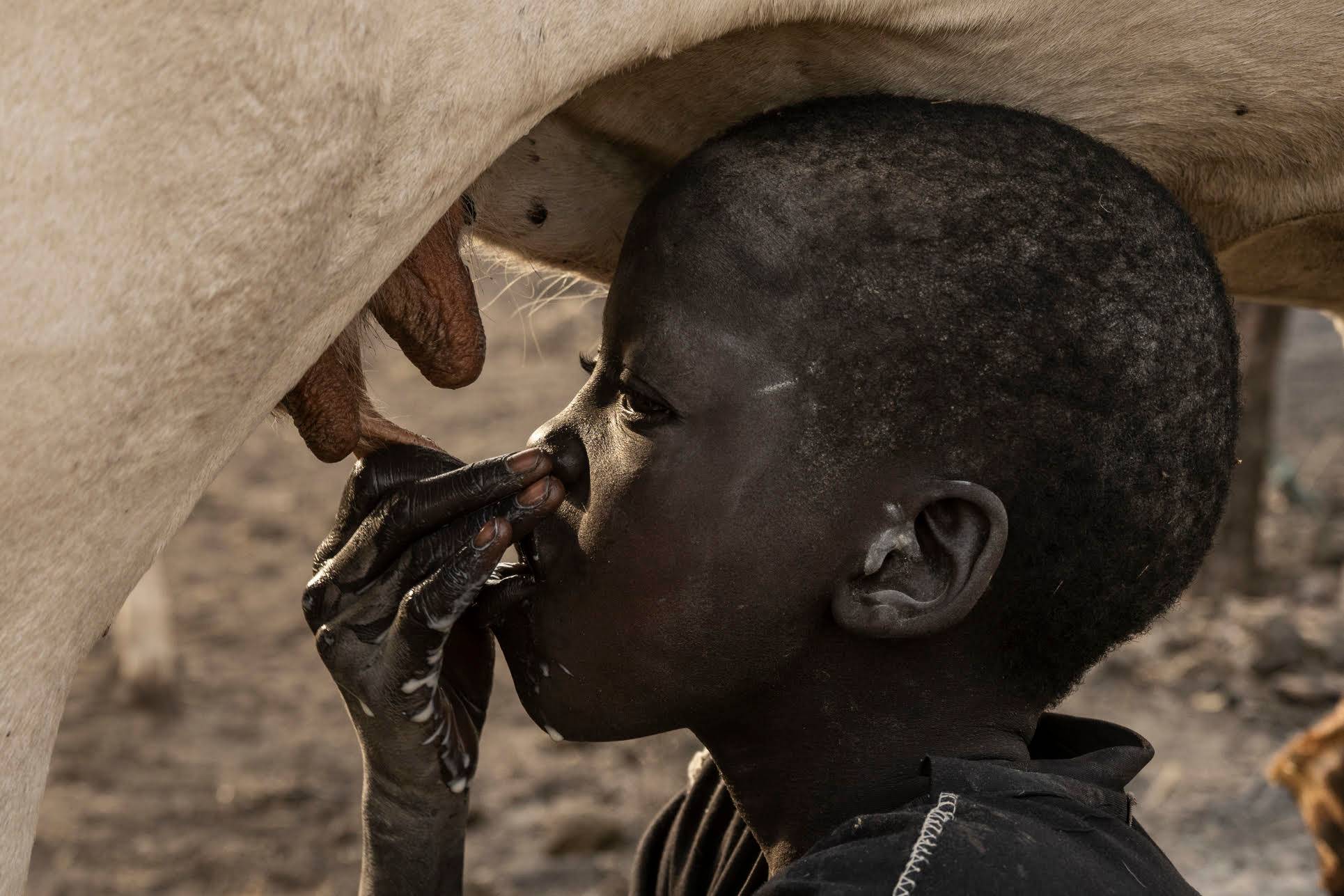
Firstly, cattle is a financial asset –  a kind of “mobile bank account”. Most Mundari people keep cattle and sell them to pay for their essential needs, like food or school fees and – possibly most importantly – the bride price.  Secondly, cows produce food. Although very seldom killed for meat, their milk and blood are hugely important parts of the Mundari diet.

Mundari Africa Geographic Travel

With the COVID-19 pandemic, world aid for development in South Sudan has slowed. The majority of humanitarian workers are stuck at home. As in other African countries, South Sudan has immense tourism potential, but it will take years to develop the necessary infrastructure. The official political mentality is still much influenced by long years of war, whereas wildlife safaris in neighbouring regions flourish.

Mundari

We believe that traditional Mundari’ society will remain relatively unchanged for many years to come. Perhaps we might ask whether their relatively sustainable way of life has lessons more widely applicable – lessons we need to absorb before the tide of modernisation changes the Mundari way of life forever.

Mundari

Elephant range is just a fraction of its potential

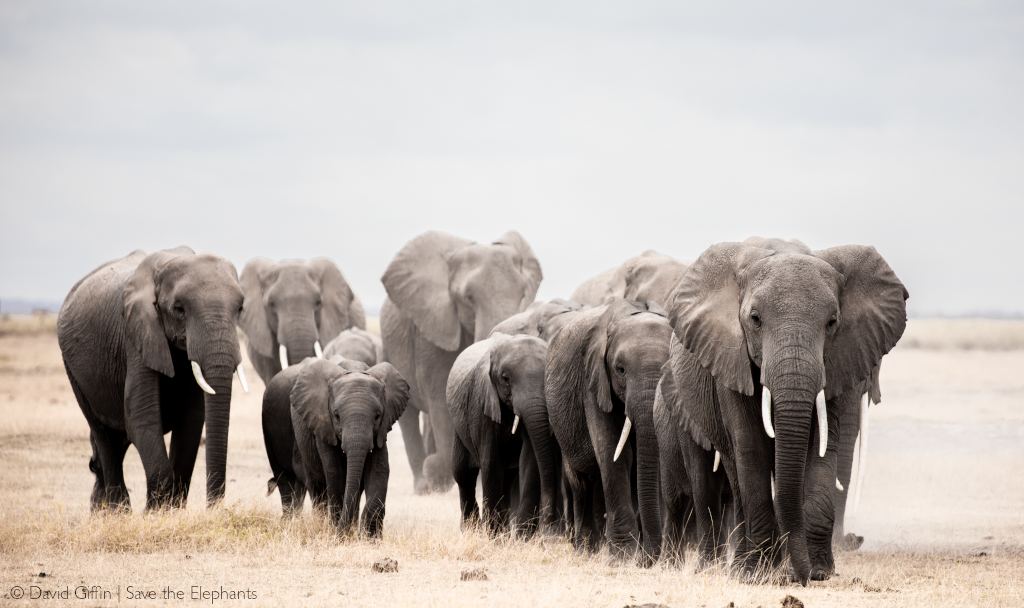
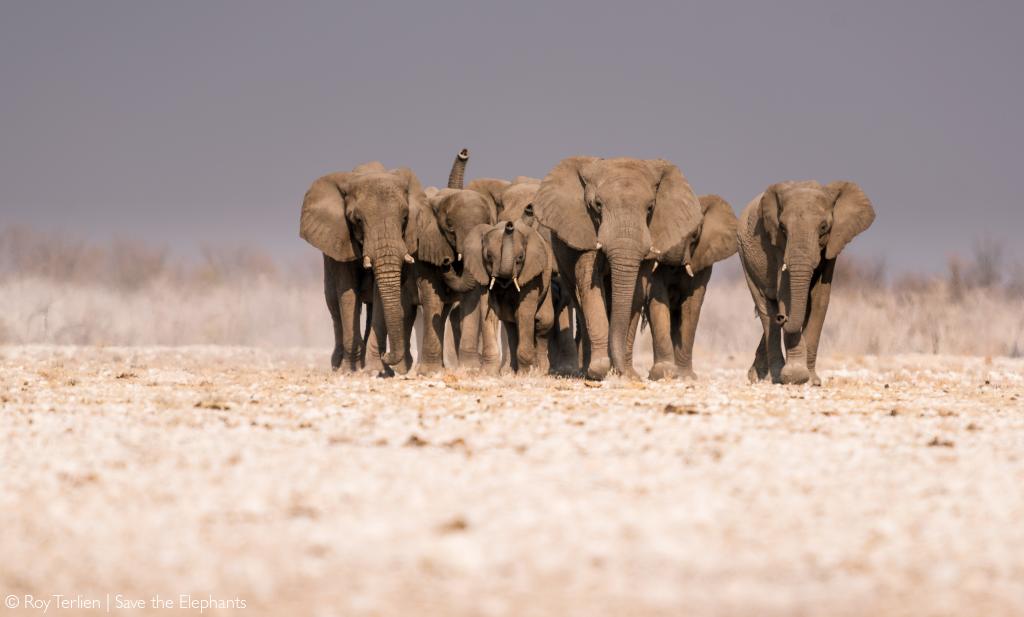
It goes without saying that humans have significantly reduced the habitat available to elephants across Africa (as is the case for almost every wild species). Though greatly accelerated over the last century, this has been an incremental process and unpicking the strands of our influence to quantify historical and potential animal ranges is a tricky process. Newly published research from leading elephant conservation organisations clarifies the extent of human impact on elephants: Africa’s giants now occupy just 17% of their possible range.

Elephant range

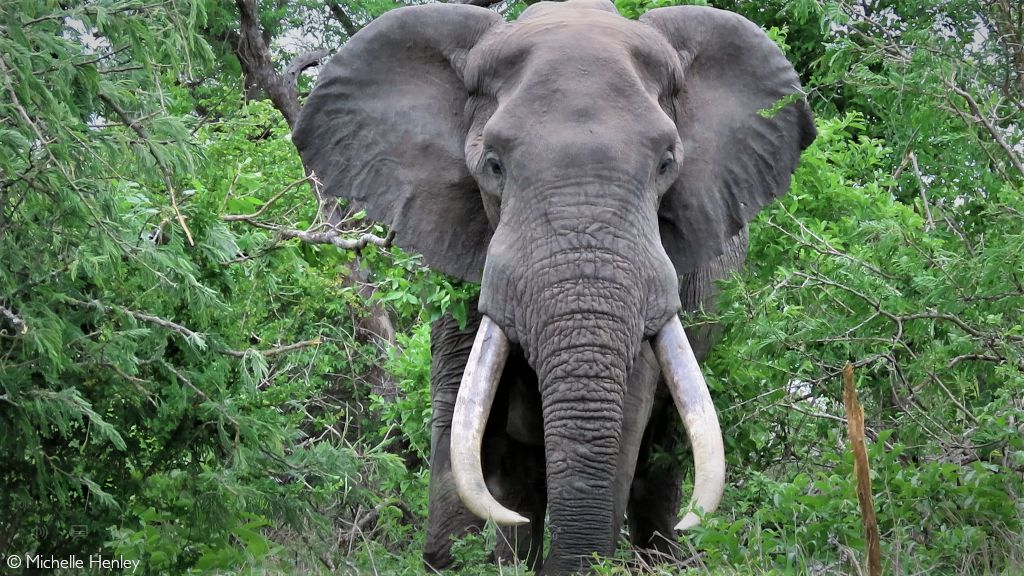
The new paper details how multiple elephant research and conservation organisations pooled over 15 years’ worth of data on the ranges of 229 individual elephants across the continent. The work was coordinated by Save the Elephants and included researchers from the Mara Elephant Project, the University of British Columbia, Oxford University, Colorado State University, the Wildlife Conservation Society, the University of Stirling, and Elephants Alive. It goes to the heart of why long-term research and in-depth understanding of elephant movements are pivotal to elephants’ conservation. “Consistent data recorded over a number of years plays a vital role in our understanding of how elephants adapt to shrinking ranges and variable climatic effects” explains Dr Michelle Henley, CEO of Elephants Alive.

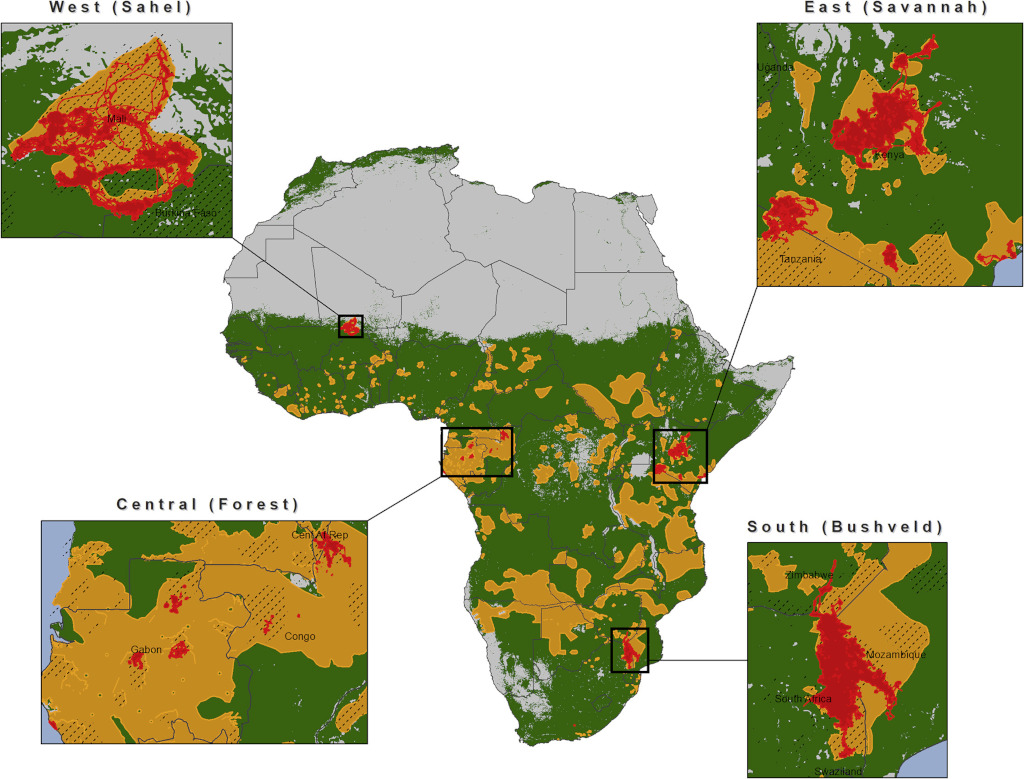
The data were collected at 19 sites across the four major biomes of Africa: Sahel (the border region of the Sahara Desert in the western section of the continent), forest (central), savannah (east), and bushveld (south).  When analysing the data, the new study lays out three questions:

  1. How do elephant home ranges vary in size across sexes, species, and biome?
  2. How influential are the following factors on range size?
    a. Individual (sex and species)
    b. Biotic (vegetation and tree cover)
    c. Abiotic (temperature, rainfall, water, slope/gradient)
    d. Anthropogenic (human influence and protected area use) factors
  3. How much suitable elephant habitat remains across Africa, and how much of this suitable habitat is currently occupied?

The study demonstrates that elephant range size is affected by multiple factors, including species (forest elephants utilised smaller home ranges than savannah elephants), sex (bulls occupied more extensive ranges than cows in the long term), and resource availability. The elephants were also influenced by tree cover, temperature, rainfall, and the slope/gradient of the area. Most importantly, elephant movements and range usage were impacted by human factors. From the tracking data, elephants in protected areas occupied smaller ranges. The researchers believe that this is part of a human avoidance strategy – the elephants do not feel safe roaming into areas of human habitation. However, some 57% of the current elephant range falls outside these protected areas (as per the IUCN).

Africa Geographic Travel

The researchers then used this data to inform an elephant habitat suitability model (HSM) across the entire continent. The HSM predicts that elephants could occupy a range of over 18 million square kilometres – 62% of the whole continent. “We looked at every square kilometre of the continent,” says lead author Jake Wall of the Mara Elephant Project in Kenya. “We found that 62% of those 29.2 million square kilometres is suitable habitat.” As adaptable and generalist megaherbivores, elephants would only be precluded from occupying extreme habitats in the Sahara, Danakil, and Kalahari deserts, as well as high mountain tops and, of course, urban centres.

Elephant range
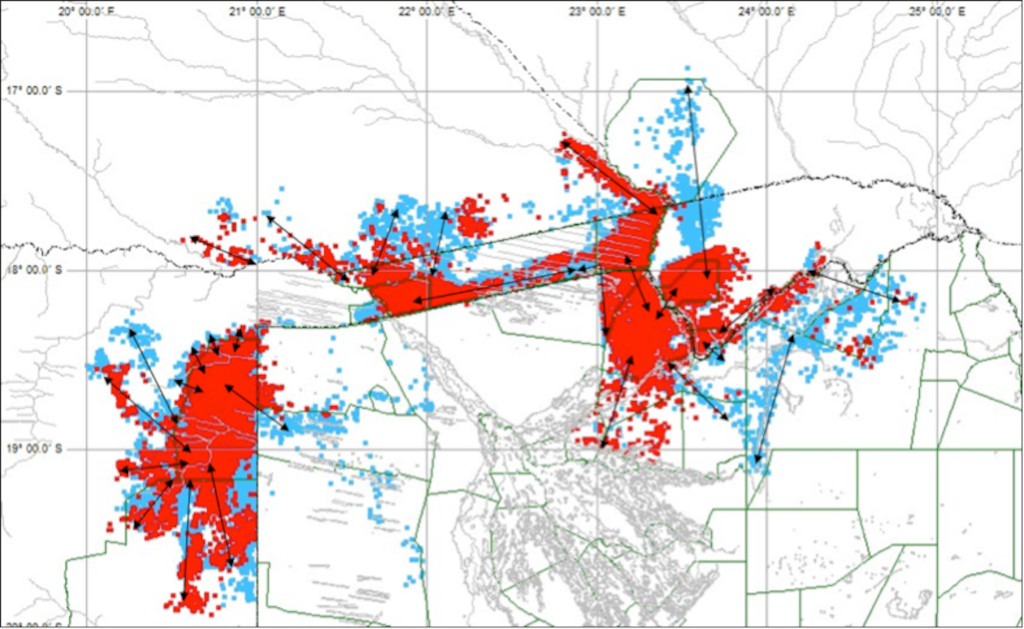
From the range of conditions encountered by the tracked elephants over 16-day periods, an HSM was extrapolated to each kilometre square grid of Africa (shown in green). Currently, 18,169,219 km2 is suitable range for elephants, which is 62% of the whole continent but for extreme deserts, cities, and high mountain tops. Of the HSM, 85% falls outside of protected areas. It was the likely range of elephants two millennia before the present. The current elephant range (orange) is 3,132,238 km2, according to the African Elephant Specialist Group, of which 57% falls outside of protected areas. The combined elliptical time-density 90th percentile ranges (red), of our sample of 229 collared elephants is 72,113 km2. The protected area boundaries (black hatched areas on the inset maps) are from the World Database on Protected Areas (WDPA).

Iain Douglas-Hamilton, founder of Save the Elephants, explains that through the model, “we used the movements of living elephants to tell us where the dead once roamed. This gave us a new line of evidence to suggest how much range has been lost in the last 2000 years”.

Elephant range

In essence, the study confirms that elephants would once have roamed almost the entire African continent – a conclusion supported by both historical, anecdotal evidence and recent genetic studies. The researchers detail how accounts from navigators and explorers from over 500 years ago record the presence of elephants on the Atlantic coast of North Africa and the mountainous and thickly wooded parts of present-day Tunisia. The HSM indicates that the same stretch of North Africa where elephants once roamed remains suitable habitat to this day. An analysis of ivory recovered from a Namibian shipwreck recently showed a massive reduction of elephant genetic diversity in the last five centuries.

The vast amount of data and extensive analysis demonstrates that elephants could spread back to parts of their former range if given a chance. Their habitats have been severely fragmented by fences, agriculture, infrastructure and human habitation and conflict. However, since their potential range is enormous, there is likely still room within parts of this range for peaceful coexistence between people and elephants. In particular, the authors identify swathes of land within the Central African Republic and the Democratic Republic of Congo, whose forests once held hundreds of thousands of elephants, now reduced to fewer than 10,000 remaining individuals. Naturally, the researchers also acknowledge that there are also parts of this identified range where conflict with people would make the return of elephants unrealistic.

Elephant range

Unfortunately, while the elephant range could expand, current trends are moving in the opposite direction. With the human population expected to grow over 25% from 2019 to 2050 (along with the associated increase in human footprint), there is an urgent need for development scenarios that take wildlife (and human) needs into account to secure the long-term survival of elephants. The researchers hope to refine the current model to aid in quantifying human densities and human-elephant coexistence and exploring the connectivity of potential habitats. The study concludes with the following sentiments:

“In the face of increasing human pressures, proactive landscape planning at the local, national, and continental scales are critical, as well as fostering an ethic of human-elephant coexistence if the future of elephants is to be secured. Is that too much to ask, to protect and conserve this signature animal even in a world where human well-being is paramount?”


WATCH: An animated summary of the findings can be viewed here: African elephants only occupy a fraction of their potential range. (1:22)


The full paper can be accessed here: “Human footprint and protected areas shape elephant range across Africa“, Wall, K., et al., (2021), Current Biology

CEO note: Lions vs giraffes | parrot voodoo | Gorongosa

CEO note
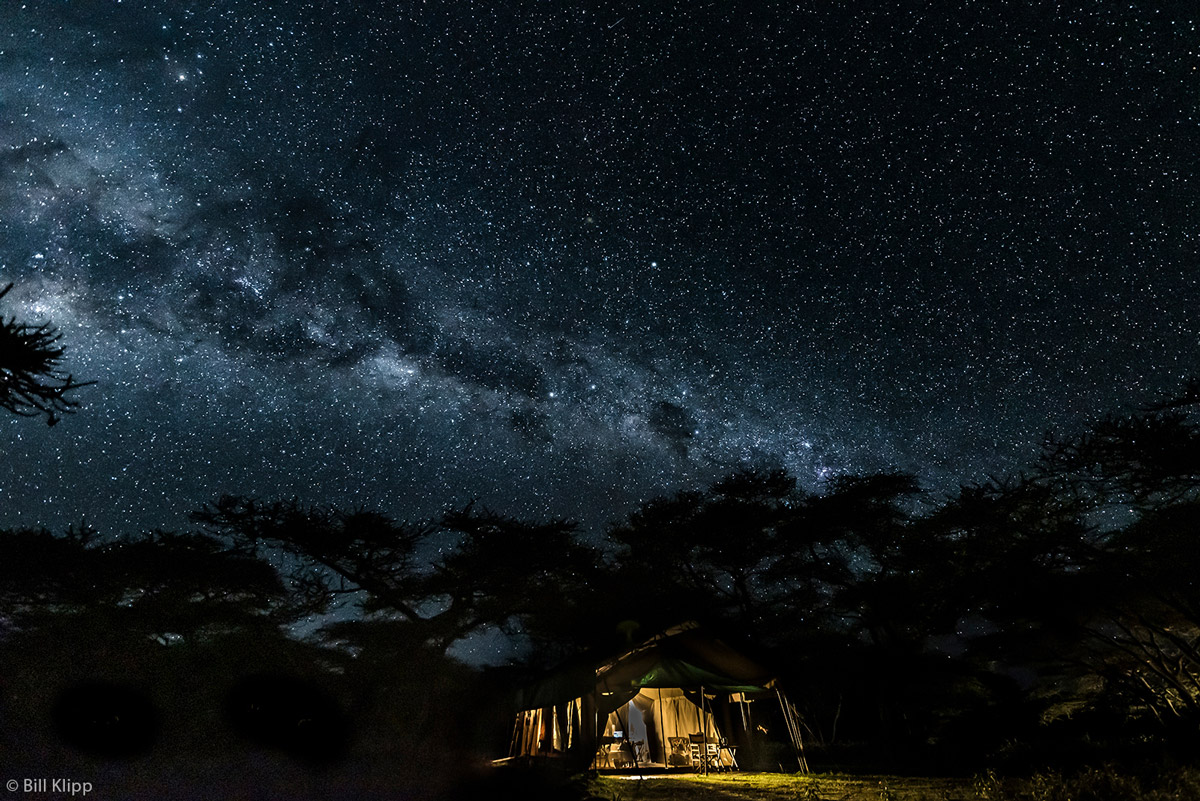
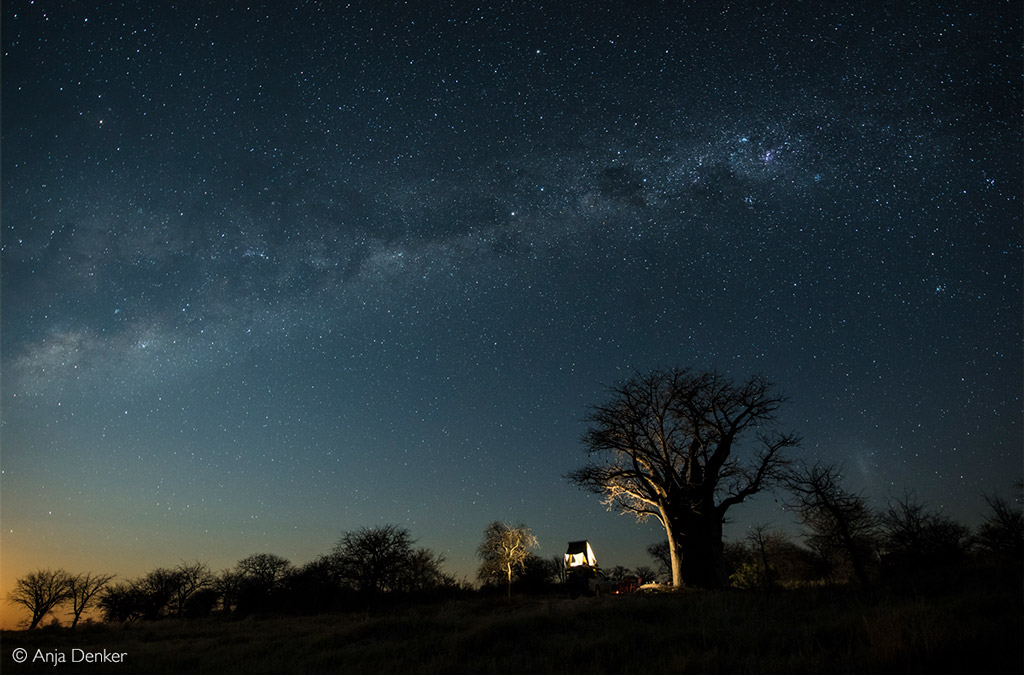
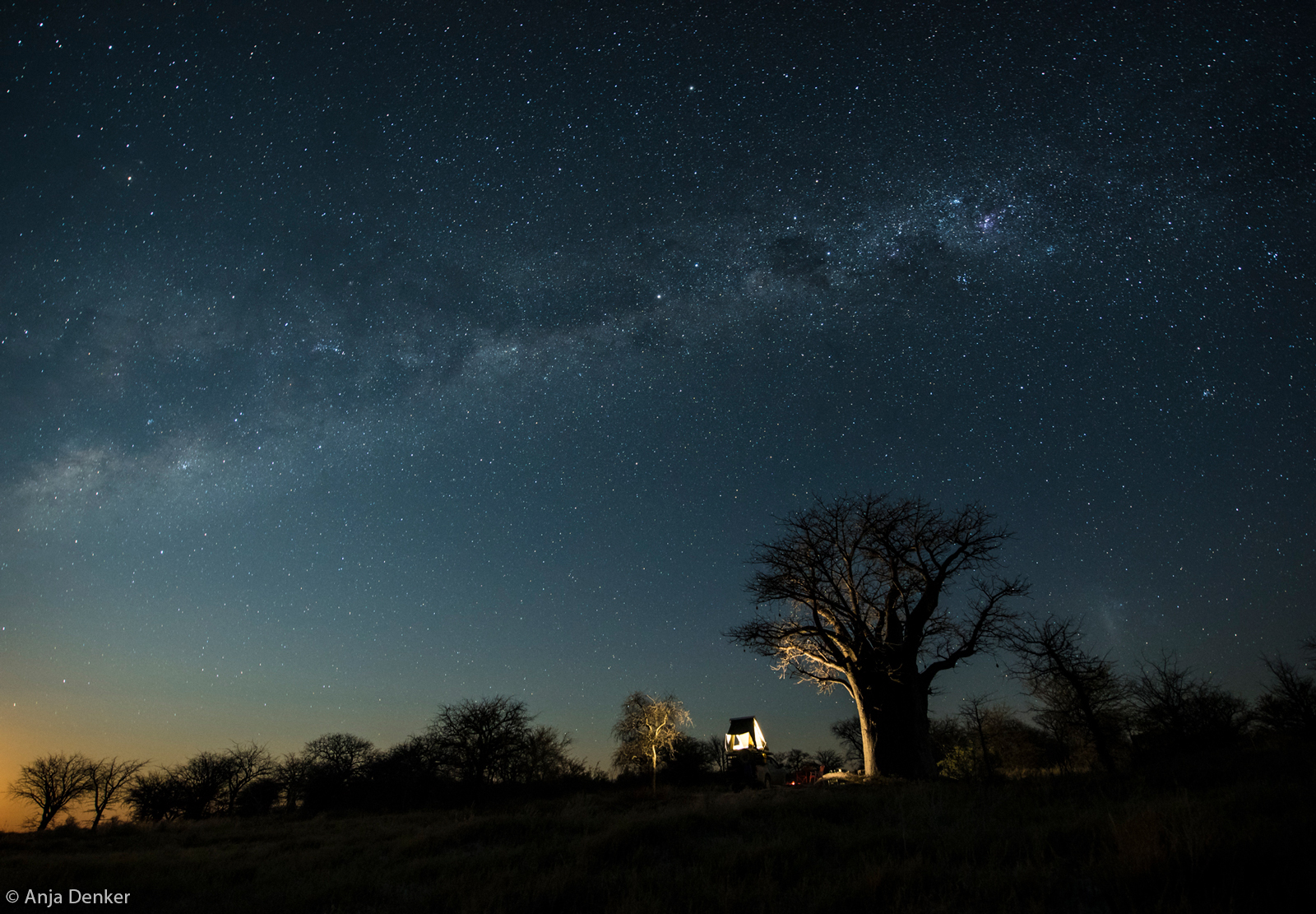
Solitude and serenity beneath a spectacular baobab and the Milky Way. Nxai Pan National Park, Botswana. 2021 Photographer of the Year entrant © Anja Denker

CEO NOTE: 23 April 2021

This is a copy of our weekly email newsletter. Subscribe here to receive the newsletter.


Last week was ugly. We published a story where scientists estimate the Namibian elephant population to be several times higher than the go-to estimate by several loud keyboard experts. The data and results were peer-reviewed by the IUCN African Elephant Specialist Group. The story unleashed some pretty unfortunate backlash from those whose narrative demands far lower numbers. The backstory is that the Namibian government, like many African governments, supports trophy hunting as a wildlife conservation tool. Now you know that I am no fan of trophy hunting, and I have the scars to prove it. BUT I also believe, as do my team, that science is the framework for effective conservation and that our layman opinions, while being essential tools for dialogue and problem-solving, are ultimately subject to scientific reality.

One hysterical Namibian activist took to social media to drum up echo chamber support from his adoring fans with hurtful fabrications about the veteran conservation journalist. He also laid into AG – and demanded that he be given the raw elephant population data to come up with his own statistics. He of zero relevant qualifications, experience or training. His premise is that observations from his occasional journeying through elephant territory are a more reliable yardstick for Namibian elephant numbers than what peer-reviewed science estimates, and that we (scientists, AG and those who support science) are in cahoots with the Namibian government to kill more elephants.

It is what it is.

Keep the passion

CEO note


Simon Espley – CEO, Africa Geographic


From our Editor-in-Chief

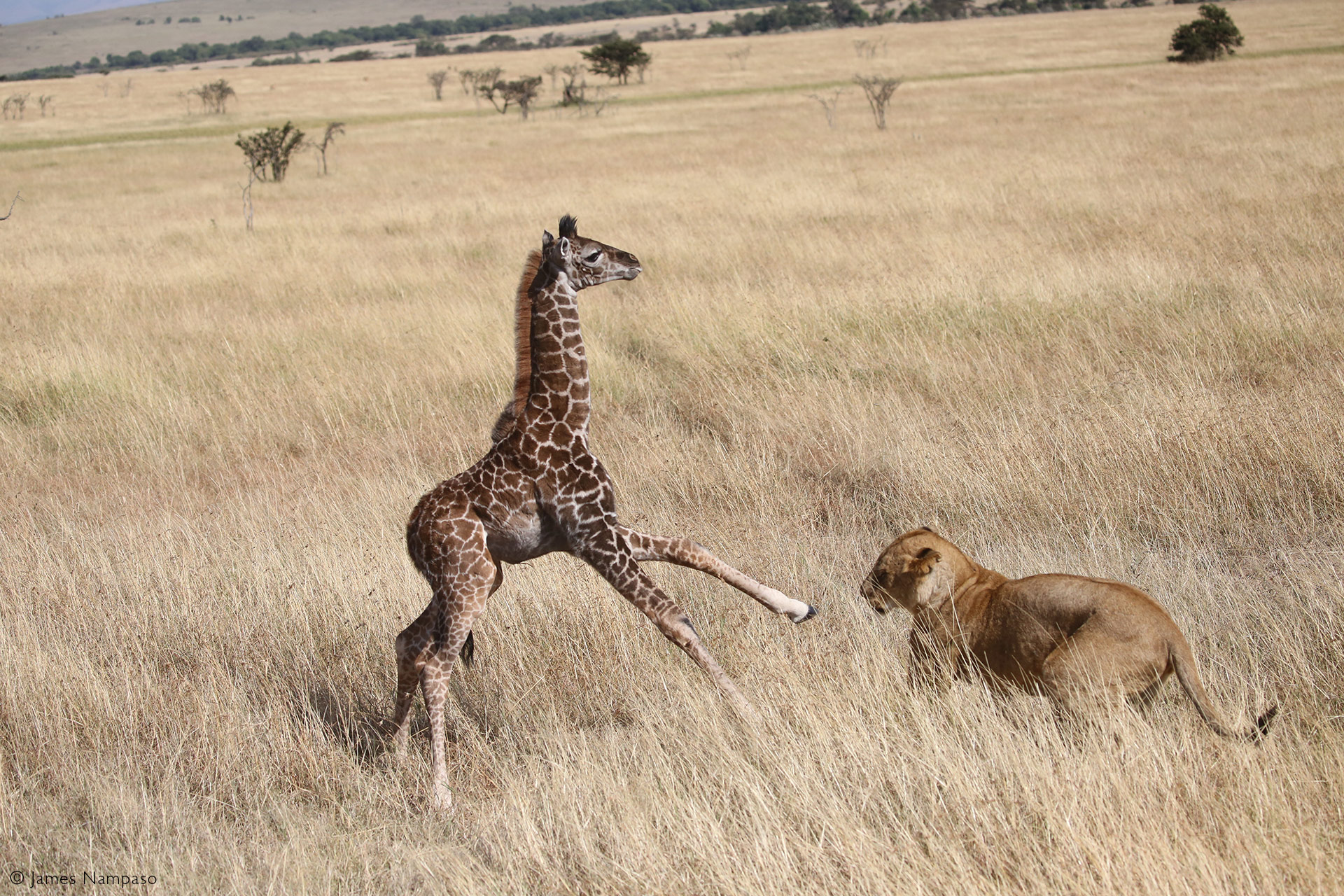
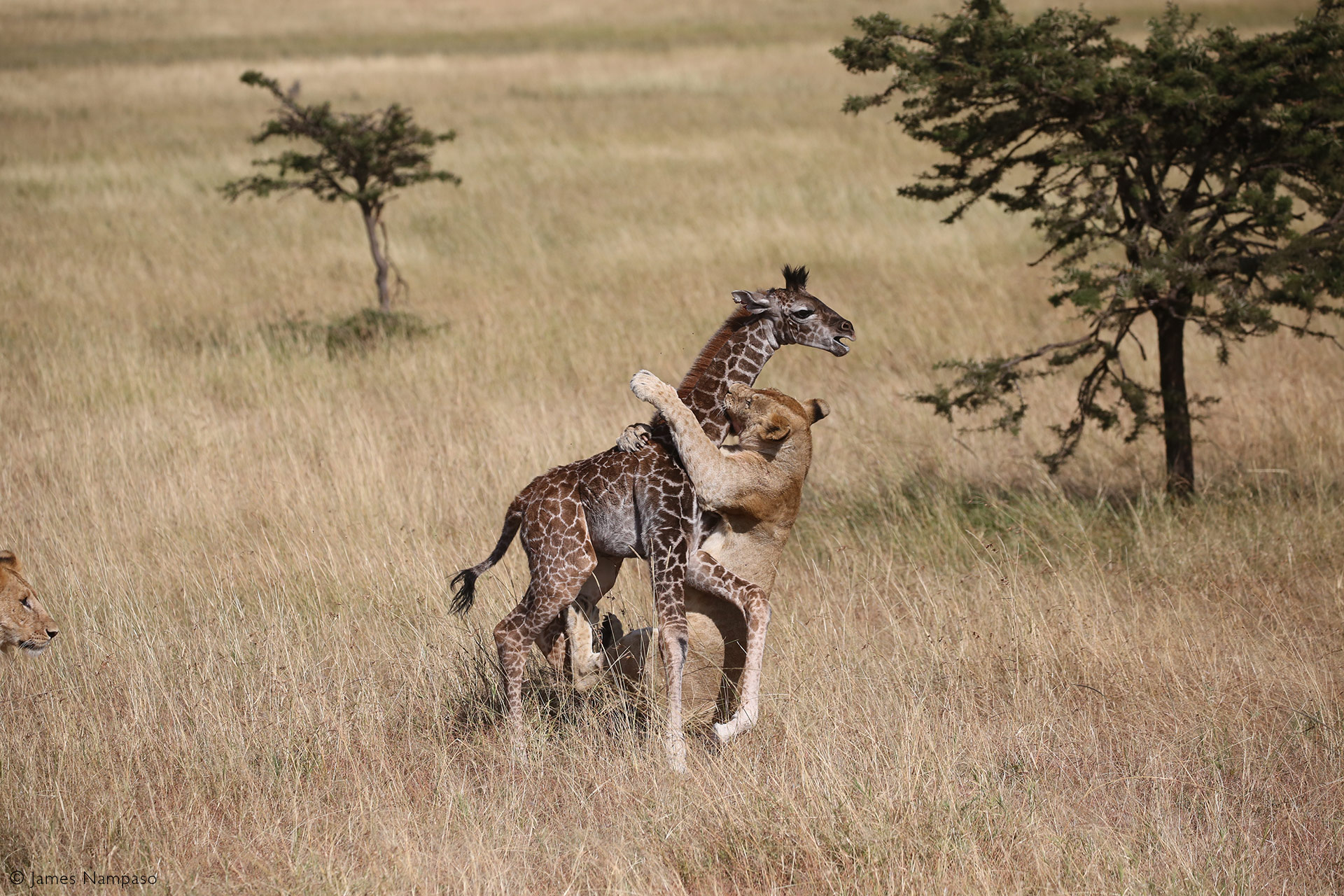
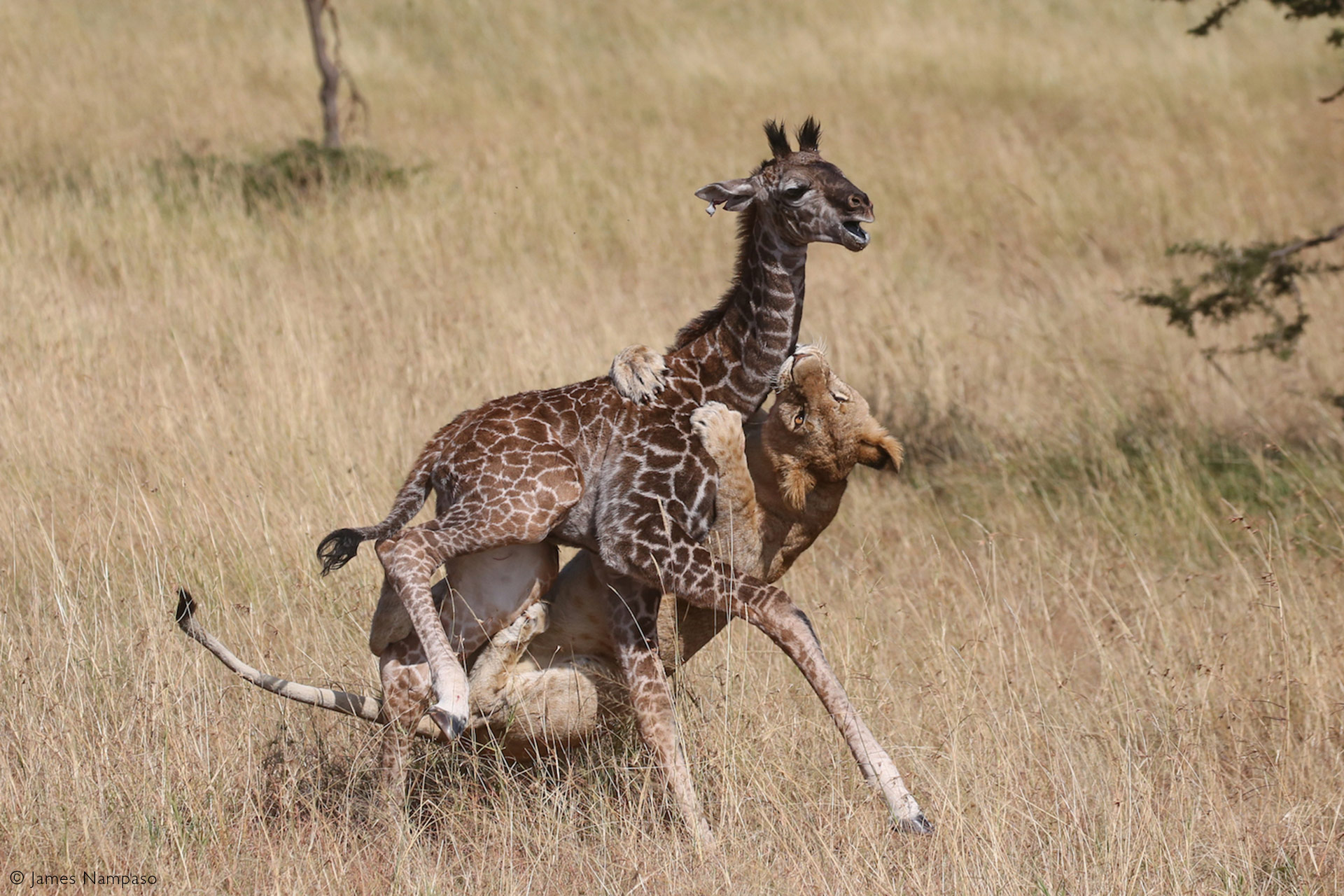
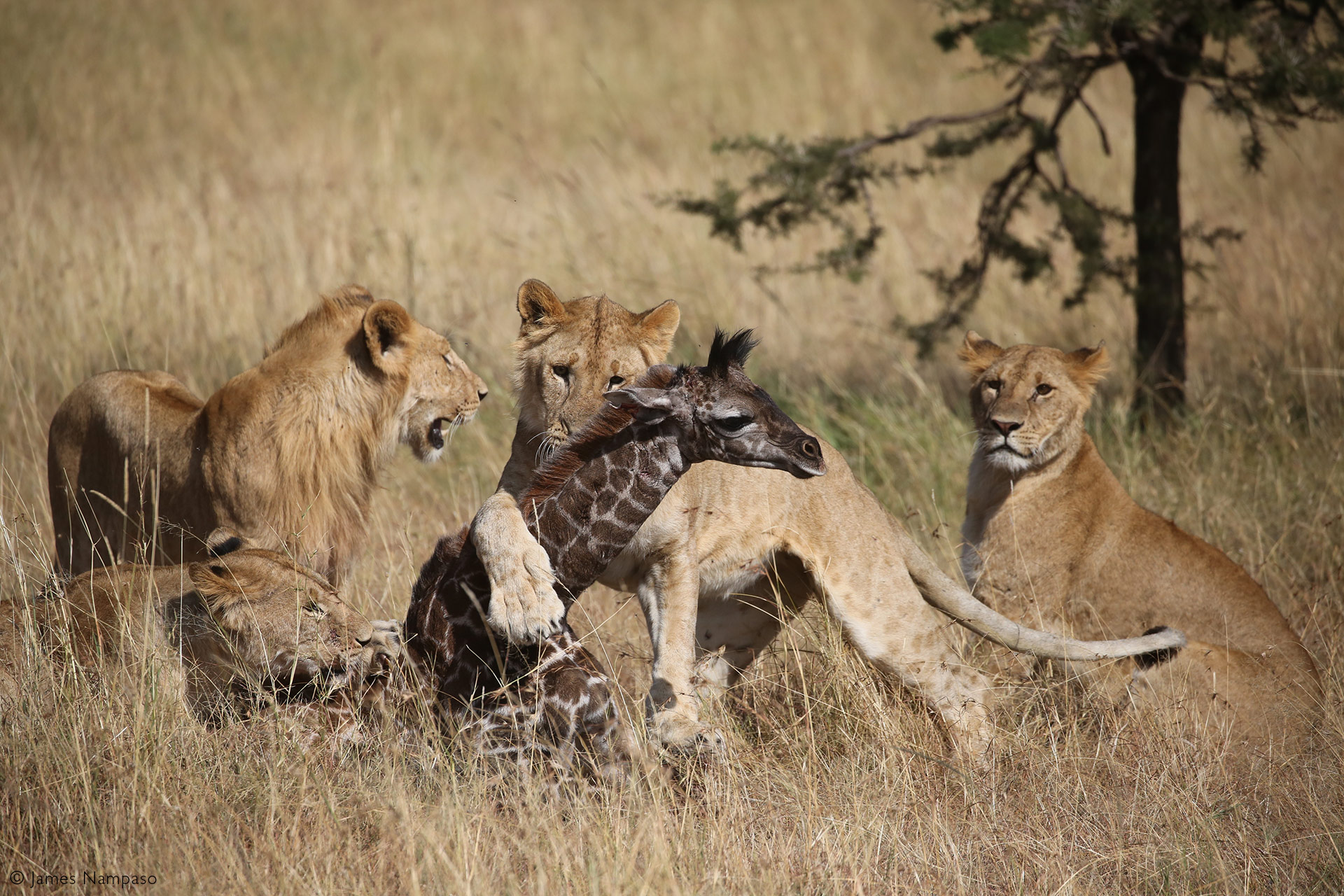
When I started guiding, too many years ago than I care to admit, showing my guests a kill was the ultimate goal. I’m not sure why – perhaps it was because so many nature documentaries climaxed with a takedown. The first time I saw the light leaving the eyes of a terrified impala ram with a leopardess’s jaws clamped around his trachea, I wasn’t sure I wished to see it again. In our first story below, Kenyan guide James Nampaso, treats us to a terrific photo gallery of nature’s sometimes heartrending reality.

In our second story below, we look at new research investigating the use of African grey parrots in traditional west African medicine. The Marché des Fétiches in Lomé, Togo has an astonishing array of wild animal parts for sale, including primate heads, antelope and predator skins, crocodile skulls, dried snakes, domestic dog heads and, of course, birds. A brief google image search will net you a gallery of horrors. Next step is to engage with the sellers and users to come up with sustainable alternatives.

Our third story below is more cheerful. When I was at university, I remember walking past kilometres of shelving full of masters and PhD dissertations thinking, ‘what a waste, no one is ever going to read this stuff.’ While most theses can look forward to long centuries of gathering dust unobserved, one, by an Australian ecologist called Ken Tinley, completed in 1977, resurfaced in the early 2000s. It became the blueprint for the restoration of Gorongosa National Park in Mozambique – it’s a wonderfully unlikely story.

Our Photographer of the Year gallery for this week is another marvel of African nature and human creativity. We are nearing the end of the competition, so either head into the wild and take some snaps or trawl your archives – you might like to win 10 000USD and a luxury safari to Botswana.

Finally, have a look at our video of the week. The Last Horns of Africa is a scary look at what it means to be on the frontline of defending rhino in South Africa – when rangers have to find the courage to become soldiers.


Story 1
LIONS VS GIRAFFES
This exceptional photo gallery by Kenyan guide and Photographer of the Year entrant James Nampaso showcases wild Africa at her most brutal

Story 2
PARROT VOODOO
African grey parrots are targeted for medicinal and spiritual practices in West Africa. The trade is a significant threat to wild grey parrots

Story 3
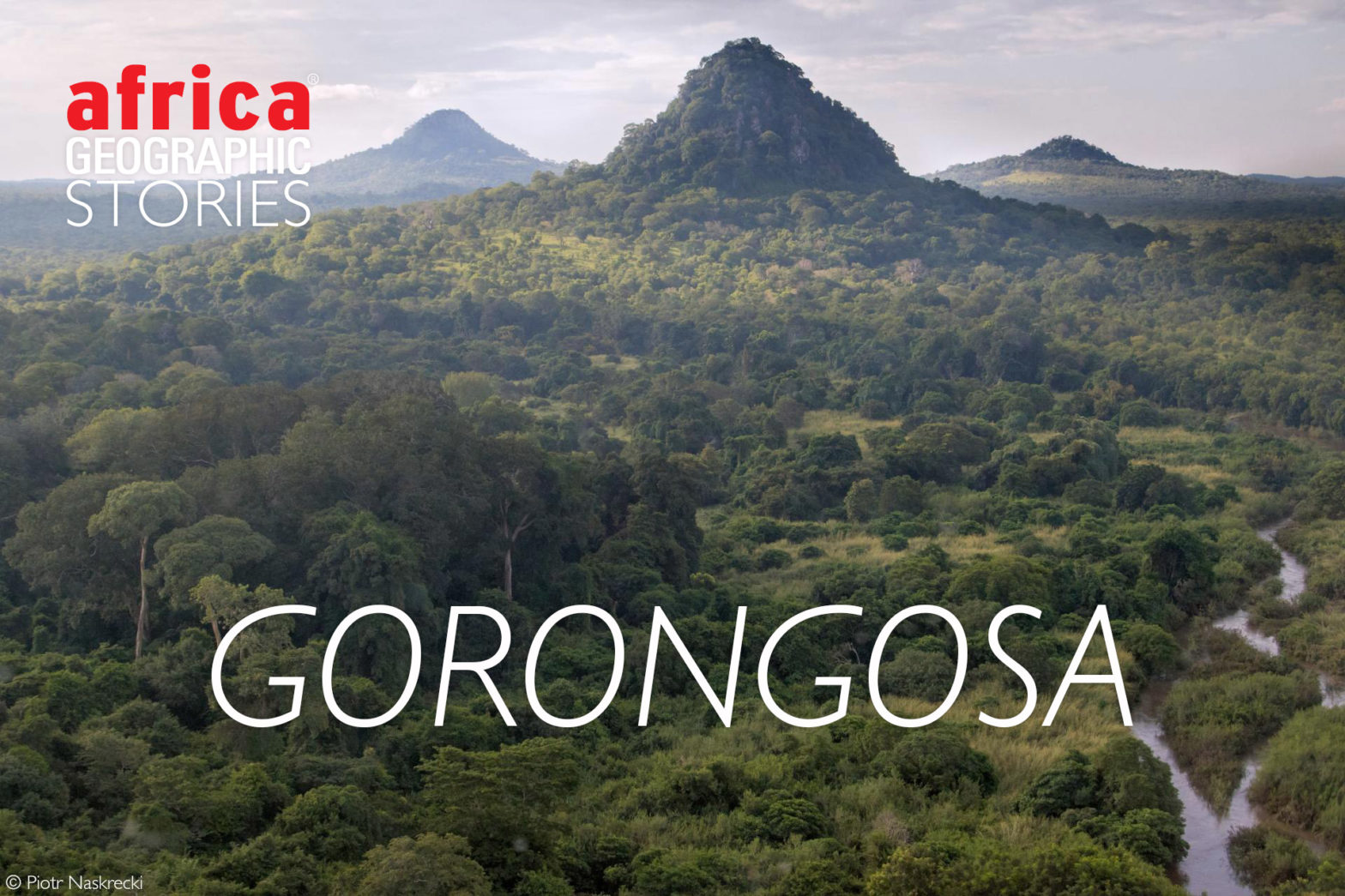
GORONGOSA
A long-lost doctoral thesis by an ecologist far ahead of his time helps unleash the massive potential of Gorongosa National Park, Mozambique

Story 4
BEST PHOTOS
Week fifteen of our 2021 Photographer of the Year


DID YOU KNOW: There are an estimated 2000 languages spoken in Africa


WATCH: The Last Horns of Africa – trailer about the savage war to save rhino (2:36)


Photographer of the Year 2021 Weekly Selection: Week 15

Our Photographer of the Year 2021 is open for submissions, with cash prizes of US$10,000 for the overall winner and the two runners-up. They and their partners will also join our CEO Simon Espley and his wife Lizz on the ultimate private safari in Botswana.

The competition runs from January to June 2021. Get your entries in now and join us in celebrating Africa! Proudly brought to you by Hemmersbach Rhino Force and Natural Selection.

Here are the best submissions for this week 

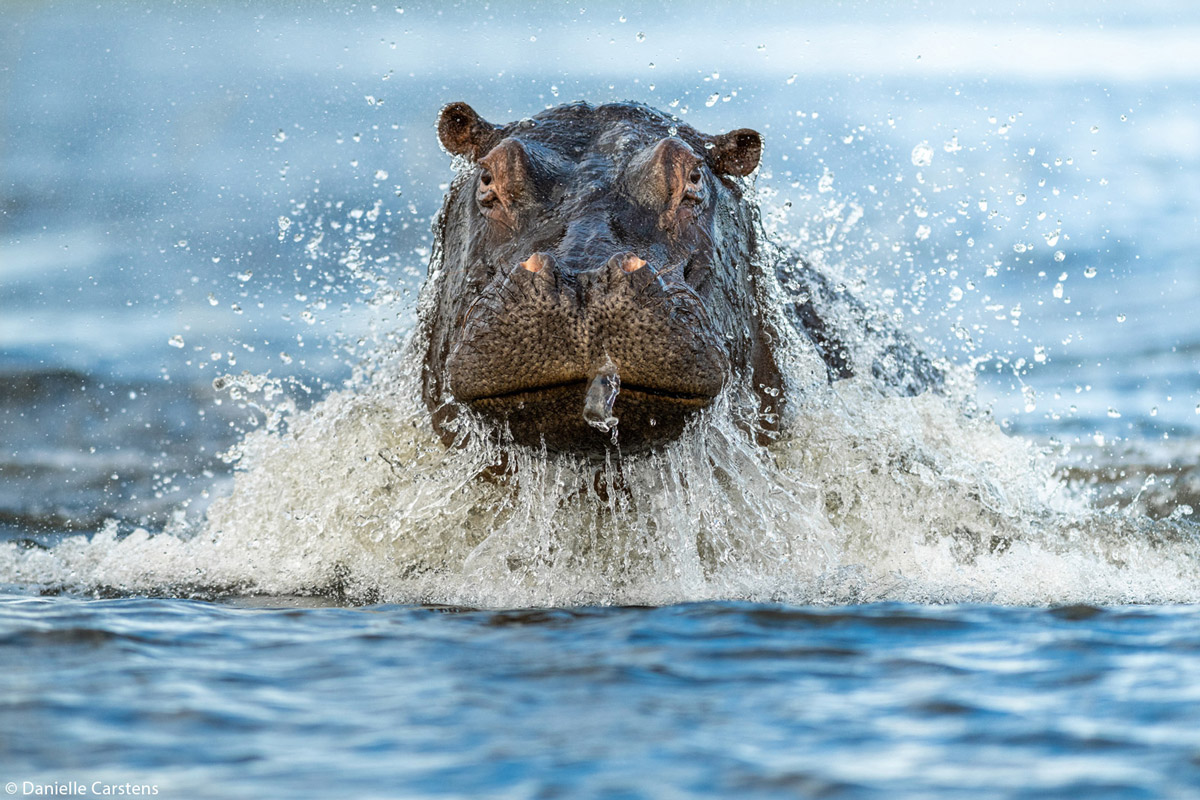
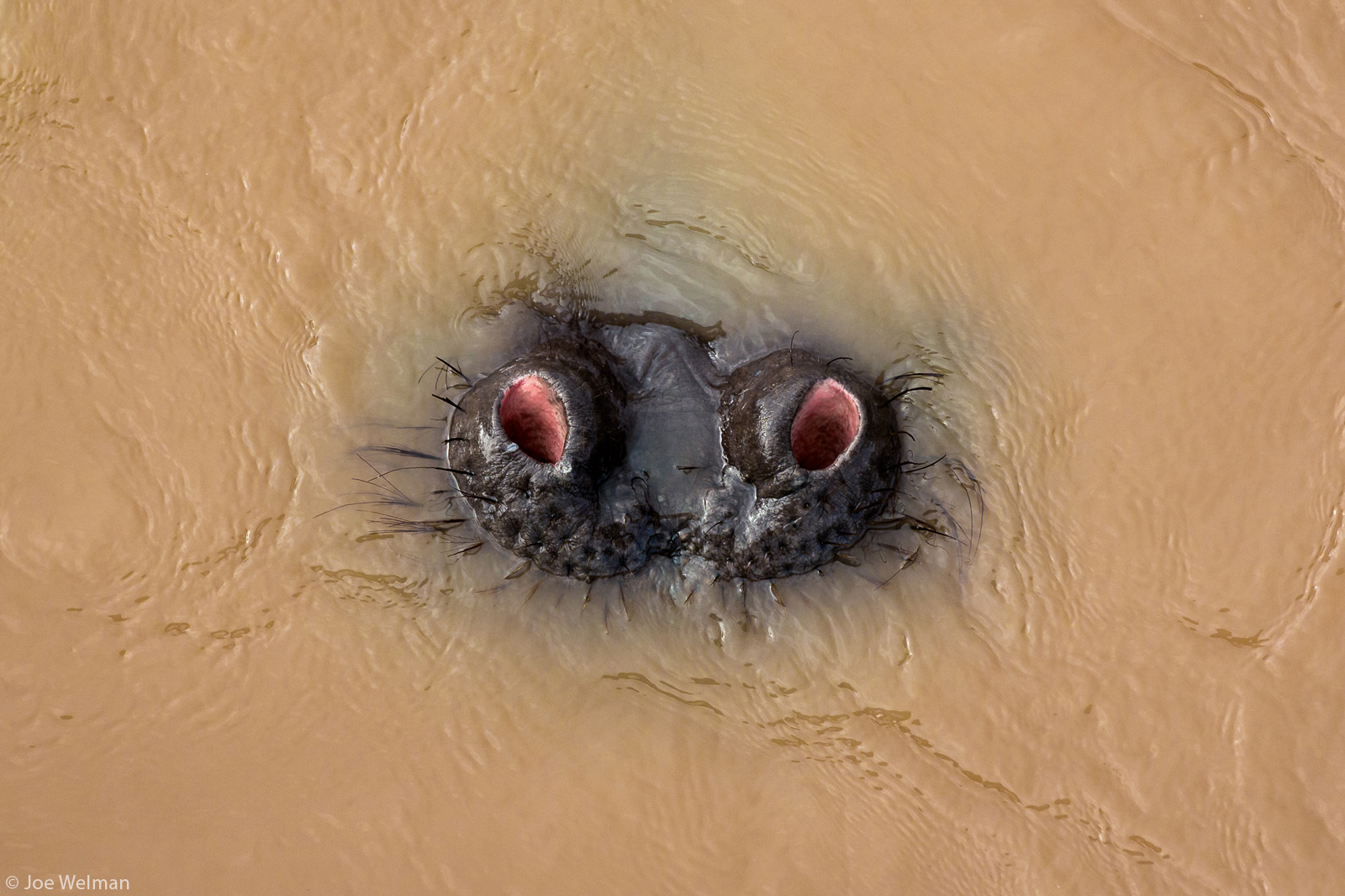
Nostrils of a hippopotamus break the surface of the Sand River. Mala Mala Game Reserve, South Africa. © Joe Welman
Solitude and serenity beneath a spectacular baobab and the Milky Way. Nxai Pan National Park, Botswana. © Anja Denker
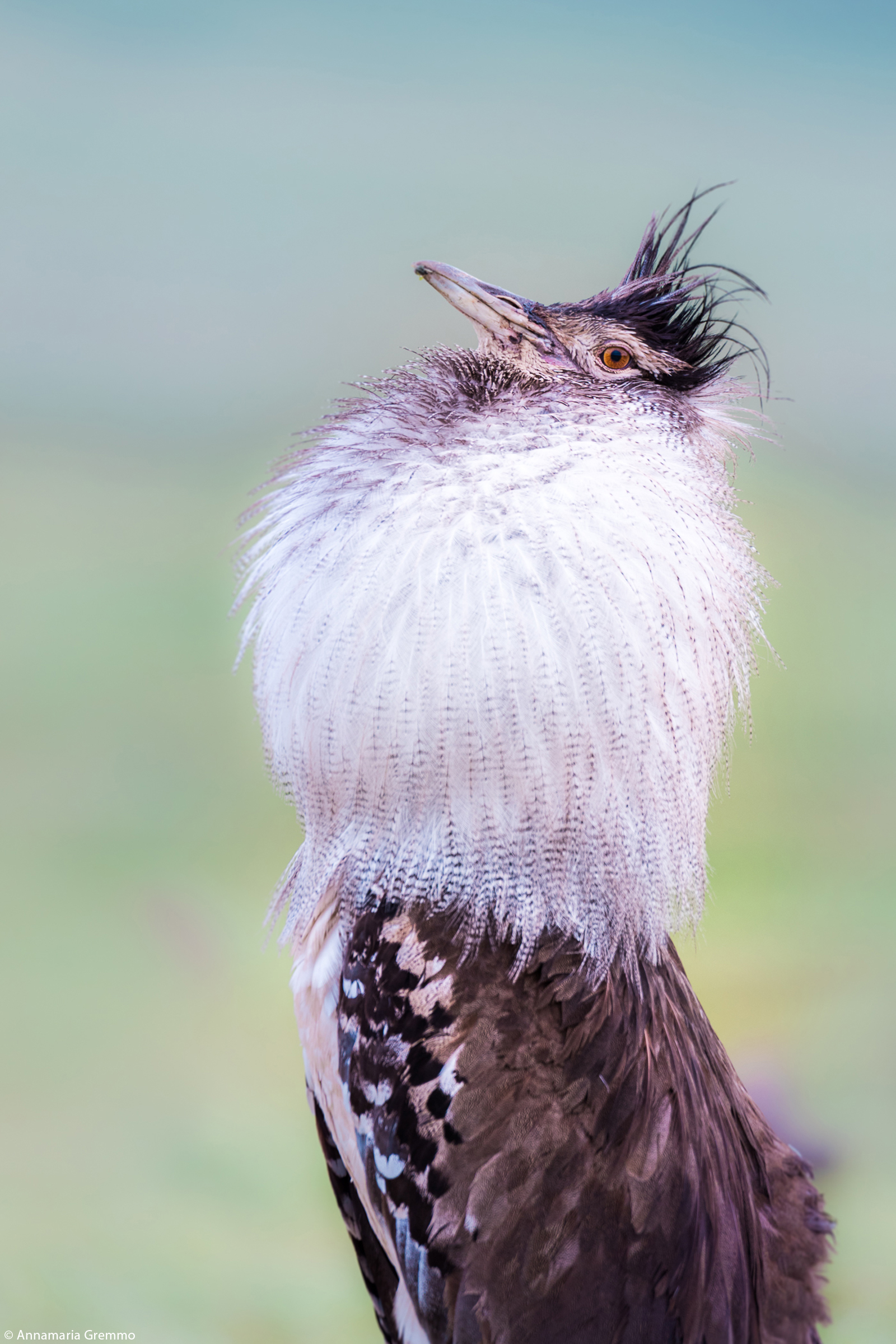
A male kori bustard attempting to look like cotton candy to impress a female. Ngorongoro Crater, Tanzania. © Annamaria Gremmo
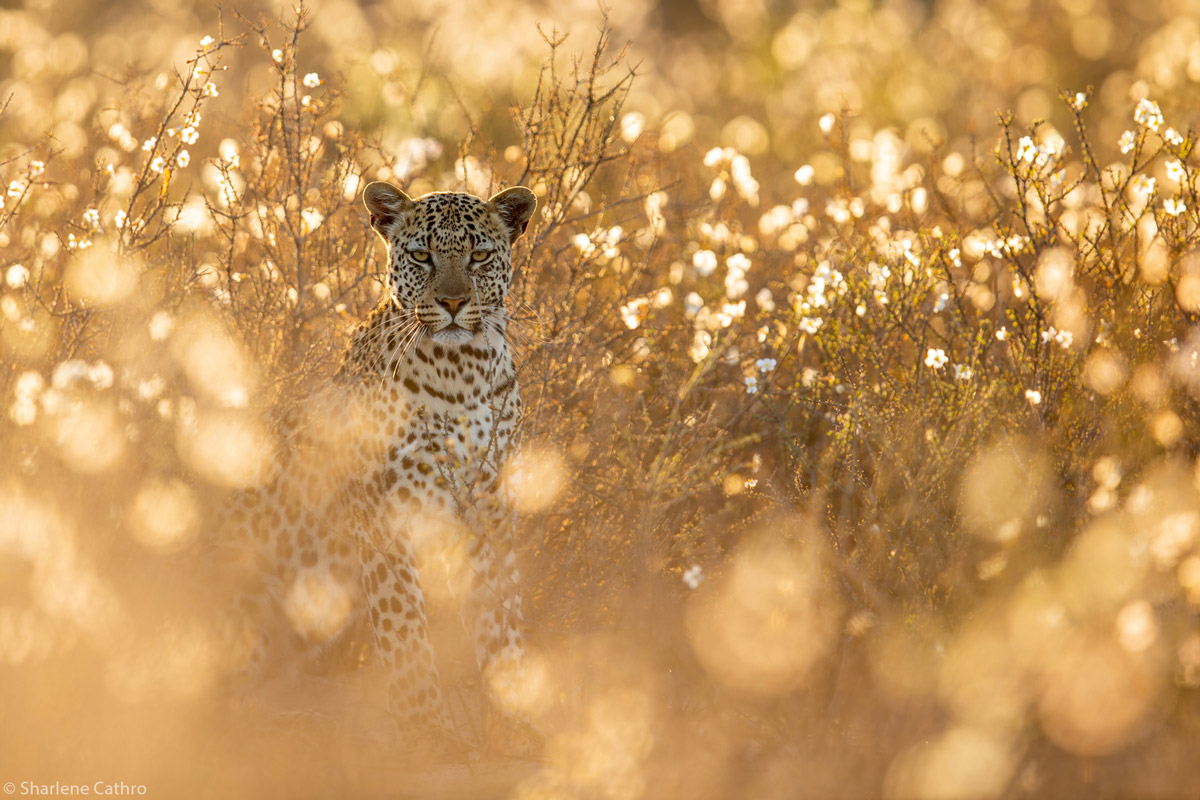
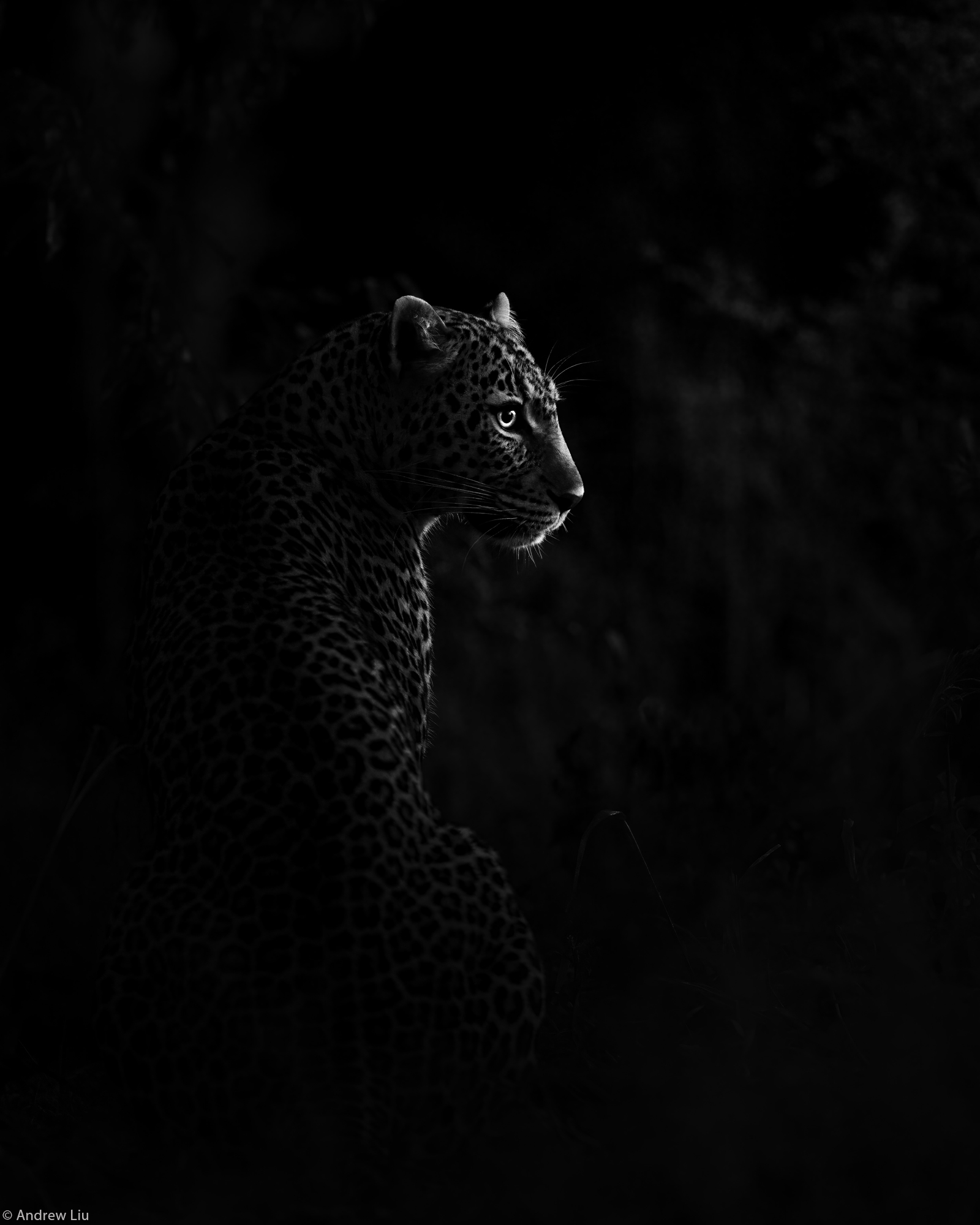
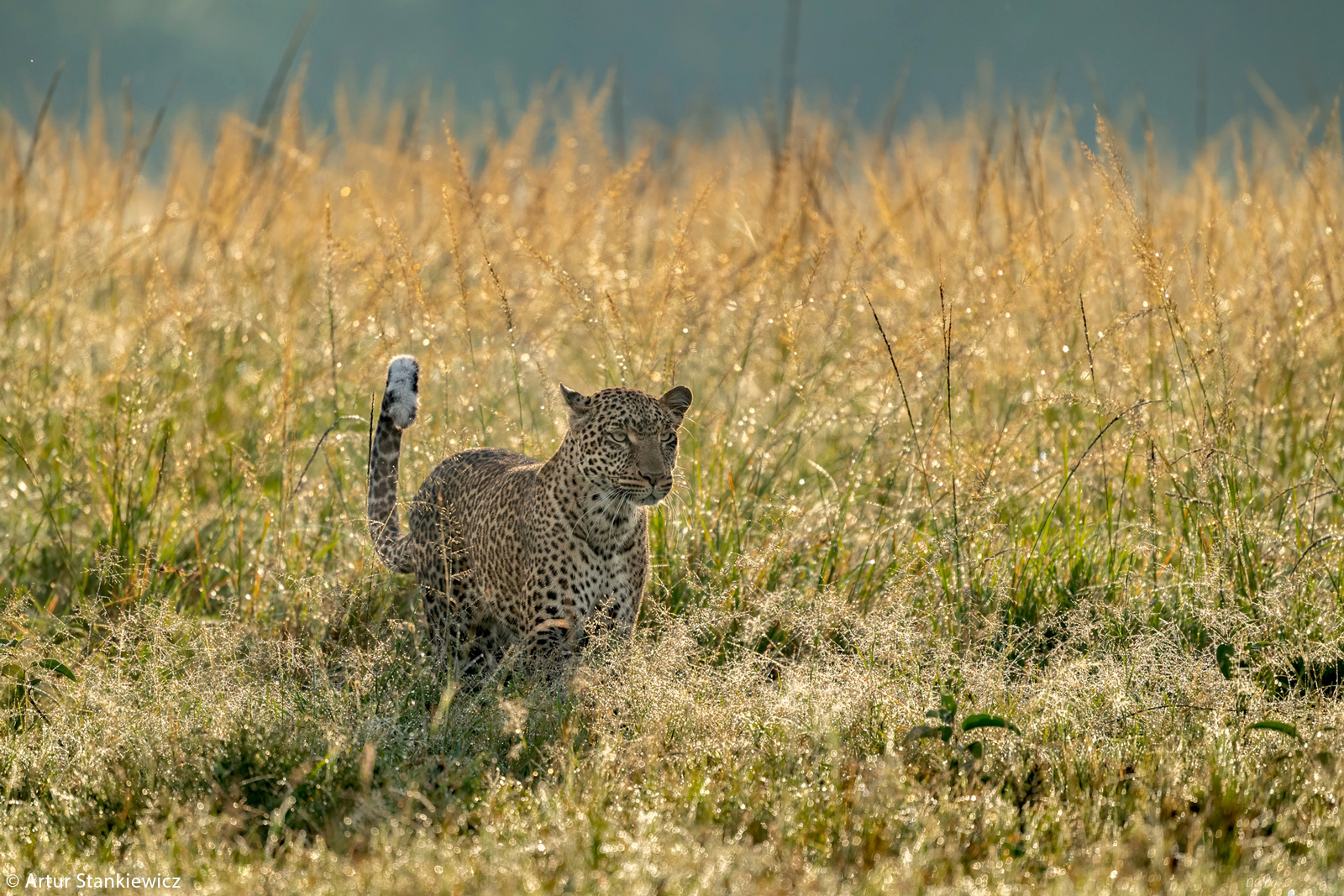
Kaboso the leopardess glowing in the dew. Maasai Mara National Reserve, Kenya. © Artur Stankiewicz
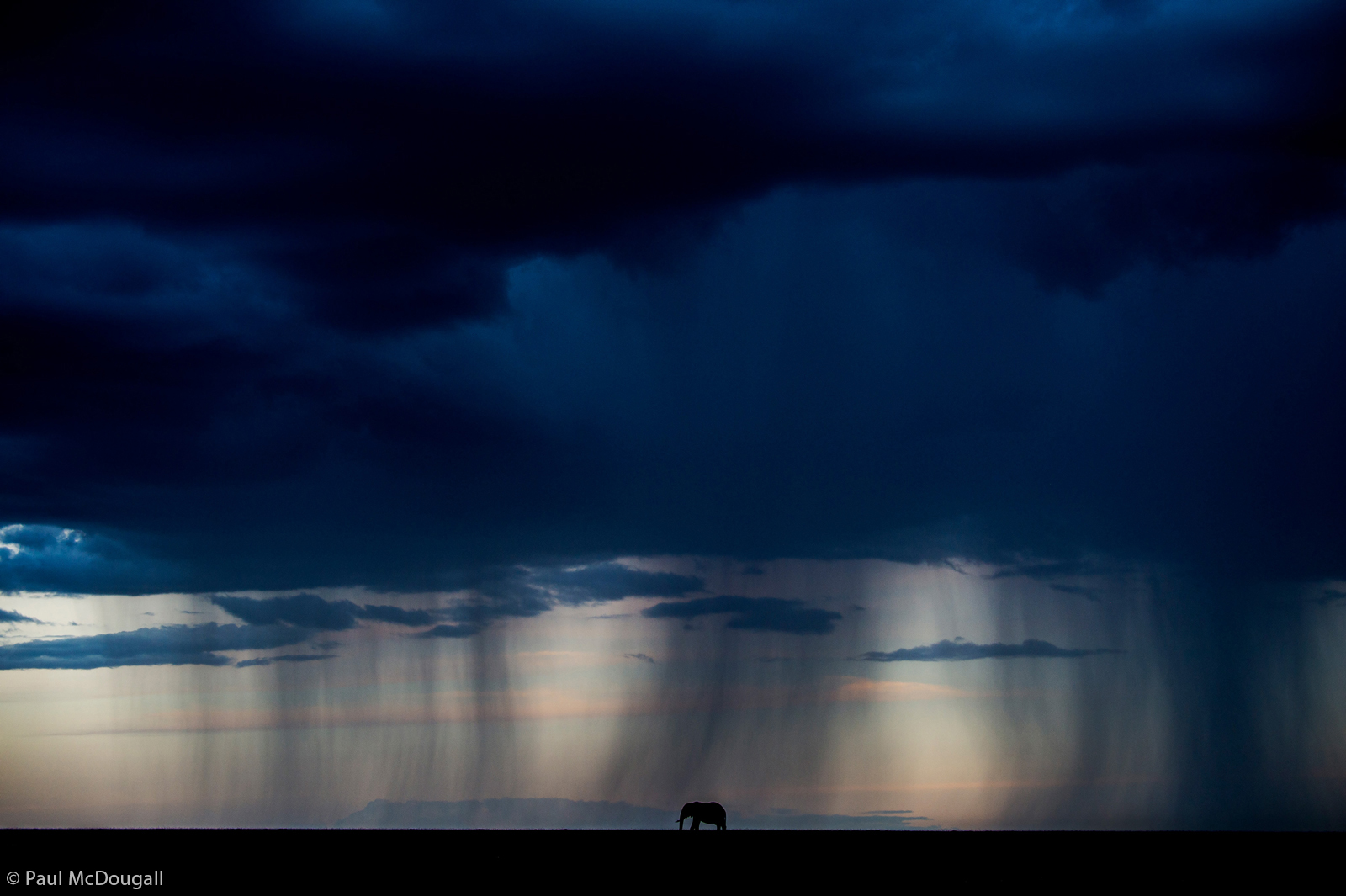
Elephant in need of an umbrella. Maasai Mara National Reserve, Kenya. © Paul McDougall
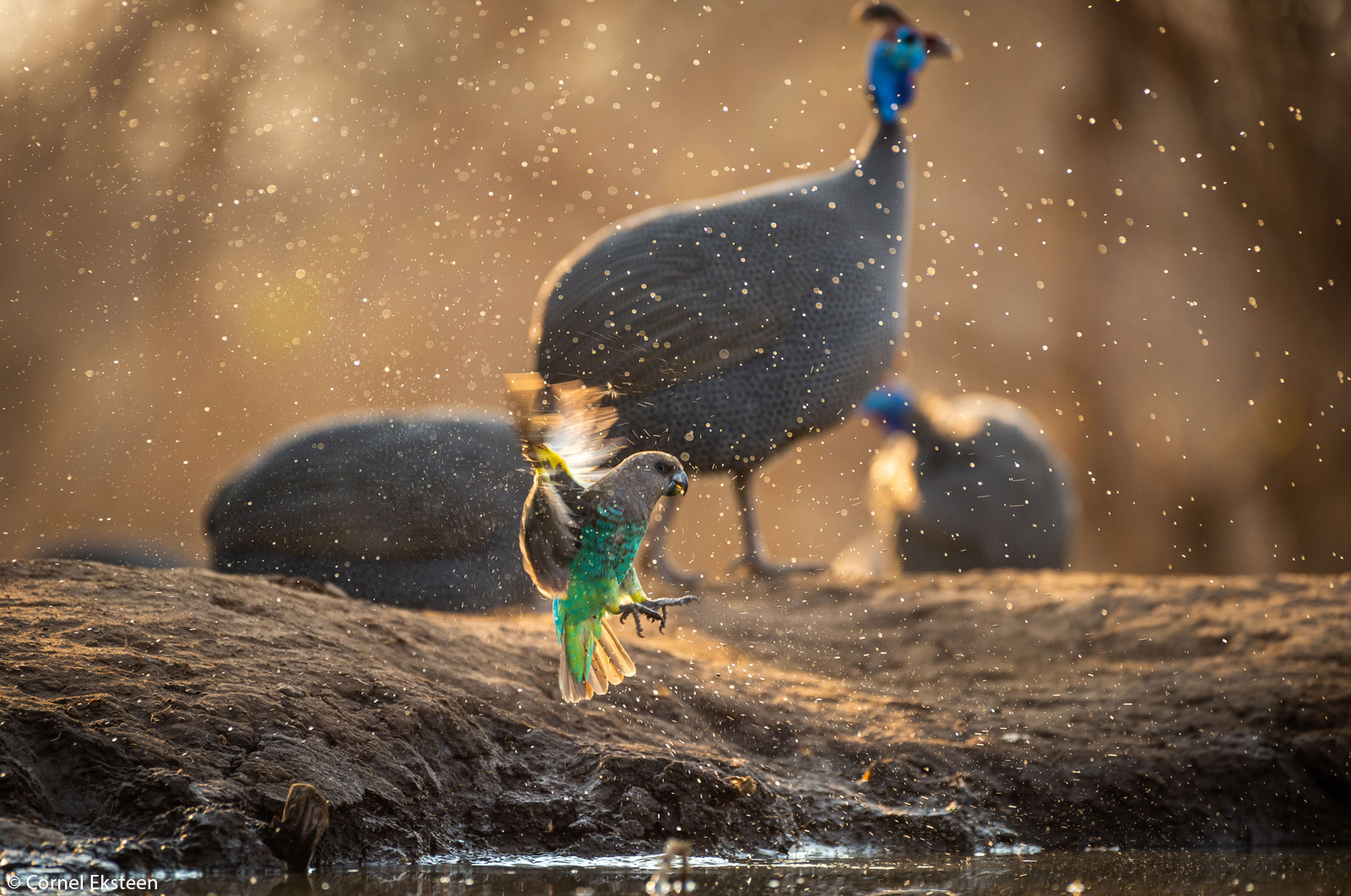
Meyer’s parrot diving for an early morning bath. Mashatu Game Reserve, Botswana. © Cornel Eksteen
Africa Geographic Travel
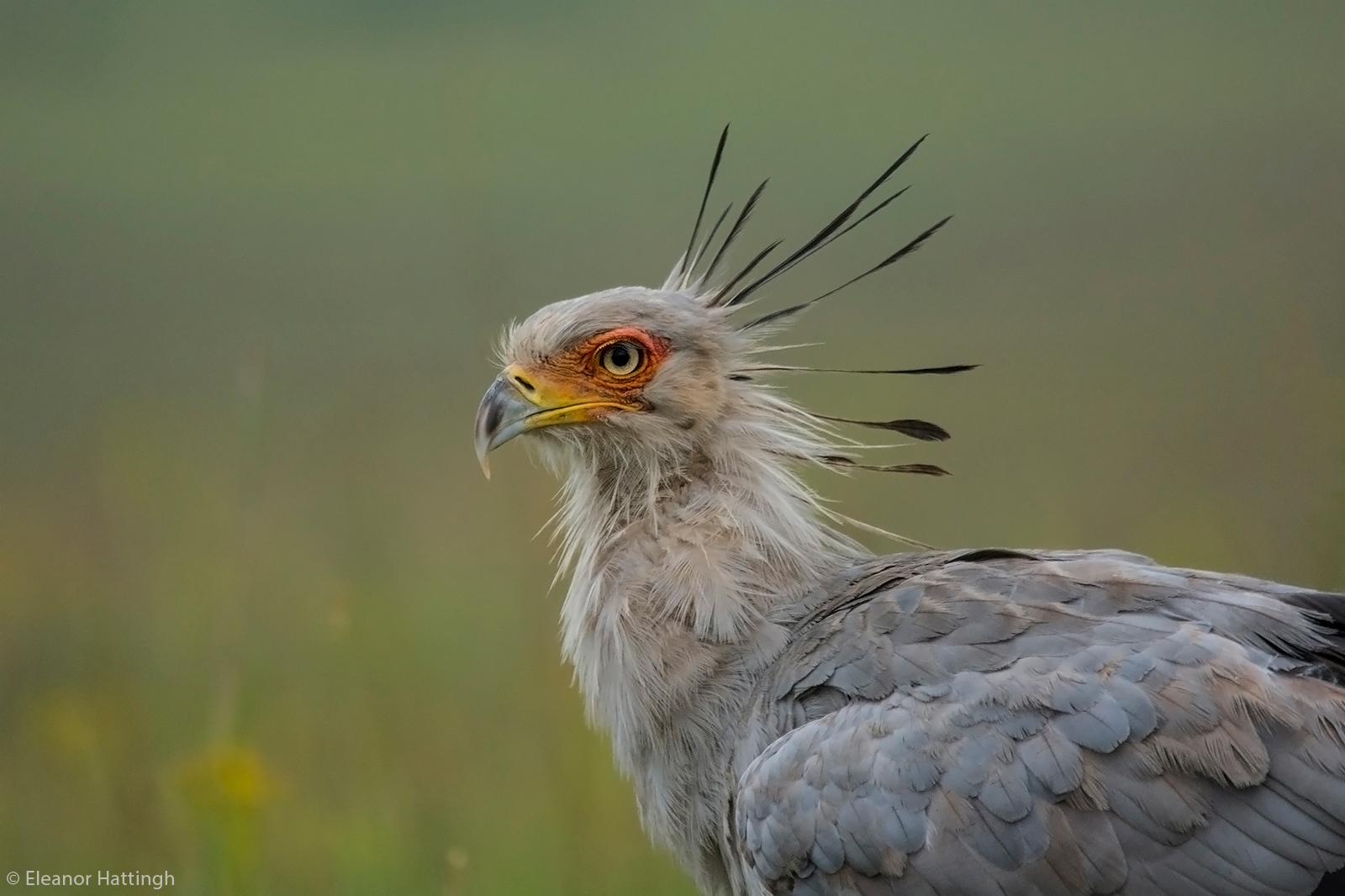
The hunter on a chilly morning – secretary bird. Rietvlei Nature Reserve, South Africa. © Eleanor Hattingh
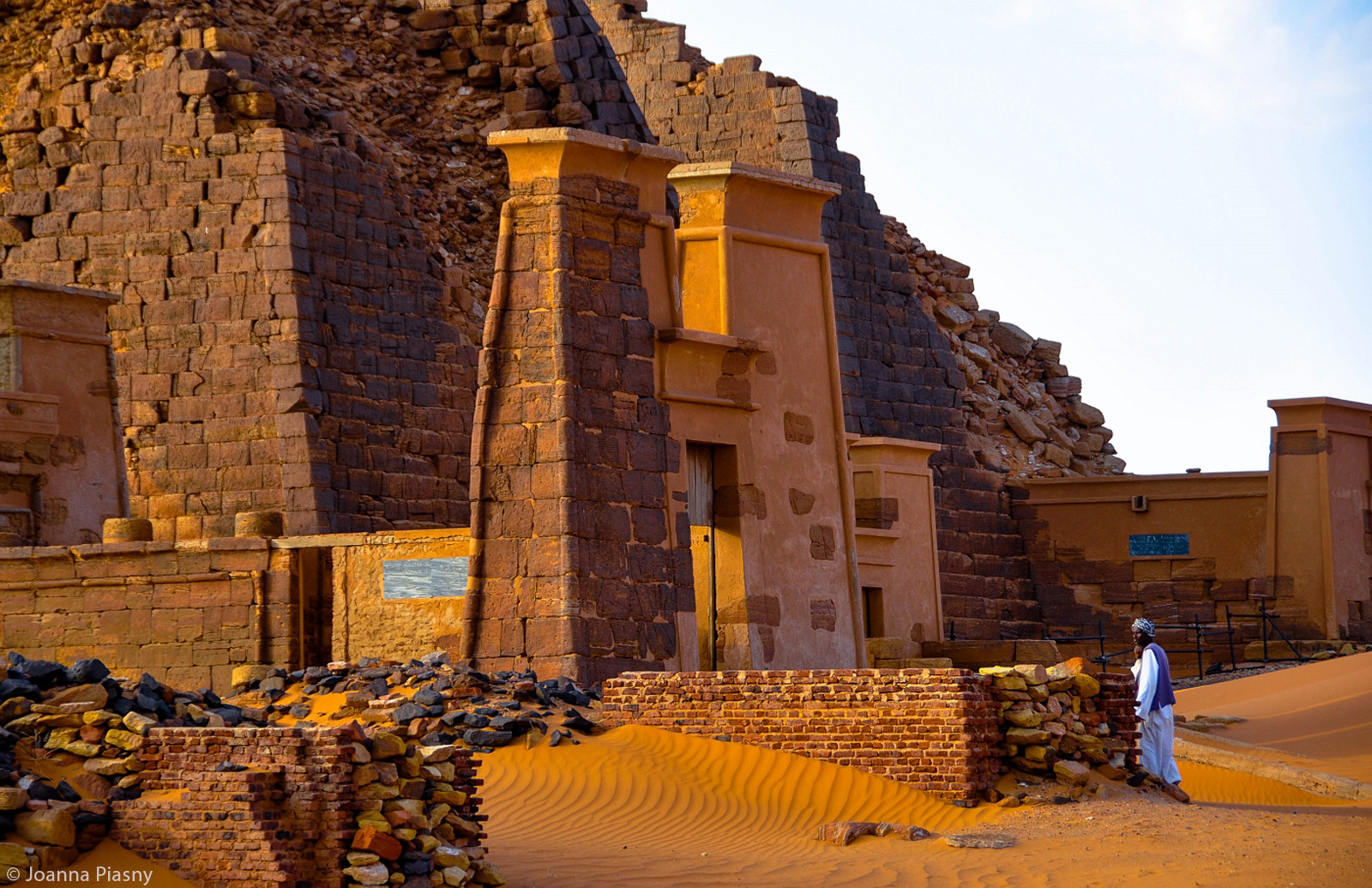
Meroe, city of ancient Kush on the east bank of the Nile about 6.4 km north of Kabūshīyah, is the most extensive archaeological site in the Republic of Sudan. The ruins of pyramids, palaces and official buildings stand silent where once a city thrived. © Joanna Piasny
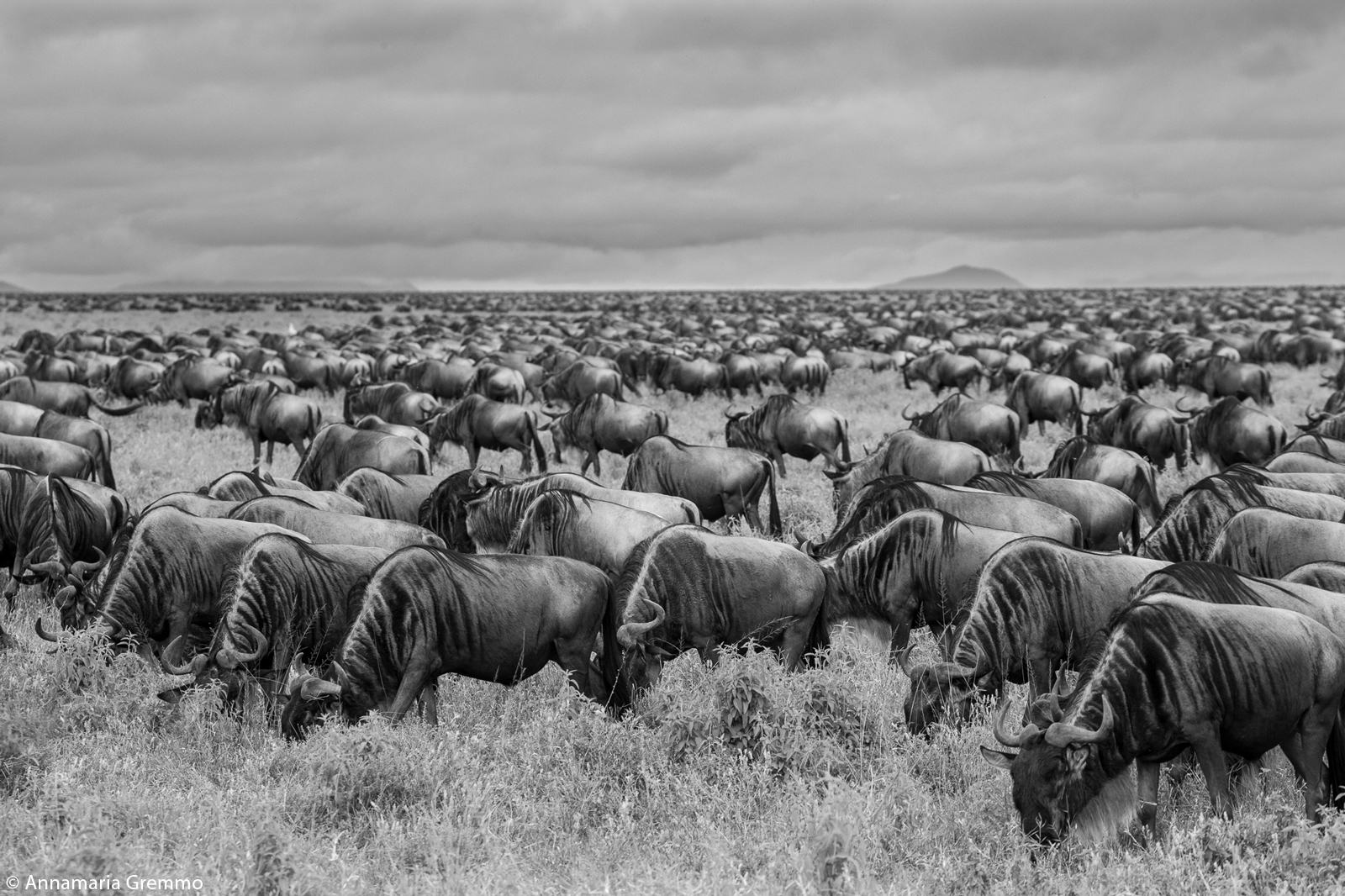
The mighty herds. Serengeti National Park, Tanzania. © Annamaria Gremmo
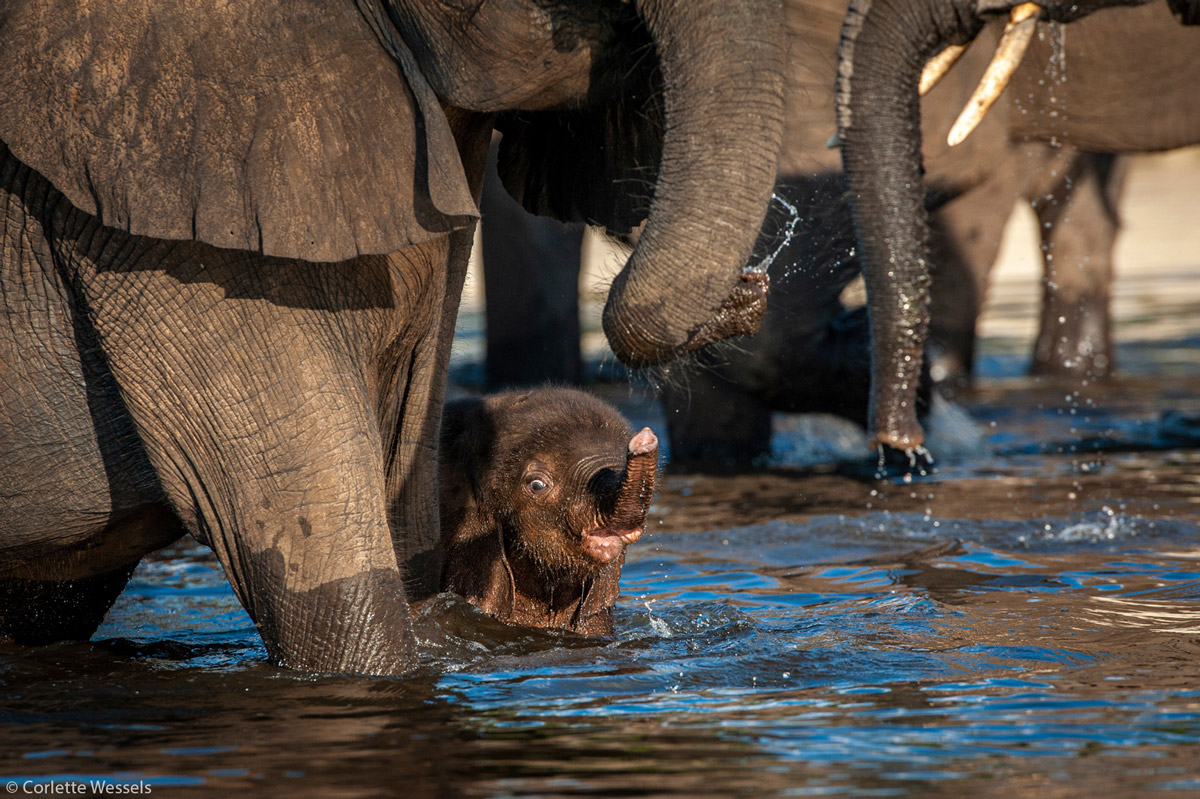
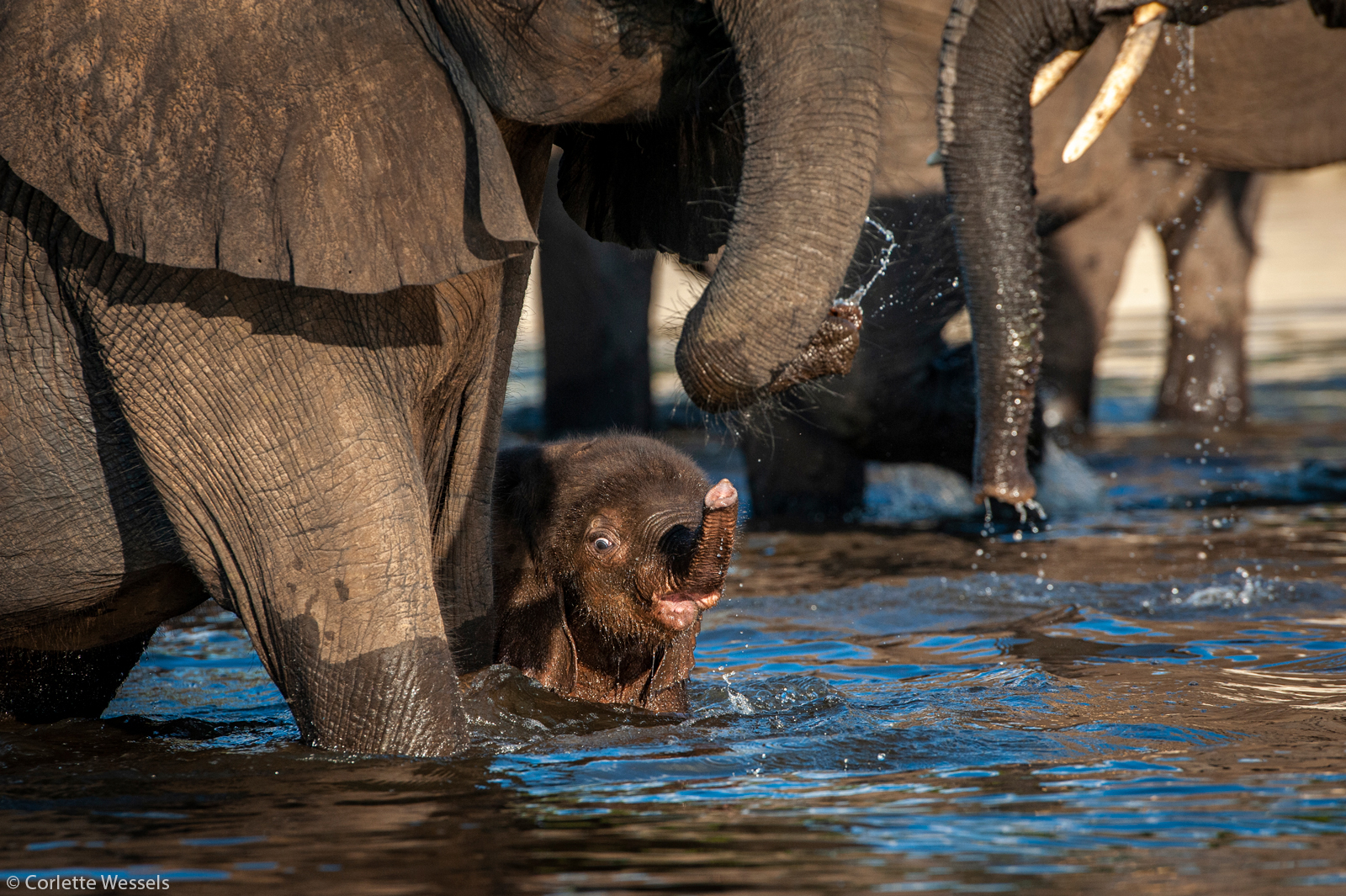
‘Mum, there’s something on the end of my face!’ Chobe National Park, Botswana. © Corlette Wessels
Cloud inversions seen from the Bell Cave. Northern Drakensberg, South Africa. © Joe Welman
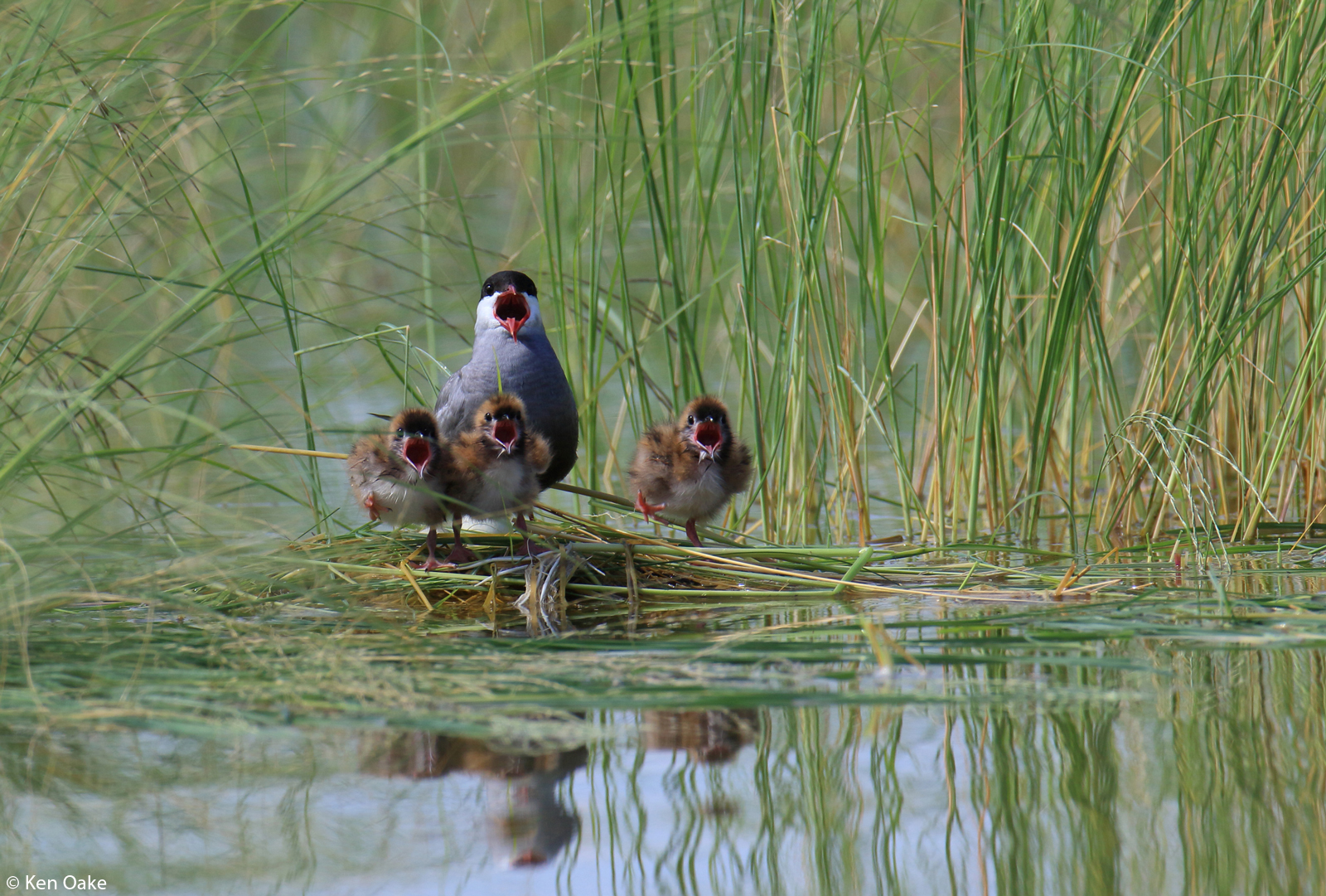
Whiskered terns waiting for food. Tali Pan, Maun, Botswana. © Ken Oake
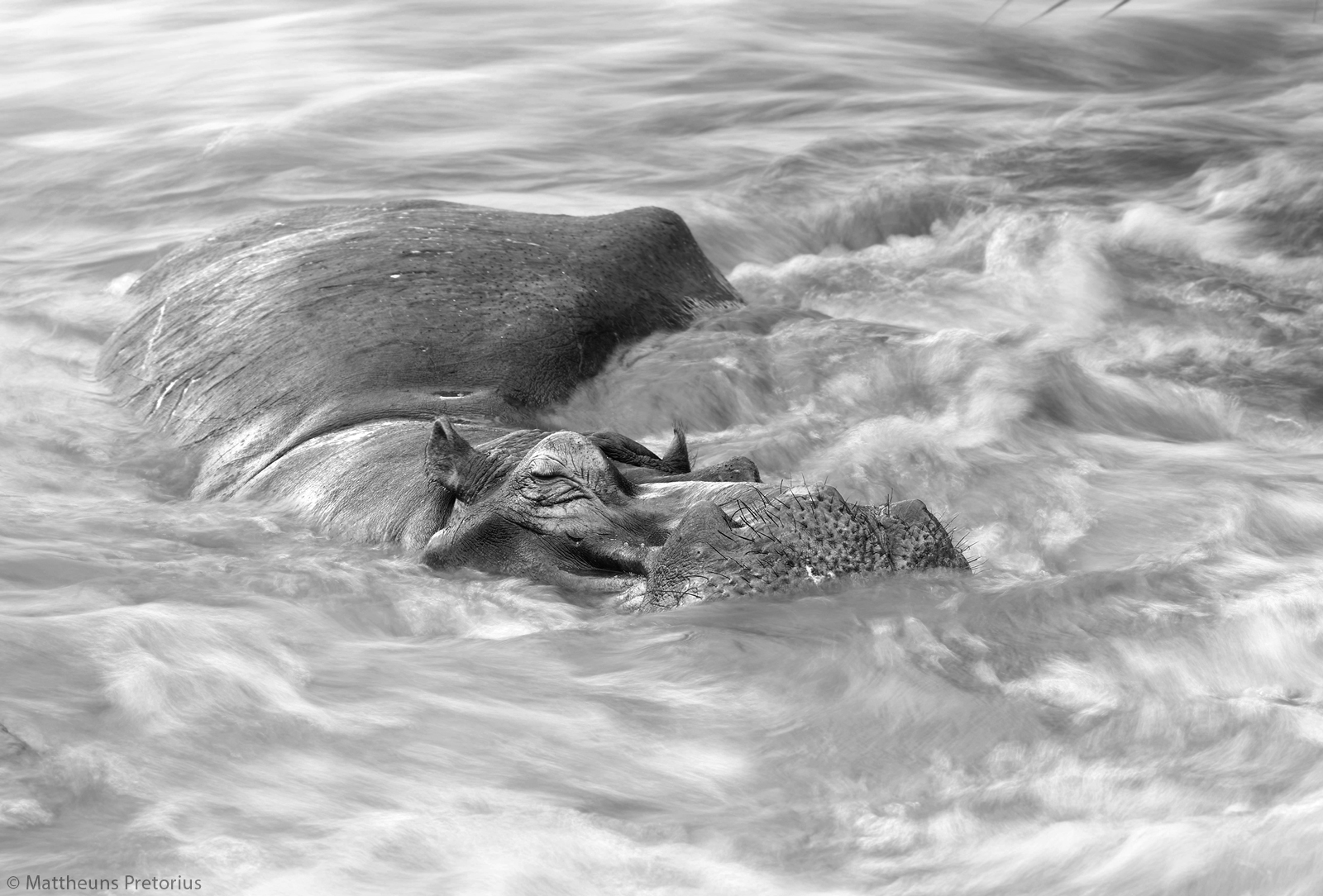
A hippopotamus enjoys sleeping in a natural jacuzzi. Sabie River, Kruger National Park, South Africa. © Mattheuns Pretorius
Africa Geographic Travel
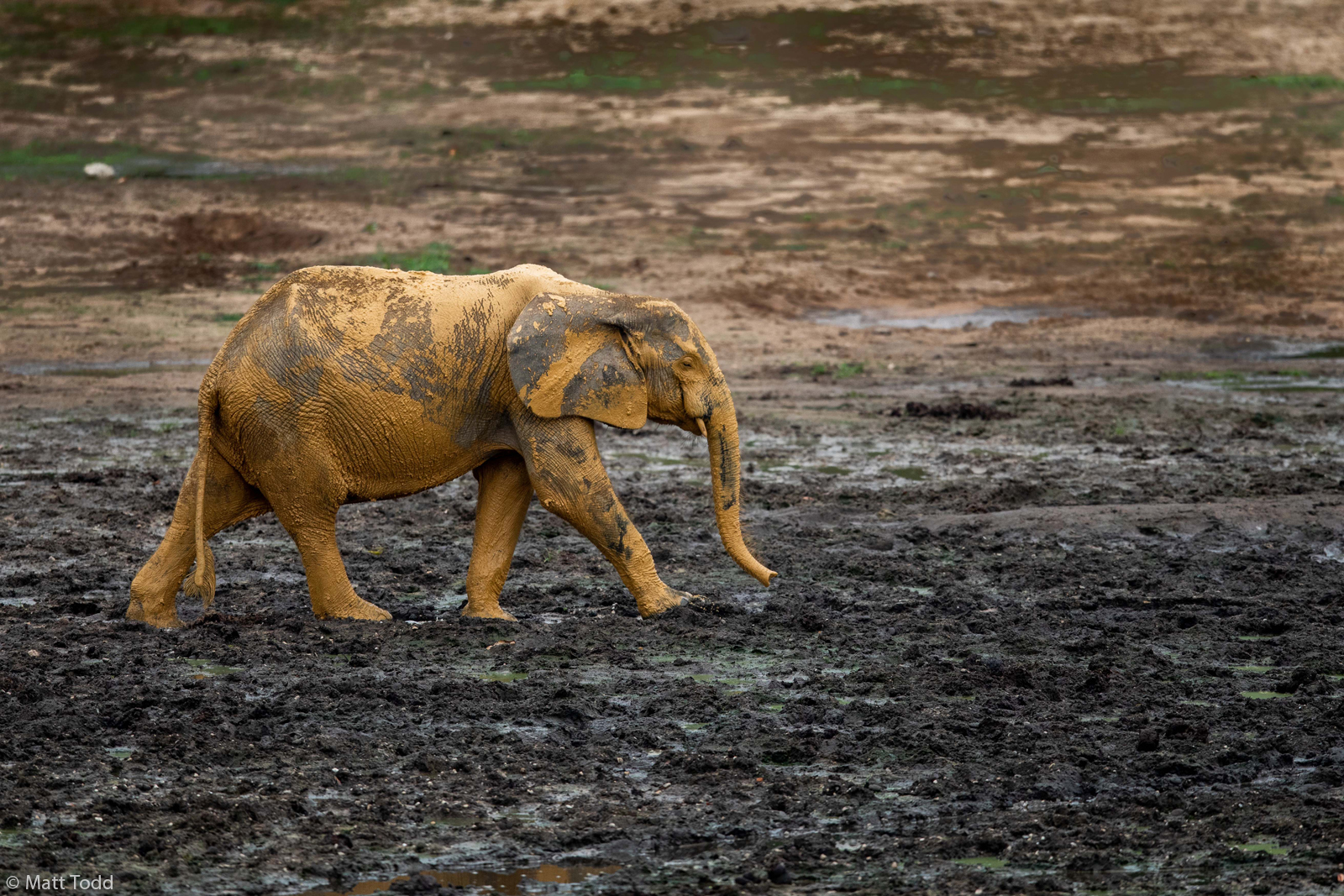
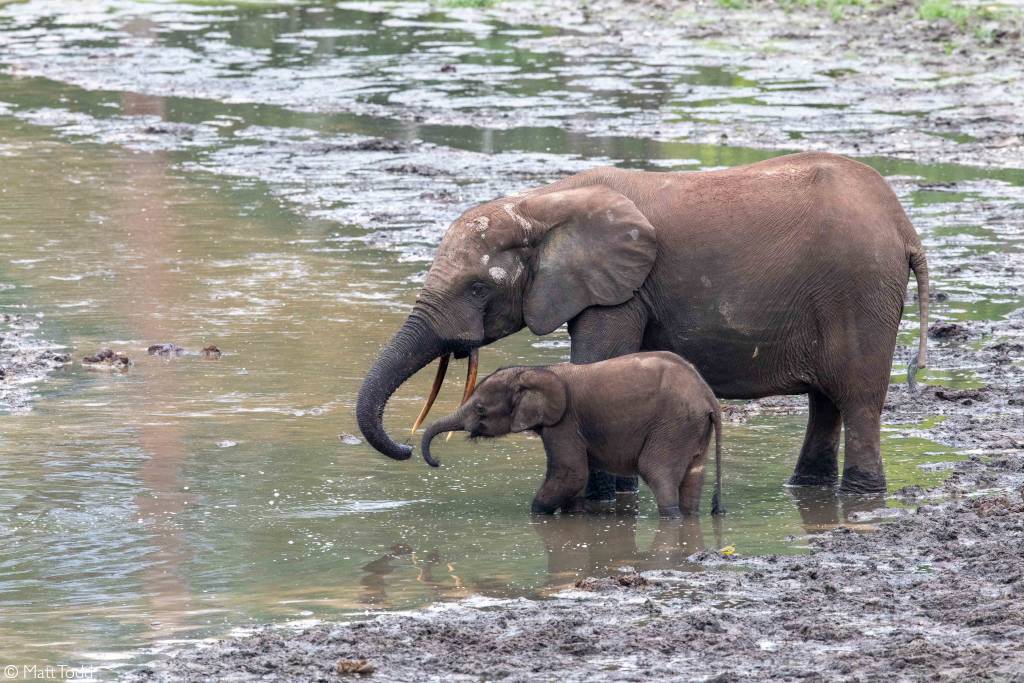
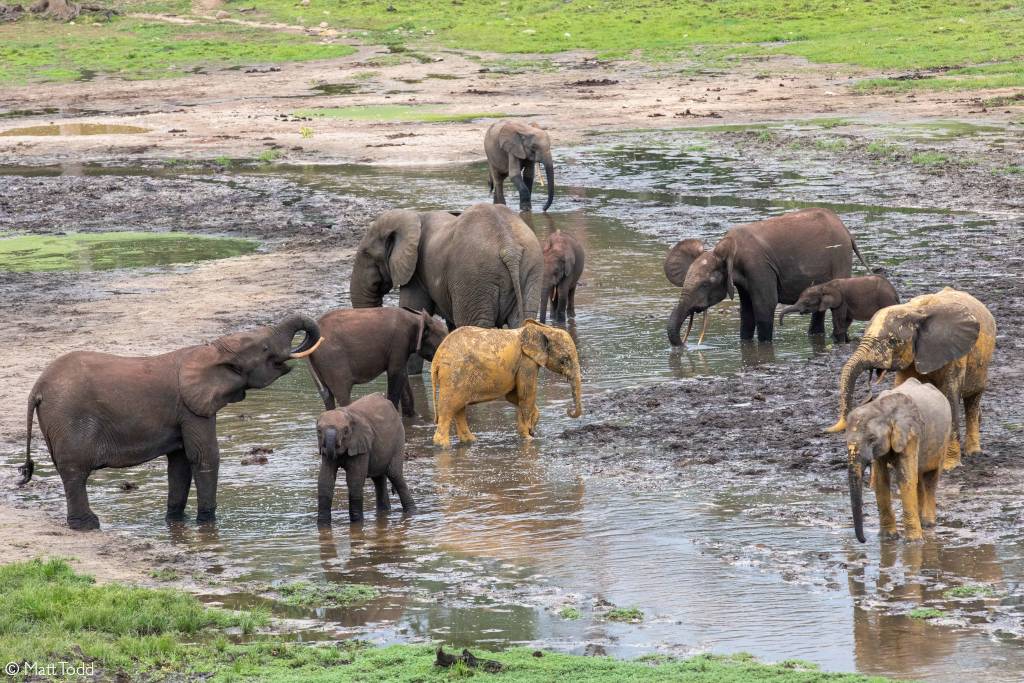
The forest clearing is a haven for animals attracted by mineral-rich soils. Mud bathing produces magical, golden elephants. Dzanga Bai, Dzanga-Sangha National Park, Central African Republic. © Matt Todd
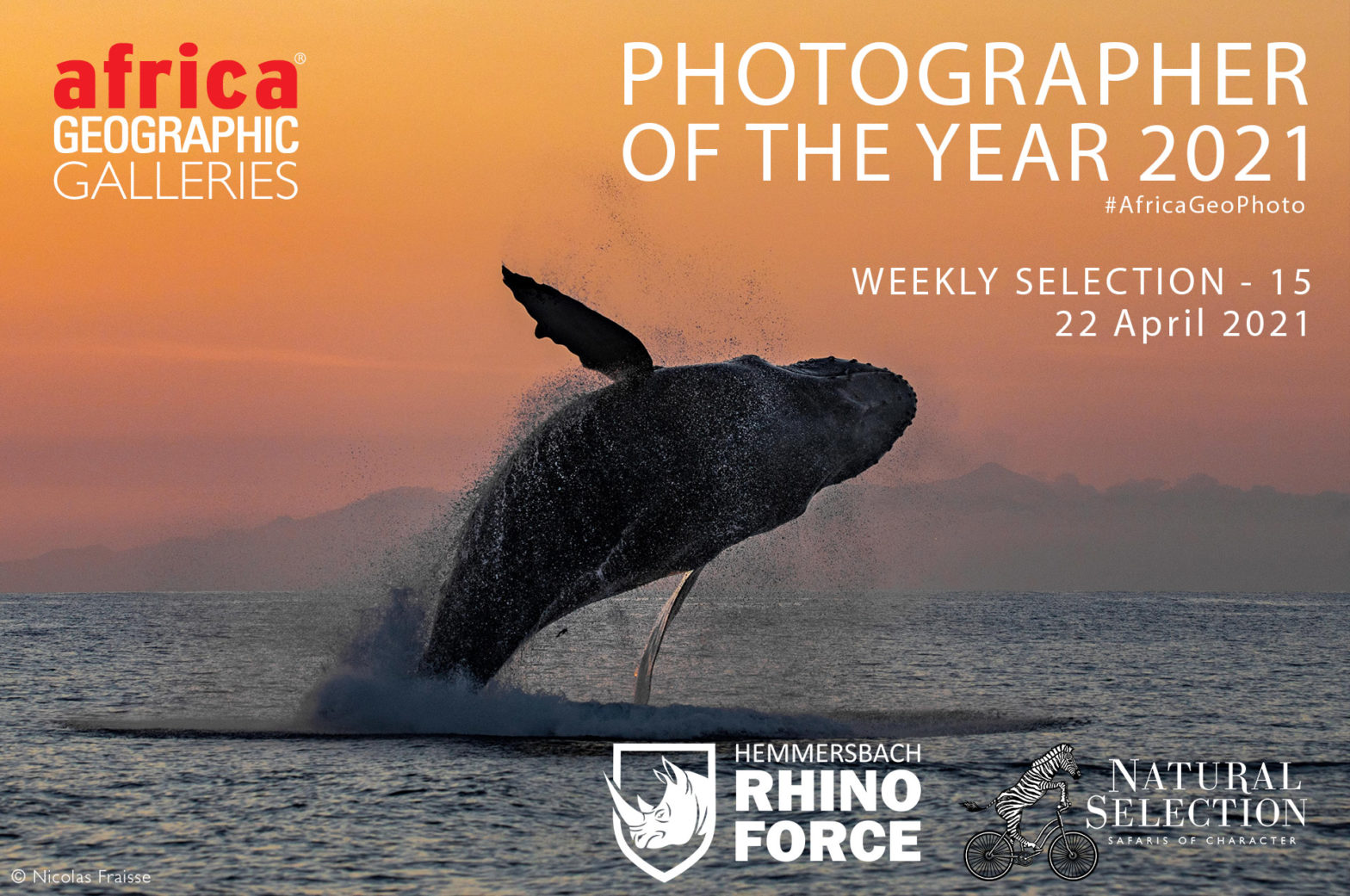
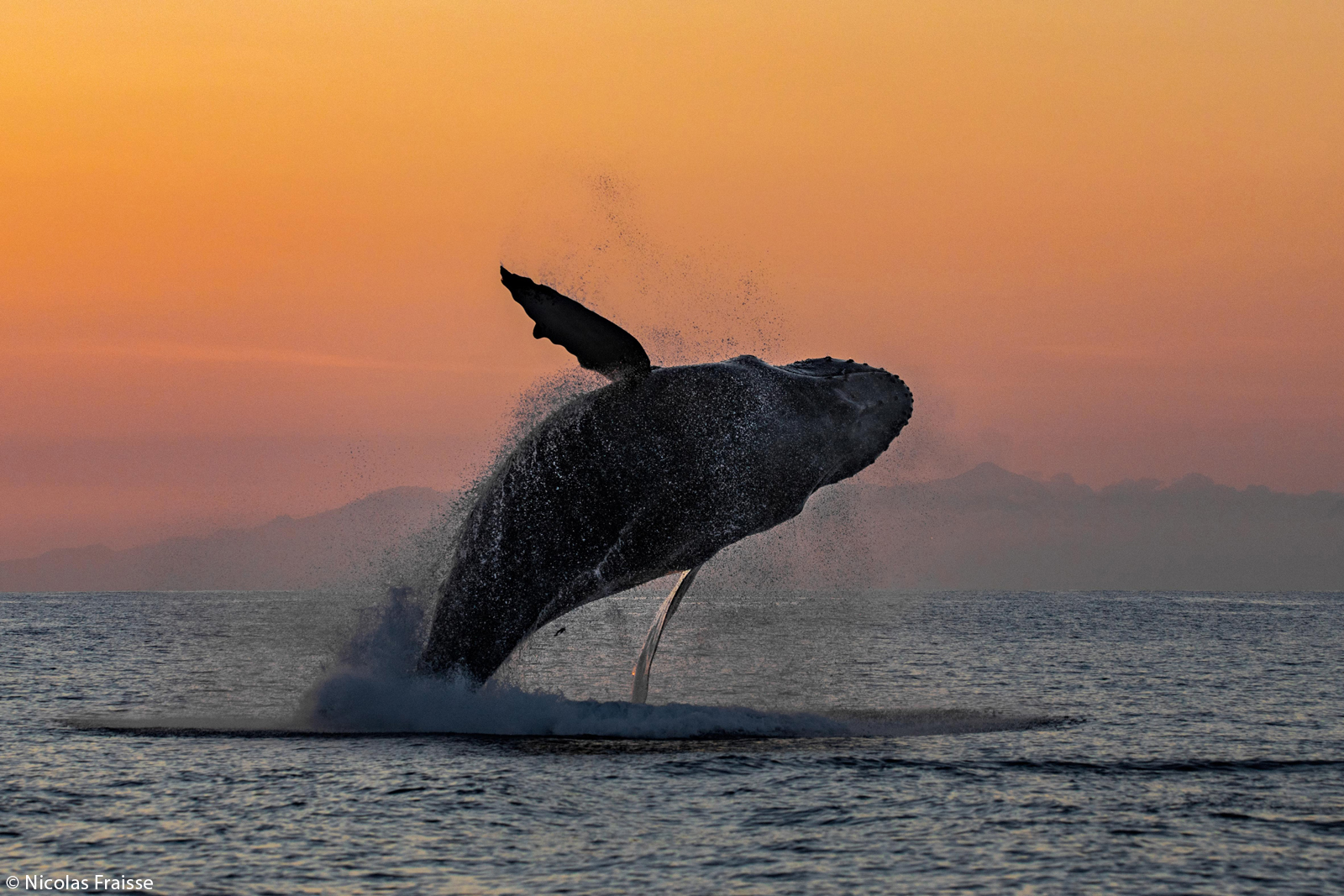
A humpback whale breaches at sunset. Mayotte, Mozambique Channel. © Nicolas Fraisse
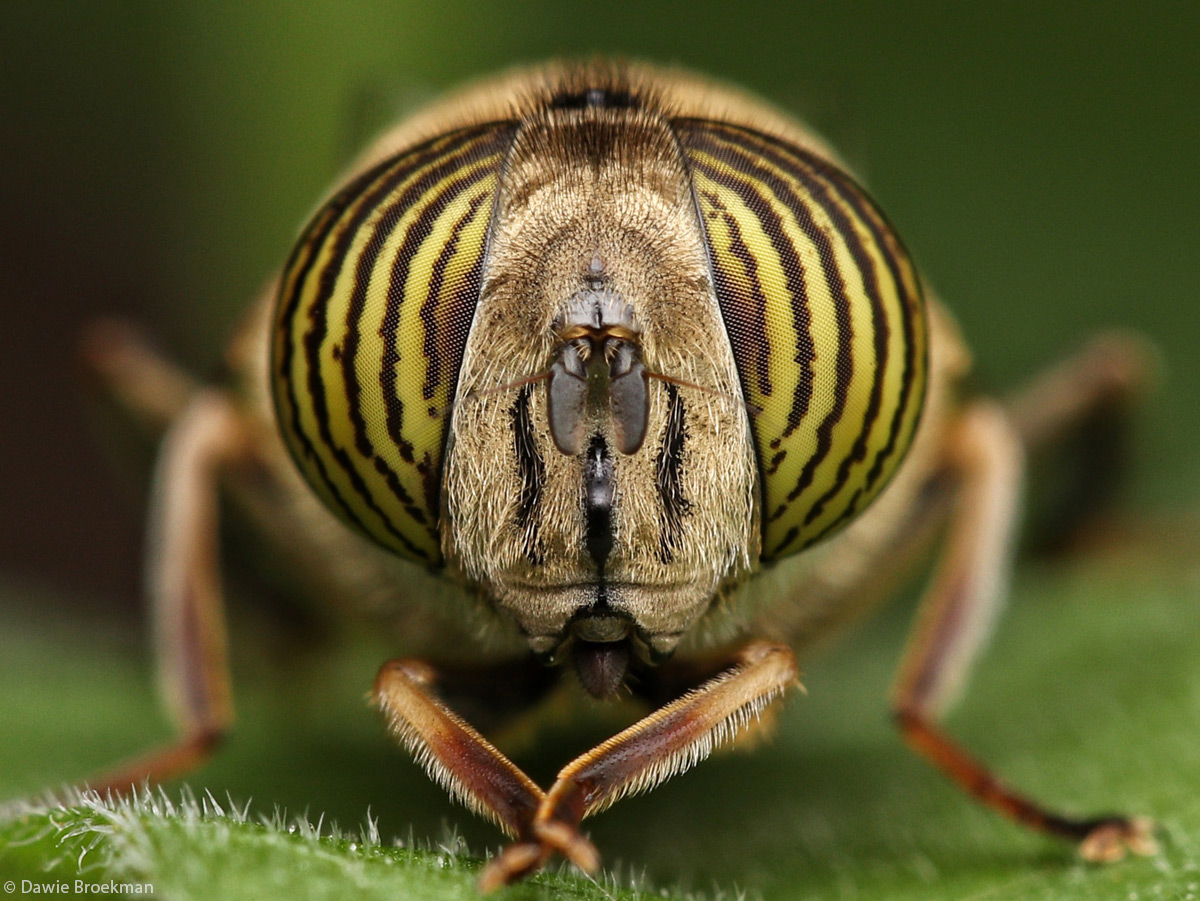
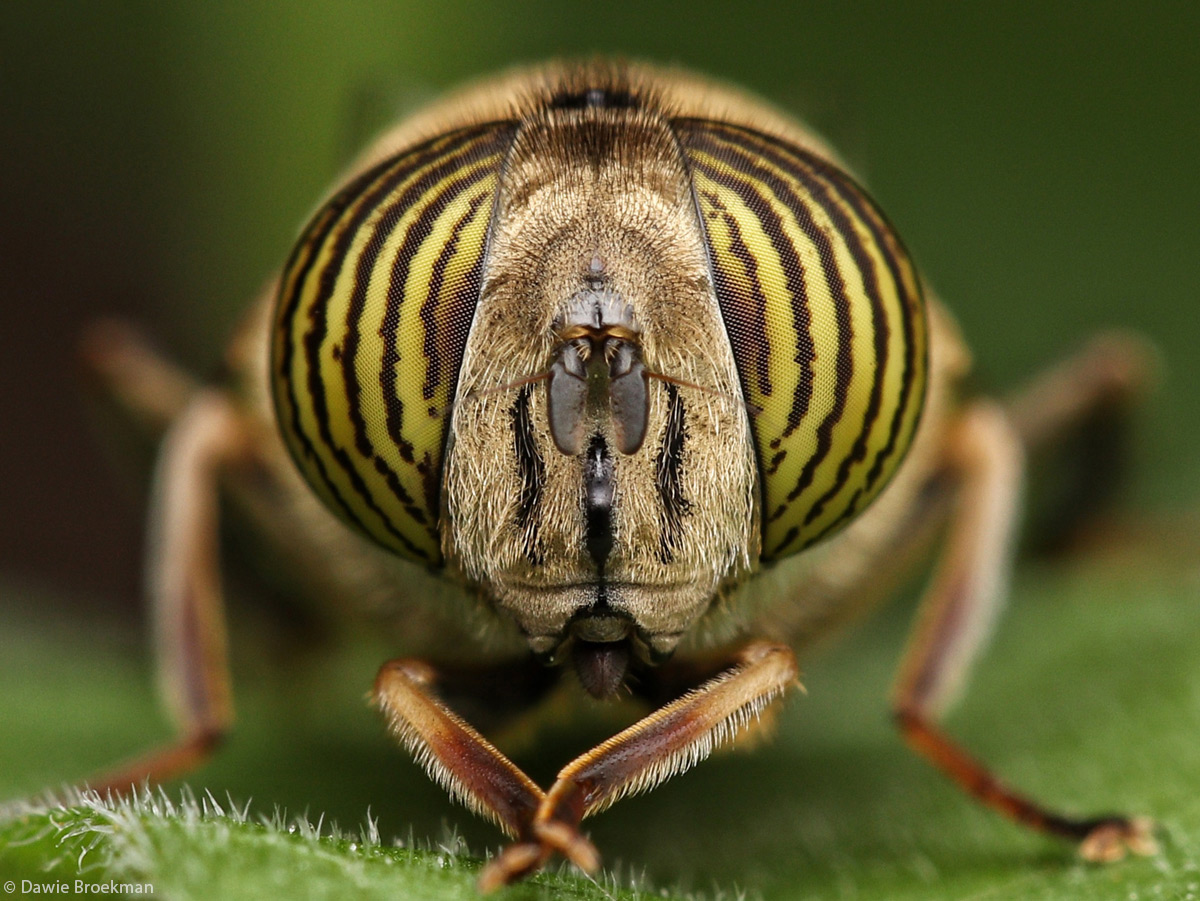
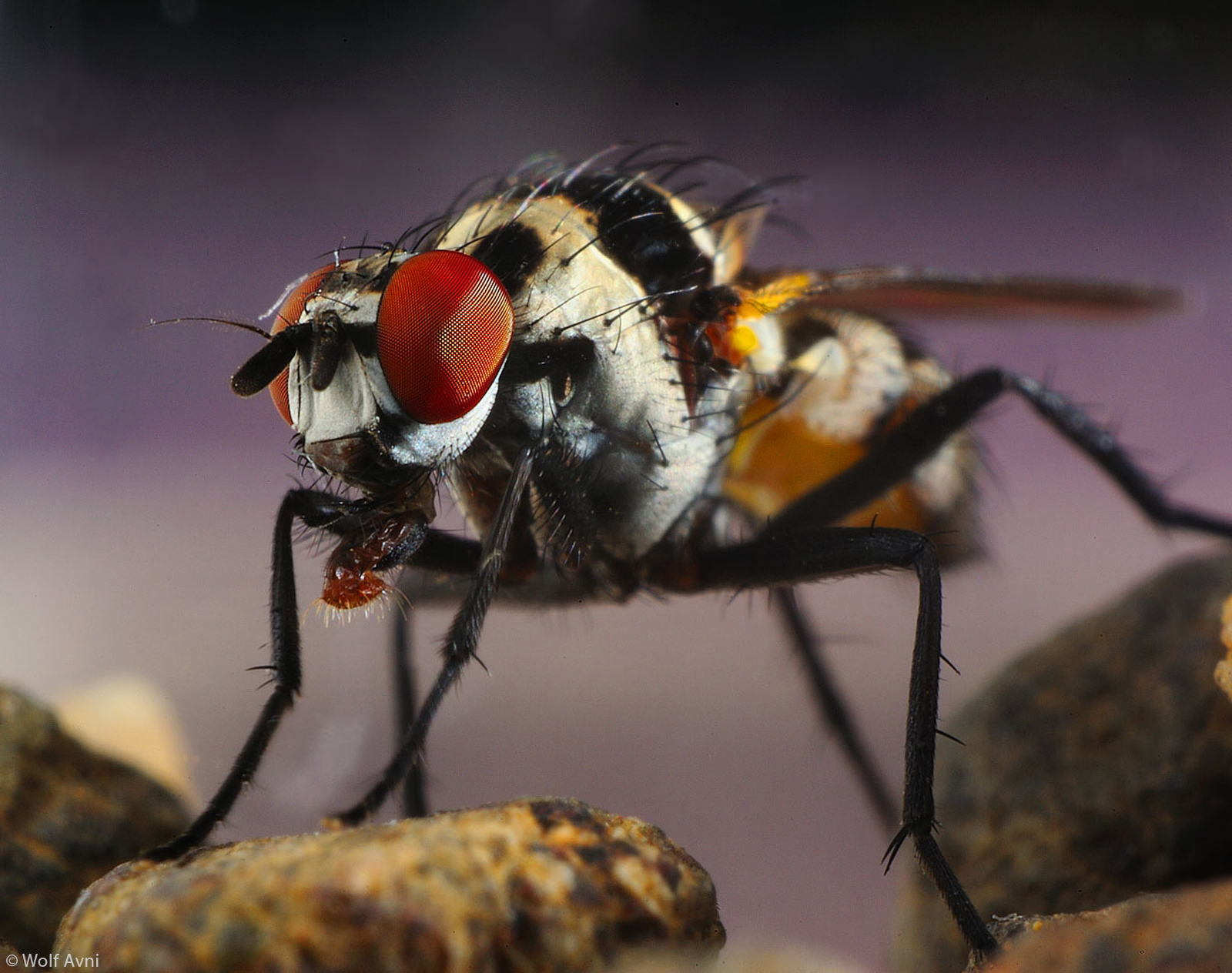
Barred fly in glorious (terrifying?) detail. Underberg, South Africa. © Wolf Avni
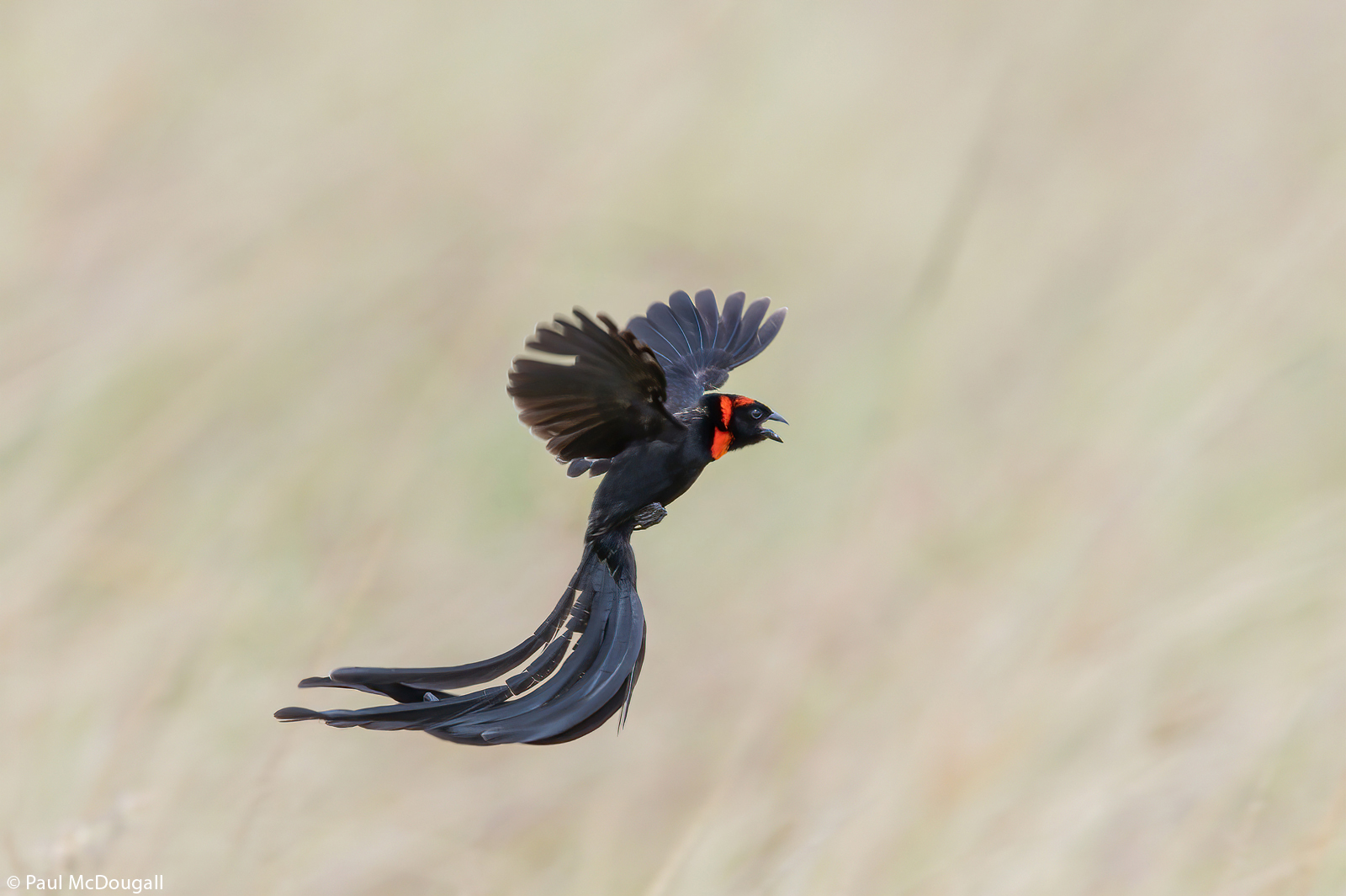
Red-collared widowbird in full display. Maasai Mara National Reserve, Kenya. © Paul McDougall
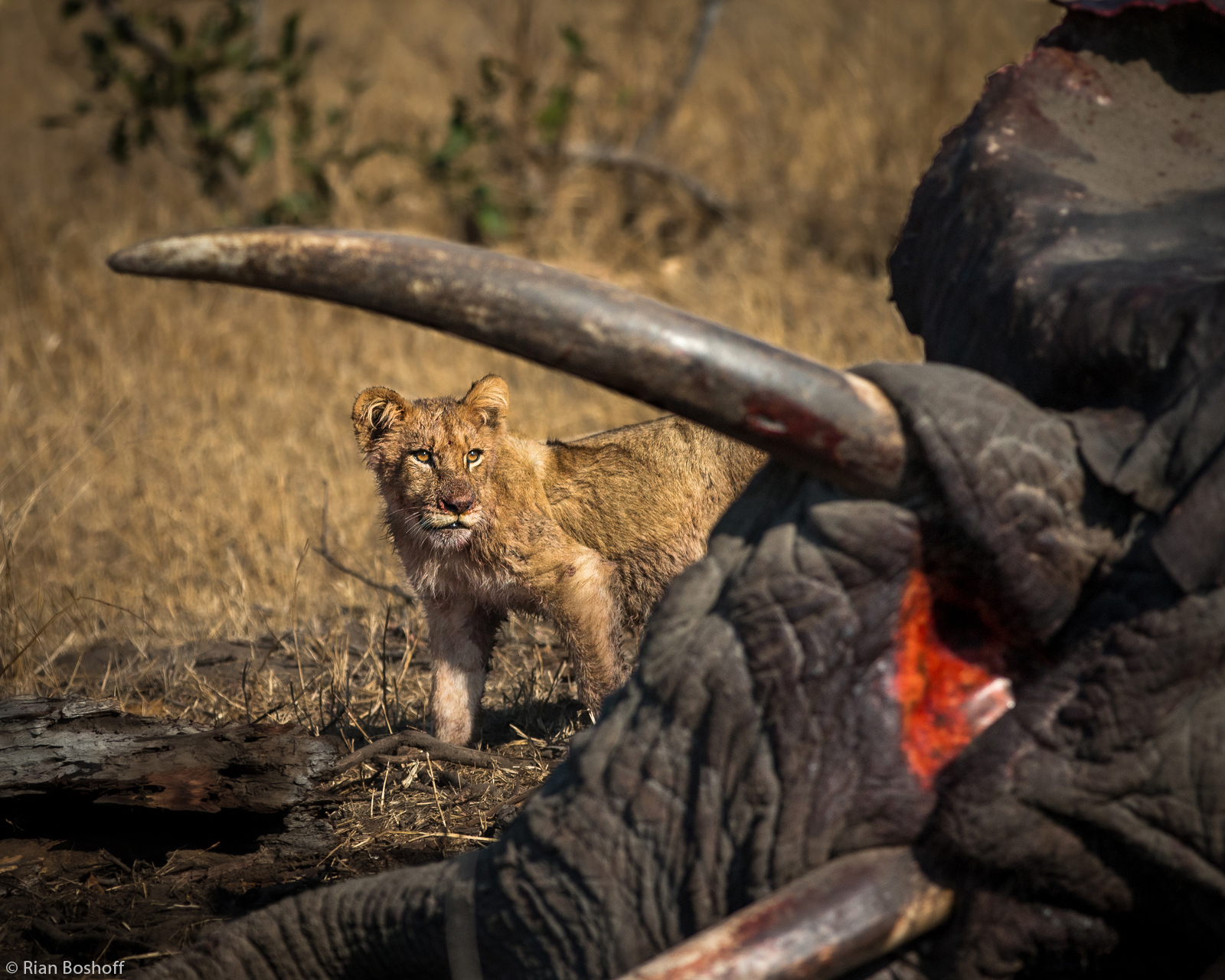
A curious male cub contemplating his massive meal. Djuma Private Game Reserve, South Africa. © Rian Boshoff
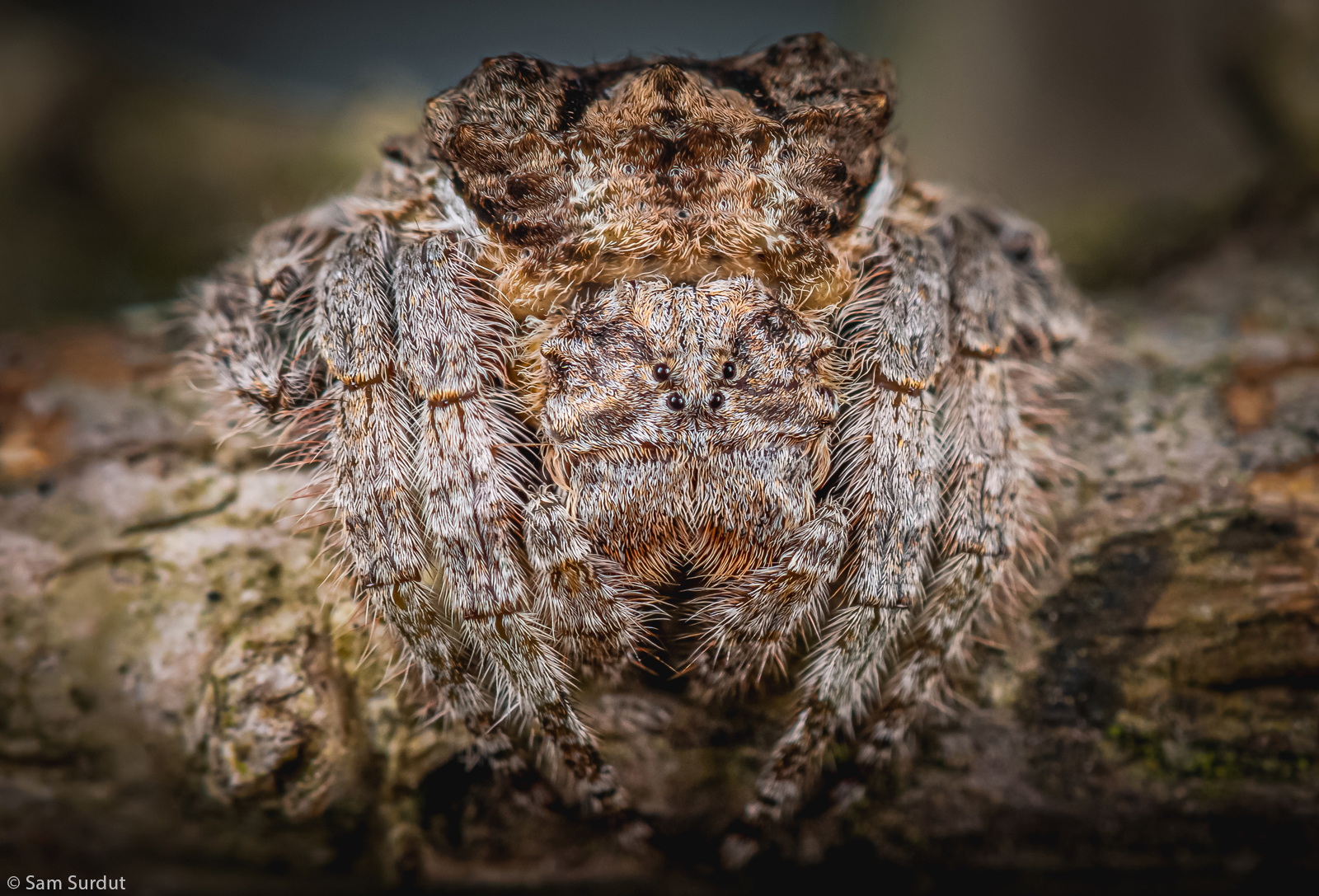
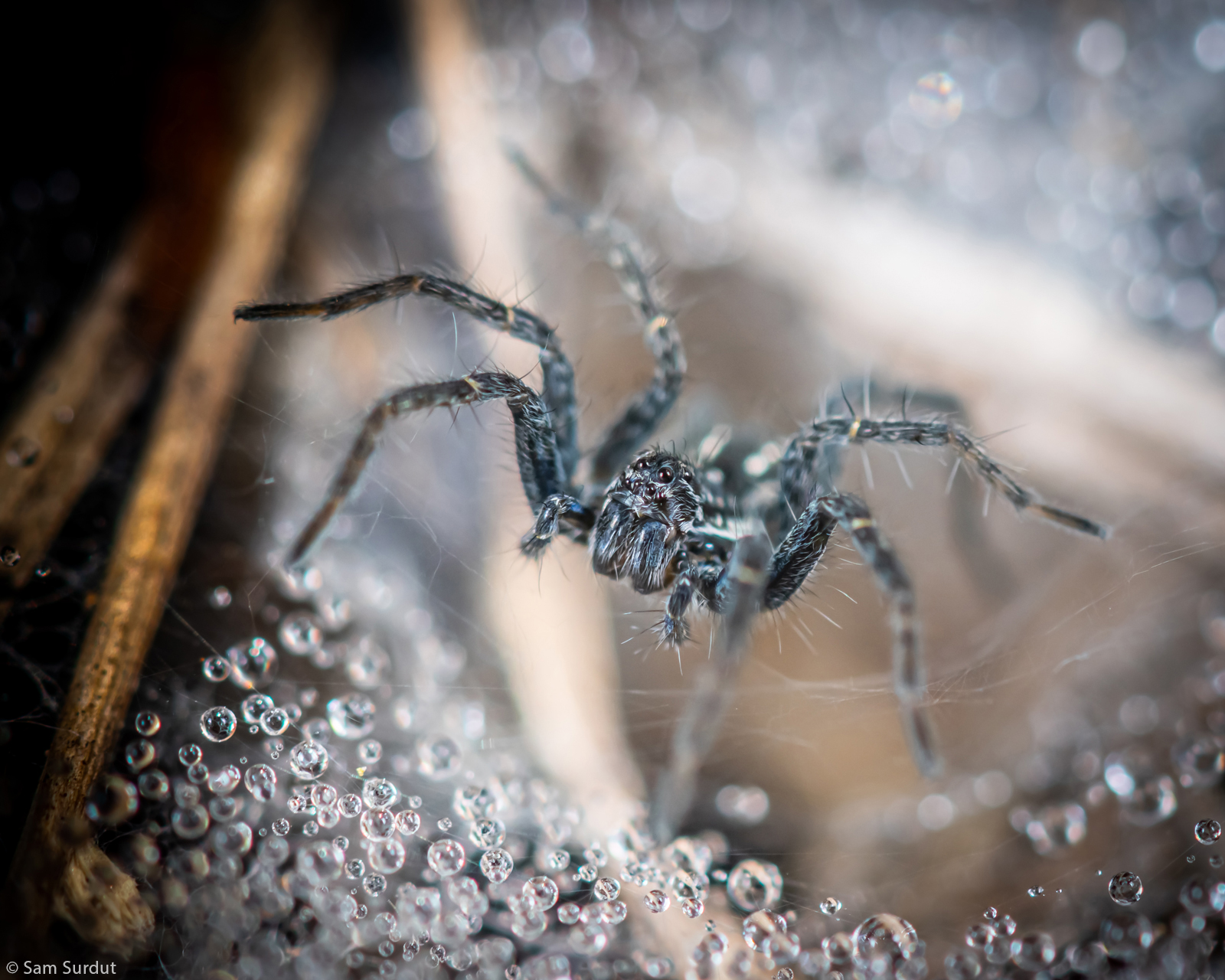
Wizard of the woods – bark spider from the genus Caerostris. Van Staden’s Wildflower Reserve, Eastern Cape, South Africa. © Sam Surdut
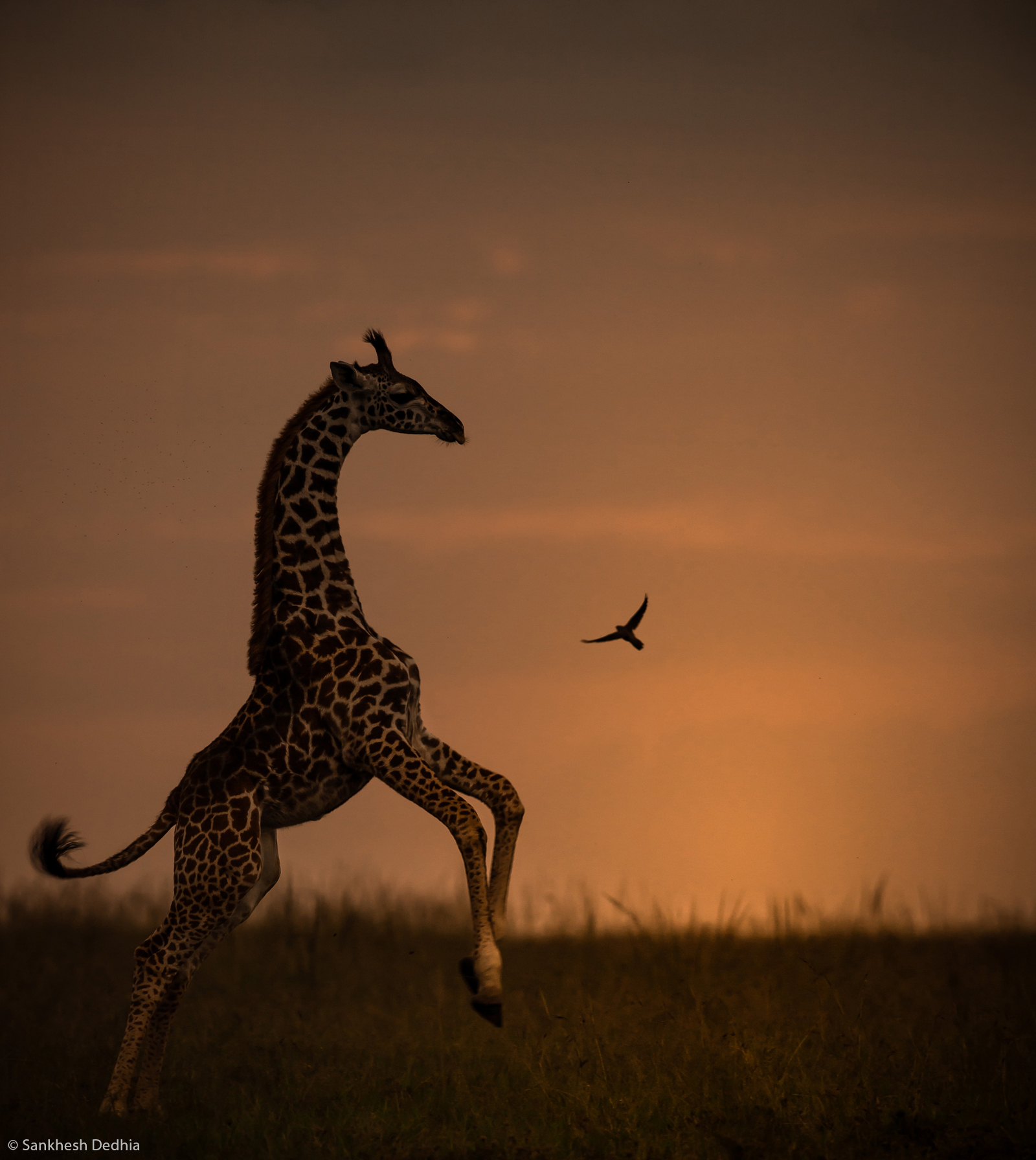
Evening play. Maasai Mara National Reserve, Kenya. © Sankhesh Dedhia
Africa Geographic Travel
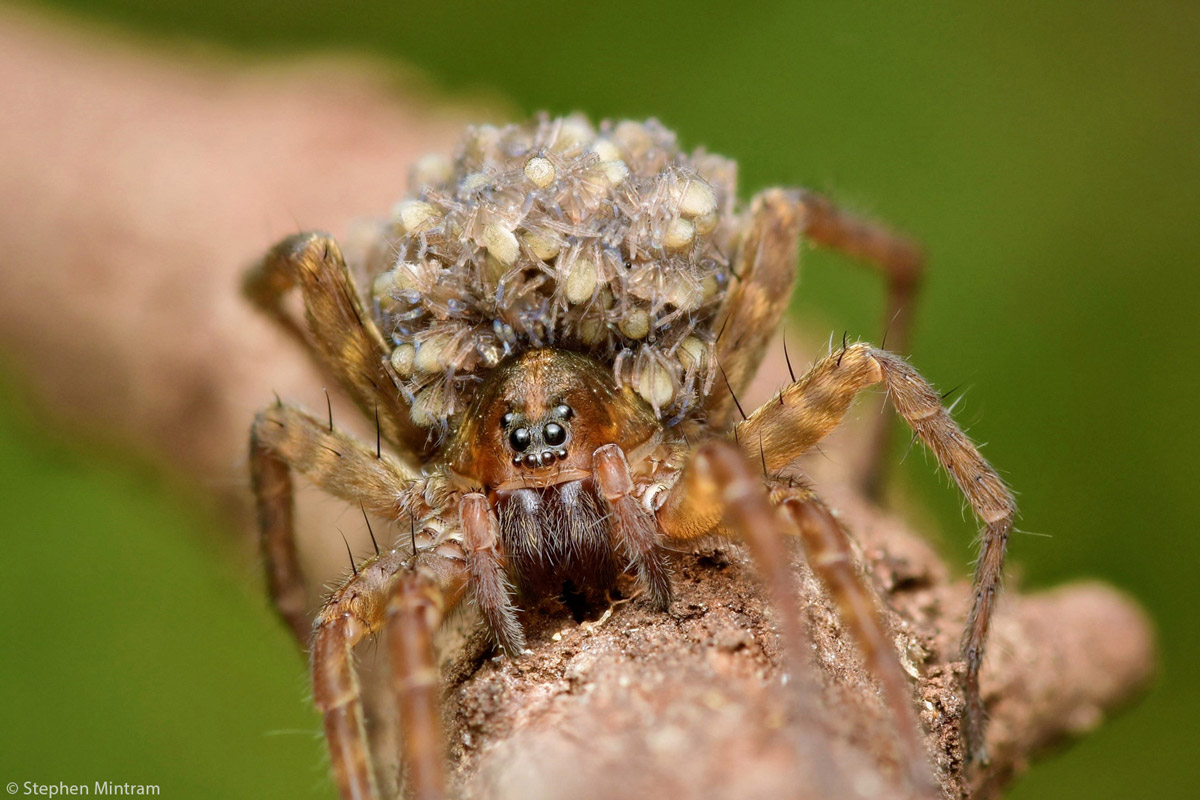
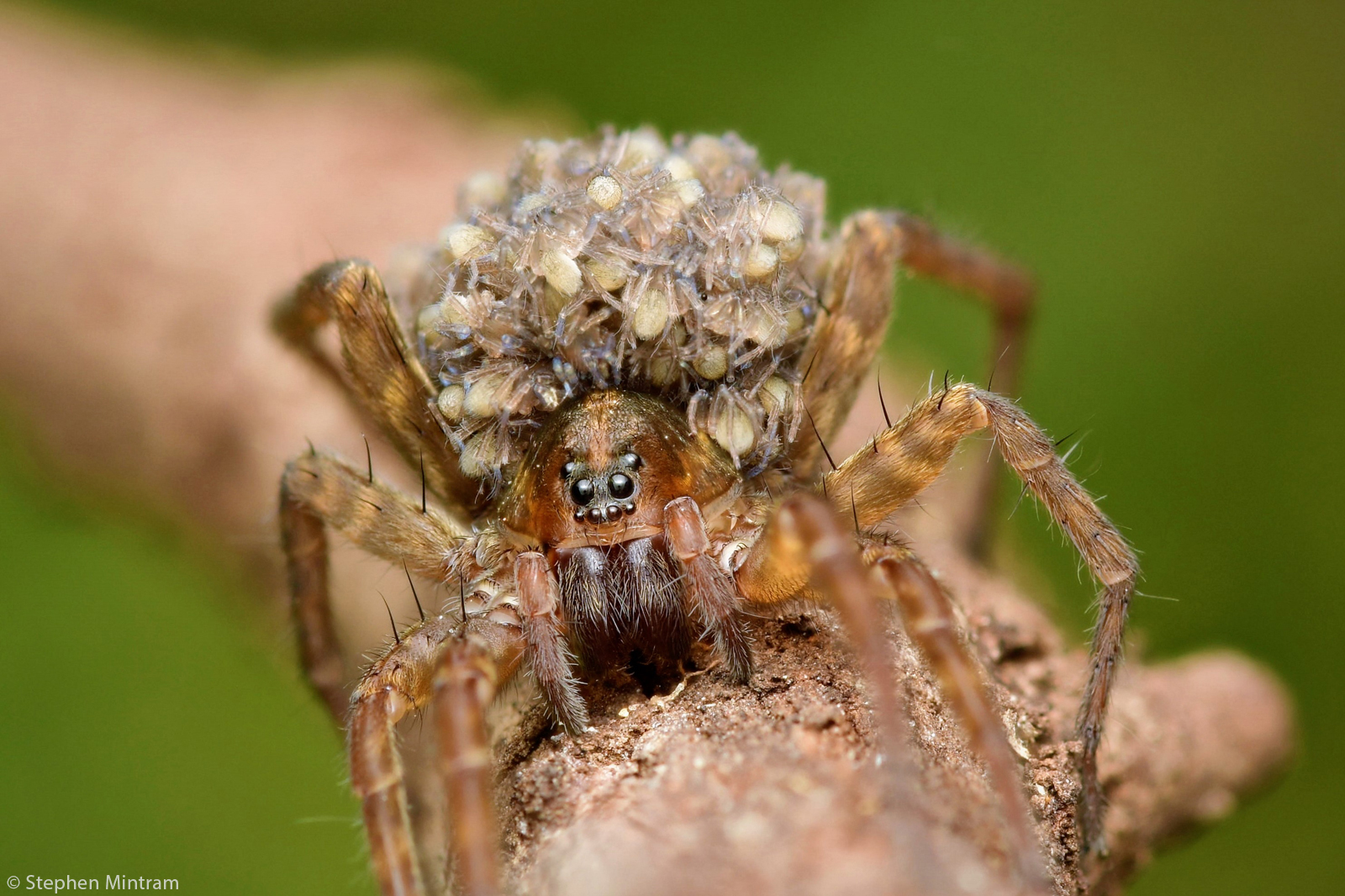
Nightmare for some, magic for others – a wolf spider carrying her tiny spiderlings. Olivedale, Randburg. © Stephen Mintram
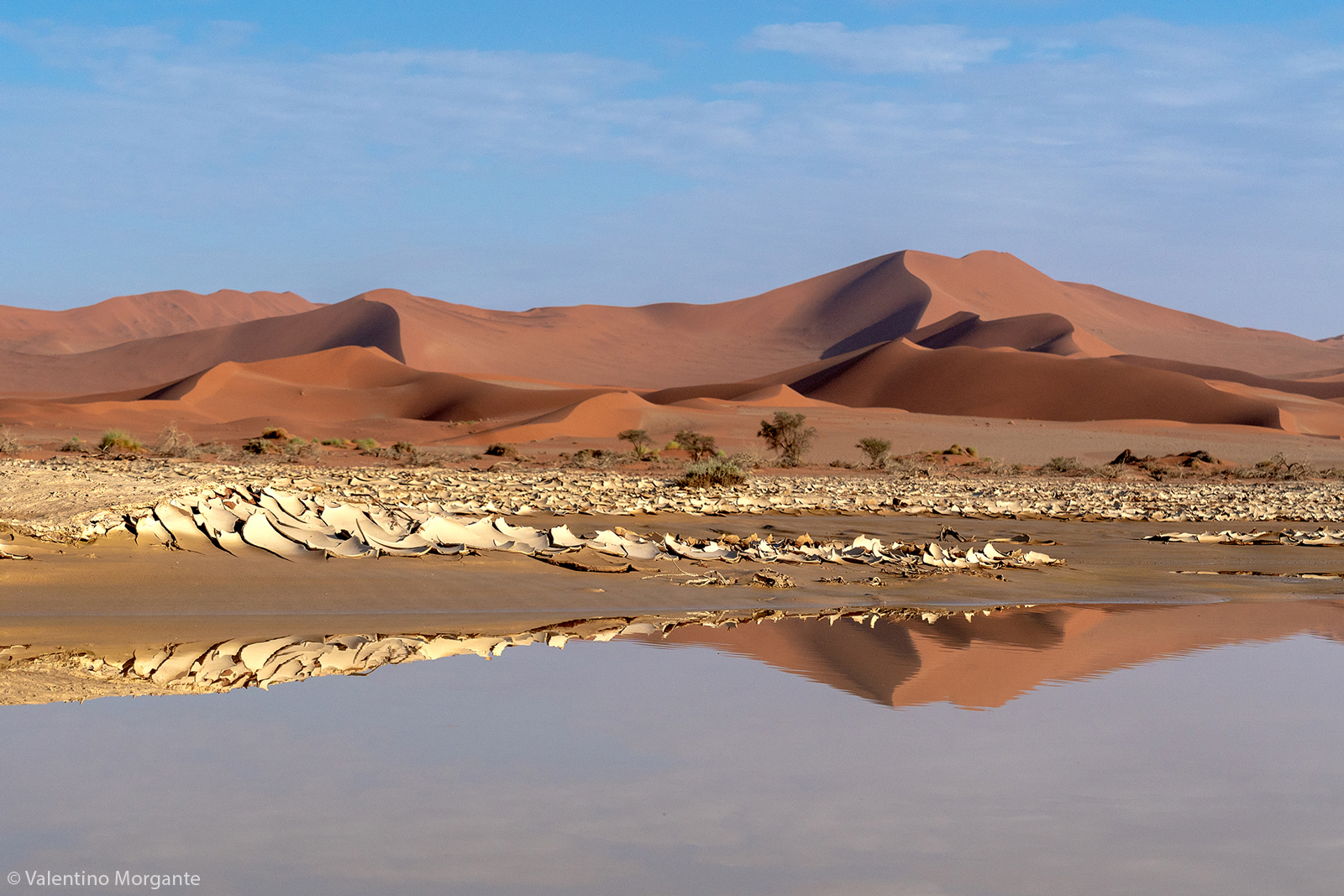
Rare desert flood. Sossusvlei, Namibia. © Valentino Morgante
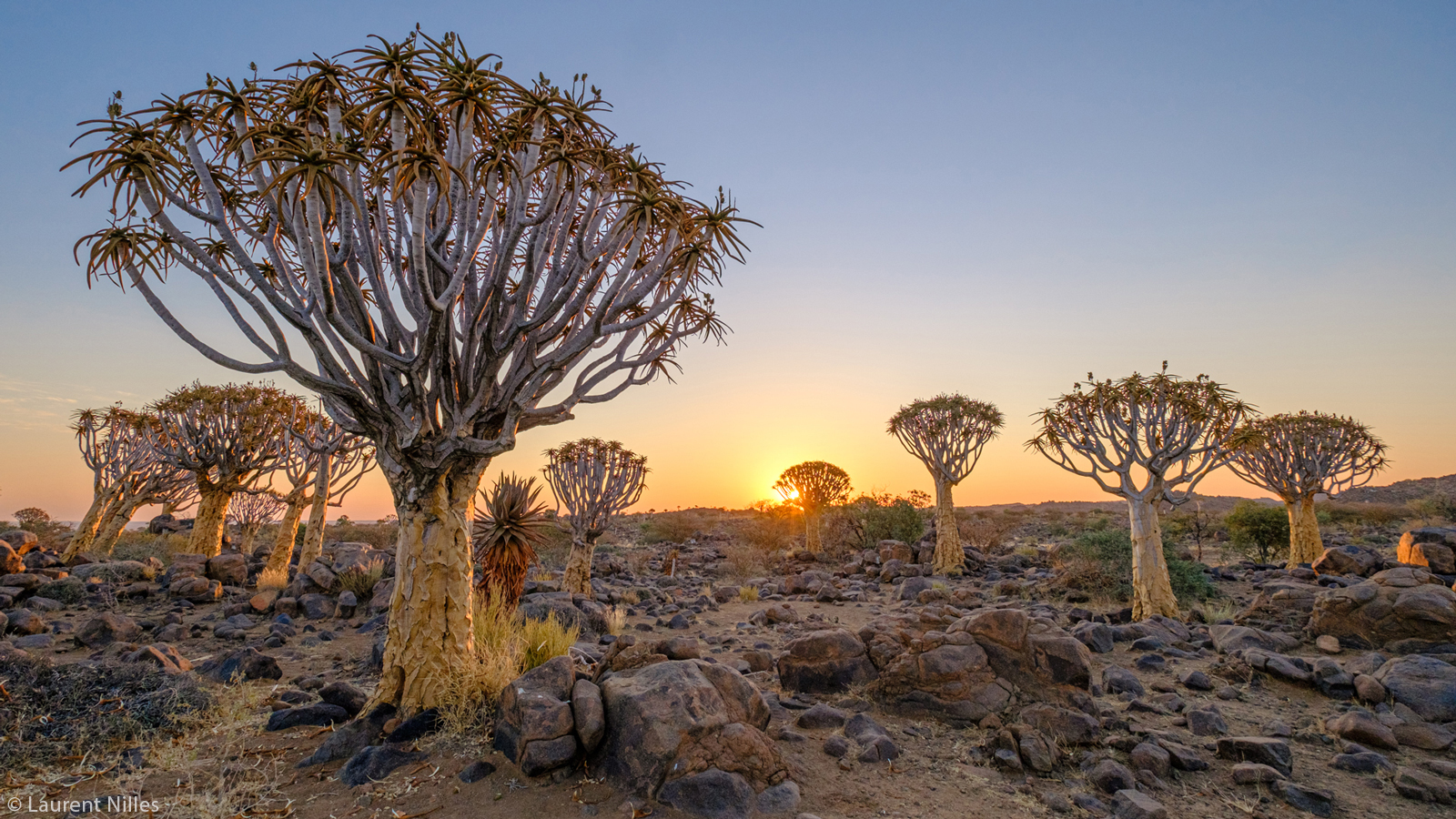
Quiver tree forest. Keetmanshoop, Namibia. © Laurent Nilles
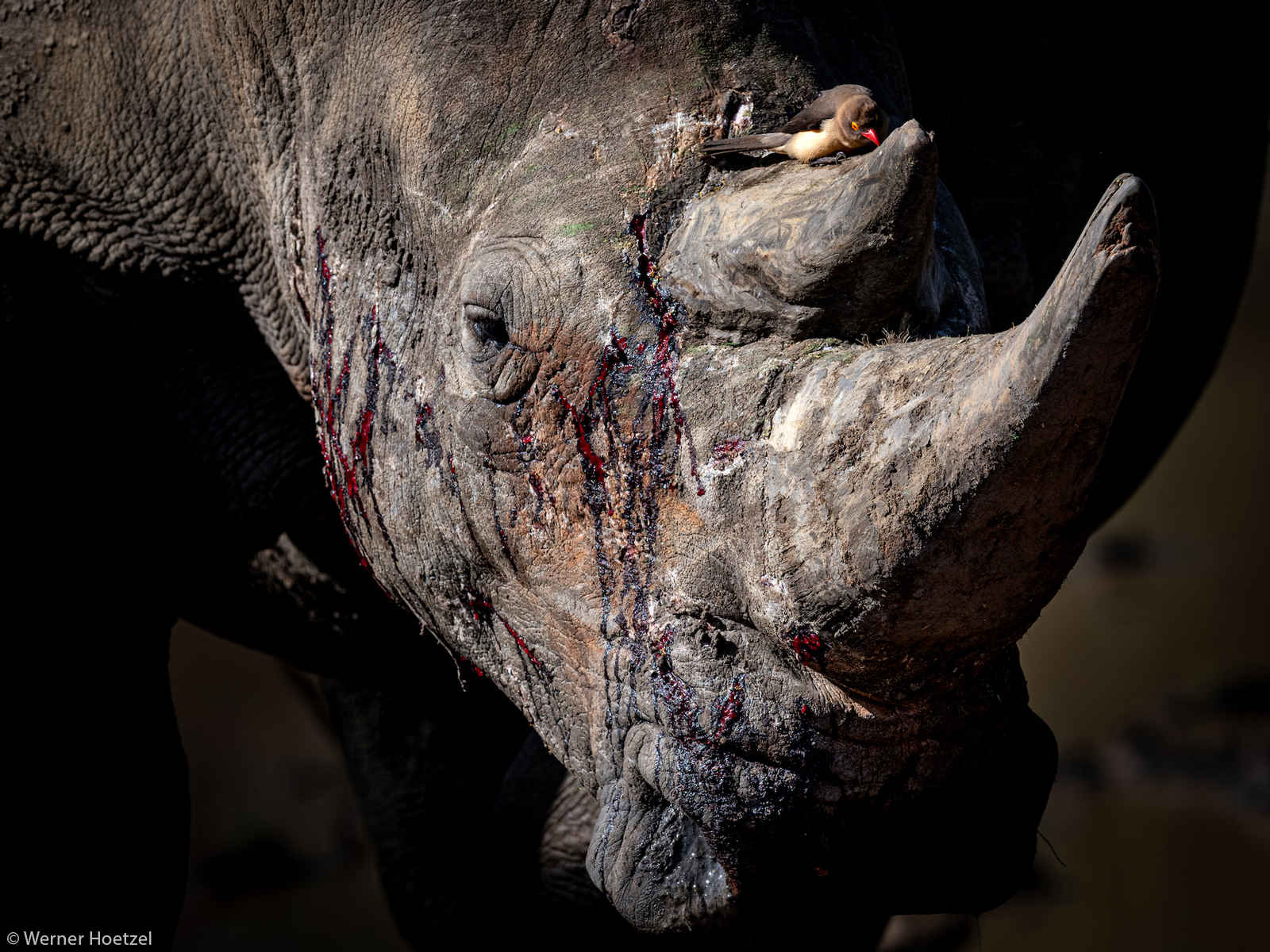
Wounded warrior – after a fight with another bull. South Africa. © Werner Hoetzel

The restoration of Gorongosa National Park

The following is the foreword by Greg Carr to a recently re-published thesis by Dr Ken Tinley who developed an ecological model for Gorongosa National Park in Mozambique. The magnificent thesis was completed in 1977 and remains relevant to this day.

Introduction

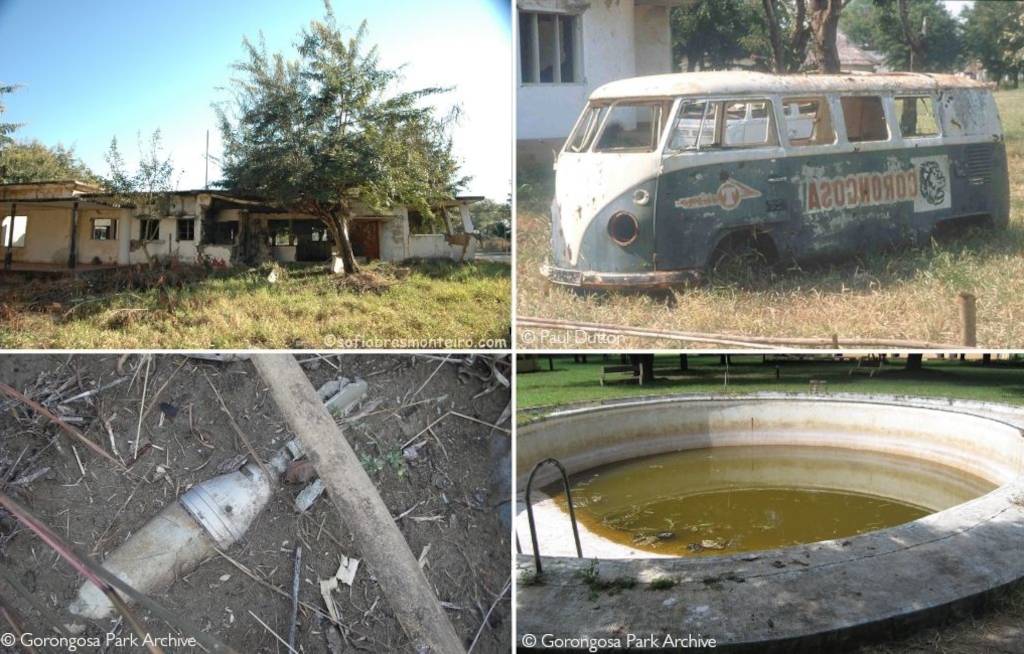
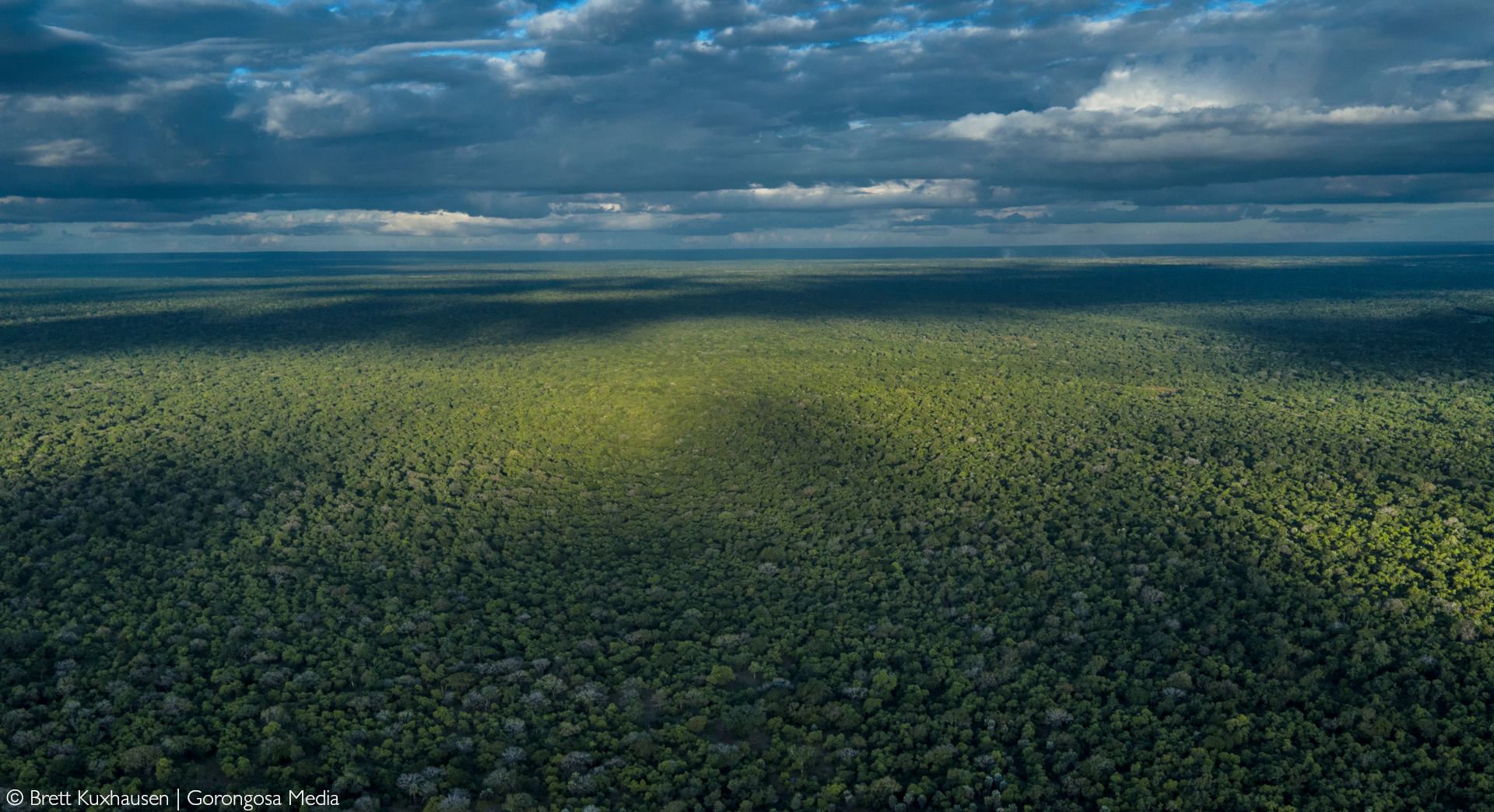
I saw Gorongosa National Park for the first time from a helicopter on March 30, 2004.  It looked magnificent from above. There were multiple forest and woodland types, grasslands, rivers, a lake, and fascinating geological formations. When we landed, however, it was clear we had trouble. The historic Chitengo Camp lay in ruins—former buildings were rubble. Where tourists once wandered, burned-out vehicles lay amongst grass that was higher than my head. That year, the Mozambican government asked me to help restore Gorongosa, once one of the most popular wildlife parks in all of Africa.

gorongosa
Devastation – historic Chitengo Camp in ruins

Process and response

In the 1960s, scientists said that Gorongosa had the densest abundance of wildlife of any natural area on the continent. This was no longer true. On our visit in 2004, we could drive an entire day and see perhaps one warthog or one baboon. Whatever other wildlife there was hidden in dense forests and had every reason to fear vehicles.  Approximately 95% of the large animals were killed during and in the aftermath of one generation of war. How could we possibly restore a landscape of 400,000 hectares (one million acres)?


If we were going to help the Government of Mozambique rewild this ecosystem, we needed to understand it. We needed to create a Park Management Plan.

My very small team and I searched the literature. We found popular accounts of Gorongosa in newspapers and even in the prestigious National Geographic Magazine, dating back to the early 1960s. However, we also needed scientific data. A Harvard University friend found a reference to a doctoral thesis called Framework of the Gorongosa Ecosystem published in 1977 by a Kenneth Lochner Tinley, but not the actual thesis. At the time, Google was a ‘child’, just six years old, and one did not find nearly every imaginable piece of information online. We learned that a physical copy of the thesis existed at the University of Pretoria, South Africa. We used ‘interlibrary loan’ to get that actual document (not a facsimile) sent by the postal service to Harvard and then to us. Helping me was Sydney Kwiram—a brilliant young woman and recent Harvard graduate.

The manuscript’s abstract included this paragraph: “The chapter titled ‘Process and Response’ is the central pivot of the thesis containing the kinetic aspects of geomorphological landscape changes with coevolutionary sequences of biotic communities which change (expand, contract and recombine) kaleidoscopically in space and time, in appearance and content.”

gorongosa
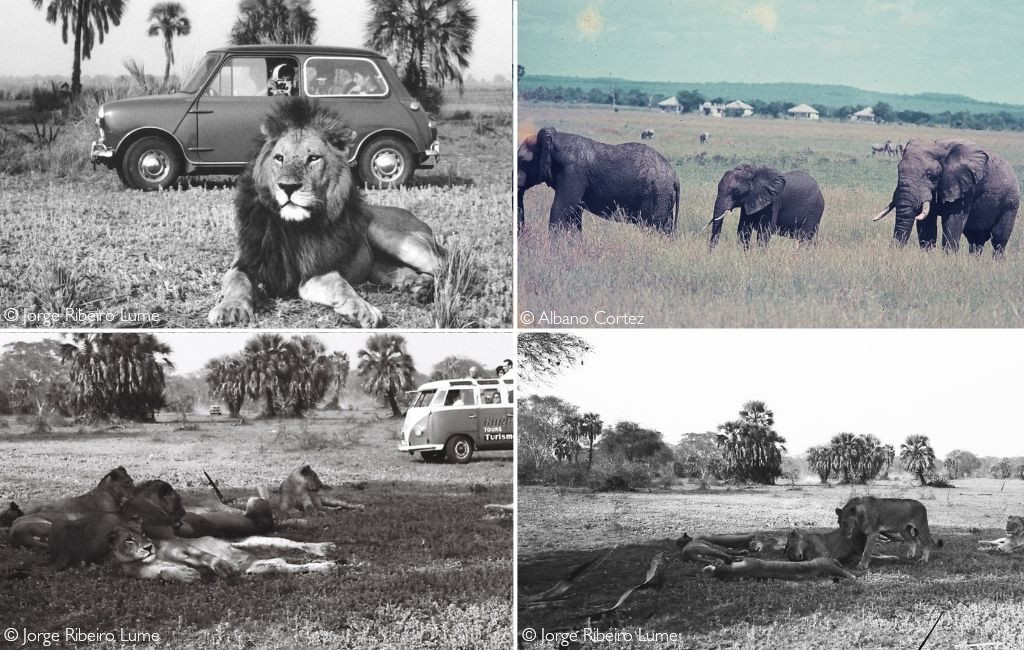
Tourism in Gorongosa before the Mozambican civil war


Africa Geographic Travel

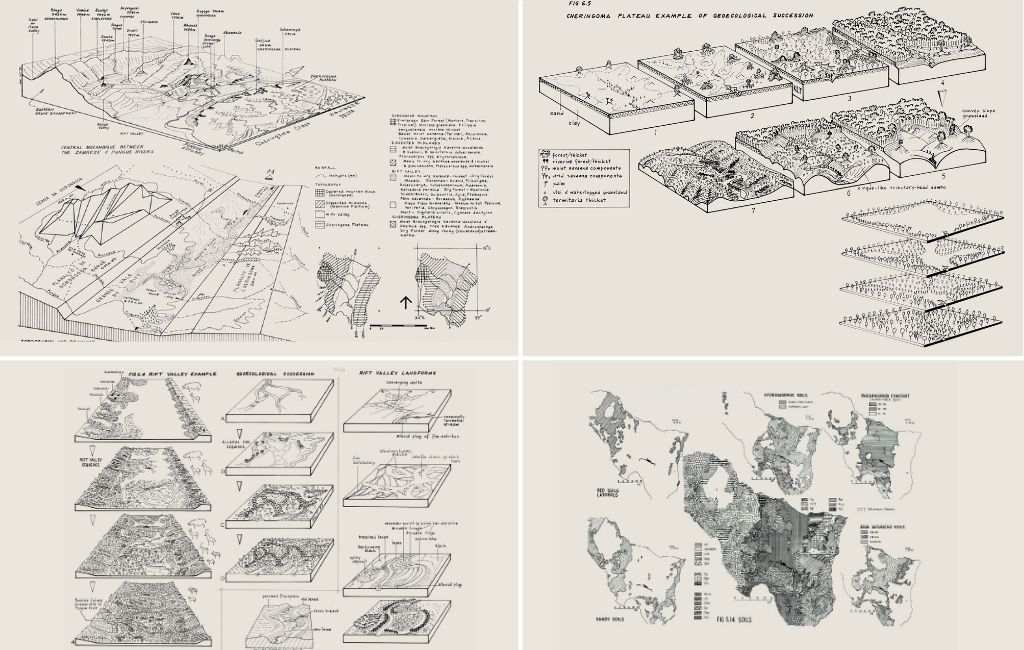
Wow. I am not a biologist. I wondered if I should return to the friendly, popular newspaper articles about Gorongosa! However, the Tinley masterpiece is written by an incredible hand. It is the kind of literature that a layperson can follow if one reads carefully, even as an expert will gather much more from the same page.  Sydney and I devoured this tome. The thesis had chapters on landscape setting, geology, soils, hydrology, climate, wildlife—covering an area in central Mozambique larger than the Park boundaries themselves—under the labels of “Gorongosa Mountain Summit”, “Gorongosa Mountain Slopes”, “Midlands”, “Rift Valley”, “Coast Plateau”, and “Land-sea Junction”. There were graphs of data and hand-drawn maps by Dr Tinley. He did all of this prior to the existence of the personal computer, GPS, digital photography, drones and the Internet. He with his spouse, Lynne Tinley, and their two small children lived in Chitengo (the place where I had landed in March 2004) from 1968 to 1973.

Where on earth is Dr Tinley?

We had the document, but what about Ken Tinley?  Was he still alive? Did he live in South Africa? We would not find those answers in 2004.
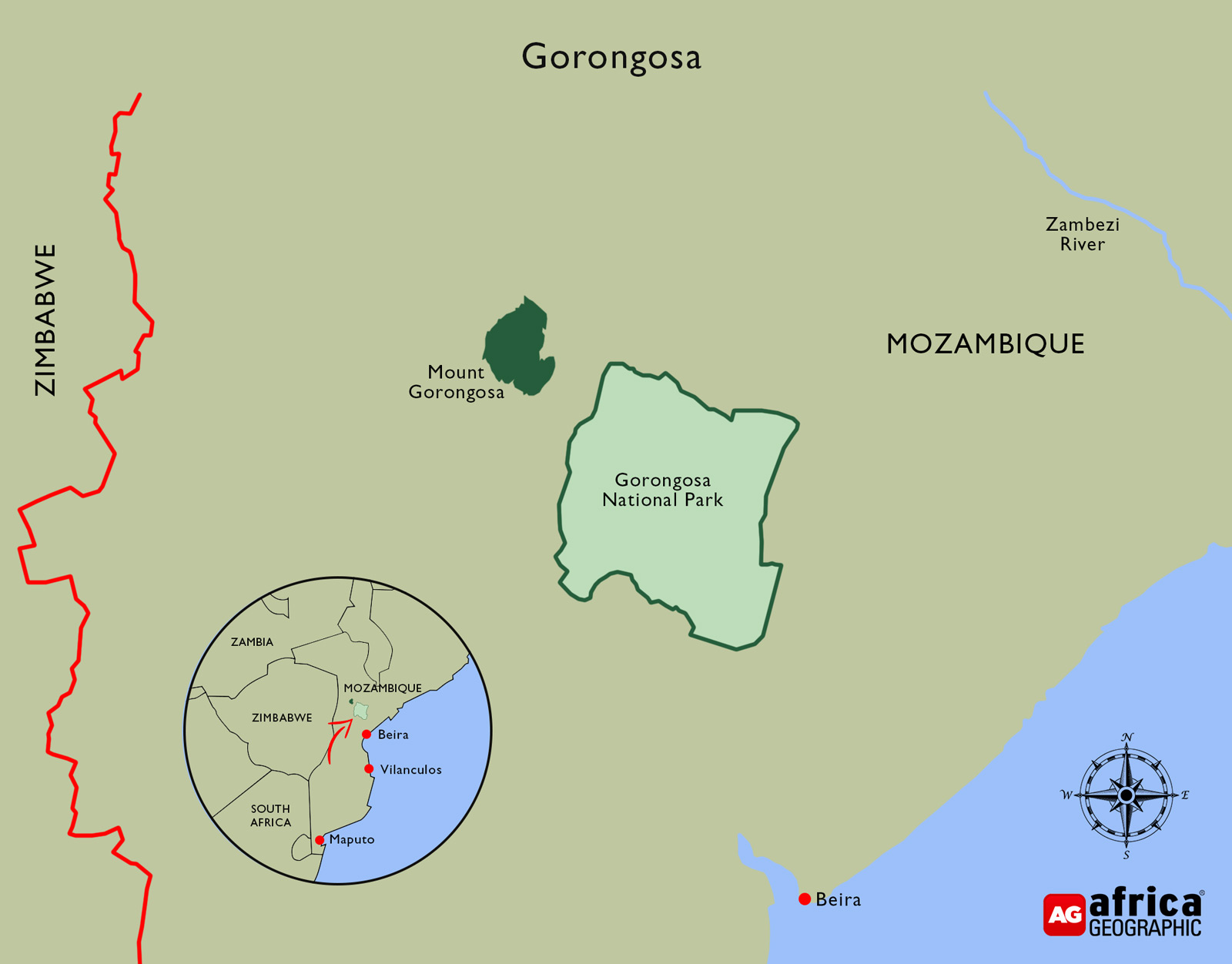
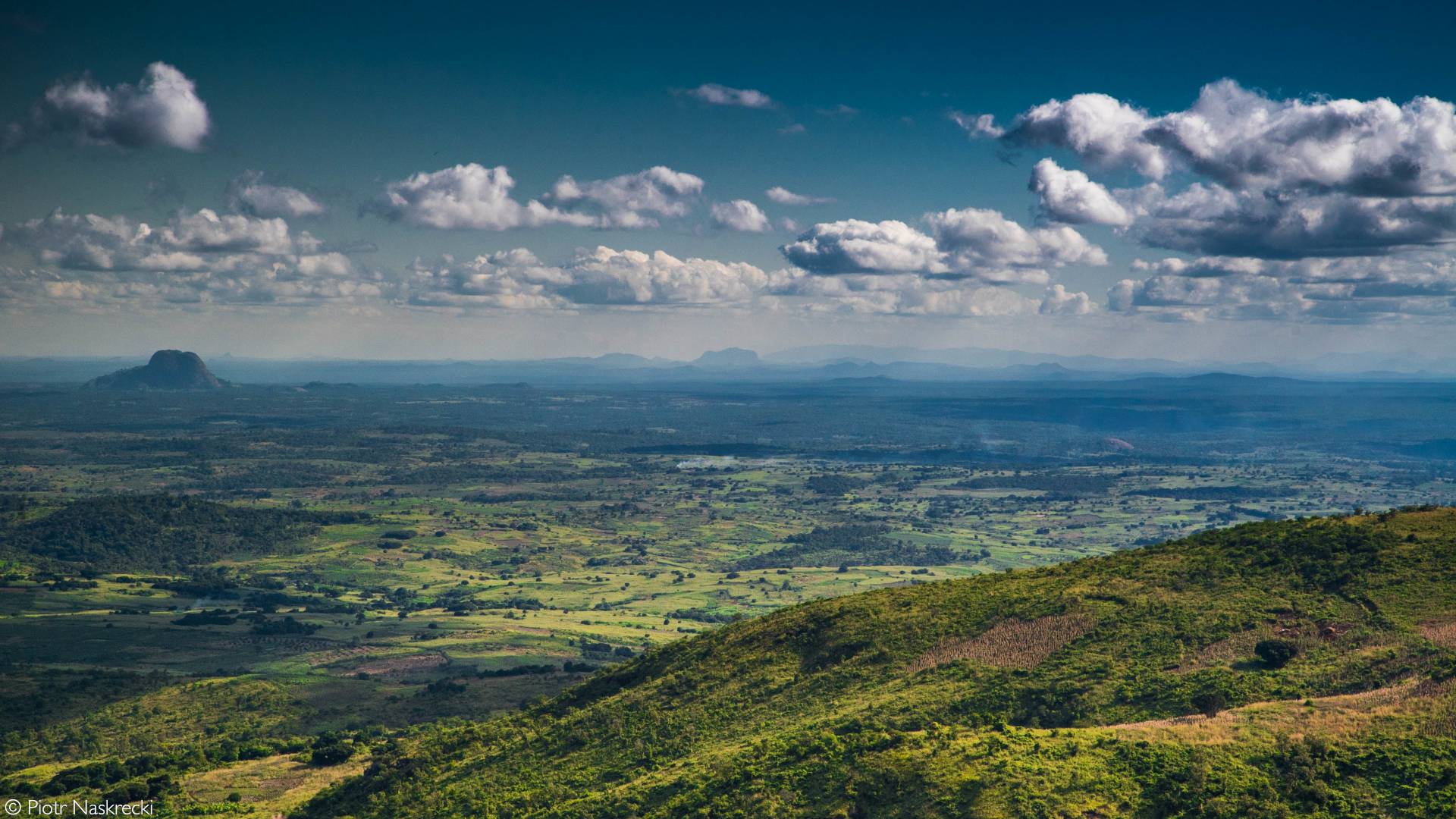
Meanwhile, our team of scientists used insights from the Tinley thesis as we wrote a proposal to the Government of Mozambique to co-manage and restore Gorongosa. Among many critical observations, Ken Tinley—speaking through his thesis—told us that, in order to save the ecosystem over the long term, Mount Gorongosa needed to be added to the Park. Mount Gorongosa holds one of only two true rainforests in Central Mozambique, full of endemic and near-endemic species. The mountain is the critical source of most of the Park’s surface water during the dry season. At this time, it did not have protected status.

gorongosa

We continued our studies, our visits to Gorongosa, and our talks with the Government of Mozambique. I expanded our team. In 2005, on one of the luckiest days of my life, I met Vasco Galante. Vasco became the Director of Communications for the non-profit ‘Gorongosa Restoration Project’. He is a human connector: he makes friends, then he becomes friends with their friends.  He remembers everyone, every encounter, every event. We call him ‘Vascopedia’. Vasco’s records tell me that we found Ken Tinley in 2005. I sent him an email (which, of course, Vasco saved) on November 28, 2005, that says: “We are in communication with Dr Tinley (who now lives in Australia), and we have his thesis, which you will enjoy. I’ll ask Bridget to send you a copy.”

“In communication with Dr Tinley” actually meant that we had found an email address for his spouse Lynne (from someone who knew someone) and contacted her. Lynne is equally brilliant and is Ken’s lifelong teammate. She is an artist of Nature. She wrote Drawn from the Plains, a book about living in Chitengo Camp, Gorongosa Park’s headquarters, for five years. The book includes her original artwork. We located a copy.

I remember reading my first email reply from Lynne. I now felt that the legendary Gorongosa of the 1960s was no longer just a storybook place to read about in articles. I was talking to someone who had lived there, seen it, smelled it, heard it, and breathed it. Soon, I started receiving messages on Lynne’s email account written by Ken. I was finally talking to the person who had written Framework of the Gorongosa Ecosystem when I was still in middle school.

gorongosa

We corresponded with Ken steadily from 2005 on, sharing ideas and receiving welcome advice. Ecologist Dr Marc Stalmans was a consultant to us and later became Director of Science for Gorongosa National Park. He helped us plan the restoration. “Ken was truly ahead of his time,” Dr Stalmans explains, “applying a landscape ecological perspective well before this approach gained popularity in the 1980s-1990s. Ken manually applied GIS principles before the electronic tool was available. Whereas many studies conventionally only provide a snapshot in time, Ken’s work takes a long term, geomorphic and geo-ecological view of the Park in terms of the formation, evolution and long-term outcome of its ecosystems and constituting components. That’s why the work is still hugely relevant one half-century later. Even more astonishing is that this magnum opus resulted from Ken spending only five years in the Gorongosa ecosystem.”

gorongosa
Hand-drawn images from Ken Tinley’s thesis. Clockwise from top left: Salient landscape features; Cheringoma Plateau example of geo-ecological succession; soil map; Rift Valley example of geo-ecological succession

On top of that, Dr Tinley still found time to sketch landscape perspectives of Banhine National Park in Mozambique and an area next to the Kruger National Park in South Africa that would later become part of the Limpopo National Park. Thirty years later, in the early 2000s, these perspectives became the foundation for the first landscape maps for both parks, which now form part of the Greater Limpopo Transfrontier Conservation Area.

In 1990, well after his five years living in Gorongosa Park, Ken worked with landscape architects in Pretoria. They agreed that the existence of a large number of national parks and nature reserves along the frontier between Mozambique, South Africa, Zimbabwe and Swaziland opened the possibility for multi-national transfrontier resource areas (referenced by Dr Stalmans above).

It was exciting to think that existing protected areas could be linked by some of the little populated areas in between—to create one of the largest conservation zones in the world. Rural communities living within the resource areas, as well as the governments of the various countries, would benefit. Ken was one of the originators of the idea that became known as ‘Peace Parks’. President Nelson Mandela, a founder of the Peace Parks Foundation, believed national parks could link nations or regions that had previously seen conflict. His theory: The connected ecosystems would be good not only for wildlife but deliver benefits and peaceful relations to people as well.

gorongosa
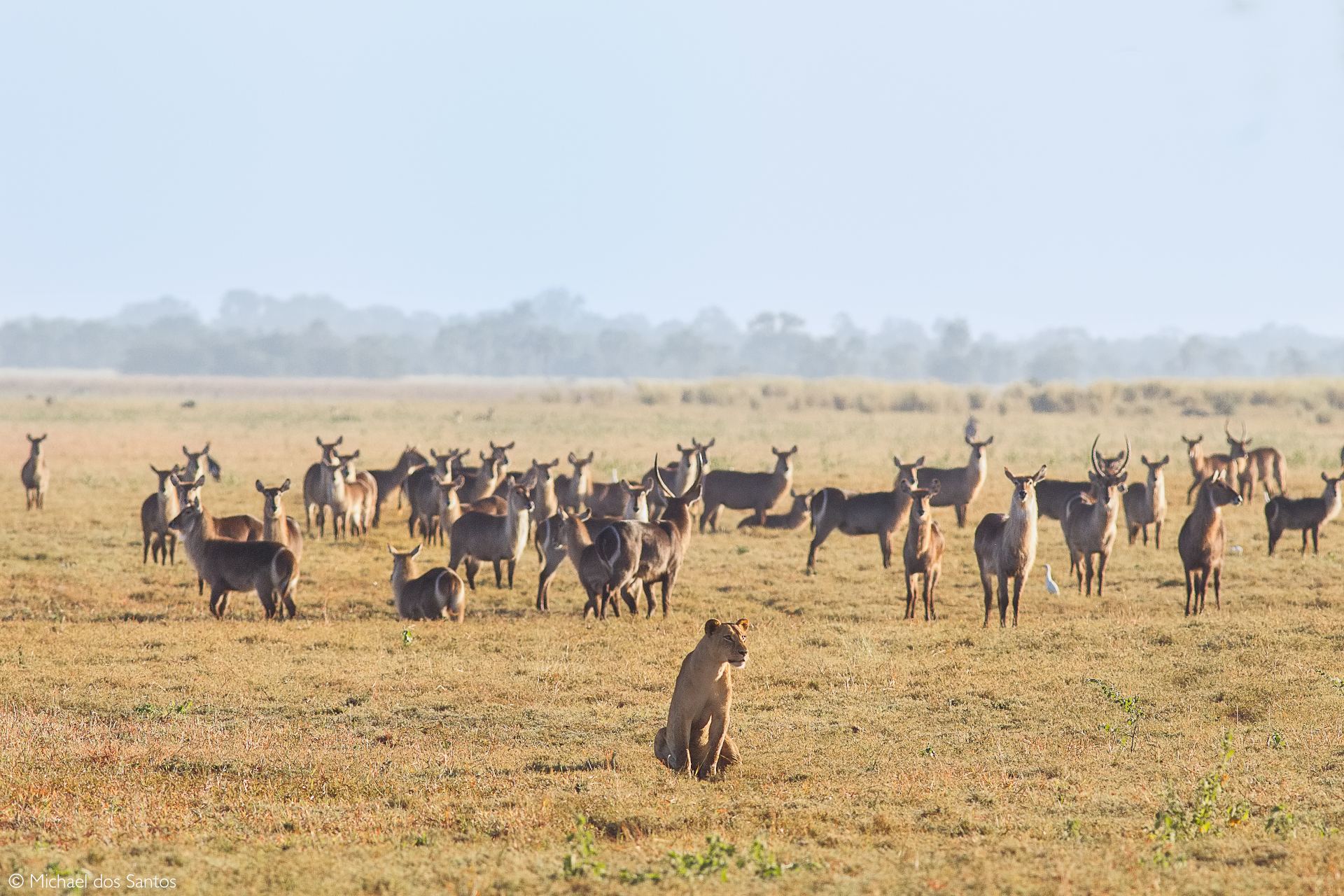
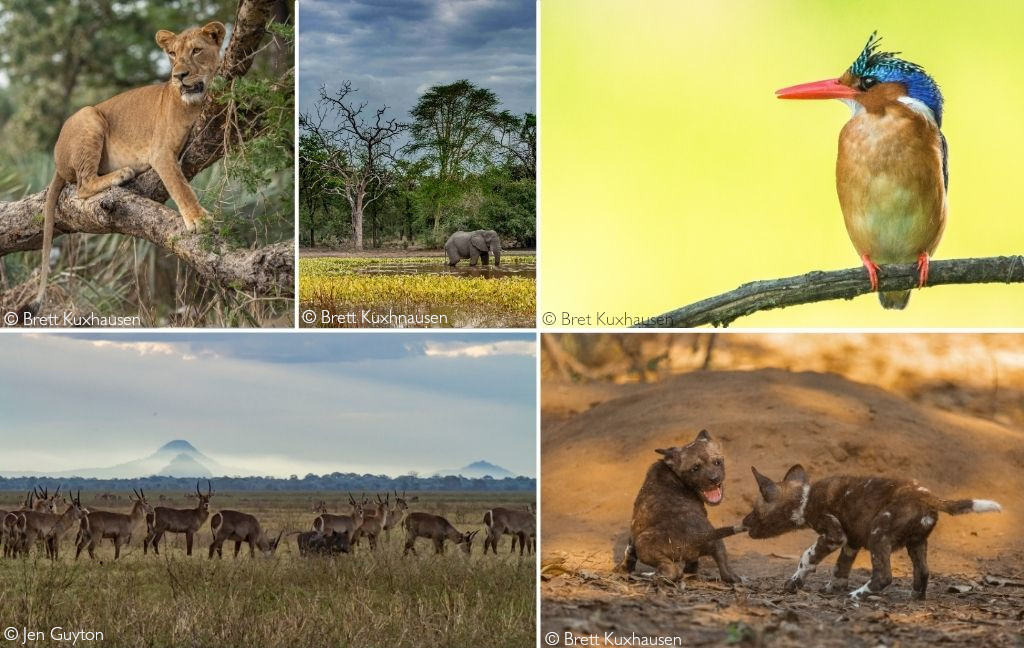
Clockwise from top left: lioness in a tree; elephant in a natural pan; malachite kingfisher; African painted wolf; common waterbuck
Africa Geographic Travel

We completed the first draft of our Park Management Plan and finalised our co-management contract with the Government of Mozambique. In January of 2008, I signed a 20-year agreement with the Government to co-manage and restore the Gorongosa ecosystem and to bring human development services to the communities that live adjacent to the Park.  (That agreement has now been extended to 35 years, until 2043.)

In 2008 we revitalised the ranger team. The team began removing wildlife traps and snares from the Park; some left over from the war.  We started a health care programme in nearby communities.  We began our first attempts at tourism.

Meeting Ken Tinley

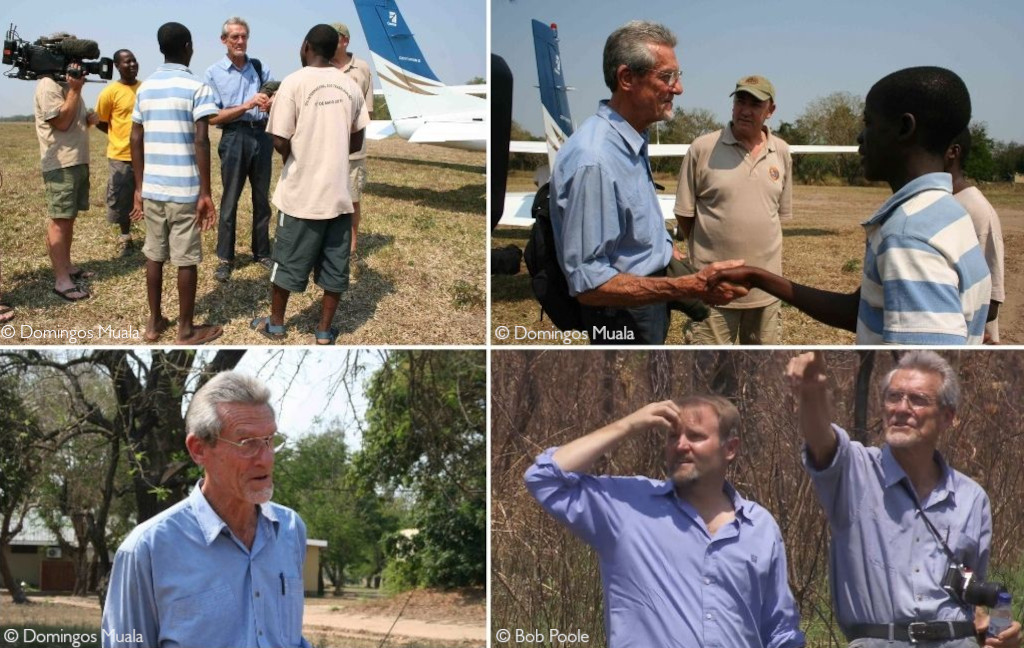
Yet, I had still not met Ken Tinley.  I invited him to come and see what we were doing.  In October 2010, Ken spent five days with us in Gorongosa.

gorongosa
Clockwise from top left: Bob Poole (camera), Mateus Mutemba, Fernando Ussene, Ken Tinley, Tonga Torcida and Vasco Galante; Ken Tinley, Vasco Galante, Fernando Ussene; Greg Carr and Ken Tinley; Ken Tinley

On the last day of his visit, Ken shared a poignant story with us. This trip was not the first time he had been to Gorongosa since 1973. In 1994, after the war ended, Ken and a man named Paul Dutton, along with José Tello (ex-warden of Gorongosa), were contracted by the IUCN to survey the condition of the National Park.  Like Ken, Paul had begun his career as a Game Ranger in the Zululand Provincial Game Reserves and later continued his education to earn a graduate degree in Ecology. They became lifelong friends. In his own small Piper Cub airplane, Paul helped Ken and José perform the first aerial surveys of the vast herds of large ungulates during the first year of Ken’s research in Gorongosa. In 1994, they found what I saw a decade later: no wildlife and destroyed infrastructure.

gorongosa

The Future

The Gorongosa Restoration Team has made great progress from 2010 to 2019.  Our rangers removed over 27,000 traps and snares. We reintroduced some species that we obtained from other national parks, such as buffalo and wildebeest from Kruger. But mostly, in a safer environment, the remaining small populations of wildlife were able to increase on their own. In 2018 we conducted an aerial wildlife survey and counted more than 100,000 large animals. (This represented just the fifteen largest species we could count from the air, not the innumerable smaller species that are also thriving.) The press has been kind to us. National Geographic refers to us as perhaps Africa’s greatest wildlife restoration story.

gorongosa
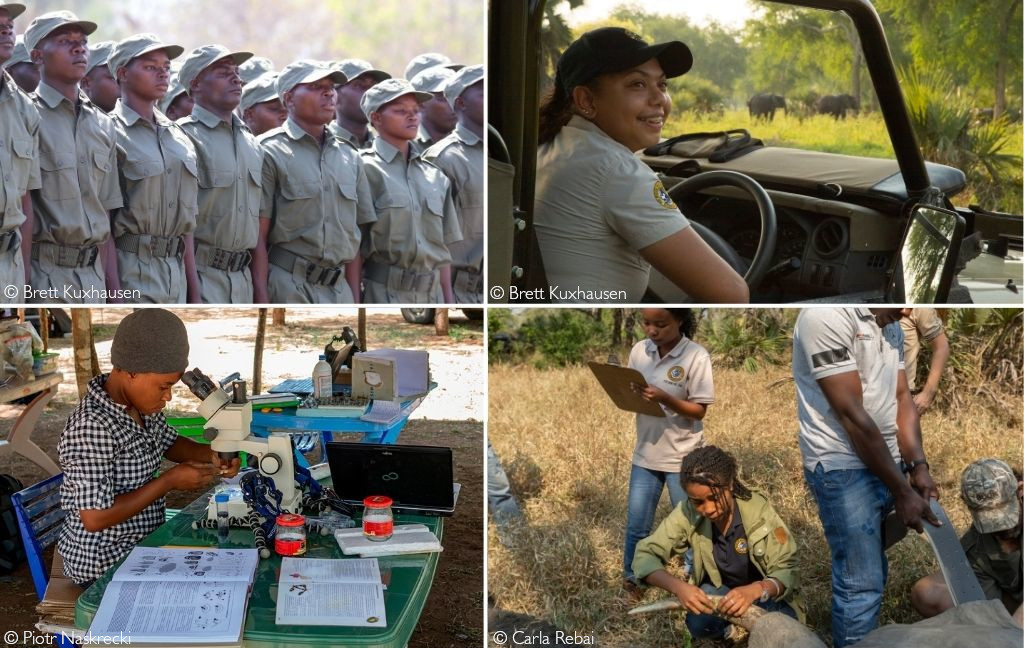
Clockwise from top left: A group of rangers on parade; Carol Wilson, activities coordinator at Gorongosa; Dominique Gonçalves at an elephant collaring  exercise; a student researcher

We also made headway on our human development programme in the traditional communities that share the greater ecosystem with the Park. Our after-school Girls’ Clubs keep teenage girls in school and out of child marriage. We help small farmers get better yields on their land. We’re restoring the rainforest on Mount Gorongosa by planting shade-grown coffee. We provide healthcare to more than 100,000 people per year.

This idea that national parks should benefit the local people was one of Ken Tinley’s early insights and it forms the core of our philosophy at Gorongosa Park.  But not only that, we also believe that local people should lead the management of these protected areas. They have knowledge and expertise about the healthy functioning of these ecosystems that they have inhabited since time immemorial. and they can combine that wisdom with 21st Century ecological science.

Africa Geographic Travel

During the Colonial era, most Mozambicans were not allowed to go to school beyond the fourth grade.  It is a painful and unpleasant fact, but one we should remember.   At the Gorongosa Project, our goal is to empower the next generation of Mozambican scientists who will lead this ecosystem to the 22nd Century. They face of a new set of challenges, perhaps even greater than the wars of the 20th Century – climate change, pollution, invasive species, habitat loss and over-harvesting.   Thus, we created a Master’s in Conservation Biology, a two-year program located in the park.  It is the only master’s programme in the world taught entirely within a national park.  We’ve already graduated our first cadre of twelve Mozambican women and men.  The second group will finish at the end of 2021.

We also help Mozambicans continue their education to earn PhDs.   Dominique Goncalves, a Mozambican woman who grew up near Gorongosa, is completing her PhD in Wildlife Ecology at the University of Kent in the UK. She also is the Manager of Elephant Ecology at Gorongosa Park.  In October of 2018, I travelled with Dominique to Perth, Australia, to meet Ken and Lynne Tinley in their home.  The walls of their apartment were covered with Lynne’s original artwork, some paintings of Gorongosa.  Ken and Dominique talked for two days. He gave her unpublished notes from his research as the two of them exchanged ideas, passing the torch of Gorongosa science to the next generation.

Greg Carr
April 14th, 2021.

Ken Tinley’s thesis is available for purchase at 150 USD plus shipping. If interested, please email Megan Carolla at megancarolla@gmail.com.

See more of magnificent Gorongosa here: Gorongosa in Images.

gorongosa
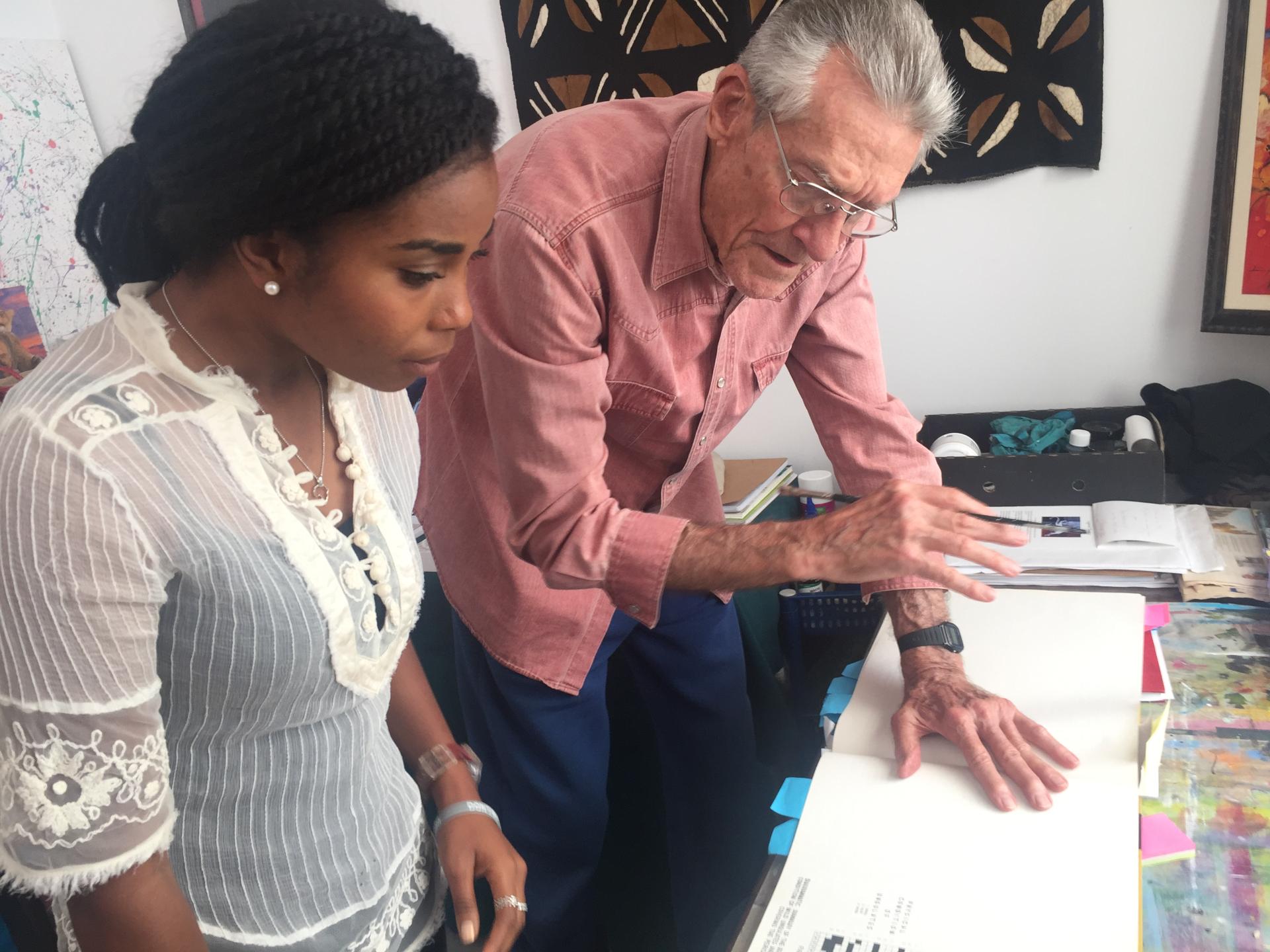
Ken Tinley handing his valuable knowledge to Dominique Gonçalves, manager of elephant ecology in Gorongosa, in Perth

African grey parrots in traditional medicine

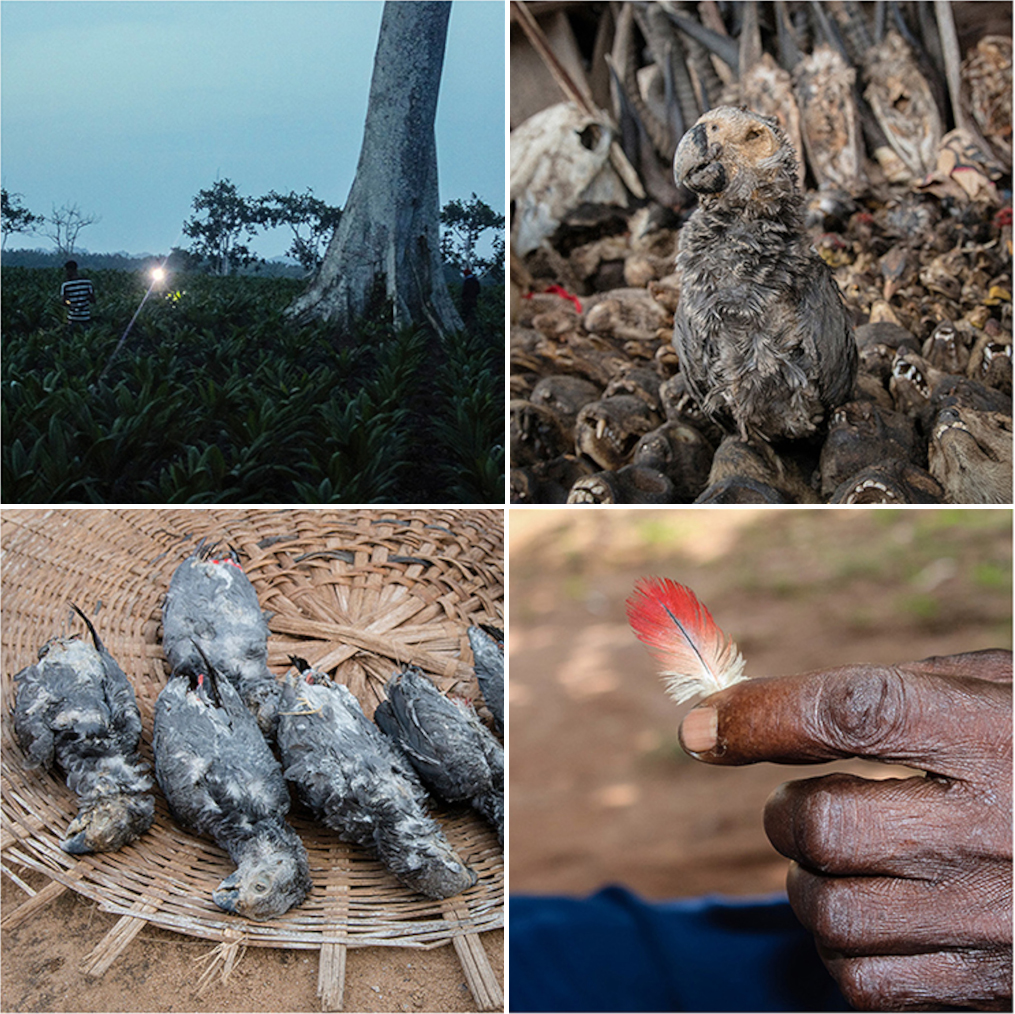
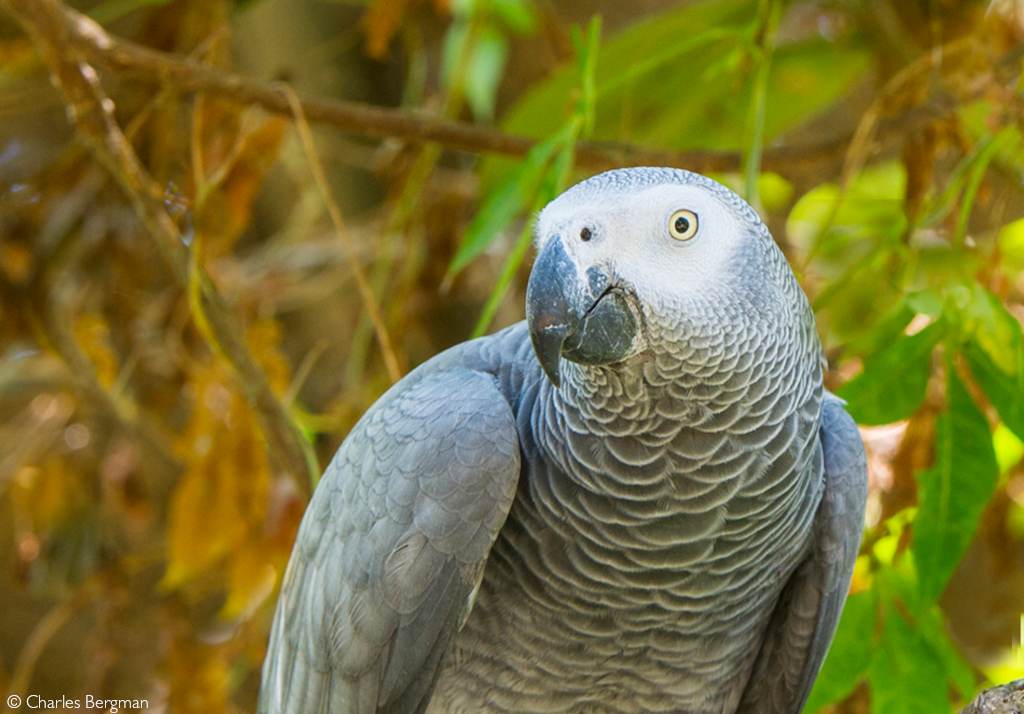
The African grey parrot (Psittacus erithacus) is one of the most heavily-traded bird species globally, prized for its attractive looks, intelligence and propensity for mimicry. While most trade supplies the exotic pet trade, a new study confirms that grey parrots are also being sold in traditional medicine markets and consumed for belief-based use in some West African countries. Feathers, whole parrot remains, and parrot heads are traded for various medicinal and spiritual uses.

African grey parrots
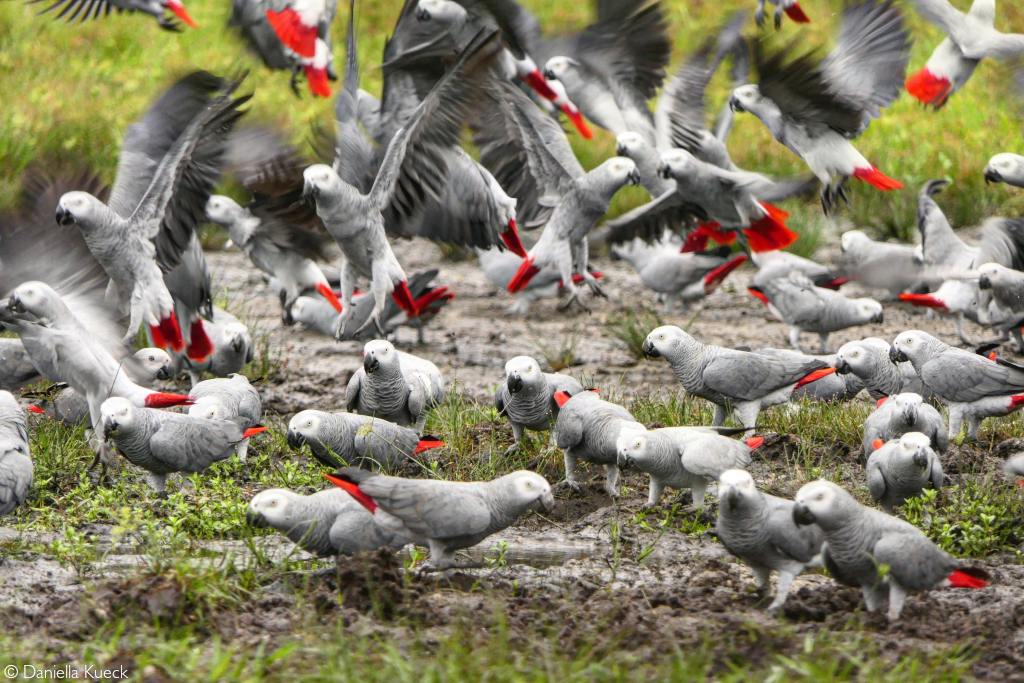
African grey parrots in the wild

According to the study and previous research, over 1.2 million wild-sourced African grey parrots have been traded internationally since the 1970s. The unsustainable trapping and trading of wild parrots, along with habitat loss, has resulted in dramatic population declines across the ranges of both African grey parrots and Timneh parrots (P. timneh). In some countries, populations have declined by as much as 90% over the past 25 years. Though there has been little research into the use of grey parrots in traditional medicine, researchers have now made inroads into understanding the dimensions of this established trade.

Researchers interviewed five vendors at the ‘fetish’ market – Marché des Fétiches – in Togo, West Africa to investigate the purpose and socio-economic drivers of belief-based use. The market is the largest of its kind for belief-based medicine in West Africa, and here wildlife trade is conducted openly, even when certain species are protected by national legislation. The vendors were selected on the basis that they had been previously observed trading parrot parts. The questions asked of the vendors focused on the body parts sold, the purpose and price, the source country, and the species availability.

Their findings suggest that approximately 900 grey parrots were traded over the past ten years in the marketplace. The majority of parrot heads were sold for improving memory and spiritual ‘protection from witchcraft’ and ‘good luck’. Feathers are purchased for spiritual use, ‘attracting clients’, ‘love’, and ‘help with divorce’. According to the vendors, parrot heads were the most valuable parts, fetching several times the value of parrot feathers. Concerningly, the majority of the vendors reported a decrease in the availability of grey parrot parts.

African grey parrots

This use of African grey parrots for belief-based practices is not a new phenomenon, and the vendors reported that all purchases over the past decade had involved regular customers. This, in turn, indicates a local demand for the trade in parrot parts beyond the international trade in live parrots. However, the researchers emphasise that further research is needed to understand the relationship between the two different trades, as evidence suggests a degree of connectivity. It is likely that some of the parrot remains in the markets were sourced from parrots that died during the trapping/transport process for the pet trade. (The trapping and trading of wild parrots raise serious welfare concerns and is estimated to have a 40-60% mortality rate.)

Africa Geographic Travel

Related to the relationship between the two types of trade is whether the increase in scarcity of parrots reflects the collapse of local wild populations or the recent reduction in international trade (precipitated by increased international legal restrictions). The vendors all stated that Benin and Togo were the main source countries for parrot derivatives. Yet, experts believe that wild populations of grey parrots in these countries are negligible or even extinct. The grey parrots in neighbouring countries such as Ghana have also shown a precipitous population decline. If there are small remaining populations, even low exploitation levels would be disastrous and could result in further local extinctions.

African grey parrots

As is the case with any wildlife species, it is challenging to assess the impact of belief-based use. As the study acknowledges, aspects of the trade (such as the trade in feathers) may prove sustainable. The authors also emphasise that the study’s intention was not to determine the extent of the trade – the information provided by the vendors may have been either exaggerated or underestimated. Instead, the interviews were conducted to inform further research and direct future conservation efforts. Immediate intervention initiatives could include education initiatives and the provision of herbal alternatives.

The conservation efforts directed at saving the surviving African grey parrot populations are intricate and multi-faceted, involving everything from international trade policy to dangerous anti-poaching and sting operations. While the study identifies the need for further in-depth research into this threat to grey parrots, it is only through understanding the patterns and drivers of the trade that effective strategies can be developed to mitigate its effects.

The full study can be accessed here: ‘Trade in African grey Parrots for Belief-Based Use: Insights From West Africa’s Largest Traditional Medicine Market‘, Assou, D. et al., (2021), Frontiers in Ecology and Evolution.  

Read more about grey parrots: Shades of Grey

CEO note: Elephants – good & bad news

CEO note
Contemplating the last light of the day. Kgalagadi Transfrontier Park, South Africa. 2021 Photographer of the Year entrant © Willie van Schalkwyk

CEO NOTE: 16 April 2021

This is a copy of our weekly email newsletter. Subscribe here to receive the newsletter.


I watched this trailer for an African-themed movie and was not sure whether to laugh out loud or vomit in the back of my mouth. If you can get past the horrendous type-casting of African people and gobsmackingly misinformed portrayals of predators waiting around every corner to eat you alive – then you are a better person than I. Apparently, there are rhinos in Amboseli (which attack and flip vehicles), and the hyenas there whoop like gibbons when hunting humans. Breathe deeply Simon, move on …

Back to reality, and after a really good wet summer here in the Greater Kruger region, the seasons have turned, and our autumnal grass and woodlands are rapidly turning golden brown as we prepare for a long dry winter. We are heading into the best wildlife-viewing time, and intrepid travellers are taking advantage of Covid-impacted low prices and few tourists. Need I say more?

Keep the passion

CEO note


Simon Espley – CEO, Africa Geographic


From our Editor-in-Chief

This week is much about the elephants – one a good news, if rather technical, story and the other, another blight on humanity’s appalling environmental report card. In the first one below, veteran Namibian conservationist Gail Thomson describes exactly how the Namibian government arrived at their population figure of 24 000 elephants. Despite what naysayers might argue, it would seem that Namibia’s elephant population is thriving and increasing. Long may that last.

Our second story below leaves me bemused. Quite how it has taken the IUCN so long to recognise the species status of the forest elephant despite science having known about it for almost 20 years, is beyond me. What on earth have they been doing? With the speed of frozen treacle oozing uphill, the politicians, lawyers and scientists have finally made it official and the news is not good – the forest elephant is critically endangered.

After all that, our third story below should be much more fun and encouraging. Mix yourself a pina colada (yes, I know you’re at work but that might make it taste even better). I’ve always had a fascination with remote ocean islands. This story of Mauritian conservation – pristine beaches, coral reefs, tropical fishes, lush forests, endemic animals and cascading waterfalls – had me yearning to feel the sand between my toes, hearing the drum of the ocean and the primordial sound of the island jungle.

Finally, our Photographer of the Year is heading into the final stages. Please send this link to anyone you know who takes good shots of Africa – they might like to win 10 000USD and a luxury safari to Botswana. Mix another pina colada and enjoy the 14th celebration of our magical continent!


Story 1
LET THE FACTS SPEAK
Namibia’s refusal to participate in the Great Elephant Census caused doubt about their claimed elephant numbers. See their peer-reviewed stats here

Story 2
HERE TODAY …
Critically endangered: Forest elephants have finally been granted species status (something scientists have known for decades)

Story 3
PROTECTING PARADISE
Mauritius – an island beach paradise that also offers volcanic mountains, ancient forest & incredible biodiversity – the perfect green safari

Story 4
BEST PHOTOS
Week fourteen of our 2021 Photographer of the Year


DID YOU KNOW: Of the estimated 9 million species in the world today, more than two-thirds are insects and, of these, 40% are beetles. JBS Haldane reportedly quipped that if there is a creator, he is inordinately fond of beetles


WATCH: A fascinating graphic representation of human-carnivore conflict based on a scientific paper (3:19)


Giraffes vs lions

Kenyan guide James Nampaso entered a few startling images of giraffes and lions for our 2021 Photographer of the Year. See his submitted images in this weekly selection. We were interested to know more about what happened, and James submitted the following images and story:

“The event took place in the Maasai Mara ( Olare Motorogi Conservancy) in Kenya. During a morning game drive I saw two female lionesses watching a female giraffe and her calf from the cover of a croton bush. Soon the lions started stalking the giraffes and I told my guests to get their cameras ready. The lions managed to jump onto the calf, but the mother giraffe chased them away. Once the rest of the pride arrived they surrounded the giraffes, and after about half an hour, a lioness managed to jump onto the mother giraffe’s back and so distract her. During that separation, the lions killed the baby while the mother giraffe managed to escape.” James Nampaso

Africa Geographic Travel Africa Geographic Travel Africa Geographic Travel

Photographer of the Year 2021 Weekly Selection: Week 14

Our Photographer of the Year 2021 is open for submissions, with cash prizes of US$10,000 for the overall winner and the two runners-up. They and their partners will also join our CEO Simon Espley and his wife Lizz on the ultimate private safari in Botswana.

The competition runs from January to June 2021. Get your entries in now and join us in celebrating Africa! Proudly brought to you by Hemmersbach Rhino Force and Natural Selection.

Here are the best submissions for this week 

Look into the Light – a rare golden monkey shifts its gaze to the sky just as a shaft of light penetrates the forest. Volcanoes National Park, Rwanda. © Sam Wallace
Luluka’s cub. Maasai Mara National Reserve, Kenya. © Ahmed Galal
A lioness delivers the coup de grâce after separating a calf from the protection of its mother. Olare Motorogi Conservancy, Kenya. Read more about this encounter. © James Nampaso
A juvenile bateleur coming in hot. Kgalagadi Transfrontier Park, South Africa. © Willie van Schalkwyk
The great plunge. Mara River, Serengeti National Park, Tanzania. © Artur Stankiewicz
Calm. Sabi Sands Game Reserve, South Africa. © Marcus Westberg
Africa Geographic Travel
Puku calf sheltering in an elephant track. South Luangwa National Park, Zambia. © Dawie Maree
Humba and Netsai, dominant males of the region in Hwange National Park, where Cecil used to reign. Zimbabwe. © Dex Kotze
Hyllus treleaveni is the largest jumping spider in Africa. This female was relocated to a potted protea flower after jumping onto the photographer’s terrified son. Marloth Park, South Africa. © Eleanor Hattingh
A magnificent broad-tailed day gecko (Phelsuma laticauda). Masoala National Park, Madagascar. © Gabriela Staebler
Tenderness – Cape fox mum and her kit. Kgalagadi Transfrontier Park, South Africa. © Gonnie Myburgh
Shocking table manners. South Luangwa National Park, Zambia. © Valentino Morgante
Attack – a pride sets upon a giraffe cow and her helpless calf. Olare Motorogi Conservancy, Kenya. Read more about this encounter. © James Nampaso
Africa Geographic Travel
Stare of extinction – an overcast morning provided perfect conditions to photograph this nocturnal rarity. Kalahari Desert, Botswana. © Sam Wallace
Sunset over Ganvie Village on Lake Nokoué. Benin. © Laurent Nilles
An aggressive encounter between the famous Thumbela leopardess and an unknown male.Timbavati Private Nature Reserve, South Africa. © Luke Street
Following the pride at sunset. Animals often use the path of least resistance, which is why it is common to see them on roads and pathways. Sabi Sands Game Reserve, South Africa. © Marcus Westberg
Captivating Madagascar blue reed frog. Masoala National Park, Madagascar. © Gabriela Staebler
Contemplating the last light of the day. Kgalagadi Transfrontier Park, South Africa. © Willie van Schalkwyk
A perfect morning. Londolozi Private Game Reserve, South Africa. © Rod Watson
Africa Geographic Travel
A funnel-web wolf spider enjoying the morning dew. Van Stadens Wildflower Reserve, Eastern Cape, South Africa. © Sam Surdut
An African painted wolf (wild dog) crosses the River Khwai. Khwai, Botswana. © Shaun Malan
Surrounded with nowhere to go. Olare Motorogi Conservancy, Kenya. Read more about this encounter. © James Nampaso
Hiding behind breakfast. Etosha National Park, Namibia. © Valentino Morgante
Ranger Benson and an elephant bull assessing each other. Madikwe Game Reserve, South Africa. © Werner Hoetzel
Lilac-breasted roller soaking up the last rays. Sabi Sands Game Reserve, South Africa © Marcus Westberg
A baby Nile crocodile struggles to reach safety on the banks of the Rufiji River. Selous Game Reserve, Nyerere National Park, Tanzania. © Daniel Walther
A lilac-breasted roller having a shower. Kruger National Park, South Africa. © Willie van Schalkwyk
The dramatic skies of the Olare Motorogi Conservancy, Kenya. © Yaron Schmid
Panther chameleon. Nosy Be, Madagascar. © Gabriela Staebler

PROTECTING PARADISE – Mauritius

With over 160km of talcum-powder sand beaches, turquoise lagoons, luxury resorts and protected on all sides by an encircling coral reef, Mauritius is an island paradise. That said, there is so much more to Mauritius than just the beach. Away from sunbathing, water sports and busy beaches, the island is a world biodiversity hotspot, a land of volcanic mountains dotted with pockets of ancient forest. It is home to an incredible diversity of wildlife, including some of the world’s most threatened animals and plants. Mauritius is increasingly focusing on ecotourism and, together with several forward-thinking operators, the island has its eye on becoming a world leader in green tourism.

Mauritius
A spectacular view in Kestrel Valley. Away from the beaches the Mauritian interior is equally beautiful.

When you live on a small island in the Indian Ocean, you are sensitive to every tiny environmental change that happens around you. As awareness of the importance of maintaining the island’s ecosystem grows, Mauritius is working hard towards its goal of conservation and sustainable tourism. It is this side of Mauritius that I had come to experience on my travels there.

Mauritius

I had been invited to the opening of the Kestrel Valley Nature Reserve, a 200-hectare private nature reserve located in an indigenous Mauritian forest. Previously a deer hunting farm, Kestrel Valley is now under new management and has switched focus to conservation and the protection of endangered species. It serves as the base from which eco-volunteers participate in a variety of conservation programmes. Though the project is primarily targeted at gap-year students and conservation enthusiasts of a generally younger age group than myself (I was, in fact, old enough to be the mother of some of the other participants), I was fortunate enough to experience their hands-on approach to conservation.

Mauritius
The rustic setting of Kestrel Valley accompanied by spectacular views
Africa Geographic Travel

The valley is also home to the Mauritian kestrel (Falco punctatus), once one of the most endangered birds in the world but which has since been brought back from the brink of extinction by the concerted efforts of conservationists and scientists. My fellow volunteers and I spent our first few days monitoring and carrying out census counts of the kestrels as well as the endangered Mauritian fruit bats (Pteropus niger – which also roost in the valley). We also took part in alien plant eradication, quite literally weeding in the forest by hand. This particular project, which turned out to be surprisingly rewarding, saw us pulling up and carting out armfuls of invasive plant life to make way for the indigenous plants.

Mauritius
A pair of Mauritian kestrels – in 1974 there were only four of these birds left in the wild.

Like most of the Indian Ocean, Mauritius has seen a sharp decrease in its coral reef, primarily due to climate change and aggressive fishing methods. When we had time out from our dry land projects, the volunteers and I got involved with some reef and lagoon conservation projects. We spent a couple of days underwater, gaining hands-on experience in saving the island’s marine environment. Donning masks and snorkels we set off, looking for signs of coral bleaching and invasive species, as well as monitoring some of the island’s critically endangered hawksbill sea turtles (Eretmochelys imbricata).

As we swam through the lagoon, we saw the devastation of previous coral bleaching incidents, times when a sudden rise in water temperatures kills off the coral, leaving it white, desolate, and somewhat depressing.

Mauritius
An endangered hawksbill sea turtle surfaces for a quick breath

The following day, we took part in a coral farming project that aims to grow corals and replenish these damaged areas of the island’s reefs. As part of the project, we started the day collecting small fragments of coral from a healthy section of the reef, later transporting them to the ‘farm’. A lot like an underwater garden, the coral farm consists of submerged ‘tables’ that the coral fragments we’d collected were attached to. This attachment process was a bit harder than I had anticipated, and the strong currents tossed me about as I tried repeatedly to get the job done. Eventually, I got the small coral pieces firmly anchored down and hoped they would all flourish!

These coral ‘farms’ form part of vital efforts to save the remaining reefs
Africa Geographic Travel

On a day off from active conservation, we were given a guided tour of the tiny rocky wildlife sanctuary of Ile aux Aigrettes. Resident scientists offered a series of talks and guided walks around the islet and introduced us to some of its more endangered inhabitants, including the pink pigeon which has been brought back from the brink of extinction, along with the Mauritian kestrel and the echo parakeet (Eretmochelys imbricata). We also saw the rare olive white-eyes (Zosterops chloronothos), the brightly coloured Mauritian fody (Foudia rubra), and numerous startlingly vibrant Mauritian ornate day geckos (Phelsuma ornata) as well as the island’s extensive nursery for indigenous and native plants. The passion of the scientists here was contagious, and we left at the end of the day with a new appreciation of the dedication that goes into conservation, habitat restoration and the saving of species.

Everywhere you look, Mauritius is bursting with colour, like this blue-tailed day gecko (Phelsuma cepediana).

It was time to move on and see what is being done for conservation elsewhere on the island. After a week of ‘work’ at Kestrel Valley, I was invited to Vallée de Ferney to see their impressive plant and animal restoration project. With less than 2% of the indigenous forest ecosystems of Mauritius remaining, Ferney is one of the last nature reserves on the island – a biodiversity sanctuary where some of the rarest plant and animal species on the island are found.

The valley is another old hunting concession that has been turned over in large part to conservation. There is a stunningly beautiful lodge here and, with only four rooms, you have the feeling of having the place to yourself. Sitting by the pool that night, with our feet dangling in the water, we felt like we were in a lost valley, nestled between the mountains with fruit bats flying overhead as the stars twinkled in the night sky.

Mauritius
Chamarel Waterfall – few people realize that these precious ecosystems exist in Mauritius

A highway was scheduled to be constructed through Vallée de Ferney. Fortunately, before work could commence, surveys of the area led to the discovery of several plant species that were either new to science or were thought to have been extinct. Most exciting of all was the discovery of a handful of specimens of the critically endangered Bois Clou tree (Eugenia bojeri). Local protests saw the highway project scrapped, and in 2006, a 200-hectare nature reserve was established in partnership with Mauritian Wildlife Foundation (MWF) to conserve and restore the indigenous forest in the valley.

The Ferney team have already achieved some remarkable progress. Invasive plants have been removed by hand from 10 hectares of the forest so far, and over 30,000 endemic trees have already been planted, with plans to plant an additional 4,000 indigenous trees in the valley by the end of the year. Another rare tree, Le Manglier Vert (also known as the “manglier rouge” – Sideroxylon puberulum), was also discovered to be growing in the valley and is now under protection. There is also a nursery with a stock of over 11,000 native plants, many of which are rare or critically endangered.

Plants are not the only focus at Ferney. 150 endemic birds have been released into the valley, including endangered echo parakeets, pink pigeons (Nesoenas mayeri – which have bred there successfully) and Mascarene paradise flycatchers (Terpsiphone bourbonnensis). There are also 14 or 15 pairs of Mauritian kestrels in the reserve.

Clockwise from the top left: an Aldabra giant tortoise (Aldabrachelys gigantea – introduced from the Seychelles), a brightly coloured Mauritian fody, a Mauritius fruit bat (also known as a Mauritian flying fox) and a pink pigeon.
Africa Geographic Travel

Of course, no trip to Mauritius would be complete without a trip to the beach. But even on a beach holiday, more and more travellers are now looking for a commitment to sustainable development and responsible tourism from their intended destination. Lagoon Attitude, a 182-roomed hotel that overlooks one of the largest lagoons in Mauritius on the northern side of the island, has stepped up to answer these needs. Without doing away with all the glamour of a tropical beachside resort, Lagoon Attitude has introduced a swathe of innovations to keep even the most eco-minded guest happy.

Mauritius
The crystal clear waters of Mauritius

In removing all single-use plastics from the resort, the hotel estimates they have eliminated 690,000 items of plastic litter per annum. The introduction of eco-workshops in upcycling ocean waste and a ‘blue net bag’ collection programme encourages guests to collect litter from the ocean. Switching the cleaning products used on their boats to eco-friendly products prevents further reef degradation, as does providing guests with 100% natural, non-polluting, and locally made sunscreen. By providing reusable water bottles, solar water heating and much more, the hotel has embraced the idea of green tourism. Plans are underway to roll out these changes in all eight other hotels in the Attitude group, making an enormous positive impact on the local environment.

Lagoon Attitude offers tourists the chance to enjoy paradise with a clear conscience

In addition, a Marine Discovery Centre within the hotel grounds houses a marine laboratory employing two full-time scientists who work with a consultant marine biologist. The lab is a base for marine research, coral reef monitoring, a coastal mangrove rehabilitation project. It regularly hosts school visits so that local children can learn about and appreciate how unique their island is.

The United Nations General Assembly declared the 2011 – 2020 the Decade of Biodiversity, aiming to promote the benefits of biodiversity, conservation, sustainability, and a vision of living in harmony with nature. As the decade draws to a close, it is initiatives like the eco-focused places I visited in Mauritius, that demonstrate that you can enjoy paradise without destroying it.

Mauritius
Blue Bay Marine Park in the southeast corner of Mauritius.

ABOUT THE AUTHOR, SARAH KINGDOM

Travel writer, mountain guide and mother, Sarah Kingdom was born and brought up in Sydney, Australia. Coming to Africa at 21, she fell in love with the continent and stayed. Sarah guides on Kilimanjaro several times a year, and has lost count of how many times she has stood on the roof of Africa. She has climbed and guided throughout the Himalayas and now spends most of her time visiting remote places in Africa. When she is not travelling, she runs a cattle ranch in Zambia with her husband.

It’s true – elephants are thriving in Namibia

elephants are thriving in Namibia

Counting elephants is not easy. It takes experience, skill and funding. The good news: elephants are thriving in Namibia. Gail Thomson, veteran journalist and conservationist, delves into the incredibly complex process of elephant censuses.

Based on interviews with Kenneth /Uiseb, Debbie Gibson and Colin Craig

The African savannah elephant was recently classified as Endangered[1] by the International Union for the Conservation of Nature (IUCN), citing a decline throughout Africa of 60% over the past 50 years. Yet in Namibia elephant numbers are increasing and their range is expanding; a testament to sound long-term conservation policies. But how do we know that they are increasing? How do you assess the status of an animal that ranges over thousands of square kilometres with any degree of confidence? I spoke to the experts to find out.

The small four-seater Cessna aircraft is full. The pilot is flying slowly in a dead straight line, maintaining an altitude of 300 feet above ground level. Behind him, two passengers stare intently out the windows; searching the ground between two black rods fixed to the plane’s wing struts. One passenger suddenly calls out: “left, elephant bulls, two,” followed shortly by the other: “right, elephant cows, ten in, five out.” The fourth person in the plane, sitting next to the pilot, decodes their cryptic messages and jots them down on a datasheet.

Once they have reached the end of this straight line (known as a transect) on their GPS, the pilot will turn the plane around, find the next parallel transect line and fly back along it – keeping flying speed and height as constant as possible. They keep it up until they have flown a planned number of transects for the morning, at which point they will return to base for a much-deserved rest. Every day for the next few weeks they will fly many transects each morning and afternoon until they have covered the target landscape sufficiently to estimate that population of elephants.

How do aerial surveys for elephants work?

There is a lot more to aerial surveys than flying around looking for big grey shapes in the savannah. Debbie Gibson, a key team member who plans and co-supervises aerial surveys in Namibia explains, “Before we even start flying, we use our knowledge of the area to identify and map strata that are sub-blocks of the whole area that we can cover in a day or two.” Strata in areas with higher elephant densities are covered with more tightly spaced transects (e.g. 2.5 km apart) than those with lower elephant densities (e.g. 5 km apart). This increases precision in areas with high densities without introducing bias into the overall count.

elephants are thriving in Namibia
The strata (top map) are blocks of the overall area that can be covered in a reasonable length of time. Transects (bottom map) are then mapped onto the strata according to the expected elephant densities in each of them – the density of transects matches the expected density of elephants in each stratum. Source: (Gibson & Craig 2019a.)

“Once we get out to the survey area, we run several calibration flights over the airstrip to measure exactly how much of the ground we are seeing from the air,” Debbie continues, “and to ensure that the observers are searching similar widths of ground on either side of the plane using the rods fixed to the wing struts as guidelines.” Besides allowing for calculations of the ground covered, these rods set realistic limits for searching. Although observers can see all the way to the horizon from an airplane, they are highly unlikely to see all of the elephants in that huge, undefined area. Instead, they focus their search on the known area covered between the rods, where they are less likely to miss any distinctive grey shapes.

elephants are thriving in Namibia
This small family herd of elephants are counted as “in” the sample area between the black rods.

If the sharp-eyed observers happen to see elephants outside of the defined search area, then they are recorded as “out” elephants – i.e. beyond the measured sample area. These sightings are mapped and their numbers reported, but only the “in” elephants are used in the statistical analyses to generate a population estimate. Surveys are also done in the dry season when the vegetation is less dense and visibility is high to reduce the chances of missing elephants.

Debbie further emphasises the importance of highly experienced observers – “Our regular observers, Ngoni Chitemamuswe and Fungai Muroki, have counted elephants and other wildlife on aerial surveys since the 1990s and have worked with us in Namibia, Malawi, Mozambique and Zimbabwe. Finding such experienced, reliable observers can be difficult for those doing aerial surveys for the first time in other countries.”

Biologists and conservation managers are rarely able to count all of the animals in their area of interest with 100% accuracy, so the more realistic option is to count the animals in a sample of the area and use statistical methods to estimate population size for the whole area. These estimates also give us an idea of how precise they are, which is expressed as our “confidence” in the estimate. In simplified terms, an estimate of 20,000 ± 4,000, for example, tells us that we are 95% confident that the actual number lies between 16,000 and 24,000.

Even with all the detailed planning, experience and analyses in the world, one aerial survey is not particularly useful on its own. Scientific wildlife monitoring of all kinds (by road, air, or even remotely using camera traps) only becomes useful when surveys are repeated many times using the same or very similar methods. While trying to get extremely precise numbers of elephants ranging over huge areas in northern Namibia is nearly impossible, repeat surveys can be used to show a trend over time. Trends are especially important in conservation because they tell us if the population is healthy and growing, or under severe threat and declining.

Namibia’s Ministry of Environment, Forestry and Tourism (MEFT) has conducted aerial transect surveys since 1979. The earliest surveys, however, were not as refined as they are today and important variables (e.g. height above ground level) were not kept constant. Colin Craig has been involved in standardising aerial surveys in Namibia since 1994, having learned these survey techniques while working for Zimbabwe National Parks (the techniques were originally developed in East Africa). “Although our equipment has improved and we have refined our survey design over the years,” he points out, “the surveys done in Etosha and the northeastern parts using the same methods since 1994 are all comparable. The MEFT, therefore, has a fairly good handle on the trends in elephant numbers over time for each of the major subpopulations in the country.”

Aerial survey techniques have thus been developed and refined specifically for counting elephants in Africa’s savannahs over several decades by many different scientists (it is far more difficult to count their forest cousins, which are now Critically Endangered[2]). Colin compiled the best practices generated from scientists’ accumulated experience in 2012[3] for the IUCN’s Monitoring of the Illegal Killing of Elephants (MIKE) project. The Great Elephant Census (GEC)[4] in 2014-15 used these techniques for the first standardised survey of elephants completed in multiple African nations at the same time[5].

elephants are thriving in Namibia
Mr Chitemamuswe and Mr Muroki, two highly experienced observers, searching for elephants during an aerial survey.

Namibia and the Great Elephant Census (GEC)

This is where the story of counting elephants in Namibia becomes strangely controversial. Thinking that Namibia’s official estimates are too good to be true, some commentators have guessed that the number of elephants in the country is much lower than official estimates (e.g. “probably closer to 5,600[6]” – less than a quarter of the official estimate). These guesses are often accompanied with the accusation that Namibia refused to take part in the GEC because they wanted to inflate the elephant numbers for nefarious reasons[7].

In reality, Namibia’s aerial surveys were done at the same time as the GEC in other countries (in both 2014 and 2015) and were coordinated with the GEC’s Botswana survey of 2014 and Zambian survey of 2015. Most of the surveys in Namibia and the 18 countries that were part of the GEC were done using the transect sample method described here (sometimes local conditions favour other methods). Not only were the data collected the same way, but all of this information was sent to the centralised African Elephant Database[8] managed by the IUCN’s African Elephant Specialist Group[9]. A team of independent experts from this Specialist Group reviewed all of the results (including Namibia’s) and collated them for the 2016 African Elephant Status Report (publicly available here,[10] pp. 169-174 covers Namibia).

Since there is a huge variation among African countries in terms of the resources they devote to monitoring and conserving wildlife, the Status Report includes an objective assessment of the quality of the data produced and the status of elephants in each country. Having trawled through the raw data and examined the methods used by aerial survey teams through the years, the expert review panel concluded that for southern Africa: “There is reliable information available for Botswana, Namibia, Swaziland, South Africa, Zambia and Zimbabwe.” And further: “In Namibia the elephant population has increased, notably in the north-east Kavango and Zambezi Regions.” The actual estimate given for the Namibian population in this 2016 report was 22,754 ± 4,305.

elephants are thriving in Namibia
Elephant distribution in Namibia from the 2016 African Elephant Status Report (Thouless et al. 2016). Dark green indicates known distribution, light green is the possible distribution, hatched areas are data input zones (i.e. areas from which data were collected, mainly through aerial surveys) and X marks individual sightings outside of their known range.

Considering the above, why was Namibia not included in the GEC’s results, which were published separately from the Status Report? Kenneth /Uiseb, Deputy Director of Wildlife, Monitoring and Research at the MEFT, shed some light on this matter. “Vulcan Inc. [established by Microsoft billionaire Paul Allen] funded the GEC[11] aerial surveys in the other countries on condition that their raw data would be provided to the GEC team for analysis.” He explains further, “but we had our own budget within the MEFT for the 2014-15 surveys, and we trusted our usual team of surveyors to maintain high standards for collecting the data and doing the analyses.”

For many countries that do not have the resources to fund their own surveys, Vulcan’s support was gratefully received and the conditions were accepted. Yet as Mr /Uiseb indicates: “We had no need for external funding and consequently saw no reason to send our raw data to the GEC team for analyses that we could do ourselves. As a member of the IUCN, however, we willingly contributed our data to the African Elephant Database.” Interestingly, the Database itself received support from Vulcan at the time that the 2016 Status Report was published.

Africa Geographic Travel

The latest elephant numbers and trends

The MEFT commissioned Colin and Debbie to do another aerial survey in the northeastern part of the country in 2019 to update the information on the elephant population in this crucial area. They also completed a survey in the northwest during 2016[12] to update the numbers for this relatively small but important elephant population. Elephant numbers for Etosha National Park are still based on a 2015 survey (published in the Status Report), but long-term trends reveal that this is the slowest-growing population in the country.

The 2019 survey produced two reports covering the western and eastern sections of the northeast, respectively. The western section[13] covers Khaudum National Park, nearly all of Nyae Nyae Conservancy and some parts of other neighbouring communal conservancies (hereafter referred to as the Khaudum survey). The eastern section[14] covers the entire Zambezi Region, including the Bwabwata, Mudumu and Nkasa Rupara National Parks, the State Forest and 15 communal conservancies (hereafter the Zambezi survey).

elephants are thriving in Namibia
These maps were produced from the Khaudum (top) and Zambezi (bottom) surveys in the dry season of 2019. Darker green colours indicate higher elephant densities. Source: Craig & Gibson (2019a and 2019b)

The 2019 estimate for the Khaudum survey was 7,999 ± 3,028 and the estimate for Zambezi was 12,008 ± 2,598. The 2015 estimate from Etosha was 2,911 ± 697, while the 2016 northwest estimate was 1,173 ± 681. If we assume that elephant numbers have not changed in these latter populations between 2015 and 2019 (it is more likely that they have grown slightly), we can conservatively estimate the whole Namibian elephant population at 24,091 ± 4,107 in 2019. The claims that there are only 5,600 elephants in the whole country are easily debunked from the observers’ datasheets produced during these surveys. If one includes elephant sightings both “in” and “out” of the sample area, the observers actually saw 10,051 elephants in just a fraction of the total area for which the national estimate was generated.

Since the survey methods were standardised in 1994, the Khaudum survey has been completed six times, Etosha seven times and Zambezi nine times using the transect sample counts described here. Repeat surveys are the gold standard for wildlife monitoring and provide the all-important population trends, which tell us how successful (or not) local conservation efforts have been.

Counting elephants in the northwest is far more challenging than in the northeast, as there are relatively few elephants in a huge area and the mountainous terrain makes flying at a set level above the ground all but impossible. Consequently, counting methods have changed much more in this region than the others, as scientists are still refining their methods to balance cost-effectiveness with accuracy. The most recent count in 2016 employed three different methods that were allocated to different parts of the region based on the ruggedness of the terrain and knowledge of the elephant population. Even though this is the best count thus far for the northwest, it is still the least precise estimate of all the subpopulations. This population makes up only about 4% of Namibia’s elephants, however, so the lack of precision here has little influence on the national total.

Aerial surveys were completed in the four key elephant areas in 1995, 1998, 2004-05, 2011 and 2015-16, thus providing nationwide estimates for each of these points in time. When these estimates are plotted on a graph, we find that the overall trend for the Namibian elephant population during 1995-2016 is increasing. The slope of the trendline that runs through the estimates is then used to calculate an annual growth rate of 5.36%. This is biologically realistic, as elephant population growth rates can be as high as 7% under ideal conditions[15] that are rarely met by free-ranging elephants.

elephants are thriving in Namibia
The elephant estimates for each of the nationwide surveys are represented by black dots with the confidence interval shown as lines extending above and below each dot. The black line gives the “best fit” for the data, from which we calculate the rate of increase over time. The red lines show the likely limits within which the true population lies at any time (Source: Draft Elephant Management Plan, MEFT 2020).

Under-counting elephants and transboundary movements

The national elephant estimate of about 24,000 was calculated only for those populations that have been surveyed repeatedly from the air and is therefore likely to be an underestimate. Mr /Uiseb clarifies: “Based on farmer reports[16] to us of conflict with elephants, we know that elephants are expanding their range in Namibia; they are moving into areas that have not been regularly surveyed. National population numbers also exclude elephants in private game reserves.”

Another concern that is frequently voiced is that elephants in the eastern Zambezi Region move freely between Botswana and Namibia. We therefore cannot be certain if the growth recorded for this large population is due to births or immigration, or an unknown combination of the two. Nonetheless, the aerial surveys are always done in the late dry season (September/October), which tells us that the part of the elephant population that usually spends the dry season in Namibia is increasing. Doing surveys in different seasons would only show short-term elephant movements and tell us little or nothing about long-term population health (reduced visibility in the wet season would also introduce counting errors).

Under high poaching pressure, one would expect the elephants to spend less time in Namibia and those that do come over would experience high levels of mortality, which would together result in decreasing numbers. In terms of Namibian elephant conservation efforts, which are especially focused on reducing poaching in this part of the country, the increasing elephant population is good news. This is confirmed by recent poaching statistics, which show that only 11 elephants were killed illegally in 2020[17], down from a high of 78 in 2014.

elephants are thriving in Namibia
Elephant movements recorded using satellite collars on individuals captured in Namibia. Blue dots are GPS points taken in the wet season, red dots in the dry season; the arrows indicate key movement patterns. While there is occasional transboundary movement from Khaudum in the west, the main movements are from the Zambezi population into other KAZA countries (especially Botswana). Source: MEFT (2020) data from WWF-Namibia.

Since conservation policies differ from one country to another, it is important to find out how elephants are faring in each country that contributes to the Kavango-Zambezi (KAZA) Trans-frontier Conservation Area. Nevertheless, a multi-country aerial survey of elephants in KAZA with several experienced survey teams flying simultaneously in their respective countries is high on every elephant conservationist’s wish list.

Conclusion

Elephants are highly valued within African cultures and economies, perform irreplaceable ecological functions, and are loved and revered around the world. Monitoring them to inform conservation action is therefore a weighty responsibility that the Namibian government takes extremely seriously. This is why they commission professional teams of dedicated people who plan meticulously, search carefully for thousands of hours from cramped little aircraft, and finally analyse and report their results with careful attention to detail. This work is an important contribution to our knowledge of elephants, and Namibia’s successful conservation efforts for this endangered species are an example for the rest of the world.

More aerial survey reports from Namibia can be found here

[1] African elephant species now Endangered and Critically Endangered – IUCN Red List

[2] Africa’s forest elephant has been largely overlooked. Now we need to fight for it
This article is more than 4 years old – Lee White

[3] MONITORING THE ILLEGAL KILLING OF ELEPHANTS

[4] Elephant populations drop by 90% (forest) and 70% (savannah) in 53 years – study

[5] Continent-wide survey reveals massive decline in African savannah elephants

[6] Namibia selling 170 wild elephants despite outcry – Daily Maverick

[7] Namibian elephant auction: A Potemkin conservation model – Journal of African Elephants

[8] Continental Totals: 2016 African Elephant Status Report – African Elephant Database

[9] https://www.iucn.org/ssc-groups/mammals/specialist-groups-a-e/african-elephant/about-us

[10] https://www.dropbox.com/s/7a8w3kk6r9hzm0r/AfESG%20African%20Elephant%20Status%20Report%202016.pdf?dl=1

[11] African Elephant Numbers Plummet 30 Percent, Landmark Survey Finds – National Geographic

[12] AERIAL SURVEY OF ELEPHANTS AND OTHER ANIMALS IN NORTH WEST NAMIBIA SEPTEMBER/OCTOBER 2016

[13] AERIAL SURVEY OF NORTH-EASTERN NAMIBIA – ELEPHANTS & OTHER WILDLIFE IN KHAUDUM NATIONAL PARK & NEIGHBOURING AREAS, SEPTEMBER 2019

[14] AERIAL SURVEY OF NORTH-EASTERN NAMIBIA – ELEPHANTS & OTHER WILDLIFE IN ZAMBEZI REGION SEPTEMBER/OCTOBER 2019

[15] Rapid population growth in an elephant Loxodonta africana population recovering from poaching in Tarangire National Park, Tanzania

[16] The Story Behind the Namibian Elephant Auction – CONSERVATION NAMIBIA

[17] https://www.namibian.com.na/208434/archive-read/Less-poaching-more-arrests-in-2020

Forest elephants – vanishing ghosts

The forests of West and Central Africa are vibrant, impenetrable worlds of their own: breathing ecosystems bursting with life at every turn yet defined by a pervasive sense of mystery. Enfolded by towering trunks, creeping vines and lush ferns, the forests’ enigmatic creatures flutter through the canopies and wander ancient paths in an increasingly dangerous world at the mercy of human impact. Their largest residents, African forest elephants, are close to the brink of disappearing entirely.

As of March 2021, the forest elephant is officially listed as ‘Critically Endangered’ by the International Union for the Conservation of Nature (IUCN).

The world’s smallest elephant is elusive and poorly understood while centuries of persecution have made them understandably mistrustful of humans. Our belated recognition of their species status and desperate plight has left scientists and conservationists scrabbling in a race against time to learn more about these grey forest ghosts.

Forest elephant

Quick introduction

The African forest elephant (Loxodonta cyclotis) is one of two African elephant species, mainly confined to West and Central Africa’s forests from Cameroon to the Democratic Republic of the Congo. Roughly 72% of the remaining populations are found in Gabon and the Republic of the Congo. Forest elephants are smaller than their savanna cousins (Loxodonta africana – also referred to as the African bush elephant) cousins. Forest bulls rarely exceed three metres at the shoulder and seldom weigh more than three tonnes. (This compared to a big savanna elephant which may reach close to four metres and weigh over six tonnes.)

Forest elephants consume an enormous variety of plants and are recognised as essential seed-dispersers in forest ecosystems. Scientists have labelled them “megagardeners” of the forests. Their movements seem to be guided by the ripening of fruits, which occurs at different times in different parts of the forest. They seek out minerals to supplement their diets and are attracted in large numbers to the salty waters of the forest baïs. As a result, much of what we know about forest elephant behaviour comes from observations at these large forest clearings.

For now, our understanding of forest elephants is primarily extrapolated from the extensive behavioural research of savanna elephants, though scientists are now more focused on learning about forest elephant peculiarities. By all accounts, their social structure is similar to that of savanna elephants, with the females living in small family herds, which display “fission-fusion” patterns of behaviour. (That is, they are not territorial and will form temporary associations with other herds or individuals for a while.)

The differences (a summary)

The ears of forest elephants are more oval than those of the savanna variety (hence the specific name cyclotis). The tusks are most distinctive, however, growing relatively straight and usually pointing straight down rather than out. The differences are subtle to the inexpert eye and manifest more as a sense of “something different” when images of the two species are viewed side-by-side. A quick way to distinguish between the two is to count the number of toenails: forest elephants have five on their front feet and four on the hind feet, while savanna elephants only have four on the front feet (occasionally five) and three on the back foot. This method is, of course, contingent on being able to see the feet.

One central behavioural and physiological difference is the breeding age and breeding rate. Savanna elephants usually start breeding at around 12 years old and, under optimum conditions, will have a calf roughly every 3-4 years. In contrast, forest elephants only have their first calves at an average age of 23 and have a birthing interval of up to six years. The estimated population doubling time is roughly triple that of savanna elephants. This intensely slow population growth rate means that it would take approximately a century to recover to their pre-2002 numbers (without continued human impact).

Left: Forest elephant, Right: Savanna elephant

Disappearing ghosts

This is a distressing thought, given our current understanding of how forest elephant numbers have declined over the last few decades. There are, at present, no reliable estimates of the overall number of forest elephants throughout their range. Researchers believe that their numbers have crashed by over 86% in the past 31 years. One study revealed that populations had declined by 62% in just nine years, between 2002 and 2011. Before then, centuries of massacres to supply the ivory trade would have resulted in the demise of untold numbers.

In recent years, much of the damage has been caused by a significant rise in poaching, often fuelled by civil unrest in certain countries. According to the IUCN, this remains the single greatest threat to forest elephants. Naturally, most of the poaching is motivated by the ivory trade, and there is a preference in specific markets for forest elephant ivory due to its higher density than that of savanna elephants. In addition, the bushmeat trade likely includes sizeable volumes of elephant meat.

Habitat loss has also been labelled a “silent killer” of forest elephants. The direct loss and fragmentation of their remaining habitats to agriculture, roads and fences are projected to increase in the coming years. Recent research also indicates that climate change may be having unforeseen effects on the physical health of the elephants.

Considering precipitous population declines and irreversible habitat loss, the IUCN’s first official assessment of African forest elephants concluded that they are now critically endangered. (The IUCN also announced the change in the savanna elephant’s conservation status from vulnerable to endangered.)

Africa Geographic Travel Forest elephant

The third elephant

Given their precarious position, it seems almost bizarre that IUCN recognition of the forest elephant’s status as a separate species took so long. Especially given that genetic scientists had reached that conclusion as early as 2001. Not only are there two different species of African elephant, say recent studies, but they likely diverged between two and five million years ago (depending on the study). This would have occurred around the same time as Asian elephants (Elephas maximus) and woolly mammoths began to diverge. Some researchers argue that the two elephant species may be further removed from each other than lions and tigers and that the split goes back as far as the divergence of humans and chimpanzees.

However, the idea that the forest elephant is not a subspecies of the savanna elephant was far from universally accepted or straightforward, not least because there are known hybrids. Tracing any animal’s evolutionary process through existing genetics is no small task. Hybridisation and gene flow between diverging species are common complications. (Classifications of the African golden wolf and domestic cats/wild cats have faced similar challenges). The matter was finally concluded through a series of genetic studies over the last decade and a decisive report on the limited extent of hybridisation.

The elephant in the room

So, what practical impact, if any, does the forest elephant’s new-found IUCN status have? Especially given that most ground-level research and conservation efforts were essentially treating this fact as a given already? The short-term answer is probably that little will change, apart from temporarily catapulting forest elephants onto media pages across the globe. It also begs the question of how many smaller, less iconic species we lose before they are even recognised as separate species.

However, far from being irrelevant, the forest elephant classification is one of the most high-profile examples of how science, international law, and politics all play a role in the conservation of a species. The classification should allow for more nuanced conservation policies, particularly at an international level, and a complete estimate of remaining population numbers is also likely to be forthcoming. Moreover, it changes how savanna elephant populations are measured since forest elephants were included in past counts and probably accounted for around a quarter of previous estimates.

Given that the IUCN informs CITES’ decision-making (which governs international trade in animals), a distinction between the two species should see increased restrictions to make it harder to launder illegal ivory on the legal market.

Forest elephant

Hope for the future?

Most importantly, conservationists hope that this new classification will aid in efforts to protect African forest elephants – long overdue though it may be. It is a frightening thought that upon the official recognition of a new elephant species in 2021, it was immediately classified as critically endangered.

Fortunately, there are protected areas where forest elephant populations are stable, if not growing. Though our acknowledgement of their predicament has probably come too late to ever rectify the damage entirely, perhaps their new ‘Critically Endangered’ label will serve to galvanise the international community into action. These magnificent and unique elephants have paid the price for human greed and conflict, and their value has been undermined by the grindingly slow bureaucracy of international conservation politics. If nothing else, this should serve as a very steep learning curve for the future.

CEO note: Makeup monkey + elephant hunting

CEO note
Last week: Our 2020 Photographer of the Year winners on safari in the Greater Kruger. A great time was had by all!

CEO NOTE: 09 April 2021

This is a copy of our weekly email newsletter. Subscribe here to receive the newsletter.


I spent much of last week with a talented and wacky group of photographers in the Greater Kruger area. Our 2020 Photographer of the Year WINNERS and their plus-ones finally got to enjoy the Covid-delayed safari prize – with my soulmate and me along for the ride. Watching them work their cameras was an education in itself, and the fantastic wildlife encounters and fun-filled moments made for an epic safari :-). More later, when we publish a portfolio of their awesome images.

Our video below is really worth watching – is this plan to mine the Okavango region just another hyped-up ‘pump-and-dump’ investor SCAM? Time will tell. Another issue to watch is the threat to open-cast mine the scenically stunning and sensitive Selati Game Reserve. Read this and weep.

Keep the passion

CEO note


Simon Espley – CEO, Africa Geographic


From our Editor-in-Chief

The biological travesty that is the Lion King (yes, I know it’s a good story) has created a world of pain for safari guides. Before actual animal behaviour can be discussed, the hapless guide must dissuade his guests of notions like East African dwelling suricates and birds that clean crocodile’s teeth. Let’s not start on the implications of incest that came with Nala and Simba’s nuptials. Possibly the most bizarre addition to the film was Rafiki – a mandrill who had apparently defied science in innumerable ways by coming out of the forests of Gabon to preside over the spiritual well-being of an East African lion pride and its subjects. In our first story below, we set the record straight regarding the fascinating mandrill – a primate who has achieved rudimentary tool use but not discernable contact with the spirit world.

The second story below is not quite so cheerful. It is an op-ed on the Botswanan government’s recent decision to grant 287 licenses to hunt elephants. Part of the reasoning is to mitigate human-elephant conflict, which does not seem logical. We’d be interested to know what you think.

Finally, as the week draws to a close, your escape into the wilderness (albeit digitally) in the 13th week of our Photographer of the Year. Sit back, turn on some tunes and enjoy a brief respite from work – also let it inspire your next trip to the wild! There are only two months left to win that 10 000 USD and luxury safari to Botswana.


Story 1
MAKEUP MONKEY
The mandrill is a colourful, tool-using, socially complex monkey that lives in groups called hordes in the forests of western Central Africa

Story 2
ELEPHANT HUNTING
The Botswanan government has granted 287 licenses for elephant hunting – after Covid disrupted the previous season

Story 3
BEST PHOTOS
Week thirteen of our 2021 Photographer of the Year


DID YOU KNOW: The bearded vulture or lammergeier is the only bird in the world known to decorate itself – the reasons remain a mystery


WATCH: A local community shares their thoughts on Recon Africa’s oil exploration in north-east Namibia (8:42)


Photographer of the Year 2021 Weekly Selection: Week 13

Our Photographer of the Year 2021 is open for submissions, with cash prizes of US$10,000 for the overall winner and the two runners-up. They and their partners will also join our CEO Simon Espley and his wife Lizz on the ultimate private safari in Botswana.

The competition runs from January to June 2021. Get your entries in now and join us in celebrating Africa! Proudly brought to you by Hemmersbach Rhino Force and Natural Selection.

Here are the best submissions for this week 

Fight over water. Nxai Pan National Park, Botswana. © Valentino Morgante
An African rock python rests before swallowing a black-backed jackal, while a painted lady butterfly observes. Okavango Delta, Botswana. © Dani Abrahams
Zebra fight in front of Mount Kilimanjaro. Amboseli National Park, Kenya. © Thorsten Hanewald
An orb-weaver spider (Araneidae) on her perfect web. Langata area outside Nairobi, Kenya. © Karim Kara
Juvenile greater flamingos cast a reflection. Strandfontein, Cape Town, South Africa. © Braeme Holland
Africa Geographic Travel
A grey-crowned crane peers at the sunset. Ol Pejeta Conservancy, Kenya. © Sushil Chauhan
Lion cub defending his breakfast. Jejane Private Nature Reserve, Kruger National Park, South Africa. © Ryan Thomson
A male leopard watches as thieving hyenas eat his kudu kill. Thornybush Private Game Reserve, South Africa. © Rudi Hulshof
Lion feeding on an elephant carcass. Madikwe Game Reserve, South Africa. © Prelena Soma Owen
Scuffing grass from the baked plains during the drought. Ol Pejeta Conservancy, Kenya. © Neville Jones
A leopardess descends a giant baobab full of perfect paw-holds for climbers. Ruaha National Park, Tanzania. © Marc Mol
African fish eagle hoping its sub-adult offspring will leave home soon. Chobe River, Botswana. © Murray Jacklin
Africa Geographic Travel
A morbid game. Kgalagadi Transfrontier Park, South Africa. © Michael Raddall
An African openbill forages for freshwater mussels. Sabie River, Kruger National Park, South Africa. © Mattheuns Pretorius
A spectacular Congo tree frog. Kolwezi Lualaba Province, Democratic Republic of the Congo. © Kirkamon Cabello
‘Can I help you with something?’ White rhino, South Africa. © Gabriela Staebler
A silverback watches with calm confidence. Bwindi Impenetrable National Park, Uganda. © Dori Hoffmann
An African rock python devours a not-so-cunning black-backed jackal. Okavango Delta, Botswana. © Dani Abrahams
A sunny day turns suddenly stormy. Namib-Naukluft National Park, Namibia. © Christian Alpert
Africa Geographic Travel
A sleeping von Höhnel’s chameleon (Trioceros hoehnelii). Langata Area outside Nairobi, Kenya. © Karim Kara
Flamingos over Lake Magadi with mineral deposits and floating brine reflecting sunlight to form colourful and constantly changing patterns. Lake Magadi, Kenya. © Zhugang Zheng
A lion cub savouring zebra spare ribs. Khwai Community Concession, Botswana. © Shaun Malan
The Milky Way blankets Serian’s Serengeti South Camp. Serengeti National Park, Tanzania. © Bill Klipp
Kolekanos plumicaudus (described in 2008) uses the scales of its flattened tail to mimic a black feather. Iona National Park, Angola. © Javier Lobon Rovira
Staying afloat in a sea of elephants bathing at sunset. Tsavo East National Park, Kenya. © Andrew Liu

Mandrill – a colourful character

One relatively inauspicious day in May 2005, the alpha male mandrill at the “Monkey Islands” exhibit in the Chester Zoo in England stunned the researchers who had been filming his movements for a behavioural study. JC, a 12-year-old Czech-native (or at least, born at Usti Zoo in the Czech Republic), was observed breaking twigs, bark, sticks and wood chips and then using the splinters to clean his toenails. Unbeknownst to him, his primate pedicure was to make headlines the world over: JC had just demonstrated the necessary cognitive ability to create and manipulate a tool for a specific purpose.

Thus, the mandrill joined the elite ranks of non-human primates known to use tools alongside chimpanzees, bonobos, gorillas, and a couple of other monkey species. JC’s pursuit of good hygiene proved that the world’s largest monkey species is more than just a pretty face (in a somewhat flamboyant outfit).

Mandrill
A male displaying his colourful snout

Introduction

The mandrill (Mandrillus sphinx) is a large, almost tailless monkey confined to the tropical rainforests of southern Cameroon, Gabon, Equatorial Guinea, and the Republic of the Congo. Their morphology is superficially similar to that of baboons, so both mandrill and drills (Mandrillus leucophaeus) were once considered to be part of the Papio genus. They have since been reclassified as the only two species belonging to the Mandrillus genus, and researchers have confirmed that they are more closely related to the much smaller mangabey species.

Chacma baboons and mandrills are similar in size – the chacma baboon is fractionally taller and longer, but mandrills are heavier, more compact, and muscular. Mandrills display considerable sexual dimorphism, with the males being almost triple the mass of the females. The ferocious-looking males weigh an average of 32.3kg, with some massive individuals recorded at over 54kg. Like baboons, the mature males sport enormous canines of around 6cm (longer than those of a leopard). These they use to intimidate aspiring rivals and deter potential predators.

Mandrills are omnivorous and feed on over a hundred different plant species, with a particular preference for fruits where available. They also consume various invertebrates, eggs, birds, and reptiles and are known to hunt small antelope and rodents. They spend most of their days foraging on the ground but are equally comfortable in forest canopies, leaping from tree to tree with an agility that defies their considerable bulk.

Mandrill
A female with curious youngster
Africa Geographic Travel

Multicoloured monkeys

Not only are the males larger than the females, but they are also more lavishly adorned in a spectrum of vivid colours. A strip of crimson runs down the middle of their elongated muzzles and extends over their lips, flanked by a pair of electric blue ridges. A bright yellow goatee spreads down across their chests and up over their shoulders as they mature, blending with tufts of white into an impressive mane. One would think that this alone would be sufficiently eye-catching, but both ends of the male mandrill are equally flashy. Their rainbow rumps are coloured red, pink, blue and purple in what has to be one of the least subtle examples of sexual signalling in the animal kingdom.

Such gaudy displays of colour, while prevalent in many bird species, are uncommon in mammals. Primates are one exception to this rule, and many different monkey species have colourful genitals. However, the mandrills’ colouration is so over-the-top that even Charles Darwin noted that “no other member in the whole class of mammals is coloured in so extraordinary a manner.”

A male mandrill’s ensemble is directly related to his testosterone levels and dominance within a strict social hierarchy. If a male successfully challenges an alpha, his testosterone levels will rise, and the red colours will become more vibrant. His genitals will increase in size, and a gland on the sternum will secrete an odour designed to tempt females. These dominate males are known as “fatted” males. Conversely, a fall from grace will mean the opposite for an unfortunate male as he gradually becomes “nonfatted” once again.

Mandrill
Colourful on both ends

Scintillating sociability

One theory behind the males’ excessive colouration is that it evolved to compensate for exceptionally high competition between males – essentially a method of conflict avoidance in the gloomy rainforest habitat. A group of mandrills is referred to as a ‘horde’ – a large and stable troop consisting of females, offspring, and young males. Research from Lopé National Park in Gabon calculated an average horde size of 620 individuals, with some hordes numbering up to 845 mandrills. One group of researchers counted 1,300 mandrills in one group, making it the single largest non-human primate aggregation ever recorded.

Mandrills are usually found in challenging habitats for bipedal researchers. This, combined with their natural shyness, has made it difficult for scientists to observe mandrill behaviour in the wild consistently. As a result, surprisingly little is known about their social structure. Most monkey troops demonstrate a strict social hierarchy, even between females. Fascinatingly, mandrill experts have yet to discern a consistent pattern of leadership, though it is clear that they have dynamic social networks and that certain females are central to the cohesion of the horde.

The females remain in their natal groups throughout their lives, while the males disperse once they reach maturity at around six years of age. Rather than forming bachelor groups, the males tend to live somewhat solitary lives outside of the breeding season. From June to October, when the females are in oestrus, the males join the hordes and follow their own strict, linear hierarchy. DNA analysis of one horde indicated that the alpha males of hordes had sired 80-100% of the offspring over five years. Disputes between males are usually resolved through posturing and threat displays, but the rare fights between equally matched males are brutal and, occasionally, fatal.

As with other monkey species, grooming plays a vital role in reinforcing the bonds between horde members and winning favours from the alpha males. Both males and females are highly vocal, expressing themselves through various sounds from mighty roars to expressive grunts and screams. Naturally, the bright colouration also serves to emphasise body language cues and facial expressions. The famed “silent bared-teeth face” is just one of their many varied communication methods, with most researchers agreeing that despite appearances, this is not an aggressive body language cue.

Mandrill
Communication with ‘silent bared teeth’
Africa Geographic Travel

Protected primates?

In the wild, leopards are the mandrill’s main predator, though the likelihood of predation decreases as individuals mature. A large male mandrill is more than a match for most leopards, and males exposed to models of leopards were observed to pace back and forth, baring their impressive teeth in a threat display. Birds of prey, notably crowned eagles, and snakes also pose a threat to incautious youngsters. Interestingly, when presented with a potential threat, these otherwise noisy primates seem to follow a silent cue and noiselessly melt away into the forest canopy.

Despite limited natural predators, the mandrills are listed as ‘Vulnerable’ on the IUCN Red List. While there are no current population estimates available, researchers believed that their numbers might have decreased by more than 30% over the past 24 years. This is partly due to wide-scale habitat destruction across most of their natural range but has been compounded by the more immediate threat of subsistence hunting. Mandrills, particularly large males, are a prime target in the bushmeat trade. They are a long-lived species (with a lifespan of over 30 years in captivity) and are slow to mature, so sustained hunting pressure has had a pronounced effect on their populations.

For the same reasons, the mandrill’s close cousin, the drill, is under even more pressure, and they are now one of the most threatened of all mainland Africa’s primate species. There are believed to be fewer than 4,000 left, scattered in fragmented populations in Nigeria, Cameroon, and Equatorial Guinea. Even though the mandrills and drills are listed under Appendix I of CITES and protected by national legislation across their range, these spectacular monkeys face an uncertain future.

Like gorillas, the mandrill’s best hope of survival lies in their tourism value. Fortunately, the largest populations of mandrills are still flourishing in Gabon’s protected forests.  At present, there is only one habituated horde of wild mandrills in southern Gabon. There are plans in place to collar and habituate more hordes as part of a larger move towards improving ecotourism opportunities in Gabon. These last remaining sanctuaries offer eager tourists the best opportunities to meet with one of Africa’s most intelligent, colourful, and fascinating monkeys.


Conclusion

We still have much to learn about mandrills, and unravelling the complexities of their social lives promises to be a fascinating process. As intelligent primates living in enormous social groups, their individual relationships, kin bonds, and hierarchies must be dynamic and complicated. As JC and his clean(ish) toenails demonstrated, mandrills still have the capacity to surprise us and probably will for a long time to come.

View this photographic gallery The Painted Ape.

Africa Geographic Travel

CEO note: ‘Problem’ lions + Africa’s 11 dog species

CEO note
Fossa. This endangered creature is the largest mammal predator on Madagascar. Menabe Antimena Protected Area, Madagascar. 2021 Photographer of the Year entrant © Sergey Savvi

CEO NOTE: 02 April 2021

This is a copy of our weekly email newsletter. Subscribe here to receive the newsletter.


What’s in a name? Whenever we refer to ‘painted wolf’ in our stories for what many refer to as ‘wild dog’, we come under heavy artillery fire from a few members of our tribe – even experienced safari-goers and bushveld citizens. Of course, strictly speaking, Lycaon pictus is neither dog nor wolf. Our choice of ‘painted wolf’ is because the name itself is beautiful and conjures up a positive image – whereas for many people, ‘wild dog’ symbolises feral domestic dogs that rummage through city garbage dumps. Read more about this fascinating topic here.

However you refer to these totally fascinating creatures is up to you – so long as you respect them for what they are – apex predators.

Keep the passion

CEO note


Simon Espley – CEO, Africa Geographic


From our Editor-in-Chief

In our first story below, some science (albeit from a small sample) shows that relocating cats that come into conflict with human beings is not particularly successful. That said, you’ll be able to find studies that show relocations can be successful. The results are not necessarily conflicting but show how important it is to understand the myriad, nuanced factors that apply to each situation.

Our second story below delves into the fascinating lives of Africa’s 11 species most closely related to man’s best friend. Interestingly, no African canid has ever been domesticated. No doubt that there are some cretinous individuals who’d love to have a fennec fox peeping out of their handbags or a painted wolf jogging with them on the beach. Let’s all make sure that Africa’s wild canids remain just that – wild, forever.

This week’s gallery showcasing the 12th week of our Photographer of the Year is a delight for the senses. It’s a perfect way for those who dream of wild places to escape their urban domesticity for a little while. One of the ways to take yourself into the wilderness is to enter – you could win 10 000 USD and a six-day safari to Khwai in Botswana. Here’s how to take part.


Story 1
‘PROBLEM’ LIONS
Does translocating lions save them from human persecution? New research reveals the answer

Story 2
11 DOGS
The complete list of African canids – from excitable African painted wolves and shrewd jackals to tiny desert foxes

Story 3
BEST PHOTOS
Week twelve of our 2021 Photographer of the Year


DID YOU KNOW: The worlds oldest known wild bird is a Laysan albatross who lives on Midway Island. Her name is Wsidom and she is 70.


WATCH: A hilarious way to learn about biology. Ze Frank takes a journey through the wonders of rainforest biology. (10:28)


Elephant hunting – Botswana grants 287 licenses

By Melissa Reitz
Supplied by Political Animal Lobby
elephant hunting

Botswana has granted permission for 287 elephants to be hunted as it gears up for its first trophy elephant hunting season since the ban was controversially lifted two years ago.

With Covid-19 restrictions disrupting last year’s hunting season, 187 existing elephant licences have been tagged onto this year’s 100 licences. The licences were auctioned for up to US$43,000 each.

A variety of other species are also allowed to be shot between April and September, including leopard. 

In the face of a global outcry, president Mokgweetsi Masisi reopened trophy hunting in 2019 after former Botswanan president, Ian Khama, banned it in 2014 to conserve the country’s wildlife. Masisi’s government cites that the sport provides a solution to growing human-elephant conflict and provides income for local communities. 

“Human-driven habitat loss is fast becoming the ‘silent killer’, almost as big a threat as poaching is to elephants,” says Adrienne West of Political Animal Lobby (PAL). “We are losing Africa’s elephants at a rapid rate, and it is outrageous that one of their most important range states would choose to put their lives up for sale.”

Conservationists and ecological experts dispute hunting as an effective measure against human-wildlife conflict. 

“Shooting these elephants will do nothing to reduce the incidence of crop-raiding in farming areas, as most of the killing would take place in trophy hunting blocks that are some distance away,” says Dr Keith Lindsay of the Amboseli Trust for Elephants.

“In fact, shooting elephants could increase tensions between farmers and elephants – they can communicate over many kilometres, and when elephants are killed in one area, the alarm and disturbance would be felt some distance away.” 

Elephants are a keystone species, and scientists say there is no ecological reason to reduce their numbers by killing them as they play an important role in ecosystem health and diversity. 

Over the past decade, Africa has lost more than 30% of its elephants to ongoing ivory poaching, which is having devasting effects on populations across the continent. 

Figures on the CITES international trade database reveal that Botswana’s trophy hunting ban of seven years saved more than 2,000 elephants and 140 leopards from being shot.

Botswana holds the world’s largest population of approximately 130 000 elephants, which share transboundary migrations routes with neighbouring countries, including Namibia and Zimbabwe. During the hunting ban, reports of increased numbers in Botswana suggested that migrating elephants sought refuge in the safety of the then hunt-free country.

Photographer of the Year 2021 Weekly Selection: Week 12

Our Photographer of the Year 2021 is open for submissions, with cash prizes of US$10,000 for the overall winner and the two runners-up. They and their partners will also join our CEO Simon Espley and his wife Lizz on the ultimate private safari in Botswana.

The competition runs from January to June 2021. Get your entries in now and join us in celebrating Africa! Proudly brought to you by Hemmersbach Rhino Force and Natural Selection.

Here are the best submissions for this week 

A tawny eagle lowering its landing gear. Kgalagadi Transfrontier Park, South Africa. © Willie van Schalkwyk
Unsure if this is breakfast or not. Zimanga Private Game Reserve, South Africa. © Andrew Aveley
The catch – African darter with tilapia. Lake Panic, Kruger National Park, South Africa. © Antionette Morkel
Yum. Okavango Delta, Botswana. © Artur Stankiewicz
A southern ground hornbill plays with a dusty stogy (actually a stick). Kruger National Park, South Africa. © Mattheuns Pretorius
One giant chewing on another. Tarangire National Park, Tanzania. © Bill Klipp
Africa Geographic Travel
Chilojo cliffs on a winter’s morning. Gonarezhou National Park. Zimbabwe. © Judy Woodgate
A flower mantid pretending (successfully) to be an aloe. Komatipoort Area of South Africa. © Carol Bell
Patience and luck for the perfect black rhino shot at sunset. Namibia. © Corlette Wessels
Dust to dust. A pack of African wild dogs attacking a warthog. Okavango Delta, Botswana. © Golaotse Speedy Senase
Looking up at his marula tree pantry. Thornybush Private Nature Reserve, South Africa. © Henrico Muller
Basotho herders rounding up their donkeys for the summer night at an altitude of more than 3000 meters. Lesotho. © Hesté de Beer
Infanticide – a new male makes his presence felt. Singita Private Game Reserve, Sabi Sands, Kruger National Park, South Africa. © Janice Katz
Africa Geographic Travel
Caracal. Erindi Private Game Reserve, Namibia. © Jarosław Klej
A bateleur coming in to land. Kgalagadi Transfrontier Park, South Africa. © Willie van Schalkwyk
Geladas with salon-quality hair. Simien Mountains, Ethiopia. © Judy Woodgate
An African mourning dove in desperate trouble from a gang of hungry African helmeted terrapins. Selenkay Conservancy, Amboseli National Park, Kenya. © Karim Kara
Giraffe silhouette dance. Etosha National Park, Namibia. © Marcio Lisa
An endangered red colobus monkey with its impressive Einstein haircut. Jozani Forest, Zanzibar. © Yobel Muchang
A ground woodpecker takes off. Maloti-Drakensberg Park, South Africa. © Mattheuns Pretorius
Africa Geographic Travel
Bateleur face off. Kgalagadi Transfrontier Park, South Africa. © Murray Jacklin
Jewel of the ocean. A basket star adheres to a palmate sea fan (both are marine animals). False Bay, Cape Peninsula, South Africa. © Peet J van Eeden
Unlike most cats, the lions of Duba seem to have no dislike of water. Duba Expedition Camp, Okavango Delta, Botswana. © Bill Klipp
Aardwolf. Savuti, Chobe National Park, Botswana. © Richard Scripps
Fossa. This endangered creature is the largest mammal predator on Madagascar. Menabe Antimena Protected Area, Madagascar. © Sergey Savvi
Startled stares across the Kalahari plains. Central Kalahari Game Reserve, Botswana. © Shaun Malan
Jackson’s forest lizard. Mount Elgon National Park, Kenya. © Stephen Spawls
A few of the more than 600, very relaxed, Addo elephants known for their placid behaviour and human tolerance. Addo Elephant National Park, South Africa. © Hesté de Beer
Nature’s greatest spectacle. Serengeti National Park, Tanzania. © Artur Stankiewicz

Translocating lions does not reduce conflict – research

Over four years, Kalahari Research and Conservation has monitored the fates of 13 lions known to have killed livestock in rural Botswana. The lions were translocated into protected areas by the Botswana Department of Wildlife and National Parks (DWNP) as part of a management strategy to reduce human-lion conflict. A short communication recently published in the African Journal of Wildlife Research analyses the success of this approach: of the 13 lions, ten died less than a year after release. This research adds to a growing body of evidence that suggests translocating lions does not often reduce conflict and the relocation of   “problem” animals is not always a practical solution.

Translocating lions
Kgalagadi lion

Human-wildlife conflict is undeniably one of the greatest threats facing the remaining wildlife across the planet, particularly in Africa. It is an intensely complicated issue, and conservationists and philanthropic organisations alike are eternally searching for ways to mitigate the collision between potentially dangerous animals and the people who live on the fringes of protected areas. One such potential solution is the relocation of the escaped wild animal to a place where it is less likely to come into contact with people or livestock. Unfortunately, while this may seem an ideal answer, such efforts seem to have limited success.

DWNP captured 13 lions from areas around the Central Kalahari Game Reserve and the Kgalagadi Transfrontier Park. Both parks are surrounded by Wildlife Management Areas and community lands used for livestock grazing. Before their release into new areas (120km or more from the original point of capture), researchers fitted the lions with satellite telemetry collars to monitor their movements.

Of the 13 lions, ten had died an average of 275 days after release. Six of these died outside of the protected areas, five killed by farmers. The cause of death of the other five was not established. The collars initially provided four locations per day, but scientists increased this to 13 in situations where the lion showed signs of returning to livestock areas. Six of the translocated lions continued to kill livestock and were recaptured and released back into the protected areas. One lion required a third translocation.

Translocating lions
Study area and movement of 13 lions post translocation in the Kgalagadi Transfrontier Park. The DOTS represent point of release. The DIAMONDS represent the last location. In the key, letters after numbers indicate multiple translocations of the same animal.
Translocating lions
Study area and movement of 4 lions post translocation in the Central Kalahari Game Reserve.


Africa Geographic Travel

A more thorough analysis of the lions’ movements and activities after their release suggests that targeting groups of adult females could potentially yield higher success rates for translocating lions. However, this could prove problematic in practice and relocating only some pride members may reduce the chances of survival for both the translocated lionesses and those that remain behind. Furthermore, the soft release of predators (that is, the translocated animals are kept in an enclosure for a period of adjustment before release) could also increase the chances of success.

The researchers conclude that their results are in line with similar studies involving the relocation of “problem” animals such as lions, leopards, and cheetahs, mainly where the animals concerned are repeat livestock raiders. These translocations are associated with a high mortality rate and also come with high financial costs. Previous studies involving the relocation of cheetahs indicate a cost of between $5,000 and $7,330 per cheetah translocation. Though the cost was not analysed in this instance, it is likely to be significantly higher for lion translocation, given the substantial size difference between the two cats.

In addition to high mortalities and costs, there is a shortage of suitable areas for translocating lions. Ideally, lions should be translocated to areas with sufficient prey, low lion densities and low poaching levels. Yet, most of the protected areas within Southern Africa have already reached their carrying capacity (itself a testament to the success of conservation efforts in these areas). In addition, translocating lions ideally requires adequate information about the lion demographics within the intended release site, which are not always available to researchers and managing bodies. The effects on the established territories and demographics of the resident lions and the potential spread of the disease are also potential concerns.

Based on these results, the authors argue that translocation/relocation is not an effective solution for addressing human-wildlife conflict. Instead, they suggest that limited available resources should be used to improve livestock husbandry, strengthen livestock kraals, and promote livelihoods beyond farming. Seizing a problem animal and putting it somewhere else may seem convenient and immediate, but overwhelming evidence indicates that it is simply not a practical approach.

Translocating lions
Male lion in the process of translocation

Full citation: “Outcomes of Lion, Panthera leo, Translocations to Reduce Conflict with Farmers in Botswana”, Morapedi, M., et al., (2021), African Journal of Wildlife Research

[This paper has not been released for full access at this stage – the link will be updated once it is publicly accessible.]

African canids – 11 fascinating species

Today, 11 African canids, from excitable African painted wolves and shrewd jackals to the tiny fox species, hunt the continent’s desert, alpine grassland, savanna and woodland.

Some 40 million years ago, the first identifiable canid (dog) species, Prohesperocyon wilsoni, arose in what is now Texas. The fossilised remains were classified as Canid partially because of the absent, upper third molars and an enlarged bulla (a hollow structure in the ear). As canids diversified across North America, evolution favoured them with several cursorial adaptations including long limbs and lightweight bodies. They were built to run from the start – a family trait that served them well and has survived in most species. When cooling climates exposed the Bering land bridge, canid ancestors raced, trotted, and slunk across to spread through Asia, Europe and eventually Africa.

The 11 canids of Africa
African painted wolf or wild dog

African painted wolf (Lycaon pictus)

The most well-known African canid, African painted wolves (wild dogs), are the third-largest extant canid in the world and the largest in Africa. They are coursing, cooperative hunters, with lithe, athletic bodies built for speed and stamina. Their frenetic hunting style exploits panic and confusion, creating fast-paced, exhilarating sightings for those fortunate enough to encounter a pack on the move.

African painted wolves live in tight-knit packs, and there is little so heart-warming as watching pack members affectionately reaffirming their bonds. In social situations, the intimate relationships are expressed in joyful greeting ceremonies and play sessions, accompanied by an endearing array of squeaks, yips and whines. The alpha pair typically monopolises breeding, while the rest of the pack devote their attentions to feeding and caring for both the mother and her pups during the denning period.

They are the only member of the Lycaon genus and the only canid to have four toes on the front foot (they lack a dewclaw). Human persecution, habitat loss and fragmentation, and disease have all played a role in devastating African painted wolf populations. They are currently listed as “Endangered” on the IUCN Red List. Further reading: What’s in a name?

The 11 canids of Africa
Black-backed jackal

Black-backed and side-striped jackals (Canis mesomelas and Canis adustus)

It is bewildering that the average safari-goer dismisses jackals, intent rather on chasing down traditionally iconic creatures. This is unfortunate because jackals are attractive and adventurous little predators in their own right. Both species are consummate survivors with an indiscriminate palate and a boldness that belies their slender physiques. Jackals are opportunistic omnivores that can quickly and efficiently dispatch invertebrates, birds, reptiles, or even small antelope, but will also readily wolf down fallen fruit or seeds. Furthermore, any animal that dares to snatch the scraps out from beneath a hungry lion’s nose should be entitled to automatic respect.

Jackals are monogamous and territorial, though they may gather in larger numbers when there is a more substantial carcass. Grown offspring from the previous year’s litter occasionally stay and help their parents with subsequent pups – before dispersing. Interestingly, though the black-backed jackal is the smaller of the two, where black-backed and side-striped jackals do occur in the same place, the black-backed tends to dominate interactions.

African golden wolf (Canis lupaster)

The African golden wolf is notable mainly for the insights it has provided researchers of African canid evolution. Until recently, it was classified as an African variant of the golden jackal, which is widespread throughout the Middle East and Asia. Though scientists had long argued for a distinction between the two species, it was only in 2015 that a series of genetic studies revealed that the golden wolf is more closely related to grey wolves, Ethiopian wolves, and coyotes than it is to Asian golden jackals.

Slightly larger than the two jackal species, African golden wolves can catch and kill prey nearly three times their own mass. This is unusual however, and golden wolves tend to confine themselves to smaller prey species such as rodents, birds, lizards, snakes, and insects.

The wolf-like ancient Egyptian deities such as Anubis (the god of death) may have been based on African golden wolves.

The 11 canids of Africa
Ethiopian or Simien wolf

Ethiopian wolf (Canis simensis)

The Ethiopian wolf has the lamentable honour of being the most endangered carnivore in Africa. Fewer than 500 individuals remain, though this is an optimistic estimate. An IUCN estimate made in 2011 suggested a declining population of just 197 mature individuals.

They are endemic to the Ethiopian Highlands and found at altitudes over 3,000m above sea level, with more than half found in the Bale Mountains. The remaining five populations are isolated and fragmented; threatened by habitat degradation, conflict with humans and diseases carried by feral domestic dogs.

While most canid species are fairly generalist feeders, these beautiful, russet-coated Simien wolves are particularly adept at hunting Afroalpine rodents, especially big-headed mole-rats. The wolves wait patiently until a rodent emerges from its underground burrow before pouncing and digging frantically at the entrance. Interestingly, some wolves form temporary associations with geladas, and research indicates that their hunting efforts are more successful when they associate with these foraging troops. The wolves do not attempt to hunt the geladas, and the primates appear unconcerned by the canids’ presence.

While Ethiopian wolves tend to be solitary hunters, they live in small packs with an established hierarchy and one breeding female, who, when she dies, is usually replaced by one of her daughters.

The 11 canids of Africa
Bat-eared fox

Bat-eared fox (Otocyon megalotis)

These little canids are the only insectivorous canid species in the world and, despite their common name, are not true foxes (genus Vulpes). Instead, they are the only Otocyon member, set apart by their unusual dentition adapted for demolishing invertebrates. They have up to 50 teeth (most canids have around 42), with reduced shearing surfaces on the molars and unique morphological adaptations which allow for extremely rapid chewing. The majority of their prey consists of harvester termites.

Bat-eared foxes are highly social and live in mated pairs or small family groups that forage, play and rest together. Somewhat unusually, the males take on the majority of caretaking activities where the young are concerned.

They are easily identified by their enormous ears (second only to the fennec fox below), and their scientific name refers specifically to this characteristic: “mega” meaning large and “otus” meaning ear.

Africa Geographic Travel
The 11 canids of Africa
Cape fox

Cape fox (Vulpes chama)

The only true fox species in sub-Saharan Africa, the delicate Cape fox prefers semi-arid and arid habitats. In true fox fashion, they are omnivores with a taste for everything from small mammals to seeds and fruit. Though common throughout most of Southern Africa, Cape foxes are nocturnal and seldom seen except in certain reserves where they have become habituated to people.

Though they appear to form monogamous bonds, Cape foxes prefer to forage alone, and the male and female usually only associate during the breeding season. When the kits are born in underground burrows, the male will care for and defend both the mother and young for the first few weeks.

The 11 canids of Africa
Fennec fox (Fuchs zoo specimen)

Fennec fox (Vulpes zerda)

The fennec fox is the smallest canid species on the planet, weighing less than 2kg. They are perfectly adapted for the aridity and blistering temperatures of their Sahara Desert habitat. Most noticeably, their enormous ears, proportionately the largest of any canid species in the world, help dissipate heat – not unlike the ears of an elephant. Their tiny paws are covered in dense fur to protect against extreme heat and maintain traction on the desert sands. Fennec foxes’ most astonishing achievement is the ability to pant at 690 breaths per minute (over ten breaths per second!) without the expected adverse effects of hyperventilation.

They forage for insects, reptiles, small mammals and birds at night. Plants supplement the diet and aid with hydration.

The fennec fox’s Disney-like appearance has made it a popular exotic pet, even though it is ill-suited to a domestic existence away from its natural desert habitat. Though they are highly social, little is known about the intricacies of their societies, and most behavioural observations have been gleaned from captive individuals.

The 11 canids of Africa
Pale fox

Pale fox (Vulpes pallida)

Pale foxes are the least studied of all African canids, and little is known about their day-to-day lives or individual numbers. They inhabit the Sahel region of the African continent (the transition zone between the Sahara Desert and savannahs further south). They are distinguished from the Rüppell’s fox (see below) by the black tip on their tails. Just a fraction smaller than the Cape fox, pale foxes are omnivorous and predominantly nocturnal.

The 11 canids of Africa
Rüppell’s fox

Rüppell’s fox (Vulpes ruepelli)

The Rüppell’s fox is confined to the continent’s northernmost reaches and is distinguished by a white-tipped tail and black markings under the eye. Like all desert-dwelling foxes, they have enormous ears, though not quite to the same degree as the fennec fox. Though the species is widely distributed, there is little available information on Rüppell’s foxes.

Rüppell’s fox
Red fox (this is an individual photographed in Europe. In Africa, the red fox tends to be much smaller and greyer than in Europe.)

Red fox (Vulpes vulpes)

Typically associated with the countryside and alleys of European cities, few people realise that red foxes also occur in Africa’s northern fringes. This species is largest of the true foxes, though the southern grey desert subspecies is significantly smaller and less brightly coloured than its European counterparts. These animals are not as well adapted to truly arid areas as other desert foxes and tend to be more common around rivers and oases where there is better access to water.

Barking up the family tree

As the canid ancestors loped their way across Asia and into Africa, they faced competition from the two other hyper-carnivorous predator families: the Felidae (cats) and the Hyaenidae (hyenas). For all predators, the competitive landscape was changing as prey species evolved to run faster through increasingly open habitats. This evolutionary arms race was to shape all three families. The felids came to rely almost exclusively on stealth and ambush, while the dog-like hyenas (distinct from their bone-crunching relatives) all but disappeared (with one exception).

And the canids of Africa? They took on the various forms described above – most are lightweight and fleet of foot and all are bright-eyed, intelligent, and adaptable.

[Editorial note: Blanford’s fox (Vulpes cana) has been recorded on the Sinai Peninsula in Egypt. There is only one record of an individual collected west of the Suez Canal. While it is possible there are resident populations in the African portions of Egypt, this is unconfirmed, and we have thus omitted this animal from our list.]

CEO note: Question: Largest mammal migration on Earth?

CEO note
November sunrise at Victoria Falls (Mosi-oa-Tunya – the smoke that thunders), Zimbabwe. 2021 Photographer of the Year entrant © Sondre Asdøl

CEO NOTE: 26 March 2021

This is a copy of our weekly email newsletter. Subscribe here to receive the newsletter.


If social media is an accurate measure of how we communicate as a species, then humankind now ranks virtue-signalling above coalface reality, and we trash distinguished track-records and careers overnight if enough cloistered people feel offended.

In the African conservation context, what does this mean for Africa’s ground zero conservation workers, who don’t have the time or inclination to participate in this race to algorithmic dominance? And what about the Internet-bereft rural people who live amongst Africa’s wild animals and carry the cost of doing so – are they considered by the machine to be irrelevant? Just asking

Keep the passion

CEO note


Simon Espley – CEO, Africa Geographic


From our Editor-in-Chief

For many people, bats are not creatures that conjure emotions of warmth, joy or affection. Let’s face it, few of us have willingly cuddled a bat or expressed the desire to do so. Those that have touched one have normally done so while flapping and screaming in an undignified manner while the terrified little chiropterid tried to untangle itself from hair, mosquito net or shirt. Well, cast those irrational fears aside as you read our first story below – a story of the world’s largest mammal migration in the gorgeous Kasanka National Park of Zambia.

Fairies, strictly speaking, are not of African origin. Yes, there are many other sprite-like or magical semi-humans littering African folklore – but no fairies. So it was always unlikely that a European hobgoblin would ultimately be found responsible for the strange, vegetation-free circles that litter parts of the Namib and Kalahari deserts. Well, science has come to the rescue – not fairies but Euphorbias. Our second story below is a fascinating explanation of the strange circles.

Finally, the 11th week of Our Photographer of the Year which carries a prize of 10 000 USD and a six-day safari to Khwai in Botswana. This week’s edition has everything from tiny, sparkling spiders to endless African landscapes – best enjoyed on a large screen with inspiring music in the background. Here’s how to enter.


Story 1
LARGEST
The Kasanka bat migration in Zambia is the largest mammal migration on Planet Earth. It’s a spectacular must-see for nature lovers.

Story 2
FAIRIES?
Fairy circles – Euphorbia toxins are responsible for the bizarre fairy circles in Namibia that have baffled and fascinated scientists – new research

Story 3
BEST PHOTOS
Week eleven of our 2021 Photographer of the Year


DID YOU KNOW: Springhares are biofluorescent under UV light – the first documented case of biofluorescence in an Old-World placental mammal.


WATCH: A successful, science-based solution to farmer-predator conflict. (11:33)


Photographer of the Year 2021 Weekly Selection: Week 11

Our Photographer of the Year 2021 is open for submissions, with cash prizes of US$10,000 for the overall winner and the two runners-up. They and their partners will also join our CEO Simon Espley and his wife Lizz on the ultimate private safari in Botswana.

The competition runs from January to June 2021. Get your entries in now and join us in celebrating Africa! Proudly brought to you by Hemmersbach Rhino Force and Natural Selection.

Here are the best submissions for this week 

A leopardess tries to decide if some nearby impala are worth disturbing her rest for. Thornybush Private Nature Reserve, South Africa. © Henrico Muller
A Cape fox family enjoys the coolth of the late afternoon. Kgalagadi Transfrontier Park, South Africa. © Andrew Aveley
Stunning natural beauty represented by an eastern blue mother-of-pearl. Virunga National Park, Democratic Republic of the Congo. © Ricardo Ferreira
Flooding in the Sossusvlei area sent raging torrents all the way down to Deadvlei. The desert quickly sucked up the water leaving only a few puddles to reflect the sand dunes standing watch. Deadvlei, Namibia. © Andrew Schoeman
A leopard makes a jungle gym of her meal. Khwai Community Concession, Botswana. © Shaun Malan
Perfect dawn in the Eastern Cape. Amakhala Game Reserve, South Africa. © Anja Gröbel
Africa Geographic Travel
A female Thyenula jumping spider observes with colourful fangs, hairs and scales. Table Mountain National Park, Cape Town, South Africa. © Christian Brockes
A pair of white-throated swallows in flagrante delicto. Rietvlei Nature Reserve, South Africa. © Darren Donovan
Crash of white rhino enjoying a dust snooze. Kenya. © Dave Cooper
‘Frankly, that seems absurd’. Maasai Mara National Reserve, Kenya. © Dr Ralf Tobias
Greater double-collared sunbird in my garden. Elandskraal, KZN, South Africa. © Egmund Dedekind
A clever black-backed jackal who has mastered the art of catching not-so-clever, thirsty sandgrouse. Kgalagadi Transfrontier Park, South Africa. © Gonnie Myburgh
Not willing to share. Khwai Community Concession, Botswana. © Shaun Malan
Africa Geographic Travel
High dunes in the Tsauchab River valley – an ephemeral river in the Hardap region of Namibia that rises in the southern Naukluft Mountains and flows west through the Sesriem canyon and into Sossusvlei. Namibia. © Günter Brettschneider
This hole was probably caused by an infection. Thornybush Private Nature Reserve, South Africa. © Henrico Muller
Mineral deposits, floating brine and flying flamingos reflect the sunlight to produce a constantly changing scene. Lake Magadi, Kenya. © Zhugang Zheng
A sunrise scavenge of eland long rib. Kgalagadi Transfrontier Park, South Africa. © Johan Kloppers
Black-backed barbet focused on a little bee. Kolwezi, Lualaba Province, Democratic Republic of the Congo. © Kirkamon Cabello
A Mozambique forest tree frog clings to a bromeliad leaf. iSimangaliso Wetland Park, KwaZulu-Natal, South Africa. © Mariska de Wit
‘What did you say to me?’ Tawny eagle eye-balling a wasp. Kruger National Park, South Africa. © Lars Roes
Africa Geographic Travel
The thick of the madding crowd. Serengeti National Park, Tanzania. © Laurent Nilles
A leopardess and her nyala calf quarry just prior to the killing bite. Thornybush Private Nature Reserve, South Africa. © Liam Rainier
A precious fennec fox in the heart of the Tunisian desert. © Marcello Galleano
A Natal forest tree frog. Pietermaritzburg, KZN, South Africa. © Morne Carstens
Alpha male with blood-stained face returns from a successful hunt. Save Valley Conservancy, Zimbabwe. © Quinn Kloppers
An imperious red-headed agama. Kidepo Valley National Park, Uganda. © Ricardo Ferreira
Waiting for rain. Madikwe Game Reserve, South Africa. © Samuel Cox
A carpet of yellow devil’s thorn after the desert rains. Namib Desert, Namibia. © Andrew Schoeman
Suri people on the Omo River in the evening. The Suri have lived in the Ethio-Sudan border area for many generations surviving through a combination of livestock herding, hunting and gathering, rain-fed cultivation of millet, corn, and sorghum and the garden cultivation of legumes, spice plants, peas and beans. Omo River, Ethiopia. © Zay Yar Lin
A memory of celebration – the discarded wings of hundreds of termite alates the morning after their nuptial flight. Khwai Community Concession, Botswana. © Shaun Malan
November sunrise at Victoria Falls (Mosi-oa-Tunya – the smoke that thunders), Zimbabwe. © Sondre Asdøl
Carpet viper. Shaba, Kenya. © Stephen Spawls
Fight in the morning light. Amboseli National Park, Kenya. © Thorsten Hanewald
A golden monkey drying out on a branch following a storm. Volcanoes National Park, Ruhengeri, Rwanda. © Tom Nicholson
Zebra politics in Mkhuze Game Reserve, South Africa. © Wolf Avni
Sometimes, all we need is a hug. This oxpecker was cleaning its beak on the horn. Caught at the right time, it looks like the bird is giving the rhino a hug. South Africa. © Zaheer Ali
This lioness lost the sight in one eye to a porcupine quill, but her skills as a mother appear undiminished. Kgalagadi Transfrontier Park, South Africa. © Gonnie Myburgh

Kasanka Bat Migration – an astonishing natural wonder

It’s the end of November, and there are at least 8 million straw-coloured fruit bats (Eidolon helvum) filling the skies at eye level as we perch in our tree-top hide. The annual Kasanka bat migration – the planet’s largest mammal migration – has arrived. It is one of the natural world’s best-kept secrets, and for years this startling sight remained virtually unseen by African travel enthusiasts. It is an animal carnival to astound the senses.

At 3:45am I emerged from my room, rubbing sleep from my eyes, coming face to face with a tiny lesser bushbaby, who stared at me, unblinking with surprise, gripping the spindly branch of a small tree overhanging the deck in front of our room. I’m not sure who was more startled. The bushbaby was simply doing what bushbabies do in the early hours of the morning. I, on the other hand, instead of being tucked up in bed, was off to see millions of fruit bats returning to roost after a night of foraging.

Where to see the world's largest mammal migration
Kasanka is 39 000ha – one of Zambia’s smaller national parks.

Between October and December each year, the bats descend into a tiny patch of evergreen swamp forest inside Kasanka National Park, northern Zambia. The African straw-coloured fruit bat is the second-largest fruit bat on the continent, can have a wingspan up to a metre, and the adults weigh up to 350g. They come to feast on the pod mahogany, musuku, mufinsa, milkwood1 and other wild fruit that appears with the first rains. Scientists are not entirely sure where these bats spend the rest of the year, though they do know that for some of them, it is somewhere deep in the rainforests of the Congo. The bats in Kasanka are at all different stages of the breeding cycle, with some mating, some in various stages of pregnancy, and some with young. It’s known from observation of individual colonies around Africa that these bats are seasonal and synchronise their breeding within the colony, so the diversity seen in Kasanka implies that they are coming from various areas.

Straw-coloured fruit bats resting in the midday heat.
Africa Geographic Travel

Eidolon helvum are predominantly recorded around the edges of equatorial rainforests, but no-one knows as yet if large colonies live deep inside the rainforest. The ecological implications of 3,500 tons of flying mammals arriving over a three month period are profound. Researchers from the Max Planck Institute of Animal Behaviour, who visited in 2019, say they are yet to fully explain the sheer scale of the Kasanka bat migration. Researchers indicate that the number of bats is far greater than the sum of individuals in all known colonies within several thousand kilometres. So it would seem that Kasanka’s special significance to straw-coloured fruit bats is a question that science is not yet able to answer. Hopefully, ongoing satellite tracking research will yield further information on both their migration routes and the species as a whole. While this incredible spectacle is not typically at the top of the traditional safari traveller’s bucket list’, it is a unique experience.

We arrived at Kasanka the previous evening and almost immediately headed to one of the park’s bat hides. We held tightly to the 13m of wooden handrails that wrapped around the trunk supporting the wooden viewing platform. Thirteen metres is not really that high, but it certainly gave a spectacular perspective of the area. Three white-backed vultures perched in a nearby tree. Catching sight of them, my husband, who is not fond of heights, commented that they looked like they were waiting (in vain) for us to plunge to our deaths! A beer for him and a G&T for me restored our equilibrium. We waited and watched as the sun sank.

As the sky turned orange and lightning streaked the sky in the far distance, in a hectare of forest below, the tree silhouettes began to tremble – the bats hanging from their branches started to wake. The branches were so tightly packed with bats that some of them, unable to grasp the branches, were left clinging to their neighbours.

A sunset winged carnival.

As dusk fell, they fluttered off in search of wild fruits, their large, leathery wings filling the air with loud rustling and heavy flapping. As the flock took to the sky, the drooping branches of the bat forest lifted back into place. The bolder bats took to the air first, followed in fits and starts by the rest of the colony. Some headed out, then, appearing to change their minds, turned back, only to try again a few minutes later. The sky was soon filled with chatter as the bats darted in and out of the trees, in a cloud-like mass resembling a giant swarm of overgrown bees.

We waited in our treetop eyrie until it was almost too dark to see the ladder down. By then, the sky was empty; the bats had vanished. The sound of thunder drew closer as we felt our way back down the ladder and, by the light of torches, made our way back to the vehicle. Fat drops of rain began to fall as we drove back to camp.

When morning came, it was only me, the bush baby and my guide Ruston, who seemed to be awake. My husband snored contentedly from under his bed covers. After hot tea and biscuits, I climbed onto the back of the vehicle, wrapped myself snugly in a blanket, and we set off for the tree hide in the bat forest. It was still dark as we walked through the forest with torches in hand, the bats fluttering and feasting in the waterberries above our heads – last-minute snacks before sunrise. As day broke, the bats returned to roost. It was like watching a film of the previous night’s action in reverse but even more breathtaking. Vivid splashes of scarlet, tangerine and gold lit the sky, silhouetting the bats like prehistoric pterodactyls as they flocked, in droves, back to the colony.

They tumbled into the trees pushing, shoving and clambering noisily over one other to find a space to sleep during the day. The area became so overcrowded that I could hear the occasional snap of a branch and then squeaks as a few fruit-bloated Eidolon helvum plummeted, ungracefully, to the ground. Finally, one by one, they settled, and silence descended over the bat forest again. We headed back to camp for breakfast.

The Kasanka bat migration in all it's glory
Returning to roost after a night out foraging for fruit.

Researchers have found that most of the females in the colony are either pregnant or nursing pups during their migration to Kasanka. The abundant fruit helps support the increased energy they require. They gorge themselves on seasonal fruit, one study finding that they eat up to twice their body weight in a night. By the time they depart Kasanka, the bats will have consumed over a billion fruits! All this provides them with the reserves needed for their long migrations across Africa. No wonder the branches strain and crack under their combined weight, and why, at the end of the bat season, the forest they leave behind looks rather dilapidated.

Even now, scientists don’t really know exactly where the participants in the Kasanka bat migration come from and where they go. At roughly 39 000ha, Kasanka is one of Zambia’s smallest national parks, yet it is home to the world’s largest mammal migration. A small park with a massive treasure.

Where to stay for the Kasanka bat migration
Wasa Lodge, managed by the not-for-profit Kasanka Trust.


Africa Geographic Travel

FUN FRUIT BAT FACTS

–  The Kasanka bat migration plays a leading role in the regeneration of forests. The bats’ role as pollinators and seed dispersers is significant, and their ability to travel great distances helps them maintain genetic diversity and connect plant populations across fragmented landscapes.

– According to GPS tagging studies by the Max Planck Institute of Animal Behavior in Germany, straw-coloured fruit bats have the furthest migration routes of all mammals, including other bats, in Africa, travelling thousands of kilometres annually – a distance unheard of in any other fruit bat species.

– Each individual of this species has its own unique scent and call. This allows mothers to find their young in large colonies of millions

– Research by the Kasanka Trust has found that the bats fly on average 50 km from their roost every night to feed in the surrounding forests, covering an area of more than 500,000 hectares!

A few of the 8 - 10 million participants in the Kasanka bat migration

WHEN TO GO

The bats start arriving in Zambia’s Kasanka National Park towards the end of October. Their numbers steadily increase over the next few weeks. Mid-October to mid-December is the best time for the bats. By the end of December / beginning of January, the forest is bat free.

It’s not just the bats you will see at this time of the year. The rains bring green grass, bright flowers and plenty of migratory birds. Although Kasanka isn’t a place for the ‘Big Five’, you are almost guaranteed to see the rare and special sitatunga.

WHERE TO STAY

Wasa Lodge, located on the shores of a lovely lake, is the closest lodge accommodation for the Kasanka bat migration. There is also a seasonal fly camp, Kapabi, which is well situated. Kasanka also has several self-catering campsites.

Want to see the Kasanka bat migration? To find lodges, search for our ready-made packages or get in touch with our travel team to arrange your safari, scroll down to after this story.


1Afzelia quanzensis, Uapaca kirkiana, Syzigium cordatum, Mimusops zeyheri

Africa Geographic Travel

Fairy circles – ghostly footprints of dead Euphorbias

Across the deserts of Namibia and the Northern Cape in South Africa, certain areas are dotted with barren sand patches where nothing seems to grow. These peculiar ‘fairy circles’ have captured the imaginations of scientists and tourists with everything, from termites to UFOs, being mooted as potential causes. A new study from the University of Pretoria, South Africa and ITMO University in Russia indicates that dead Euphorbia plants are the culprits for the famous circles. Or, more accurately, the long-term effects of these toxic succulents on soil properties and chemistry.

Fairy circles
Fairy circle marked by Theron (a) and remains of E. damarana (b) on Giribes Plain

The multidisciplinary study began six years ago with researchers investigating the impact of Euphorbia species on the circles’ soil properties. They examined the effects on soil chemistry, germination inhibition and antimicrobial activity on rhizosphere bacteria (which many plants need to ‘fix’ nitrogen in a usable form). The researchers then compared the spatial patterns of the fairy circles with the current growth patterns of Euphorbia species, including E. damarana, E. gummifera and even E. gregaria. All of these roundish succulents contain a highly poisonous, latex-like sap.

The scientists propose that the Euphorbia species colonised the sandy soils when climatic conditions were more favourable. Research indicates that Namibia has experienced periods of significant temperature increase over the past few centuries. In the last three decades, temperatures have increased roughly three times more than the global mean. These high temperatures and increasingly arid conditions would have seen the Euphorbias competing for access to water and nutrients, particularly in soils with a low water-holding capacity. As a result, many would have died.

Fairy circles
E. damarana and FCs in the background and the dead plant remains in the front on the Giribes Plain
Africa Geographic Travel

However, the researchers theorise that while the plants may have died off, their legacies remained deep within the soils. As the dead plants decomposed, the sticky, toxic latex would have soaked into the soils and changed its chemical properties, making it more hydrophobic (repelling water). Other compounds capable of inhibiting plant growth and microbial activity would have entered the soil, trapped around soil particles as the latex solidified. This is an example of allelopathy – where organisms produce biochemicals that inhibit the growth of other organisms.

Their theory was supported by soil analysis which revealed that soil from the fairy circles and soil taken from beneath decomposing Euphorbia plants had very similar phytochemistry (chemicals produced by plants.)

The idea that dead Euphorbias may be behind the formation of the ‘fairy circles’ has been around since the 1970s, when botanists observed the co-occurrence of the plants and fairy circles. Researchers marked dead and decaying E. damarana plants in 1978, and these circles were not covered by grasses when rechecked in 2016. By integrating rainfall, altitude and landcover into a sophisticated suitability model, the researchers in this study were also able to predict where fairy circles would be expected to occur. This model largely overlapped with the distribution of the three Euphorbia species and also resulted in the discovery of more fairy circles in the South African section of the Kalahari Desert.

Fairy circles
Site suitability prediction map for fairy circle distribution

However, this ‘fairy circle’ explanation has proved contentious, and there are still several scientific theories as to their origins. Sand termites (Psammotermes allocerus) were previously shown to be present in 100% of newly formed fairy circles, leading researchers to theorise that they were responsible. A recent research paper proposed that the circles are natural vegetation patterns that arose due to competition between different grass species.

For a hypothesis on the cause and maintenance of one of nature’s most mysterious phenomena to be accepted, it would have to explain all of the most important properties of the ‘fairy circles’ themselves. These include the mostly circular shape, their unusually high densities, their size and their changing diameter at different latitudes. The new study proposes an explanation of all of these characteristics, particularly given the almost circular shapes of the Euphorbia species.

If this hypothesis is correct, it also means that there is an astounding historical ‘footprint’ of hundreds of thousands of succulent Euphorbias, stretching from Angola in the north to South Africa in the south. It also explains the life-expectancy of the ‘fairy circles’ themselves. As rainfall gradually washes away the hardened latex from the soil particles, the toxins break down and allow for the natural plant succession process.

The full study can be accessed here: “The allelopathic, adhesive, hydrophobic and toxic latex of Euphorbia species is the cause of fairy circles investigated at several locations in Namibia”, Marion Meyer, J. J., et al., (2021), BMC Ecology

CEO note: More shades of grey + Laikipia + jumbo ID

CEO note
Staying focused. A leopard showing off its acrobatic skills while descending a baobab tree. Ruaha National Park, Tanzania. 2021 Photographer of the Year entrant © Patrick Hozza

CEO NOTE: 19 March 2021

This is a copy of our weekly email newsletter. Subscribe here to receive the newsletter.


In this instance, I will leave most of the talking to my phenomenally capable colleague James. Just this: today some 20,075 sunrises ago, my mother gave birth to me. I don’t celebrate human dates, but I do worship the ground that my mom walks on. Peace out.

Keep the passion

CEO note


Simon Espley – CEO, Africa Geographic


From our Editor-in-Chief

I would suggest that before you delve into the meat of our main stories, you pour a cup of tea/ coffee/ malt whisky, don a pair of headphones and push play on our video of the week (scroll down). It’s an inspirational tribute to Namibia by some tremendously talented Namibians and will kindle your wanderlust for wilderness.

Our first story below is not quite as inspirational as the video. The Okavango has lost all its rhino in the past, and it looks like the ignominy of another local extinction is on the cards if the government doesn’t acknowledge the upsurge in poaching.

For our second story below, you might want to pour your second tea/ coffee/ malt whisky before marvelling at the magic of Laikipia – a spectacularly beautiful collection of conservancies in central Kenya. It must be one of the most progressive attempts to incorporate the needs of human beings and wildlife in one protected space; a mosaic of commercial farms, rangelands and wildlife conservancies with huge biodiversity and endless choices for travellers of every bent.

In our third story below, some extremely dedicated souls from Elephants Alive have developed a coding system for identifying individual elephants based on their ages, tusks and ear features. The system has some hugely important applications for elephant monitoring and management.

Finally, the tenth week of Our Photographer of the Year carries a prize of 10 000 USD and a six-day safari to Khwai in Botswana. It’s an eclectic collection of Africa’s exuberant life from desert to ocean. Here’s how to enter. If you’ve captured an image that makes you smile or ponder, send it in – it might just do the same for everyone else!


Story 1
SHADES OF GREY
Rhino poaching in Botswana: Is political pride hurting efforts to stop rhino poaching in Botswana? Opinion post by Melissa Reitz

Story 2
SAFARI MECA
Laikipia in Kenya – a land of staggering beauty & biodiversity – a mosaic of wildlife conservancies, ranchlands & commercial farms

Story 3
JUMBO ID
Elephant identification is a difficult task – but a new system based on ear patterns is making the task easier – research by Elephants Alive

Story 4
BEST PHOTOS
Week ten of our 2021 Photographer of the Year


DID YOU KNOW: A lion’s roar can reach 114 decibels, roughly equivalent to the volume of a rock concert.


WATCH: Namibian tourism breaking free of the pandemic shackles. (3:05)


Photographer of the Year 2021 Weekly Selection: Week 10

Our Photographer of the Year 2021 is open for submissions, with cash prizes of US$10,000 for the overall winner and the two runners-up. They and their partners will also join our CEO Simon Espley and his wife Lizz on the ultimate private safari in Botswana.

The competition runs from January to June 2021. Get your entries in now and join us in celebrating Africa! Proudly brought to you by Hemmersbach Rhino Force and Natural Selection.

Here are the best submissions for this week 

Nothing better than a morning stretch. Mana Pools National Park, Zimbabwe. © Ana Zinger
A mountain gorilla deep in thought as he watches a group of human visitors on the foothills of Mgahinga Gorilla National Park, Uganda. © Marcus Westberg
Are we listening? White rhino. South Africa. © Andrew Aveley
A Cape fox kit with a breakfast rodent at dawn. Kgalagadi Transfrontier Park, South Africa. © Sanjay Kalpage
Swamp raft. Amboseli National Park, Kenya. © Asif Chaudhry
The Parson’s chameleon, being one of the larger chameleon species, is relatively easy to find. Masoala National Park, eastern Madagascar. © Bill Klipp
Africa Geographic Travel
Hartlaub’s gull, Kommetjie, Cape Town. © Philip Jackson
‘Okay okay, I’m leaving!’ Timbavati Private Nature Reserve, South Africa. © Burkhard Schlosser
Coming down to drink. Hwange National Park, Zimbabwe. © Giovanni Frescura
Leopard’s eye. Thornybush Nature Reserve, South Africa. © Henrico Muller
Learning from mistakes. Maasai Mara National Reserve, Kenya. © Inger Vandyke
A member of the Omo tribe takes a moment at dawn. Kara Village, Omo Valley, Ethiopia. © Jan Regan
Africa Geographic Travel
A gecko pretending to be invisible. Langata area outside Nairobi, Kenya. © Karim Kara
‘What have we here?’ Klaserie Private Nature Reserve, South Africa. © Karolina Norée
‘Mum, is there something on my face?’ Kruger National Park, South Africa. © Lorne Sulcas
‘Enough is enough’ – a clan male indicates he’s done playing. Maasai Mara National Reserve, Kenya. © Manoj Shah
Perfect poser. Maasai Mara National Reserve, Kenya. © Marcus Westberg
Bateleur on ruffled display. Kgalagadi Transfrontier Park, South Africa. © Murray Jacklin
Africa Geographic Travel
Staying focused. A leopard shows off its acrobatic skills while descending a baobab tree. Ruaha National Park, Tanzania. © Patrick Hozza
African wild dog at the den after a long night hunting. Save Valley Conservancy, Zimbabwe. © Quinn Kloppers
A pearl-spotted owlet checks the lay of the land. Kgalagadi Transfrontier Park, South Africa. © Wolf Avni
Marimba the ground pangolin has developed a bond of trust, love, and compassion with her guardian Mateus Mambe Masangunge over the course of their thirteen years together. Wild is Life Sanctuary, Zimbabwe. © Sam Turley
A family wade. Etosha National Park, Namibia. © Bomber Kent
Quick as a flash – lanner falcon hunting at a waterhole, Kgalagadi Transfrontier Park, South Africa. © Sanjay Kalpage
Wondering baboon. Madikwe Game Reserve, South Africa. © Andrew Aveley
Lioness dusting off the sleeping sands. Kruger National Park, South Africa. © Shaun Etsebeth
Ying and yang of the African sky. Maasai Mara National Reserve, Kenya. © Sushil Chauhan
The last rays of the sun break through the storm. Maasai Mara National Reserve, Kenya. © Thorsten Hanewald

Laikipia – land of staggering natural beauty

Laikipia – “It was not just the beauty and wildness of the landscape. It was not just the smells, intense of dust and elephant, of jasmine and moonflower, nor the incredible concert of birds singing with liquid voices in the golden afternoons. It was not just the profile of the hills and the short purple sunsets, nor the vivid colours of the hibiscus and of the sky and of the yellow grass, nor the emotions of a sudden rustle of leaves of a scared francolin while I was walking alone in the bush, nor the surprise of the leopard, still as a statue in the full moon.”

As Kuki Gallman so vividly describes in her iconic novel, I Dreamed of Africa, Laikipia is a land of staggering natural beauty and biodiversity, enriched by complex cultural strands of human history and influence. The plateau is a mosaic of wildlife conservancies, ranchlands, rangelands and commercial farms that bridge the gap between East Africa’s savannas to the south and the arid lands of the Horn of Africa to the north. Here, endangered species often roam alongside Boran cattle and camels across a conservation landscape unlike any other in Africa.

Laikipia
Game drives, conservation experiences, horse safaris and camel rides – just a few of the myriad wilderness activities on offer in Laikipia.

The basics

Laikipia (‘treeless plain’ in Maa) is one of Kenya’s 47 counties, covering an area of 9,500km2 (950,000 hectares) and part of the much broader Ewaso ecosystem. The Ewaso Ng’iro River flows north-east through the county, fed by tributaries flowing off Mount Kenya’s glaciers.  For the most part, the entire region is open to wildlife and fences are limited to the wetter southern areas where farming is more prevalent, and human-wildlife conflict is a common occurence.

The landscape is dominated by ancient gneisses, which form rocky outcrops and hills, while the western lava sheets bear testament to the tumultuous history of the Great Rift Valley. The Aberdare Mountains run along Laikipia’s southwestern boundary, while Mount Kenya’s shadow looms large to the southeast. Most of the county lies at altitudes over 1,500m, so, despite lying across the Equator, the climate is relatively cool and temperate, becoming increasingly dry towards the central and northern regions.

Laikipia
Laikipia is wild, magical, whimsical
Africa Geographic Travel

A different kind of wild space

Apart from Mukogodo and Rumuruti Forest Reserves, none of Laikipia’s various wildlife areas has formal protected status (that is, none of them is a game reserve or national park). Instead, the guardianship of the wilderness is based on the Kenyan conservancy model. Here, the lines between wild spaces and humanity are blurred. Many of the properties involved in wildlife conservation and tourism combine these efforts with raising livestock. Several group ranches are run by community-owned companies, many of which have dedicated their energies to conserving vast swathes of land.

Scattered throughout Laikipia are wildlife conservancies supported by a thriving tourism industry. The Laikipia Conservancies Association consists of 24 member conservancies which cover an area of 3,500km2 (350,000 hectares), including:

Ol Pejeta Conservancy 360km2 (36,000 hectares)
Ol Ari Nyiro (also known as Laikipia Nature Conservancy) 365km2 (36,500 hectares)
Naibunga (a group ranch composed of 9 ranches) 477km2 (47,700 hectares)
Loisaba Conservancy 226km2 (22,600 hectares)
Borana Conservancy (contiguous with Lewa Conservancy) 120km2 (12,000 hectares)
Il Ngwesi (a group ranch) 93km2 (9,300 hectares)
Lekuruki Conservancy 92km2 (9,200 hectares)
Ol Jogi Conservancy 240km2 (24,000 hectares)
Sosian Samburumburu 97km2 (9,700 hectares)
Ol-Lentille 162km2 (16,200 hectares)

The above list of operational conservancies is complemented by several unfenced private ranches, many of which offer their own intimate safari experience. Under the Laikipia Wildlife Foundation’s guidance, this extensive ecosystem is managed as a cohesive ecological entity. It is also open to the renowned Lewa Wildlife Conservancy to the east and attached to the Mount Kenya Forest and National Park to the southeast.

Laikipia

Laikipia’s precious wildlife treasures

The plateau’s gradual transition from intensive livestock farming to wildlife haven is a testament to the success of a progressive and inclusive conservation approach. Laikipia’s heterogeneous landscapes now offer some of the most magnificent wildlife viewing in Kenya, from the standard Big 5 experience to more unusual and elusive creatures. The county is home to the second-largest elephant population in Kenya, and many of these herds now migrate north to Samburu during the two rainy seasons. Naturally, big cat sightings are regular and always exciting, but equally enthralling are the opportunities to spot the sloping back of a striped hyena, the absurdly elongated neck of the peculiar gerenuk and the spear-tipped horns of the Beisa oryx. The exceptionally fortunate may even see one of the melanistic leopards recently confirmed to be lurking in some conservancies.

However, part of Laikipia’s real magic lies in its inordinate concentration of endangered species, particularly rhinos. Perhaps most famously, the Ol Pejeta Conservancy is home to the last two northern white rhinos in the world, vigilantly guarded day and night. Najin and her daughter Fatu were given to the Ol Pejeta Conservancy by the Dvůr Králové Zoo in Czechoslovakia in 2009. Najin’s father – Sudan – was the last surviving male northern white rhino until he died in 2018. At present, scientists are working towards creating embryos using sperm collected. Until this project succeeds, a visit to Laikipia offers the last opportunity to see the northern white rhino.

White rhinos aside, Laikipia is also home to nearly half of Kenya’s black rhinos. Many of the conservancies and ranches have dedicated rhino sanctuaries that have contributed immensely to rhino conservation in East Africa. The county is an important stronghold for the endangered Grévy’s zebra, reticulated giraffe (also known as the Somali giraffe), and Jackson’s hartebeest (regarded as a rare hybrid between the Lelwel and Coke’s hartebeest). African painted wolves (wild dogs) course across the vast woodlands and open plains, their propensity for covering large distances supported by the size of the ecosystem available to them. The Sweetwaters Chimpanzee Sanctuary in Ol Pejeta is also the only place in Kenya where visitors can see chimpanzees, as they do not occur naturally.

Laikipia
Clockwise from top left: The endangered Grévy’s zebra; the endangered reticulated giraffe; endangered and curious wild dog puppies; lion mother spots supper over the grass; white rhino mum and calf


Africa Geographic Travel

Variety and adventure – the Laikipia experience

Want to go on a safari to Laikipia? To find lodges, search for our ready-made packages or get in touch with our travel team to arrange your safari, scroll down to after this story.

Apart from its remarkable wildlife, the Laikipia experience can be defined by two quintessential principles: exclusivity and freedom. The private conservancies and ranches guarantee that visitors can immerse themselves in the wilderness, free from the almost crushing pressure of tourist numbers in the more renowned national parks and game reserves.  This high quality, low-density approach to tourism has opened up unique experiences for visitors, such as accompanying ecological teams in the field to monitor endangered species, track lions or walk with baboon troops. Variety is the order of the day, and tailored adventures are the norm in Laikipia.

Free from the rules and restrictions of national parks, the lodges offer expertly guided walks, night drives and horse safaris. Intrepid visitors can opt to explore the landscape on a mountain bike or quad bike, rolling along paths inaccessible to the average vehicle and discovering hidden nooks and crannies. Those that prefer a more sedate pace can hop on the back of a camel and enjoy the scenery from a novel vantage point, accompanied by the gentle tinkle of camel train bells.

As a general rule, Laikipia does not stint on comfortable accommodation, though there are options available to suit tighter budgets. There are a number of either community-owned or community-operated lodges for conscience-driven travellers. However, it is important to note that access to the vast majority of the conservancies and ranches is restricted to guests, and only Ol Pejeta offers access to day visitors. Like the Maasai Mara, there are two rainy seasons: the ‘short’ rains in October/November and the ‘long’ rains lasting from March until June. Though rainfall levels are not as high as they are in the Mara, high rainfall may affect the activities and the wildlife viewing.

Camps for all tastes and pockets

A triumph of conservation

Though Laikipia offers various habitats and experiences for the discerning visitor, these are all underscored by a common theme – authenticity. In Laikipia, the fortunes of people and wildlife are inextricably linked. This is not to say that this process has been without its own challenges, and indeed, Laikipia has seen its fair share of conflict and heartache. However, the inclusive approach that values livelihoods and biodiversity has successfully used tourism to galvanize the creation of one of the largest wilderness areas in Kenya.

The concept of individually- or community-owned conservancies should be considered a Kenyan conservation success story. Tourists that visit these conservancies and ranches play an enormous role in ensuring the future of these protected wilderness areas and supporting a continuous revenue stream for the local communities. With over 65% of Kenyan wildlife existing outside of government-protected wilderness areas, it is easy to see why conservancies will be critical to conservation efforts in the future. The sprawling plateau of Laikipia, home to some of the most endangered species in Africa and steeped in complex history, is the perfect example of this process in action.

SEEK and ye shall find – elephant identification

Elephant identification

ELEPHANT IDENTIFICATION

To the novice eye, most wild animals of the same species look mostly identical to each other unless marred by a prominent scar or perhaps sporting a different colour variation. However, closer observation reveals that each individual, whether leopard, lion, or elephant, possesses a set of identifying characteristics as unique as human fingerprints. For researchers monitoring these animals, being able to identify individuals is extremely useful for estimating populations and understanding demographics. However, the process is often time-consuming, labour intensive and subject to human bias. For 25 years, the team at Elephants Alive, spearheaded and led by Dr Michelle Henley (last author), have developed their own solution for elephant identification: a System of Elephant Ear-pattern Knowledge (SEEK).

Despite their size, monitoring elephants to estimate populations and demographics comes with its own set of complications. Traditional capture-mark-recapture techniques are expensive, dangerous, and impractical, large-scale aerial surveys are prohibitively expensive, and dung counts vary depending on vegetation type. This has necessitated the use of alternative techniques such as mark-resighting studies which in turn generally rely on photo-identification.  The use of photographic records depends mostly on manual matching techniques and human memory, and while automated software models are in use, they still require further development.

The Elephants Alive team monitor elephants across the Associated Private Nature Reserves (APNR) on the western boundary of the Kruger National Park and have been conducting field research since 1996. The team began putting together their own simplified coding system at the start of the period which initially entailed creating detailed drawings of the ear features of individual elephants. The study was officially registered with South African National Parks (SANParks) in 2003 and has continued until the present day.

Elephant identification

In 2012, the first comprehensive coding system was developed. The animal was grouped first according to sex and age and then incorporated into a feature and element system. The method was refined over time, to simplify the system and exclude observer bias for more complex shapes.

Africa Geographic Travel

Today, each elephant assigned to the database has been given a unique code that corresponds to specific aspects of that individual. The first letter of the code will be either B (bull) or C (cow) and the following two numbers place the individual in an age bracket. Following that, the presence or absence of tusks is recorded. From there, features on the left ear have been assigned numbers depending on the position on the ear itself – with the most prominent tear listed first, followed by the most prominent hole, the second most prominent tear and the second most prominent hole (in this exact order). The right ear follows the same pattern. The coding system is completed with reference to the existence of extreme features (applied to ear tears or holes that cover more than 25% of the ear) and any other special features (a missing tail for example).

So, for example, B70T01E808_-403_X00S00 is a bull elephant, born between 1970 and 1979 (B70), with a tusk on his left side but not the right (T01). The most prominent tear and the second most prominent tear are both at the 8 position of his left ear (E808). On his right ear, the most prominent tear is on the 4 position, while the second most prominent tear sits on the 3 position (-403). Neither ear has any prominent holes. He does not have any extreme features nor any special elements (X00S00).

Elephant identification

SEEK has been developed to follow the rules of the search function of both Microsoft Excel and Microsoft Word, allowing researchers to rapidly narrow down their search when presented with an image of an elephant they are trying to identify. If all recorded individuals are ruled out, the new elephant is added to the system. The additional Microsoft Office Wildcard function also allows for situations where not all characteristics are observable (if presented with only one side of the individual, for example).

The extensive development of SEEK is a truly extraordinary accomplishment, born of decades worth of research and practical experience.  The evolution of this method has been shaped by the pragmatic realities of fieldwork while still allowing for identification accuracy, resulting in a system that can be applied by other such research programmes as well as an extensive historical database of elephant individuals in the Greater Kruger. From behavioural studies to understanding long-term population trends, individual identification is vital in the efforts to conserve one of the most iconic animals in Africa.

The full paper can be accessed here: “System for Elephant Ear-pattern Knowledge (SEEK) to identify individual African elephants”, Bedetti, A., et al (2020), Pachyderm

Rhino poaching in Botswana – is pride hampering prevention?

By Melissa Reitz
Supplied by Political Animal Lobby
rhino poaching

Botswana’s recent upsurge in rhino poaching is reaching a crisis point. More than 100 rhinos have been poached in under two years from a population of less than 400. Yet, the government remains resolute in its denial of a growing catastrophe.

Former Botswanan president Ian Khama recently announced on social media that over 120 rhinos have been poached in the past 18 months. The post said that poachers were ‘killing rhinos with or without horns,’ and that ‘after corona (virus) there will be none left for tourists to see.’

Botswana’s Department of Wildlife and National Parks (DWNP) has denied the accusation – saying Khama’s announcement is irresponsible and will negatively impact tourism. In a statement, the DWNP claims that wildlife-related crimes are down by 70 per cent since the COVID 19 period from March 2020.

But on the same day as DWNP’s statement release, Bhejane Trust, a Zimbabwean rhino conservation organisation, publicised the massacre of 12 more rhinos in the Okavango Delta in northern Botswana saying, ‘Urgent action is required by the Botswana authorities, and they should bring in expert advice and assistance immediately if any rhino(s) are to survive.’

Conservationists are concerned that Botswana’s rebuttal to its growing poaching crisis is encouraging rhino horn poachers to focus on the remaining rhino in the Okavango Delta area and could lead to an absence of safari tourists.

‘The current government already has a poor conservation record, and it seems to be following the same policy of denial it used with the elephant poaching over the last few years,’ says Ian Michler, conservationist and specialist wilderness guide. ‘Let’s be clear; the poaching syndicates have seen the weakness and have turned their attention on this country. Without a strong and effective response, Botswana runs the risk of seeing rhino disappear from its parks and reserves for the third time.’

rhino poaching

After numbers crashed in the early nineties Botswana engaged in a rhino relocation project in 2001 which spanned over ten years, introducing viable populations of black and white rhinos back into the Okavango Delta.

In June last year, the Botswanan government began removing rhino horns and relocating rhinos away from the Delta in an attempt to reduce the risk of poaching. The official count for poached rhinos was 56 since 2018, marking it the worst onslaught since the country’s black rhino population was wiped out in 1992 and white rhinos dropped to below 30 individuals.

According to Dereck Joubert, who leads the Botswana non-profit Rhinos Without Borders, the relocation of rhinos away from the Delta was essential amid the coronavirus pandemic as poachers were using the absence of safari tourists during lockdown to their advantage. Asian rhino horn traders had also begun to tout rhino horn as a cure for the virus.

At that stage, nearly 50 poached rhinos had been recorded since late 2019.

rhino poaching

In August 2020, the poaching crisis was still showing no sign of let-up and the government went back on its decision to reduce the military capability of the arms carried by its wildlife rangers. With 17 poachers shot dead in six months in gunfire exchange with the army, it was decided to re-arm anti-poaching rangers with military weapons.

Is this what it seems to be? An attempt by the government to minimise what is obviously a devastating onslaught on the last few remaining rhinos in Botswana; a repeat of their stance on elephants just two years ago?

In 2019, the newly elected President Mokgweetsi Masisi denied that elephant poaching was at a crisis point when aerial surveys revealed that almost 400 elephants had been poached between 2017 and 2018.

“The question remains: why is the Botswanan government not engaging the international community for help? Other countries are using NGOs and civil society to assist them with wildlife crime,” says Adrienne West of Political Animal Lobby. “Botswana cannot expect to tackle an issue of this magnitude alone.”

For further reading on this subject, click here.   

CEO note: Just in case + fences & elephants

CEO note
An eland goes the way of all flesh courtesy of a lone lioness. Kgalagadi Transfrontier Park, South Africa. © Andrew Aveley

CEO NOTE: 12 March 2021

This is a copy of our weekly email newsletter. Subscribe here to receive the newsletter.


Our safari industry is in tatters as extended travel bans and doubt about fundamental issues continue to plague our core markets. The past few months have seen businesses hit the dirt, and there will be many more casualties as this stalled industry sheds weight and reboots. But this is a passion-led space, and it will rise again, FOR THE BETTER. Of that, I have no doubt. The arrival of the ‘new normal’ will be an exciting time for those of us that are fortunate enough to remain – and for you, the passionate safari-goers. The future is being crafted right now – it will be what we make of it. You can help the safari industry by booking your next safari – even if it is in a year or two from now.

I have recently hinted about new AG plans – and we are deep under the hood with this exciting development that will somewhat shake things up and empower you to play a larger role in Africa. It’s coming …

Now here is an INSPIRING project. One of southern Africa’s most respected birding and walking guides plans to do a world-record 30,000 burpees in 10 days to raise funds for anti-poaching efforts. What an amazing initiative – PLEASE support him – see the video link below.

Keep the passion

CEO note


Simon Espley – CEO, Africa Geographic


From our Editor-in-Chief

Our first story below is a scientific marvel born of potential catastrophe. What a sad state of affairs that it has come to this. Thank goodness for forward-thinking philanthropists prepared to throw money and action at a problem rather than conferences and committees. Hemmersbach Rhino Force has created a cryo-lab (basically an uber fancy freezer and Tupperware combo) for the harvesting of and storage of rhino gametes (swimmers and eggs) for the eventuality that these ancient pachyderms do not survive the poaching onslaught. The Cryovault is a remarkable, commendable and inspiring commitment.

Our second story below, from a wildlife veterinarian with decades of field experience provides strong evidence that fences were highly unlikely to have contributed to the Botswana elephant die-off in 2020 (as reported here). More than this perhaps, the story and its design point out the value of ground-truthing, common-sense and experience. It cautions that not even the peer-review process is infallible.

Photos
Finally, the ninth week of African celebration through your images takes us on a journey through southern Africa, into the world’s oldest desert flying up through central Africa and, unusually, into west Africa. Our Photographer of the Year carries a prize of 10 000 USD and a six-day safari to Khwai in Botswana. Here’s how to enter. We look forward to your evocative, pictorial stories.


Story 1
JUST IN CASE
Just in case: The rhino Cryovault holds repositories of rhino DNA, gametes, and tissues preserved indefinitely – in case we fail to save our rhino

Story 2
FENCES & ELEPHANTS
Dr Erik Verreynne disputes the claim that fences stop elephant migration in Seronga, Botswana or contributed to the 2020 die-off

Story 3
BEST PHOTOS
Week nine of our 2021 Photographer of the Year


DID YOU KNOW: Naked mole rats have their own dialect unique to each colony – this dialect is at least partially related to the queen and changes if she is replaced.


WATCH: Supporting anti-poaching through burpees. You can get involved with this amazing, if exhausting, conservation initiative! (2:46)


Photographer of the Year 2021 Weekly Selection: Week 9

Our Photographer of the Year 2021 is open for submissions, with cash prizes of US$10,000 for the overall winner and the two runners-up. They and their partners will also join our CEO Simon Espley and his wife Lizz on the ultimate private safari in Botswana.

The competition runs from January to June 2021. Get your entries in now and join us in celebrating Africa! Proudly brought to you by Hemmersbach Rhino Force and Natural Selection.

Here are the best submissions for this week 

A marabou stork snaps up a tasty armoured cricket. Kruger National Park, South Africa. © Andrew Aveley
A cheetah and her cub take stock. Mara North Conservancy, Kenya. © Yaron Schmid
A look of interest. Khwai Community Concession, Botswana. © Shaun Malan
Mucking about. South Africa. © Michael Raddall
Male violet-backed starling having upside-down breakfast. Kolwezi, Lualaba Province, Democratic Republic of the Congo. © Kirkamon Cabello
Koki, an African black-bellied or long-tailed pangolin, no longer has a long tail. She lost two-thirds of it in a bush fire. She was rescued and rehabilitated by the Sangha Pangolin Project and has since been released back into the forest. Dzanga-Sangha National Park, Central African Republic. © Matt Todd
Africa Geographic Travel
White rhino feeling amorous. South Africa. © Joschka Voss
Aerial view of a floating market in Ganvie, Benin. © Inger Vandyke
A web-footed gecko cleans his eye. NamibRand Nature Reserve, Namibia. © Helgardt Pretorius
An African harrier-hawk hunting what appeared to be geckos. Kruger National Park, South Africa. © Helgardt Pretorius
A young wild dog at play. Nyerere National Park, Tanzania. © Hans Cosmas Ngoteya
Lilies at sunrise – the flowers only bloom during good rainfall when the pan fills with water. Farm Sandhof, Namibia. © Günter Brettschneider
Africa Geographic Travel
This stunning lioness, astoundingly named Blue Eye, was blinded by a warthog but seems unaffected by the loss. Shamwari Game Reserve, South Africa. © Sarsha Rinkovec
Swimming lessons. Khwai Community Concession, Botswana. © Giovanni Frescura
Dusk dinner dash – this pig-on-the-run managed to escape by diving into a hole. Okavango Delta, Botswana. © Felix Rome
Tenderness. Kruger National Park, South Africa. © Ernest Porter
Baby crocodile in a roadside pool after heavy rains. Kruger National Park, South Africa. © Derek Smith
Chilling in the summer. Addo Elephant National Park, South Africa. © Charmaine Joubert
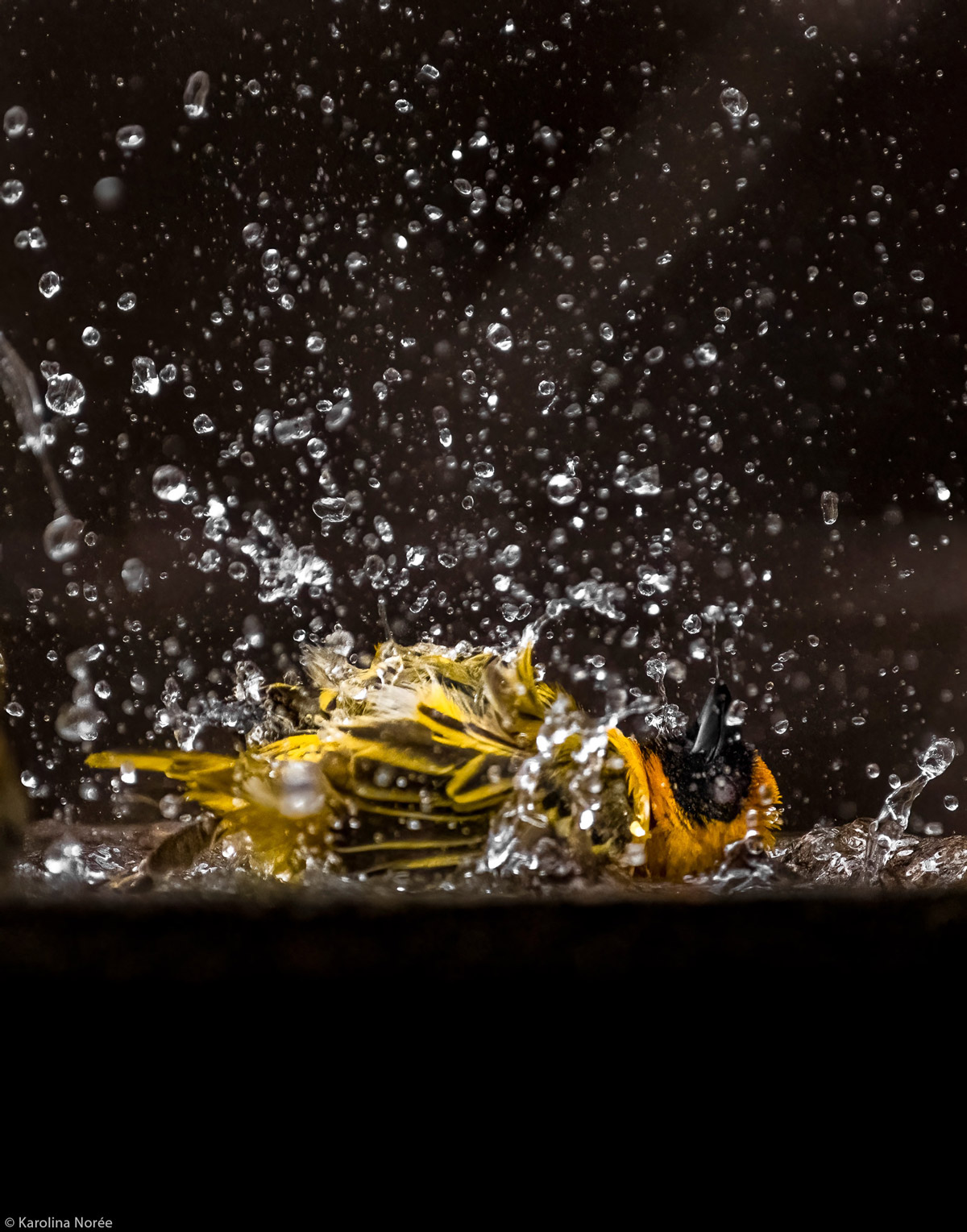
Africa Geographic Travel
Mutual antipathy – a Cape vulture drives a black-backed jackal off a food scrap. Giant’s Castle, Ukhahlamba-Drakensberg World Heritage Site, KwaZulu-Natal, South Africa. © David Allen
An unusual bath time. Amboseli National Park, Kenya. © Darcy Shelanskey
Caerostris sexcuspidata (common bark spider) builds some of the biggest webs in the world. Newlands Forest, South Africa. © Christian Brockes
‘I don’t care if you were here first’ – a bateleur takes on a white-headed vulture. Kruger National Park, South Africa. © Bomber Kent
An eland goes the way of all flesh courtesy of a lone lioness. Kgalagadi Transfrontier Park, South Africa. © Andrew Aveley
Up close and personal with an African rock python. Welgevonden Game Reserve, South Africa. © Michael Raddall
I keep an eye on you – baby flap-necked chameleon. Balule Nature Reserve, South Africa. © Anna-C. Nagel
An evocative Eastern Cape winter. Kariega Private Game Reserve, South Africa. © Andrew Aveley
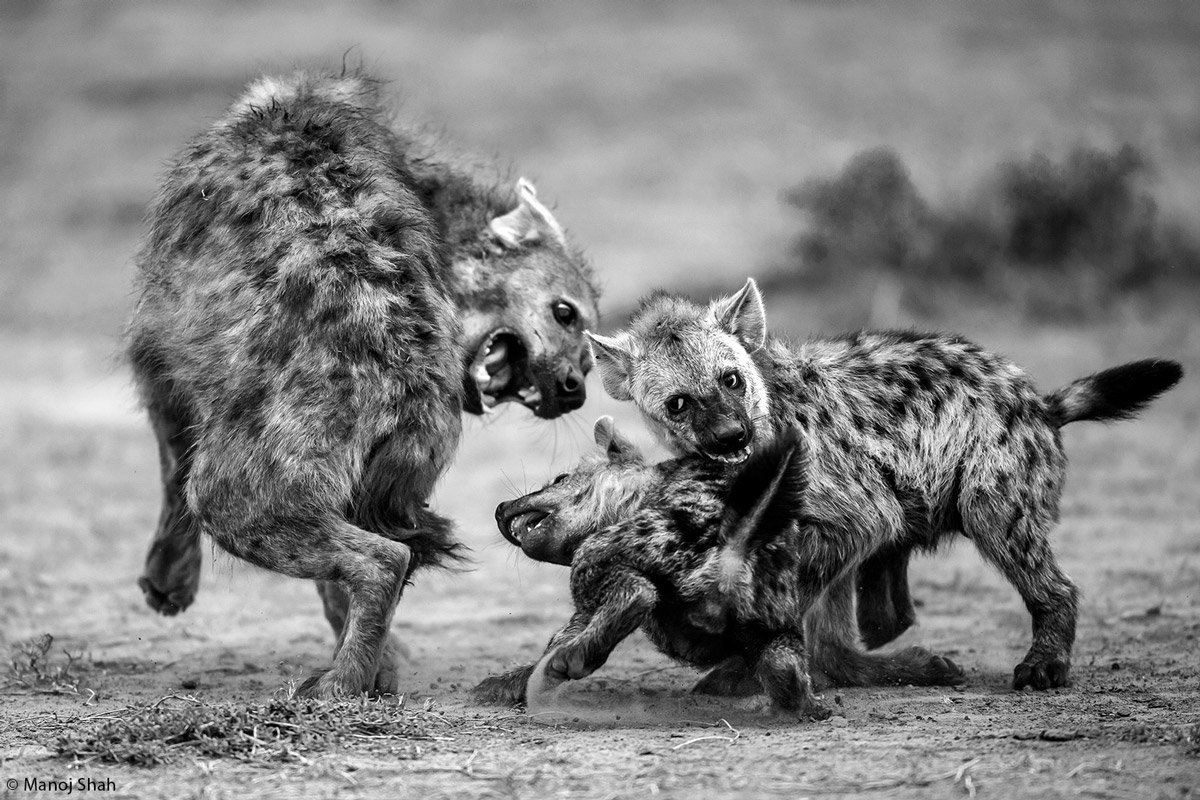
The rhino Cryovault – frozen in time

The rhino Cryovault is a biobank that holds the largest genetic repositories of rhino DNA, gametes, and tissues in the world; frozen and preserved indefinitely. What does it mean to save a species? What happens if, in the absolute worst-case scenario, we fail? While Hemmersbach Rhino Force is doing everything in their power to make sure that does not happen, they do have one last ace – the rhino Cryovault.

In every cell of every organism, from the smallest bacterium to the hugest blue whale, four unique, organic molecules (nucleic acids) are arranged in their millions to form a genetic blueprint that dictates the organism’s – shape, potential size, dietary needs, reproductive proclivities, propensity for language, eye structure – the list is nearly endless. Within the DNA double helix, this code holds most of the secrets to the diversity of life as we know it. Every time a rhino is poached, an entirely unique genetic fingerprint is lost.

Clockwise from top left: An endangered black rhino; a southern white rhino calf; a black rhino – not impressed

What is genetic diversity?

The term “biodiversity” has become very popular since first introduced in scientific publications of the 70s. By now, most people understand that the foundation of conservation rests on protecting biodiversity. Biodiversity refers to the variety of species in an ecosystem, their ecological complexes and their interactions within an ecosystem. The third level of biodiversity is a measure of the variety of genetic characteristics within a species – genetic diversity.

It should be relatively self-explanatory why genetic diversity is of fundamental importance to the survival of a species. In the long-term, genetic diversity underpins one of the cornerstones of evolutionary theory. Genetic differences translate to certain traits that allow some organisms to breed more successfully than others – survival of the fittest. Greater genetic diversity within a species enables adaptation to changing environments  (think climate change) and confers greater disease resistance to the species as a whole.

Conversely, as individual numbers of a species decrease, inbreeding will result in a loss of genetic diversity, which will decrease a species’ robustness in the face of new challenges (parasites, climatic changes etc). Inbreeding can also cause ‘inbreeding depression’, which is the reduced biological fitness of a population. This can lead to severe genetic defects, reduced fertility and even infertility. In essence, when humans decimate biology (animals, plants, mushrooms etc), we are not only destroying individuals and their potential genetic legacies, but we are also reducing the species’ capacity to recover and overcome adversity.

rhino Cryovault
The Rhino Force team at work


Africa Geographic Travel

Hemmersbach Rhino Force

Enter Hemmersbach Rhino Force, a direct action conservation organisation dedicated to safeguarding Africa’s remaining rhinos. Their anti-poaching services are provided free-of-charge and utilise a combination of innovative tactics, cutting-edge technology and old-fashioned boots-on-the-ground to tackle wildlife crime in Southern Africa. Rhino Force is operational in the Greater Kruger region (where some 50% of poaching events in Africa occur). They work with local authorities, private entities and anti-poaching operations on everything from surveillance and intelligence to proactive prevention and forensic work. In addition, their Zambezi Black Rhino Project in Zimbabwe is geared towards restoring a wild haven for the reintroduction of black rhinos, once abundant before poaching devastated their numbers.

Rhino Force’s holistic approach to protecting rhinos includes extensive work with local communities, promoting education and employment and tackling anti-poaching through anti-poverty strategies. Improving living conditions, restoring and equipping schools, litter removal, and supporting community engagement are just some of the initiatives that the Rhino Force has thrown their weight behind.

However, the sheer severity of the rhino poaching crisis prompted the creation of the Hemmersbach Rhino Force Cryovault in 2018, a biobank of vital biomaterial including DNA and viable sperm.  As unsettling as it is, we must face the reality that we may not be able to stem the tide of poaching. This proactive approach is intended to create a genetic backup before it is too late.

The Cryovault field laboratory

The Cryovault and Veterinary Unit

The Cryovault team consists of Dr Imke Lüders, a specialist veterinarian from Germany and Dr Janine Meuffels, a veterinarian from South Africa. The team members all have long-standing backgrounds in animal reproduction and wildlife medicine. They are, at present, the most experienced team in Africa at executing large-scale gamete conservation projects. Together, they have successfully collaborated in collecting semen from elephants, giraffes, and rhinos, from both live (intra-vitam) and deceased (post mortem) animals in wild and captive situations.

As with any other Rhino Force projects, the Cyrovault is not a commercial operation. Instead, it provides specialist veterinary wildlife reproduction and biotechnology support services to other scientists, veterinarians and their clients. The laboratories are equipped with the resources necessary to evaluate gametes’ viability and store tissues, gametes, and DNA indefinitely through cryo-preservation.

rhino Cryovault
Inside the Cryovault laboratory

The ART of reproduction

Assisted reproduction technologies (ART) including artificial insemination, in-vitro fertilisation and embryo transfer are techniques that have been used successfully for years, particularly in the agricultural industry with livestock. There is a perception that because these techniques have been so effectively applied in both humans and livestock, it should be simple to transfer them to wild species. However, this is far from the case. Every species has evolved a unique anatomy and reproductive physiology. Successful ART requires extensive research and the development of species-specific protocols. Unravelling secrets of ART for the African rhino species is the calling of the Cryovault team.

Theriogenology – which concerns the study of veterinary reproductive medicine and surgery – is a field subject to continual refinement. Conservation-minded reproductive specialists are continually searching for ways in which these techniques can be used to balance the odds for threatened species. Viable semen has been collected and cryopreserved, leading to successful artificial insemination (using both fresh and frozen semen) of elephants, giraffes, and southern white and Indian rhinos. However, most advancements in wild species have been made in captive settings where scientists have unrestricted access to the animals.

The Cryovault team continues to offer tremendous contributions to this knowledge base, and in 2020, they collected, processed and cryopreserved free-ranging (wild) black rhino sperm samples – a world first. They have teamed up with Eastern Cape Parks and Tourism Agency (ECPTA) for a three year project to collect and store samples from as many black rhino individuals as possible.

Where rhinos are concerned, the Cryovault team’s approach to gamete collection is largely opportunistic currently. When a live bull rhino is anaesthetised for a routine process such as a dehorning or ear notching, the team applies a low-voltage stimulation to the prostate gland in a process known as electroejaculation. In the case of poached, hunted, or euthanised animals, the testes are harvested in their entirety. Once the samples return to the lab, the viability of the sperm is tested and, if shown to be suitable, it is transferred to sperm straws and frozen using liquid nitrogen. It is even possible to separate the sperm cells according to whether they carry an X or Y chromosome, thus controlling the sex of potential offspring.

The process of ovum (egg) collection from a live female rhino is known as an ovum pick up. This is a highly specialised technique and requires the regulation of several physiological factors. The team can also harvest oocytes from deceased animals, but with only a six-hour window in which to do so. This is logistically complicated – with a low success rate.

The Cryovault field team harvesting semen for analysis and storage


Africa Geographic Travel

Managed wildlife breeding – a conservation tool

What does this science mean for the future of our rhinos? The reality is that there are few self-sustaining wild rhino populations left throughout the world. In South Africa, home to most of Africa’s rhino, roughly a third are privately owned. Most of these populations are already intensively managed. Suppose the captive growth rate, and the poaching rate continue along the same trajectory. This eventuality could quickly shift the proportion of privately-owned rhino to 50%. The onus will be on private owners to protect the remaining rhinos. Intensive breeding management programmes are an inevitable part of a survival plan for a species approaching the brink. Accepting that rhinos are on that list must happen sooner rather than later.
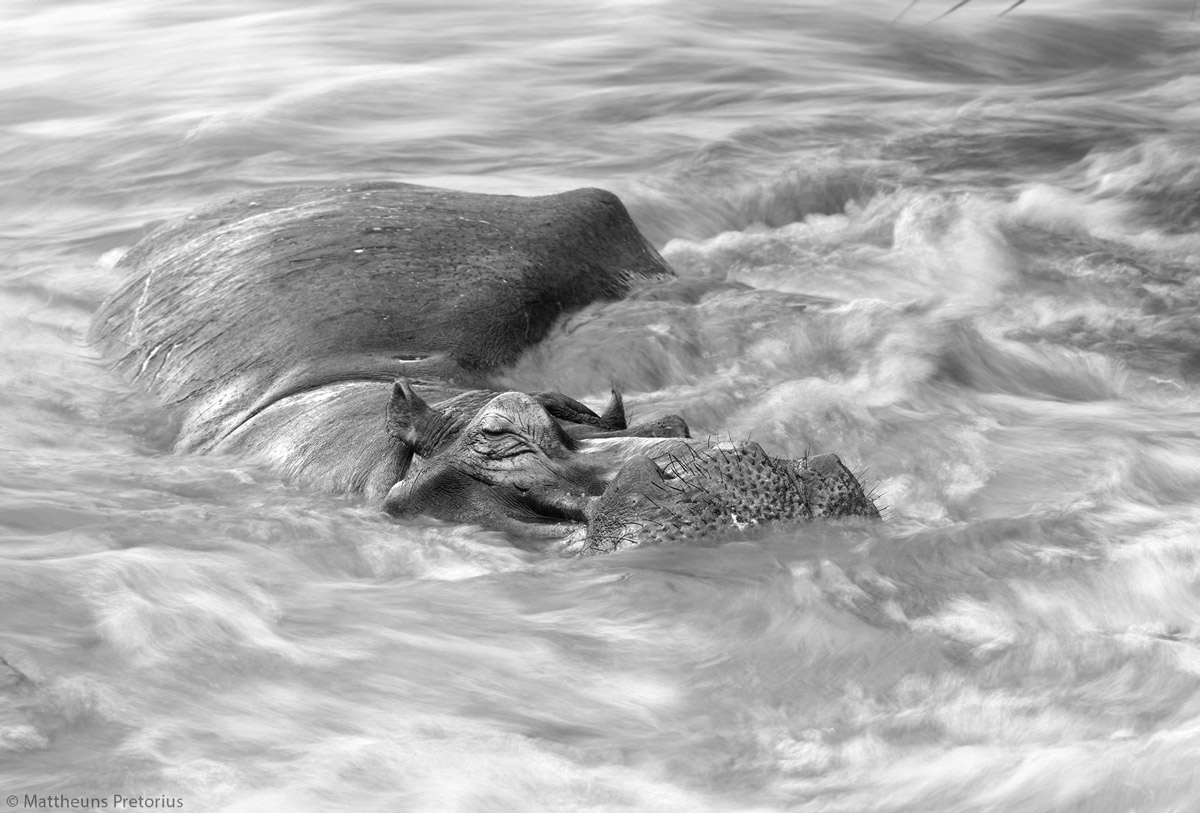
One of the primary objectives is for the Cryovault facility to be the largest of its kind for African rhino genetics. This massive archive will contribute enormously to DNA population genetics research and act as a reference database for the species. Most importantly, it can be applied to both current and future rhino breeding. Expanding our collective knowledge of rhino reproductive physiology, gametes’ parameters and developing protocols for successful, repeatable methods of assisted reproduction that can be applied to rhinos, is of paramount (and urgent) importance.
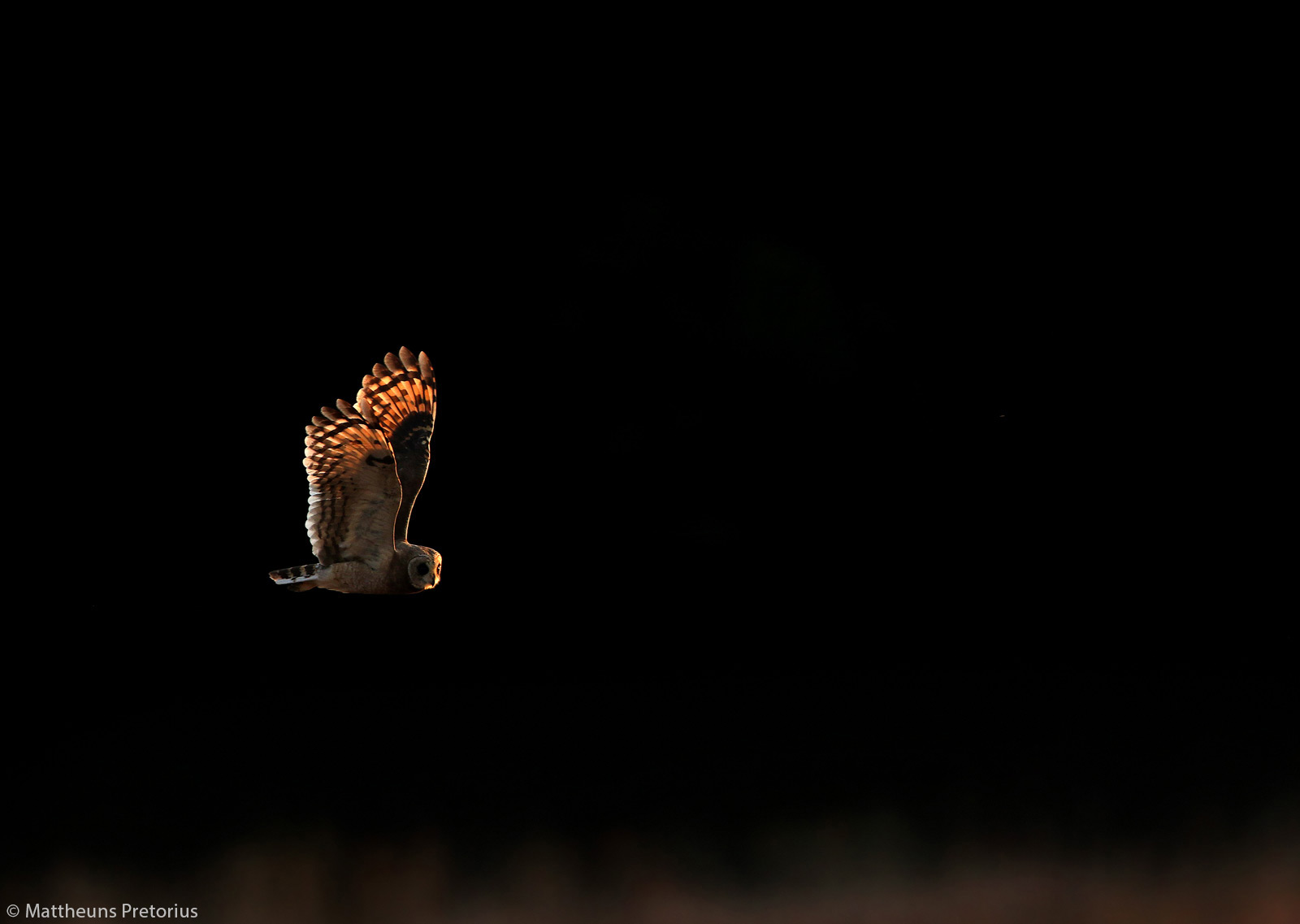
Back from the brink (again?)

In the past, the call for reproductive specialists to save a species on the brink has generally come far too late, when just a few individuals of the species remain. Developing appropriate techniques and protocols at this stage is impossible, and the rhino Cryovault team is entirely focussed on ensuring that this time, the approach is a proactive one.

While it may be impossible to freeze time, the Cryovault offers the next best thing – a way to ensure that, in the worst-case scenario, we can preserve some of the genetic legacies of our rhinos before they are lost forever.
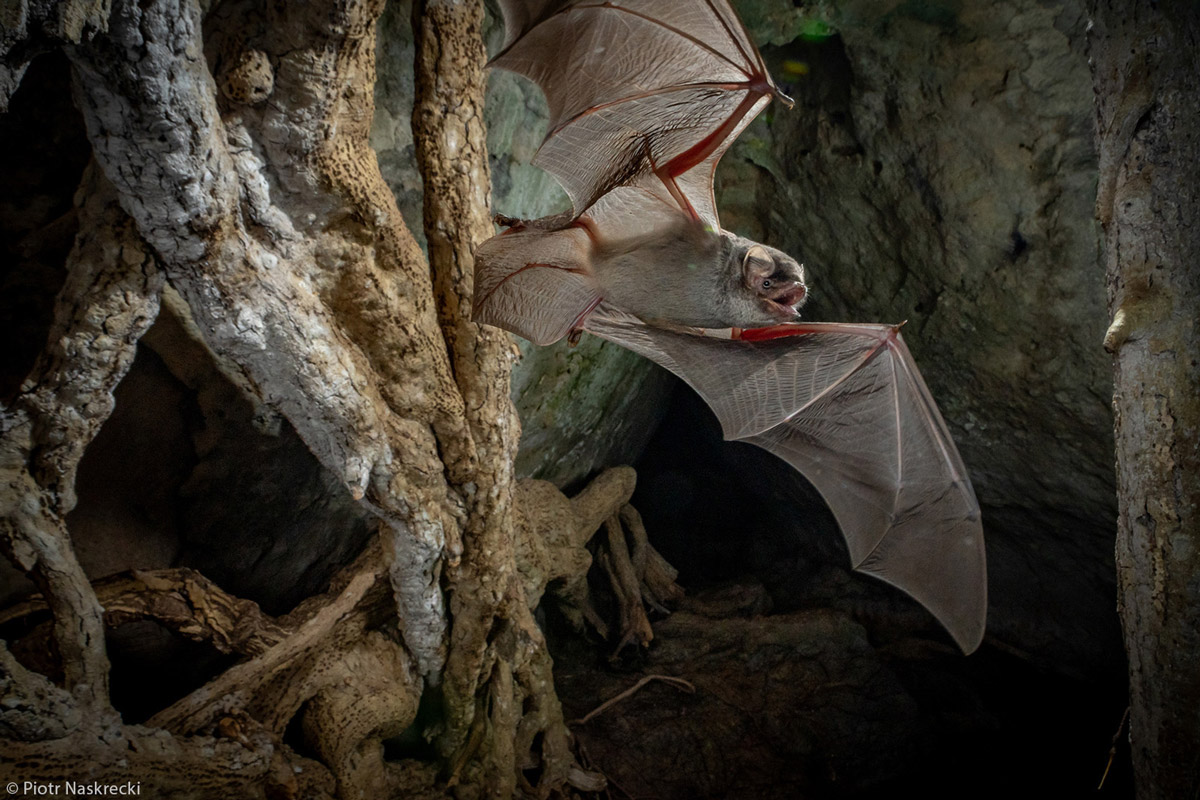
 

[Hemmersbach Rhino Force is one of the two direct action projects of the social purpose IT company Hemmersbach, driven by a desire to fight injustice where authorities fail. Hemmersbach does this through Direct Action: their projects and actions are purely self-financing and reliant on the commitment of their team members, without the need for external donations. Hemmersbach is committed to using 20% of the company’s annual profits for these Direct Action projects, directed towards a good cause with the assurance that this revenue is focused where needed.]

Africa Geographic Travel

Do fences stop elephant migration in Botswana?

We asked Botswana-based wildlife veterinarian Erik Verrynne to shed light on the issue of whether fences prevent elephant migrations and restrict their movements in northern Botswana. This clarification is required after this research paper ‘The 2020 elephant die-off in Botswana’ by van Aarde et al, on 11 January 2021 [1] and our  summary . In it, the authors claim that fences are an underlying cause for the elephant mortalities in NG11/12 (Botswana) in 2020.

fences stop elephant migration
Map of the affected Seronga region (courtesy, the African Elephant Specialist Group)

Wildlife vet Erik Verrynne:

Introduction

The scientists used movement data from 13 collared elephants in the Seronga area between 2003 and 2006 to prove that the elephant population is unable to cross barriers formed by surrounding fences, deep-water channels of the Okavango River and human activity (harassment).

  • The study concluded that the ‘boxed-in’ effect created by the boundaries prevent elephants from migrating to other areas during times of food pressure, or from regularly reaching the fresh water of the Okavango River.
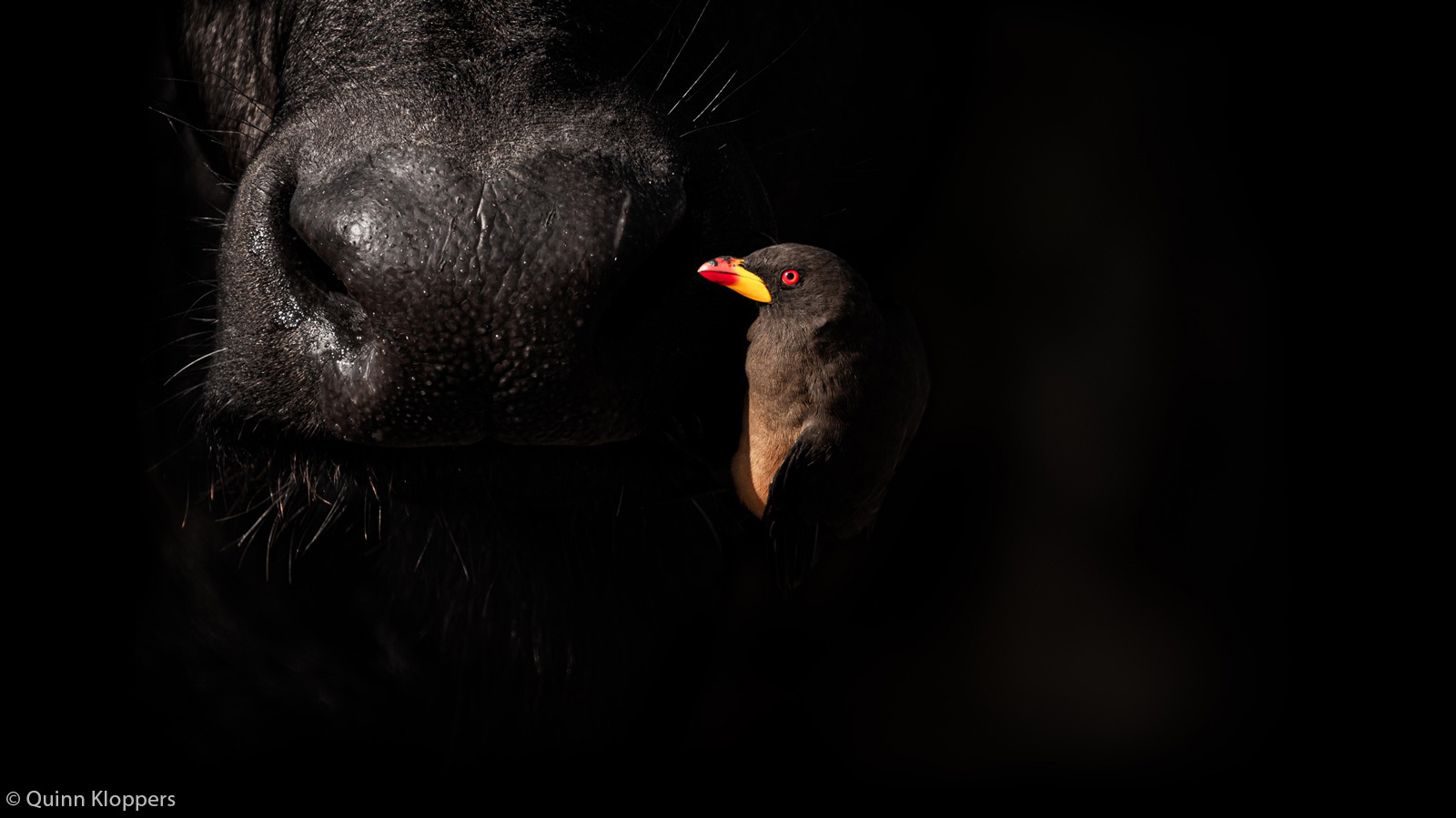
  • The elephants are therefore forced to drink the stagnant water of the waterholes which increases stress and the risk of drinking pathogens such as cyanobacteria toxins or infectious agents.
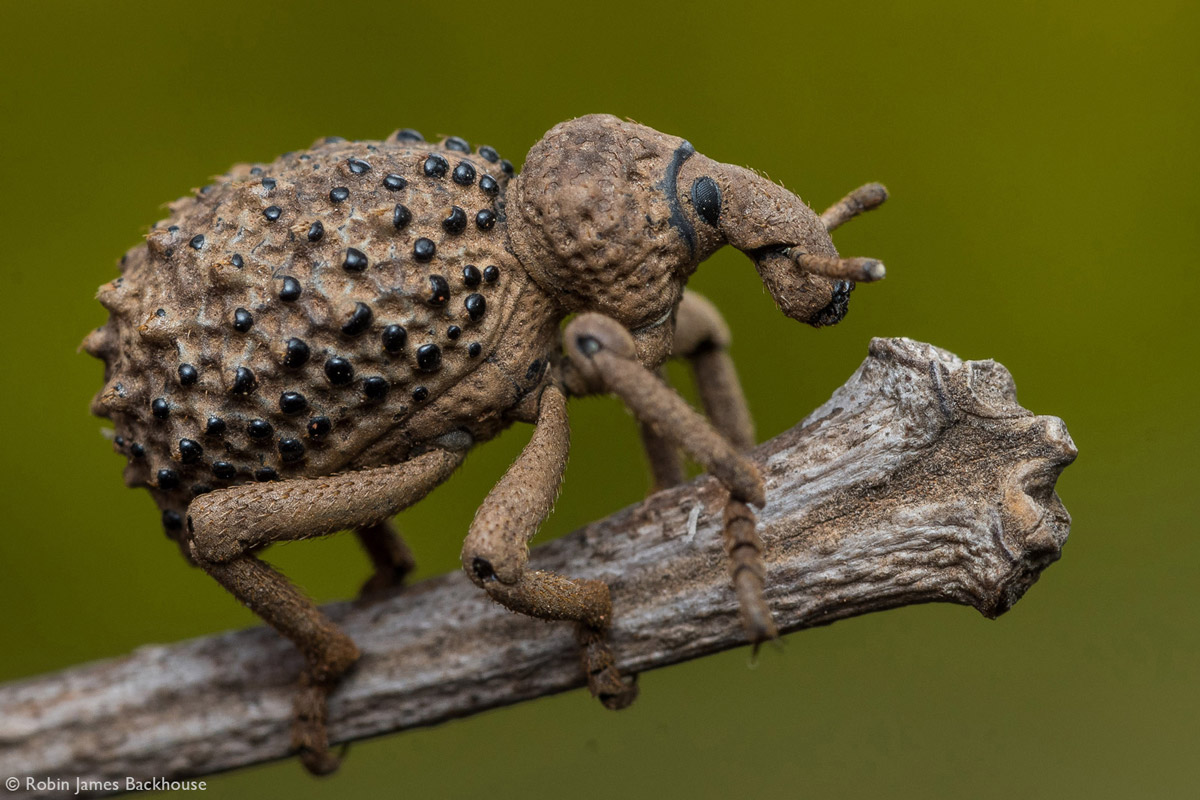
  • The underlying stress in a growing, boxed-in elephant population is a potential cause of increased disease susceptibility and contributed to the die-offs.
  • They postulate that the ‘boxed- in’ effect would have enhanced the fast spread of the agent within the population but prevented the spread to other populations outside the Seronga area.

The article places the die-offs and the underlying ecological drivers within the context of the resistance hypothesis and the metapopulation theory by proposing the realignment of veterinary fences to promote dispersal.

Botswana relies on the dispersal of elephants into the Kavango-Zambezi Transfrontier Conservation Area (KAZA) to reduce its large elephant population. At the same time, it is trying to prevent cattle contact with potentially disease-spreading cloven-hoofed wildlife species in order to protect beef export markets. More than 20% of the elephant population in Botswana shares land with subsistence beef and crop farmers where fences are used to protect cattle against disease. The Seronga area, with 15 000 elephants, is an area where both elephant crop damage and disease restrictions have socio-economic implications for the communities.

The potential of commodity-based trade is currently being investigated in Seronga as an alternative to veterinary fencing. Additionally, the Government of Botswana (GoB) has been looking into designs of species-specific targeting fences, while NGOs are working hard on programmes such as Ecoexist to promote coexistence between communities and elephants.

Despite all efforts, the dispersal of elephants away from Botswana as a long-term solution remains a challenge. Figures released by GoB indicate that only about 20% of the large KAZA elephant population is dispersing freely between countries, mainly between Botswana and Zimbabwe. The challenges are further illustrated by dispersals deeper into Botswana during the drought of 2017/2018 rather than into neighbouring range states.

fences stop elephant migration
Clockwise from top left: One of the 2020 mortalities; carcass on the flood plains May 2020; remnants of the 2020 die-off

What is causing the resistance to dispersal and do fences and channels play a role?

The reasons for the low dispersal levels in many areas seem to vary. Proposed solutions follow a large-scale approach based on general assumptions, often ignoring local factors.

The article suggesting that fences facilitate elephant deaths illustrates the challenges we face. Remote sensing data is used to postulate drivers and causes, and to offer solutions, while local knowledge or fieldwork critical to verify the collected data is ignored.

The fences around the area are the double veterinary border fence between Bwabwata NP in Namibia and the Seronga area of NG11/NG13 in Botswana, and the northern buffalo fence. The latter fence was erected in 1995/96 to prevent the spread of contagious bovine pleuropneumonia (CBPP) that came across from Namibia.  CBPP was declared under control in 1998 only after the mass slaughter of 320,000 cattle.

Albertson (1998) reported how the northern buffalo fence cut off migratory patterns of zebra and elephant, causing the death of migratory species and even an elephant cow and calf. The original fences consisted of sturdy 1,2 m – 1.4m high wooden posts and intermediate wooden droppers connected with strands of steel wire and a single strong steel cable to strengthen it against elephant damage. At the time the fences were regularly maintained to prevent the crossing of any cattle or buffalo.  After CBPP containment and the subsequent removal of the Setata fence in 2003, seasonal migrations of wildlife across the removed fence resumed. Therefore, in some cases, fences can present effective barriers to elephants.

The authors of the article stated that the fences in question are still being maintained and therefore present impermeable barriers to elephants wanting to disperse.  A quick visit would have immediately shown that this is not the case.  Even the current condition of the international boundary fence is not capable of blocking the movement of cattle or buffalo in certain places although in general, it appears much sturdier than the northern buffalo fence.

Over the last few years, I have visited different parts of the fences in question with the exception of the western section of the international boundary near Mohembo, and the section of the northern buffalo fence from the Selinda gate to the north through NG13.

Africa Geographic Travel

The sections of all the fences I visited had gaps where the fence was either on its side, or most steel wire strands and wooden intermediate droppers were missing. In many cases, the connecting steel cable was on the ground, covered by vegetation. Elephants and antelope were crossing the northern buffalo fence at will while I saw tracks of a few solitary elephants crossing the double vet boundary with Bwabwata NP.

The presence of active photographic tourism lodges and sporadic patrols by the Botswana Defence Force may account for the fact that there is reportedly little poaching in NG12. Neither the fences nor the small amount of human activity on the southern boundary are likely to restrict the movement of elephants out of the Seronga area.

Realignment of the current veterinary fences, even removal of the international boundary fence would not, in my opinion, have a significant impact on, or resolve future cases of disease outbreaks in elephants in the area as claimed by the authors.

Elephant reluctance to move across the deep channel at Seronga remains a mystery. Elephants along the Chobe River cross deep water at will. We regularly see bulls and family herds crossing over onto the sinuous islands, wading chest-deep across the deep channels around Kadizora and Xanaxara. The reluctance to cross water may simply be driven by individual behavioural preferences.

fences stop elephant migration
Clockwise from top left: A section of border fence pushed over by an elephant crossing; elephant tracks crossing the border between Botswana and Namibia; fences destroyed by water; an elephant on his way to crossing the northern buffalo fence

If it is not the fences, why are the elephants not moving?

Verifying the movement data to see if the elephants are indeed not moving out of the Seronga area should be the first reaction. Unfortunately, it is difficult to see if the presented data support the statement of a ‘boxed in’- effect.

The authors present data of only 13 elephants within the Seronga and adjacent areas between 2003 and 2010 while reference to 25 more collared elephants was not supported with data and therefore could not be considered. Therefore, the lack of access to raw and other referred movement data, and the historical nature of the data makes it difficult to place the claims in perspective.

However, other collaring data and anecdotal evidence and observations confirm the lack of mass dispersals of elephants in and out of the Seronga area. Local seasonal movements between food and water sources inside the Seronga area by a large part of the population and very localised seasonal movement of small numbers between NG12 and NG16 are regularly-reported occurrences.

Dispersal does not happen spontaneously. It must be driven by a catalyst usually generated by a change in resources, environmental conditions, or threats strong enough to elicit a group response and overcome memories of any previous hindrance. The response must have the potential to correct or improve the situation both to the individual and the population.

Thirst is a major driver for elephant migrations or dispersals. The restricted access to water is acknowledged in the article in supporting the need to disperse. However, the authors failed to consider the opposite situation where sufficient key resources and safety may nullify the sustained pressure to disperse. In short, the elephants may not want to move because the food, water and shelter is enough for most of the year, while the conflict and harassment by people is short-lived and can be mitigated without the need to migrate.

fences stop elephant migration
Clockwise from top left: elephants entering the Terminalia woodlands in the dry season; elephant highways fanning out across the impact zone in the dry season; eating mopane in the dry season; crossing the impact zone during the drought

How sustainable are the key resources?

Key resources in the Seronga area are provided by both the seasonal floodplains, long sinuous islands, and the woodlands.

NG12 is the area to the south of the line of fields and villages and is covered by the seasonal floodplains which vary in width from 3 to 10 km.  Across the floodplains NG 12 transitions into a series of long sinuous islands. It ends in the sandy Kalahari apple leaf islands and shrub mopanes towards Vumbra Plains (NG22) in the south, the reedbeds of the deeper channels of NG23 to the southwest and mopane belts to the east into NG16. Many circular islands on the seasonal floodplains accommodate a variety of large riverine forest trees, with jackal berries (Diospyros mespiliformis) and water berries (Syzygium cordatum) providing much sought-after fruit in late winter and early spring. The browse potential for elephants on the circular islands is relatively low and during the dry season, some herds cross over the seasonal floodplains onto the long sinuous islands in search of food.

The most important resource on the seasonal floodplains is therefore fresh water during the dry season of May to October, and during droughts. Water in the woodlands is only available at the latest up to July. The river starts flooding the floodplains at Gunistoga in late March or early April, retracting in June but water in large pans and deep channels remains, sustaining the elephants, wildlife, and cattle until thunderstorms provide water in the north again. While the Okavango River is flowing, the channels provide water, and the floodplains remain the most important sustainability factor during drought. The woodlands to the north in NG11/ NG13 and long sinuous islands to the south provide the other key resources.

The major impact zone is the line of fields and villages along the road and banks of the floodplains where 16 000 people live in 13 villages and numerous settlements. Fields for subsistence crop farming stretch up to 15km, but on average about 6km from the villages towards the woodlands in the north.

Once past the 10 to 15km impact zone, the woodland vegetation transitions into a mosaic of deciduous broad-leaved trees in the deep Kalahari sands, alternating with more claylike soils, where a combination of shrub and cathedral mopane dominates. The woodland vegetation is lush and dense during the wet season but most of the trees lose their leaves at the height of the dry season (July, August and September). As result, a part of the elephant population crosses the floodplains to the sinuous islands where they feed on a variety of trees and mopane shrubs.

The largest part of the elephant population switches back to remain in the woodlands almost immediately when the first thunderstorms fill the pans. Only a small part of the population remains close to the impact zone, drinking from the water on the floodplains. They remain invisible most of the time, their tracks crossing the main road at night as they move between the nearby browse and the waterholes on the floodplains past the fields and villages.

Numerous waterholes or pans formed in the clay soils of the mopane woodland fill during the rainy season between November and April and provide water to the wildlife and livestock that move north into the woodlands for the wet season.

It is some of these waterholes that were implicated as sources of the cyanobacteria toxicity in the mortalities amidst much speculation.  However, indications are that mortalities had already started in March when it was still raining, while some carcasses were found in flowing water on the floodplains. Both conditions are less favourable for algal blooms. In my opinion, the true cause of mortalities remains unknown and open to speculation.

Overlapping and sustained utilisation by elephants, other wildlife, people, and livestock, have created the high-impact utilisation zone with many trees destroyed and mopane reduced to shrubs. This zone represents high risk and low resource use to the elephants in the dry season because they are forced to cross the zone daily between available resources. Risk is avoided by moving mainly at night and at speed, using elephant highways and the 13 corridors demarcated by Ecoexist as known routes past the field and village lines. By this time, crop harvesting has fortunately finished. By mid-May, most fields are empty. (Crop raiding happens from January to mainly April and seems to involve a small part of the population that remains close to the impact zone.)

fences stop elephant migration
Clockwise from top left: enjoying the waterholes during the rainy season; lush woodlands in the north during the wet season; a herd on a ‘long sinuous island’; typical circular islands on the floodplains near Eretsha

Why are they not dispersing during the drought and will elephants eventually move?

Elephants are hindgut fermenters that digest cellulose in their massive colons. This evolutionary adaptation does not need quality feed, but quantity – something the high-biomass mopane and apple leaf areas can provide in abundance. The adaptation also allows them to utilise twigs, branches, and bark in the absence of leaves during the dry season or drought. They can push tree resources beyond normal resilience thresholds to levels of advanced deterioration before it negatively affects the nutritional intake values, provided the elephants have access to enough water.  The thermoregulatory needs of such large animals when ambient temperatures are high, also necessitate water. Elephants are able to travel more than 20 km a day between food and water, an ability that mitigates their water dependency during droughts.

Drought, impact from an increasing elephant population, and an increase in human utilisation of resources around village lines in the impact zone, are causing deterioration which is gradually widening the impact zone into the woodlands, onto the floodplains and even onto the fertile long sinuous islands. Eventually, it may reach a threshold where the abilities of the elephants to negotiate the distances to water, and the increased conflict-related harassment will be sufficient to drive dispersal or migration. Only then is it likely that they will consider moving closer to the water resources of the Linyanti, Kwando or Zambezi Rivers.

The dispersal thresholds are unknown, as the resources appear to be more resilient than the tolerance of the villagers. The ensuing conflict may burst the dam wall long before the resources give in. Managing co-existence is a challenge for Botswana

For now, the elephants seem to be staying. Not because of fences or deep-water channels, but simply because the available resources suit them.  Alternative key resources may not be close enough, and they may have adapted local strategies to mitigate droughts and human conflict risks. Drivers or memories of good places far away may not be strong enough to justify dispersal despite disease or harassment. Memories of some of the old barriers is still strong enough to remove the immediate need to move to other unknown areas.

The behaviour of the Seronga area elephants raises some questions about our theories on the metapopulations and dispersal within KAZA. Maybe it is time to acknowledge that elephants exert a choice based on the available resources or even memories of what appear to be boundaries. Our expected thresholds on resource utilisation may be wrong and elephant migration preferences may be more localised. Promoting dispersal across KAZA may require stronger drivers than simply removing fences. Elephants may consider our proverbial grass as not always greener on the other side of our fences.

top: crossing the floodplains to the water October 2019; bottom: enjoying the relief of water after a long walk

About the author

Erik Verrynne is a veterinarian and agricultural consultant who been working in Botswana since 2003. He is a wildlife and livestock vet with an MPhil in wildlife management.


[1]van Aarde RJ, Pimm SL, Guldemond R, Huang R, Maré C. 2021. The 2020 elephant die-off in Botswana. PeerJ 9:e10686

CEO note: Diamonds, rhino horn and elephant auctions

CEO note
Common dolphins frolicking in the waves on a cold winter’s morning. Near Knysna, South Africa. 2021 Photographer of the Year entrant ©Andrew Aveley

CEO NOTE: 05 March 2021

This is a copy of our weekly email newsletter. Subscribe here to receive the newsletter.


Here’s something for us all to think about: One is made of compressed carbon and the other of compressed keratin. And yet, both are highly valued as status symbols because manipulative marketing campaigns have duped humans into believing the fairytale. Both are extracted at massive ecological cost amidst a plague of bloodshed and criminal activity where a few individuals scoop the financial windfall, and others pay the price. Think about that next time you check out that diamond or criticise someone who does the same with rhino horn—mea culpa.

The on-off journey continues! Distressing news is that the green light has now been given for large-scale open-pit mining in Zambia’s Lower Zambezi National Park. This saga has so many twists and turns it’s tough to keep up! Don’t get me started.

Keep the passion

CEO note


Simon Espley – CEO, Africa Geographic


From our Editor-in-Chief

The saga of the Namibian elephant auction continues. The auction is complete but it is unclear who has bought the elephants, how many were sold or where they will go. There has been widespread anger and criticism from various armchairs, keyboards, conservation NGOs and journalists. The Namibian Ministry of Environment Foresty and Tourism, meanwhile, has taken exception to the auction being portrayed as a corruption-driven scam and painted many objections as the hysterical rantings of people utterly bereft of on-the-ground realities. In our first story below, Gail Thomson, an independent Namibian environmentalist, reviews the reasons for the sale.

After that rather heavy yet necessary read, our second story below will have you daydreaming of being suspended in the verdant forest canopy of the Albertine Rift; the ancient cacophony of screeching primates and avian choirs lulling you to peace. Nyungwe National Park in Rwanda is home to bird megaticks, breathtaking vistas, waterfalls, trails and rare primates. There are options for all budgets so sit back and immerse yourself in the mystical magic of the forest.

Finally, the eighth week of celebrating the beauty of Africa through our Photographer of the Year, which carries a prize of 10 000 USD and a six-day safari to Khwai in Botswana. Enter here. Remember you don’t need a boat-load of obscenely expensive kit to take a good pic. You might even be lucky with your phone! Your image needs to tell a story and evoke an emotion.


Story 1
JUSTIFICATION?
Namibian elephant auction: The background, context, and reasons provided for the controversial sale by auction of 170 wild-caught elephants

Story 2
WONDERLAND
Nyungwe National Park is one of Rwanda’s best-kept secrets – a magical tract of montane forest bursting with extraordinary biodiversity

Story 3
BEST PHOTOS
Week eight of our 2021 Photographer of the Year


DID YOU KNOW: Springhares are biofluorescent under UV light – the first documented case of biofluorescence in an Old-World placental mammal.


WATCH: Baby elephants rescued from the mud in Mana Pools, Zimbabwe at the height of an extended and recently-ended drought. (2:45)


Photographer of the Year 2021 Weekly Selection: Week 8

Our Photographer of the Year 2021 is open for submissions, with cash prizes of US$10,000 for the overall winner and the two runners-up. They and their partners will also join our CEO Simon Espley and his wife Lizz on the ultimate private safari in Botswana.

The competition runs from January to June 2021. Get your entries in now and join us in celebrating Africa! Proudly brought to you by Hemmersbach Rhino Force and Natural Selection.

Here are the best submissions for this week 

A spotted hyena youth enjoys rolling on his massive meal. Madikwe Game Reserve, South Africa. © Danielle Carstens
An orphaned elephant exerting independence with his milk bottle.The David Sheldrick Wildlife Trust’s Ithumba Reintegration Unit, Tsavo East National Park, Kenya. © Ana Zinger
Cheetah cub with elephant dung toy. Chitabe Concession, Okavango Delta, Botswana. © Paula Scherbroeck
Northern black korhaan standing proud. Rietvlei Nature Reserve, South Africa. © Ernest Porter
An unimpressed serval mum rescues her sodden kittens from their inundated den. Maasai Mara National Reserve, Kenya. © Anne-Françoise Tasnier
Claiming or possibly stealing his prize. Addo Elephant National Park, South Africa. © Antionette Morkel
Africa Geographic Travel
A Cape white-eye observes from some Agapanthus flowers. Kirstenbosch National Botanical Gardens, Cape Town. © Braeme Holland
Playtime. Young cheetahs giving their mother a hard time. Onguma Nature Reserve, Namibia. © Marcus Westberg
The elephants’ excitement on arriving at the pan each afternoon made me appreciate what I often take for granted…water. Etosha National Park, Namibia. © Corlette Wessels
Angry and intimidating. Chobe National Park, Botswana. © Danielle Carstens
A woman waits outside her hut for the sun. Lake Natron, Tanzania. © Hesté de Beer
Patient bush hyrax mum. Nairobi National Park, Kenya. © Dave Richards
Rain rejuvenates the woodland after a devastating fire. It’s difficult to say what the steenbok ram feels about the rain. Lower Sabie area, Kruger National Park, South Africa. © Dean Polley
Africa Geographic Travel
Brown-veined whites in the middle of their yearly migration. Okavango Delta, Botswana. © Shaun Malan
Something smells amiss. Rietvlei Nature Reserve, South Africa. © Ernest Porter
Something interesting out yonder. Kgalagadi Transfrontier Park, South Africa. © Danielle Carstens
Two young geladas looking for mischief. Simien Mountains, Ethiopia. © Hesté de Beer
Suckling in a forest of legs and trunks. Samburu National Reserve, Kenya. © Jane Wynward
African rock python being a tree python. Kruger National Park, South Africa. © Johan Musaus
A desert-adapted elephant cooling off in a spray of dust. Hoanib Skeleton Coast region, Namibia. © Lauren Cohen
Africa Geographic Travel
The unbelievable shoebill, one of the most peculiar birds in the world. Mabamba Swamp, Uganda. © Christian Passeri
A leopardess, undisturbed by the rain, scans the plains. Maasai Mara National Reserve, Kenya. © Paolo Torchio
A lonesome little chacma baboon watching the sunset. Chobe National Park, Botswana. © Danielle Carstens
The impressive valleys and dunes of the Hiddenvlei. Sossusvlei, Namibia. © Hesté de Beer
A Verreaux’s eagle carries a reluctant passenger before dropping it to be dashed on the rocks below. Langebaan Quarry, Cape Town. © Braeme Holland
Common dolphins frolicking in the waves on a cold winter’s morning. Near Knysna, South Africa. © Andrew Aveley
Wild dogs take revenge after this hyena pilfered their impala kill. Chitabe Concession, Okavango Delta, Botswana. © Paula Scherbroeck
Orange-breasted sunbird (male) strikes a lonely figure on a burnt protea. Rooi-Els, Western Cape, South Africa. © Paul Crosland
Poser. Male tree agama in full breeding colours. Satara, Kruger National Park, South Africa. © Rebecca Rowles
A male leopard takes refuge after snatching a hyena cub. The angry clan circled the tree, ripping off pieces of bark. The leopard eventually ate his prize. Khwai, Botswana. © Shaun Malan
Thirst and joy. Chobe National Park, Botswana. © Danielle Carstens

The story behind the Namibian elephant auction

This article was originally published on the Conservation Namibia website 

The recent decision by the Namibian government to sell 170 elephants has been met with public outcries, media articles full of unsubstantiated accusations and considerable confusion. In order to judge why this decision was taken and what other options could be available for these elephants, we need to consider the historical and current context, rather than simply assume the worst of the accusations to be true.

Towards the end of 2020, the Ministry of Environment, Forestry and Tourism (MEFT) announced their intention to sell a total of 170 elephants[1] from four different locations in Namibia (see map below). The stated reasons for the sale were increased human-elephant conflict[2] in the four areas, which has been exacerbated by the recent drought. In each area, the elephants to be taken were entire family groups (i.e. females and young) plus a few bulls. Those wanting to buy these elephants had to employ qualified Namibian game capture teams and move them to a suitably fenced private reserve in Namibia, or if they wanted to export them to another country, adhere to all CITES export and import requirements.

The four human-elephant conflict hotspots falling on freehold farmlands from which the 170 elephants would be taken, shown on inset map of elephant distribution across northern Namibia (darker green = higher densities). The south-eastern conflict hotspot is caused mainly by bull elephants moving from the far eastern population primarily during the wet season (the elephant counts are done during the dry season). Note that 31% of the elephant population in Namibia occurs outside National Parks, and all of target populations for removal are far from the international boundaries and are not part of the transboundary elephant population in the Zambezi Region. (Source: MEFT 2020)

The important points to note from the tender advert are MEFT’s insistence on taking whole family groups (rather than individuals) and their concern that the buyer and destination abide by national and international law. The requirements set forth here would weed out the unscrupulous buyers who would prefer to take young individual elephants that can be tamed (or broken) for the purposes of human entertainment. The requirements for proper fencing in Namibia are likely to ensure that the elephants do not simply start causing conflict in other areas of the country, or return to the capture location.

There are some details left out of the tender advert that are nonetheless crucial to understanding the thinking behind the decision. I have obtained a draft copy of a document called “An Overview of Elephant Conservation and Management in Namibia” that accompanies the Draft National Elephant Management Plan. This document details all of MEFT’s recent public consultations, past and present elephant research and monitoring, and approaches to reducing human-elephant conflict by MEFT and non-governmental organisations. The information contained in this extensive document (commissioned by MEFT, but prepared by an independent consultant) provides valuable insight into the reasoning behind MEFT’s intention to sell 170 elephants.

Understanding the historical context

The history of elephants in Namibia, as with most things in Africa, is tied up with the history of colonialism, war and land development. Rock art engravings reveal that elephants occurred throughout the country before waves of colonisers eradicated almost all of them in the southern half of the country during the 1800’s. The remaining elephants in the more remote northern regions were killed in high numbers by the South African military, colonisers, and local people in the mid- to late-1900’s. Severe drought in the north-west during the 70’s and 80’s added to the elephants’ woes in this region. Even elephants in Etosha National Park were not safe, and this population was eradicated in 1881, only to return 70 years later.

Around the same time that elephants were pushed out of the central parts of Namibia that are most suitable for agriculture, the land was settled and fenced. Today, these farms are still privately owned (known as freehold land), and the people living on these lands usually farm for commercial purposes with livestock or wildlife. The infrastructure on the livestock farms includes windmills and diesel pumps to provide water for cattle troughs and fences within livestock farms have been erected to manage livestock grazing. The farms that have converted to wildlife are fenced with high game fences to keep valuable wildlife in, and while internal fences have been dropped, water is still pumped for game species to drink (some of these species are particularly expensive, such as sable and roan antelope).

In the communal “homelands” established during apartheid, rural Namibians were dispossessed of their traditional rights to hunt and were branded as “poachers[3]” when they hunted to survive the severe drought of the 70’s and 80’s. Today, nearly 60% of these communal lands have been gazetted as communal conservancies[4], as a means for the people living there to regain their historical rights to using wildlife on their land. This programme has reduced elephant poaching tremendously, particularly by allowing people to benefit from photographic and hunting tourism.
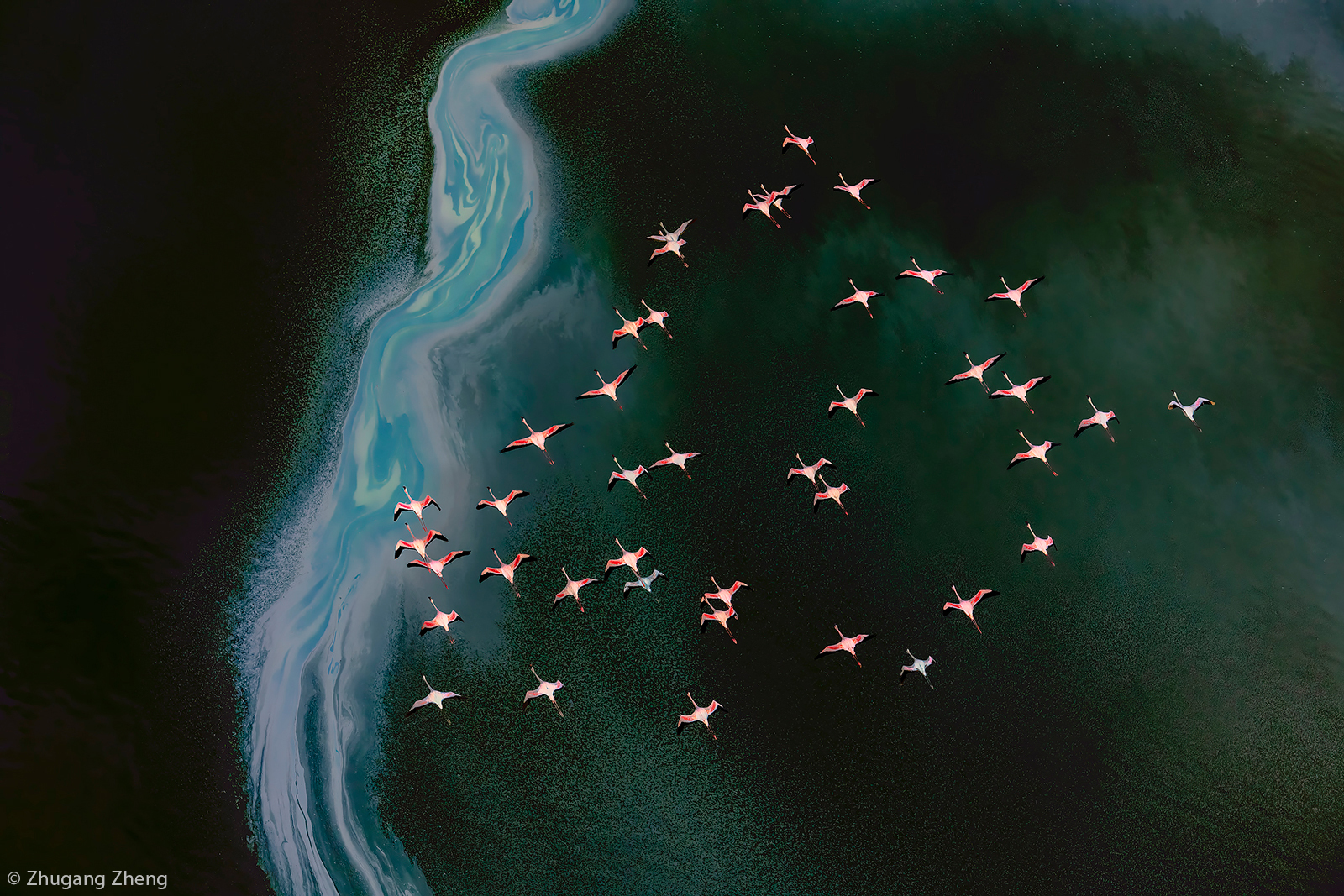
The current situation

A dam and gate destroyed by elephants trying to access water on the Kavango Cattle Ranch.

All of these historical details are necessary to understand the situation with Namibian elephants today. Elephants have not only recolonised Etosha, but have recovered in the communal conservancies in the north-western and north-eastern parts of Namibia. Until recently (1990’s and 2000’s), however, the freehold farmlands have remained free of elephants. The infrastructure mentioned above has thus been developed without the need to protect it from thirsty and often destructive pachyderms.

Human-elephant conflict is continuously managed in the communal conservancies by their game guards[5] and Event Book[6] monitoring system, and the Human-Wildlife Conflict Self-Reliance Scheme has been set up to assist farmers in communal areas that lose crops to elephants (note that water infrastructure is not covered). Further, the wildlife-based industries in conservancies create a direct link between elephant presence and benefits in the form of conservancy income, tourism jobs and elephant meat. While mitigating conflict will always be part and parcel of the communal conservancy programme, these efforts have generated a fairly high level of tolerance for elephants among conservancy members.

The human-elephant conflict that is addressed in MEFT’s tender for selling 170 elephants is targeted at elephant populations that have moved onto freehold farmlands from neighbouring communal lands and National Parks. Farmers that operate commercially are generally wealthier than their communal counterparts and elephants have been absent for many years on freehold lands. The government’s focus has therefore been to help poor communal farmers living with elephants in conservancies, but the recent drought has brought elephants back to the freehold lands they lived on 50-100 years ago. The elephants that arrived recently have found a land of plenty – water all year round (albeit pumped for livestock) and many large trees that have grown in their absence. More and more elephants have found their way onto these farms in the last few years as the drought has pushed them to search for greener pastures.

The damage to infrastructure by elephants dwarfs the crop damages reported in communal conservancies. During the consultations held for input into the Elephant Management Plan, several freehold farmers calculated losses amounting to N$ 100,000-200,000 (US$ 6,800-13,600) per year. Fixing a single windmill damaged by elephants costs N$ 30,000-50,000 (US$ 2,000-3,400). With an estimated 180 freehold farms affected by elephants, infrastructure damages could come to N$ 9 million (US$ 600,000) using a conservative estimate of N$ 50,000 per farmer per year. By contrast, the payments to offset the cost of crop losses throughout communal conservancies amounts to about N$ 2 million (US$ 140,000) per year.

This windmill that was broken by elephants will cost N$ 30,000-50,000 to repair.

Given the costs of living with elephants, it is unsurprising that the farmers MEFT consulted were requesting a solution. Urgently. Farmers suggested that MEFT reduce elephant numbers, allow elephant hunting to cover costs incurred, and assist with the costs of infrastructure repair and protection. The resounding cry from the consultations was: HELP!

Short-term options for helping farmers

The situation as it stands is untenable; doing nothing is not an option. Long-term mitigation plans (discussed in the next section) are necessary, but farmers cannot keep haemorrhaging money until these plans come to fruition. Since MEFT does not have the resources to compensate farmers whilst awaiting a more permanent solution, something else must be done in the short-term to help these farmers.

The advert to sell the elephants and translocate them elsewhere reveals MEFT’s first choice of action. Elephants have been sold and successfully moved to private reserves in Namibia in the past (for example, some of the elephants on Erindi Game Reserve[7] are privately owned and others are leased from the government), so this sale seems to be an effort to replicate past success. If elephants can be moved from where they are not wanted to where they can live in peace and generate tourism revenue, we have a win-win situation.

The recent drought and damage to the tourism industry due to the COVID-19 pandemic may, however, undermine this plan. If no Namibian buyers could be found, then perhaps reserves in other countries that have experienced elephant declines would be interested. Angola and Zambia come to mind, as they have habitats similar to parts of Namibia and could be interested in restocking some of their protected areas. The costs involved in moving entire family groups over large distances may prove prohibitive, however.

The simplest and cheapest option would be to cull the elephants currently occurring on freehold farms and sell the meat to recoup the costs. Several farmers suggested this course of action during the public consultations. This is clearly not MEFT’s preferred option (as they would have done it already), but it might become necessary if there are no willing takers for the elephants in the conflict hotspots.

Others have suggested chasing the elephants out of the farmlands, but this is impractical and inhumane. The distances one would have to chase these family herds to get to the nearest protected areas from the conflict farms would cause much more severe stress than culling. There is also no guarantee that the elephants would stay in the protected area – the same drivers that are causing elephants to leave these areas (too many other elephants, need for food and water) would still be present and some parks do not have sufficient fencing to prevent future breakouts.

Long-term options for conflict mitigation

Water points can be protected from elephants by building walls around them, but it will take time and money to protect the large number of vulnerable water points in northern Namibia.

The proposed sale of 170 elephants is meant to take about half of the elephants in each of the populations that are being targeted. So it is clearly a measure to try and limit damages in the short-term whilst searching for longer-term solutions. Building walls around water points[8] have proven to be successful in conservancies, particularly if a solar pump is installed (diesel pumps get expensive when elephants are drinking the water). Adding a strand of live electrical wire around the perimeters of farms where elephants are not wanted may also be feasible in certain areas.

A few of the farms in the Kamanjab area south of Etosha have turned to tourism for their income, but these elephant-tolerant farm owners are surrounded by others that are still farming livestock. Transforming the Kavango Cattle Ranch in the north-eastern conflict hotspot into a game reserve might also work if sufficient funding is available to make the transformation (this Ranch is managed by the Namibia Industrial Development Agency on behalf of the Ministry of Trade and Industry). An elephant-proof fence would then need to be erected around the Ranch to prevent elephant movement onto neighbouring freehold farms. In all four conflict hotspots, however, there are farmers who are not interested in developing their farms for tourism, especially in the wake of COVID-19 that has devastated the tourism industry.

Farms that are part of the Kavango Cattle Ranch are highlighted. Collared elephants (coloured dots) spent most of their time on the Ranch and did not enter the Mangetti National Park to the east (Source: MEFT 2020, data supplied by N/a’an ku sê).

Several farmers suggested that the government supports private elephant ownership, which at the moment is limited to only a handful of farms. This would give farmers greater freedom in terms of managing their elephant populations through hunting, culling, or live sales to other farmers (these actions would all still require permits, as elephants are specially protected in Namibia). Freehold farmers could then access similar elephant-related benefits to communal conservancies, which would help to offset the costs incurred from living with them.

Support rather than criticism

Considering the substantial recovery of elephants since Namibia’s independence, the nature of the current conflict, and MEFT’s efforts to resolve it without culling elephants, one would think that the elephant sale would be met with international interest and support. While previous elephant translocation efforts[9] in other African countries have been heralded as wonderful conservation initiatives, this offer to translocate elephant herds to suitable locations has been met with harsh criticism.

One of the key sore points is the conflict hotspot near the village of Omatjete, as concerned parties assume that the elephants targeted by this action are those roaming west of Omatjete in the Ugab River. These desert-adapted elephants have a high tourism value; the communal conservancies in this area benefit from their presence and therefore tolerate them. Elephant Human Relations Aid[10] (EHRA) has invested heavily in protecting the water points in this area and monitoring these elephant herds.

This particular criticism would thus be well-founded if it were not based on a misunderstanding of which elephants are being targeted. The elephants in the lower reaches of the Ugab (west of Omatjete) are not the same ones that are causing havoc on the freehold farms east of Omatjete, which are the ones that MEFT is targeting (see map below). If the elephants that are currently on the freehold farms are sold, as per the tender advert, one could use that money to electrify the fence line between the communal conservancies and the freehold farms and thus establish a longer-term solution.

The purple areas are communal conservancies; the polygons with grey outlines are freehold farms; blank white space is communal land that is not in a conservancy. Elephant monitoring data from EHRA sightings (triangles) and collared elephants (dots) shows their focus on communal lands in the west. The highlighted farms have all reported problems with elephants that are from a different population to the desert-adapted elephants in the west. (Source: EHRA)

With some context and a better understanding of the situation, my hope is that those reading this article would consider ways to support MEFT and the farmers. Long-term investment into conflict mitigation and tourism is required in all four of the conflict hotspots. Near Omatjete, some of the communal conservancies need joint-venture tourism partners to realise the same benefits as those located further west. There are also many communal farmers here that have not established conservancies, and they require assistance as much as the nearby freehold farms. All of the hotspots on freehold land require protection for their water points, while strategically placed electrified fencing would ensure that the elephants stay where they are welcomed (or at least tolerated).

In the wake of a devastating multi-year drought and the COVID-19 pandemic that has crippled tourism, Namibian farmers on both freehold and communal lands stand in dire need of support. MEFT and its partners have stepped in to help the communal conservancies with the COVID resilience fund[11], and the tender advert is intended to provide much-needed relief also to freehold farmers suffering from elephant damage. At this moment in time, Namibian conservation efforts could do with fewer critics and more genuine supporters.


[1] Namibia to sell 170 elephants – Namibian Sun
[2] What Do You Do When the Elephants Arrive?
[3] Poacher’s Son to Conservation Leader – Defending Namibia’s Community Conservation
[4] Factsheet: Namibian Communal Conservancies
[5] Factsheet: The Role of Community Game Guards in Namibian Communal Conservancies
[6] Factsheet: The Namibian Event Book System and Database
[7] Erindi Private Game Reserve | Ecotourism Destination in Namibia
[9] Largest Elephant Translocation in History Concludes in Malawi
[10] Volunteer with Elephants in Namibia, Africa | Elephant-Human Relations Aid

CEO note: Epic images + livestock loss compensation

CEO note
The epitome of vast, desert isolation – an oryx seeks shade. Namib-Naukluft National Park, Namibia. © Hans Wagemaker

CEO NOTE: 26 February 2021

This is a copy of our weekly email newsletter. Subscribe here to receive the newsletter.


I have a brief story to tell, and it goes some way to explaining why conservation is in such a mess these days.

Two talented, passionate people have taken up the cause of lion conservation and made a career of it. Neither lives in Africa. Both have recently featured regularly on international television and news media. BUT they occupy opposite ends of the acrimonious debates about the role of trophy hunting in wild lion conservation. And they regularly slag each other off on social media – often flinging out reams of information at their adoring followers.

We approached each to write a story for us, including providing FACTUAL evidence backing up their oft-repeated claims about the evils/benefits of trophy hunting of wild lions. Neither knew that we had approached the other. Both submitted their stories to us, but neither has responded to our fact-check questions, despite repeated requests going back many months.

And there you have it. While INFLUENCERS slug it out for dopamine-infused social media fame, Rome burns. It is what it is.

Keep the passion

CEO note


Simon Espley – CEO, Africa Geographic


From our Editor-in-Chief

In the wake of Hukumuri’s death, lots of people are now interested in human-wildlife conflict (HWC). Many wanted to replace Romina Mathonsi’s livestock. The issue of compensation for livestock killed by wild predators is complicated. Some research shows it exacerbates HWC. Other research indicates precisely the opposite. I went to find out how or if compensation is given on the Greater Kruger National Park’s western borders by the national park, the private reserves, and the provincial governments. I also spoke to NGOs working in the HWC space. I doubt Romina Mathonsi (or anyone who has lost livestock) gives a flying hoot about the reams of research, conferences and committees deciding whether or not compensation is a good idea. She needs goats. Thornybush River Lodge, didn’t muck about. They bought two goats and delivered them quietly to her. So as the debate rages, at least Ms Mathonsi has some comfort. Find out more in our first story below.

Our second story below tackles the conservation effect of farming wild species and legalising trade in their parts for human consumption. Interestingly for me, apparently stigmatising wildlife consumption helps reduce demand.
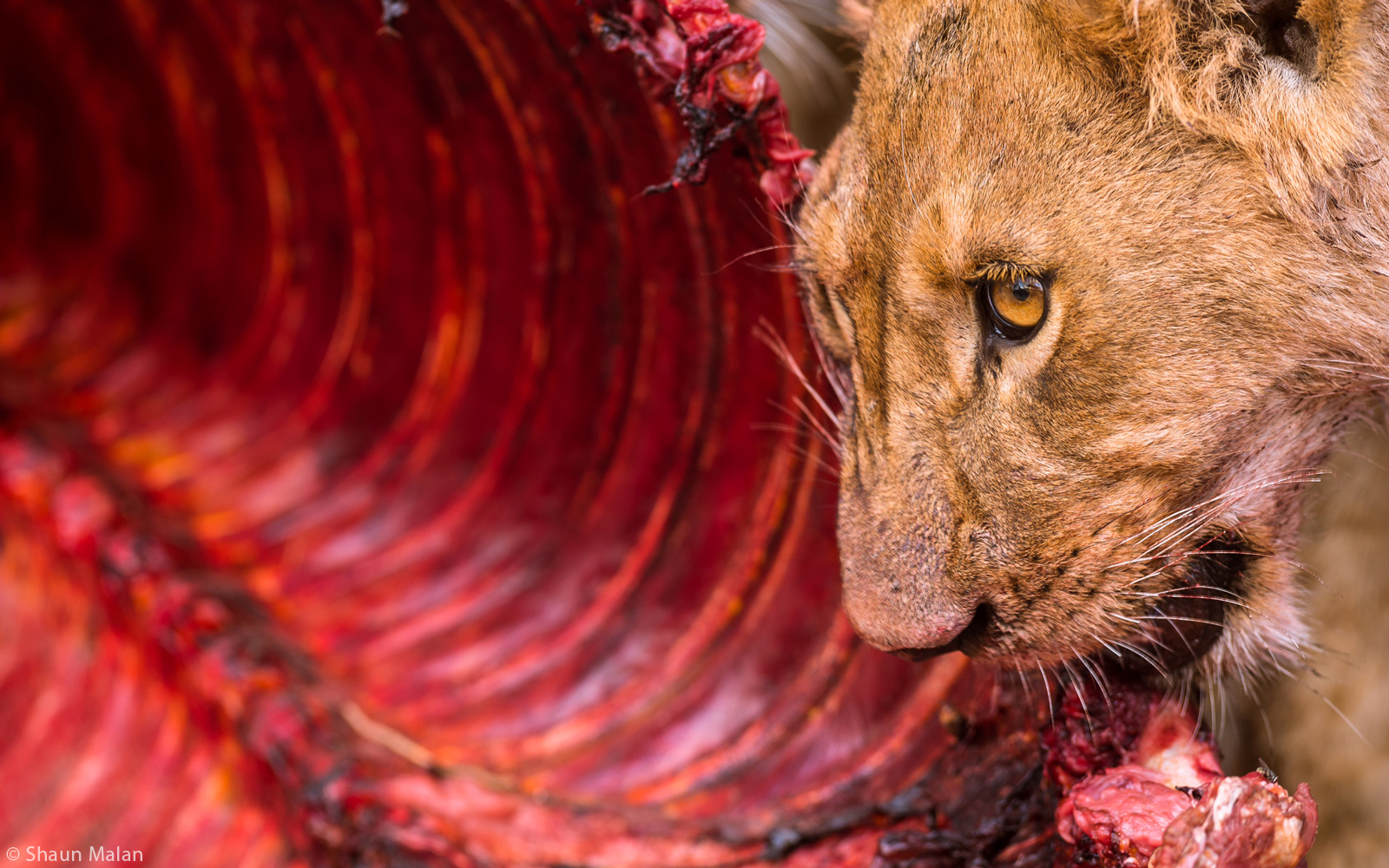
The subject of our third story below, looks at the slightly taller, red-eared version of the domestic moggy, but, to paraphrase Basil Fawlty…cuddle that, and you’ll never play the guitar again.

Finally, the seventh week of glorious African celebration through your images in our Photographer of the Year, which carries a prize of 10 000 USD and a six-day safari to Khwai in Botswana. Here’s all you need to know about entering. We are looking for pictures that evoke emotion and tell an African story.


Story 1
HUKUMURI FOLLOW-UP
Is there compensation when rural villagers lose livestock and crops to wildlife on the western border of Kruger NP? We ask questions and find out

Story 2
TOUGH MOGGIES
The African wildcat is one of Africa’s “Secret 7” – tough little cats are just as untamed and fierce as their iconic big cat cousins. Read more here

Story 3
SUSTAINABLE?
Farming and legal trade of wildlife could increase demand for wildlife products and so be negative from a conservation perspective – research

Story 4
BEST PHOTOS
Week Seven of our 2021 Photographer of the Year


DID YOU KNOW: There is growing evidence that manta rays have complex social lives and communicate using their cephalic lobes (flaps that push zooplankton into their mouth while filter-feeding). Click here to read more.


WATCH: Epic camera-trap footage near Gabon’s Pongara National Park of chimpanzees​, leopards​, black-legged mongoose​, African civets​ and mandrills​. (0:53)


Compensation for damage-causing animals near Kruger NP

Clockwise from top left: A domestic bull watches a buffalo calf through the reserve fence; a fence broken by an elephant bull; tracks of an elephant herd in communal grazing lands; an elephant bull making himself at home in communal grazing land – the remnants of the fence he broke are bottom left; a domestic calf killed by lions.

A cure while searching for prevention

On the 12th of February 2021, we posted a story on the circumstances surrounding the death of a famous leopard Hukumuri. Many people asked what they might do to help all concerned (animal and human). This article attempts to explain the complex issues around compensation for damage caused by wild animals.

An outpouring of emotion

The death of Hukumuri unleashed a wave of emotion: outrage, sadness, helplessness, fear.

There was also an outpouring of reasoned compassion. Sympathy extended to Hukumuri, to African people living in close proximity to potentially dangerous animals and to Ms Mathonsi who, to remind you, has seven children and lost two pigs, two goats and a dog to Hukumuri. Some wanted to know how they might help to stop this sort of thing from happening again. Many expressed an earnest desire to give money to Ms Mathonsi in order that she might replace her herd.
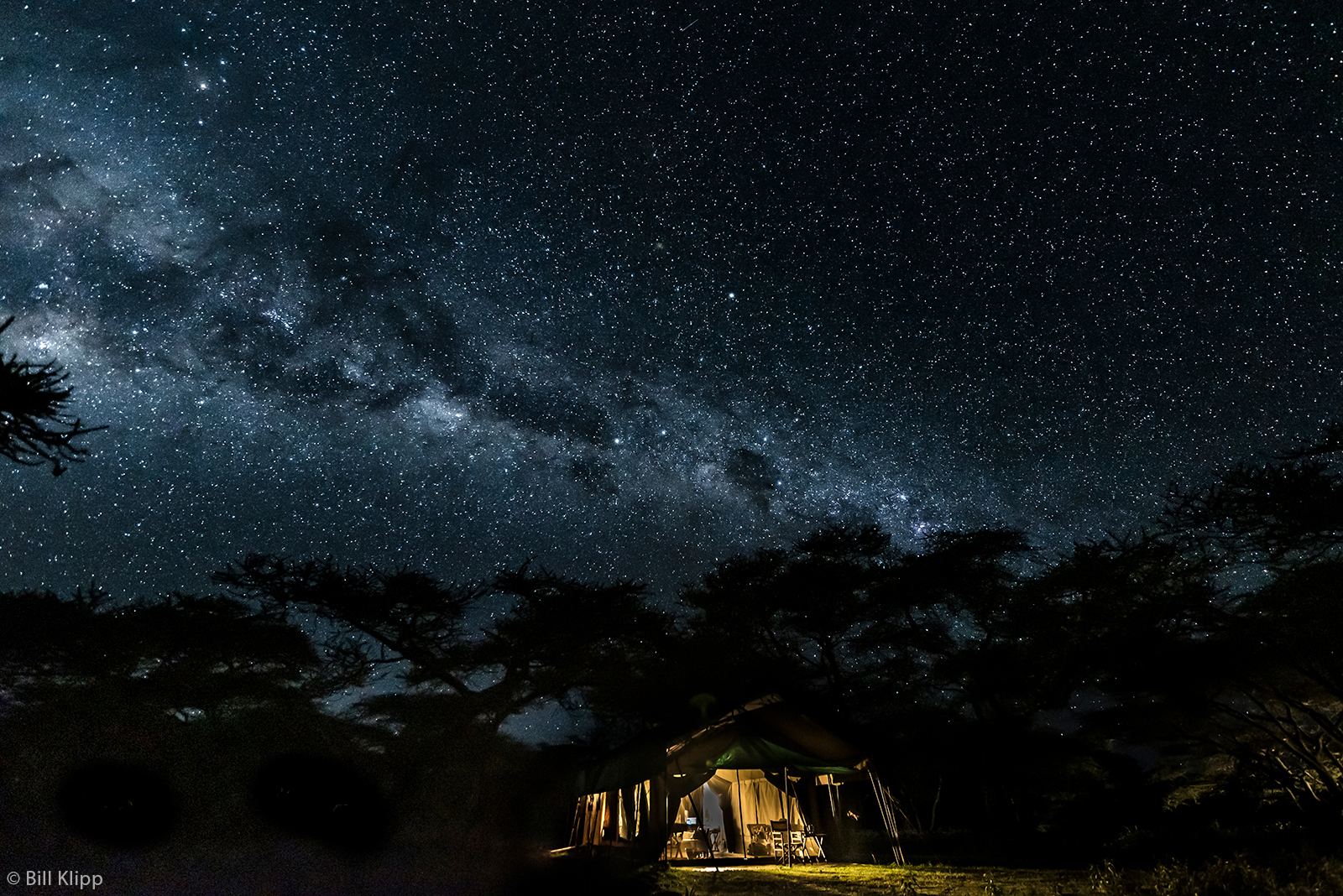
I wish we could simply have posted her PayPal account on social media, and told those generous souls to have at it. Ms Mathonsi would no-doubt have replaced her herd many, many times over. Unfortunately, it simply ain’t that simple – in 2021 it should be, but it ain’t.
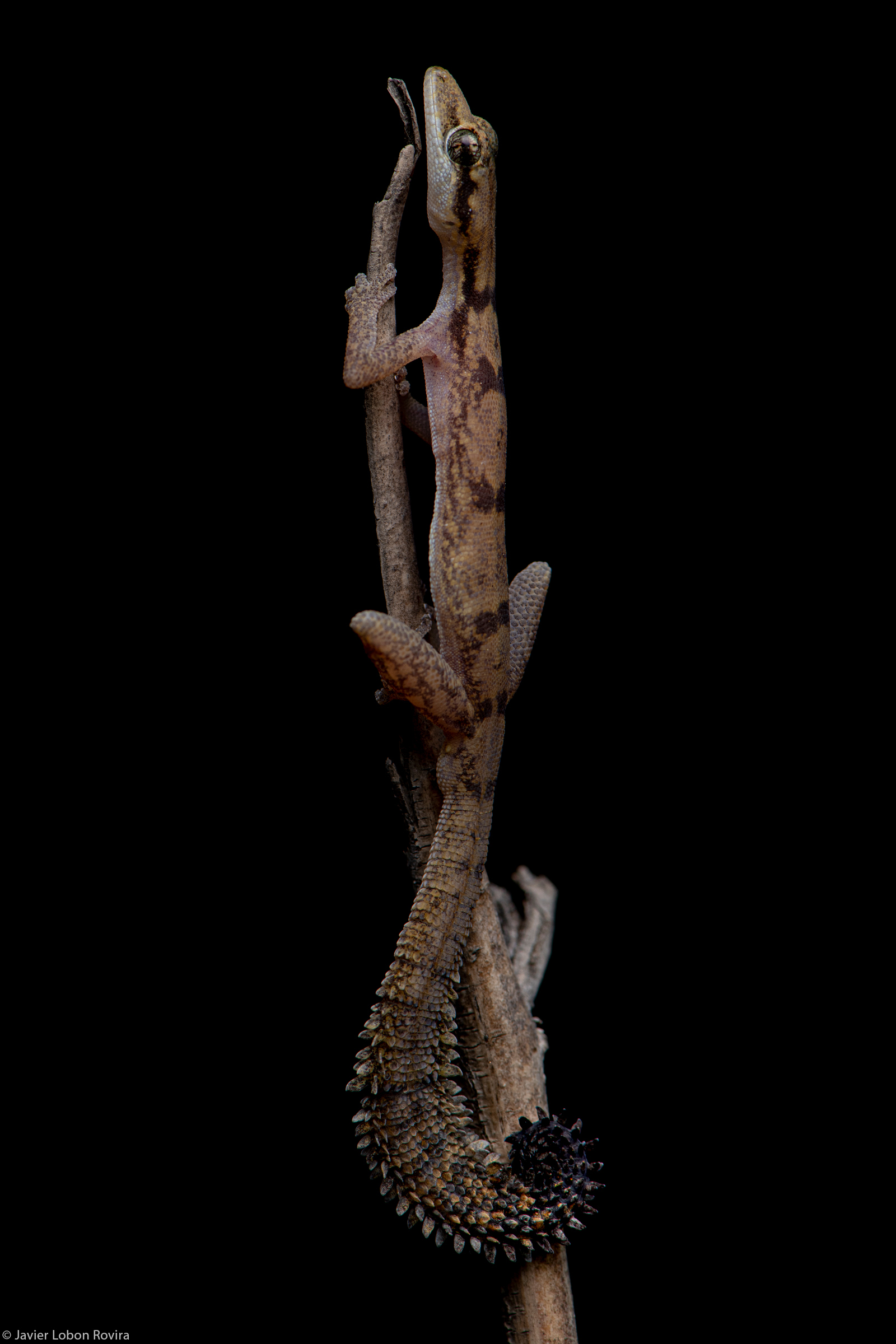
Firstly, Mrs Mathonsi has never heard of PayPal. She might have a bank account but will have no digital access to her bank because of a combination of ridiculous data costs, poor education, and physical separation from an actual bank. Secondly, Ms Mathonsi is not the only one who lost livestock to leopards in the recent past – perhaps to Hukumuri, perhaps to others, no-one really knows. Thirdly, Ms Mathonsi lives in a village awash with cultural complexities that I’m not going to vaguely attempt to delve into save to say that were she suddenly to receive a windfall, she’d immediately become a target.

So what can those kind souls who want to help do?

Well, I think the best thing we can do is explain how compensation for wild animals is effected on the western borders of the greater Kruger National Park, and then provide a few  guidelines.

Compensation pros and cons

In this case, compensation means a cash (or kind) payment for a loss incurred to a Damage-Causing Animal (DCA) that has escaped from a reserve. It must be remembered that compensation is just one part of a very complex set of interventions used to mitigate human-wildlife conflict (HWC). It is a deeply emotive and powerful intervention however.

A look at the literature around financial compensation for incidents involving wild animals indicates mixed effectiveness in Africa and beyond. In summary, if managed correctly with effective reporting, adequate resources, a proper legal framework and long-term commitment, compensation has a positive impact on conservation. That said, if reporting is open to abuse and there is no legal framework then compensation can result in people encouraging DCA incidents or inventing them – nothing earth-shattering there [1] [2] [3]. A little more earth-shattering are reports of incidents where people will specifically cut fences and chase elephants out, claiming that they are DCAs so that the animals will be shot and the meat can be consumed.

The greater Kruger boundary

The border of the greater Kruger National Park in South Africa is more than 700 kms long. There are in excess of two million people living in rural villages living along the borders. There are many more in the region but not all live close enough to the park for DCAs to be an issue. It is important to understand that the KNP in South Africa is fenced along the entire border – this is unusual in Africa. The fence provides a hard boundary and often there is no buffer zone separating people from the fence.

The people living in these villages are poor. Villagers survive on a combination of government grants (for the elderly, unemployed mothers, the indigent and the disabled), livestock, gardening or small-scale farming. Unemployment is above 70% in many areas.

Most villages have electricity but few residents can afford it. Potable water is normally collected from communal taps which frequently run dry. Medical care is appalling and often far away. Schooling, provided by the government, ranks somewhere near the bottom of the world in various measures[4].

The purpose of this rather detailed socio-economic description is to illustrate how utterly devastating it can be when a wild animal comes out of the park and kills livestock or destroys crops – when your livelihood and those of your children is tied up with your little maize crop, your herd of goats or your cattle.

Africa Geographic Travel

Who gives what to whom?

Although a number of reserves and lodges do not offer direct compensation for incidents involving DCAs, they do provide support for a number of community projects (water provision, education bursaries, game drives for local children, farming, medical etc.). The effectiveness and proportional generosity of these interventions form the basis for countless PhDs, endless conferences and reams of politically-charged commentary. Support of this nature comes from the lodges themselves and not the reserves they are on.

With all this in mind, we wanted to find out about the compensation policies of SANParks (operators and custodians of the Kruger National Park), the private reserves on the western boundary, and the state-operated Manyeleti Game Reserve.

By law, when an animal escapes from the greater Kruger, it becomes a problem for the province in question. In the Kruger that is either the MTPA (Mpumalanga Tourism and Parks Authority) or LEDET (Limpopo Economic Development Environment and Tourism). One of these authorities has to decide what to do with escaped animals and whether or not they are declared DCAs. So when an elephant, for example, breaks out of the Kruger, it becomes the responsibility of the province – not SANParks – although often SANParks will be brought in to help with the situation because the provincial authorities cannot deal with the situation for financial or logistical reasons.

Community members of Phalaubeni Village discuss damage-causing animal incidents

South African National Parks (SANParks)

SANParks – Kruger National Park is responsible for the longest length of boundary bordered by rural villages. They have a compensation plan that, in broad strokes, does the following:

  • When claims can be verified compensation is given for livestock killed by escaped lions, spotted hyenas, cheetah and wild dog.
  • Livestock killed by leopards is generally not compensated for, as these cats are free-ranging and found outside of reserves.
  • No compensation is given for crop destruction due to the difficulty in verifying such incidents.

Each incident and request for compensation must be investigated by the relevant conservation agency official (provincial or SANParks). Photographic evidence and other forms of information must form part of the submitted claims.

Compensation can be difficult to do effectively. It is complicated and requires on-going discussion and engagement both inside and outside of the organisation. However, livestock compensation next to Kruger is necessary, has born positive results and will continue to do so as it adapts through the various lessons learnt.

To summarise what a highly experienced conservationist once said to me: if you are going to treat animals as assets, then the custodians or owners of those assets must take responsibility for them. If your asset causes damage, then you have a moral duty to try to reduce the impact felt by the person in whatever way you can. This creates goodwill. Without goodwill, your asset simply becomes a hindrance to the person’s livelihood and when that happens, people may take matters into their own hands.

The financial cost of the compensation is most likely relatively low compared to the benefits. Especially when considering that only a relatively small fraction of people actually own cattle, and have likely been affected by predators directly and would need compensation. In contrast, many more people express a perceived fear of stock loss or danger from wild animals. So addressing the impact through actions such as compensation can go a long way in influencing perceptions at a broader scale.

Sabi Sands Game Reserve

There is no compensation given for human-wildlife conflict. The Sabi Sands defers to the MTPA for all incidents involving DCAs. That said, the Sabi Sands will fund helicopter and capture operations if their fence is breached provided such operations are deemed viable and appropriate.

Timbavati Private Nature Reserve

No compensation plan – deferral to the MTPA or LEDET depending on where a DCA animal escapes.

Balule Game Reserve

There are no rural communities that live near the Balule fence. The reserve does not have any specific compensation policies in place for DCA incidents. Since the surge in rhino poaching, the boundaries are monitored constantly – at least twice a day on foot, continually with digital alarm and camera systems. Any breach of the fence by human or animal is immediately acted upon which lessens the chance of predators escaping. This is more or less the case for the Sabi Sands, Timbavati and Klaserie.

Manyeleti Game Reserve

The Manyeleti defers to their land custodians, the MTPA. They do not pay compensation or make any decisions on DCA incidents.

Thornybush Private Game Reserve

Thornybush has no specific compensation plan for DCAs. That said, ad hoc compensation claims are assessed on an incident by incident basis.

Klaserie Private Nature Reserve

The Klaserie does not have a compensation plan because, as an official told me, they do not have villages directly on their borders.

Abelana Game Reserve

Abelana (the business) does not have a specific compensation policy. That said, the landowner is the community on the eastern border of the reserve. Relations with the community are of the utmost importance to the well-being of the business. Because of this priority, the eastern fence line is patrolled almost permanently and repaired continuously. To date, Abelana has not had any DCA incidents. They will, however, treat any DCA claims on an ad hoc basis and consider compensation.

Makalali Game Reserve

Makalali, does not have any villages on the borders and therefore does not have a compensation scheme. There is a big buffer zone between Makalali and the nearest village. They do however have insurance that should cover them in the event of an animal causing damage in a village or on the main road. In instances where elephants have broken out and caused damage to the fences of neighbouring properties, the reserve has reimbursed the owners and reclaimed this from their insurance.

They do have breakouts of animals from time to time because, as the warden admitted, it is very difficult to maintain 90kms of fence in permanent, perfect condition. None of these breaches of the fence has resulted in a DCA incident.

The provincial authorities

The MTPA, through their spokesman, told me emphatically that ‘…the MTPA doesn’t pay community members who lost livestock due to wildlife.’ That said, there is anecdotal evidence that ad hoc compensation has been paid from time to time. It is possible that the MTPA does not want a flood of compensation claims and therefore does not have an official policy for compensation but this is a guess.

I made multiple attempts to contact LEDET and was promised some information but none was forthcoming. Going on hearsay from people intimately involved with HWC issues, it would seem that LEDET does not pay compensation.

Compensation for damage causing animals
Clockwise from the top left: K2C environmental monitors (EMs) learning about conservation; EMs patrolling the fence; EMs investigating a broken piece of the boundary fence for incursions; a long piece of fence pushed over by elephants.

Ye olde adage – prevention is better than cure.

It would seem that compensation is a cure or medicine required for as long as the ‘sickness’ that are DCA incidents occur. The better we become at preventing DCA incidents, the less this cure will be required. Until then, compensation – well managed, funded and equitable – has shown some positive results, not only in improving relations between people and parks but also helping reserve authorities to identify hotspots where fences are regularly breached. These areas are monitored and this has reduced DCA incidents in hotspots on the western boundary of the greater Kruger.

I spoke with Mike Grover of Conservation South Africa and Vusi Tshabalala of Kruger to Canyons Biosphere (K2C), both of whom are dedicated to making the confluence of people and parks amicable, equitable and mutually beneficial.

One of the programmes that K2C facilitates, involves employing a number of environmental monitors from 74 communities on the western boundary. A pilot project in five villages, sees the environmental monitors deployed specifically to assist with human-wildlife conflict. Their role is to educate community members, identify problems through patrols and tracking, and then facilitate communication with the right authorities when an issue is identified.

Further afield, in the Mozambican part of the Great Limpopo Transfrontier Park, a specialised herding scheme allows for community members to graze their cattle in the reserve. The scheme, using specialised bomas and highly-trained herdsmen has reduced cattle losses to predators from 22 animals a month to zero – and this is INSIDE the Transfrontier Conservation Area!

It is initiatives like this that will ultimately provide the prevention and negate the need for the difficult-to-administer cure that is compensation.

So how can you help?

Your best bet is find an NGO (not for profit), research what they do, and contribute to their work trying to mitigate human wildlife conflict – arguably Africa’s greatest conservation challenge. There are some highly experienced, specialised and knowledgeable people with decades of experience in this space and they need support. In many cases they are having measurable success in making sure that tragedies like the death of Hukumuri, become less and less frequent.

Also, of course, you can travel responsibly. Research the lodges and reserves you visit. Make sure that their initiatives align with efforts to reduce human-wildlife conflict.


[1] Maclennan, S. D. et al. 2009. Evaluation of a compensation scheme to bring about pastoralist tolerance of lions. Biological Conservation.

[2] fao.org/3/ap537e/ap537e.pdf

[3] Bauer, H. et al. 2015. Financial compensation for damage to livestock by lions Panthera leo on community rangelands in Kenya. Oryx, volume 51, issue 1.

[4]https://www.businessinsider.co.za/heres-how-sa-pupils-maths-and-science-skills-compare-to-the-rest-of-the-world-2020-12

Photographer of the Year 2021 Weekly Selection: Week 7

Our Photographer of the Year 2021 is open for submissions, with cash prizes of US$10,000 for the overall winner and the two runners-up. They and their partners will also join our CEO Simon Espley and his wife Lizz on the ultimate private safari in Botswana.

The competition runs from January to June 2021. Get your entries in now and join us in celebrating Africa! Proudly brought to you by Hemmersbach Rhino Force and Natural Selection.

Here are the best submissions for this week 

Laser eyes. Kruger National Park, South Africa. © Joschka Voss
Let me scratch your ear for you. Addo Elephant National Park, South Africa. © Anna-C. Nagel
A flap-necked chameleon channelling its concealing prowess. Kolwezi, Lualaba Province, Democratic Republic of the Congo. © Kirkamon Kabello
Intimate lashes. Mana Pools National Park, Zimbabwe. © Annamaria Gremmo
Carder bee (Anthidium sp.) – about 5mm long. Ruiru, Kenya. © Robin James Backhouse
Time to move on… with haste. Maasai Mara National Reserve, Kenya. © Anne-Françoise Tasnier
Gardening. Addo Elephant National Park, South Africa. © Antionette Morkel
Africa Geographic Travel
The lion king and the real force behind him. Serengeti National Park, Tanzania. © Artur Stankiewicz
Can I help you with something? Ngorongoro Crater, Tanzania. © Barbara Fleming
A young leopard playing with his impala lamb meal. Kruger National Park, South Africa. © Chris Jolley
‘Don’t mind me, I’m just going to park here for a while.’ Zebra and pied crow. Rietvlei Nature Reserve, South Africa. © Ernest Porter
Morning mist floating through the trees. Lake Nakuru National Park, Kenya. © Giovanni Frescura
A Cape clawless otter comes up for air. Katrinasrust Trout Farm, South Africa. © Graeme Gullacksen
The epitome of vast, desert isolation – an oryx seeks shade. Namib-Naukluft National Park, Namibia. © Hans Wagemaker
Africa Geographic Travel
The heart-warming scene of paternal lion affection. Liuwa Plain National Park, Zambia. © Andrew Macdonald
A high-casqued chameleon (Trioceros hoehnelii) living in Nairobi suburbia. © Robin James Backhouse
White rhino mother and calf under the moon. South Africa. © Joschka Voss
A balancing act. Endangered Zanzibar red colobus monkey and baby. Zanzibar, Tanzania. © Julie Lovegrove
A flap-necked chameleon realises he may have been spotted. Kolwezi, Lualaba Province, Democratic Republic of the Congo. © Kirkamon Kabello
Flashes in a field near Amber Mountain reveal a pair of ring-tailed mongoose chasing each other in the grass. Madagascar © Linda Klipp
A black-bellied pangolin climbing through the trees, feeding on termites. Central African Republic. © Liz Hart
Africa Geographic Travel
Lanner falcon in perfect, predatory stoop. Kgalagadi Transfrontier Park, South Africa. © Philip Jackson
Moody mountain gorillas. The far one is the silverback; the other a blackback. Virunga National Park, Democratic Republic of the Congo. © Ricardo Ferreira
Stallion. Kruger National Park, South Africa. © Anna-C. Nagel
A white-tailed mongoose (Ichneumia albicaudaI), caught in a camera trap, living near Nairobi. Ruiru, Kenya. © Robin James Backhouse
Reticulated giraffes standing tall. Ol Pejeta Conservancy, Kenya. © Sara Jenner
Members of the Kara Tribe, the smallest ethnic group of the Omo Valley. The Warsa festival is a celebration of daily life. Initially, men jump in groups in front of the women; later women respond with their own leaps and moves. Omo Valley, Ethiopia. © Zay Yar Lin

African Wildcat

“In ancient times, cats were worshipped as gods. They have not forgotten this…” ~ Terry Pratchett

A cat stretched out on the best seat in the house, lazing in the sun, is the very picture of domestication. They purr contentedly and rub up against their human servants’ ankles, demanding to be timeously fed, or regard the excitable family dogs with a kind of contemptuous smugness from a place of safety. Yet as every cat owner knows, there are times when these cats stalk their surrounds, pupils wide and teeth and claws at the ready, embroiled in their own hunts, scuffles, and romances. In these moments, domestic cats don’t appear particularly domestic.

Their instincts are a throwback to a time when their ancestors stalked Africa and Asia, surviving by their wits and reflexes, and preying on any number of small mammals, birds, amphibians, and arthropods. Some of these cat ancestors were drawn to human settlements and abandoned their wild existence to enslave their human owners. Yet others remained wild and, to this day, African wildcats continue to live as they have for thousands of years. Rangy and hard-bitten, they slink through the continent’s savannas, forests, and wetlands – seldom seen and often overlooked but every bit as wild as the other members of the feline family.

African Wildcat
Stealth, speed and strength – hallmarks of all members of the cat family, no matter how small they may be. Kgalagadi Transfrontier Park, South Africa

The true ancestors of domestic cats

In many ways, African wildcats are to cats what wolves are to dogs, with some important differences. While a history of domestic cats may seem out of place in an article on a wild creature, it goes to the heart of understanding the challenges faced by conservationists in classifying and protecting African wildcats.

The process of cat domestication was a complex one, and fossil evidence is in short supply, making piecing the events together somewhat tricky. Historians and scientists now believe that domestic cats went through two different periods of domestication – first in south-west Asia around 10,000 years ago and then, once again, in Egypt about 3500 years ago. Genetic analysis indicates that domestic cats may have two different source populations that can be traced to different periods but confirms African wildcats are the true ancestors of domestic cats.

As with dogs, scientists believe that cats were domesticated along a commensal pathway. Essentially, the wildcats (initially in Egypt and the Fertile Crescent in the Middle East) would have been attracted to human settlements for a variety of reasons, including warmth and increased food availability. Over time, people realized the benefits of keeping cats for pest control and gradually a shift took place from a purely pragmatic mutualistic relationship to one that extended to companionship (and selective breeding). A skeleton of one wildcat uncovered in Egypt and dated to somewhere between 3,600 and 3,800 years ago shows evidence of healed fractures that suggest the injured cat was cared for by a human.

Unlike dogs, modern cats have retained more genetic and behavioural similarities with their wild relatives, most likely because, while domestic dogs have been largely isolated from their ancestral wolf populations for thousands of years, domestic cats have continued to breed with their wild cousins. This, in turn, has ultimately led to one of the greatest threats facing wildcat populations not only in Africa but across the globe.

African Wildcat
Close similarities between African wildcats and their domestic cousins speaks to an interwoven evolutionary history. Kgalagadi Transfrontier Park, South Africa
Africa Geographic Travel

What’s in a name? Everything.

Given that domestic cats have only been “domesticated” for around 4,000 or so years and have continued to breed with their immediate wild neighbours, they are almost indistinguishable genetically from wildcat populations. These genetic and morphological similarities have made the classification of several smaller cat species extremely complicated and often contested. So much so that even the International Commission on Zoological Nomenclature only confirmed the domestic cat as a separate species in 2003.

The Felidae family or cat family evolved around 10 million years ago, and the Felis genus diverged some 7 million years later. This genus of small and medium-sized cats encompasses several different species and subspecies including domestic cats (F. catus), the jungle cat (F. chaus), the black-footed cat (F. nigripes), the sand cat (F. margarita) and the African wildcat (F. lybica).

The IUCN Red List still lists the African wildcat as a subspecies of the European wildcat (F. silvestris), which in turn has been allocated a conservation status of “Least Concern”. However, this is likely to change after a 2017 report by the IUCN’s own Cat Specialist Group recognized the African wildcat as a separate species – Felis lybica. The report also tentatively proposed three different subspecies distinguished primarily on distribution: F. l. lybica (found in North Africa), F. l. cafra (the Southern African wildcat) and F. l. ornate (found in Asia).

Species and subspecies distinctions may seem pedantic in animals that are almost identical on so many levels, but these distinctions are fundamental to conservation efforts. Classification as a separate species allows zoologists to draw substantive conclusions as to the animal’s conservation status. It also makes the process of identifying specific threats more selective. In the case of the African wildcat, it is the threat to its genetic integrity that menaces the population.

Africa Geographic Travel

The conservation (cat)astrophe?

In a 2010 study by the Ecology Global Network, scientists estimated that there were some 600 million domestic cats in the world. By contrast, while there are no estimates of African wildcat populations (the logistics and their widespread distribution make counting them an almost impossible task), there is no doubt that they are massively outnumbered.

As available wild spaces have vanished one by one, human populations have expanded, bringing domestic and feral cats with them. Given their genetic similarities, sexual encounters between domestic cats and wildcats are inevitable, and hybridization is common on the fringes of wildcat distribution ranges.

In a 2014 study, researchers concluded that in South Africa at least, levels of hybridization are still relatively low, especially in the Kgalagadi Transfrontier National Park which is a population stronghold for the African wildcat. The DNA samples collected from wildcats that indicated the highest levels of interbreeding came from individuals in the Kruger National Park. Given the high human population density on the Park’s border, this is hardly surprising.

A project such as Alley Cat Rescue aims to mitigate this impact through domestic and feral cat sterilization programmes, focussing their attentions on specific border areas. These programmes also implement vaccination schemes to reduce the risk of disease transmission between domestic and wildcats.

African Wildcat
African wildcats can be identified by reddish shading on the back of their ears. Kgalagadi Transfrontier Park, South Africa

Is it a wildcat or an escaped moggie?

To the uninitiated, an African wildcat could look for all the world like a slim domestic cat. There are, however, subtle differences between the two. African wildcats are slightly taller than the average domestic cat, and their legs are proportionately longer, which gives them a more upright posture, particularly when sitting. Their walking gait is more like that of a serval or cheetah than the average domestic cat.

The variety seen in domestic cat coat colours is a product of selective breeding, and this variety is not reflected in the coat colours of the African wildcat. Instead, their almost uniform colour ranges from red to sandy and brown to grey, with very faint stripes known as the mackerel-tabby pattern. The end of their tails is ringed with black, the backs of their ears are characteristically russet, and the underside of their paws are pitch-black.

African Wildcat
African wildcats are highly efficient little hunters in their own right. Chobe National  Park, Botswana
Africa Geographic Travel

Behaviour

Like their domestic congeners, African wildcats have proved to be extremely adaptable and, as a result, occupy a wide number of different habitats from deserts and grasslands to savannas (though their range does not extend to rainforests). Their diets are varied and unselective – anything, including small mammals, birds, reptiles, and arthropods are all targeted. Some individuals have even been known to prey on young livestock animals such as lambs or kids, putting them at risk of conflict with farmers. African wildcats are reliant on keen senses, particularly their hearing, to identify prey. Their ambush approach is well-honed, and they demonstrate extraordinary patience in stalking – often biding their time for hours at a time.

Unusual circumstances for an opportunistic jackal. Erindi Private Game Reserve, Namibia

One of the common effects of domestication (seen in domestic dogs, cats and other animals) is an increased breeding frequency. Female domestic cats reach sexual maturity as early as four months old and are capable of producing three litters of kittens every year. In contrast, the African wildcat generally only produces one litter during the wet season.

Being one of the smallest members of the cat family, their natural predators are numerous and include the larger cat species and birds of prey.

Conclusion

For the most part, African wildcats are somewhat underappreciated – they look so similar to feral cats that they are often dismissed as such, despite their status as one of the “Secret 7” (serval, wildcat, large-spotted genet, civet, porcupine, aardvark and pangolin). Yet these gangly, tough little cats are just as interesting, untamed, and fierce as their iconic big cat cousins.

African Wildcat
Kgalagadi Transfrontier Park, South Africa

Does the farming and legal trade of wildlife do more harm than good? New study

legal trade of wildlife

The debate surrounding the farming and regulated, legal trade of wildlife is one of the most polarizing discussions in conservation. Supporters of both sides have reached an effective deadlock over the historical and perceived advantages and disadvantages of each approach. A new study by the Department of Fisheries and Wildlife in the USA investigates the effects of bans/legalisation on the Chinese consumption of animal parts. The results caution against legalising trade.

In summary, the findings show that:

  • The legalisation of trade impacts personal and social perceptions of the use of wildlife parts;
  • The legal trade of wildlife reduces the stigma and increases the personal acceptability and social approval of animal parts’ consumption for both medicinal and non-medicinal purposes;
  • The effects of wildlife farming are more pronounced on the perceptions surrounding the use of mammals: farming mammals reduces the stigma attached to using mammal parts;
  • Reducing the stigma attached to the use of animal parts could see a massive increase in demand;
  • Trade and farming of one species has knock-on effects on the stigma attached to other, non-target species; and
  • For bans to be effective, they need to be purpose-specific – directed at both medicinal and non-medicinal use.

The background

One of the primary questions at the heart of the wildlife trade debate is the effect that legalisation has on demand for the animal part concerned – does a legal wildlife trade saturate the market or increase it? Following on from this question is whether or not farming wildlife can meet this demand and reduce poaching of wild populations. Yet even though these conversations dominate conservation circles, little empirical evidence exists to answer these complex questions. The study by Dr Rizzolo, an expert in conservation criminology, is based on an experimental vignette survey conducted in Mainland China to address some of these unknowns in a more quantifiable manner.

The survey

When used for research purposes, vignettes are essentially short stories about a hypothetical person or situation presented to the participants of the survey. The participants are then asked a series of questions based on the context of their specific vignette. In this case, the various scenarios presented in the vignettes focussed on four species (bears, tigers, snakes, and turtles) and two different uses of the animal product (medicinal or non-medicinal). It also dealt with three legal situations: the product is illegal; the product is legal and from a farmed animal; or the product is legal and from a wild animal.

Once the respondents had read the vignette, they were presented with a series of questions around the acceptability of wildlife consumption, the social approval of wildlife consumption and the legal repercussions for the various wildlife species. The survey was conducted online with a sample of 1002 adult respondents, and the demographic variables (age, gender, and income) were approximately representative of China’s population as a whole. The sample did include more highly educated respondents than is representative of China as a whole. However, given the link between social status and wildlife consumption, the researchers were comfortable that the survey captured the demographic relevant to the questions at hand.

Africa Geographic Travel

Legal trade of wildlife = increased acceptability and social approval

The results of these surveys provide empirical evidence for the stigma effect on wildlife consumption. There is strong evidence that the legal context of a particular animal part affects not only influences perceptions of legal punishment, but also the level of acceptability and social approval for wildlife consumption. Naturally, while this acceptability does not automatically alter behaviour (purchasing and using animal parts), it does act as a decisive motivating factor. The fact that illegality decreases both acceptability and social approval challenges the idea that demand can be saturated through legal products – because demand will invariably increase with legalisation.

Interestingly, the study also indicates that legalisation and wildlife farming are related but distinct policy contexts. Hypothetical bans had a uniform effect on the survey responses for all species concerned, but the impact of legal wildlife farming was more nuanced.  Where parts from mammals (in this case, bears and tigers) were concerned, wildlife farming increased the acceptability of their consumption and reduced the stigma surrounding their use.

Furthermore, wildlife farming and wildlife trade bans can also impact the consumption of non-target species. For example, in a hypothetical scenario where snake consumption was banned, this correlated with increased acceptability of the consumption of bear products and social approval of the use of tiger bones. On the other side of this spectrum, legal bear farming was associated with the increased acceptability of tiger bone and skin. The reason for use (medicinal or non-medicinal/consumptive) also affected perceptions of the use of non-target species. This demonstrates just how complex the effects of wildlife farming and trade bans can be for all wildlife, even those species not directly under discussion.

The conclusion

The author acknowledges that there are limitations to this research, including the lack of qualitative data that could have provided some insight into the respondents’ motivations. In addition, the stigma attached to the use of wildlife products is only one of several factors that influence the acceptability of consumption.

However, the study offers important insights into how the legalisation of wildlife trade and wildlife farms affects consumers and, ultimately, the demand for wildlife products. The data indicate that for bans to be effective, they need to be tailored to the species, the product, and the type of use. Where mammal-based medicinal products are concerned, a ban that explicitly targets medicinal use is needed to reduce demand, rather than just a species-level consumption ban. Notably, the study concludes by suggesting that “bans on wildlife consumption and decreased wildlife farming of mammals can have conservation benefits”.

Studies such as this are of profound importance in the realm of African wildlife conservation, as conservationists and policymakers debate the legal trade in rhino horn (both from wild and farmed animals) and the farming of lions for their bones. Understanding the real demand for animal parts once the illegal stigma is removed is vital to determining whether there is any truth to the popular theory that farmed wildlife will keep wild populations safe.

The full report can be accessed here: “Effects of legalisation and wildlife farming on conservation”, Rizzolo, J., (2021), Global Ecology and Conservation

For further discussion in an African context, see Will legal international rhino horn trade save wild rhino populations?

CEO note: Hukumuri – the furore

A striped leaf-nosed bat (Macronycteris vittatus), usually pale grey but, in this case, a rare and gorgeous orange form. Gorongosa National Park, Mozambique. Photographer of the Year entrant ©Piotr Naskrecki

CEO NOTE: 19 February 2021

This is a copy of our weekly email newsletter. Subscribe here to receive the newsletter.


Turn up the mic; I’ve got something to say.

It’s no secret that Covid-19 and other viruses originated in the wildlife markets of China. Of course, this needs to be officially confirmed so that society can find a way to avoid further illness, death and economic misery – as we are currently experiencing. But here’s the thing: this pandemic was forecast by health experts and China was warned about the ‘wet’ markets. Despite that, what are the chances that the government of China will be held ACCOUNTABLE for the tidal wave of death and economic misery that has swamped us all? The world surely needs to keep the government of China in a good mood if our stuttering economies are to recover, and we will all certainly continue to buy mobile phones, computers, clothes and other goods made in that country. Expect a light slap on the wrist for the government of China, for the evil wildlife trade to continue unabated (it has already recommenced, after a brief hiatus) and for the next wave of viruses to come rolling off the factory floor.

On a lighter note, check out the NEW FEATURE on our website where you can easily find our best stories – based on species, places, safari tips and safari report-backs. From our home page, go to ‘Our stories’ on the menu and see the drop-down menu of delicious content offerings. Off you go!

CEO note


Simon Espley – CEO, Africa Geographic


From our Editor-in-Chief

Our two stories below will invoke entirely disparate emotions.

The first will leave you frantically making excuses to your employer for why you need a few weeks off. My wife and I honeymooned in the Kgalagadi last year (note: camping in the desert is an excellent test of whether newlyweds have made a great choice or a catastrophic mistake). It is a mystical desert of astonishing life. Whether you camp or choose more salubrious accommodations, the Kgalagadi will plug you right back into wilderness.

The second story is a tragedy on multiple fronts. A tale that has created heated debate, anger, sadness, compassion, learning and, lamentably, vitriolic attacks. Most people reacted with compassion, expressing a desire to help. Hukumuri was a magnificent leopard. He died too soon. If there is an atom of positivity to be taken from Hukumuri’s tragic demise, it is that his fame has created an awareness of human-wildlife conflict challenges; a greater appreciation of the fact that there are people, straining well below the breadline, who must live with beautiful, threatened but potentially dangerous African wildlife.

Lastly, another stupendous collection of images in our Photographer of the Year, which carries a prize of 10 000 USD and a six-day safari to Khwai in Botswana. Send in your images. Here’s all you need to know about entering. The only criterion is that the pictures must be a celebration of Africa. (They should not include, as one hopeful submitted, a selfie using nothing but a coat hanger to cover the bits no-one wants to see. That’s just odd).


Story 1
PREDATOR HEAVEN
Safari on your mind? The Kgalagadi Transfrontier Park offers one of the most spectacular and intimate immersions in nature imaginable

Story 2
DEATH OF THE KING
Hukumuri, the beloved leopard, is dead- shot by the authorities because he was killing livestock & posed a threat to people in rural villages

Story 3
BEST PHOTOS
Week Six of our 2021 Photographer of the Year


DID YOU KNOW: Hippos are important silicon distributors in water systems – enriching the water with this vital element when they defecate


WATCH: Lion brothers play like kittens in the Kgalagadi Transfrontier Park. (3:36)


Photographer of the Year 2021 Weekly Selection: Week 6

Our Photographer of the Year 2021 is open for submissions, with cash prizes of US$10,000 for the overall winner and the two runners-up. They and their partners will also join our CEO Simon Espley and his wife Lizz on the ultimate private safari in Botswana.

The competition runs from January to June 2021. Get your entries in now and join us in celebrating Africa! Proudly brought to you by Hemmersbach Rhino Force and Natural Selection.

Here are the best submissions for this week 

A bark-mantis camouflaged on…bark. Langata area, Nairobi, Kenya. © Karim Kara
‘Would you pass me a napkin please?’ – a member of the famous cheetah coalition of five, Tano Bora, in the middle of a zebra meal. Maasai Mara National Reserve, Kenya. © Aditya Nair
A hyena calculates the effort versus reward of tucking into a calloused elephant foot. Khwai, Botswana. © Shaun Malan
Contemplation. Mahale National Park, Tanzania. © Ana Zinger
Giant emperor moth (Pseudoimrasia deyrollei). Gorongosa National Park, Mozambique. © Piotr Naskrecki
Africa Geographic Travel
Hippobotanist. Kruger National Park, South Africa. © Antionette Morkel
A little egret executes a perfect wingbeat, feathering the surface on a cloudy afternoon. Randburg, South Africa. © Bilal Mosam
A diademed sifaka posing with a somewhat amusing expression. Andasibe-Mantadia National Park, Madagascar. © Callum Lootsma
A resident lion pride has specialised in crocodile hunting on the lakeshore. The vultures aren’t fussy about what they clean up. Matusadona National Park, Lake Kariba, Zimbabwe. © Caroline Landrey
Wizened wonder – a chimpanzee looking up to its companions in the canopy. Kibale National Park, Uganda. © Christian Passeri
A black crake observing neighbours in the Musiara Marsh. Maasai Mara National Reserve, Kenya. © Dave Richards
An African wildcat hunting for unsuspecting sociable weavers. Kgalagadi Transfrontier Park, South Africa. © Dean Polley
Africa Geographic Travel
A brown hyena can’t believe the temerity of a thieving black-backed jackal. Kgalagadi Transfrontier Park, South Africa. © Gonnie Myburgh
A striped leaf-nosed bat (Macronycteris vittatus), usually pale grey but, in this case, a rare and gorgeous orange form. Gorongosa National Park, Mozambique. © Piotr Naskrecki
Mane shower. Maasai Mara National Reserve, Kenya. © Guillaume Niger
A southern speckled sand snake and a large mouse that climbed the wrong tree. Samburu National Park, Kenya. © Jane Wynyard
Listening and looking. Kgalagadi Transfrontier Park, South Africa. © Jenny Rood
‘I think they’ve seen us’ – tree squirrels caught mid-game. Kruger National Park-South Africa. © Joschka Voss
A crafty rock monitor lizard. Hluhluwe-iMfolozi Game Reserve, KwaZulu Natal, South Africa. © Zander Rautenbach
Africa Geographic Travel
Back or front? Hips do lie. Caterpillar of unknown hawkmoth species shows its rear end. Langata area, Nairobi, Kenya. © Karim Kara
Nestward-bound after a hard day at work. Kolwezi, Lualaba Province, Democratic Republic of the Congo. © Kirkamon Cabello
Can’t talk now…… frog in my throat! Green night adder with amphibious supper. Kogatende, Northern Serengeti, Tanzania. © Marc Mol
The marsh owl has light orange ‘windows’ in its primary feathers that, when shot in the right light, show up very brightly. Bapsfontein, South Africa. © Mattheuns Pretorius
Mozambican long-fingered bat (Miniopterus mossambicus) emerging from the Codzo Cave. Gorongosa National Park, Mozambique. © Piotr Naskrecki
Luluka, one of the Maasai Mara’s well-known leopards, with her disobedient cub. Maasai Mara National Reserve, Kenya. © Nitin Michael
Protection. Maasai Mara National Reserve, Kenya. © Paolo Torchio
Pied kingfisher with breakfast frog. Chobe National Park, Botswana. © Gonnie Myburgh
Mozambican student, Rosa Félix Tivane, releasing a paradise flycatcher after recording its biometric data. Gorongosa National Park, Mozambique. © Piotr Naskrecki
Detail of a crocodile fish eye, the underwater master of disguise. Bazaruto Archipelago, Mozambique © Ricardo Ferreira
Silhouettes in solidarity. Ndutu Conservation Area, Tanzania. © Alex Felez Buchholz
A lion licks her chops mid-meal. Khwai, Okavango Delta, Botswana. © Shaun Malan
Two harlequin shrimps devour their starfish prey, immobilised by clipping the soft tube feet attaching the starfish to a firm surface. Sodwana Bay, South Africa. © Veronique Pretorius
An ultraviolet-illuminated rock scorpion living in a cave that was home, a few thousand years ago, to a group of San people. Chikukwa Cave, Chimanimani Mountains, Mozambique. © Piotr Naskrecki
In Madagascar, whale sharks are called marokintana which, in Malagasy, means ‘many stars’ – an apt name for such a beautiful animal. Nosy Be, Madagascar. © Veronique Pretorius
A brown noddy takes off from paradise. Bird Island, Seychelles. © Yann Corby
African safari

Why choose us to craft your safari?

Handcrafted experiential safaris since 1991.

Travel in Africa is about knowing when and where to go, and with whom. A few weeks too early/late or a few kilometres off course, and you could miss the greatest show on Earth. And wouldn’t that be a pity?

African travel

Trust & Safety

Guest payments are processed through Flywire, a leading international payment gateway known for its high safety and security standards. Also, we are members of SATSA, who attest to our integrity, legal compliance, and financial stability.

See what travellers say about us

Responsible safari

Make a difference

We donate a portion of the revenue from every safari sold to carefully selected conservation projects that make a significant difference at ground level.

YOUR safari choice does make a difference - thank you!