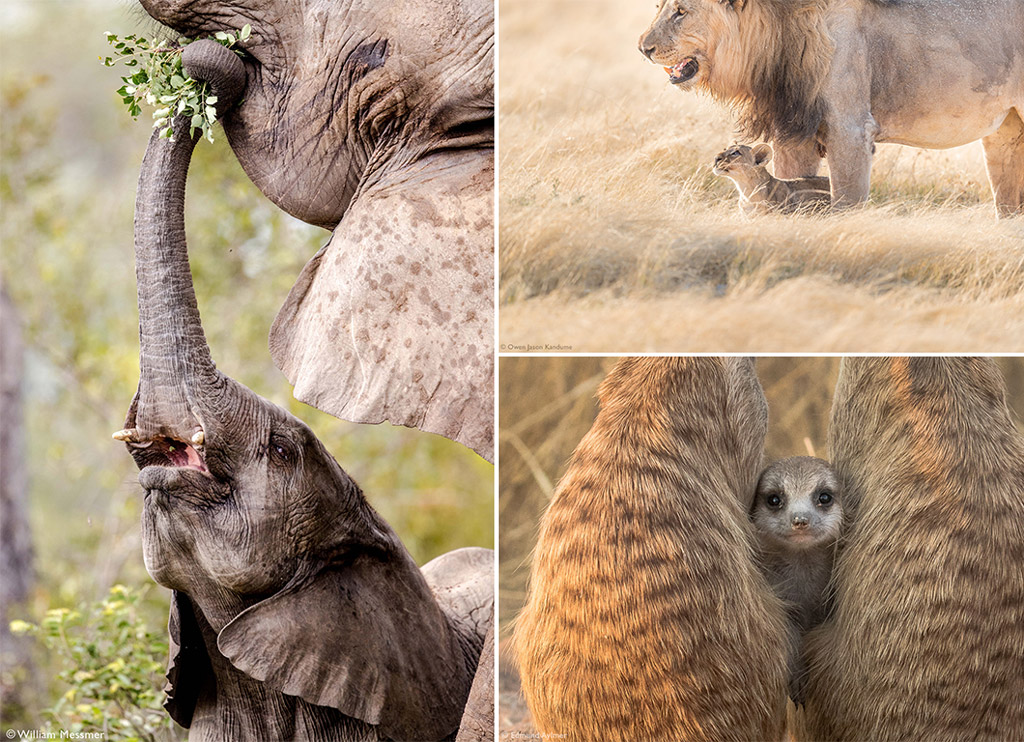
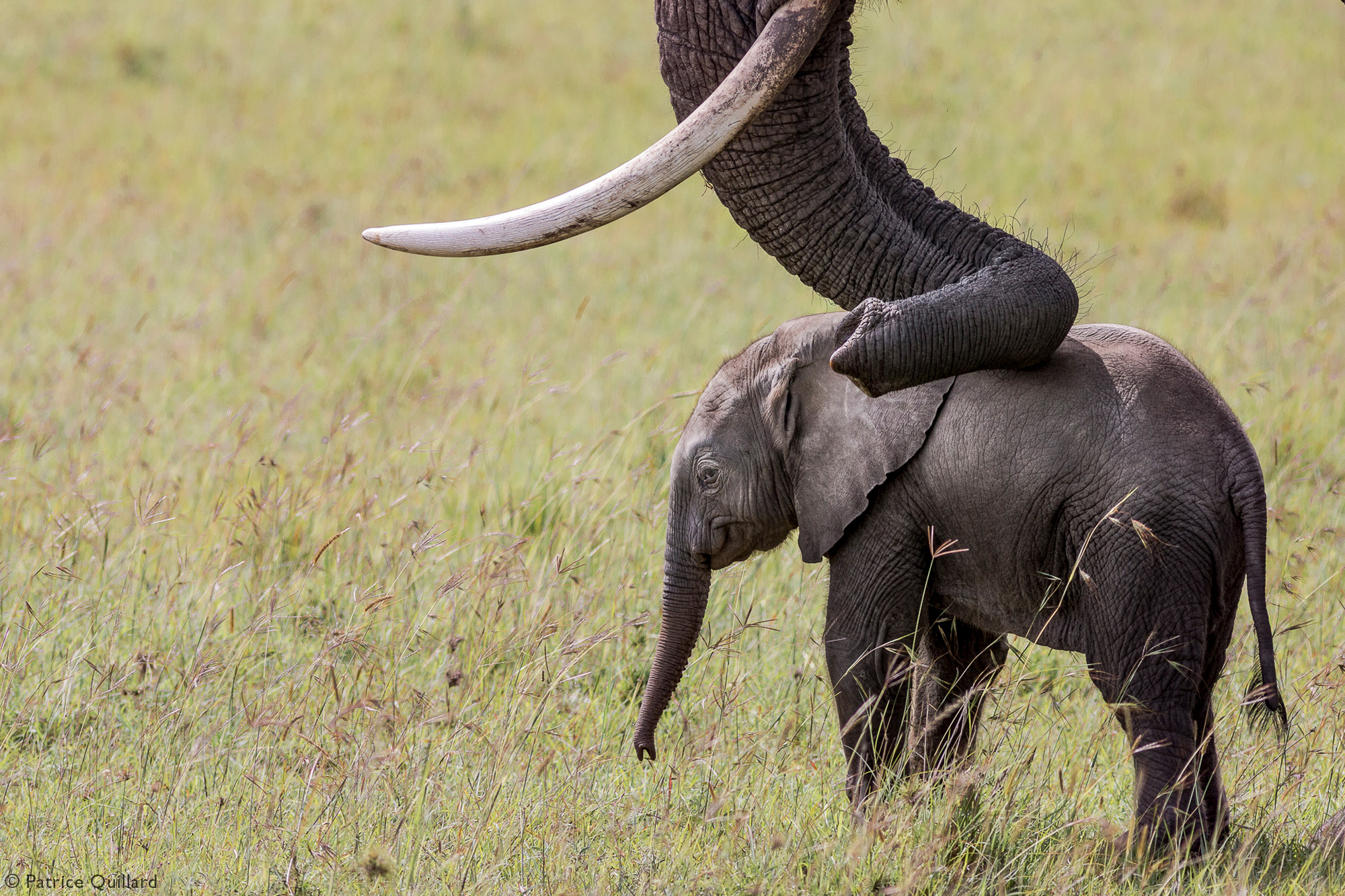
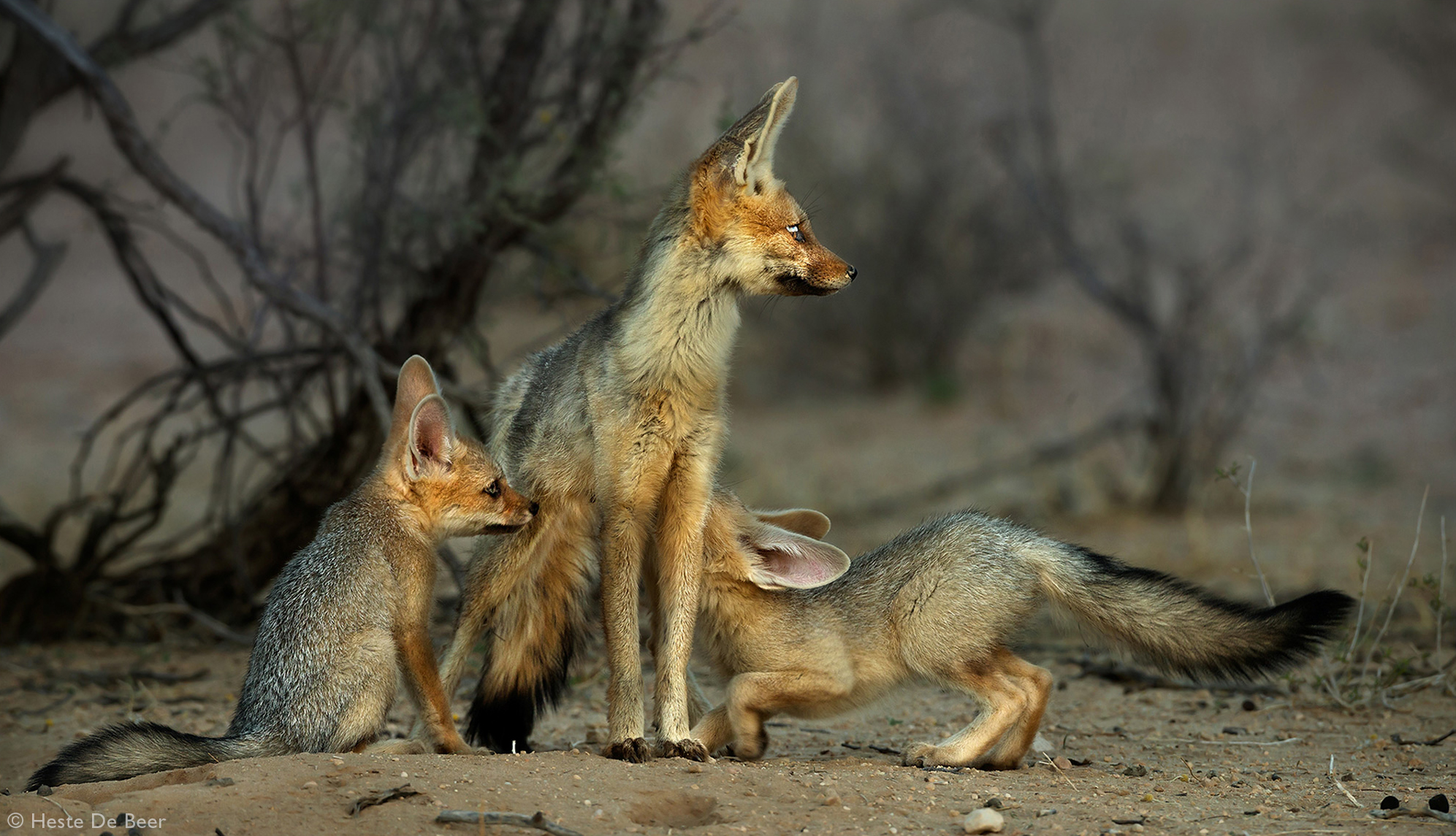
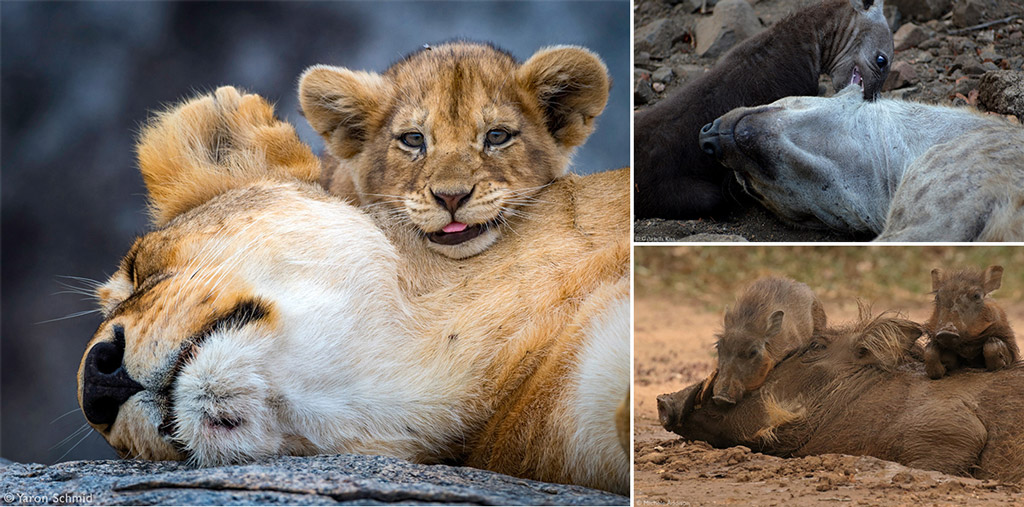
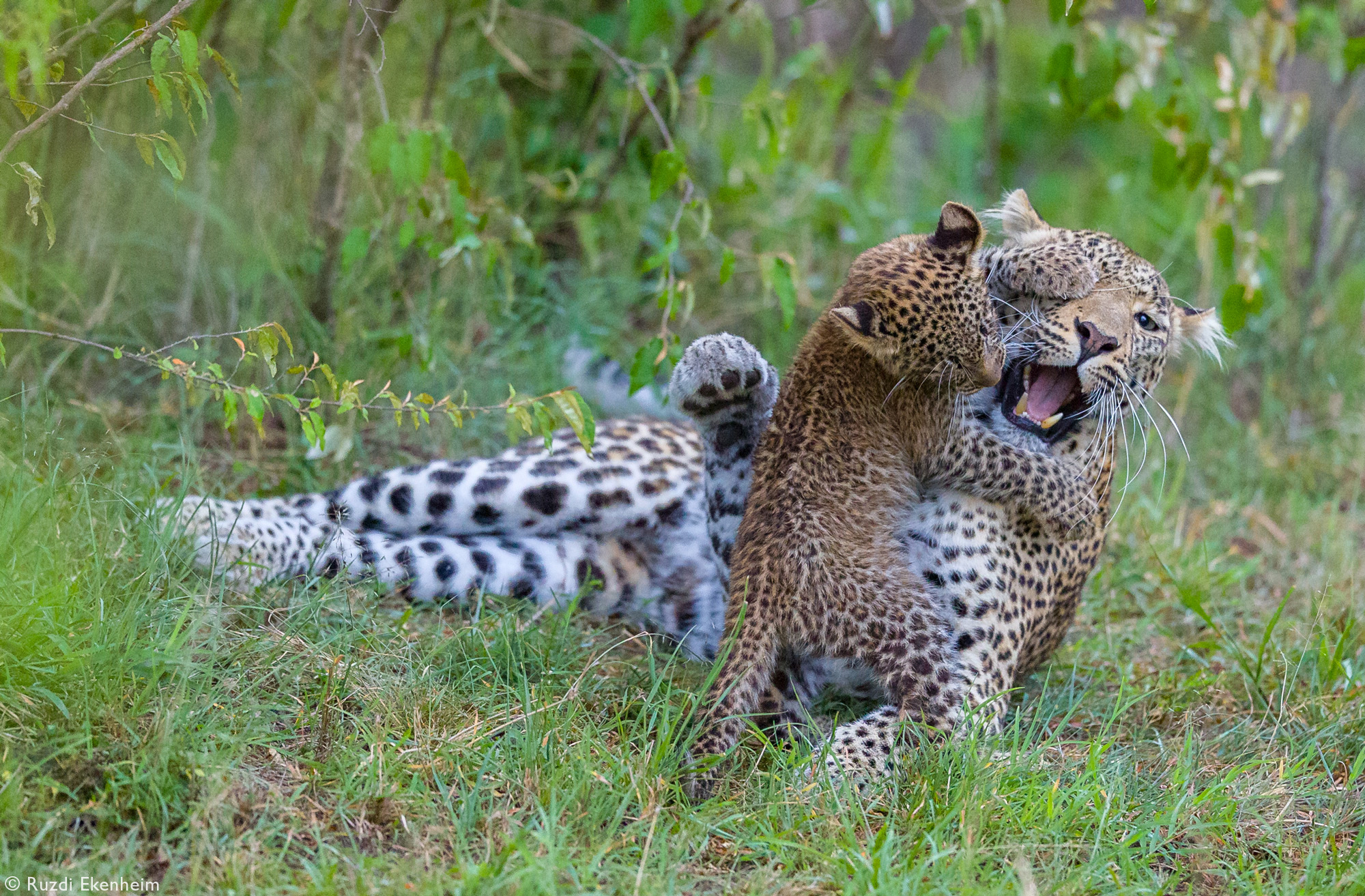
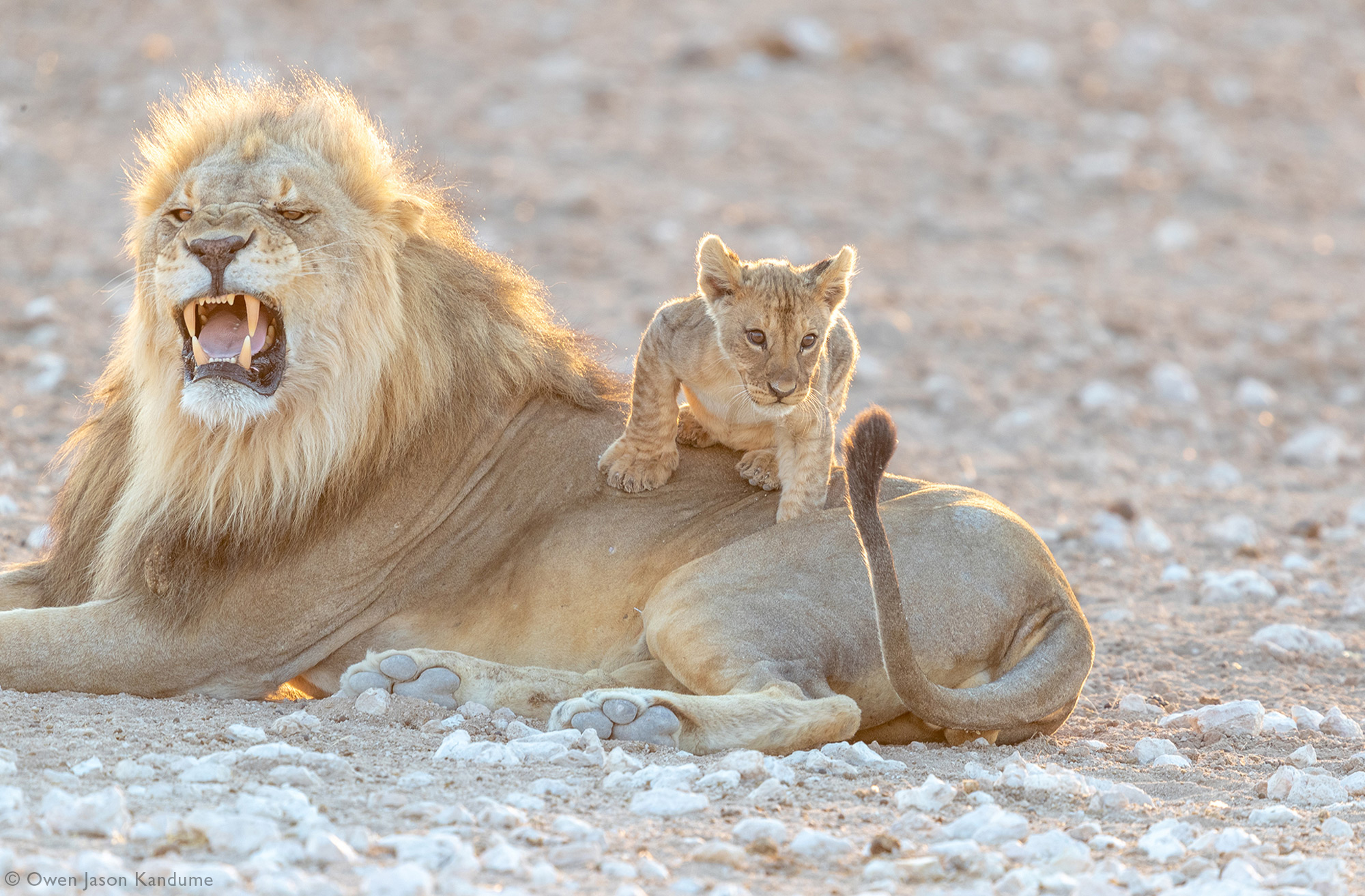
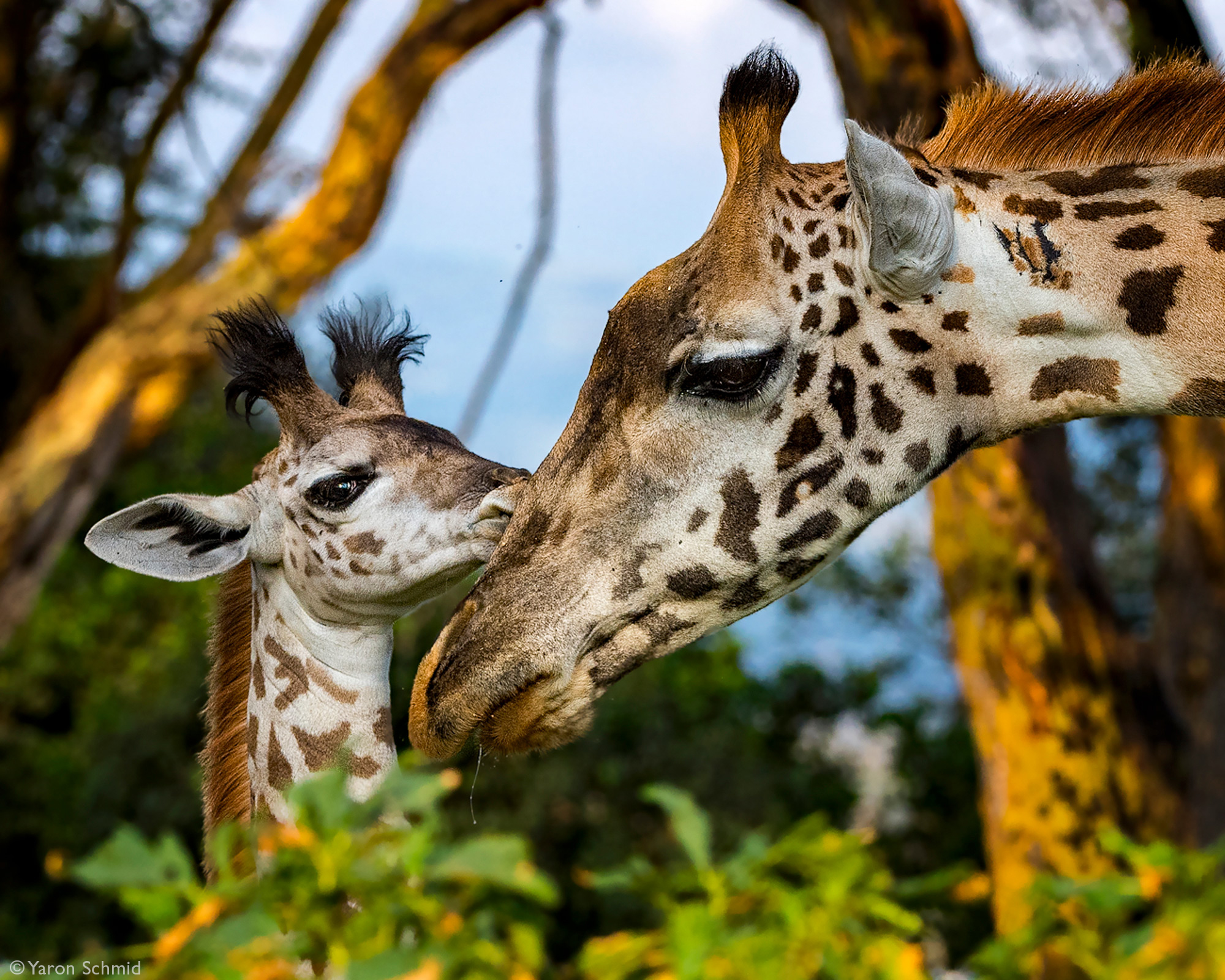
Our Photographer of the Year 2020 is now in full swing and open for submissions!
There are two galleries showcasing this week’s Weekly Selection. To see the other gallery click here:Weekly Selection Gallery 2
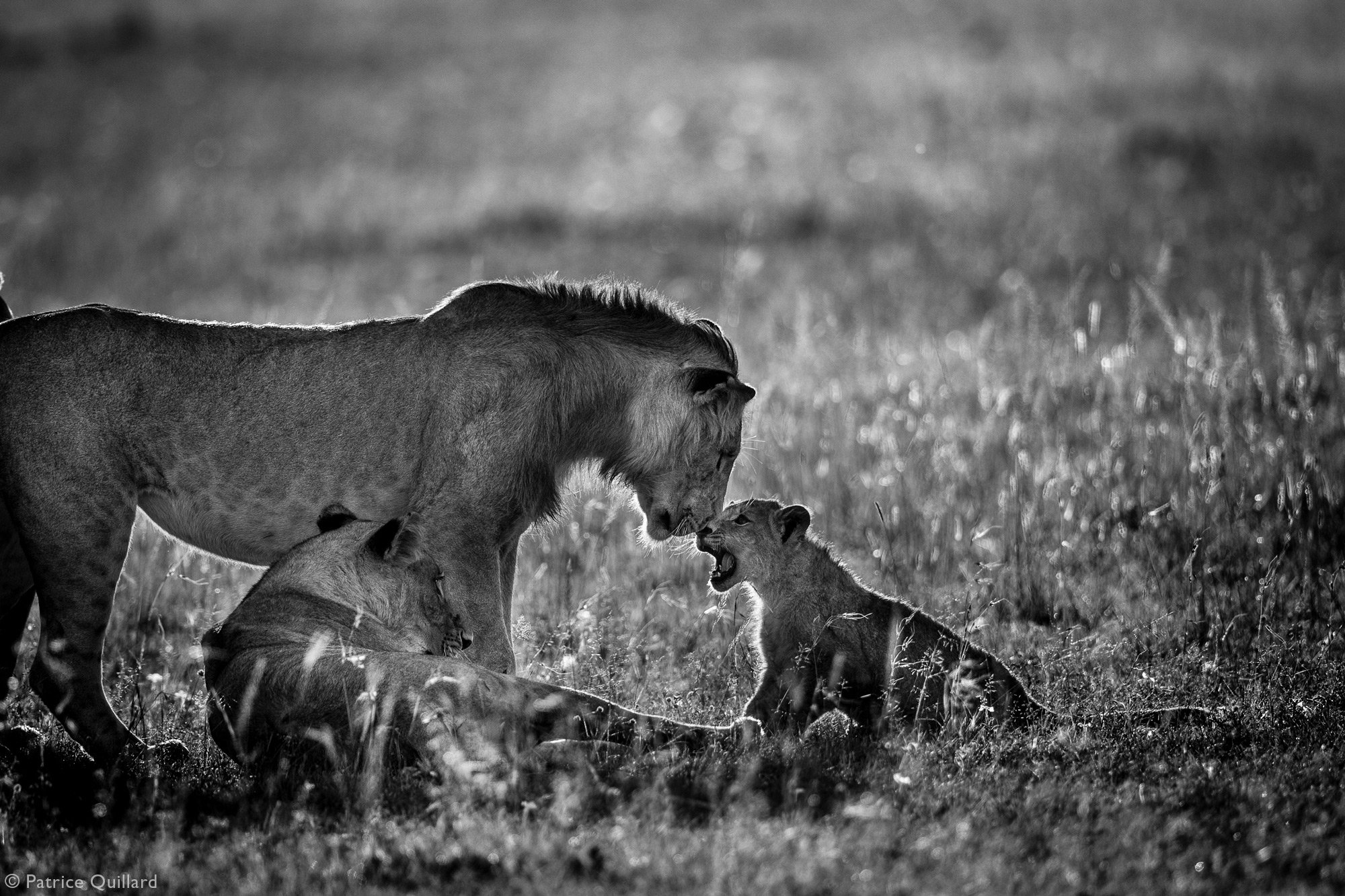
Evidence is emerging of the growing threat to wild lion populations of targeted poaching for lion body parts – teeth and claws.
The Panthera study provides evidence of an emerging threat to African lion conservation: the targeted poaching of lions for body parts – specifically teeth and claws. The study warns that this growing threat could have devastating impacts on lion populations that mirror similar implications for wild tiger populations.
The study was conducted in the Mozambican portion of the Greater Limpopo Transfrontier Conservation Area – which includes South Africa’s Kruger National Park. The targeted poaching of lions for body parts accounted for 61% of mortalities within Limpopo National Park and 35% of known human-caused mortalities across the greater landscape. The researchers also found that retaliatory killing for livestock conflict accounted for 51% of total mortalities, but body parts were removed in 48% of conflict cases, suggesting that the demand for body parts is escalating conflict killings. Teeth and claws were the body parts most frequently harvested, and there has been an alarming and dramatic increase since 2014.
We previously reported similar conclusions made by the Greater Limpopo Carnivore Program, who were participants in this Panthera study.
The study linked the escalation in poaching of wild lions and South Africa’s increasing export of captive-bred lion skeletons and body parts, which has shown exponential growth since 2007. This trade feeds a growing market among upwardly mobile Asians for luxury products, such as lion bone wine, with lion bones used instead of tiger bones as tiger parts become increasingly scarce.
The rising demand for lion body parts could exacerbate motives to kill lions in the vicinity of communities and livestock, irrespective of livestock losses or a perceived threat of losses. Incentivising the killing of lions by demand for body parts could seriously undermine conflict mitigation efforts.
Lion poaching for body parts has also increased in the Niassa reserve in northern Mozambique (C. Beggs Niassa Lion Project pers coms) and of captive lions in the Limpopo province of South Africa (K. Marnewick Endangered Wildlife Trust pers coms). Lions killed for conflict in the Caprivi region of Namibia also had teeth and claws removed (L. Hansen Kwando Carnivore Project pers coms).
Lion populations have declined across Africa by an estimated 43% over the past 21 years, and their range has declined by 75% over the past 50 years. Declines have been predominantly caused by loss of prey and habitat and by persecution from livestock farmers. The study notes that, at times, unsustainable trophy hunting has also caused decreases in lion populations.
Dr Paul Funston, Director of Panthera’s lion program, stated, “We hope this study alerts the global conservation community, and any governments participating in the lion bone and body part trade, to the serious threats it poses. We have seen the toll this trade has had on other wild cat species and must be vigilant about how it impacts lion conservation efforts across Africa.”
Just two days before Christmas a mass vulture poisoning incident was discovered by the Wildlife ACT rangers in the South African province of KwaZulu-Natal, sparking warnings that the region’s diminishing vulture populations could face extinction unless the root cause of the killings is addressed.
On 23rd December, rangers found fifteen white-backed vultures (Gyps africanus) as well as a young lappet-faced vulture (Torgos tracheliotos) who all died after feeding on a poison-laced impala carcass in northern Zululand. It is the fourth vulture poisoning incident in the province this year, bringing the total recorded number of vultures harvested for body parts in this region alone to 53.
“Arriving at a scene like this with everything so fresh, but too late to assist in saving any poisoned birds is heartbreaking. Losing one vulture is always a tragedy. Losing at least 16 birds at one feeding is a crisis,” said PJ Roberts, manager of Wildlife ACT’s Emergency Response Team.
Wildlife ACT works closely with Ezemvelo KZN Wildlife, local farmers and communities, and other conservation groups to protect three endangered vulture species in KwaZulu-Natal.
Signs that the vulture poisoning was deliberate were immediately apparent after inspection of the first bird they came across, a white-backed vulture. “It had a full crop (still containing undigested food), contorted feet and many dead flies were scattered around its remains – all clear signs of fast-acting poison,” said Roberts.
The team swept the area, but it took an aerial search to locate more victims. “No more than 30 metres away, the morbid discovery of 13 processed and harvested white-backed vultures, with their heads and feet removed, were found very purposefully hidden in a thick bush,” added Roberts.
All of the contaminated carcasses were burned by the rangers to remove the poison from the ecosystem.
Wildlife ACT response team with the bodies of 13 white-backed vultures, poisoned for the traditional medicine trade. Image courtesy Wildlife ACT
The Endangered WildLife Trust’s (EWT) Vultures for Africa Programme manager, Andre Botha, said it was difficult to quantify how many vulture poisoning incidents relate to harvesting of body parts. According to records kept by EWT, more than 1,200 vultures have been deliberately poisoned in Southern and Eastern Africa this year. Culprits include poachers who poison the carcasses of elephant and other game in an apparent effort to conceal illegal activities from rangers. These poisonings are referred to as “sentinel poisonings”, as vultures circling over poached animals alert rangers to the killings.
In Africa vultures are under threat due to habitat loss, ingestion of lead ammunition, collisions with power lines, accidental drownings in farm water reservoirs, and the use of poisoned bait by livestock owners to kill predators like jackals. Vultures feeding off the carcasses subsequently die, often in significant numbers.
But many more are poisoned deliberately to harvest body parts for belief-based use.
“The vultures are killed for their heads and feet and other parts,” said Chris Kelly, a species director at Wildlife ACT. “This is definitely the single biggest threat to diminishing vulture populations in this province.”
In many parts of Africa, vultures are believed to have psychic powers, including an ability to see into the future. According to a fact sheet from EWT, the brains of the bird are dried, rolled and smoked as joints or simply burnt and the fumes inhaled. Users believe this improves their odds when they gamble on the lottery or place bets on sport. Students take it when preparing for exams. Other reported uses of vultures include consuming their eyes to improve eyesight, their beaks for protection, or their feet to heal fractured bones or make a person run faster.
In 2014, EWT estimated that 130,000 traders, hunters and traditional healers were operating in South Africa. This figure is believed to have increased, sparking calls from conservationists, environmental scientists and wildlife experts at this year’s Conservation Symposium for an awareness-building campaign to reduce this consumption and demand for vulture parts.
“Vultures provide critically important ecosystem services by cleaning up carcasses thus reducing the spread of dangerous diseases such as anthrax and rabies and resulting in highly significant economic and human health benefits,” said Brent Coverdale, an animal scientist for Ezemvelo KZN Wildlife at the symposium. “We really can’t afford to lose them.”
As vultures are protected by law, it is illegal to possess or kill any of the six vulture species found in South Africa. Nevertheless, deliberate killings continue.
More than 1,200 vultures have been deliberately poisoned in Southern and Eastern Africa in 2019. Image courtesy Wildlife ACT
Citation: Ogada, D., Shaw, P., Beyers, R. L., Buij, R., Murn, C., Thiollay, J. M., … Sinclair, A. R. E. (2015). Another continental vulture crisis: Africa’s vultures collapsing toward extinction. Conservation Letters.
The forest elephant population in one of Central Africa‘s largest and most important protected areas has declined by 80% in 10 years because of poaching, with an estimated 25,000 elephants poached between 2004 and 2014, says a new Duke University-led study.
Gabon’s Minkébé National Park was explicitly declared to protect elephants and hosted the highest density of forest elephants in Central Africa at the turn of the century. It was thought that the large size (7,570 km2) and remoteness of the national park would keep elephants safe from poaching.
“Our research suggests that more than 25,000 elephants in Minkébé may have been killed for their ivory between 2004 and 2014,” said John Poulsen, assistant professor of tropical ecology at Duke‘s Nicholas School of the Environment. The elephant population was estimated at 35,404 in 2004 compared to 6,542 in 2014.
“With nearly half of Central Africa‘s estimated 100,000 forest elephants thought to live in Gabon, the loss of 25,000 elephants from this key sanctuary is a considerable setback for the preservation of the species,” he said.
The researchers estimated the extent of the population losses by comparing data from two large-scale surveys of elephant dung in Minkébé National Park from 2004 and 2014, using two different analytic methods to account for periods of heavy rainfall that might speed the dung’s decay and skew the surveys’ accuracy.
The report explained that portions of the national park with major roads nearby (6.1 km away) were “emptied” of elephants. In contrast, populations of elephants in areas further away from major roads (58 km) were “somewhat reduced”. The proximity of major roads makes it relatively easy for poachers to access the park and transport their illegal haul across the Gabon/Cameroon border to Cameroon’s largest city, Douala, a major hub for the international ivory trade.
Gabon was one of several African countries which burned its stockpile of ivory, in a public display of rejection of elephant poaching and opposition to countries which wish to trade internationally in their ivory stocks.
Full report: John R. Poulsen, Sally E. Koerner, Sarah Moore, Vincent P. Medjibe, Stephen Blake, Connie J. Clark, Mark Ella Akou, Michael Fay, Amelia Meier, Joseph Okouyi, Cooper Rosin, and Lee J. T. White (2017). Poaching empties critical Central African wilderness of forest elephants. Current Biology.https://doi.org/10.1093/jel/eqz032
In an exciting discovery, a large herd of about 250-300 elephants has been spotted in Nigeria’s far northeast corner, close to the borders with Cameroon and Chad. It is the first reported sighting of elephants in the region since Boko Haram invaded the area a decade ago.
Up until a decade ago hundreds of elephants used to migrate through the region, with three major migration routes passing through Sambisa Forest, a reserve in Nigeria’s Borno State that is the size of Belgium and The Netherlands. This reserve became synonymous with Boko Haram terrorism as the same migration routes were used by insurgents to escape military bombardment. The heavy exchange of artillery fire between the military and the insurgents drove most wildlife away from the reserve.
Up until now, it had been unclear what happened to the elephants that once roamed the Sambisa Forest and savannahs in Borno and Yobe states.
This large herd of elephants was spotted a few kilometres from Rann during a humanitarian mission carried out by helicopter. Rann has become a place synonymous with the horrors of the insurgency.
“We have dispatched our director of forests Peter Ayuba, to confirm the sighting and to carry out an impact assessment,” said Kabiru Wanori, Borno State’s environment commissioner.
Although the great elephant census did not cover Nigeria, it was estimated that there are 250 in the country with the largest concentration (100-150) being in Bauchi State in the Yankari Game Reserve. Yankari, under the management of the Wildlife Conservation Society (WCS), which operates under challenging political, economic, and security environment. This sighting of a previously unknown herd would therefore effectively double the estimated Nigeria elephant population. Nigeria’s elephant population includes scattered populations of both savannah elephants in the north of the country and forest elephants in the south of the country.
A recent report published in Oxford Academic by Trouwborst, Loveridge and Macdonald compares CITES hunting trophy export quotas for African range states to established benchmarks. The report concludes that leopard hunting quotas that have been rubber-stamped for decades by CITES are arbitrary and lacking in robust scientific basis and without regular adjustment. Further, the report suggests that CITES-approved leopard trophy hunting quotas are “fundamentally at odds with the principles of sustainable use, precaution and adaptive management”.
Editorial note: Many countries do not make use of their full CITES export quotas. For example, South Africa has access to a CITES export quota of 150 leopards (see table below), but in 2018 permitted a quota of seven leopards.
Here follows a summary of the report, titled ‘Spotty Date: Managing International Leopard (Panthera pardus) Trophy Hunting Amidst Uncertainty’. We encourage you to download and read the entire report.
There is a widespread but misplaced assumption that the conservation status of leopards is assured and, as a result, leopards do not enjoy the same level of conservation and research attention as do lions, tigers and snow leopards. Now that their numbers too are thought to be plummeting, researchers expect them to start receiving as much publicity as the other big cats.
There is a significant lack of hard data on leopard population numbers, often compensated for by optimistic ‘guesstimates’ and many stakeholders in sub-Saharan Africa rely on outdated population assessments from the late 1980s.
Leopards have been listed under Appendix 1 since the 1975 inception of CITES – which means that trade for primarily commercial purposes is forbidden. Legal international trade is limited to hunting trophies and skins under export quotas for range states, as defined in the table below. Of course, illegal trade remains a significant problem for leopard populations.
Quotas should be based on best available information, and be adjusted regularly to changing circumstances. They should reflect a sustainable leopard hunting offtake – not detrimental to the survival of the species, based on a science-based assessment and where harvests are well-managed and adaptive. Importantly, the process of setting quotas must be guided by the overarching ‘precautionary principle’: erring on the side of caution, especially in situations where scientific data is scarce. CITES quotas are not ‘targets’, and the full amount need not be met.
A closer look at CITES leopard quotas
The report touches on various countries, as examples of how leopard hunting quotas are determined, including:
1. Mozambique requested a quota of 120 leopards annually, based on an estimated countrywide population of 37,000 leopards. This estimate was derived from a 30-year-old prediction model created by Martin and De Meulenaar that assumes maximum densities across specific rainfall and vegetation types, and excludes critical factors such as prey availability and human-related pressures;
2. Tanzania and Namibia used the same model to increase their CITES quotas from 250-500 and 100-250 respectively significantly;
3. South Africa is the only African country where robust data is available – camera-trap surveys over the period 2013-2017 reflect an annual 8% decline in leopard populations. After years of unsustainable trophy hunting offtake and high pressure from illegal killing for traditional medicine and ceremonial purposes, South Africa has adopted an adaptive management framework by adjusting quotas annually based on population trends and only allocating quotas to areas with robust available data;
4. Ethiopia has an extraordinarily high CITES quota of 500 leopards when only five are hunted per year. The reason for that country’s request to retain the full CITES quota despite the demonstrated lack of available leopards possibly relates to politics and the lack of trust that most African countries have in the machinations of CITES. This situation (high quota, low available leopard population) is mirrored in other countries such as Zimbabwe, Zambia, Tanzania and South Africa.
The system does not work, so change it
The report suggests that continuation of the status quo is not an option, and indicates that the following are the three alternative ways forward:
1. Abandon the current CITES Council of Parties (COP) quota system and replacing it with a per-case permit system – an extremely bureaucratic system;
2. Retain a COP quota system, but scrutinise at every COP meeting – thus ensuring adaptive adjustments;
3. Abandon the current COP quota system, and each range state would set their own quota using a uniform blueprint based on ensuring sustainable offtakes.
The report notes that when it comes to being rigorous, science-based, precautionary, sustainable and adaptive, the approach recently introduced in South Africa seems to hold particular promise and could be instituted relatively cheaply by other countries.
Conclusion
The report concludes that “a science-based, precautionary and adaptive approach to quota-setting along the lines explored above could go some way to ensuring that trophy hunting of leopards and other species occurs sustainably even when the available information is spotty”.
A prominent hotel in Kinshasa has been offering smoked baby chimpanzee on their menu, says local NGO Conserv Congo.
Conserv Congo director and former investigative reporter Adams Cassinga was advised by a tourist that the 4-star Beatrice Hotel (website + Facebook + Twitter) in Kinshasa, the capital city of the Democratic Republic of Congo (DRC), offered chimp on the menu, but plans for a sting operation were foiled when staff at the hotel were alerted to the situation, and removed the item from the menu.
According to the menu available at the time, a serving of smoked baby chimpanzee would set customers back US$35, and requires 24-hour notice.
The menu from the Beatrice Hotel showing smoked baby chimp (bébé chimpanzé fumé) for $35
Hotel management subsequently denied the claims on social media, stating that they no longer offer chimpanzee meat to customers, blaming the error on the cook. Cassinga dismisses this explanation, saying “How can they claim to ‘no longer’ offer chimpanzee meat? The hotel is ten years old and it has been illegal to offer chimpanzee meat for 15 years. In any case, we have witnesses who have eaten chimpanzee meat at this hotel”.
Speaking to Africa Geographic, Cassinga said that Beatrice Hotel owner Mr André Kadima has popped up on his radar a few times over the last few years, in connection with allegations of wildlife trafficking, of both dead and live animals. He is a former employee of ICCN (the parastatal in charge of DRC fauna and Flora) and owns a zoo 60 km north of Kinshasa – ‘Kadima’s Pride of Africa.’
Conserv Congo has instituted legal action against Kadima, on the grounds that it is a criminal offence to hunt, injure, kill, sell or buy, gift or detain a protected species of animal or plant, and that the common chimpanzee (Pan troglodytes) falls into the protected species category. Potential punishment is 1-10 years in prison and/or up to US$20,000 fine.
Cassinga said that Conserv Congo recently won the first wildlife trafficking case in DRC, when three bonobo/pygmy chimpanzee (Pan paniscus) traffickers were sentenced to five months in prison and a fine of US$5,000 each. He went on to say that, at any given time in Kinshasa alone, there are at least ten great apes for sale. Red-tailed monkeys are butchered in hundreds daily as bushmeat, and many are held as pets and as symbols of wealth and status. He suggests that conservation plans are failing in Africa because of the demand for wild animals, which is based on greed, superstition and bad habit – and had nothing to do with cultural identity.
Consumption of bushmeat across the central African rainforests has escalated due to increasing commercialisation of what was previously a localised food source. Road and trucking networks provided by mining and hardwood forest logging companies facilitate easy access to otherwise remote and inaccessible areas, and meat is now being transported to major African cities and even to Europe and the United States, which host expatriate African communities.
Recently we exposed Instagram influencers Jessica Nabongo and Sal Lavallo for eating pangolin meat in a Gabon restaurant, and promoting the experience to their followers.
The Conserv Congo mission statement is to ‘preserve the biodiversity of the Congo basin’ and they do this primarily via investigating illegal trafficking and assisting the authorities in arresting and prosecuting offenders. They also educate members of the public about wildlife laws, promote alternative livelihoods to poaching and rescue trafficked wildlife, which they place in sanctuaries. In this video founding director Adams Cassinga explains more about Conserv Congo. Cassinga is a Mandela Washington Fellow, Young African Leaders Initiative Fellow, DRC honorary park ranger and a member of the Game Rangers Association of Africa.
How can you help?
Conserv Congo director Adams Cassinga has requested supporters to donate money that will be used to fund the legal action taken against Beatrice Hotel owner Mr André Kadima, who is a wealthy man with significant legal resources at his disposal. Please contact him via this email address: aminiadams16@hotmail.com
Millipedes of all shapes and sizes are a common sight in Africa, particular after rain, when they are seen marching around in search of decaying plant matter to eat. Some are HUGE – easily the size of your hand, and many have brightly coloured bodies and legs – possibly to scare off predators.
We rounded up ten interesting facts about these beautiful creatures:
• The indigenous people of southern Africa call the millipede ‘shongololo’, which is derived from from the Xhosa and Zulu word ‘ukushonga’, meaning to roll up…
• The name “millipede” is derived from Latin, meaning “thousand feet”. However, no known species has that many legs, and the record for the most legs on a millipede species belongs to Illacme plenipes, who has 750 feet.
• There are about 12,000 described species of millipedes!
• Their primary defence mechanism is to release a foul-smelling toxin, which is made up of hydrochloric acid (which burns) and hydrogen cyanide (which asphyxiates). This keeps most predators at bay, except for shrews and civets, which appear to be immune to these toxins. Millipedes also curl up into a tight ball when threatened, to protect their soft underparts.
• When disturbed, millipedes escape predation by moving away in a slithering, snake-like motion, which may scare off some predators.
• Hornbills have been observed using crushed millipedes to line their cavity nests in trees – possibly to avoid mite and other infestations. Some primates have been observed intentionally disturbing millipedes to obtain the foul-smelling toxins which they rub onto their bodies, also as a repellent.
• Millipedes are some of the oldest land animals on Earth. The first known millipede, Pneumodesmus newmani, was only 1 cm long and appeared during the Paleozoic era, 252-541 million years ago. This is the oldest known creature to have lived on land, and was discovered in 2004 from a single specimen in Scotland.
• Some extinct prehistoric millipedes (Arthropleura spp.) grew up to 2 metres in length!
• The longest living millipede is the giant African millipede (Archispirostreptus gigas), reaching a length of up to 38.5 cm.
• It is thought that the bright body and leg colours of some millipedes is to warn off or repel predators.
Safaris are made all the better when you eat local food, and Swahili food dishes are delicious. With a beautiful blend of Arab, Indian and Portuguese influences, Swahili cuisine uses a variety of spices like coriander, clove, chilli and black pepper together with a range of staples like maize, cassava, rice, wheat and sorghum.
Here are a few examples of delicious East African safari food – as eaten by the local people:
Nyama choma
This “charred meat” is a rich, filling barbecue of beef, chicken or goat, marinated in garlic, lemon juice, curry powder and turmeric and slow-roasted over hot coals until supremely tender. It’s a very social food and a dish that’s enjoyed by communities everywhere in Africa.
Nyama choma – charred or barbecued meat
Wali na maharage
Swahili beans is a favourite of vegetarians or meat-eaters alike and blends dried beans with local, flavoursome ingredients to produce a filling bean stew that could be sweet or spicy. Cooked beans are sautéed with onions, ginger, tomatoes and coconut milk.
Swahili beans and rice
Pilau
Pilau is a typical rice dish all over the world, but the secret to the Swahili version is that it’s flavoured with the spices fresh from the “Spice Island” – Zanzibar. Famous for clove and cinnamon, and with the addition of cardamom, Swahili pilau is a delicate and fragrant rice dish.
Pilau – a rice dish with spices
Chipsi mayai
Think of this dish as a delicious sautéed potato omelette – and it’s easy to prepare! After you’ve sautéed your potatoes, whisk up an egg or two and add it to the pan. Mix it around a bit, and soon it’ll cook into a slab of eggy-potatoey loveliness.
Chipsi mayai – potato chip omelette
Ndizi na nyama
Got meat? Got bananas? Then you’re ready for ndizi na nyama – a meat and banana stew. For those of you who think that fruit and meat are an unholy alliance, think again. This tasty, unusual stew uses unripe rather than sweet plantains which, when added during the last ten minutes of cooking, become tender and delicious.
Ndizi na nyama – meat and banana stew
Ugali
The most ubiquitous food across all of East Africa is ugali – a starchy accompaniment made of cornmeal, semolina or sorghum flour and water. Because it’s easy to make and the ingredients are low-cost, it’s a popular food, and you’ll see it often during your safaris in East Africa.
Ugali – a firm flour porridge
And to drink?
Tea and coffee are plentiful in East Africa, as are fresh-pressed pineapple, orange, sugar cane and papaya juices – a sweet and thirst-quenching way to end your safari day. There’s also a variety of refreshing local beers available – such as Tusker, Serengeti and Kilimanjaro. Be aware though that in Muslim areas, alcohol is only sold in the tourist hotels, bars and cafes.
These are only a taste of some of the delicious Swahili food choices that East Africa offers. In the end, there truly is nothing better than watching an African sunset with a beer in hand and a full, satisfied tummy! And next time you order your safari meal, be sure to speak Swahili like a local!
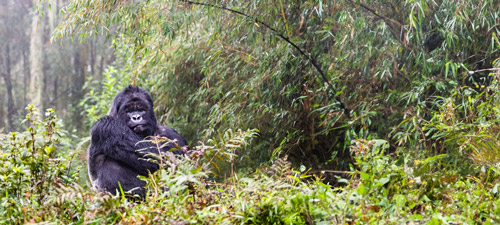
The population of mountain gorillas (Gorilla beringei beringei), one of the world’s most endangered species, is on the rise, and now stands at an estimated 1,063 individuals (1,004 in 2018).
This after a population survey was performed in the Bwindi-Sarambwe area, one of the two remaining areas where this critically endangered great ape is still found (the other being the Virunga Massif area).
The survey results revealed that the population in Bwindi-Sarambwe has increased to 459 from an estimated 400 in 2011. When combined with the previously published figure of 604 mountain gorillas from the Virunga Massif area, the total population now stands at an estimated 1,063 mountain gorillas.
“Slowly but surely a solid future for mountain gorillas is emerging, proving that long-term, collaborative conservation efforts can pull species back from the brink of extinction. This was demonstrated last year with the IUCN reclassification from ‘Critically Endangered’ to ‘Endangered’.” said Anna Behm Masozera, Director of the International Gorilla Conservation Programme (IGCP), which provided technical and financial support to the exercise under an agreement with the intergovernmental Greater Virunga Transboundary Collaboration.
The increase in mountain gorillas is attributed to the effectiveness of conservation policies and strategies, regulated tourism, daily protection and veterinary interventions, intensive law enforcement, community conservation projects, and transboundary collaboration among government institutions and NGOs. Further, these results are a testament to the tireless effort of the rangers and trackers who daily protect and monitor mountain gorillas and their habitat, including those that have been killed in the line of duty.
It is also essential to recognise the role of the communities that live close to these national parks who co-exist with mountain gorillas and contribute to conservation efforts. That said, the survey findings also indicated that the threat of illegal human activities to mountain gorillas and other wildlife has not declined in Bwindi-Sarambwe since 2011, despite the positive developments in community engagement and conservation and tourism initiatives. For instance, survey teams found and destroyed 88 snares during their work.
The exercise involved more than 75 trained survey members from 13 participating institutions along with the support of local governments and communities living around the protected areas. Survey teams walked pre-determined reconnaissance trails, ensuring thorough coverage of all forest areas to sweep the Bwindi-Sarambwe and search for signs of gorillas, other key mammals, and human activities. When fresh gorilla signs were detected, the teams followed the gorilla trail to locate three recent night nest sites. At each of these nest sites, the teams collected faecal samples from nests. The process was completed twice; first from March to May 2018 (62 days), and second from October to December 2018 (60 days). A second sweep allows finding gorillas that were undetected during the first sweep and thus provides more reliable numbers of gorillas. Faecal samples were analysed genetically to determine individual genotypes. Additional scientific publications are expected from the survey.
Despite the rise in numbers, the two populations of mountain gorillas remain relatively small and vulnerable to a potential rapid decline due to factors such as their limited habitat, climate change, dependence on resources in the park by people, and the risk of disease transmission.
Swahili (Kiswahili) is a Bantu language that’s spoken by the Swahili people across and beyond East Africa, including Tanzania, Kenya, Uganda, Somalia, Rwanda, Burundi, Democratic Republic of Congo, Malawi, Zambia and Mozambique. Strongly influenced by and initially written in Arabic, Swahili is now more commonly written using the Latin alphabet. Visitors to East Africa should master at least a few Swahili words and phrases – and enjoy friendly banter with local people. Of course, Swahili culture has its idiosyncrasies and subtleties, which may embarrass all involved – but expect a high degree of forgiveness if you get some things wrong.
Here then are a few general guidelines to rewarding interactions with the peoples of East Africa:
Greetings are important
In Swahili culture, greeting etiquette is tremendously important, and it’s considered impolite not to greet correctly. How you greet someone in Tanzania has an impact on how they will behave towards you. For instance, if a person doesn’t greet their neighbour, it’s usually assumed that they dislike each other.
Ask questions
Key to a rewarding conversation is to spend some time asking about the other person – such as their health and that of their parents and family, and how business/farming is going. Social relationships are very important in Africa, so it’s important to take the time to understand their situation and wellbeing. You will probably not have too much Swahili in your vocabulary, so this conversation will probably be in English, after the initial Swahili greetings
Physical contact
Handshakes (right hand only) are extremely important and sometimes hands are held much longer than you might be used to – sometimes for the duration of the conversation. Your hands might meet and gently entwine fingers, or perhaps there might be some wrist-holding. There are a few variations, so don’t get hung up about what and how – relax and enjoy the moment. If you’re respectful and friendly, no one will take offence at your awkwardness.
Learning a few basic Swahili phrases will help you during that initial, sometimes awkward, greeting phase, and earn the respect of your Swahili-speaking friend. Here are a few of the most useful phrases (the syllables to stress are in bold):
♦ “Hello”: “Hujambo”, often shortened to “jambo”. You can also use “habari” which roughly translated means “What’s the news about….?”. Use any of these, and smile, as you’re going in for the handshake
♦ “Good morning!”: There’s nothing like a cheerful “habari za asubuhi!” to show friendliness and good wishes. Use “habari za mchana” for “good afternoon.”
♦ “How are you?”: Ask “habari gani?”. But if your friend gets in first with “habari gani?” then answer: “nzuri, ahsante!” (“good, thanks!”). You can also say, “poa” or “safi!” or, if you’re already on good terms, you can be less formal: “Poa, kichisi kama ndizi kwenye friji” (“I am cool like a banana in the fridge”)
♦ “Please”: “Tafadhali”
♦ “Thank you (very much)”: “Ahsante (sana)”
♦ “Goodbye”: “Kwaheri”
♦ “Good night”:“Usiku mwema” or “habari za jioni”
♦ “Enjoy your trip”: “Safari njema“:
“Habari” – the most useful Swahili word
“Habari” is a handy word as you can use it to say “hello” AND to ask what’s the latest news. You’ll impress if you ask “habari za familia?” (“how is your family?”) and follow it up with “habari za kazi?” (“how is work?”). You can also try “habari za kutwa?” (“how was your day?”).
If you invest the time to master the above smattering of Swahili, your social credibility will sky-rocket, and you will enjoy the familiarity and respect that adds layers of enjoyment to your safari. Safari njema!
These are the stories of two elephants who display enormous tenacity and will to survive, despite significant obstacles. As told by Dr. Michelle Henley – Elephants Alive Director, Co-founder and Principal Researcher.
MATAMBU
Most of the staff and residents of the Associated Private Nature Reserves – Klaserie, Umbabat, Timbavati, Balule & Thornybush (APNR) in the Greater Kruger – have come to know Matambu. He is a true gentle giant amongst elephants, in every sense of the word, often bestowing on us the great honour of contact rumbling when he senses us. This could be because we have regularly visited him since first sighting him on 16 June 2005, and so he has come to recognise the sound of our research vehicle and the scent of its passengers. You see, Matambu is almost totally blind. During our recent annual aerial census, Matambu was seen walking closely on the heels of a younger bull, tracking him as he weaved his way through the bushveld. We have often found him in the company of Whispers, who would protectively charge at us when we immobilise his ailing companion – surely a sign of loyalty and concern for his safety.
In May of this year, we thought we were going to lose Matambu after he suffered a severe infection near the base of his tail and his underparts, probably after being attacked by another bull. We turned to Wildlifevets (Drs. Ben Muller and Joel Alves) three times to treat Matambu’s wounds.
A deep sadness hung over our team at Elephants Alive when we were told during the last treatment that we needed to let him pass on. But, as we mentally prepared ourselves, Matambu had other plans and a clear will to live, and slowly but surely his condition improved. Almost six months after his injury he is still thin and has a less severe infection, but the flushing green grass will hopefully give him the kick-start he needs to boost his immune system and fight off the infection. We are delighted to be approaching the festive season and the New Year with this special elephant. Keep fighting Matambu, as we need your continued existence to bring us added joy!
RHANDZEKILE
Rhandzekile, meaning ‘loved’ in Shangaan, was first sighted in 2009 in the Umbabat Private Nature Reserve as a young sub-adult cow. Through the years since then, people who see her have expressed shock and awe that she has kept going. Rhandzekile has a large hole below her forehead, through which she breathes. Our vets suspect that her handicap is congenital. She appears on and off in the APNR and recently was seen lactating, with a calf in tow.
The hole in her forehead was recently oozing puss, and so we again called Wildlifevets to the rescue, who examined her and administered booster injections. Miraculously, only 2% of her breathing is through her trunk – the rest is via the hole in her forehead, with much audible sucking and blowing. Subsequent to this treatment she moved out of Balule Private Nature Reserve all the way down to Skukuza over the period of a month, clearly showing us that her handicap does not hold her back in anyway.
Rhandzekile has the company of her family herd, and we wonder who in that herd helps her to drink by squirting water into her mouth, as she will not be able to suck water very effectively?
So it is in the lives of elephants – they care for each other – and sometimes we are privileged enough to catch a glimpse into their world of absolute bonds and friendships that last a lifetime and allow handicapped individuals to live long and fruitful lives.
Thank you to all the landowners of the APNR for reporting sightings of this cow. We would like to monitor her more closely and fit a collar so your sightings are valuable. Thank you to the wardens and especially to Ian Nowak (general manager of Balule) for helping with the location of this cow for examination.
A collared elephant has been hunted in Botswana, and the tracking device destroyed. Four other elephant bulls were hunted by the same party. The hunts took place in a remote area near the Dobe border post between Namibia and Botswana.
The hunting party destroyed the tracking device, according to a statement by Botswana Wildlife Producers Association chairman Basimane Masire. He went on to say that the professional hunter and owner of the elephant hunting license subsequently forfeited their hunting licenses and have cooperated with the official investigation.
The Botswana Government’s Ministry of Environment, Natural Resources Conservation and Tourism confirmed yesterday that professional hunter Michael Lee Potter and Botswana citizen Michael Sharp, a citizen who holds the hunting license, claimed not to have noticed that the large bull elephant had a research collar around its neck.
Collared elephant bulls are usually older animals with large tusks, making them attractive hunting trophies. Despite the hunting of collared elephants being contrary to most trophy hunting ethics protocols, and often illegal, incidents of this occurring are not infrequent.
Journalist Don Pinnock reported in Daily Maverick that Zimbabwe professional hunter Adrian Read had the following to say about trophy hunters claiming not to notice that their targets carried research collars: “The collar is very visible from the front as well as from the sides. And you wouldn’t shoot an elephant facing directly away from you because you have to assess the tusk size. In my opinion, anyone shooting a collared elephant and saying he did not see the collar can only be shooting after dark (which is illegal).”
The elephant hunt took place in a remote area known as NG3, near the Botswana/Namibia border post of Dobe
Included in the reasoning provided by the Botswana government when they made this decision, was that elephants would be hunted in areas with high incidences of elephant-human conflict so that the local people derive benefits from the hunts. In his report, Pinnock continues that a representative of the local San people, Dahem Xixae, explained “We have no conflict. Only the hunters are the winners here, whereas local poor people remain in sorrow… There’s no benefit to the community from the hunting of elephants and there are dangers. First of all, the Ju/’hoansi do not eat elephants, because elephants behave like human beings. The five elephants hunted were not transients but local ones. This will make the (other elephants) more aggressive and if any were wounded they will be very dangerous to the local community.” Xixae went on to say that “his community was not advised of this elephant hunt”.
For further information about the process leading up to the decision by the Botswana government to resume the hunting of elephants and other species read this compendium of articles.
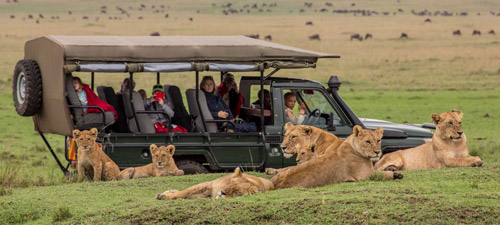
Lions in Gorongosa National Park (Mozambique) are benefitting from better conservation measures, and show a population increase to 146, the nature reserve announced on Wednesday.
“It is something I have not seen in the seven years we have studied the lion population,” Paola Bouley, deputy director of conservation, who leads the park’s Carnivores Project told Lusa.
According to a statement distributed on Wednesday, 13 new young males have travelled through the central area of Gorongosa Park, underscoring the importance of a growing lion population for biodiversity.
“The lions are sentinels. When conditions are bad, they suffer the first impact, but when life goes well, they recover quickly and that’s what we’re seeing,” Paola Bouley added.
Unlike in the past, none of the new males has been caught in traps. Before 2015, one-third of the lions in the park were captured, mutilated or killed by human activities, but the Gorongosa inspectors have turned the situation around, the deputy director said.
“They provide the lions with the security they need to prosper,” she added.
African lions in the wild have fallen 70% in the last 50 years and disappeared from an area corresponding to 80% of their historically occupied space, the statement added.
Gorongosa National Park is Mozambique’s main wildlife national park, located at the southern end of the East African Rift Valley. It is home to some of the most biologically rich and geologically diverse ecosystems on the continent and is co-managed by the Government of Mozambique and the Gorongosa Project.
“The Park integrates conservation and human development with the understanding that a healthy ecosystem and healthy human communities are two sides of the same coin,” the statement said.
A total of 5,645 kilometres… That is 845 km more than the distance across the United States of America, 2,500 km further when travelling east to west across Australia, and 2,845 km more than the distance across South Africa. That distance does not even count all the little trips in between, including the time spent travelling to and from the various holding sites along the way.
Three countries and 5,645 km later, it all comes down to this moment… The gate is pulled open, and everyone holds their breath, waiting. Cell phones set to video mode are held out, GoPros and professional cameras held steady. All eyes are on the impala leg just outside the gate of the holding boma (enclosure) – a lure, an offering, one last easy meal before the uncertainty of hunting in the wild. After what feels like an eternity, a flash of spotted gold races out of the gate and passes the free meal. He then stops, briefly assessing the situation and his newfound freedom. The large male doubles back and grabs the leg before disappearing into the bush.
Smiles break out throughout the group, and everyone breathes a sigh of relief. It has been a long journey of 5,645 km and now the first wild cheetah in southern Malawi in over 90 years has left his footprints in the soil.
Moments later, the sound of branches snapping and a bushbuck races past us, barking loudly, with a spotted predator in pursuit. There is a new danger on the block. The cheetah gives up his half-hearted attempt on the bushbuck and heads back to the meat that does not require chasing. He eats a portion and then heads off past ancient baobabs to explore his new home in Majete Wildlife Reserve.
At the beginning of the 20th Century, over 100,000 cheetahs roamed Africa and Asia, but by the end of that century, the wild cheetah population had reduced to 15,000. Currently, the total population is estimated at 7,100 adult and adolescent animals, with 4,297 living in Southern Africa, 2,290 in Eastern Africa and 457 in Western, Central, and Northern Africa. Cheetahs are listed as ‘Vulnerable’ by the IUCN Red List and have been eradicated from 90 percent of their historical range in Africa, while in Malawi the entire population was extirpated in the 1980s after decades of habitat loss, human-wildlife conflict and poaching.
Now, in a bid to restore what once was, a collaboration between African Parks, the Malawian Department of National Parks and Wildlife (DNPW), and the Endangered Wildlife Trust (EWT) has allowed five carefully selected cheetahs to be successfully reintroduced into Malawi’s Majete Wildlife Reserve – with the hopes that this crucial founder population will help to grow the population range of this vulnerable big cat.
The cheetahs were donated by Welgevonden, Samara, Dinokeng and Madikwe game reserves in South Africa. Each individual was carefully selected via the EWT’s Cheetah Metapopulation Project, which creates safe spaces for cheetahs while managing populations across reserves to ensure genetic diversity. This reintroduction of five wild cheetahs, in conjunction with a successful reintroduction into Liwonde National Park in 2017, now increases the nation’s total population to 20 individuals. These translocation initiatives are critical for the preservation of the species – and they help to promote tourism, which generates vital funding for the parks and local communities.
The most recent move of a female cheetah – named ‘Samara’ – to Majete was by vehicle in a bakkie (pickup truck). Vincent van der Merwe (EWT Cheetah Metapopulation Project manager and National Geographic Explorer), Johann “Vossie” Vorster (National Geographic filmmaker) and I crossed three international borders to relocate her from South Africa to Malawi. The cheetah was a trooper as her transport container bounced along poorly maintained roads, waiting at border posts for all the correct documents to be checked over by officials, and travelling day and night for over 55 hours. At the border posts, people would gather around to try and get a glimpse of what was in the wooden boxed labelled with African Parks and EWT stickers. Rumours of leopards and tigers were whispered amongst the crowds.
DID YOU KNOW that African Parks offers safari camps (lodges and campsites) where 100% of tourism revenue goes to conservation and local communities? Find out more and book your African Parks safari.
Travelling through Tete in Mozambique was the warmest part of the journey, but thanks to Vincent’s innovative thinking, we rigged up a system to deliver cool air conditioning from the bakkie directly into the cheetah’s container. This kept her from overheating during the hot portions of the trip.
Many cups of coffee, packets of pistachios and power bars later we made our way down the winding roads to Majete’s gate, where the cheetah was able to stretch her legs in the holding boma. Here she will remain for a few weeks as she acclimatizes to her new surroundings, as did the other cheetahs before their release into the wilds of Majete. We have high hopes for this female and for the four other cheetahs who have travelled such vast distances to make this reintroduction dream come true.
Read more about cheetahs here: The Cheetah, and continue reading below for information about Majete, African Parks and the Endangered Wildlife Trust.
When African Parks assumed responsibility of Malawi’s Majete Wildlife Reserve in 2003, the park was practically devoid of all wildlife, and the charcoal trade was driving the systematic removal of trees. Since then, Majete has become a case study for positive conservation development, with a pioneering rehabilitation and restocking programme that has set a precedent for similar projects across Africa. Today, Majete is flourishing, so much so that wildlife is being moved to populate other parks and private reserves within Malawi. Within five years of African Parks taking responsibility for the reserve, over 2,000 animals had been reintroduced, including black rhinos in 2003; elephants in 2006; lions in 2012, and a host of other wildlife – making this budding reserve Malawi’s only Big 5 destination with now more than 12,200 animals thriving within its perimeter.
Park management has maintained a 15-year track record of zero poaching of rhinos and elephants since their introduction; and tourism has increased 14 percent from last year, with over 9,000 visitors (half of whom were Malawian nationals) – bringing in over US$550,000 to the reserve and communities.
Although Majete is open all year-round, the weather conditions vary according to the season. The wet season occurs from November to March, while the dry season runs from April to October. Temperatures range from 11 to 40 degrees Celsius, depending on the season.
ABOUT AFRICAN PARKS
African Parks is a non-profit conservation organisation that takes on the complete responsibility for the rehabilitation and long-term management of national parks – in partnership with governments and local communities. Africa’s largest NGO (based on counter-poaching presence and area under protection), African Parks manages 15 national parks and protected areas in nine countries – covering over 10.5 million hectares in Benin, Central African Republic, Chad, the Democratic Republic of Congo, the Republic of Congo, Malawi, Mozambique, Rwanda and Zambia.
African Parks and Malawi’s Department of National Parks and Wildlife (DNPW) have been working closely together to rehabilitate habitat and restore biodiversity to the country’s parks since 2003 when a public-private partnership was formed for the management of Majete. African Parks subsequently assumed management of Liwonde (and Nkhotakota Wildlife Reserve) in collaboration with DNPW in 2015, following the successful track record achieved in Majete.
ABOUT ENDANGERED WILDLIFE TRUST
The Endangered Wildlife Trust (EWT) has worked tirelessly for over 45 years to save wildlife and habitats, with its vision being a world in which both humans and wildlife prosper in harmony with nature. From the smallest frog to the majestic rhino; from sweeping grasslands to arid drylands; from our shorelines to winding rivers: the EWT is working with you, to protect our world. The EWT’s team of field-based specialists is spread across southern and East Africa, where committed conservation action is needed the most.
Working with its partners, including businesses and governments, the EWT is at the forefront of conducting applied research, supporting community conservation and livelihoods, training and building capacity, addressing human-wildlife conflict, monitoring threatened species and establishing safe spaces for wildlife range expansion.
Jo is a carnivore ecologist based in South Africa. Born in America, her passion for wildlife and conservation resulted in her immigrating to Namibia and then on to South Africa, where she currently resides. Jo has worked for Panthera’s Leopard Program, running camera trap surveys looking at leopard populations, and freelances with various projects working on cheetah, painted wolf (African wild dog) and rhino conservation, as well as working as an Honorary Officer for North West Parks Board. Jo is currently working on her Masters in Conservation Biology through the University of Cape Town, looking at the influence of camera trap deployment on serval density estimates. She enjoys sharing her passion and inspiring others through her photography and stories. You can learn more about Jo’s projects and see more of her photos on her website, her Instagram or her Facebook page.
Uganda birding offers a feast of rare and unique bird species and the chance to dramatically expand your species list. More than 1,065 bird species inhabit a range of habitats – from montane forests to wetlands, agricultural lands, lakes and savannahs. Uganda is on the equator, and the endemic species-rich Albertine Rift Valley separates the country’s west from DR Congo and Rwanda, so expect impressive biodiversity.
In no particular order, here are arguably the best birding spots in Uganda:
1. Mabamba Swamp at Lake Victoria
Mabamba Swamp is one of the best places to catch a glimpse of the highly prized shoebill. Lake Victoria is the largest freshwater body in Africa and is home to about 260 bird species. Look out for the shoebill, blue swallow, pallid harrier, papyrus gonolek, swamp flycatcher, pigmy goose, lesser jacana, white-winged warbler, Viellot’s weaver, grosbeak weaver, palm-nut vulture, black-headed weaver, northern brown-throated weaver, Clarke’s weaver and Carruther’s cisticola.
Bwindi is the heart and soul of Ugandan birding, the make-and-breaker of bird lists and the home of many endemic and rare bird species. This forested heaven boasts about 350 species, including 23 Albertine Rift endemics, of which 14 are not recorded anywhere else in Uganda.
The forest trails around Buhoma are ALIVE with opportunity as you stand your best chance to catch a glimpse of olive long-tailed cuckoo, bar-tailed trogon, dusky tit, Abyssinian (Kivu) groundthrush, white-bellied robin-chat, equatorial akalat, grey-chested iladopsis, red-throated alethe, white-bellied crested flycatcher, white-eyed slaty flycatcher, the enigmatic Chapin’s flycatcher, white-browed crombec, Neumann’s warbler, black-faced prinia, handsome francolin, Jameson’s antpecker, black-faced rufous warbler, northern double-collared sunbird, Willcock’s honeyguide, black bee-eater, black-billed weaver, magpie mannikin and newly described Willard’s sooty boubou.
Scan snags and canopy contours for sooty flycatcher and forest starlings – including Waller’s, Stuhlmann’s and narrow-tailed.
Transitional areas such as “The Neck,’ between Buhoma and Ruhiza, are popular areas to look out for black sparrowhawk, western bronze-naped pigeon, cinnamon-chested bee-eater, Cassin’s honeybird, Petit’s cuckooshrike, white-chinned prinia, mountain wagtail, pink-footed puffback, the rare tiny sunbird and the dapper brown-capped weaver.
Away from the indigenous forests, amongst pioneer vegetation fringing the tea estates, you can strike it lucky with the highly sought-after dusky twinspot, yellow-bellied, Kandt’s and black-crowned waxbills, streaky and thick-billed seedeaters, western citril and yellow-crowned canary, noisy Chubb’s cisticola, alert Mackinnon’s shrikes, and, with luck marvel at a sigh of the striking Doherty’s bushshrike.
Ruhija is your next hotspot in Bwindi, and although the walk down to Mubwindi Swamp is not for the faint-hearted, this is an obligatory pilgrimage for the serious birder, since it is down there that resides the MOST coveted of Bwindi’s Albertine Rift endemics …. the rare and localised Grauer’s broadbill, one of Africa’s most sought-after birds. This globally threatened species is known from only two sites worldwide, the other being a remote forest in eastern DR Congo.
Other species to watch out for in Ruhija include Carruthers’s cisticola and the localised Grauer’s swamp warbler, red-chested flufftail, black-billed turaco, barred long-tailed cuckoo, white-headed wood-hoopoe, western tinkerbird, olive woodpecker, thick-billed and the elusive dwarf honeyguide, black saw-wing, grey cuckooshrike, olive-breasted and yellow-streaked greenbuls, Abyssinian thrush, white-starred robin, Archer’s ground-robin, stripe-breasted tit, mountain illadopsis, Rwenzori hill-babbler, mountain masked, Rwenzori, and chestnut-throated apalises, cinnamon bracken, mountain yellow, red-faced woodland and Grauer’s warblers, white-tailed blue flycatcher, yellow-eyed black flycatcher, Rwenzori batis, mountain sooty boubou, the rare Lagden’s bushshrike, Sharpe’s starling, mountain oriole, strange weaver, and oriole finch. Flowering symphonias attract the incredible blue-headed, regal and scarce purple-breasted sunbirds, all highly desired Albertine Rift endemics. Dusky, red-faced and the phantom-like Shelley’s crimsonwing occur here too.
As the sun sets, Ruhija offers your best bet for Rwenzori Nightjar, African wood owl, and, if you are exceptionally fortunate, the rare Fraser’s eagle-owl.
Murchison Falls is Uganda’s oldest and largest national park, named after the waterfall of the same name, formed when the mighty Nile River is forced through a 7-metre gap in the rocks. The park is home to about 450 bird species, and birding can be done on a game drive, via a boat trip (on the Nile) or a nature walk. Habitat types include forest, swamp, riverine woodland, palm savannah and acacia-dotted plains.
The riverine thickets hold white-crested turaco, double-toothed barbet, red-throated bee-eater, Heuglin’s francolin, brown babbler, silverbird, buff-bellied warbler, black-headed batis, and bar-breasted firefinch. Puvel’s illadopsis can also be found near the chimp researchers’ camp. There is plenty of open palm savannah, which is an excellent haunt for Abyssinian ground-hornbill, Senegal lapwing, Shelley’s rufous sparrow and the strange-looking piapiac. The Nile delta is, of course, home to the near-mythical shoebill stork. Night drives can produce a plethora of species, such as the pennant-winged and standard-winged nightjars and the greyish eagle-owl.
Queen Elizabeth National Park is a birdwatcher’s haven, with about 600 bird species across a variety of habitats – from sprawling savannah to dense forest, lakes and wetlands.
Moving from Ishasha to Mweya, you will do well keeping an eye out for African crake, blue-throated roller, flappet lark, sooty chat, black-and-white shrike-flycatcher, northern black flycatcher, black-headed gonolek, moustached grass warbler, red-chested sunbird, and slender-billed weaver. And along the banks of the Kasinga channel, you can expect grey crowned-crane, hamerkop, African jacana, flocks of African skimmer, gull-billed tern, and grey-headed and lesser black-backed gulls.
Mgahinga Gorilla National Park is home to about 180 bird species, including several spectacular Albertine Rift endemics. It is located in the southern part of Uganda, bordering Rwanda and DR Congo and comprises dense highland forest on the slopes of 3 extinct volcanoes. Mgahinga offers excellent bird-watching opportunities along the gorge trail, bamboo trail, and farm/community trail. The bird species to look out for include Kivu ground thrush, handsome francolin, dusky crimsonwing, red-throated alethe, blue-headed coucal, Rwenzori nightjar, Rwenzori batis, Archer’s robin chat, black-headed waxbill, western green tinkerbird and stripe-breasted tit.
Semuliki National Park, in the Albertine Rift Valley of western Uganda, has about 440 species in its riverine, forest and grassland avian habitats. It hosts species of the Guinea-Congo biome in its lowland forest. The species to look out for include the Congo serpent-eagle, long-tailed hawk, African piculet, Maxwell’s black weaver, blue-billed malimbe, yellow-throated nicator, black dwarf hornbill, Nkulengu rail, piping hornbill, yellow-throated cuckoo, dwarf honeyguide, orange weaver, white-crested hornbill, red-billed dwarf hornbill, black-wattled hornbill, lyre-tailed honeyguide, capuchin babbler and swamp palm bulbul.
7. Kibale National Park
Kibale Forest is a prime birding spot with about 375 bird species, including six Albertine Rift endemics. It is an excellent birding spot with habitats ranging from wet and dry tropical forest to woodland and savannah. The number one sought-after bird in the Kibale Forest is the green-breasted pitta. This “mega” has recently become available, though finding it still takes a good measure of luck.
Kibale offers an impressive bag of goodies replete with gems such as various forest robins, scores of brown and scaly-breasted illadopses, brown-chested alethe, phantom-like black-eared and Abyssinian ground-thrushes, joyful and Toro olive greenbuls, black-bellied seedcracker, collared and black-capped apalis, grey-throated, yellow-spotted and yellow-billed barbets, blue-throated roller, black bee-eater, crowned eagle, red-chested owlet, African grey parrot, African finfoot, afep and white-naped pigeons and the comical, hulking great blue turaco.
The Bigodi Wetland Sanctuary within the park is a great haunt for specials such as speckled tinkerbird, speckle-breasted woodpecker, white-spotted flufftail, snowy-crowned robin-chat, Bocage’s bushshrike, and western nicator. Nearby patches of papyrus support the shy and cautious white-winged swamp-warbler.
The Rwenzori Mountains in Uganda are home to about 220 bird species, including 19 Albertine Rift endemics, with habitats ranging from high-elevation forest and open montane grasslands to peat bogs, snowfields, and glaciers. The mountains lie in western Uganda, with snowcapped peaks reaching 5,110m. Most of the birding in the forest zone and species to see include Rwenzori turaco, long-eared owl, Archer’s robin-chat, Lagden’s bush-shrike, blue-headed and golden-winged sunbird, white-starred robin, slender-billed starling, cinnamon-chested bee-eater and bearded vulture.
Birding is one of the major activities in Lake Mburo National Park, and the best spots for birding are near the lake swamps at Warukiri and Rwonyo. Other habitats include dry hillsides, rocky outcrops and dense savannah. The park is home to about 320 bird species, which include red-faced barbet, brown parrot, barefaced go-away bird, black-billed barbet, blue-napped mousebird, Nubian woodpecker, papyrus canary, papyrus gonolek, African finfoot and shoebill.
There are a few very localised species in Uganda that only occur in Mburo, and topping that list are red-faced barbet, Tabora cisticola, green-capped eremomela, golden-tailed woodpecker, spot-flanked barbet, and grey penduline tit.
At the lake swamps, the main targets are African finfoot, papyrus gonolek, white-winged warbler, African water rail and white-backed night-heron. Yellow-throated leaflove chatter loquaciously in dense, waterside thickets and giant kingfishers wait patiently on overhanging branches.
Mixed woodlands are best for Coqui francolin, black-bellied bustard, African wattled plover, brown parrot, red-headed lovebird, barefaced go-away-bird, blue-napped mousebird, lilac-breasted and broad-billed roller, green wood-hoopoe, common scimitarbill, Narina trogon, Nubian woodpecker, trilling cisticola, northern black flycatcher, chin-spot batis, rufous-chested swallow, yellow-throated longclaw and southern red bishop.
Small numbers of the migratory brown-chested plover are regularly observed in the grasslands that access the park, in addition to the impressive Abyssinian ground-hornbill. Night drives may reveal African scops owl, marsh owl, Verreaux’s eagle owl, swamp and pennant-winged nightjars.
10. Budongo Forest
Budongo Forest has two main sections – Kaniyo Pabidi (Murchison Falls National Park) and the Royal Mile and Busingiro areas, south of Murchison. It lies at the edge of the Albertine Rift valley, protecting the most extensive natural forest area in East Africa. Budongo is home to about 360 bird species. At the Royal Mile, look out for the elusive and skulking Nahan’s francolin, the fleeting Cassin’s spinetail, and the dainty chestnut-capped flycatcher. Also search for the stunning chocolate-backed, blue-breasted and African dwarf kingfishers. The forest is full of illadopses and alethes, and the diversity of greenbuls here is simply incredible. But for those who don’t fancy cryptic birds, there are plenty of more colourful species such as the white-thighed hornbill and black bee-eater. Other species include Cassin’s hawk-eagle, Ituri batis, black-collared lovebird and brown twinspot.
Wildlife campaigners at Humane Society International/Africa are celebrating a South African High Court ruling that grants extended protection for Riff Raff, an elephant dubbed a “problem” animal for trampling fences erected through his range in Limpopo. As elephants and people increasingly compete for land across South Africa, landowners often resort to lethal solutions to eliminate the problem. That is unjustified, says HSI/Africa, particularly when a reserve more than 400 km away is offering Riff Raff a new home.
HSI/Africa and its partner Global Supplies have been working for more than two years to save the 40+ year-old, dominant male elephant from destruction after a landowner applied to have him shot. Riff Raff was declared a damage-causing animal by the provincial environmental government for trampling fences to gain access to land that has been his core bull zone for more than half his adult life. The fences were erected by a landowner on Riff Raff’s reserve in 2016, directly excluding him from this long-established area of land to which, as one of the oldest and most dominant bulls on the property, he was genetically hard-wired to return.
To save Riff Raff, HSI/Africa and Global Supplies relocated him to another reserve last year, but it was too close to his historical range and he walked the 64 km journey back home. When a new destruction permit was applied for, and the campaigners’ request to relocate Riff Raff to a new reserve 400 km away was rejected by the Limpopo government, they asked the High Court to intervene and review the decision. Judge President Makgoba has now granted Riff Raff extended protection at his current reserve, pending a full review next year. The new location, being much further away, in a new terrain and with new females, where Riff Raff would be the most dominant bull, mimics bull’s natural dispersal to areas outside of their natal range, and therefore has greater chances of success.
Across Africa, elephants are under threat from poaching, trophy hunting, habitat encroachment and climate change, and should be protected wherever possible. HSI/Africa believes that Riff Raff’s ranging behaviour is nothing more than normal bull elephant instinct. As current legal definitions of so-called damage-causing animals fail to take this natural behaviour into account, it has become easy for landowners to exploit this behaviour to have elephants on their land destroyed.
Audrey Delsink, HSI/Africa’s wildlife director and an elephant behaviourist who has studied Riff Raff for more than 20 years, said: “We are deeply relieved at the High Court’s decision to grant Riff Raff an extended stay of execution and the chance of a new life. He has come to symbolise an ever-increasing human-elephant conflict in South Africa that all too often ends with elephants paying the price. People and elephants increasingly compete for the same space, with lethal solutions sadly seen as the easiest and quickest option. Lethal management interventions, particularly in the case of human-elephant conflict, should be the absolute last resort and never employed where any other humane alternative exists. We share this land with these magnificent giants, it should be utterly unthinkable to kill them simply because to do so is easier than managing the land in a way that considers their normal biological drivers.”
HSI/Africa is extremely thankful to its attorneys, Lawton’s Africa, and to Advocate Mpho Sethaba and Lebogang Phaladi for their pro-bono services on Riff Raff’s case. The elephant’s final fate will be determined next year, when the 2018 decision not to allow his relocation will be reviewed by the court.
With a record-breaking, never-before-seen 29,887 entries received for our Photographer of the Year 2019 competition, our judges had an incredibly tough time deciding on our winner and runners-up. But at the end of the day, it was the pure macro-magic of Eraine van Schalkwyk’s jumping spider that caught the eye of our judges, and she was crowned our winner for 2019.
What made this image stand out head-and-shoulders above the other macro entrants was that she managed to include so much of the habitat in her capture. So often macro photography involves tight focus and shallow depth of field, where only the subject is clear. This tiny predator appears to be surfing in a tube wave, as it gazes straight at the camera. This added sense of place makes this an excellent image.
And so we launch our Photographer of the Year 2020 by sharing with you a selection of reigning Photographer of the Year Eraine’s stunning photos, along with her thoughts on photographing spiders. Do enjoy this magnificent gallery and we look forward to another successful year of celebrating wildlife photography with you all!
? The winning image: This friendly, 1cm in length, jumping spider (Hyllus sp.) was found wandering in leaf litter. Jumping spiders are curious creatures, and often intrigued by the camera flash. They are harmless to humans. Greater Kruger National Park, South Africa. Canon MP-E 65mm f/2.8 1-5x Macro lens (f/9 | 1/250 | ISO 400)
“We are beginning to learn that each animal has a life and a place and a role in this world. If we place compassion and care in the middle of all our dealings with the animal world and honour and respect their lives, our attitudes will change” ~ Jane Goodall
A few years ago, while visiting Punda Maria camp in northern Kruger National Park, I stood on the bed, shoe in hand, trying to figure out the best approach to kill the spider that was on the floor. We often fear that which we do not understand – I knew little of these tiny creatures and yet I was frightened of them. It was only when my knowledge grew that my fear diminished and was replaced with curiosity.
I’m fortunate to have grown up in a family of nature enthusiasts who frequent national parks around South Africa and had a grandfather whose passion and knowledge of nature photography inspired my parents and myself. I’ve always had a great love and appreciation for the natural world and its inhabitants, but never quite respected spiders in the same way.
?Jumping spider (Asemonea sp.), St. Lucia, iSimangaliso Wetland Park, KwaZulu-Natal, South Africa. Canon MP-E 65mm f/2.8 1-5x Macro lens (f/9 | 1/400 | ISO 400)
?Male jumping spider (Harmochirusluculentus)with a brush of hair on front legs. Sabiepark Private Nature Reserve, Mpumalanga, South Africa. Canon MP-E 65mm f/2.8 1-5x Macro lens (f/10 | 1/250 | ISO 400)
?As they are already skittish, photographing spiders with prey is a gamble, getting in closer with a lens often results in spiders abandoning their food. This Tusitala sp. jumping spider allowed me to take photographs as I watched it completely shred its prey to pieces. Sabiepark Private Nature Reserve, Mpumalanga, South Africa. Canon MP-E 65mm f/2.8 1-5x Macro lens (f/9 | 1/500 | ISO 400)
?Green pea spider (Araneus apricus) with prey. These spiders build their webs at night to catch flying and jumping insects. The web is then removed early in the morning, and the spider retreats to a cluster of leaves close to the web site. Sabiepark Private Nature Reserve, Mpumalanga, South Africa. Canon EF 100mm f/2.8L Macro IS USM lens (f/9 | 1/250 | ISO 400)
South Africa is home to about 2,200 described species of spiders, and only a few of those are known to produce a bite that requires medical attention. An individual’s response to spider venom depends on many factors including age, health and sensitivity to the venom (much like people vary in sensitivity to a bee sting). Should a spider bite you, it would be out of self-defence or when they feel threatened, such as when they become trapped between clothes and the skin, or if they are aggravated.
?Myrmarachne ichneumon male jumping spider (left) mimicking a Tetraponera sp. ant (right). Ant-mimicking jumping spiders have physical and behavioural modifications to look like ants. Some ant mimics, like the Myrmarachne, gain protection by living near ants, while others mimic them to feed on them. Taken in iSimangaliso Wetland Park, KwaZulu-Natal, South Africa. Both photographed with Canon MP-E 65mm f/2.8 1-5x Macro lens. Left: (f/10 | 1/250 | ISO 500), Right: (f/9 | 1/250 | ISO 400)
With a taste for insects, spiders perform the essential ecological role of controlling insect populations, including those that damage wild vegetation and our crops, and insects capable of spreading diseases like mosquitoes. Spiders are a food source for a variety of animals, including other invertebrates, reptiles, amphibians, birds and mammals. The food web is very intricate, and the removal of spiders from the food chain could have a devastating effect on the rest of the food chain.
Armed with new knowledge, I set out to explore spiders and found that they’re not the malicious creatures I once thought they were. From the first time that I looked into the eyes of a jumping spider, their beauty and quizzical gaze captivated me.
?Crab spider (Thomisus stenningi) patiently awaiting its next meal on a water lily. Females of this species can change their colour and are often found on flowers of the same shade. Their cryptic colouration allows these spiders to fool their prey, ambushing them when they stray too near, as well as to escape predators. Sabiepark Private Nature Reserve, Mpumalanga, South Africa. Canon MP-E 65mm f/2.8 1-5x Macro lens (f/9 | 1/250 | ISO 400)
?I spotted this Heliophanus sp. jumping spider on a beautiful pink and white flower and thought it had the potential to make a lovely image. On my approach, it ran off into the leaves, but its curiosity of the light bouncing off my flash allowed for a few photographs. Sabiepark Private Nature Reserve, Mpumalanga, South Africa. Canon MP-E 65mm f/2.8 1-5x Macro lens (f/9 | 1/320 | ISO 400)
?Jumping spider (Langelurillus squamiger), on a lichen landscape. Cape Vidal, iSimangaliso Wetland Park, KwaZulu-Natal, South Africa. Canon MP-E 65mm f/2.8 1-5x Macro lens (f/10 | 1/250 | ISO 500)
?Jumping spider (Hyllus treleaveni) with a processionary caterpillar as prey photographed against a windowpane. Sabiepark Private Nature Reserve, Mpumalanga, South Africa. Canon EF 100mm f/2.8L Macro IS USM lens (f/8 | 1/160 | ISO 400)
?A Cyclosa insulana juvenile spider in an orb-web decorated with a circular stabilimentum. Skukuza Indigenous Nursery, Kruger National Park, Mpumalanga, South Africa. Canon EF 100mm f/2.8L Macro IS USM lens (f/9 | 1/200 | ISO 400)
That’s how I found myself reflecting in the same room in Pundu Maria, where I had once dispatched a harmless wall spider. I was here again, but with a different goal in mind. I wanted to photograph spiders, and hopefully take people with the same fear I once had on a journey with these spectacular, misunderstood creatures.
I started photographing spiders using an Olloclip for my iPhone and currently use a Canon 70D and Canon MP-E 65mm f/2.8 1-5x Macro lens, Canon EF 100mm f/2.8L Macro IS USM lens, Canon Macro Twin Lite MT-24EX Flash and MagMod diffusers. All my images are handheld and single exposures (not stacked). All spiders are photographed in their natural habitat.
? Left: A well-camouflaged crab spider (Oxytate argenteooculata). Sabiepark Private Nature Reserve, Mpumalanga, South Africa. Canon MP-E 65mm f/2.8 1-5x Macro lens (f/9 | 1/250 | ISO 400); Top right: Fish-eating spiders are found at freshwater sources where they feed on tadpoles, adult frogs and aquatic invertebrates. I watched this Nilus massajae eyeing an Argus reed frog – I wonder if it had it for dinner! St. Lucia, iSimangaliso Wetland Park, KwaZulu-Natal, South Africa. Canon EF 100mm f/2.8L Macro IS USM lens (f/13 | 1/250 | ISO 400); Bottom right: Lynx spider (Oxyopes jacksoni). Lynx spiders are so named because of the way they hunt – they run over vegetation and jump on their prey. Sabiepark Private Nature Reserve, Mpumalanga, South Africa. Canon MP-E 65mm f/2.8 1-5x Macro lens (f/8 | 1/250 | ISO 400)
?Jumping spider (Thyene sp.) on a tree trunk. Mkuze Game Reserve, KwaZulu-Natal, South Africa. Canon MP-E 65mm f/2.8 1-5x Macro lens (f/11 | 1/250 | ISO 400)
?Crab spider (Thomisus granulatus) on the exposed roots of a fever tree. Sabiepark Private Nature Reserve, Mpumalanga, South Africa. Canon MP-E 65mm f/2.8 1-5x Macro lens (f/9 | 1/200 | ISO 400)
?Jumping spider (Phintella sp.) at the base of a bold and beautiful tree trunk. I’ve seen this species of jumping spider maybe a dozen times or so. My first attempts left me with no images and very disappointed as they had scampered away. This Phintella was comparatively relaxed and allowed me to get close. Sabiepark Private Nature Reserve, Mpumalanga, South Africa. Canon MP-E 65mm f/2.8 1-5x Macro lens (f/8 | 1/250 | ISO 400)
Photography is a powerful means of communication. Macro photography allows me to capture detailed images of living organisms that are too small to be appreciated with the naked eye.
I want to thank Africa Geographic for providing the platform to show some of my images of spiders, and hope that these photographs will contribute towards an appreciation and understanding of them. Spiders and other tiny creatures are as magnificent as Africa’s bigger wildlife and are just as worthy of being respected and protected.
ACKNOWLEDGEMENTS
I’m indebted to Prof. Ansie Dippenaar-Schoeman for fact-checking and assistance with spider identification, and Vida van der Walt and Prof. Charles Haddad for assistance with spider identification.
?One of my very first and favourite photographs. Jumping spider (Branchus mustelus). Sabiepark Private Nature Reserve, Mpumalanga, South Africa. Canon MP-E 65mm f/2.8 1-5x Macro lens (f/8 | 1/100 | ISO 400)
ABOUT THE AUTHOR, Eraine van Schalkwyk
Eraine holds a degree in Microbiology, and it is during the zoology part of her course that she learned more about spiders, prompting her interest in spider photography. For the past two and a half years, she has spent most of her free time searching for and photographing these interesting creatures. To see more of her photographs take a look at her website, and her Facebook and Instagram pages.
Namibia is home to many true wilderness areas where human influence is hardly noticeable. Spending time in Namibia’s wild nature is a true blessing for the soul and a visual feast – especially during the golden hours of the day. We’d like to inspire you with a selection of our images that capture Namibia’s extraordinary light. By Claudia & Wynand du Plessis
The far south of Namibia is very rugged and isolated. Only the hardiest of plants, such as quiver trees, survive and even thrive in this region. During the day, the landscape often appears bleak in the harsh light, but for a brief time at sunrise and sunset, the scenery becomes magical with stunning colours, shapes and silhouettes.
When you sit on top of Elim Dune in the late afternoon, the view is simply breathtaking. Towards the west, the dunes stretch as far as the eye can see, while towards the east, you are rewarded with a magnificent view over the gravel plains towards the mighty Naukluft Mountains.
Even though Elim Dune lies very close to Sesriem camp, only three kilometres away, it is truly part of the Namib Desert – one of the most impressive wilderness destinations in the world.
In the late dry season, when thousands of thirsty animals visit Etosha’s waterholes daily, the hooves of springbok and gemsbok visiting at sunset kick up huge dust clouds from the trampled soil, which make for great backlight images against the setting sun.
Etosha National Park in northern Namibia is a prime destination for wildlife enthusiasts. Even though it is fenced and many of its waterholes are artificial, it can be considered a true wilderness area because of its enormous size (22,915 square kilometres) and minimal human influence (from the park’s management, visitors, or the farmers living around the park).
In the rainy season, when dramatic storm clouds cover the sky, a rare thunderstorm over Spitzkoppe at sunset paints the landscape in pink.
Although Spitzkoppe is not a true wilderness area, you quickly get the feeling of being stranded on an isolated island when you climb up the steep granite mountain or camp in a sheltered spot.
The lilac-breasted roller is one of the most colourful birds in Namibia. Its bright shades of olive green, orange, lilac, pink, and blue stand in stark contrast to the earthy tones of the savannah – its favourite habitat – making it a striking photographic motif for wildlife photographers.
When you stay an entire day at Sossusvlei, you’ll witness the most dramatic colour changes on the dunes. During the day, when the sun is high in the sky, the terrain appears bleak and washed out. During the golden hours at sunrise and sunset, however, the sand glows in magnificent shades of orange, transforming the landscape into a magical desert world.
The vast dune sea of the Namib Desert is among the driest desert regions on Earth. Despite the area around Sossusvlei being a tourist magnet for its beauty and accessibility, human impact on the magnificent, protected Namib-Naukluft National Park is negligible.
Watching a herd of elephants approaching a waterhole and spending time to drink, bathe, play and socialise nearby is the epitome of a true wilderness experience.
At Halali waterhole you can enjoy this spectacle from a vantage point inside the camp 24/7. At the height of the dry season, elephant herds with babies prefer to visit the waterhole at the end of a hot day. With the setting sun basking the dusty scene in warm light, this creates great opportunities for photographers to capture atmospheric images.
Observing the sunrise from the top of a dune is a magical experience. The radiating orange colours of the landscape leave you speechless, and the sense of wilderness is tangible when you sit with your feet dug into the cool sand, engulfed by absolute quietness and peace.
Being out at first light in Etosha’s wilderness is equally rewarding. Watching the sun rise behind a lone acacia tree in an array of pink, lilac and orange colours is a wonderful experience. Paying attention to the large expanse of the Etosha Pan on the horizon helps one comprehend the vastness of this grand place.
As the sun sets, a herd of gemsbok moves towards the Naukluft Mountains for their nightly rest. There is a brief window when the scenery is transformed into heavenly pastel colours just before the sun disappears beyond the horizon.
The Fish River Canyon is an area of extremes in both temperature and beauty. Whilst the rugged terrain appears bleak and inhospitable during noon, it looks rather mysterious and inviting around dusk and dawn.
The early-morning light in the Namib Desert not only creates rich, warm colours but also highlights the landscape’s diverse textures and patterns. The great escarpment (as seen in the background of the above photo) runs south to north along most of western Namibia and has, for the most part, very rugged terrain with hardly any human influence.
Want to go on safari to Namibia? To find lodges, search for our ready-made packages or get in touch with our travel team to arrange your safari, scroll down to after this story.
The wild addax antelope (Addax nasomaculatus) is perhaps the loneliest mammal on the planet. These majestic, snow-white (in summer) antelope once roamed in abundance across North Africa but poaching and industrialisation pushed the wild population to the brink of extinction. By 2016 just three remained in the wild, and they were only discovered after a 700 km ground search and a 3,200 km aerial survey led by the International Union for Conservation of Nature (IUCN).
Now the species is about to get a second chance.
The Environmental Agency Abu Dhabi plans to bring back the antelope from the knife-edge of extinction with the re-introduction of addax antelope bred in captivity. Just recently the agency flew 15 addax by cargo plane from the UAE to Chad, where they will be acclimatised in a holding boma before their release into the wild later this year.
The addax is perfectly adapted to surviving in one of the most extreme climates in the world – the desert. They have broad hooves that enable them to travel efficiently on fine desert sand and a white coat that reflects the harsh rays of the sun. The species is so spectacularly adapted to dry environments that it can get most of the water it needs from a diet of grass, tubers and desert scrub.
Over a period of six years (from 2010) the wild population plummeted from 200 to just three when its habitat became a region of drug and weapon smuggling and illegal wildlife trade after the 2011 political collapse in Libya. Oil installations by China National Petroleum Corporation wreaked havoc on its habitat, and poaching by the soldiers protecting the oil sites significantly increased in one of the species’ last safe havens in Niger, according to the IUCN.
The EAD hopes the reintroduction of the addax will emulate the success of the scimitar-horned oryx, which was reintroduced by the EAD in partnership with Chad and the Sahara Conservation Fund.
Today, 202 scimitar-horned oryx roam the Ouadi Rimé-Ouadi Achim Game Reserve Protected Area, following the birth of more than 40 calves this summer.
“We take great pride in the efforts being made to bring the scimitar-horned oryx back from the brink of extinction and to see our ‘World Herd’ of this species thriving once again in the desert regions of Chad,” said Dr Shaikha Al Dhaheri, the EAD Secretary-General.
Hundreds of oryx will be reintroduced over the course of a five-year programme. The programme’s success has affected the scale and ambition of future species projects, said Dr Al Dhaheri.
“Many lessons have been learnt since the inception of the programme and we hope that the valuable knowledge and technical expertise we gained will pave the way for the reintroduction of these other highly endangered antelope species into the Ouadi Rimé-Ouadi Achim Game Reserve.”
What is an art safari? It’s a safari where you learn to sketch wildlife quickly and confidently. It might seem a little intimidating, but it’s amazing how much your sketching can improve when you spend several hours each day practising. There are only six guests on each safari and artists with any level of experience are welcome. We sketch from our private vehicle on our twice-daily drives and I lead sketching and watercolour workshops at the lodge during the middle of the day. It’s a great way to improve your sketching, enjoy an amazing few days watching South Africa’s iconic wildlife, and meet like-minded travel companions. Non-sketching friends and partners are also welcome.
Find out about Greater Kruger for your next African safari. We have ready-made safaris to choose from, or ask us to build one just for you.
The following is a selection of guest reviews from our 2019 art safaris:
I really can’t say enough good about the art safari; it was FABULOUS! All that I had hoped for and more, and I am still revelling in the memories and reliving it through my sketches. I have no suggestions for improvement because I thought it was perfect. Thank you so much! ~ Melissa F.
I have just experienced the adventure of a lifetime. Africa Geographic and Alison Nicholls have put together a trip for Africa rookies and old-timers alike… I could not have created a better forum for Africa and my art. ~ Kelly G.
After a wonderful first two legs of my trip (Cape Town and Victoria Falls), I honestly thought that the trip could not get any better. Boy was I wrong. The art safari was one of the greatest experiences. ~ Sarah L.
Kambaku is a beautiful lodge. The staff were all wonderful and helpful. The safari drives were such amazing experiences and I will cherish those sweet memories forever. ~ Emily S.
The art safari far exceeded my expectations. The accommodations were top-notch, and the game drives were truly a lifetime experience. ~ Betsy W.
Thanks for such a wonderful workshop! I have more confidence now than before, for sure. I also love Alison’s demonstrations of watercolour painting with her unique style. ~ Emily S.
Alison asked us each individually what our goals were, and I shared that I really just wanted to try to sketch profiles of the animals and try to master that. However, by the end of the safari, I found myself enjoying sketching from life much more than from pictures, and really trying to sketch the animals from different angles. I really had such a wonderful time attempting this. ~ Sarah L.
Alison was a patient and versatile teacher. She did a great job of catering to students of different levels. ~ Betsy W.
The other members on the safari, I now consider friends. I plan to keep in touch with everyone and look forward to seeing everybody’s art. I left the art safari very sad that it was over, but also very happy because I now consider myself an artist. I plan to continue with my sketching, as well as experimenting with watercolour. The art safari is something that I would love to do again, and I would suggest to everybody I know to do something like this. ~ Sarah L.
The art safari with Alison Nicholls was one of the most amazing experiences I have ever had! I grew so much as an artist and learned so much about art and African animals and birds. I really appreciated Alison’s approach to teaching art. She is very knowledgeable about the animals, birds and plants in South Africa. She was able to easily identify the areas where my sketching needed to improve. She had quick tricks and skills that made my ability to sketch moving animals much better. ~ Linda M.
It’s only one week until entries open for our Photographer of the Year 2020! We’re brimming with excitement about what gems will be unearthed this year, and to get in the mood, we’re showcasing another great gallery of adorably cute wild baby animals – from Photographer of the Year 2019. Our Photographer of the Year 2020 will officially open for entries on Friday, 29th November 2019 – details on how to enter will be available on the day!
Communities surrounding the South Luangwa National Park in Zambia often face huge losses due to elephant conflicts. The booming development of the Luangwa Valley has resulted in more farms and infrastructure being built, which has caused an increased level of human-wildlife conflict in the community. During the crop-growing season, elephants cross the Luangwa River and enter the surrounding villages, where they raid crop fields and damage property in their forage for food. This can result in devastating outcomes for local farmers who lose their livelihood, and the elephants who are met with negative retaliations.
To help mitigate this conflict, 20 volunteers from Conservation South Luangwa (CSL) have been using ‘chilli balls’ (ping pong balls filled with chilli oil) to deter elephants from crop fields. Volunteers in Kakumbi Chiefdom have been equipped with boots, rain jackets, overalls and torches to enable them to patrol high-risk zones that are likely to be raided by elephants. The volunteers patrol during the night as this is when the elephants are most active in the village.
Once an elephant begins to approach a crop field, the CSL volunteer ‘chilli patrollers’ fire a small chilli ball at the hindquarters of the elephant to deter it. The balls leave chilli oil on their skin, causing them no harm other than a mild discomfort due to the smell of chilli, which acts as enough of a deterrent.
The chilli blasters are simple devices, designed to deter but not hurt an elephant. To fire a chilli ball, the wide end chamber of the chilli blaster is unscrewed and a ping pong ball filled with chilli oil is placed inside it. Flammable insect spray is sprayed into the chamber, and then it is quickly closed. There is an igniter mounted at the back of the device which when clicked provides a spark that ignites the gas, firing the ping pong ball out of the narrow tube with a loud bang. For each round the device needs to be unscrewed and re-loaded. So the chilli patroller is careful to fire with control and make every shot count.
The ball explodes when it hits the hindquarters of the elephant, the gas quickly evaporates, leaving some chilli oil on the skin. When the elephant uses its trunk to investigate the spot, it finds the unpleasant chilli mixture. It usually takes a few attempts for the combination of the loud bang and the chilli oil to take effect, and for the elephant to decide to move on and feed elsewhere. The oil is then easily washed away when the elephant next mud bathes or sprays itself with water.
If communities are not supported in wildlife conflict zones, then they often resort to throwing rocks, fireworks, or will even use illegal firearms. All of these cause much more harm to elephants than the chilli patrollers with their blasters.
The chilli-patrolling efforts are utilised with chilli brick burning, elephant restraining fences, as well as the use of safe-grain stores which elephants cannot break into. These initiatives, combined with support from the local community, have been key to the success of the project. During this year’s farming season, over 3,000 incidences of human-elephant conflict were averted – 1,363 of these being in the Kakumbi Chiefdom.
Due to the success of the project, CSL are planning on increasing the number of patrollers to 30 for next year’s crop-growing season to continue working side by side with the community to minimise this conflict.
Emma Robinson, HWC Program Manager says: “The nine chilli patrollers achieved 1,333 man-nights, firing 839 chilli ping pong balls to deter over 1,363 elephants in four months. This real practical help makes such a difference to the farmers, who are supportive of the project. In return, they help the patrollers by clearing pathways to their fields, so they can move around easily and safely after dark. They also increase the patrollers’ effectiveness by raising an early warning when they see approaching elephants. Not surprisingly, it’s much easier to move an elephant on, before its found a plentiful supply of deliciousness.”
“Before the patrollers started, farmers could lose their entire harvest, whereas working with the chilli patrollers they will always harvest at least two bags of maize. We hope that by increasing the number of patrollers next year and adding a fourth chiefdom, we will be able to see the benefits of reduced human-elephant conflict, reaching even more farmers.”
OPINION POST by Audrey Delsink (Wildlife Director, Human Society International/Africa), Keith Lindsay (Collaborating Researcher, Amboseli Trust for Elephants), Adam Cruise (Journalist) and Ross Harvey (Independent Economist)
Despite local and international protestation, Zimbabwean authorities have gone ahead with exporting baby elephants from the country. In a clandestine act, thirty-two elephants were moved from their holding pens at Hwange National Park during the night of the 23rd of October and flown out of Victoria Falls on a Saudi Arabian Airlines Cargo plane, Saudia.
The other five (of the thirty-seven originally captured elephants) were deemed too unhealthy to travel, which in itself is an indictment on the Zimbabwean authorities for their inhumane handling of the situation. On several occasions, the Zimbabwean National Society for the Prevention of Cruelty to Animals (ZNSPCA) was denied access to the holding facilities, further demonstrating the lack of transparency surrounding this matter. Coincidentally – or more likely, purposefully – the elephants were flown out of the country on the same day as the ZNSPCA filed an urgent chamber application to gain access to the boma facility to assess the elephants’ condition following several delays. A legal case is currently before the courts, which argues that the export violates Zimbabwe’s national legislation. The case is yet to be heard by a judge. Therefore, the Zimbabwean Parks Authority (ZimParks’) decision to push ahead with the export demonstrates its distaste for accountability and the rule of law. The complainants are Zimbabwean NGOs whose members have shown bravery in standing up to a brutal authoritarian regime. To label them as being in the pockets of ‘animal rights’ organisations is as callous as it is inaccurate.
The young elephants were cruelly separated from their families nearly a year ago and have been held in captivity since then. They have now been sold to China, presumably to safari parks near Shanghai, the apparent port of arrival according to the cargo carrier’s flight path. As ZimParks has not provided any documentation, the final destination of the elephants cannot be confirmed, though it is alleged that the group will be further split into 12 smaller groups. In line with past form, the extraction of cash from the country’s remaining natural heritage is thought to go towards paying off debt owed to China or paying soldiers’ salaries (or both). China should know better, as it has recently initiated an ‘Ecological Civilisation’ programme, which inter alia discourages the purchase of ivory. To be consistent, this programme should be extended to discourage the viewing of wild animals in unnatural captivity, especially elephants. To their credit, Chinese activists have reacted with outrage at the new imports.
A recent fundraising event for wildlife by the Sino-Zim Wildlife Foundation demonstrates the deep tie between Zimbabwe and China. Headed by infamous wildlife trader Li Song and ZimParks, and supported by presentations from the Director-General and the Permanent Secretary of the Minister of Environment, Tourism and Hospitality Industry, with a “donations” slot, this event, held on the 29th October, is a clear attempt to persuade the world that these sales somehow benefit wildlife conservation.
It is well within the bounds of conventional science to assert that this exercise in terrifying, brutal capture followed by decades in sterile conditions of captivity is a fate worse than death, as the affected elephants demonstrably suffer post-traumatic stress disorder. Elephants are highly social beings who require interaction with other elephant companions, large amounts of foraging and roaming space, environmental richness and freedom of choice. Human removal of any of these factors is tantamount to cruelty and abuse.
For this reason, members to the Convention on International Trade in Endangered Species of Wild Fauna and Flora (CITES) – at the 18th Conference of the Parties (CoP18) in Geneva in August this year – overwhelmingly decided that African elephants may no longer be removed from their natural or historic range except under extraordinary circumstances. This is the first time that the convention has recognised the importance of welfare in conservation. Despite detractors – mostly proponents of consumptive ‘sustainable use’ or ‘harvesting’ of wildlife – wailing that the decision reflects an ‘animal rightist’ agenda, there is no science that positively supports the extraction of a range of animals from their functional roles in natural ecosystems, akin to removing piece after piece from a jigsaw puzzle, or Jenga tower. There is also increasing legal precedent for recognising the importance of welfare as integral to conservation. In South Africa – still a hotbed for consumptive use and crude utilitarianism – the Constitutional Court ruled in 2016 that conservation and welfare are intertwined values. On the back of this ruling, the Gauteng provincial High Court ruled in August this year – shortly prior to CoP18 – that the sale of lion bones out of the country is illegal because it violates welfare considerations.
CITES Resolutions technically only come into effect 90 days from the end of a CoP, although this point is a ‘grey area’; sections of Resolutions that are not under Recommendation may come into effect immediately. In addition, the 90-day period is intended to allow time for States to confirm that national legislation or regulations are in line with the international ruling; not to allow a country to sell off its existing ‘stock’. Clearly, Zimbabwe rushed to sell its elephants before three months passed after CoP18 (26 November 2019), in direct violation of the spirit of the Convention. Being arguably within one’s ‘sovereign rights’ exhibits a mercenary mentality that undermines conservation. In this particular case, it is also immoral and obsolete.
A handful of southern African nations are crying foul regarding the CITES decision, especially because it complements another decision to maintain the international moratorium on the ivory trade. Rowan Martin has written, for instance, that CITES ‘does wildlife conservation no favours’. CITES clearly has its difficulties, but Martin’s misgivings have little to do with the governance and enforcement challenges facing the protection of species from extinction through over-exploitation. His is a philosophical misgiving, in which he axiomatically rejects any ruling that questions his predisposition towards consumptive use, something he deems to be a country’s ‘sovereign right’, whether or not it affects the survival of a species in other, even most, sovereign States across its geographical range.
It is this presuppositional commitment to consumptive use on which ZimParks has justified the sale of baby elephants to China. Hiding behind ‘sovereign rights’, the argument is that Zimbabwe answers to no one and can do with its elephants as it pleases. It further hides behind the view that there are ‘too many elephants’ which have exceeded the country’s ‘carrying capacity.’
These views must be debunked.
First, there is no such thing, scientifically, as ‘too many elephants.’ The concept is predicated on an agricultural notion that views national parks as farms that have a static ‘carrying capacity’, a term that has been applied to large mammals most commonly in the context of commercial livestock production. Martin’s perspective exhibits an aesthetic commitment to a utopian state of eternally attractive woodlands (normally with an idolisation of a perfect number of large trees). Almost any number of elephants, which forage naturally on woody plants, may thus be ignorantly viewed as marauding tree destroyers. Fluctuations of animal and tree populations, in the face of droughts, deluges or other disturbances are the prevailing drivers of highly variable semi-arid savannah ecosystems. Animal populations self-regulate in relation to their food supply through births and deaths, or dispersal. There is no basis for a fixed ‘carrying capacity’ for elephants, except in the mind of man.
ZimParks, confusingly, initially stated that the exports were not happening and that there was nothing secretive about it. They nonetheless took the opportunity to point out that the drought had killed 55 elephants, evidence somehow that there were tens of thousands ‘too many’ of them. To state the obvious, none of this adds up. As already noted, droughts are part of natural cycles that fluctuate, now exacerbated to greater extremes by climate change. Elephants, through their foraging, can change landscapes as ecosystem engineers, a keystone species. Their role is pivotal and irreplaceable. Left to disperse in large, dynamic ecosystems, they produce patch heterogeneity – uneven impact across a landscape – that keeps the system healthy.
Managing a dynamic ecosystem as if it is a farm necessarily obstructs the system’s ability to function through ecological processes. Culling, hunting and removal of baby elephants are justified as necessary management interventions under the premise that there are ‘too many’, but culling has been exposed, even by its initial proponents, as a cruel mistake. Hunting has genetically selective effects by removing the biggest and best animals and creates extensive social and ecological problems. Removing baby elephants from their families, in which they would be nurtured and taught life skills, is abhorrent. The idea that the revenue accruing from the sales will somehow be ploughed back into conservation is a deception.
Second, the ‘sovereign rights’ clarion call does not make biological sense. At least 76% of Africa’s elephants are shared across borders. The solutions to southern Africa’s conservation problems are not to be found in trying to generate short-term and unsustainable revenue from hunting and exporting the last remnants of our shared natural heritage. Rather, the solutions lie in better, regionally integrated land-use planning. Movement corridors that allow elephants to reduce local numbers and avoid conflict with people have been identified in, for example, Botswana, but these need to be actively protected by genuine community co-ownership.
Paper parks like the Kavango Zambezi Transfrontier Conservation Area (KAZA) are struggling to achieve relevance because the political will to work together across its five countries is lacking at important ministerial levels. Meanwhile, efforts at the grassroots level to involve local communities both within and across borders in ecotourism value chains and conservation-compatible agriculture have greater potential for improving regional conservation outcomes and rural economic development. Blindly supporting ‘consumptive use’ of wild species on the grounds that a nation somehow ‘owns’ its elephants or that there are ‘too many’ crowds out the urgency of building viable alternatives to the status quo. Rural communities are hardly served by exporting, culling or hunting elephants. They are served by carefully crafted plans that recognise the biological and economic needs of both elephants and people, and put money straight into citizens’ pockets, particularly for women.
Zimbabwe’s decision to undermine a significant CITES resolution is indicative of the contempt it has for conservation. Equally, China’s decision to import the elephants is a violation of its own efforts to build an ‘Ecological Civilisation’. Both countries are member parties to CITES and they would do well to observe the spirit of its collective decision-making process. Instead of dismissing decisions that don’t go their way as evidence that ‘animal rights extremists’ have somehow manipulated the CoP, they should respect the independent minds of two-thirds of the Parties present. Crude utilitarianism – the willingness to sacrifice individual animals to achieve an evasive aesthetically-defined ‘carrying capacity’ – has no place in modern conservation that should strive to be both effective and ethical. We have to do better; we can do better.
He emerged silently from the gloom and ambled towards us with that gentle rocking gait that big bull elephants use to cover vast distances with minimal effort. His white tusks glowed in the moonshine, but otherwise, he was just a huge dark grey smudge that loomed larger by the second. The eight of us sat motionless on the ground and in his path, wondering if he had seen us, and felt extremely insignificant.
At about fifteen metres, he noticed the eight seemingly legless humans and came to an abrupt halt, ears outspread, inquisitive and indecisive. Silence blanketed our group and the minutes ticked by as the elephant considered his options. Occasionally, he shuffled a little closer to get a better look at us, and as he raised his tusks in a bid to appear even larger and more intimidating, he was almost comical. Almost.
Next to me, Lizz was bravely staring wide-eyed at the gentle giant towering over us. I could hear her heart beating and sense her agitation, as fear and wonder battled for dominance. The instinct to stand up and run was almost overwhelming, but we obeyed Alan’s calm hand-signal instructions and wordlessly held our ground. At one stage, the huge grey ghost took a few steps towards one member of our team who was set apart from the rest by a few metres and Alan shifted his foot slightly as a distraction. The effect was dramatic as the elephant gave an exaggerated ear-clap, hit reverse gear and shuffled off. He met up with another bull about eighty metres away, and they had a brief discussion about us; often pointedly glancing in our direction. Discretion seemed to win the day, as they turned and melted away into the moon-shadows, like spirits of the African night.
We remained seated for a while, each lost in our thoughts, before picking our way back to the game drive vehicle about a hundred metres away. Not a word was spoken during the encounter, and no photos were taken, though I doubt that our gentleman elephant would have appreciated the flash. We all agreed that the overriding sense that we got from the giant creature was one of surprise and confusion, followed by curiosity. There was no anger, malevolence or belligerence. Alan drove the ten kilometres to our surprise bush dinner location on a hilltop with the vehicle lights off – the poacher’s moon provided ample light for navigation – which was a surreal and fitting end to a profoundly personal elephant encounter that will stay with each of us for the remainder of our days.
Naturally, this is an unusual way to encounter elephants and certainly should not be assumed to be the norm or attempted. I do provide context at the end of this story.
Our 2019 Photographer of the Year winner and two runners-up had joined Lizz and me on safari in Klaserie Private Nature Reserve, along with their companions. We enjoyed five days of fantastic wildlife sightings, culinary delights, wine and gin tastings and two fascinating and informative presentations from experts in their respective fields.
What follows is a selection of images from our group, with extended captions to provide the full story behind the photographs.
A giraffe bull interrupts his drink and jerks his head up in reaction to an impala alarm snort. The lips and epiglottis of a giraffe form two valves and the pumping action of the jaw creates the push effect for the water. This allows them to counteract gravity and pump water up the neck and into the oesophagus.
A baby elephant nurses from his mother. We were parked at a waterhole when a small family group arrived to drink water. They were unfazed by our presence a few metres from where they chose to drink, although a few tiny youngsters rolled their eyes at us and positioned themselves on the other side of larger herd members. The matriarch was always watching us and frequently rumbled to her herd as if to reassure them of our good intentions.
Jumping spider (subtribe Aelurillina). Our 2019 Photographer of the Year managed to find jumping spiders in the grounds of Amani Safari Camp and was lost in her own world for hours as she planned and took this image.
Yet another stunning sunset drinks stop, after a day of exploring Klaserie Private Nature Reserve.
Jens waited patiently for about 30 minutes for this stunning sequence. The immature gabar goshawk perched patiently and in full view on a dead tree overlooking a waterhole, as squadrons of golden-breasted buntings, lark-like buntings, red-billed queleas, blue waxbills, yellow-fronted canaries and Namaqua doves pulsed back and forth from the water’s edge. This golden-breasted bunting ventured too close to the raptor and paid for the mistake with his life. Jen’s reactions were lightning-fast, and burst mode settings ensured this marvellous sequence of images.
This young male leopard spent the better part of an hour lounging insouciantly around our game drive vehicle before deciding to relieve his boredom with several uncommitted hunting attempts. A scrub hare was the first to draw his attention, followed by a Natal francolin and finally, a party of blue waxbills drinking at a puddle of water!
Surprise, surprise! During an afternoon game drive, this is what awaited us in the shade of ancient trees along a sandy riverbed. To add to the alcoholic and culinary delights, on another evening, we were treated to a delightful wine and food pairing presented by Safari Wines of Hoedspruit – which lasted well into the night!
September signals the peak of the dry season in the Kruger area and herbivores are hard-pressed to meet their nutritional needs. The versatility of the impala feeding strategy confers an enormous advantage and allows them to switch to browsing leaves when the nutritious grass is no longer available. Many of the ewes are pregnant at this time of year and early to mid-November will bring lambing season – hopefully, the first rains of the season will arrive in time!
Klaserie’s final gift. The last game drive on the morning of our departure netted this exciting encounter. This small group of painted wolves (African wild dogs) loped over the coming rise and dashed past, all business and focus. We were simply part of the scenery to them.
Our safari group, somewhere in Klaserie Private Game Reserve, under an ancient weeping boerbean tree: 2019 Photographer of the Year Eraine van Schalkwyk and her friend Keegan Schoeman; runner-up Jens Cullmann and partner Sophie Leemans; runner-up Bob Ditty and his son Luke; Africa Geographic CEO Simon Espley and his wife Lizz; private guide Alan McSmith and Klaserie Drift Safari Camps manager Dawie Jansen.
ABOUT THAT ELEPHANT ENCOUNTER, and our guide
Alan McSmith identifying spoor in the sand.
Earlier that evening, we had spent about an hour with the same two bull elephants who were feeding peacefully next to our vehicle. We left them to enjoy sundowner drinks a few kilometres down the track. Alan McSmith is a highly regarded and experienced private guide, who regularly hosts guests all over Africa. He was chosen to guide this special safari precisely due to his understanding of elephants. During the sundowner stop, Alan invited us to join him about a hundred metres from the vehicle, where we sat down, closed our eyes and zoned into our surroundings. Amidst the usual insect and bird calls as the darkness set in, the crack of a nearby breaking branch had us all glancing at Alan.
“OK,” he whispered, “the big guys have decided to join us for sundowners. We have two choices – we can either all go back to the vehicle, or we stay. If we stay, you obey my instructions. These bulls are relaxed, they are inquisitive, and they are walking into our space – all of which means that we are quite safe – so long as we all relax and let them find us and choose their way out of here.”
By deciding to stay put, we were treated to one of the most extraordinary elephant experiences imaginable.
ABOUT KLASERIE DRIFT SAFARI CAMPS
The Klaserie Drift Safari Camps are set on 3,000 hectares of prime land in the heart of the Klaserie Private Nature Reserve, offering a genuine, exclusive retreat into nature. The camps are ideally located for guests to enjoy all the wildlife Africa has to offer, in a private and secluded setting, featuring the Big 5, incredibly diverse landscapes and comfortable accommodation with all modern amenities.
Amani Safari Camp
Amani Safari Camp provides private, tranquil accommodation for eight guests in a large thatched villa. The layout of this camp is unique, comprising a central living area and four en-suite bedrooms. Each bedroom has its private garden entrance and large windows providing access to remarkable views of the bushveld. The central living area features two open plan lounges on the ground floor, as well as a library and a TV room on the open-air second level. The lounges open onto a large wooden deck which provides the perfect setting for the ultimate dining experience. A pathway leads to another outdoor lounge area with a swimming pool to allow you a moment to relax in the sunshine.
Misava Safari Camp
Misava Safari Camp is the perfect place to unwind, relax and enjoy what the Kruger bushveld has to offer. The new camp has been designed in line with nature – the name Misava is the Shangaan word meaning Earth. The camp overlooks the Klaserie River from the vantage point of a cliff. Misava has three elegant garden-view rooms and two opulent villas overlooking the river, each with its private deck area. The main building is adjacent to the dining area with casual seating and a fully stocked bar which then leads to the open-air boma/fire pit and a wooden deck overlooking a watering hole.
ABOUT THE AUTHOR, SIMON ESPLEY
Simon Espley is an African of the digital tribe, a chartered accountant and CEO of Africa Geographic. His travels in Africa are in search of wilderness, real people with interesting stories and elusive birds. He lives in South Africa with his wife Lizz and two Jack Russells, and when not travelling or working, he will be on his mountain bike somewhere out there. His motto is ‘Live for now, have fun, be good, tread lightly and respect others. And embrace change.’
The soaring popularity of the social media marketplace has created a global trade where almost anything can be procured over the internet: second-hand car parts, clothing, gadgets and, somehow inevitably, illegal wildlife. Parrots are one of the most trafficked animal orders on the planet and have long been recognised as under siege due to the pet trade. As endangered African grey parrots are removed in their hundreds from the forests of their natural habitats, a new study has highlighted how social media facilitates this trade and how governing bodies, airlines and technology companies can play their part in preventing it.
In a study published in Global Ecology and Conservation, researchers set out to investigate the role of social media in the trade of wild-sourced African grey parrots (Psittacus erithacus and P. timneh) and their conclusions suggest ways in which this method could be used in the fight against illegal trade. While the role of social media in the trade of wild animals has been recognised as a serious conservation concern for years, this study (jointly funded by the World Parrot Trust and World Animal Protection) was the first of its kind to examine the effect on parrots.
The authors of the study examined 259 posts on an unnamed social media site featuring trade in African greys during a period between 2014 and 2018, concluding that over 70% of them contravened CITES regulations. The authors set about analysing every aspect of the posts including the wording and origin of the posts; the ages of the birds (juvenile parrots are recognisable by their grey irises); the behaviour of the birds and the estimated number of birds visible in the included images (often over a hundred birds).
Where possible, they used the images in the posts to obtain information including the Cargo Tracking Code to identify the transit route used and cross-referenced this information against airline records, internal export and import records of the relevant countries and the CITES-published trade reports. In so doing, they were able to confirm which posts featured birds sourced from the wild and that the majority of these trades would have been in contravention of either local law or CITES regulations.
Using this method, the researchers concluded that the vast majority of the exports originated in the Democratic Republic of Congo (a country with a notably poor history of CITES compliance), with a smaller number from west Africa. The parrots were imported predominantly into western and southern Asia (notably Turkey, Pakistan, Jordan and Iraq during the study period) for an average of $203 per bird. Interestingly, in cases where the Cargo Tracking Code could be traced, all shipments of birds were flown by either Turkish Airlines or Ethiopian Airlines and transited through either Istanbul or Addis Ababa. Minimal effort was made to follow standard welfare practices, meaning that the birds were transported in overcrowded crates without perches under extremely stressful conditions.
The study calls upon both technology and social media companies, as well as airlines, to work with experts to take advantage of this newfound intel into trade routes – the former by reporting posts advertising suspected illegal activity as well as removing offending posts and the latter by reporting suspicious shipments to enforcement authorities. This has been made easier since the placement of African grey parrots on Appendix I at the beginning of 2017, meaning that all shipments of wild birds are automatically in contravention of trade regulation.
The Appendix I classification, as well as a suspension on exports from the Democratic Republic of the Congo in 2016 (which before that exported around 49% of the wild-sourced African grey parrots), made the time frame for the study particularly relevant in using the data to extrapolate the effect of such regulations.
Interestingly, the study did not find any significant variation in the trade activity across the study period, which the researchers suggest means that the reduced captive market did not increase illegal trade (which is often the contention put forward by those arguing against an Appendix I classification). There was, however, a spike in activity in the months before the enactment to the restriction of trade exported from the DRC which the authors advocate should be taken into account before the adoption of such restrictions or regulations.
The authors emphasise that there are limitations to this method of study, especially given the number of online scams and the inability to access direct private messages, and suggest that their findings present a “snapshot of trade activity”, rather than an accurate reflection of trade. However, this snapshot shows a global market where the traders advertising the sale of these birds do so publicly and seemingly without fear of enforcement.
“Social media has opened up a new front in the ongoing battle against the trapping of wild parrots. While providing new opportunities for traffickers to ply their trade, it also affords valuable insights into how to stop it” said Dr Rowan Martin of the World Parrot Trust and one of the lead authors of the study.
Full report: R. Martin, C Senni and N D’Cruze (2019). Trade in wild-sourced African grey parrots: Insights via social media. Global Ecology and Conservation.
GUEST POST by Kim Wolhuter, wildlife filmmaker and photographer
I was walking in the sandy riverbed of the Chiredzi River in southeastern Zimbabwe towards the end of the dry season. There’s always a lot of activity along the river and I find it a special place to walk. On the eastern bank, I spotted an elephant bull feeding, but all I could see was a prize view of his rear end – an image that looks like a nappy wrapped around a baby’s bum, although this was no baby. Just to the south of the elephant, there was a steep-sided gully, so I decided to follow it in order to get a better view.
I watched as the elephant stripped his last mouthful of leaves from a mopani tree and stepped around to move past it… and that was when he saw me. Without hesitation, he charged! He was only 15 metres away from me but I stood my ground, believing he wouldn’t come down into the steep gully. Thankfully I was right and as he stopped just short of the edge. And that’s when I saw his mighty tusks! Standing in this little gully with this huge pachyderm towering over me, his ivory reaching for the skies, was my introduction to Samanyanga – a true Malilangwe icon!
I hadn’t seen such an impressive elephant since the mighty tusker Tshokwane in the Kruger National Park in the 90s. Samanyanga’s ivory was already much the same weight as Tshokwane’s, but his tusks were beautifully evenly matched in length and shape. I believe that Samanyanga was truly one of the very few African elephant icons left in the world today. I couldn’t help myself and just had to film him.
It took me several days before I found him again. He was in the company of another bull feeding on the bank of the Chiredzi River. I drove over to where he was standing in the shade of a large Acacia tortilis tree. Such a gentleman, he obliged my company and continued to occasionally drag a trunk full of cool soil to toss over his back, under his belly and across his sides. Despite the giant that he was, he did this with such elegance.
He moved with ease and the demeanour of a true idol. As he sauntered down the riverbank his head swayed from side to side under the full weight of his majestic ivory. With more reason than a swaggering football player, Samanyanga was entitled to stride in his glory. As he drank from the river his seemingly endless tusks extended deep into the water. A crocodile lay peacefully on a sandbank only metres away as the gentle giant waded through the river to the other side. As he hauled his himself up the riverbank the setting sun glowed a perfect gold on his beautifully balanced pair of tusks.
I travelled home relishing the privilege I had of spending the whole day with him.
Samanyanga remained elusive. He would be spotted every now and then, but when I actively searched I would never find him. It was only several months later when we received a report about a large tusked elephant with one of its tusks freshly broken. We immediately set off to find this elephant, and just after sunset we spotted him – it was Samanyanga. Not only was his one tusk broken but he also seemed to have lost his dignity and composure.
We sat in the vehicle in the darkness as he slowly grazed towards us. Taryn, my wife, was concerned that he was getting too close (he was only centimetres away at one point). Of that I was certain, but starting the car right then would have startled him. We sat silently as he pulled grass tufts from the loose earth, dusting them on the ground before eating them. He was very obliging and half-an-hour later he eventually moved far away enough for to me to start the car.
I followed up on Samanyanga the next morning. He was now in a very different mood and I was not about to get in his way. He was striding east towards another bull. The other bull was pretty much the same size as him but his tusks were a lot smaller. As Samanyanga approached the bull turned to challenge him. A fallen tree lay between them and in a display of strength they tossed it around. Then with their heads held high they clashed. It was an intense but brief encounter and soon both elephants backed off. That was the end of their challenge and they went their separate ways. I wondered if they hadn’t met before and perhaps that’s how Samanyanga’s right tusk had been broken.
Samanyanga spent the next few weeks hanging around this area – so much out of character – and then the rains arrived and he disappeared again. He was seen a few times to the south after that but never come back up here.
Eventually, there were no new reports coming through of his location, but then one day scouts on patrol reported a carcass of a one-tusked elephant.
Upon hearing this news I knew I had to get to the carcass. I had visions of it being Samanyanga and that was something I personally wanted to confirm or… rather not. Just getting to the location was tough, and driving the last 500 metres off-road took me half-an-hour of negotiating through thick vegetation.
Eventually, I arrived at a clearing littered with bones. One huge tusk lay curved on the ground reaching for the heavens and the other was broken about a foot from the base. There was little doubt that this was Samanyanga. His tusks were incredibly thick and truly impressive, totally dwarfing me.
Bones littered the clearing, but nothing else was left of Samanyanga. Even the smell of rotting meat was all but gone. I reflected back on the first day I met him… those massive tusks towering over me. But now, in that clearing, those massive tusks laid at my feet. I tried to find clues to the cause of his death but the scavenging hyenas and vultures had left none. For Samanyanga, I’d like to believe he died a noble death – fighting.
His legacy will live on, his ivory will be forever.
It is a year since the BBC first screened Dynasties: Painted Wolves and nearly three since they stopped filming in Mana Pools National Park in Zimbabwe. Since then, the dynasty has struggled. In part two of this trilogy (read part one here), Nicholas Dyer, who has followed these packs for the last seven years, continues the story with Blacktip’s tale.
The BBC, in their Dynasties film, painted Blacktip with something of the night about her. An aggressive creature that drove her mother, Tait, into the “Pridelands” and to her death. In doing so, she put her pack in great danger, driving them to the point of mutiny. The drama concludes with the dramatic death of a female called Tennessee to the jaws of a senseless crocodile.
After the attack, they ran “all through the day… all through the night,” as narrated by Sir David Attenborough, with a heavy dose of dramatic hyperbole. Given the speed and stamina of these animals, they would have reached Botswana. The reality was that they moved five kilometres upstream and found a tiny waterhole near a place called Mucheni.
What fascinated me was that they ‘camped’ here for nine consecutive days, heading off to hunt in radials at dawn and dusk. It was November and by now painted wolves (also referred to as African wild dogs) should be highly nomadic, rarely returning to the same spot on consecutive days. It appeared that Tennessee’s death shook them and Blacktip wanted a place for her subdued pack to recover from their loss near a safe supply of water.
Gradually the pack regained its confidence. It was punishingly hot as the Zambezi Valley waited patiently for the rains. In the late afternoons, as the brutal sun declined towards the Zambian escarpment, the pack would be released from the protective shade of the Natal mahoganies, descending a small slope to drink and play. As their self-assurance grew, so did their boisterous afternoon games as they splashed and danced in that tiny pool, while Blacktip looked on protectively. It was for me the most wondrous time I have ever spent photographing painted wolves – thirteen wolves with nine puppies doing what they loved best.
The real Blacktip
The depiction of Blacktip as a ruthless malevolent creature is not how I saw her, although her dusky features certainly lent themselves to this sinister characterisation. Like her mother before her, Blacktip was an incredible leader, commanding her pack with determination, discipline and even innovation.
I first saw Blacktip in 2014 when she led a pack of 30 painted wolves, 15 of which were her puppies. A pack that size requires cohesion and a strong leader. Rudyard Kipling summed it up perfectly:
“For the strength of the pack is the wolf, And the strength of the wolf is the pack.”
Blacktip and her Nyakasanga Pack were the epitome of this. As I got to know the pack over the years, I recognised that each of its members had their specialities. Her alpha male, Jiani, and three other males were spectacular hunters – swift and agile. Taku, who the BBC named Pip (after the sound her radio collar made), was a doting aunt to the pups, always attentive and willing to play. And there was Tris, a gorgeous yearling that legendary guide, Henry Bandure nicknamed “Doc” because she would always lick the wounds of the injured.
Blacktip never seemed to be an overprotective or nurturing mother. She often sat well away from the den mouth and left the babysitting to Taku. She would frequently head off with the others on a hunt, heavy milk-laden breasts swaying as she tackled fleeing impala. She loved to be in the mix on the hunt but understood the art of delegation – an essential skill in running any pack – and the un-mollycoddled pups learnt to grow up healthy.
Blacktip pioneered something that has never been recorded before – predation on baboons. The development of this critical new food source for the painted wolves of Mana Pools seemed to coincide with a boom in the baboon population.
This innovation not only fed the pack, but also helped to restore some balance to the Mana Pools ecosystem. Her pack benefited by consuming less energy on the hunt and avoided many potential injuries incurred on a long chase across rough ground. Through this behaviour, Blacktip gave me two incredible gifts: a stunning photograph which got me into the final of the highly acclaimed NHM Wildlife Photographer of the Year Competition, and my first article in National Geographic, both achievements of which I am very proud. For this, I will always be grateful to Blacktip.
Like her mother, her contribution to the dwindling painted wolf population was also exceptional. Painted wolf pups have a 50% attrition rate in their first year, but Blacktip’s record far exceeded this. In 2014 all 15 pups survived until the rains arrived, in 2015 all six survived, and in 2016 nine out of the eleven made it. The following year was less successful with only four of 14 puppies surviving, but last year she had seven, and they are all still alive today.
Many of her pups have dispersed from the Nyakasanga to take their genes across the Zambezi Valley and beyond. Creatures like Tris simply disappeared, but that does not necessarily mean she met a nasty end. She could well be the mother of a successful pack as far away as Mozambique, beyond where Painted Dog Conservation (PDC) monitors resident populations.
Taku, one of Blacktip’s daughters that I knew well, dispersed with her sister Taj and met two males near the Ruckomechi River to form her own pack. Taj passed away last year, as did one of the males, but Taku is still there today with her alpha Tafara and two little pups, forming the nascent Rukomechi Pack. Last seen, she was pregnant again.
Last November (2018) I drove into Mana Pools just before the rains, hoping to find Blacktip and the Nyakasanga. The book launch had kept me in Europe, so I had not been in the park since August. They had been sighted near the Ruckomechi River, so PDC’s exceptional tracker Thomas Mutonhori and I headed out to find them. On the way, the heavens opened for the first time that season. It was torrential, and very quickly Mana Pools turned into a lake.
Alone in our convoy of two cars, we stopped regularly to tow, dig and winch each other out of glue-like mud. Thomas picked up signal some two kilometres away – coming from a newly collared female called Tray, but neither my Landcruiser nor his Land Rover could make it any further. We decided to continue on foot, Thomas with his tracking gear and I with my kikoi-wrapped camera. We jumped over small streams and walked around massive newly formed lakes. While we would have been happy to wade, it is amazing how quickly crocodiles take up residence.
After a three-hour zigzagging walk, we found them – Blacktip and the other adults huddled under a tree against the rain. Like us, they were drenched, and the puppies seemed in awe. It suddenly occurred to me that they had never seen rain before. They stared perplexed into newly formed puddles and seemed strangely subdued by this new sensation of water falling from the sky.
I was ecstatic to be with Blacktip and Jiani again, and took a few photos but spent more time watching them. I had missed them greatly, and this was the first time I had seen her pups since the den. Eventually, she rose, summoned her pack and led them deep into the sodden bush.
As they disappeared through the dying drizzles of the storm, I wondered whether I would ever see her again. Although looking fit, she was now aged nine and bordering on the maximum life expectancy of a painted wolf. I shuddered, but not because I was cold and wet. I felt the hollow sadness of a passing era but was also grateful that I had got to see her at least one last time. Tears rolled down my face, thankfully disguised by the rain, although I could sense that Thomas felt the same. We started our long walk back in silence. This was the last anyone saw of her.
When Thomas returned to the park the following April (2019), he messaged me to say he had found the Nyakasanga pack – minus Blacktip. The familiar few days of hope lingered until a few sightings later when Thomas confirmed that Blacktip did not make it through the rains. Her final fate is unknown, but old age was good enough for me.
I went into Mana a short while later and met up with Thomas to find the pack. We headed back along the road we took in November, laughing at the visible dried-out ruts and the memories of what caused them when we were last there. Thomas eventually picked up Tray’s signal deep in the mopane forests on the western boundaries of the park. We followed on foot – they were still on the move although it was a bit too late in the morning for hunting.
Eventually, we saw them under a tree. But there were only three painted wolves. It was Tray and two of her sisters, Poet and Lylie. Where were the others? There was no sign or tracks to suggest the rest of the pack was nearby.
We soon figured that these girls were dispersing from the main pack and out to form a pack of their own. I met up with award-winning writer Sue Watt in a nearby lodge. For the next three days, we followed them as they meandered around the park, while Thomas focused on finding the rest of the Nyakasanga.
I named the girls “The Three Degrees”. Tray and Poet were both three years old, while their younger sister, Lylie, was just two. Poet seemed to be the potential alpha, although all were incredible hunters. They were often taking two impalas between the three of them every day, getting their fill and leaving the rest for the hyenas. They were also covering considerable ground, marking their territory continuously, advertising for some wandering males.
Sue wrote a staggeringly beautiful twelve-page article in September’s issue of Wanderlust magazine, which is a joy to read. She became emotionally attached to The Three Degrees, and she expresses this so well through her writing.
Meanwhile, Thomas had found the remaining members of the Nyakasanga Pack, and I joined him a few days later. Jiani, now the 10-year-old widower, was still alive but looking very frail. All his older offspring had disappeared. Now the eldest were the inexperienced two-year-olds Whiskey, Gamma and Vincent. The other seven remaining wolves were yearlings, Blacktip’s pups from last year. They were all siblings, and Jiani was the father of them all.
The outlook for this pack was now very uncertain. There was a significant lack of experience and frail leadership. The pack continued to look after the old man, but it was hard to escape the conclusion that he was holding them back and possibly even putting them in danger. Despite these challenges, they remained full of energy and joy and looked healthy and fit.
While out of the park, I received another message from Thomas to say that he had watched Jiani continually humping Whiskey. My humanness made me feel a little queasy at the thought of this randy old man and his daughter, but that soon passed when, shortly after, Thomas called me to say that a lion had killed Jiani. The old man had finally passed, and with Tammy struggling on the other side of the park, the dynasty was in peril.
A month later, Whiskey was looking unequivocally expectant, despite it being well outside the regular denning season. Her late father was the only suspect. She denned where she was born, a favourite spot for both her mother, Blacktip, and grandmother, Tait. She had five healthy puppies who are bizarrely both the second and third generation of Tait’s dynasty. As far as I know, this incest is unrecorded. Painted wolves’ dispersal patterns are generally designed to ensure a high genetic diversity. There is still no male that has taken up the alpha role, although as usual, all the members of the pack are enthusiastically helping to raise the pups.
They moved onto the floodplain; ten adults and five puppies, all well and strong. In mid-October this year (2019) I returned to Mana Pools in the hopes of seeing them again. Henry Bandure and Simeon Josia (who both guided the BBC) and I eventually located the pack sleeping on the western edge of the park. We watched the tightly knit bundles of fur for half an hour, but try as we may we could unfortunately only see two pups shielded in the centre.
Eventually, the pack awoke and performed a half-hearted greeting ceremony, and the two pups started hoo-calling for their lost siblings. No reply came, though the pups continued their haunting cry until the pack disappeared into the dusk.
Their melancholic cry lingered in my soul for the rest of the night. Finding the pack the next morning confirmed the demise of other three pups, most likely to the jaws of deadly hyenas. These young painted wolves probably didn’t have the skills and experience to defend against a brutal attack. But some part of me couldn’t help feeling that while very sad, it was probably for the best. Through no fault of their own, the pups were severely inbred and carried with them potentially serious consequences for the local gene pool.
Meanwhile, the Three Degrees moved down the Zambezi and soon found themselves in Tammy’s territory. Tammy had just left the den with her ten pups, and the three females were regular visitors. These female rivals caused Tammy visible stress at first, although her three remaining males (Jimmy, Timmy and Taurai) were far more sanguine. But perhaps recognising the weakness of her pack, she soon accepted their presence, and while keeping them as outsiders, she increasingly allowed them to come and play with her pups.
After a few weeks of these growing encounters, Tammy’s pack was attacked by hyenas in which all but one of her pups were killed. Tammy herself sustained a massive wound to her right shoulder. Two days later, Tammy succumbed to her injuries and passed away. This left the three males to look after the last remaining pup, but unfortunately, the little pup did not survive for long.
It did not take long for the Three Degrees – Poet, Tray and little Lylie – to get together with the last surviving Nyamatusi members – Jimmy, Timmy and Taurai. Even more interesting is that they have recently been joined by another of Blacktip’s daughters, Tsoko, who dispersed earlier this year and went missing. It is now a new pack in the making, and it is yet to be decided who out of the seven will become the alphas. We will not know this until the start of the breeding season next year.
But one thing we do know for sure. With concerns over the inbreeding within what was left of the Nyakasanga, these seven painted wolves provide the strongest known thread from which the incredible dynasty of Tait, Blacktip and Tammy can continue.
Since the end of the filming of Dynasties, those packs made famous by the film and immortalised in my book Painted Wolves: A Wild Dogs Life, which I co-authored with Peter Blinston, have struggled. It is a time of flux, and while to the casual observer, the painted wolves continue to provide tremendous entertainment and superb photographic opportunities, underneath this, the dynasty is under pressure.
But given the terrain, the absence of people and the protection of PDC and ZimParks, Mana Pools should always remain a haven for the painted wolf and one of the most spectacular places to see them.
For me, following the painted wolves of the Zambezi Valley for the last seven years has been an incredible privilege, albeit an emotional journey. As anyone who has seen the Dynasties film will testify, they bring such incredible joy, but with that comes deep sadness when you see them suffer. They have become an integral part of my life, my feelings woven into a never-ending roller-coaster of delight, anguish and despair. But I would not stop that ride for the world.
Mana Pools National Park in Zimbabwe is a World Heritage Site and one of the last true wildernesses in the world. It is the only park in Africa where you are allowed to walk alone, albeit at your own risk. It is also one of the best places to view painted wolves. Many of the photographs in this article were taken at the den. Nick visited the dens under the guidance and supervision of Painted Dog Conservation (PDC) and ZimParks in preparation for the campaign to raise global awareness of this endangered species. Denning season is a sensitive time for the painted wolves and Nick, and PDC would strongly discourage den visits for reasons unrelated to conservation. They would, however, strongly encourage visitors to thoroughly enjoy painted wolf sightings but always treat them with respect and observe the sensible Mana Pools’ “Code of Conduct”.
ABOUT THE PAINTED WOLF FOUNDATION
The Painted Wolf Foundation (PWF)was set up by Nicholas Dyer, Peter Blinston and leading conservationist Diane Skinner. It aims to raise awareness about this much-threatened and ignored species and support organisations that conserve painted wolves on the ground. PWF is a UK-registered charity (Number 1176674).
THE BOOK
PAINTED WOLVES: A Wild Dog’s Life
The painted wolf is Africa’s most persecuted predator. It is also the most elusive and enigmatic. For six years, Nick has been tracking and photographing them on foot in the Zambezi Valley.
For twenty years, Peter has been doing all he can to save them from extinction. If there is one book that will let you into the secret world of the painted wolves, this is it, expertly narrated across 300 pages and illustrated with over 220 stunning images.
“Wildlife photographer Nick Dyer and conservationist Peter Blinston have crowdfunded a new book, Painted Wolves: A Wild Dog’s Life, which takes the reader on a fascinating journey into the lives of the painted wolves and what is being done to save them. It’s a beautiful book full of interesting facts and stunning photos, which I hope will raise the profile of the animals.” ~ Sir Richard Branson Buy the book here.
ABOUT THE AUTHOR, Nicholas Dyer
Nick grew up in Kenya and after careers in finance and marketing in the UK, has found a new métier as a wildlife photographer, author and conservationist with a deep passion for painted wolves. He has spent much of the last six years photographing the packs of Mana Pools on foot while living in his tent on the banks of the Zambezi. He is a founder of the Painted Wolf Foundation and frequently gives talks around the world on this neglected species. He was an award winner in the 2018 NHM Wildlife Photographer of the Year Competition and leads specialist photographic safaris in Mana and across Africa so that people can experience this stunning creature. See more of his photography at www.nicholasdyer.com, and follow him on his Facebook and Instagram page.
OPINION POST by Susan McConnell – biologist and conservation photographer at Stanford University
Katavi National Park has a hippo problem, and according to news sources, Tanzanian President John Magufuli has ordered Tanzania National Parks (TANAPA) to undertake a radical approach to addressing the issue.
Katavi is known widely, especially among photographers, for dramatic congregations of plains game and predators around the little water that remains at the end of the dry season. As the waters of the Katuma River and its tributaries recede, large numbers of hippos amass in pools thick with mud and faeces. The high density of hippos leads to dramatic interactions as they jostle for space within the pools.
Recent diversions of water from the Katuma River for irrigation by local farmers have caused hippos to stray from the national park into villages in search of water. This has led to intense conflicts with villagers and reports of injuries and deaths to both people and hippos. Several dozen hippos also took up residence in the waters of a dam earmarked for human use. In reaction, the Minister for Natural Resources announced a plan in August to relocate 10% of hippos and crocodiles in water located near villages, and some news reports suggested that TANAPA would cull 50 hippos to reduce the population.
On October 11, President Magufuli interceded, pointing out that the problem was caused by people and animals competing for water. In public remarks, he said, “Hippos too depend on the same resource for their survival, thus the complaints will never stop until appropriate measures are taken to address the problem”. He also noted that culling hippos would have negative consequences for tourism. Magufuli then directed TANAPA to supply water to the hippo pools in an effort to keep hippos within park boundaries. Water trucks arrived soon thereafter and replenished the water in several hippo basins.
Magufuli also ordered a much more radical approach: he has asked TANAPA to construct artificial hippo pools that will provide the animals with a stable and long-term source of both water and grasses.
Within two weeks of the October 11 announcement, construction of a concrete dam wall began inside Katavi National Park. The dam is being installed roughly a hundred metres downstream from a bridge across the Ikuu River, a small tributary of the Katuma River, at the heart of one of the most active game drive circuits in the park. Workers at the dam said that the wall would be about 1 metre high, allowing the river to flow over when water levels were high and thus reach villages downstream. They also planned to dredge sand and dirt from the current hippo pool to deepen it and form a permanent basin.
These actions have been taken without consideration of the broader environmental impacts of introducing dams and artificial pools to the park, including a long-term increase in hippo populations, the likelihood that Ikuu dam will affect water supplies farther up the channel, and the possibility that the entire ecology of Katavi could be altered dramatically in response.
The rapid construction of the dam is all the more puzzling in light of a news report stating that President Magufuli has directed Rukwa and Katavi regional authorities and TANAPA to conduct comprehensive research on the best way to conserve hippos in the region. The initiation of dam construction only two weeks after the President’s announcement, with no reasonable time for research, ecological analysis, or input from Katavi safari operations, gives cause for alarm. One wonders whether this decision marks a change in the management of TANAPA that will affect other national parks and reserves as well.
The Tanzanian Tourist Board promotes Katavi as offering “unspoilt wildlife viewing in the country’s third-largest national park, in a remote location far off the beaten track. The national park is Africa at its most wild – unadulterated bush settings, spectacular views, and rich wildlife”. It is hard to believe this will be true after the construction of the first dam is completed.
The Government of Zimbabwe and conservation non-profit African Parks signed a 20-year agreement on Friday 1st November for the management of the iconic Matusadonha National Park. At 1,470 km², the park stretches from the Matusadonha hills down to the shores of Lake Kariba. African Parks, in partnership with the Zimbabwe Parks and Wildlife Management Authority will implement management strategies to secure the park and restore wildlife populations, unlocking its ecological, social and economic value enabling communities to derive long-term benefits. Matusadonha is the 16th protected area to join African Parks’ management portfolio.
“Zimbabwe is among the world’s richest nations in natural resources and wildlife. These are assets which have drawn millions of visitors annually and form a vital base for our economy, requiring adequate management to enhance their contributions to development” said Mr Fulton Mangwanya, Director-General of the Zimbabwe Parks and Wildlife Management Authority. “Our public-private partnership with African Parks to restore Matusadonha helps to leverage conservation further as a sustainable mechanism for growth, promoting a tourism economy to benefit people while ensuring the protection of Zimbabwe’s wildlife.”
Matusadonha is an ecologically diverse landscape in the Zambezian biome. It is flanked by the Ume and Sanyati rivers, with 700 metre-high hills descending to its northern boundary on the shores of Lake Kariba. Mixed woodlands and scrublands cover the slopes and ridges of the escarpment, the plateaus and the plains, and a forest of trees semi-submerged by the lake stretches the length of the shoreline.
The park harbours more than 240 bird species, baobab woodlands and wildlife including elephant, lion and buffalo. However, decades of poaching coupled with insufficient management resources contributed to its decline. Elephant numbers have been drastically reduced and the once abundant population of black rhinos have been largely eliminated.
“We are proud to be partnering with the Government of Zimbabwe for the first time to develop the potential of one of its most exceptional national parks,” said Peter Fearnhead, CEO of African Parks. “Zimbabwe has a strong history of conservation excellence, and our shared ambition is to ensure that Matusadonha is revitalised as one of southern Africa’s leading protected areas. If we invest in protecting parks like these today, we’re investing in assets that will continue to provide value to the nation and the continent into the future”.
The Zimbabwe Government and African Parks will fully restore the park, implementing good infrastructure, law enforcement, conservation and community development programmes. Once a stronghold for black rhino, the park will be secured and reestablished as a sanctuary for these critically endangered animals and other key species. Matusadonha holds a special place for Zimbabwe as a tourism and heritage area, with its spectacular position on Lake Kariba. A management priority will be to enhance this status, enabling local communities to benefit from sustainable tourism.
DID YOU KNOW that African Parks offers safari camps (lodges and campsites) where 100% of tourism revenue goes to conservation and local communities? Find out more and book your African Parks safari.
Matusadonha National Park is the first protected area in Zimbabwe to come under the management of African Parks, a new milestone which expands their portfolio to sixteen protected areas, covering almost 11 million hectares across ten countries. The Wyss Foundation, Oak Foundation and Stichting Natura Africae are strategic partners of African Parks and are contributing part of the operational support for Matusadonha’s management.
Rwanda has a dark history with a civil war in 1991 and the tragedy of the 1994 genocide. Despite this, Rwanda appears to be a country that is turning itself around. There is certainly a conscious move within the country towards conservation and as a result tourism. Rwanda has a zero-tolerance of plastic bags and is considered to be one of the cleanest, if not the cleanest, country in Africa. The world could learn a lot from this small landlocked African country.
Akagera National Park, the only place in Rwanda home to the Big 5, is located on Rwanda’s eastern border with Tanzania. The park is home to 480 bird species and is the largest wetland in Africa. The reserve was founded in 1934, at which time it covered 2,500 square kilometres. As a result of the civil war and the genocide, large sections of the park were reallocated as farmland and by 1997 the park had halved in size. It now spans over 1,000 square kilometres.
Due to poaching, many species including lion, rhino and a number of antelope species were wiped out. In 2010, African Parks formed a partnership with the Rwanda Development Board and assumed the management of Akagera National Park.
Since the formation of this joint partnership, the reserve has seen huge changes. In an effort to reduce friction between humans and wildlife, a 120-km solar powered predator-proof fence was erected. In 2015 lions were reintroduced and within two years the population had tripled. In 2017 two male lions were introduced to increase genetic diversity, and in the same year, 18 eastern black rhinos were reintroduced.
DID YOU KNOW that African Parks offers safari camps (lodges and campsites) where 100% of tourism revenue goes to conservation and local communities? Find out more and book your African Parks safari.
This project was such a success that this year, as part of the largest relocation of rhinos from Europe to Africa, five zoo-born black rhinos can now call Akagera home.
In 2018, 44,000 tourists visited the park, half of whom were Rwandan nationals. In eight years the revenue generated from tourism has increased by 900 percent!
It goes without saying that the success of the reserve is important for the conservation of wildlife, but it is also a valuable source of income for the surrounding communities. The community and the national park go hand in hand; each cannot survive without the other. A percentage of the park fees goes to local communities and locals are employed within the park. Those that once poached now form part of the anti-poaching team. The locals are friendly and educated in conservation. There is an understanding of the importance of protecting wildlife.
After all, conserving pockets of paradise like this guarantees not just the preservation of species but also work for future generations. For Big 5 safaris to Akagera, click here.
In October 2019 a successful security operation led to the arrest of several suspects involved in a large illegal logging operation in Mozambique’s Coutada 4, a hunting concession that lies on the northern border of Zinave National Park.
After hearing what sounded like chainsaw operations in an area where logging is strictly prohibited and having suspicions confirmed by aerial reconnaissance information, Zinave’s security team contacted Mozambique’s National Administration for Conservation Areas (ANAC) to secure Ministerial approval for an intervention. A large joint anti-logging operation was subsequently set in motion. The operation was coordinated by the Directorate of Protection and Law Enforcement of ANAC and involved several agencies and partner organisations working with the Mozambique Government.
Using a newly installed digital radio system for communication, the operation was coordinated at ground level from Zinave’s Operations Room and had aerial support by helicopter for operations monitoring and the quick deployment of security teams, that included Zinave’s well-trained rangers. Security teams, led by the Mozambique Environmental Quality Agency (AQUA), were also strategically deployed along possible exit routes suspects may use to escape – which proved very effective as several arrests were indeed later made at these locations.
During the operation, a number of suspects were arrested and, so far, seven have been charged with the illegal extraction of wood from a protected area. Further to this, four large logging trucks, five tractors, six motor vehicles, two front end loaders and various logging equipment were confiscated. AQUA impounded another six logging trucks that were trying to leave the area.
SECURING VULNERABLE HABITATS
Although currently low in wildlife numbers, Coutada 4 has a rich variety of valuable tree species that are the target of illegal loggers. In Mozambique, the 5/2017 law applies both inside and outside conservation areas, which gives ANAC supervision and control over Coutada 4, which is, by definition a protected area.
Peace Parks Foundation has been assisting with the development of Zinave National Park since 2015 when it signed a co-management agreement with the Mozambican Ministry of Land, Environmental and Rural Development. The Dyck Advisory Group, who provided valuable advice during the operation, was later also brought on board to assist with the training and mentoring of rangers working in Zinave.
“Securing the park’s natural resources is one of the key components in its development and a primary focus for Zinave’s management team,” says Peace Parks Foundation Senior Project Manager, Antony Alexander. Once rife, illegal logging has been completely halted within the park. “Our efforts over the years have seen five logging trucks and as many tractors confiscated from illegal operations. We’ve also confiscated two motor vehicles, made eight arrests and issued several fines. Confiscated logs have been repurposed into desks for local schools, which greatly improved the learning environment for children and created work for a local carpenter,” says Bernard van Lente, Peace Parks Foundation Project Manager working in Zinave National Park.
“We are grateful for the support received from all the partners, as well as the National Criminal Investigation Service (SERNIC) and Police. It is only through these kinds of collaborative operations, and taking action, that we will secure the future of our forests,” says Carlos Lopes Pereira, Director of Protection and Law Enforcement at ANAC.
Black-and-white portrait photography is a simple aesthetic that can speak volumes. The lack of colour introduces an authentic perspective, where the use of light adds mood and intensity. This is how German photographer Victoria Knobloch approaches her work. With her direct and straightforward photographic approach, she reveals the uniqueness and natural beauty of everyday life. She limits post-production methods to ensure subtle, refined outcomes.
During her latest trip to Ethiopia, she captured a series of portraits of people from various locales, including the Karo, Hamer, and Mursi tribes – all located in the south of the country, in an area called the Omo Valley. Each of these tribes has a unique culture and tradition, despite their geographic proximity.
The Karo – one of the smaller tribes in the area – are known for their intricate, symbolic face and body paintings, which they apply before important ceremonies. The women of the Hamer tribe are particularly known for their thickly plaited ochre-coloured hair, which hangs in a heavy fringe. The Mursi people are well-known for the striking adornment of large clay lip plates worn by women.
In the following images, Victoria highlights the people at the heart of this fascinating country and its culture, without the distraction of colour.
Victoria Knobloch is a German photographer who concentrates on black and white portrait art and documentary work. Her work embraces the fields of vanishing cultures, ancient traditions and contemporary cultures, with the human element as the continuous thread. Furthermore, she is always in search of tranquillity, beauty and meditative landscape moods and approaches them in a poetic way. With this, she invites the viewer to pause, contemplate, observe and reflect, if only for a brief moment. You can see more of her works on her website.
OPINION POST by Paolo Strampelli, originally published by Mark Avery
Recently, the UK Government stated it would consider banning the import of trophies from hunted animals in Africa. This decision, a brief internet search reveals, has been celebrated by animal rights groups.
I am a conservation biologist specialising in large African carnivores, such as lions, leopards, and cheetahs. As a result of a childhood passion for wildlife and wild places, I decided to pursue a career studying and protecting these species in their threatened and ever-shrinking natural habitats. Given my background, you might imagine that I am not overly fond of the idea of shooting these wildlife – and you’d be correct. The idea of hunting an animal, especially one most of us consider so beautiful and worthy of celebration, is not one that I personally understand. As a result, I have never hunted anything or even shot a gun in my life. I have also never received any funding or support from hunters or hunting organisations, and trophy hunting brings me no personal benefit whatsoever. And yet, what you might not guess is that I believe an abrupt end to all trophy hunting in Africa, as is advocated by many animal rights groups, could pose an extremely serious threat to many populations of African wildlife.
I would therefore like to try to explain why someone might be against stopping all trophy hunting in Africa, without necessarily being a hunter or profiting in any way from the practice. The goal of this article is to try and convince you, the reader, that it is possible to hold such an opinion in good faith, and that, in certain situations, it might actually be the opinion you should hold if you really care about preserving these animals for future generations.
Before I explain my reasoning, I first want to take a moment to stress a point that I believe has been lacking from debates surrounding trophy hunting: that is, the huge geographical variation in how trophy hunting is practised and managed across Africa. Hunting for trophies actually takes place all over the world, including in the UK and the U.S., but I will focus on Africa here. Africa is roughly three times the size of Europe, and trophy hunting takes place in countries across all parts of sub-Saharan Africa. It is therefore important to acknowledge that what might be true regarding trophy hunting in, say, Ethiopia, might not be applicable 3,000 km away in Zimbabwe. I believe this is something that is rarely appreciated, and which leads both sides of the argument to be unable to relate to the other as a result of their varying experiences on the ground.
So, having said this, I want to present one country as a case study, and state why, at least here, I believe that working to end trophy hunting right now could be the last thing we want to do. While I realise that here in the UK we are talking about an import ban, and not a hunting ban (which would of course be at the discretion of the country where the hunting is happening), this has the same intentions of undermining the hunting industry as a hunting ban would. Nonetheless, the aim of this piece is not to argue whether or not trophy hunters are effective at sustainably managing protected areas, or if it leads to benefits for local communities (spoiler: sometimes it does, sometimes it doesn’t), or try to convince you that hunting is all good or all bad. Rather, I want to use this example to explain why the issue of trophy hunting is not as black and white as it might seem, and why some people that are dedicating their lives to conserving wildlife are so counter-intuitively staunchly taking a stand against stopping all trophy hunting in Africa. Some of the points I make are relevant to other countries too, others less so, but this is a debate for another time, and not the point of this article. Furthermore, I want to emphasise that I am talking about ‘classic’ trophy hunting involving wild animals, and not canned hunting, where animals such as lions are bred exclusively for the purpose of being hunted.
My doctoral research takes place in Tanzania, in East Africa. You might know the country from beautiful shots of vast savannahs, where hundreds of thousands of wildebeest slowly migrate across the iconic plains. What you might not know is that Tanzania is the country with the highest proportion of protected areas in Africa, covering almost 40% of its land. You might also not know that the majority of these protected areas are not for photographic tourism, but rather rely on trophy hunting to generate revenue. In fact, more than 250,000 km² of Tanzania – an area larger than the United Kingdom – currently permits trophy hunting and not photographic tourism.
Hunting operators lease these areas from the government, are assigned an annual number of individuals they can hunt for each species (a ‘quota’), and they then sell off these hunting rights to wealthy clients, mostly from North America, Europe, and the Middle East. As a result of the vast size of protected areas dedicated to hunting, as well as its high biological diversity, Tanzania is one of the most popular trophy hunting destinations in Africa. Tanzania is also believed to hold Africa’s largest remaining number of wild lions and globally important populations of many charismatic species, such as elephants, giraffes, leopards and cheetahs. Preliminary studies I am involved in suggest that, in Tanzania, the majority of the geographic range of these species is located not in photographic reserves, but rather in trophy hunting areas.
Knowing this, I would like to now propose to the reader a thought experiment. Let’s assume that, tomorrow, all hunting within Tanzania is stopped. Whether this is due to pressure from Western donors, or because import bans elsewhere make the industry no longer financially viable, or even through a magical snap of the fingers. It doesn’t matter. Tomorrow, we all wake up to the sound of celebratory trumpets: trophy hunting in Tanzania is no more.
So, what now? My first guess is that many of you will be thinking: “Easy – let’s turn these (now ex-) hunting areas into national parks, for people pointing cameras rather than guns”! And you wouldn’t be wrong – for wildlife, this would without a doubt be the ideal solution. And, in fact, there is some good news: driven in part by a fall in the demand for trophy hunting, the parliament of Tanzania recently passed a bill stating that up to seven protected areas previously dedicated to trophy hunting will be transformed into national parks, with only photographic tourism allowed. This is indeed a fantastic development, which I and all others supporting conservation have rightfully celebrated.
Unlike these seven reserves, however, the unfortunate reality is that many of Tanzania’s hunting areas cannot and will not become photographic tourism destinations once hunters are kicked out. This is for two main reasons.
The first is that many are unsuitable for photographic tourism. In 2018, I spent seven months carrying out wildlife surveys across five different hunting areas in Tanzania, one of them being the second largest in the country. Unlike the Serengeti or other popular tourist destinations, the vast majority of these areas are heavily-infested with tsetse flies, blood-sucking insects which deliver a surprisingly painful bite, swarming in the hundreds. So not exactly the ideal setting for a relaxing holiday. In addition, hunting areas are mostly not comprised of the wide-open plains that are ideal to get that once-in-a-lifetime shot, but rather by woodlands, meaning that actually seeing animals can be extremely challenging. This, coupled with the fact that wildlife densities are also generally relatively low since many of these woodland habitats are naturally less biologically productive, means that even if some valiant, masochistic tourist were to brave the flies, they’d be unlikely to see much of the wildlife they flew halfway across the world for.
This leads me to another way in which these areas are not suitable – the distance. Most hunting areas in Tanzania are in remote parts of the country, accessible from the main tourist hubs by either 40-hour drives along terrible roads or by splashing a couple of thousand pounds on a private flight. This remoteness also leads to considerably higher costs associated with operating a safari lodge – which will of course be passed on to the tourist. How many tourists are going to want to pay thousands of pounds to swat blood-sucking flies and have a sub-par safari experience, when they could be having their dream wildlife holiday for half the price instead? I personally wouldn’t, and I am yet to meet someone that would.
The second reason I believe many of these areas cannot be employed for photographic tourism is that the tourist market, although currently growing, is finite. Tanzania, as a result of protecting such vast areas of land, is already struggling to make the majority of its national parks financially self-sustaining. Adding even more land to manage will only exacerbate the issue, as the tourism industry will only grow by so much every year.
At this point, you might ask – “but then, why do hunters do it? Why do they pay tens of thousands of dollars to go to these places, if it’s as bad as you say?” Well – because they have to. Because, for reasons I honestly cannot understand, they really, really, want to shoot a lion, or a buffalo, or a leopard. They want to do this so badly that they are willing to travel to these remote and challenging landscapes, because luckily for us most of the easily accessible and higher-density wildlife areas are currently conserved with photographic tourist dollars. As a result, they are not only willing to visit these more remote and unappealing areas, but also to spend tens of thousands of pounds in doing so, therefore providing them with tangible economic value.
And here, you might say – “Why must these areas necessarily make a profit? Why always place financial values on wildlife? Can wilderness not be protected for the sake of wilderness itself?” And, personally, I agree with you – I think there is a strong inherent value to wilderness and to wildlife, which cannot be quantified in solely financial terms.
However, let’s take a step back. Tanzania is a country roughly four times the size of the UK, and in 1952 its human population was circa 8 million. Today, Tanzania is home to about 58 million people, and by 2100 it is estimated that this will rise to over 300 million (UN). This is 300 million people, in a country where, in 2011, it was estimated that 49% of people lived below US$1.90 per day (World Bank). In this context, how can we ask the Tanzanian government to put aside hundreds of thousands of square kilometres of land for wildlife if this is not even creating any financial value to its people, who have the basic human right of wanting to improve their livelihoods through economic and social development? We would not, and have not, done this in Europe, and cannot ask the same of others. The opportunity cost of conserving large amounts of land solely for wildlife with no financial benefits in a developing country is simply too great. And, as predicted, over the last year numerous previously protected areas in Tanzania were degazetted by the Government, and allocated to villages for agriculture and development.
There would be one more option. What about providing financial incentives to conserve these areas in a way that does not involve having to kill a small proportion (because this is what it is) of the species to conserve it? Maybe through wealthy donors, or conservation NGOs leasing the hunting blocks from the Tanzanian government themselves, therefore ensuring these areas retain their value without having to kill anything? And my answer is – yes, absolutely. That is a great idea, and there is no good reason why it should not be implemented.
But we are not, are we? Nobody who is currently campaigning to stop trophy hunting has done this. Nobody has provided tangible solutions. If tomorrow a billionaire stated they would provide the Government of Tanzania with the equivalent financial benefit they gain from leasing these areas to hunting operators, and would invest the same amount of resources that hunting operators are legally required to into the management of the reserve, almost nobody would oppose it. I certainly wouldn’t, none of my colleagues wouldn’t, and the Government of Tanzania wouldn’t – it would be a complete win for all of us, and for wildlife. But, with the notable exception of American billionaire Paul Tudor Jones – who has done exactly this in Grumeti Game Reserve in northern Tanzania – nobody else is stepping up to make this happen.
Right now, the only ones willing to provide value to much of this land are the hunters. If anybody reading this has a few spare hundred million pounds and would like to dedicate them to protecting these last pockets of remote wilderness in our overly-sanitised world, please let me know. You will find no opposition, only help from those like us that are trying to find a solution. Anti-hunting proponents should put their money where their mouth is, bringing real solutions, rather than sabotaging existing conservation mechanisms because it doesn’t fit their narrative.
So is trophy hunting the answer? Not necessarily, and most certainly not always. Let me be clear: trophy hunting should not take place where it is bringing an objective detriment to that population, and most definitely should not target species that are locally threatened and for which only a handful of individuals remain. However, it is one possible tool to bring immediate, tangible value to wildlife, and one which we, unfortunately, do not currently have the luxury of demonising in principle. It should therefore be treated as such, with the caveat of being less desirable than other alternatives when these are available.
Am I arguing we shall leave carte blanche to hunters? Absolutely not. Both within Tanzania and elsewhere, there has been evidence of malpractice and over-hunting in the past, and all efforts should be made to ensure hunting is carried out sustainably and in such a way that it provides considerable financial benefits to the communities living around these protected areas. Trophy hunting should be tolerated and adopted as a conservation strategy if, and only if, no better viable alternatives exist for humans and wildlife for that area at that time – as I personally believe is currently the case in some places. Even then, resources should be invested into ensuring any hunting is carried out in the most sustainable and humane way possible, and, in the longer term, in developing mechanisms that will hopefully enable us to bring value to threatened species without having to resort to hunting, such as has happened in Grumeti.
What if, after hearing all this, you still believe that no matter the context it is always wrong to kill something for pleasure, and that trophy hunting should therefore always be prohibited based on this principle? While this is a valid ethical stance (assuming you’re vegan, of course), the unfortunate reality is that what is best for an individual animal is not necessarily what is best for the species as a whole. As a conservation biologist, while I of course care about the welfare of individuals, the main priority for me will always have to be the long-term survival of the population. Both myself and other fellow conservation biologists that have spent time on the ground learning about the issue, and who share these views, care deeply about wildlife. Our main interest is to try and ensure that policy decisions help provide these threatened populations with the best long-term chance of survival. We have seen what happens when wildlife has no value: millions of acres of wild land can be lost in the space of a few years; within months, farms and cattle take the place of wildlife that has been there since the dawn of man. More lions can be poisoned or killed in retaliation for livestock losses in one location in a month than are killed through trophy hunting across the whole country in one year.
So please, inform yourself, debate, but do keep an open mind. Most of us arguing against import or hunting bans are not arguing against banning trophy hunting in principle – we are arguing against banning trophy hunting without a plan for how better to protect these areas. As I mentioned earlier, the situation will be different in different countries, and in certain contexts hunting bans or restrictions might have positive impacts on wildlife populations, as they have in some places in the past. However, this will not always be the case, and it’s important to appreciate this and make decisions on a case-by-case basis.
Otherwise, as Dr Amy Dickman, the director of the Ruaha Carnivore Project, succinctly put it, “Trophy hunting is decried as immoral, and I personally dislike it. However, undermining it without implementing better solutions will increase horrible, unregulated killings, undermine local decision-making about wildlife use, reduce wildlife revenue, increase habitat and biodiversity loss, and leave the world far poorer for all our children. I deeply believe that is far more immoral”. Based on my years of work in both hunting and non-hunting areas, it is my firm belief that if we were to stop all hunting immediately, we would soon have considerably fewer wildlife in Africa than we do today.
Animal protection experts at Humane Society International/Africa and Zimbabwe animal groups have expressed their outrage and heartbreak at the news that on Thursday more than 30 wild-caught baby elephants, held captive for nearly a year in Hwange National Park, were flown out of the country via Victoria Falls Airport. The news came on the same day Zimbabwe National Society for the Prevention of Cruelty to Animals (ZNSPCA), supported by HSI/Africa, Advocates4Earth, and Sibanye Animal & Welfare Conservancy Trust, filed urgent court papers at Harare High Court in an attempt to stop the shipment to Chinese zoos. Zimbabwe has exported 108 young elephants to zoos in China since 2012.
HSI/Africa has released new, exclusive footage (see below) of the young elephants taken just days ago, showing them eating dry branches and walking around a small waterhole in their fenced boma. These are the last known images of the elephants before their removal yesterday.
HSI/Africa’s sources on the ground report that army trucks moved in to remove the elephants, and that ZimParks staff on the scene had their mobile phones removed, presumably to stop news of the shipment getting out. Sources previously reported that ZimParks officials – apparently planning to accompany the baby elephants to China – had applied for visas to China.
The shipment to China is in defiance of the spirit of a landmark vote at the August meeting of the Convention on International Trade in Endangered Species of Wild Fauna and Flora (CITES) at which a near total ban on live elephant exports from Zimbabwe and Botswana to zoos was agreed. The new CITES rules don’t take effect until 26th November, so it appears that Zimbabwe is attempting to export the elephants before the deadline.
Elephant biologist Audrey Delsink, wildlife director at Humane Society International/Africa, said: “We are left feeling outraged and heartbroken at this news today that the Zimbabwe authorities have shipped these poor baby elephants out of the country. Zimbabwe is showing total disregard for the spirit of the CITES ruling as well as ignoring local and global criticism. Condemning these elephants to a life of captivity in Chinese zoos is a tragedy. We and others have been working for months to try and stop these elephants from being shipped because all that awaits them in China is a life of monotonous deprivation in zoos or circuses. As an elephant biologist used to observing these magnificent animals in their natural wild habitat, I am devastated by this outcome. These animals should be roaming in the wild with their families but instead, they have been ripped away from their mothers for more than a year and now sold off for lifelong captivity.”
Lenin Chisaira, an environmental lawyer from Zimbabwe-based Advocates4Earth who filed an interdict to try to stop the exports in May 2019, and which has been working with HSI/Africa and others on efforts to release the elephants, said: “The secrecy around the ongoing capture and trade of Zimbabwe’s wildlife exposes lack of accountability, transparency and a hint of arrogance by Zimbabwean authorities. They seem prepared to go ahead despite global outcry and advice. They also seem keen to go against local pressure, and local legal processes considering the case we launched early this year which is centred on the welfare and trading of these elephants.”
Over the past year, elephant experts and wildlife protection groups across Africa have called for the elephant export to be halted and for all future captures to be stopped. The African Elephant Coalition, an alliance of 32 African countries, has called on Zimbabwe to end the export of wild elephants to zoos and other captive facilities.
Nomusa Dube, founder of Zimbabwe Elephant Foundation, said: “The Zimbabwe Constitution Wild Life Act states that all Zimbabwe wildlife is owned by the citizens, and right now Constitutional national laws have been broken. The capture and export of wildlife in Zimbabwe is unconstitutional and unlawful thus any CITES permits are illegal.”
The energy in the air is feverish, filled with anticipation and burgeoning adrenaline. The chorus of thousands of voices echos through the dust as the herds make their way towards the banks of this legendary river, signalling what’s to come. If the conditions are favourable, what follows will be the breathtaking pinnacle of nature’s greatest spectacle, the greatest hurdle in the Great Migration: The crossing of the Mara River.
The Great Migration is not a singular event with a particular start and end, but rather the constant movement by millions of wildebeest and tens of thousands of other plains herbivores, driven by the quest for nutritious grass, which is in turn dictated by the rains. As the wildebeest follow the age-old instinct rooted deep within each of them, they travel hundreds of miles, following the rains, in a route that takes them from Tanzania’s Serengeti to Kenya’s Maasai Mara. Even though the migration itself is in constant movement, without a start or end, it is the river crossings that define this incredible spectacle.
These crossings vary as much in intensity and danger as they do in their spectacular nature. There are shallow crossings with little fuss, and then there are the deepwater crossings – crocodile-infested crossing points which result in dust-choked panicked chaos.
The great herds that traverse the many miles in search of more fertile grazing lands often break into “smaller” satellite herds, comprising tens of thousands of animals. These herds navigate their way by following their internal compass, which is driven by a swarm-like mentality rather than following a designated leader to the various crossing points in this continuous movement of life.
It is now August, and with each passing day, more herds emerge from beyond the horizon. They move in unison, in a kind of symphony that can only be likened to a large flock of starlings that mould to the air currents they ride. They have left the plains of the Serengeti and made their way to the Maasai Mara. It is here that they will be faced with the ultimate leap of faith – crossing the Mara River. The energy at the crossings is erratic, nervous, hesitant and often chaotic. The herds have made it to this point after an arduous journey, and they are now faced with this perilous hurdle, a crocodile-infested river that they do not want to venture into, but instinct tells them they must.
Even though the instinct to cross is innate in each one of them, on arrival at the river they mill around, with several false starts – the internal struggle is apparent. Ultimately one wildebeest, in a moment of sheer courage or madness, will take the plunge. And following that pioneer, there is an explosion of the pent-up energy as the once nervous herd now rapidly morphs into a frantic mass of individuals all desperate to cross.
Once the crossing begins, very few things will bring it to a stop. Even as the large crocodiles who were lying in wait approach the crossing masses, more and more wildebeest continue to file down the steep, dusty banks into the water below. Depending on the size of the herd, a crossing can last from a few minutes to a few hours.
For some, witnessing the Great Migration and the river crossings is a bucket-list experience to be ticked off before moving on to the next item. But for me, it felt so much more than that. As a wildlife photographer fascinated by nature since childhood, finding myself on the banks of the Mara River and the cusp of nature’s greatest spectacle, was fulfilling my ultimate dream.
I was at one particular section of the Mara River when a crossing occurred. It came without any warning or inclination of impending mayhem. First one wildebeest stepped into the water, then two, three… and then, pandemonium! The scene unfolding before me left me spellbound. This was by far the most spectacular event I had ever witnessed; a moment greater than I had ever dreamed it to be. This was life playing out the way nature intended: unbridled, visceral, unconquerable and triumphant.
I have always talked about the magic of Africa and made mention that there must be something magical about the dust that covers this incredible continent. Little did I know that the dust kicked up by the march of a million wildebeest takes my passion and awe to the next level.
The Great Migration, simply the greatest spectacle.
Want to go on safari? To find lodges, search for our ready-made packages or get in touch with our travel team to arrange your safari, scroll down to after this story.
ABOUT THE AUTHOR, FAIZEL ISMAIL
Faizel is a modern-day explorer, wildlife photographer and conservationist. He was born and raised in the town of Rustenburg, in the heart of beautiful South Africa, but his travels have taken him far and wide, and he currently resides in the United States.
Faizel has always had a connection to the natural world, through photography, conservation activities and by simply spending time in wild spaces. The natural world is intricately essential to who he is, and his passion has never waned. In many regards, he is still that little South African boy who explored the dusty bushveld with limitless energy and a zest for adventure, except that now he can share this love with the world through his photography, blog and the private safari company that he runs with his wife, Jessica.
“I want my images to ignite the part of the soul that spurs adventure, and to be a catalyst to reconnect people with our planet. This connection will create a sense of stewardship for our planet at a time when this is most needed.” You can see more of his photographs on his website and Instagram page.
One of north Kenya’s largest tuskers, a celebrated African savanna elephant called Matt, has sadly died.
Matt, who was aged 52 and one of Kenya’s well-known elephant elders, apparently died from natural causes. During his lifetime he roamed further than any other Kenya elephant tracked by Save the Elephants, nearly circumventing Mount Kenya from Meru all the way to Laikipia, a continuous east-to-west loop of approximately 245 km. His travels also took him northward across Samburu for a stretch of 220 km.
His body was found by the Northern Rangelands Trust 9-1 anti-poaching unit on Monday October 7, and reported to the Kenya Wildlife Service.
Measuring 10 feet tall at the shoulder and weighing over 6 tons, Save the Elephants first collared Matt with a GPS tracking collar in 2002 so researchers could monitor and study his behaviour and rangers could protect him from poachers. Matt’s range turned out to span all the way from Meru National Park on the Tana River, through three national reserves including Samburu, and half a dozen community conservancies to the west of the elephants’ range. With his large size and spectacular tusks, Matt survived and thrived during the high-risk poaching epidemic a decade ago – a testament to his adaptation and local knowledge. The crisis killed an estimated 100,000 elephants across Africa in just three years, between 2010 and 2012.
Matt was no ordinary bull. His curiosity always kept researchers on their toes and he was a master at shredding tracking collars that kept him in the spotlight. Matt’s last collar was fitted in March 2016, and for the next three years (until last week) his position was recorded every hour for his protection and for the collection of important data.
As a dominant bull elephant, Matt would make yearly journeys from his resting area east of the Matthew’s Range to the Samburu National Reserve where he could find females in oestrus. He appeared in numerous nature documentary series including the BBC’s ‘This Wild Life’,‘The Secret Lives of Elephants’ and ‘Nature’s Epic Journeys’.
In 2017, Save the Elephants founder, Iain Douglas-Hamilton recorded a dramatic scene (see video below) with Matt after he went to investigate a confrontation between the great bull and another elephant called Edison and found himself stuck in the middle.
Save the Elephants works to secure a future for elephants in Africa. Specialising in elephant research, STE provides scientific insights into elephant behaviour, intelligence, and long-distance movements and applies them to the challenges of elephant survival. Through our thriving education and outreach programmes, we reach out to hearts and minds, making local people the true custodians of their own rich heritage. Our human-elephant conflict mitigation projects, especially beehive fences, have reduced the number of crop-raiding incidents, and provide farmers with elephant-friendly alternative sources of income. To battle the current surge in ivory poaching, our Elephant Crisis Fund is identifying and supporting the most effective partners in Africa and in the ivory consuming nations to stop poaching, thwart traffickers and end demand for ivory.
The Okapi Wildlife Reserve in northeastern Democratic Republic of Congo (DRC), created to protect the secretive okapi (Okapia johnstoni), will now be run under a new management partnership agreement between the Wildlife Conservation Society (WCS) and the DRC government’s Nature Conservation Agency (ICCN), according to a press release by WCS.
“ICCN does not have the funds or expertise to effectively manage their protected areas and are entering into Private-Public Partnerships for most of their protected areas,” John Lukas, co-founder of the Okapi Conservation Project, managed by the nonprofit Wildlife Conservation Global, told Mongabay. “The co-management structure for the Okapi Wildlife Reserve should bring in much needed financial resources and greater efficiencies in operation and attract leadership with expertise in law enforcement.”
The reserve, spread across some 13,700 square kilometres (5,290 square miles) of the Ituri rainforest, is home to not only the okapi, the closest living relative of the giraffe, but more than 100 mammal species, including large populations of forest elephants and chimpanzees, and nearly 400 species of recorded birds. The reserve is a UNESCO World Heritage Site as well and inhabited by the Efe and Mbuti peoples.
But the reserve has also been hit by illegal hunting, logging and mining, and encroached upon by settlers and bands of armed rebel groups. In 2012, a brutal attack by armed groups at the headquarters of the Okapi Wildlife Reserve killed six people and 14 captive okapis kept there as the species’ ambassadors to the local community. In the last 25 years, okapi numbers are thought to have declined by nearly 50%, earning the species a listing of ‘Endangered’ on the IUCN Red List.
Through the new management partnership agreement, WCS and ICCN and their partners hope to restore the reserve to its “former world-class status,” WCS said in its statement. They plan to bring greater stability to the reserve and surrounding forests, improve the welfare and operations of its rangers, and enhance the social well-being of resident communities.
The Okapi Conservation Project (OCP) will continue to support WCS and ICCN, Lukas said, and the organisation has entered into agreements with both ICCN and WCS to collaborate.
“We will be responsible for conservation education, community relations and assistance, women’s groups, agroforestry, okapi management and camera trapping to foster interest in the wildlife of the OWR,” he said. “We have been supporting the rangers and their patrol efforts to date and will be transitioning that responsible to WCS as funds become available.”
The local communities are not part of the official agreement structure, Lukas said, but they will be consulted as management details become clearer. “Our educators are based around the reserve and interact with the communities regularly and will represent their concerns to the Reserve Management Unit,” he added.
Threats to the reserve have multiplied over the recent years, but one of the immediate threats the management teams hope to tackle is illegal gold mining.
“Mines draw in desperate people, depend on bushmeat to feed the miners and are subject to extortion by rogue militias and the military,” Lukas said. “Secondly, clearing of forest by immigrants is an increasing threat along with logging in certain areas. Elephant poaching is declining but still a threat because the poachers are armed. Training of the rangers which is going on now is needed to properly deal with the threats.”
The road ahead, however, is extremely challenging. The teams are currently dealing with an Ebola outbreak in Mambasa, 70 kilometres (44 miles) from Epulu, where the reserve’s headquarters is stationed. This has made it difficult for the staff to move around the region, Lukas said.
Despite the challenges, conserving the Okapi Wildlife Reserve is crucial, conservationists say.
“The OWR still contains a remarkable level of biological diversity which supports a viable population of okapi. Protecting the forest and rallying communities to value okapi is the goal of our brave staff which is supported by our donors from around the world,” Lukas said. “We are celebrating World Okapi Day on Oct. 18th in five villages around the reserve and hope to reach about 20,000 people living in and around the reserve with a conservation message to protect okapi – ‘The Pride of DRC’.”
GUEST POST by Emily Scott (Journeys with Purpose crew member), with Blue Sky Society Trust
Africa without wildlife is hard to imagine until you see it. Driving through Mozambique’s Gilé National Reserve, which has been poached to the edge of existence, was the first time I saw how that tragic future could look. I realised how delicately the continent’s wildlife is teetering on the brink.
Travelling as part of the Trust’s Journeys with Purpose (JWP) expedition, our five-woman team hoped to help change that reality. We drove 2,113 km over 17 days in support of Mozambique’s threatened wildlife. We saw for ourselves the important role that tourists can play in bolstering the incredible efforts of committed conservationists in Africa.
Our team raised R60,000 to fund the collaring of a threatened elephant in Gilé, and also distributed 8,000 educational booklets to local schools to get students excited about wildlife conservation. Along our journey, we were privileged to meet with passionate people fighting to protect wildlife in Mozambique, listen to their stories, and learn how to support their essential work.
Our expedition began in Gilé National Reserve, where we were invited to go behind the scenes with the elephant collaring team. We joined the fantastic scientists from Elephants Alive, skilled wildlife vets, and an expert helicopter pilot as they battled against challenge after challenge to protect Gilé’s elephants.
Collaring elephants in Gilé is no easy task. Only two roads cross through the thick miombo forest, and the clever elephants living within have learned from decades of civil war and poaching that survival requires hiding from humans.
But thanks to the tireless efforts of the team, by the end of the week four elephants were successfully collared – including the cow funded by our donations, who we dubbed ‘Ghost’ in honour of her ability to vanish without a trace whenever we attempted to find the herd.
As our team drove away from Gilé, we felt overwhelmed by the long road that the park has ahead of it. But our next stop, Gorongosa National Park, proved to us that success is possible.
Not long ago, Gorongosa faced the same challenges as Gilé does today. Its wildlife was nearly wiped out by Mozambique’s civil war, and tourists no longer flocked to this once-famous park. But a partnership with the Gregory C. Carr Foundation sparked the ambitious Gorongosa Restoration Project, which envisioned a future in which Gorongosa could be a “human rights park”. The passionate team planned to restore the park to its former glory by improving the lives of the people who live around it.
The project has since opened schools, set up mobile clinics, supported sustainable farming practices, and provided economic opportunities to these communities. The park now employs 617 locals, supports 375 community health workers and 5,000 small farmers, and runs Girls’ Clubs for 2,000 children. We spent hours talking with Vasco Galante, Gorongosa’s Director of Communications, who fervently believes that the best protection for wildlife is to be surrounded by a community that sees tangible benefits from conservation.
And it appears that Galante is right. Gorongosa is now home to over 650 elephants. Last year 30 new lion cubs were born. Painted wolves (African wild dogs), completely absent after the war, have been successfully reintroduced.
We took three game drives with outstanding local guide Tonga Torcida, which proved to us that Gorongosa is thriving. We watched elephants wander through sunlit forests of yellow fever trees, lions lazing around after a dinner of warthog, and massive herds of waterbuck grazing as the sun set over the plains.
We left Gorongosa and headed for the coast on a high, feeling optimistic about the success this approach to conservation can achieve. We spent our final days in Mozambique visiting another beautiful park hoping to follow in Gorongosa’s footsteps.
Bazaruto Archipelago National Park, a string of tiny islands off the coast of Vilankulos, is home to a stunning array of marine life. We spied dolphins, flamingos, tropical fish in every colour of the rainbow, and even elusive dugongs during our day exploring the sea. Unfortunately, as in all of Mozambique’s protected areas, Bazaruto’s wildlife is threatened.
The park is in its first year of a partnership with African Parks, which plans to overhaul its management in order to protect this unique ecosystem. We met with Pablo Schapira, another committed conservationist who is in charge of Bazaruto’s operations. He hopes to see the park boundaries expanded, locals (particularly women) hired and trained as expert rangers, and communities living on the islands supported in moving toward sustainability.
DID YOU KNOW that African Parks offers safari camps (lodges and campsites) where 100% of tourism revenue goes to conservation and local communities? Find out more and book your African Parks safari.
On the last day of our expedition, we visited one of those islands to deliver educational booklets to a tiny, open-air school. Just like at every school Blue Sky Society visits, the students were overjoyed to sing, dance, and create art while learning about the animals they can help to protect.
As we said our goodbyes and wrapped up our expedition, we all hoped that these young students will play a part in saving Mozambique’s threatened wildlife.
Our journey through Mozambique showed us two options for the future: A vast forest empty of both tourists and wildlife, threatened by anyone hoping to profit off its resources; or a glorious park that has fought itself back from the brink through partnership with the community around it.
As tourists, we have an incredible privilege, and by visiting Africa’s parks and conservation projects we help to ensure that their work will continue. We get to choose which future we want to become a reality.
The High Court of Zambia has ruled that the controversial Kangaluwi open-cast copper mine project will go ahead in the heart of the Lower Zambezi National park, dismissing the appeal against the mine on a legal technicality because the initial legal team that fought the case five years ago failed to file a record of appeal. Read the High Court’s ruling here.
The news is already sending shock waves throughout the Zambian and regional tourism community. The Lower Zambezi National Park is one of tourism’s major economic contributors and the lodges in and around the park employ hundreds of local people, supporting thousands more in the communities on its periphery. The mine threatens this thriving tourism economy and the livelihoods of everyone involved in tourism in the Lower Zambezi Valley. It also threatens to derail Zambia’s recently unveiled tourism growth strategy which hinges on the country’s commitment to protecting its wilderness areas.
The Lower Zambezi National Park sits directly opposite Zimbabwe’s Mana Pools National Park, which is a Unesco World Heritage Site. The site of the mine is between two seasonal rivers which flow directly into the Zambezi River. Its tailings dams will be located just a few hundred metres above the valley floor, next to these rivers. The risk of pollution and collateral damage to the environment is high, as is the impact the mine will have on the wildlife in the area.
The licence for the mine is held by Mwembeshi Resources Ltd, but it is still unclear where its owners, Grand Resources Ltd, are based. They are registered in Dubai but suspicions are rife that they are Chinese owned. Unless an appeal is lodged quickly, the mine company will move onto the site and begin the work of clearing it.
It’s September 2019, and I am about to embark upon one of my many pilgrimages to Mana Pools National Park – one of the finest wildlife destinations in the world that was designated a UNESCO World Heritage Site on 3 May 2013. Located in northern Zimbabwe on the southern banks of the mighty Zambezi River, the national park spans some 219,600 hectares of wildlife conservation area. ‘Mana’ means ‘four’ in the local Shona language, and refers to the four large permanent pools created by the meanderings of the middle Zambezi, the pools are called Long Pool, Chine Pool, Green Pool and Chisasiko Pool.
Year after year Mana’s unique landscape of acacia and albida trees, the abundance of birdlife, packs of painted wolves (African wild dogs), magnificent standing elephants, the tranquillity of the Zambezi River, and the unique variety of wildlife keeps luring me back time and again to this Utopian paradise.
However, September 2019 in Mana Pools was a heart-wrenching and devastating sight to behold, and bears little to no resemblance to the park the same time last year, or even the year before that.
The park has been ravaged by ongoing drought, the landscape is dry and scorched, food supply for the wildlife is scarce and the famous ‘pools’, if not already completely bone dry, are fast on their way to becoming dry, hollowed-out memories of what used to be.
This of course is having a dramatic effect on the well-being of the animals, with scores literally dropping to the ground weak and weary from starvation. There is hope that November will bring the rains, but right now it’s tough times for the inhabitants of the park.
As a photographer one becomes mesmerised by the ethereal backlit blue and orange landscapes that Mana Pools is famed for, and, previously, if you were lucky you might just get that shot with an elephant or a zebra in the frame. This year I encountered something I have never seen before in the beautiful albida forests – predator prominence.
Given the extent of the drought, it is rich pickings for the waiting predators, and it is not at all unusual to see lions devouring an easy catch of an elephant or buffalo.
Just too weak to protect themselves the larger animals and their young are vulnerable to the waiting lions, hyenas and vultures. They simply cannot find enough sustenance to meet their daily requirements, and survival of the fittest determines the outcome.
There is no question that it is a dire set of circumstances, and there are various thoughts and opinions as to why Mana Pools has experienced such extreme severity this year. Some say climate change, some say the cyclical nature of life in the bush and nature taking its course, some feel that it’s just the turn for the predators to have a good season. Whatever the reasons, it is tough viewing seeing the smallest emaciated elephants striving for survival, alongside an equally gaunt mother and herd. The prognosis for those diminutive creatures is not good.
Something that has divided opinion and caused some controversy is the introduction of a feeding programme. Trucks of donated Rhodes grass are brought into Mana Pools, a lifeline for the animals that devour the supplies and feed their young.
I have seen firsthand that in some instances this has come not a moment too soon for some desperate animals and has undoubtedly saved some lives. Controversy reigns, however, and there are those that feel nature is being tampered with and that it should be allowed to take its course. The nature versus nurture debate rages on, with no definitive ‘right’ answer.
Some of the game species seem to have fared slightly better – perhaps they are less hunted due to the easy meals on offer to predators. The kudu, impala and eland seem somewhat more relaxed, despite also having to forage and depend upon the handouts being distributed.
Witnessing the direct impact of the drought in this area made me wonder what the long-term implications for the wildlife will be – not just in Mana Pools, but across the other drought-ridden areas of Africa.
Documenting a drought is not the ‘prettiest’ work a photographer can embark upon, and I found this year’s visit to Mana Pools disturbing and not at all what I had expected. Nonetheless, it is the true story of how tough life can be in the wild.
Flowers and plants captivate me, skulls, skins and bones fascinate me. To me, they are potent symbols of life and death, inseparable and complementary. Living with my life partner Clive Stockil in the Lowveld wilderness of Zimbabwe, I am an artist and a naturalist, celebrating the indigenous plants and wildlife in the wilderness and in my gardens, and finding inspiration in the skulls, shells, stones and bones that nestle amongst the flowers, trees and leaves.
The following are a selection of some of my favourite pieces of art, and the inspiration behind them.
Shells are endlessly fascinating. The remains of giant African land snails, creatures of myth and story, are pristine white shells which they leave behind after they die. I have painted them tucked into the stems of the towering Strelitzia nicolae in my bush garden.
In the oral history of the Changana Chauke clan, who live adjacent to Gonarezhou National Park in the village of Chief Mahenye, there is a fascinating story told by the elders of how the giant African land snail came to be their totem. Back in those far-off days of hunter-gatherer existence, their rivals, the Hlungwani clan, had the knowledge and use of fire. The Chauke clan did not. Fire was supposed to be their totem, and yet they were deprived of it. By luck, a Chauke clan member surreptitiously managed to collect some fire embers from the rival clan by using an empty giant snail shell as a receptacle for the glowing treasure.
The Chauke clan celebrated the fact that they, at last, had fire in their clan. They could now keep warm and cook their meat, and most importantly, they could fire and harden the full-bellied clay pots that the women crafted to carry life-giving water, cook food and brew sorghum beer. So they revered the giant snail – a creature which ‘withstood’ the fire; a creature which, even after an intense bush fire has passed, will eventually creep out of its underground hiding place unscathed.
I am fascinated by the shapes and stories that lie in skulls and bones, and by the natural cycles of life and death. In being born, we are already in the process of dying, and so in my garden and my art studio I sketch, muse and paint endless combinations of bones, skulls and flowers.
Crossandras are summer flowering perennials in the Gonarezhou National Park and the Save Valley Conservancy where I live, tucked under the protective shade of mopani trees and blanketed with a profusion of delicate peach flowers during the rainy season.
Sabi stars are hardy survivors, succulents nestled in rocky places, their water-swollen, grey-skinned stems bursting forth with deep pink stars in the middle of our dry, dusty winters. Also referred to as an impala lily in South Africa and a desert rose in East Africa, these flowers seem to me to be the epitome of hope, bursting forth in wild colour and exquisite form from a leafless grey stem.
Fallen kigelia (or sausage tree) flowers – gorgeous wine red cups of goodness – are sought after in the winter months by impala, as they forage beneath the trees of our riverine woodlands. And in turn, the impala is hunted by the slinky leopards who lie in ambush, dappled coats merging into the surrounding nature.
An old warthog skull that I found years ago in the bush near my house, a victim of leopard or lion, and with shapes as wondrous and strange as any dragon or dinosaur skull could be, has pride of place in my studio when I am in sketching mood. A treasured palette knife that belonged to my father is my favourite tool, and acrylics are my preferred medium when working in the field, due to their fast drying time. The palette knife is perfect for capturing the curve of a tusk.
The porcupine that visits regularly to nibble on the vegetation around our bush house thrills me with his magnificent quills – and also loves to inspect the bowl of dog food while our Jack Russells keep a respectful distance!
Amongst my treasures, I have a special skull, a painted wolf (African wild dog) alpha female. I once watched her at her den with five-week-old pups; she died when a lion bit through her spine. The rest of the pack rallied and fed the eight pups, successfully rearing the tiny mites to adulthood. That was a natural death, the result of inter-predator confrontation and as such, a sad but acceptable reality.
The unacceptable reverse is true of indiscriminate animal deaths by wire snares, pesticides, poisoning or other human activity such as illegal wildlife trade.
Just like how wild predators utilise their prey, we humans utilise animal parts. We wear leather shoes and belts; many of us eat animal products; we use skins and horns in musical instruments, whether ivory for piano keys or skins and kudu horns for traditional dancers. Our challenge is, how do we utilise the world around us ethically, sustainably?
Traditional hunter-gatherers would have created snares from woven grass to trap the bushmeat that they needed to feed their families, and, if not recovered, these woven snares would have broken down over a short time, becoming harmless. The advent of iron gin traps and the availability of deadly indestructible wire from fences and telephone cables have created monsters (‘Land Mines’ I call them), which lurk in the environment, in the leaves and undergrowth, and remain deadly for years and years to come.
Painted wolves are particularly susceptible to running through fence wire and copper wire traps set for antelope in the bush. Constantly we face the issue of losing these elegant, endangered creatures if we cannot intervene in time to remove the constricting wire from their necks or waists.
Painted wolves are crepuscular, usually hunting in the hours of dawn and dusk. Still, on many full moon nights around the campfire or at our bush house I have heard these hunters calling their evocative “hoooo” call to each other, having enough light by the glowing moon to hunt late into the night. And I sit there worrying, knowing that then they are even more vulnerable to running through unseen snare lines.
Over the years I have sketched many skulls from animals lost to snares and poaching: a rhino skull from a female who died of bullet wounds near our bush house recently, after running wildly through the mopane trees from the poachers who shot at her; the pelvis and bones from a male black rhino who was shot by poachers, then ran away and died below our bush house a few years ago.
How do we maintain balance and honour the natural cycles of birth and death? How do we address illegal trade and excess harvesting of our wildlife and plants? How do human communities live with their environments so that both benefit from the relationship? What legacy do we leave our children? Are we living in the Garden of Eden, or are we well on our way to Armageddon?
My large mixed media painting on canvas, called ‘Zebra, Coat of Many Colours’, reflects joy, a belief that varied solutions of many hues can be embraced to maintain ecosystems for the good of people and wildlife. To embrace our Garden of Eden before it is too late.
“Skulls, Skins and Skeletons in my Garden… Eden or Armageddon?” is the title of my solo art exhibition at The Corridor Gallery in Harare, Zimbabwe, which will open on 23rd October 2019, and will run for a month after that.
ABOUT THE AUTHOR, LIN BARRIE
Expressing herself with found objects, palette knife and paintbrush, Lin Barrie believes that the abstract essence of a landscape, person or animal can only truly be captured by direct observation. She immerses herself in her subjects, whether observing African night skies, sketching rhinos drinking at a favourite waterhole, watching African wild dogs and their pups, or capturing the mood of an abstract landscape or traditional dance. She is fascinated by the synergies between elements of landscape, people and animals, such as the flow of water which becomes fish, the texture of baobab skin which so closely resembles that of elephants’ limbs, the shapes of monumental rock outcrops which take human or animal forms, plants which echo human parts, animal totems and people. You can see more of her artwork on her website and Facebook page.
We’re back with another dose of just what the doctor ordered: adorably cute wild baby animals of Africa! After the success of our last gallery, we’re turning our eyes to the incredibly close bonds that these babies share with their parents. This epic celebration gallery would not be possible if not for the stunning photographs entered in our Photographer of the Year 2019 competition. SCROLL DOWN to enjoy this gallery.
Conservation organisations in Namibia support the recent decision by the US Fish and Wildlife Service to grant an import permit for a black rhino trophy from our country. Responses to this decision from some US organisations and the public, however, reveal that there is still strong opposition to hunting. We believe that this opposition stems from a lack of knowledge and understanding of how hunting fits into the Namibian conservation model. Please allow us to explain.
Against the backdrop of a global extinction crisis and booming illegal wildlife trade that fuels poaching throughout Africa, Namibia is an exceptional conservation success story. We are amongst a handful of countries in the world that have enabled wild animals like rhinos to increase in their natural habitat. After nearly losing all our precious free-ranging black rhinos during the dark apartheid era, we are proud of the fact that today, Namibia hosts close to 2,000 black rhinos. These account for 33% of the entire black rhino species and 85% of the south-western subspecies.
By global standards, Namibia is not a wealthy country. Many Namibians struggle to meet their daily needs in the harsh desert environment, a situation that may worsen with climate change. Our government is faced with numerous competing socio-economic demands for its scarce resources – education, health and drought relief, to name a few. Dedicating funds to protect black rhinos from poachers while simultaneously meeting manifold development challenges is tough, to say the least.
The Namibian solution to this daunting task is to use the full value of our rhinos and other wildlife to fund conservation and sustainable development. In a welcome departure from the exclusionary policies of the past, our post-apartheid independent government has included local people as key partners and beneficiaries of wildlife conservation.
The direct benefits from wildlife include income and increased food security from photographic and hunting tourism, which operate within the same areas in Namibia without negatively affecting each other. A recent study in Namibian communal areas found that while the two industries are complementary, photographic tourism could not fully replace hunting if the latter were banned. These tourism sectors together generate significant income from Namibia’s wildlife, which funds conservation.
Notwithstanding the significant heritage and ecological value of black rhinos, they cannot be effectively protected from poachers without substantial funds. The US$400,000 paid to Game Products Trust Fund (GPTF) for the recent black rhino hunt provided a welcome boost to Namibian conservation. The GPTF links income from government wildlife sales and trophy fees directly to on-the-ground conservation.
Between 2012-2018, GPTF spent over US$7.5 million on conservation projects; 61% of this expenditure (about US$4.6 million) was dedicated to anti-poaching and rhino population management (Figure 1). US$2.3 million of this budget provides direct support for anti-poaching teams.
Figure 1. The Game Products Trust Fund (GPTF) expenses
The remaining funds are used for anti-poaching vehicles (including helicopters and boats), managing and monitoring rhino populations, and rewarding informants who provide tip-offs leading to poacher arrests (Figure 2).
Figure 2. The Game Products Trust Fund (GPTF) rhino-related expenses
Namibia’s substantial rhino populations have unfortunately attracted organised poaching syndicates. To counteract increased poaching in 2014 and 2015, the government and their partners mobilised funding from GPTF and other sources to strengthen and coordinate their anti-poaching efforts. Consequently, black rhino poaching declined by 33% during the last three years. Etosha National Park, which hosts the largest rhino population in the country, reported fewer than 30 incidents in 2018, down from a high of 80 in 2015. Even more impressive, communal conservancies that host free-ranging black rhinos have recorded zero poaching incidents during the last two years!
Besides the economic benefit of this hunt, removing old bulls from the population also increases the rhino population growth rate. Particularly in small black rhino populations, older bulls can become a problem. They prevent young bulls from breeding and may even kill them in territorial fights. The females in their territories are likely to be their daughters, so keeping these old bulls in the population may jeopardise its genetic integrity. Black rhinos are managed by the Ministry of Environment and Tourism, which oversees a highly successful black rhino custodianship programme on freehold and communal land. Removing older bulls from these smaller populations is thus part of their broader black rhino population management plan.
Considering the successful Namibian conservation model and our collective colossal efforts to reduce poaching, the recent public comments suggesting that money from the black rhino hunt would be misappropriated are especially offensive. The “animals first” message promoted by animal rights and welfare organisations has alienated rural communities throughout Africa as it disregards their rights and ignores their needs. For wildlife, the result is widespread habitat loss and animal extermination. While certain ideologues want to pressure Namibia into accepting this lose-lose scenario, we would rather support the proven, home-grown strategy that reaps rewards for people and wildlife. We invite you to visit Namibia and see our success for yourselves.
“Elephant damage!” is now a common phrase in reaction to the sight of fallen trees, and landscapes bereft of trees. The apparent loss of large savanna trees such as marula and knobthorn in Africa’s protected areas is often blamed on elephants, and this perceived direct link between elephants and treefall drives many conservation authorities and strategies to focus on managing elephant numbers to ‘save’ trees.
And yet, there is not necessarily a direct line between elephants and the ongoing loss of large trees, as there are many layers of complexity to the situation. A recent report ‘The management dilemma: Removing elephants to save large trees’ dives into this complex, important issue and comes up with some surprising and thought-provoking conclusions.
Here follows a summary of this report:
THE IMPACT OF HISTORICAL PREJUDICE
The report kicks off by explaining that management practises in the mostly fenced Kruger National Park have historically sided towards managing elephants to achieve an ‘ideal state’ concerning trees, which is based on a colonial perspective, tourist expectations and the pursuit of an aesthetically pleasing (treed) landscape. And yet those historical records were based on a time when elephants had been largely exterminated from South Africa, from an earlier population of about 100,000 elephants – by poaching, recreational/trophy and subsistence hunting. And, the 19th-century rinderpest outbreak resulted in the crash of herbivore populations. This absence of elephants and herbivores (which eat tree seedlings) resulted in trees dominating the landscape at the time that we now refer to as having the ‘ideal landscape’.
In the post-culling era, Kruger elephant numbers have again increased, but populations are restricted to smaller areas than historically. To add to the dynamic, the ‘ideal landscape’ is now primarily determined by the needs of the photographic tourism industry.
ELEPHANTS AND TREES
Elephants utilise trees such as marula, knobthorn and red bushwillow for nutrition, and may strip bark, break branches or push trees over as they forage – with large bulls pushing over more trees than cows do. Trees that are trimmed down, rather than pushed over, become vulnerable to insects and fire.
By engaging in this ‘ecosystem engineering’ behaviour, elephants benefit ecosystems by improving plant diversity – opening up woody areas to grassland. Elephants are also essential dispersers and germination agents of tree seeds, often depositing those seeds in a ball of organic fertiliser (dung) up to 65 km away from the mother tree, with the seed having a higher chance of germination after being exposed to acids in the elephant’s digestive system. Elephants produce up to 150 kg of wet dung per day, further enriching the ecosystem by promoting overall biological diversity and introducing micro-habitats for insects, frogs and reptiles.
On the other hand, the dominance of elephants above a certain threshold can, in conjunction with fire, result in the removal of large trees, and the resultant reduction in the diversity of birds, bats and small mammals.
CARRYING CAPACITY: A POPULAR MISCONCEPTION
The Kruger National Park culling program from 1967 to 1994 was based on maintaining a population of one elephant per square mile (0,4 per km²) – about 7,000 elephants in the 1.9-million-hectare national park. This figure, which was based on outdated agricultural parameters, became entrenched in the minds of former protected area managers and some sectors of the general public, and the current elephant population of over 20,000 causes much angst and discussion amongst those sectors of society. This application of a static carrying capacity figure to a dynamic ecosystem is no longer supported by current management thinking.
FENCED-OFF AREA SHOWS SAME LOSS OF LARGE MARULA TREES
A 300-ha area in northern Kruger was fenced off to breed roan antelope, during the time of the elephant culling program, and no elephants accessed the fenced-off area. Large marula trees within the fenced-off area disappeared from that landscape at the same rate as did trees outside of that area – indicating that other factors are also at play. Also, the lack of browsers in the 300-ha roan enclosure resulted in marula seedlings growing taller than they did outside of the fence, where impala and other small herbivores predate on significant volumes of tree seedlings and saplings. This lack of a clear, direct relationship between dead marula trees and elephant numbers during the culling period suggests that elephants are not solely responsible for the loss of marula trees. There is a growing body of evidence that there is a complex relationship between elephants, fire and climate change when it comes to treefall rates and bush encroachment.
TSAVO AND CHOBE COMPARISONS
Both Tsavo National Parks in Kenya and Botswana’s Chobe National Park have seen elephant numbers fluctuate in the last two centuries under the pressure of poaching, with resultant impact on tree cover and populations of grassland grazers versus browsers. Both protected areas are currently seeing elephant populations recover to what they were before the 19th century ivory trade period, with resultant reinstatement of a landscape with fewer large trees. Also recovering in Chobe (from the rinderpest outbreak) are impala populations, resulting in increased predation on tree seedlings and saplings, further increasing the swing back to fewer trees and more grassland than existed historically.
MITIGATION METHODS
The primary determinants of tree extirpation are elephants, fire, soil and elevation – and therefore, elephant density alone does not explain the survival and recruitment rate of large trees.
That said, the report does cover various lethal and non-lethal methods for elephant population reduction and stresses that these points are made without reference to the obvious ethical considerations. The report also emphasises that each of these methods has advantages and disadvantages.
Lethal elephant population reduction
Culling was described in the report as not effective because it results in a spike in elephant birth rates, in response to more food per head, and the inter-regional movement of elephants into culling areas. Also, culling was found to have taken place in the regions that did not match the natural spatial movements of elephants. Poaching reduced elephant populations by one third in seven years across Central and East Africa, but for obvious reasons, this is not a supported elephant management tool. Trophy hunting was described as non-effective because of the focus on male elephants carrying large ivory results in undesirable skewed sex ratios and age structures within populations.
Non-lethal elephant population reduction
The use of contraceptives is successful in several smaller reserves in South Africa, including Greater Makalali Private Game Reserve and Tembe Elephant Park. The success of elephant translocations is dependent on additional land becoming available for elephants, and the impact of successful translocations is presumed to mirror that of culling.
The spatial availability of water resources regulates elephant movement and impact on trees. For example, Kruger elephant bulls make use of artificial waterholes to range further away from natural rivers than do family groups, and the Kruger management strategy now includes the closure and spatial distribution of artificial waterholes to influence elephant movement. This strategy has already resulted in the annual elephant population growth rate reducing from 6,5% to 4,2% over 12 years. Importantly, the closure of artificial waterholes will also reduce the populations of tree seedling predators such as impala, further improving the survival rates of trees. To date, Kruger has closed two-thirds of the 365 artificial waterholes and 50 earth dams.
By comparison, the privately-owned game reserves to the west of Kruger National Park that share an unfenced border with Kruger have not reduced the number of artificial waterholes, instead choosing to protect individual trees. They are experiencing a significantly higher elephant population than was the case before Kruger started closing their artificial waterholes.
Fences are also used to influence the spatial movement of elephants. Elephants also avoid fear zones – where threats to their safety are spatially predictable, but where the timing and type of threat are unpredictable.
Protecting individual trees
Protecting individual large trees is justified as a tool to maintain both the seed banks for future generations and the aesthetic importance of trees as landscape features. In this regard, wire-netting prevents bark-stripping, and rock-packing and honey bees keep elephants away from the trees. Artificial propagation of tree seedlings increases the density of food plants and has been successfully applied to diminish human-elephant conflict in Thailand.
Reducing the poaching threat in neighbouring protected areas such as Mozambique’s Limpopo National Park could produce benefits for South Africa’s Kruger National Park, by reducing the ‘fear zone’ implications and increasing the movements of elephants out of Kruger and between these protected areas.
CONCLUSION
The authors of this report conclude that protected area managers face difficulties in protecting biodiversity where particular objectives may conflict. The question “Can large trees and elephants coexist and what strategies should managers implement to optimise biodiversity goals?” is a vital one facing protected area managers.
Malawi – known as the Warm Heart of Africa – may be one of the continent’s most peaceful nations, but it is currently locked in a fierce battle to protect some of the world’s most threatened species of wildlife.
Following years of concerted efforts to clamp down on wildlife criminals, this small nation has just made a huge stride forward by dismantling one of Africa’s most prolific organised crime syndicates. Following a complex, multi-agency operation in May this year, ten Chinese and four Malawian nationals are currently on trial on various charges of trafficking rhino horn, elephant and hippo ivory, pangolin scales and live pangolins, as well as possession of illegal firearms and explosives.
The leader of the criminal network, Yunhua Lin – who has been described by the Government as ‘Malawi’s most wanted suspected wildlife trafficker and notorious king pin’ – was finally apprehended in August after a three-month manhunt. Last week his wife, Qin Hua Zhang, and son-in-law, Li Hao Yaun, were found guilty for trafficking 21 kg of ivory in 2017 and are currently in custody awaiting sentencing. Two of the Malawians from the same group have already received a three-year custodial sentence for pangolin trafficking.
The case exemplifies the modern nature of wildlife warfare. This was believed to be a highly organised criminal unit operating across multiple international borders with ample resources and extended networks at its disposal. This kind of operation is exactly what makes illegal wildlife trade the world’s fourth-largest transnational crime, after the trafficking of drugs, firearms and people.
Fighting crime on this scale demands a collaborative approach. As Prince Harry pointed out on his recent visit to Malawi, ending the illegal wildlife trade needs action “across agencies, borders and continents”. It’s no longer a battle being fought by conservationists on the ground against poachers in the parks. Instead, it requires cross-border investigations and intelligence, robust law enforcement, tough punitive measures and a culture that supports zero tolerance towards wildlife crime.
Malawi has made impressive strides on all these fronts in recent years – prompted largely by a damning indictment in 2016, when it was identified by CITES (the global body that regulates wildlife trade) – as a country of “primary concern” and Southern Africa’s “principle transit hub” for international trafficking syndicates.
Since then the Government has invested significant energy and resources in bolstering its response to a crime that was decimating both its own wildlife populations and those of neighbouring countries. In just a few years, average sentences have moved from paltry fines of just $40 to significant prison sentences of up to 22 years. Earlier this year CITES moved Malawi from the “Primary concern” category and just a couple of months ago it recognised the country’s legal framework as being among the strongest in the world for tackling wildlife crime.
It’s an impressive turnaround, and there are positive signs that Malawi will continue to cement its reputation as an emerging global leader in fighting wildlife crime. However, there is no room for complacency. So far, no non-African foreign national has yet served time in jail for wildlife crime in Malawi. In comparison, foreign nationals are receiving 20-year sentences in countries such as Namibia and Tanzania.
The battle lines have been drawn and the world is watching. Malawi must stand firm in its resolve to protect some of the world’s most endangered species and bring justice to the criminals robbing Malawi – and future generations – of its natural resources and economic potential.
Travel in Africa is about knowing when and where to go, and with whom. A few weeks too early/late or a few kilometres off course, and you could miss the greatest show on Earth. And wouldn’t that be a pity?
Trust & Safety
Guest payments are processed through Flywire, a leading international payment gateway known for its high safety and security standards. Also, we are members of SATSA, who attest to our integrity, legal compliance, and financial stability.
We donate a portion of the revenue from every safari sold to carefully selected conservation projects that make a significant difference at ground level.
YOUR safari choice does make a difference - thank you!







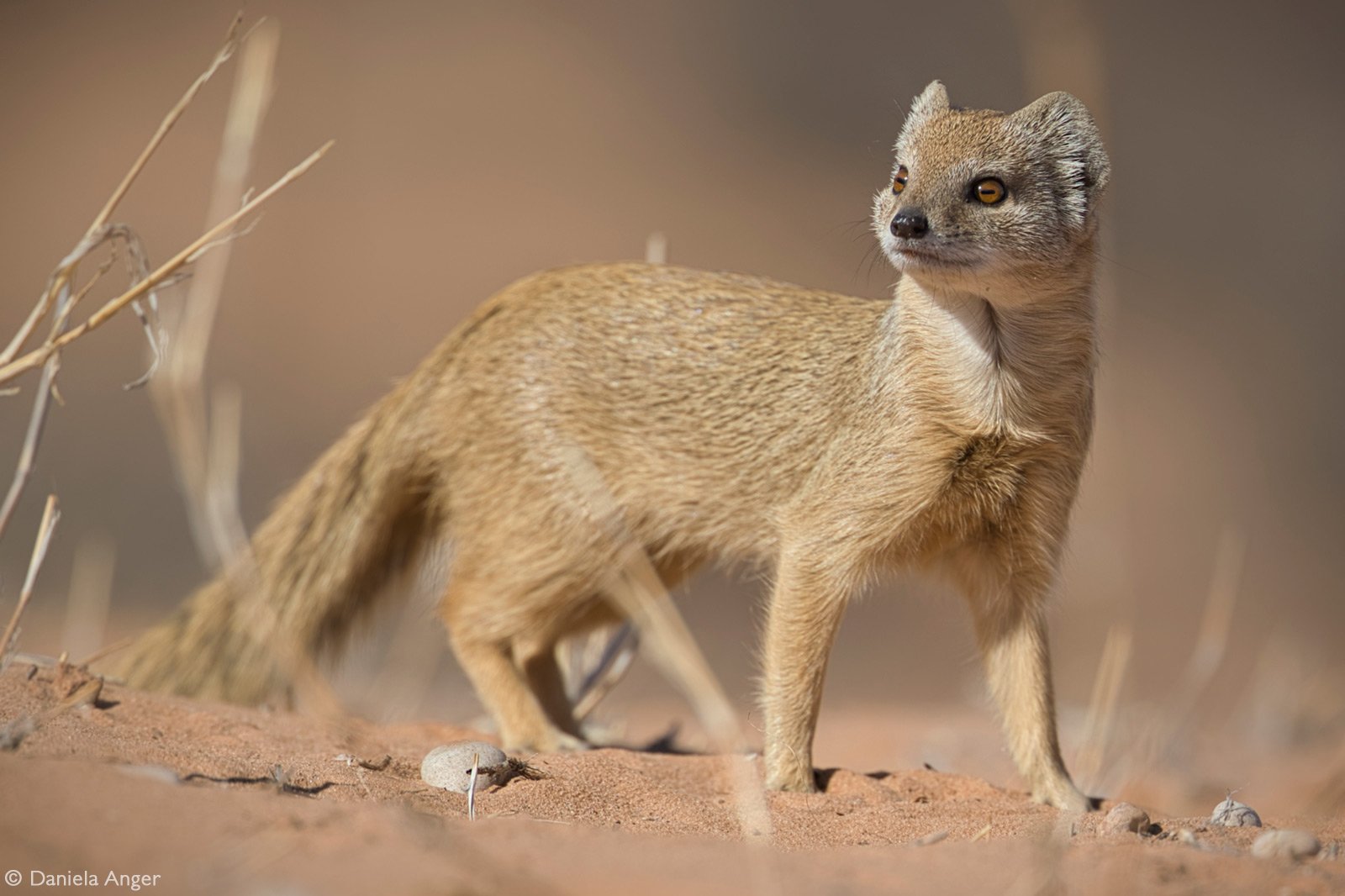
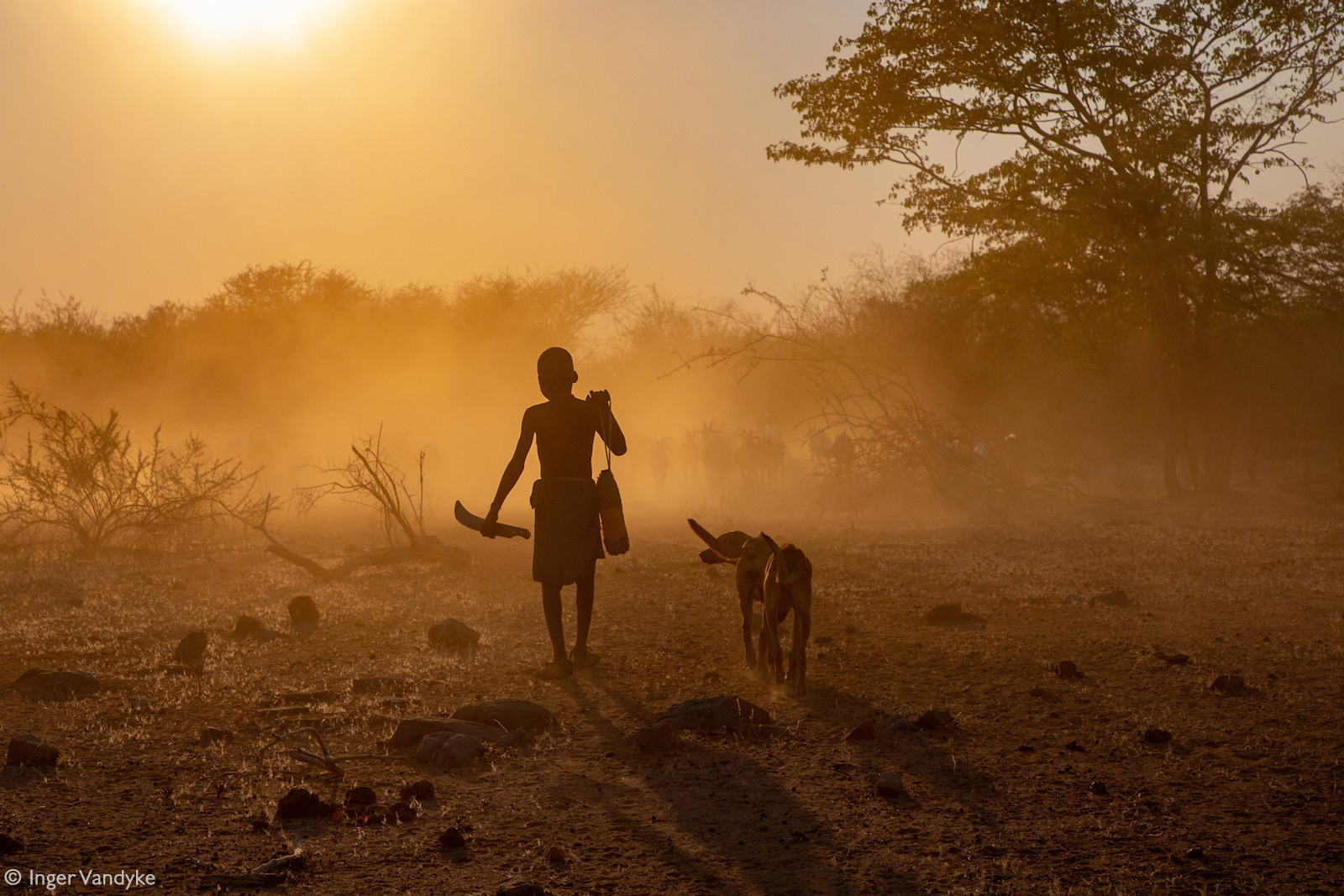
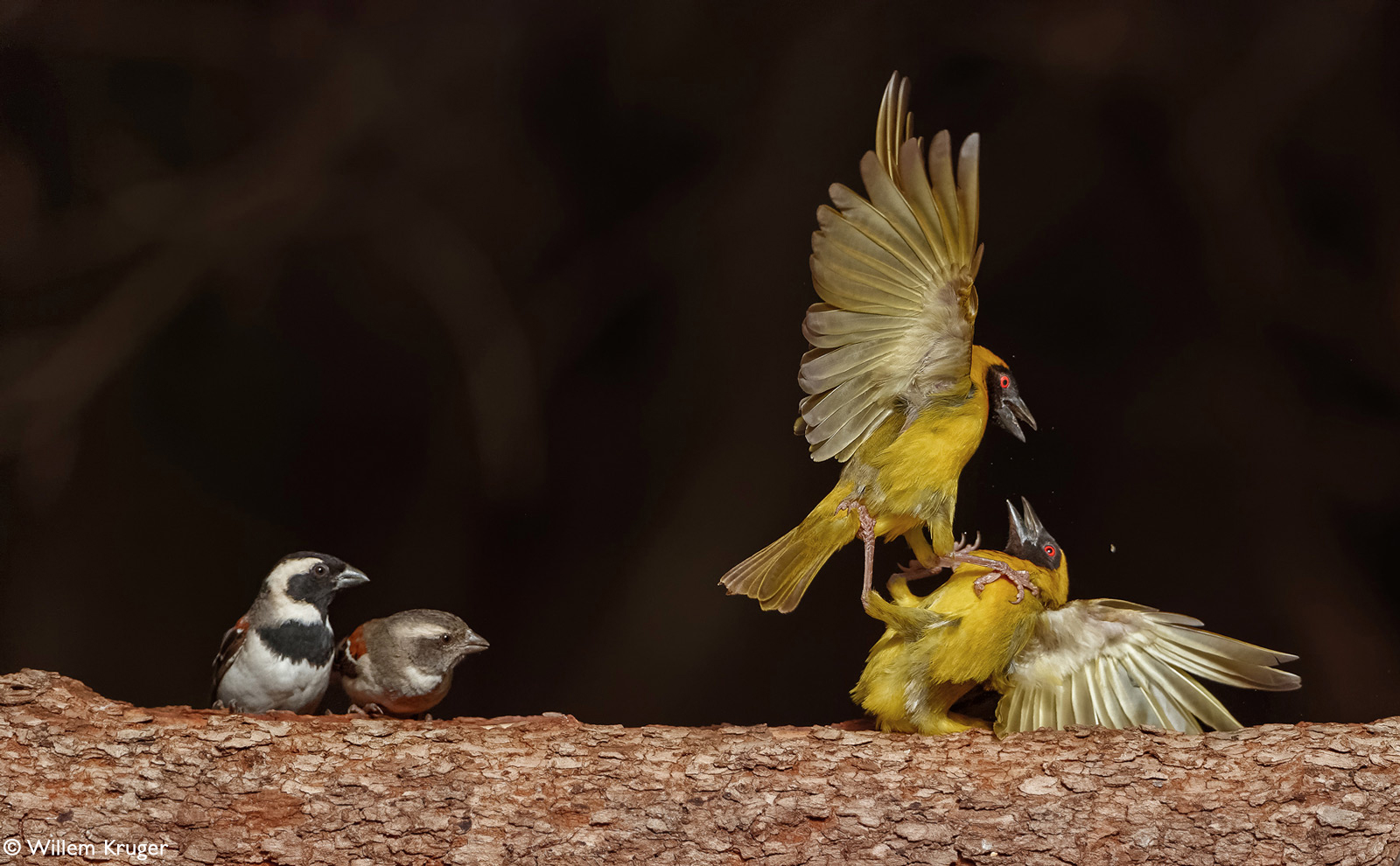
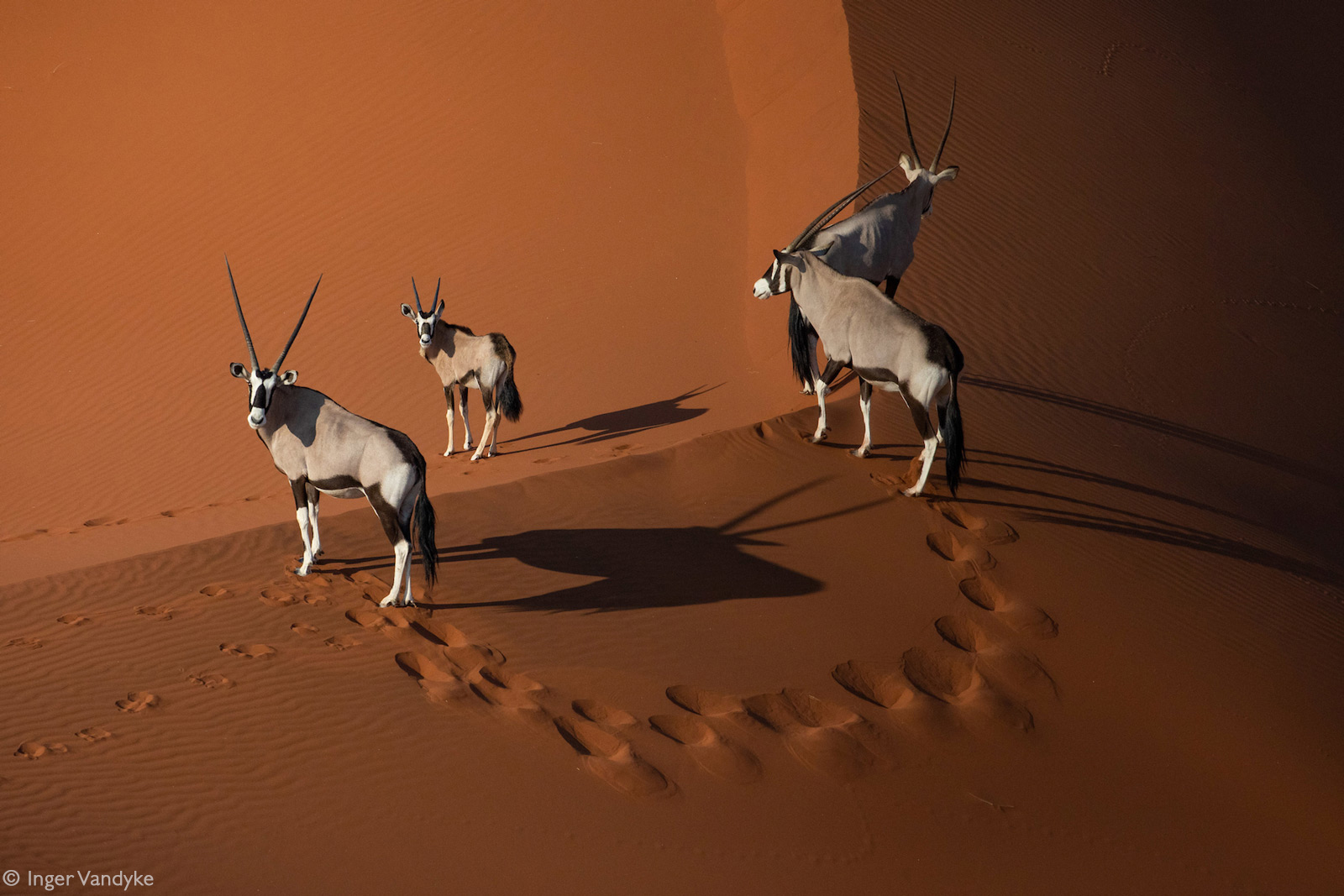

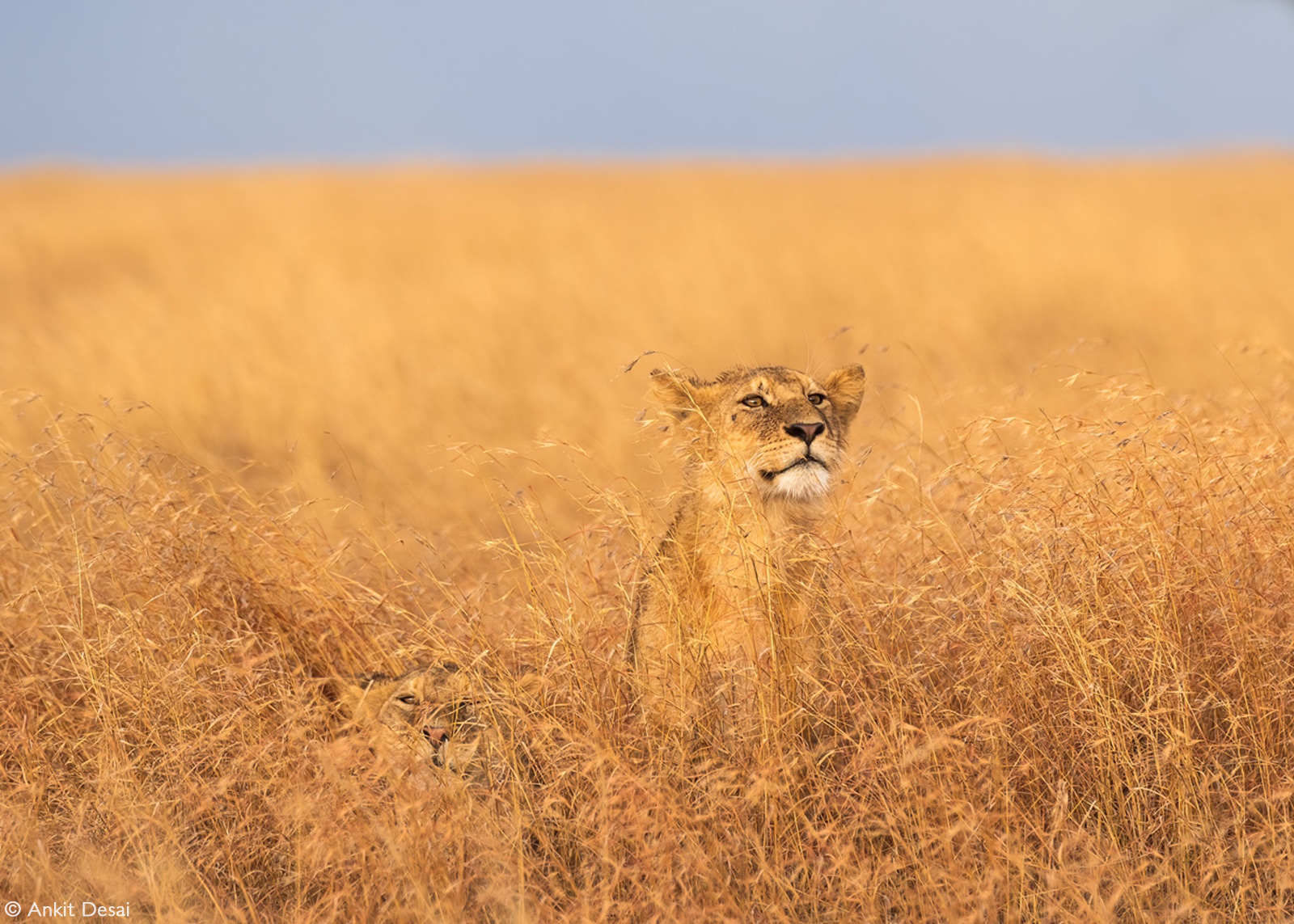
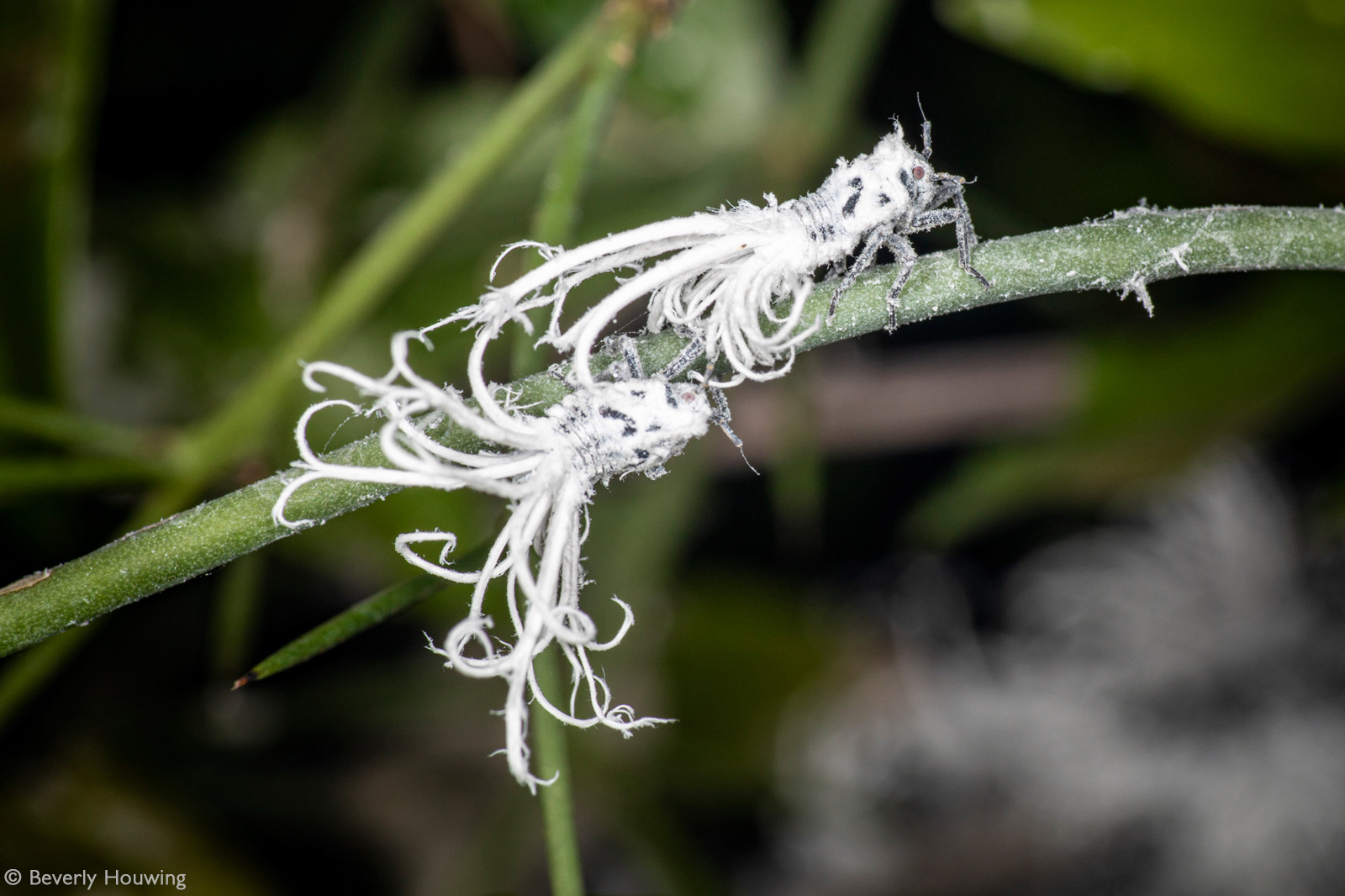

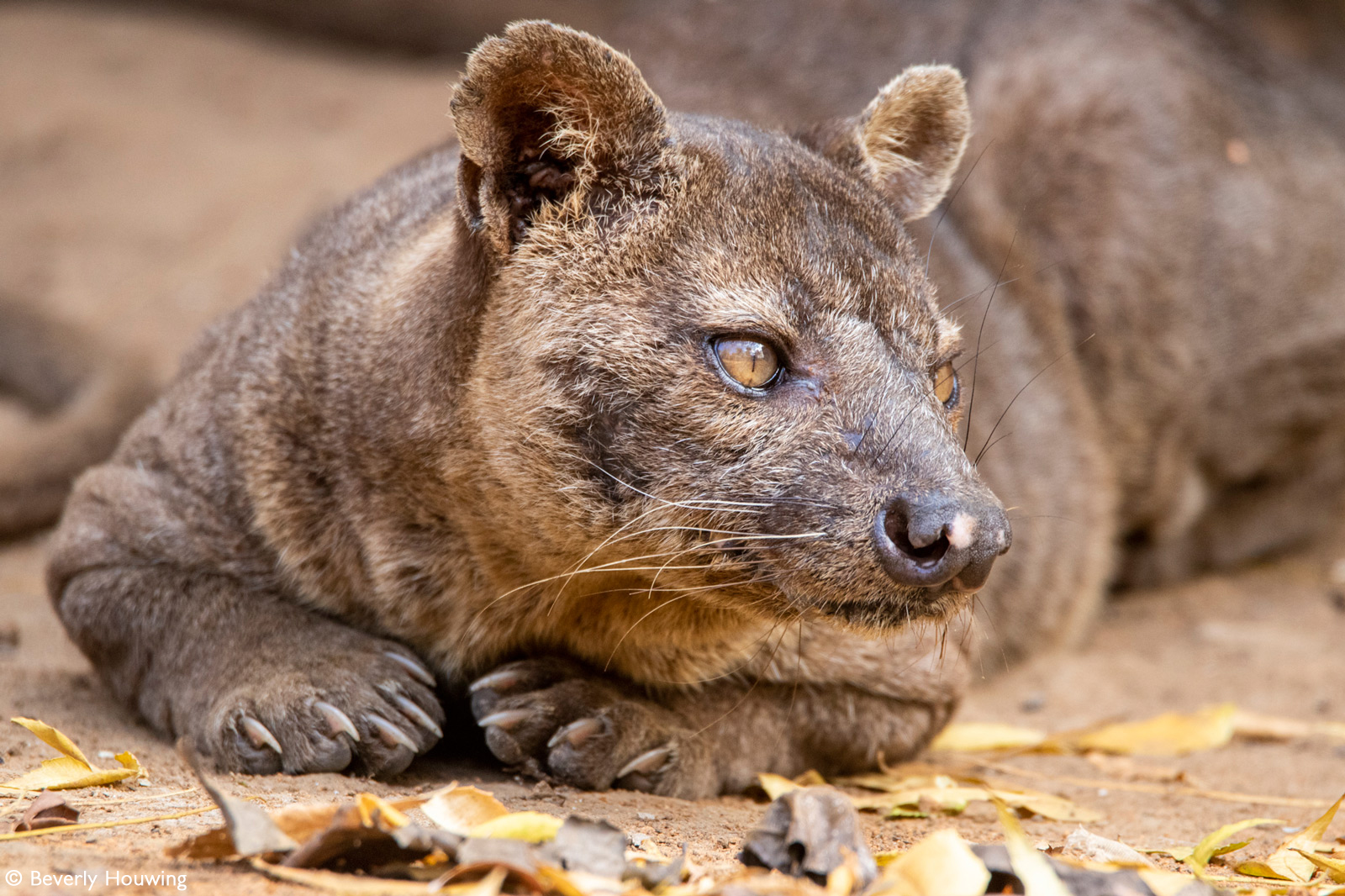
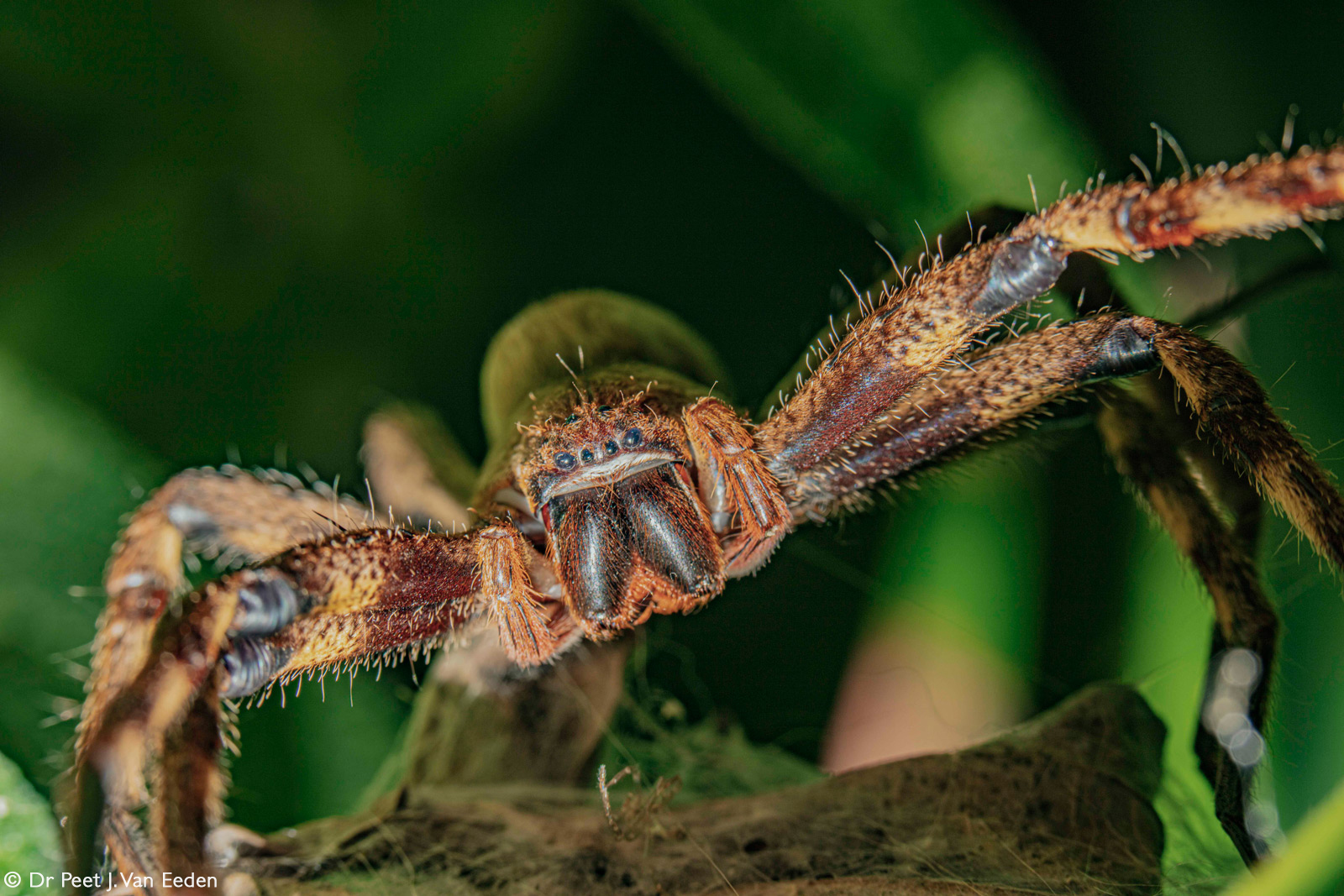
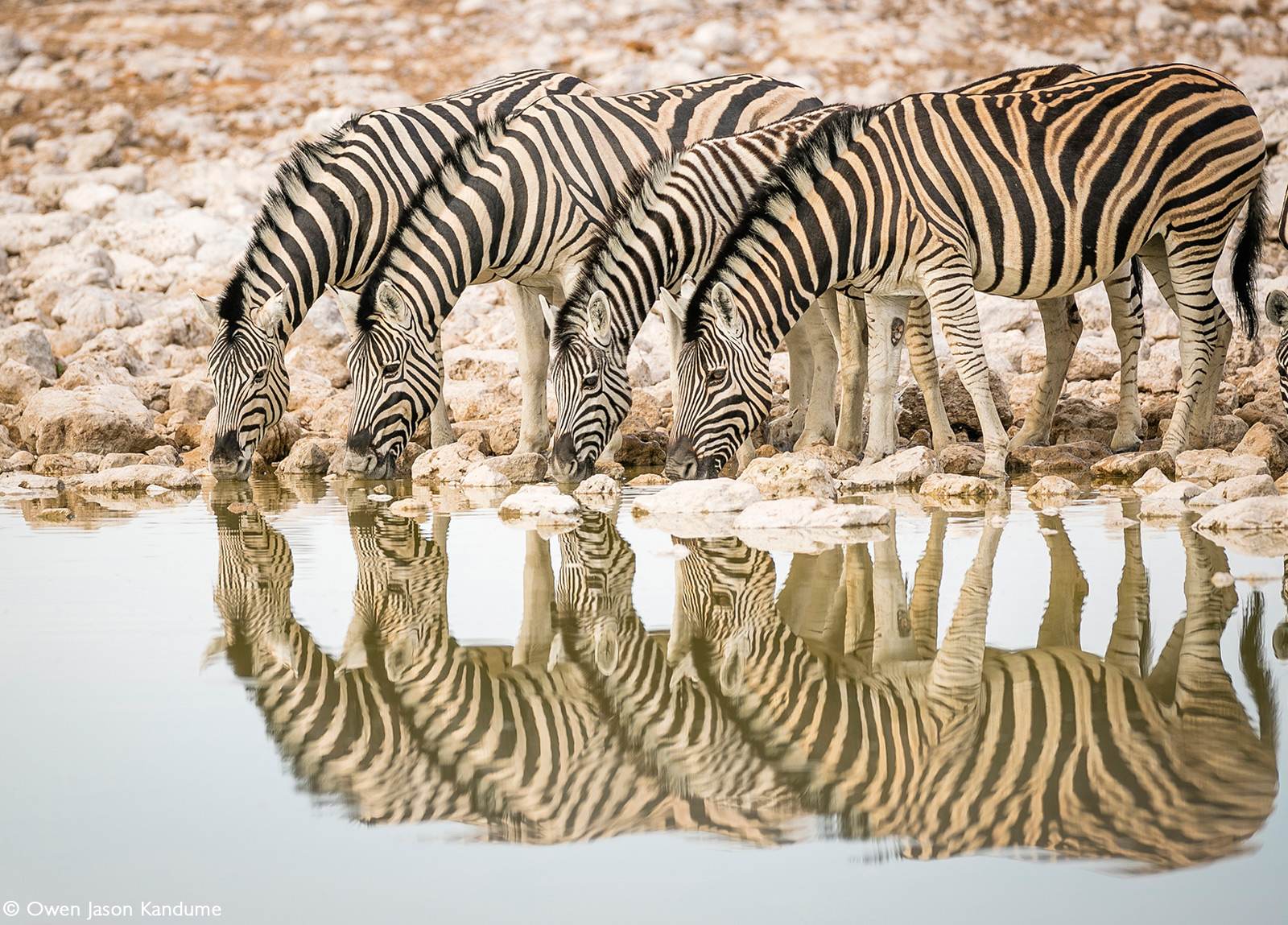
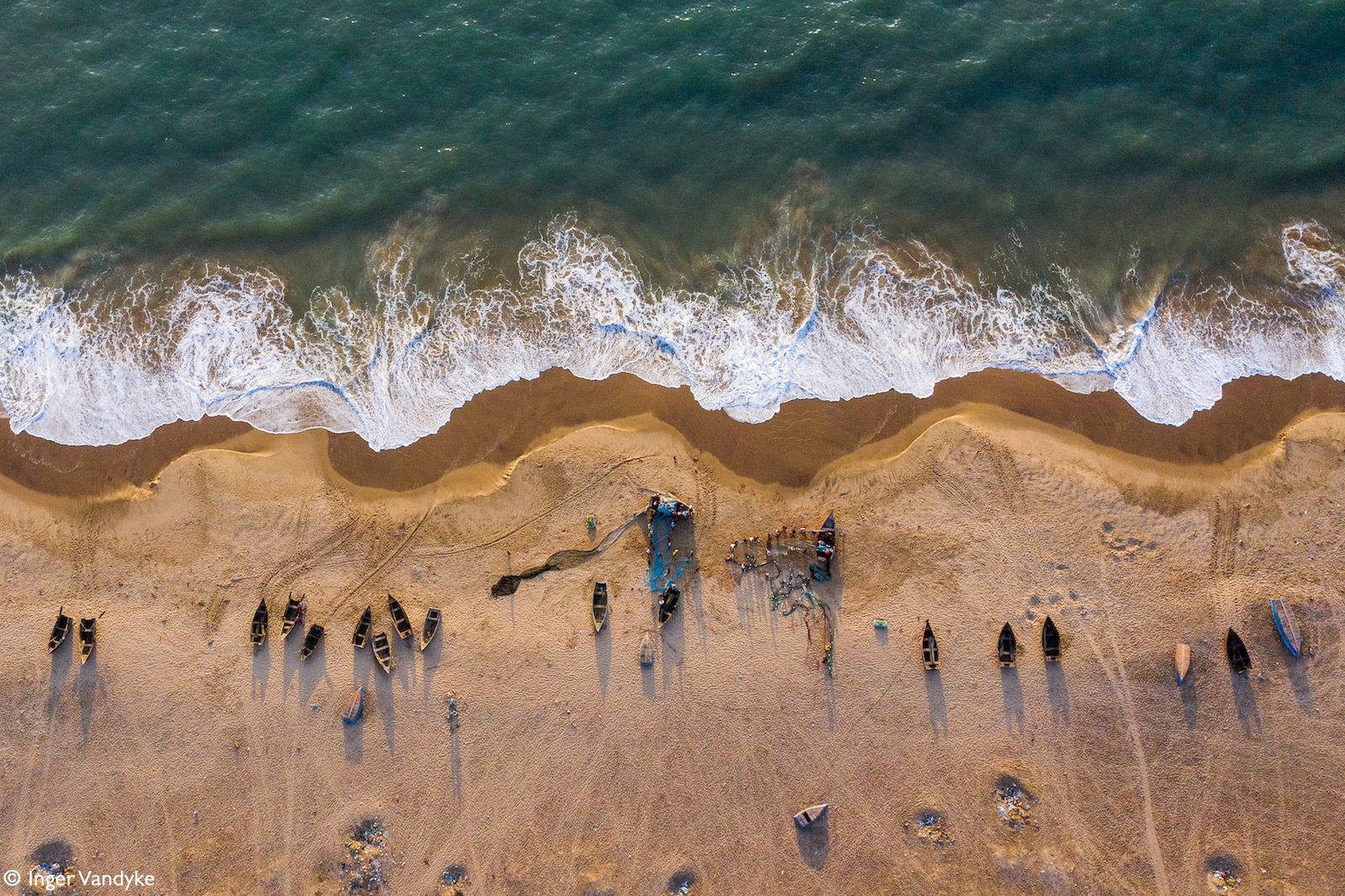
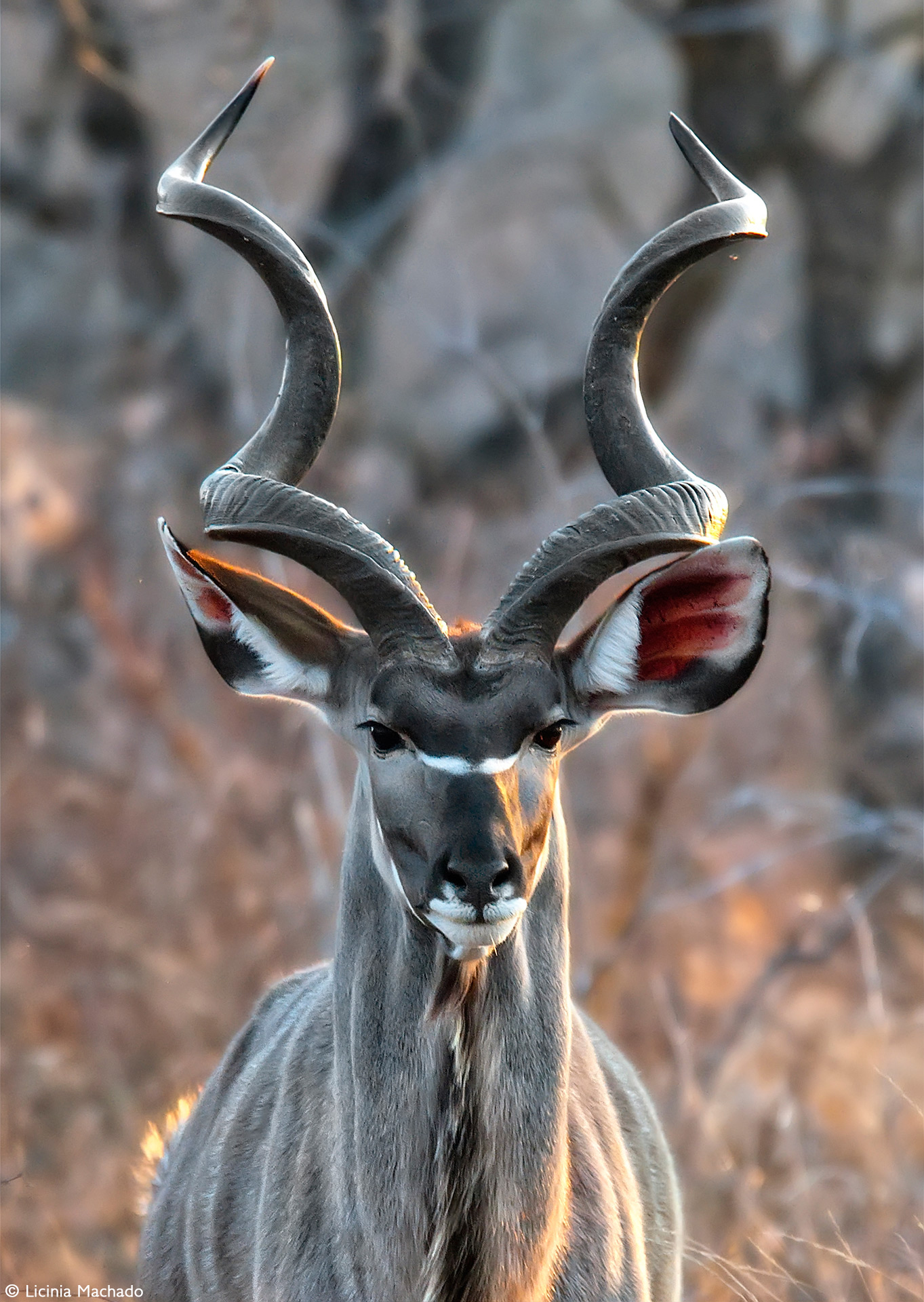
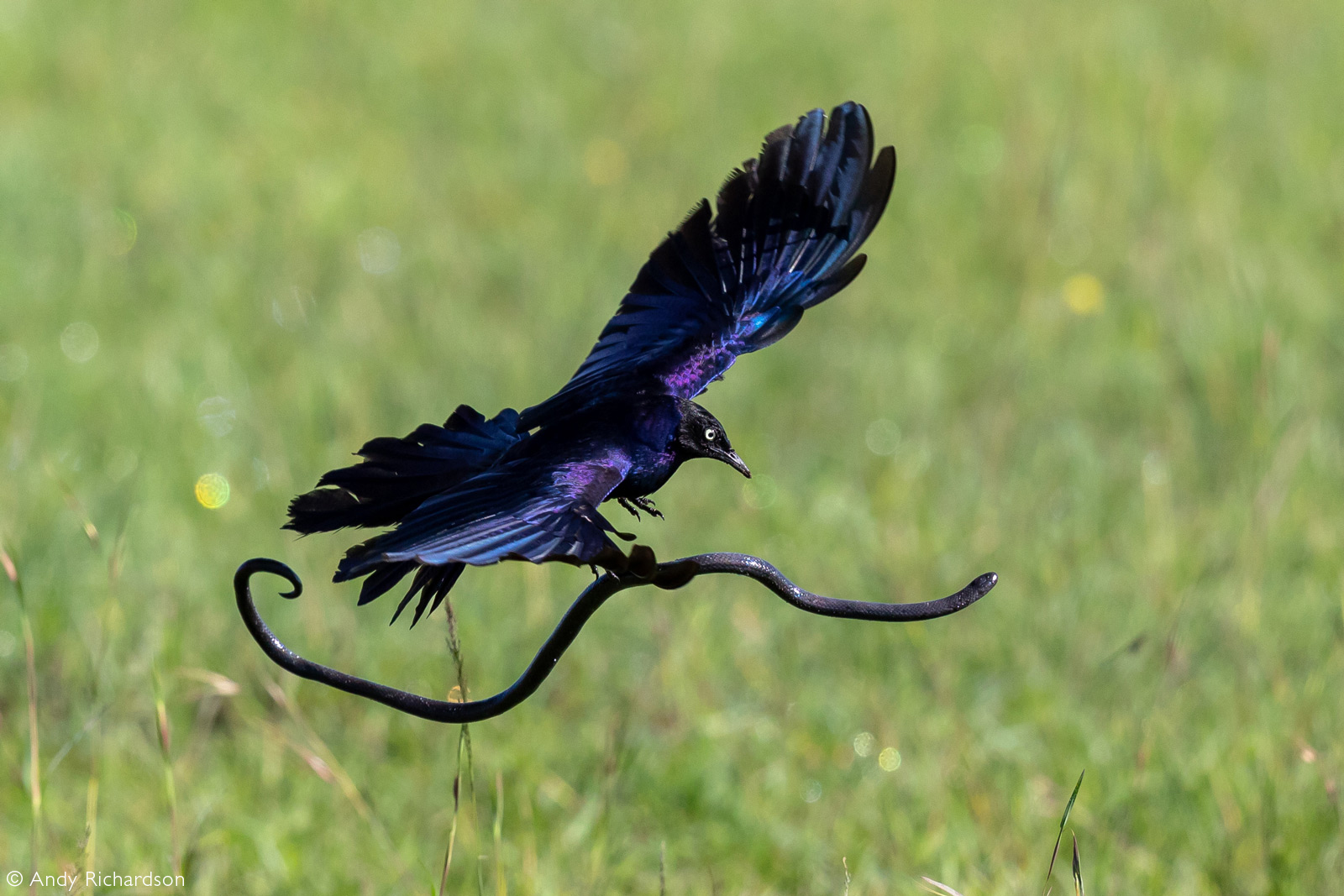
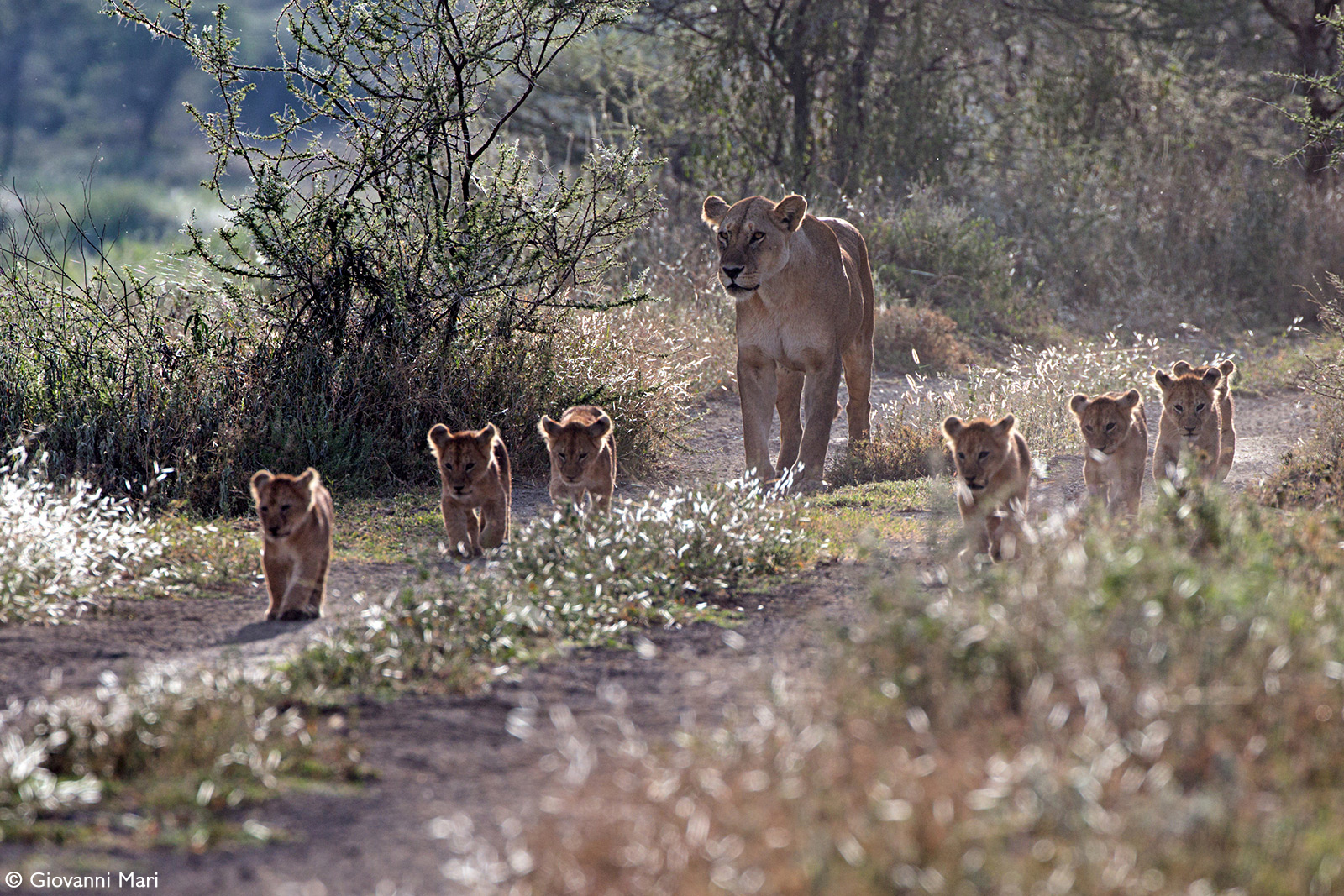
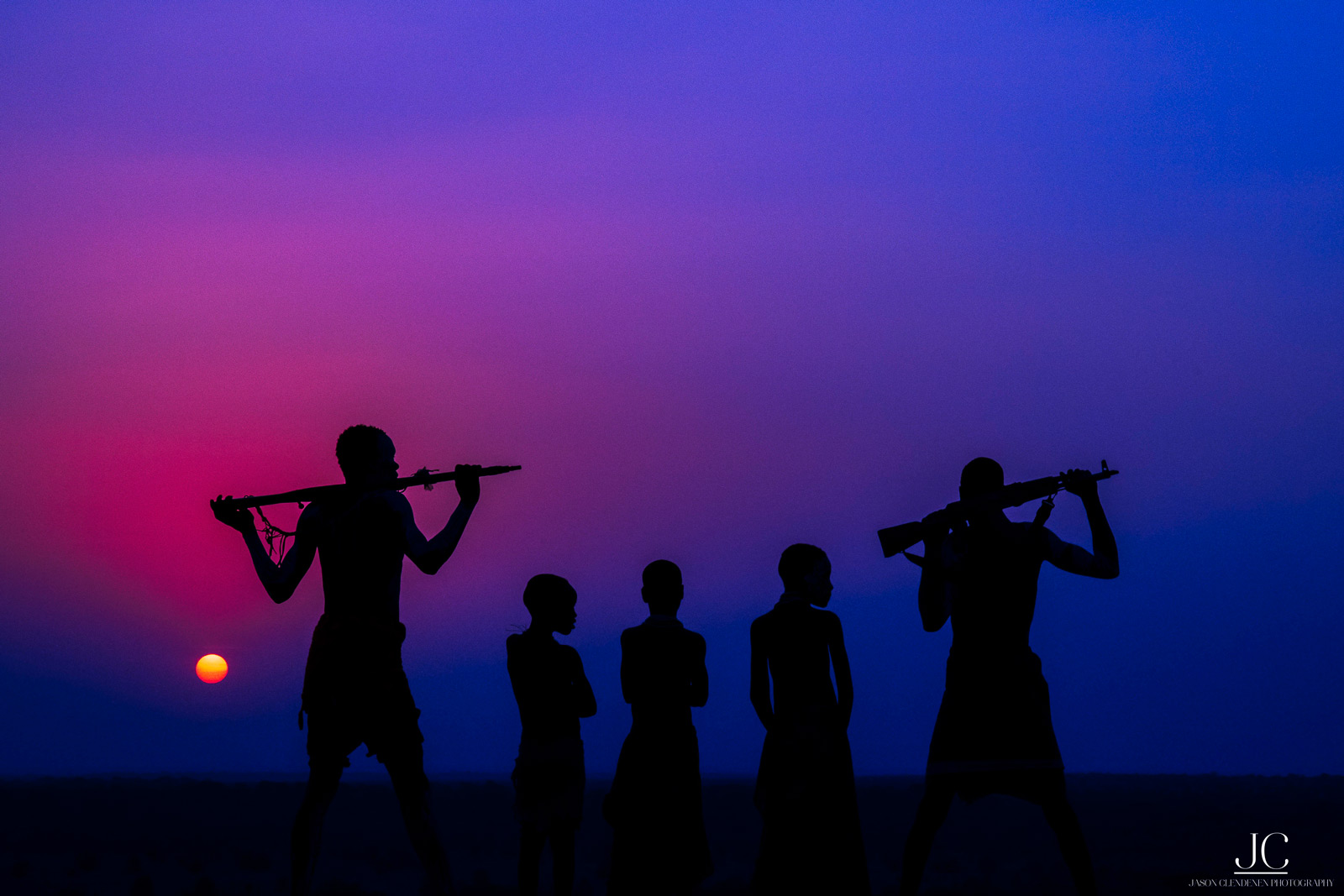
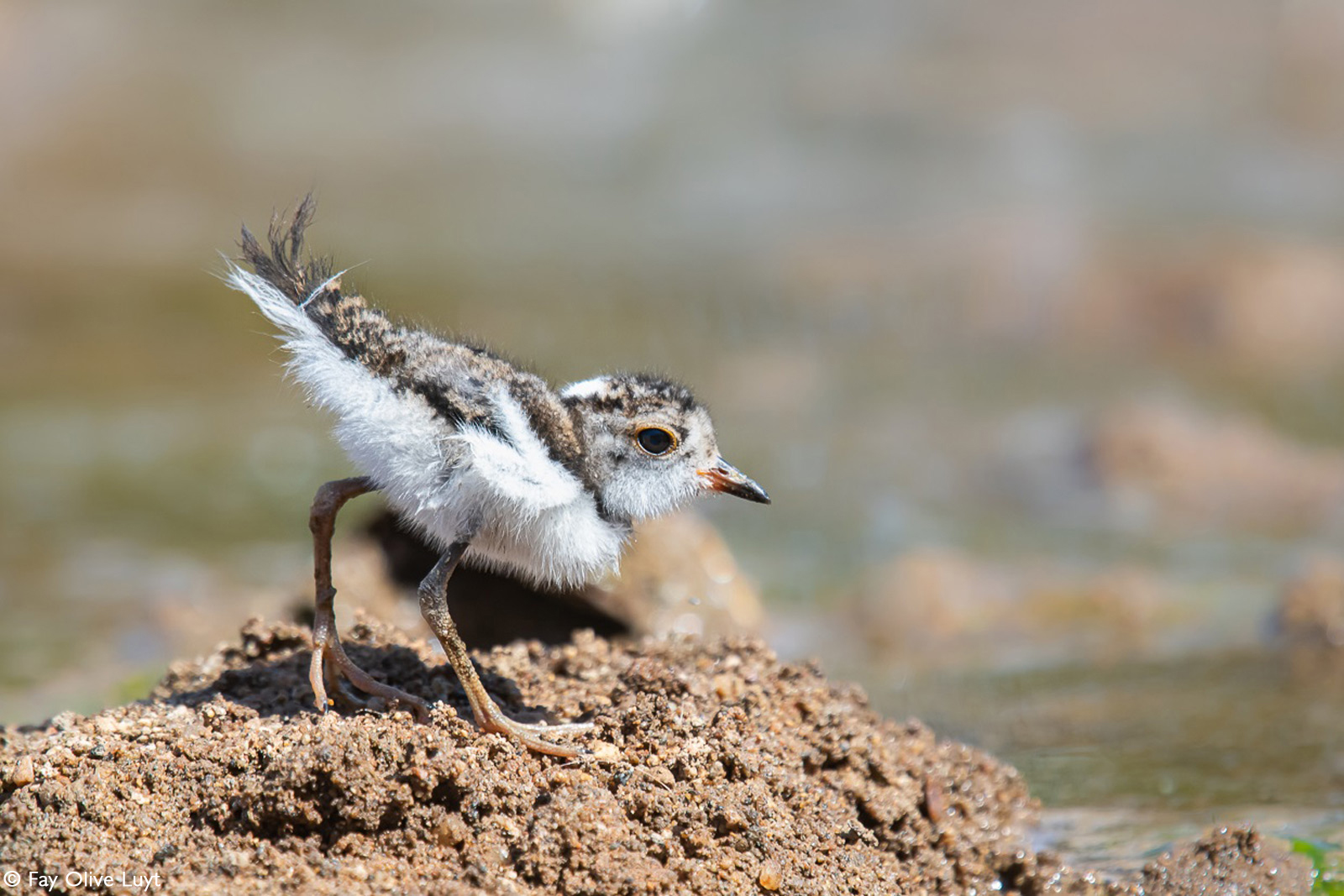
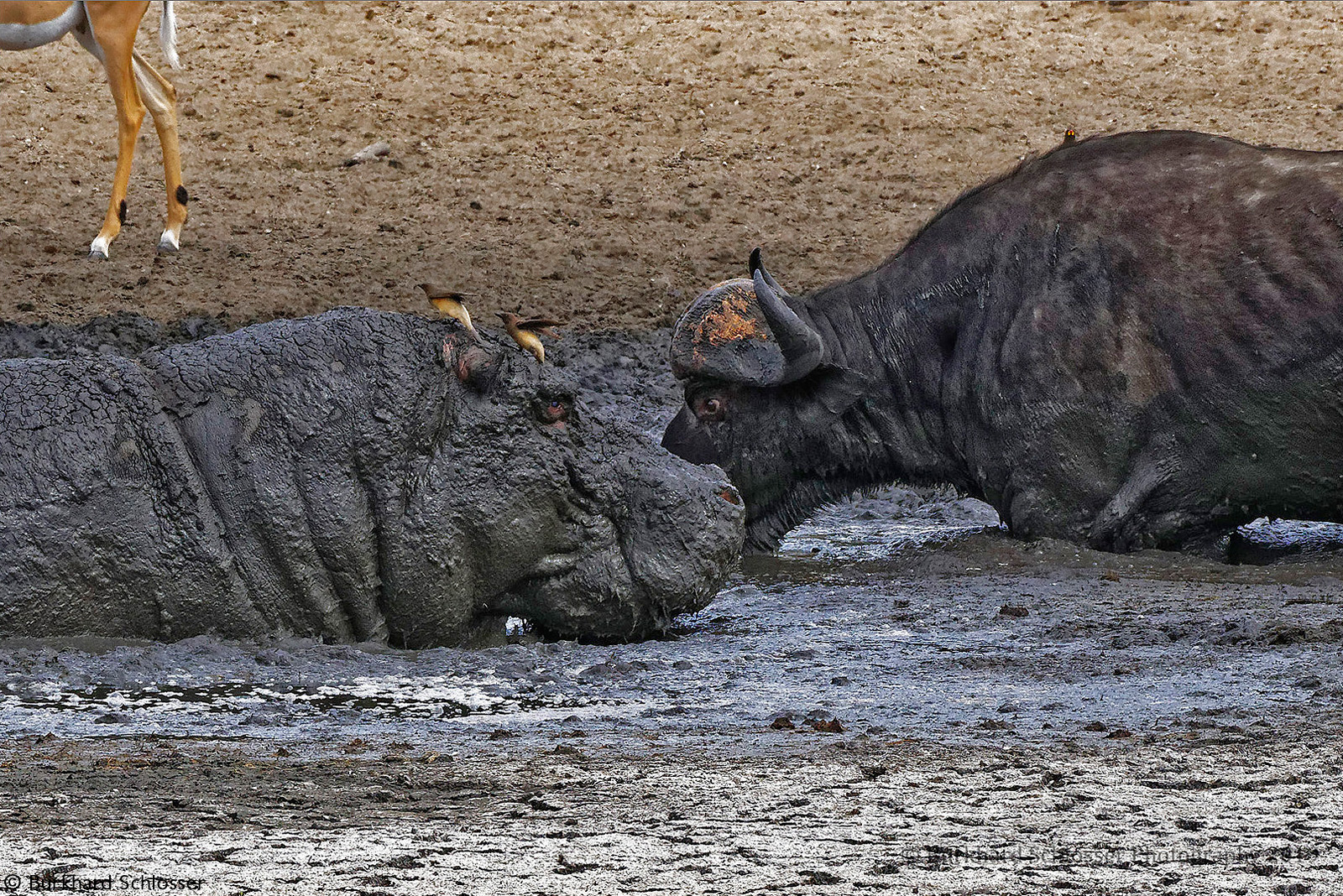

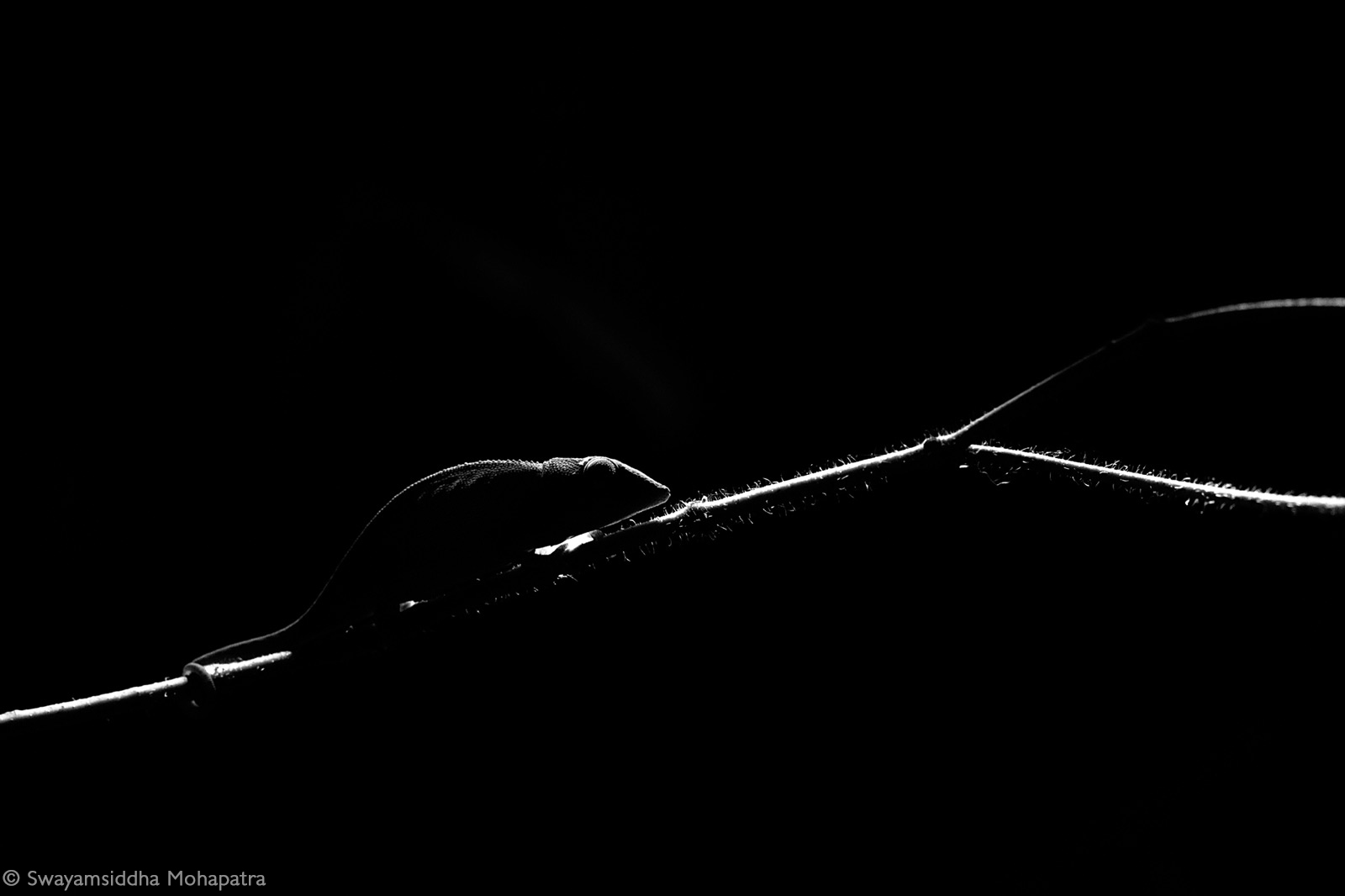
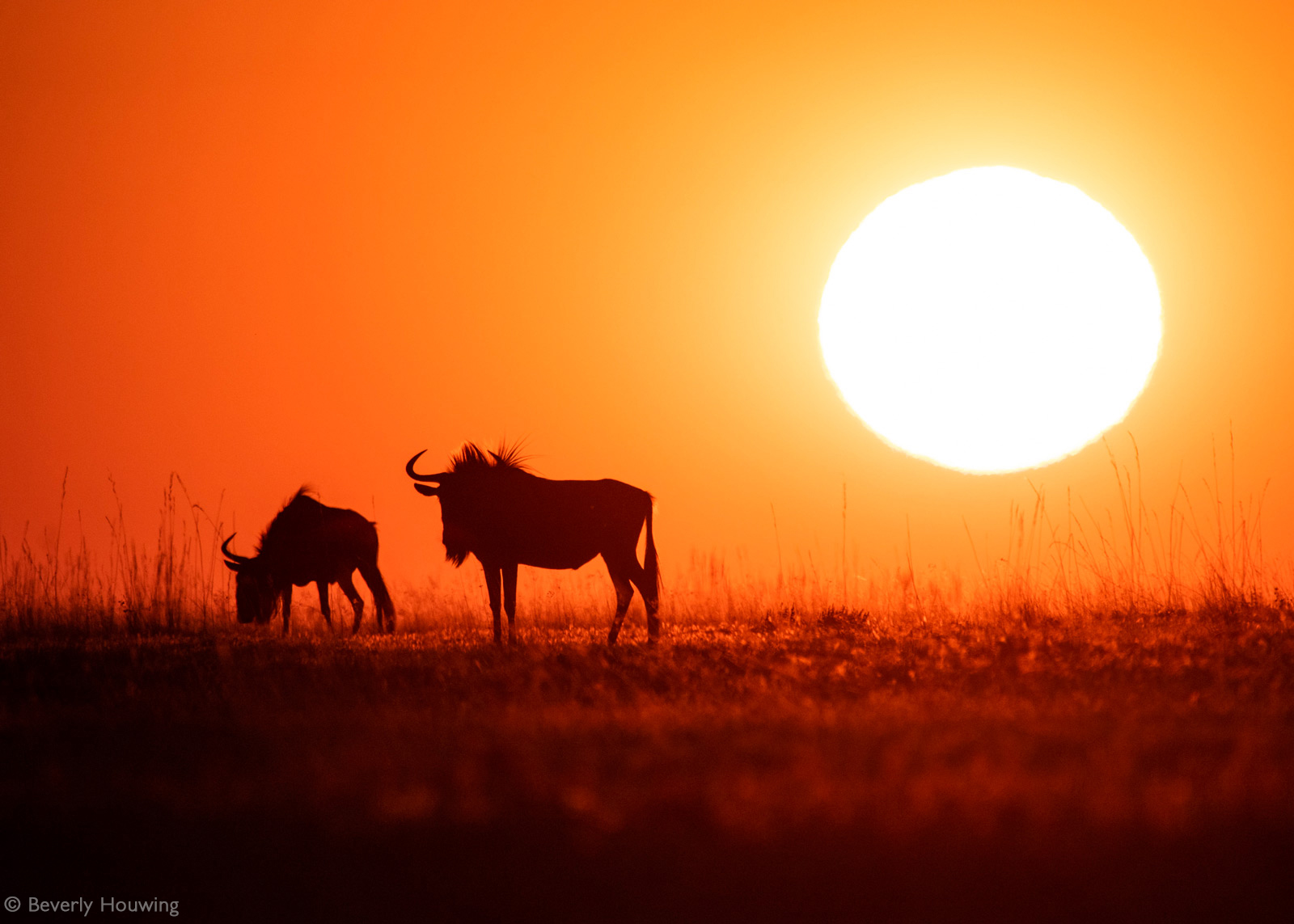
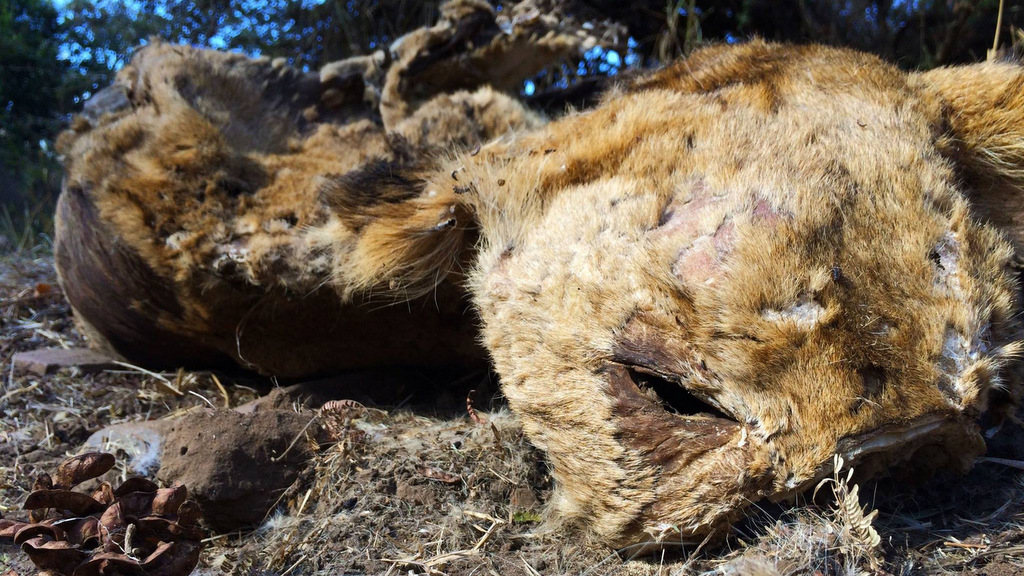
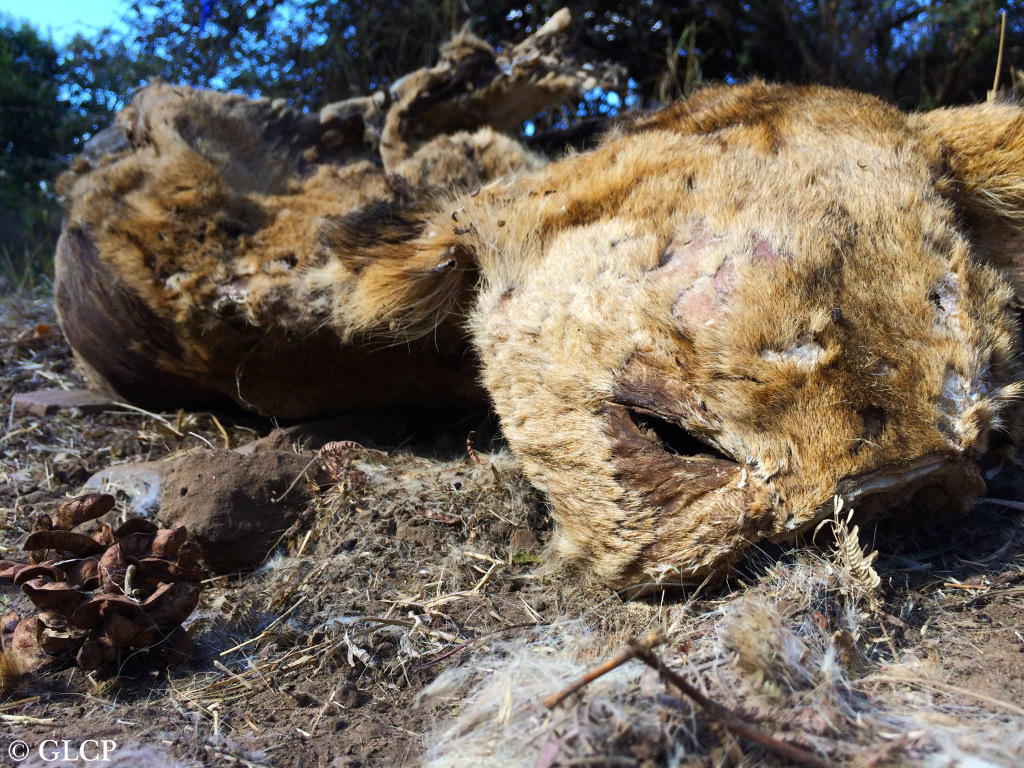
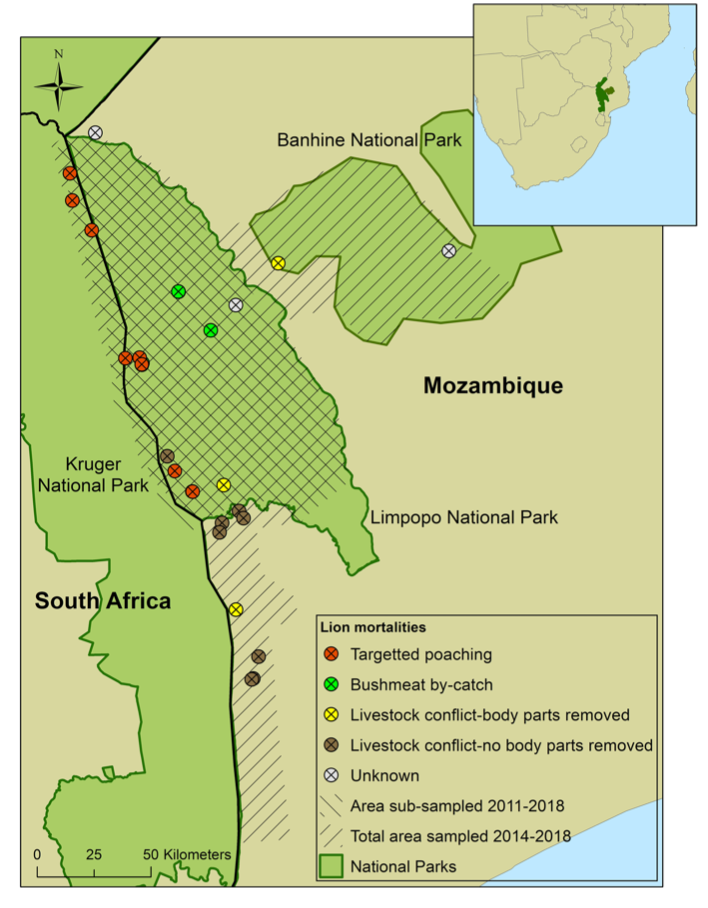
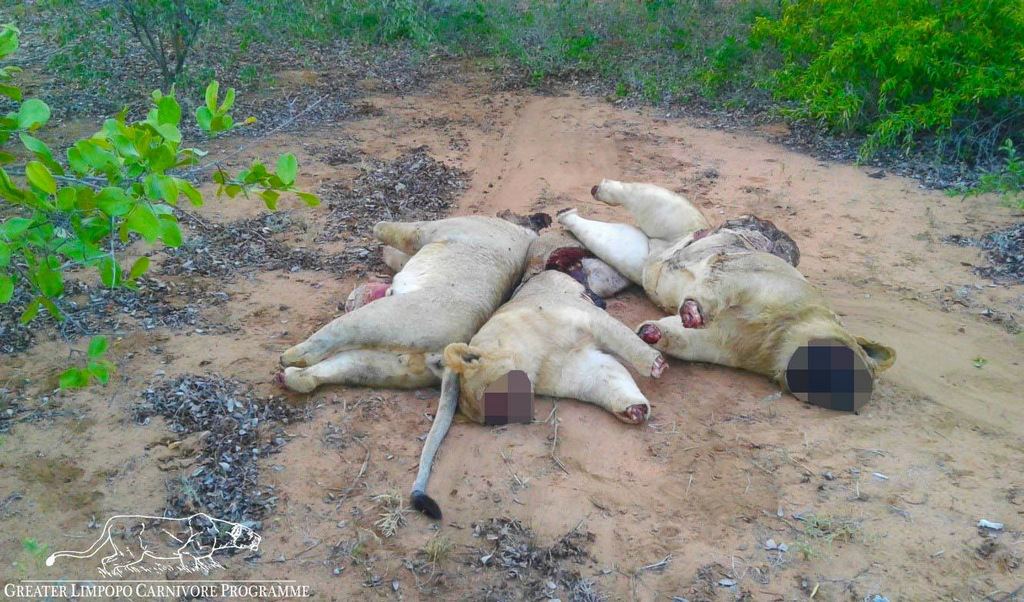
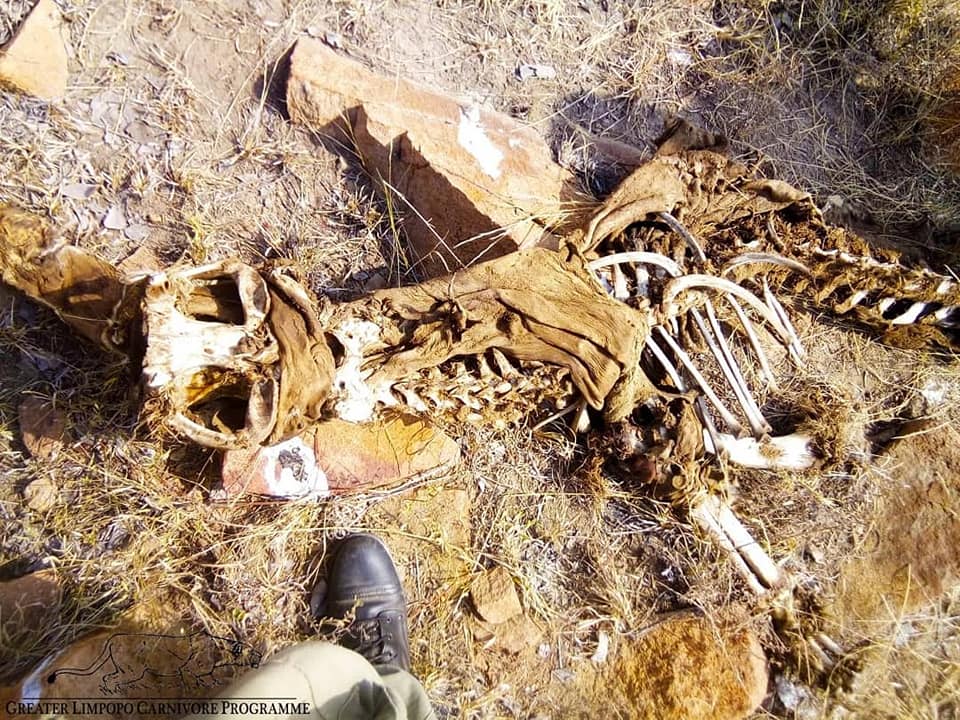
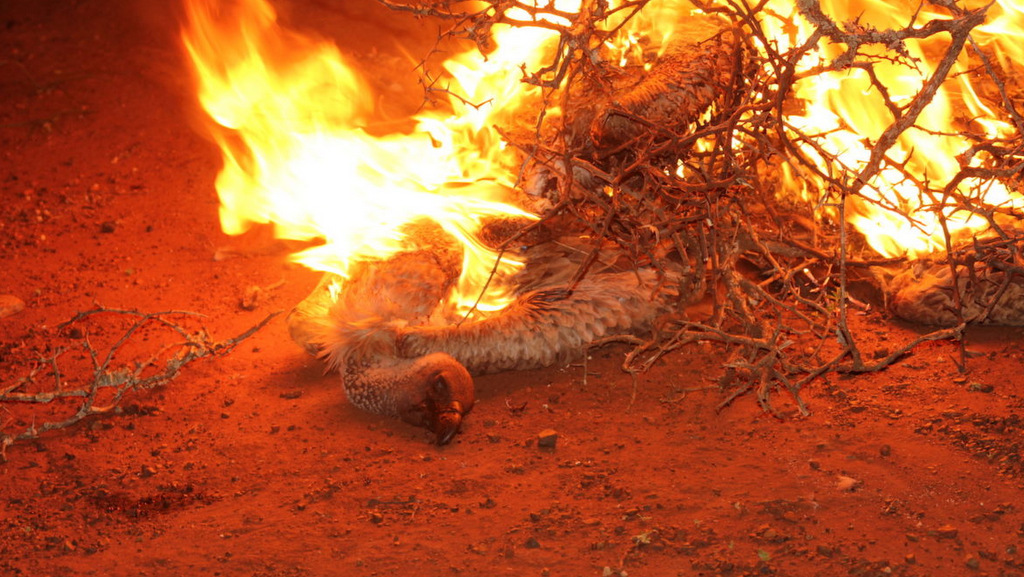
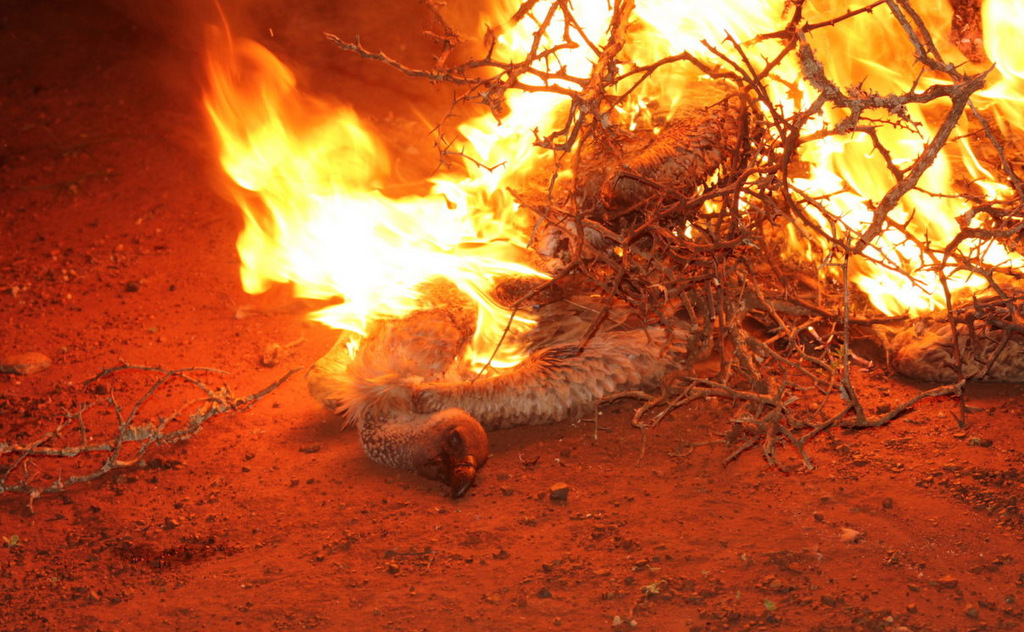
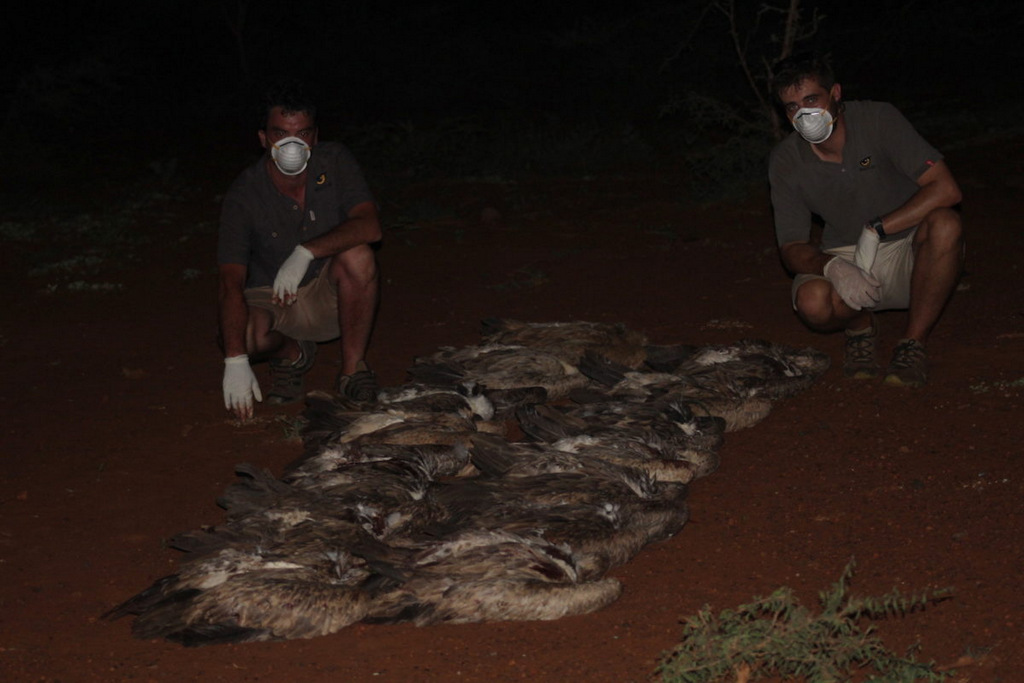
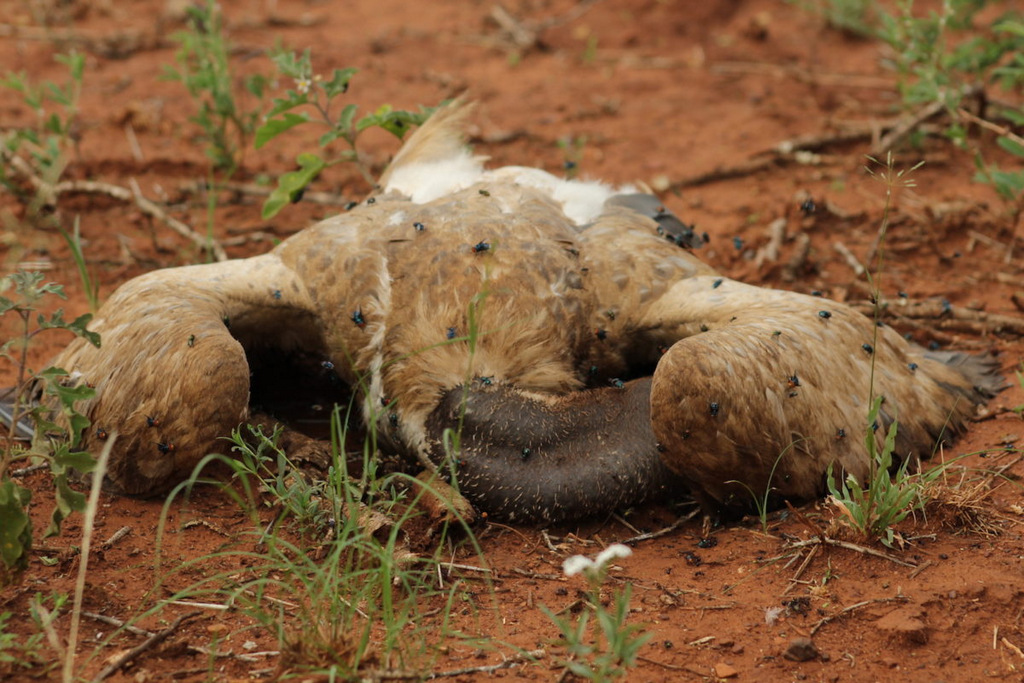
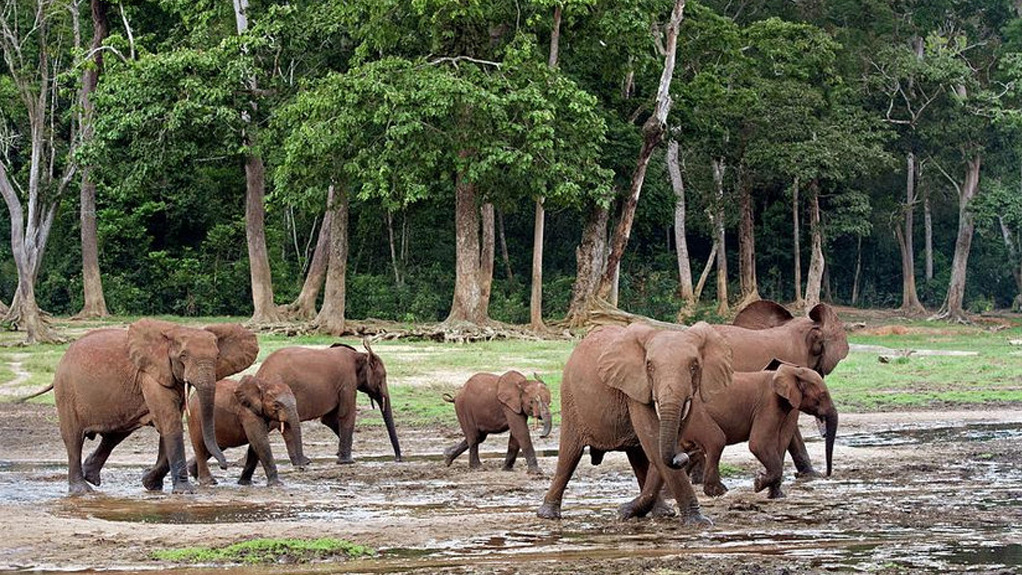
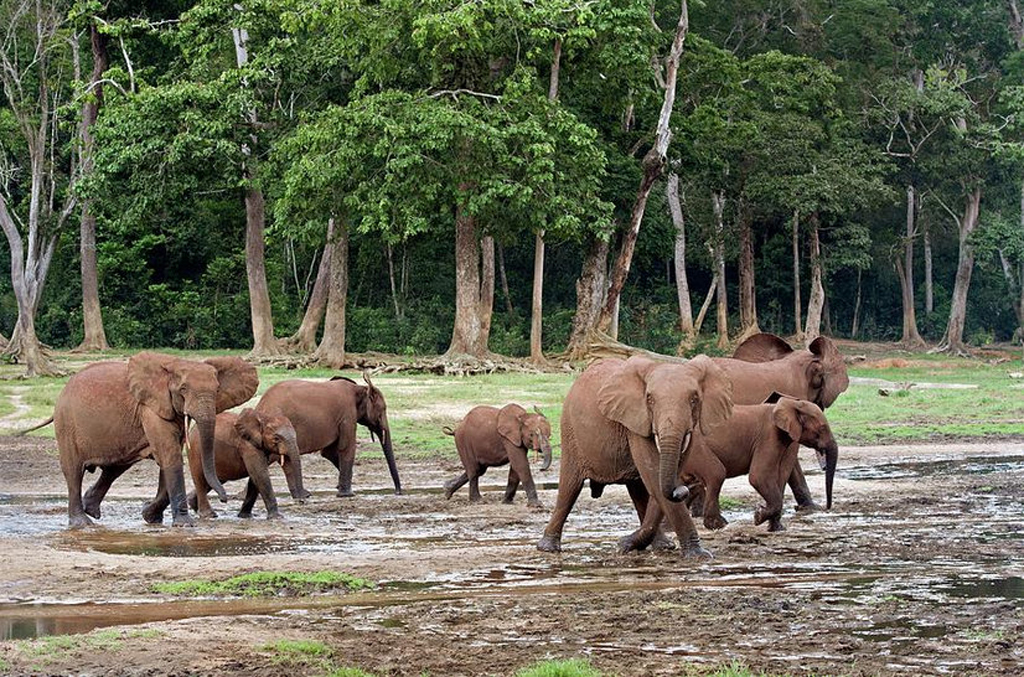
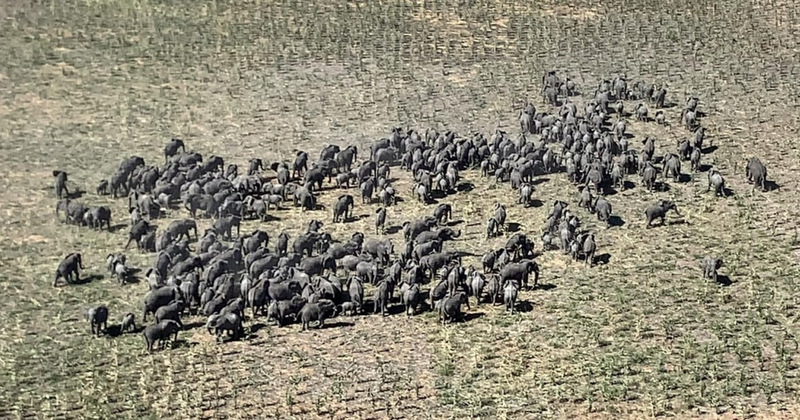
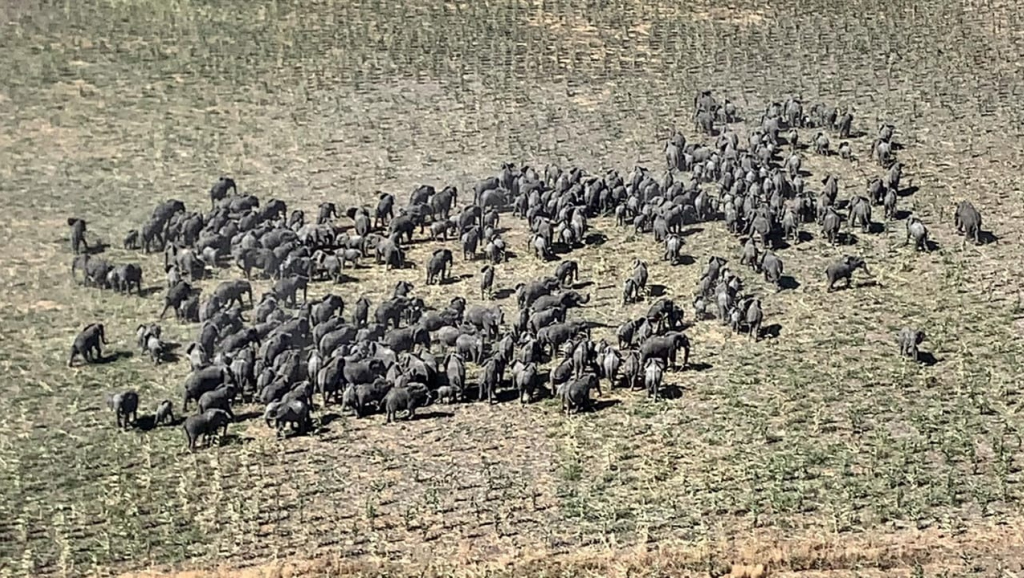
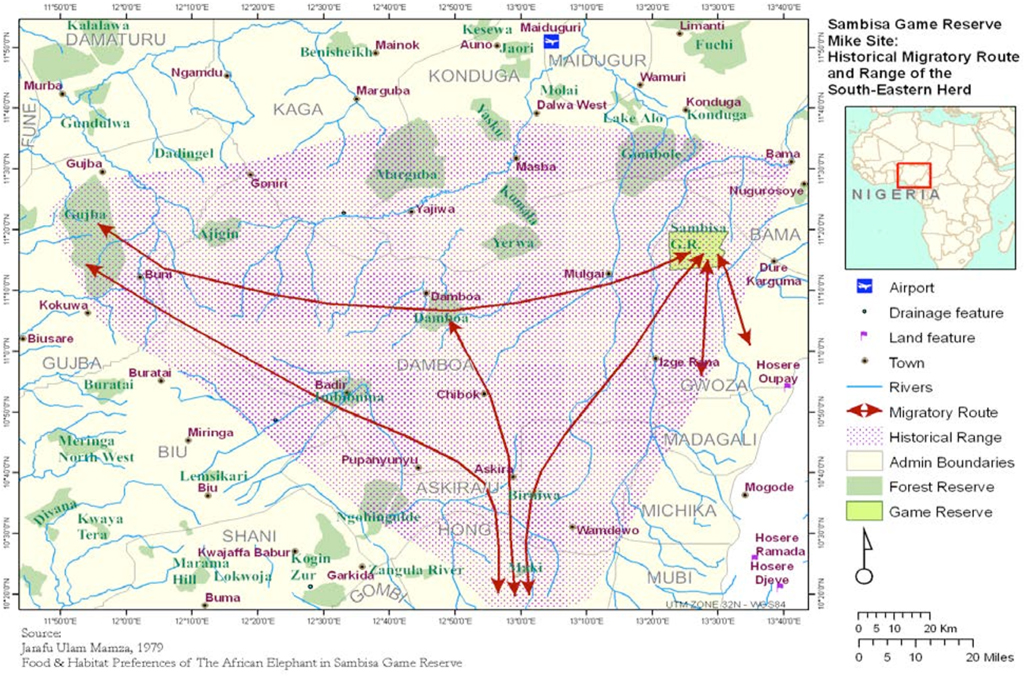
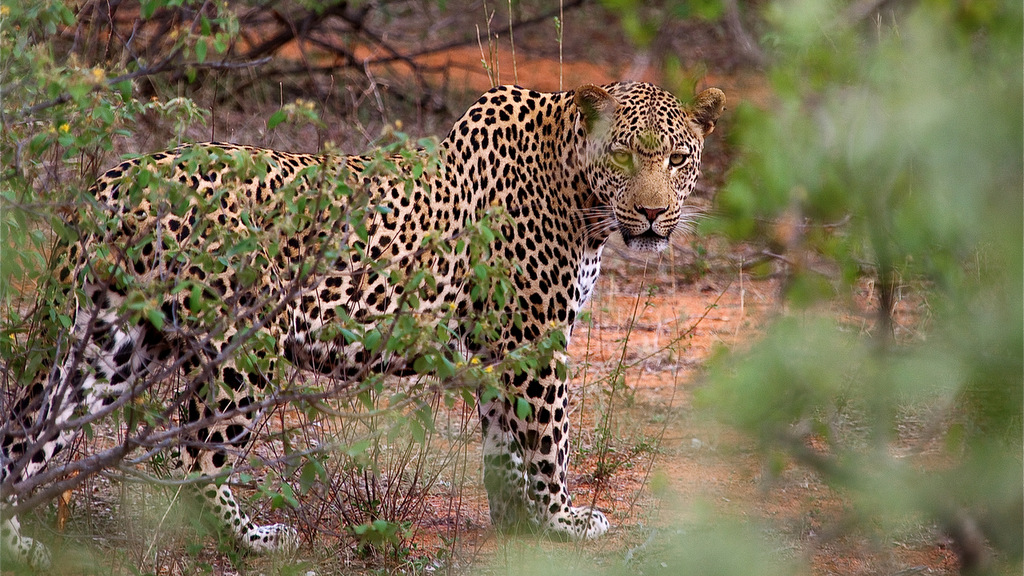
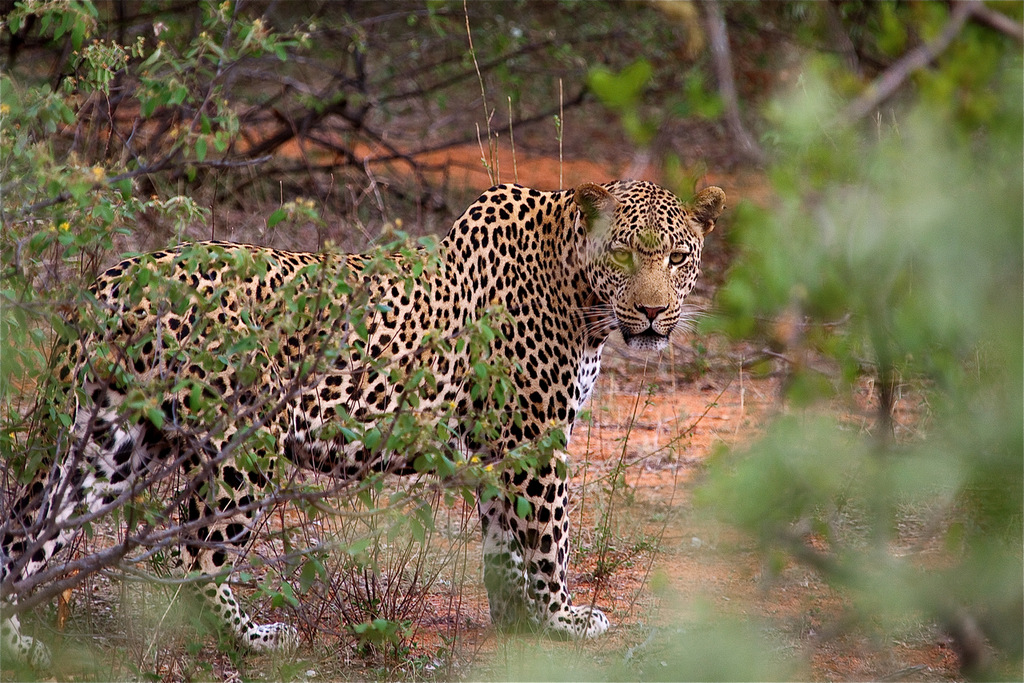
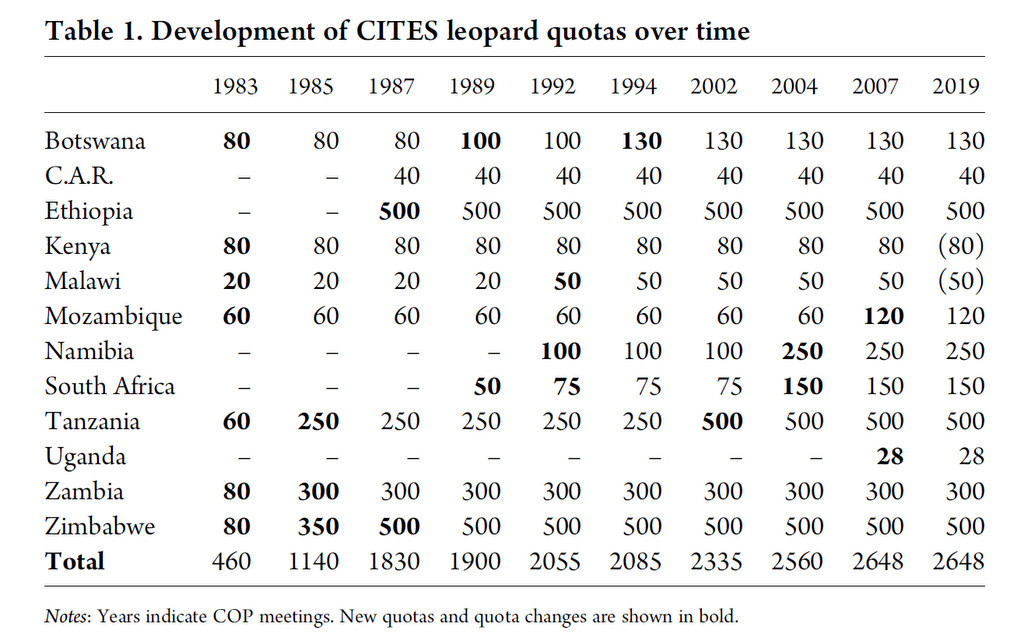
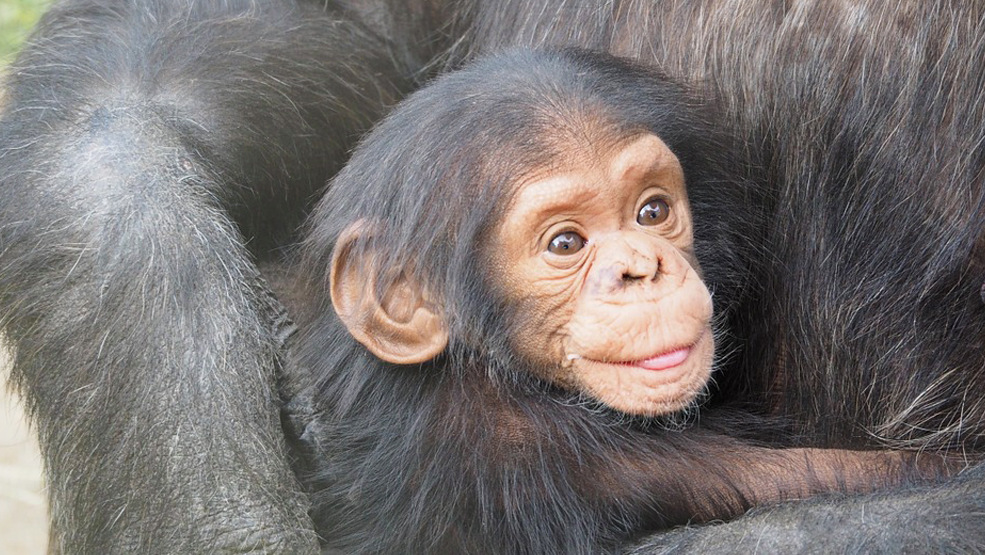
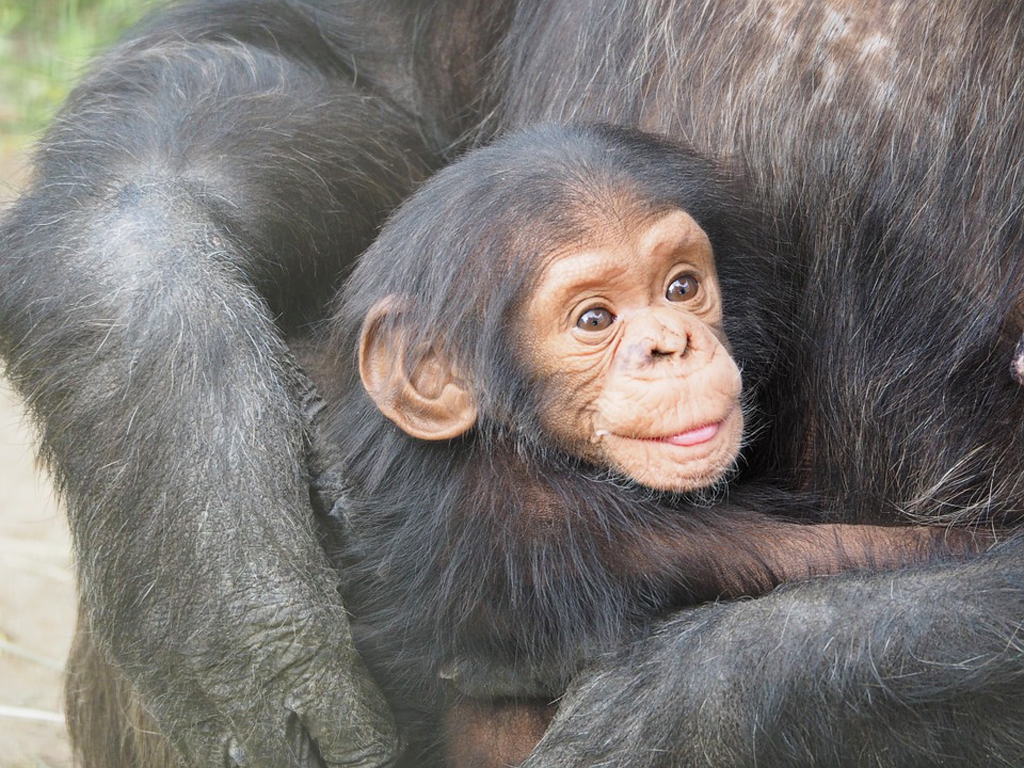
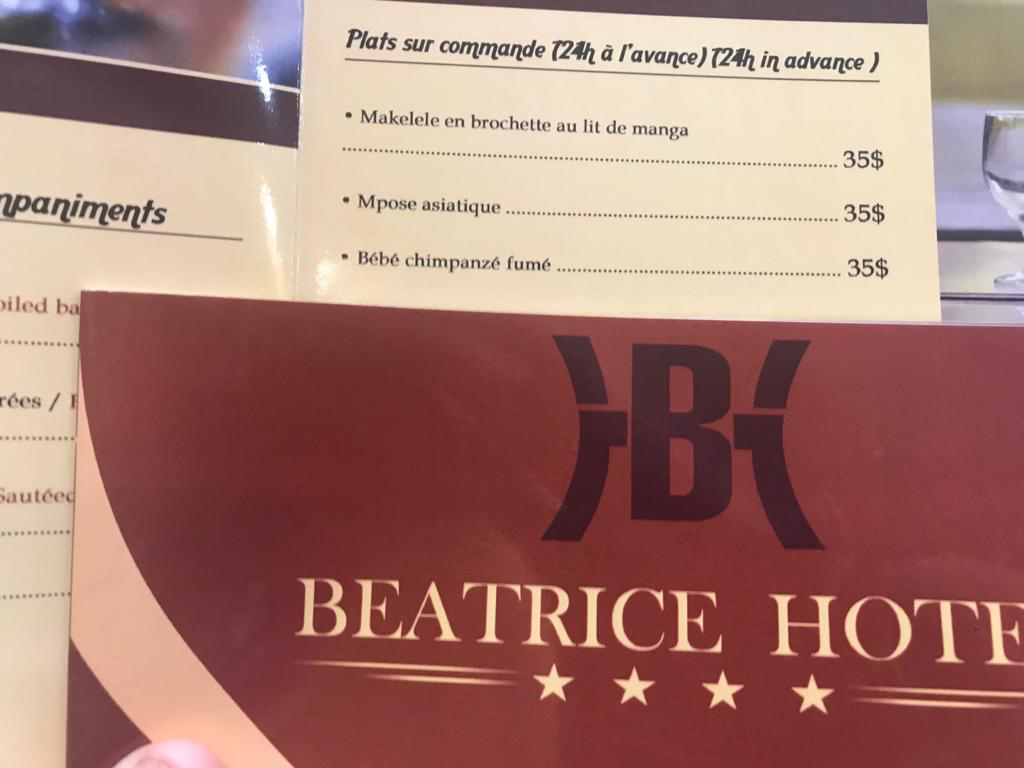
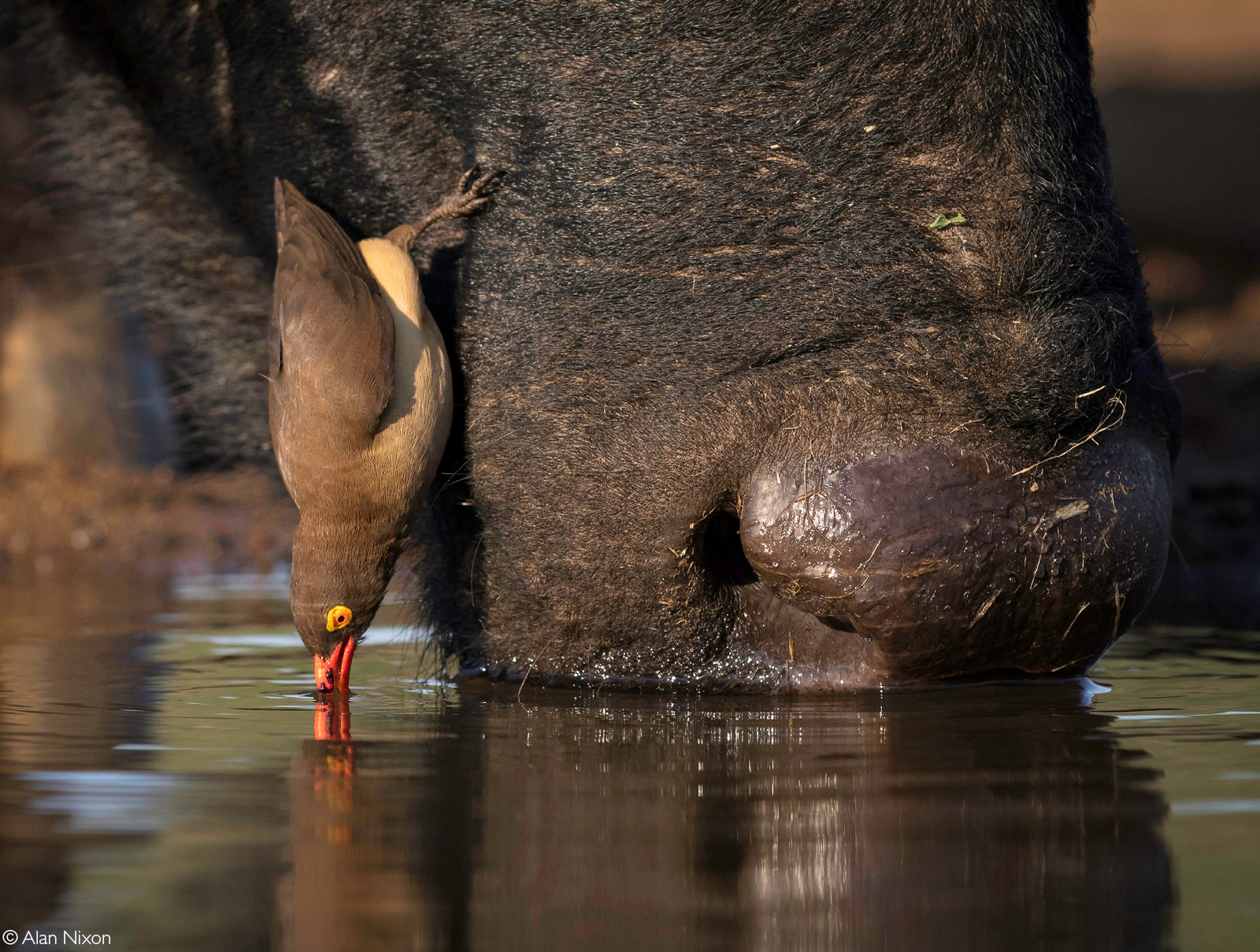
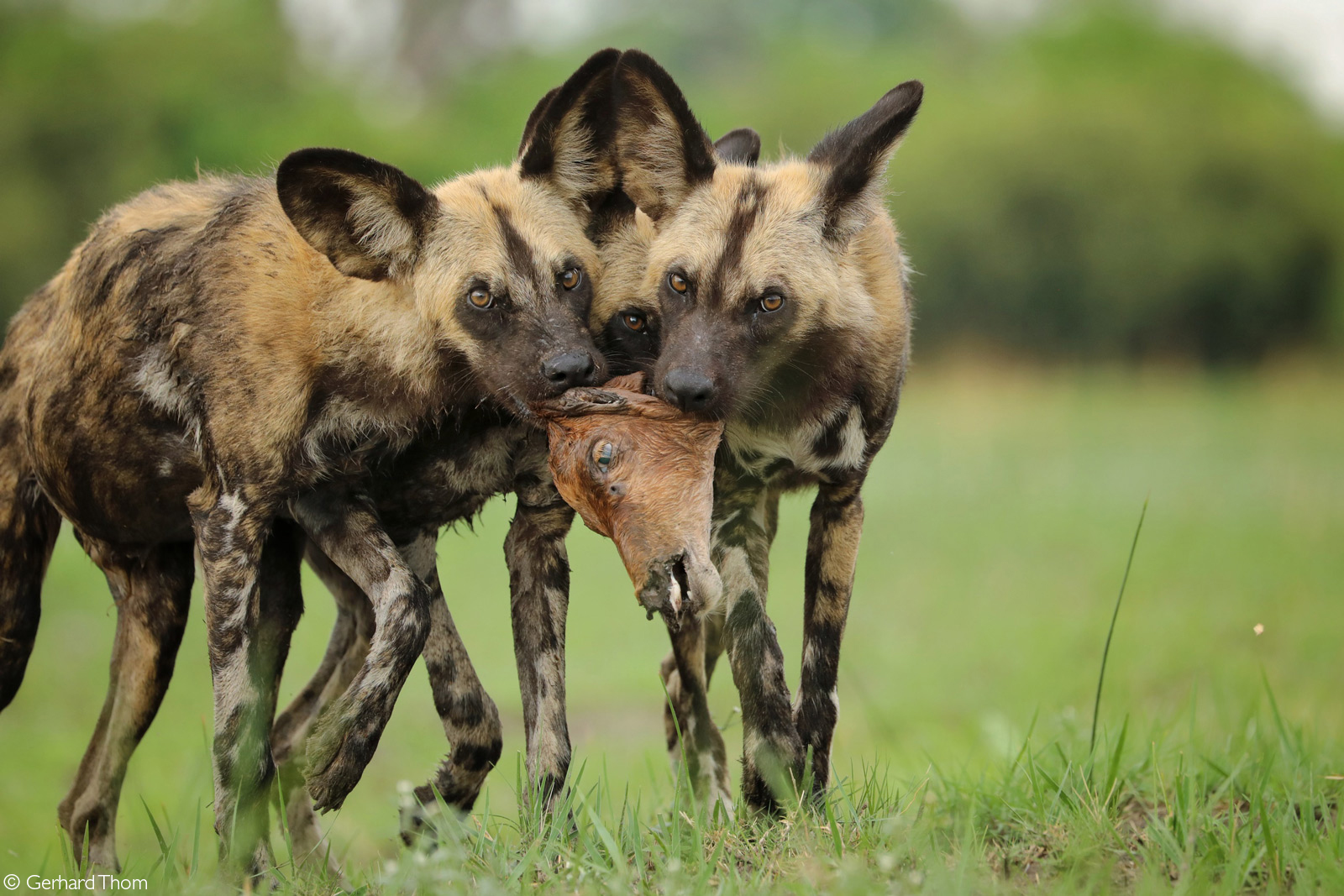
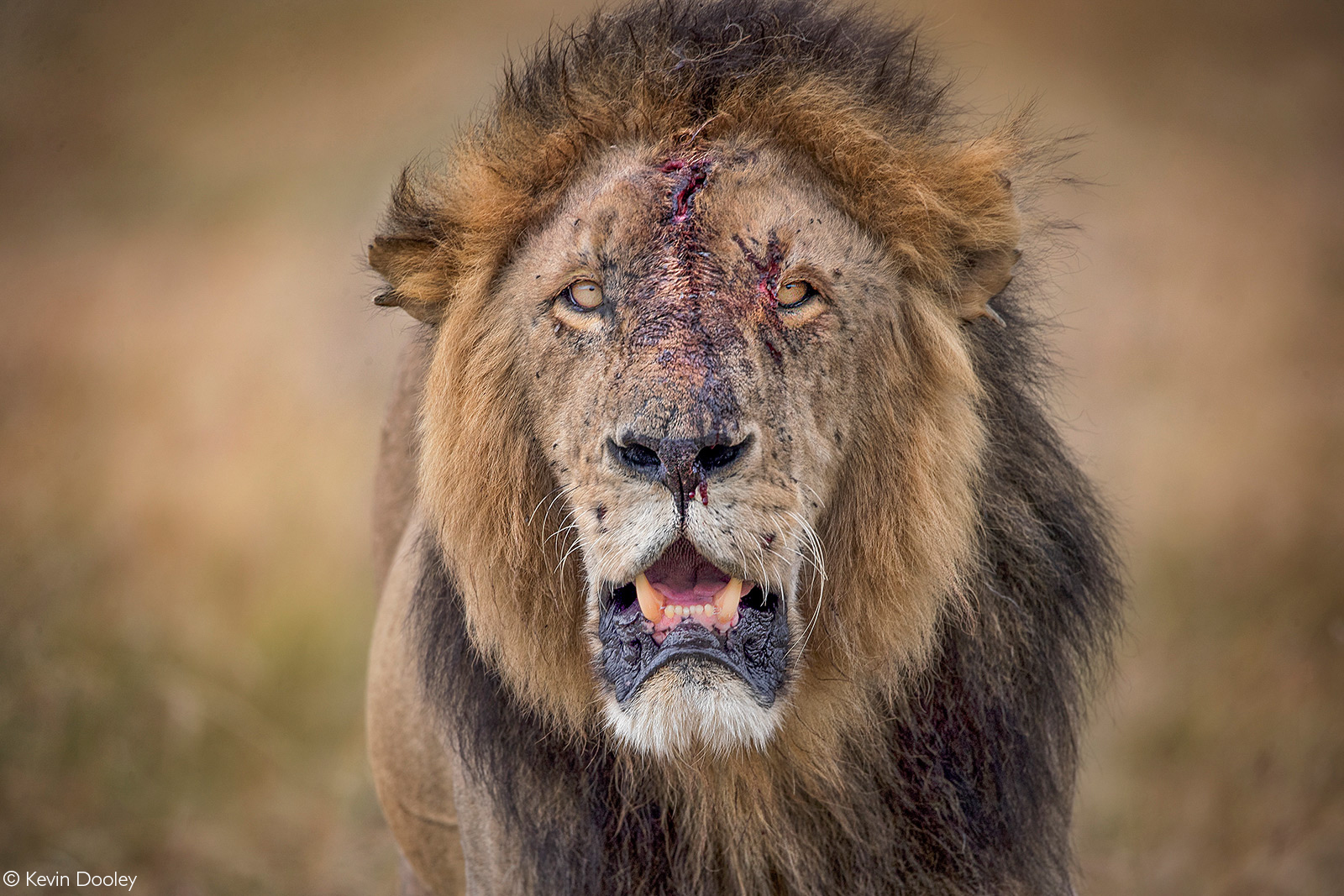
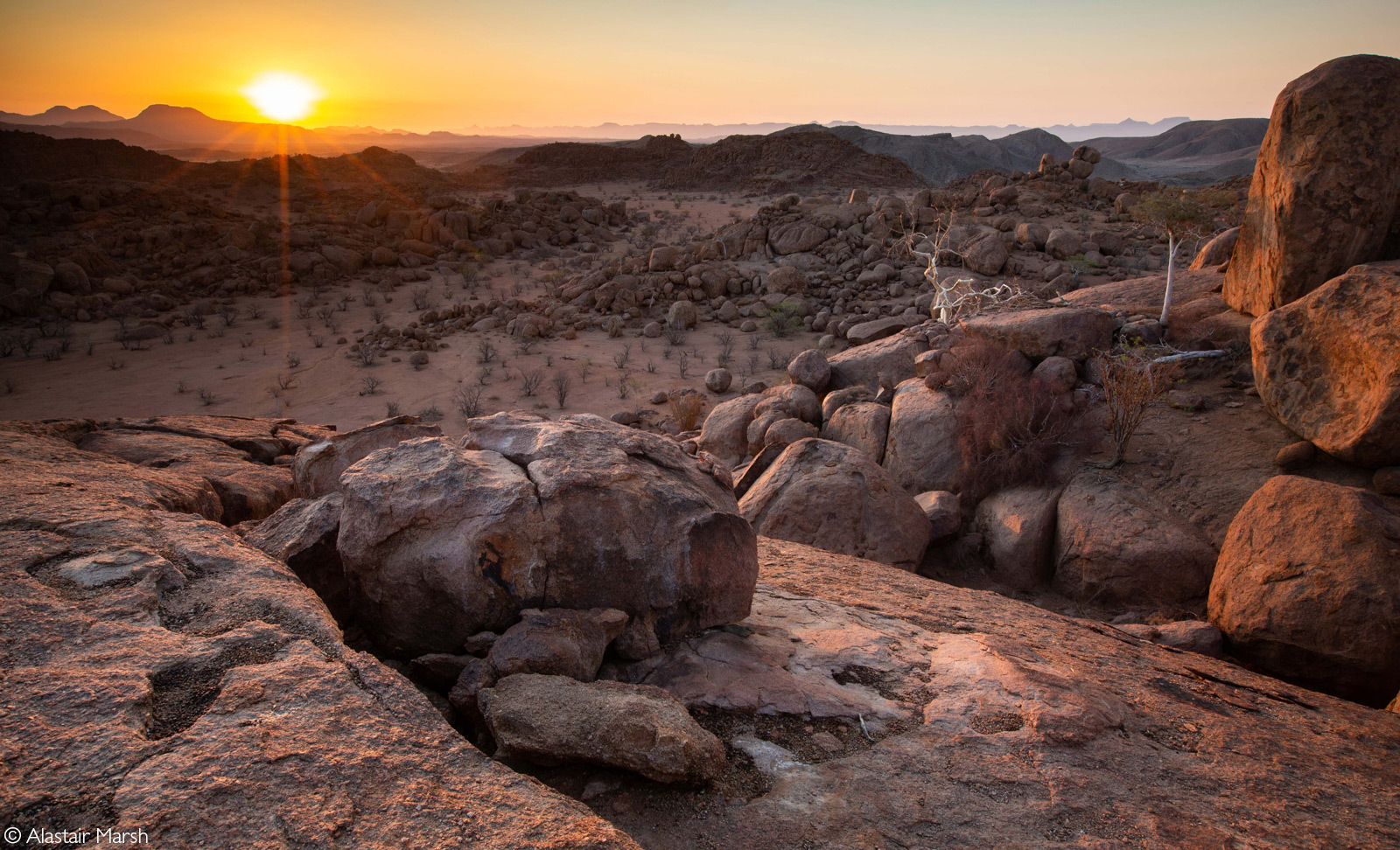
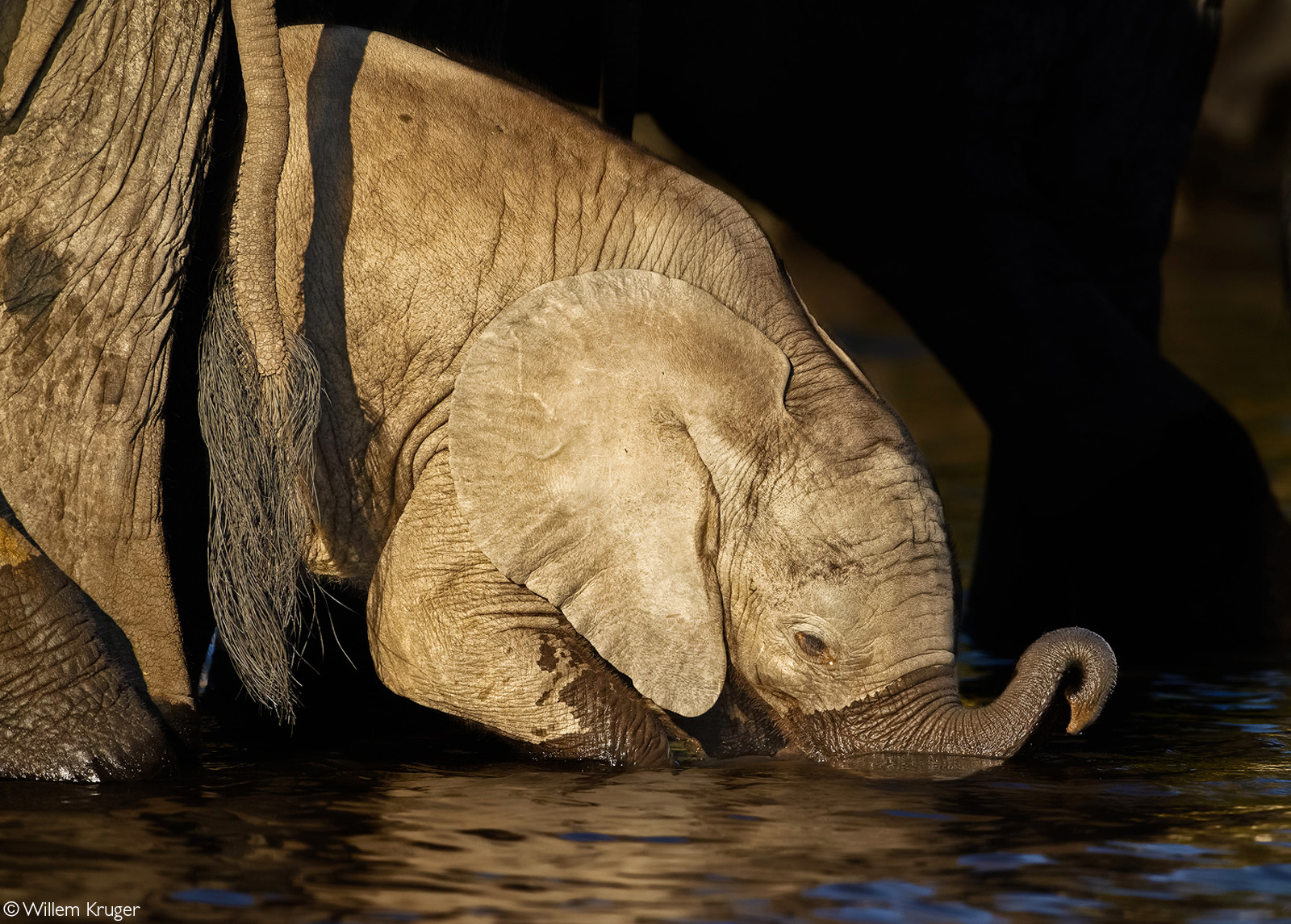
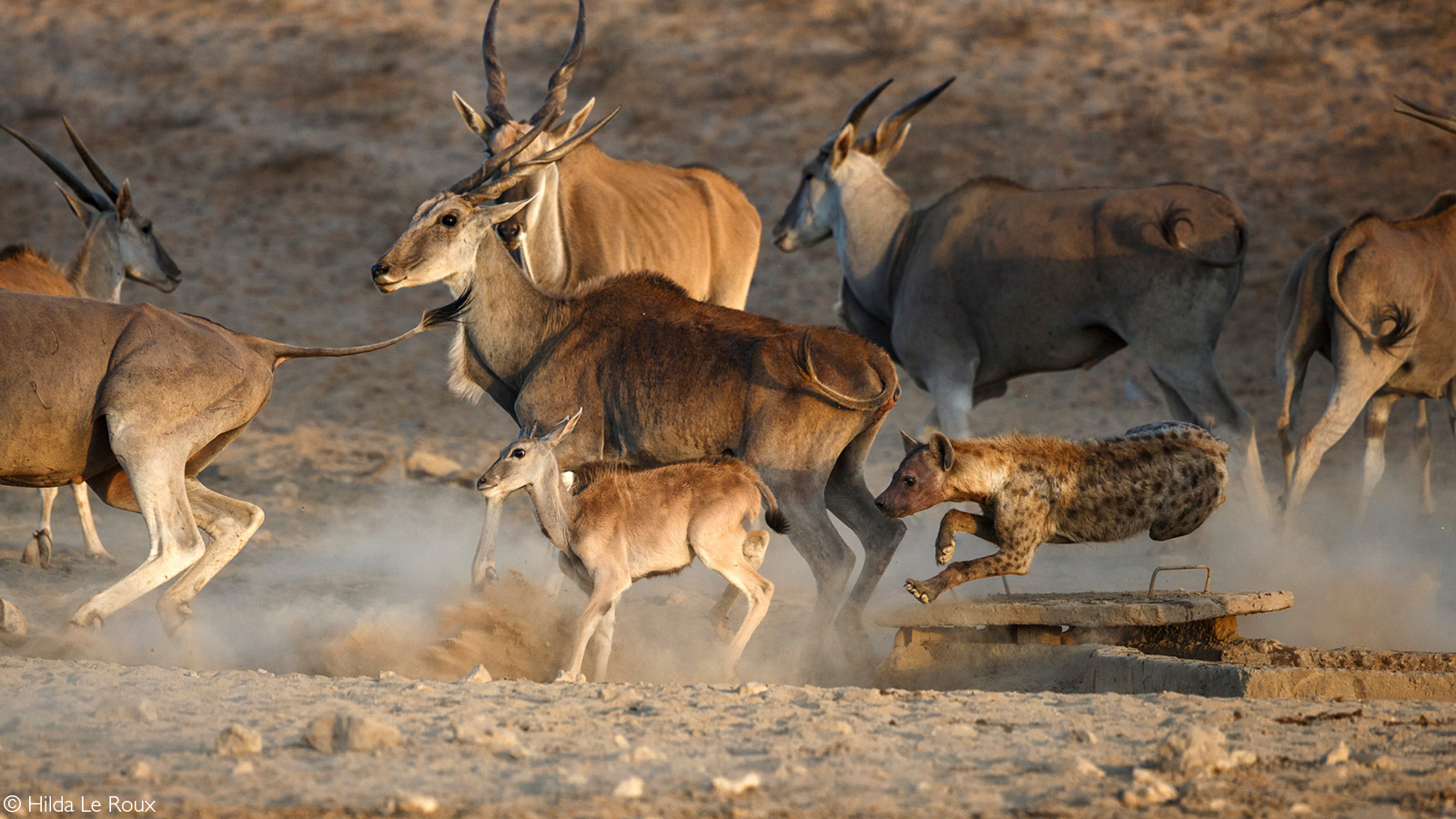
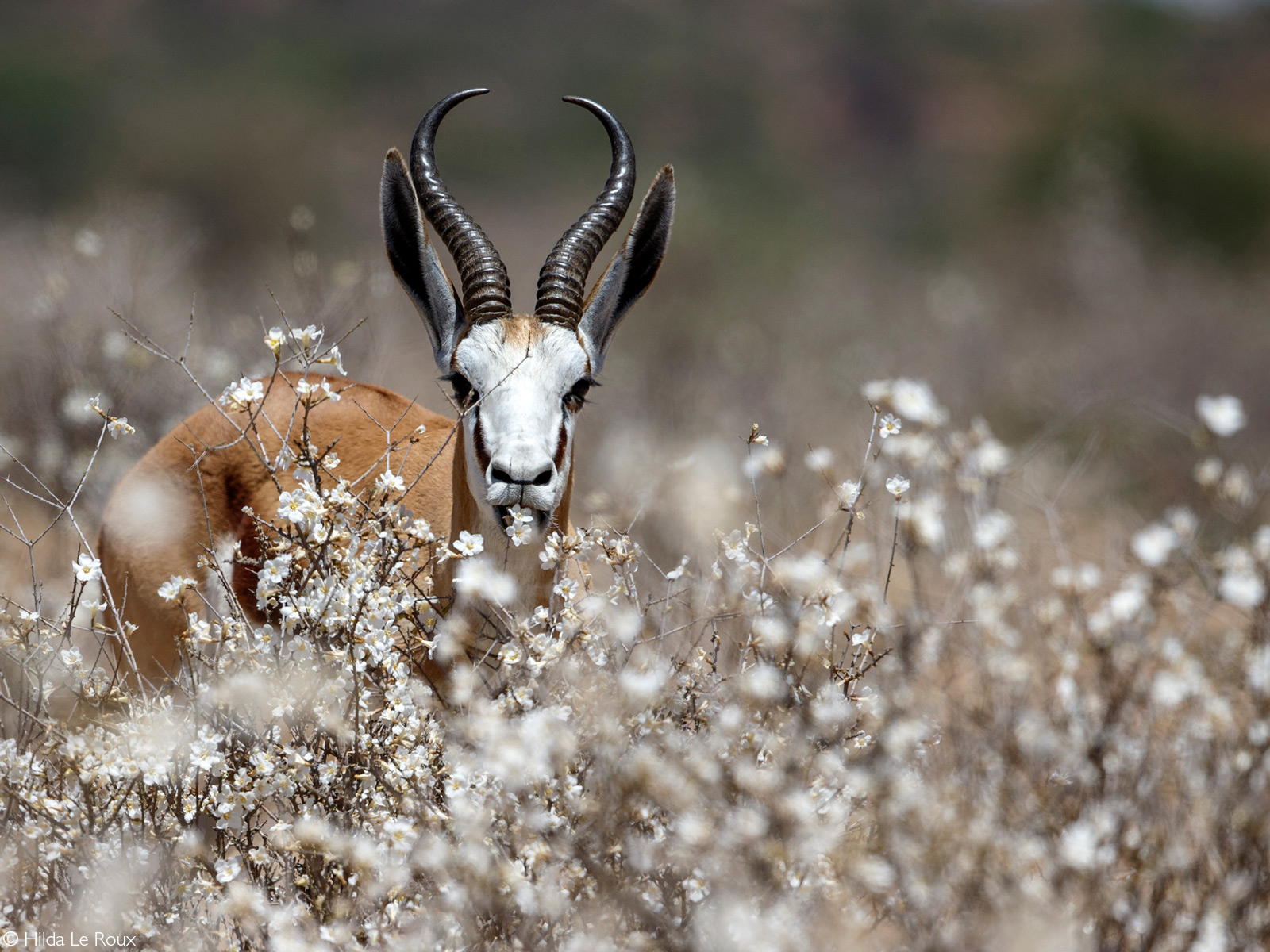
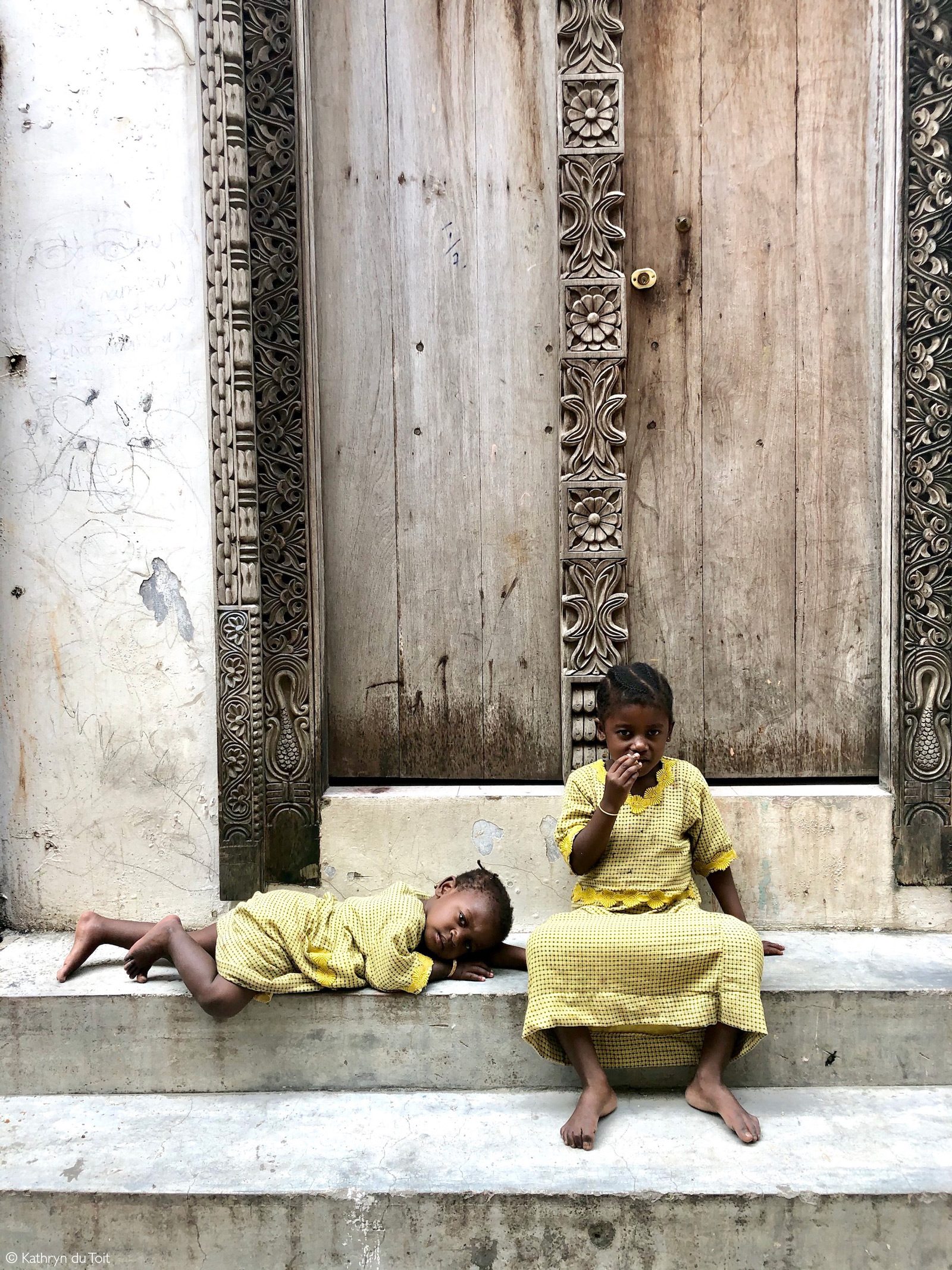
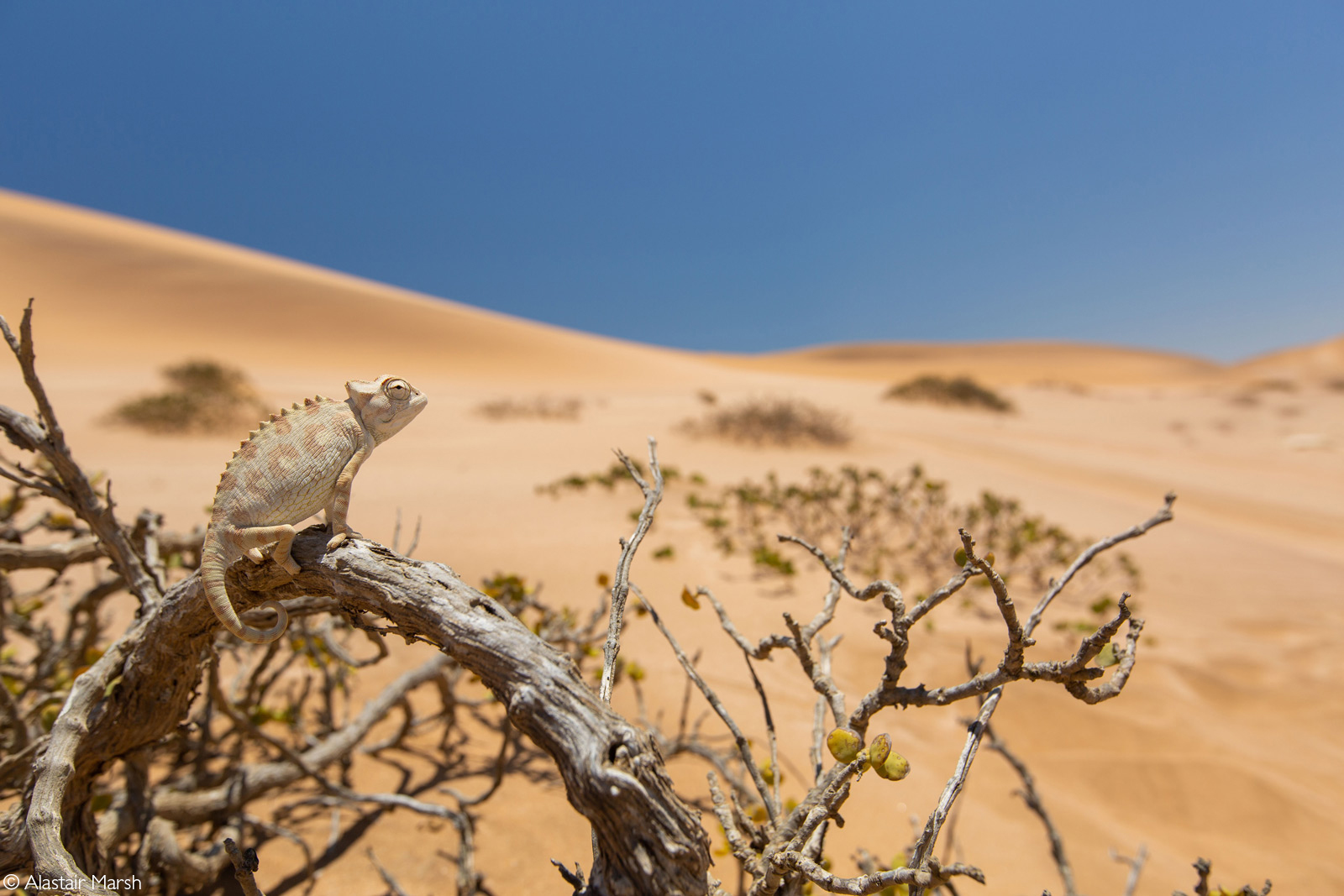
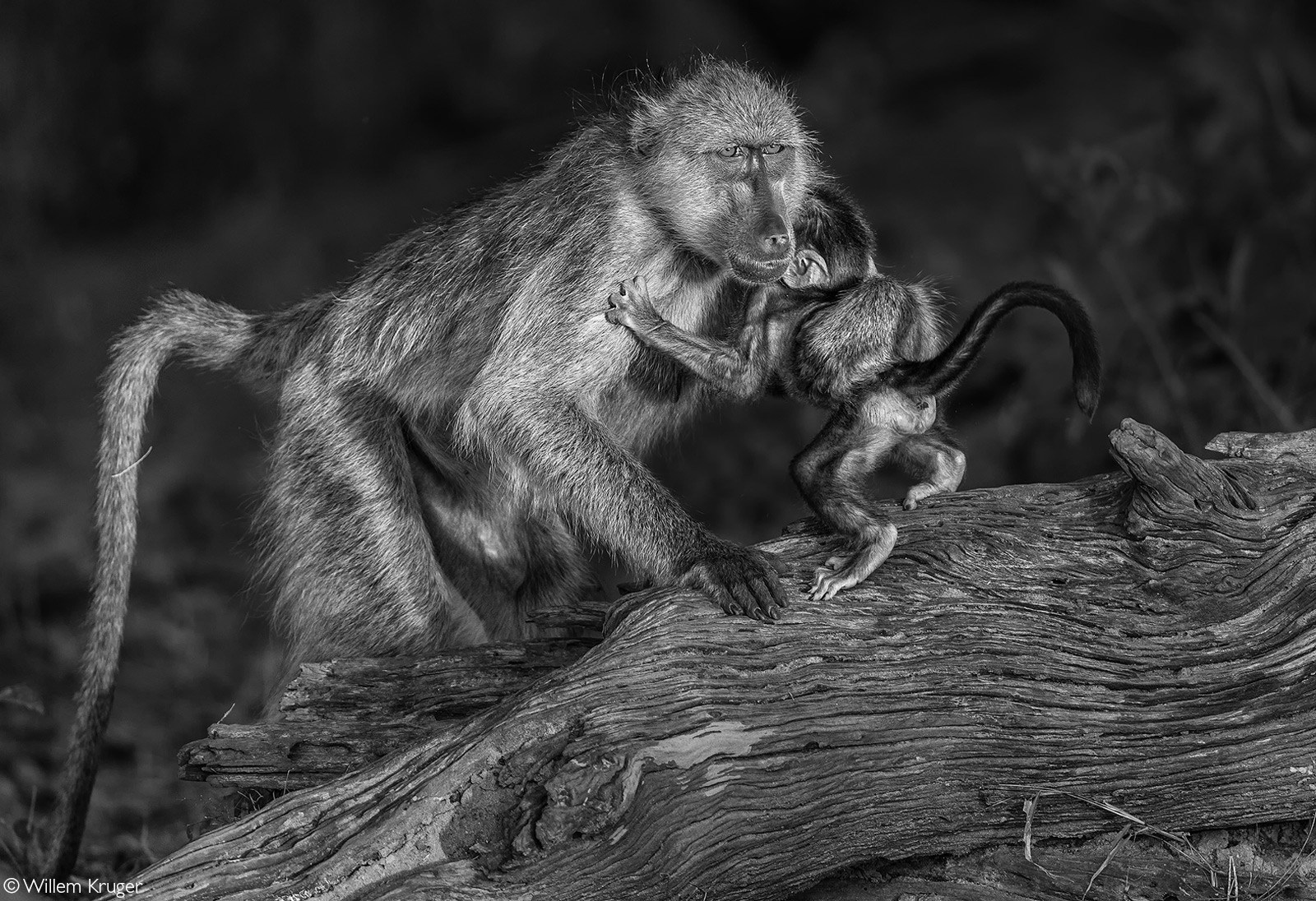
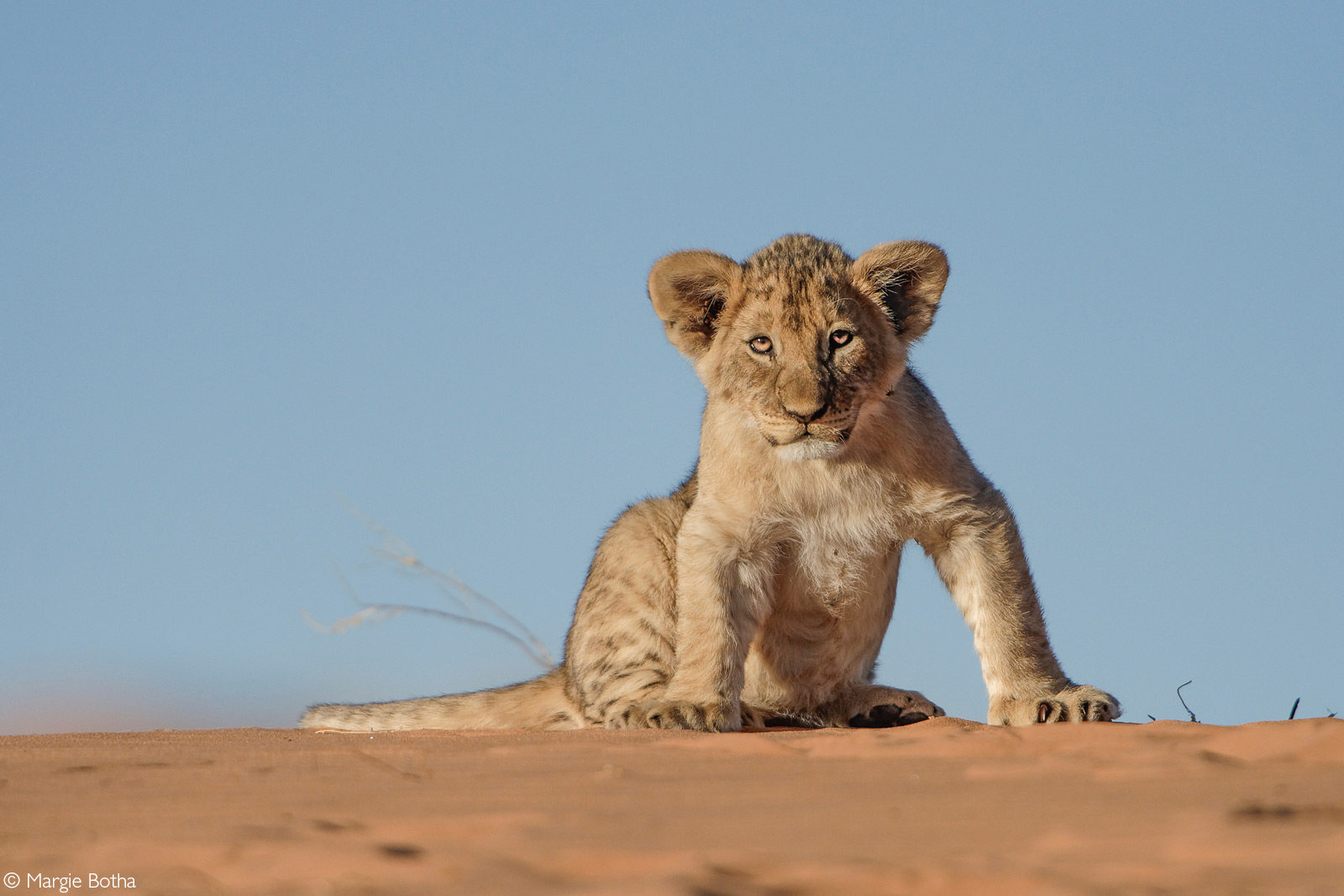
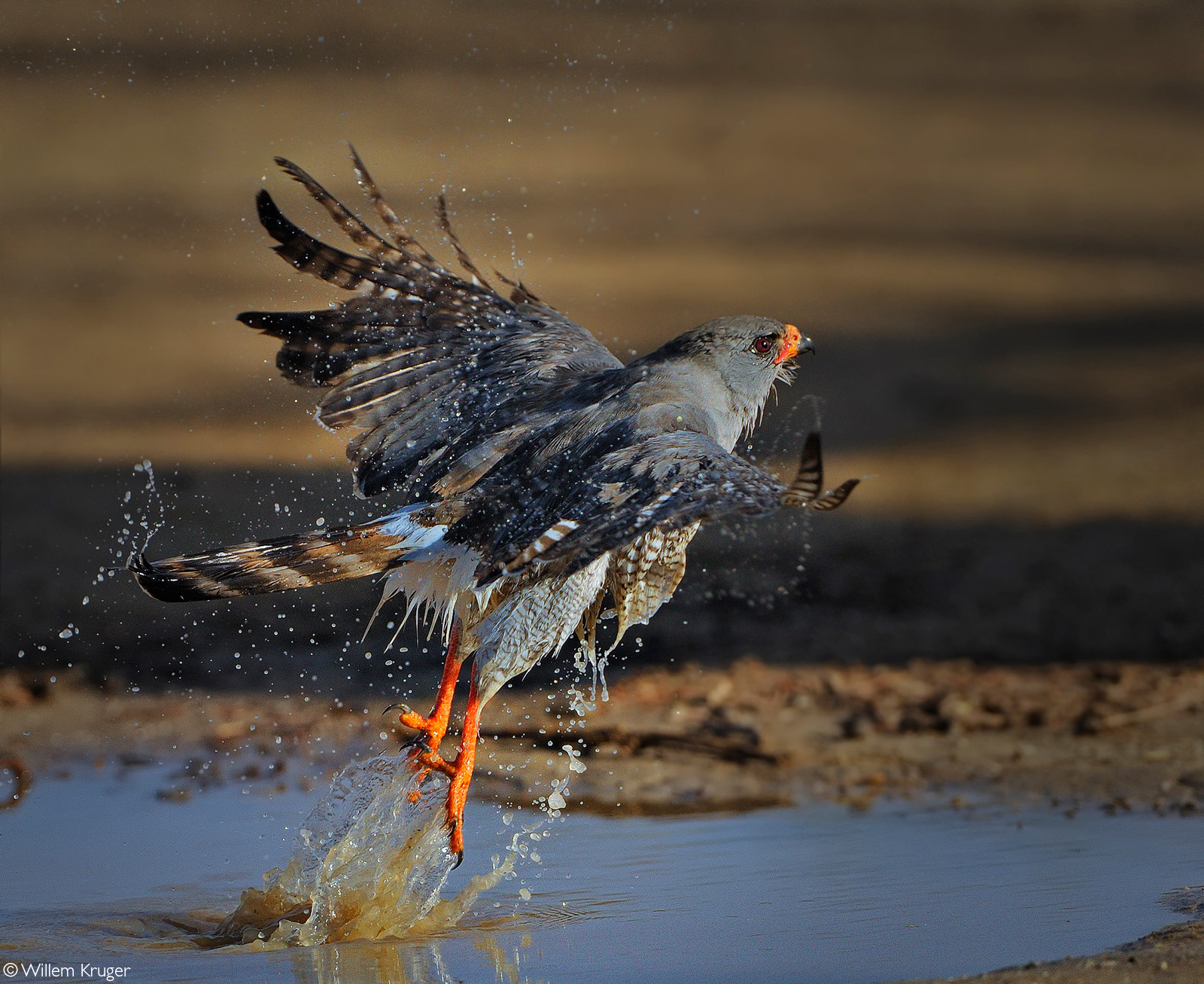
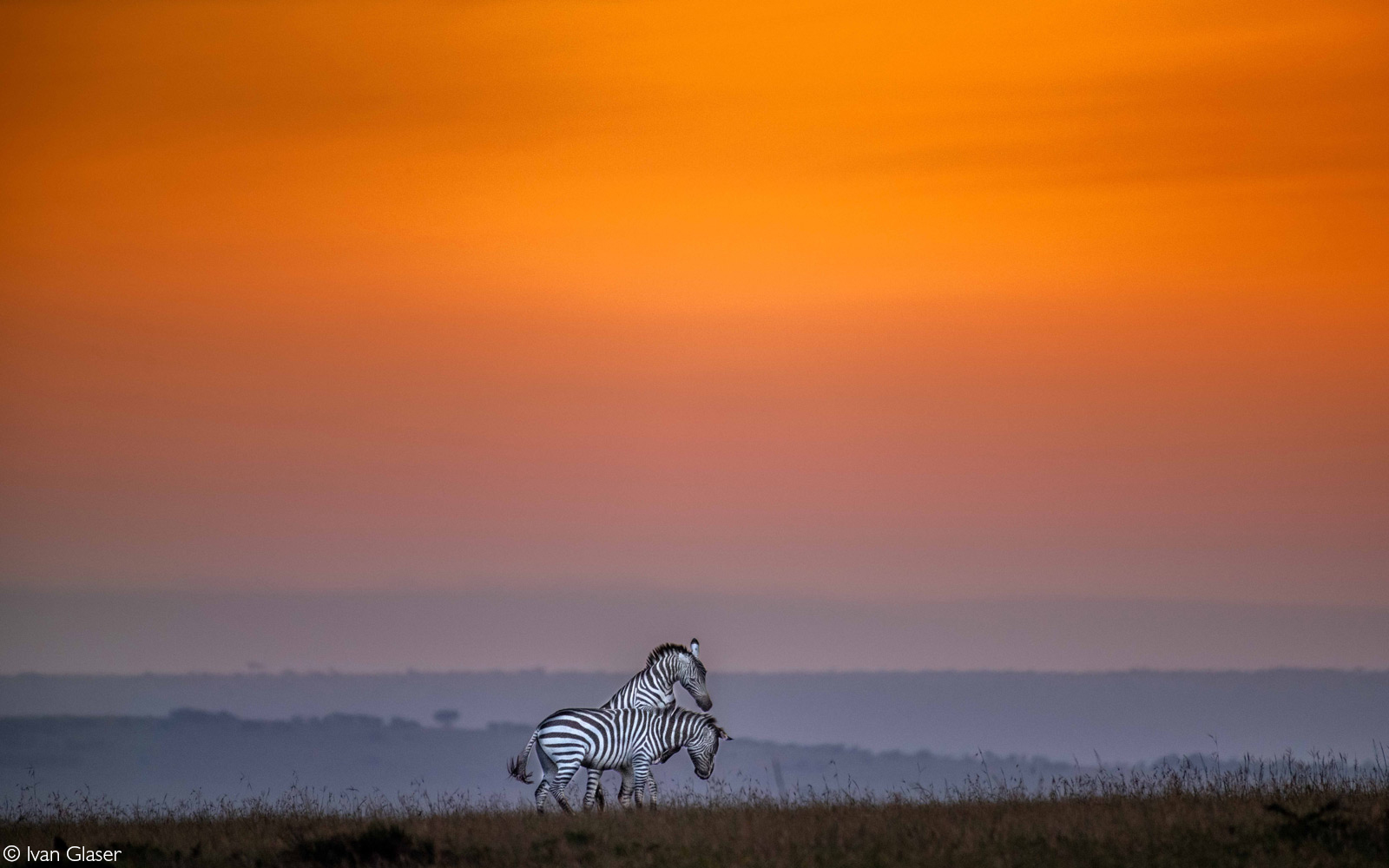
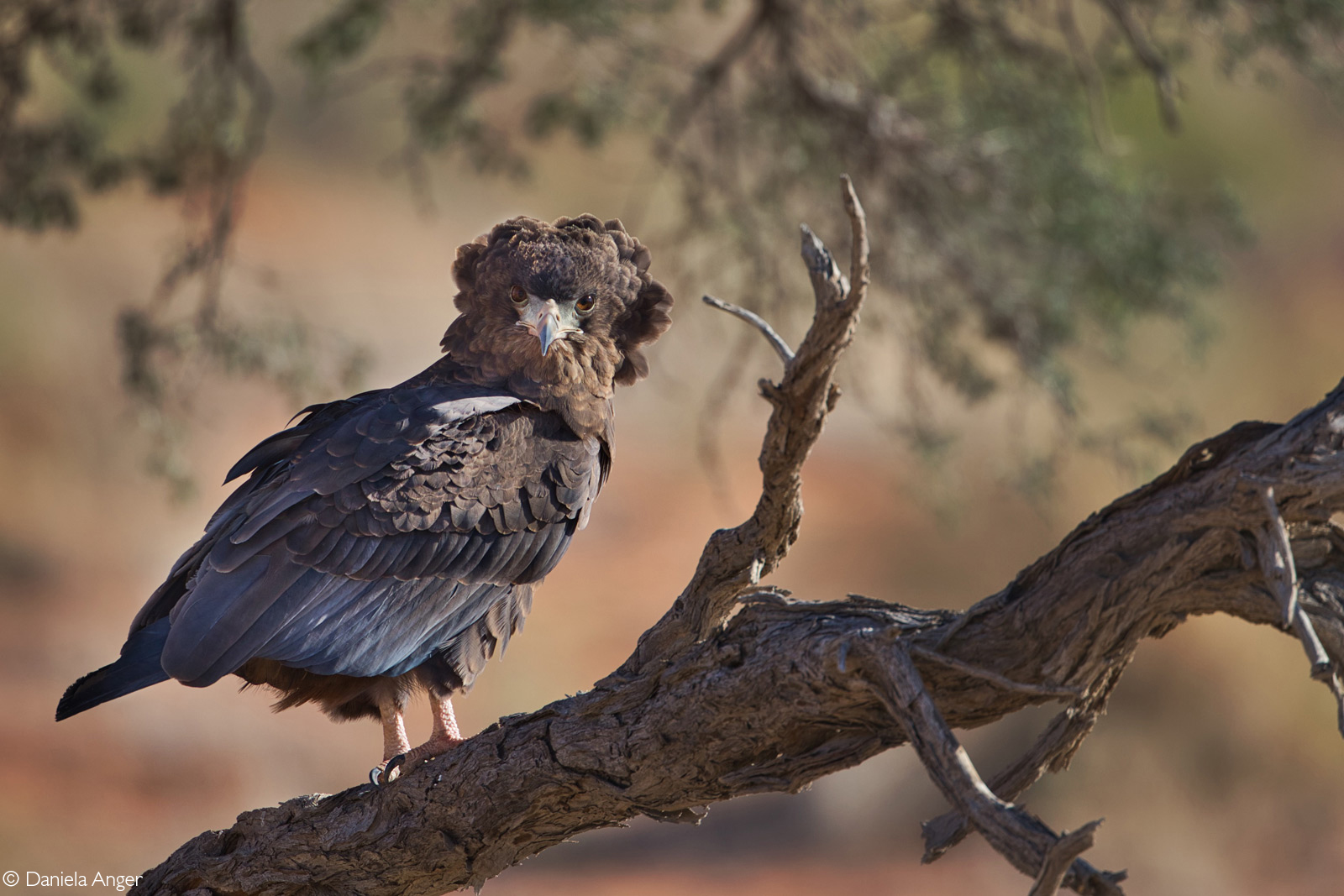
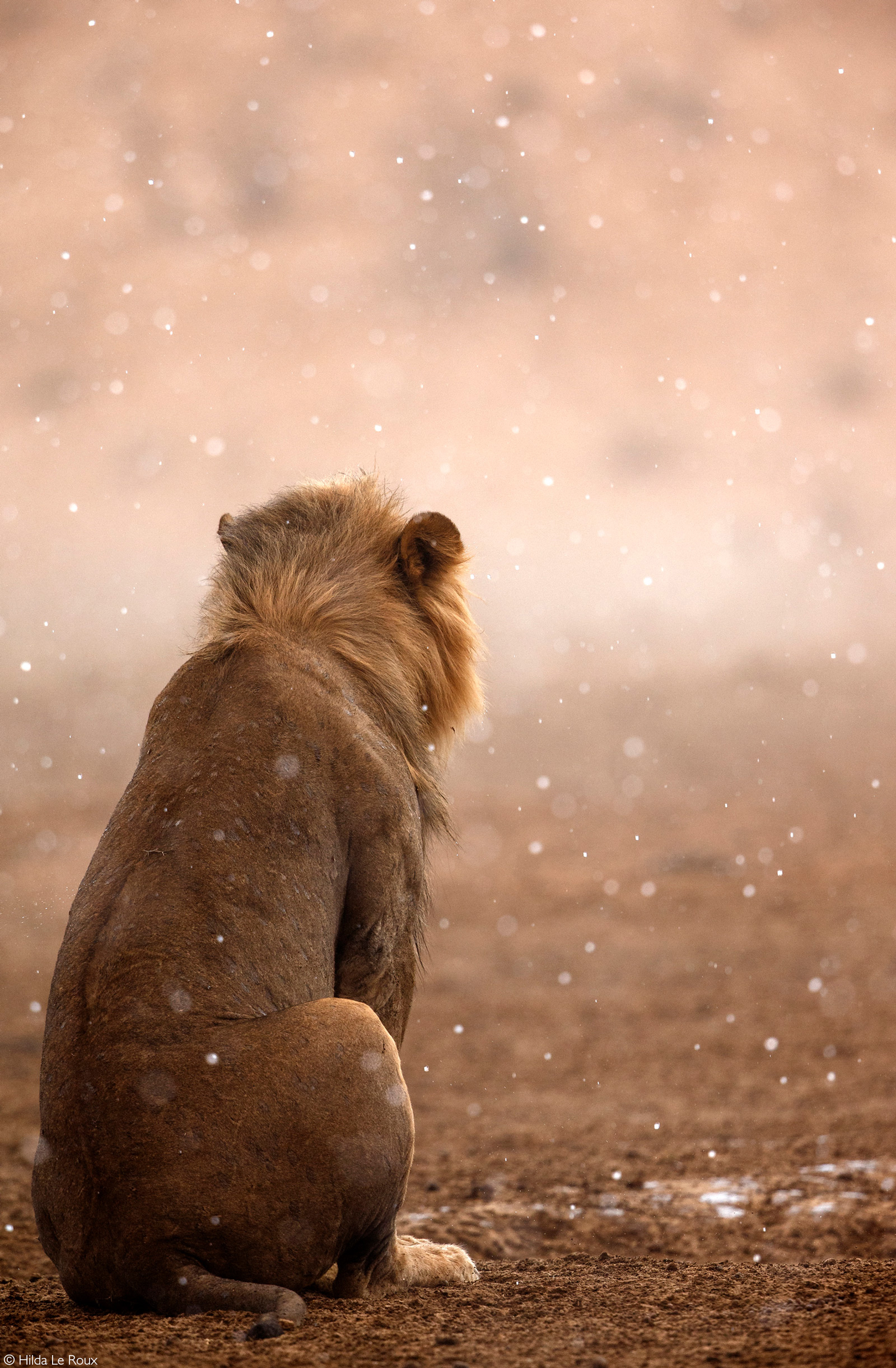
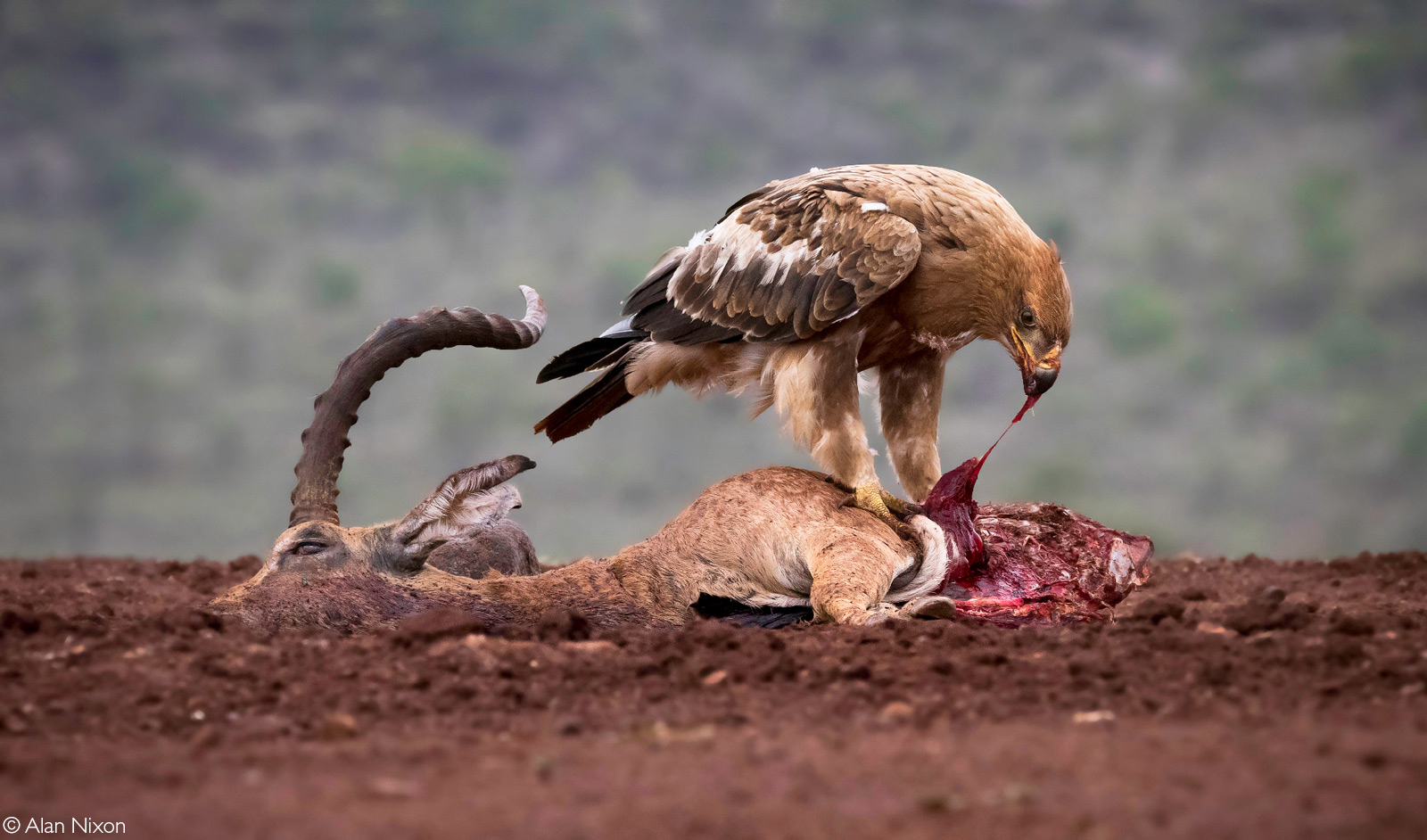
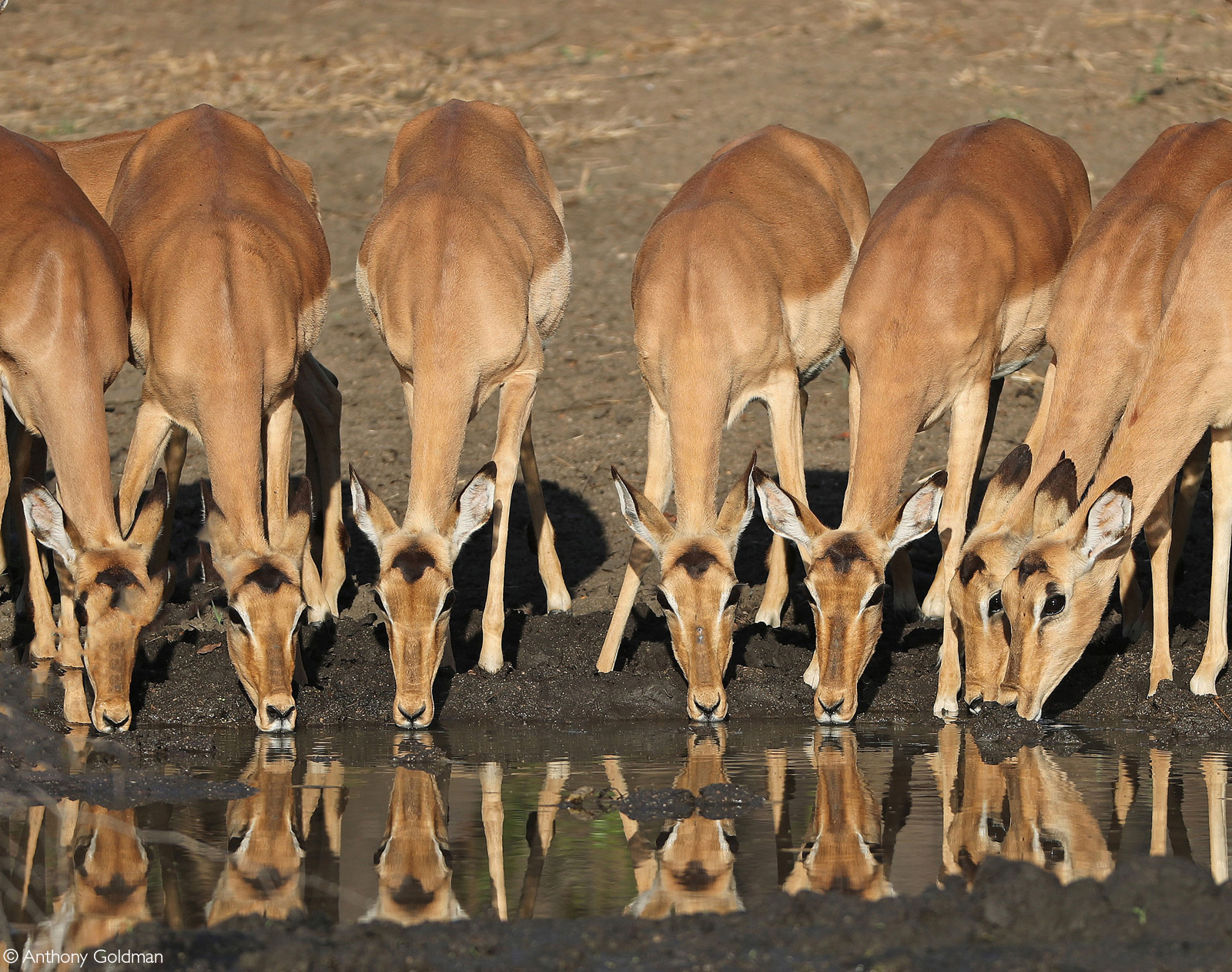
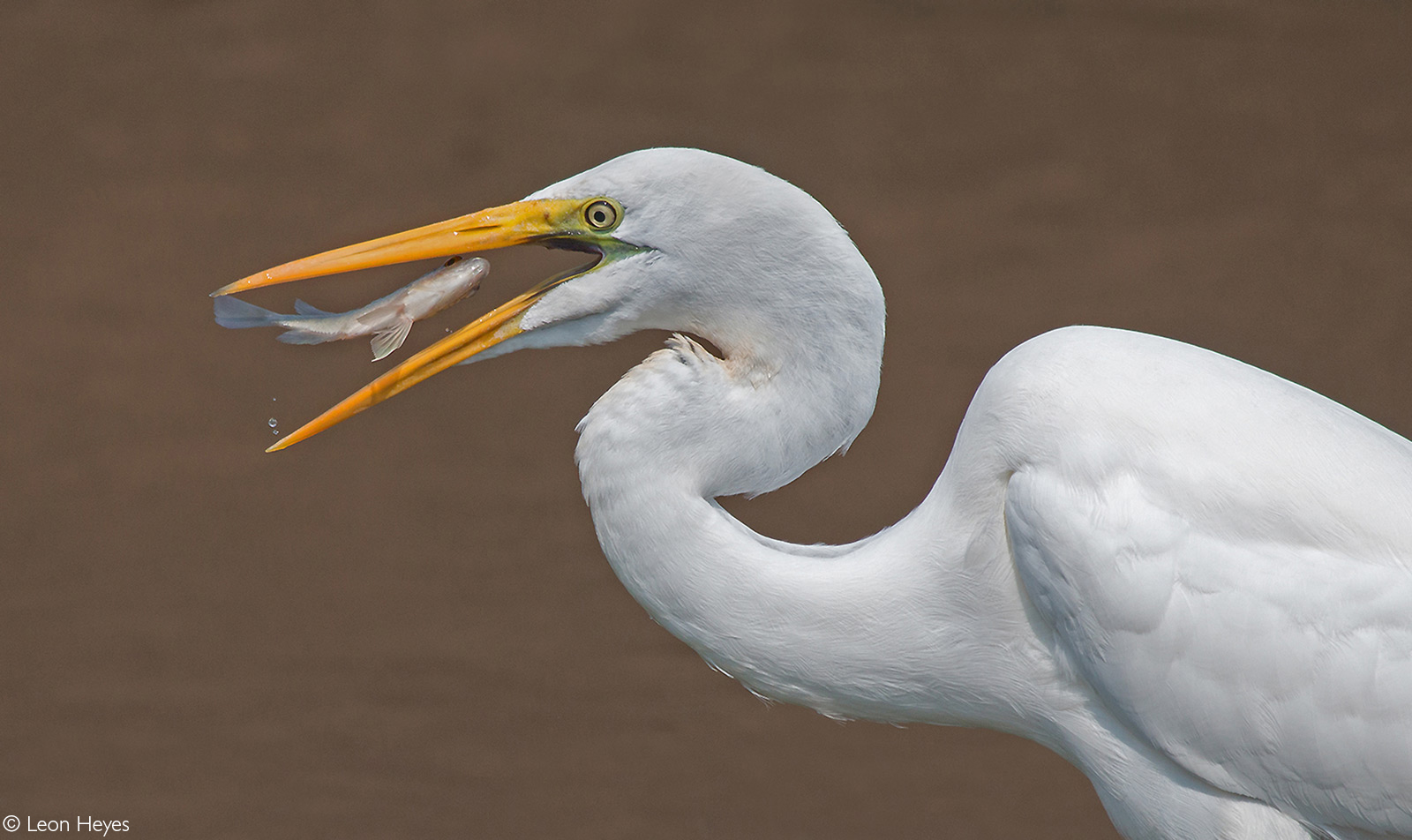
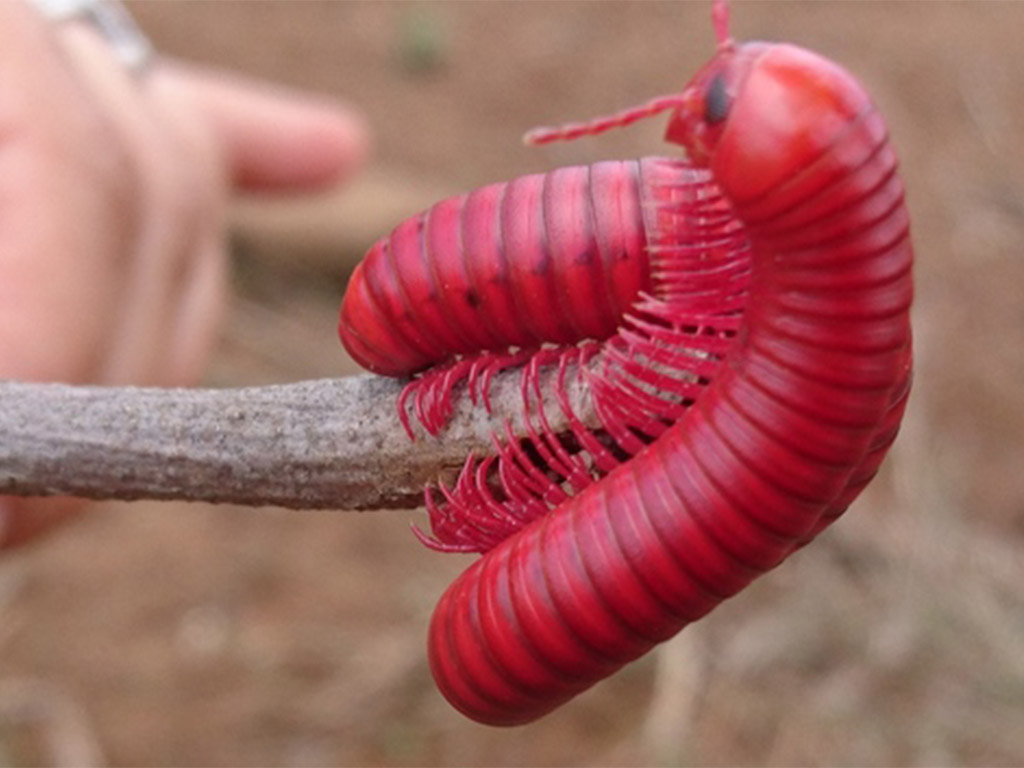
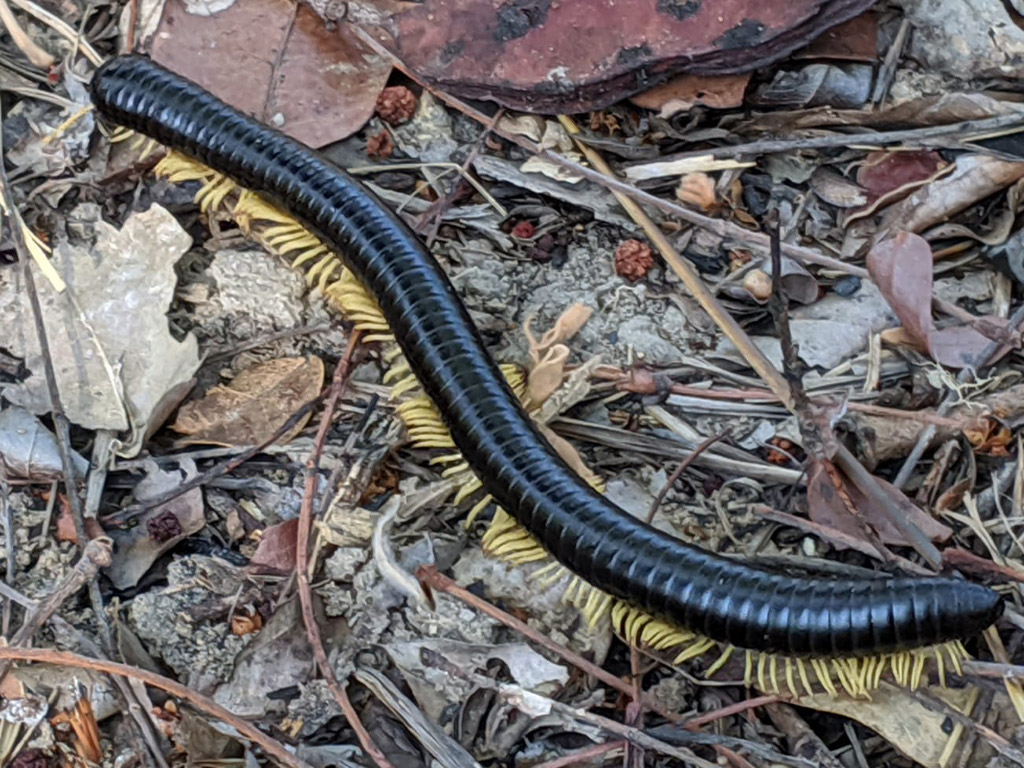
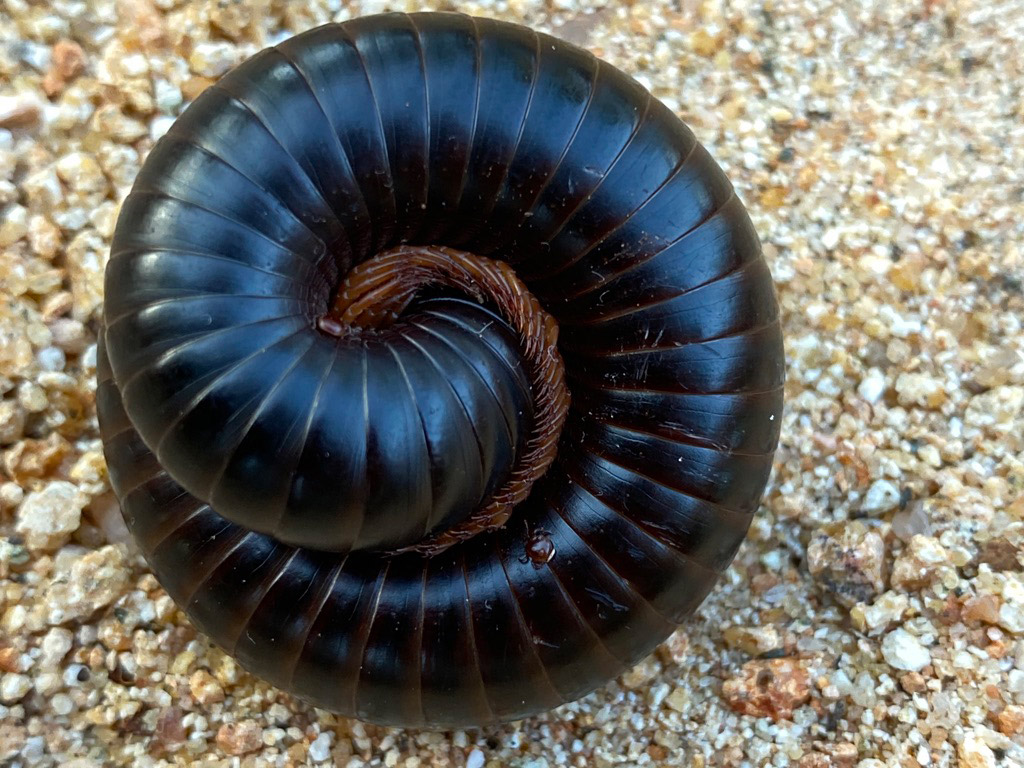

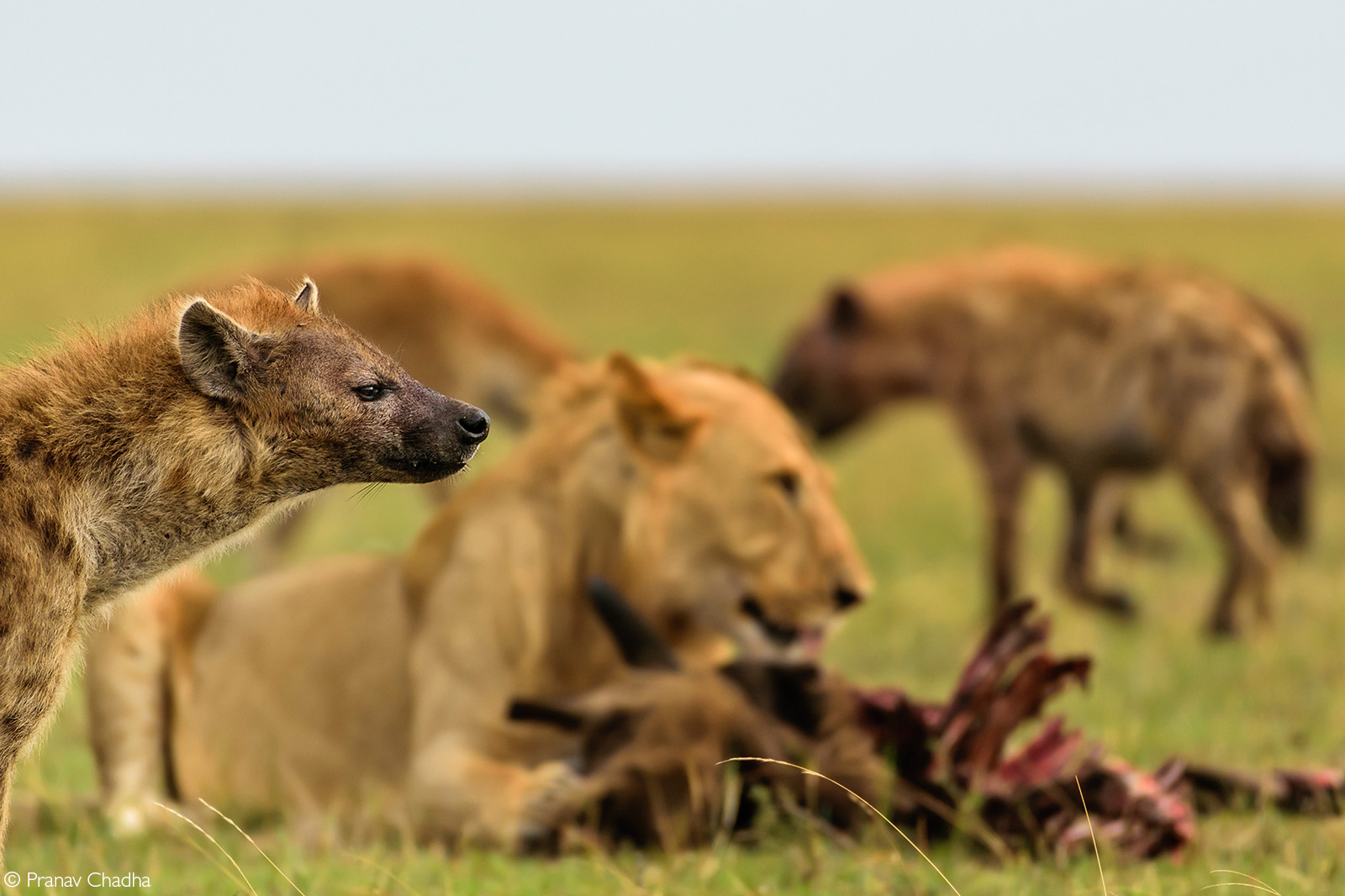
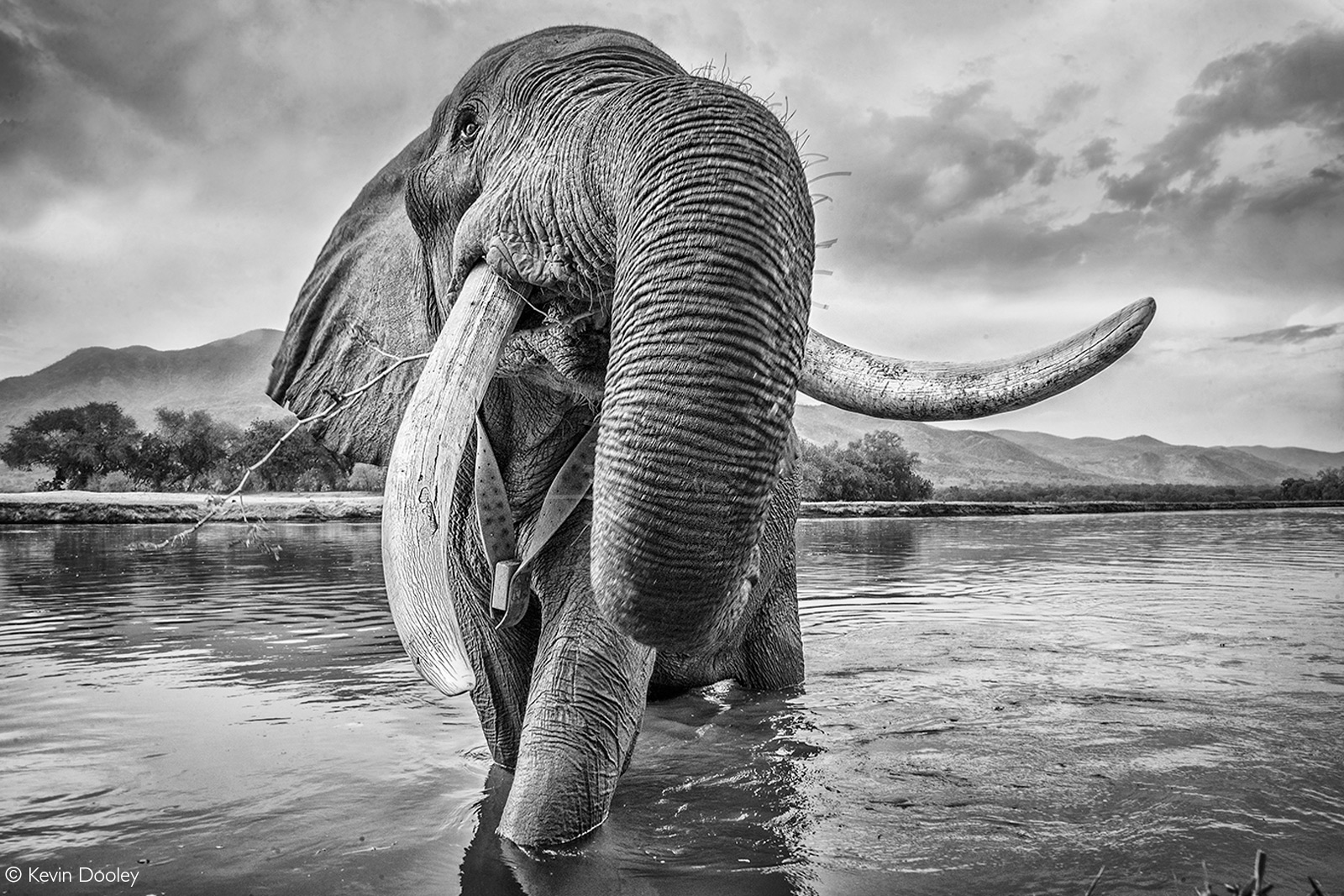
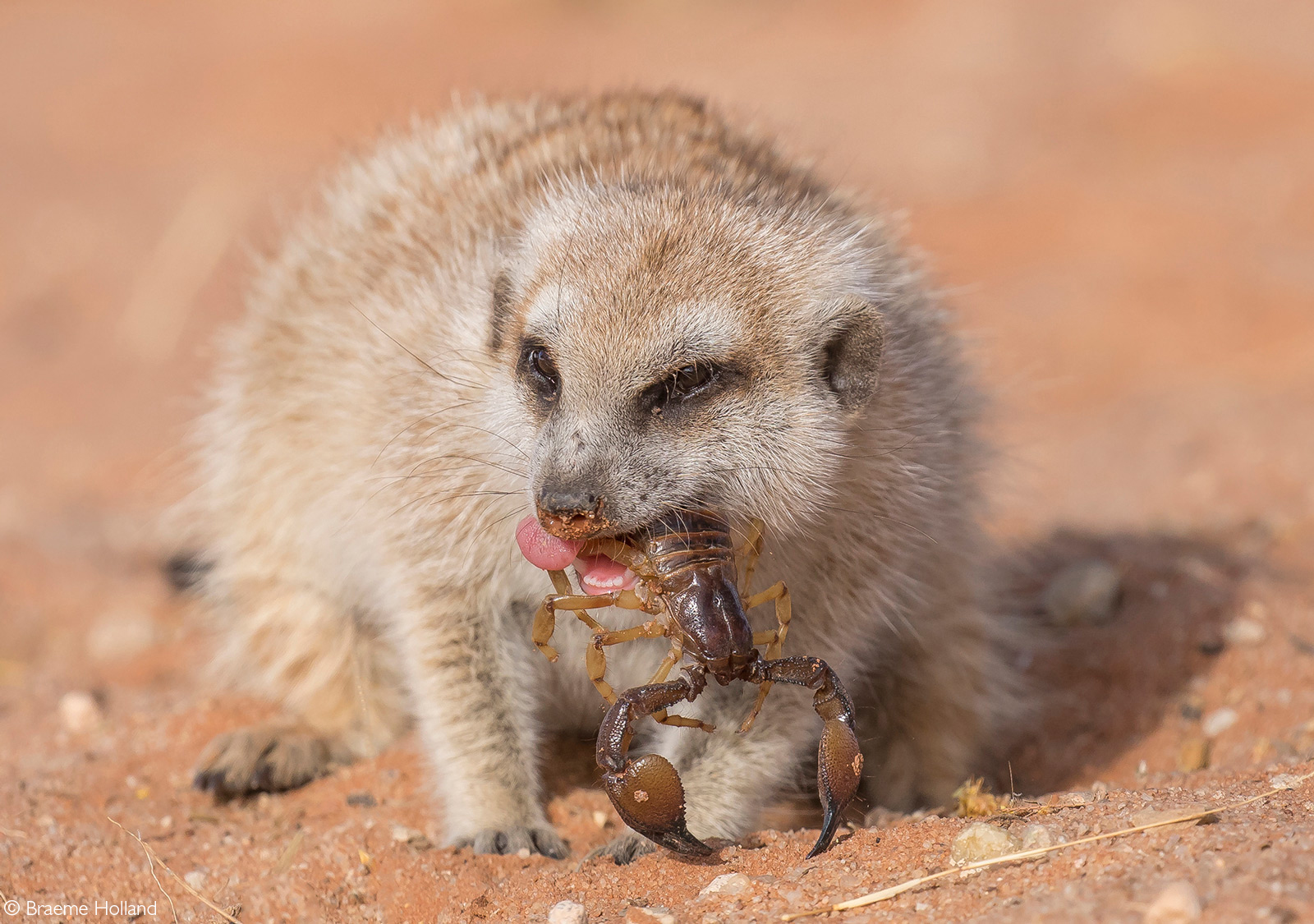
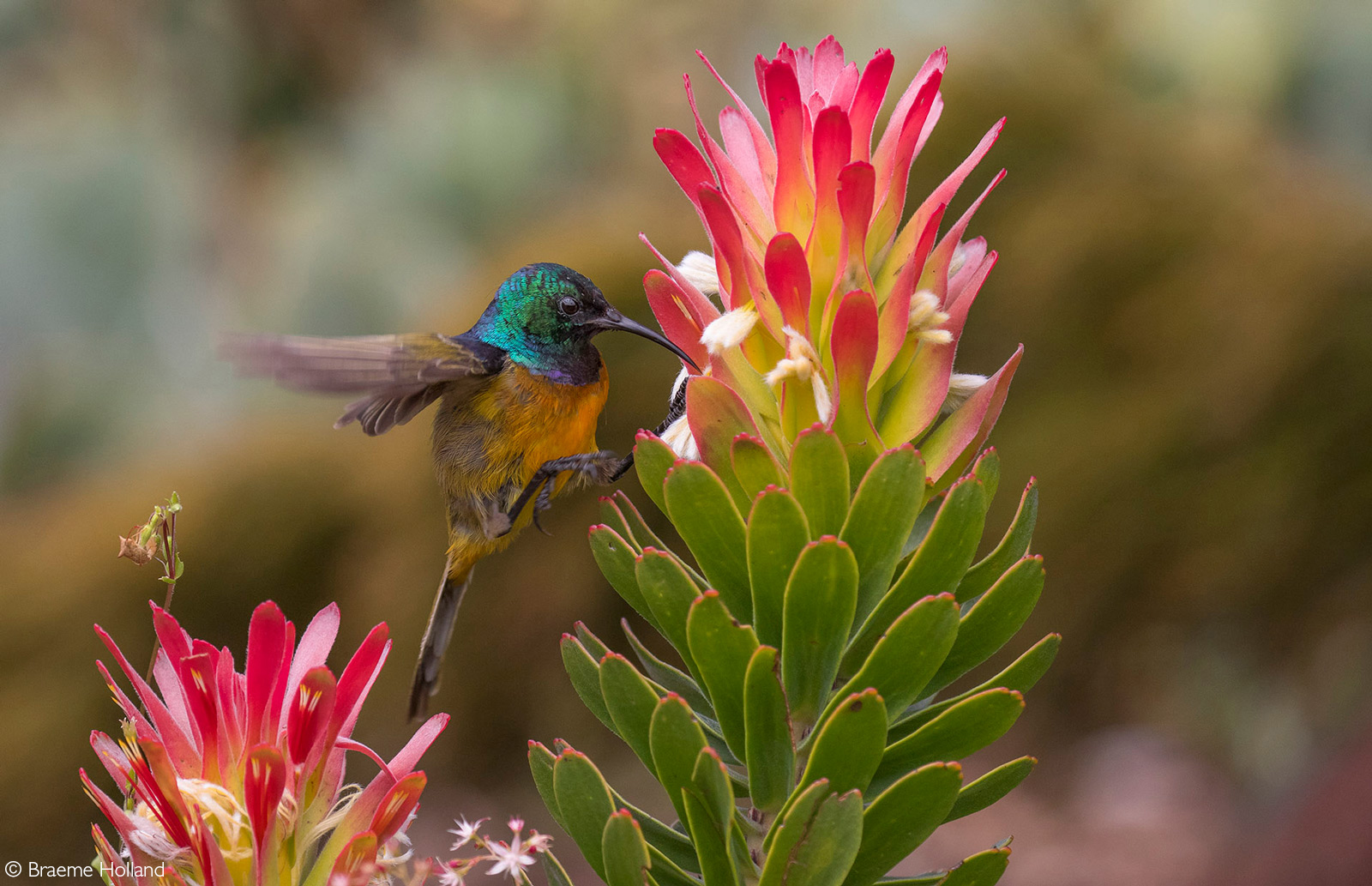
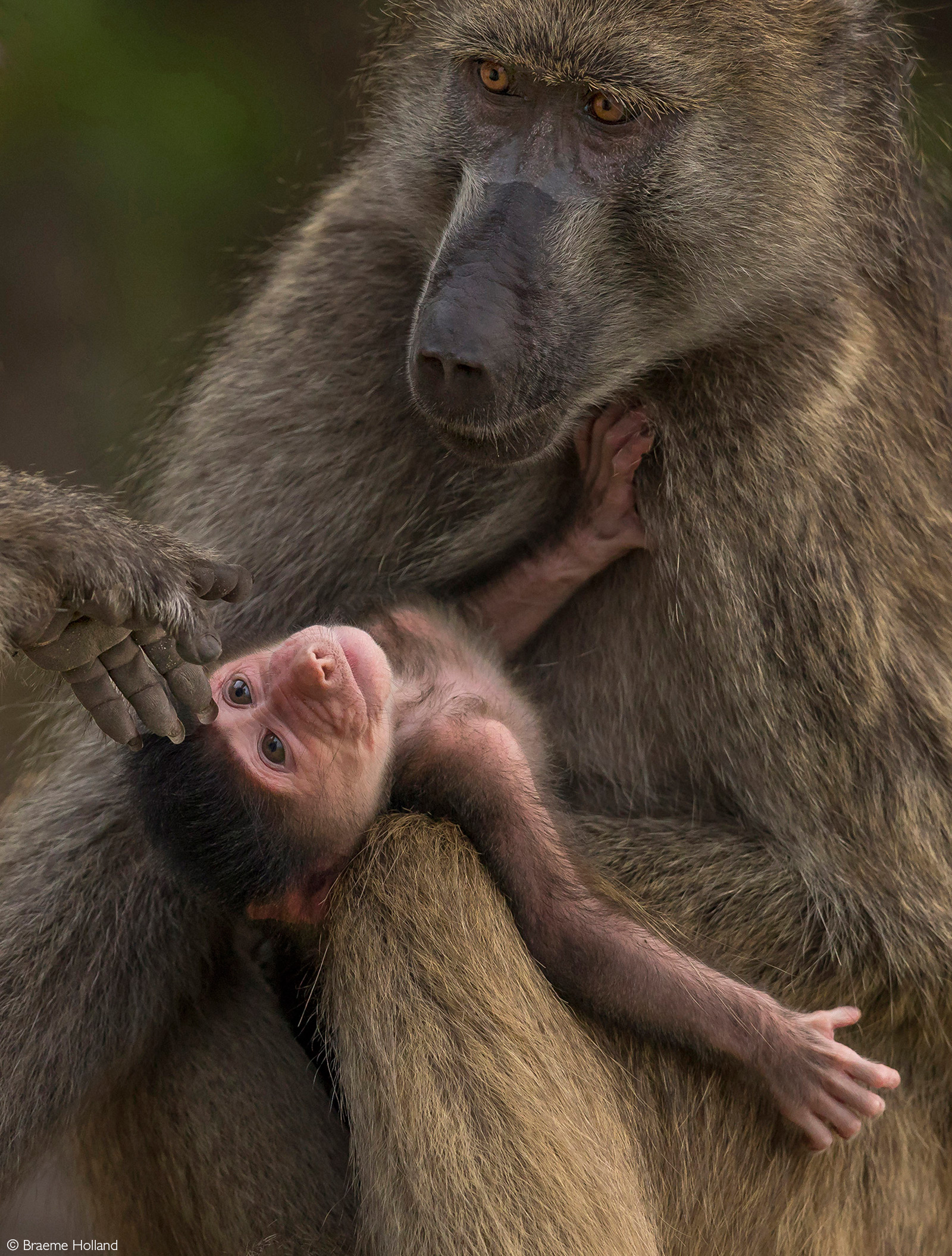
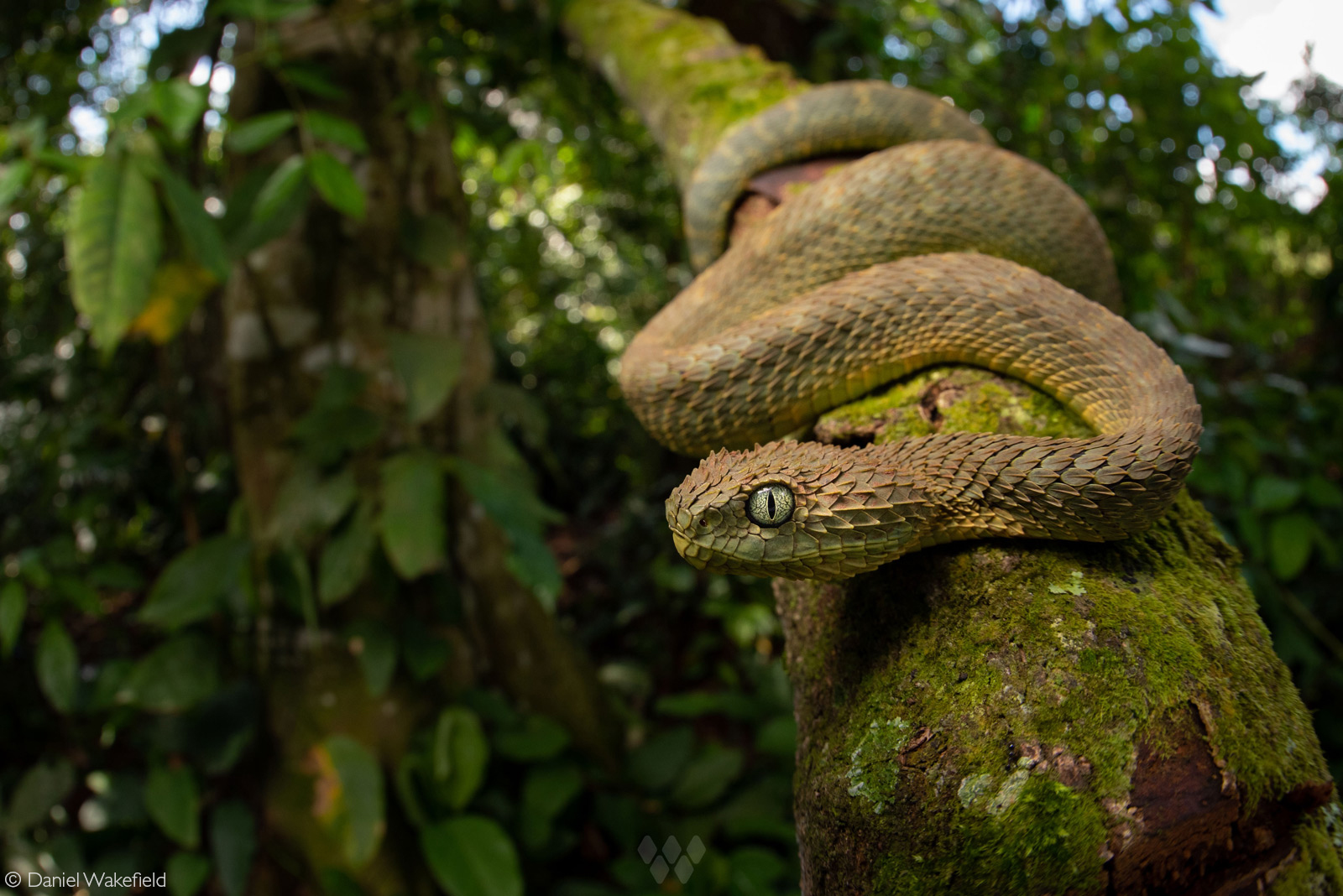
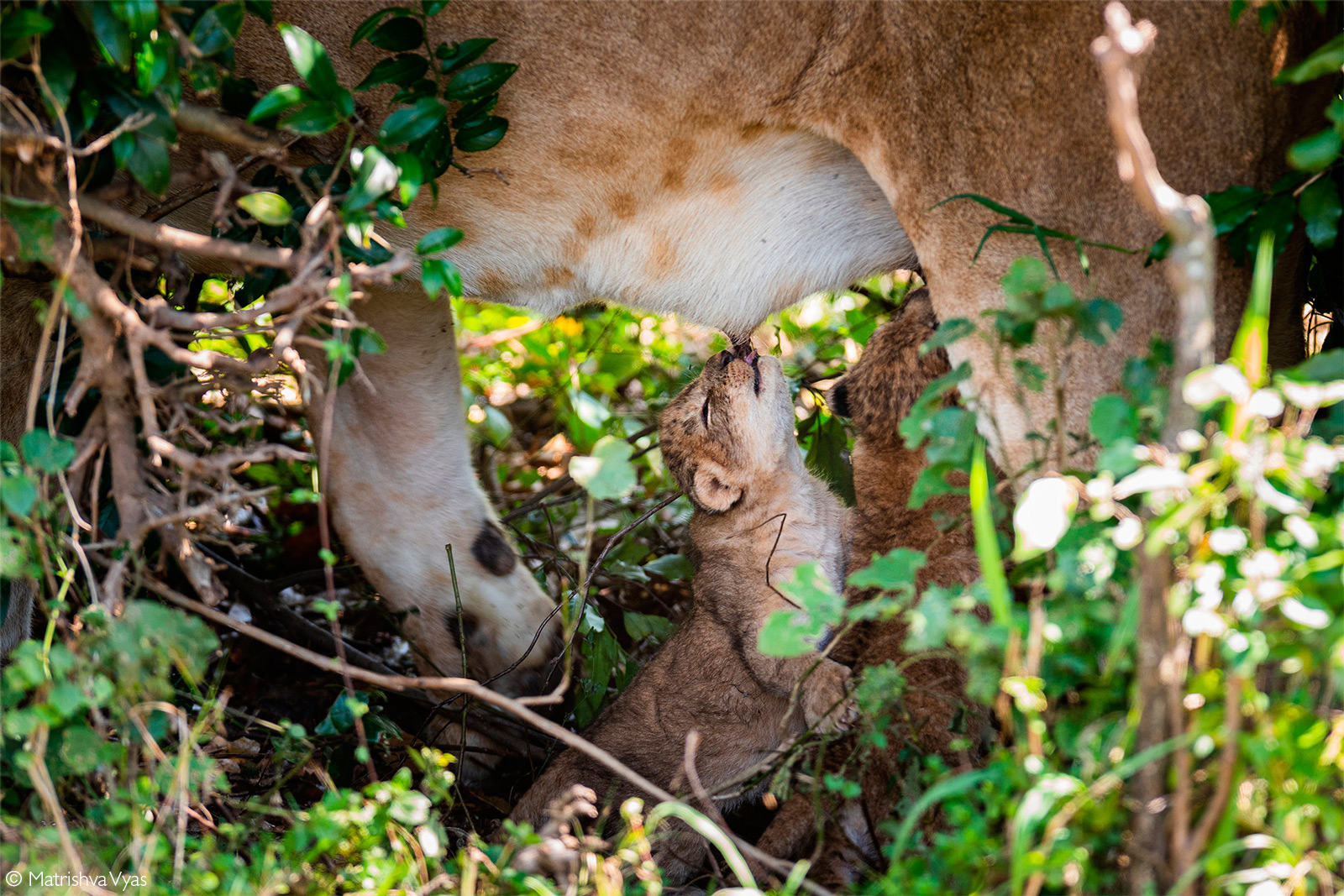
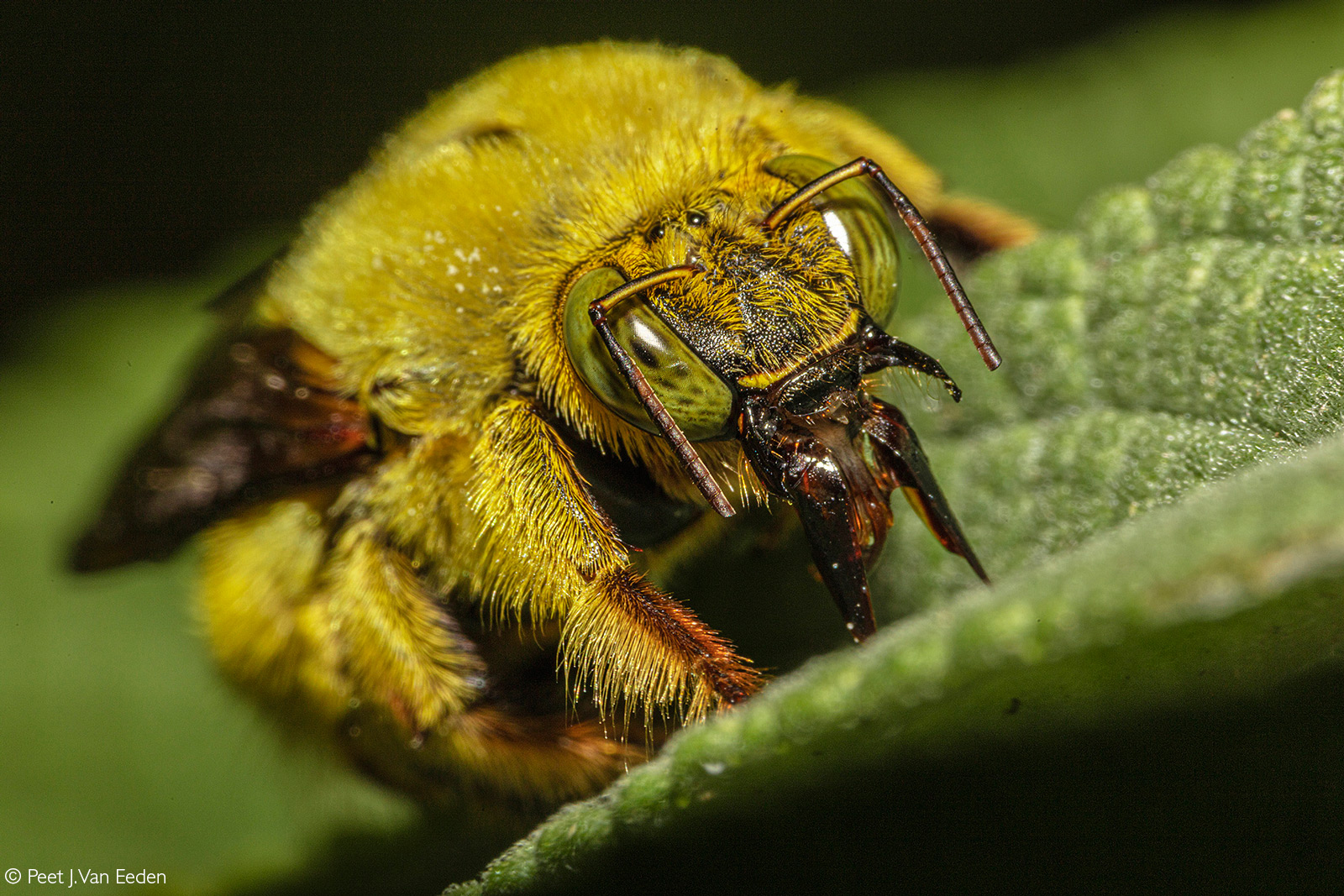
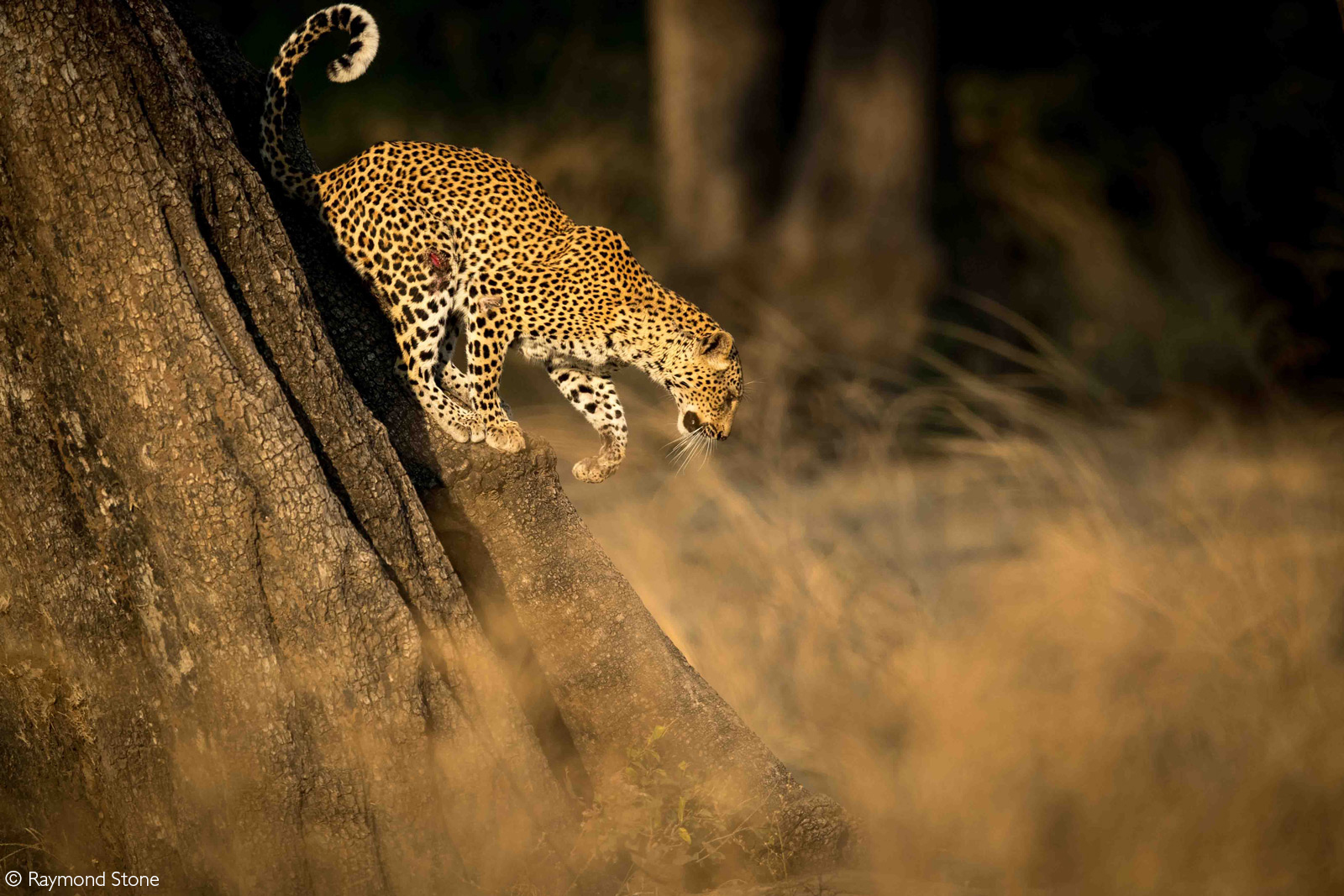
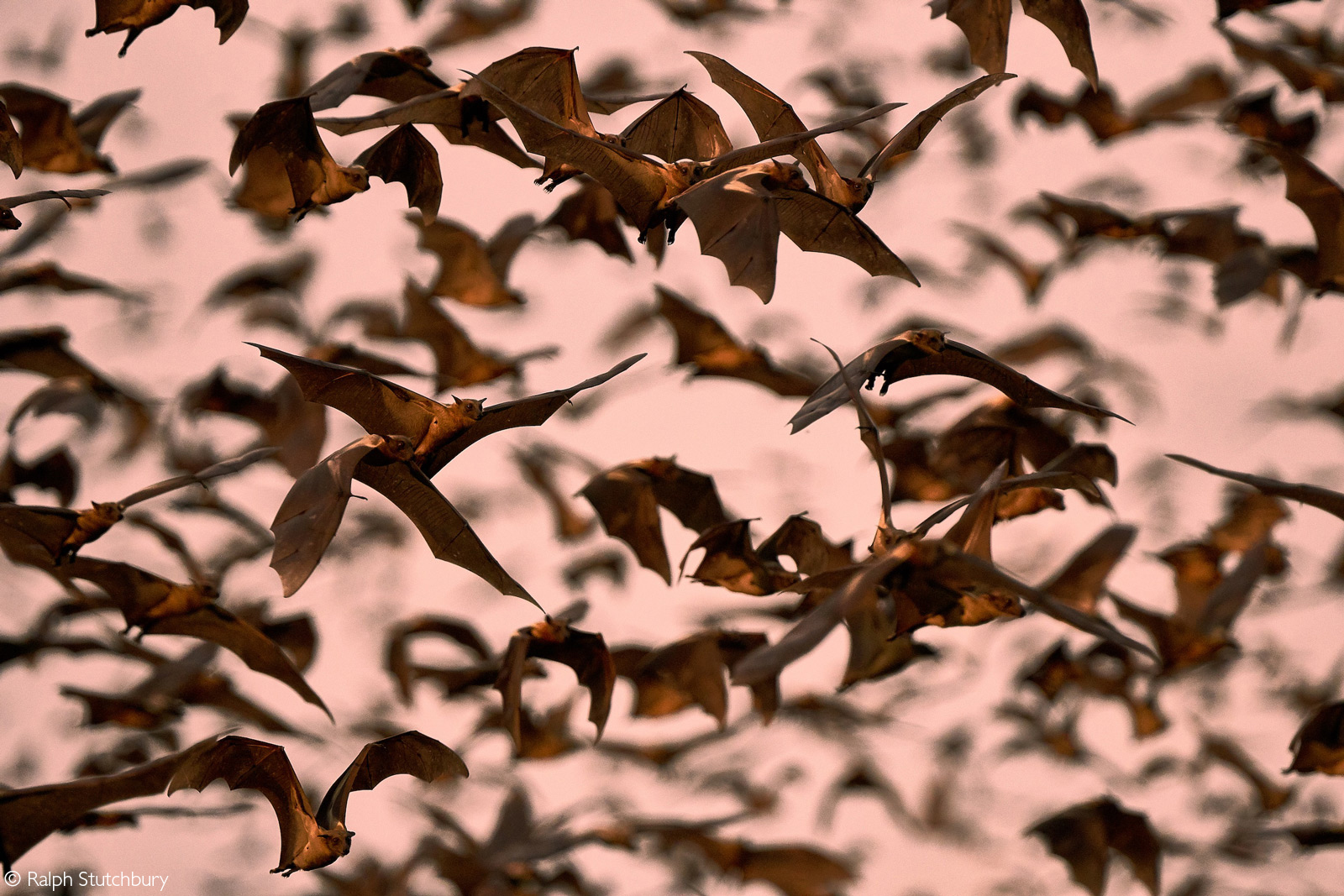
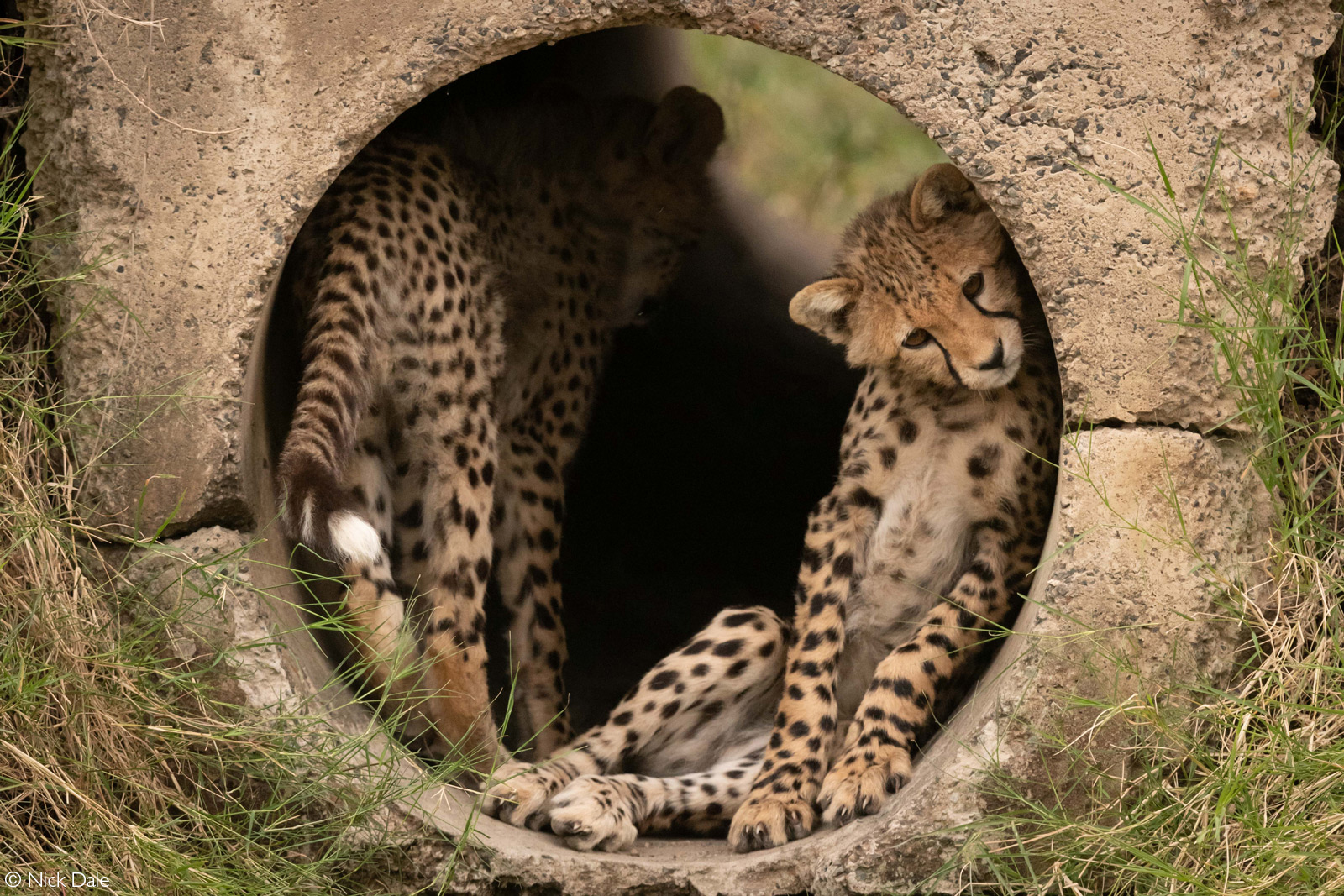
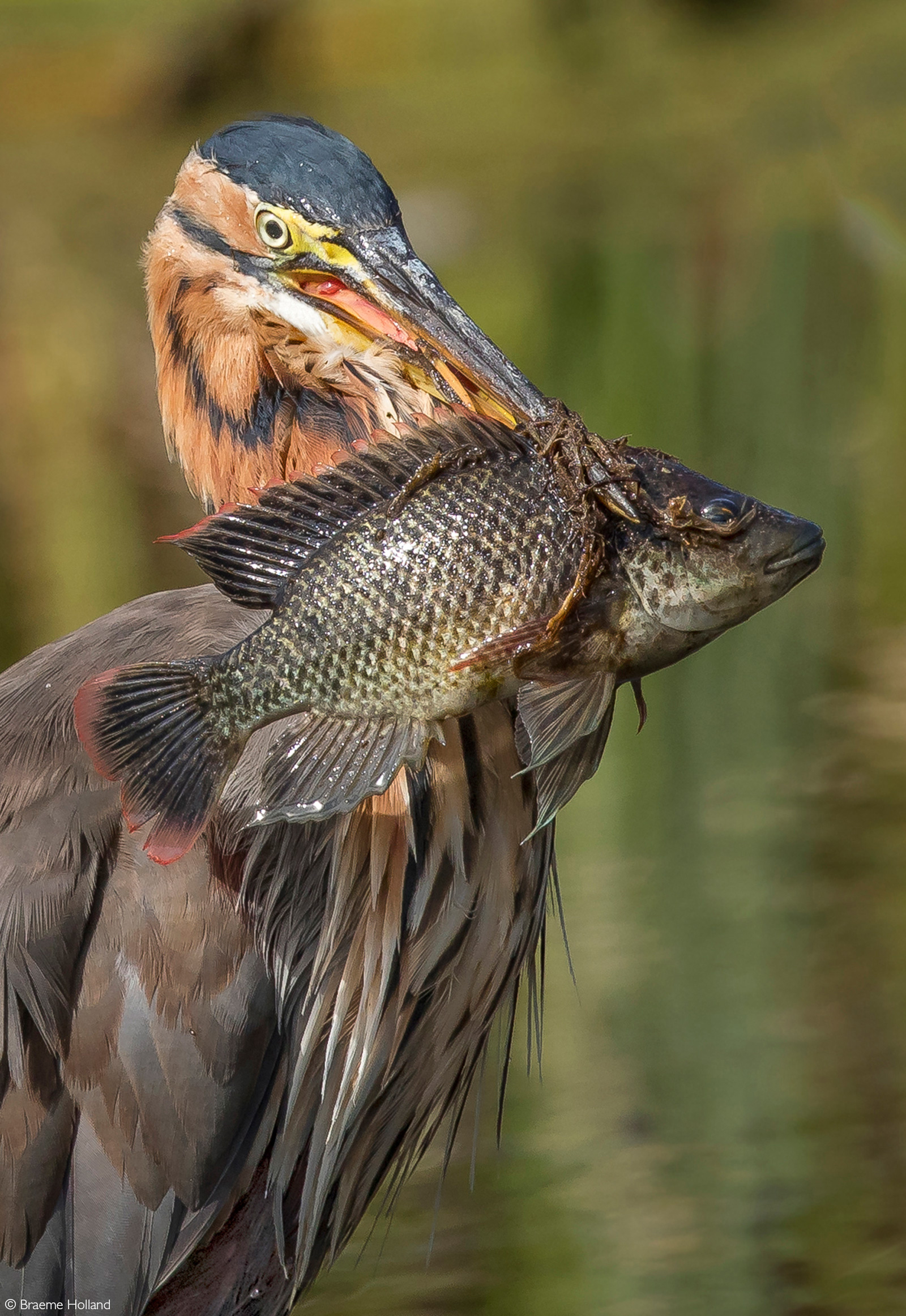
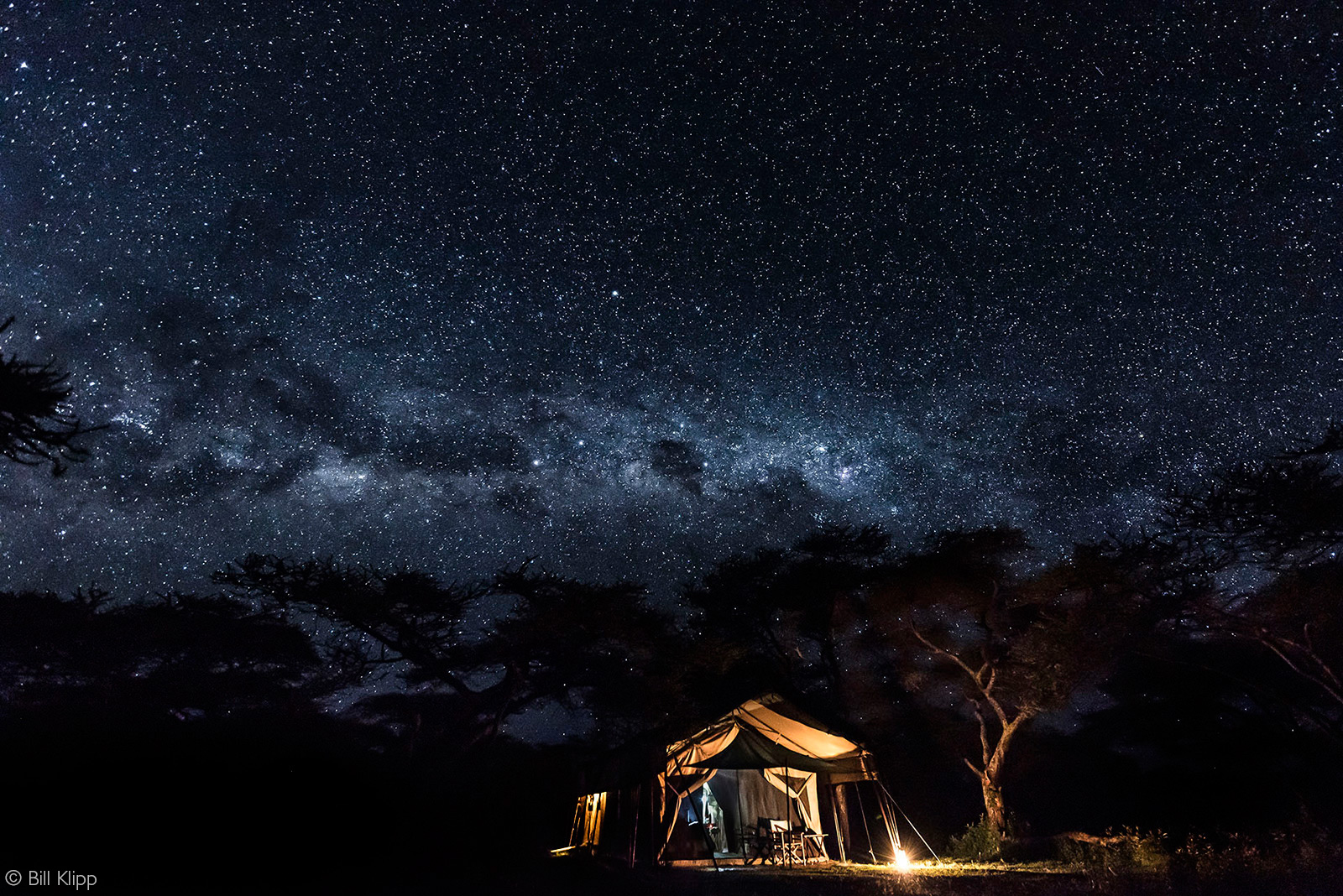
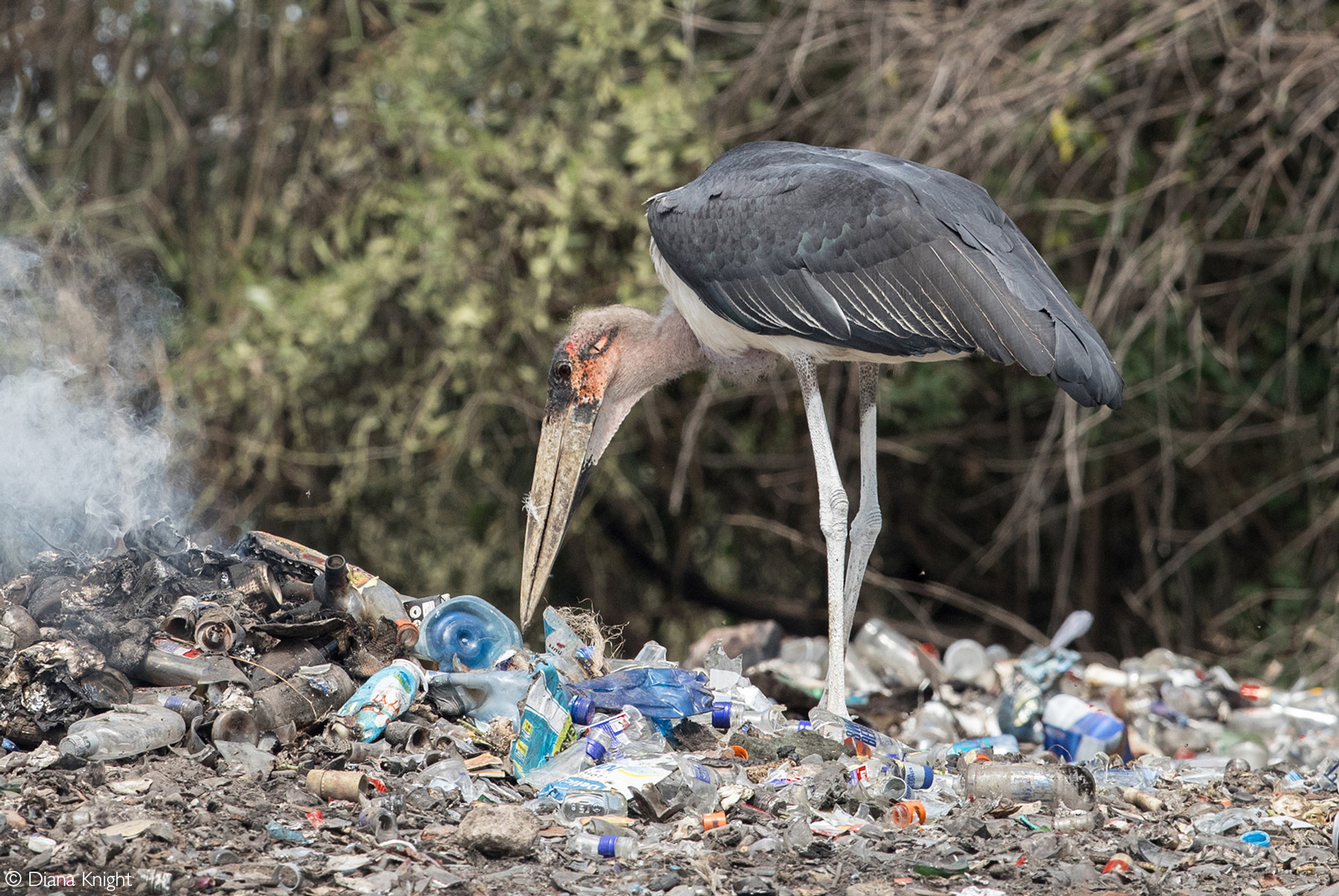
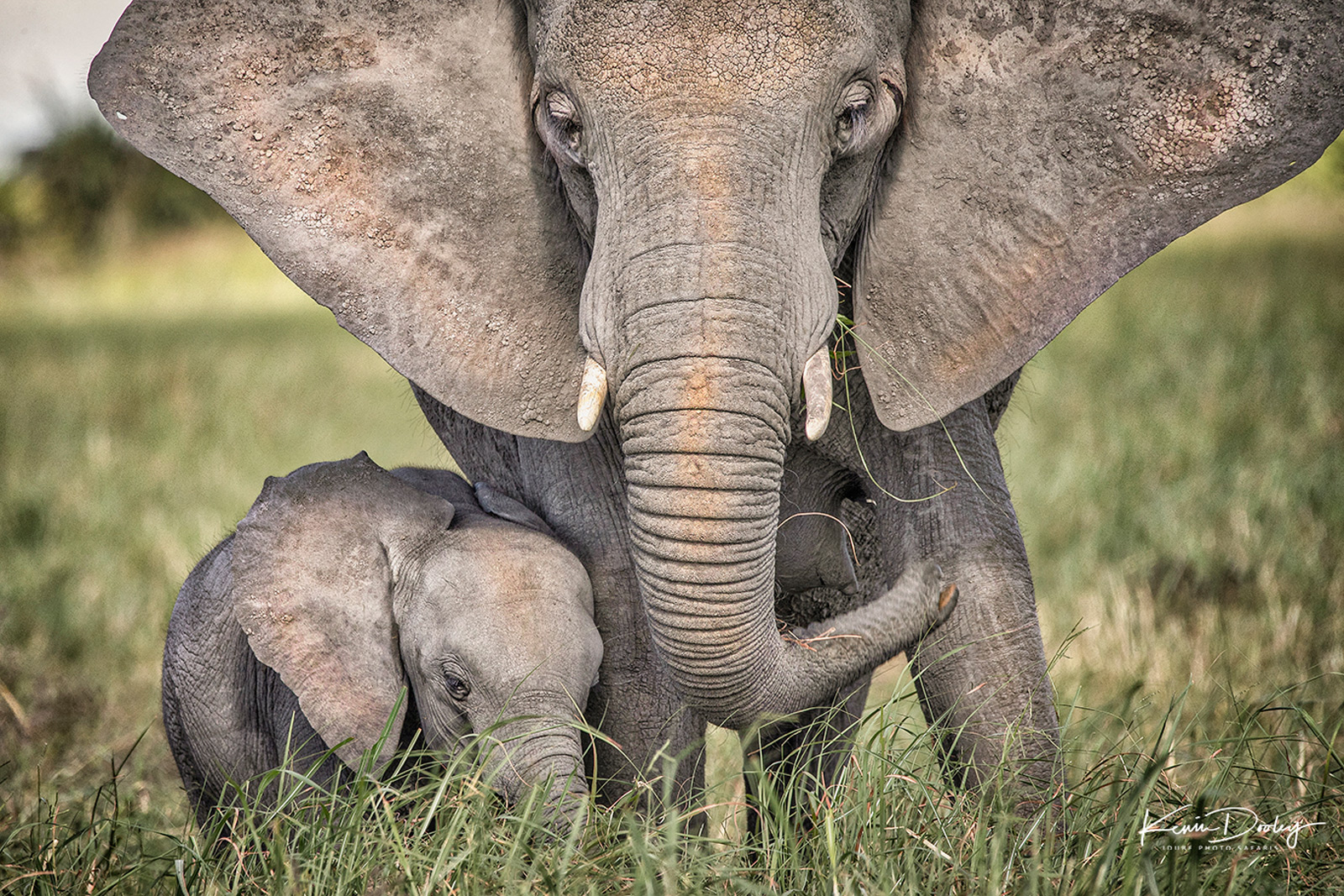
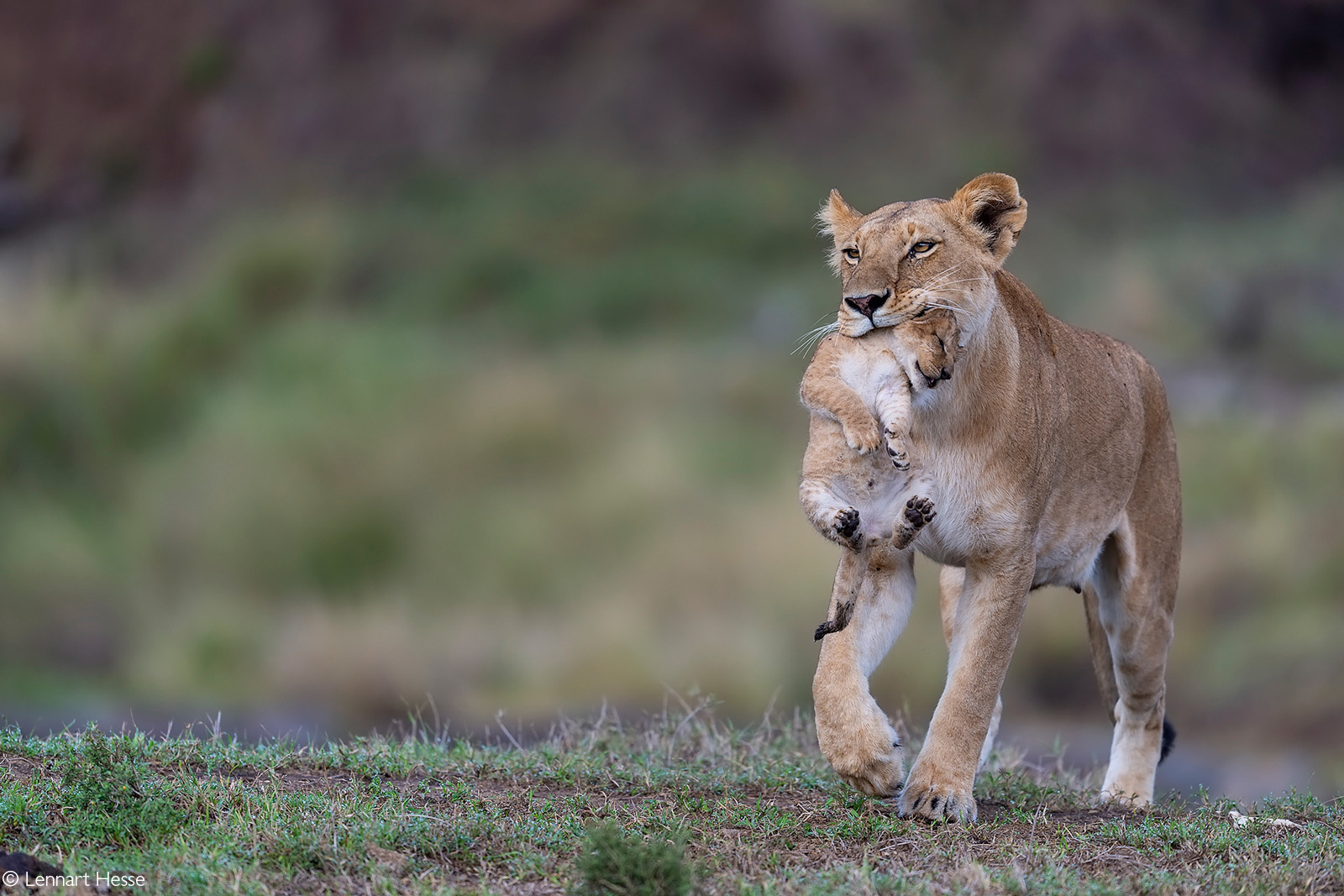
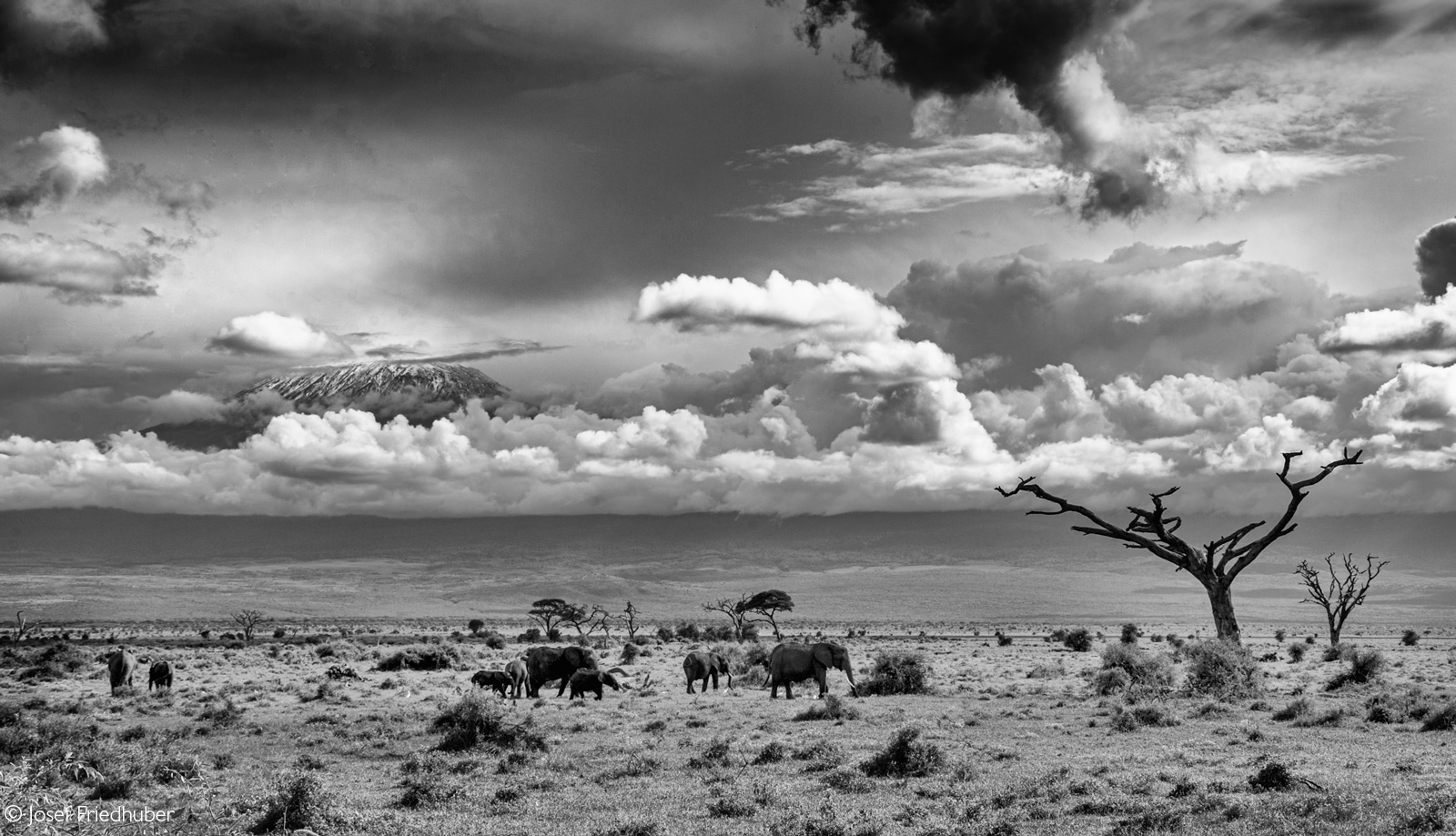
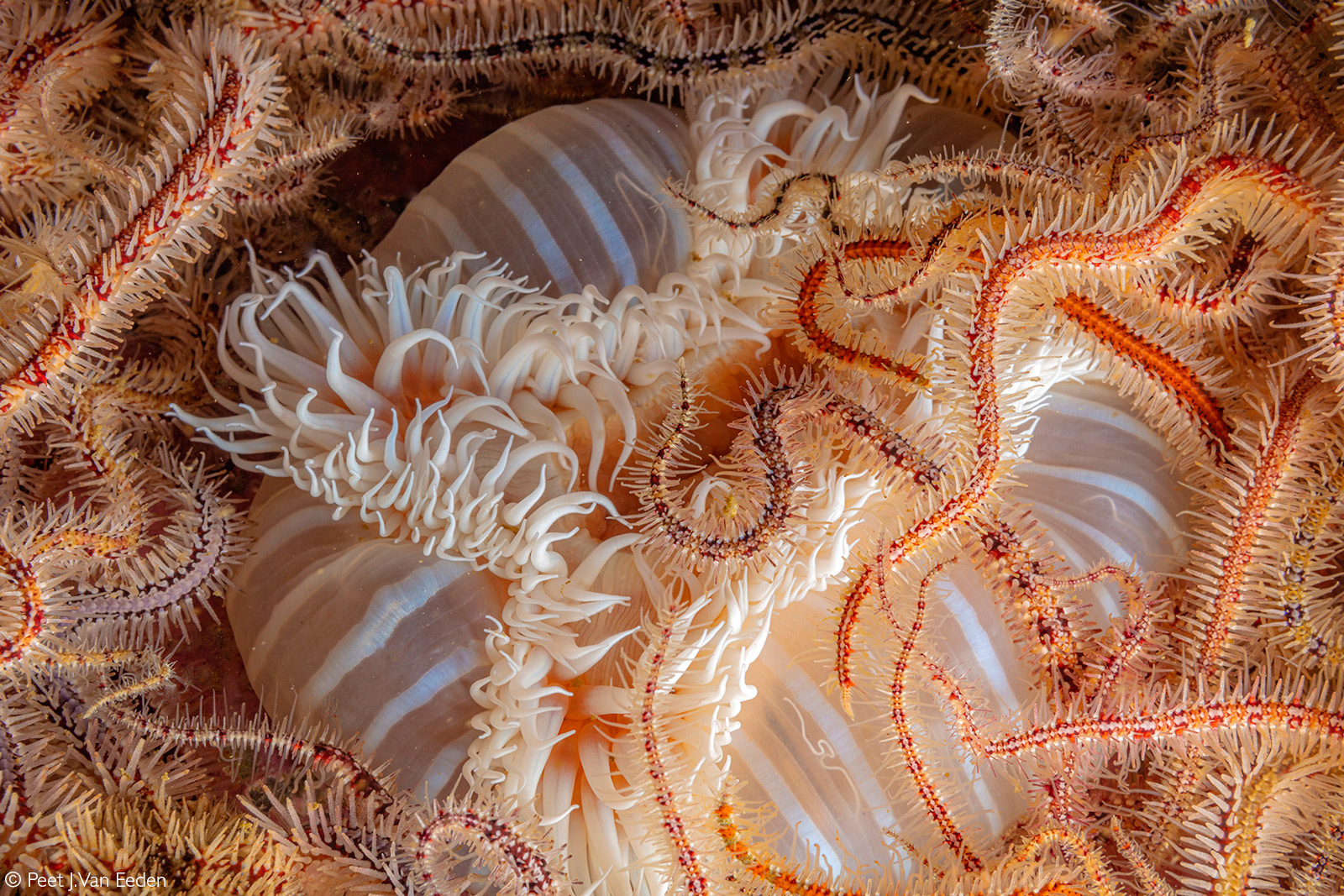
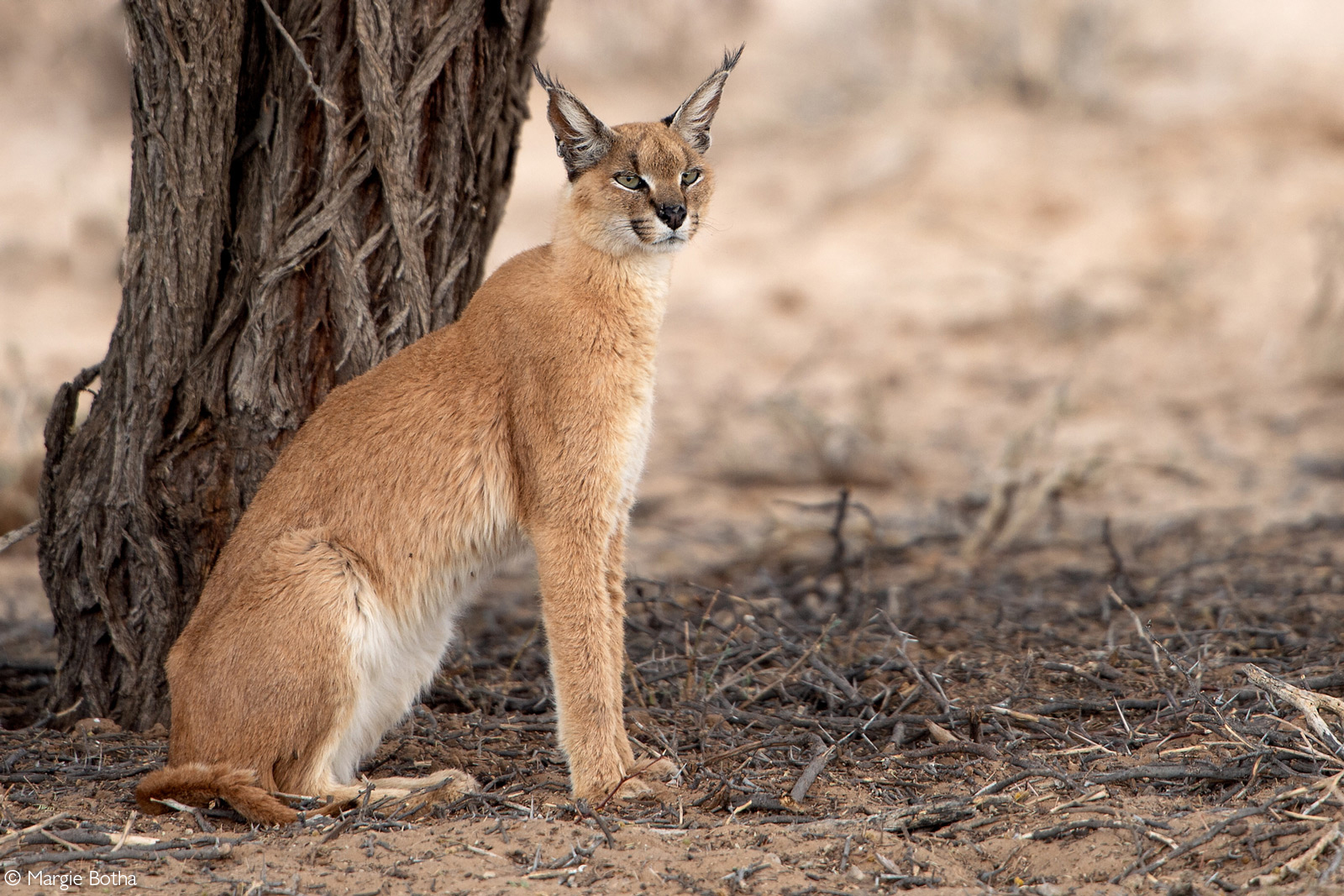
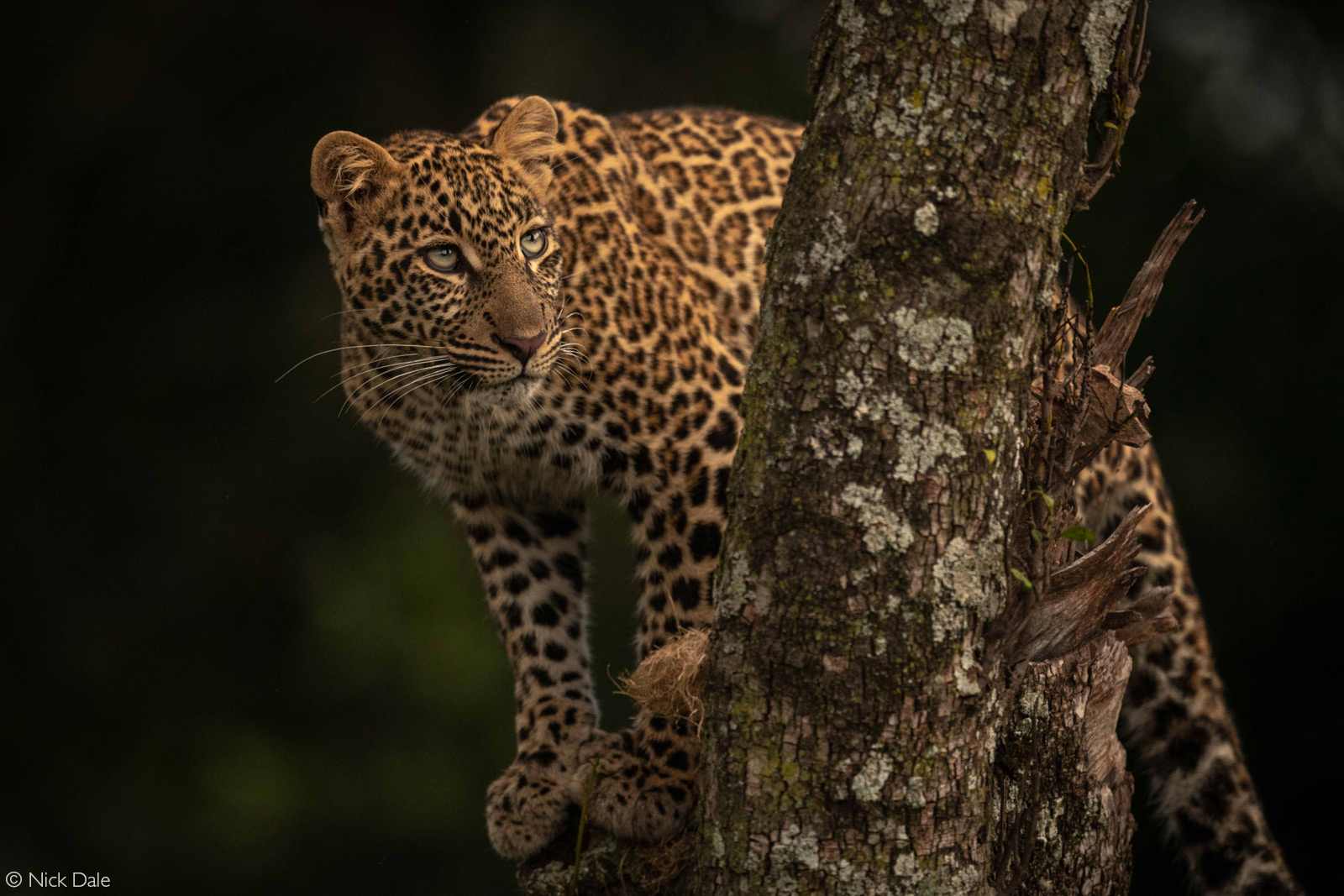
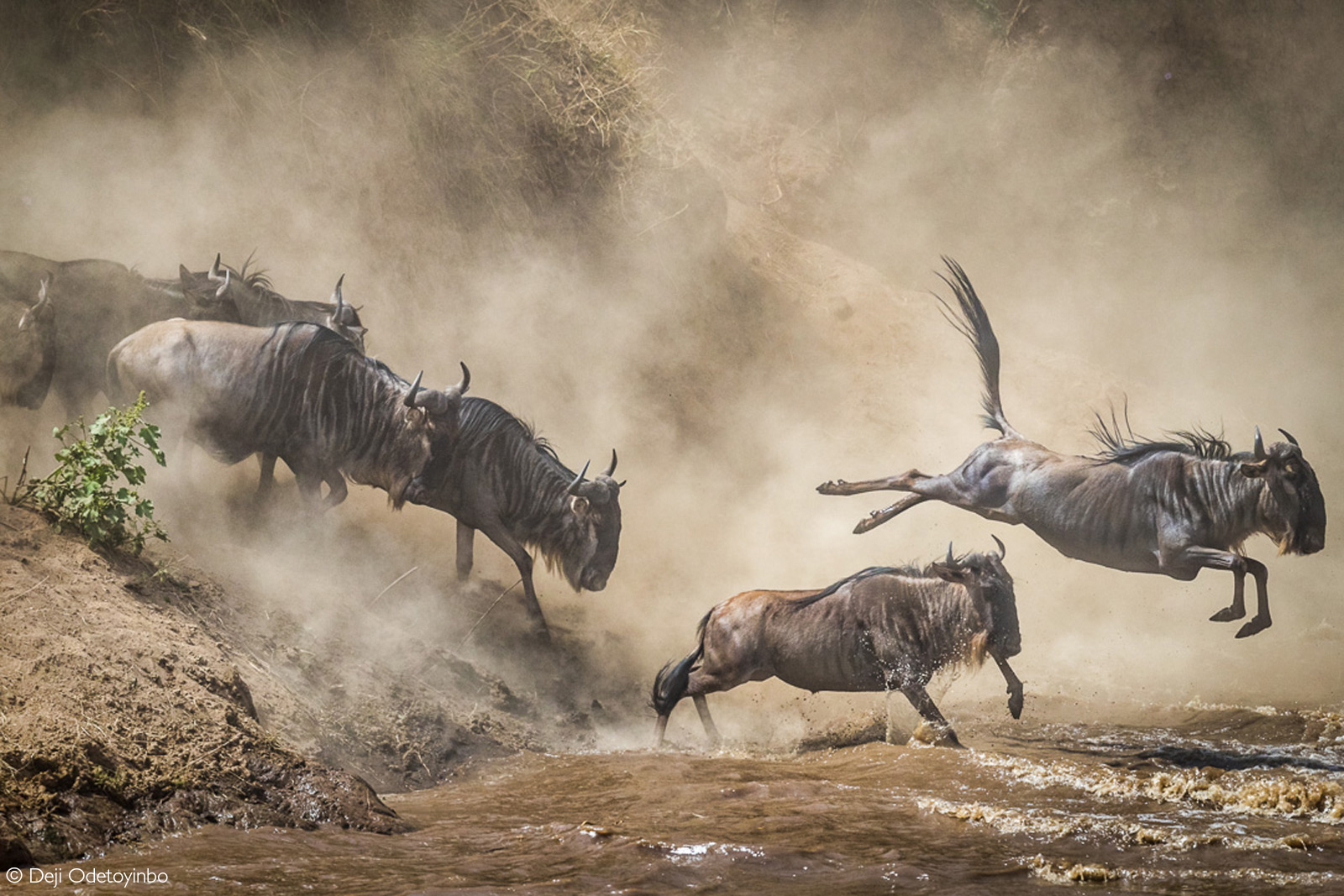
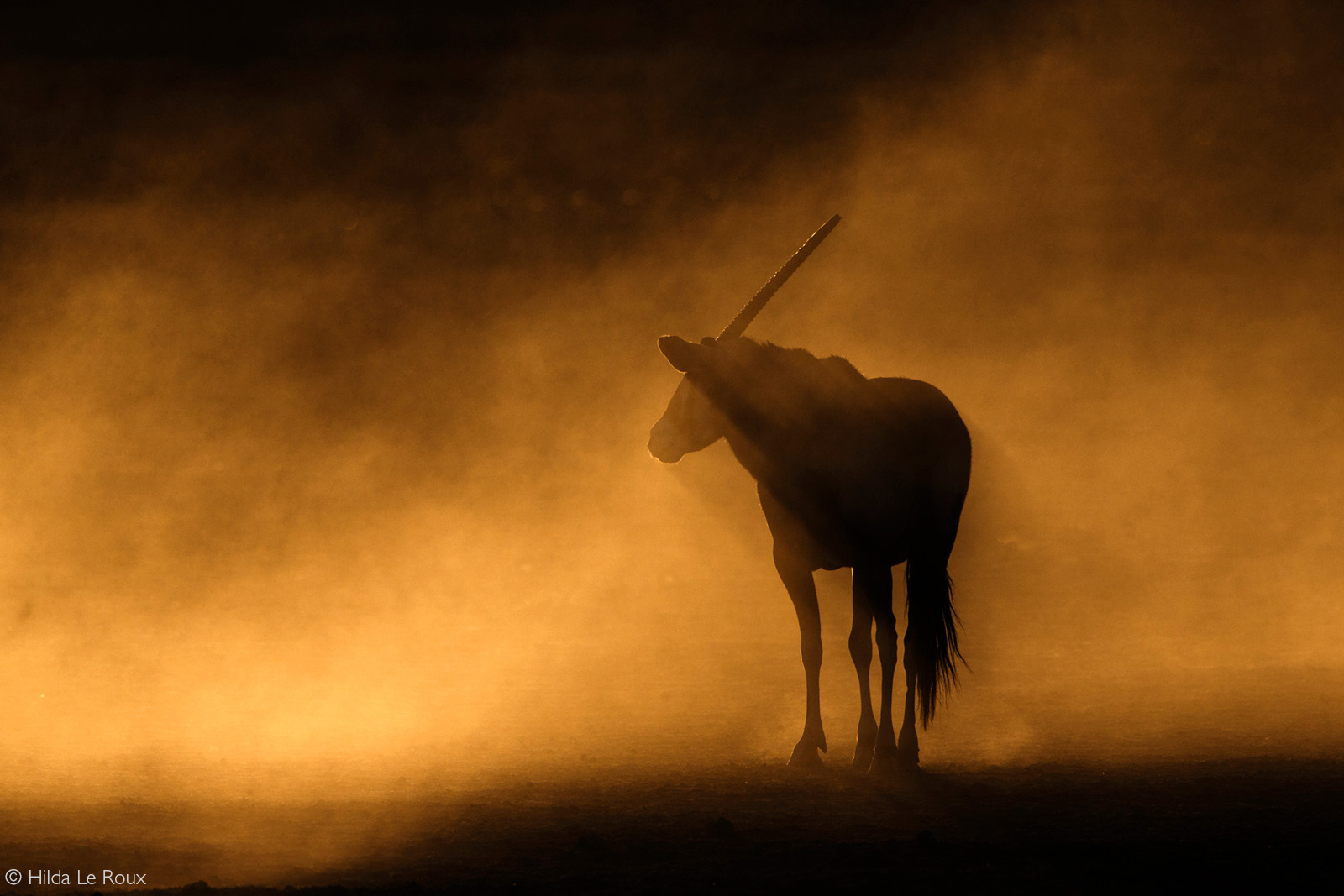
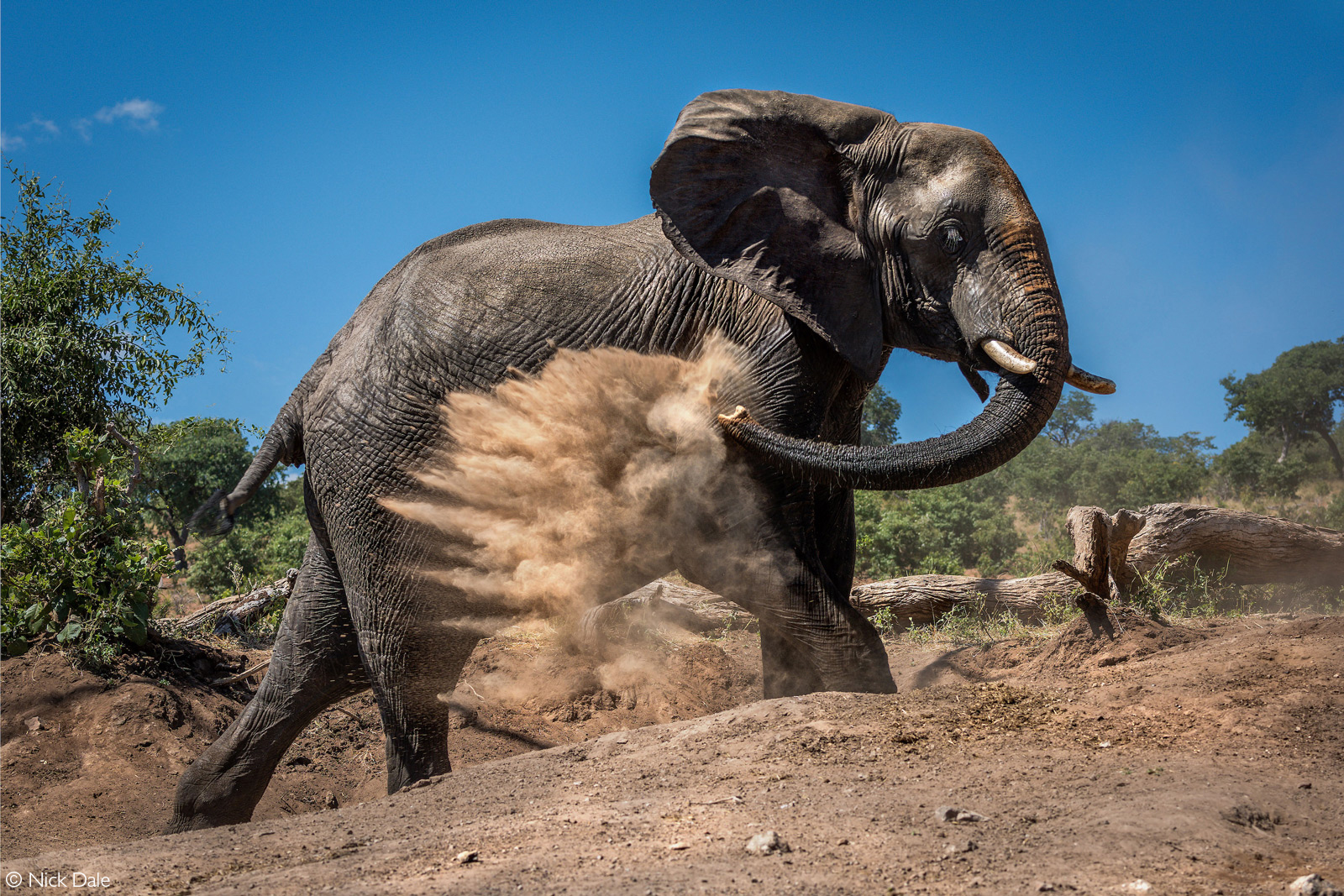
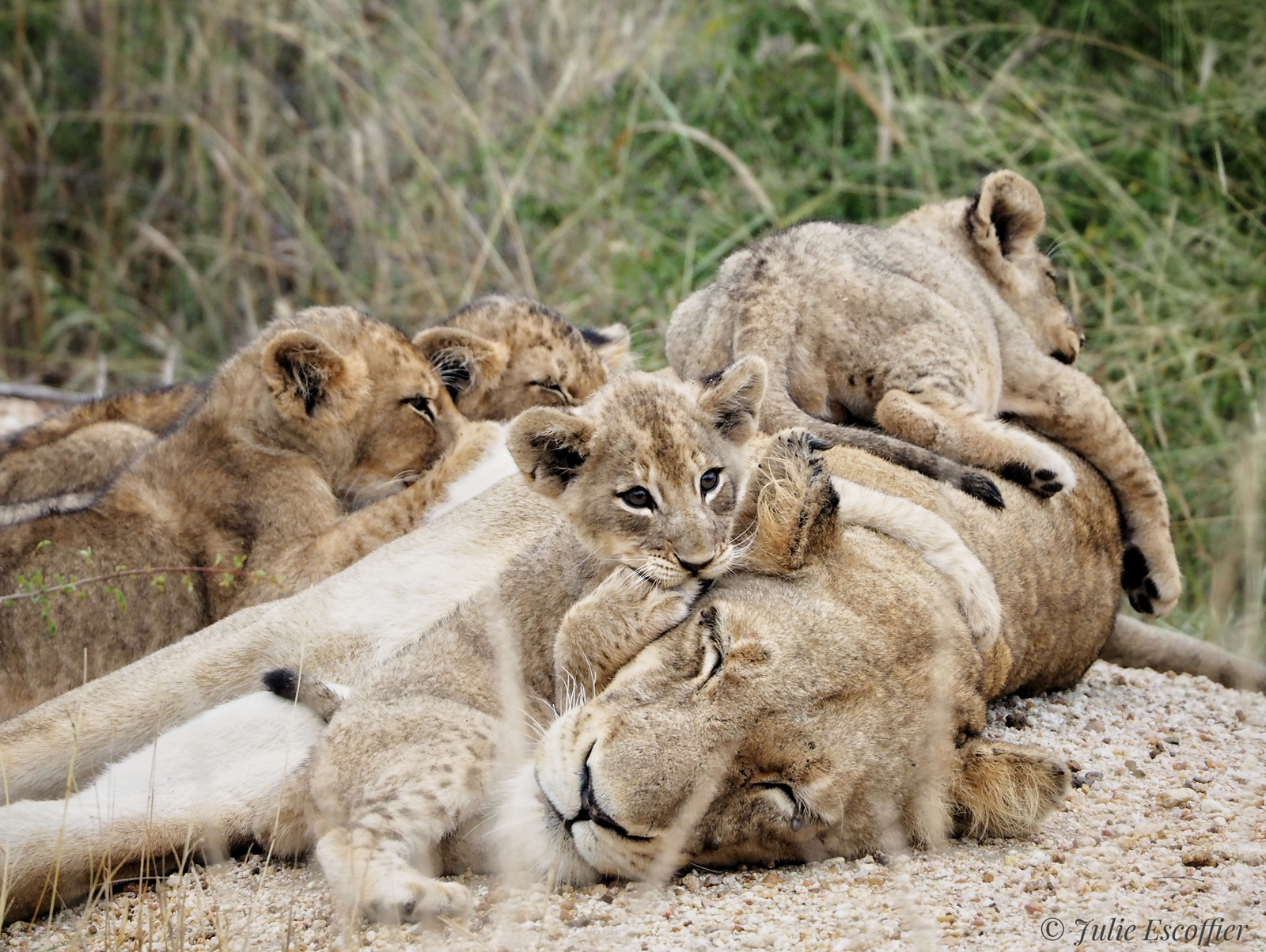
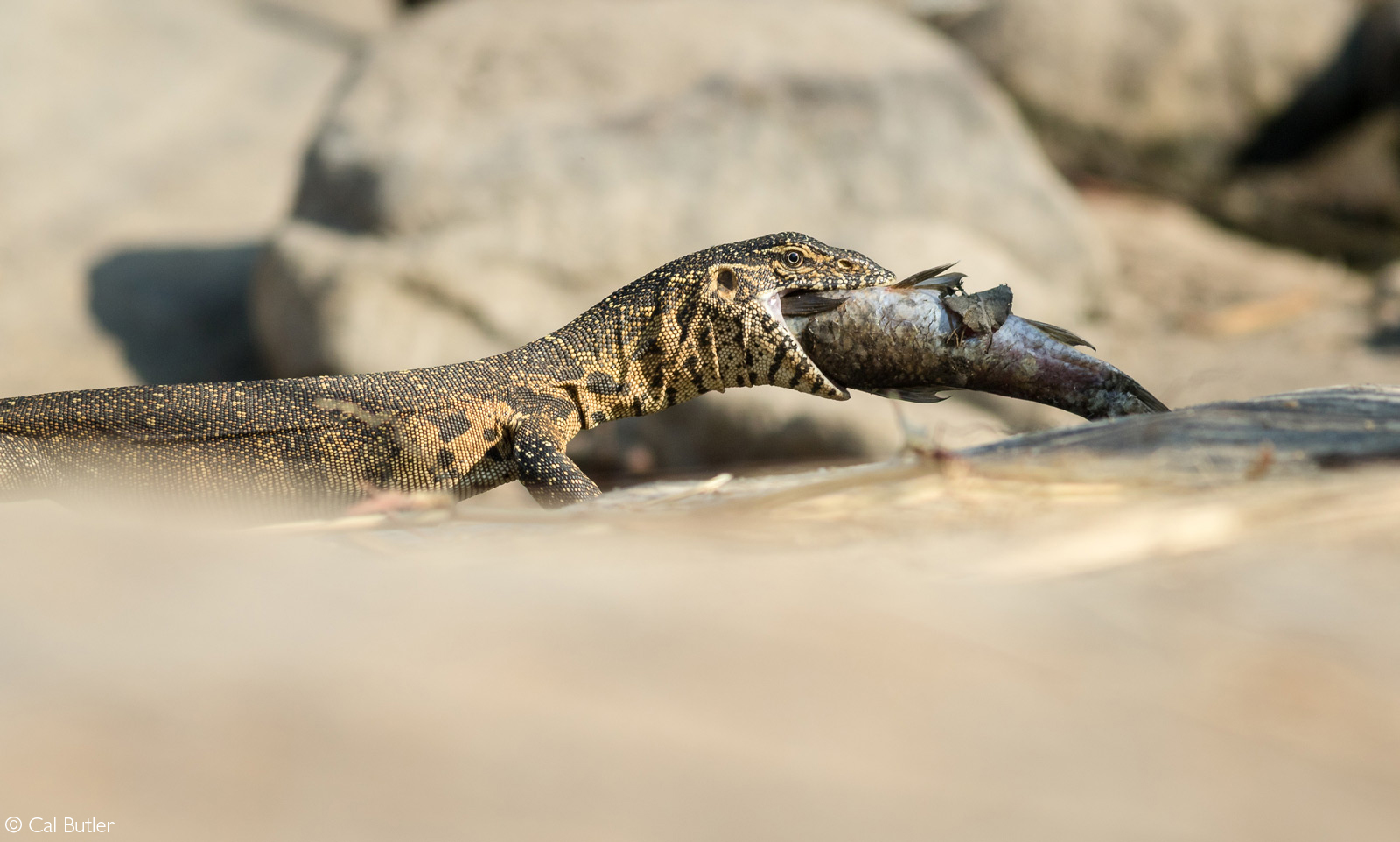
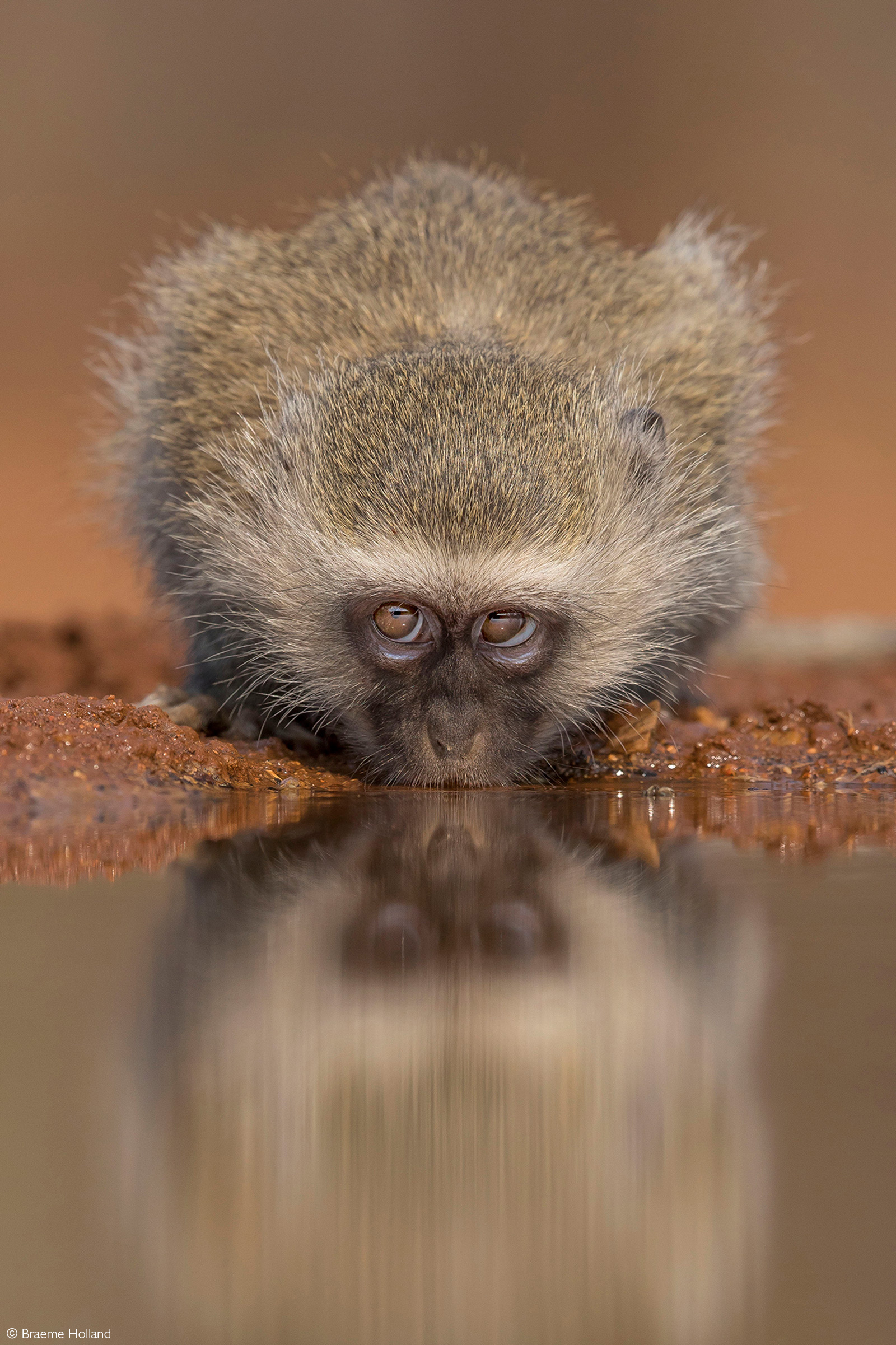
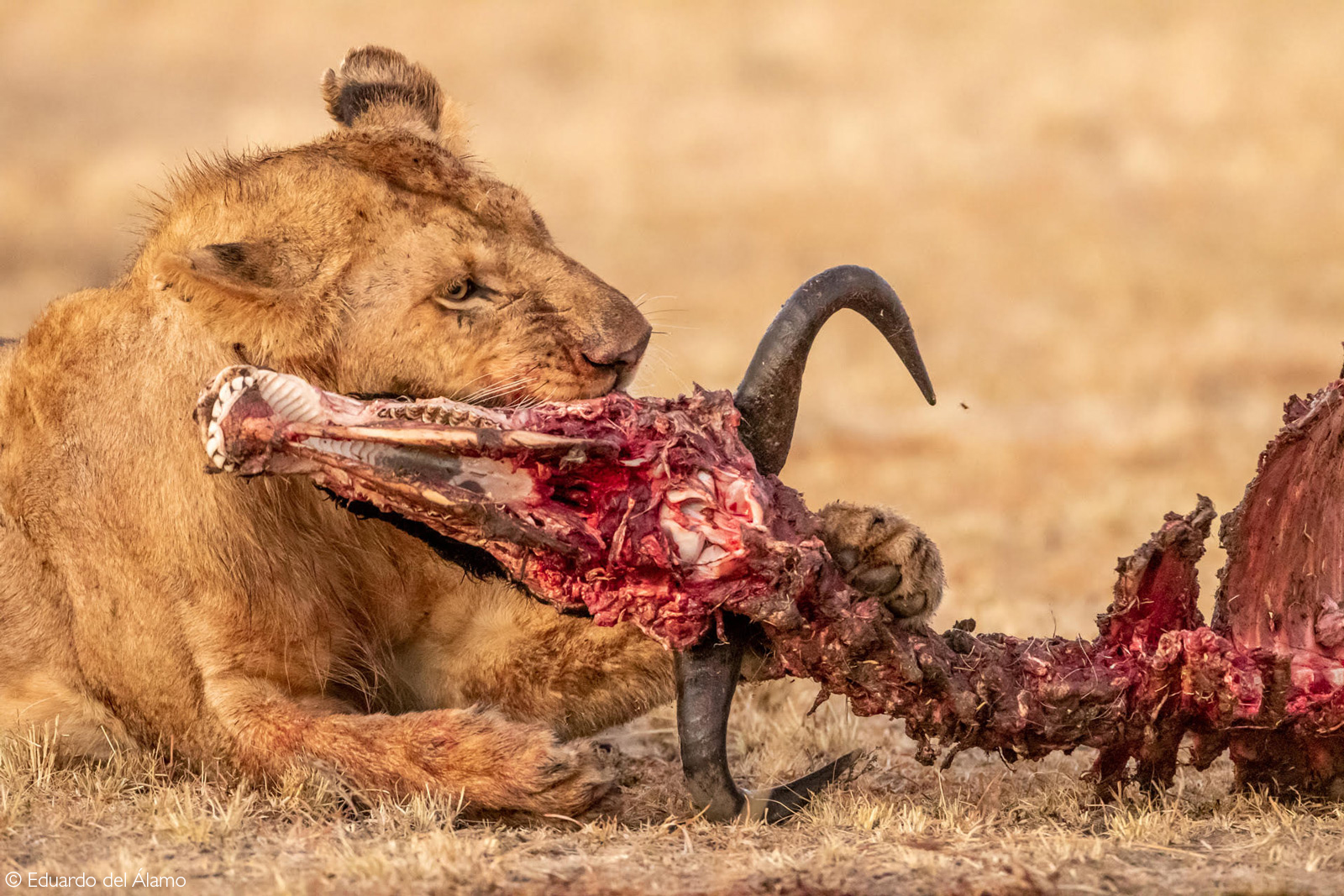
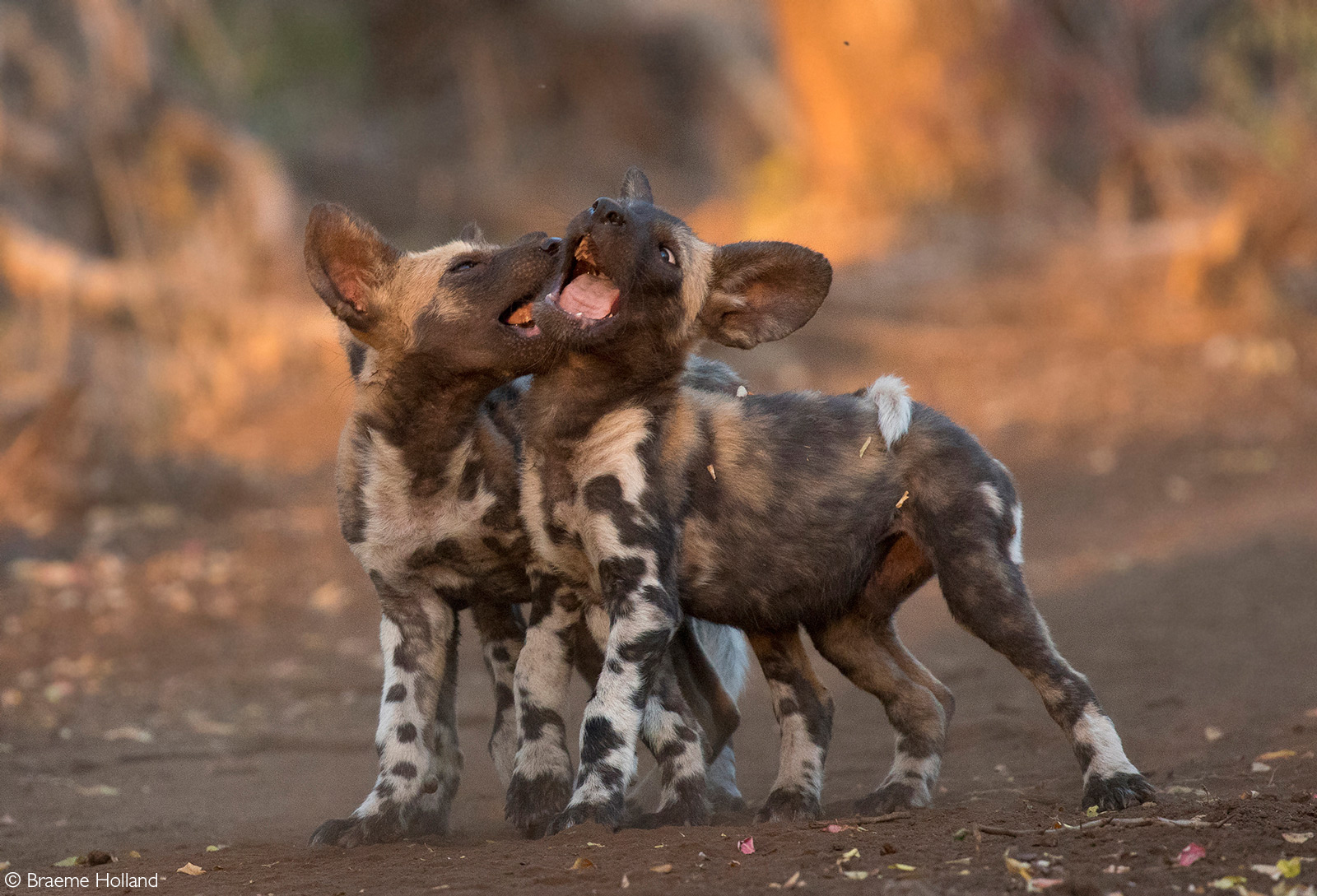

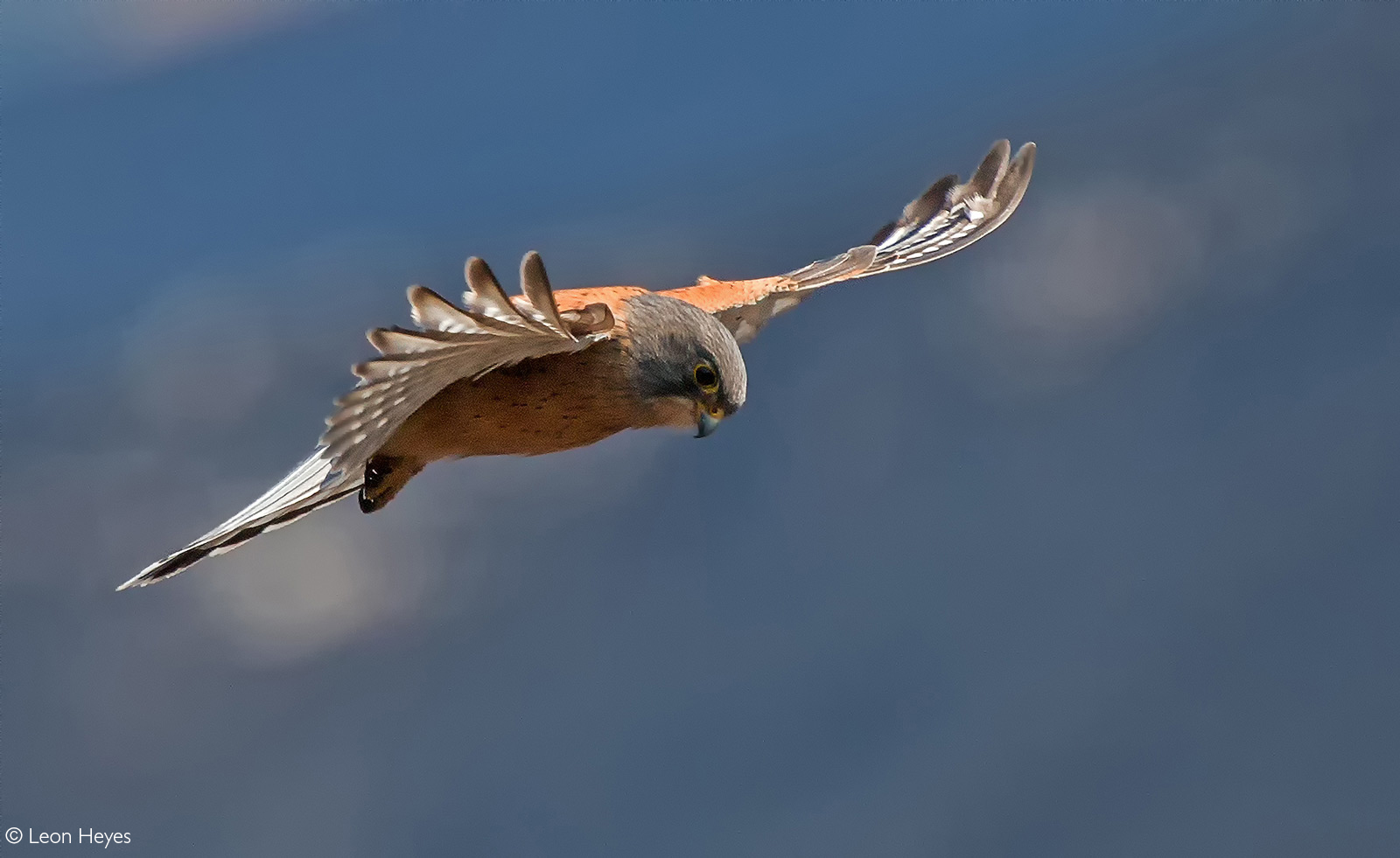
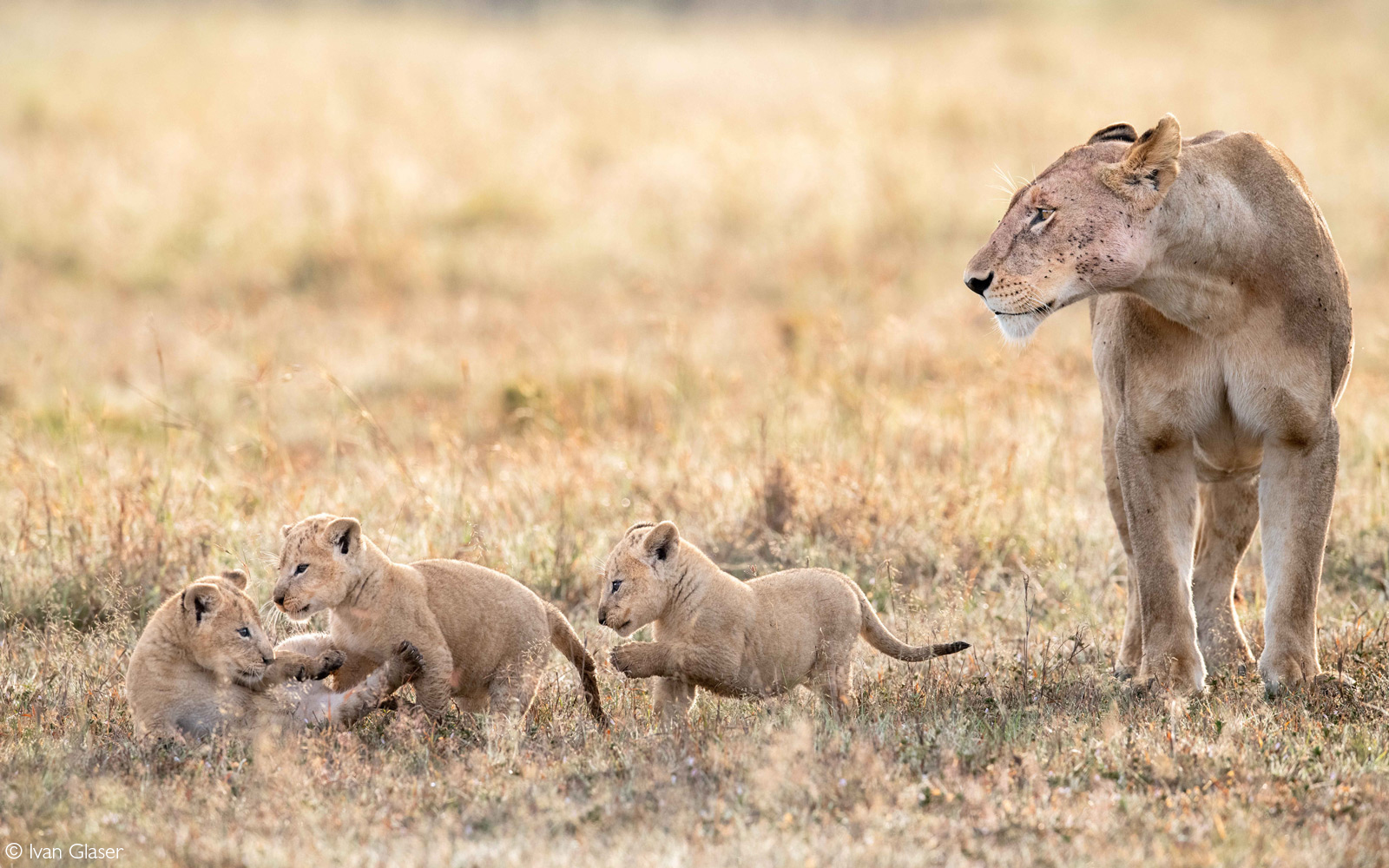
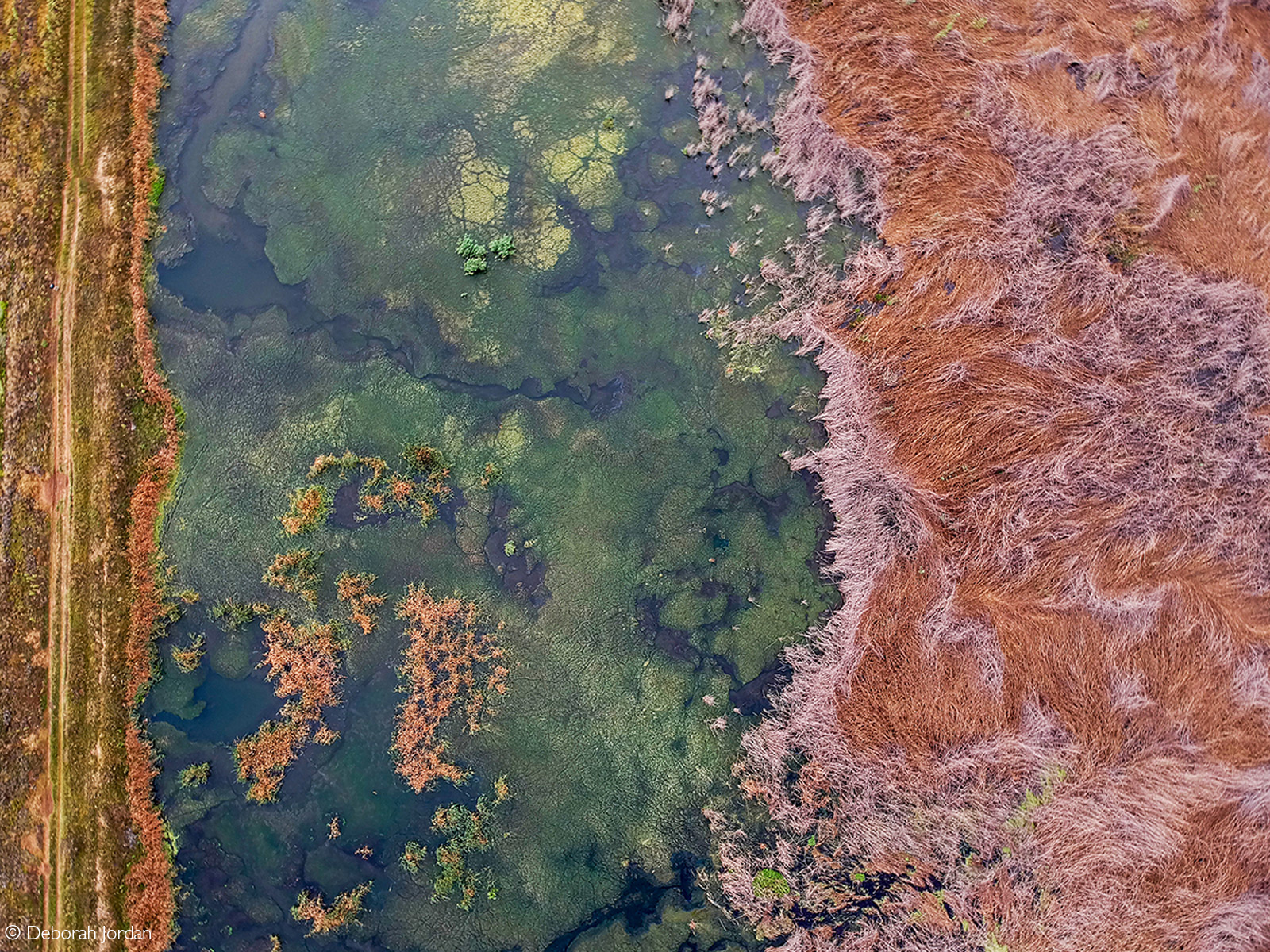
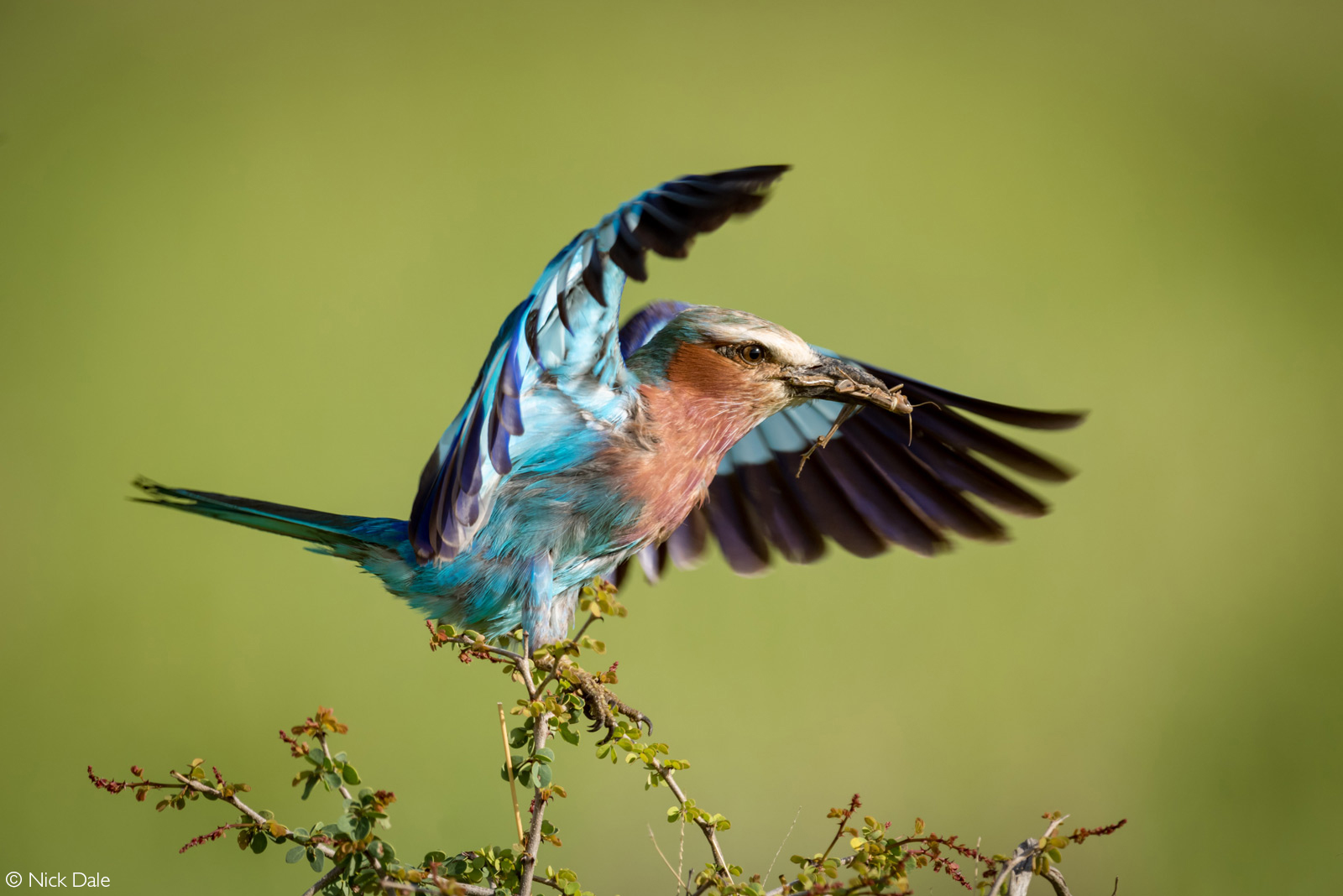
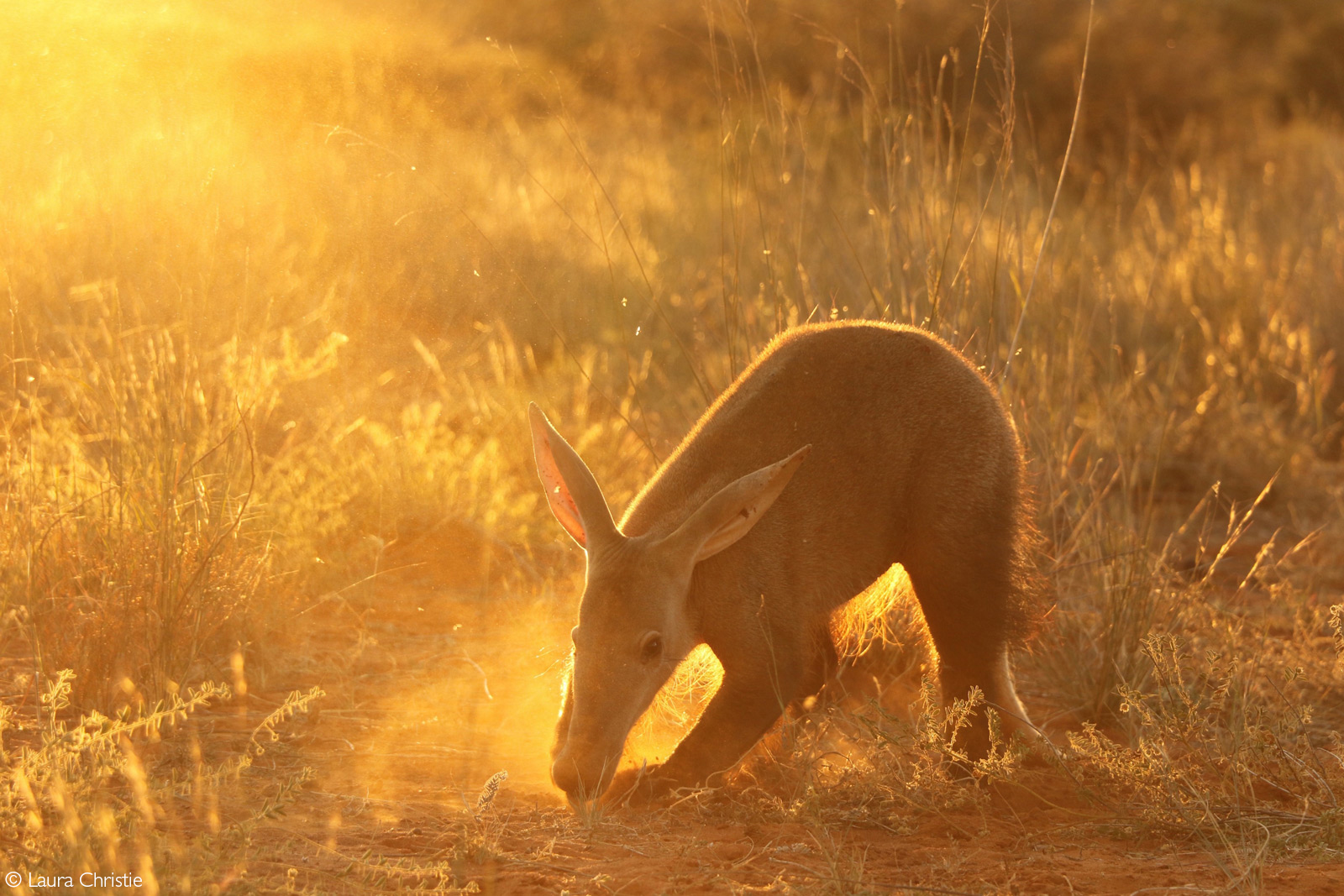

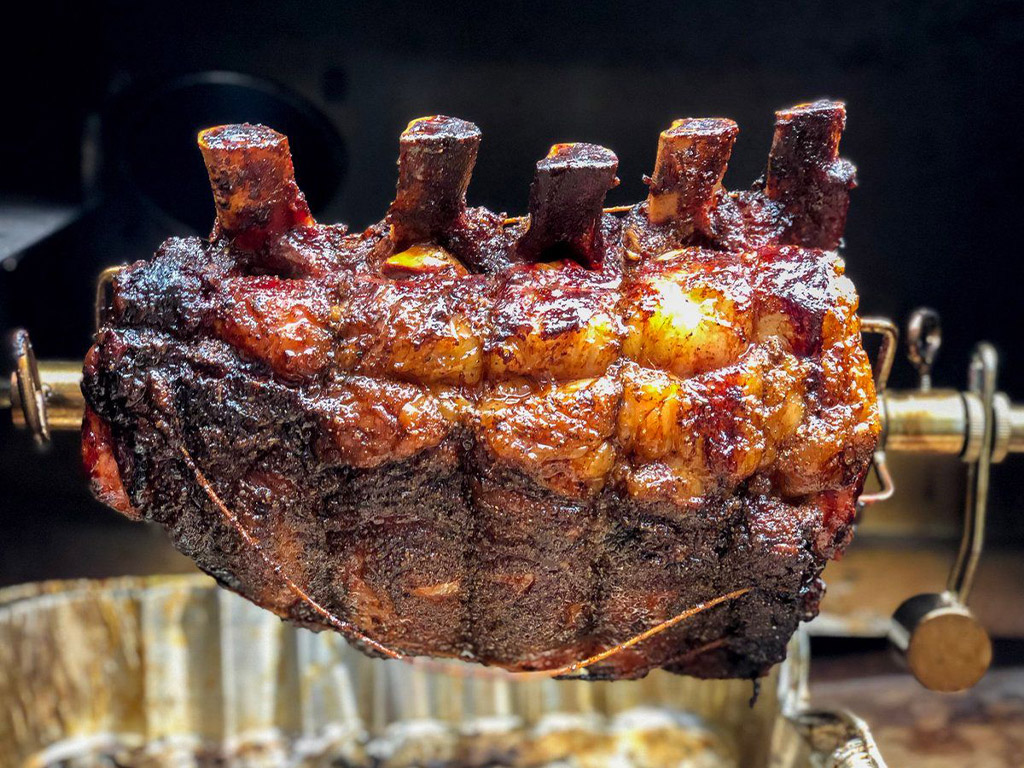


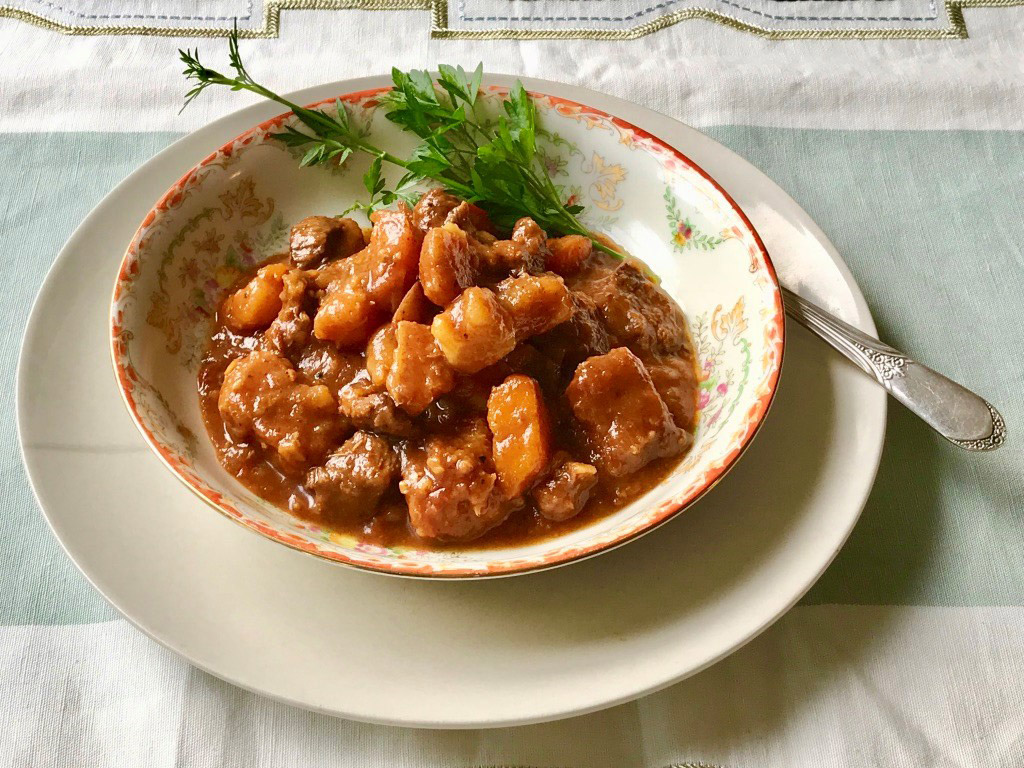
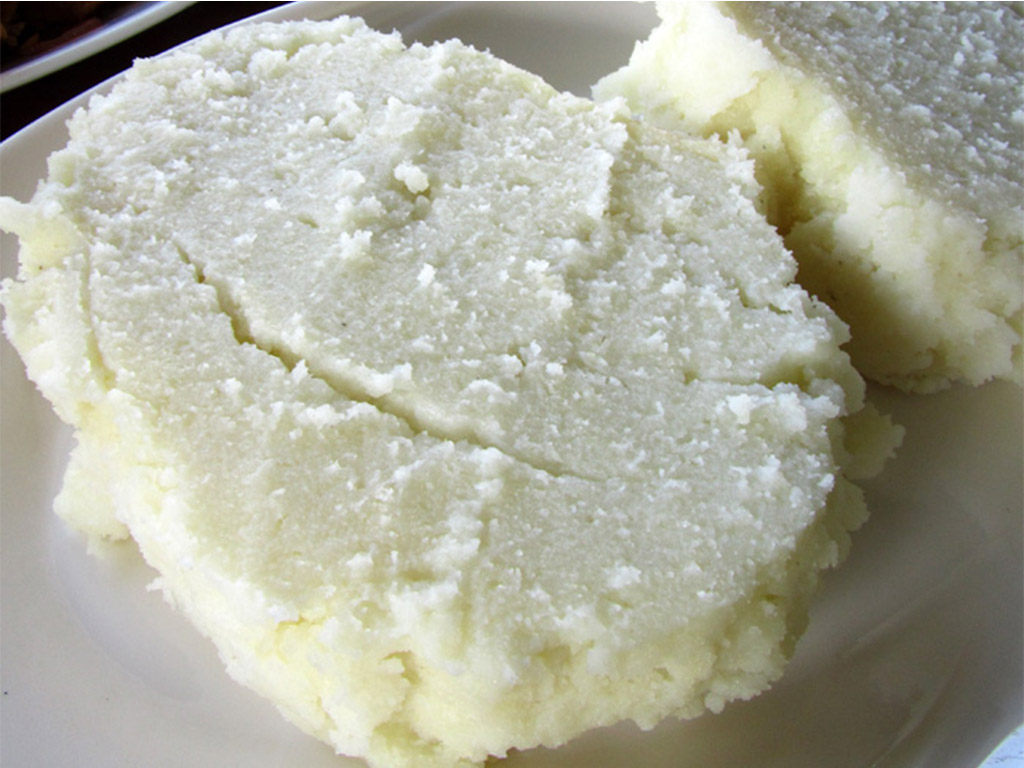
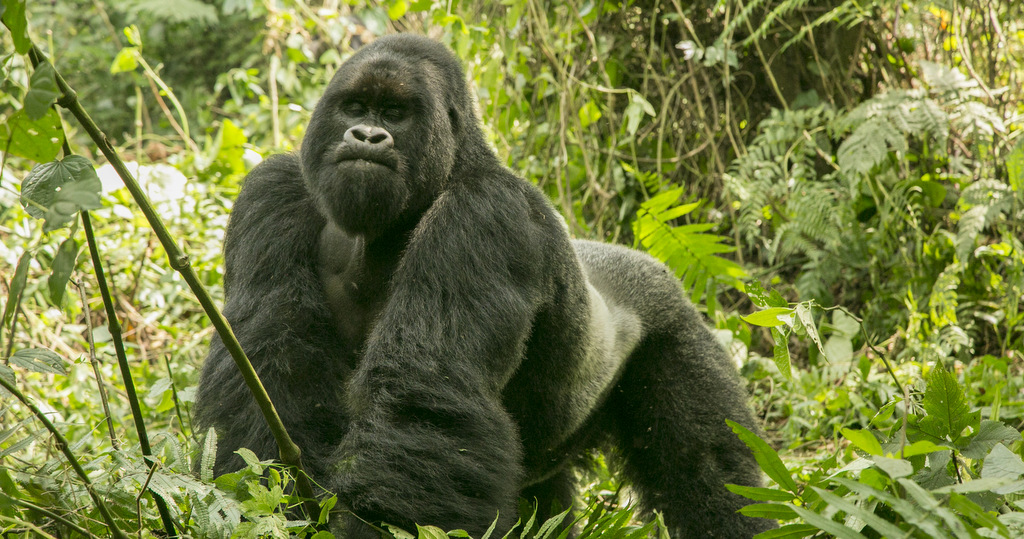
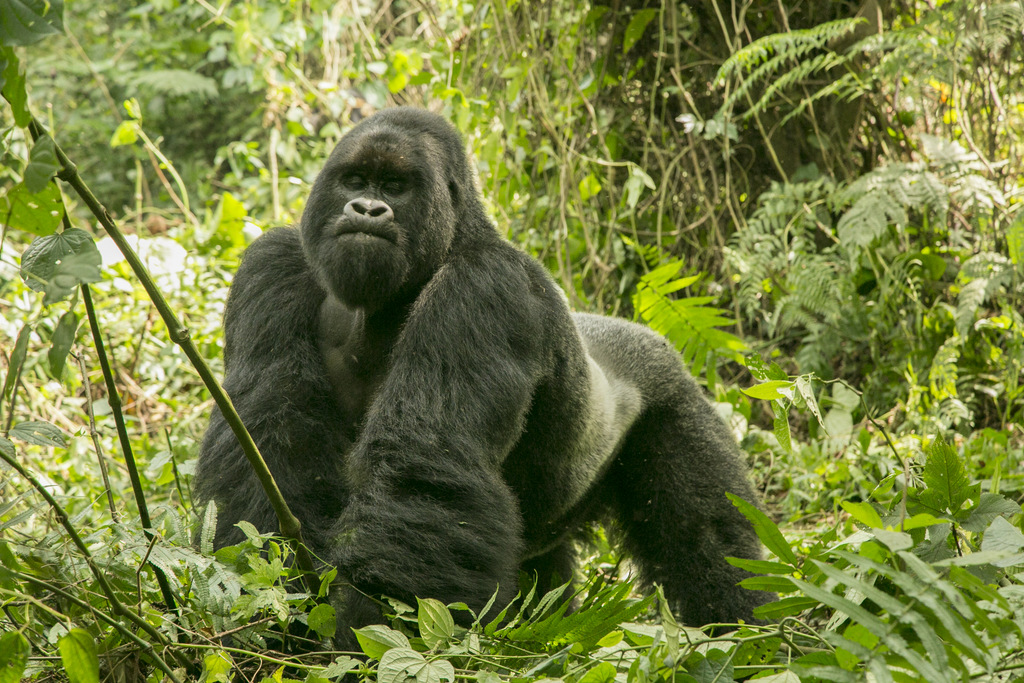
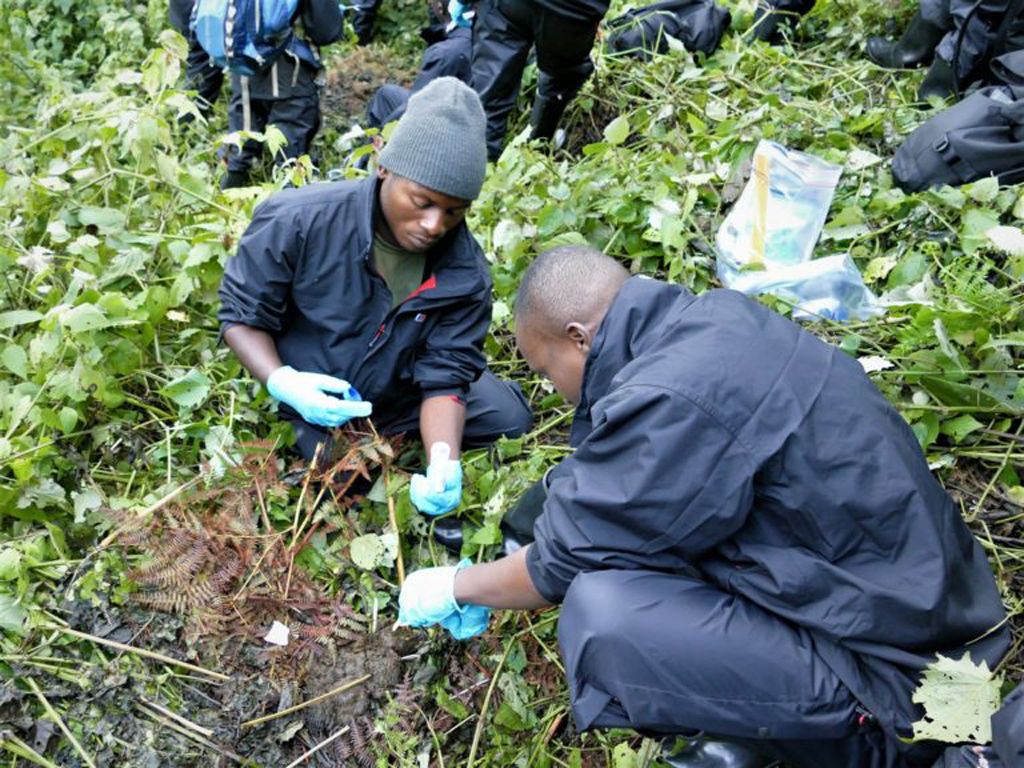
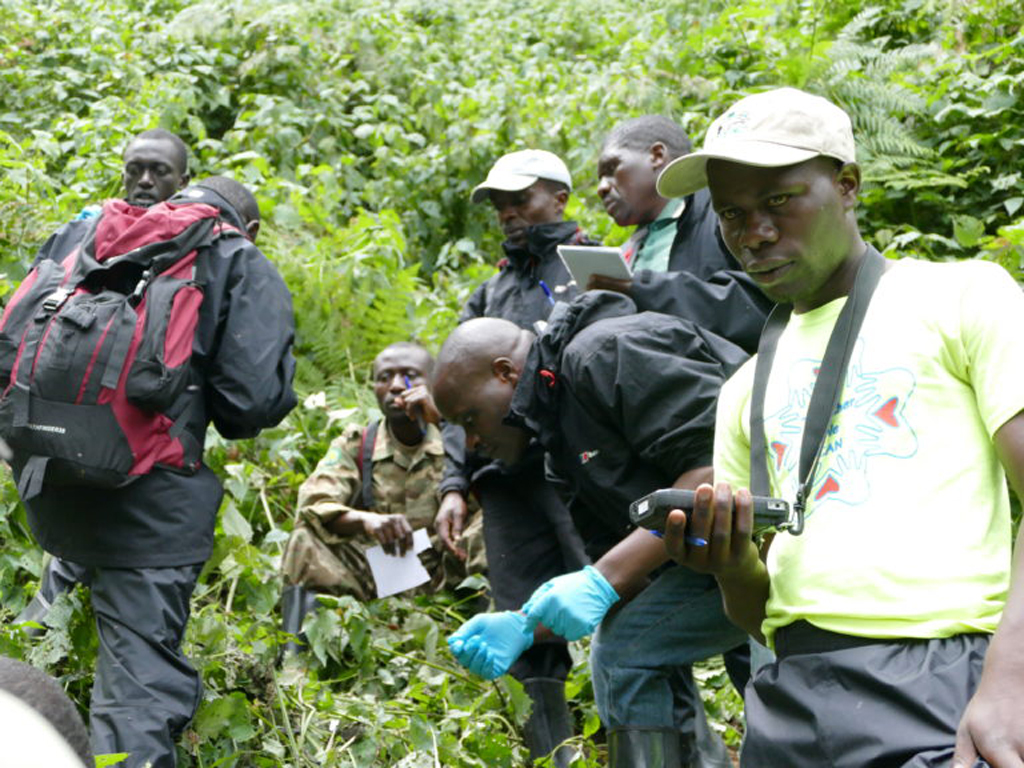
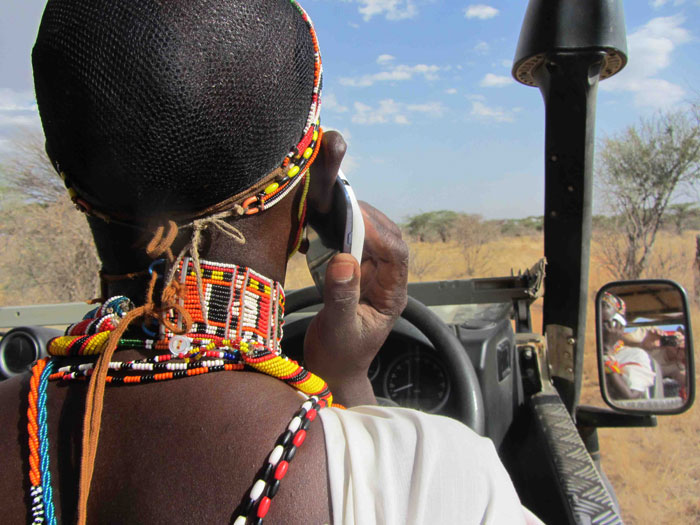
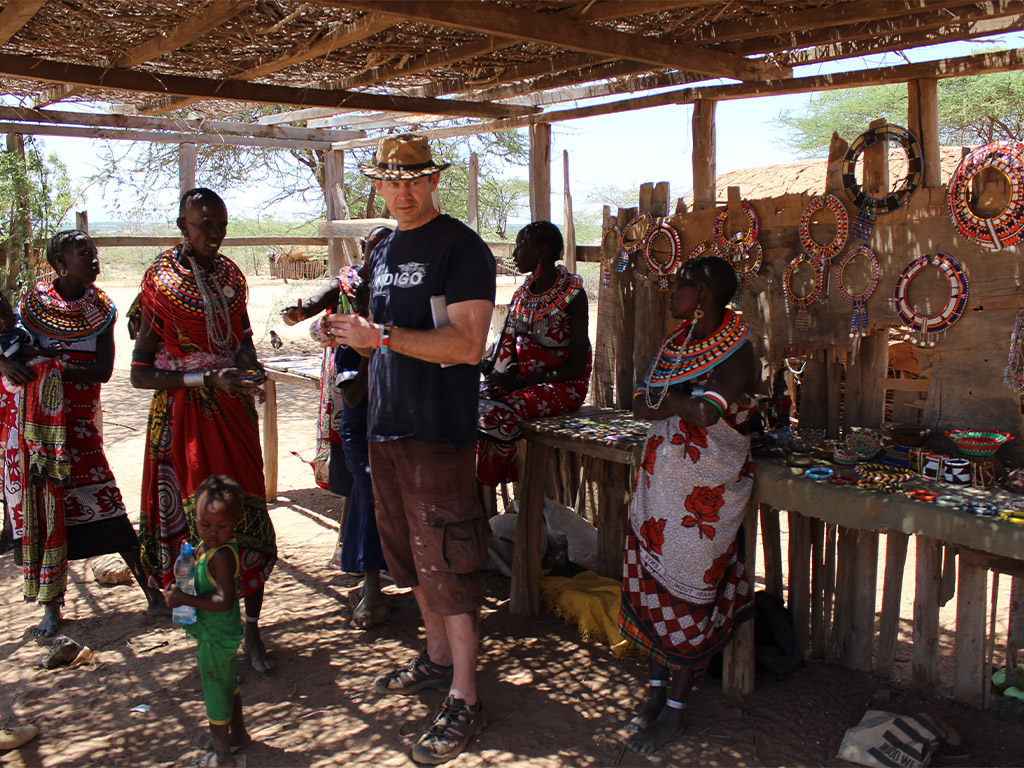
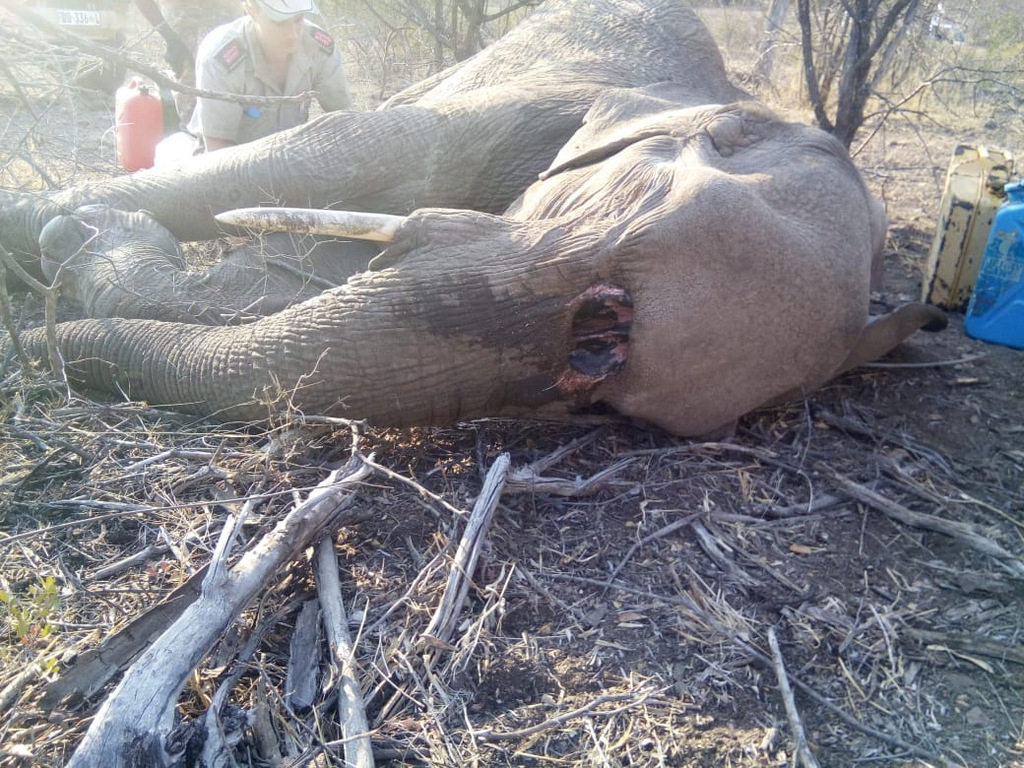
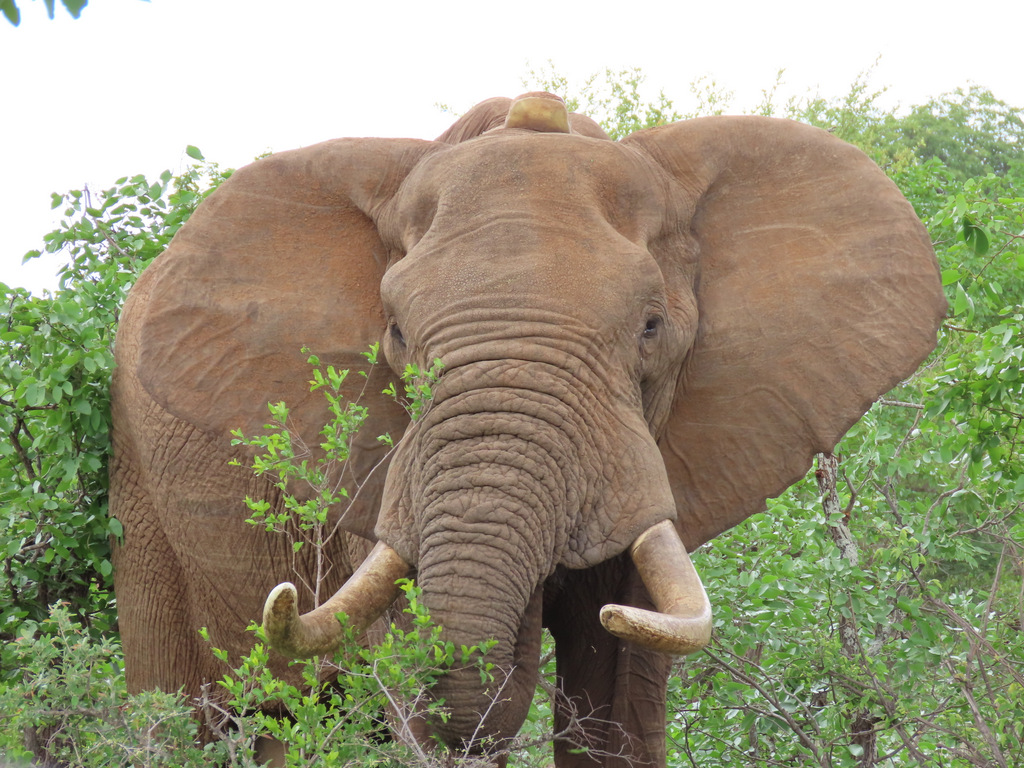
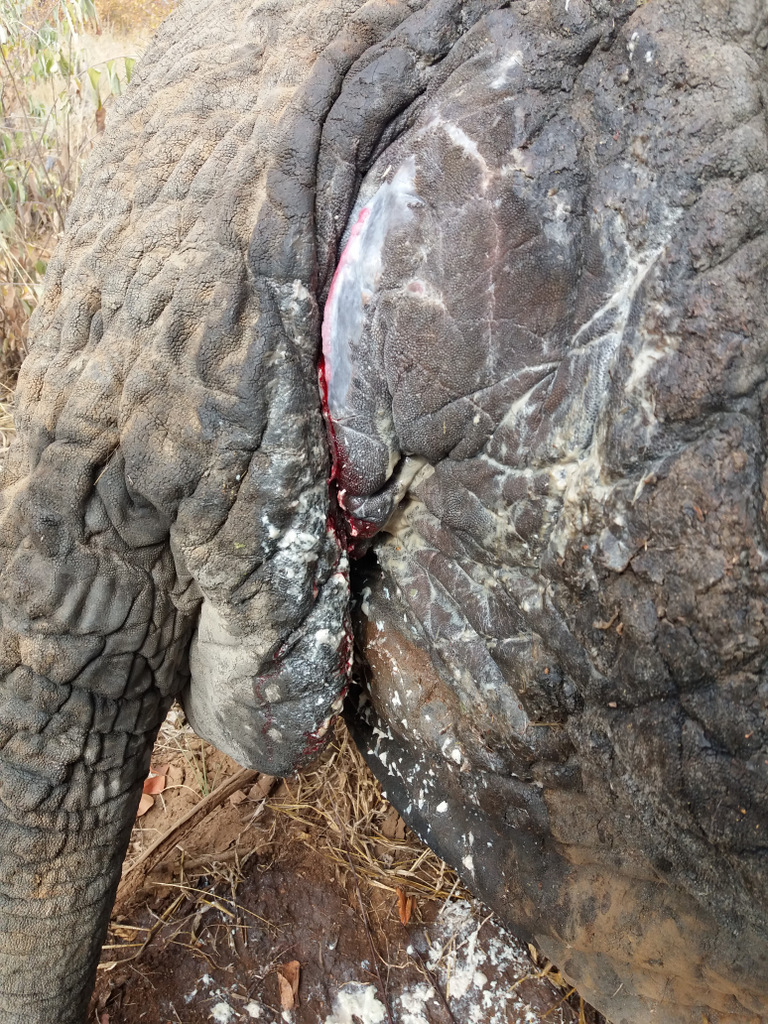
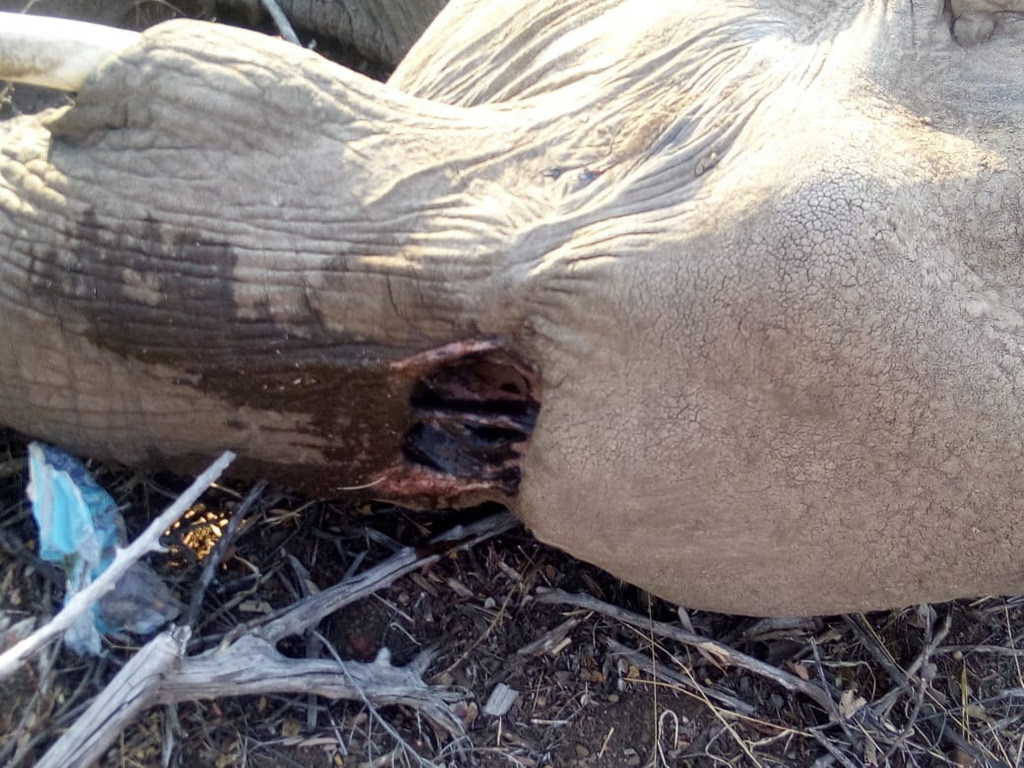
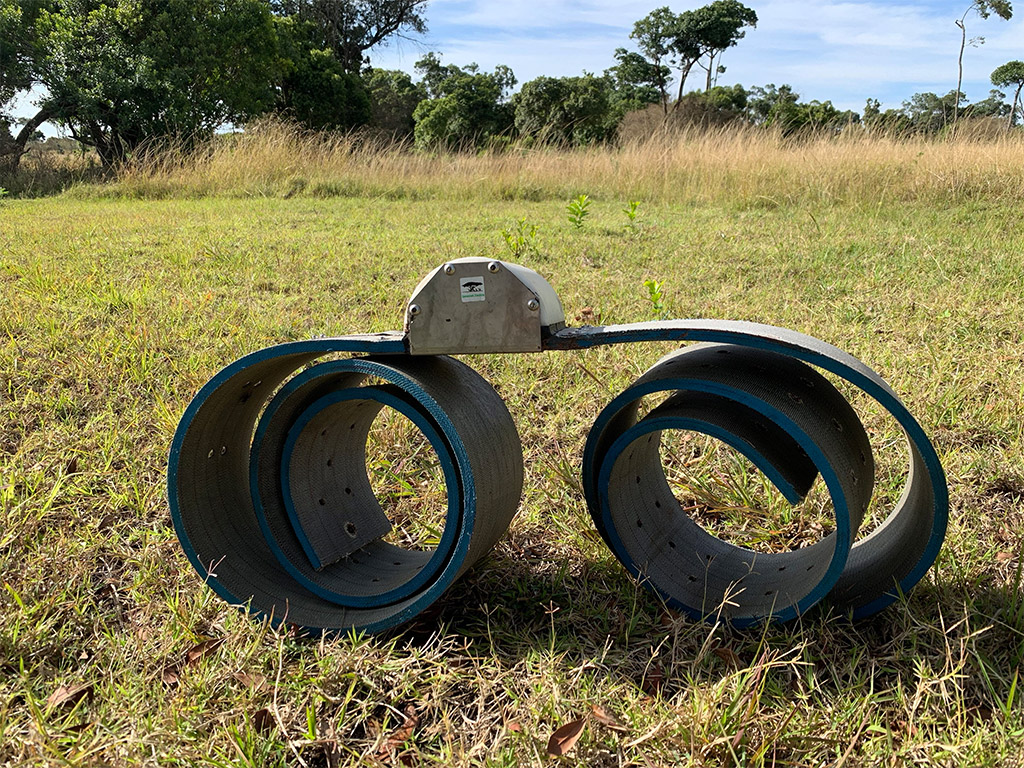
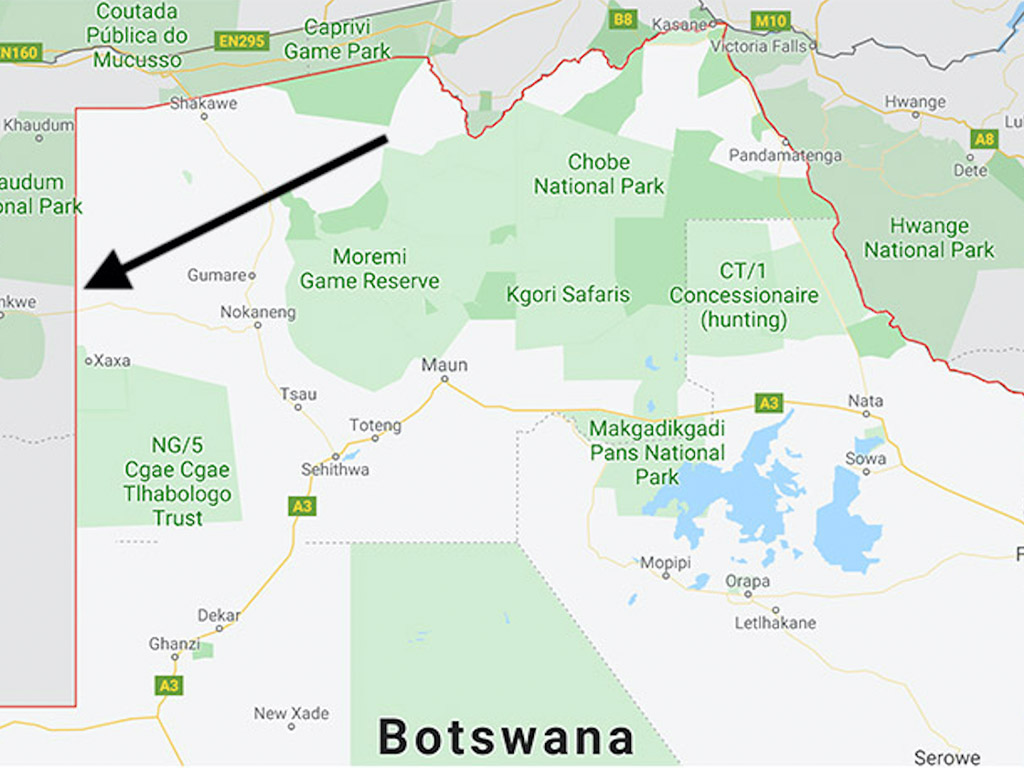
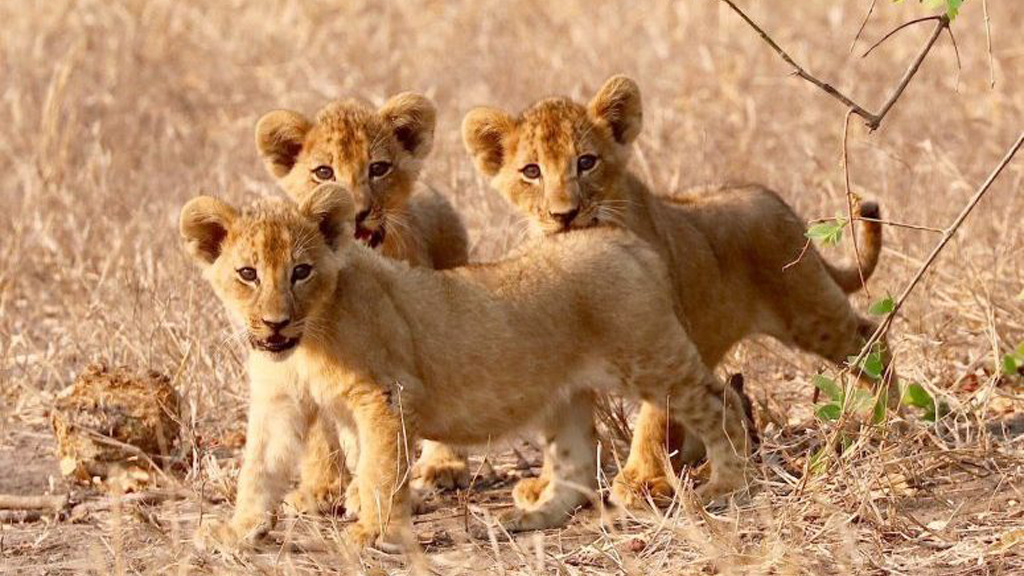
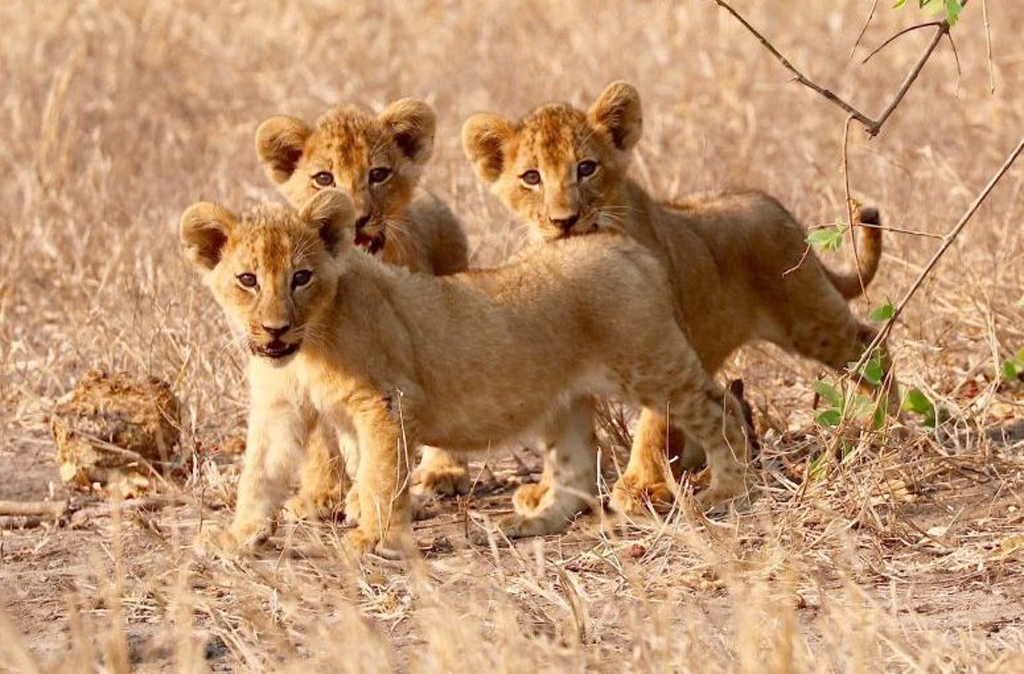
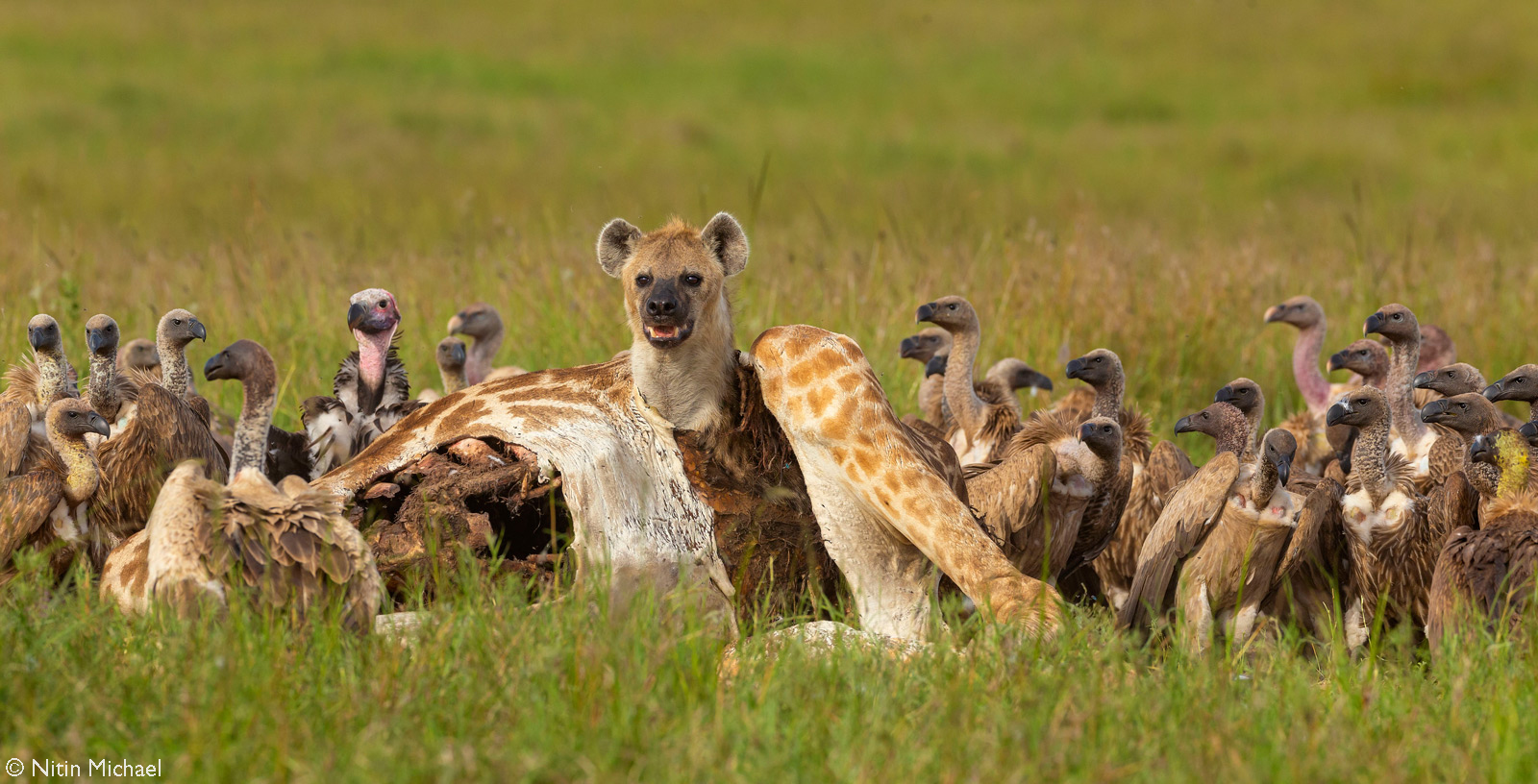
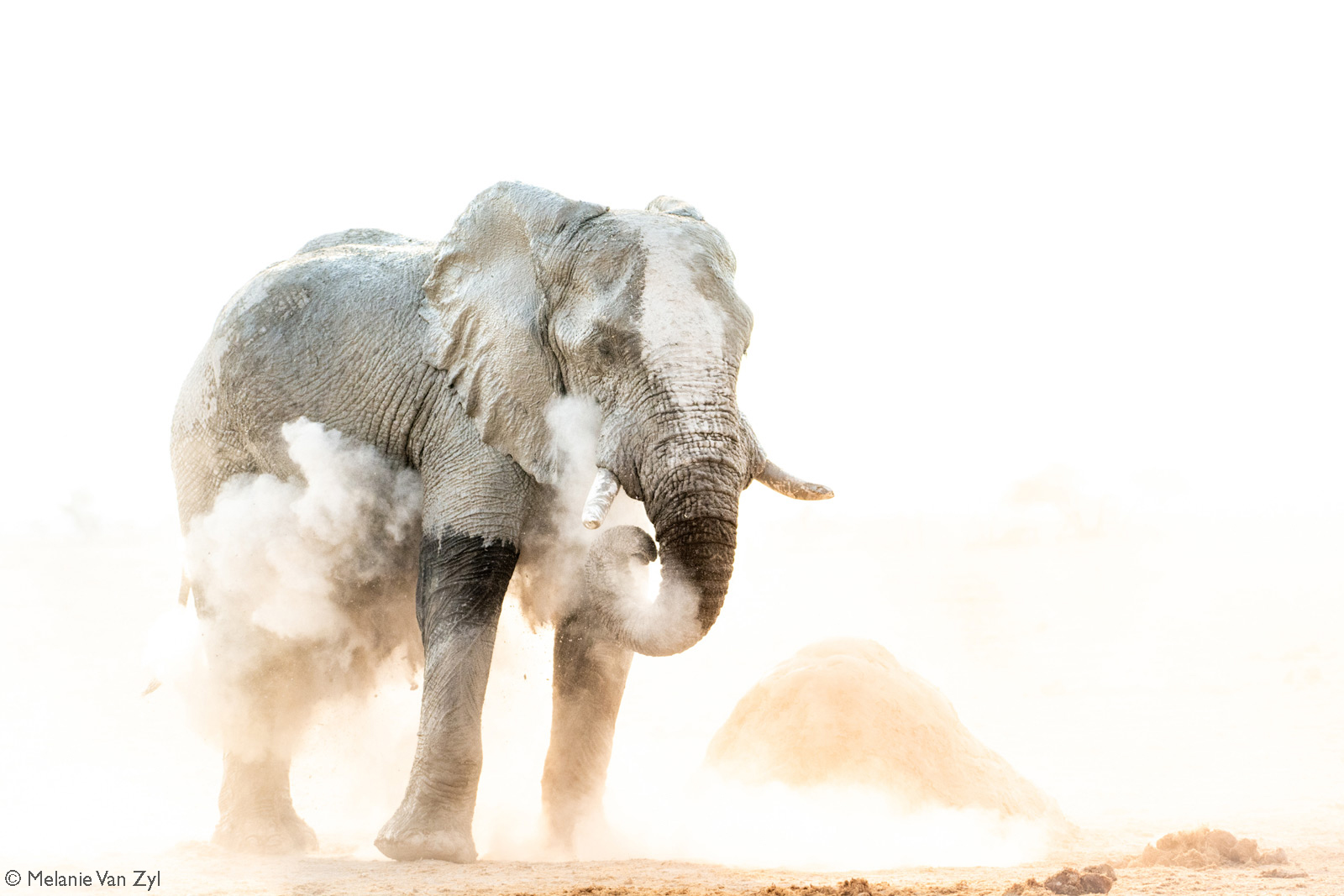
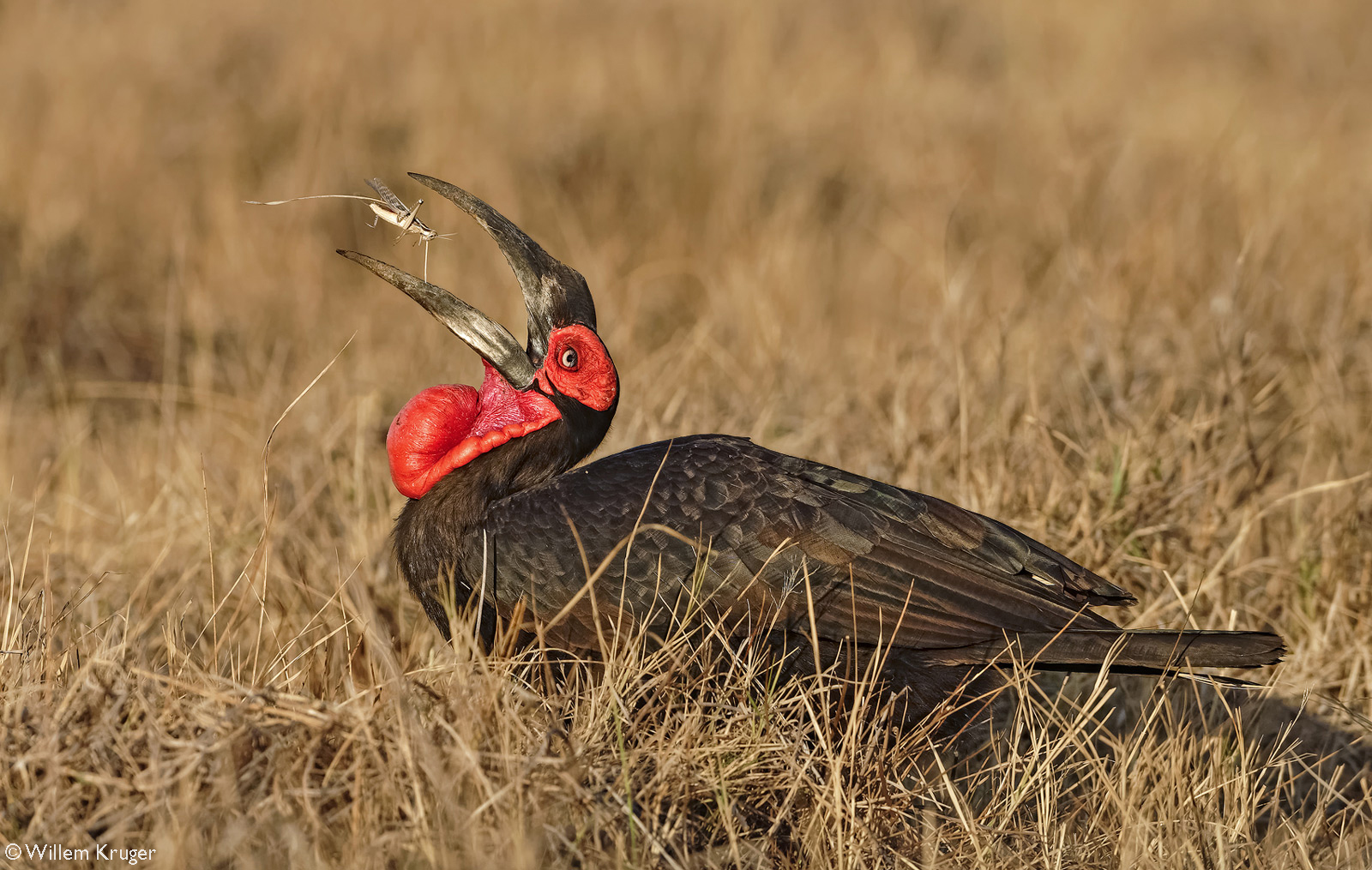
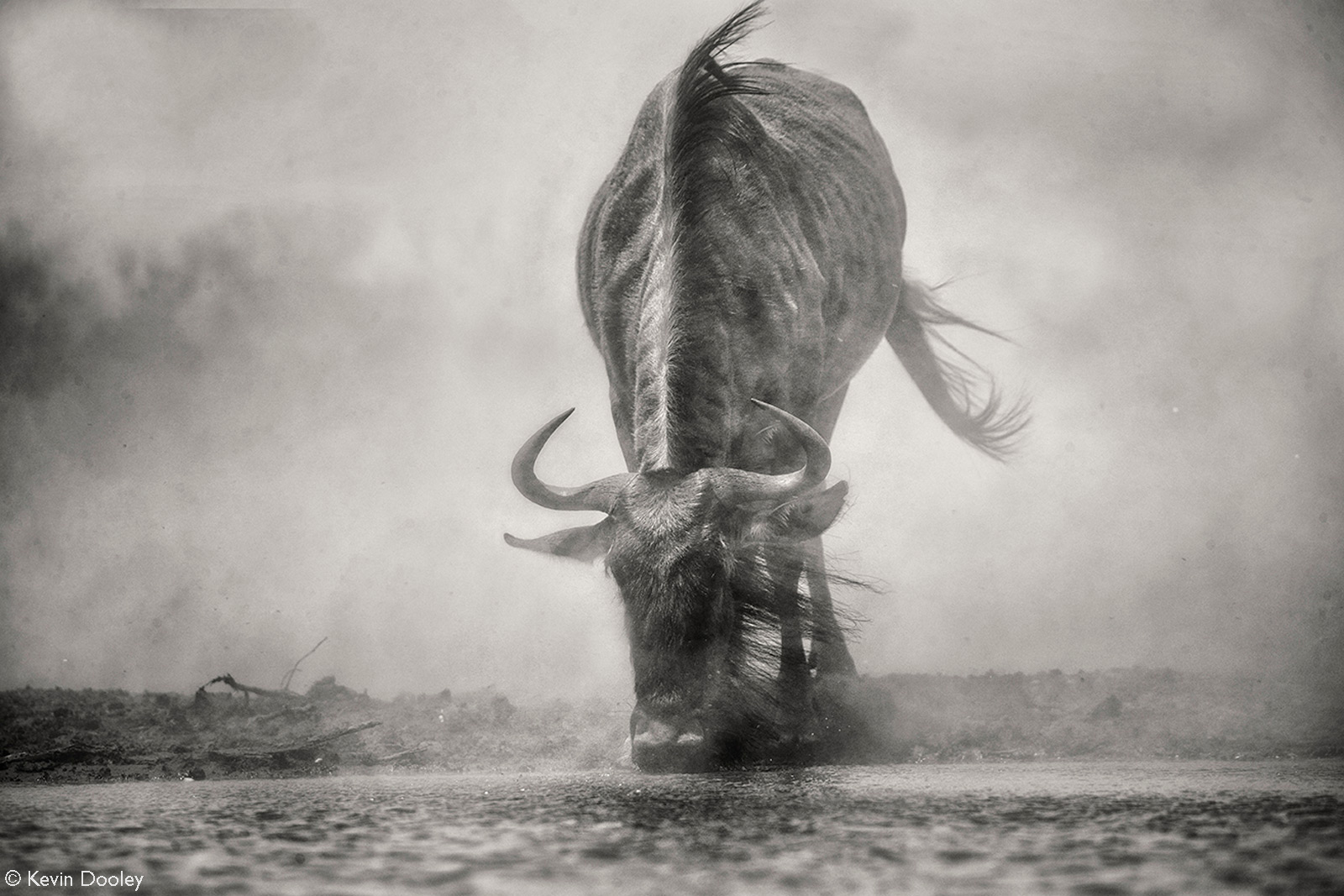
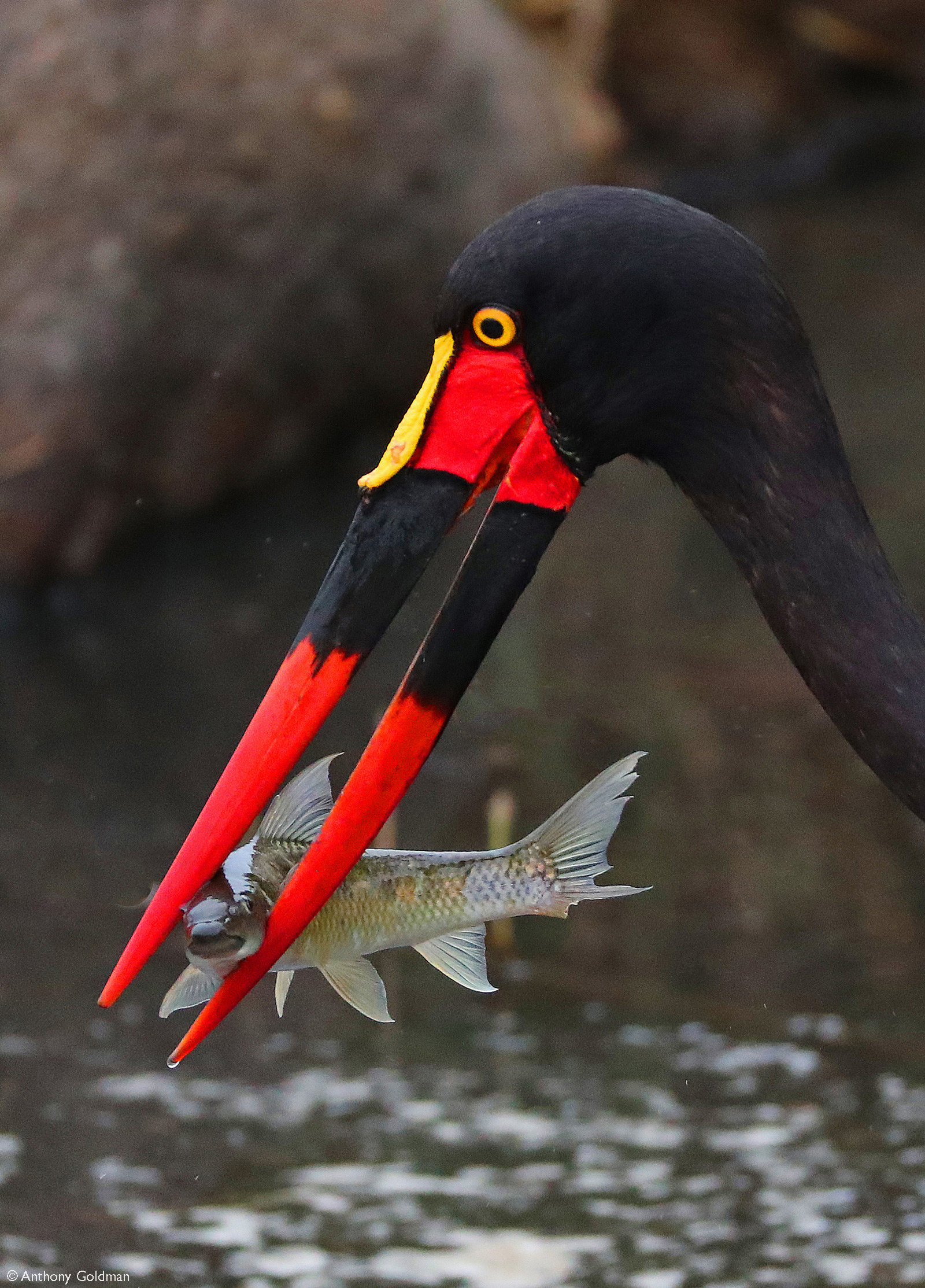
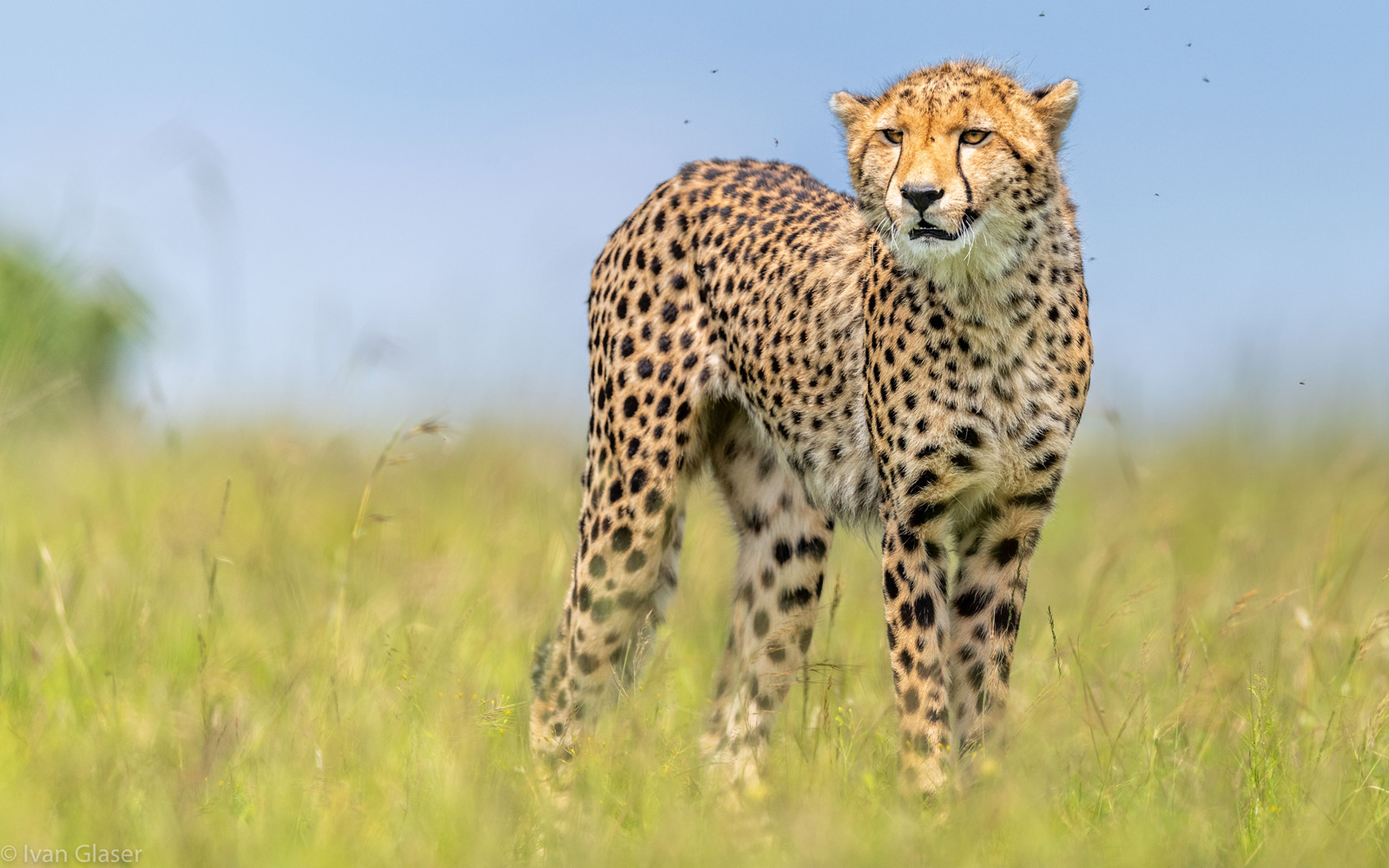
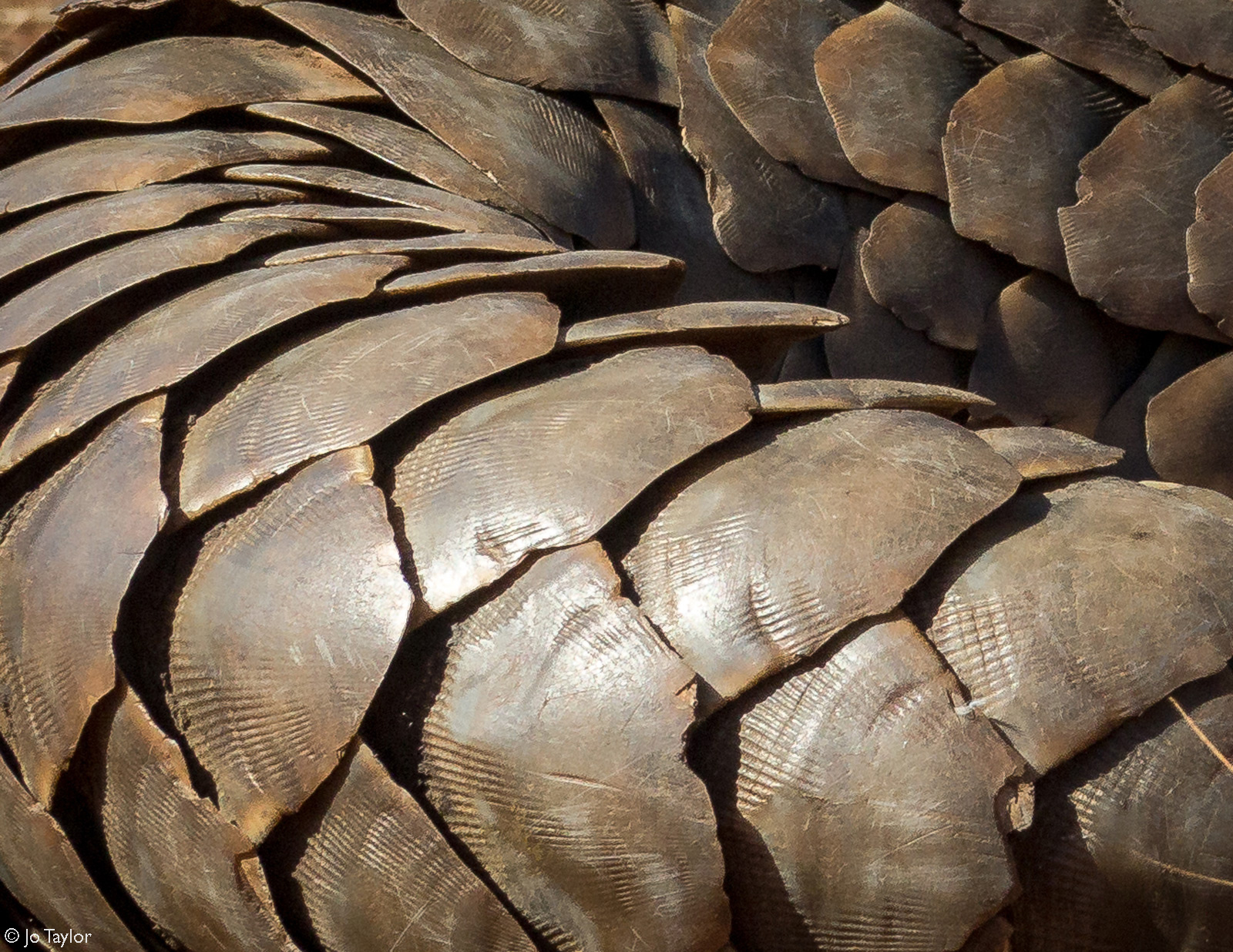
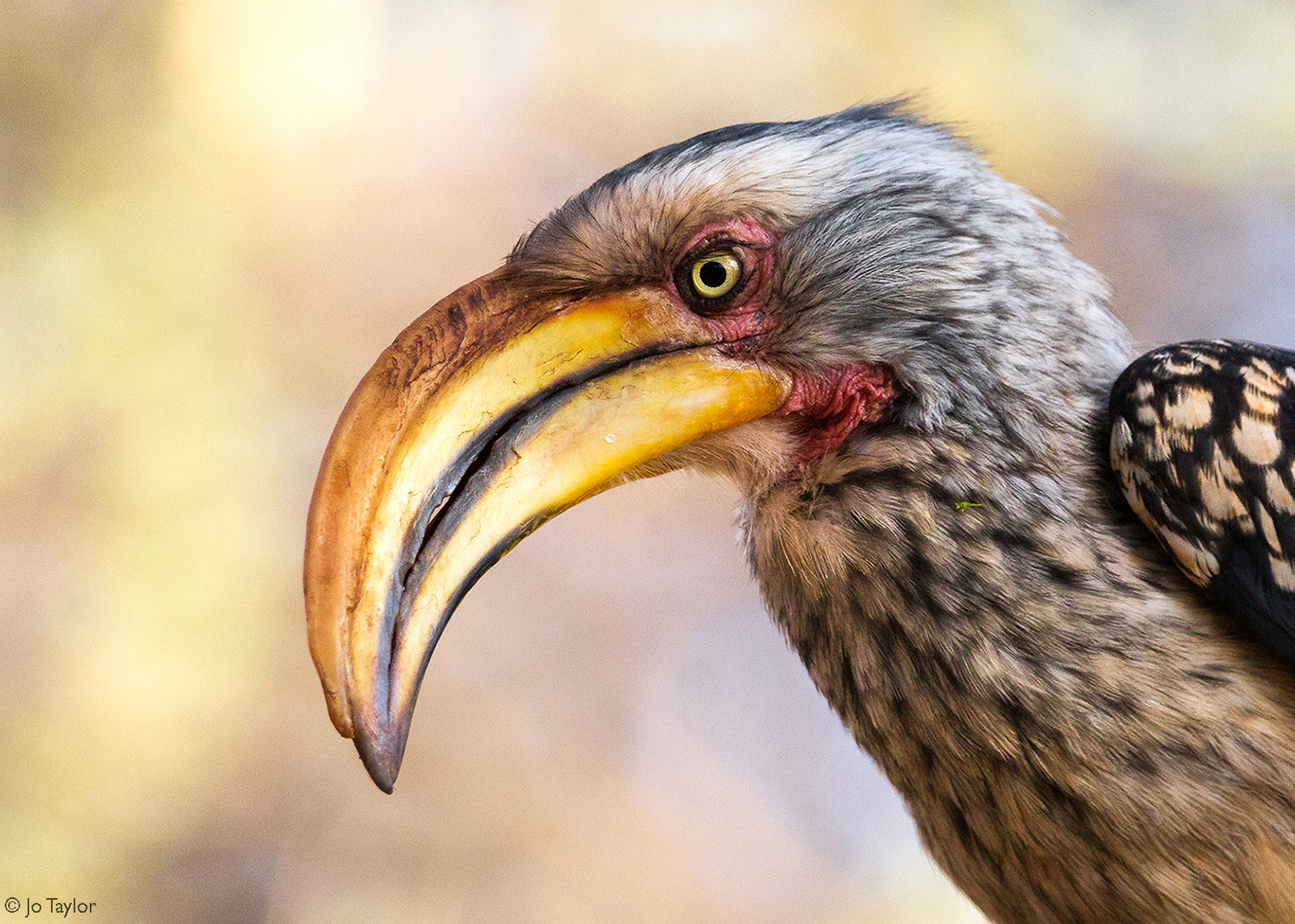
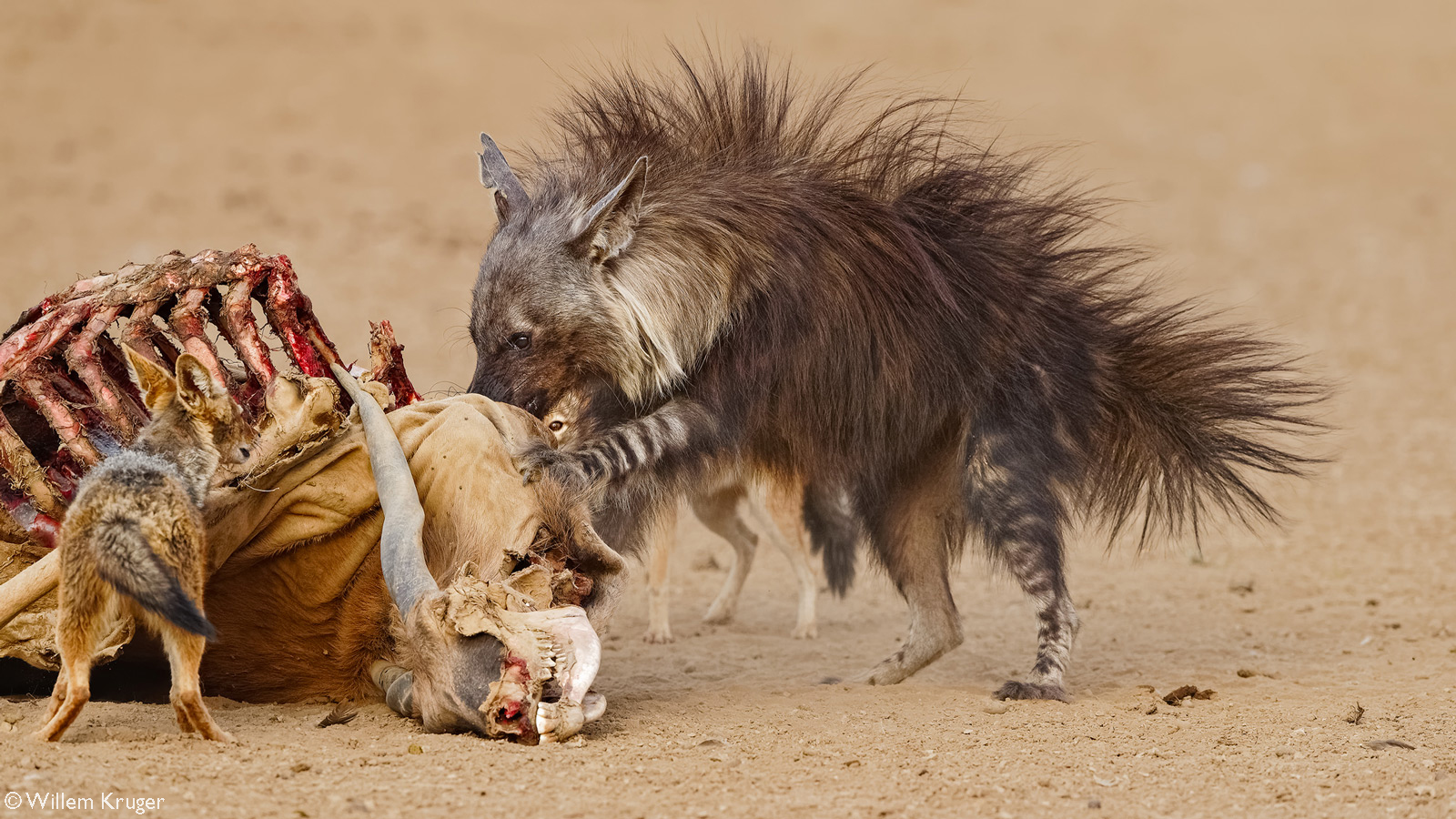
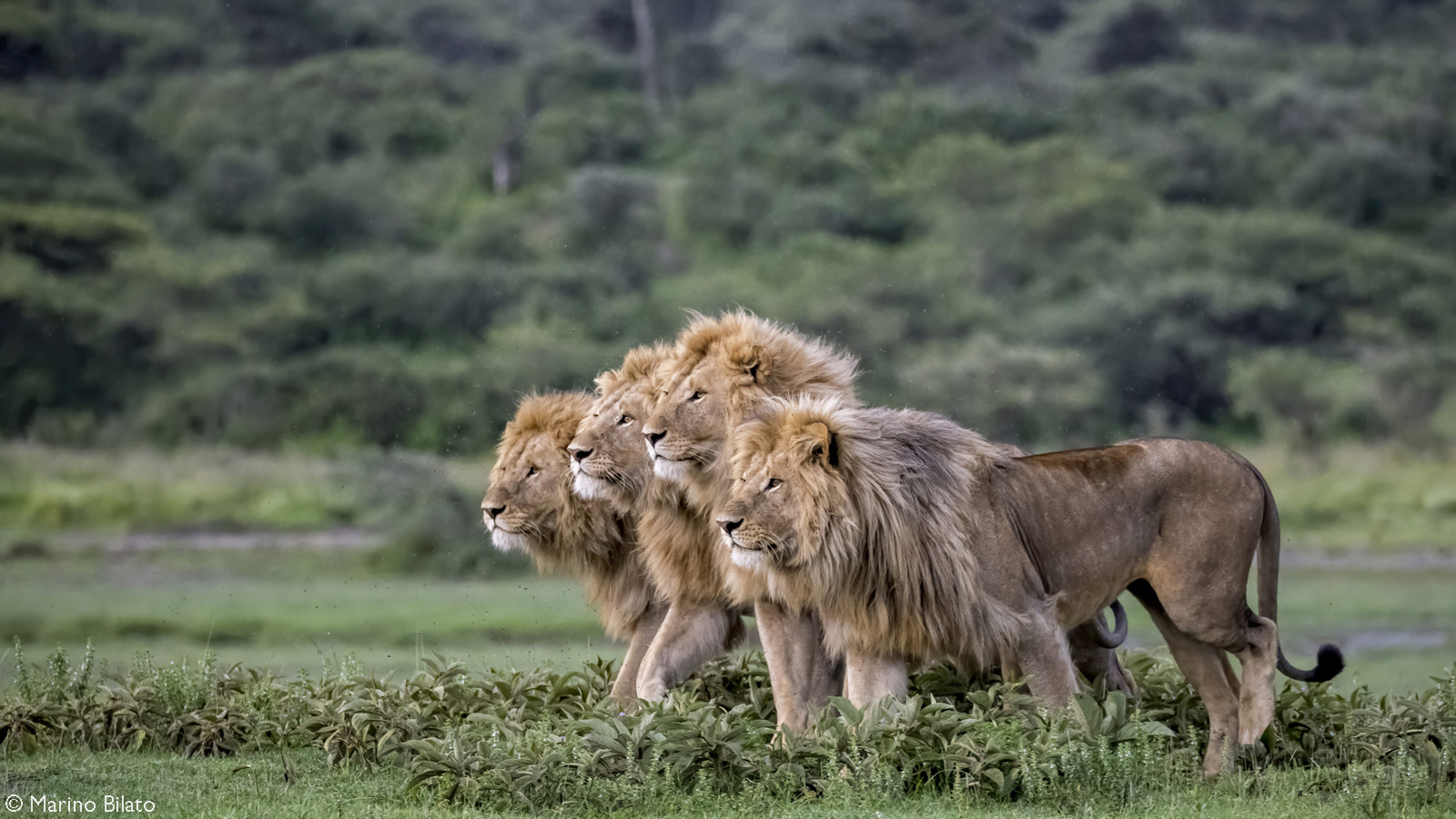
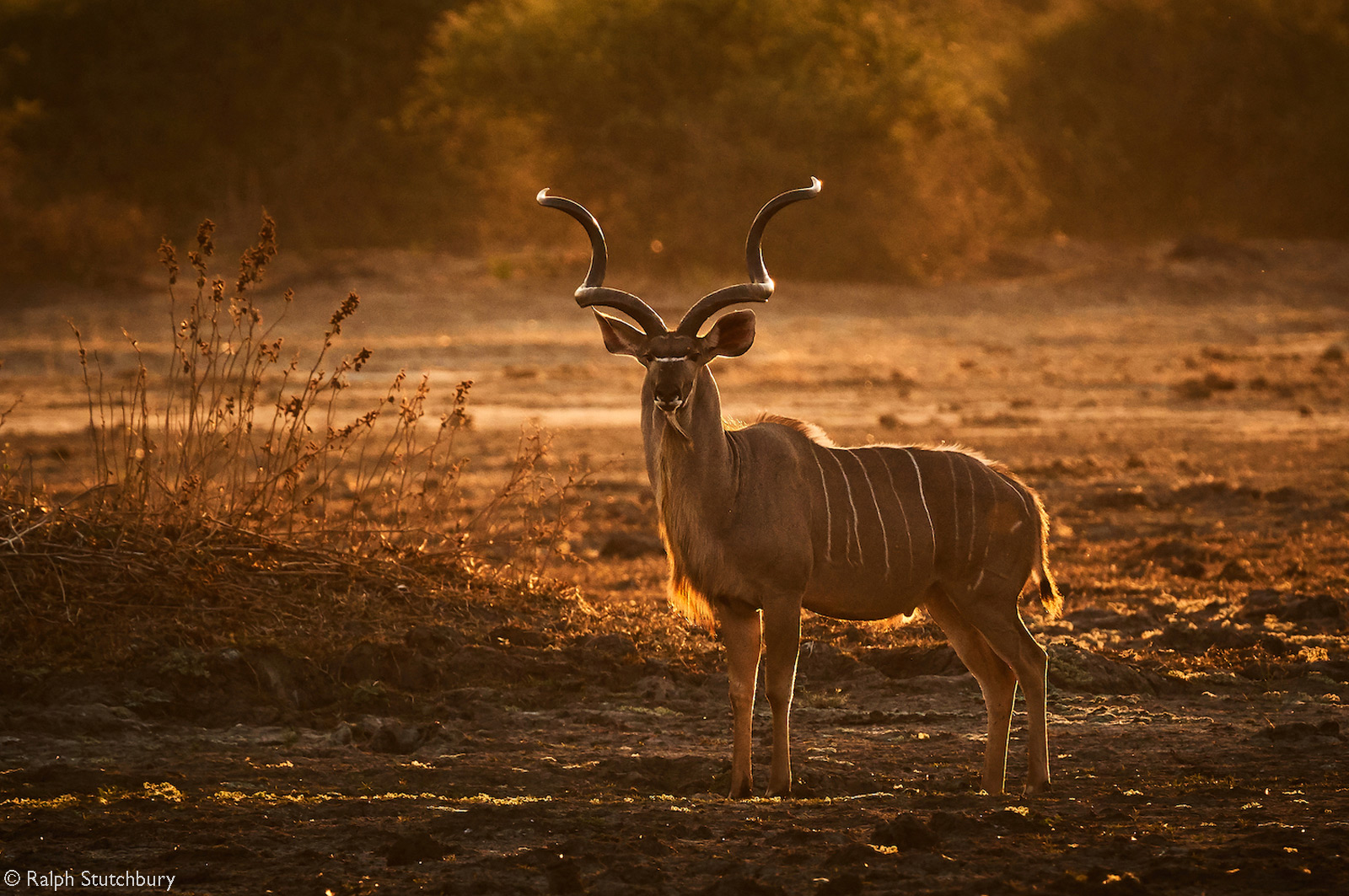
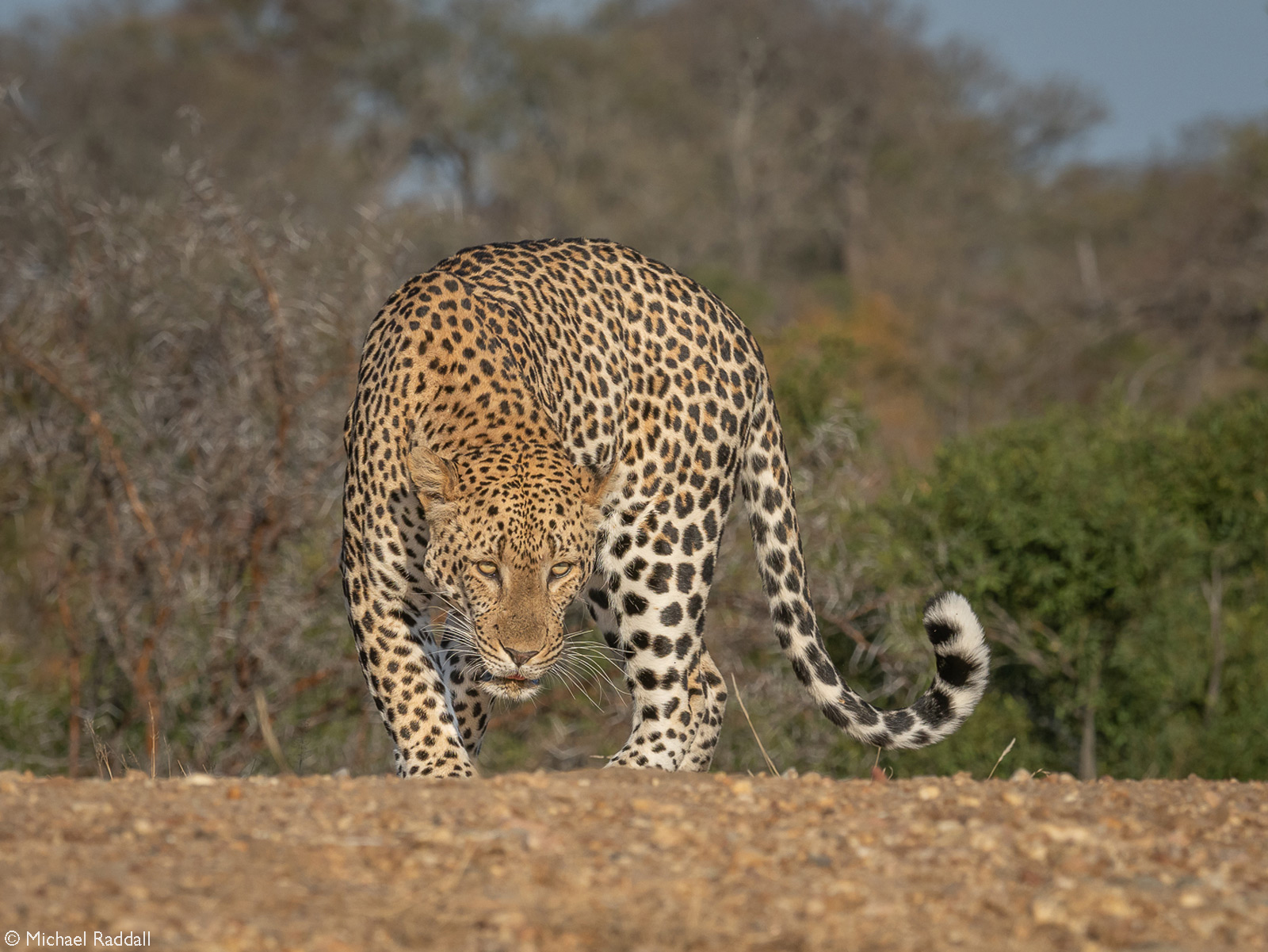
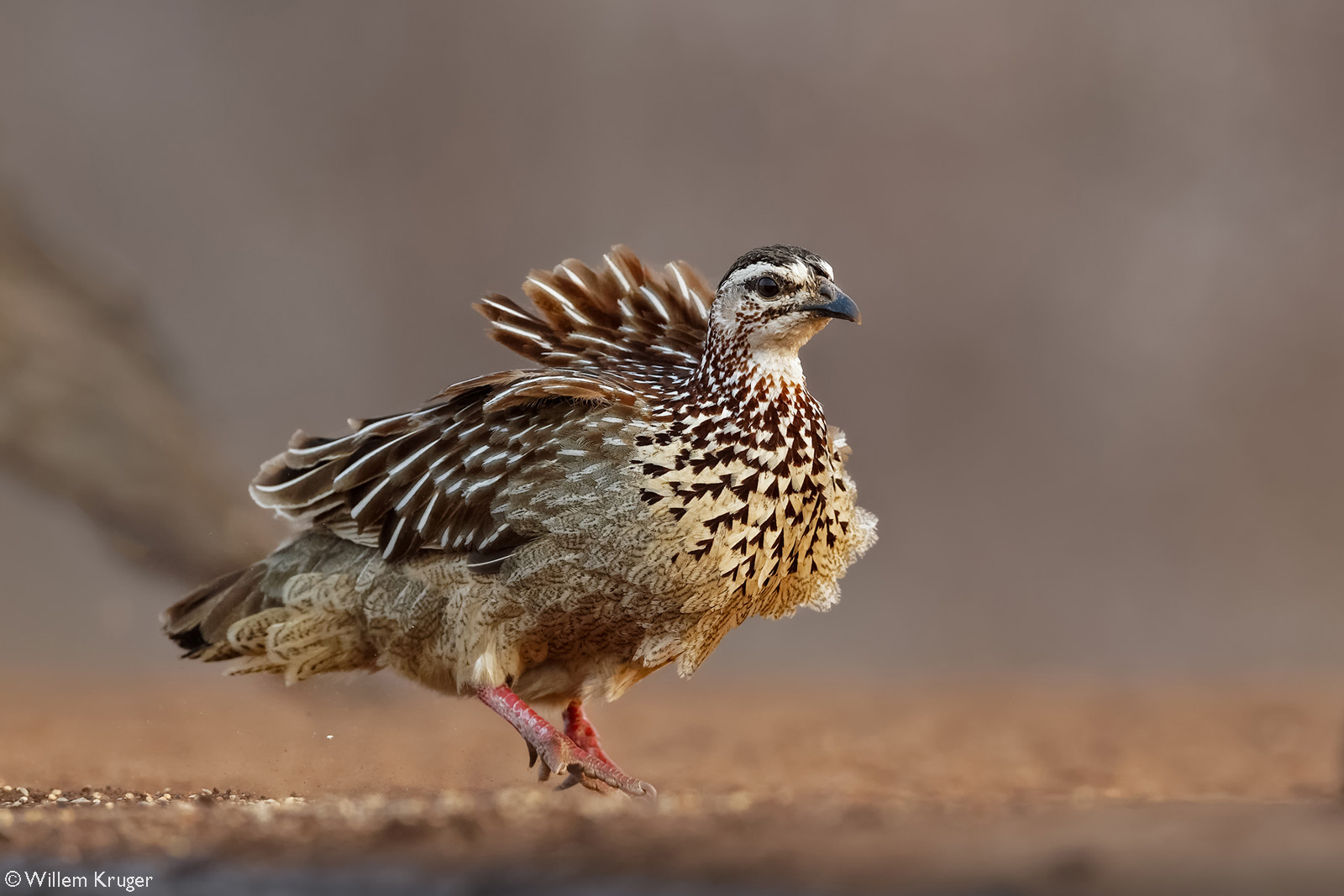
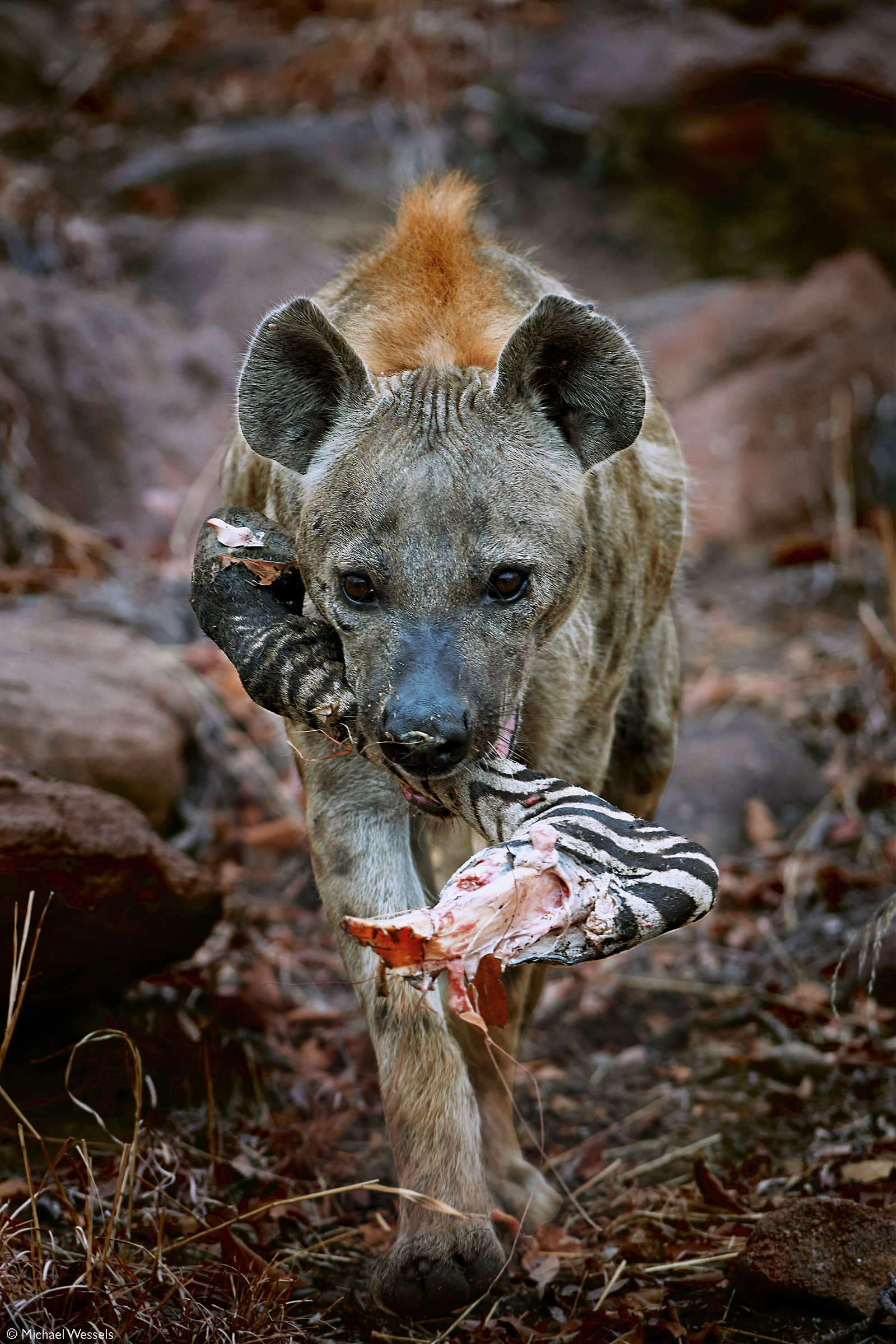
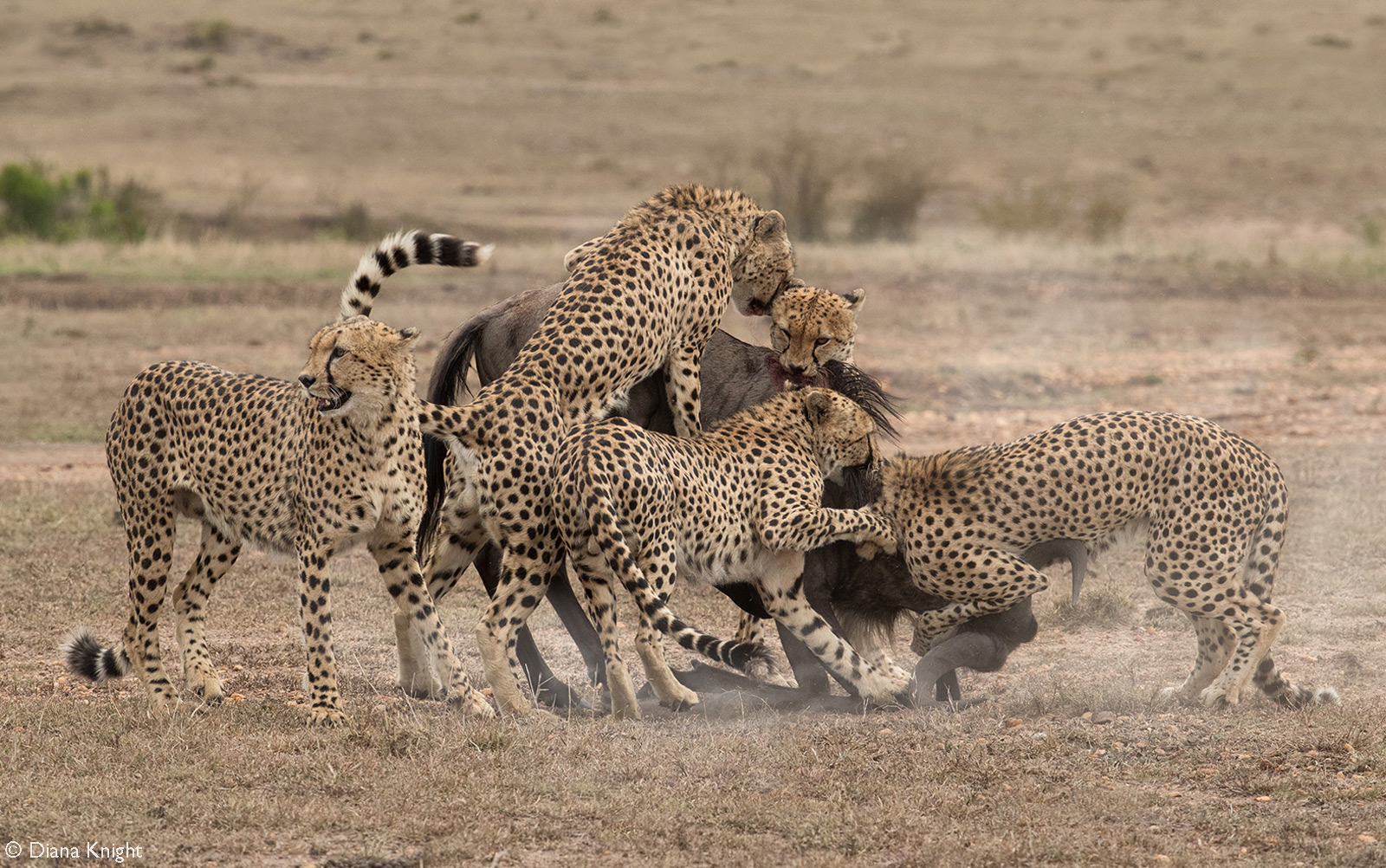
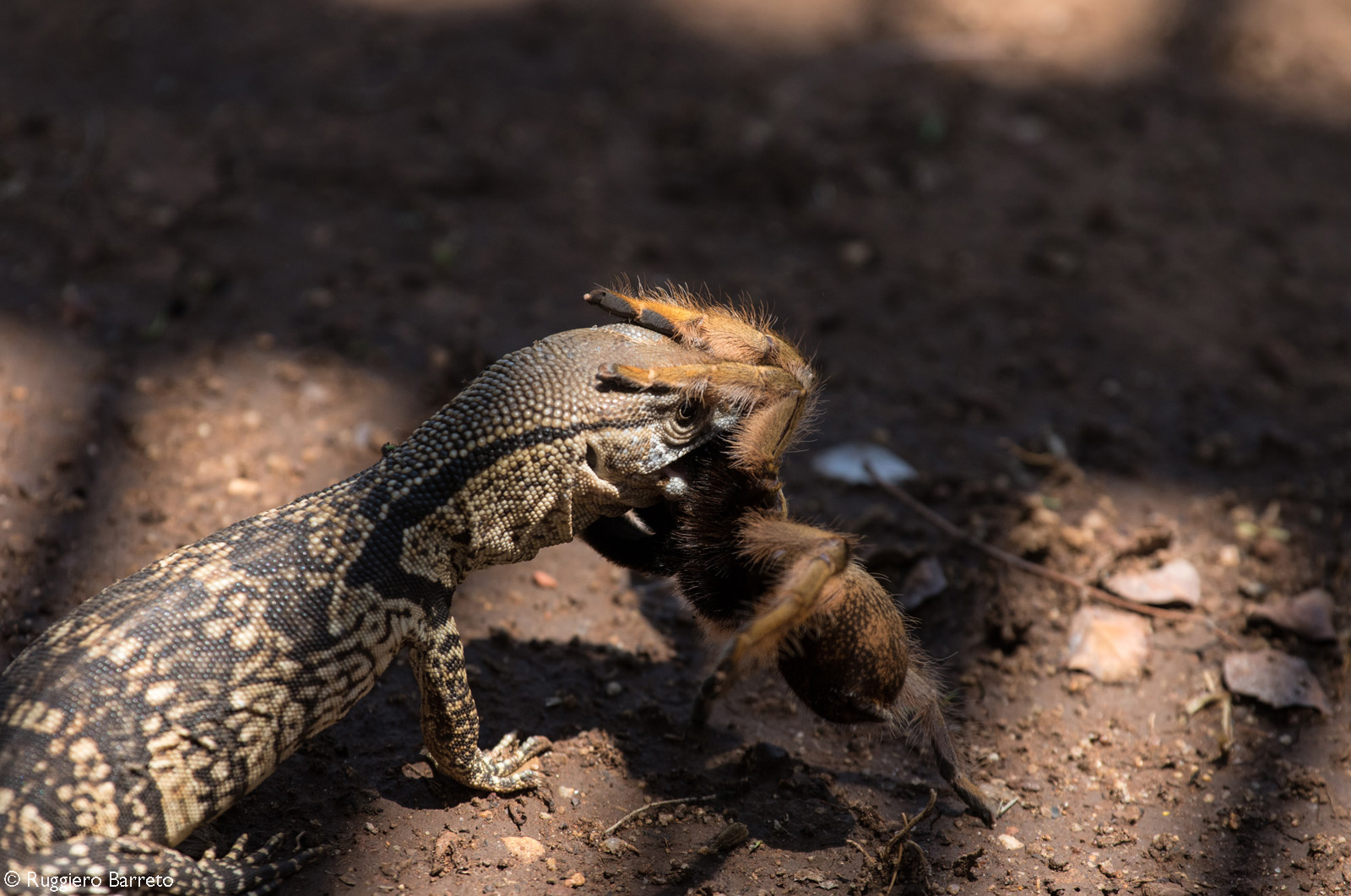
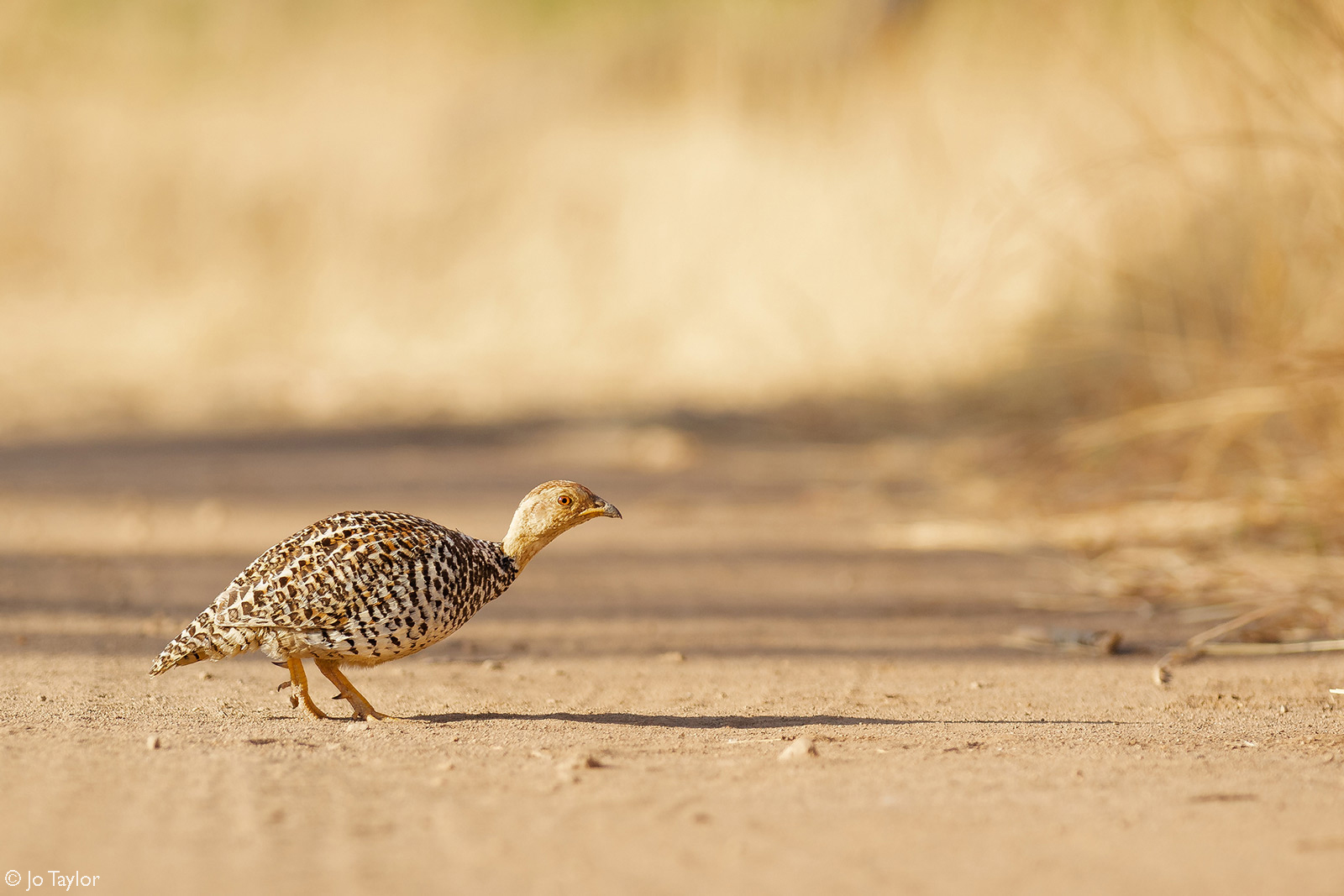
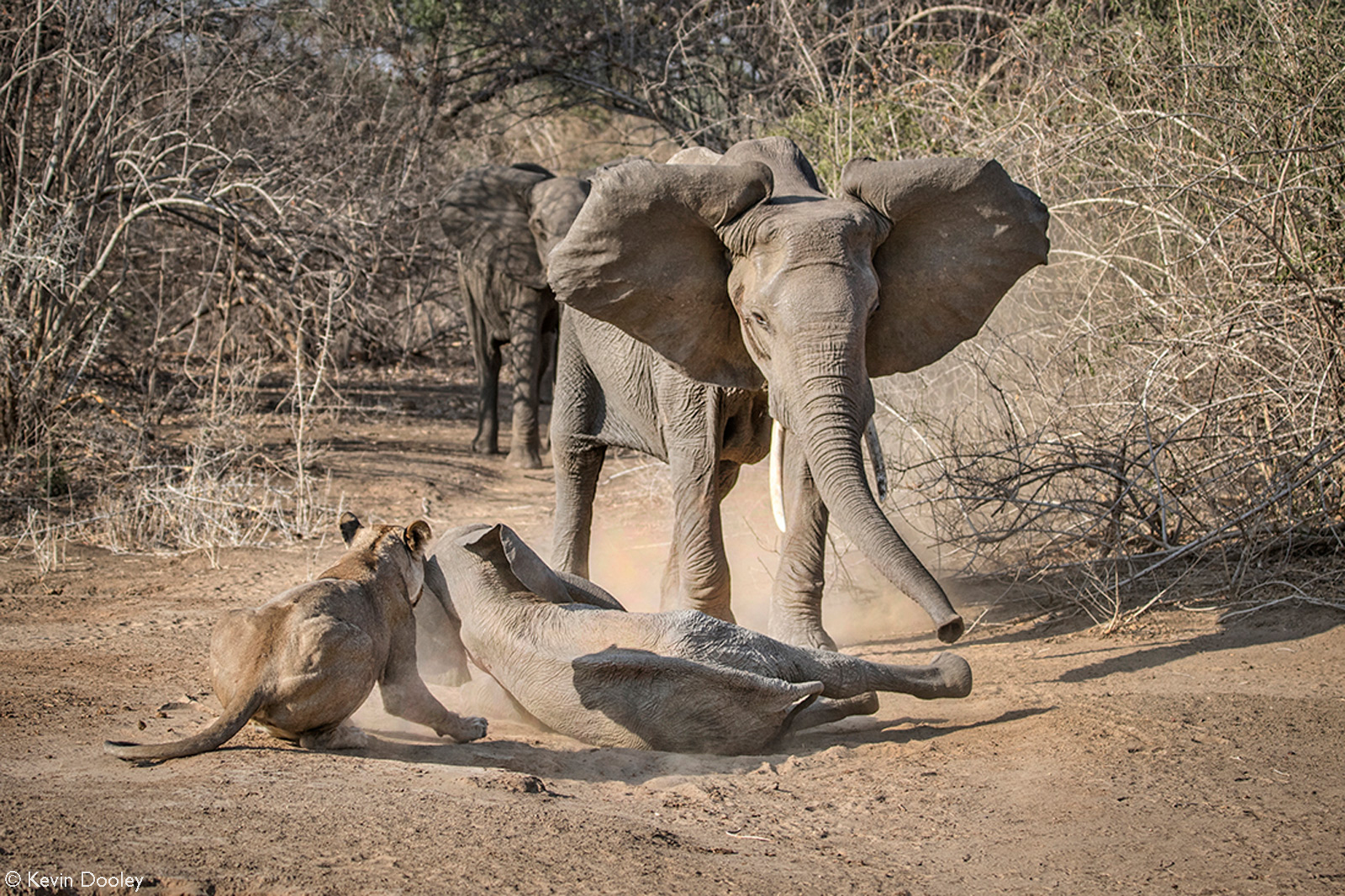
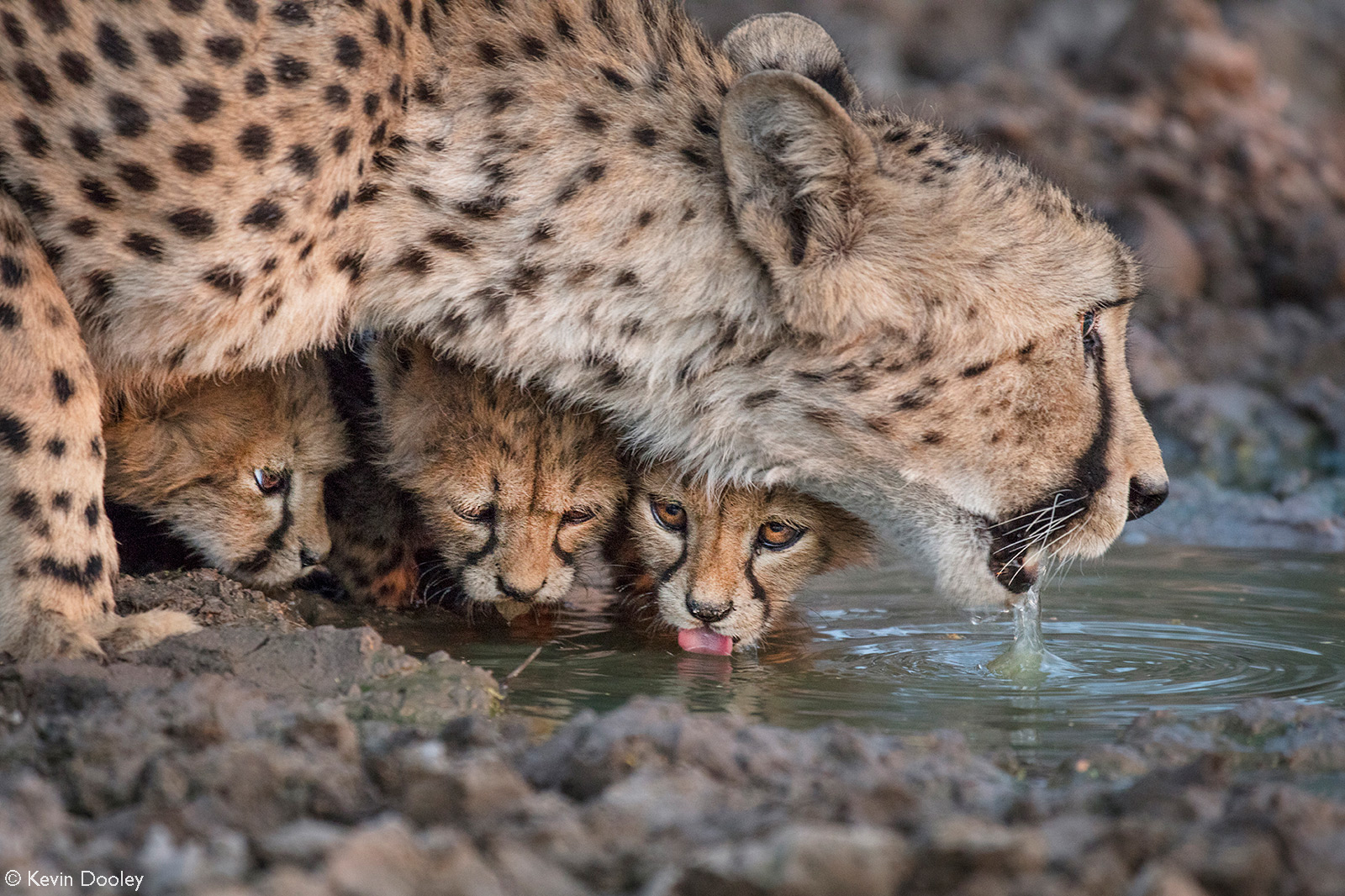
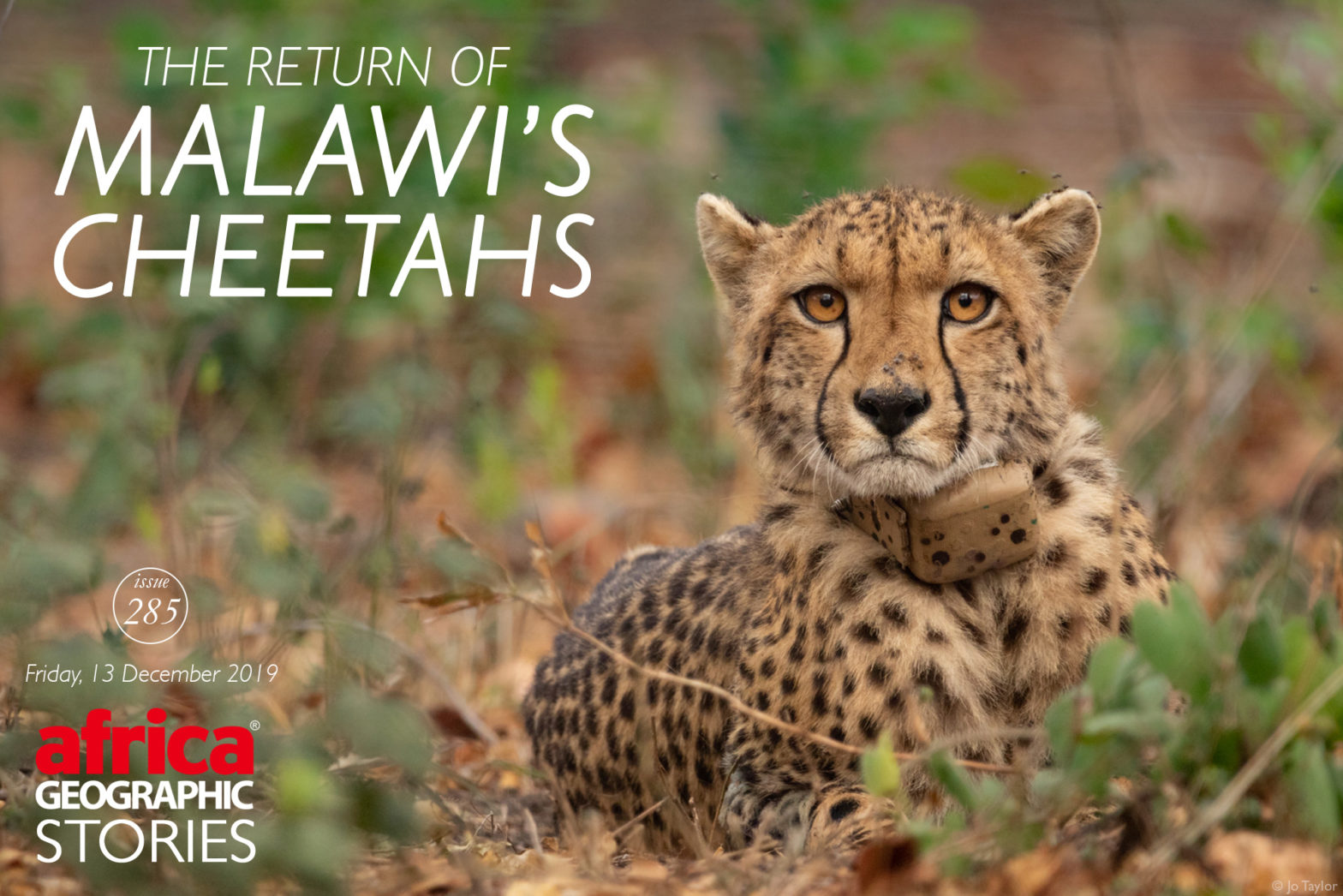
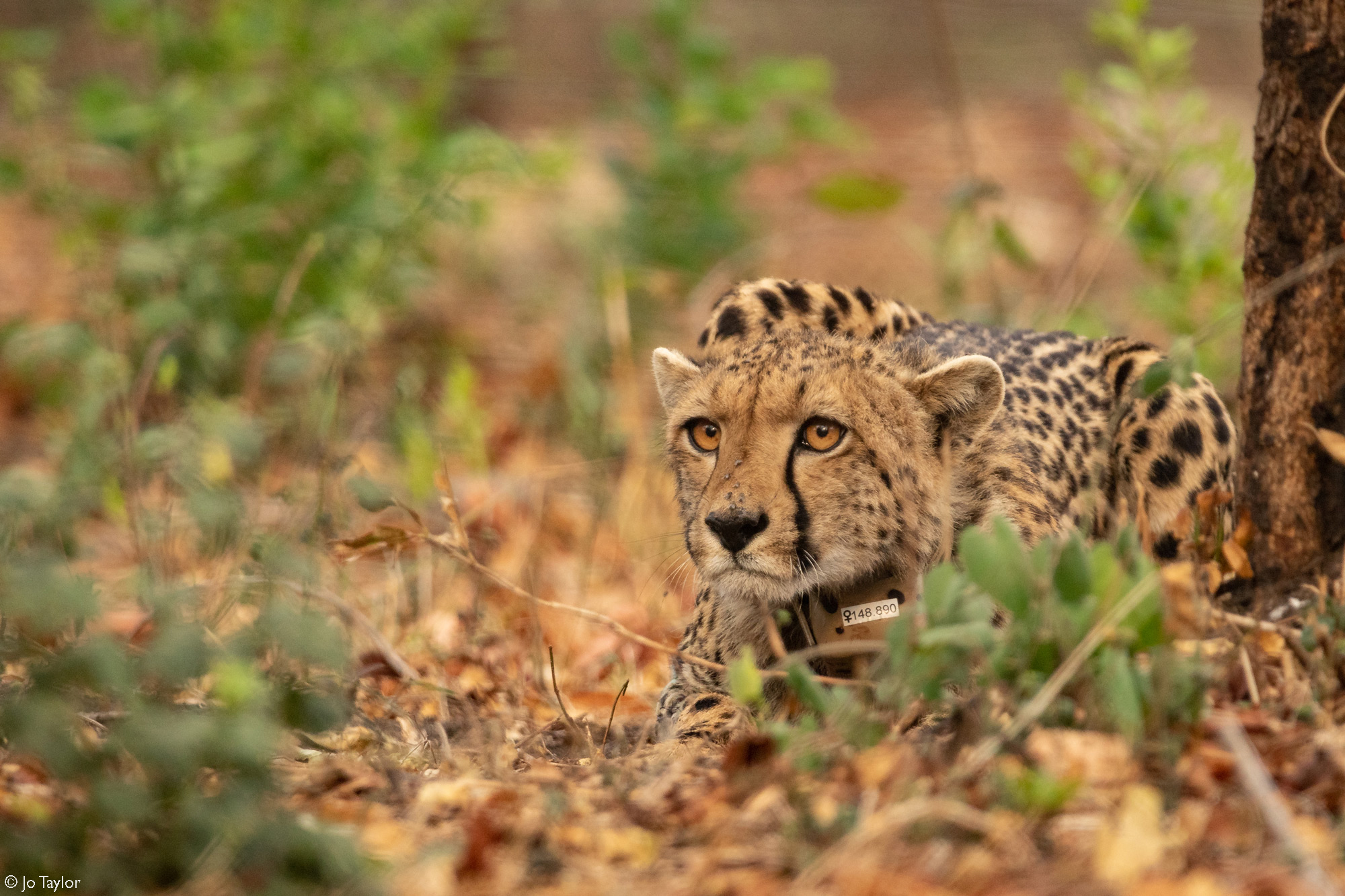
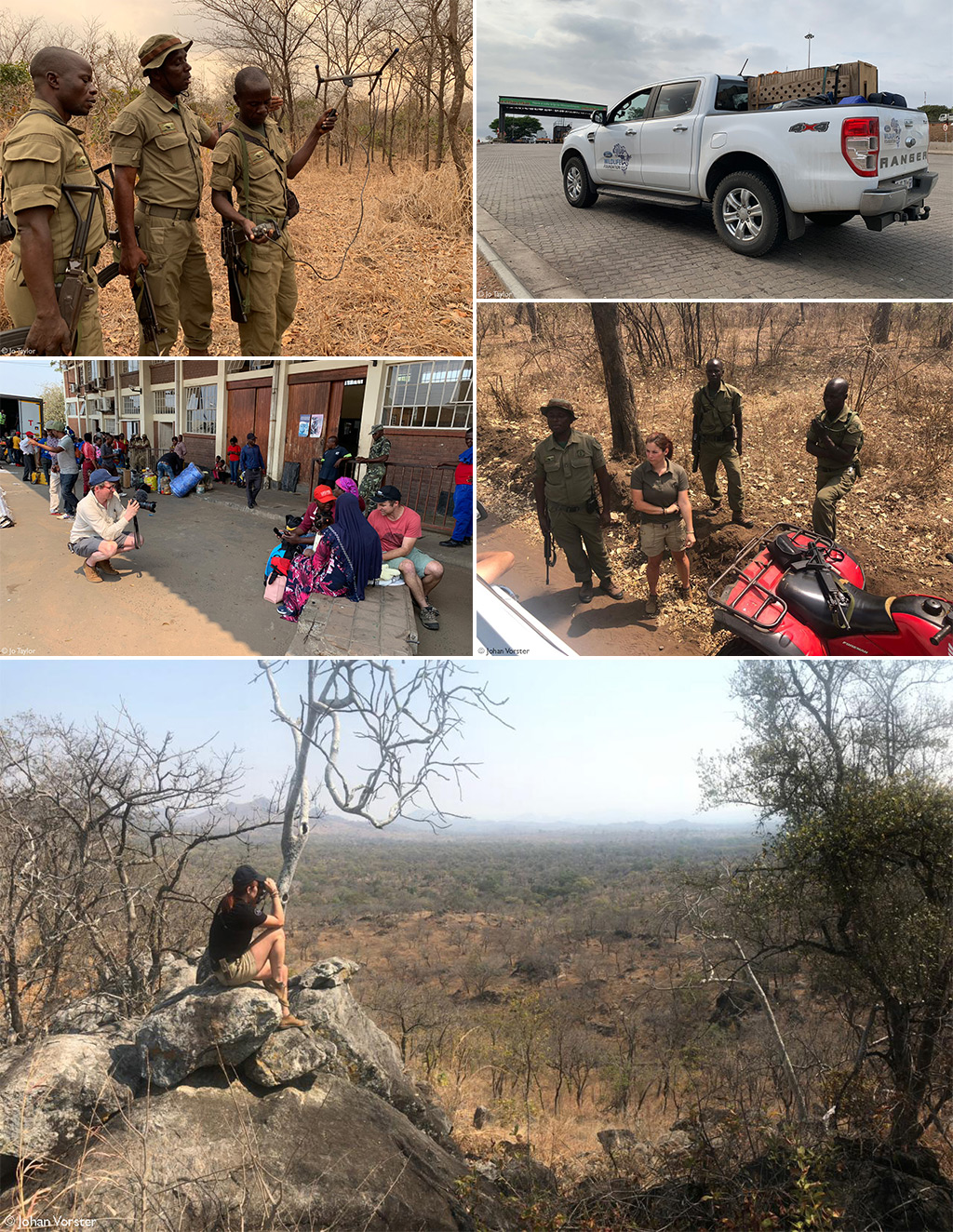
 DID YOU KNOW that African Parks offers safari camps (lodges and campsites) where 100% of tourism revenue goes to conservation and local communities?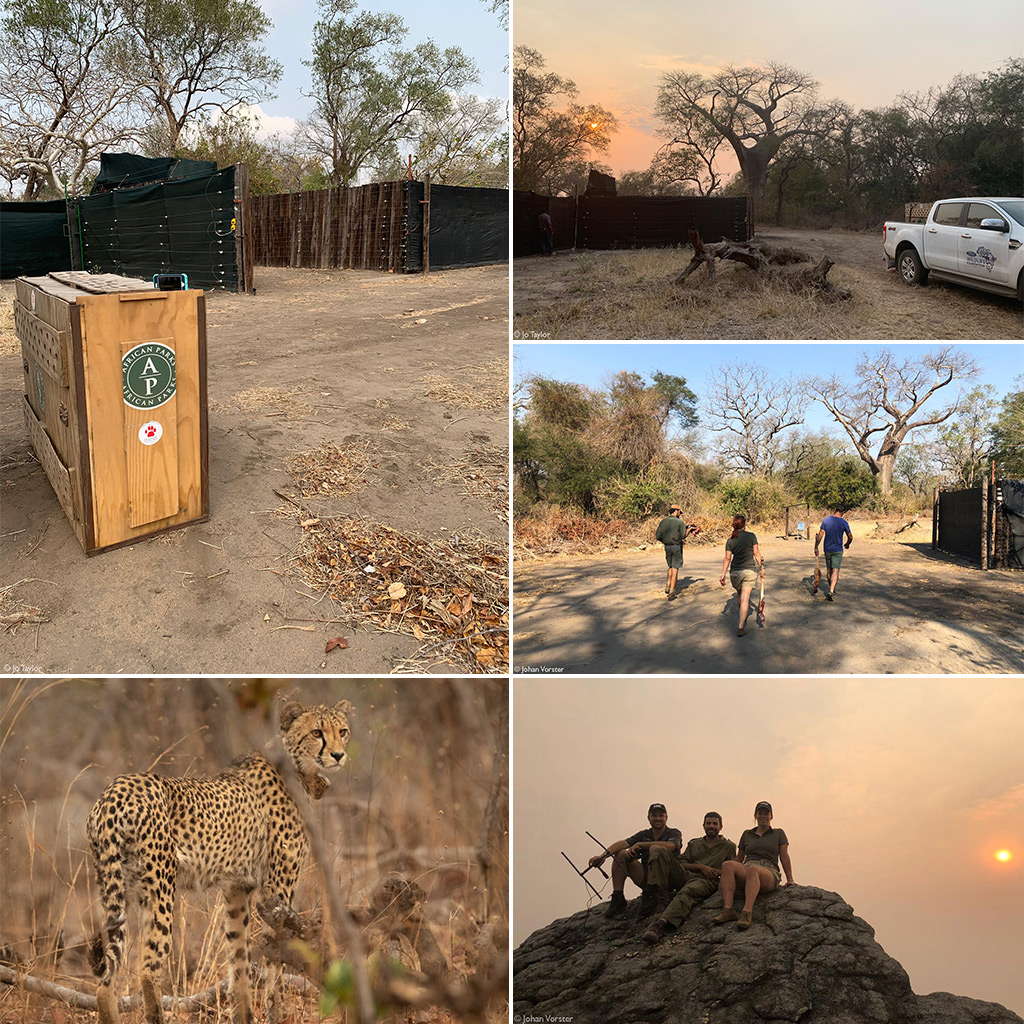
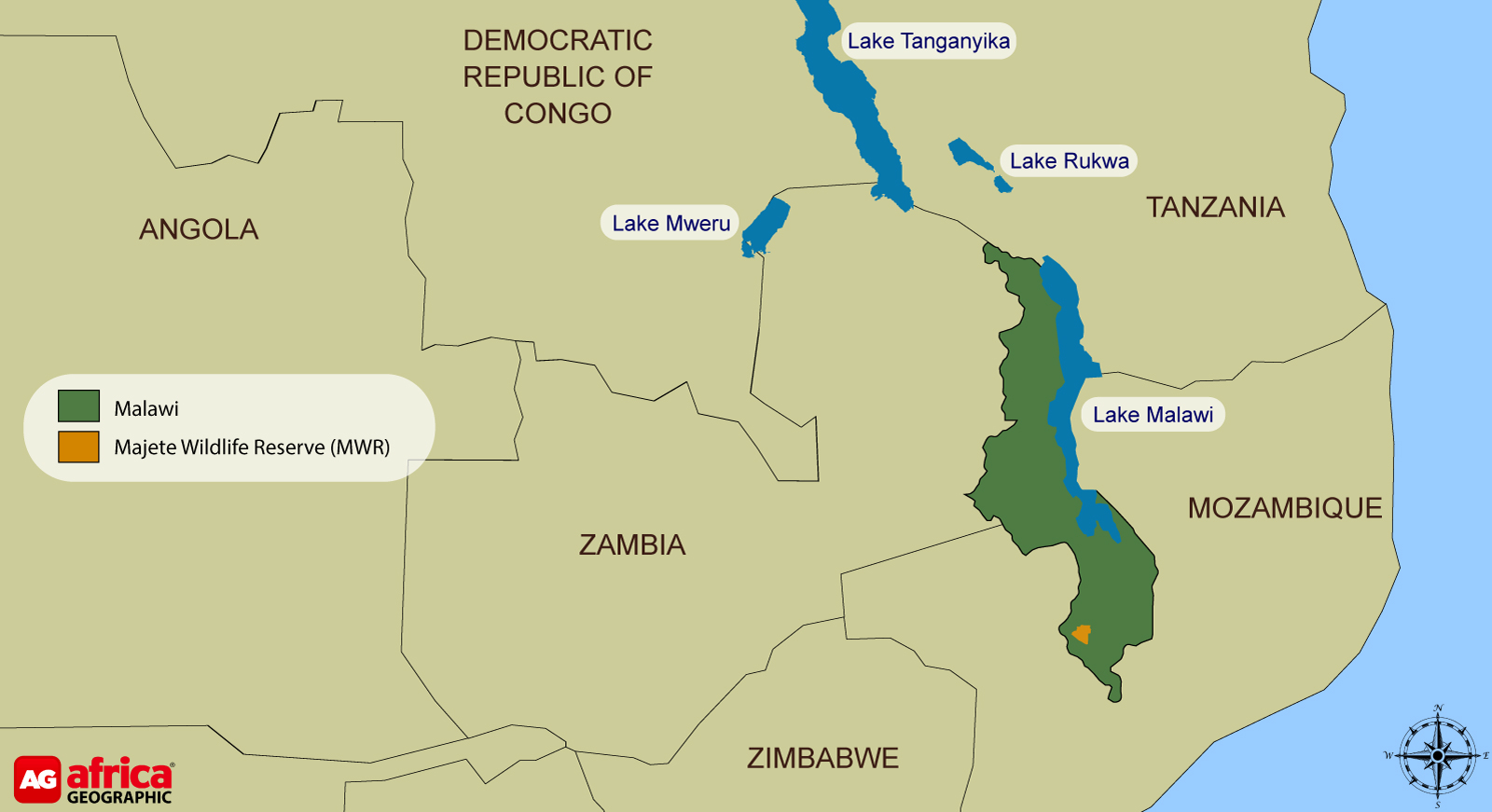
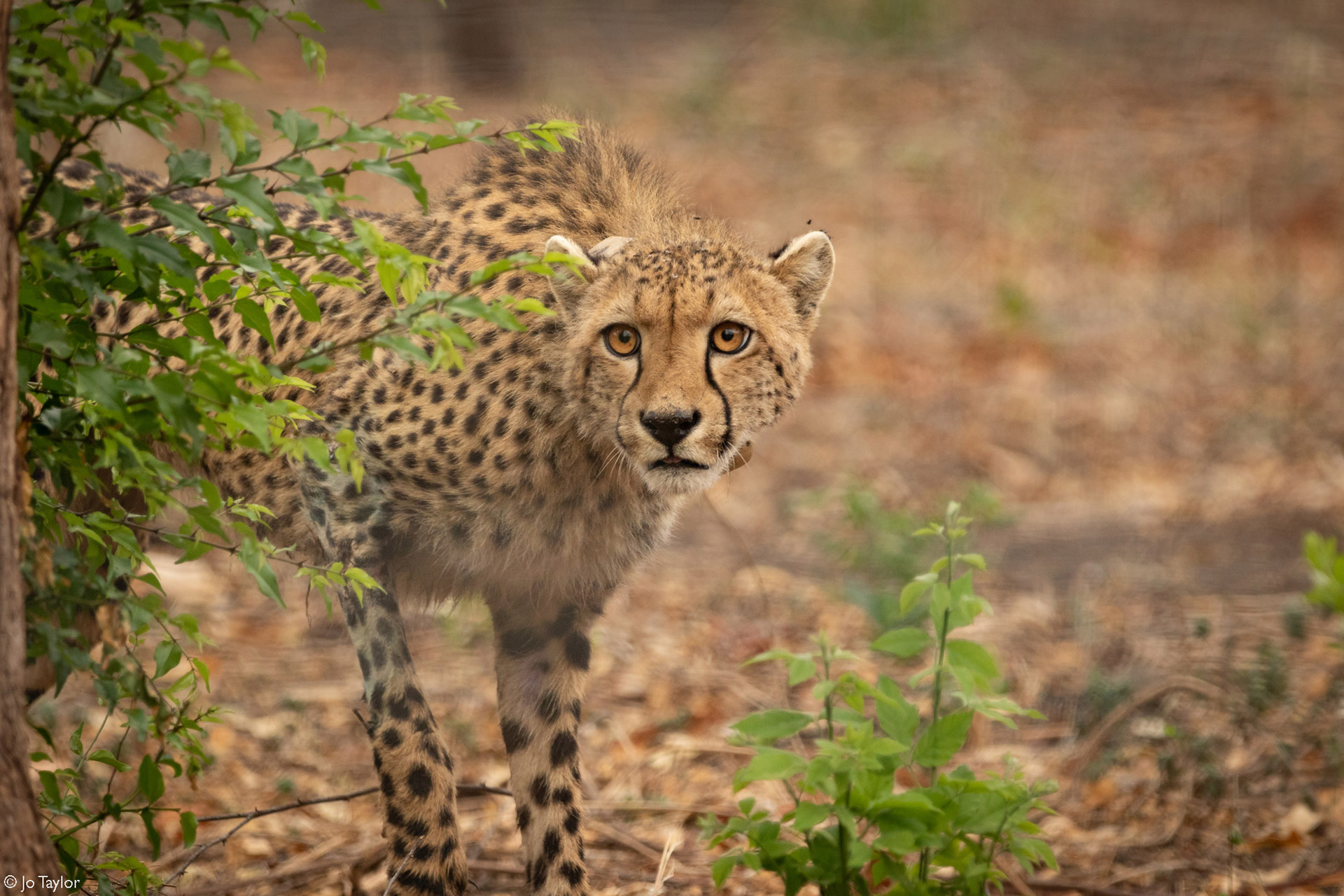
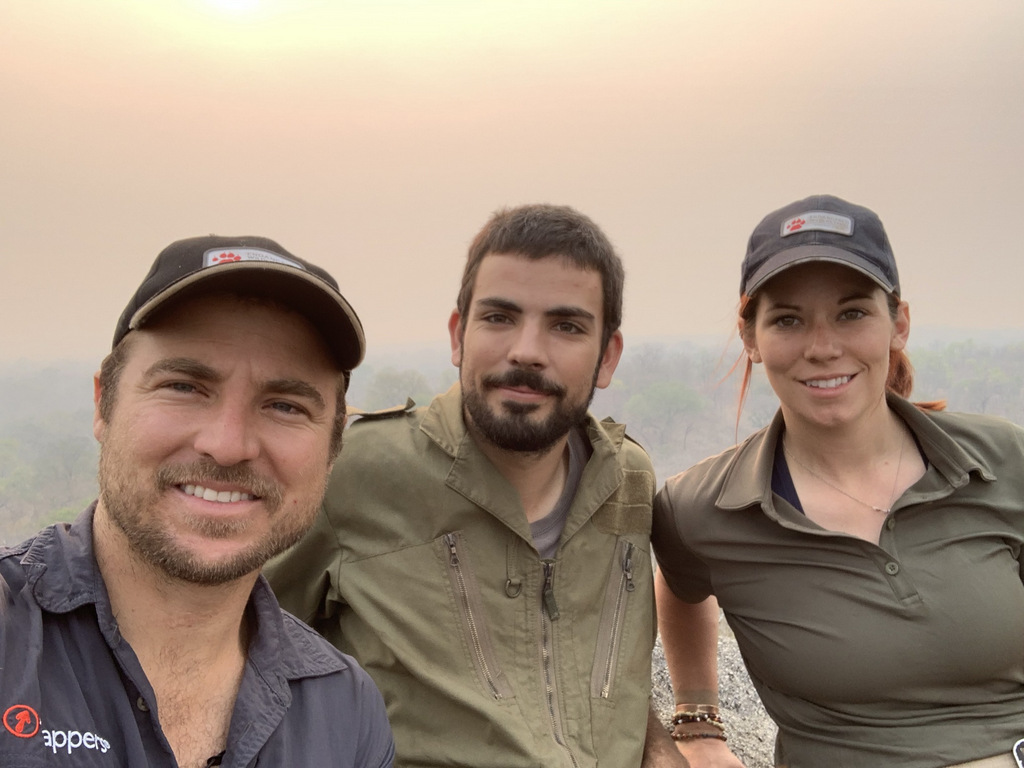
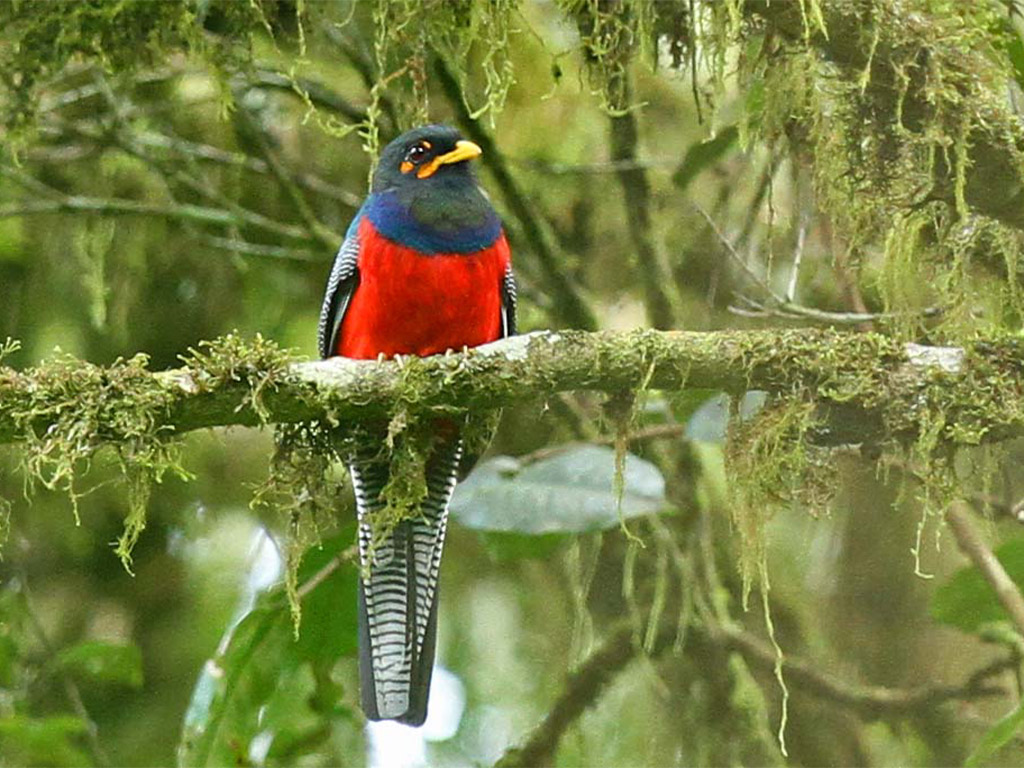
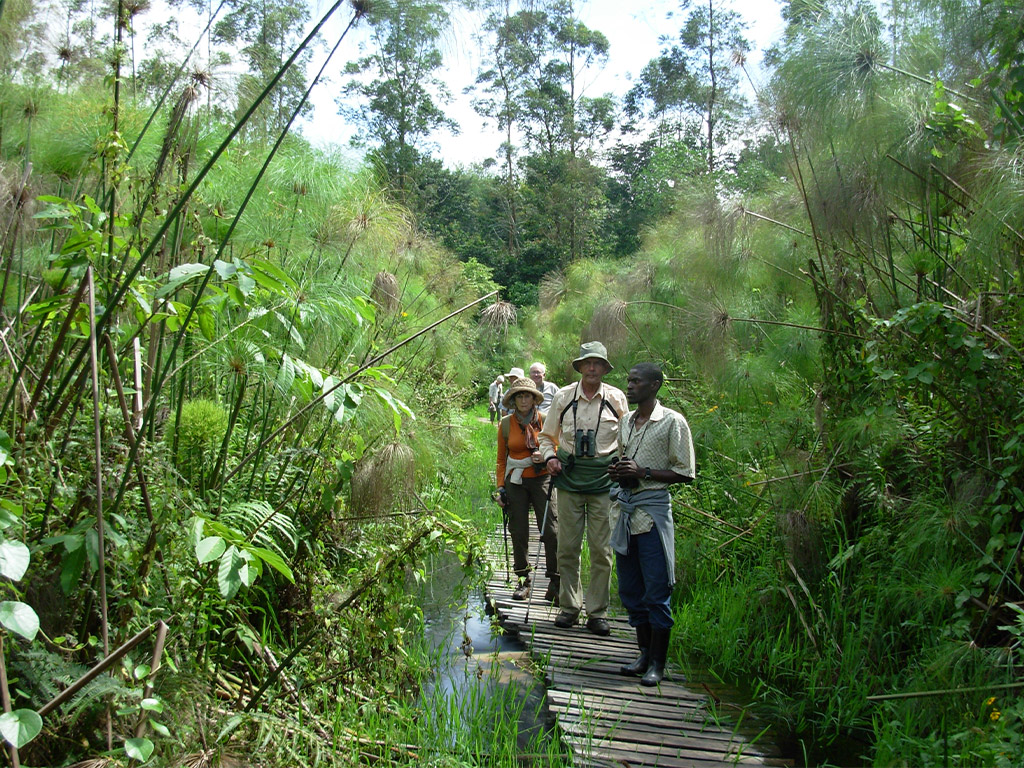
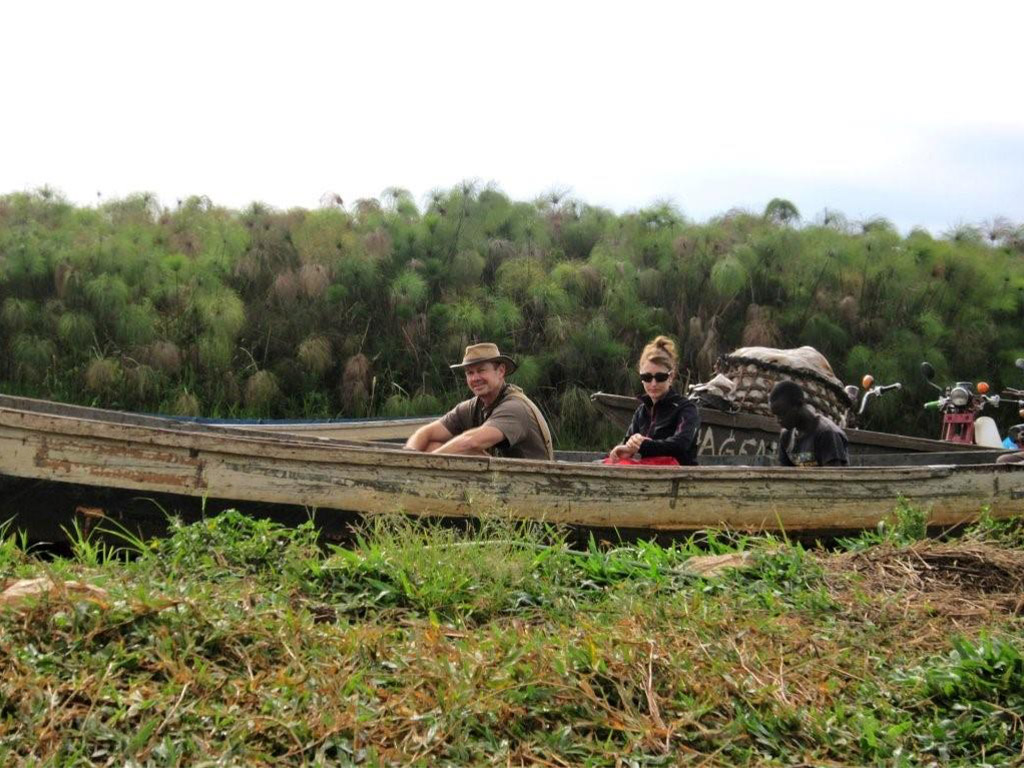
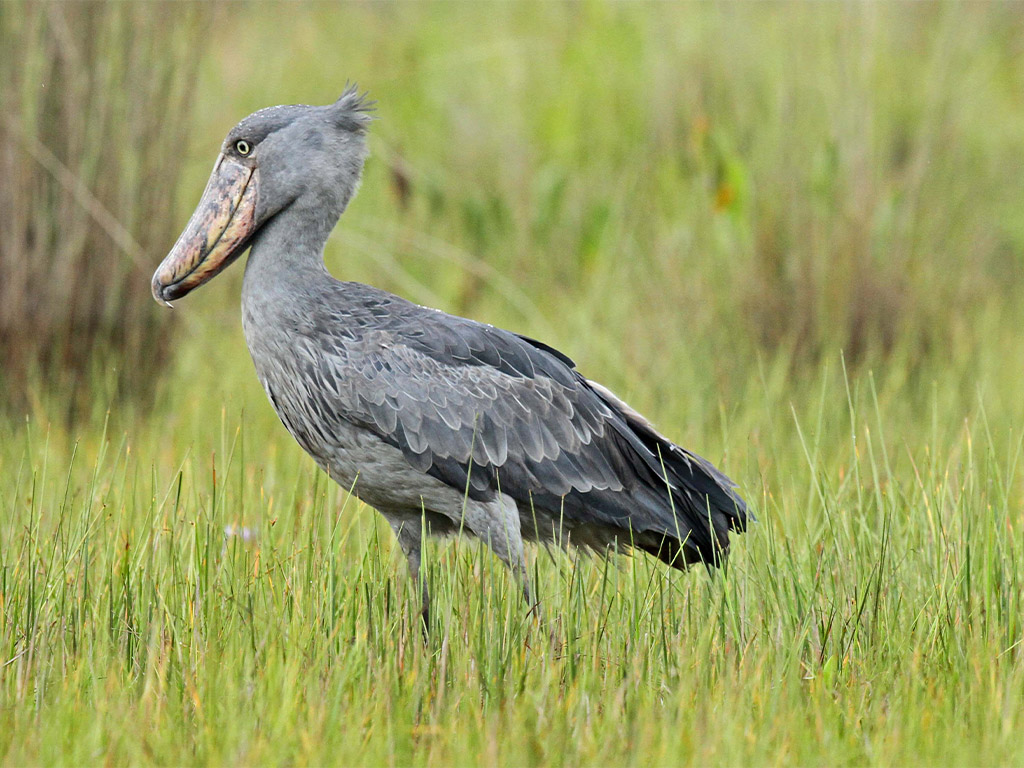
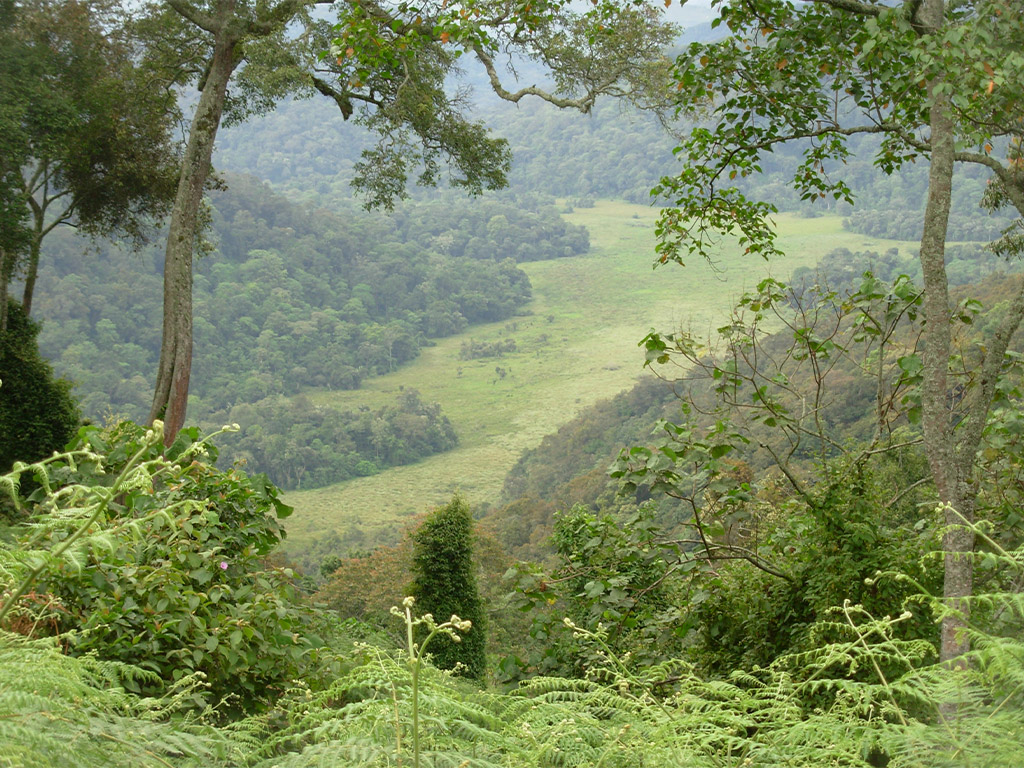
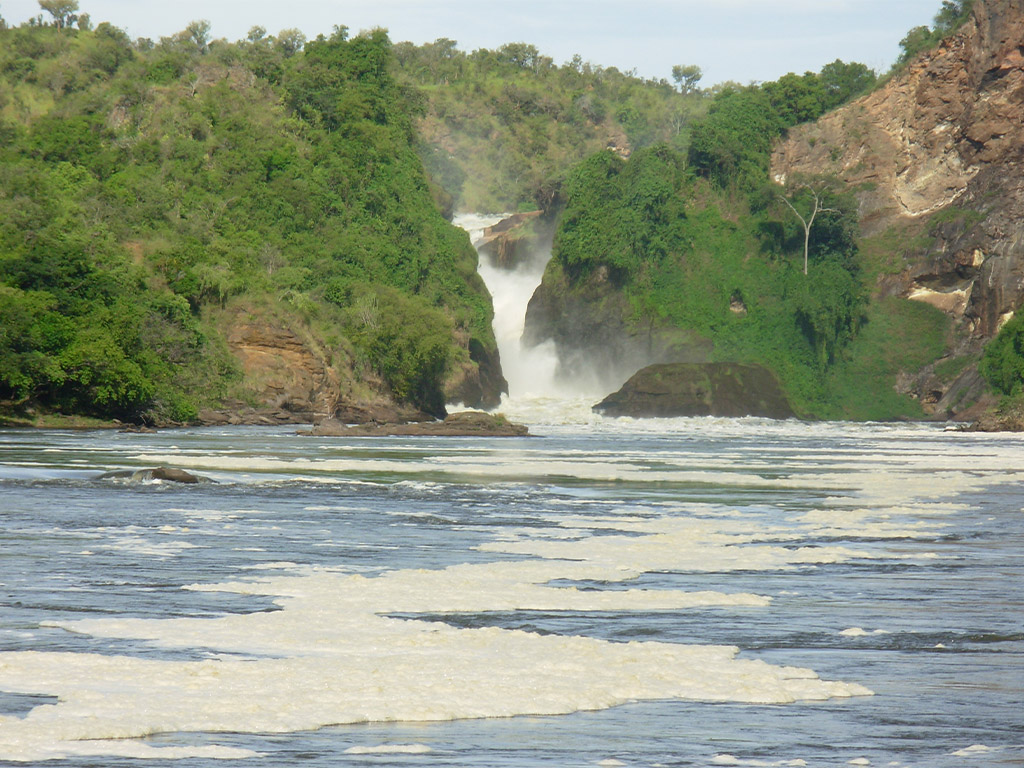
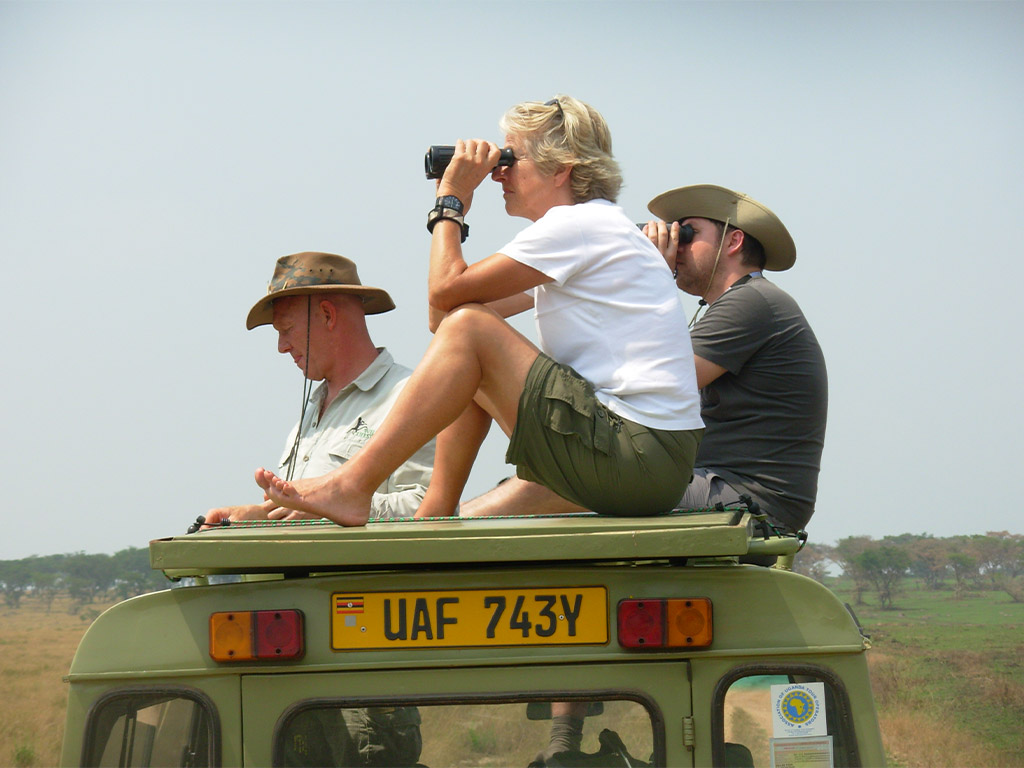
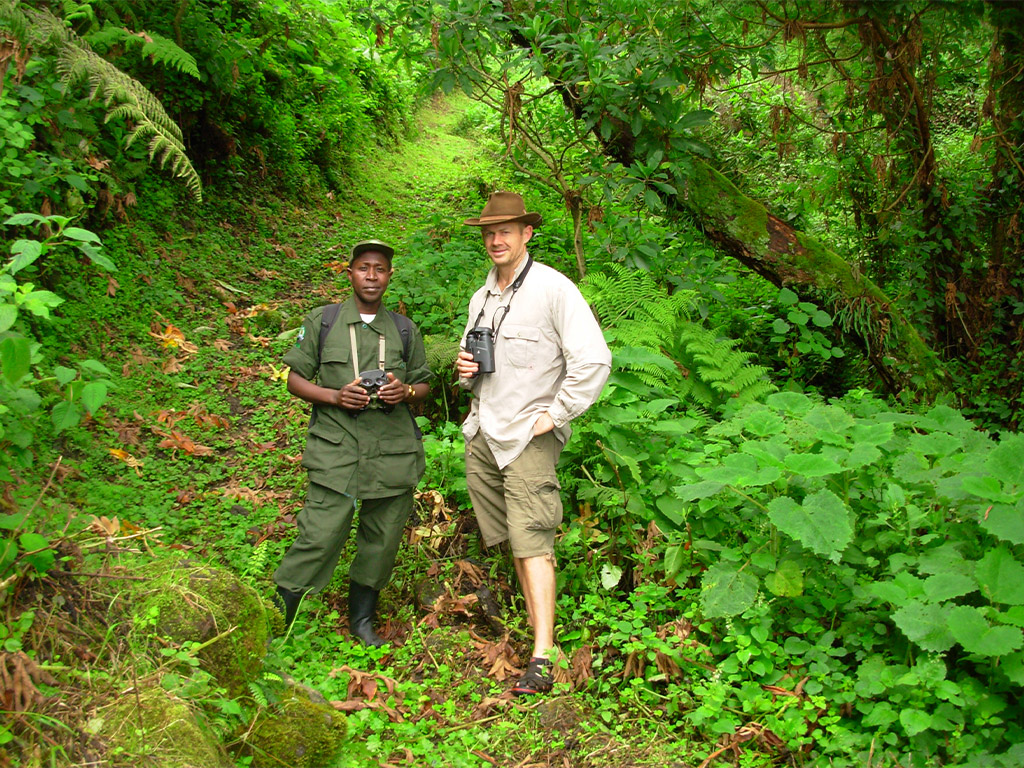
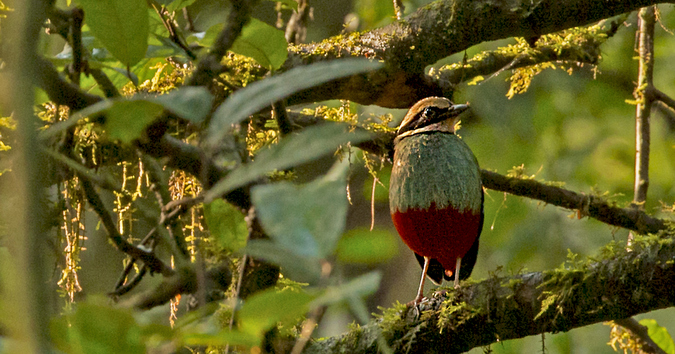
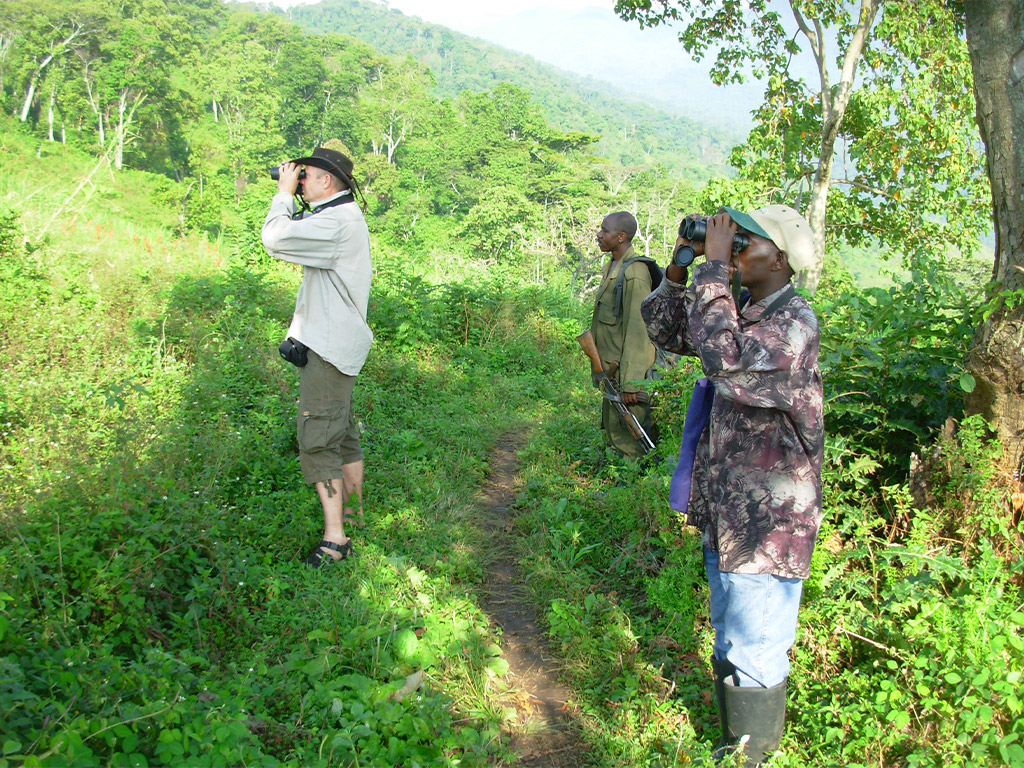
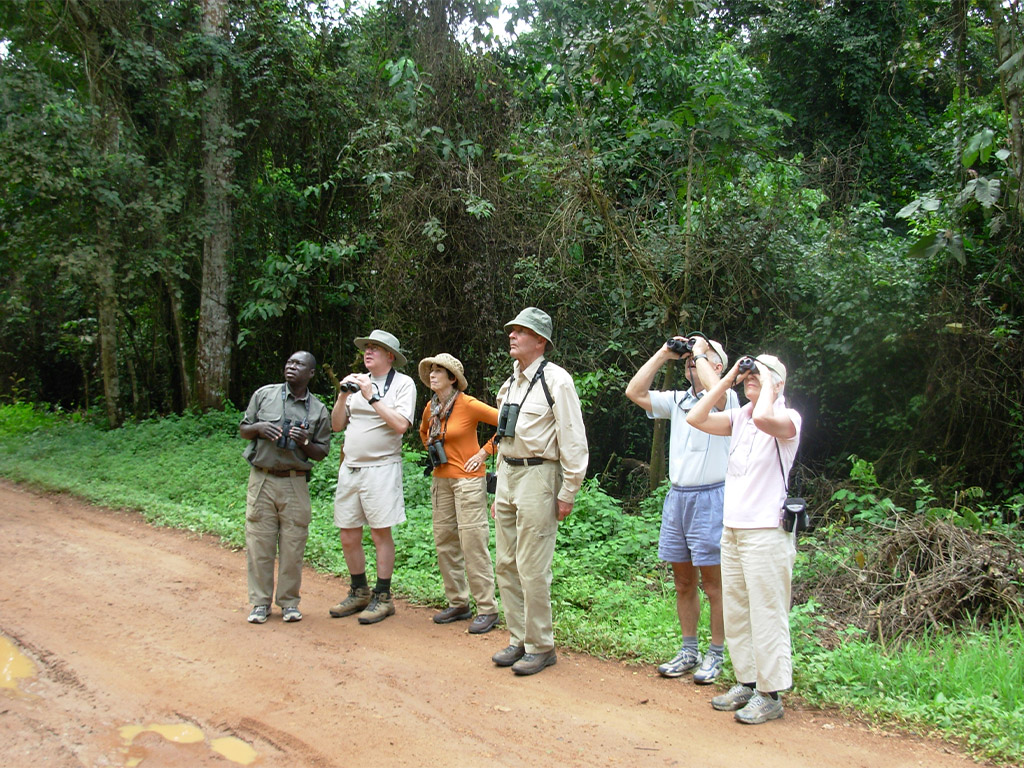
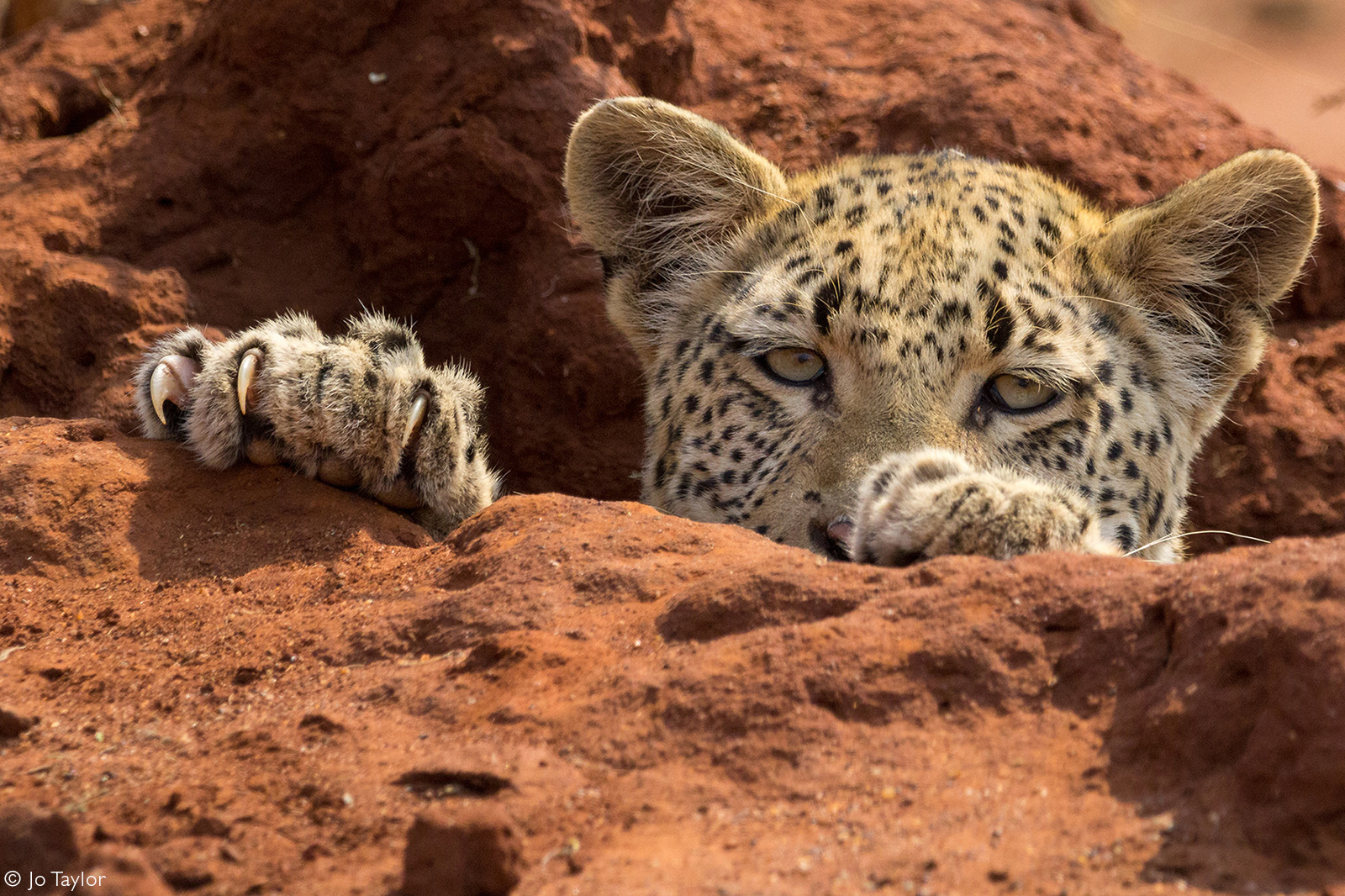
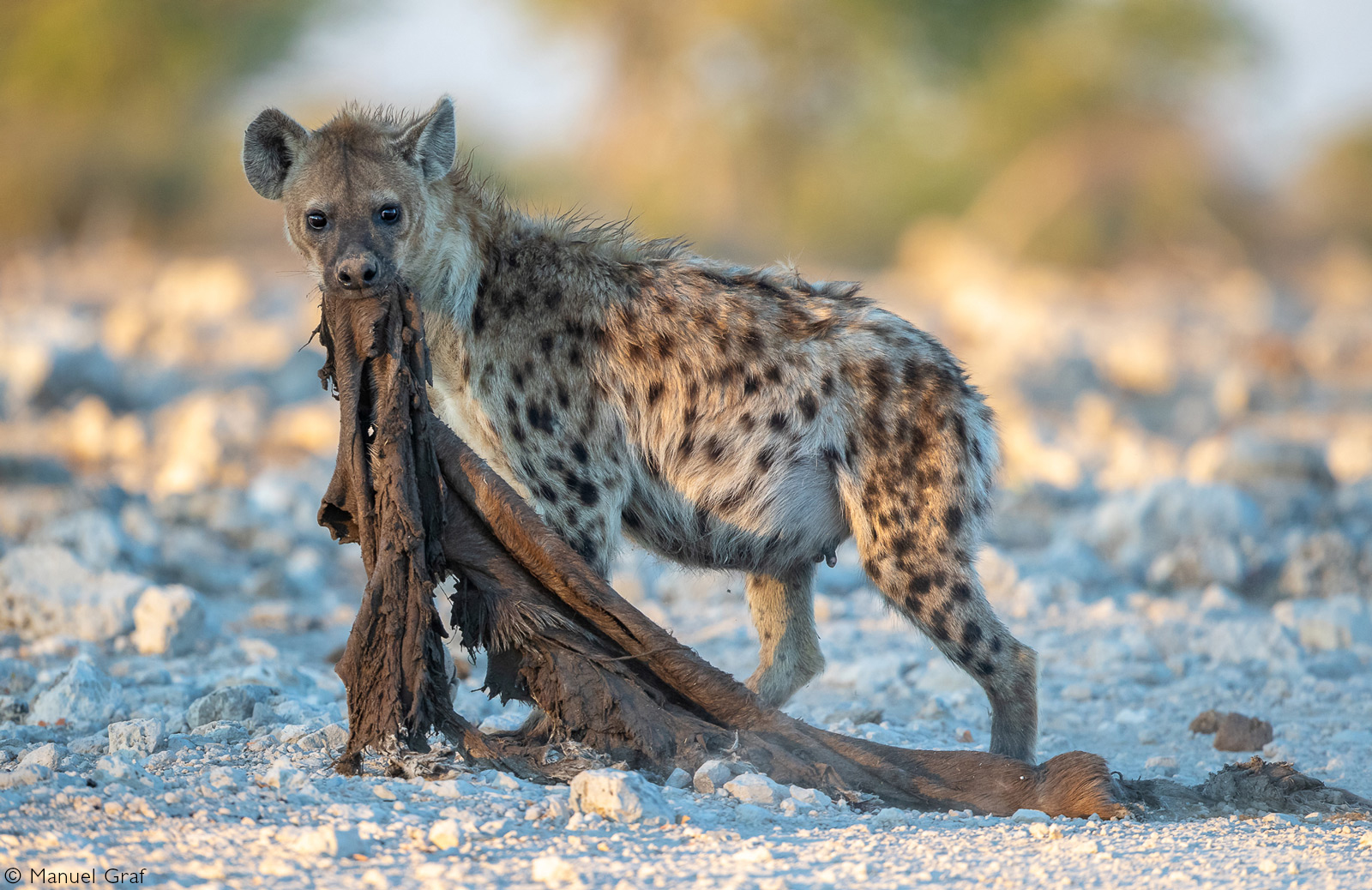
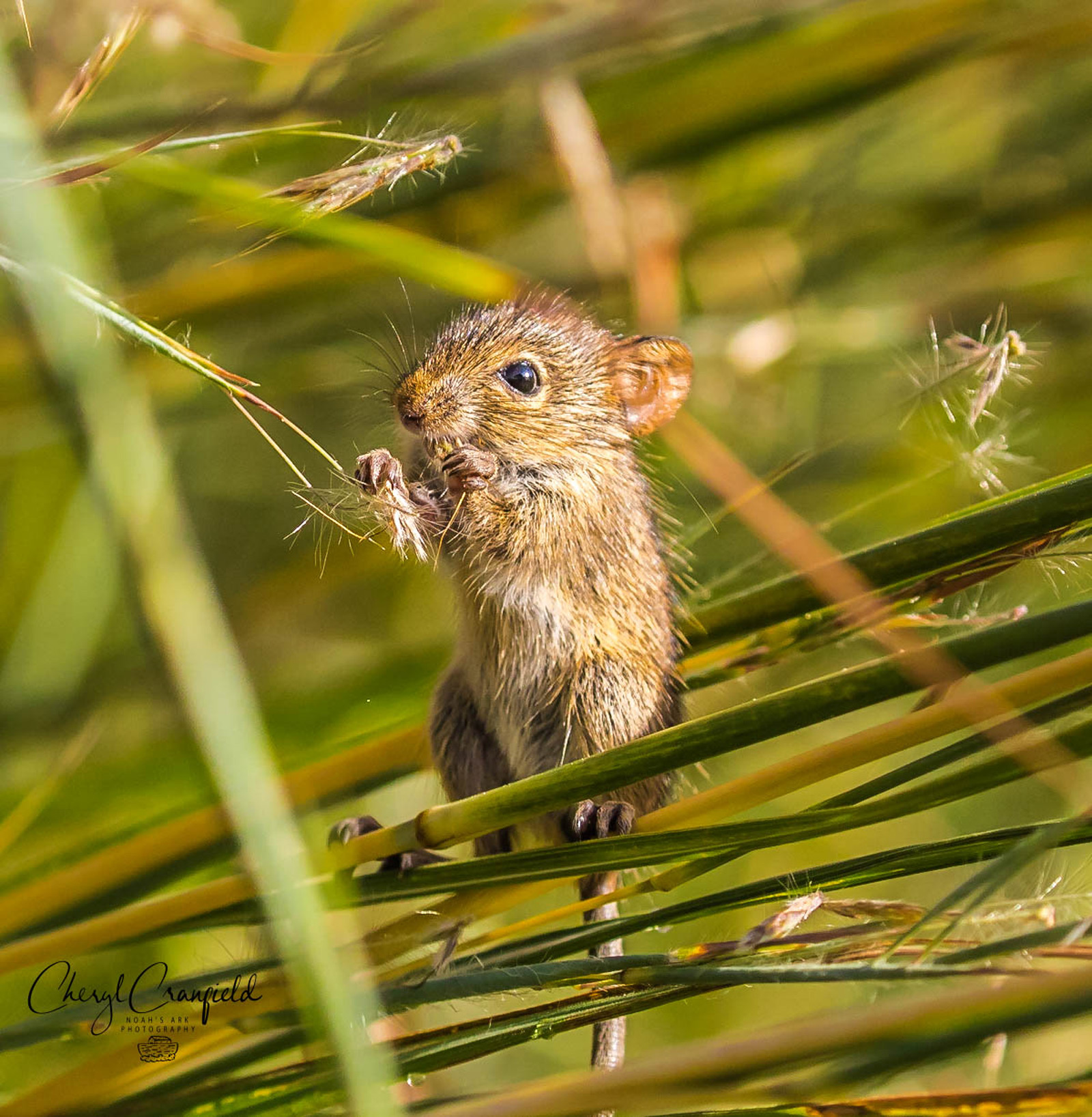
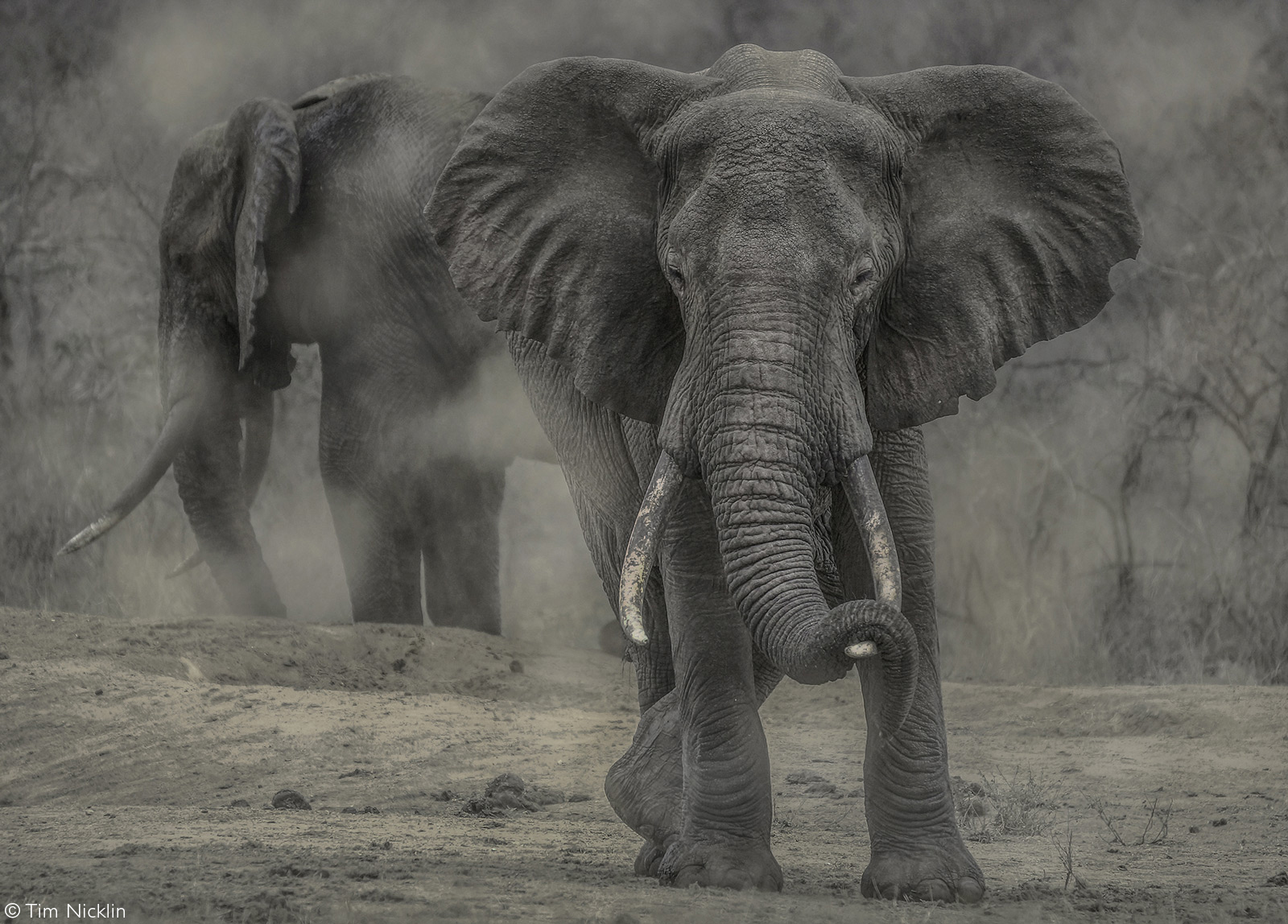
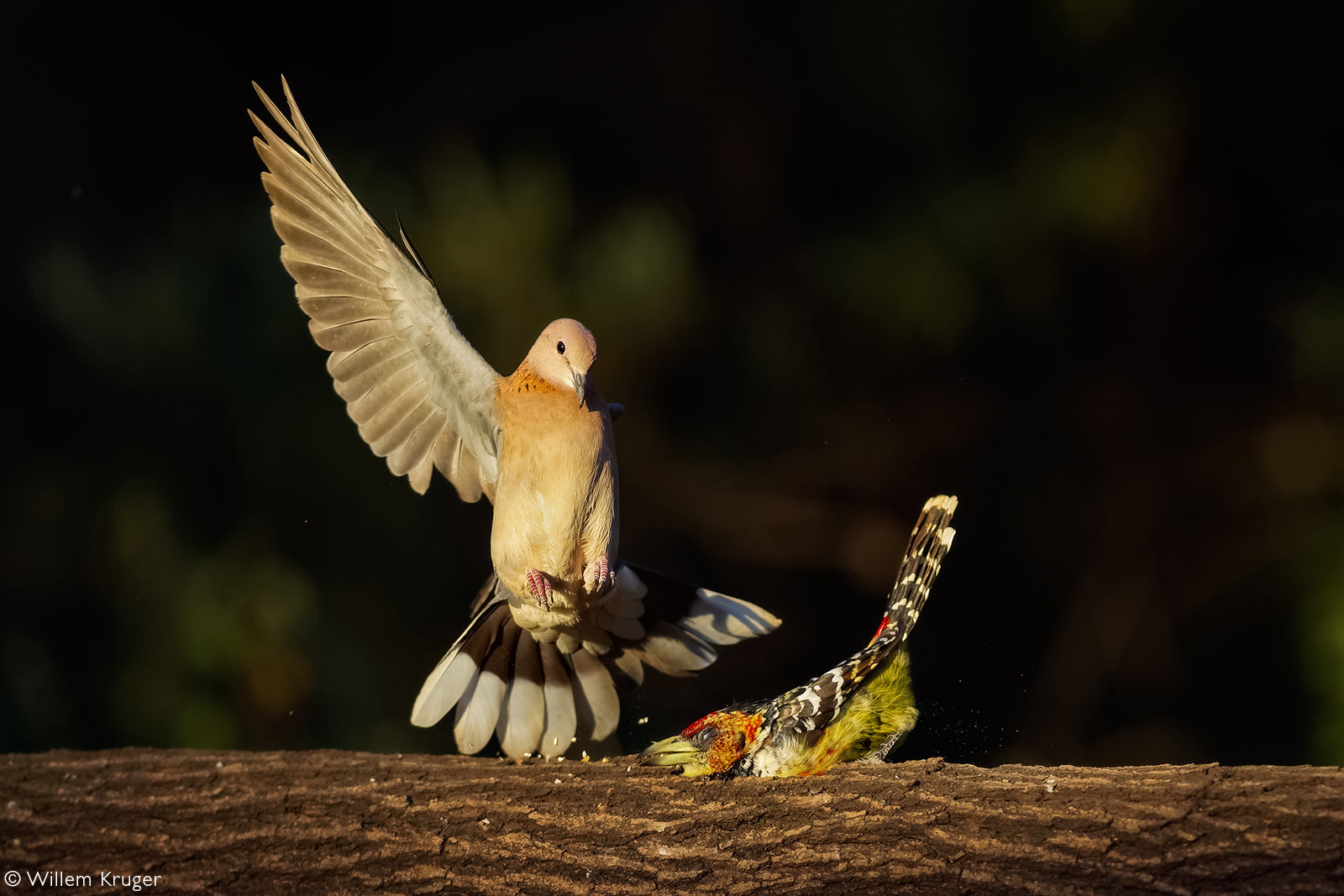
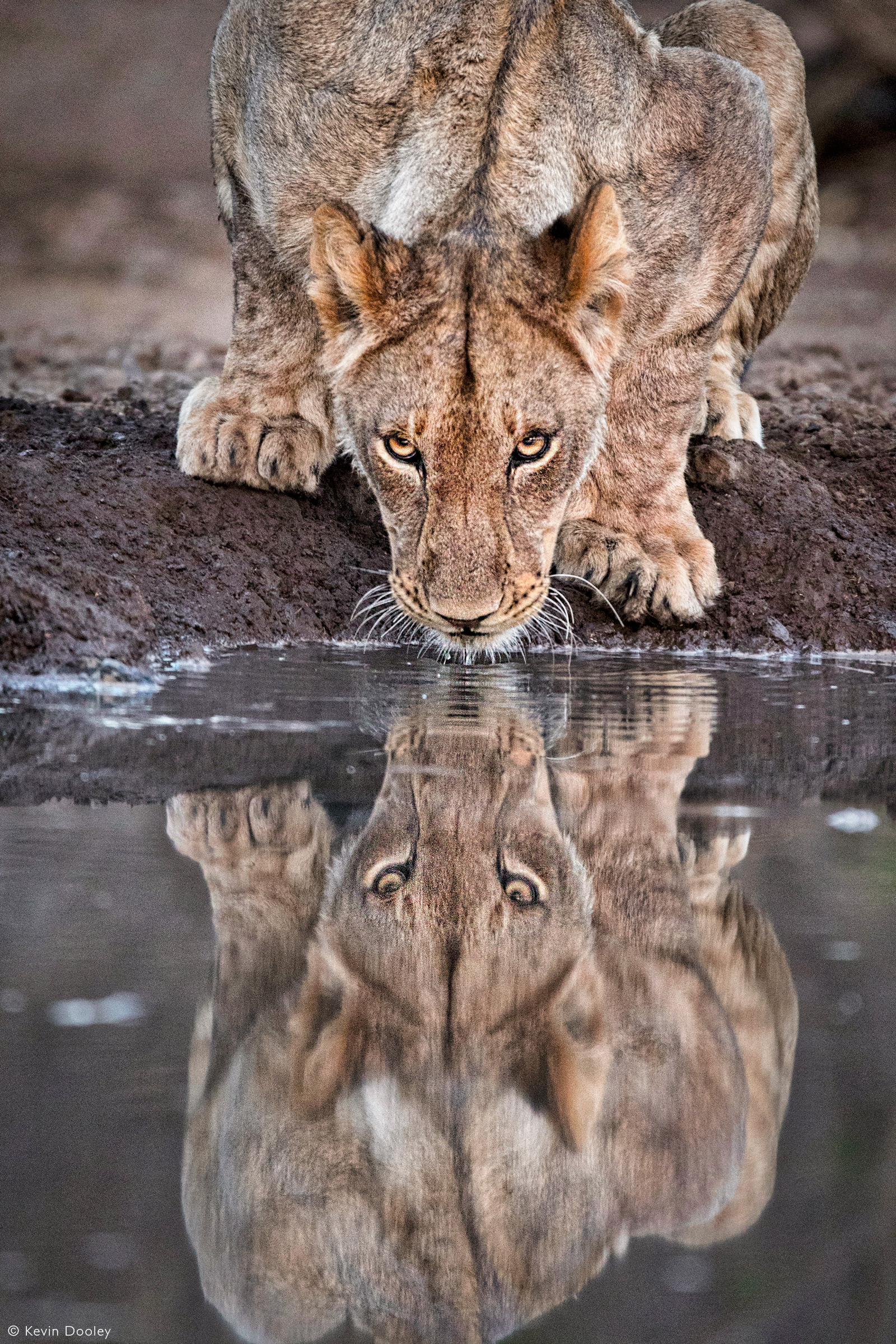
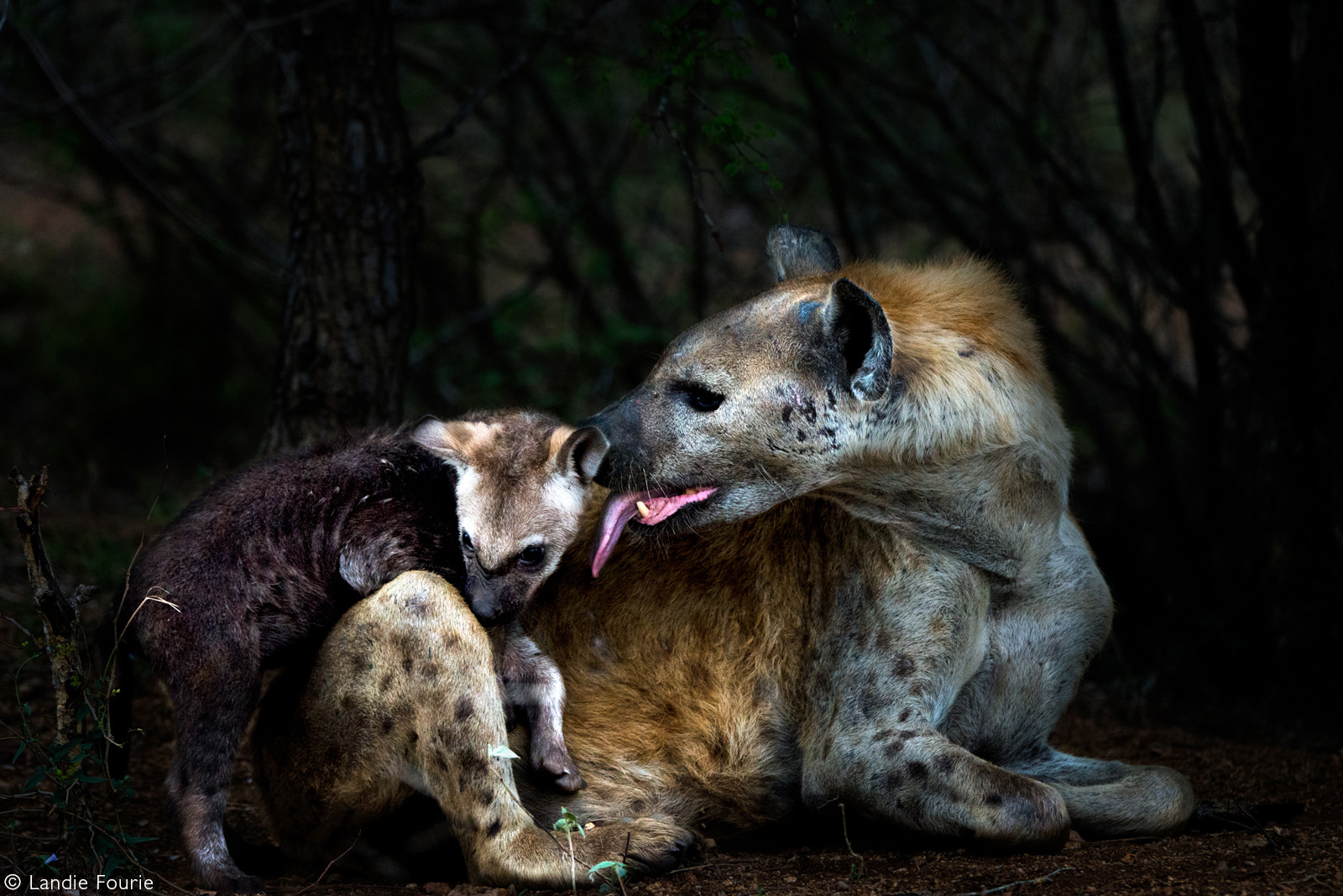
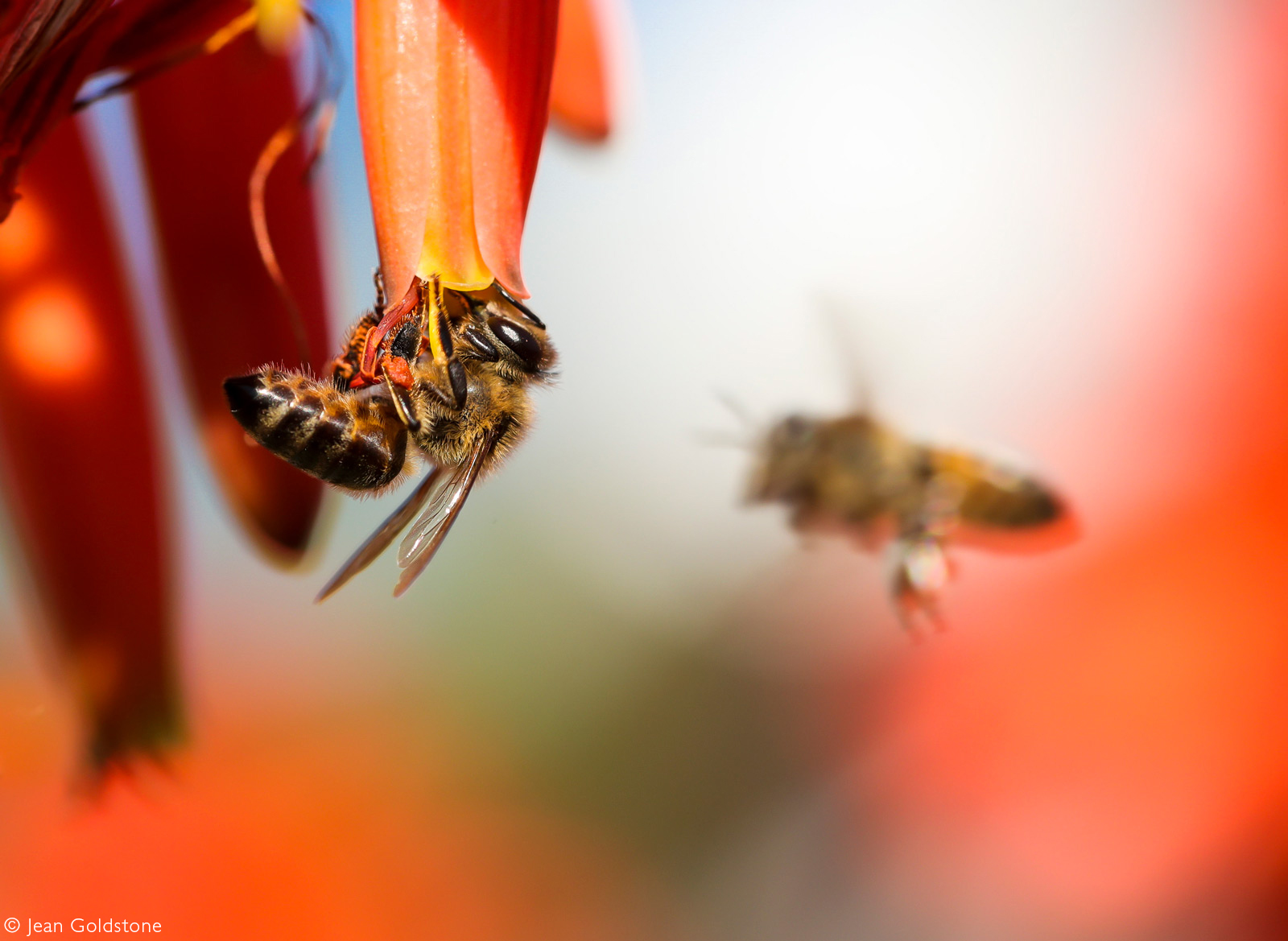
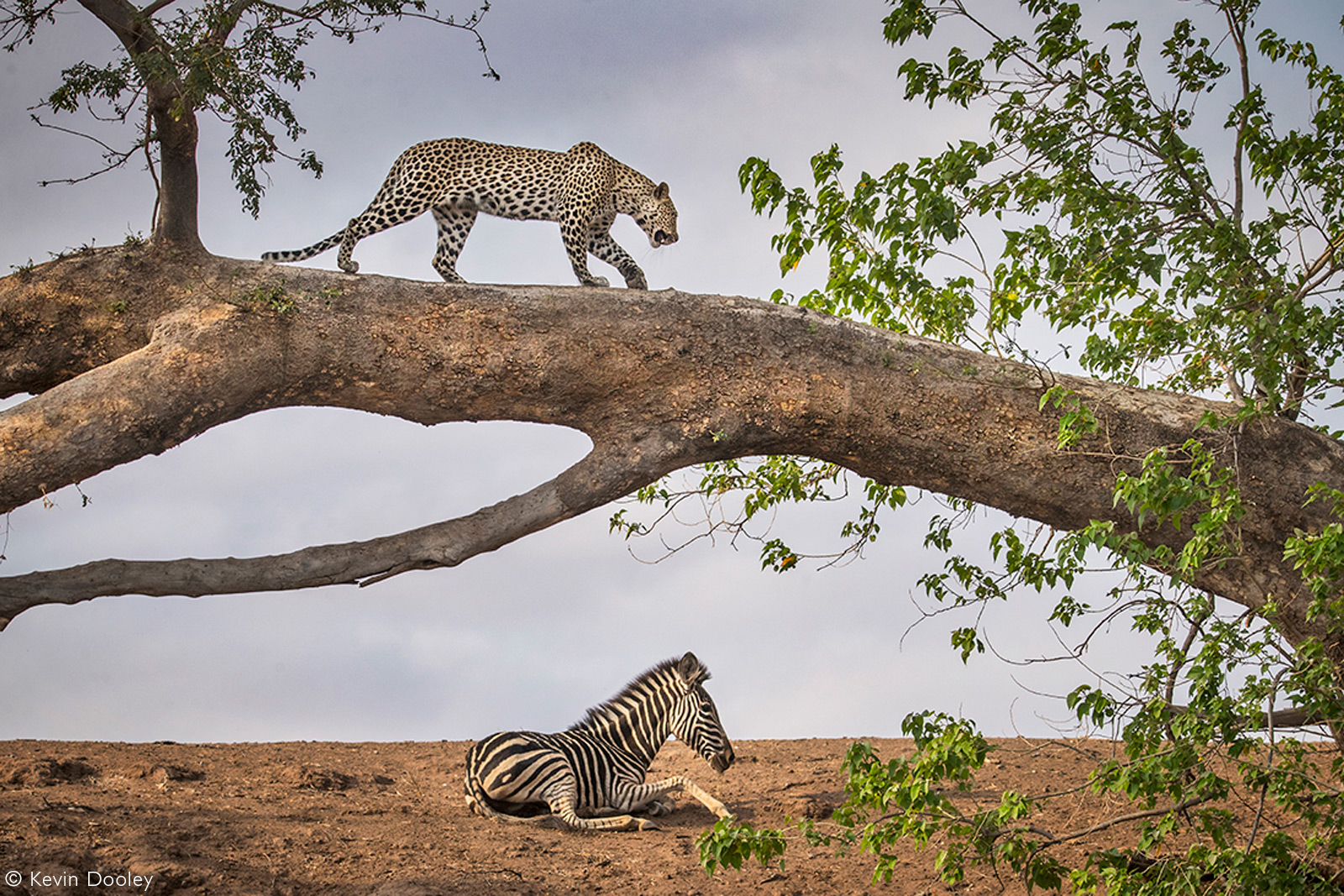
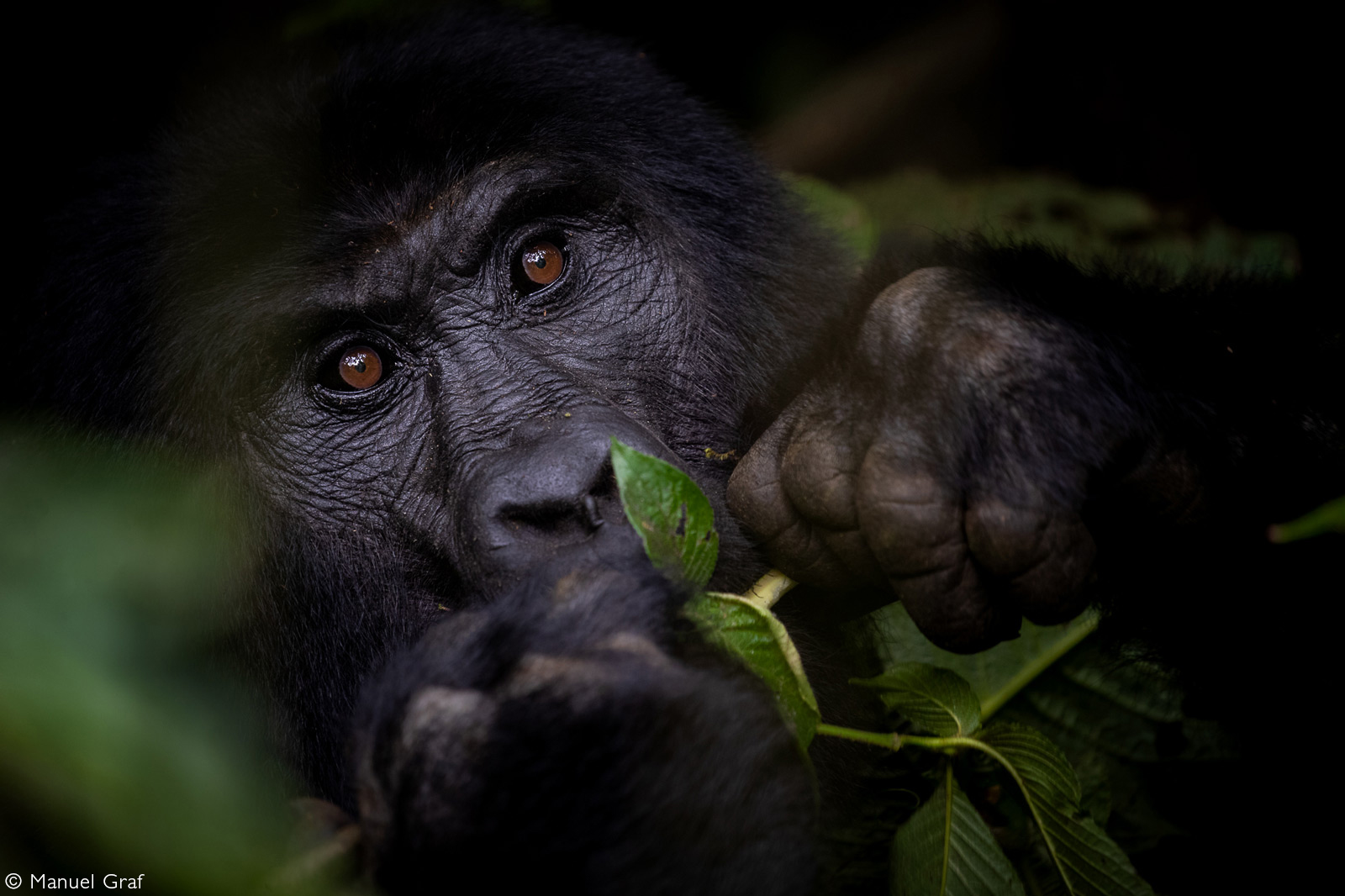
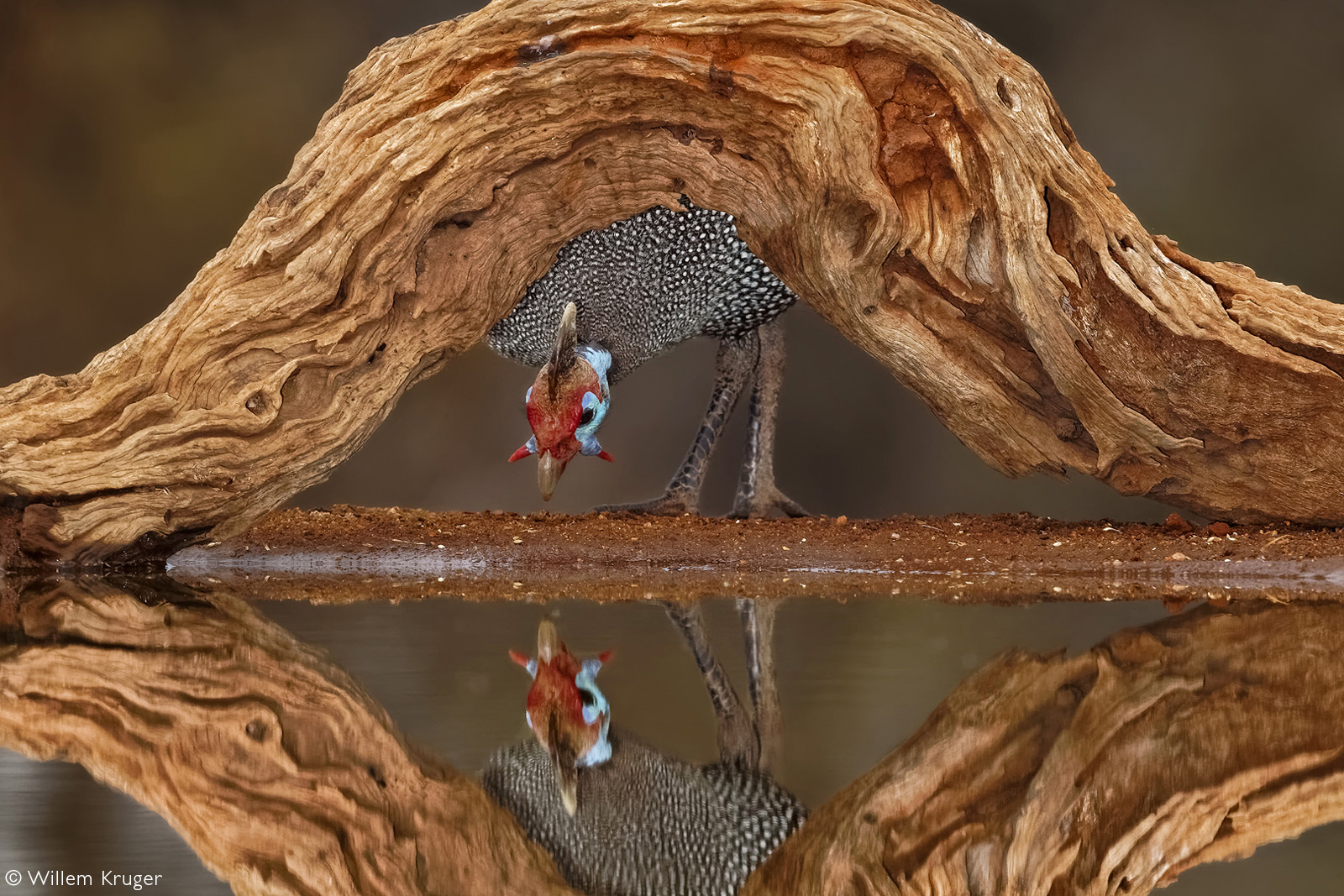
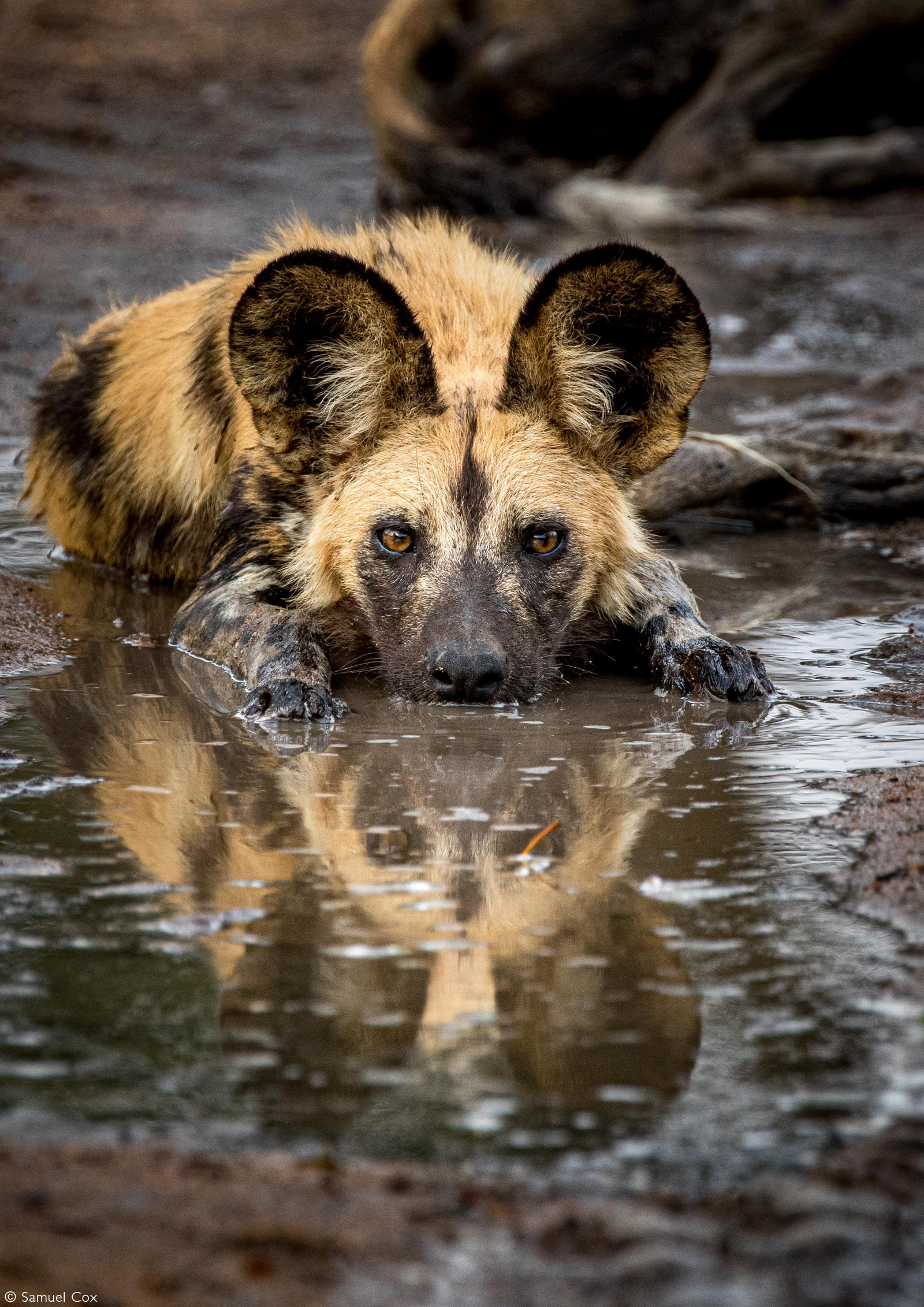
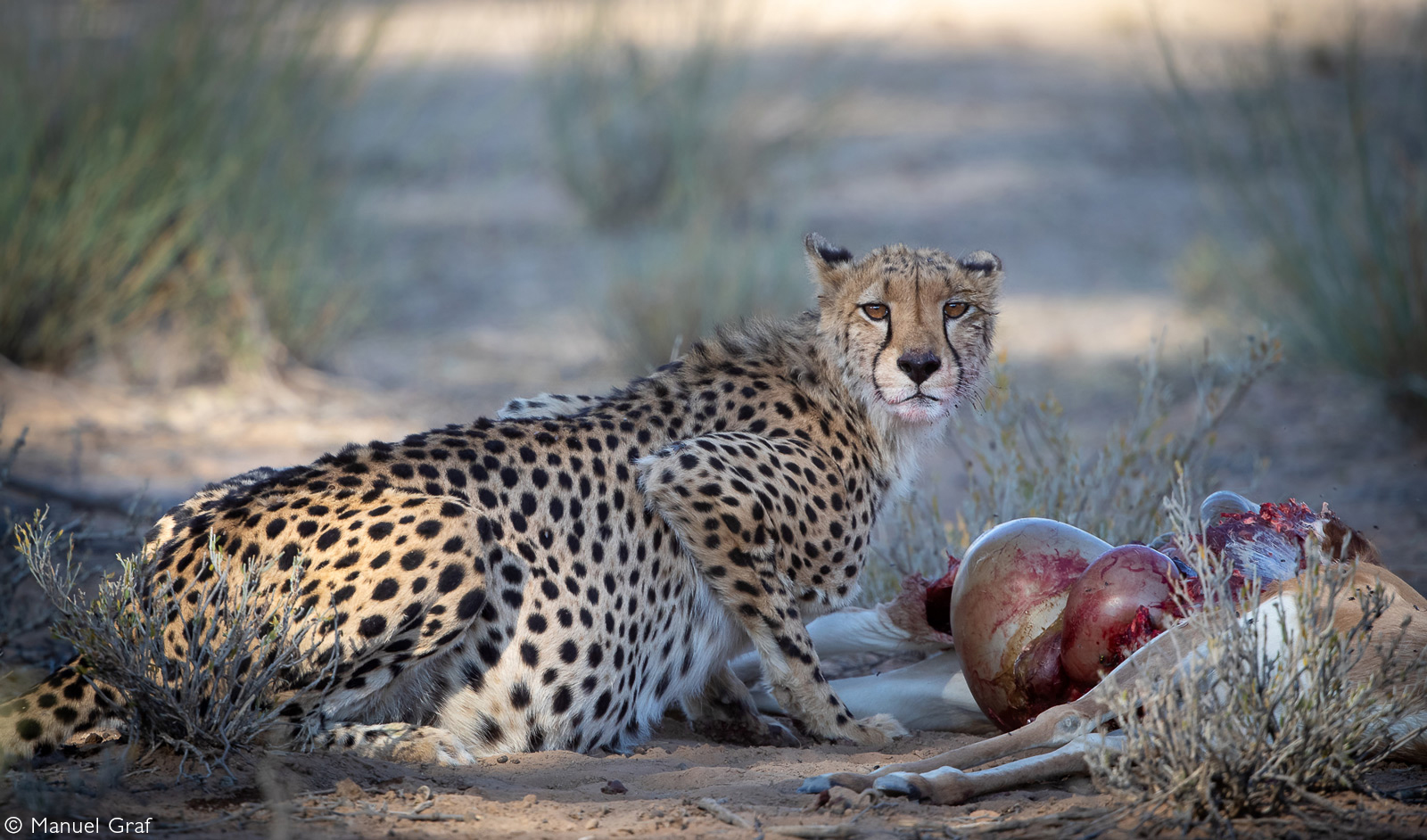
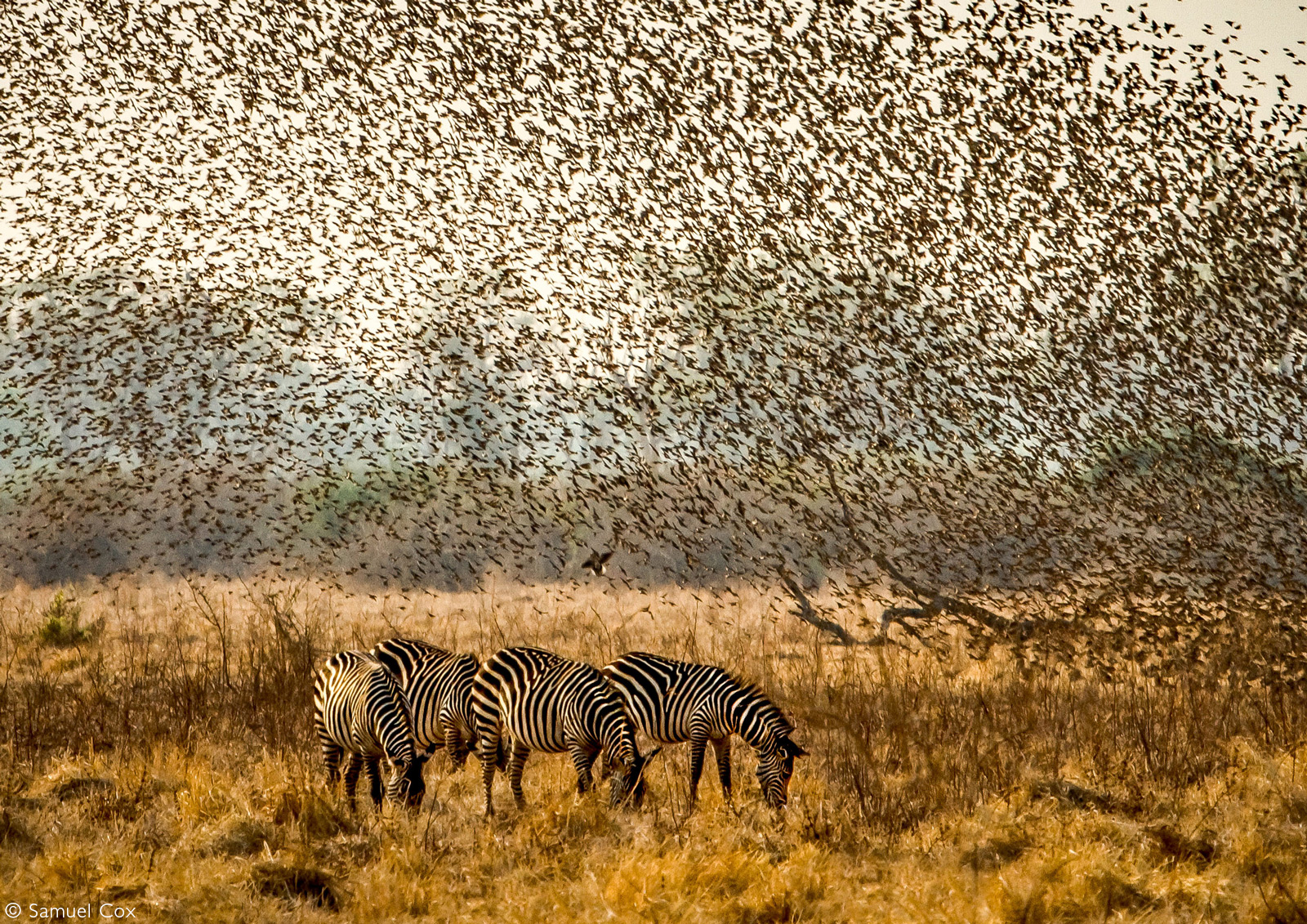
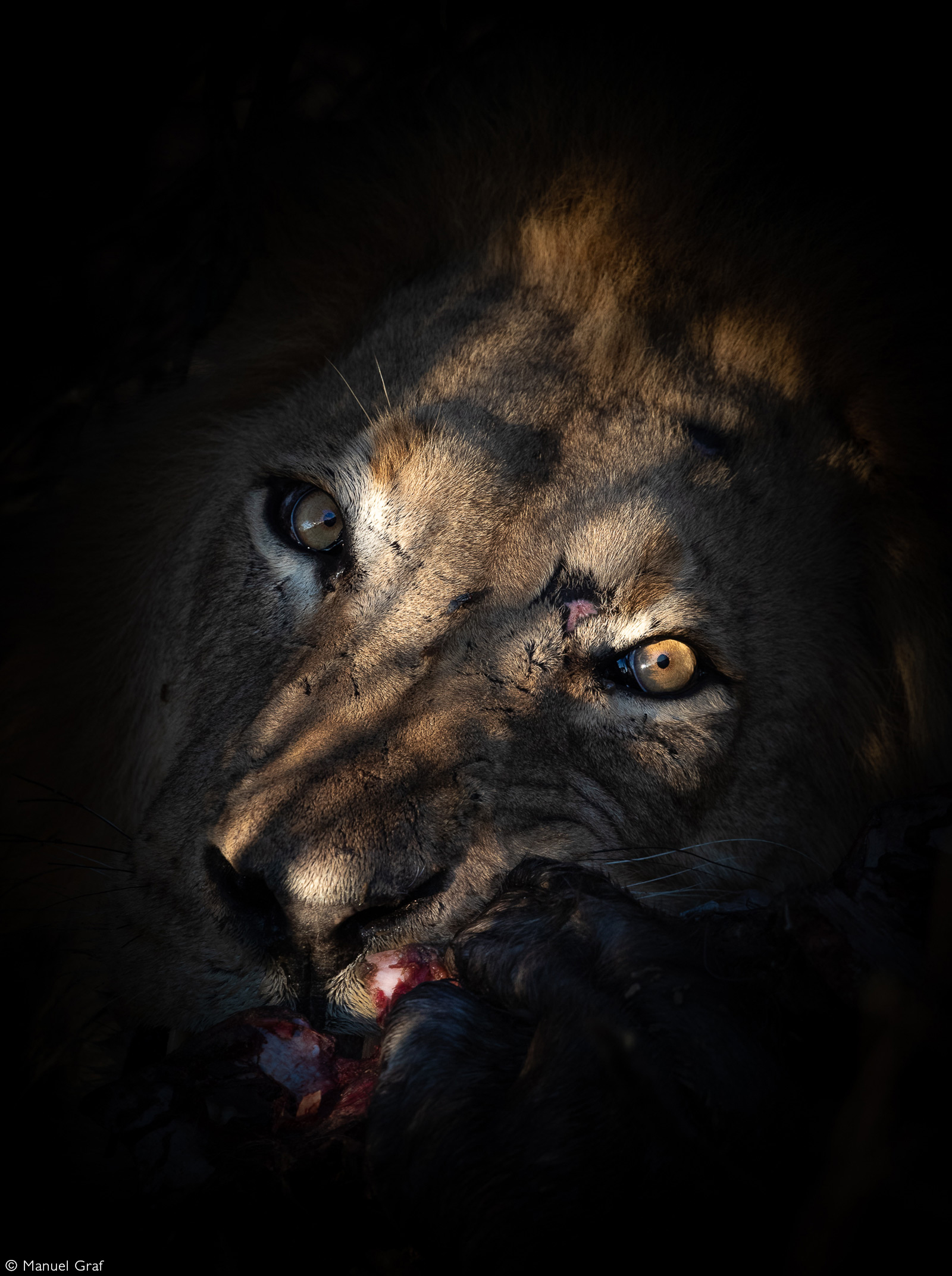
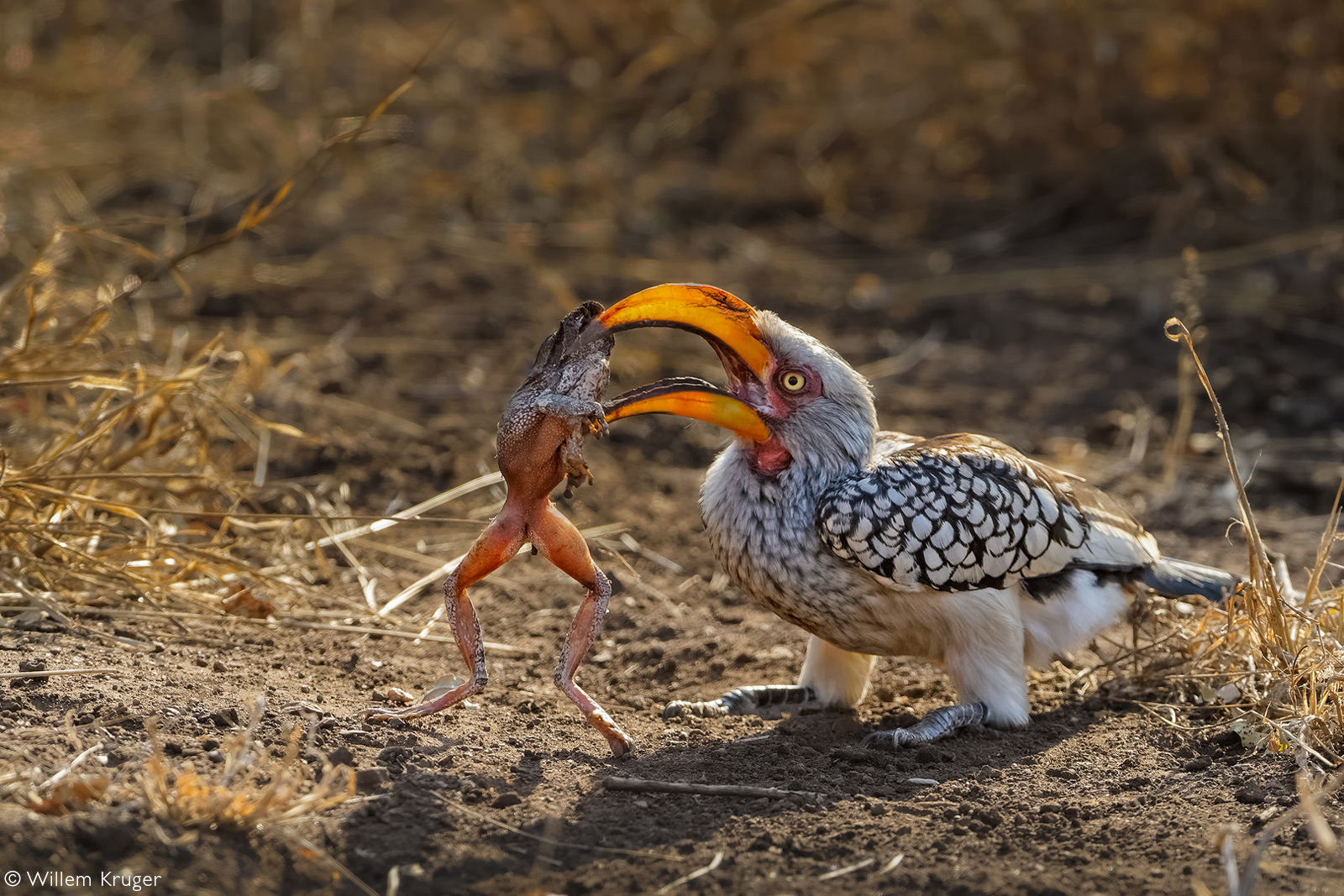
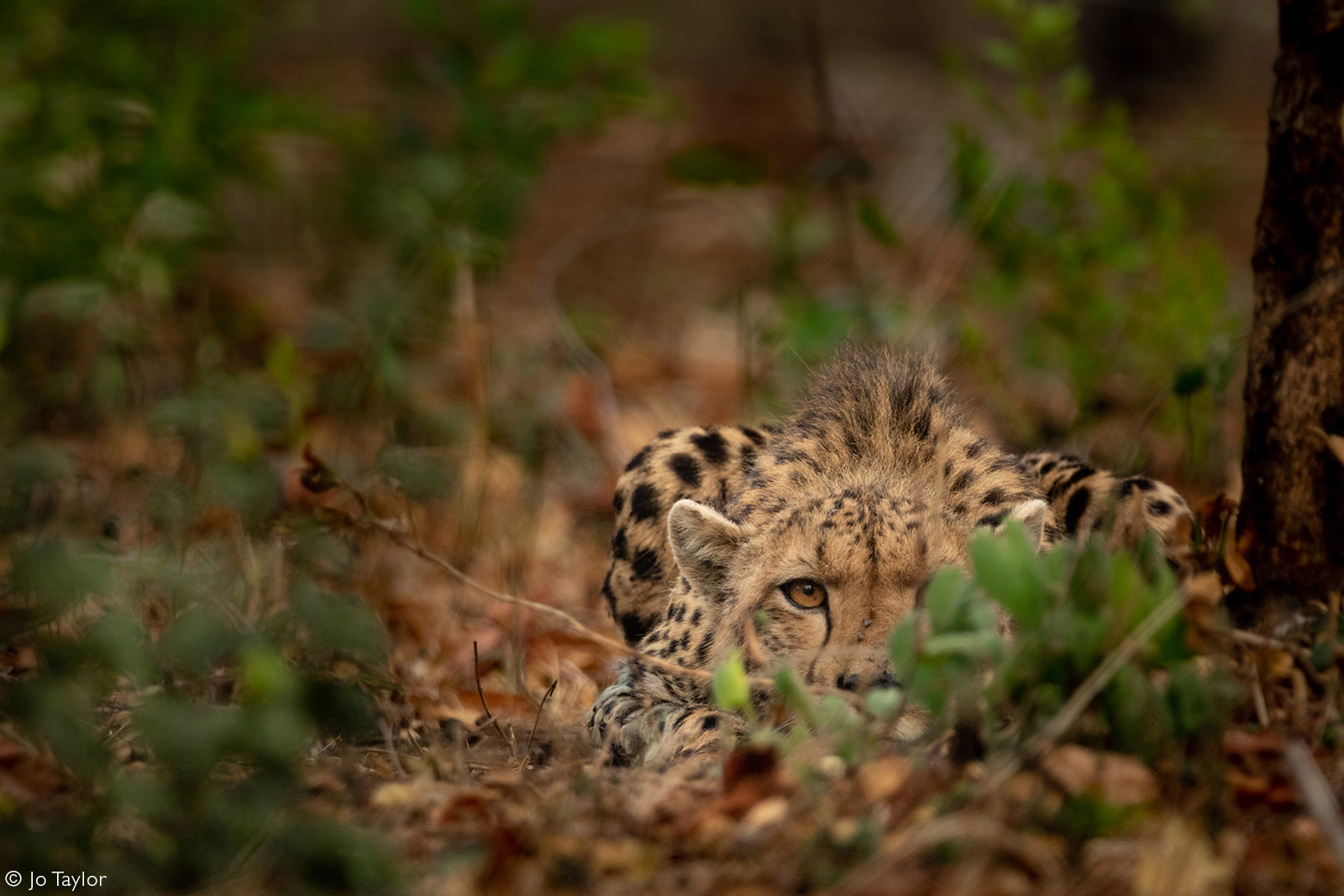
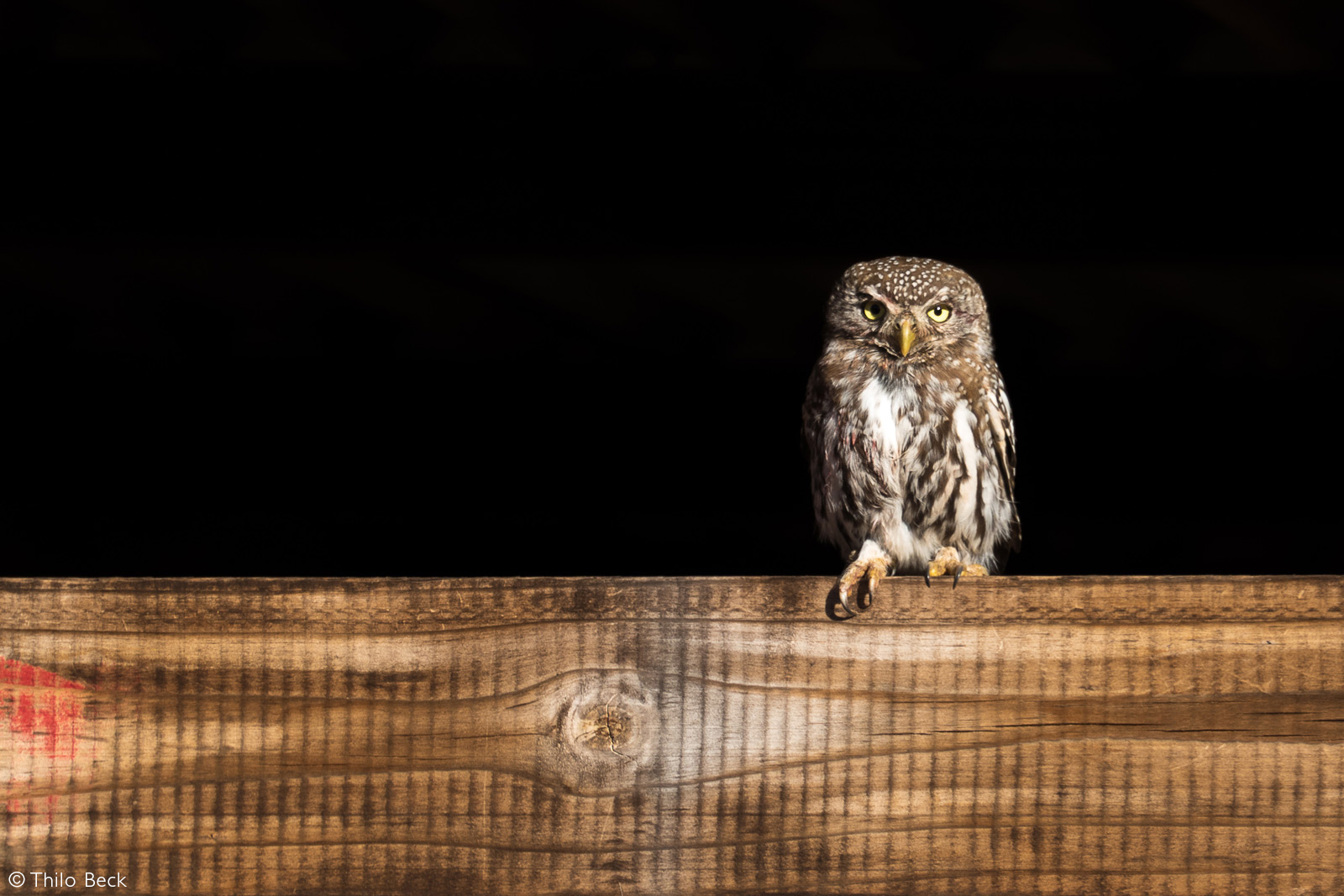
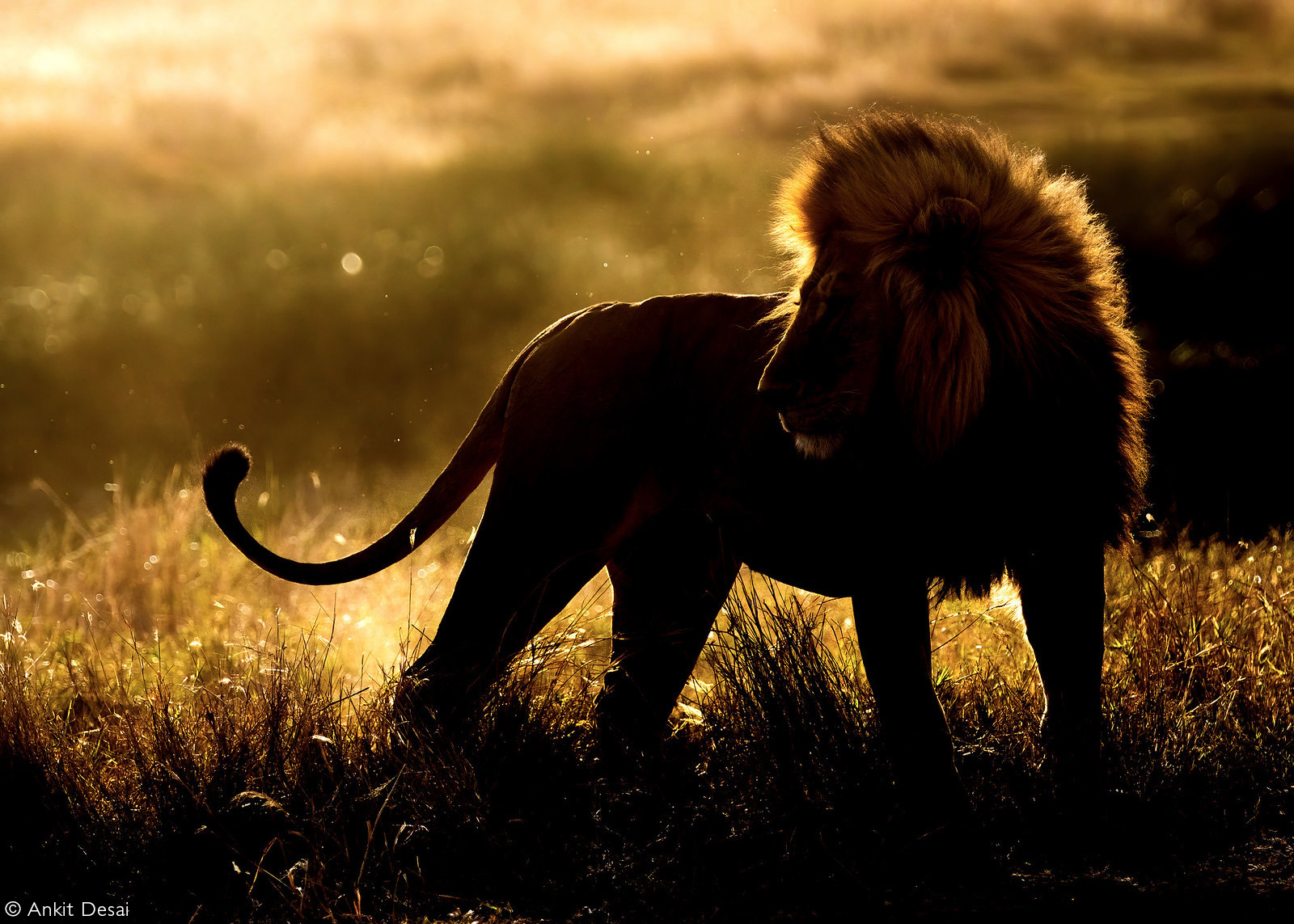
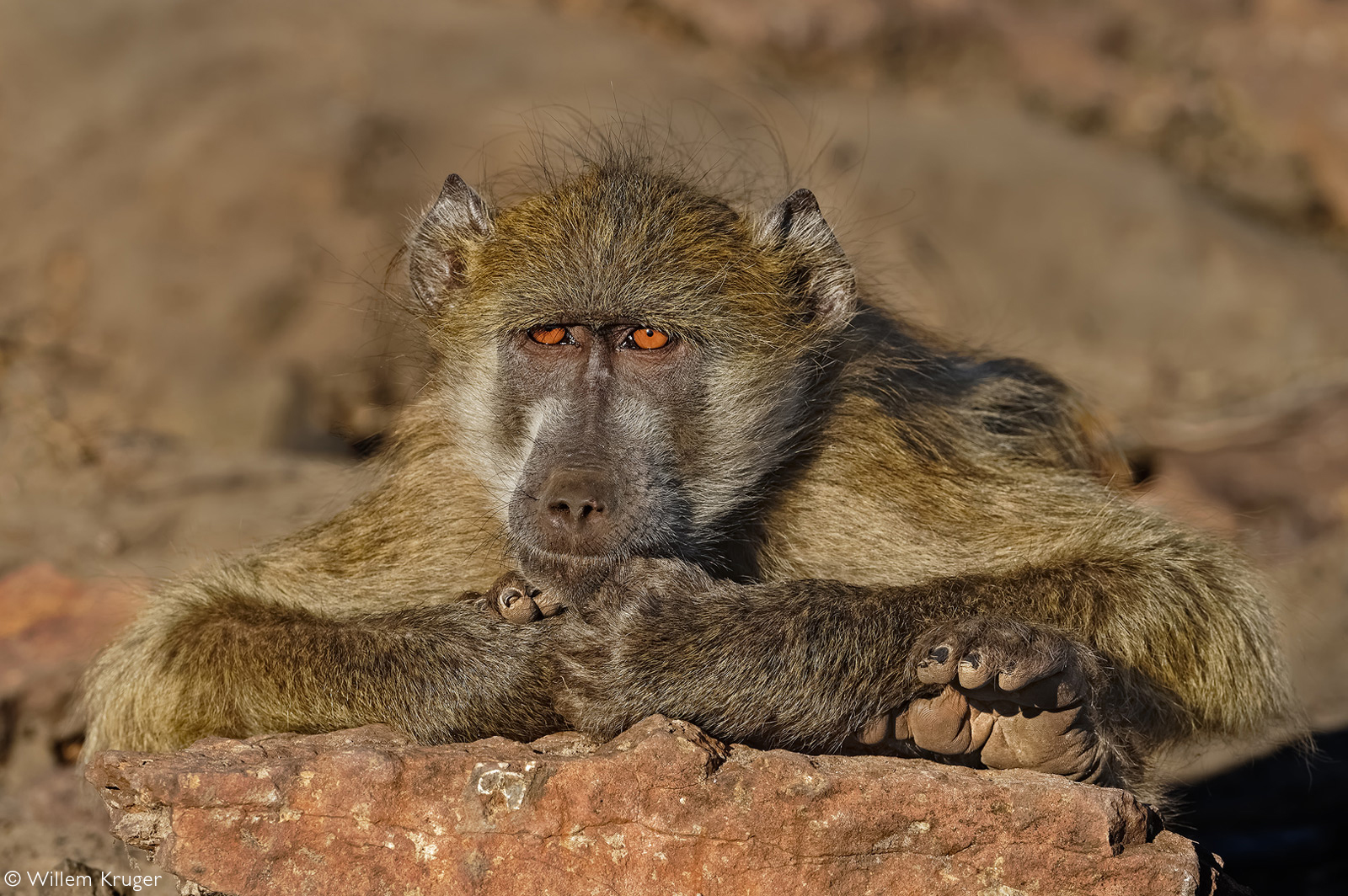
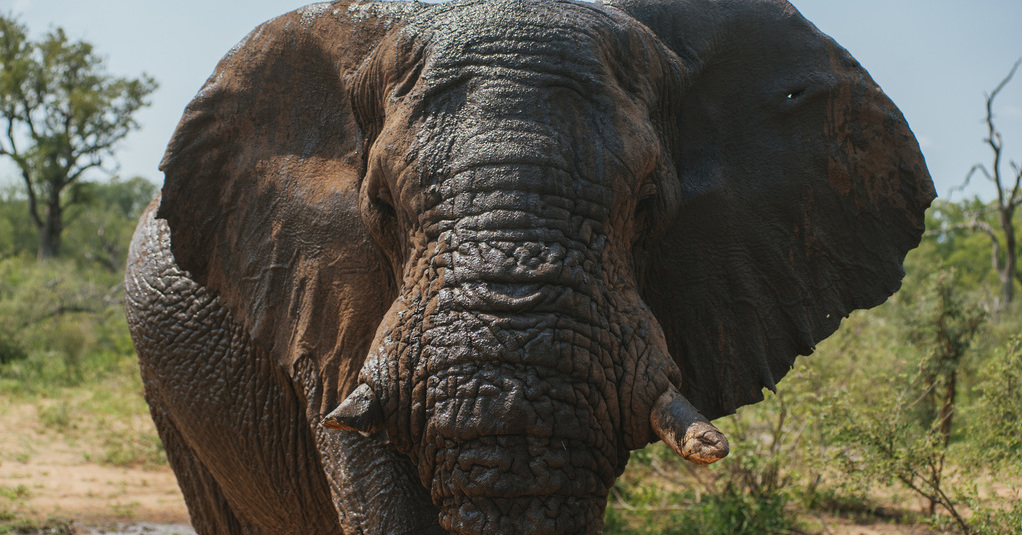
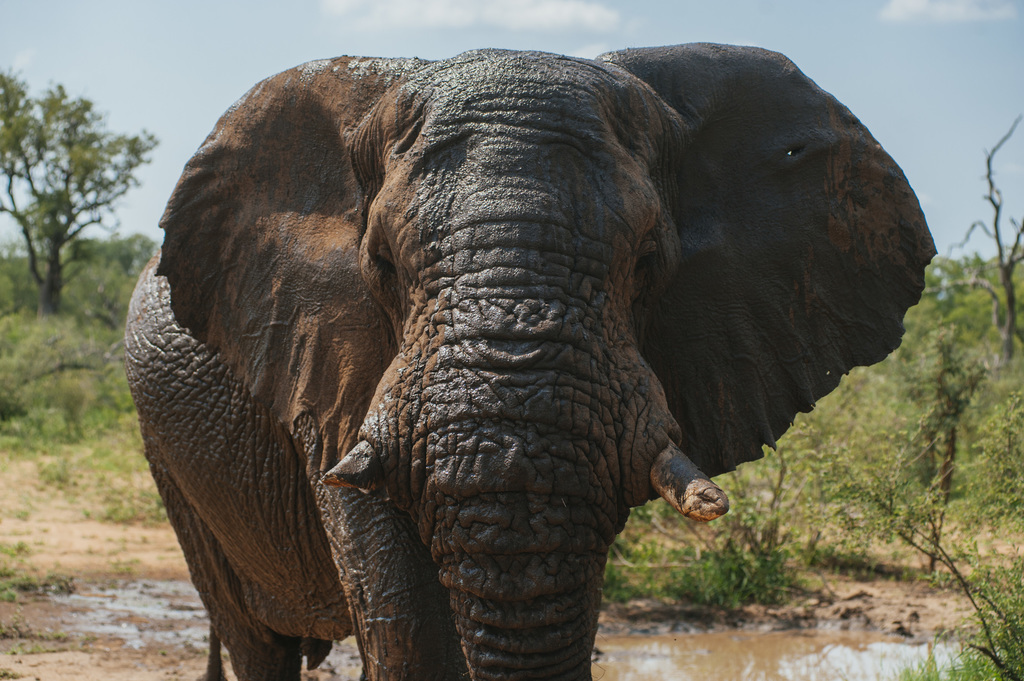
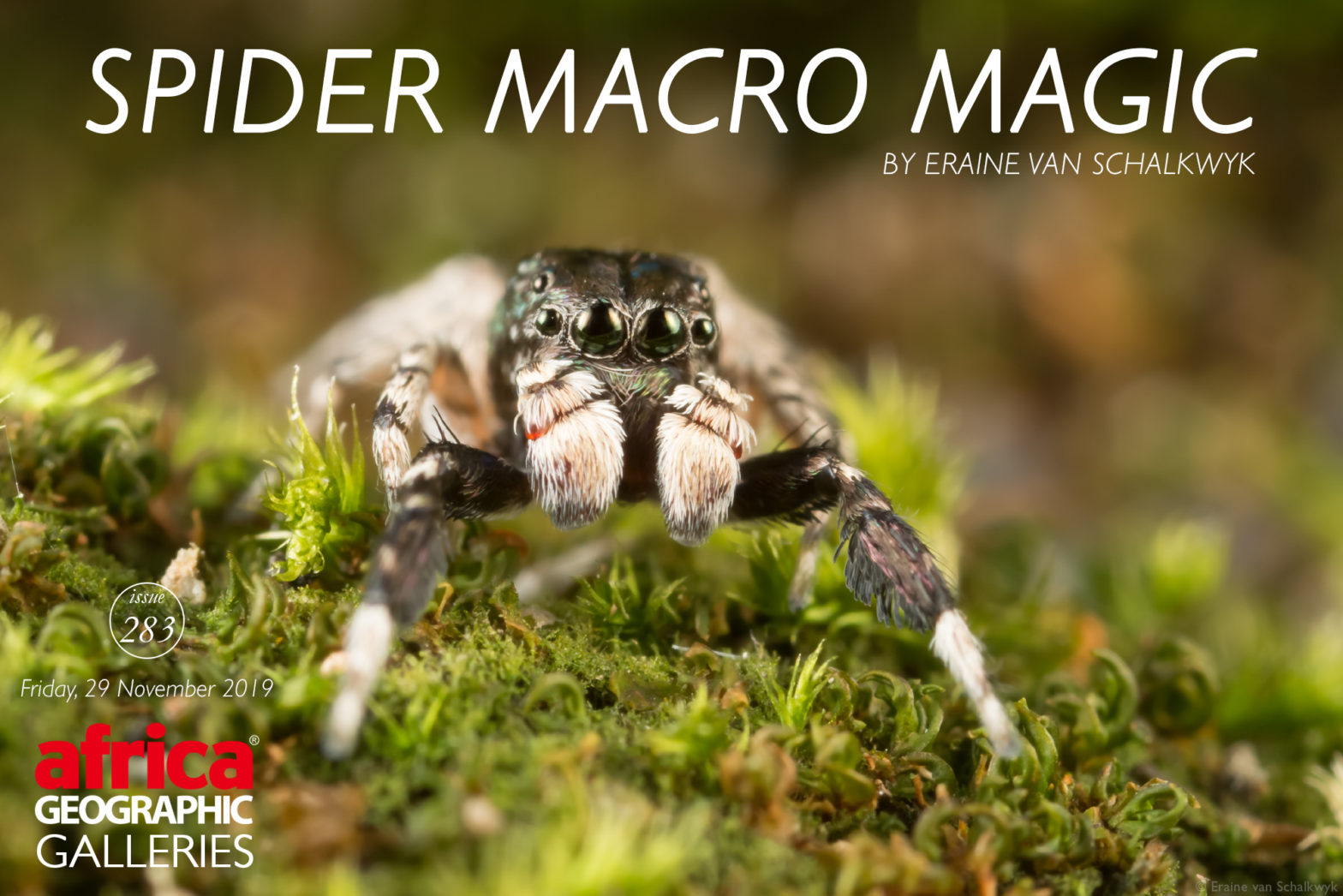
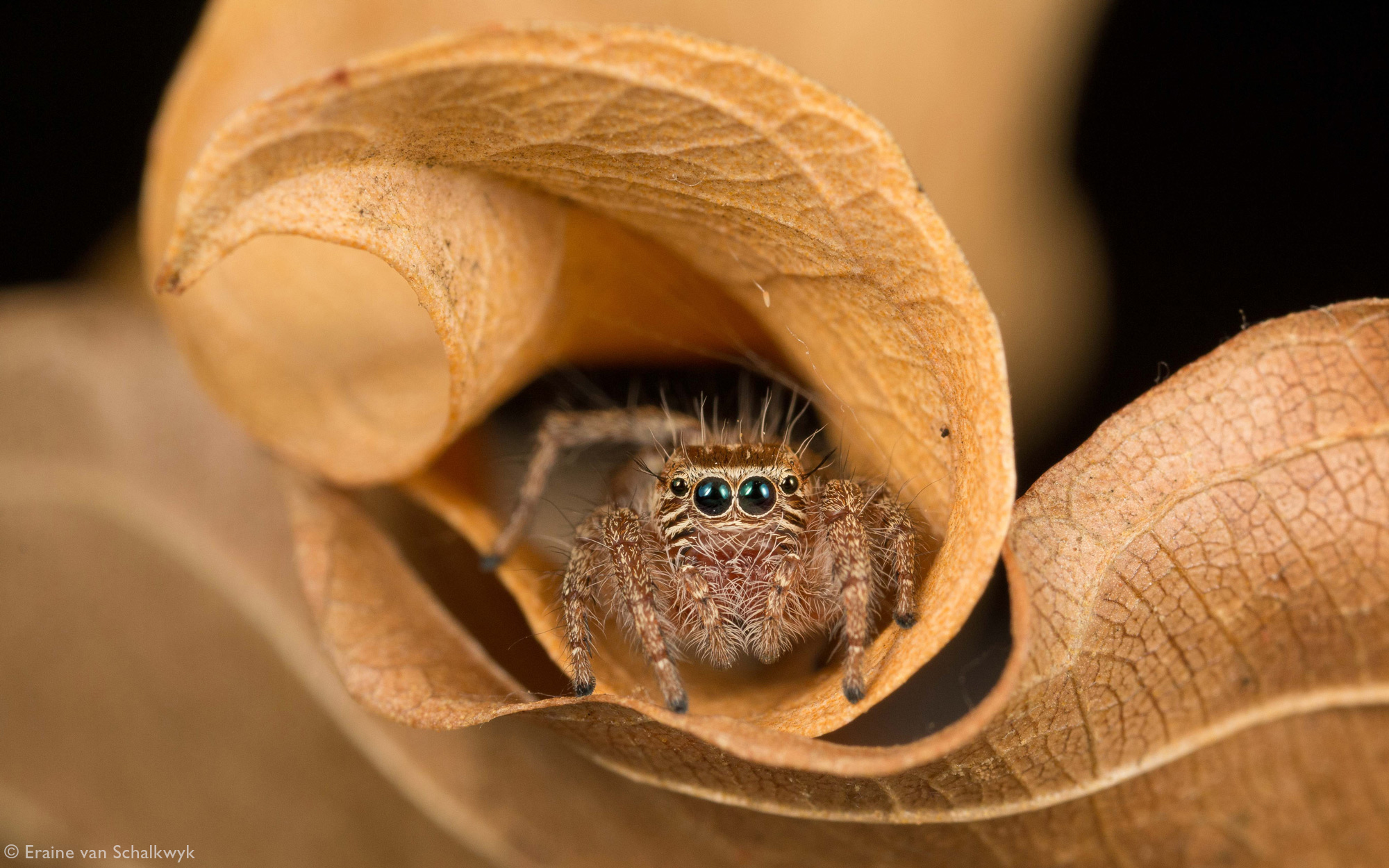
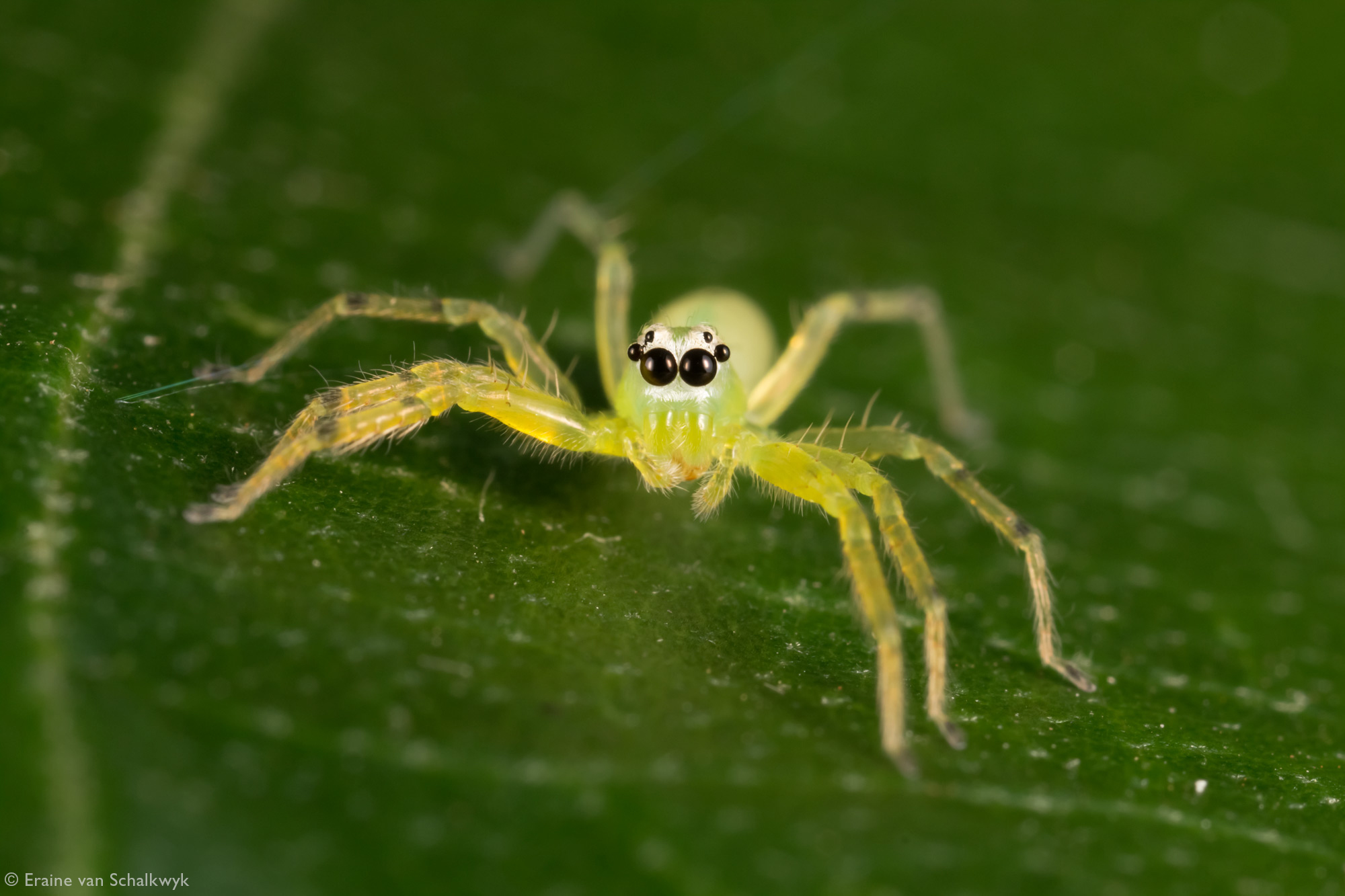
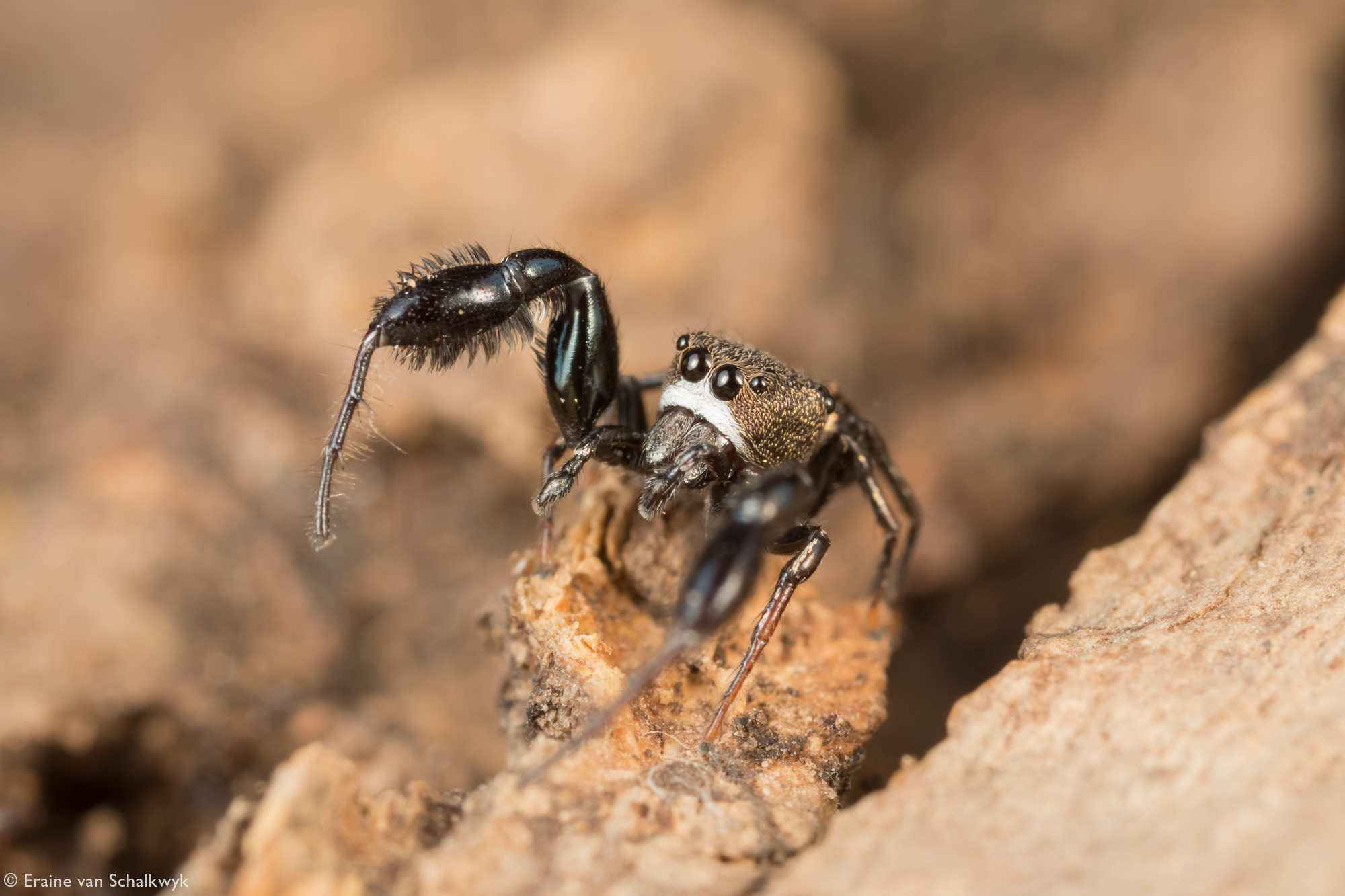
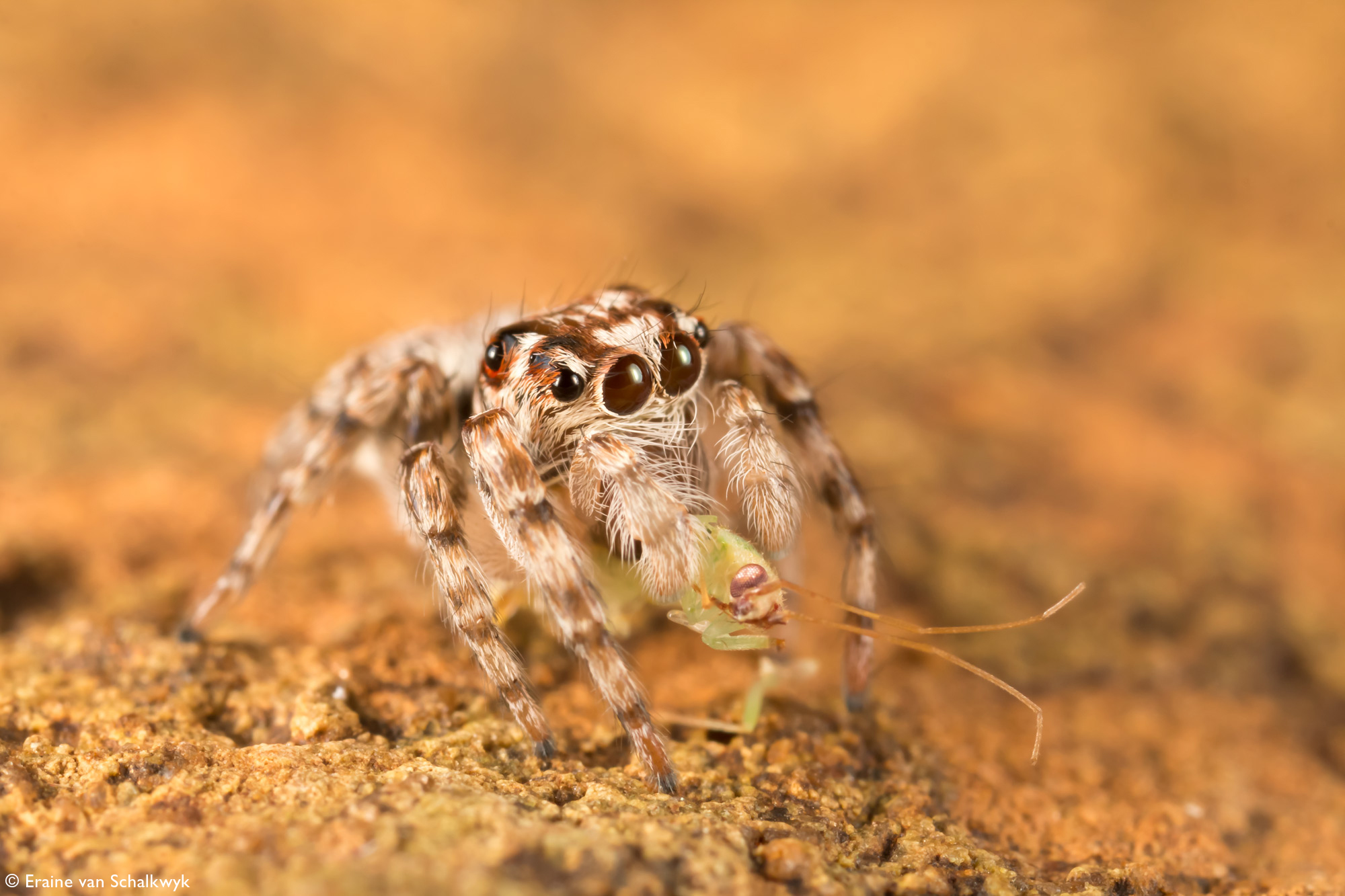
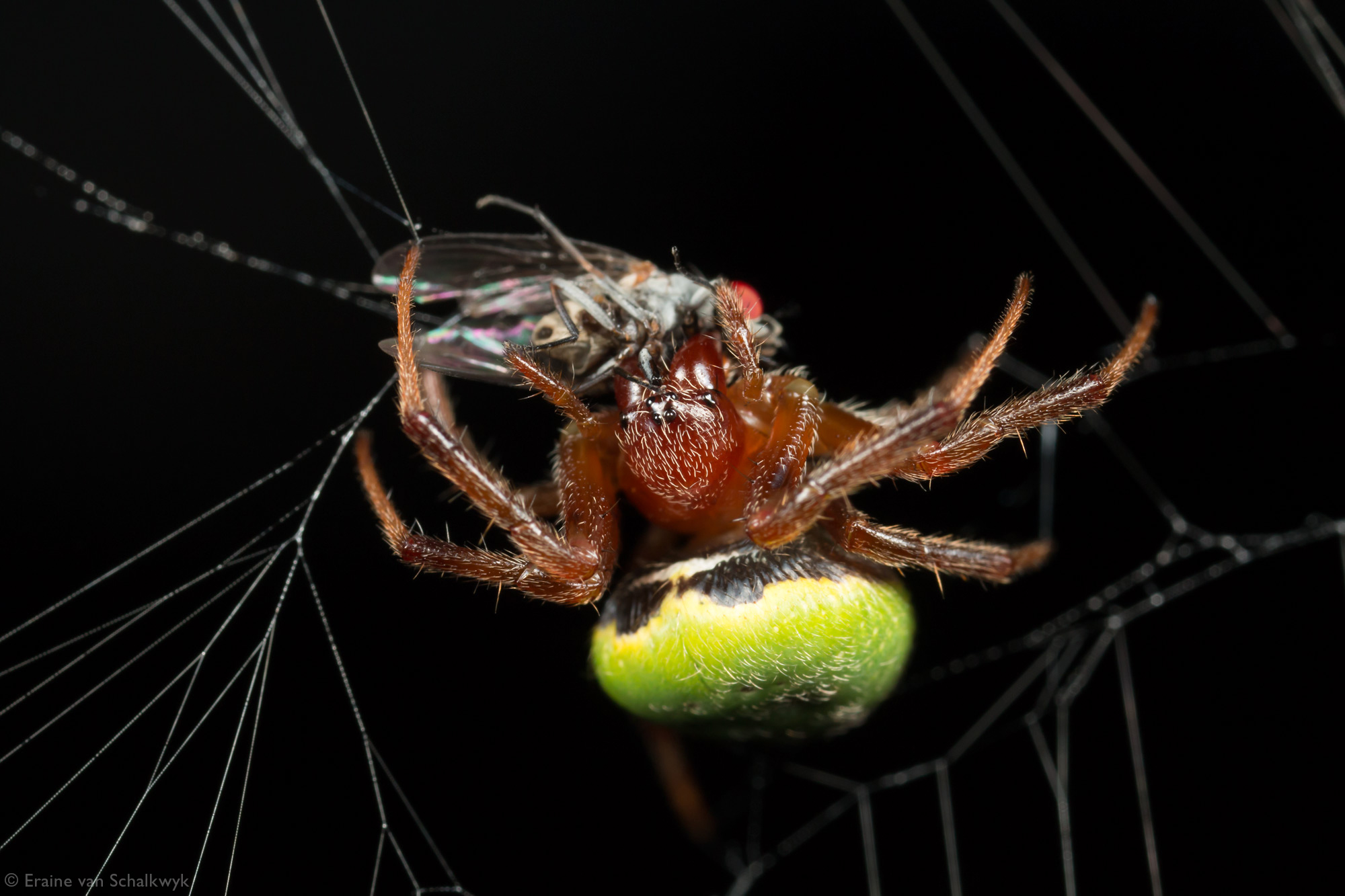

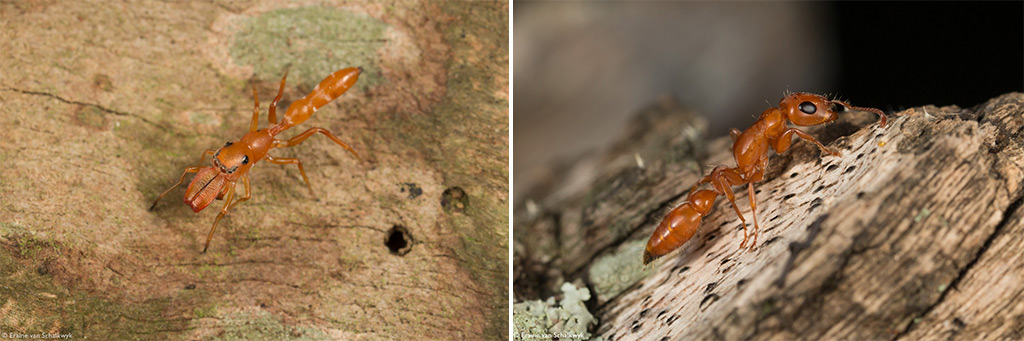
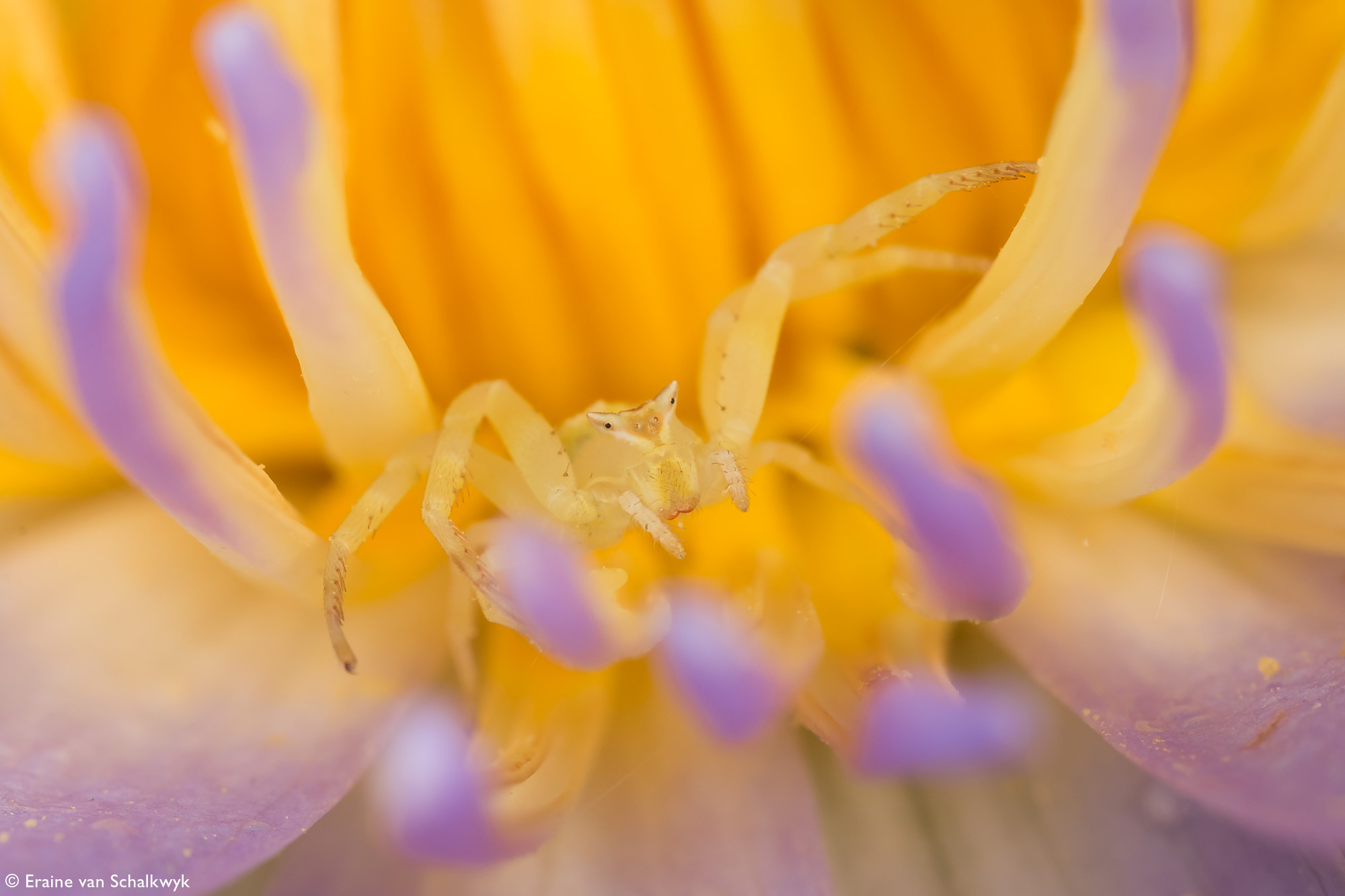
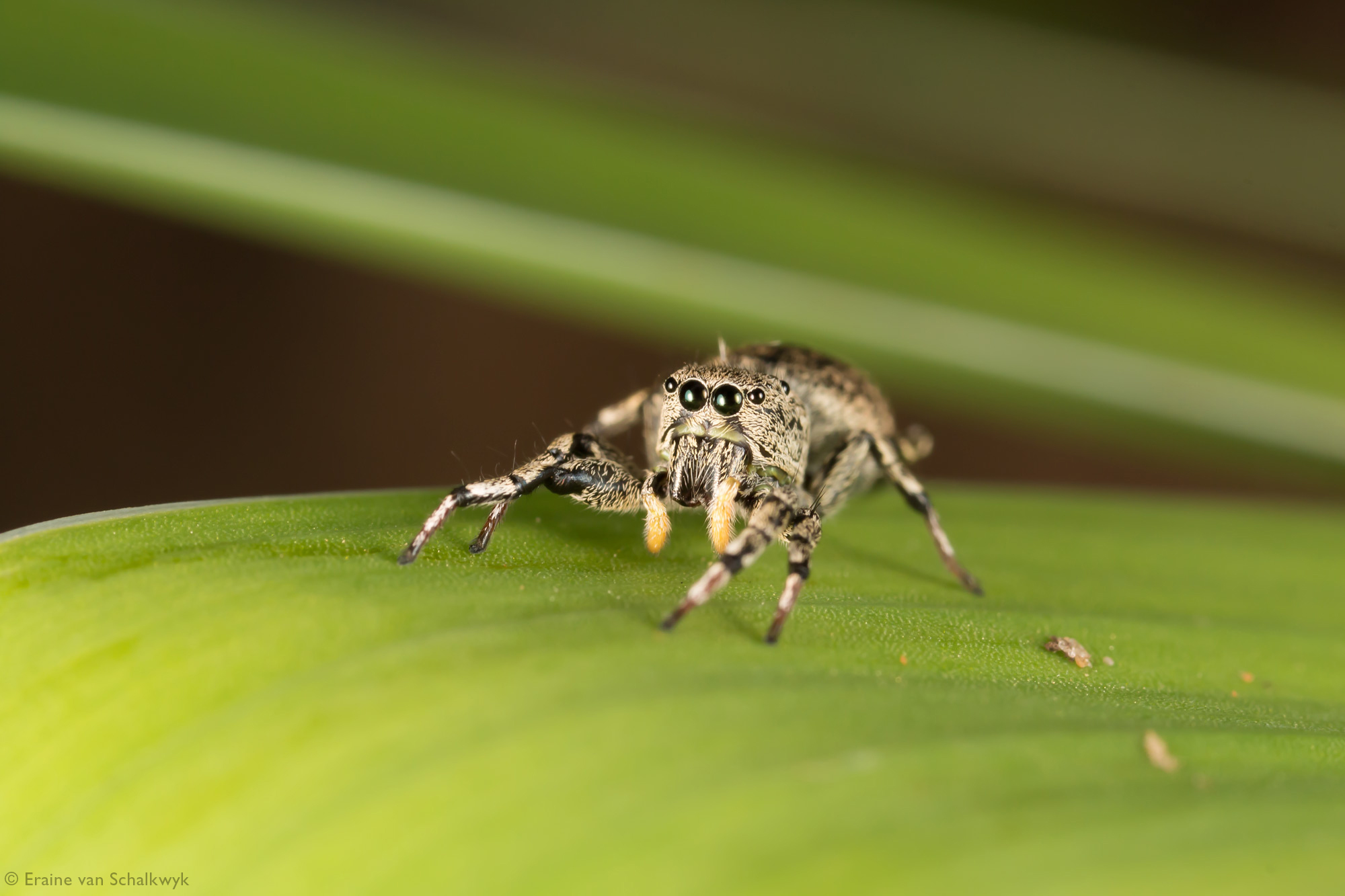
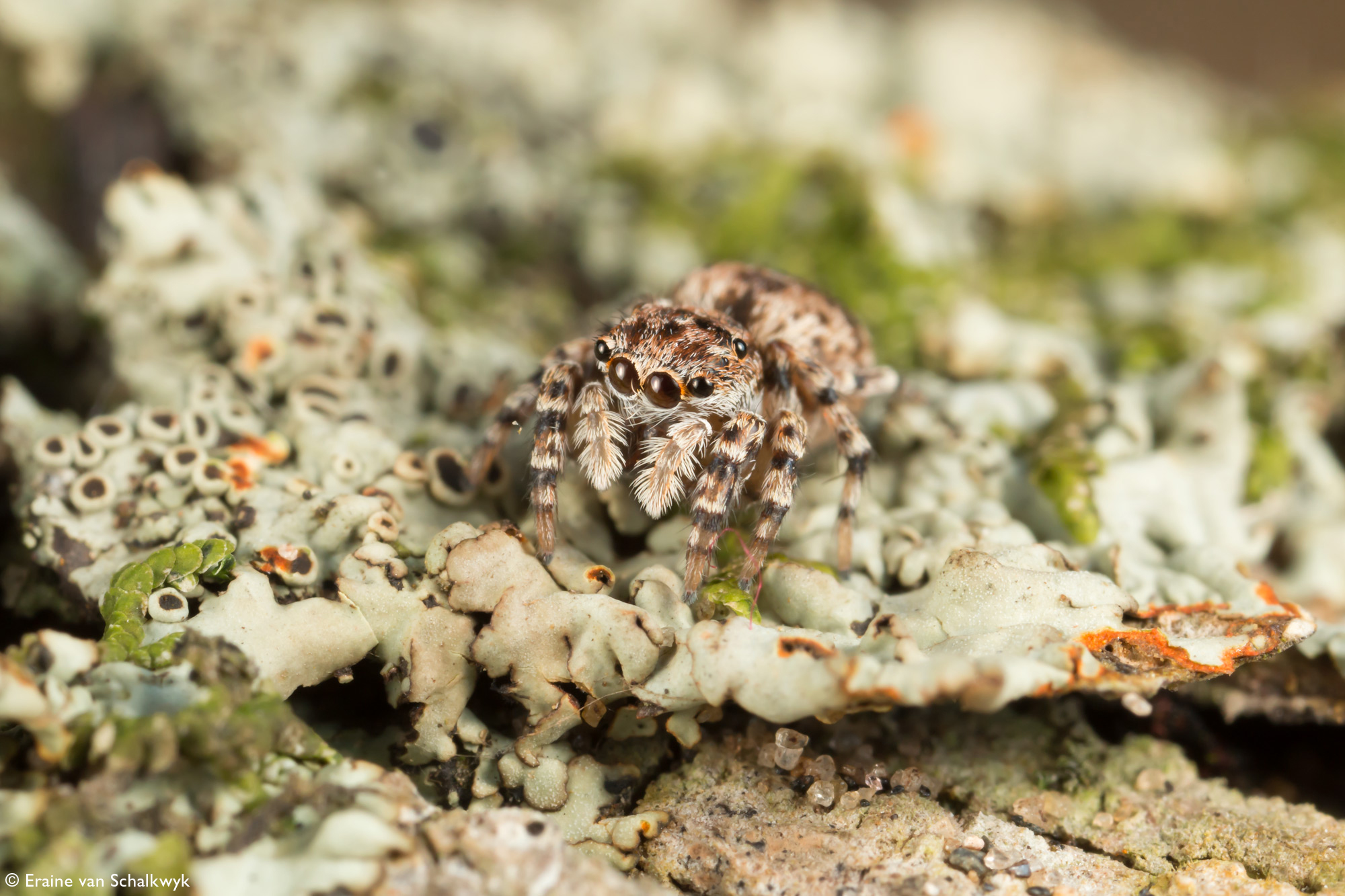
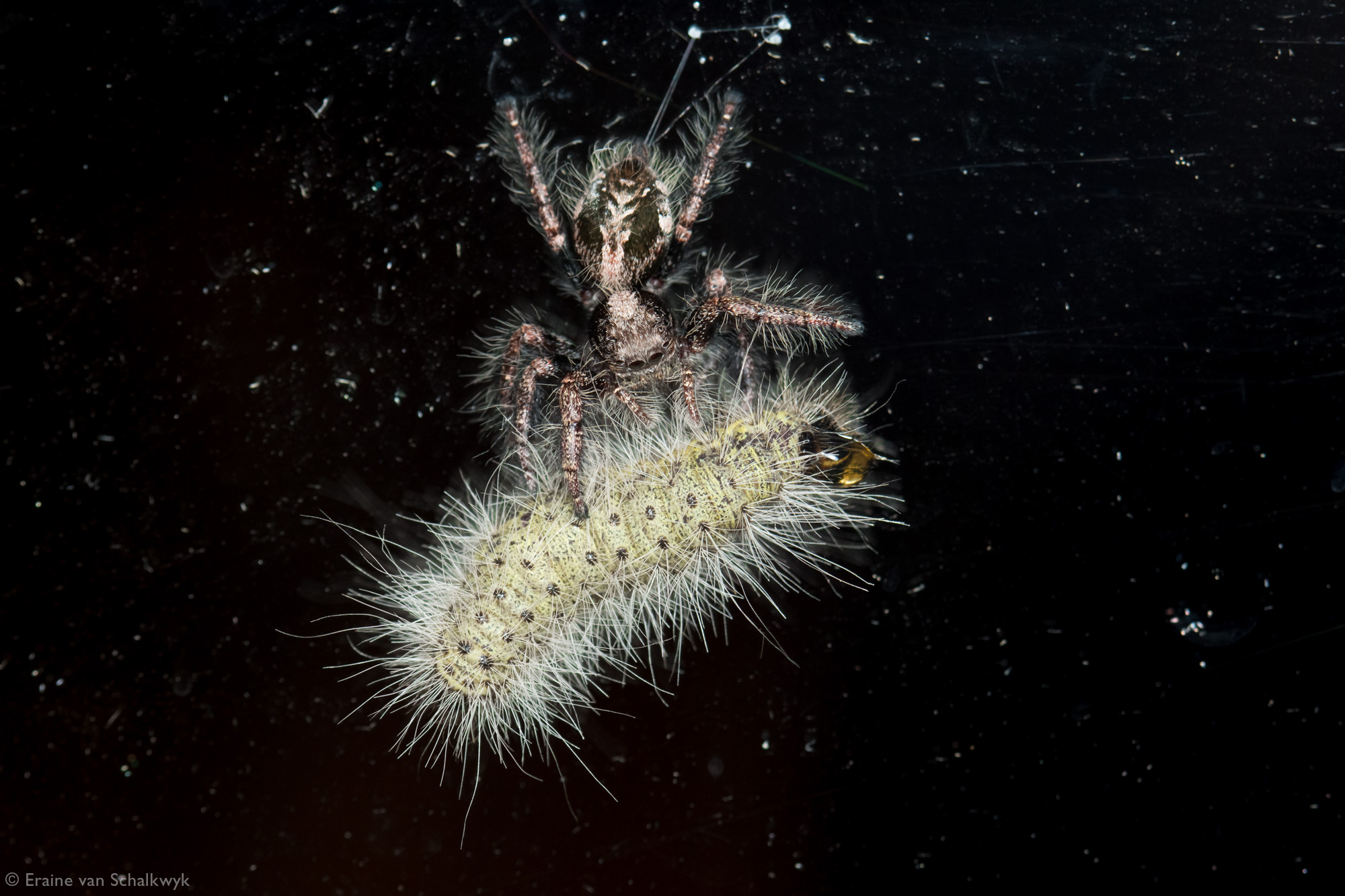
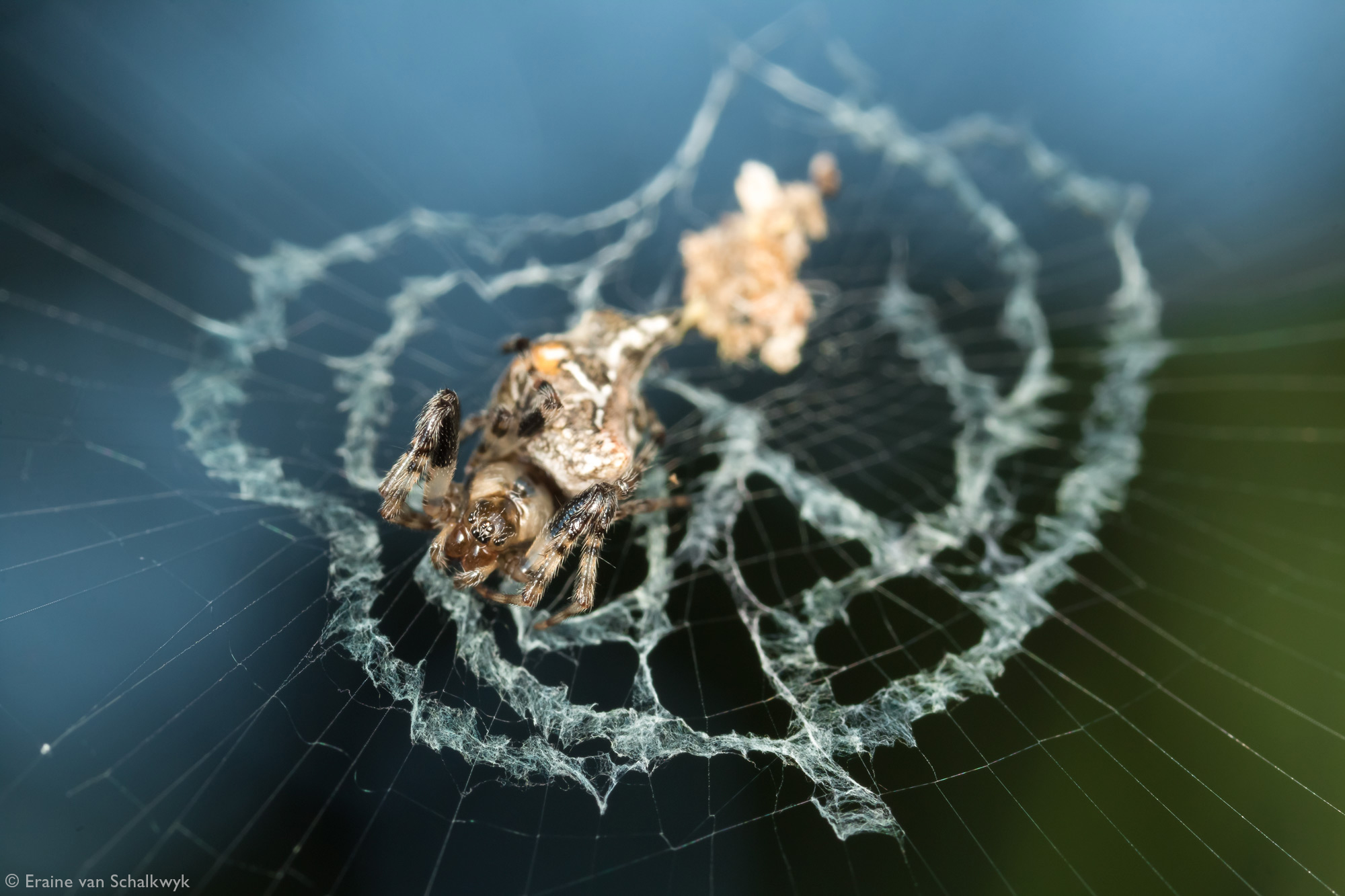
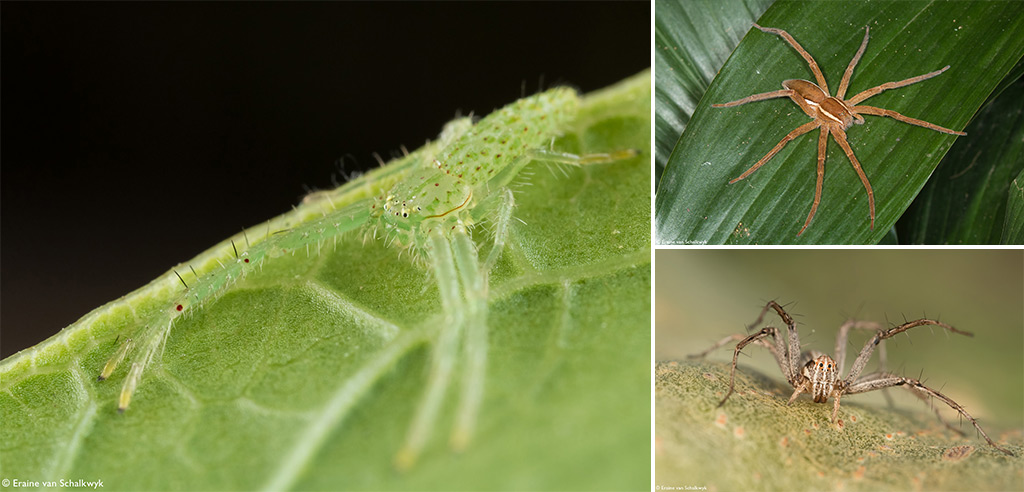
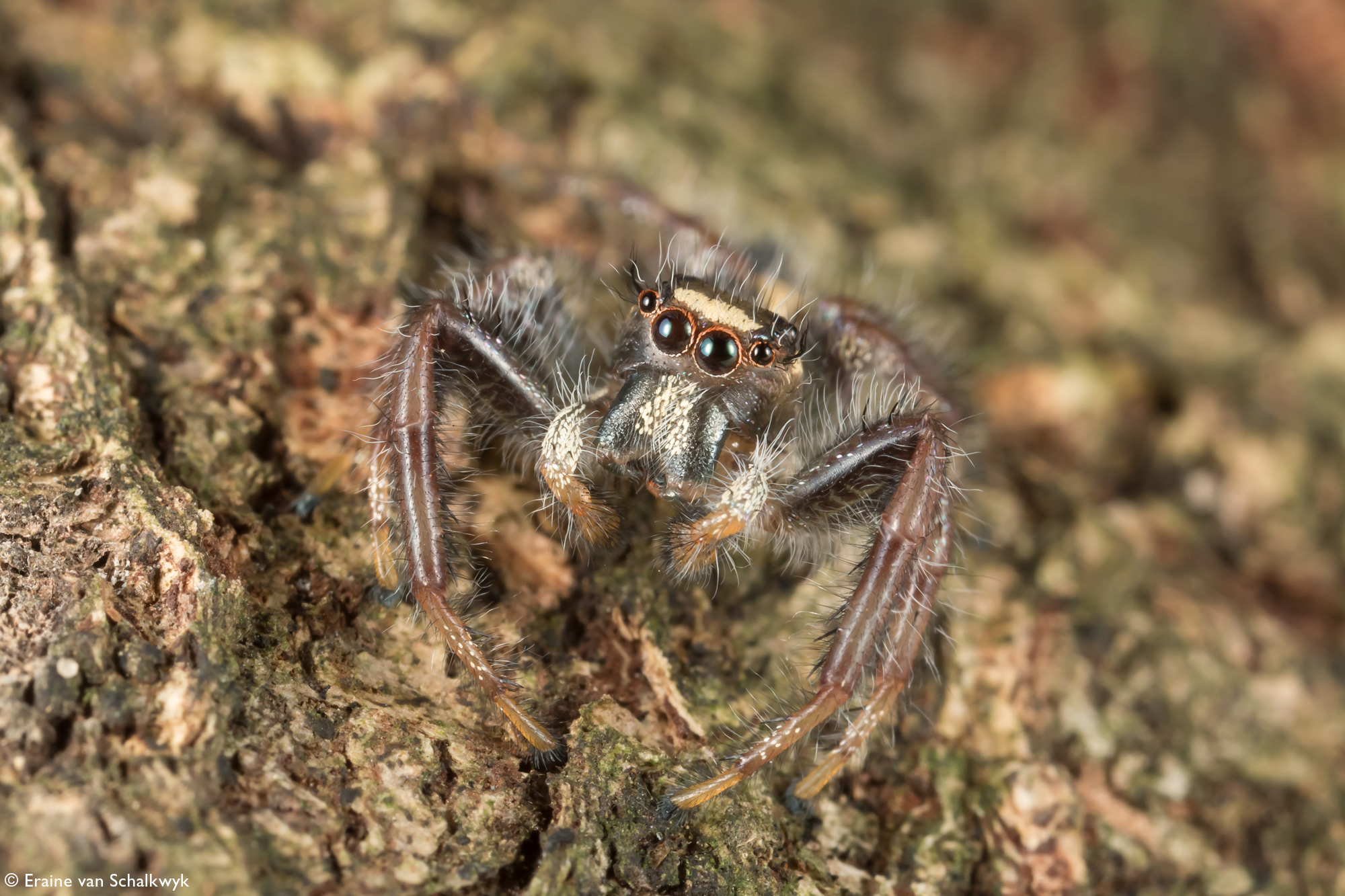
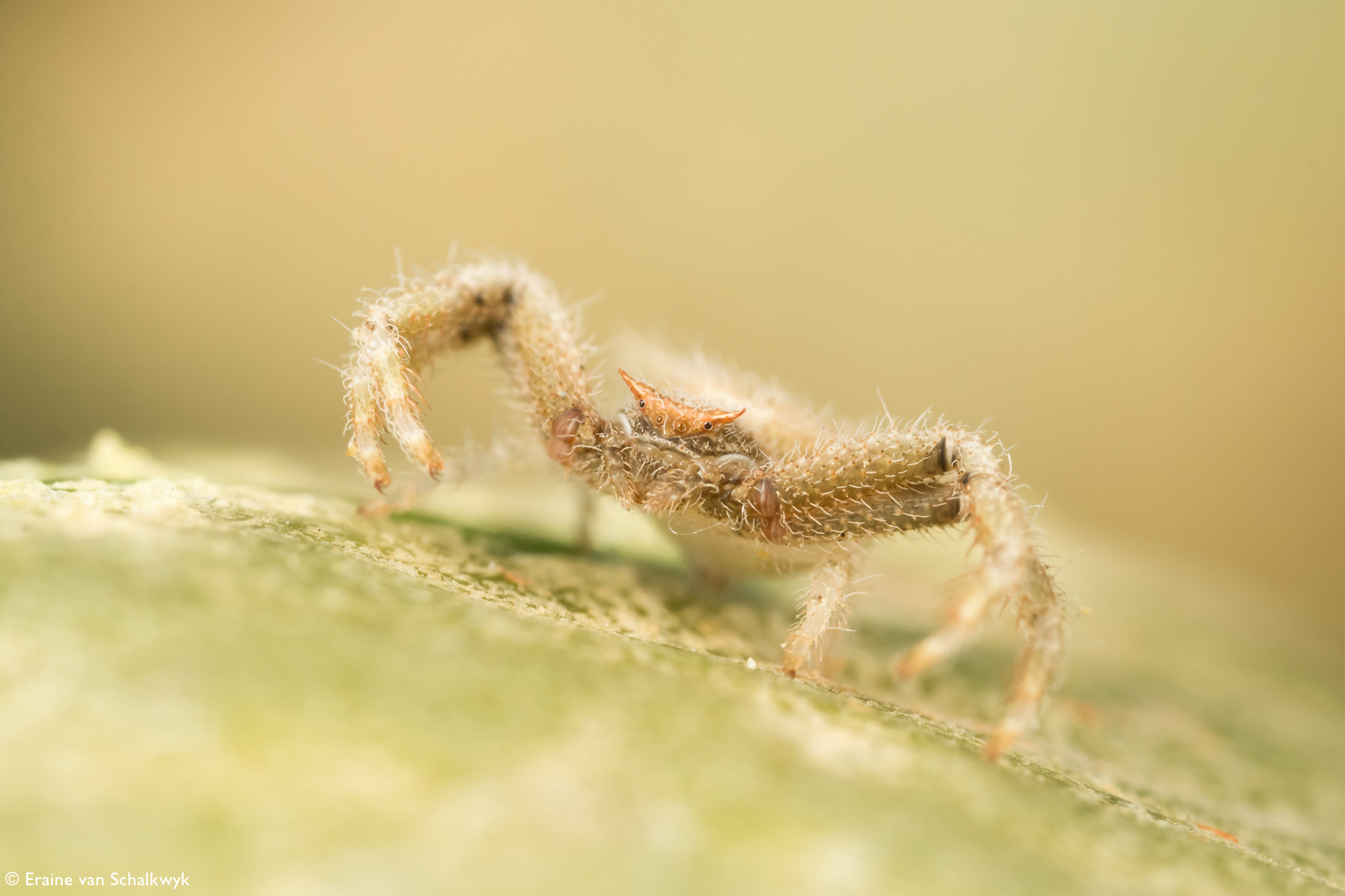
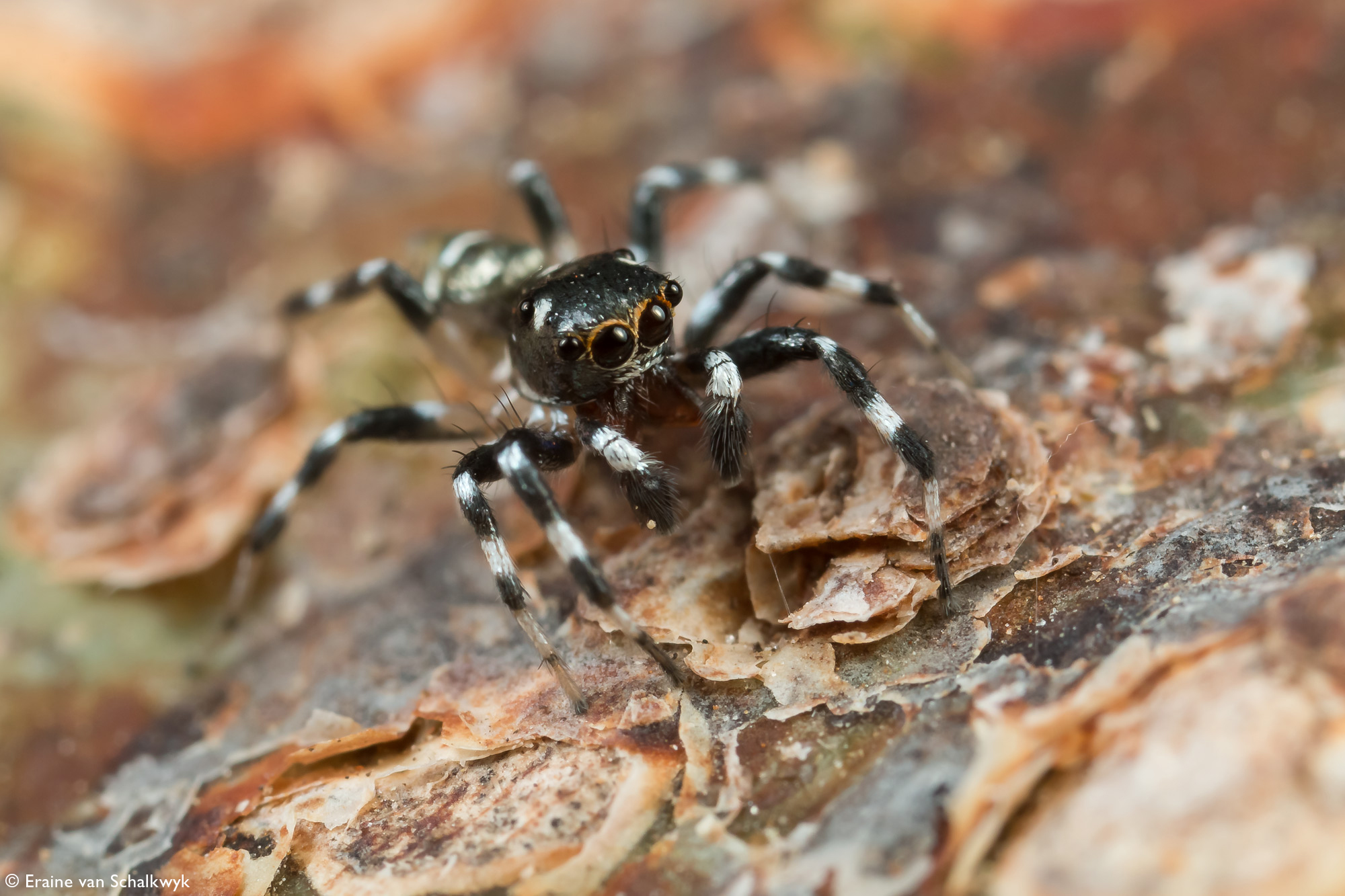
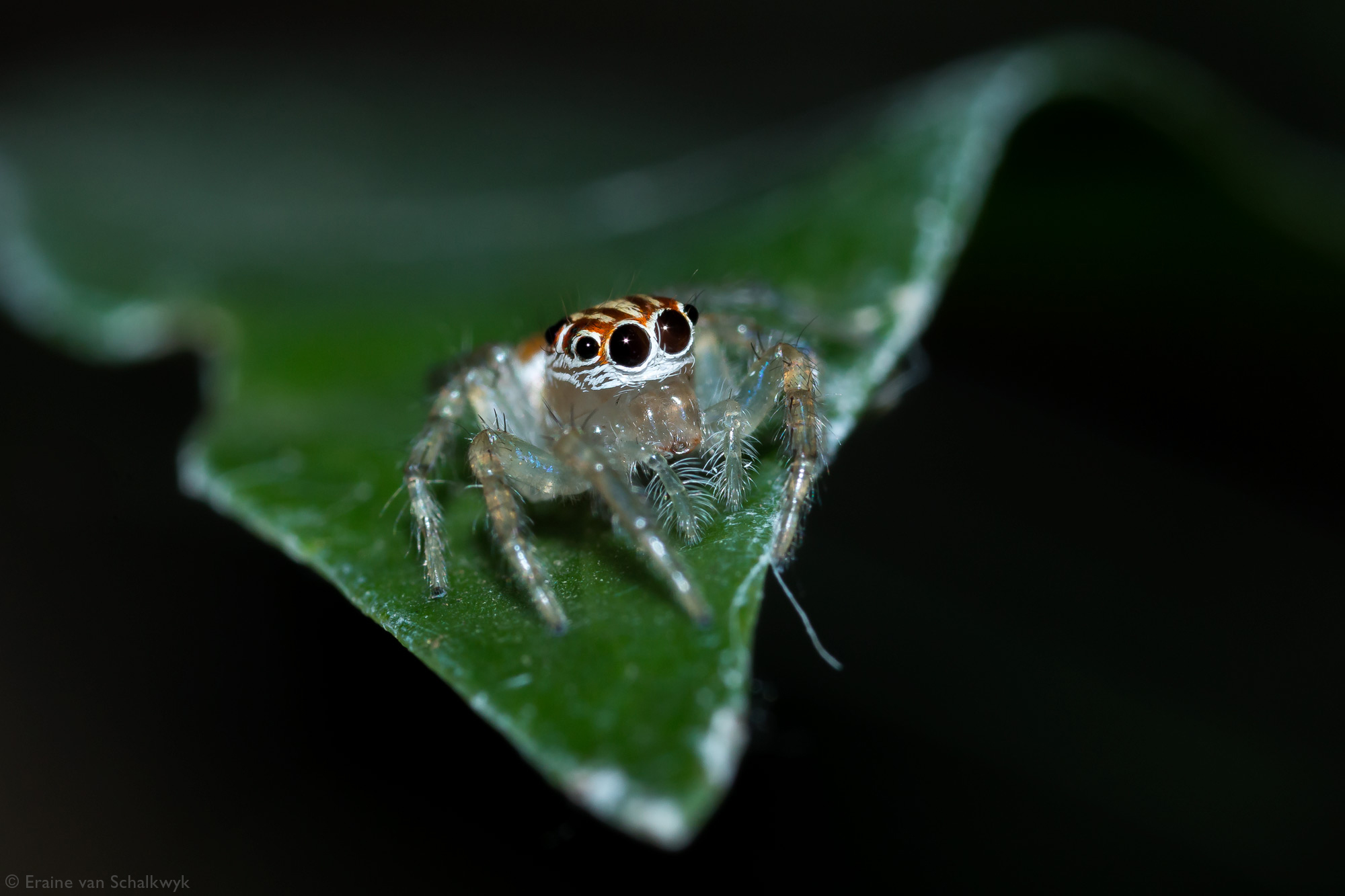
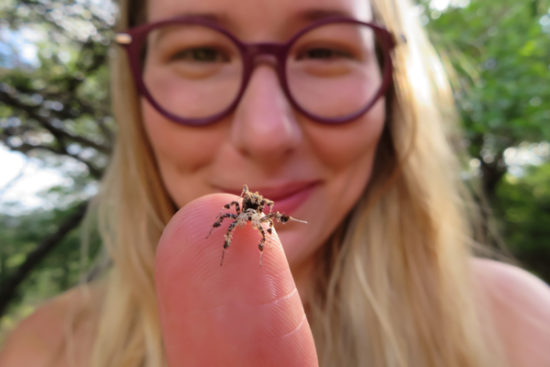 Eraine holds a degree in Microbiology, and it is during the zoology part of her course that she learned more about spiders, prompting her interest in spider photography. For the past two and a half years, she has spent most of her free time searching for and photographing these interesting creatures. To see more of her photographs take a look at her
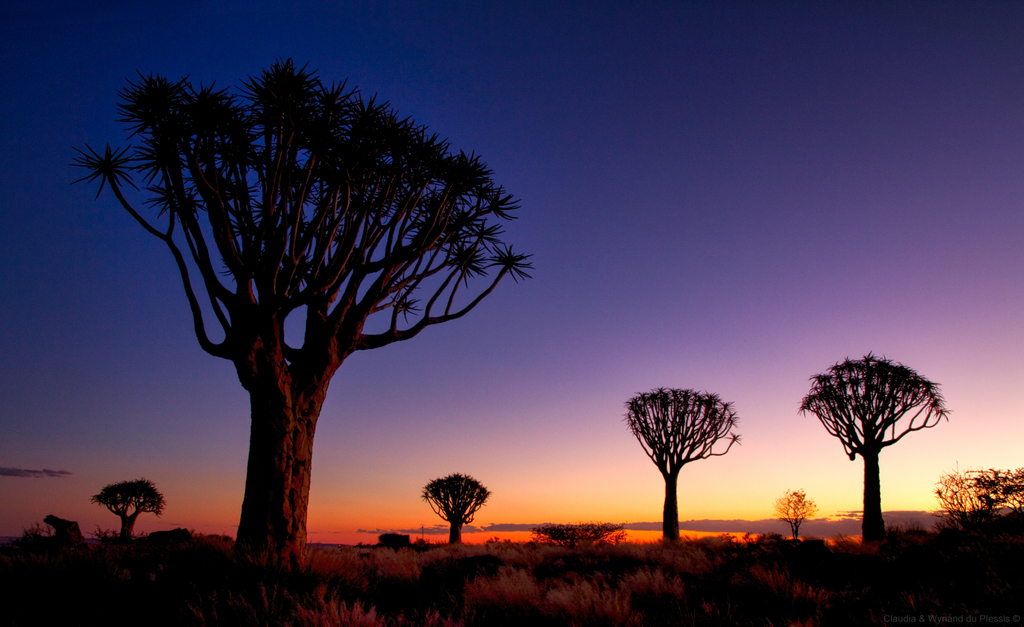
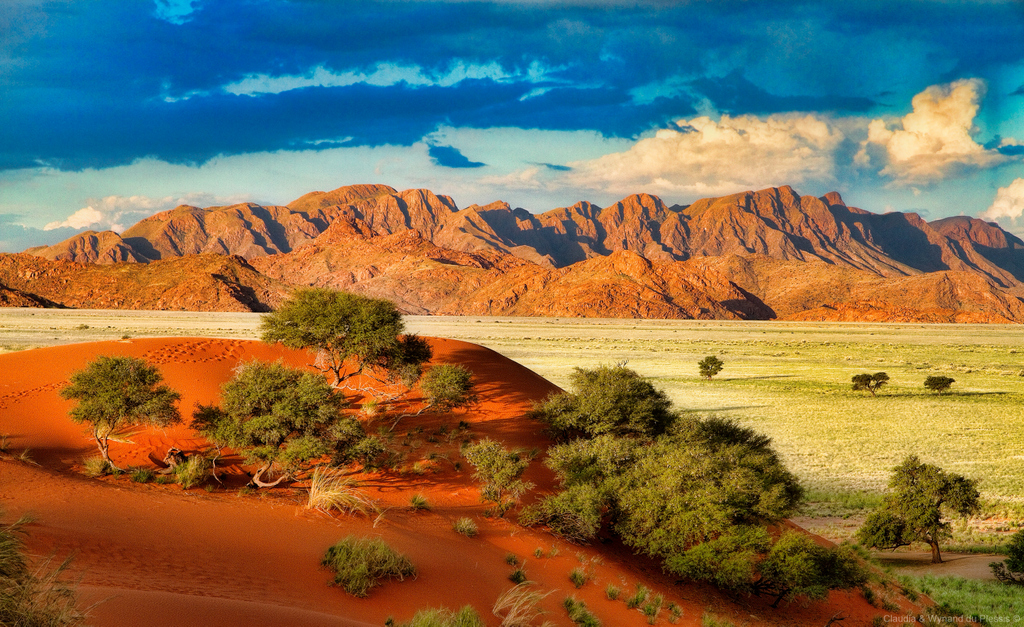
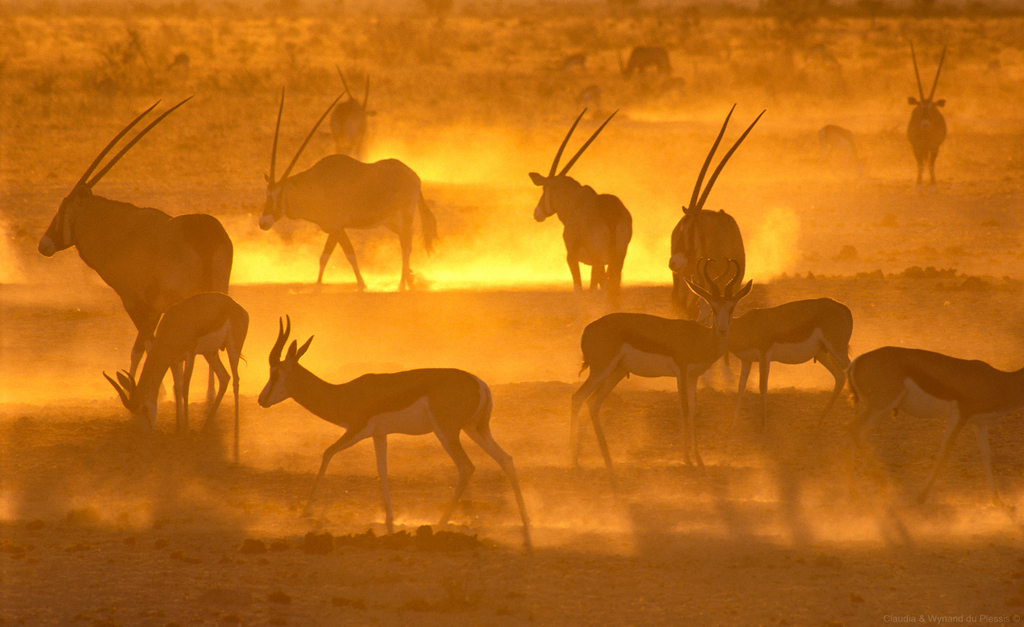
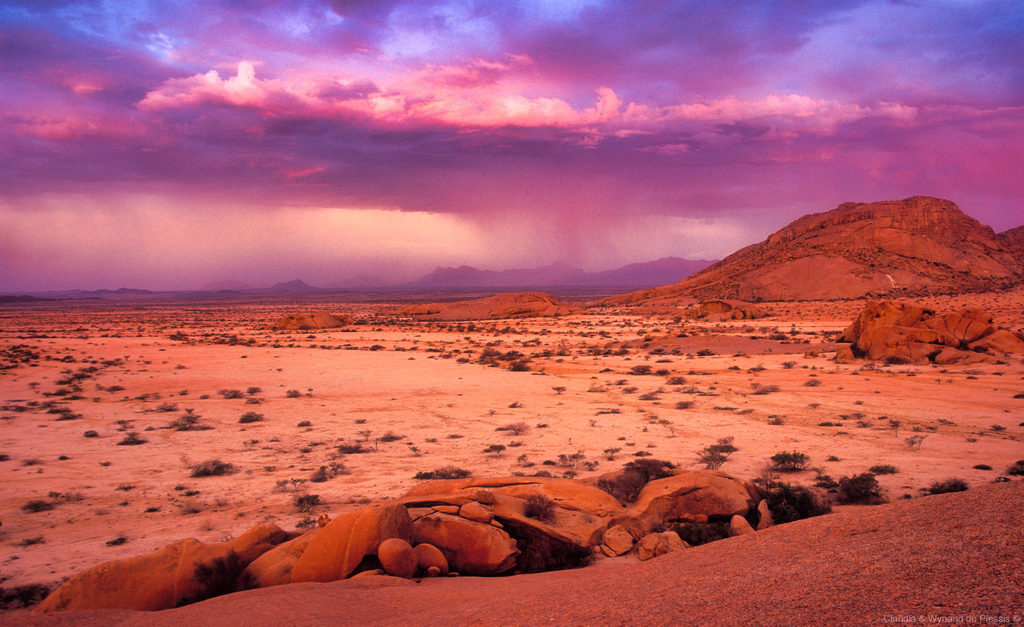
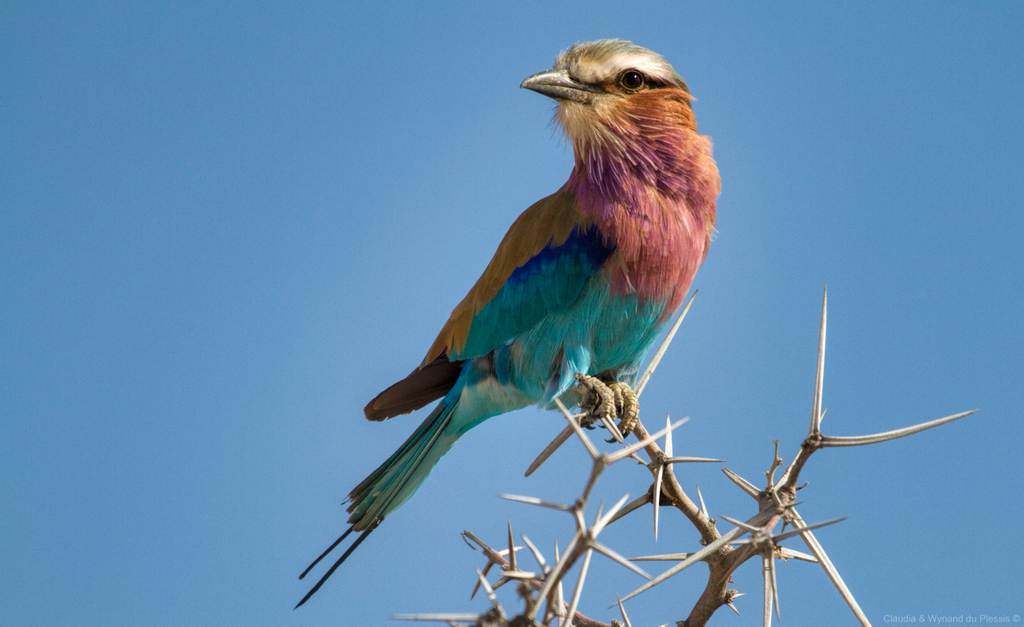
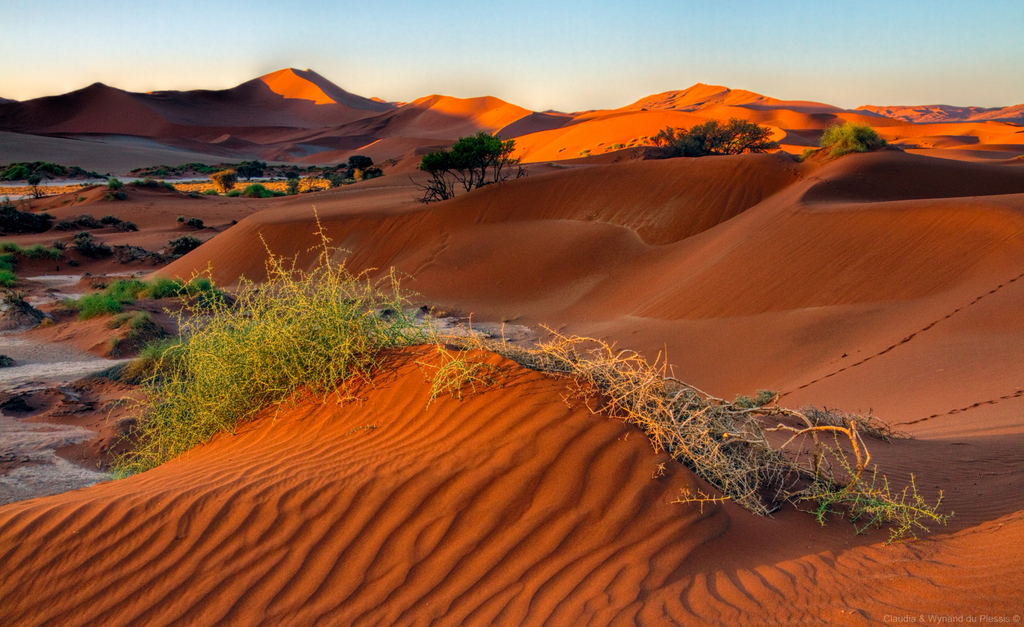
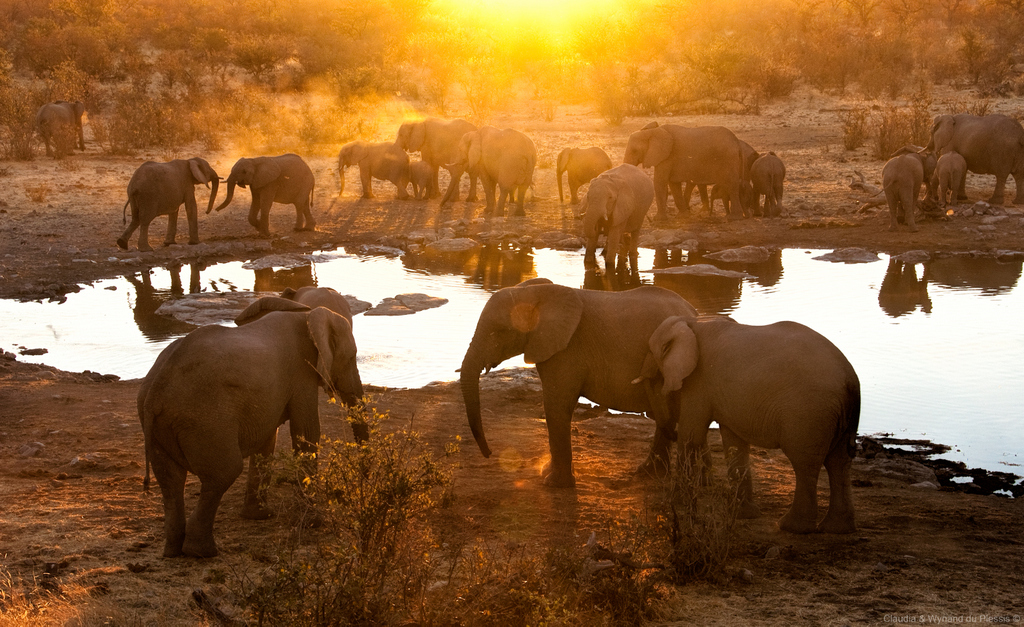
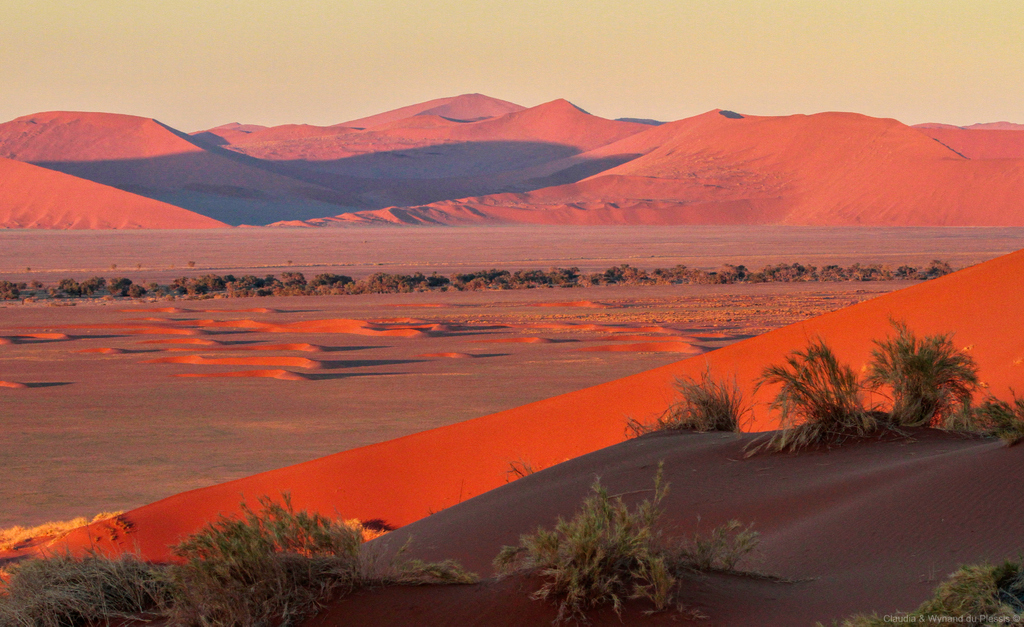
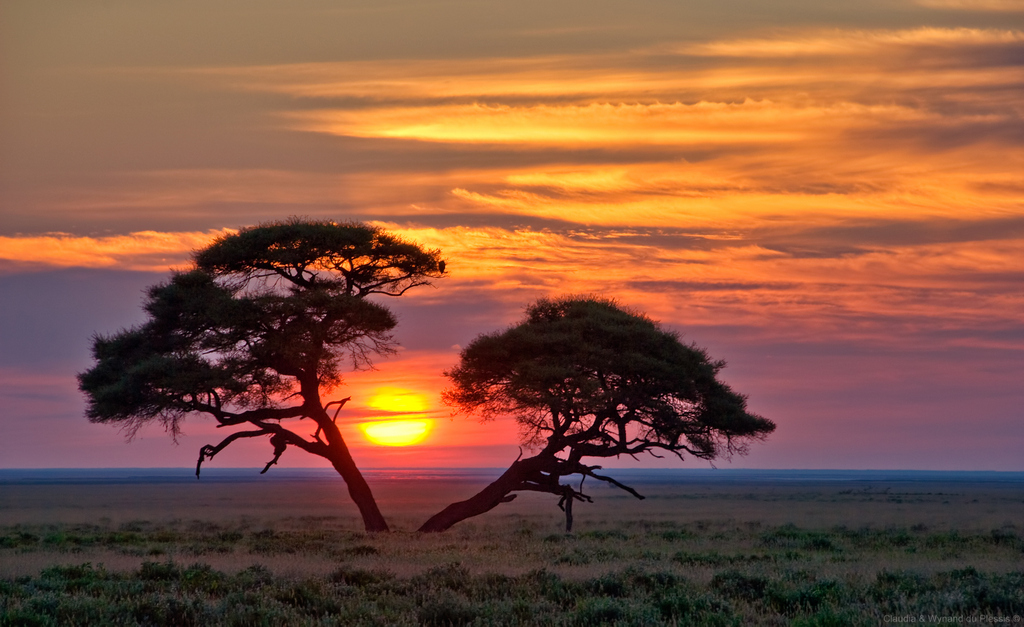
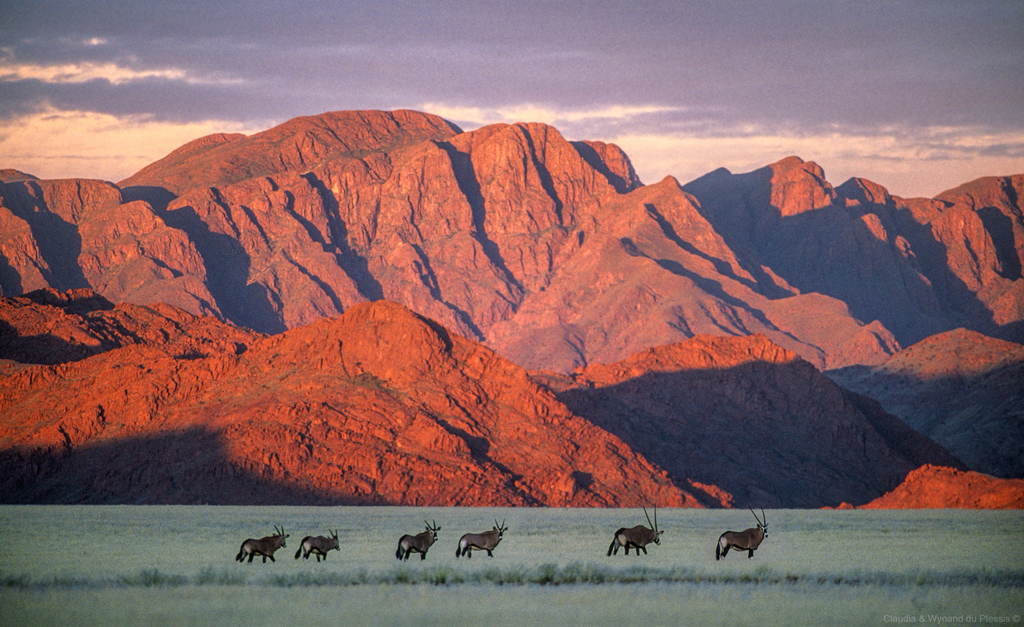
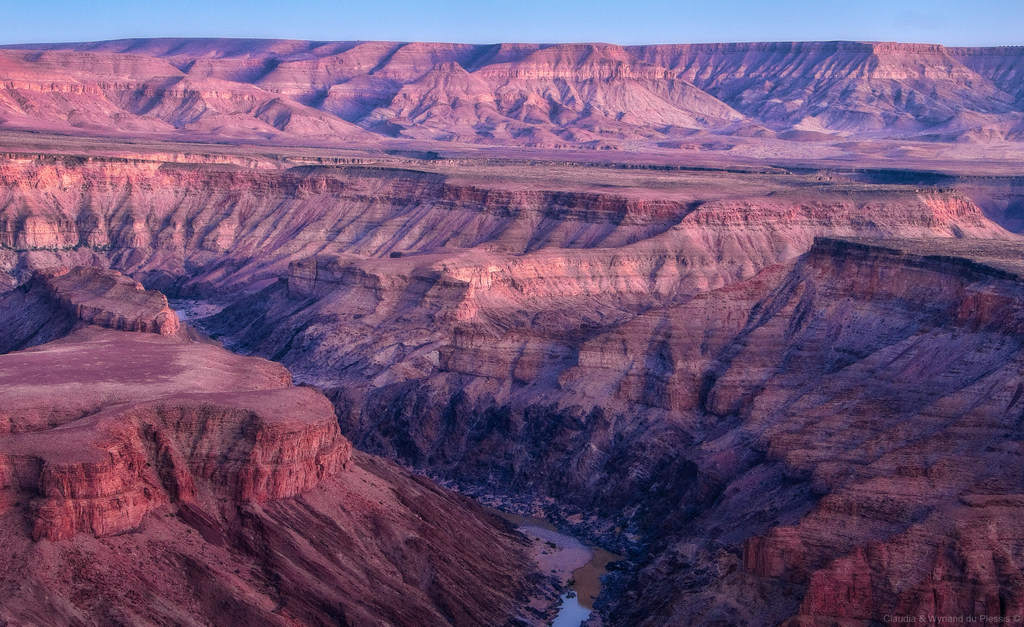
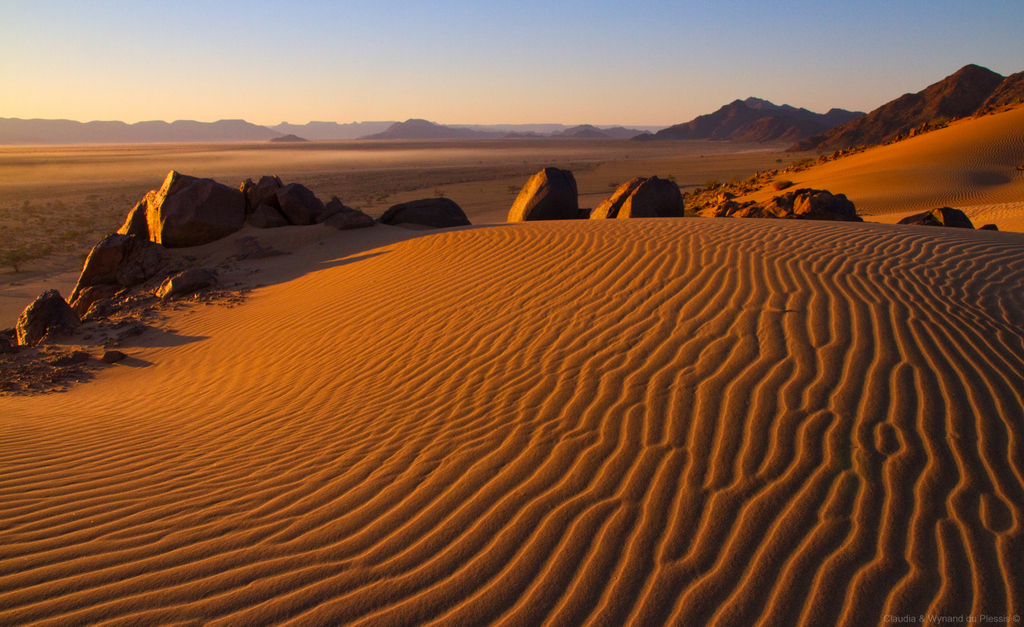
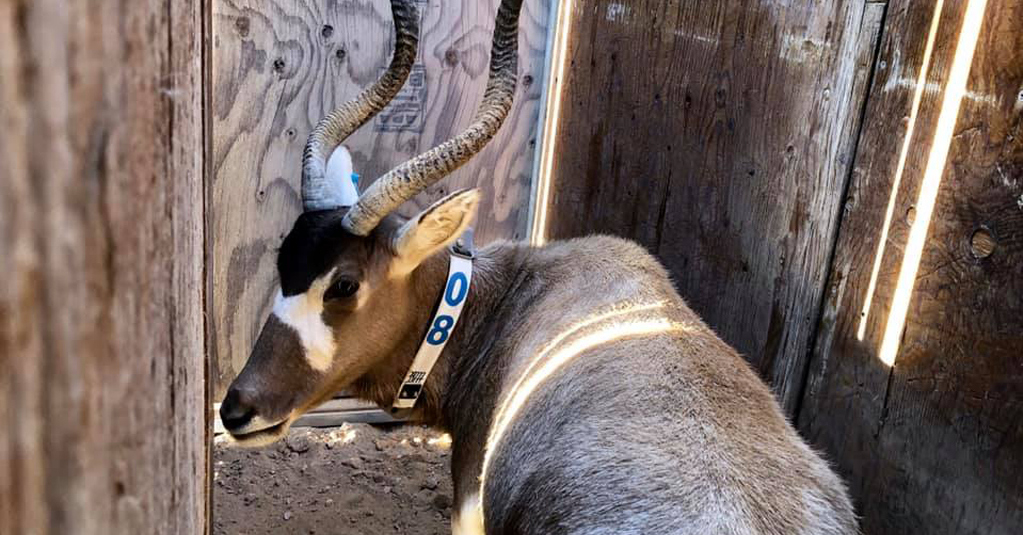
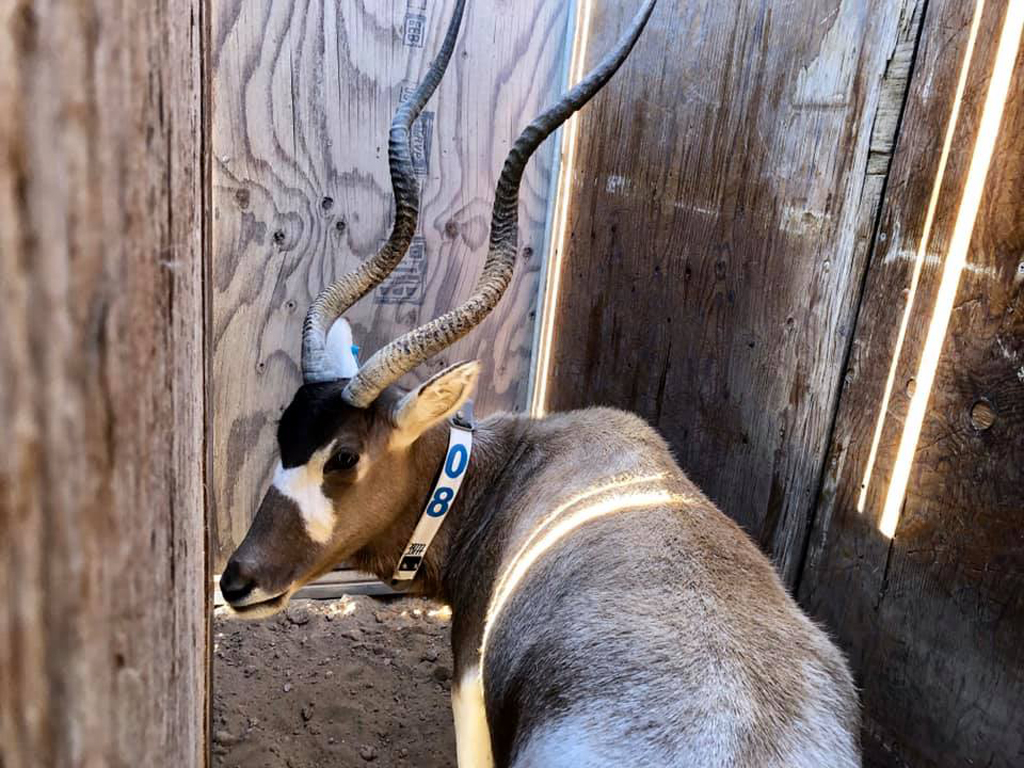
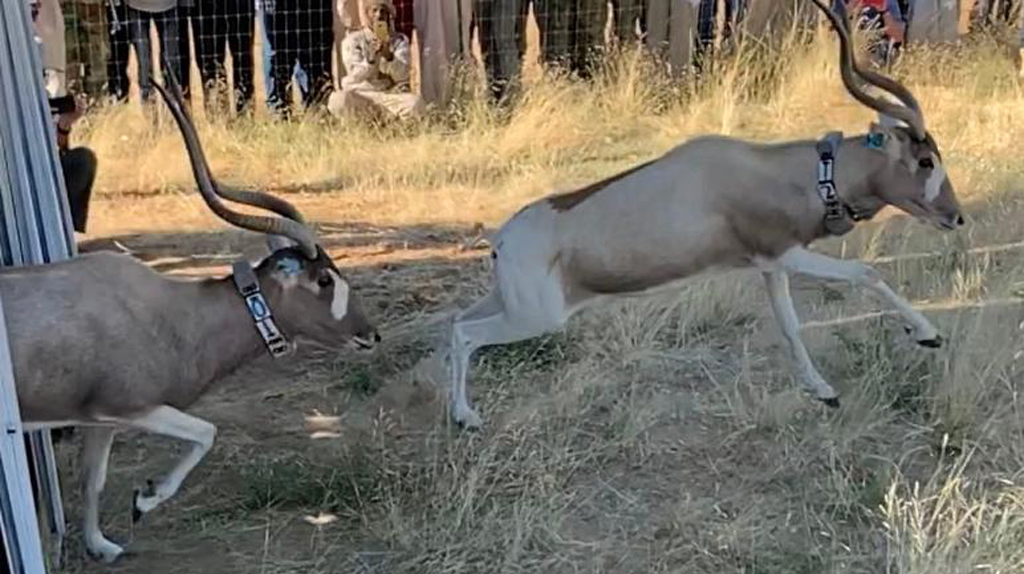
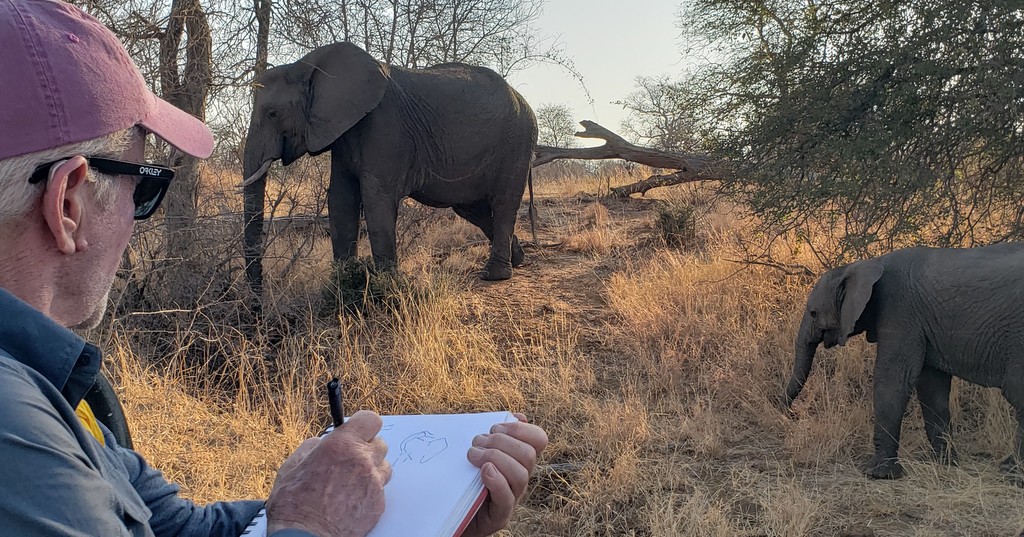
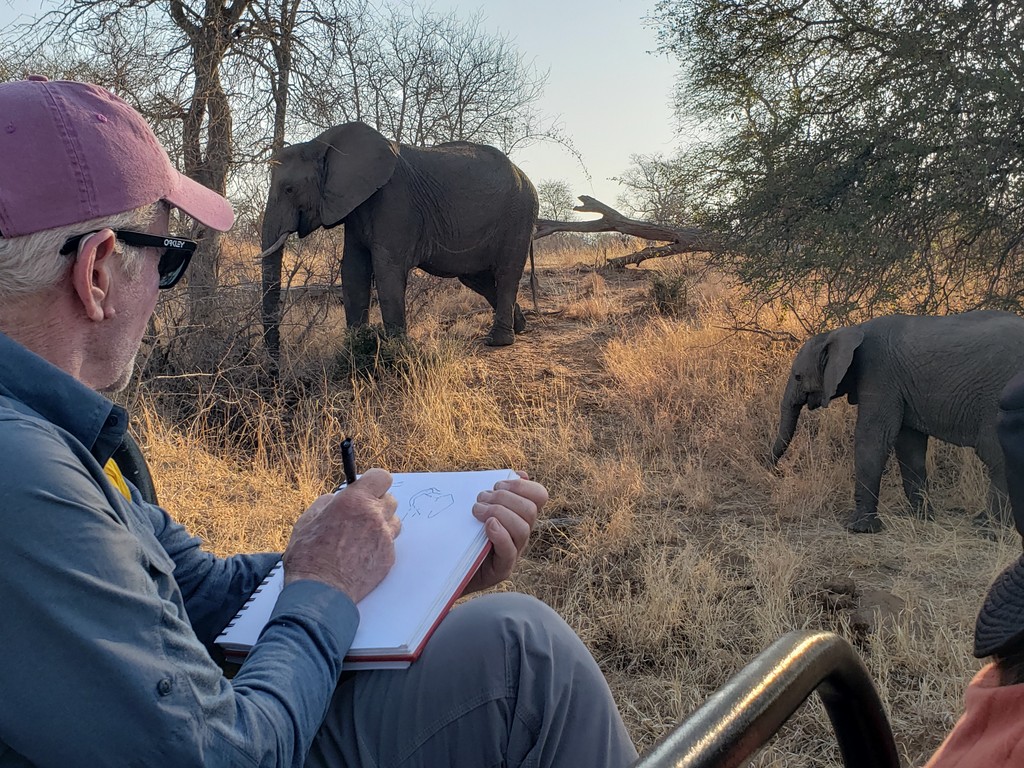

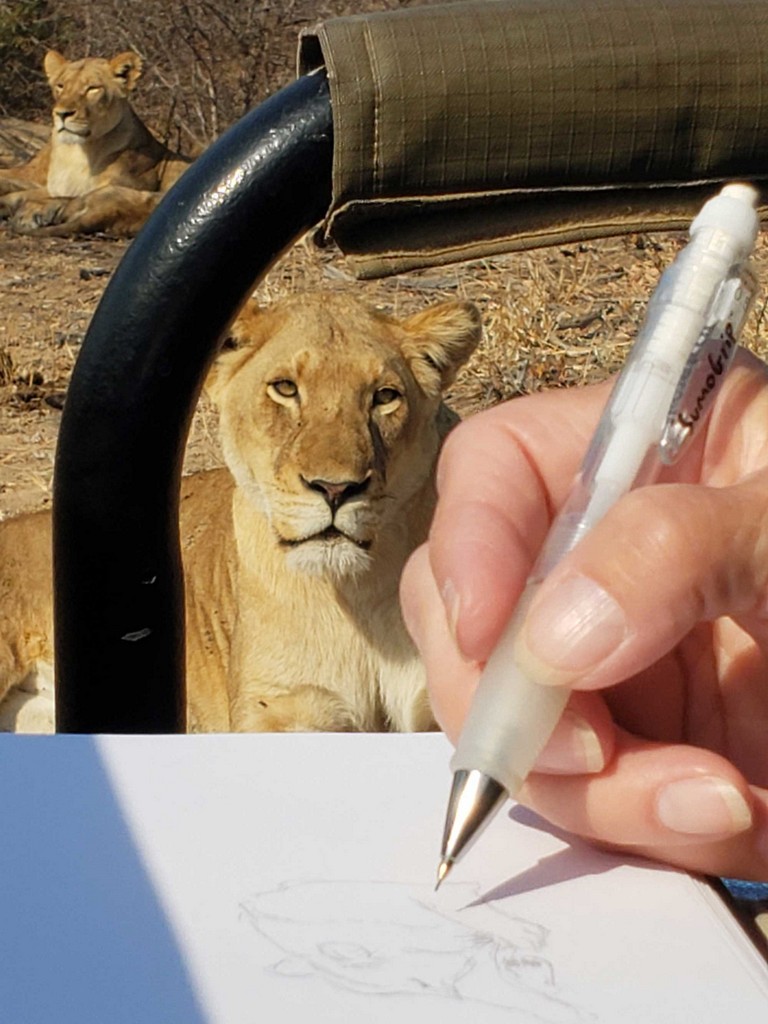
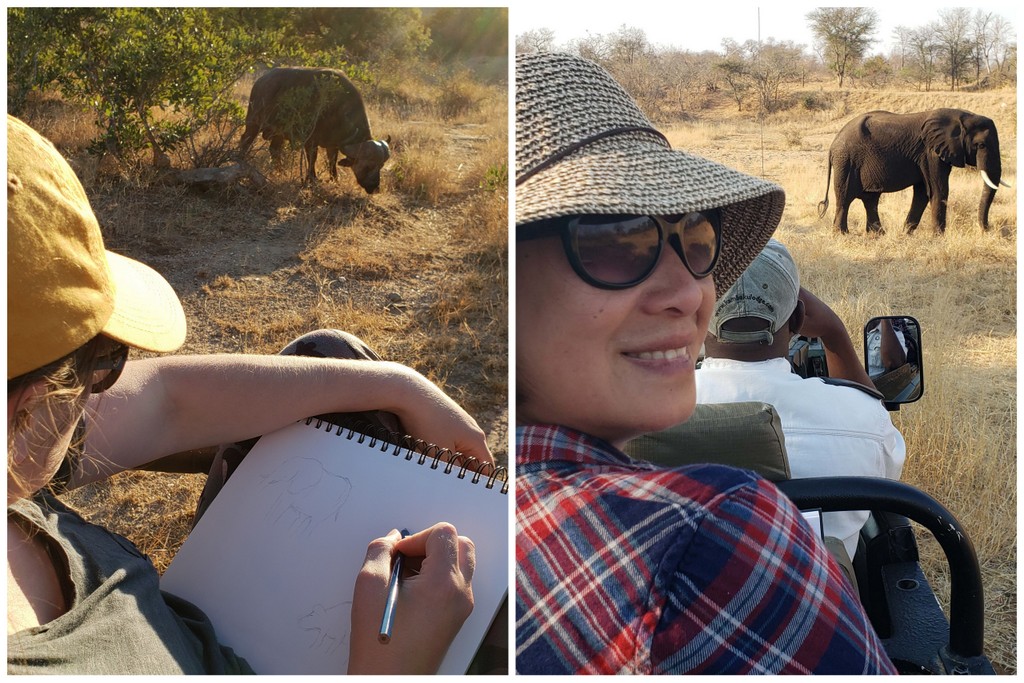
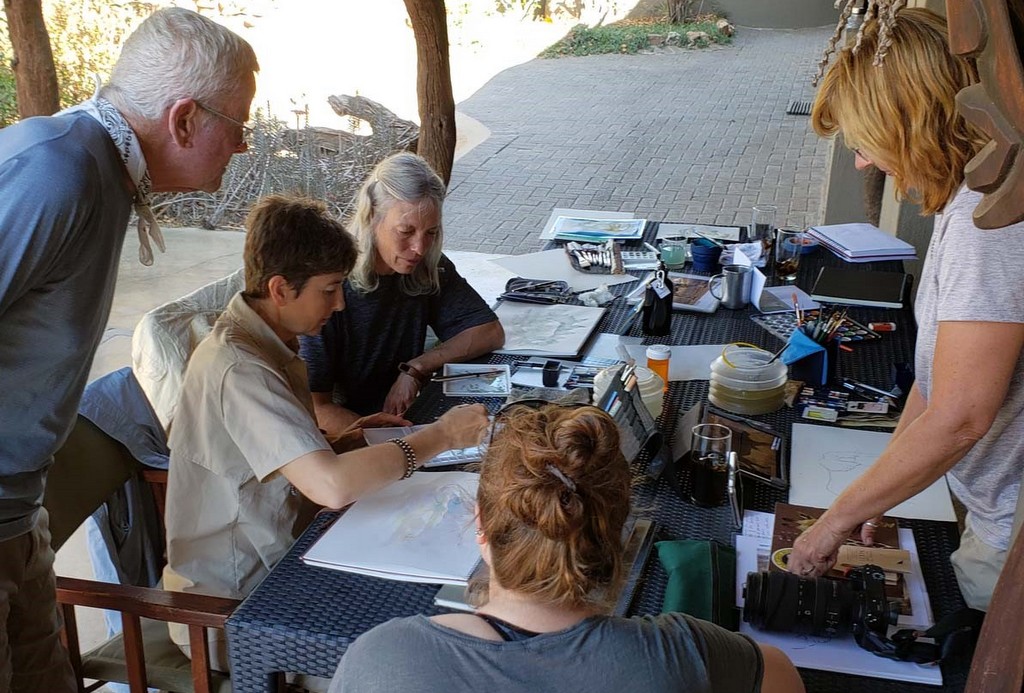
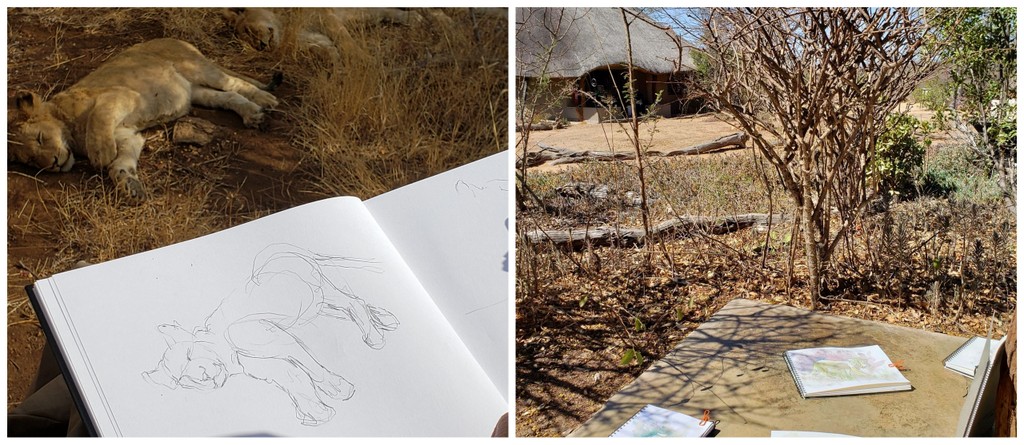
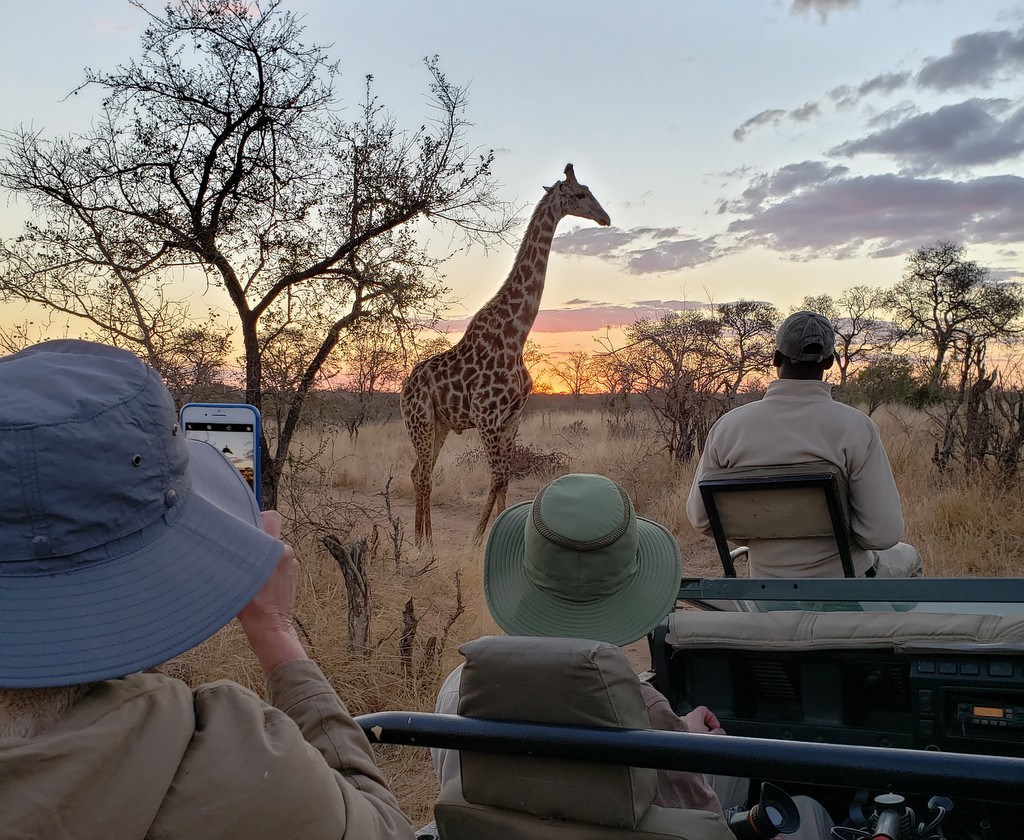
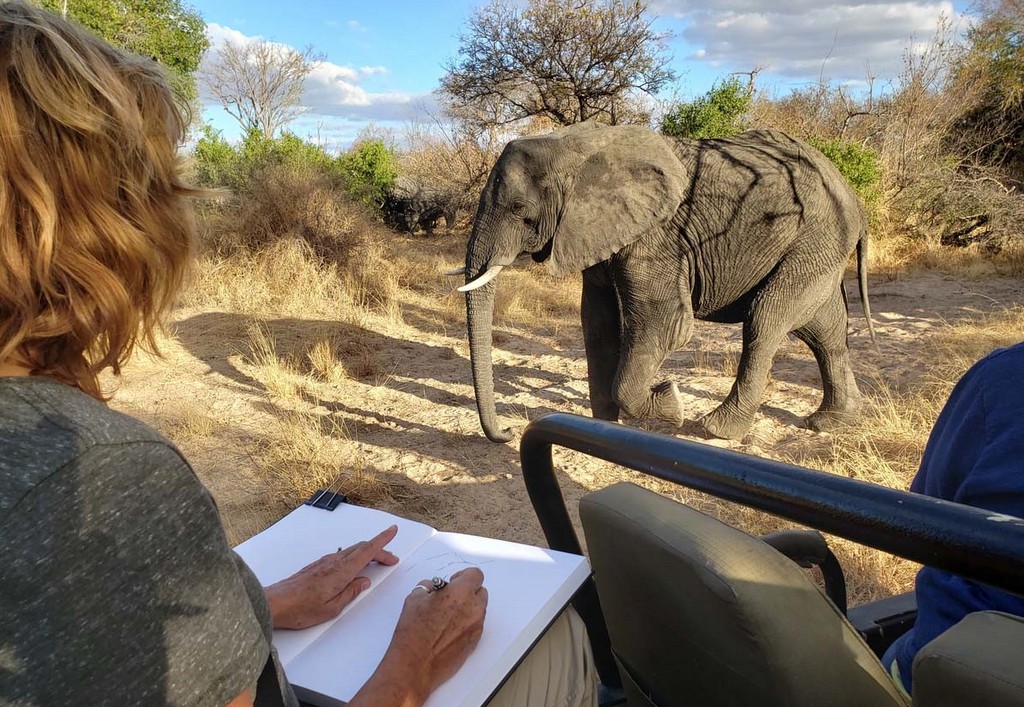
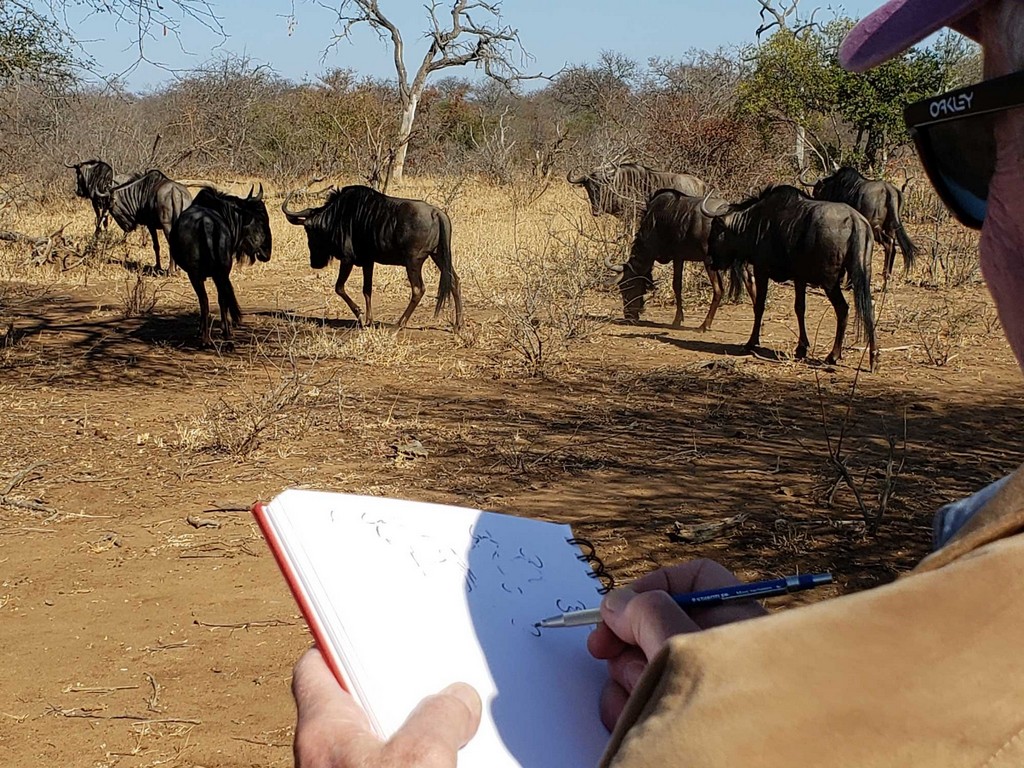
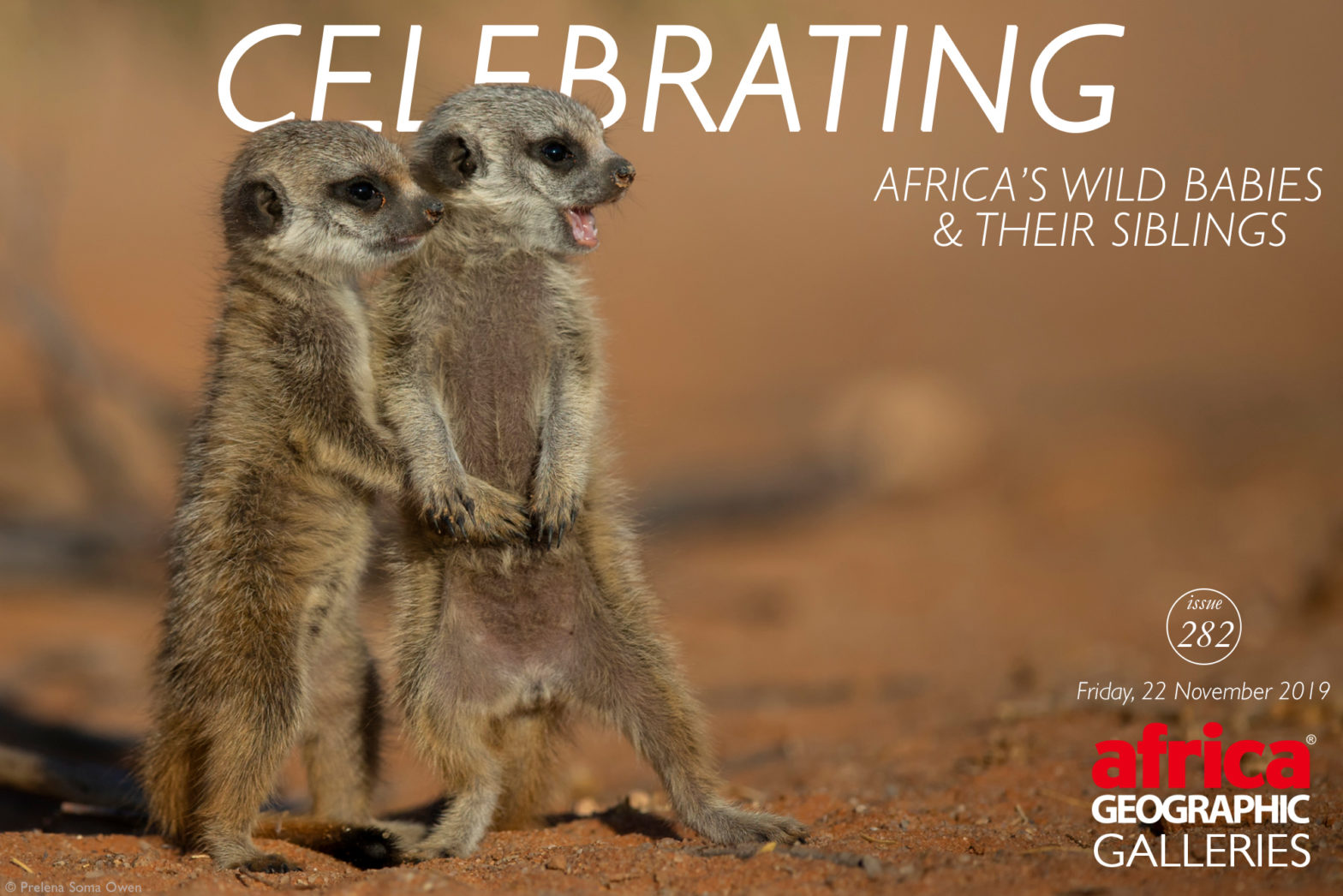
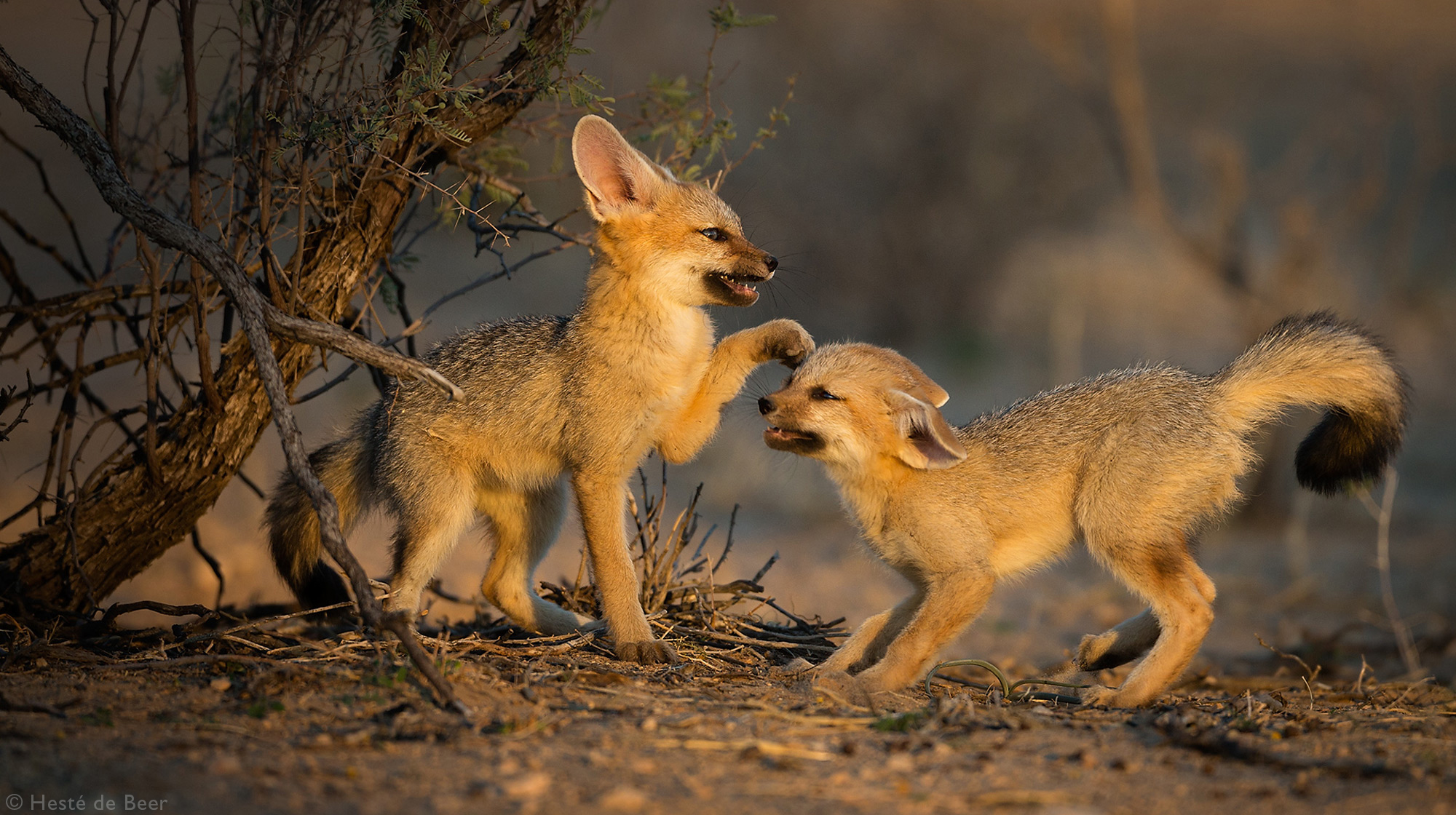
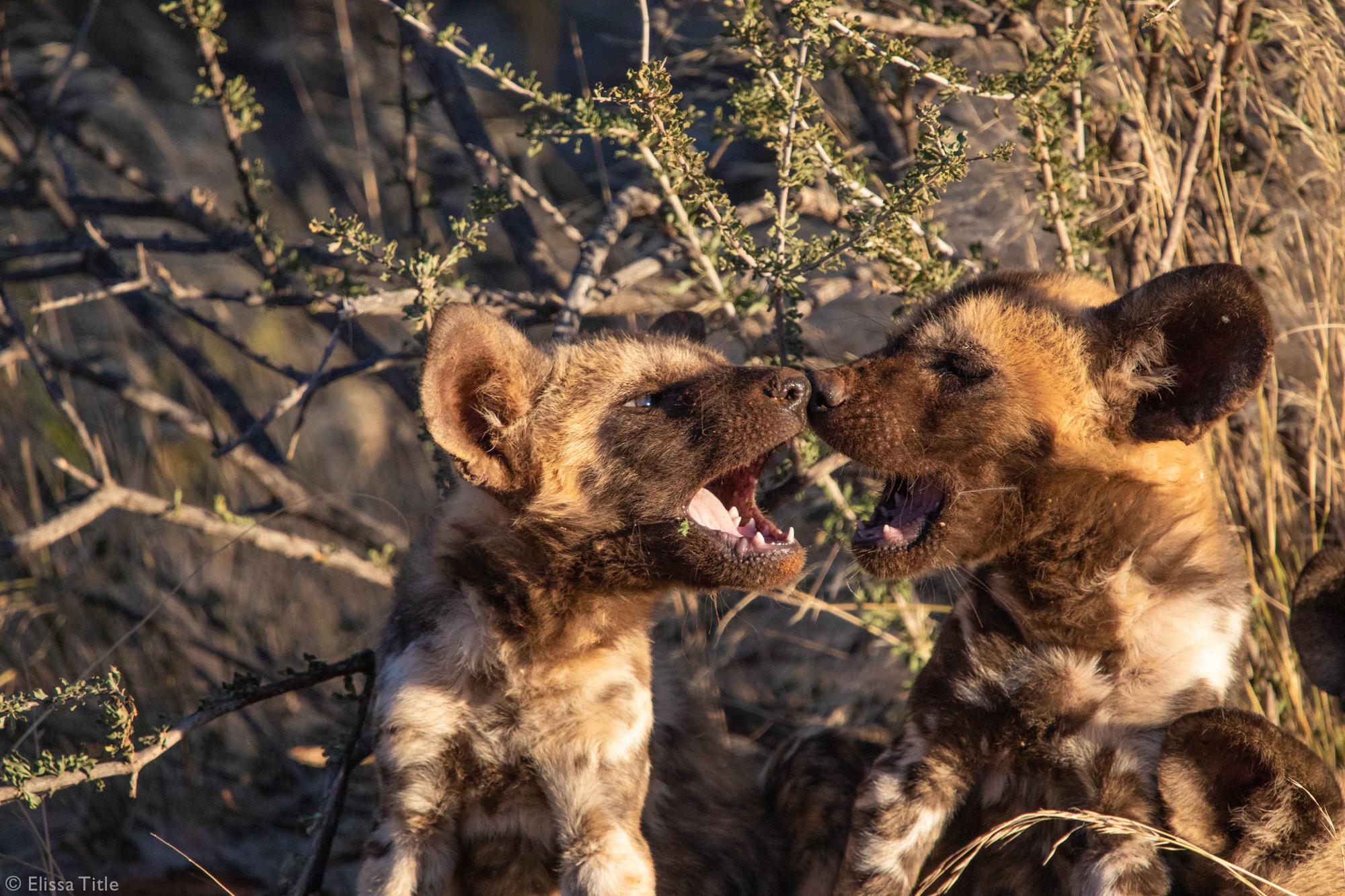
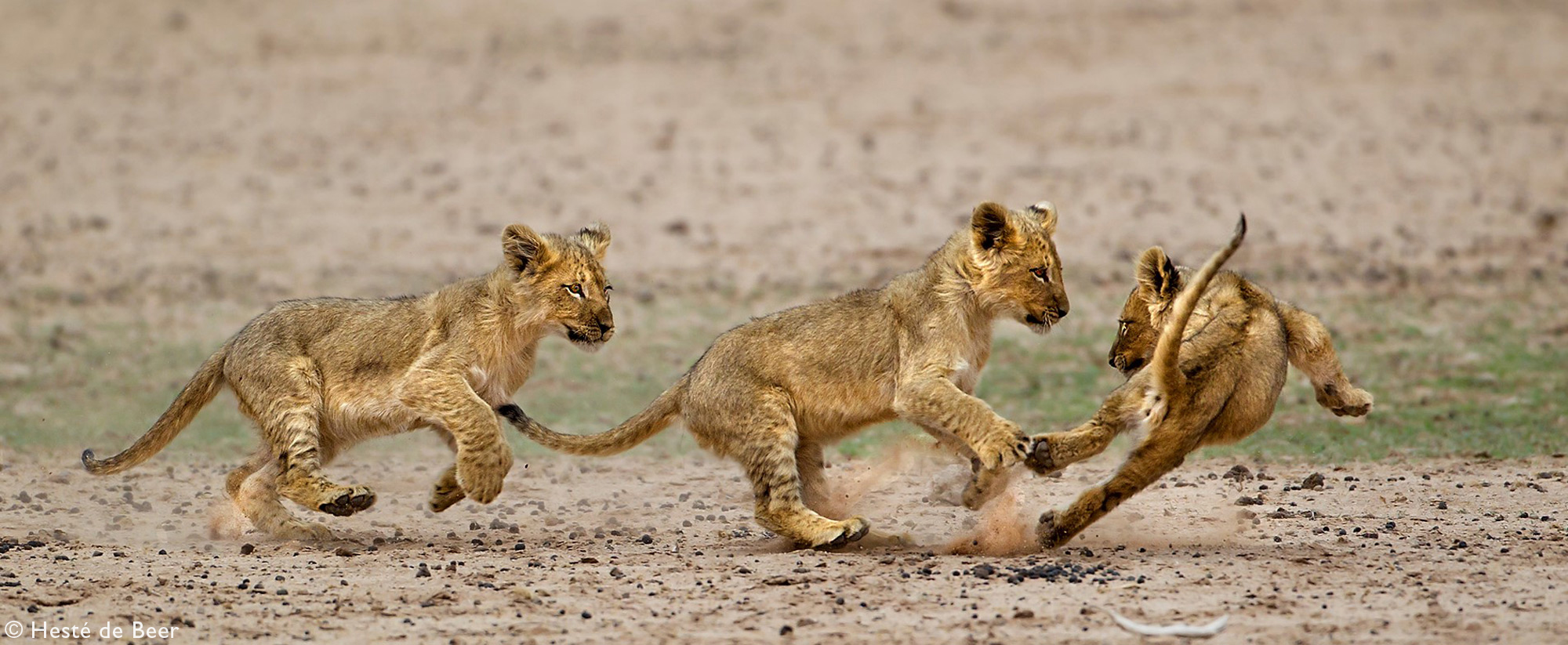
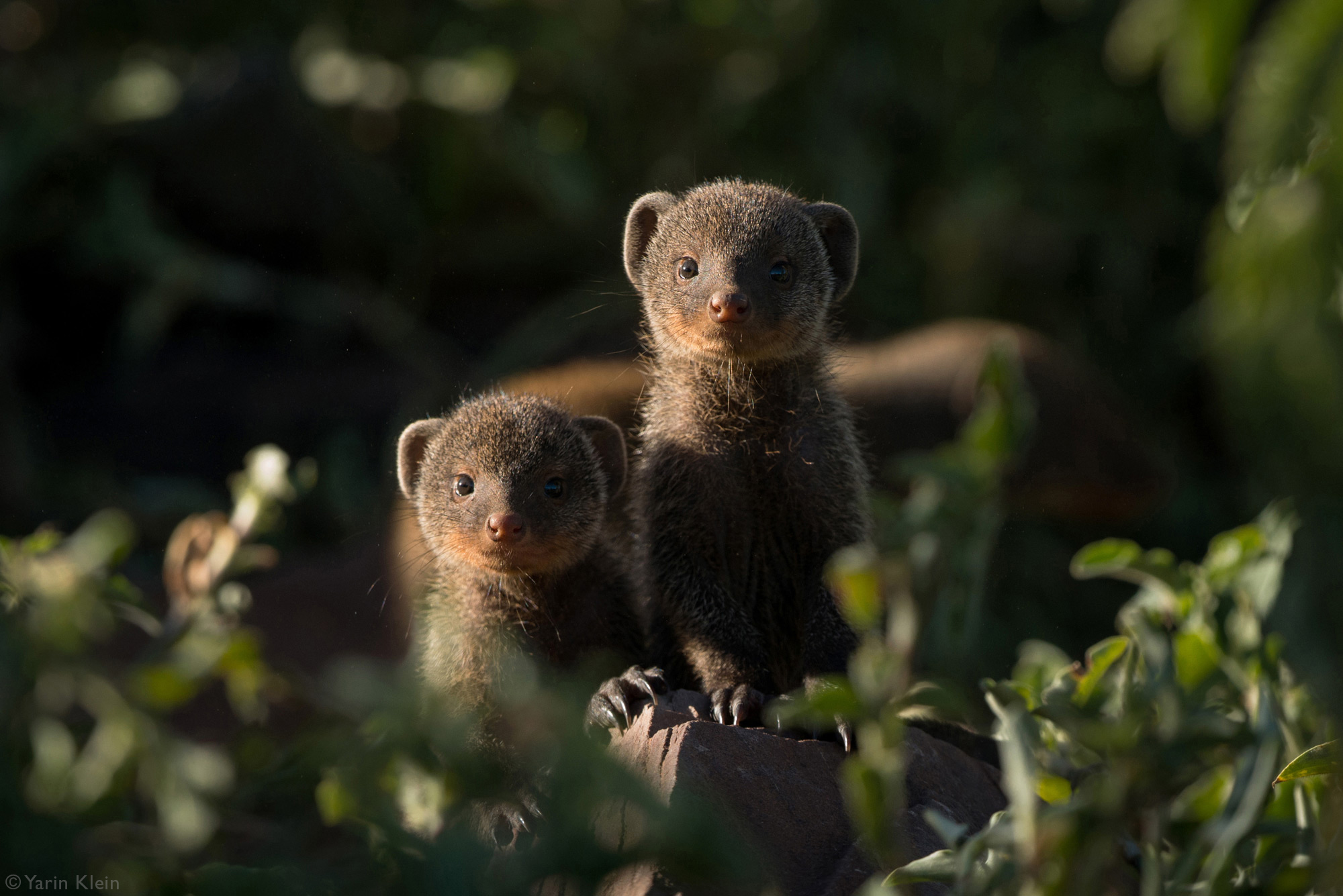
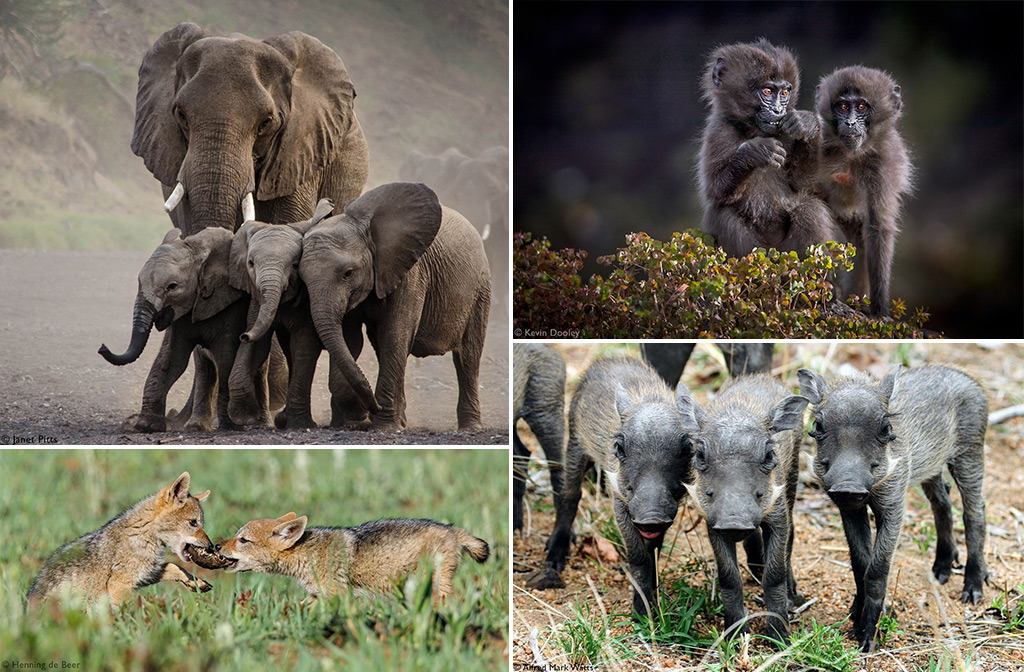
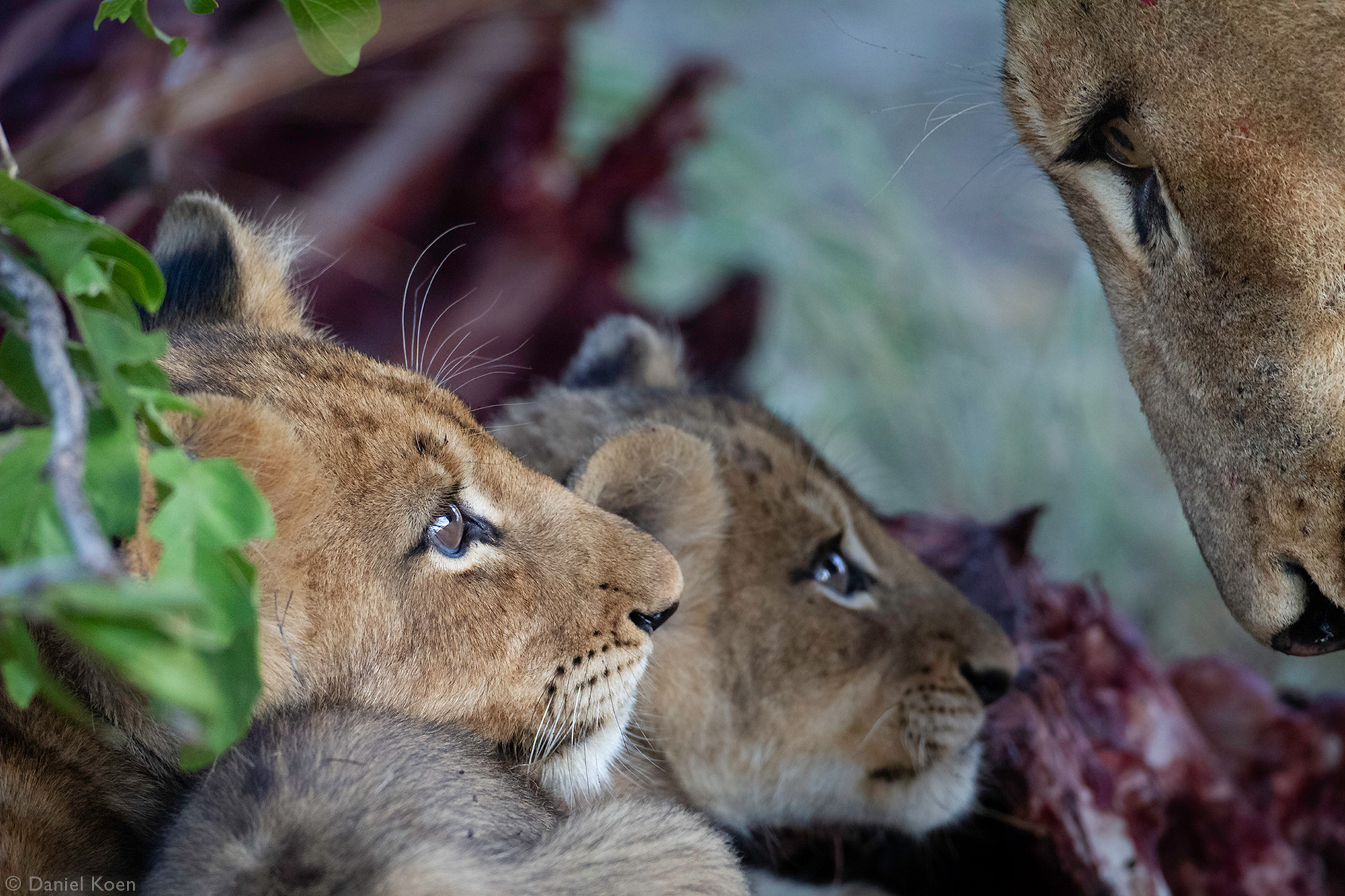
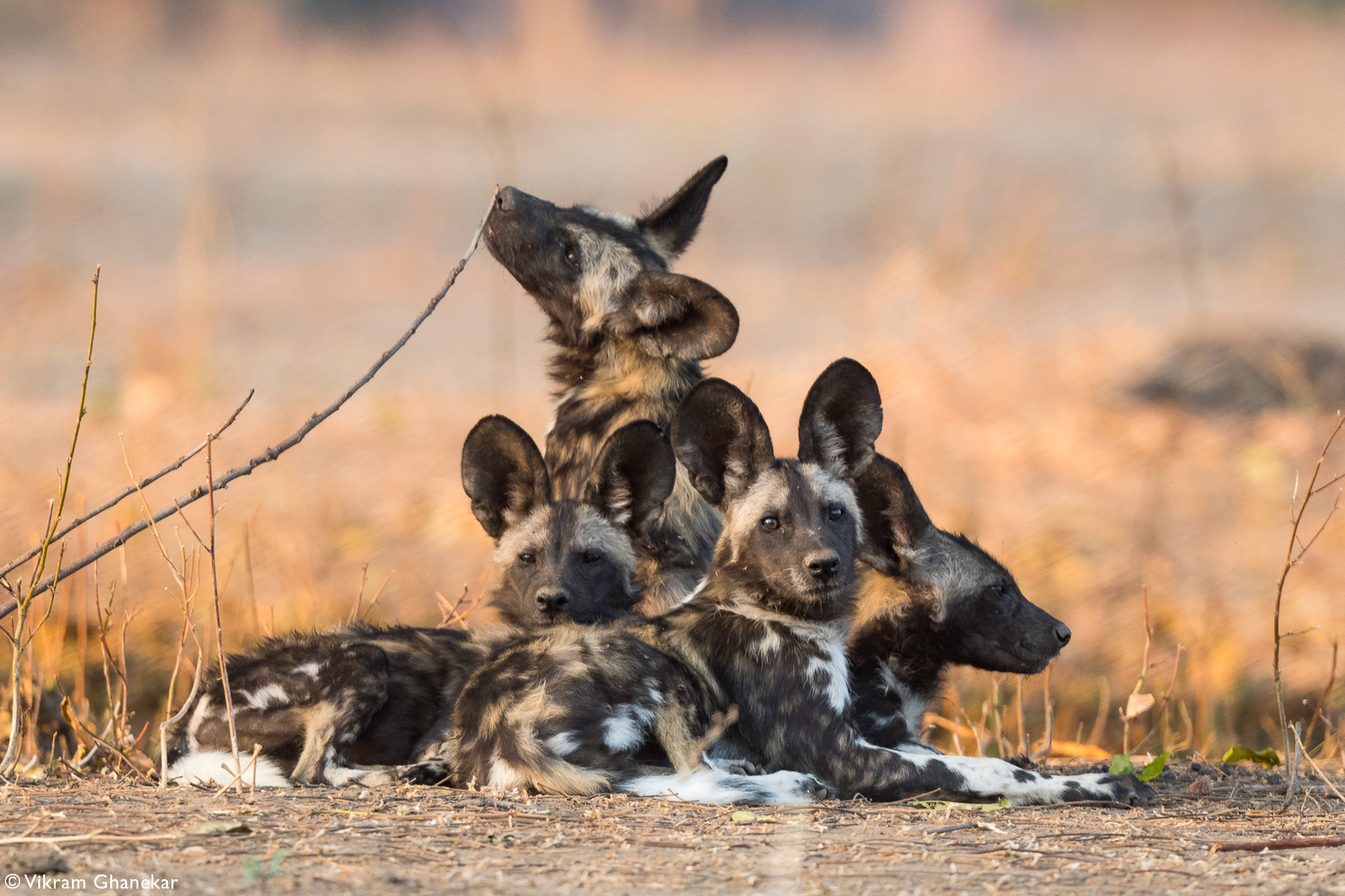
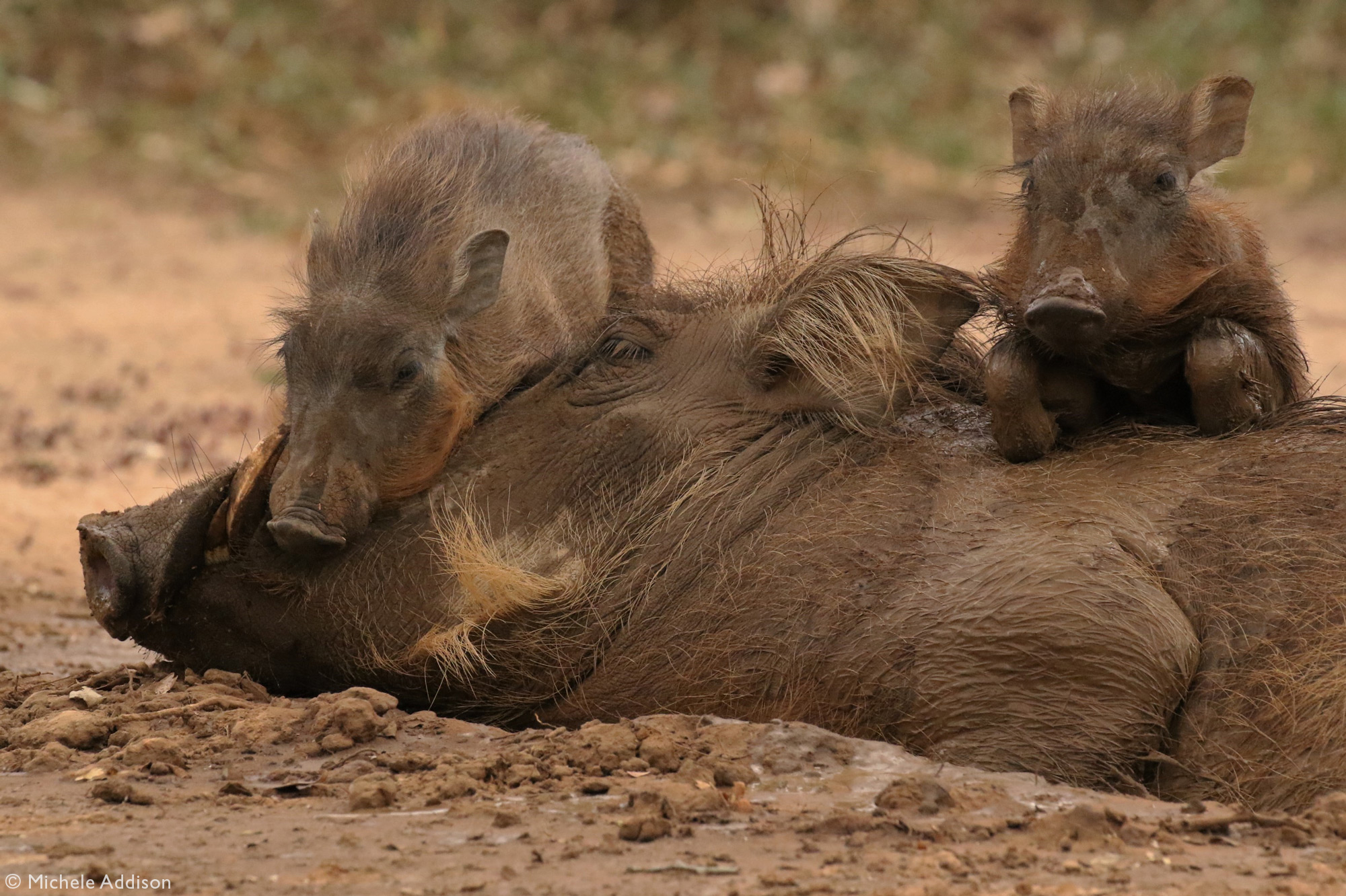
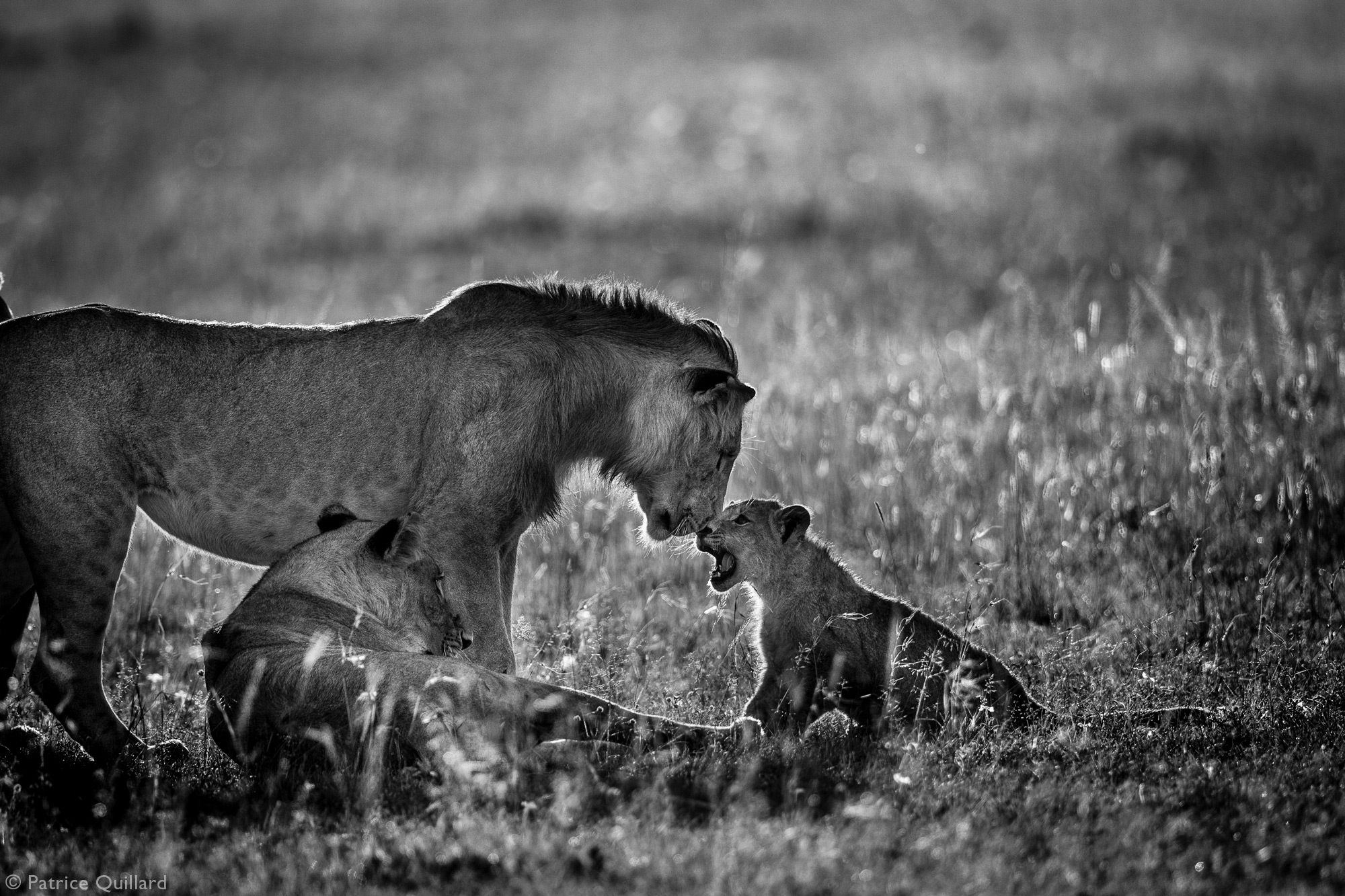
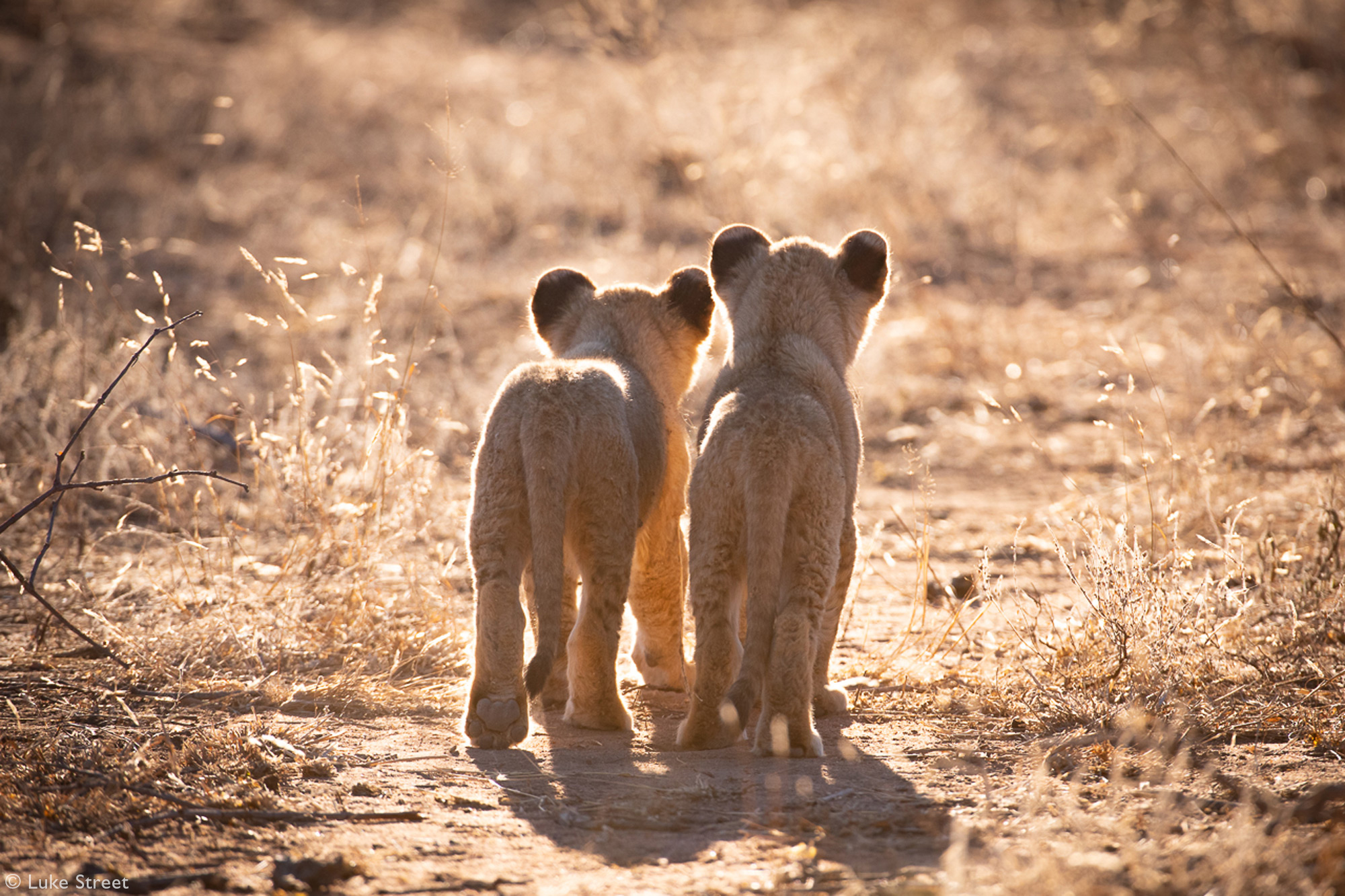
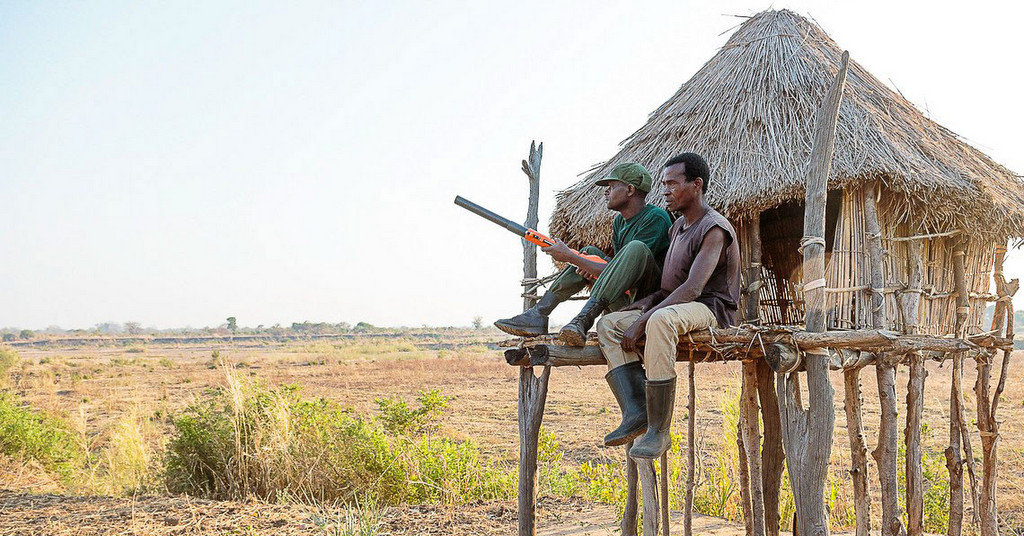
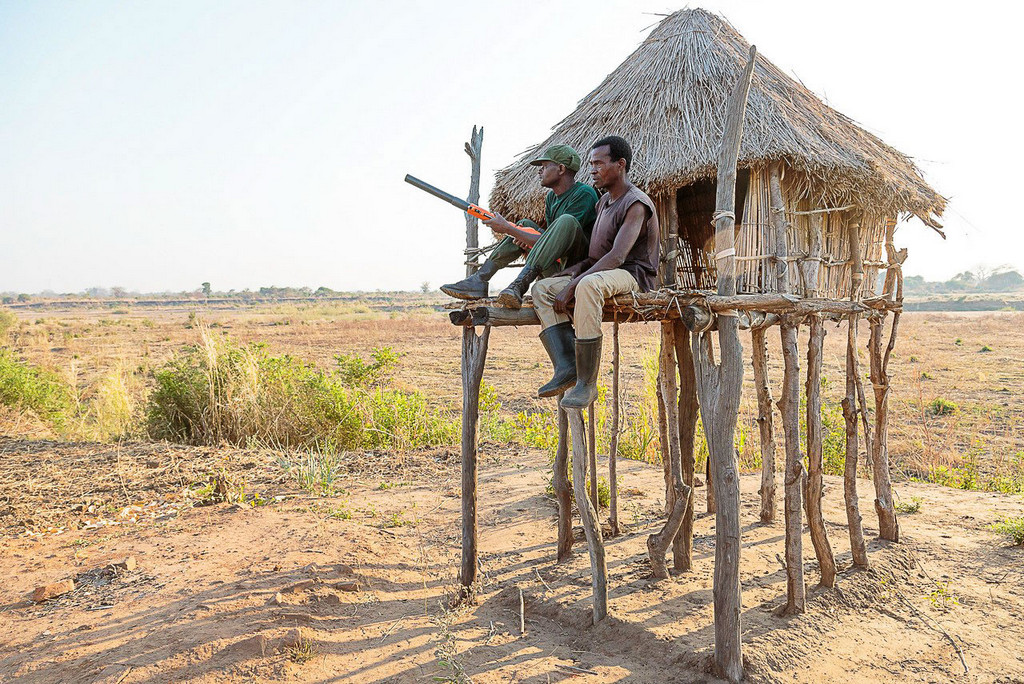
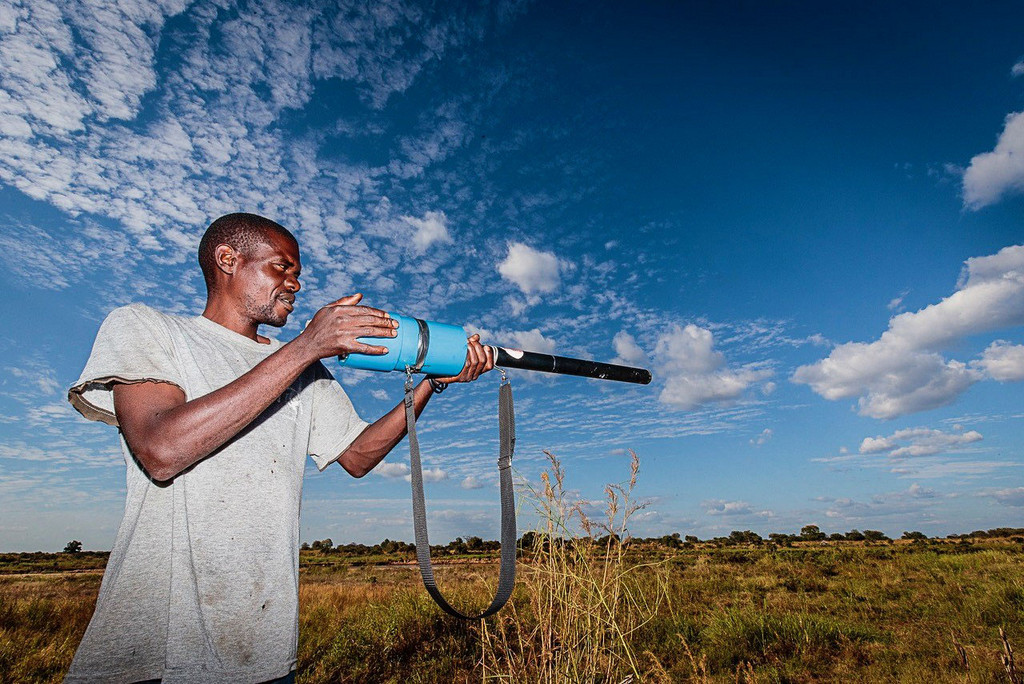
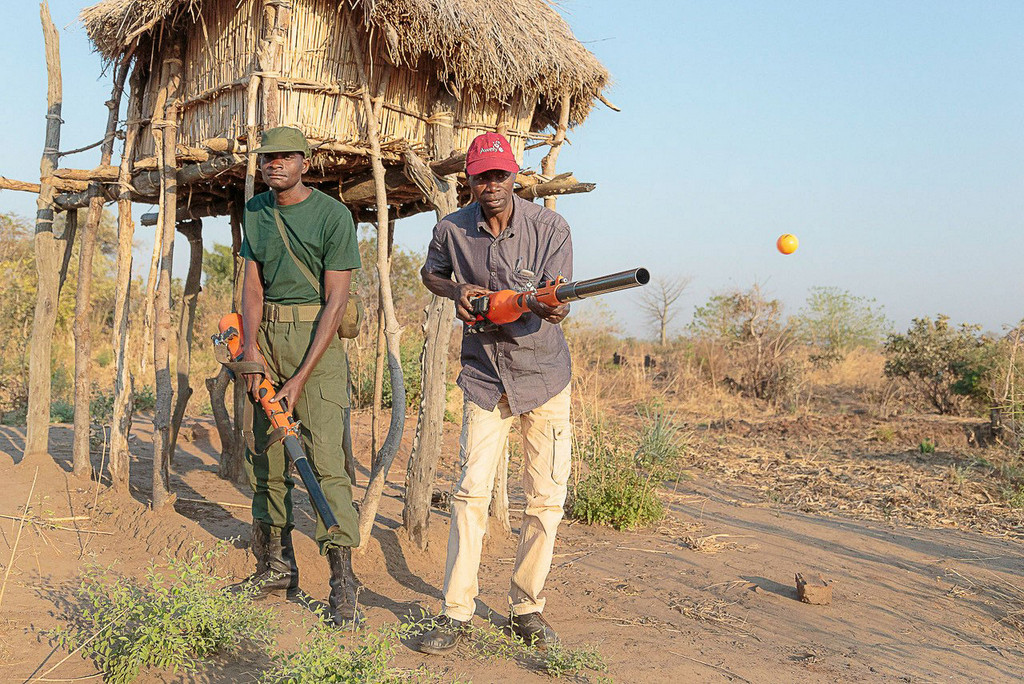
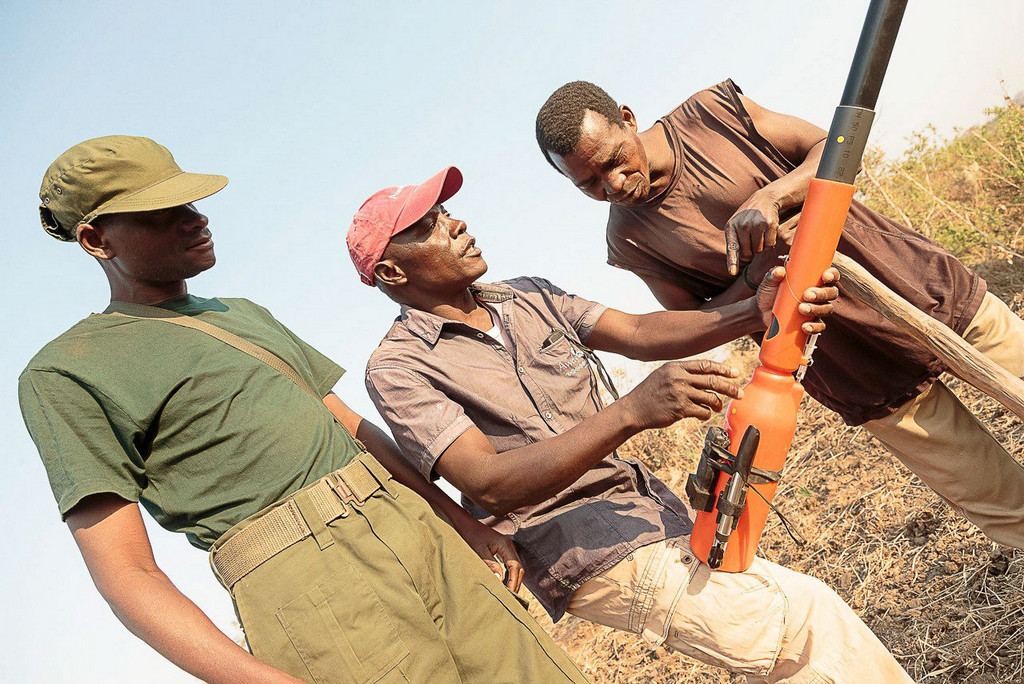
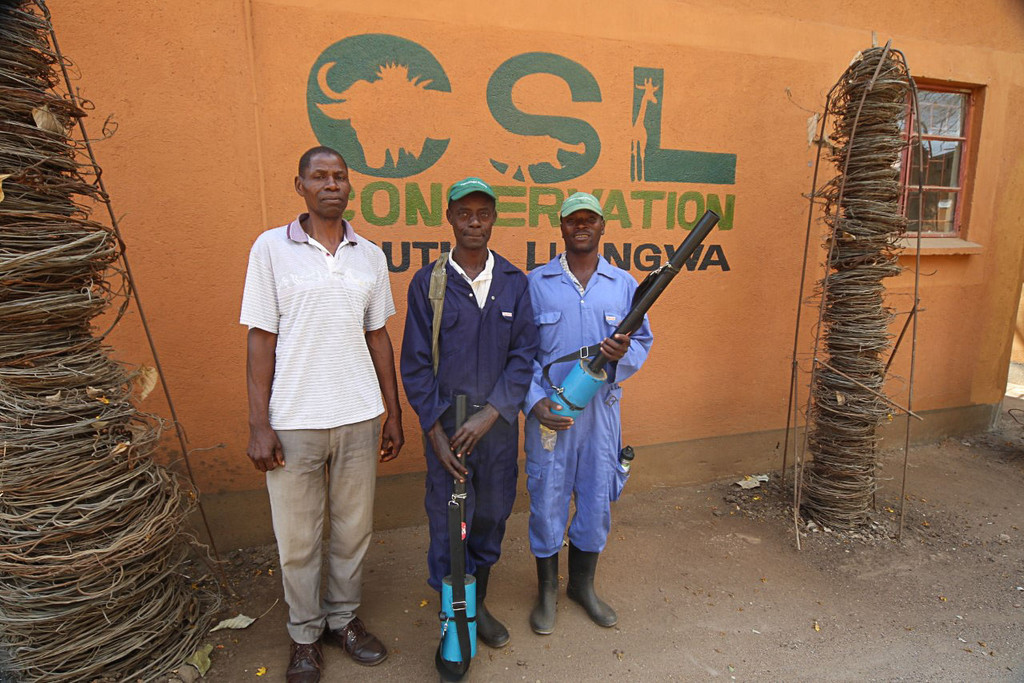
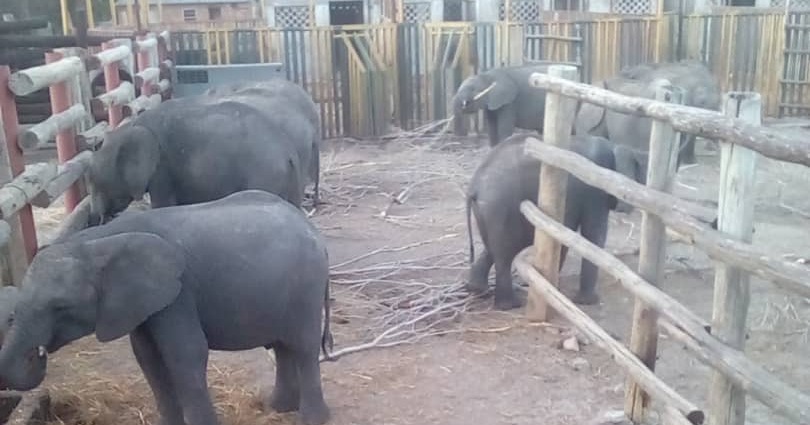
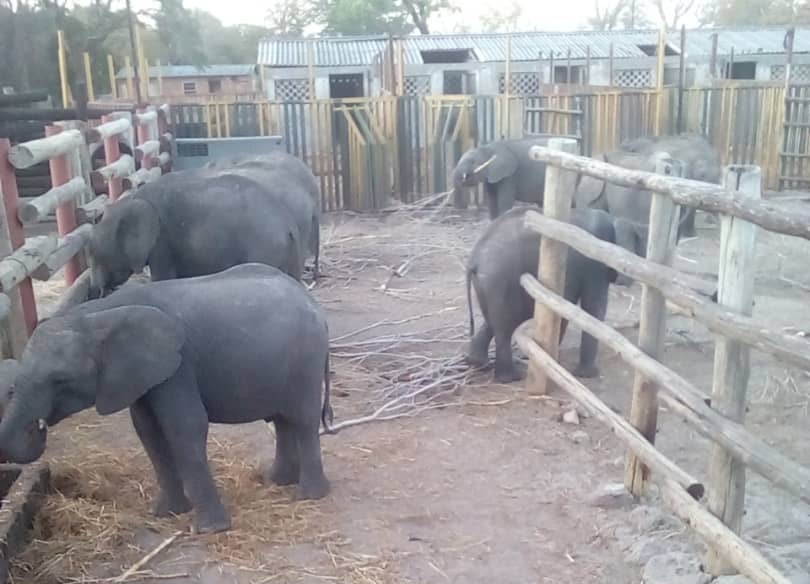
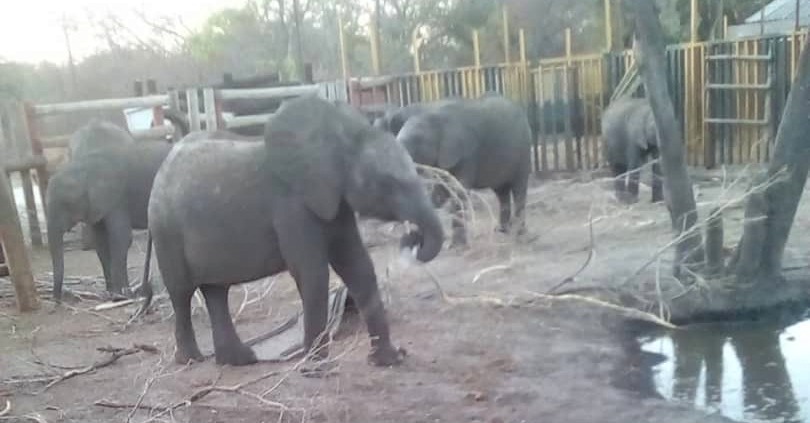
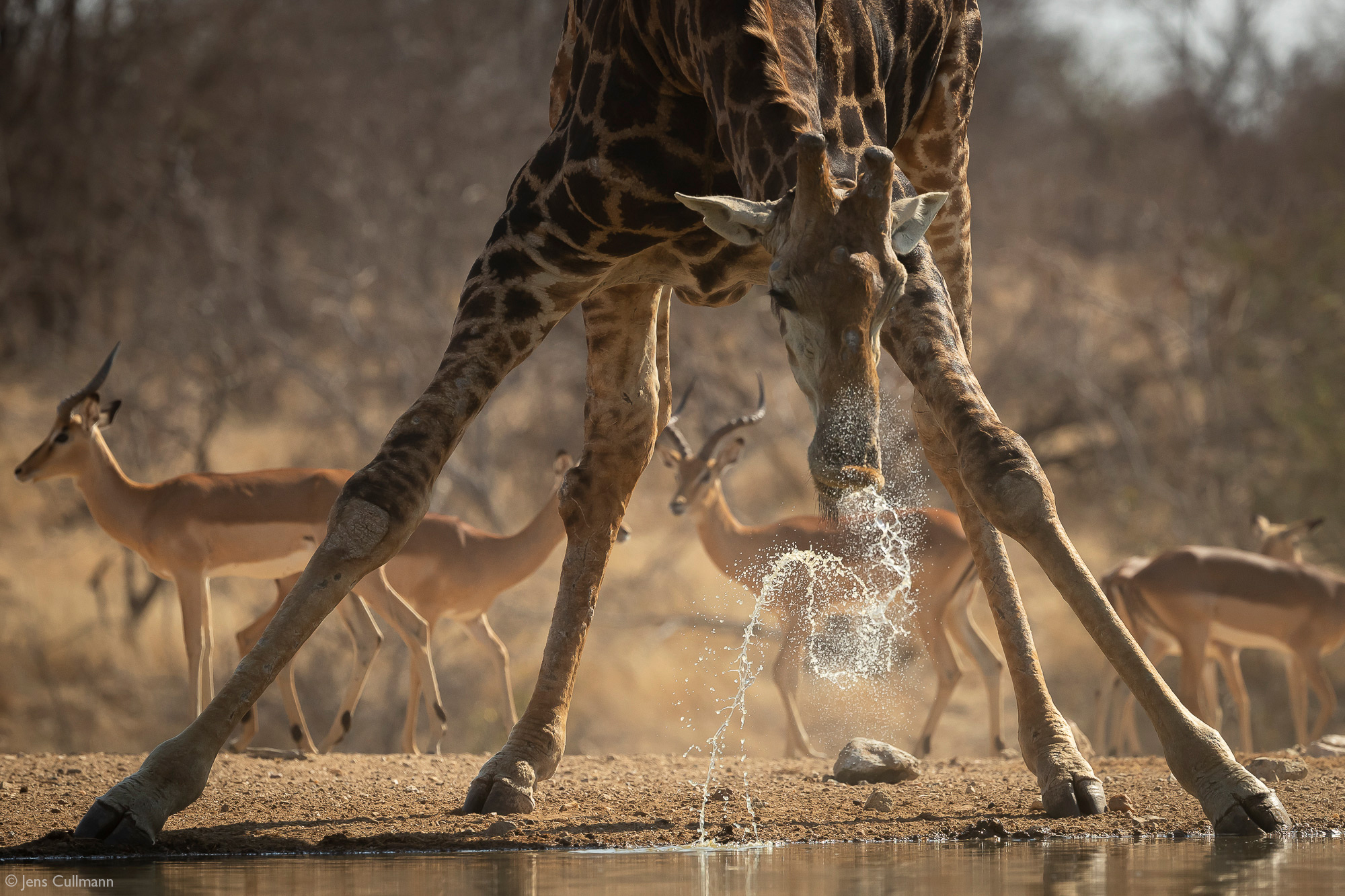
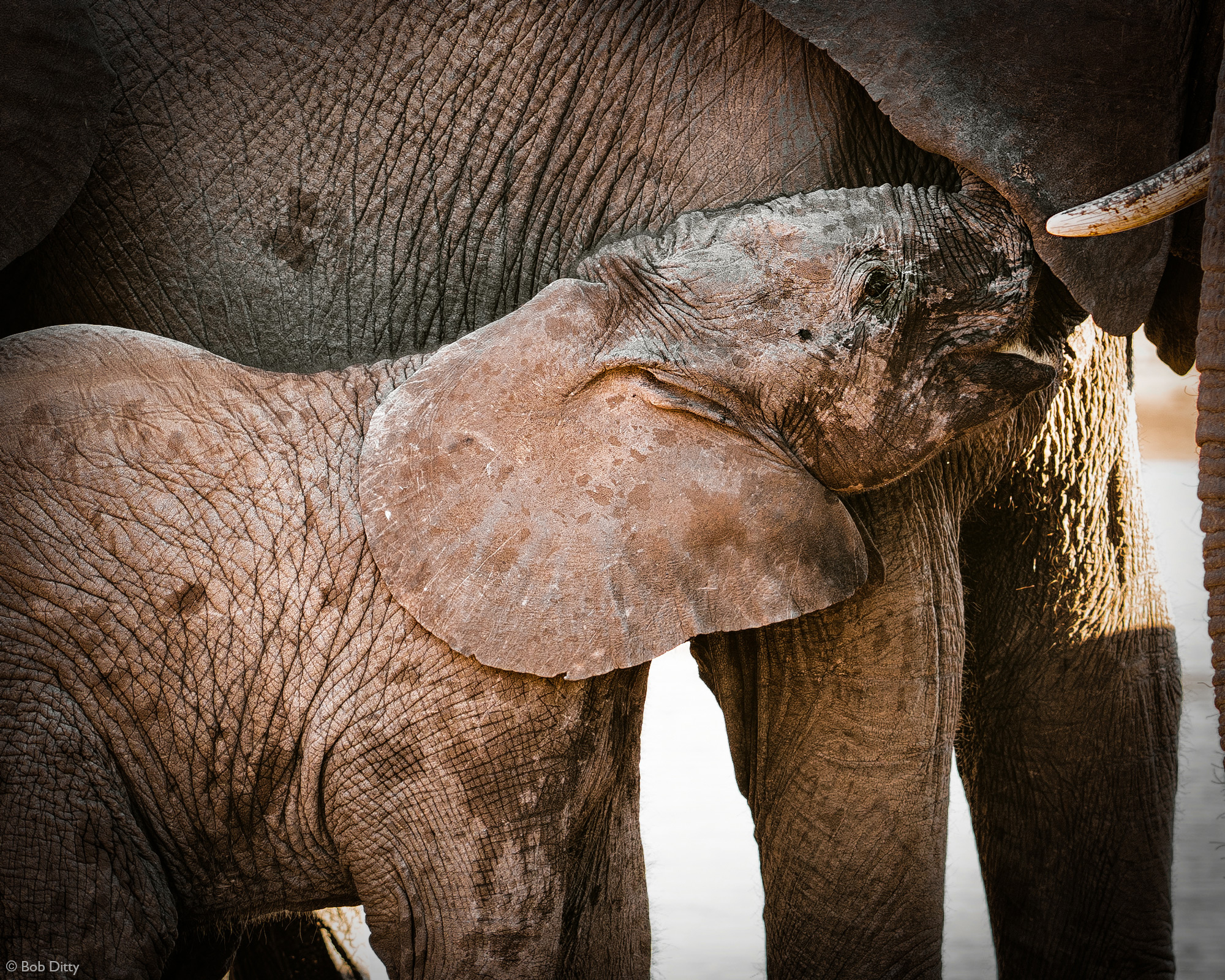
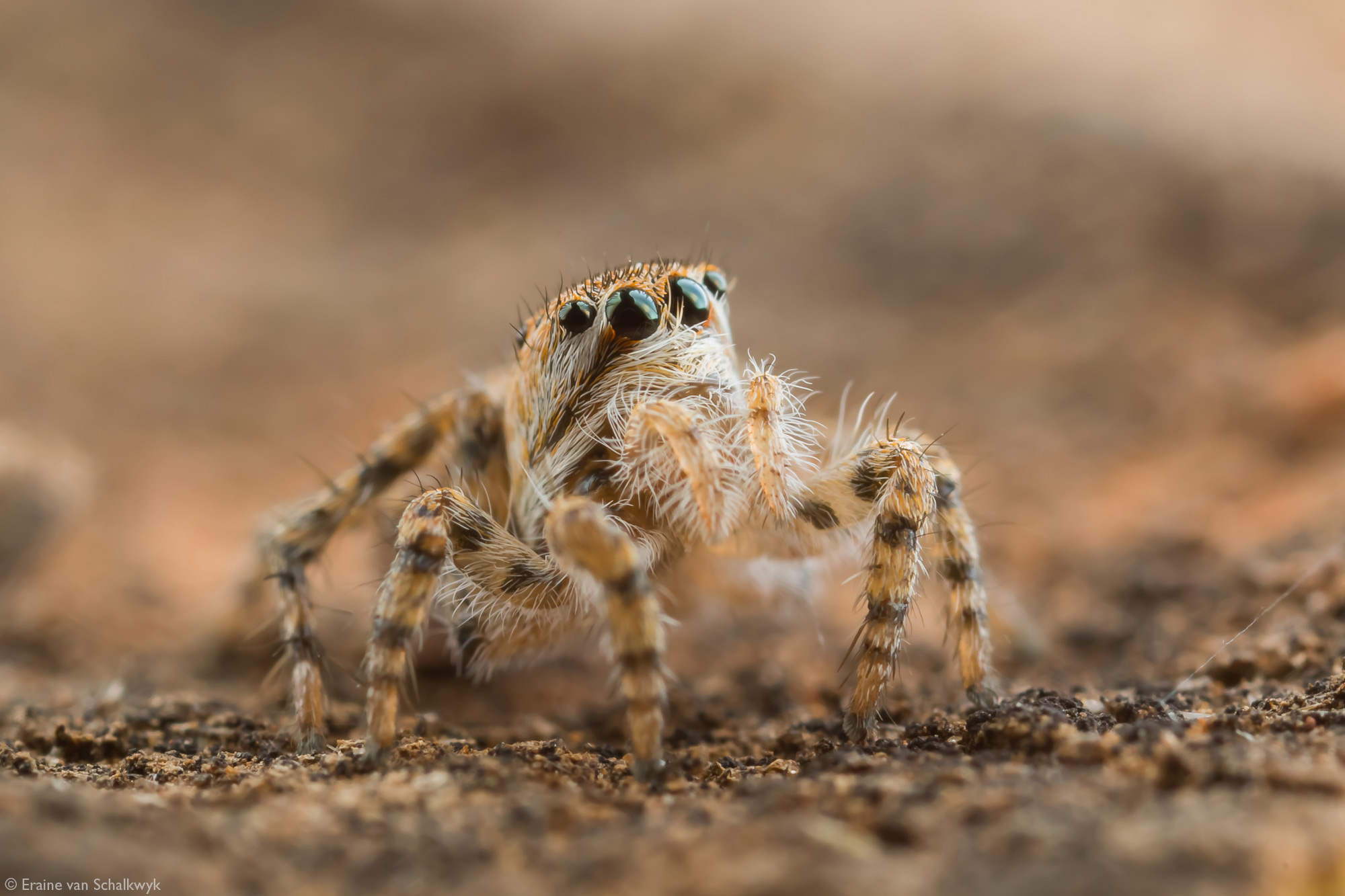
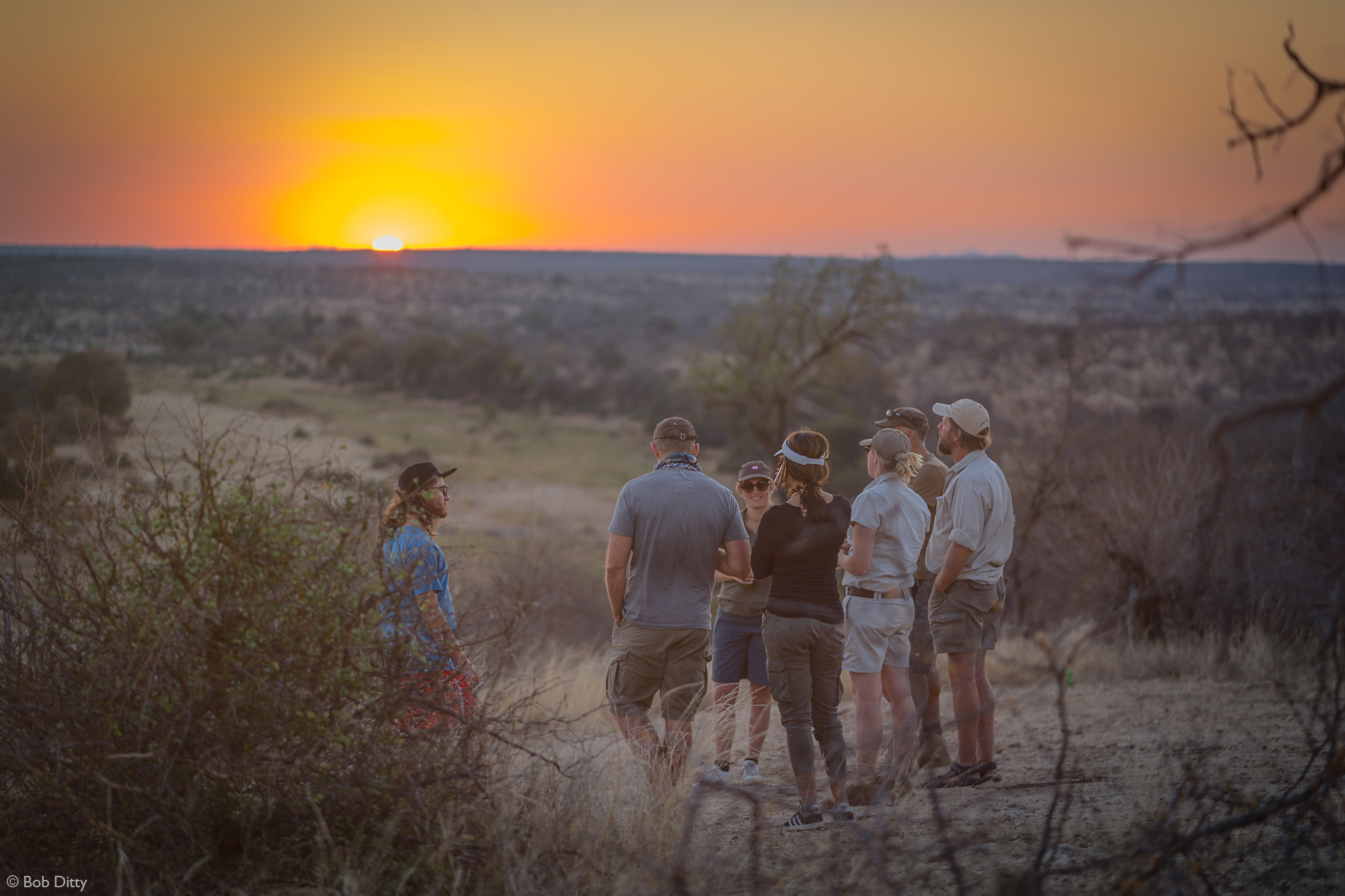
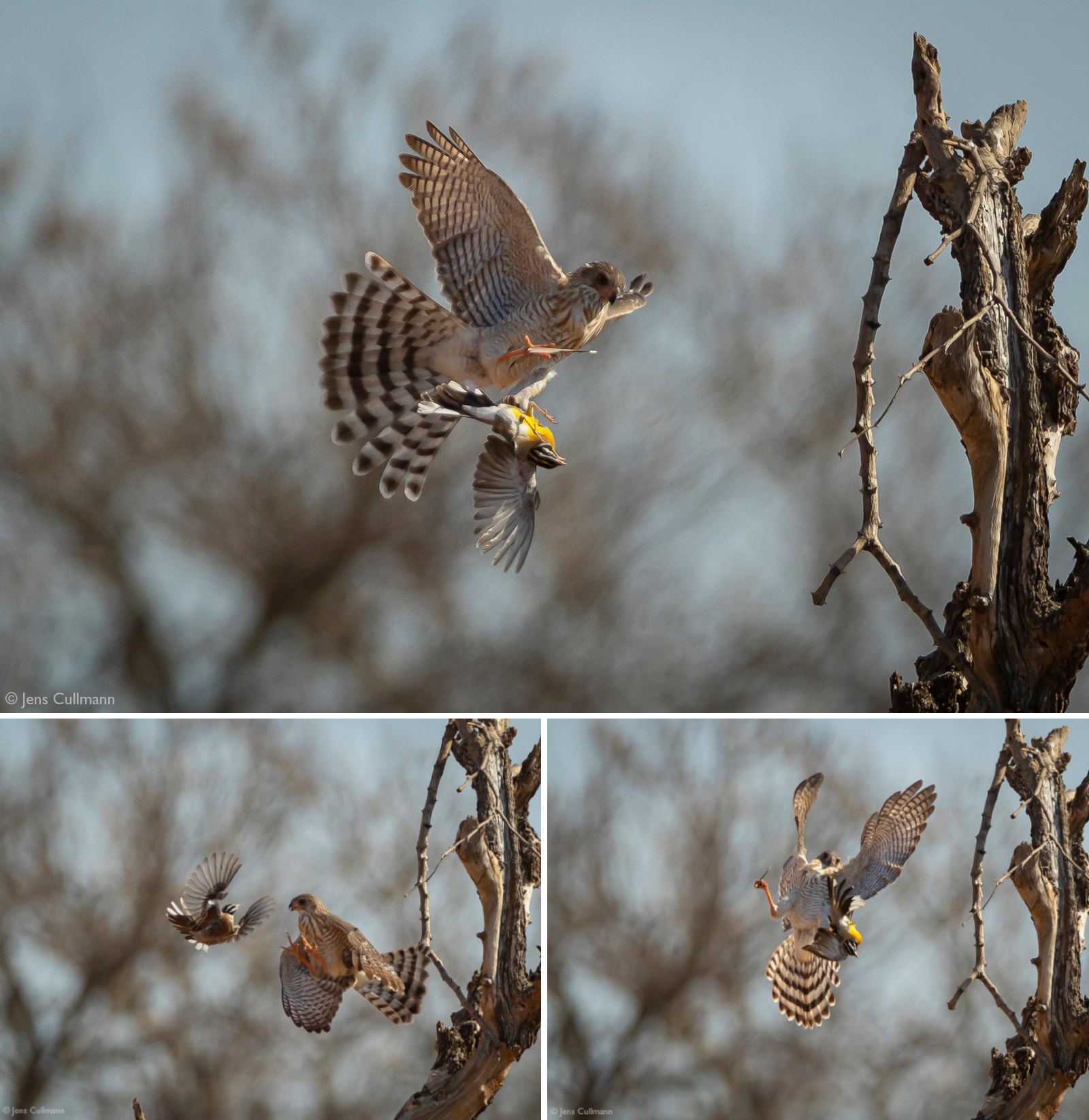
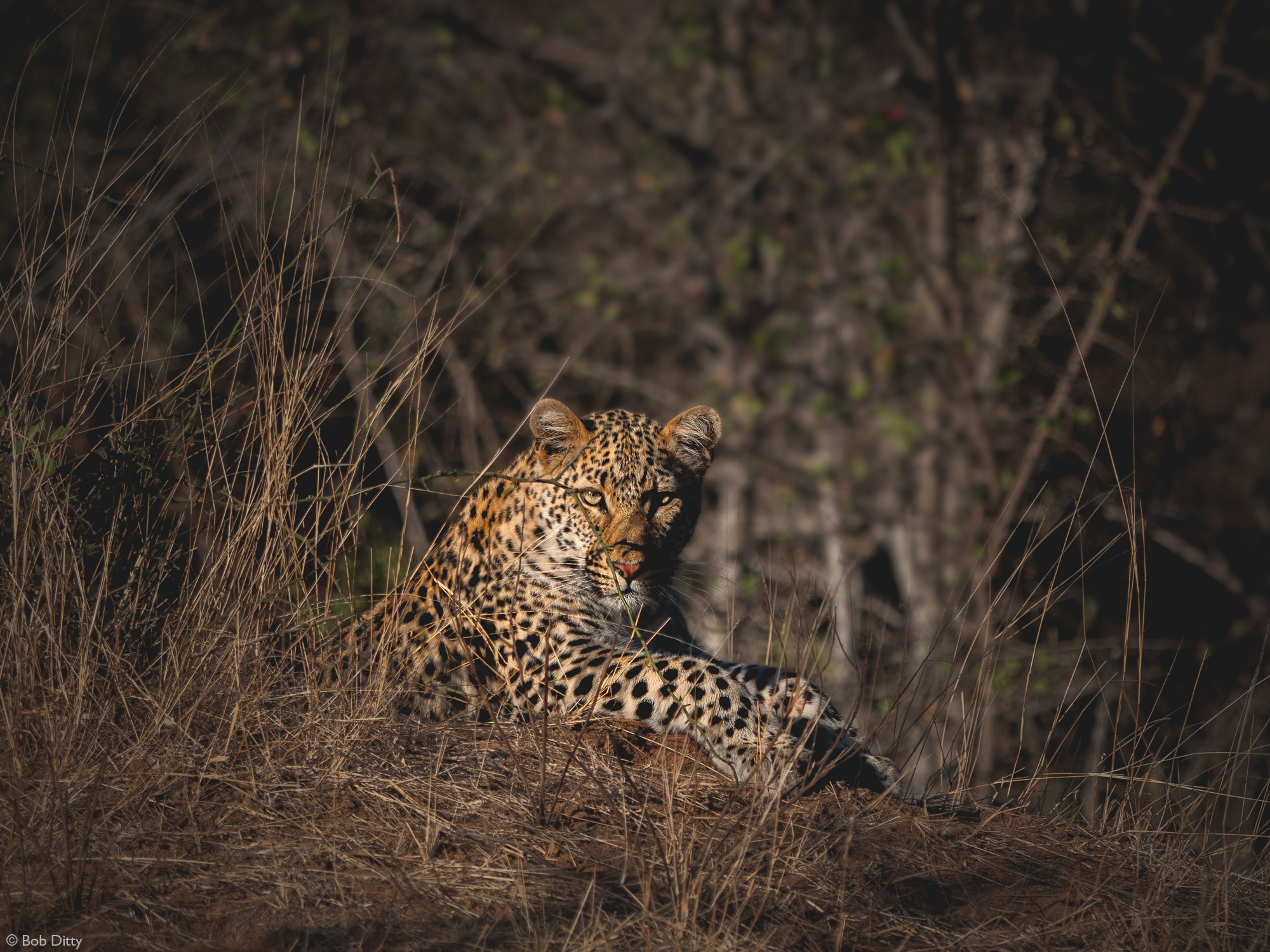
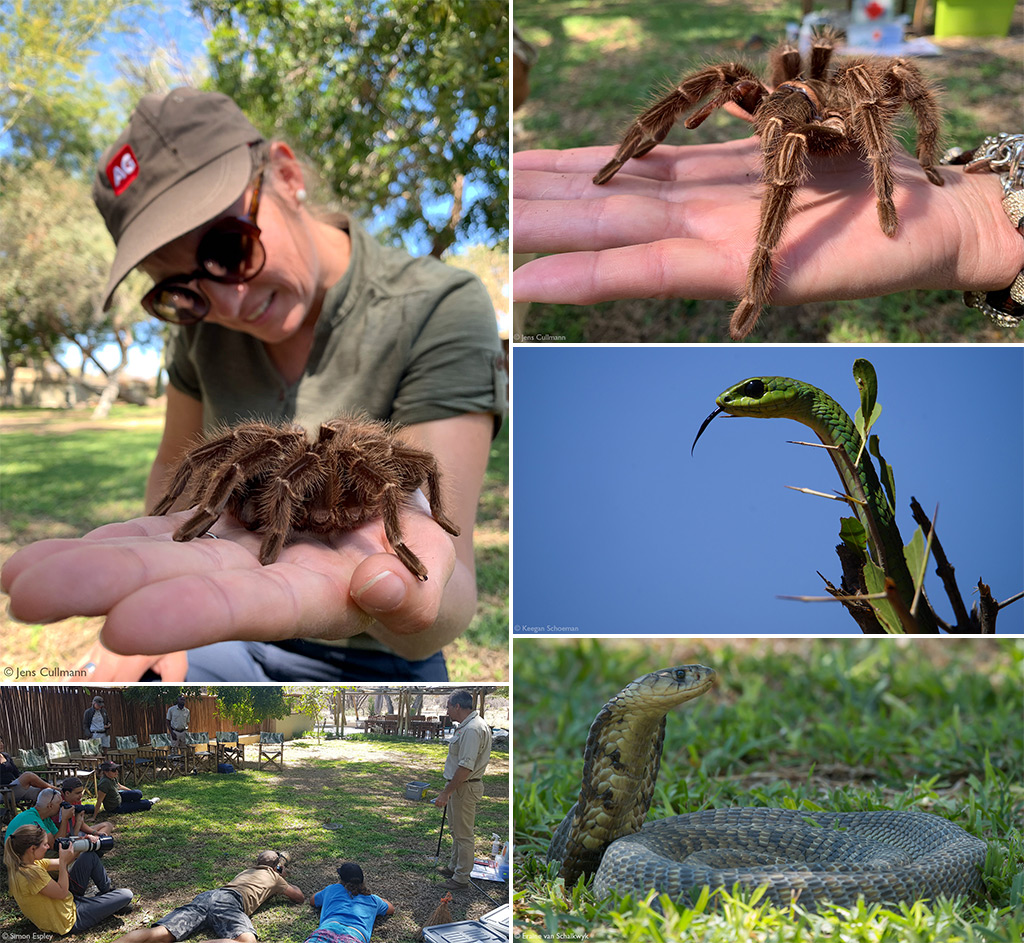
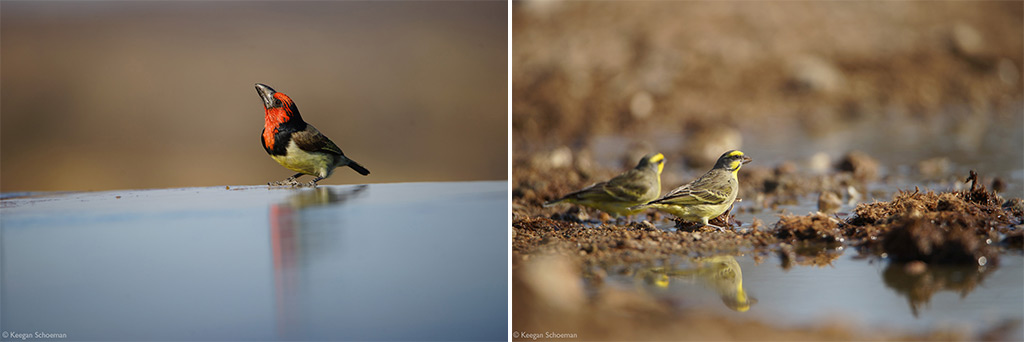
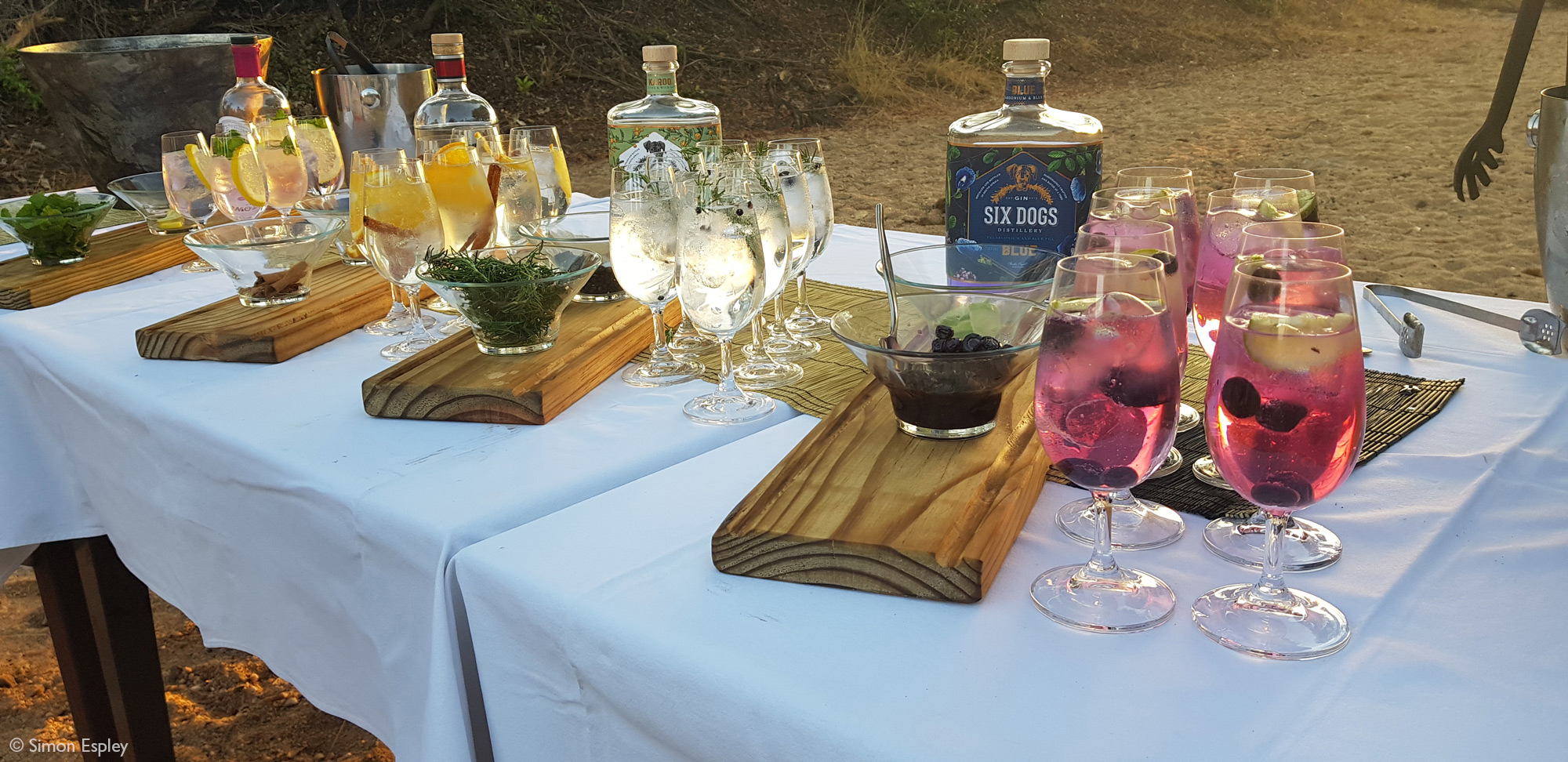
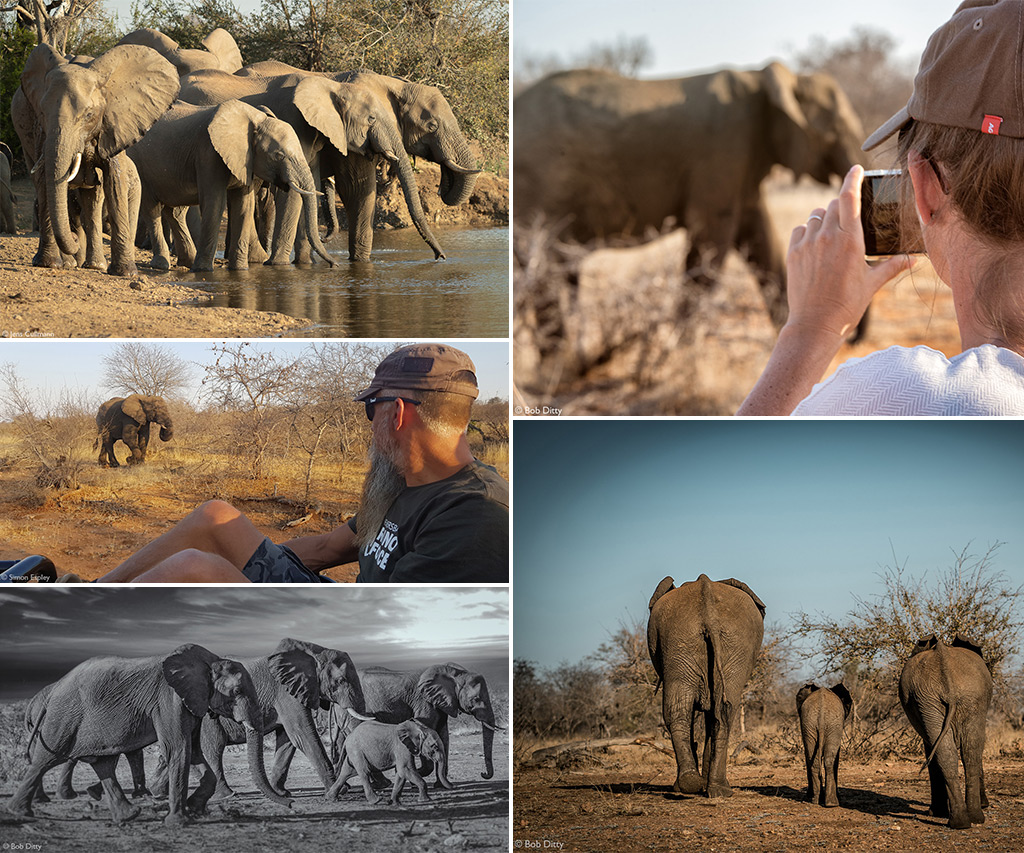
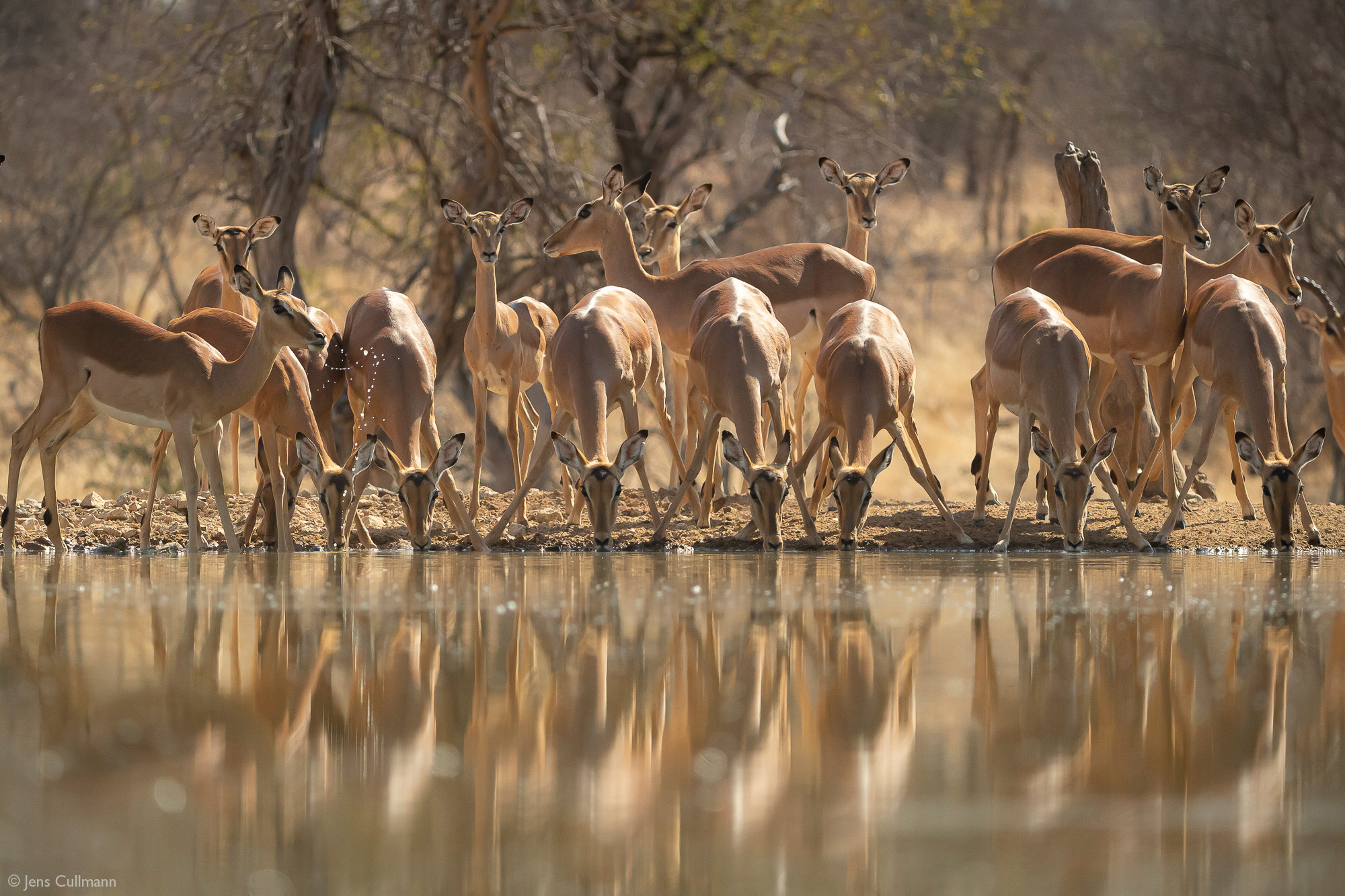
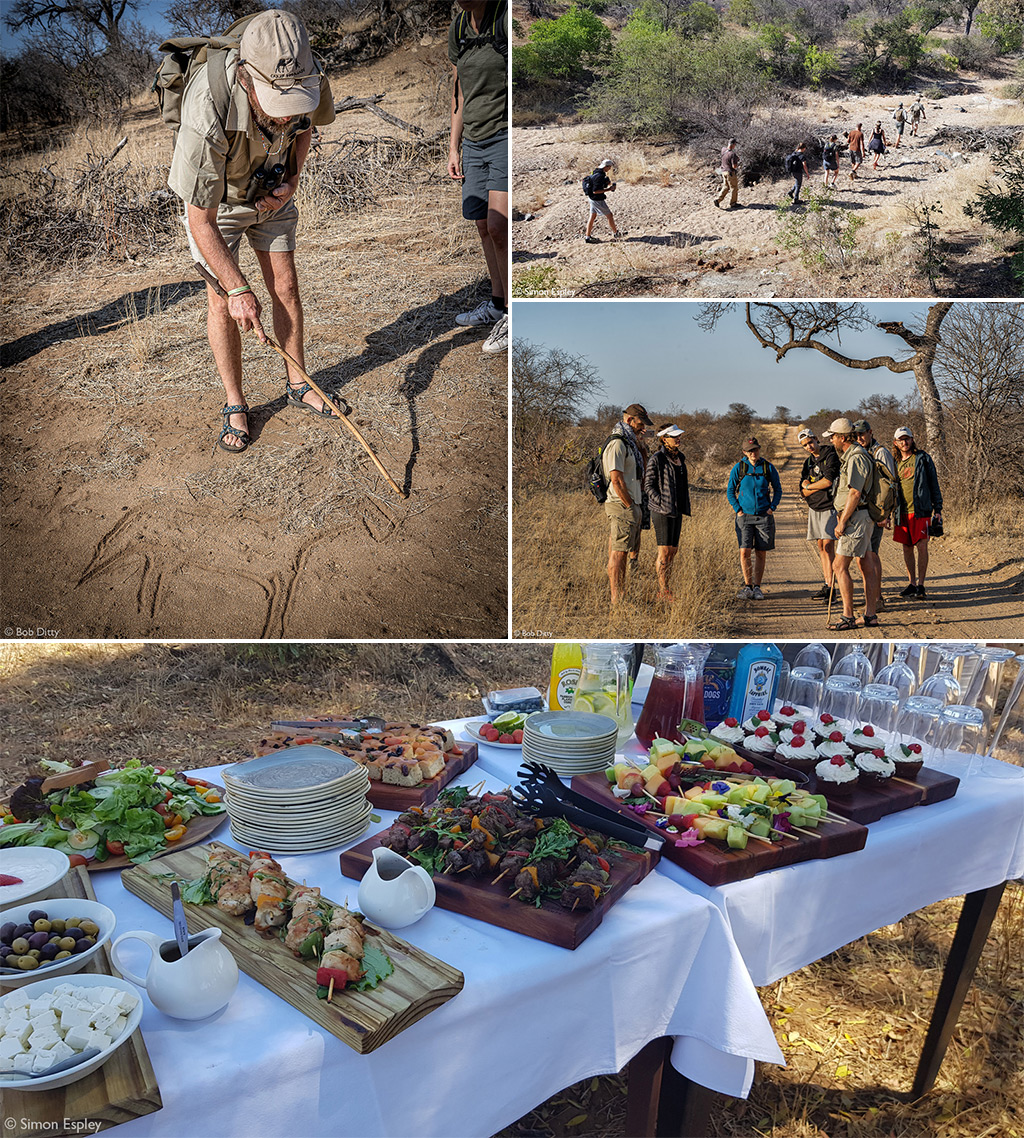
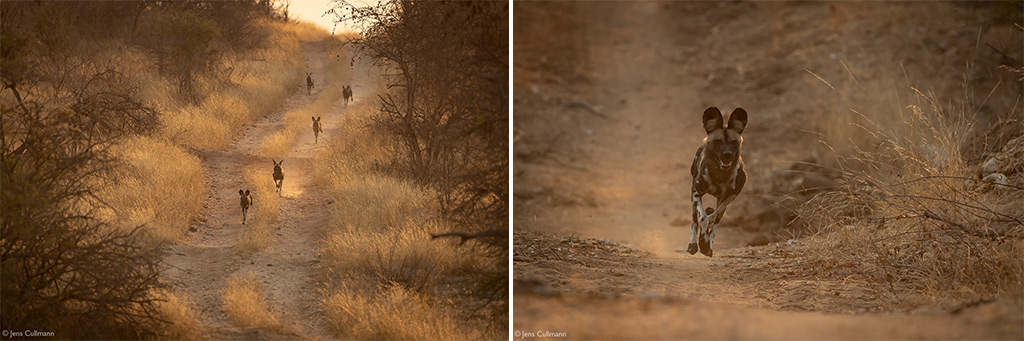
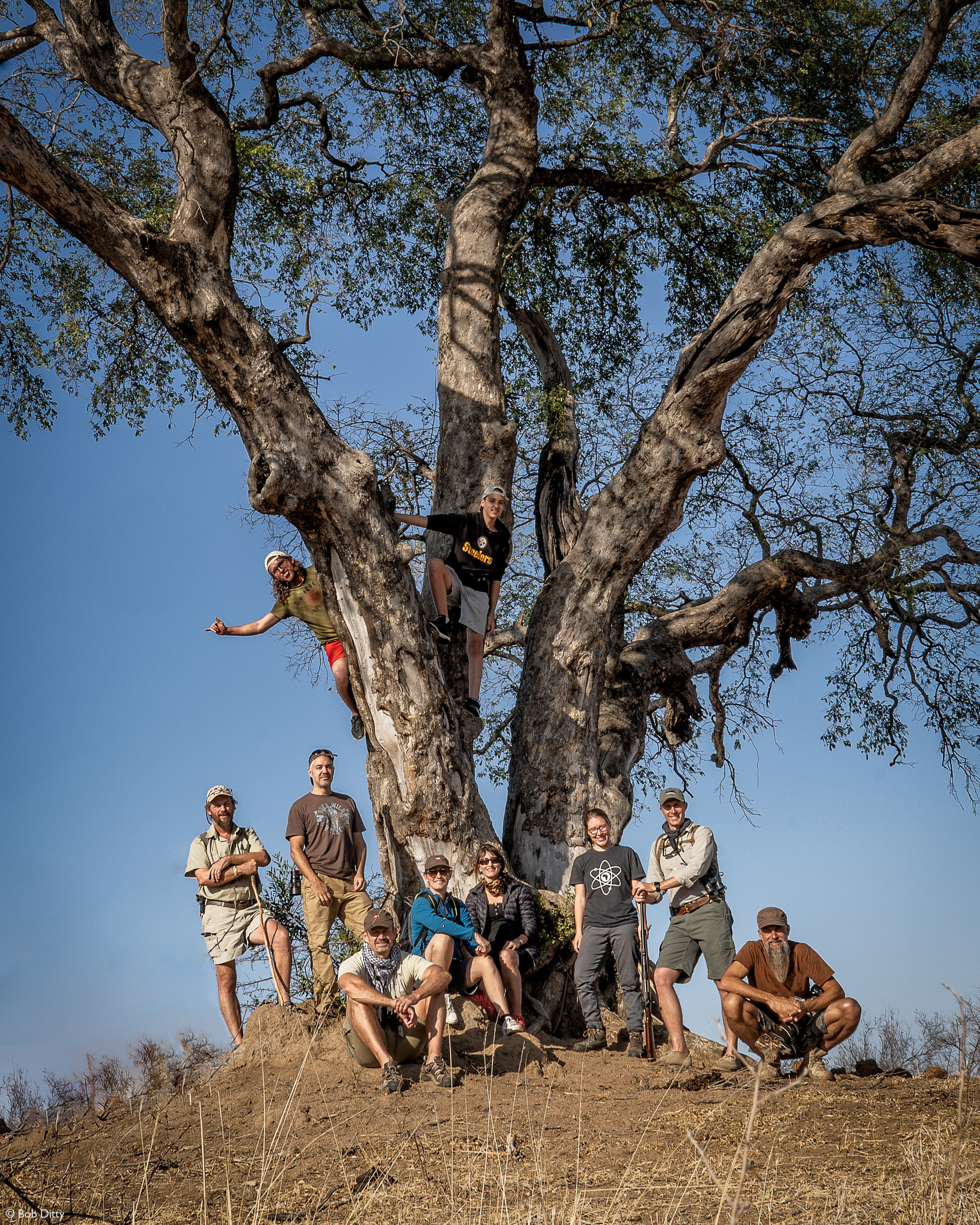
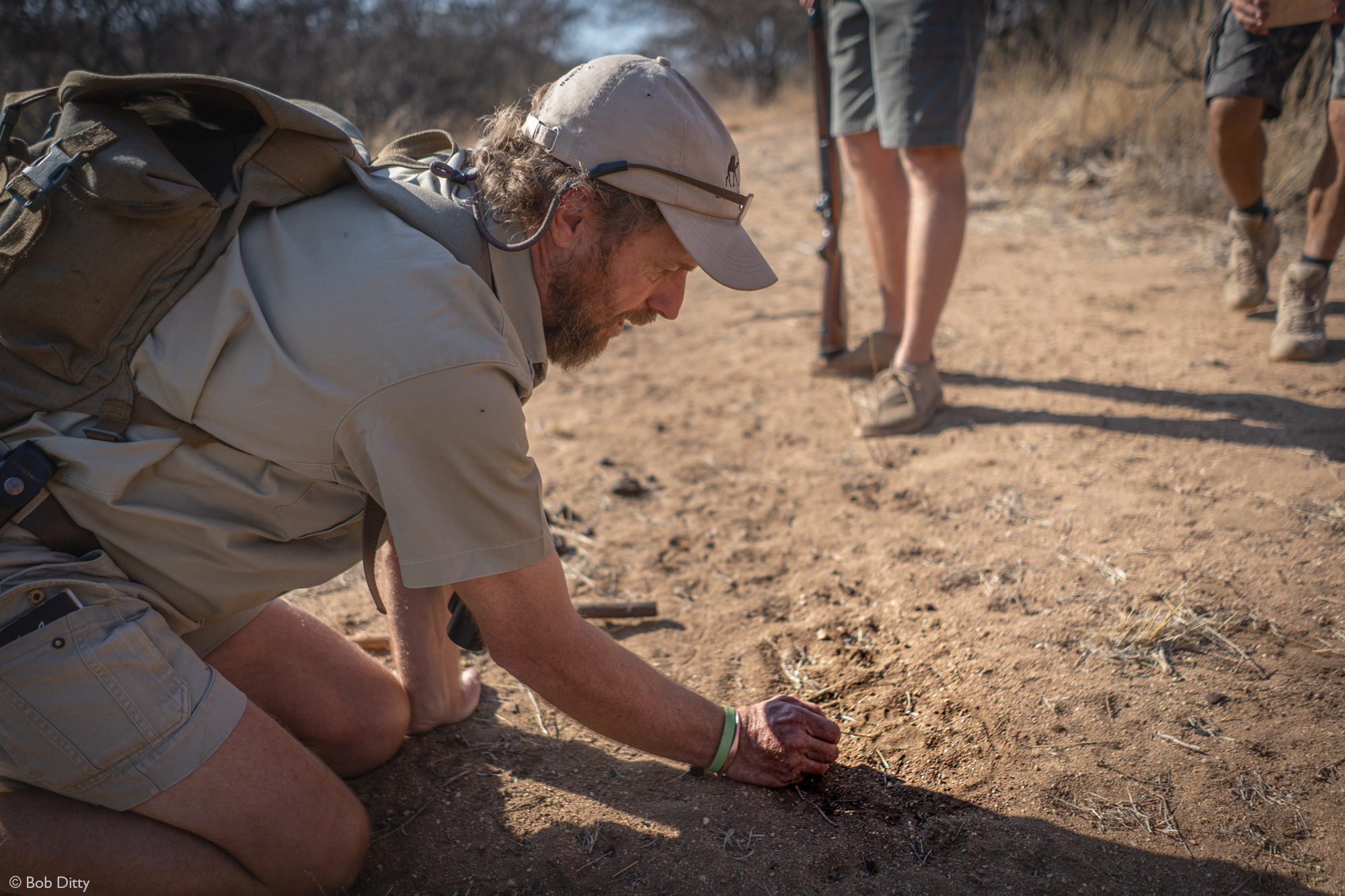
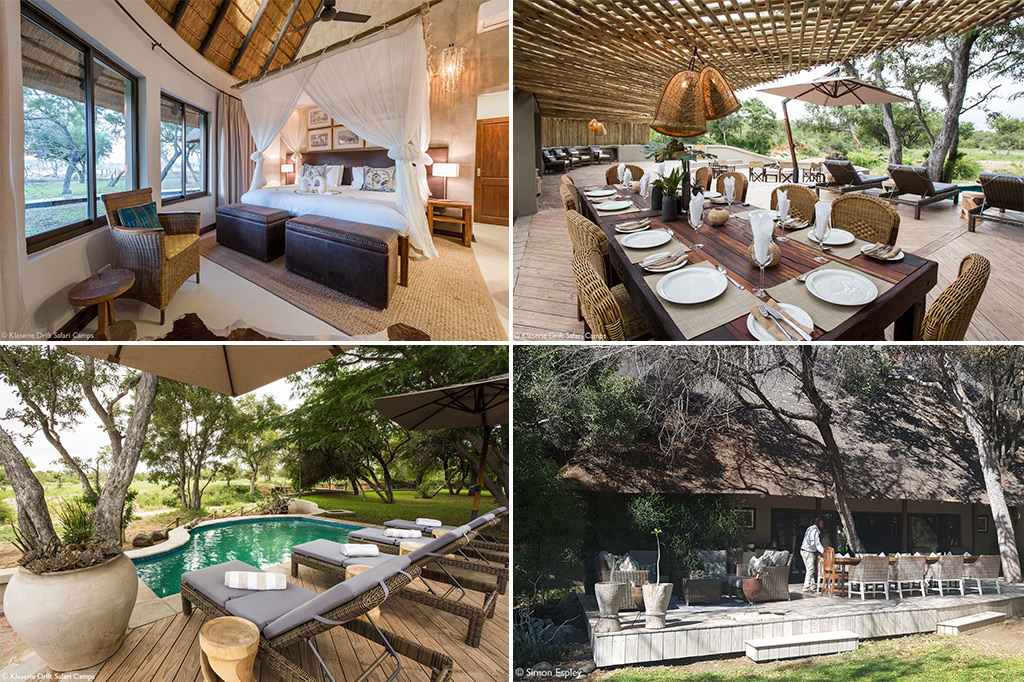
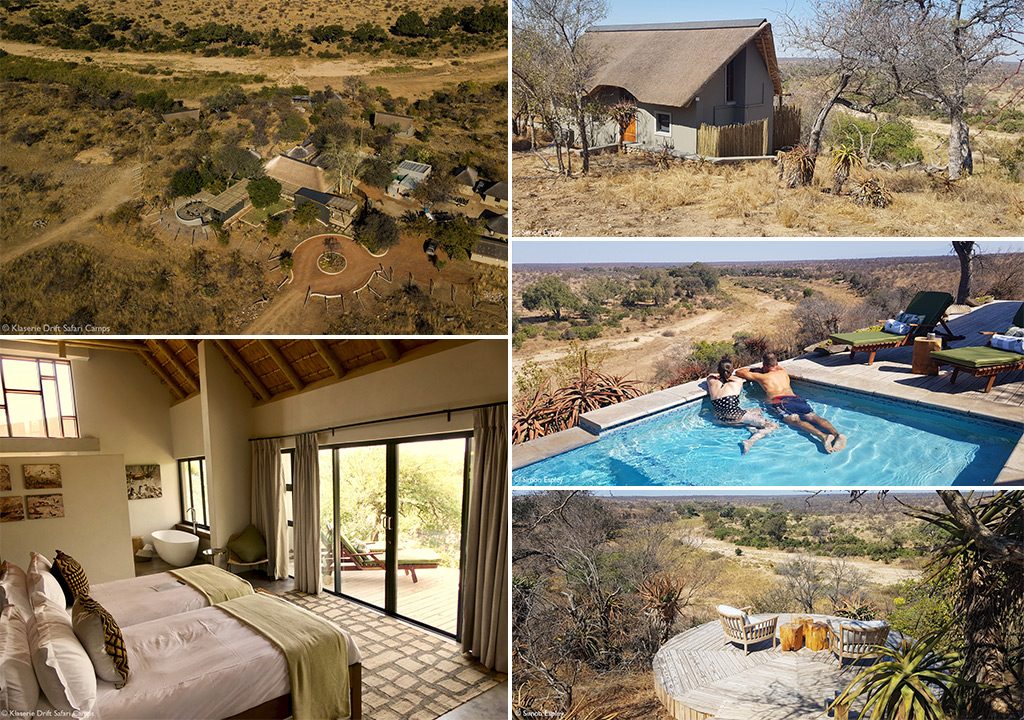
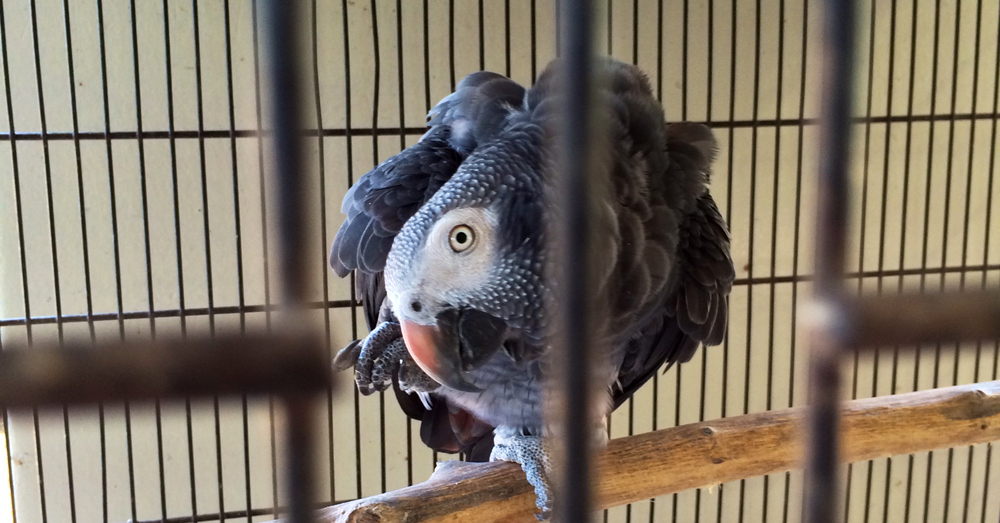
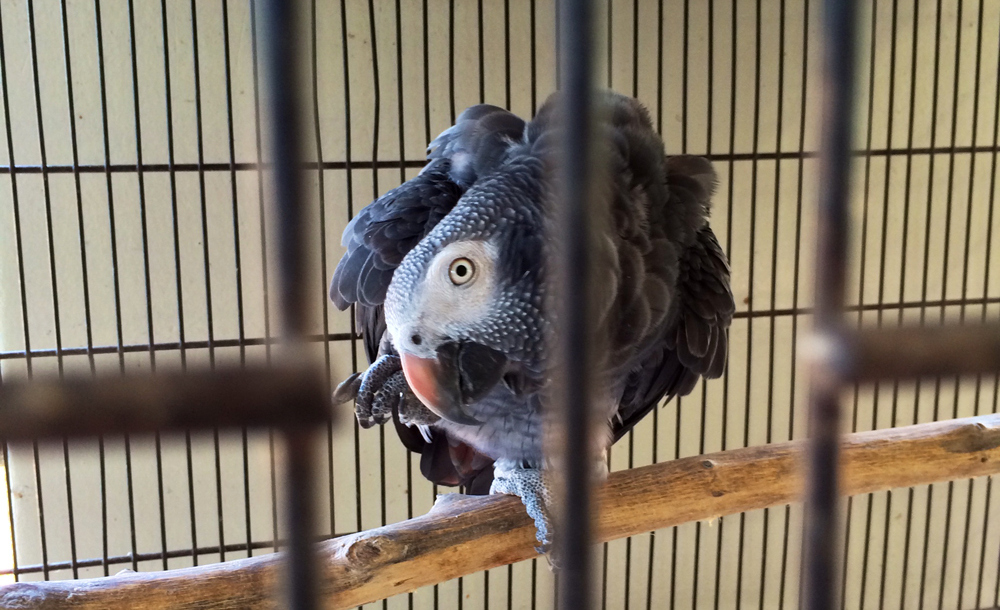
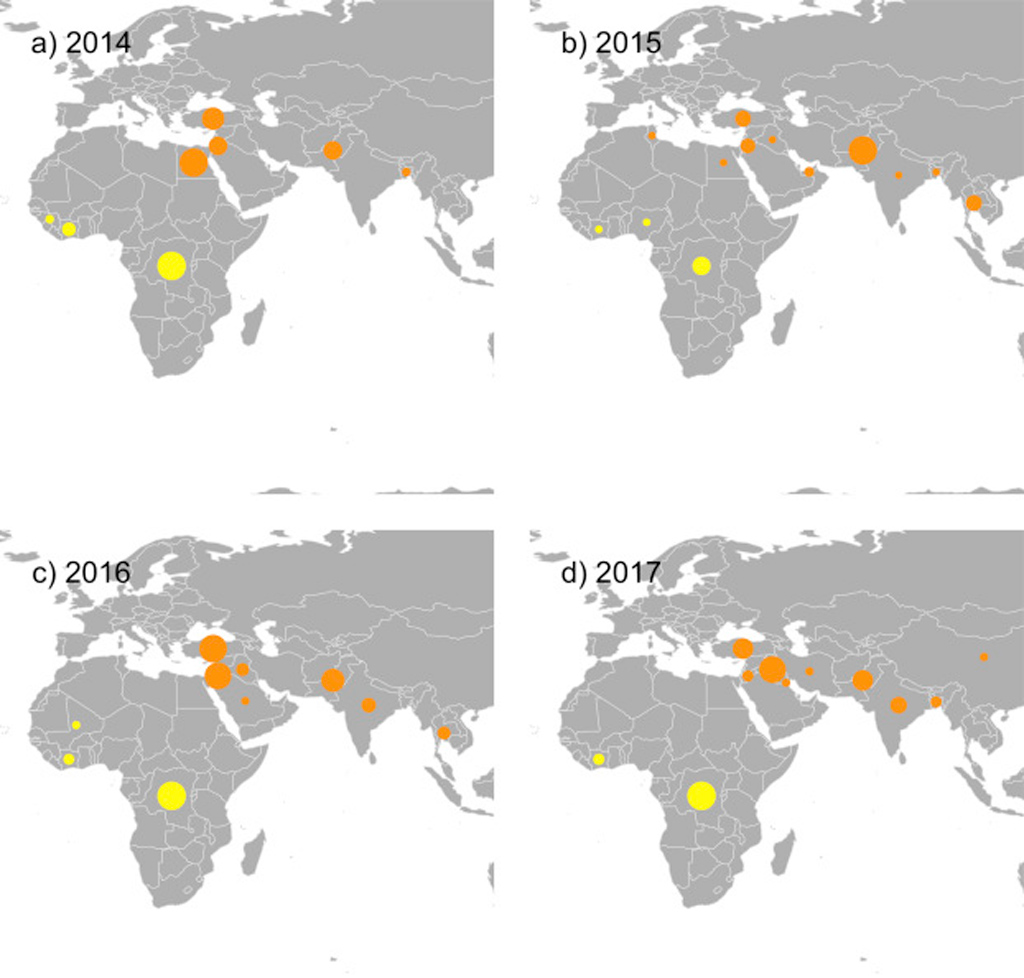
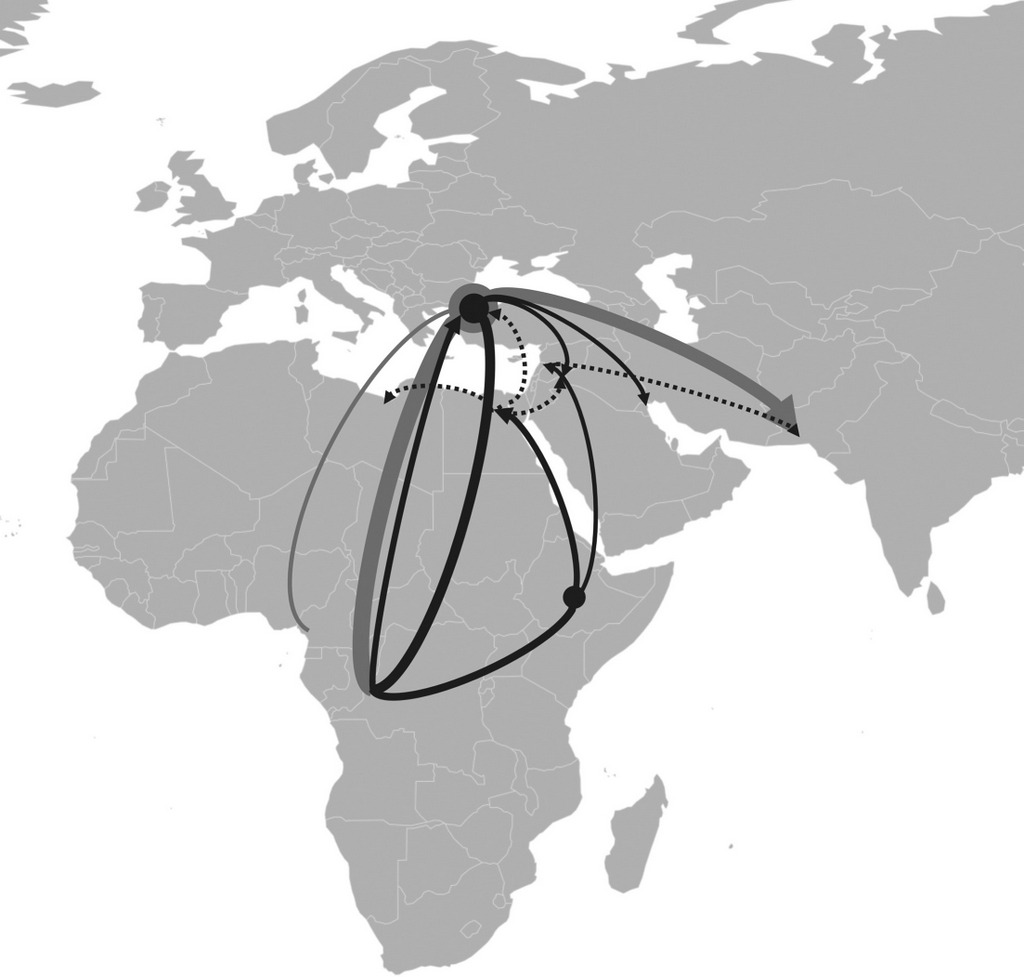
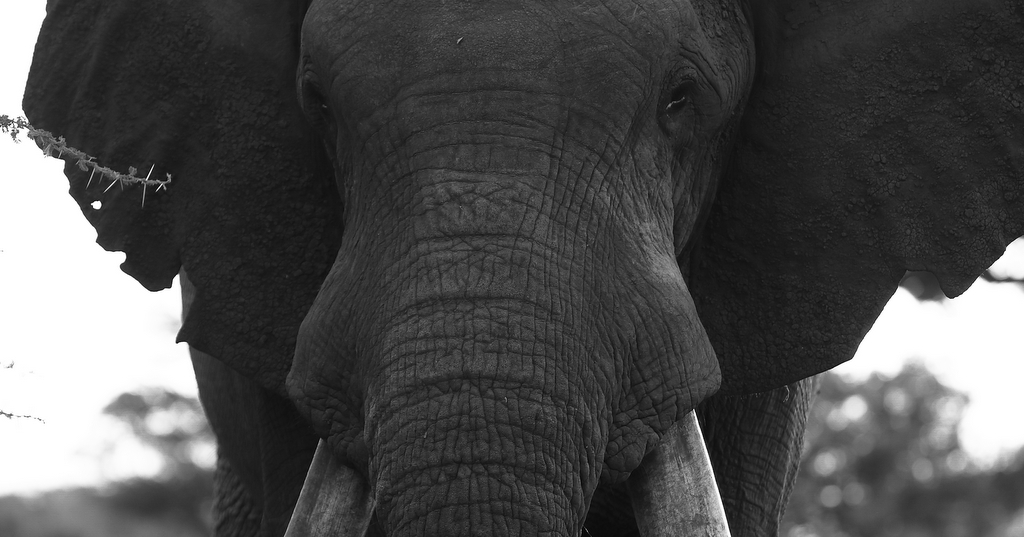
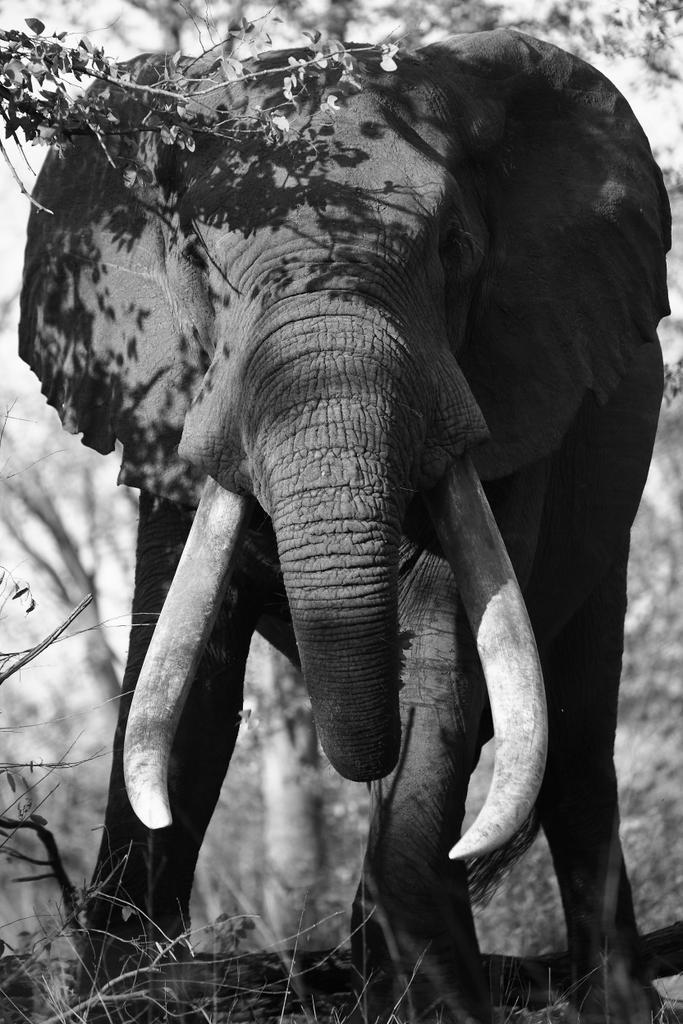
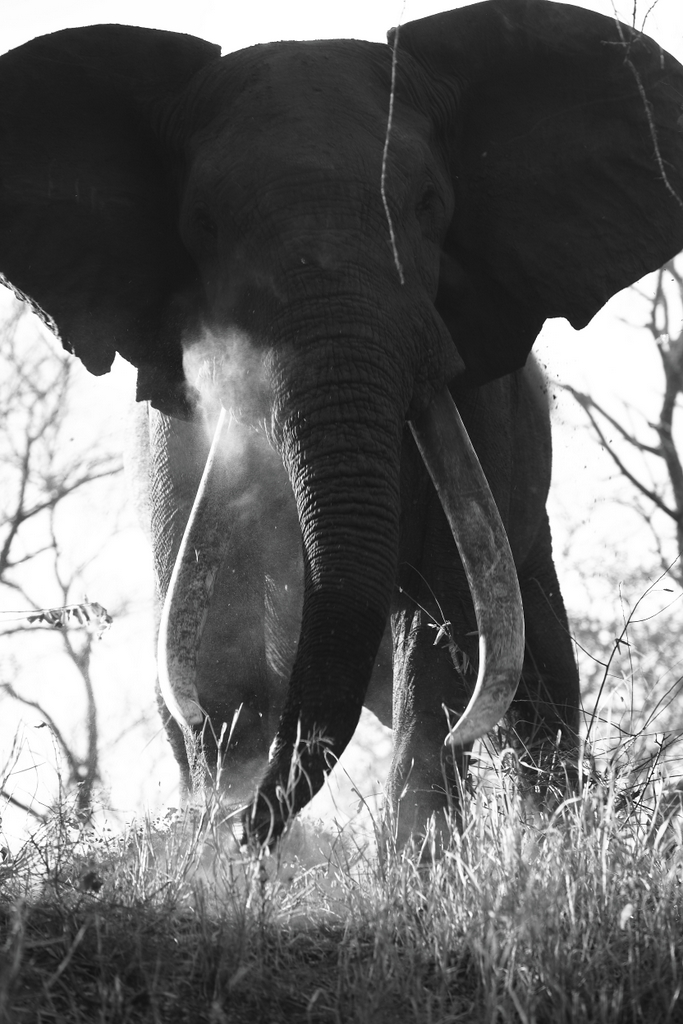
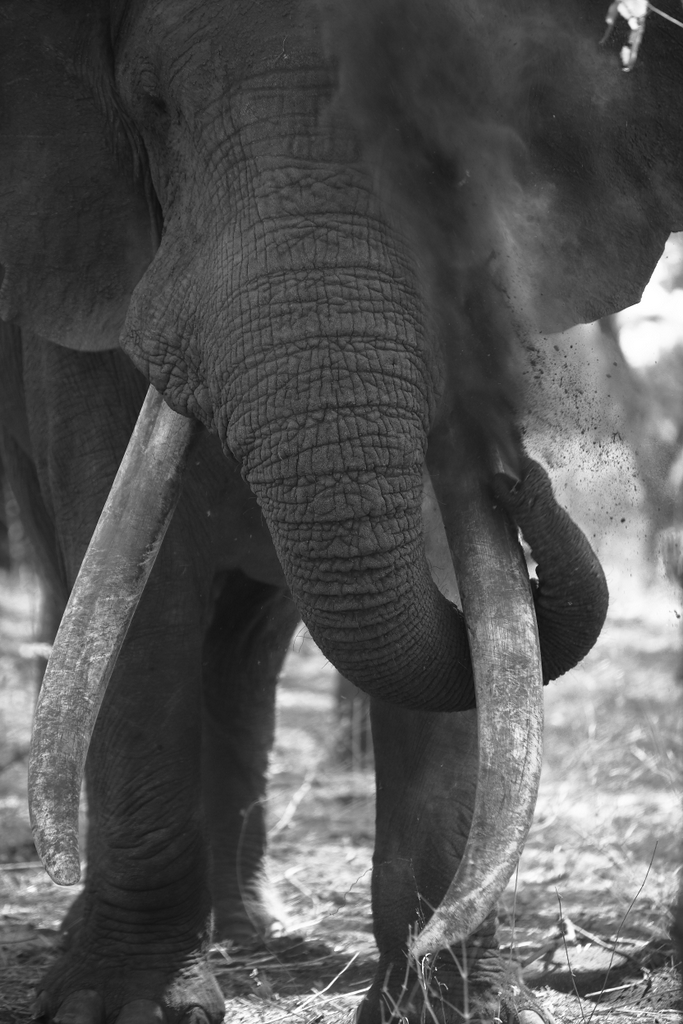
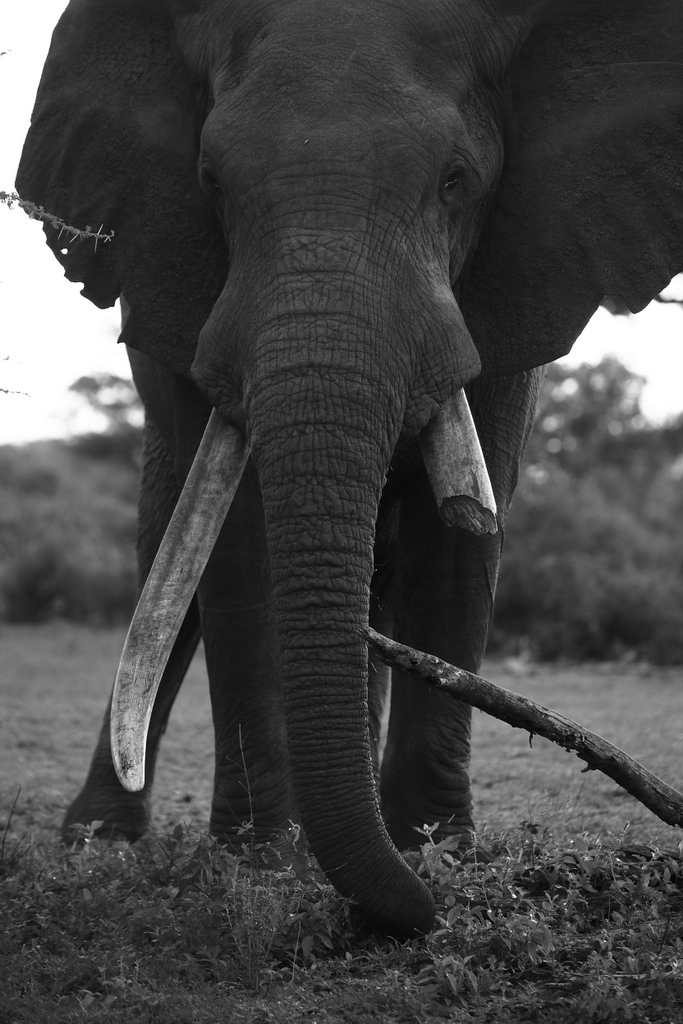
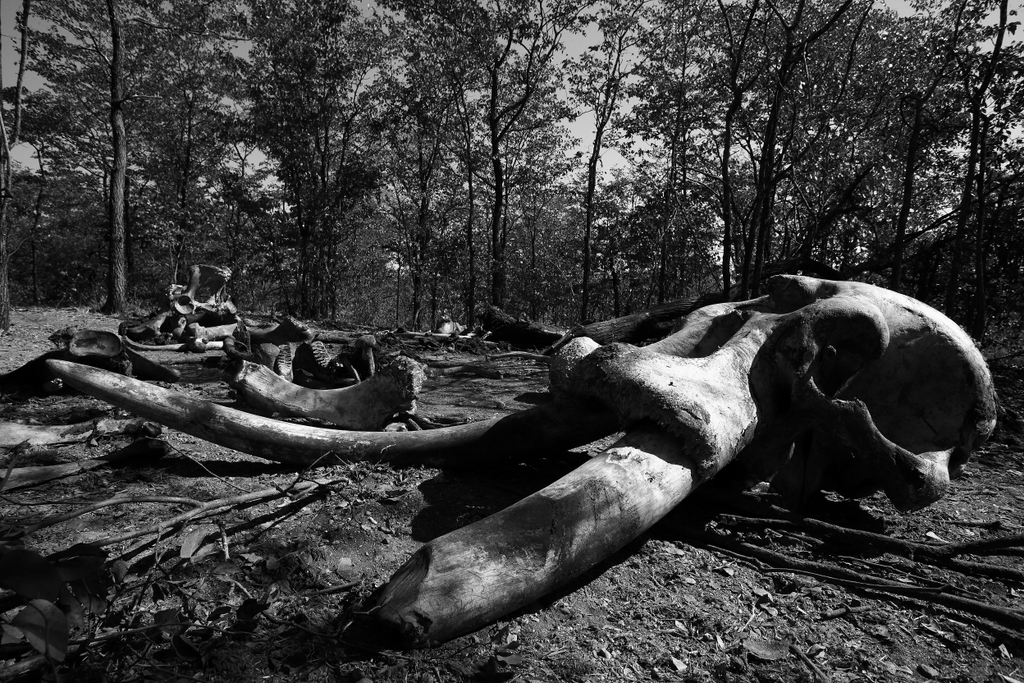
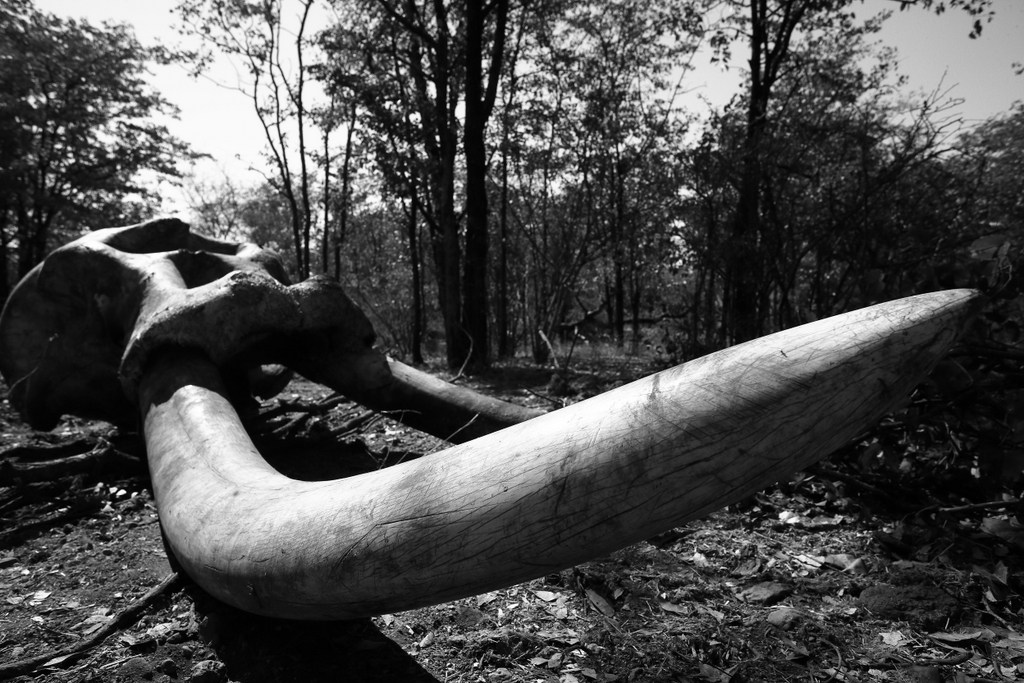
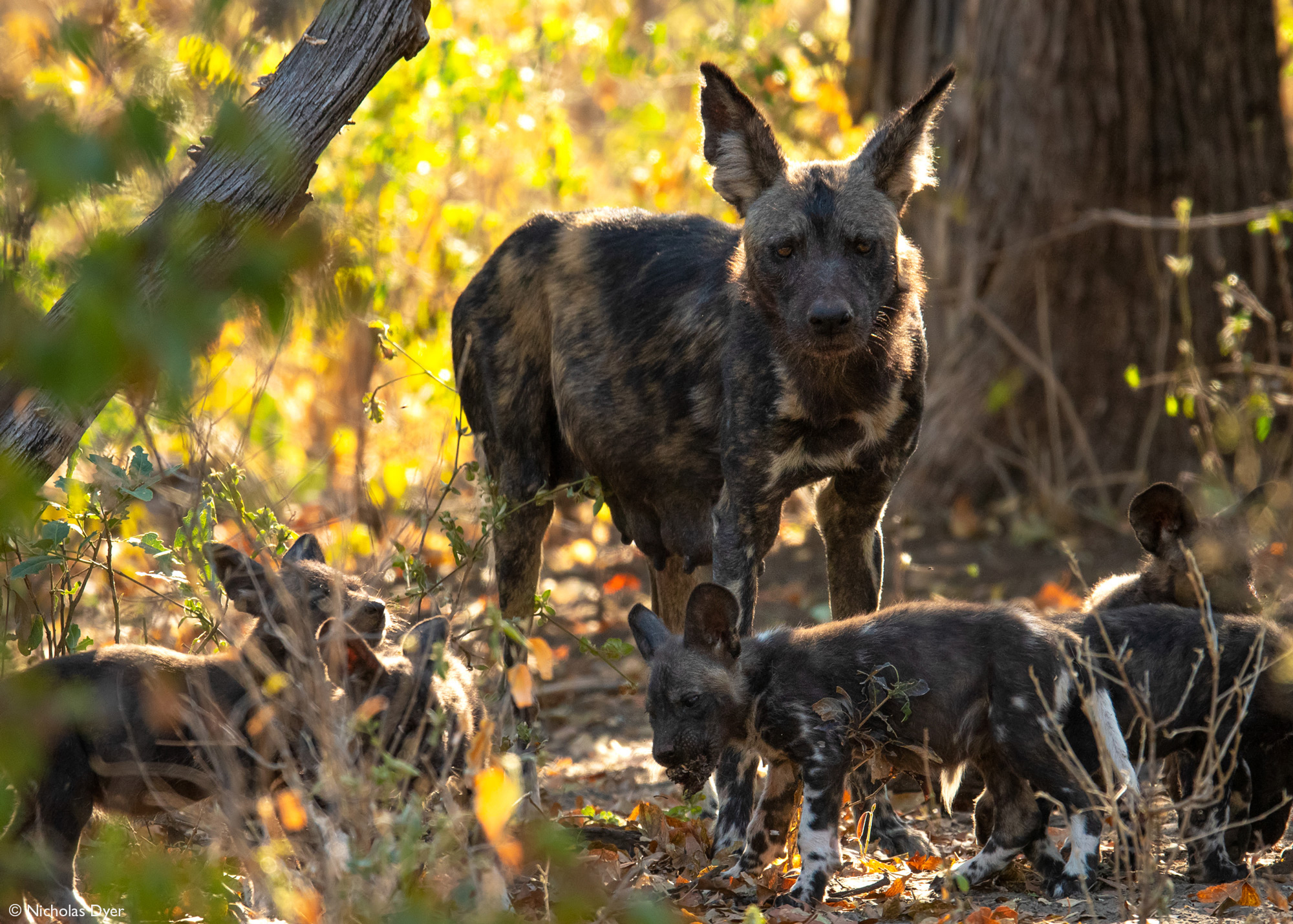
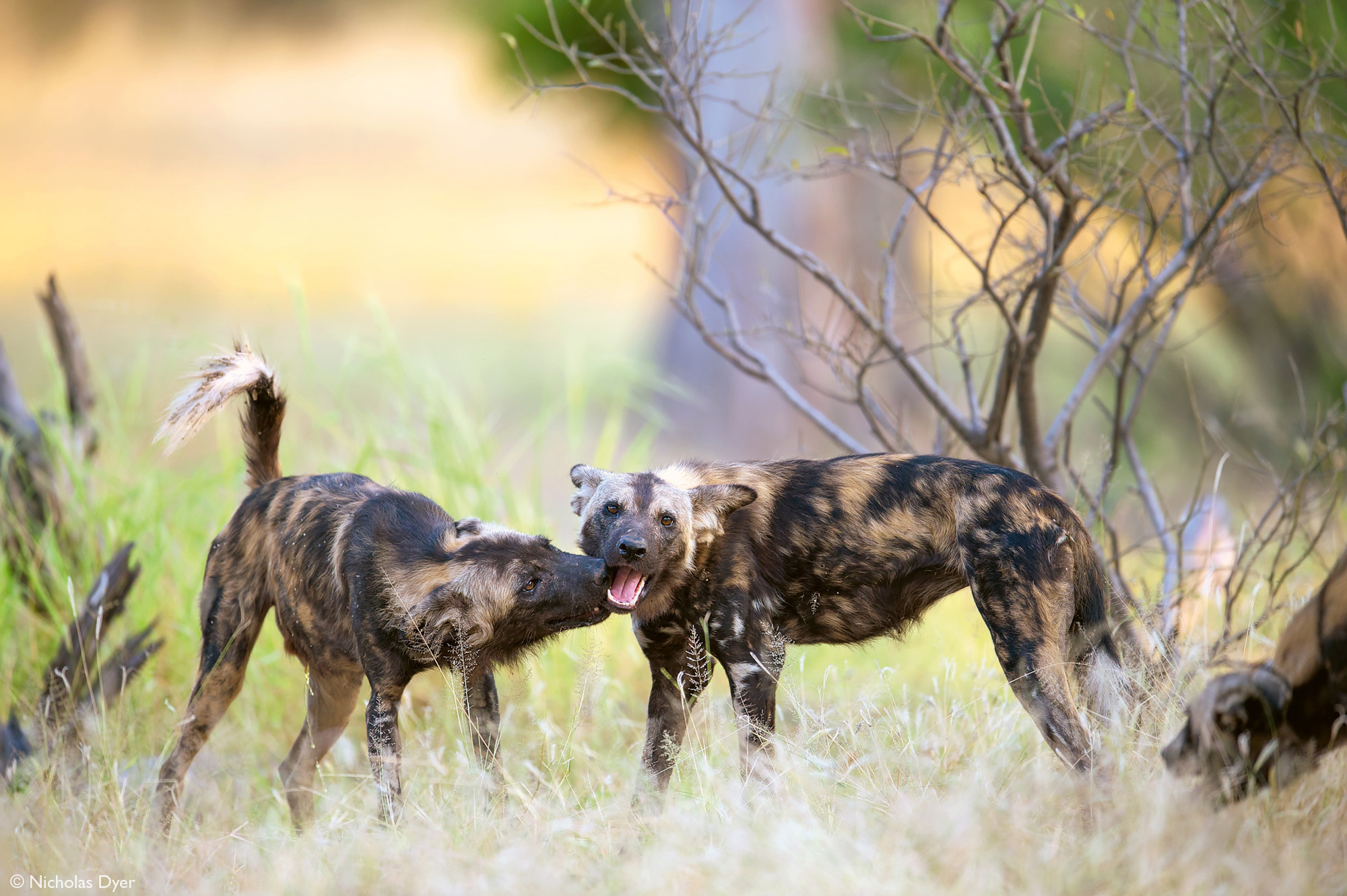
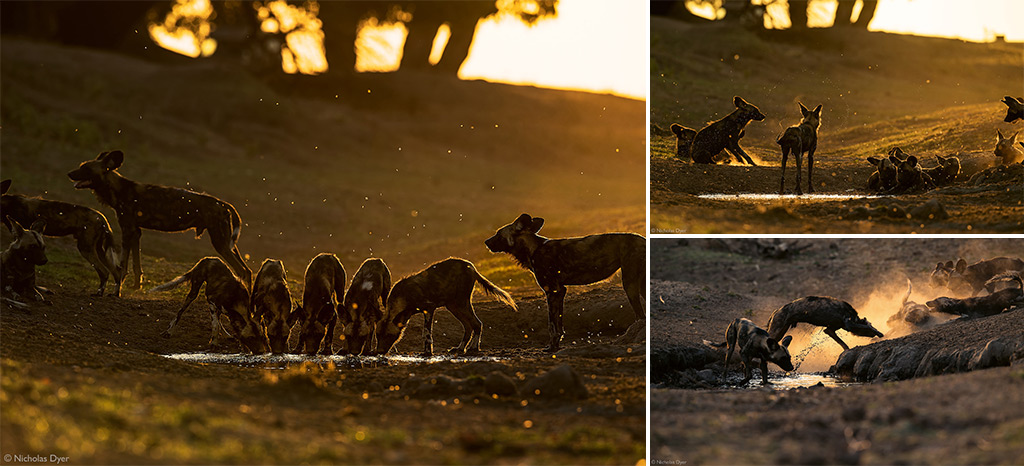
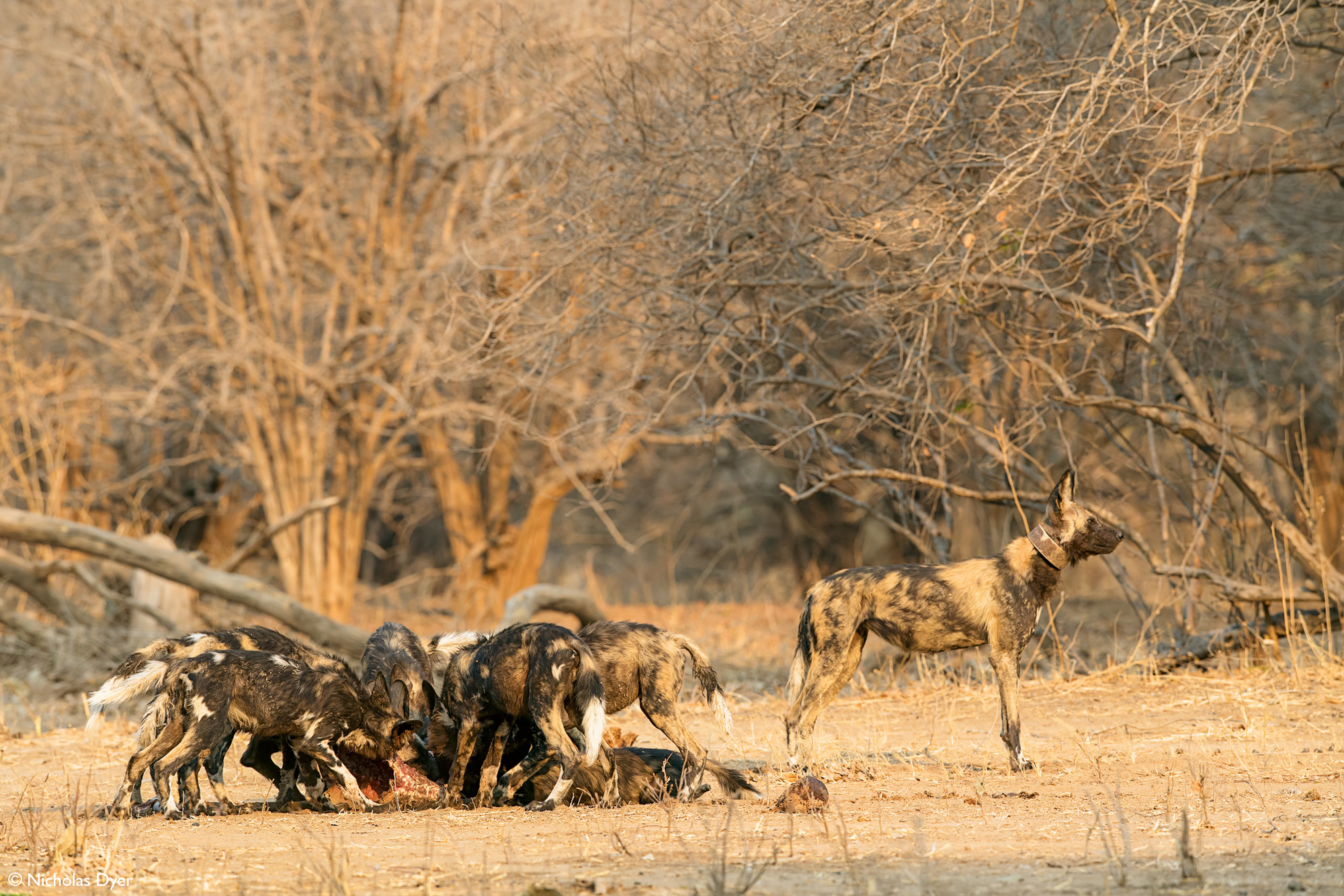
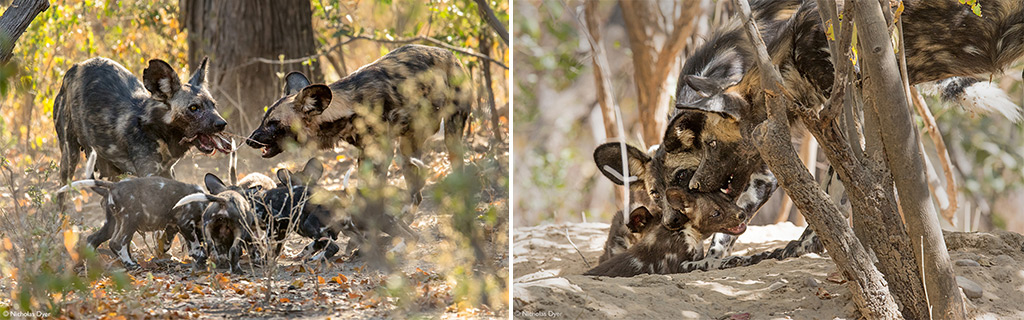
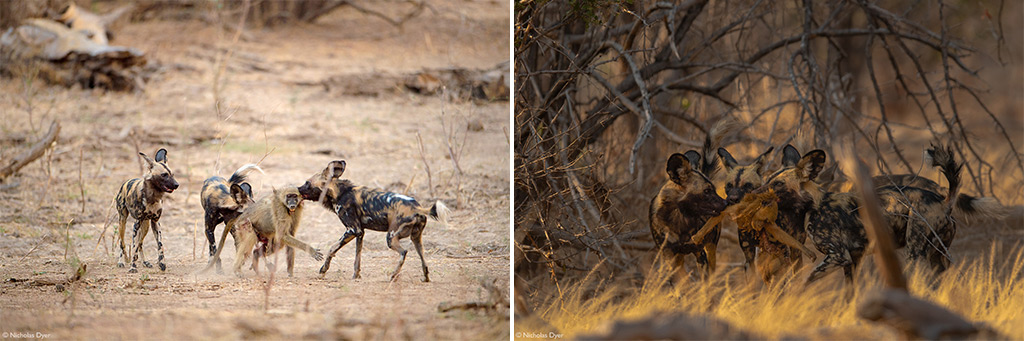
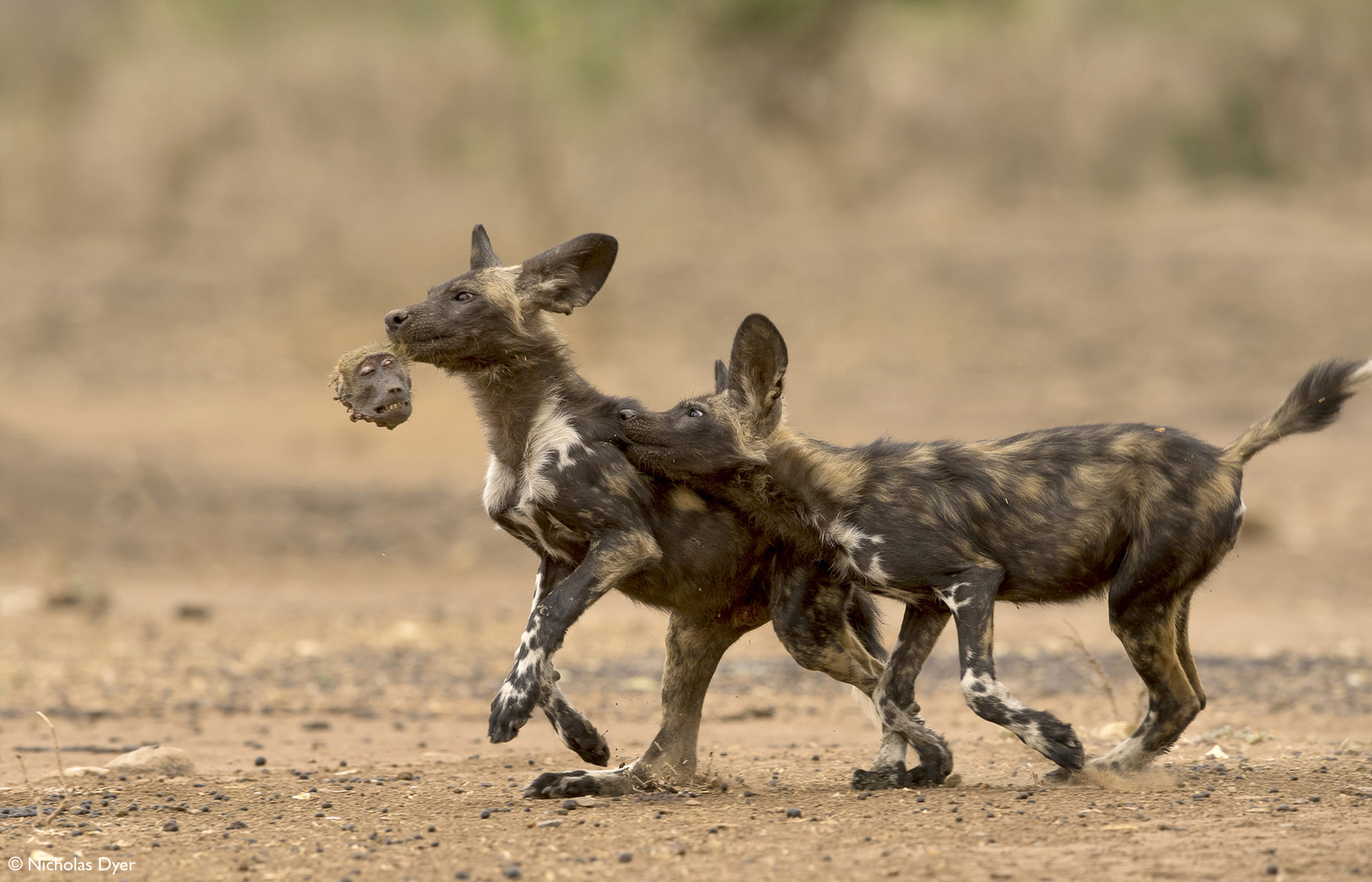
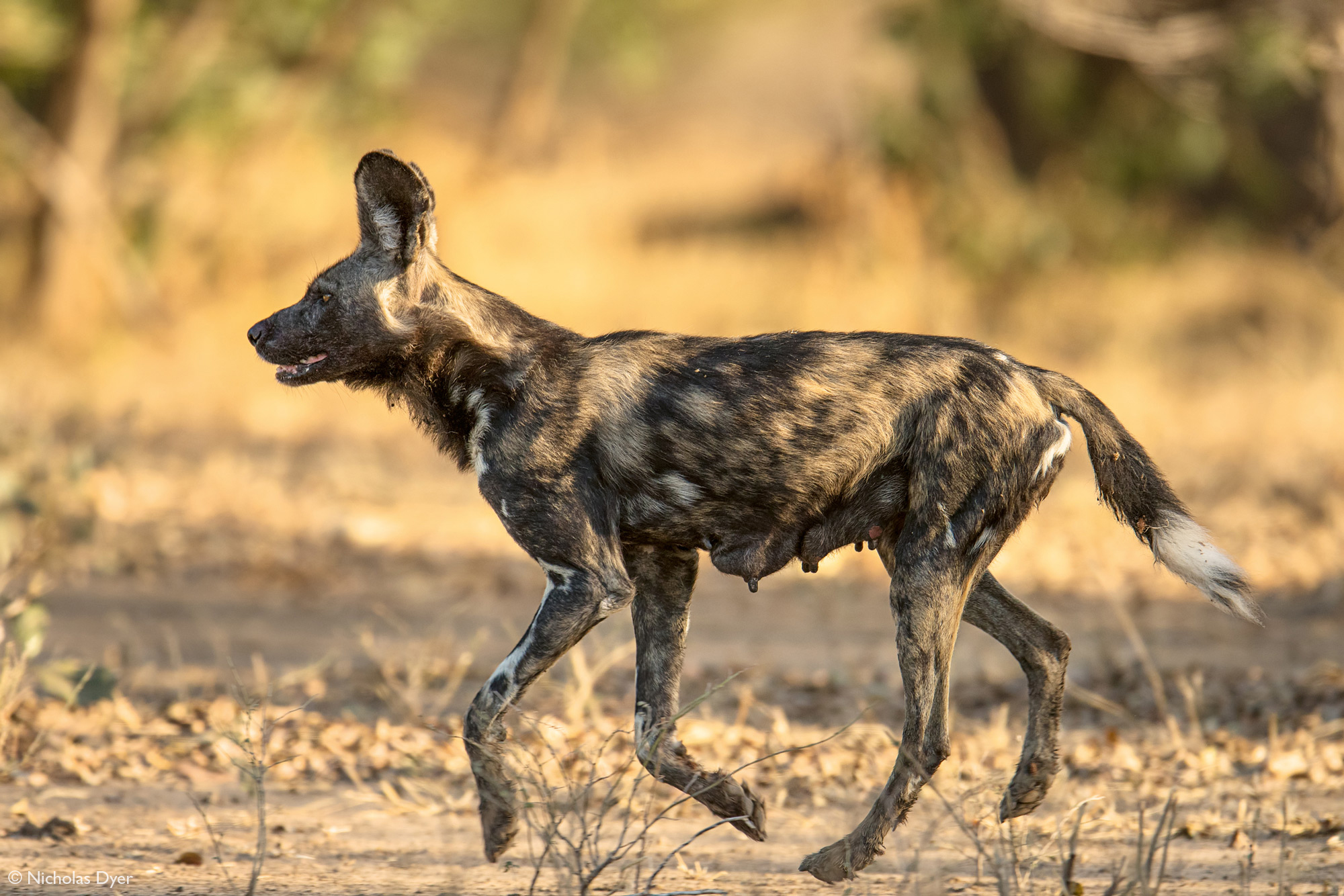
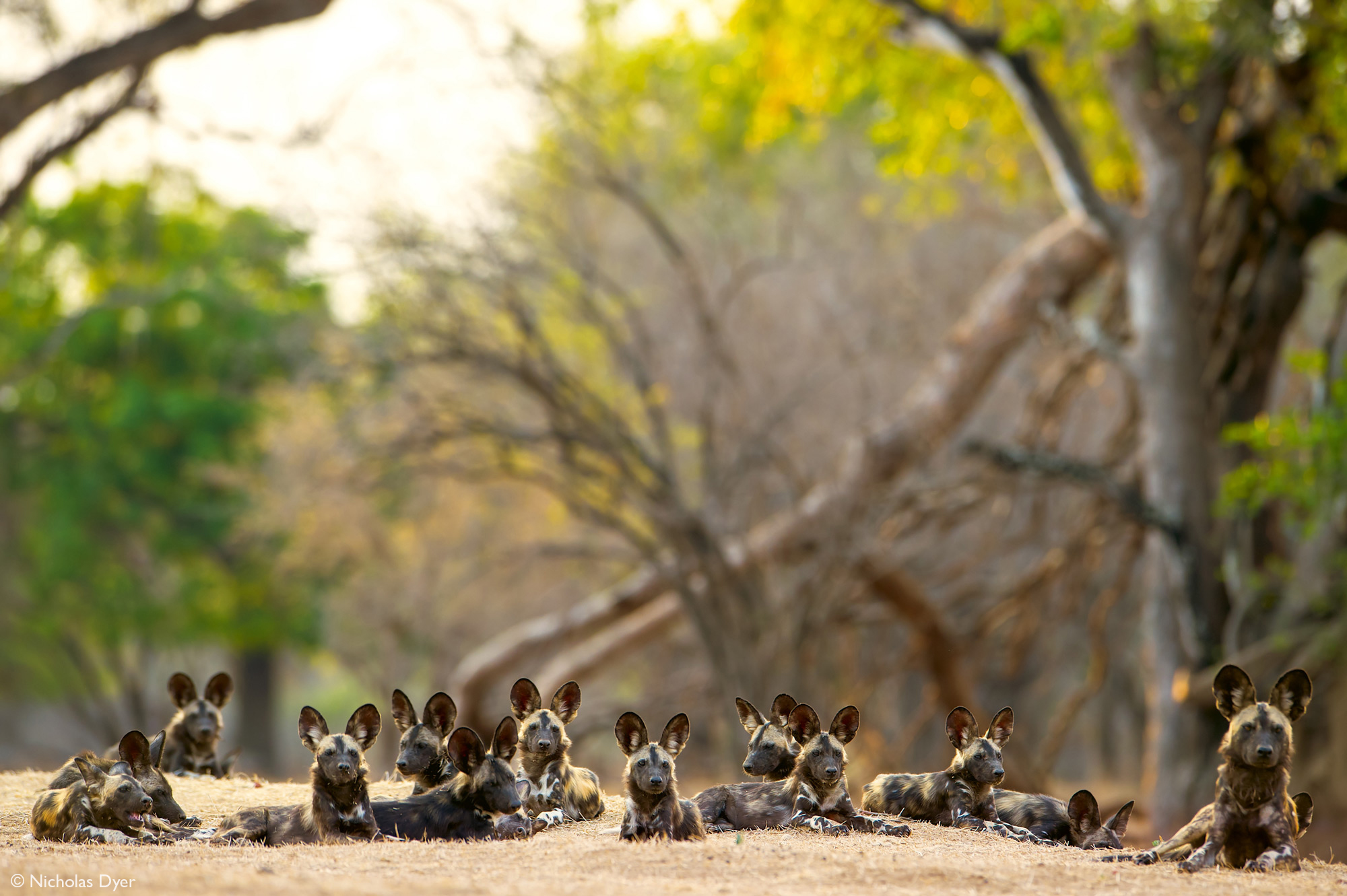
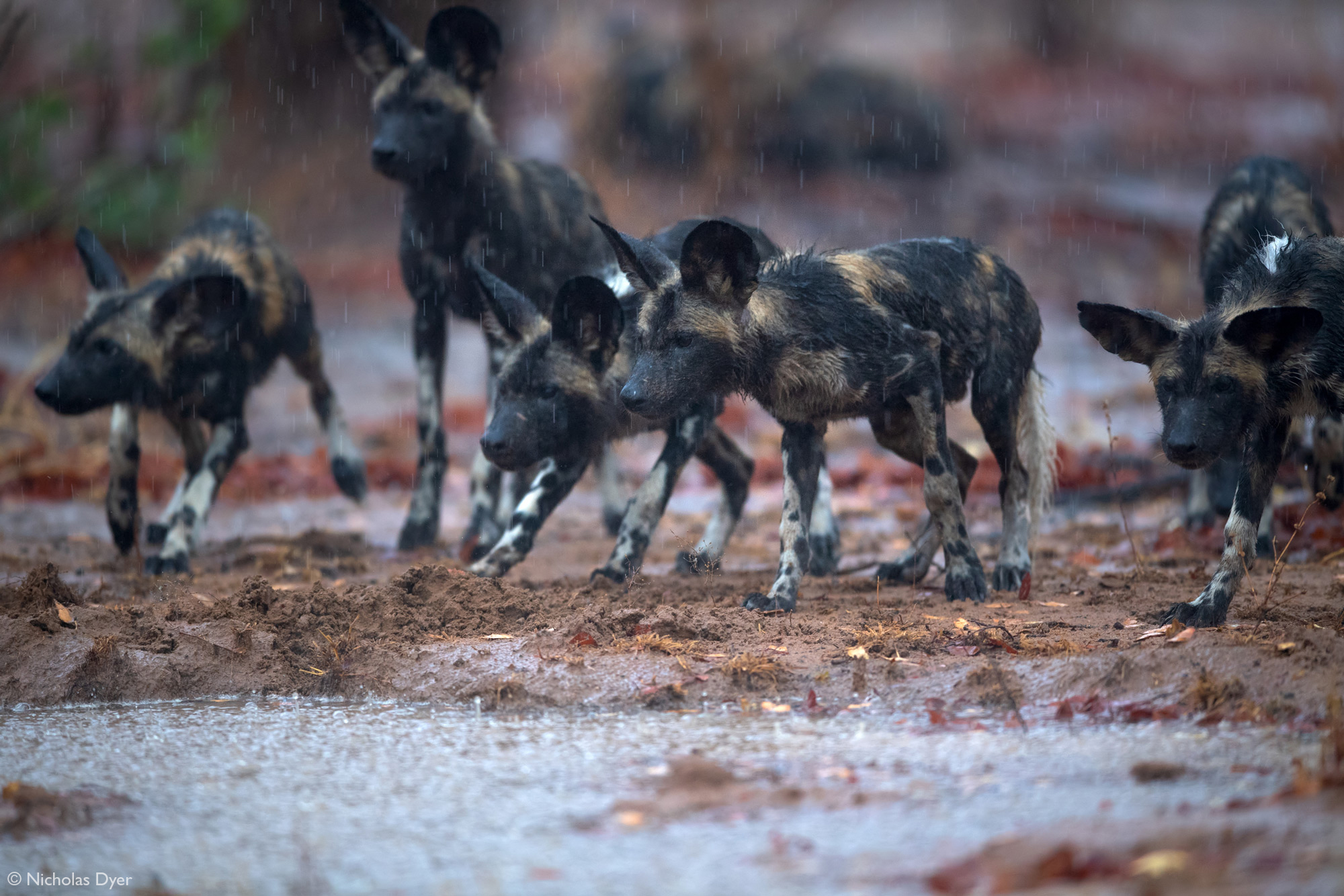
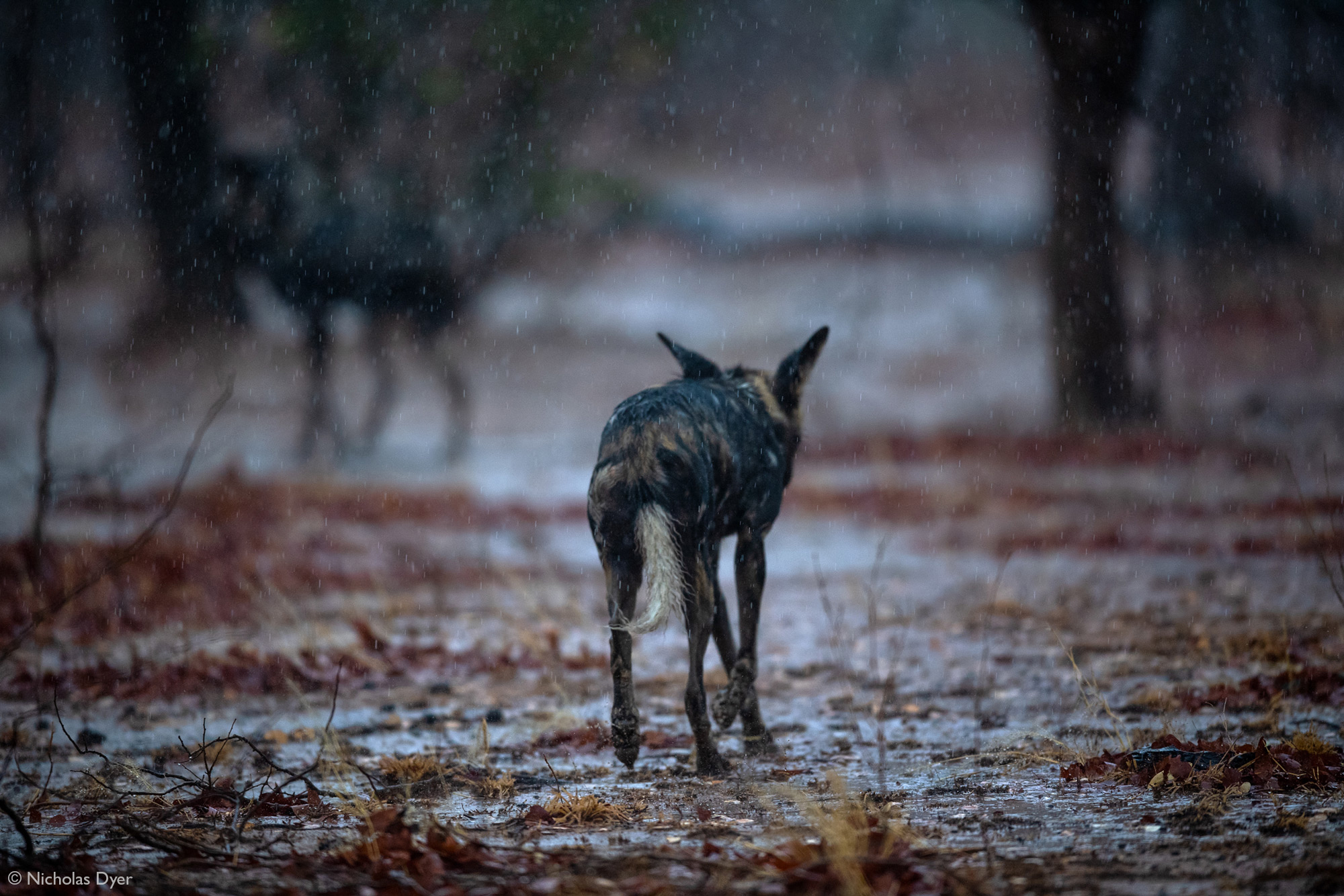
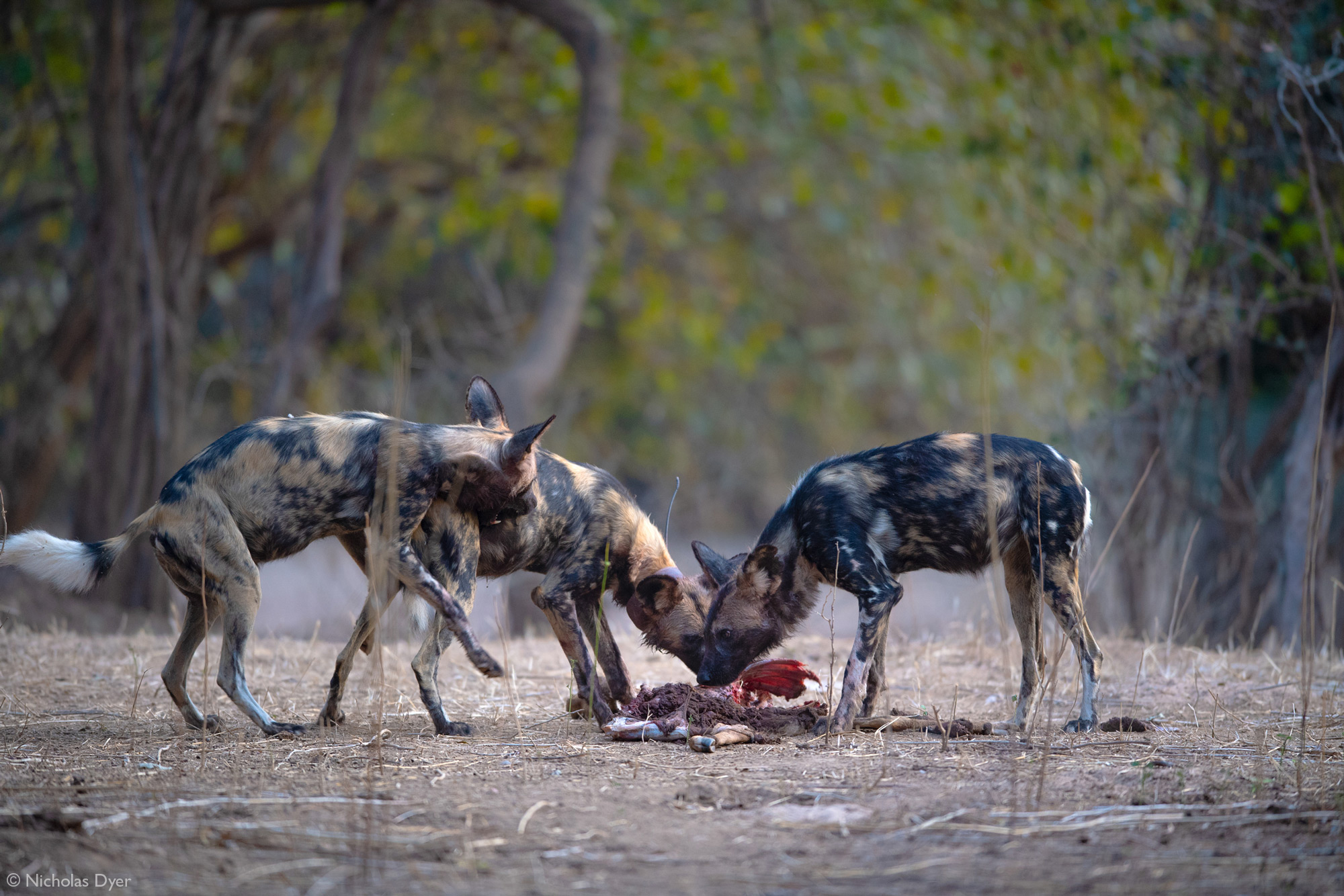
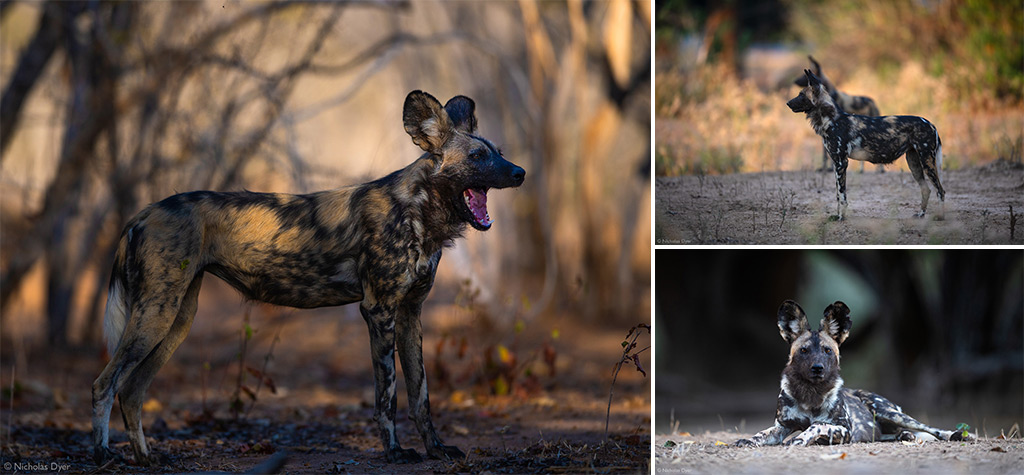
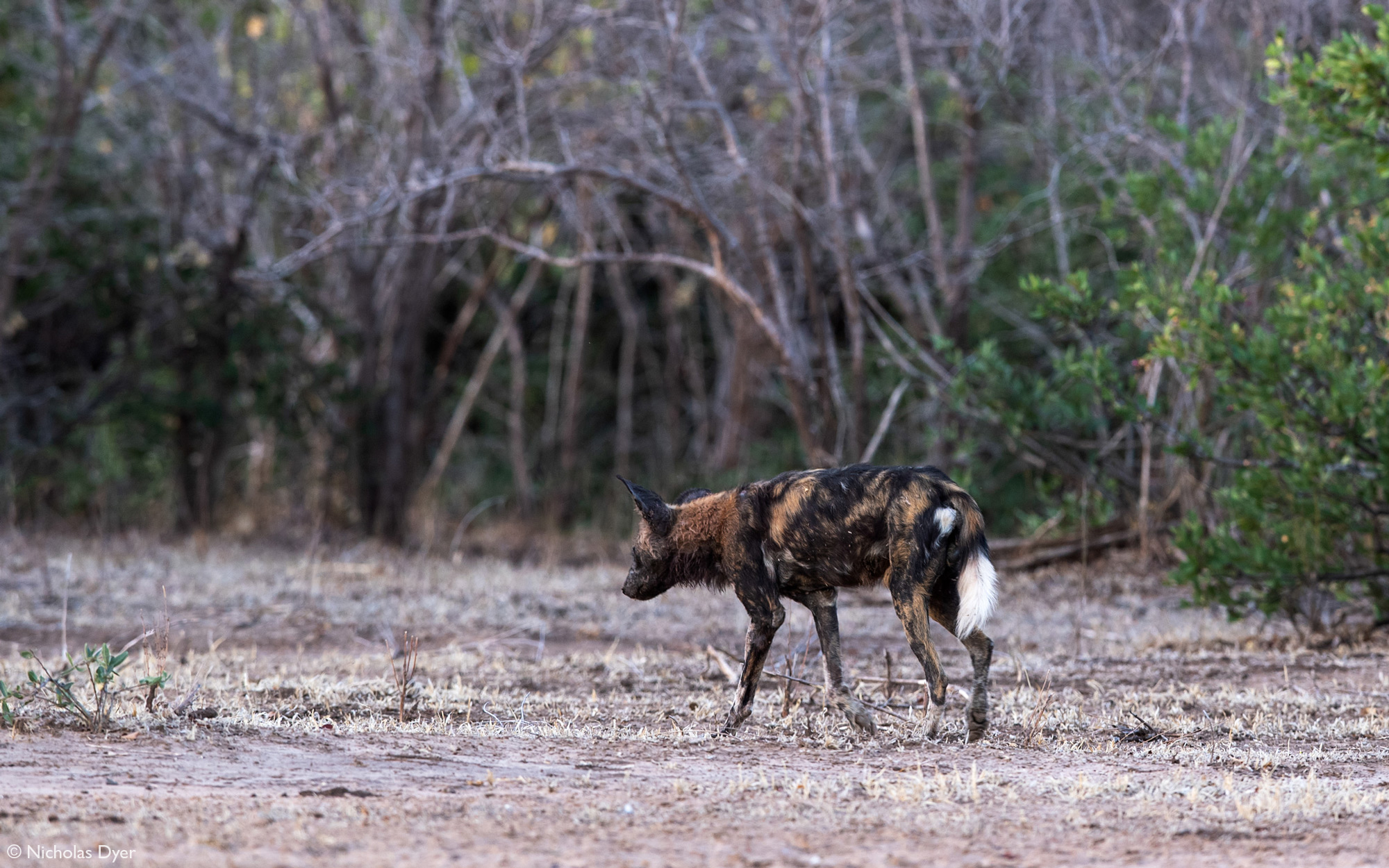
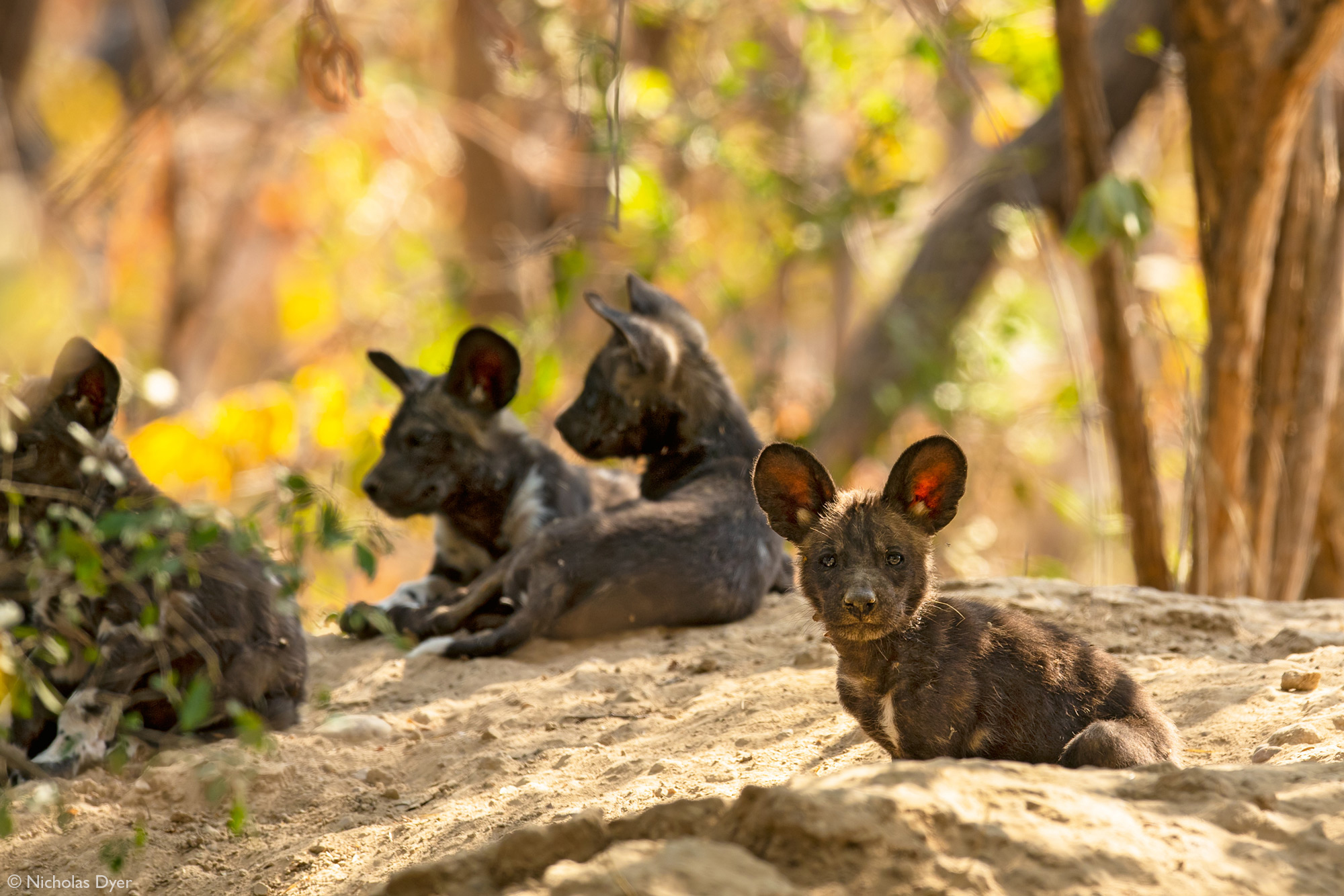
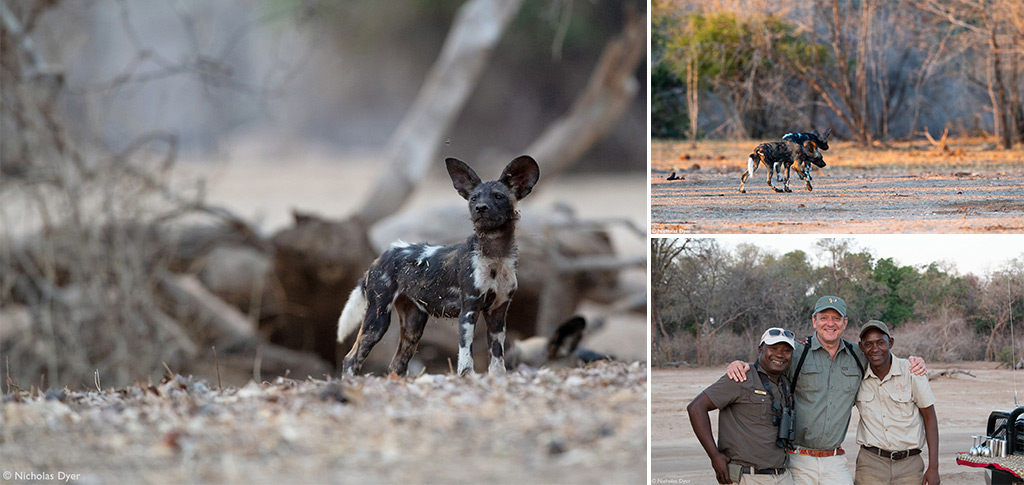
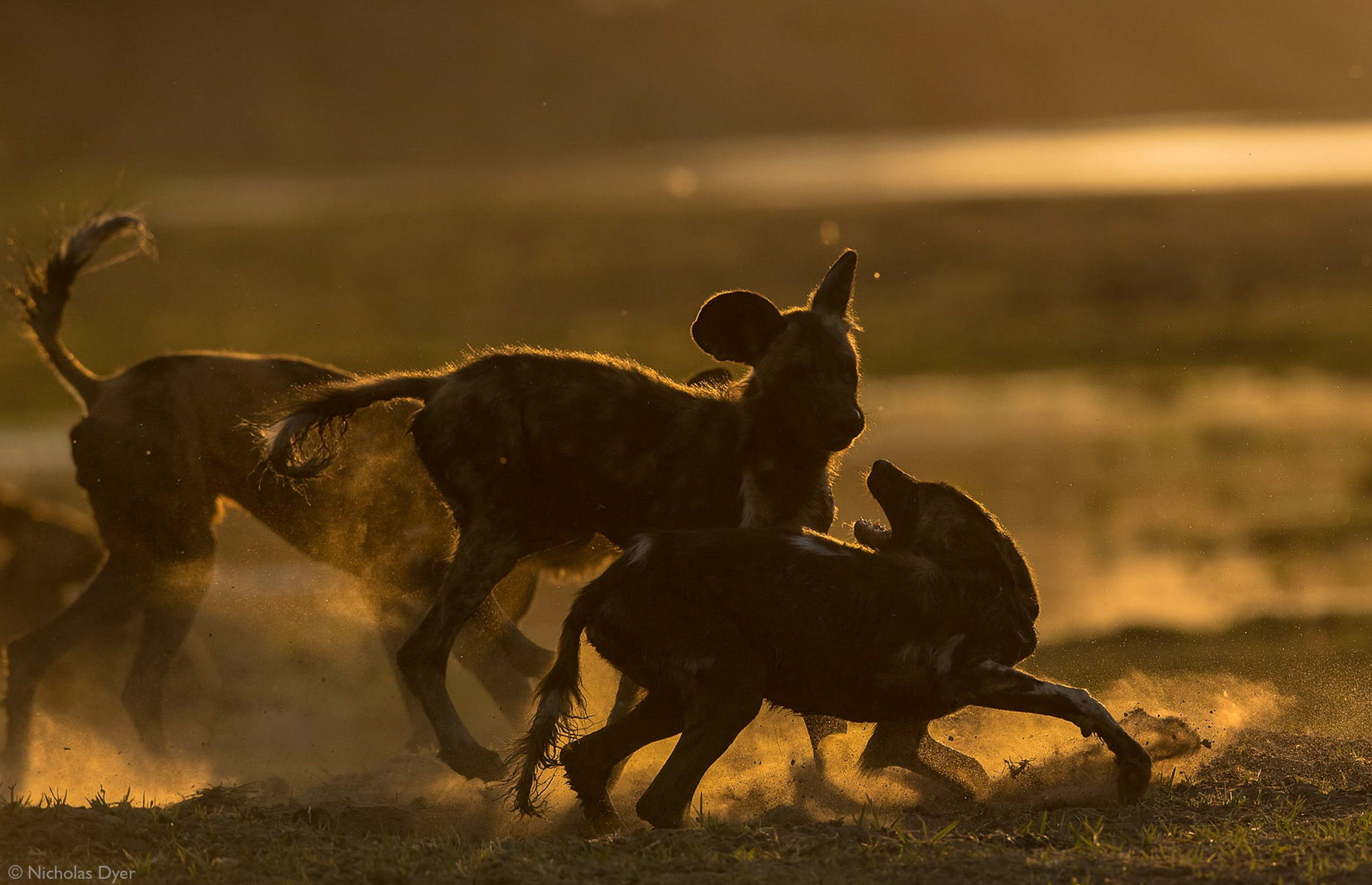
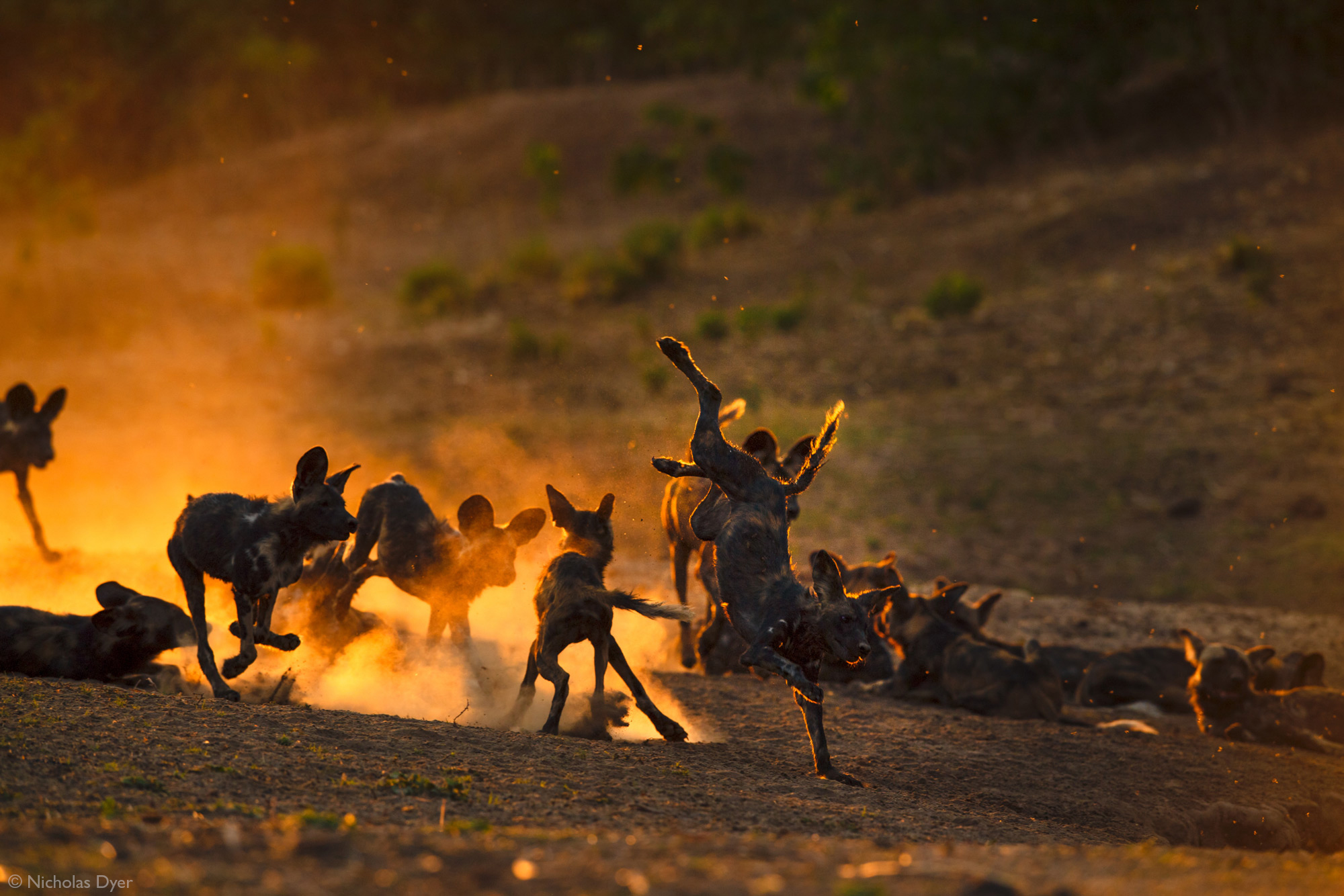


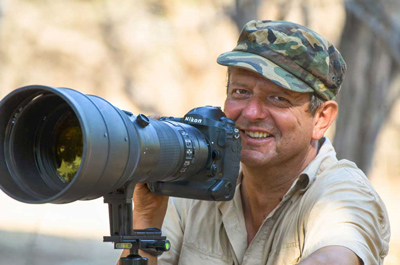
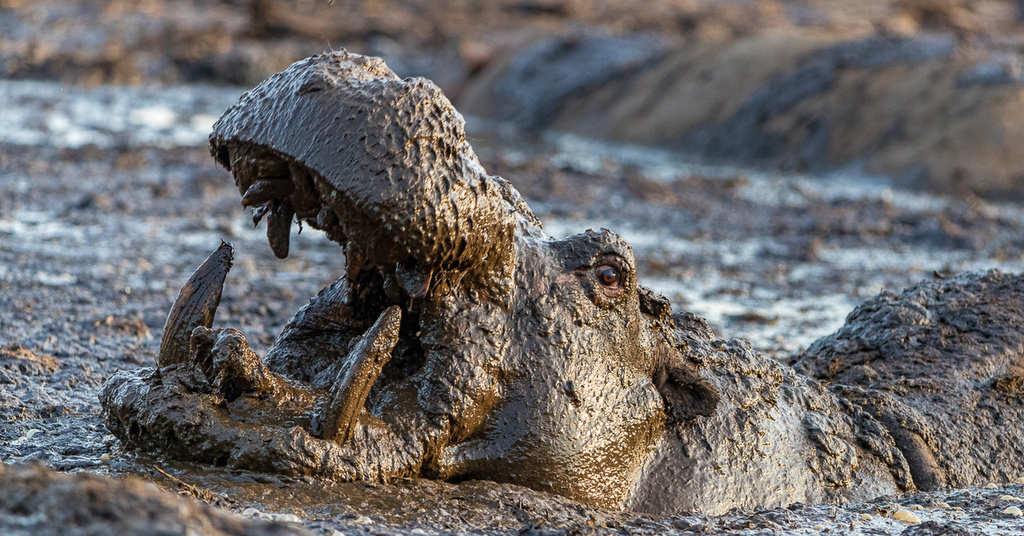
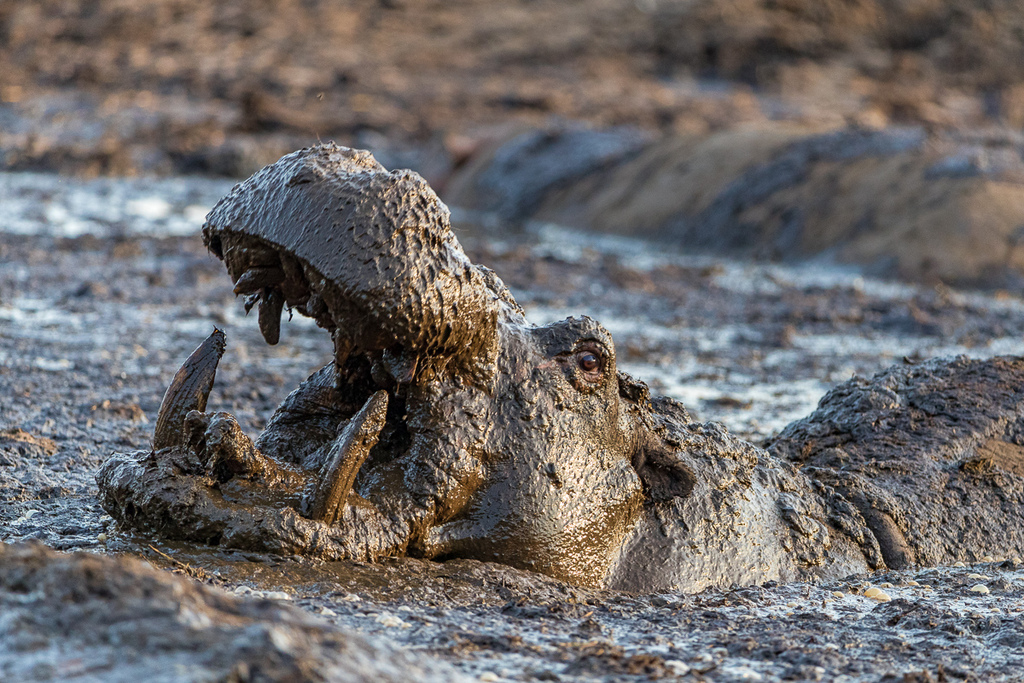
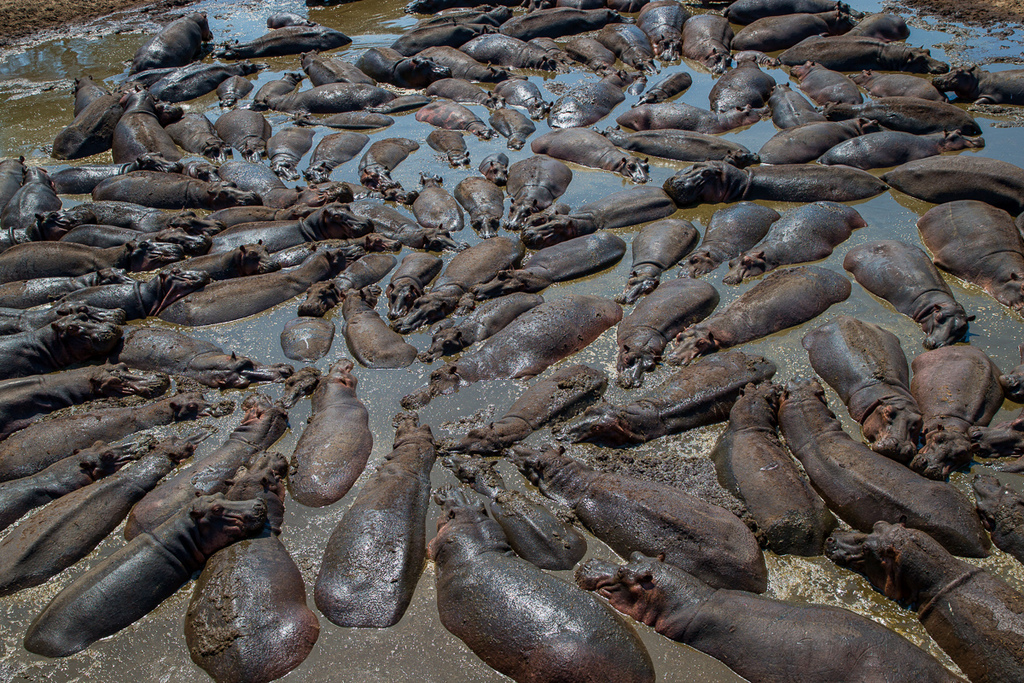
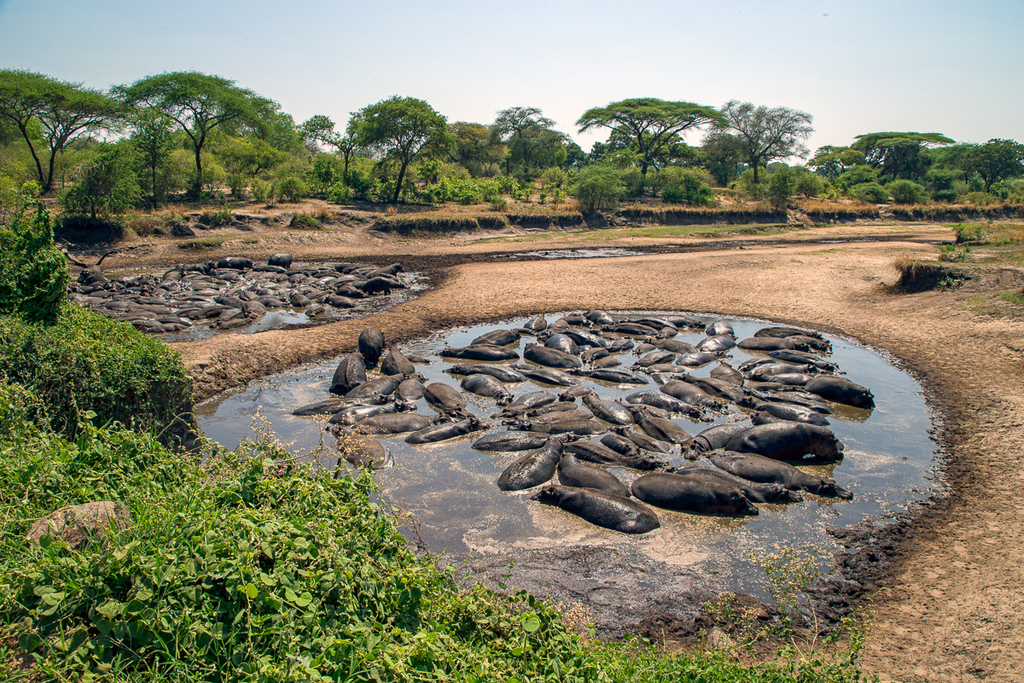
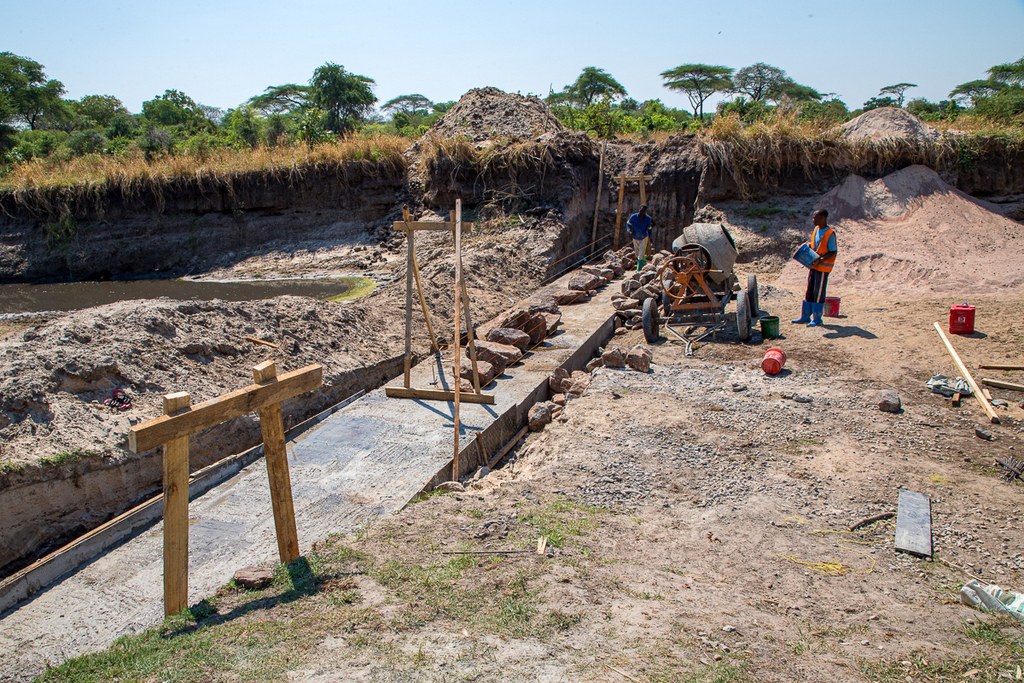
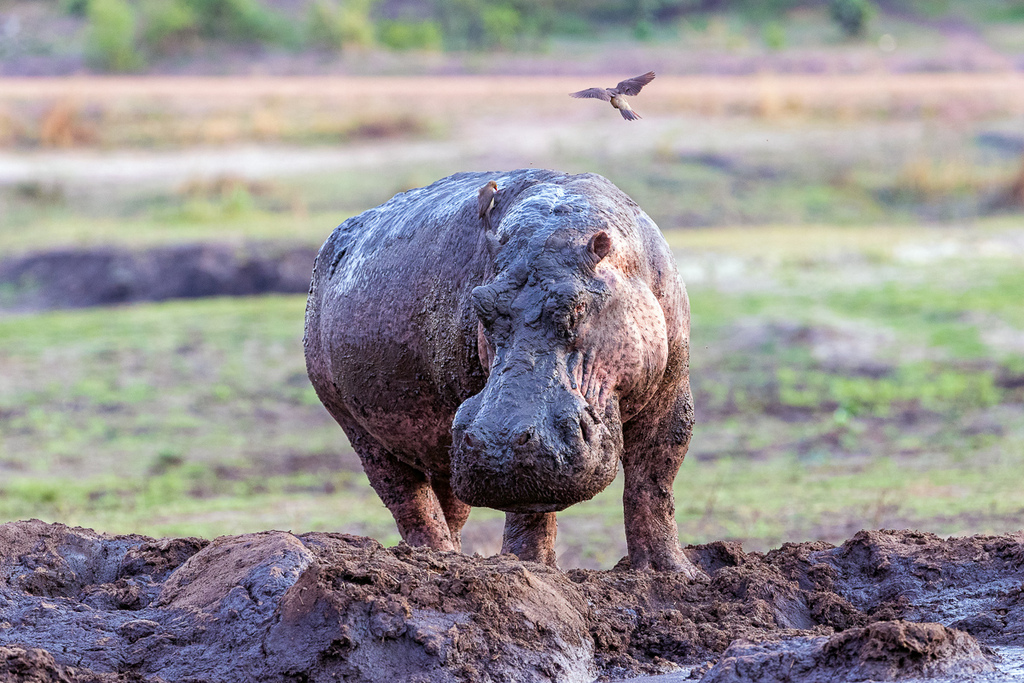
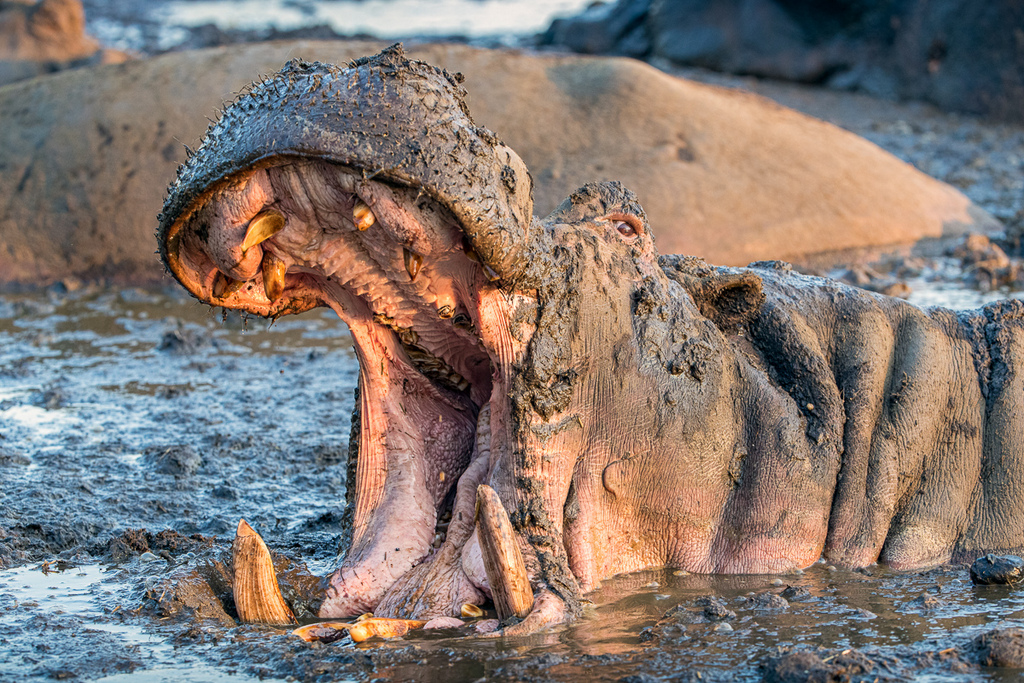
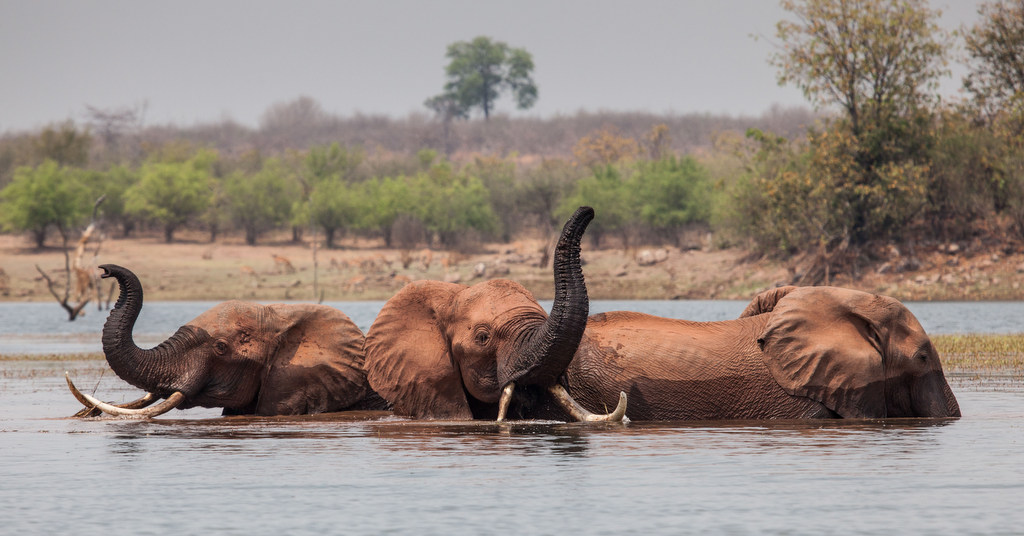
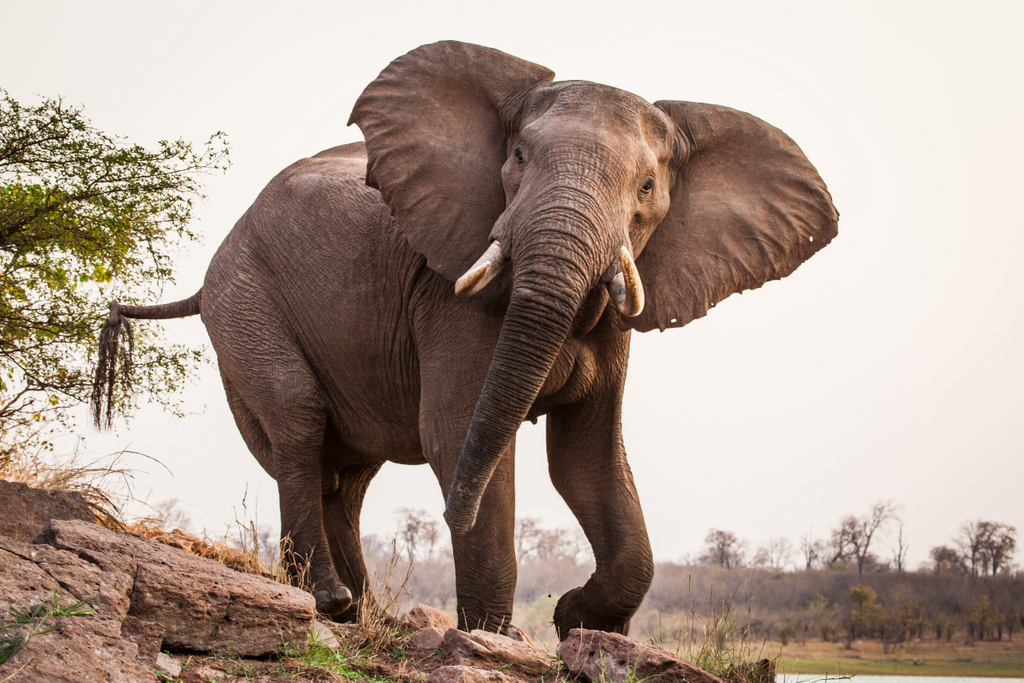
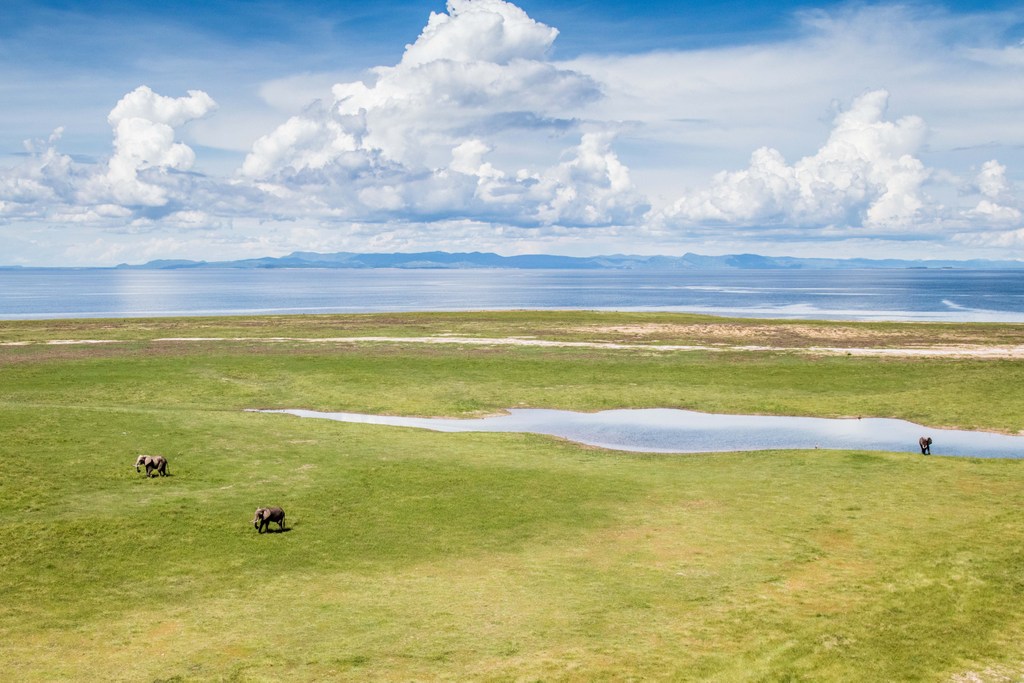
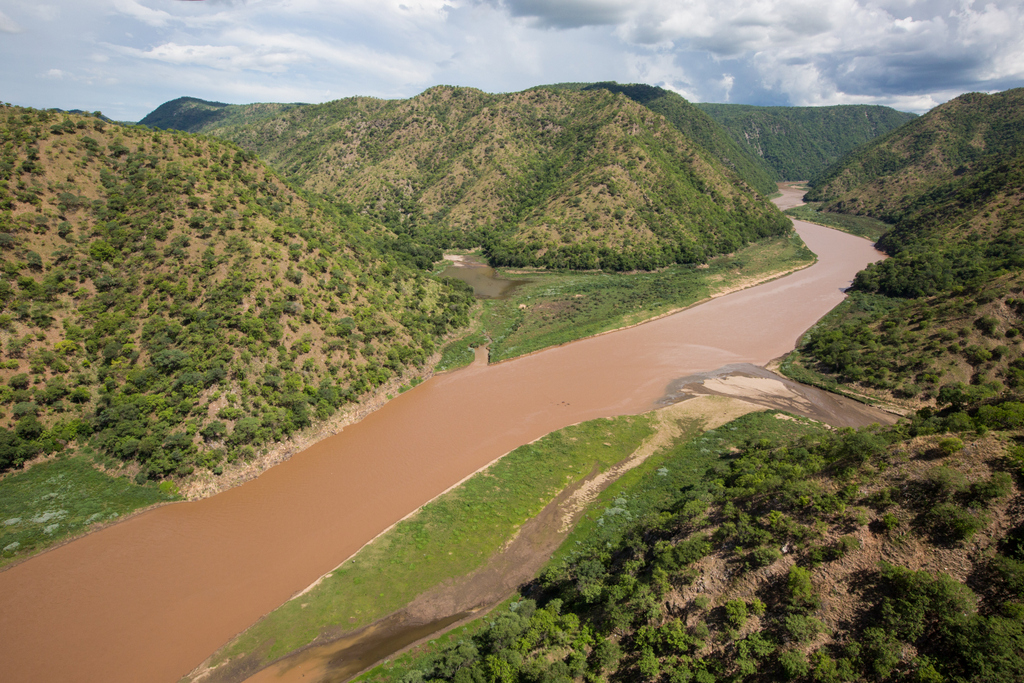
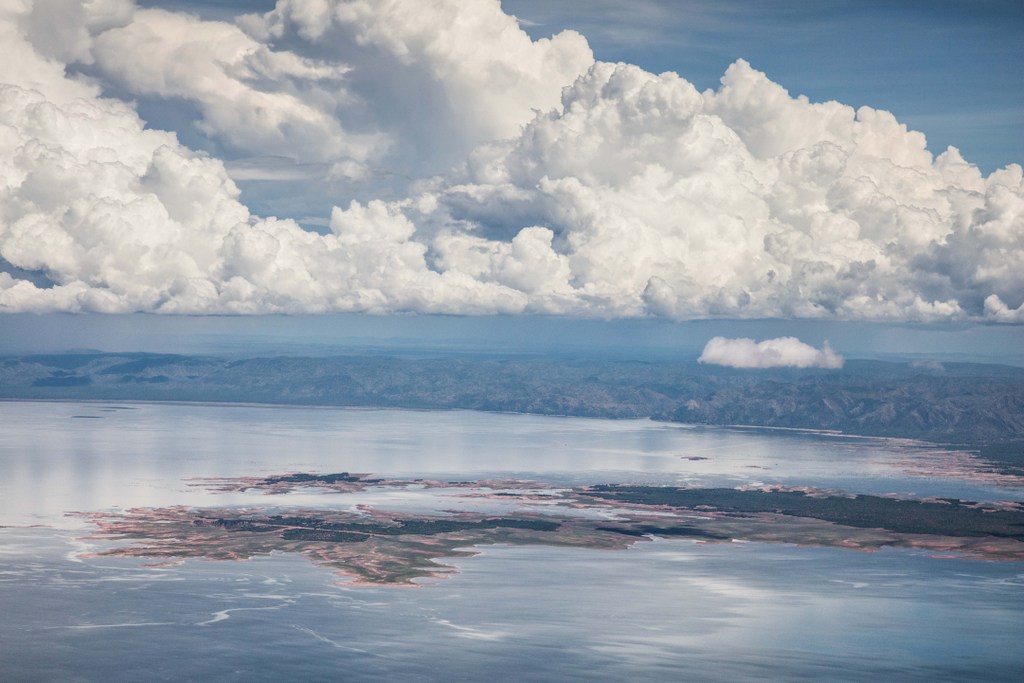
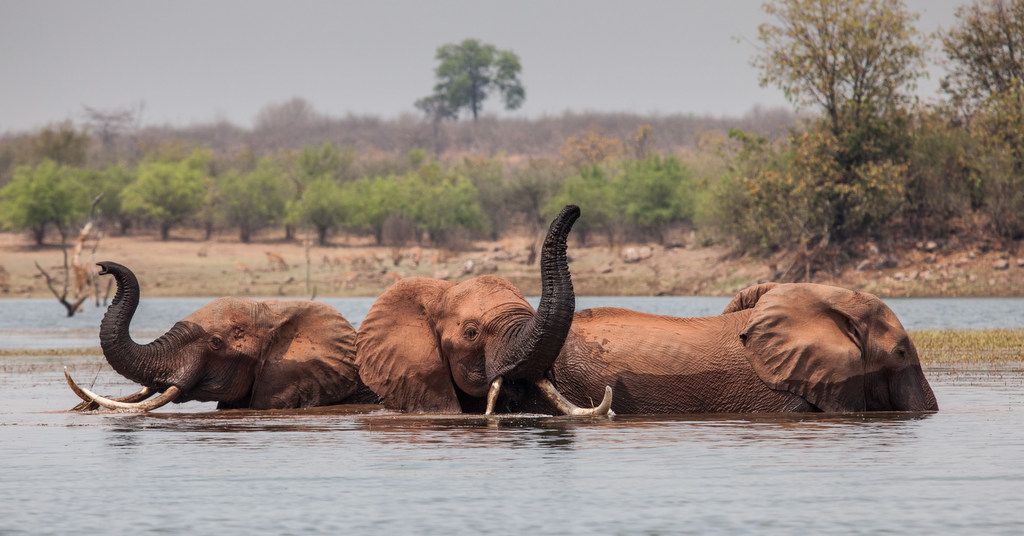
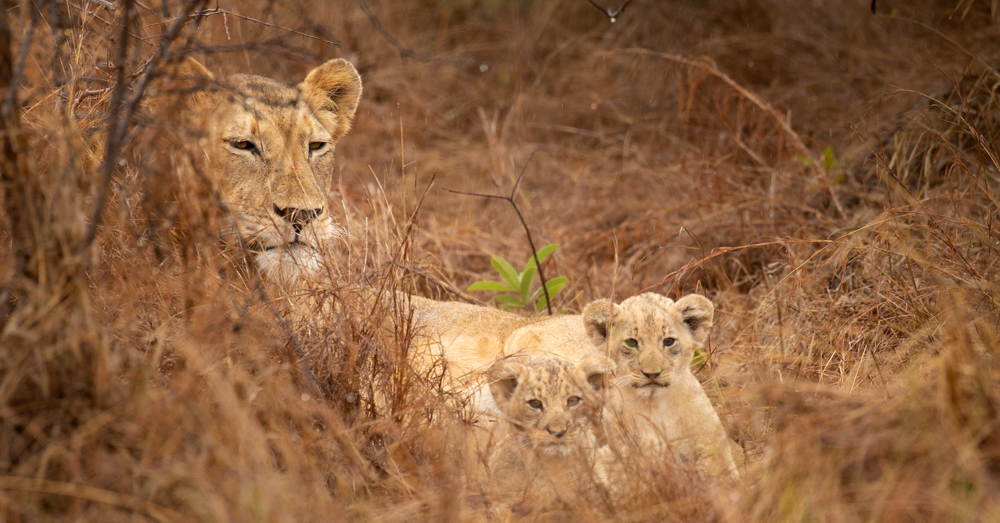
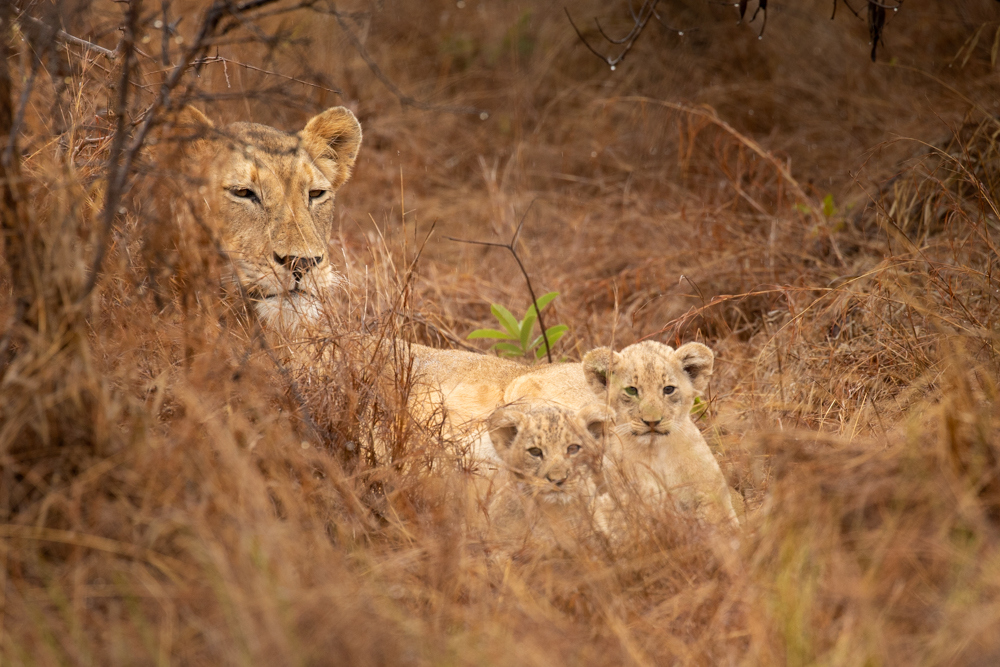
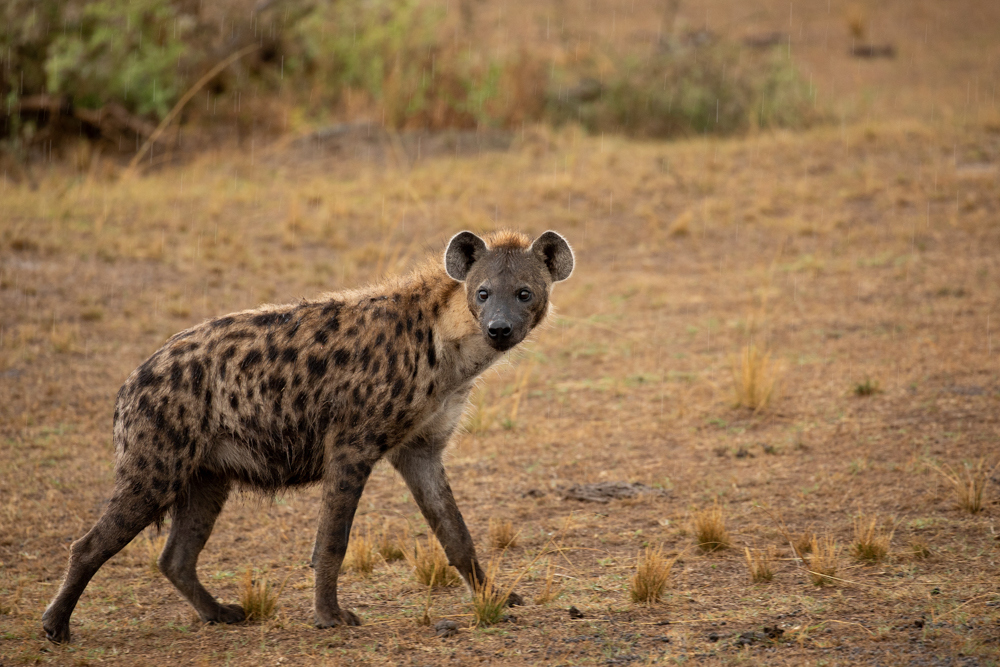
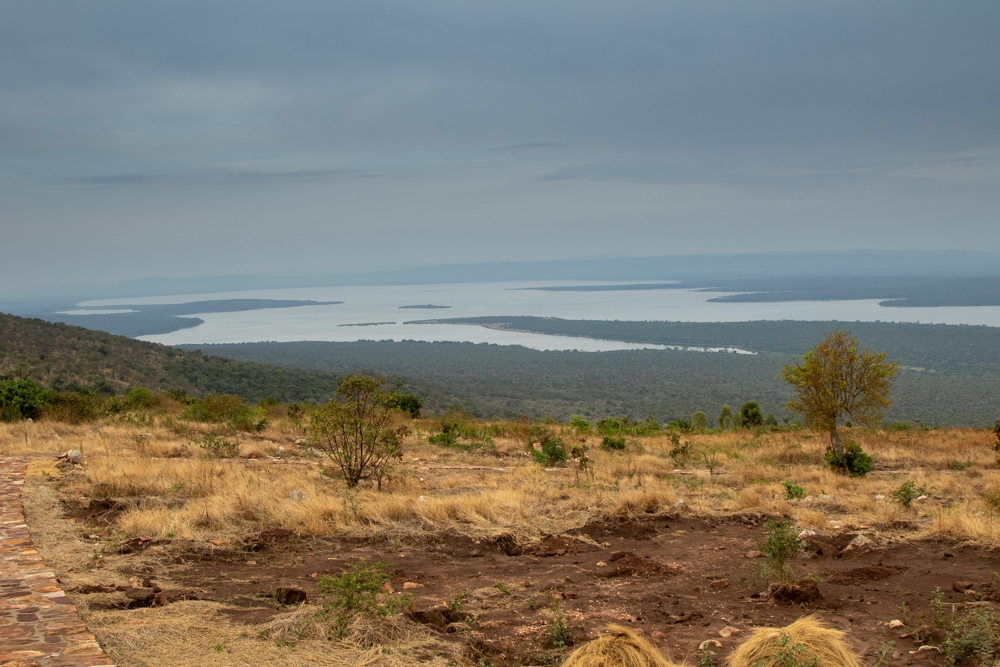
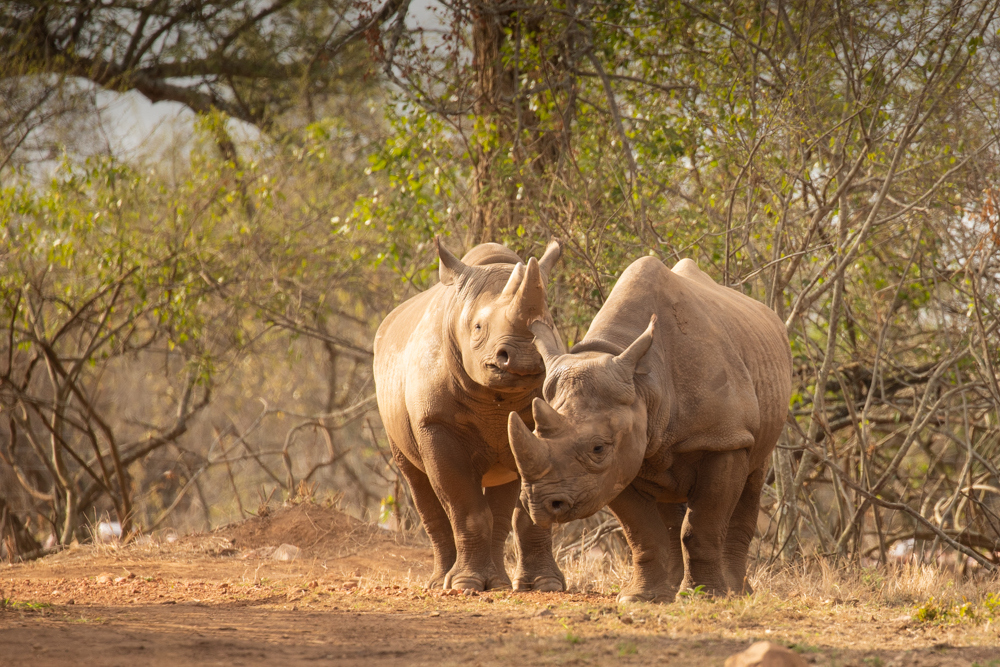
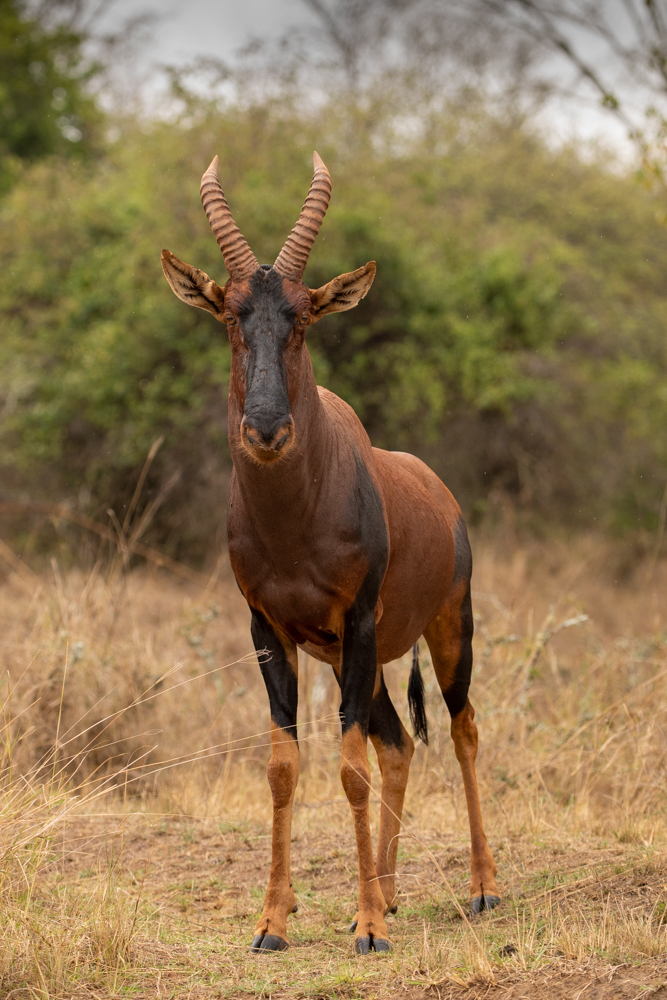
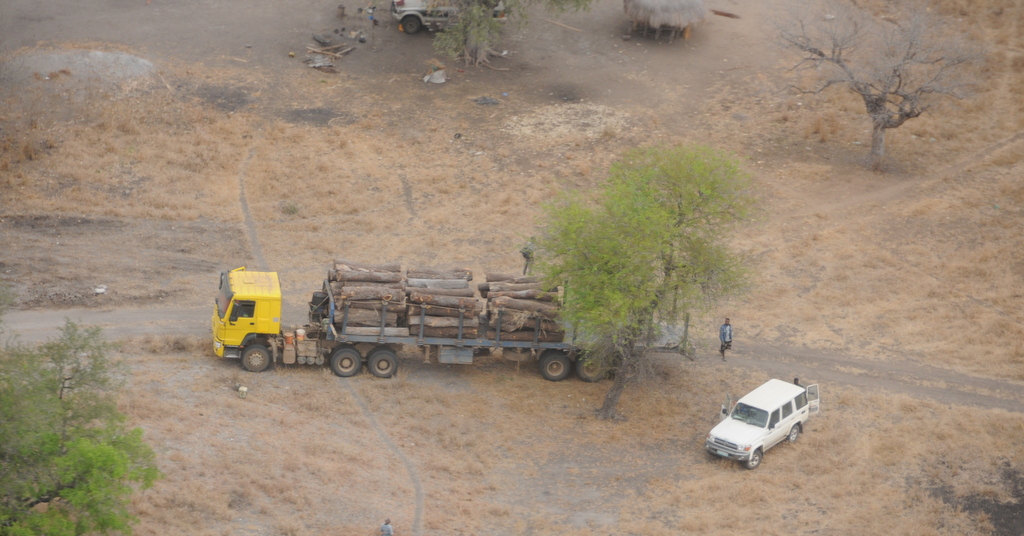
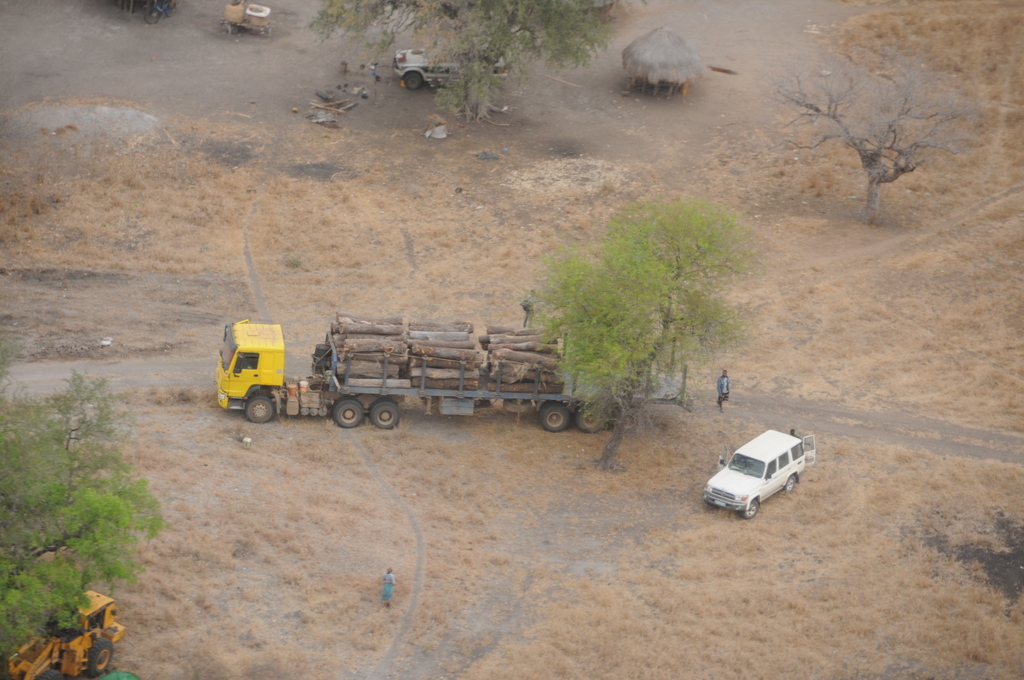
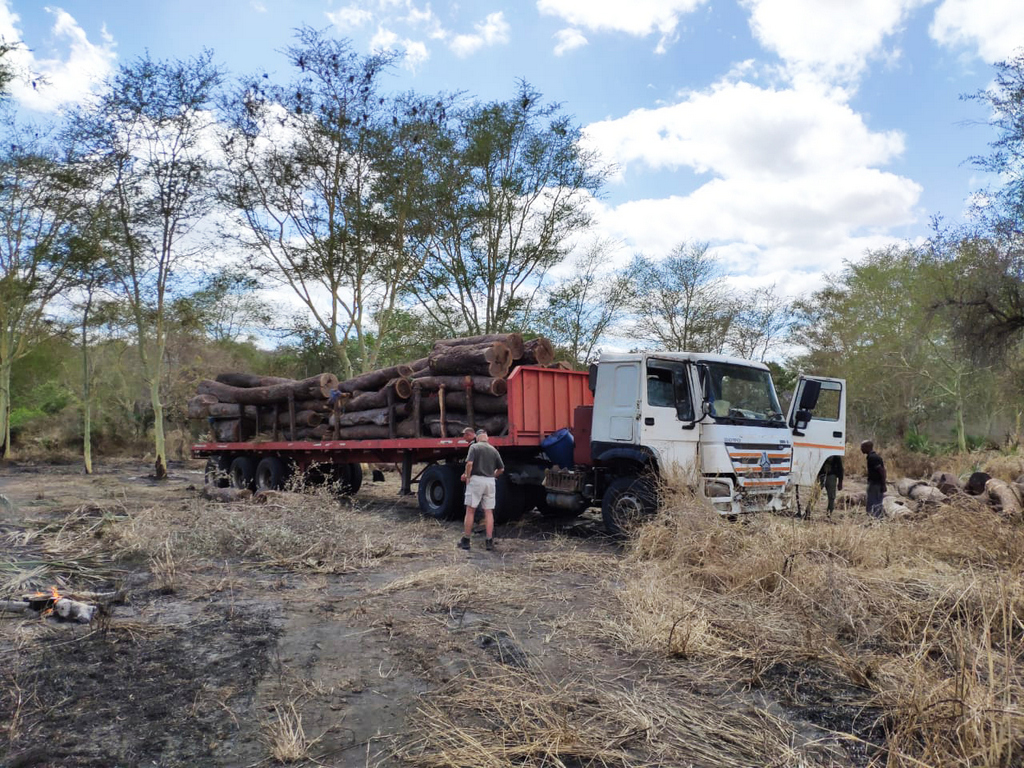
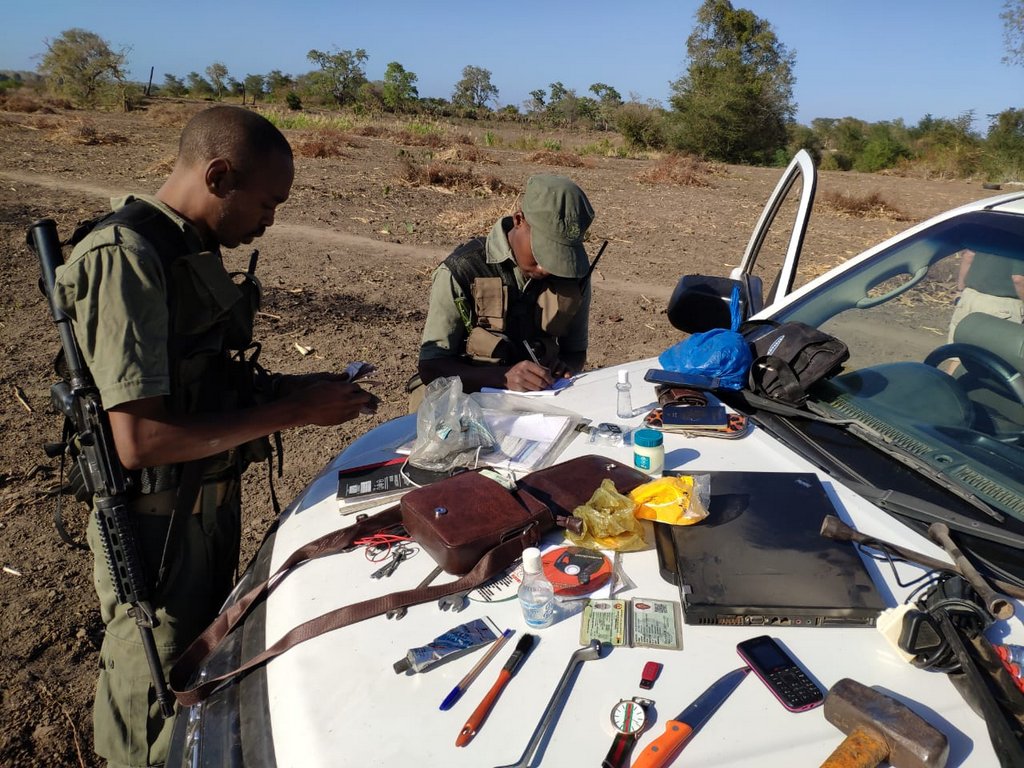
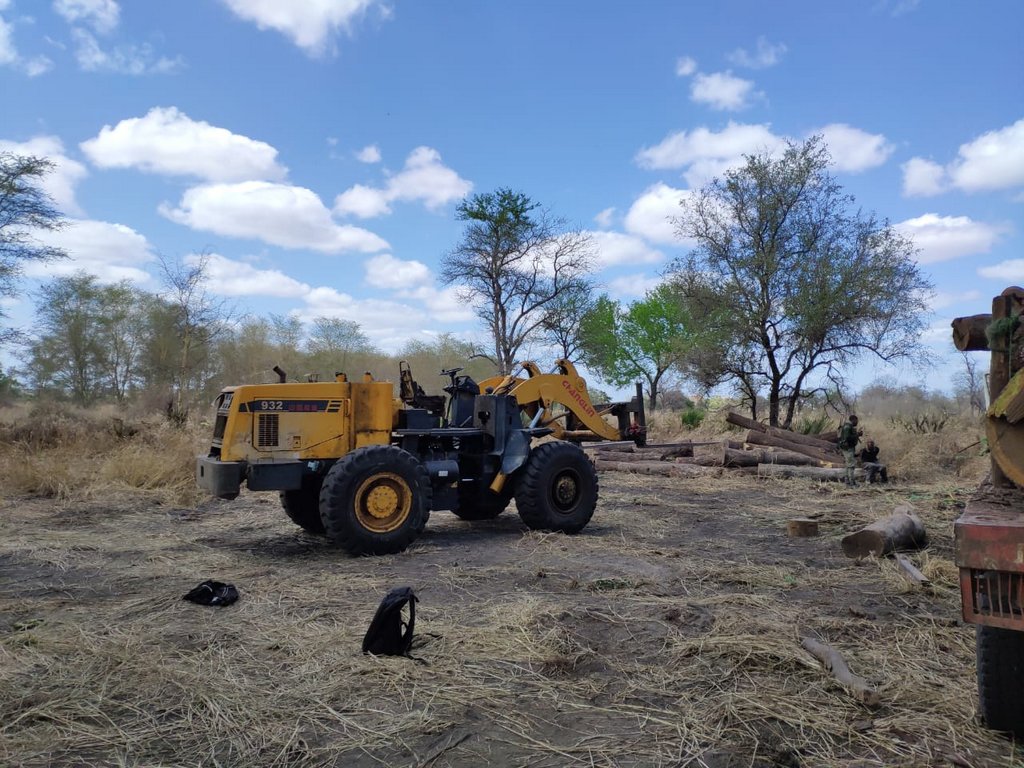
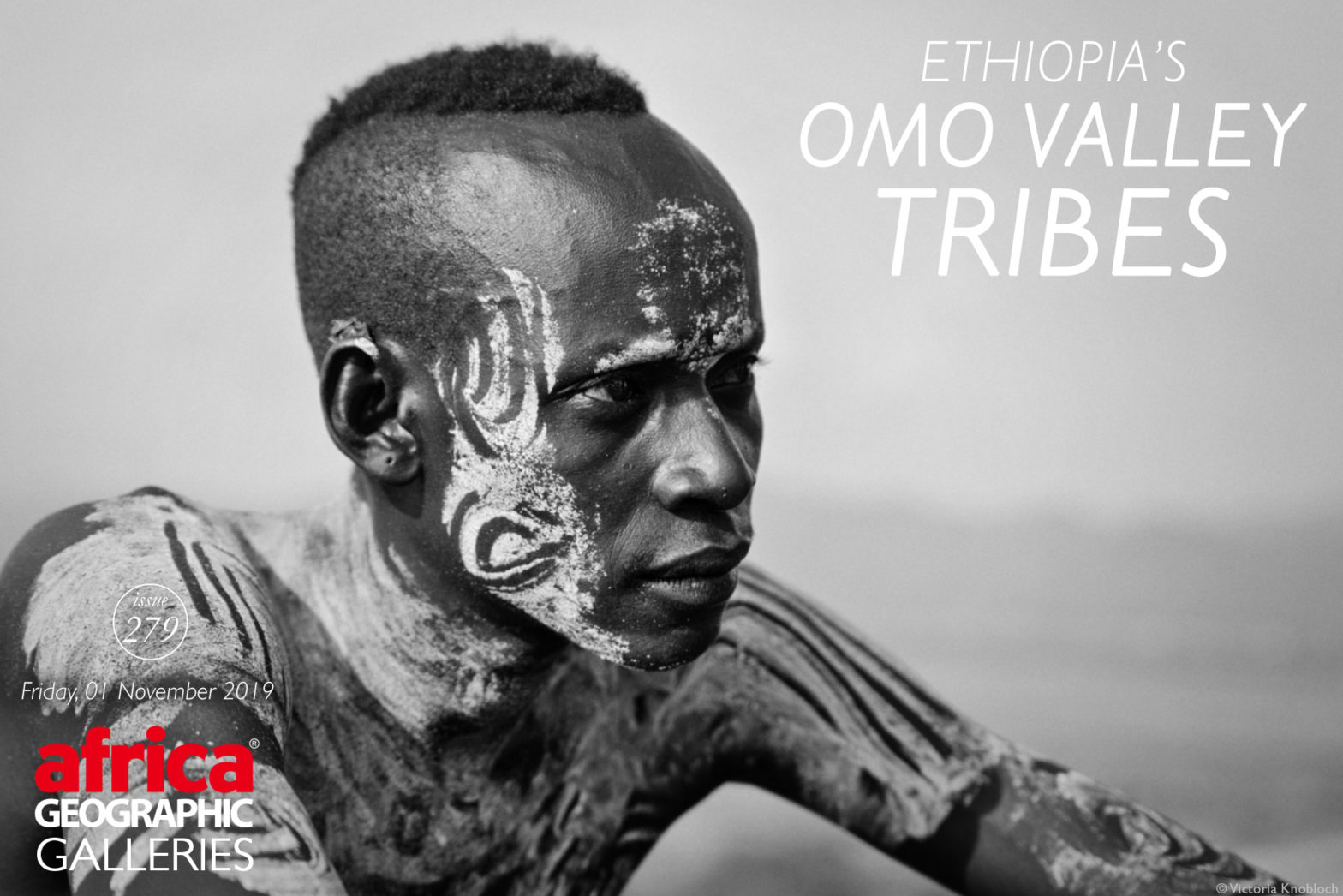
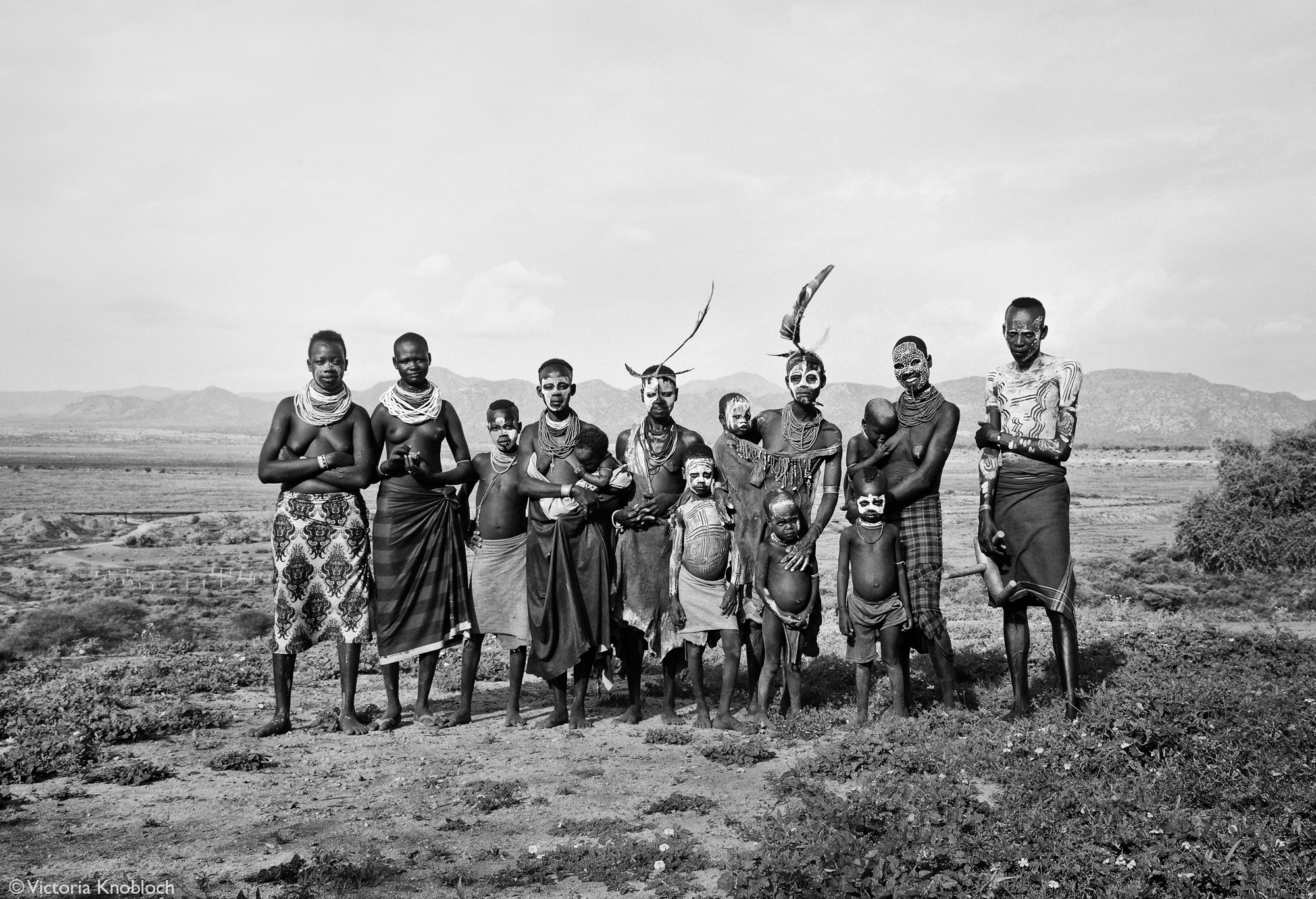

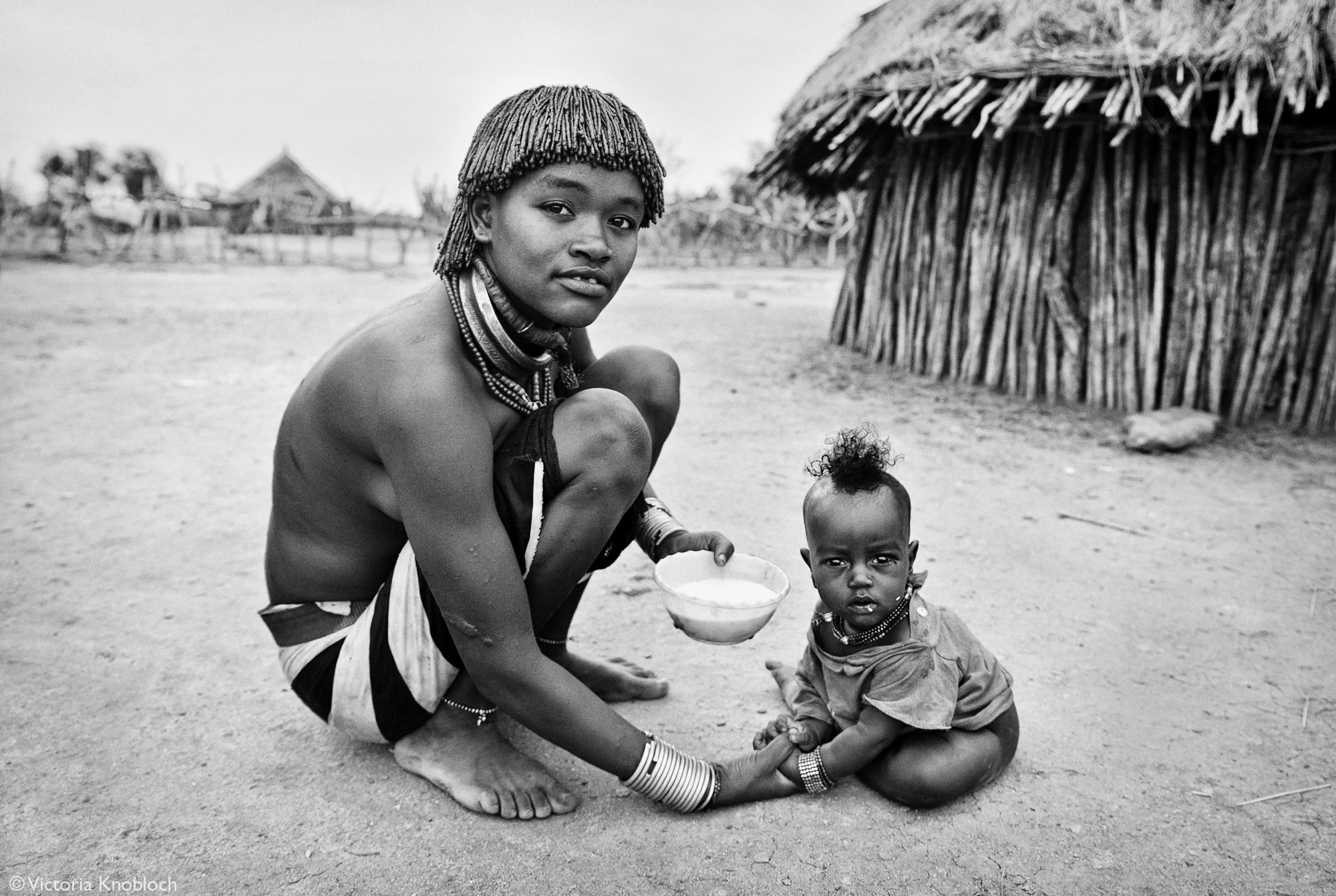
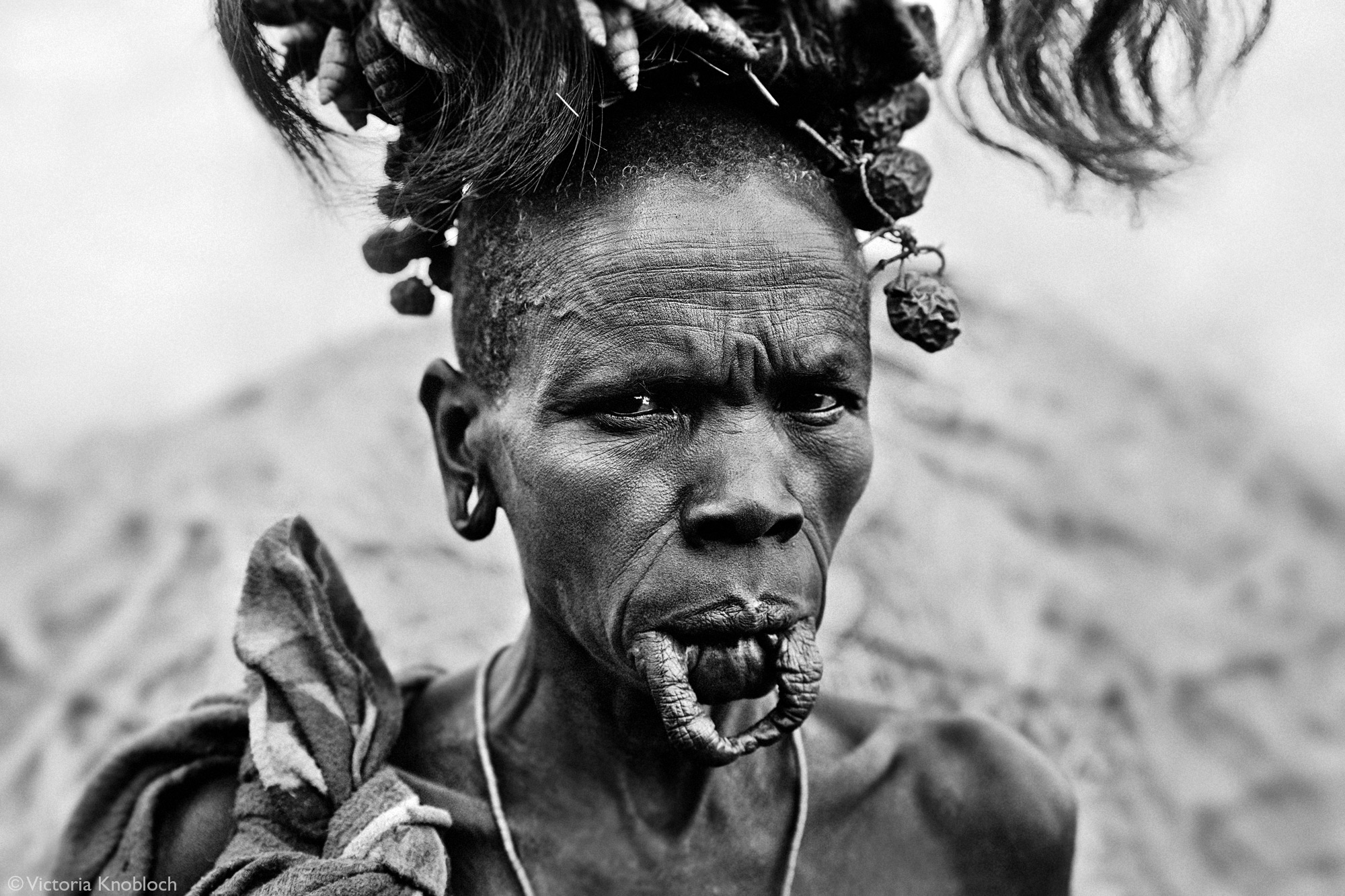
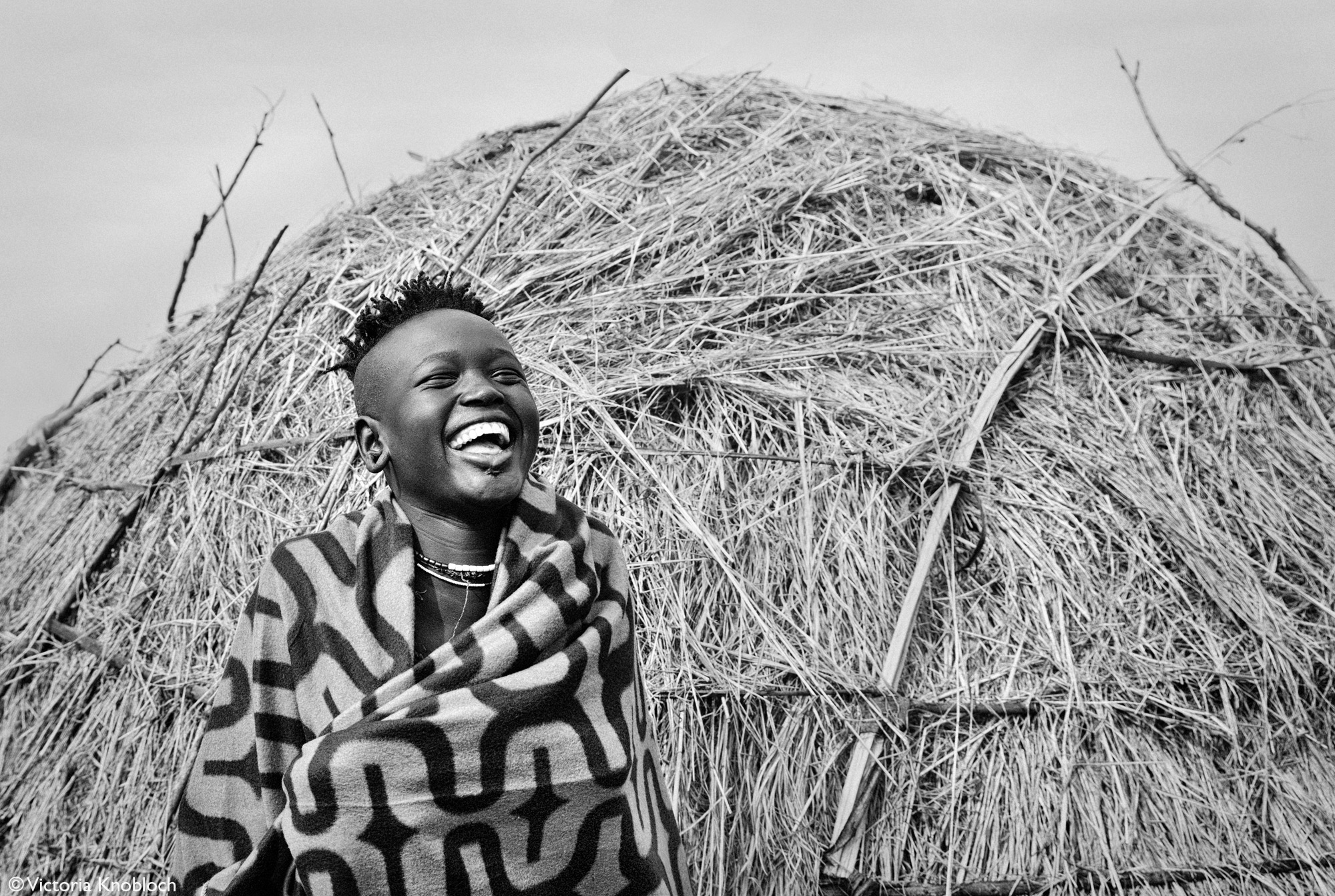
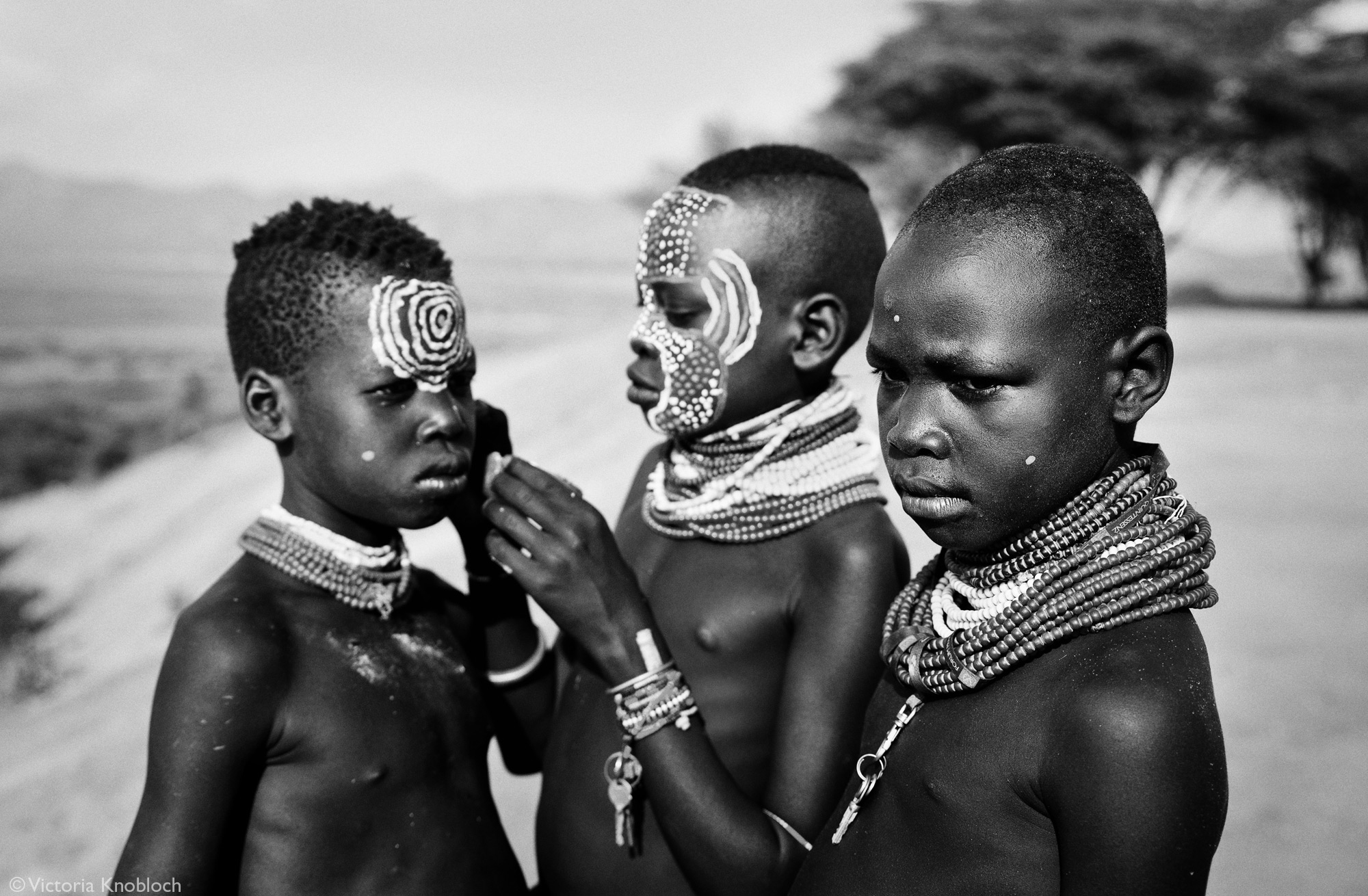
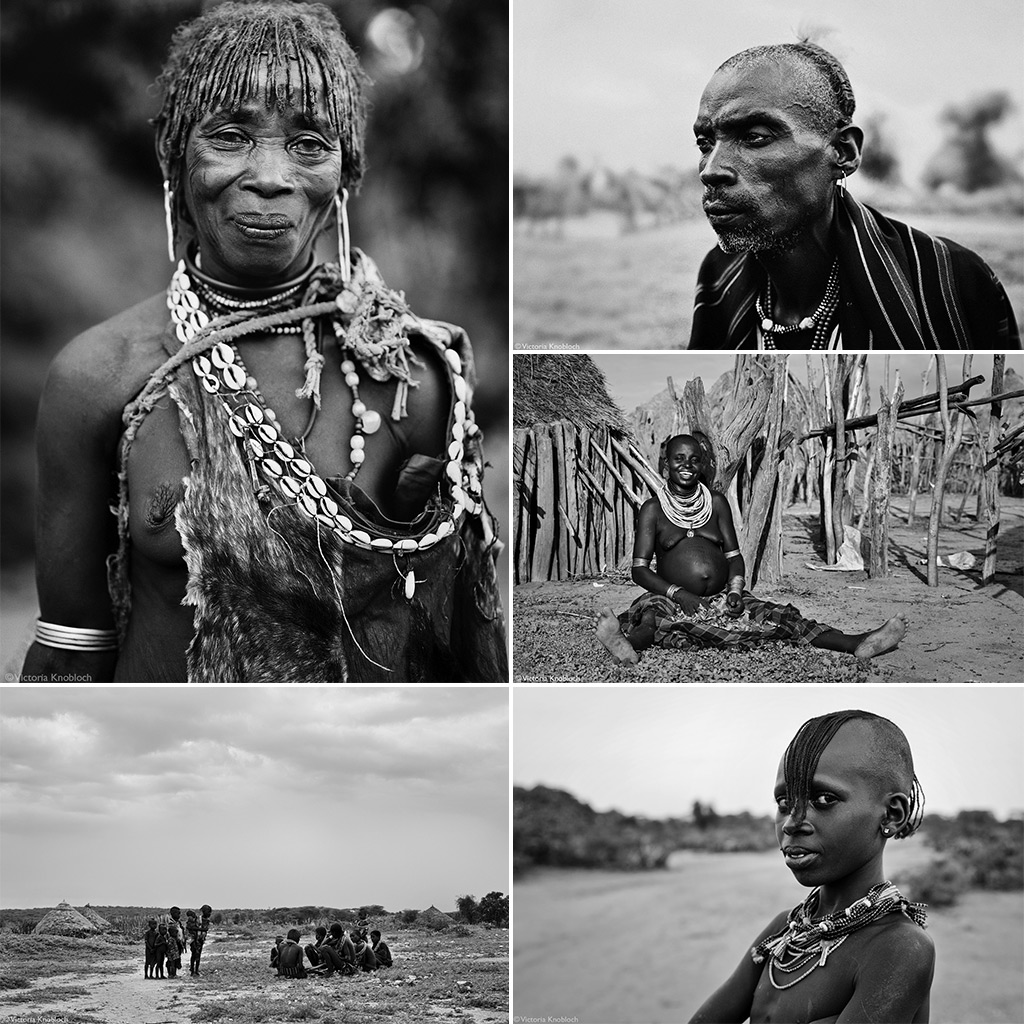
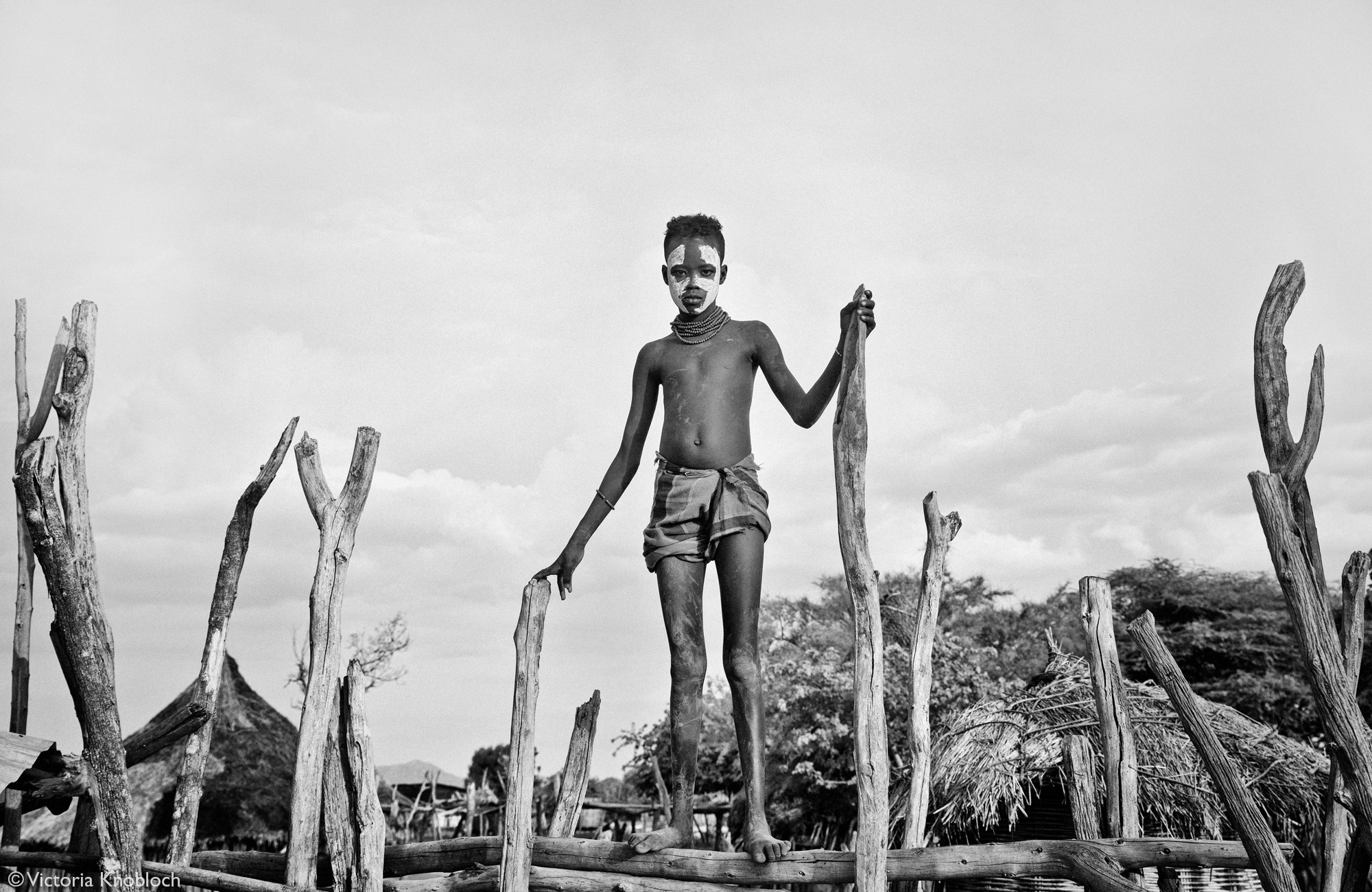
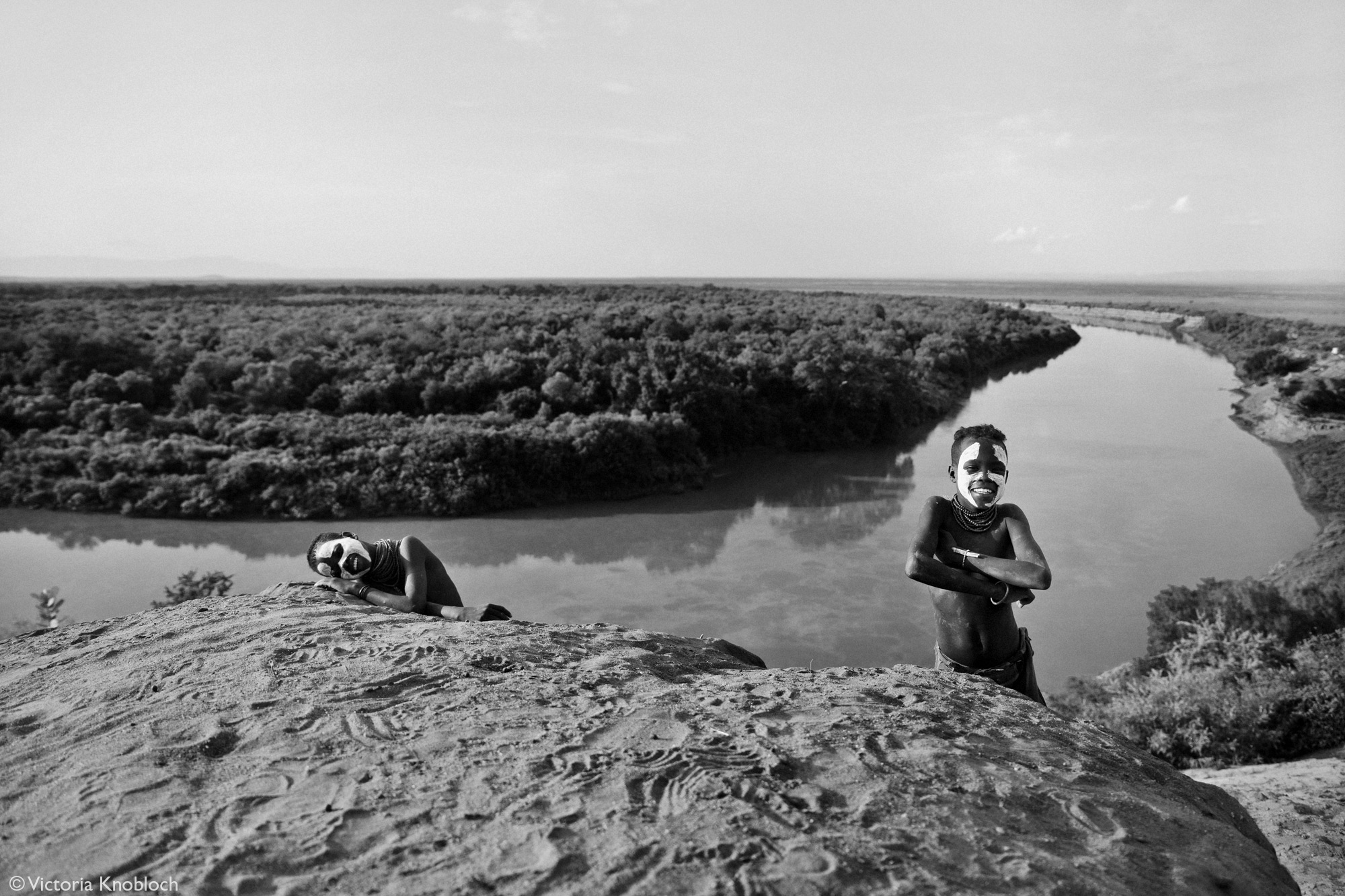
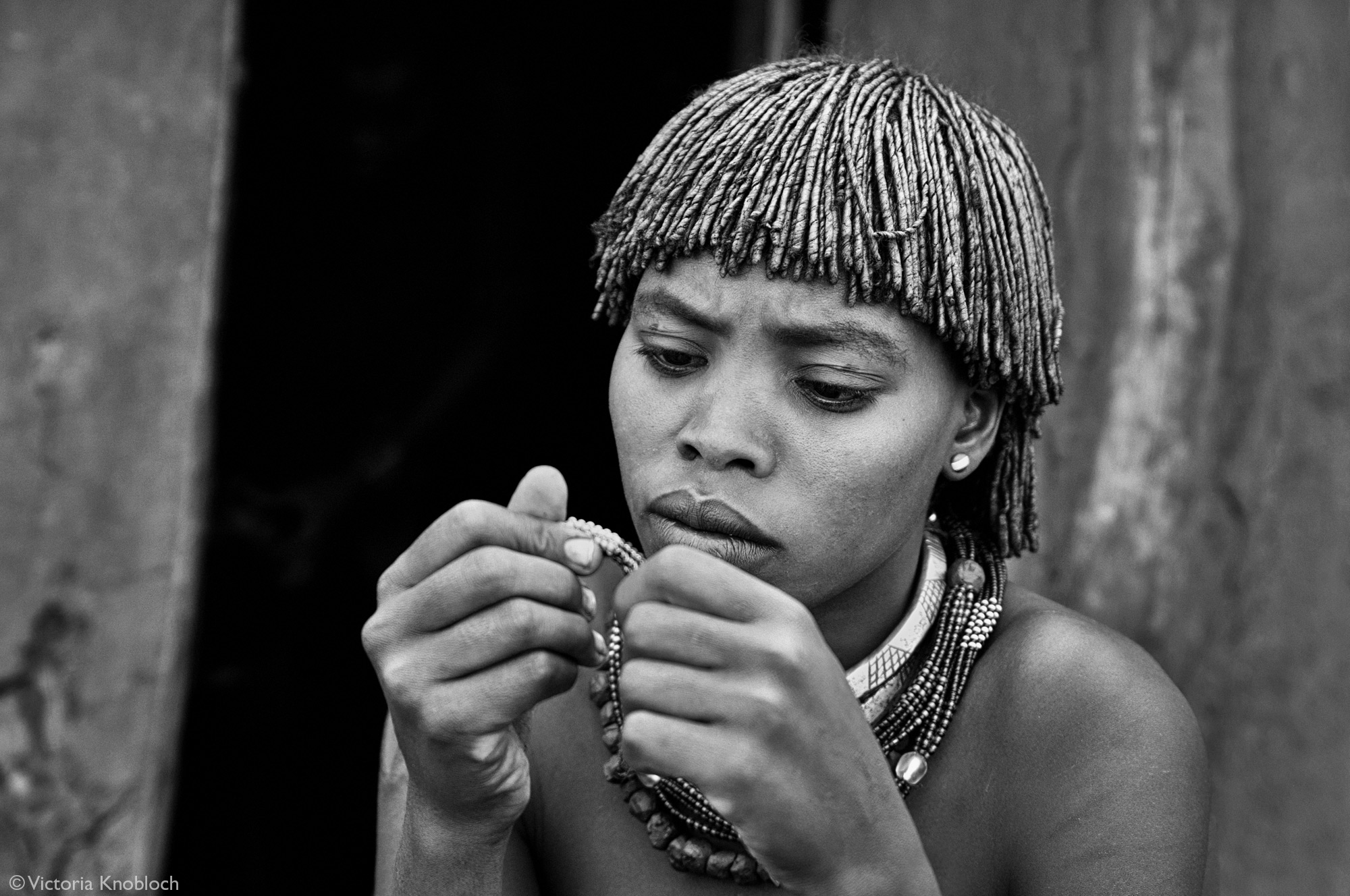
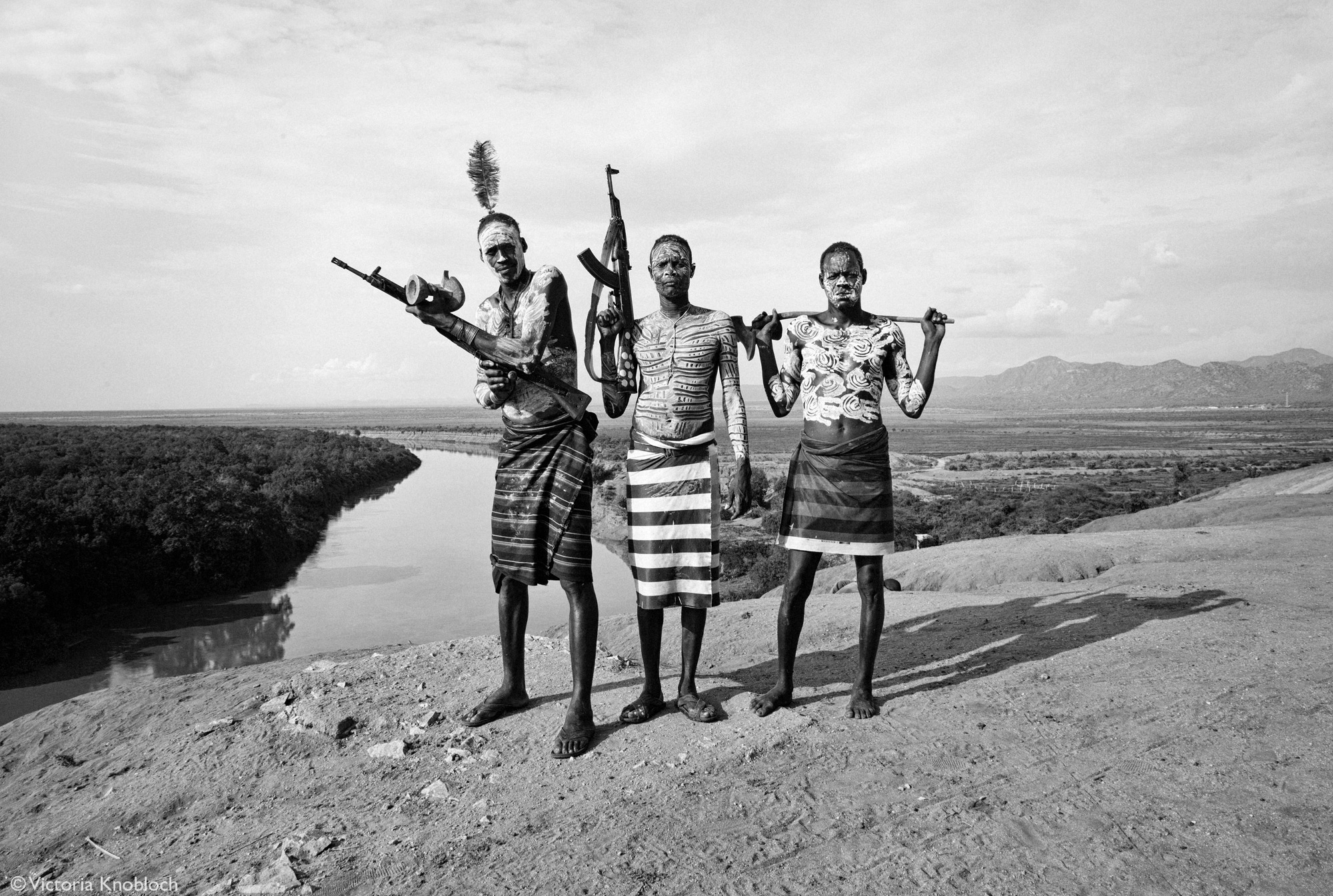
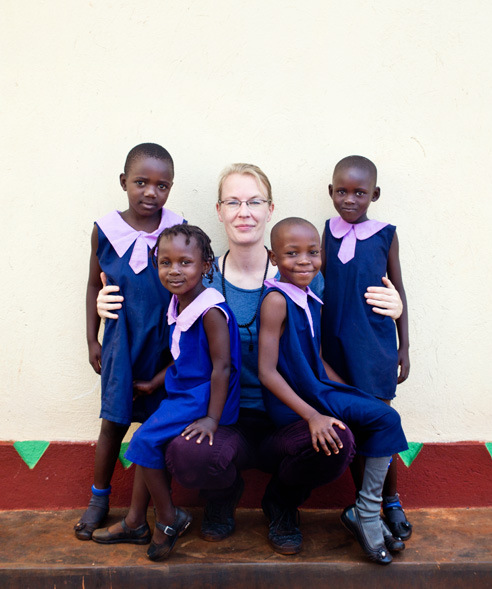 Victoria Knobloch is a German photographer who concentrates on black and white portrait art and documentary work. Her work embraces the fields of vanishing cultures, ancient traditions and contemporary cultures, with the human element as the continuous thread. Furthermore, she is always in search of tranquillity, beauty and meditative landscape moods and approaches them in a poetic way. With this, she invites the viewer to pause, contemplate, observe and reflect, if only for a brief moment. You can see more of her works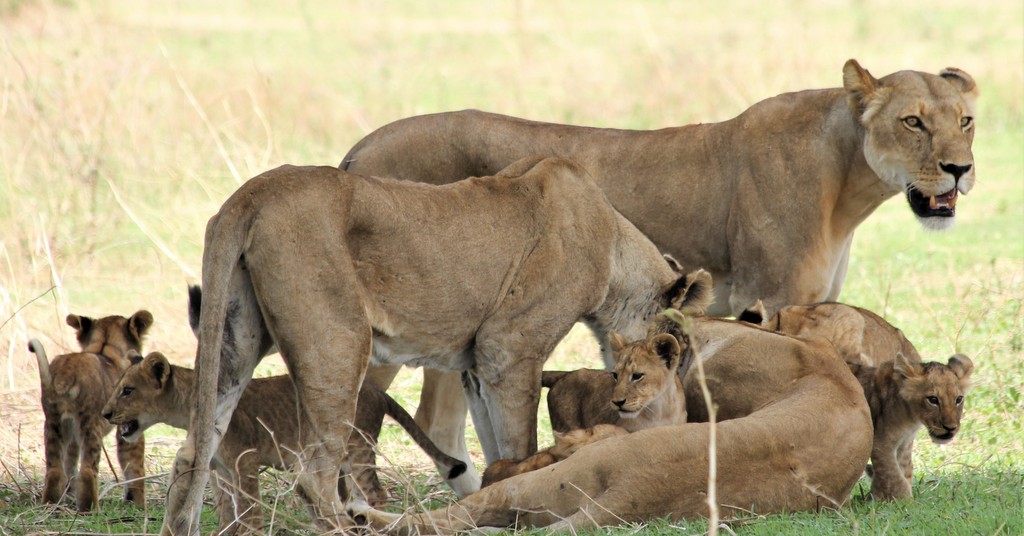
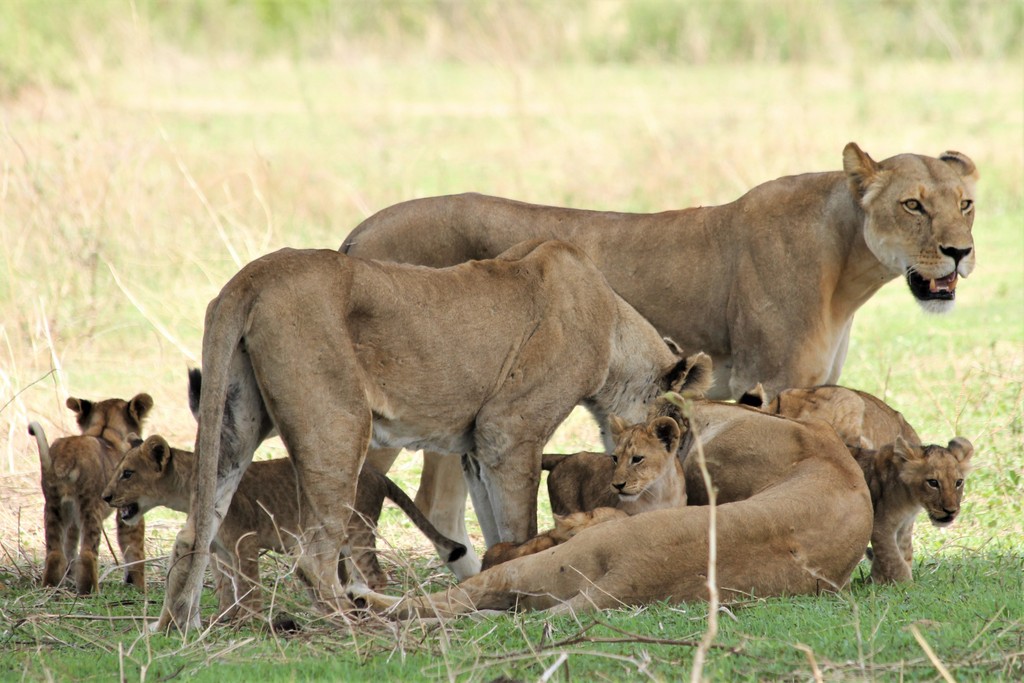
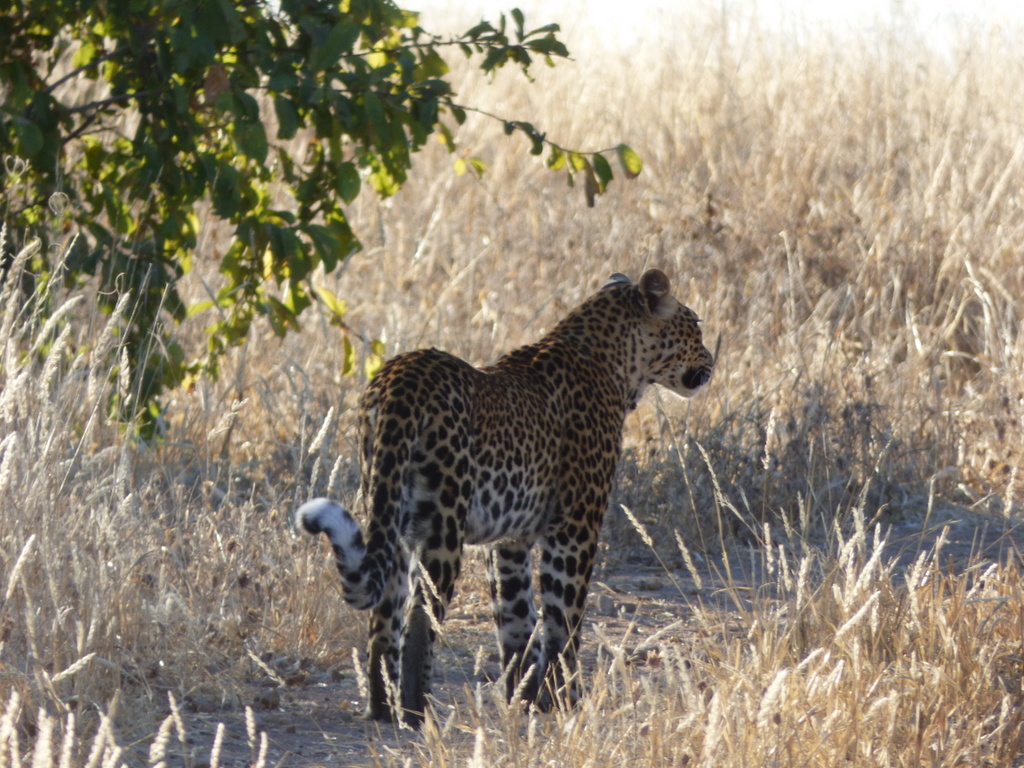
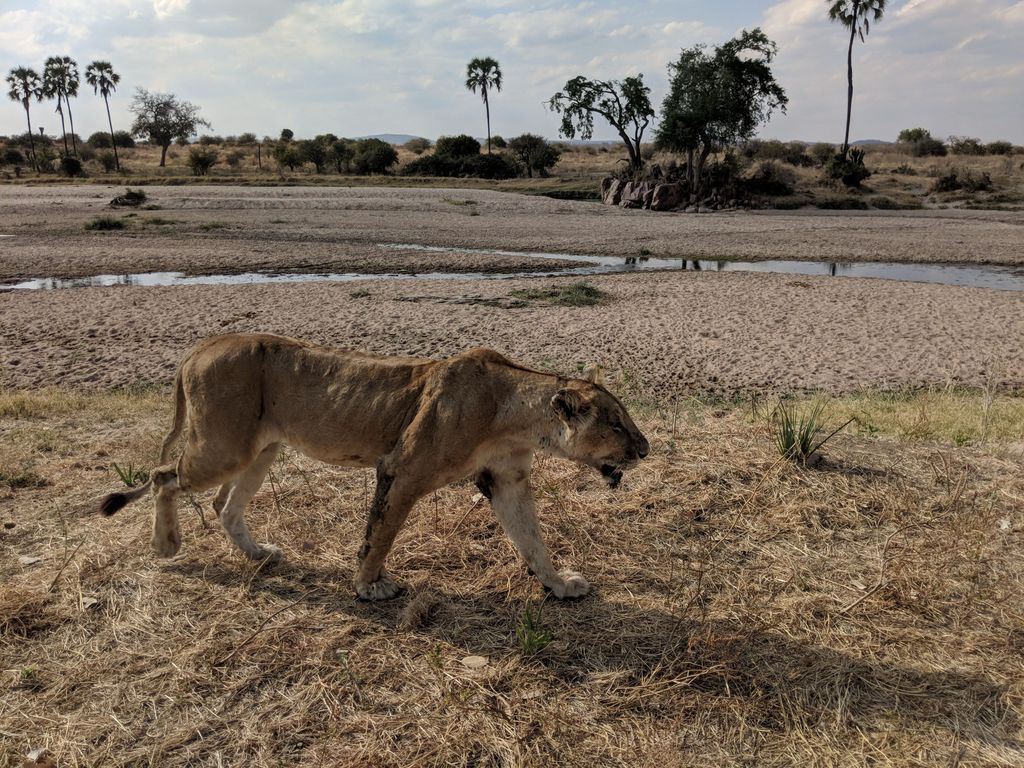
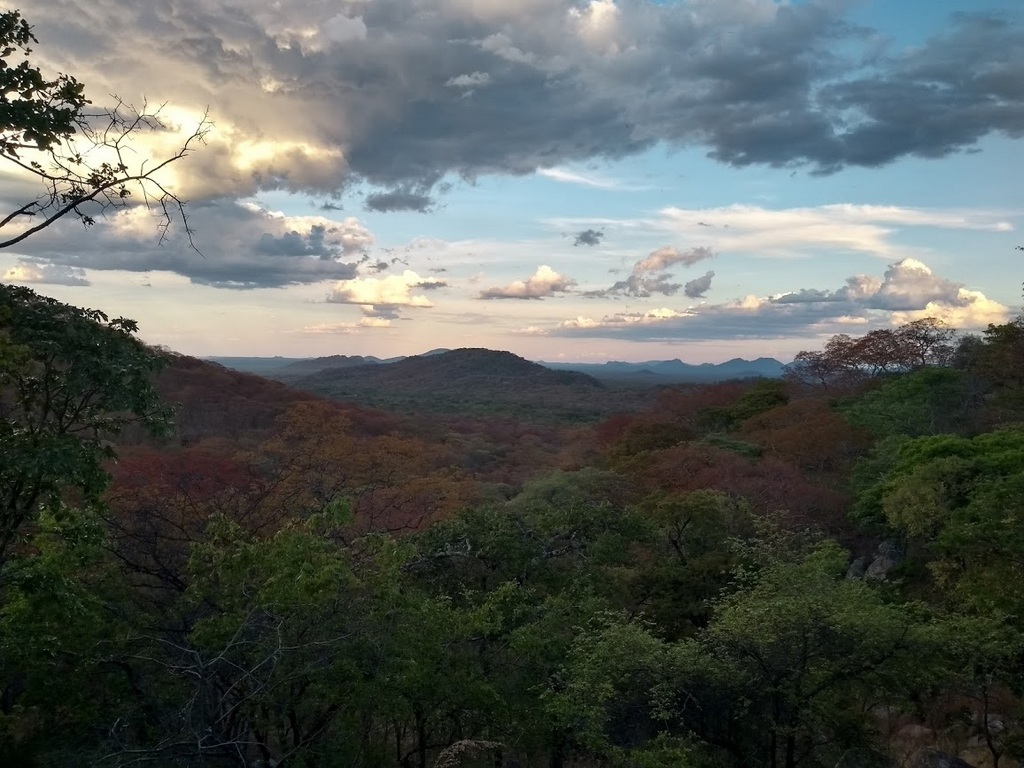
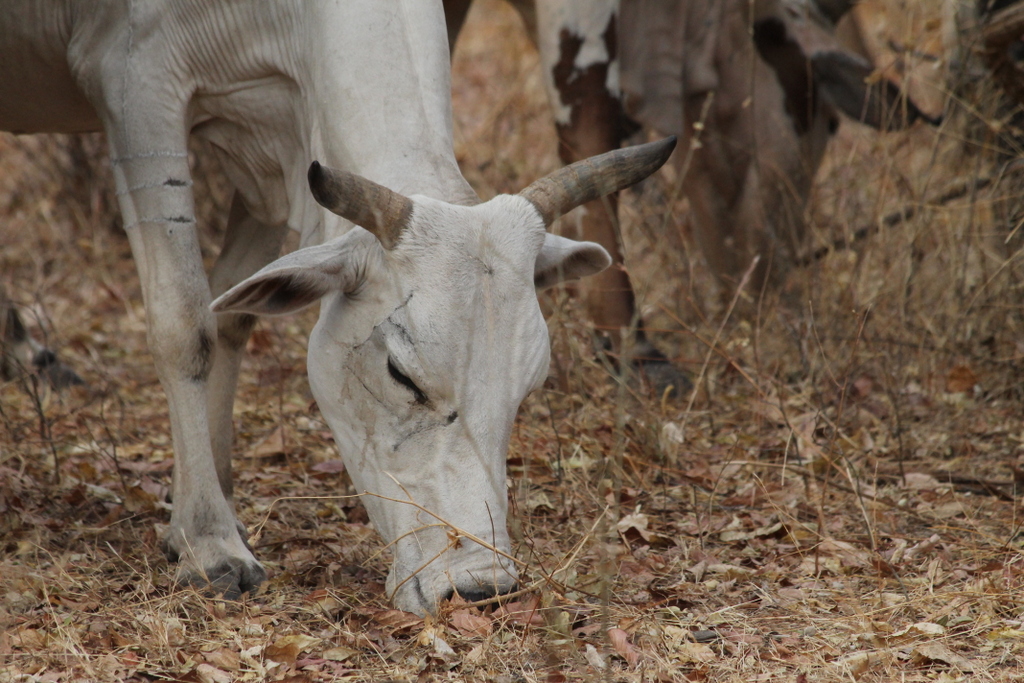
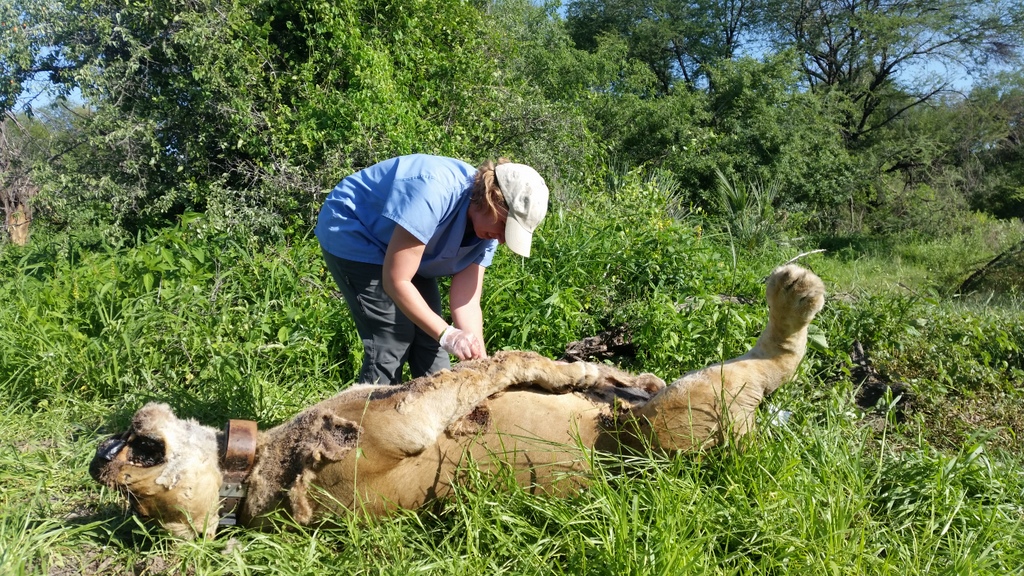
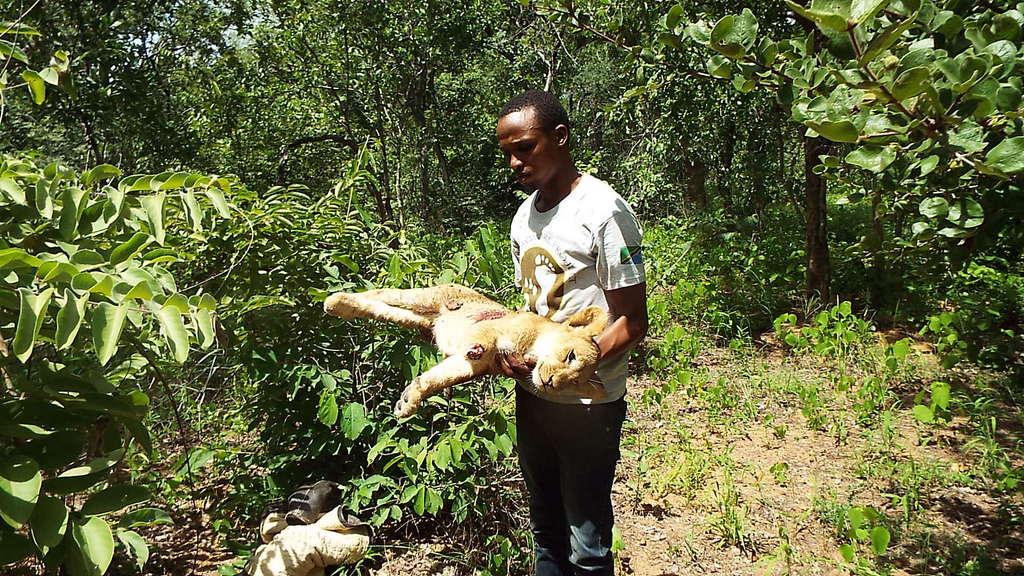
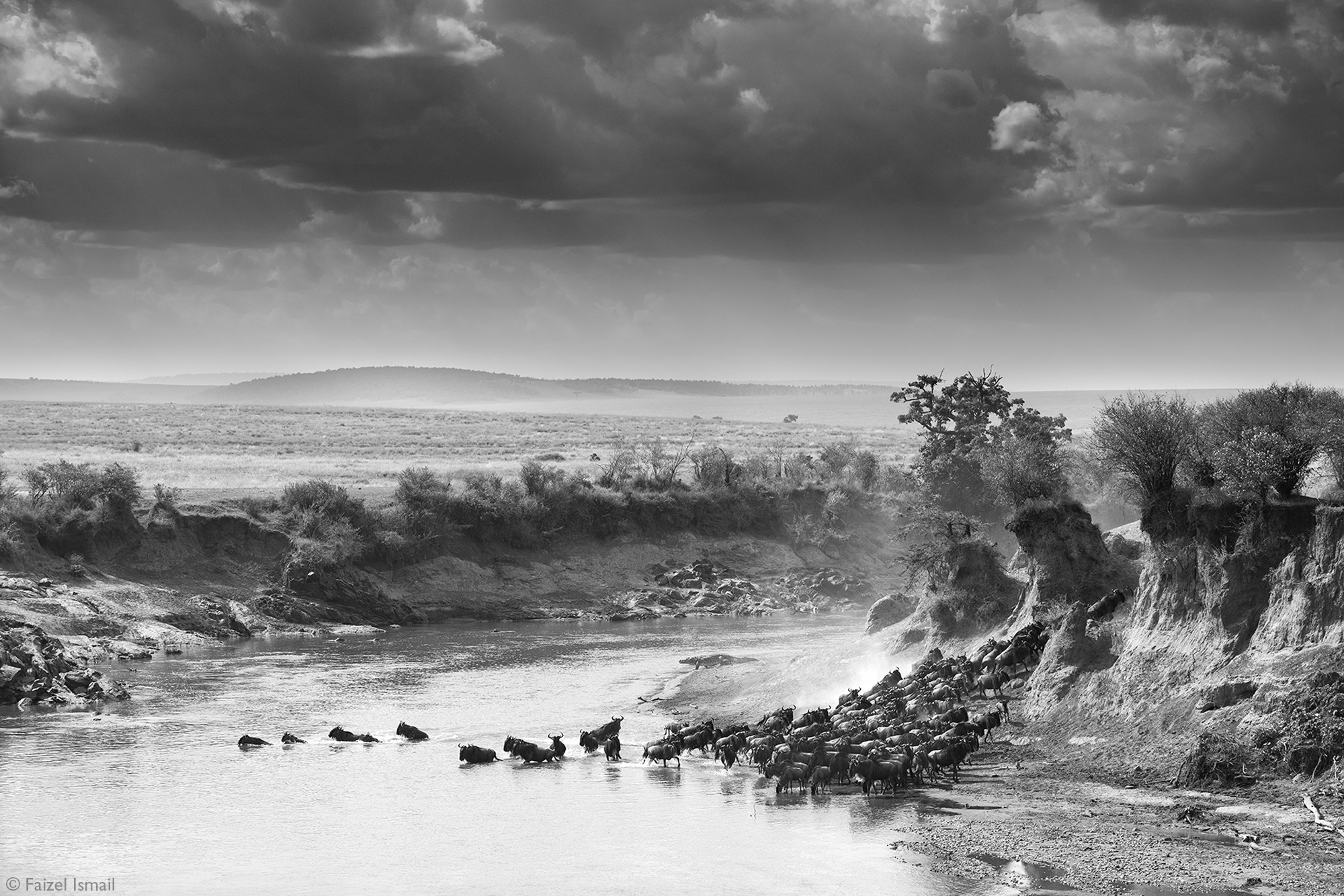
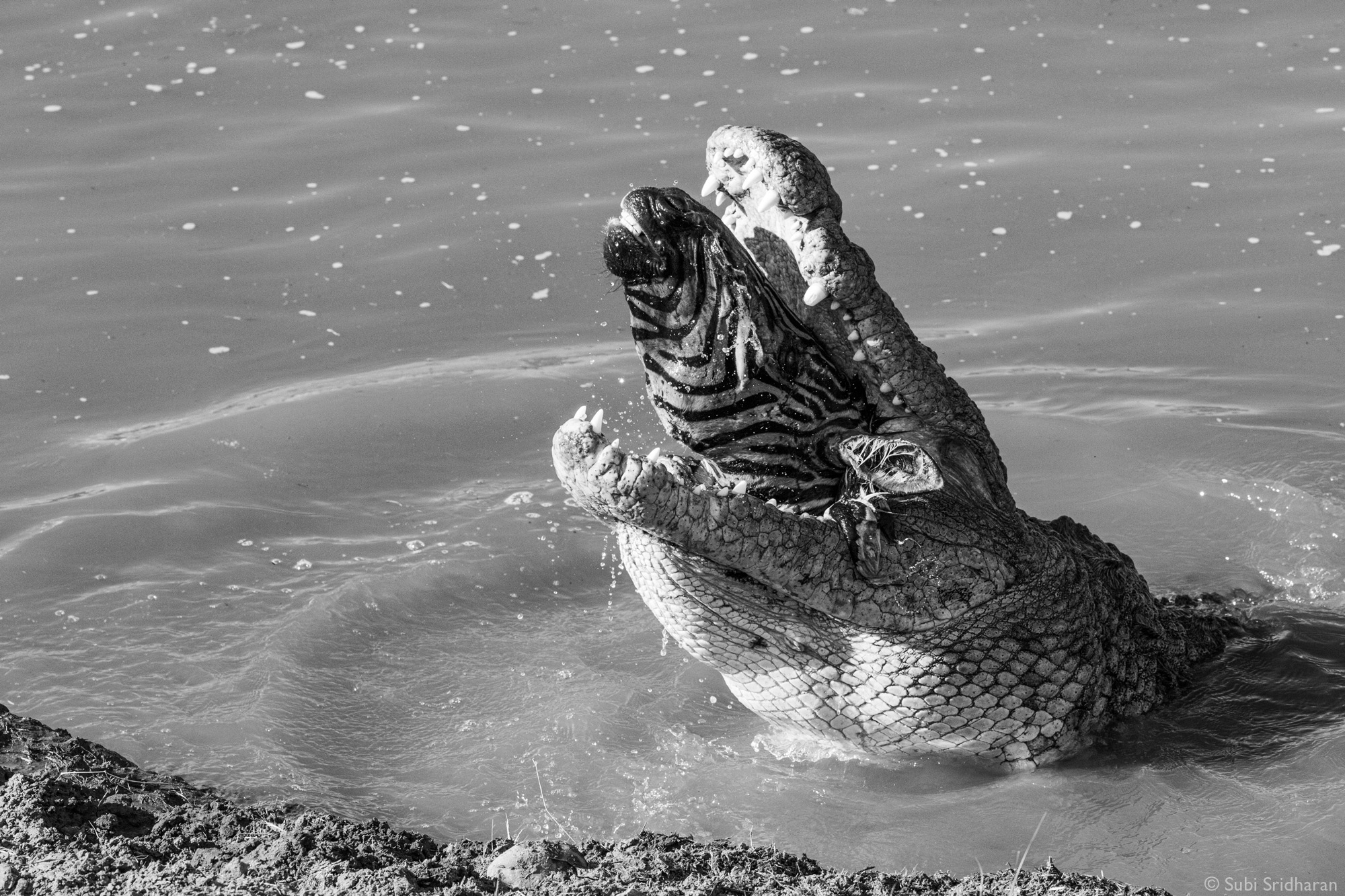
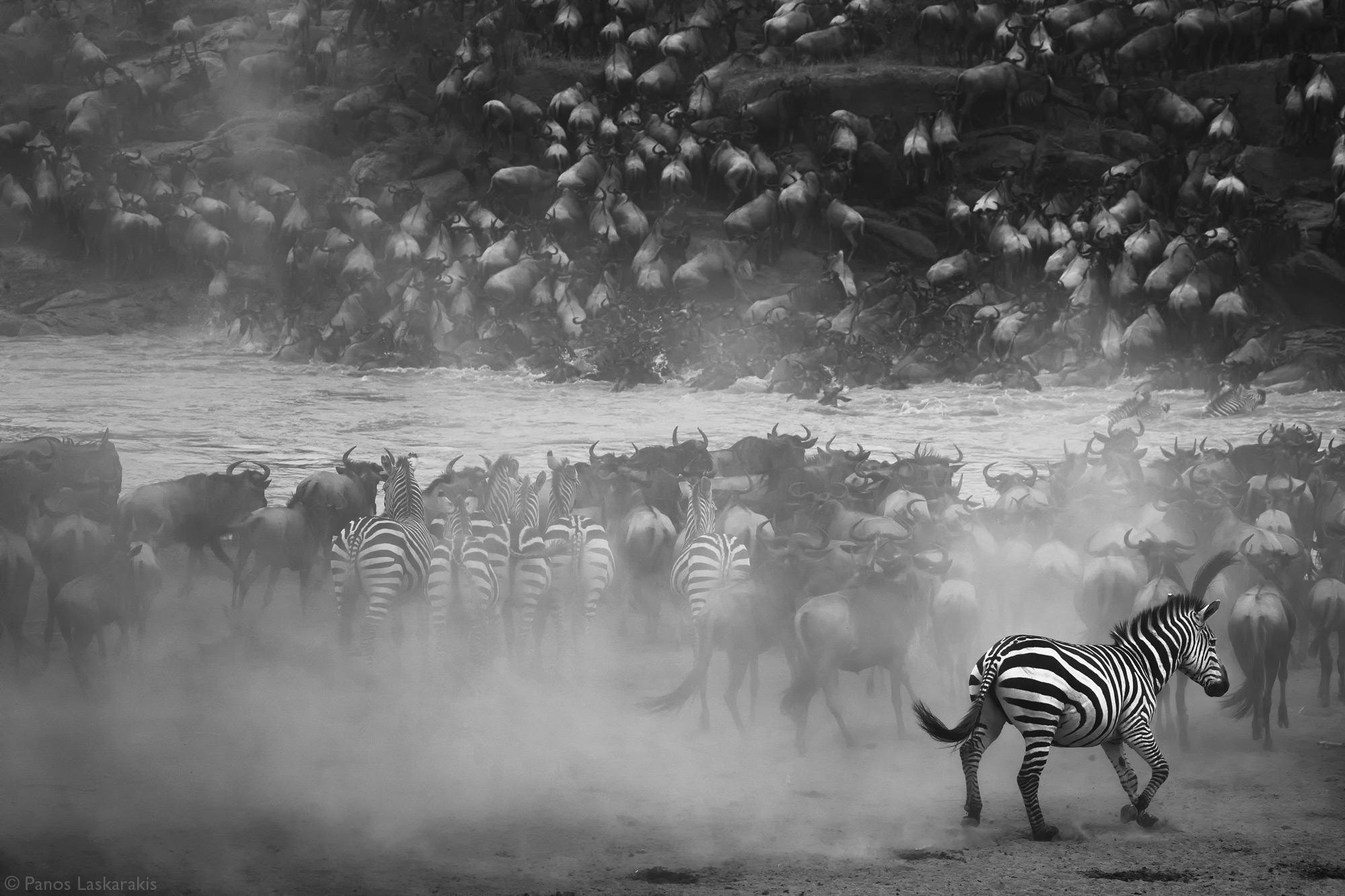
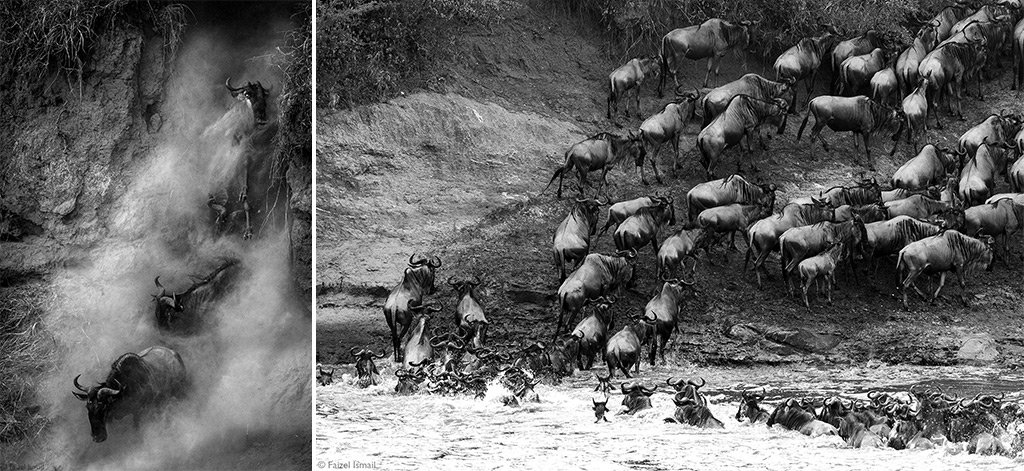
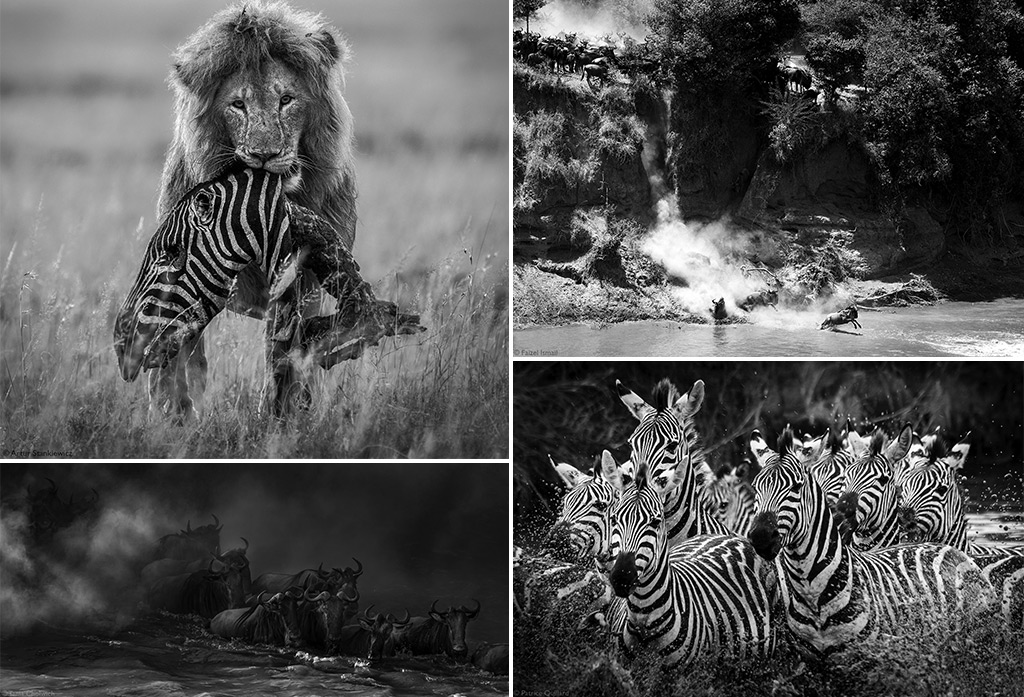
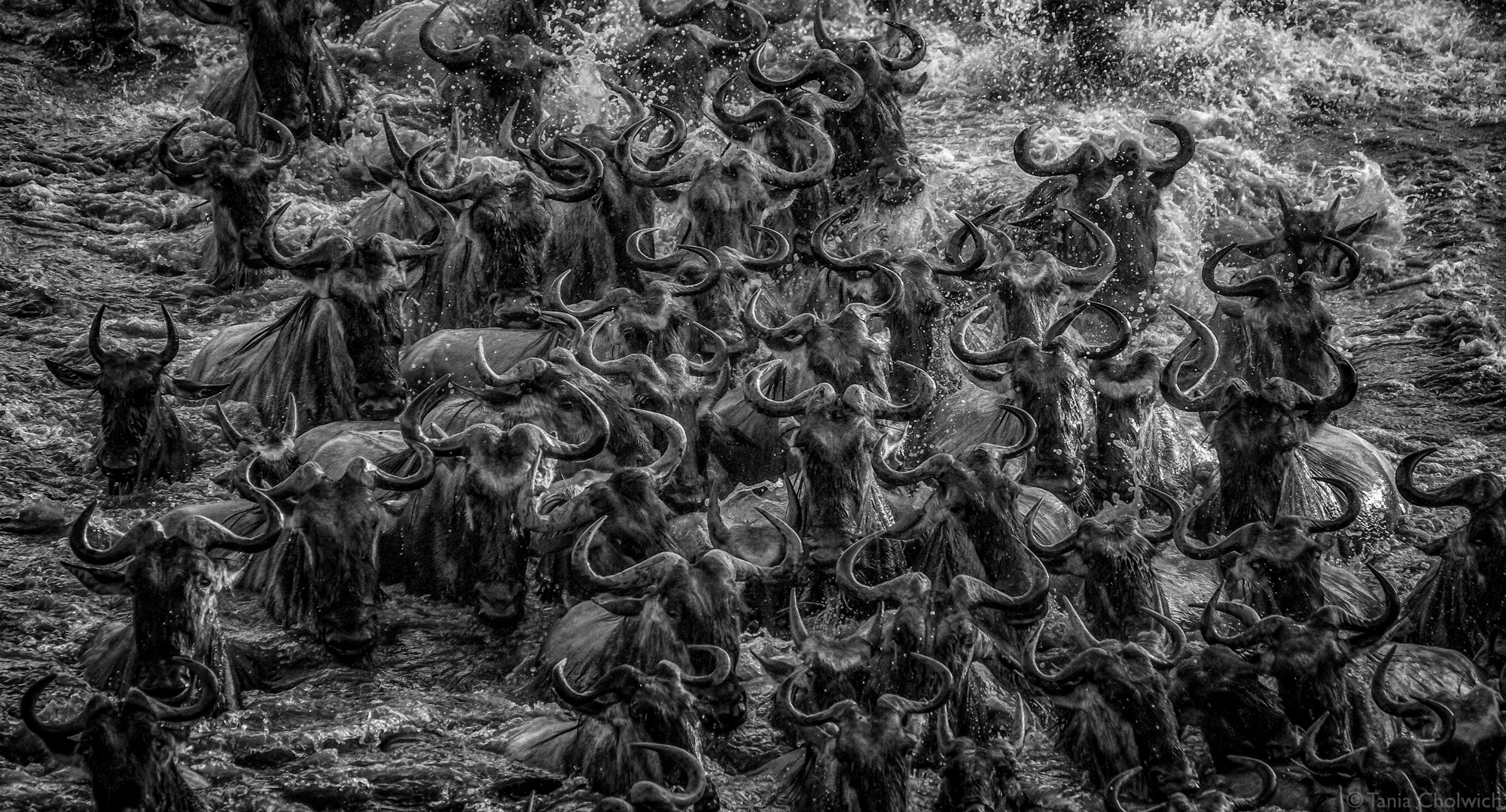
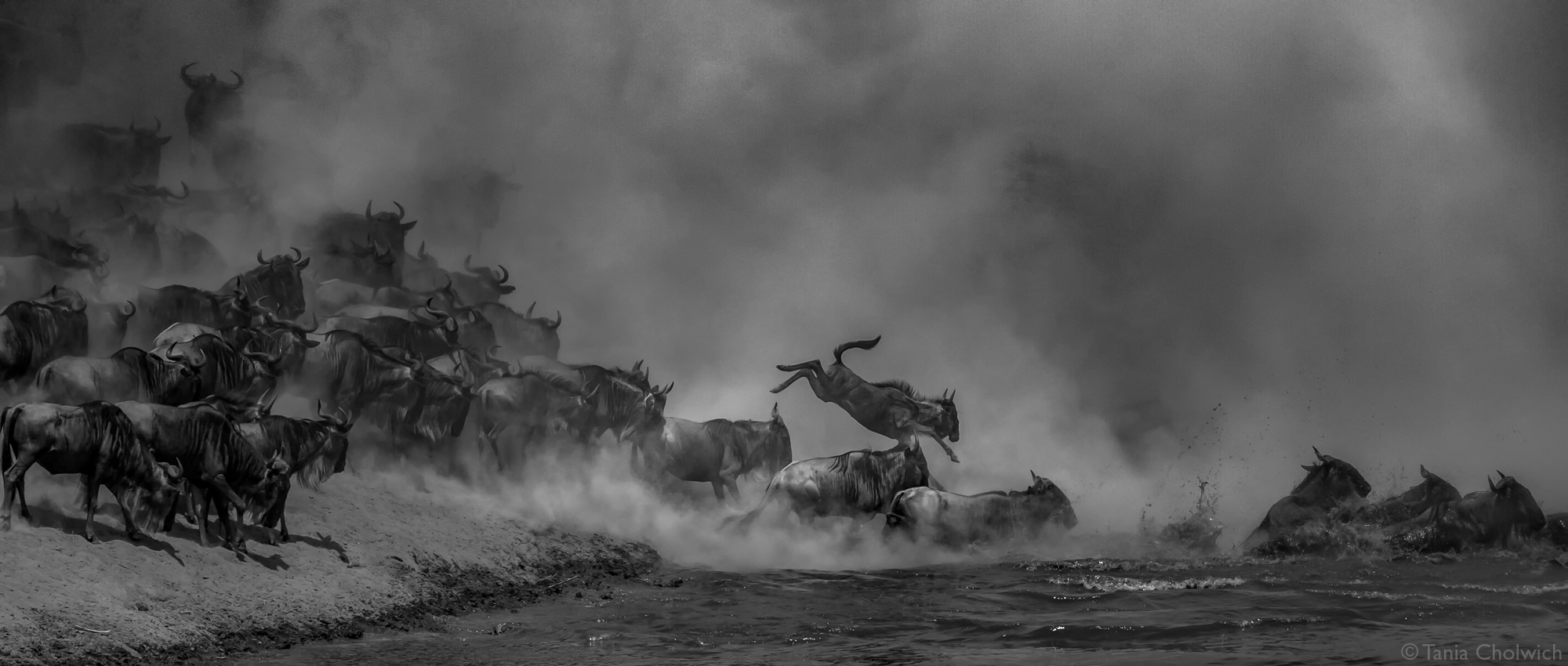
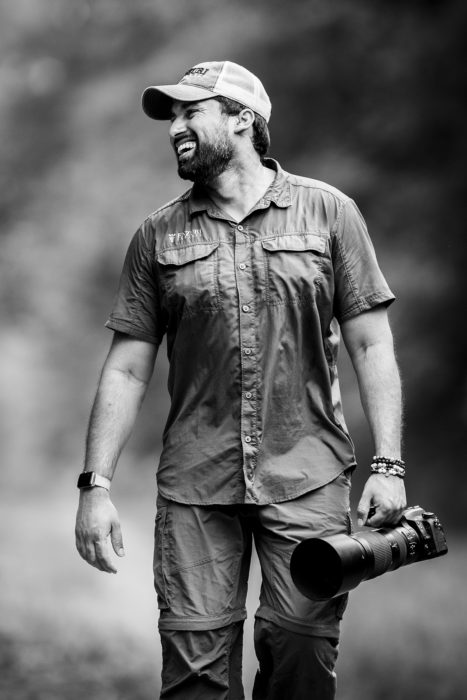 Faizel is a modern-day explorer, wildlife photographer and conservationist. He was born and raised in the town of Rustenburg, in the heart of beautiful South Africa, but his travels have taken him far and wide, and he currently resides in the United States.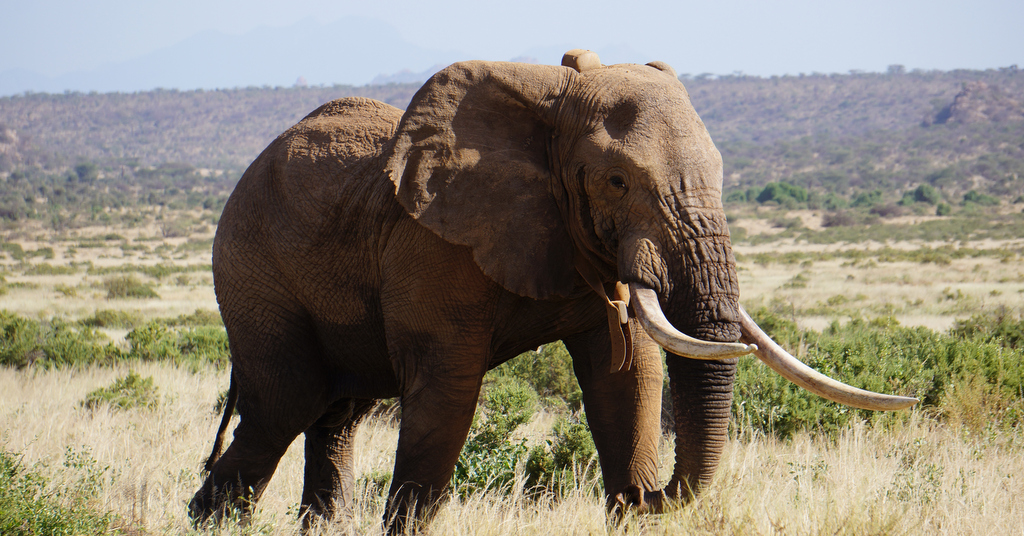
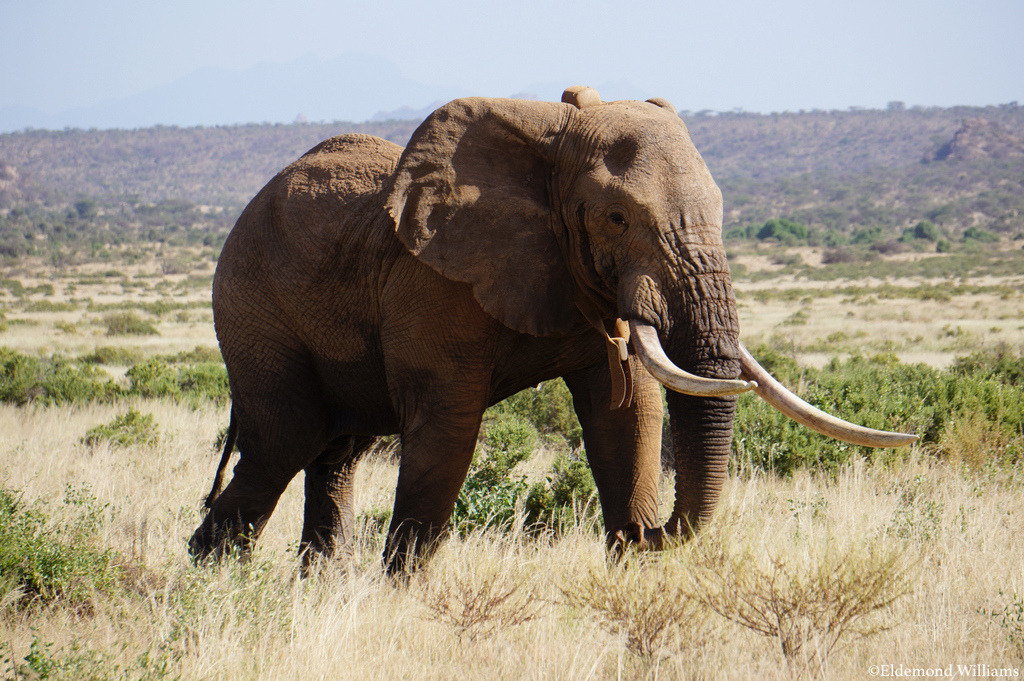
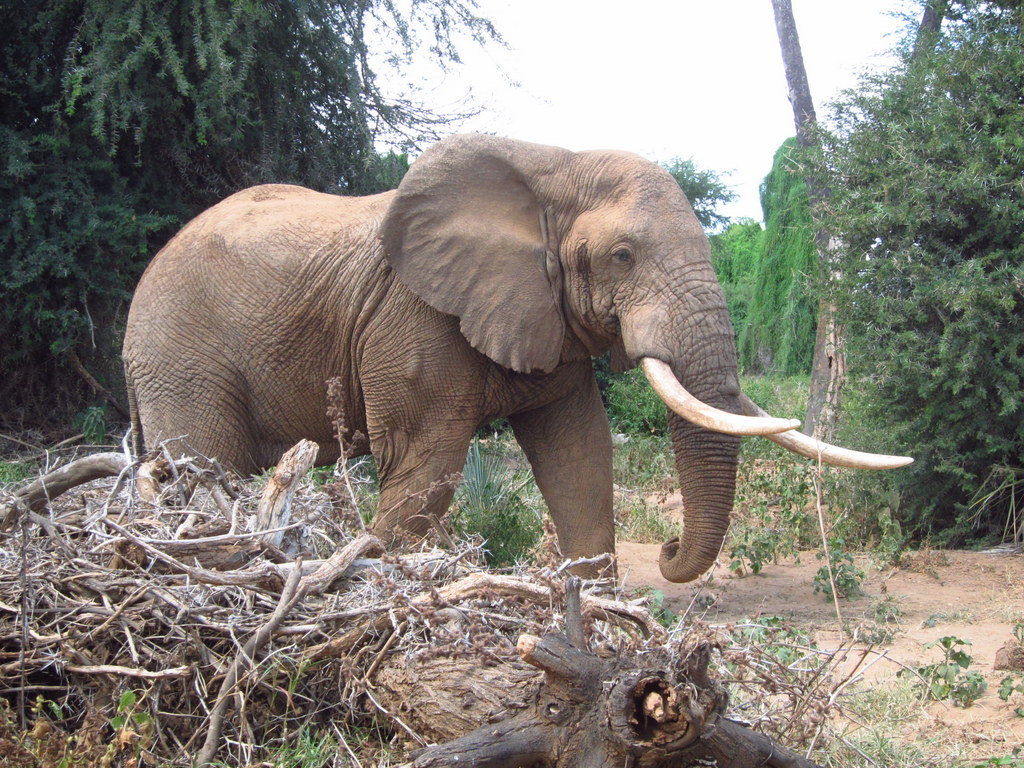
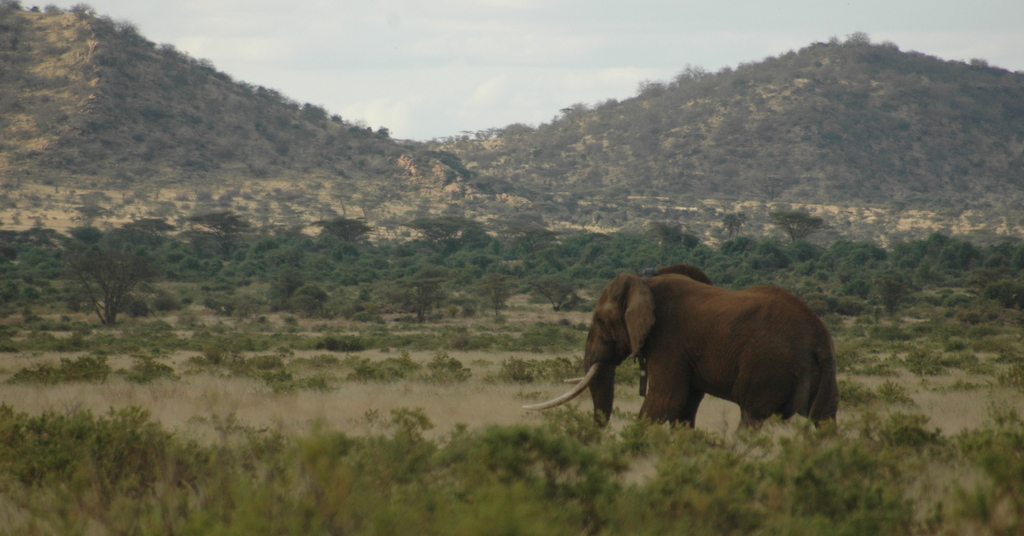
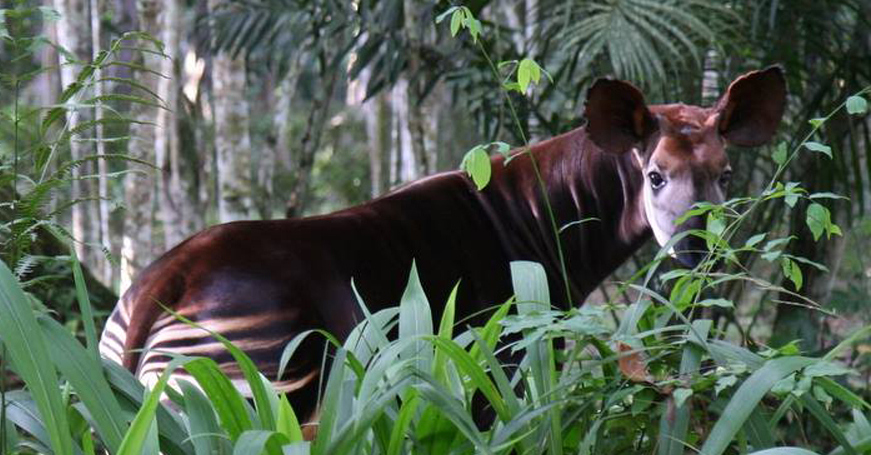
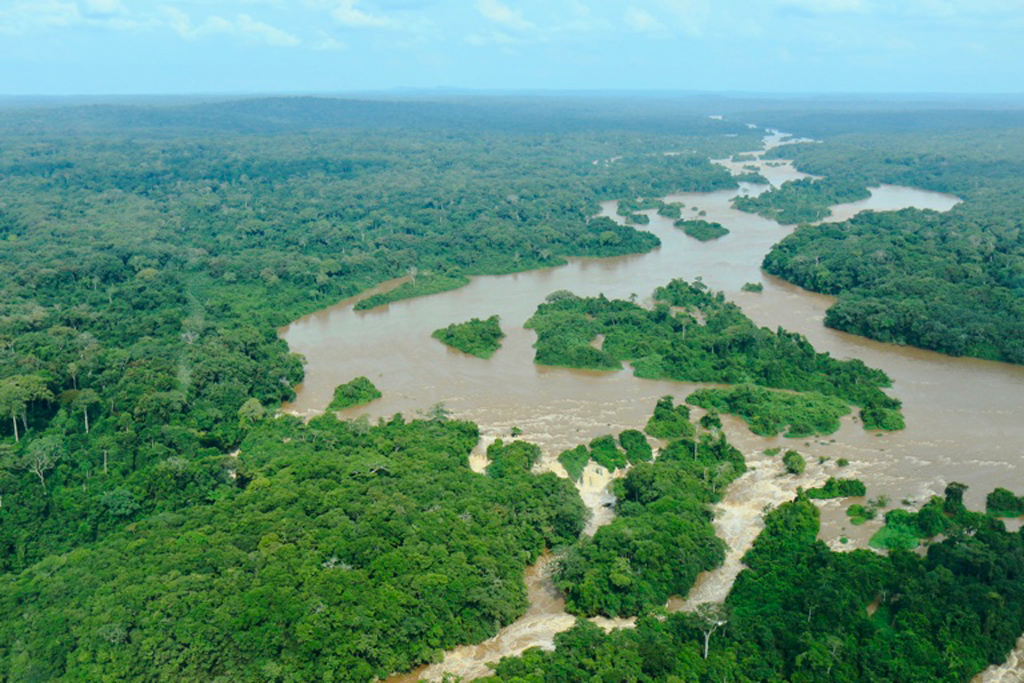
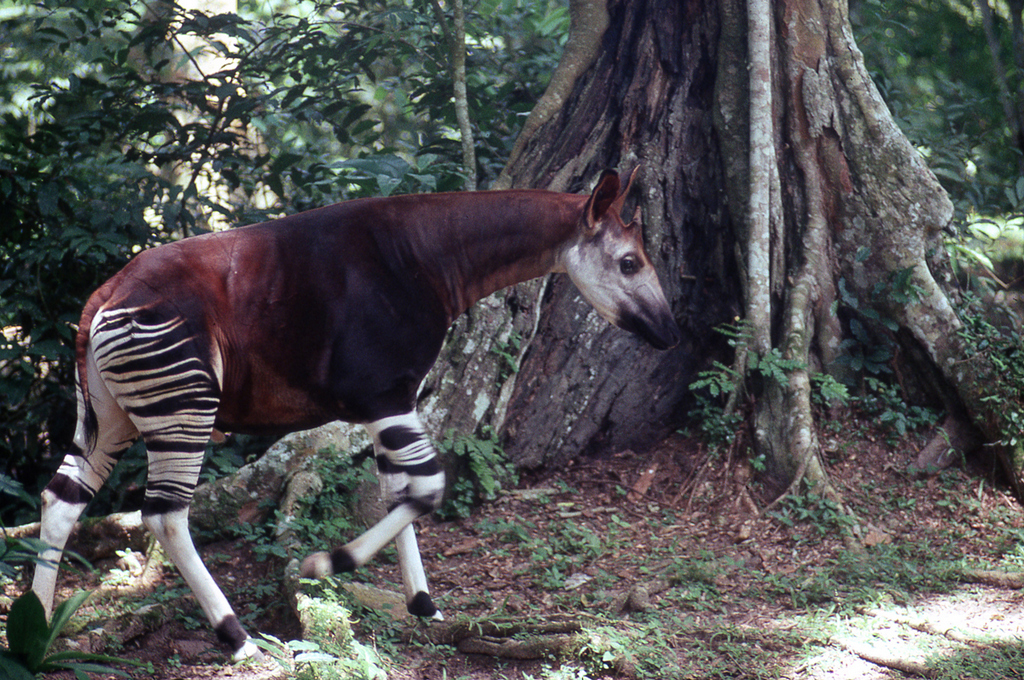
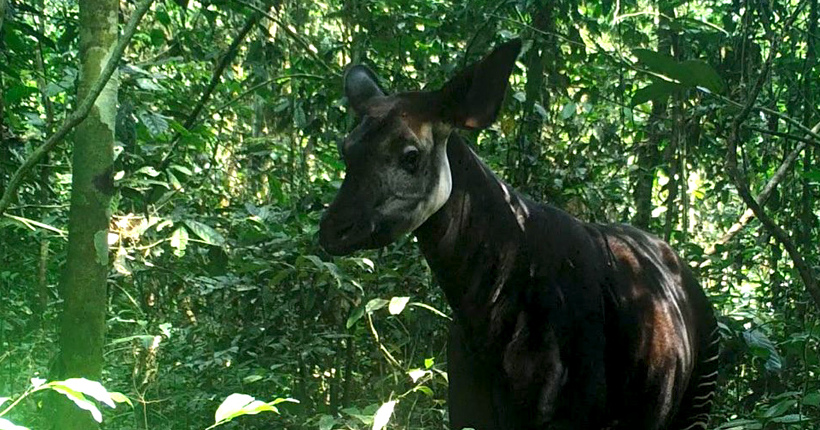
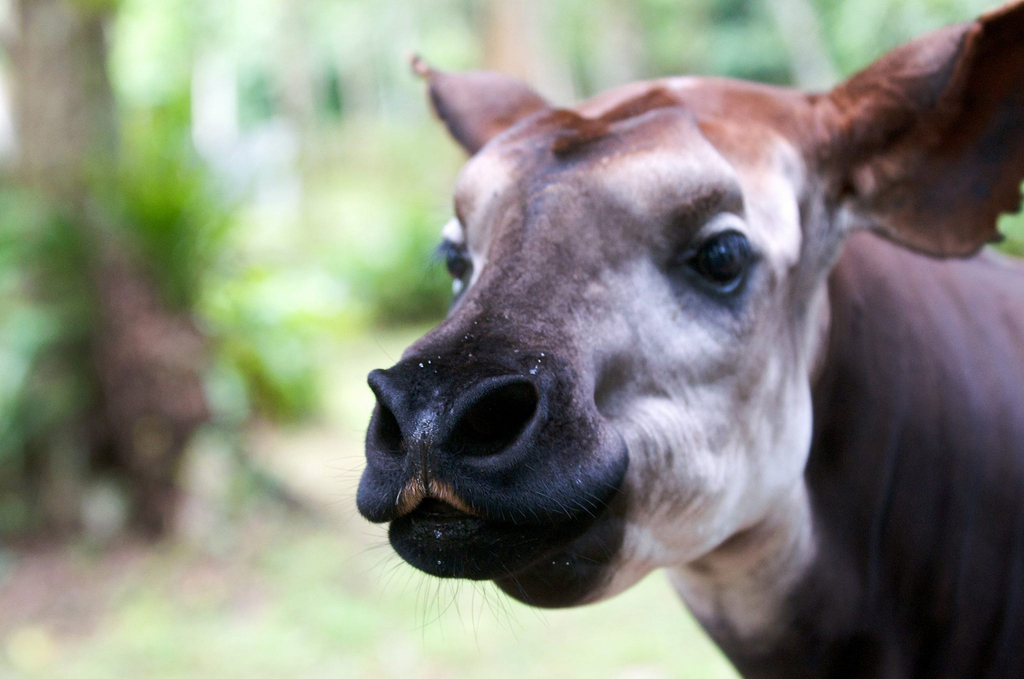
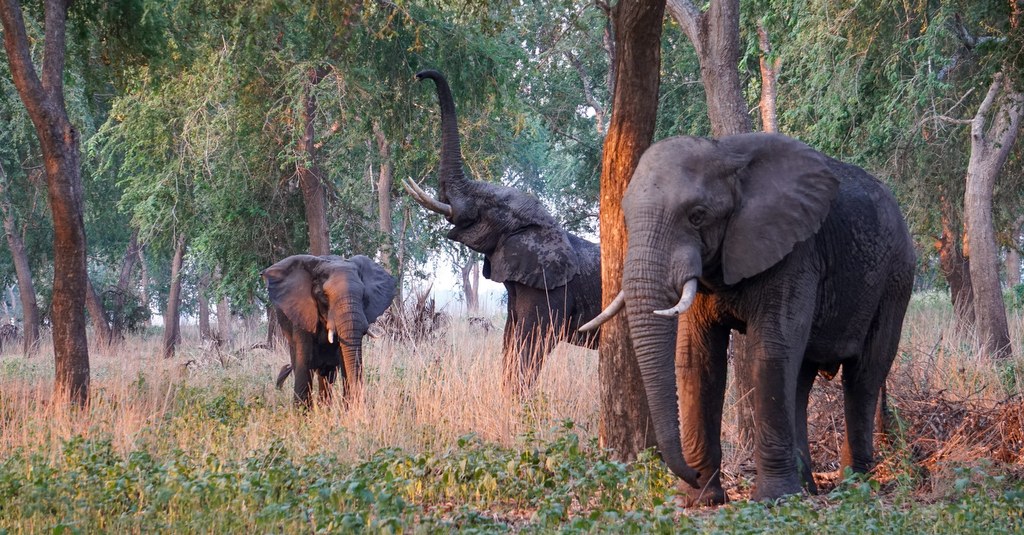
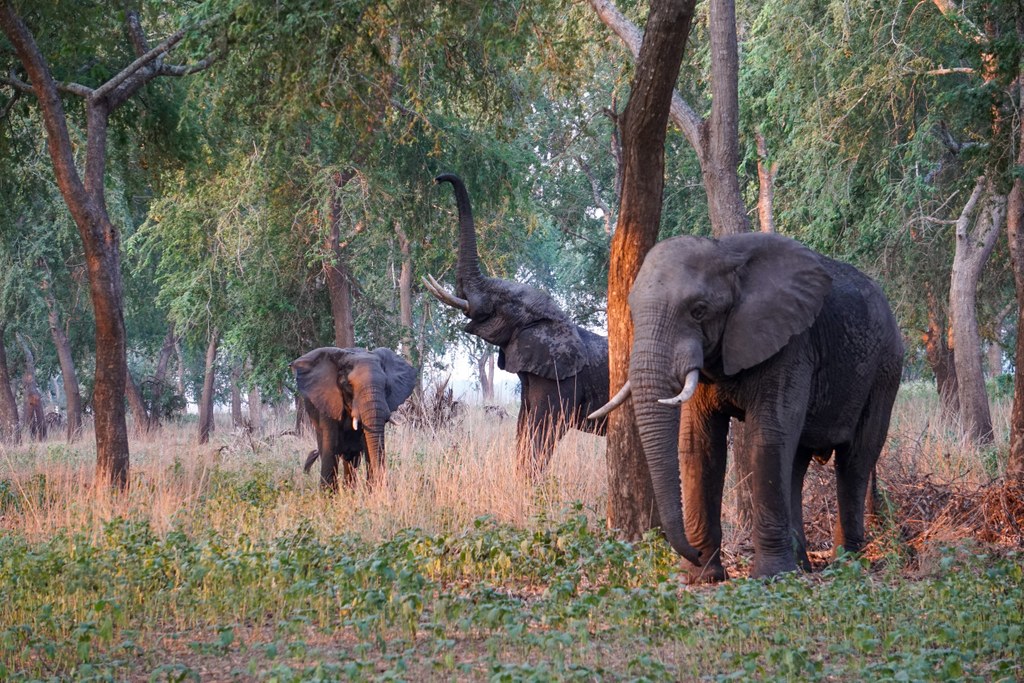
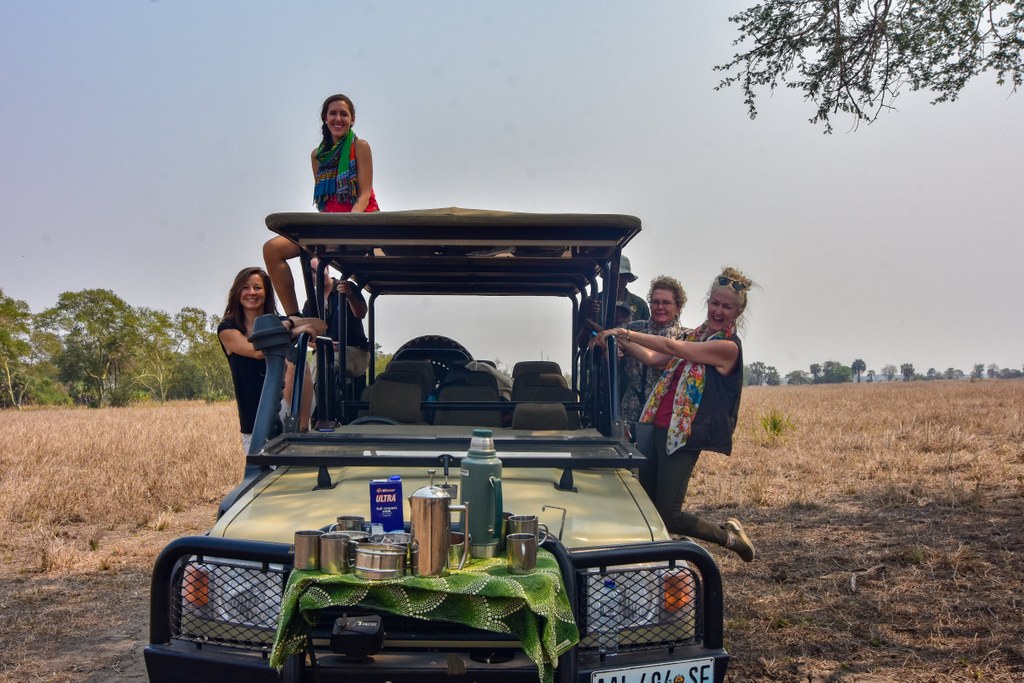
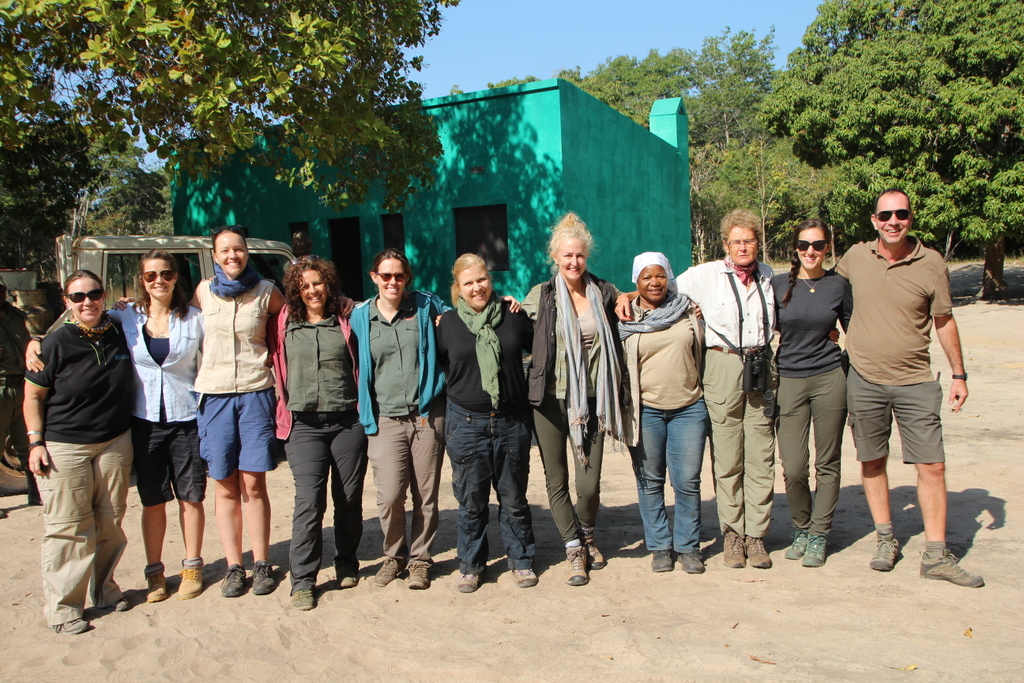
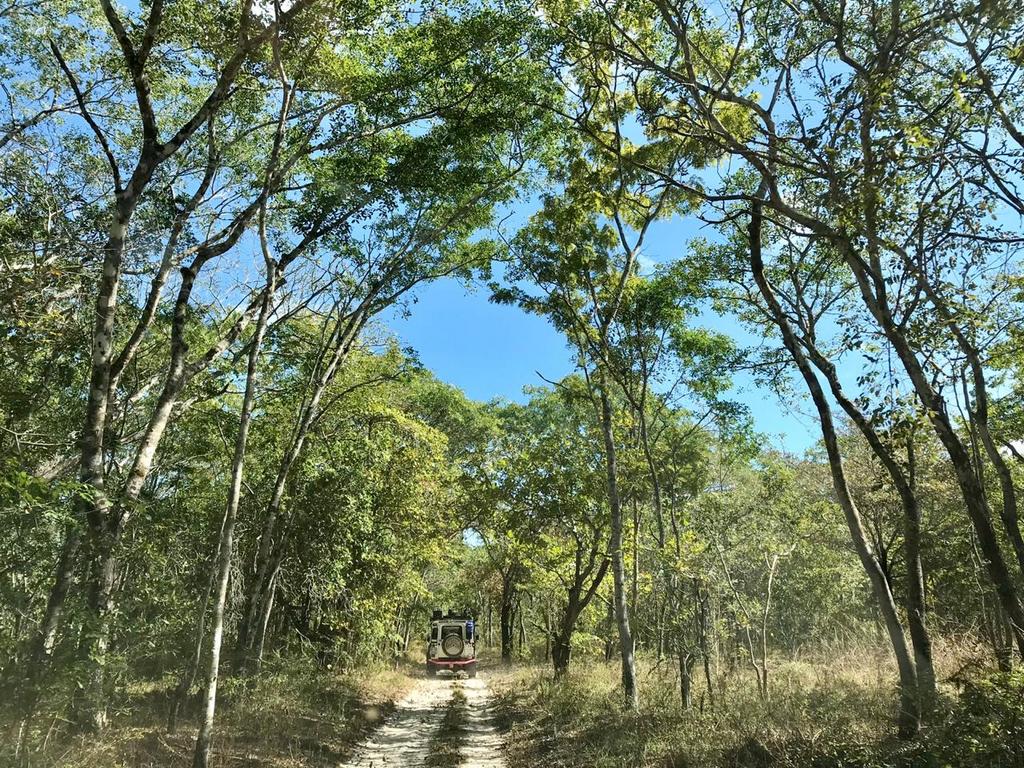
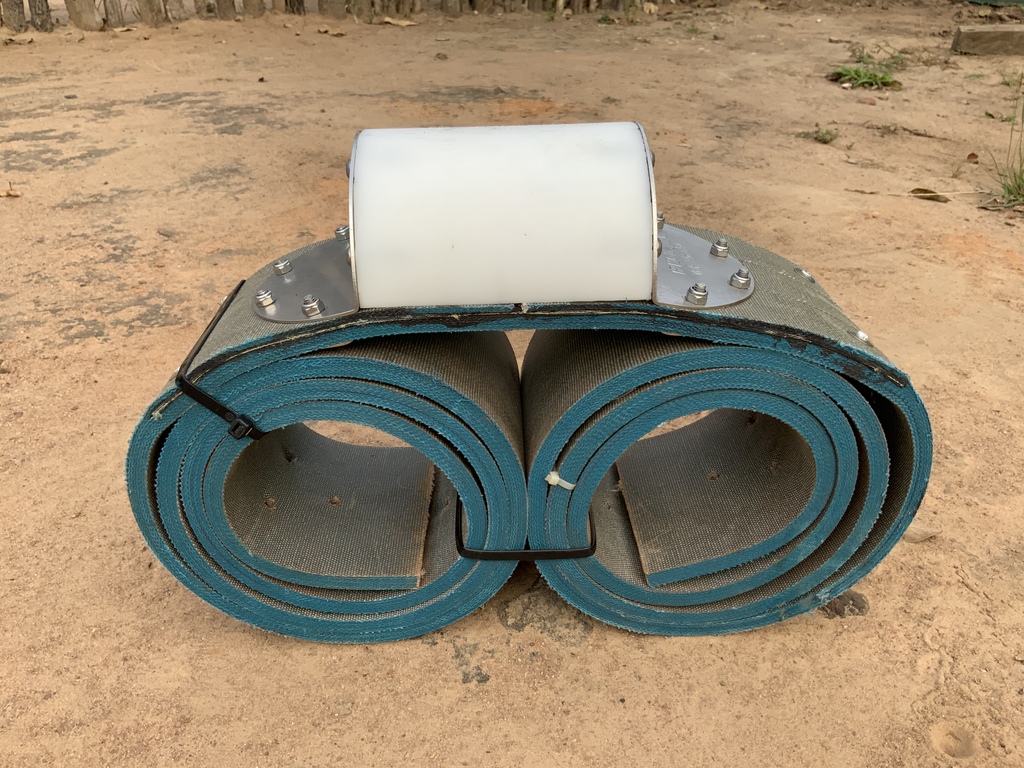
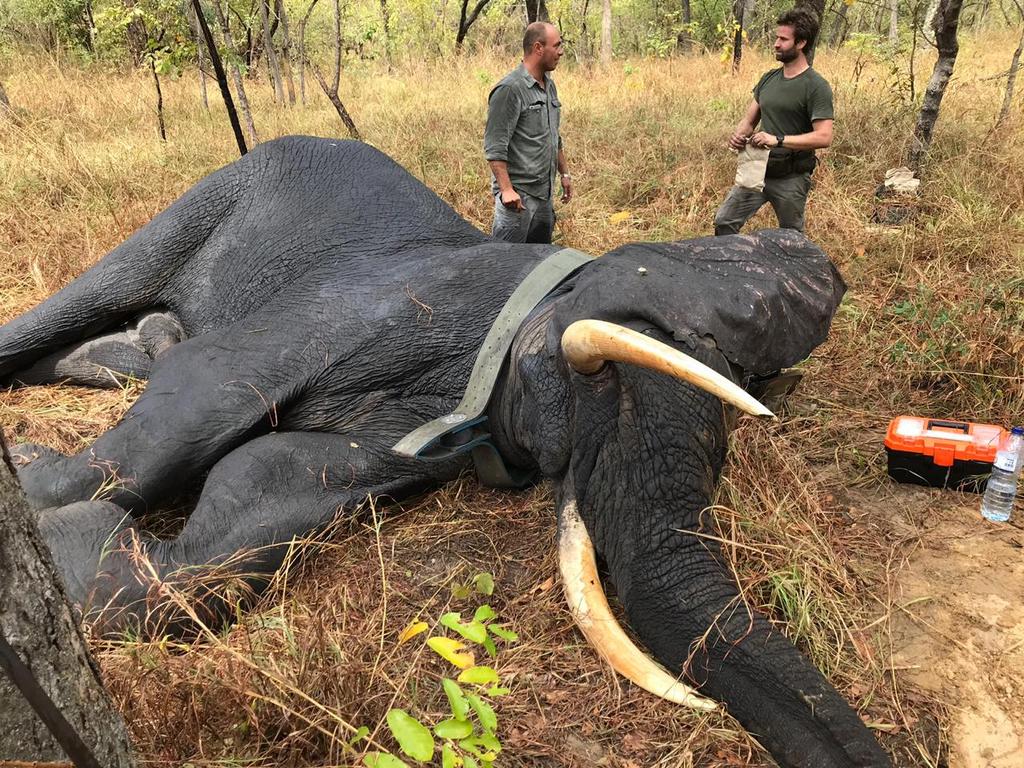
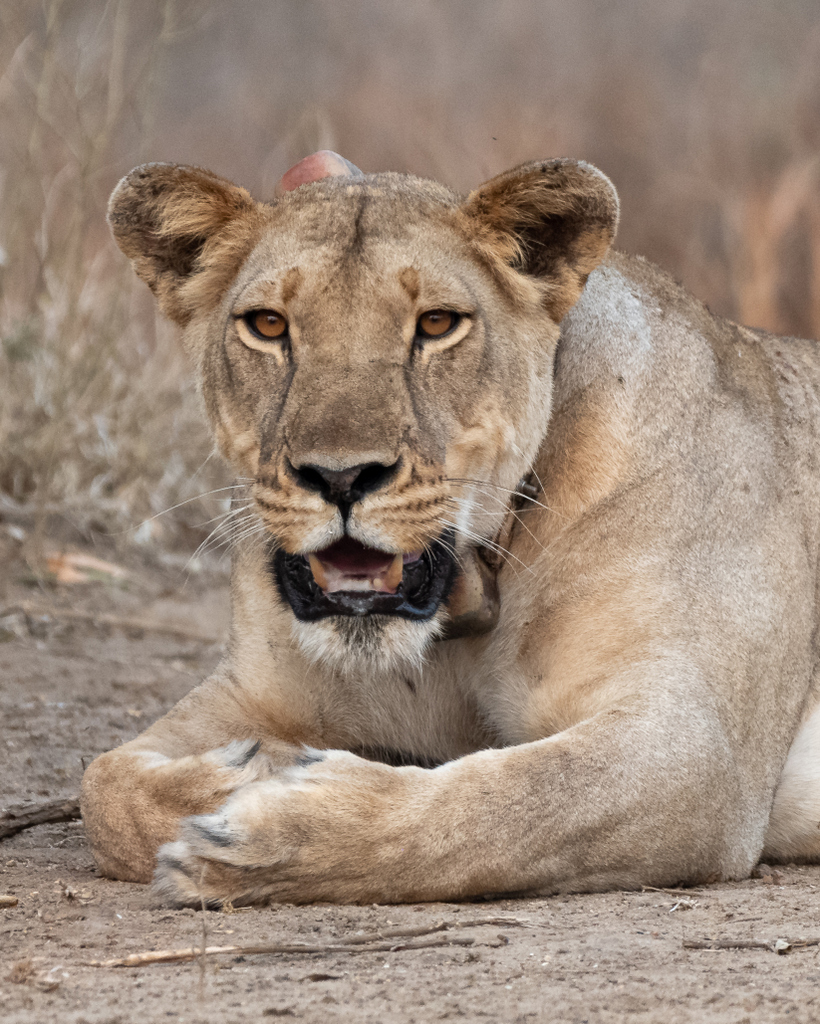
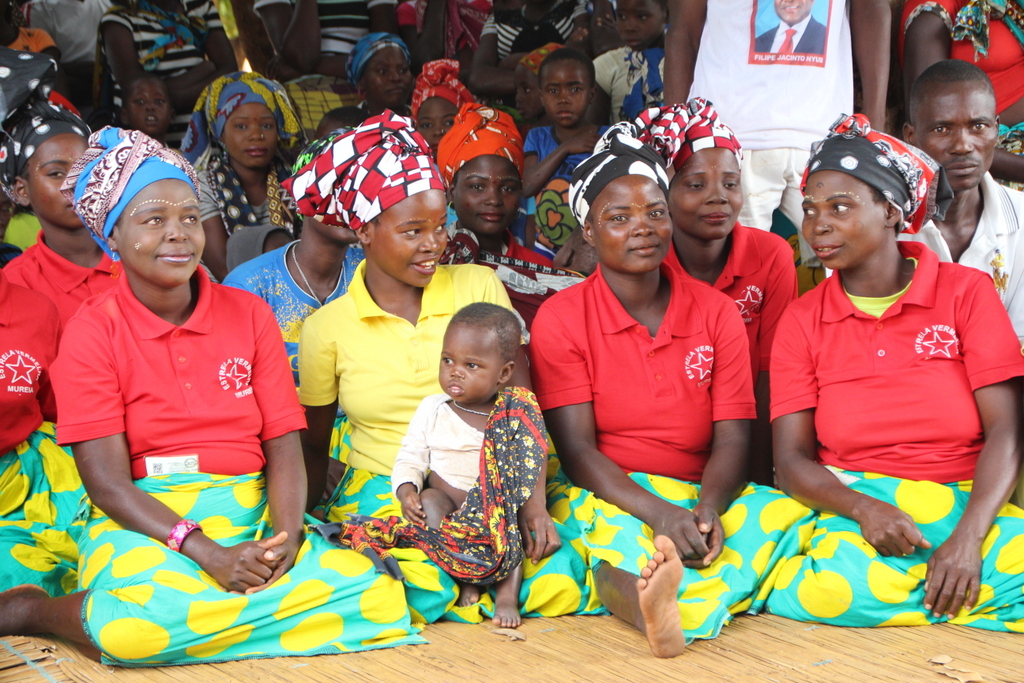
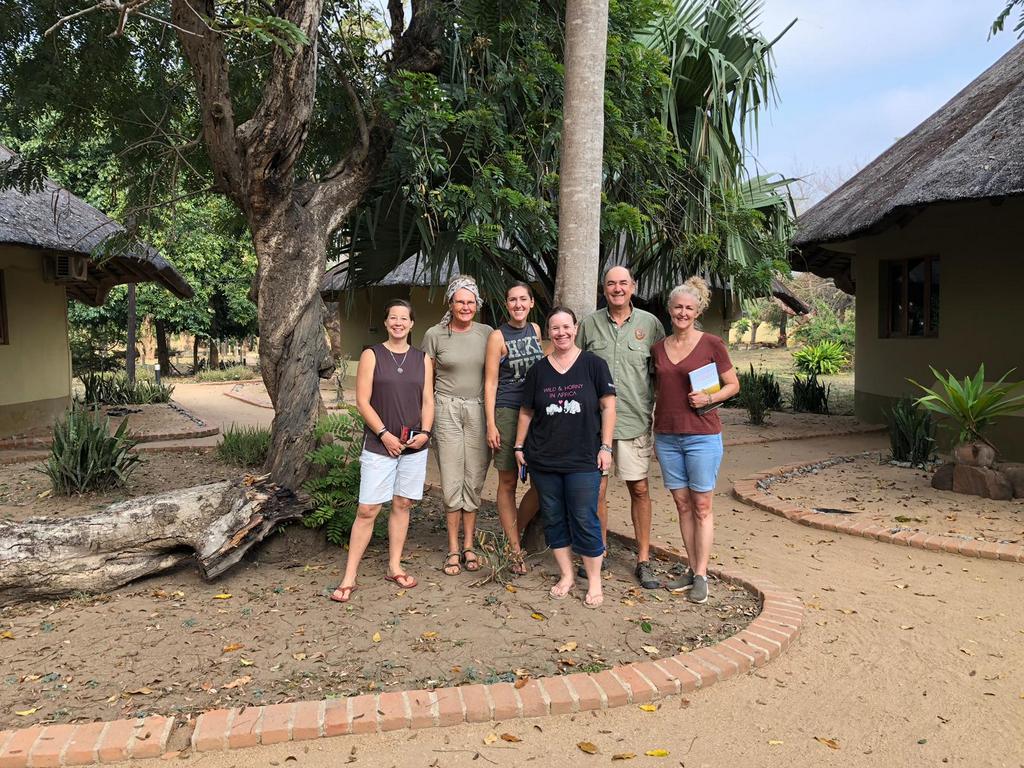
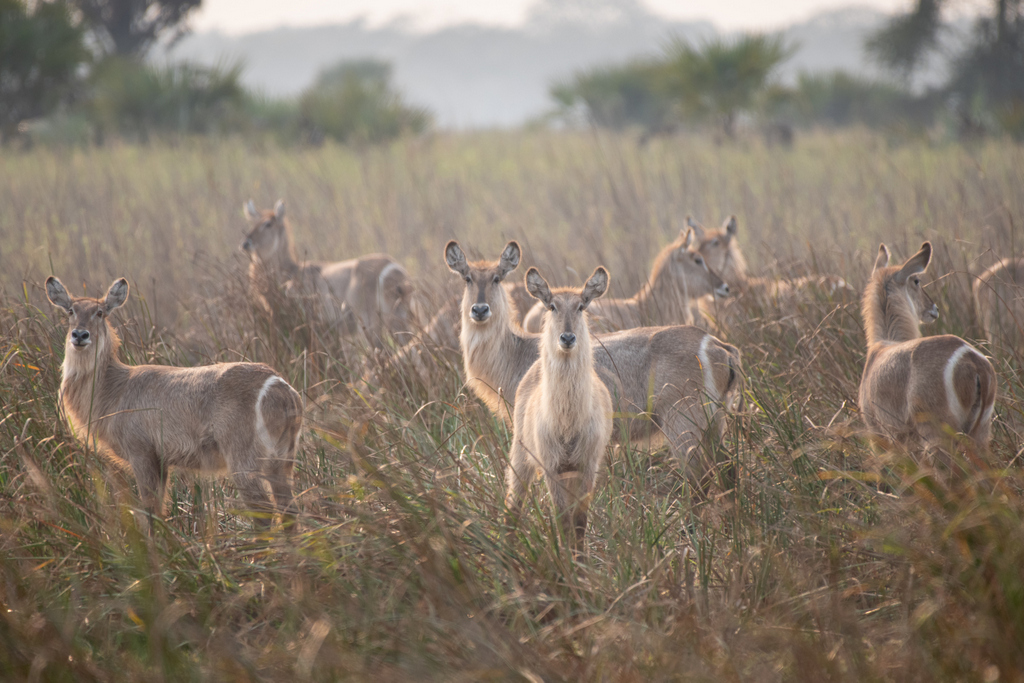
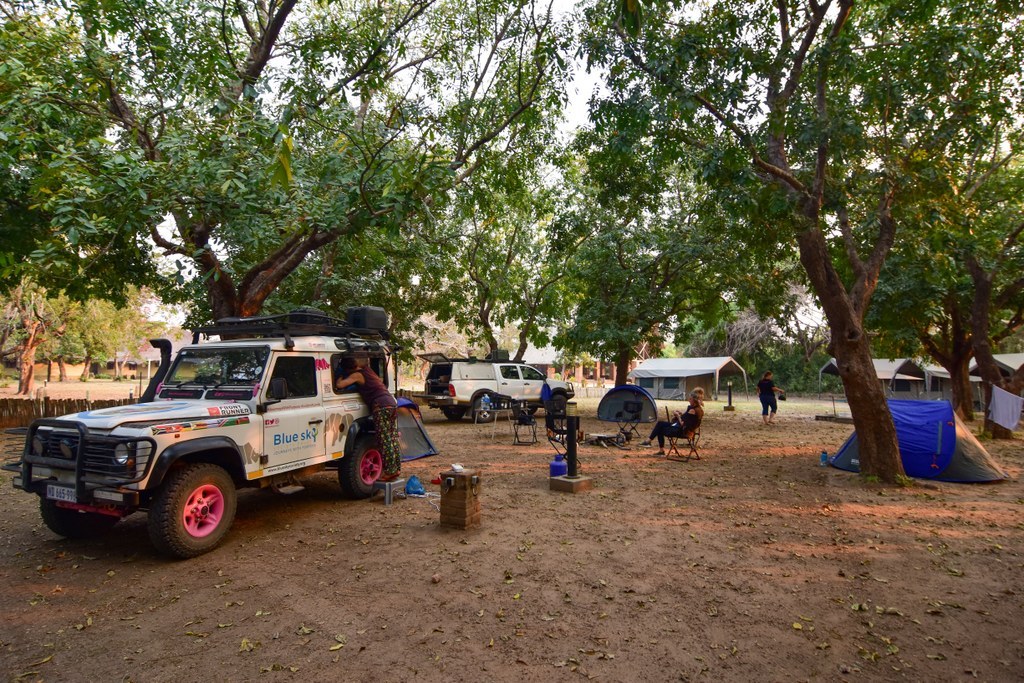
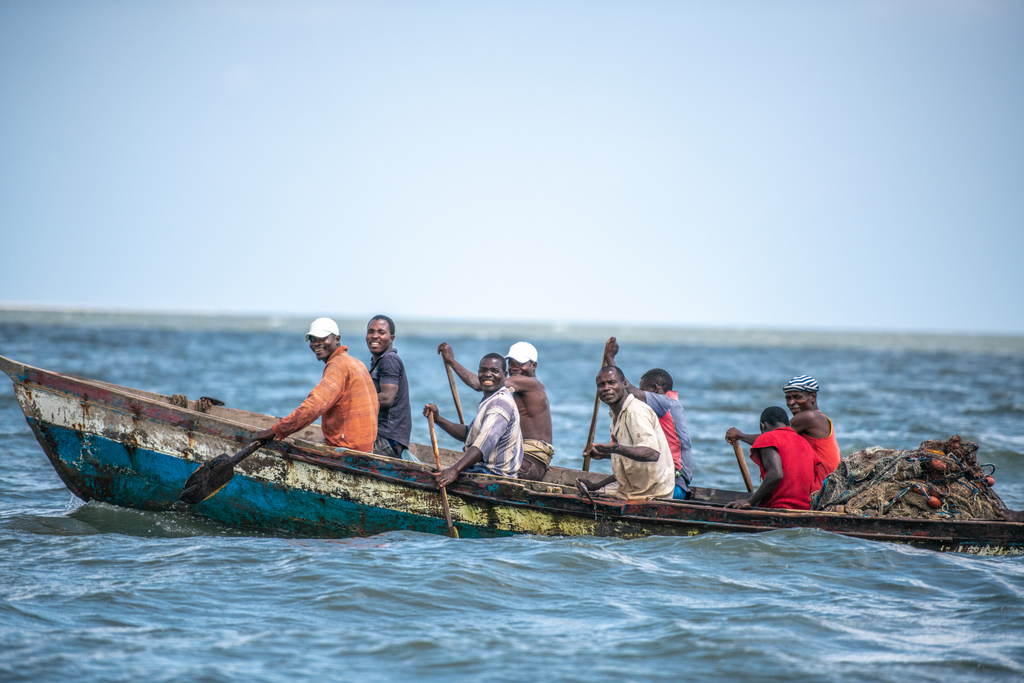
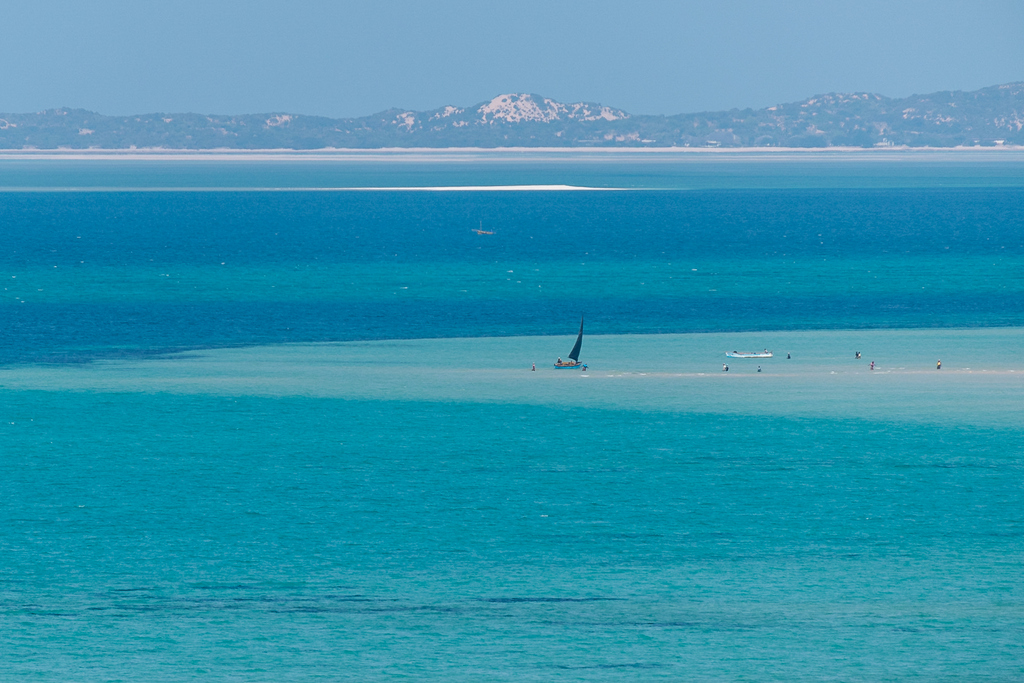
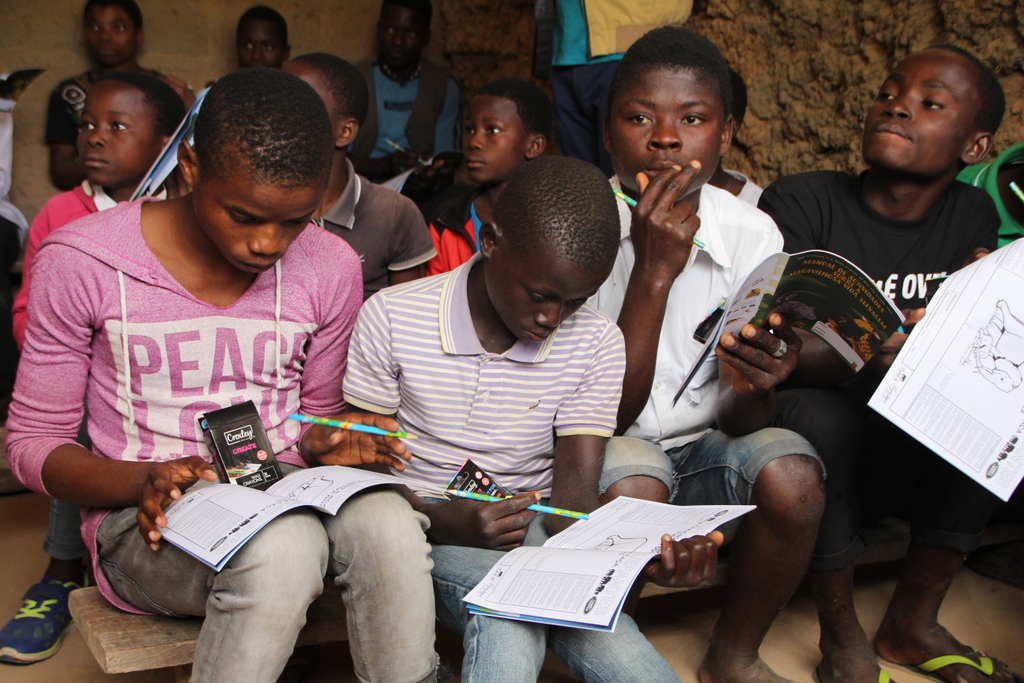
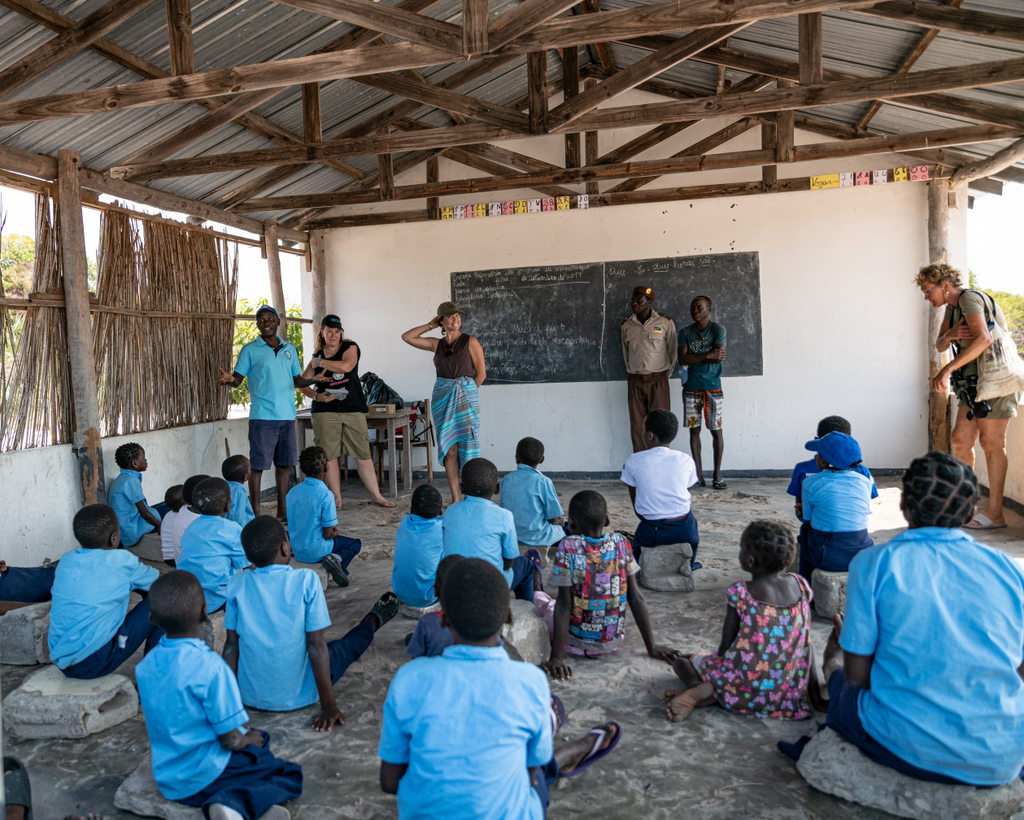
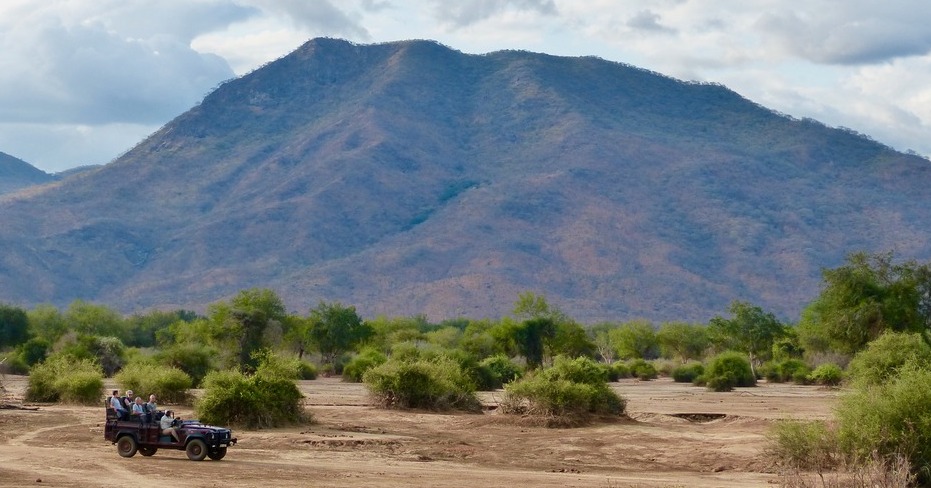
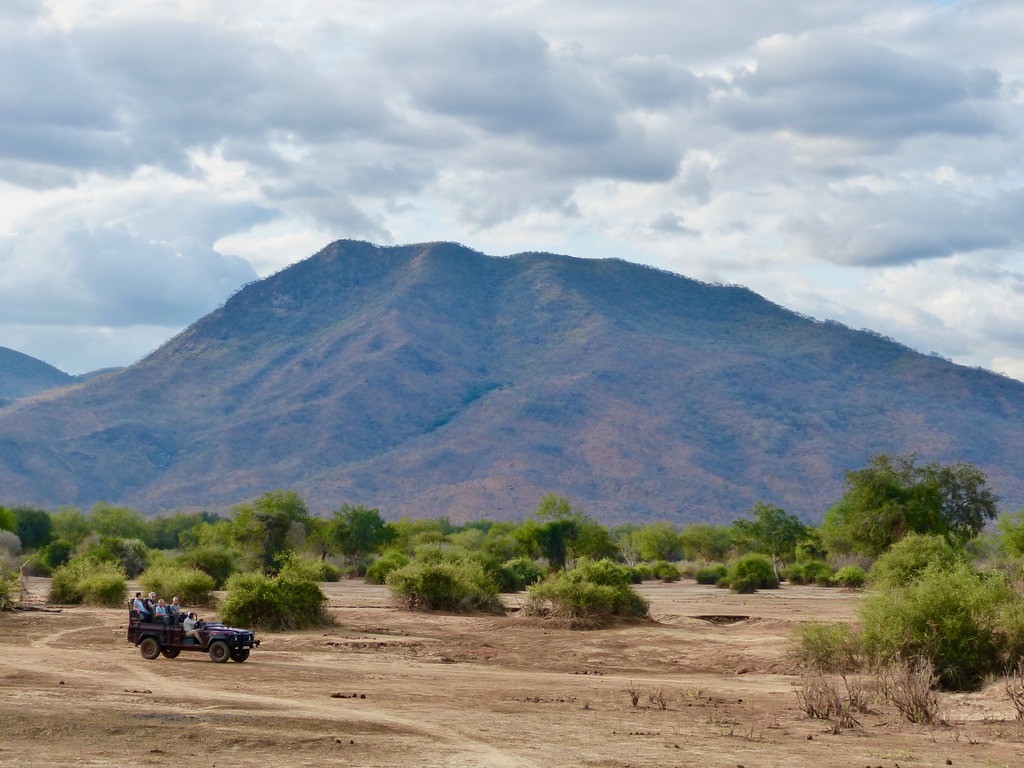
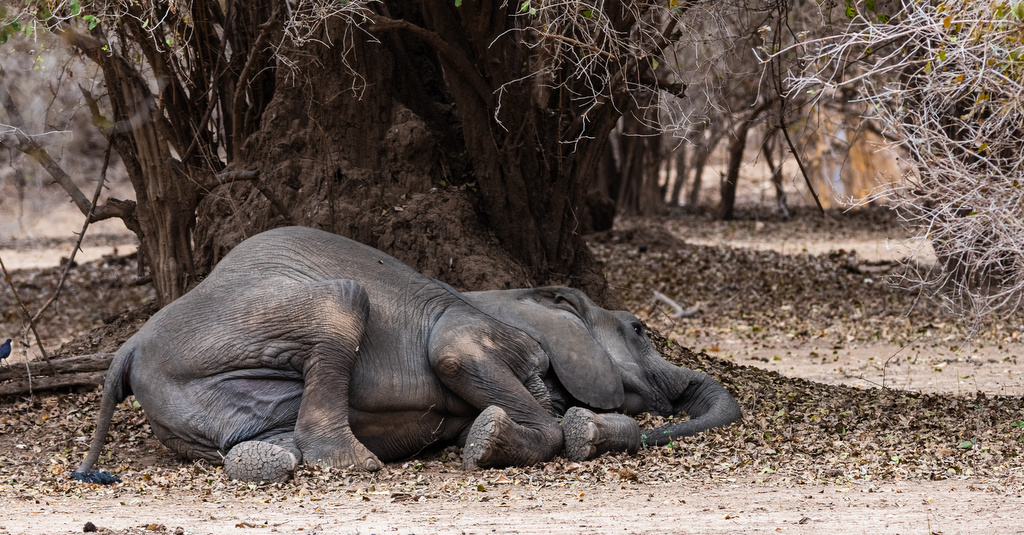
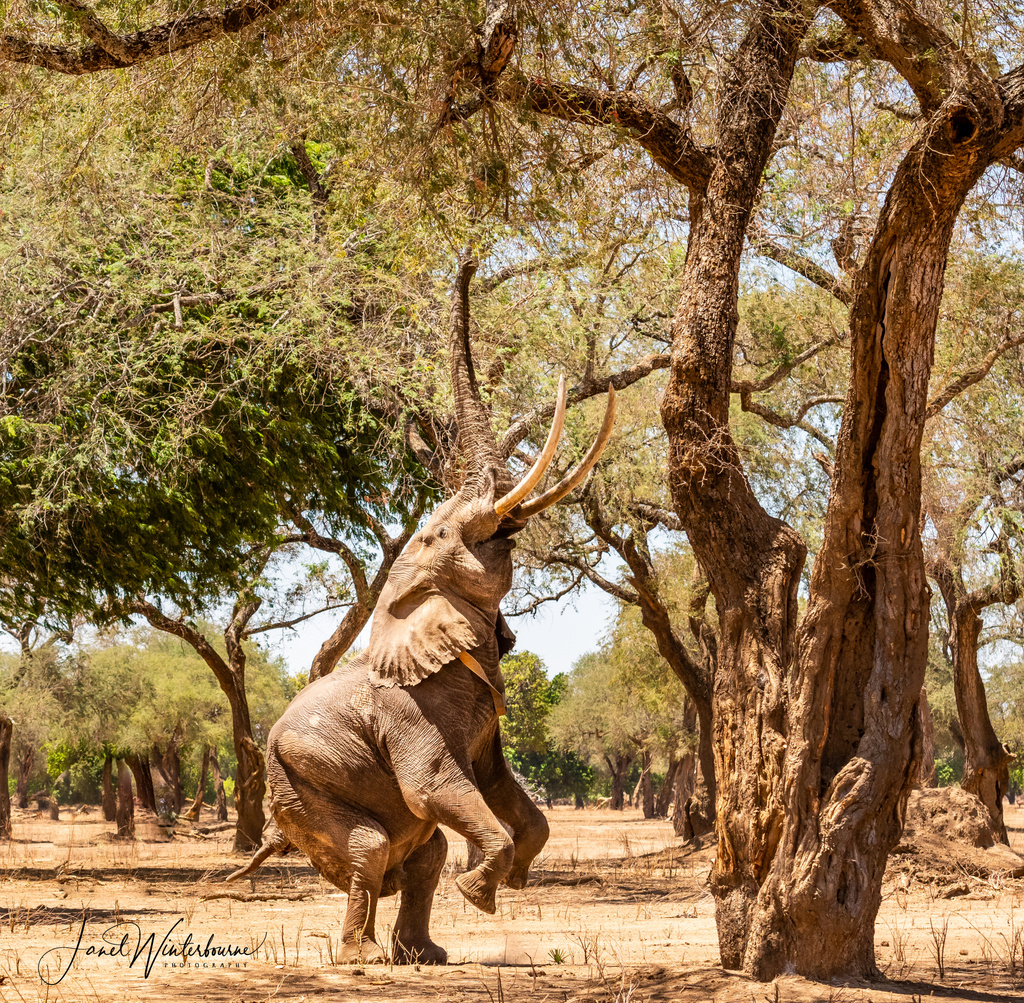
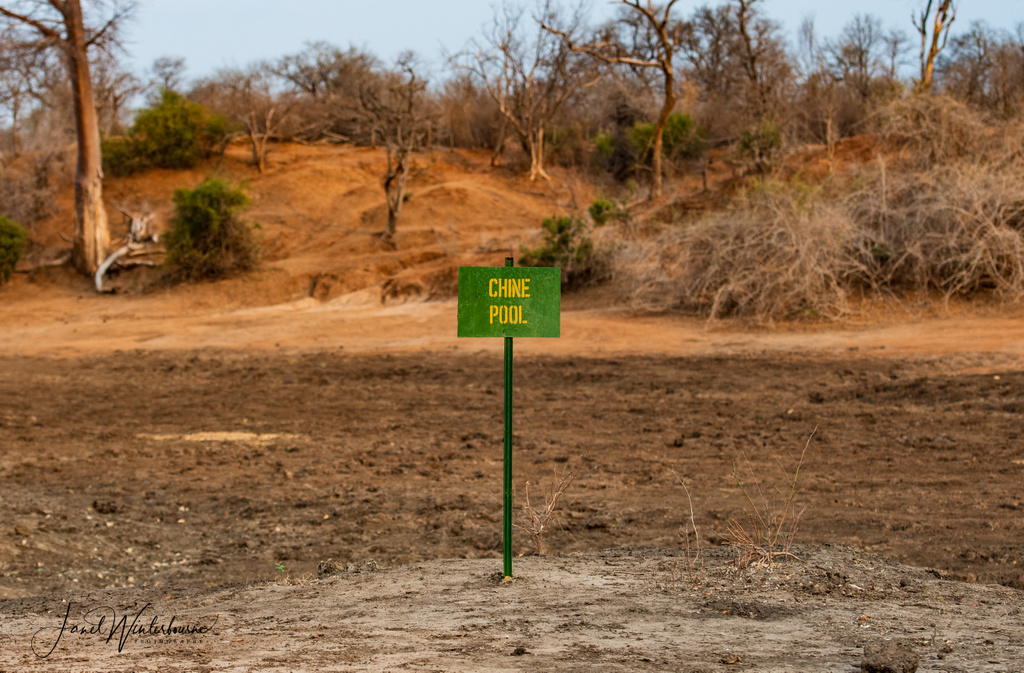
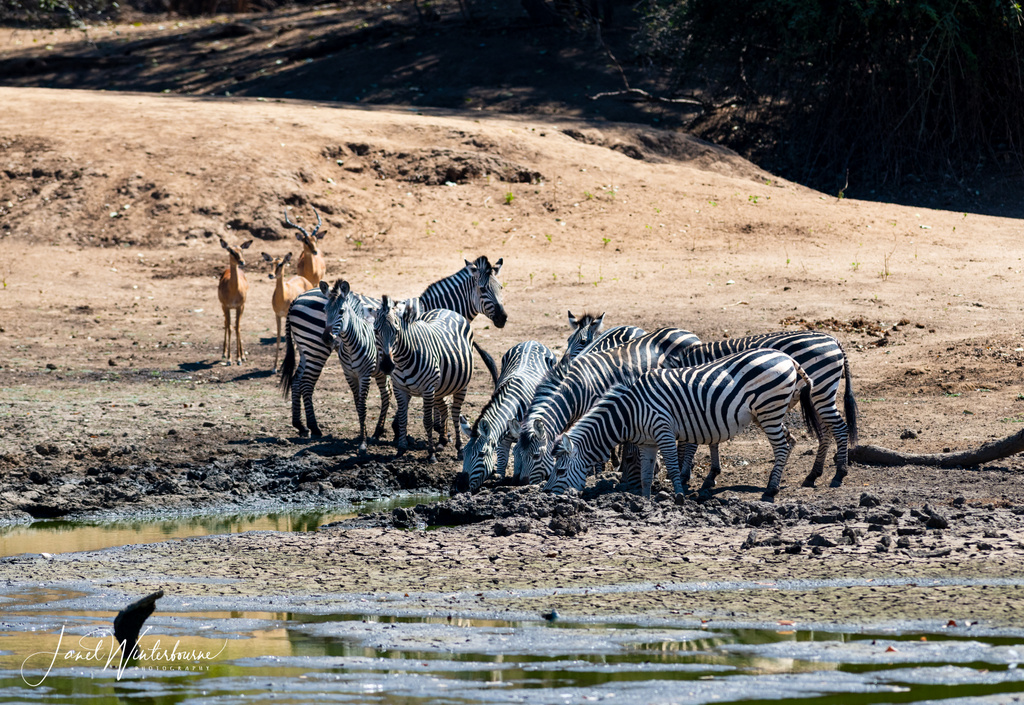
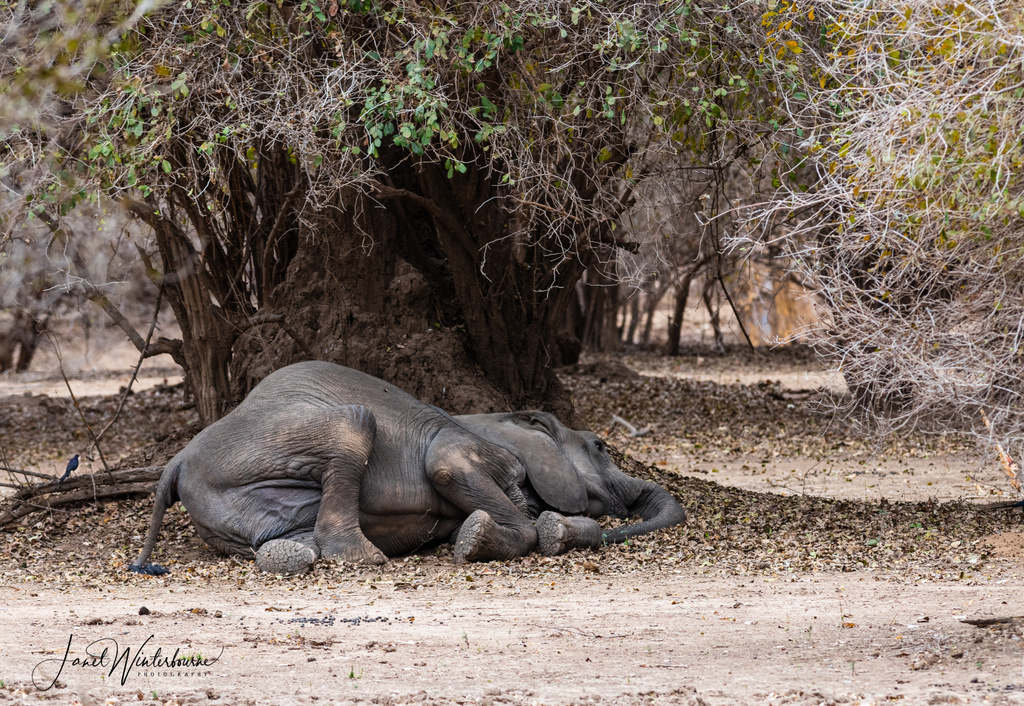
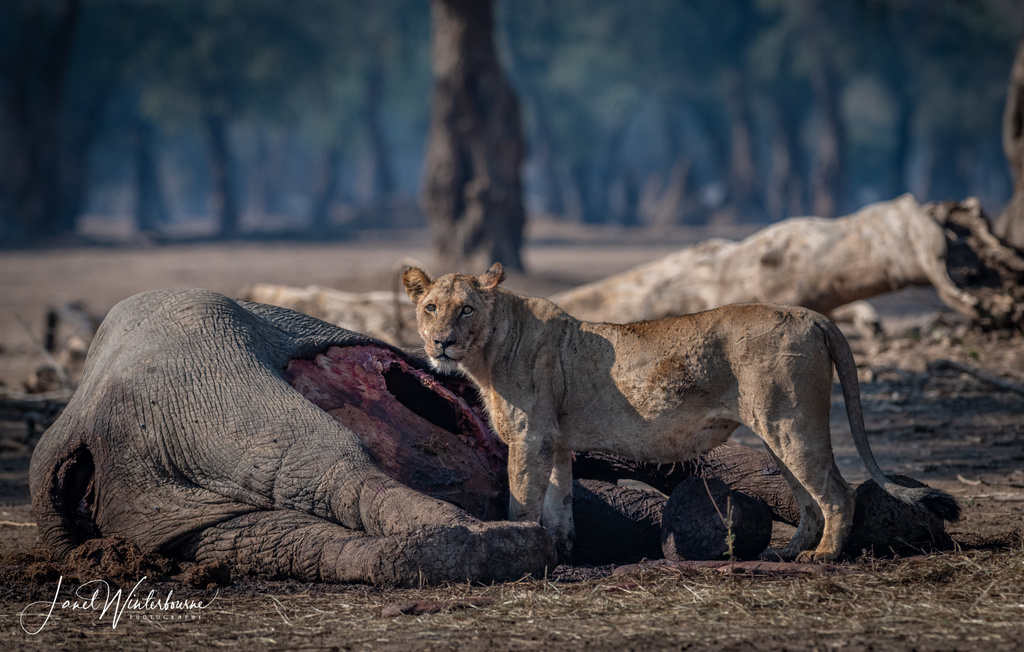
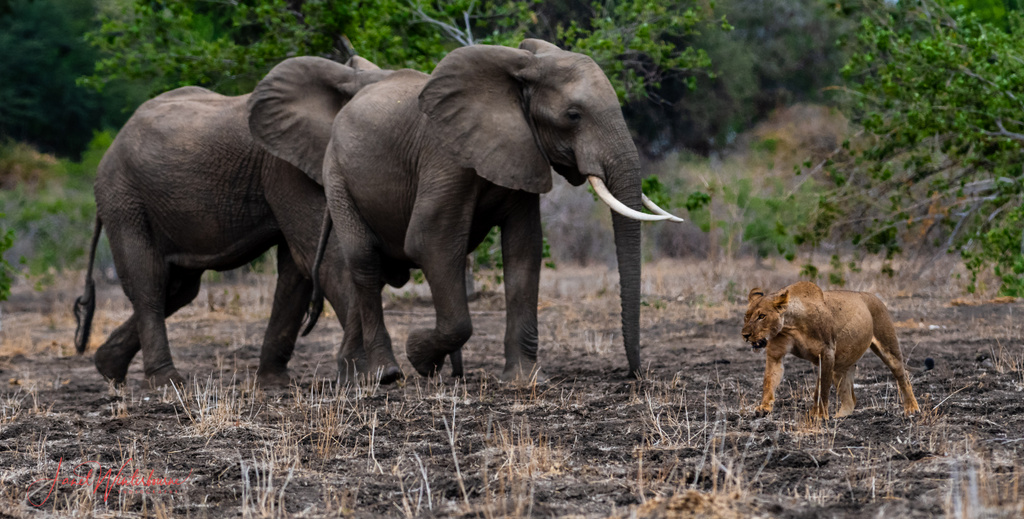
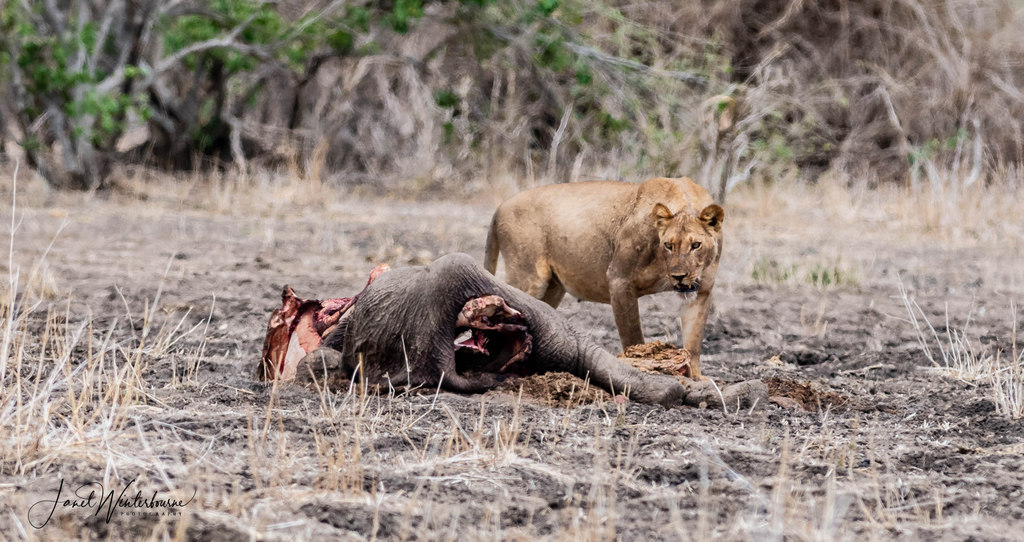
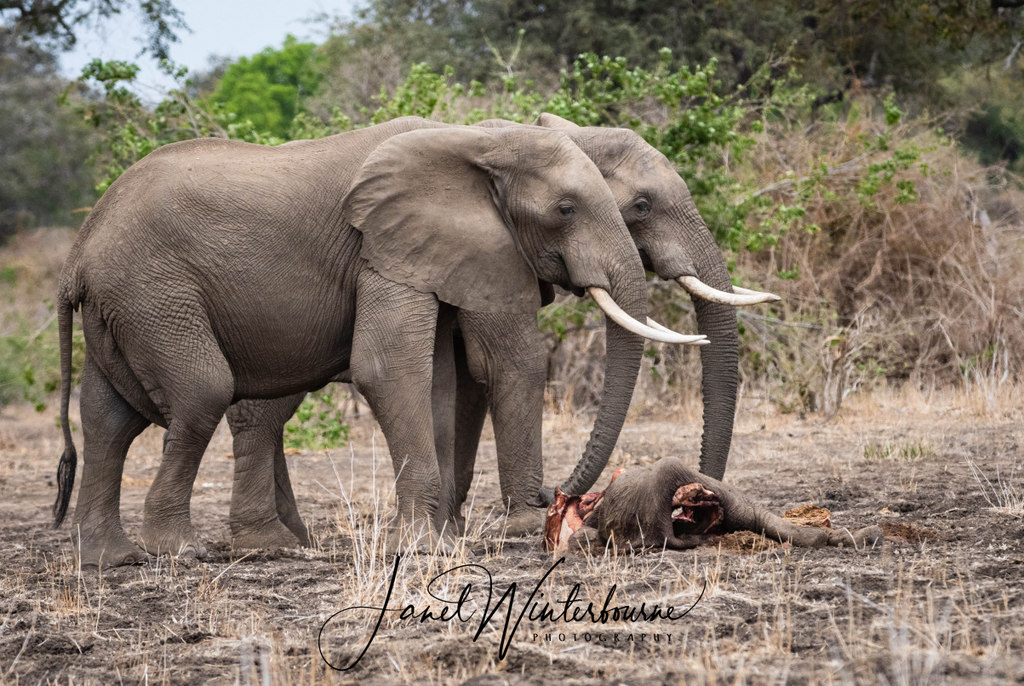
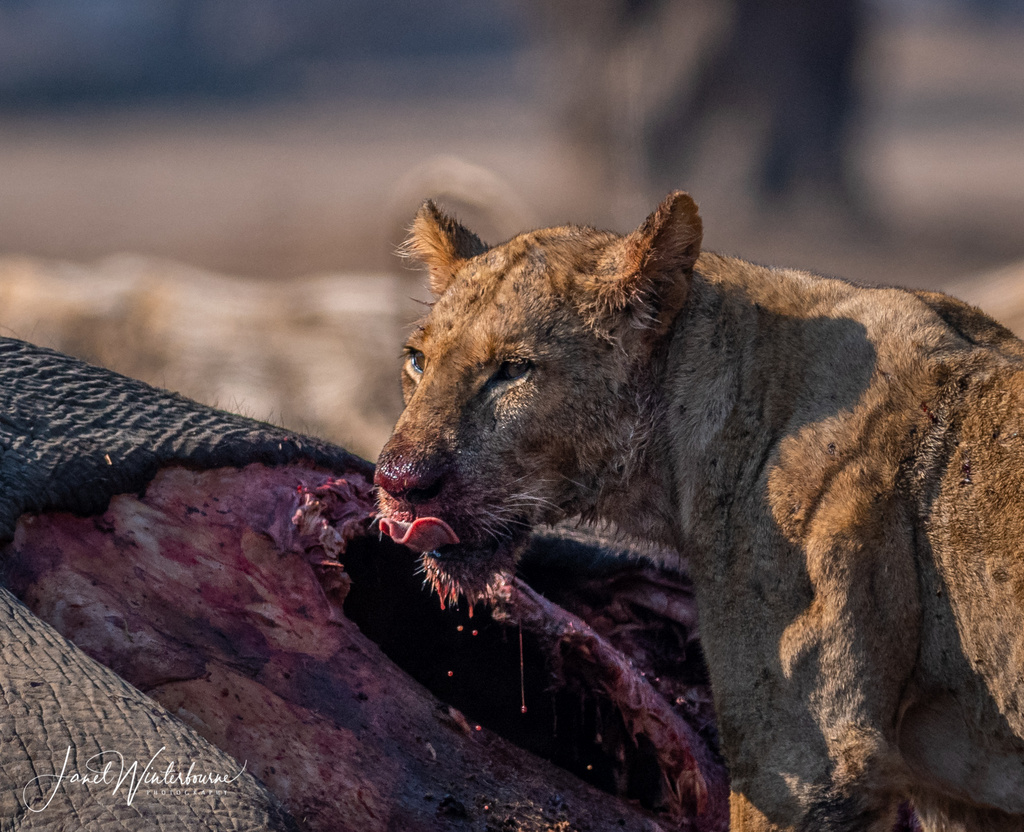
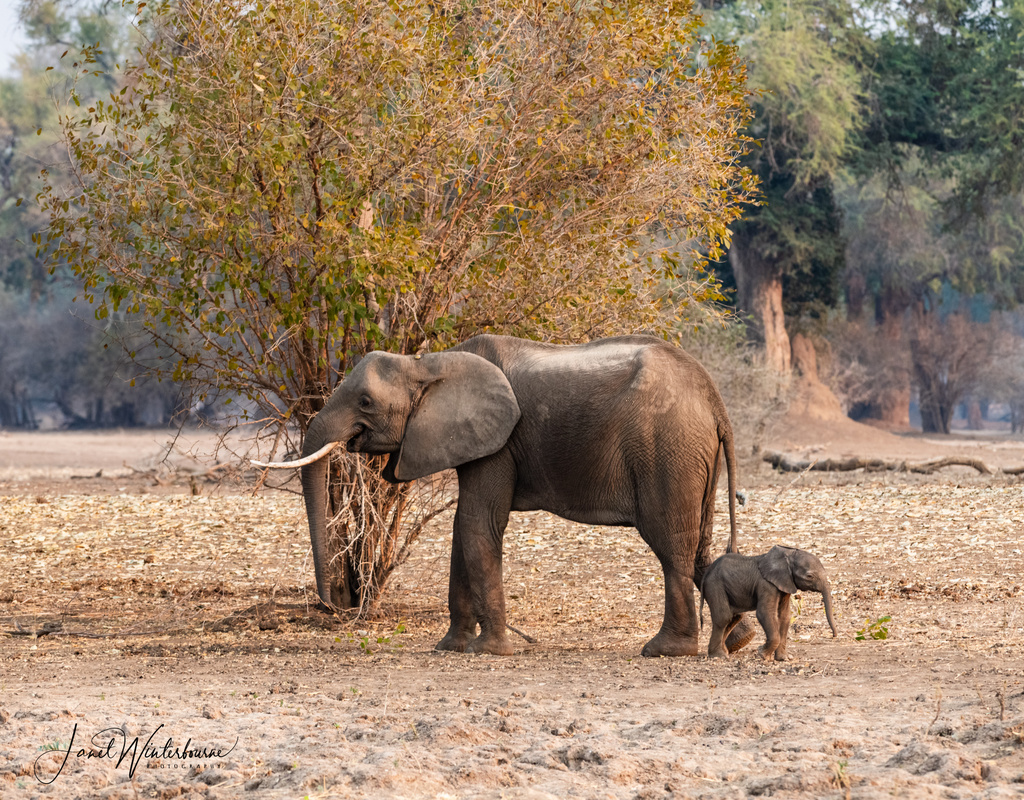
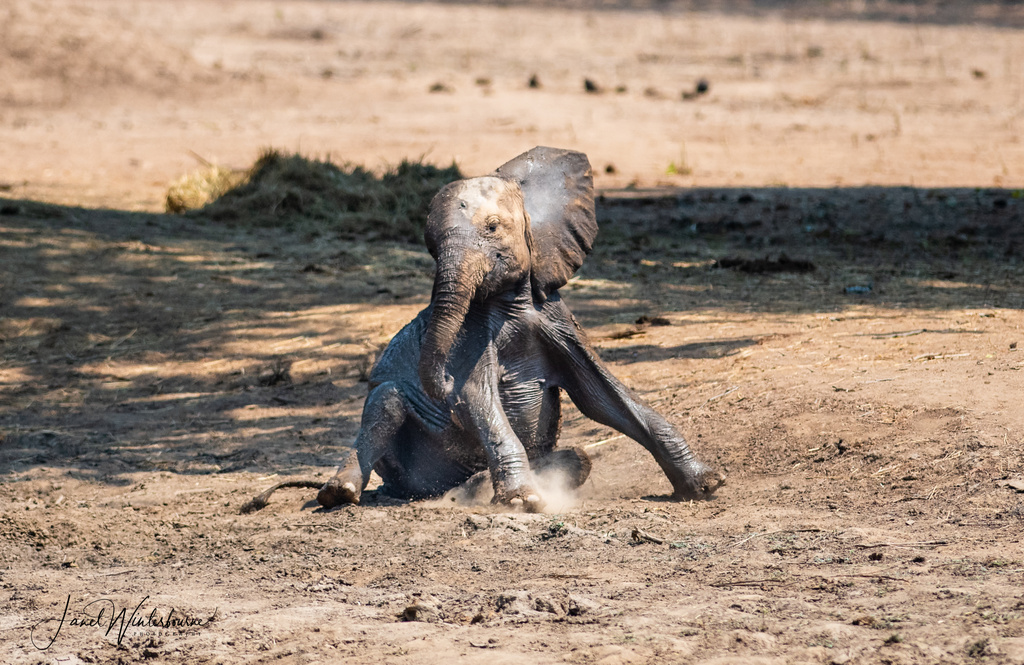
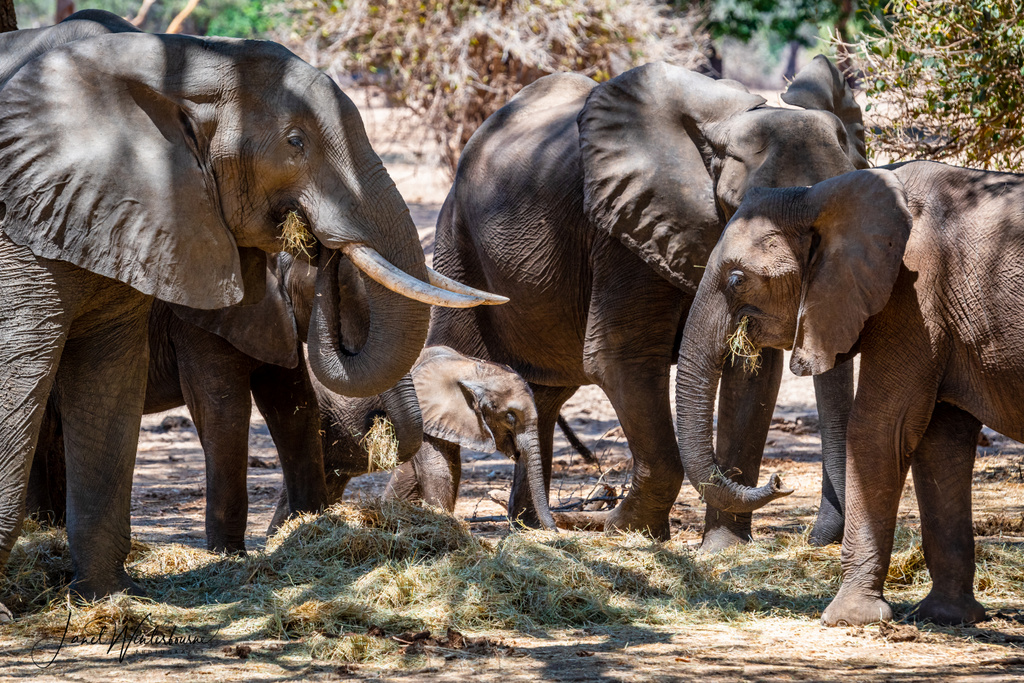
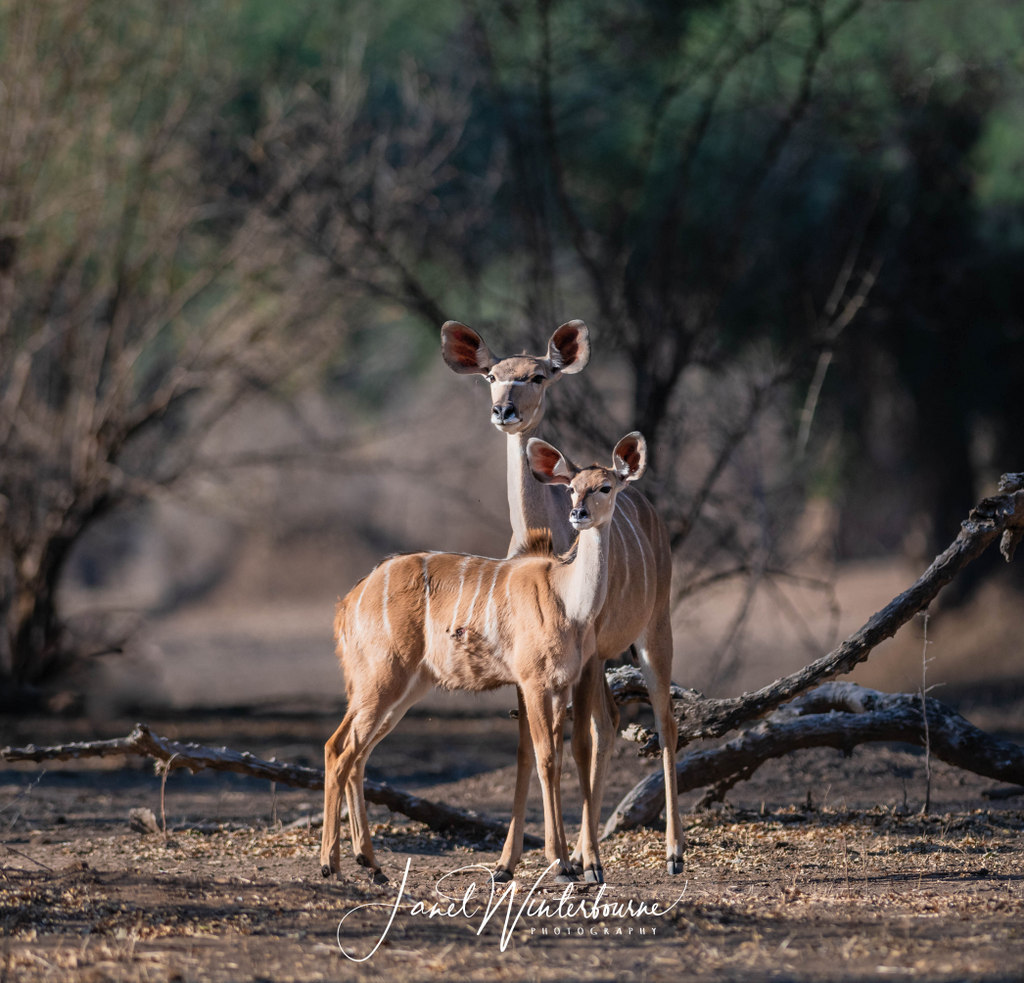
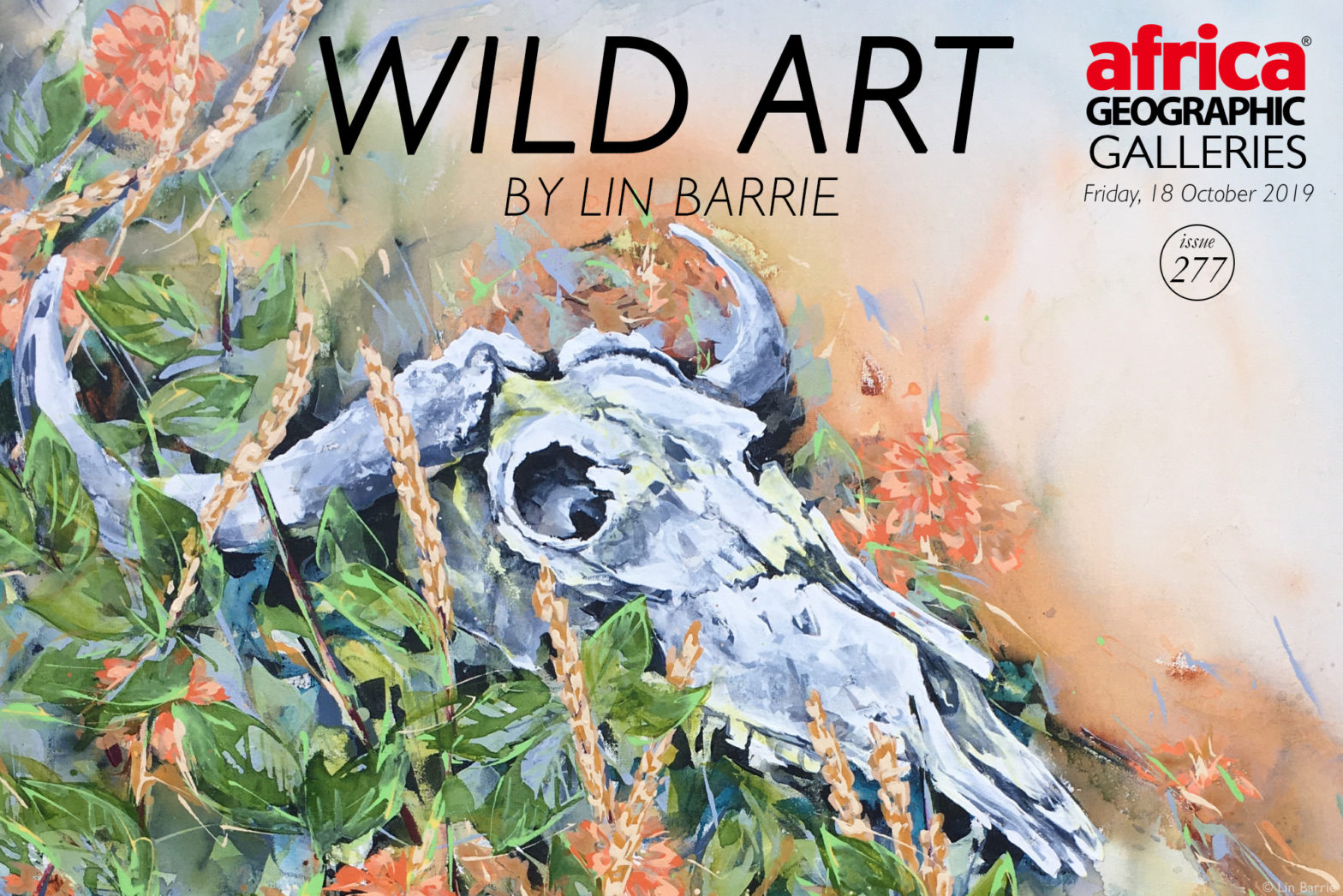
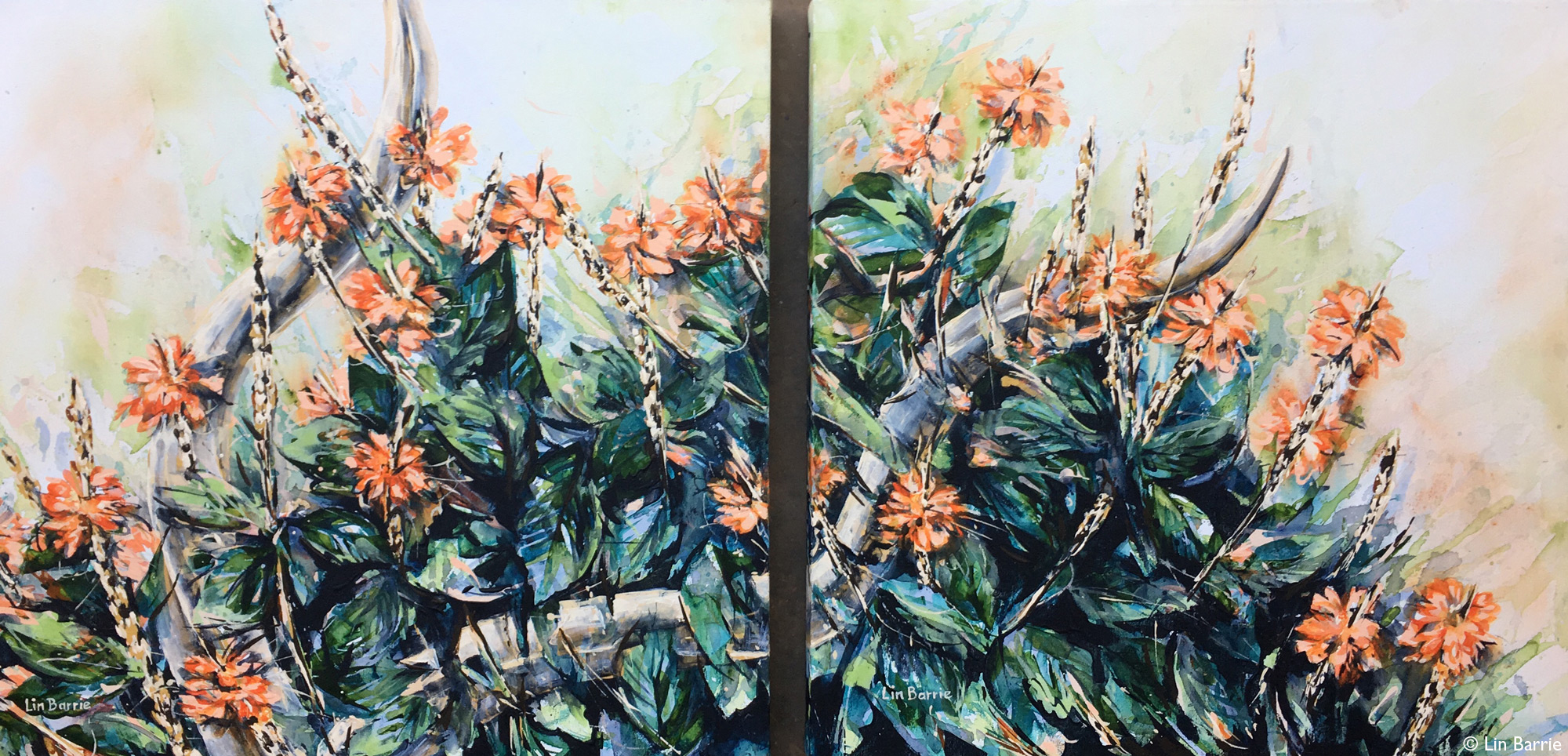


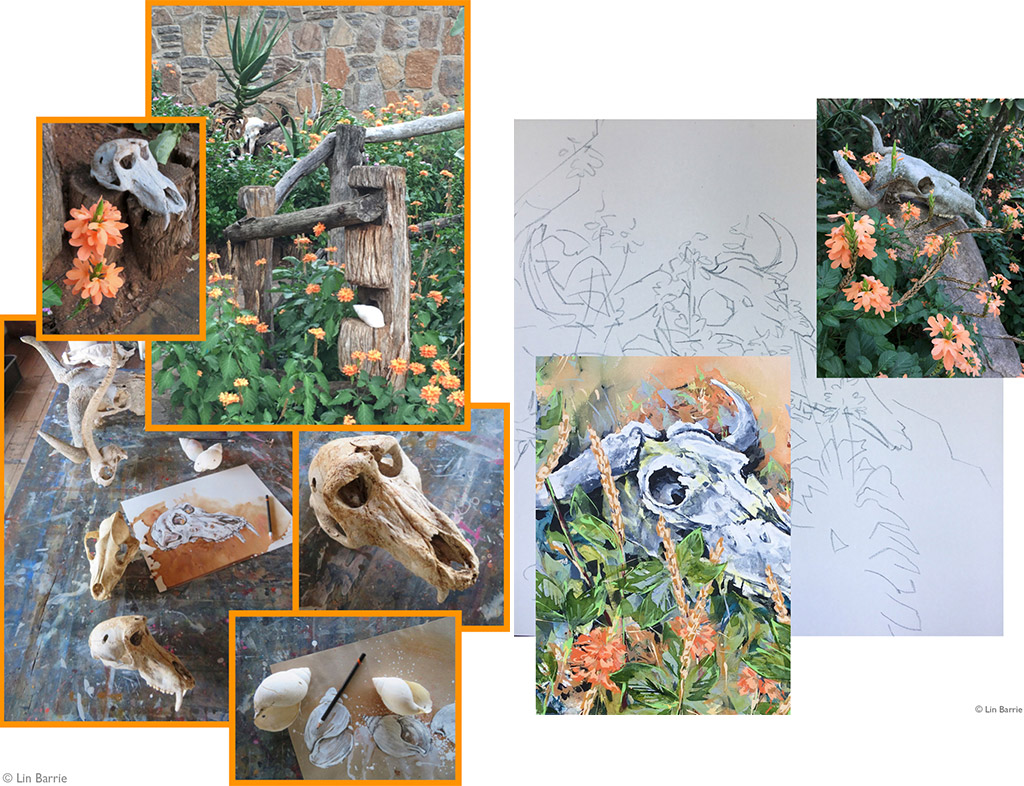
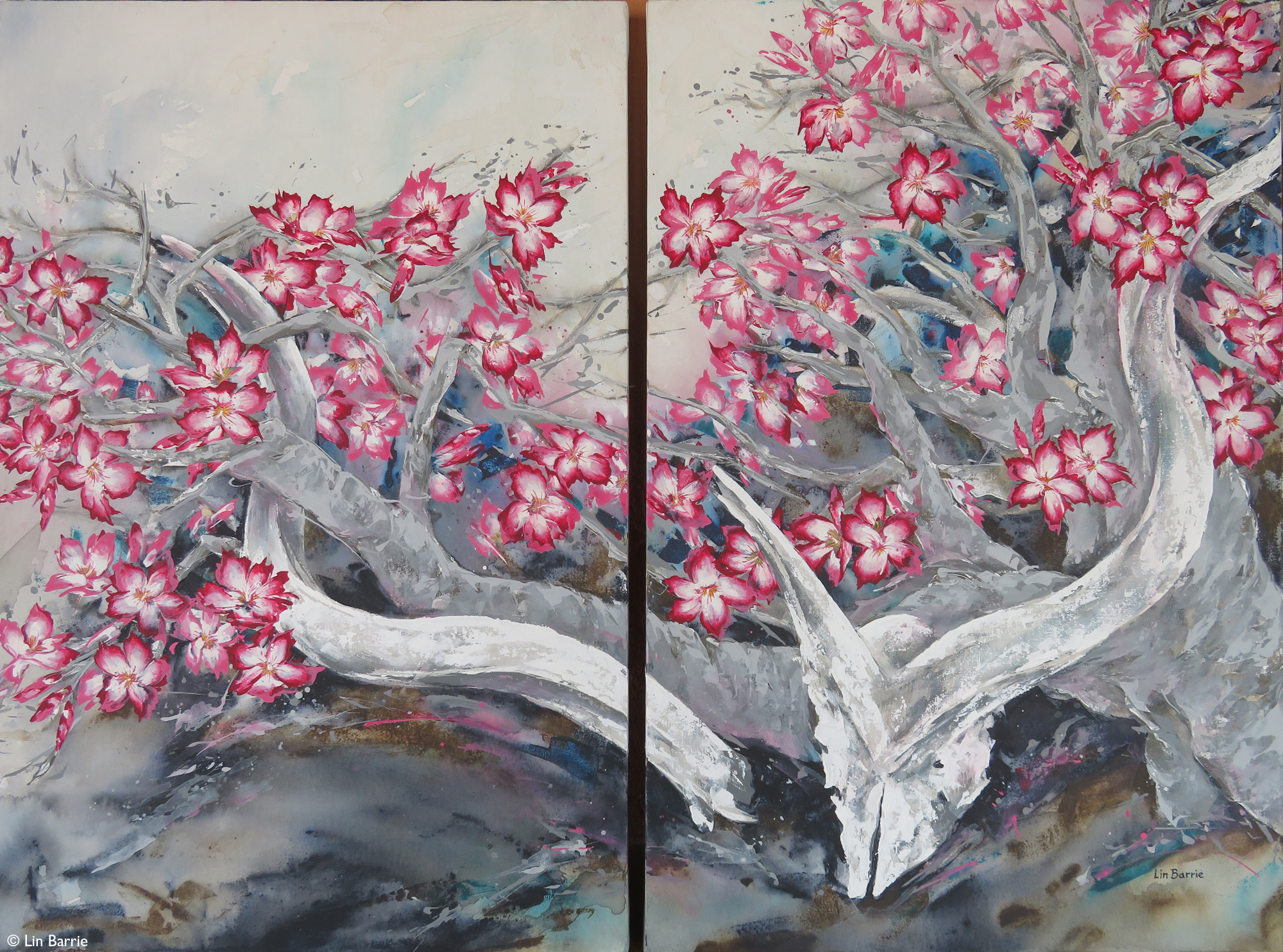

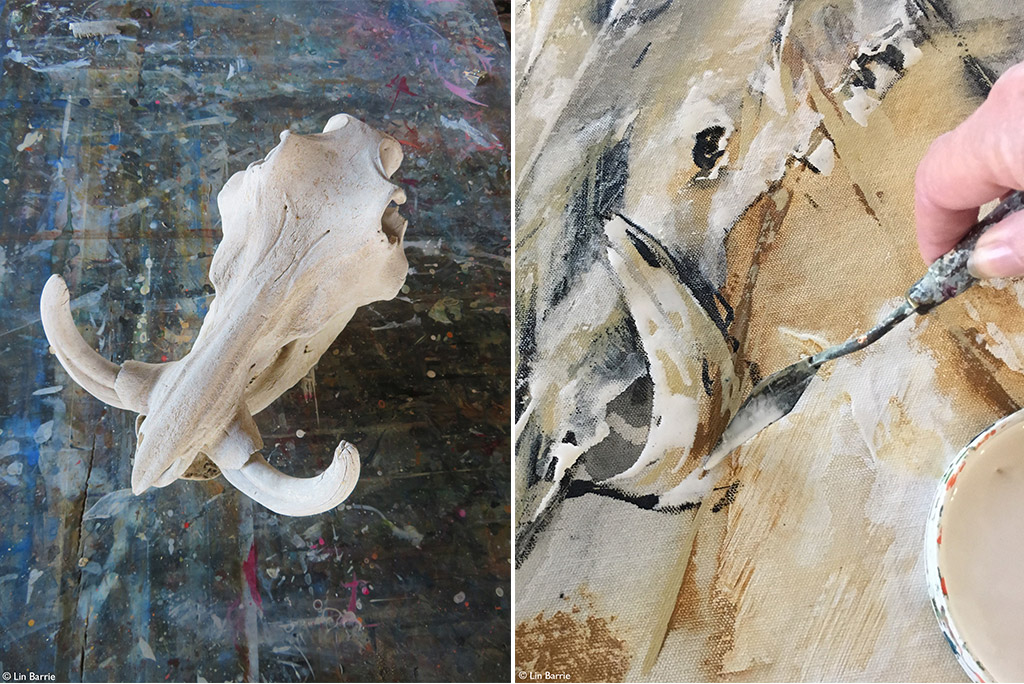
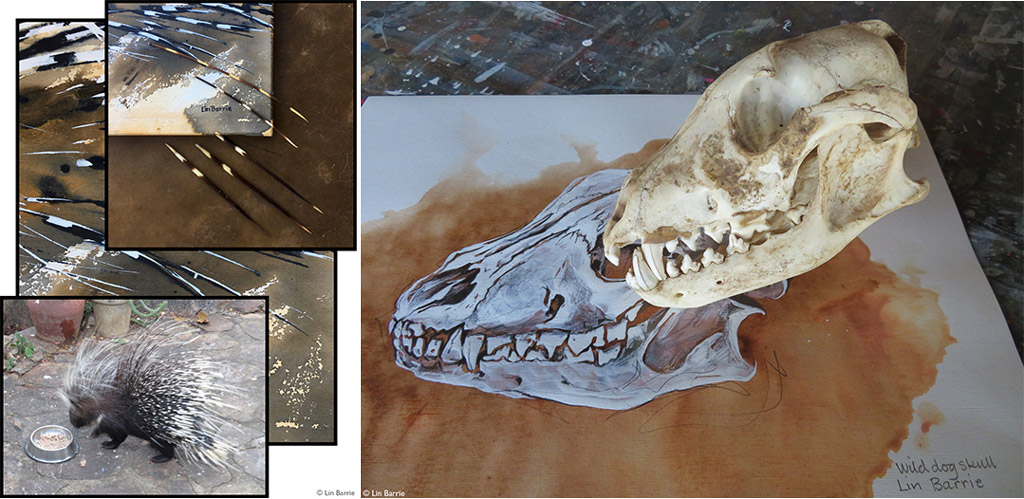
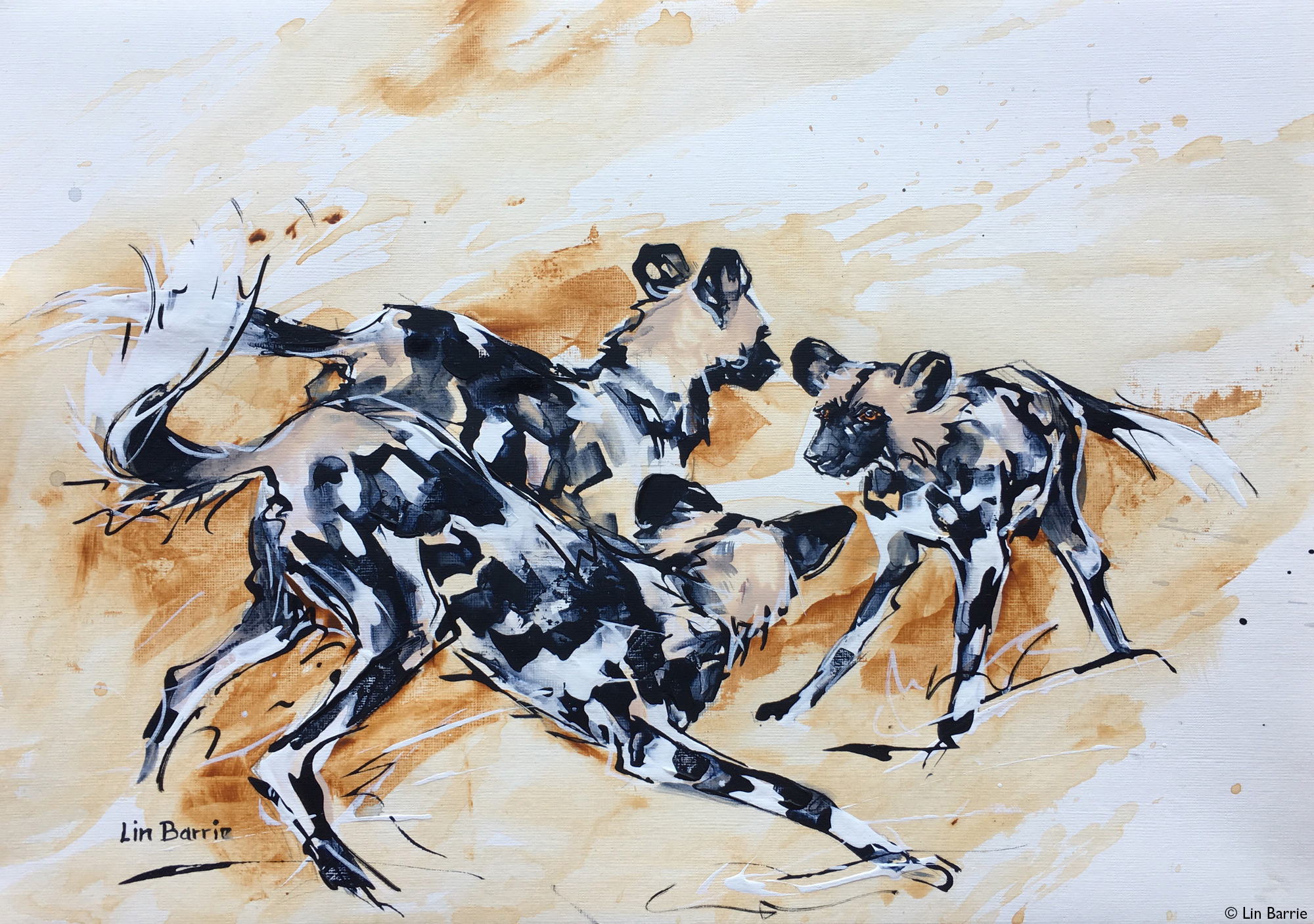
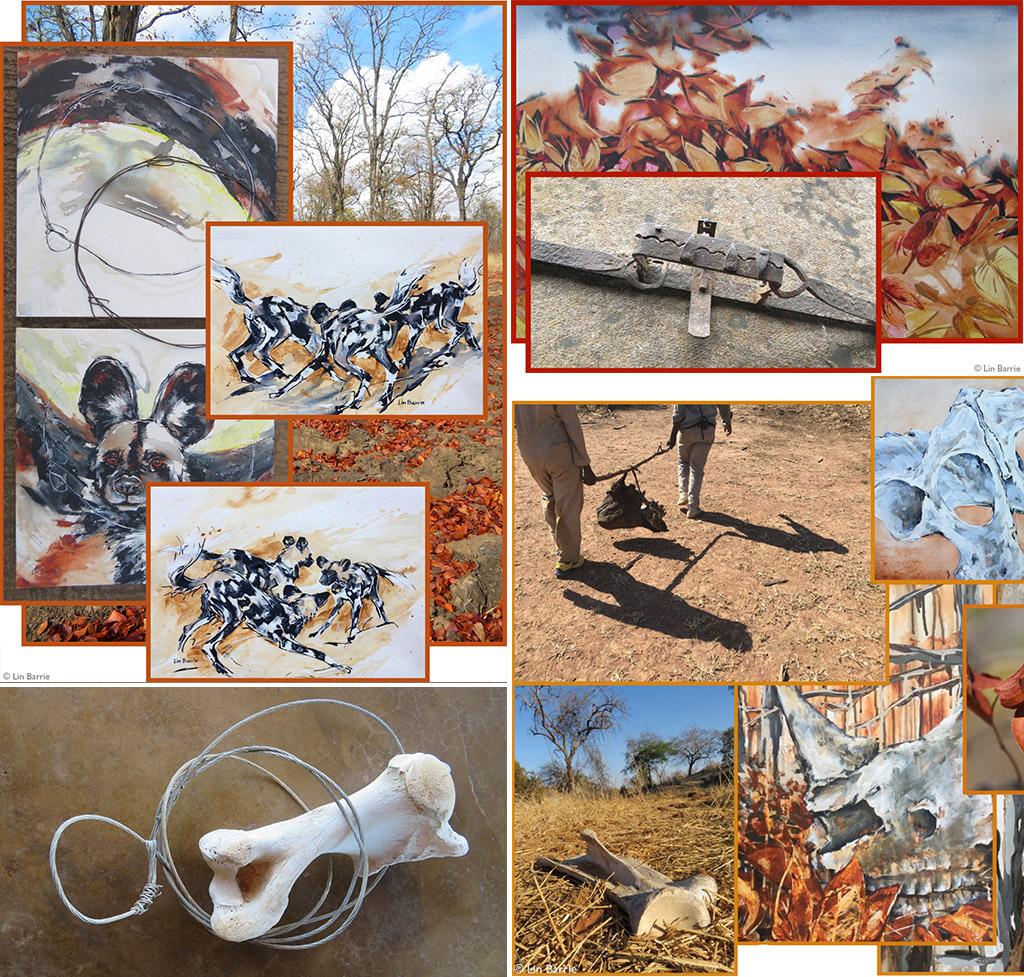
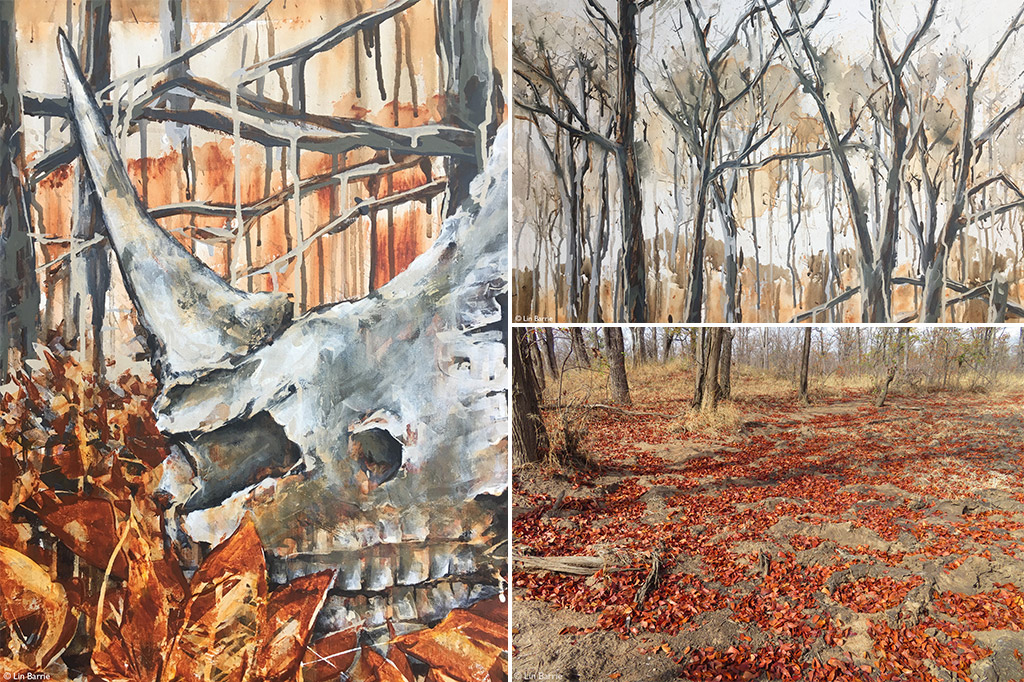
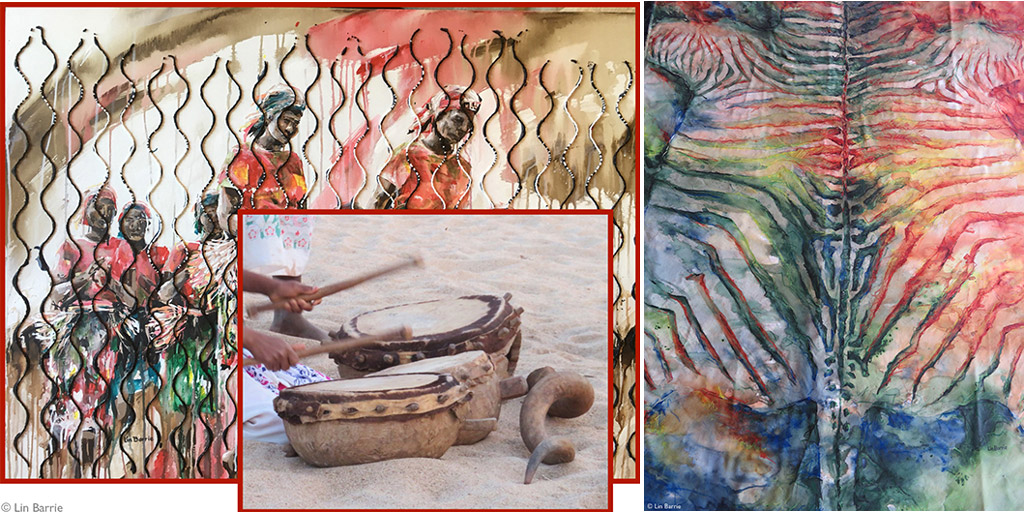
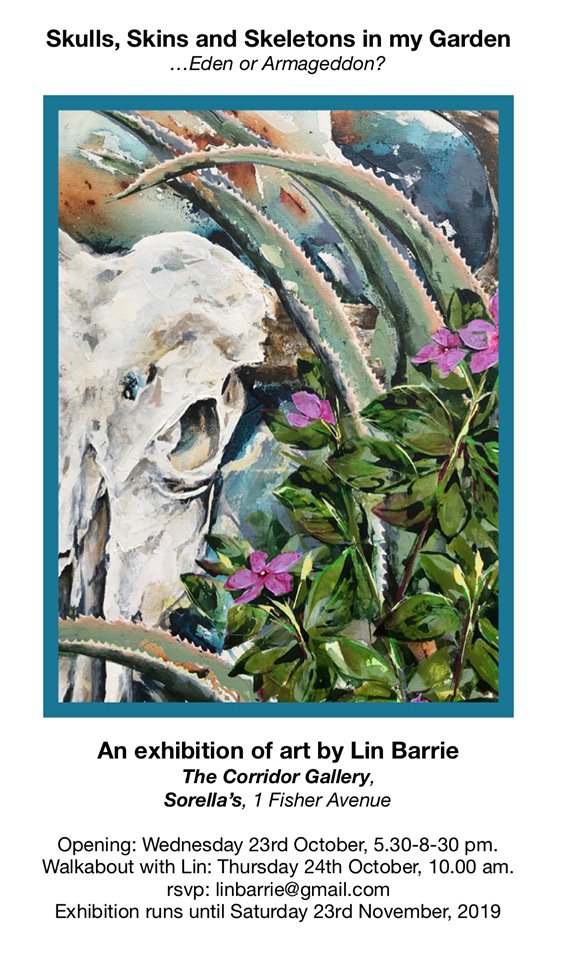
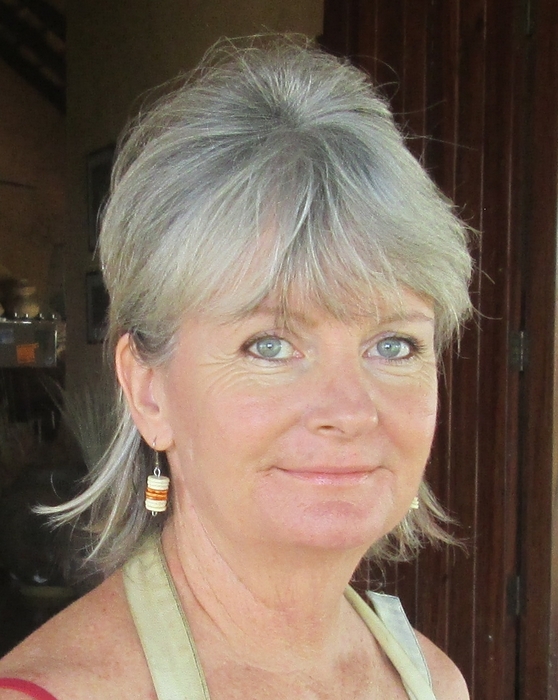 Expressing herself with found objects, palette knife and paintbrush, Lin Barrie believes that the abstract essence of a landscape, person or animal can only truly be captured by direct observation. She immerses herself in her subjects, whether observing African night skies, sketching rhinos drinking at a favourite waterhole, watching African wild dogs and their pups, or capturing the mood of an abstract landscape or traditional dance. She is fascinated by the synergies between elements of landscape, people and animals, such as the flow of water which becomes fish, the texture of baobab skin which so closely resembles that of elephants’ limbs, the shapes of monumental rock outcrops which take human or animal forms, plants which echo human parts, animal totems and people. You can see more of her artwork on her