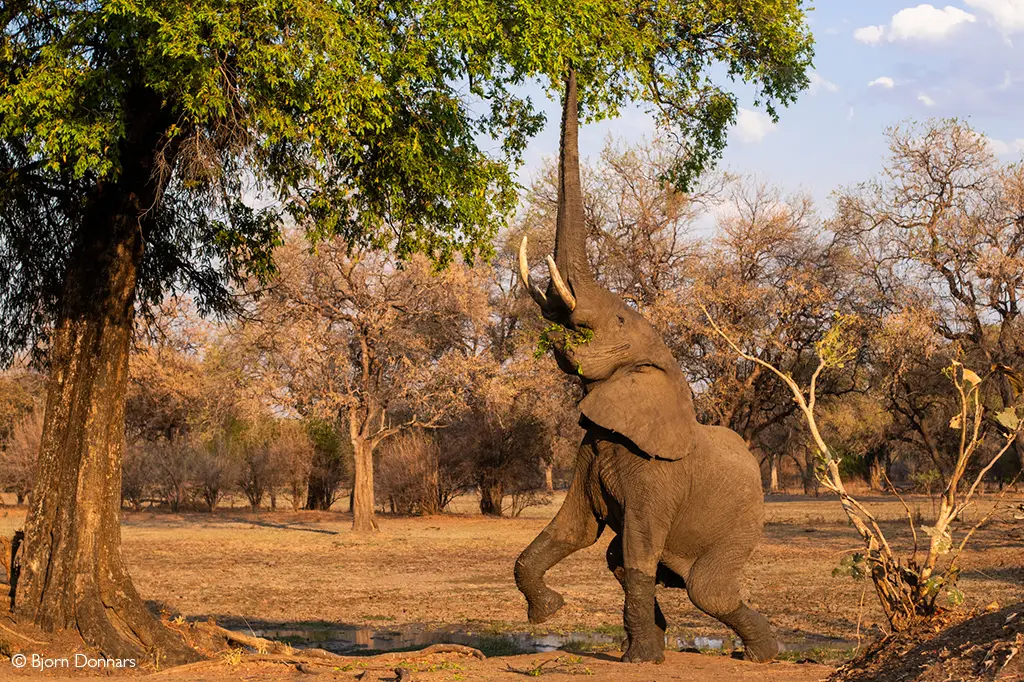
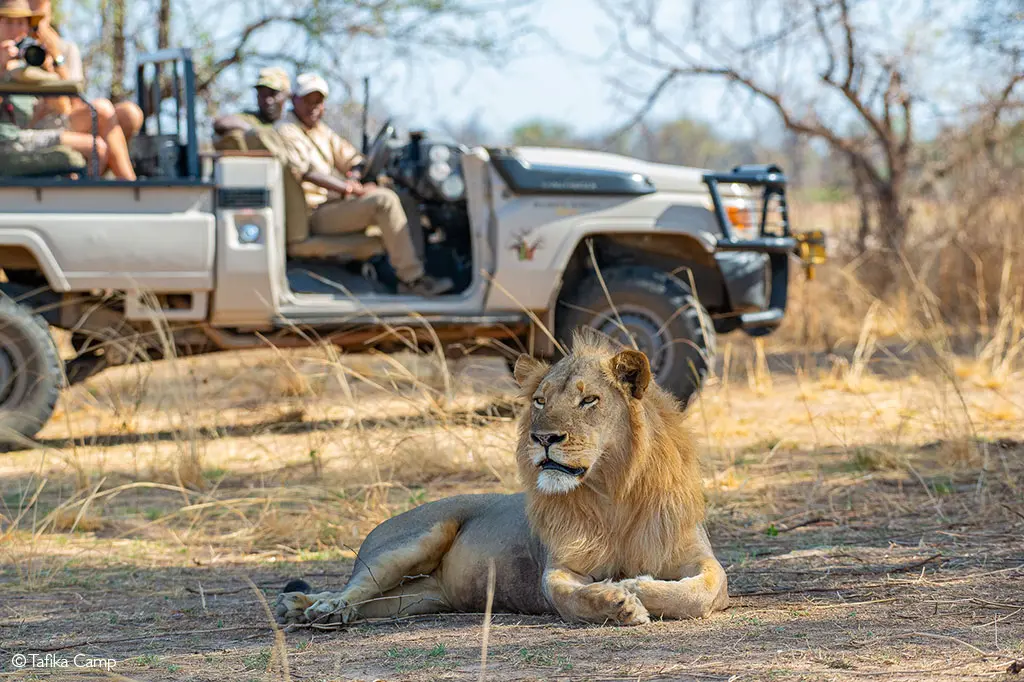
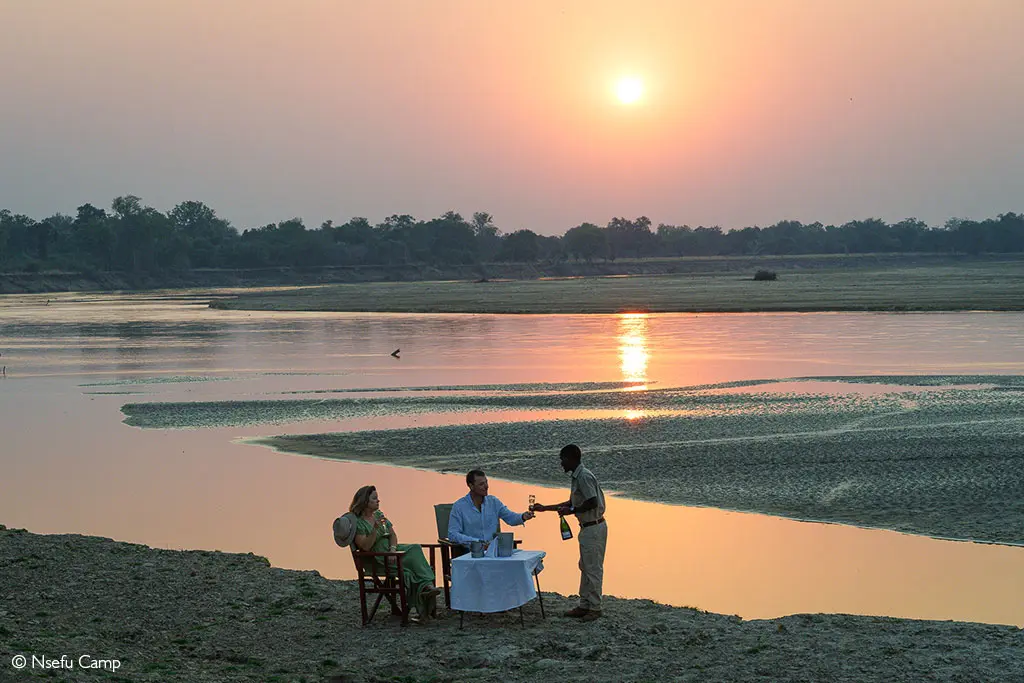
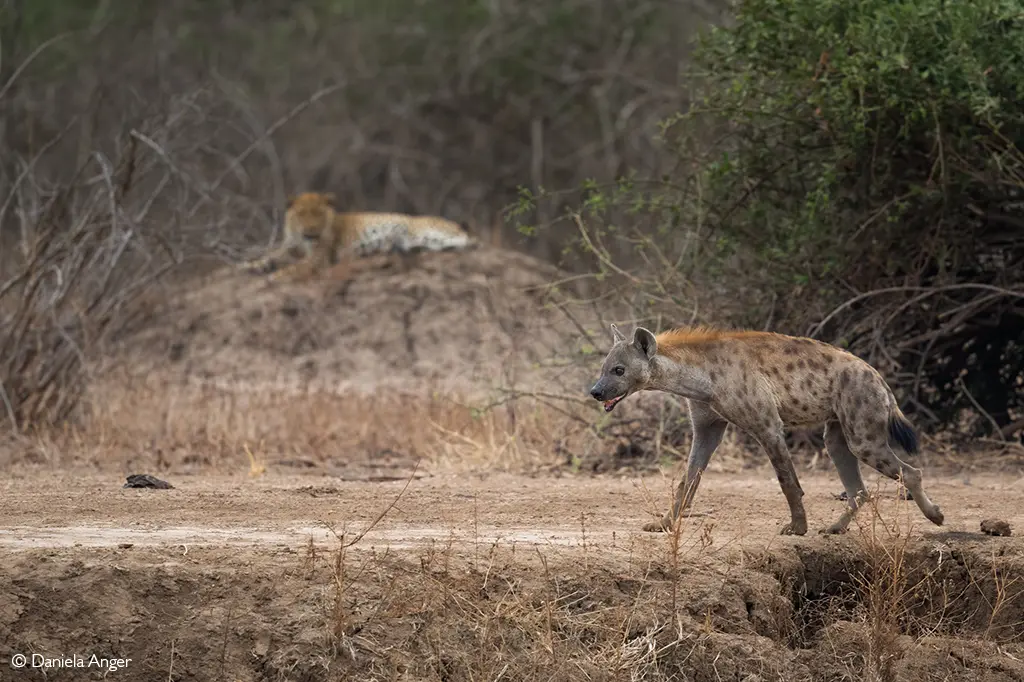
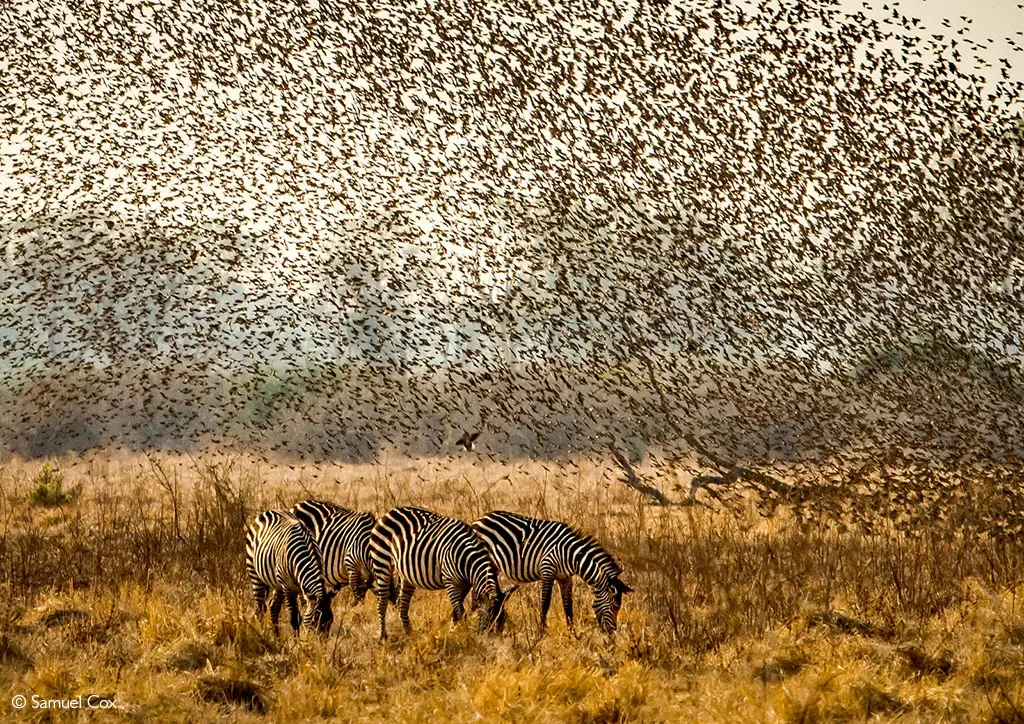
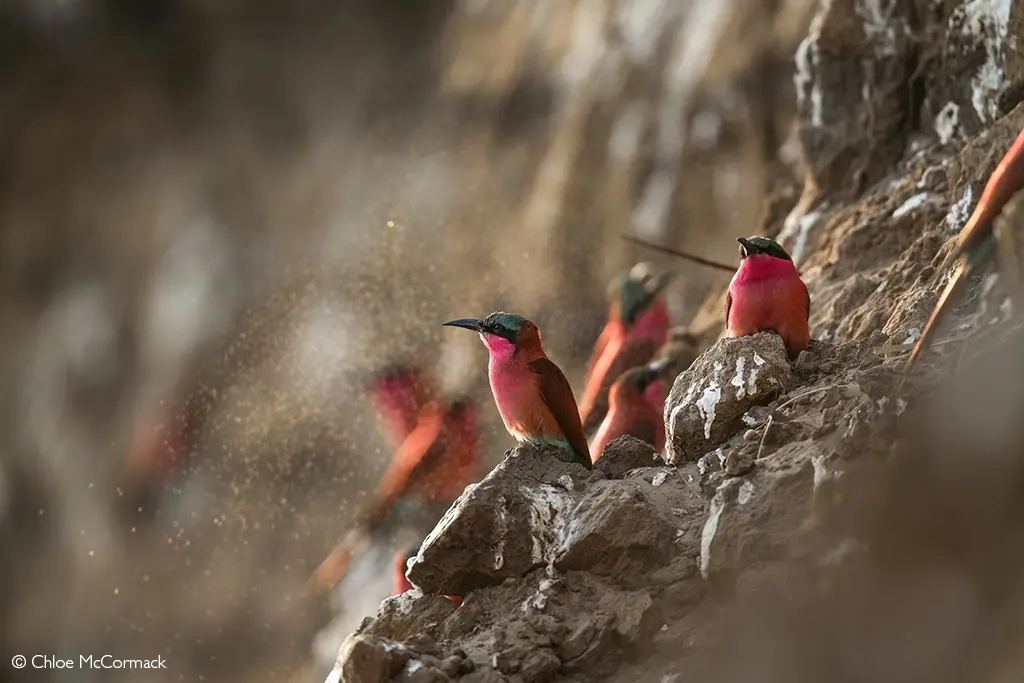
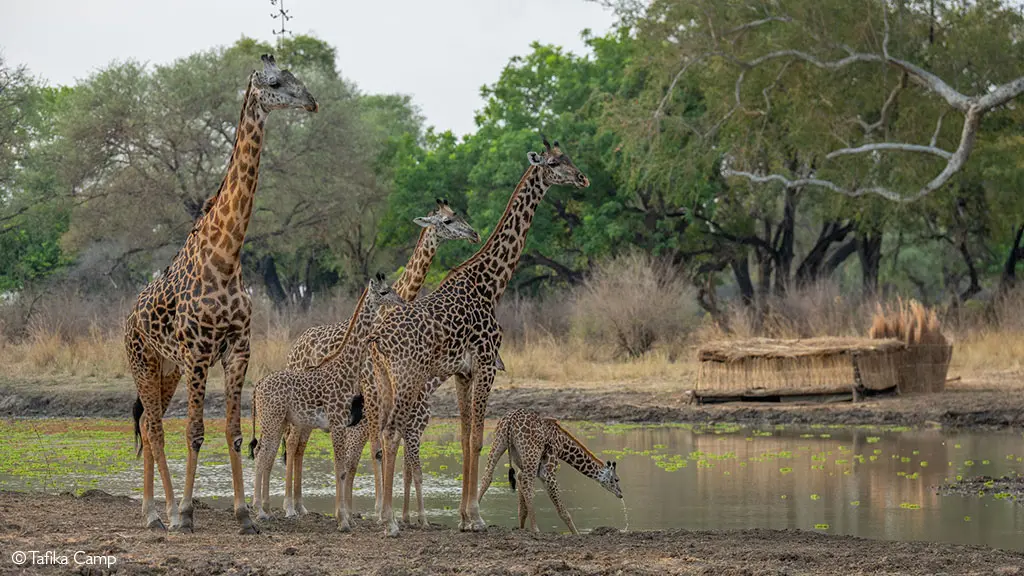
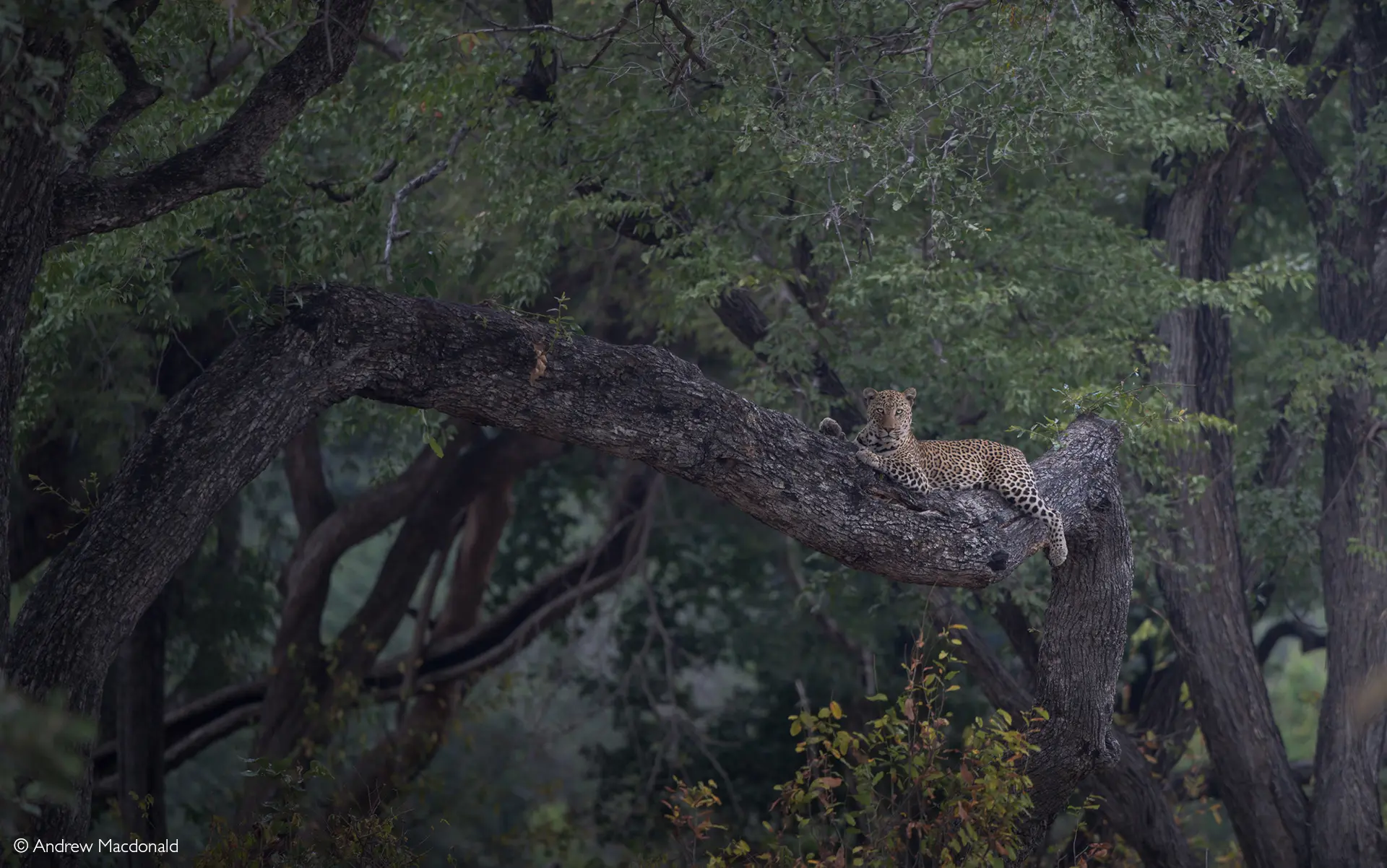
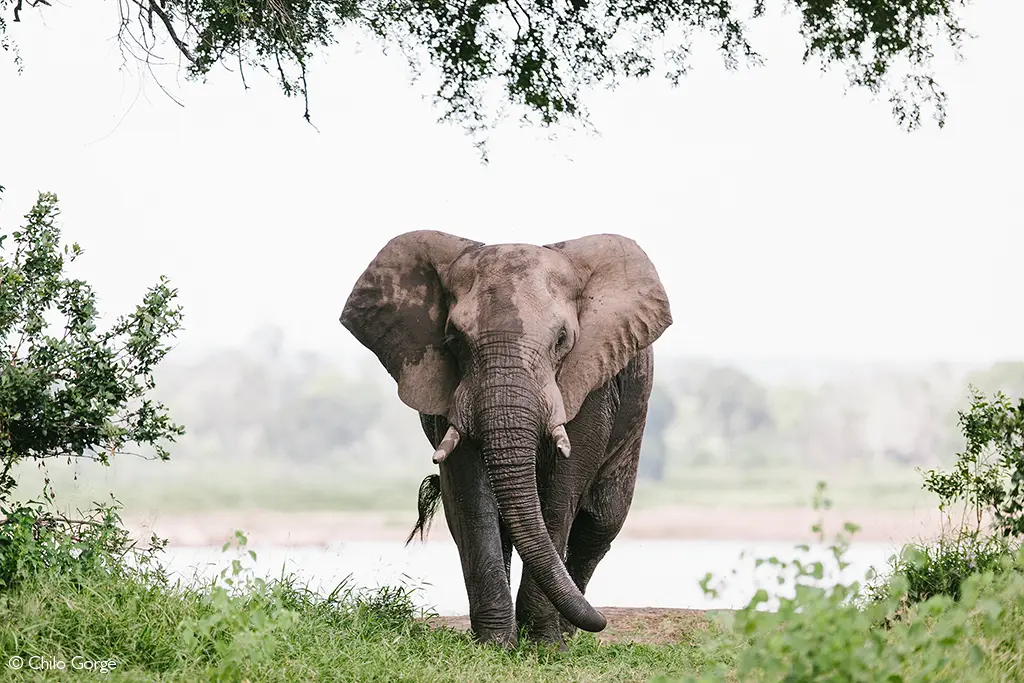
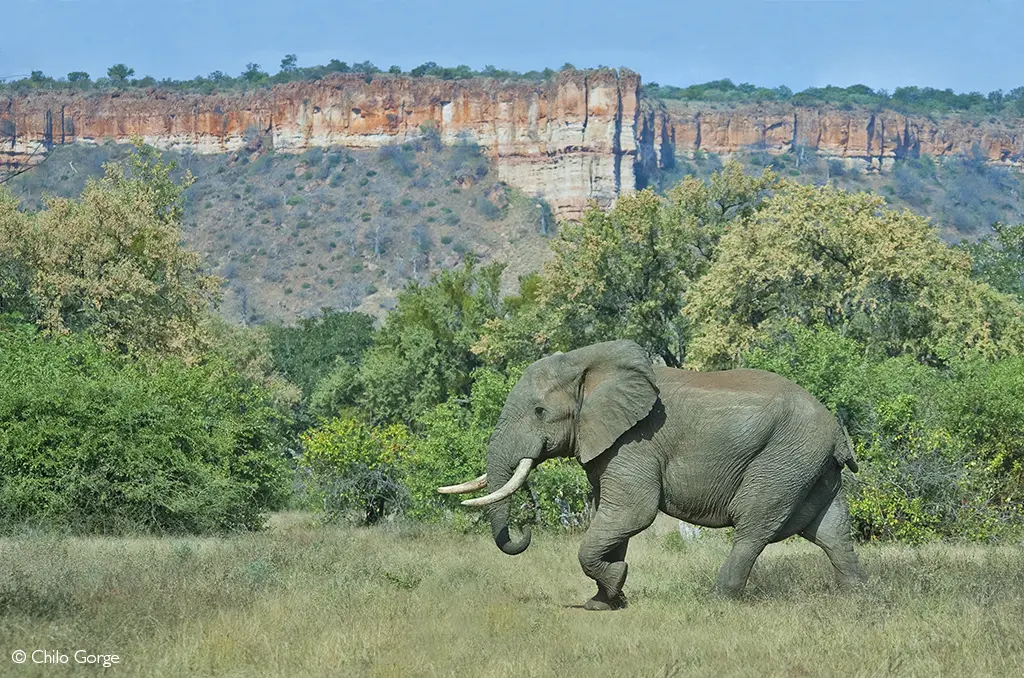
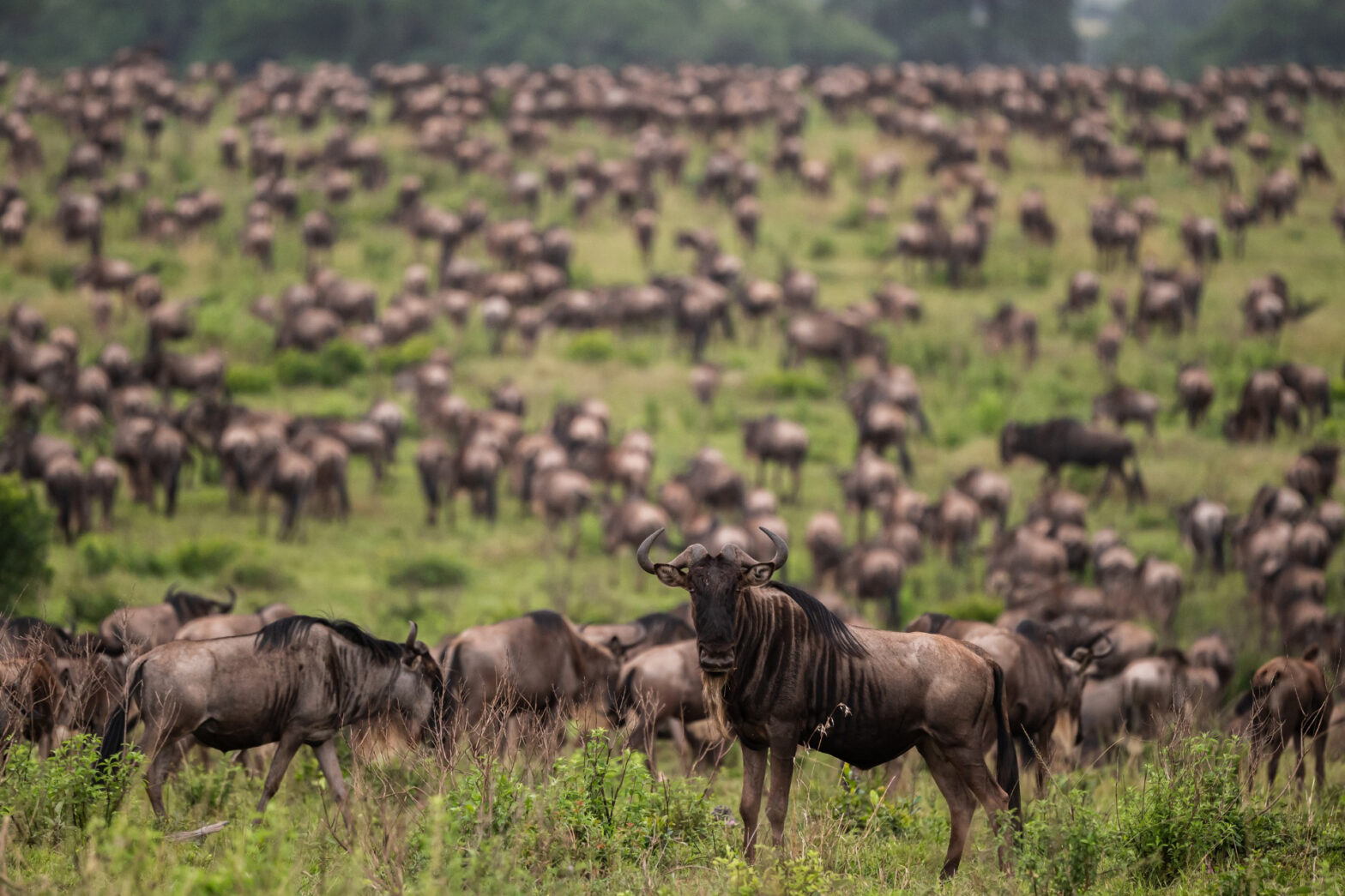
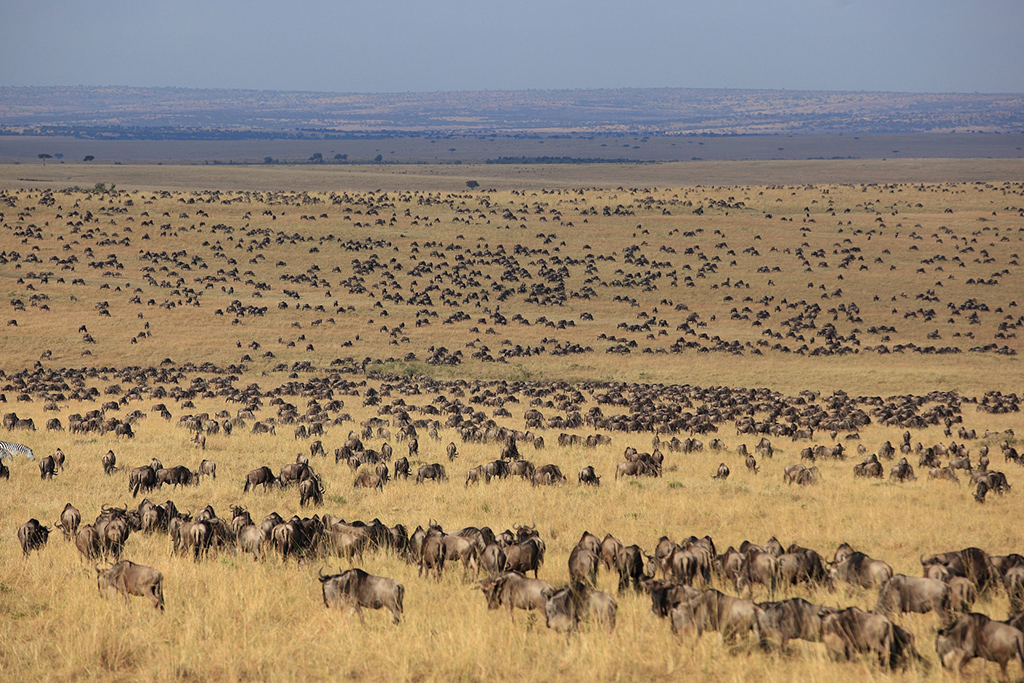
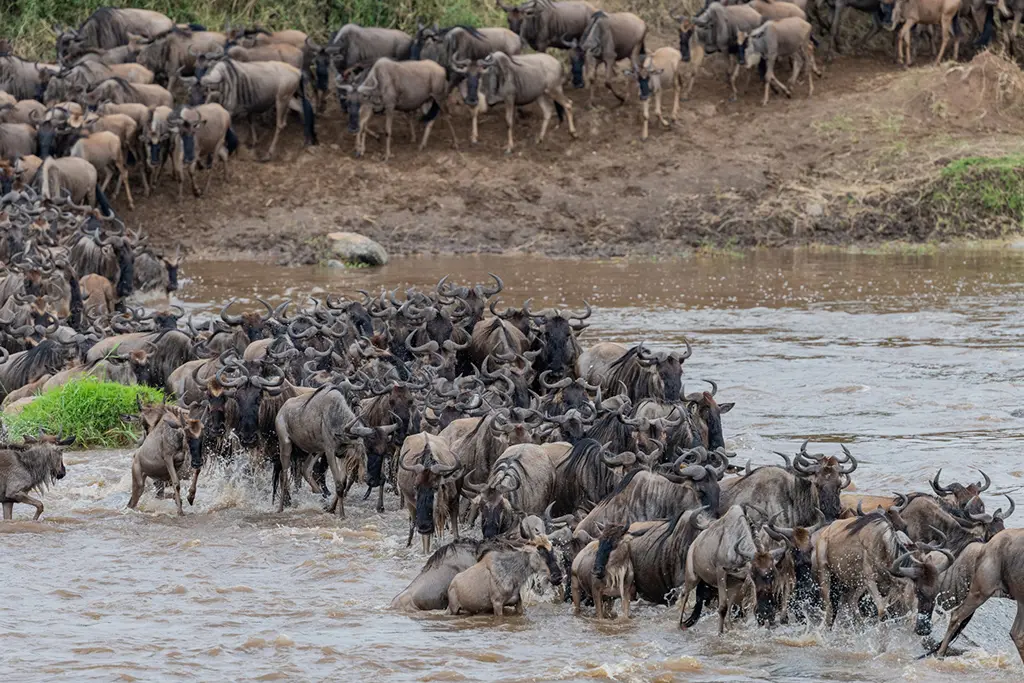
First photos + East vs Southern Africa safari + Kunene fights poaching
This is a copy of our weekly email newsletter. Subscribe here to receive the newsletter and more inspiration for your African safari.
From our CEO – Simon Espley
Greater Kruger wildlife conservation needs more female influence. There, I said it. Any rolling eyeballs?
Not long ago, the late Sharon Haussmann (former Balule Private Nature Reserve chairperson and CEO of GKEPF) and I used to meet over coffee (often on a game drive) to discuss issues, face up to realities and frustrations, and share much-needed data and advice. I miss those days, and I miss her. Hopefully, Dr Marisa Coetzee, her successor at GKEPF and also a strong lady, will lead the team to even greater heights.
Over the years, I have met many women who have had a huge impact across the African conservation space. Brave, resilient warriors who have risen to the top despite glass ceilings and corporate bullies. We desperately need more of them to balance out the current testosterone-infused domination in this region. Of course, we need a wide range of mindsets, skills, and personality types, and adding more women to these critical leadership roles will bring us closer to what is required in this complex, amazing ecosystem.
Baobabs aren’t supposed to fall. They’re living water towers with bark thick enough to shrug off drought, fire and the occasional elephant. Some have stood for over 2,000 years. Civilisations have come and gone. The baobab stayed put. Until… Meet the mango stem-borer, a fruit-tree pest from Asia that has recently discovered the hospitality of baobabs (albeit in the Middle East). In Oman, where just over 100 baobabs grow, researchers found six giants already killed and a dozen more infested.
Their soft, water-rich trunks packed with nutrients make baobabs perfect nurseries for hungry larvae. The beetle hasn’t reached mainland Africa. But it is already present on islands such as Madagascar, which is home to six native baobab species. Plus, the beetle can fly 14 kilometres in a night, and shipping containers are the equivalent of first-class tickets for bugs. Scientists are now proactively developing control strategies to ensure the beetle doesn’t gain a foothold elsewhere.
In happier news, it’s our favourite time of year. Our first Photographer of the Year 2026 entries have landed. And yes, there’s a Nyungwe safari up for grabs. We also weigh up East versus Southern Africa safaris (which is best?) and dive into how tourism in Namibia’s Kunene is powering renewed anti-poaching patrols across vast communal conservancies.
Did you know? Your African safari choice makes a difference
We donate a portion of the revenue from every safari sold to carefully selected conservation projects that make a significant difference at ground level. YOUR African safari choice does make a difference – thank you!
Our stories this week
FIRST PHOTOS
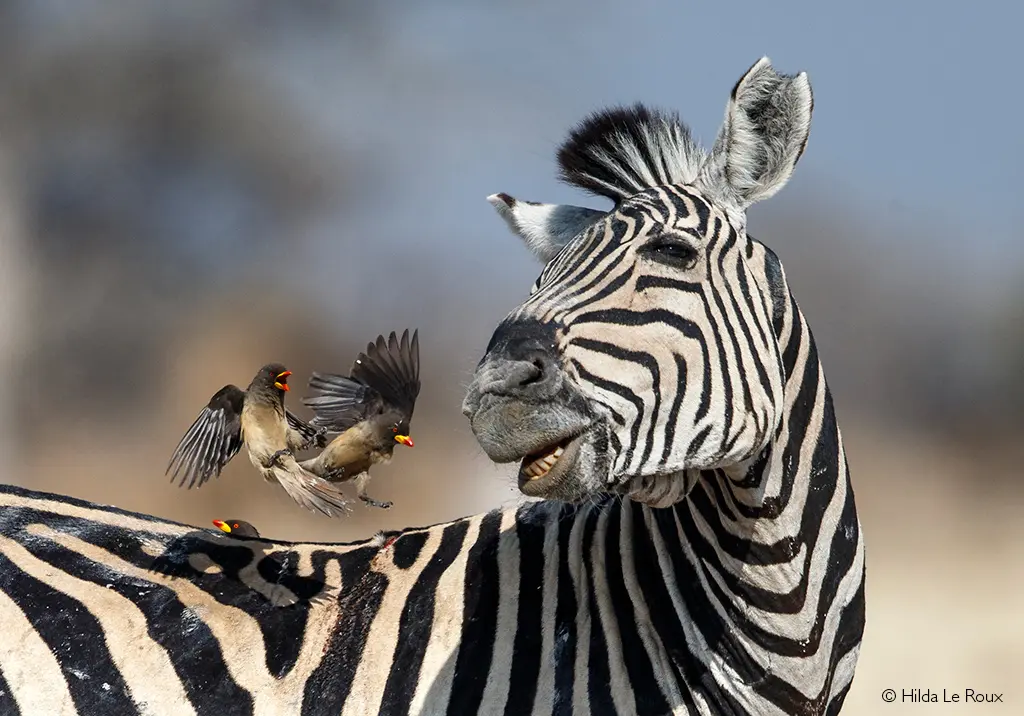
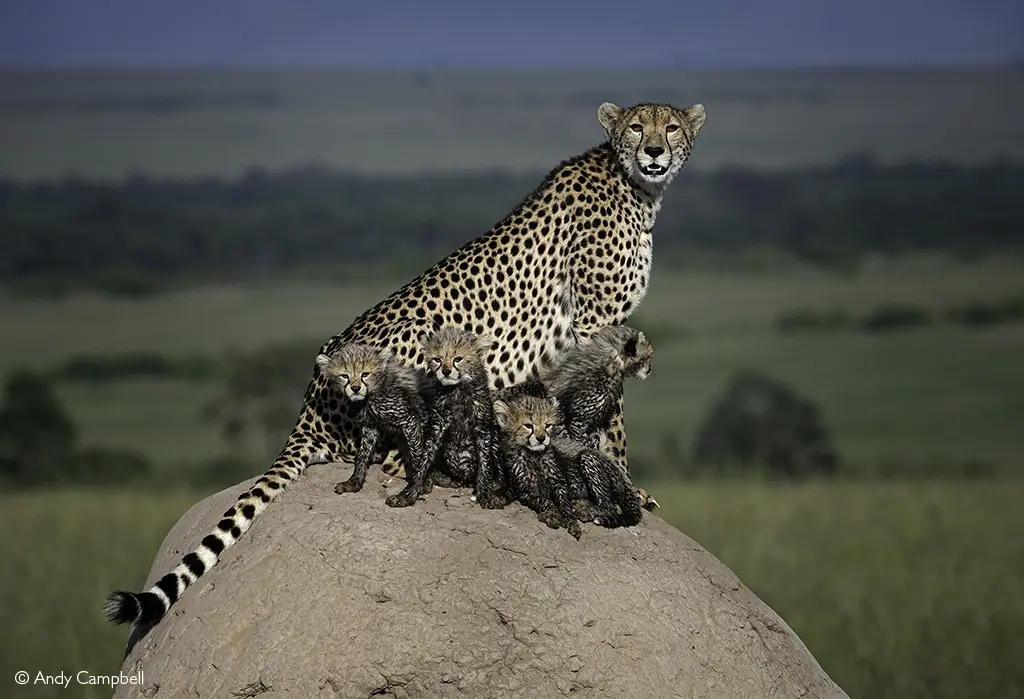
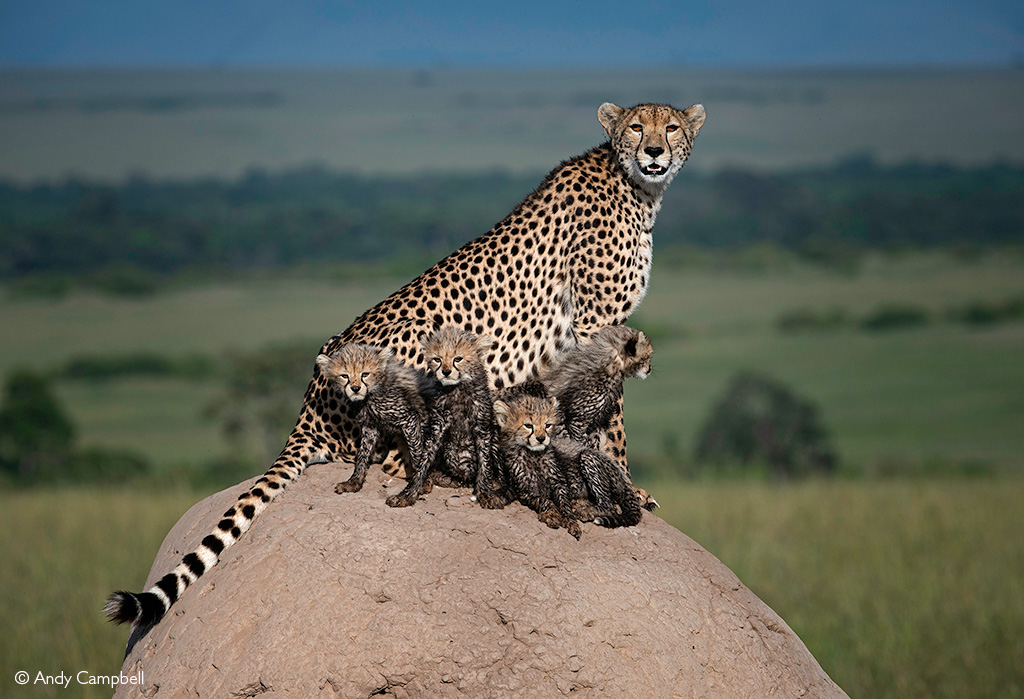
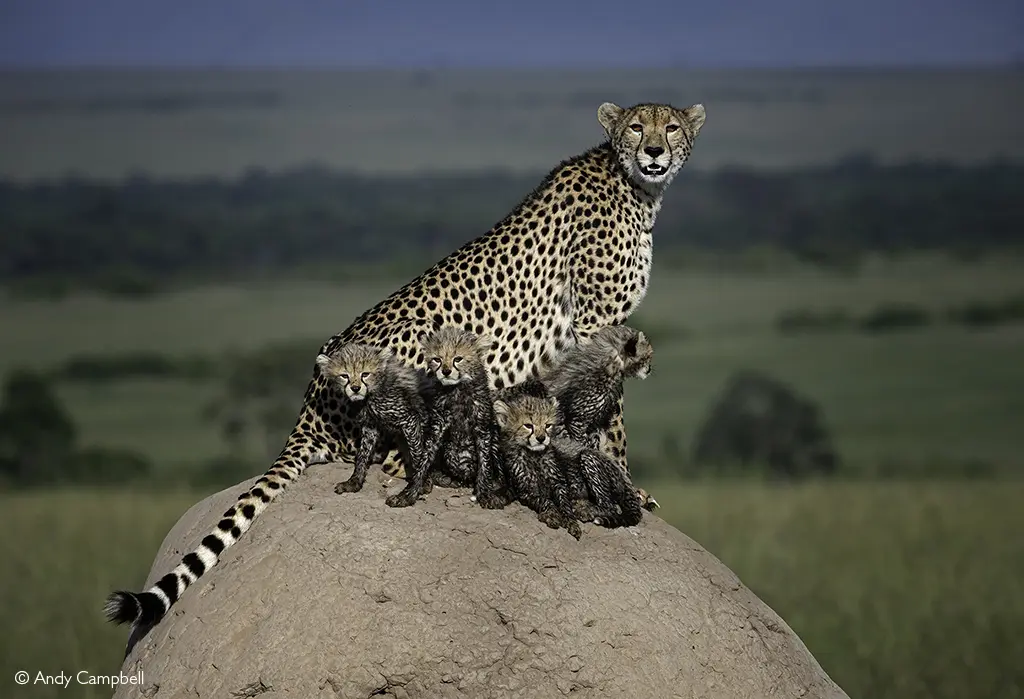
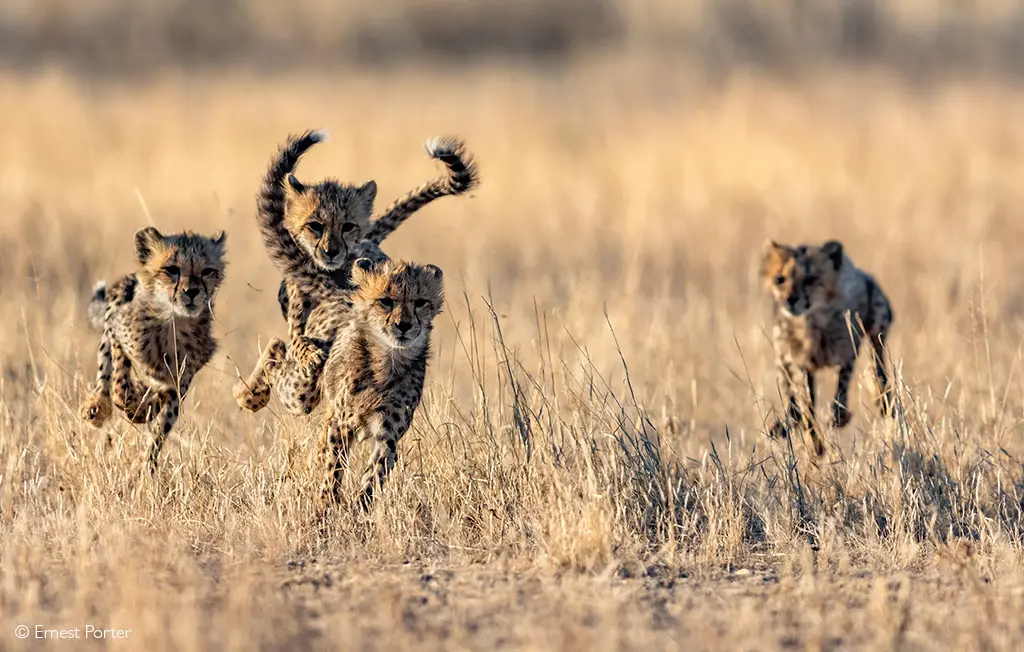
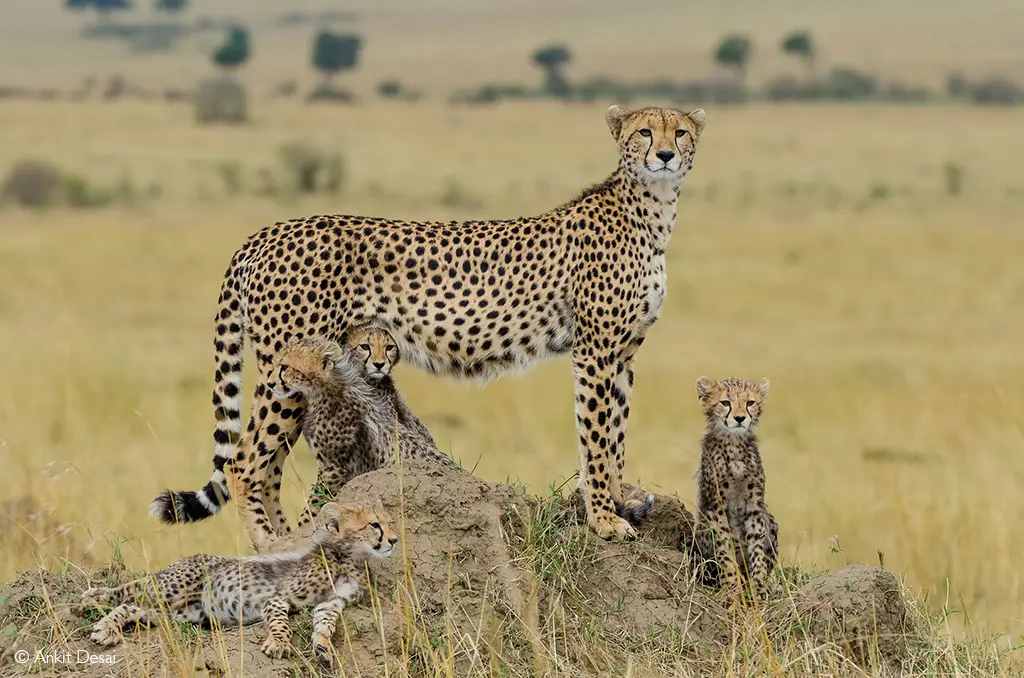
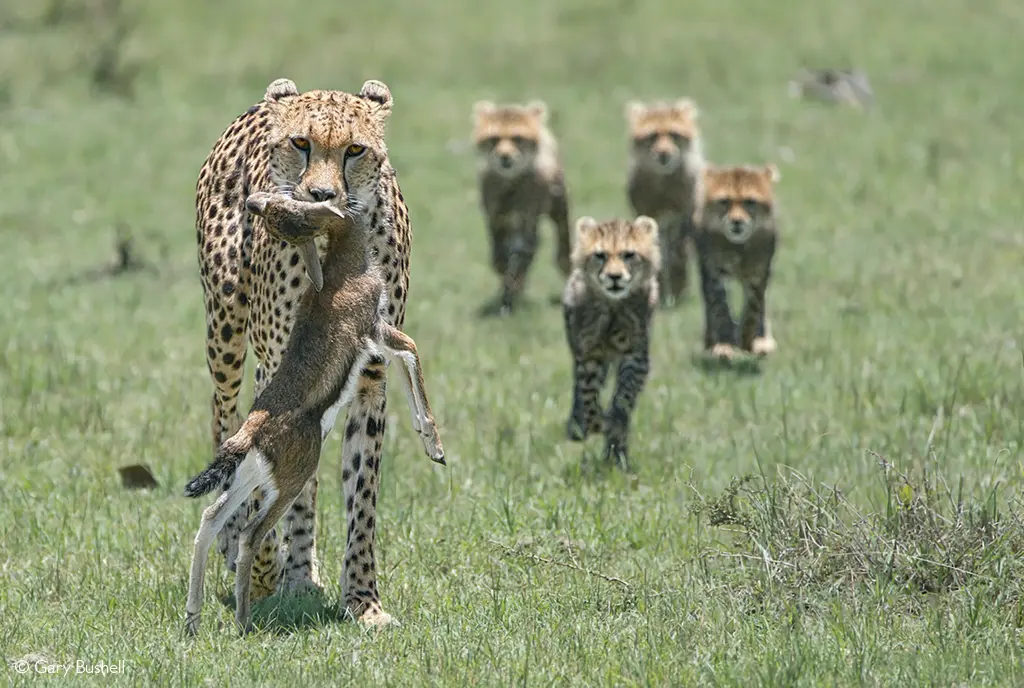
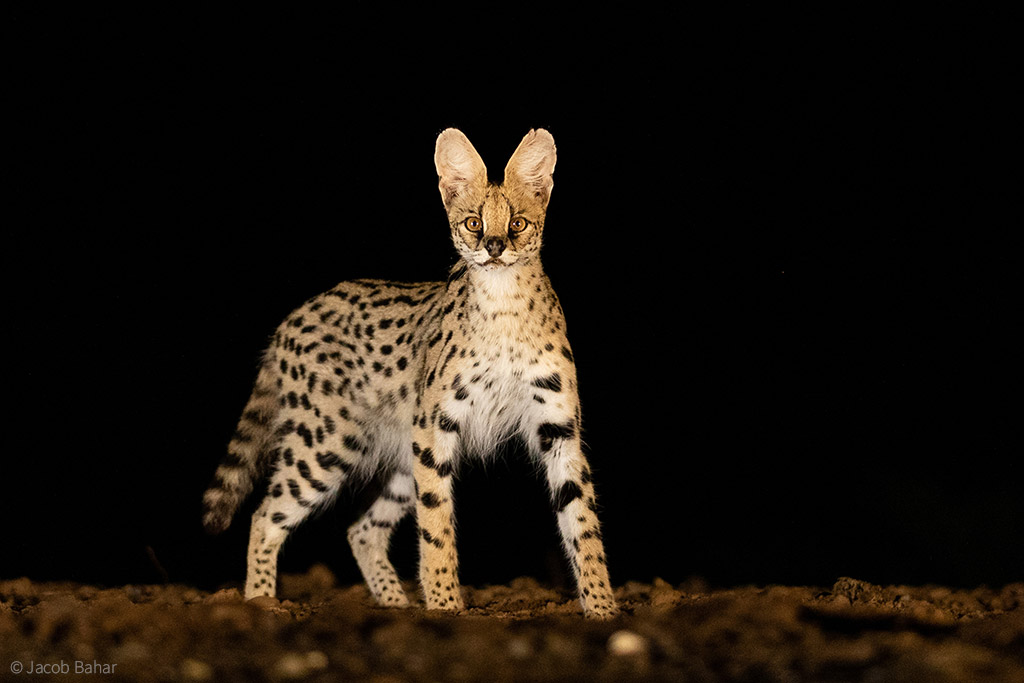
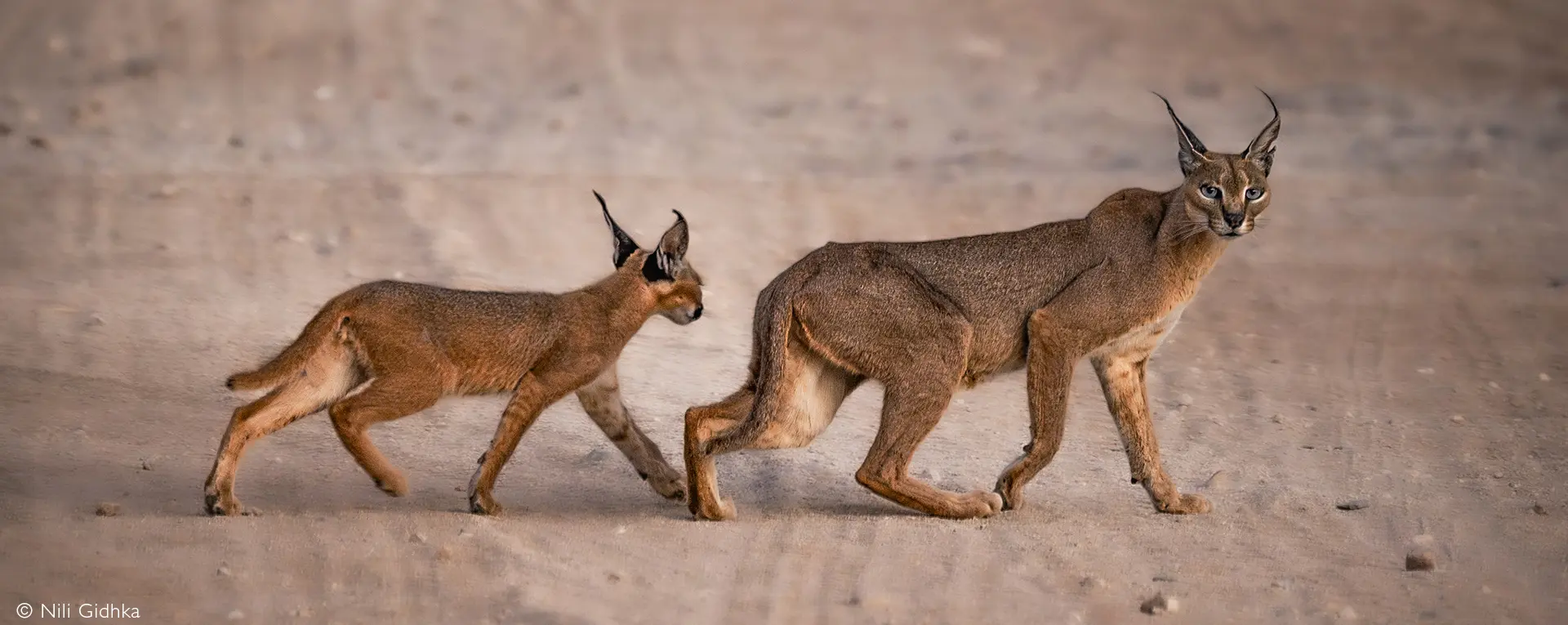
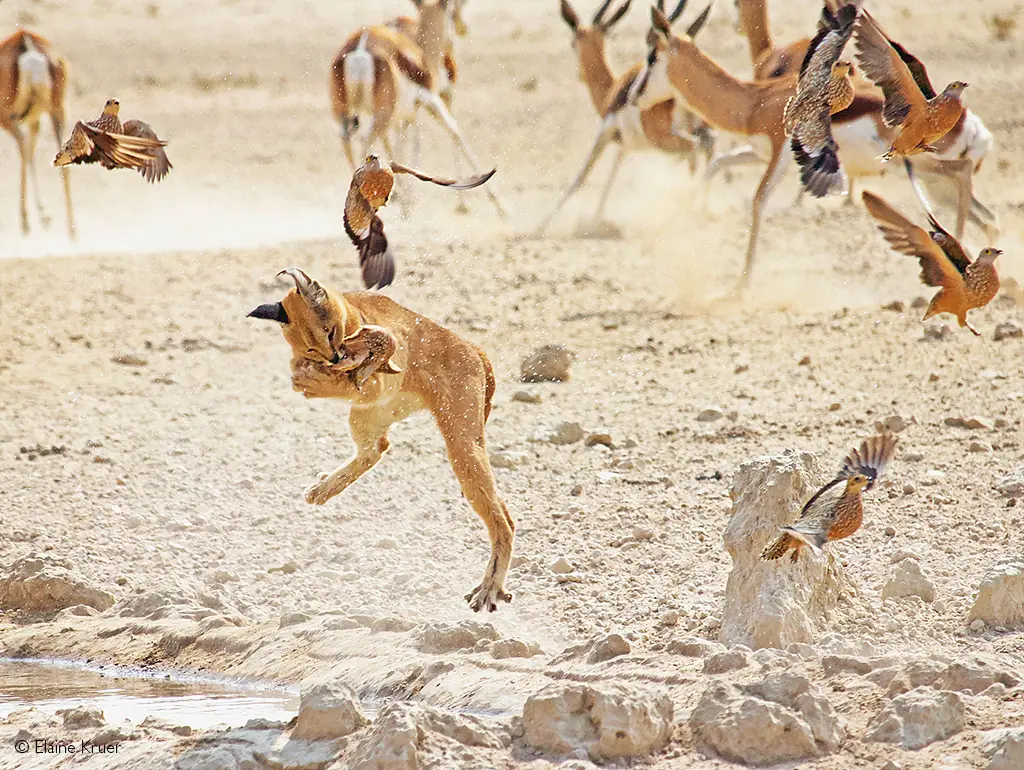
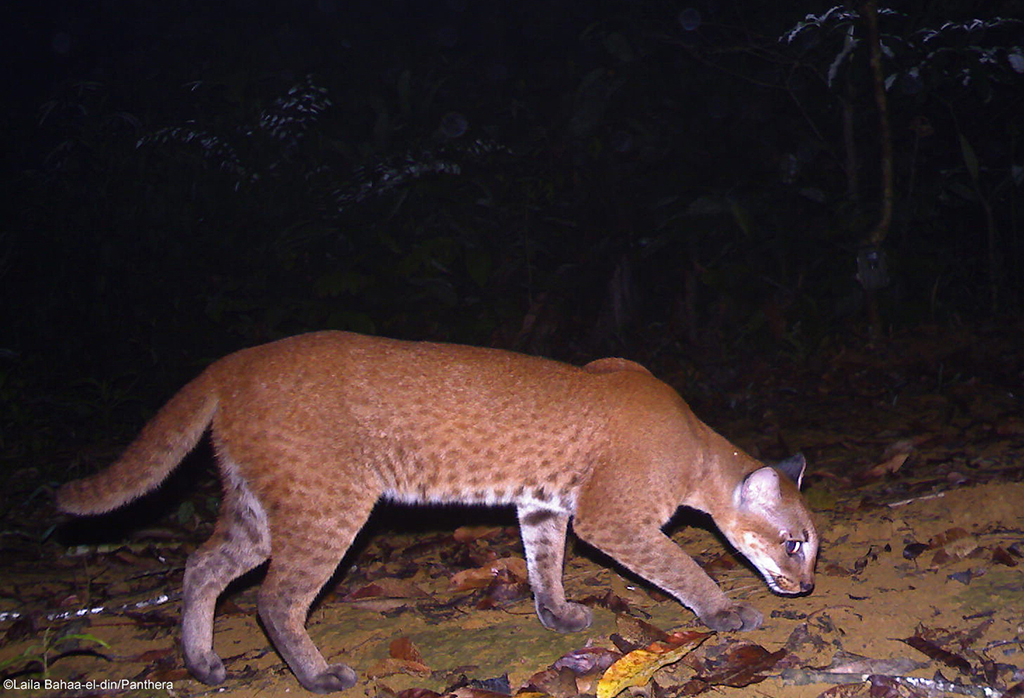
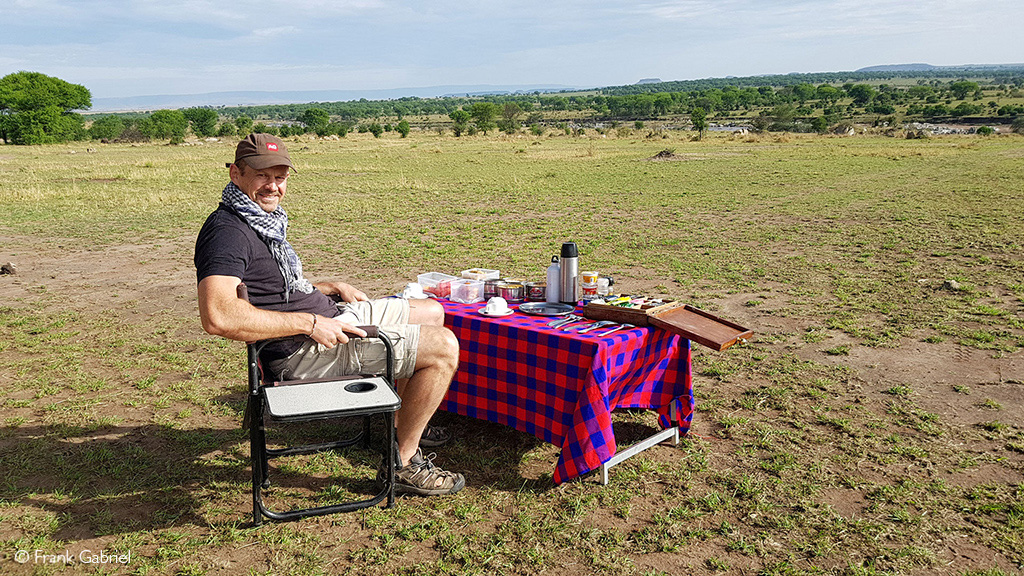
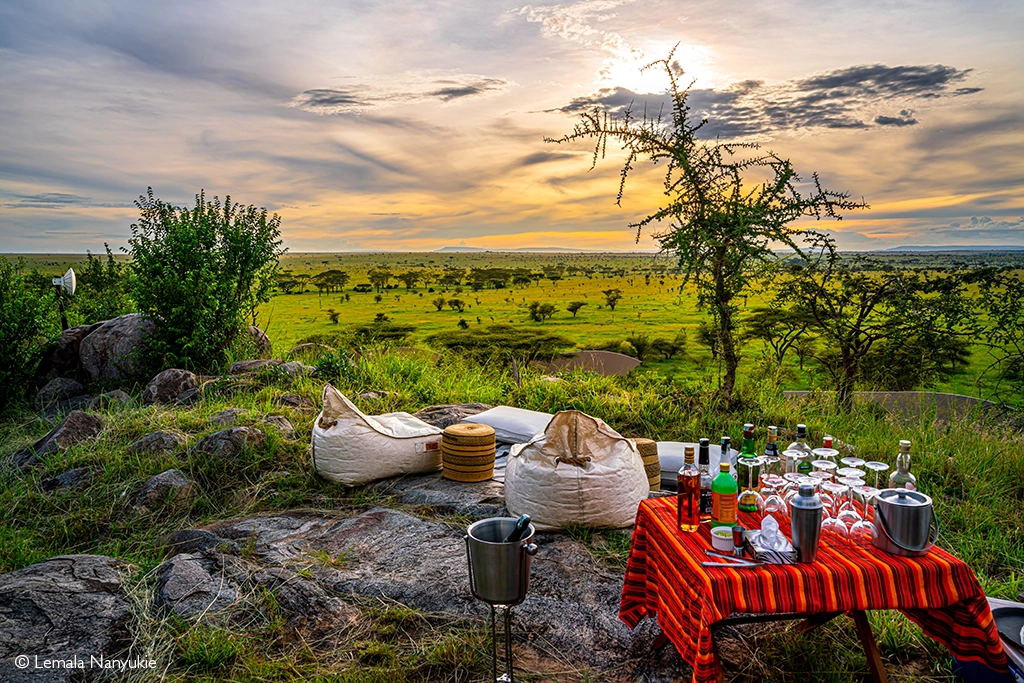
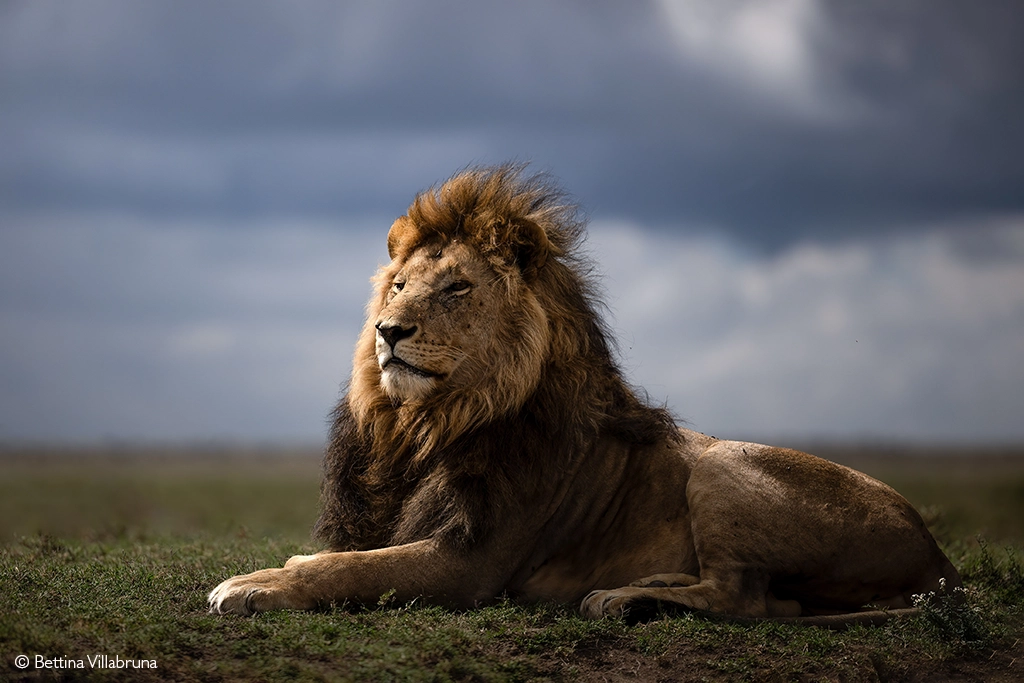
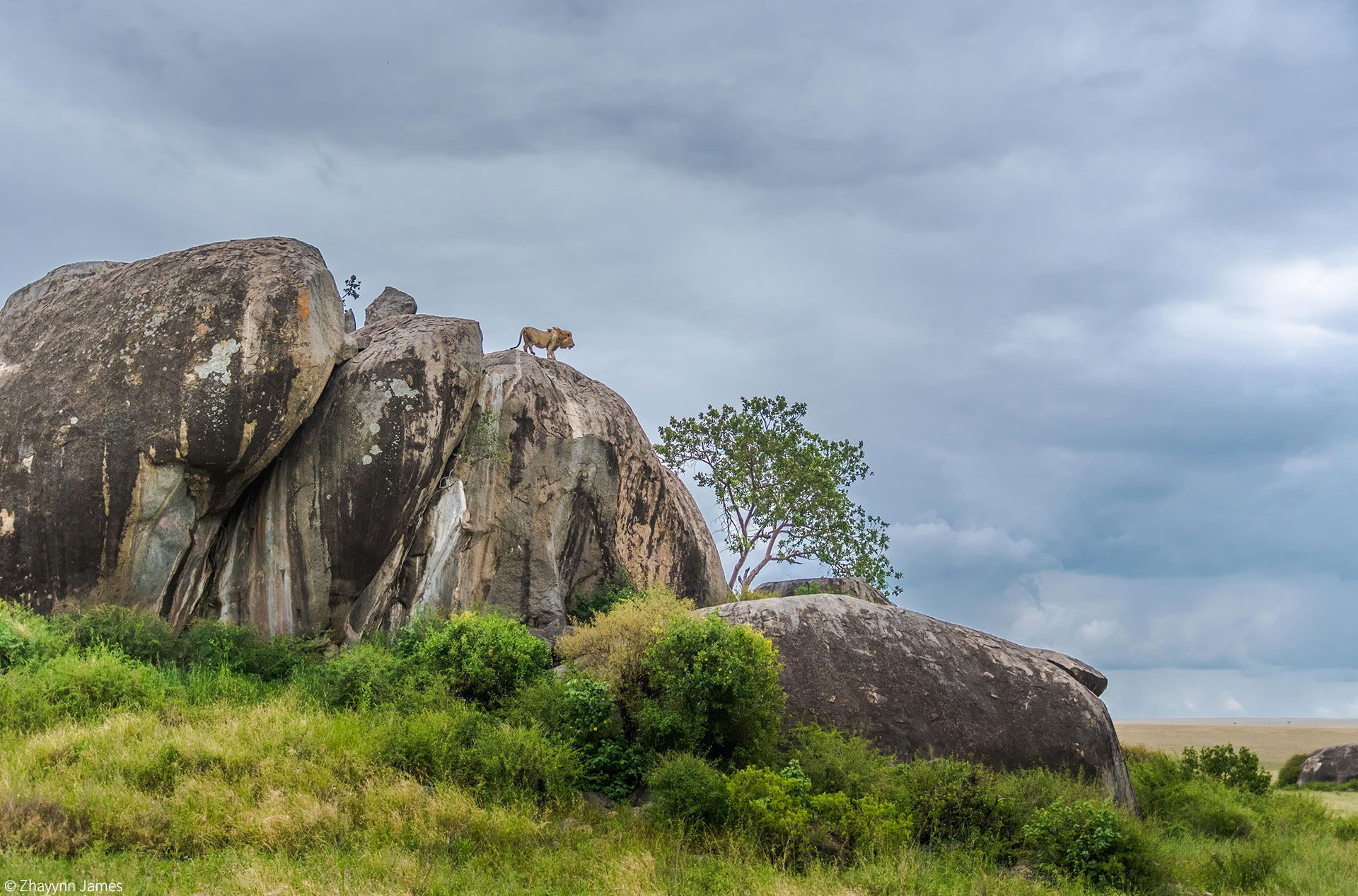
Our first Photographer of the Year 2026 entries are in! Check out our favourites and enter to win a trip to Nyungwe
EAST VS SOUTHERN AFRICA
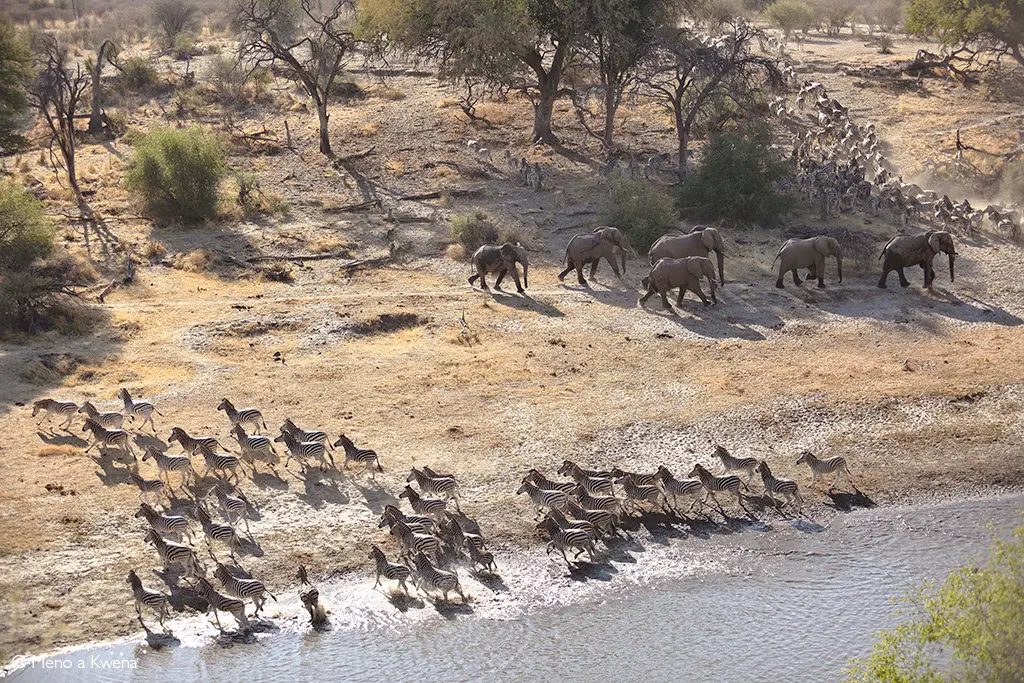
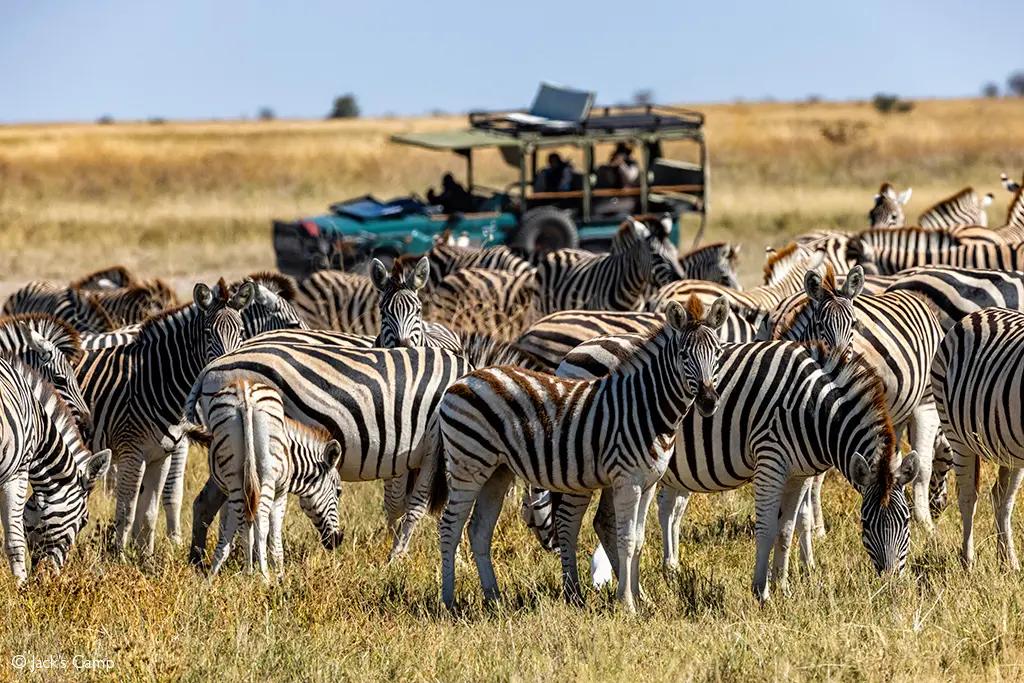
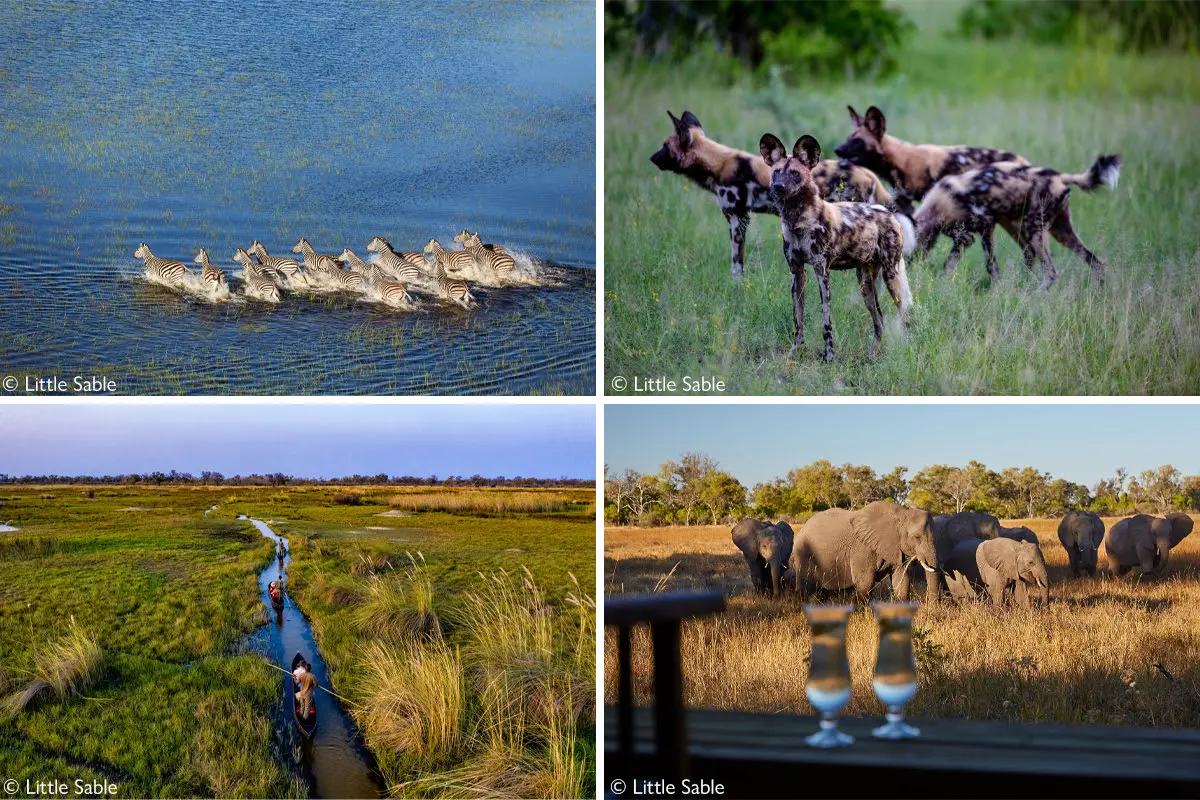
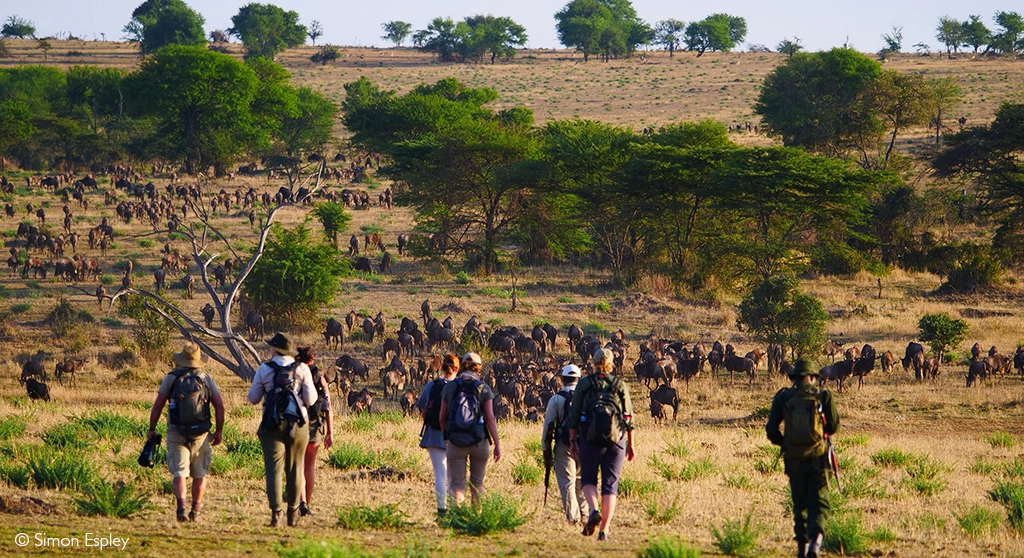
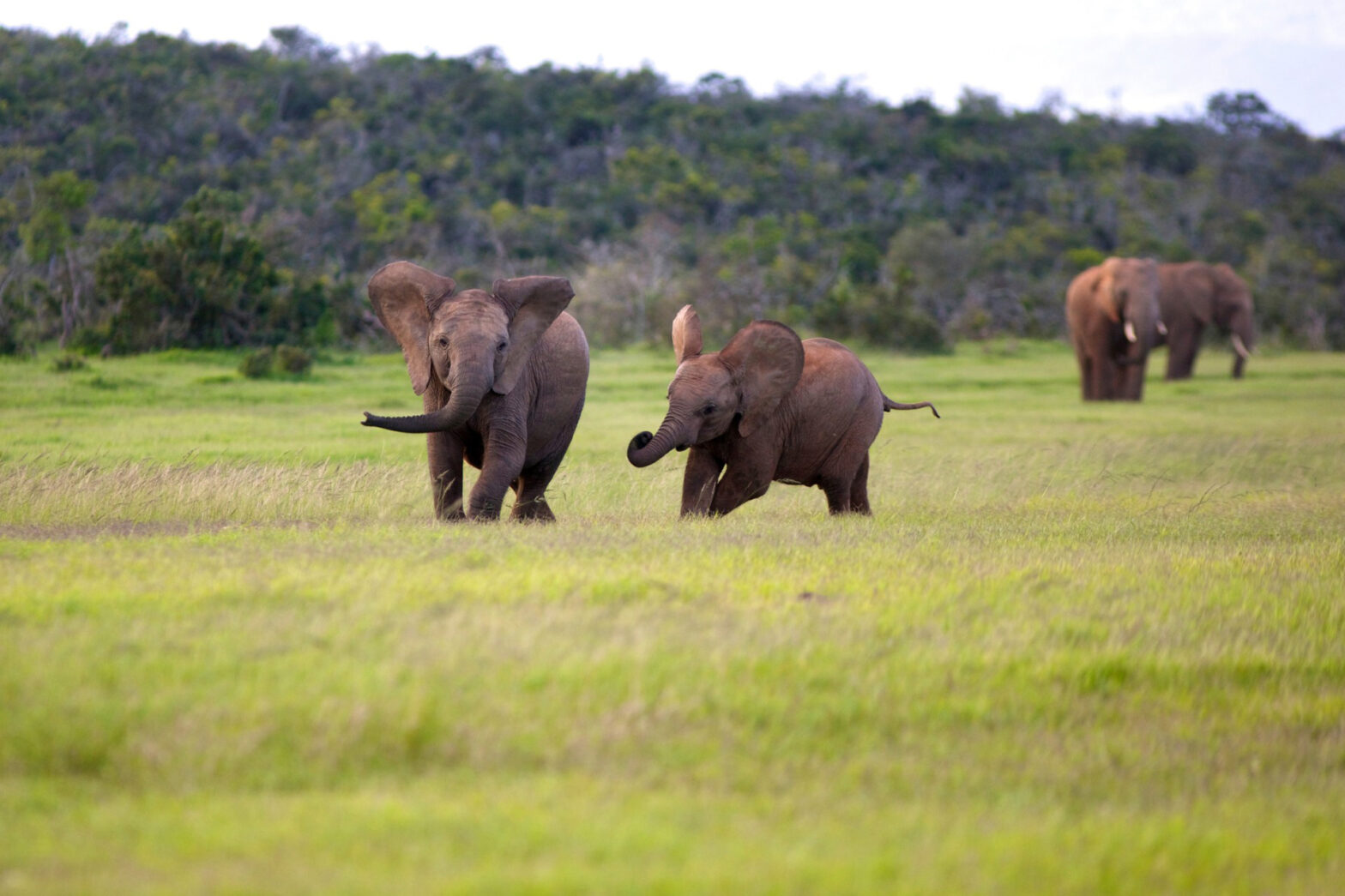
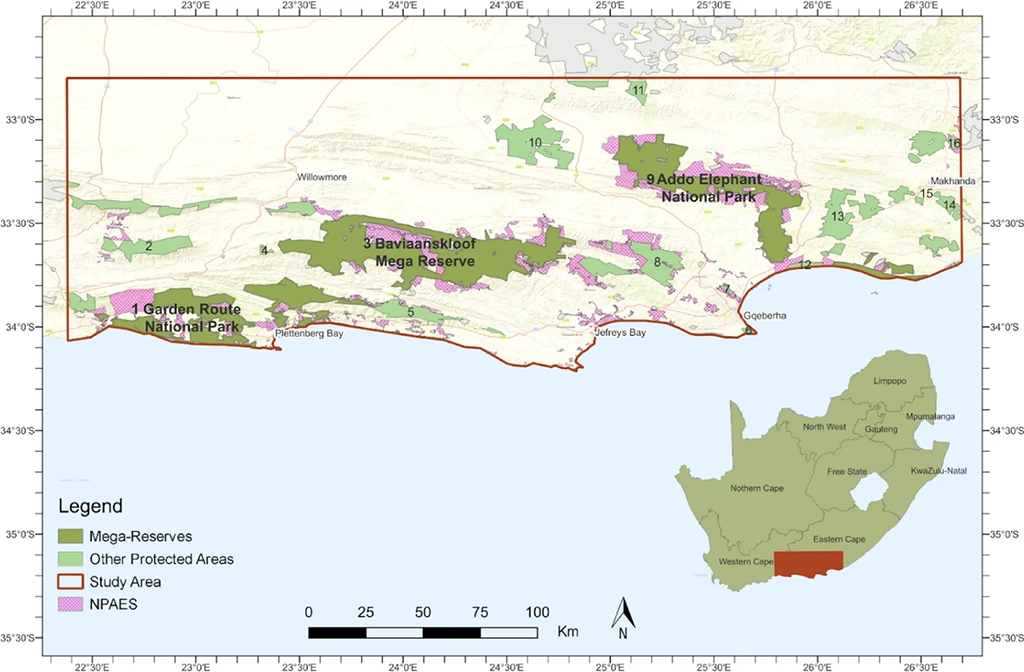
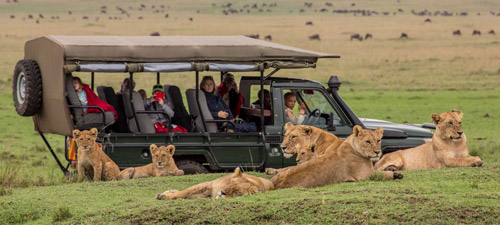
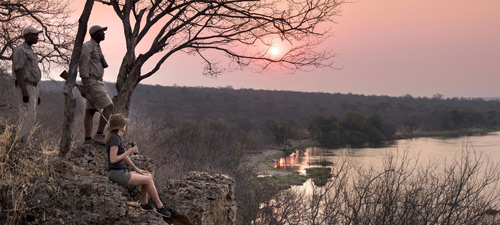
We compare safari experiences in East vs Southern Africa. Each offers unique species & landscapes. Which is best? Read our advice
TOURISM VS POACHING
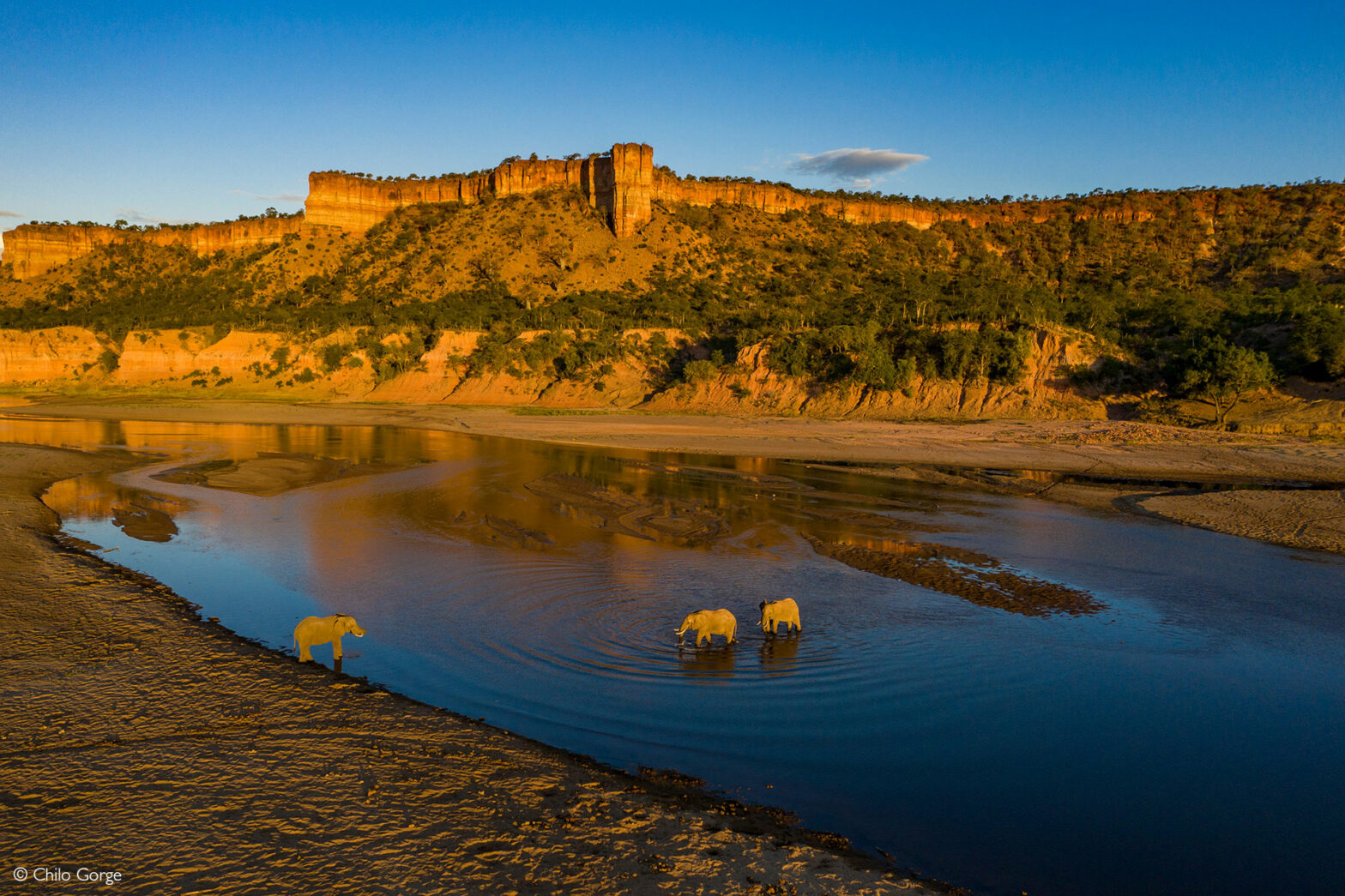
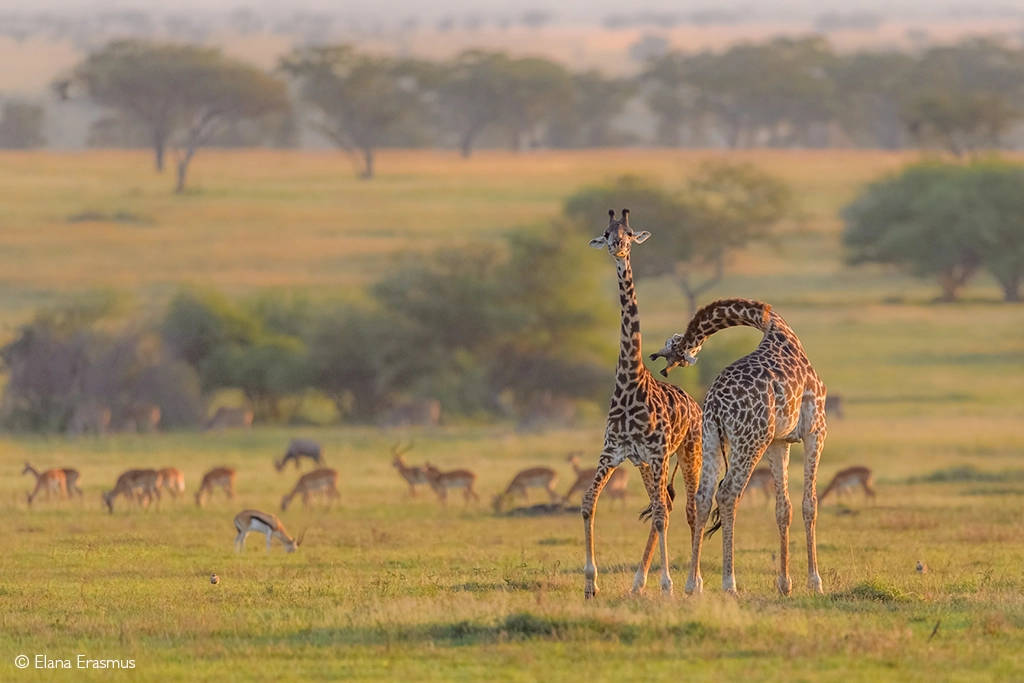
Tourism in Namibia’s Kunene is powering renewed anti-poaching patrols, protecting wildlife across vast communal conservancies
Discover two of Tanzania’s extraordinary and contrasting destinations. The wild beauty of Ruaha National Park, where ancient baobabs tower over elephant herds and prowling predators, to the turquoise waters of Mafia Island, a barefoot hideaway of coral gardens and castaway calm. This classic safari-and-sea combination captures the true spirit of Africa: untamed, soulful, and unforgettable
Fancy a guided photographic safari in Kenya’s Maasai Mara? Join award-winning photographer Arnfinn Johansen on this exclusive safari for four guests. Highlights include guided game drives with an experienced Maasai guide in a modified photographic vehicle, and accommodation at Oltepesi Tented Safari Camp. Departure Dates: 20-28 November 2026
AG safari guest Chrys and Tissa from Australia went on a dream Kenya safari to the Maasai Mara:
“Fantastic safari. The trip to Kenya was planned and executed to perfection by Christian and Africa Geographic. Enkewa Camp in Maasai Mara exceeded all our expectations. Comfortable and clean. Excellent food and service. Game viewing was superb. The camp manager, Nando, went over and above the call of duty to make our stay comfortable and special. Many thanks to him, Nico, Caleb, Joseph and all the staff. I’d love to go back.”
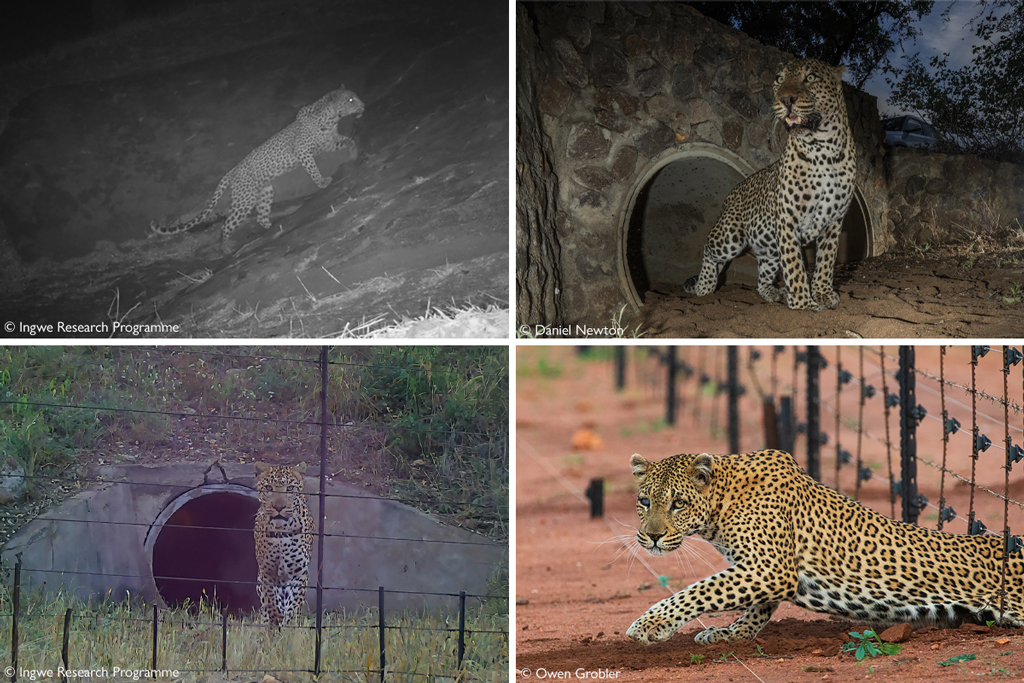
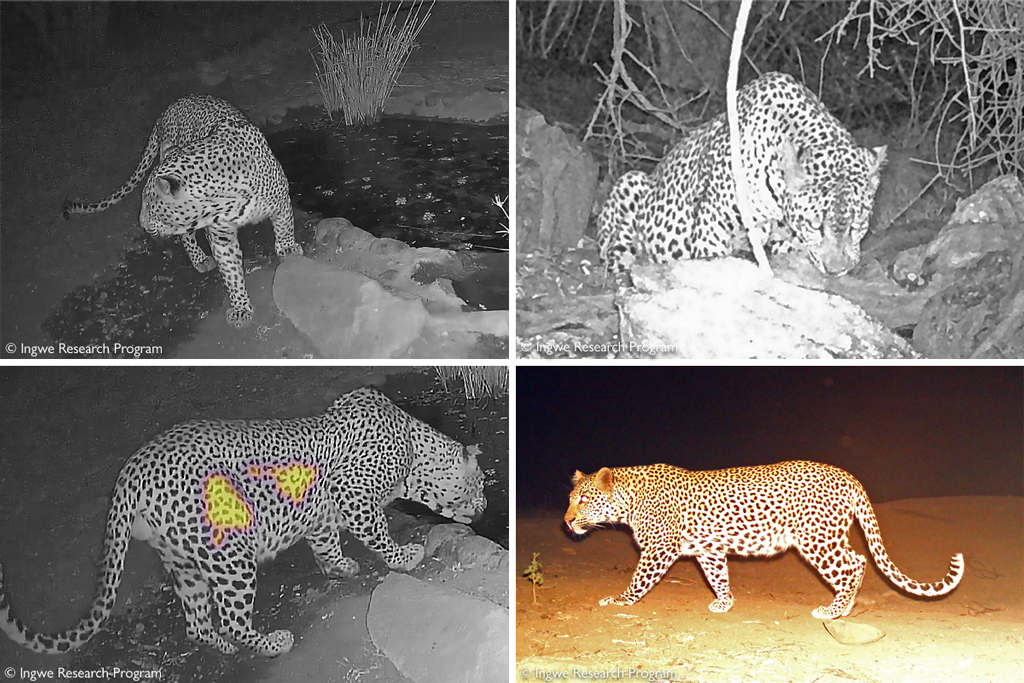
Hoedspruit’s leopards are masters of survival – but roads and shrinking wild spaces are taking a toll. Seven were killed in one year, most on the R40 highway. Learn about Ingwe’s work and our Spots on the Line campaign to help keep them alive. (02:04) Click here to watch
Our Photographer of the Year 2026 is open for submissions. The overall winner, runners-up, and their partners will journey to Nyungwe National Park in Rwanda, staying at the newly built Munazi Lodge, the only lodge inside the park. Expect chimpanzee trekking, canopy walks high above the forest floor, waterfall hikes, and encounters with black-and-white colobus monkeys in one of Africa’s most biodiverse montane forests. Read more about the Photographer of the Year 2026 prizes here. In association with Ukuri and African Parks.
Photographer of the Year is open for entries from 16 February 2026 to midnight on 7 May 2026. Judging will take place from February to June, and the winners will be announced in June.
Here are the best Photographer of the Year submissions for this week
The semi-nomadic OvaHimba people of north-western Namibia travel lightly. For long journeys across the rugged wilderness of the Kunene Region, they pack only the essentials into a small bag slung from a stick carried over the shoulder. These modest bundles, known as okamutenge, are vital companions on demanding journeys through one of Africa’s most remote landscapes.
It is a fitting name, then, for a new anti-poaching initiative launched by the OvaHimba-owned collaboration, Conservancy Safaris Namibia (CSN). Like its namesake, the Okamutenge project carries what is essential – practical support and determination – to help community conservancies protect their wildlife and, in time, strengthen their tourism revenue.
A black rhino spotted by Boas Hambo on patrol
A timely intervention
The community game guards in Orupembe Conservancy were the first to request support for their patrols. Their conservancy vehicle, which had been donated by CSN 15 years ago, had worn out on the rough roads that characterise Namibia’s Kunene Region. Without a reliable 4×4 vehicle, game guards can only patrol near their homes, leaving the areas far from villages vulnerable to poachers.
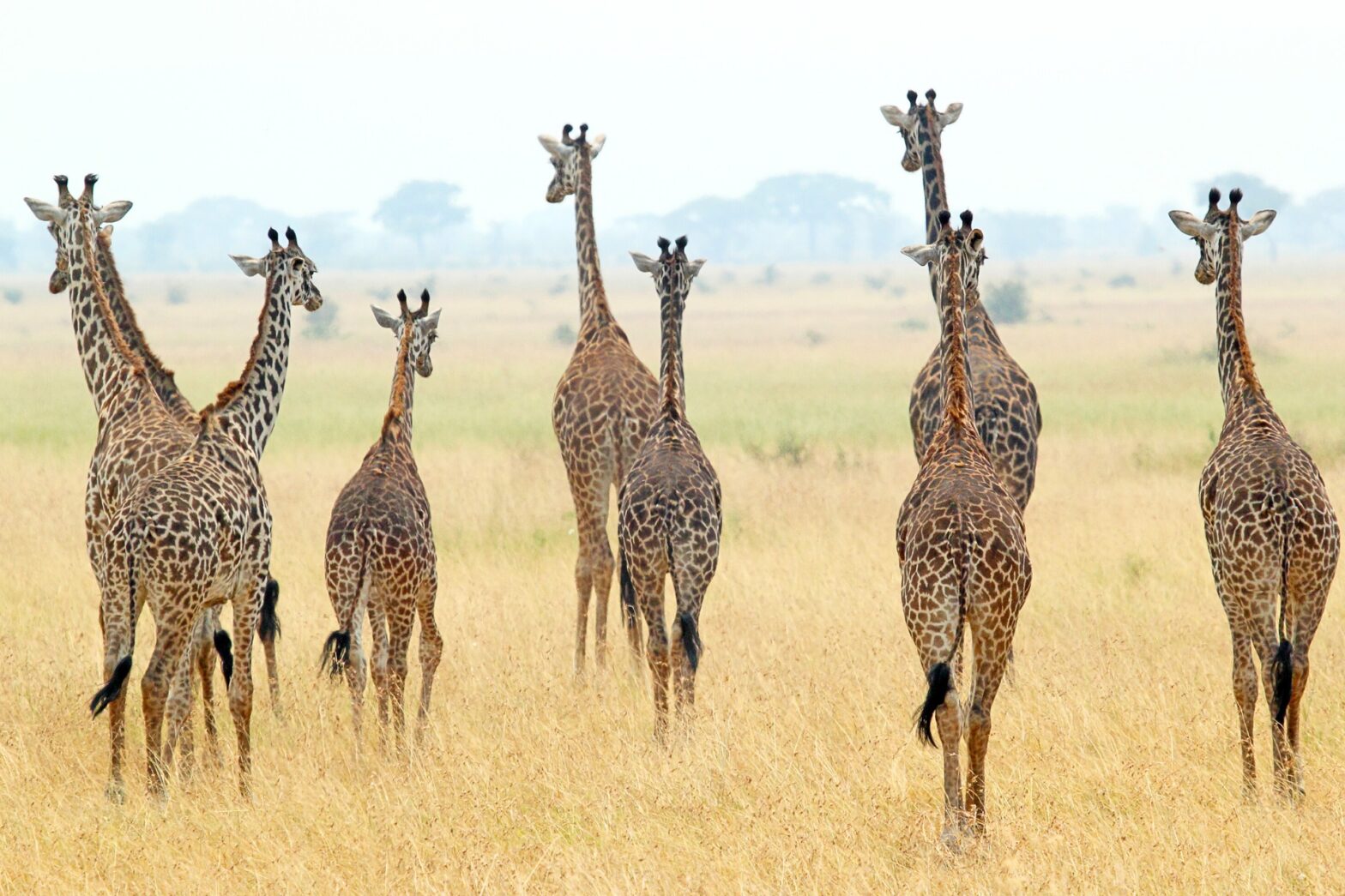
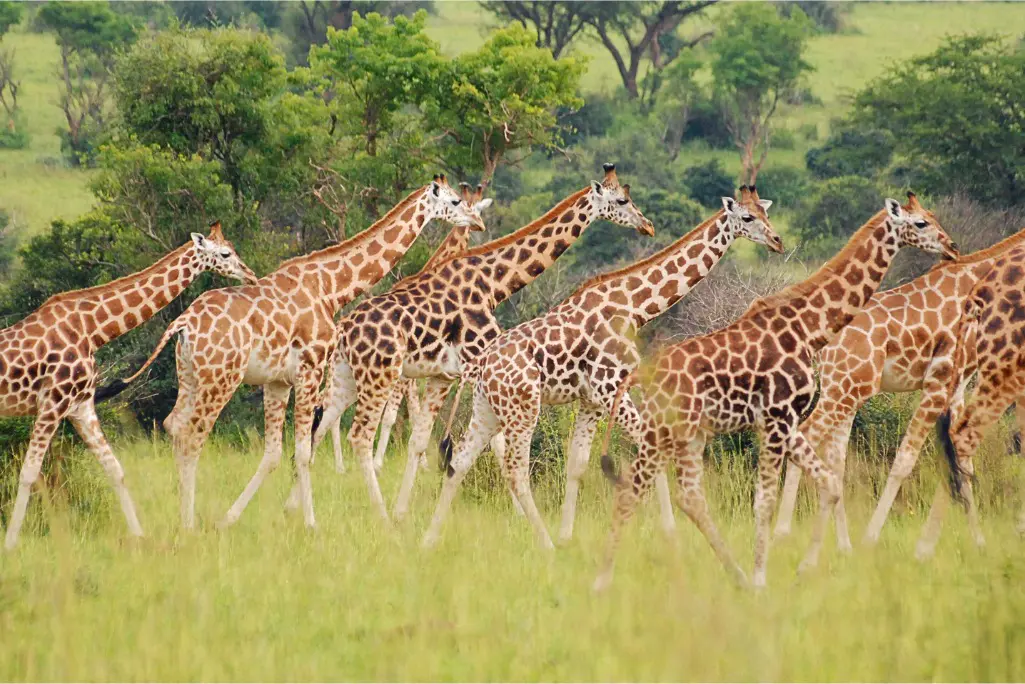
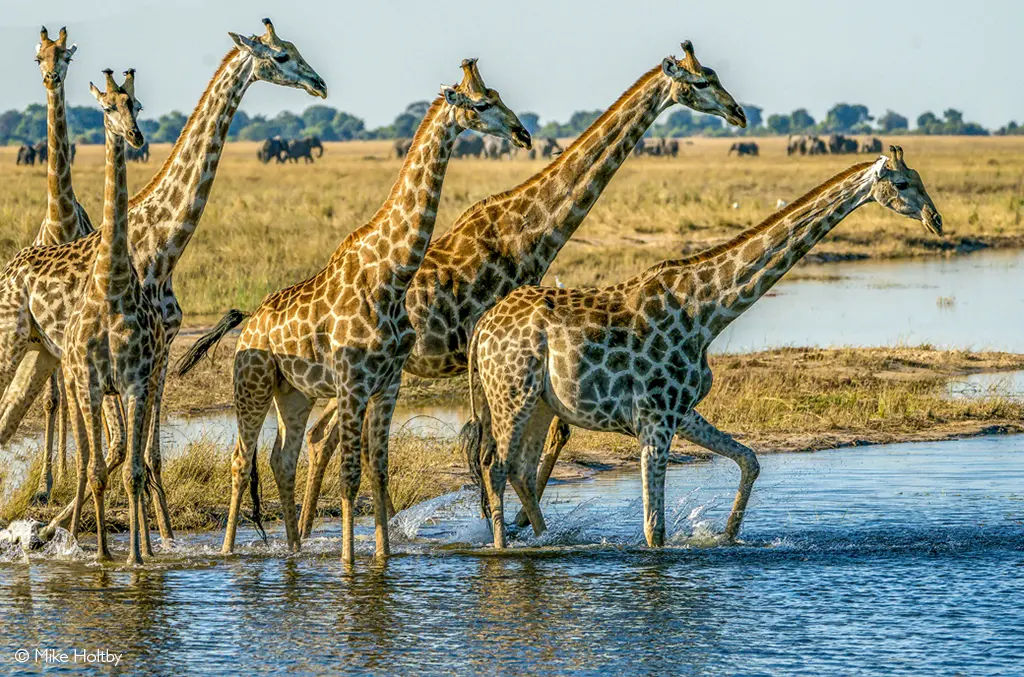
The urgency of the situation intensified after good rains broke a prolonged, multi-year drought. Across the Kunene, wildlife populations are starting to rebound from years of environmental hardship. Springbok once again dot the plains. Hartmann’s mountain zebra move cautiously across the hills. Giraffe and oryx are being seen more frequently.
But recovery brings risk. Rebounding wildlife can attract opportunistic poachers, especially where anti-poaching presence is limited.
In response, Okamutenge was launched in mid-2025. CSN loaned an ageing Land Cruiser from Etaambura Lodge and allocated a modest budget for essential equipment: sturdy boots for game guards, patrol supplies and food. It was not a grand intervention, but it was enough to get boots back on the ground.
Giraffe in Kunene
Collaboration across 13,000 square kilometres
The project has been a catalyst for restarting regular patrolling across all five north-western conservancies, an area covering over 13,000 km2. Boas Hambo, CSN’s head guide and experienced conservationist, has brought together all parties, including the Ministry of Environment, Forestry and Tourism (MEFT) and community leadership.
A model for tourism supporting community conservation, Okamutenge has already made a difference. In October 2025, the patrol team caught four poachers with Oryx meat and turned them over to the Orupembe police (game guards cannot arrest people on their own). The patrol teams include game guards from multiple conservancies (CSN is owned by five conservancies), strengthening cooperation across boundaries and improving information sharing. The presence of MEFT officials further reinforces legitimacy and coordination. Community conservation in Namibia has long been held up as a global model; Okamutenge demonstrates how tourism revenue can directly reinforce that model when it is needed most.
Yet the true success of anti-poaching work often lies in what does not happen. While on patrol, teams visit local farmers and settlements to raise awareness of the renewed anti-poaching presence. This visible vigilance acts as a deterrent, discouraging illegal hunting before it occurs. Though difficult to quantify, prevention is arguably the project’s greatest achievement.
A community meeting within the OvaHimba communityGame guards on patrol
Wildlife returning
While patrol teams primarily look for people’s tracks and signs of poaching, they also record the animals they see while walking. During patrols in three conservancies in the latter half of 2025, they documented:
279 Hartmann’s mountain zebra
479 springbok
109 oryx (gemsbok)
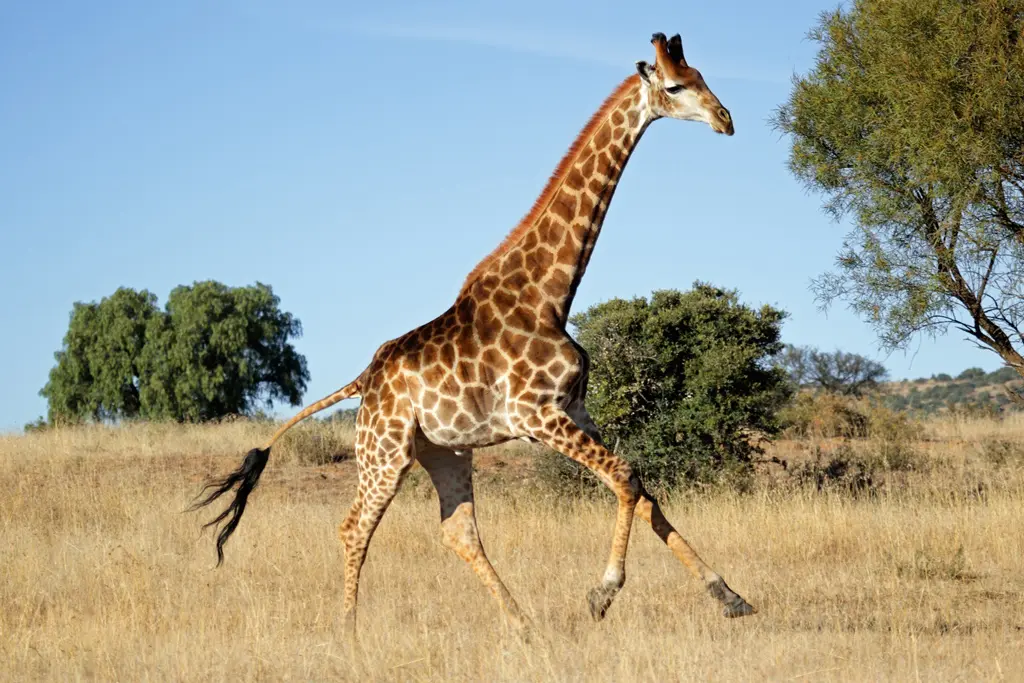
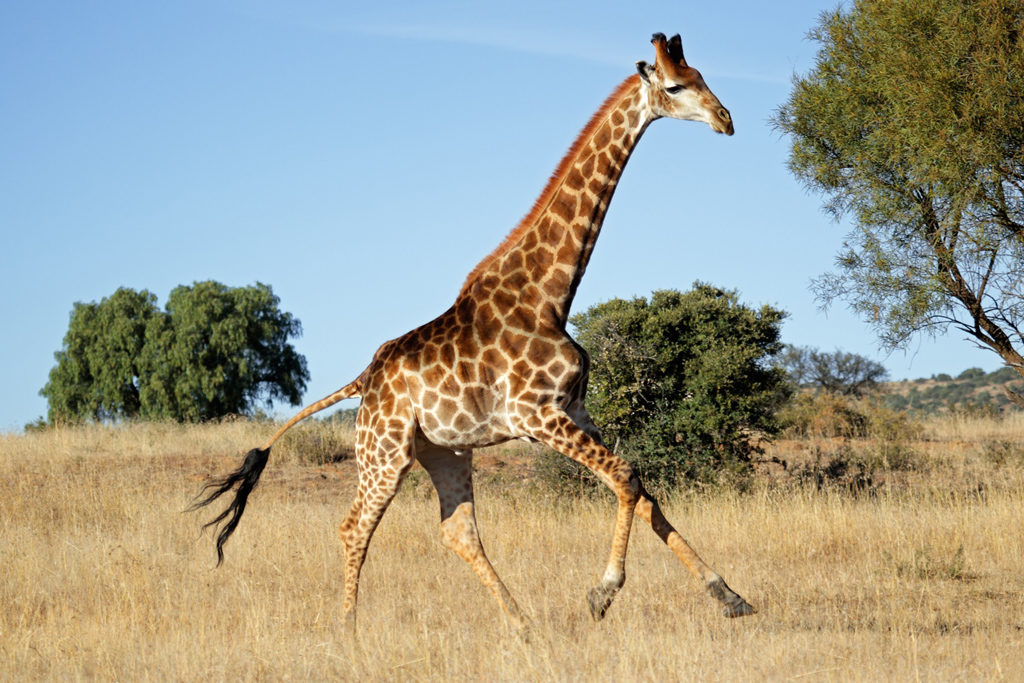
68 giraffe
91 ostrich
These figures do not constitute formal wildlife censuses, but they offer valuable insight into distribution patterns and help refine patrol planning. More importantly, they offer encouragement. For game guards who endured years of drought-induced decline, seeing wildlife numbers begin to rise again is both motivating and deeply personal.
Though patrols are conducted on foot, the support vehicle travelled nearly 1,500 km during these operations, ferrying teams to remote drop-off points and allowing them to access areas that would otherwise remain largely unmonitored.
Wildlife numbers are recovering in the region
Tourism as a conservation engine
At a critical moment, as wildlife rebounds and pressures mount, Okamutenge is meeting an urgent need. But its future depends on sustainable funding.
Because CSN is owned by five communal conservancies, tourism income flows directly back into conservation and community development. Every safari contributes to patrol fuel, equipment, salaries and the broader protection of wildlife.
Travelling to Namibia’s Kunene offers visitors more than a wilderness experience. Here, guests can explore the remote Kunene and learn firsthand about decades of conservation work in the region. It is tourism with purpose: immersive, educational and directly linked to tangible conservation outcomes.
Tourism and conservation are natural partners. As wildlife populations recover, the value of the tourism product increases. It follows that lodges, operators and guests all share a vested interest in safeguarding that recovery. By supporting Okamutenge, CSN is demonstrating how locally owned tourism enterprises can lead from the front.
Western Namibia is a land of heat, sand, sea and remarkable biodiversity surviving against the backdrop of harsh but stunning scenery. Learn more about the land of ochre here
Gail is a conservation scientist who focuses on carnivore conservation and human-wildlife conflict.
She has a passion for creating public awareness of conservation through her popular writings. She has many years of field experience in Namibia , Botswana and South Africa working on human-carnivore conflict and wildlife monitoring projects.
This is a copy of our weekly email newsletter. Subscribe here to receive the newsletter and more inspiration for your African safari.
From our CEO – Simon Espley
What a breath of fresh air from the AI slop and ‘content creator’ detritus that dominates our feeds! Greg’s personal video account below of the huge breeding python in his garden had me fascinated, thrilled, and more than a little envious that the python had chosen his garden as her nursery rather than mine.
Greg du Toit, a respected photographic safari guide, is old school in that he values respect, dignity, and authenticity. His video demonstrates that in spades. His patient, non-invasive documentation of the snake’s breeding cycle and down-to-earth commentary stand in stark contrast to the forced, insincere clickbait that is now the norm.
Scroll down and see for yourself.
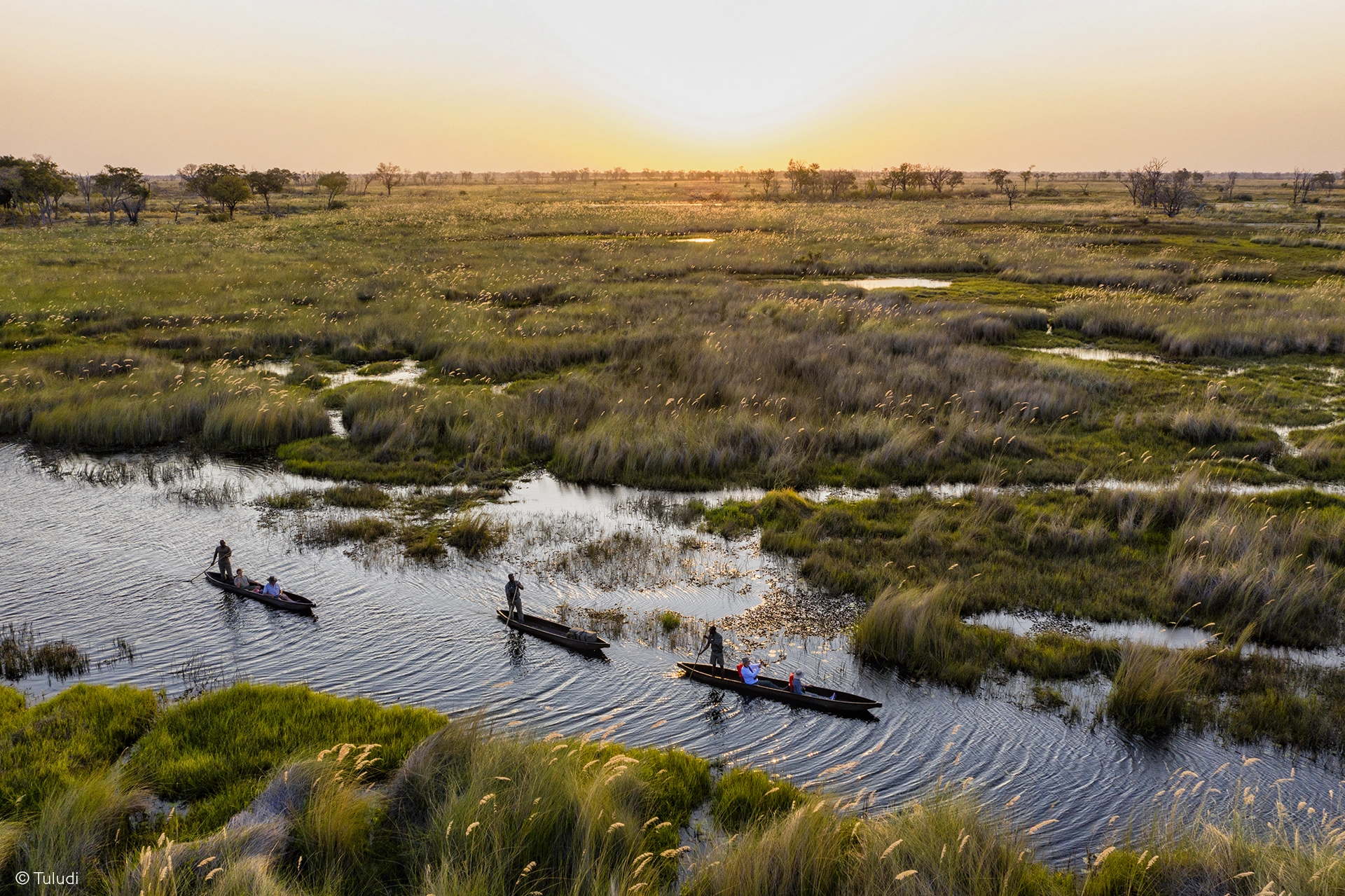
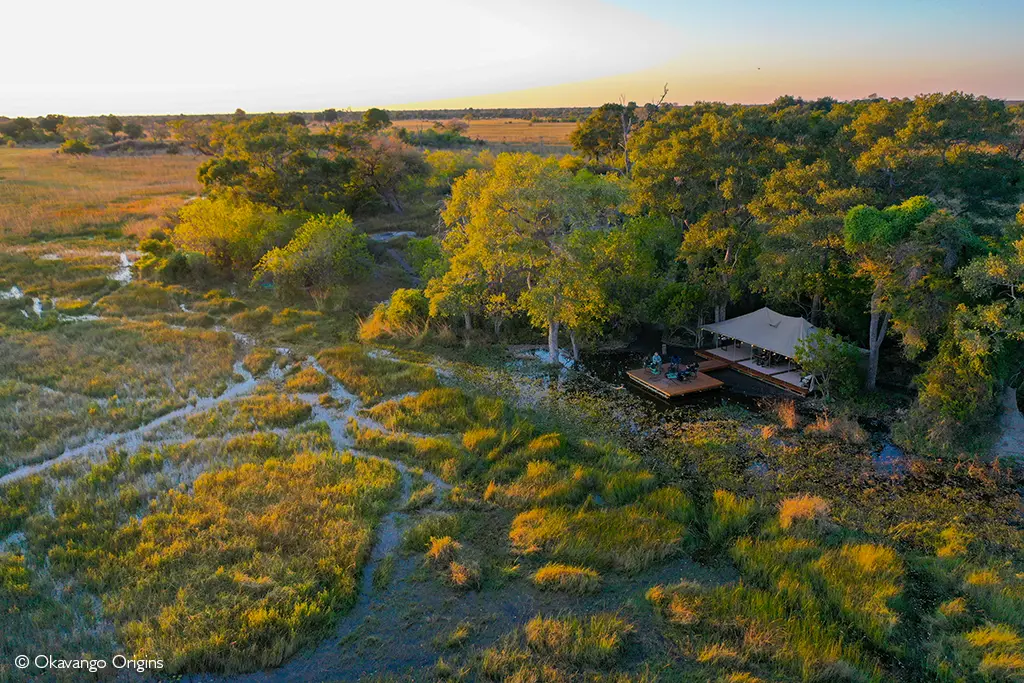
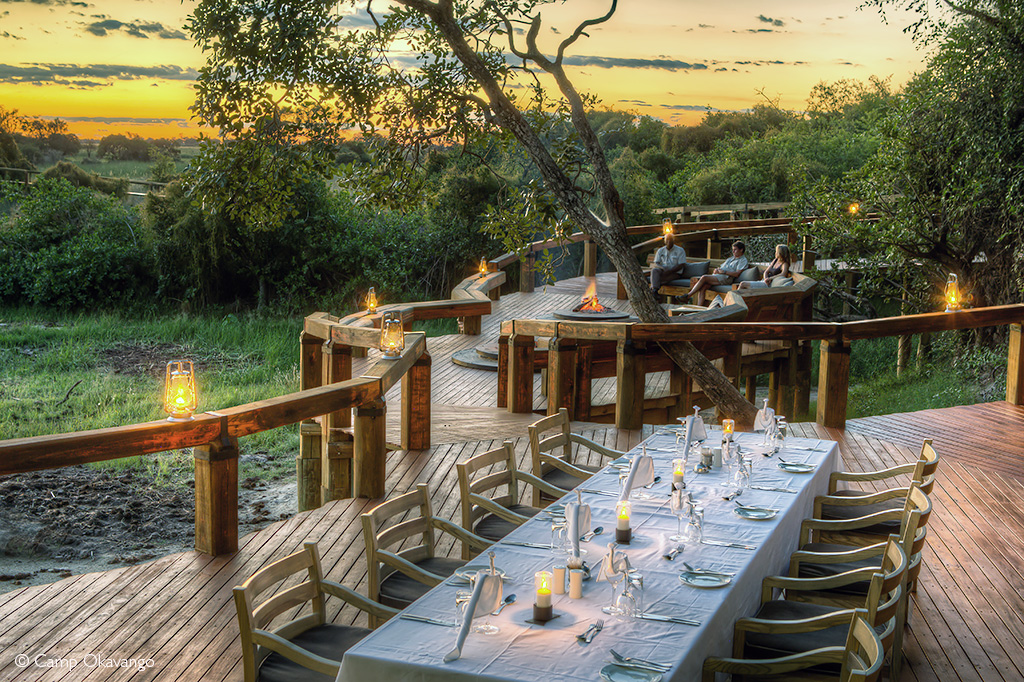
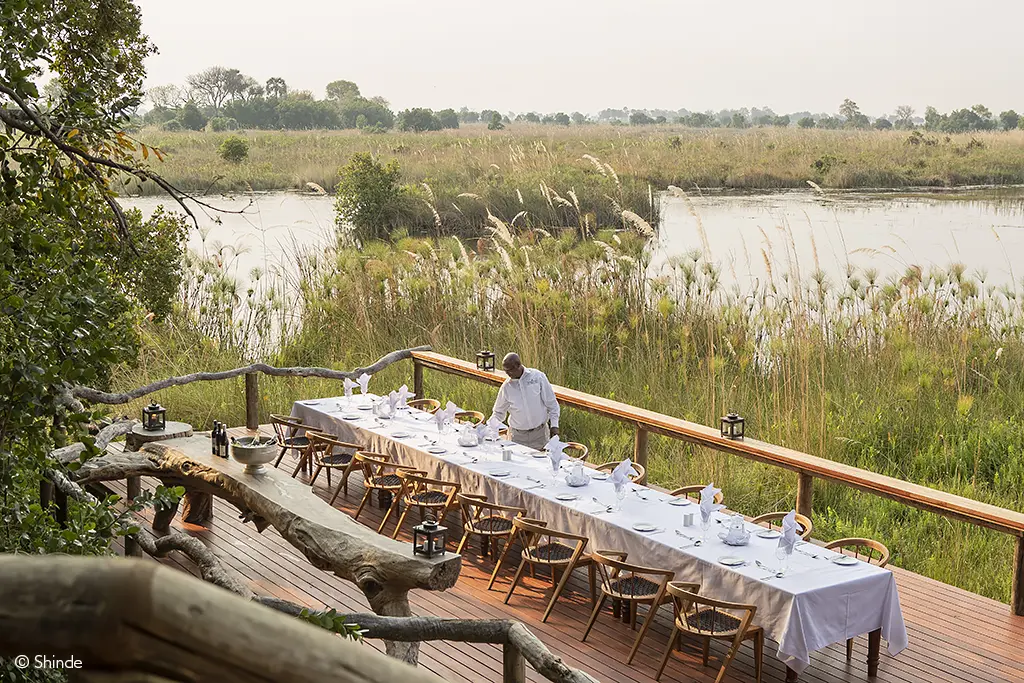
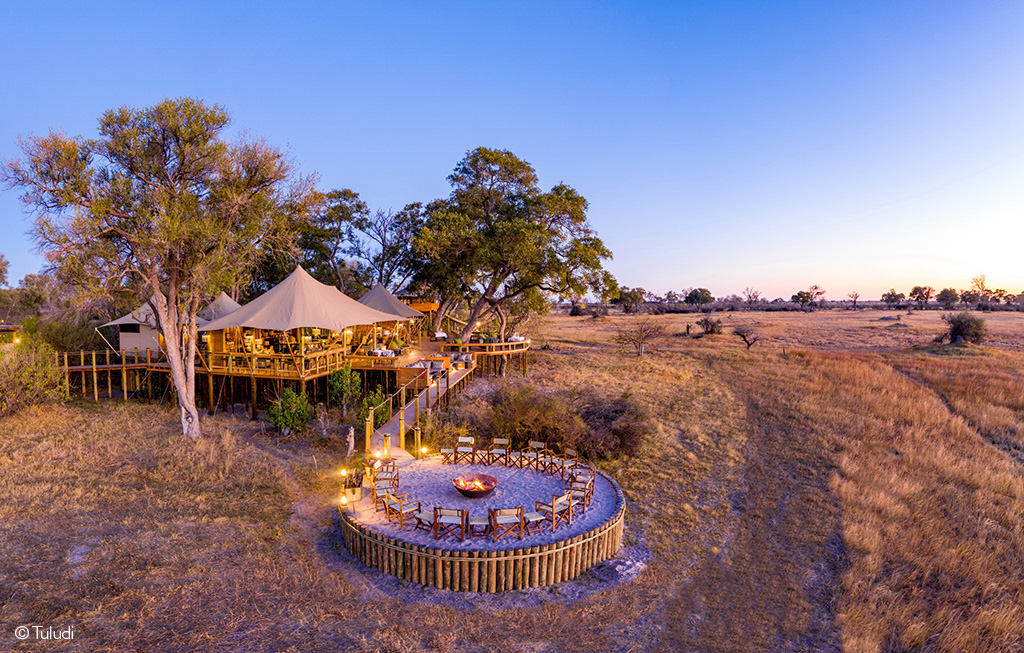
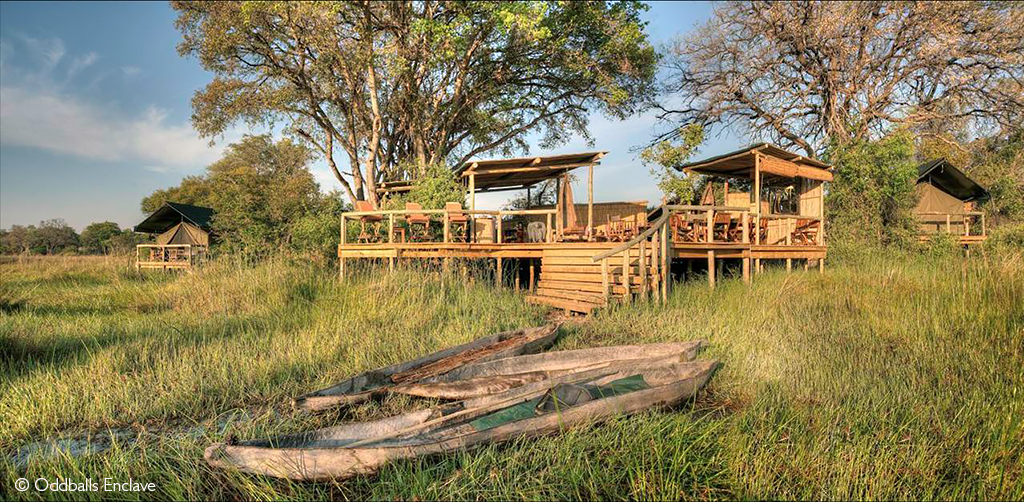
In other news, the safari booking season is well on its way, and popular destinations are largely booked out for 2026, with 2027 enquiries rolling in. We have once again secured an exclusive block of high-season 2026 nights at an authentic bush camp in a prime area of Botswana’s Okavango Delta for you and yours. Let us know your dates, and let’s start planning your escape to the Okavango Delta. Safari njema, good people.
Simon Espley – CEO, Africa Geographic
From our Editor – Taryn van Jaarsveld
Did you know that elephants can ‘see’ using their trunks? An elephant has roughly 1,000 whiskers on its trunk, acting as high-tech antennas.
Elephants are famous for knowing exactly what’s going on: who’s nearby, what’s edible, what’s dangerous. Now, a new study has found that elephant whiskers act like tiny touch sensors: each whisker changes along its length, stiff and porous at the base, and softer and denser toward the tip. Each whisker acts as a tactile sensory organ. This clever design helps elephants sense exactly where something touches the whisker, improving their ability to “feel” their surroundings. So the next time you see an elephant using its trunk to delicately stroke a calf, feel a tree trunk or caress the tusk of a companion, know: it’s reading the world through its whiskers.
This week, we delve into how Africa’s decline in wildlife is draining the continent’s ecosystems of functional energy and ecological power. Plus, we take a breather on the tranquil shores of Bazaruto, with everything you need to know about this island paradise.
Today, we start voting on the first entries for Photographer of the Year 2026, and we are already blown away by the quality – and interesting subject matter – of the photos coming in. We can’t wait to share these with you!
Did you know? Your African safari choice makes a difference
We donate a portion of the revenue from every safari sold to carefully selected conservation projects that make a significant difference at ground level. YOUR African safari choice does make a difference – thank you!
Our stories this week
WILDLIFE DECLINE
Sub-Saharan Africa has lost over a third of wildlife ecological power, with major declines outside protected areas – study
BAZARUTO ARCHIPELAGO
Mozambique’s Bazaruto has all the ingredients of a sublime safari: fascinating creatures, scenery & biodiversity
Discover Mozambique, from the wilds of Gorongosa National Park to the barefoot luxury of Benguerra Island in the Bazaruto Archipelago. Game drives, bush walks, foraging with wild pangolins, dhow cruises, snorkelling, and helicopter flights make this the perfect blend of adventure and indulgence.
An epic pairing of authentic bush camp and seaside luxury. This bush-and-beach escape begins in the Okavango Delta with game drives and mokoro excursions led by expert Bushman guides in a predator-rich wilderness, before easing into barefoot bliss in Vilanculos, with white-sand beaches, warm ocean swims, and sunset dhow sails.
Teresa and Joan from Ireland went on a dream South Africa trip to Madikwe and Cape Town with AG:
“Magical trip to South Africa. What a fabulous time we had in South Africa, booked seamlessly through Ro and Linda at Africa Geographic. Our trip was to Madikwe Game Reserve, where we stayed for 3 nights. The lodge was very welcoming – beautiful place to stay within the park – and the food was so varied and delicious. The game drives exceeded our expectations… we had many close-up views of the animals. A shout out to our safari guide Ashley, who shared all his knowledge of the animals (and he was a really polite gentleman). And of course, to Heidi, the lodge manager, who had a lovely birthday cake for me on my 60th birthday. Our internal flights to get to Cape Town ran very smoothly, and we were then picked up punctually and stayed at the Queen Victoria Hotel in Cape Town for 3 nights. What a lovely place! We visited all the ‘to-do’ sites there, including Table Mountain, Boulders Beach and Robben Island. A big thank you to Lloyd, whom we booked for a day to drive us around, through AG. All in all, a fabulous itinerary made to our liking. Thank you, AG: I would highly recommend them.”
Witness the incredible breeding journey of an African rock python, captured in intimate detail via camera trap in the Lowveld garden of wildlife photographer, Greg du Toit. (08:10) Click here to watch
Picture the scene: you’ve spent the day exploring the azure waters of a marine sanctuary, suspended in the amniotic embrace of the Indian Ocean and marvelling at encounters with its enigmatic residents. Sun-kissed and slightly salty, you sip a cocktail (of a suitably lurid colour) and watch the hues of the sky and sand as Africa delivers one of her speciality sunsets. Mozambique’s Bazaruto Archipelago has all the ingredients of a sublime safari, albeit ocean-themed: fascinating creatures, breathtaking scenery, and exceptional biodiversity.
Bazaruto Archipelago National Park
Bazaruto Archipelago National Park spans a vast 1,430 km² (143,000 ha) off Mozambique’s coast, encompassing five islands, diverse coral reefs, and critical marine habitats. Declared a protected area in 1971, Bazaruto (meaning ‘island of the mist’) is the country’s oldest marine park. Three of the five islands are home to a tiny rural population of about 7,000 people, who primarily survive through subsistence farming and harvesting the archipelago’s natural resources.
Fishermen on the water’s edge
The eponymous Bazaruto Island is the largest by a substantial margin. Its eastern edge is dominated by enormous, ancient dunes, while the interior is pockmarked with inland lakes and wetlands, home to crocodiles and abundant birdlife. Benguerra and Magaruque Islands to the south are similarly structured on a smaller scale. Santa Caroline (also known as Paradise Island – for good reason) is the only true volcanic island, uninhabited and positioned between Bazaruto and the mainland. Finally, tiny Banque Island (and its satellite Pansy Shell Island) occupies the southernmost tip of the park – little more than a stretch of sand.
Each of the five islands has a unique character, but all share the same fundamentals: long stretches of white-sand beaches for which Mozambique is renowned and a wealth of marine life in the seas around them.
A glimpse of Bazaruto’s azure-blue waters and extensive beaches
Bazaruto’s picture-perfect beaches roll on as far as the eye can see. This abundance of natural resources enabled abuse through overfishing, illegal fishing, poaching, and poorly regulated tourism, which threatened Bazaruto’s rare and endemic marine life. In 2017, the park became the first marine reserve under African Parks’ management, following a partnership with Mozambique’s National Administration of Conservation Areas to protect the country’s sapphire treasure.
The non-profit organisation immediately set about securing the region by clamping down on illegal fishing and turtle poaching and intercepting commercial fishing vessels. To ensure the park’s long-term future, African Parks immediately established a community engagement programme to build a relationship between local communities and park management teams. Through scholarships, learning materials, uniforms, and other initiatives, including disaster relief, the goal is to ensure that communities sustainably benefit from their country’s resources. African Parks also worked with tourism operators in the region to formalise the regulation of activities conducted in the park.
The result is a thriving seascape with flourishing aquatic inhabitants (including endangered sea turtles and rare dugongs) and exceptional potential for high-end, low-impact tourism.
Bazaruto comprises five islands and diverse coral reefs – critical marine habitatsLong white beaches dominate the archipelago
Ocean safari
Bazaruto is one of the most valuable marine sanctuaries along the East African coastline, protecting critical habitats for many rare and endemic species, including iconic oceanic megafauna. The temperate, calm waters of the area serve as one of the most important breeding grounds and migratory corridors along East Africa’s coast. Pods of six species of dolphins (bottlenose, common, Fraser’s, humpback, spinner and striped) cut through the turquoise waves. Below the surface, silver flashes and kaleidoscope colours reveal more than 2,000 fish species. For half the year, migrating southern right and humpback whales pass through the warm waters, their leviathan figures breaching before slamming down in a cloud of spray. Now and again, the long black fins and sleek tuxedo forms of orcas (killer whales) move silently through the tranquil seas.
For elasmobranch (cartilaginous fish – sharks, rays and so on) enthusiasts, the waters of Mozambique are home to 122 species. In particular, the country is famous for its whale shark encounters. These gentle giants are the biggest fish in the world, reaching over 14 metres in length, dwarfing those fortunate enough to swim by their side. They congregate around Bazaruto between October and April and (provided they are treated with respect) are slow and docile, allowing for the deeply humbling privilege of time spent in their harmless company. Each of these prodigious plankton-eaters is covered in a unique constellation of white spots that help scientists track an individual’s movements across the globe.
Whale sharks generally prefer deeper waters farther from the coast, along with other pelagic sharks, manta rays, and numerous fish species, including kingfish, king mackerel, marlin, and sailfish. Closer to shore, deep calm blue gives way to the hustle and bustle of the reefs. Coral reefs cover just 0.1% of the ocean yet support 25% of all marine life, underscoring the tremendous diversity on display. In Bazaruto, these vibrant oceanic habitats support a wide range of marine life, from eye-catching fish to flamboyant nudibranchs.
Every year from November until March, the seas fill with female sea turtles bobbing through to nest on the islands’ beaches. Many (but not all) are returning to the place where they once made the terrifying journey to the sea as hatchlings at least thirty years previously. African Parks has implemented a turtle nest monitoring programme and has since confirmed that five species of turtle: leatherback, loggerhead, green, olive ridley and hawksbill turtles all nest on the beaches of the Bazaruto Archipelago.
Scuba diving in the numerous coral reefs to spot turtles and other sea creatures is a popular activity around the islandsHumpback whale in the depths of Bazaruto watersBazaruto comprises five islands and diverse coral reefs
A mermaid’s tale
Yet of all the marine wonders of Bazaruto, the dugongs are the archipelago’s most sought-after residents. Dugongs are the only surviving representatives of an entire family (Dugongidae), and those inhabiting Bazaruto are the last viable population in the western Indian Ocean. Cousins to the manatee, these peculiar-looking creatures look a little as though someone crossed a hippopotamus and a dolphin. Some historians have even postulated that the dugong may be the origin of mermaid mythology in certain cultures.
These massive (up to around 500kg) animals are strictly herbivorous, and their snouts are adapted to vacuum up seagrass from the ocean floor, imparting a rather woeful expression to their round faces and earning them the nickname “sea cows”. Given the fragile nature of this remaining population of approximately 300 individuals, African Parks has implemented strict rules for viewing them from boats or underwater. Swimming with dugongs is permitted only with a guide and limited to four people at a time. These restrictions (along with other widespread protective measures) have already proven successful. At the end of 2021, Mozambique documented the largest dugong herd in East Africa in nearly thirty years.
Dugongs are the archipelago’s most sought-after residents
Explore & stay
Bazaruto Archipelago National Park is open to day visitors and is easily accessible from nearby towns such as Vilankulos and Inhassoro. Visitors will find accommodation options within and around these mainland hubs to suit almost any budget, from backpackers and hostels to private villas and five-star luxury. However, many visitors opt to stay within the park at one of the magnificent lodges tucked away on a private beach.
Want to book your stay in Bazaruto? Ukuri offers lodges in Bazaruto for responsible travellers. Nestled on the untouched shores of Bazaruto Island in Mozambique’s protected archipelago, you’ll find barefoot luxury, endless ocean breezes, and a deep connection to nature that stays with you long after you leave.
Unsurprisingly, most hours are whiled away enjoying the soft white sands of the beaches or exploring the cerulean waters beyond. Hence, activities such as diving, snorkelling, kite surfing or deep-sea fishing are the order of the day. Tiny sailboats transport sun-kissed visitors between islands, stopping over for an intimate picnic on the beach without another living soul in sight. Experienced equestrians can crest the dunes on horseback before galloping through the sea spray, while less-experienced riders can sit back in the saddle and let their horses amble through the lapping waves. Helicopter flips, sunset cruises on local dhows, beach barbeques and dune boarding – this magical section of the Mozambican coast is a tropical beach paradise.
Bazaruto Sands, based on Bazaruto Island, offers easy access to the Archipelago’s activities
For those able to drag themselves from the sea, there are inland hikes past scenic freshwater lakes (many of which are home to Nile crocodiles, so swimming is not advisable!) framed against a backdrop of enormous dunes.
Deciding when to visit is a matter of personal priorities, based on both temperature and seasonal shifts in marine life. The park is at its hottest from October to March, when the whale sharks concentrate around the Bazaruto waters. This is also the rainiest time of the year; December through April is considered cyclone season. Unless the trip is to swim with whale sharks, many travellers prefer to visit during the milder winter months between May and September. The first humpback whales move through Bazaruto in July, with the stragglers departing around October. (For a seasonal calendar of wildlife viewing and weather and up-to-date feedback on research conducted in the area, the Bazaruto Centre for Scientific Studies website is an excellent resource.)
Bazaruto offers ample opportunities for water activities such as stand-up paddleboardingA dhow bobs on the water, playing host to seabirdsTurquoise waters on the Bazaruto Archipelago
A synonym for blue
While it may not include the standard African safari “fare”, there is no question that a sojourn to the Bazaruto Archipelago is defined by a celebration of its spectacular and diverse wildlife. The intoxicating thaumaturgy of water and light accentuates the stunning seascapes supporting rare and endemic marine creatures.
Africa’s wildlife energy flows have dropped by over one-third since 1700.
Ecosystem functions declined sharply as birds and mammals lost ecological power.
Agricultural conversion reduced ecological power by about 60% across sub-Saharan Africa.
Protected areas retained nearly 90% of animal-driven ecosystem functions and energy flows.
Megafauna-driven grazing, browsing and nutrient cycling collapsed outside protected landscapes.
Want to support Africa’s protected areas? Visit Africa’s wilderness areas and support conservation through responsible tourism. We will help you to choose ethical lodges and in turn contribute to local economies helping keep ecosystems functioning and wildlife populations intact. Check out our safari ideas here, or let our travel experts plan a responsible and truly sustainable African safari for you
Africa’s wildlife is doing far less ecological work than it once did. A new study suggests that the decline of birds and mammals – and in particular megafauna such as elephants – is reshaping how ecosystems function. By looking beyond species counts to the energy animals move through landscapes, researchers uncover a deeper shift – one that has implications for how Africa’s ecosystems are changing, and what still remains intact. By measuring energy flows, the researchers show that wildlife decline is draining Africa’s landscapes of ecological power, especially outside protected areas.
A study published in Nature has put a number to something conservationists have long suspected – Africa’s wildlife decline is not only a matter of losing species, but of losing ecological function.
Using an approach based on ecosystem energetics, the researchers found that energy flows through bird- and mammal-driven ecosystem functions across sub-Saharan Africa have declined by more than one-third. In practical terms, the continent has lost a substantial portion of the “ecological power” that animals once provided through feeding, movement, and ecological interactions.
The decline is uneven across land uses, and particularly severe outside of protected areas.
Measuring energy flow
Most large-scale biodiversity indicators track how many species remain, or how their populations have changed. But these measures can be blunt. They treat all species as equal, even though ecosystems do not work that way. A small insect-eating bird and an elephant may both count as “one species”, but they do not contribute equally to how ecosystems function.
To address this, the authors used energy flow as a common currency. Energy is captured by plants and then transferred up the food web as animals feed. The amount of food an animal consumes is a measurable proxy for its ecological influence – because consumption drives grazing pressure, predation, seed dispersal, nutrient cycling, and many other processes. In this study, energy flow was calculated as the annual food energy consumed by each species per unit area.
Dung supports a hidden ecosystem – insects recycle nutrients, sustaining soil function and food webs
The dataset behind the results
The researchers analysed 1,088 mammal species and 1,955 bird species – nearly 3,000 species in total, representing 98% of Africa’s bird and mammal species (excluding seabirds). They modelled historical energy flows under conditions around 1700 CE, a time before major colonial and industrial land transformation had begun, and compared these with modern energy flows shaped by today’s land uses.
To do this, they analysed species range maps, population densities, body size and diet traits, metabolic equations estimating energy expenditure, and biodiversity intactness estimates describing how species abundances change under different land uses. They then grouped species by ecological role, identifying 23 functional groups (11 bird and 12 mammal functions), which were later aggregated into 10 major ecosystem functions.
These functions included grazing and browsing, insectivory (the ecological function of eating insects), seed dispersal, pollination, scavenging, nutrient dispersal, and carnivory (the consumption of animal tissue).
An orange-breasted sunbird feeding in fynbos – pollination is an ecosystem function weakened by land conversion
The key result: Africa’s ecological power has dropped sharply
Across sub-Saharan Africa, the total energy flow through wild birds and mammals has dropped to 64% of historical levels. That means roughly 36% of animal-driven ecological energy has been lost. This decline is not just a biological statistic. It indicates weakening ecological processes, because the animals that drive these processes are consuming less energy overall – either because their populations are smaller, they have disappeared from certain landscapes, or they have been replaced by smaller species with different ecological roles.
Land conversion has the strongest effect
The study found that energy flows fell dramatically in areas converted to intensive human land uses:
Settlements: 27% of historical energy flow remaining
Croplands: 41% remaining
Unprotected untransformed lands (rangelands and near-natural lands): 67% remaining
Strict protected areas: 88% remaining
Croplands and cities were responsible for 25% of the total decline in energy flows across the region. This result links land use change directly to ecosystem function. It suggests that agriculture and urban expansion are not only shrinking wildlife populations – they are reshaping how ecosystems operate.
Protected areas still retain most ecological function
One of the study’s strongest messages is that well-managed protected areas preserve ecological function far better than surrounding landscapes. Strict protected areas retained 88% of historical energy flows. This does not mean protected areas are unchanged, but it does mean that many animal-driven ecosystem functions remain close to intact when wildlife populations are maintained.
The collapse of megafauna functions
The steepest declines were seen in functional groups dominated by megafauna. Large herbivores – including grazers, browsers, and frugivores – historically accounted for more than one-quarter of mammalian energy consumption. Their energy flows have decreased by 72%.
The paper highlights that energy flows through megafauna-dominated functions such as nutrient dispersal, grazing and browsing, and apex carnivory are only 26–32% intact across the region. These are not minor ecosystem roles. Megafauna shape vegetation structure directly through feeding and nutrient release, and indirectly through predator–prey regulation.
Because 80% of Africa is classified as unprotected untransformed land, the wildlife decline, particularly of large herbivores and carnivores, may be altering vegetation patterns at a continental scale.
Elephant and rhino – megafauna that once drove grazing, browsing and nutrient movement across landscape. By measuring energy flows, the researchers show that wildlife decline is draining Africa’s landscapes of ecological power, especially outside protected areas. For more pics from Morgane Sevellec, check out @morgane.frenchrangers
Small animals are becoming more dominant
While megafauna functions collapse, the study shows that African ecosystems are increasingly dominated by smaller species. The proportion of energy consumed by small birds and mammals increased from 69% historically to 78% today. Meanwhile, megafauna (>65 kg) fell from 16% of total energy flow to just 7%.
Passerine birds, including many of Africa’s songbirds, accounted for 8% of historical energy consumption but only 2% of total biomass, indicating that small species play outsized ecological roles. But small animals cannot fully replace the ecological roles of large animals. The authors note that smaller species do not compensate for attributes such as “large seed dispersal and greater daily transport ranges” that are unique to larger wildlife.
In other words, ecosystems may retain activity, but lose key ecological functions that depend on body size and movement across landscapes.
Queleas and wildebeest reflect shifting energy flows: small birds persist as large-herbivore functions decline. A wildlife decline is weakening the ecological functions that sustain ecosystems
Key functions are disappearing outside protected areas
Some ecosystem functions show particularly steep declines.
Seed dispersal and pollination are highlighted as important examples. Seed dispersal is critical because many plants rely on animals to transport seeds away from parent trees, allowing forests and woodlands to regenerate and maintain diversity. Pollination is equally essential for reproduction in many plant species.
The study found that energy flows through seed dispersers are only 58% intact in untransformed lands, and 14% intact in croplands.
Pollination energy flows were 63% intact in untransformed lands and 25% intact in croplands.
These declines suggest that even where vegetation remains, the animal-driven processes that support plant reproduction and recovery may be severely weakened by wildlife declines.
Changes in how biodiversity loss is measured
The researchers argue that traditional measures of biodiversity intactness may overlook substantial functional losses because they treat all species as equally important.
Energy-based analysis changes the picture by showing which species and functional groups carry the most ecological weight.
This approach revealed that biodiversity intactness indices “substantially overestimate the intactness of the megafauna-performed functions”.
In other words, ecosystems may still appear moderately “intact” by standard biodiversity measures, even while critical large-animal functions have collapsed.
Speke’s weavers – small insect-eaters that help sustain energy flow and insect control in African ecosystems.
The bottom line
This study quantifies a continent-wide erosion of ecosystem function by tracking energy flows through nearly 3,000 bird and mammal species across sub-Saharan Africa. Its most important conclusion is stark: the ecological power of Africa’s wildlife has declined by more than one-third. In croplands and settlements, that decline is catastrophic. In protected areas, most ecological function still survives.
The findings reinforce a key conservation message: protecting wildlife is not only about saving species. It is about maintaining the living processes that allow ecosystems to function – processes that are already weakening across much of Africa.
Ebony and ivory: a tale of two collapses – New research reveals how Africa’s forest elephants sustain its darkest wood – and what happens when they vanish
Africa’s lions are disappearing. New research shows that lion populations across the continent have declined by 75% in just five decades. Read more here
Ants sabotage Laikipia’s lions + rhino poaching spin
This is a copy of our weekly email newsletter. Subscribe here to receive the newsletter and more inspiration for your African safari.
From our CEO – Simon Espley
Minister’s triumphant claim ignores the gritty reality of rhino poaching
“16% decline in rhino poaching shows the impact of anti-poaching and anti-trafficking efforts”, says Minister Aucamp (South Africa’s newly appointed environmental minister).
What a load of points-scoring balderdash. Any claim of an overall decline has to be accompanied by a detailed population analysis for each region. Without that detail, the overall statistic is meaningless.
This claim was then repeated ad nauseam by cut-and-paste news media and the usual coterie of talking heads, as they do every year. Lemmings. Until a few years ago, Africa Geographic provided population context for the world’s largest wild rhino population in Kruger National Park, using data published in their annual report. This specific breakdown is no longer available in the reporting, limiting public access to accurate context. Classic mushroom management – keep them in the dark and feed them manure.
KNP lost 175 rhinos to poaching in 2025, compared with 88 in 2024. Double! The SANParks 2024/2025 Annual Report suggests a stable population of over 2,000 rhinos (black and white combined) over the same period. We know that KNP benefited from the translocation of hundreds of white rhinos into the open Greater Kruger landscape through the brave, visionary African Parks Rhino Rewild initiative, which masks the true losses.
Hats off to the hard-working SANParks and private game reserve staff on the ground, bar a few rotten eggs, who continue the toil to keep our rhinos safe while our political leaders treat rhinos and other wildlife species like political and financial collateral.
Simon Espley – CEO, Africa Geographic
From our Editor – Taryn van Jaarsveld
African wild dogs are the epitome of hypercarnivores: sinew, stamina and surgical teamwork. Packs and their social structure are built around the hunt.
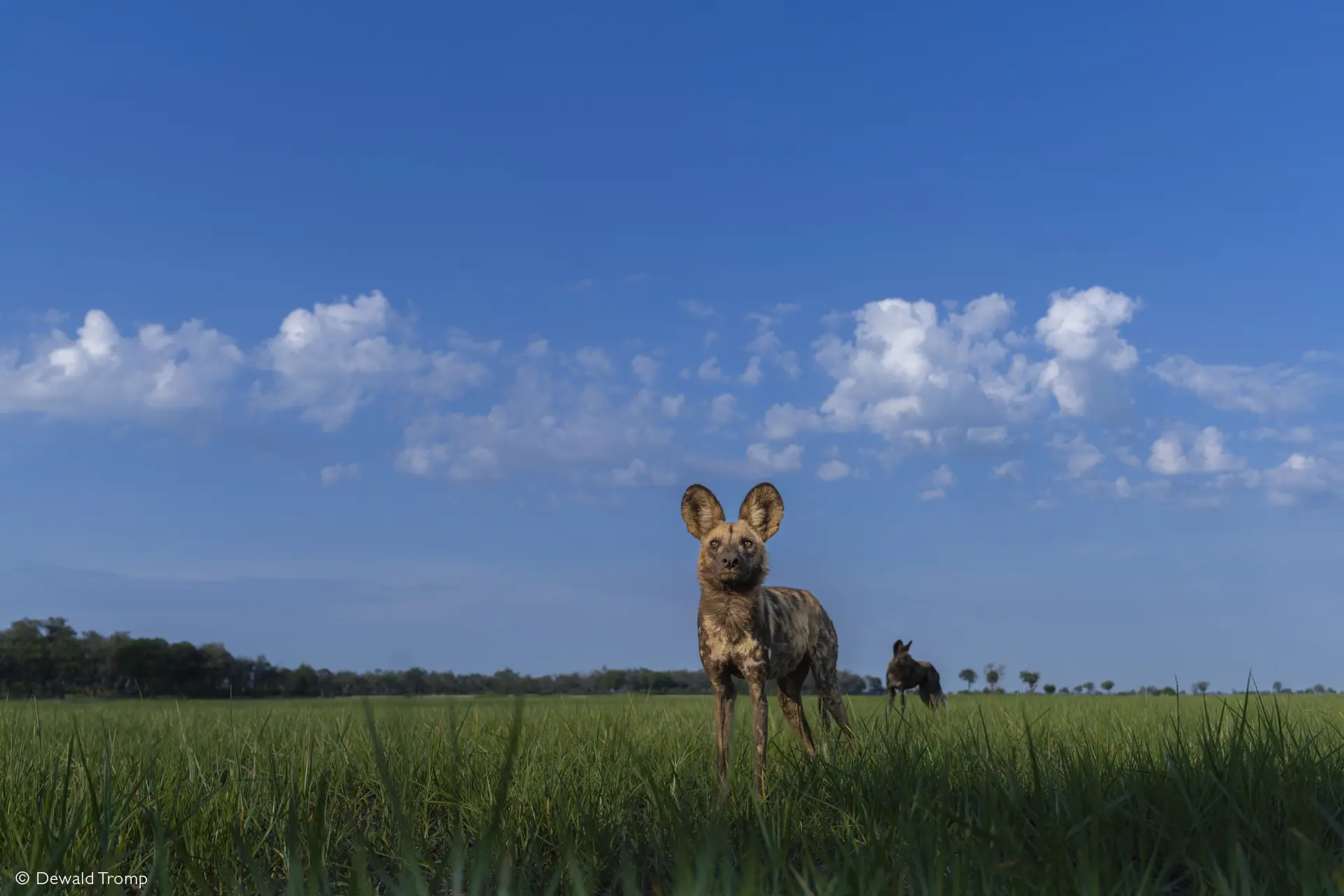
But in Botswana’s Okavango Delta, an entire pack has been spotted doing something off-brand: eating jackalberry fruits (which, as indicated by the name, are already a firm favourite of jackals). And proper, deliberate, daily fruit snacking at that. All adult dogs within the pack were recorded helping themselves to jackalberry fruit before heading out to hunt. Lower-ranking dogs within the same pack were spotted topping up on the berries throughout the day, likely supplementing their diets because their lower rank meant less reliable access to meat. It’s the first recorded case of fruit-eating in this endangered species. For a species consisting of only about 6,600 adults, flexibility is key to the long-term survival of the species. Nature, again, refuses to stay neatly categorised.
This week, we’re giddy as a shutter on burst mode, and overheating like a camera battery at golden hour, because Photographer of the Year season is starting! Find out more here.
Also this week: how an invasive ant in Kenya is quietly reshaping the savannah and denting lions’ zebra-hunting success, and why Nyungwe National Park’s misty forests might just be Rwanda’s most compelling secret.
ARE YOU READY?
Photographer of the Year 2026 is here. This year’s winners will travel to Rwanda’s Nyungwe National Park, a misty rainforest alive with chimpanzees, other primates, birds and ancient trees. Entries are open 16 February to 7 May 2026. Read more here.
Our stories this week
ANTS AND LIONS
An invasive big-headed ant in Laikipia, Kenya, is altering tree cover, opening the savannah and reducing lions’ hunting success
NYUNGWE NP
Nyungwe NP is one of Rwanda’s best-kept secrets – a magical montane forest hosting chimps & extraordinary biodiversity
Meet a fellow great ape, then relax on a beach. Spend quality time with a habituated gorilla family in Rwanda’s volcanic forest for one of Africa’s most profound wildlife encounters, then unwind in barefoot luxury at a secluded beachfront villa on Zanzibar’s Indian Ocean shores. Seamless connecting flights ensure an effortless journey that balances a life-changing safari experience with time to relax, recharge and reflect.
This safari flattens three bucket-list items in one epic trip – in one country! From searching for the Big 5 in Akagera NP to the forests of Nyungwe NP for chimpanzees, and Volcanoes NP for mountain gorillas. What more could you ask for? Aside from the rare golden monkeys, the Kigali Genocide Memorial and more are also included in this safari.
Meno Moja the elephant (also known as MM1), was added to Tsavo Trust’s database in April 2018. He is a shy, solitary super tusker usually seen from the air. His single tusk is over 7 feet (2.13 metres) long and weighs 50kg (110lbs), and curves to the ground; the missing left tusk was likely broken in a clash. Despite his elusive nature, he embodies the remarkable genes of Tsavo’s legendary elephants.
We have partnered with Tsavo Trust to save some of Africa’s last remaining tuskers. Tsavo Trust monitors and conserves the elephant populations of the Tsavo Conservation Area, specifically focusing on tuskers. An estimated 50–100 tuskers remain in Africa, of which at least 11 reside in Tsavo.
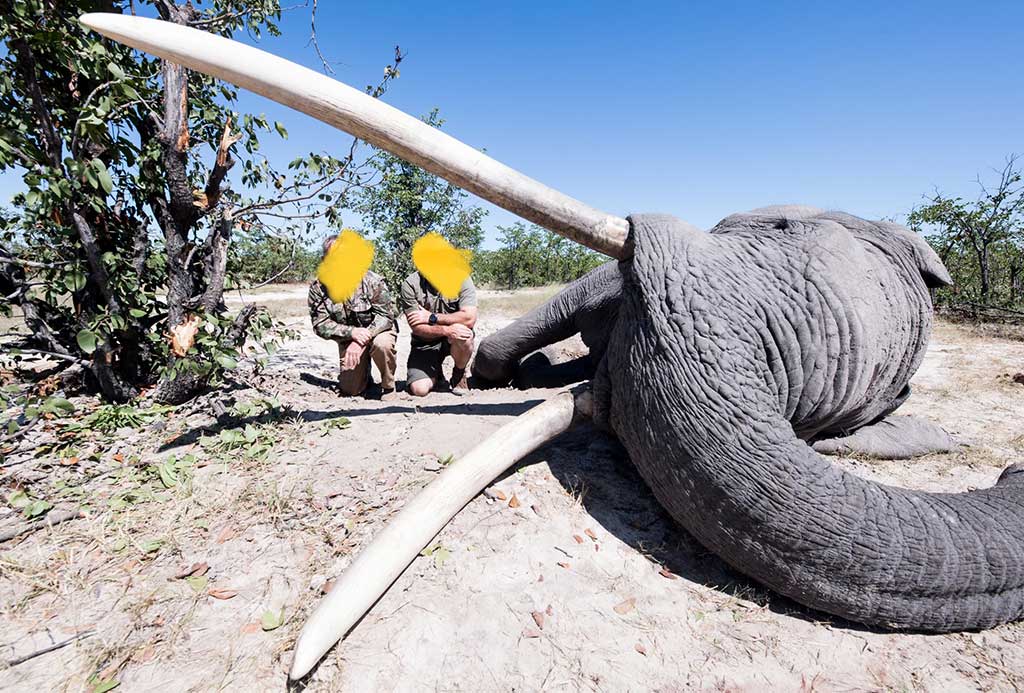
Elephants with tusks that touch the ground are a natural rarity and they are under constant threat from poachers seeking ivory, and trophy hunters actively targeting tuskers (outside of Kenya).
We invite you to support Tsavo Trust by donating via our Guarding Tuskers campaign. Your generous donation will allow their aerial and ground monitoring teams to continue protecting these magnificent elephants.
Magical Majete is one of Malawi’s greatest conservation comeback stories – a wild, waterhole-studded sanctuary where elephants roam, predators prowl, and every game drive feels like a private viewing. And if you’re wondering where to stay while you explore it all… why not base yourself at Thawale Lodge? This fully catered lodge overlooks an active waterhole, with a birdwatching platform for front-row seats to the action. Guests can explore Majete on game drives or boat cruises, both offered directly from the lodge. (00:40) Click here to watch
Aptly referred to as the land of a thousand hills, Rwanda is a country that embodies the genuinely remarkable spirit of Africa. Once torn apart by genocide and bloodshed, the Rwandan people have demonstrated a steely determination in both acknowledging their history and refusing to be defined by it. Some call it the Rwandan miracle: the country’s economy has grown by an average of more than 7% per year since 2000, and poverty levels have declined dramatically. Its people have turned hate and fear into the warmth and generosity of spirit that today epitomises Rwanda.
This forward-thinking, disciplined reconciliatory approach has also bolstered the country’s conservation reputation, supported by a robust tourism industry that continues to go from strength to strength. While gorilla trekking in Volcanoes National Park or a safari in Akagera National Park are both extraordinary experiences in their own right, Rwanda is also home to the largest high-altitude montane forest in East and Central Africa – Nyungwe National Park.
All about Nyungwe
Nyungwe National Park covers 1,019km2 (over 100,000 hectares) of forested mountains, burbling streams, sun-starved valleys, and extensive swamps seemingly hiding a myriad of new species waiting to be discovered (or rediscovered). Though historically established as a reserve in 1933, Nyungwe National Park was only designated as a national park in 2004. In 2020, African Parks entered into a 20-year management partnership with the Rwanda Development Board to oversee the protection and long-term sustainability of this remarkable landscape, strengthening conservation efforts, community development and tourism management.
At the top of the world on Nyungwe’s canopy walk
Nyungwe is tucked in the south-west corner of the country, towering above Lake Kivu and contiguous with Kibira National Park in Burundi to the south. Nyungwe is a biodiversity hotspot bursting with life. As part of the Albertine Rift and ranging in altitude from 1,600–3,000m, it is home to the largest high-altitude montane forest in East and Central Africa – a vitally important habitat in its own right. The land comprises the watershed between the Congo and Nile Rivers and some believe it is home to the most remote source of the Nile River, a stream that originates on Mount Bigugu. Nyungwe also provides a significant portion of Rwanda’s freshwater.
Nyungwe is a primate paradise and home to one of the largest mega-troops of Rwenzori pied colobus monkeys (Colobus angolensis ruwenzori) in Africa
Walking in the canopy
The vast majority of Nyungwe is covered by ancient forests that engender a truly mystical atmosphere and teem with life of every size and shape. In mature tropical forests like those in Nyungwe, the canopy forms a complex aspect of life in the forest. With limited exceptions, human tourists tend not to display the arboreal skills of the primates that they seek and, as a result, were once restricted to exploring the forest floor. However, in 2010, the Rwanda Development Board found a way to lift the tourist experience to new heights by installing a canopy walkway of nearly 160m long, which rises over 70m above the ferns below.
For those unaffected by a fear of heights (and even, perhaps, for those searching for a new and innovative way to overcome them), the three separate bridges offer unparalleled views of one of the most scenic national parks in Africa. This extraordinary vantage point forms part of the Igishigishigi Trail (a word that refers to the tree-ferns below but doubles as a tongue-twister), and the forest below is resplendent, often draped in a blanket of cloud that only adds to a sense of the surreal.
The canopy walk offers breathtaking views of Nyungwe’s scenery
For those seeking a surge of adrenaline to complement Nyungwe’s contemplative forest activities, the park’s zipline delivers a thrilling perspective on the canopy. Spanning an impressive 1,935 metres in total, it is one of the longest ziplines in Africa and is divided into three sections (335m, 580m and 1,020m). Launching near the Uwinka Visitors Centre and concluding close to the canopy walkway, this guided aerial traverse sends you soaring above treetops, valleys and mist-draped forest slopes. It is a rare opportunity to experience Nyungwe from above, wind in your ears, forest stretching endlessly below, offering both panoramic spectacle and a fresh appreciation for the scale of Africa’s largest remaining tract of montane rainforest.
Nyungwe’s 1,935m zipline
Swinging through the canopy
As a mostly forest-dominated park, it is only natural that one of Nyungwe’s significant drawcards is its extensive primate populations and its treetops are dominated by several species of monkey and troops of chimpanzees. There are two habituated troops of chimpanzees within Nyungwe and chimpanzee trekking is popular with visitors. Given the distances chimps can cover at any one point in time, visitors should prepare for an early morning and a long day spent walking through the forest. However, this will be rewarded by an hour spent in close proximity to our closest relatives.
Chimpanzees aside, the other charismatic primates (there are 13 primate species in Nyungwe) can be equally beguiling and entertaining. The owl-faced monkey was only recently confirmed to occur in Nyungwe, and this is one of the only populations of this rare monkey species to occur outside of the Democratic Republic of Congo. The forest is also home to one of the largest mega-troops of Rwenzori pied colobus monkeys in Africa, numbering over 400 of these striking black and white monkeys. This well-habituated mega-troop also attracts the company of a myriad of additional primate species such as the grey-cheeked mangabey, L’Hoest’s, Sykes’, silver and red-tailed monkeys, and the olive baboon. Chimpanzees are also drawn to the colobus monkeys, though for entirely different reasons: food. They hunt the smaller monkey species. An opportunity to witness a chimpanzee raid is a once-in-a-lifetime experience, as the forest explodes into shrieks of terror and the excited howls of the hunting chimps.
L’Hoest’s monkey (Allochrocebus lhoesti)One of the forest’s chimpanzees (Pan troglodytes)
Singing in the canopy
For avid birders, Nyungwe offers one of the finest Afro-montane birding destinations in East Africa. Forest birding is notoriously difficult, which in many ways makes the glimpses of the Albertine Rift endemics even more rewarding (and well worth a slight crick in the neck). As a recognised Important Bird Area, there are over 345 bird species recorded in Nyungwe, including the Albertine owlet, red-collared mountain babbler, and Rockefeller’s sunbird, all Albertine Rift endemics with highly restricted ranges. Every year, keen twitchers laden with binoculars, dog-eared bird books and large lenses flock to the park to boost their birding life-lists.
The birding opportunities are spectacular throughout the park. Still, experienced birders confirm that the park’s western section, with higher rainfall levels and richer soils, offers the best of them. While the search for the red-collared mountain babbler may prove challenging and require a degree of patience, visitors can tick off the mountain masked apalis, Rwenzori turaco, dwarf honeyguide, handsome francolin, and Neumann’s short-tailed warbler along the way. Nowhere else in the Albertine Rift offers such high densities of relaxed birds on the undisturbed trails. For the truly dedicated, there is always the remote chance of joining the ranks of those fortunate enough to have seen a Shelley’s crimsonwing or the Albertine owlet in the wild.
Forest birding is very much dependent on the vocalisations of the various species, which in turn means that a visit to Nyungwe with the intention of bird watching is best timed for when the birds are at their most vocal. This is usually between January and June, with the caveat that certain migratory species will depart around April, which also tends to be the wettest month of the year. Excellent bird guides trained by the Rwandan authorities are at your disposal, including Claver Ntokinyima who resides in, and works for, the park.
Africa Geographic safari expert, and one of Africa’s top birding guides, Christian Boix, returned from Nyungwe with an urge to write Wild Rwanda (with contributions from, amongst others, Claver), the region’s most authoritative “where to find” birds and mammals guide. Its Nyungwe section will be an invaluable tool to set you on the right track to target your most coveted Albertine Rift Endemics and learn as much about this forest gem as possible.
Expert guide Claver Ntokinyima in actionA striking variable sunbird (Cinnyris venustus) in flight
Hidden by the canopy
While the primates and birds tend to take centre stage in Nyungwe, there are in fact over 85 species of mammals wandering the forest paths, climbing the ancient trees, or slinking through the undergrowth. Camera trap studies have revealed that the park is home to an assortment of creatures, from Congo clawless otters to lithe servals and golden cats. Here, even the rodents are fully adapted to arboreal life, and the Lord Derby’s scaly-tailed squirrels glide between trees by extending a membrane between their front and back limbs like true flying squirrels. Recent camera trap studies have also revealed that the rare Central African oyan (related to genets) can be found lurking in the canopy.
The park’s exceptional biodiversity also extends to the oft-overlooked plant life, and there are over 1,100 different recorded plants, of which 250 are endemic to the Albertine Rift. 140 of these plant species are orchids, which add their splashes of colour to the blanket of green and brown around them.
Just a few years ago, Christian was on safari in Nyungwe with AG clients when he noticed an attractive frog hidden in the undergrowth. This particular frog turned out to be the Bururi long-fingered frog (Cardioglossa cyaneospila), a species once thought extinct and only recently rediscovered in Burundi in 2011. It had never before been recorded in NyungweNational Park. (You can read more about Christian’s frog discovery here.) With its dense forests and impenetrable swamps, there is no telling just how many species are still waiting to be discovered in Nyungwe.
The bright-coloured Bururi long-fingered frog (Cardioglossa cyaneospila)A shy bushbuck caught on cameraA chimpanzee munches on wild figs
Everyone’s cup of tea
Tea is one of Rwanda’s largest exports and several major tea plantations – including Kitabi, Gisoyu and Gisakura – are found along the fringes of Nyungwe National Park. Not only do these plantations provide vital employment for local communities and educational experiences for tourists, but they also serve as buffer zones around the park.
Buffer zones are just one part of the Rwanda Development Board’s extensive efforts to protect areas such as Nyungwe from illegal logging, poaching, and the collection of herbal plants for use in traditional medicine. A set percentage of annual park revenue from Nyungwe, Akagera and Volcanoes National Parks is allocated to communities surrounding these protected areas, and a variety of upliftment programmes have been implemented to safeguard their futures.
There are also several beekeeping cooperatives active near the park headquarters. While beekeeping is a traditional practice in the area, beekeeping practices have evolved from subsistence and forest-dependent practices into structured, sustainable enterprises. The members of the cooperatives are now producing additional products such as candles, as well as honey, which are sold to visiting tourists. With support from park management and conservation partners, improved hive techniques now reduce pressure on indigenous trees while increasing honey yields and household income. Those interested in learning more about the surrounding communities’ traditions can also visit the cultural centres and villages, some of which also offer campsites and other facilities.
Beekeeping in NyungweExploring the dense forest via a footbridge
The Nyungwe experience
The dense forests and rugged landscapes of Nyungwe necessitate exploration on foot. An extensive network of immaculately maintained trails offers varying physical difficulty levels, each with its unique attractions, including waterfalls, hidden pools, and breathtaking views. For now, any guest wishing to explore one of these trails will need to book ahead and must be accompanied by one of the professional guides.
The twists and turns of Nyungwe’s impeccable trails reveal fairytale-like secrets
As might be expected for an experience that involves hiking in a rainforest, appropriate footwear is an absolute must – preferably waterproof but, most importantly, worn-in and sturdy. The climate in Nyungwe is relatively mild, with temperatures seldom reaching over 30˚C. Still, it receives high rainfall levels (up to 2,000mm annually), so waterproof gear for valuables is essential. Long trousers and sleeves will protect against the forest’s more intrusive insects, and it is worth keeping in mind that the weather can be capricious and high altitudes mean cold temperatures at times.
Accommodation options around the park are varied, and a trip can be tailored to meet every traveller’s requirement, from luxurious lodges boasting spectacular views and outstanding hospitality to budget campsites, and everything in between. Intrepid travellers with their own transport could also choose to stay on the banks of Lake Kivu and travel to and from the park on relatively good roads.
Deep within the folds of Nyungwe’s ancient forest, a new offering, Munazi Lodge, offers an immersive stay inside the park. This fully catered forest camp, the only lodge inside the national park, features nine ensuite wooden chalets, discreetly positioned beneath towering canopy trees and connected by raised wooden boardwalks. Designed to blend into its surroundings, the central guest area overlooks the forest and includes an airy reception space, dining room, lounge, bar with fireplace, small shop and outdoor firepit – an inviting setting to reflect on the day’s forest adventures. In keeping with Nyungwe’s conservation ethos, much of the lodge and its handcrafted furnishings are built using exotic tree species removed from the park as part of ongoing ecological restoration programmes to encourage indigenous forest regeneration. Unfenced and authentically wild, Munazi lies 5km along forest tracks from the Uwinka Visitors Centre and about a 30-minute drive from Nyungwe National Park headquarters. It is a secluded base for exploring Rwanda’s most celebrated rainforest.
Munazi Lodge
DID YOU KNOW that African Parks offers safari camps (lodges and campsites) where 100% of tourism revenue goes to conservation and local communities? Find out more and book your African Parks safari.
Nyungwe is home to the largest protected tract of montane forest in Africa
Watch this informative video on Nyungwe:
The future of the canopy
A safari to Nyungwe is not only an immersion into one of Africa’s most ancient forests – it is also a direct investment in the people who live alongside it. Under African Parks’ management, tourism revenue from camps within the park continue to support a range of community-driven initiatives designed to build long-term sustainability. Local residents are trained and mentored as professional guides, strengthening community tourism programmes and creating skilled employment opportunities linked directly to conservation. Environmental education is another cornerstone: community meetings and school outreach programmes have reached thousands of residents and children, fostering conservation awareness and nurturing the next generation of custodians. Through job creation, skills development and small-scale enterprise support, Nyungwe’s conservation model ensures that protecting the forest also strengthens the resilience and prosperity of the communities who call its fringes home.
The world-famous zoologist and author, Jonathan Kingdon, wrote in his book Island Africa that the mountains of Nyungwe are “Africa’s Galapagos Islands – islands encircled by golden monkeys, gorillas and iridescent sunbirds, by giant Lobelias, everlasting flowers, Ruwenzori turacos and all the questions they raise. They deserve greater recognition, protection and study than they have received so far.”
Some 30 years after these words were written, that is precisely how the Rwandan people have chosen to protect their precious remaining wild spaces and, as a result, the future of one of Africa’s most precious ecosystems – its irreplaceable canopies, mysterious valleys and colourful creatures – has been secured.
Research tip:Wild Rwanda by Africa Geographic director and safari guru Christian Boix is essential reading for your next Rwanda safari
Volcanoes National Park in Rwanda is another leading gorilla trekking destination in Africa. This volcanic landscape offers stunning scenery & biodiversity. Read more here
Time spent with this, our closest cousins in the primate family tree, is a humbling and spiritual experience that is the highlight for most of our experienced travellers. Read more about chimpanzee trekking here
A study from Kenya has documented how an invasive insect, the big-headed ant, is reshaping Laikipia’s savannah landscape, with measurable consequences for some of the region’s most iconic species. Beyond altering the appearance of the landscape, this has long-lasting implications across the ecosystem – from ants, to trees, to elephants, and finally to apex predators. The research shows that the spread of the big-headed ant is indirectly reducing lions’ ability to hunt their primary prey, the plains zebra, by altering the savannah.
A big-headed ant (Pheidole megacephala)
The big-headed ant
The big-headed ant, Pheidole megacephala, is native to islands in the Indian Ocean but has spread widely through global trade and human movement. In Laikipia, Kenya, it has invaded large areas of savannah dominated by the whistling-thorn tree (Vachellia drepanolobium).
These trees rely on a mutualism with native acacia ants of the genus Crematogaster. The trees provide nectar and shelter, and in return, the ants aggressively defend them. The ants physically defend the tree by swarming, biting, and harassing herbivores that attempt to browse it. This defence is particularly effective against elephants. When elephants browse whistling-thorn trees that do not play host to these ants, they can break branches or knock over entire trees.
The study shows that where big-headed ants arrive, they “numerically overwhelm and completely exterminate Crematogaster ants”. Unlike the native ants, the invaders do not protect the trees. As a result, elephants browse and damage trees at “five to seven times the rate” seen in uninvaded areas.
An elephant leaves a waterhole in Ol Pejeta Conservancy, Laikipia
From tree loss to open landscapes
Whistling-thorn trees are a foundation species in much of East Africa’s savannah. In some areas, they account for more than 70% of woody plants, and often far more. Their density shapes how open or closed the landscape is.
As elephants damage unprotected trees, tree cover declines and visibility increases. Experimental plots in the study showed that after three years, visibility in invaded areas was 2.67 times higher than in comparable uninvaded plots where elephants were present.
A clump of whistling-thorn trees in Laikipia. Courtesy of iNaturalist (CC-by-NC)
The study describes a roughly two-decade cascade that began when the big-headed ants arrived in Laikipia in the early 2000s and started spreading at about 50 metres per year, killing native Crematogaster ants. Over the longer term (2003–2020), the extent of dense whistling-thorn habitat steadily declined, transforming parts of the savannah from thick, low-visibility woodland into more open, high-visibility landscapes.
Crematogaster nigriceps ants physically defend the whistling-thorn trees by swarming, biting, and harassing herbivores. Courtesy of iNaturalist (CC-by-NC)
Why lions rely on visibility
Lions in this system in Laikipia are ambush predators. They rely on vegetation cover to approach prey closely before attacking. Plains zebra, which make up around half of the wild ungulates killed by lions at Ol Pejeta Conservancy, are particularly sensitive to visibility because early detection of predators increases their chance of escape.
The researchers tracked lions using GPS collars, mapped zebra densities, and investigated confirmed kill sites between 2003 and 2020. They found that zebra kills were far less likely in areas with higher visibility.
At typical visibility levels, “the probability of zebra kill occurrence was 2.87 times higher in uninvaded than in invaded savannah”. In practical terms, more open landscapes created by ant-driven tree loss reduced lions’ effectiveness at catching zebra. Importantly, the study found no evidence that zebras simply avoided invaded areas or that lions shifted their activity to denser vegetation. Instead, hunting success itself declined where cover was reduced.
Lions suss out a giraffe hunting opportunity in Ol Pejeta, Laikipia
Lion numbers remain stable
Despite killing fewer zebras, lion numbers at Ol Pejeta have remained stable over more than a decade of monitoring. The study explains this stability through prey switching.
As zebras became harder to catch, lions increasingly hunted African buffalo, a larger and more dangerous prey species. From 2003 to 2020, the proportion of lion kills of zebra declined from 67% to 42%, while buffalo increased from 0% to 42% of recorded kills.
This shift occurred even though zebra and buffalo population densities did not show clear directional changes over the period measured. The change reflects altered catchability rather than prey abundance.
Prey switching is a known ecological mechanism that can stabilise predator populations, but it carries costs. Buffalo hunts typically involve larger groups of lions and a higher risk of injury, and the long-term consequences of increased reliance on such prey remain uncertain.
Zebra on the grass plains of Ol Pejeta
Beyond the ants
The study’s central message is not only about lions or ants, but about how invasive species can trigger “hidden but very serious” disruptions. By breaking a single mutualistic relationship, the big-headed ant altered tree cover across the landscape – that physical change reshaped predator-prey interactions at the top of the food chain.
The authors caution that the invasion is ongoing, spreading at roughly 50 metres per year, and that the system has not yet reached equilibrium. While lions have so far compensated through prey switching, “the degree to which such stability can be maintained as big-headed ants advance across the landscape” remains unknown.
No management solution is proposed in the study. Instead, it serves as an alarm. The full consequences for lions, their prey, and the broader savannah ecosystem are still unfolding.
In this case, a small ant has demonstrated the interconnectedness of ecological systems and how readily those connections can be disrupted.
Spotting buffalos on the plains
Reference
Douglas N. Kamaru et al., Disruption of an ant-plant mutualism shapes interactions between lions and their primary prey. Science 383,433-438 (2024). DOI:10.1126/science.adg1464
Our photo awards kick off + Lake Logipi’s flamingos+ magical Cape Town
This is a copy of our weekly email newsletter. Subscribe here to receive the newsletter and more inspiration for your African safari.
From our CEO – Simon Espley
It’s almost time 🙂
Soon, we will be sifting through your Photographer of the Year entries that recharge our awe about this great place we call home. Brace yourselves for a few months of sensational photo galleries and reasons to come on safari!
Later this year, I will host the winners and their partners in Rwanda’s Nyungwe National Park, Africa’s largest protected tract of montane forest. Our base will be Munazi Lodge, the only lodge inside the national park.
Nyungwe hosts 13 primate species, including habituated chimpanzees. I hope to also see oddities such as the golden cat, Lord Derby’s scaly-tailed squirrel, and the rare Central African linsang (related to genets).
And, of course, I will be searching for my nemesis bird species, Shelley’s crimsonwing, which has never been photographed in the wild, other than when accidentally netted during biodiversity surveys.
Life is good!
Simon Espley – CEO, Africa Geographic
From our Editor – Taryn van Jaarsveld
Anyone who’s travelled knows the feeling: you’ve learned the words, but not quite the way they’re said. Same language, different rhythm, and suddenly meaning slips sideways.
In northern Mozambique, honey-hunters have been speaking to birds for generations. Greater honeyguides, chatty and impressively sharp, lead people to wild bees’ nests in exchange for wax and larvae. It’s one of nature’s most enduring partnerships.
What researchers have now shown is that the birds have learnt to recognise local dialects. Village by village, the sounds used by honey hunters to call in the honeyguides for a hunt differ: a whoop here, a trill there, a whistle added or dropped. The honeyguides, which tend to ignore unfamiliar calls, have learnt to associate specific, locally used human calls with cooperation, responding specifically to these. This is one of the rarest examples yet of a wild animal learning and navigating human cultural variation.
This week, we share the news of excellent lesser flamingo numbers recorded in Lake Logipi, Kenya. Plus, we explore the wonders that vibrant, magical Cape Town offers.
Did you know? Your African safari choice makes a difference
We donate a portion of the revenue from every safari sold to carefully selected conservation projects that make a significant difference at ground level. YOUR African safari choice does make a difference – thank you!
Our stories this week
LOGIPI’S FLAMINGOS
Nearly a million lesser flamingos have been counted in the remote Suguta Valley, revealing Lake Logipi as a conservation refuge
CAPE TOWN
Cape Town is a nature lover’s playground, offering cultural diversity, city adventure, and bliss for food and wine aficionados
Expect to be romanced, seduced and awed by three prime locations and effortless luxury. This exquisitely crafted 11-day luxury journey through Southern Africa combines the vibrant culture and scenic beauty of Cape Town and its renowned Winelands, with the unparalleled Big Five safari experience of the Greater Kruger, and iconic Victoria Falls: The Smoke That Thunders.
This popular safari romances you with the Mother City’s hip restaurants, sandy white beaches, outdoor adventures, historic wine estates and iconic landmarks, before sweeping you off your feet in the Okavango Delta for a top-drawer safari experience.
AG safari guest James from the USA went on an exceptional African safari:
“2024 Namibia & Botswana & Zimbabwe Adventure. In May/June 2024, I travelled for 25 days through Namibia, Botswana and Zimbabwe on a structured tour of my own design, scheduled by Christian Boix of Africa Geographic. My tour far exceeded all anticipation. I saw hundreds of elephants, zebras, buffalos and different species of antelope, many lions, hippos and giraffes, as well as hyenas & warthogs. I saw various birds, like secretarybird and kori bustard, one elusive cheetah, AND a rhino pair with a baby! Early on in Namibia, I visited a Himba tribal village and later a Bushman village, and went on a snare patrol and medicinal plant search. I watched the Bushmen make hunting arrows. In Botswana, I boated through the Okavango Delta. In Zimbabwe, I visited the ancient Great Zimbabwe ruins, which were the ultimate focal point of my trip. Most documentaries and writings only depict the Great Enclosure in the valley, which is where the queen and her entourage lived. I hiked the steep, winding stone trail up the mountaintop to the king’s palace. SPECTACULAR! The king’s palace is a must-see! Many thanks to Christian Boix for organising my trip. My different country guides were wonderful young men, extremely familiar with their surroundings and knowledgeable on wildlife. I highly recommend planning an African tour through Africa Geographic, and requesting Christian Boix to assist – if he is not himself out there leading an adventure!”
Our Photographer of the Year 2026 is back! Win a primate-filled adventure to Rwanda’s Nyungwe National Park, with chimpanzee trekking, canopy walks and a stay at Munazi Lodge. Submit your best images – and let Africa take you further. (04:37) Click here to watch
Nestled between a rugged mountain range and the Atlantic Ocean, Cape Town is one of the most beautiful cities in the world. It’s also one of the most popular tourist destinations in all of Africa. This multicultural city enjoys a superb natural setting, pristine beaches, sophisticated infrastructure and a mild, Mediterranean climate.
According to Xhosa legend, a great battle once raged between the god Qamatha, and Nkanyamba, the sea dragon, over the creation of dry land. Qamatha’s mother came to his aid by creating four giants to defend the points of the compass. With the battle won, the giants turned to stone to guard the land for eternity. Umlindi Wemingizimu, the “Watcher of the South”, looks down on the city of Cape Town as Table Mountain.
Cape Town
The looming form of Table Mountain dominates views from the city that is sandwiched between its edifice and the icy Atlantic Ocean. The capricious seas are tamed by the harbour of the aptly named Table Bay – a gateway to South Africa that sets the stage for a rich history and melting pot of colourful cultures. Situated in South Africa’s southwestern corner, Cape Town is one of the country’s largest cities and most popular tourist destinations – for good reason. It offers a curious combination of laid-back beach town and edgy urban expression.
The cosmopolitan atmosphere is offset by spectacular natural surroundings that captivate locals and visitors. From the rich plant life of the Cape Floristic Region (more on that later) to the abundant marine ecosystems and pristine white beaches, Cape Town is a nature enthusiast’s playground. With the addition of every convenience of modern city life blended with a history of transformation, the result is a traveller’s paradise.
The cable car ride to the top of Table Mountain offers incredible views of the city and beyondOverlooking Camps Bay
Table Mountain (and friends)
People often describe the topographical set-up of Cape Town as “armchair-like”, with the sprawling City Bowl nestled in the seat. The “chair” consists of the northern end of the Cape Fold Mountain range that extends along the Cape Peninsula to the Cape of Good Hope. The back of the chair is formed by the iconic Table Mountain, with Lion’s Head to the west and Devil’s Peak to the east, creating the arms on either side. This natural amphitheatre forms the iconic backdrop to the city below, while the opposite side, the “Back Table”, includes the gentler eastern slopes of some exquisite conservation areas. The Back Table’s western edge (the Atlantic side) is home to the Twelve Apostles.
The view of Cape Town from Bloubergstrand beach
Table Mountain is a significant tourist attraction and one of South Africa’s most photographed landmarks. The top section includes a plateau over 1,000m above sea level and roughly three kilometres long. Here, visitors can stroll along a network of paths to take in the spectacular views from every angle before stopping for a snack at the restaurant (or a sugary drink to steady the nerves of the vertiginous and wind-swept mountain). The easiest way to access this mountain is via the cableway, which has been operational since 1929 (though it has undergone many modernisations and safety upgrades since then), and the five-minute journey in the transparent cablecar allows for plenty of time to take a multitude of photographs. Naturally, the view is occasionally obscured by orographic clouds which form when South-Easter winds blow in from the sea, ascend the cliffs and condense in the cooler air. This tablecloth of clouds is guaranteed to rouse a local raconteur from somewhere. They will then promptly launch into the headache-inducing tale of a smoking contest between retired bad boy buccaneer Jan Van Hunks and the devil himself. Nearby Devil’s Peak also owes its name to this Dutch folk story.
Table Mountain National Park, along with several other surrounding protected areas, Lion’s Head (and the lion’s rump, Signal Hill) and Devil’s Peak are all crisscrossed by a series of well-established hiking trails of various difficulty levels. Most popular routes can be accessed free of charge, though some require a relatively inexpensive permit. Of all of Cape Town’s many drawcards, the hiking opportunities are probably at the top of the deck. From casual ramblers to skilled adventure-seekers, there are trails on offer for anyone wishing to revel in the breathtaking vistas. It is important to plan these hikes ahead of time and travel in a group to ensure the enjoyment and safety of all concerned, as the weather in Cape Town is famously unpredictable.
Protea fynbos at Silvermine Nature Reserve
Fynbos and the Cape Floral Region
Part of what makes the scenery so special is the unique, astonishingly diverse plant life of the Cape region. Endangered (and in some cases critically endangered) fynbos types dominate the scrubland vegetation, with probably the most famous species being the dramatic proteas (South Africa’s national flower). The flora belongs to the smallest of the six recognised floral kingdoms: the Cape Floristic Kingdom. It comprises 9,000 highly endemic vascular plant species, of which around 80% belong to fynbos families. While the Cape Floristic Region covers less than 0.5% of Africa’s surface area, it is home to nearly 20% of the continent’s plant species. For this reason, Table Mountain National Park and seven other representative regions are the “Cape Floral Region Protected Areas” – a UNESCO World Heritage Site.
One of the best places to take in this spectacular array is in Kirstenbosch National Botanical Garden, which nestles against the eastern edge of the Back Table. The world-famous garden was first established to preserve the native flora of the region, but has now extended to include cultivated exhibits of representative vegetation types from throughout the country. The many paths and displays should not be rushed, and visitors should set aside at least a day for exploring this hotspot of natural and cultivated beauty. Several trails lead up into the mountains, including Skeleton Gorge, one of the most accessible routes to the top of Table Mountain.
The Boomslang Canopy Trail at Kirstenbosch
Chapman’s Peak and the Cape of Good Hope
The next tick off the Cape Town checklist has to be a round trip along the Cape Peninsula via the picturesque town of Hout Bay and winding Chapman’s Peak Drive. Though Chapman’s Peak Drive comes with a small toll, the views along the road cut into the side of the eponymous mountain are well worth the price. The precipitous cliffs plunge to the rocks below, which in turn are battered by the waves of the ocean. The drive is also an excellent place to look for whales from around August until November.
An elegant view over Hout Bay from Tintswalo AtlanticIconic Chapman’s Peak Drive
A journey through the Cape Peninsula needs to be conducted at a sedate pace (this principle applies to Cape Town in general – see more below), with plenty of time set aside to explore the quaint seaside villages and beaches along the coastline. Arty seaside haunts like Noordhoek, Kommetjie and Fish Hoek are lined with boutique shops, tiny galleries, and family-run restaurants. Simon’s Town, a naval base, is also famous for Boulders Beach and Foxy Beach and their resident African penguin colonies. Boulders Beach is one of the most accessible and protected viewing sites for African penguins in existence. These endangered little characters are found only on the southwestern coast of Africa and are completely habituated to the comings and goings of eager tourists. However, it is well worth remembering that while the penguins will allow people to get incredibly close, there is a limit to their forbearance and a bite from the razor-sharp, fishy beak of a penguin will not be readily forgotten.
Members of the African Penguin colony at Boulders Beach in South Africa gather at the water’s edge
The southernmost 20% of the Cape Peninsula is a section of Table Mountain National Park known as the Cape of Good Hope. This rugged and wild ecosystem is a haven for many different species of seabirds. To make things a touch confusing, Cape of Good Hope is also used to refer to the rocky headland on the southwestern tip of the Cape Peninsula, while Cape Point and its two lighthouses occupy the south-eastern tip. Contrary to popular belief, this is not the southernmost point of the African continent (that title goes to Cape Agulhas further east), nor does it mark the exact spot where the warm Agulhas Current of the Indian Ocean and cold Benguela Current of the Atlantic meet. Though it is undoubtedly true that the intermingling of these two monstrous currents contributes to the micro-climate of Cape Town, their actual meeting point fluctuates and is usually closer to Cape Agulhas.
Cape Point
Beaches and bays
After a few strenuous hikes and activity-filled seaside town visits, a day on the beach is called for, and Cape Town has a number of stunning options. The beaches offer everything from dazzling white sands and turquoise waters to ample space and calm coves. The accompanying promenades are usually filled with joggers, courting couples and happy families. There is only one minor drawback – the water is my-feet-have-turned-numb-and-my-shins-hurt cold. Fortunately, during the blistering summers, a refreshing dip is precisely what is called for. Some of the more famous beaches include Clifton 1-4, Camps Bay, Llandudno, Muizenberg (warmer water and a great place for novice surfers), Long Beach and Bloubergstrand (both popular kite-surfing spots). During the height of the tourist season (December and January), these beaches can be pretty crowded, and it may well be worth befriending a local to get inside information on the less frequented options.
Clifton Beach in Camps Bay
Though the cold seas do not necessarily make for the best casual swimming, they provide the ideal environment for a plethora of marine life. This is because cold water holds more dissolved oxygen than warm water, supporting greater ecological diversity. Firm favourites with visitors are the Cape fur seals, which are regularly encountered sunning themselves around the waterfront. For a more authentically wild experience, visitors can take a trip to Seal Island in False Bay, where tens of thousands of fur seals gather together in a noisy, smelly, pinniped extravaganza.
Massive granite boulders covered in a variety of colourful marine species, creating cave-like spaces and swim-throughs for species such as the Cape fur seal
Of course, the seals are not the only predators that navigate the icy waters, and they need to keep a sharp eye out for sharks. Once considered the great-white-shark capital of the world, with photographers flocking to capture their famous “breach”, there has been a distressing reduction in the number of shark sightings around Cape Town in recent years.
A great white shark hunts Cape fur seals in False Bay
Eat, drink and be merry
The city itself is as vibrant and diverse as the natural world that surrounds it. Each neighbourhood comes with its own particular ambience, ranging from laidback (bordering on horizontal) to hip and happening, to arty and urbane, to kitsch and shiny. It is not uncommon to arrive at a coffee shop only to find that, in defiance of regular business hours, it is closed because the owner is off surfing.
Cafe culture in Cape Town City Centre
There is an endless array of cosy cafes to experience and a collection of some of the best seafood restaurants the world has to offer. The kaleidoscopic nightlife is usually in full swing for the younger crowd in one of Cape Town’s five major party precincts. The Victoria & Alfred Waterfront at the harbour offers a more sedate and classy collection of shops, museums, and accommodation.
The Victoria and Alfred Hotel at the V&A Waterfront
Beyond the city itself, several signature experiences define a Cape Town journey. Just inland, the historic Cape Winelands of Stellenbosch and Franschhoek offer world-class wine tasting set against a backdrop of dramatic mountain scenery, where centuries-old estates pair acclaimed vintages with exceptional cuisine. Here, against the verdant background of mountains and valleys, wine enthusiasts can enjoy the best of South Africa’s celebrated bouquets, and amateurs can pretend to be able to tell the difference. Whatever the experience levels, a good time is guaranteed for all.
The magical grounds of Babylonstoren Farm in the winelands of Franschhoek
Colourful Cape Town
As lively as various parts of Cape Town are, Bo-Kaap takes home the prize as the most colourful area – quite literally. Situated at the foot of Signal Hill, Bo-Kaap was once home to the city’s slave population, most of whom hailed from Malaysia and Indonesia. The old buildings that line the cobbled streets were built in a mix of Cape Dutch and Georgian architectural styles and are painted in a wondrous combination of just about every colour imaginable. The effect is both beautiful and joyful, despite the area’s troubled history.
A more sombre Cape Town activity that is, nevertheless, an essential part of any visit is a trip to Robben Island and a tour of the prison where Nelson Mandela spent 27 years incarcerated, along with many other apartheid dissidents. The site operates as a living museum and is a World Heritage Site due to its importance to South Africa’s turbulent history.
The colourful facades of the Bo-Kaap
Explore & Stay
There are so many reasons to visit Cape Town that the difficulty lies in deciding how best to spend one’s time there, especially for shorter stays. Fortunately, navigating the city is a relatively painless experience, and public transport is readily available in the inner city. The city has MyCiTi buses and various private taxi operations. Rental cars and private transfers are also a good option for exploring the area and its surroundings more broadly. It is essential to remember that, despite being one of South Africa’s main hubs, Cape Town retains a relaxed seaside-town vibe, and the pace is relatively serene. The best course of action is to have a rough plan in mind, but be flexible in the execution.
There are many accommodation options, ranging from backpackers for the budget-strapped to ultra-luxury guest houses and hotels situated right on the sea.
Unlike most of South Africa, Cape Town is a winter rainfall region, and from June until the beginning of September, the weather is blustery and cold. However, July/August marks the peak whale watching season when both southern right and humpback whales gather to calve in the calm waters of the bays. The busiest time of year falls over the December/January period when the weather is spectacular, and the long, balmy days can be enjoyed to the full. Both South African and international tourists flock to the city at this time of year, and the beaches and major attractions can be very crowded.
A Constantia vineyard – in the suburbs of Cape Town
It may well be best for those with a more flexible schedule to wait until February or even March when visitor numbers calm down, and prices drop, but the weather remains idyllic. The second “shoulder season” falls around September/October, and this is arguably the time of year when the city is at its most spectacular. This is when the wildflowers bloom, adding bright patches of glorious colour to the landscape. It is important to remember that even during these spring months, the Cape Town weather may still have a few tricks up its sleeve, and it’s not uncommon for a cold front to barrel in and deposit snow on the inland mountain tops.
Cape Town is one of Africa’s most evocative tourism destinations – a first-world city steeped in history in one of the most magnificent natural settings imaginable.
Wining and dining at Boschendal in the Cape Winelands
For more than half a century, Kenya’s Suguta Valley was dismissed as empty – too remote, too harsh, too insecure to matter. Then, in late 2024, a routine aerial survey over an alkaline desert lake rewrote that story in a single, astonishing sight: nearly a million flamingos, gathered in a vast pink city on Lake Logipi, successfully breeding in one of the least-studied landscapes in East Africa. What was once considered a biological blank spot is now emerging as a place of global conservation importance – and a critical refuge at a time when many of the region’s iconic flamingo lakes are faltering.
In the remote, arid stretches of Kenya’s northern Rift Valley lies Lake Logipi, an alkaline desert lake within the rugged expanse of the Suguta Valley. For decades, its biodiversity significance remained largely unknown; the valley’s harsh climate, extreme remoteness and a history of insecurity meant that no systematic surveys had been conducted here for over 50 years. However, that changed in late 2024, when an aerial survey revealed that the lake hosted an estimated 737,000 lesser flamingos, and, remarkably, the massive congregation has persisted through most of 2025, with evidence of successful breeding.
“This survey is a landmark,” says Fleur Ng’weno, a prominent Kenyan ornithologist. “Almost a million lost flamingos have been found.” Indeed, the fact that such vast numbers of birds went unnoticed highlights how much remains potentially hidden in one of Kenya’s most remote deserts.
Lesser flamingos
A survey of lesser flamingos, 50 years in the making
Following unusually heavy rains during the 2024 long rains, ephemeral pools and algal blooms created ideal feeding conditions for lesser flamingos in Lake Logipi. By December, the lake had transformed into a sprawling pink city, visible even from high above. To document this natural spectacle, a coalition of conservationists led by Dr Richard Lamprey, with support from Conserve Global, the Wildlife Research & Training Institute (WRTI) and the National Museums of Kenya (NMK), undertook the first-ever systematic aerial photographic survey of Lake Logipi in December 2024.
Flying at 1,400 feet, the survey captured 3,000 high-resolution images. The analysis estimated approximately 737,000 lesser flamingos (with the true number between 577,000 and 897,000). The main flock extends 9km in length and 500m in width, representing 30–50% of the entire East African lesser flamingo population. This makes it one of the largest flocks ever systematically counted using aerial photography in East Africa, and the largest recorded in Kenya in the past two decades. The survey also recorded 1,196 greater flamingos and 27,790 pelicans (mostly great white).
Aerial view of lesser flamingos in Lake Logipi
Dr Lamprey and his team employed semi-automated digital image analysis, using a method that has been successfully applied to count medium and large-sized mammals in Kenya and Uganda. This included stitching and processing images using Microsoft Image Composite Editor; automated counting using ImageJ software (as flamingos could be distinguished against the lake’s distinct brown-green waters), with counts validated by human observers; and species differentiation of lesser and greater flamingos based on pixel size, demonstrating a novel and pioneering method for distinguishing species from aerial imagery.
Alongside the flamingo work, Conserve, NMK, WRTI, and other scientists working with local communities carried out the first comprehensive biodiversity surveys in the Suguta Valley since the 1960s and 70s. These documented plants, reptiles, amphibians, small mammals, fish, invertebrates and birds, including a previously unrecorded breeding colony of Critically Endangered Rüppell’s vultures. Many species were recorded in the valley for the first time, confirming that Suguta Valley is a biodiversity landscape of exceptional importance.
Scientists from the Initiative for Suguta Valley Development (ISVD) in the field
Throughout 2025, observers confirmed that large flamingo congregations persisted at Lake Logipi, with evidence of successful breeding in both 2024 and 2025. This is of exceptional significance at a time when many of East Africa’s alkaline lakes, including Bogoria, Nakuru and Elmentaita, are becoming less suitable habitats for flamingos due to climate-driven changes in rainfall and salinity. Against this backdrop, Lake Logipi may represent a critical refuge for a species under increasing regional pressure.
Once dense with lesser flamingos, Lake Bogoria is becoming less suitable for the flocks
Rural development and conservation in Suguta Valley
The significance of these surveys extends far beyond their ecological value. They were initiated as part of a broader rural development and conservation project led by Conserve Global in partnership with a local community-based organisation, the Initiative for Suguta Valley Development (ISVD). The project was launched only in late 2023, but it is already making great strides in rural development and conservation in this remote area.
ISVD, representing local Turkana communities, has been central to this work and is embedded in the community with unit management committees covering different parts of the valley, who coordinate project implementation. So far, the project has improved access to clean water in three villages including drilling or rehabilitating boreholes, installing solar pumps and building large storage tanks; supported over 190 students over two years with education bursaries; recruited 24 local community members, including field monitors who are gathering information on wildlife sightings, environmental threats and human-wildlife conflict; and invested in peace-building between neighbouring ethnic groups, providing a platform for dialogue and conflict resolution. The organisation is also engaging with tourism operators to ensure benefits flow to local communities.
Turkana women in Suguta Valley
Conservation recognition and community stewardship
Lake Logipi, and the Suguta Valley more broadly, were long written off as too remote, inhospitable, or insecure for meaningful conservation or community investment. The 2024–2025 surveys have highlighted its global importance for biodiversity, with significant implications for flamingo conservation. The evidence from these surveys now strongly supports formal recognition of Lake Logipi and the more expansive Suguta Valley as a site of international conservation importance – potentially as a Key Biodiversity Area, UNESCO World Heritage Site, or another globally recognised designation. Such recognition would not only safeguard critical habitat for flamingos and other species but also strengthen community-led conservation and support sustainable livelihoods.
The work now carried out by Conserve, ISVD, and their partners since 2024 is beginning to tell a very different story: of a globally significant ecosystem rediscovered through science and that can be safeguarded in the long term through community stewardship.
Dr Juliet King is Project Manager for Conserve Global’s Suguta Valley project. Juliet is a zoologist with over 20 years of experience working with indigenous communities in Kenya to advance conservation and sustainable natural resource management. She has supported the establishment of community conservancies and authored national guidelines for conservancy development. Juliet has developed community-managed ecological monitoring tools for terrestrial and marine ecosystems and works to strengthen community-based natural resource management by empowering local institutions to govern land and resources. Her approach integrates traditional knowledge systems with contemporary policy and legislation. She has supported community-led sanctuaries for critically endangered species, including black rhino, hirola antelope, and Rothschild’s giraffe, and is committed to ensuring conservation benefits indigenous communities equitably and sustainably.
Conserve Global – www.conserveglobal.earth – was founded in 2020 as a not-for-profit NGO to breathe new life into Africa’s overlooked wildscapes—the vital lands that knit together the continent’s great ecosystems. Our landscapes encompass vacant concessions, former trophy-hunting areas, and under-resourced community conservation zones. For these wild places to thrive, they must matter – socially, economically, and politically. Conservation must contribute meaningfully to Africa’s development. And when communities rise as guardians of their heritage, nature finds its future. Using a decentralised model of in-country subsidiaries for each landscape engagement, Conserve Global currently has a portfolio of projects in Cameroon, Kenya, Mozambique, Namibia and Angola
This is a copy of our weekly email newsletter. Subscribe here to receive the newsletter and more inspiration for your African safari.
From our CEO – Simon Espley
We know that governments the world over cannot fight their way out of a brown paper bag. They are usually run along ideological lines by con artists, zealots and egomaniacs.
Every now and then, a ruler and their government go against the grain and use their term for good, for the betterment of their people and environment. Not the Botswana government, which has just opened up the following 2026 trophy hunting quotas, amongst other species:
97 leopards and 9 lions (populations unknown)
430 large-tusked elephants
Don’t be fooled by talk of how minuscule this elephant quota is (0.3% of the regional elephant population). Trophy hunters are after mature bulls with large tusks, which make up a small proportion of the population. This quota could reduce bulls aged over 30 by almost 25%, and bulls over 50 by 50%. Mature bulls are biologically and socially significant, guiding younger males, maintaining social order and contributing the majority of successful breeding. We estimate only 84+ tuskers (elephants with 100-pound tusk/s) remain across the entire continent, of which 59+ are in Southern Africa. The elephant hunting season has been extended to cover most of the year, despite the ongoing violent deaths of local people caused by agitated elephants.
The above quotas were arrived at in the face of either zero or contrary scientific data, at the behest of a shady foreign pro-trophy-hunting organisation known as Conservation Force. Were palms greased along the way?
How do we stop this wanton slaughter of our free-roaming wildlife? No, the answer is not tourism boycotts (which bolster the hunting industry). We fight back by showing decision-makers that photo tourism is the only viable option. You know what to do.
A lion with one eye and three legs is thriving, despite the odds. In Uganda’s Queen Elizabeth National Park, infirmities like these usually mark the end of a hunting career. After Jacob the lion lost a hind leg to a poacher’s snare, as well as an eye to a brawl, most experts expected him to scavenge or rely entirely on other lions for food. Yet this eleven-year-old male has endured.
We reported on Jacob months ago when he and his brother Tibu made a record swim across the crocodile-filled Kazinga Channel in search of lionesses. But that’s not where Jacob’s talents ended. New thermal drone footage now explains how Jacob has continued to hunt successfully: by acting like a leopard. Unable to chase prey over longer sprints, Jacob hunts from dense cover, ambushing at close range and targeting smaller prey lions are less likely to pursue – just like his distant spotted cousins might do. And aside from hunting for himself, he also helps his brother lay ambushes for giant forest hogs. Such adaptation is rare, but survival can demand reinvention, even for top predators.
This week, we unveil a powerful gallery by our Photographer of the Year 2025 winner, Christina Schwenck, in a striking celebration of Africa’s wildlife. We also unpack the regional Mammal Red List update, with 11 Southern African species uplisted and extinction risks rising. Read these stories below.
Yours in wild adventure,
Did you know? Your African safari choice makes a difference
We donate a portion of the revenue from every safari sold to carefully selected conservation projects that make a significant difference at ground level. YOUR African safari choice does make a difference – thank you!
Our stories this week
EPIC PHOTOS
Explore a gallery of incredible African wildlife photos from our Photographer of the Year 2025 winner, Christina Schwenck
MAMMALS AT RISK
11 Southern African mammals have been uplisted in the 2025 Mammal Red List regional update, signalling rising extinction risk
This journey blends Kenya’s wildlife, culture and hands-on experiences. Explore the Maasai Mara with Maasai guides, be immersed in Samburu life and blacksmithing, visit Reteti Elephant Sanctuary, and experience Laikipia ranches where people and wildlife coexist. Scenic flights connect remote landscapes, creating a relaxed, authentic safari rooted in respect and tradition.
Experience Mana Pools on an old-school safari, from the Zambezi floodplains to Rukomechi cliffs, with walking, canoeing and slow game drives. Stay in two superb camps, enjoying encounters with elephants, hippos, crocodiles and predators, guided to slow down, look closer, and truly become part of this revered wilderness.
Since mid-2024, eight leopards have been killed on the roads of Hoedspruit, Limpopo, in South Africa. These losses are a devastating blow to the local leopard population’s genetic health. To stop this tragic trend, the Ingwe Research Program launched the Road Ecology Project, to identify roadkill hotspots and safe wildlife crossings – vital data for lasting solutions.
Africa Geographic recently joined the Ingwe Research Program, together with SANRAL (South African National Roads Agency), to install predator-crossing signs at roadkill hotspots on the R40. These signs aim to encourage drivers to pay more attention when travelling on roads that pass through wildlife havens.
You can support Ingwe’s work through our Spots on the Line campaign to fund fieldwork, camera traps, and data analysis that could save leopards. No matter how modest, your donation will drive leopard conservation forward. Together, we can keep South Africa’s leopards roaming free.
WATCH
From the Great Migration to the iconic tuskers of Amboseli, Kenya stirs the soul. Witness lions and hyenas on the hunt, Grevy’s zebras in the wild north, and coastal magic in Watamu. Find inspiration for your Kenya safari here. (0:49) Click here to watch
Africa is a continent of wonders – natural and human alike. From such an extraordinary array of offerings, one might be hard-pressed to select the ultimate bucket-list of African wildlife experiences, but that is precisely what we have put our minds together to produce.
Behold our choices of the top African wildlife experiences:
1. Go eye to eye with gorillas
Those that have had the good fortune to spend time with wild gorillas speak of it as a profound, almost transcendental experience. Something in their expressions speaks to the heart of what it means to be a sentient being. It becomes even more meaningful knowing that every visit significantly contributes to these majestic animals’ survival.
Witness the sentience of a mountain gorilla up close
2. Experience the beautiful chaos of the Great Migration
There is no other way to describe the Great Wildebeest Migration but as a natural spectacle of extraordinary proportions. No words nor pictures can fully capture the sheer magnitude of millions of animals moving across the vast plains on their endless journey in search of fresh grasses. From the miraculous birthing season to the chaos of the river crossings, the Great Migration is a primal display of nature at its most raw.
Where? Follow the herds north through Serengeti National Park in Tanzania to the Maasai Mara in Kenya and the treacherous river crossings en route, or await their return to the southern calving grounds in Serengeti and the Ngorongoro Conservation Area.
The Great Migration is a top experience on the ultimate African safari bucket list
3. Search for the black ghosts of Laikipia
Melanistic leopards are a rarity in Africa, and those that allow more than just a fleeting glimpse even more so. A few years ago, a desire to see a black ‘panther’ in Africa would have seemed almost laughable. Yet, black leopards seem to thrive in the heart of Kenya and careful, ethical habituation in Laikipia has ensured that sightings are a regular occurrence.
Where? There is more than one black leopard wandering the wilds of Laikipia. Laikipia does not stint on comfortable accommodation, though there are options available to suit tighter budgets. There are a number of either community-owned or community-operated lodges for conscience-driven travellers available as well.
Seeking out a rare black leopard is one of the most thrilling African wildlife experiences
4. Convene with giants in Tsavo and Amboseli
The greater Tsavo-Amboseli ecosystem in Kenya is home to Africa’s last notable population of big tuskers. These magnificent elephants – whose tusks reach the ground – are among the last of their kind, fiercely protected by dedicated conservationists.
Where? Many of the largest elephants roam the Tsavo East and West national parks, shaded red by the area’s famous dust. Further south, Amboseli National Park offers the opportunity for awe-inspiring photographs against the iconic backdrop of looming Mount Kilimanjaro as you commune with these giant elephants.
A magnificent tusker and companion march through Tsavo – their skin stained with the characterstic red Tsavo sands
5. Stalk the mountains with wolves
On the roof of Africa, Ethiopian wolves stalk the heather in search of their mole rat prey. These gorgeous predators, adorned in russet coats, are one of the most endangered large carnivores in the world – occupying a perilous niche at Afroalpine altitudes. Here, at dizzying heights and surrounded by some of the most unusual scenery in Africa, they share their space with the ubiquitous (but endlessly entertaining) geladas and more elusive walia ibexes.
Where? To set off on this rare African wildlife experience, head to the Simien Mountains National Park and the Bale Mountains of Ethiopia, which host the last population “strongholds” of the Ethiopian wolf.
An Ethiopian wolf stalks off with its ice rat prey in the Bale Mountains
6. Waddle with the penguins of the Cape
There is something so delightfully incongruous about the sight of penguins wandering the beaches amongst bikini-clad tourists at the height of the blazing Cape Town summers in South Africa. Yet the charismatic African penguins of Simon’s Town have well and truly made themselves at home and, in so doing, become the town’s most sought-after attractions.
Where? Boulder’s and Foxy Beaches in Simon’s Town or Stony Point Nature Reserve in Betty’s Bay usually have some penguins present year-round, though the best time to find them is between December and May.
An African penguin observing onlookers at Boulders Beach, Simon’s Town, South Africa
7. On foot with wild dogs of Mana Pools
Few wildlife encounters rival the thrill of seeing African wild dogs in their element. With their frenetic energy, complex social bonds and beautifully choreographed hunts, painted wolves are endlessly compelling to watch – and never predictable. In Mana Pools National Park, these iconic predators have become a defining feature of the wilderness experience, famed for their remarkable tolerance of people on foot, which allows for extraordinarily intimate encounters and rare photographic perspectives. Equally spellbinding are the wild dogs of the Okavango Delta, where vast floodplains and mosaic habitats provide the stage for dramatic hunts and dynamic pack interactions, often unfolding in open, light-filled landscapes. Together, Mana Pools and the Okavango stand among Africa’s finest places to witness one of the continent’s most charismatic and endangered predators at their very best.
Where?Mana Pools National Park in Zimbabwe, especially during their winter denning season from around May to September. This mirrors the denning season in Okavango Delta, Botswana, which also takes place in those same months, when vegetation is sparse and sightings are most reliable.
Playful wild dog pups take a moment’s downtime in Mana Pools National Park
8. Search for the desert-adapted lions of Namibia
Though life for all wild animals involves a delicate balance on the knife-edge of survival, those that live in the extremes are remarkable for their resilience. In a land of savage beauty, the lions of the Namib Desert have adapted to a harsh existence with limited prey and less water. Phantom-like, these hardy cats prowl the beaches of the aptly named Skeleton Coast and pad gracefully across the sands of the inland dunes.
Where? These lions roam the Skeleton Coast, Damaraland and inland riverbeds of the northwestern corner of Namibia. Read more about conservation efforts aiding these lions here.
A desert-adapted lioness, collared for scientific research, strides across the harsh landscape. Namibia
9. Meet the marvels of Madagascar
Madagascar is a land that has been isolated for millions of years and, as a result, is an island of endemic marvels. As wildlife experiences go, the Madagascan one is both fascinatingly weird and captivatingly wonderful. From dense tropical forests to jagged rock faces, this massive island is a tapestry of vastly different habitats, each replete with its quirky inhabitants. From wide-eyed and endearing lemurs (over 100 species of them!) and slinking fossa to leaf-shaped reptiles and birds of every conceivable colour, Madagascar is a kaleidoscope of oddities.
Where? The island’s sheer size means that every trip should be tailored to particular interests. Each story in our four-part Madagascar series (scroll down in the story to access the other three regions) is dedicated to a different corner of the island.
A Verreaux’s sifaka – a primate in the lemur family – photographed near Fort Dauphin (Taolagnaro) in Madagascar
10. See bats darken the skies of Kasanka
The Great Migration of East Africa may be one of Africa’s spectacles. Still, in terms of sheer numbers, it pales in comparison to the abundance of the Kasanka Bat Migration – the largest migration of mammals on earth.
Where? Every year between October and December, African straw-coloured fruit bats descend in their millions upon a tiny patch of swamp in Zambia’s Kasanka National Park, filling the skies and ladening the fruit trees upon which they feed.
Every evening during the Kasanka Bat Migration, African straw-coloured fruit bats leave their roosts in Kasanka’s Mushitu Swamp Forest to search for food
11. Search the swamps for shoebills
While competition is fierce, the shoebill is widely acknowledged as one of Africa’s most charismatic avian offerings. A bill roughly the size and shape of a Dutch clog should be innately comic, but every tilt of the shoebill’s head seems to reveal a different mood – austere and intimidating, vengeful, smug, and even coy. Nothing is beyond the repertoire of their facial expression.
Travellers hoping to tick a sighting of a shoebill off their bucket lists can head out on specialised expeditions in either Uganda or Zambia
12. Swim with whale sharks off Africa’s East Coast
Beneath the azure waves of the Indian Ocean, spectacular seascapes support a cornucopia of life, including the largest fish species in the world – the whale sharks. When treated with the appropriate respect, these gentle plankton-eaters are slow and docile, allowing for a profoundly humbling underwater encounter with one of the Earth’s leviathans.
Where? Every year, feeding aggregations of whale sharks occur near Mafia Island, one of Tanzania’s Spice Islands, off the Tanzanian coast and the waters of southern Mozambique, moving through Bazaruto Archipelago National Park. The recent rise in popularity of swimming with whale sharks has seen them harassed by unethical tourism practices. It is vital to book the experience through a reputable operator that puts the well-being of the sharks first.
Be sure to seek out ethical and reputable operators for your whale shark safari – so that the well-being of the sharks comes first
13. Trek for chimps in the forest
Two great ape experiences on one list might seem overkill, but encountering chimpanzees in the wild is a world apart from gorilla trekking. Like humans, chimpanzees are social and intelligent predators with a complex array of social signals, dramas and romances. They use tools and wage wars. Chimpanzees are linked to us by an ancient common ancestor and offer a poignant reminder of our own evolutionary history.
Where?Mahale Mountains National Park in Tanzania offers some of the best chimpanzee trekking in Africa, as does Uganda’s Kibale National Park. In Uganda you can also head to Budongo Forest or Queen Elizabeth National Park for chimp trekking. Nyungwe National Park in the heart of Rwanda is another magical location to trek for chinos. Like any safari experience, there is always an element of luck involved, but the viewing in either location can be extraordinary.
An intensive grooming session nurtures chimp kinship in Kibale National Park, Uganda
14. Search for Africa’s legendary rhinos in the Greater Kruger
It is no secret that the beleaguered rhinos of the world face a perilous future, but there are still places where they can live their wild lives in (relative) safety. Despite plummeting numbers in the Kruger National Park, the Greater Kruger region still represents one of the largest remaining wild populations of both white and black rhinos. While many of the rhinos in the area are dehorned for their protection, Greater Kruger offers optimal viewing opportunities of the large mammals.
Where?The private reserves on the western fringe of the Kruger National Park are all home to both rhino species, and ensuring their safety comes at significant personal and financial costs. Visitors to these parks can rest assured that their reserve fees are going directly to protect one of Africa’s most important rhino populations.
Being in the presence of rhinos is a mesmerising experience for anyone fortunate enough to come across these giants
15. See the Big 5 in one safari
Few wildlife experiences carry the same mythic weight as encountering Africa’s Big 5. Once coined by hunters to describe the most dangerous animals to pursue on foot, the lion, leopard, elephant, buffalo and rhino have since become enduring symbols of the African wilderness. Seeing all five in the wild can be achieved on a single, well-planned safari and is less about ticking boxes than understanding how these powerful animals shape the landscapes they inhabit — from apex predators regulating ecosystems to megaherbivores engineering entire habitats with their movements.
Where? Southern and East Africa offer some of the continent’s finest Big 5 safari destinations. South Africa’s Greater Kruger region is renowned for its exceptional year-round sightings, while Botswana’s Okavango Delta combines Big 5 encounters with extraordinary scenery and low-impact safari experiences. Kenya’s Maasai Mara and Tanzania’s Serengeti also offer the opportunity to see all five species on one safari, often set against the backdrop of the Great Migration.
Christina Schwenck was named Africa Geographic Photographer of the Year 2025 for a perfectly timed, rain-soaked leopard portrait captured in Kruger National Park.
Her winning image stood out for its balance of motion and stillness, technical precision, and emotional intimacy.
Christina’s photography prioritises quiet moments over spectacle, allowing images to emerge naturally through time spent in the field.
Christina believes photography can act as a gentle bridge between appreciation and conservation awareness.
The gallery below showcases a selection of Christina’s recent photographs, capturing magical, fleeting moments from across Africa’s wild landscapes.
Want to discover Africa through a photographer’s lens? Africa Geographic’s photographic safaris are crafted to maximise time, access and opportunities for capturing exceptional wildlife moments. Check out photographic safaris here.
Christina Schwenck’s winning image for Photographer of the Year 2025, Casting Off, captures a fleeting moment of wild intimacy: a rain-soaked leopard, spraying water mid-shake as the night’s storm is flung from its fur. Suspended droplets form a halo around the cat, while one eye locks onto the viewer. Taken in Kruger National Park during a downpour, the photograph struck our judges as a convergence of timing, restraint and emotional resonance.
The image was a masterclass in simplicity and timing – a photograph where light, form, motion and mood align. The lines of the tree cradle the leopard’s body, balancing the energy of the water spray. The eye-level perspective draws the viewer into intimate proximity with the leopard. Christina recalls the moment vividly. “We spotted the leopard sleeping in a tree and decided to wait,” she says. “After a long period of suspense, with my finger on the camera’s shutter release, the leopard suddenly lifted its head and shook the water from its wet fur. Within seconds, the still life turned into an explosion of water droplets, in the middle of which the alert eye of the big cat seemed to be looking directly into my camera aperture.” Taken on one of her first safaris, the photograph ignited her passion for wildlife photography. “I only realised later what a rare moment I was able to capture with this photo,” she reflects. “Even today, after numerous wonderful photo trips to various African countries, this moment is still one of my photography highlights.”
A quiet, patient photographic voice
Born in Kassel, Germany, Christina is a clinical psychologist. Outside of her academic career, photography has become a space of mindfulness and curiosity rather than pressure. Her travels across South Africa, Kenya, Botswana, Namibia, Tanzania and Uganda have shaped a photographic approach rooted in patience and observation.
Rather than chasing spectacle, Christina looks for images that reveal behaviour, structure and presence. “My photographic approach is rooted in patience and observation,” she says. “I look for moments that reveal behaviour, structure, or presence without relying on spectacle or forced interaction. Light, form, and timing guide my work, allowing images to emerge naturally rather than being pursued.” Spending time with wildlife without expectation, she believes, often reveals quieter truths.
Winning Photographer of the Year 2025 came as a complete surprise. Entered without expectation, the competition unfolded gradually – from weekly selection to Top 100, shortlist, and finally the overall win. “When I entered the Photographer of the Year, I did so without expectations,” Christina says. “It was the first photography contest I had ever submitted to, and I approached it with curiosity rather than ambition.”
The award affirmed her confidence in her photographic voice and reinforced her belief in photography’s quiet power. “Photography can serve as a bridge – celebrating beauty while drawing attention to conservation,” she says. “If an image encourages even a small shift in how we value and protect the natural world, then it has fulfilled its purpose.”
And to top it off, as the Photographer of the Year winner, Christina travelled to Odzala-Kokoua National Park with Africa Geographic and Ukuri, along with the Photographer of the Year 2025 runners-up. Check out their trip here:
In celebration of Christina’s work
Below, we share a selection of Christina Schwenck’s recent photographs – images that reflect her quiet, observant approach to wildlife and her deep respect for the natural world.
Born in Kassel, Germany, Christina Schwenck is a clinical psychologist and wildlife photographer based in Germany. In her spare time, she explores wild corners of Africa with a camera in hand. Her travels have taken her to South Africa, Kenya, Botswana, Namibia, Tanzania and Uganda. Wildlife photography is her mindfulness – a meditative exercise in patience, observation, and reverence for the natural world.
Christina believes photography can foster appreciation and responsibility in equal measure. By drawing attention to both the beauty and vulnerability of wildlife, her work aims to encourage respectful engagement with the natural world.
Updated every 5–10 years, the Mammal Red List uses IUCN criteria to track mammal extinction risk regionally.
A new Southern Africa Red List assessment reveals 11 mammals worsened in status, signalling rising extinction risk across the region.
20% of assessed mammals are threatened, and 11.5% are Near Threatened.
Endemic mammals face a high risk, leaving the region fully responsible for their survival.
Key drivers include habitat loss, climate pressures, and expanding development footprints. Aardvark and multiple bats worsened, while zebra, roan and elephant seal improved.
The 2025 Regional Mammal Red List of Threatened Species update is a warning built from evidence, not opinion: 11 mammals in South Africa, Lesotho and Eswatini have moved closer to extinction since the last assessment, reflecting worsening pressures on habitat, survival and long-term resilience.
The 2025 list is the latest scientific assessment of how close mammal species in the region are to extinction. Coordinated by the Endangered Wildlife Trust (EWT) and the South African National Biodiversity Institute (SANBI), and informed by around 150 species experts, it is designed to guide conservation decisions, research priorities and land-use planning.
In this revision, 11 mammal species were uplisted into higher-risk categories, meaning their conservation status has worsened. Three species were downlisted, meaning their status improved.
These status changes are significant because a Red List is not a general statement of concern. It is a formal risk classification system based on evidence – including population trends, threats, habitat loss and other criteria – which helps ensure limited conservation resources target the species most at risk.
The Red List
The IUCN Red List of Threatened Species is a global system for assessing extinction risk. It can be applied at global, regional or national scales and classifies species into categories ranging from Least Concern to Extinct. These categories are based on objective criteria and include information on threats, habitats and conservation needs.
The categories are:
Least Concern: species assessed and found to be at low risk of extinction.
Near Threatened: species close to qualifying for a threatened category.
Vulnerable: species facing a high risk of extinction in the wild.
Endangered: species facing a very high risk of extinction in the wild.
Critically Endangered: species facing an extremely high risk of extinction in the wild.
Extinct in the Wild: species that survive only in captivity or outside their natural range.
Extinct: species with no surviving individuals.
Two additional categories are used during assessment, but do not describe extinction risk:
Data Deficient: insufficient information to assess risk.
Not Evaluated: species not yet assessed.
Regional and national assessments are especially important because they show which species are declining within a specific area, even if they are not globally threatened. This supports conservation policy, environmental impact assessments, planning decisions, and tracking progress on biodiversity commitments.
The IUCN recommends reassessing species every 5–10 years. For this region, the mammal Red List was first compiled in 1986, updated in 2004, revised again in 2016 to include Eswatini and Lesotho, and now updated in 2025.
The headline numbers
A total of 336 mammal taxa were assessed. The results show:
20% of mammals in the region are threatened with extinction
11.5–12% are Near Threatened
67 species are endemic to the assessment region (found nowhere else)
Endemic species carry particular weight in this kind of assessment. If a species only exists in this region, regional declines are close to a global conservation crisis. In 2025, 42% of endemic mammals in the region are threatened with extinction.
Uplisting and downlisting
A species is uplisted when it moves into a higher extinction-risk category. The Red List update describes this as a declining conservation status, linked to increasing threats, reduced habitat, or new evidence that changes how risk is understood.
A species is downlisted when it is moved to a lower-risk category. This can happen when populations recover, or new data shows the risk is lower than previously believed.
The 2025 assessment identifies three risk patterns threatening mammals:
Habitat loss and degradation driven by agricultural expansion, urban growth, and development.
Climate change and extreme weather conditions, which increasingly shape habitat quality and survival.
Overexploitation and poaching, which continue to directly impact some species.
A protection level analysis adds another layer: only around 76% of mammal species are well or moderately protected, while around 24–25% are poorly protected or not protected.
Hartmann’s mountain zebra was downlisted from Vulnerable to Near Threatened, due to an increase in population numbers
Growing pressure on “common” species
Several uplisted species highlight how extinction risk is spreading beyond traditionally “rare” animals into species that were previously assessed as Least Concern or Near Threatened.
The list of uplisted mammals includes the African straw-coloured fruit bat (Eidolon helvum), Damara horseshoe bat (Rhinolophus damarensis), Dent’s horseshoe bat (Rhinolophus denti), large-eared free-tailed bat (Otomops martiensseni), Lesueur’s hairy bat (Cistugo lesueuri), thick-tailed bushbaby (Otolemur crassicaudatus), African shaggy rat (Dasymys incomtus), laminate vlei rat (Otomys laminatus), Namaqua dune mole-rat (Bathyergus janetta), Woosnam’s desert rat (Zelotomys woosnami), and the aardvark (Orycteropus afer).
This is significant because the aardvark depends on termites and ants, and the assessment links its decline to climate-driven pressure on prey and habitat quality.
Aardvarks are threatened by a drop in habitat quality due to climate change & climate-change related droughts
Thick-tailed bushbaby: Least Concern to Near Threatened
The thick-tailed bushbaby was uplisted from Least Concern to Near Threatened, based on ongoing habitat loss and degradation. Two rapidly increasing threats have been added to the risks faced by the bushbabies, namely the building of linear infrastructure (such as roads, pipelines and power lines that fragment habitat) and killings by domestic dogs.
This shift signals growing risks from expanding development footprints and human-associated pressures in previously viable habitats.
Two threats have been added to the risks faced by thick-tailed bushbabies, including the building of infrastructure and killings by dogs
Namaqua dune mole-rat: Least Concern to Endangered
One of the sharpest changes is the Namaqua dune mole-rat, which moved from Least Concern to Endangered. This is attributed to “ongoing loss and degradation of its habitat,” with the same rapidly increasing threats recorded for the bushbaby: linear infrastructure and killings by domestic dogs. A jump to Endangered indicates a much higher extinction risk within the assessment region.
Bats: small populations, new pressures
Multiple bat species were uplisted, often linked to very small population estimates and emerging threats such as renewable energy infrastructure: The African straw-coloured fruit bat moved from Least Concern to Near Threatened, with threats including wind turbines and climate change.
The African straw-coloured fruit bat moved from Least Concern to Near Threatened. Via iNaturalist (CC BY-NC 4.0 – rencontres_sauvages)
Lesueur’s hairy bat moved from Least Concern to Vulnerable, with declining mature individuals and renewable energy development projected to affect the area of occupancy cited as threats.
Bats play important ecological roles, and the Red List now flags that some species are being affected by both shrinking habitats and new forms of landscape-scale infrastructure.
Downlistings show recovery is possible
The 2025 revision also records improved status for three species:
Hartmann’s mountain zebra (Equus zebra hartmannae): Vulnerable to Near Threatened, due to a genuine increase in population numbers exceeding the threshold for Vulnerable.
Roan antelope (Hippotragus equinus): Endangered to Vulnerable, with the minimum confirmed wild mature population increasing from less than 250 to less than 1,000 individuals.
Southern elephant seal (Mirounga leonina): Near Threatened to Least Concern, with a population increase of approximately 29% over four generations (1986–2023).
Downlistings are not reassurance that threats have disappeared, but they do show that conservation gains can be measured when monitoring is strong enough to confirm trends.
The southern elephant seal was downlisted from Near Threatened to Least Concern due to a population increase
Seeing wildlife in the field builds understanding, value and long-term support for conservation. By travelling with Africa Geographic, you can encounter some of the mammals highlighted in this Red List assessment while directly supporting protected areas, conservation partners and the landscapes these species depend on. Check out our responsible safari ideas here, or let our travel experts plan the perfect sustainable African safari for you by clicking here.
Research priorities
The assessment also highlights gaps that limit conservation action. The most critical issue is insufficient population sampling and monitoring inside protected areas, particularly for small mammals. In 2025, 7% of assessed species were Data Deficient, meaning there was not enough information to assign a category, with cetaceans comprising the majority of these species.
The assessment also included, for the first time, genetic indicators and climate change vulnerability, but notes that both are constrained by limited data. These additions are intended to strengthen future conservation decisions, especially as climate pressure intensifies across the region.
Final thoughts
The 2025 Regional Mammal Red List makes clear that extinction risk in southern Africa is no longer confined to rare or little-known species. Habitat loss, climate pressures and expanding infrastructure are eroding resilience across a wide range of mammals, including species once considered secure. At the same time, documented recoveries show that sustained protection, reduced threats and credible monitoring can shift trajectories. The Red List is therefore not an endpoint but a decision-making tool – one that sets priorities, exposes gaps in protection and research, and clarifies where conservation action must be focused if further declines are to be prevented.
References
Endangered Wildlife Trust. Mammal Red List. Endangered Wildlife Trust.
Endangered Wildlife Trust & South African National Biodiversity Institute. Fact Sheet: The 2025 Regional Mammal Red List of South Africa, Eswatini and Lesotho. Endangered Wildlife Trust, January 2026.
Further reading
The elusive aardvark is a keystone species, shaping the landscape around it and providing dwellings for other mammals, reptiles and birds. Read more about aardvarks here
This is a copy of our weekly email newsletter. Subscribe here to receive the newsletter and more inspiration for your African safari.
From our CEO – Simon Espley
Funny story :-). So I was on safari with guests in Botswana years back when we were treated to one of the best guiding stunts ever.
We were trundling along a sandy track when our guide leapt out of the open-topped Landy and disappeared behind a dense copse of sage shrubs. The Landy trundled slowly onwards sans driver, following the deep wheel ruts, as they do when in low range, with our guests staring wide-eyed at each other. About 50 metres down the track, he reappeared next to the vehicle, leaned in and turned off the ignition. Cupped gently in his hands was a tiny fat mouse (its actual name). He gave a fascinating explanation of this minuscule creature’s ability to store fat under the skin to see it through the cold winter nights, which gives it a chubby appearance; hence the name. He then strolled back behind the shrubs to release the precious rodent, and on we went to search for other epic wildlife encounters. Note to online trolls: no mice were harmed during said encounter 😉
In the Ethiopian Highlands, scale can be misleading. In this vast massif, one of the tiniest mammals on Earth has quietly revealed itself.
Weighing less than a sugar cube, a newly confirmed shrew species emerged from years of patient fieldwork in one of Africa’s most biologically rich regions. The breakthrough came when researchers added a simple pitfall bucket to their trapping method, to reach animals too small for conventional traps. At the bottom of one such bucket on Mount Damota sat a 3-gram shrew.
The find echoed an unresolved sighting years earlier in the Simien Mountains. Only with this second specimen could the species be formally recognised. The work spanned rugged field sites and the loss of the researcher who made the first record of the species, Bill Stanley, before he could see the outcome. Named in his honour, Crocidura stanleyi is now expanding our knowledge of the physiological limits of mammals. Even in well-studied landscapes, some stories remain elusive, yet worth the wait.
This week, we’ve rounded up some of our favourite family safari destinations. And we examine research that shows a worrying increase in targeted lion poaching for parts.
Yours in wild adventure,
Did you know? Your African safari choice makes a difference
We donate a portion of the revenue from every safari sold to carefully selected conservation projects that make a significant difference at ground level. YOUR African safari choice does make a difference – thank you!
Our stories this week
FAMILY SAFARIS
Discover Africa’s top family safari destinations for trips with kids or multi-generational groups
LION POACHING
Study warns of rise in lion poaching for body parts such as claws, teeth & skins
This Kenyan family bush-and-beach holiday blends the wildlife-rich Laikipia highlands with the warmth and calm of the Indian Ocean coast at Lamu, where clear waters, dhow sails and long, quiet beaches slow the rhythm after days in the bush. Think family-friendly lodges, activities for all ages, short scenic flights and private transfers, ensuring effortless travel and unforgettable shared memories. This is the ultimate family escape.
This family-friendly safari explores the Okavango Delta, Moremi and Savute, staying at three lodges designed with children in mind and packed with engaging activities and unforgettable wildlife encounters. Tailor flexible experiences for the whole family in this safari that will unlock your family’s imagination with a lifetime of inspiration.
AG safari guest Karen and her family from New Zealand went on a wonderful Botswana safari:
“AG arranged the perfect trip to Botswana for my family. They really listened to our brief and arranged an awesome itinerary within our budget. We had a good variety of accommodation, activities and locations. All transport was on time – we did not have a single hiccup or moment of stress. Organising the trip was easy, with good communication and support. I have travelled a lot, and this would be one of my greatest travel experiences. Thanks Africa Geographic for organising it!”
See what our Photographer of the Year 2025 winners got up to on their prize safari to Congo-Brazzaville’s Odzala-Kokoua National Park. Winner Christina Schwenck and runners-up Ernest Porter and Mary Schrader share rainforest magic, from a silverback’s gorilla family to serene forest elephants. Photographer of the Year 2026 opens in February. Could you be our next winner? (01:57) Click here to watch
Targeted poaching for lion parts is increasing across Africa, feeding illegal trade in teeth, claws, skins and bones.
Organised criminal networks are using poisoning and baiting tactics to kill multiple lions efficiently.
Demand for lion parts is diverse and dynamic, spanning African cultural-spiritual use and Asian markets.
Lion part trafficking is increasingly transnational and overlaps with ivory, rhino horn and pangolin scale crime.
The African Lion Database supports hotspot detection and evidence-led interventions by standardising mortality records.
African lions have declined sharply over the last century, losing most of their historical range. Many conservation efforts have focused on habitat loss, declining prey populations, conflicts with people, and the impacts of poorly regulated killing. But a new review paper warns that another threat is now growing fast enough to undermine those gains: the deliberate, targeted poaching of lions for their body parts.
The study, published in Conservation Letters, consolidates recent information from across the continent and argues that this form of illegal killing “represents a potentially existential threat to the species”. The study identifies a growing threat to African lions – they are increasingly being deliberately killed to feed the illegal trade in body parts. Researchers, including some from the Endangered Wildlife Trust and University of Pretoria, report that organised networks are targeting lions for claws, teeth and skins, supplying cultural and medicinal markets in Africa and Asia.
Lion’s claws, teeth and bones are increasingly targeted by poachers supplying the illegal wildlife trade
Targeted lion poaching for parts
The authors define targeted poaching as lions being intentionally killed to supply the illegal wildlife trade in products such as claws, teeth, skins and bones. This differs from “opportunistic” removal, where parts may be taken from lions that died naturally or were killed for other reasons, such as snaring aimed at bushmeat.
This distinction matters because it signals a shift from incidental losses to deliberate, market-driven killing. The study describes the threat as “poorly understood, underreported, growing, and prone to the influence of organised transnational crime”.
Why lions are easy poaching targets
The paper highlights one method that makes targeted poaching especially dangerous: poisoning.
Lions are vulnerable because of their social behaviour. They feed communally and respond vigorously to bait, meaning a single poisoned carcass can kill multiple animals in one event.
The authors note incidents where giraffes were killed and used as bait to attract lions, describing this as evidence of “forethought and coordination characteristic of experienced and organised poaching networks”. Poisoning also causes “significant collateral damage”, including mass deaths of scavengers such as vultures.
This is not only a lion conservation issue. It affects broader ecosystems by removing scavengers that play essential roles in disease control and nutrient cycling.
The illegal trade in lion parts is linked to organised criminal networks and cross-border trafficking
Demand driving trade
The review emphasises that demand for lion parts is “diverse, multifaceted, and highly dynamic”, with cultural, spiritual and commercial uses across both African and Asian markets.
In Africa, a pan-African review found culturally motivated use of lion body parts in at least 37 countries. The demand is described as deeply embedded in traditional belief systems and cross-border trade.
In West Africa, the study points to market surveys in Senegal that show the scale of the threat. Despite Senegal’s remaining wild lion population being just 35–45 animals, preliminary estimates suggest 32–169 lions would be needed annually to meet domestic demand.
In Southeast Asia, demand for lion parts is linked to perceived cultural-medicinal value, and the study notes that lion bones have been traded as substitutes for tiger parts when the tiger trade was restricted.
The authors also flag a critical uncertainty: “The relative importance of African versus Asian demand and how they influence one another remains a knowledge gap.”
A poached lion targeted for parts. Systematic tracking of lion deaths helps identify emerging hotspots and guide enforcement action.
Organised crime a key risk factor in lion poaching
One of the most serious warnings in the paper is that lion parts are increasingly moving through organised, transnational supply chains.
Examples include the seizure of 17 lion skulls in Lusaka in 2021, reportedly en route from South Africa, and a 2023 seizure in Maputo of more than 300kg of lion body parts.
The study notes that trafficking may be linked to networks also involved in ivory, rhino horn and pangolin scales, creating a multi-layered criminal structure that makes detection and disruption more difficult.
This matters because organised crime changes the scale and persistence of poaching. Where opportunistic killing may be sporadic, criminal supply chains can sustain repeated pressure on lion populations.
A growing lion poaching threat
A key finding is geographic expansion.
The paper documents increasing incidents of lions being killed and their parts removed across Africa between January 2019 and September 2025, noting that this is not exhaustive but intended to show “the severity and geographic scope of the threat”.
Mozambique has been a long-standing hotspot. The authors report that between 2010 and 2023, 426 lions were recorded in human-related mortality events there, with 25% linked to deliberate poaching for body parts. They also report that known cases rose from an average of one per year (2010–2017) to seven per year (2018–2023).
More concerning is the spillover into major protected areas. In South Africa’s Kruger National Park, the study cites evidence of increased poaching in recent years, with the lion population in the northern region reported to have declined by as much as 63% over 18 years. Targeted poaching and snaring bycatch are suggested as contributing factors.
The paper also discusses cases of well-managed parks, such as Gonarezhou in Zimbabwe, arguing that even strong protected-area management may be insufficient without targeted monitoring and rapid-response systems.
Recent (January 2019 to September 2025) lion mortalities across Africa involving the removal of body parts (for incident details and references, see Table S1). This is not an exhaustive list of incidents that have occurred but is a summary of the incidents contributed to this study to illustrate the severity and geographic scope of the threat to the species. Lion range is depicted in green (Nicholson, Bauer, et al. 2025)
The African Lion Database
The review argues that effective responses require more substantial evidence.
A central recommendation is the systematic documentation of mortality events in a “centralised, standardised database” to detect trends and emerging hotspots. The authors identify the IUCN Cat Specialist Group’s African Lion Database as offering “substantial utility for this purpose”.
By consolidating information on mortality – including whether body parts were removed – the database supports faster, more targeted interventions. In practical terms, this kind of information helps conservationists and authorities identify where targeted poaching is emerging, how methods are changing, and what products are being sought.
Without coordinated responses, targeted poaching risks driving steep lion declines and local extirpation
A way forward
The paper calls for a coordinated response agenda across six areas: improving in situ protection, engaging communities, understanding trade dynamics, disrupting supply chains, strengthening legal frameworks, and reducing demand.
Notably, the authors argue that uncertainty should not delay action. They recommend a proactive approach “to prevent entrenchment of poaching and illicit markets and avert severe impacts on lion populations”.
Their conclusion is direct: if unchecked, targeted poaching for parts may lead to “rapid extirpation in some areas and substantial reductions in others”.
Reference
Lindsey, P., Nicholson, S. K., Coals, P. G. R., Taylor, W. A., Becker, M. S., Rademeyer, K., Whittington-Jones, G., Briers-Louw, W. D., Almeida, J., Chase, M., Dore, A., Henschel, P., Kwiyega, J. L., Loveridge, A., Mandisodza-Chikerema, R. L., Mandinyenya, B., Nampindo, S., Roodbol, M., Uiseb, K., Naude, V. N., & Williams, V. L. (2026). Increasing targeted poaching of lions for trade has the potential to pose an existential threat to the species in Africa. Conservation Letters, 19, e70014.
Further reading
Study of 160+ sources finds no proof lion farming aids conservation – and warns it may fuel demand for lion body parts. Read about the study’s findings here
A new survey sheds light on the state of the lion population in the north of Kruger, revealing trends that could shape future conservation efforts. Read more about Kruger’s lion population here
This is a copy of our weekly email newsletter. Subscribe here to receive the newsletter and more inspiration for your African safari.
From our CEO – Simon Espley
Pula! Heavy rains and widespread flooding have hit my beloved Lowveld with a vengeance, and we have had no break for the last week, with more to come.
Rural towns are inundated, Kruger National Park rivers are flooding, causeways and low bridges are underwater, and emergency services are stretched to help stranded locals and tourists. Just before the rains arrived, I made a diary note about how the queleas had started to flock early this year, with chattering squadrons whooshing thousands-strong overhead. Perhaps they detected the coming deluge.
Meanwhile, Cape Town and the Western Cape are in the grip of drought, acute water shortages and seasonal wind-blown fires sweeping through the parched landscapes.
What a diverse country South Africa is, and how extraordinary our people are as they stoically deal with whatever comes their way.
Sometimes survival is not loud. It does not announce itself or demand attention. Sometimes it simply carries on.
More than half a century after it slipped quietly from scientific record, the blue-tailed sandveld lizard has been rediscovered by researchers from the Endangered Wildlife Trust during biodiversity surveys in southern Mozambique. Once labelled a “lost” species and last recorded in the 1970s, it turns out this small reptile had been doing what many successful species do best: keeping its head down, staying out of trouble, and getting on with the work of surviving.
Resilience often looks like patience, adaptability, and showing up day after day, even if the landscape is tough. A fitting note for the start of a new year: keep going, keep steady, and trust that quiet diligence has its moment too.
This week, we also examine how tourist camp density is reshaping lion density in the Maasai Mara, and take a seasonal journey through the Greater Kruger with Gerald Hinde’s Kruger safari photographic book.
Did you know? Your African safari choice makes a difference
We donate a portion of the revenue from every safari sold to carefully selected conservation projects that make a significant difference at ground level. YOUR African safari choice does make a difference – thank you!
Our stories this week
MARA LIONS
Research shows density of tourist camps impacts lion populations in the Maasai Mara, and how tourism planning affects conservation
KRUGER SAFARI
A look at Greater Kruger through Gerald Hinde’s photography from Kruger Safari, revealing wildlife & conservation insights
Be prepared for the drama and the wonder of the vast open plains. Step into the wild heart of Tanzania as the Great Migration sweeps across the vast Serengeti. Encounter endless herds, prowling predators, golden savannahs and dramatic big skies on this unforgettable safari adventure.
Our safari will romance you with the Mother City’s hip restaurants, sandy white beaches, outdoor adventures, and iconic landmarks, before sweeping you into wall-to-wall wildlife action in a private Greater Kruger game reserve just over two hours away by air. Packed with the very best of South Africa, this classic bucket-list safari blends vibey Cape Town with exceptional Big 5 game viewing.
AG safari guest Beryl from the USA went on an art safari with professional wildlife artist Alison Nicholls in Greater Kruger:
“Art Safari with Alison Nicholls!Wildlife artist Alison Nicholls and Africa Geographic created and curated the trip of a lifetime: an art safari with four other artists. We were up close (very close…) with bush experiences in Timbavati, South Africa, and then moved on to Hwange in Zimbabwe. We then visited Chobe, Botswana, to float about on the river, facing the gigantic crocodiles, elephants, rhinos, and thousands of birds. There was so much to experience, so much to learn. The guides and drivers were all so full of experience, ideas and information, and they each had the ability to find the most amazing up-close adventures. Being with Alison Nicholls to focus our artistic abilities through observing and sketching, as well as some painting, was great. All I can say is the only way to travel is with artists… and Alison is the best!”
When drought pushed Samburu communities in northern Kenya to the brink, they turned to something older than any aid programme: ancestral water wisdom. The Land Smiles Back follows Westgate Community Conservancy as they revive ancient hydrotechnology: digging thousands of “Earth Smiles” to slow rainwater, heal degraded rangelands, and bring life back to the land for people, livestock, and wildlife. Winner of the 2025 Water Film Prize, this is a hopeful story of resilience, regeneration, and the power of working with nature. (04:24) Click here to watch
Greater Kruger is not defined by a single boundary or experience. It is a vast, unfenced landscape where Kruger National Park merges with a network of private reserves and concessions to the west, allowing wildlife to move freely across an intact ecological system. Its significance lies not only in the density of wildlife it supports, but in the continuity of processes that still play out largely as they have for centuries.
For wildlife photographer Gerald Hinde, understanding this landscape required time. Over three years, he committed to living and working within the private reserves of the Greater Kruger, observing the region across multiple seasons and annual cycles. That experience forms the foundation of the book Kruger Safari, created with author Will Taylor, but the heart of the work is the place itself.
Elephants enjoy a mudbath in a dry riverbed
The Greater Kruger ecosystem
The Greater Kruger functions as a single ecological unit. Seasonal rainfall patterns drive movement, breeding, and survival, while open boundaries allow animals to respond naturally to changing conditions. This freedom of movement is essential to maintaining healthy predator-prey relationships, genetic diversity, and population balance.
Hinde’s time in the field was shaped by these rhythms.
“I realised that a typical research trip wouldn’t suffice,” says Hinde. To honestly write about the Kruger – its rhythms, its seasonal dramas, the sheer complexity of its ecosystems – I had to live it. I needed to witness the stark contrast between the parched winter landscape and the lush, vibrant chaos of the summer rains.”
A herd of buffalo camps out in the riverbed
Hinde was eager to capture the full annual cycle of Greater Kruger. During the dry winter months, water becomes scarce and wildlife concentrates along permanent rivers. Elephant and buffalo herds gather in large numbers, and predators take advantage of predictable movement. These conditions reveal social structures, hierarchies, and long-term behavioural patterns.
With the arrival of the summer rains, the landscape shifts dramatically. Vegetation thickens, visibility decreases, and the bush fills with birdlife and newborn antelope. Predators must adapt to new hunting conditions, and survival depends as much on concealment as strength. Experiencing both extremes was central to Hinde’s understanding of how the Greater Kruger functions as a system rather than a series of wildlife encounters.
A leopard rests in a tree, using elevation for safety, concealment, and observation – and to escape insect bites
Kruger private reserves and shared responsibility
The private reserves bordering Kruger National Park are integral to this system. Operating under shared conservation agreements, they have removed fences between properties and the national park, ensuring continuity of habitat. These reserves contribute significantly to conservation funding, research, and anti-poaching operations, while also carrying the responsibility of balancing tourism with ecological integrity.
Through extended time spent within these areas, Hinde observed how land management decisions influence wildlife movement and habitat quality. The history of each reserve – how it was established, managed, and integrated into the Greater Kruger – provides essential context for understanding the present landscape. Conservation here is not abstract; it is the result of deliberate, long-term planning.
A baobab dominates the landscape, a long-lived species central to many ecological processes
Kruger predators as indicators of balance
Predators play a defining role in the Greater Kruger, and Hinde’s observations of their behaviour form a key part of his narrative. Leopards, lions, and other apex predators are indicators of ecosystem health. Their hunting success, territorial stability, and interactions with prey reflect broader environmental conditions.
Rather than isolating dramatic moments, Hinde’s work places predator-prey interactions within a wider ecological framework. Extended observation reveals patterns shaped by season, terrain, and prey availability. These relationships regulate populations and influence how energy moves through the system, reinforcing the importance of intact landscapes.
A clash between males of rival coalitions near Jock Safari Lodge in the southern section of Kruger National Park. A pair of veterans who had long held this territory eventually tired of these frequent physical encounters and moved on, being displaced by the two younger lions
The people behind protection
Conservation in the Greater Kruger depends on people as much as wildlife. Rangers and anti-poaching units are a constant presence, working daily to protect animals and habitat from illegal exploitation.
“Gathering material wasn’t solely about the Big Five,” says Hinde. A huge part of the narrative is built on the custodians of this land. I was privileged to spend significant time with rangers and Anti-Poaching Units.”
Spending time with these custodians provided Hinde with a grounded perspective on the pressures facing the region and the effort required to maintain its integrity. Their work highlights the reality that Greater Kruger is not a wilderness untouched by human influence, but a protected landscape sustained through vigilance, cooperation, and long-term commitment.
A dehorned rhino mother and calf wallow at the waterhole
A record shaped by immersion
Kruger Safari emerged from this prolonged engagement with the Greater Kruger. Rather than attempting to define the region, it reflects what becomes visible when observation is repeated across seasons and years. The resulting narrative and imagery are shaped by patience and familiarity, allowing complexity to surface without simplification.
For readers interested in African wildlife, conservation, and the functioning of large, unfenced ecosystems, the story Gerald Hinde tells is ultimately about attention and continuity. The Greater Kruger reveals its depth slowly, to those willing to stay long enough to see how its many parts remain connected.
In documenting this landscape over time, Hinde offers not a summary of the Greater Kruger but a lived account of why it continues to matter.
A female leopard cleans and reassures her cubA summer storm builds over Greater Kruger, bringing rain that reshapes movement, feeding patterns, and visibility.A fiery encounter between hippos, reflecting intense competition for space and territorialityA rare interaction between two apex bird species – a southern ground-hornbill and a martial eagle. This martial eagle made attempts on four members of this ground-hornbill clan, only to give up when facing a fierce fight from this maleClash at the waterhole. The ultimate battle between lion and buffaloElephants cool themselves and drink in the river, using water to regulate body temperatureKing of the hill. A klipspringer stands alert on rocky terrain, adapted for balance and agility in steep landscapesLate light filters through the trees, marking the close of the day in the Greater KrugerVigilant chacma baboon sentries watch for threats from predators belowA black-backed jackal surprises a swarm of vultures at an impala killA pair of cheetah brothers resting in the late afternoon glowAffection between mom and her cubsA cheetah scans open ground, assessing prospects. Cheetahs rely on strategy, speed and timing – rather than strength – to secure preyIntrigued by movement in the treetops aboveOne of the territorial males in Greater Kruger’s Jock Safari Lodge concession
Further reading
Experience the Greater Kruger: Take a deep dive into the reserve that makes up one of Africa’s most iconic safari destinations: Greater Kruger, South Africa
The Greater Kruger area in South Africa is home to the legendary Big Five and a breathtaking diversity of landscapes, giving discerning travellers an authentic and exclusive safari experience. Read more Greater Kruger safaris, and plan your safari here
The Big Five – lions, leopards, elephants, buffaloes and rhinos – are Africa’s movers and shakers. They are either apex predators or important landscape engineers, and their mere presence ensures that our wild spaces remain so. Read more about seeing the Big 5 on safari here
About Gerald Hinde and Kruger Safari
Gerald Hinde’s photographic journey is rooted in a lifelong passion for wildlife. Educated at King Edward School in Johannesburg, he spent nearly three decades in the family motor business, serving as managing director before the company’s sale in 1989. That same year, he turned fully to wildlife photography, publishing his first book and launching a prolific creative career. Since then, Gerald has produced numerous acclaimed wildlife books and documentaries, earned major accolades and photography awards, and been widely published internationally. His work combines artistry with a deep commitment to conservation.
Kruger Safari, a beautifully produced coffee-table book, takes readers inside the private game reserves and concessions of Greater Kruger through Gerald’s lens, as well as through the words of Will Taylor. Combining exceptional wildlife photography with intimate, hard-won stories, it explores predator behaviour, rare encounters, reserve histories and the balance between conservation and luxury tourism.
How to get it: Kruger Safari is available through selected bookstores and online retailers specialising in wildlife, photography and African travel publications. Read more about the book here.
After more than four decades of travelling across Africa, our CEO Simon’s 2026 African safari wish list is no longer about ticking boxes – it’s about timing, nuance and returning to places that continue to evolve. From rising conservation success stories to predators, gentle giants and forests still keeping their secrets, this is a deeply personal look at where (and when) he hopes to travel in 2026 – and why expert planning remains the difference between an average safari and a life-defining one.
“Early in the year is a good time to create my travel wish list. If I don’t do that, the year marches on, and my plans tend to be last-minute and are often derailed by full flights and lodges.
When planning safaris, I usually focus on my favourite experiences and then work out the where and when, but sometimes my focus is on a specific place in Africa. Having travelled extensively in Africa for over 40 years, much of my wish list consists of repeats, but it also features a few first-time experiences and places.
One final thing before I reveal my 2026 travel wish list: Travel in Africa is all about timing. Not only are there distinct seasons that influence weather and wildlife movements, but there are also constantly changing cycles within seasons that shape the timing and location of your African safari. A few weeks too early/late or a few kilometres off course, you could miss the greatest show on Earth. And wouldn’t that be a pity? For example, if you want to witness the epic bat migration in Zambia’s Kasanka, you have to be there from mid-October to mid-December. If you want to see the dramatic Mara River crossings undertaken by the Great Migration wildebeest and zebra herds, and your only travel gap is May, then sadly your wish will not be realised.
And that’s why I recommend two safari planning essentials:
Early planning is essential to avoid missing the seasonal and cyclical fluxes and to secure your safari before the better lodges are booked out.
Consult with an experienced travel expert who has been there and done that. Software such as AI and Google, and the many pop-up travel planners on social media, may sound convincing. In reality, they are highly risky sources, often revealing limited or incorrect information – definitely not reliable for such a high-cost celebration of your life.
Of course, I won’t get to all of my list this year, but you can bet I will enjoy a few of these safaris and the others in the years to come. So, here goes (not in order of preference):
Kafue – rising African safari gem
A lion on the plains of Kafue
I want to get back to the vast Kafue in Zambia. Kafue was neglected for many years, and so suffered from poaching, but now, under the custodianship of the astoundingly successful wildlife NGO African Parks, it is a rising safari gem. The variety of habitats and feeling of being alone in the wilderness really does it for me. Kafue NP is Zambia’s best-kept safari secret, and the country’s oldest & largest national park. It is known for sweeping plains, wetlands & abundant wildlife. In the park’s far north, the Busanga Plains form a wildlife-rich mosaic of swamps, lagoons, palm groves and fig-studded islands.
Shumba Camp in Kafue
October – just about anywhere in Africa
Lions ready for a hunt in Etosha Pans National Park, Namibia
The standard advice is that June to September are the best safari months, and so October is often ignored by travellers. But October (and into mid-November) offers epic wildlife encounters, often at lower lodge prices. It’s the height of the dry season in Southern Africa, and so wildlife is easier to find in parched landscapes near remaining water sources. Temperatures are high, which is why many stay away; all the better for me. In East Africa, the Great Wildebeest Migration Mara River crossings are ongoing in early October (although less reliable than during August and September), trekking for the great apes – gorillas and chimpanzees – is at its best, and you can expect great weather on the coast and islands.
A wildebeest river crossing in the Maasai Mara
Wild dogs in the Okavango Delta & Khwai
Wild dogs in the Okavango Delta
Painted wolves are my favourite predator, and I absolutely adore Botswana’s Okavango Delta and Khwai. This year will see me back in this watery paradise when the puppies have emerged from their dens, and the pack movements are more predictable, usually from August to October. Side note: I have on several occasions stumbled across pangolins while following wild dogs on the hunt 😉
Aerial view of the Okavango Delta
Tuskers in Tsavo
Majestic super tuskers in Tsavo
I also have a thing for old male elephants of the large-tusked variety. Time in their presence stands still for me, and their sentient wisdom cleanses my soul. Sadly, these gentle giants are now few and far between, and the most reliable places to find them are Kenya’s Tsavo East and Amboseli National Parks. I have fond memories of safaris to Tsavo and want to go back in a more immersive way, following in the footsteps of many of our guests who have Walked with Giants. Check out this Kenya super tusker safari, which takes you right to the heart of the tusker action in Tsavo and Amboseli.
Accommodation while walking with giants is in colonial-era canvas tents
Bazaruto toes-in-the-sand – and more
A dugong in Bazaruto Archipelago National Park
Do you know that I have never embarked on a bush-and-beach safari combo? Although I love the ocean’s energy, I have never been one for lying in the sun. And so, my wish to visit Bazaruto in Mozambique is not about beach dinners by candlelight, sunset dhow cruises and cocktails, although they do sound enticing. I want to find whale sharks, manta rays and dugongs! And I may pair Bazaruto with either a Greater Kruger lodge or a return visit to the exquisite, biodiverse Gorongosa National Park (another conservation success story).
Azure waters in the Archipelago
Tracking chimps in Nyungwe
Chimp trekking in Nyungwe
This one is a sore point for me. A few years ago, I arrived at Rwanda’s Nyungwe National Park only to be refused entry after being diagnosed with COVID-19. I spent 4 days in a nearby hotel while my colleague tracked chimps, gawped at a troop of hundreds of colobus monkeys, and attempted to find Shelley’s crimsonwing. This tiny finch has never been photographed (except when accidentally netted during biodiversity research programs). Nyungwe is another rising conservation success story under the care of African Parks and is well worth a visit for those who seek montane forest biodiversity hotspots. I will be back on unfinished business.
Embarking on a guided walk in the forests of Nyungwe
Walking in the Nsefu Sector, South Luangwa
Walking in Nsefu
Of course, many have now woken up to the epic walking safari experience in Zambia’s South Luangwa National Park, specifically in the Nsefu Sector. This is thanks to the BBC’s Kingdom series, narrated by David Attenborough. Nsefu is the birthplace of walking safaris, and an old stomping ground for me. I want to go back soon.
An afternoon back at camp in Nsefu
Ruaha – remote and unpeopled
Striped hyena in Ruaha
Ruaha National Park in Tanzania’s southern circuit holds many fond memories that I want to rekindle. In addition to hosting about 10% of Africa’s lions, this arid baobab-strewn landscape also supports significant populations of leopards, wild dogs, and cheetahs, as well as vast herds of buffalo and Tanzania’s largest elephant population. I want to go back to find the elusive striped hyena.
A giant baobab in Ruaha
Odzala-Kokoua – feel like an explorer of old
Gorilla watching from a tree-top hide in Odzaloa-Kokoua National Park
Finally, I NEED to go back to Odzala-Kokoua National Park in Congo-Brazzaville – another area protected by African Parks. My team and I have made no secret of what makes this early-stage tourism destination attractive for experienced travellers seeking something different. I love spending hours in the elevated treehouses watching western lowland gorillas, forest elephants, bongos, and a host of other secretive forest species. I also want to lay my eyes on golden potto, Demidoff’s dwarf galago, Lord Derby’s flying squirrel and a host of other mysterious creatures.”
Elevated hides allow for incredible viewing of Odzala-Kokoua’s baïs
“Once I have settled my mind, my team of experienced travel planners will take over to ensure an exceptional, seamless safari.“
Plan your Okavango Delta safari: when to go, where to stay and how to experience Botswana’s iconic inland oasis in intimate camps: here’s our Okavango Delta safari planner
Your safari guide to South Luangwa & Nsefu, Zambia: game drives & walking safaris, predator-rich wilderness, top camps, & Luangwa River magic – check out our South Luangwa safari planner here
Kafue NP is Zambia’s oldest & largest national park – an African safari destination known for sweeping plains, wetlands & abundant wildlife. Read more about Kafue here
New research analyses how permanent tourist camps influence lion density across the Maasai Mara.
Highest lion densities occur in areas without camps, regardless of prey availability or habitat.
Increasing camp density sharply reduces the maximum number of lions an area can support.
Newly built camps are linked to rapid, local declines in lion density.
Strategic tourism planning is critical to balance conservation outcomes with tourism benefits.
Wildlife tourism is one of Kenya’s most important sources of conservation funding. In the Maasai Mara, tourism revenue underpins protected areas, supports community conservancies, and helps maintain one of Africa’s most intact large-mammal ecosystems. Lions are central to this system. They are a flagship species for tourism and an ecological keystone that shapes prey behaviour, predator interactions, and ecosystem stability.
A new study published in Conservation Science and Practice examines a less discussed side of this relationship. It asks whether the physical presence of tourist camps and lodges affects where lions live, and how many the landscape can support. The findings suggest that while tourism finances conservation, the infrastructure that enables it can also reduce local lion density if poorly planned.
Tourist camps of Maasai Mara
Tourist camps are permanent structures. Unlike vehicles or visitors, which come and go, camps remain fixed in the landscape and bring continuous human activity, including staff movement, vehicle traffic, lighting, and noise. Over time, this can change how wildlife uses space.
The study focuses on the Maasai Mara National Reserve and eight surrounding conservancies, covering 2,363 square kilometres. The area has seen steady growth in tourism infrastructure over several decades, with camps often clustered along rivers, where shade, water, and scenery are most attractive for visitors.
Rivers are also crucial for lions. They attract prey, provide cover, and form part of established pride territories. This overlap between prime lion habitat and preferred camp locations underscores the importance of spatial planning.
Rivers attract prey and shape lion territories, placing prime lion habitat alongside popular locations for tourist camps
How the research was done
Researchers analysed lion distribution using eight annual dry-season surveys conducted between 2014 and 2022. Individual lions were identified by whisker spot patterns, a standard method that enables reliable tracking over time. These sightings were used to estimate lion density.
Tourist camps were mapped across the study area, including their size and year of establishment. Camp size was used as a proxy for overall impact, as larger camps typically involve more staff, vehicles, and activity. The researchers then calculated a “camp kernel density”, which reflects both the number and size of camps within a given area and estimates how far their influence extends across the landscape.
To separate the effect of camps from natural habitat factors, the analysis accounted for vegetation type and distance to rivers. Prey availability was also examined and found not to be linked to camp density.
What the study found
The highest lion densities occurred in areas with no tourist camps. As camp density increased, the maximum number of lions an area could support declined sharply. This pattern held even after accounting for vegetation and proximity to rivers.
The authors found that “maximum lion density declined significantly with increasing camp density, and that this relationship was not explained by prey availability or habitat type. In other words, lions were not avoiding camps because prey was scarce. They were avoiding the camps themselves.
The study also examined what happened when new camps were built. Between 2016 and 2022, 24 new camps were established within the study area. In the grid cells affected by these latest developments, lion density declined significantly in the years following construction. This suggests that displacement can occur quickly after camps are established.
There were short periods when lion densities increased near camps, most notably during 2020, when tourism activity dropped sharply due to COVID-19. This temporary rebound supports the conclusion that human activity, rather than the physical landscape alone, plays a key role in shaping lion space use.
A lion watches hot air balloons drift overhead: there is a growing overlap between wildlife space and tourism activity
Lion density in Maasai Mara
Lion density is more than a count of animals. It reflects how much space lions can safely use and how stable pride territories can remain. When high-quality habitat becomes unavailable, lions are pushed into smaller areas, increasing competition between prides and raising the likelihood of conflict.
Within protected areas, this can lead to disrupted social structures, reduced breeding success, and lower cub survival. Outside protected areas, the risks are higher still. Lions that move beyond reserve boundaries face conflict with people, livestock losses, and retaliatory killing. Habitat displacement inside reserves can therefore have consequences well beyond their borders.
Lions also play a wider ecological role. As apex predators, they influence herbivore behaviour, suppress mesopredators, and contribute to nutrient cycling. Local reductions in lion density can alter these processes, even if total population numbers appear stable at larger scales.
Lions influence herbivore behaviour
Tourism benefits and trade-offs
The authors are explicit that wildlife tourism remains essential to conservation in the Maasai Mara. Community conservancies, in particular, rely on tourism revenue to prevent land conversion, support livelihoods, and reduce pressure from agriculture and livestock.
The study does not argue against tourism or tourist camps. Instead, it highlights a planning problem. Camps tend to cluster in the same high-value areas, creating zones of concentrated impact. The research suggests that it is this aggregation, rather than tourism itself, that poses the most significant risk to lions.
The authors recommend maintaining low camp densities in areas favoured by lions and avoiding high-density clusters altogether. They also propose using spatial planning tools, such as camp kernel density mapping, to assess the likely impact of new developments before construction begins.
“Humans influence large predators primarily through fear and avoidance rather than only through direct killing or reductions in prey,” says study author Niels Mogensen. “For lions, tourism camps create a persistent signal that certain areas are unsafe, even when habitat conditions and prey availability remain suitable. In effect, lions are indicating that human infrastructure alters how safe a place feels rather than how much food it provides, and that change in perceived risk alone is sufficient to reduce local densities.”
What this study means for the future of Maasai Mara
The Maasai Mara remains one of Africa’s most crucial lion landscapes, but it is also under growing pressure from development, tourism growth, and surrounding land-use change. Decisions about where and how tourist infrastructure is built will shape conservation outcomes for decades.
This study provides evidence that poorly distributed tourism infrastructure can limit the ecological carrying capacity of protected areas. It also shows that wildlife can respond quickly when human pressure is reduced, underscoring both the risks and the opportunities of management choices.
“Tourism remains sustainable as long as it does not make wildlife behaviour, rather than prey availability or habitat quality, the primary limiting factor,” says Mogensen. “It supports conservation until it alters how animals perceive safety across the landscape. Beyond that threshold, even well-intentioned and low-impact tourism becomes an ecological pressure, not because it directly kills lions, but because it subtly displaces them from the areas they need most.”
Balancing tourism revenue with ecological function is not simple. But understanding where the limits lie is a necessary step to ensuring that conservation landscapes remain viable, not only for visitors but also for the species that define them.
This is a copy of our weekly email newsletter. Subscribe here to receive the newsletter and more inspiration for your African safari.
From our CEO – Simon Espley
Super tusker Craig’s death serves as a reminder of why these gentle giants are so crucial for human society. I am not talking about their immense genetic importance to Loxodonta africana, their essential roles in elephant society, or the significant revenue generated for local people by tourists seeking to meet these sentient ambassadors.
No, I am referring to their importance for mankind’s soul.
Observe, if you will, how we fixate on dinosaurs, sabre-toothed cats, woolly mammoths, dodos and other extinct creatures. We dig up their remains to study and display them, we try to re-engineer them, and we make movies about them. We wish and fantasise that we were around when these creatures roamed Earth, as if we would have done something to prevent their demise. Each time a species disappears, we humans lose a part of our collective soul.
Well, the last remaining large-tusked elephants roam parts of Africa right now, and ivory poachers and trophy hunters are picking them off. Are we as a species going to allow these icons of Africa to disappear, and then worship at their grave sites, with those of us fortunate enough to meet a super tusker reminiscing about the good old days? Time will tell.
You can help prevent that from happening:
Embark on a responsible journey to view tuskers, crafted with care to benefit local people and support effective conservation operations. We donate a portion of the revenue from every safari booking to well-run conservation organisations, including the Tsavo Trust, via our Guarding Tuskers campaign.
Reject the unproven claims by trophy hunters that killing the remaining tuskers is ‘sustainable’ and placing commercial and emotional pressure on them and decision-makers to stop the killing
Share accurate information about the plight of tuskers with your friends and social media network so that they, too, can make informed decisions
A new year has a way of nudging us awake early, full of plans and good intentions. Out in the mountains, though, nature offers a gentler lesson. At the height of summer in the southern hemisphere, the dawn chorus is in full swing. Yet even here, not everyone rushes to greet the day.
New research from the University of the Free State shows that three warblers studied in South Africa’s Golden Gate National Park happily delay their sunrise songs when mornings are too cold. These small birds wait until conditions make sense, saving their energy for when it counts. It is a useful reminder for the year ahead. By all means, start early and seize the day. Just remember that knowing when to pause, warm up, and try again later can be just as wise.
This week, we reflect on the passing of super tusker Craig in the Amboseli ecosystem, and step into the shifting light and life that can be found in the Maasai Mara outside of peak season: during the Little Rains. Check out these stories below.
Yours in wild adventure,
Did you know? Your African safari choice makes a difference
We donate a portion of the revenue from every safari sold to carefully selected conservation projects that make a significant difference at ground level. YOUR African safari choice does make a difference – thank you!
Our stories this week
FAREWELL TO TUSKER CRAIG
Craig, one of Africa’s last iconic super tuskers, has died of natural causes in Amboseli, Kenya
MAASAI MARA RAINS
A photographic journey through Kenya’s Maasai Mara during the secret season’s Little Rains
Journey to Kenya’s spectacular Tsavo and Amboseli in search of the great tusked elephants that define Africa’s vast open landscapes. Alongside meaningful time with these gentle giants, you will seek out Tsavo’s famous maneless lions, the extraordinary gerenuk, the hirola (the world’s rarest antelope) and a rich array of other wildlife. Witness hippos and crocodiles from a glass-fronted underwater chamber at a crystal-clear spring, observe the feeding of orphaned elephants, and stay alert for the elusive, rarely seen striped hyena. Time spent with tuskers is an investment in your soul.
Fancy a guided photographic safari in Kenya’s Maasai Mara? Join award-winning photographer Arnfinn Johansen on this exclusive safari for four guests. Highlights include guided game drives with an experienced Maasai guide in a modified photographic vehicle and accommodation at Oltepesi Tented Safari Camp. Departure Dates: 20–28 November 2026.
First identified in 2014, super tusker SO1 is instantly recognisable: a small mole on his ear, a hole in the lower lobe, and one tusk – the left – much longer than the right. Now around 40–45 years old, he roams Tsavo with the unmistakable authority of a true tusker
When in musth, SO1 ranges widely in search of females – a reminder of the restless, high-stakes lives led by Tsavo’s great tuskers.
We’ve partnered with Tsavo Trust to help protect some of Africa’s last remaining giants. Fewer than 100 tuskers are thought to survive across the continent, and at least eight still call Tsavo home. These rare elephants – whose tusks brush the ground – are prime targets for poachers and trophy hunters beyond Kenya’s borders.
Deep in Botswana lies the Okavango Delta, one of Africa’s richest wildernesses. Renowned for dense predator populations and abundant plains game, it offers ethical off-road tracking, walking safaris, night drives, and mokoro excursions. Explore the Delta with Africa Geographic, where wildlife thrives in its purest form. (01:49) Click here to watch
Photographer Irene Amiet’s photo journey through Maasai Mara during the Little Rains brought incredible wildlife experiences and photos.
Maasai Mara’s Little Rains typically arrive in November.
Visiting during the Little Rains brings richly layered photographic moments.
Fewer visitors during the shoulder season allow for quieter sightings and more considered photography.
Photographer Irene Amiet arrived in Kenya’s Maasai Mara National Reserve during the ‘Little Rains’ that typically come in November, drawn by the promise of shifting light, open horizons and encounters shaped as much by weather as by wildlife. Visiting this popular safari destination outside of peak season brought a truly unique experience away from the crowds. Moving between storm and silence, solitude and spectacle, her journey unfolded across plains where predators linger, giraffes drift like apparitions and the vastness of the landscape reframes both photography and presence. Irene stayed at Oltepesi Tented Safari Camp, where there are no fences between the park and the community land, and wildlife roams throughout the area.
“In the opening paragraph of Out of Africa, Karen Blixen pays homage to the giraffe’s mystical, otherworldly grace. After many encounters with these animals across southern Africa, it was only on my first visit to Kenya’s Maasai Mara that I finally understood them in a landscape that gives Blixen’s words their full measure. Kenya’s vast skies hold giraffes suspended somewhere between heaven and earth.
It is these wide-open plains, rolling endlessly into the distance, that tell the giraffe’s story best. Here, where weather is the composer to whose score animals, rivers, trees and grasses conduct their lives, it is the giraffe that commands the horizon.
We chose to arrive in late October, at the very start of the Little Rains – a time to smell thunder long before clouds finally drench the savannah, and to witness the restless play of sun and storm beneath which one can chase endlessly changing light.
Giraffes dancing at sunset
Roads, valleys and the pulse of Kenya
For a long time, I had been almost shy of visiting Kenya because of the number of people it attracts. I am selfish in nature, seeking quiet – the sounds of birds, the wind in the grass, the lion’s call at night – uninterrupted by crackling radios and an armada of four-wheel drives.
But curiosity eventually won. A good friend showed us images taken around his camp – visual nuggets that drew me, like so many photographers before me, into the Mara’s imagery gold rush. From the moment our vehicle left Nairobi and crossed the escarpment, with the Kedong Valley unfurling far below, I was utterly captive to the land.
Shacks clung precariously to the abyss, and with each daring overtake in busy traffic my heart galloped faster. It was the adrenaline of African roads, a reminder that life here feels both more intense and more fragile. Four hours later we left the tar behind and began our bone-rattling journey to Aitong.
Woken from a slumber, I opened my eyes to herds of cattle scattered across green hills, among them the occasional zebra. Children ran alongside our vehicle through villages, waving and laughing, while women stood by the roadside dressed in brilliant turquoise and red – beacons of grace in a roughened world. This contrast between hardship and beauty, perseverance and an often-unforgiving environment, is woven into the land’s very essence.
Just as cheetahs move alone at noon – active when larger, stronger cats sleep, exploiting the hottest hours when others seek shade – so humans find their own niches, shaping lives and strategies against the odds.
What awaited us on the journey ahead was a landscape alive with presence and promise: hippos lingering in quieter reaches of the Mara River, their rounded backs breaking the surface as water slid steadily past; elephants moving across open plains, their vast forms set in stark contrast against towering, storm-filled skies; cheetahs following solitary paths through heat and light, unhurried and intent; and lions everywhere: resting on termite mounds, pacing the grasslands, emerging from the rains with new zest.
An elephant under playful clouds on the Maasai Mara plainsHippo in the Mara RiverLionesses under a downpour of “Little Rains”
Under the spell of the Little Rains
The Little Rains, shorter and less predictable than the long rains, usually fall between late October and early December, often delivering the essence of several seasons in a single day. Downpours transformed the grasslands from bristly doormats into silken carpets of fresh shoots. Lions stoically waited out the rain, just as we sat huddled in our waterproofs, watching them watching us. When the breeze wiped the clouds clean, the lions stood and shook their manes into brilliant watery halos, while cubs pranced about on wet paws, flicking droplets across their mother’s nose.
Shaking off the rain in a haloLionesses and cubs plodding through puddlesCubs playing after rainfall
Predators, patience and the open plains of Maasai Mara
Our first cheetah appeared at sunrise, a wandering silhouette pacing the horizon. When we found her again later, she stood sentinel beside a lone tree – two living forms, protagonists in a midday play. Only an open landscape creates such opportunities for contrast, and already I was grateful we had come.
Cheetah sentinel alongside a lone tree
From before sunrise to after sunset, our days stretched into 13-hour marathons in an open Land Cruiser custom-built for photography, with low hatches, open sides and an exposed roof. Never did I feel confined. Driving across the Mara, with the horizon spreading in every direction, the landscape seemed to transcend the body itself; the breeze might just as easily have carried me aloft. The world felt full of treasure, and our task was to capture those gems on camera.
Irene in the specially modified photographic vehicleIrene and her guide, James
At times, we were utterly alone. We could blink and imagine ourselves back in Blixen’s Africa – until our guide, James, dropped the vehicle into gear and rallied us across the plains toward a sighting. First come, first served: positioning was everything.
There she was – a leopard draped high in a tree. Studying the trunk, we noticed a subtle lean that created a diagonal ledge, a likely route for descent. We positioned ourselves and waited. And waited.
Vehicles began to arrive. Some left after half an hour, but more continued to gather until nearly thirty surrounded the tree on three sides. The fourth remained clear, thanks to radio communication that preserved a clean backdrop. The leopard dozed on. When she shifted, a hundred cameras lifted in unison, only to sink again as she resettled and slept. Two hours later, movement – first a yawn, then a fluid descent, exactly where we had hoped.
Finally, leaving her tree
How, in a setting filled with competing languages, buzzing radios and the machine-gun chatter of older camera shutters, did the wild heartbeat we crave on safari still endure? Because beyond the carousel of vehicles, far out on the horizon where clouds once again sculpted the sky, the Mara stretched wide and untamed. We were merely passing through. The leopard had occupied her tree a hundred years ago, and – if we do her justice – her daughter’s daughters will be there long after us. The scene amused me, a quiet reminder of humanity’s absurdity: our tendency to rush, stage and collect, often removed from reality itself.
Giraffes cross the river, almost in slow motionElephant silhouette at sunrise
When the sky clears and giraffes sail past
When the rains finally moved on, the sky invited us to play. I mentioned to James that a clear sunset was shaping up, and twenty minutes later – after another race across hills, through two rivers and a strip of woodland – he delivered me to a plain where I could frame a topi against the setting sun, seconds before it vanished in fire.
Topi at sunset
Letting go of the adventure-sport rush of photography in favour of quiet artistry is not always easy. What followed, however, was a procession of giraffes gliding past in the twilight, small stones rolling softly beneath massive hooves. Their passage was almost soundless, like ghost ships at night – there, then gone – vast forms dissolving into silhouettes, swallowed by distance.
The crowds, the rush of the day, all fell away. What remained was the image Blixen had evoked more than sixty years ago, glowing steadily in my heart. And in that moment, I knew I had finally met these wondrous creatures.”
Wildebeest under stormy skiesIrene stayed at Oltepesi Tented Safari Camp during her stayGiraffes at dawn on the open plainsOltepesi is based in a Maasai village and is unfenced, allowing a truly authentic Mara experience
This interesting introduction to Kenya’s Maasai Mara will have you contacting Africa Geographic to book your next African safari. Read more about Maasai Mara here
Traveller Irene Amiet visited Zimbabwe’s famed Mana Pools National Park to photograph the other-worldly wilderness of this Zambezi kingdom. Read about her trip here
AboutIrene Amiet
Irene Amiet is a Swiss-born writer and photographer whose work is shaped by years spent living and working across Africa, the Americas and Europe.
With a background in tourism and hands-on conservation, including rainforest advocacy in Panama and big cat research in South Africa, she brings field experience to her storytelling.
Her work is driven by a deep respect for wild places and a belief in storytelling as a tool for conservation awareness. Now based in north-west England, Irene co-owns a fine art photography gallery, contributes to international publications and returns to southern Africa whenever she can. Irene is also the founder of conservation publishing platform, Wilder World.
Craig, iconic super tusker, died of natural causes on Olgulului community land in the Amboseli ecosystem, on 3 January 2026
His death has been confirmed by Big Life Foundation and Amboseli Trust for Elephants
Born in January 1972, Craig was among East Africa’s last great tuskers
He symbolised the success of long-term, community-based elephant conservation
Craig, one of Africa’s most iconic super tusker elephants, has died of natural causes in the Amboseli ecosystem in Kenya. His death has been confirmed by Amboseli Trust for Elephants and Big Life Foundation.
Craig died on Olgulului, one of the community areas surrounding Amboseli National Park. Craig’s passing follows a period of declining health. In November last year, rumours of his death circulated, though these were untrue. At the time, however, it was clear that he was experiencing serious digestive problems, a significant concern for an elephant of his advanced age. He later recovered, but conservation teams were aware that time with him was likely limited.
On the night before his death, Craig began collapsing intermittently, standing up and moving only short distances between episodes. Big Life Foundation’s rangers remained with him throughout the night. At 03:32 AM, Craig lay down and did not get up again. There was nothing that could be done to assist him.
Craig died in the early hours of the morning, 3 January 2026
Evidence from poorly chewed plant material found in his dung suggests that Craig was no longer grinding his food properly, indicating severe tooth wear. Elephants progress through six sets of molars during their lives, and once the final set becomes worn, their ability to feed effectively declines. A post-mortem examination is pending, but this is believed to be the most likely cause of his death.
Born in January 1972 to Cassandra of the CB elephant family, Craig had just turned 54 years old at the time of his death. He was among the last remaining great tuskers of East Africa, with each tusk weighing more than 100 pounds. Only a few dozen elephants of this stature remain in the region.
Craig and his askaris, with Mount Kilimanjaro in the backgroundCraig was an iconic super tusker of Amboseli. Craig was well known for his docile and calm nature, which made him a favourite subject for photographers
Craig was widely known and deeply valued, particularly by the local communities with whom he shared his range. Thanks to long-term protection efforts, he survived decades of poaching pressure, habitat loss and human-elephant conflict in the region, and lived an unusually long life for a bull carrying such large tusks.
Craig is believed to have fathered many calves and represented the success of sustained, community-based conservation in the Greater Amboseli ecosystem.
Craig’s passing follows the recent natural deaths of other well-known super tuskers, including Tim of Amboseli and Lugard and Wide Satao of Tsavo, underscoring both the rarity of these elephants and the importance of continued protection for those that remain.
Further reading
Searching for super tuskers? We spotted three of these legendary elephants (including Craig) in one safari trip – here’s how we did it
AG has partnered with Tsavo Trust – an organisation that monitors the elephant populations of the Tsavo Conservation Area, specifically focusing on tuskers. It does so in close cooperation with the Kenya Wildlife Service (KWS) and research and conservation partners. Read more about how you can help us save Tsavo’s tuskers here
The need to protect large-tusked and potentially large-tusked elephants from poaching and excessive selective hunting pressure is more apparent than ever as the progressive decrease in average tusk size over the past three decades is potentially leading to over-exploitation of older bulls. Read more here.
This is a copy of our weekly email newsletter. Subscribe here to receive the newsletter and more inspiration for your African safari.
From our CEO – Simon Espley
What does “authentic” mean to you?
I have always used the term to describe anything that aligns with reality rather than expectation. And, because my life lens is almost exclusively about nature and wilderness, authenticity means being true to those deities. Authentic safari experiences are shaped by nature and local culture, and not by what someone thinks visitors want to see.
Nature cannot be canned; it is in a constant state of change, and every safari should be different to your last and next safari. We must, at all costs, resist the considerable efforts by some to manufacture predictable cut-and-paste wildlife encounters.
And so my crew of exceptional travel planners and storytellers will always steer you away from wildlife petting facilities, large resorts, canned cultural encounters and crowded wildlife events where the press of humanity overwhelms nature. They will, instead, offer experiences, encounters and accommodation options that provide a window into Africa’s soul.
Come on safari with us; enjoy and celebrate the ever-changing, eclectic wild Africa lest they pave her and put up a parking lot.
Finally, here’s wishing you an absolutely epic festive season with friends and family. See you in the new year 🙂
Good news from Central Africa. Twenty-four southern white rhino (Ceratotherium simum simum) have been safely translocated to Garamba National Park in the Democratic Republic of the Congo, strengthening one of the continent’s most hopeful conservation stories. This latest move builds on the return of white rhino to Garamba in 2023, after a 20-year absence, and brings the park closer to supporting a stable, breeding population. The northern white rhino (Ceratotherium simum cottoni) used to occur in Garamba, but the species is now functionally extinct in the wild due to poaching, with only two females surviving in Kenya.
The operation was complex and carefully staged, involving months of planning, specialist veterinary care, and a long journey by road and air across several countries. It reflects years of collaboration between conservation organisations, local communities, funders and park authorities. Part of African Parks’ Rhino Rewild initiative, the translocation helps restore Garamba’s ecological balance and secures a future for rhinos in a landscape where they belong.
In other news, our Photographer of the Year 2025 winnersrecently visited Odzala-Kokoua NP in Congo-Brazzaville for their winner’s prize trip – and we bring you the tale of jungle adventures below. Plus, we feature a gallery of epic photos from the Great Rift Valley, from photographer Shem Compion’s latest book, The Rift: Scar of Africa. Check this out below.
Wishing you a joyful festive season and a wonderful start to the new year. We’ll see you in 2026!
Did you know? Your African safari choice makes a difference
We donate a portion of the revenue from every safari sold to carefully selected conservation projects that make a significant difference at ground level. YOUR African safari choice does make a difference – thank you!
Our stories this week
GORILLAS IN OUR MIDST
An AG safari into Odzala-Kokoua, where gorillas, forest elephants & baïs make for a jungle adventure – Photographer of the Year 2025
THE RIFT
Explore Shem Compion’s The Rift: Scar of Africa – 20 years of Rift Valley photography across 11 countries, from people to wildlife
Trek for an up-close encounter of habituated western lowland gorillas on this eight-day safari. Find the hidden wildlife on guided baï and rainforest walks. Take a river cruise or go on a kayak safari down Lekolo River and experience the wealth of life living in and on the shores of these waterways. This safari will leave you spellbound and with unforgettable memories to take home.
Watch unhabituated western lowland gorillas and other shy forest creatures from the comfort of elevated treehouses overlooking forest clearings. Find gorillas, forest elephants, forest buffaloes, bongos, dwarf crocodiles, huge flocks of grey parrots and green pigeons, and other iconic wildlife species that roam the forests, baïs and rivers of Odzala-Kokoua.
This year, because you booked your safari with us, AG was able to make valuable donations to organisations doing vital conservation work. We have helped to protect big tuskers, save poached pangolins, monitor and research leopard populations under threat, and rescue, rehabilitate and release critically endangered vultures. The funds from your safari have been vital in helping protect Africa’s wildlife and drive impactful conservation efforts.
Thank you for being a part of these incredible efforts. Together, we’re creating a brighter future for Africa’s wildlife! When you travel with us, you’re not just exploring Africa’s wild places – you’re helping protect them.
Ready to plan your next life-changing safari?
Let us craft your dream journey – and know that your adventure supports the creatures that need it most. Check out some of our safari ideas here.
The new year rises with the African sun – hot air balloons drifting over the Maasai Mara, playful wild dog packs in the mud, flamingos painting the shallows pink. Gorillas meet your gaze through verdant greens. This is a toast to the trackers who read stories in sand, to the firelit faces and star-drawn skies, to every breach and dive, and every thundering sprint across the savannah. Here’s to another year of saying yes to the continent that changes everything. Explore with us: Join us for an Africa Geographic safari (02:00) Click here to watch
If you’ve ever read a childhood jungle story and wondered what it would feel like to step into those green pages, Odzala-Kokoua National Park has an answer. Not a neat one. Not a comfortable one. But a real one.
Our mission was simple on paper: escort the Africa Geographic Photographer of the Year 2025 winners (and partners) into the equatorial forests of Congo-Brazzaville, and go looking for western lowland gorillas, forest elephants, buffalo and all the secretive in-betweens. In reality, it was a prize safari that quickly became something bigger: a shared expedition into one of Africa’s last truly wild green worlds.
Thank you to our generous partners for this year’s competition, Ukuri and African Parks, for supporting this celebration of Africa. The overall winners, runners up and their partners enjoyed an Africa Geographic safari exploring the primal forests of Odzala-Kokoua National Park in the remote north of Congo-Brazzaville – in search of lowland gorillas, forest elephants, forest buffaloes and much more. Read more about the Photographer of the Year 2025 prizes here. Congratulations to our winners: Christina Schwenck (winner), Mary Schrader (runner-up) and Ernest Porter (runner-up), who joined us for this incredible adventure.
A forest baï in Odzala-Kokoua National Park
Brazzaville: Congo River, cold beers, and a crash course in cash
Brazzaville greets you with the mighty Congo River – wide, braided, and so vast it looks like the sea until the city edges into view. The Radisson sits on the waterfront with a fine view and working air conditioning, which feels like a small miracle after long-haul flights and airport checks that come in layers.
And then: money. Congo doesn’t do casual currency – you’ll be living in Congolese francs, and if your cash is creased, torn, or even slightly offended, it may be rejected with the confidence of a customs officer. There’s a certain “communication by tone, gesture and ancestors” rhythm to the city, and by late afternoon, I’d had enough of hand signals to last a year. Still, that first shared dinner next to the hotel – local Ngok beer in heroic-sized bottles, a menu negotiated through translation and optimism – did what good food always does. It turned strangers into friends.
Restaurant Les Relais De L’Alima in Oyo: the ‘halfway’ stop between Brazzaville and Imbalanga, overlooking the Alima River
The road north: 15 hours, one breakdown, and a rainforest waterfall… inside the car
We left Brazzaville before dawn and quickly learned the first rule of Congo travel: schedules are more suggestion than promise. Vehicles arrived in their own time, plans flexed, and the usual ten-hour drive quietly stretched into something far more ambitious.
A Land Cruiser differential gave up in a puff of drama, and we reshuffled people, camera gear and bags into fewer vehicles with the cheerful chaos of human Tetris. Then the rain arrived and delivered our signature moment: the roof seal had perished, so every burst of speed sent water spilling into the back seats like a neat indoor waterfall. Fellow traveller Michelle, our Ukuri representative, and I rode it out from the “boot,” drenched and laughing, holding luggage over our heads like offerings to the weather gods.
Along the way, the landscape shifted from open country into thicker and thicker forest – and with it, the roadside economy changed too: produce became bananas, then charcoal became constant, then logging trucks started hauling tree trunks so large it was hard to look at them without feeling something tighten in the chest.
We paused at the equator, met an Irishman cycling from Spain to Cape Town, and by nightfall, the forest closed around the road as the African Parks signboard finally ushered us into the trees.
Camp Imbalanga: a forest home in Odzala-Kokoua
Camp Imbalanga is exactly what you want in a place like this: simple, smart, and positioned where the forest does the talking. Tents sit on raised decks under palm-frond roofs, with open-air bathrooms designed for airflow because humidity here is not a concept – it’s a lifestyle.
That first night, we ate warm and comforting chicken curry with coconut, rice and salad, and listened to the forest’s plops, hoots and clicks.
Forest accommodation at Camp Imbalanga
I enjoyed a visit from a wolf spider the size of my hand in my shower, startling me. She did a lap around the wall and then disappeared. Bark orb spiders were everywhere too: beautiful yellow bodies with black blotches, sometimes with orange. Sleep arrived, carried in by exhaustion and a chorus that sounded like the forest tuning up for a performance.
After dark, the forest shifts gears. From our tents, we listened to an orchestra of unseen life – frogs clicking like loose change, insects whining and pulsing, distant hoots and low calls that were impossible to place. Head torches carved small, nervous tunnels of light along the walkways, and every trip back to bed felt like a quiet negotiation with the darkness. It was the kind of night that reminds you the forest doesn’t sleep.
Imbalanga Baï: waiting, learning, and the art of being quiet
Our first morning at Imbalanga Baï’s covered treehouse hide (mirador) began with colobus monkeys on the treeline and ended with them down on the mud – long coats flowing, babies clinging, the whole troop moving like dancers across a stage. No gorillas yet. But Odzala is like that – it doesn’t hand you your wish list; it offers you its own personal recommendation of delights.
We walked forest trails with the team, learned to read the small signs – snapped stems, fresh dung, the scuffed mud where something heavy had crossed hours earlier. The forest is not loud about its secrets. It whispers them, and you have to earn the translation.
A troop of black-and-white colobus monkeysA black-fronted duiker spotted in the baï
Then came the sitting. Hours in the mirador, gazing into a clearing that looks empty until it isn’t. A black-fronted duiker. A striking crested malimbe. A cuckoo-hawk sighting that left the photographers buzzing. And sweat bees – an airborne nuisance with a personal vendetta against ears, eyes and patience. The truth is, a baï rewards stillness, and we were a big group full of camera gear, energy, and the occasional dropped water bottle. Odzala teaches humility quickly.
For the photographers on our trip – Christina Schwenck, Mary Schrader and Ernest Porter – Odzala was both a dream and discipline. Light was scarce, backgrounds unruly, and subjects appeared without warning – often half-hidden, often fleeting. Cameras fogged, lenses sweated, and patience became as important as shutter speed. But when it worked, it really worked: a colobus stepping into a shaft of light, parrots streaking overhead, a duiker frozen mid-step.
Photographers settled in at the baï miradorCamp Imbalanga’s covered mirador
Moba and Lokoué: storms, riverways, and a jungle expedition
The next chapter began before 4am and included a rainforest storm so dramatic it felt staged: lightning, thunder, sheets of rain. We pivoted plans, then walked through the Moba complex of baïs – elephant trails through thick jungle Marantaceae tunnels, clearings with pools and streams framed by towering trees, each opening like a secret room in a cathedral.
Eventually we reached the Lokoué River and climbed into an aluminium boat that felt far too small for the scale of what we were entering. The river journey was pure explorer-novel energy – rainforest arching overhead, monkeys moving through canopies, palm-nut vultures perched like sentries, hornbills whizzing overhead lifting lazily ahead of us, and guides reading submerged stumps and hidden channels as casually as a city driver reads traffic. In shallower water, we dragged the boat, laughed, got bitten by tsetse flies, and arrived at a fly-camp that reminded us how little a human actually needs when the world is doing the entertaining.
Palm-nut vulture sitting sentry along the river
There was something deeply calming about moving at water speed after the days on foot – the boat slipping forward, the forest sliding by, and the sense that for a short while, we were being carried rather than pushing our way through.
Listening to the sounds of the forest while floating down the Lokoué River
The next morning, we hiked to Lokoué Baï in the dark to try for African grey parrots. We saw them – briefly, wild and real overhead – then another storm pinned us in a leaking hide for hours while branches crashed down nearby with Jurassic heft. Later, swollen from tsetse bites and slick with sweat, a river swim felt like medicine.
Greater spot-nosed monkey
And in between the adventure beats were the small, human ones: soaking our bodies neck-deep in warm water at the jetty, joking with our hosts Présence and Vlad, the hilarity of navigating fly-camp loo realities, watching a tiny sunbird build a nest right beside the deck, and hearing chimpanzees whooping from across the river – invisible, unmistakable, and spine-tingling.
Photographer of the Year 2025 runner-up Ernest Porter hiking through the forest
The Odzala-Kokoua moment: eleven gorillas
Back at Imbalanga, after a bumpy drive and the “we smell like we’ve lived in a swamp” fatigue that makes everyone slightly feral, we got word that the photographers who had stayed behind at camp saw gorillas while we were away. The mood shifted as we sighed in relief – the pressure to find them has eased. But some of us – Ramona (AG senior safari expert), Michelle and I – had yet to see them.
Searching for the wonders of the forest
And then, as if the forest decided we’d earned a softer kind of magic, the trip gave us a moment that had nothing to do with wildlife. A guest got down on one knee and asked the question that changes everything. There were stunned faces, then happy tears, then the kind of laughter that spills out of you when you’ve been living in humidity and wonder for days. In a place as primal as Odzala, it felt strangely perfect – a reminder that while we’d come for gorillas and elephants, we were also collecting a small, bright human story to carry home.
In another magical moment, Vlad came running with one word that changed everything: “Gorillas!”
We sprinted to the baï and there they were – a family of eleven, including a silverback, females and babies, feeding calmly across the clearing. They stayed for two and a half hours. Two and a half hours of quiet awe, shutters clicking, breath held, hearts thumping. The silverback barely cared we existed. That is the magic of Odzala when it opens the door.
Mother and baby gorilla foraging in the baï
Life at camp settled into its own gentle rhythm. Morning coffee under towering trees, mud-caked boots lined up to dry, stories traded over long dinners while the forest pressed close. We compared bites and bruises like badges, laughed at the day’s near-misses, and replayed sightings until they felt half-mythical. By the end, we weren’t just fellow travellers – we were a small, forest-shaped community, bound by sweat, wonder, and shared disbelief at where we were.
Other specials spotted by our group included incredible forest elephants in the baïs, dwarf crocodiles on the river, greater spot-nosed monkeys and forest buffaloes.
The magic of a forest elephant emerging from the forest
Why Odzala-Kokoua stays with you
Odzala is not a glossy safari. It is humid, raw, thrilling, sometimes uncomfortable, and occasionally absurd. It’s also one of the most important wildernesses left in Africa’s equatorial belt – a living green world where every baï feels like a private audience with evolution.
Would I do the journey again? Absolutely. Odzala asks something of you, as real Africa often does – patience, flexibility, a sense of humour, and a willingness to meet the wild on its own terms. But the reward is the forest itself: the baïs, the river, the primates, the feeling of being a beginner again in a world that doesn’t cater to you.
Baby gorilla swinging through the trees
Because long after the tsetse bites fade and the damp gear dries, you remember the moment that gorilla family stepped into the clearing – and how the whole forest seemed to go quiet, just to let you look.
This journey was made possible by the partners who believe in adventurous storytelling and meaningful conservation. With the support of Ukuri, African Parks and the Africa Geographic community, the Photographer of the Year prize became something far more than a safari – it became access to a place few ever reach, and an experience rooted in protection, patience and respect for wild spaces. Their commitment ensures that Odzala-Kokoua remains not just a destination, but a living, breathing forest with a future.
A sojourn in Odzala-Kokoua NP brings Simon Espley face to face with a paradise of forest elephants, western lowland gorillas & forest baïs. Read about Simon’s Odzala journey here
Camp Imbalanga:
Camp Imbalanga is a fully catered tented lodge featuring six ensuite canvas chalets for 12 guests. Nestled under the shady canopy of enormous trees, the ensuite guest chalets – discreetly positioned for privacy – are a short walk along forest paths from the central area. Each is on a raised wooden deck and shelters under a palm frond roof. The central area, also on a raised wooden deck, features an airy dining room, lounge, kitchen area, small shop and firepit. The unfenced forest camp is three minutes along a walkway from Imbalanga Baï, one of many baïs in Odzala-Kokoua National Park, where guests can view secretive wildlife species such as western lowland gorillas and forest elephants. There are no rim-flow pools, air conditioning, or Wi-Fi. Camp Imbalanga is for those seeking a truly immersive experience powered by local people.
WATCH – about Camp Imbalanga:
AboutStefan Winterboer
Stefan Winterboer has spent 25 years in the safari industry, most of it guiding and managing bush logistics at the wild end of the map. Now he’s swapped (most of) his khakis for a new role: helping travellers plan unforgettable African adventures as a safari expert at Africa Geographic.
A natural storyteller with a knack for uncovering hidden gems, Stefan believes every safari should be as unique as the person taking it – whether that means tracking big cats across the Kalahari sands or glamping beneath a giant baobab. He’s happiest in the charged silence before sunrise, when the bush stirs and anything feels possible, and if he could live anywhere it would be a treehouse on a tropical island just off Africa – because life’s too short to stay grounded.
The Great Rift Valley is one of Africa’s most powerful geological forces and most layered human landscapes. For photographer and naturalist Shem Compion, it is also the thread that connects decades of travel, work and personal history. His new book, The Rift: Scar of Africa, stems from more than twenty years spent documenting the landscapes, wildlife and cultures shaped by this immense system. Compion distils these years into more than 280 images from across the valley.
The book traces the Great Rift Valley’s 6,400km course through 11 African countries and explores how this trench has shaped landscapes, wildlife and human history. His images range from intimate portraits to sweeping aerials in both colour and black-and-white, capturing cultures, mountains, lakes, lava fields and iconic wildlife.
Compion first travelled through the Great Rift Valley as a wildlife naturalist. Time spent in the Simien and Bale mountains of Ethiopia, the Virungas with gorillas and chimps, and the Serengeti-Mara and South Luangwa ecosystems sharpened his awareness of the Great Rift Valley as a unifying force. “There are so many various cultures living alongside wildlife areas in the Rift Valley – quite unique on the planet,” he says. This interconnectedness underpins the narrative, tying “science and spirit, biodiversity and belonging, legacy and urgency.”
He writes that “25 million years is but a brief moment to change the world”, yet the tectonic forces that created the Great Rift Valley have done exactly that, giving rise to vast mammal abundance and the cradle in which our species evolved. Essays from more than 20 anthropologists, scientists, conservationists, poets and leaders frame the region as both a place of origin and a landscape under pressure.
A personal moment that became a continental story
A turning point came in 2008 at Lake Nakuru. Looking out over flamingos, wildlife and a city perched above the escarpment, Compion saw geology, nature and people align. “Seeing how all these elements were so closely linked was very powerful,” he recalls. His family lived nearby for generations, adding personal weight to a scene familiar to millions who move through the Rift daily.
Years later, on the banks of the Zambezi, he conceived the book while reflecting on how tectonics had diverted parts of the Rift. The result spans 11 countries and more than 280 images, supported by voices from across the continent.
Images shaped by time, trust and technique
The book invites readers into the worlds of the Suri, Hamar, Mursi, Turkana, Samburu, Maasai and Hadzabe.
Compion says portraits grew from unhurried time in the field. “Putting down your camera and spending time to engage, relax, observe and build trust makes that human connection,” he says. Long-term relationships opened doors to intimate, relaxed images.
The book also takes readers through protected areas like Volcanoes National Park, Amboseli National Park, Gorongosa National Park, Ngorongoro Crater and Virunga National Park, showing how the Rift Valley’s volcanoes, valleys and lakes support remarkable biodiversity.
Across wildlife, aerial scenes and geological studies, he uses abstraction to link subjects. “I could reveal the common beauty between a zebra’s tail and body painting, or Kara hair detail and a salt pan.” Black-and-white simplifies detail and strengthens mood, while colour carries richness where needed.
Of volcanoes and pressure
One of the book’s most meaningful images was made atop Ol Doinyo Lengai, the Maasai “Mountain of God”. Below the crater, the Rift drops toward Lake Natron and the plains beyond. The ash from Lengai and other volcanoes has fertilised the Serengeti for millions of years. “Being on top of a volcano… and seeing how the whole story of the Rift played out in one image for me is an incredible backstory.”
After two decades in the field, Compion sees the Rift as a single, interdependent system: rising lake levels, shifting fisheries, geothermal energy and wildlife movements are all linked. “Maintaining a balance is so important… Nothing operates in isolation.”
He sees human–wildlife conflict as the most urgent challenge, but points to hopeful examples in Gorongosa and South Luangwa where people and conservation are interlinked.
Compion hopes readers feel the Rift’s connective force. “Some people may equate Africa to lions, or poverty, or Mt Kilimanjaro. When they open up The Rift, I want them to know that this scar of Africa connects all of the great elements of Africa. It is the binding fabric of biodiversity, culture, geology and the origin of mankind.”
Maasai living in the shadow of the active Ol Doinyo Lengai volcano consider it the “Mountain of God” due to its frequent changes in shape and colour from eruptions.In 2008 at Lake Nakuru, 60,000 flamingos turn the shoreline into pink paradise. A hyena sparks a sudden panic-flight; one remote click caught the single perfect frameA salt caravan treks along an eight-day ancient trading route to collect salt carved from a dry seabed. The Afar region of Ethiopia is considered one of the harshest places to live on planet EarthThe vertical rise of the Simien Mountains in Ethiopia has led to incredibly high bird and mammal endemism. Gelada monkeys, Ethiopian wolf and Walia ibex are all endemic to Ethiopia and found across the Simien MountainsLeopards are common in the Okavango Delta, Botswana, especially in woodlands adjacent to floodplains, and they can be seen often. The delta forms a part of the Rift Valley SystemBody-painting is a way of expressing identity, as much as it is an ethnography of the Suri culture and traditions. Great care is taken when applying the clay to ensure the correct identity is maintainedThe Erta Ale volcano in northern Ethiopia is the mid-splitting point between the Arabian, Somalian and African tectonic plates, marking the start of the Rift in AfricaPangolins are highly sought after by poachers across Africa. Gorongosa’s Pangolin Project receives poached pangolins from the reserve and surrounding areas brought in by rangers. These animals are often malnourished and dehydrated. The project nurtures them back to health, monitors them and eventually releases them back into the wild. The success of the project relies on strong community engagement for reporting of poachers. Over 100 pangolins have been released into the wild since 2018Flamingos take flight over Lake Logipi in KenyaLarge albida trees (winterthorn/apple-ring acacias) provide forage for elephants along the Zambezi River in Mana Pools, ZimbabweSamburu detail. Beadwork is used across the valley for various purposes. It is more than a function. The design is artOn the eastern arc of the Rift Valley, mountain gorillas are confined to the Virunga volcano complex that extends over the borders of DRC, Uganda and RwandaTimkat celebrations of Epiphany in Lalibela, EthiopiaElephants march across the dry Lake Amboseli in Kenya. The water they seek is glacier meltwater from Kilimanjaro, which springs up on the mountain’s lower slopesThe incredible Rendille of northern Kenya. Where no one could survive, the Rendille have set up a life and thrived, and do it while dressing and looking amazingTwo ivoried giants on the Great Rift Valley’s Maasai Mara grassland savannah
About Shem Compion
Shem Compion was born in Cape Town, South Africa. He has been a photographer since 2000. He has spent much of his life exploring Africa, previously living for seven months in a Land Rover, climbing volcanoes, and building specialist wildlife photography hides. He is the co-founder and Managing Director of C4 Photo Safaris, the co-founder of Photo Mashatu, and the co-founder of Nurture Africa Safaris. His images have won awards in some of the most prestigious photography competitions around the world. In 2021, he co-produced the acclaimed documentary Zero To Zero, covering the Covid pandemic in South Africa. His naturalist skills and creative photographic approach have also seen him work with the BBC’s Natural History Unit on the landmark series Planet Earth, as well as two series of Netflix’s Tales By Light. He published his first book A Landscape of Insects in 2009 and has since published six other titles, including If Trees Could Talk and a three-part series Insider’s Guide: Top Wildlife Photography Spots, exploring the most remote destinations in southern Africa. He is a popular speaker at international photography and nature events. He is also a fellow of the Royal Geographic Society, London. He is currently based in Pretoria, South Africa. Read more about Shem here: www.shemimages.com
About The Rift: Scar of Africa
Born of volcanic forces, the Rift gave rise to immense geological textures and extraordinary ecological diversity. It reaches from deep pasts into unfolding, still undefined futures, touching every part of our planet.
For Shem Compion, the camera is the passport. With a naturalist grounding, the curiosity of a scientist and the artistry of a lens, he has explored Africa’s Great Rift Valley since 2002. In this, his eighth publication, Shem brings together decades of pan-African travels to focus his lens on its cultures, wildlife, environments, landscapes and the origins of humanity itself. With many never-before-seen images, The Rift is an opus that seeks to inspire a more creative and conscious engagement with the world we share—and the future we shape together. By turning his lens on both the immensity and the detail of this phenomenon, he brings us face-to-face with the paradox of the Rift: a place torn apart that also serves as a binding fabric. He invites us all to look anew – and with wonder – at something that is simultaneously a geological marvel, the cradle of humankind, a cultural axis, and a natural laboratory. With arresting imagery and diverse voices, this opus invites both celebration and reflection. The Rift is a living metaphor – intertwining humanity and nature in an epic discourse. Buy the book here: www.therift.africa
This is a copy of our weekly email newsletter. Subscribe here to receive the newsletter and more inspiration for your African safari.
From our Editor – Taryn van Jaarsveld
Researchers in South Africa have uncovered something remarkable: animal tracks preserved in rock that date back about 3 million years. These are the first recorded Pliocene vertebrate tracks described from southern Africa. The prints come from the Wankoe Formation in the Western Cape, a band of ancient inland dunes, now cemented, that has rarely revealed any fossils. But careful searching changed that. The team has now found raised trackways from a variety of animals. The discoveries hint at a far richer fossil story in this region, with the chance to link these traces to well-known body fossils from sites like Langebaanweg. The work also raises a tantalising possibility. With more exploration, researchers may one day find early hominin tracks here too – a new “holy grail” for the research team…
This week, we bring you a handy guide to South Africa’s best malaria-free safari destinations, and take a look at the AI photo-ID tech helping giraffe numbers rebound. Read on for some lekker insights.
Yours in wild adventure,
Taryn van Jaarsveld – Africa Geographic Editor
Did you know? Your African safari choice makes a difference
We donate a portion of the revenue from every safari sold to carefully selected conservation projects that make a significant difference at ground level. YOUR African safari choice does make a difference – thank you!
Our stories this week
MALARIA-FREE SAFARIS
Want to head on safari while avoiding the risk of malaria? Here’s our round-up of the best malaria-free safari destinations in South Africa
AI + GIRAFFES
AI photo ID is turning giraffe snapshots into real-time population data – sharpening surveys and strengthening conservation
This safari is all about cheetahs. Experience luxury in malaria-free Big 5 reserves in South Africa’s Eastern Cape and Great Karoo while tracking cheetahs and discovering inspiring rewilding success stories. Enjoy family-friendly activities, authentic farmhouse-style lodges, and meaningful travel with purpose.
Discover two of South Africa’s most spectacular malaria-free reserves on a classic Big Five safari. Start in Marataba within Marakele National Park with guided game drives, bush walks and riverside relaxation. Then, continue on to community-owned Madikwe Game Reserve, known for its thriving wildlife, expert guiding, seamless transfers and luxurious, family-friendly lodges. This safari is ideal for families and first-time safari goers.
AG safari guests Robbert from the Netherlands and Susan from the USA went on a specialist photographic safari to the Maasai Mara:
“Excellent tour operator. The communication with Christian during booking was excellent. Everything I wanted to do was discussed and added to the itinerary. At the destination, everything was taken care of, so I could enjoy my holiday.” – Robbert, Netherlands
“Excellence of Oltepesi, Maasai Mara. I have been on 3 African safaris this year. This one through Africa Geographic at Oltepesi Tented Safari Camp, Maasai Mara, was BY FAR the best. I was attracted to this safari, knowing of the work of award-winning photographer Arnfinn Johansen, and that it is specific to serious photographers. I was told to prepare to be on the road for 13 hours a day, often waiting long periods of time to achieve just the right shot. And, indeed, it was exactly that! Knowing the terrain like the back of his hand, our driver John… found a leopard in the tree that awakened and began a hunt. He also found a lioness bringing a kill to her playful cubs, as well as several other hunts. We experienced the joyful reunion of two sister lionesses and cubs. Throughout, Arnfinn was readily available to share his valuable expertise. He has set the tone for the lodge, and his respect for the Maasai people is obvious. The staff is treated as family and those at the lodge are considered guests in their home. Importantly, the camp engages in philanthropic support of the local Maasai village. This African expedition has my unqualified, strongest possible recommendation.” – Susan, USA
Meet Rahima Njaidi, winner of the 2025 Tusk Award for Conservation in Africa. Her community-led approach to forest protection, land rights and gender equality is reshaping the future of Tanzania’s forests. (04:51) Click here to watch
Travelling to most African countries carries some risk of malaria infection – something that should always be taken into consideration when visiting. Though a few simple precautions can mitigate the risk of contracting malaria, there are those who, for various reasons, prefer not to take the chance at all. Fortunately, South Africa offers a plethora of malaria-free destinations – without sacrificing the luxury safari experience. Plus, many of these destinations offer sightings of the Big 5 – Africa’s must-see checklist including elephant, lion, leopard, buffalo, and rhino. Have a look at our list of favourite malaria-free safari destinations:
Madikwe Game Reserve
Madikwe Game Reserve lies just south of South Africa’s border with Botswana, only 40km from Gaborone, and extends across 75,000 hectares, including recently incorporated private land, making it the fifth-largest game reserve in South Africa. Nestled on the fringes of the Kalahari, the magnificent Madikwe Game Reserve is one of South Africa’s top safari destinations – malaria-free or otherwise. The exclusive Big-5 reserve teems with iconic and unusual wildlife, offering the opportunity for spectacular animal encounters and striking photography. As Madikwe is not open to day visitors, safari experiences are very personal – whether from the back of a vehicle or the back of a horse.
There is a range of camps and lodges to choose from, from high-end luxury to family or budget-friendly options, and, importantly, community-owned and run lodges that see profits going directly to community members.
Elephants gather around the waterhole at sunset
The malaria-free aspect of the reserve makes it an ideal attraction for families travelling with young children. It is also easily accessible from Johannesburg. Madikwe’s game viewing is at its best during the winter months – the dry season – as the animal life congregates near available water (often at lodges).
From decadent safaris to down-to-earth, family-oriented comfort, the Madikwe experience is a classic, guaranteed to enthral.
Madikwe offers big-cat viewing on the fringes of the Kalahari
Marakele National Park and Marataba
In the heart of the Waterberg, Marakele National Park offers a malaria-free bush escape defined by big skies, sculpted mountains and a satisfyingly different feel from the savannah stereotypes. Sitting in a transitional ecological zone between South Africa’s drier west and moister east, 67,000-hectare Marakele supports a remarkable mix of habitats and biodiversity – including pockets of fynbos in the higher, mountainous areas. The park is home to the Big 5 and is famous for its dramatic scenery: rugged peaks, winding passes and the unforgettable sight of Cape vultures riding thermals above the cliffs.
Marakele National Park in the heart of the Waterberg Mountains hosts the Big-5, far from the crowds
Within the borders of Marakele lies another precious gem – a 23,000-hectare private concession Marataba. Marataba adds an extra layer of safari polish and exclusivity, pairing the area’s wild beauty with a more intimate lodge-and-guide style of game viewing. Marakele National Park and Marataba make compelling malaria-free options: landscape-rich destinations where mountain vistas, varied vegetation, and excellent Big-5 potential come with fewer crowds and a pleasantly moderate climate (with summer rainfall taking the edge off the heat).
Marataba offers a classic luxury Big 5 safari in the Waterberg
Pilanesberg National Park
Situated at the centre of an ancient caldera of a long-extinct volcano, the Pilanesberg National Park is visually striking and bursting with life around every corner. The reserve is 57,250 hectares in size and is found in the transition zone between the Kalahari and Lowveld, making it an ecologically rich area offering thrilling wildlife viewing in picturesque surrounds.
A young male surveys his promised kingdom at the foot of the Pilanesberg mountain range
The park offers a wide variety of accommodation options, from camping and budget accommodation to luxury lodges. At 55,000 hectares in size, there is ample terrain to be explored and a diverse road network (of more than 200km) which can be explored.
A diverse range of animal species native to southern Africa can be found here, including the Big 5 and more than 360 species of birds. The reserve is just two hours drive from Johannesburg and is perfect for intrepid explorers wanting a self-drive experience.
Pilanesberg offers the best of many worlds – luxury and budget accommodation, guided game drives or self-drive options, and a high concentration of wildlife
Addo Elephant National Park
As the name suggests, Addo Elephant National Park is an elephant lover’s nirvana. As part of the national park falls along the coast, it is also the only place in Africa where visitors can encounter the ‘Big 7’, which includes the typical Big 5 assortment plus dolphins and whales.
Addo covers five of the country’s eight vegetation zones, so the biodiversity on display in this 180,000-hectare park is staggering, accompanied by sweeping vistas and accommodation options to suit most budgets.
An elephant bull in Addo Elephant National Park
Samara Karoo Reserve
In the heart-stoppingly beautiful Great Karoo, Samara Karoo Reserve is a malaria-free rewilding success story on 27,000 hectares of “born-again” wilderness. This semi-arid landscape is anything but simple: Samara protects a uniquely biodiverse meeting place of five of South Africa’s major vegetation types – savanna, Nama Karoo, Albany thicket, forest and grasslands – creating a wonderfully textured safari setting of wide horizons, ancient mountains and crisp, star-filled nights. It’s also an easy add-on to a Cape Town or Garden Route trip, offering a true sense of space and solitude.
Wildlife is refreshingly varied, with over 60 mammal species recorded, including the Big Five, cheetah and charismatic Karoo specials like aardvark and the elusive black-footed cat, as well as giraffe and herds of desert-adapted antelope such as springbok and oryx. Activities lean into the reserve’s wilderness character: game drives and bush walks, the thrill of tracking cheetahs on foot, hikes to ancient rock art, and the unforgettable novelty of sleeping under a “gazillion stars” in Samara’s famous star bed.
The other-worldly vistas of Samara Karoo Reserve
Kwandwe Private Game Reserve
Set in the topographically dramatic, biodiversity-rich landscapes of the Eastern Cape, Kwandwe Private Game Reserve is a conservation success story – a restored wilderness rehabilitated from former farmland. Straddling the Great Fish River and spanning some 30,000 hectares, Kwandwe delivers a wonderfully varied safari canvas, from riverine thickets to open plains, with the kind of scenery that keeps photographers busy even between sightings. As a malaria-free, Big-5 reserve, it’s an easy win for families and first-time safari-goers who want the full classic experience without the worry.
Wildlife viewing here is impressively diverse: alongside black and white rhino, elephant, lion, buffalo and leopard, guests may encounter cheetah, brown hyena and hippo, plus an array of plains game including kudu, springbok, eland, red hartebeest, giraffe, black wildebeest and gemsbok. Kwandwe also shines after dark, with regular sightings of nocturnal species such as aardwolf, aardvark, caracal, bat-eared fox and porcupine. Add in walking safaris and hands-on conservation experiences, and you’ve got a malaria-free destination that feels both luxurious and meaningfully wild.
A lazy leopard morning in KwandweSunset over Kwandwe Private Game Reserve
More private reserves of the Cape
The Eastern and Southern Cape are peppered with private game reserves – many offering Big-5 viewing – where the safari experience is typically more exclusive, flexible and intimate than in a national park. These landscapes are a Cape-style mosaic: mountains and deep valleys rolling into thicket and savannah, with the ocean never feeling far away. It’s a region where you can spend the morning tracking lion and rhino, then be sipping something chilled with coastal air in your lungs by late afternoon.
Spotting a big male in Amakhala
Reserves such as Shamwari Private Game Reserve, Amakhala Game Reserve, Kariega Game Reserve and Gondwana Private Game Reserve showcase the best of malaria-free Cape safaris, often pairing excellent guiding with a strong conservation ethos. And because you’re in the Cape, the “after safari” options are unusually tempting – from the winelands and wild beaches to Cape Town’s headline acts like Table Mountain and the penguins at Boulders Beach.
Cape reserves such as Gondwana offer incredible safari experiences
Tswalu Kalahari Reserve
Words fail to do justice to the sense of inner peace that descends when looking out across the vast vistas of the green Kalahari. Beneath the everyday sounds of chirruping geckos and melodious bird songs, the depth of the silence is a balm for the world-weary soul. Though no elephants are wandering Tswalu Kalahari Reserve, other members of the Big 5, wild dog (painted wolf) and cheetah are all present. However, the reserve is most famous for its assortment of rare and unusual wildlife offerings like black-maned lions, roan and sable antelope, aardvark, pangolin, brown hyena and aardwolf.
What truly sets Tswalu apart is its rare blend of scale, solitude and unapologetic ultra-luxury. With exclusive access to 120,000 hectares of privately protected Kalahari wilderness – and only three camps on the entire reserve – it offers one of the lowest bed-to-hectare ratios in South Africa, so the landscape feels vast, wild and wonderfully empty. Every booking includes a private vehicle, guide and tracker, giving you the freedom to linger at sightings, follow fresh spoor into the dunes, and shape each day around curiosity rather than a timetable. Beyond game drives, you can sit just metres from habituated meerkat colonies, explore ancient San rock art on foot, ride out on horseback, or spend time with resident researchers via the Tswalu Foundation.
Tswalu, the gem of the Kalahari, is known for rare and unusual wildlife offerings, such as aardvark
Final thoughts on malaria-free safaris
Whether you’re travelling with young children, prefer to avoid prophylactics, or simply want peace of mind on safari, South Africa’s malaria-free destinations prove you don’t have to trade comfort for adventure. From volcanic valleys and Kalahari dunes to Waterberg mountains, Karoo big-sky wilderness and coastal thicket, each region brings its own flavour of wild – and many still deliver those bucket-list Big Five moments. Add excellent guiding, conservation with real impact, and accommodation that ranges from value-friendly to ultra-luxurious, and you’ve got a safari menu that suits almost every traveller. All that’s left is choosing your landscape, your pace, and the kind of magic you want to come home with.
A note on “malaria-free”: the above list includes South African destinations only, as much of the country is officially considered malaria-free. While there are several regions within Southern Africa where the risk of transmission during the dry season is negligible, they are still considered by the World Health Organisation to be malaria-risk areas.
A big male lion in Marataba
Further reading
Cape Town – South Africa’s Mother City – offers a blend of a nature-lover’s playground, modern city lifestyle, cultural diversity and foodie heaven. Read more about Cape Town here
Marakele in South Africa’s Waterberg is a Big-5, malaria-free biodiversity extravaganza, & home to one of the world’s largest Cape vulture colonies. Read more about Marakele here
From relaxed elephants to hard-working dung beetles, Addo Elephant National Park is a conservation marvel packed with wildlife, adventure, and history. Learn all there is to know about Addo here
AI photo identification system – GiraffeSpotter – is turning giraffe images into verified population records.
More than 30,000 individuals from 195,000 sightings now map giraffes across 18 countries.
The new Giraffe Africa Database centralises data, improving comparability and reducing outdated estimates.
All four giraffe species are stable or increasing, but trends vary regionally.
Despite the good new, threats persist: habitat loss, poaching, insecurity, and under-surveyed areas still limit decisions.
Giraffes are no longer defined only by decline. Across Africa, all four recognised giraffe species are stable or increasing – a turnaround driven not by wishful thinking, but by sharper counting, wider coverage, and a far more disciplined approach to turning sightings into usable population data. And so it appears the future of giraffe conservation is digital.
The most consequential change is not a single new protected area or a once-off survey. It’s a monitoring system that turns photographs into structured, verified population intelligence, fast enough to matter, and rigorous enough to trust.
From snapshots to certainty
At the heart of this change is AI-powered photo-identification: GiraffeSpotter, an online photo-identification database managed by the Giraffe Conservation Foundation (GCF), is converting ordinary images into verified records of individual giraffes at scale. This gives conservationists faster access to better information, and a clearer basis for decisions that determine where giraffes will persist, and where they will not. GiraffeSpotter is one of several Wildbooks, open-source software platforms created by the Wild Me Lab of Conservation X Labs. These blend structured wildlife research with artificial intelligence, citizen science, and computer vision to speed population analysis and develop new insights in conservation based on traditional mark recapture survey methods.
As with most species, the core problem for giraffe conservation was simple: if you cannot reliably count a wide-ranging species across vast, mixed-ownership landscapes, you cannot confidently say whether protection is working, where numbers are collapsing, or where to intervene next.
Every single giraffe can be identified by their individual spot pattern – just like a human fingerprint. That means conservationists aren’t just collecting “giraffe sightings”. They’re building a living ledger of which individuals were seen, where, when, and how often – the kind of detail that turns management from guesswork into strategy.
The giraffe conservation story is shifting from decline to measured progress
How AI monitoring is driving giraffe conservation
AI monitoring, in this context, means using computer vision to identify individual giraffes from images, then using those verified identifications to build a live record of where individuals occur, how often they are seen, and what that implies for populations over time.
The database in GiraffeSpotter allows for the cataloguing and tracking of individual giraffes in the wild. Conservationists, researchers, and managers populate and maintain the database by collecting and analysing giraffe sighting data to understand population numbers and distribution.
The bigger picture is accountability. Traditional survey methods remain essential, but a photo-identification system offers another route: more frequent inputs and transparent records.
The database has identified more than 30,000 individual giraffes from over 195,000 sightings in 18 African countries, including populations of all four giraffe species. This makes it “the largest giraffe monitoring programme in history”.
The system allows governments, NGOs, academics, and local communities to track population trends and demographics in near real time, and use the information to design wildlife corridors, and even plan translocations with far greater confidence than ever before. A single system improves comparability, reduces the risk of double-counting, and prevents outdated estimates from being recycled unchallenged.
Importantly, GiraffeSpotter ensures that all data collected directly informs conservation strategies across Africa. By taking on the responsibility of verifying all data and ensuring high scientific standards, GCF guarantees that the information collected is not only scientifically rigorous but also applied immediately to inform conservation priorities.
AI technology is able to identify individuals in photographs from their spot patterns. Photo: Giraffe Conservation Foundation
The data backbone: the Giraffe Africa Database
GiraffeSpotter sits within a broader push to centralise and standardise giraffe status information. A key development is the launch of GCF’s Giraffe Africa Database, a single repository for storing and dynamically collating population data for all four giraffe species across the continent.
Giraffe data is often fragmented across government counts, NGO surveys, academic studies, private reserve monitoring, and local reporting. But this single system improves comparability and reduces the risk of double-counting or outdated estimates being carried forward unchallenged.
What the giraffe numbers currently show
With improved monitoring and more frequent giraffe-specific survey efforts, current estimates for wild giraffe populations are: Masai giraffe (43,926), Northern giraffe (7,037), Reticulated giraffe (20,901), and Southern giraffe (68,837).
The findings feed directly into GCF’s comprehensive State of Giraffe 2025 report, which for the first time reports stable or upward trends for all four giraffe species.
A crucial background point is what “stable” means in this analysis: when comparing changes from previous estimates, a population is considered stable if the estimate changed by ≤10%.
From mixed landscapes to protected areas, camera sightings help map where giraffes persist, where they’re thinning out, and where action is urgent
Why better monitoring changes the story
Improved monitoring can reveal real recovery, but it can also reveal that older methods were missing animals. As affirmed in the State of Giraffe 2025 report, aerial surveys “consistently underestimate populations”, and confidence in estimates depends strongly on method and recency.
To manage this, GCF uses an Information Quality Index (IQI) that ranks data reliability “from 1 (highest quality) to 5 (lowest quality)”, and the selection process prioritises data quality, spatial scale, and recency. It also notes that some populations have all individuals known and monitored in platforms such as GiraffeSpotter, linking photo-identification to the highest-confidence end of monitoring.
What the future holds
The initial development and implementation of park, national and regional giraffe conservation strategies and action plans in more than half of giraffe range states has been critical, according to the report. Evidence suggests that countries with these frameworks are seeing better conservation outcomes. GCF and its partners continue to support range states in developing and implementing these strategies and plans.
But the constraints remain serious and uneven. Ongoing threats such as habitat loss and fragmentation, poaching, climate change, and insufficient data remain challenges. Prioritising support for under-surveyed regions will be essential to sustain conservation gains. For example, limited systematic surveys were conducted on Masai giraffe in the past five years, resulting in a significant data gap in Tanzania. Reticulated giraffe numbers are increasing in Kenya, but there is little reliable data from neighbouring Ethiopia and Somalia because regional insecurity limits monitoring. Where monitoring cannot be done, conservation decisions become less precise and less defensible.
Every giraffe in this group can become a data point – AI photo-ID turns sightings into verified individuals, sharpening population trends in near real time.
The bottom line
AI-assisted photo-identification is not a replacement for field conservation. It is a force multiplier for knowing what is happening, where, and how quickly. The intended chain from technology to action is captured in one line: “GiraffeSpotter is transforming snapshots into datasets, and datasets into conservation decisions.”
The future for giraffes depends on whether improved monitoring continues to expand into under-surveyed areas, whether shared databases remain current and comparable, and whether the threats that persist on the ground are met with plans that are resourced, enforced, and adapted as the data improves.
Why do giraffes have such long legs? Giraffes’ long legs ease heart strain from high blood pressure, revealing an energy-saving secret behind their towering height. Read more here
IUCN confirms four giraffe species, reshaping conservation across Africa and unlocking urgent, species-specific protection strategies. Read more here
This is a copy of our weekly email newsletter. Subscribe here to receive the newsletter and more inspiration for your African safari.
From our CEO – Simon Espley
NOW IS THE TIME: Shape up or ship out
Now that the CITES CoP20 in Samarkand, Uzbekistan, has slammed the door on Southern Africa’s doomed strategy to monetise ivory and rhino horn, it’s surely time for the sustainable wildlife industries to take a good, hard look at themselves.
The world no longer accepts the blunt ‘use it or lose it’ mantra, the fake claims of scientific methods and community benefits and the bullying of those of us who challenge their claims with probing questions. Decision-makers have made it clear that the primary focus on money does not cut it in wildlife conservation. That glossing over illegal and immoral practices has to stop if this once-proud industry is to rise from its self-imposed exile. They see through the thin veneer to the systemic flaws and credibility failures of a conservation model that is failing us all.
Where are the principled leaders who will step up in an industry so critical to protecting our biodiversity? Who will exorcise the morally bankrupt operators in their midst? Who will win back those, like me, who truly believe in sustainable wildlife use when conducted legally, ethically, and with science as the cornerstone? Will the respected farmers and landowners take their industry by the throat and turn it around, or is the rot so deep that the industry will never meet its potential? Time will tell. This Daily Maverick article makes for an excellent read on the matter.
On the same tack, thanks to all who provided feedback on my previous editorial and on our recent article about the Botswana elephant-hunting industry. One respected doyen of the tourism industry dropped me this message:
“We never had enough big old gentleman elephant bulls to satisfy this quota. And the impact of the over-extraction is now evident when one travels around Botswana. Sure, there are the occasional older bulls that have survived by keeping away from the hunting areas, and there are plenty of 30-something bulls around, but we are missing those grand old gents who are no longer around at scale to guide and mentor the greater herd.“ Enough said.
Leopards of the Western Cape are famously difficult to study. But new camera-trap findings from the Cape Leopard Trust show these predators are holding their ground in the Boland mountains. Over five months, camera trap images confirmed at least 38 individual leopards in the Boland, including breeding females.
Leopard detections at 72% of the 90 paired camera stations point to a stable, wide-ranging population in a landscape where the species has long persisted under pressure. The data will now be used to calculate density and compare trends with the region’s earlier surveys. So far, the positive trend shows that landowner co-operation and addressing illegal activity that threatens biodiversity in the Boland are paying off. And while researchers crunch the data, the leopards keep charting their own maps across the mountains, leaving a few glimpses in their path.
This week, we also unpack the latest data on Africa’s forest elephants – the most accurate representation of actual populations yet. We also revisit the enduring allure of South Luangwa and Nsefu with a comprehensive guide to visiting this incredible safari destination that has inspired the BBC’s Kingdom series.
Yours in wild adventure,
Did you know? Your African safari choice makes a difference
We donate a portion of the revenue from every safari sold to carefully selected conservation projects that make a significant difference at ground level. YOUR African safari choice does make a difference – thank you!
Our stories this week
SOUTH LUANGWA
Your guide to South Luangwa and Nsefu, Zambia: walking safaris, game drives, predators, top camps, and Luangwa River magicbulls
FOREST ELEPHANTS
Clearer numbers, urgent threats: what the latest data reveal about Africa’s forest elephants, and their Critically Endangered status
The Big 5, leopards galore and iconic landscapes: this safari focuses on two of Africa’s premier leopard locations, renowned for their relaxed spotted cats. From iconic elephants to giant baobab trees on wide, sandy riverbeds and cable-car river crossings to epic scenic flights, this safari has it all for those who seek an exclusive journey of discovery and adventure.
Discover the untamed beauty of South Luangwa National Park, Zambia – a renowned leopard stronghold and the birthplace of walking safaris. Embark on expertly guided bush walks and game drives, spend a night under the stars in a secluded sleepout, and refine your photographic skills in one of Africa’s finest hides. An authentic safari experience that reconnects you with the wild at its most raw and real.
Thank you for making a difference.
Your safari booking has directly supported the Ingwe Research Program’s Road Ecology Project – with a US$13,620 donation. Ingwe identifies leopard roadkill hotspots and safe wildlife crossings to protect vulnerable wildlife.
Your contribution will help fund the project’s final data-collection phase, scheduled for January–April 2026. This crucial field survey will provide the data needed to implement long-term mitigation measures and reduce wildlife-vehicle collisions. Support from Africa Geographic guests has arrived at the perfect moment, giving the project the stability it needs to move into its next phase.
You can make an even greater impact by joining and donating via our Spots on the Line campaign, which funds fieldwork, camera traps, and data analysis that save leopards.
When you travel with us, you’re not just exploring Africa’s wild places – you’re helping protect them. Check out some of our safari ideas here.
WATCH – AFRICAN SAFARI INSPIRATION:
A wild dog hunt, a pregnant hyena caught in the chaos, and a lion waiting to steal the moment. South Luangwa’s Nsefu delivers raw, gripping drama in the BBC’s Kingdom. (03:06) Click here to watch
South Luangwa is Zambia’s classic safari destination, shaped by a dynamic river system. It delivers intimate camps, strong guiding, and consistently rewarding wildlife viewing.
Nsefu is South Luangwa’s quieter, more remote sector, built for immersion. Predator viewing is exceptional here, and leopard encounters feel impressively reliable throughout.
The Luangwa River shapes floodplains and lagoons, concentrating wildlife through dry months. Plan June–October for classic viewing; green season is lush, quieter, and bird-rich too.
Game drives are central here, led by expert guides reading tracks and signs of the bush daily. Combine game drives with walking safaris, hides, and night drives where permitted.
Choose stays from easy Mfuwe comfort to ultra-immersive Nsefu camps across styles. Highlights include Puku Ridge views, Tafika adventure, Mwamba’s hide, and remote Olimba too.
For years, South Luangwa belonged to the safari insiders: a remote Zambian valley spoken about in lowered voices, prized for its raw wilderness and exceptional sightings. Now the secret is out. Travellers are arriving for a safari that feels close and unfiltered – a predator-rich landscape where leopard viewing is famously reliable, and where days are shaped by the Luangwa River’s floodplains, thickets and shifting channels. But where does one start when heading to this piece of African paradise? One of South Luangwa’s most wild and compelling areas is Nsefu. Nsefu is a destination built around classic, high-quality safari experiences, with a particularly strong reputation for epic game drives and walking safaris, excellent predator viewing, and small, seasonal camps that keep the focus on wilderness rather than crowds.
Here are all the practical tips you need for visiting South Luangwa. We’ve put this guide together to help you plan your journey, choose the right style of camp, and make the most of your time in South Luangwa – with a special focus on the Nsefu sector, one of the park’s most compelling corners.
At a glance
South Luangwa National Park lies in Zambia’s Luangwa Valley. There are two main areas of South Luangwa accessible to visitors: the Mfuwe and Nsefu sectors. The Nsefu sector is a standout safari area within the greater park.
In fact, the predators of Nsefu have recently risen to prominence, as the star characters in the BBC series, Kingdom – with its now famous lion pride, wild dog pack, hyena clan and leopard family all competing to make Nsefu their home. Yet, for those in the know, Nsefu has long been the park’s most addictive corner: a quieter, more remote stretch of South Luangwa where the river draws wildlife in. Here, game drives offer with long, clean viewing opportunities along the river edge and floodplain system, with few other vehicles present. Walking safaris are a core activity led by highly trained guides, and the chances of extraordinary sightings are high from the moment you arrive.
Battling it out in the heart of South Luangwa
South Luangwa covers roughly 9,050km², giving visitors a sense of scale that still feels properly wild. Most travellers access the area via Mfuwe Airport, with flights from Lusaka and other centres, making logistics more straightforward than many people expect.
For the best all-round game viewing, plan for the dry season (June to October) – with September and October often the hottest months and frequently the most intense for sightings. The green season (mid-November to April) brings flooding and a shift in emphasis: fewer vehicles, lusher scenery, and conditions that can favour slower safari days and a stronger birding focus, with many camps closing depending on location and access.
A classic South Luangwa photo – elephants stretching to indulge in the sweetest of foliage
What makes South Luangwa unique
Game drives: In South Luangwa, game drives are the core of most safaris. Early starts, late afternoons, and long stretches spent working productive loops along the river, lagoons and floodplains. The park’s guiding culture shines in the way drives are approached: unhurried, detail-focused, and built around reading habitat, light and movement rather than racing between sightings.
Walking safaris: Here, walking is not a once-off novelty. It is central to the valley’s safari identity. The park is widely described as the birthplace of the walking safari, and that heritage shows in the way experiences are designed: slower, more interpretive, and focused on tracking. For walking safaris, Nsefu’s quieter feel and excellent guides make it ideal for proper, interpretive walks: reading signs, and understanding the landscape at ground level rather than simply driving through it.
Combine walks with day and night drives, and (at certain camps) also spend time in hides for extended periods to let the bush come to you. This will ensure the most all-encompassing experience of Nsefu and South Luangwa.
Eventful game drives – with few other vehicles to share sightings – are the name of the game in Nsefu
The Luangwa River: Just as defining is the Luangwa River itself. Its seasonal rise and fall shapes everything – carving floodplains, forming oxbow lagoons, and constantly shifting channels and sandbanks. That river-built landscape concentrates wildlife at different times of year, influences movement and behaviour, and keeps each game drive or walk feeling distinct rather than repetitive.
Nsefu sits right on the Luangwa River system. The Nsefu sector is on the eastern side of the Luangwa River, and much of its best habitat and game viewing is tied to the riverbank, riverine woodland, and the floodplain/lagoon network created by the river’s seasonal rise and fall.
Sundowners overlooking the river
Predators: Nsefu adds another layer of appeal: consistently strong predator viewing on game drives, that holds its reputation across the season. This is one of the most reliable places in the region for leopard encounters, and many travellers choose Nsefu specifically because the odds of excellent sightings are so high. And with BBC’s Kingdom bringing the ongoing drama of predator life in this part of South Luangwa to a global audience, new travellers have been inspired to look beyond the usual safari names and experience Nsefu’s wild intensity for themselves.
Epic predator moments seem to be around every corner in South Luangwa
When to go
Dry season (June–October): best for classic safari
This is the most dependable time for a first-time visit, with dry conditions that make game viewing easier and more consistent across the park. Walking safaris are typically excellent in this period, with clear visibility and wildlife spending more time around reliable water sources. September and October can be particularly hot, but they often deliver intensely rewarding sightings as animals concentrate and the safari tempo sharpens.
The dry season is the best time for walking safaris
Green season (mid-November–April): different rewards
The green season changes the feel of South Luangwa completely, with flooded areas, lush scenery and a strong emphasis on birding. It can be a quieter time to travel, and some camps remain open, but conditions are more variable – access in certain areas may be affected by flooding. Itineraries can shift depending on where you stay and what the river is doing.
Buffaloes indulging in lush green-season grasses
What to expect (the practical reality)
A more intimate safari style: Many South Luangwa safaris feel notably intimate because so much of the accommodation is small, seasonal and designed to blend into the bush rather than dominate it. The best camps don’t try to impress with noise or novelty – they let the wilderness do the work.
Nsefu is more remote and quieter than the main Mfuwe side of South Luangwa. Being on the far side of the Luangwa River generally means fewer passing vehicles, fewer day visitors, and less “traffic” at sightings.
A wild dog – collared by researchers to provide data to support wild dog conservation – is spotted in an intimate sighting
A rhythm built around mornings, late afternoons and nights: Days settle into a classic safari rhythm: early starts, a pause through the heat of midday, and a return to the bush in the late afternoon, often stretching into the evening. Game drives and walking safaris form the backbone, and where camps offer hides, you can add unhurried hours simply waiting for the action to come to you.
Spotting a leopard kill while out on a game drive
Low-impact thinking is part of the conversation: Just as importantly, South Luangwa attracts travellers who care about impact. It offers low-footprint operations and responsible choices – from how camps are run to how they connect with nearby communities and contribute to the valley’s long-term health.
In Nsefu, that mindset feels especially tangible: smaller, quieter camps and a more immersive safari style naturally lend themselves to lighter impact, fewer vehicles, and a stronger sense of travelling gently through a wild place.
Red-billed queleas engulf a herd of zebra
Top experiences
Game drives – including night drives where permitted: Game drives form the backbone of South Luangwa’s itineraries, typically focused on early mornings and late afternoons when wildlife activity is highest. Where night drives are offered, they add an extra dimension: the bush feels less predictable, the atmosphere shifts, and the safari experience becomes sharper and more intense. Many lodges in Nsefu offer night drives – excellent for spotting leopards, lions, bush babies, civets, owls and other nocturnal treasures.
Walking safaris – the Luangwa essential: Walking is the signature experience here, and it’s one of the clearest reasons South Luangwa stands apart. On foot with highly trained guides, you move at a slower pace and begin to notice details that vehicle safaris can miss – tracks, clues, plants, and how the ecosystem fits together. It’s immersive, interpretive, and deeply place-based, which is exactly why the Luangwa is so highly regarded for walking.
Most Nsefu-area walking safaris are run as guided bush walks (usually in the cooler parts of the day), typically with small groups and a professional guide, often accompanied by an armed scout as part of standard safety practice in the park. In Nsefu’s camps, walks last around a few hours and cover a few kilometres through a mix of riverine and woodland habitats.
Large swarms of southern carmine bee-eaters are a common sight in South Luangwa
Hides – close-range, unhurried viewing: Hides are a major highlight in Nsefu because they encourage a different kind of safari – one built around patience rather than pursuit. You settle in, keep quiet, and let the wildlife come to you, often with close-range encounters unfolding on their own terms. The hide at Tafika Camp is the perfect example: it’s the sort of place where minutes turn into hours, and you stop chasing sightings altogether.
The hide at Tafika Camp
Culture and community connection (when done well):
A well-considered Luangwa safari can also include community-led cultural experiences that add context to the destination while supporting local livelihoods. Done responsibly, these encounters deepen a traveller’s understanding of the valley beyond wildlife alone, and help ensure tourism benefits extend beyond the park boundary.
Photographic safaris: South Luangwa is a strong photographic destination. It’s a place where you can spend time working a scene properly – whether that means staying longer at an active area, waiting out the light, or returning repeatedly to the same productive stretch. Nsefu’s open river edges, cleaner sightlines in the dry season, and the frequency of high-energy wildlife encounters make it an extra special draw for photographers.
South Luangwa is a photographer’s paradise
Where to stay
Below are five excellent styles of stay, from “easy logistics” to ultra-immersive bush.
Mfuwe Lodge – easy access, comfortable base
The view of wading hippos from Mfuwe Lodge
Best for: First-timers to the Luangwa; travellers who want comfort, amenities, and straightforward logistics close to the park gate.
Mfuwe Lodge is the simplest place to start, and a strong choice for first-timers who want comfort and straightforward logistics. It’s accessible and well-equipped, with modern amenities including a pool and spa, and its location close to the park gate makes transfers and timing easy. It’s also known for those memorable “wildlife-through-the-lodge” moments that have become part of Luangwa safari folklore – with elephants wandering through the reception area when local wild mango trees are fruiting: the kind of encounter that reminds you this valley is still very much wild, even at the heart of camp.
The view from one of the Puku Ridge tent splash pools
Best for: Travellers who want a more elevated, scenic lodge setting without losing the bush feel.
If you want bigger views without losing the bush feeling, Puku Ridge Camp delivers a more elevated perspective. Perched on a ridge overlooking the Kukumbi floodplain, it’s designed for easy scanning and constant sightlines of ongoing action. The semi-tented chalets, each with a private deck, strike a strong balance between comfort and immersion – ideal for travellers who want a touch more luxury while still feeling close to the elements.
Mwamba Bush Camp – ultra-intimate, wilderness-first
Mwamba Bush Camp sundowners
Best for: Safari purists; repeat travellers; anyone who wants the feeling of living inside the ecosystem.
For travellers who want the most intimate, wilderness-first experience, Mwamba Bush Camp is the standout. Located at the confluence of the East Mwamba and main Mwamba Rivers with only four chalets, it’s ultra-personal and deliberately low-key, perfect for safari purists or anyone wanting to feel like they’re living inside the ecosystem rather than visiting it. Wildlife can move right through camp, and Mwamba’s “Last Waterhole Hide” is a signature highlight – a place for close-range, unhurried viewing where you can settle in and let the action come to you.
Tafika Camp – adventure and variety, just north of Nsefu
Tafika Camp chalet
Best for: Active travellers who want walking, driving, and something extra beyond the vehicle.
Just north of Nsefu, Tafika Camp offers a different energy: adventurous, friendly, and ideally set up for travellers who want variety in how they explore. It balances rustic charm with real comfort and is excellent for walking safaris and game drives, with biking available for those keen to add something active and slightly unconventional to their safari. Tafika is also one of the locations from which BBC series Kingdom was filmed – a detail that has become part of its appeal for travellers arriving with the landscape already etched into their minds.
Olimba Camp – off-the-beaten-path Nsefu
Olimba Camp’s eco-friendly concept chalet, opening in 2026
Best for: Adventurous travellers who want quieter corners and a less commercial feel – ideal for lodge-hopping within the park.
For an off-the-beaten-path finish – or a stay built around quieter corners – Olimba Camp, opening in 2026, is the hidden gem. It’s less commercialised and more remote, designed for travellers who want a calmer, more exploratory safari and who enjoy the feeling of discovering lesser-known areas rather than focusing on the busiest routes. Olimba formerly served as a base for the crew filming Kingdom, reinforcing just how compelling this Nsefu wilderness area is.
Why you’ll want to go
South Luangwa still delivers what many safari destinations promise but can’t always sustain: a sense of place. Nsefu, in particular, feels like the park’s wild core – predator-rich, quiet, and made for travellers who want to do safari properly: walk, watch, wait, and go deep. Add the global spotlight of Kingdom, and it’s no surprise that this “once secret” corner of Zambia is now firmly on travellers’ wish lists.
A hyena clan makes a meal of it
Further reading
South Luangwa National Park and Nsefu area are centred around the Luangwa River, and life in the valley benefits from its rich floodplains that spill over into the surrounding plains, savannas and woodlands – ideal safari habitat. Read more about South Luangwa and Nsefu here.
A new continent-wide assessment provides the most accurate picture to date of Africa’s forest elephants. The African Elephant Specialist Group of the IUCN Species Survival Commission produced the report.
The report improves understanding of this elusive species, enabling stronger conservation planning based on reliable data.
Updated estimates show 135,690 forest elephants across surveyed areas. This reflects improved DNA-based survey methods – not population recovery, with additional elephants representing previously unsurveyed landscapes.
Forest elephants remain Critically Endangered, with major threats including poaching, habitat loss, land-use change and fragmented populations, especially in West Africa and parts of Central Africa.
DNA capture-recapture methodsand expanded monitoring have reduced uncertainty in population estimates, revealing previously undetected elephants.
Despite more precise data, declines continue in key regions, and long-term recovery requires more substantial anti-poaching efforts, improved habitat connectivity and sustained international support to protect these essential forest ecosystem engineers.
A new assessment of African forest elephants provides the most complete and reliable understanding of this species to date. While the updated numbers offer a more accurate picture of forest elephant distribution, and an uptick in previous estimates, they also confirm the species remains Critically Endangered and under high threat from poaching, habitat loss and human pressure.
Forest elephants (Loxodonta cyclotis) are found mainly in Central and West Africa, with small populations in East and Southern Africa. They live in some of the continent’s thickest tropical forests, which makes them difficult to count. Because of this, conservation efforts have previously been held back by gaps in basic information.
The African Forest Elephant Status Report 2024 is the first-ever continent-wide focused solely on forest elephants. It draws from the African Elephant Database (AED), which compiles survey data across 22 range states. This is also the first status report produced since forest and savannah elephants were formally recognised as separate species in 2021.
The result is a clearer understanding of population size, spatial trends and threats. As Yuta Masuda of the Allen Family Philanthropies stated: “Accurate and up-to-date data are critical for understanding the status of African Forest Elephants and strengthening their protection.”
Updated forest elephant numbers: what the data show
According to the report, an estimated 135,690 forest elephants were found in areas surveyed between 2016 and 2024. The 95% confidence interval places the actual number between 99,343 and 172,297, and an additional 7,728 to 10,990 elephants may live in unsurveyed areas.
These figures represent a 16% increase compared to the last assessment in 2016. This does not mean the species is recovering. Instead, improved survey technologies, notably DNA spatial capture–recapture methods, have reduced uncertainty and revealed elephants that were previously missed.
As Prof Rob Slotow, Co–Chair of the African Elephant Specialist Group, clarifies: “The updated numbers of African Forest Elephants should not be interpreted as population growth, but rather as the result of improved survey coverage made possible by DNA–based methods.”
The new numbers reflect better data, not a recovery in population numbers.
Young forest elephants in Dzanga-Sangha Special Reserve, Central African Republic
Why DNA methods changed the picture of forest elephants
Forest elephants live in dense rainforest where visibility is extremely limited. Standard aerial or ground counts do not work well in these conditions. In the past, most estimates came from dung counts, which required scientists to guess how quickly dung decays. These guesses added uncertainty.
The latest report uses a major improvement in methodology: genetic capture–recapture. By collecting dung samples across large areas and identifying the unique DNA profile of each elephant, researchers can work out how many individuals were sampled and re-sampled. This produces much more accurate population estimates.
This method was used most notably in Gabon’s 2021 national survey, which significantly changed understanding of the country’s forest elephant numbers. Gabon alone now accounts for 66% of the global population. Congo-Brazzaville (the Republic of the Congo) holds 19%, with the remaining animals across 20 other range states.
In addition to Gabon, new surveys in northern Congo-Brazzaville (the Republic of the Congo) and Angola added roughly 600 to 700 elephants to the “new population” category noted in the report.
Overall, 94% of counted forest elephants now come from high–confidence estimates, compared to 53% in 2016.
Where forest elephants remain
Forest elephant distribution is uneven. The updated continental range covers 907,830km², of which 74% has been surveyed. Central Africa remains the species’ stronghold, holding just under 95% of the global population.
Central Africa: Central Africa is home to the most intact tropical forests and the majority of forest elephants. Gabon and Congo-Brazzaville together support 85% of all forest elephants. Here, populations persist mainly in remote forests with strong anti-poaching efforts.
However, major losses continue in some places. The Okapi Wildlife Reserve in the Democratic Republic of the Congo (DRC), once an important stronghold, lost about 7 000 elephants when combined with losses in the W–Arly–Pendjari complex in Burkina Faso.
West Africa: West Africa’s population makes up only 5% of forest elephants. Populations are fragmented and isolated due to extensive habitat loss. Forest cover in the Upper Guinean region declined by about 90% between 1900 and 2013.
East and Southern Africa: East and Southern Africa account for less than 1% of the global total. Small populations survive in Uganda, Rwanda, South Sudan and Angola. Many were counted for the first time using updated DNA techniques.
African forest elephants drink and feed in a forest clearing – a baï – in Dzanga-Sangha Special Reserve
Poaching, habitat loss and conflict
Although poaching rates have declined in some regions since 2018 or 2019, the illegal killing of forest elephants remains high. Forest elephants’ slow reproductive rate, with long gestation periods and long intervals between births, means populations can’t rebound quickly.
Poaching trends vary by region. Central Africa experienced intense poaching from 2003 to 2018. The report recorded 1,080 carcasses at Central African MIKE sites (spots monitored under the CITES Monitoring the Illegal Killing of Elephants Programme) between 2016 and 2024. A total of 730 of these were illegally killed.
In West Africa, weaker monitoring and extensive land–use pressure make trends harder to interpret, but the W–Arly–Pendjari complex shows serious decline.
Habitat loss and fragmentation are expanding threats. Logging, mining, roads, and large–scale agriculture reduce forest cover, create access routes for poachers, and increase human–elephant conflict. Forest elephants often raid crops when habitat is disrupted, leading to retaliatory killings and political pressure.
“We need strengthened anti–poaching measures, better land–use planning for habitat connectivity, and sustained international support to translate the cautious hope provided by this report into long–term recovery,” says Dr Benson Okita–Ouma, Co–Chair of the African Elephant Specialist Group.
Lack of recovery
Forest elephants are important ecological engineers. Their browsing, bark stripping and seed dispersal maintain the structure of Africa’s tropical forests. Some tree species rely almost entirely on forest elephants to disperse large seeds (see, for example, how a decline in Central Africa’s forest elephants has led to a similar decline in ebony trees). A continued decline would alter forest composition and reduce carbon storage.
Despite their importance, forest elephants declined by more than 86% over 31 years up to 2015, driven by poaching and habitat loss. The species’ listing as Critically Endangered reflects this steep decline.
The 2024 report does not show signs of recovery. Instead, it highlights an urgent moment for action. As Dr Grethel Aguilar, IUCN Director General, notes: “This report provides the most accurate picture of elusive African forest elephant populations to date.” A brief moment of clarity, and a warning.
The new assessment offers a sharper, more comprehensive view of a species that has long been difficult to monitor. The numbers are higher not because forest elephants are safer, but because scientists can now count them more accurately. Many populations continue to decline, and major threats remain. But with more accurate data, comes a stronger opportunity to focus conservation efforts where they count.
“With this new data, we have an unprecedented opportunity to focus conservation efforts where they are needed most and give the species a real chance to recover,” says Aguilar.
African forest elephants remain Critically Endangered – and while new DNA-based surveys have improved population estimates, poaching, habitat loss and conflict continue to threaten their survival.
Elephants and ebony: new research reveals how Africa’s forest elephants sustain its darkest wood – and what happens when they vanish
Forest elephant numbers are believed to have plummeted 86% in just 31 years, yet their role in maintaining forest ecosystems is critical. Read more about these endangered gardeners here.
Research has uncovered population density declines of 90% for forest elephants and 70% for savannah elephants across Africa in 53 years. Read more about this alarming study here.
Stunning high-definition camera trap images reveal Nouabalé-Ndoki’s hidden creatures, including golden cat, leopard, forest elephant and palm civet. Check out these portraits of Congo’s ghosts here
Decoding Botswana’s elephant hunting quotas + your day on safari + Black Friday Okavango offer
This is a copy of our weekly email newsletter. Subscribe here to receive the newsletter and more inspiration for your African safari.
From our CEO – Simon Espley
The math and the impact of Botswana’s elephant trophy-hunting quotas are clear; do we care?
Sadly, most people who encounter our report below about Botswana trophy hunting will scan it and then move on. No dramatic headlines or sensational rumours to fuel the social media feeds.
Most will miss the message that seemingly minuscule trophy-hunting quotas, in the context of ‘too many elephants’, disrupt population dynamics and accelerate the looming demise of large-tusked elephants. Because, like poaching, trophy hunters surgically remove the tiny portion of male elephants that have large tusks. The usual rhetoric from trophy hunting acolytes is that killing only 0.3% of the population per year is sustainable. It’s not.
Because trophy hunting targets the biggest bulls, which comprise a tiny and already limited portion of the population. The science says that the current quota will reduce Botswana’s bulls aged 30 and older by 25% and bulls over 50 by 50% compared with a no-hunting situation. The math is simple and easy to comprehend if you calm the ideological fervour and have both eyes open.
As I write this, my Facebook feed is awash with news that UK trophy hunter Ricky Clark claims to have killed the last lion on permit in Benin, from where lions are rapidly disappearing. That’s how extinction happens – very slowly and then suddenly. There are about 85+ tuskers left in Africa. Watch that space …
Vultures rarely make the headlines, but they quietly hold ecosystems together. That’s why it’s worth giving Mokala National Park in South Africa’s Northern Cape airtime this week, for making vulture conservation history. In a first for a South African national park, Mokala has been declared a Vulture Safe Zone, thanks to work between SANParks and the Endangered Wildlife Trust. Home to a critical breeding population of endangered white-backed vultures, Mokala is now one of the country’s most important strongholds for the species.
Since 2008, targeted action has reduced poisoning risks, made power infrastructure safer, and removed hazards such as open reservoirs, where vultures often drown. More than 1,100 vulture chicks have already been ringed and tagged here. Add stricter controls on toxic veterinary drugs, and Mokala’s skies are looking a little safer for our planet’s most efficient clean-up crew.
This week, we dig into Botswana’s elephant hunting debate with a critical new report, and take you through what to expect on a typical safari day, from first light to star-filled nights.
Yours in wild adventure,
Did you know? Your African safari choice makes a difference
We donate a portion of the revenue from every safari sold to carefully selected conservation projects that make a significant difference at ground level. YOUR African safari choice does make a difference – thank you!
Our stories this week
BOTSWANA ELEPHANT HUNTING
A new Elephants Without Borders report reviews Botswana’s elephant hunting system, scrutinising quotas, transparency & risks to mature bulls
YOUR SAFARI DAY
Experience a full day on safari, from sunrise sightings to starlit nights, and discover what wildlife and moments each part of the day offers
The Big 5, leopards galore & iconic landscapes: this safari focuses on two of Africa’s premier leopard locations, renowned for their relaxed spotted cats. From iconic elephants to giant baobab trees on wide, sandy riverbeds and cable-car river crossings to epic scenic flights, this safari has it all for those who seek an exclusive journey of discovery and adventure.
Journey through three of Botswana’s most iconic landscapes: the arid Central Kalahari, the lush Okavango Delta, and the mighty Chobe River. Enjoy luxurious lodges, fine dining, and seamless service as you follow wildlife from salt pans and desert dunes to glistening lagoons and wide rivers. This safari is shaped by water and the life it sustains.
Know someone who dreams of an African safari? Introduce them to us and earn 5% of their safari value (up to US$1,000) when they book. Cash, credit, or donation – your choice.
You already know the magic of an Africa Geographic safari – now share it! Simply email us now and copy in your friend who is keen to travel, and we’ll take it from there.
AG safari guests Aidan and Yasmin from the UK went on a perfect birthday safari to Kenya:
A top company to help organise and arrange your perfect safari trip. Benjamin was extremely helpful in tailoring our experience exactly as we wanted it, from the initial conversations to the suggested changes to the organisation whilst on the trip. I would thoroughly recommend Africa Geographic. If you want peace of mind for your perfect once-in-a-lifetime trip, then this is the company for you. Will definitely be recommending them and using them again if and when we visit Africa!
Once abandoned, Tanzania’s Kwakuchinja Corridor is coming back to life. This short film, Guardians of the Corridor, follows the rangers, communities and partners leading its revival between Tarangire and Lake Manyara. (08:11) Click here to watch
A new Elephants Without Borders report reviews Botswana’s elephant hunting programme and examines whether the science, quotas and management systems guiding it are reliable.
The report studies how hunting affects elephants when combined with drought, poaching, tusk damage and changing movement patterns across northern Botswana.
It explains why older male elephants are important. When hunting targets the biggest bulls, it reduces an already limited segment of the population, changing herd structure and reducing the number of big bulls.
The review questions the scientific methods used by the Department of Wildlife and National Parks and compares official quota rules with more up-to-date population models.
It highlights limited data sharing, and recommends more careful quotas, better transparency and stronger protection to support long-term elephant conservation.
The report also notes concern over the conflict of interest arising from a pro-hunting organisation (Conservation Force) authoring national management plans with limited public consultation.
A new technical report by Elephants Without Borders offers the most detailed independent review so far of Botswana’s elephant hunting programme. It looks at the science behind hunting quotas, the pressures affecting elephant numbers and how the government decides how many elephants can be taken. Because Botswana has the world’s largest remaining savannah elephant population, weak management can affect conservation, rural communities and wider international wildlife policy.
The report, authored by Scott Schlossberg and Michael Chase, focuses on the sustainability of current hunting levels. It does not advocate for or against trophy hunting; instead, it evaluates the quality of the science used by the Department of Wildlife and National Parks (DWNP) and explores how hunting interacts with poaching, drought, tusk breakage and elephant movement. These combined pressures help show whether trophy hunting can continue without harming the long-term health of Botswana’s elephants.
Cover pages from the report, Scientific Review of Botswana’s Elephant Hunting Programme: An Elephants Without Borders Technical Report
Understanding elephant age structure
Elephants can live for more than 60 years and reproduce slowly. Mature bulls, in particular, are biologically and socially significant. Bulls in their 30s and older play key roles in guiding younger males, maintaining social order and contributing the majority of successful breeding. However, they naturally make up only a small proportion of any wild elephant population.
The report explains that even in well-protected populations, large, old bulls are rare. For example, in Tanzania’s Tarangire ecosystem, where elephants face minimal poaching or hunting, males aged 25 to 39 comprise only about 5% of the population. Males aged 40 or older make up less than 1%. When hunting targets the biggest bulls, it reduces an already limited segment of the population.
EWB’s modelling shows the impact clearly. With the current quota of about 0.3% of the total population per year,bulls aged 30 and older could drop by almost 25% compared with a no-hunting situation.Bulls over 50 could fall by 50%. These losses matter because hunting relies on large males, and elephant society relies on their leadership and breeding role.
An elephant in the Okavango Delta
Quotas and biological realities
DWNP says that hunting up to 1% of the national elephant population each year is sustainable. The report finds no scientific support for this claim and shows that different quota levels lead to very different results.
When the quota is set at 1%, large bulls disappear rapidly from the population. At the current level of 0.3%, mature males still decline substantially, especially when combined with other pressures. According to the report, more sustainable outcomes are observed at lower quotas between 0.1 and 0.2%. These would maintain a greater number of older bulls and allow the population to absorb periods of heightened ecological stress.
A key problem is how DWNP decides which elephants are counted as available for hunting. The department assumes that elephants move freely between hunting and non-hunting areas, forming a single well-mixed population. The report argues that this assumption does not reflect reality. Elephants in heavily hunted concessions rely on animals immigrating from neighbouring protected areas. If movements are disrupted by drought, fences, or human disturbance, the hunted population may not replenish itself.
What the new models show
To assess whether hunting is sustainable, the authors built a new model using real survival data, male and female differences and the selective removal of big bulls. This is different from the older Craig et al. model still used by DWNP, which relies on invented numbers and assumes elephants always breed at full speed. The report says these flaws weaken the scientific basis of today’s quotas and the Non-Detriment Findings submitted to CITES.
EWB’s modelling shows that ecological stressors make each other worse. Droughts, poaching and movements restricted by fences all reduce the number of big bulls.
When combined with hunting, these pressures produce declines in both the number and the average tusk size of hunted elephants. Under a 0.3% quota, trophy size declines when ecological pressures interact. Under a 0.1% quota, the system is more resilient, and the decline in trophy size is more modest.
“In our models, we predicted what will happen to the hunting industry under different scenarios for the future,” says report author Scott Schlossberg. “When numbers of bulls become depleted, this directly impacts the hunting industry: they have fewer bulls to hunt, and hunters are forced to take younger bulls with smaller tusks. That sort of change can impact the hunting outfits’ bottom line and the revenue that Botswana receives from hunting fees. A sustainable hunting industry requires a healthy elephant population.”
Drought also compromises populations, which should be taken into consideration when setting quotas
Interactions with poaching, drought, tusk damage and human-wildlife conflict
Hunting does not operate in isolation. The report emphasises that Botswana faces several external pressures that can reduce the pool of huntable elephants.
Poaching is still a concern. Even relatively small numbers of illegally killed bulls can reduce trophy quality and also the availability of older males. The report notes the importance of improved monitoring and surveillance. Appendix 2 of the report shows that poaching is rising in important northern landscapes and that poachers are targeting the same large, older bulls valued by trophy hunters. Even low levels of poaching can shrink the number of mature bulls, disrupt social behaviour and reduce trophy quality. The report calls for stronger surveillance, faster reporting of carcasses and open records of elephant deaths.
The report warns that this organised, cross-border poaching is now one of the most serious threats to Botswana’s elephants. During 2017–2018, 156 poached carcasses were recorded, suggesting around 400 elephants were killed in five hotspots. Between October 2023 and May 2025, a further 120 elephants were poached in NG15 and NG18. Over six months, authorities intercepted seven armed gangs leaving Botswana with freshly taken tusks, confiscating 103 tusks weighing nearly three tonnes.
Using a conservative value of USD 1.5 million per elephant, the poaching of around 120 elephants a year equals about USD 180 million (BWP 2.51 billion) in national losses. This is wealth taken directly from the State, from rural communities that rely on wildlife income, and from the tourism sector.
“In Botswana, poachers and trophy hunters are both targeting the same elephants: older bulls with big tusks,” says Schlossberg. “Poaching directly affects hunting by reducing the number of bulls available to hunters. In the long run, controlling poaching is one of the best ways to ensure the sustainability of legal hunting.”
Poachers arrested in Zambia, found with ivory from elephants poached in Botswana. The growing sophistication of trafficking networks continues to threaten the country’s remaining big bulls
Drought also complicates management. Climate projections suggest more frequent drought events in southern Africa. Drought kills more elephants (especially reducing numbers of calves and females – leading to lower numbers of bulls in future years).
Retaliatory killings linked to rising conflict in agricultural zones cause additional losses. When these pressures overlap, the effects get worse. Drought-weakened bulls are easier targets for poachers, conflict kills more males, and the shortage leaves hunters focusing on the last old bulls.
Tusk breakage is another issue. Many big bulls damage their tusks during fights or when pushing over trees. These bulls are still important to the population but are less attractive to hunters. This reduces the number of huntable elephants, yet DWNP does not include tusk damage in its quota calculations.
The report discusses disease as one of several additional mortality risks that could influence elephant numbers and, therefore, the sustainability of hunting quotas.
The report notes that a major disease event occurred in 2020, when approximately 350 elephants died in northern Botswana, most likely from bacterial septicaemia. It also highlights that seasonal pans in the region harbour viruses potentially lethal to elephants. Although mass disease die-offs are described as historically uncommon, the report warns that future outbreaks could affect population size and age structure, and should therefore be incorporated into hunting planning if they continue or increase.
Together, these threats demonstrate that Botswana’s elephant population, though large, contains a narrow and irreplaceable pool of prime-aged males that could be depleted if hunting is combined with these additional threats.
“When DWNP was planning for hunting, they assumed a healthy environment with few threats to elephants,” says Schlossberg. “In the real world, we know that elephants are being lost to drought, poaching, disease, and retaliatory killings. We don’t know exactly what future levels of these losses will be. Setting a lower quota, at 0.1 or 0.2% of the population, is the best way to ensure that we have enough mature bulls to withstand whatever happens in the future
Elephants killed by bacterial septicaemia
Hunting in photographic tourism zones
The report raises concerns about hunting inside areas designated for photographic tourism. One example is NG13, a section of an elephant movement corridor connecting the Okavango Delta to Angola. NG13 is a photographic tourism zone, yet it remains the only part of this transboundary corridor where hunting is still permitted. The authors argue that this undermines the corridor’s ecological integrity and disregards the intended land-use designations. It also risks conflict between hunting operators and photographic tourism, both of which depend on the presence of large bulls.
An elephant tusker hunted in NG13, northern Botswana. Faces have been obscured for legal reasons – in accordance with privacy and defamation laws
Controversial finding: Quotas exceed DWNP’s own stated maximum
One major finding is that DWNP is not following its own quota formula. DWNP’s own Non-Detriment Finding says hunting should stay below 0.5% of the elephants inside hunting blocks. These blocks contain about 45,000 elephants, which means the quota should be around 225 elephants.
However, the report shows that the 2025 quota was set at 410 elephants and later raised to 431. This equals about 0.9% of the elephants in the hunting blocks, which is almost double the limit DWNP itself set. The authors say this large difference weakens the scientific credibility of the quota system and increases the risk of overharvesting mature males. Supporters of the current system may argue that quotas are based on the national elephant population instead. The report explains that this approach conflicts with DWNP’s own written guidance for how quotas should be calculated.
Quotas for elephant hunting across Botswana, showing differences in offtake pressure between zones. Source: Schlossberg & Chase, 2025
Controversial finding: Limited transparency and potential conflicts of interest
The report says a lack of transparency is a significant problem in the hunting programme. EWB documents four years of unanswered requests to DWNP and the Ministry of Environment for basic hunting data. Data such as ages and tusk measurements of hunted elephants, annual offtakes, quota allocations per concession and records of elephants killed through Problem Animal Control were requested. None of this information has been provided.
“If elephant hunting in Botswana is sustainable, then there should be nothing damaging or embarrassing in the data preventing its being shared with the public. Releasing this data could increase public confidence that elephant hunting in Botswana is sustainable,” state the authors.
The report also notes concern over the conflict of interest arising from a pro-hunting organisation (Conservation Force) authoring national management plans with limited public consultation.
The authors say that without public access to these records, it is impossible to judge whether hunting is truly sustainable. They point out that Conservation Force, a US-based hunting advocacy organisation, prepared Botswana’s Elephant Management Plan. According to the report, this process involved minimal public consultation, raising questions about conflicts of interest and whether national wildlife policy is being shaped without adequate scientific review.
Supporters of the current system may argue that hunting contributes to community livelihoods and that opposition risks undermining Botswana’s sovereign right to manage its wildlife. The report, however, frames transparency as a strength rather than a threat, arguing that robust data sharing would enhance public trust and improve decision-making.
Recommendations and the way forward
The authors recommend several changes to make the hunting programme more sustainable. They suggest reducing maximum quotas to 0.2% of the elephant population, improving transparency by releasing hunting and Problem Animal Control data each year, and honouring photographic tourism zones within Wildlife Management Areas.
The report also recommends restricting hunting to the dry season, when elephants are more predictable and less widely dispersed, and increasing anti-poaching efforts through aerial surveillance and technology.
The main message is that sustainable hunting requires careful management, realistic scientific assumptions, and open decision-making. Selective hunting combined with drought, poaching and other pressures creates risks that can only be reduced through strong science and transparent oversight.
The report recommends increasing anti-poaching efforts through aerial surveillance and technology
Why this matters
Botswana’s decisions will influence African savannah elephants across southern Africa. The country hosts more than a third of the continent’s remaining elephants, and its landscapes form vital movement corridors for transboundary wildlife populations. The hunting programme, therefore, has implications well beyond individual concessions.
The report shows that hunting must be managed alongside ecological, economic and social needs. Whether people support or reject trophy hunting, the future of Botswana’s elephants depends on quotas based on solid evidence, open decision-making and monitoring systems that track the combined effects of multiple pressures. As climate change intensifies and land use becomes more contested, clear, transparent and science-based management is essential to protect both elephants and the livelihoods that depend on them.
AG follows the money to reveal how this trophy hunter makes huge profits by not adequately compensating the NG13 communities in Botswana. Read more here
Hunting in Botswana: Human-wildlife conflict scientist takes a deeper look at whether the historic hunting ban was good or bad for elephants and people
Does the hunting of elephant bulls with large tusks lead to the decline of Africa’s tuskers? We examine the science
Zebras on the move + Gonarezhou’s elephant corridors + ultimate Botswana safari
This is a copy of our weekly email newsletter. Subscribe here to receive the newsletter and more inspiration for your African safari.
From our CEO – Simon Espley
The smell of death was all around us, and one of our guests was having none of it. We were on a game drive in the vast Kwando Private Reserve in northern Botswana, following a massive herd of buffalo for hours, knowing that a pride of lions was in the area and likely to hunt again soon. The lions struck in the early evening and pulled down a craggy dagga boy. It was a helluva fight that went on for about 20 minutes, bellowing, growling, dust, blood and then that acrid smell as the body was opened up and bits dragged all over the place. Gruesome for sure, nature doing her thing.
The kill, so often skipped over in glossy wildlife documentaries, is an emotional experience that triggers us all, frequently resulting in a mix of tears, silent contemplation and even disgust. On this occasion, one of our guests had had enough and wanted to leave the scene. Everyone else wanted to stay; in fact, we all wanted to remain on the scene for as long as possible. Hyenas were circling, as were some of the buffalo herd. What to do?
One thing experienced travellers to Africa know is that nothing is ever a problem. Hakuna matata. We retreated to watch from afar while arrangements were made over the two-way radio. Thirty minutes later, the lodge manager had picked up the distraught guest and dropped off our dinner, carefully wrapped in wicker baskets. We were soon back at the scene, fascinated as the Greatest Show on Earth played itself out around us. It was a late night.
To our guests still out there as the dry season peaks in some areas and has been broken by welcome rain in others: Safari njema, good people!
A remote camera trap in South Africa’s West Coast National Park has confirmed something long hoped for: leopards have returned to the area for the first time in 170 years! The species vanished from this Cape coastline in the mid-1800s. But leopards have slowly begun to recolonise parts of the Western, Eastern and Northern Cape. This photograph is the most unmistakable evidence yet that restored corridors and recovering habitats along the West Coast are working.
The sighting follows years of coordinated effort by Landmark Leopard and Predator Project, SANParks, researchers, municipalities and private landowners. Their focus on reconnecting landscapes, improving protection and strengthening coexistence has allowed leopards to move more safely across a region once closed to them. Hooray!
This week, we bring you a practical guide to Botswana’s zebra migration, and new research on how elephants from Zimbabwe’s Gonarezhou National Park move beyond park borders.
Yours in wild adventure,
Did you know? Your African safari choice makes a difference
We donate a portion of the revenue from every safari sold to carefully selected conservation projects that make a significant difference at ground level. YOUR African safari choice does make a difference – thank you!
Our stories this week
ZEBRA MIGRATIONS
Explore Botswana’s spectacular zebra migrations, tracing ancient routes & seasonal movements across the Salt Pans, Okavango Delta & Chobe
GONAREZHOU’S ELEPHANTS
A recent study shows how Gonarezhou’s elephants move beyond park borders, highlighting barriers & urgent need for corridor restoration
Journey through Botswana’s most spectacular wilderness regions, from the wide-open Makgadikgadi salt pans to the shimmering waterways of the northern Okavango Delta and the predator-rich woodlands of Moremi. Expect a seamless blend of high-end comfort and extraordinary wildlife encounters: a safari crafted for travellers who want Botswana at its finest. Soar low over floodplains by helicopter, drift silently in a mokoro through reed corridors, walk with Bushmen trackers, and meet the charismatic meerkats of the Kalahari. Exclusive access to private concessions and a collection of remarkable lodges.
Embark on the ultimate northern safari circuit, from the foothills of Mount Meru in Arusha to the elephant-rich plains of Tarangire, the lush Ngorongoro Crater, and the predator-filled northern Serengeti. Expect a feast of wildlife encounters, dramatic Great Migration river crossings, and breathtaking views over some of Africa’s most iconic landscapes. Experience Tanzania’s legendary northern parks at their very best.
Know someone who dreams of an African safari? Introduce them to us and earn 5% of their safari value (up to US$1,000) when they book. Cash, credit, or donation – your choice.
You already know the magic of an Africa Geographic safari – now share it! Simply email us now and copy in your friend who is keen to travel, and we’ll take it from there.
AG safari guests, Laurie and friends, went on a magical safari to Kenya and Rwanda:
Magical Africa. “Africa Geographic put together a wonderful itinerary in Kenya and then to see the gorillas in Rwanda. When one of our travellers’ luggage got stuck in Europe, Luis went above and beyond to reunite her with her things. He was responsive throughout the trip whenever we had a question. The animals were plentiful and entertaining, the guides and staff everywhere were warm and knowledgeable, our lodgings were comfortable and beautiful, and we would use Luis and AG again and again.”
What does it take to bring back a species – and what does it mean for an ecosystem? Lions have been successfully returned to Zambia’s Nsumbu National Park after an absence of over a decade. The reintroduction hinged on years of careful planning, stakeholder engagement, and collaboration. In this landscape, the return of lions is both an ecological milestone and a cultural homecoming. See why here. (36:13) Click here to watch
East Africa’s Great Migration is perhaps the most famous mammal migration in the world. For good reason, but few people realise that Africa is home to several smaller mammal migrations that are equally spectacular in their own way. Two such migrations are those of the zebras in Botswana, one of which is the second-longest land mammal migration in Africa (second only to the Great Nile Migration). These migrations offer astounding (and often less crowded) wildlife sightings, but, more importantly, they are a testament not only to the resilience of nature in the face of human interference but also to the genetically programmed instinct to migrate.
Zebras gather on the Boteti River, one of the region’s only permanent water sources, during their long, looping seasonal journey
In the late 1960s, Botswana entered into an agreement with the European Union to provide cattle for food purposes, but while this deal may have been lucrative at the time, it came with stringent conditions. One of these was that Botswana needed to take measures to prevent the spread of foot-and-mouth disease between wild animals and domestic cattle. Thus, a series of veterinary fences was erected, separating swathes of land and cutting off pre-existing migratory routes. When these fences were moved in the mid-2000s, researchers and conservationists were astounded to see a portion of the zebra herds begin to follow two ancient migratory patterns: the Chobe-Nxai Pan and Okavango-Makgadikgadi migratory routes.
The Chobe-Nxai Pan zebra migration
While there has been plenty of anecdotal evidence of the seasonal movement of various animals in Botswana, it was only in 2012 that researchers confirmed, using tracking collars, that zebras were completing an unexpectedly long return journey of over 1,000km each year. Until then, the zebras’ route through inaccessible parts of Botswana via the Kavango-Zambezi Transfrontier Conservation Area had kept their movements largely hidden.
A river of stripes surges as thousands of zebras follow ancient migratory routes
The herds spend the harshest of the dry months around the Chobe River floodplains from June until early November before massing in early December when over 20,000 zebras begin their journey southwards – triggered by rain in the Nxai Pan area. Most travel in an almost straight line before arriving in Nxai Pan National Park in two to three weeks, while others take less direct routes, often stopping at Seloko Plain before joining the rest a few weeks later.
Zebra mom and foal after the rains on Makgadikgadi Pan
These herds disperse throughout Nxai Pan National Park (part of the greater Makgadikgadi Pan system) and remain there for about three months – December to February – before returning to the north. This return route to the Chobe River and north into Namibia is less direct and more circuitous, taking about three months (March to May), with some zebra travelling over 800km before being forced to return to more permanent water systems such as the Chobe River.
Okavango-Makgadikgadi zebra migration
Somewhat smaller than the Chobe-Nxai Pan migration, this 500km return route sees the movement of around 15,000 zebras between Moremi/Okavango Delta and the Makgadikgadi Pans National Park.
The herds take advantage of the Okavango Delta floodwaters during the dry season, which lasts until November/December. The migration in November/December is triggered by rains in the Makgadikgadi area. The journey takes a few weeks, and the herds remain in the Makgadikgadi area, feeding on the nutritious grass for about three months – December/January to February/March. Around March, the zebras begin to mass on the western edge of Makgadikgadi Pans National Park before setting off on their return route past Maun and into the south-eastern areas of the Okavango Delta, including Moremi Game Reserve.
Interestingly, only about 55% of the zebras undertake this migration, with the remaining 45% staying in the Moremi Okavango Delta area.
Zebras stand off in Nxai Pan
When to see Botswana’s zebra migrations?
The best time to view zebras feeding on the seasonal green grasses of the Makgadikgadi Pans ecosystem is during the rainy season, from December to March each year, with March being when zebras are massing for their return trips north or east to their dry-season feeding grounds.
Gathered along the Boteti River
One significant benefit of setting out on an African zebra migration safari is that it is most dramatic during Botswana’s low tourism season, meaning lower lodge rates and fewer safari vehicles. The Boteti River on the western edge of Makgadikgadi Pans National Park provides one of the only permanent water sources in the area for thirsty zebras, which means that large concentrations of zebras can be found there as the herds move in and out of the Pans area.
A zebra unsettles the oxpeckers in Nxai Pan
The future
Once, mass large mammal migrations occurred throughout southern Africa on a tremendous scale, including the migration of an estimated half a million wildebeest through Botswana’s Central Kalahari Game Reserve. These migrations have all but been eradicated, mainly due to the erection of cattle/veterinary fences blocking the original routes. The revival of the zebra migrations in Botswana has led researchers and conservationists to hope that ancestral migratory routes could be recovered if given the opportunity, not just in Botswana but throughout the world.
It does not require a leap of logic to understand that migrations can allow large mammal numbers to increase beyond what they might if they were resident in an area by ensuring that resources are not over-utilised (by over-grazing, for example). It is too soon to tell what impact these zebra migrations will have on zebra numbers. Still, for those fortunate enough to witness them moving en masse, there is no choice but to marvel at nature’s sheer genetic determination and resilience.
A family unit keeps tight formation as they trek to Makgadikgadi Pan
Further reading
The zebra is a firm favourite among safari-goers because of its dazzling black-and-white stripes and familiar horse-like body language. Read everything there is to know about zebras here
The Okavango Delta is an enormous watery oasis, home to an astonishing variety of wildlife and host to some of the best Botswana safaris. Read about the Delta here
A multi-year tracking study of 26 elephants reveals how individuals use landscapes around Gonarezhou NP, Zimbabwe, and where movement remains possible.
Elephants rarely travel far outside the park, favouring the open boundary with Mozambique over the heavily settled Sengwe corridor.
Males roam much furtherthan females, while family groups stay close to the park and avoid human-dominated areas.
Seasonal conditions strongly shape dispersal, with most movement occurring in the cool-dry season when resources are scarce.
Human presence, fences and fragmented habitat limit connectivity, increasing ecological pressure inside the park and highlighting the need to restore corridors.
Understanding how elephants move through landscapes is essential for designing protected areas that actually work. A study from Gonarezhou National Park in Zimbabwe examines where elephants go when they leave the park, how far they travel, and what shapes these decisions. The findings highlight both the resilience of elephants in human-influenced environments and the structural limits that still confine their range.
At stake is the long-term viability of one of southern Africa’s fastest-growing elephant populations – and ecological connectivity across the Great Limpopo Transfrontier Conservation Area (GLTFCA).
Why movement matters for elephants
African savannah elephants are wide-ranging herbivores that rely on mobility to access water, food, shade and mates. Their seasonal dispersal also protects habitats from overuse. Most protected areas, however, are now islands in growing human landscapes.
Connectivity between parks is therefore essential. Ecological corridors – unfenced stretches of natural habitat linking protected areas – allow wildlife to move safely between core refuges. Without such linkages, isolated populations face increasing density pressures, habitat degradation and, eventually, genetic risks.
Gonarezhou’s elephant population is growing at roughly 6% per year, and the surrounding mosaic of communities, farms and fenced boundaries makes dispersal increasingly difficult. Against this backdrop, researchers collared 26 adult elephants between 2016 and 2022 to understand whether, when and how they leave the park.
Where elephants go when they leave Gonarezhou
The most striking finding is that elephants rarely disperse far from the park. Movement outside Gonarezhou increased only after 2020, mainly through the unfenced 100km eastern boundary with Mozambique. In contrast, Zimbabwe’s Sengwe communal lands to the south – part of the official wildlife corridor to Kruger National Park – saw far less elephant activity.
Overall, 68% of all out-of-park locations were in Mozambique, while 32% were in Sengwe. Elephants avoided densely settled areas, especially during the day, indicating strong sensitivity to human presence.
Map of the study area within the Great Limpopo Transfrontier Conservation Area, showing Gonarezhou National Park and neighbouring protected areas. Each dot represents a GPS location of collared elephants recorded between 2016 and 2022, with blue indicating males and magenta indicating females. Background colours reflect different land-cover types used in the analysis. Source: Mandinyenya et al. (2025).
Distance differences: males roam, females remain close
Sex played a significant role in dispersal patterns: male elephants ranged far more extensively, sometimes travelling up to 60 km beyond the park boundary, while females, typically moving in family groups, remained within about 15km of Gonarezhou. These differences align with well-known behavioural tendencies, with bulls roaming widely in search of resources or mates, and family groups avoiding riskier areas, particularly where fences or human activity may limit their ability to move safely.
Family groups stay close to the safety of Gonarezhou, reflecting how females avoid risky, human-dominated areas.
When elephants choose to leave
Seasonality strongly shaped movement. The study divided the year into three climatic periods:
Cool-dry season (Apr–Jul)
Hot-dry season (Aug–Nov)
Hot-wet season (Dec–Mar)
Elephants dispersed most during the cool-dry season, when water and vegetation become patchier across southern Africa. This matches broader elephant ecology: dry-season shortages often push elephants beyond fenced boundaries in search of browse and water.
By contrast, dispersal declined sharply during the hot-wet season, when water and forage are widely available inside Gonarezhou. During this time, the park functions as a seasonal refuge.
An elephant in Gonarezhou’s rainy season: a time when dispersal drops as the park provides all the resources they need
How elephants use human-dominated landscapes
Human–elephant conflict often spikes where elephants leave protected areas, particularly when they raid crops or encounter homes, fields or livestock. Many species adjust their behaviour to avoid such risks, including shifting to nocturnal movement.
This risk-avoidance pattern was evident in Sengwe: elephants entered the communal lands mostly at night, minimising daytime contact with people. Yet, despite global patterns of crop-raiding, the study found that collared elephants spent little time in cropland, suggesting either limited availability or strong avoidance.
The Mozambique side, in contrast, offered lower human densities, private wildlife concessions, and artificial water points. These features likely encouraged greater elephant presence, especially during the dry season.
What habitats do elephants prefer outside the park
Land cover classification revealed subtle but essential patterns. Male elephants shifted toward forested areas (deciduous broadleaf) when outside Gonarezhou. Females continued to favour shrublands, similar to their habitat preferences inside the park.
Forested areas may offer concealment, shade or seasonal browse. Shrublands may feel safer for family groups – open enough to detect threats and accessible enough for calves.
Barriers, corridors and the limits of dispersal
Even with an open eastern boundary, Gonarezhou remains partially encircled by veterinary and management fences. These fixed barriers may restrict female movement more than male (female elephants, travelling in family groups with calves, are especially unlikely to cross obstacles or enter risky areas), and may also prevent elephants from reaching Zinave or Banhine National Parks in Mozambique.
The Sengwe–Tshipise corridor, intended to restore natural movement between Gonarezhou and Kruger, remains heavily settled, fragmented and risky for elephants. Some bulls in this study did successfully travel from Gonarezhou to Kruger and back – living proof that connectivity is still possible – but these individuals appear to be exceptions.
Conservation of elephants
This study’s central message is clear: Gonarezhou’s elephants are inclined to move beyond the park, but the surrounding landscape seldom allows it. For a rapidly growing population confined within a fenced and semi-isolated protected area, this limitation carries several consequences. Elephant numbers continue to rise inside the park, increasing pressure on vegetation. Opportunities for the population to expand into under-utilised protected areas in Mozambique are lost, while the small amount of movement that does occur – often at night in communal lands – heightens the risk of human–elephant conflict. At a broader scale, restricted movement undermines functional connectivity across the Great Limpopo Transfrontier Conservation Area (GLTFCA), a system designed to support wildlife dispersal between countries.
Given these challenges, the authors emphasise that maintaining and restoring ecological connectivity is essential. They recommend addressing the barriers that prevent elephants from moving naturally toward Zinave and Banhine National Parks, and prioritising targeted conservation efforts and pilot projects within the Sengwe corridor. Additional priorities include exploring non-lethal strategies to reduce conflict between elephants and local communities, considering the potential role of artificial water points in non-protected areas, and improving understanding of the “fear landscape” that suppresses female movement in particular. Finally, the study underscores the importance of strong community engagement in areas where people live along potential wildlife corridors, as local support is fundamental to any long-term solution.
Gonarezhou’s growing elephant population depends on open corridors to maintain natural movement and ecological balance
What the study adds
For managers and policymakers, this research provides rare, high-resolution evidence of how elephants actually navigate a transboundary landscape. Despite political ambitions for seamless wildlife movement across borders, the reality on the ground is more constrained.
Elephants, especially males, will move where opportunities exist. But without coordinated action to secure and rehabilitate corridors, Gonarezhou risks becoming an ecological island – and its elephants unable to play their full role in the wider GLTFCA system.
Reference
Mandinyenya, B.R., Mingione, M., Traill, L.W. & Attorre, F., 2025, ‘Elephants’ habitat use and behaviour when outside of Gonarezhou National Park’, Koedoe 67(1), a1842. https://doi.org/10.4102/koedoe.v67i1.1842
Further reading
Gonarezhou is a conservation success story and iconic wilderness destination for those seeking true wilderness. Read more about Gonarezhou here
Okavango Delta safari planner + clever cheetah moms + Black Friday Okavango special
This is a copy of our weekly email newsletter. Subscribe here to receive the newsletter and more inspiration for your African safari.
From our CEO – Simon Espley
INVITATION
If you’ve journeyed into Africa’s vast wilderness areas, you will recognise the moment when the chatter of life falls away, when peace and contentment permeate your very soul, and a quiet rhythm steadies your own. In that moment, you understand: all is well.
There is one place that amplifies this sense of calm for me – Botswana’s Okavango Delta. Perhaps it has to do with the natural rhythm of an intact flood ecosystem, or the smell of wild sage, the warble of green pigeons secreted somewhere in a riverine forest, or wild dog tracks entombed in cracked mud. Or maybe it’s all of these sensory triggers combined, and more …
A short while ago, I recounted my latest Okavango Delta sojourn and invited you to visit an old-school bush camp in the heart of one of Africa’s best wildlife areas. Well, I am happy to announce that, based on the response, we have pre-purchased a number of nights at this authentic bush camp during the 2026 prime safari season (June to October). Our journey designers are on standby to tailor-make your private Okavango Delta safari.
Finally, DID YOU KNOW that the Okavango Delta’s peak flood arrives from Angola during June to August, the Botswana dry season, when there’s no rain at all? It’s one of the few places on Earth where the land floods after the rainy season has ended. Other examples include the Sudd in South Sudan and the Cuvelai Basin in Angola and Namibia.
Simon Espley – CEO, Africa Geographic
From our Editor – Taryn van Jaarsveld
Did you know that the source of the Zambezi River actually lies high in Angola, far from the thunder and spray we know downstream? Until recently, this region was rarely studied: remote, tricky to reach, but crucial to understanding the rivers that rise there. Most previous research on the Angolan Highlands, known locally as Lisima Lya Mwono (“the source of life”), focused on their role in sustaining the Okavango Delta. But new findings from the National Geographic Okavango Wilderness Project now highlight their equal importance to the Zambezi system.
The study, which involved one of the first full scientific expeditions along the entire length of the Zambezi River, shows that Angola hosts the Zambezi’s longest tributary, the Lungwebungu River, and contributes roughly 70 % of the water reaching Lake Kariba. Researchers mapped water flow, sampled sediments, and recorded how forests and peatlands store and release water through the seasons. The paper offers new insight into the importance of the Angolan Highlands: what happens here decides the fate of the Okavango Delta, the Zambezi River, the rivers that feed half a continent – and the millions of people and hundreds of ecosystems that depend on them.
This week, we turn our attention to the iconic Okavango Delta, with a guide to planning your Delta adventure, and explore how cheetahs use precise timing to give their cubs the best chance of survival.
Yours in wild adventure,
Did you know? Your African safari choice makes a difference
We donate a portion of the revenue from every safari sold to carefully selected conservation projects that make a significant difference at ground level. YOUR African safari choice does make a difference – thank you!
Our stories this week
OKAVANGO DELTA
Plan your Okavango Delta safari: when to go, where to stay and how to experience Botswana’s iconic inland oasis in intimate camps
CLEVER CHEETAHS
New research shows how cheetah mothers time breeding with baby booms of prey, boosting cub survival
Journey through three of Botswana’s most iconic landscapes: the arid Central Kalahari, the lush Okavango Delta, and the mighty Chobe River. Enjoy luxurious lodges, fine dining, and seamless service as you follow wildlife from salt pans and desert dunes to glistening lagoons and wide rivers. This safari is shaped by water and the life it sustains.
This unforgettable 11-day journey through Southern Africa, led by expert guides, will take you to all the best spots to see endangered African wild dogs. Visit Hwange, the Okavango Delta, Kwando Reserve, and stop over in Victoria Falls. Experience guided bush walks, game drives and mokoro excursions – all in search of painted wolves.
AG safari guest James went on an epic adventure to the Okavango Delta in Botswana:
Great Botswana Adventure. Africa Geographic booked us a terrific Botswana safari. Christian recommended great camps in top wildlife areas away from crowds. AG also organised the logistics of charter flights around the Okavango Delta. They were responsive during the trip whenever we had a question. We will use them again!
The Okavango Delta is one of Africa’s most remote and wildlife-rich areas. It is renowned for its exceptional predator density, with regular sightings of lions, leopards, cheetahs, and several active and denning wild dog packs. Here’s two minutes of wanderlust to feed the safari itch. (01:49). Click here to watch
Once upon a time, the Okavango Delta was little more than a fabled unknown on the safari circuit – only braved by the most adventurous of travellers. A remote wetland known mainly to researchers, bush pilots and Bushman trackers. Today, you can hardly keep safari goers away. This vast oasis of floodplains and islands is now one of Africa’s most sought-after safari regions – a place of intimate camps set right in the thick of the wildlife action, where lions work the floodplains, wild dogs weave through the woodlands, and elephants wade past your doorstep.
But where does one start when heading to this piece of African paradise? Here are all the practical tips you need for visiting the Delta: why the Delta matters, what to expect, and where to stay – from simple tented camps to design-forward luxury camps and lodges, and community-owned camps. This is everything you need to know about the Okavango Delta.
A red lechwe splashes through shallow floodplains
Okavango Delta at a glance
The Okavango Delta, in northern Botswana, is a seasonal maze of floodplains, lagoons, palm islands and woodlands in the middle of the Kalahari. Accessed via Maun or Kasane, usually by light aircraft, it’s famous for big predators, water-based safaris and low-impact camps. Spend 4–8 nights here to have enough time to experience game drives, mokoro trips, boating, walking safaris and night drives. A trip here pairs well with Chobe and the Makgadikgadi Salt Pans for the ultimate Botswana journey. For many travellers, this is the place where a love of safari truly takes root.
Why the Okavango Delta is different
The Okavango is an inland delta – a river that never reaches the sea. Instead, floodwaters from Angola spread out across Botswana’s Kalahari sands, turning 15,000km² of desert into a patchwork of wetlands and islands.
This seasonal “miracle” concentrates wildlife in extraordinary numbers.
Epic leopard sightings in the heart of the bushveld
Predators follow the antelope herds onto the floodplains; elephants and buffalo move between islands and woodlands; birdlife explodes. For travellers, this means:
Reliable big-game viewing – including lions, leopards, cheetahs and globally important populations of African wild dogs.
Both land and water safaris – you could be gliding in a mokoro in the morning and tracking lions on a game drive that afternoon.
Space and privacy – strict low-impact tourism policies keep bed numbers low, so sightings are often shared with just one or two vehicles – or none at all.
Crucially, this is also a living cultural landscape. Bushman communities have moved through this region for thousands of years. In some concessions, such as NG12 in the far north, their descendants still guide visitors using tracking skills honed over generations.
Lions launch over a channel, turning the Okavango’s wetlands into a hunting groundSome camps in the Delta, such as Okavango Origins, allow lodge vehicles to track animals off-road – perfect for following the tracks of a precious predator
When to go to the Okavango Delta
The Okavango is rewarding year-round, but your experience changes with the flood.
May–October (dry season & flood peak):
From May to October, the Delta settles into its dry season and flood peak: days are cooler (although September is warmer and October can be very hot), drier and mostly rain-free, while rising floodwaters fill channels and lagoons, making this the prime time for mokoro and boating. As the surrounding bush dries out, game crowds onto the remaining islands and floodplains, delivering superb, often intense predator viewing.
A large buffalo herd gathers en route to water
November–April (green season):
From November to April, temperatures rise and dramatic afternoon storms transform the Delta into a lush, green world. This is the season of baby animals and superb birding, with fewer visitors and better-value rates. While some water activities may be restricted in parts of the Delta, game drives remain productive and often feel more exclusive.
The Okavango’s green season still allows for productive game viewing
What to expect from the Okavango Delta
A typical Delta day blends activity and downtime:
Early morning: Coffee around the fire, then out at first light for a game drive, walk or mokoro excursion.
Midday: Brunch, time to rest, swim or watch wildlife from your deck.
Afternoon & evening: Another activity, often ending with sundowners on a floodplain, followed by a night drive back to camp, where spotlighting may reveal civets, owls, genets and more.
Wild dog sightings abound in the Okavango Delta
Expect small groups, flexible guiding and a focus on staying out in the field when the action is good – especially at camps using expert trackers, such as Okavango Origins, where Bukakhwe Bushman guides read spoor, sound and scent with remarkable precision.
You will reach most camps by light aircraft from Maun or Kasane, sometimes with short helicopter hops for more remote concessions. Luggage is limited to soft bags, and some areas are malarial, so advance planning and medical advice are recommended.
Bush walks are a favourite activity in the Delta
Top experiences in the Okavango Delta
Glide in a mokoro through narrow channels as reed frogs call and fish eagles cry overhead. Track predators with Bushman guides, learning how to read fresh tracks and subtle signs on ancestral land. Follow wild dogs on the hunt in northern concessions where several packs den and hunt regularly, and drift along at sunset by boat, watching elephants cross channels and herons stalking in the shallows.
Walk on an island and discover the finer details – from medicinal plants to termite mounds – that are often missed from a vehicle. Head out on night drives in private concessions, when leopards, genets, hyenas and porcupines emerge, and spend unhurried time with your hosts, listening to how communities and conservation partners are working together to keep the Delta wild.
The Okavango Delta is the home of mokoro safaris
Khwai: predator hotspot on the Delta’s edge
On the northeastern edge of the Okavango, Khwai links the Delta, Moremi and Chobe via a ribbon of permanent water. The Khwai River and its floodplains draw in elephants, buffalo, lechwe and other grazers year-round – and with them come lions, leopards, hyenas and wild dogs. The result is one of Botswana’s most reliable areas for predator action and photographic opportunities, with a mix of open plains, riverine woodland, and reflective channels that work for photography in almost any lighting conditions.
Why go: High predator densities, year-round water, and clean, varied backdrops for photography.
A lion on an Okavango Delta bridge
Where to stay
The Delta offers a wide range of camps – from classic tented lodges and high-end treehouses to back-to-basics, authentic bush camps. Here’s how a few key options stand out, depending on the kind of safari you’re after.
Okavango Origins – community, predators and proper wilderness
The intimate and epically positioned Okavango Origins
Set in the northern Okavango, south of the Selinda Spillway, Okavango Origins operates in partnership with the Bukakhwe Cultural Conservation Trust and the Gudigwa community. Safaris here take place on ancestral Bakakhwe Bushman land, guided by men and women who grew up in this landscape and now lead guests through it with exceptional tracking skill. The camp itself is a small, relaxed Meru-tented setup – only a handful of tents with full-size beds, ensuite bathrooms and electricity, designed for comfort without fuss.
Days are spent on day and night game drives in open vehicles, ethical off-road tracking of predators, walking safaris and, when levels allow, mokoro outings from a quiet channel deep in the Delta. This area is known for wild dogs, tree-climbing lions, leopards and strong general game, from sable and kudu to red lechwe and elephant. A portion of every stay is channelled into community projects and training, with staff drawn wherever possible from the village of Gudigwa. This is the Delta for travellers who want serious wildlife, authentic guiding and tangible community benefit – at a price point gentler than many ultra-luxury lodges.
Camp Okavango – classic water-based safari
Sundowners on a glamorous deck at Camp Okavango
On remote Nxaragha Island, at the heart of the permanent Okavango, Camp Okavango is one of Botswana’s best-known water camps. You come here for water, not long drives: the experience is about drifting through a maze of channels and lagoons on traditional mokoros and motorboats, then walking on nearby islands to explore on foot.
The lodge offers contemporary suites on raised walkways and airy main areas overlooking the wetlands, with a slow, tranquil pace that suits couples, birders and anyone wanting that quintessential “floating” Delta experience – reed-fringed channels, mirrored lagoons and superb birdlife all year round.
Shinde – intimate classic in a private concession
Elegant dining on the water at Shinde
In the Shinde Concession on a palm-dotted island, Shinde is an intimate, luxury tented camp overlooking the Shinde Lagoon and surrounded by permanent water and grass plains. From here, guests enjoy a flexible mix of land and water activities: day and night game drives, boat trips, mokoro excursions, guided walks and seasonal fishing.
Because it sits in a private concession, vehicles can linger at sightings and access areas closed to the general public, keeping the feel exclusive even in busy seasons. Refurbished tents with generous bathrooms and a classic, understated style make Shinde a strong choice for travellers wanting excellent guiding, varied activities and fewer vehicles, in a camp that feels personal rather than grand.
Tuludi – treehouse luxury in Khwai Private Reserve
Tuludi offer wide views over floodplains and woodlands
For a contemporary take on Delta luxury, Tuludi in the 200,000-hectare Khwai Private Reserve combines spacious suites with wide views over floodplains and woodlands. Each of the elevated rooms has a private plunge pool, large deck and indoor–outdoor bathrooms, connected to the main area by raised boardwalks, and there’s even a treehouse library and slide for a touch of fun.
Game drives here offer excellent year-round predator viewing, complemented by seasonal water activities during the floods, photographic hides, and family-friendly options. Tuludi works particularly well for couples, families or small groups who want high-end design and comfort alongside honest, wildlife-focused safaris in a low-vehicle-density reserve.
Oddballs’ Enclave – back-to-basics on Chief’s Island
Oddballs Enclave offers a light footprint overlooking the waters
On Chief’s Island, in the middle of the Delta, Oddballs’ Enclave strips things back to what matters most: wilderness, walking and local guides. This small, eco-friendly camp has simple tents on raised decks and a lightweight footprint, overlooking the channels and floodplains around Chief’s. Guests are allocated a private guide – usually from a nearby community – and days are entirely flexible.
There are no game drives; instead, you explore on foot and by mokoro, following tracks onto nearby islands or even fly-camping under the stars. For active travellers and those on a tighter budget who still want front-row access to some of the Delta’s best wildlife, Oddballs’ Enclave is one of the most authentic options available.
Little Sable – small camp, big wildlife
Superb wildlife viewing at Little Sable
Also in Khwai Private Reserve, Little Sable is an intimate eight-tent camp overlooking open grassland and woodland in one of Botswana’s most productive private conservation areas. The camp is deliberately simple and down-to-earth compared to some of its neighbours, but it has plenty of character and comfort – and shares the same superb game-viewing as larger, higher-priced lodges in the reserve.
Activities focus on classic game drives with strong year-round predator viewing, complemented by seasonal water activities, night drives and walks when conditions allow. Operating in a community-focused reserve and owned by a conservation-minded safari company, Little Sable suits travellers who value intimate camps, excellent guiding and the knowledge that their stay supports long-term conservation and local livelihoods.
Final thoughts
The Okavango Delta is not just another safari stop; it is one of Africa’s last great freshwater wildernesses – a place where daily predator action, deep cultural roots and diverse habitats come together. Planning how to visit the Okavango Delta starts with choosing your safari style and timing. Whether you choose a community-owned camp like Okavango Origins, a classic water lodge such as Camp Okavango, or design-driven retreats like Tuludi, you’ll find an experience that fits your style and purpose. When you are ready to explore, plan carefully, choose the camps that match your interests and values – and let the Okavango show you why so many travellers return to its waters again and again. Our safari experts can also help, so that you get the best out of your experience. Let us plan your handcrafted, unique safari.
Giraffe head to cross the water
Further reading
The Okavango Delta is an enormous watery oasis, home to an astonishing variety of wildlife and host to some of the best Botswana safaris. Here’s all the insight you need into understanding its ecological and conservation significance
Check out this fantastic gallery of images by Hannes Lochner, which will have you booking your Okavango Delta (Botswana) safari with us and packing your bags
Moremi Game Reserve lies at the heart of the Okavango Delta and is the only formally protected section of the Delta. Read more about Moremi here
Breeding and hunting are both costly for predators. For a female cheetah, the energy demands of conceiving, carrying, feeding and raising cubs can stretch over almost two years. In that time, her chances of success depend not just on her speed, but on something less obvious: timing. A new study asks a simple question with complex implications: when should a “clever” cheetah breed to make best use of the prey available to her?
Seasons, prey and cheetah reproductive phases
Many African ecosystems are shaped by seasonal rainfall, with a clear wet season when grass flourishes and a dry season when food is scarce. In these landscapes, most antelope and other hoofed prey animals give birth during a relatively short period in the wet months. This creates a sharp pulse of small, vulnerable newborn animals that are highly profitable for predators. Other areas are more aseasonal: rainfall is more evenly distributed throughout the year, vegetation remains available for longer, and ungulates give birth over extended periods rather than in a tight baby boom.
The study, co-authored by scientists from Nelson Mandela University, University of Mpumalanga and Endangered Wildlife Trust, looks at how many prey animals are available. It also looks at which age classes dominate at different times of year. Neonates (animals younger than three months) are small and relatively easy to catch for cheetahs. Juveniles, between three and twelve months, are larger and more mobile but still less capable than adults. Adults, older than twelve months, are bigger, stronger and more dangerous to hunt. Earlier work has shown that cheetahs in southern Africa switch their diet between these age classes with the seasons: they rely heavily on juveniles and adults in the dry season and take almost no neonates, but shift to neonates and fewer adults in the wet season when a flood of young prey appears.
Against that backdrop, the cheetah reproductive cycle is long and demanding. A female can come into oestrus roughly every two weeks and is physiologically capable of conceiving at any time of year. Gestation lasts around three months. Cubs begin eating meat at about one month of age, but only wean at about four months. Mothers start bringing live prey when cubs are roughly two and a half to three and a half months old, and the cubs only begin to suffocate prey on their own between four and a half and six and a half months old. Independence comes late, at around 18 months of age. From conception to independence, a single reproductive attempt lasts about 21 months, during which the mother must repeatedly find adequate food for herself and her growing cubs. Because different phases demand different amounts and types of food, theory predicts that an optimally foraging predator should try to align the most demanding phases with peaks in accessible prey.
Growing cheetah cubs need plenty of practice hunts as prey size and age change
What the researchers tested
The research team analysed 246 cheetah litters monitored across multiple sites in South Africa, Namibia, Malawi, and Tanzania. These sites included fenced reserves, unfenced reserves and farmland. Using long-term rainfall data, they grouped sites into seasonal and aseasonal rainfall regions. They then used published information to identify the local breeding seasons of the main ungulate species present.
For each litter, the researchers estimated the month of conception. They made the assumption that it was three months before birth. They identified birth dates while correcting for the period when cubs remain hidden in dens and are not yet seen by observers. From birth, they projected cubs would wean at 4 months and eventually reach independence at 18 months. With these dates, they could ask whether any of the four key phases – conception, birth, weaning and independence – showed clear seasonal peaks. They could also tell whether those peaks lined up with the wet or dry season and with the prey birthing period, when neonates and juveniles are most abundant.
Their framework suggested that in strongly seasonal systems, conception might be expected to occur toward the end of the prey birthing pulse. Birth would then fall in the dry season, when neonates have grown into juveniles. Weaning and independence tend to align with subsequent prey birthing seasons, giving mothers and independent cubs access to easy-to-catch young prey.
In a changing climate, clever timing may help cheetah mothers raise cubs
What they found: flexible but patterned cheetah breeding
Across all sites, cheetahs could conceive and give birth in any month of the year. There was no overall difference between seasonal and aseasonal areas in the total number of litters conceived or born, confirming that cheetahs are physiologically able to breed year-round.
In seasonal systems, however, a clear pattern emerged. Among the 142 litters from areas with strongly seasonal rainfall, conceptions peaked between January and April, during the wet season and the prey birthing period. Nearly three-fifths of litters were conceived in the wet months. Births peaked between April and July, in the early dry season, and again, just over 60% of litters were born in the dry season. Weaning and independence did not show strong statistical seasonality, but most litters nonetheless reached these stages during prey birthing periods, when neonate and juvenile prey were abundant.
Statistical models confirmed that more litters were conceived during the prey breeding season and that this trend increased with rainfall. An interaction between rainfall and prey birthing season suggested that rainfall outside the main prey birthing window may act as an environmental cue, prompting females to conceive in anticipation of an upcoming wave of neonate prey.
In aseasonal systems, represented by 106 litters, the picture was very different. Conception, birth, weaning and independence were spread fairly evenly across the year, without strong peaks in any particular month. This fits the prediction that when neonate and juvenile prey are available for much of the year, there is no marked advantage to breeding at a specific time. Interestingly, a greater proportion of litters in aseasonal areas were successfully weaned and reached independence than in seasonal areas. That pattern suggests that a more consistent prey supply may ease the energetic bottlenecks faced by mothers and cubs. However, the study did not experimentally test the mechanism underlying this difference.
Why prey age matters
A central message of the study is that it is not just overall prey abundance that matters to cheetahs, but the changing composition of prey age classes through the year. Neonates and young juveniles are smaller, less coordinated and less experienced, which makes them easier and safer for a medium-sized predator to capture. They are also energetically profitable at precisely those times when mothers are pregnant, recovering from birth or supporting rapidly growing cubs.
By conceiving near the end of the prey birthing pulse in seasonal landscapes, a cheetah mother can benefit in several ways. In late gestation, when her own energetic needs are high, she can exploit abundant neonates that are easy to catch. During lactation in the early dry season, when she must find high-value meals but is no longer hindered by pregnancy, she can target larger juvenile prey. As her cubs approach independence, their first months of solo hunting tend to coincide with the next wave of neonate prey, which is critical for inexperienced hunters still developing their skills. In this sense, the cheetah appears “clever” not because of any conscious calculation, but because natural selection has favoured reproductive schedules that track predictable pulses of vulnerable prey.
A cheetah mom takes down a young gazelle – easier meals for hungry cubs
Caveats and implications for cheetah conservation
The authors were cautious about over-interpreting their results. The breeding data come from monitoring programmes designed primarily for other purposes, so exact birth dates had to be inferred from first sightings and known denning behaviour. Some litters likely died before they were detected. If mortality is higher in certain seasons, that could bias the apparent timing of breeding. The analyses also demonstrate a strong alignment between cheetah reproduction and prey demography, but do not isolate prey availability as the only causal driver. Other factors, including photoperiod, rainfall patterns and broader environmental conditions, almost certainly play roles in shaping reproductive timing in cheetahs and other felids, and those roles remain to be fully understood.
Cheetahs are often portrayed as highly specialised predators with limited capacity to adapt to environmental change, and their low cub survival is a major concern. But this study shows a degree of behavioural flexibility. In seasonal systems, cheetahs appear capable of fine-tuning their reproductive timing so that conception, birth and cub independence align with favourable prey conditions. In aseasonal systems, they breed year-round and achieve higher rates of cub independence, apparently taking advantage of more consistent prey availability.
This flexibility is encouraging in a world where climate change and land-use shifts are altering rainfall regimes and potentially reshaping the timing of prey birthing seasons. An ability to adjust breeding schedules could help cheetahs persist. At the same time, the study highlights how dependent cheetahs are on predictable pulses of neonate and juvenile prey in seasonal systems. If that synchrony is disrupted, for example, by changes in rainfall that desynchronise plant growth and ungulate reproduction, raising cubs successfully may become more difficult.
By clarifying when and why cheetahs breed, this research helps identify periods when mothers and cubs are most vulnerable and when protecting key prey age classes is particularly important. It moves the conversation beyond simple counts of prey and predators to consider the timing and structure of their interactions. This is a crucial layer of understanding for anyone interested in the long-term future of cheetahs.
Kalahari’s overlapping cheetah litters: A cheetah mother has been observed simultaneously raising two cheetah cubs of different age classes – behaviour never witnessed in the wild
This is a copy of our weekly email newsletter. Subscribe here to receive the newsletter and more inspiration for your African safari.
From our CEO – Simon Espley
Let the rhino horn skulduggery commence. Again.
South Africa’s rhino horn traders will be licking their lips after the Northern Cape Division of the High Court in Kimberley recently decided that rhino horn harvested from registered captive breeding operations can be exported. And yet international commercial trade in rhino horn is illegal; it has been banned since 1977 under the Convention on International Trade in Endangered Species of Wild Fauna and Flora (CITES). There is, however, a loophole for rhinos bred in captivity for non-commercial purposes. Expect rhino horn traders to aim truckloads of horn at that flimsy legislative gap.
I am solidly behind the sustainable wildlife industries if their actions are transparent, sustainable and ethical. And rhino owners urgently need to monetise their investment in private rhino herds, which are vital to keeping rhinos safe from poachers.
Sadly, though, the rhino horn industry in South Africa has tarnished its reputation with a slew of shady dealings that prove beyond a doubt its lack of readiness for such an important responsibility. One example includes a scheme that used Thai prostitutes posing as hunters to export rhino horns as ‘trophies’ before selling them illegally. Another example is the arrest of industry kingpin John Hume, who was linked to a fraudulent operation involving 964 rhino horns destined for illegal markets in Southeast Asia. These charges relate to fraud, theft, biodiversity law violations, racketeering and money laundering.
The good news is that South Africa’s Minister of Forestry, Fisheries and the Environment, Dr Dion George, said in a statement: “South Africa will not support any move to reopen the ivory or rhino horn trade. Our duty is to protect our wildlife, not to profit from their destruction.”
For years, observers in Congo-Brazzaville watched gorillas scratching at the soil and assumed they were after ants. But a study in Nouabalé-Ndoki National Park has revealed something far more intriguing. Researchers found that the great apes were foraging for a small underground fungus, known as Elaphomyces labyrinthinus. That’s right: the gourmand gorillas were foraging for truffles, very similar to the culinary kind prized by humans!
Not every gorilla group studied engaged in truffle-hunting, but individuals appeared to learn from one another. When a female moved from a group that rarely foraged for truffles to one that did so frequently, she soon joined in, suggesting the behaviour is socially transmitted. The findings add to growing evidence that gorillas possess their own cultural traditions.
This week, we also explore Africa’s great wildlife migrations – 10 of them, to be exact – and uncover how giraffes’ extraordinary legs hold a hidden physiological secret.
Yours in wild adventure,
Did you know? Your African safari choice makes a difference
We donate a portion of the revenue from every safari sold to carefully selected conservation projects that make a significant difference at ground level. YOUR African safari choice does make a difference – thank you!
Our stories this week
10 AFRICAN MIGRATIONS
Our guide to Africa’s 10 greatest animal migrations – from wildebeest, to whales – & how you can help protect these journeys
LUCKY LEGS
Giraffes’ long legs ease heart strain from high blood pressure, revealing an energy-saving secret behind their towering height
Whether you are a passionate beginner or a seasoned creator, this unique art safari offers the chance to hone your skills with professional wildlife artist Alison Nicholls. Soak up the atmosphere of the Big 5 Timbavati Private Nature Reserve in the Greater Kruger, South Africa and channel it into artistry! 6–12 September 2026 – only 3 spots left!
Discover the untamed beauty of South Luangwa National Park, Zambia – a renowned leopard stronghold and the birthplace of walking safaris. Embark on expertly guided bush walks and game drives, spend a night under the stars in a secluded sleepout, and refine your photographic skills in one of Africa’s finest hides. An authentic safari experience that reconnects you with the wild at its most raw and real.
Know someone who dreams of an African safari? Introduce them to us and earn 5% of their safari value (up to US$1,000) when they book. Cash, credit, or donation – your choice.
You already know the magic of an Africa Geographic safari – now share it! Simply email us now and copy in your friend who is keen to travel, and we’ll take it from there.
Your safari helped fund the treatment and rehabilitation of another pangolin rescued from poachers.
Meet Heritage – a female pangolin rescued on Heritage Day from poachers and given a second chance at life.
Thanks to the sting team, Limpopo Pangolin Collective, SAPS, Umoya Khulula Wildlife Centre, and Scales Pangolin Rescue Fund, she was given a second chance. When she arrived at Provet Wildlife Services, Heritage was weak and struggling to walk. But with the help of Dr Debbie English and team, she received groundbreaking care – including the first-ever MRI performed on a pangolin in Limpopo. The scan revealed a hidden spinal infection, now being successfully treated.
Your safari booking with Africa Geographic helped fund her recovery through a donation to Provet. When you travel with us, you’re not just exploring Africa’s wild places – you’re helping protect them. Check out some of our safari ideas here.
Spend a few minutes of joy with the lion cubs of Khwai, Botswana, as they test their skills, playfighting and tumbling over anthills. (03:56) Click here to watch
Giraffe legs ease the heart’s burden: A new study shows that long legs reduce the energy needed to pump blood up the giraffe’s long neck, cutting the strain on its powerful heart.
Evolutionary advantage: By evolving long legs before a long neck, giraffes lowered their cardiovascular demands while gaining access to high foliage.
Energy efficiency trade-off: The leg design saves up to 5% of daily energy but sacrifices agility and makes drinking risky.
A model for high blood pressure: Understanding giraffe circulation may offer insights into managing hypertension and cardiovascular limits in other species – including humans.
Few animals are as visually distinctive as the giraffe. Its extraordinary neck and towering stance symbolise evolutionary ingenuity, yet the biological costs of being tall have remained less well understood. A new study by researchers from the University of Pretoria and the University of Adelaide now suggests that the giraffe’s remarkable legs are not just for height – they play a crucial role in reducing the energetic strain on its powerful heart. Yet another fascinating discovery in the biological study of giraffes.
The cost of being tall
“The giraffe’s long neck allows it to access foliage that is out-of-reach for shorter animals. It is also used for fighting, and it provides a high vantage point from which to scan for predators,” says experimental physiologist Dr. Edward Snelling, who conducted the study along with comparative physiologist Dr. Roger Seymour. “However, there are also significant energy costs associated with having such a long neck. That energy cost is in the form of blood pressure. And it is a cost that must be paid by the heart.”
Adult giraffes have a mean arterial blood pressure of 200 to 250 millimetres of mercury (mmHg) at heart level – more than twice that of most mammals. This is because every metre of height adds about 77mmHg of gravitational pressure that must be overcome to deliver blood to the brain. Since the giraffe’s brain sits more than two metres above its heart, its cardiovascular system must work continuously against gravity. That means the giraffes you might see browsing the umbrella thorns of the Serengeti today owe as much to their legs as their necks.
The left ventricle – the heart’s main pumping chamber – performs this heavy lifting. The study, published in the Journal of Experimental Biology, calculates that a giraffe’s left ventricle uses around 16% of the animal’s total resting energy. By contrast, a typical large mammal of the same body mass, such as an eland, uses only about 9%. The giraffe’s heart alone uses more energy than the entire resting body of a human.
This relentless workload is the cost of height.
Giraffes at Lake Manyara, Tanzania
Simulating evolution of giraffes
A giraffe’s overall height (from ground to head) is fixed by its ecological needs — reaching high foliage, scanning for predators, etc.
To test how the giraffe’s body shape affects its circulation, the researchers created a computer model of an imaginary hybrid animal – the “elaffe”. This theoretical creature combined the body and legs of an eland with the neck of a giraffe, reaching the same overall height as a real giraffe. The researchers set out to find out which combination of neck length and leg length requires the least cardiac effort.
The theoretical “elaffe” model
The researchers used the model to estimate how much energy the heart would expend if a giraffe’s height were achieved through neck length alone, rather than through both neck and leg length. In other words, their elaffe model stood at the same height as a giraffe, though it’s legs were much shorter and its neck much longer than a giraffe. The result was striking: the elaffe’s heart would have to use 21% of the animal’s resting energy – one-third more than an actual giraffe. In other words, the giraffe’s long legs save it from an additional 5% of its daily energy expenditure, the equivalent of around 3,000 kilojoules of food every day, or about 1.5 tonnes of leaves each year.
The explanation is straightforward. By standing on long legs, the giraffe raises the position of its heart relative to the ground, compared to if it was simply achieved through a long neck. This shortens the vertical distance between the heart and brain, reducing the blood pressure required to maintain circulation and easing the heart’s workload.
A case of evolutionary timing
The fossil record supports this conclusion. Long legs appeared in the giraffe’s ancestors before the evolution of its long neck. The researchers suggest that this sequence makes energetic sense: longer legs can reduce the heart’s effort, whereas a longer neck only increases it.
In early giraffids, limb length increased steadily over time, followed later by the elongation of the neck. Fossil genera such as Canthumeryx, Palaeotragus and Samotherium show this gradual progression over roughly nine million years. In modern giraffes, neck and leg length are now almost equal, suggesting a balance between the benefits of feeding height and the limits of cardiovascular demand.
The limits of adaptation
Even with these savings, the giraffe’s cardiovascular system operates close to its physical limits. The study notes that moving the heart much higher within the body would cause serious complications. The heart must remain at the same level as the lungs to ensure blood reaches them at low pressure. If pulmonary blood pressure rises above about 27mmHg, fluid can leak into the lungs, leading to pulmonary oedema – a potentially fatal condition.
The researchers calculate that if the giraffe’s heart were only 35 centimetres higher than it is, this dangerous threshold would be reached. This anatomical constraint prevents the heart from shifting further up the neck, even though such a position would reduce the effort needed to pump blood to the brain.
Long legs offer clear energetic benefits, but they come with trade-offs. They make giraffes less agile and limit their maximum speed. Because their legs act as long levers, their muscles cannot generate the acceleration required to outrun predators such as lions. Long legs also complicate one of life’s simplest acts – drinking.
To reach the water, a giraffe must splay its front legs wide apart and lower its head, creating an awkward and vulnerable posture. Observations in the wild show that giraffes are among the most cautious species at waterholes and are statistically the most likely to leave without drinking.
The study’s model suggests that if giraffes had slightly shorter forelegs and a correspondingly longer neck to maintain their height, their heart would need to work harder – increasing its energy cost from 16 to about 17%. The savings achieved by long legs, therefore, come at the expense of manoeuvrability and safety.
Long-leggedness means an awkward and vulnerable pose while drinking
The energy equation of evolution
The researchers frame these findings within the larger question of how evolutionary design balances competing demands. The giraffe’s shape represents a compromise between feeding advantage, energetic cost and physiological limitation. By evolving long legs before lengthening the neck, early giraffes may have reduced the circulatory penalty of height while still gaining access to treetop resources.
This interplay between anatomy and physiology also helps explain why no other land vertebrate has matched the giraffe’s vertical reach. The study concludes that the vertical distance between the heart and head in adult giraffes – just over two metres – is likely the maximum ever achieved among terrestrial animals. Larger extinct species, such as the giant sauropod dinosaurs, would have required unsustainable blood pressures had they attempted to raise their necks much higher than shoulder level.
Why it matters for giraffes
Understanding how the giraffe manages its extraordinary blood pressure sheds light on broader biological and medical questions. The species offers a natural model for studying chronic hypertension – the persistent high blood pressure that affects many humans. Yet unlike humans, giraffes have evolved mechanisms to withstand such pressures without damaging their blood vessels or organs.
By analysing how anatomy and evolution solved this problem, scientists can better understand how blood pressure and cardiovascular efficiency interact across species. In the words of Dr Snelling, “Anything a giraffe can do to lower its blood pressure and save energy, while still getting enough blood to its brain, is going to be a big advantage for the animal. This is where long legs come into the story.”
Ultimately, the study shows that the giraffe’s long legs are not merely architectural supports for its famous neck – they are an integral part of a finely balanced system that allows the world’s tallest animal to survive the physical consequences of its height. The next time you watch a giraffe stretch for acacia leaves in the heart of Kruger, remember those long legs are doing more than just adding height – they’re saving a life’s worth of energy.
Long legs offer more than just height – they offer a means to conserve energy
This is a copy of our weekly email newsletter. Subscribe here to receive the newsletter and more inspiration for your African safari.
From our CEO – Simon Espley
Does responsible travel = a better holiday?
A responsible safari is one that provides long-term, sustainable benefits to African ecosystems, biodiversity and people. And by this, I mean literal benefits – not just marketing hashtags. This is a complex topic with many layers, but to smash through the politics and vested interests, surely the responsible choice for our fragile wild areas is to focus on lower-volume, higher-value tourism?
Frustratingly, terms such as ‘green’, ‘eco’, ‘sustainable’, and ‘responsible’ come and go in a never-ending cycle of what’s fashionable, combined with cynical abuse of good intentions as mass tourism operators and others adopt them to greenwash their marketing slogans and collateral.
Sadly, for most people searching for a holiday, cheap prices and thrills are the dominant energies driving decision-making. Purveyors of mass tourism know this, and focus their marketing accordingly. And their clients get what they pay for … big resorts and hotels, crowded vehicles, rushing between attractions, cheap thrills and an overriding lack of reflection or meaningful engagement. Tick! Next please. This focus on volume trashes ecosystems, scares away wildlife and tramples on local people’s dignity and sense of purpose.
The best way to achieve truly responsible safaris is to prioritise smaller lodges and bush camps, which offer exclusivity – surely the ultimate luxury these days – and a greater sense of tranquillity. And note that smaller does not necessarily mean very expensive.
Choosing smaller safari lodges and bush camps means fewer vehicles and tourists, undisturbed wildlife encounters, more attentive, discreet service and meaningful engagement with local people. This combo has long-term sustainability etched into its soul.
And choosing a safari company that ensures your safari contributes directly to conservation and community welfare also yields a deep understanding of your safari’s legacy and positive impact. Read more about the sustainable revolution safari here. If better wildlife encounters, serenity and legacy are important to you, then responsible travel choices translate to a more rewarding holiday.
If this makes sense, get in touch and we’ll help you plan a meaningful safari.
Ancient antelope teeth have rewritten our understanding of human evolution. A new study from South Africa’s Cradle of Humankind challenges the belief that this region shifted from woodland to grassland 1.7 million years ago. By analysing over 600 fossil antelope teeth from seven sites, scientists found strong evidence of grazing throughout nearly two million years.
The findings reveal that early humans lived in a mixed habitat of trees, shrubs, and grasslands, rich in ecological variety and opportunity. Some antelopes even ate differently from their modern relatives, showing adaptability. Some grazed, others browsed: a flexible response to habitat. Flexibility shaped survival. Africa has always belonged to the adaptable!
This week, we explore Africa’s 10 cat species, from lions to the continent’s most secretive small cats, and examine new research using AI and satellite imagery to track the wildebeest migration – revealing lower population numbers.
Yours in wild adventure,
Did you know? Your African safari choice makes a difference
We donate a portion of the revenue from every safari sold to carefully selected conservation projects that make a significant difference at ground level. YOUR African safari choice does make a difference – thank you!
Our stories this week
AFRICA’S 10 CATS
Discover Africa’s 10 cat species, from lions and leopards to elusive small cats – their habitats, behaviours, and conservation challenges
MIGRATION NUMBERS DOWN
AI and satellites reveal lower wildebeest numbers in the Serengeti-Mara ecosystem, offering a new view of Africa’s Great Migration
Discover Mozambique from the wilds of Gorongosa National Park to the barefoot luxury of Benguerra Island in the Bazaruto Archipelago. Game drives, bush walks, pangolin foraging, dhow cruises, snorkelling, and helicopter flights make this the perfect blend of adventure and indulgence.
The perfect bush and beach trifecta. A classic Tanzanian bush and beach safari that immerses you in iconic locations with time-honoured luxury camps. This is an unforgettable 10-day sojourn that blends the untamed beauty of Tanzania’s northern safari circuit with the tranquil allure of its pristine beaches. You’ll journey through Tarangire National Park to the awe-inspiring panoramas of the Ngorongoro Crater, the sweeping plains of Serengeti National Park, and the sun-kissed shores of Zanzibar.
Know someone who dreams of an African safari? Introduce them to us and earn 5% of their safari value (up to US$1,000) when they book. Cash, credit, or donation – your choice.
You already know the magic of an Africa Geographic safari – now share it! Simply email us now and copy in your friend who is keen to travel, and we’ll take it from there.
AG safari guests, Joel and Miranda from Canada, went on an unforgettable honeymoon safari to East Africa:
“Highly Recommend! Wow, we can’t say enough great things about Ramona and Tracie, who were our main contacts at Africa Geographic. They were both so kind, patient, and thorough in helping us plan our perfect honeymoon, and we’re so grateful we went with them.
Every place we stayed struck the perfect balance between sustainability, supporting local communities, and ensuring an amazing experience. It’s clear they’ve put a lot of thought and care into choosing their partners across Africa, and we highly recommend using Africa Geographic if you’re planning to travel across the continent.
Planning an African safari can be overwhelming – but it doesn’t have to be. Wildlife photographer Andrew Macdonald shares what makes an Africa Geographic safari truly extraordinary. (03:26) Click here to watch
The Great Wildebeest Migration across the Serengeti–Mara ecosystem is one of Earth’s most spectacular wildlife events. This natural engine shapes vegetation, feeds predators, and drives the vital safari tourism industry in Tanzania and Kenya. The migratory wildebeest population has been estimated at around 1.3 million animals for decades. But a new study published in PNAS Nexus challenges this long-held figure, using satellites and artificial intelligence to produce an independent estimate that may reshape how we monitor wildlife.
Traditionally, wildebeest numbers have been calculated through aerial surveys, counts from fixed-wing aircraft flying over set transects. These surveys began in the 1950s, and they are the foundation of population estimates used by governments and conservation bodies. The latest aerial count, conducted by the Tanzania Wildlife Research Institute (TAWIRI) in 2023, covered nearly 4,800 km² and estimated roughly 1.3 million wildebeest, affirming assumed number estimates.
But aerial surveys have limitations. Because they rely on sample areas, researchers must statistically extrapolate results across unsurveyed regions, a necessary but imperfect process that introduces potential errors. Aircraft-based counts also pose safety risks and can disturb animals. As the new study notes, plane crashes remain a leading cause of death among wildlife biologists.
The research team, led by Isla Duporge of Princeton University and Tiejun Wang of the University of Twente, applied a radically different approach: high-resolution satellite imagery analysed by deep-learning algorithms.
Thousands of wildebeest dot the plains
A new way to count the Great Wildebeest Migration
The study analysed high-resolution satellite images taken over two consecutive years, August 2022 and August 2023, covering more than 4,000 square kilometres of the Serengeti–Mara ecosystem. These months correspond to the dry season, when the bulk of the migratory wildebeest herds are typically found in the northern Serengeti National Park and Maasai Mara National Reserve regions. By surveying at the same stage of the migration across two years, the researchers could compare population estimates and assess consistency in herd distribution, while cross-referencing GPS collar data from individual animals to confirm that most of the main herds were within the satellite’s survey area during image capture.
Two artificial intelligence models, U-Net and YOLOv8, were trained to detect and count wildebeest in satellite images. These models (which are widely used in image recognition) find animals either by outlining their shapes or by spotting and labelling them in images.
Their detection accuracy was high, with F1 scores (a measure of precision and recall) reaching 0.83 in 2023. This is similar to or better than human accuracy. These results produced counts of about 500,000 to 530,000 wildebeest.
The finding is worrying. This AI-assisted satellite count of 530,000 wildebeest is less than half the long-accepted estimate of wildebeest migration numbers. Has the wildebeest population plummeted? Not necessarily.
The authors stress that their results should be viewed as complementary rather than contradictory. Differences in timing, coverage, and methodology between aerial and satellite surveys may account for some of the gap. Aerial counts often focus on southern areas of the Serengeti just after calving, whereas this satellite analysis covered northern Tanzania and southwestern Kenya later in the migration.
Nonetheless, the scale of the difference – hundreds of thousands of animals – demands attention. The researchers cross-checked GPS collar data from 48 female wildebeest across both years, confirming that most collared individuals were within the satellite’s survey area at the time of image capture. This makes it unlikely that large herds were missed.
The team also considered overcounting risks. At the 30-centimetre resolution of commercial satellites, zebras and eland cannot easily be distinguished from wildebeest, meaning some detections might not be wildebeest at all. In that case, the AI counts may actually be overestimates.
Wildebeest cross the river
Ecology, technology, uncertainty and the Wildebeest Migration
If the satellite data do reflect reality, several ecological explanations are possible. Habitat fragmentation, driven by agriculture, fencing, and infrastructure, continues to constrain migratory routes. Climate change is altering rainfall patterns and grass quality, potentially disrupting the timing and cohesion of the herds. High predation on calves and persistent bushmeat poaching could also be contributing to lower numbers.
Alternatively, wildebeest may now be spread across a wider area than before. The migration could be fragmenting into smaller groups that respond flexibly to shifting conditions, a phenomenon scientists call “behavioural plasticity”. If so, traditional aerial transects may underestimate dispersed herds, while satellites may capture a snapshot of only part of the broader movement.
The only way to resolve these discrepancies, the study concludes, is to conduct synchronised aerial and satellite surveys, counting simultaneously and at the same location to compare results directly and calibrate both methods.
Why this matters
Beyond the wildebeest themselves, this research marks a turning point in conservation monitoring. Satellite-based AI surveys can cover vast areas without disturbing wildlife or risking human lives. They offer repeatable, scalable data that could revolutionise how populations of large, wide-ranging species, such as elephants, zebras, camels, and even seals, are monitored.
Yet, these technologies are not replacements for traditional fieldwork. The authors emphasise “methodological pluralism”: using multiple, independent approaches to cross-verify wildlife numbers. Each method, including aerial, ground-based, or satellite, offers distinct strengths and perspectives. Together, they can give a more accurate picture of ecological change in real time.
Beyond counting animals, the technology also opens a new frontier: understanding collective movement. The Great Migration is an emergent phenomenon. No single leader directs it, but order arises from simple individual cues. High-resolution imagery enables the study of how herds flow, split, and reform, revealing the physics of migration itself. In this way, satellites and artificial intelligence are not only helping conserve the Great Migration. It also illuminates the principles that make this spectacle possible.
The bigger Wildebeest Migration picture
The Great Migration drives nutrient cycles, sustains predators, and maintains grassland health across the Serengeti–Mara system. Understanding wildebeest numbers is not an academic exercise; it underpins policy, tourism, and conservation strategy.
Whether this new count indicates a decline or just a new way of seeing depends on how future studies build on it. What is clear is that artificial intelligence and satellite sensing now offer conservationists a powerful new way to see the movement of half a million animals from space.
The Great Wildebeest Migration is the second largest overland migration in the world – a magical spectacle that tops many bucket lists. Discover ethical Great Migration safaris with Africa Geographic here.
The vast Serengeti in northern Tanzania is home to an extraordinary amount of wildlife and plays host to the greatest show on Earth – the Great Migration. Read more about Serengeti National Park here
This interesting introduction to Kenya’s Maasai Mara will have you contacting Africa Geographic to book your next African safari. Read more about Maasai Mara here
Africa is synonymous with its majestic big cats, but the continent is also home to a host of lesser-known felines (Felidae). The big cats of Africa need no introduction and are the highlight of any African safari. But there are seven other African cat species that call the continent home. Most of these are small, secretive and seldom seen, even by the researchers attempting to learn more about their behaviour and ecology. They may not be as well-known as the big cats, or indeed as easy to see, but these medium-sized and small cats are equally beguiling. They also face the same threats – habitat loss, deforestation, bushmeat poaching and indiscriminate snaring: sweeping threats to wildlife regardless of size.
These are the ten African cat species (as recognised by the Cat Classification Task Force of the IUCN’s Cat Specialist Group):
Big African cat species
1. African lion – Panthera leo
The largest of our cat species and the second largest in the world, these iconic big cats are the apex predators in all of the African wilderness areas in which they occur. They are also the only true social African cat species (and in the world, in fact!), and one of the most sought-after species on any African safari.
The king of the cats – lions (Panthera leo)
In 2025, the IUCN assessed their population as ranging from 22,000 and 25,000 individuals, but some assessments from Panthera and other conservation organisations suggest that there may be fewer than 20,000 wild lions in Africa. Lions are classified as ‘Vulnerable’ on the IUCN Red List.
A lion pride male practices patience
There are two recognised subspecies of African lion: P. l. leo (northern lion), which occurs across Africa and India, and P. l. melanochaita (southern lion), found in eastern and southern Africa. There are plenty of safari destinations where it is easy to spot wild lions, including the Maasai Mara National Reserve in Kenya, Tanzania’s Serengeti National Park, Khwai in Botswana, Greater Kruger in South Africa and Zambia’s Luangwa Valley (North Luangwa and South Luangwa). Check out our story on the best spots to see wild lions, linked at the bottom of this article.
Secretive yet highly adaptable, the exquisite aesthetic and graceful power of African leopards make them a firm favourite for safari-goers. Their rosetted coats provide perfect camouflage, allowing them to be extremely successful ambush predators, but their light-footed approach to stealth belies their sheer strength. Where necessary, leopards can lift kills over twice their body weight metres high into suitable trees.
Leopard (Panthera pardus)
Though the African leopard was confirmed as a subspecies by the Cat Classification Task Force of the IUCN’s Cat Specialist Group in 2017, leopards from Africa and across Asia are considered to be the same species (with nine subspecies), meaning that they have the most extensive distribution range of any of the big cats. Of the nine recognised leopard subspecies worldwide, P. p. pardus is the only one found in Africa, ranging from sub-Saharan regions to parts of North Africa. Due to their secretive, solitary nature, there are no accurate estimates of how many leopards remain in the wild. Leopards are classified as ‘Vulnerable’ on the IUCN Red List. Leopards can be seen across Africa, but there are a few places that offer truly epic leopard sightings, including Laikipia in Kenya, Greater Kruger in South Africa, Tuli Block in Botswana, and Moremi Game Reserve in Botswana.
A leopard misjudges its leap as a scrub hare races past in Khwai Concession, Botswana
3. Cheetah – Acinonyx jubatus
Fleet-of-foot yet slight and retiring, the cheetah is something of an odd one out. As the fastest land mammal in the world, it also boasts the highest hunting success rate of the big cats, but is constantly harassed by other larger predators and regularly loses its hard-won meals. Cheetahs hunt mainly during the day to reduce competition with the nocturnal predators, hence the characteristic “tear marks” that run from the corners of the eyes to the mouth, which help to reduce the glare from the sun. Five subspecies of cheetah are recognised, two of which occur in Africa: A. j. jubatus across southern and eastern Africa, and the critically endangered A. j. soemmeringii in the Horn of Africa.
Cheetah (Acinonyx jubatus) (See more from Lennart on www.lensman.se)
There are believed to be less than 7,000 cheetahs left in the wild (6.517 as assessed by IUCN in 2021), and the individuals that do remain have been observed to have unusually low genetic variability. Cheetahs are classified as ‘Vulnerable’ on the IUCN Red List. Cheetahs are regularly spotted in the Serengeti in Tanzania, Maasai Mara in Kenya, and Kgalagadi Transfrontier Park in South Africa and Botswana.
The Maasai Mara’s “Five Musketeers”, a legendary former coalition that held onto a large territory for a number of years
Medium-sized African cat species
4. Serval – Leptailurus serval
The serval is the only member of its genus and bears only a passing resemblance to a cheetah, despite regularly being mistaken for one thanks to their spotted coat and similar colouration. They are far smaller than cheetahs – weighing at most 18kg (large cheetahs have been recorded weighing up to 70kg). Their legs are very long, yet their tails appear almost disproportionately short, and their large ears are used to pinpoint the smallest rustles of rodents in the long grass. A hunting serval that has detected the sounds of rodents or other available prey remains motionless before launching upwards to heights of more than 2m and covering distances of over 3.5m.
The population of this inconspicuous cat is unknown, but their numbers are believed to be stable, and the IUCN Red List classifies them as being of ‘Least Concern’. Three subspecies of serval are currently recognised: L. s. serval in southern Africa, L. s. constantina in West Africa, and L. s. lipostictus in East Africa. Servals can sometimes be observed in South Africa’s Greater Kruger, Zambia’s South Luangwa National Park and Tanzania’s Ngorongoro Crater.
A serval (Leptailurus serval)
5. Caracal – Caracal caracal
Slightly shorter and stockier than the sympatric serval, the caracal has something particularly regal about it. This look is complemented by the long tufts of fur extending from the tips of their ears. These reddish cats survive off small mammals and rodents but have been known to tackle larger prey such as young antelope. They are expert jumpers and have been recorded leaping up to 3 metres to grab birds mid-flight.
Caracal mom and kitten in Samburu National Reserve
Their exact numbers in the wild are unknown, and they are classified as ‘Least Concern’ on the IUCN Red List. However, in many parts of its range, it is considered rare or endangered.
Three caracal subspecies are recognised, with two occurring in Africa: C. c. caracal in southern and eastern Africa and C. c. nubicus in North Africa.
A caracal hunts sandgrouse in Kgalagadi Transfrontier Park
Few people are even aware of the existence of the African golden cat, and far fewer have had the good fortune to see one in the wild. This shy and secretive cat is endemic to the rainforests of West and Central Africa, and researchers are working hard to supplement the scant information available on its behaviour, distribution and ecology. Camera trap footage has been essential in capturing snippets of information about the golden cat.
Genetic analysis shows that it is closely related to the caracal, and the two species do share a similar look, though the golden cat lacks the characteristic black ear tufts. While it is believed to be locally common in certain parts of Gabon and Uganda, this attractive cat is threatened by habitat loss from deforestation and bushmeat hunting. It is classified as ‘Vulnerable’ on the IUCN Red List.
Two subspecies are recognised: C. a. aurata found in West Africa and C. a. celidogaster occurring in Central Africa. African golden cats are rarely seen, but sightings have been recorded in Gabon’s Lopé National Park and Uganda’s Kibale National Park.
African golden cat (Caracal aurata)
The small African cat species
7. Jungle Cat – Felis chaus
Also known as the “swamp” or “reed” cat, this small felid is widespread throughout much of the Middle East, South and Southeast Asia, but in Africa is found only in wetter regions of Egypt. Ten subspecies of jungle cat are recognised, but only F. c. nilotica occurs in Africa, limited to Egypt’s Nile Delta region. This wetland-dwelling cat prefers dense ground cover and hunts small rodents and birds. It is listed as ‘Least Concern’ on the IUCN Red List. In Africa, jungle cats can occasionally be spotted by avid seekers along the Nile Delta wetlands in Egypt.
Jungle cat (Felis chaus)
8. African wildcat – Felis lybica
The ancestor of the domestic cat, these cats are often mistaken for their domestic cousins. However, African wildcats can be distinguished (occasionally with difficulty) by their slightly longer, banded legs and reddish ear colouration. This genetic closeness is one of the greatest threats to African wildcat populations, as interbreeding with domestic cats is common, leading to significant genetic pollution.
African wild cat (Felis lybica)
The African wildcat has only recently been recognised as being a distinct species – it was initially considered a subspecies of Felis silvestris (European wildcat), and the IUCN Red List still lists it under Felis silvestris lybica as ‘Least Concern’, though future updates may revise this. The species African wildcat has actually been divided into three subspecies: F. l. lybica across northern Africa, F. l. cafra in southern and eastern Africa, and F. l. ornata in Asia.
African wildcat in Kgalagadi Transfrontier Park, South Africa
African wildcats may be spotted in Namibia’s Kalahari regions, and all across South Africa’s savannah areas, among others. Keep an eye out for them on guided night game drives in Greater Kruger.
9. Sand cat – Felis margarita
This tiny desert-dwelling cat is well adapted to handle the extremes of its desert habitat, both in terms of a lack of water and extreme temperature fluctuations. Four subspecies of sand cat are recognised. The African subspecies F. m. margarita is slightly smaller and more yellow than the Asian subspecies, and occurs in North Africa’s Sahara Desert regions. Interestingly, its ear canal is about twice the size of a domestic cat’s, and its hearing is roughly five times more acute.
Though considered to be of Least Concern in terms of conservation status, these cats are secretive and hard to find. Rare images of sand cat kittens can be viewed here. Sand cats inhabit desert areas and are occasionally seen by research teams seeking them out in the Sahara regions. However, they are very tricky to spot, due to their elusive nature, ability to disappear without a trace and perfect camouflage.
Also known as the “small-spotted cat”, the black-footed cat is the smallest of all of the African cat species and is endemic to the southwestern areas of Southern Africa. They may be tricky to spot when on your African safari, as they are extremely elusive. These tiny cats weigh less than 2kg on average but are reputed to be the most successful hunters of all the cat species.
While it is difficult for researchers to estimate the number of black-footed cats in the wild, they believe that there are less than 10,000 mature individuals and that the population is declining. For these reasons, the black-footed cat is listed as ‘Vulnerable’ on the IUCN Red List. No subspecies are recognised; Felis nigripes is a monotypic species endemic to southern Africa. While evasive and rare, black-footed cats are sometimes seen in southwestern Africa, including Southern Africa’s Kalahari and Richtersveld regions, and Namibia’s Namib Desert.
Black-footed cat (Felis nigripes)
Supporting big cat conservation in Africa
Are you keen to support big cat conservation in Africa? You can help save leopards by supporting our Spots on the Line campaign, and you can contribute to the conservation of lions through our Collar a Lion campaign.
Explore Africa’s big cats – lion, leopard, & cheetah – through stunning photos & fascinating facts about their habitats, behaviours, & traits. Celebrate Africa’s big cats here
Chimp cultural crisis + Serengeti unveiled + connecting the Cape
This is a copy of our weekly email newsletter. Subscribe here to receive the newsletter and more inspiration for your African safari.
From our editor – Taryn van Jaarsveld
Chimpanzees are known for their intelligence, but new research from Côte d’Ivoire’s Taï National Park shows how fragile their cultural knowledge can be. Poachers have wiped out all the males in one chimpanzee community, and the group has lost a key learned behaviour: a distinctive “knuckle-knock” mating gesture that had been passed down for decades. Though new males have since matured, the behaviour hasn’t returned.
The findings show that when individuals vanish, so can generations of knowledge essential to survival. From tool use to communication, these learned traditions are part of what defines each chimp community. Researchers say conservation must protect not only individual animals but the complex societies and cultures they form. Without that, we risk saving the species but losing their stories.
This week, we turn our attention to two extraordinary conservation landscapes: Tanzania’s Serengeti, where the Great Migration unfolds in all its power, and South Africa’s Cape region, where scientists are mapping 40 potential wildlife corridors linking the Garden Route, Baviaanskloof, and Addo.
Did you know? Your African safari choice makes a difference
We donate a portion of the revenue from every safari sold to carefully selected conservation projects that make a significant difference at ground level. YOUR African safari choice does make a difference – thank you!
Our stories this week
SERENGETI GUIDE
The vast Serengeti, northern Tanzania, is home to an extraordinary amount of wildlife. It plays host to the greatest show on Earth – the Great Migration
EDEN TO ADDO
Scientists have mapped 40 potential wildlife corridors linking the Garden Route, Baviaanskloof & Addo: a step towards creating a Cape mega-living landscape
Travel Desk – 2 African safari ideas
Cape Town, Winelands, Sabi Sands & Victoria Falls – a luxury journey – 13 days – from US$12,725pps
This is the ultimate luxury journey to three of Southern Africa’s most popular tourism destinations: Cape Town (including the Winelands), Sabi Sands, and Victoria Falls. Experience vibrant Cape Town, and the nearby Franschhoek Winelands, before a short flight to Sabi Sands Game Reserve for guided Big Five game drives, gourmet meals, sundowners and relaxation. Finish your adventure at Victoria Falls with thrilling game drives, river cruises, stunning views, and so much more.
Victoria Falls & Chobe – 7 days – from US$4,320pps
This safari delivers two of Africa’s most popular safari meccas: the iconic Victoria Falls in Zimbabwe, and Chobe, Botswana’s most popular national park. Enjoy an activity every day, from river cruises to game drives, a helicopter flight over Victoria Falls and, for the more adventurous, bungee jumping and river rafting – and so much more!
The prime 5-year-old breeding male leopard, “Selati LM0025” (pictured in camera trap photos below), has become the eighth leopard killed on the roads of Hoedspruit, Limpopo, South Africa, since mid-2024. His loss is a devastating blow to the local leopard population’s genetic health.
To stop this tragic trend, the Ingwe Research Program launched the Road Ecology Project, to identify roadkill hotspots and safe wildlife crossings, which is vital data for lasting solutions. But they can’t do it alone. You can support Ingwe’s work by joining our Spots on the Line campaign to fund fieldwork, camera traps, and data analysis that could save leopards.
Your support can turn loss into lasting protection.
WATCH – AFRICAN SAFARI INSPIRATION:
The rivalry between two shoebill chicks in Bangweulu Wetlands, Zambia, becomes apparent when their mother leaves to fetch water. A short from the David Attenborough-narrated BBC documentary, Africa. (04:08) Click here to watch
In northern Tanzania lies a world-renowned wilderness so expansive that the original inhabitants, the Maasai people, named it as a “place where the land runs forever”. A land synonymous with the very essence of an African safari, where the magnificence of the scenery and the expansive atmosphere is matched only by the quality of wildlife viewing. This is the Serengeti, named for the Maa word siringet – the perfect combination of sweeping grass plains, rocky outcrops, leafy woodlands and fertile, volcanic soils for the region’s populous herbivores and well-fed predators.
In the Serengeti ecosystem, the land really does seem to run forever – at roughly 31,680 km² (3,16,800 hectares) of protected area, it covers a large portion of Tanzania’s north-western corner. It is so vast that it dwarfs the contiguous ecosystem of the Maasai Mara roughly by a factor of ten.
Cheetahs assess their options amidst the grazing herds of wildebeest and plains zebra
Serengeti facts
The northern-most stretches of the Serengeti National Park merge across the international border of Kenya into the Maasai Mara, creating a vital East African ecosystem (more on that later). To the west lie the Grumeti and Ikorongo Game Reserves, south is Maswa Game Reserve and east is the Loliondo Game Control Area. Nestled to the southeast is the ancient caldera of Ngorongoro Crater and the surrounding Conservation Area. To the east of Loliondo looms Ol Doinyo Lengai, literally translated as “the Mountain of God”, one of Africa’s few active volcanoes; and one of many volcanoes that have played a role in shaping one of the most abundant wildlife ecosystems in Africa.
Serengeti National Park
14,764 km² (1,475,630 hectares)
Ngorongoro Conservation Area
8,292 km² (829,200hectares)
Maswa Game Reserve
2,200km² (220,000 hectares)
Grumeti Game Reserve
412 km² (41,200 hectares)
Ikorongo Game Reserve
602 km² (60,200 hectares)
Loliondo Game Control Area
4,000 km² (400,000 hectares)
TOTAL area under conservation
30,270 km² (302,700 hectares)
Under Tanzanian laws and policies, there is a historically complex distinction between National Parks, Game Reserves, Game Control Areas and Conservation Areas.
National Parks are afforded the highest levels of legal control over human activity and habitation within the park and are managed by the Tanzanian National Parks Authority, TANAPA. Game Reserves are similarly protected but are managed by the Tanzania Department of Wildlife with regions set aside for hunting. Game Control Areas allow for the use of land and resources other than for conservation and tourism reasons – including human residence, cultivation and the keeping of livestock.
Conservation Areas are areas of land recognized not only for their ecological importance but their historical value as well. Managed by its own specific Authority, the Ngorongoro Conservation Area is a designated World Heritage Site and is, quite literally, home to some of the footprints of human/hominid history. The archaeological research in Olduvai Gorge and Lake Ndutu has yielded a timeline of our evolution as a species and traces our transitions right through to the use of stone tools and the eventual progression to iron.
The combination of National Parks and Game Reserves, together with the less restricted forms of land use, accounts for the protection of around 80% of the entire Serengeti ecosystem.
A large pride pays no mind to the game drive vehicle
The Great Migration
The Serengeti-Mara ecosystem is home to the Great Migration – the second largest overland migration on earth, and for the majority of the year, the herds are moving through the Serengeti ecosystem. In February, the short grass plains in the southern section of the Serengeti National Reserve provide the perfect birthplace for hundreds of thousands of white-bearded (blue) wildebeest calves. Those that survive the attentions of the many predators will begin their life-long, roughly circular journey spanning the two countries with between 1.4 and 2.5 million other wildebeest. As the calves grow, they can cover more ground, and the herds flow north through the Grumeti Game Reserve and surrounding areas, eventually crossing into the Maasai Mara between July and September, before looping back towards Tanzania around October.
Hippos congregate in a rapidly drying river during the dry season
Nothing can truly convey the experience of sitting in the middle of the migration, surrounded by animals as far as the eye can see. The wildebeest are constantly vocal, with grunting contact calls interspersed with what can only be described as the desperate sound of the males trying to further their genetic future. The background cacophony is a permanent soundtrack to the spectacle of the Great Migration.
While the migration is known for multitudinous hunts and dramatic river crossings, there is also a strangely comic aspect for those that have the patience to sit and watch the more “ordinary” wildebeest sightings. Few would describe the white-bearded wildebeest as great thinkers of the animal kingdom, but the calves are always playful, despite the seemingly precarious nature of their very existence, and the mating season is hilarious. A male will gallop off in pursuit of a potential opponent, and after a (usually) brief clash of horns, will return to where he left his females, only to find that they’ve wandered off, at which point he looks dejected for a short time before galloping off to start again. The smell completes the sensory extravaganza that is the migration – a combination of leather, grass and cow with a hint of something sharp that might, metaphorically, be described as the scent of panic.
The Mara River is a favourite haunt for tourists when the herds of wildebeest and zebra run the gauntlet of crocodiles and big cats to cross back and forth – to gain access to grass on the other side
The full Serengeti experience
Quite aside from the huge herds of wildebeest, zebra and various antelope species that find themselves caught up in the migration, the Serengeti thrums with life throughout the year. Big cat sightings are a certainty: lions pose majestically on picturesque kopjes, leopards seclude themselves in the boughs of huge sausage trees, and cheetahs stretch out to their full stride through the golden grass. The sheer openness of the plains dwarfs elephant families, and large herds of buffalo stare down their noses at passing safari vehicles. A fortunate visitor might even spot one of the black rhinos that were brought in from South Africa to boost the population in the Serengeti.
The rainfall patterns are very similar to those of the Maasai Mara, with seasonal rainfall peaks in November/December and April/May (although these rainfalls are becoming more variable due to climate change). As in the Maasai Mara, the volcanic history of the area means that when it rains, the soils in certain areas become boggy, but the relevance of the timing of the rains extends beyond weighing up the chances of getting stuck. Tsetse flies are present in the Serengeti all year round, but their numbers increase significantly during the summer months and rainy season. The guides know how to avoid the pockets of tsetse flies, but wearing neutral clothing will help to avoid attracting attention.
Enjoying a packed lunch on the plains
Endless plains and beyond
It is no exaggeration to say that a visit to the Serengeti ecosystem is essential for avid safari-goers. The vast space and relatively low lodge density mean that for the most part, you can experience the spectacular scenery and wildlife in relative peace. Naturally, the river crossings in the north and birthing in the south attract large numbers of visitors, and sightings can be quite busy at times. And yet the vastness of the Serengeti translates into plenty of opportunity for privacy and wilderness, even during the busy tourism months.
Shaped by volcanic forces and fed by numerous river systems, there is something primordial about the boundless plains of the Serengeti and the ceaseless movements of over a million animals driven by the search for sustenance. History, both ancient and recent, has created one of the most spectacular wilderness ecosystems on the African continent.
A walking safari in the Serengeti – one of the best ways to savour this vast ecosystem
Serengeti conservation challenges
While the Serengeti remains one of the world’s iconic wildernesses, it also faces significant conservation pressures. Climate change is altering rainfall patterns, with direct impacts on migration routes, calving success and habitat quality. Human activities, including livestock grazing, fencing, increased tourism vehicle traffic, irrigation and settlement expansion, are fragmenting migratory corridors. For example, the iconic northward route of the herds into the Maasai Mara National Reserve in Kenya is under pressure as fewer days are spent there compared to a decade ago, due to changing water availability. Protecting and maintaining the linkages between different zones of the ecosystem is crucial for the long-term viability of the migration and the predators that depend on it.
At the same time, the Maasai people living around the Serengeti face growing pressure from restrictions on grazing and settlement within Game Controlled Areas like Loliondo and Simanjiro, which limit traditional pastoral livelihoods despite their long history of coexistence with wildlife.
Two young giraffes stand tall amongst impalas and a lone gazelle on the plains
Visitor planning and biodiversity beyond the migration
Although the migration is the headline event, the Serengeti offers incredible wildlife viewing year-round. The central Seronera Valley is renowned for resident lion and leopard populations, making it ideal for feline sightings even outside migration months. The western corridor around the Grumeti River offers dramatic scenery and river-crossing opportunities before the Mara crossings. Additionally, the Serengeti has over 500 bird species, large elephant and buffalo populations (though elephants remain fewer compared to other regions), and a rich variety of habitats from short-grass plains to acacia woodlands and kopjes (rocky outcrops). It’s helpful for visitors to tailor their itinerary according to what they most want to see (big cats, calving, river crossings, birdlife) and to consider that quieter, less-crowded months may offer better experiences of solitude and wilderness.
Exquisite luxury overlooking a Serengeti sunset
Responsible tourism and community engagement
Finally, modern safari travel places emphasis on responsible tourism. Visitors to the Serengeti should look for lodges and safari planners that work with local communities (such as the indigenous Maasai and other pastoralists), support conservation initiatives, minimise vehicle and environmental impact (for example by limiting off-track driving, using solar-powered lodges, and reducing single-use plastics), and respect cultural sensitivities. Understanding the role of local people in conservation – both as beneficiaries and as partners – adds depth to the safari experience and helps ensure that the Serengeti remains meaningful not just as a wildlife spectacle but as a living landscape, supporting people and nature alike.
Soaking up sun before the looming storm sets in
Further reading
Safari report-back: Simon Espley’s luxury Serengeti safari during the wildebeest migration – drama, excitement, awe and wonder. Read about this epic Serengeti safari here
The Great Wildebeest Migration is the quintessential African safari experience. Here’s our detailed guide on everything you need to know on the Great Migration
Safari report-back: Simon Espley’s walking safari in the vast Serengeti wilderness – a fantastic experience for adventurous souls. Read about this ultimate Serengeti walking safari here
The many rocky outcrops that dot the Serengeti landscape are always worth watching for lions and leopards
In South Africa’s Cape region, conservationists have long dreamed of linking three of the country’s wilderness areas through wildlife corridors. Through this plan, the Garden Route National Park, the Baviaanskloof Mega-Reserve, and the Addo Elephant National Park would be linked in one continuous landscape. Together, these protected areas form the heart of the Eden to Addo Corridor Initiative, a vision to reconnect fragmented habitats and restore the free movement of wildlife across the mountains, valleys, and plains of the Eastern and Western Cape.
Some of the focus areas for the corridor include the Robberg Coastal Corridor, the Keurbooms Corridor, the Langkloof Corridor and the Springbokvlakte Corridor.
A new study by Daan Lichtenberg and colleagues offers the most detailed map yet of how this could work. Using ecological modelling and expert knowledge, the researchers identified 40 potential wildlife corridors linking the three “mega-reserves” – a network of natural pathways that could one day turn the corridors into a reality.
The research focuses on mammal-based multi-species corridors, and the authors modelled ecological connectivity between the three protected areas. By integrating expert-derived resistance surfaces for nine representative mammal species, the study also highlighted significant barriers like agriculture and roads.
All three of these reserves are ecologically significant. The Garden Route National Park shelters some of South Africa’s last extensive tracts of indigenous forest, fynbos, and wetlands. The Baviaanskloof World Heritage Site lies inland and is a dramatic, folded landscape, hosting both thicket and mountain fynbos. To the east, Addo Elephant National Park protects a range of habitats, from arid Karoo to coastal dunes and marine areas. It supports one of South Africa’s best-known and intensively studied elephant populations, the largest in the Eastern Cape, and rare and endangered species such as the Cape mountain zebra, leopard, and black rhino.
Protected areas are islands of safety in a sea of human activity – but isolation comes at a cost. When animals are confined to small, fenced areas, populations become less resilient, genetic diversity declines, and ancient natural movements that once maintained ecosystems halt. Ecological corridors are the bridges that reconnect these islands, allowing wildlife to move and adapt in the face of threats like habitat loss and climate change.
Biodiversity conservation is increasingly dependent on maintaining landscape connectivity, especially in regions like South Africa that are facing rapid habitat fragmentation due to expanding urbanisation and agriculture. Protected Areas alone are often too small and isolated to offer robust, resilient protection for many mammal species
In 2024, South African National Parks (SANParks) unveiled their Vision 2040 strategy – an initiative that intends to align conservation with shared economic growth “in ways that can tangibly change lives”. The vision includes an ambitious strategy known as “Mega Living Landscapes” through which SANParks hopes to allow surrounding communities to have buy-in for the protected areas in their vicinity. This strategy calls for connecting protected areas through a network of green corridors and buffer zones, restoring the movement of species and ecological processes across vast landscapes. The Eden to Addo initiative (so named as the Garden Route region used to be named “Eden”) is a model of this approach – one that balances the realities of farming, tourism, and rural livelihoods.
Elephants crossing the Addo landscape
Mapping the movement of mammals
To build their models, the researchers focused on nine mammal species that represent a range of ecological roles – from browsers and grazers to predators and water-dependent species. These included elephants, leopards, Cape mountain zebras, bushpigs, Cape grysboks, chacma baboons, greater kudus, bat-eared foxes, and Cape clawless otters. Each plays a distinct role in the ecosystem, from shaping vegetation and dispersing seeds to keeping prey populations in check.
The results show a network of 40 potential corridors, most (75%) under 15 kilometres long, that could allow animals to move safely between the mega-reserves. Each corridor was mapped at a minimum width of 2km. The longest corridor extended up to 53.6km. Many follow natural features like forest belts, river valleys, and thicket mosaics, and many also include protected areas neighbouring the focus reserves. Others pass through farmland and private properties, highlighting the crucial role that landowners and communities will play in making these connections work.
The study identified 346 land parcels as top priorities for maintaining wildlife movement between the three reserves, with another 677 parcels marked as secondary priorities. Protecting or restoring these key areas would help keep the region’s ecosystems connected and resilient.
The researchers found that most of the proposed corridors lie in areas with a low to moderate human footprint, dominated by natural forest, fynbos, and grassland. However, agriculture and roads remain major barriers – especially near urban centres such as Gqeberha. Still, the research shows that with cooperation and careful planning, connectivity between these parks is within reach.
Creating ecological corridors is not just a technical exercise – it’s a social and economic challenge too. The success of the Eden to Addo vision will depend on collaboration between conservationists, farmers, and local communities. Fencing, land ownership, and human-wildlife conflict are real obstacles. But with incentives like biodiversity stewardship, restoration-based agriculture, and carbon credit schemes, connectivity can become part of a sustainable future for both people and wildlife.
This region’s diversity is extraordinary: seven of South Africa’s nine biomes meet here. Reconnecting these ecosystems would help species move and adapt as the climate changes, restore natural processes like fire and migration, and secure long-term refuges for threatened species. For the Cape mountain zebra, which depends on open, connected habitats, corridors could mean the difference between genetic diversity and isolation. For leopards, they offer safe routes between fragmented territories. And for elephants, the corridors reopen ancient pathways once blocked by fences and farmland.
A valley in the Baviaanskloof Mega Reserve
Lessons from the rest of Africa
Similar projects elsewhere on the continent show what’s possible with wildlife corridors. In Kenya, the Mount Kenya–Lewa–Ngare Ndare corridor allows elephants to move safely between mountain forests and the dry savannahs of Laikipia, reducing conflict with people and restoring old migration routes. The Kasigau Wildlife Corridor, linking Tsavo East and Tsavo West National Parks, allows the movement of wildlife between the two national parks.
Further south, the Kavango–Zambezi Transfrontier Conservation Area (KAZA), spanning Angola, Botswana, Namibia, Zambia, and Zimbabwe, is the largest land-based transfrontier conservation area in the world. Its network of cross-border corridors enables the free movement of elephants, lions, wild dogs, and countless other species across more than half a million square kilometres. KAZA shows that connectivity can be achieved at scale when neighbouring countries and communities share a vision for living landscapes that work for both people and nature.
These examples show how corridors can facilitate migration, coexistence and resilience. The Eden to Addo Corridor could become South Africa’s own contribution to this continental movement, linking its forests, thickets, and plains into one functioning ecosystem where wildlife can once again roam freely.
Elephants in Botswana’s Chobe National Park, part of the Kavango–Zambezi Transfrontier Conservation Area (KAZA), Africa’s largest connected conservation landscape
This study successfully provides a robust, structured framework for multi-species corridor planning, offering crucial insights for conservation practitioners working to enhance landscape connectivity towards regional and national biodiversity conservation goals.
This kind of research gives the Mega Living Landscapes strategy a scientific foundation, showing exactly where ecological corridors can restore wildlife movement between protected areas. It turns a broad conservation vision into practical, data-driven guidance for connecting ecosystems while supporting the people who live alongside them.
However, the authors acknowledge that significant challenges remain, including the need for financial feasibility and engaging landowners, particularly since conservation initiatives often take place on privately owned land. Furthermore, social factors, such as potential human-wildlife conflict (e.g., resistance towards leopards and elephants) and the management of physical barriers like fences, must be addressed at the local level for the long-term sustainability of these corridors.
From relaxed elephants to hard-working dung beetles, Addo Elephant National Park is a conservation marvel packed with wildlife, adventure, and history. Read more about Addo here.
The Cape safari experience: fascinating wildlife and malaria-free protected spaces close to Cape Town and the Garden Route. Check out all the Cape has to offer here.
The Garden Route is a dramatic meeting of mountains, gorges, forest and the Indian Ocean, interspersed by quaint, sleepy beach towns. Read more about the Garden Route here.
Travel in Africa is about knowing when and where to go, and with whom. A few weeks too early/late or a few kilometres off course, and you could miss the greatest show on Earth. And wouldn’t that be a pity?
Trust & Safety
Guest payments are processed through Flywire, a leading international payment gateway known for its high safety and security standards. Also, we are members of SATSA, who attest to our integrity, legal compliance, and financial stability.
We donate a portion of the revenue from every safari sold to carefully selected conservation projects that make a significant difference at ground level.
YOUR safari choice does make a difference - thank you!






 + East vs Southern Africa safari + Kunene fights poaching



 We donate a portion of the revenue from every safari sold to carefully selected conservation projects that make a significant difference at ground level. YOUR African safari choice does make a difference – thank you!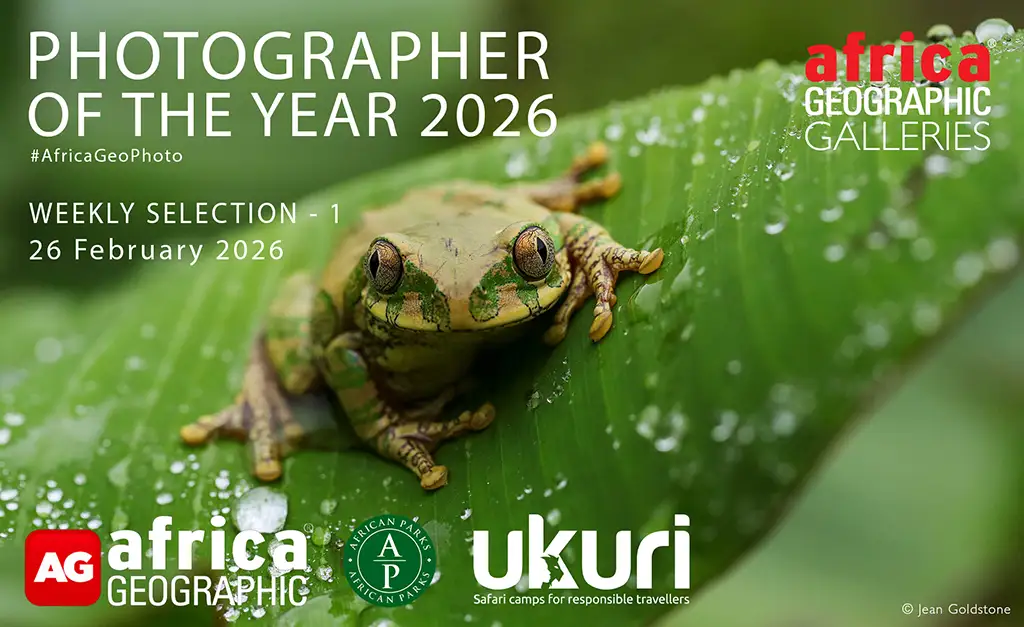
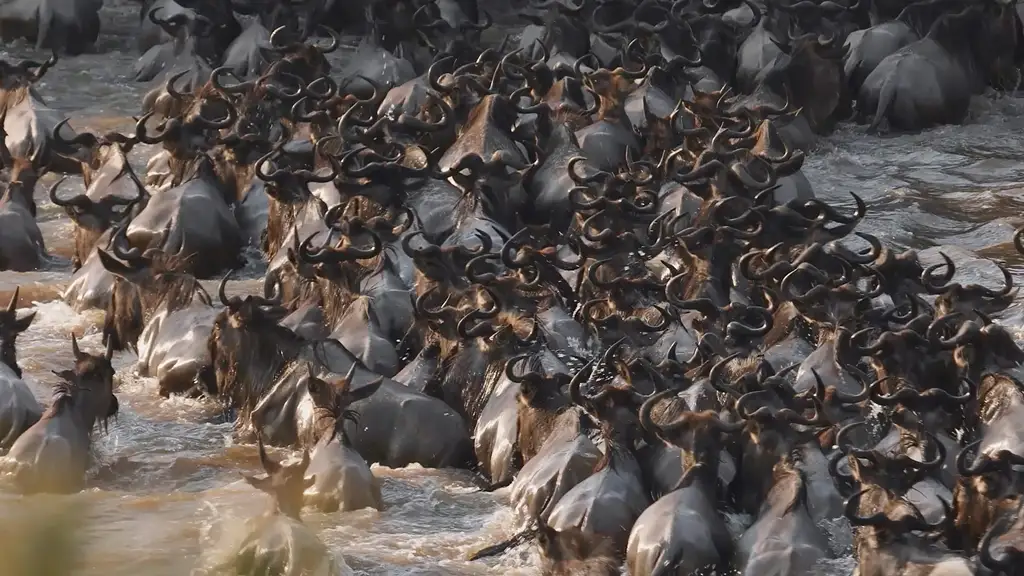
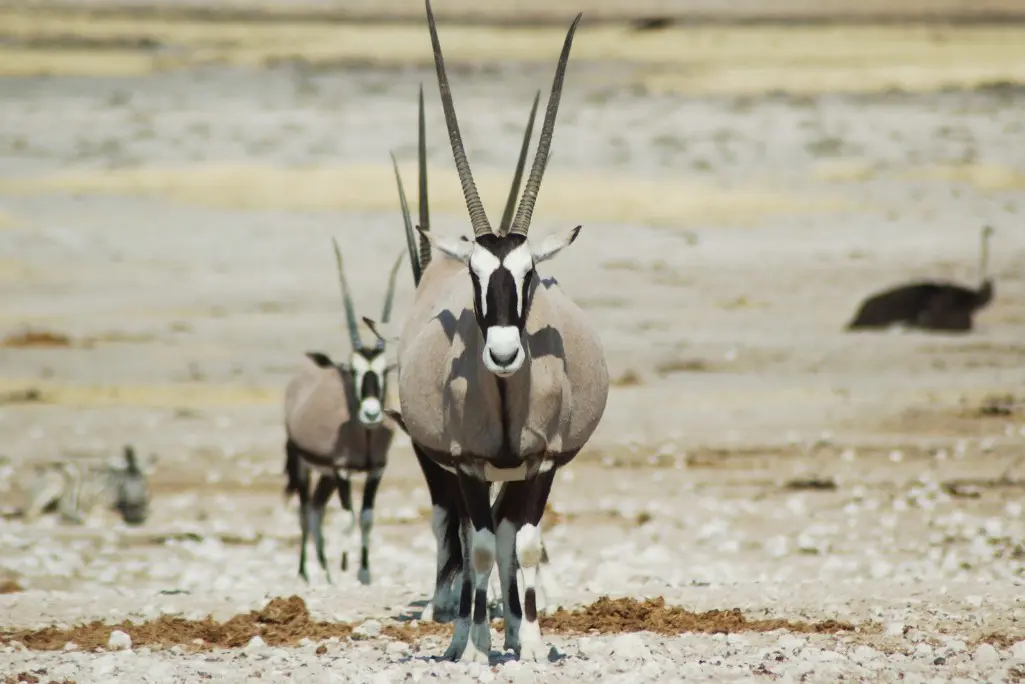
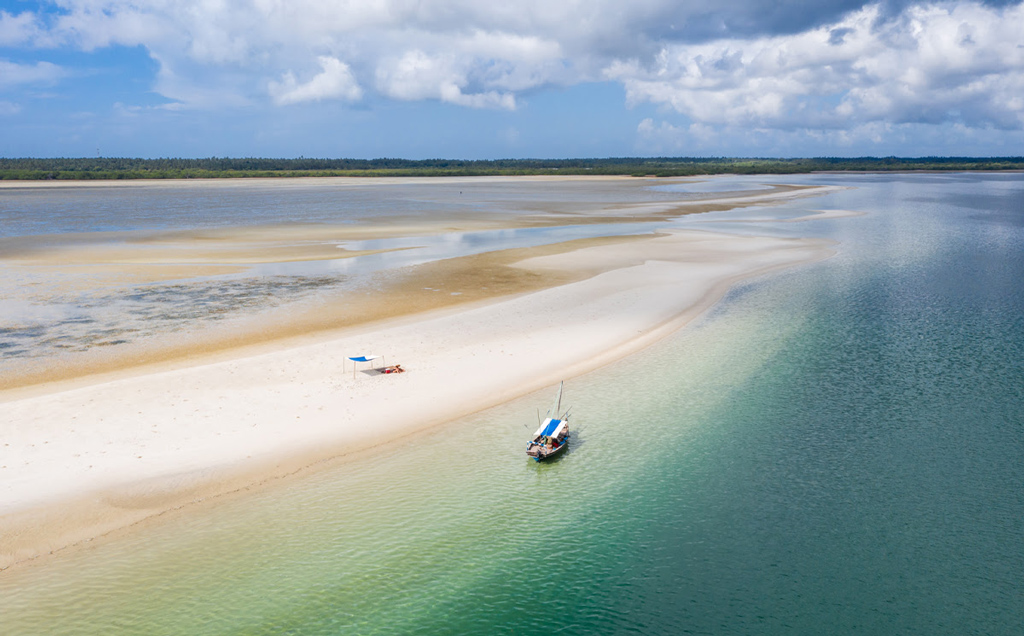 Ruaha and Mafia Island bush and beach – 8 days
 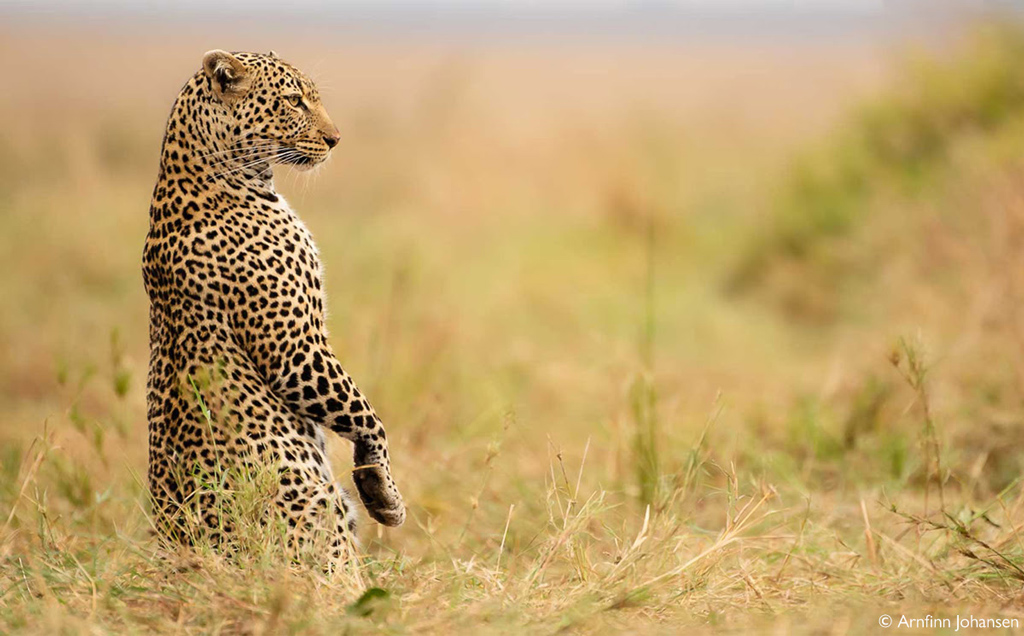 Maasai Mara specialist photographic safari, Kenya – 9 days
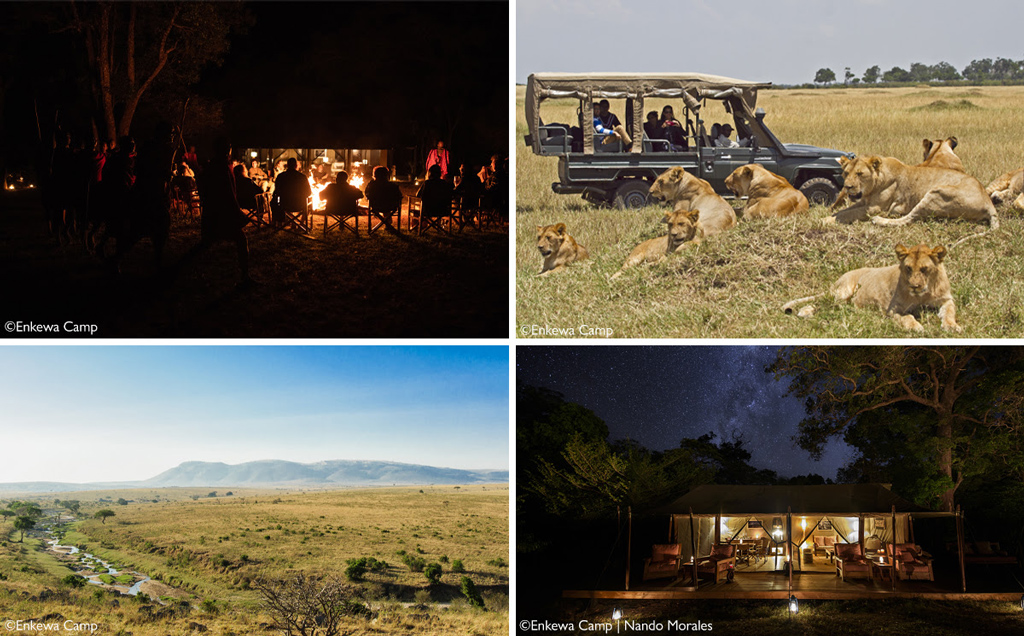
 WATCH
WATCH


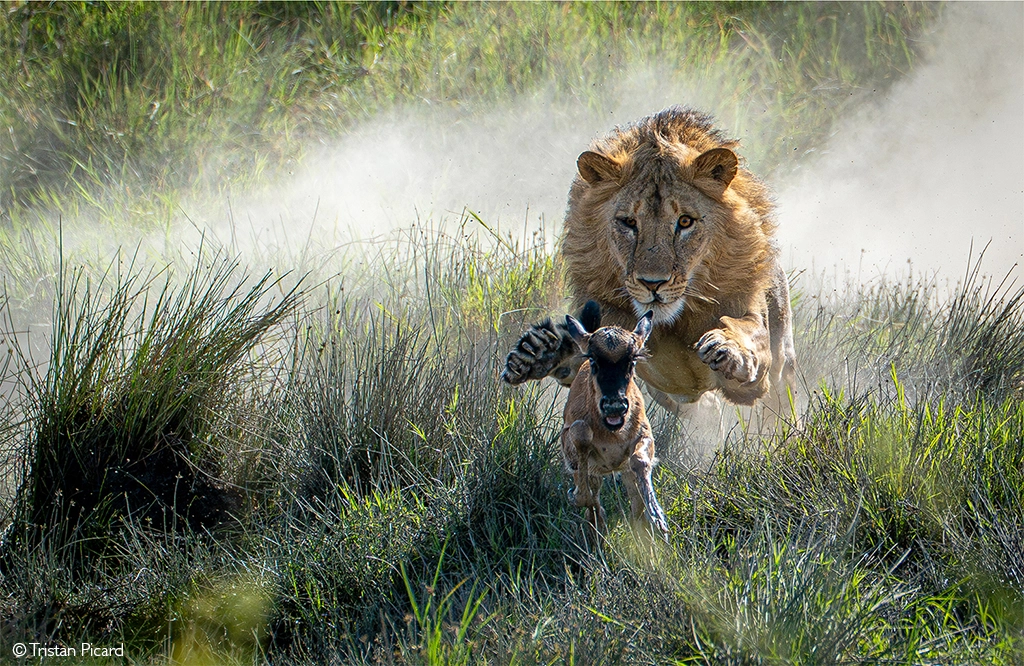
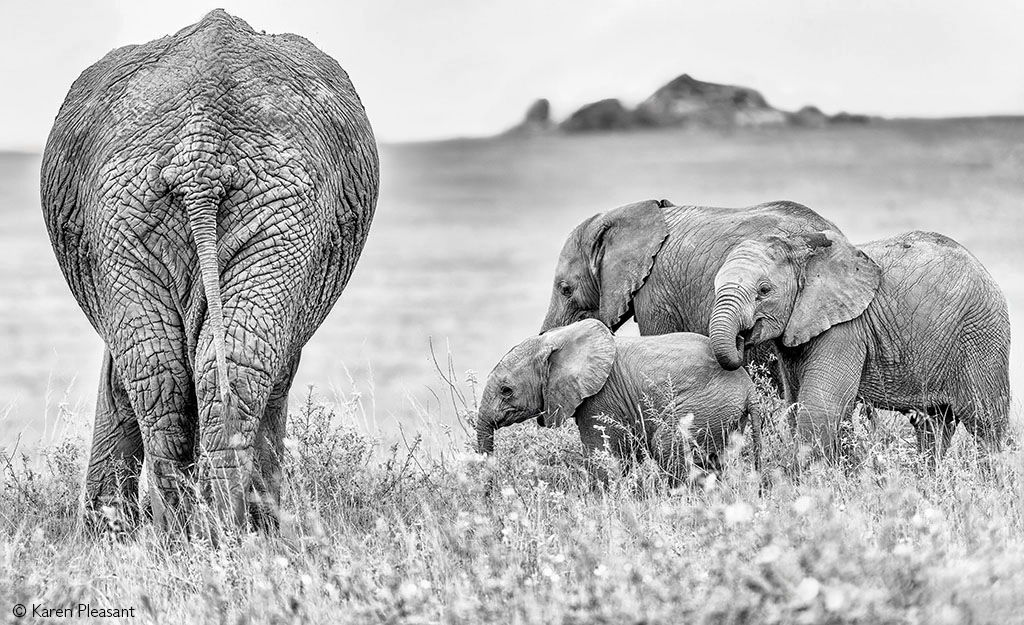
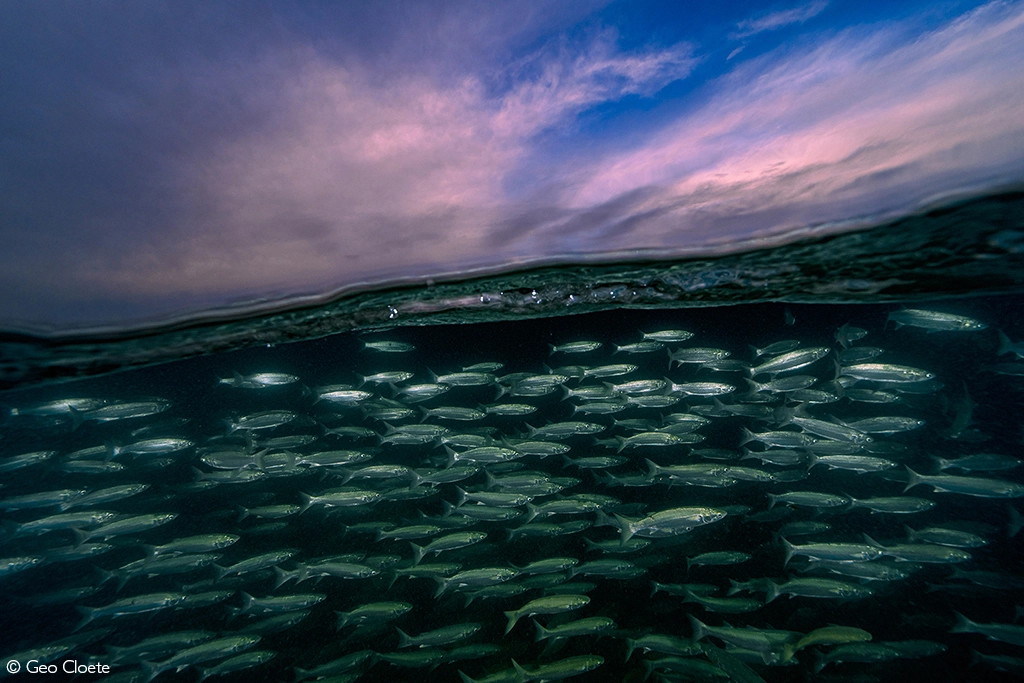
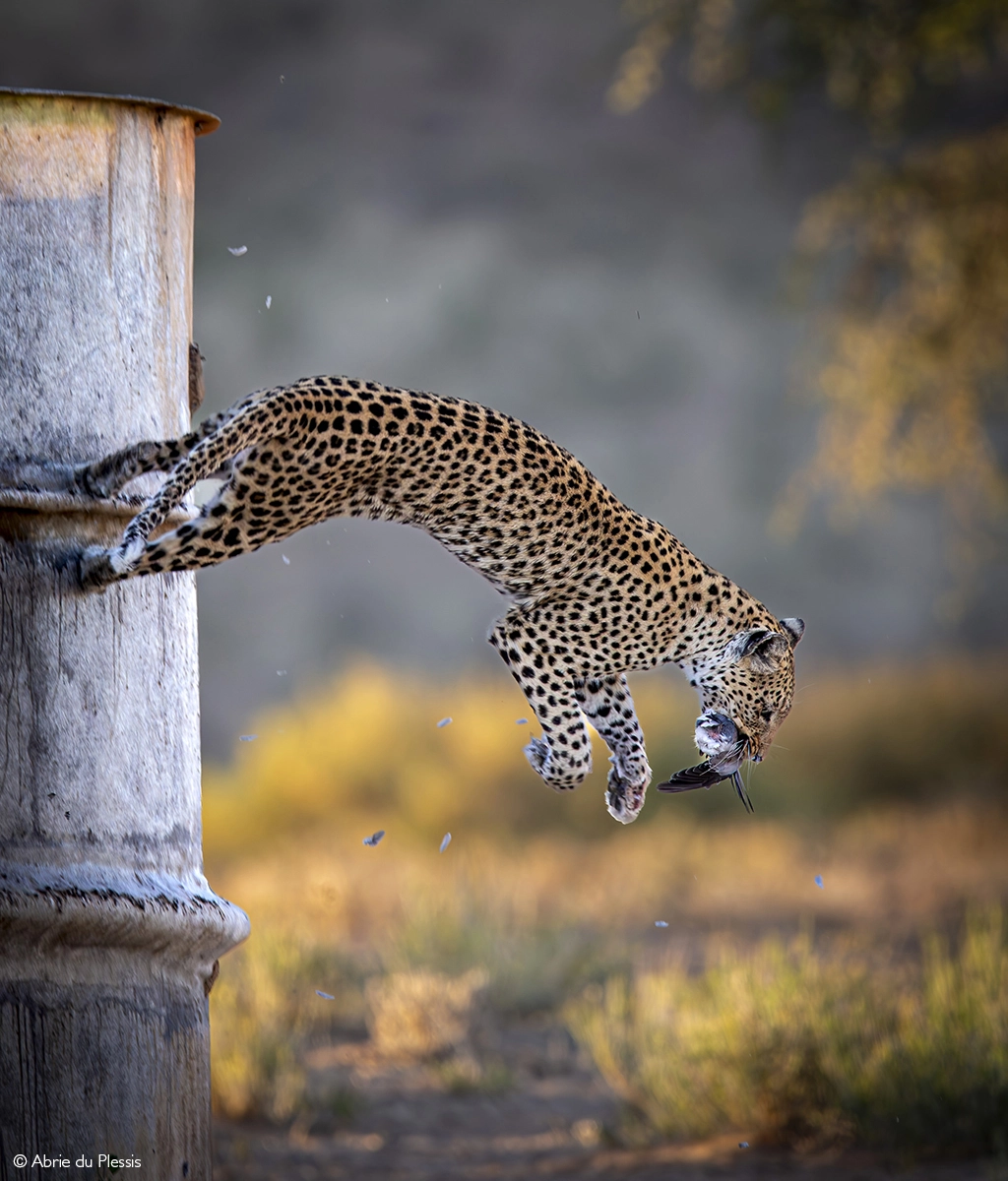
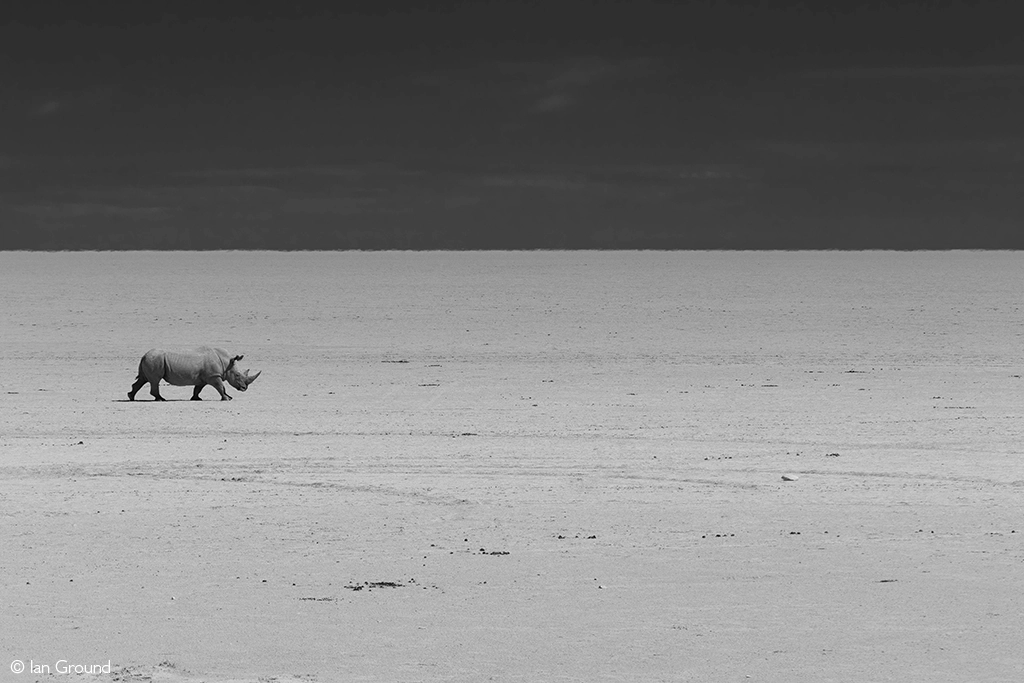
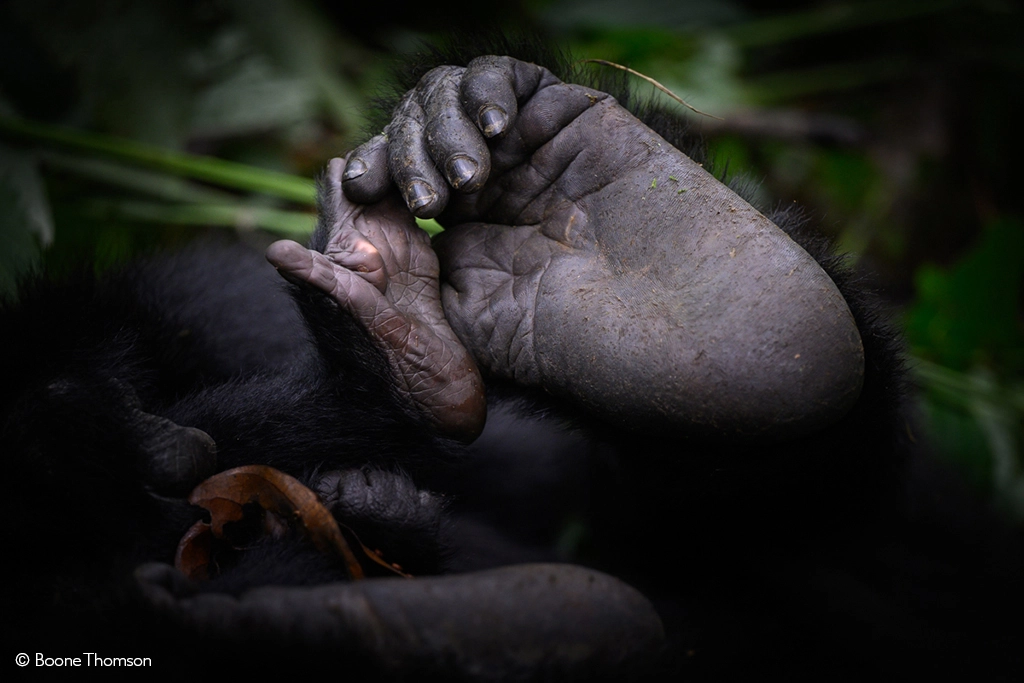
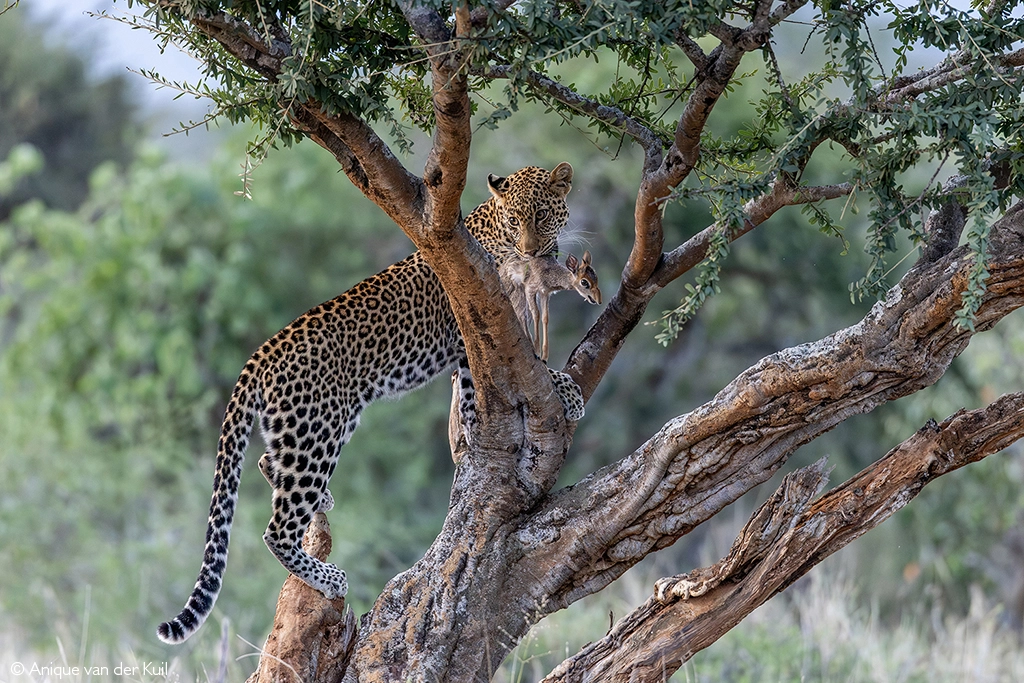
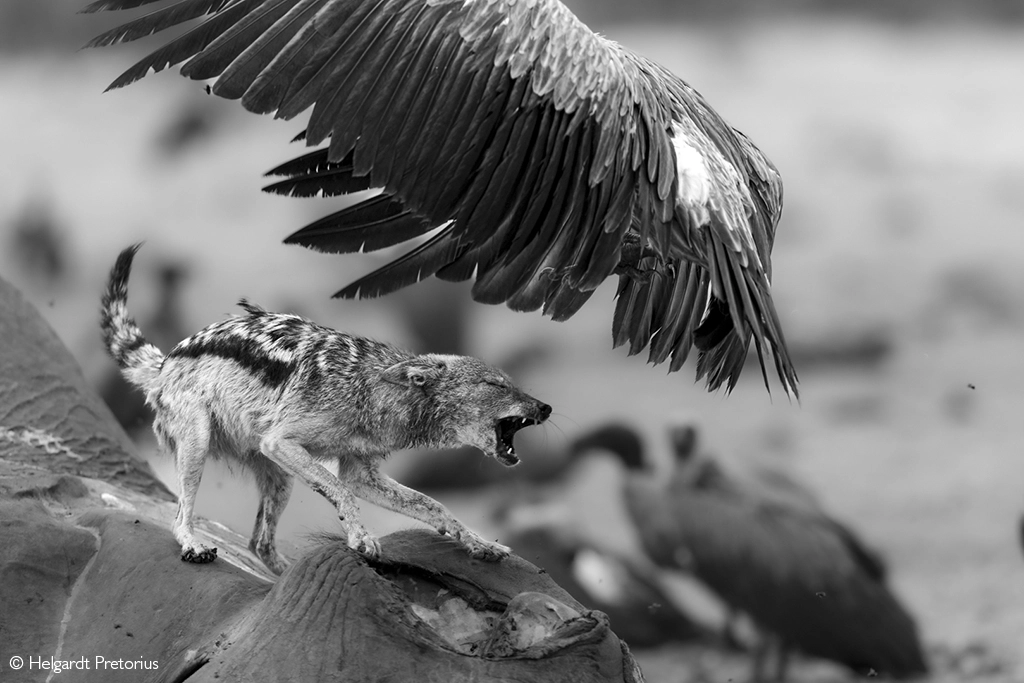
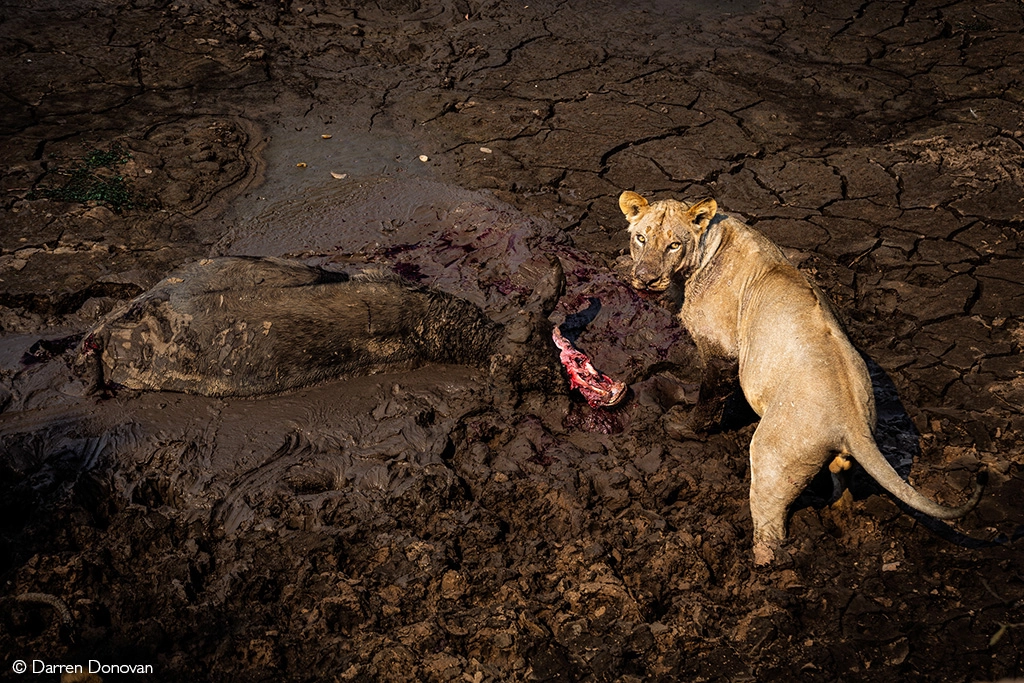
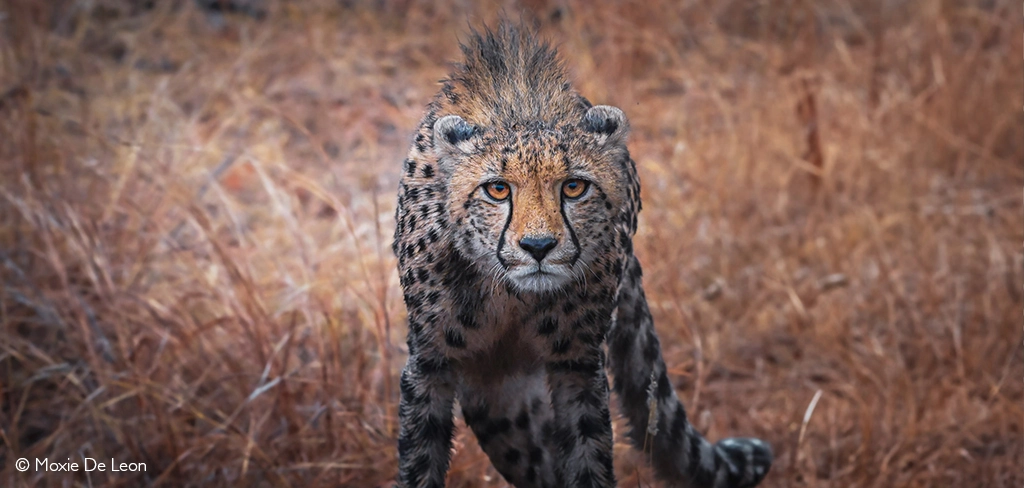
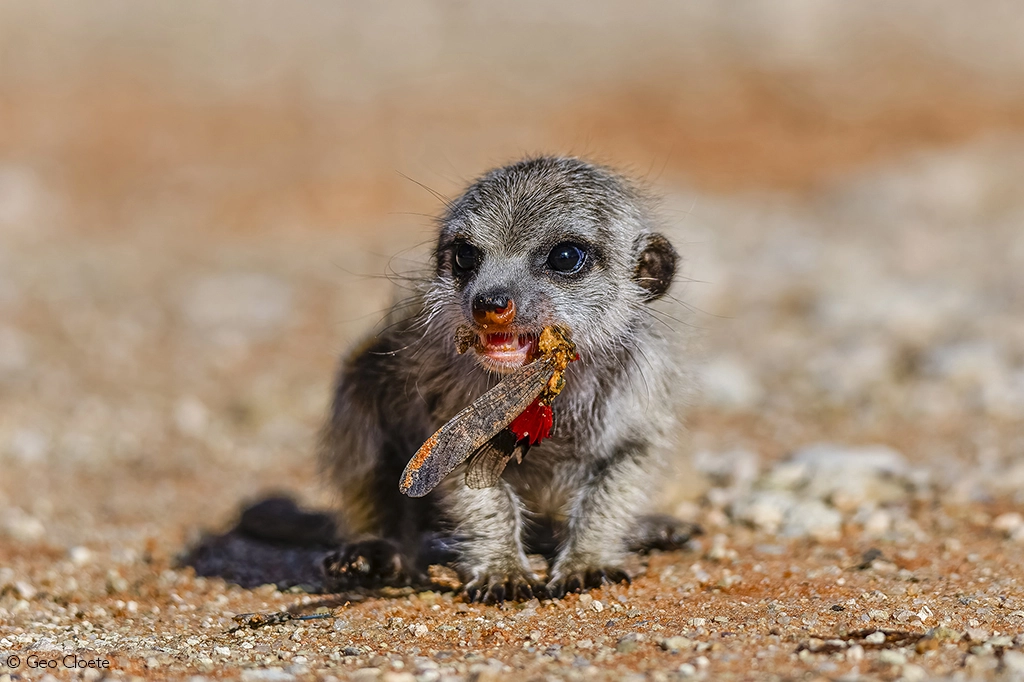
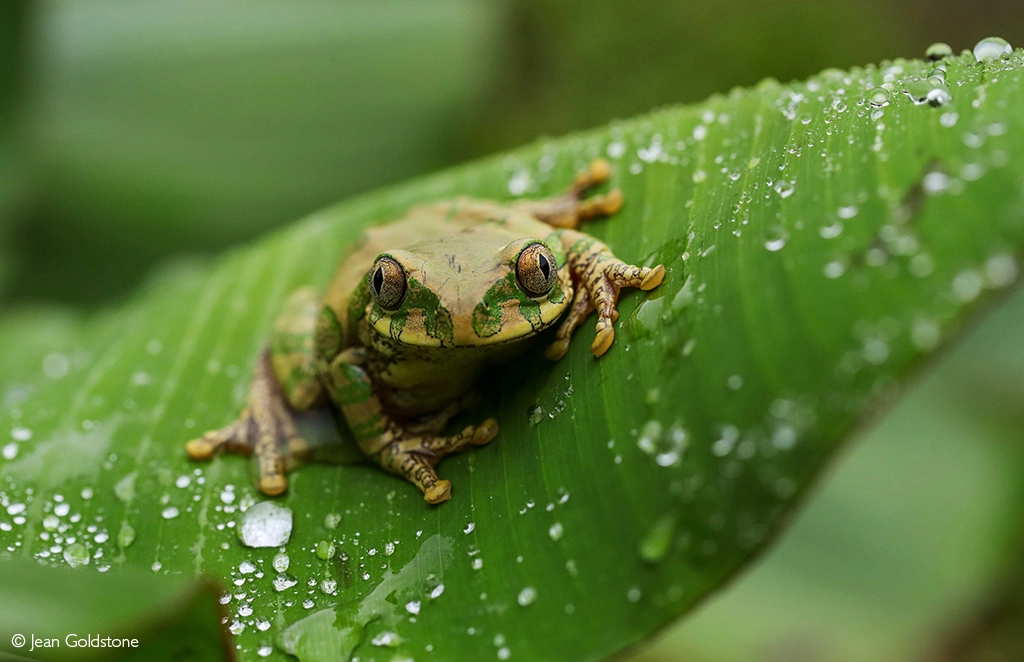
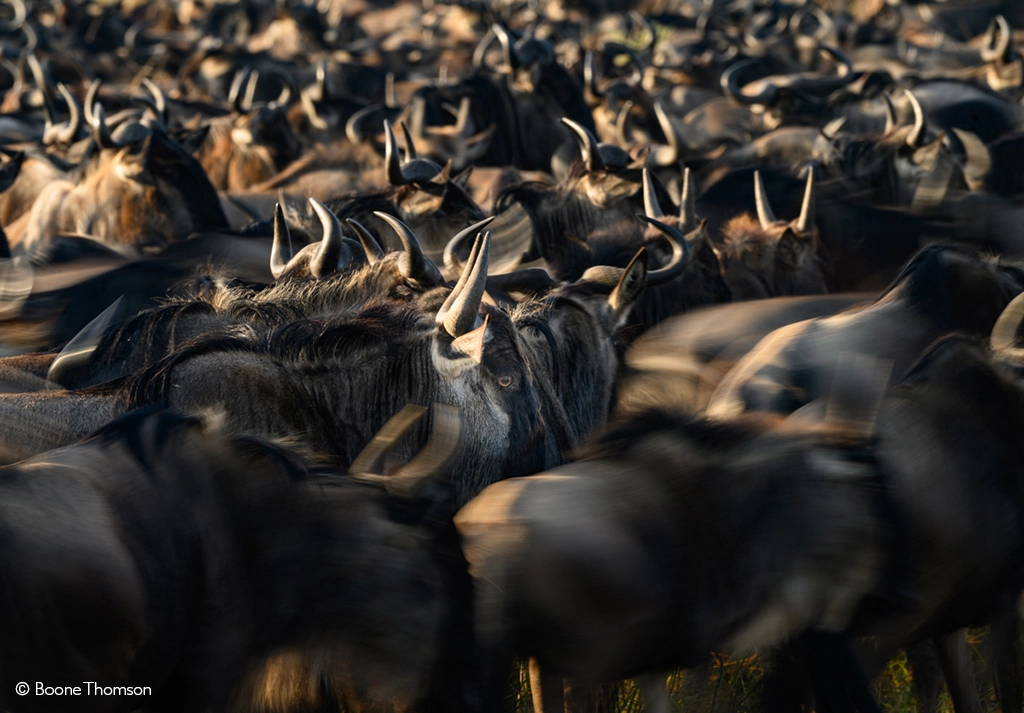
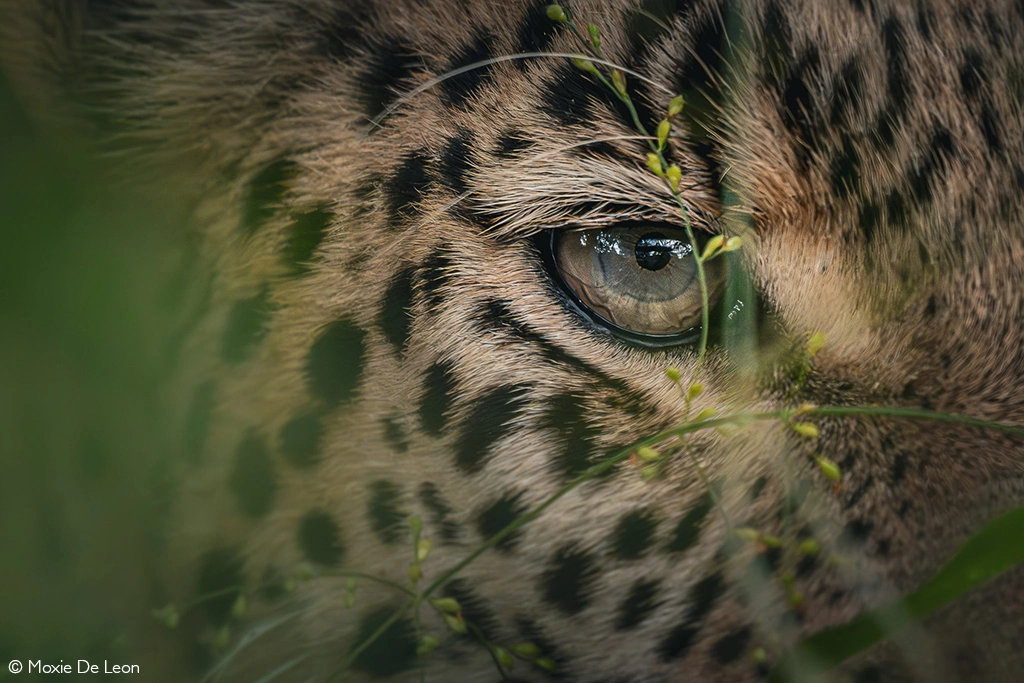
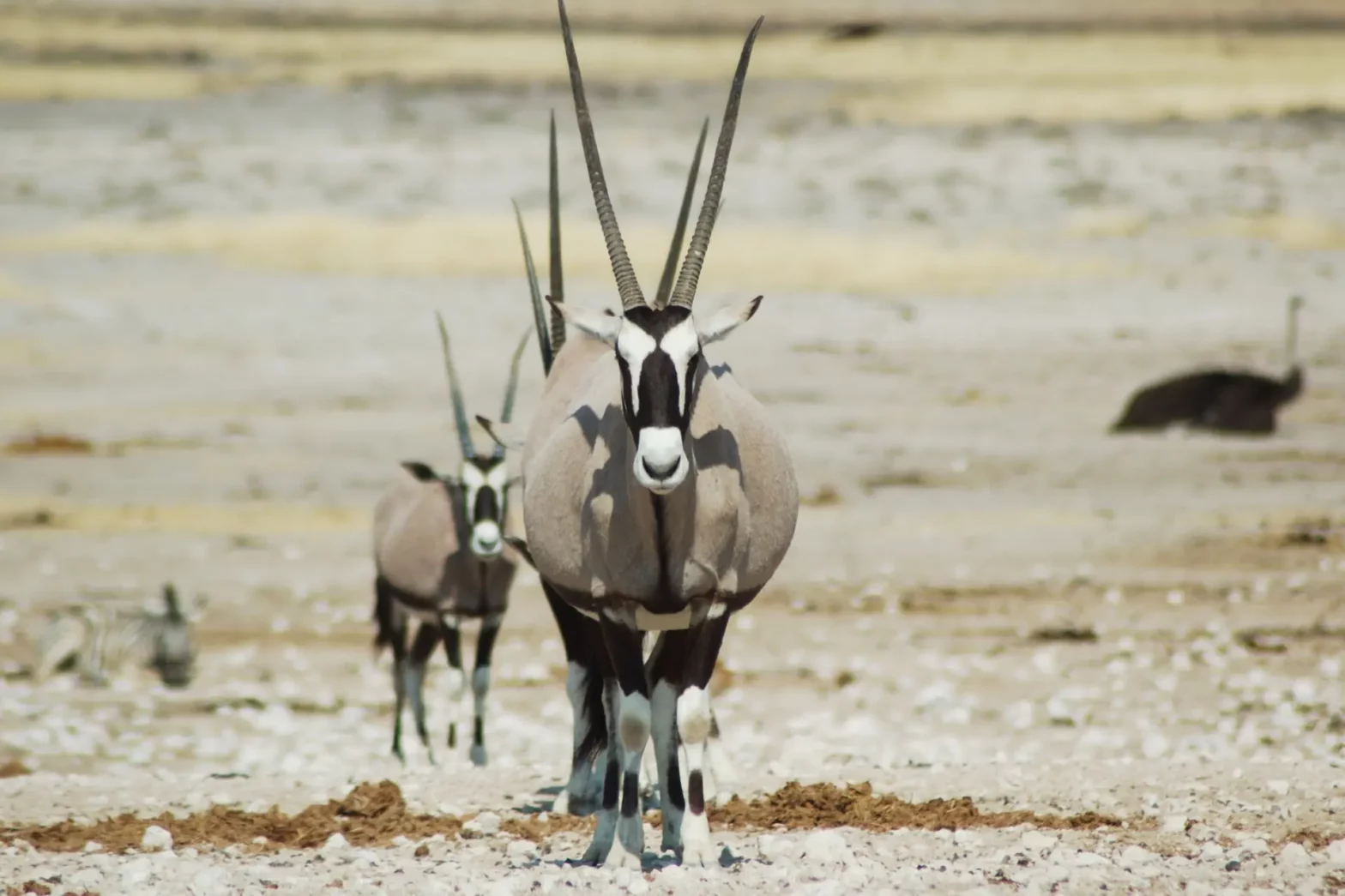
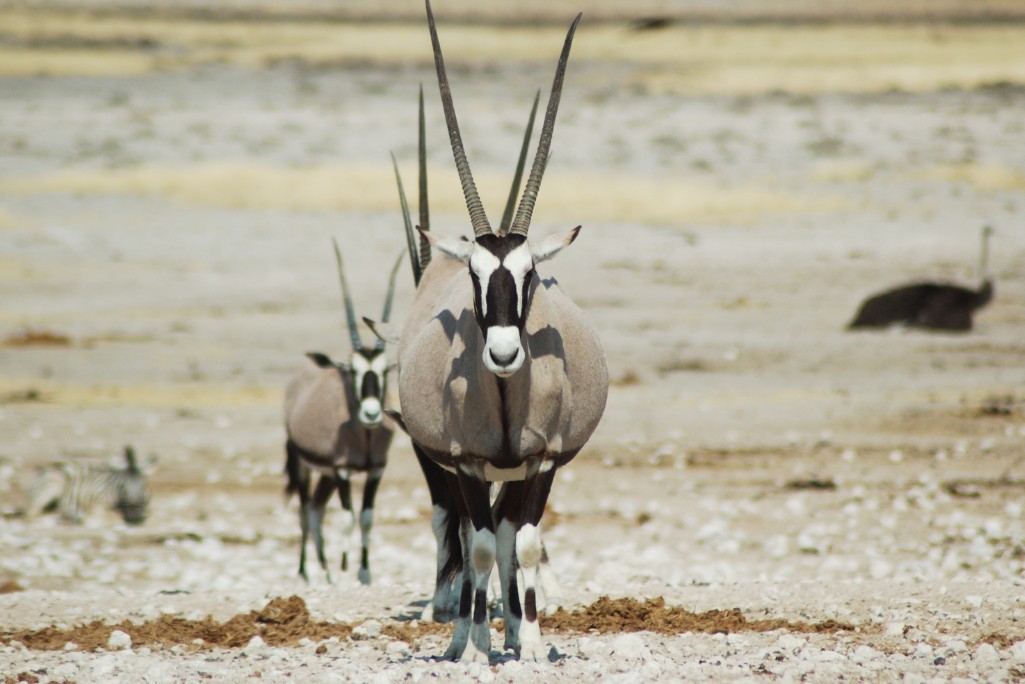
 Want to visit Namibia on safari?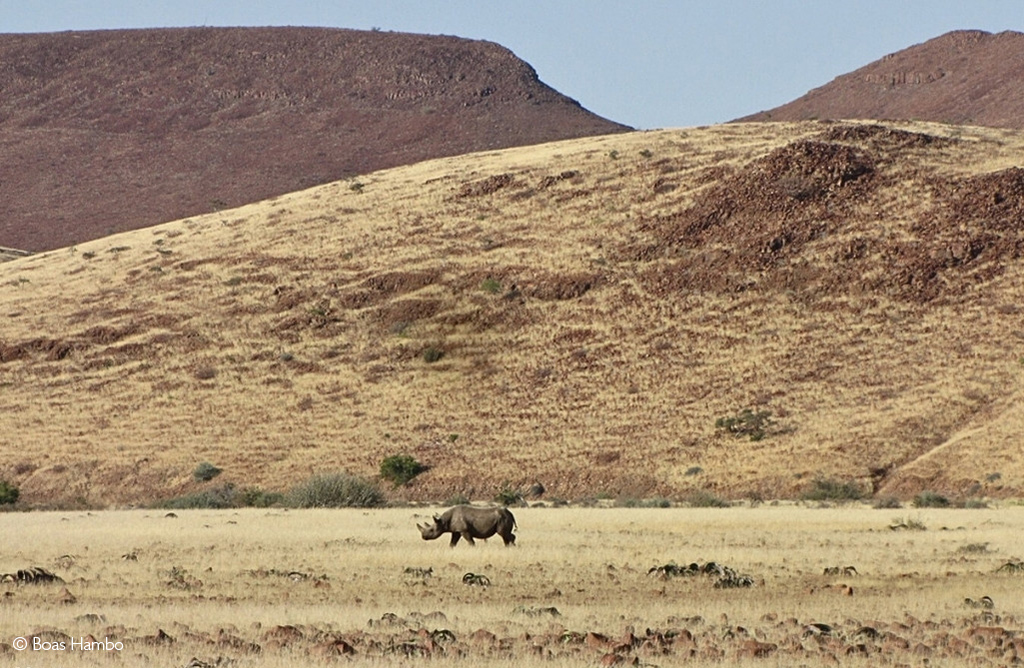
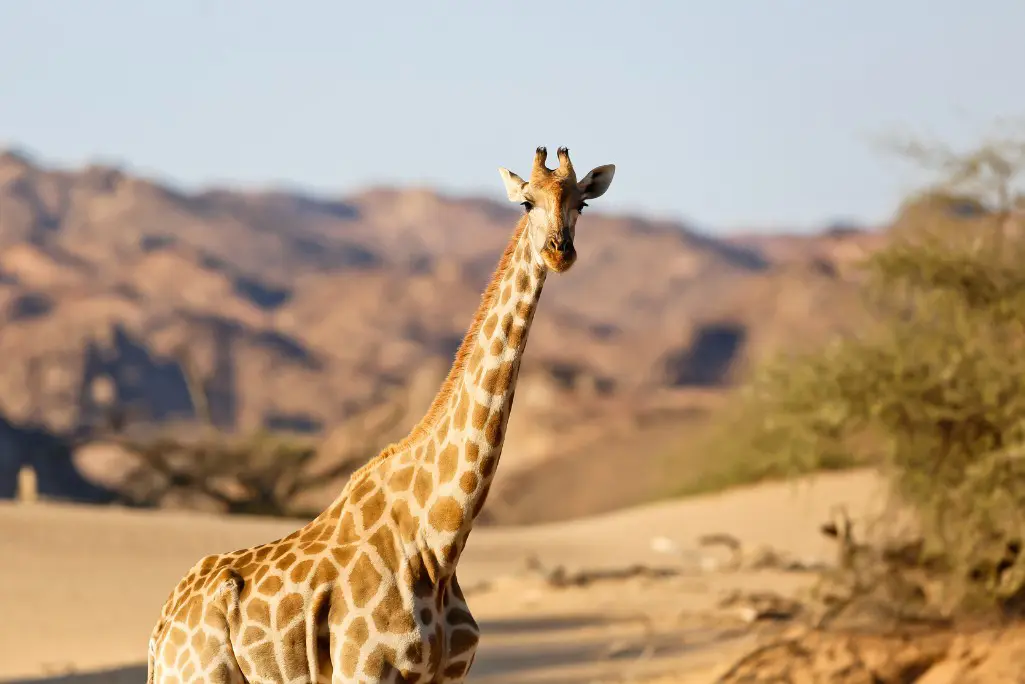
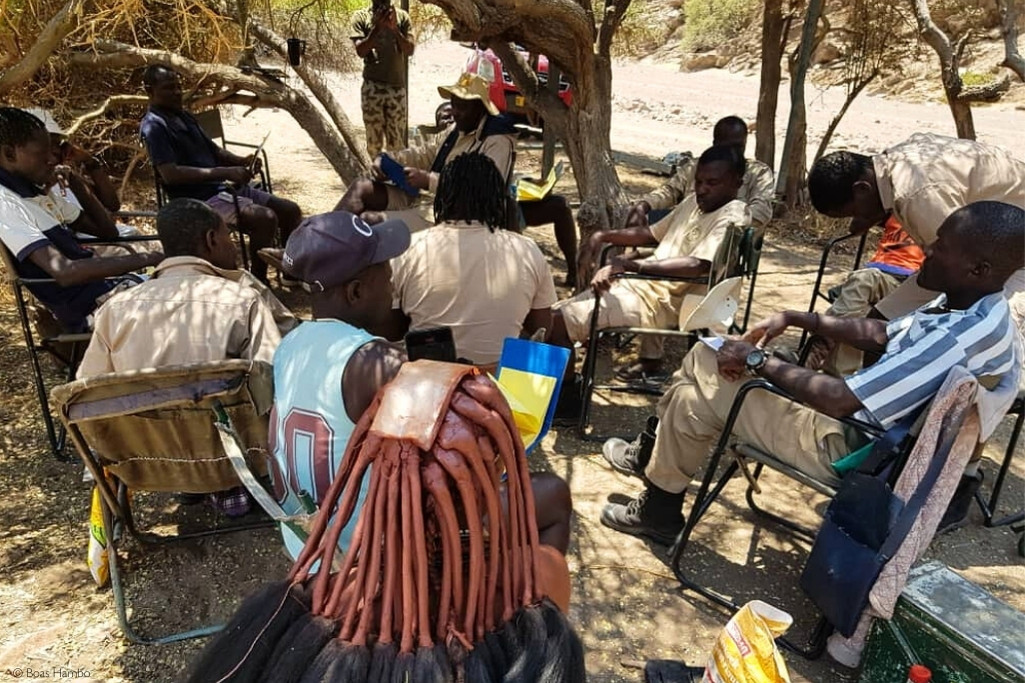
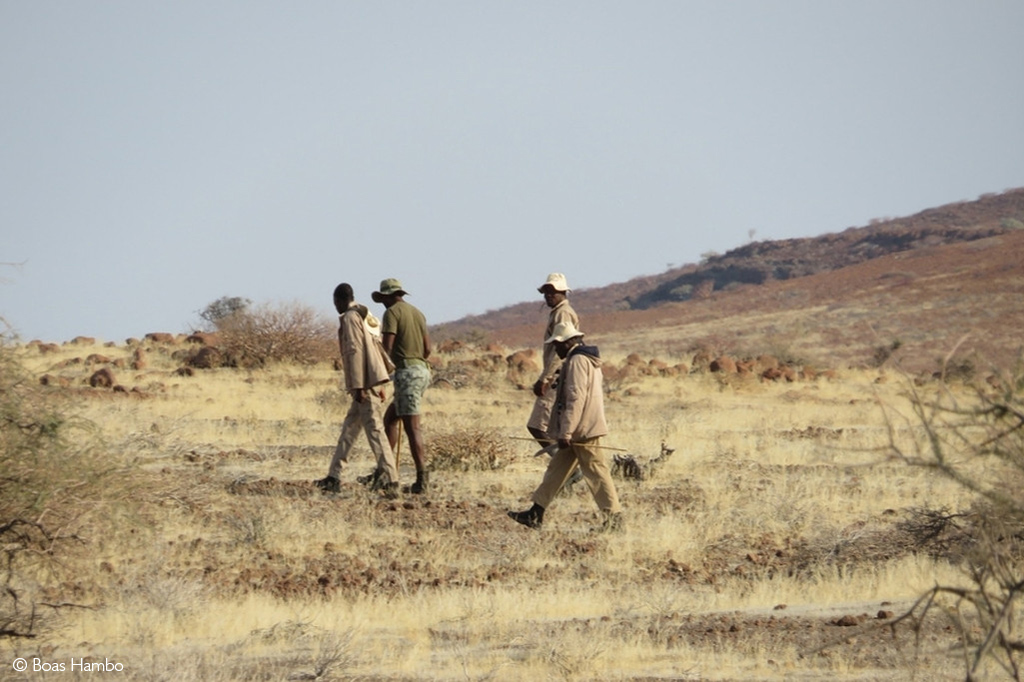
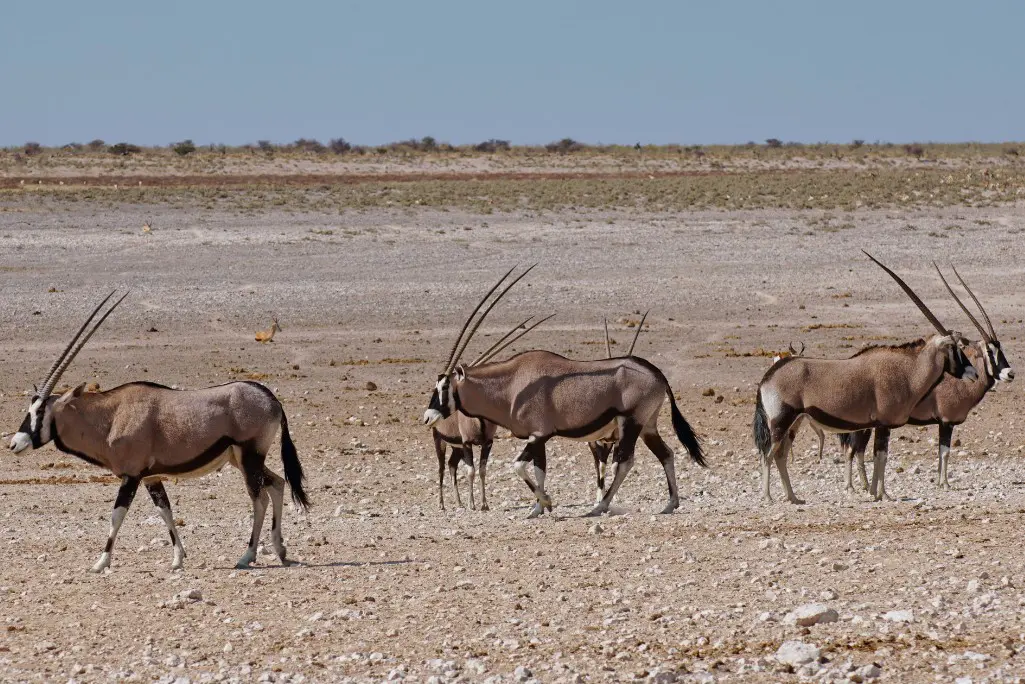
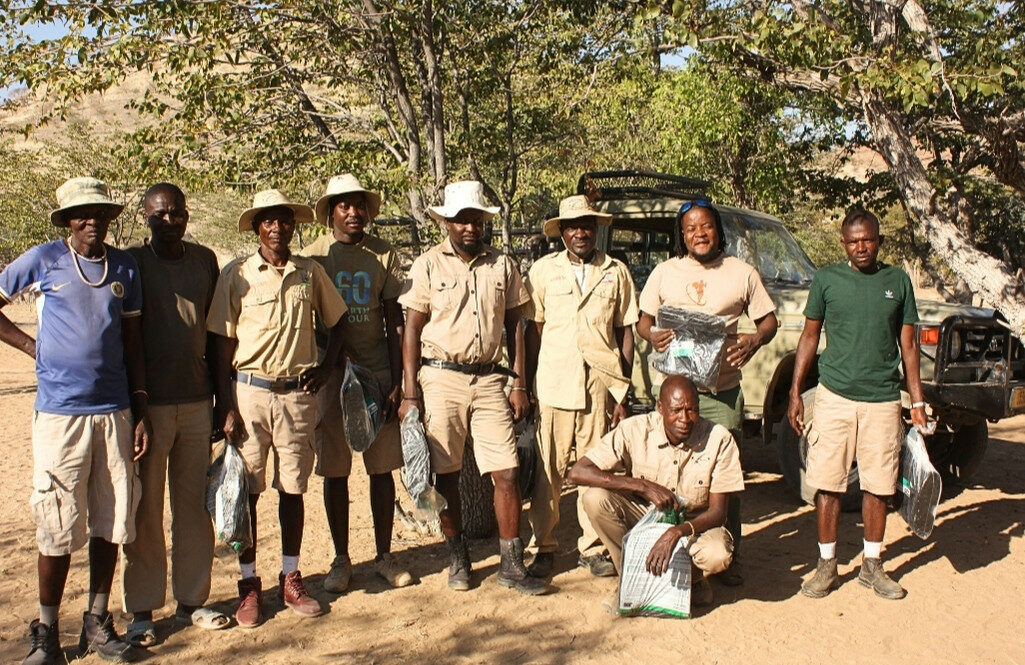
 About Gail Thomson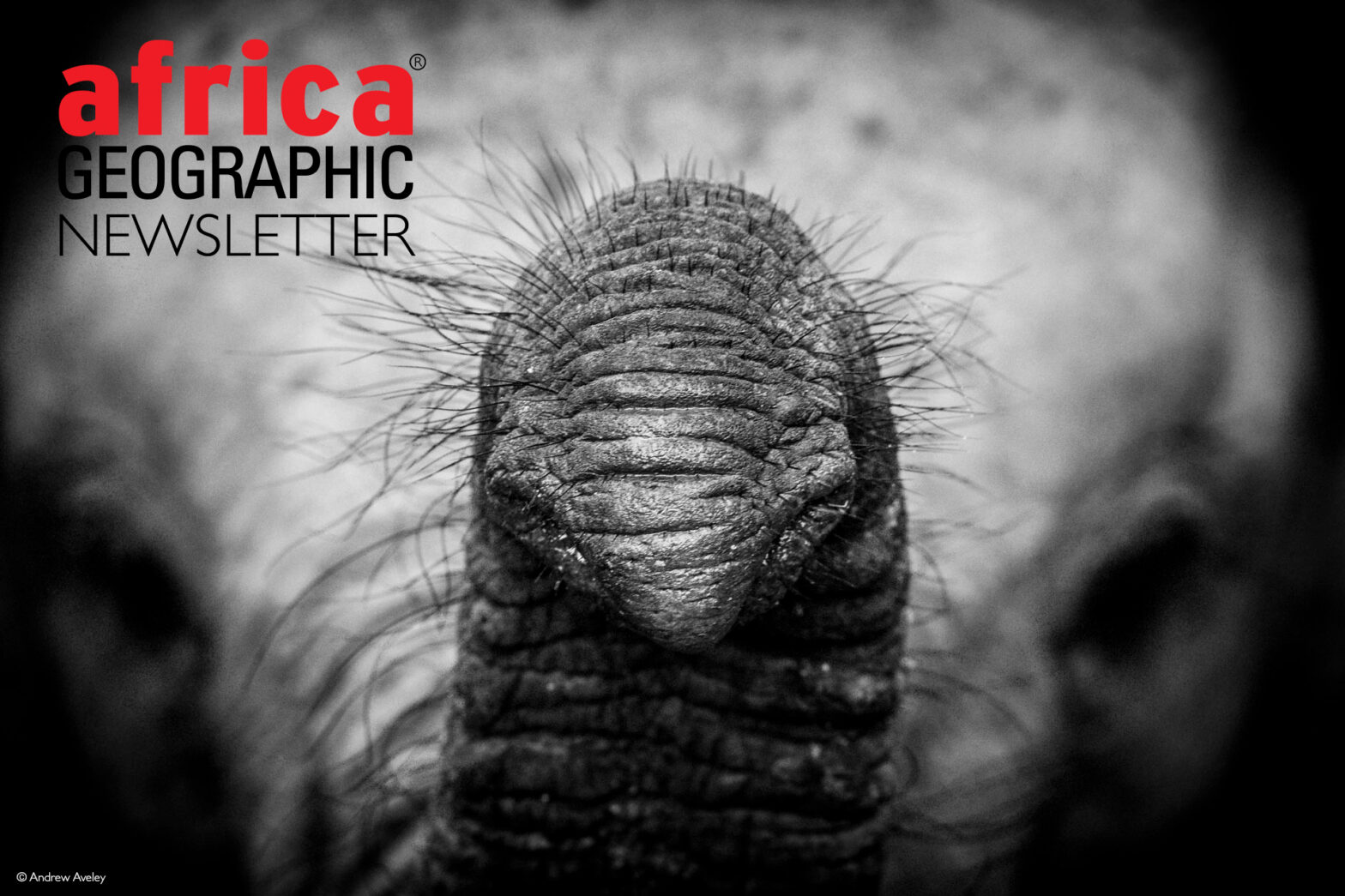
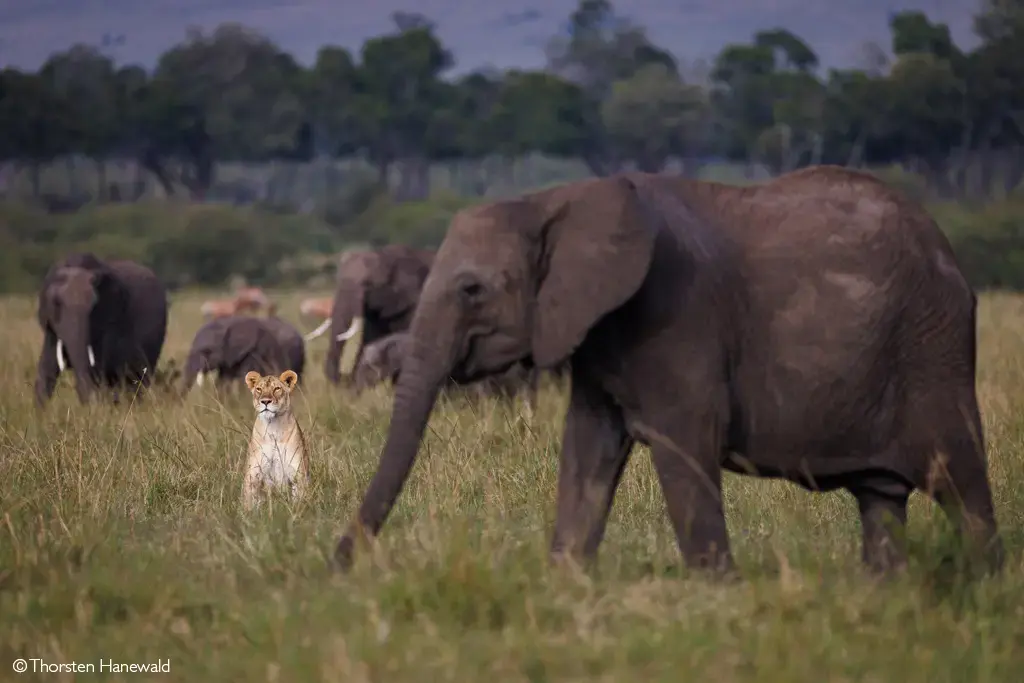
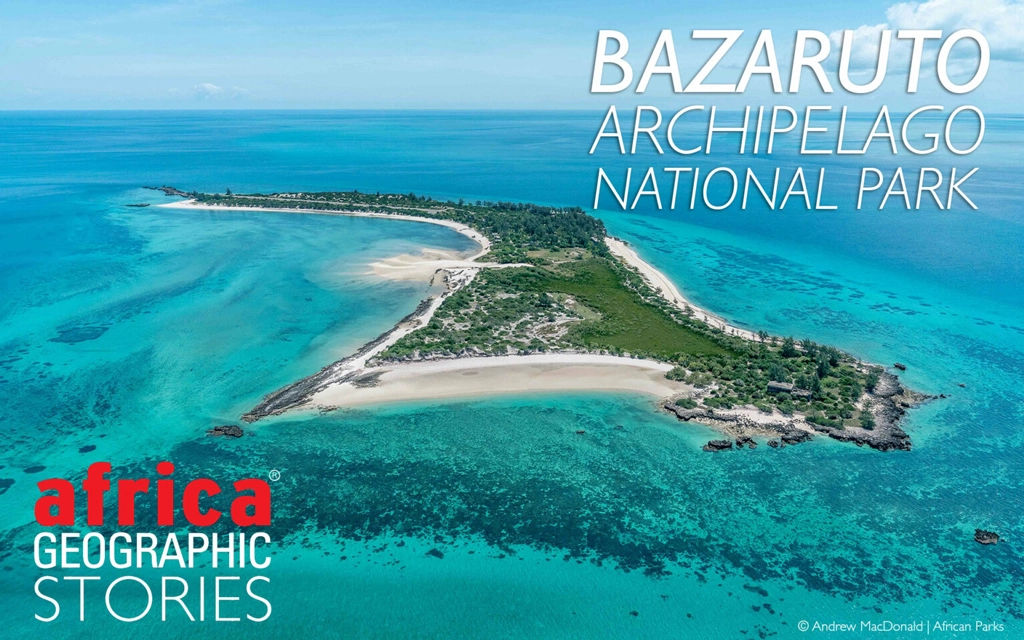
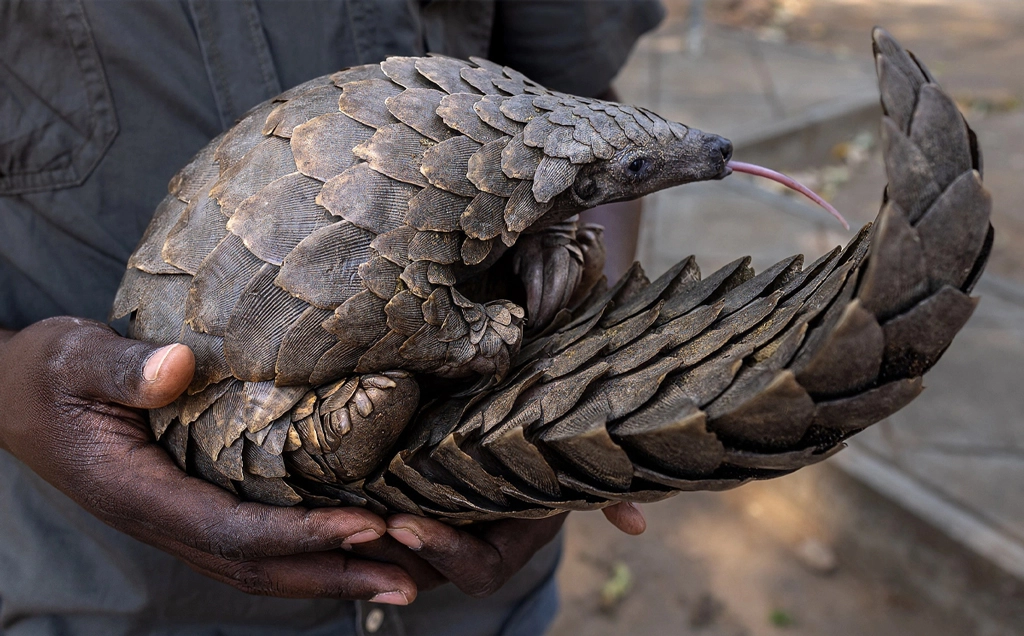
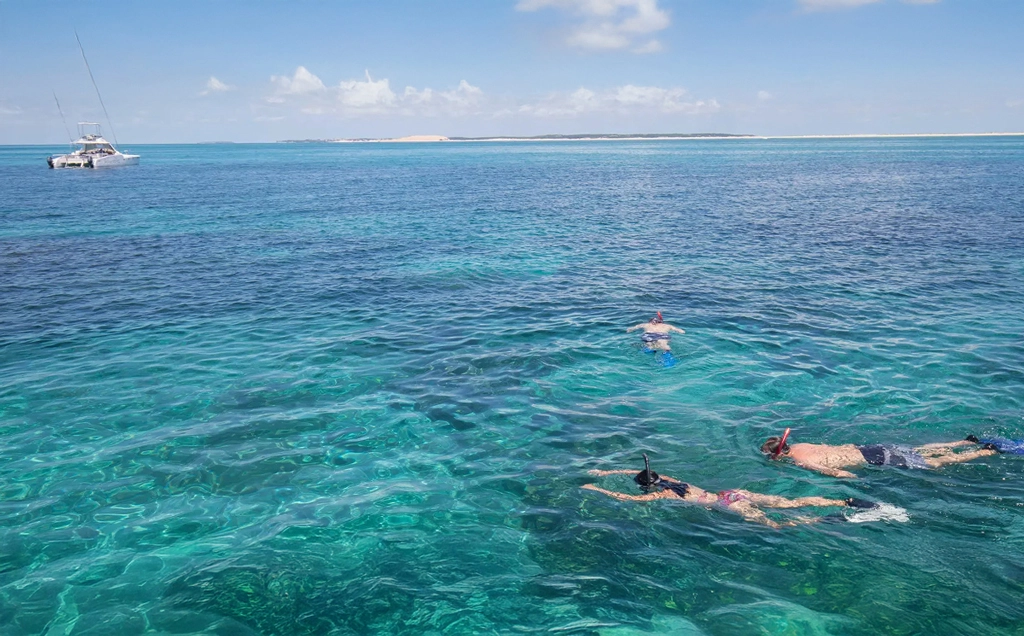
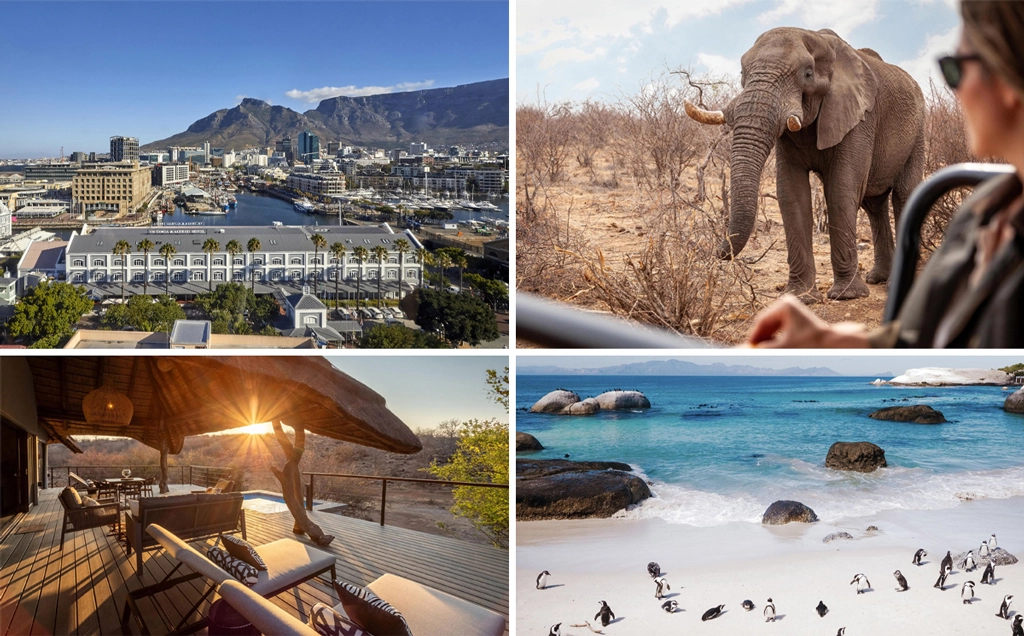
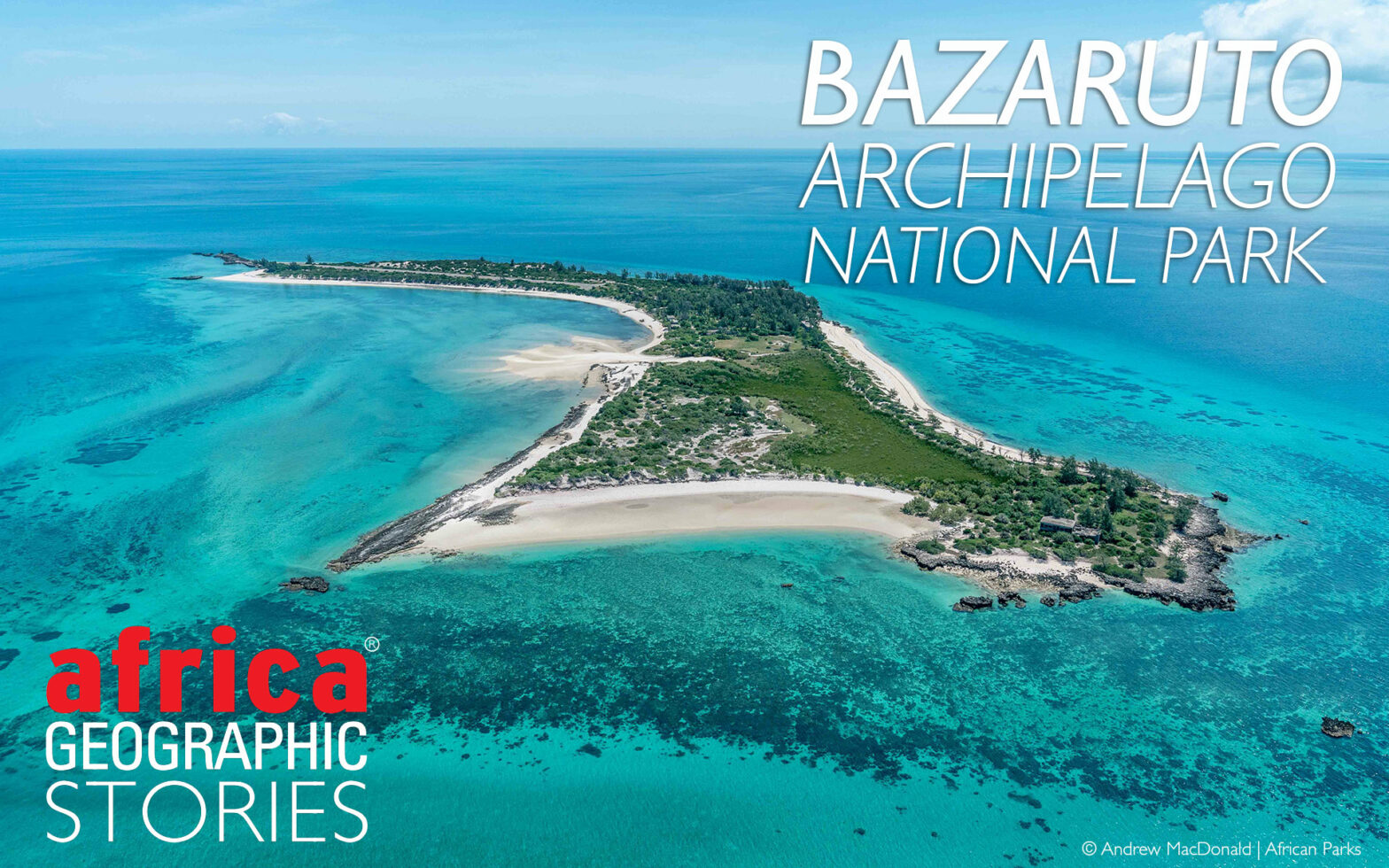
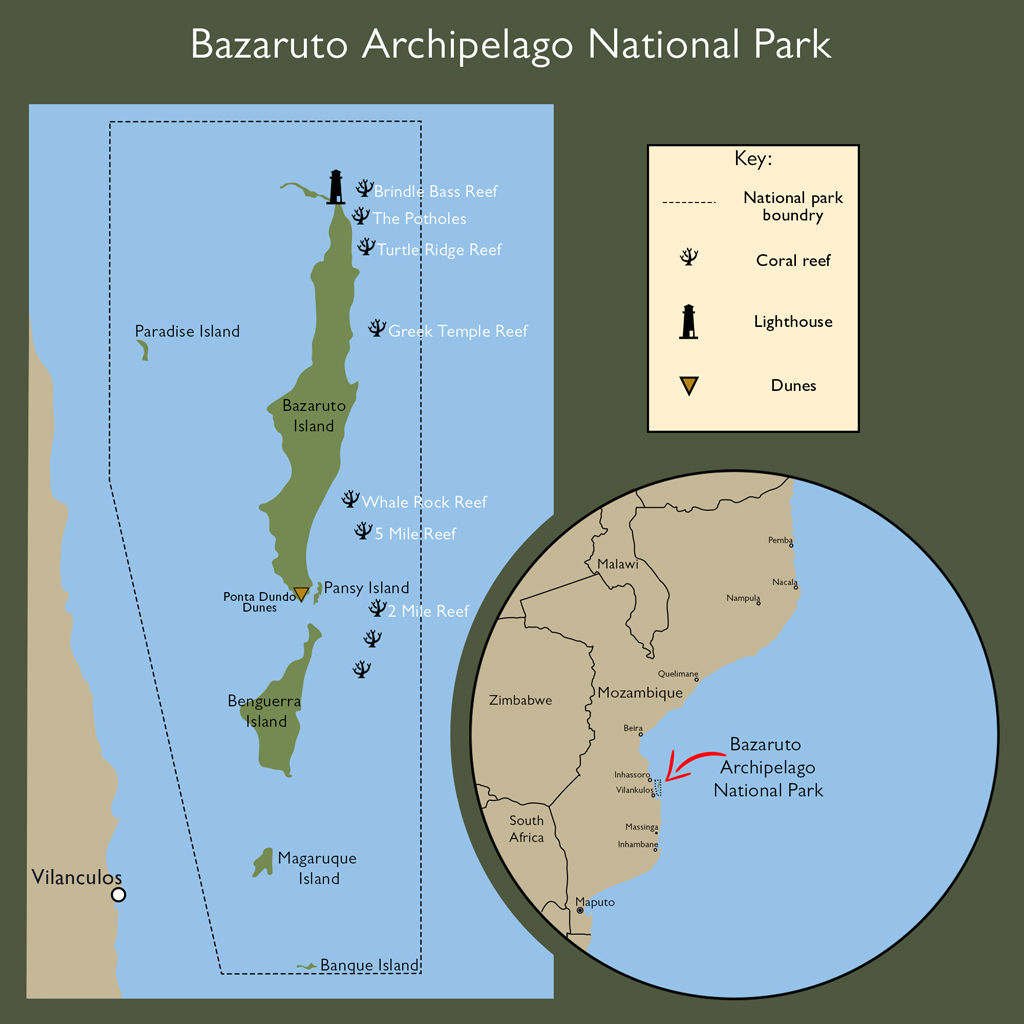
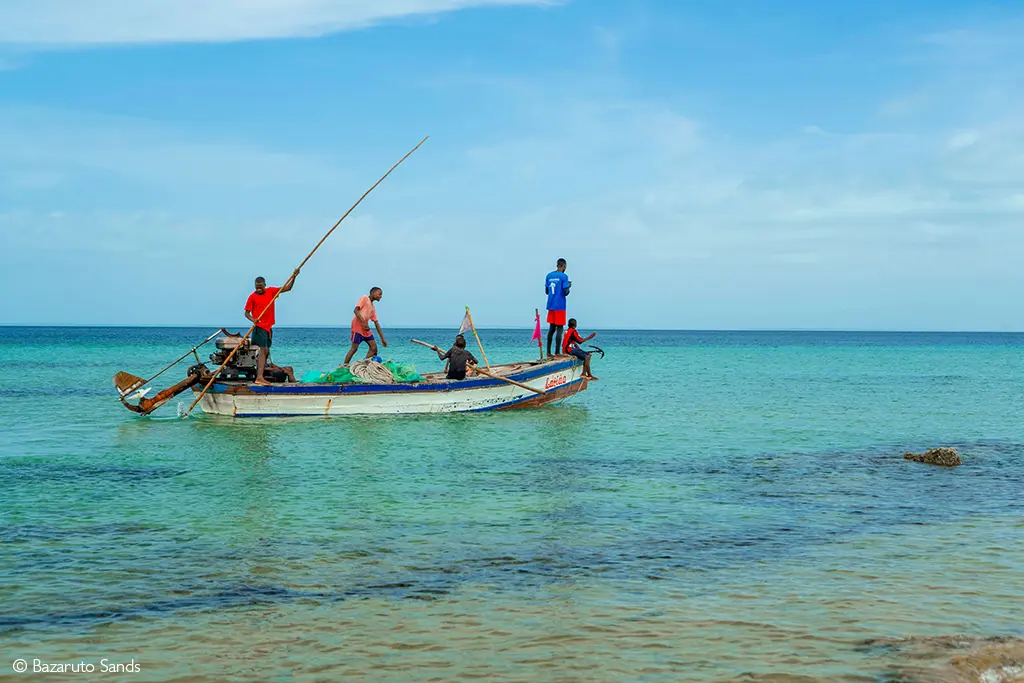
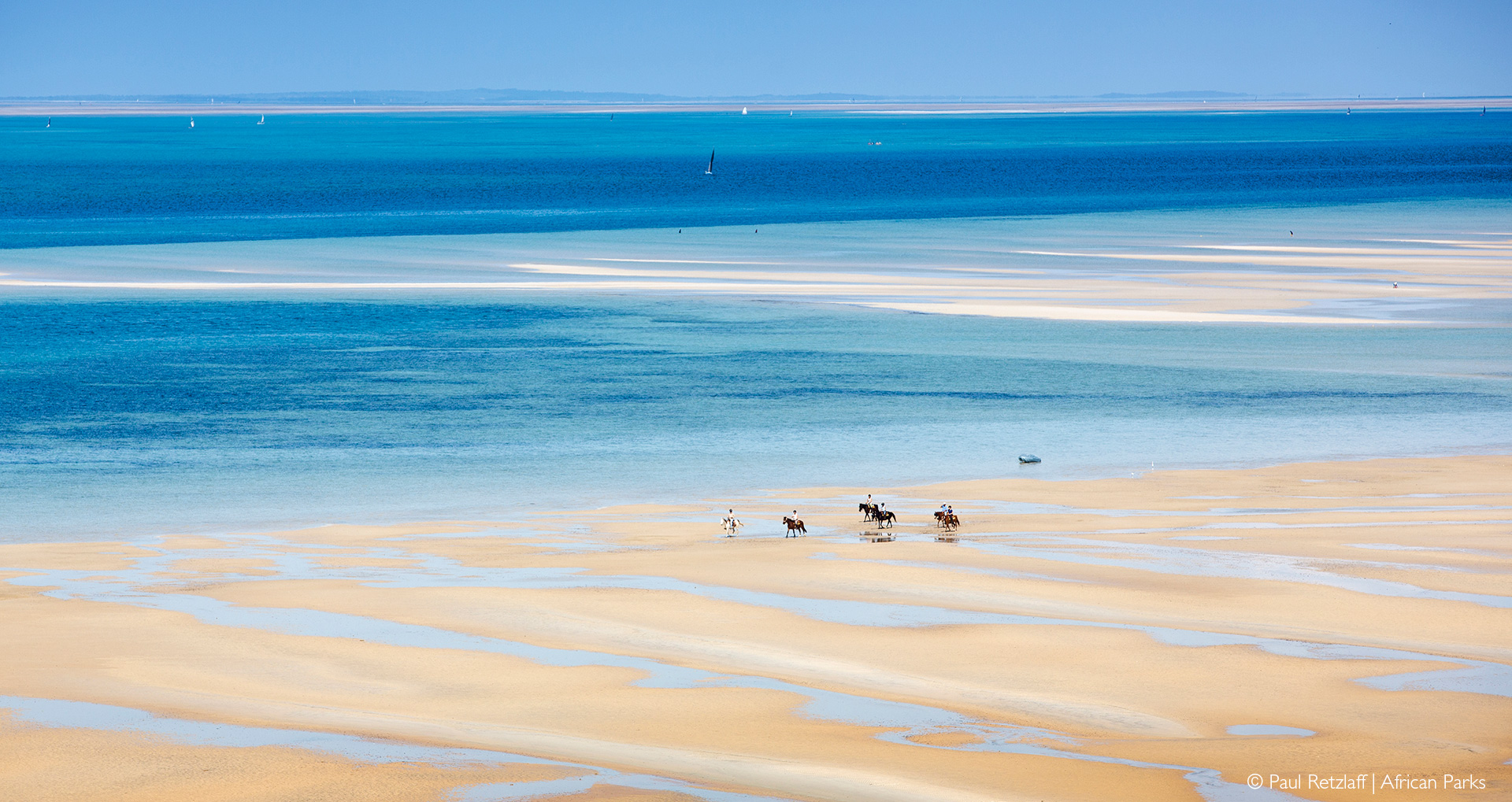
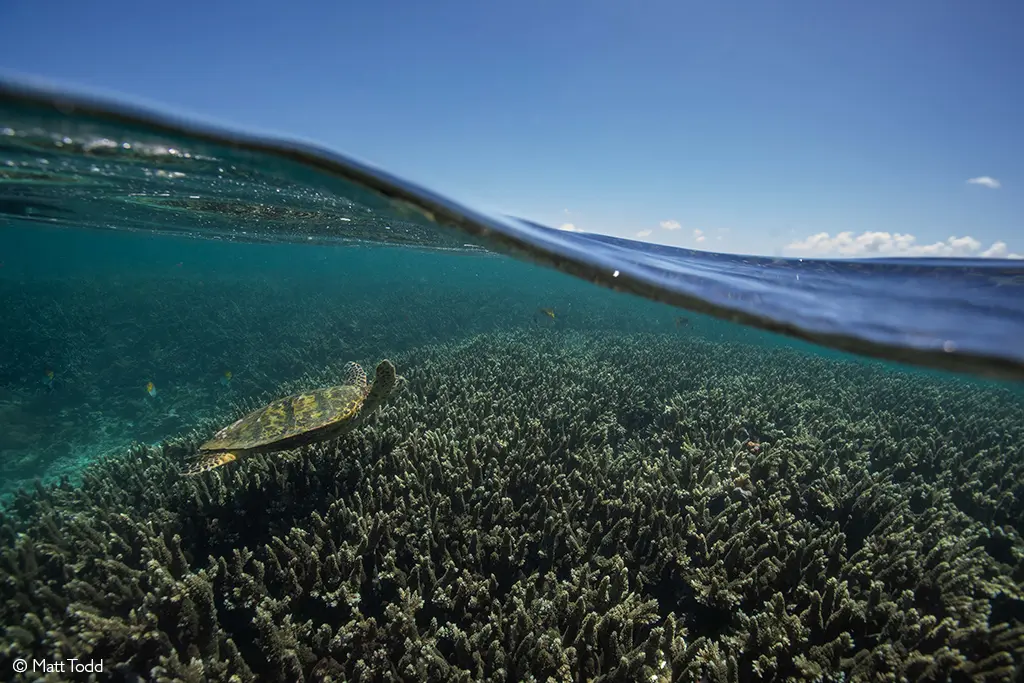
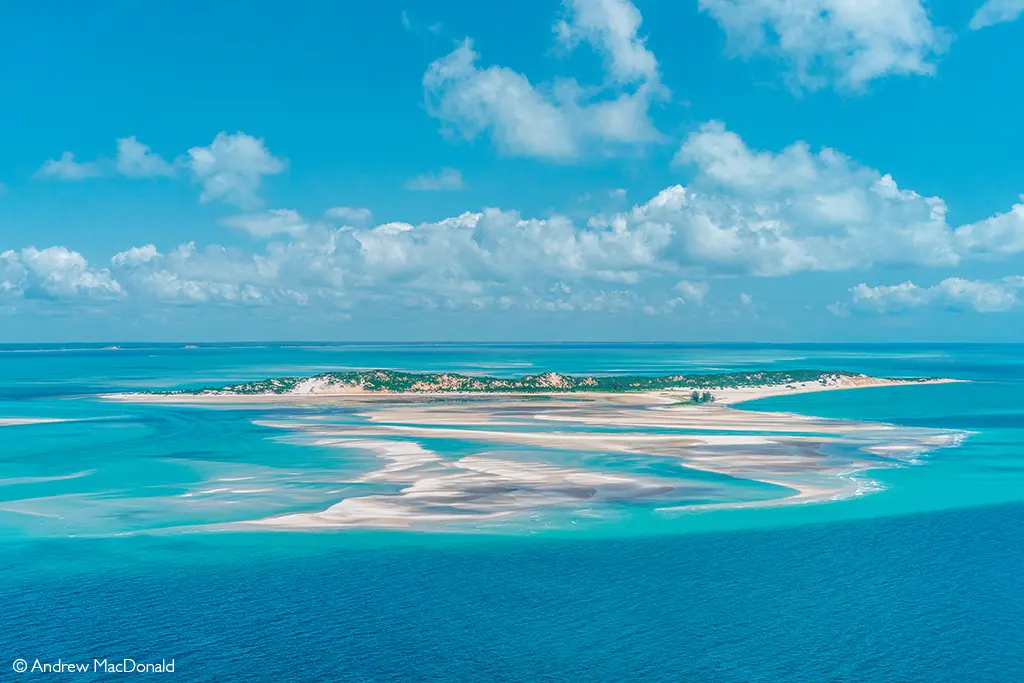
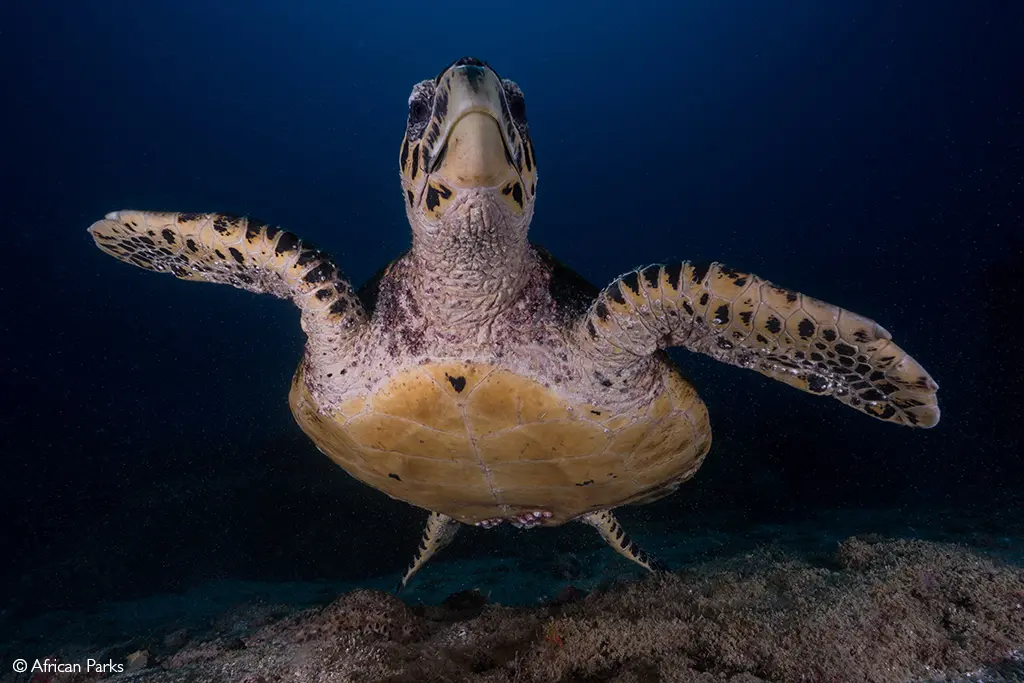
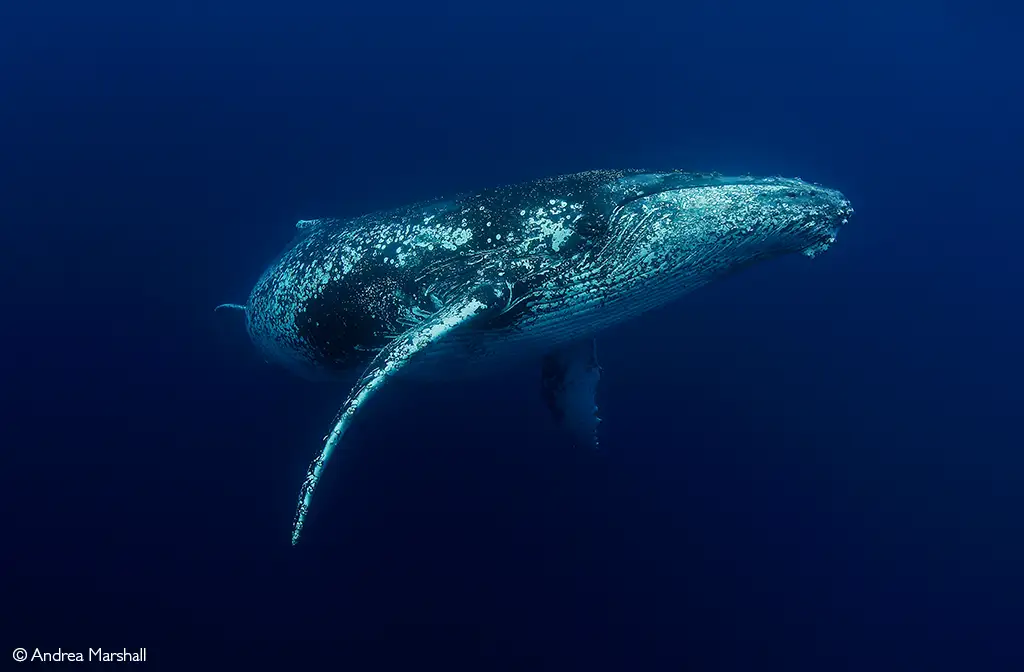
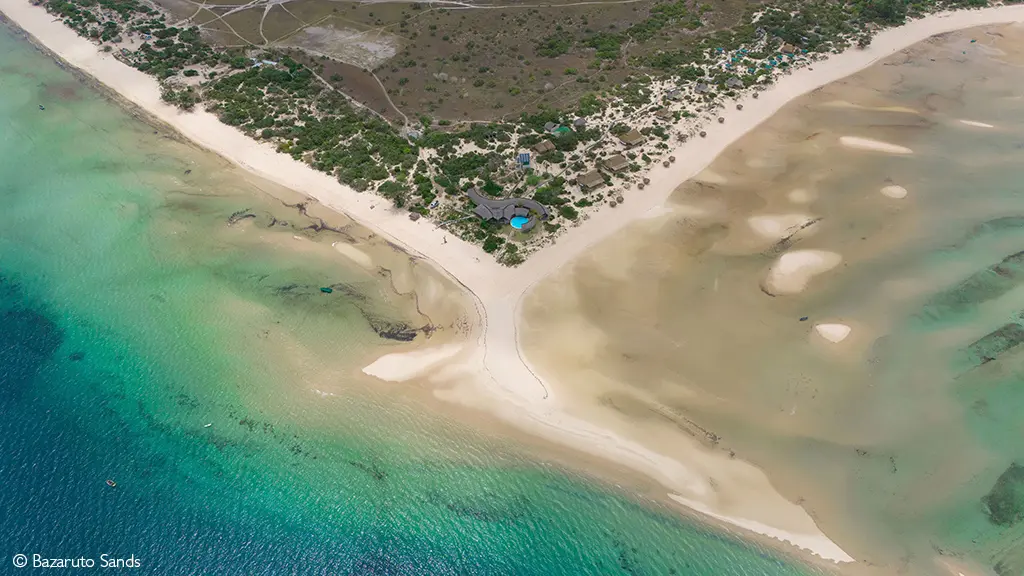
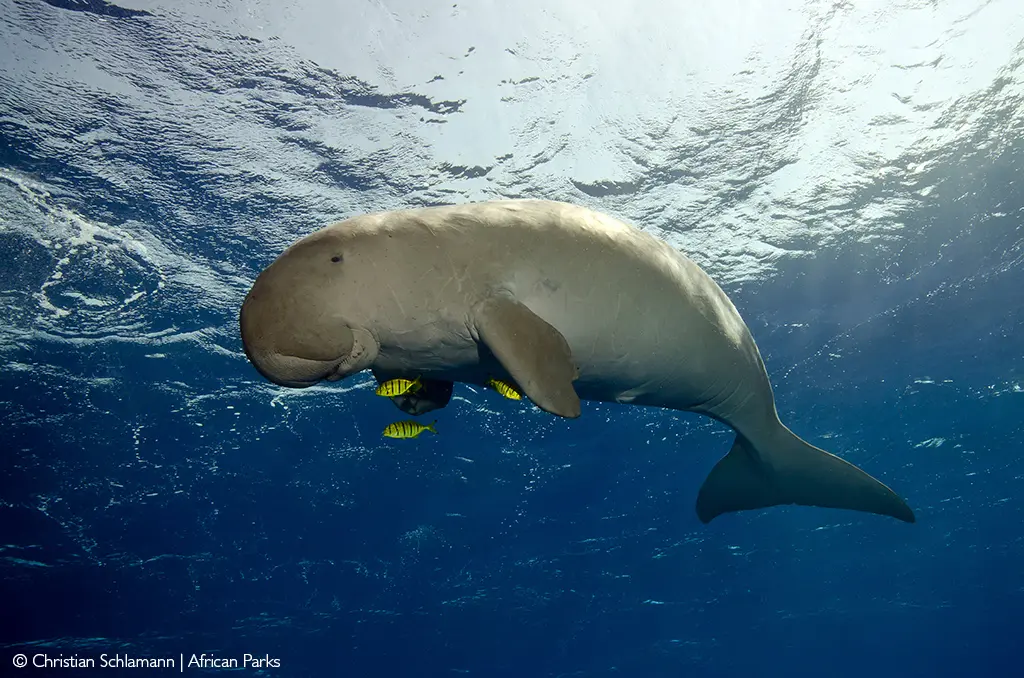
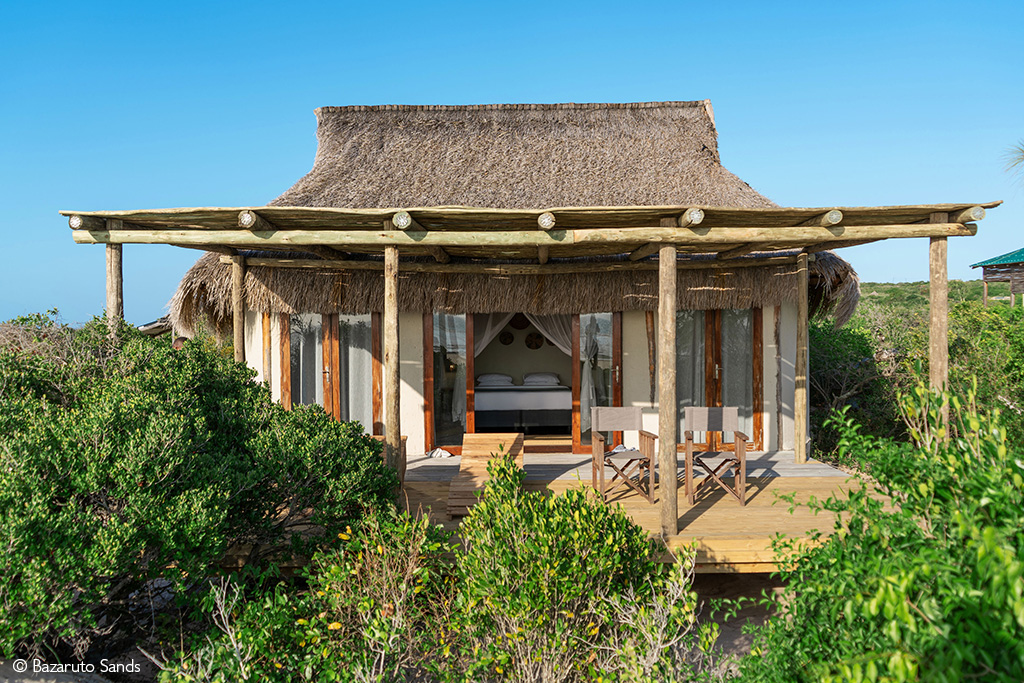
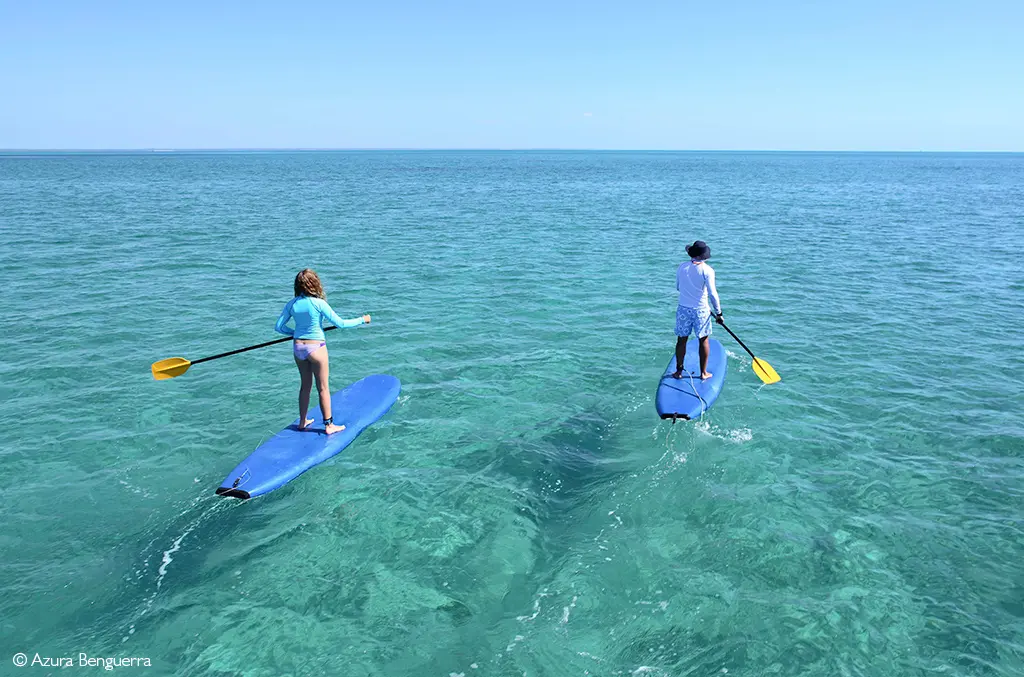
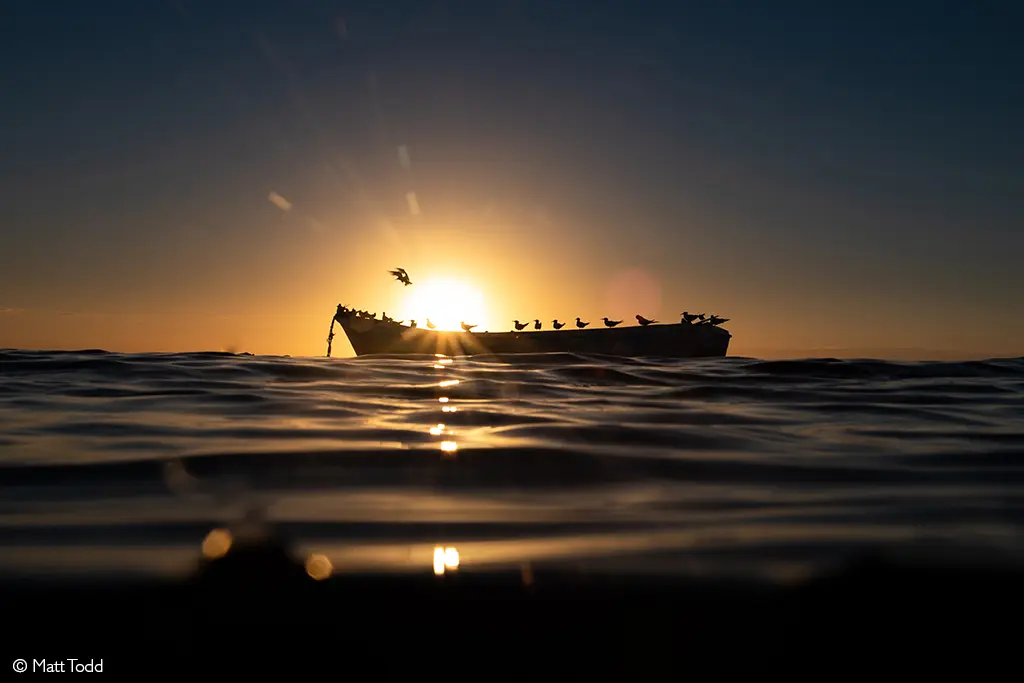
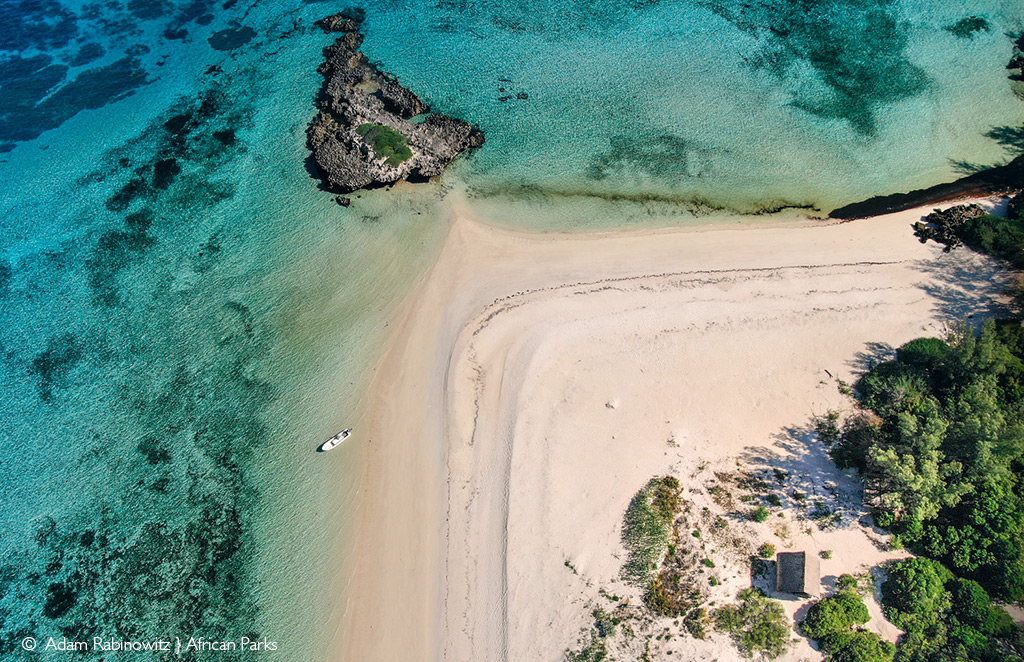
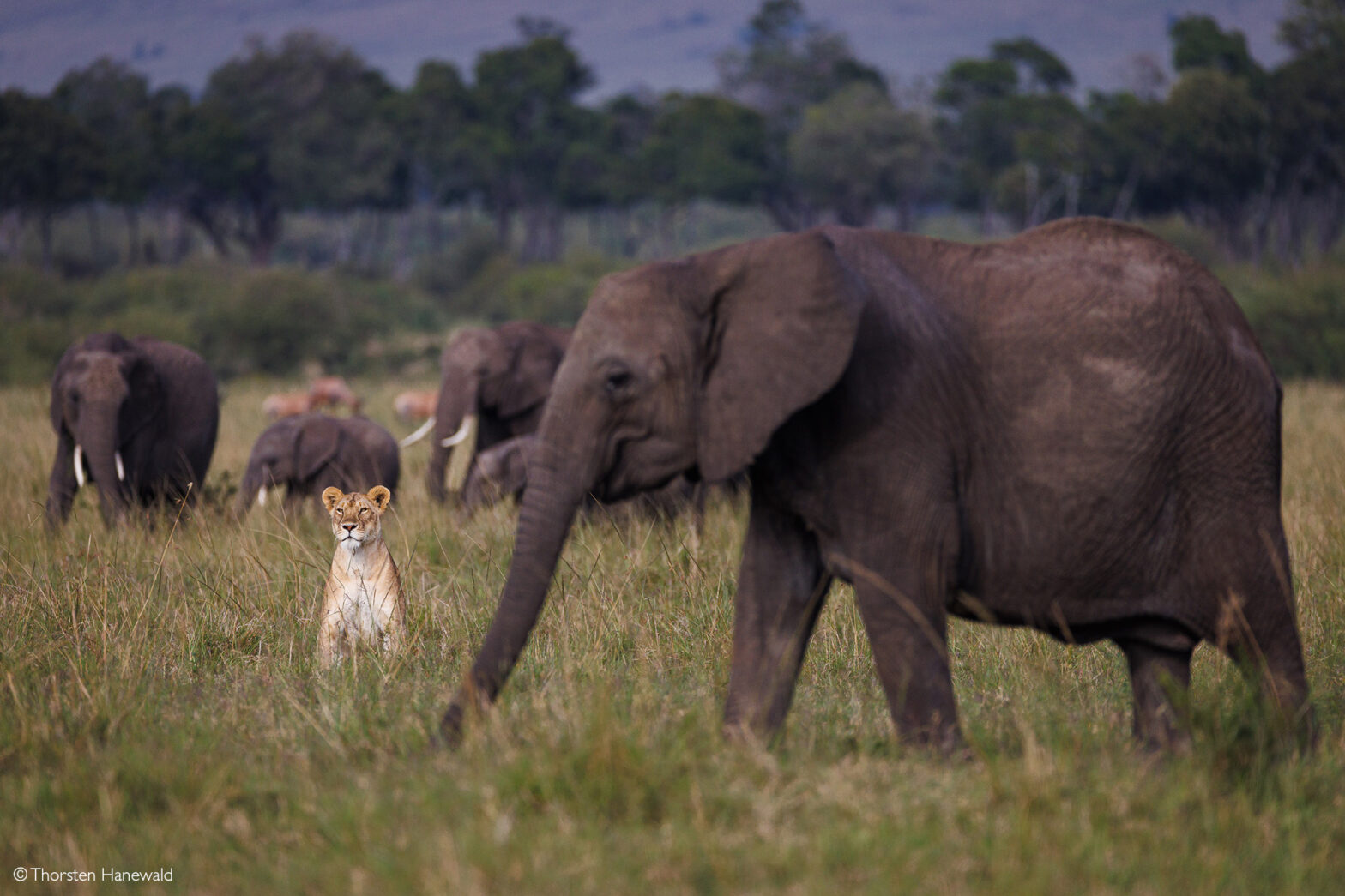
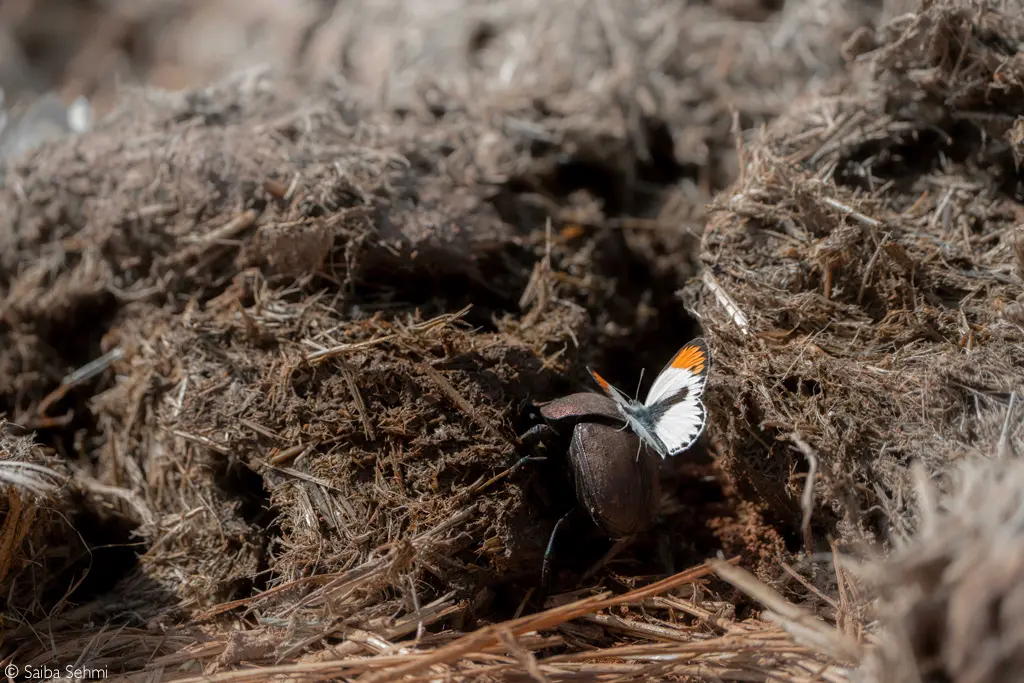
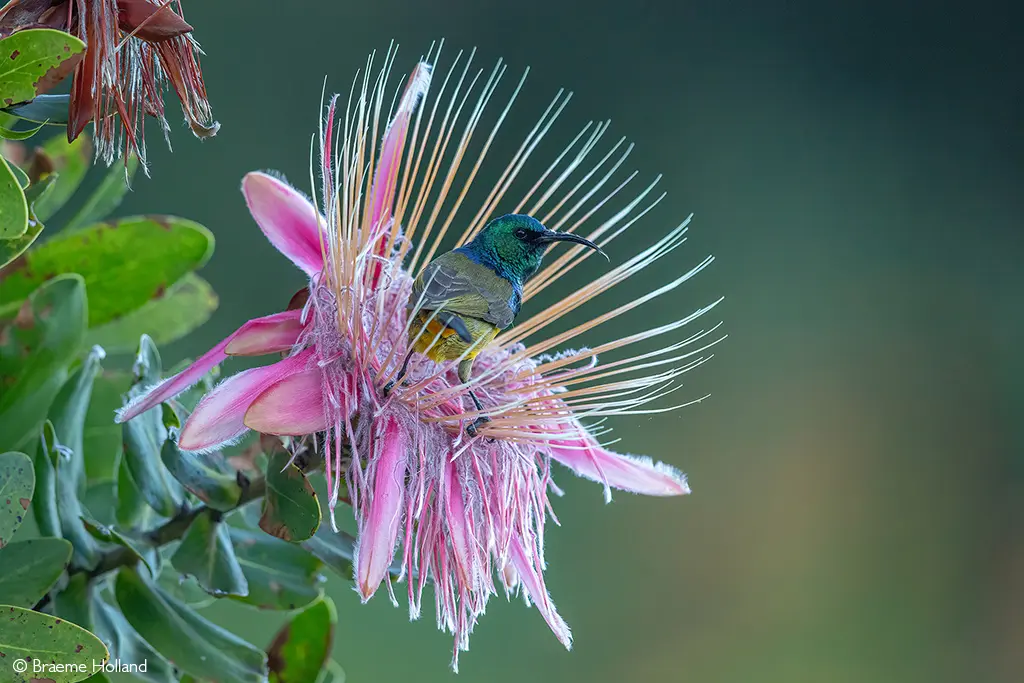
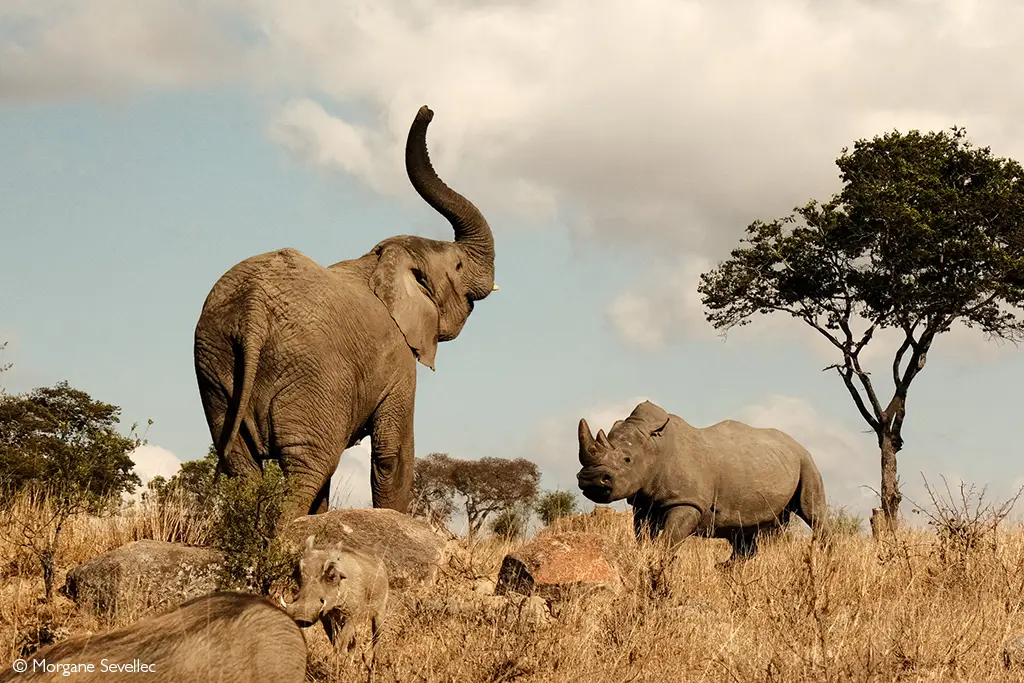
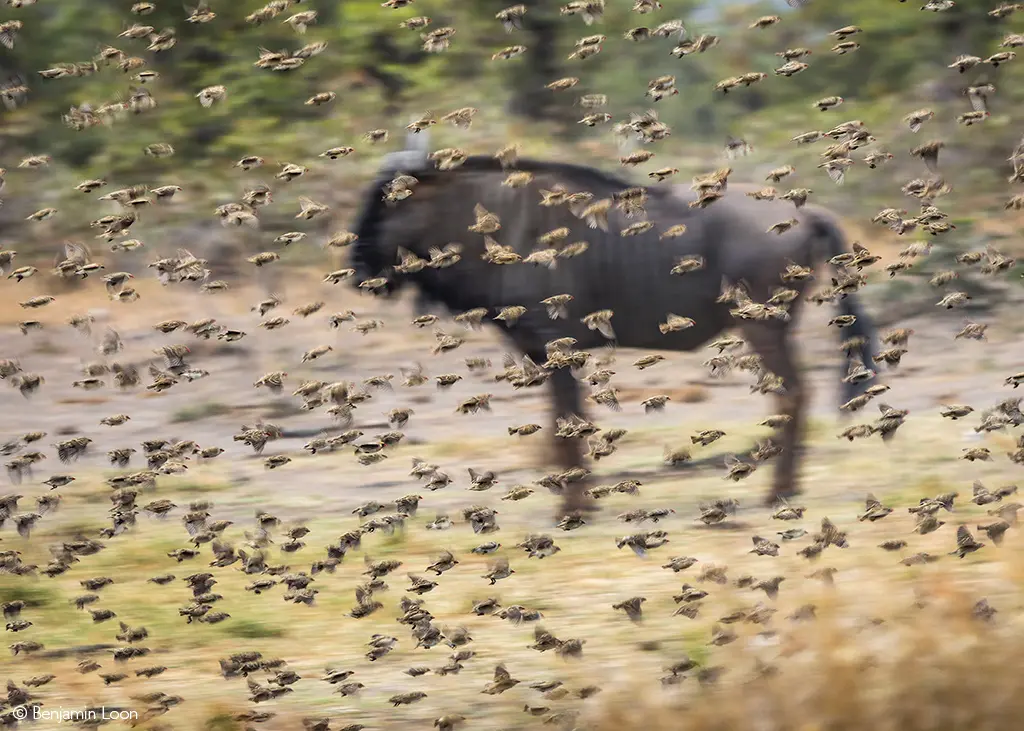
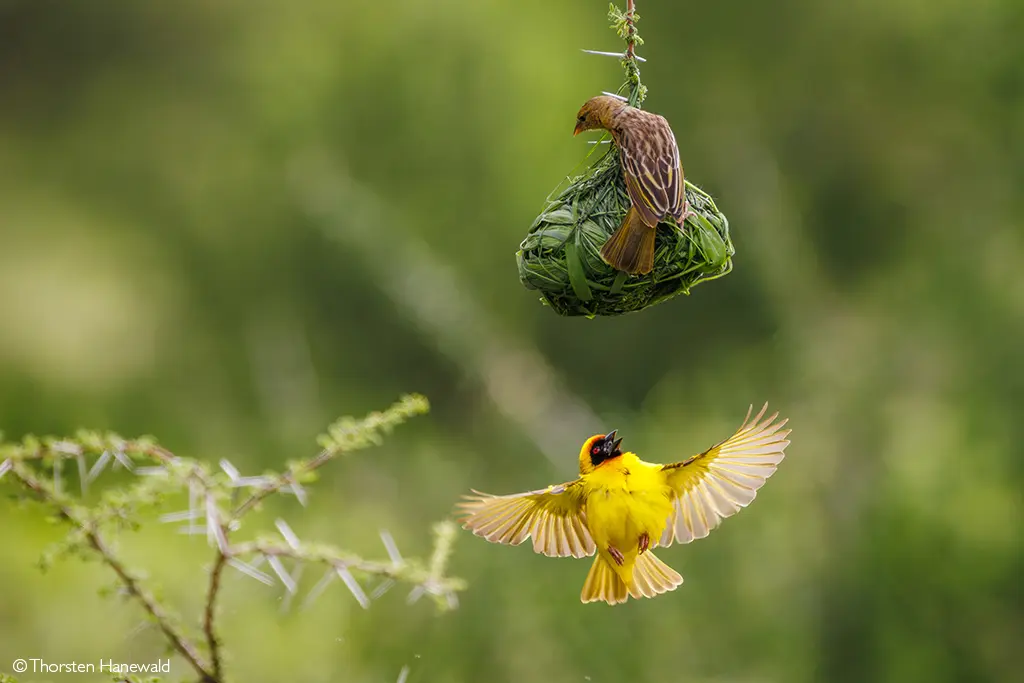
 Photographer of the Year 2026 is here. This year’s winners will travel to Rwanda’s Nyungwe National Park, a misty rainforest alive with chimpanzees, other primates, birds and ancient trees. Entries are open 16 February to 7 May 2026.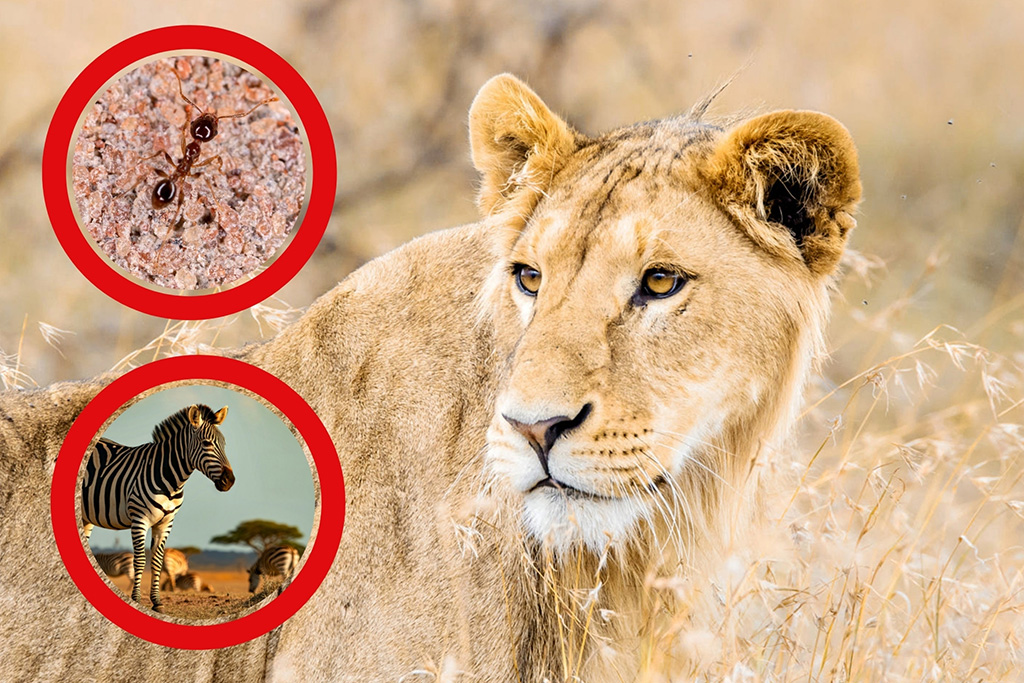
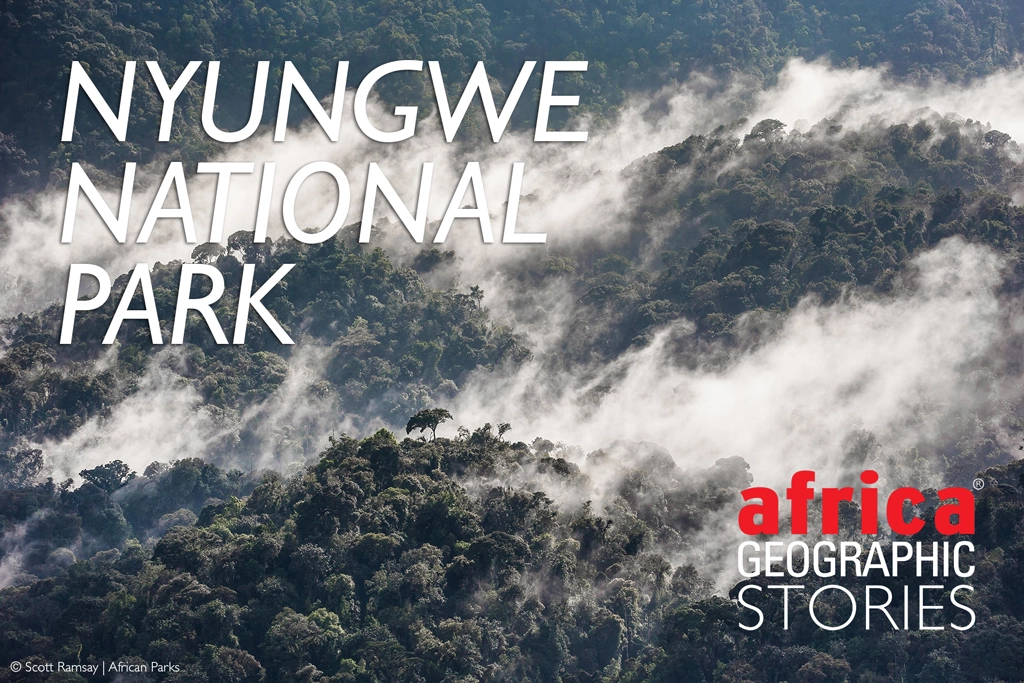
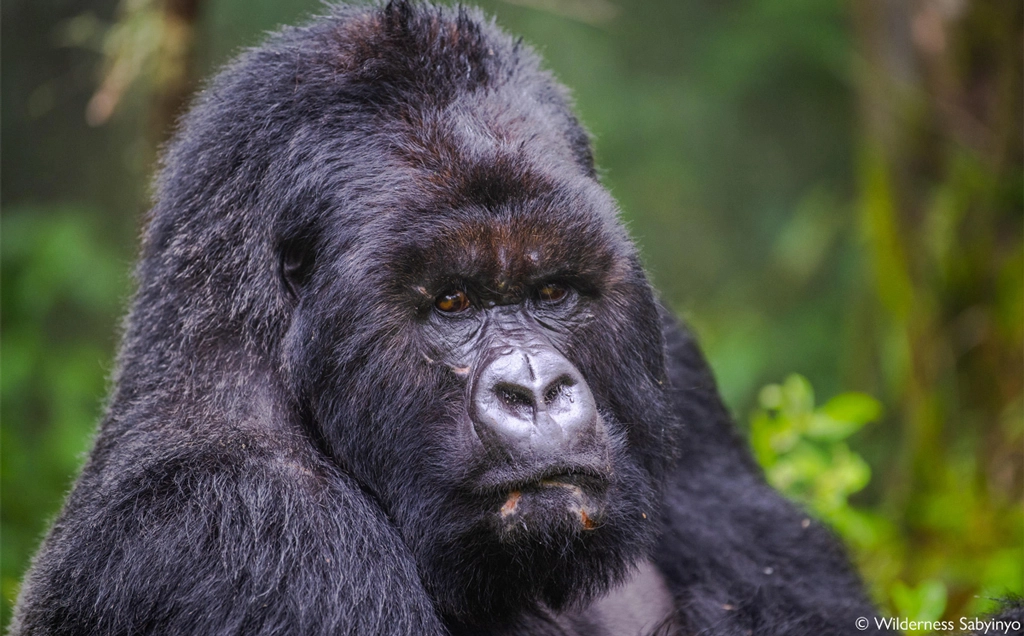
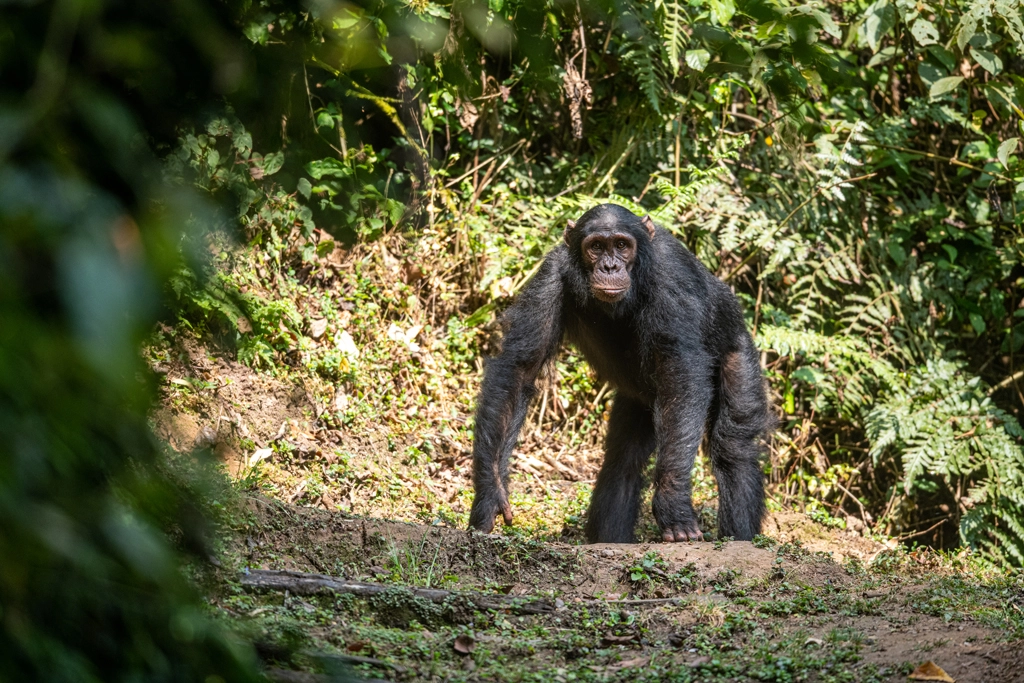
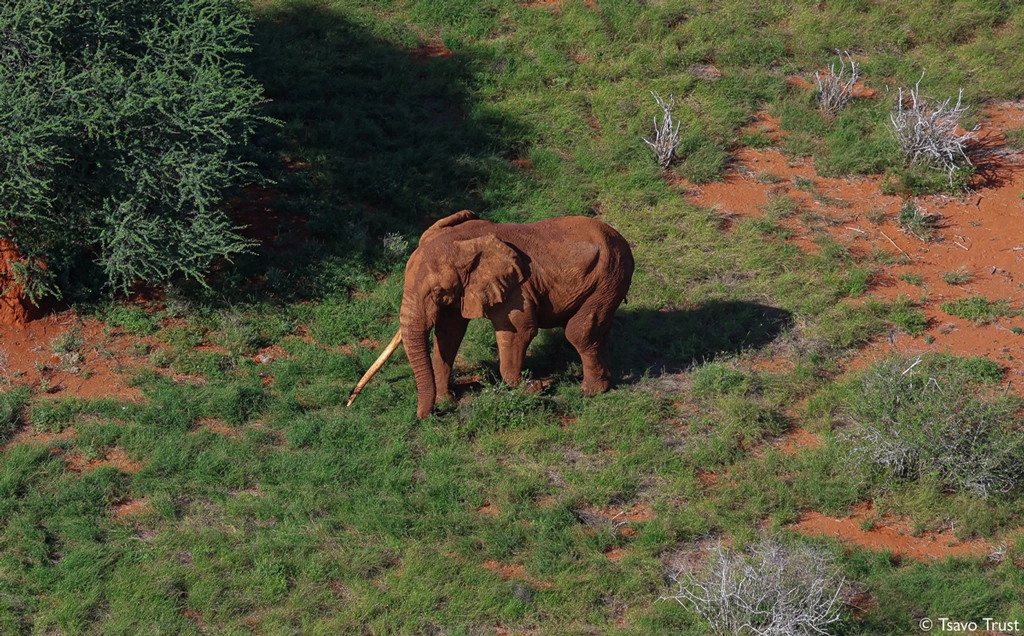
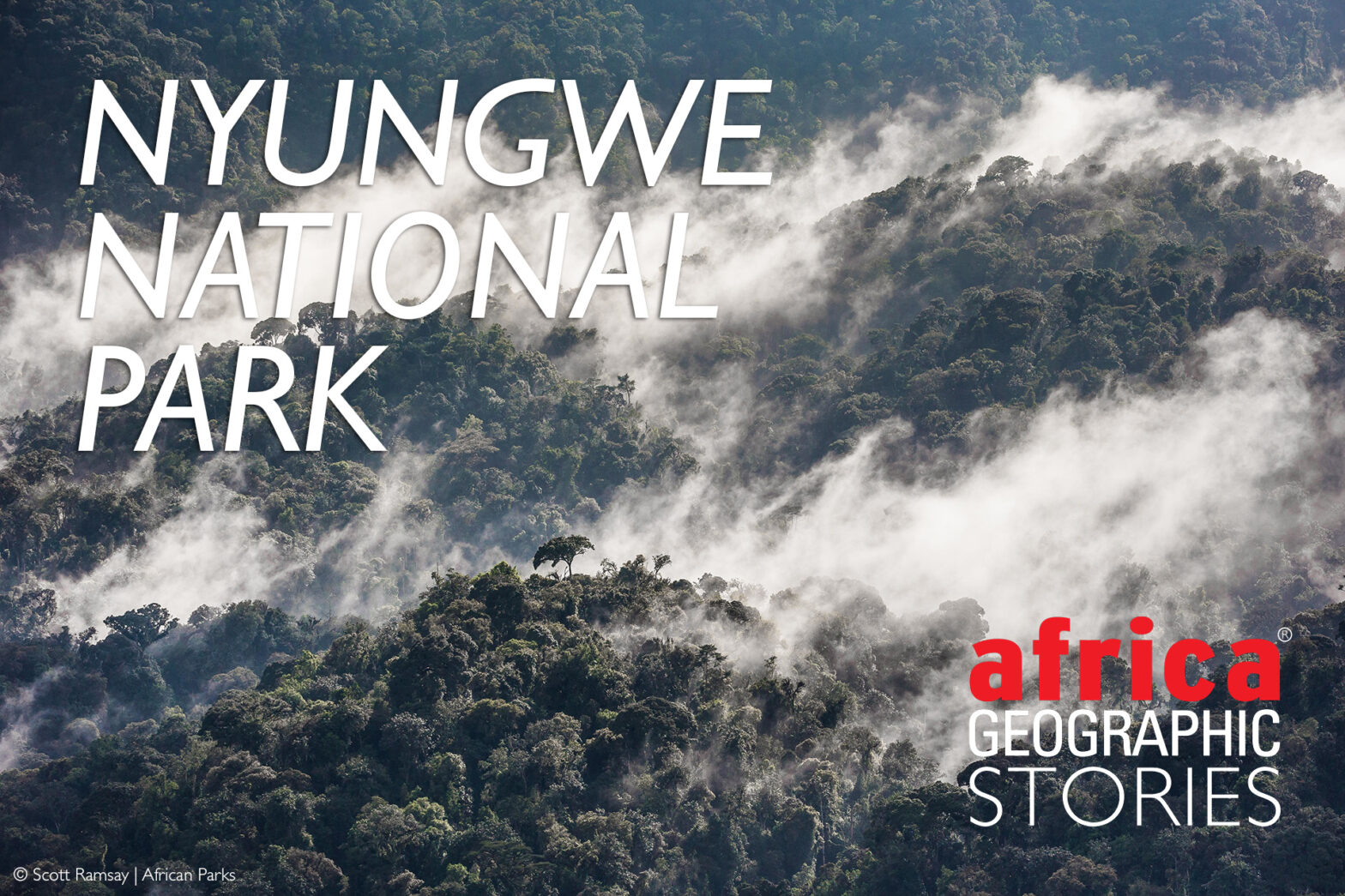
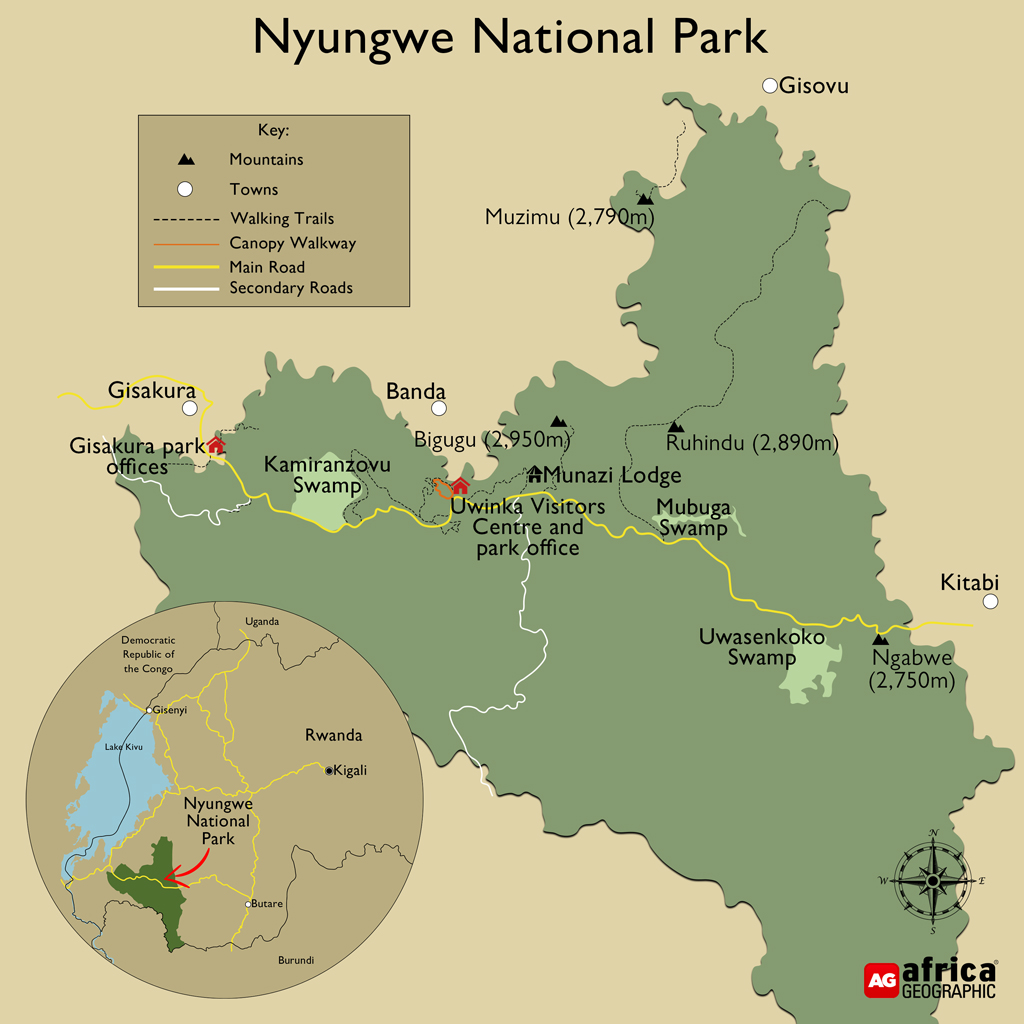
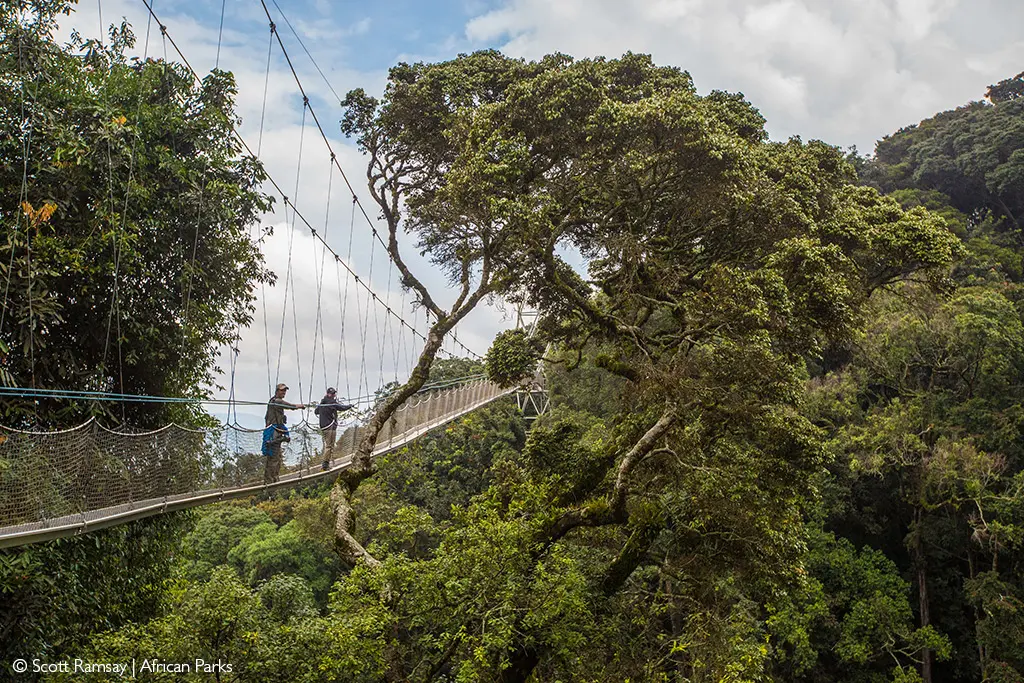
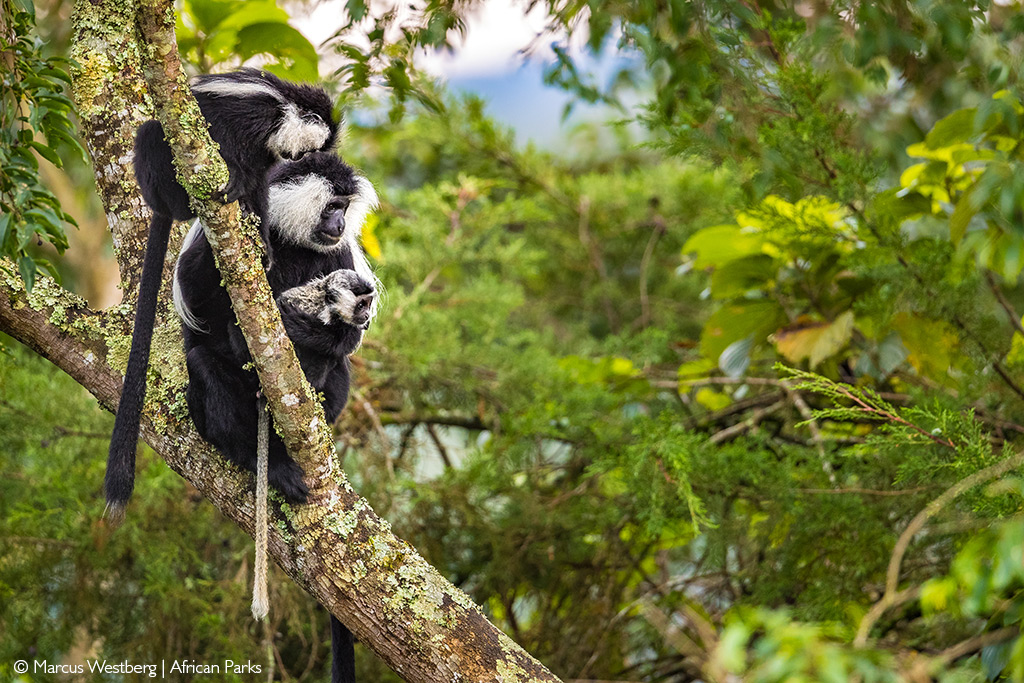
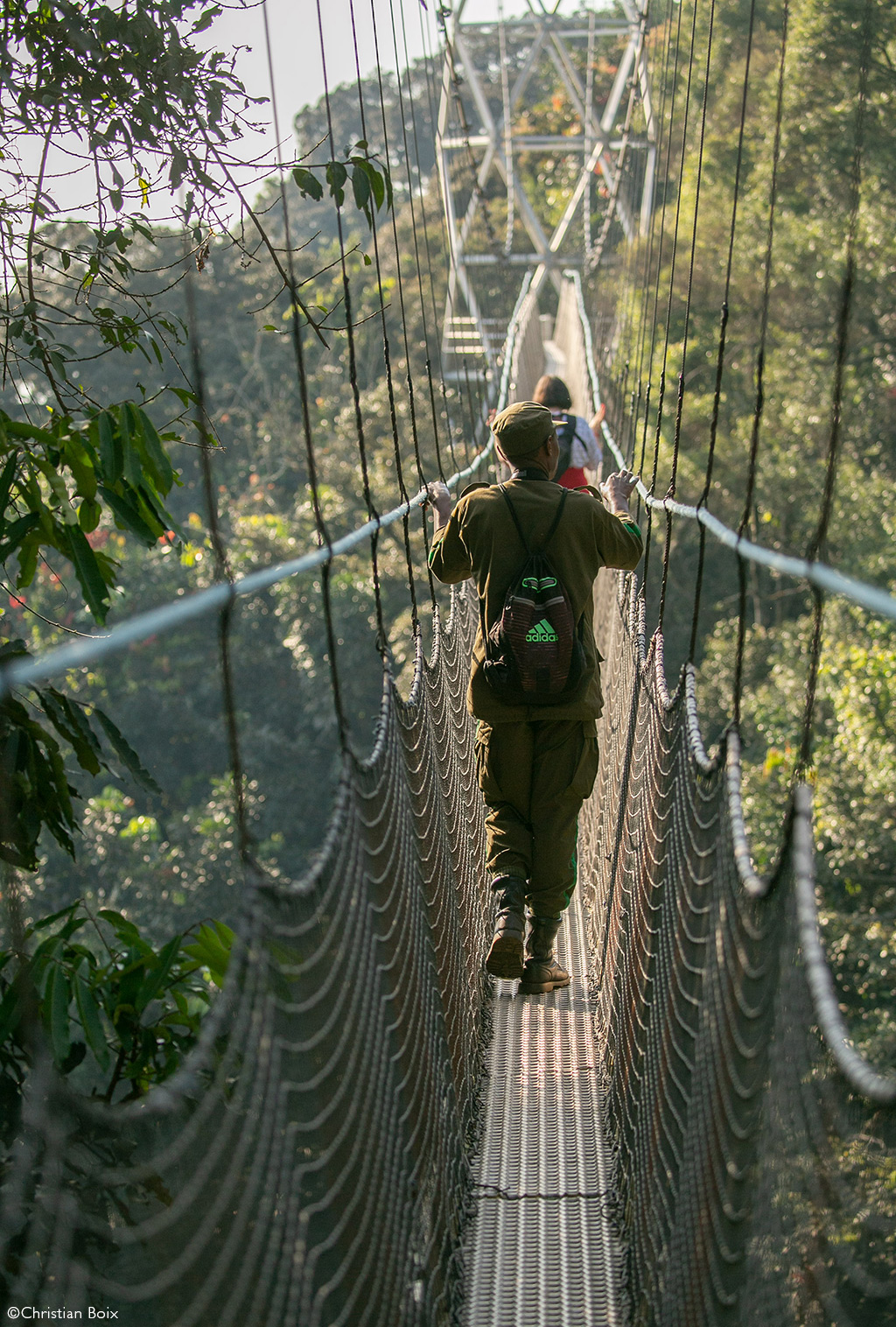
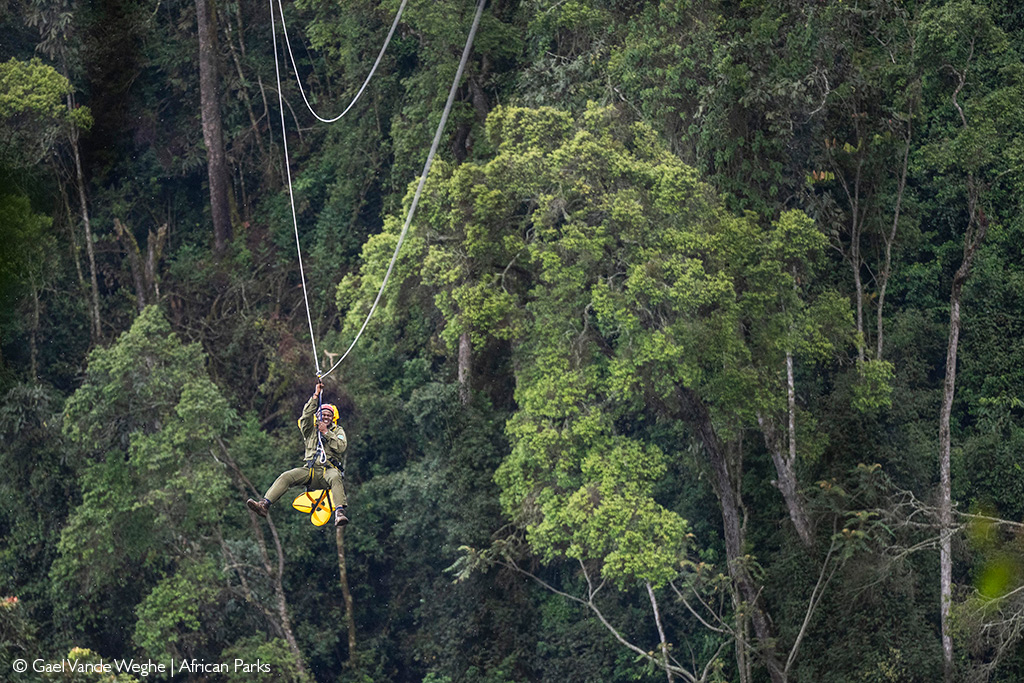
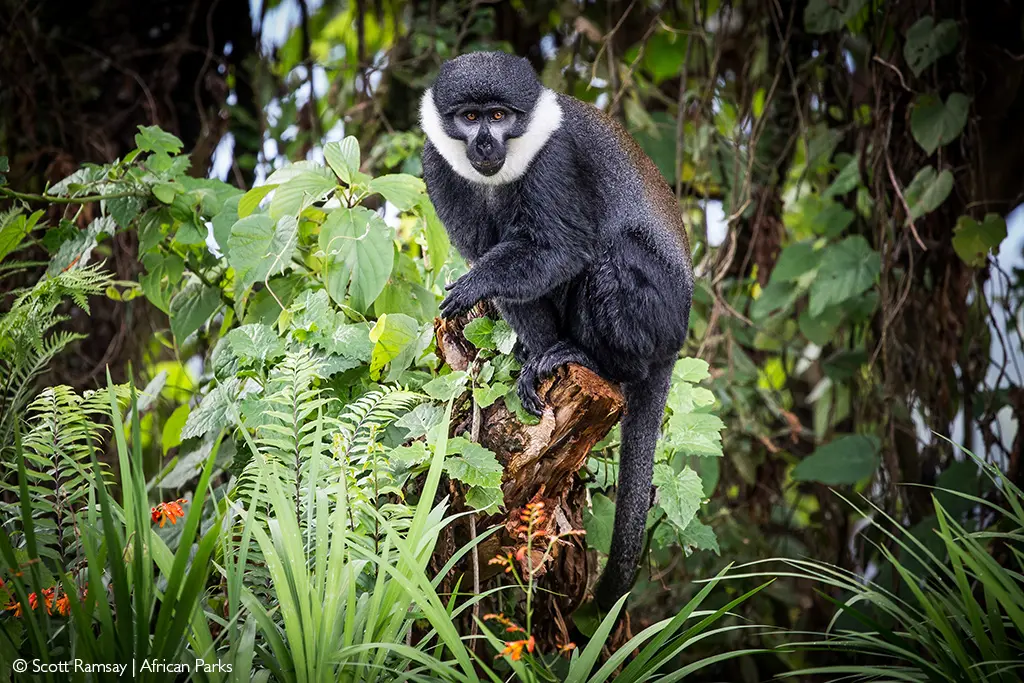
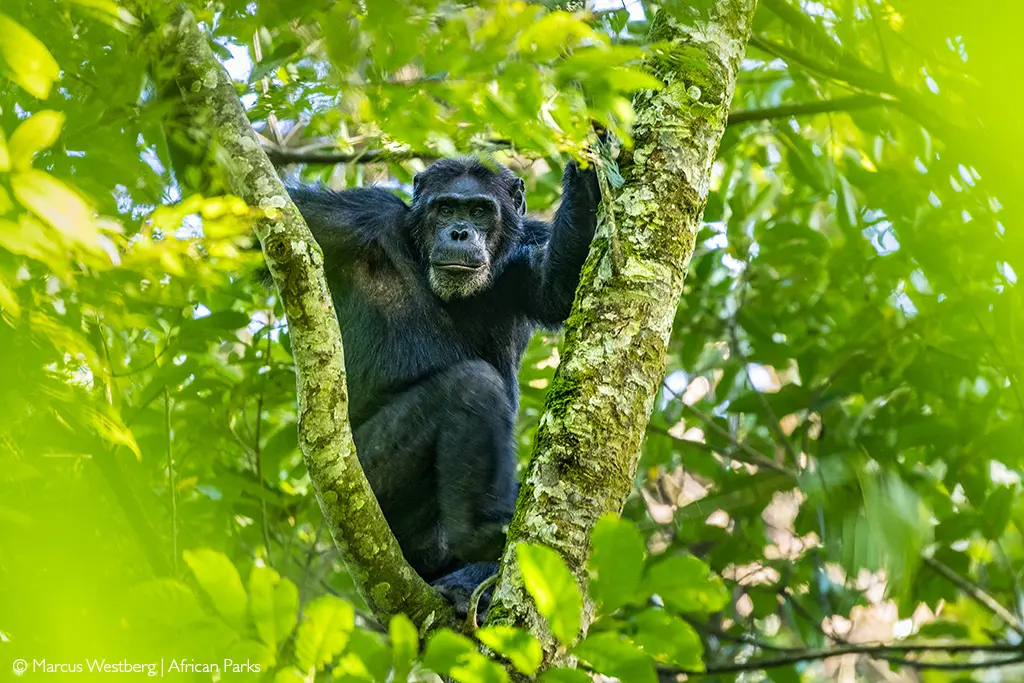
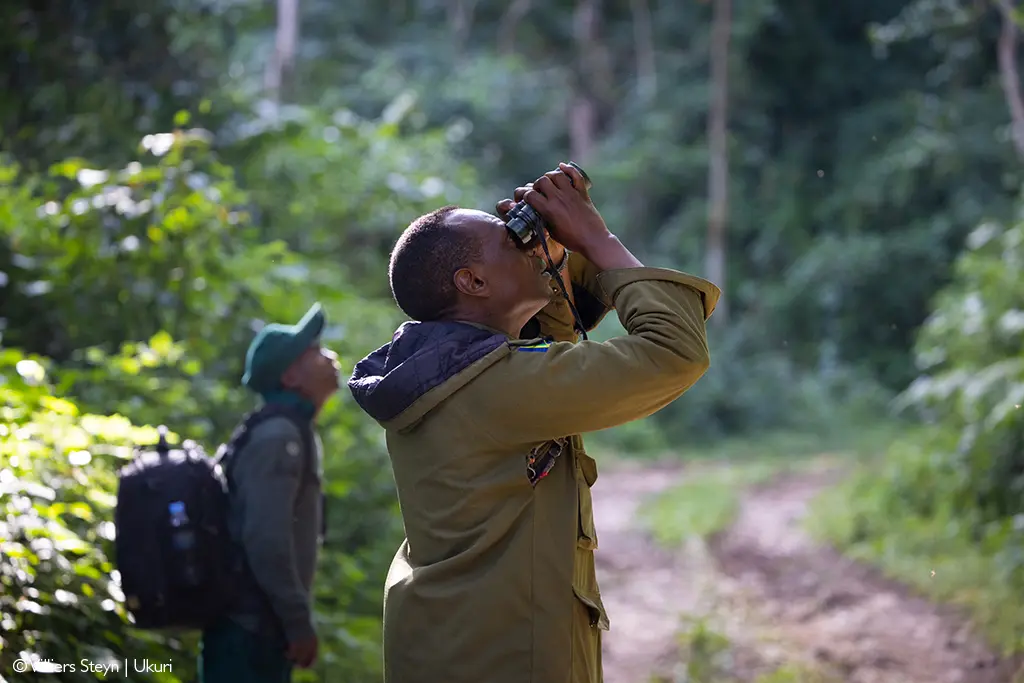
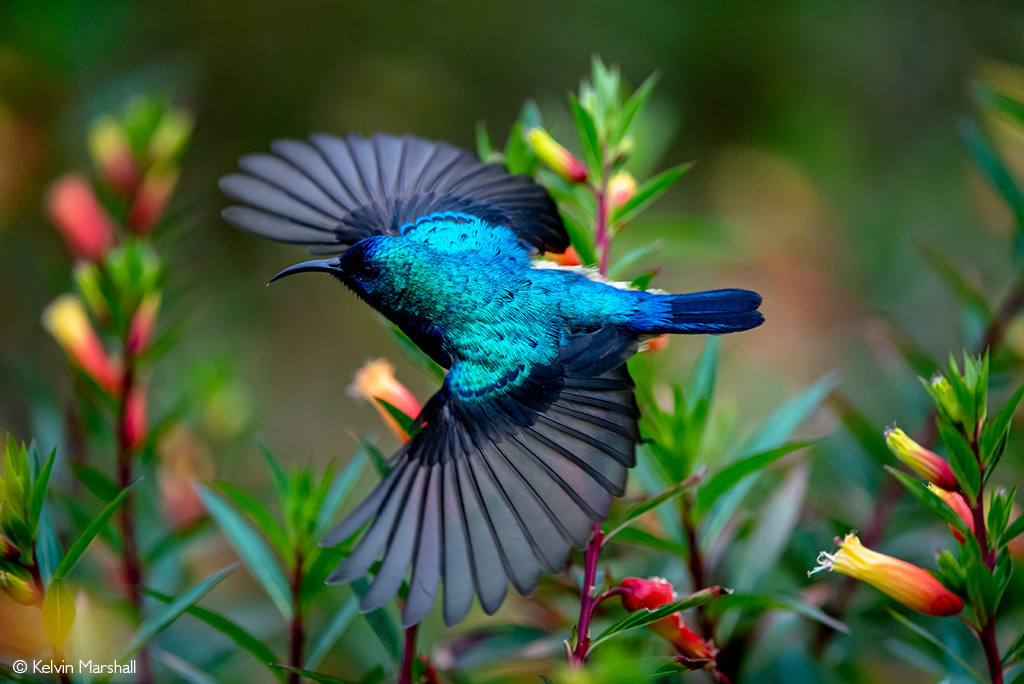
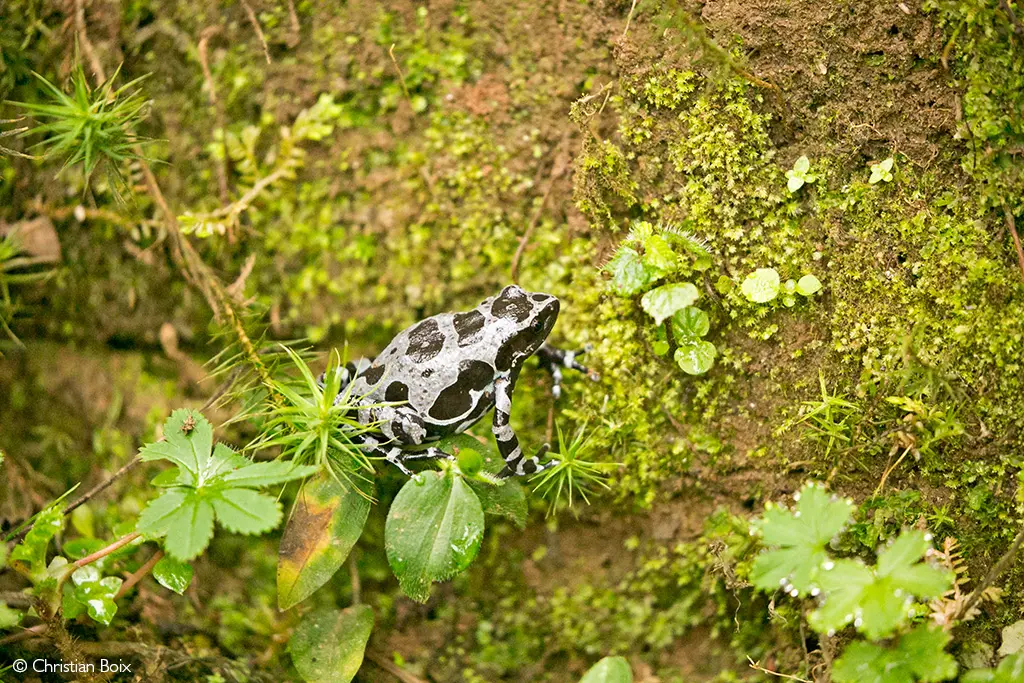
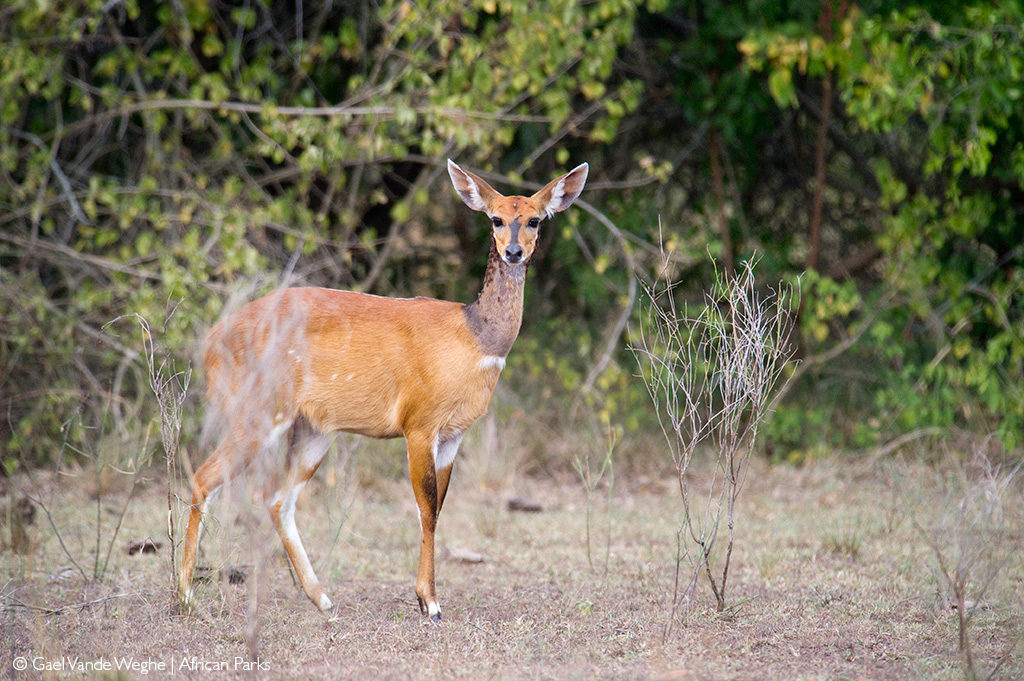
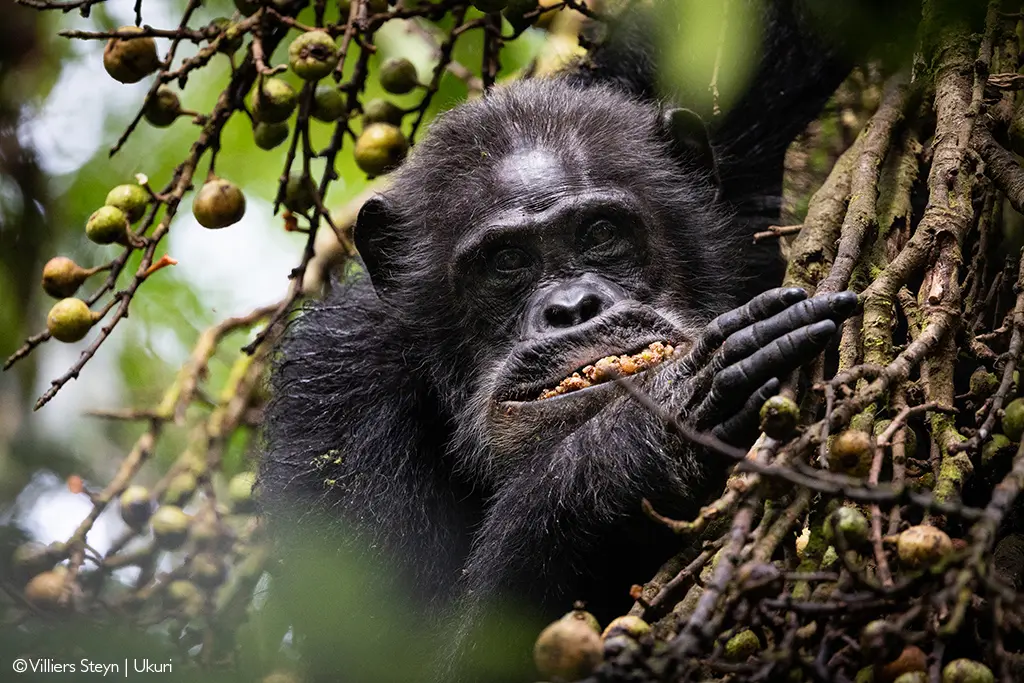
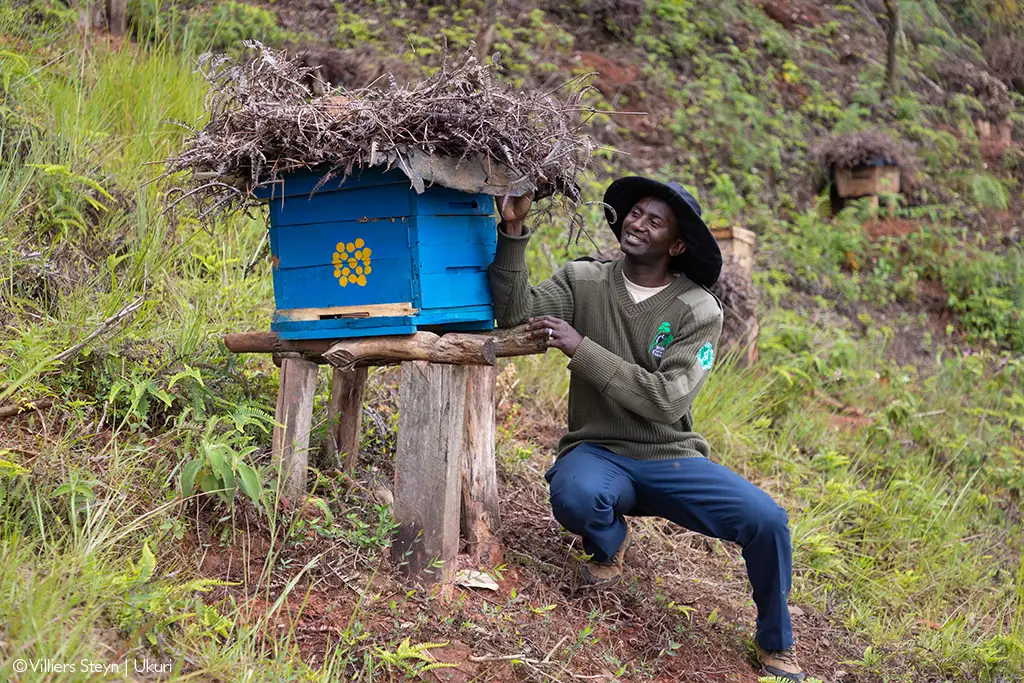
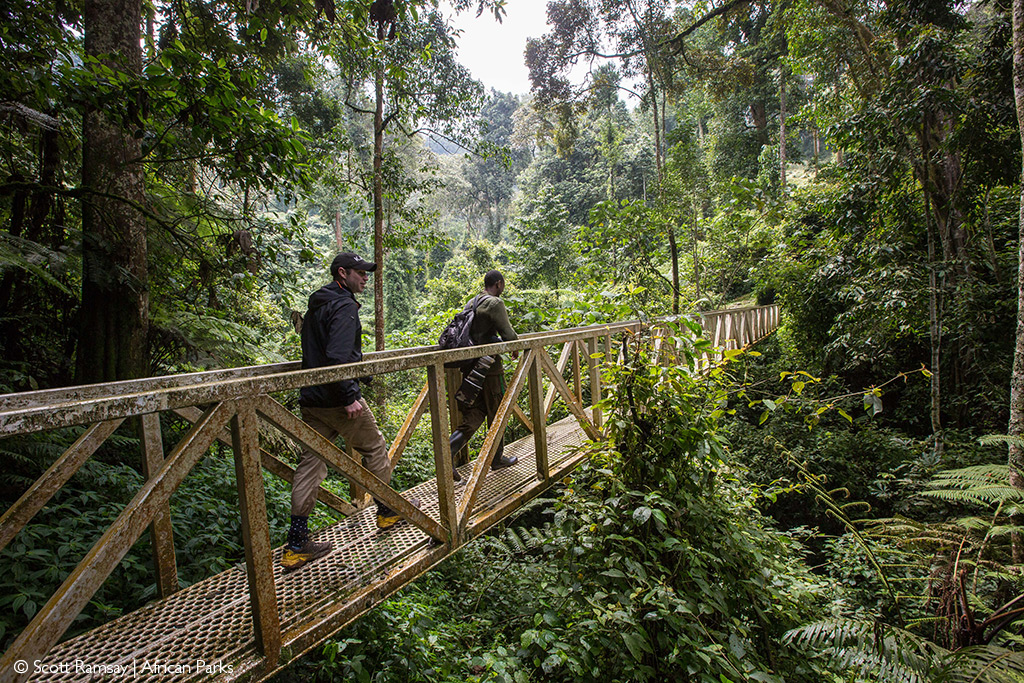
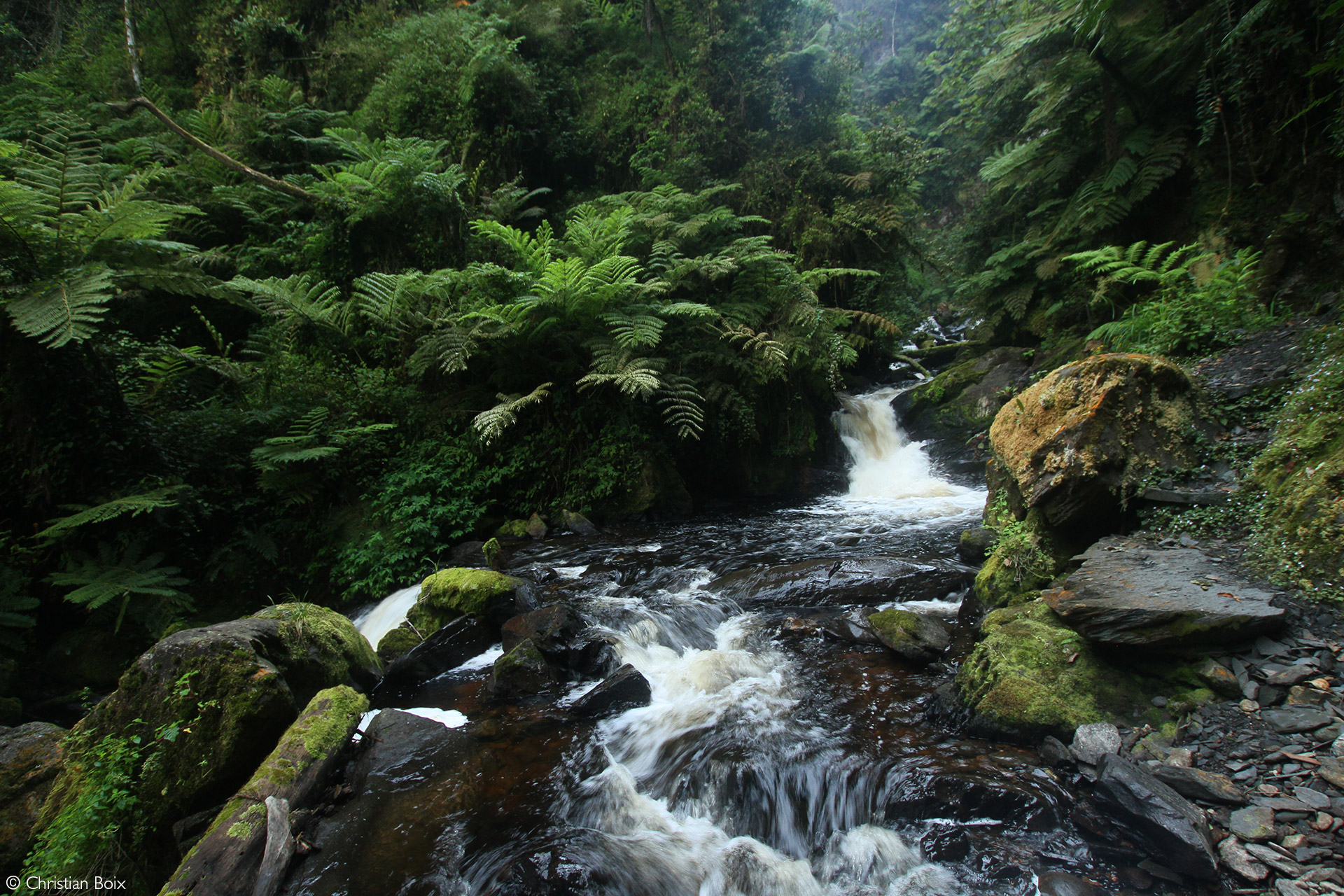
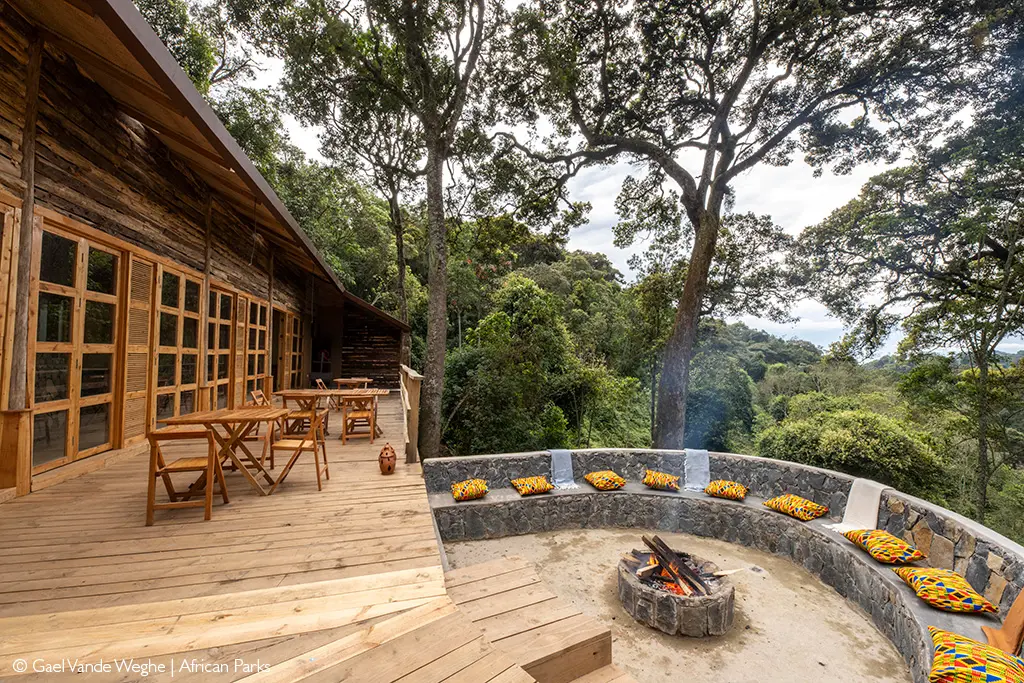
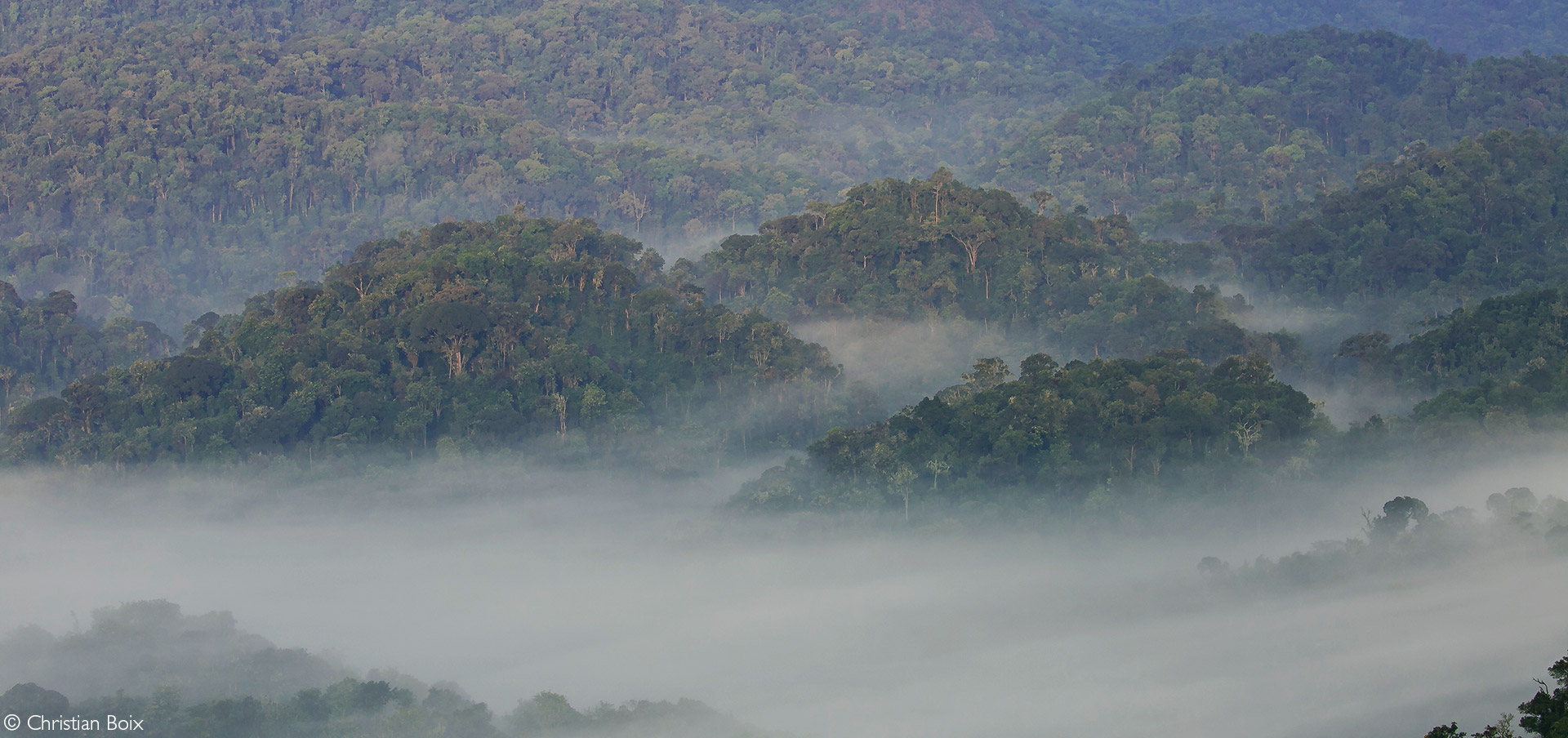
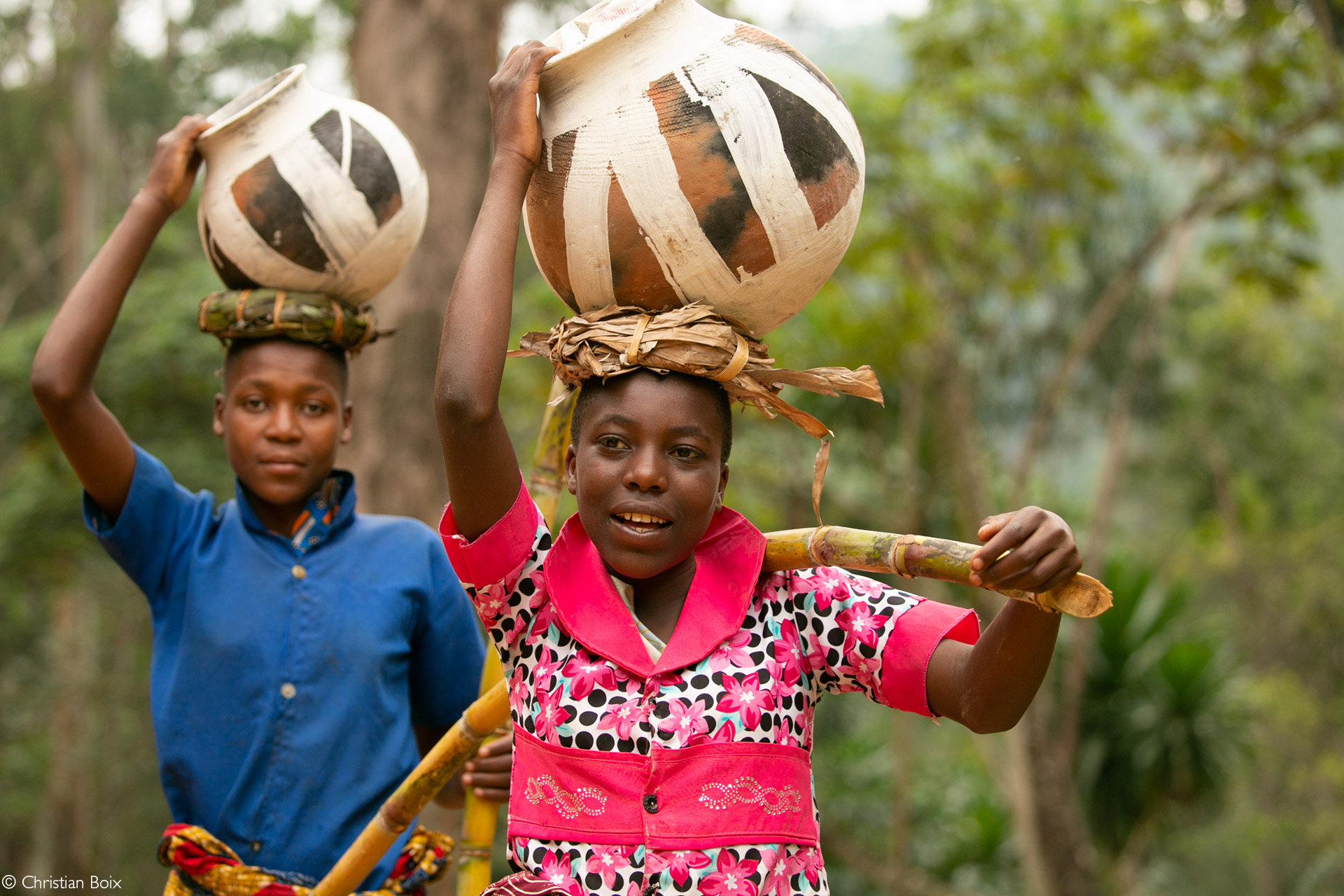
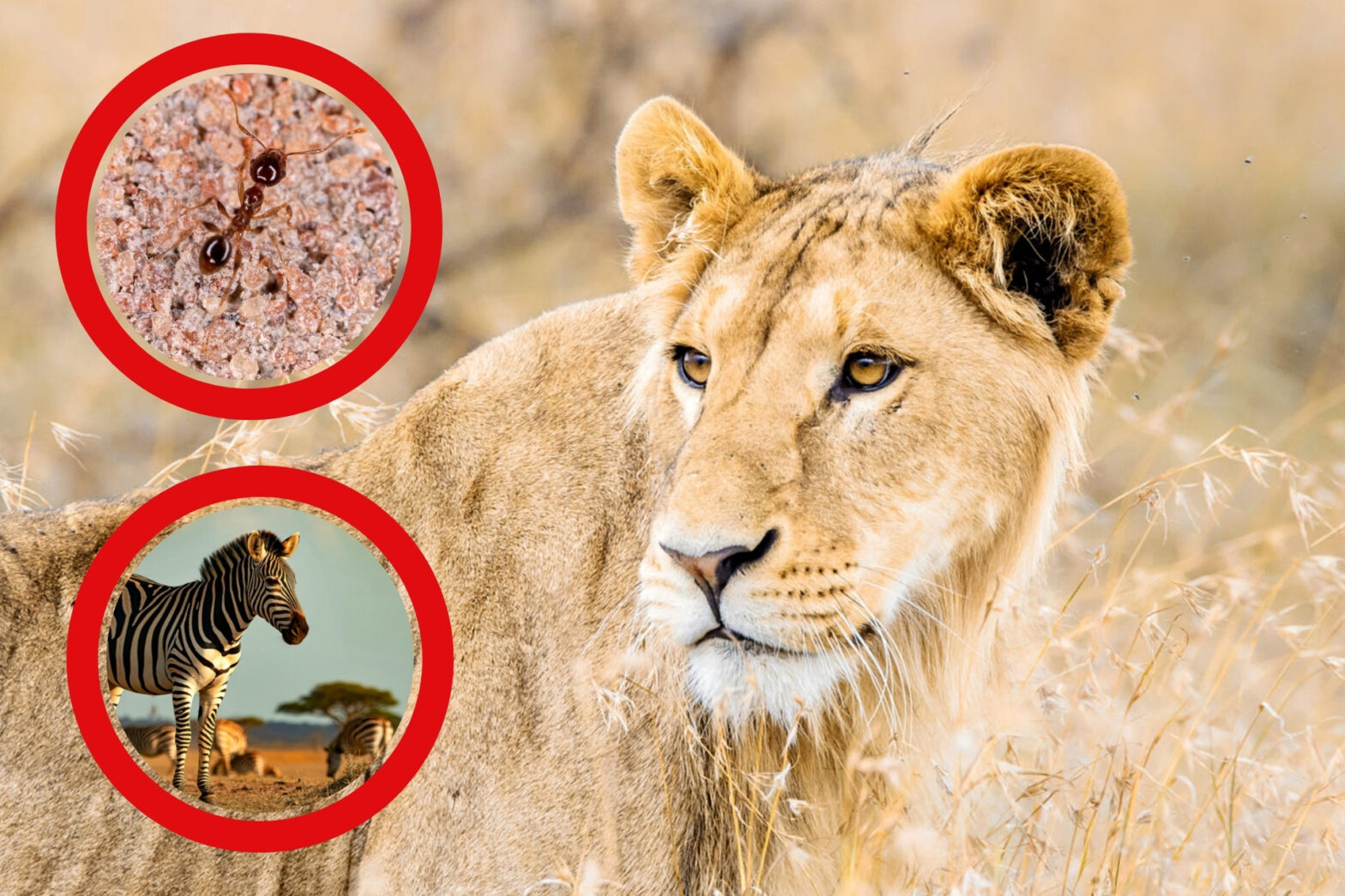
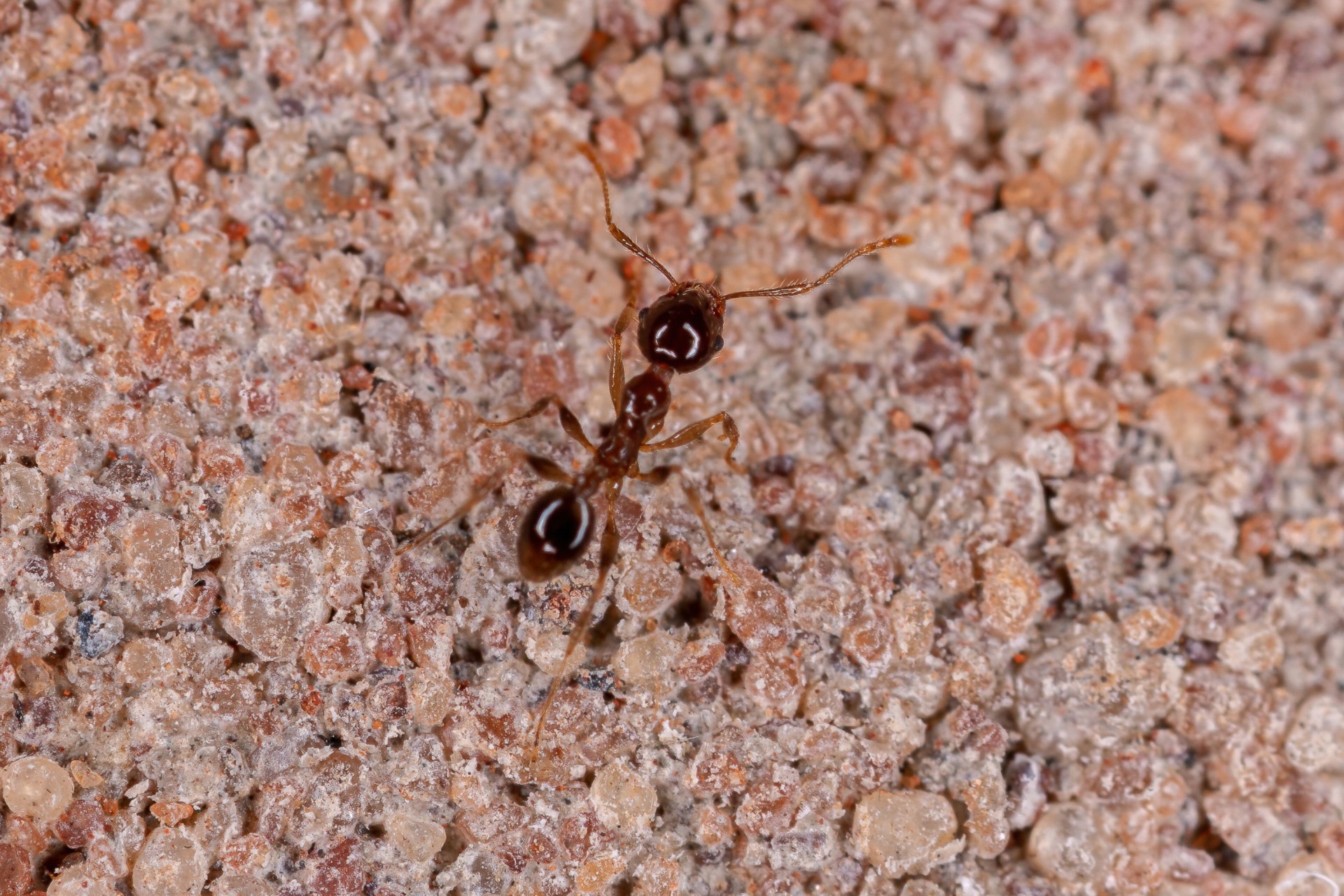
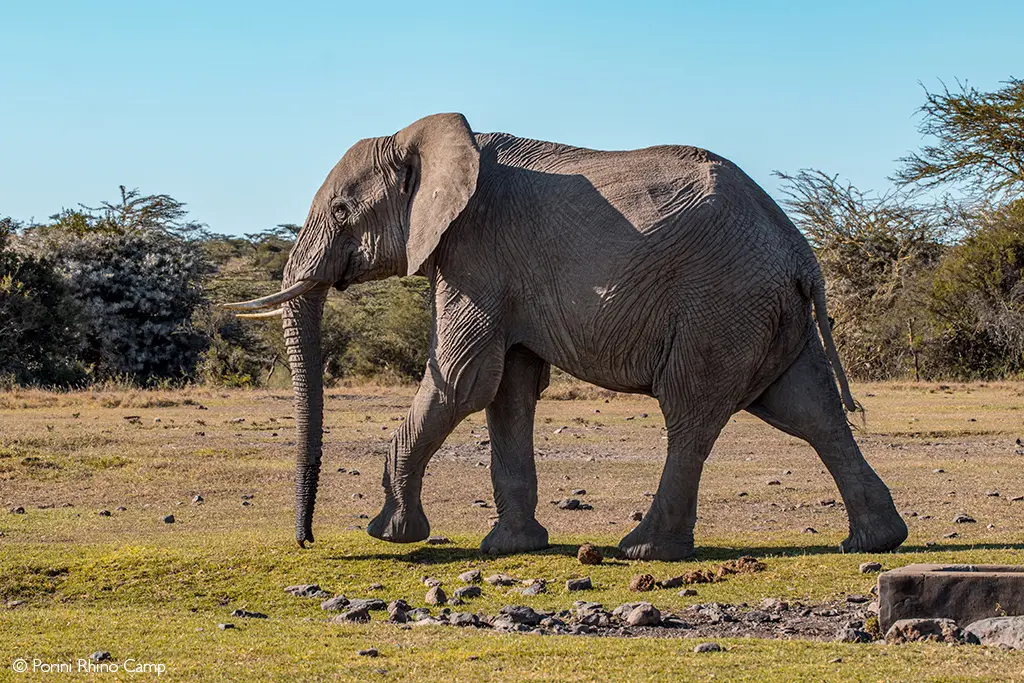
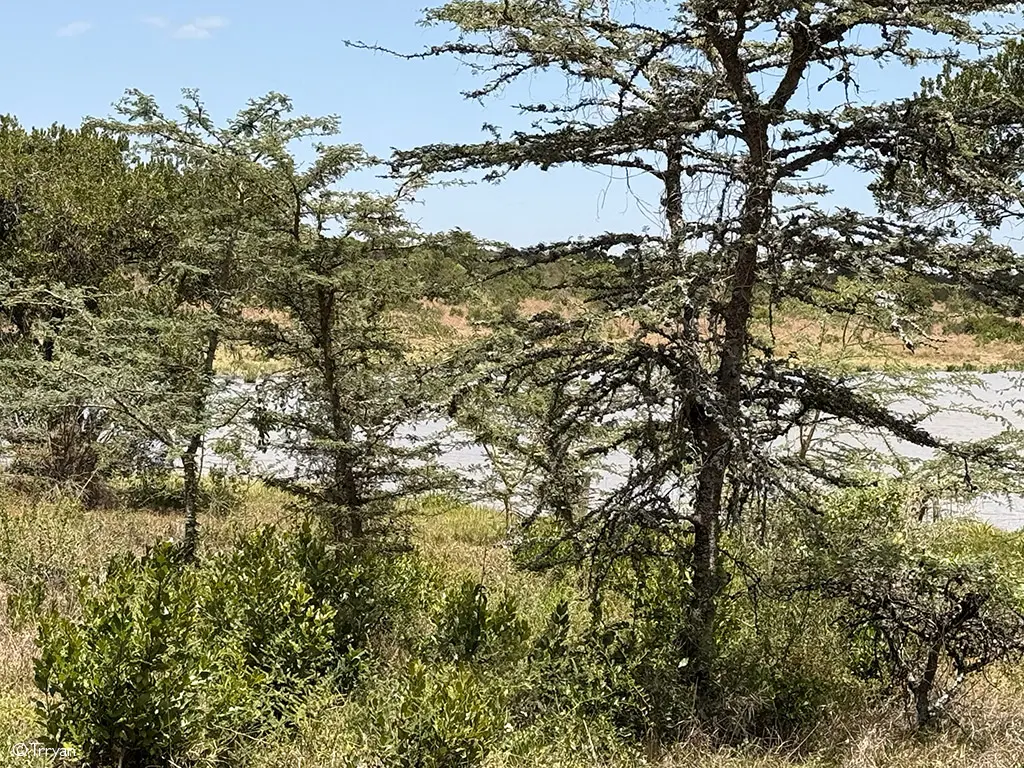
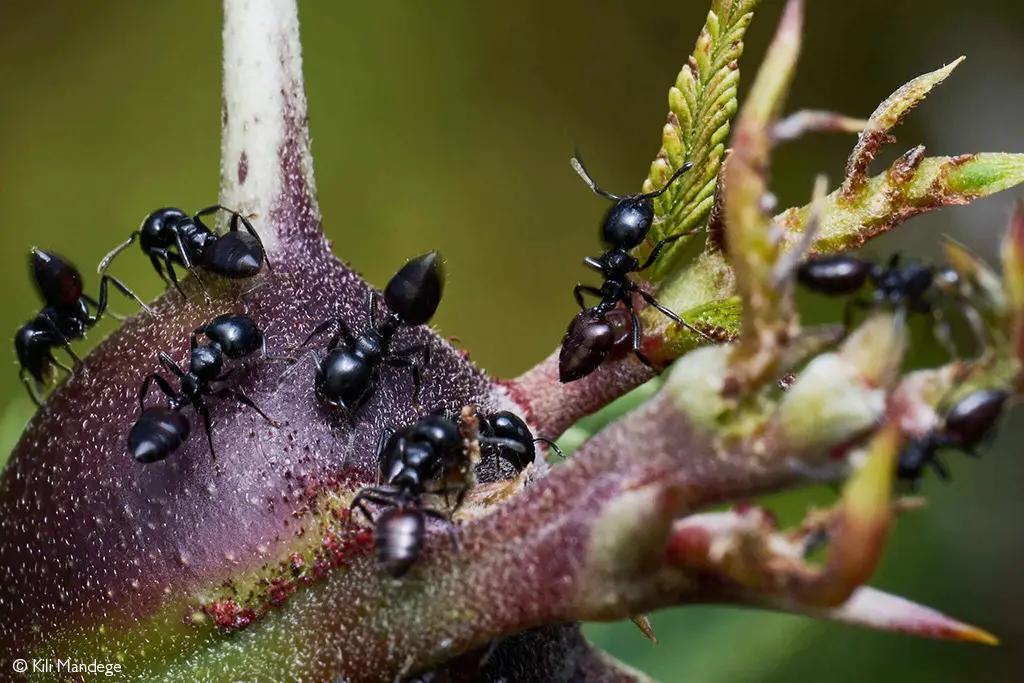
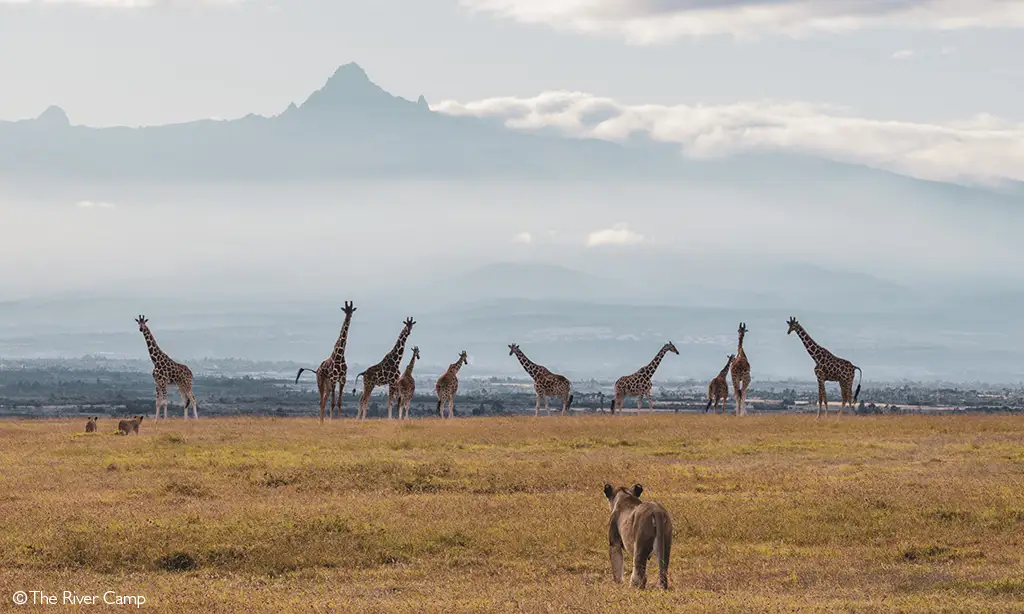
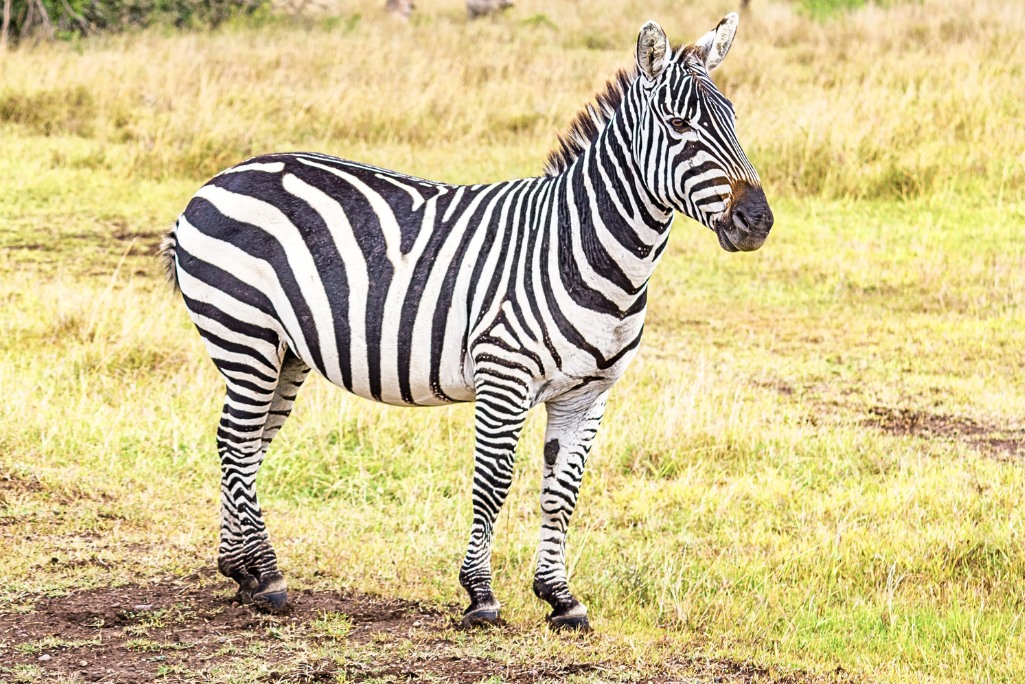
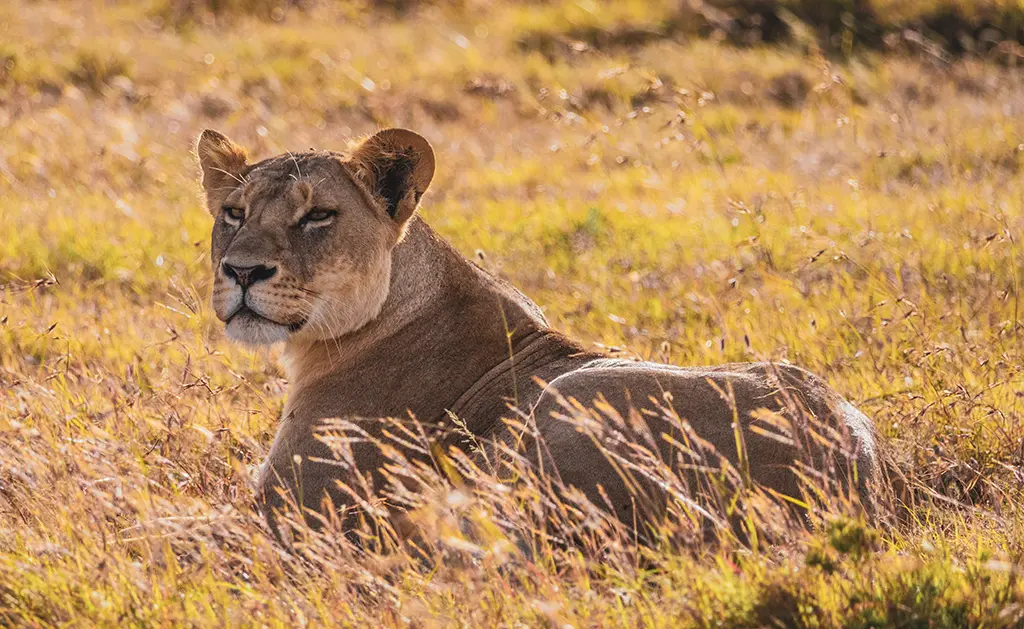
 + magical Cape Town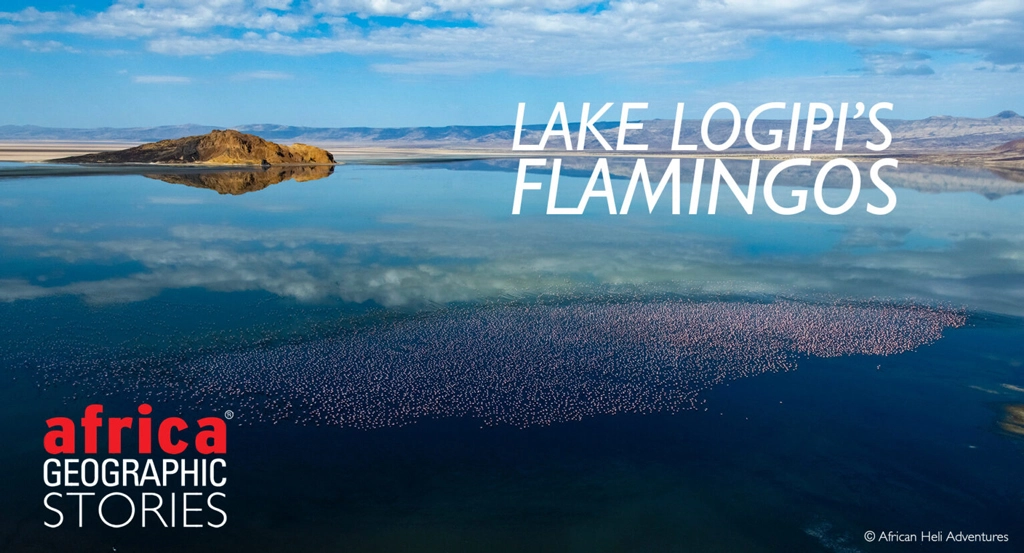
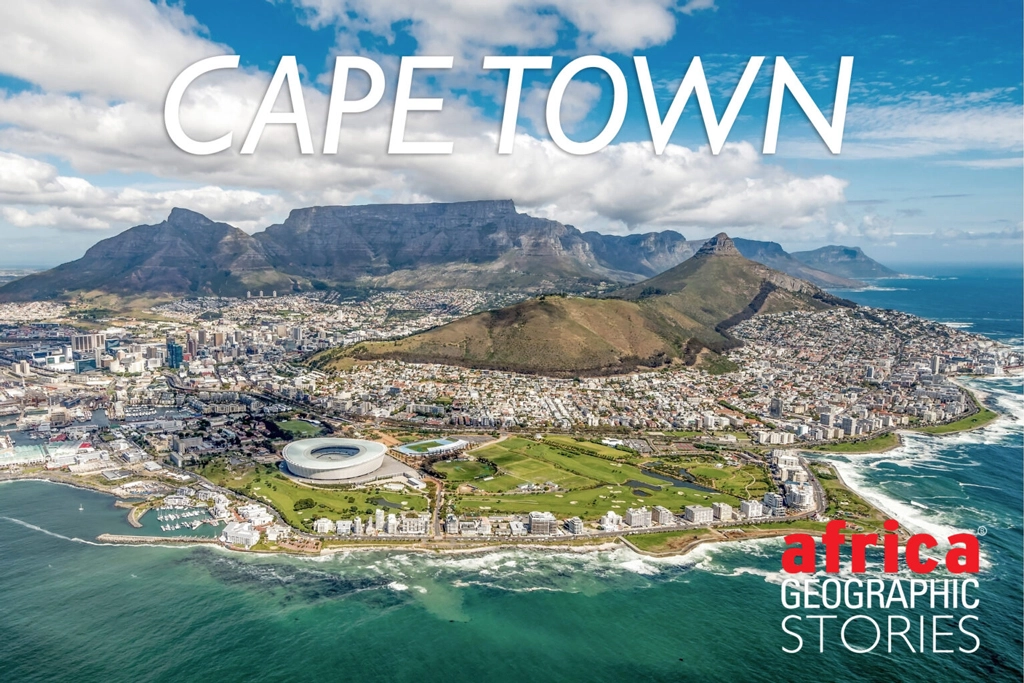
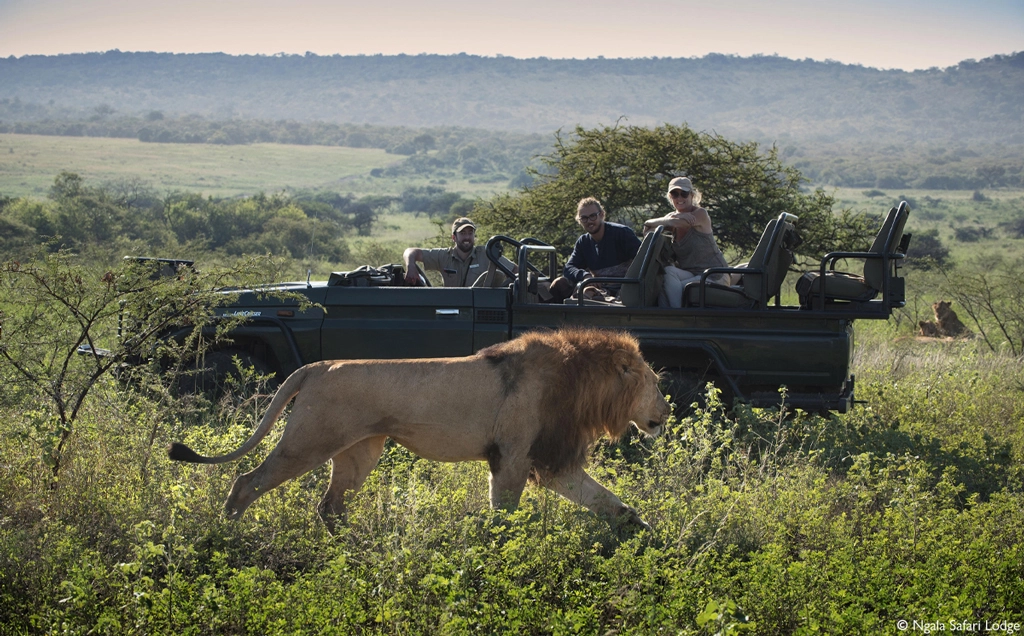
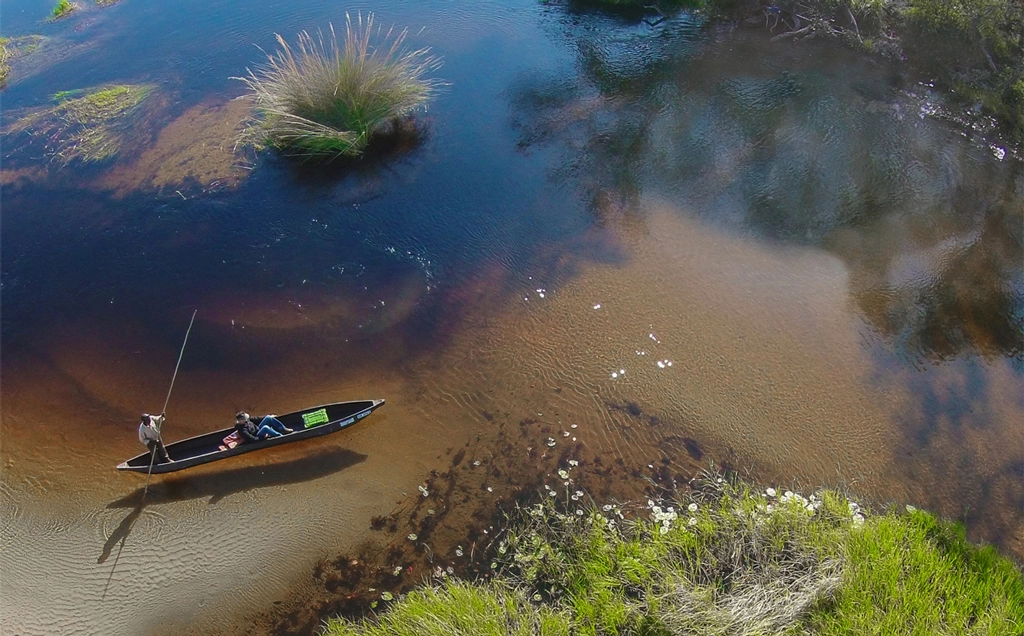
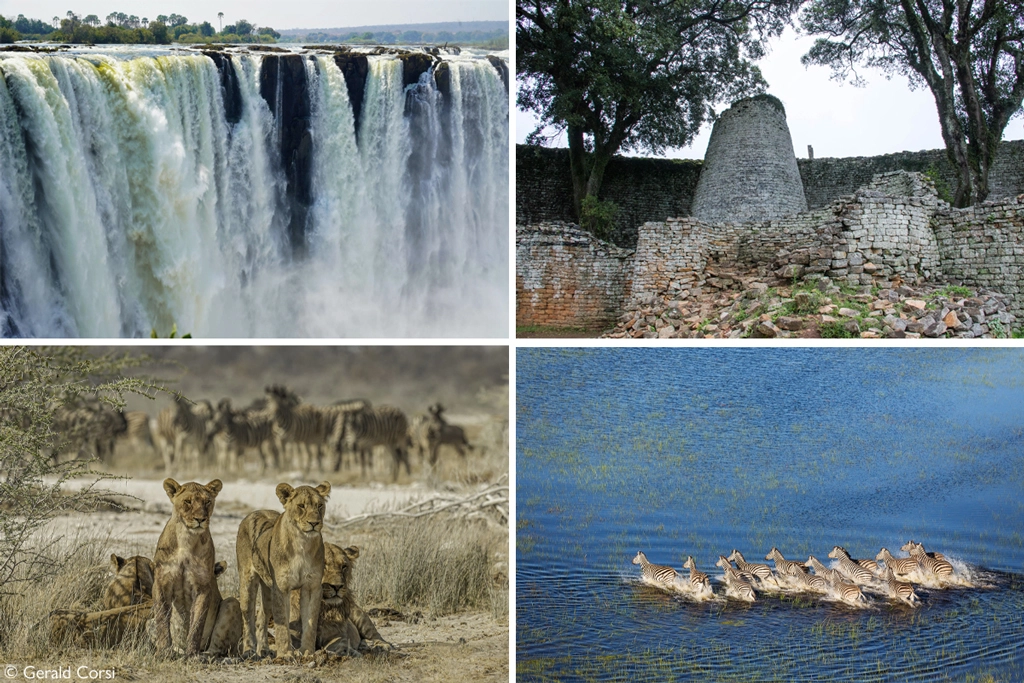
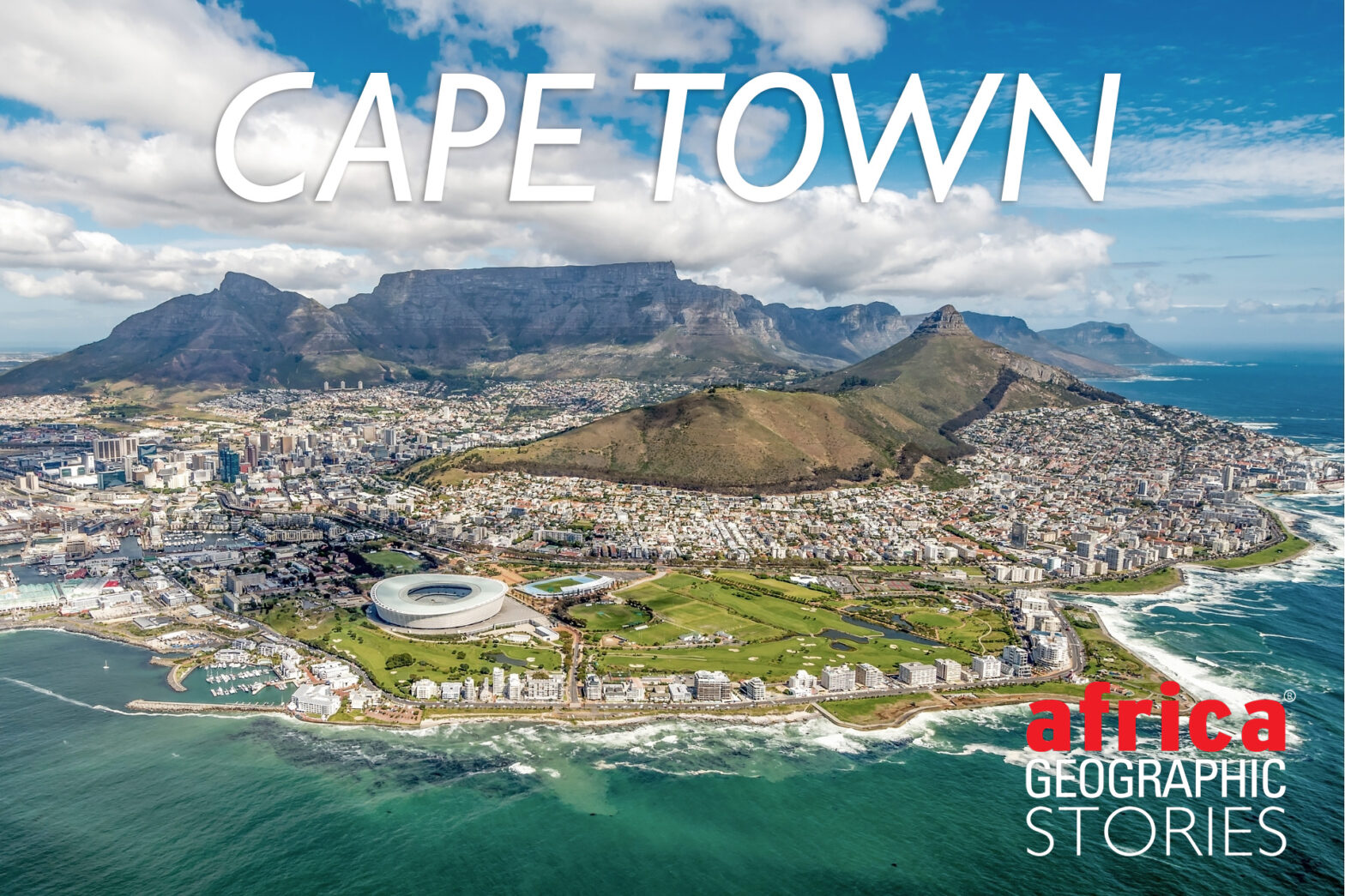
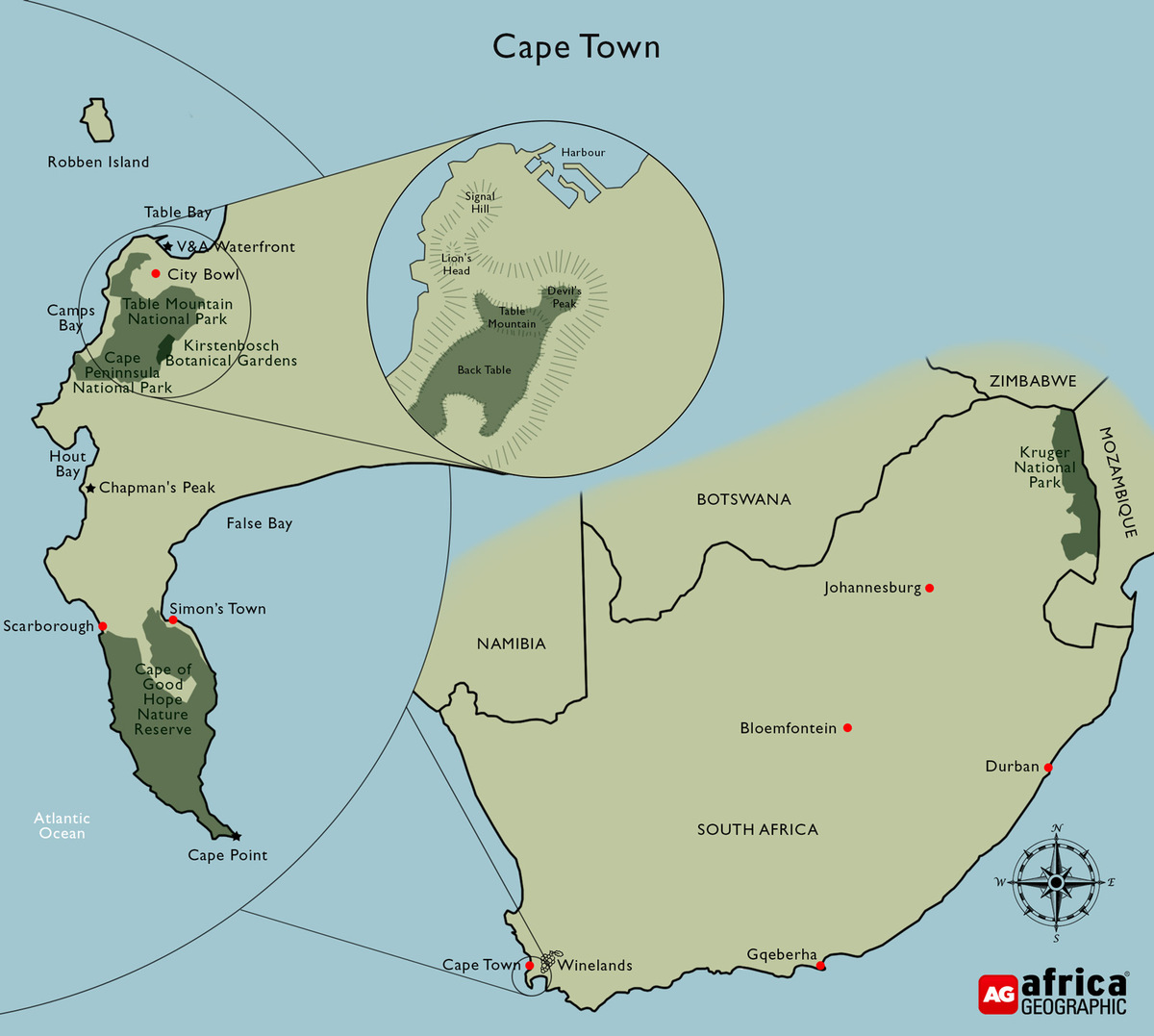
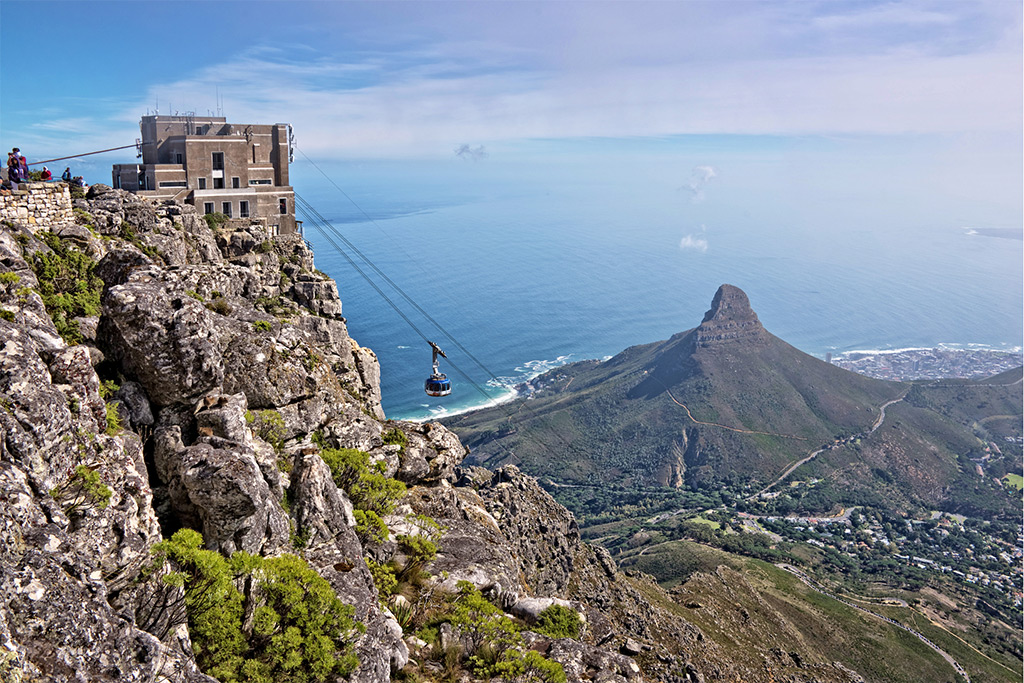
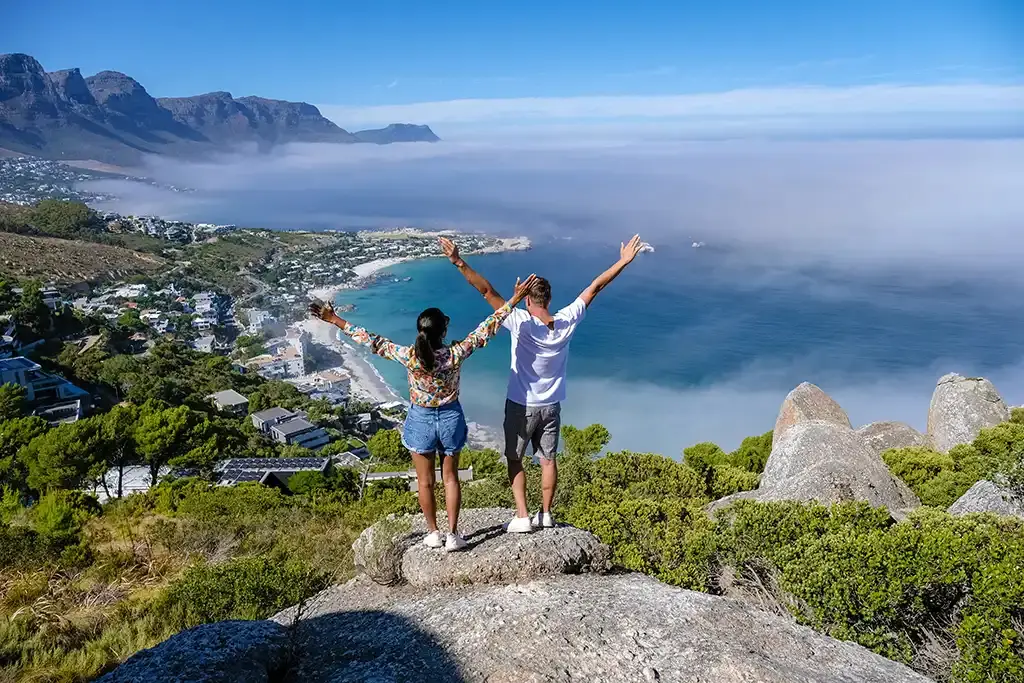
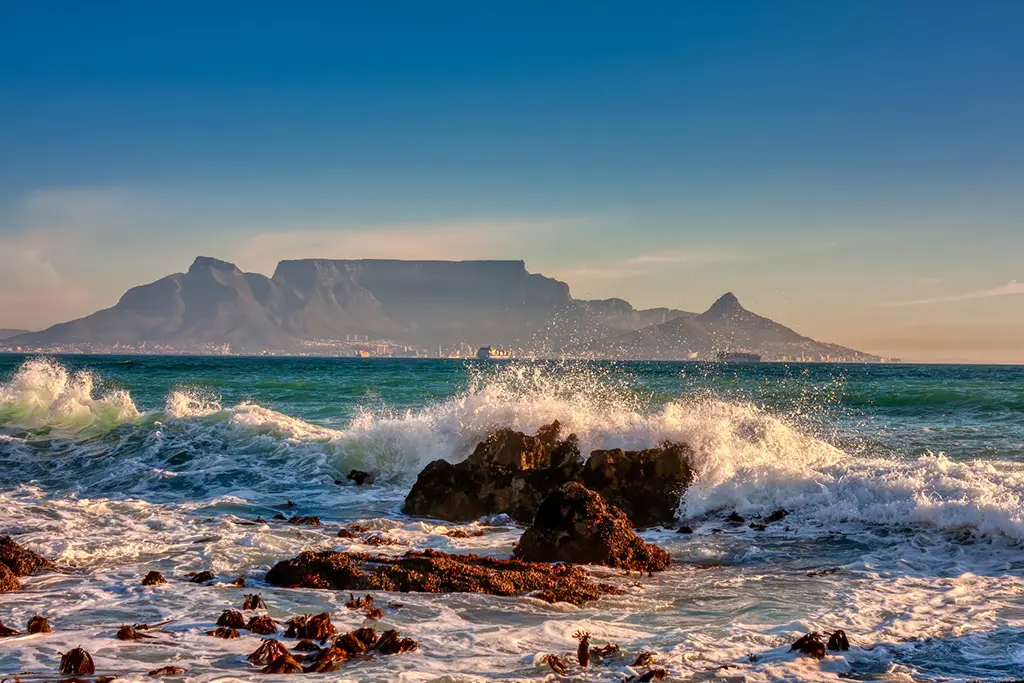
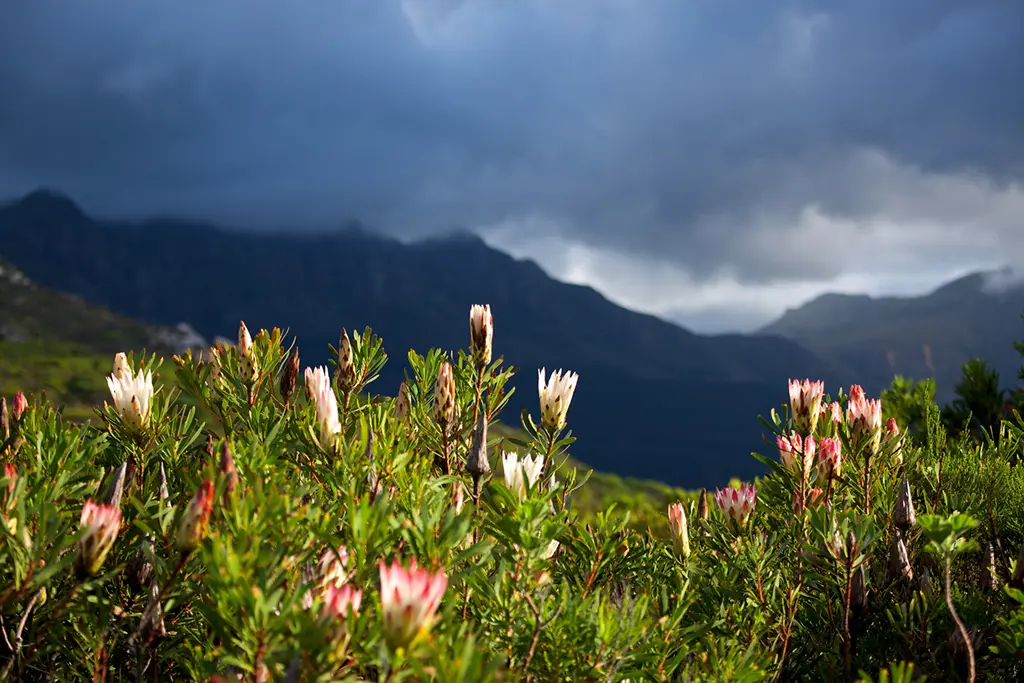
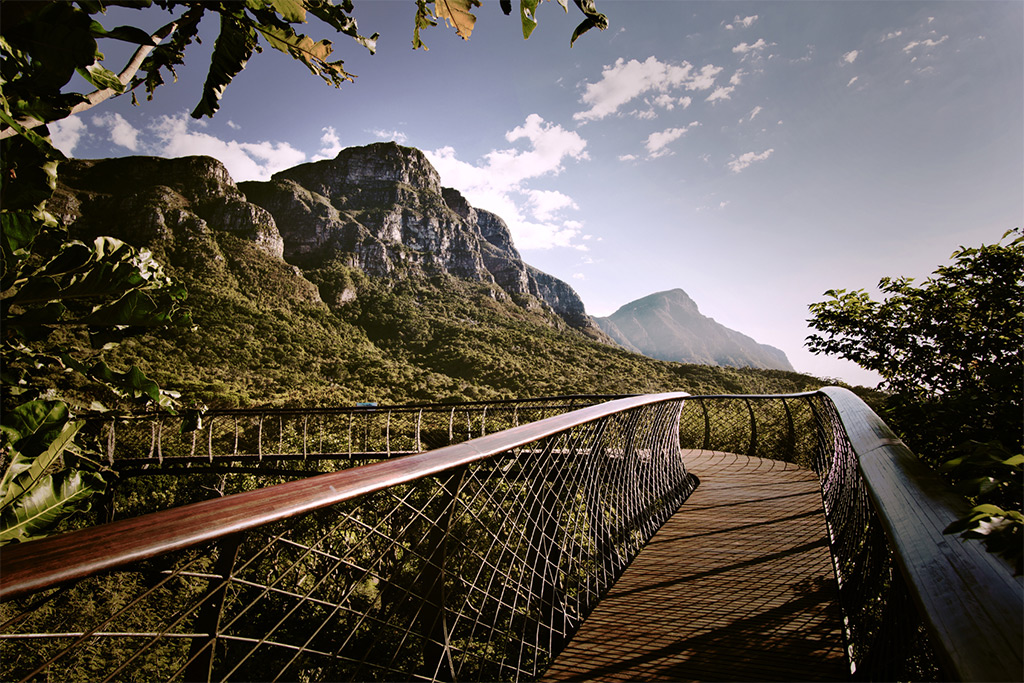
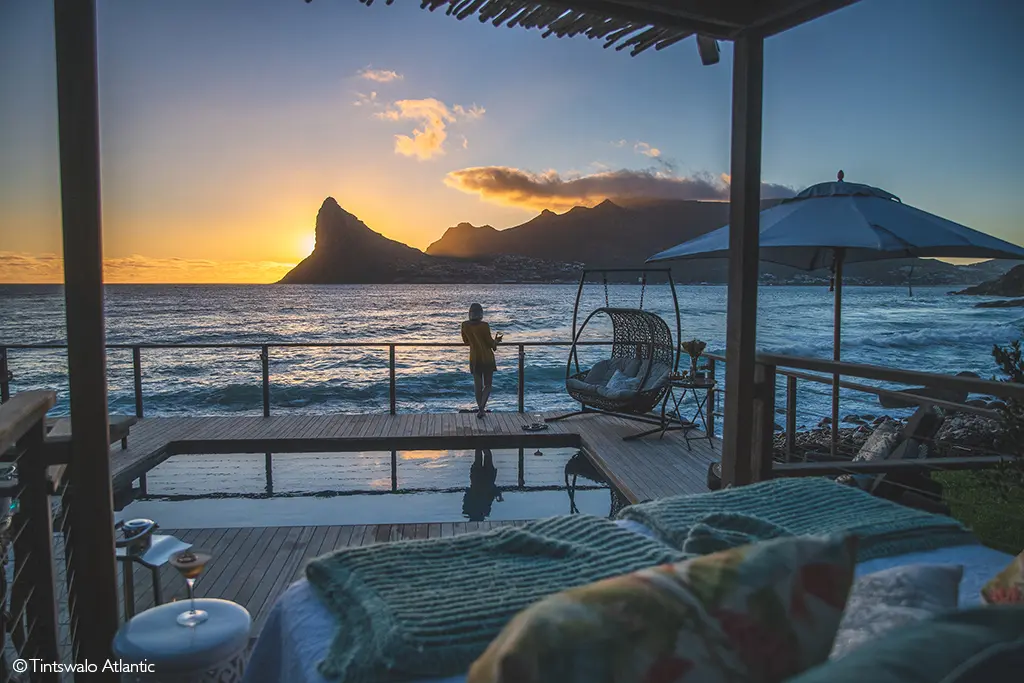
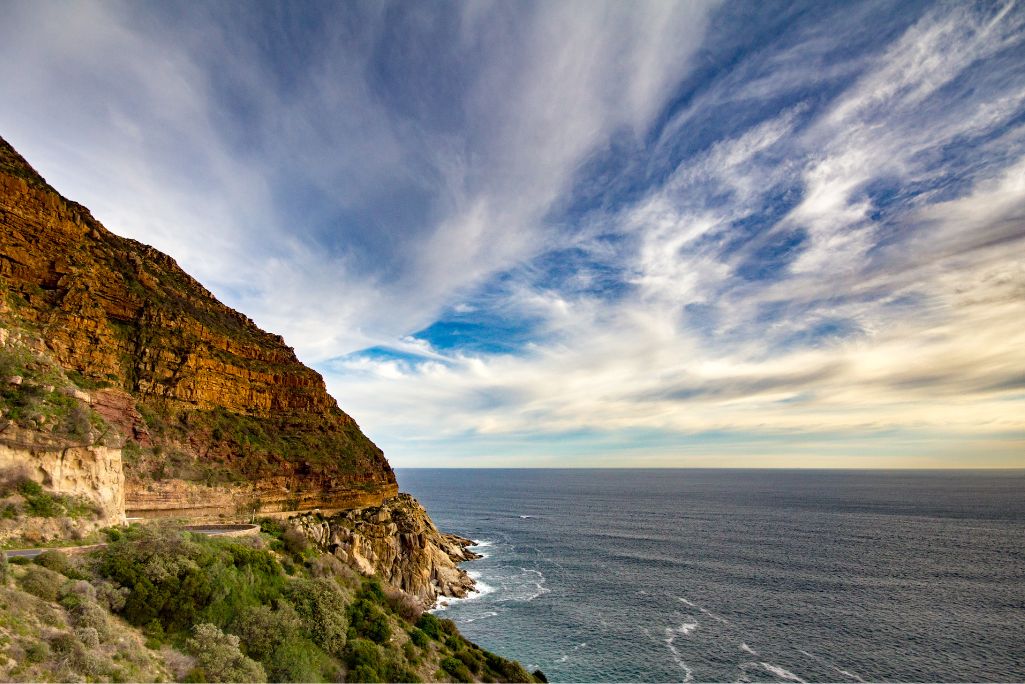
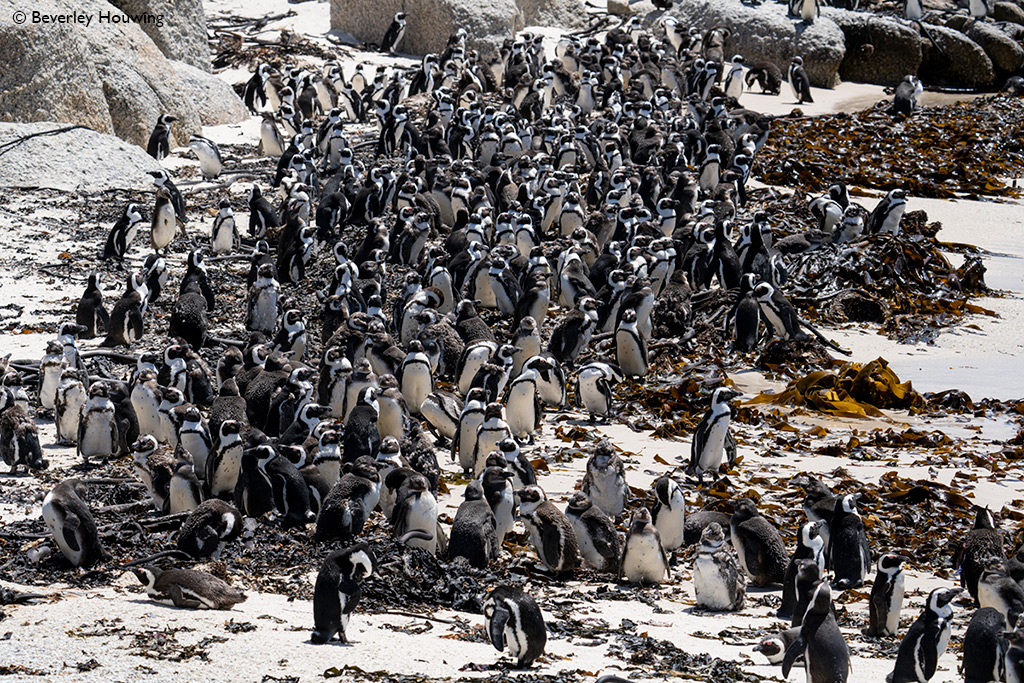
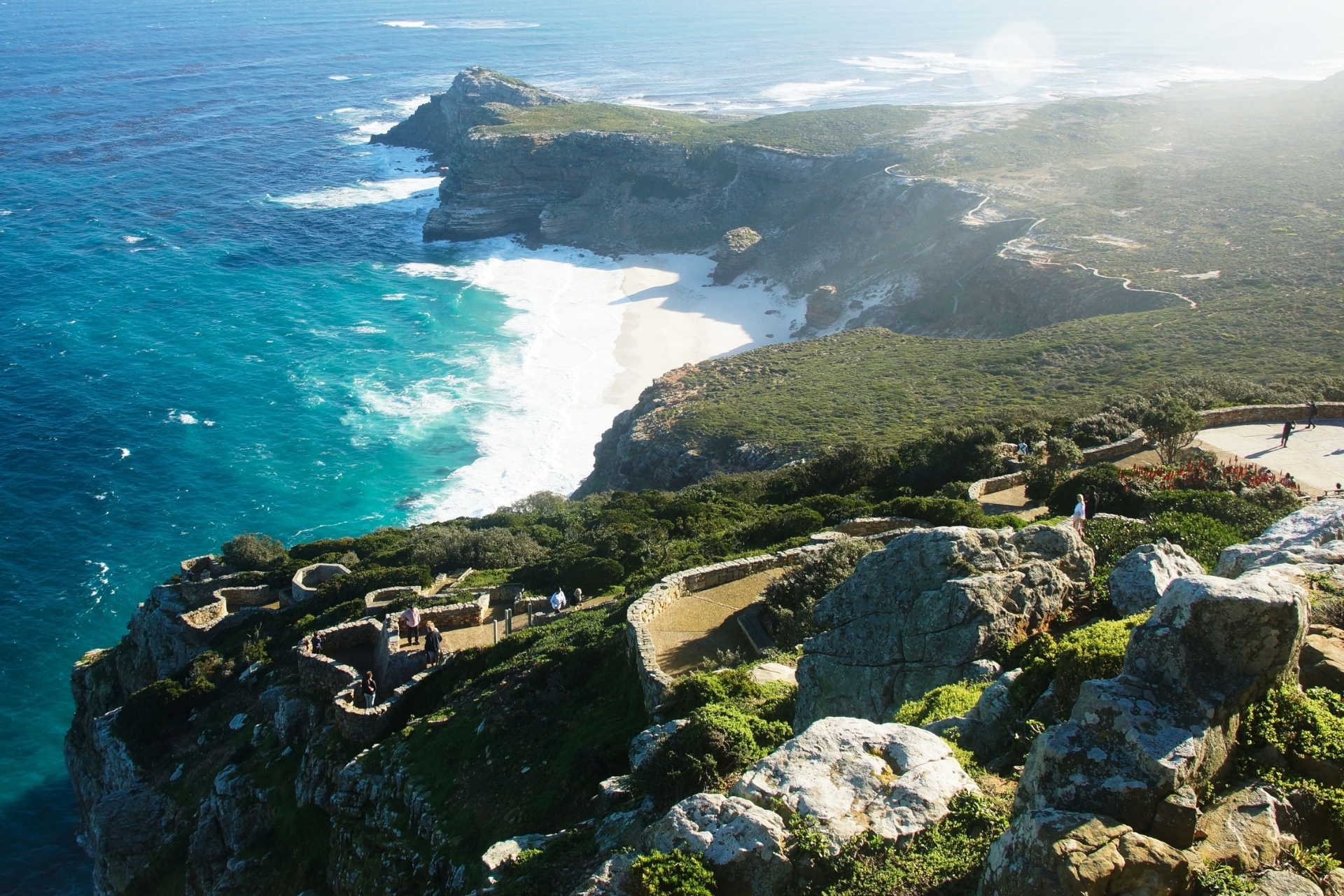
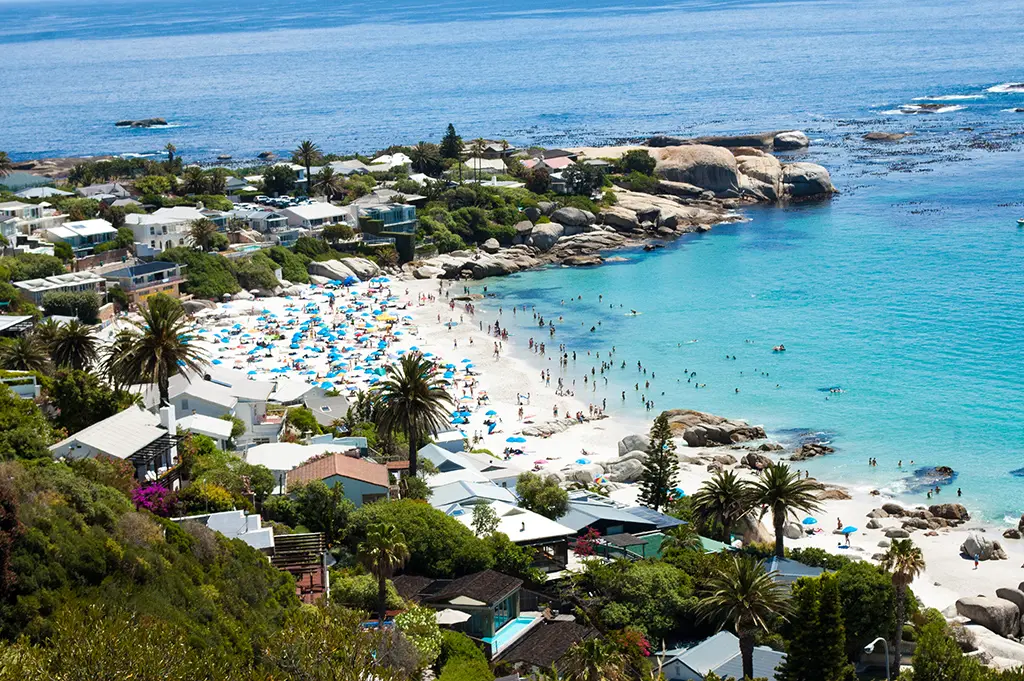
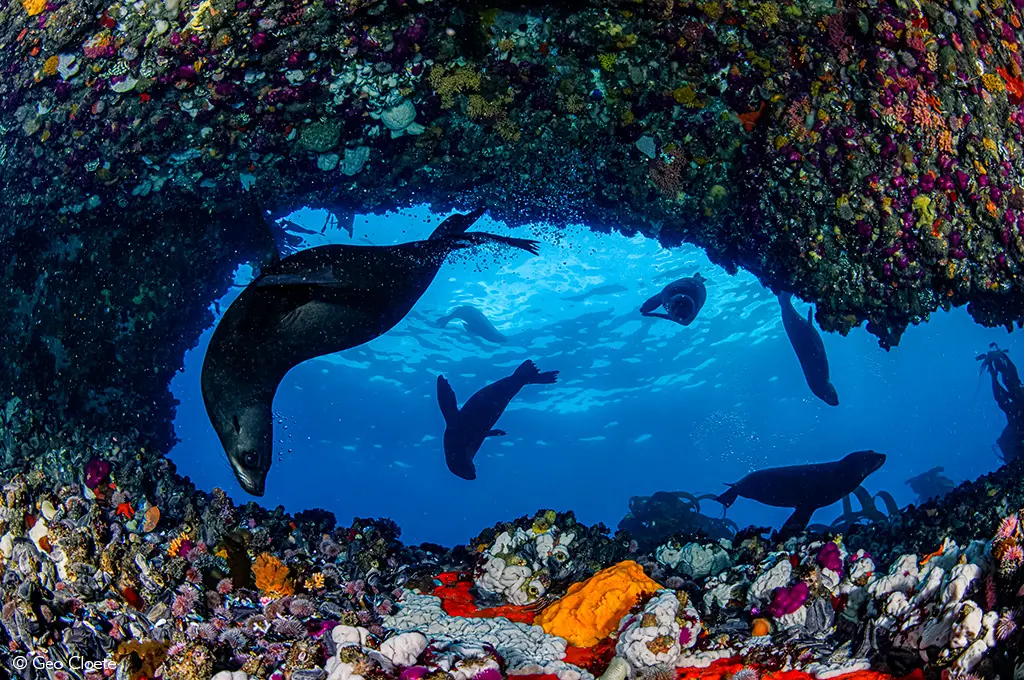
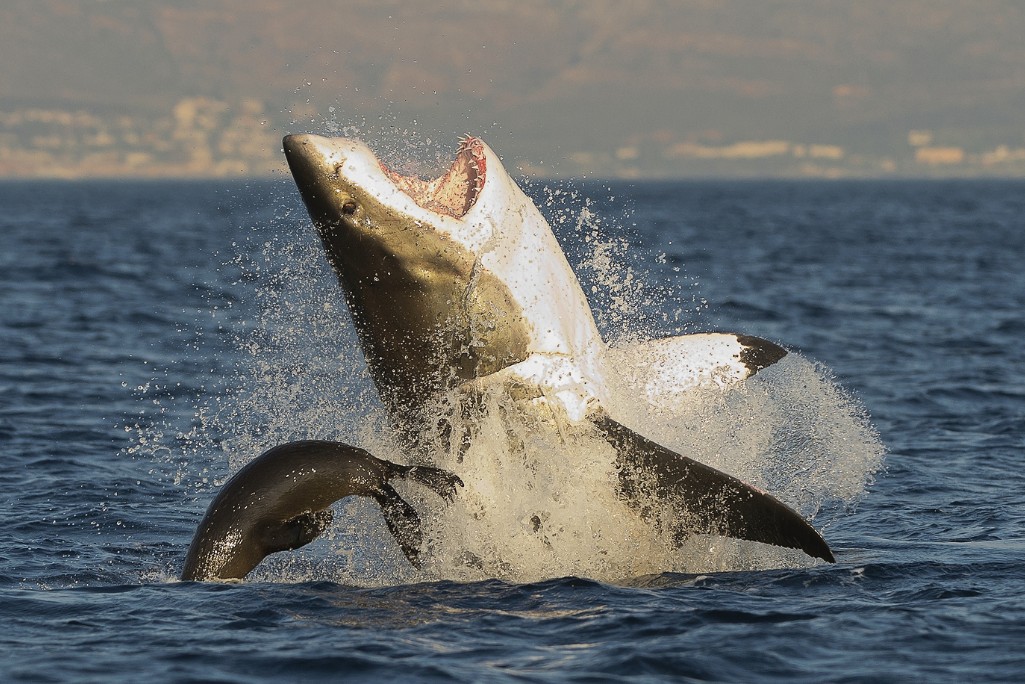
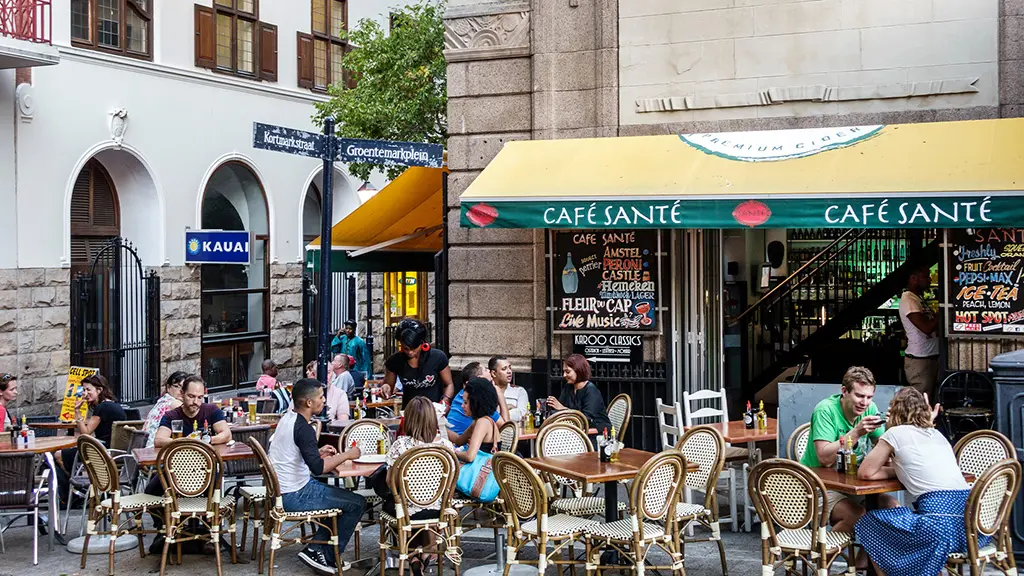
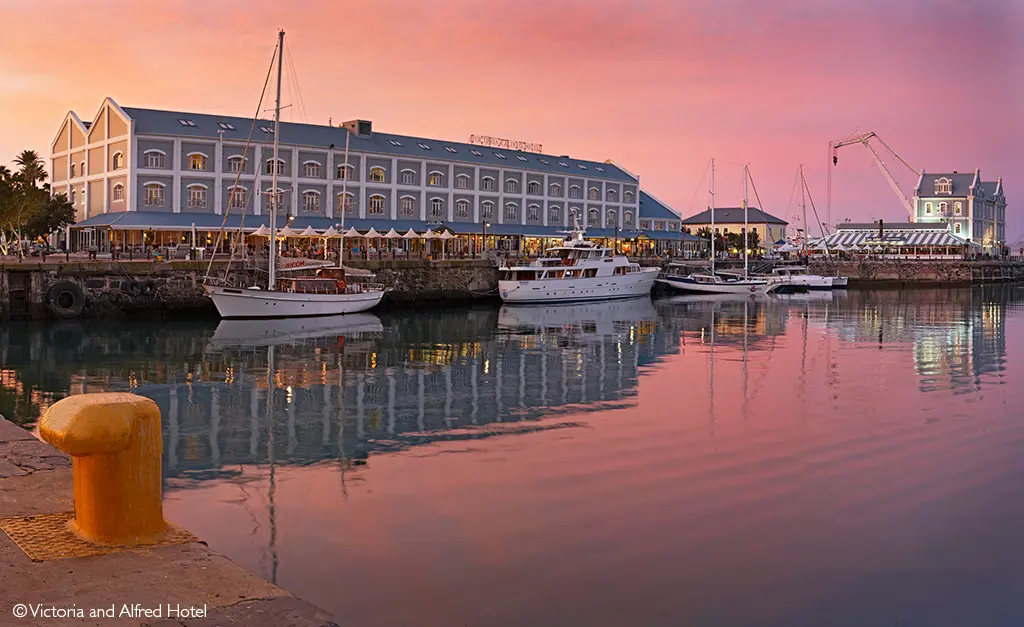
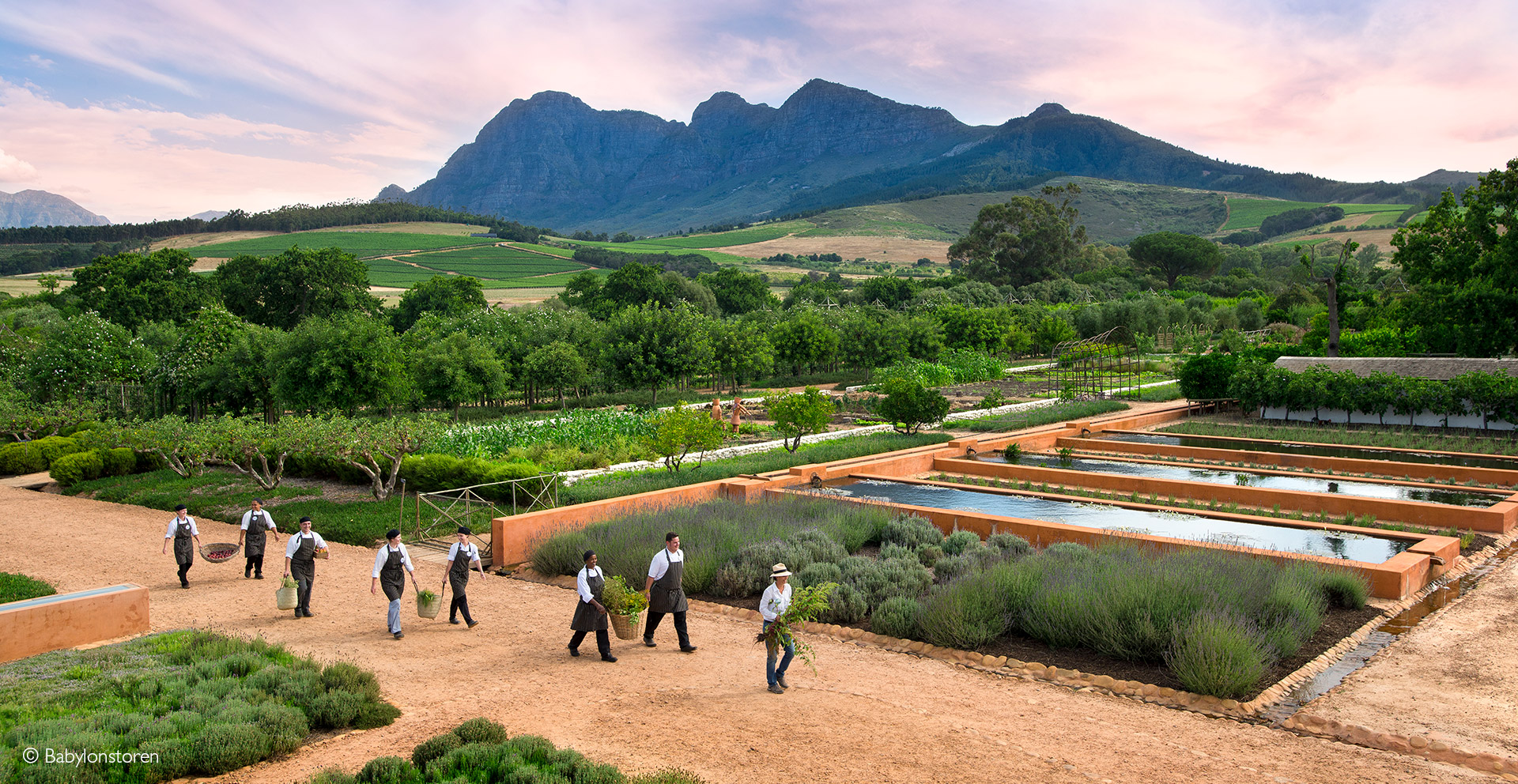
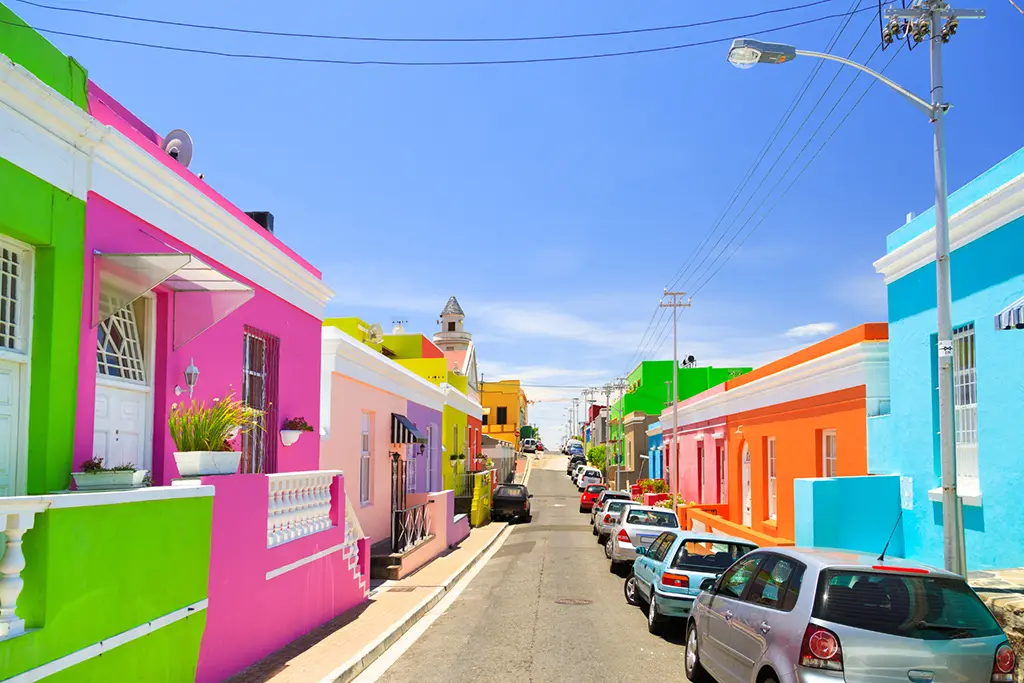
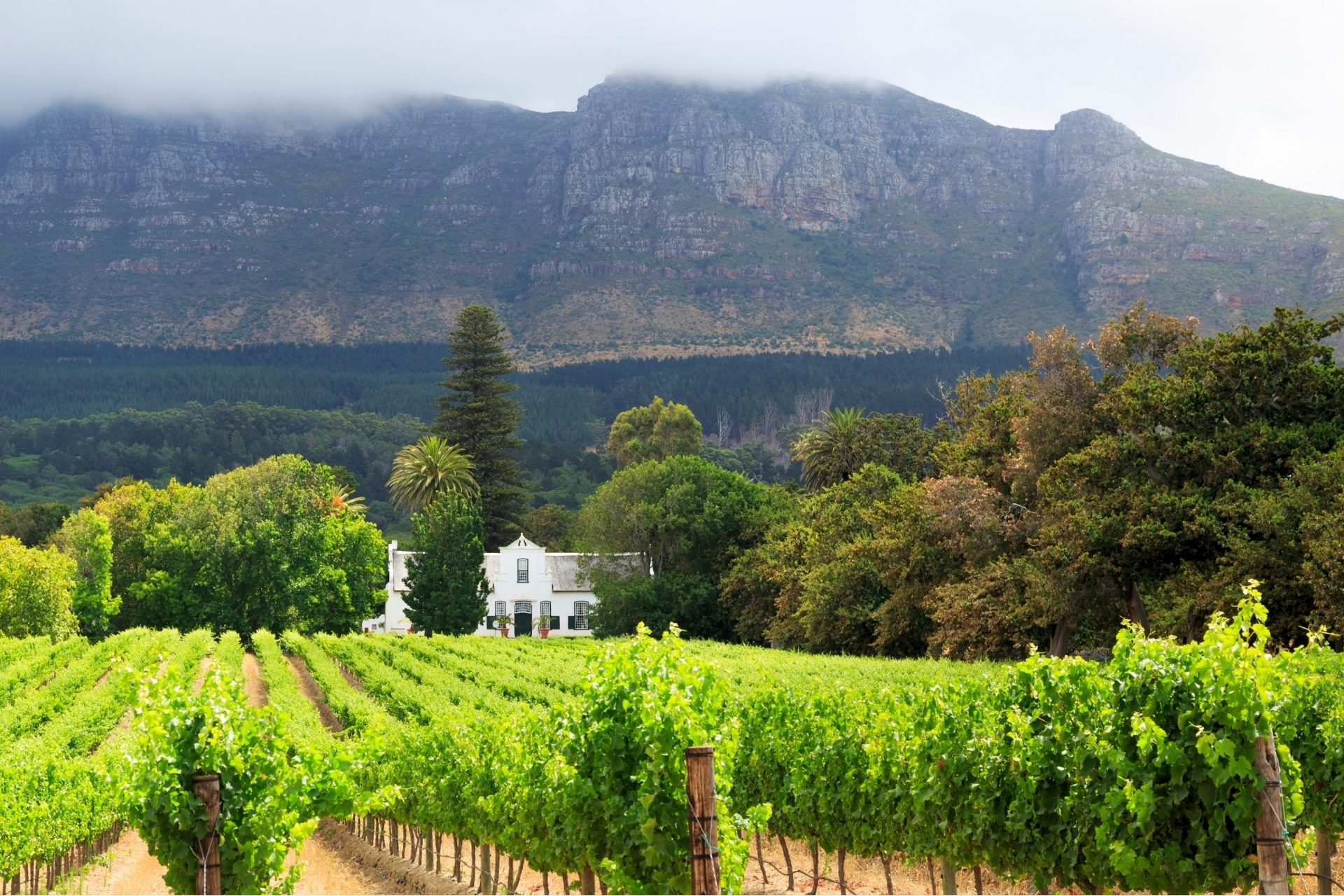
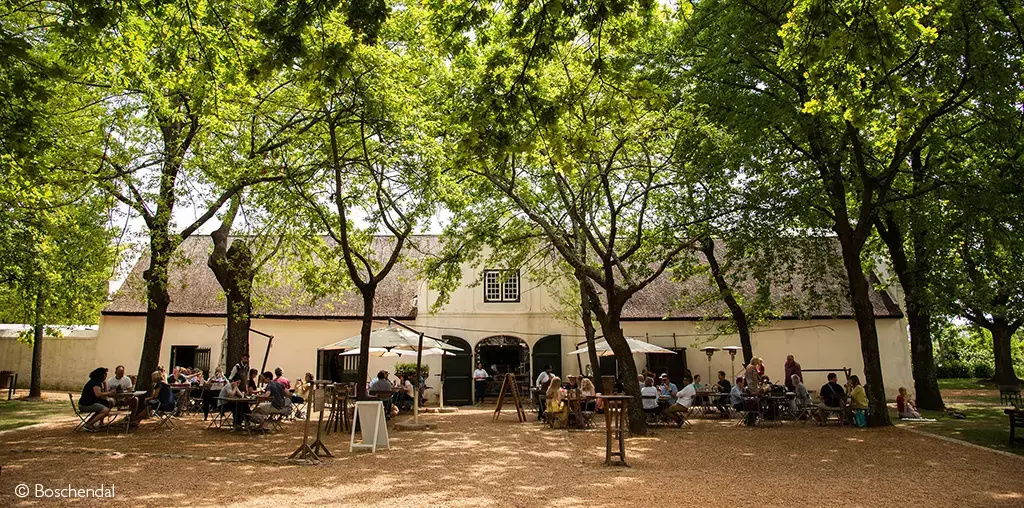
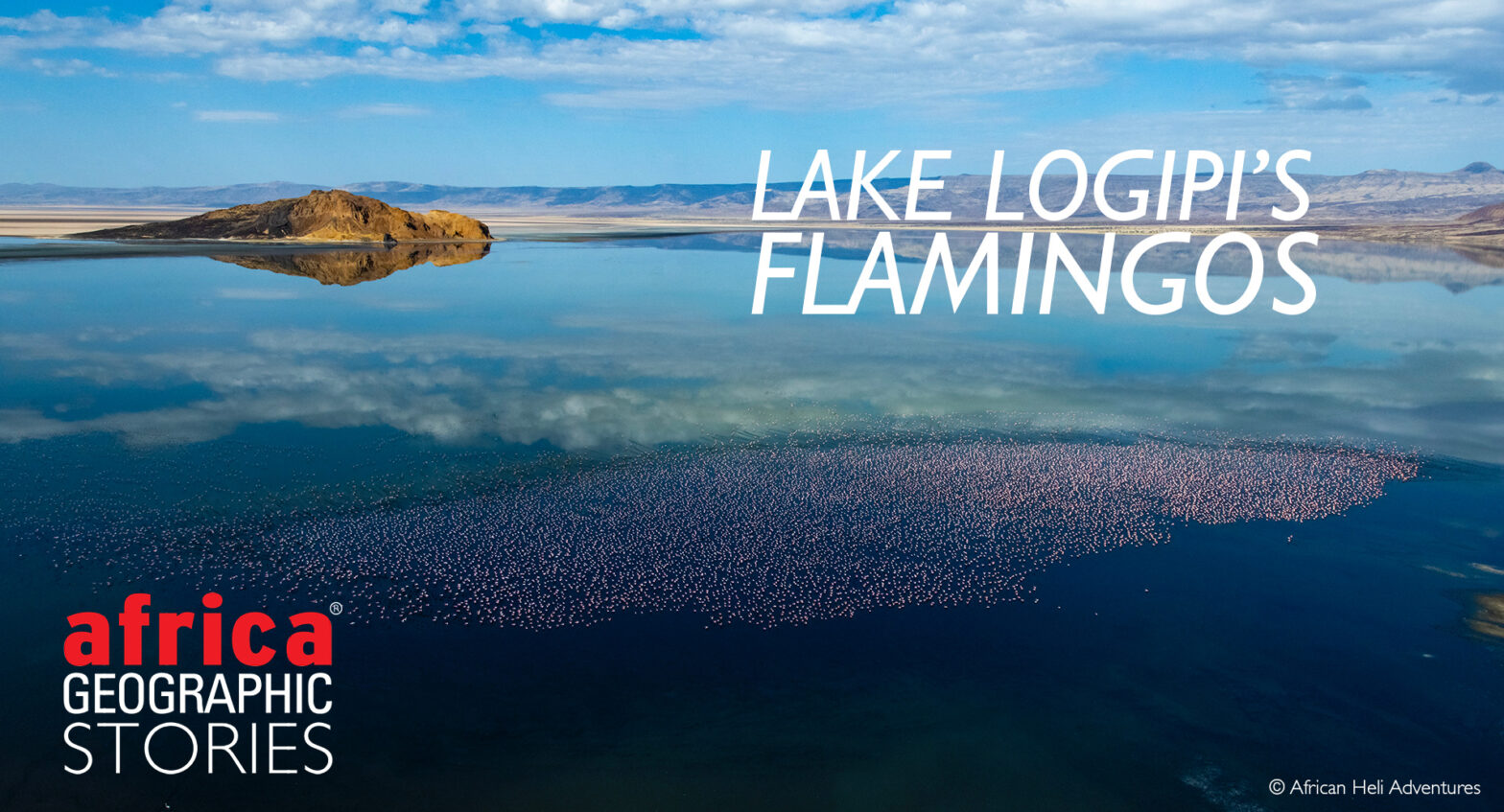
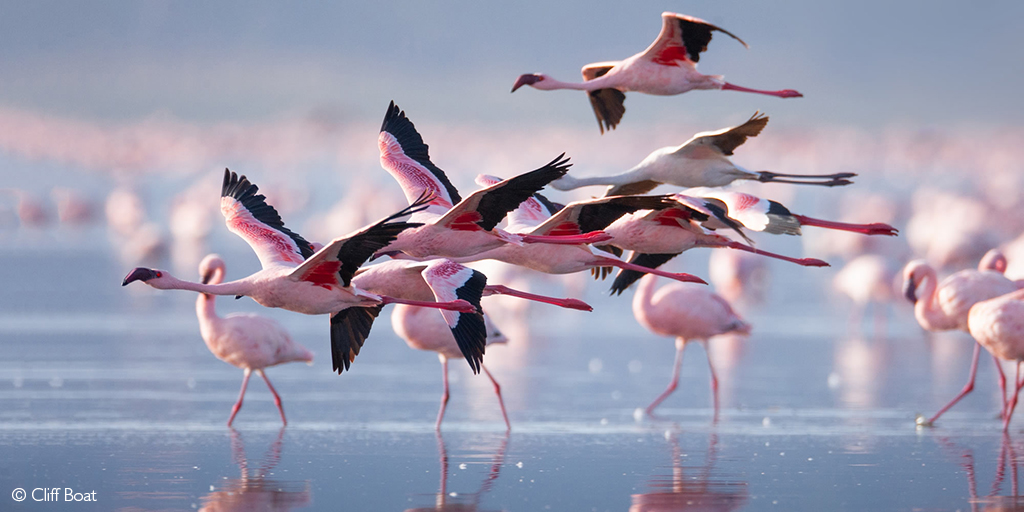
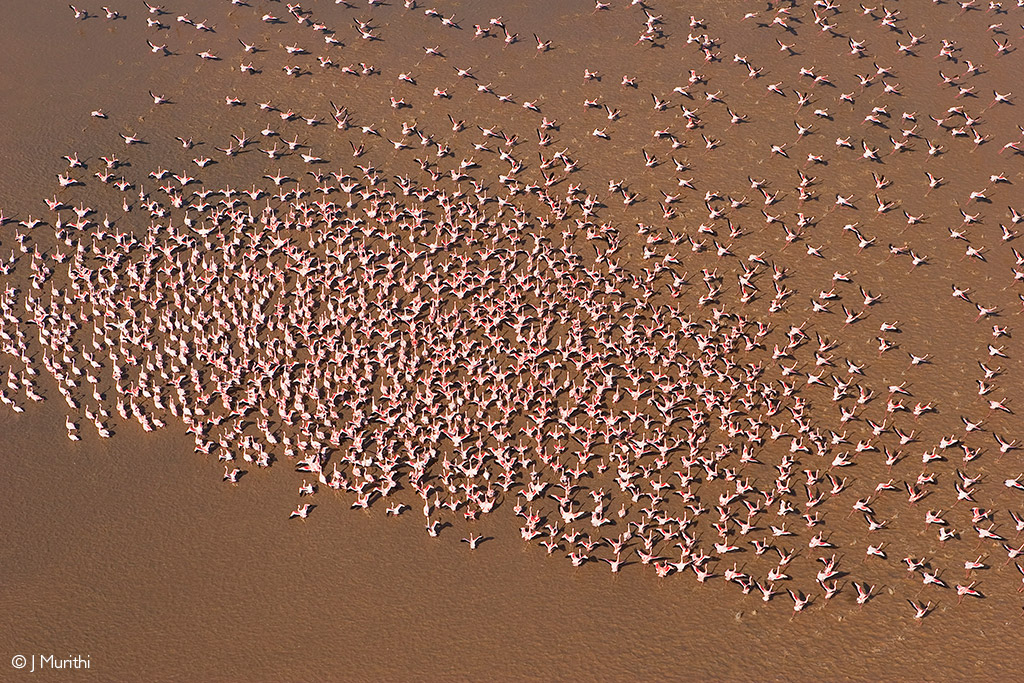
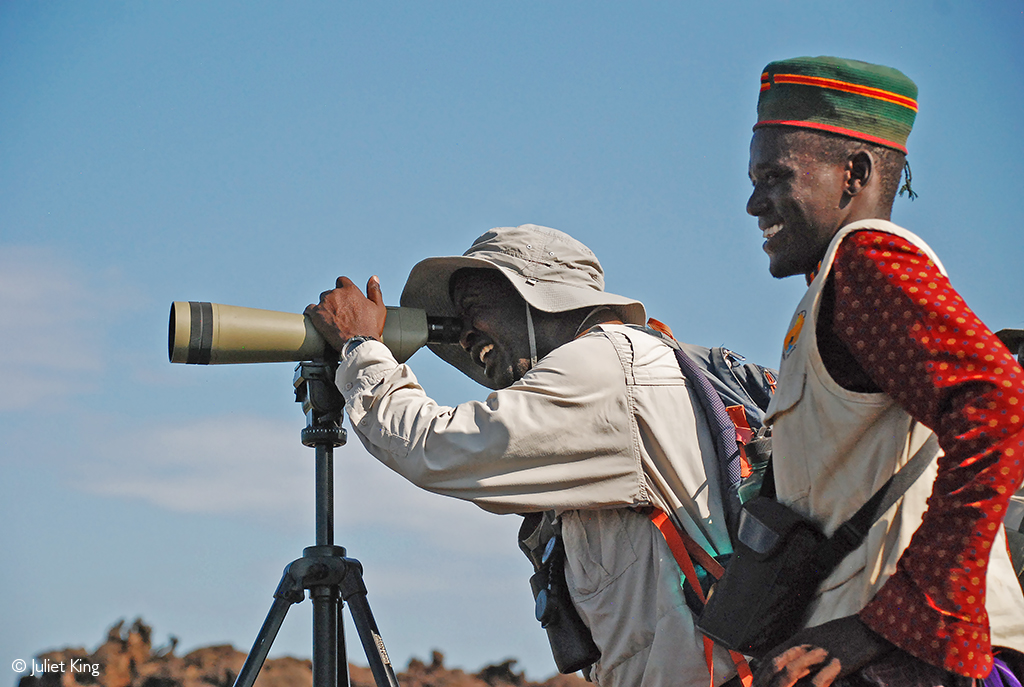
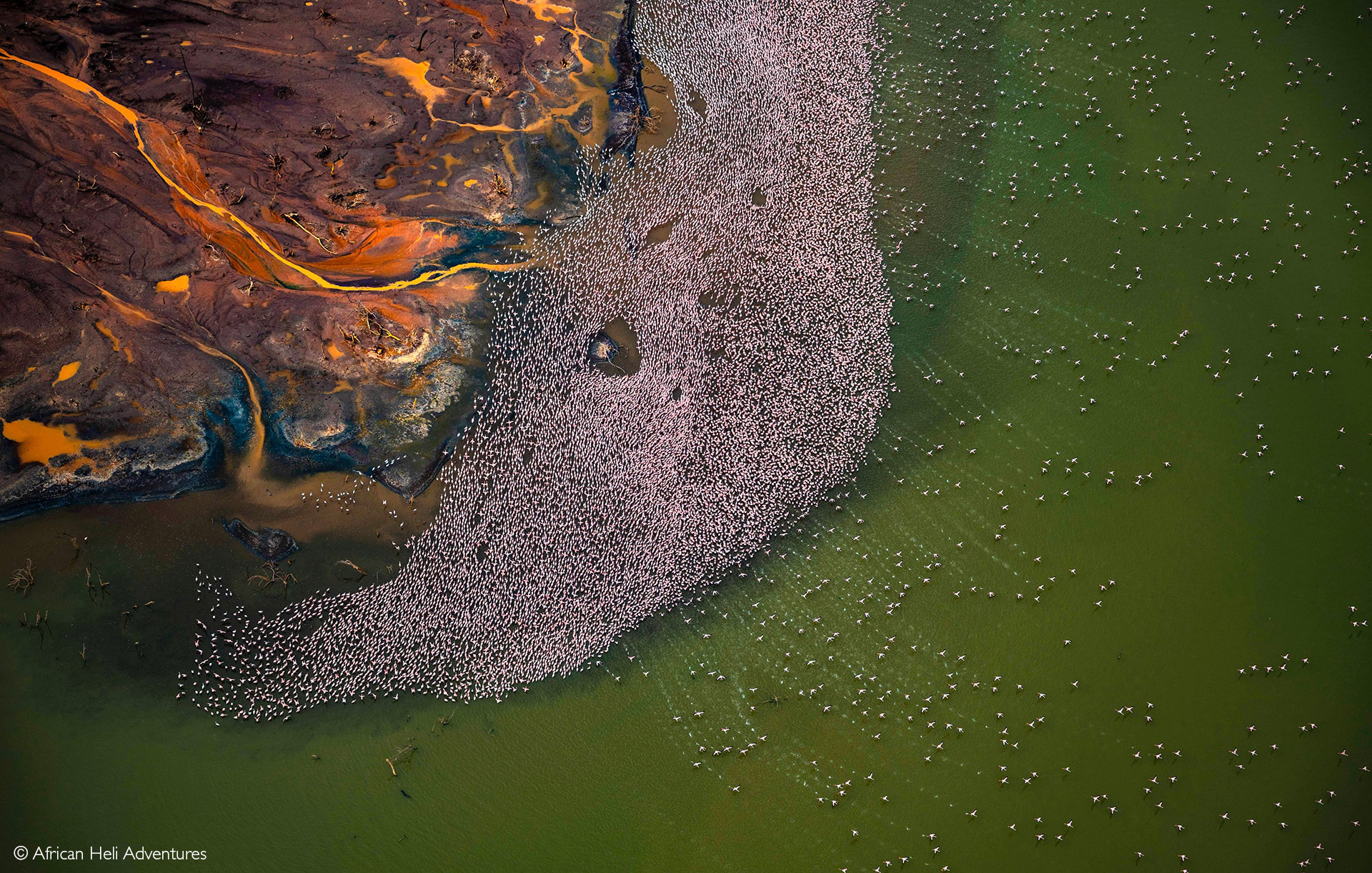
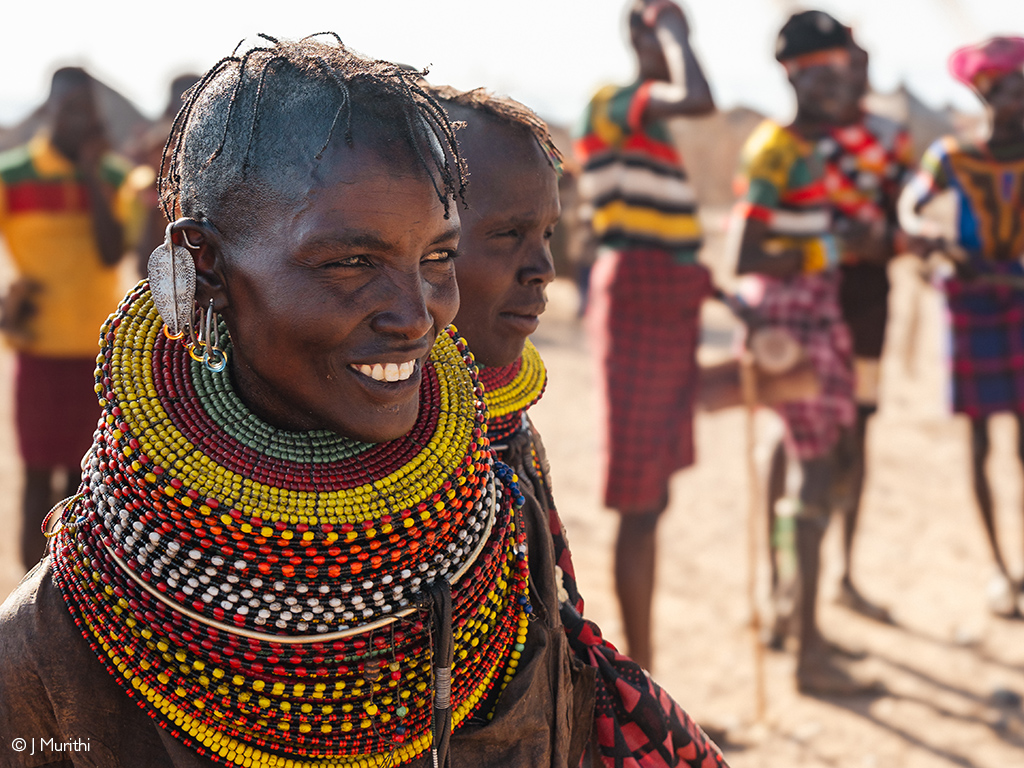
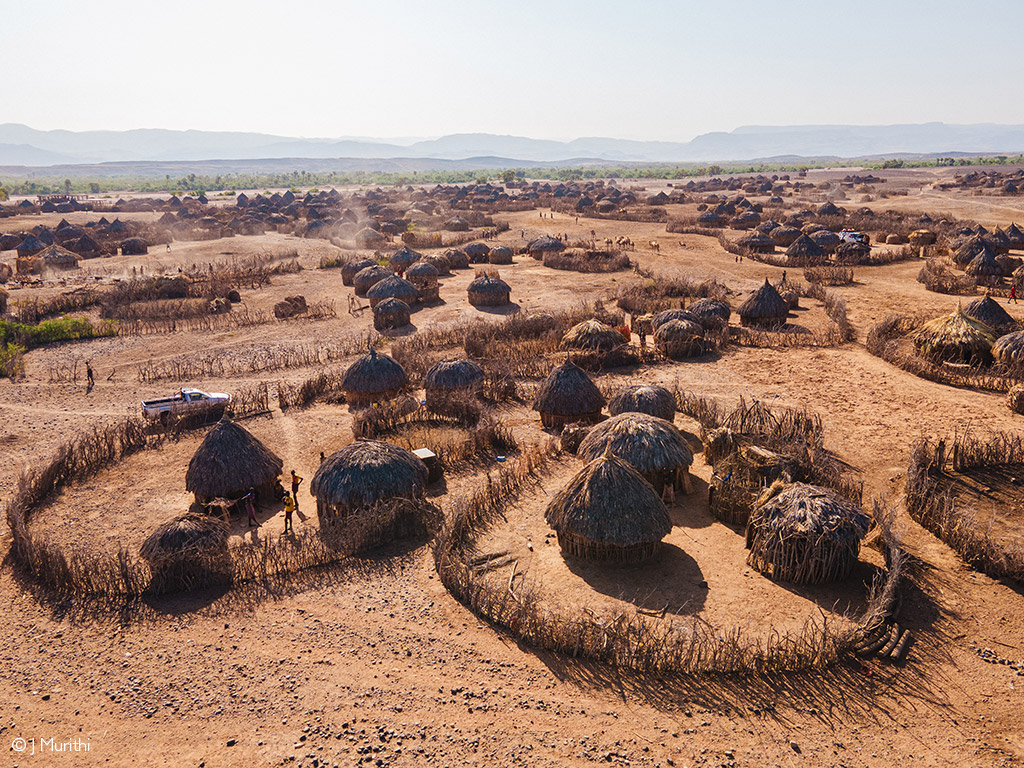
 Dr Juliet King is Project Manager for Conserve Global’s Suguta Valley project. Juliet is a zoologist with over 20 years of experience working with indigenous communities in Kenya to advance conservation and sustainable natural resource management. She has supported the establishment of community conservancies and authored national guidelines for conservancy development. Juliet has developed community-managed ecological monitoring tools for terrestrial and marine ecosystems and works to strengthen community-based natural resource management by empowering local institutions to govern land and resources. Her approach integrates traditional knowledge systems with contemporary policy and legislation. She has supported community-led sanctuaries for critically endangered species, including black rhino, hirola antelope, and Rothschild’s giraffe, and is committed to ensuring conservation benefits indigenous communities equitably and sustainably.
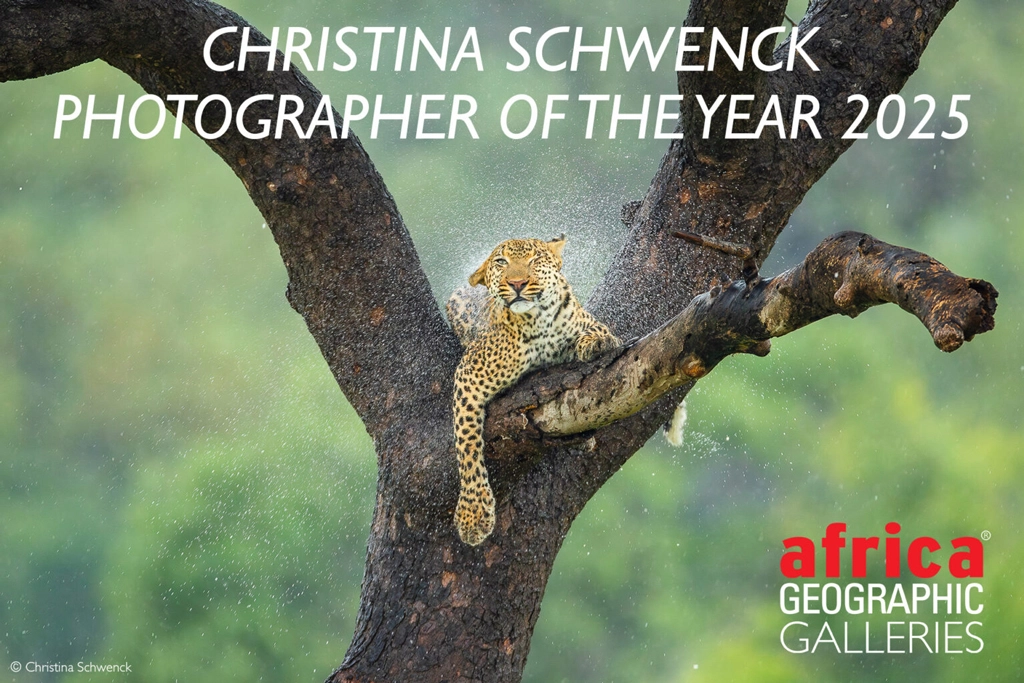
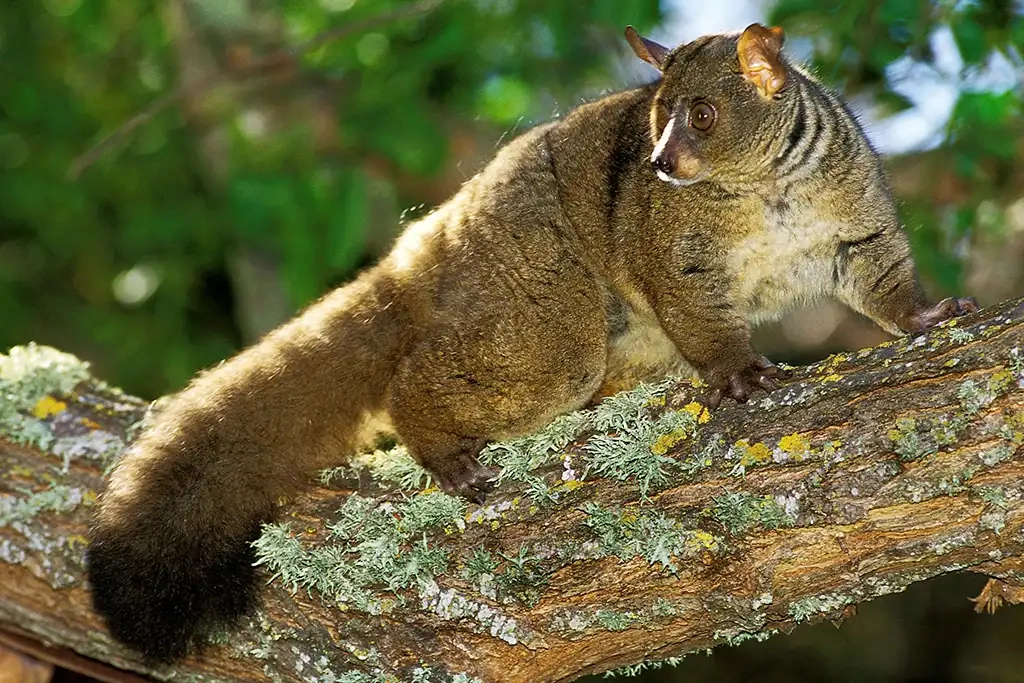
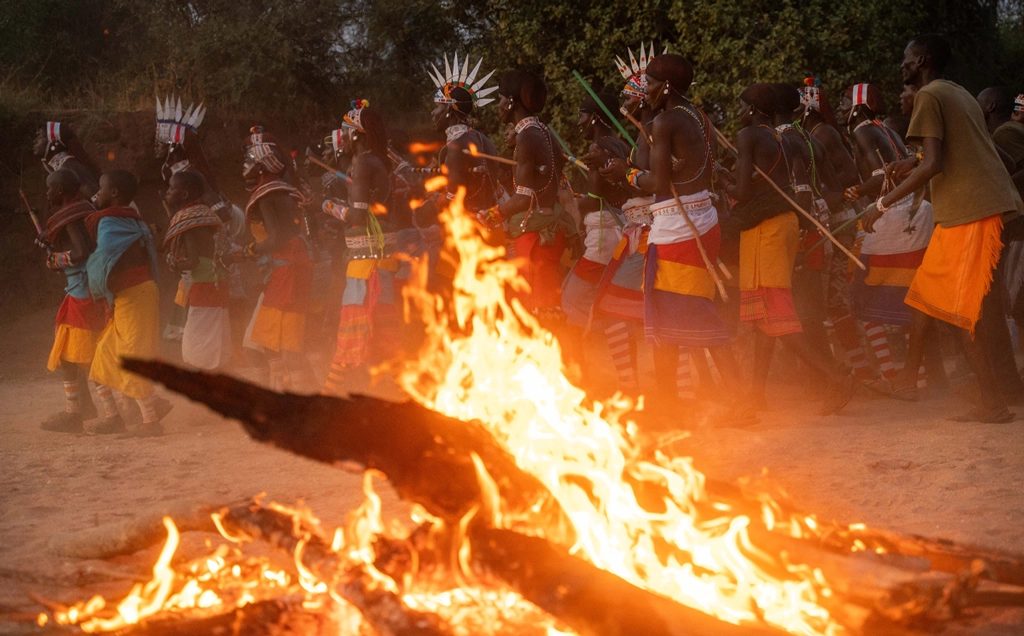
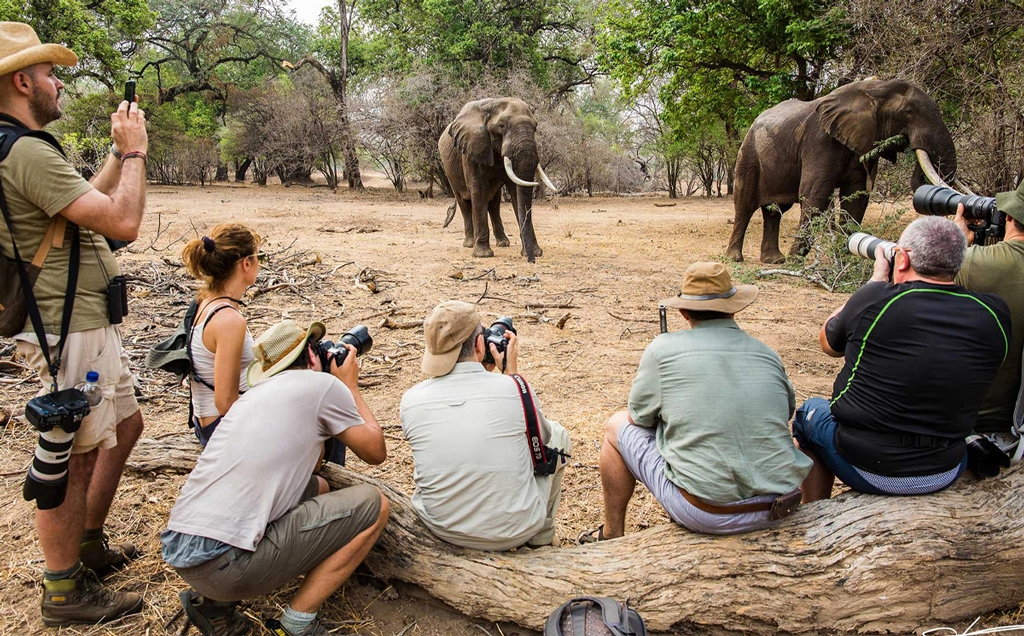
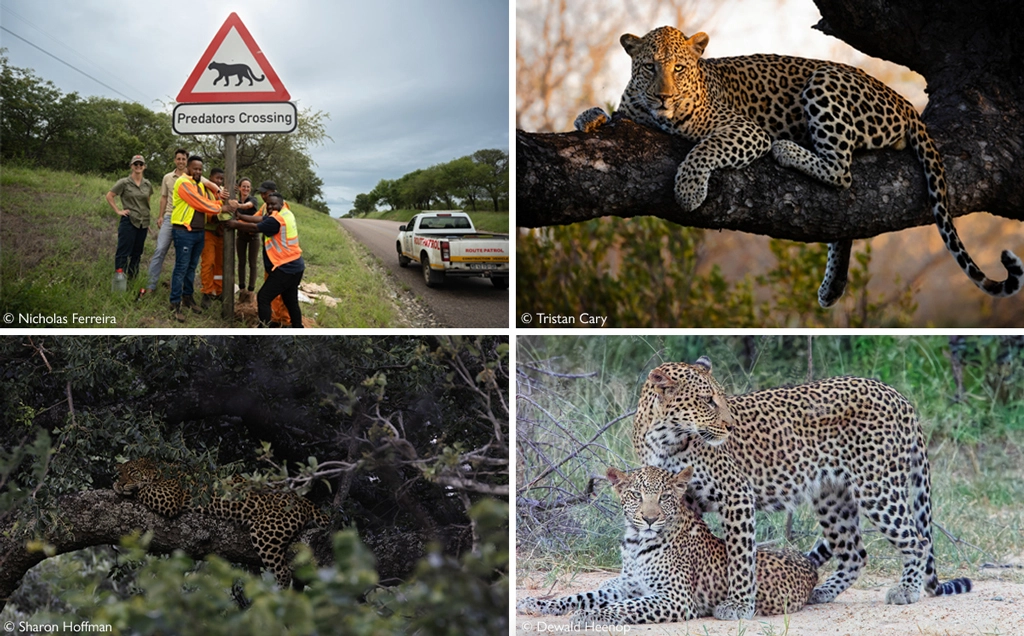
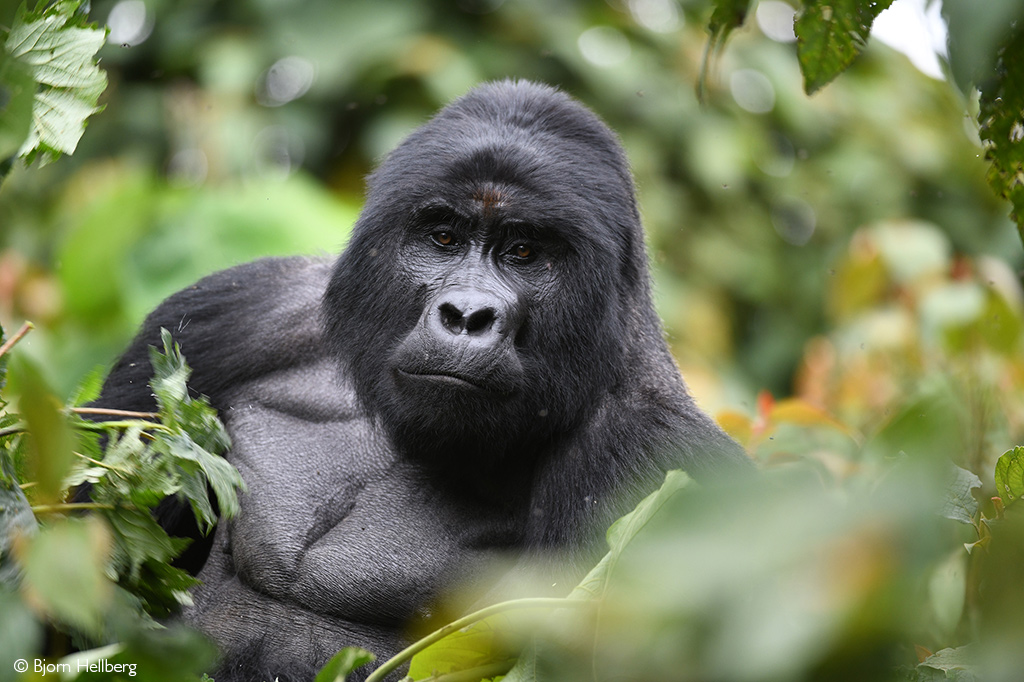
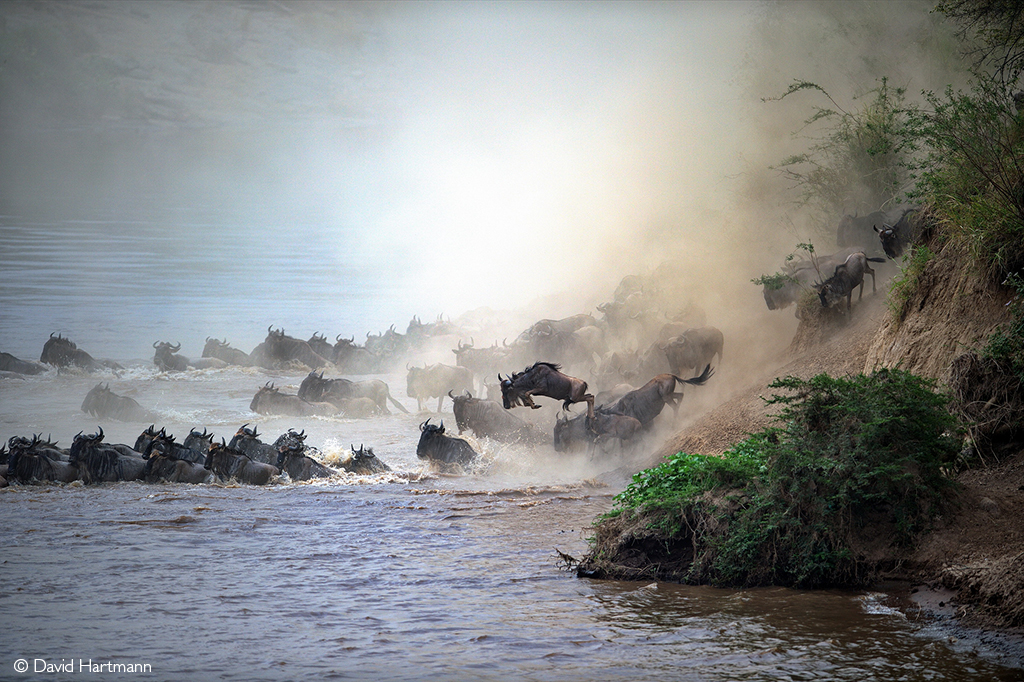
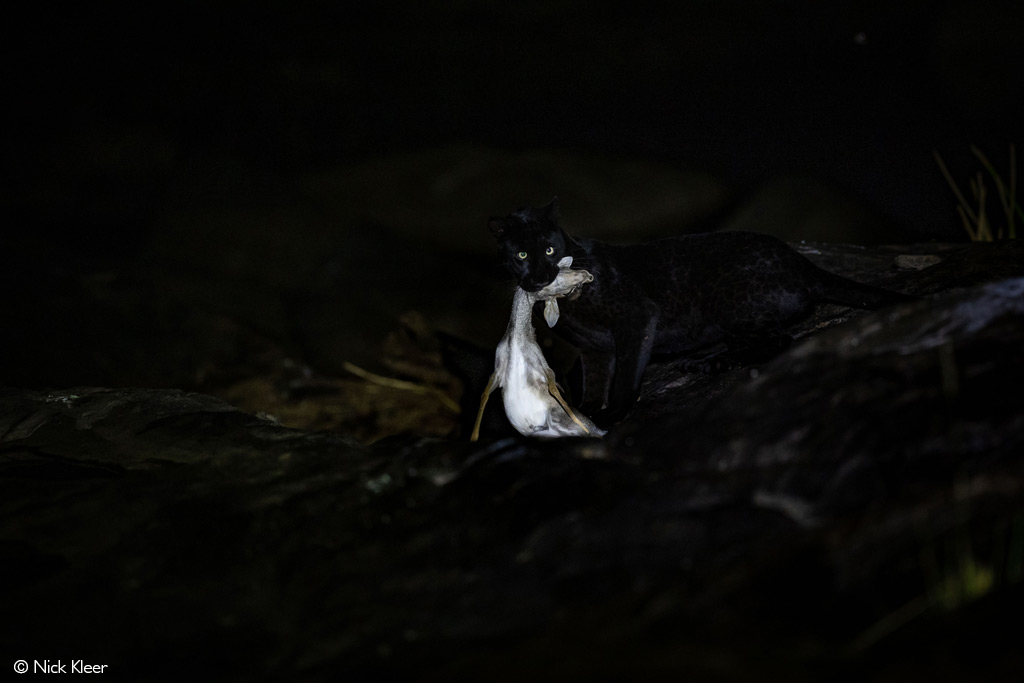
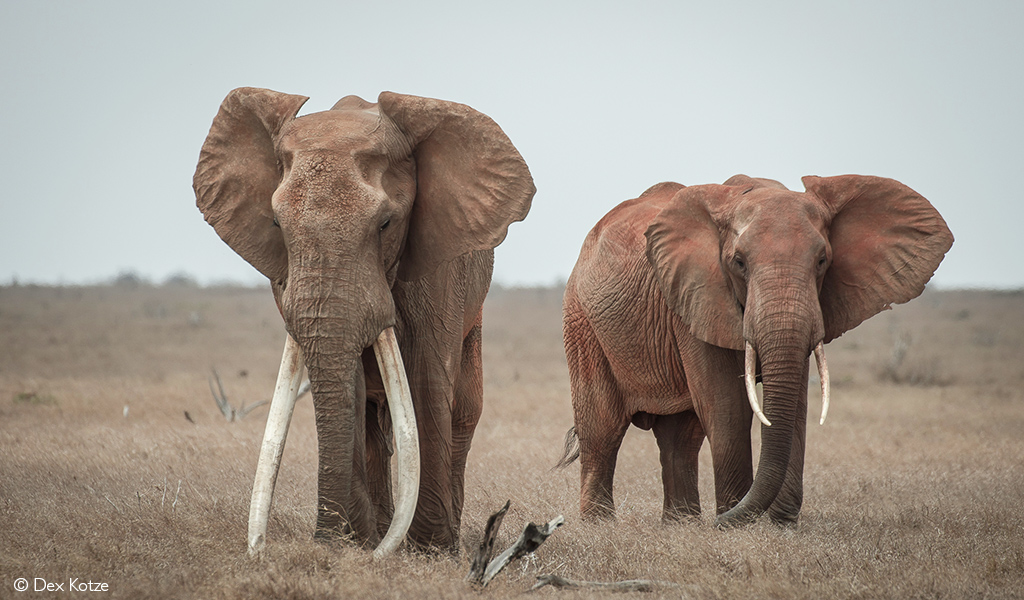
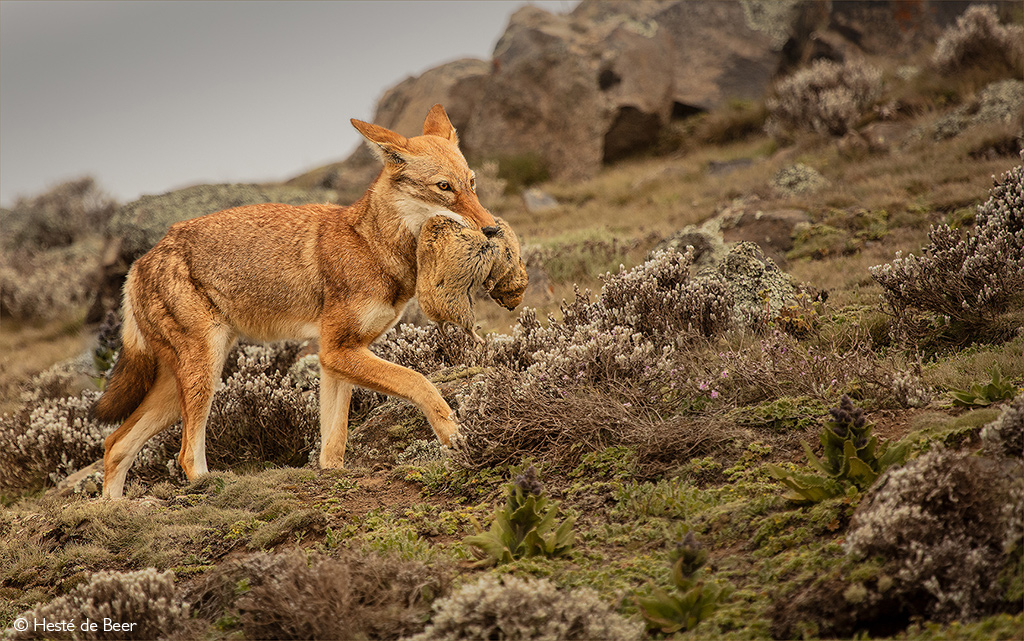
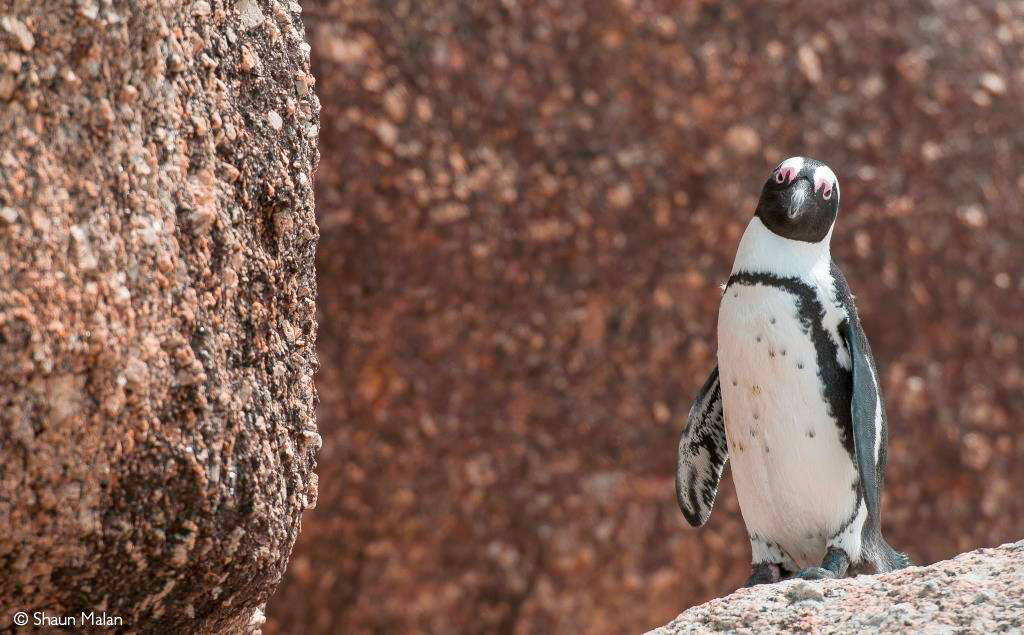
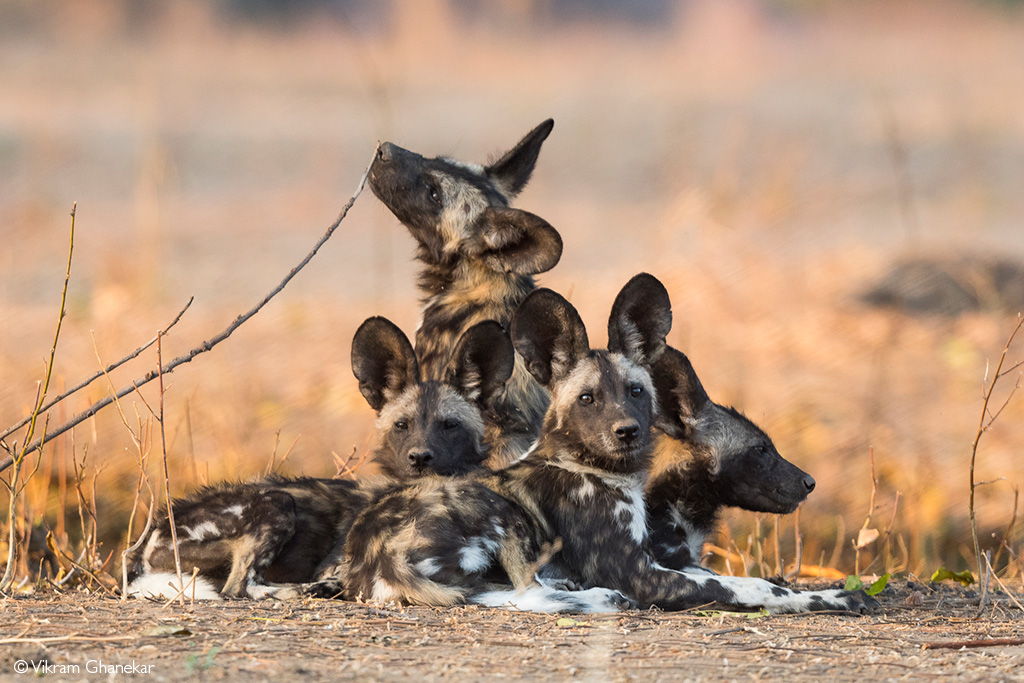
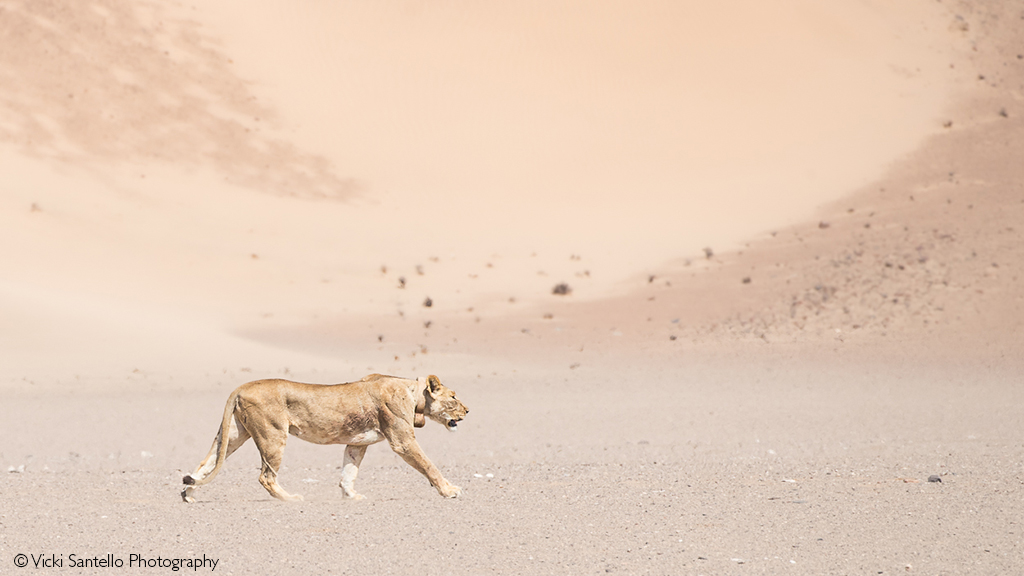
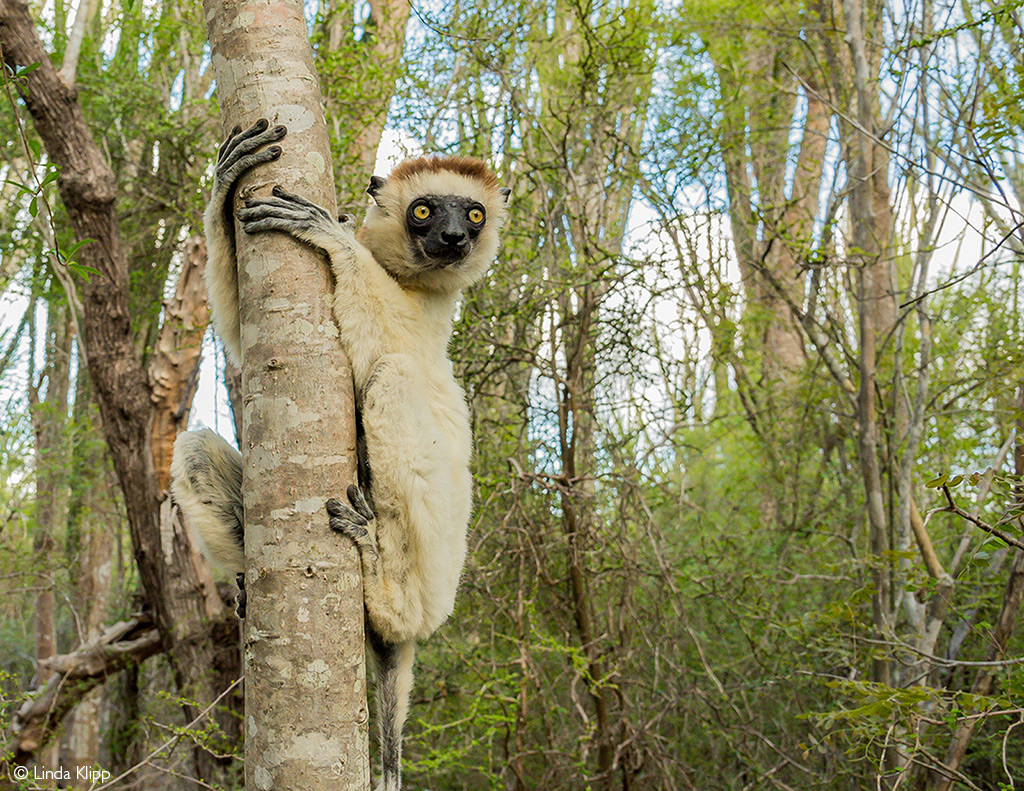
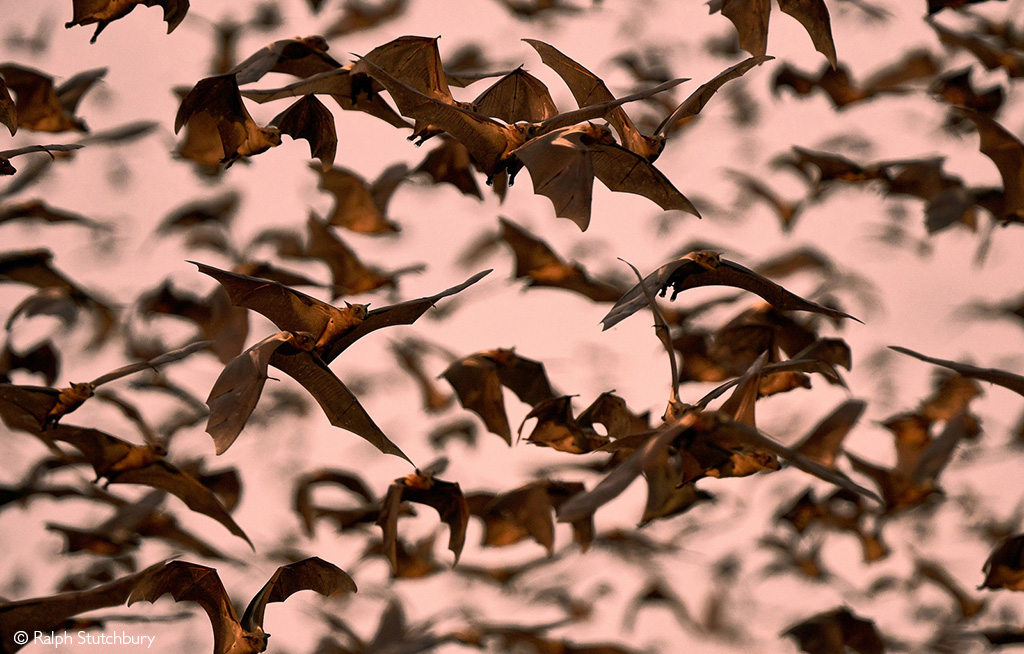
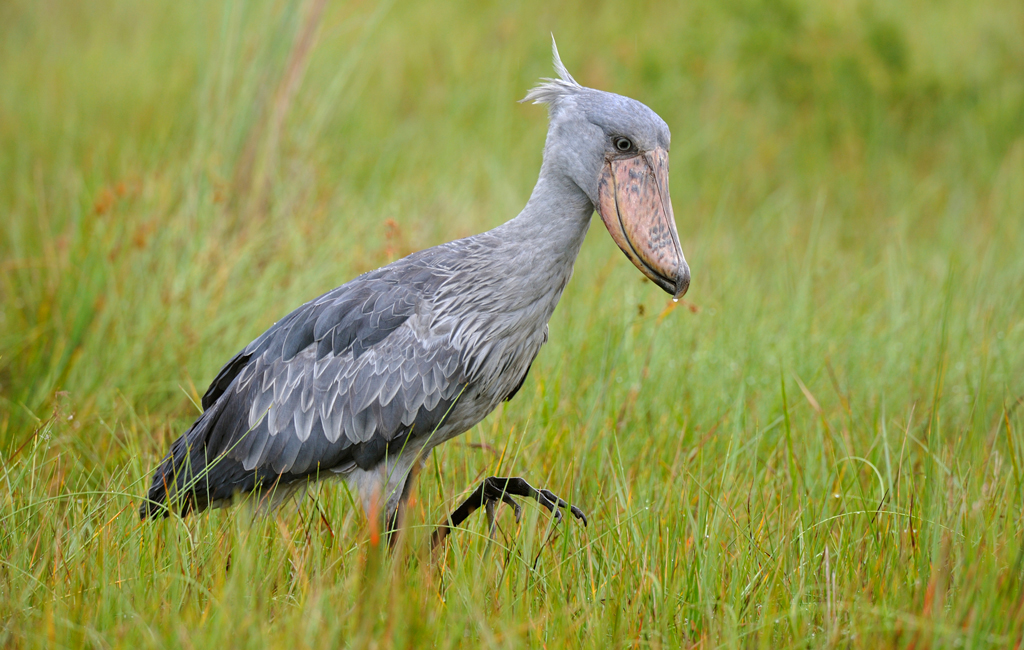
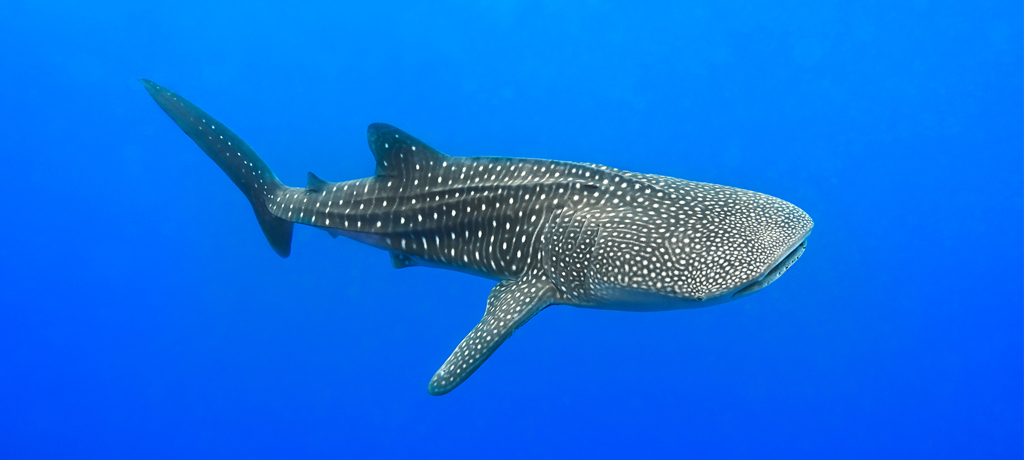
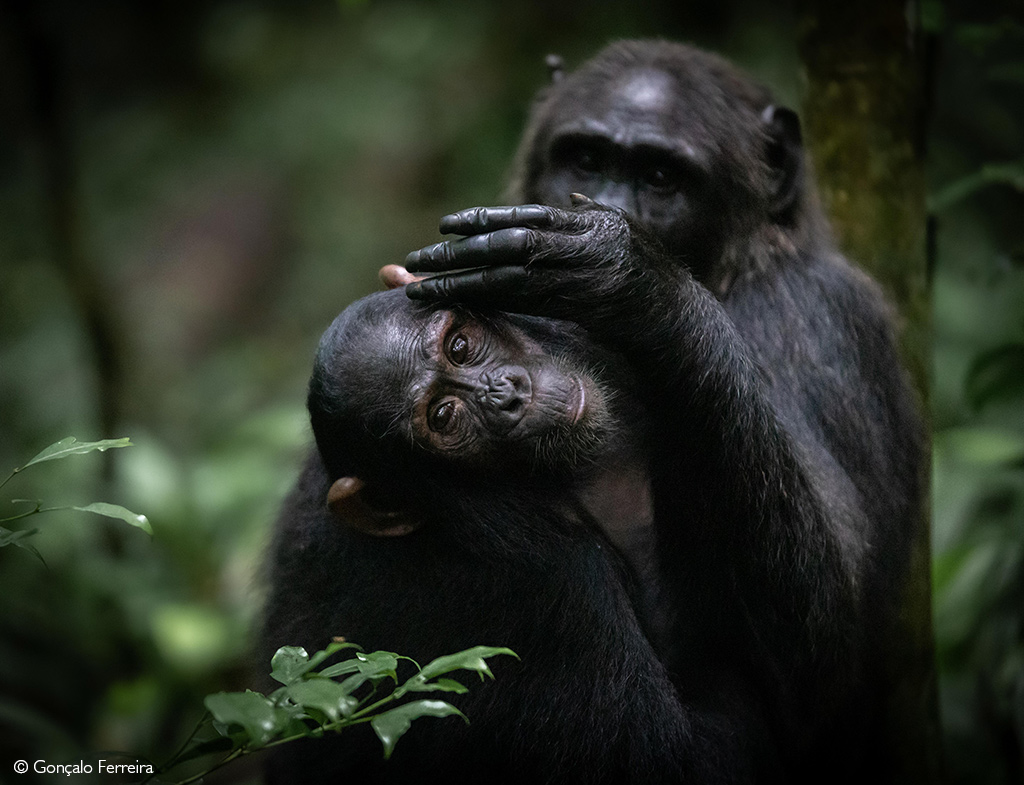
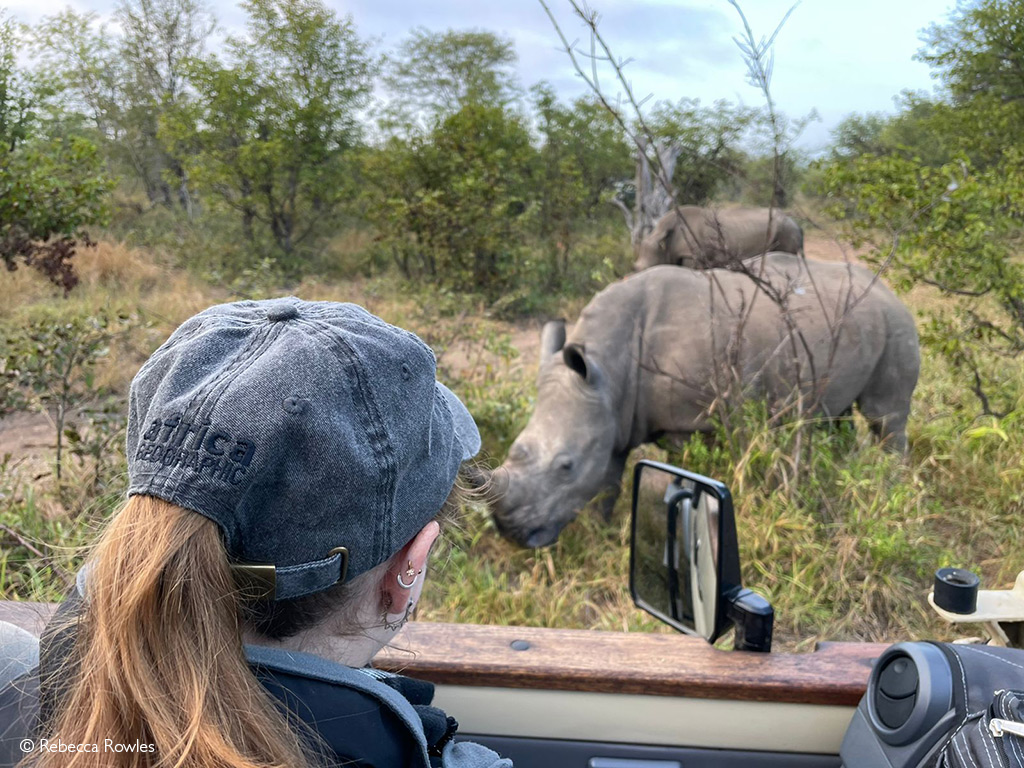
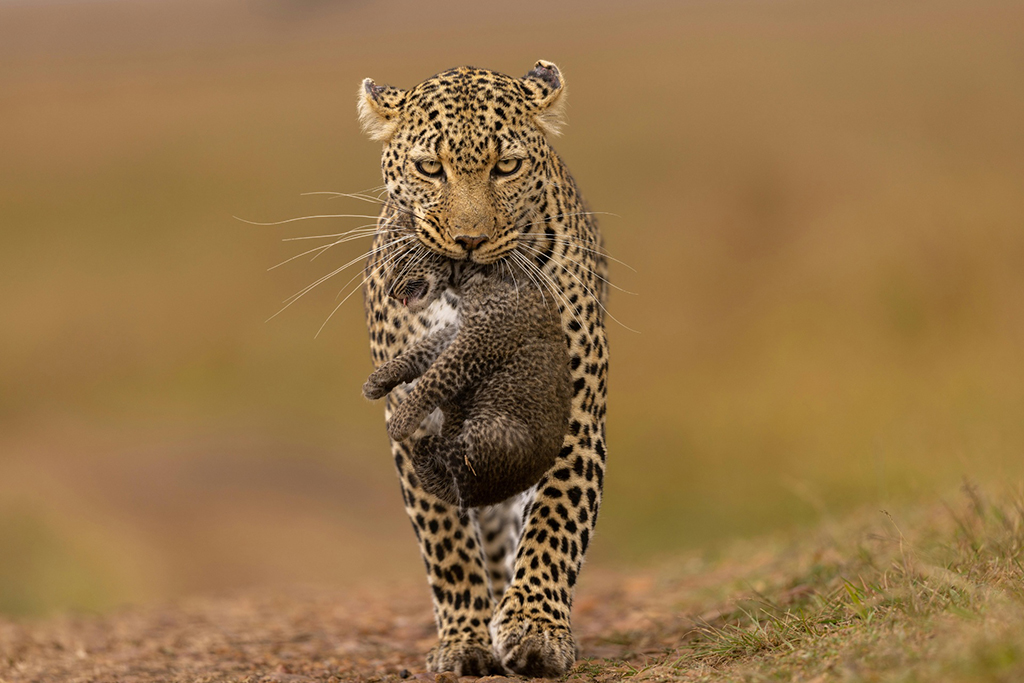
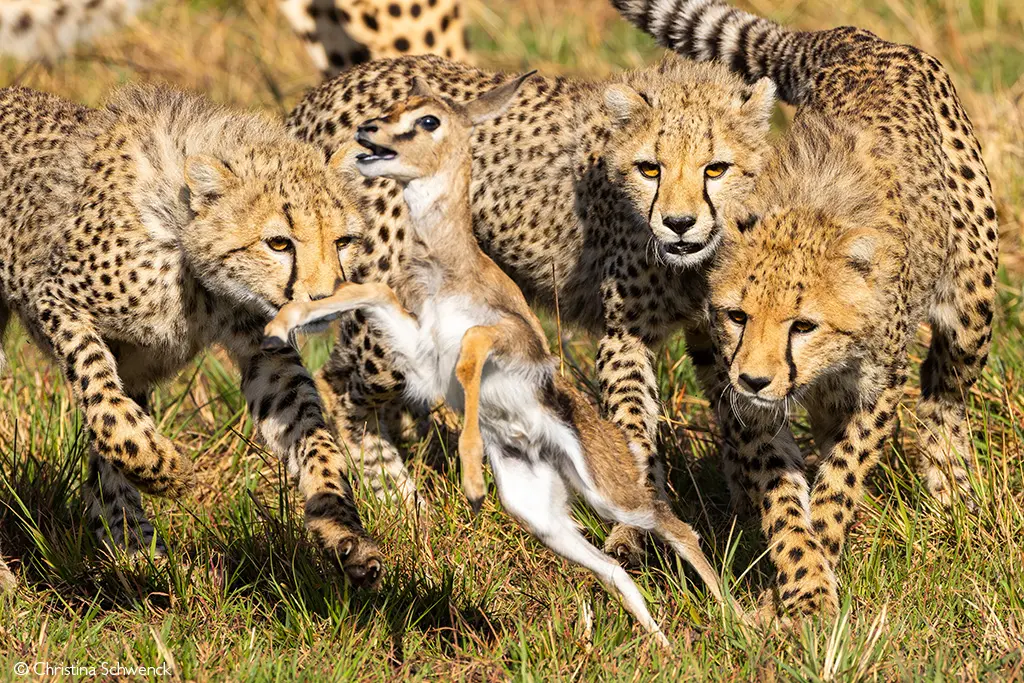
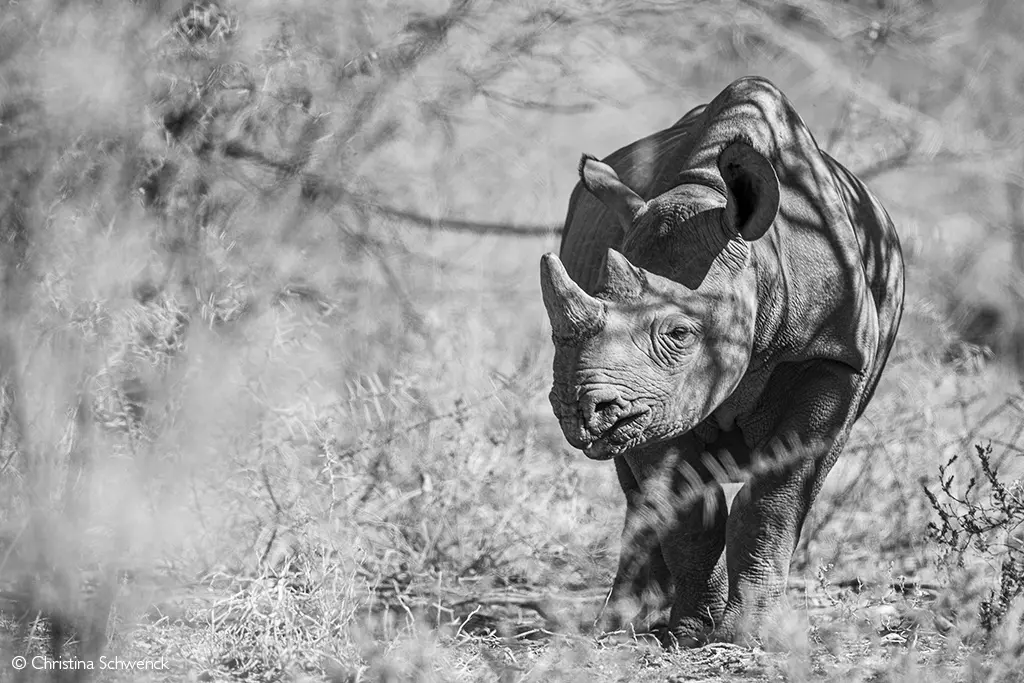
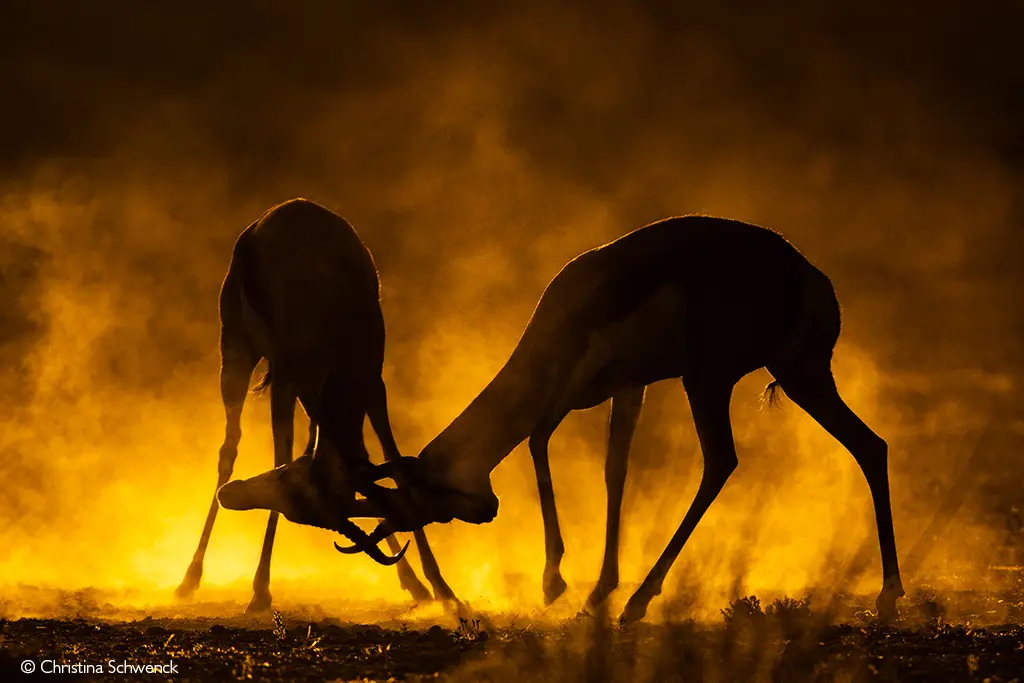
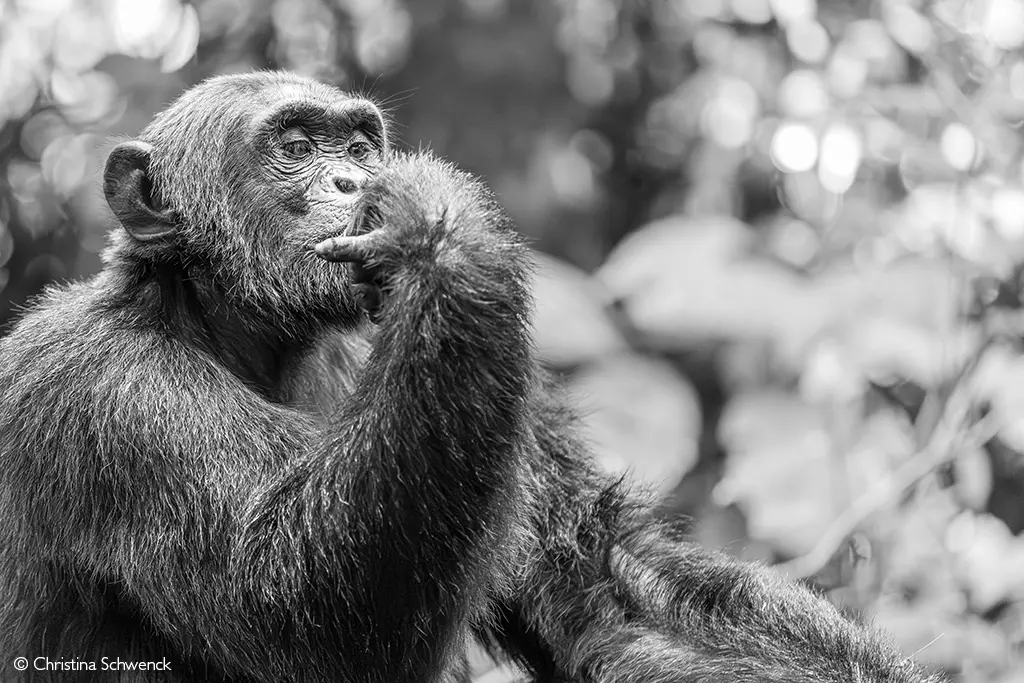
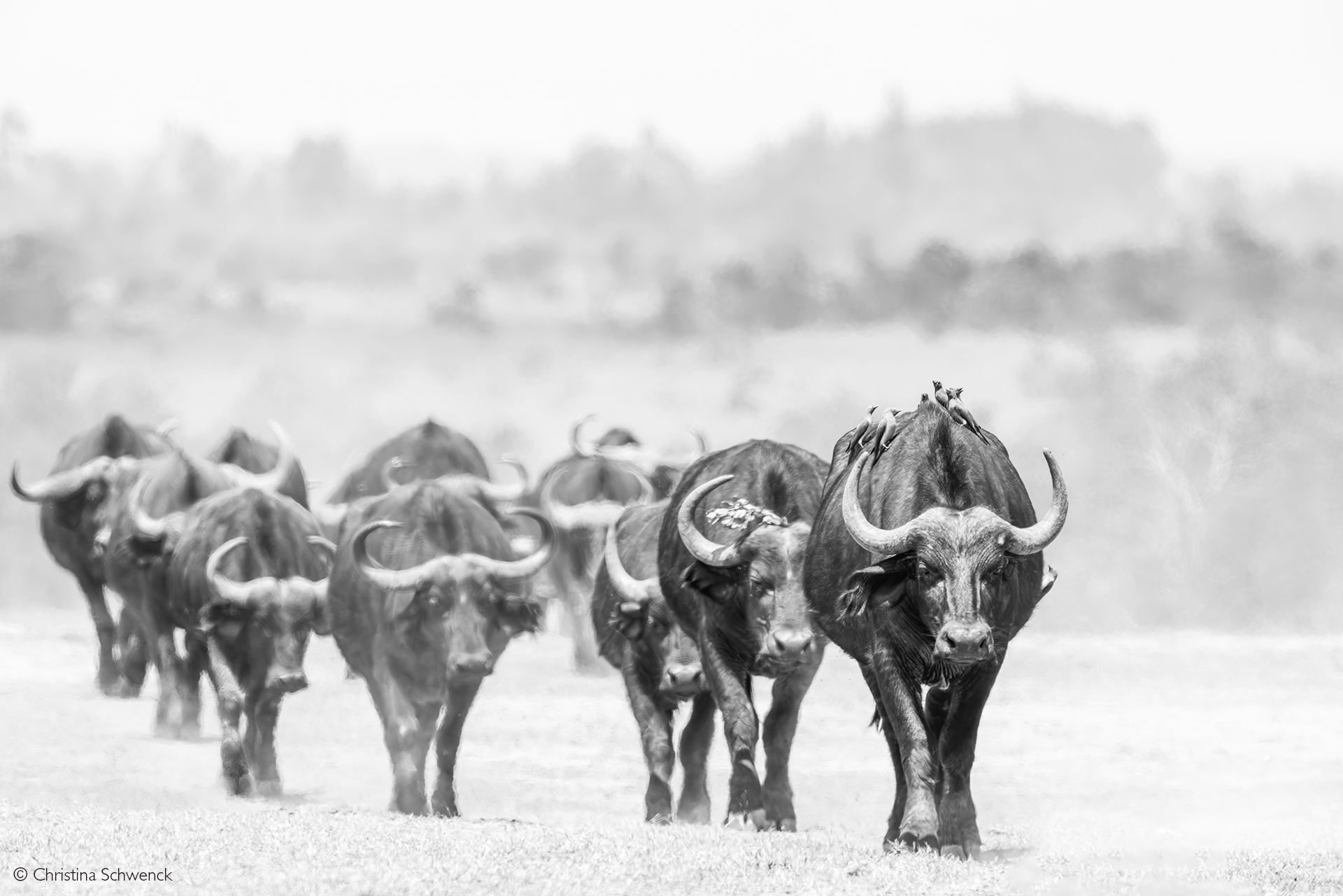
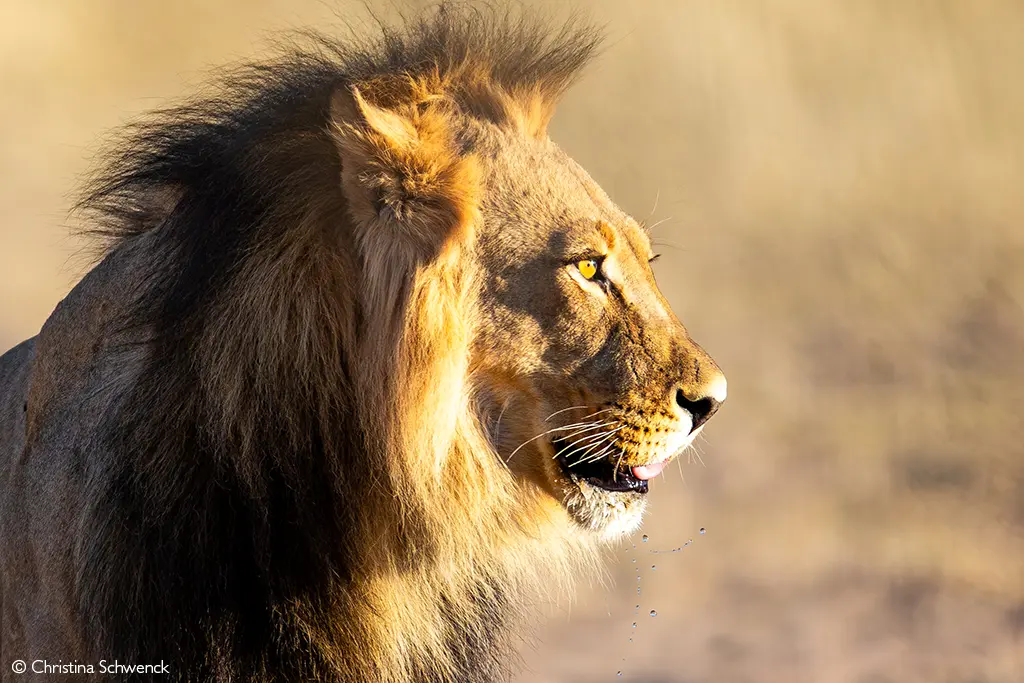
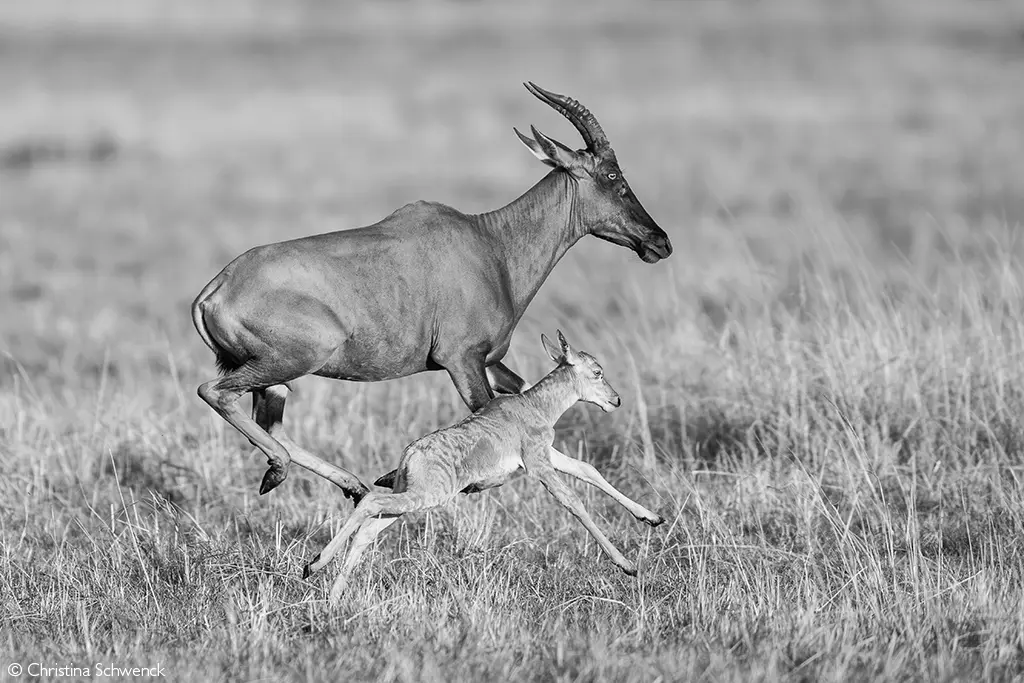
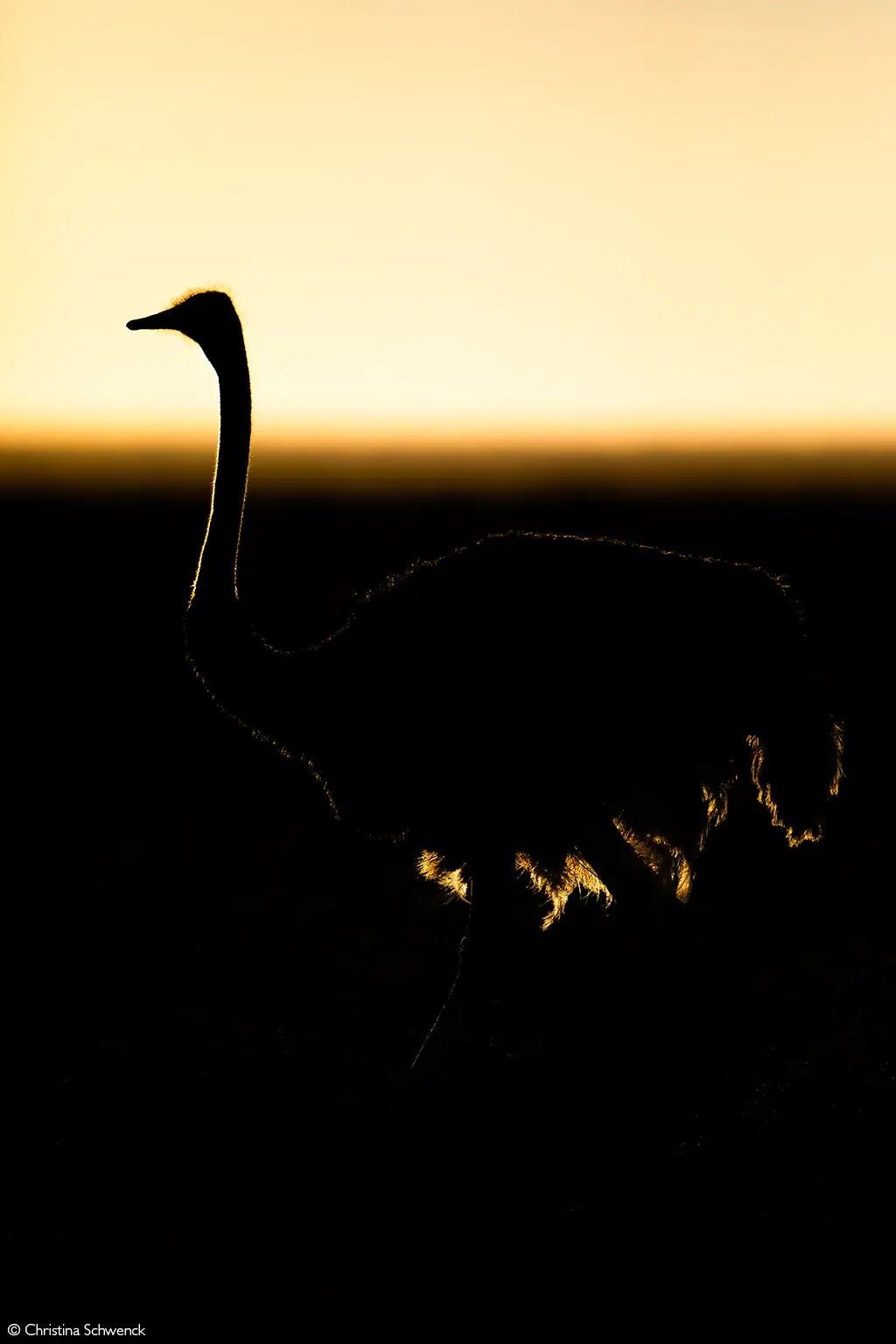
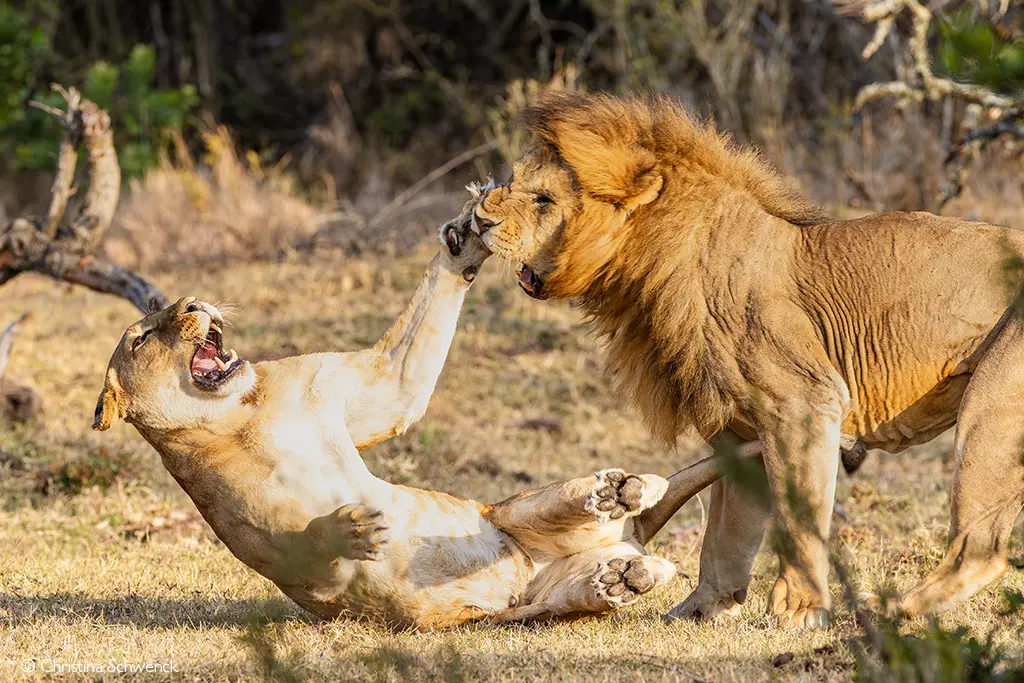
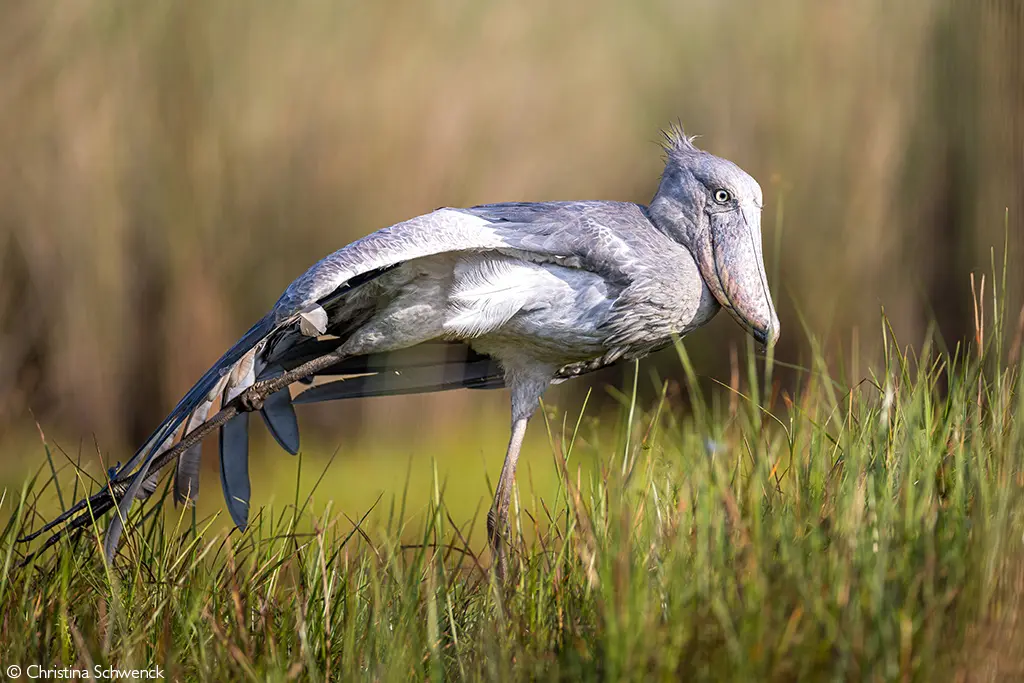
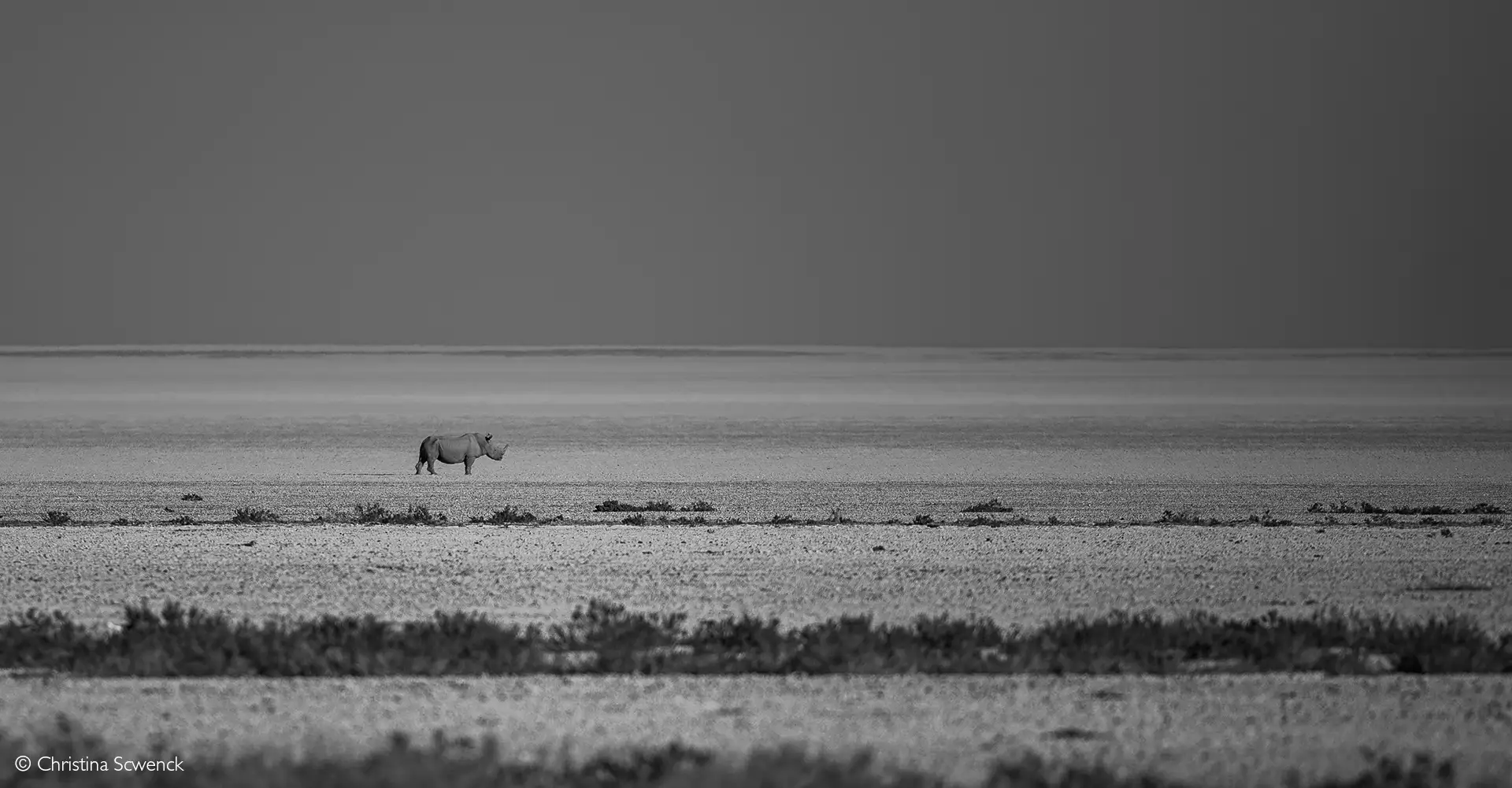
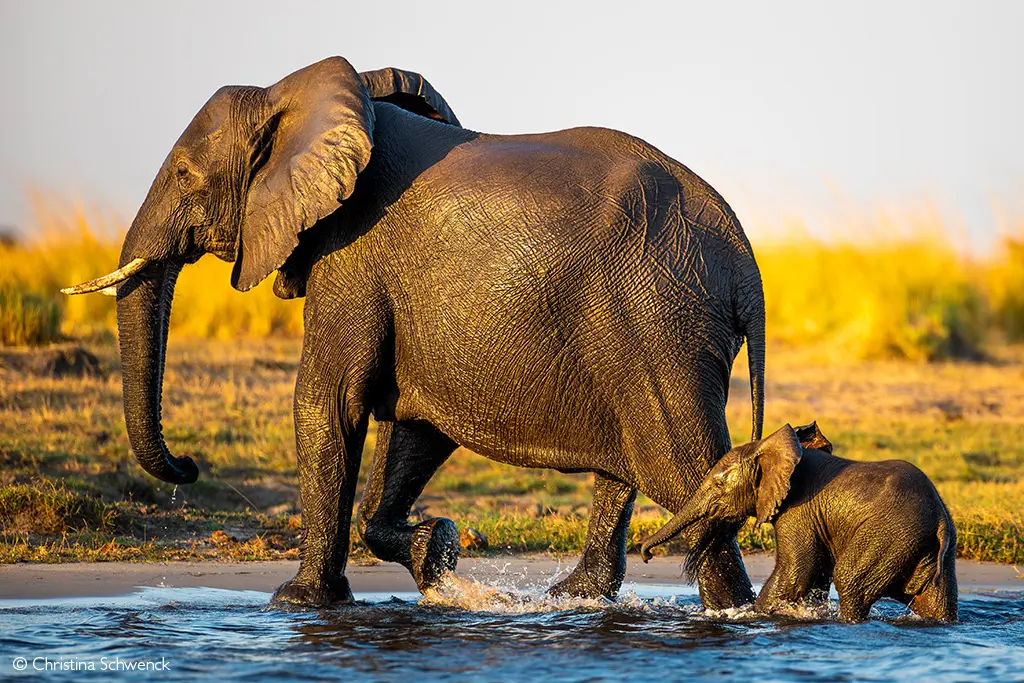
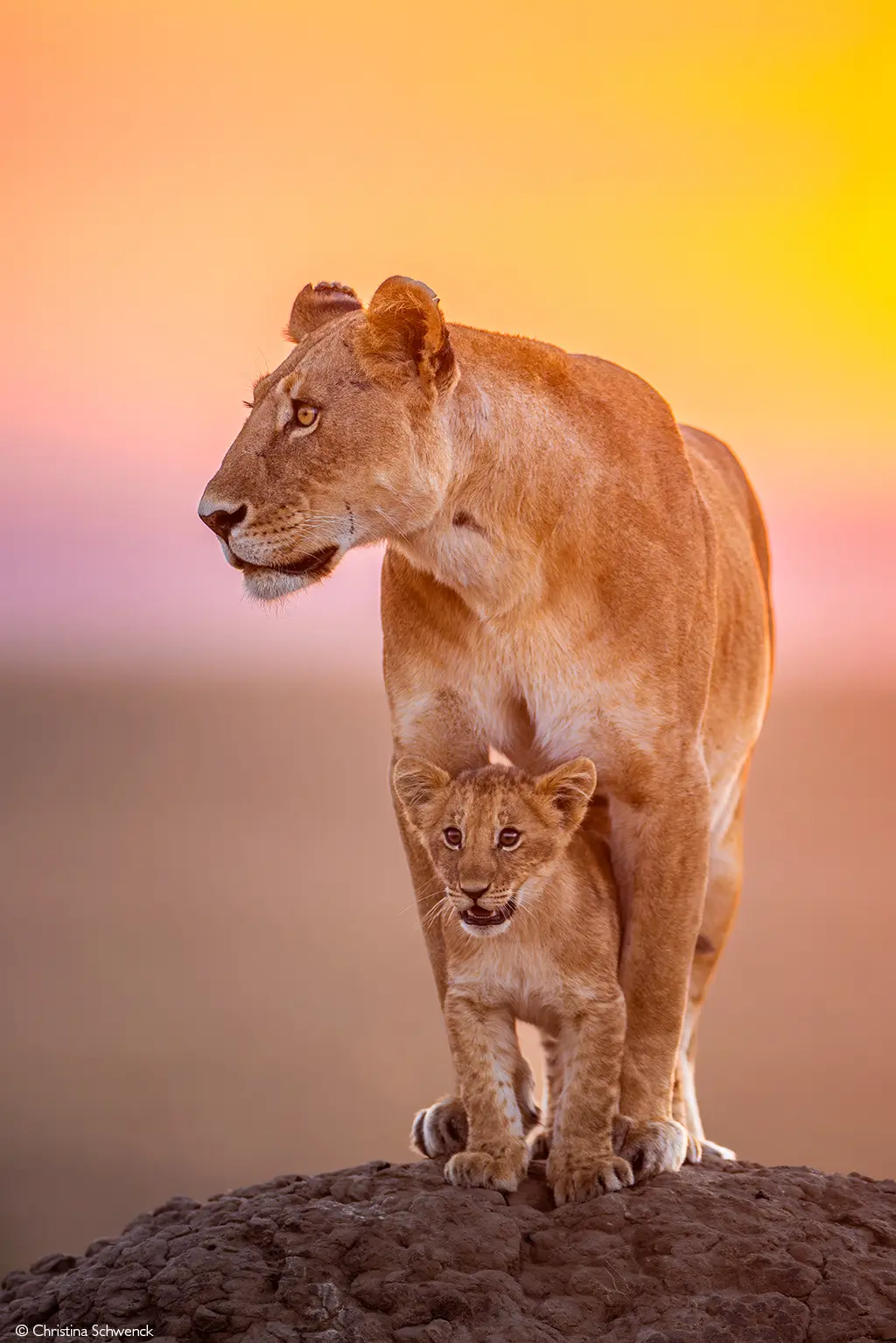
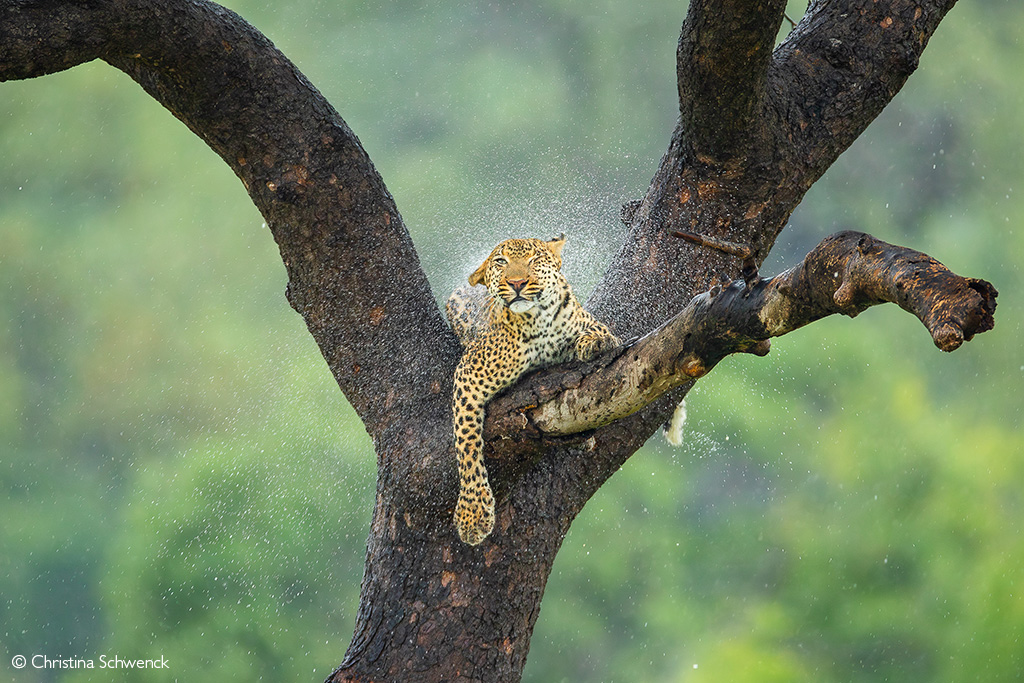
 Born in Kassel, Germany, Christina Schwenck is a clinical psychologist and wildlife photographer based in Germany. In her spare time, she explores wild corners of Africa with a camera in hand. Her travels have taken her to South Africa, Kenya, Botswana, Namibia, Tanzania and Uganda. Wildlife photography is her mindfulness – a meditative exercise in patience, observation, and reverence for the natural world.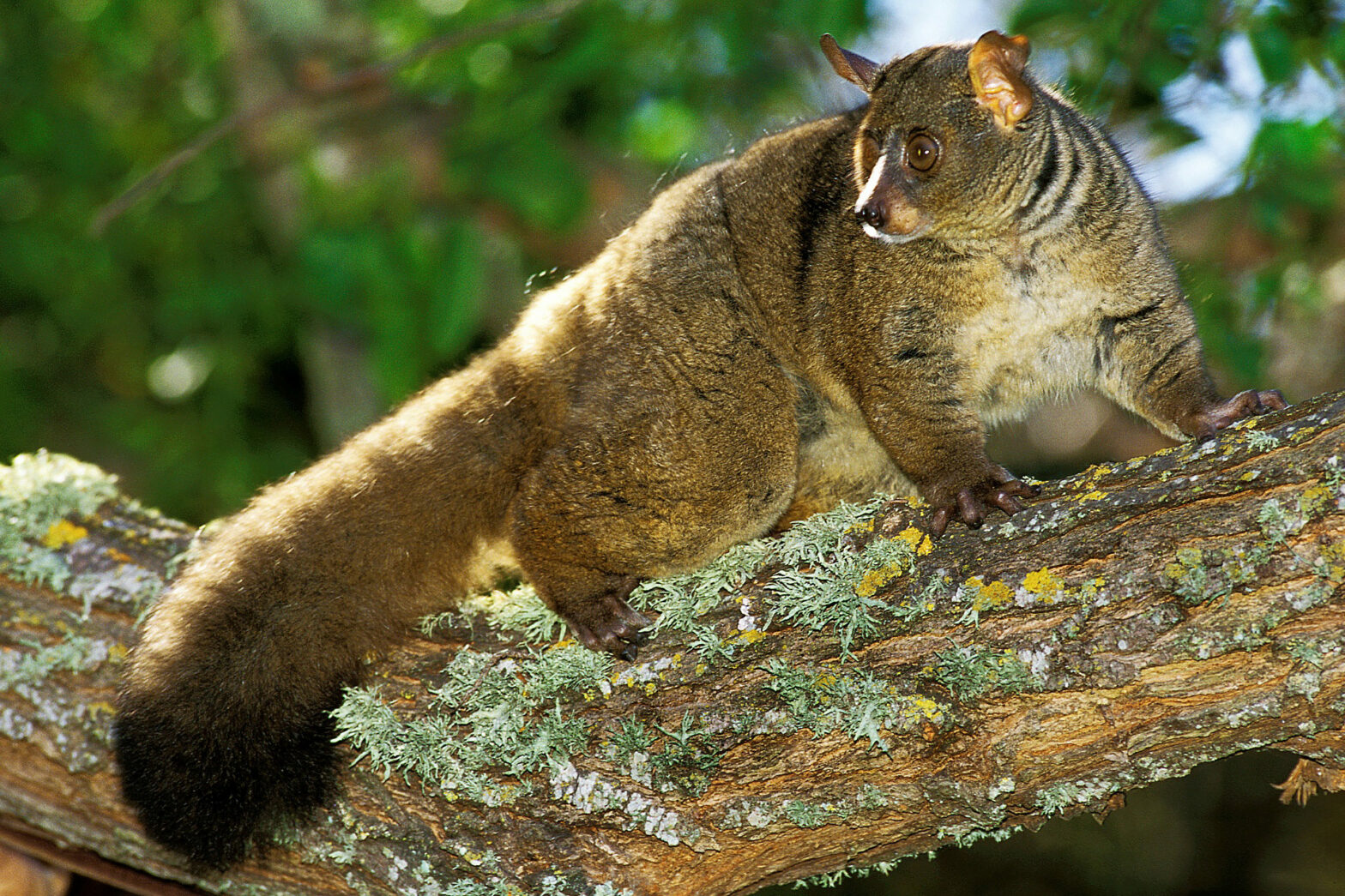
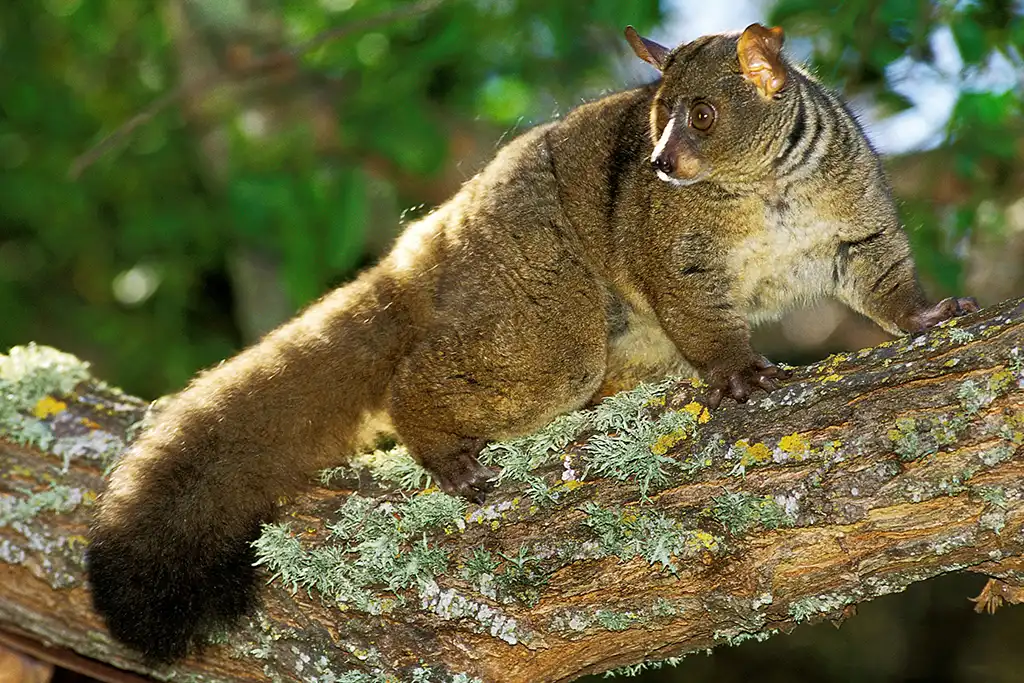
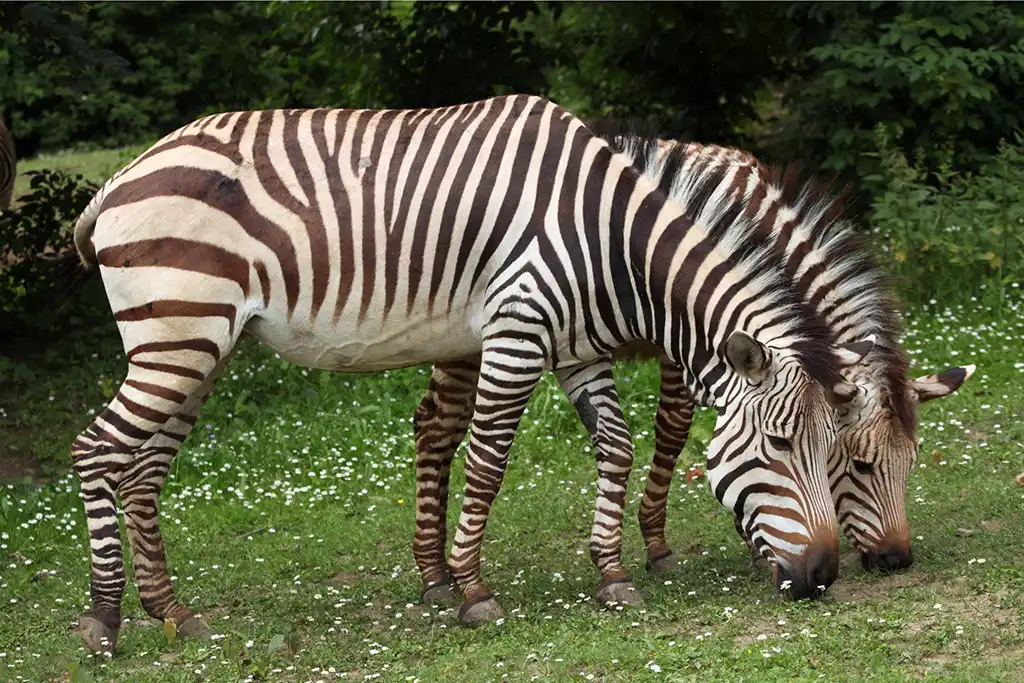
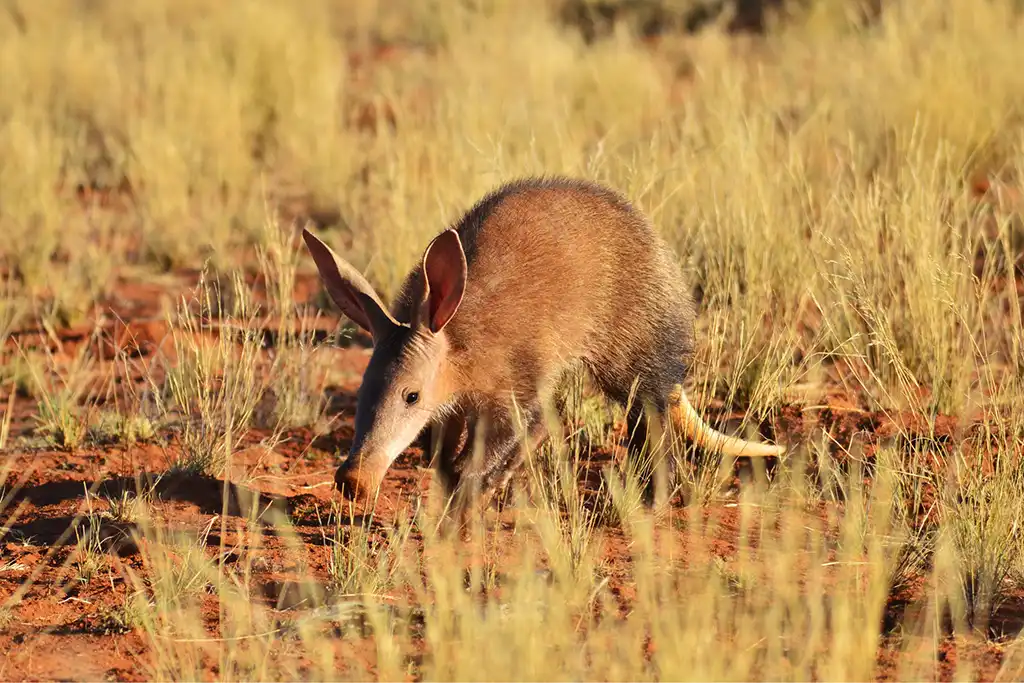
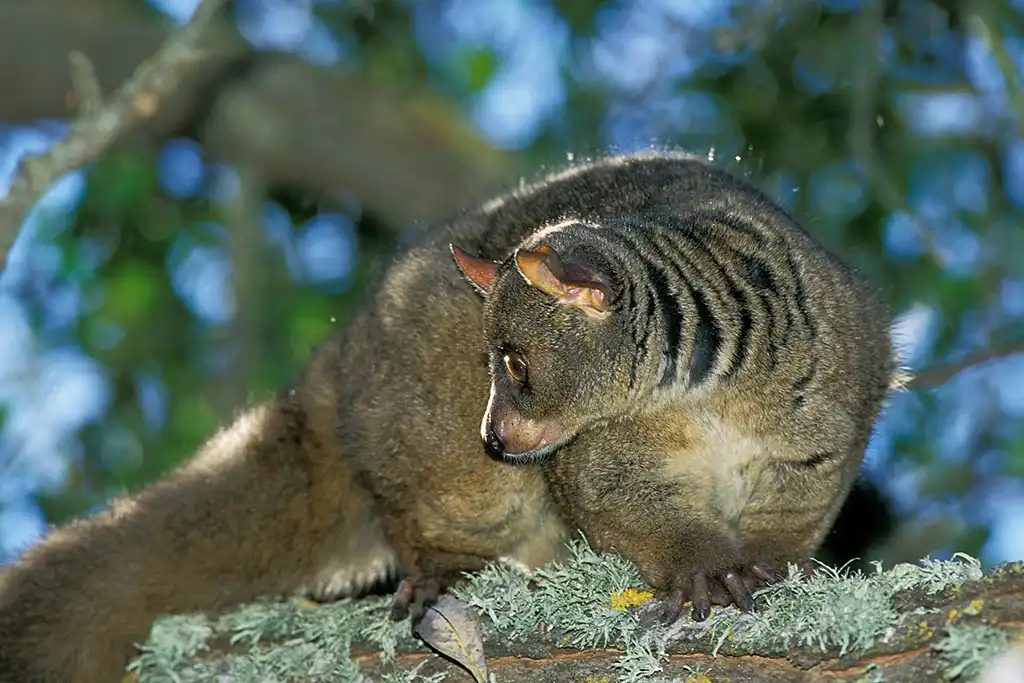
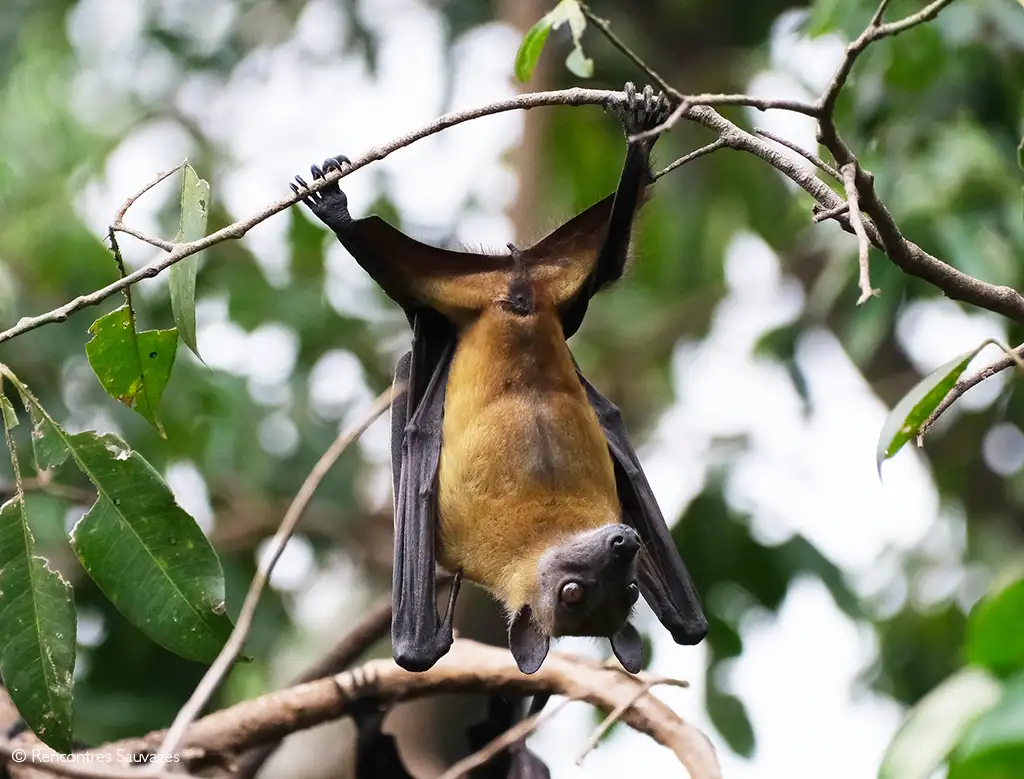
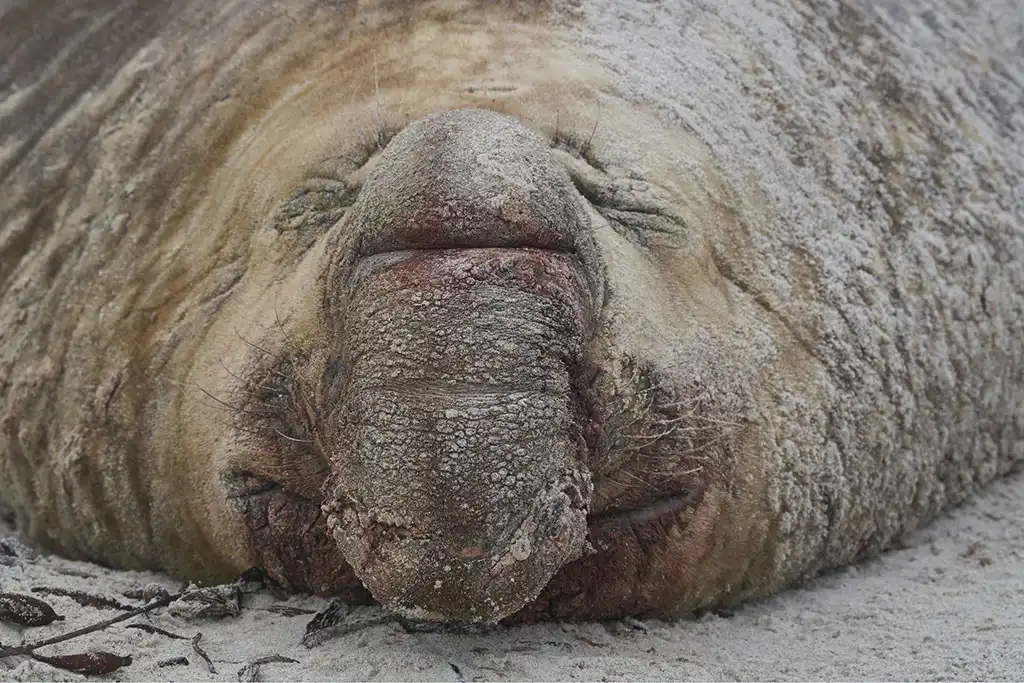
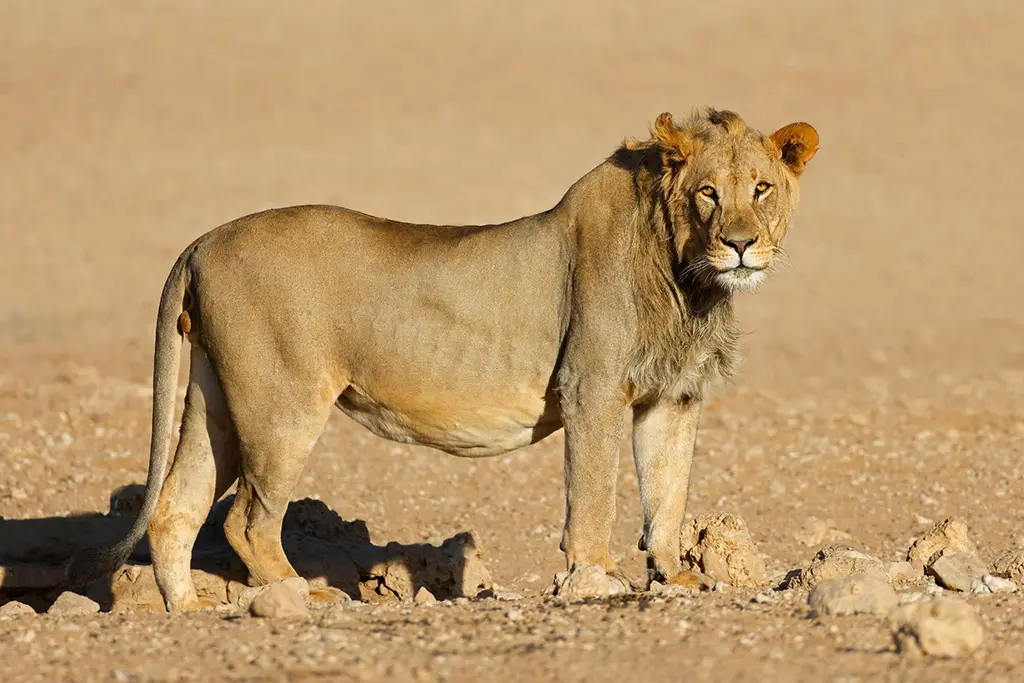
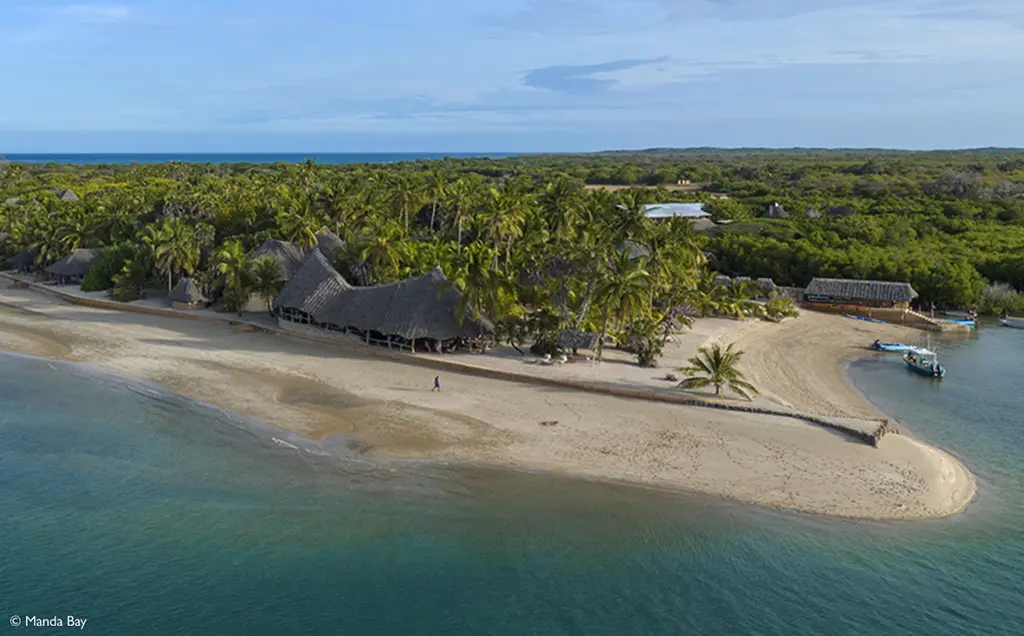
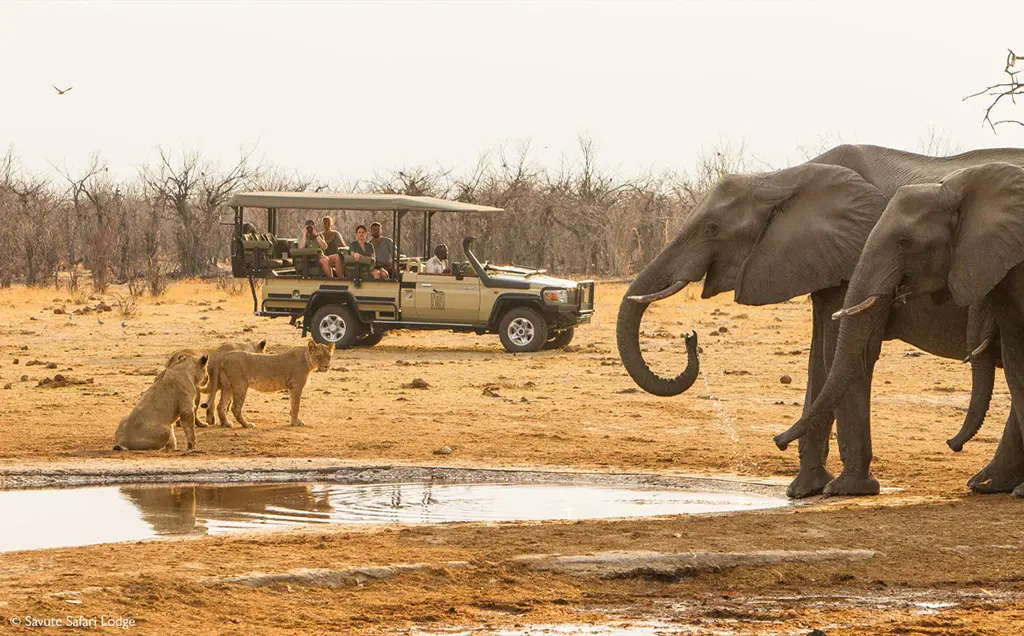
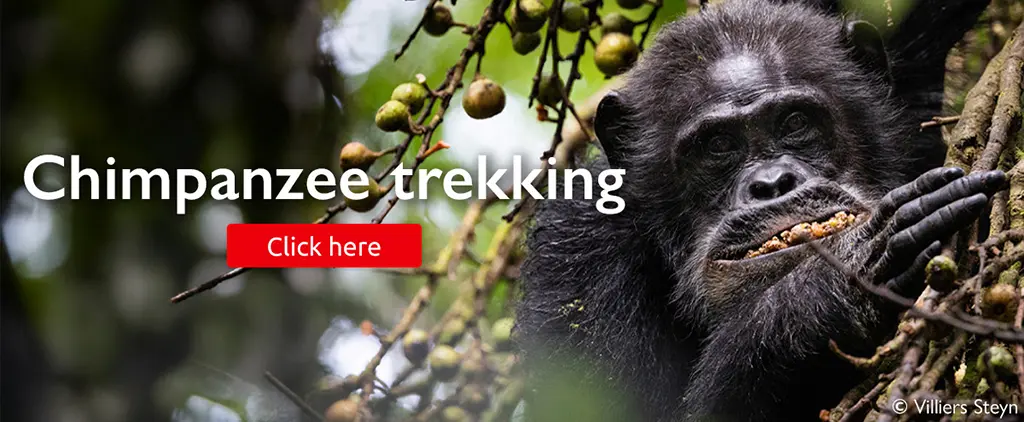
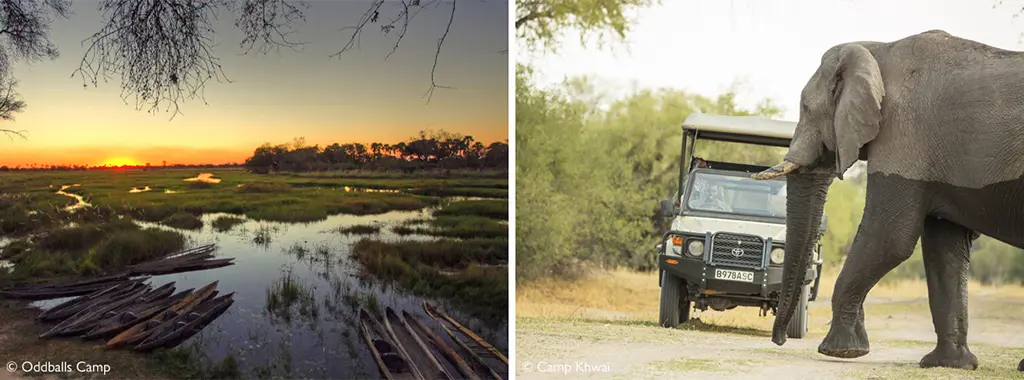
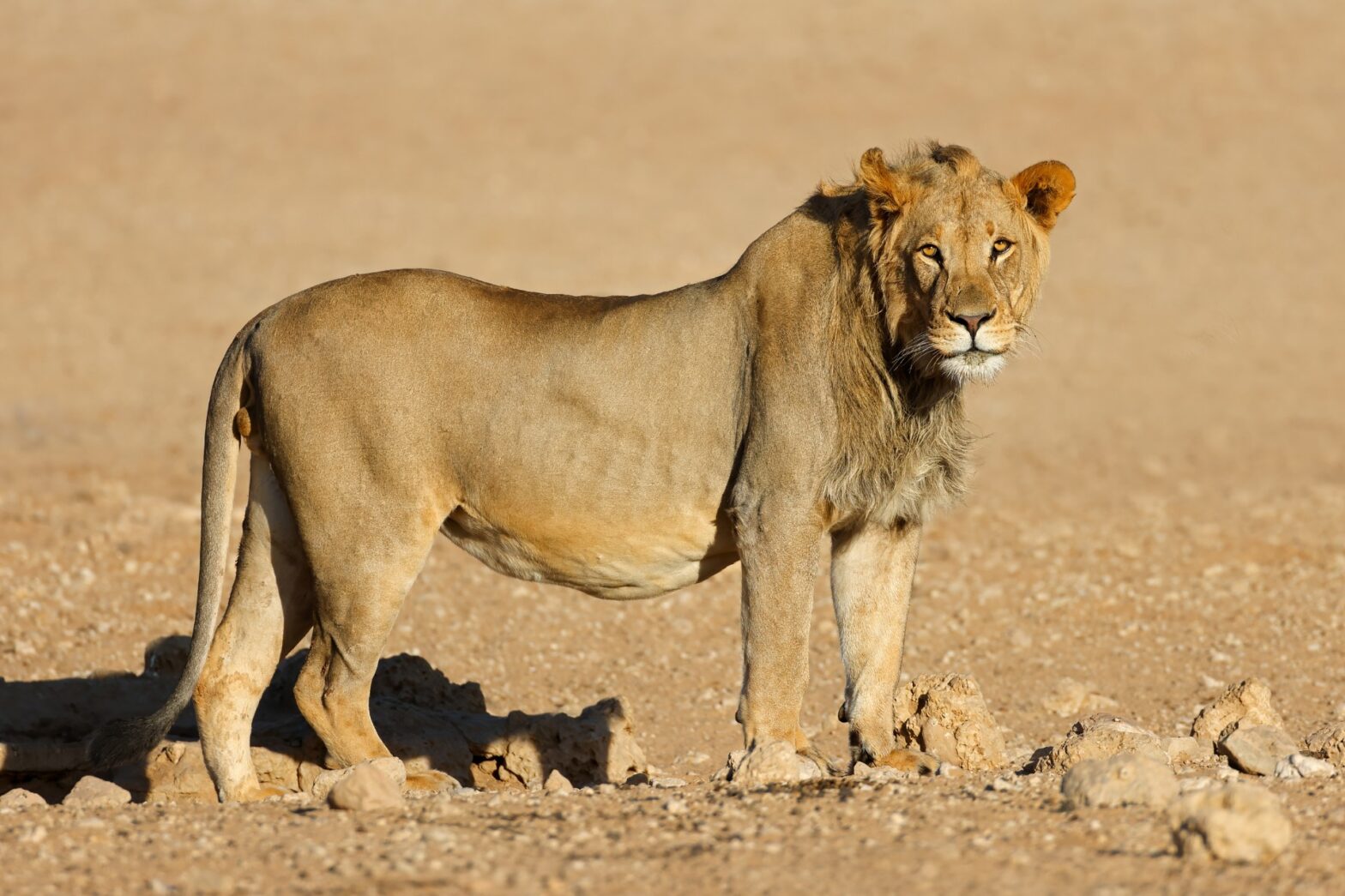
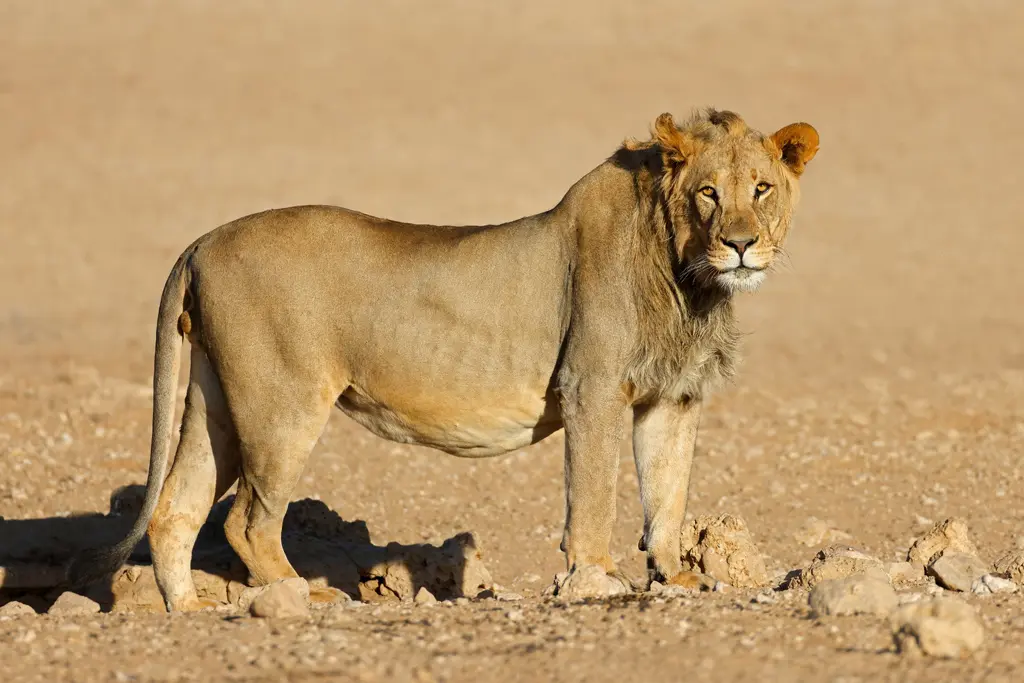
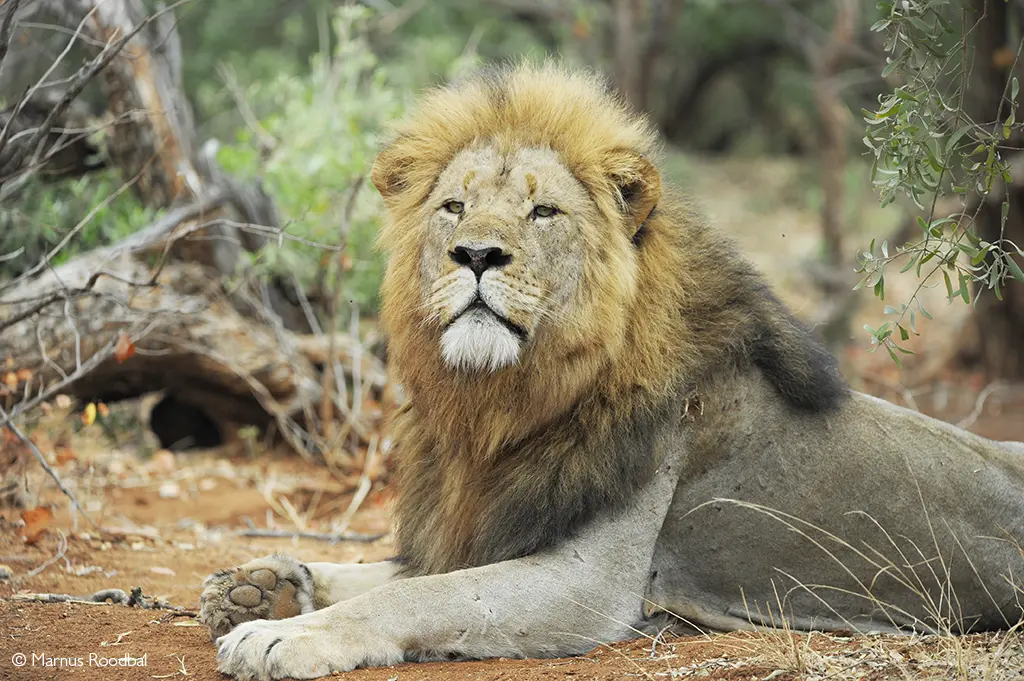
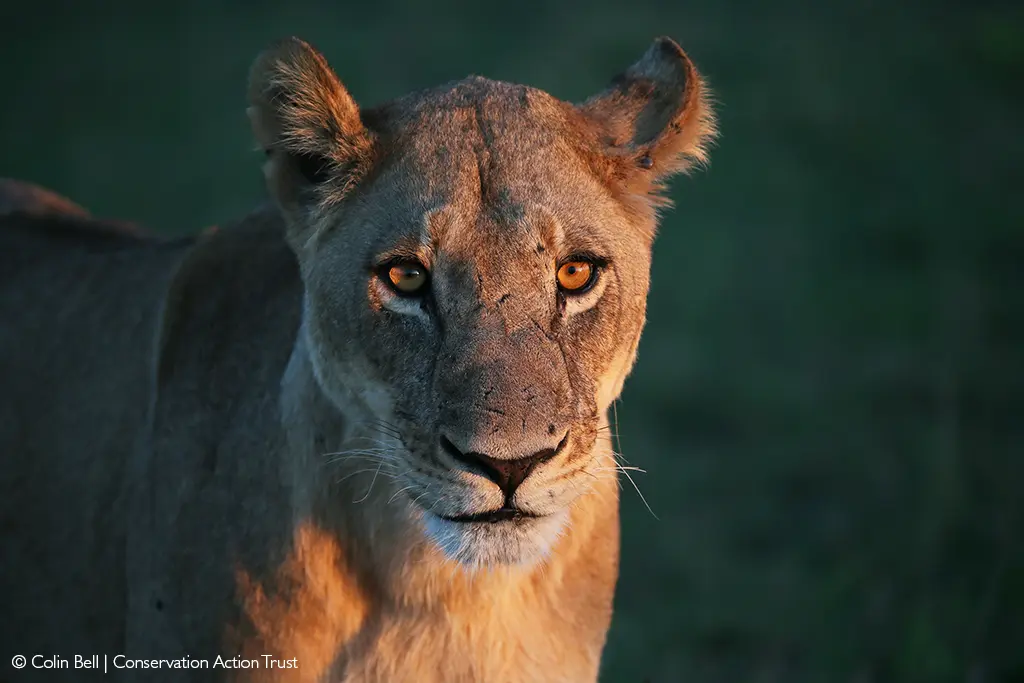
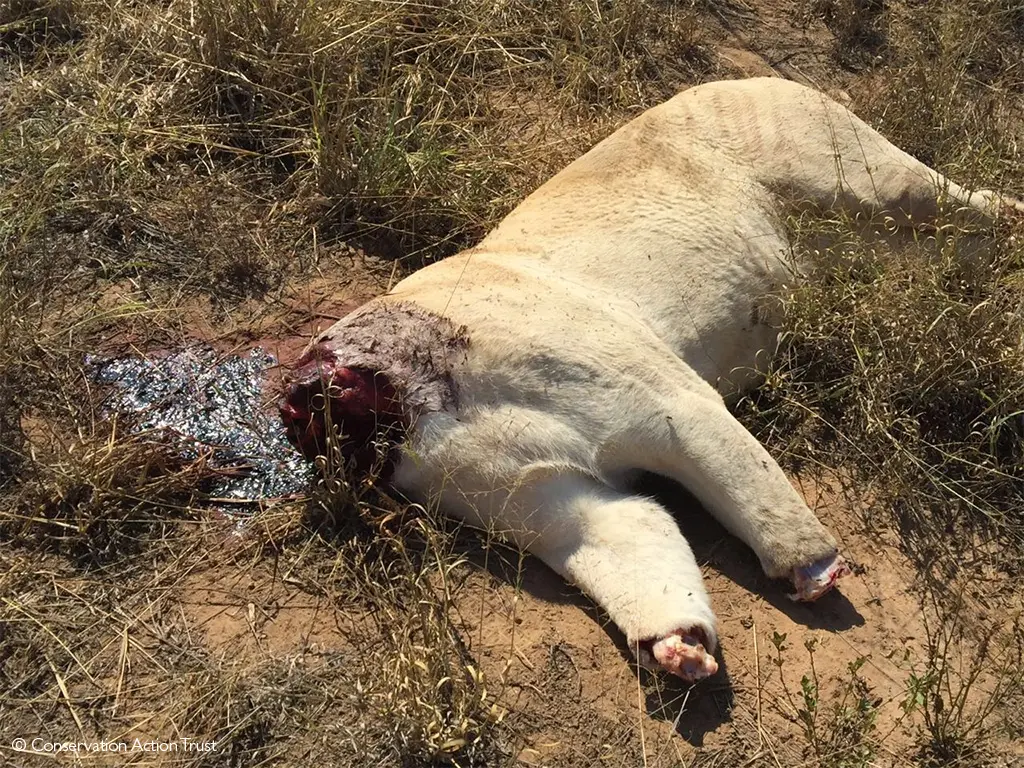
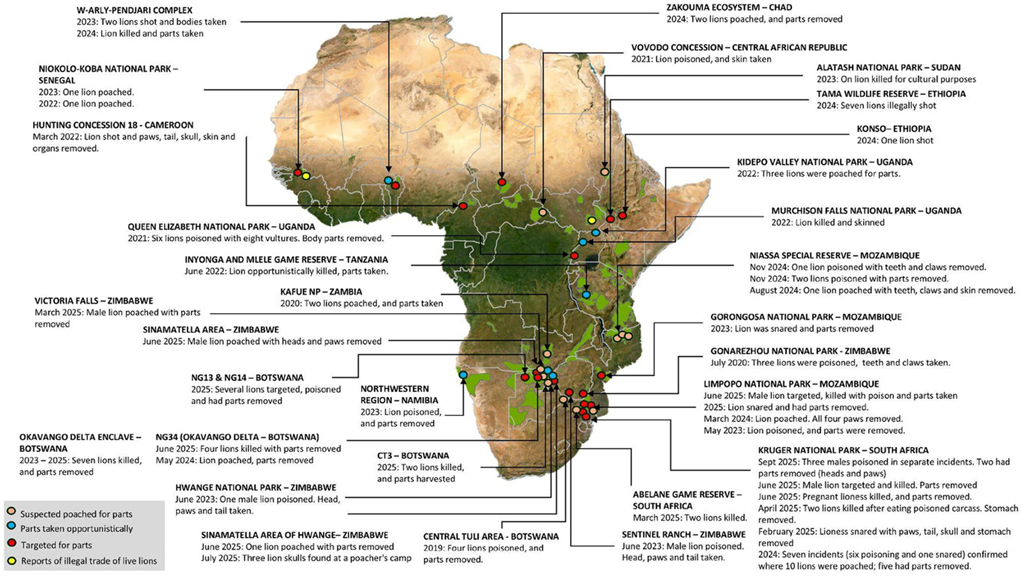
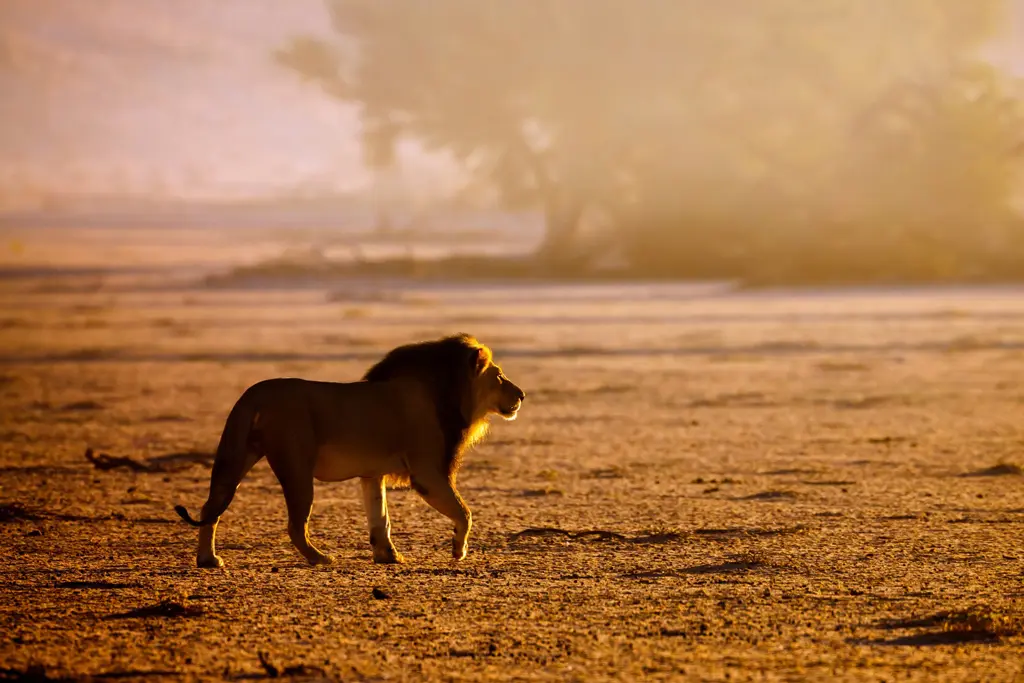
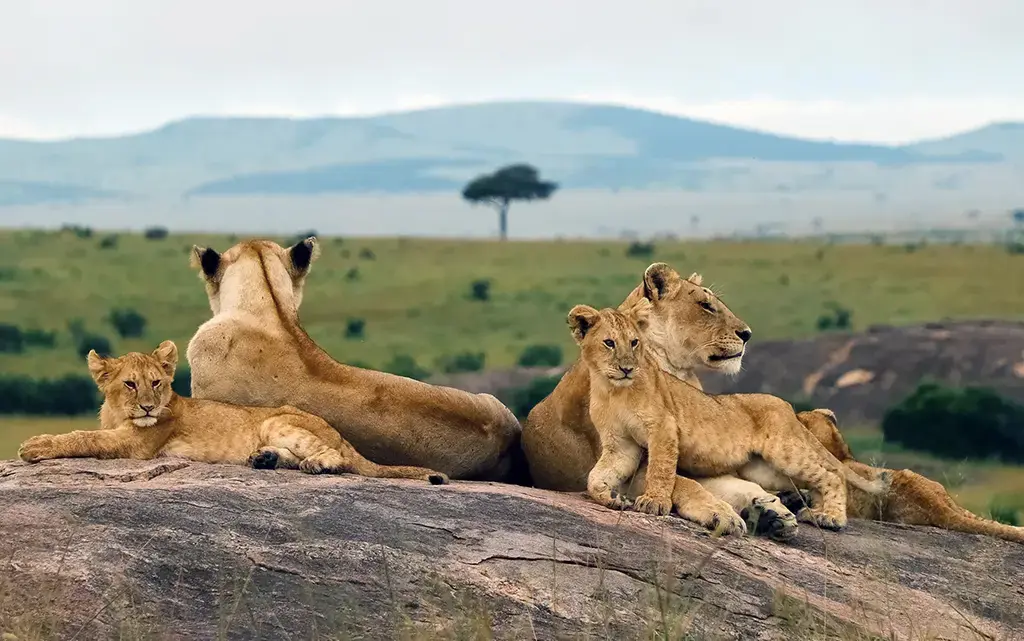
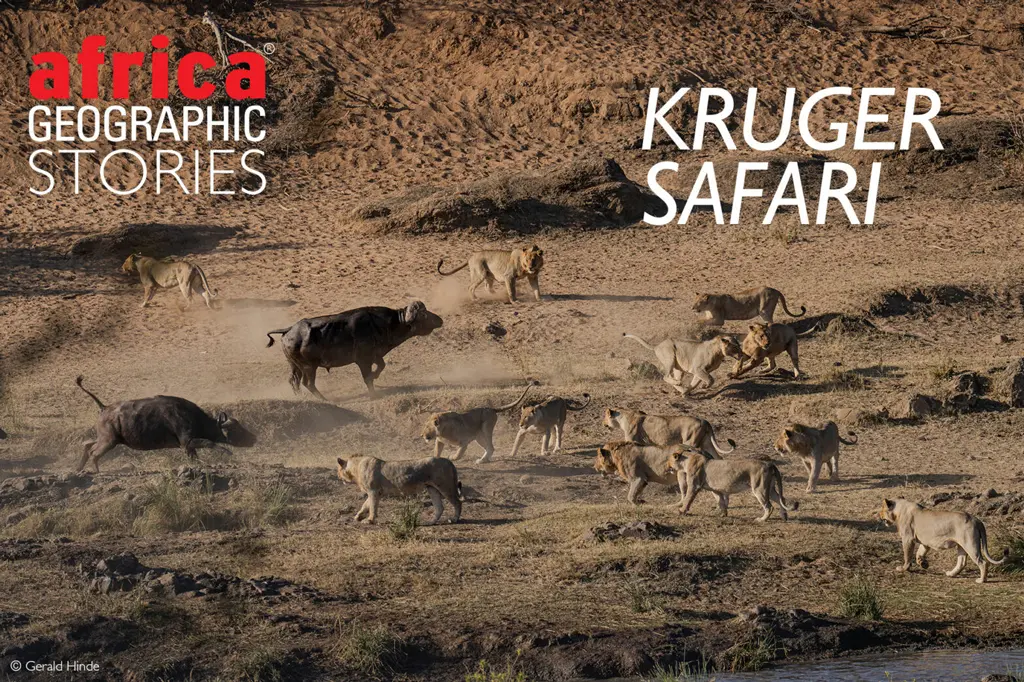
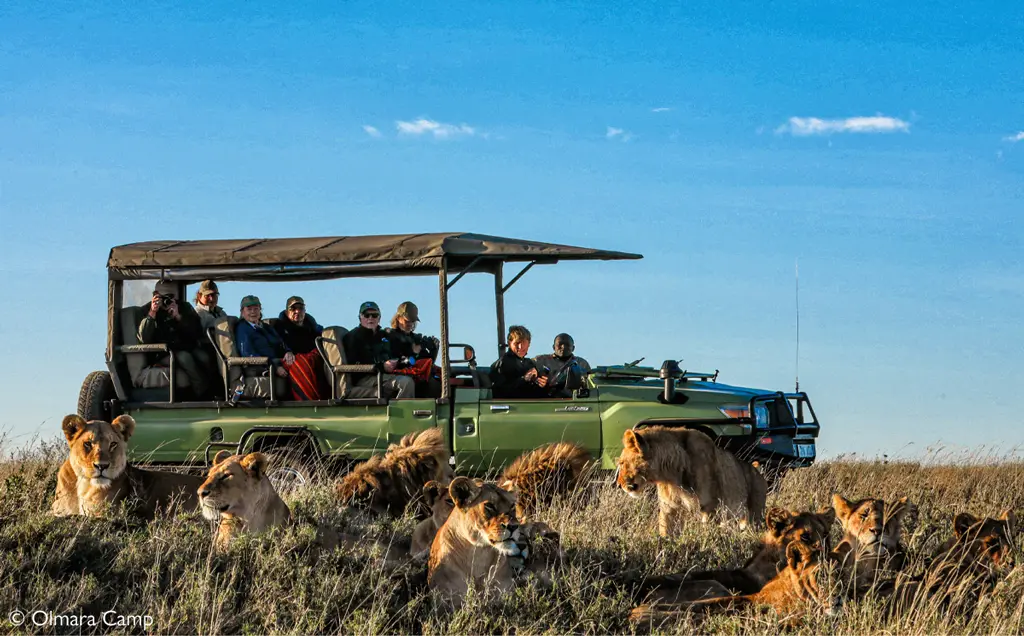
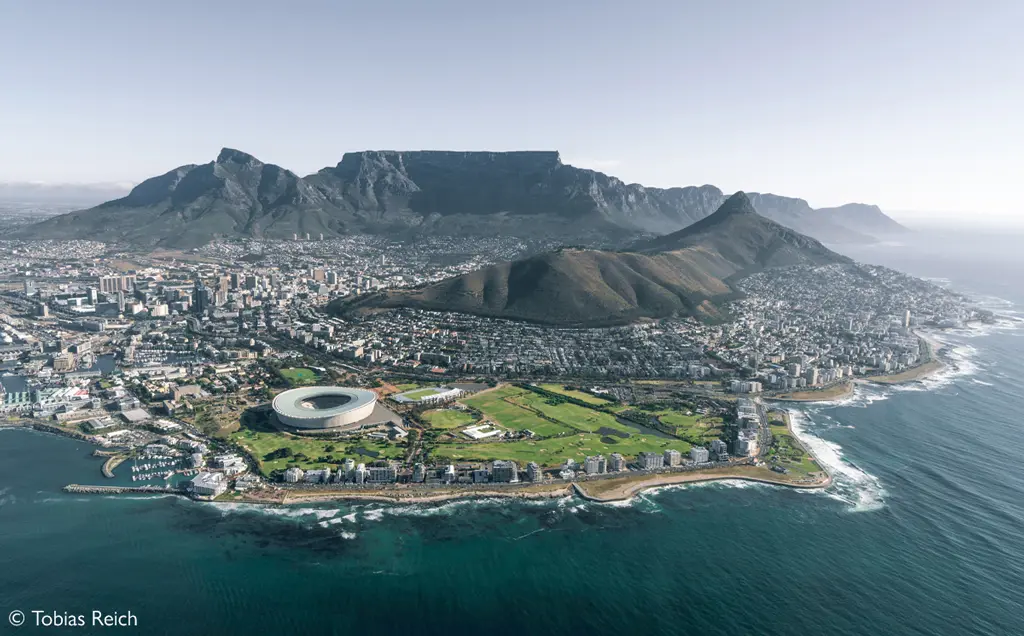
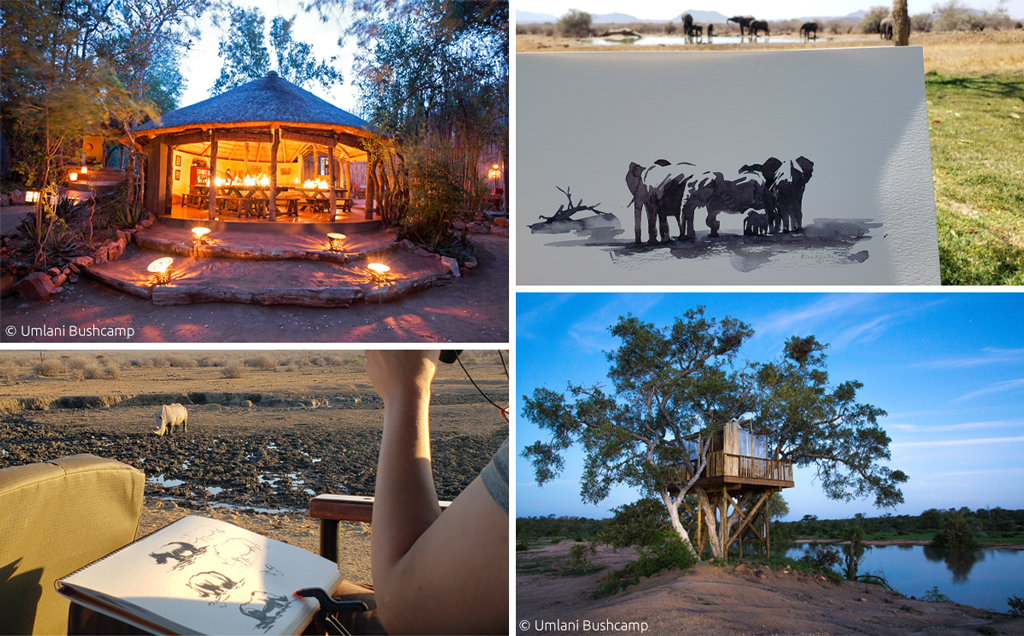
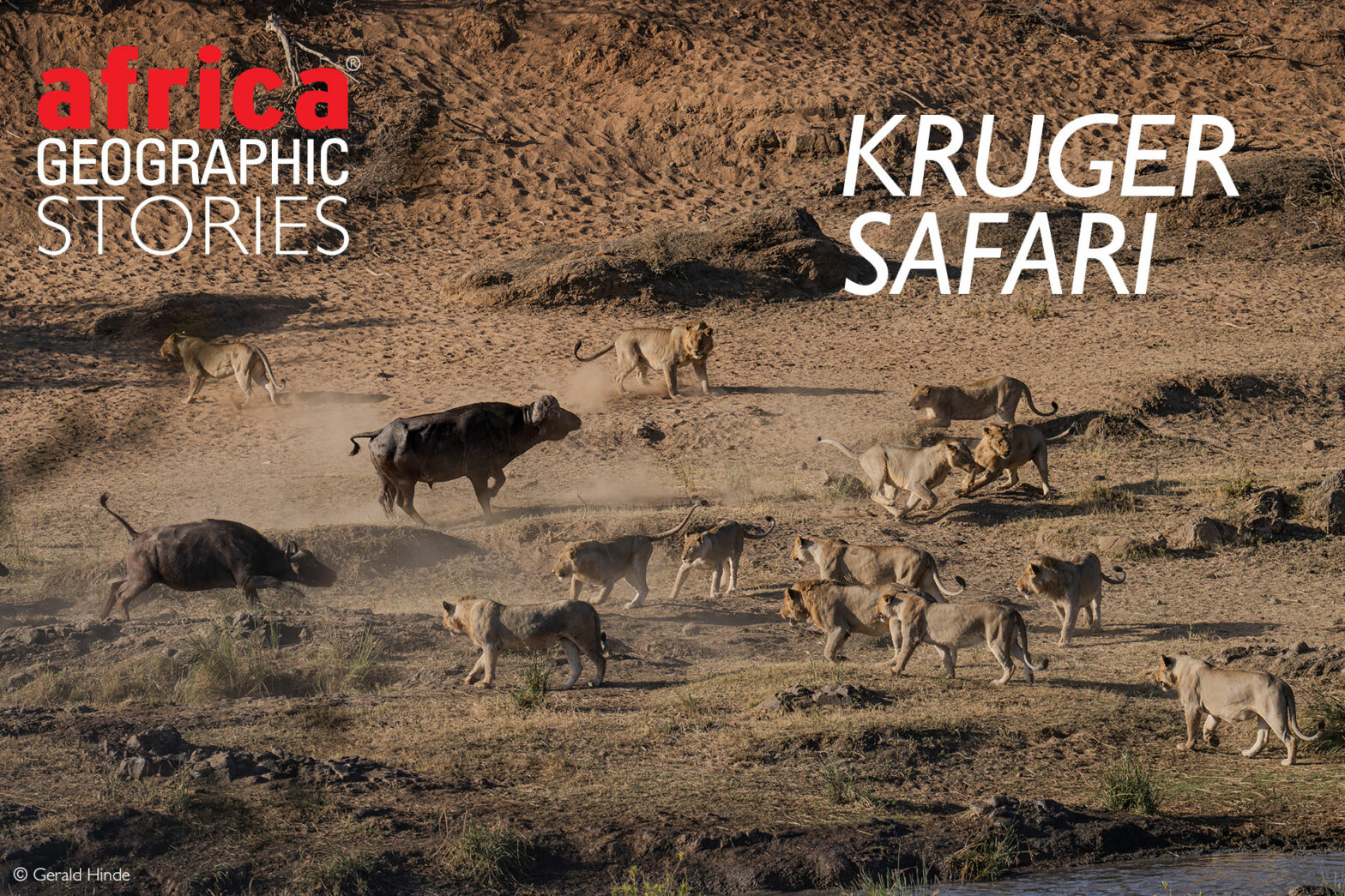
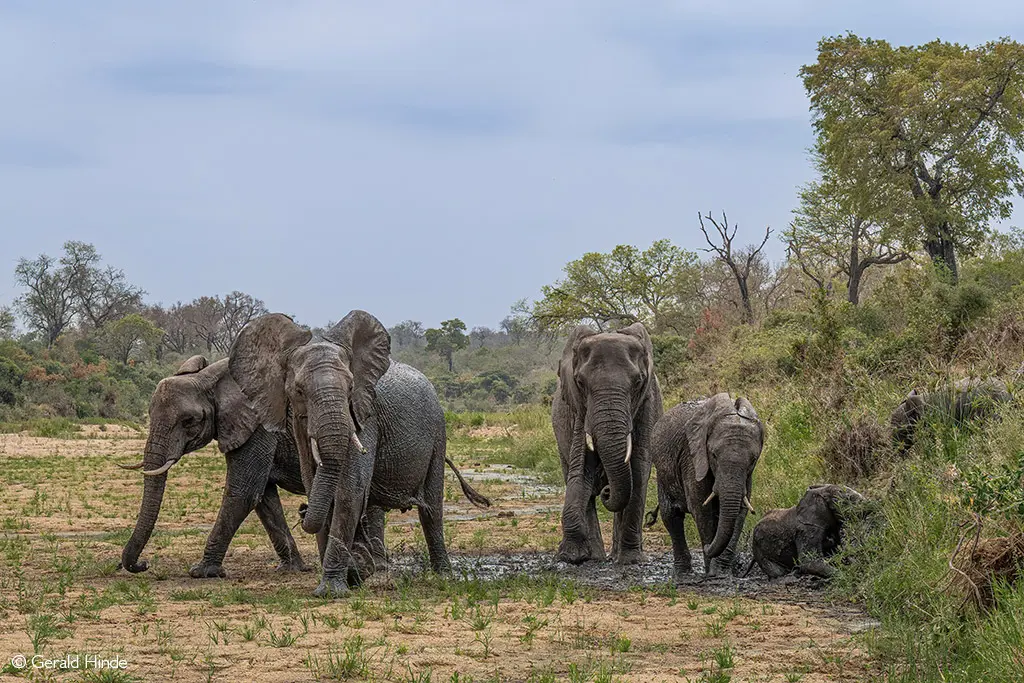
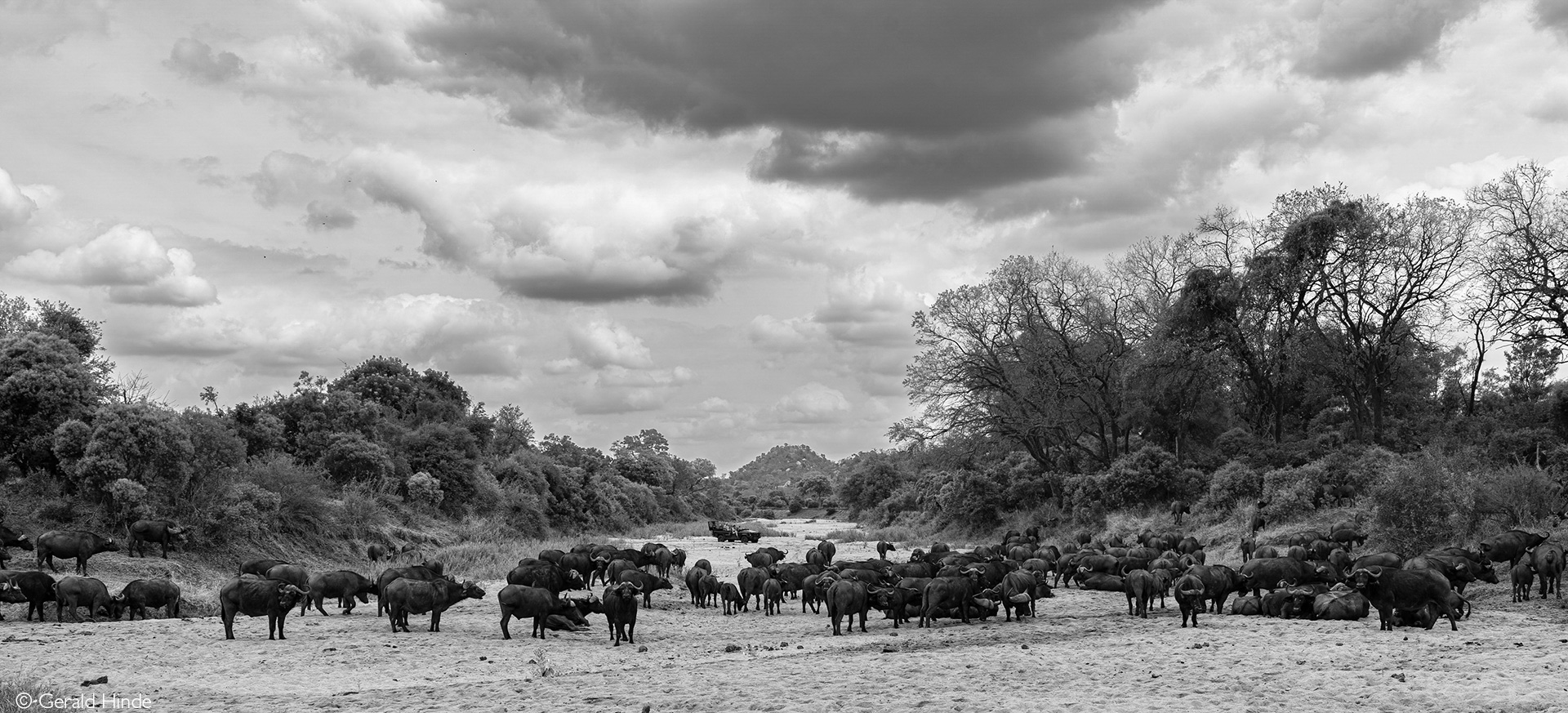
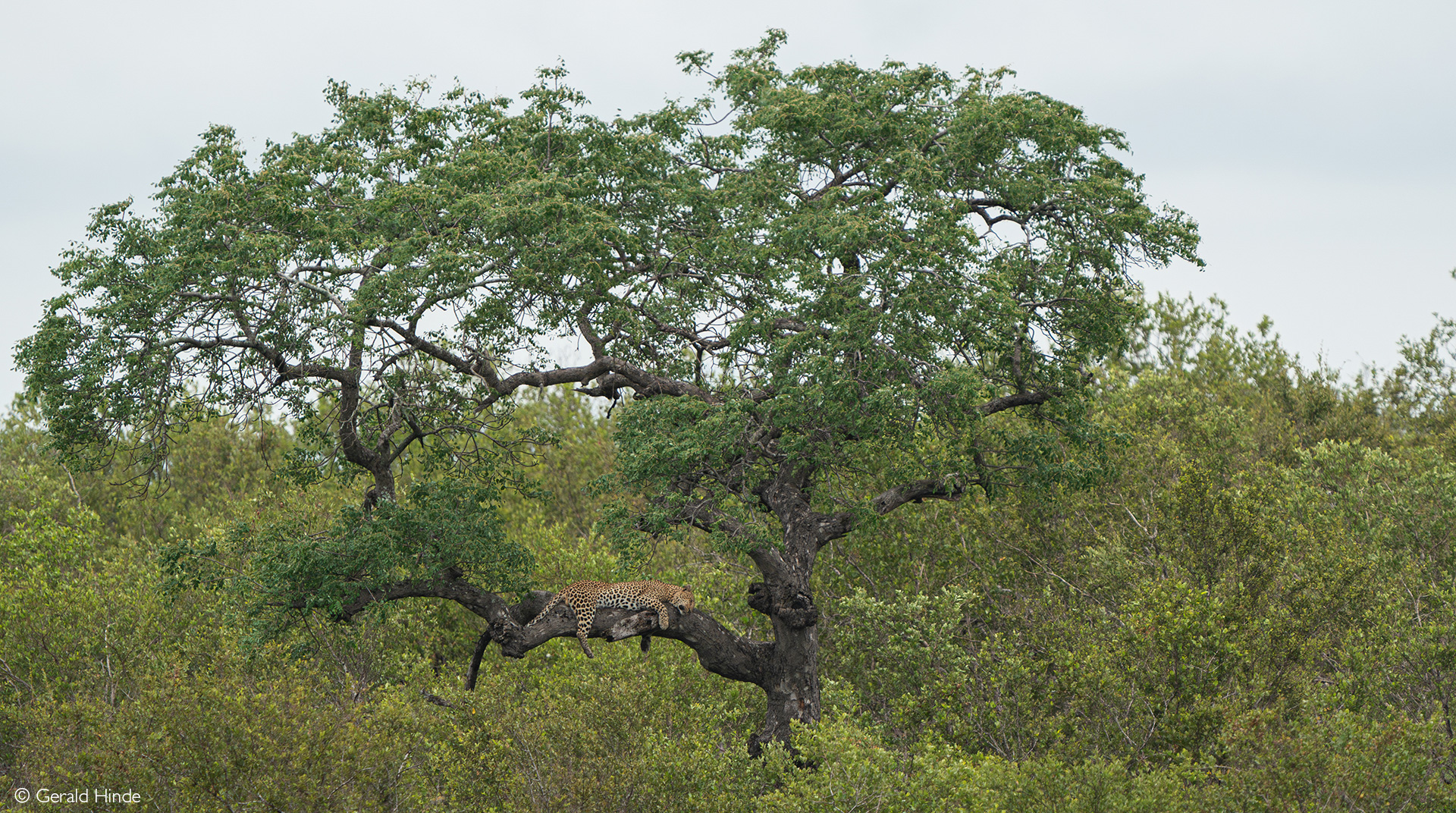
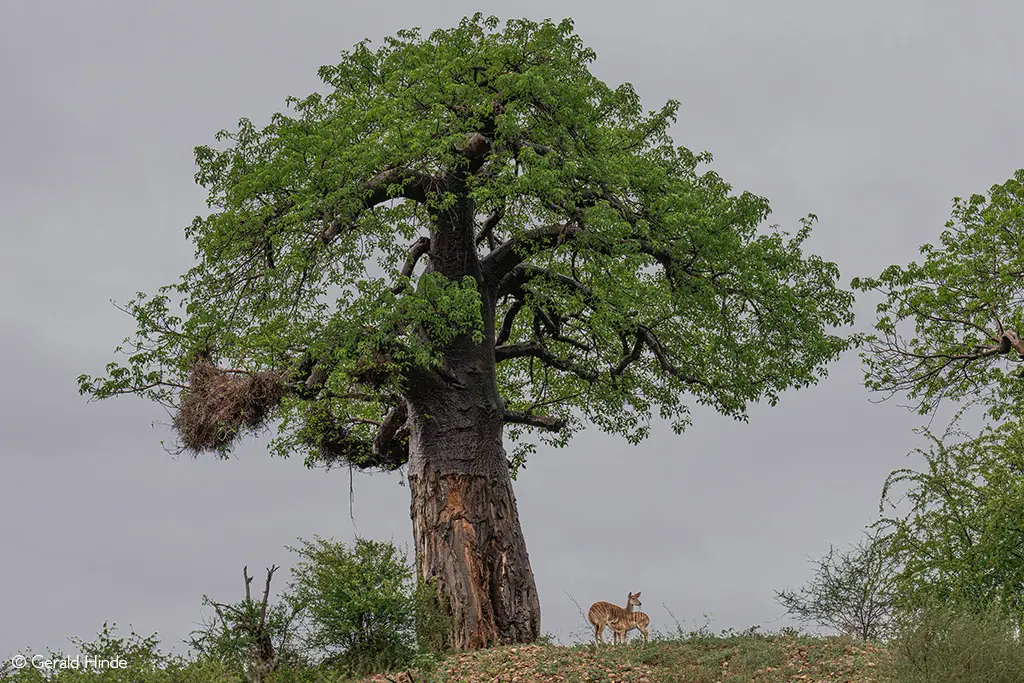
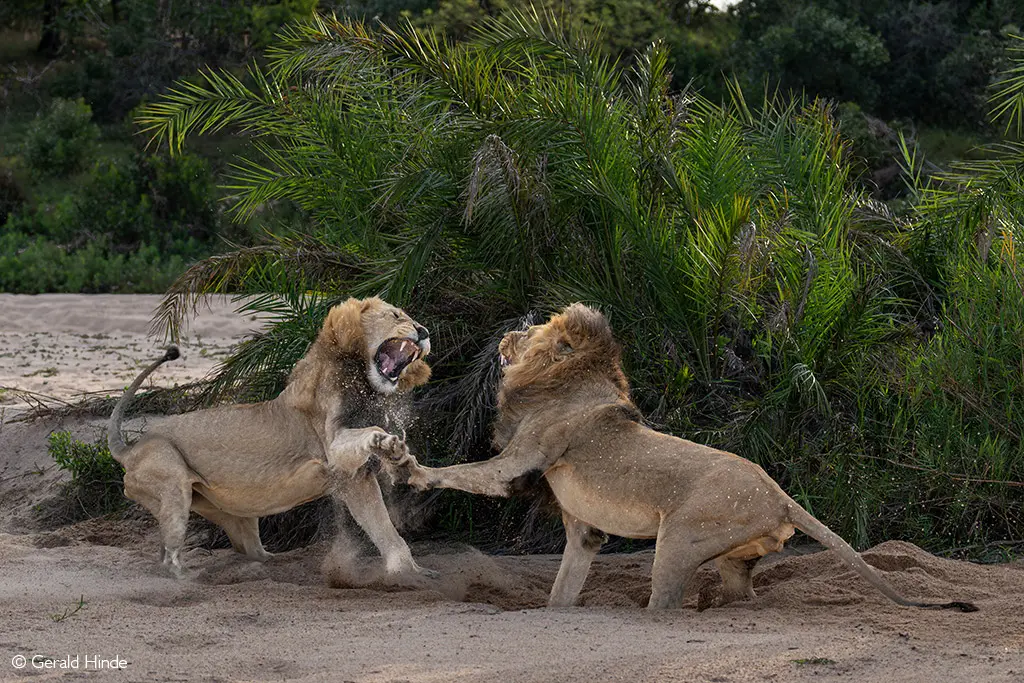

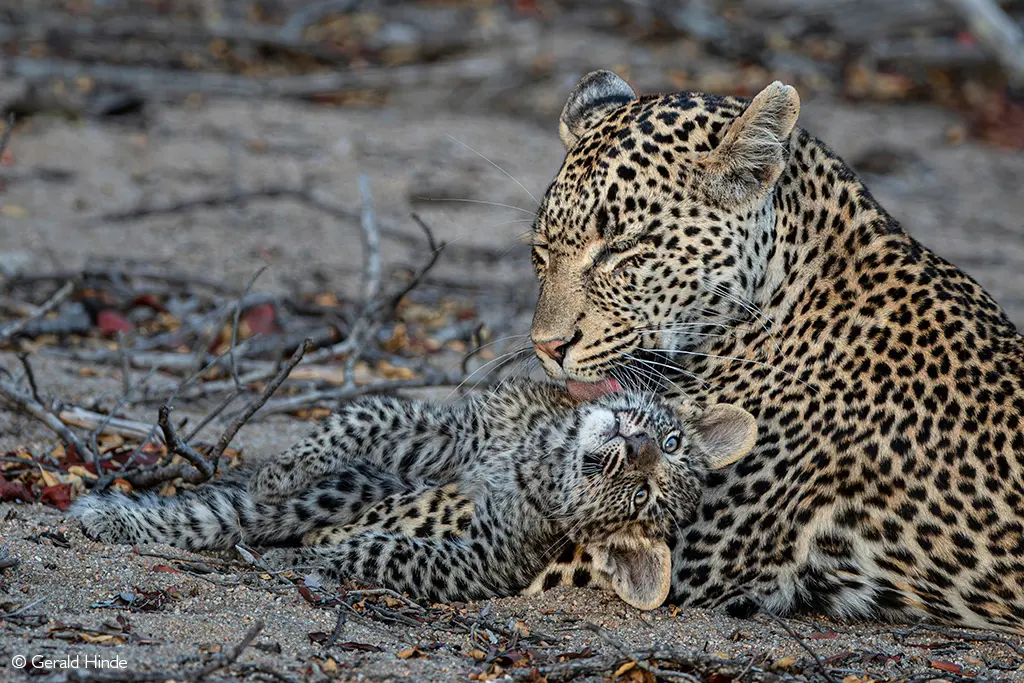
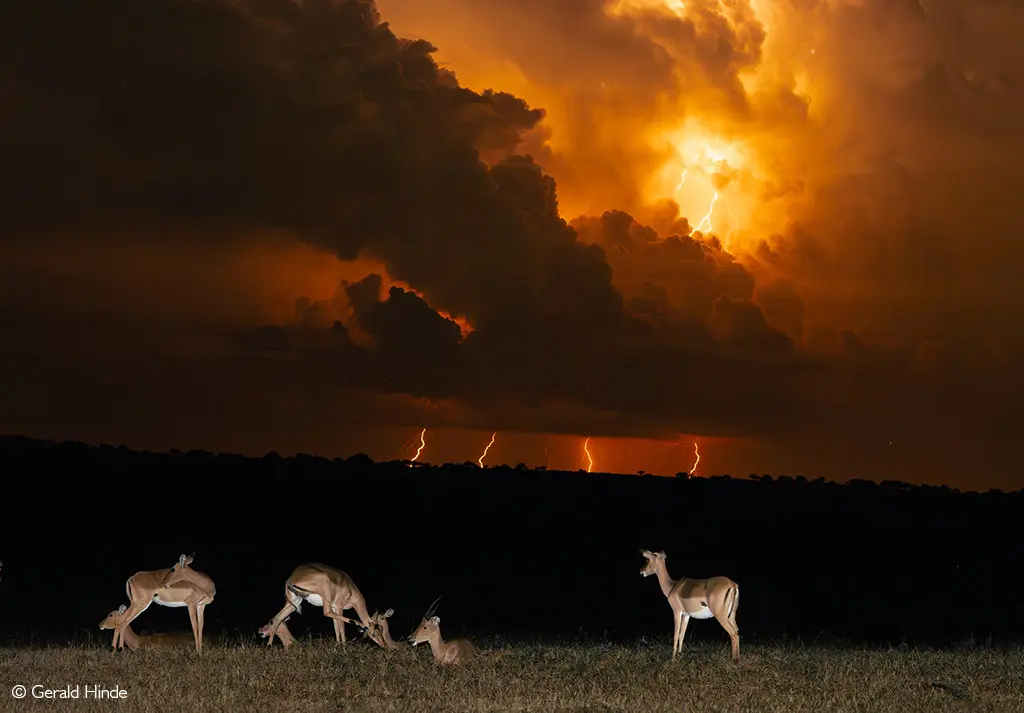
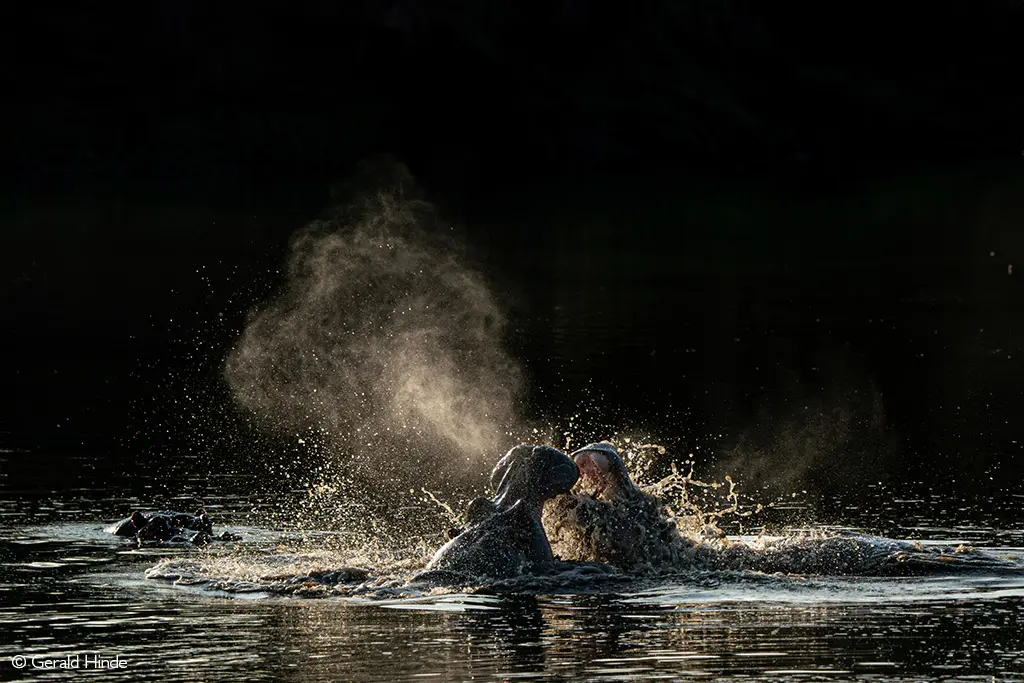
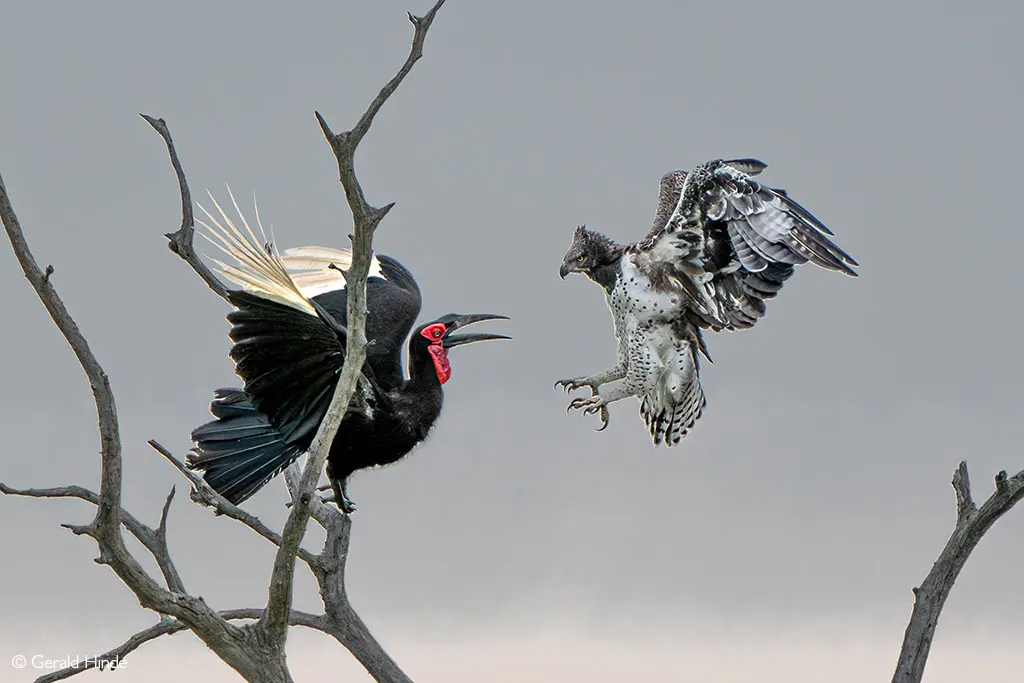
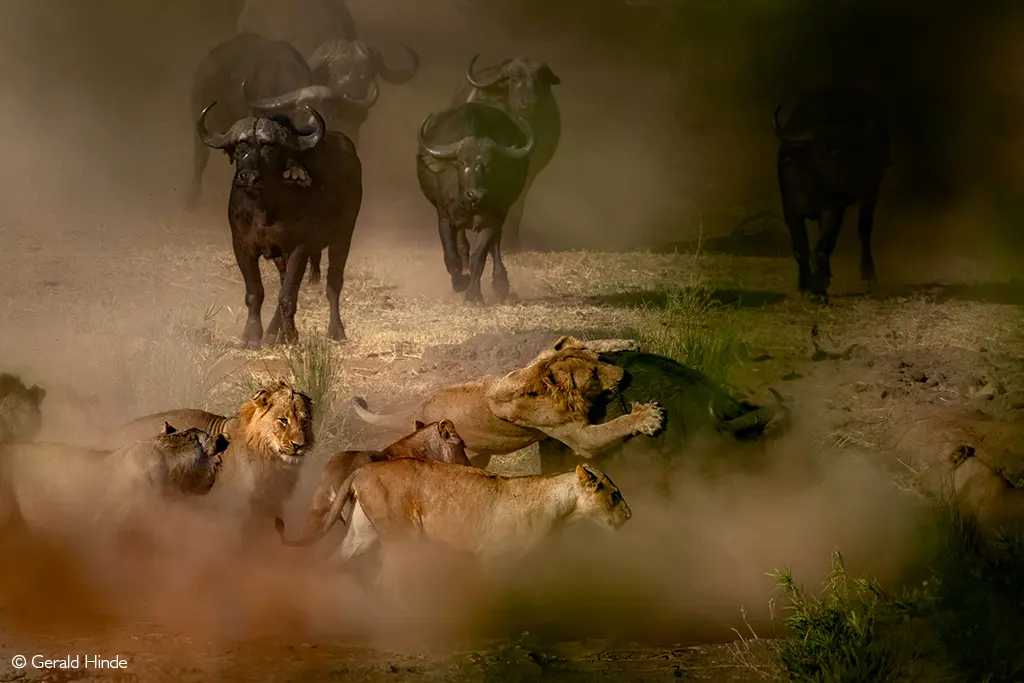
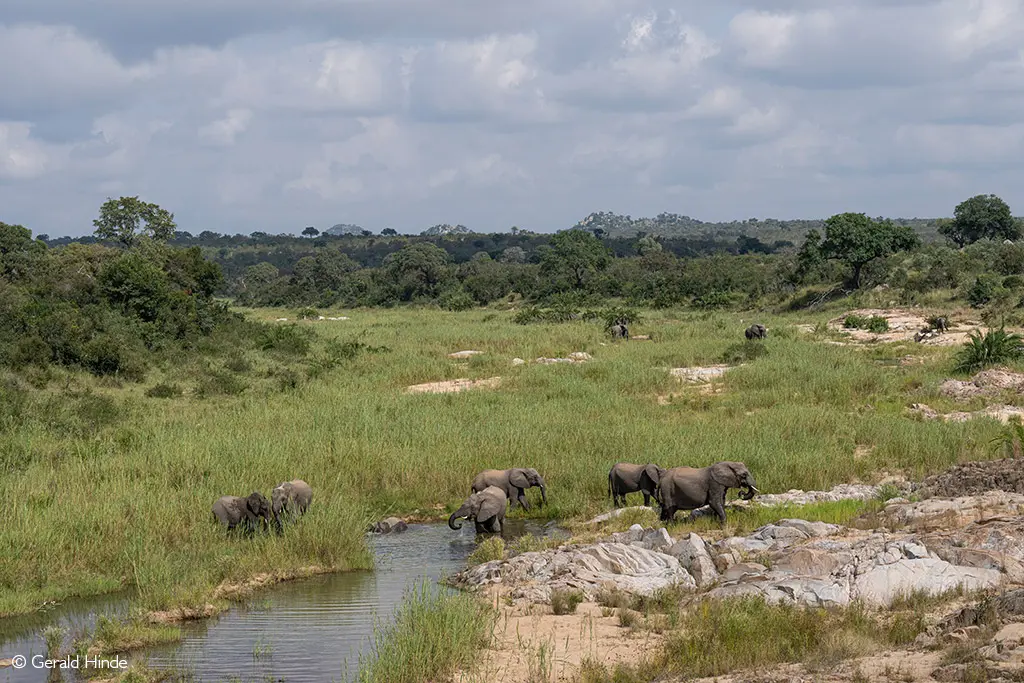
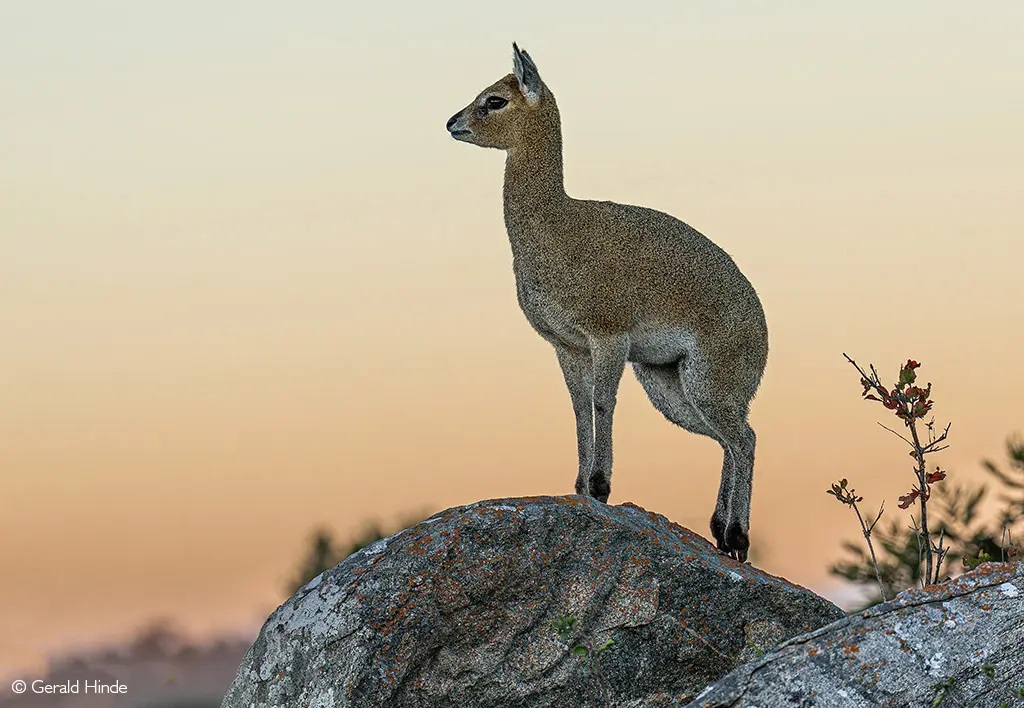
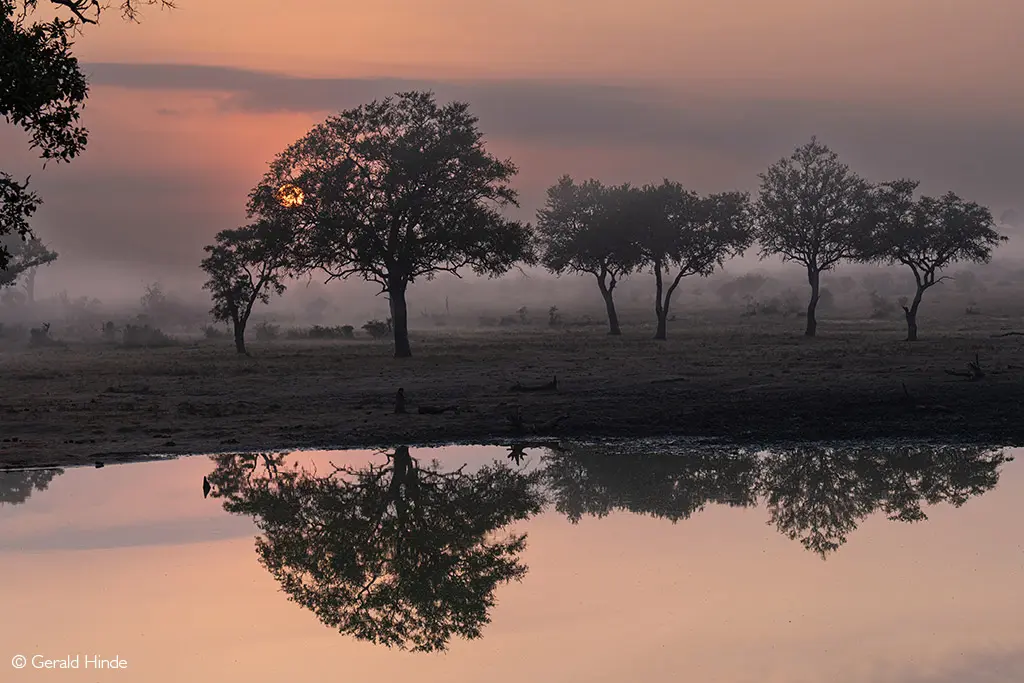
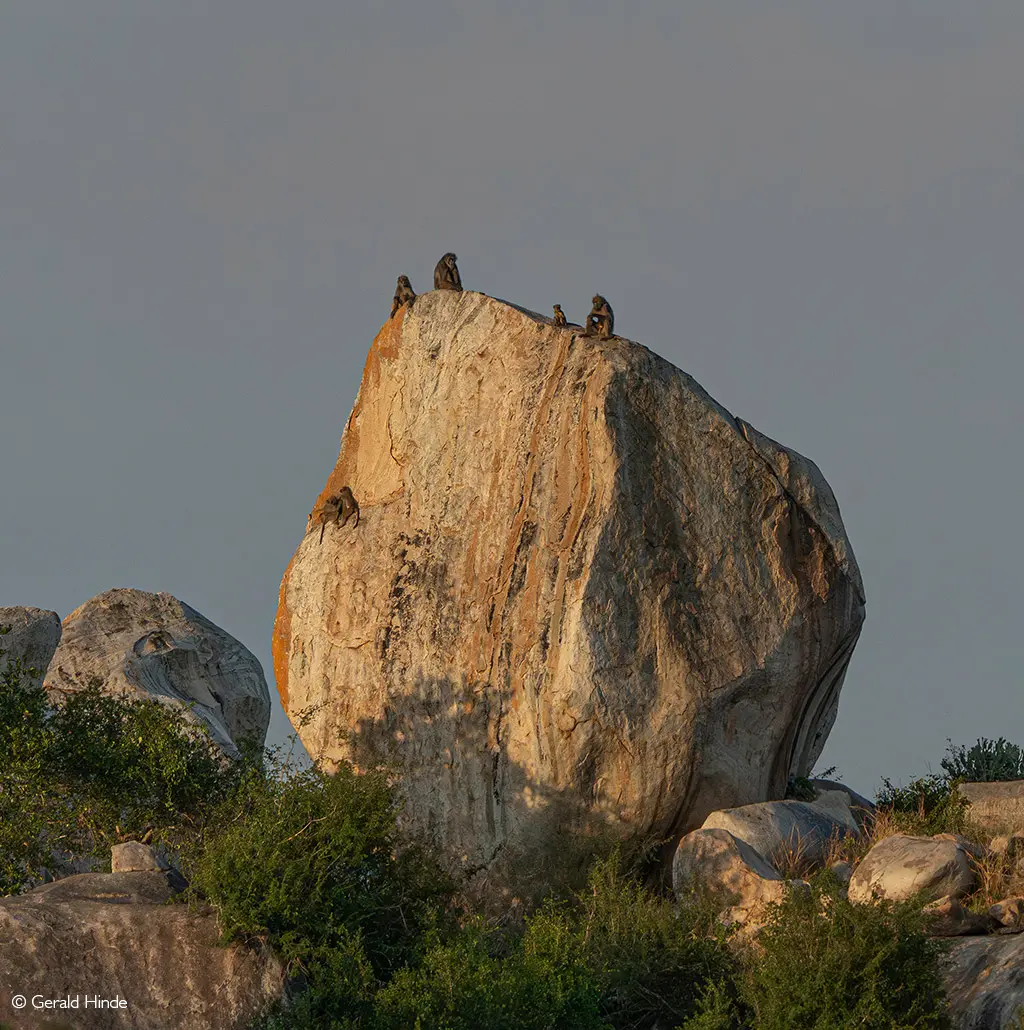
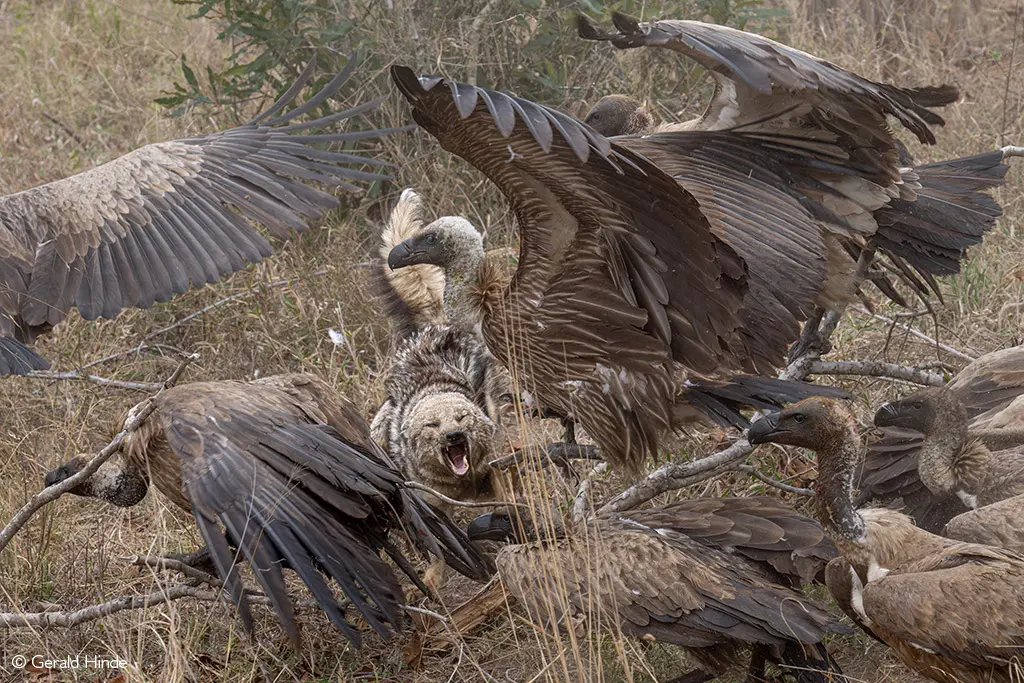
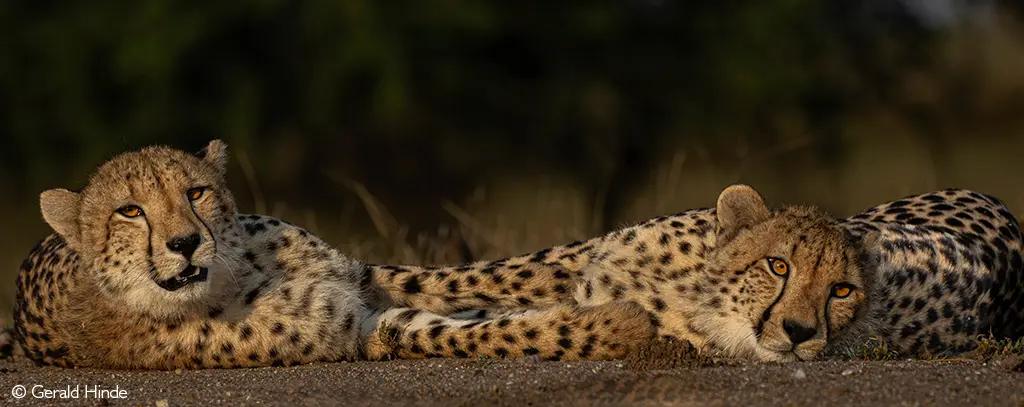
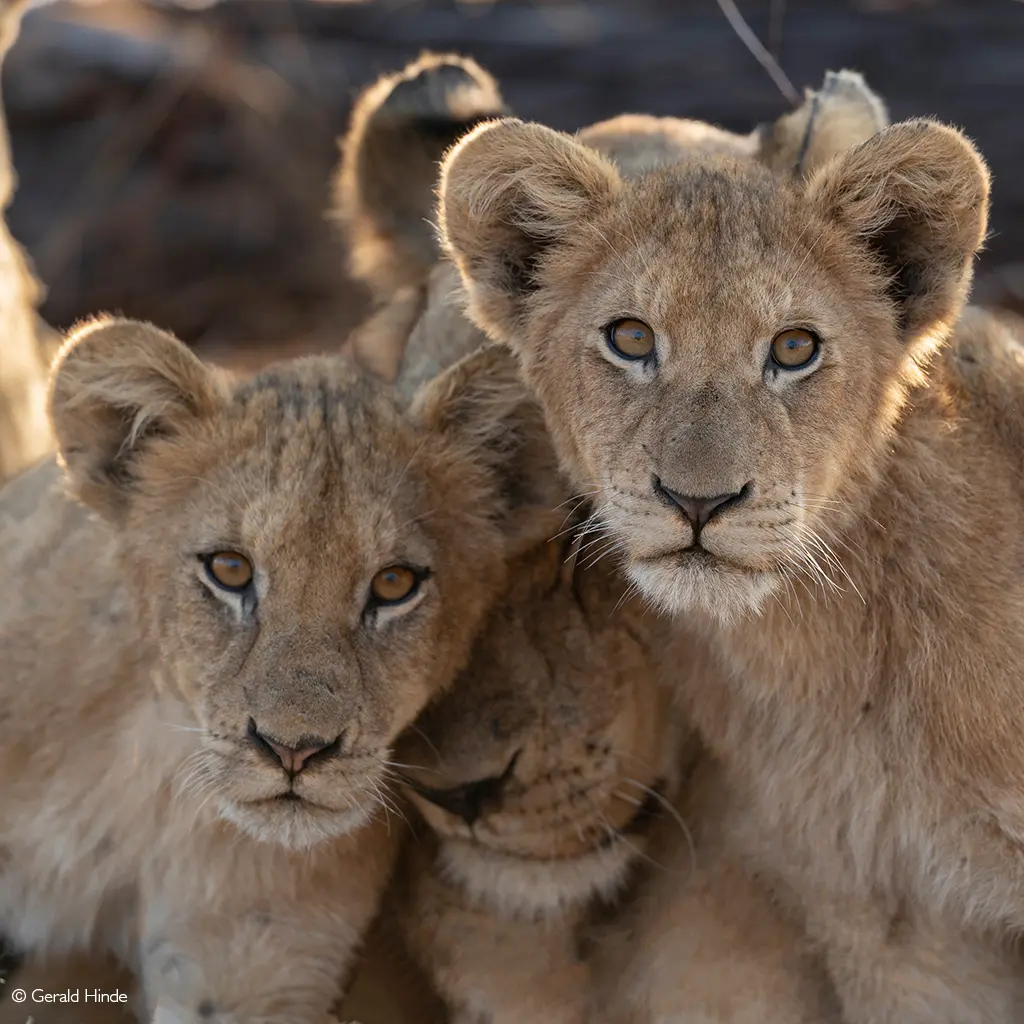
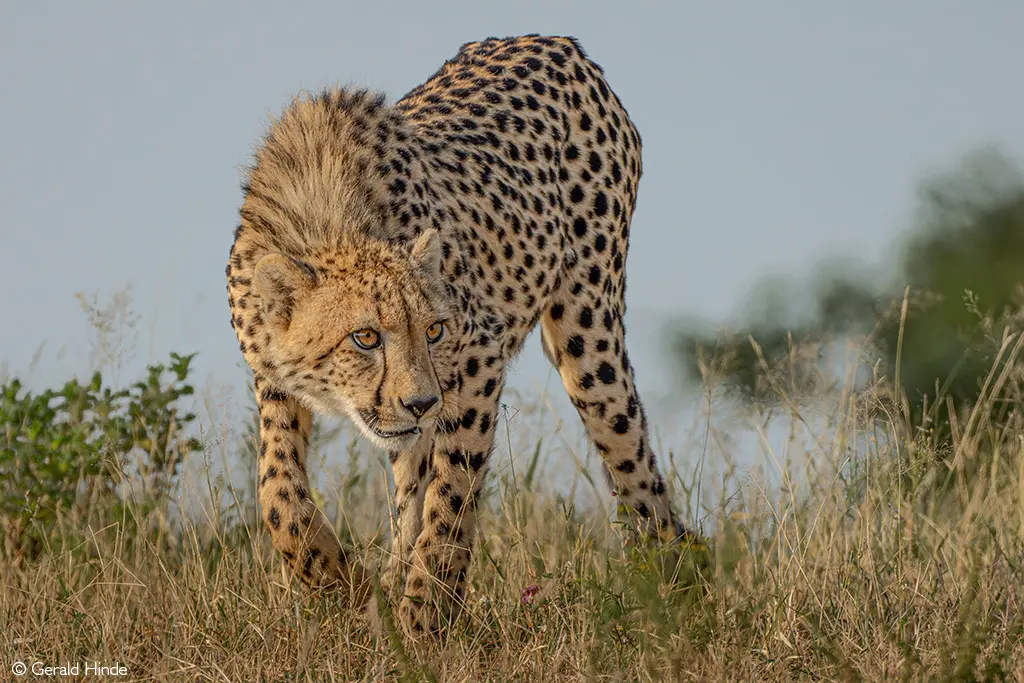
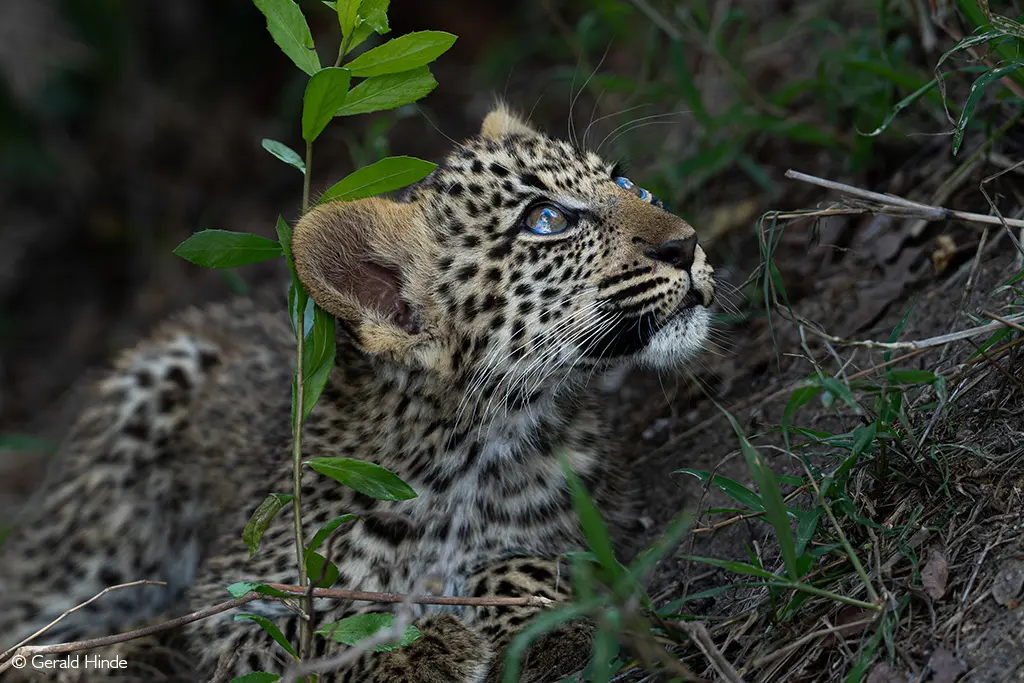
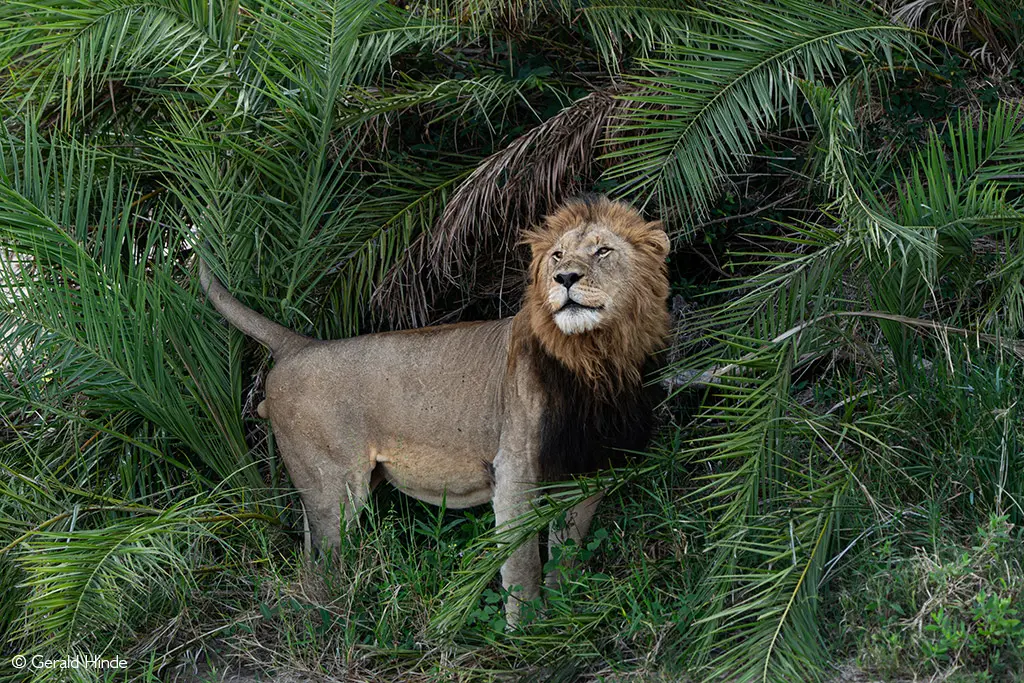
 Gerald Hinde’s photographic journey is rooted in a lifelong passion for wildlife. Educated at King Edward School in Johannesburg, he spent nearly three decades in the family motor business, serving as managing director before the company’s sale in 1989. That same year, he turned fully to wildlife photography, publishing his first book and launching a prolific creative career. Since then, Gerald has produced numerous acclaimed wildlife books and documentaries, earned major accolades and photography awards, and been widely published internationally. His work combines artistry with a deep commitment to conservation.

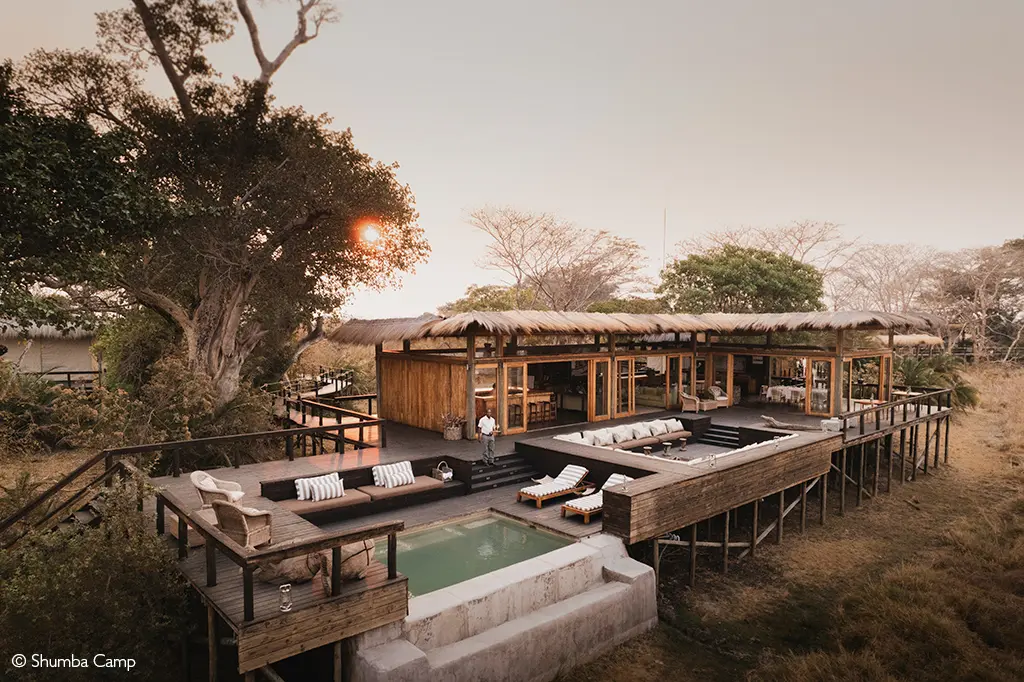
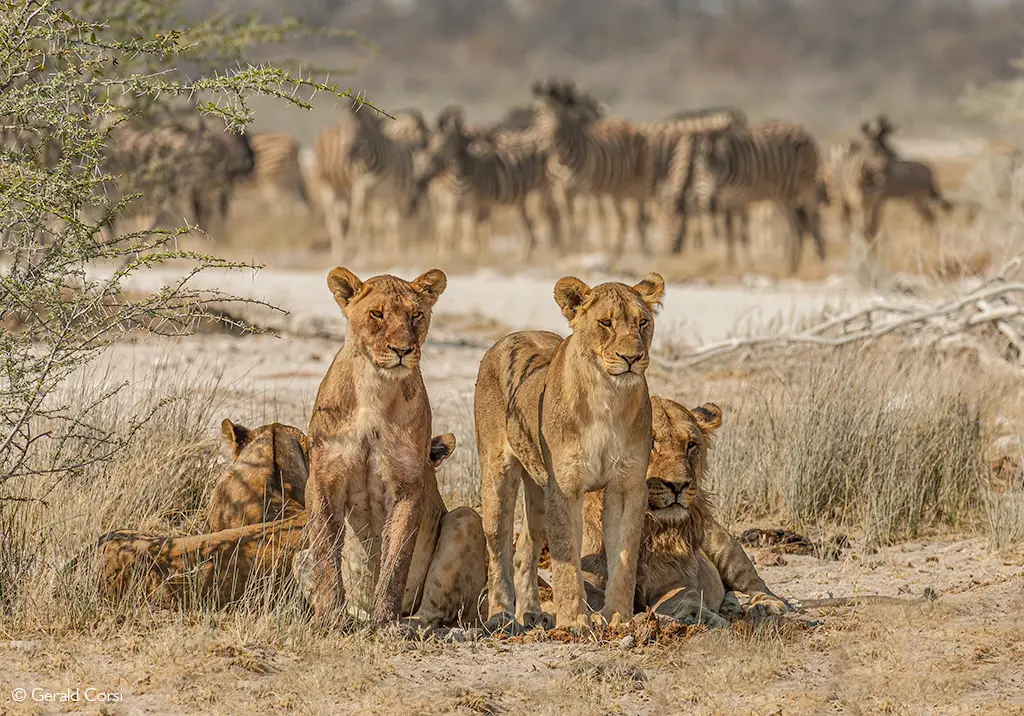
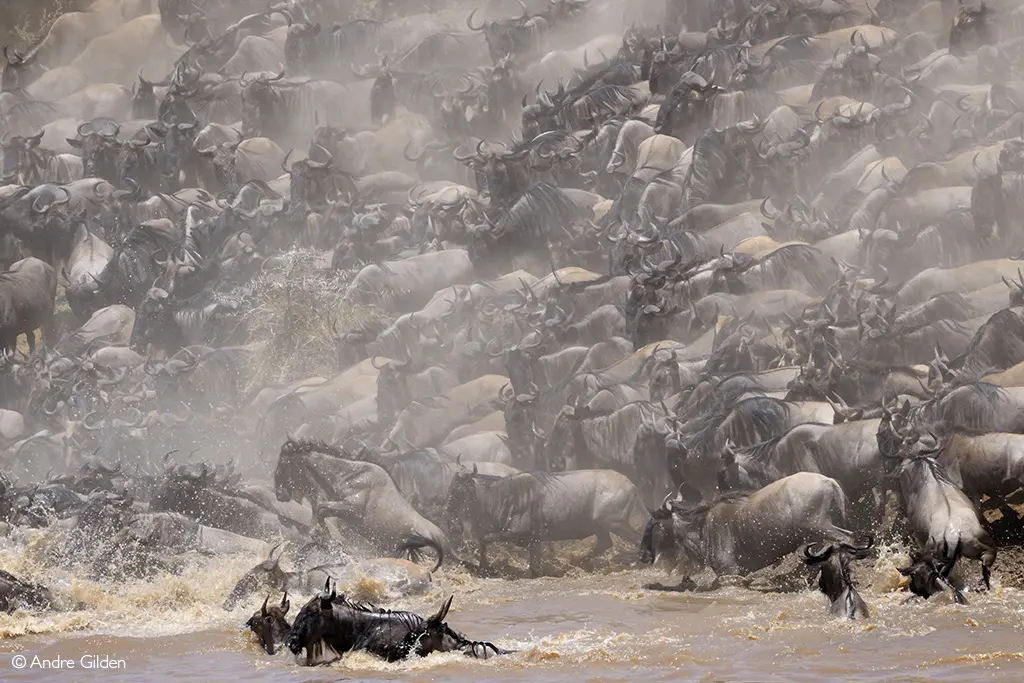
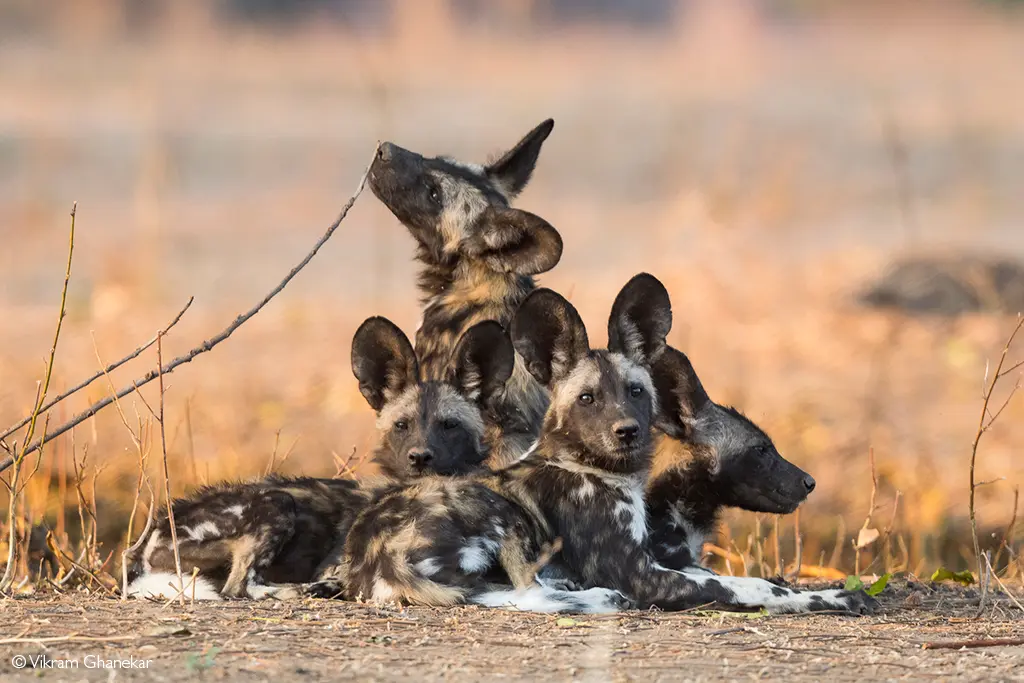
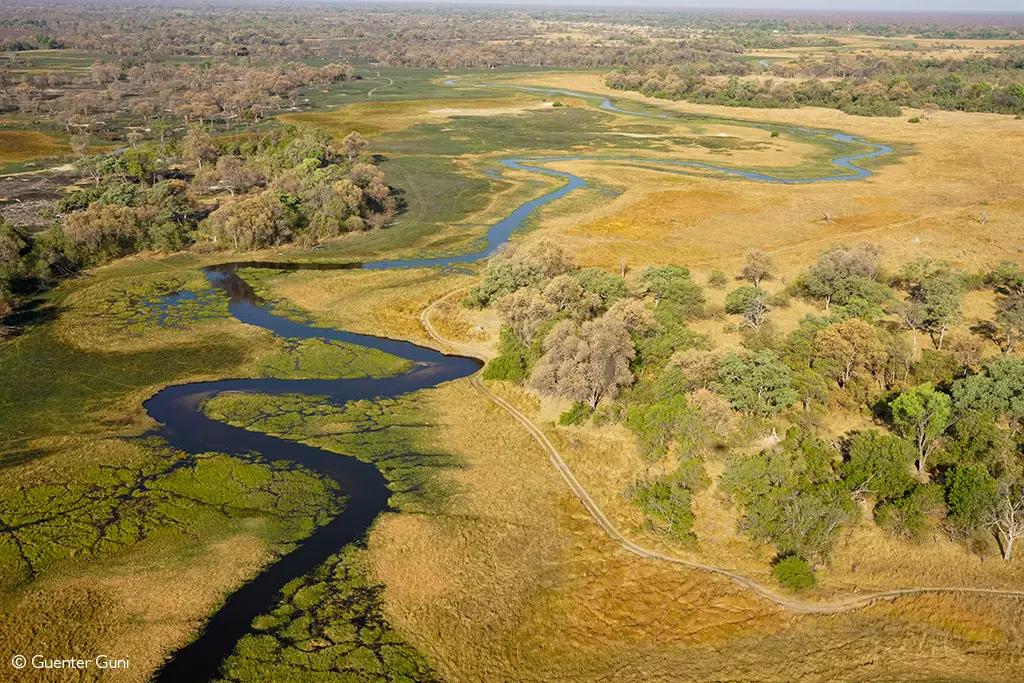
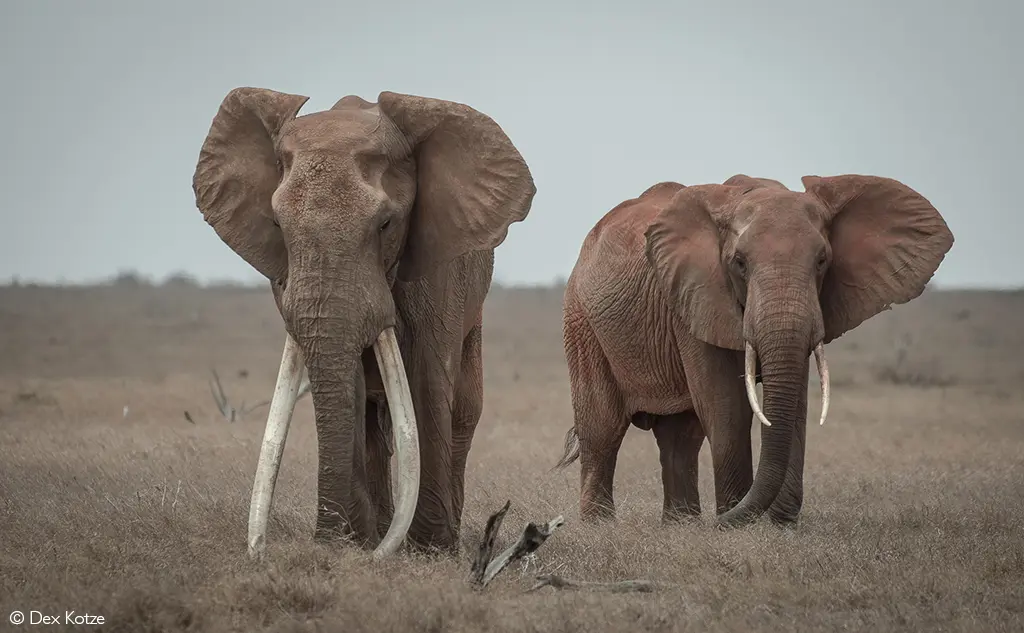
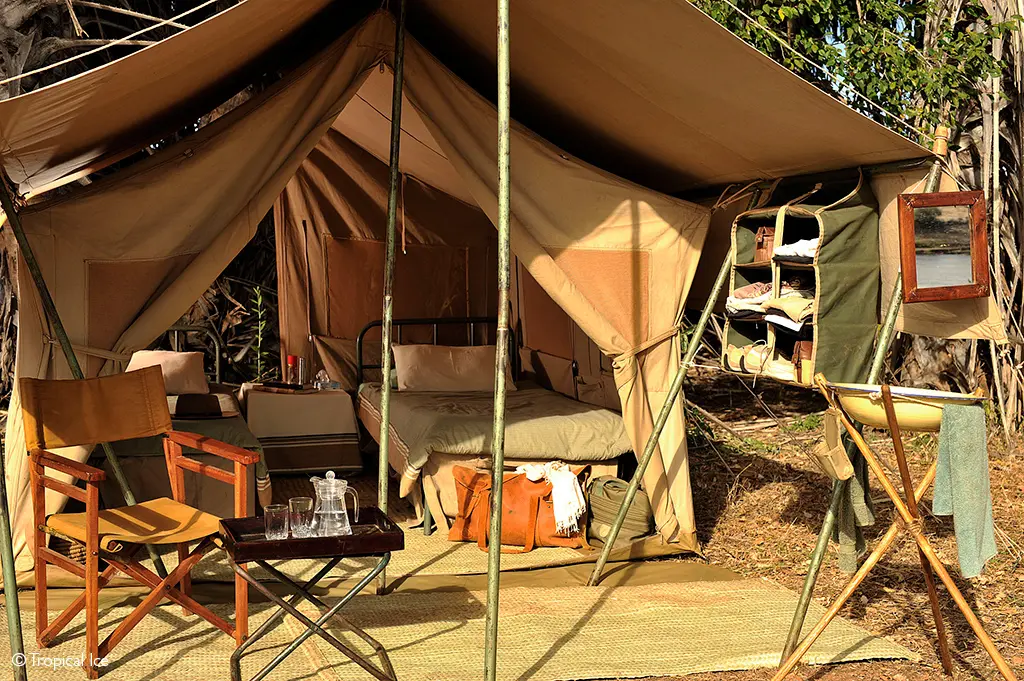
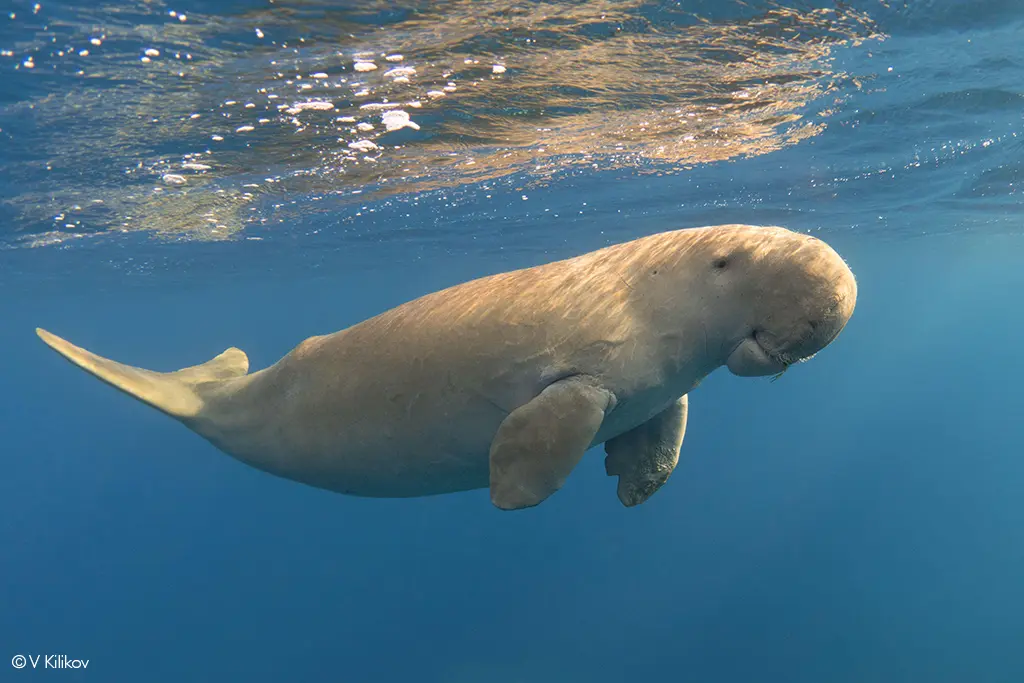
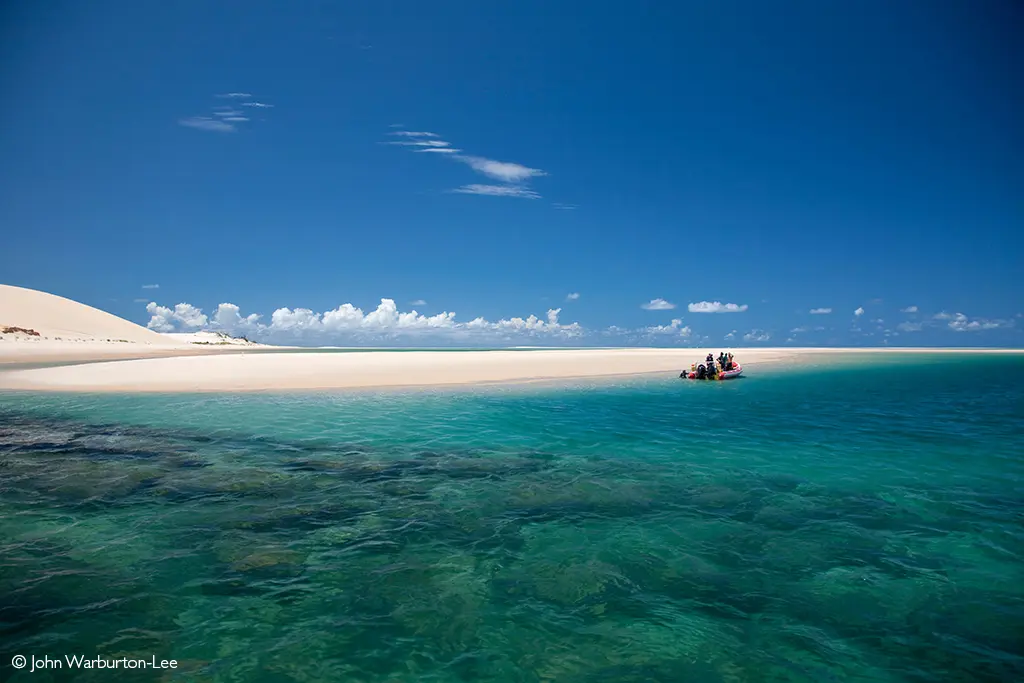
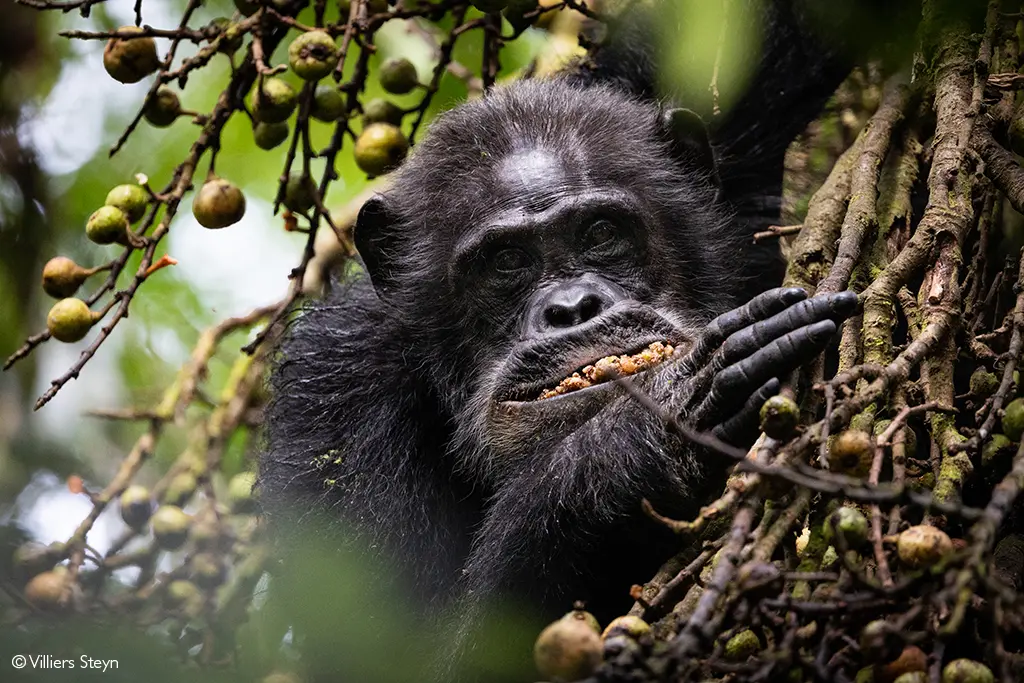
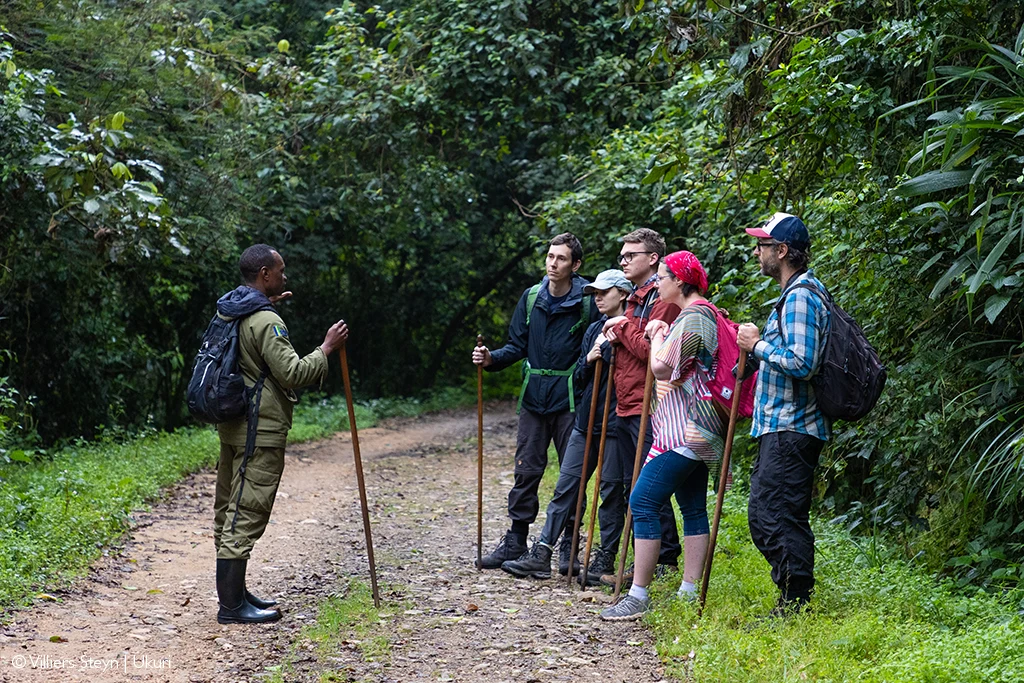
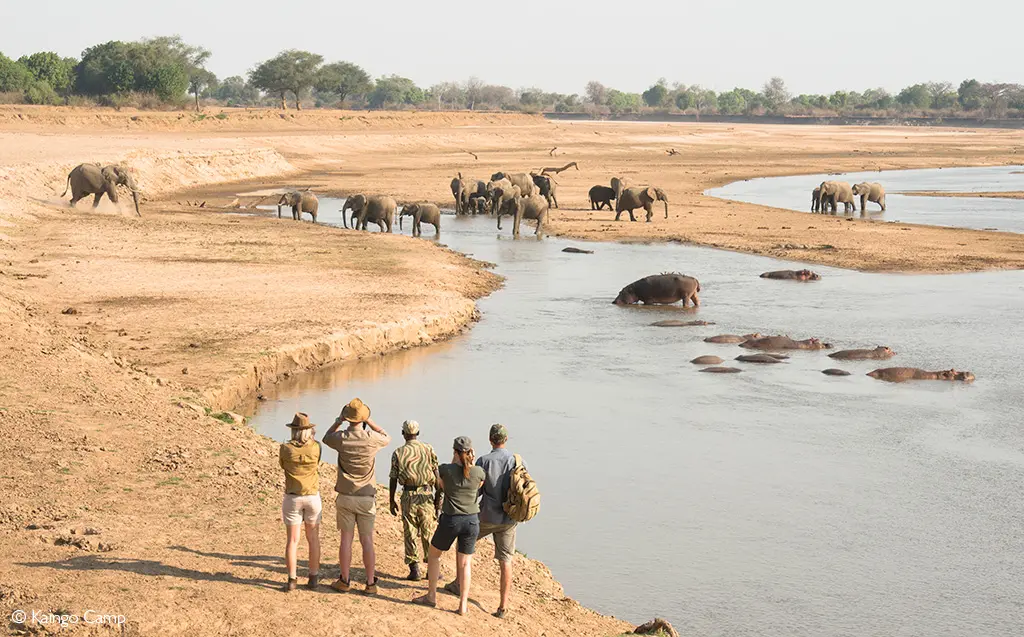
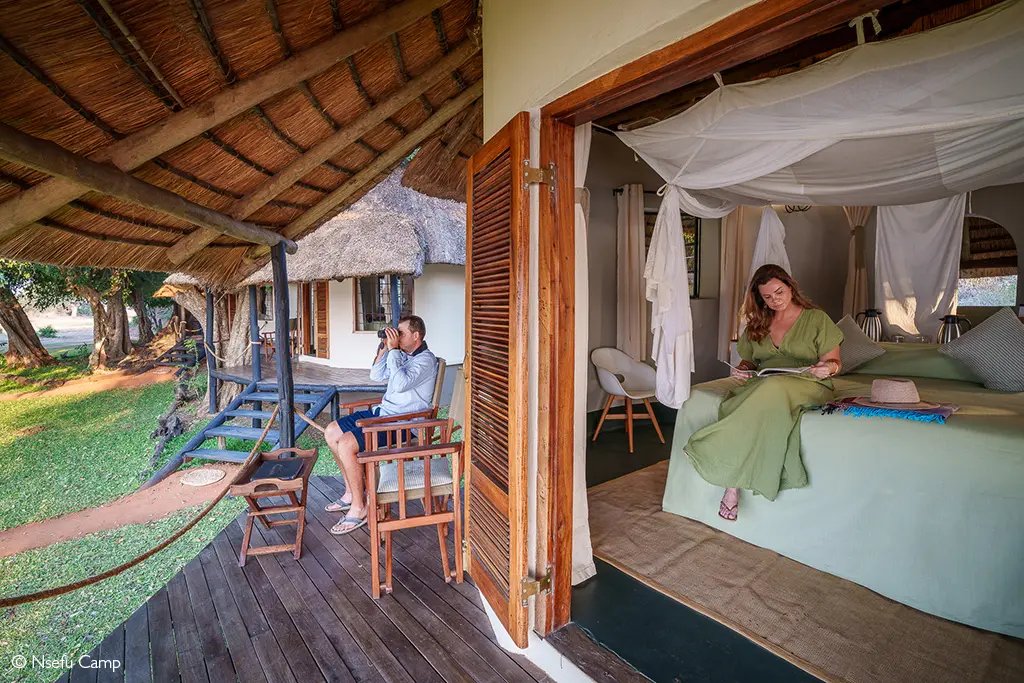
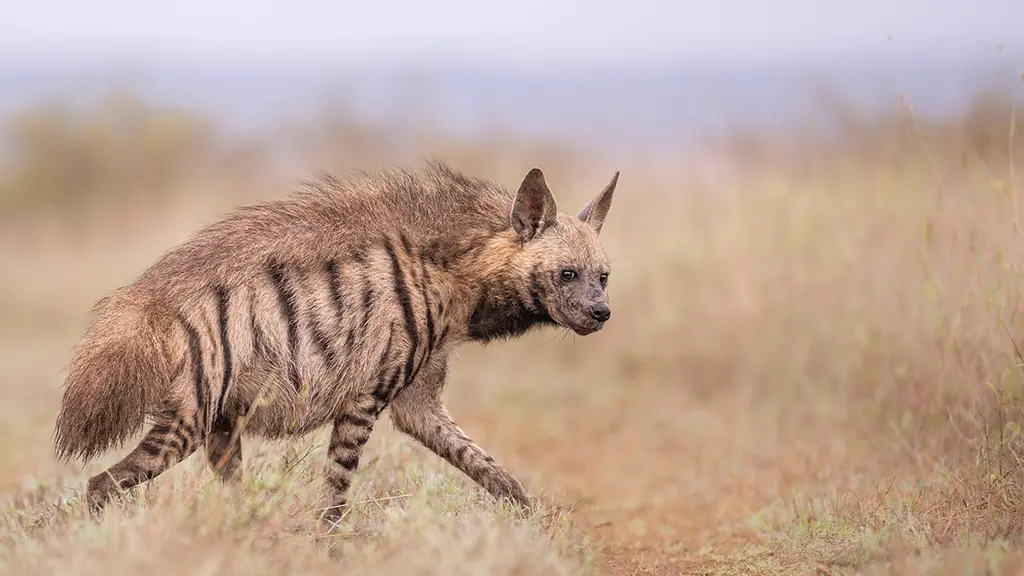
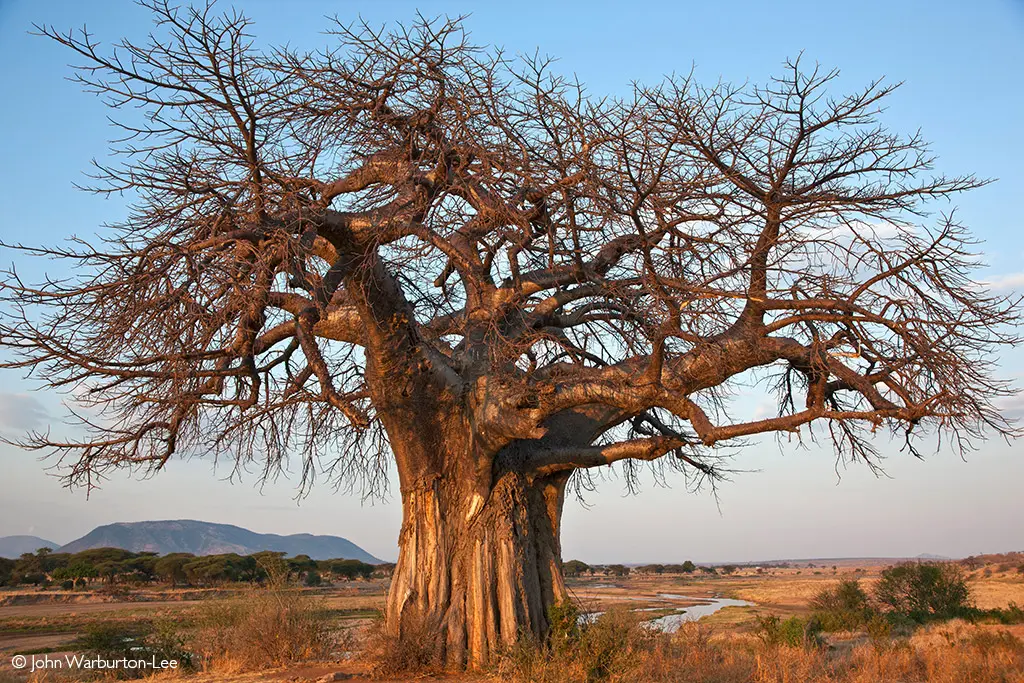
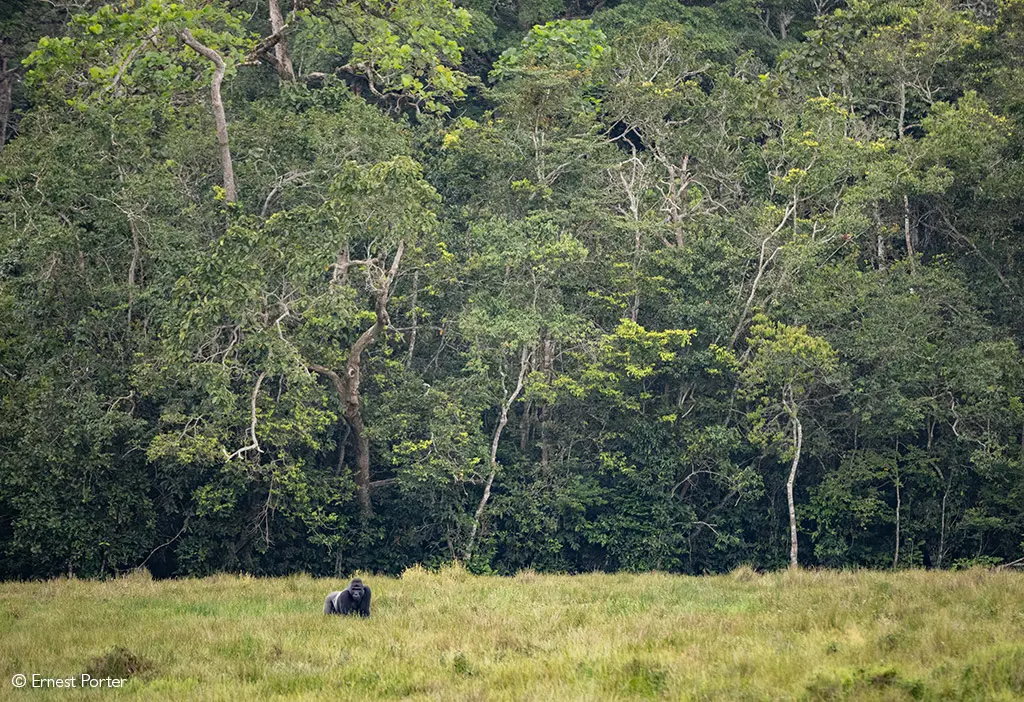
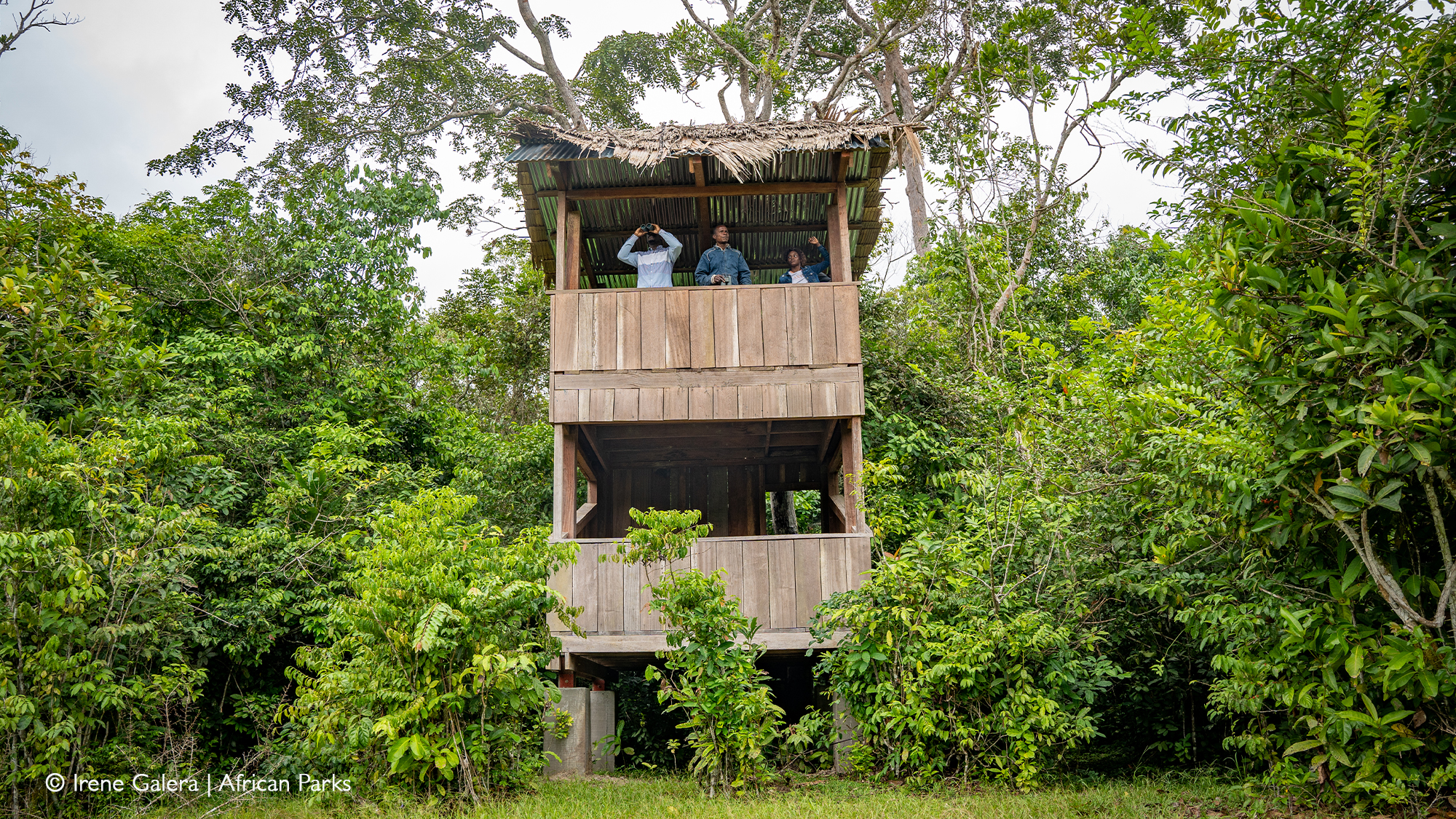
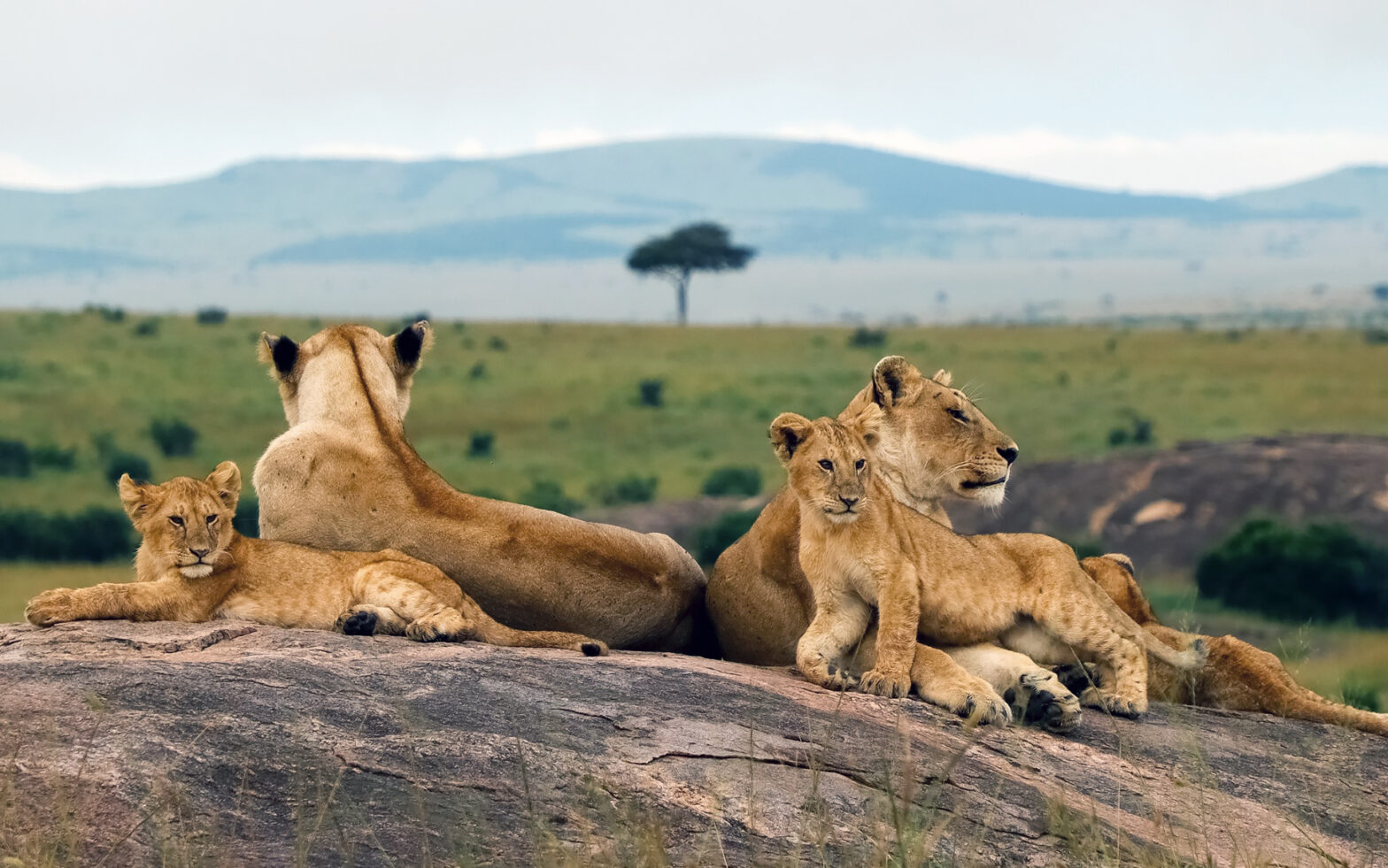
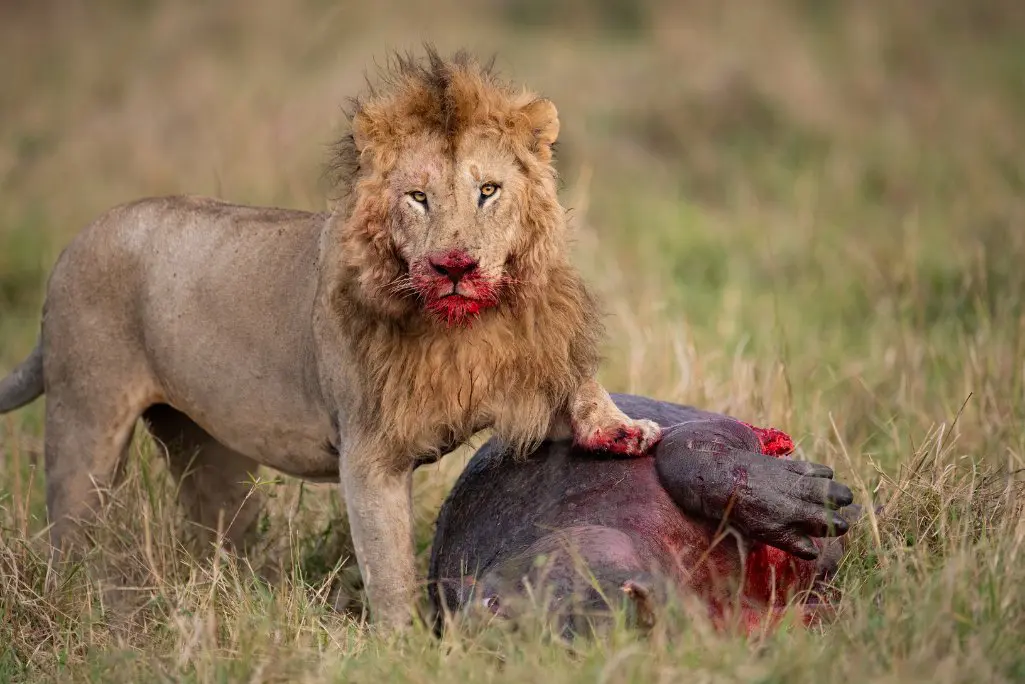

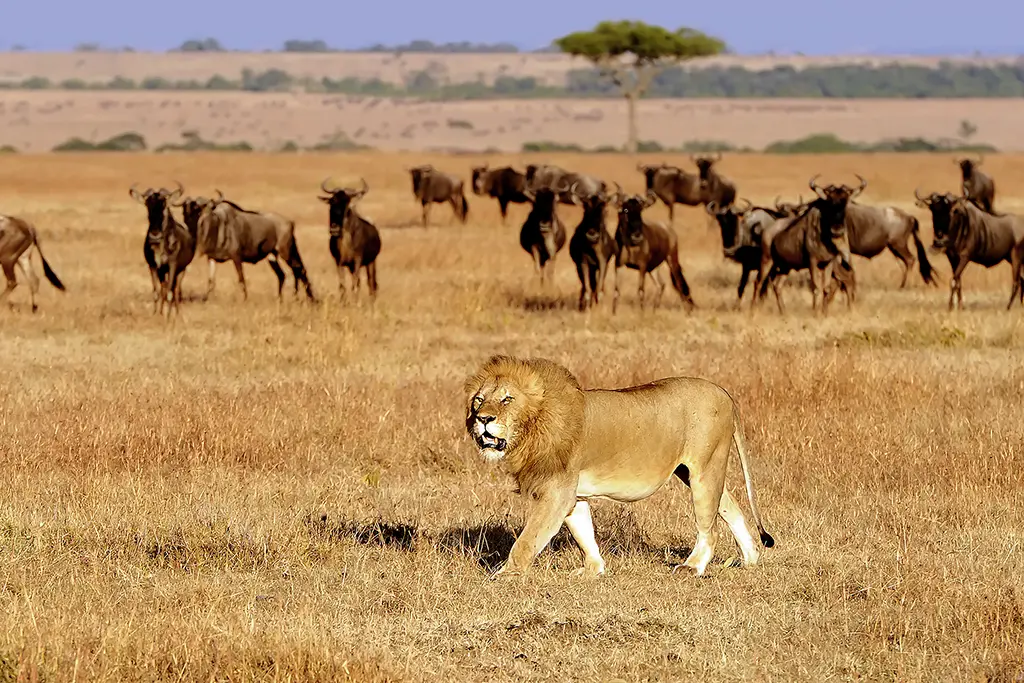
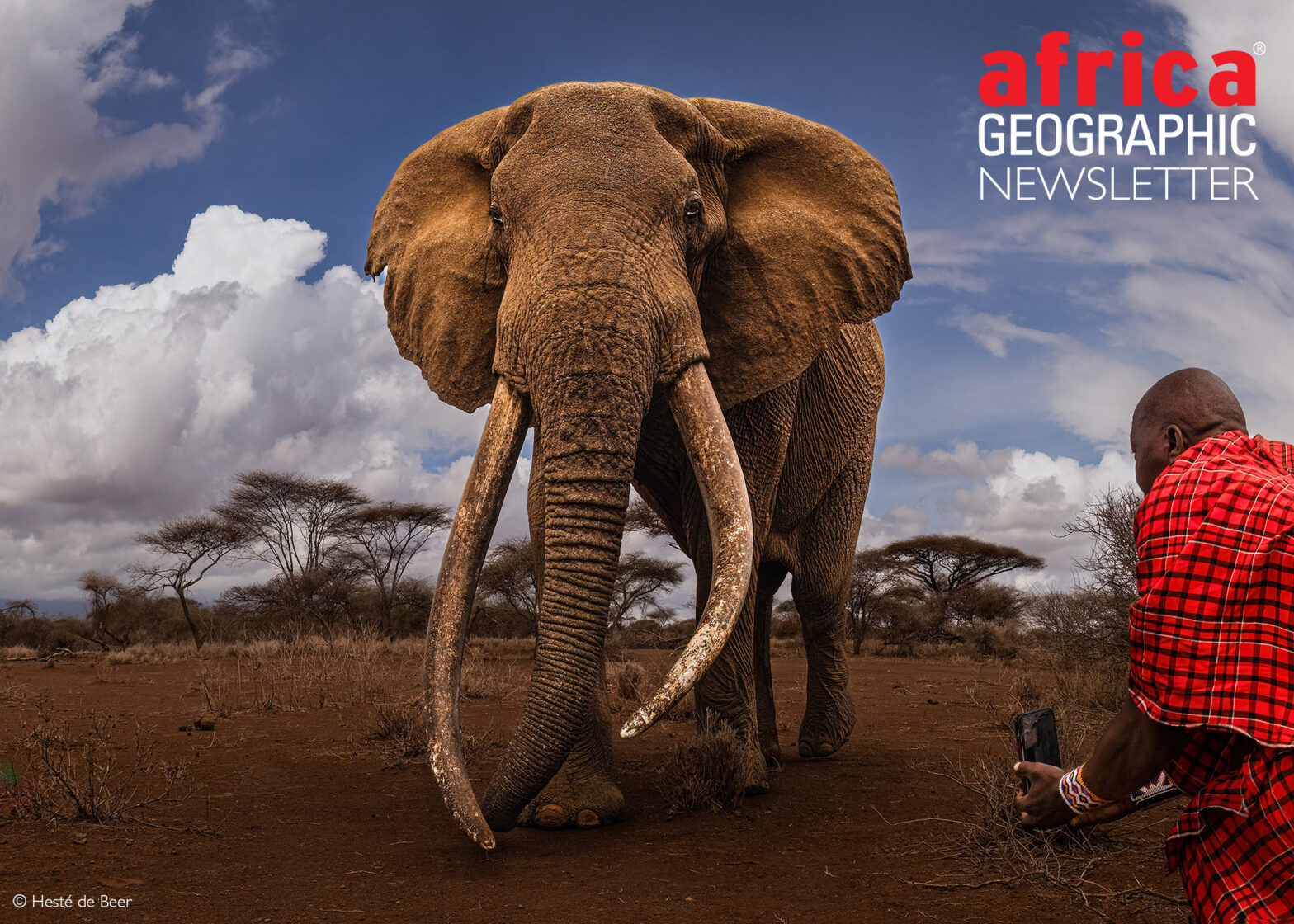

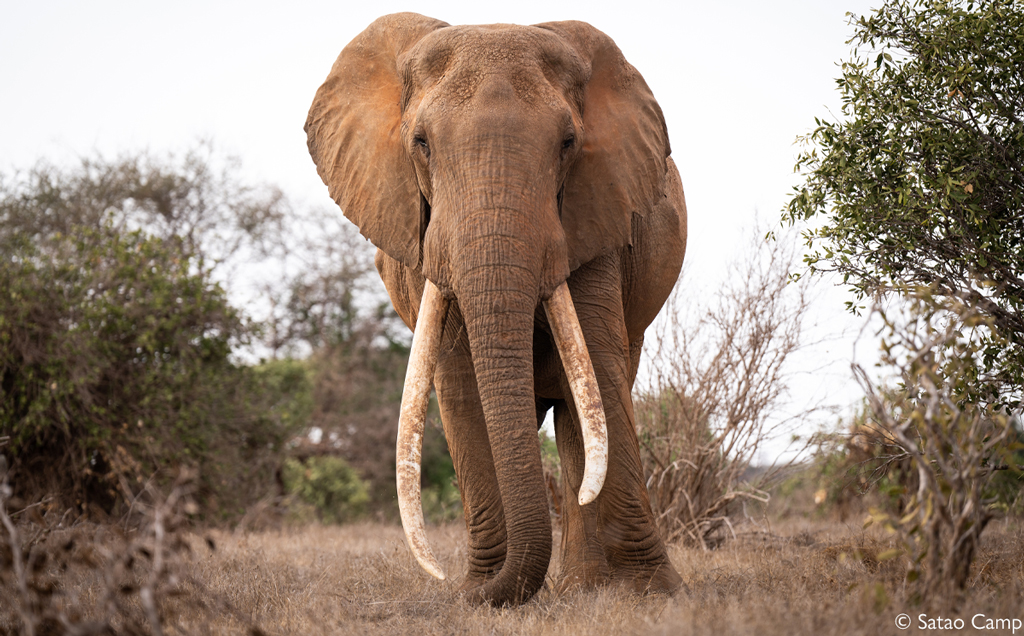
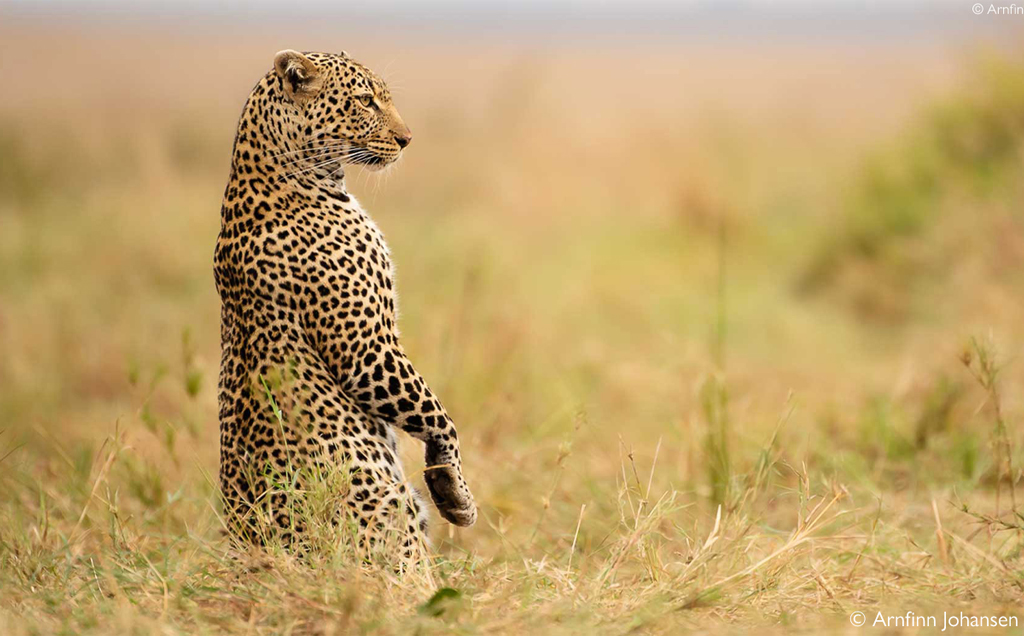
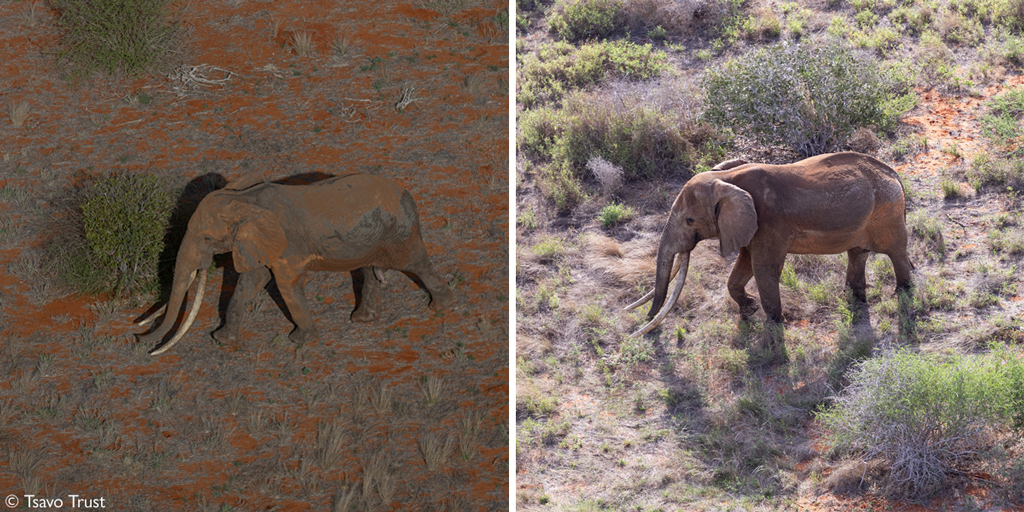

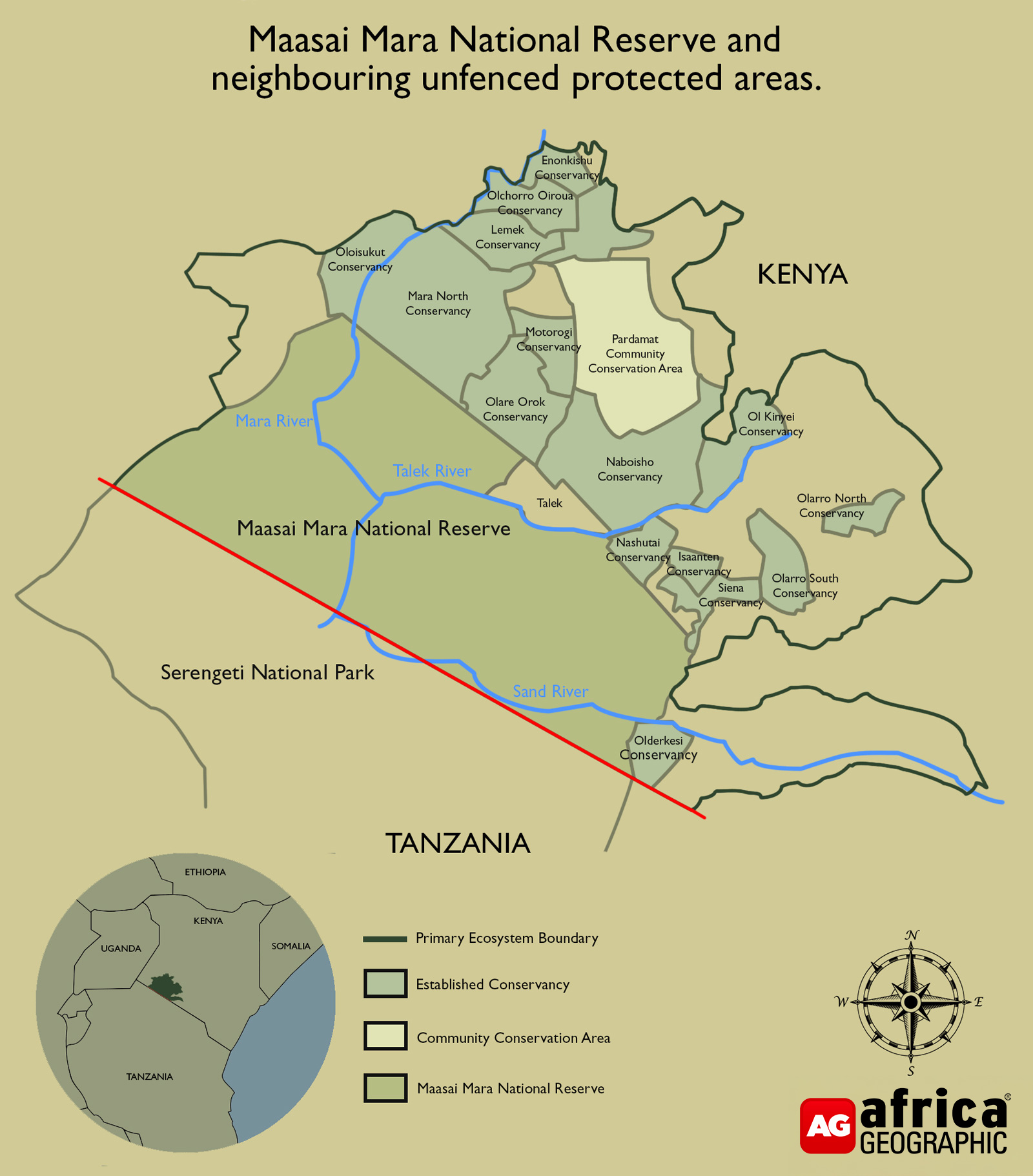
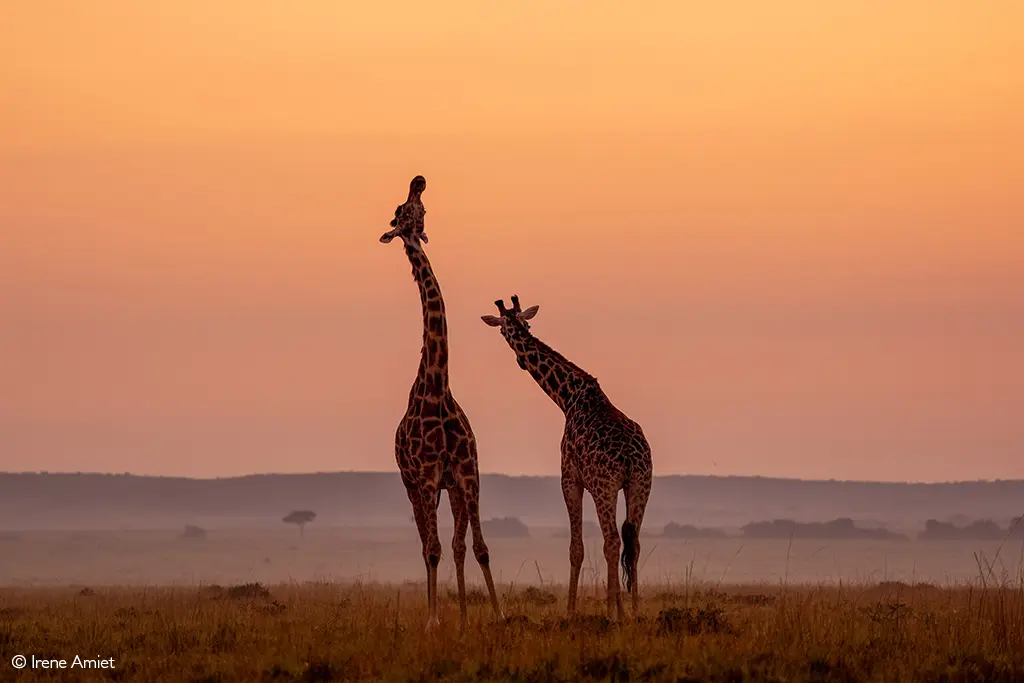
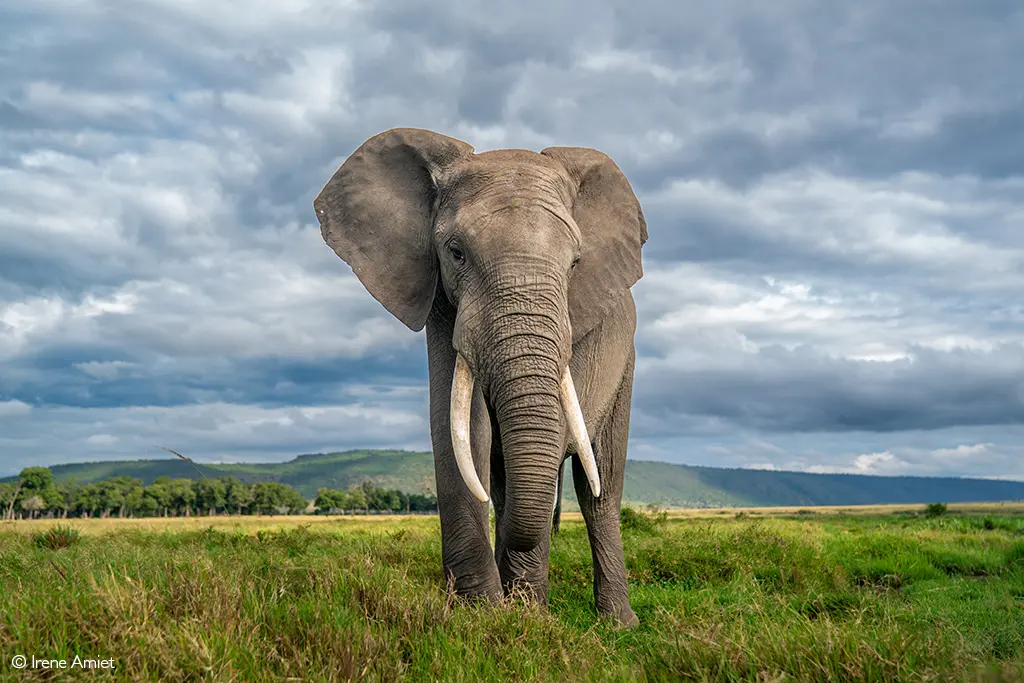
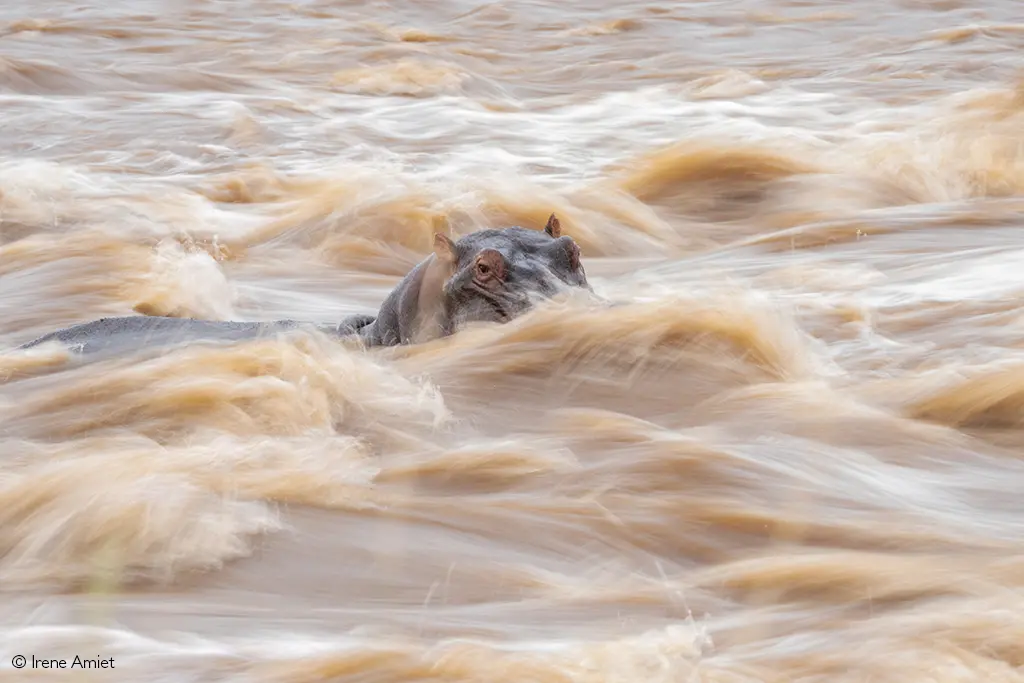
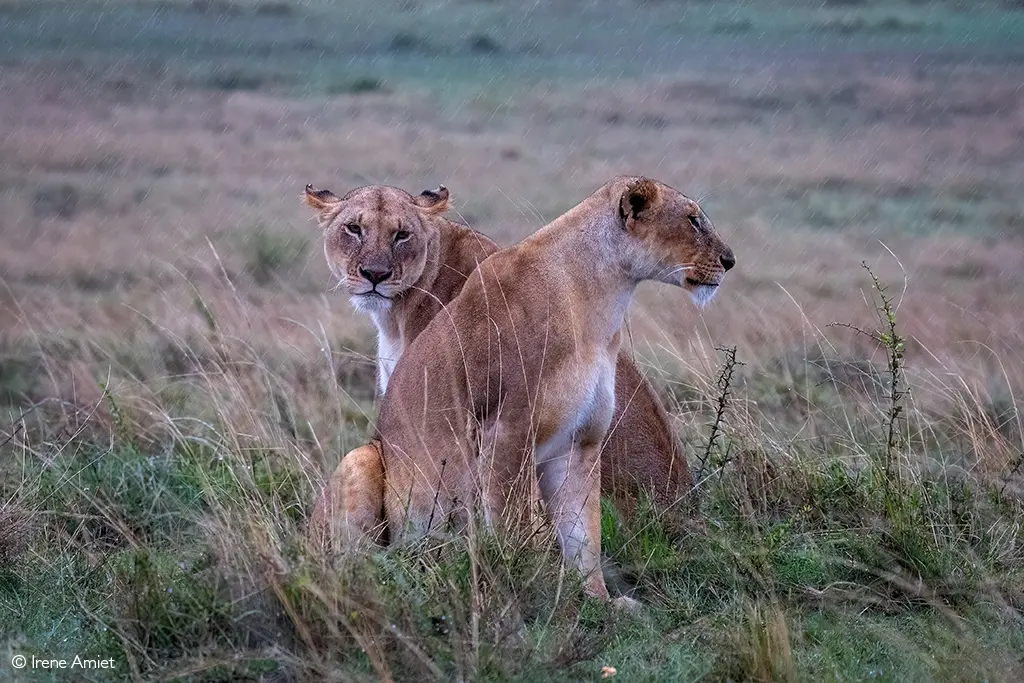
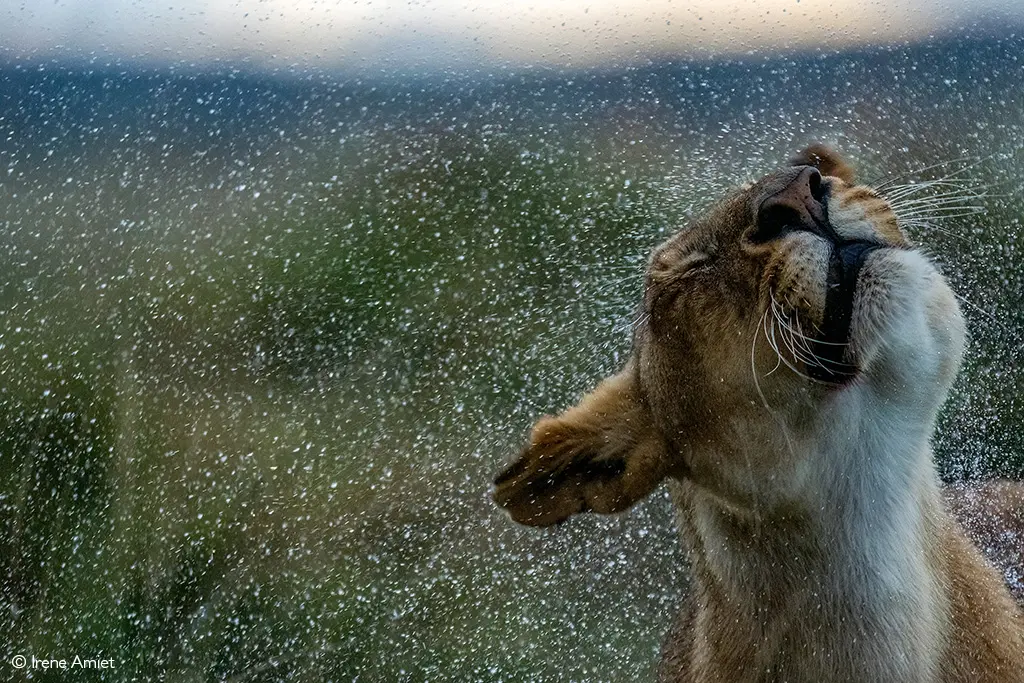
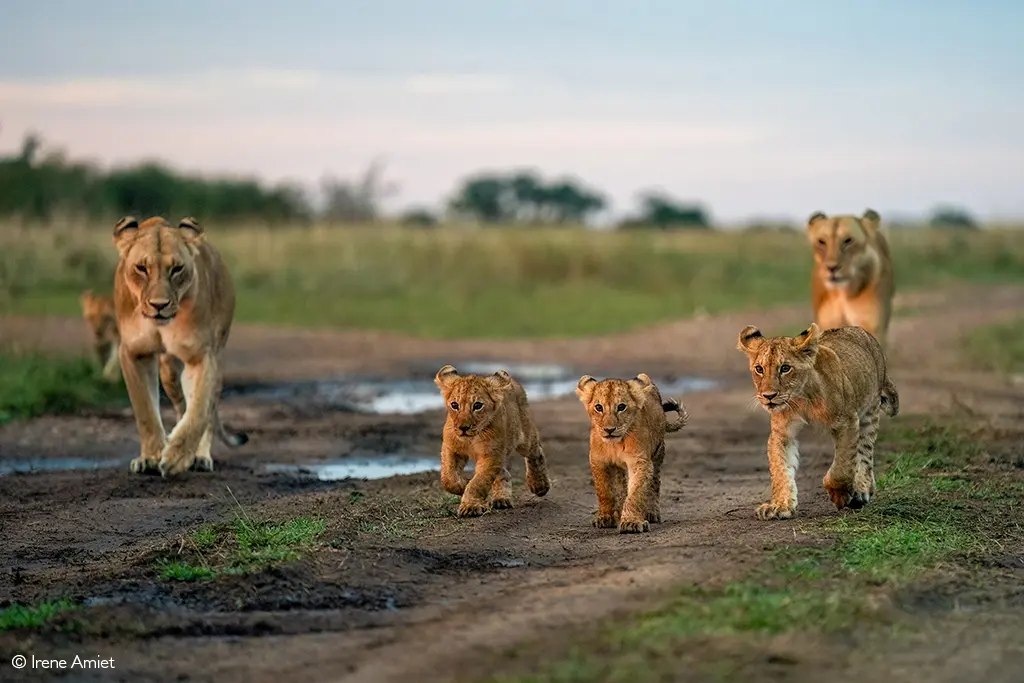
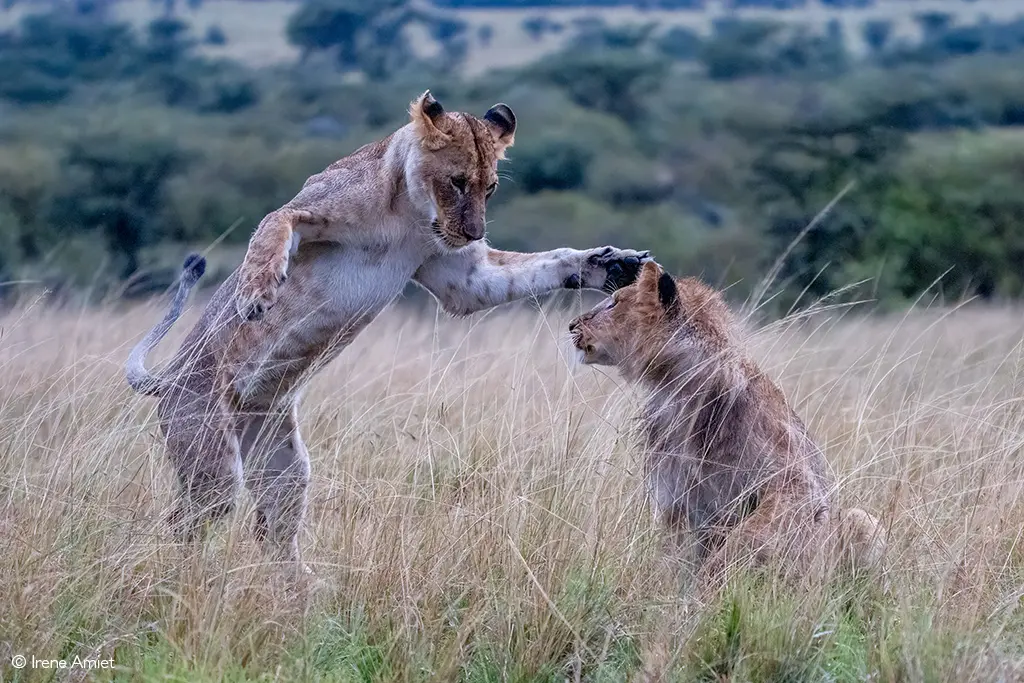
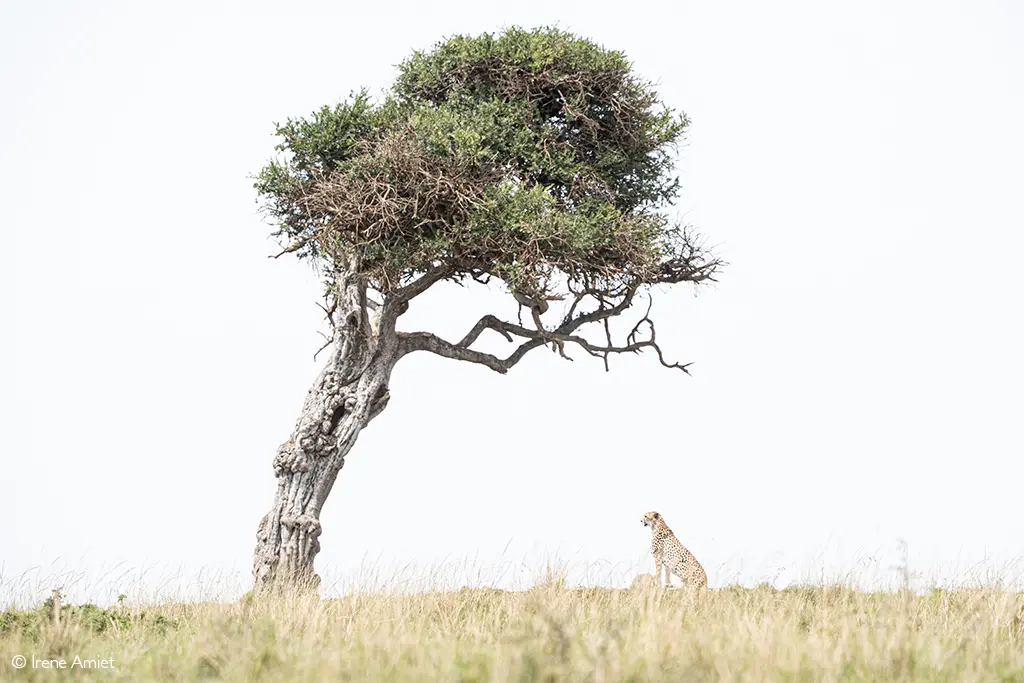
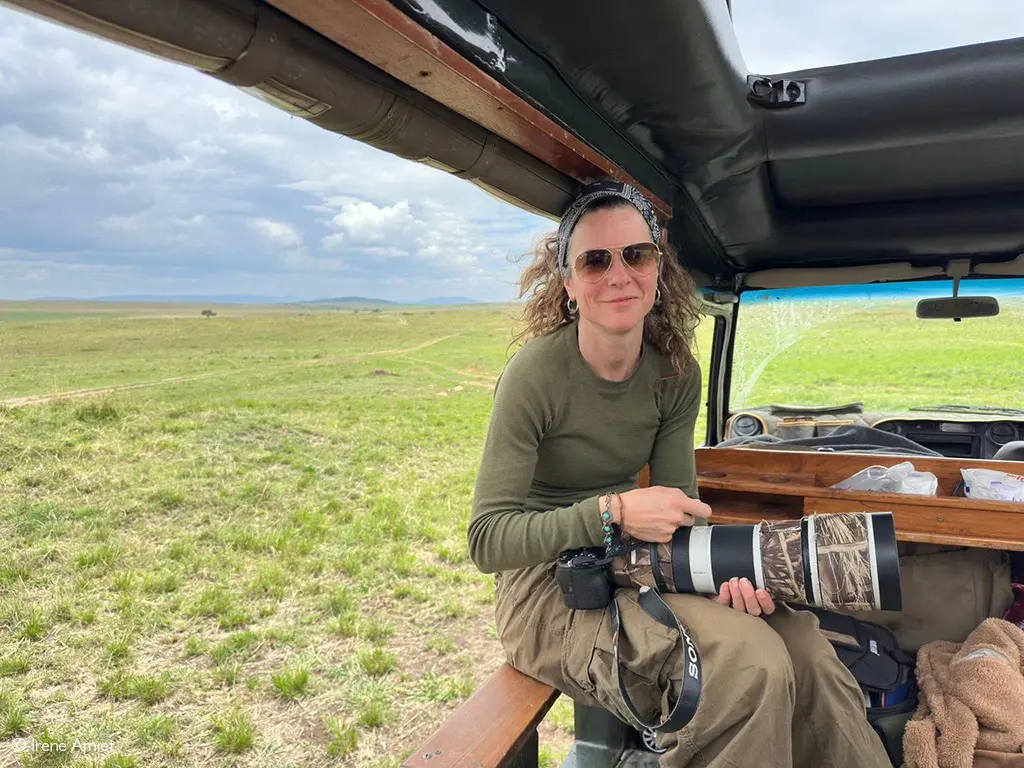
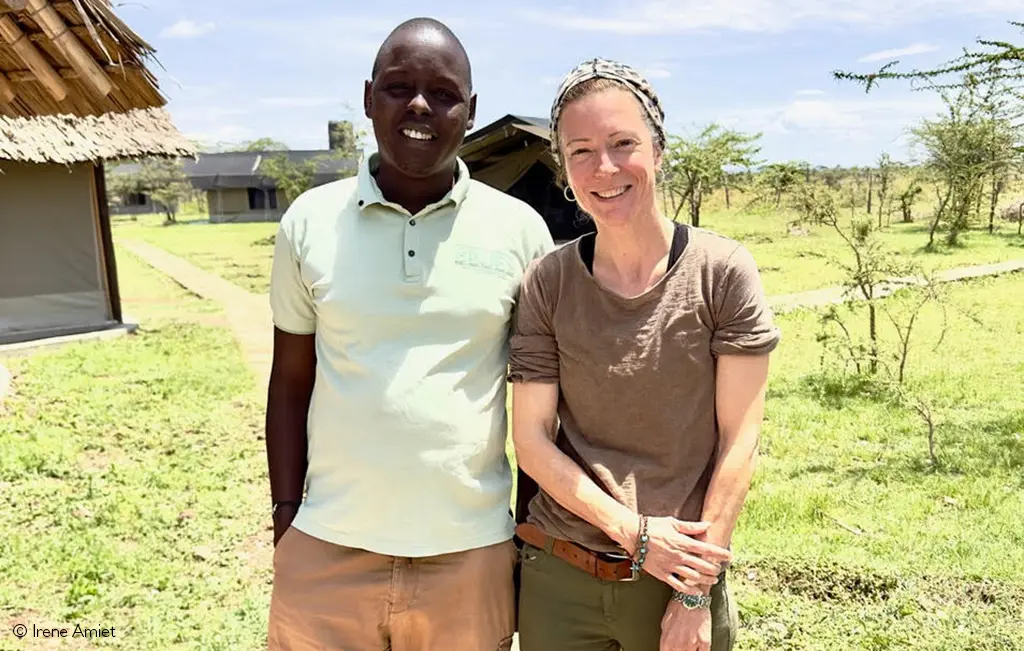
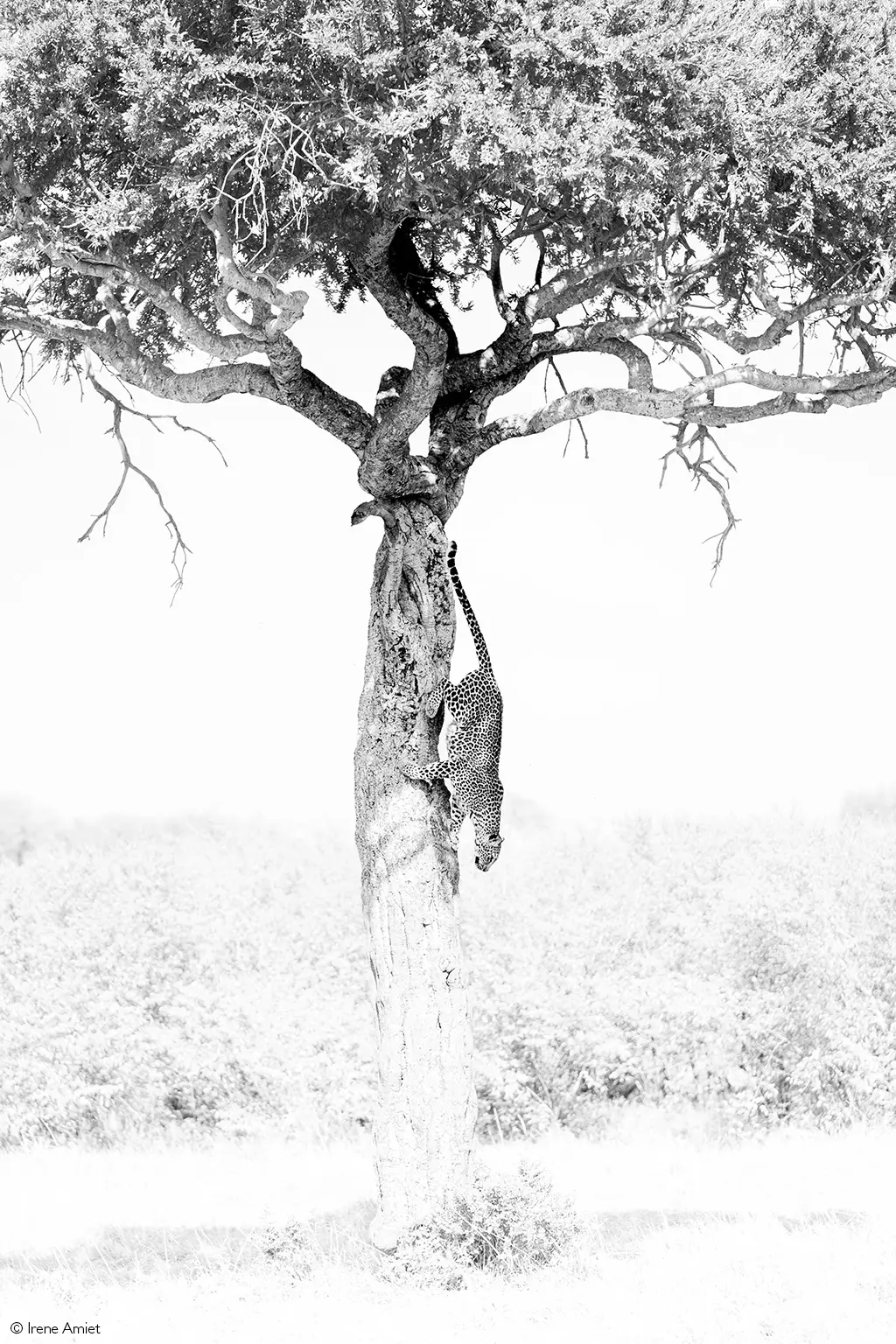
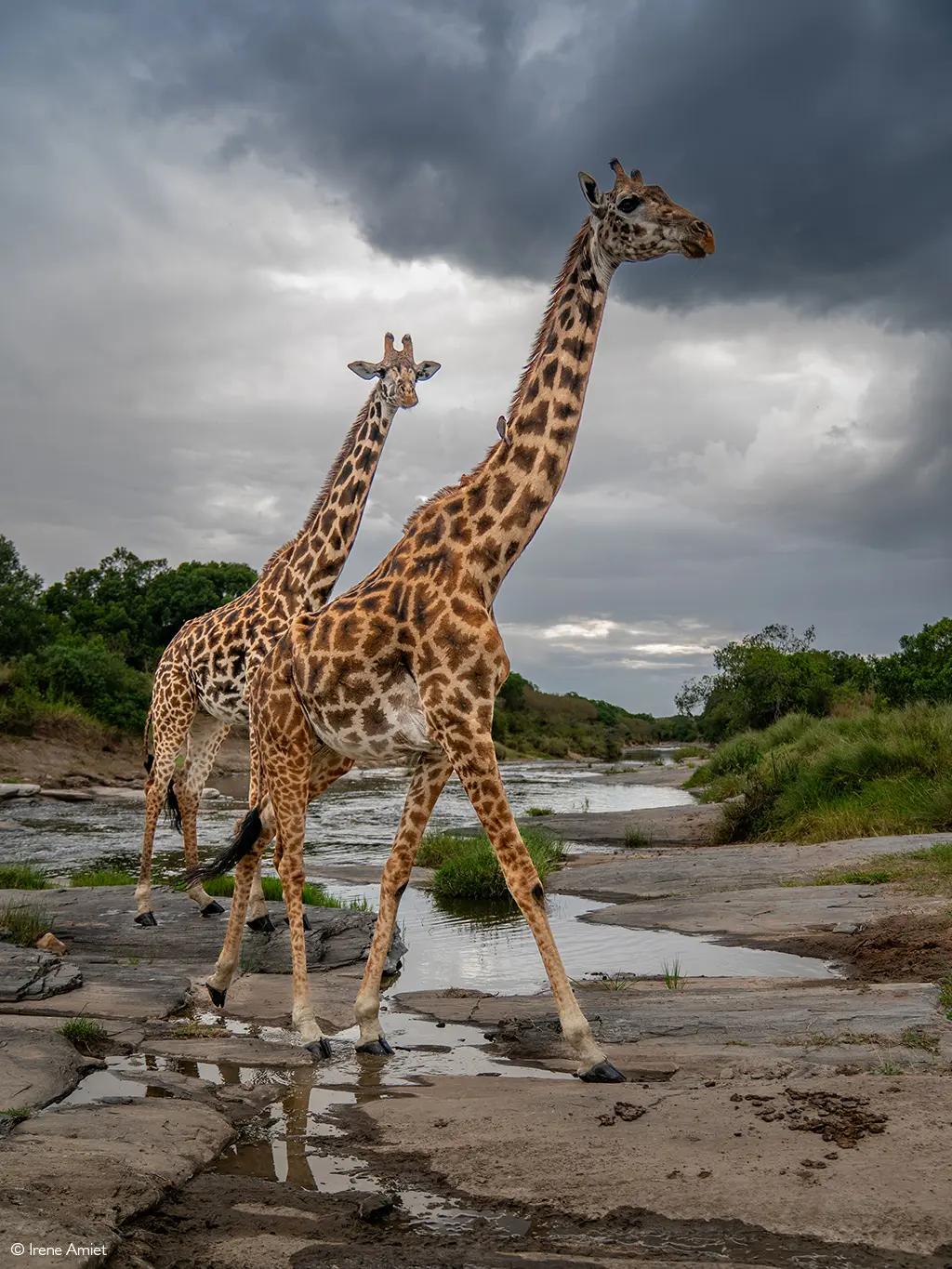
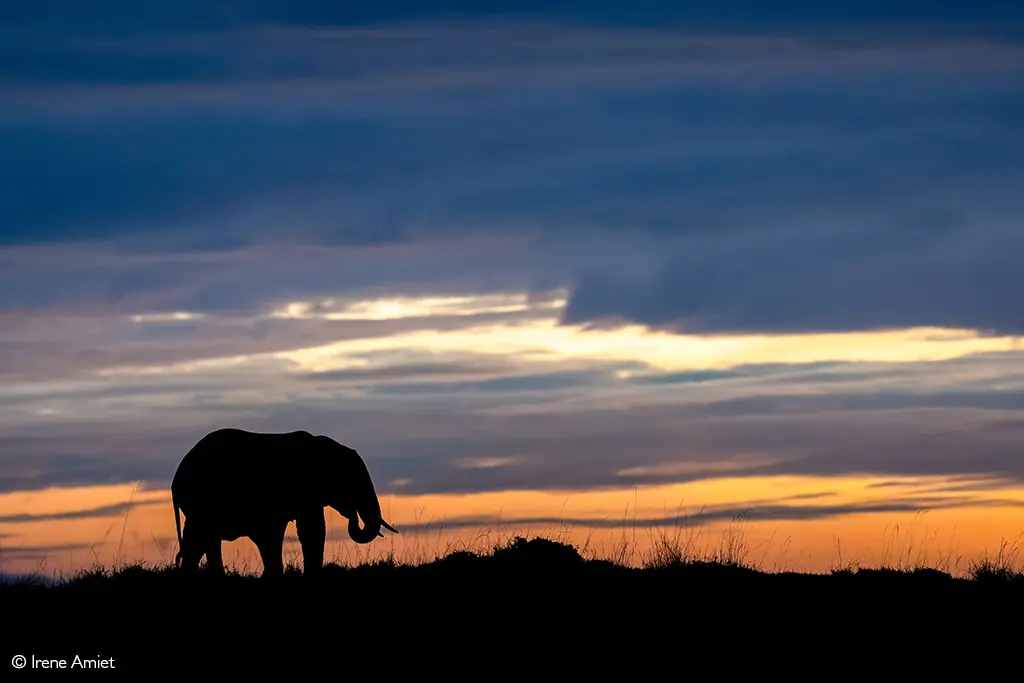
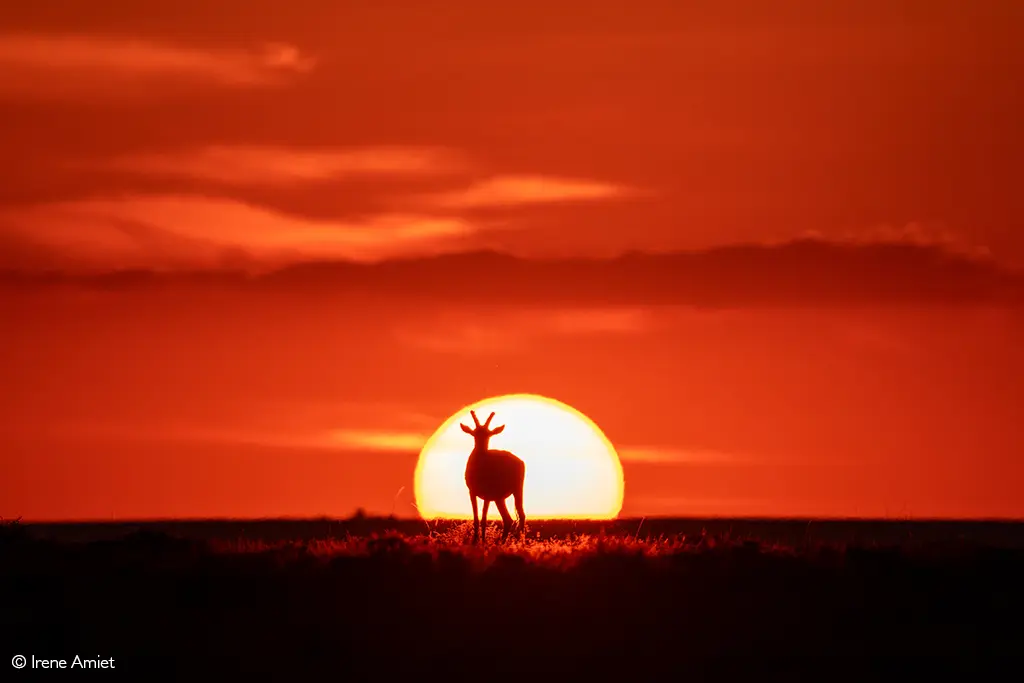
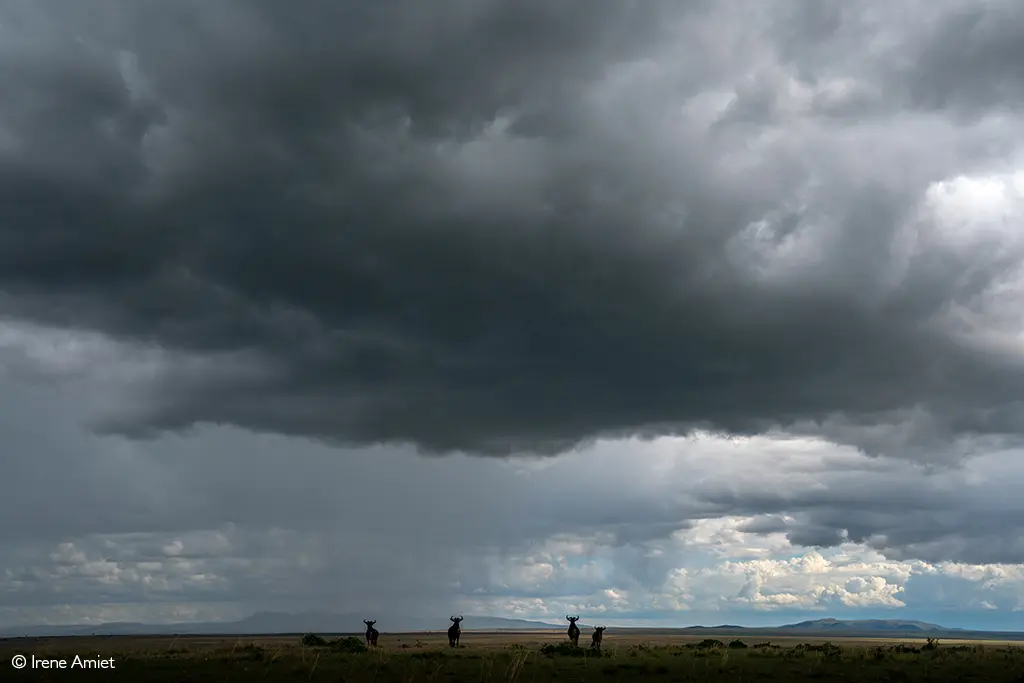
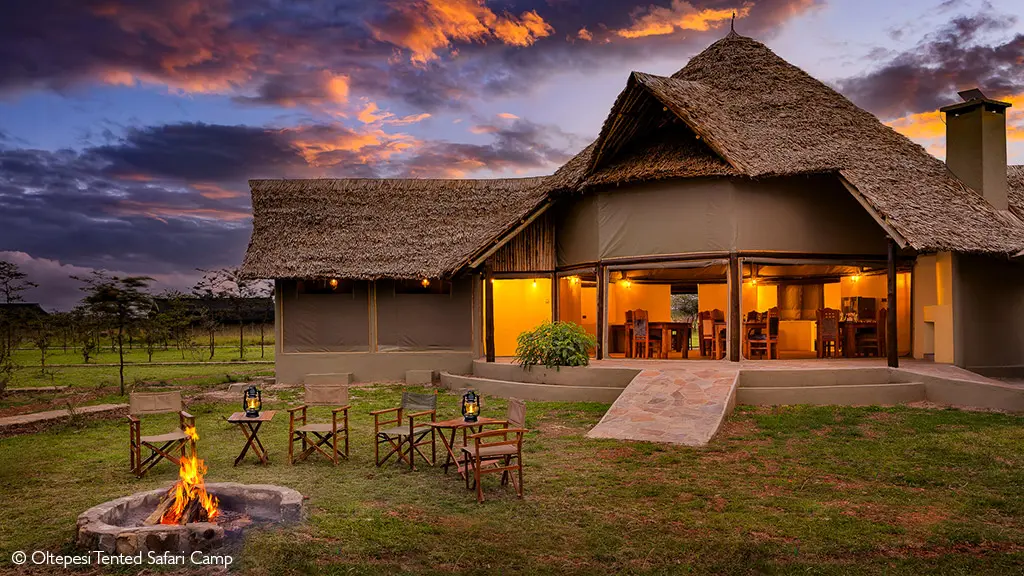
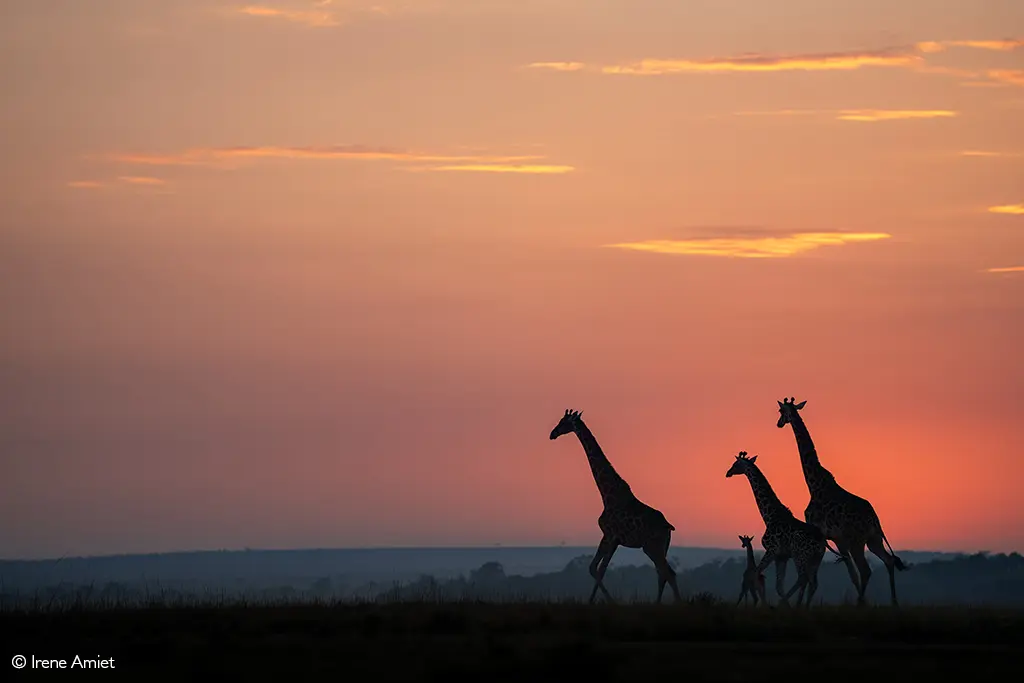
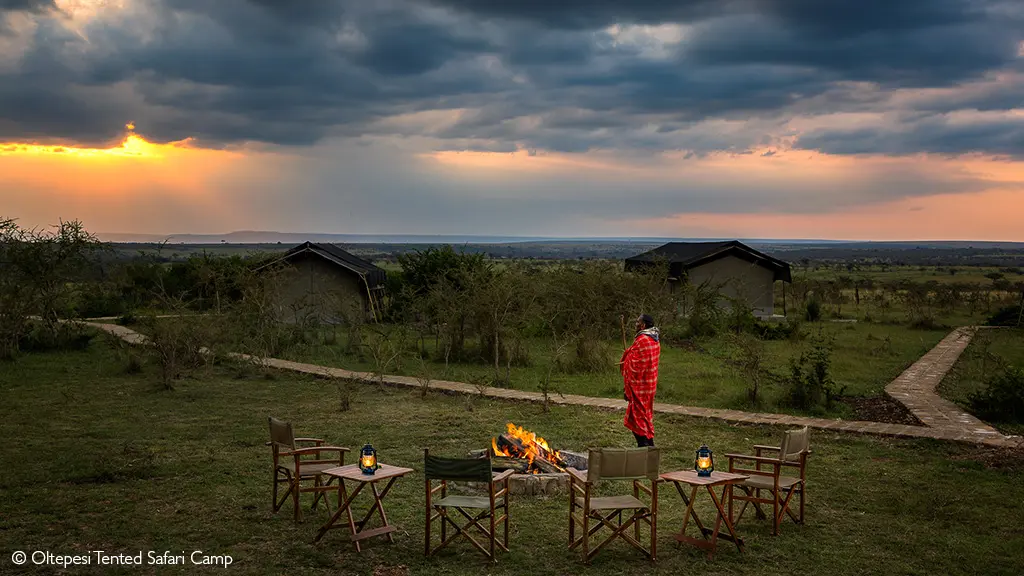
 Irene Amiet is a Swiss-born writer and photographer whose work is shaped by years spent living and working across Africa, the Americas and Europe.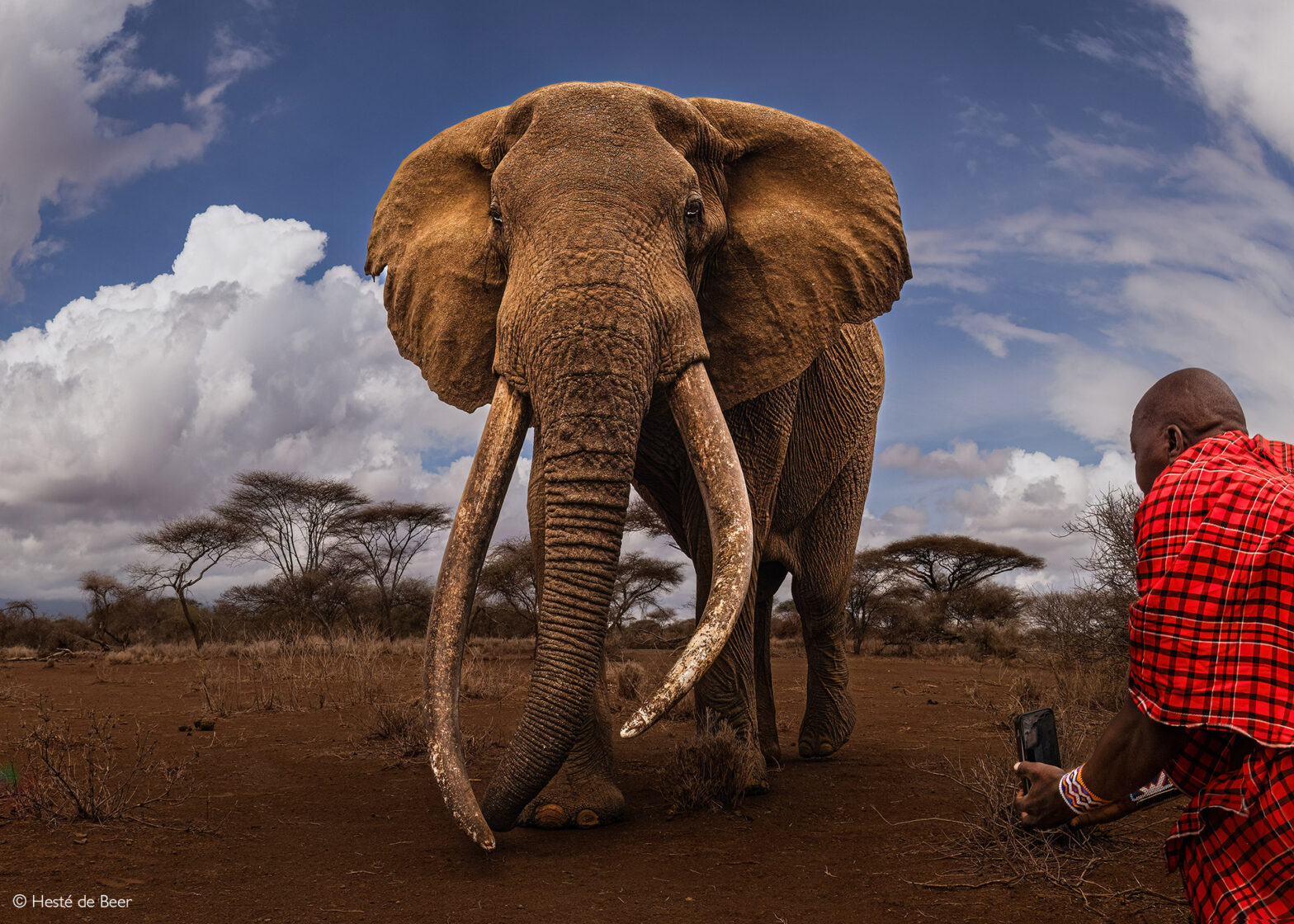
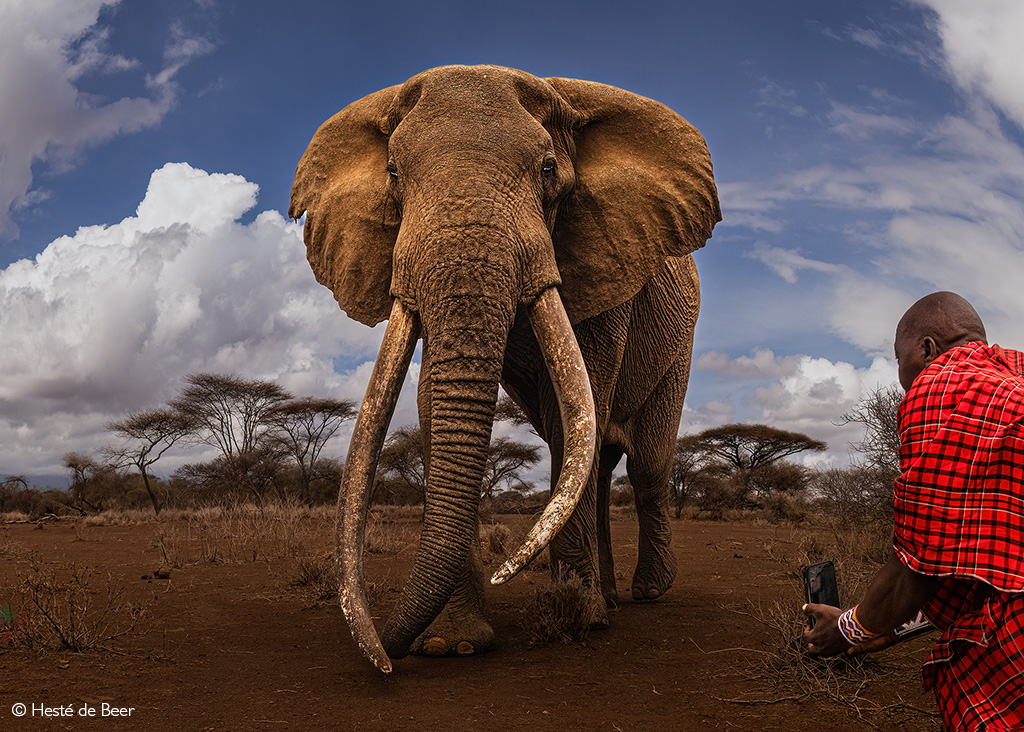
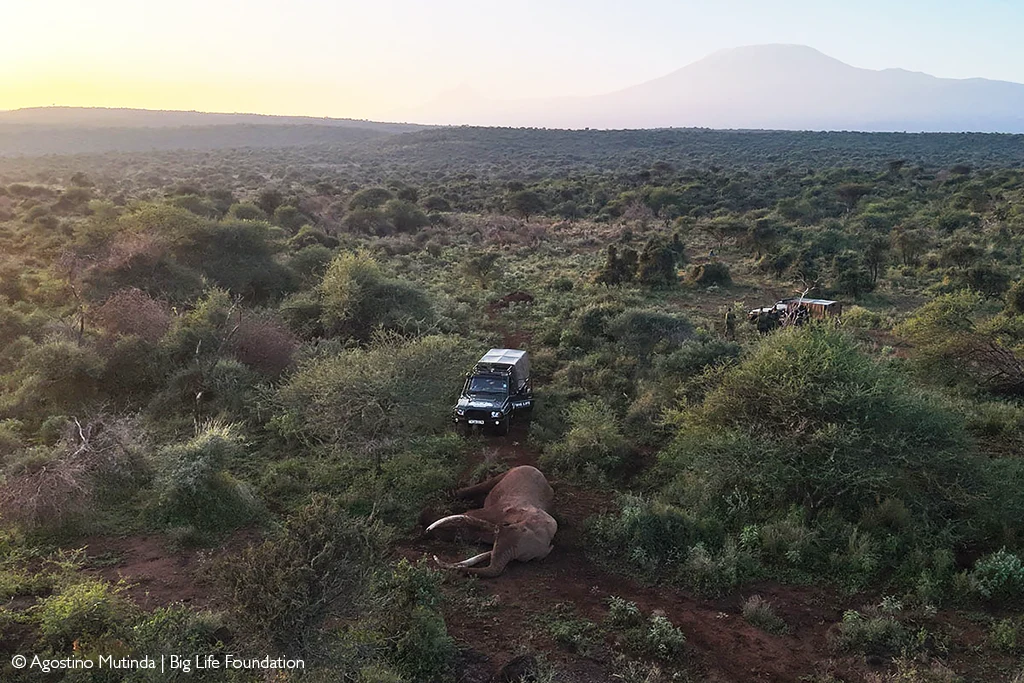
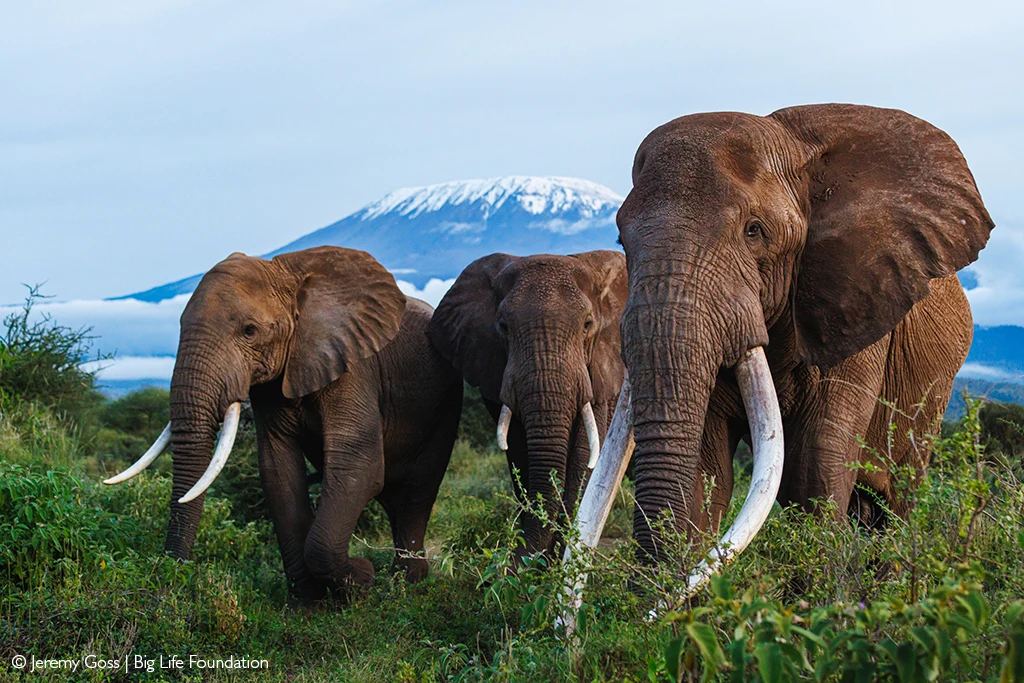
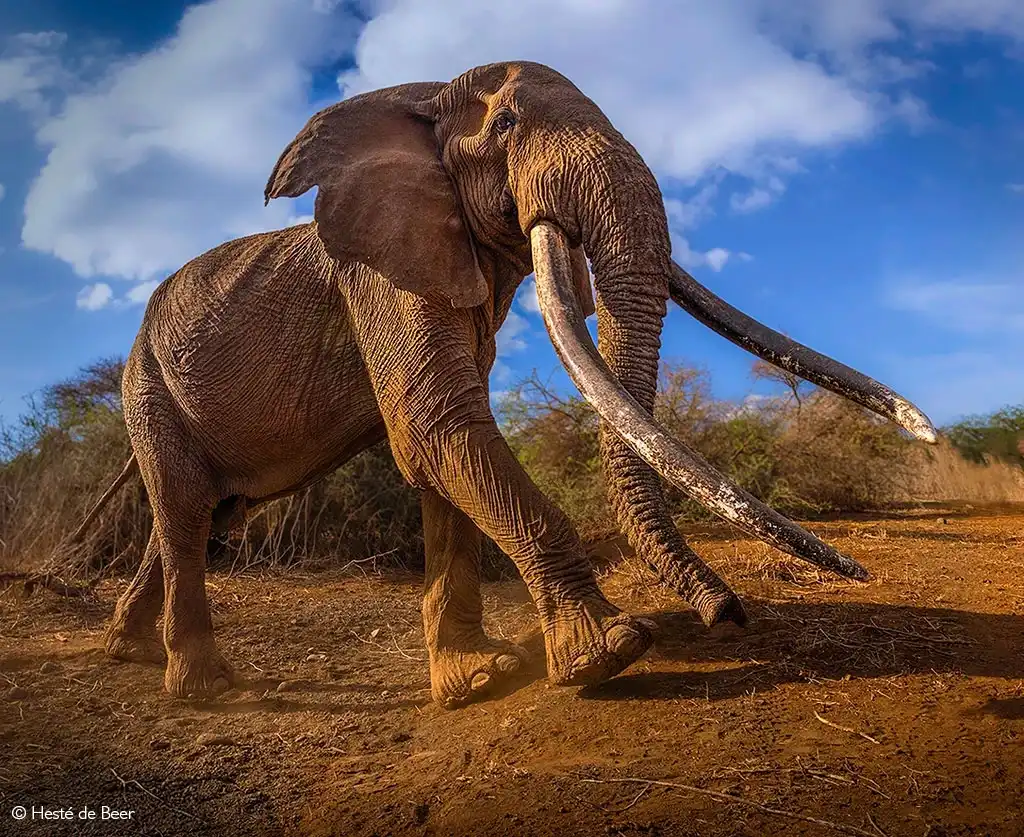
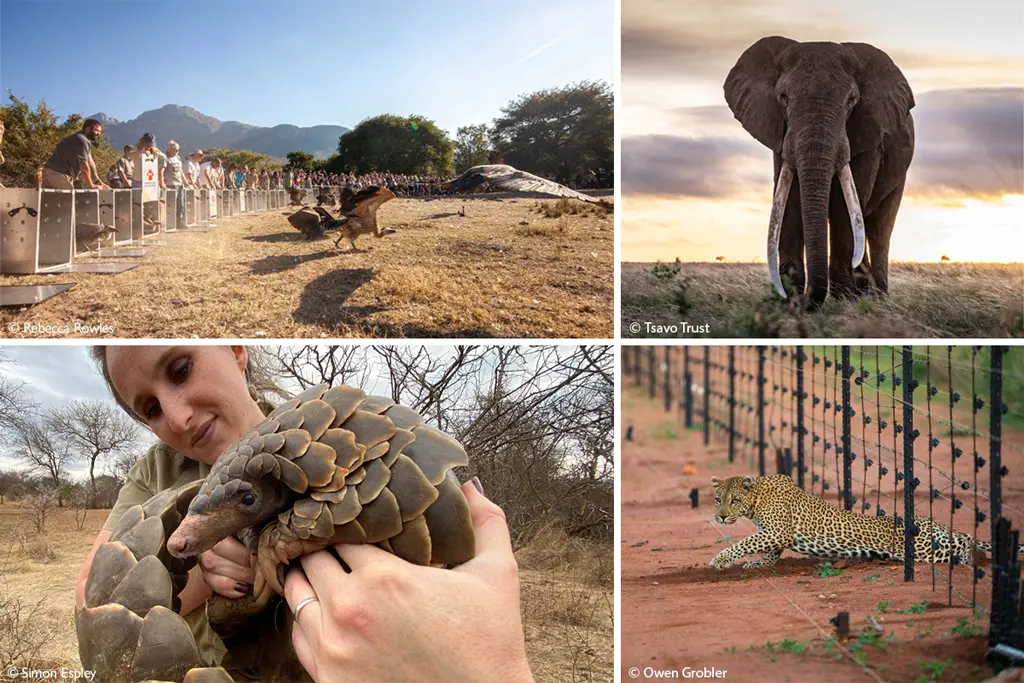
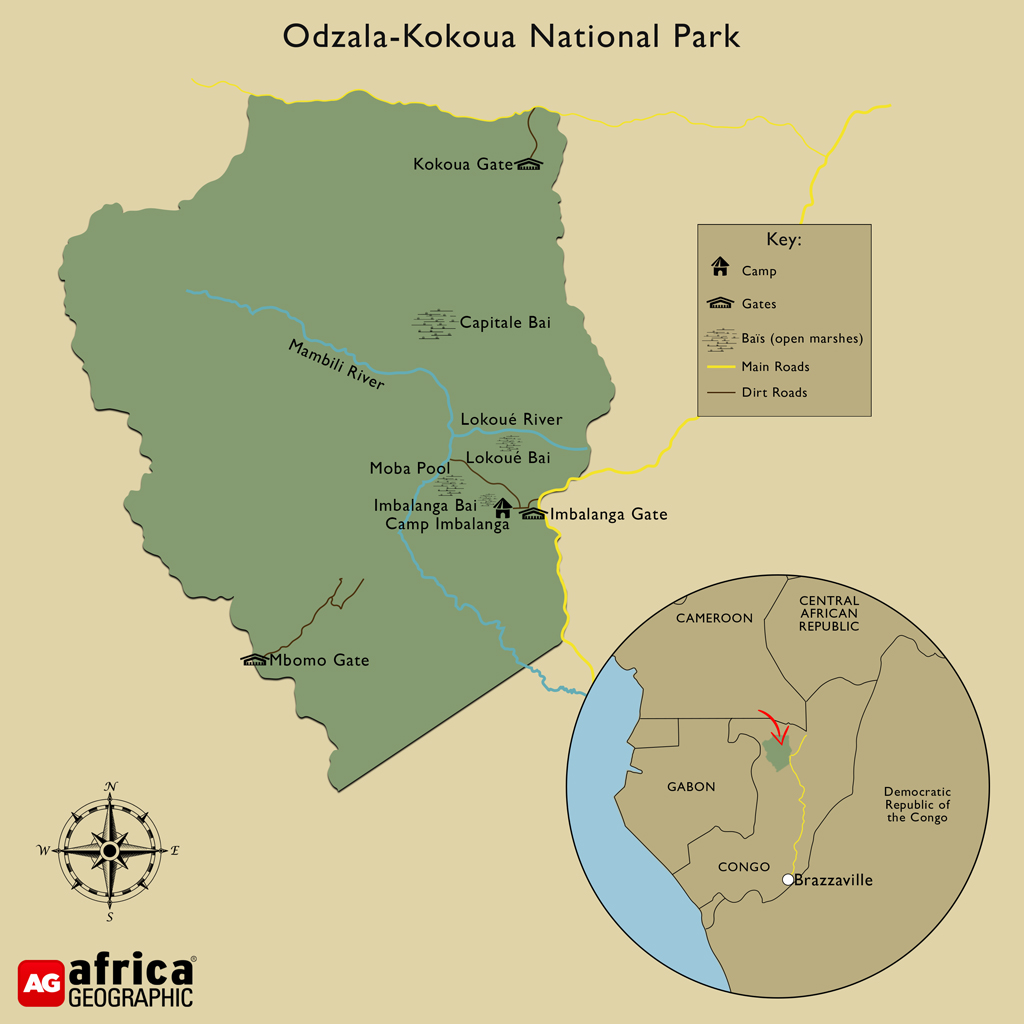
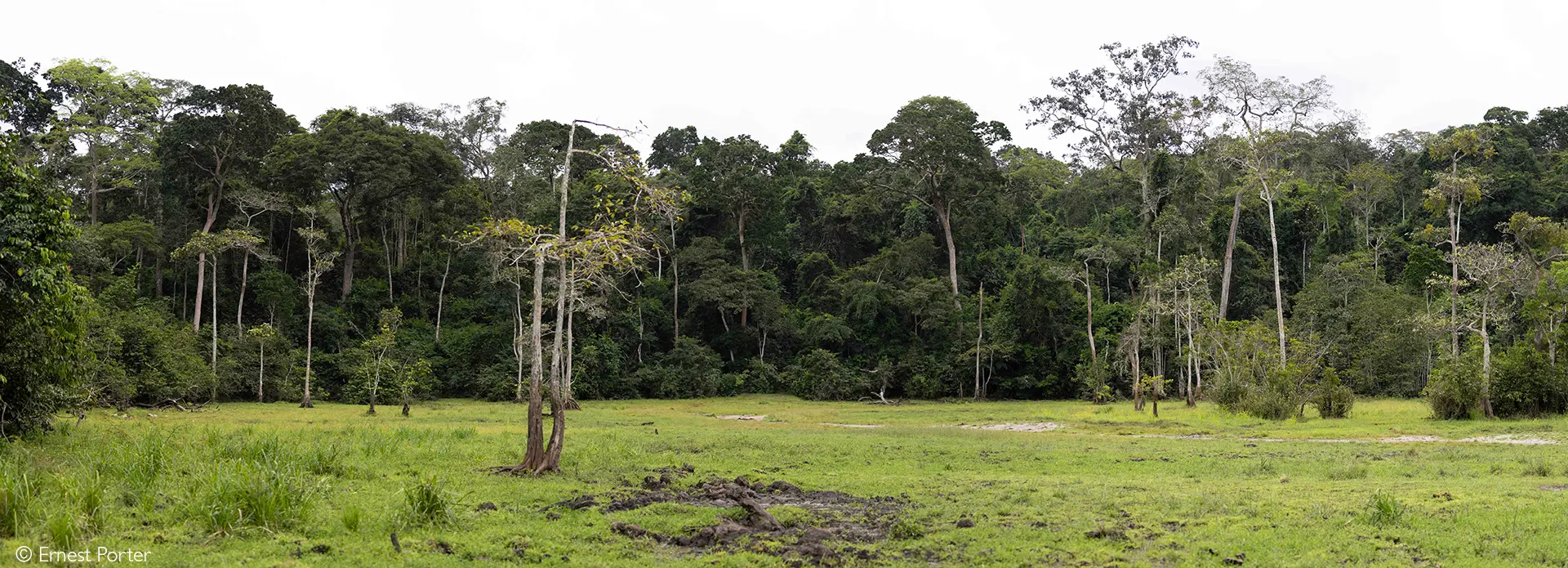
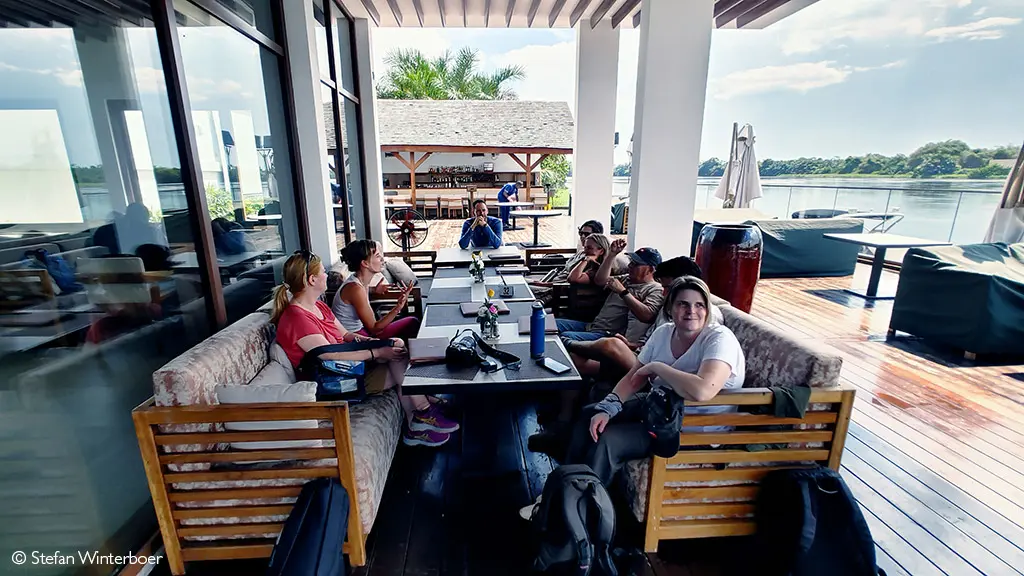
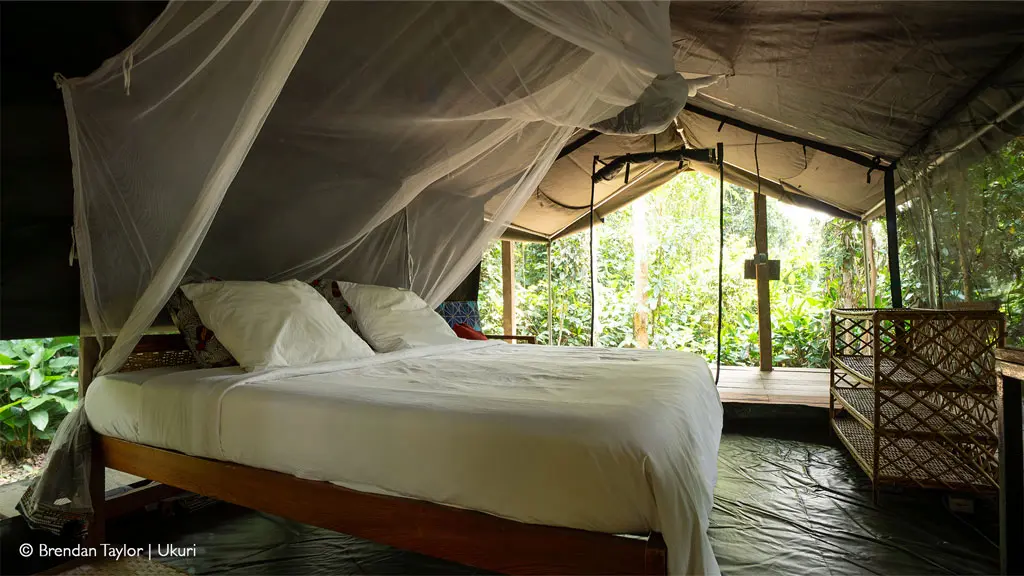
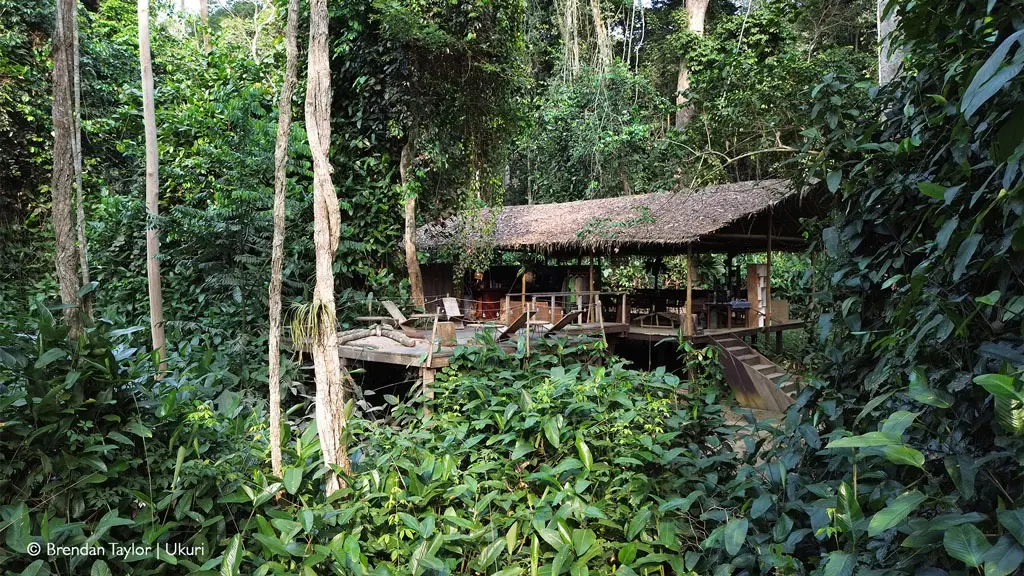
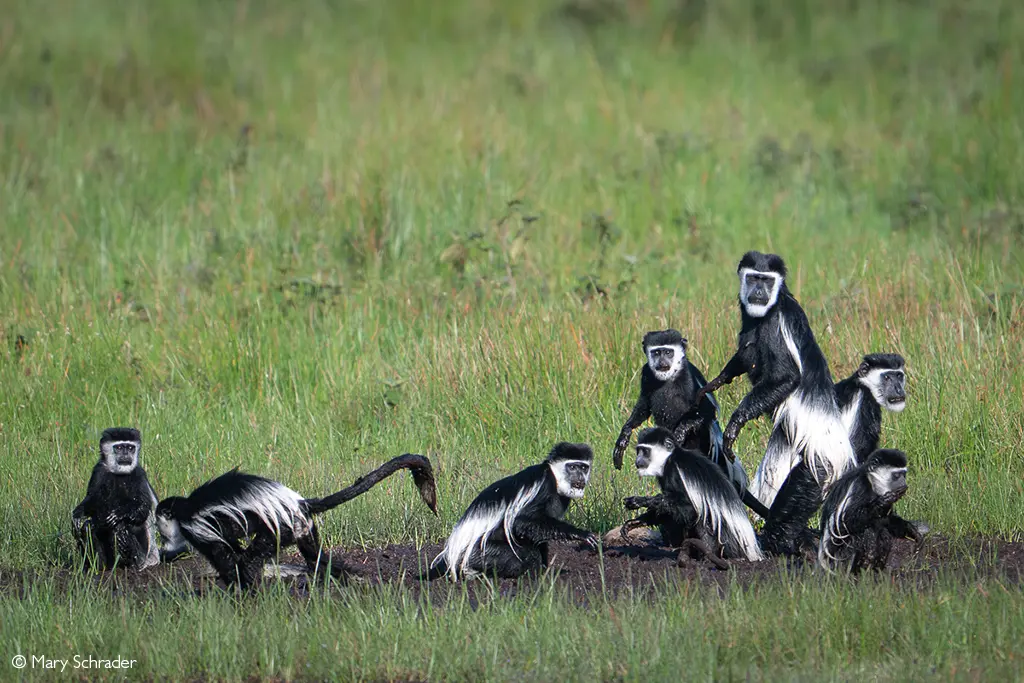
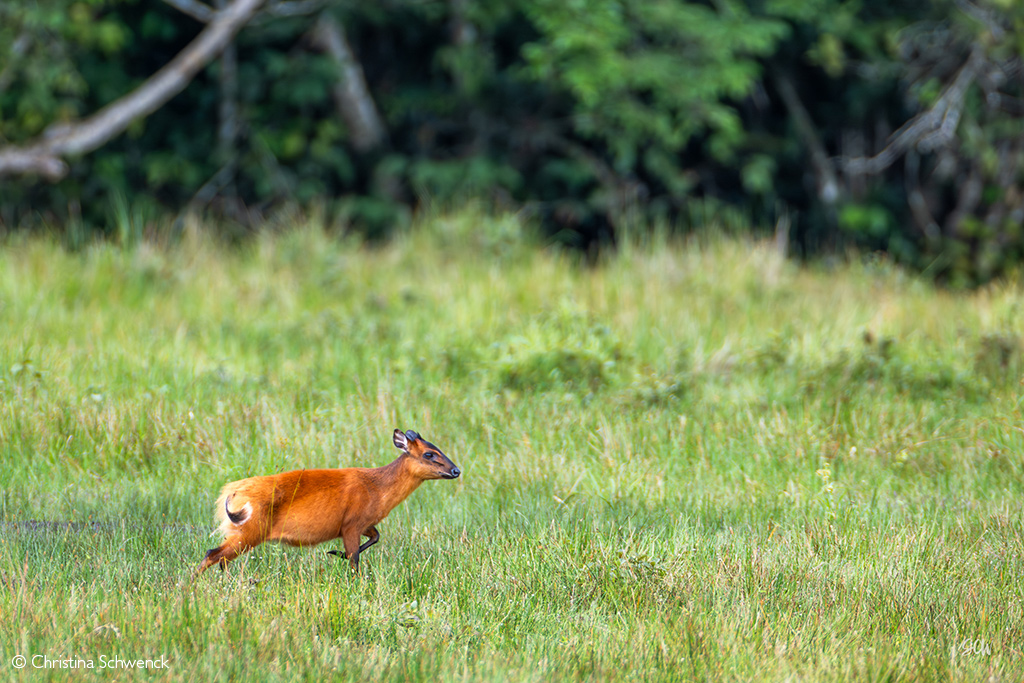
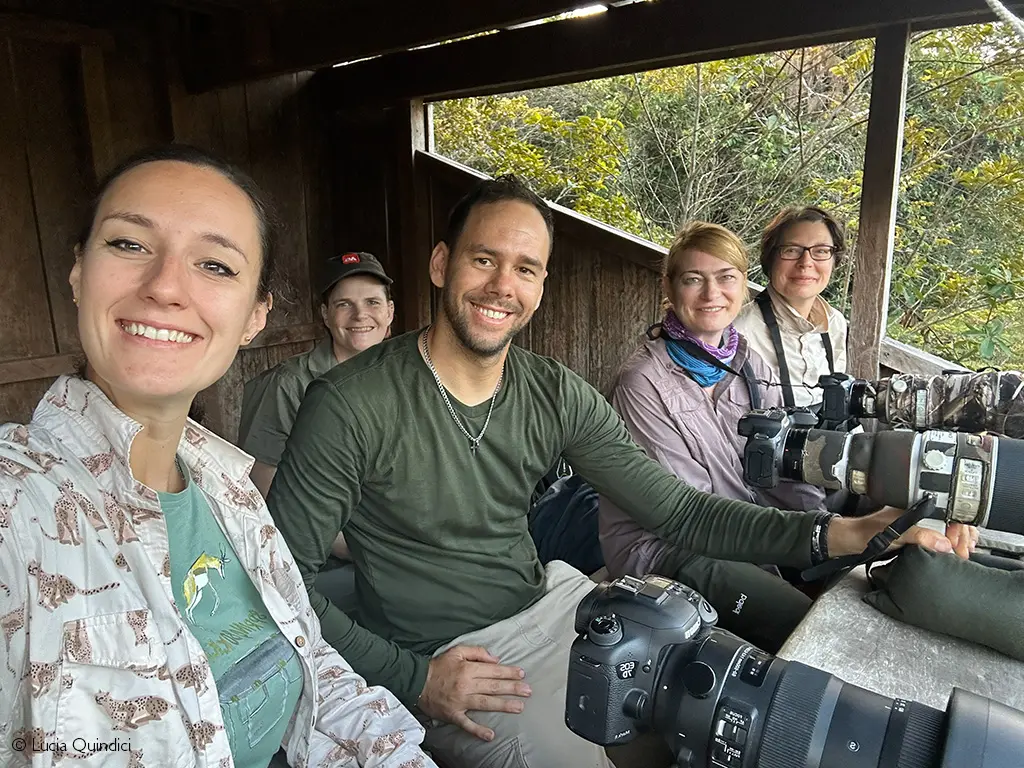
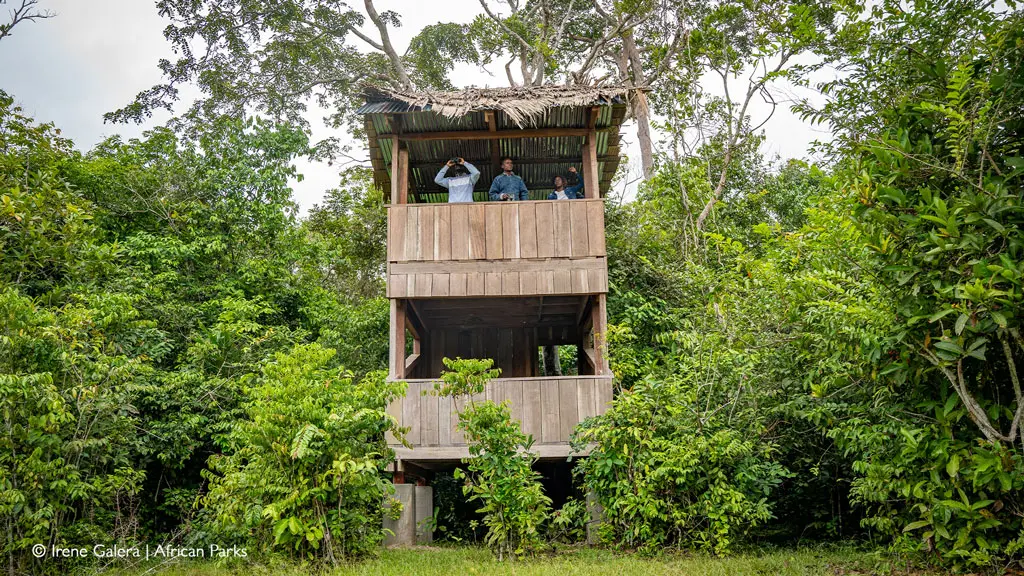
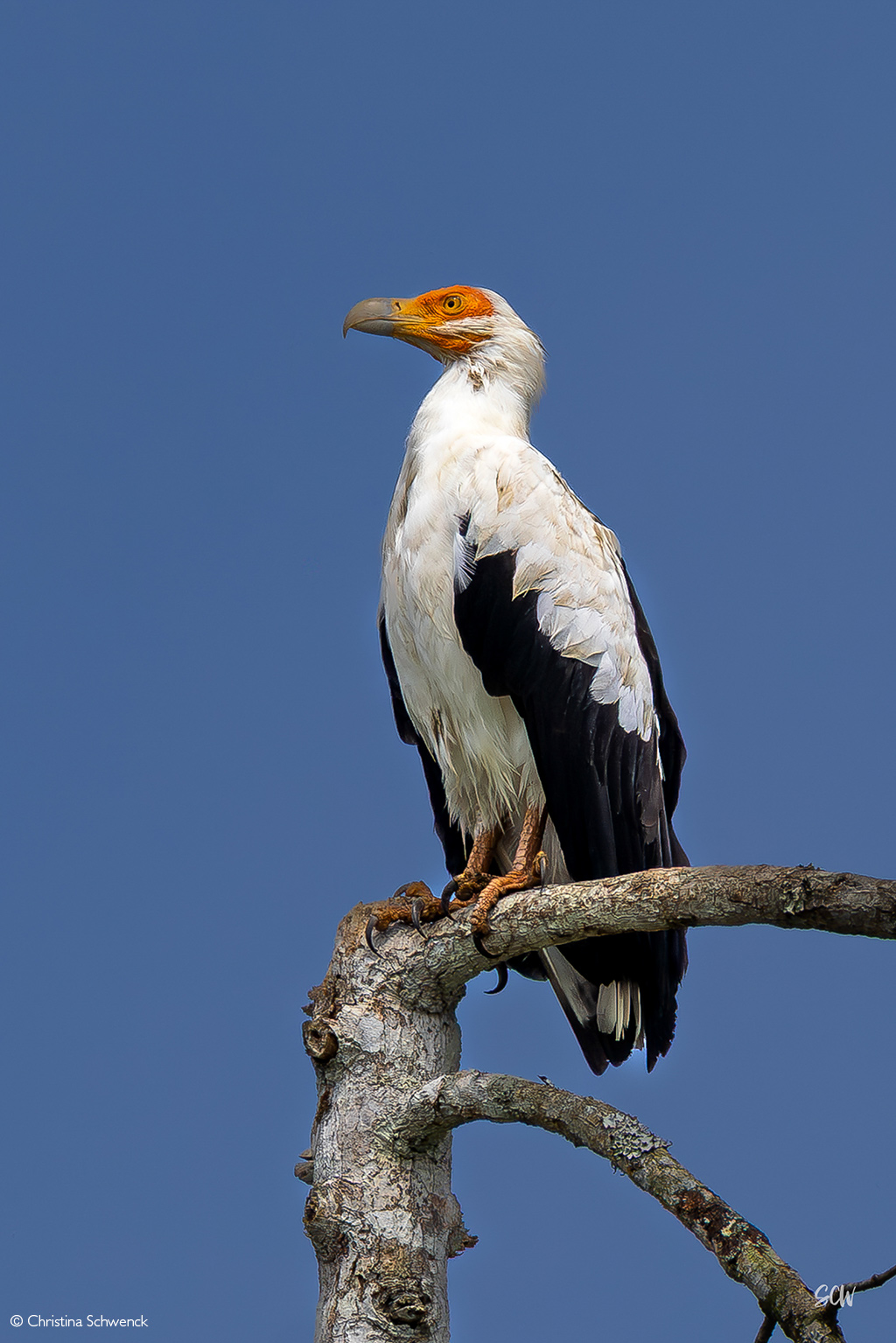
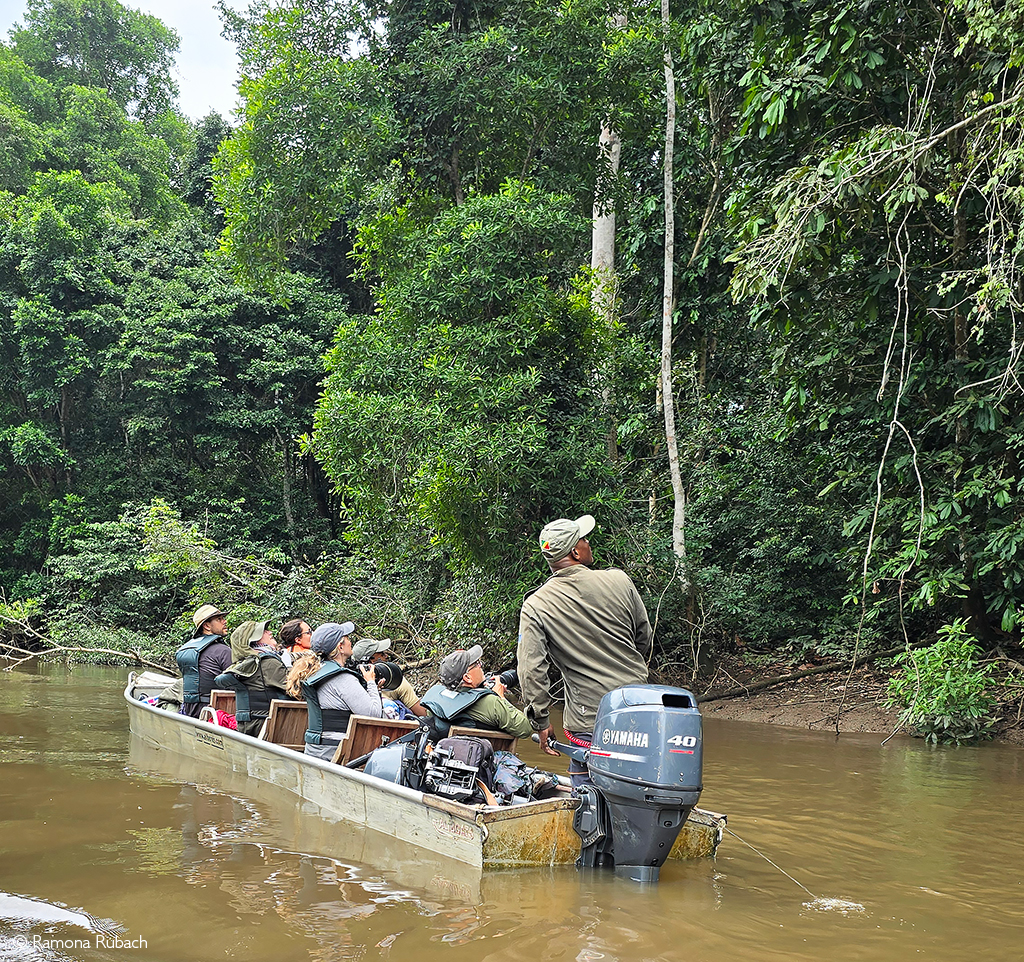
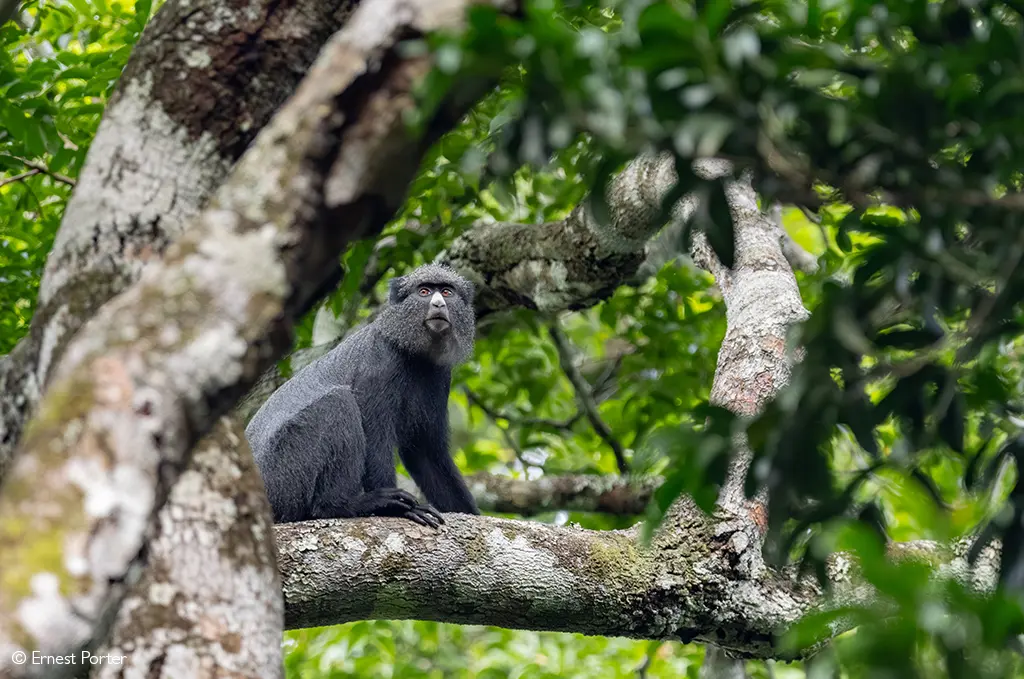
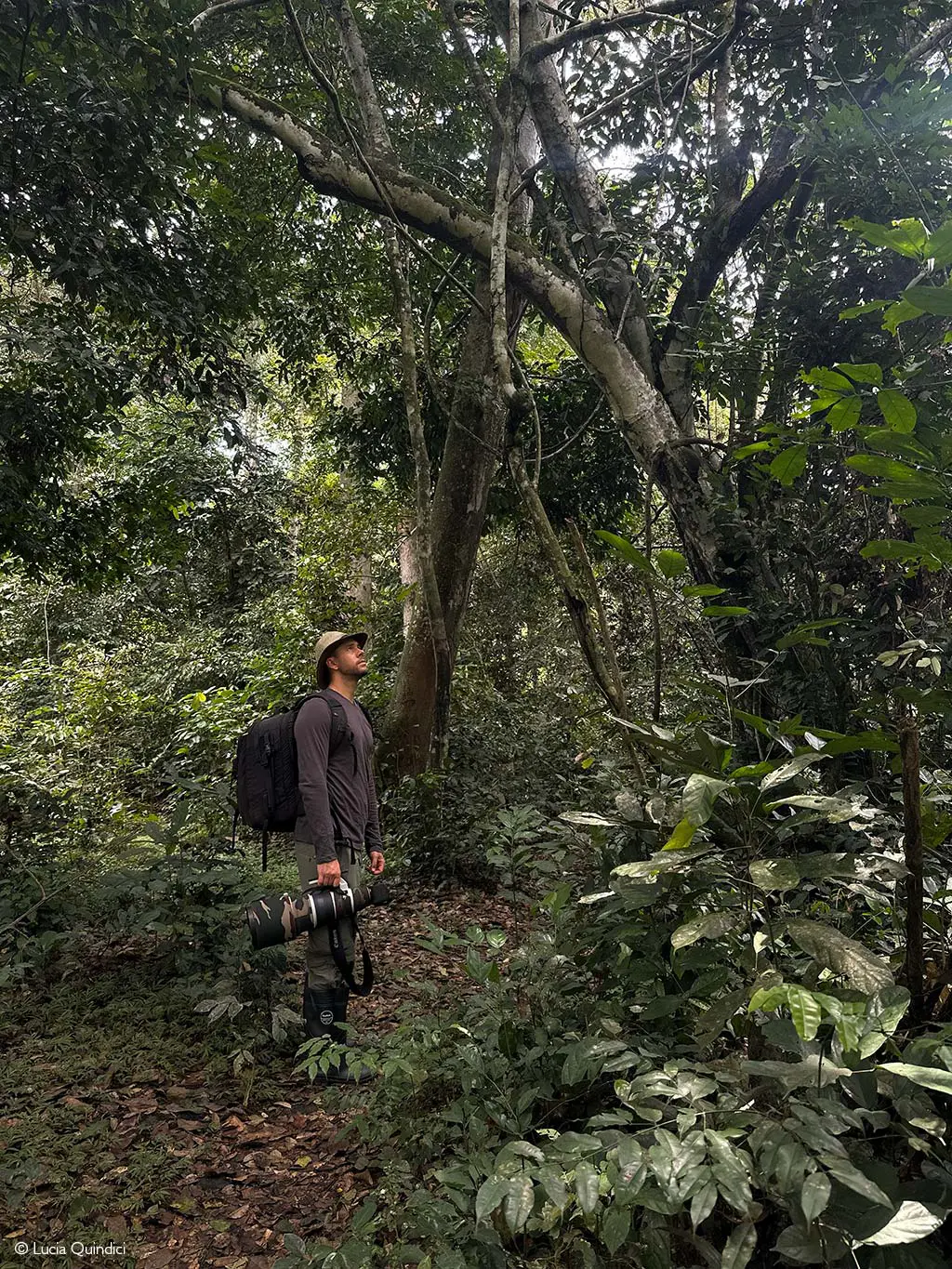
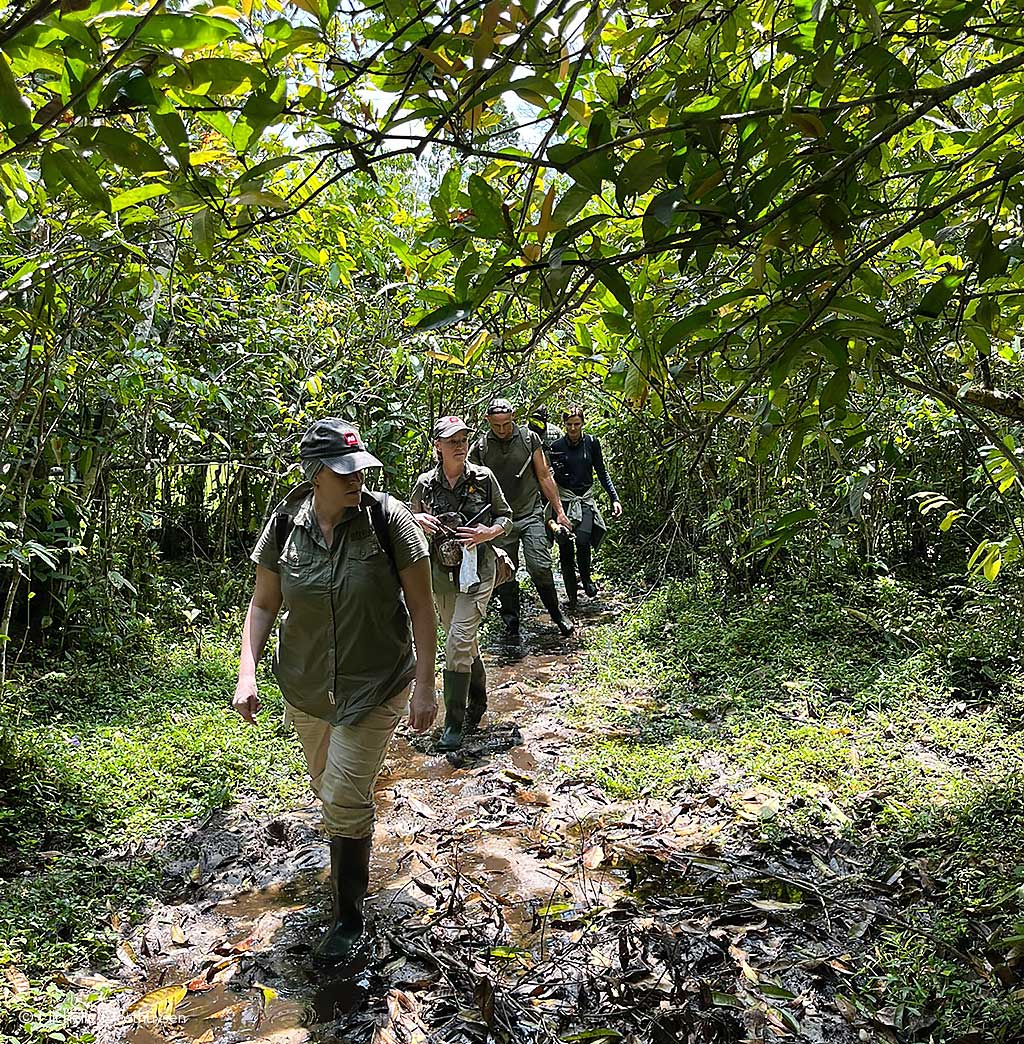
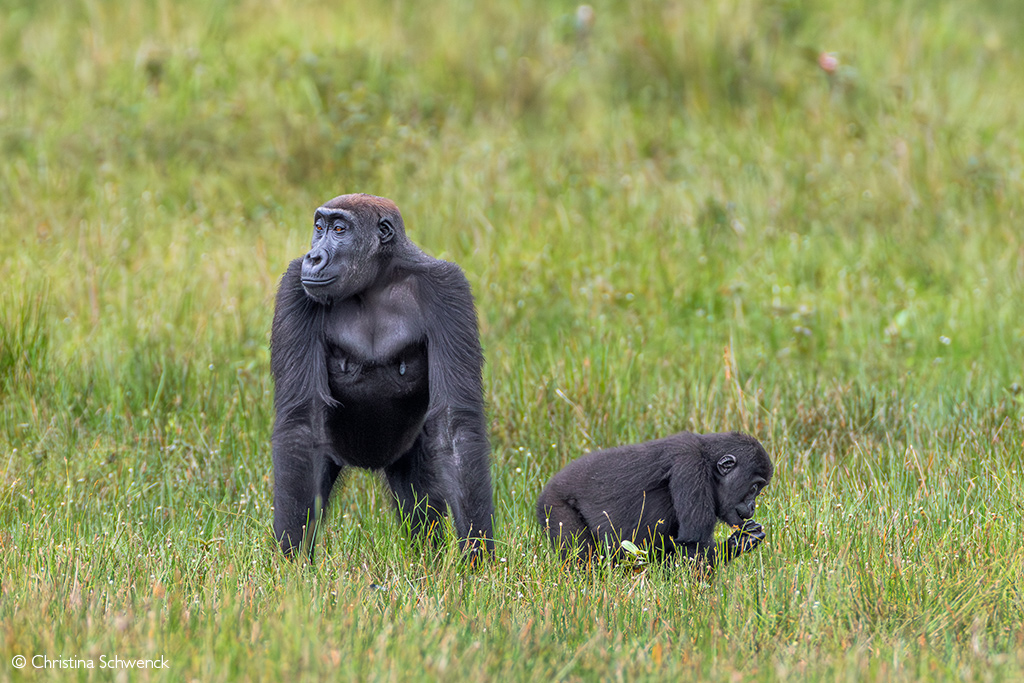
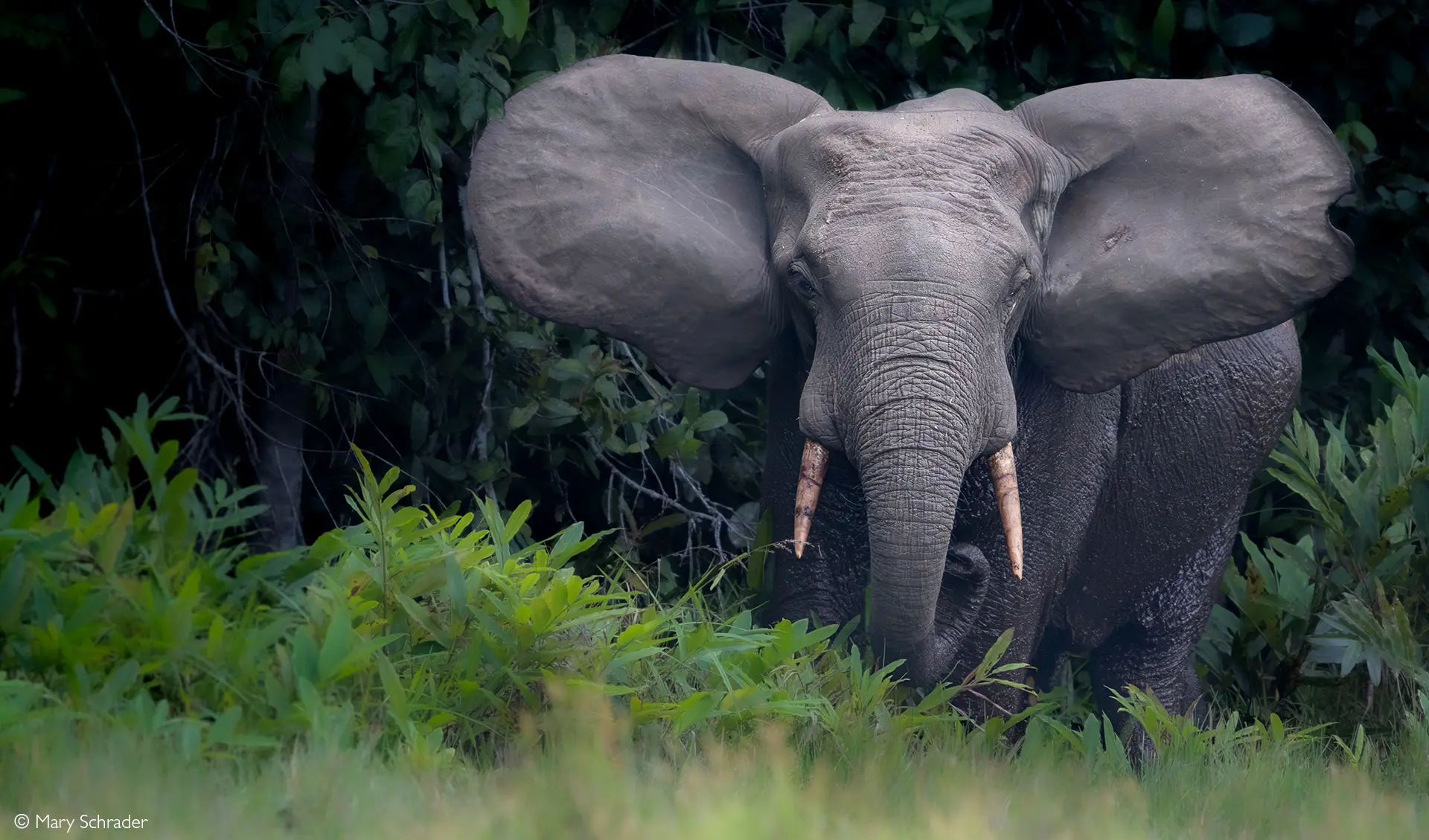
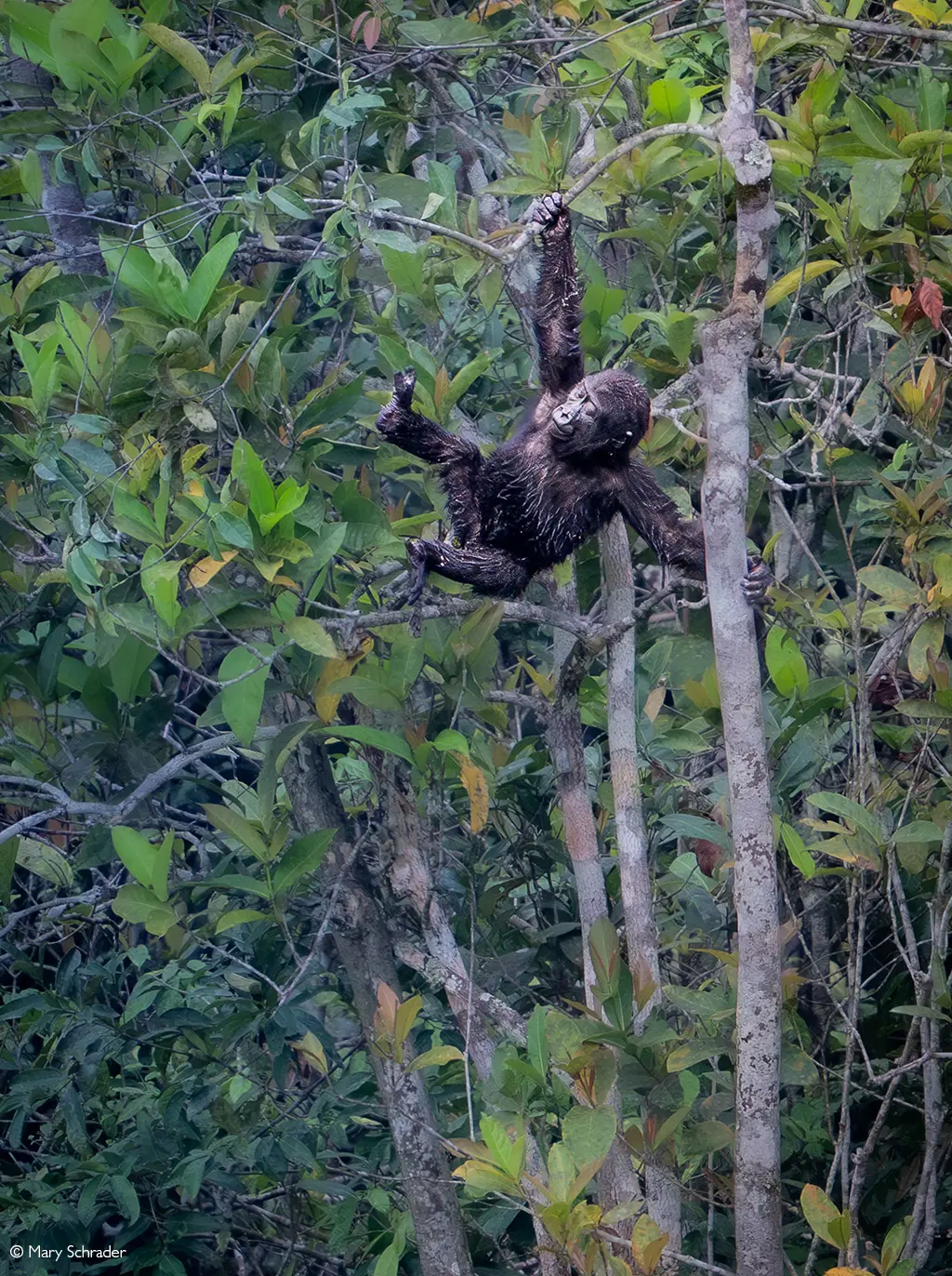
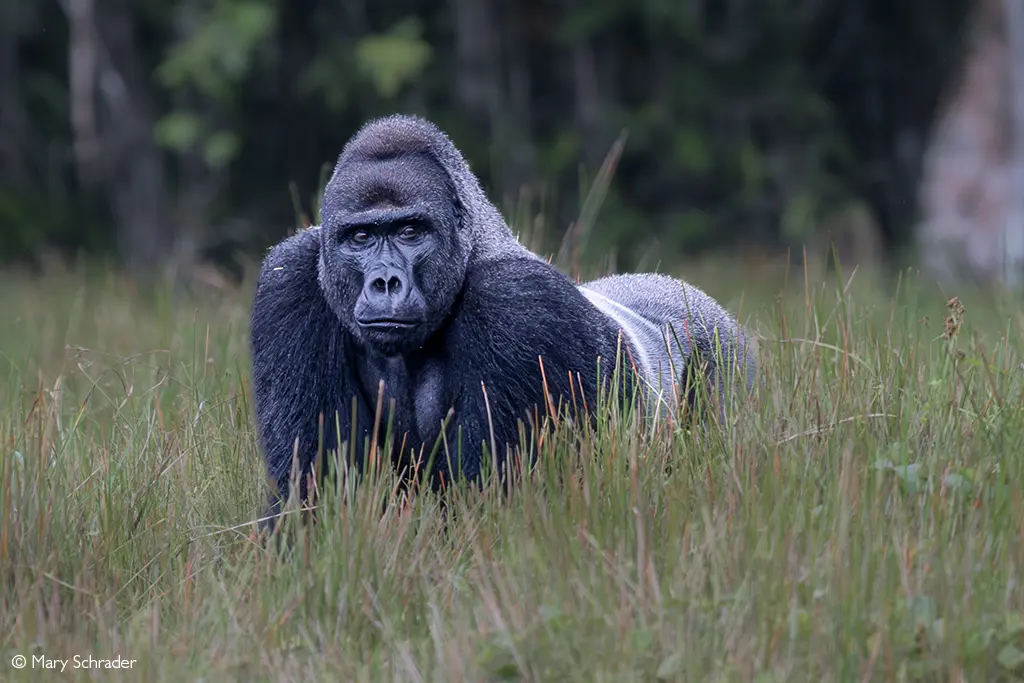
 Stefan Winterboer has spent 25 years in the safari industry, most of it guiding and managing bush logistics at the wild end of the map. Now he’s swapped (most of) his khakis for a new role: helping travellers plan unforgettable African adventures as a safari expert at Africa Geographic.
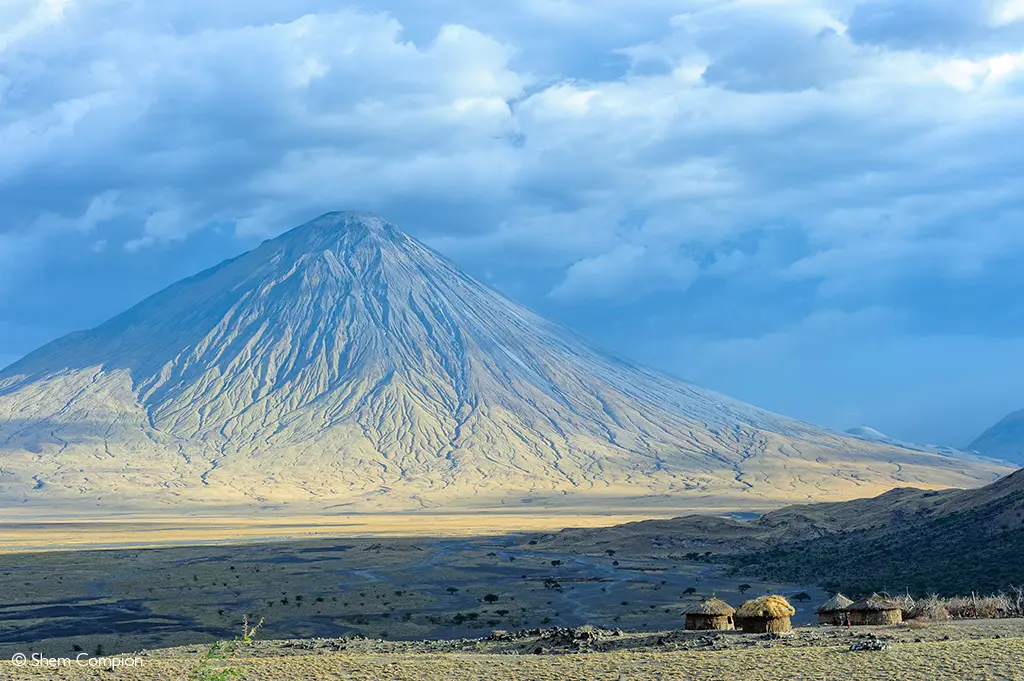
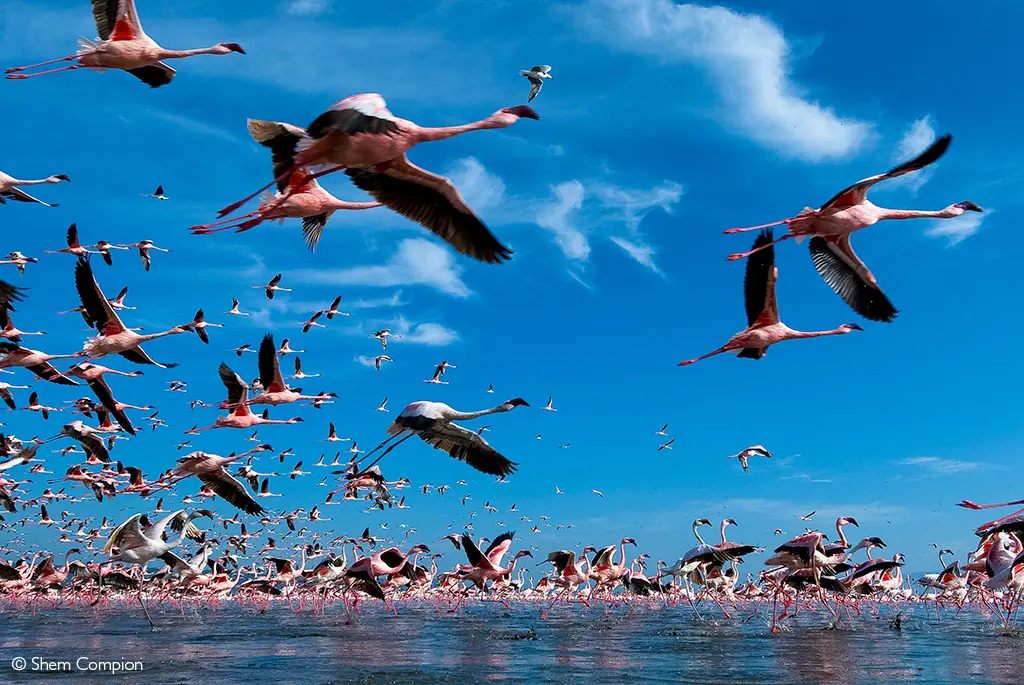
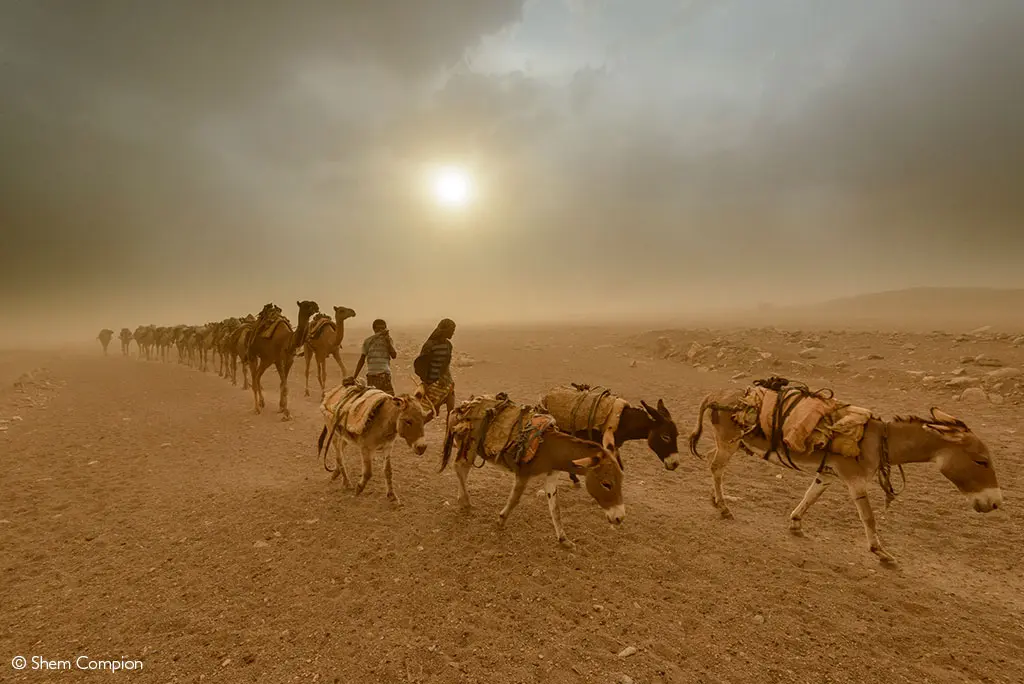
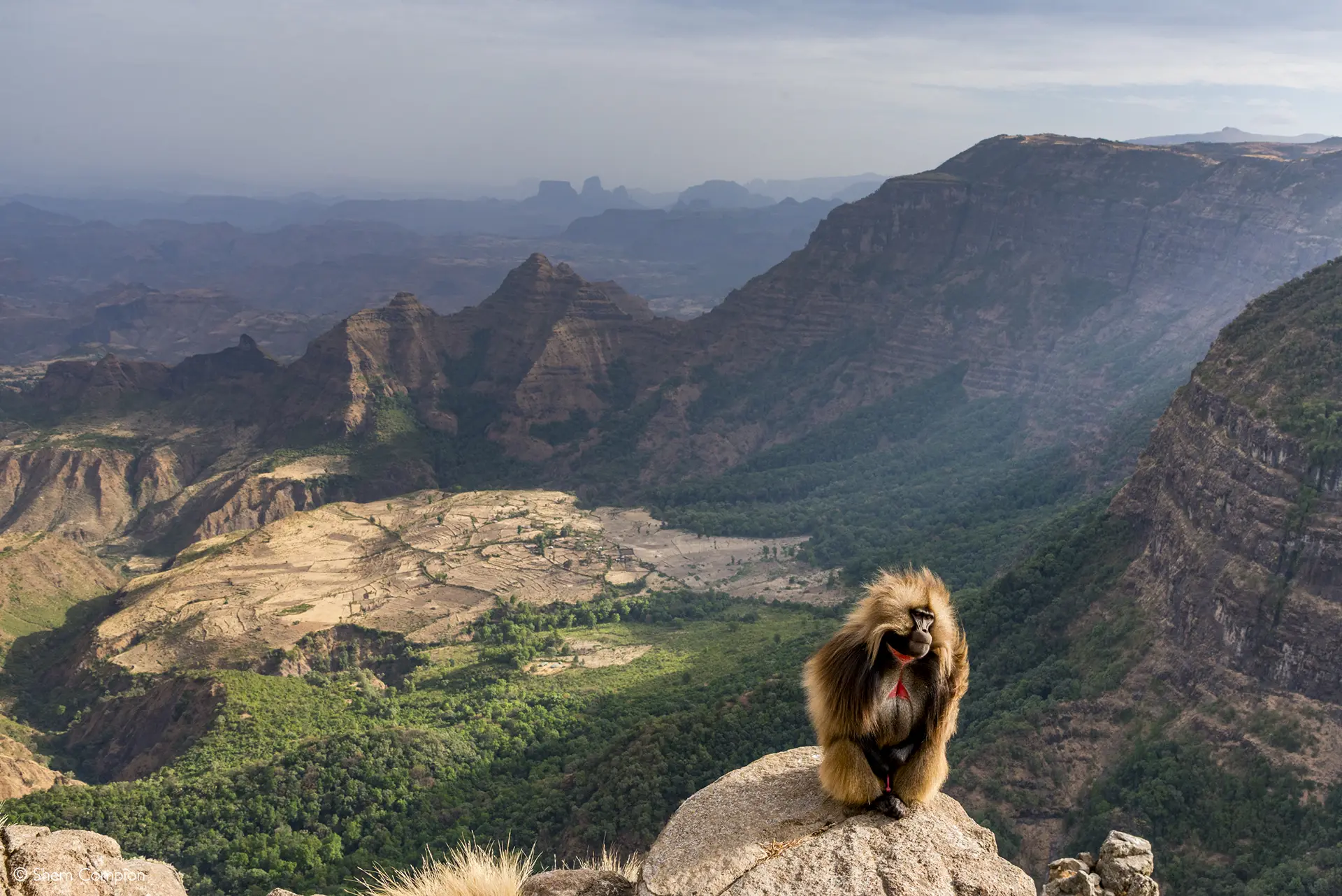
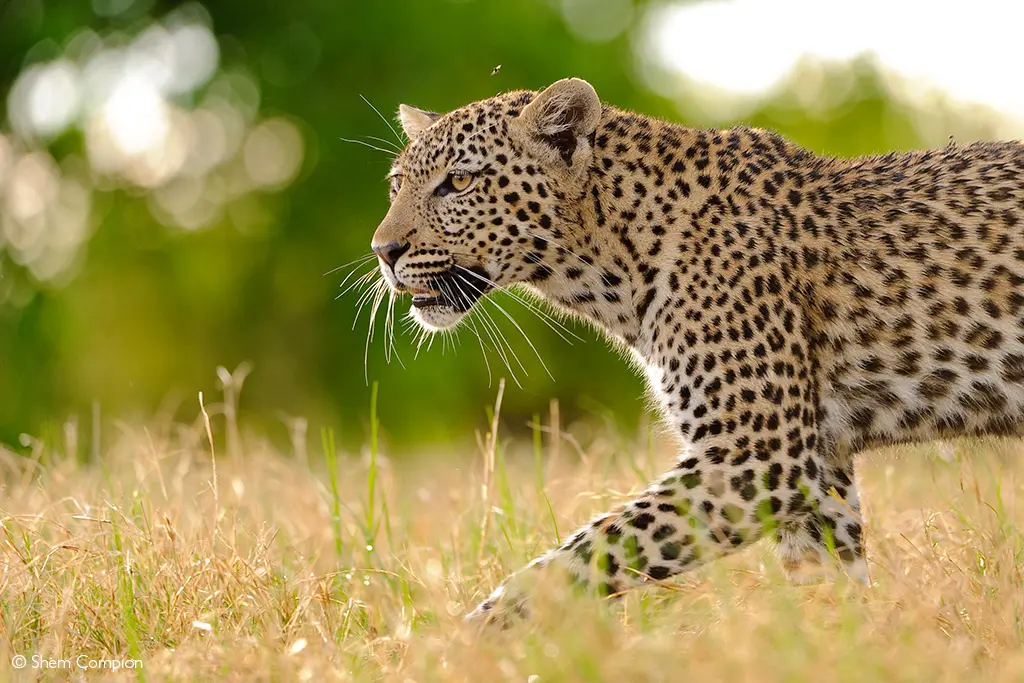
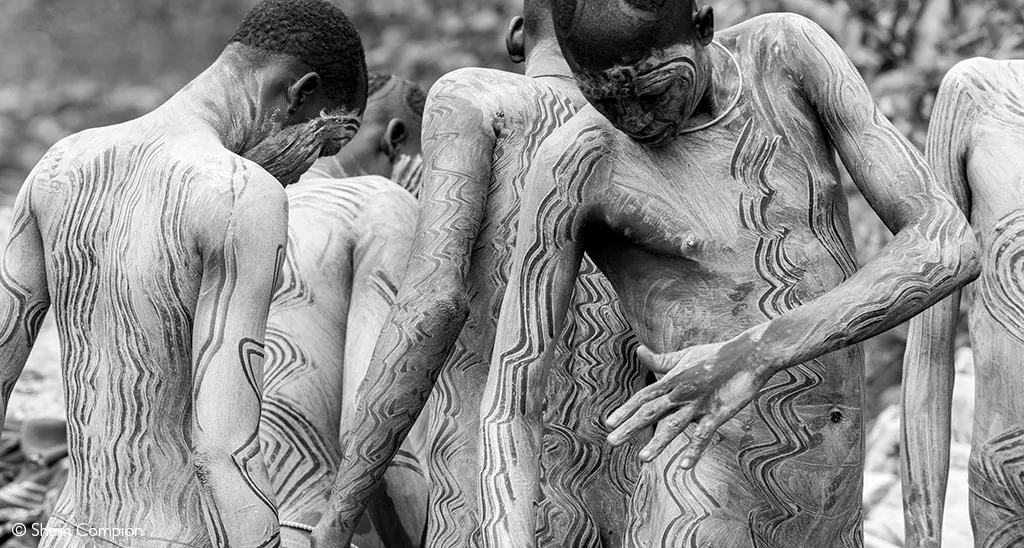
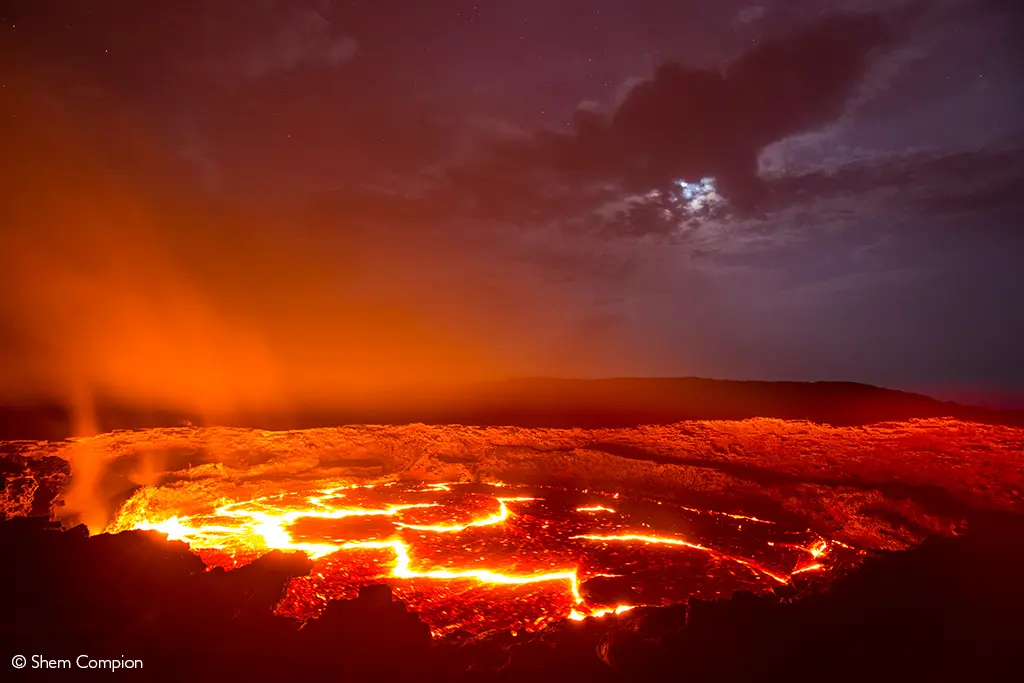
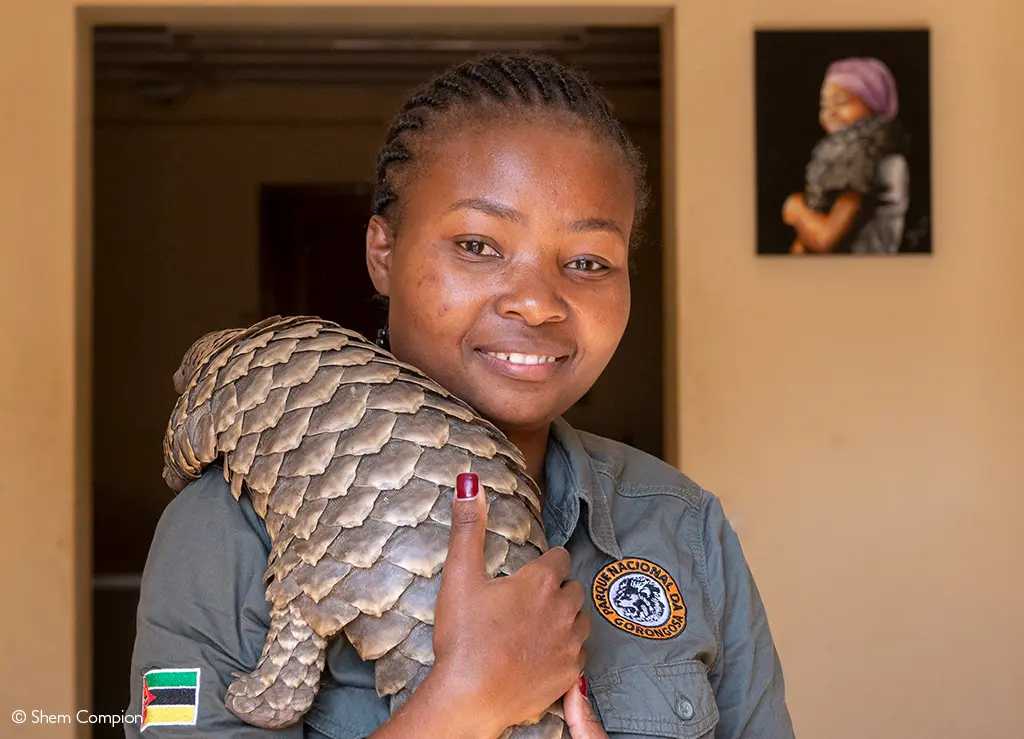
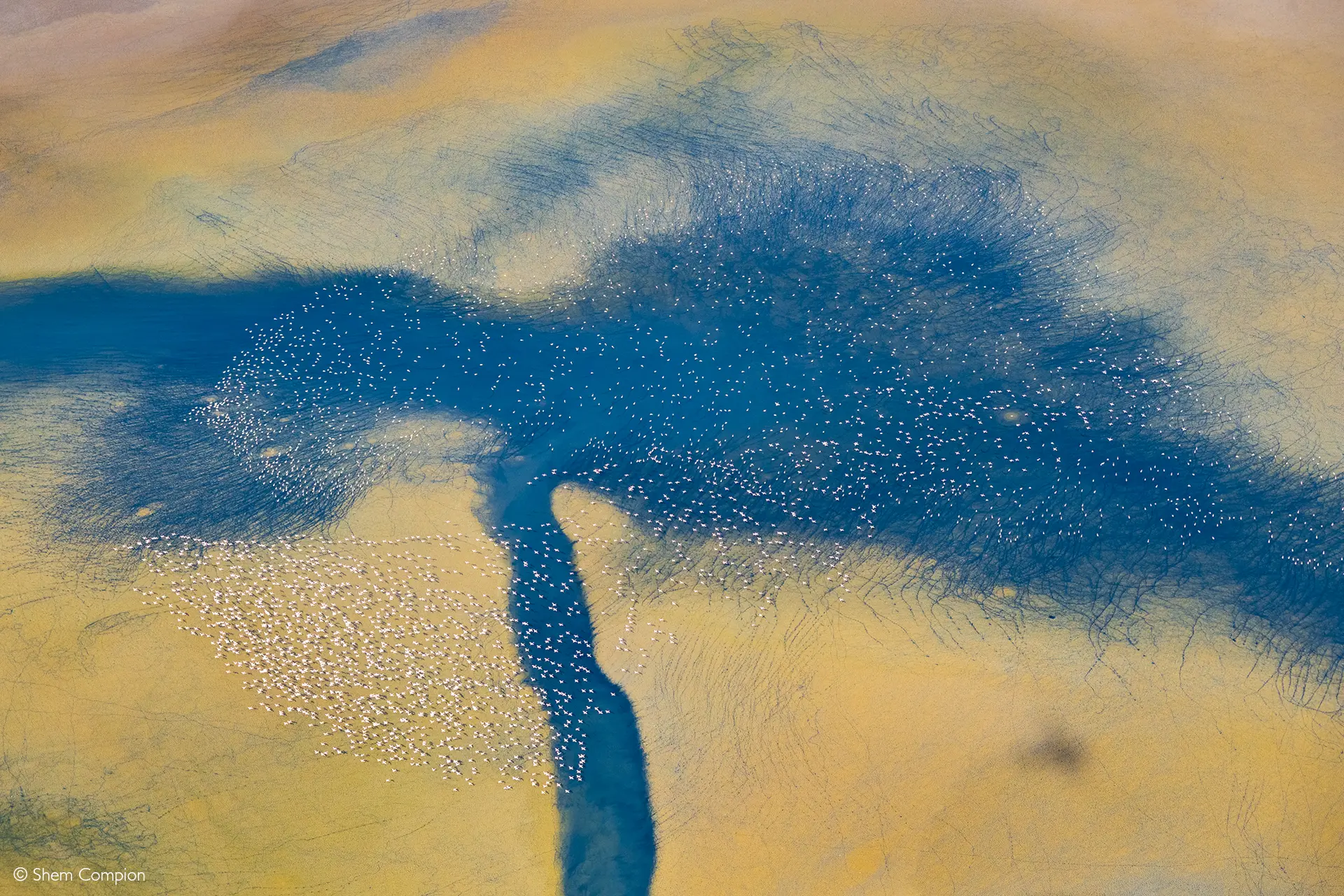
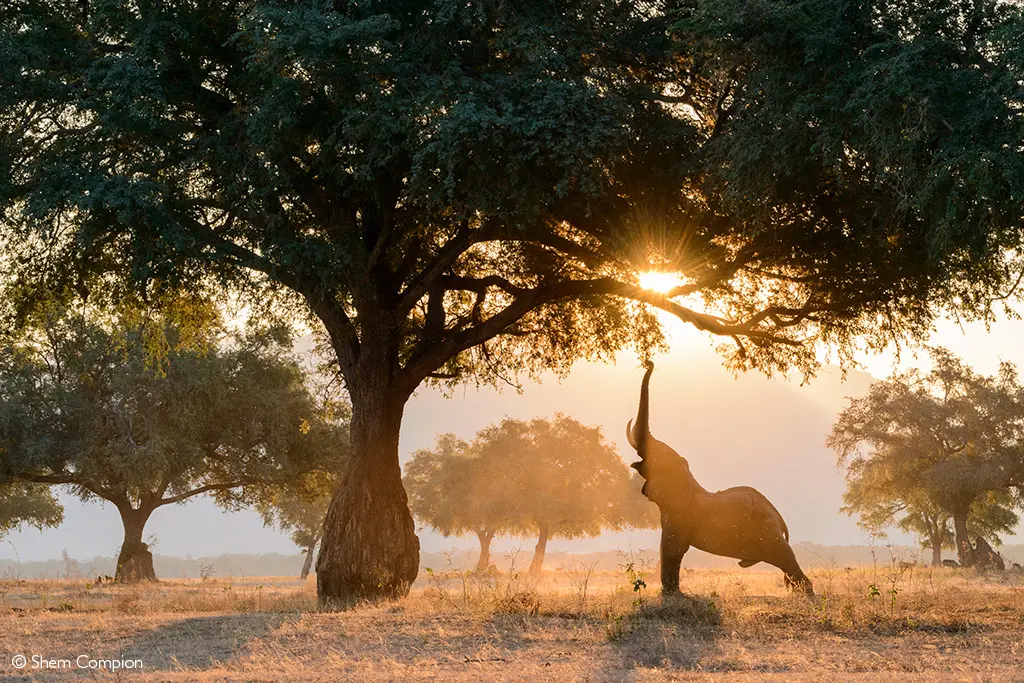
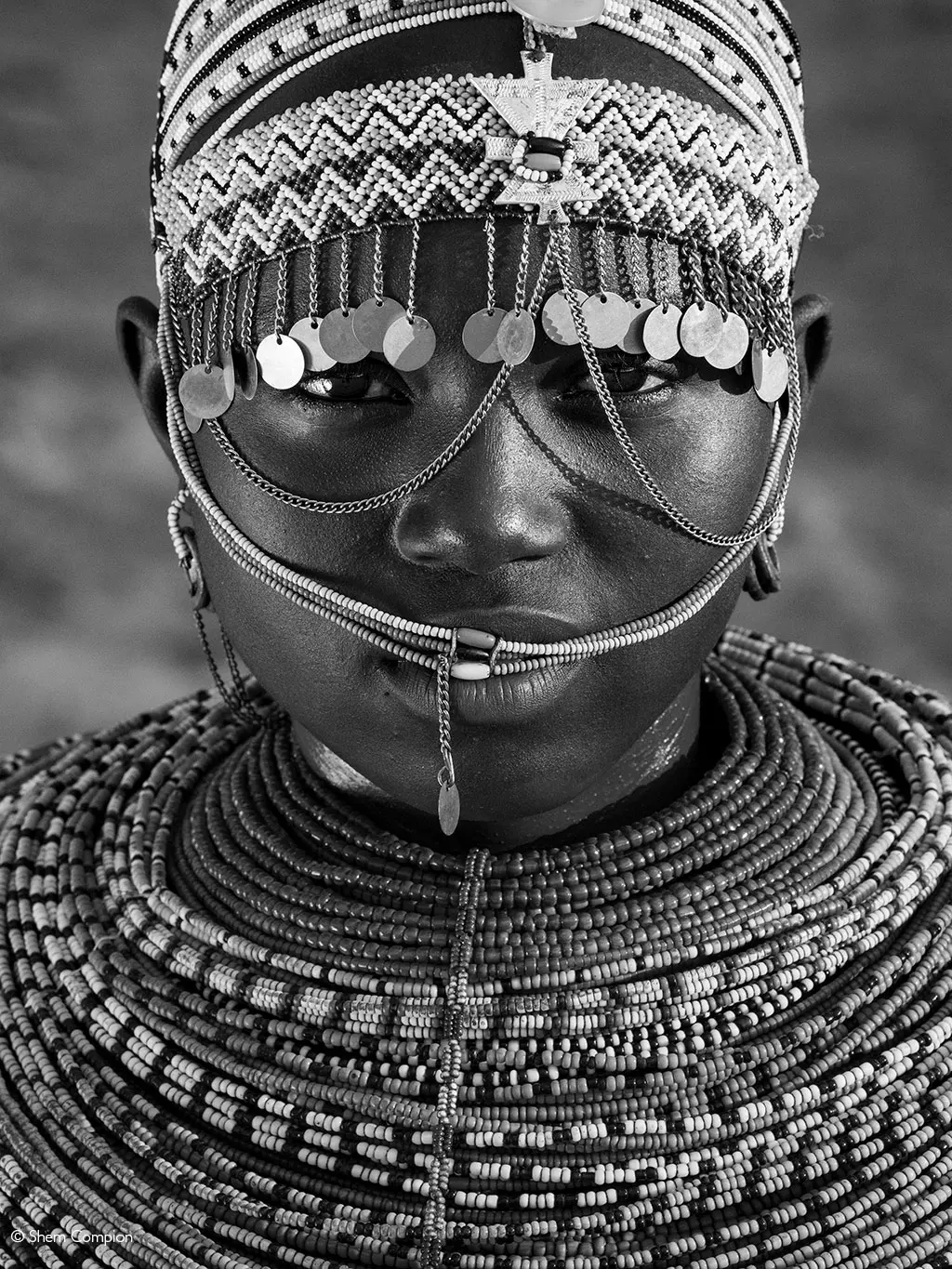
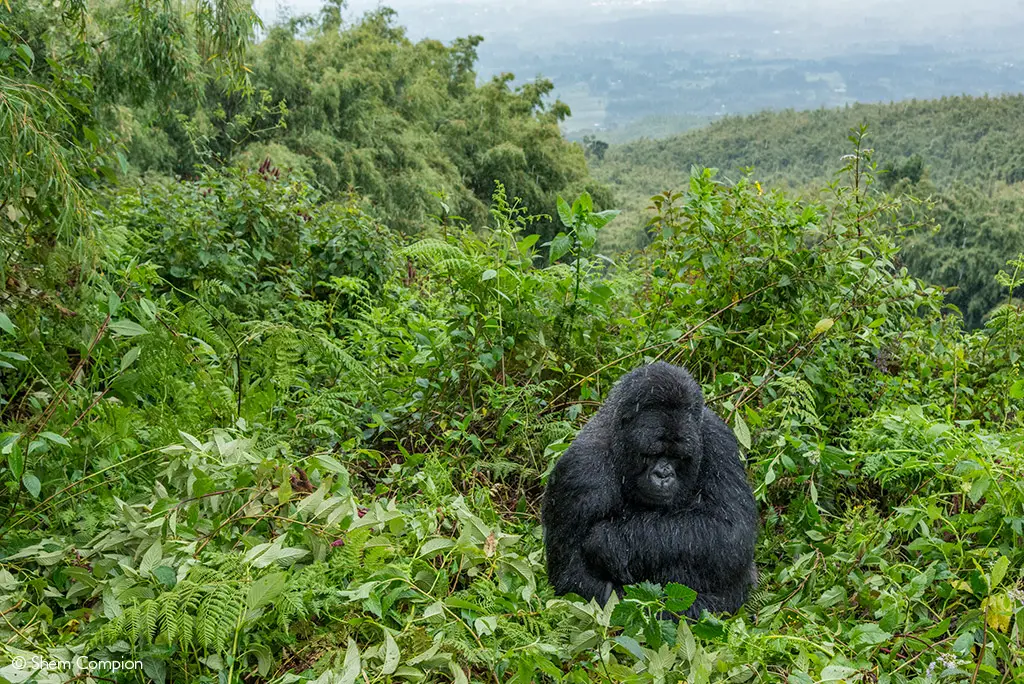
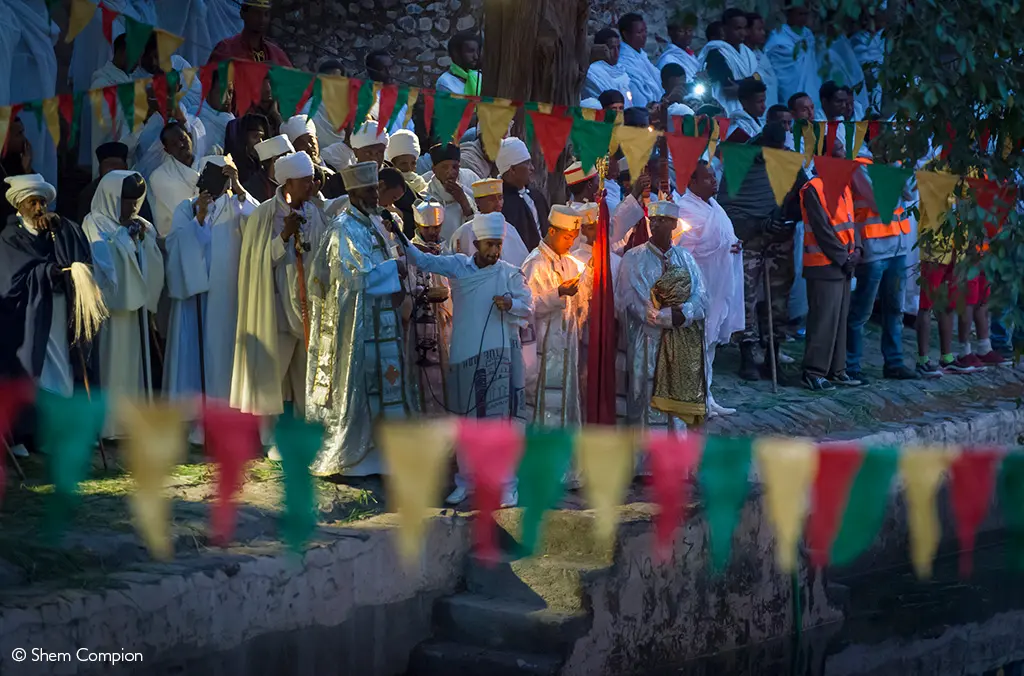
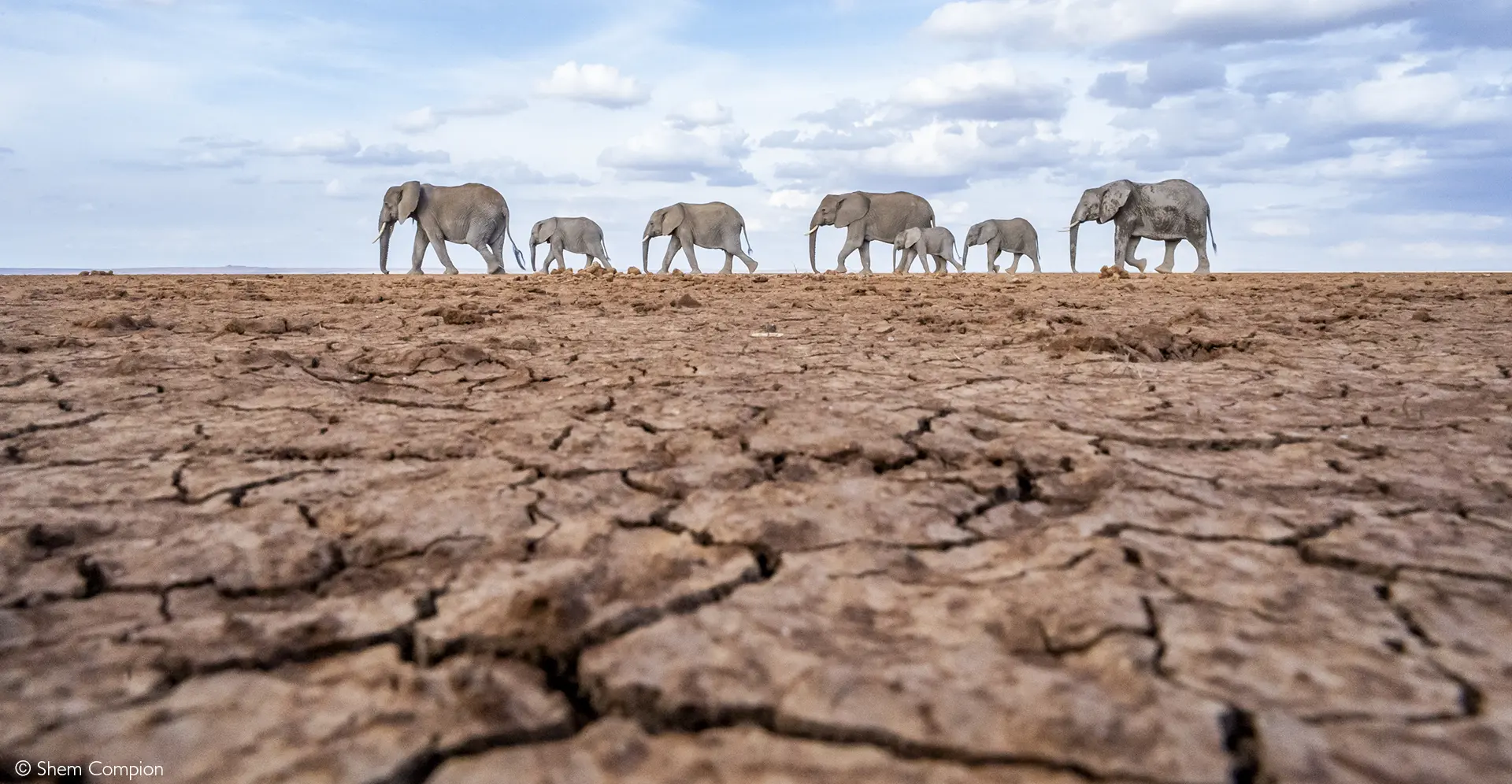
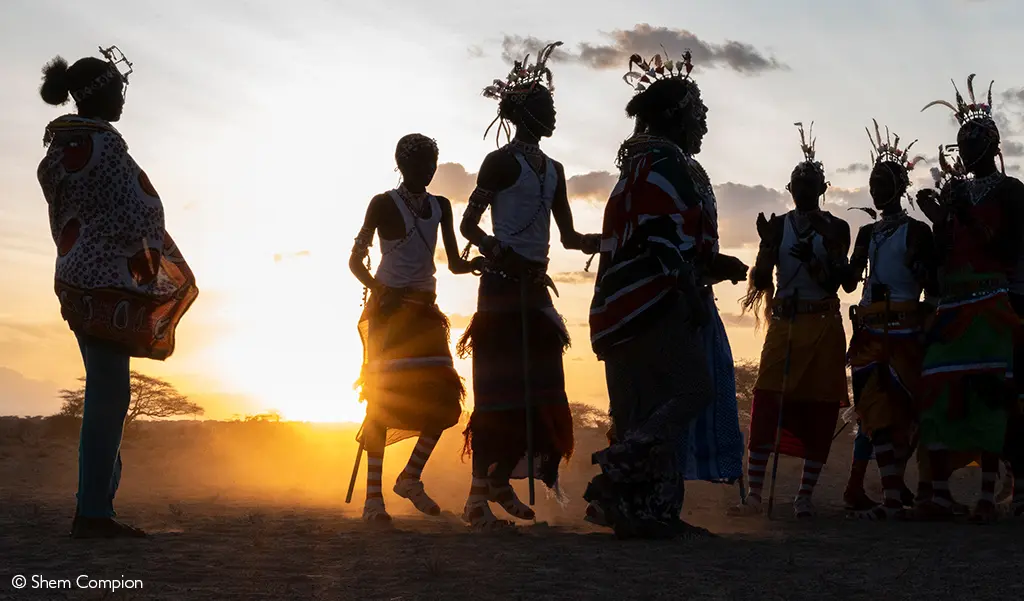
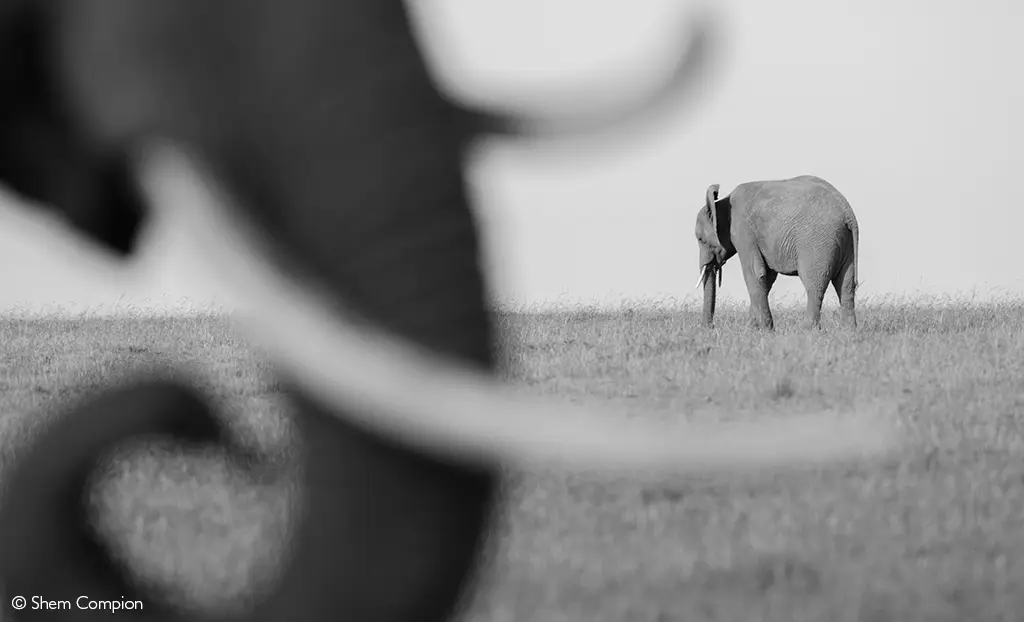
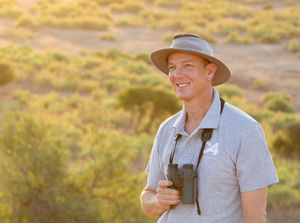 Shem Compion was born in Cape Town, South Africa. He has been a photographer since 2000. He has spent much of his life exploring Africa, previously living for seven months in a Land Rover, climbing volcanoes, and building specialist wildlife photography hides. He is the co-founder and Managing Director of C4 Photo Safaris, the co-founder of Photo Mashatu, and the co-founder of Nurture Africa Safaris. His images have won awards in some of the most prestigious photography competitions around the world. In 2021, he co-produced the acclaimed documentary Zero To Zero, covering the Covid pandemic in South Africa. His naturalist skills and creative photographic approach have also seen him work with the BBC’s Natural History Unit on the landmark series Planet Earth, as well as two series of Netflix’s Tales By Light. He published his first book A Landscape of Insects in 2009 and has since published six other titles, including If Trees Could Talk and a three-part series Insider’s Guide: Top Wildlife Photography Spots, exploring the most remote destinations in southern Africa. He is a popular speaker at international photography and nature events. He is also a fellow of the Royal Geographic Society, London. He is currently based in Pretoria, South Africa. Read more about Shem here:
  Born of volcanic forces, the Rift gave rise to immense geological textures and extraordinary ecological diversity. It reaches from deep pasts into unfolding, still undefined futures, touching every part of our planet.