


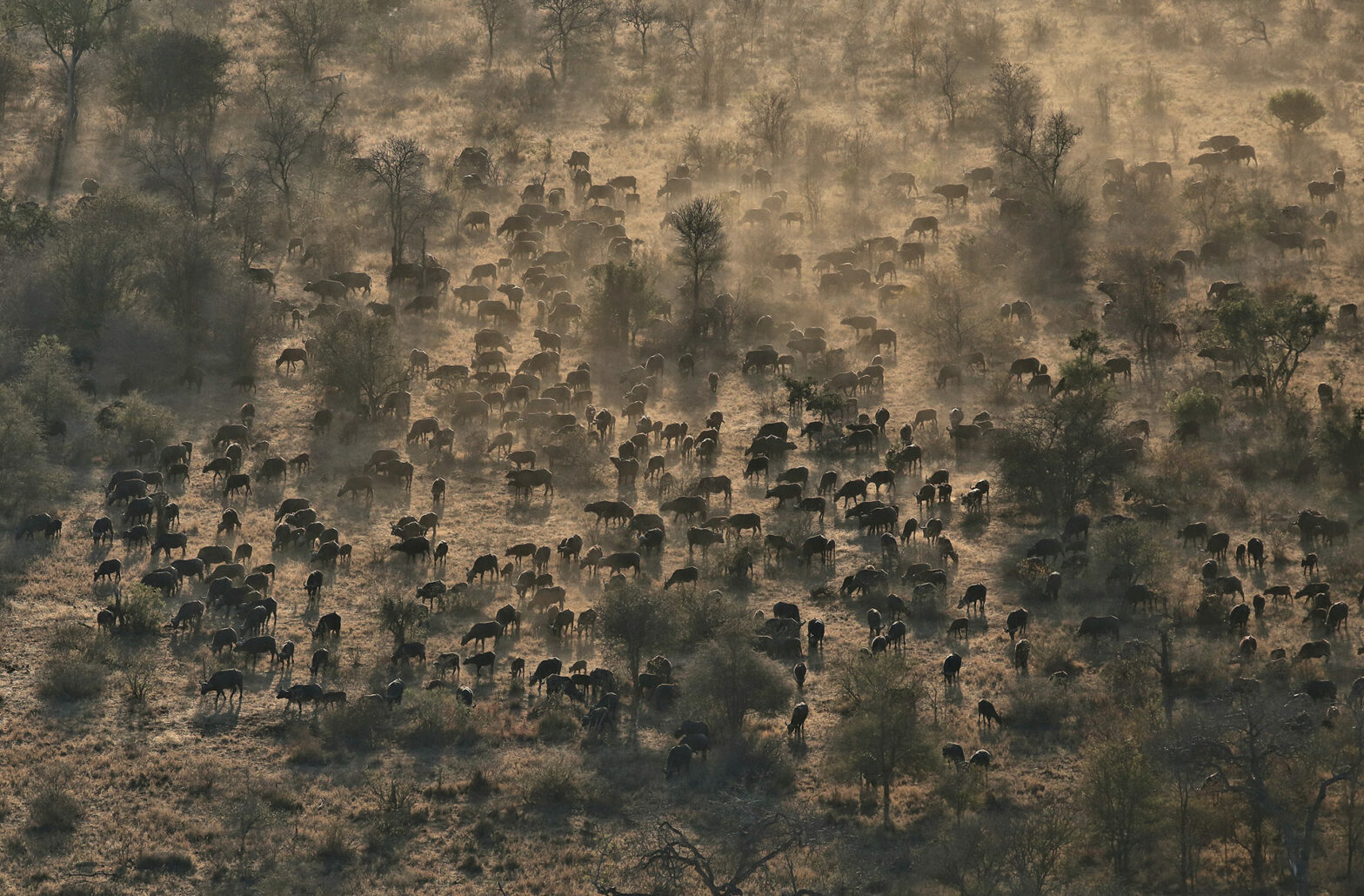
Associated Private Nature Reserves (APNR), part of Greater Kruger, completed their 2021 wildlife census. We analyse the ebb & flow of results
Category Archives: Decoding science
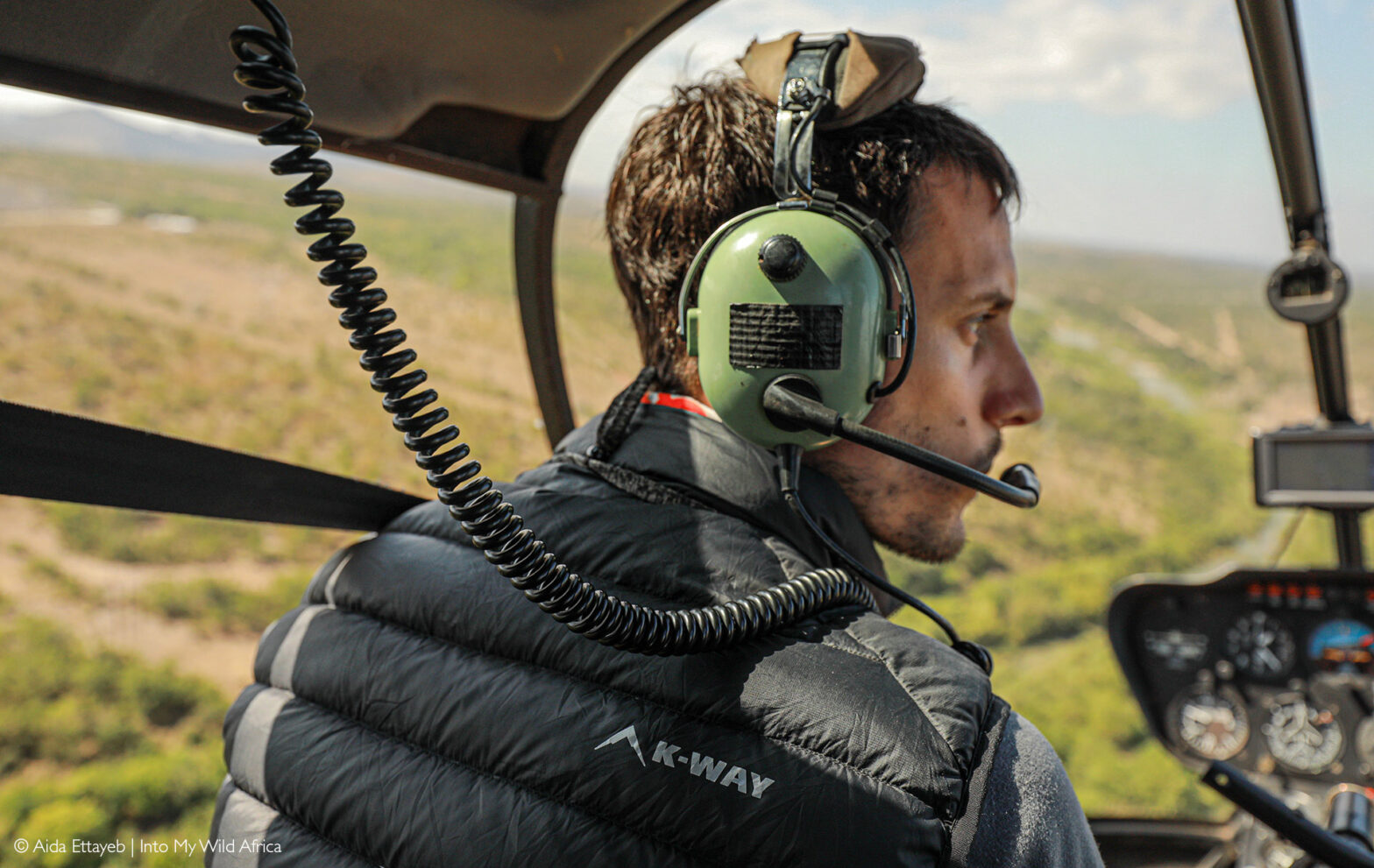
Counting animals – the technology helping conservationists
Counting wild animals can be a complicated process, particularly when estimating populations in some of Africa’s massive protected wild areas
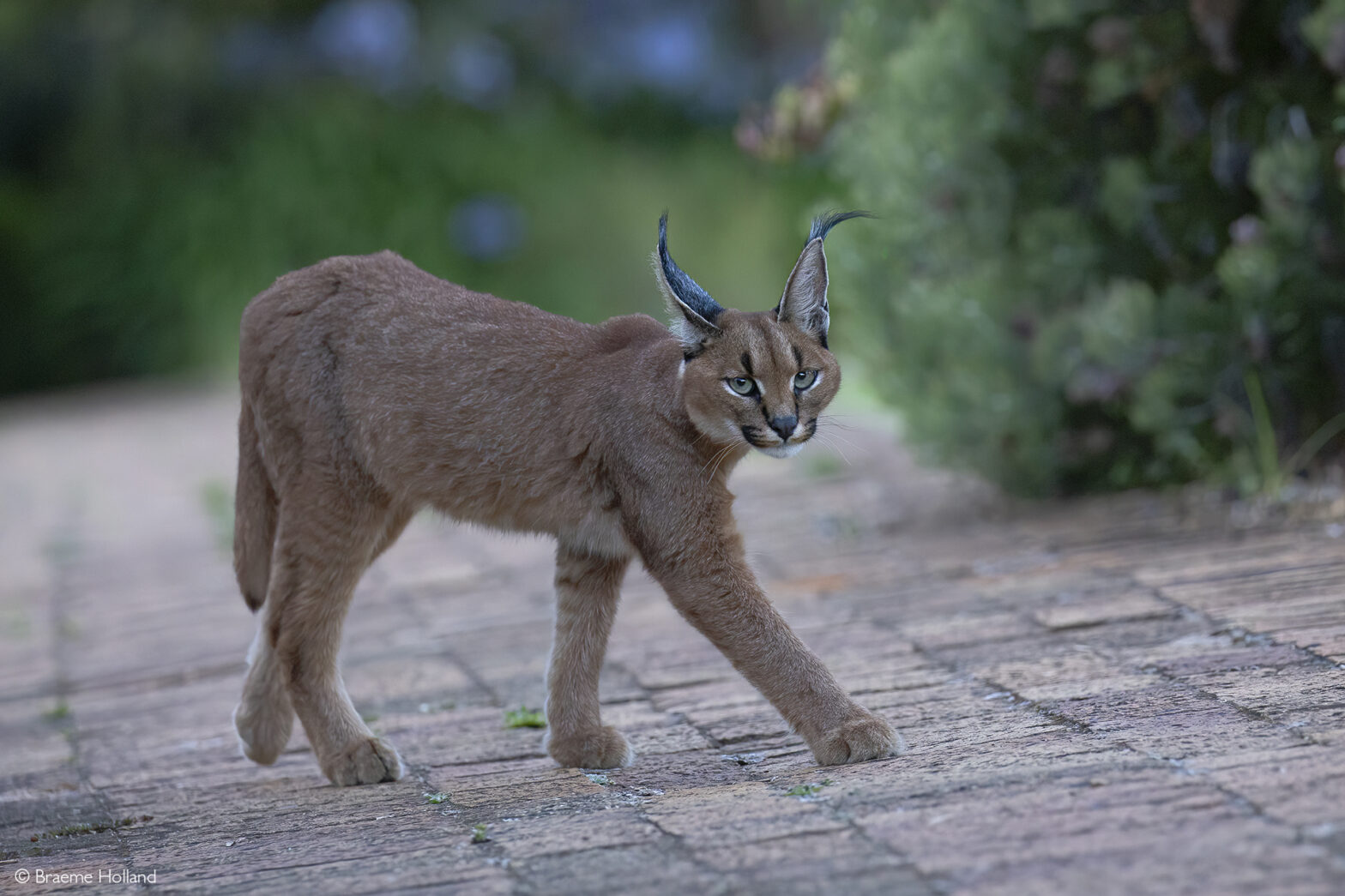
Caracals of Cape Town – navigating a landscape of fear
Caracals navigate the dangers of the urban Cape, attracted to the edge of urban spaces at a significant potential risk – new research.
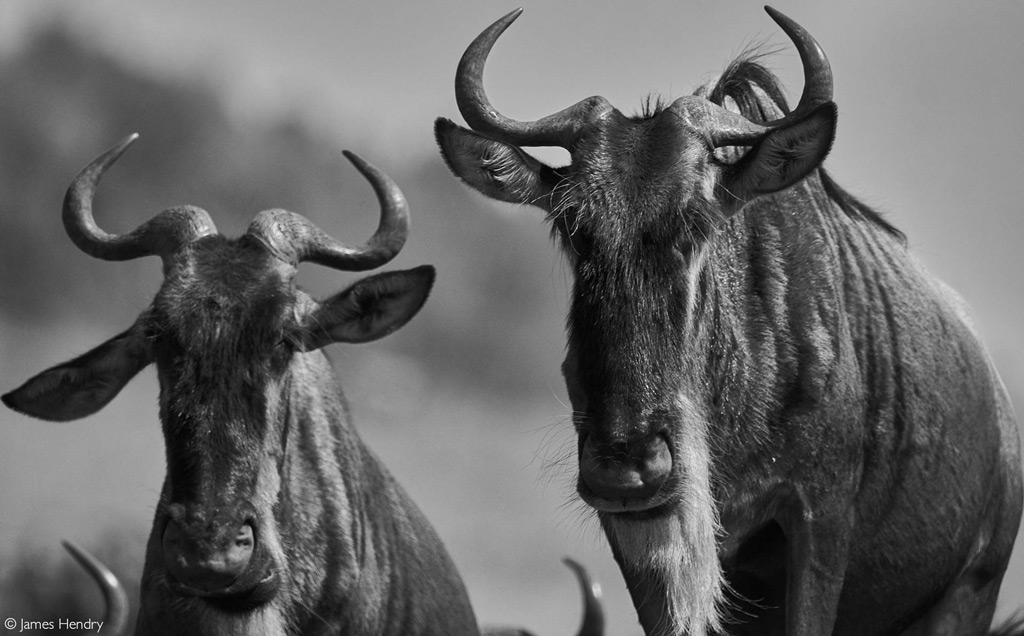
Wildebeest sleep and the mysteries of slumber
Wildebeest sleep for just four and a half hours in a 24 hour period – most deeply in the dead of night – says new research
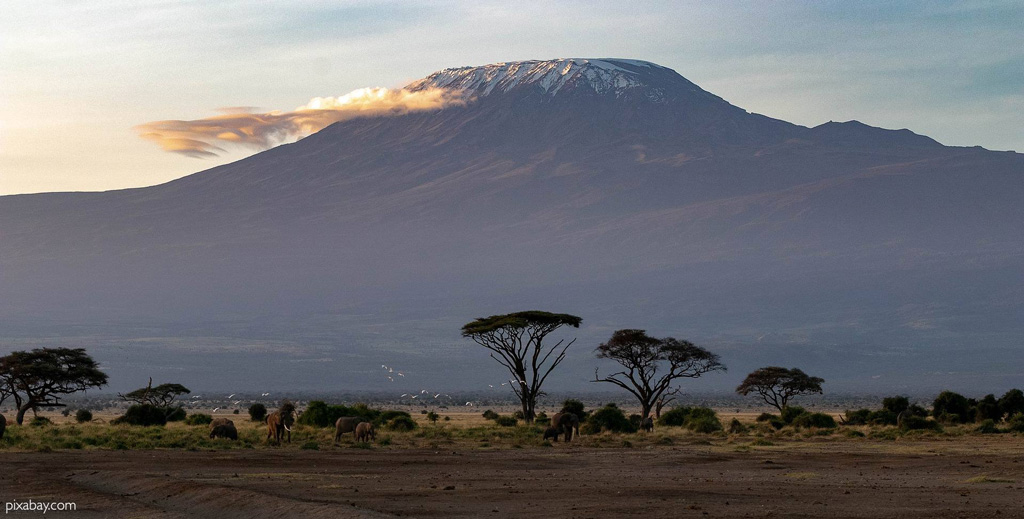
How the Kilimanjaro glaciers left truth in the cold
Kilimanjaro’s disappearing glaciers have been a symbol of climate change for more than than 15 years. Science says it is much more complicated.
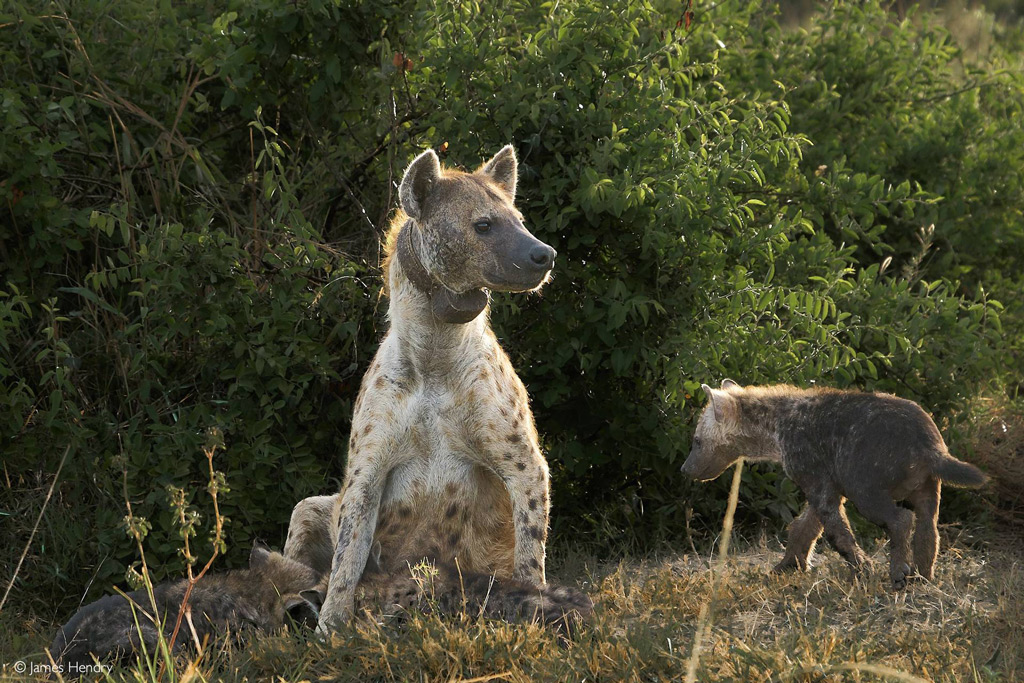
Do tracking collars impact animals negatively?
New research indicates that animals fitted with tracking collars, experience no long-term, negative effects. Further research is needed however.
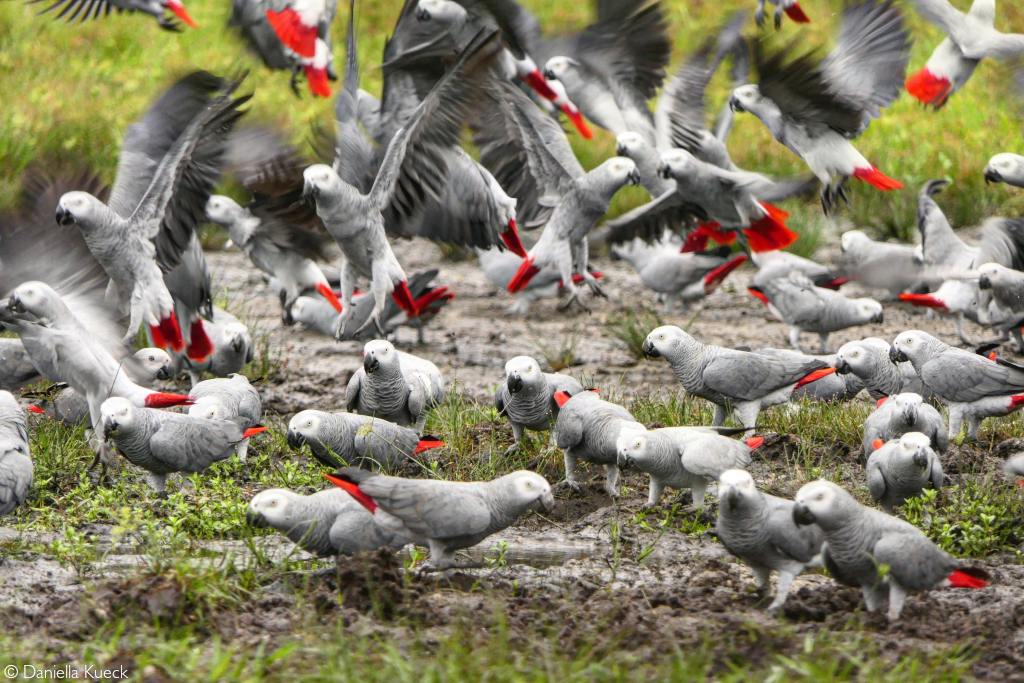
African grey parrots in traditional medicine
African grey parrots are targeted for medicinal and spiritual practices in West Africa. The trade is a significant threat to grey parrots – new research
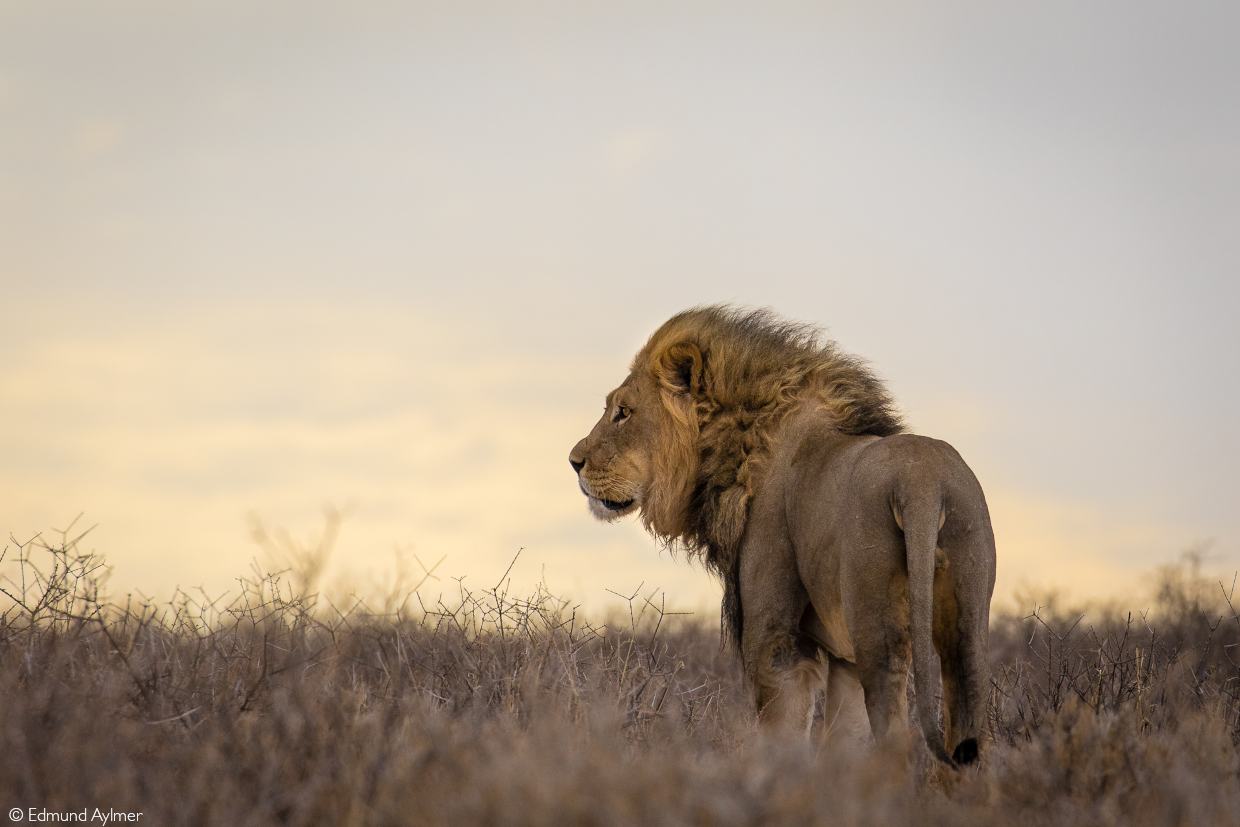
Translocating lions does not reduce conflict – research
New research from Botswana shows that translocating lions in conflict with livestock owners is expensive and results in high lion mortality, repeat offences and very little reduction in human-lion conflict.
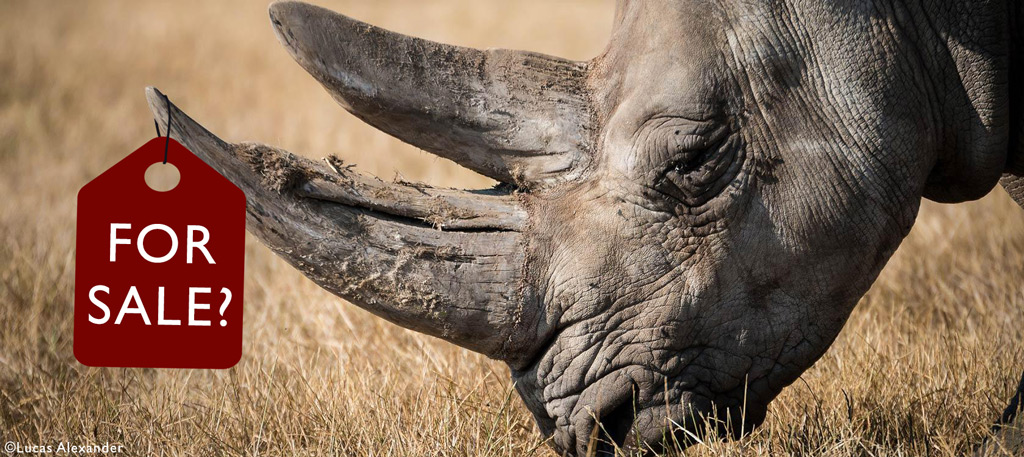
Does the farming and legal trade of wildlife do more harm than good? New study
Farming and legal trade of wildlife could increase demand for wildlife products and so be negative from a conservation perspective – research
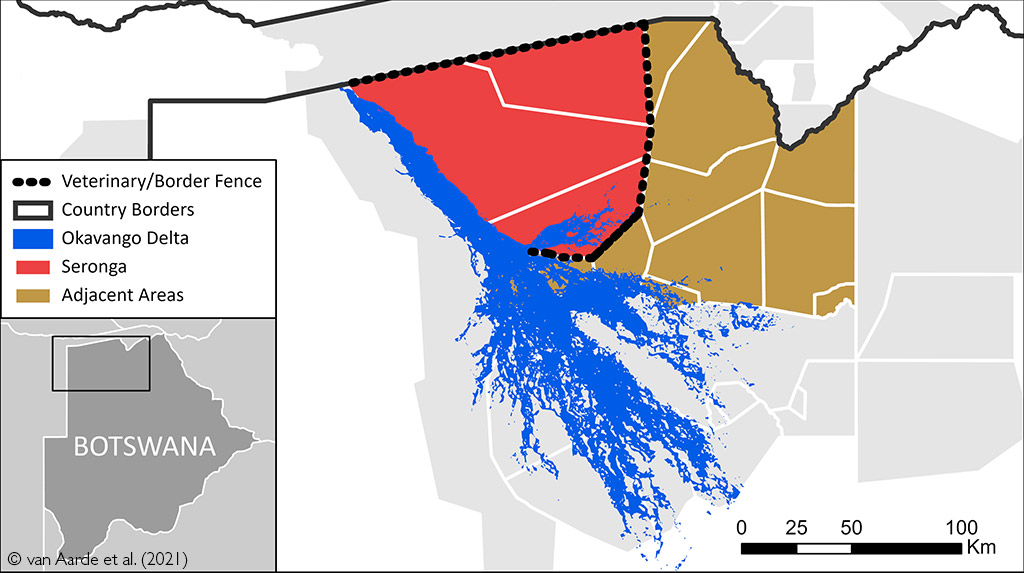
Did fences cause the elephant deaths in Botswana?
New study examines whether fences could have impacted the elephant deaths in the Seronga region of Botswana in mid-2020.
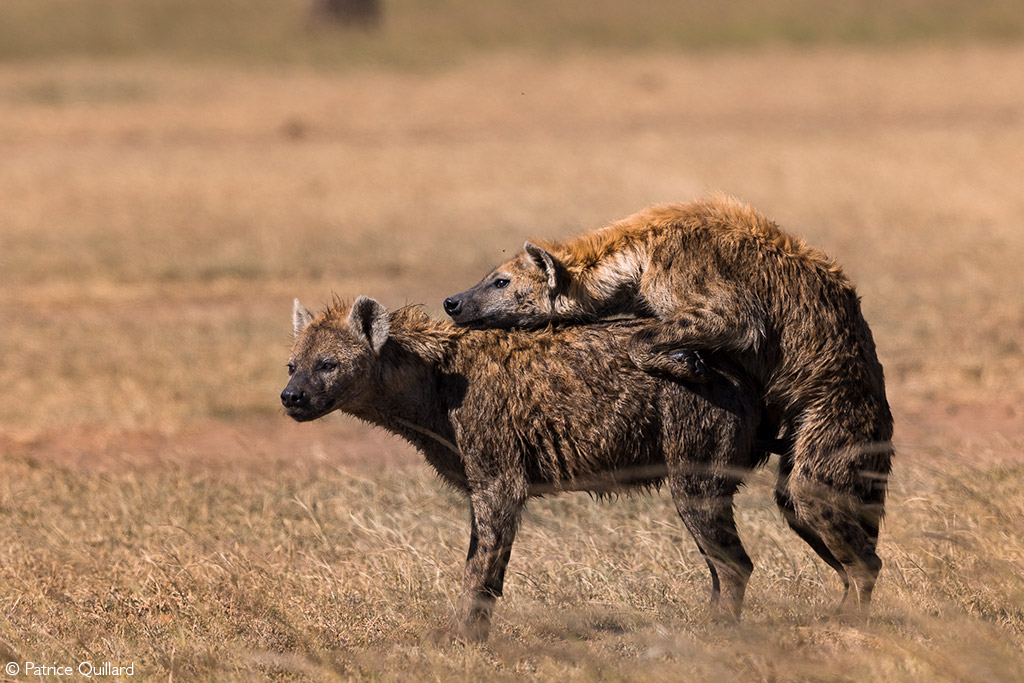
Unravelling the elaborate sex lives of spotted hyenas
High-ranked male spotted hyenas are more reproductively successful than their low-ranked rivals – hormone and behaviour analysis reveals why.
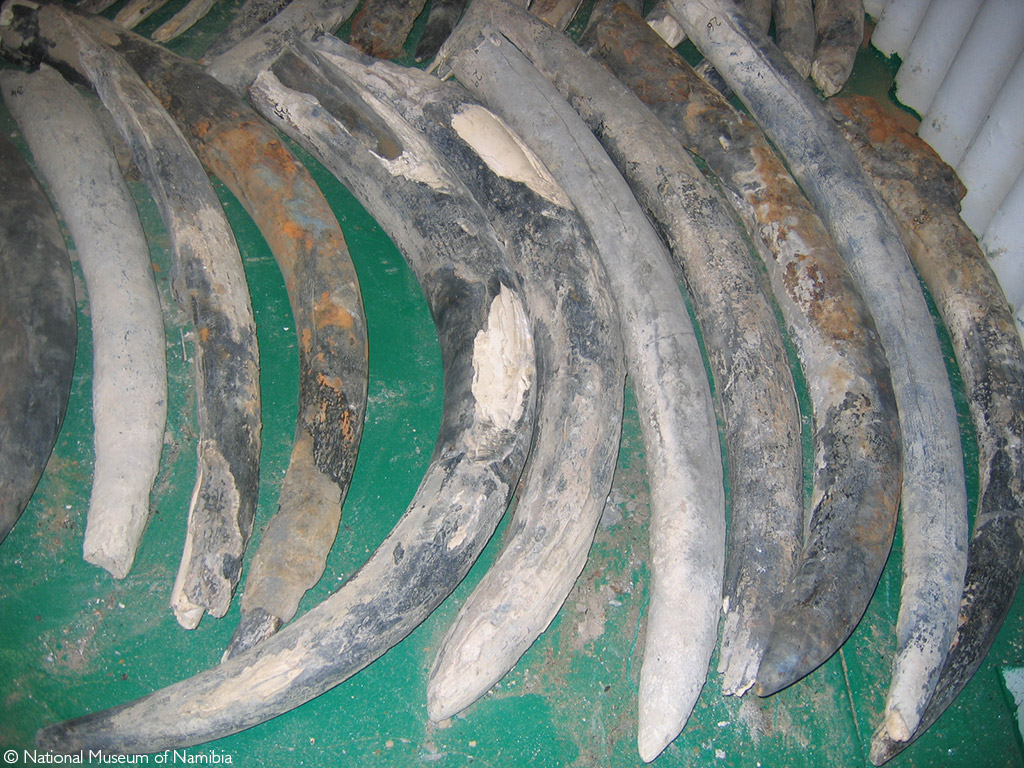
Of ivory, elephants, shipwrecks and slaughter
Ivory recovered from 500-year-old shipwreck reveals details of the ivory trade and how it has devastated forest elephant populations.

Spotting elephants from space
Artificial intelligence and satellite images can help conservationists count elephants from space, says new research.
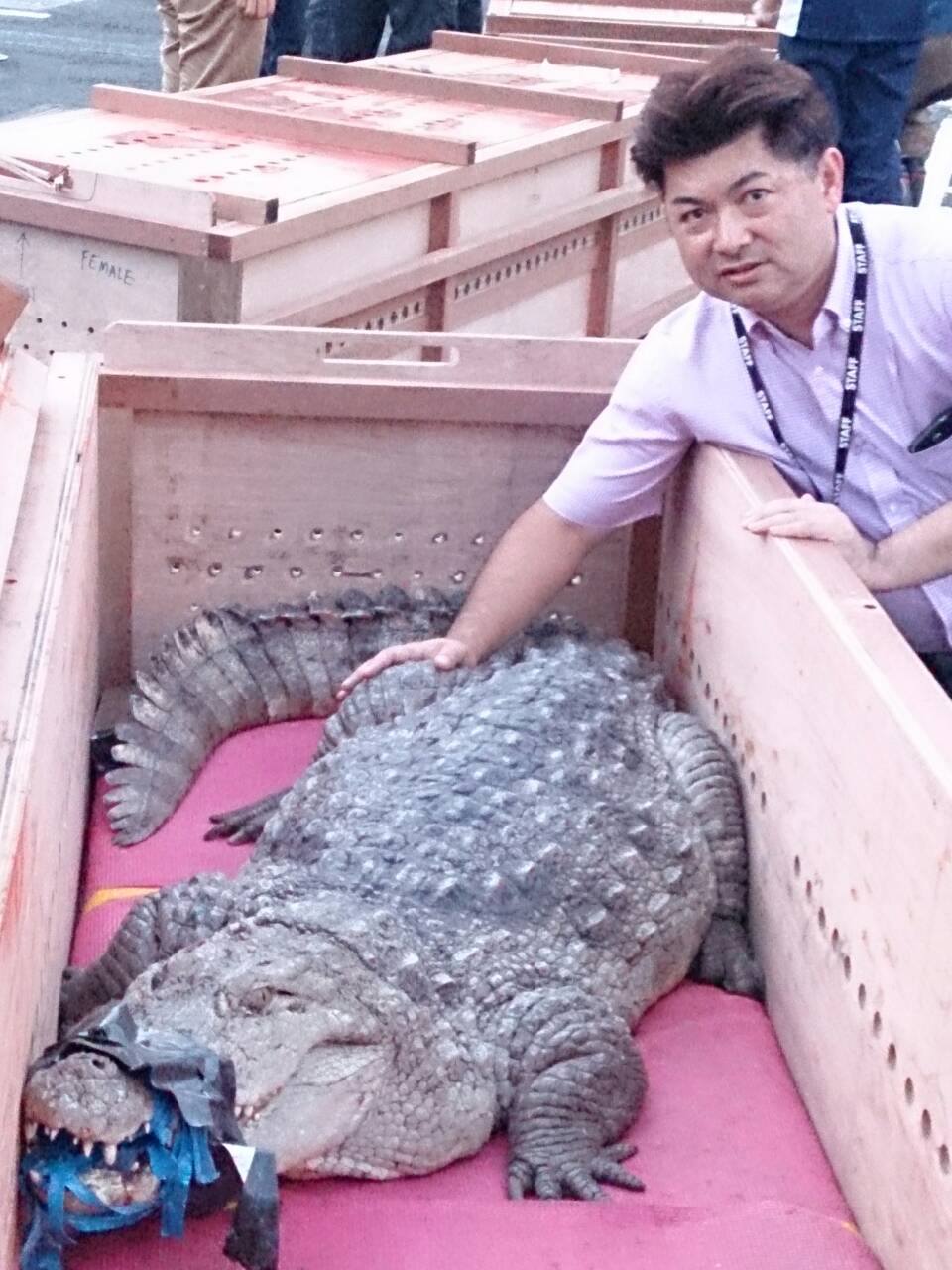
The extinction business – South Africa’s cold-blooded reptile trade
South Africa’s amphibian & reptile trade is a growing industry that is unregulated, unsustainable, and unethical – says report
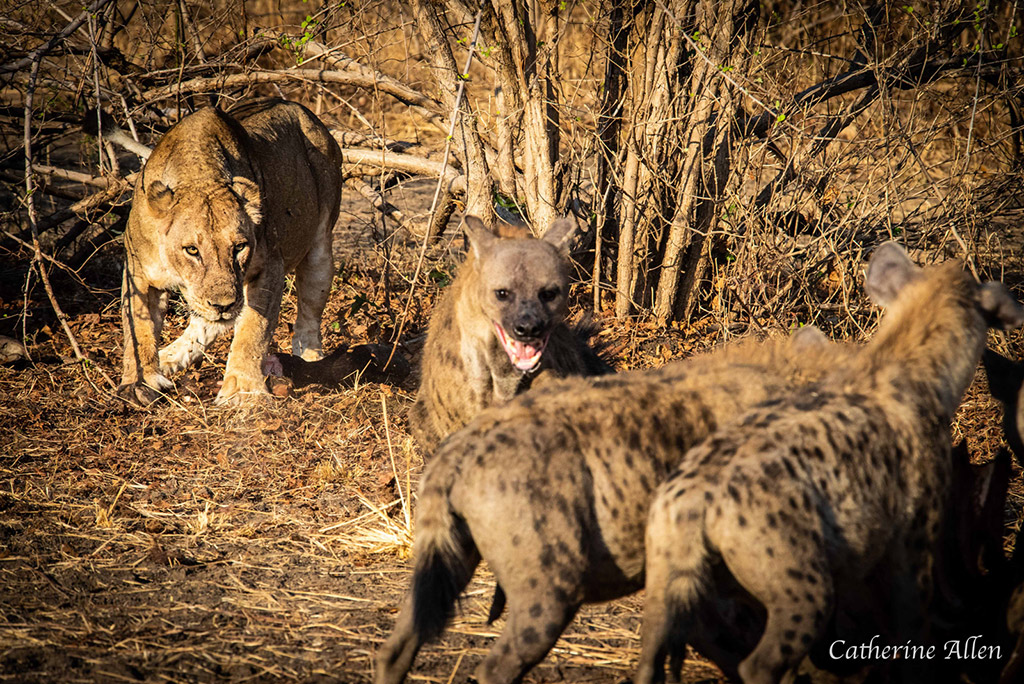
Arch-enemies? New research on lions vs hyenas
Lions vs hyenas is the ultimate African drama. New research has shed light on the dynamics between these two apex predators
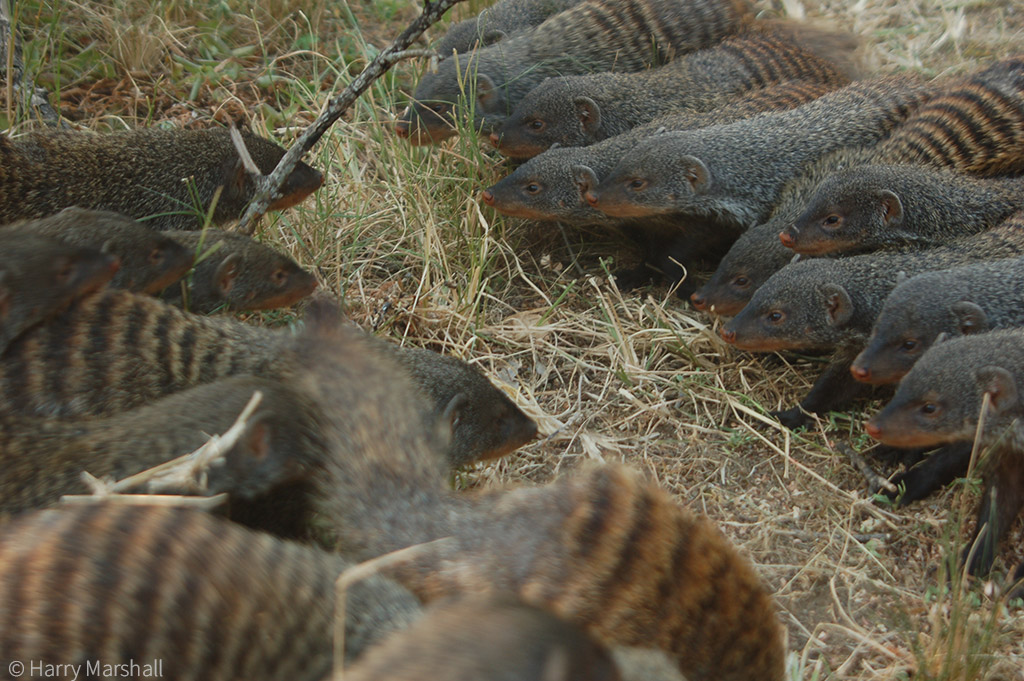
Female banded mongooses incite violence for better mating opportunities
Female banded mongooses lead their groups into deliberate conflict with rival groups to increase their chances of mating – research
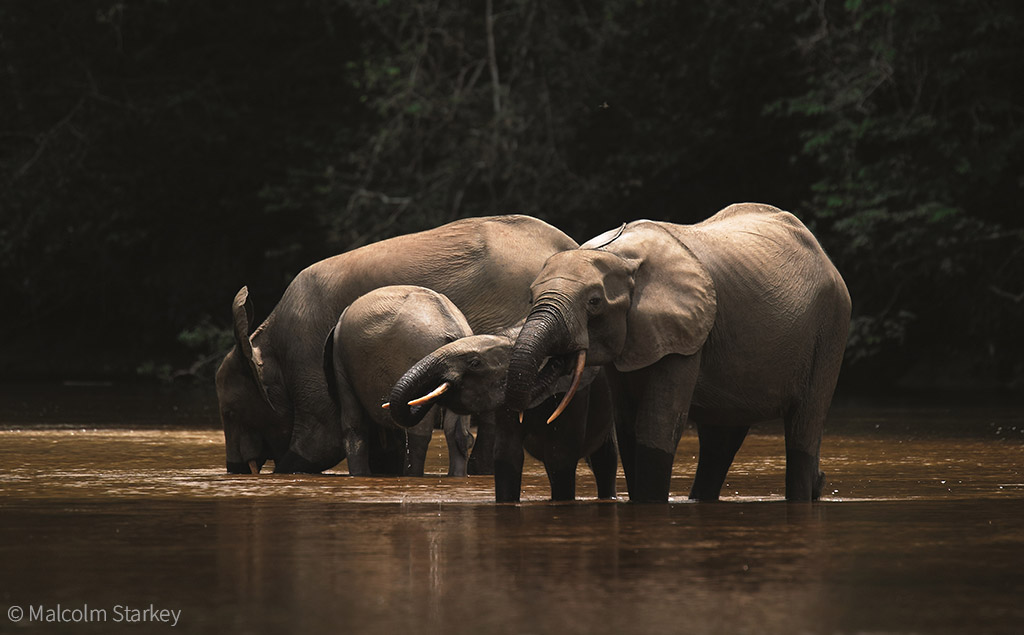
Forest elephants going hungry as climate change stops trees from fruiting
Forest elephants are losing body condition – most probably due to climate impacts on forest tree fruit production – say researchers
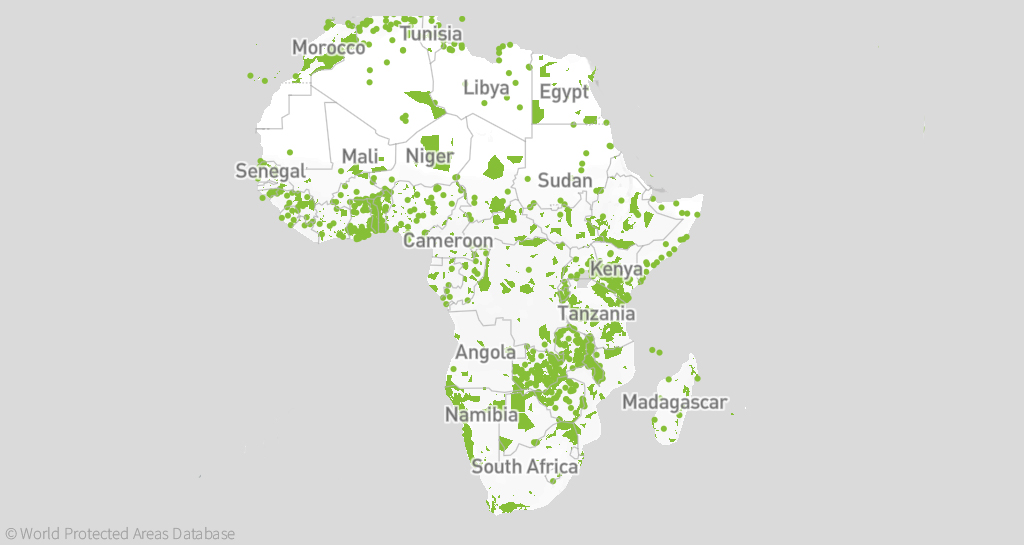
COVID-19 ‘perfect storm’ threatens conservation in Africa
A new report examines just how bad COVID-19 is for Africa’s wildlife and protected areas and what needs to be done to save our wild spaces
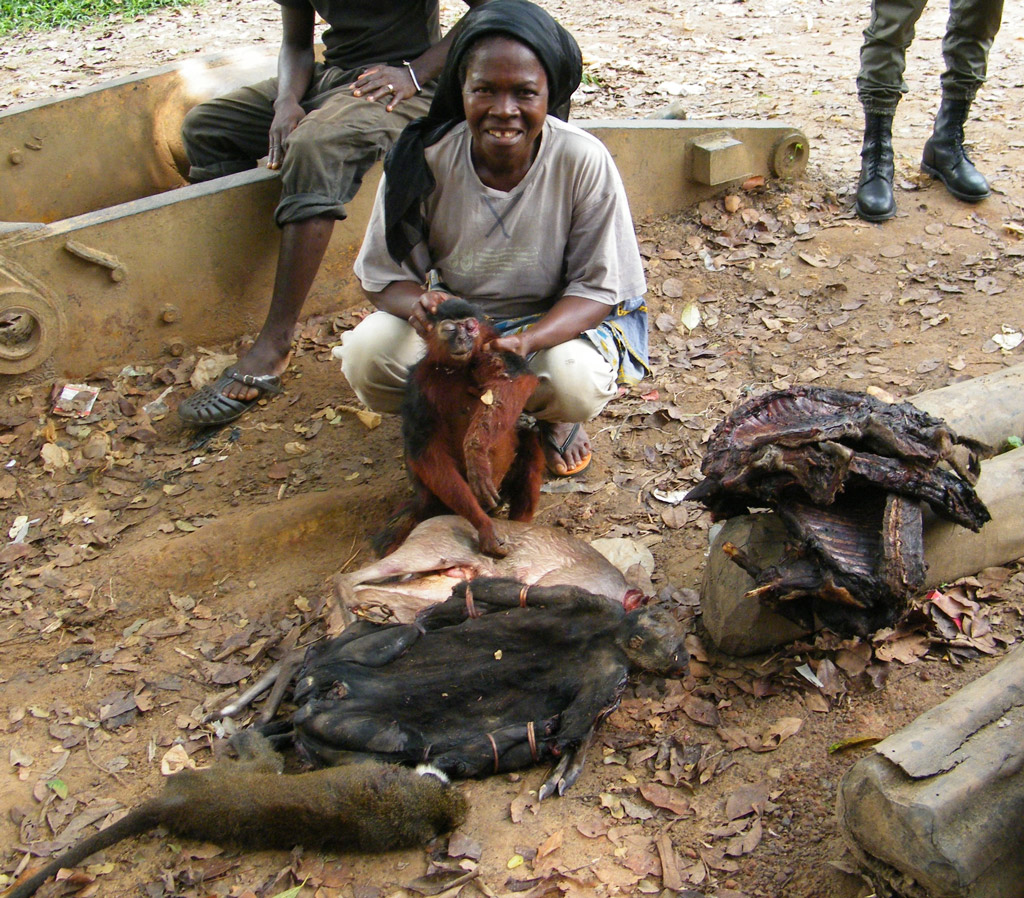
Saving rodents, losing primates – we need tailored strategies to manage bushmeat trade
Viewing all bushmeat trade through one lens over-simplifies the complex situation and could lead to accelerated disappearance of some species

Trophy hunting – how do African people feel?
Trophy hunting: How do African people perceive and react to trophy hunting compared to those from the Western public – research
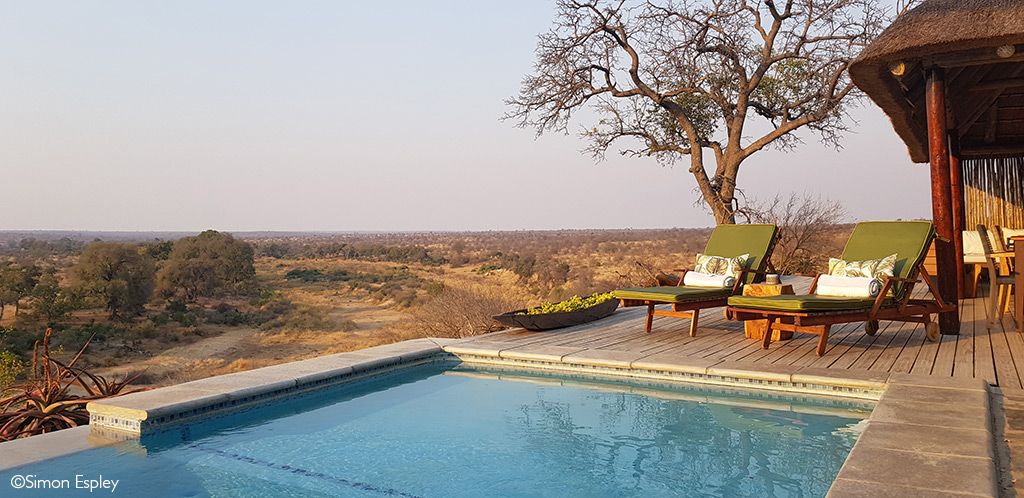
How much water should lodges be using?
How much water should safari lodges be using? The lowering of groundwater levels could compromise the ecosystem and wildlife.
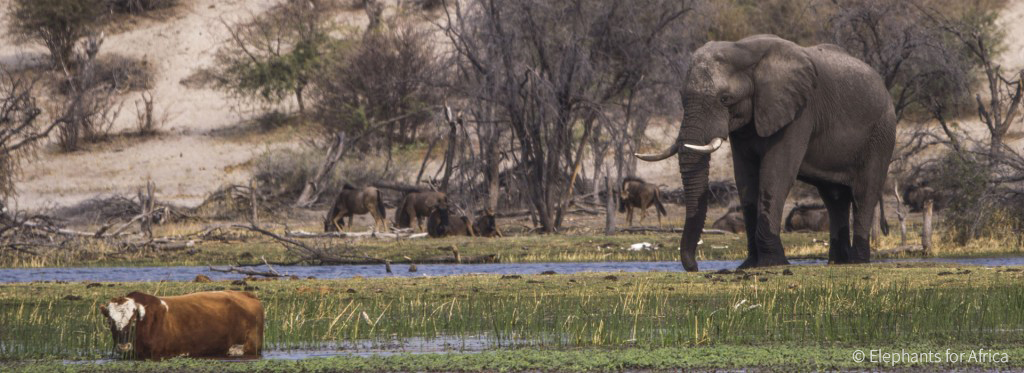
Elephants & cattle – restoring soil nutrient levels
Research shows that elephants can assist farmers by restoring soil nutrient levels when cattle have depleted those nutrients
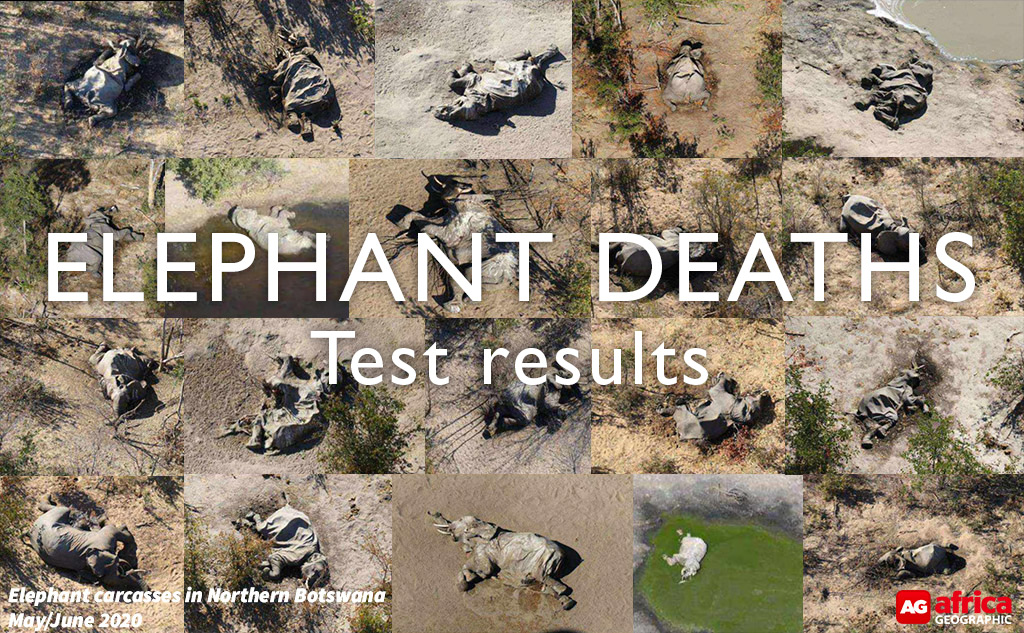
Cyanobacteria to blame for elephant deaths – Botswana officials
Elephant deaths: The sudden deaths of over 300 elephants in Botswana were caused by cyanotoxins produced by blue-green algae, say officials
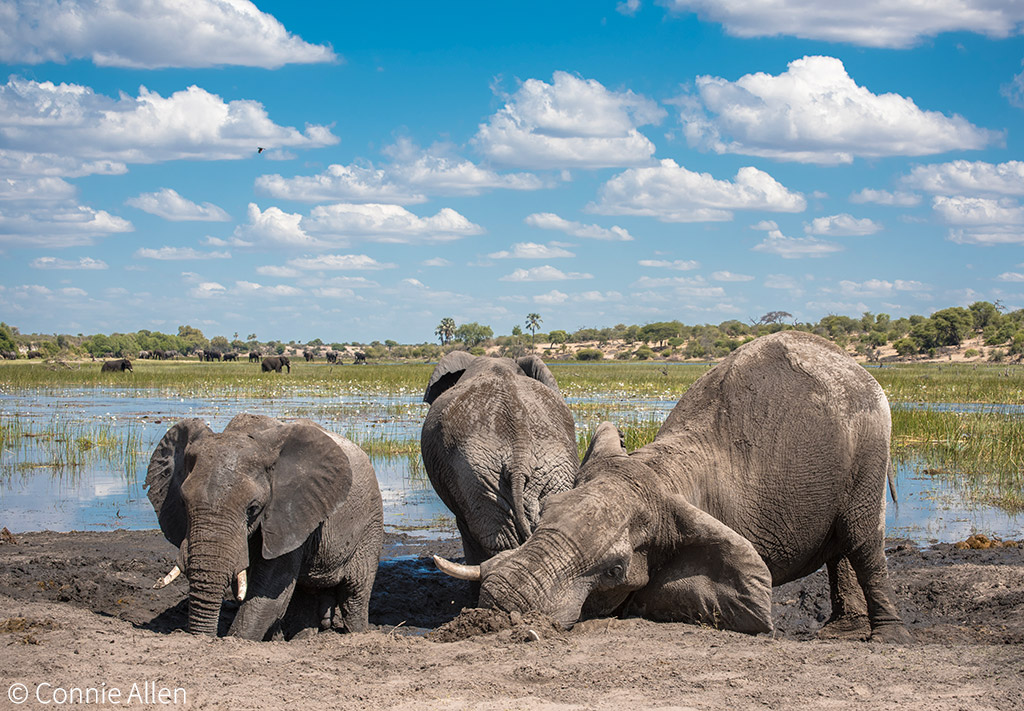
The importance of adult male elephants
The selective harvesting of old bull elephants damages broader elephant society because of the important role played by the bulls – research
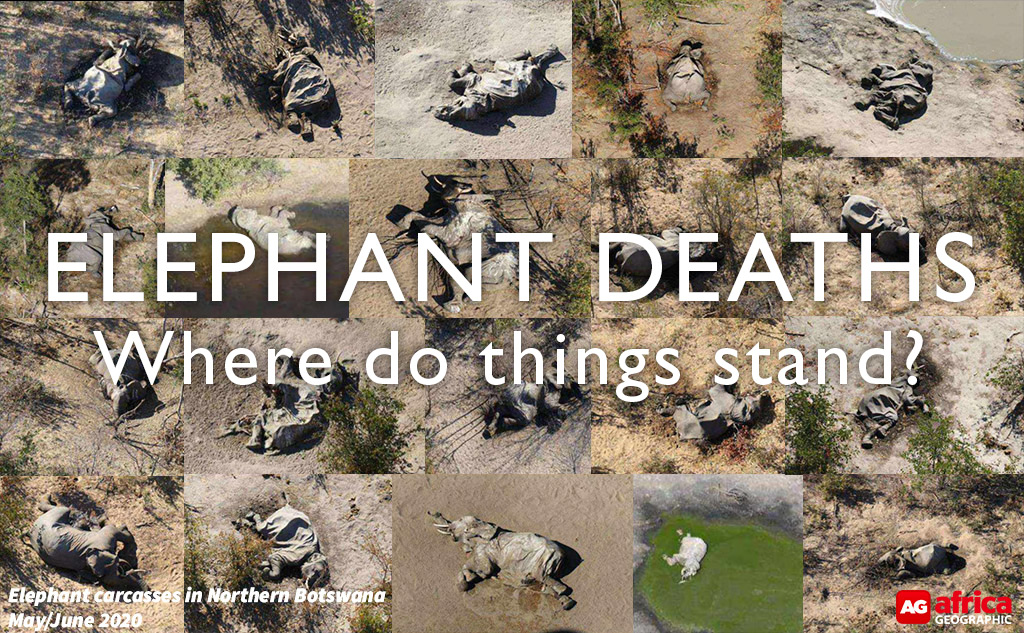
Why are elephants dying in Zimbabwe and Botswana?
Elephants dying: Professor Keith Somerville investigates the mysterious deaths of more than 300 elephants in Zimbabwe and Botswana
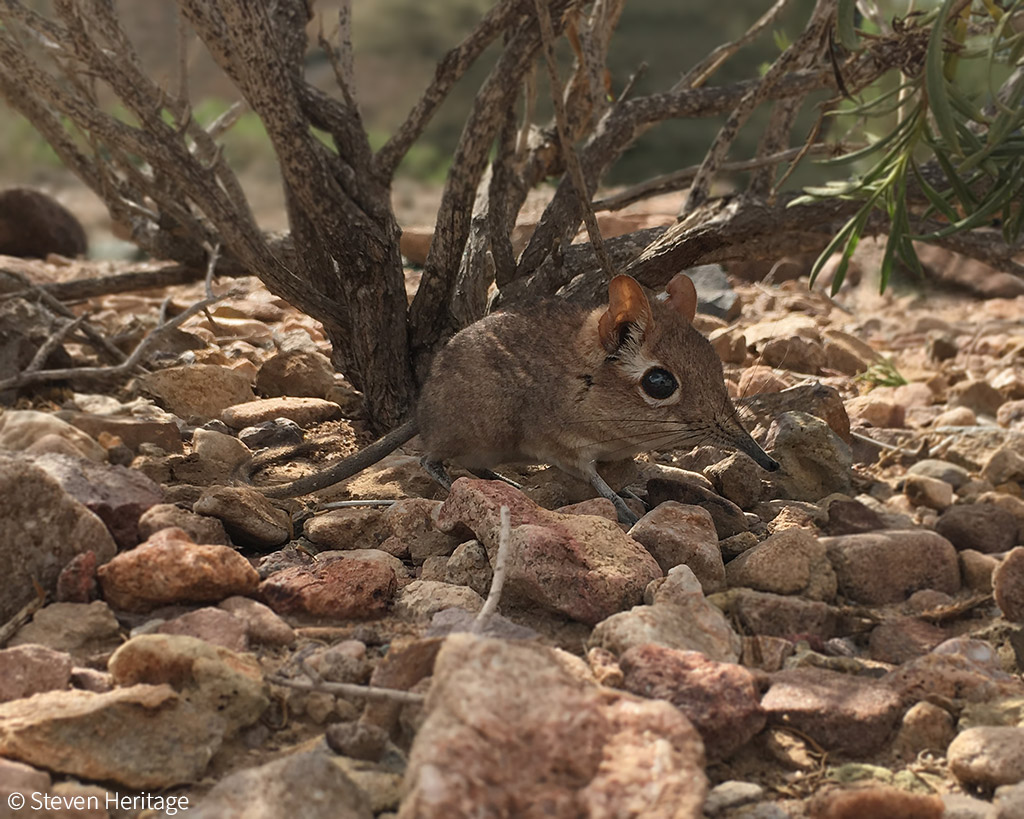
“Lost” species of elephant shrew alive and well
Researchers have rediscovered the Somali Sengi (an elephant shrew) – which was thought to be extinct and was last seen nearly 50 years ago
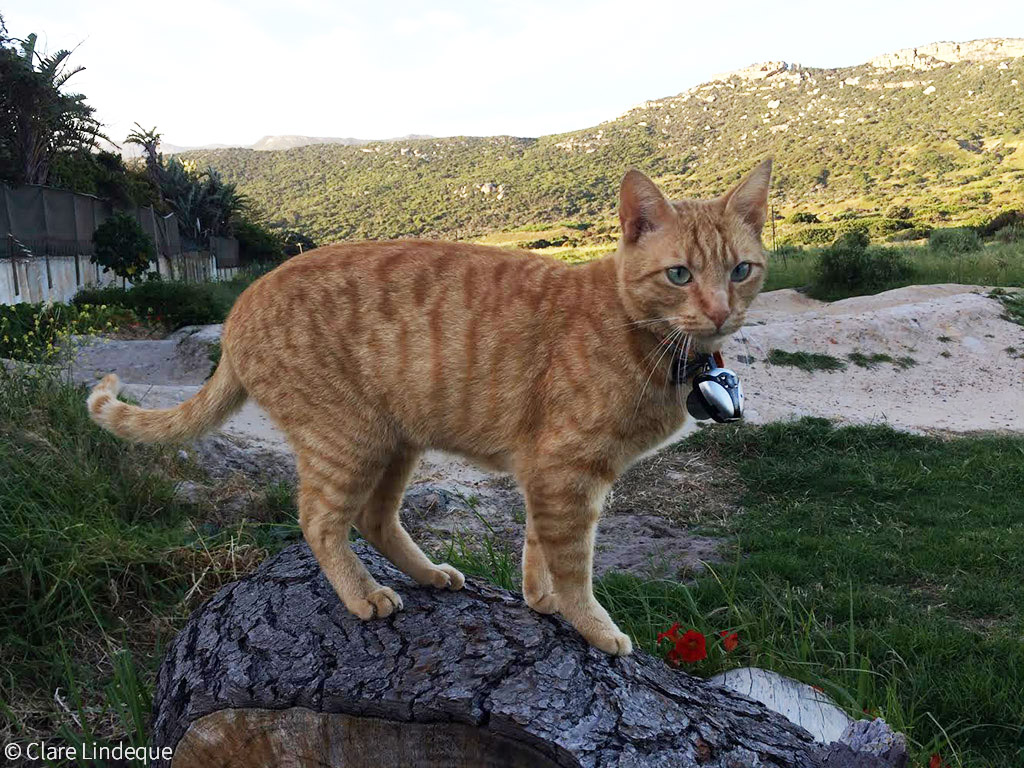
Domestic cat predation on wild animals in Cape Town
The domestic cat is a honed killing machine whose impact on biodiversity in South Africa is only now being fully revealed
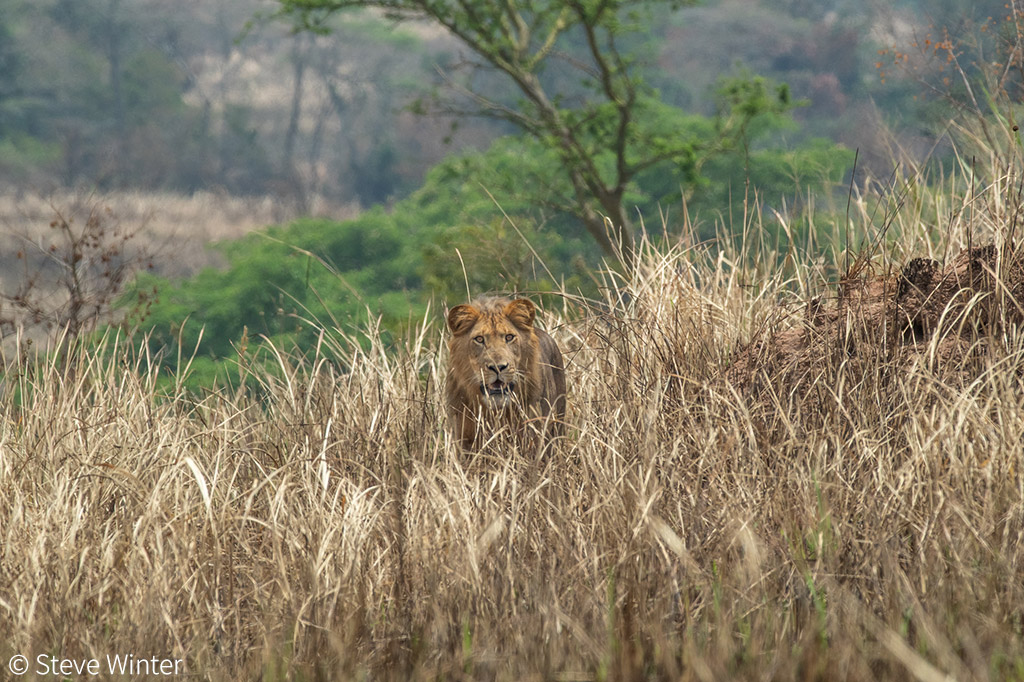
Counting lions: new study shows the importance of good counts for lion conservation
Counting lions using correct techniques is vital to understand how many lions there are. Historical surveys have not resulted in good data
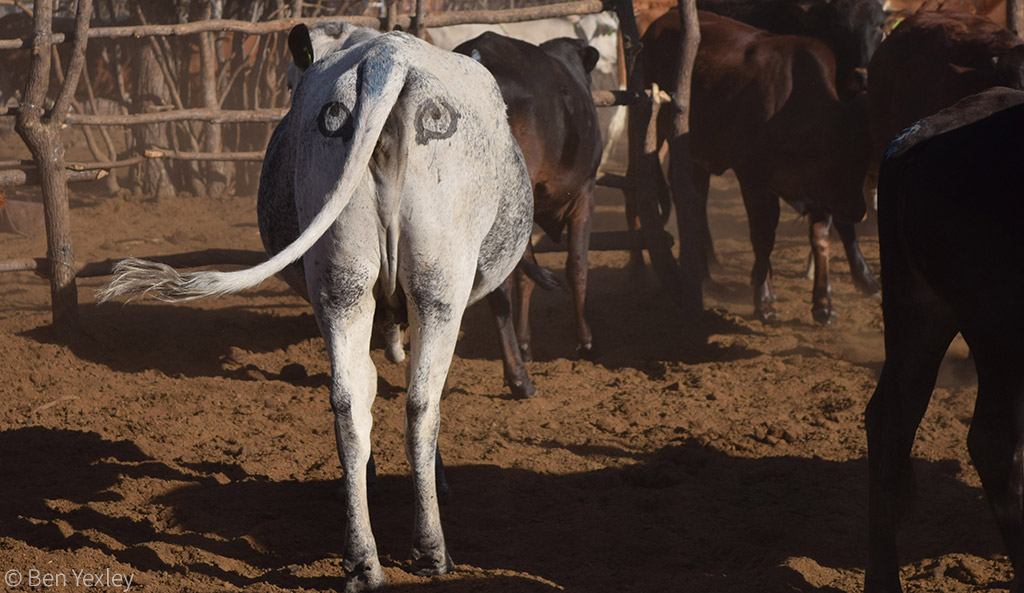
Keeping an eye on predators
Attacks on livestock by wild predators is a common problem in Africa – and scientists say that painting eyes on cattle backsides could help
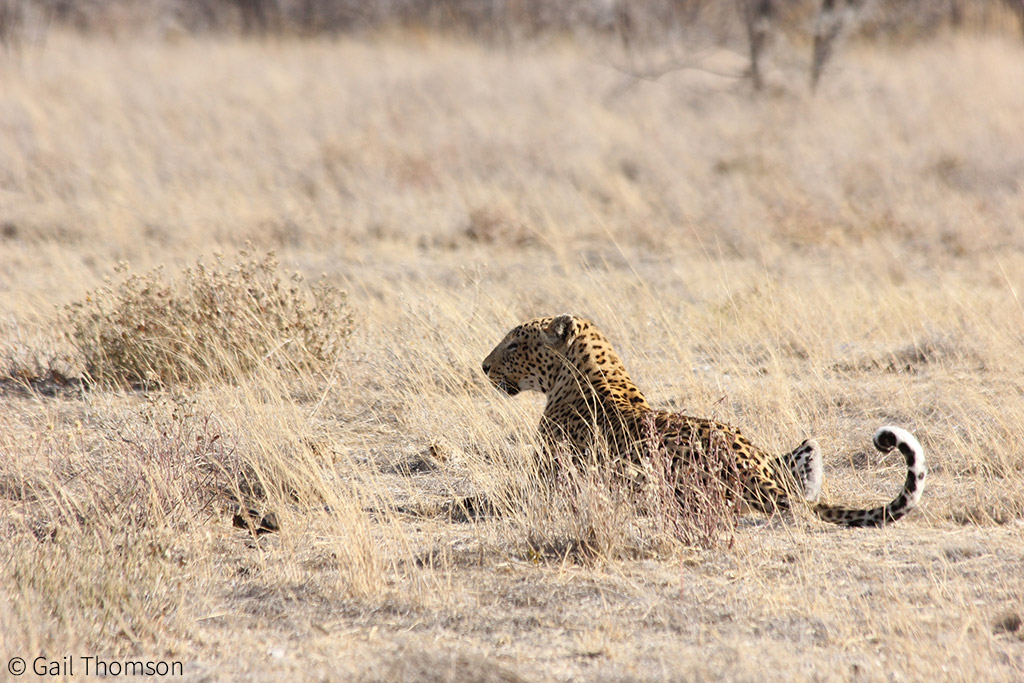
Are Namibia’s carnivores at risk? Calling on citizen scientists
Namibia is conducting an assessment of its carnivores and you can help by using an app to report your sightings as a citizen scientist
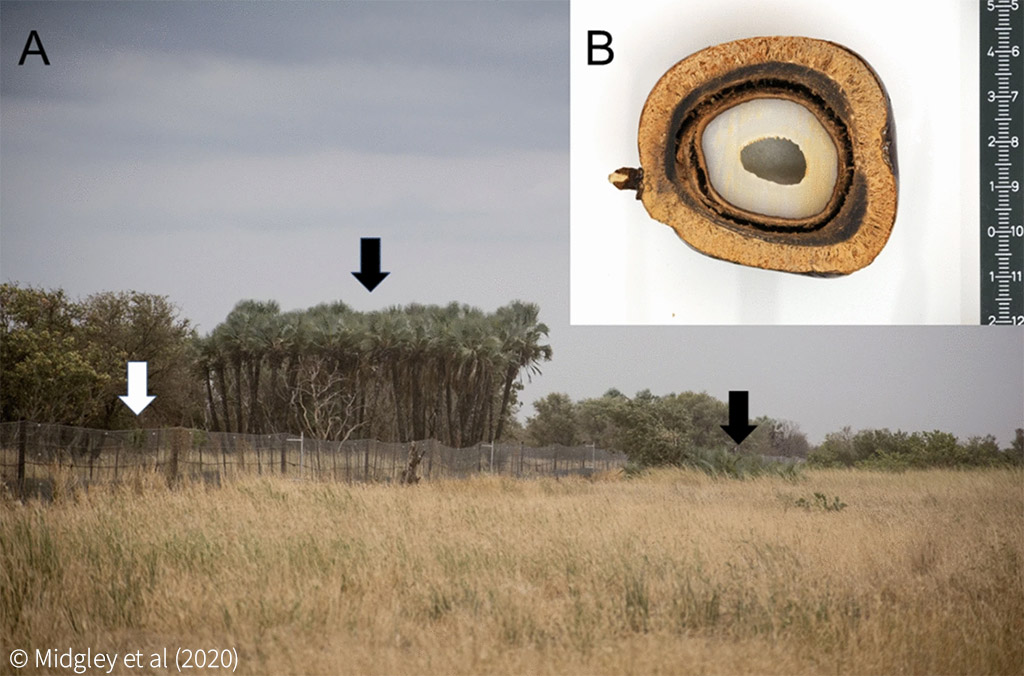
“Living dead” – elephants in Kruger NP are sterilizing palm trees, says research
Elephants feeding on fan palm trees are preventing the palms from reaching full size & reproductive potential in Kruger NP, says new study
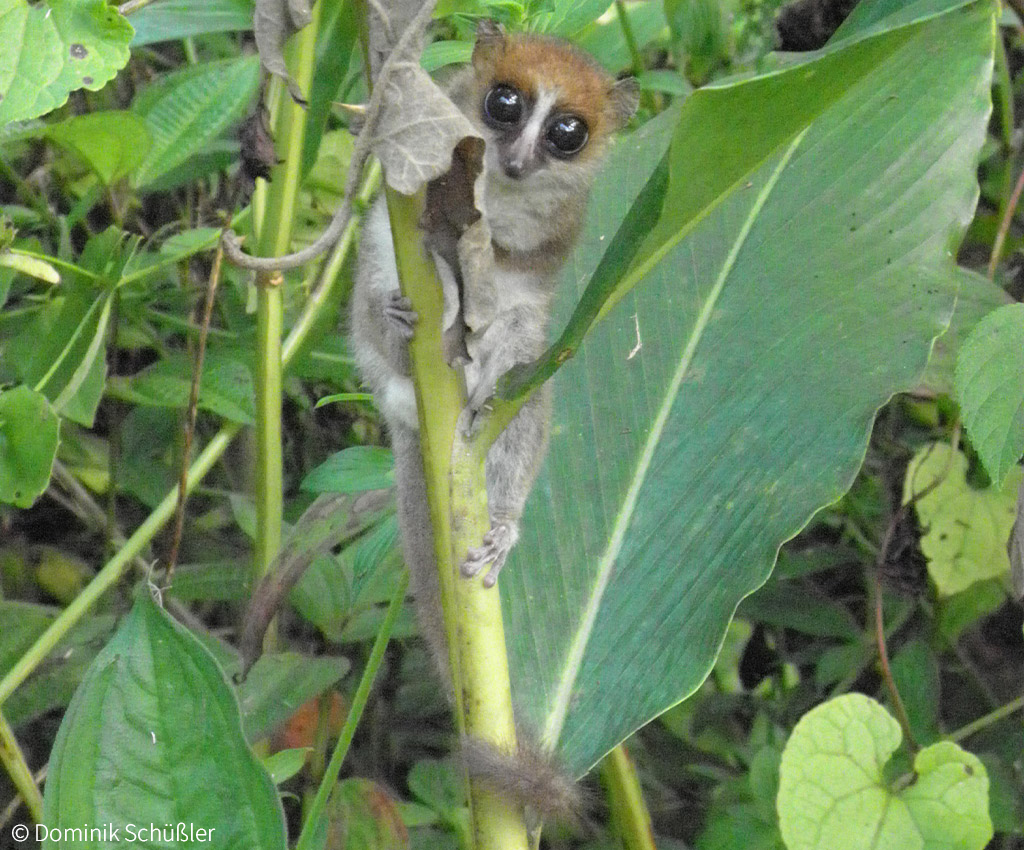
Tiny primate: new species of mouse lemur discovered
Scientists have discovered a new species of mouse lemur in Madagascar – which is already threatened by habitat loss & climate change
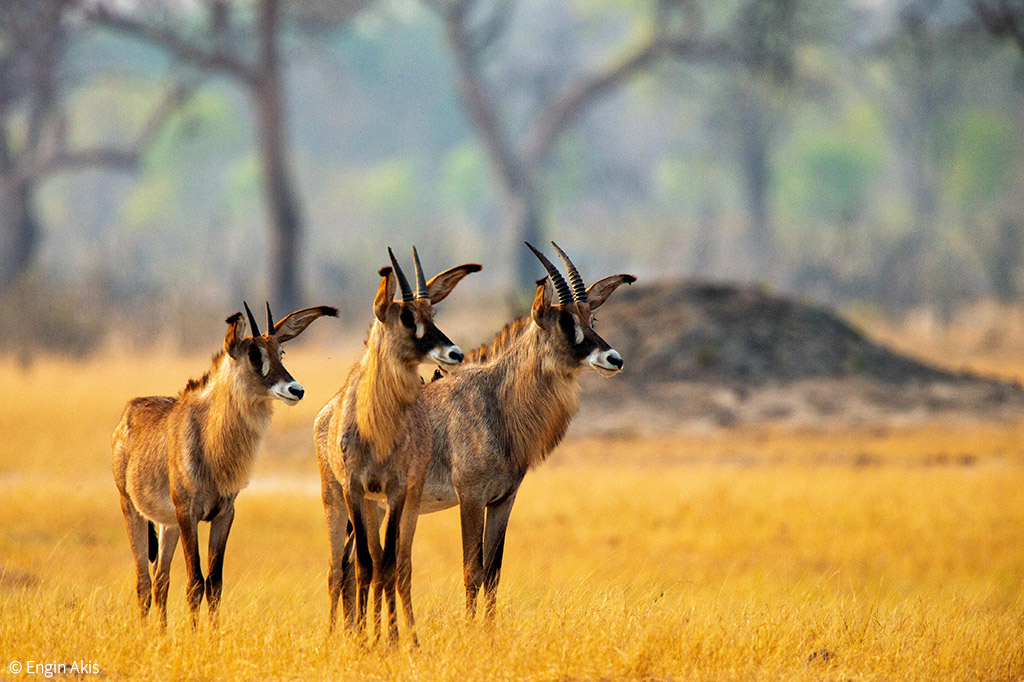
Roan antelope conservation challenges
Roan antelope populations have dropped to perilously low levels, and there is every chance they could disappear from the areas such as Kruger National Park
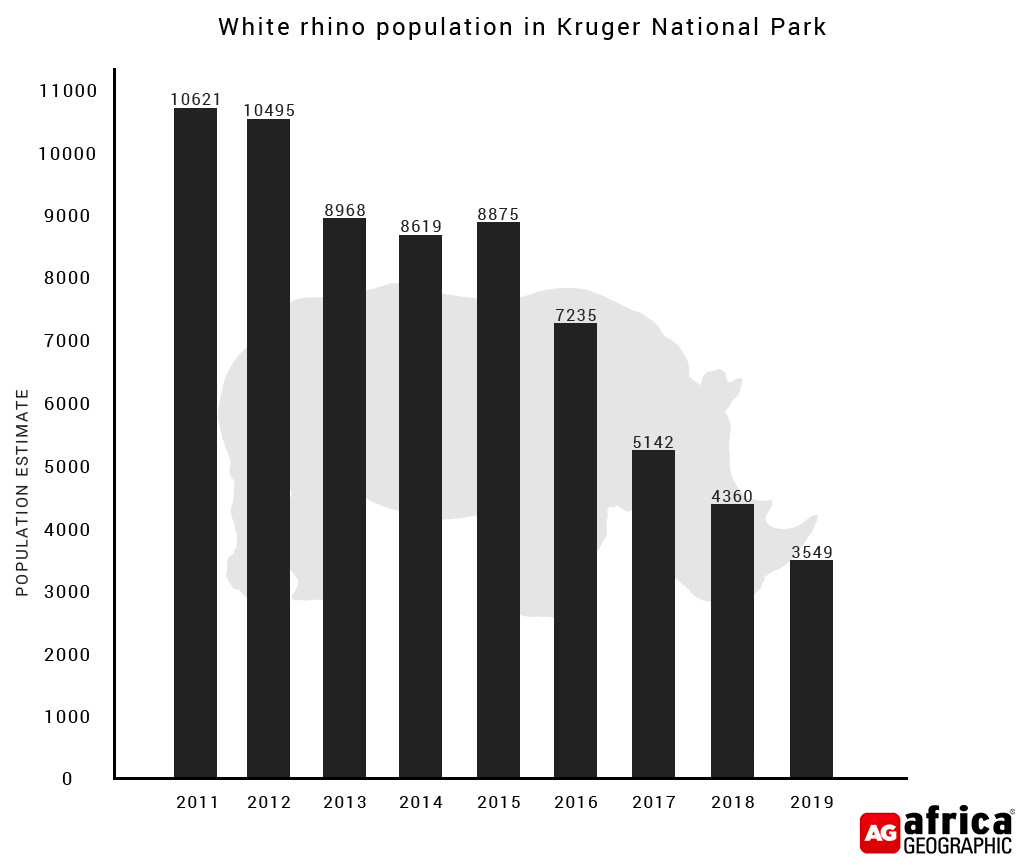
Will legal international rhino horn trade save wild rhino populations?
Will legal international rhino horn trade save the wild rhino population? Find out here in this thought-provoking opinion post
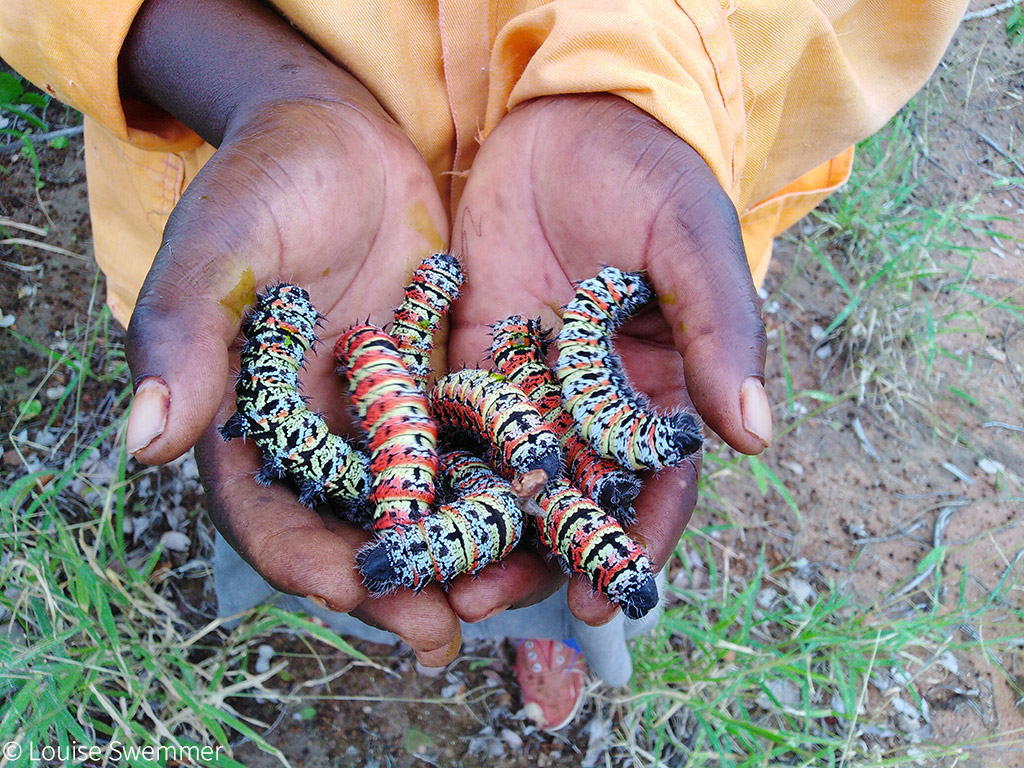
It’s not about the worm
Mopane worms are a popular source of protein and delicious snack for rural people in Limpopo – read about a sustainable Kruger harvest program
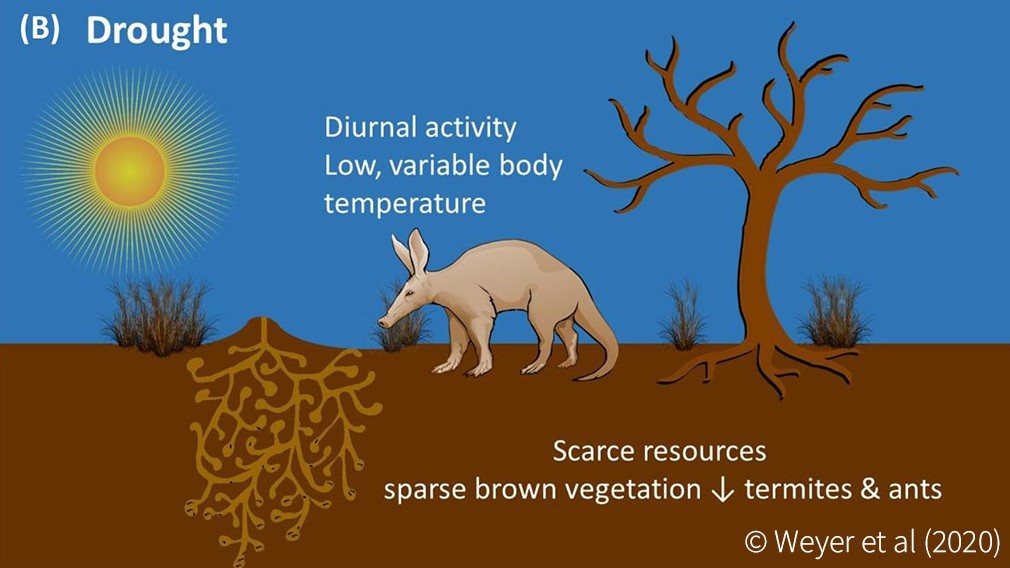
Aardvarks and climate change
Aardvarks are being severely impacted by climate change, says research being conducted in arid areas where temperatures are expected to rise
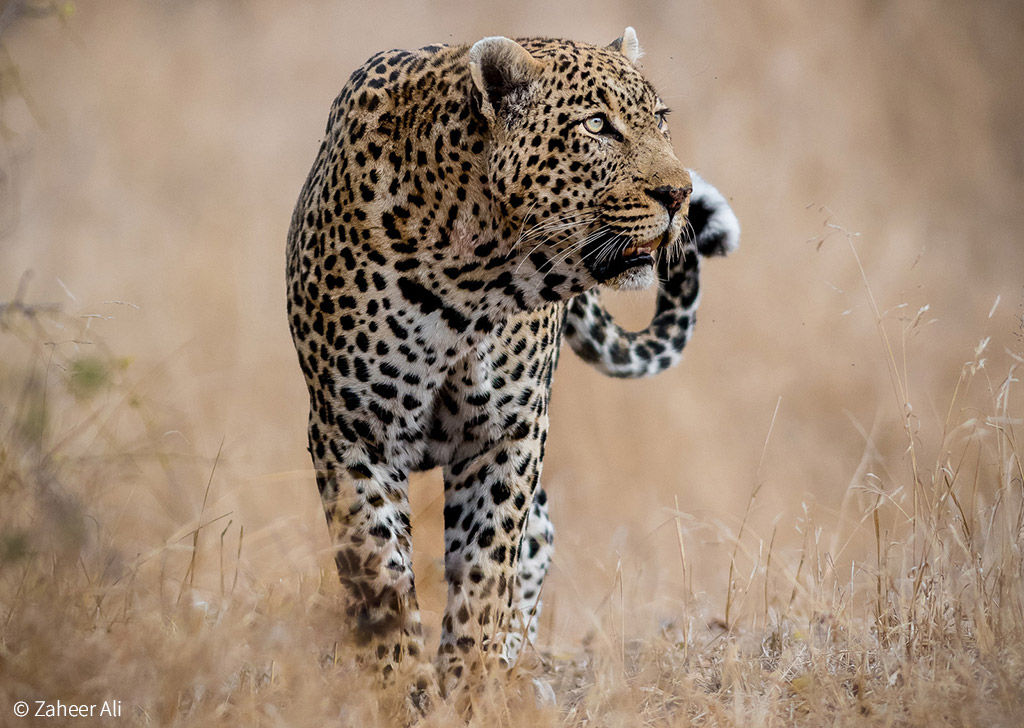
Human impact results in leopard inbreeding – research
Human activity is affecting negatively on leopard populations – via changes in age, sex & social structure of leopard populations – research
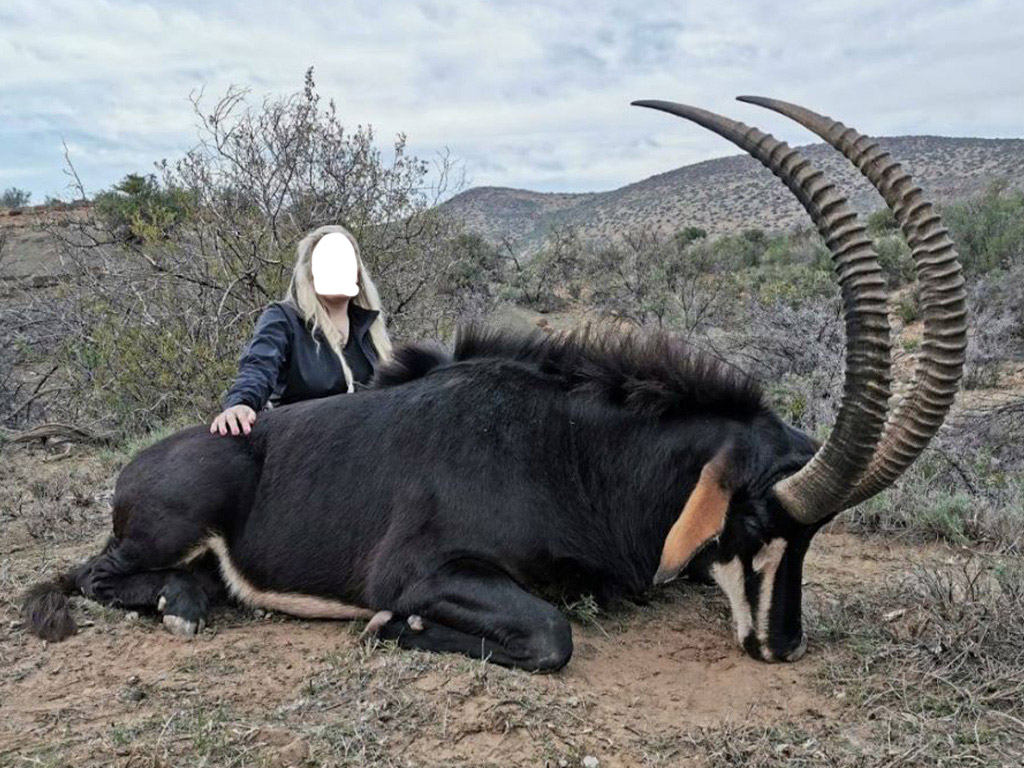
Trophy hunting ban could harm conservation on private fenced farms in South Africa – says study
Trophy hunting on many private fenced farms in South Africa – this study examines the impact that a ban could have on biodiversity
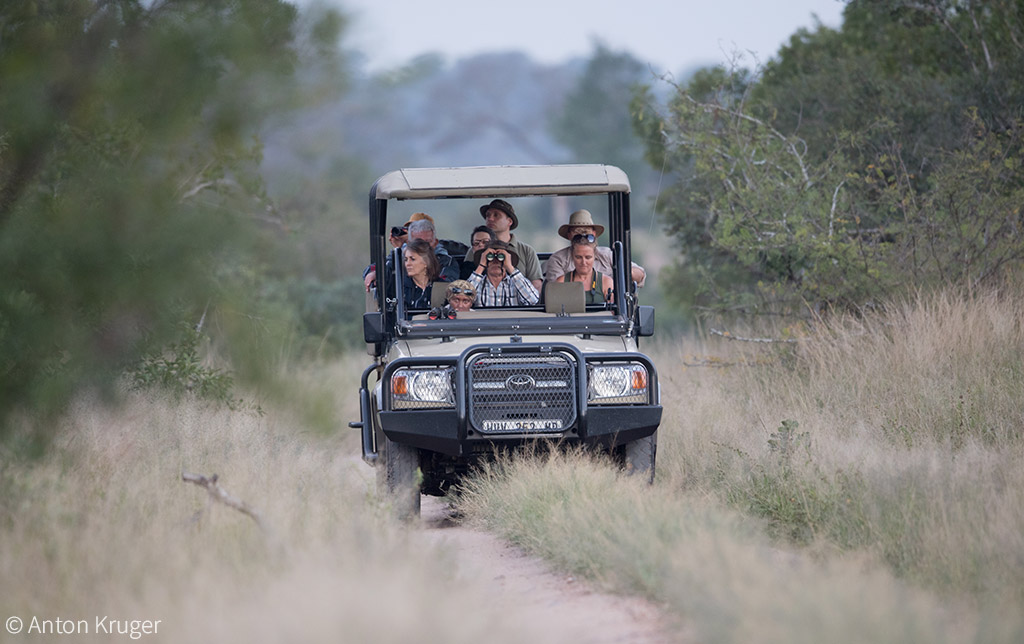
The real economic value of Greater Kruger National Park
A 2020 study has revealed the considerable economic, social and political contributions of the Greater Kruger National Park
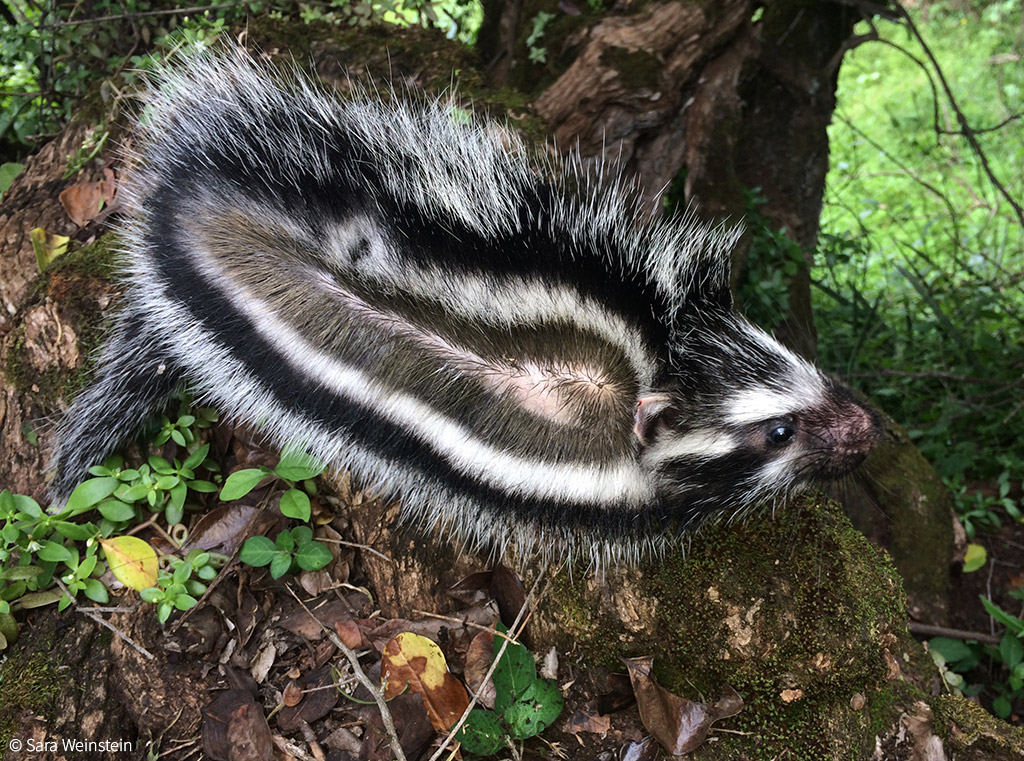
The rat with a deadly secret
Deadly secret: the crested rat transfers poison from the bark & leaves of a highly toxic tree to its fur as a predator-evasion strategy
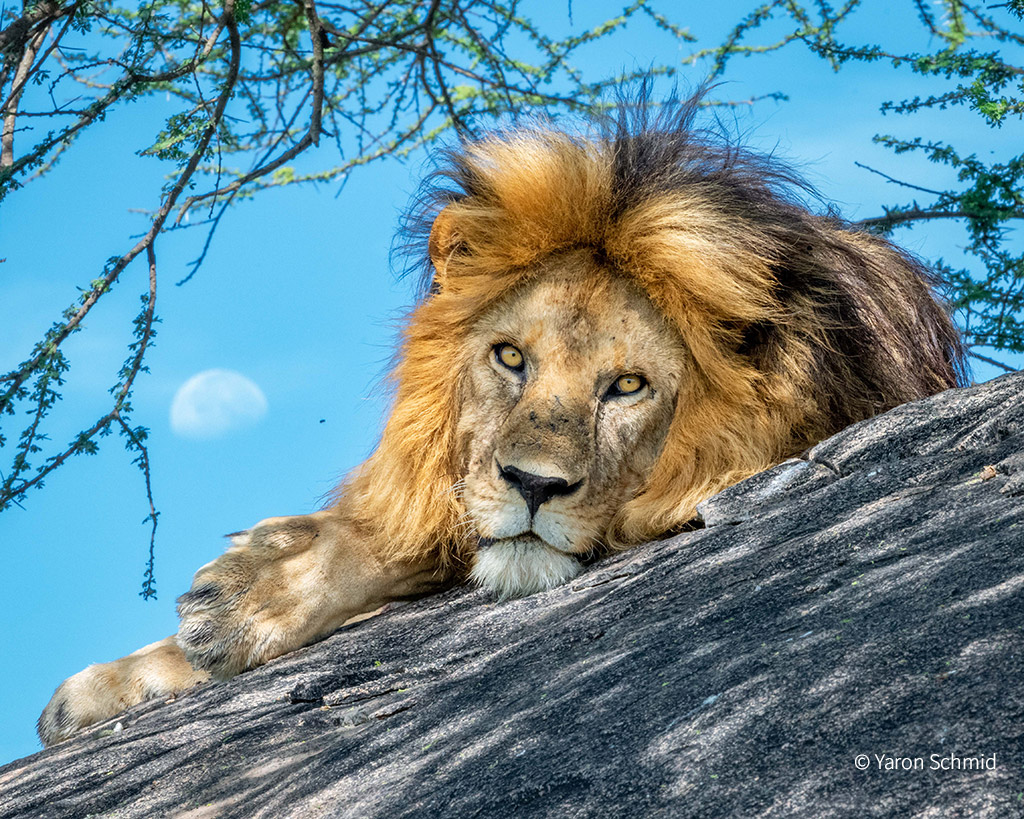
Lion evolution according to genome sequencing
Scientists have used genome sequencing of lions to reveal the evolutionary history of living & extinct lion species.
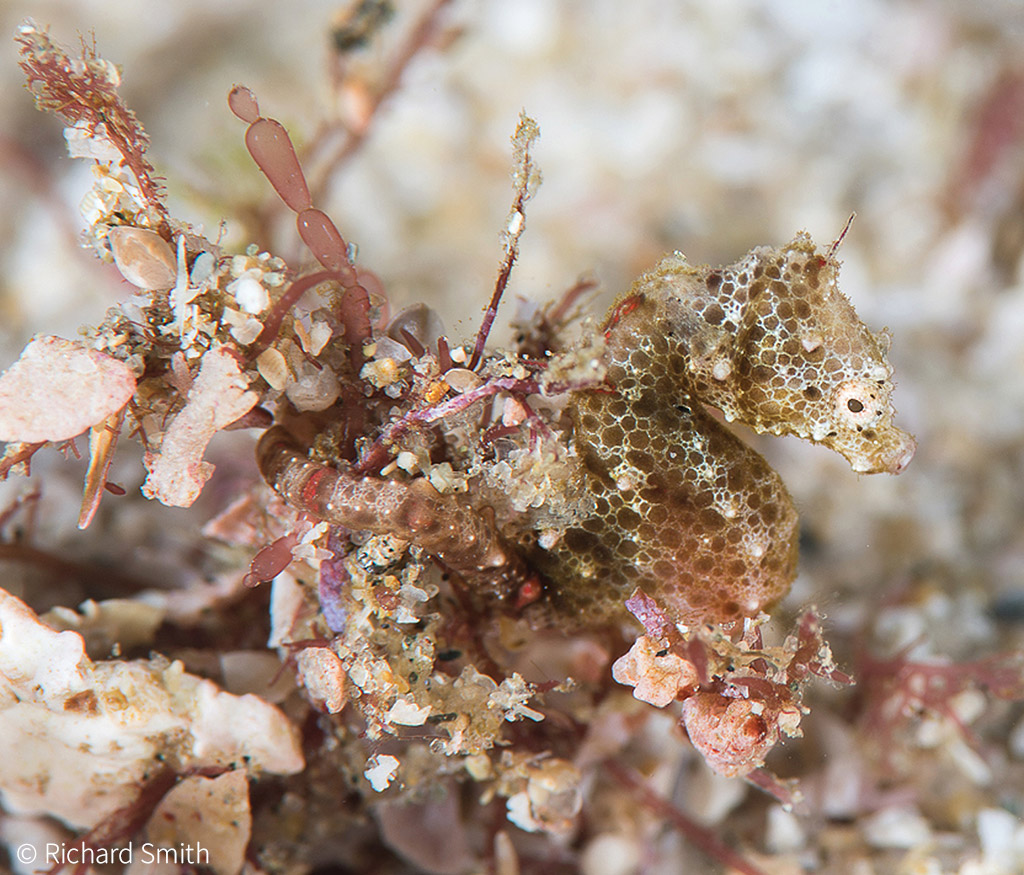
20mm pygmy seahorse discovered in South Africa
A divemaster has discovered a new species of pygmy seahorse in a sandy coral reef in Sodwana Bay, South Africa, that is only 20 mm long.
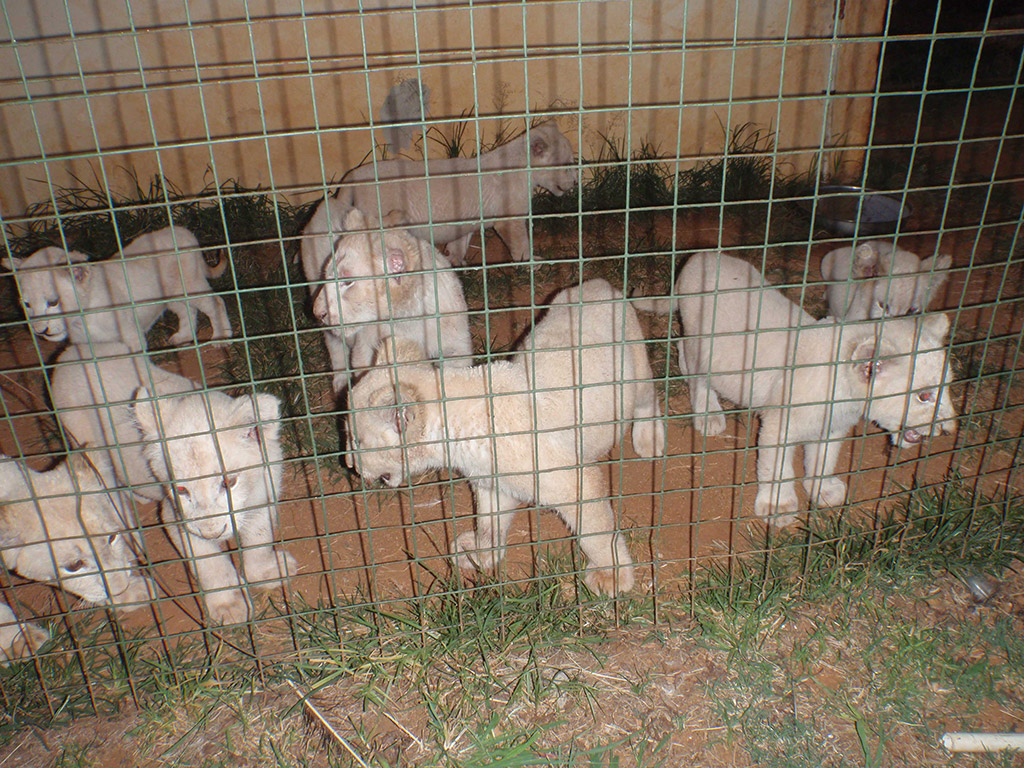
Wildlife trade between South Africa and China exposed – legal and illegal
The vast scale of legal and illegal trade in wildlife species between South Africa and China – many of them CITES 1 species – has been revealed by an extensive report.
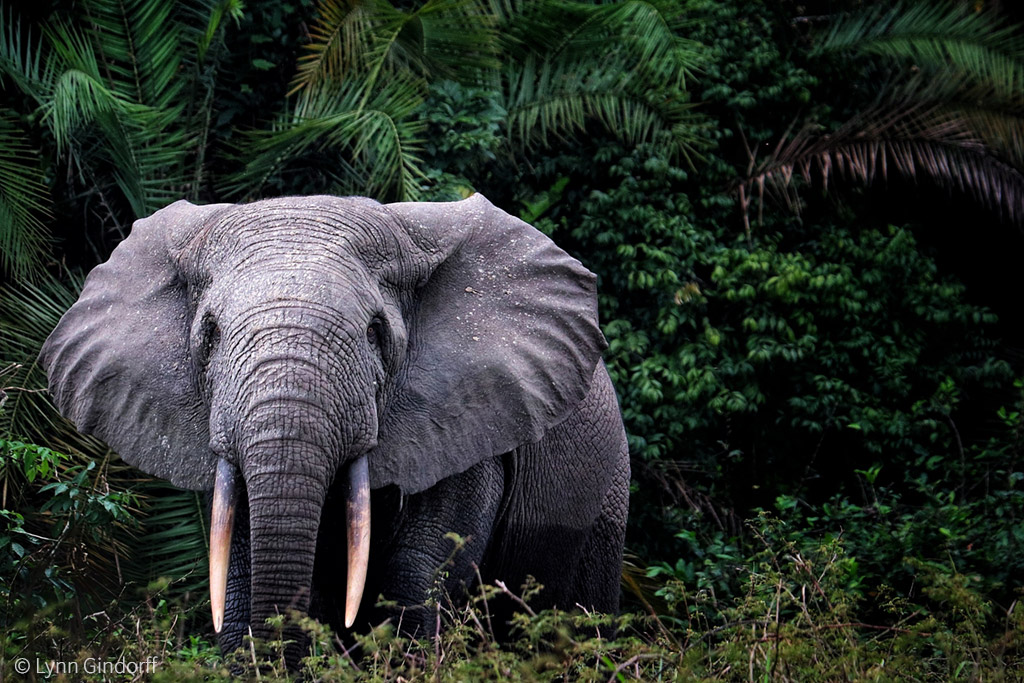
Forest elephant populations smaller than previously thought
Africa’s forest elephant populations are smaller than was previously thought, say researchers. This realisation has a significant impact on future priorities and conservation strategies.
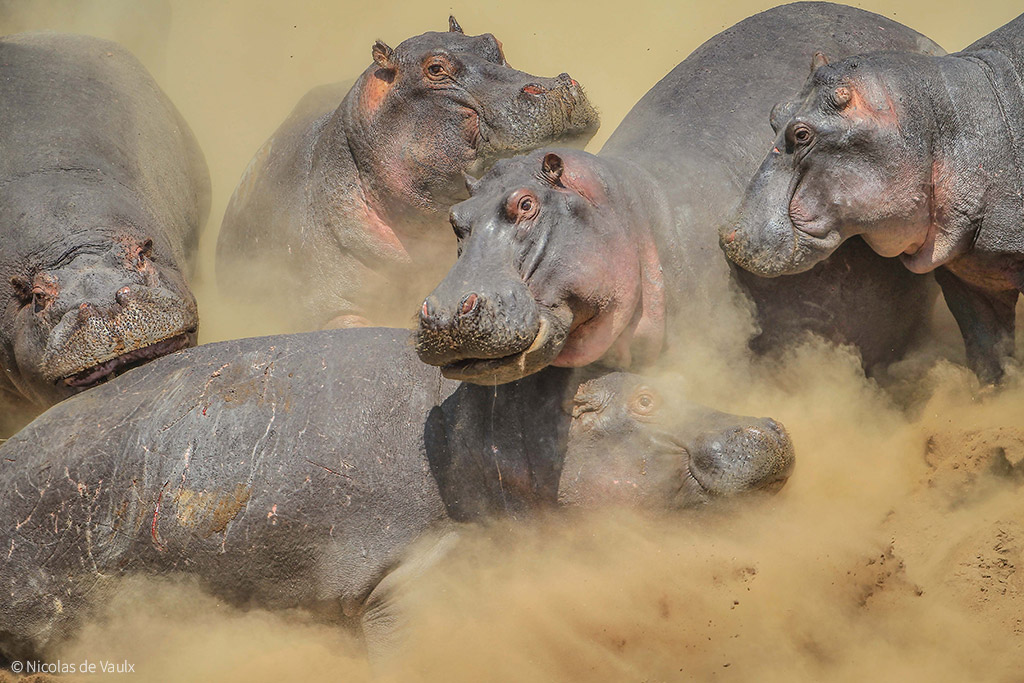
What’s in a (scientific) name?
The weird meanings behind animal scientific names – for example, the black rhino scientific name means ‘double horn double horn’
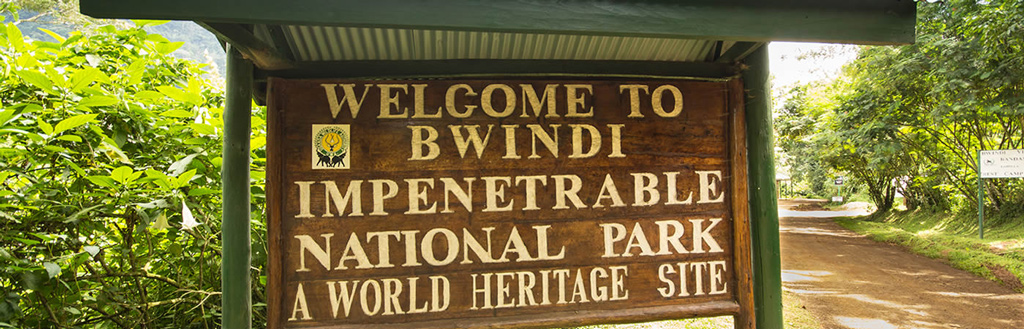
Which African countries have the highest percentage of protected land?
We compare the proportion of each African country’s land that falls under some form of protected status – to assess their conservation ranking
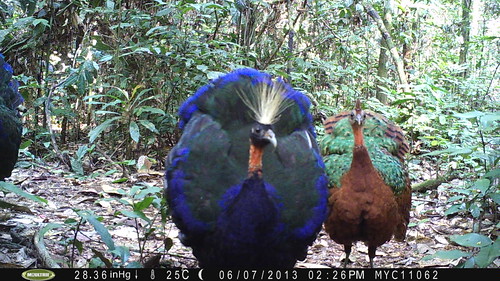
Secretive forest species such as giant ground pangolins and Congo peafowl revealed by camera traps in DR Congo
Secretive forest species such as giant ground pangolin, Congo peafowl and cusimanse revealed by camera traps in DR Congo.
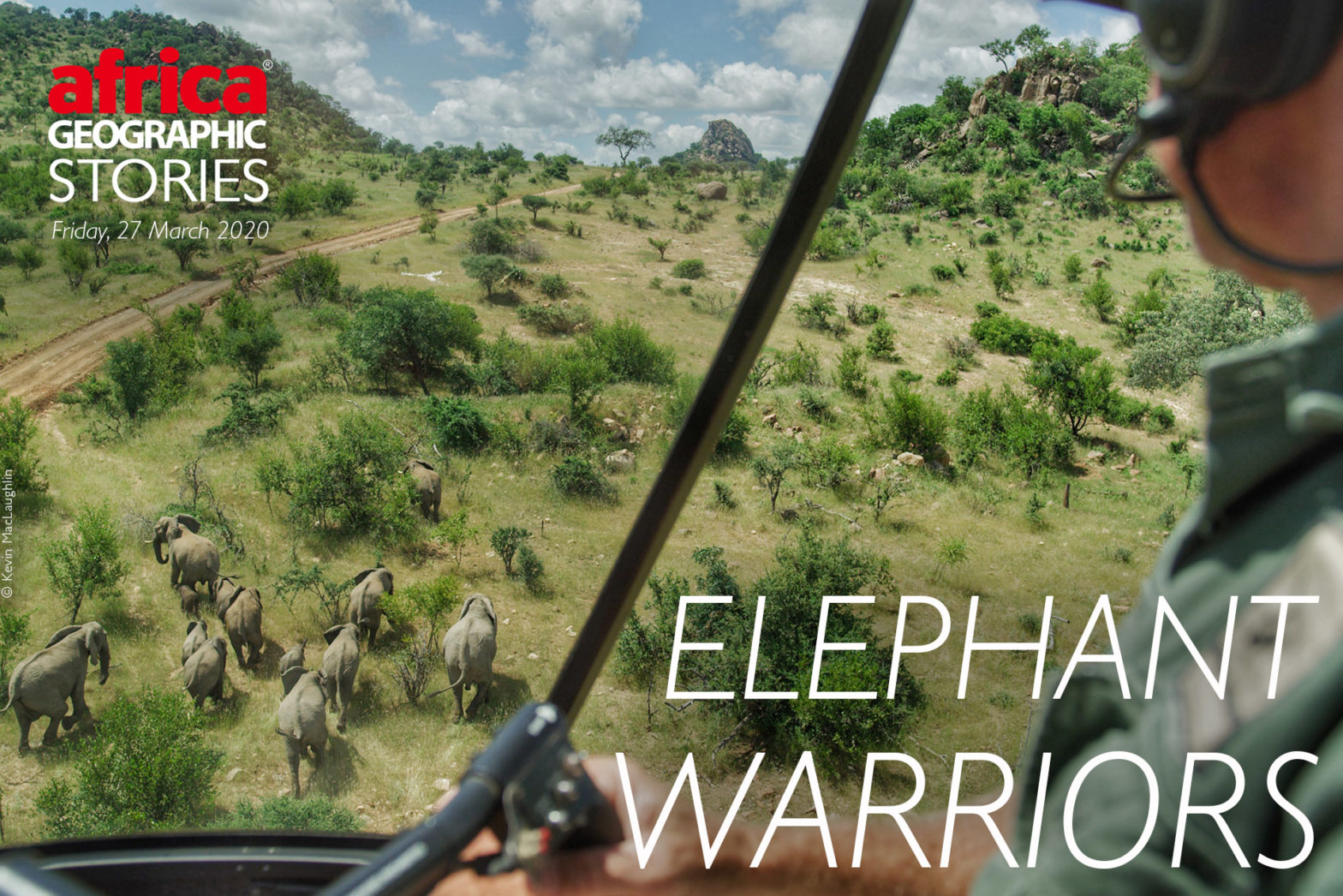
Elephant Warriors
Elephant collaring in the Greater Kruger by Elephants Alive and Blue Sky Society Trust – a process driven by science and the need for data
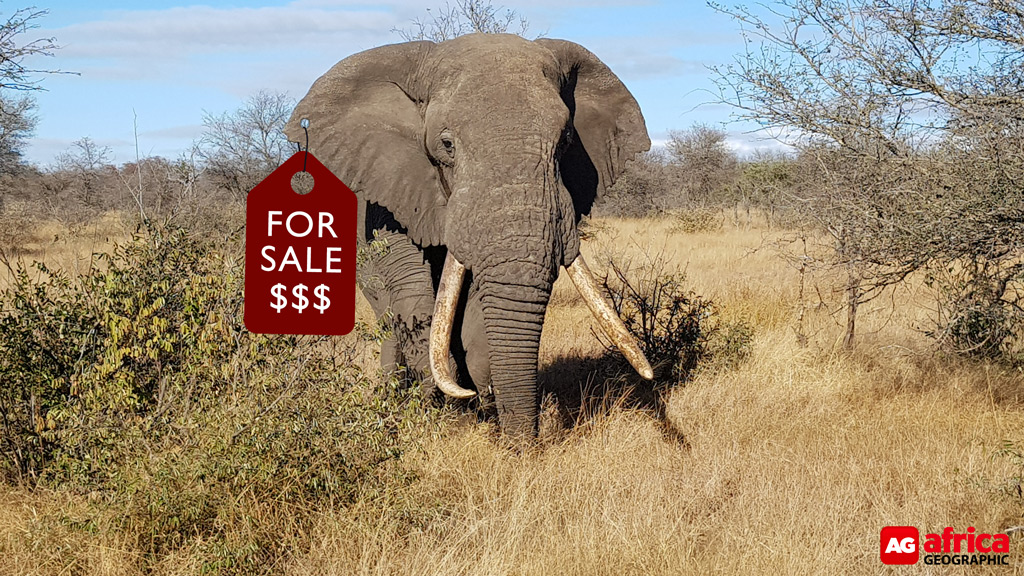
What exactly is CITES and how does it work?
CITES was established to regulate the international trade of animals & plants, to avoid the over-exploitation of endangered species

CITES processes are corrupt, says report
A report from TRAFFIC explains how corruption undermines the CITES-authorised trade in wildlife and offers suggestions as to how to mitigate its effects.