


OUR CEO'S 2026 SAFARI WISH LIST


- African safari success depends on precise timing, seasons and shifting wildlife movements.
- Returning to familiar destinations reveals conservation gains and deeper safari rewards.
- October delivers exceptional wildlife encounters, fewer crowds and better lodge availability.
- Expert African safari planners outperform algorithms for complex, high-value African journeys.
 Want to experience one of these African safaris for yourself? We have ready-made safaris to choose from, or we’ll help you plan your dream safari.
After more than four decades of travelling across Africa, our CEO Simon’s 2026 African safari wish list is no longer about ticking boxes – it’s about timing, nuance and returning to places that continue to evolve. From rising conservation success stories to predators, gentle giants and forests still keeping their secrets, this is a deeply personal look at where (and when) he hopes to travel in 2026 – and why expert planning remains the difference between an average safari and a life-defining one.
“Early in the year is a good time to create my travel wish list. If I don’t do that, the year marches on, and my plans tend to be last-minute and are often derailed by full flights and lodges.
When planning safaris, I usually focus on my favourite experiences and then work out the where and when, but sometimes my focus is on a specific place in Africa. Having travelled extensively in Africa for over 40 years, much of my wish list consists of repeats, but it also features a few first-time experiences and places.
One final thing before I reveal my 2026 travel wish list: Travel in Africa is all about timing. Not only are there distinct seasons that influence weather and wildlife movements, but there are also constantly changing cycles within seasons that shape the timing and location of your African safari. A few weeks too early/late or a few kilometres off course, you could miss the greatest show on Earth. And wouldn’t that be a pity? For example, if you want to witness the epic bat migration in Zambia’s Kasanka, you have to be there from mid-October to mid-December. If you want to see the dramatic Mara River crossings undertaken by the Great Migration wildebeest and zebra herds, and your only travel gap is May, then sadly your wish will not be realised.
And that’s why I recommend two safari planning essentials:
- Early planning is essential to avoid missing the seasonal and cyclical fluxes and to secure your safari before the better lodges are booked out.
- Consult with an experienced travel expert who has been there and done that. Software such as AI and Google, and the many pop-up travel planners on social media, may sound convincing. In reality, they are highly risky sources, often revealing limited or incorrect information – definitely not reliable for such a high-cost celebration of your life.
Of course, I won’t get to all of my list this year, but you can bet I will enjoy a few of these safaris and the others in the years to come. So, here goes (not in order of preference):
Kafue – rising African safari gem

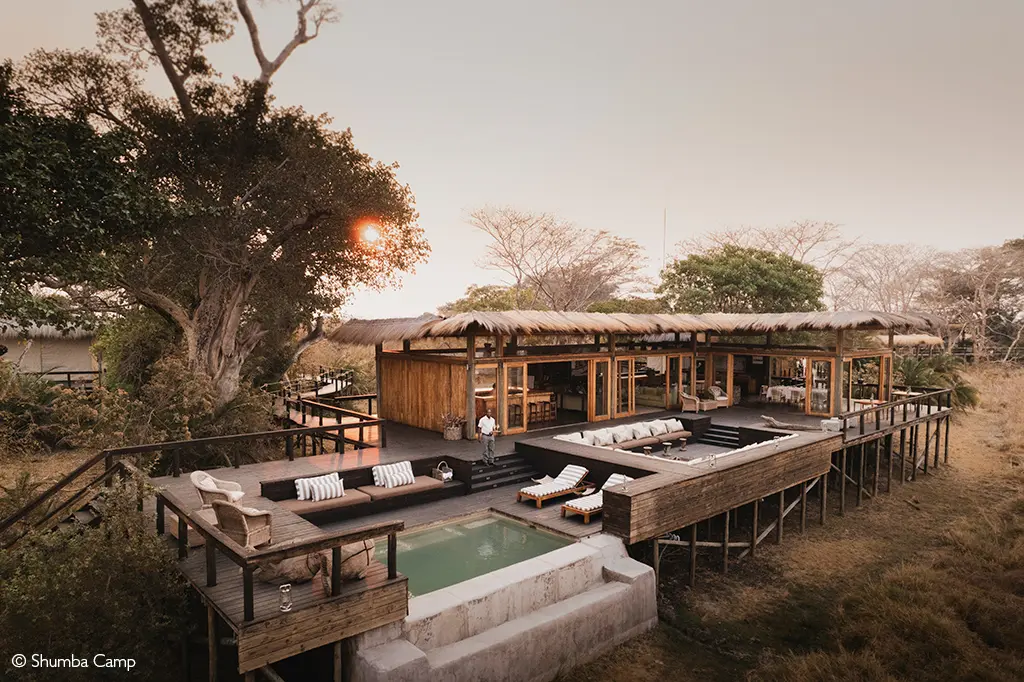
I want to get back to the vast Kafue in Zambia. Kafue was neglected for many years, and so suffered from poaching, but now, under the custodianship of the astoundingly successful wildlife NGO African Parks, it is a rising safari gem. The variety of habitats and feeling of being alone in the wilderness really does it for me. Kafue NP is Zambia’s best-kept safari secret, and the country’s oldest & largest national park. It is known for sweeping plains, wetlands & abundant wildlife. In the park’s far north, the Busanga Plains form a wildlife-rich mosaic of swamps, lagoons, palm groves and fig-studded islands.
October – just about anywhere in Africa
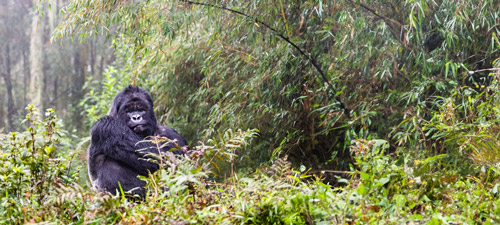
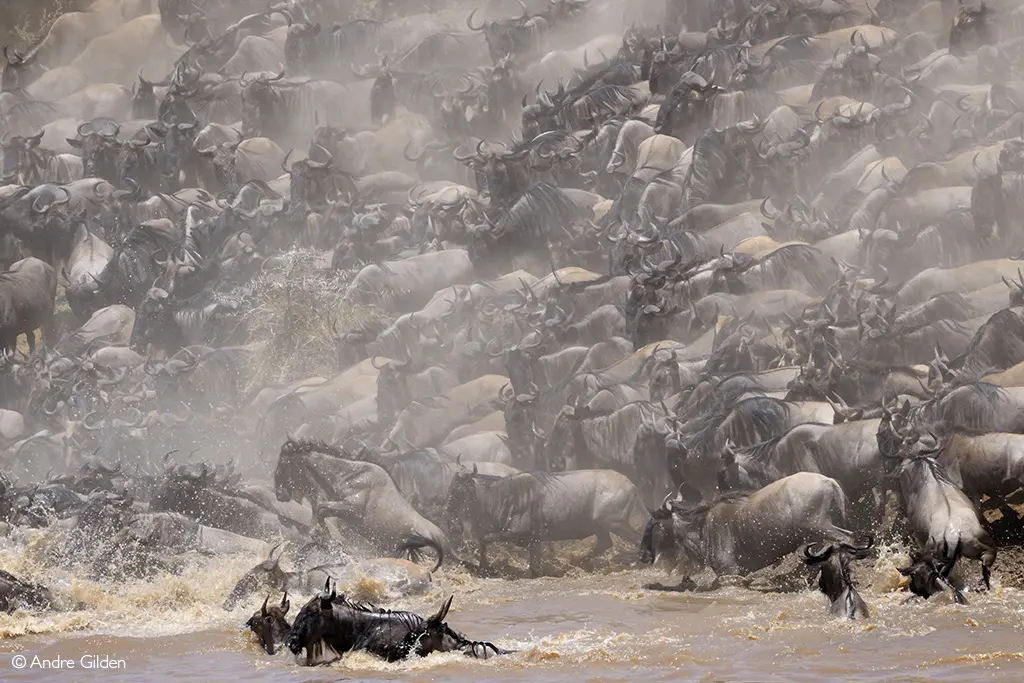
The standard advice is that June to September are the best safari months, and so October is often ignored by travellers. But October (and into mid-November) offers epic wildlife encounters, often at lower lodge prices. It’s the height of the dry season in Southern Africa, and so wildlife is easier to find in parched landscapes near remaining water sources. Temperatures are high, which is why many stay away; all the better for me. In East Africa, the Great Wildebeest Migration Mara River crossings are ongoing in early October (although less reliable than during August and September), trekking for the great apes – gorillas and chimpanzees – is at its best, and you can expect great weather on the coast and islands.
Wild dogs in the Okavango Delta & Khwai
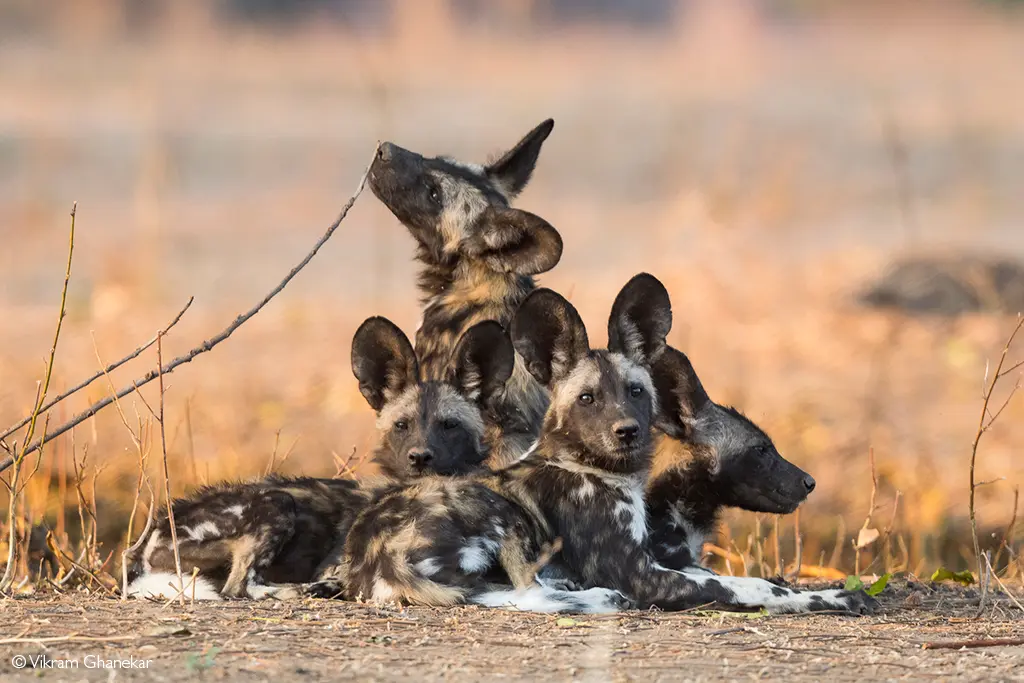
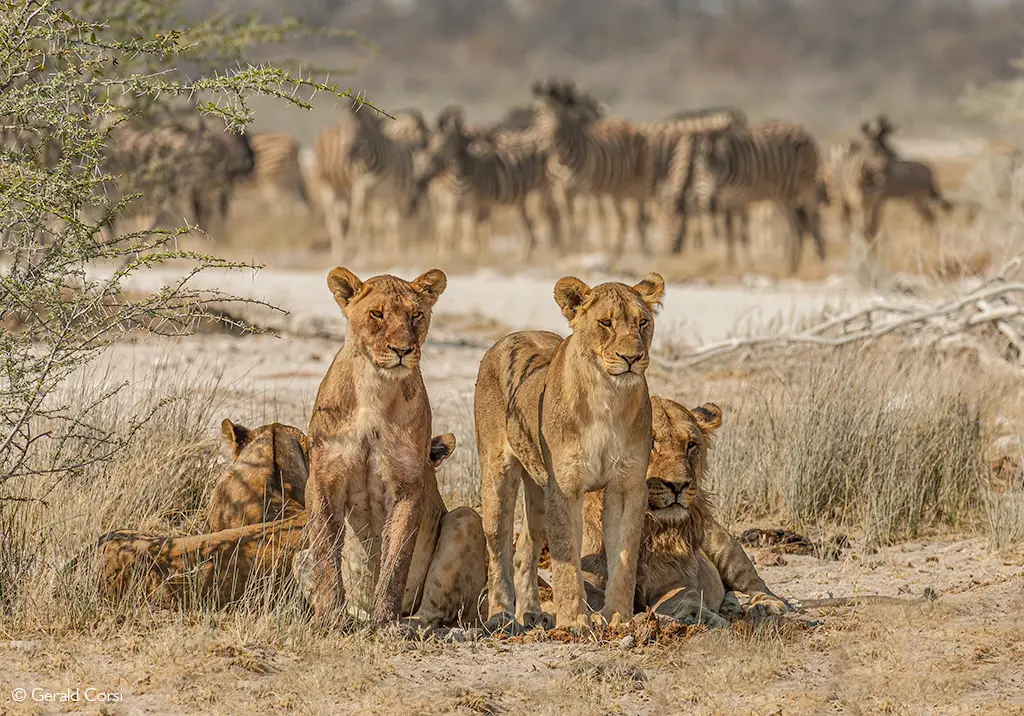
Painted wolves are my favourite predator, and I absolutely adore Botswana’s Okavango Delta and Khwai. This year will see me back in this watery paradise when the puppies have emerged from their dens, and the pack movements are more predictable, usually from August to October. Side note: I have on several occasions stumbled across pangolins while following wild dogs on the hunt 😉
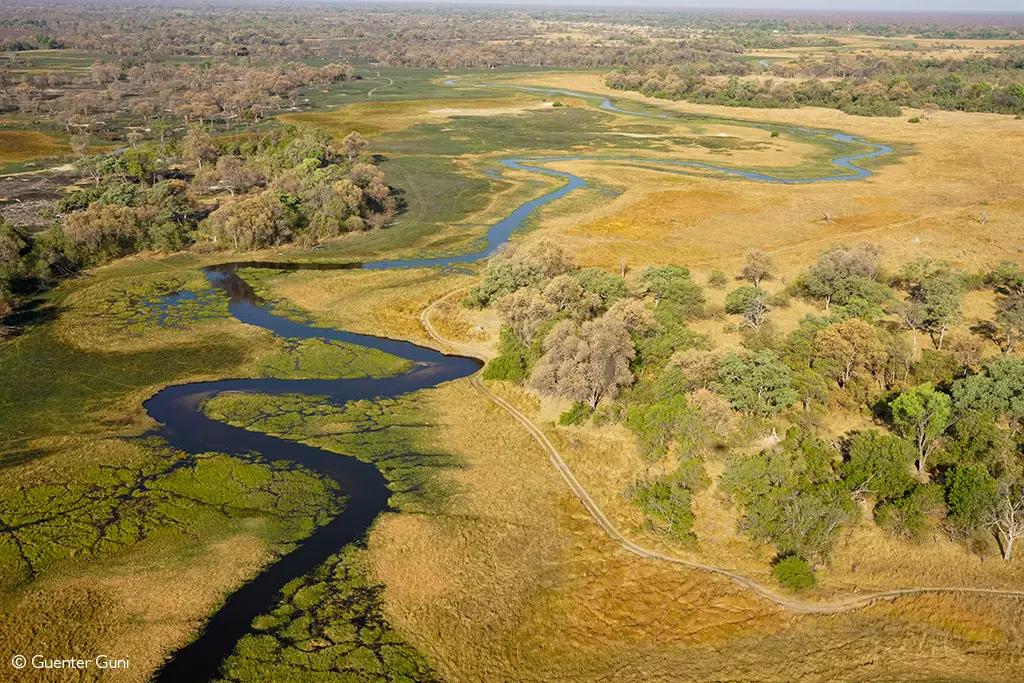
Tuskers in Tsavo
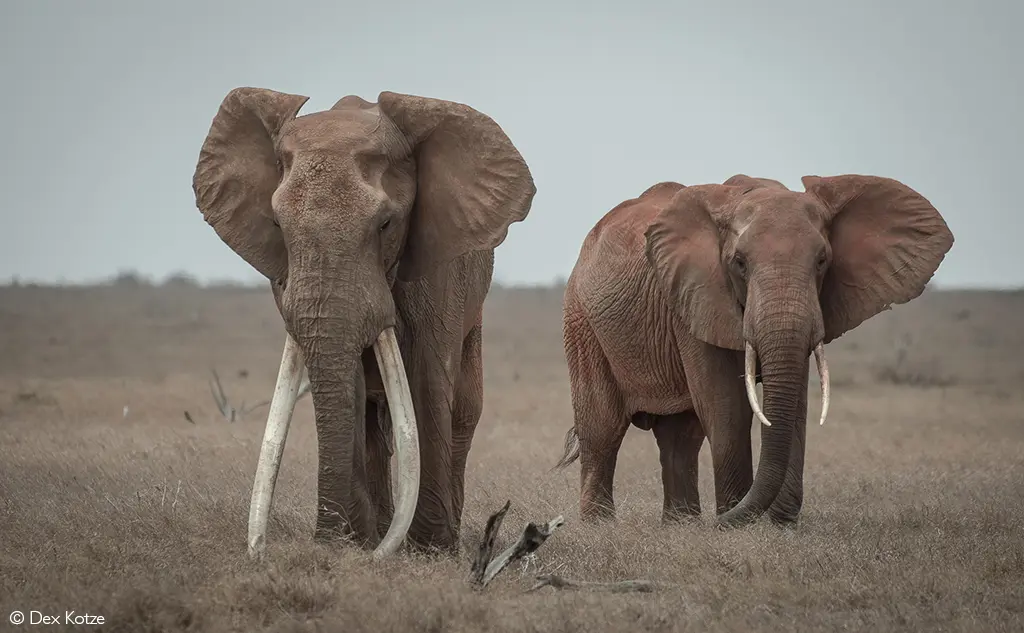
I also have a thing for old male elephants of the large-tusked variety. Time in their presence stands still for me, and their sentient wisdom cleanses my soul. Sadly, these gentle giants are now few and far between, and the most reliable places to find them are Kenya’s Tsavo East and Amboseli National Parks. I have fond memories of safaris to Tsavo and want to go back in a more immersive way, following in the footsteps of many of our guests who have Walked with Giants. Check out this Kenya super tusker safari, which takes you right to the heart of the tusker action in Tsavo and Amboseli.
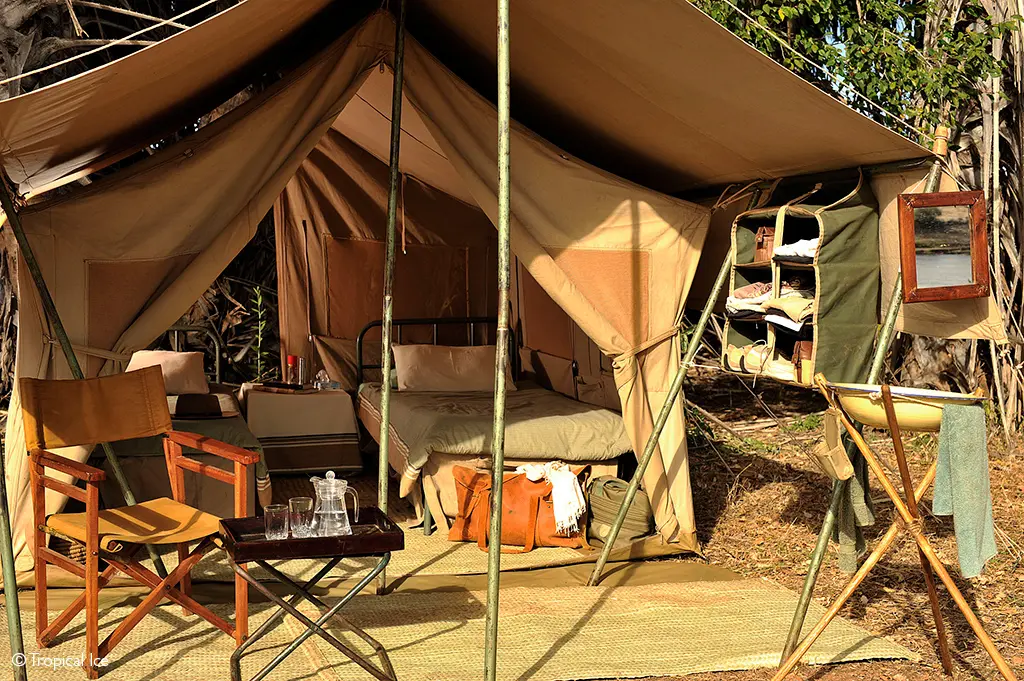
Bazaruto toes-in-the-sand – and more
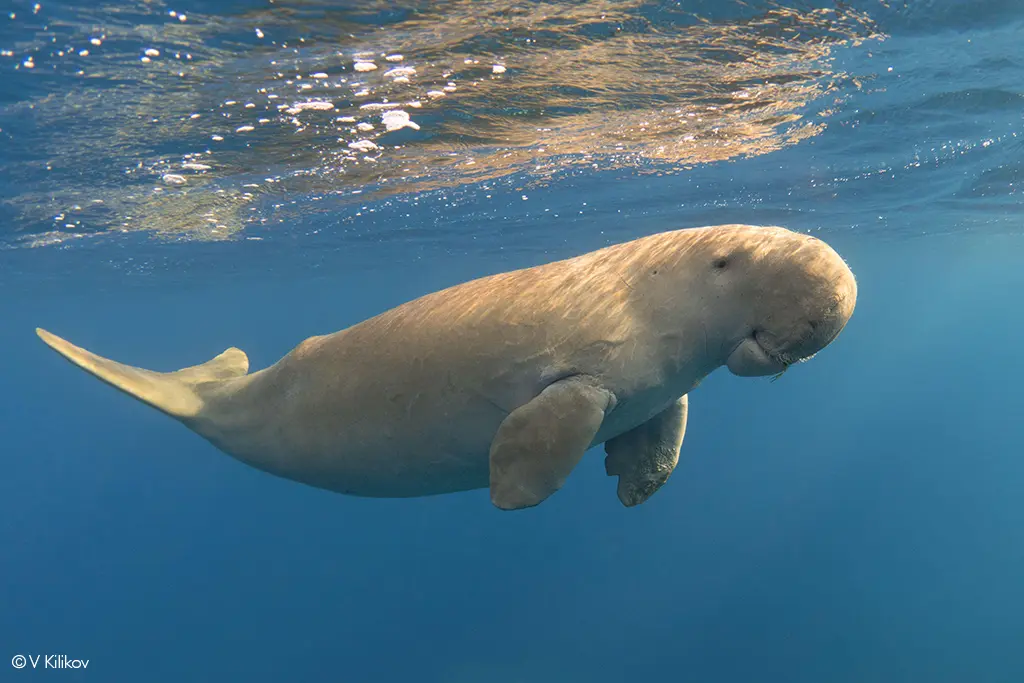
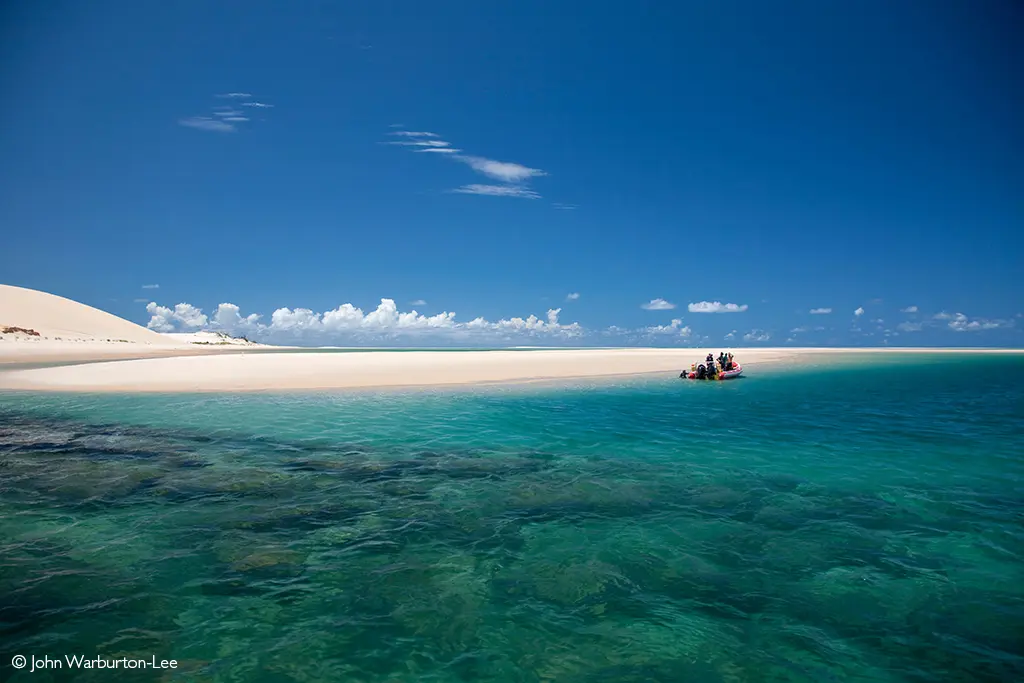
Do you know that I have never embarked on a bush-and-beach safari combo? Although I love the ocean’s energy, I have never been one for lying in the sun. And so, my wish to visit Bazaruto in Mozambique is not about beach dinners by candlelight, sunset dhow cruises and cocktails, although they do sound enticing. I want to find whale sharks, manta rays and dugongs! And I may pair Bazaruto with either a Greater Kruger lodge or a return visit to the exquisite, biodiverse Gorongosa National Park (another conservation success story).
Tracking chimps in Nyungwe
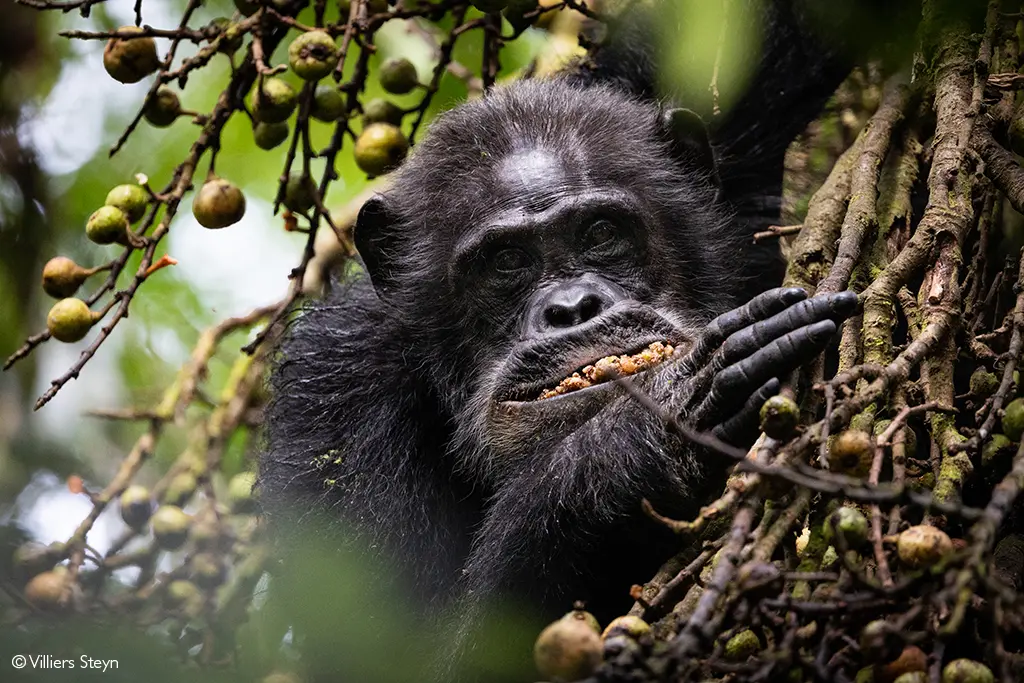
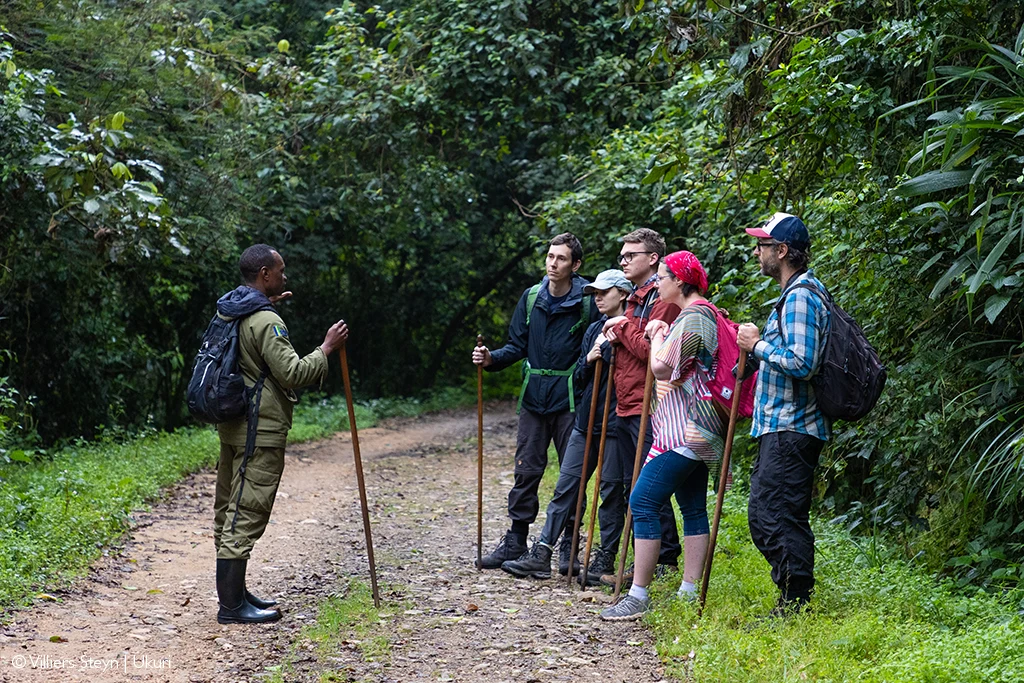
This one is a sore point for me. A few years ago, I arrived at Rwanda’s Nyungwe National Park only to be refused entry after being diagnosed with COVID-19. I spent 4 days in a nearby hotel while my colleague tracked chimps, gawped at a troop of hundreds of colobus monkeys, and attempted to find Shelley’s crimsonwing. This tiny finch has never been photographed (except when accidentally netted during biodiversity research programs). Nyungwe is another rising conservation success story under the care of African Parks and is well worth a visit for those who seek montane forest biodiversity hotspots. I will be back on unfinished business.
Walking in the Nsefu Sector, South Luangwa
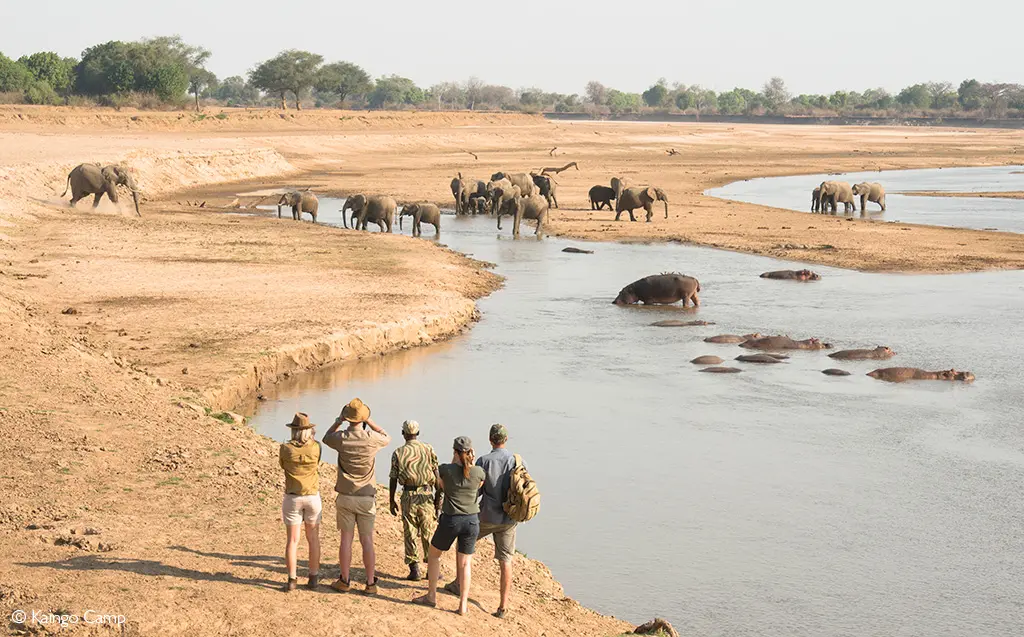
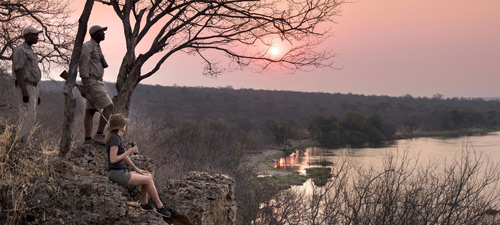
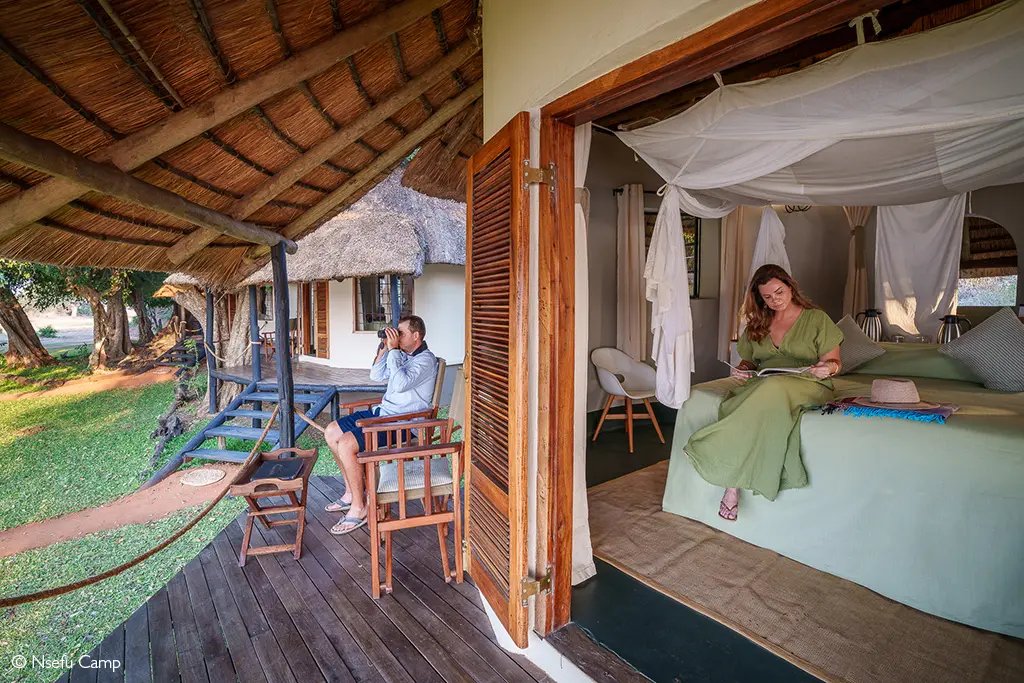
Of course, many have now woken up to the epic walking safari experience in Zambia’s South Luangwa National Park, specifically in the Nsefu Sector. This is thanks to the BBC’s Kingdom series, narrated by David Attenborough. Nsefu is the birthplace of walking safaris, and an old stomping ground for me. I want to go back soon.
Ruaha – remote and unpeopled
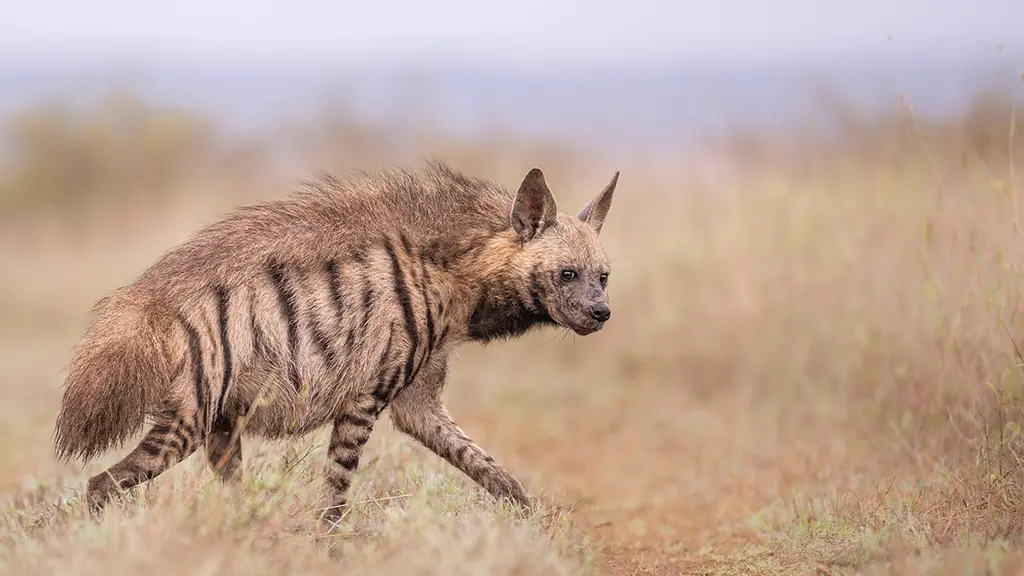
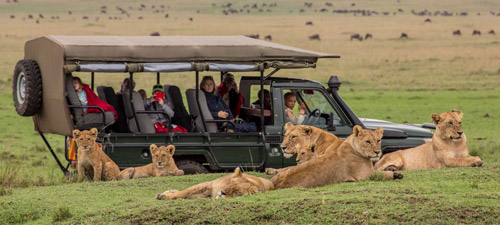
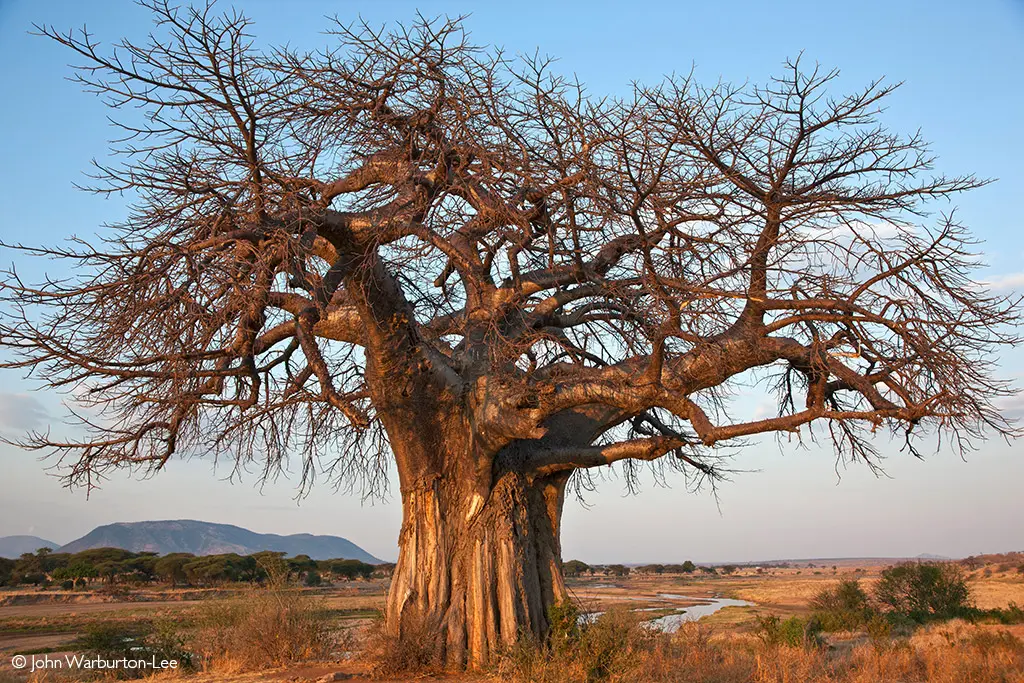
Ruaha National Park in Tanzania’s southern circuit holds many fond memories that I want to rekindle. In addition to hosting about 10% of Africa’s lions, this arid baobab-strewn landscape also supports significant populations of leopards, wild dogs, and cheetahs, as well as vast herds of buffalo and Tanzania’s largest elephant population. I want to go back to find the elusive striped hyena.
Odzala-Kokoua – feel like an explorer of old
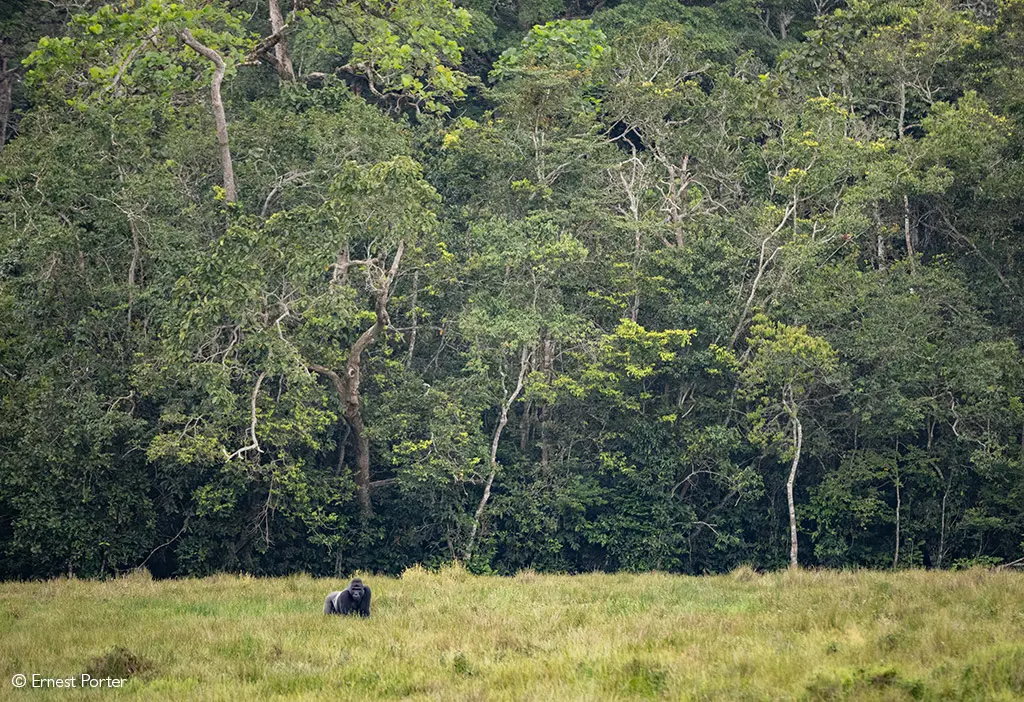
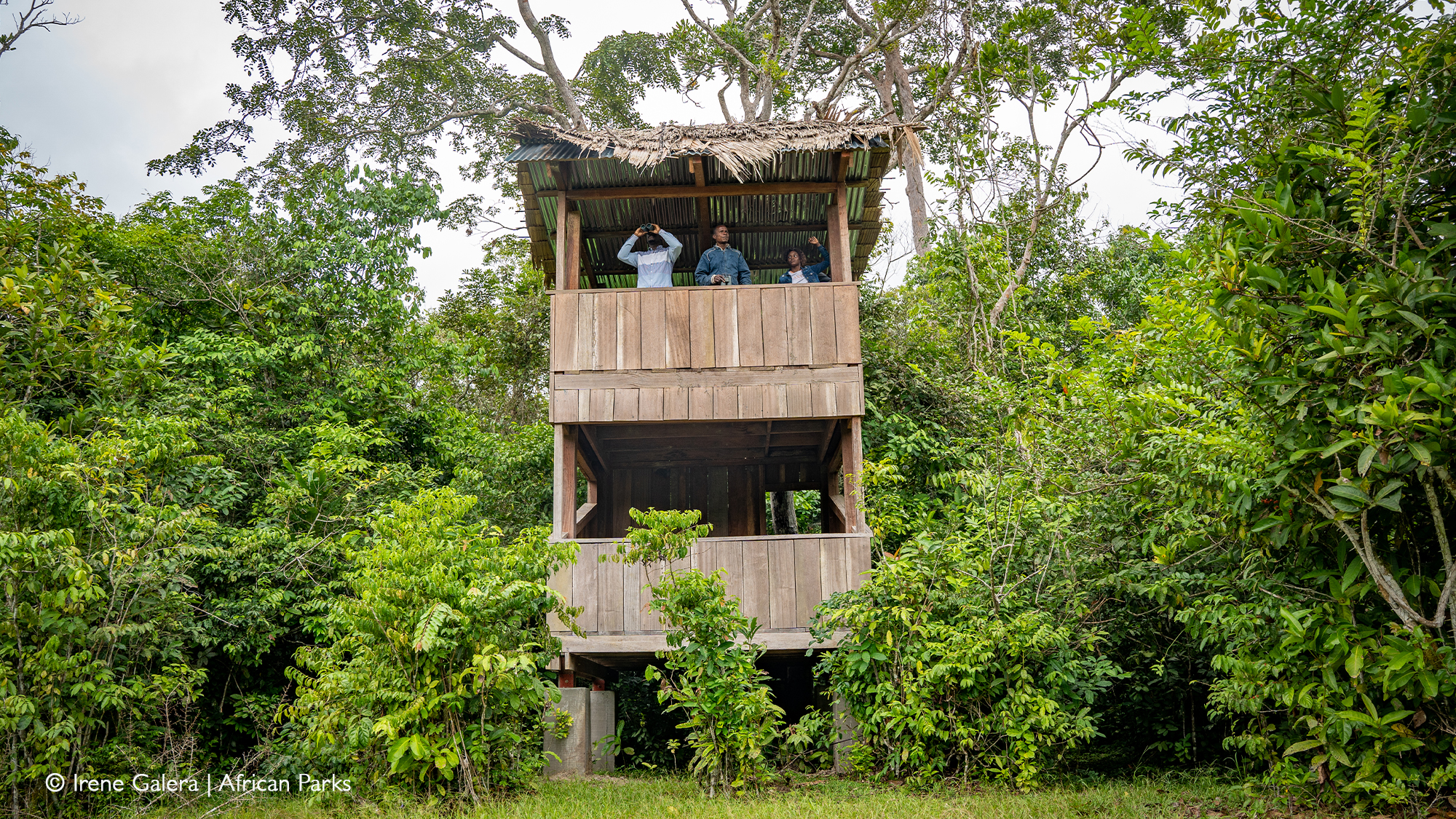
Finally, I NEED to go back to Odzala-Kokoua National Park in Congo-Brazzaville – another area protected by African Parks. My team and I have made no secret of what makes this early-stage tourism destination attractive for experienced travellers seeking something different. I love spending hours in the elevated treehouses watching western lowland gorillas, forest elephants, bongos, and a host of other secretive forest species. I also want to lay my eyes on golden potto, Demidoff’s dwarf galago, Lord Derby’s flying squirrel and a host of other mysterious creatures.”
“Once I have settled my mind, my team of experienced travel planners will take over to ensure an exceptional, seamless safari.“
Further reading
- The ultimate guide to your African safari bucket list. Here are our choices of 15 top wildlife experiences on the continent
- What should you pack for your safari? Check out our safari packing guide here
- Sundowner, anyone? We reveal our top 10 sundowner spots in Africa – best enjoyed with exotic cocktails and delicious snacks
- Plan your Okavango Delta safari: when to go, where to stay and how to experience Botswana’s iconic inland oasis in intimate camps: here’s our Okavango Delta safari planner
- Your safari guide to South Luangwa & Nsefu, Zambia: game drives & walking safaris, predator-rich wilderness, top camps, & Luangwa River magic – check out our South Luangwa safari planner here
- Western lowland gorillas, forest elephants & more. Odzala-Kokoua NP in Congo is one of Africa’s hidden gems – for a safari with a difference. Here’s everything you need to know about Odzala-Kokoua
- Kafue NP is Zambia’s oldest & largest national park – an African safari destination known for sweeping plains, wetlands & abundant wildlife. Read more about Kafue here
To comment on this story: Login (or sign up) to our app here - it's a troll-free safe place 🙂.