


- Updated every 5–10 years, the Mammal Red List uses IUCN criteria to track mammal extinction risk regionally.
- A new Southern Africa Red List assessment reveals 11 mammals worsened in status, signalling rising extinction risk across the region.
- 20% of assessed mammals are threatened, and 11.5% are Near Threatened.
- Endemic mammals face a high risk, leaving the region fully responsible for their survival.
- Key drivers include habitat loss, climate pressures, and expanding development footprints. Aardvark and multiple bats worsened, while zebra, roan and elephant seal improved.
The 2025 Regional Mammal Red List of Threatened Species update is a warning built from evidence, not opinion: 11 mammals in South Africa, Lesotho and Eswatini have moved closer to extinction since the last assessment, reflecting worsening pressures on habitat, survival and long-term resilience.
The 2025 list is the latest scientific assessment of how close mammal species in the region are to extinction. Coordinated by the Endangered Wildlife Trust (EWT) and the South African National Biodiversity Institute (SANBI), and informed by around 150 species experts, it is designed to guide conservation decisions, research priorities and land-use planning.
In this revision, 11 mammal species were uplisted into higher-risk categories, meaning their conservation status has worsened. Three species were downlisted, meaning their status improved.
These status changes are significant because a Red List is not a general statement of concern. It is a formal risk classification system based on evidence – including population trends, threats, habitat loss and other criteria – which helps ensure limited conservation resources target the species most at risk.
The Red List
The IUCN Red List of Threatened Species is a global system for assessing extinction risk. It can be applied at global, regional or national scales and classifies species into categories ranging from Least Concern to Extinct. These categories are based on objective criteria and include information on threats, habitats and conservation needs.
The categories are:
- Least Concern: species assessed and found to be at low risk of extinction.
- Near Threatened: species close to qualifying for a threatened category.
- Vulnerable: species facing a high risk of extinction in the wild.
- Endangered: species facing a very high risk of extinction in the wild.
- Critically Endangered: species facing an extremely high risk of extinction in the wild.
- Extinct in the Wild: species that survive only in captivity or outside their natural range.
- Extinct: species with no surviving individuals.
Two additional categories are used during assessment, but do not describe extinction risk:
- Data Deficient: insufficient information to assess risk.
- Not Evaluated: species not yet assessed.
Regional and national assessments are especially important because they show which species are declining within a specific area, even if they are not globally threatened. This supports conservation policy, environmental impact assessments, planning decisions, and tracking progress on biodiversity commitments.
The IUCN recommends reassessing species every 5–10 years. For this region, the mammal Red List was first compiled in 1986, updated in 2004, revised again in 2016 to include Eswatini and Lesotho, and now updated in 2025.
The headline numbers
A total of 336 mammal taxa were assessed. The results show:
- 20% of mammals in the region are threatened with extinction
- 11.5–12% are Near Threatened
- 67 species are endemic to the assessment region (found nowhere else)
Endemic species carry particular weight in this kind of assessment. If a species only exists in this region, regional declines are close to a global conservation crisis. In 2025, 42% of endemic mammals in the region are threatened with extinction.
Uplisting and downlisting
A species is uplisted when it moves into a higher extinction-risk category. The Red List update describes this as a declining conservation status, linked to increasing threats, reduced habitat, or new evidence that changes how risk is understood.
A species is downlisted when it is moved to a lower-risk category. This can happen when populations recover, or new data shows the risk is lower than previously believed.
The 2025 assessment identifies three risk patterns threatening mammals:
- Habitat loss and degradation driven by agricultural expansion, urban growth, and development.
- Climate change and extreme weather conditions, which increasingly shape habitat quality and survival.
- Overexploitation and poaching, which continue to directly impact some species.
A protection level analysis adds another layer: only around 76% of mammal species are well or moderately protected, while around 24–25% are poorly protected or not protected.
Growing pressure on “common” species
Several uplisted species highlight how extinction risk is spreading beyond traditionally “rare” animals into species that were previously assessed as Least Concern or Near Threatened.
The list of uplisted mammals includes the African straw-coloured fruit bat (Eidolon helvum), Damara horseshoe bat (Rhinolophus damarensis), Dent’s horseshoe bat (Rhinolophus denti), large-eared free-tailed bat (Otomops martiensseni), Lesueur’s hairy bat (Cistugo lesueuri), thick-tailed bushbaby (Otolemur crassicaudatus), African shaggy rat (Dasymys incomtus), laminate vlei rat (Otomys laminatus), Namaqua dune mole-rat (Bathyergus janetta), Woosnam’s desert rat (Zelotomys woosnami), and the aardvark (Orycteropus afer).
Significant uplistings
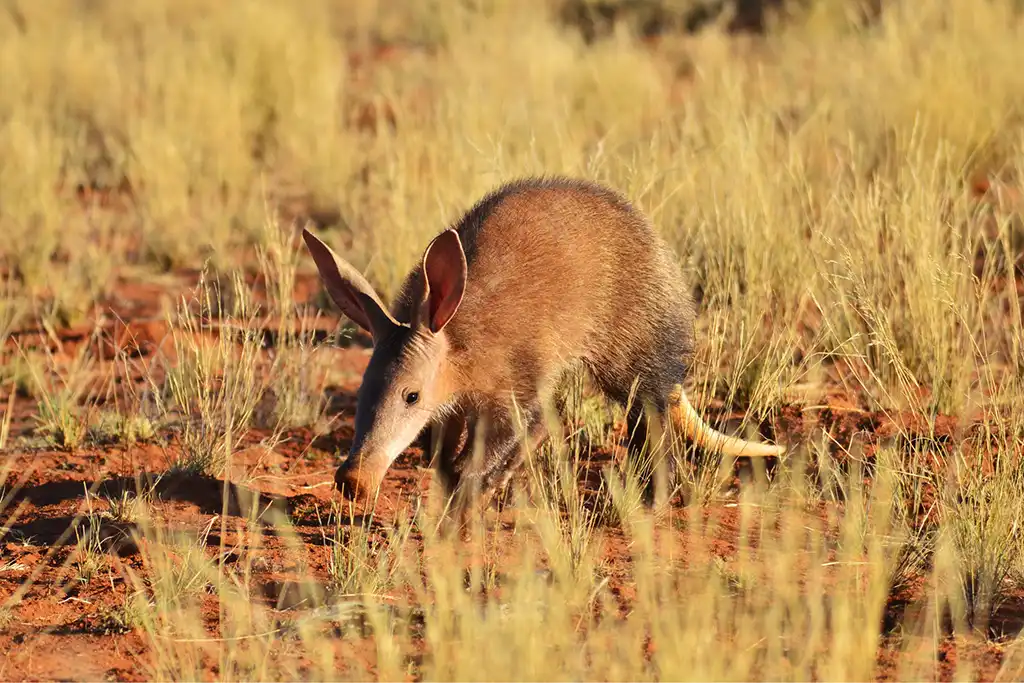
Aardvark: Least Concern to Near Threatened
The aardvark has been uplisted to Near Threatened. The reason given is that “a population reduction is inferred based on a decline in its overall distribution and habitat quality due to climate change & climate-change related droughts that have impacted insect prey availability.”
This is significant because the aardvark depends on termites and ants, and the assessment links its decline to climate-driven pressure on prey and habitat quality.
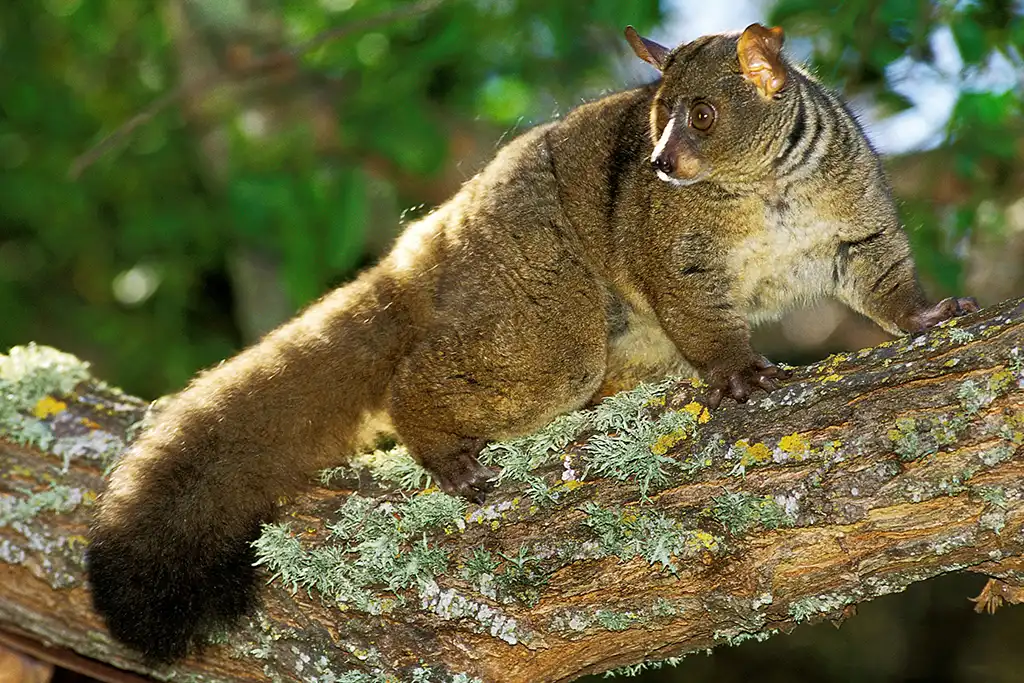
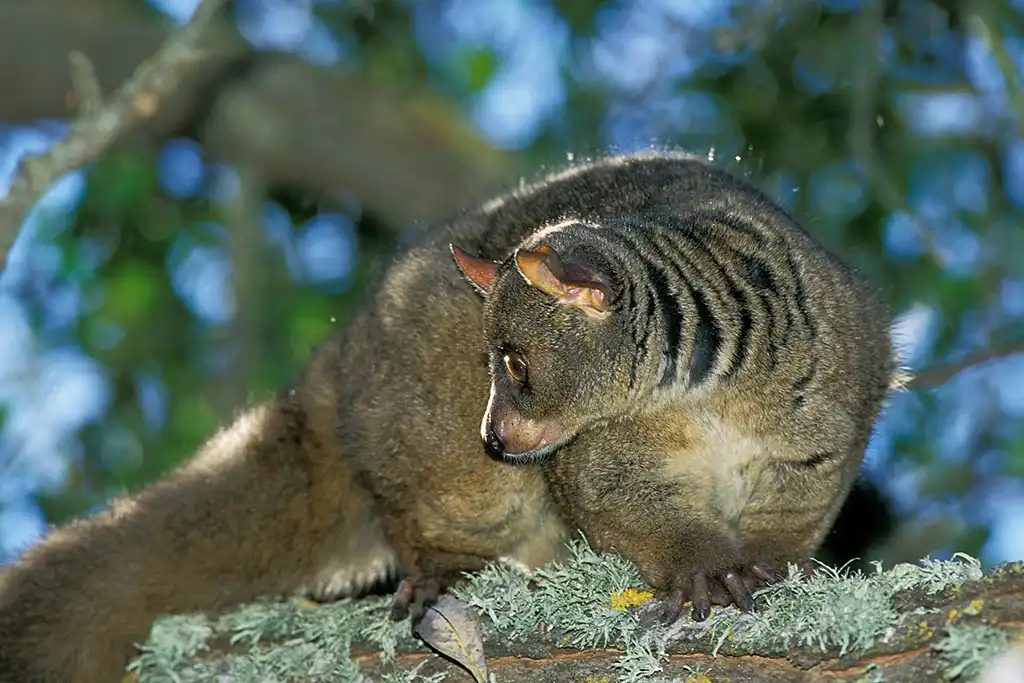
Thick-tailed bushbaby: Least Concern to Near Threatened
The thick-tailed bushbaby was uplisted from Least Concern to Near Threatened, based on ongoing habitat loss and degradation. Two rapidly increasing threats have been added to the risks faced by the bushbabies, namely the building of linear infrastructure (such as roads, pipelines and power lines that fragment habitat) and killings by domestic dogs.
This shift signals growing risks from expanding development footprints and human-associated pressures in previously viable habitats.
Namaqua dune mole-rat: Least Concern to Endangered
One of the sharpest changes is the Namaqua dune mole-rat, which moved from Least Concern to Endangered. This is attributed to “ongoing loss and degradation of its habitat,” with the same rapidly increasing threats recorded for the bushbaby: linear infrastructure and killings by domestic dogs. A jump to Endangered indicates a much higher extinction risk within the assessment region.
Bats: small populations, new pressures
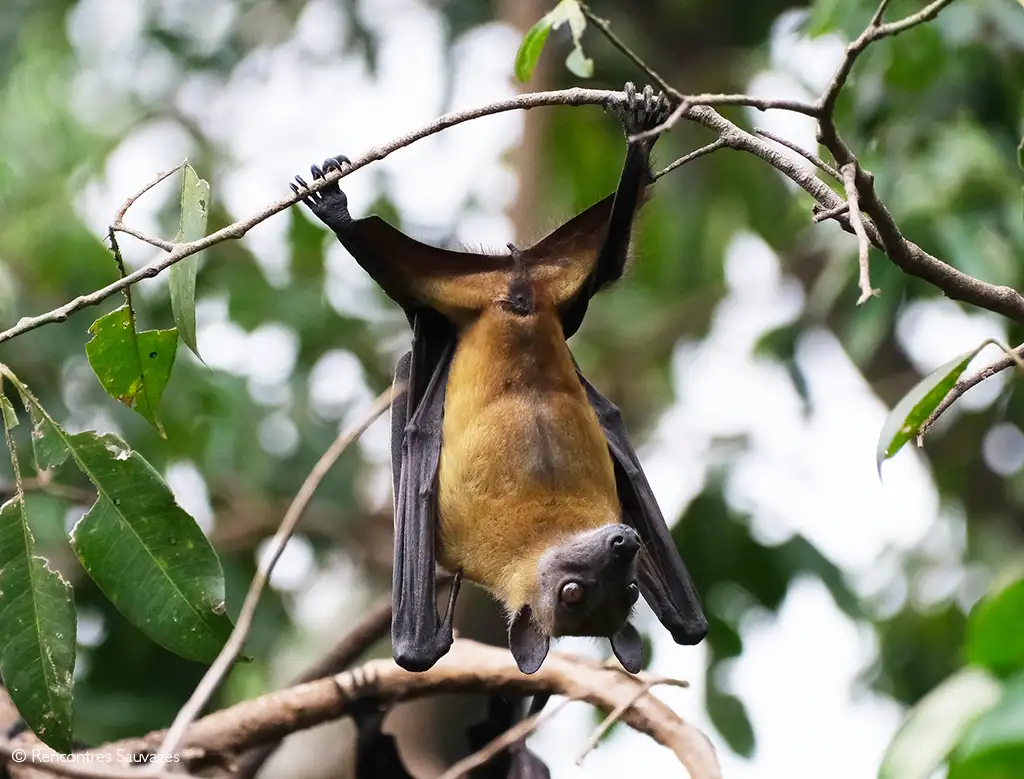
Multiple bat species were uplisted, often linked to very small population estimates and emerging threats such as renewable energy infrastructure: The African straw-coloured fruit bat moved from Least Concern to Near Threatened, with threats including wind turbines and climate change.
Lesueur’s hairy bat moved from Least Concern to Vulnerable, with declining mature individuals and renewable energy development projected to affect the area of occupancy cited as threats.
Bats play important ecological roles, and the Red List now flags that some species are being affected by both shrinking habitats and new forms of landscape-scale infrastructure.
Downlistings show recovery is possible
The 2025 revision also records improved status for three species:
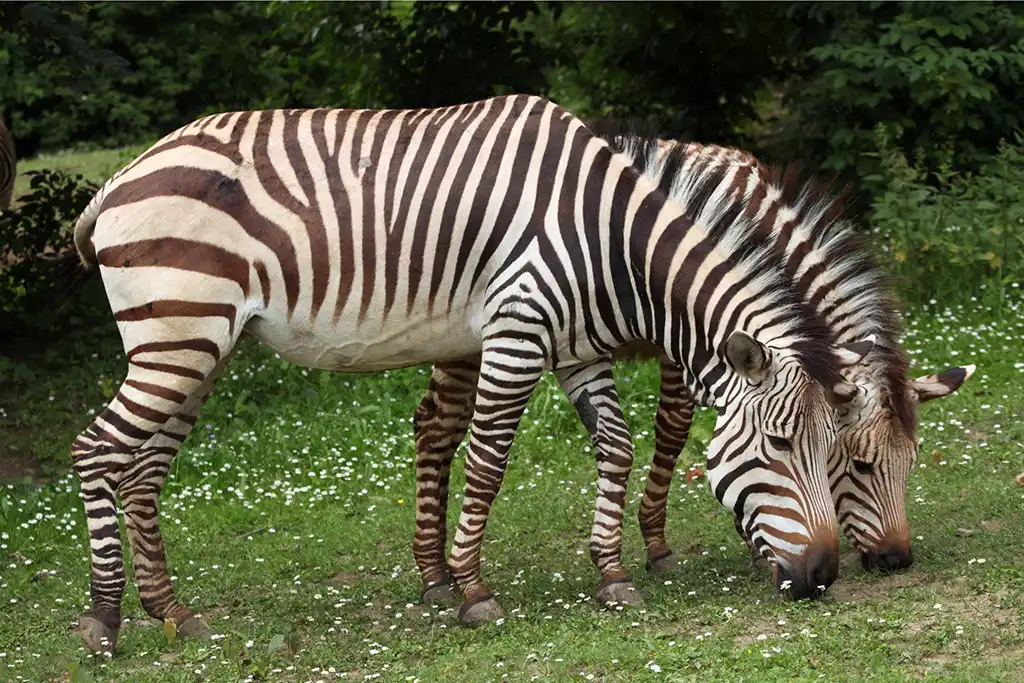
- Hartmann’s mountain zebra (Equus zebra hartmannae): Vulnerable to Near Threatened, due to a genuine increase in population numbers exceeding the threshold for Vulnerable.
- Roan antelope (Hippotragus equinus): Endangered to Vulnerable, with the minimum confirmed wild mature population increasing from less than 250 to less than 1,000 individuals.
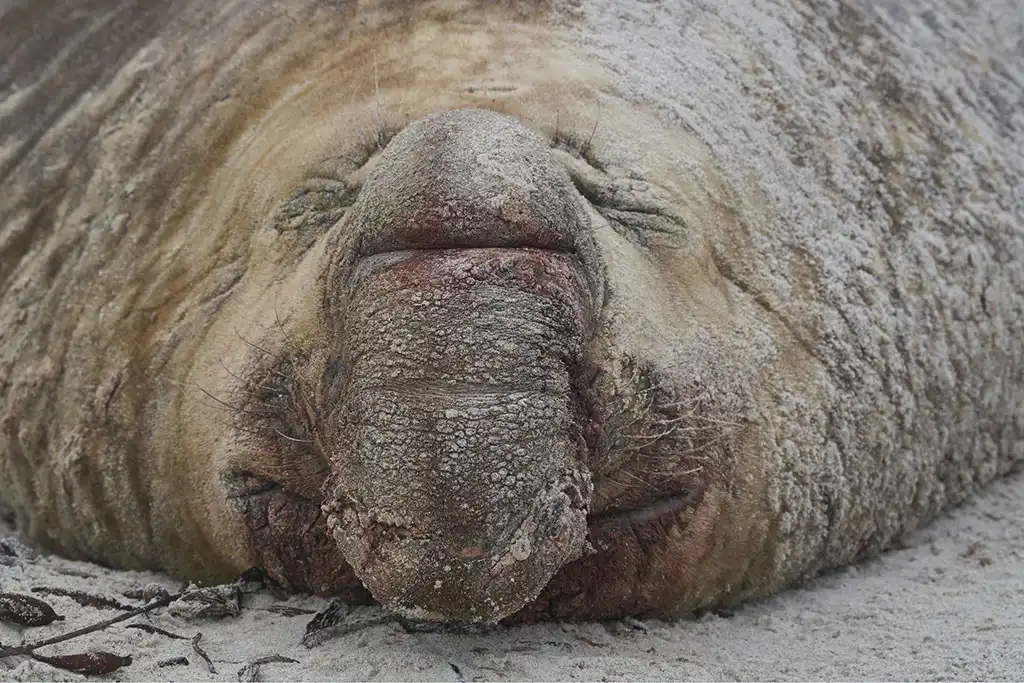
- Southern elephant seal (Mirounga leonina): Near Threatened to Least Concern, with a population increase of approximately 29% over four generations (1986–2023).
Downlistings are not reassurance that threats have disappeared, but they do show that conservation gains can be measured when monitoring is strong enough to confirm trends.

Research priorities
The assessment also highlights gaps that limit conservation action. The most critical issue is insufficient population sampling and monitoring inside protected areas, particularly for small mammals. In 2025, 7% of assessed species were Data Deficient, meaning there was not enough information to assign a category, with cetaceans comprising the majority of these species.
The assessment also included, for the first time, genetic indicators and climate change vulnerability, but notes that both are constrained by limited data. These additions are intended to strengthen future conservation decisions, especially as climate pressure intensifies across the region.
Final thoughts
The 2025 Regional Mammal Red List makes clear that extinction risk in southern Africa is no longer confined to rare or little-known species. Habitat loss, climate pressures and expanding infrastructure are eroding resilience across a wide range of mammals, including species once considered secure. At the same time, documented recoveries show that sustained protection, reduced threats and credible monitoring can shift trajectories. The Red List is therefore not an endpoint but a decision-making tool – one that sets priorities, exposes gaps in protection and research, and clarifies where conservation action must be focused if further declines are to be prevented.
References
Endangered Wildlife Trust. Mammal Red List. Endangered Wildlife Trust.
Endangered Wildlife Trust & South African National Biodiversity Institute. Fact Sheet: The 2025 Regional Mammal Red List of South Africa, Eswatini and Lesotho. Endangered Wildlife Trust, January 2026.
Further reading
- The elusive aardvark is a keystone species, shaping the landscape around it and providing dwellings for other mammals, reptiles and birds. Read more about aardvarks here
- Read more about the largest mammal migration on Earth – the migration of straw-coloured fruit bats in Kasanka
To comment on this story: Login (or sign up) to our app here - it's a troll-free safe place 🙂.