



Our weekly conservation newsletter


Our Top 108 photos for 2026
This is a copy of our weekly email newsletter. Subscribe here to receive the newsletter and more inspiration for your African safari.
From our CEO – Simon Espley
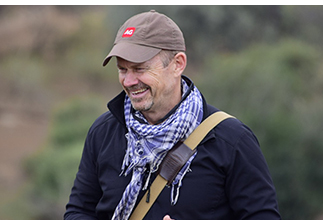
When my Landy is the safest overnight accommodation 🙂
We have many leopards and hyenas in the neighbourhood, so warthogs have to find whatever overnight accommodation they can to avoid being supper. Oftentimes, termite mound burrows are fully occupied, or predator activity nearby makes them a temporary fear zone. And so we frequently have hog families sleeping under my Land Rover.
Of course, they are welcome. BUT using the car in the early morning can be a hazardous undertaking, because their hurtling exit with flashing tusks could seriously damage and even kill me. So, part of my morning ritual is to check for resident hogs and scare them off, as this video illustrates.
One morning, a few years back, one of the hogs would not budge from under the vehicle and was found to be dead by snake bite. This is bushveld life!

Simon Espley – CEO, Africa Geographic
Click below to watch Simon’s encounter:

listen to all Simon’s past editorials here
From our Editor – Taryn van Jaarsveld
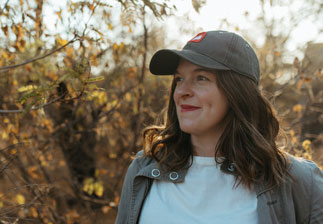
There’s a Cape robin-chat outside my window that seems incapable of sleep. When I’m burning the midnight oil, his flittering and fluting keep me company long after dark. But this isn’t simply insomnia: it’s a symptom of the Anthropocene. Artificial light is reshaping the dawn chorus itself, pushing some birds to sing at hours far earlier and later than they should. A recent study found that robins living near streetlights begin singing well before sunrise and continue later into the night. Species like blackbirds, great tits and blue tits are also shifting their daily rhythms. Artificial light is also disrupting bats, drawing insects away from some species while exposing others to predators as they avoid illuminated skies altogether.
The research highlights urban lighting as a powerful ecological force, but also one that can be managed. Dimming, shielding or switching off unnecessary lights could help restore more natural behaviour for urban wildlife, and return a little darkness to the wild world.
And now, to the light. We’ve entered the final stage of Photographer of the Year 2026. Four galleries now hold the Top 108 photographs of the year: astonishing colour, dense forests, gorgeous infants, brutal hunts, impossibly rare species and split-second moments that feel almost unreal. Somewhere in these galleries is our winner. Check them out below.

Our stories this week
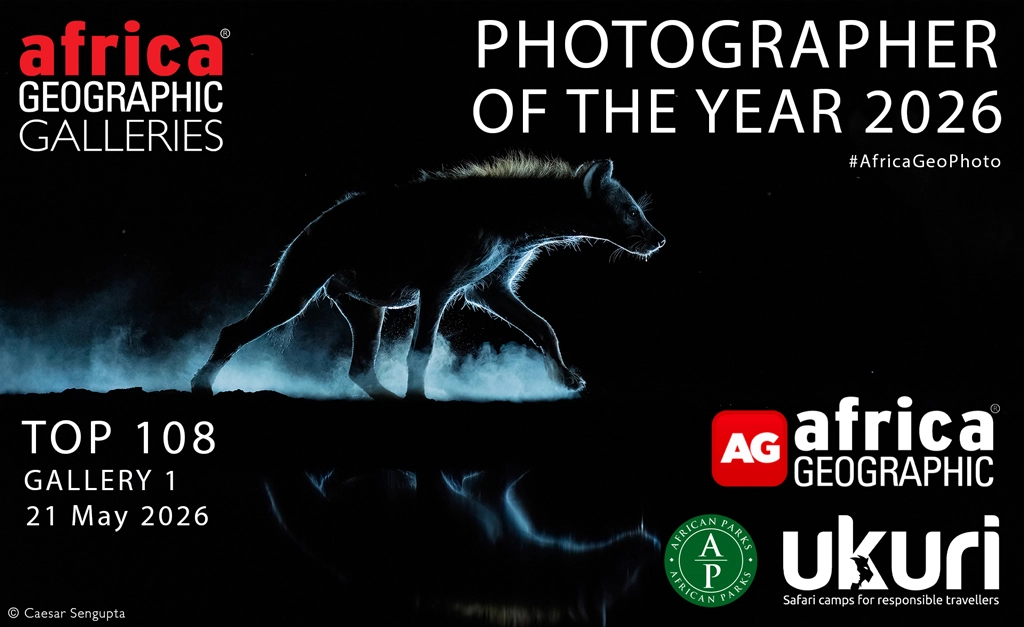
TOP 108 – GALLERY 1
The final stage of Photographer of the Year 2026 begins. Top entrants will win a chimpanzee-trekking trip to Munazi Lodge in Rwanda
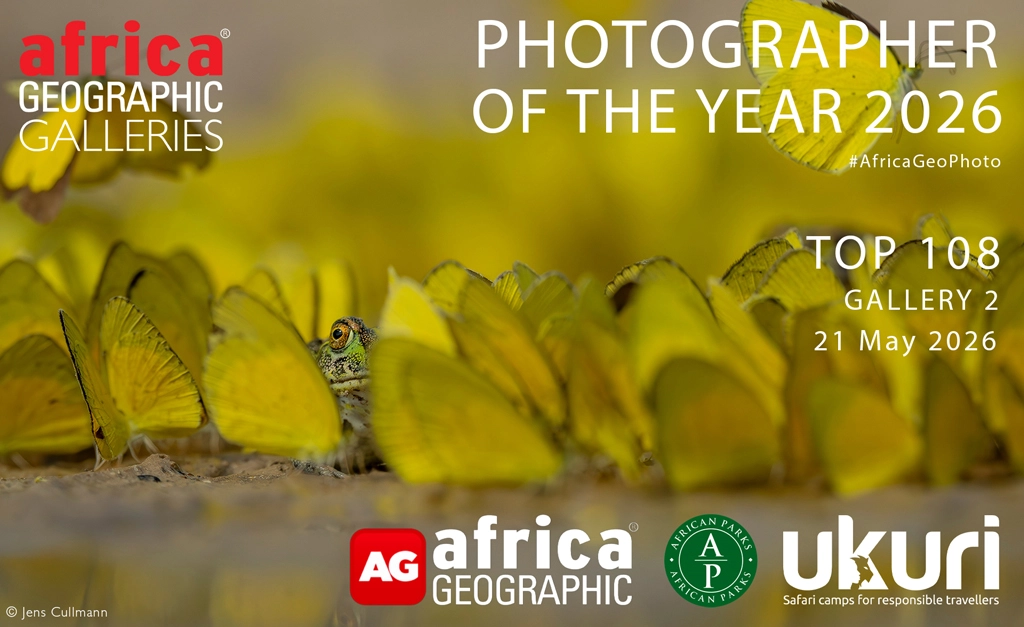
TOP 108 – GALLERY 2
From dense forests to predator action, these Photographer of the Year entries showcase Africa at its wildest and most beautiful
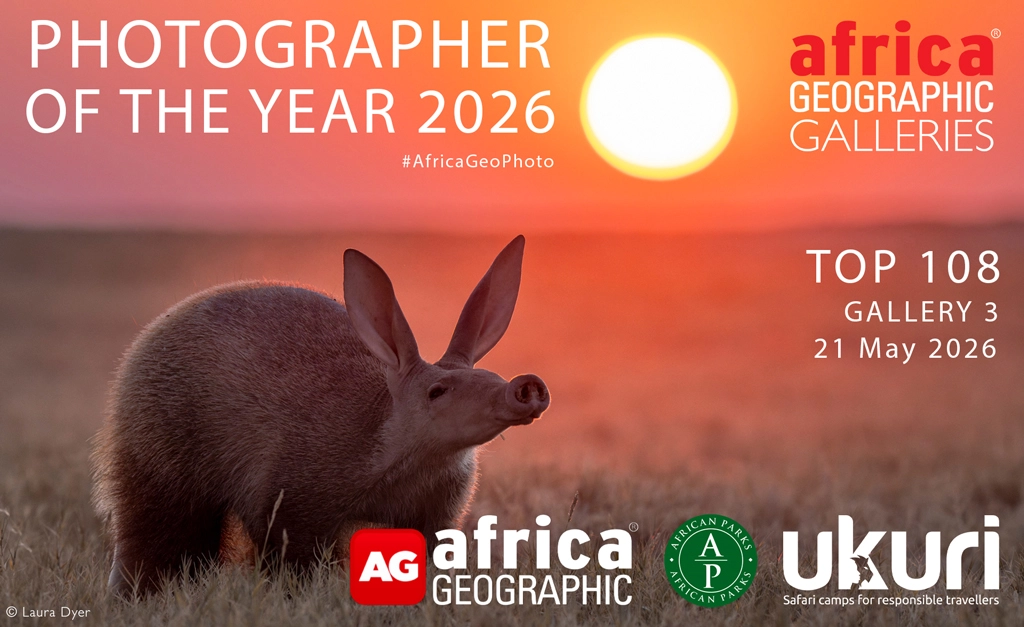
TOP 108 – GALLERY 3
The race to crown our Photographer of the Year 2026 intensifies, and the talented winners will travel to Nyungwe, Rwanda
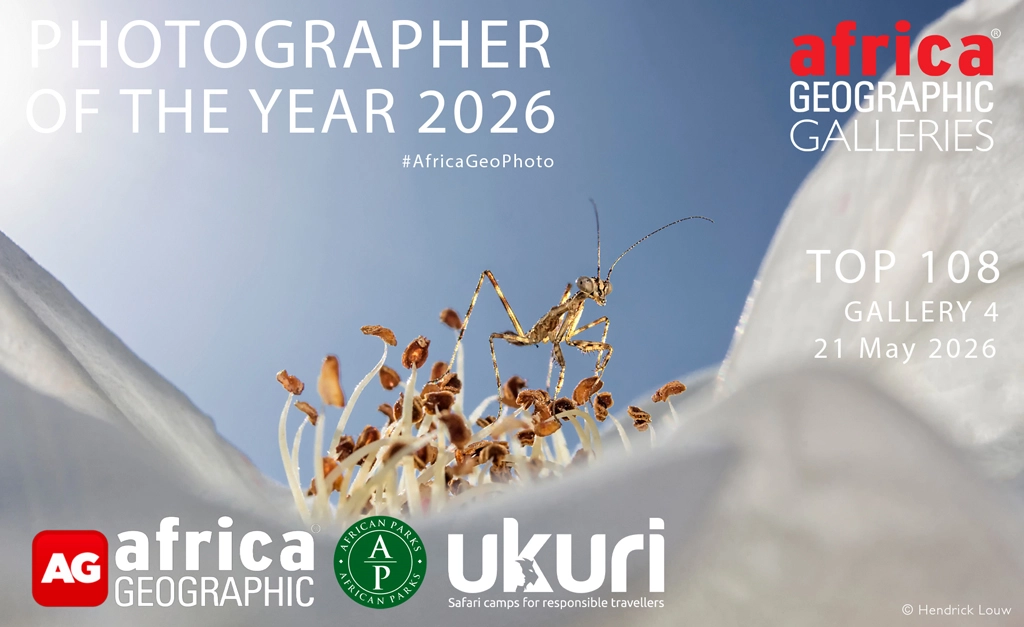
TOP 108 – GALLERY 4
Explore another powerful Photographer of the Year gallery filled with astonishing species, raw emotion and moments
 What makes an Africa Geographic safari different?
Deep local knowledge, carefully chosen lodges, and tailor-made journeys designed around extraordinary experiences in Africa’s wildest places. For over 30 years, we’ve helped travellers experience Africa meaningfully.
We are proud that this approach has earned Africa Geographic a nomination for Africa’s Leading Tour Operator 2026 in the prestigious World Travel Awards. If you’d like to support us, you can vote for Africa Geographic here.
Travel Desk – 2 African safari ideas
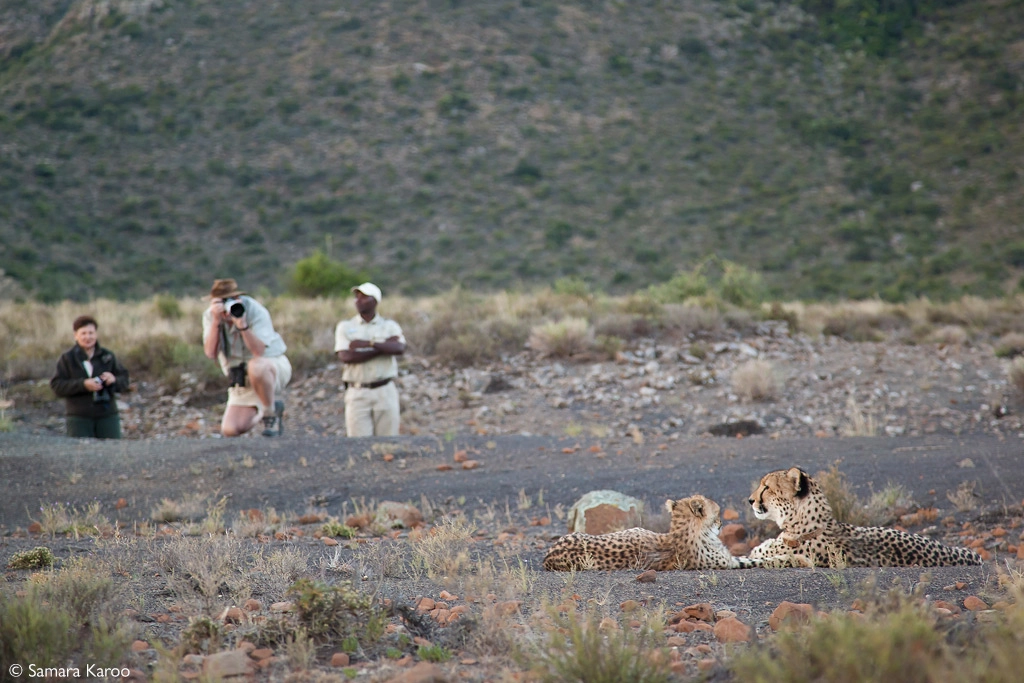
Cheetah conservation safari – 7 days
This safari is all about cheetahs, and more. Experience luxury in malaria-free Big 5 reserves in South Africa’s Eastern Cape and Great Karoo while tracking cheetahs and discovering inspiring rewilding success stories. Enjoy family-friendly activities, authentic farmhouse-style lodges, and meaningful travel with purpose.
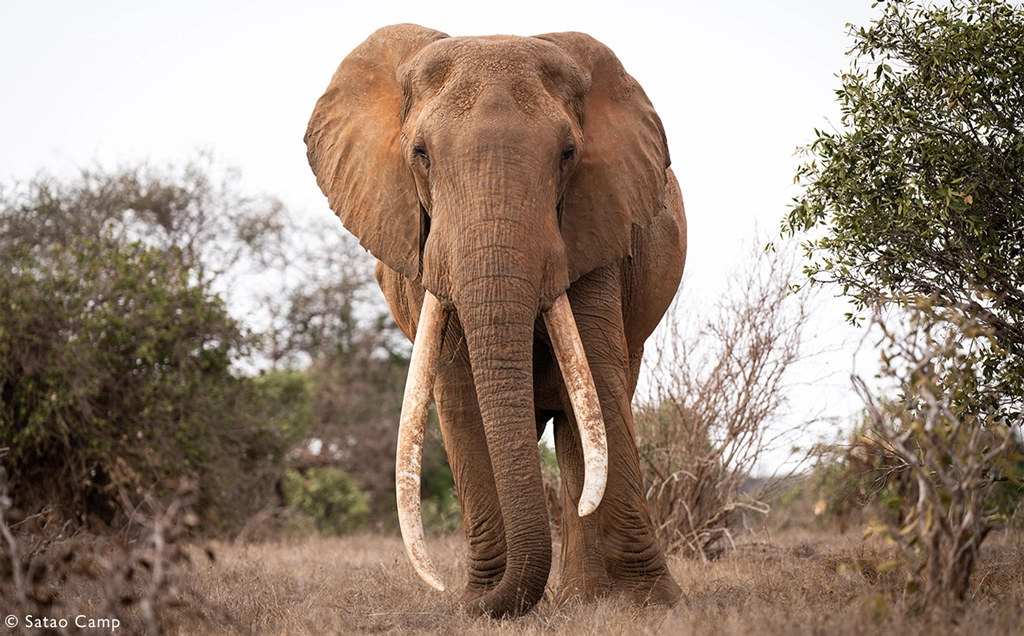
Kenya’s Super Tuskers – 9-days
Time spent with tuskers is an investment in your soul. Journey to Kenya’s stunning Tsavo and Amboseli in search of the large-tusked elephants that define Africa’s vast open landscapes. Along the way, look for Tsavo’s famous maneless lions, gerenuk, elusive striped hyenas and hirola, the world’s rarest antelope. Enjoy unique experiences, such as viewing hippos and crocodiles from an underwater hide and meeting orphaned elephants.
Still dreaming of the ultimate African safari escape? Browse our safari ideas here. Or click here to plan your safari.
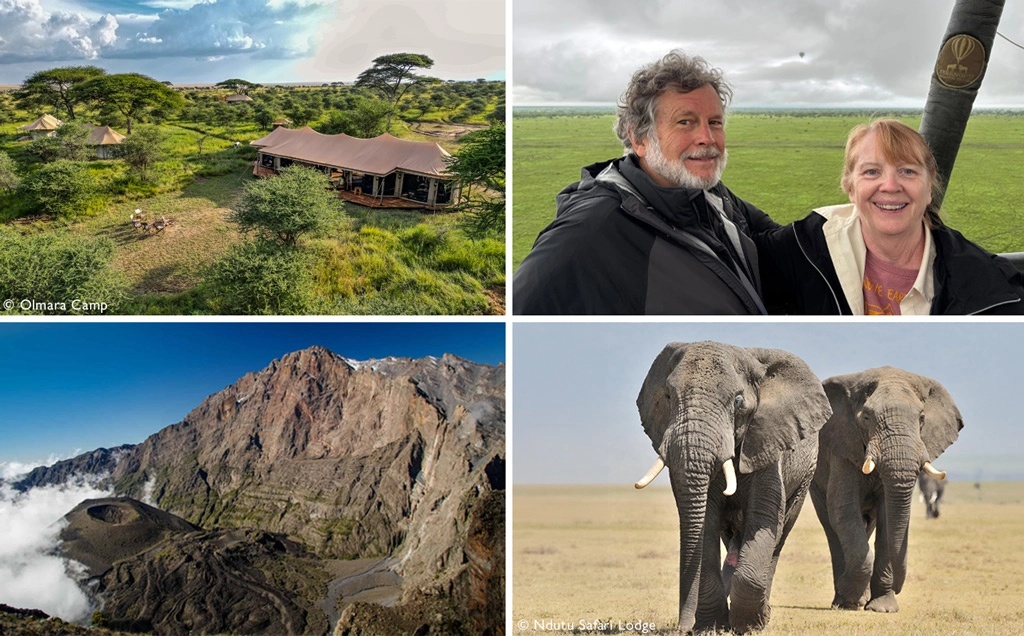
Our safari guests say…
AG safari guests Theresa and William from the USA, enjoyed a dream safari to Tanzania that they will treasure forever:
“Amazing Adventure by Africa Geographic. Stef, Wayne, and the rest of the team helped us realise our dream of an African safari. Our guides Julius, Kaseem and John shared their vast knowledge of the wildlife and habitats. Such beautiful things we saw, memories to be shared and cherished. We can’t recommend Africa Geographic highly enough.”
Find your Tanzania safari here.
WATCH
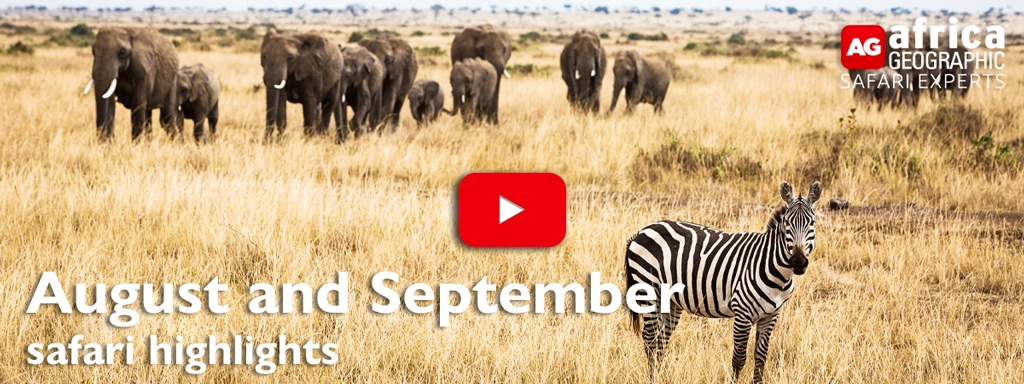
Planning an African safari for August or September? These peak safari months deliver dramatic wildlife sightings, excellent gorilla experiences, dry-season game viewing, predator action and iconic events like the Great Migration river crossings. In this video, Africa Geographic breaks down what to expect, where to go, and why booking early is essential for Africa’s busiest safari season. (02:09) Watch here
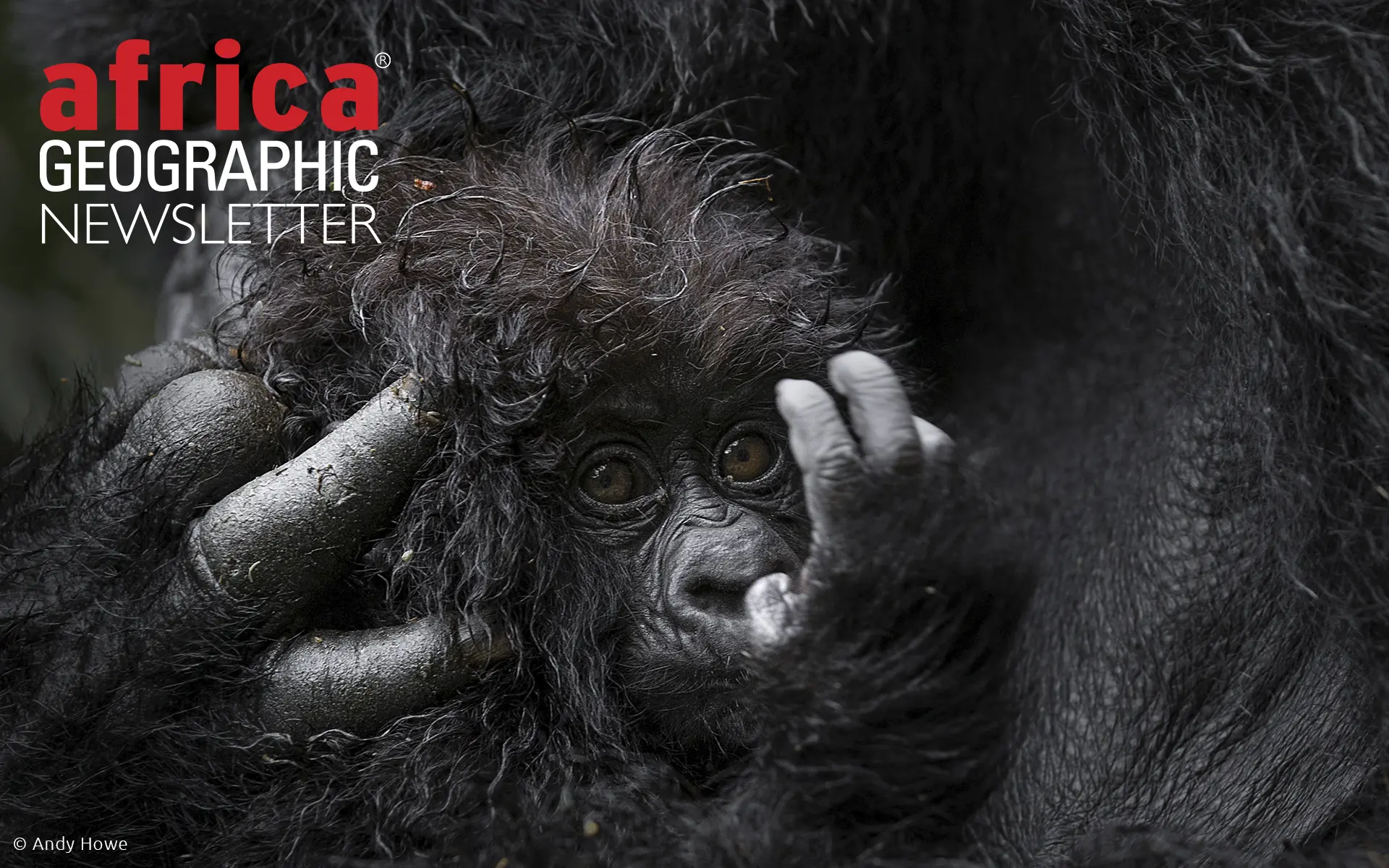
Cover image: In the forests of Volcanoes National Park, a 2-month-old gorilla baby clings to the safety of its mother. Volcanoes National Park, Rwanda. ©Andy Howe
Photographer of the Year 2020 highly commended entry
To comment on this story: Login (or sign up) to our app here - it's a troll-free safe place 🙂.