
Breeding success, but conservation concerns remain

- Four years after reintroduction, India’s cheetah population has grown to approximately 59 animals.
- Most cheetahs remain in managed enclosures, raising questions about long-term population viability.
- Adult mortality has been relatively high, with several deaths linked to management practices.
- Kuno’s limited habitat and competition with leopards complicate establishing a free-ranging population.
- The project remains controversial as the court-ordered relocation of Asiatic lions to the same park remains unfulfilled.
 Want to see cheetahs in their natural habitat on an African safari? Check out our safari ideas here, or let our travel experts plan the perfect African safari for you.
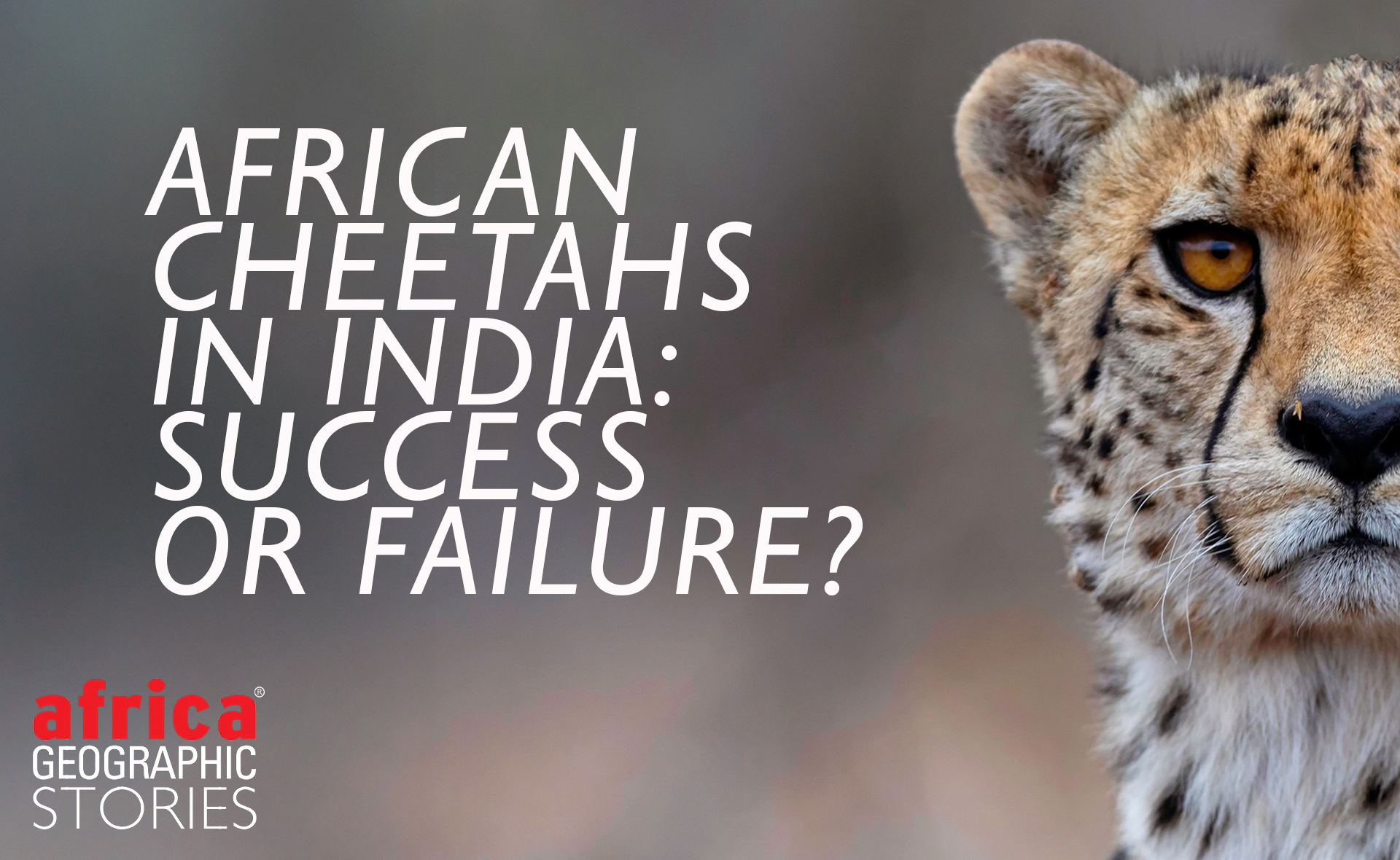
Four years after the first African cheetahs arrived in India, Project Cheetah has recorded its first major successes. Cheetahs have bred, cubs have survived, and a population of approximately 59 animals has been established, from a founder population of 29 cheetahs. Yet the project remains deeply controversial. Most of these cheetahs are not living freely in the wild, mortality has been substantial, and fundamental questions about habitat suitability remain unanswered.
India’s ambitious attempt to restore cheetahs to a landscape where they disappeared more than 70 years ago has demonstrated that African cheetahs can survive and reproduce in Indian conditions. Whether they can establish a viable, self-sustaining wild population is another matter.
This distinction matters not only for Project Cheetah, but also for future attempts to restore large carnivores to landscapes from which they have disappeared.
Why African cheetahs were brought to India
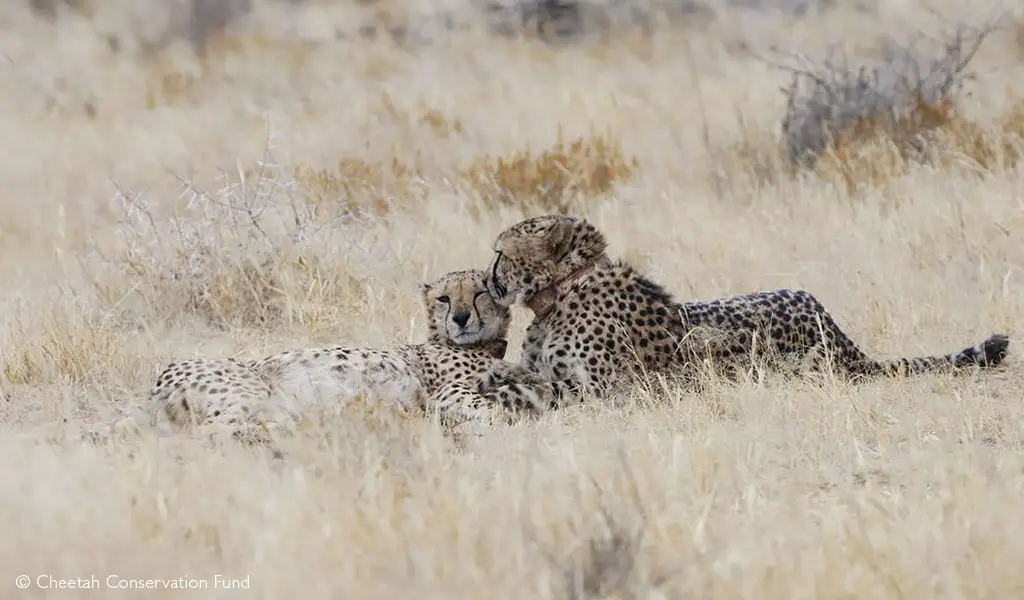
Cheetahs were declared extinct in India in 1952, following decades of hunting, habitat loss and declining prey populations. The animals that historically occupied India belonged to the Asiatic subspecies (Acinonyx jubatus venaticus), which now survives only in Iran.
With an estimated 20–30 individuals remaining in Iran, the Critically Endangered Asiatic cheetah population is too small to provide animals for reintroduction elsewhere.
India therefore turned to southern Africa, sourcing Southeast African cheetahs (A. j. jubatus) from Namibia, South Africa and, most recently, Botswana.
The first eight animals arrived from Namibia in September 2022, followed by 12 from South Africa in February 2023 and nine from Botswana in 2026, a total of 29 founder animals to date.
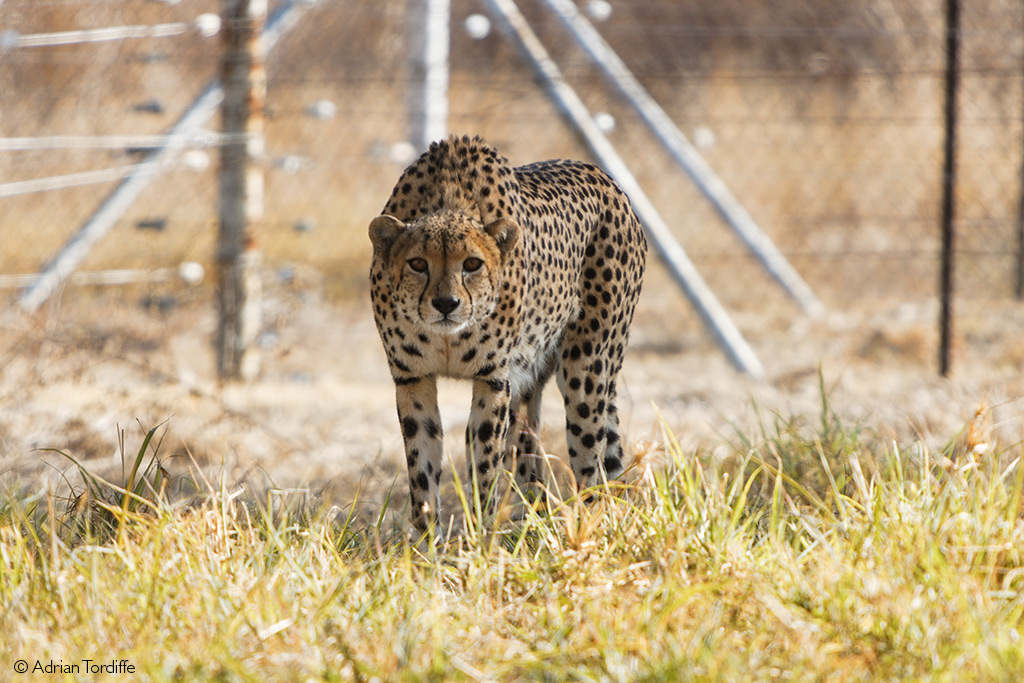
The decision generated considerable scientific debate. In a 2022 correspondence published in Nature Ecology & Evolution, Gopalaswamy and colleagues argued that introducing a different subspecies carried ecological and genetic risks. They also questioned whether India had sufficient suitable habitat to support a viable population.
In response, Tordiffe and colleagues (2023) argued that African cheetahs could restore a missing ecological function, that suitable habitats had been assessed, and that southern Africa’s managed cheetah population could supply founders without compromising its conservation.
Africa Geographic examined both positions in our 2023 Decoding Science article. Four years later, the evidence provides a clearer picture of the project’s achievements and limitations.

Cheetah population growth does not necessarily mean establishment in India
By October 2026, India’s cheetah population numbered about 59 animals, including Indian-born cubs and second-generation offspring. 53 are at Kuno, four at Gandhi Sagar Wildlife Sanctuary and two at Veerangana Durgavati Tiger Reserve.
This represents significant breeding success, particularly given the challenges of moving wild carnivores between continents.
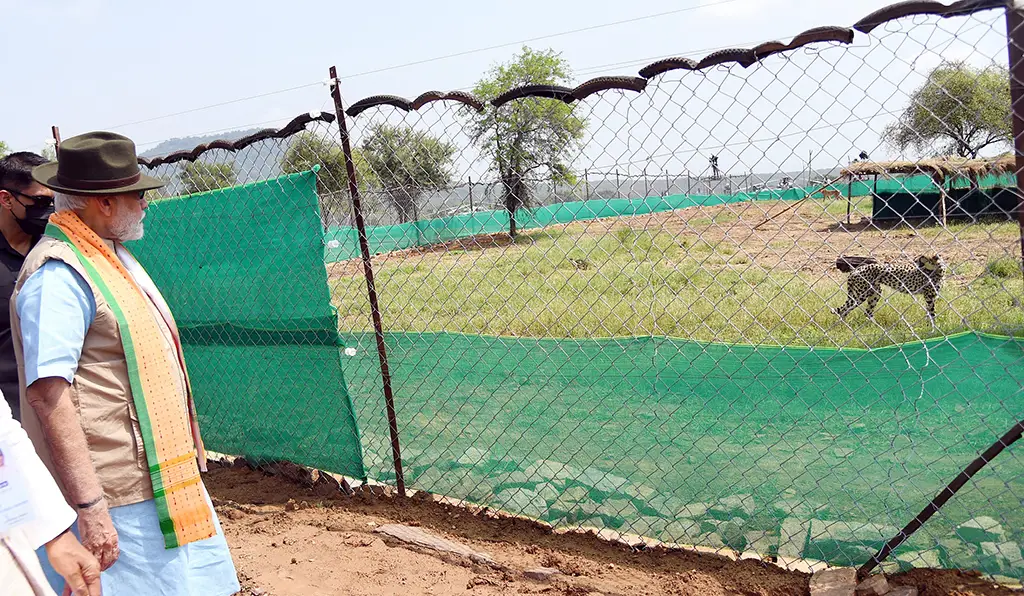
However, population totals require careful interpretation. Recent reports indicate that only approximately 15 cheetahs at Kuno National Park have been living freely outside managed enclosures. Most remain in bomas or soft-release facilities, where their movements, breeding and survival are closely managed. These facilities are valuable during quarantine and acclimatisation. However, maintaining animals in restricted conditions for extended periods differs substantially from establishing a free-ranging population.
A growing population under intensive management is therefore not equivalent to a self-sustaining wild population.
For Project Cheetah to achieve its stated conservation objectives, animals must survive, reproduce and establish territories in open landscapes with progressively less human intervention.
What the India mortality figures reveal
Mortality has been among the project’s most contentious issues.
By October 2026, ten of the 20 founders translocated from Namibia and South Africa had died: six of the eight Namibian cheetahs and four of the 12 from South Africa. Official figures from India’s environment ministry and the National Tiger Conservation Authority put total deaths, adults and cubs combined, at 24 by late September 2026. The death of an eight-month-old cub on 12 October brought the total to 25.
However, interpreting these deaths requires distinguishing between natural mortality and deaths potentially associated with management. Cheetah cub mortality is naturally high. Research from Tanzania’s Serengeti has documented mortality approaching 95% before independence, primarily through predation. Survival rates are considerably better in some other African ecosystems.
Consequently, cub losses in India are not necessarily evidence that the reintroduction is failing.
Adult mortality presents a different concern. Several adult deaths have occurred during confinement or management, with reported causes including injuries sustained in enclosures, infections associated with tracking collars, disease and mating-related injuries.
Comparisons with African cheetah populations suggest that adult founder mortality has been relatively high, particularly during the restricted-management phase.
South Africa’s managed cheetah metapopulation provides a useful comparison. Cheetahs are regularly moved between fenced reserves to maintain genetic diversity and population viability. Although mortality occurs through predation and management-related complications, the population has demonstrated sustained growth.
Many adult deaths in India, though not all, occurred during confinement or intensive management. Free-ranging animals have also died. In 2023, wounds beneath radio collars led to maggot infestation and fatal septicaemia in cheetahs living in the open. In September 2025, a sub-adult female was found dead in Kuno, apparently after a fight with a leopard.
These cases indicate that both management practices and conditions in the Indian landscape warrant closer examination.
Nevertheless, the relatively small number of free-ranging animals limits conclusions about their long-term survival.
Can India’s Kuno support a wild cheetah population?
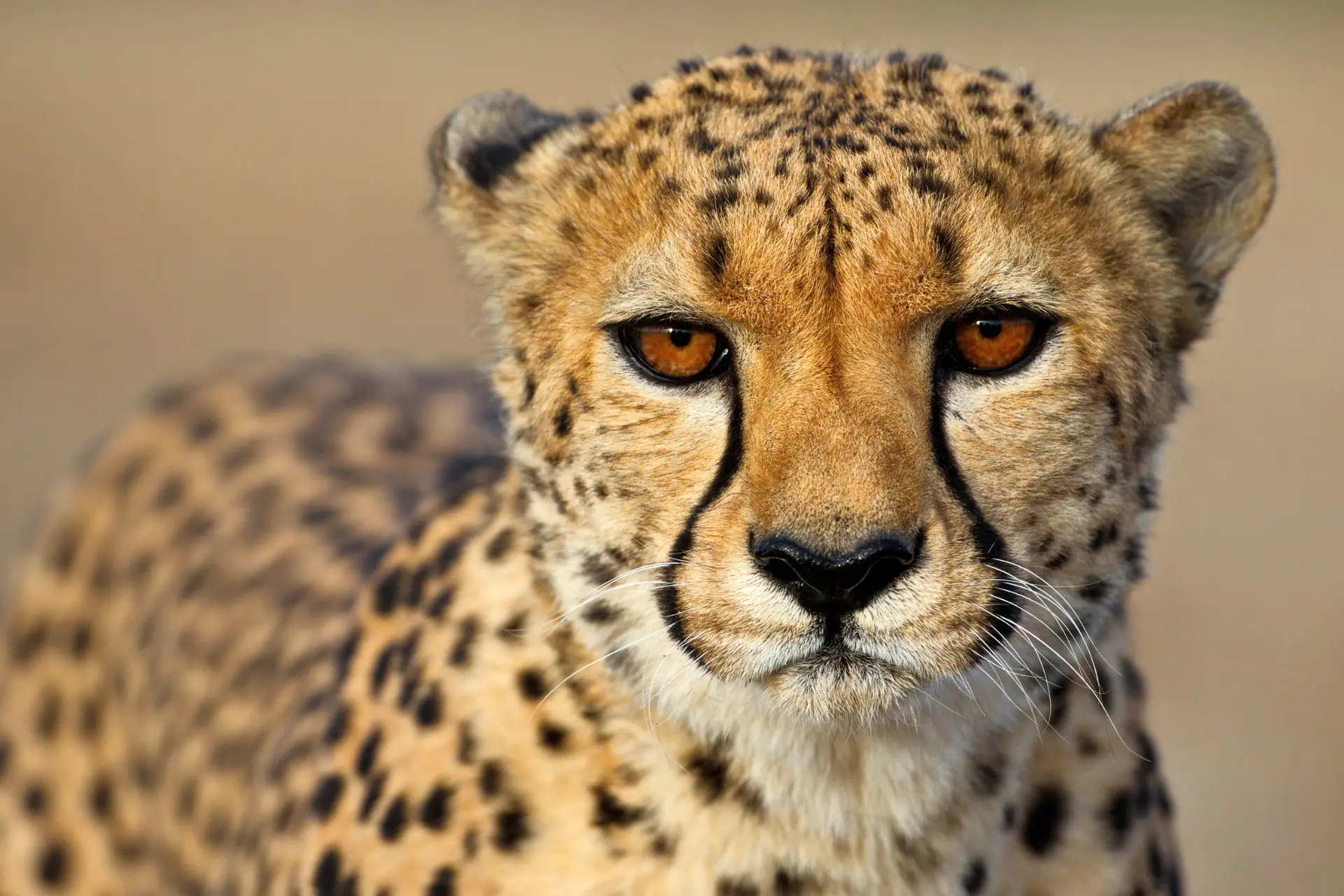
Kuno National Park covers approximately 750 km² in Madhya Pradesh, with a larger surrounding wildlife division extending beyond the protected core.
The park contains grasslands and open forests that support chital, sambar, nilgai, and other potential cheetah prey. Leopards are also established throughout the landscape.
Although the park is unfenced, its relatively limited area poses challenges for a species that requires extensive home ranges.
India’s 2021 Action Plan for Introduction of Cheetah estimated that Kuno’s 750 km² could support a maximum of 21 cheetahs, rising to about 36 once the wider landscape is restored. Independent scientists challenged the figure. Gopalaswamy and colleagues argued that cheetahs in prime African habitat occur at roughly one animal per 100 km², and research on home-range size suggests that as few as three cheetahs could occupy the entire park.
Competition with leopards, movement beyond protected boundaries and interactions with surrounding human settlements further complicate population establishment. Project Cheetah envisages additional populations in other protected areas, eventually creating a connected or actively managed metapopulation.
However, establishing multiple populations will not necessarily resolve habitat limitations unless suitable landscapes, prey populations and long-term connectivity are secured.
The unresolved Asiatic lion controversy
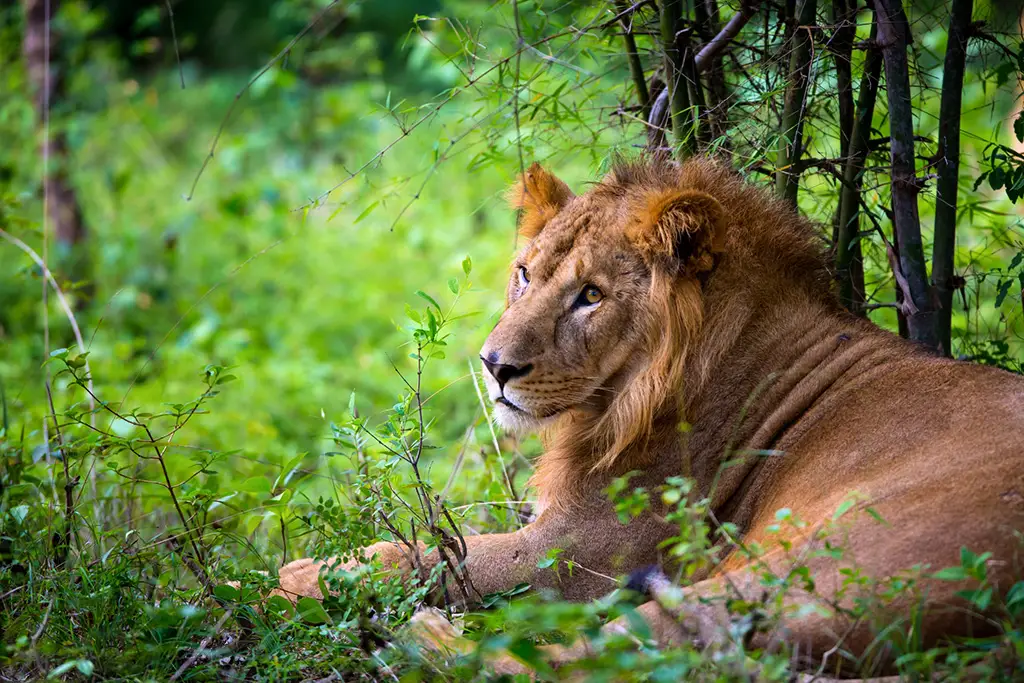
One of the strongest criticisms of Project Cheetah concerns another endangered carnivore. Kuno was originally prepared as a second home for Asiatic lions (Panthera leo persica), whose remaining wild population is concentrated in Gujarat.
Approximately 1,500–1,650 families were relocated from 24 villages during preparations to restore the landscape for lions.
In April 2013, India’s Supreme Court ordered the translocation of Asiatic lions from Gujarat to Kuno, recognising the conservation risks associated with maintaining the population within a single geographical region. The Court also rejected the proposed introduction of African cheetahs to Kuno at that time.
Despite the ruling, no Asiatic lions have been transferred to Kuno.
The concern extends beyond competition for habitat. Concentrating an endangered population in one region increases its vulnerability to disease outbreaks and other large-scale threats. Project Cheetah’s supporters maintain that cheetahs and lions could potentially coexist and that introducing cheetahs need not permanently prevent lion translocation.
Critics argue that the considerable resources and political attention directed towards cheetahs have effectively displaced a legally mandated conservation priority.
The unresolved lion translocation remains an important measure against which India’s broader conservation priorities must be assessed.
What constitutes success?
Project Cheetah has achieved something significant: African cheetahs have reproduced in India, and some have adapted to free-ranging conditions.
However, four years of intensive management have not yet demonstrated that India can sustain an independent wild cheetah population.
Future assessments must consider survival and reproduction outside enclosures, habitat availability, reduced management-related mortality and the establishment of additional viable populations.
The conservation benefits claimed for India’s grasslands and associated wildlife must also be demonstrated, not assumed.
Project Cheetah’s achievements deserve recognition, but its ultimate success cannot be measured by population growth alone. The decisive evidence will be whether cheetahs can persist in India’s landscapes without continual intervention, while other urgent conservation commitments, particularly relocating Asiatic lions, are fulfilled.
Further reading
- To learn more about cheetah behaviour, read here.
- When should “clever” cheetah breed? New research shows how cheetah mothers time breeding with baby booms of prey, boosting cub survival in changing African landscapes
- How cheetahs modify prey handling behaviour to outsmart lions and hyenas: Cheetahs in the Serengeti National Park change their behaviour when handling large kills based on the threats presented by lions and hyenas, according to researchers.
References
Africa Geographic (2023) ‘A passage to India: How the journey of southern Africa’s cheetah divided the experts’. Africa Geographic.
Deccan Chronicle (n.d.) ‘MP: Cheetah introduction improves grassland habitat of Kuno National Park’. Deccan Chronicle.
Down To Earth (2023) ‘Radio collars of 6 cheetahs removed at Kuno National Park’. Down To Earth.
Endangered Wildlife Trust (n.d.) ‘Cheetah metapopulation: South Africa’s conservation model’. Endangered Wildlife Trust.
Frontline (2022) ‘Misplaced pride: How African cheetahs trumped Asiatic lions in India’s conservation discourse’. Frontline.
Hindustan Times (2022) ‘Explainer: Why introducing African cheetahs brings hope and several challenges’. Hindustan Times.
Hindustan Times (2026) ‘55 big cats, 17 of them in the wild: Taking stock of Project Cheetah as it completes four years’. Hindustan Times.
India Today (2026) ‘Kuno National Park cheetah cub death reduces India’s population’. India Today.
IUCN NL (n.d.) ‘Hope for Asiatic cheetah in Iran’. IUCN NL.
Madhya Pradesh Tourism (n.d.) ‘Kuno National Park’. Madhya Pradesh Tourism.
News18 (2022) ‘No human settlements, thriving prey base, co-existence: Why Kuno was picked as home for African cheetahs’. News18.
Newslaundry (2026) ‘Cheetahs in Kuno, lions in waiting: Inside India’s most contested conservation project’. Newslaundry, 15 June.
Supreme Court of India (2013) ‘Centre for Environment Law, WWF-India v. Union of India and Others’. Supreme Court of India judgment, 15 April.
Tehran Times (2026) ‘Cheetah conservation plan revised with focus on reducing human-caused mortality’. Tehran Times.
The Hindu (2020) ‘Huge evolutionary divide between African and Asian cheetah, says CCMB study’. The Hindu.
The Hindu (2022) ‘Asiatic lions sidelined for African cheetahs’. The Hindu.
The Hindu (2025) ‘A viable population of lions can easily be established in the space available at Kuno’. The Hindu.
The Hindu (2026) ‘As Project Cheetah completes four years, big cat population in India rises to 52’. The Hindu.
The Wire (2026) ‘War on Iran disrupts efforts to save the Asiatic cheetah, world’s rarest big cat’. The Wire.
To comment on this story: Login (or sign up) to our app here - it's a troll-free safe place 🙂.