


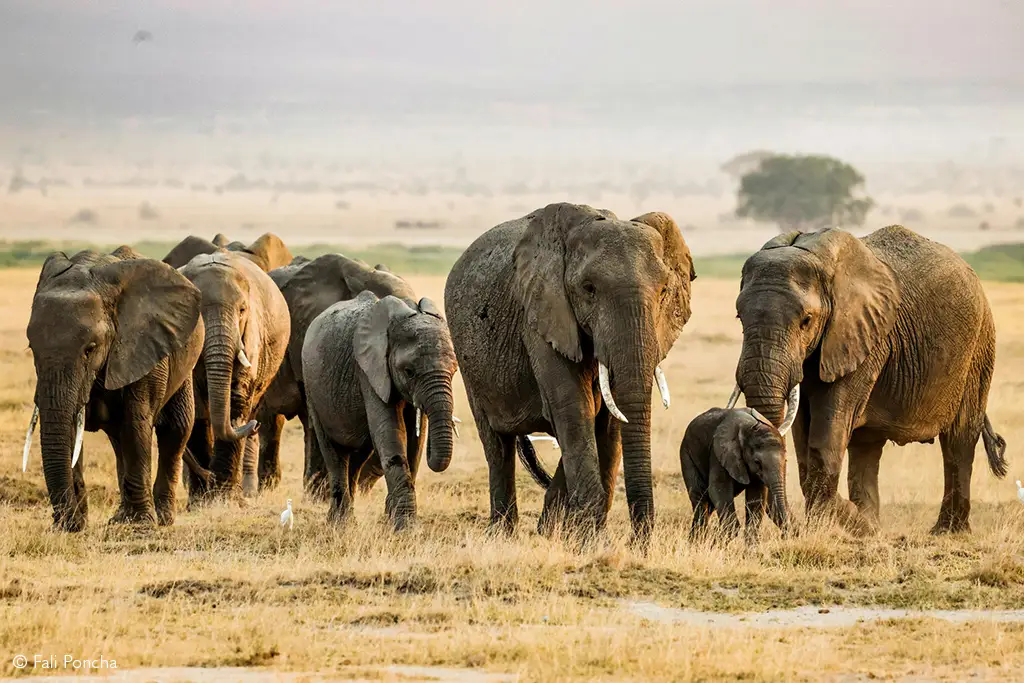
- Human expansion is a stronger conflict driver than climate change across the study landscape.
- High-risk human-elephant conflict areas could expand substantially by 2085.
- Crop raiding rises with growing human populations, cropland and built-up areas.
- Fences, roads and drying protected areas also influence where conflict occurs.
- Better land-use planning could reduce future pressure on communities and elephants.
 Ready to experience Africa’s elephants responsibly in a way that aids their conservation? Explore our Big 5 safari ideas and let our Safari Experts create a tailor-made safari that respects wildlife and supports responsible travel.
Human–elephant conflict is already a major conservation and livelihood challenge across southern Africa. New research suggests that, without active changes to how shared landscapes are used and planned, both the frequency and geographic extent of conflict could rise substantially over the coming decades.
A study published in PNAS Nexus examined elephant crop raiding across a large transboundary landscape spanning northern Namibia, much of northern Botswana, and parts of Angola and Zambia. The researchers found that human population growth and expanding land use were stronger drivers of conflict than climate change, although increasing aridity also played an important role.
Their projections indicate that the area exposed to high human–elephant conflict risk could increase by between 33% and 100% by 2085, depending on future patterns of human development, land conversion and climate change.
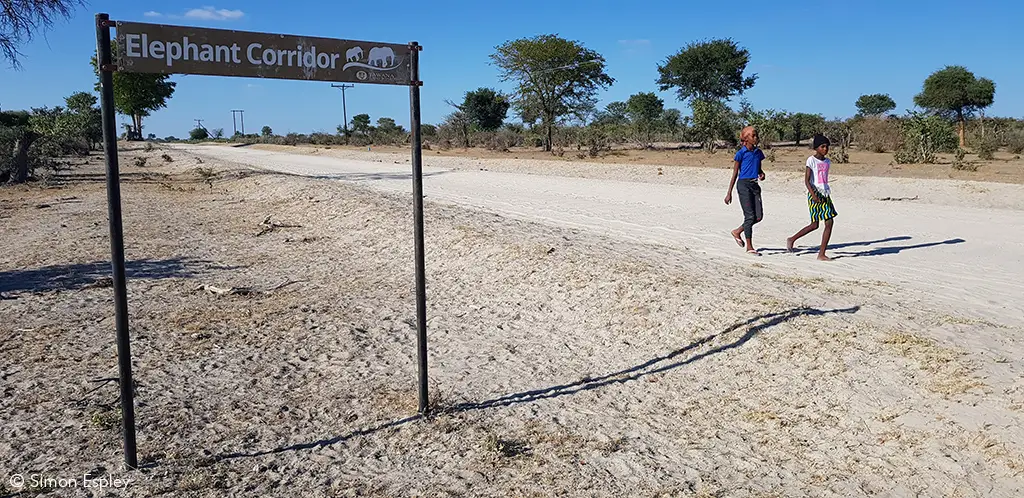
Human–elephant conflict in context
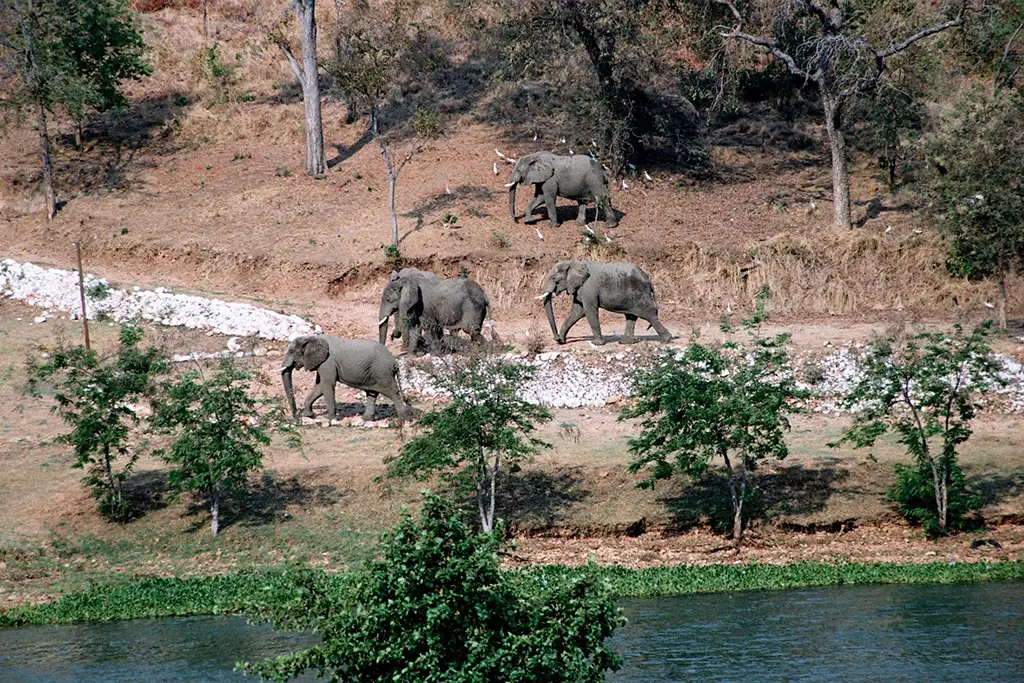
Human–elephant conflict occurs when elephants and people compete for space or resources, leading to consequences such as crop losses, damaged infrastructure, livestock losses or injuries to people.
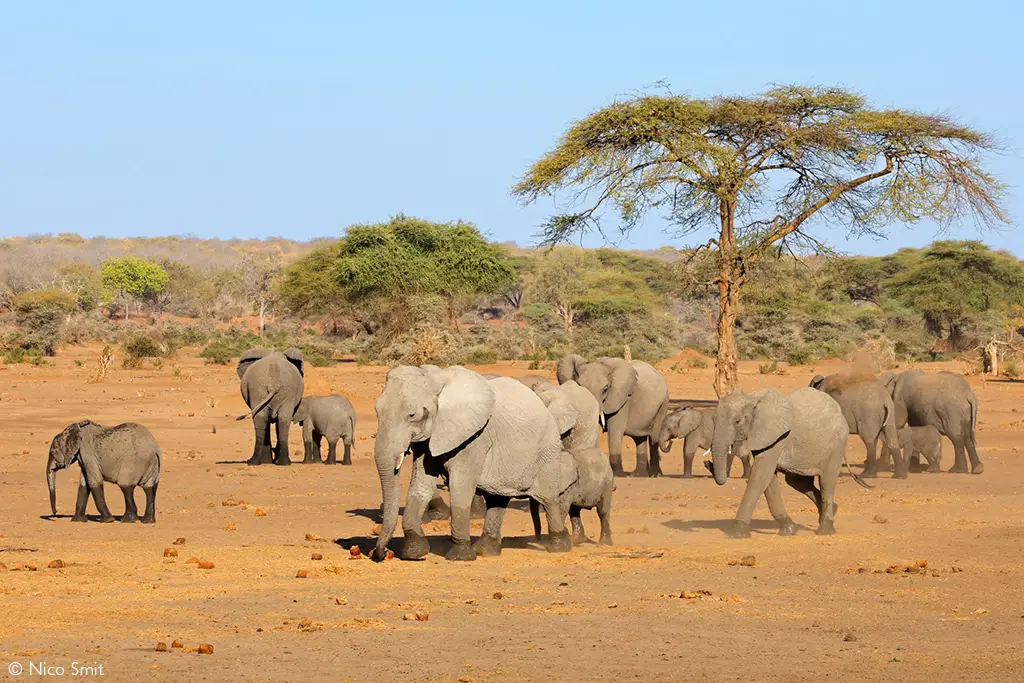
Southern Africa supports more than 290,000 savanna elephants, representing roughly 70% of Africa’s savanna elephant population. At the same time, the region’s human population is growing rapidly. As settlements and agriculture expand, elephants increasingly encounter human-dominated landscapes.
For affected communities, the costs can be severe. In Namibia, elephant crop raiding can cause economic losses that outweigh local benefits obtained through income from trophy hunting. These livelihood impacts can erode community support for conservation and, in extreme cases, contribute to decisions to cull elephants.
This creates a difficult conservation tension. Elephant recovery may be viewed as a success at regional level, while rural households living alongside elephants can carry much of the direct cost of coexistence.
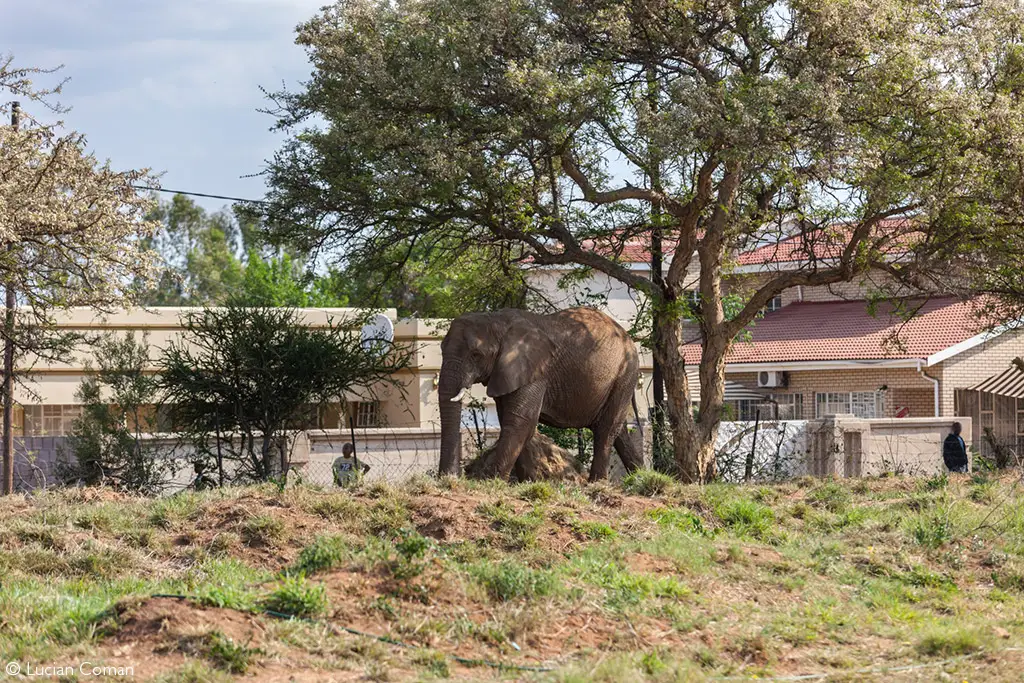
What is driving conflict?
The researchers focused primarily on crop raiding, which made up more than 90% of the recorded conflict incidents in their dataset. They analysed reports collected between 2004 and 2020 across 38 communal conservancies in Namibia and modelled these dynamics across the wider transboundary landscape.
The study combined two complementary analytical approaches. Statistical causal-inference models were used to identify factors associated with changes in crop-raiding rates over time, while machine learning models were used to predict where conflict was most likely to occur across the landscape.
The results point strongly towards human expansion. Rising human populations were significantly associated with higher crop-raiding rates, while increases in cropland and built-up areas were linked to greater wet-season conflict.
Climate also mattered. Drier conditions inside core elephant-protected areas were associated with greater wet-season conflict in nearby conservancies. The researchers suggest that reduced habitat suitability in these areas may contribute to elephants moving into surrounding agricultural landscapes.
However, variation in human population and land cover was more predictive of crop-raiding conflict than climate during the study period.
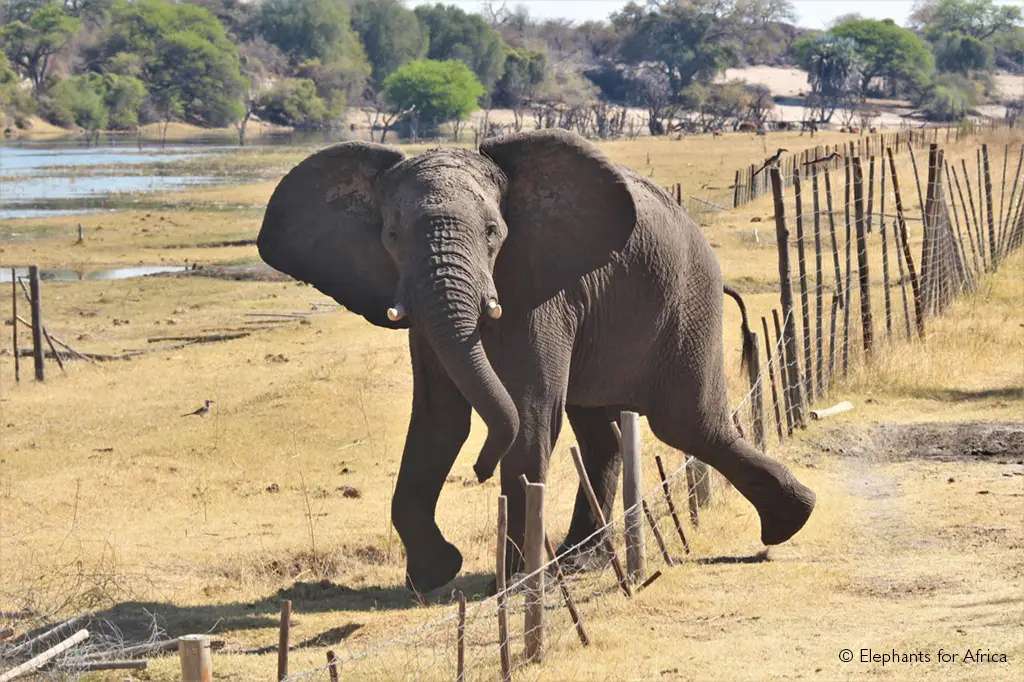
Landscape infrastructure also played an important role. Areas closer to wildlife fences and farther from roads were more likely to experience conflict, suggesting that human-made landscape features can constrain elephant movement and influence where encounters with people become concentrated.
Where conflict is concentrated
The models identified several existing conflict hotspots.
Namibia’s Zambezi Region is one of the most important. It is relatively wet and suitable for farming, resulting in higher human population density and a greater agricultural footprint than much of the rest of Namibia. It also functions as a corridor between core elephant areas such as Chobe and Sioma Ngwezi National Parks.
Conflict is also common in Namibia’s northwestern highlands, where rainfall is low and highly variable and elephants move widely in search of resources.
Other high-risk areas were concentrated along the northern boundary of Etosha National Park, in Kavango East and north of Khaudum National Park. In northern Botswana, hotspots occurred around the Okavango Delta and near Moremi Wildlife Reserve.
Crop raiding was also strongly seasonal. Mean recorded crop-raiding counts per grid cell were more than ten times higher during the wet season than during the dry season.
What happens by 2085?
To explore the future, the researchers applied their models to four coupled climate and development scenarios.
All four projected moderate-to-large increases in crop raiding.
The greatest increases occurred under the scenario described as “regional rivalry”, which combines relatively high population growth, extensive land-use change and substantial climate pressure. Under this pathway, projected wet-season crop raiding was twice as high as under the “sustainability” scenario.
One of the study’s more important findings is that the scenario with the most severe climate disruption did not produce the highest levels of conflict. This scenario projected less land conversion and more moderate population growth in Namibia, resulting in comparatively lower conflict rates.
This means that regional development and land-use decisions could have a greater influence on future conflict than climate change alone.
Planning for coexistence
The study has important limitations. Its projections assume that elephant distributions remain static, while roads, fences and other infrastructure were also held constant because reliable future projections were unavailable. The conflict database may underreport events, and the land-cover data could not distinguish between specific crop types.
Despite these limitations, both modelling approaches point to the same broad conclusion: expanding human populations and land conversion are likely to be major forces shaping future human–elephant conflict.
What is significant is that these pressures are, at least partly, influenced by planning decisions.
By identifying high-risk hotspots decades in advance, the study provides an opportunity to target mitigation before conflict intensifies. The researchers highlight approaches including elephant-sensitive land-use planning, local scout-based monitoring and elephant deterrents as measures that could support communities living alongside elephants.
The study therefore shifts some of the focus from reacting to conflict towards anticipating it. By identifying where conflict is likely to intensify, land-use planning and targeted mitigation can potentially reduce pressure on both rural livelihoods and elephant conservation.
The study’s strongest message is not simply that human–elephant conflict is likely to increase, but that its future trajectory is still partly within human control. Where and how settlements, agriculture and infrastructure expand will help determine whether coexistence becomes harder or more manageable. That makes land-use planning not just a development issue, but a central conservation tool for the decades ahead.
Reference
Patrick, E., Pepperdine, M., Yu, C., et al. (2026). An expanding human footprint drives escalating human–elephant conflict across a transboundary African landscape through 2085. PNAS Nexus, 5(7), pgag205. https://doi.org/10.1093/pnasnexus/pgag205
Further reading
- Averting crop-raiding elephants in the Amboseli ecosystem is a constant battle. Josh Clay reports on how rangers prevent human-elephant conflict
- Elephants are transforming Greater Kruger as landscapes reconnect, revealing new insights into savanna ecology, carbon and conservation. Read more about how elephants are reshaping Kruger
- Will Kruger’s private reserves cull elephants? Explore the science and policy behind the APNR elephant management debate in Simon Espley’s opinion editorial
- Managing elephants amongst rural villages is challenging where elephant populations are increasing due to successful conservation practises. These are the Key Questions for Human-Elephant Conflict Research
To comment on this story: Login (or sign up) to our app here - it's a troll-free safe place 🙂.