



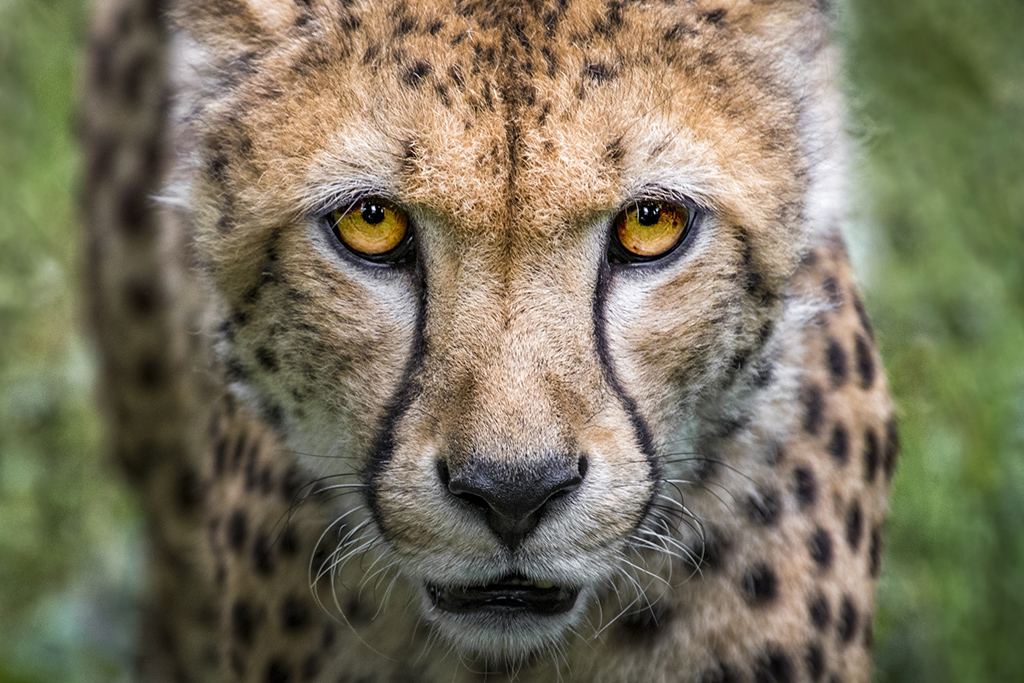
- Cheetahs have returned to Zambia’s North Luangwa after more than 30 years.
- North Luangwa was selected as a reintroduction site for its scale, connectivity and varied habitats.
- Mixed habitats may help cheetahs avoid lions, leopards and spotted hyenas.
- South Africa’s metapopulation supplied suitable founders with experience of competing predators.
- Tracking will test whether the cheetahs disperse, breed and establish a self-sustaining population.
 Want to visit North Luangwa on safari? Find safaris to and info on North Luangwa here. We also have plenty of other ready-made safaris to choose from, or let us build one just for you.
Six cheetahs have been translocated from South Africa to North Luangwa National Park, marking the first stage of an attempt to restore the species to Zambia’s Greater Luangwa Ecosystem after an absence of more than 30 years.
The three males and three females arrived in July 2026 and will be joined by further cohorts later in 2026 and 2027. The project aims to introduce at least 18 cheetahs over two years and, ultimately, establish a self-sustaining population across the wider Luangwa landscape.
The return of the cheetah is important beyond the arrival of six animals. The project will determine whether a carefully selected founder population can adapt to a large, unfenced ecosystem containing established populations of lions, leopards and spotted hyenas. It will also examine whether South Africa’s managed cheetah population can contribute to restoring the species across its former range.
The reintroduction is the result of more than seven years of direct planning and four decades of broader conservation investment. It brings together Zambia’s Department of National Parks and Wildlife, the Endangered Wildlife Trust, the African Range-Wide Cheetah Conservation Initiative with the Zoological Society of London, the North Luangwa Conservation Programme with Frankfurt Zoological Society, the Zambian Carnivore Programme and Conservation South Luangwa and funded by the Howard G. Buffet Foundation.
Why North Luangwa was selected for cheetahs
Cheetahs historically occurred in the Luangwa Valley, with the last recorded sightings in 1998. Their disappearance is thought to have followed successive anthrax outbreaks and wider human disturbance across the valley.
North Luangwa was not chosen simply because cheetahs once lived there. The Zoological Society of London conducted a quantitative habitat suitability assessment using movement and habitat-use data collected from cheetahs at other sites. These findings were applied to the Luangwa Valley to identify suitable habitat and guide the selection of the release area.
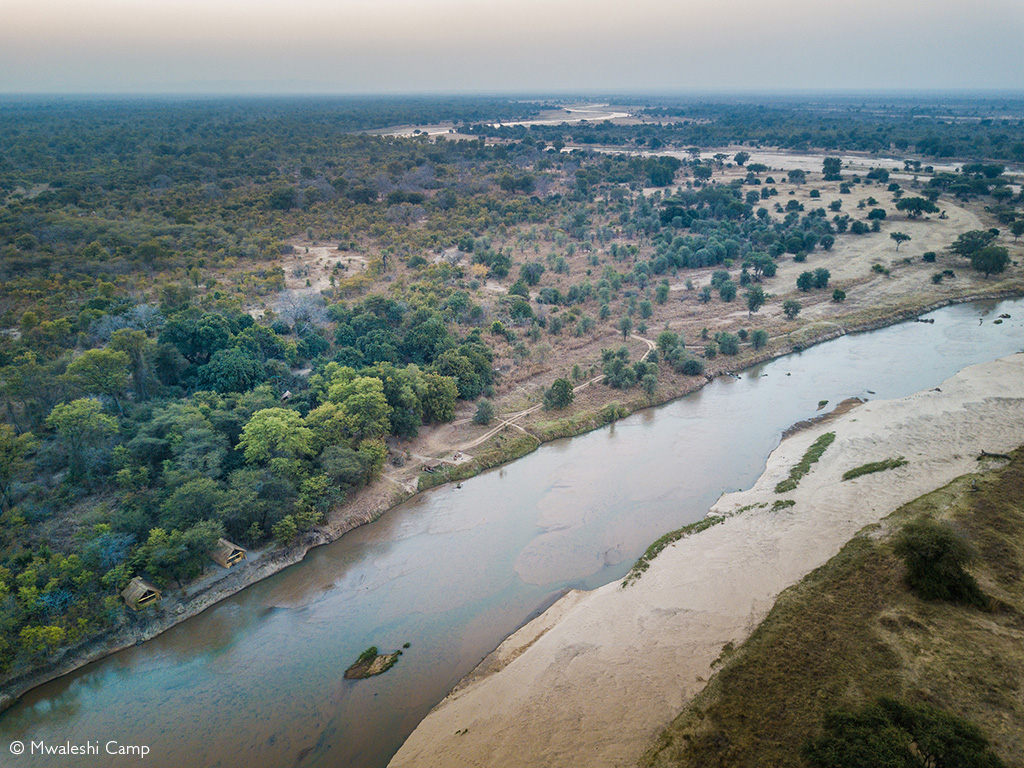
Four possible sites were then assessed using a matrix intended to identify the safest and most appropriate location. The final site lies in a remote southern section of North Luangwa National Park.
The assessment challenges the common assumption that cheetahs depend primarily on open grasslands. This perception has partly been shaped by where cheetahs have historically been easiest to observe, follow and film.
“The association of cheetah in open plains is a bit of a false narrative we have created for ourselves over many decades,” says Olivia Sievert, head of Endangered Wildlife Trust’s Cheetah Conservation Project.
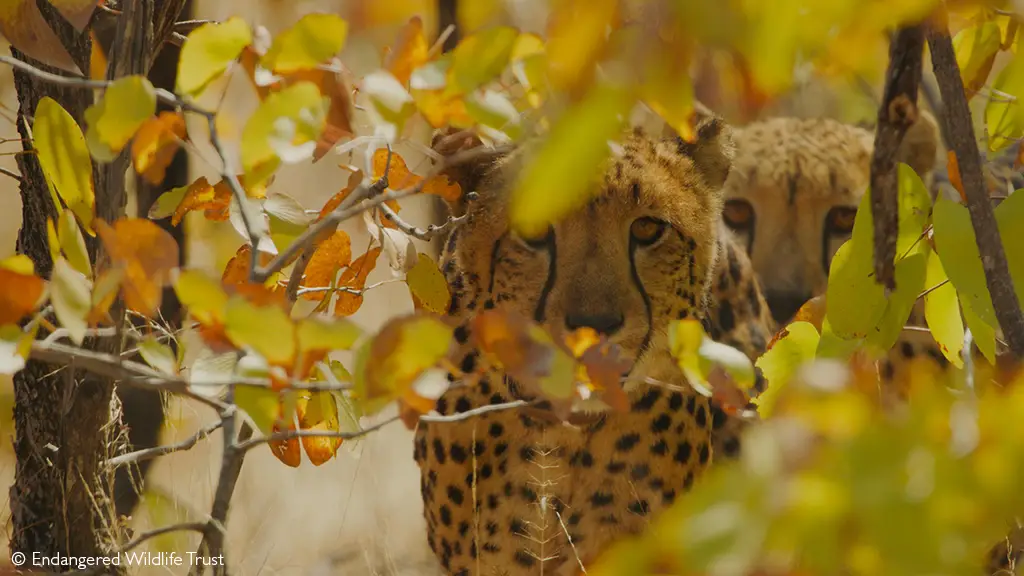
Cheetahs can use mixed landscapes containing woodland, thickets and more open areas. In ecosystems occupied by other large carnivores, this variation may be particularly important because it gives cheetahs more opportunities to avoid competitors.
“The scale and ecological integrity of this landscape make it uniquely suited to support wide-ranging wildlife, and provides a rare opportunity for cheetah restoration at a meaningful scale,” says Sievert.
Sievert says the Luangwa Valley’s mixed habitat structure should allow cheetahs to avoid competing predators at a habitat scale. The size and ecological integrity of the landscape also provide space for a wide-ranging species to move, hunt and establish territories.
North Luangwa has benefited from strengthened protected-area management, recovering wildlife populations and maintained connectivity with surrounding Game Management Areas. Lions, African wild dogs and other large carnivores already occur across the ecosystem, while cheetahs remained absent.
Restoring cheetahs would therefore complete the landscape’s carnivore guild – the group of carnivore species occupying and interacting within the same ecosystem.
Living alongside larger predators in North Luangwa
Suitable habitat and prey do not remove the risks posed by other carnivores. Lions, leopards and spotted hyenas can kill cheetahs or take their prey, and lions are the largest cause of mortality within South Africa’s cheetah metapopulation.
“For these reasons we only selected cheetah for this project that came from reserves in which they co-exist with lions and where possible the full suite of competing predators,” Sievert says. “This will help mitigate for this risk but certainly won’t guarantee no loss of cheetah to competitors.”
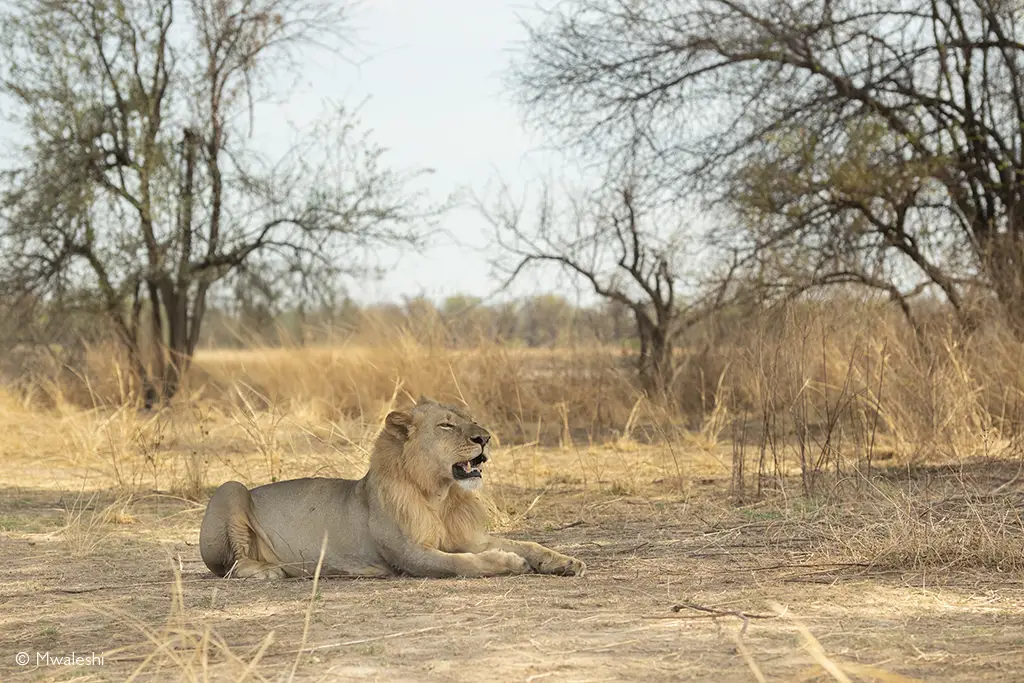
The six founders were therefore selected from Thanda Private Game Reserve, Manyoni Game Reserve, Nkomazi Game Reserve and Dinokeng Game Reserve, where they had lived independently alongside similar prey and competing predators.
Researchers will monitor whether they continue hunting successfully, avoid competitors and adjust their movements in a much larger wilderness.
The development of male territories will be particularly important because stable territorial behaviour can influence breeding opportunities and the establishment of a resident population.
A staged release for cheetahs
The cheetahs will not all be released directly into the open landscape.
After quarantine in South Africa and transport to Zambia, they were placed in holding bomas for health monitoring and initial acclimatisation. Some are being released into a 2,000-hectare predator-proof sanctuary, while the others are being released into the wider ecosystem. “The sanctuary has been specifically designed to help the Cheetah establish familiarity with the release area before entering the wider ecosystem,” says Sievert. “By temporarily concentrating animals within a defined space, it encourages interactions between males and females while promoting scent-marking and territory establishment. This is particularly important for males, whose scent-marking locations form a critical part of Cheetah social structure.” These markers may encourage site fidelity, helping to anchor the animals to the release area before they enter the unfenced landscape.
Each cheetah has been fitted with a satellite and VHF tracking collar. Trained monitors from the Zambian Carnivore Programme will follow their movements, hunting, health, behaviour and interactions with other species. Monitoring will also allow teams to detect threats such as snares.
This information is central to adaptive management. Adaptive management uses monitoring results to adjust conservation decisions as new evidence emerges. In this case, the behaviour and survival of the first animals will guide the release and management of later cohorts.
From a metapopulation to a wider landscape
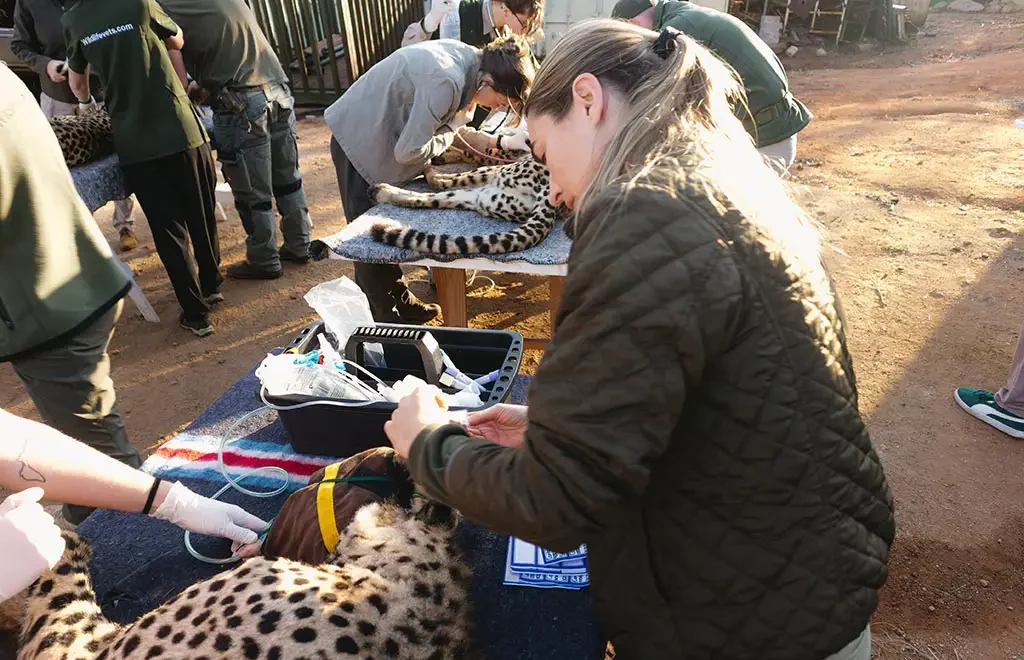
Most wild cheetahs in South Africa live in fenced reserves. Individual populations may be too small or isolated to maintain genetic diversity without intervention. The Endangered Wildlife Trust therefore works with landowners and government authorities to move cheetahs between reserves, managing relatedness, breeding and population size across the network. These all form part of South Africa’s cheetah metapopulation – from which all six cheetahs were sourced. A metapopulation is a group of separate populations managed collectively through the movement of animals between reserves.
Since the metapopulation was established in 2012, it has recorded average annual growth of 8.8%. This growth has made it possible to select suitable animals for range-expansion projects without weakening the source population. Their relocation demonstrates how a managed population can supply animals for restoration elsewhere.
The longer-term ambition is different. The Luangwa population is intended to require progressively less supplementation and translocation.
Cheetahs can travel long distances, and project partners anticipate that some animals may disperse beyond North Luangwa relatively early. Dispersal happens when animals move away from their original or established range, often in search of territories, mates or resources.
These movements could eventually take cheetahs through the Greater Luangwa Ecosystem, including towards South Luangwa.
One of the goals of the projects is to “strengthen connectivity for cheetah across cheetah landscapes,” according to the Cheetah Conservation Initiative. Collar data will reveal how they use the landscape and whether existing connectivity is sufficient for movement across more than seven million hectares of protected habitat.
Measuring success in stages
It is too early to define a timeline for success. The safe arrival of the first cheetahs is one stage. Breeding will be another. The central biological objective is a population able to persist with minimal supplementation from South Africa.
The African Range-Wide Cheetah Conservation Initiative and project partners have positioned the cheetah for this project as an umbrella species. “Together, these efforts aim to secure a thriving landscape where both people and wildlife can sustainably coexist and prosper,” the initiative asserts. Protecting an umbrella species requires investment in large areas of habitat, monitoring, law enforcement, community upliftment and landscape connectivity, which can benefit many other species.
The project has already created employment and supported skills development and livelihoods in the surrounding Munyamadzi Game Management Area. In 2025, the cheetah project provided 183 jobs in an area with few other sources of formal employment.
The scientific test now begins. The cheetahs must adjust to an ecosystem far larger than their South African reserves, establish territories, avoid competing predators, find prey and move through an open landscape.
Their satellite collars will show whether the ecological preparation was accurate and where management must adapt. The broader conservation value for the cheetah will depend on whether the project can turn a carefully managed founder group into a connected, breeding population across the Greater Luangwa Ecosystem.
Further reading
- To learn more about cheetahs, their behaviour, and where to see them on safari, read here.
- When should “clever” cheetah breed? New research shows how cheetah mothers time breeding with baby booms of prey, boosting cub survival in changing African landscapes
- How cheetahs modify prey handling behaviour to outsmart lions and hyenas: Cheetahs in the Serengeti National Park change their behaviour when handling large kills based on the threats presented by lions and hyenas, according to researchers.
- North Luangwa in Zambia is a remote Big 5 wilderness with a sparse road network. The camps are rustic and fully immersive – for the ideal walking safari. Read more about safaris to North Luangwa here
To comment on this story: Login (or sign up) to our app here - it's a troll-free safe place 🙂.