



Our weekly conservation newsletter


The photo that divides us
This is a copy of our weekly email newsletter. Subscribe here to receive the newsletter and more inspiration for your African safari.
From our CEO – Simon Espley
Photos that trigger
Our winning photograph this year is perhaps the most evocative wildlife image I have ever seen. It is also highly polarising, prompting protests that it crossed a deeply personal boundary.
Let me be clear: we welcome all feedback on our selections. Engaging with our community is one of the most rewarding parts of this job, even, and perhaps especially, when that feedback challenges us.
One beautifully reasoned email from a long-time subscriber argued that our winning image represents a slide by the tourism industry into raw voyeurism. He pointed out that 14 of our 53 finalist photos feature predators and prey, suggesting this selection reflects a broader cultural sickness, a bloodlust among tourists who only value nature for its violence. It was a compelling perspective that sparked an interesting email discussion.
I agree with him on one point: the winning photo is undeniably graphic and hard to stomach. It took me several viewings to see past the raw, upsetting visual impact to appreciate the technical mastery behind the lens.
Where our views diverge, however, is the idea that the intense energy of this photograph translates into an industry-wide pathology.
As a species, our fascination with apex predators and the morbid drama of the kill is well-documented. Yet many of us share a profound discomfort with the modern influx of Instagram and YouTube “influencers” who chase engineered drama, cross ethical boundaries and disrupt animal behaviour to fluff up their engagement metrics. But that is not what happened here.
In this instance, the photographer acted with absolute professional integrity. He did not stage the moment, nor did he centre himself in the narrative. The event unfolded naturally, and he simply used his craft to document it.
The profound, visceral impact of this image is precisely why it earned Petr Slavík the title of Photographer of the Year. It reached out, grabbed us by the nerve endings, and communicated an undeniable truth about the wild. That truth may be uncomfortable for a modern humanity accustomed to a pampered, packaged view of nature, but it is an authentic depiction of the brutal struggle for survival that defines the natural world.
So, yes, this is an incredibly tough photo to look at. But no, it does not represent a slide into voyeurism. It represents a mirror held up to nature, entirely unblinking.
We are deeply grateful for the difficult questions our tribe members raise. The resulting dialogue is invaluable, keeping us sharp, reflective, and always questioning our own boundaries.

Simon Espley – CEO, Africa Geographic

Click below to listen to this editorial
Or, listen to all Simon’s past editorials here
From our Editor – Taryn van Jaarsveld
Elephants may be the architects of Africa’s savannahs, but some of their most important beneficiaries are creatures small enough to fit in the palm of your hand. A 15-year experiment in Kenya found that when elephants disappeared from parts of the landscape, the dung beetles that depend on their dung began disappearing too. In the experiment, nearly a quarter of dung beetle species vanished, along with two-thirds of the individual beetles, in areas where elephants were absent.
This is one of the clearest demonstrations yet of coextinction, where the loss of one species directly triggers the decline of another. What’s more, without the beetles, dung accumulated, seed dispersal declined and nutrient cycling slowed, weakening the processes that keep savannah ecosystems functioning. Protecting elephants means protecting an entire community of life that depends on them, including some of the smallest and easiest to overlook.
This week, we explore the possibilities of safari in the Kavango-Zambezi Transfrontier Conservation Area, and bring you a guide to the 11 canid species present in Africa.

Our stories this week
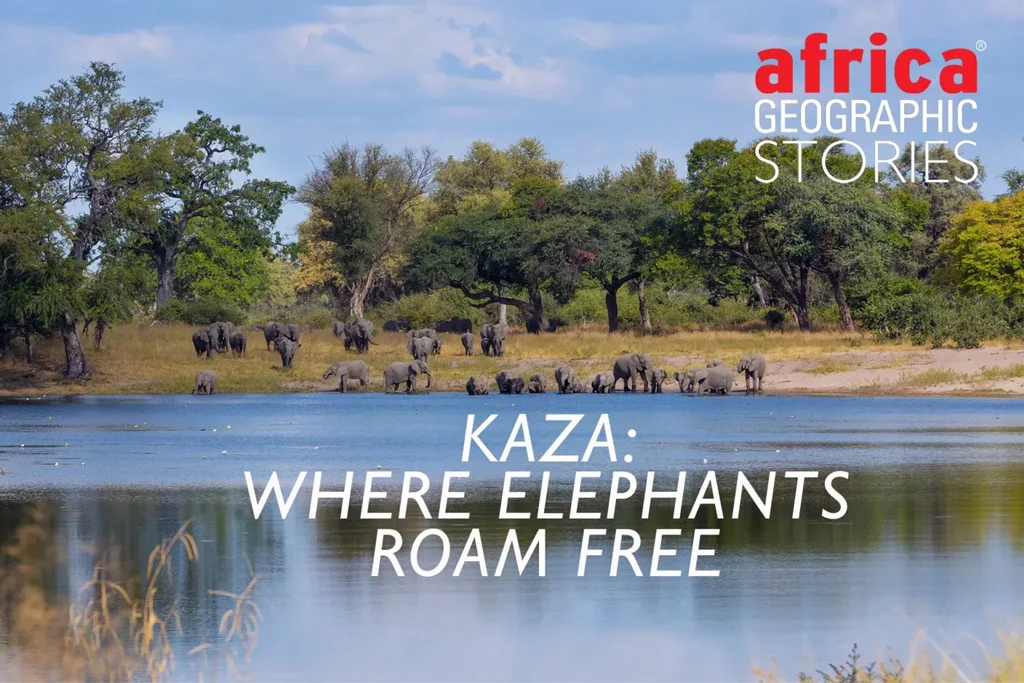
KAZA SAFARI
Journey through KAZA, Africa’s largest conservation landscape, where wildlife, communities and tourism connect five nations
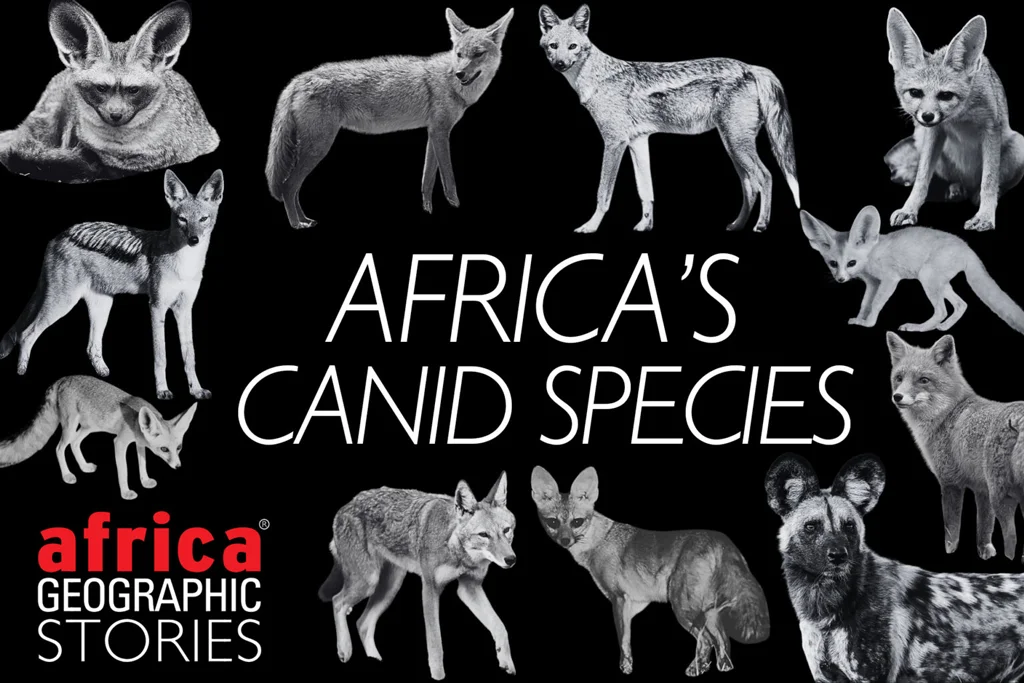
AFRICAN CANIDS
11 African canids, from wild dogs and jackals to foxes, hunt the continent’s deserts, alpine grasslands, savannahs and woodlands
Travel Desk – 2 African safari ideas
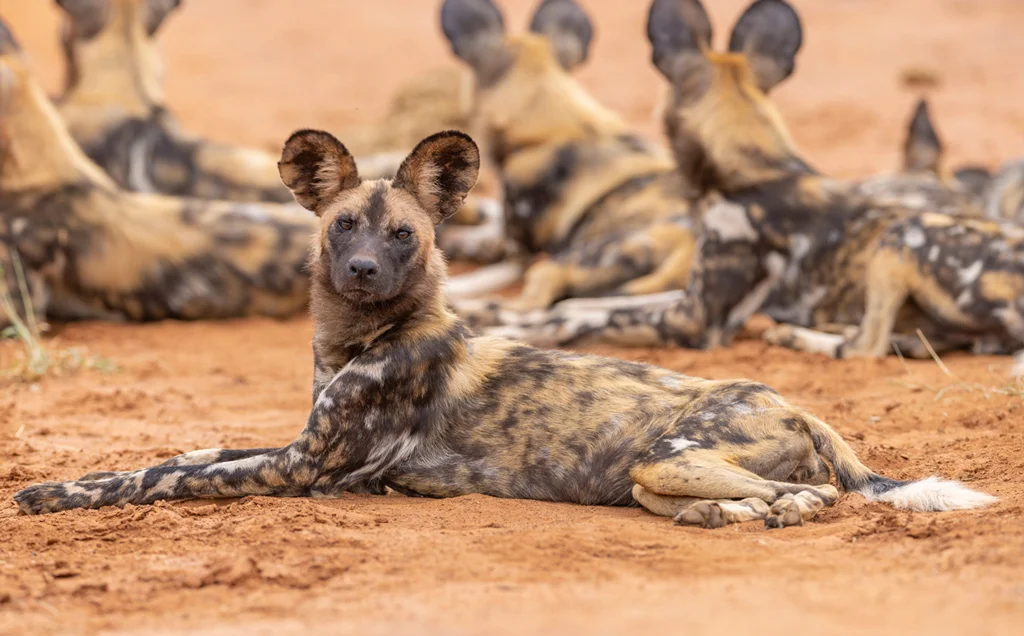
Southern Africa wild dog safari – 11 days
This unforgettable 11-day journey through Southern Africa, led by expert guides, will take you to all the best spots to see endangered African wild dogs. Visit Hwange, the Okavango Delta, Kwando Reserve, and stop over in Victoria Falls. Experience guided bush walks, game drives and mokoro excursions – all in search of painted wolves.
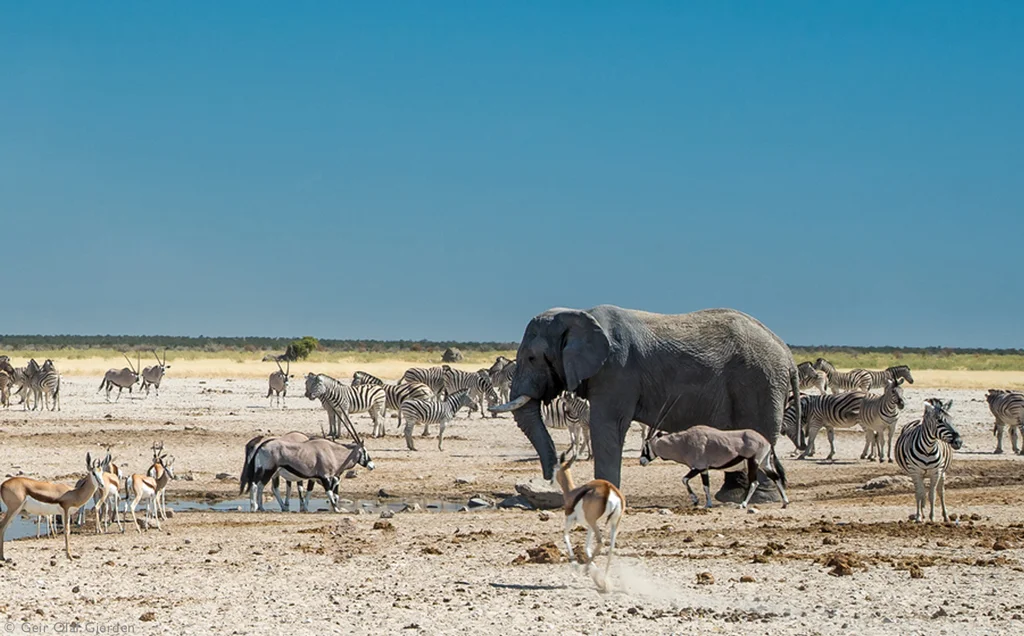
Namibia safari – Sossusvlei to Etosha – 13 days
A 13-day private guided safari through the best of Namibia. This safari showcases the towering dunes of Sossusvlei and the Atlantic coast at Walvis Bay to the ancient landscapes of Damaraland, the wildlife-rich plains of Etosha and Onguma, and the vibrant capital of Windhoek. With plenty of time to explore, meet local communities and enjoy exceptional wildlife and birding, this is the ultimate Namibian journey.
Still dreaming of the ultimate African safari escape? Browse our safari ideas here. Or click here to plan your safari.
 We’ve been nominated as Africa’s Leading Tour Operator AND as Africa’s Leading Luxury Safari Company in the 2026 World Travel Awards, and we’d love your support.
By voting for Africa Geographic, you’re backing a more conscious and meaningful way to travel: one that celebrates Africa’s extraordinary biodiversity, connects travellers with authentic experiences, and contributes to conservation on the ground.
How to vote:
1. Register here.
2. Complete the short sign-up form and check your inbox to activate your account.
3. Once registered, head to the Africa voting page here.
4. Scroll down to the following categories, click on them, and vote for Africa Geographic:
- Africa’s Leading Tour Operator 2026
- Africa’s Leading Luxury Safari Company 2026
Every vote genuinely helps, and we’re incredibly grateful for your support!
Our safari guests say…
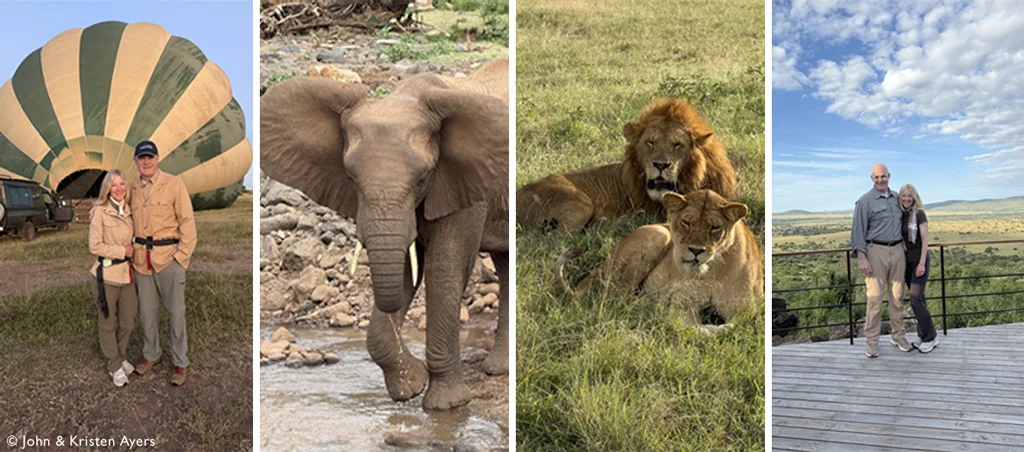
AG safari guests, John and Kristen from the USA, had a top-notch safari in Tanzania:
“Christian Boix of Africa Geographic planned our safari to Tanzania. His on-the-ground knowledge of Tanzania, professionalism, and responsiveness throughout the process were top-notch. The trip went seamlessly. Our guide’s knowledge was excellent. We saw so much wildlife. The accommodations were beautiful. The staff at every place we stayed were professional, welcoming and attentive. The food was delicious. We also appreciate Africa Geographic’s involvement in conservation efforts. I wouldn’t hesitate to refer Christian and Africa Geographic to others!”
Find your Tanzania safari here.
WATCH
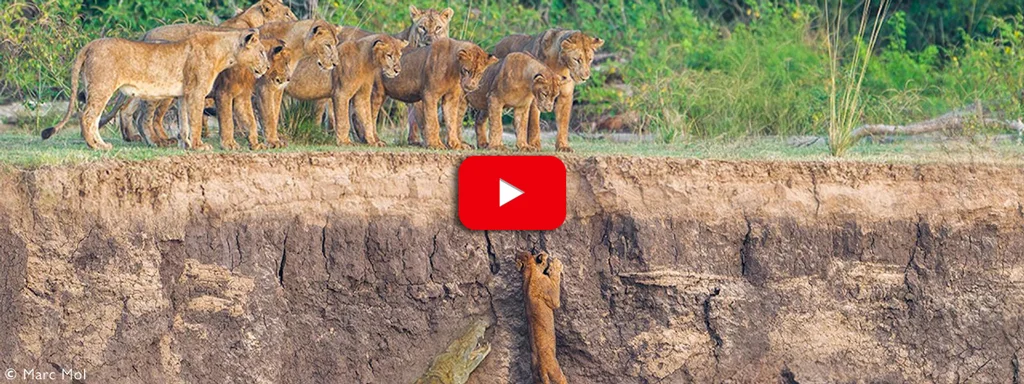
You saw the photographs in our Photographer of the Year competition. Now watch the heartbreaking video. After a failed attempt to cross Zambia’s fast-flowing Luangwa River, a pride of lions became trapped on a steep riverbank. While the adults eventually escaped, two small cubs were left behind. As crocodiles and hippos closed in, the cubs ran desperately along the bank in search of an escape route that never came. Filmed over an entire day by wildlife photographer Marc Mol, the footage captures one of nature’s most brutal realities, including the moment a massive crocodile seizes a cub as it makes a final dash for safety. (08:03) Watch here
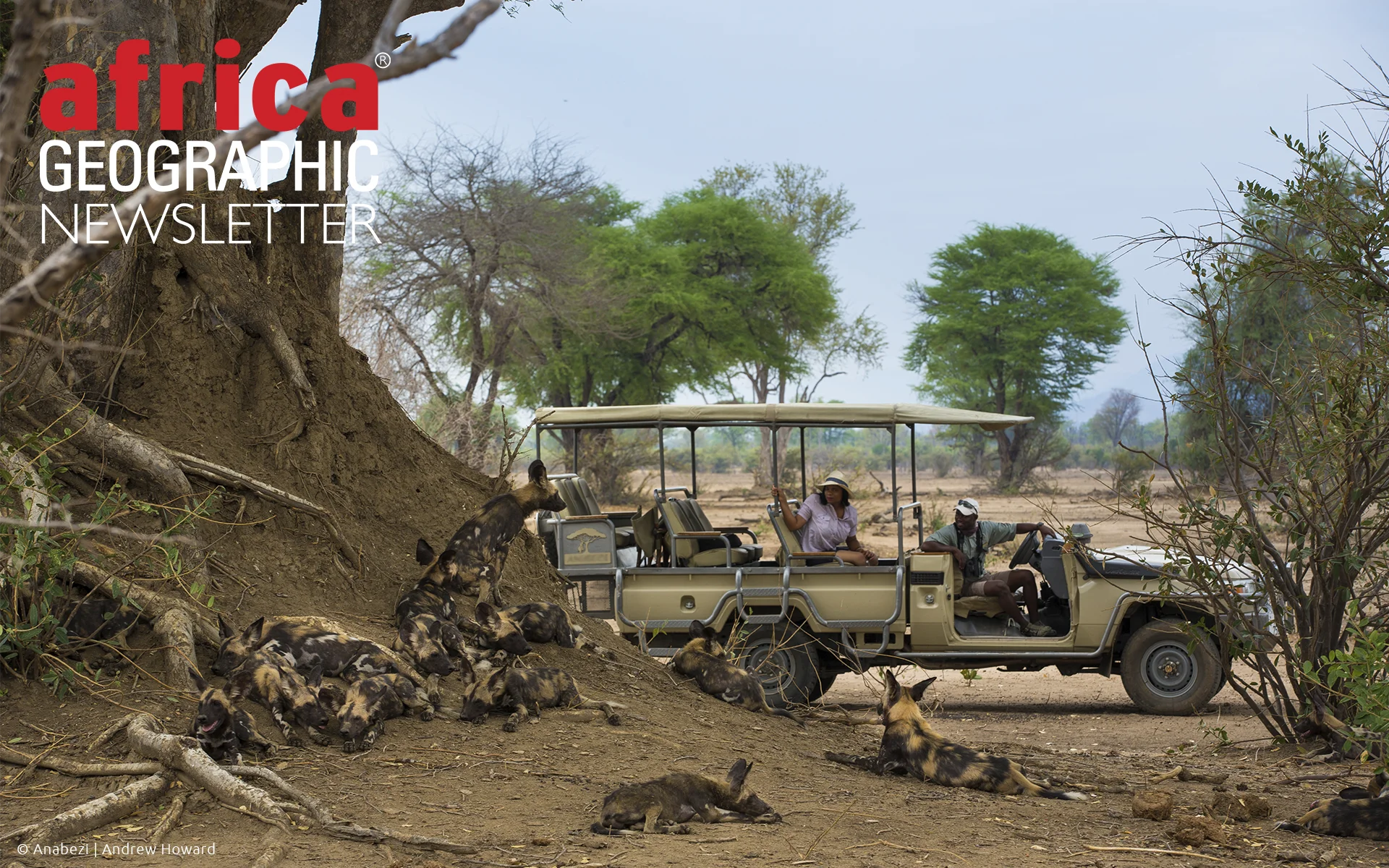
Cover image: Spotting wild dogs in Lower Zambezi National Park, Zambia. © Anabezi | Andrew Howard
To comment on this story: Login (or sign up) to our app here - it's a troll-free safe place 🙂.