


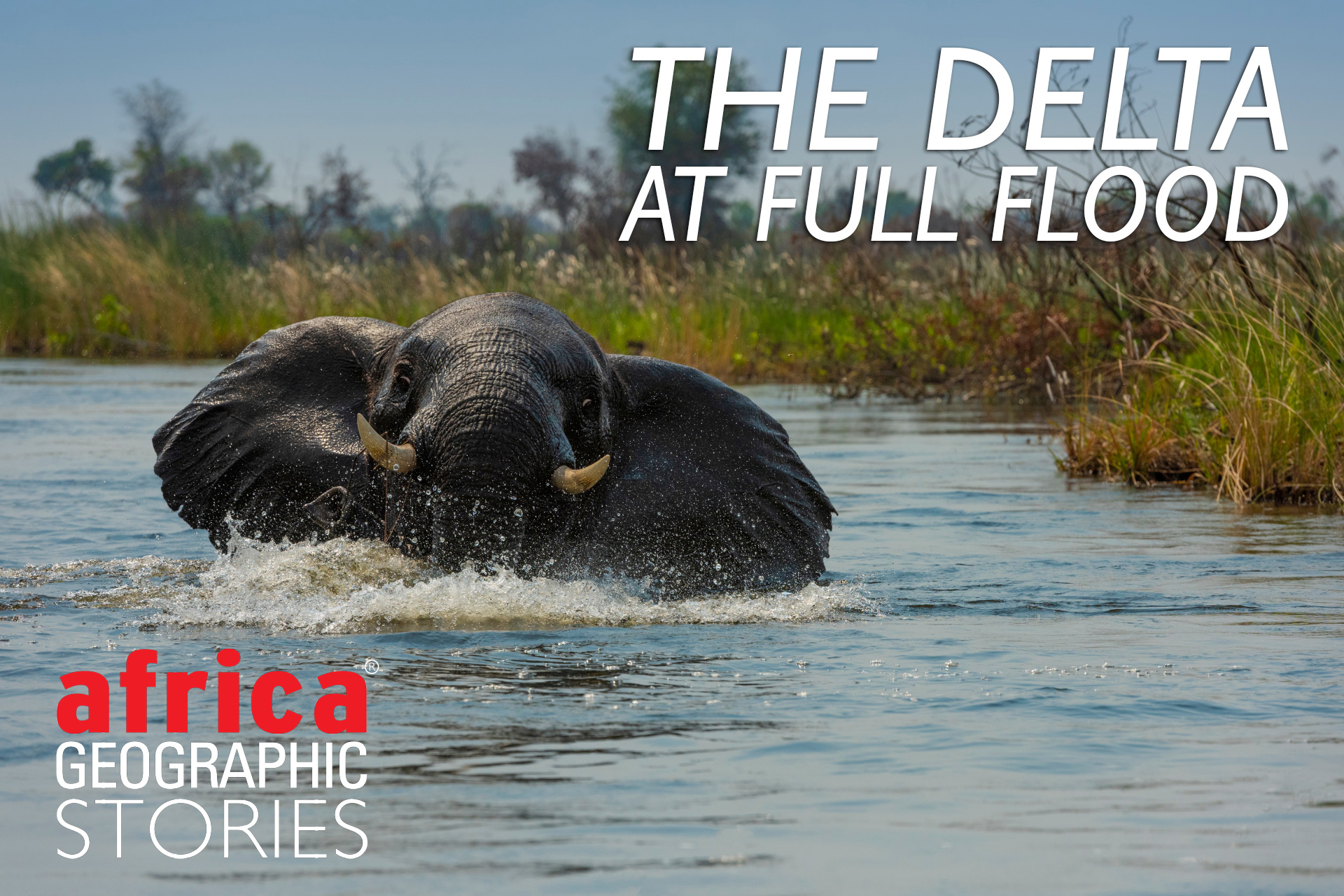
Inside the Okavango’s extraordinary 2026 flood season

- Exceptional rainfall is driving one of the largest floods in the Okavango Delta in decades.
- Saturated floodplains are allowing water to spread rapidly across the Delta system.
- Rising water levels are transforming safari access, wildlife movement and travel experiences.
- Mokoro and boating safaris are expanding into channels inaccessible during lower flood years.
- Experts believe the 2026 flood will become a benchmark event remembered for decades.
 Want to visit the Okavango Delta on safari? Browse our top Okavango Delta safaris here. Or, let us plan your handcrafted, unique Okavango Delta safari. Book now to catch the 2026 floods!
The first sign of a great Okavango flood year is not dramatic. Water begins gathering quietly in channels that have lain shallow for seasons. Floodplains soften. Papyrus beds push further into the landscape. Then, gradually, the Delta expands outward – across grasslands, into woodlands and through ancient waterways that only fill in exceptional years, created by elephants, hippos and termites. In 2026, that transformation is unfolding at a scale few travellers will have witnessed before as the Delta enters an exceptional flood year. Across northern Botswana, rising water levels are reshaping one of Africa’s great safari landscapes into a vast network of navigable channels, flooded islands and thriving wetlands.
Strong rainfall across the Angolan highlands, combined with local rains and already saturated systems due to the 2025 rains, is expected to produce one of the most expansive inundations in recent decades. This convergence of conditions has been described as a “rare” and “landmark inundation” event, placing the Delta in a state of full ecological expression.
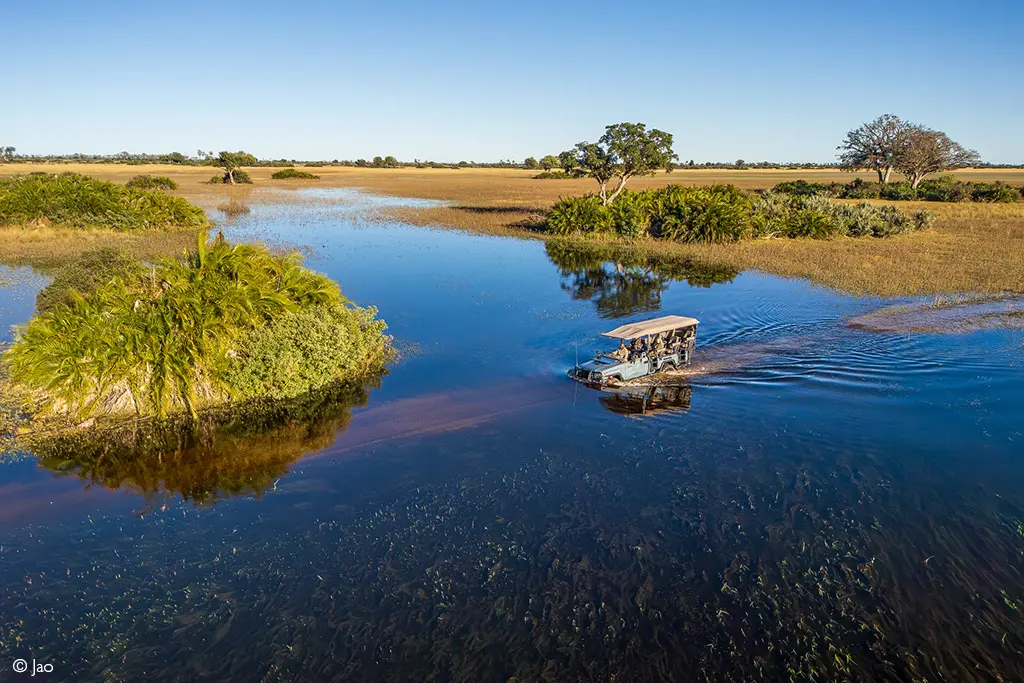
“What makes this year particularly significant is the sequence of hydrological events that has unfolded over the past two seasons,” says Ross Exler, AG Okavango Delta safari expert. “An above-average local rainfall year in 2025 was followed by a strong flood, while 2026 has already brought exceptionally heavy rains ahead of what is expected to be another major inundation. As a result, parts of the Delta are receiving incoming floodwaters while already holding water levels comparable to the peak of the 2025 flood season.” These unusually saturated base conditions are allowing the 2026 flood to spread faster and further through the system, intensifying the scale and reach of the inundation.
This is not simply a seasonal rise in water levels. It is a system-wide transformation that reshapes landscapes, redistributes wildlife, and changes how travellers experience one of Africa’s most important wilderness areas.
The significance of a year like this lies in how completely it changes the atmosphere of the Delta, says Exler. “When the water arrives in volume, the entire system changes character,” he explains. “You feel it everywhere – in the movement of animals, the opening of channels, the soundscape, even the pace at which you travel through the landscape.”
A system defined by water in the desert
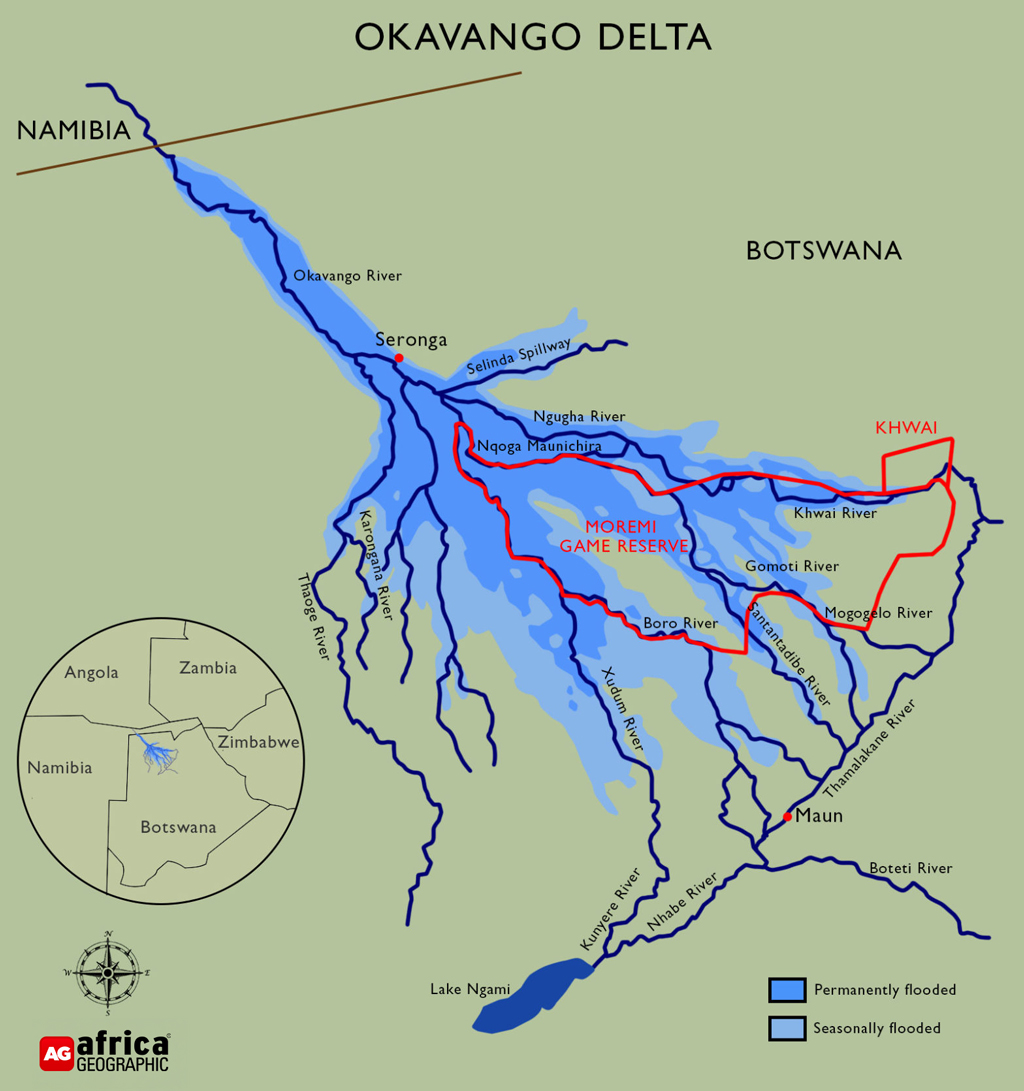
The Okavango Delta is one of the world’s most unusual ecosystems. It is an inland delta, formed where the Okavango River flows into the sands of the Kalahari Desert rather than the sea. This geological structure creates a permanent oasis in an otherwise dry landscape, spreading across 6,000km² to 15,000km², depending on water levels. Channels, lagoons, floodplains and islands shift constantly with the movement of water, constantly changing the rhythm of travel through the Delta.
A flood that begins far away from the Okavango Delta
The Okavango’s floodwaters originate in the Angolan Highlands. The river travels more than 1,600 kilometres before reaching Botswana, arriving months after the rains. Floodwaters typically reach the Delta around May and peak in June and July, when surrounding landscapes are at their driest.
In 2026, above-average rainfall upstream has intensified this process. Reports note a “stronger, earlier flood cycle” driven by rainfall in Angola and Botswana. Experts describe the 2026 inundation as the result of a powerful convergence of upstream inflows, local rainfall and already saturated ground conditions following heavy rains in both the Angolan Highlands and the Delta itself. “This is all on the heels of excellent 2025 rain and flood seasons,” says Exler.
As the flood pulse moves through the system, water is spreading more quickly and more widely, reconnecting channels and revitalising landscapes that have remained dry for years. For travellers, years like this reveal the Okavango at full expression.
What makes 2026 a peak flood year in the Okavango Delta
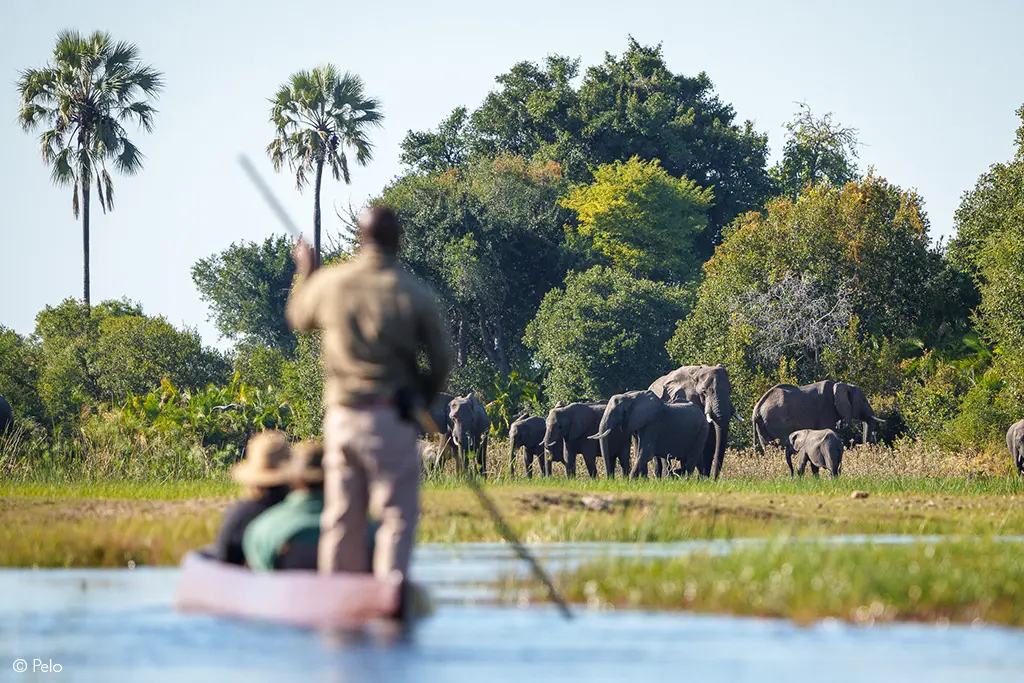
For those visiting the Okavango this year, the experience will be defined by water. Mokoros and boats are moving into areas rarely accessible during lower flood years, while wildlife adapts to expanding floodplains and newly connected channels.
Flooding in the Okavango follows natural cycles, but some years stand out. This year’s combination of heavy upstream rainfall, local precipitation and already saturated conditions is expected to produce unusually high water levels. In practical terms, the Delta will expand further, fill more completely and remain inundated for longer.
How the Okavango Delta expands and transforms
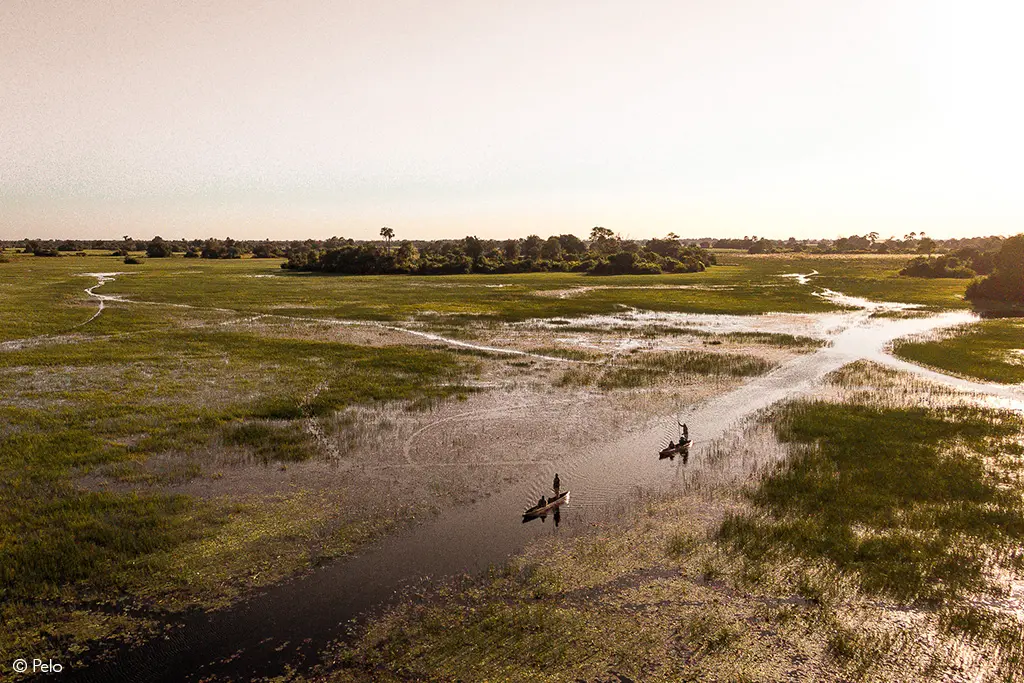
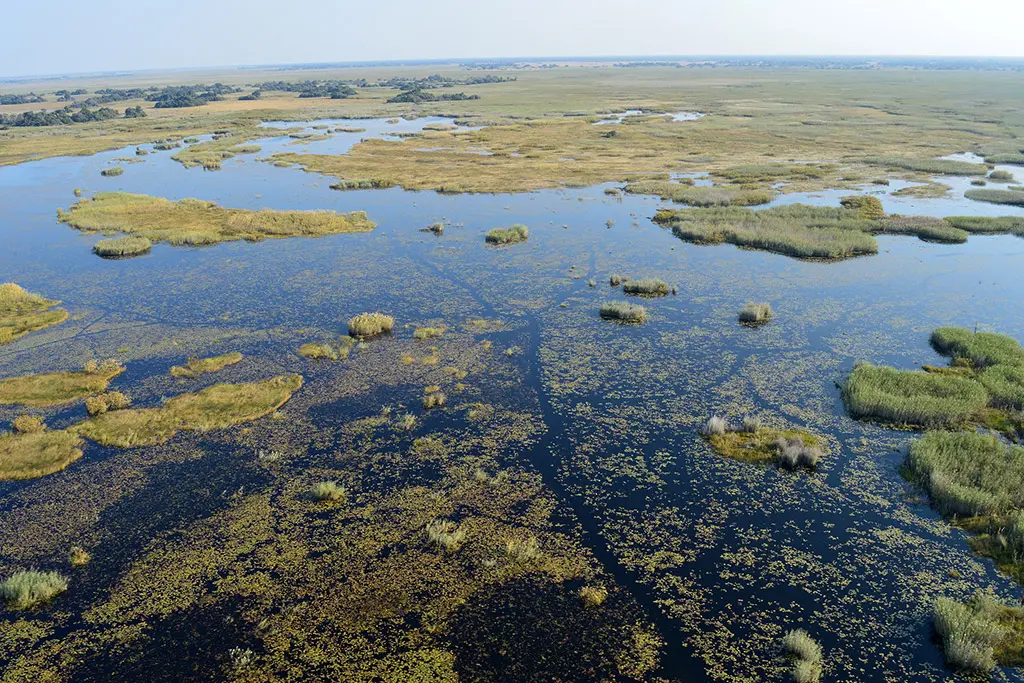
As floodwaters move through the Delta, main channels fill first, followed by secondary waterways before water spills into surrounding floodplains. Channels shift, new waterways form, and floodplains become temporary wetlands. Water pushes into woodland and across terrain that is usually dry.
Wetland plants expand into previously upland areas as the Delta becomes a more continuous system of water and islands. For travellers, this changes both access and perspective. The landscape becomes more fluid, and movement follows the water.
The ecological importance of high water
Flooding is the foundation of the Okavango’s ecological system. It redistributes nutrients, supports plant growth and creates habitats for a wide range of species. Permanent channels support aquatic life, while seasonal floodplains provide grazing for herbivores, and elevated islands sustain woodland ecosystems.
High water years amplify these dynamics. Floodplains become more productive, habitats expand, and wildlife movement increases. The result is a system operating at peak productivity.
Wildlife response to rising water
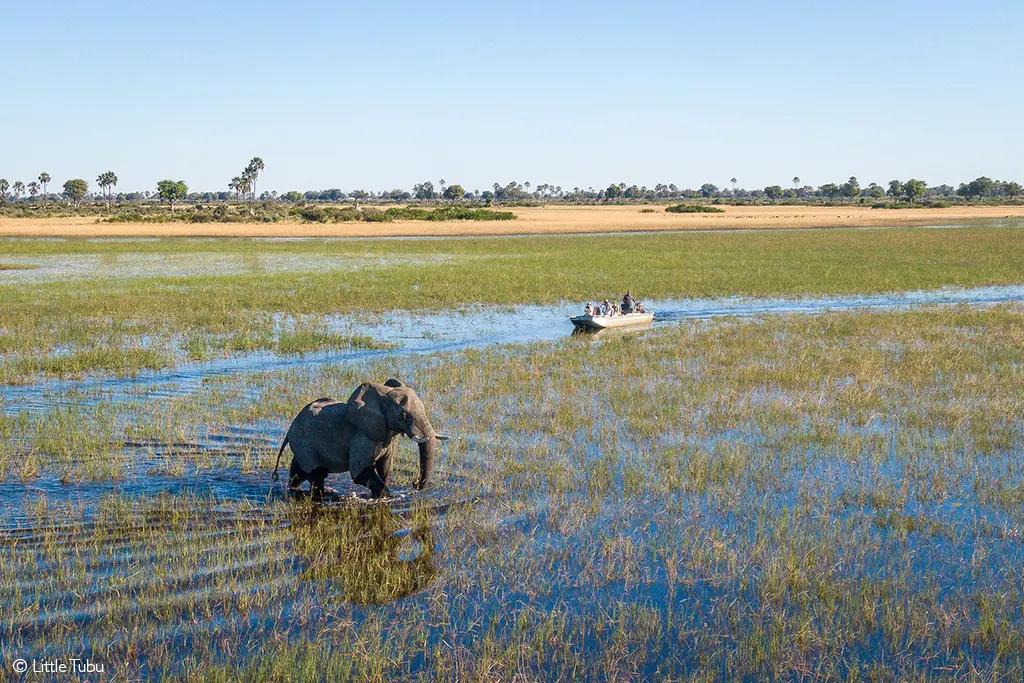
The Okavango supports an extraordinary density and diversity of wildlife. “Because the Okavango provides a mix of habitats, including the optimal habitat for many species, the abundance of resident species is world-class,” says Delta expert Exler.
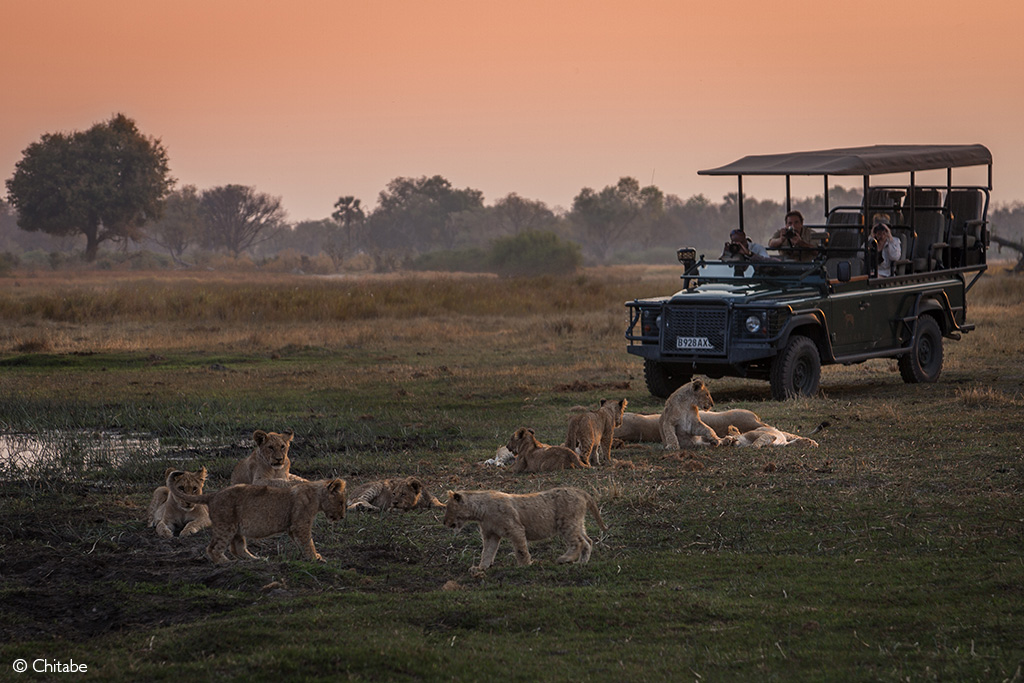
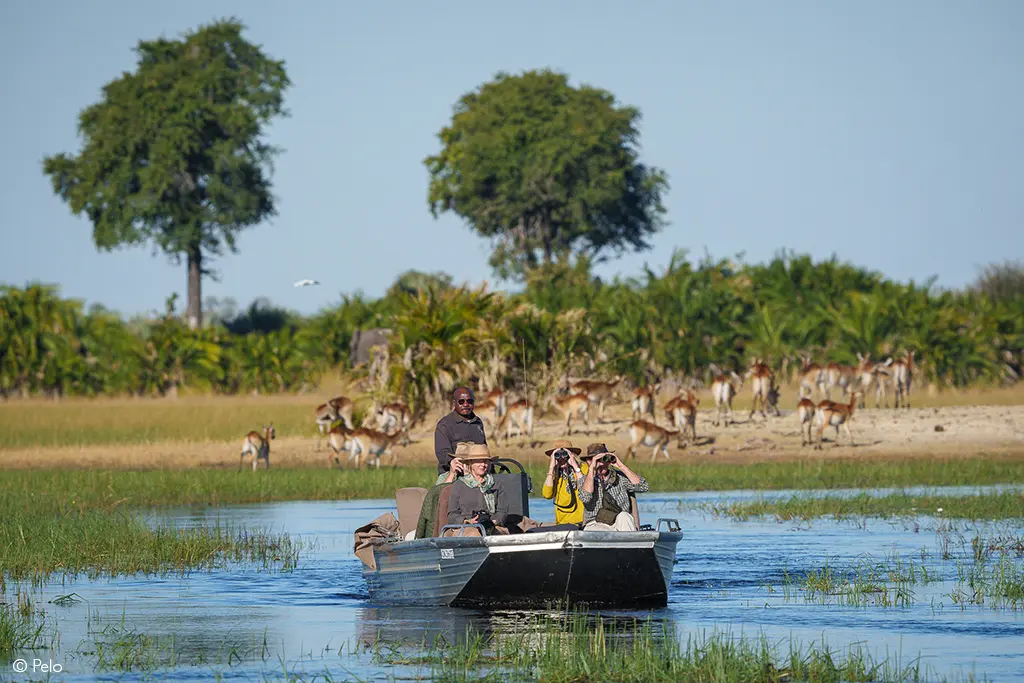
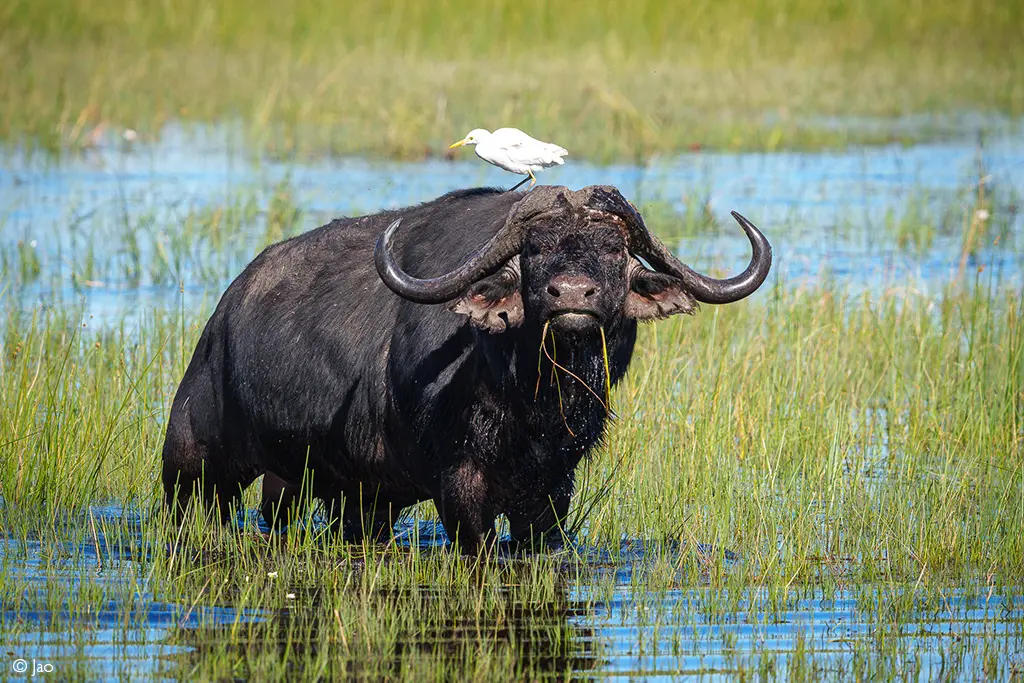
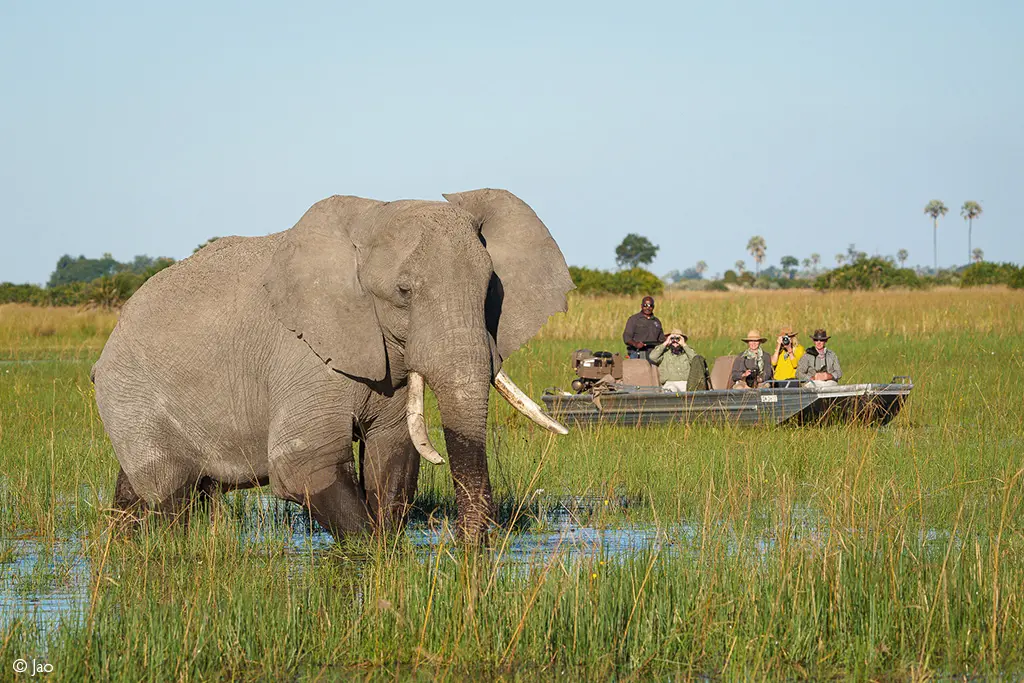
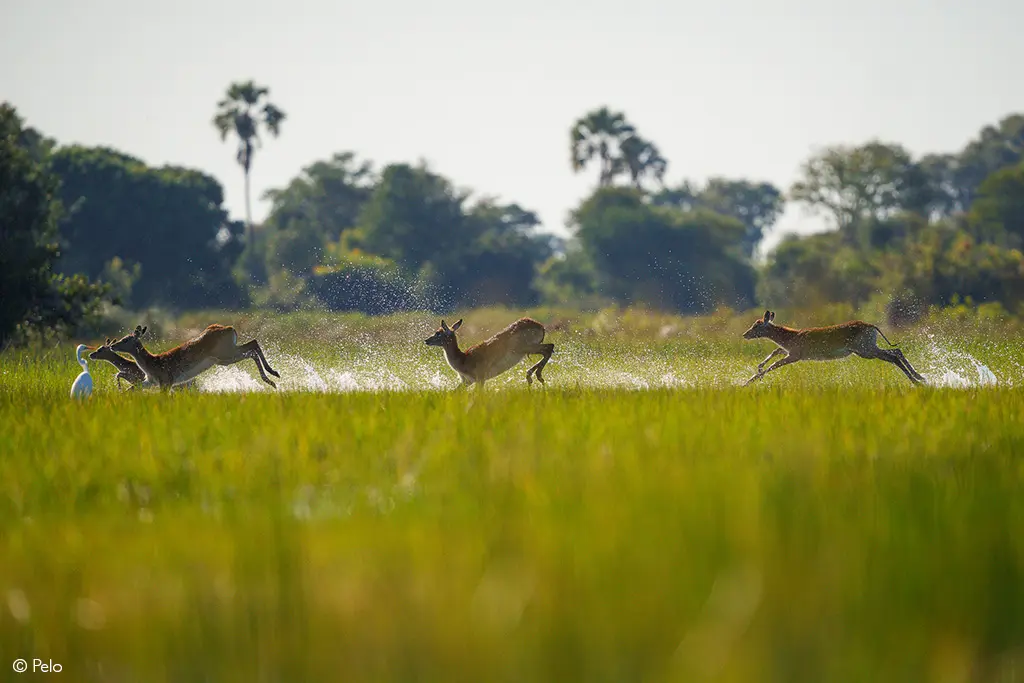
During the flood season, herbivores move toward newly flooded grazing areas while predators follow prey. Wildlife also concentrates on higher ground where water is limited, creating predictable movement patterns and exceptional sightings. Species that depend on water, such as hippos and crocodiles, coexist with terrestrial animals that move between islands and floodplains.
A landscape designed for exploration
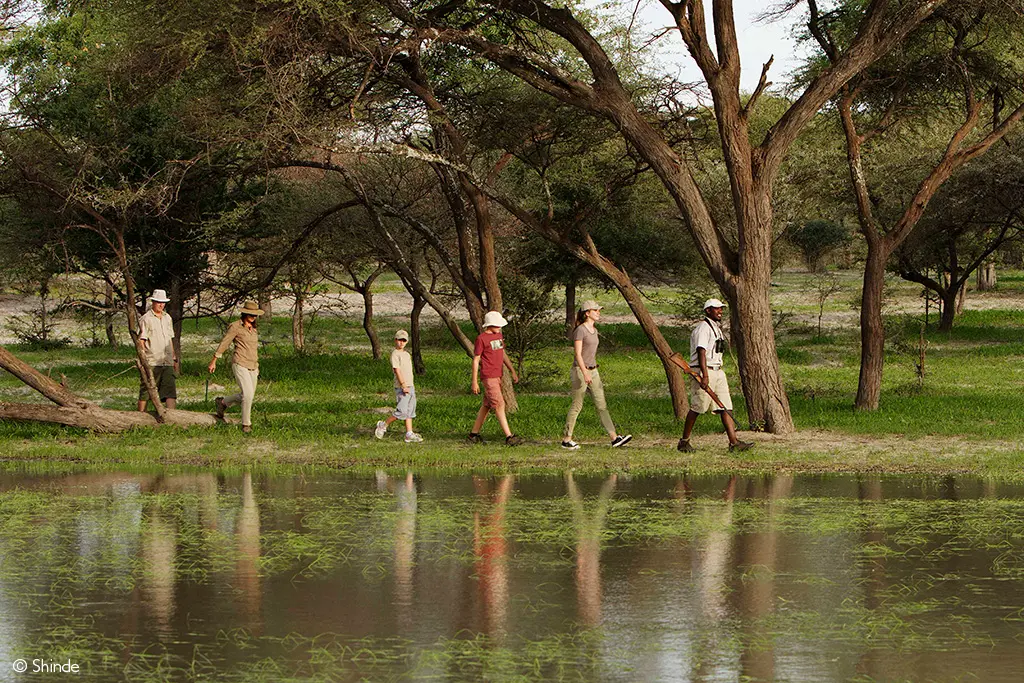
The Okavango is known for the variety of ways it can be explored. Its waterways allow for movement by boat and mokoro, while islands and drier areas support vehicle and walking safaris. The mokoro remains one of the defining Delta experiences, gliding quietly through narrow channels among lilies, reeds and papyrus.
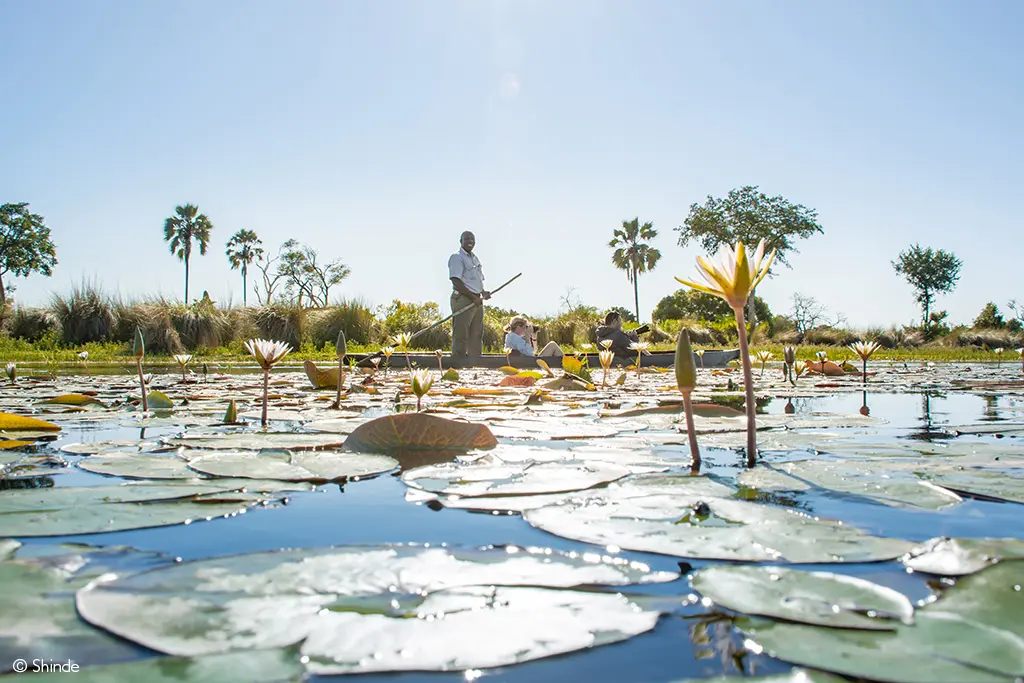
In high flood years, water-based access expands significantly. “In a normal flood year, water-based activities are more restricted to permanently flooded channels,” says Exler. “This year, many channels that do not typically flood will become navigable, and will provide a rare experience to venture into savannah and woodland by water. This allows for a very unique water-based game-viewing experience.”
Floodwaters also connect parts of the Delta that are otherwise isolated, opening routes into remote regions rarely accessible during drier years. For travellers, this means exploring landscapes available under exceptional flood conditions.
A season shaped by water
Tourism in the Okavango is closely linked to the flood cycle. During peak inundation, water-based activities dominate, and wildlife viewing conditions are extended as animals respond to changing water distribution across the system.
Unlike rivers that rise and fall rapidly, the Okavango’s flood spreads gradually, sustaining productive habitats over long periods. Years like 2026 represent a distinct phase in the Delta’s cycle. Travel becomes more water-based, wildlife patterns become more defined and the landscape itself feels larger and more interconnected.
“This is also an opportunity to experience a rare event, which has an outsized impact on the form and function of the Delta ecosystem,” says Exler.
A Delta at full expression
The Okavango is a system built on movement and change. In 2026, the Delta is expected to reach one of its most expansive states in recent memory. Water levels are rising across the system. Channels are opening. Floodplains are filling. Wildlife is responding.
“This flood is going to reach channels that only the elders in local communities remember seeing filled,” says Exler. “It will become a benchmark flood – one that people talk about for years, possibly decades, because of the sheer scale of water moving through the system.”
This is the Delta in its most complete state – a landscape shaped by water, operating at scale and offering a luxury safari experience defined by immersion, access and ecological richness.
Further reading
- Plan your Okavango Delta safari: when to go, where to stay and how to experience Botswana’s iconic inland oasis in intimate camps
- The Okavango Delta is an enormous watery oasis, home to an astonishing variety of wildlife and host to some of the best Botswana safaris. Here’s all the insight you need into understanding its ecological and conservation significance
- Check out this fantastic gallery of images by Hannes Lochner, which will have you booking your Okavango Delta (Botswana) safari with us and packing your bags
- Moremi Game Reserve lies at the heart of the Okavango Delta and is the only formally protected section of the Delta. Read more about Moremi here
To comment on this story: Login (or sign up) to our app here - it's a troll-free safe place 🙂.