



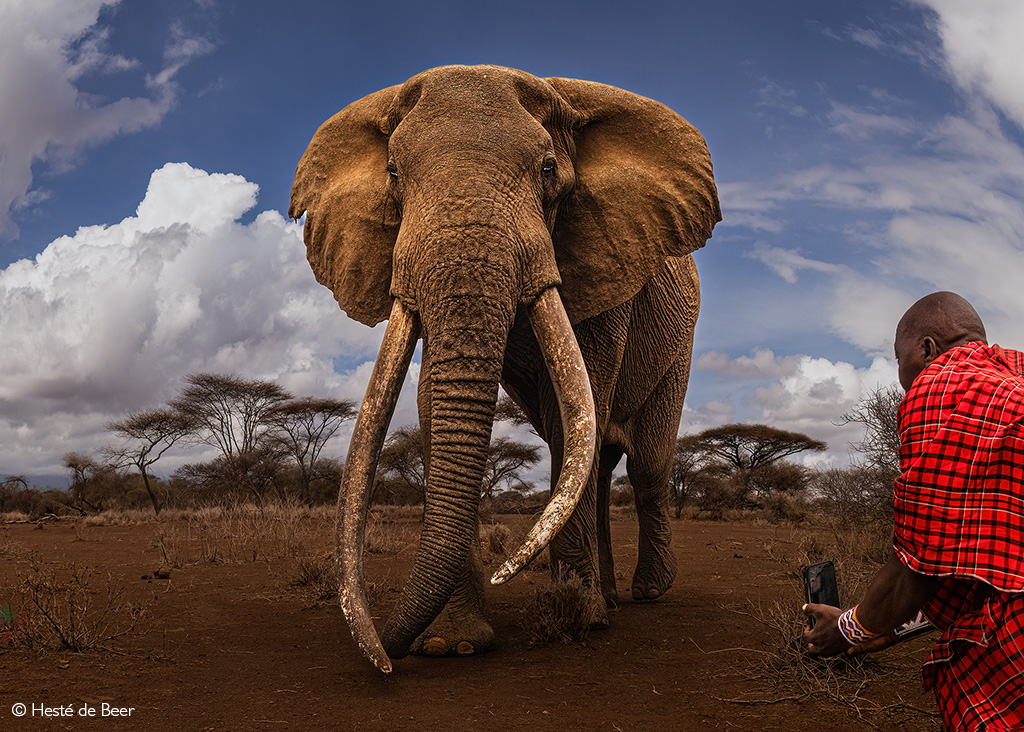
- Craig, iconic super tusker, died of natural causes on Olgulului community land in the Amboseli ecosystem, on 3 January 2026
- His death has been confirmed by Big Life Foundation and Amboseli Trust for Elephants
- Born in January 1972, Craig was among East Africa’s last great tuskers
- He symbolised the success of long-term, community-based elephant conservation
Craig, one of Africa’s most iconic super tusker elephants, has died of natural causes in the Amboseli ecosystem in Kenya. His death has been confirmed by Amboseli Trust for Elephants and Big Life Foundation.
Craig died on Olgulului, one of the community areas surrounding Amboseli National Park. Craig’s passing follows a period of declining health. In November last year, rumours of his death circulated, though these were untrue. At the time, however, it was clear that he was experiencing serious digestive problems, a significant concern for an elephant of his advanced age. He later recovered, but conservation teams were aware that time with him was likely limited.
On the night before his death, Craig began collapsing intermittently, standing up and moving only short distances between episodes. Big Life Foundation’s rangers remained with him throughout the night. At 03:32 AM, Craig lay down and did not get up again. There was nothing that could be done to assist him.
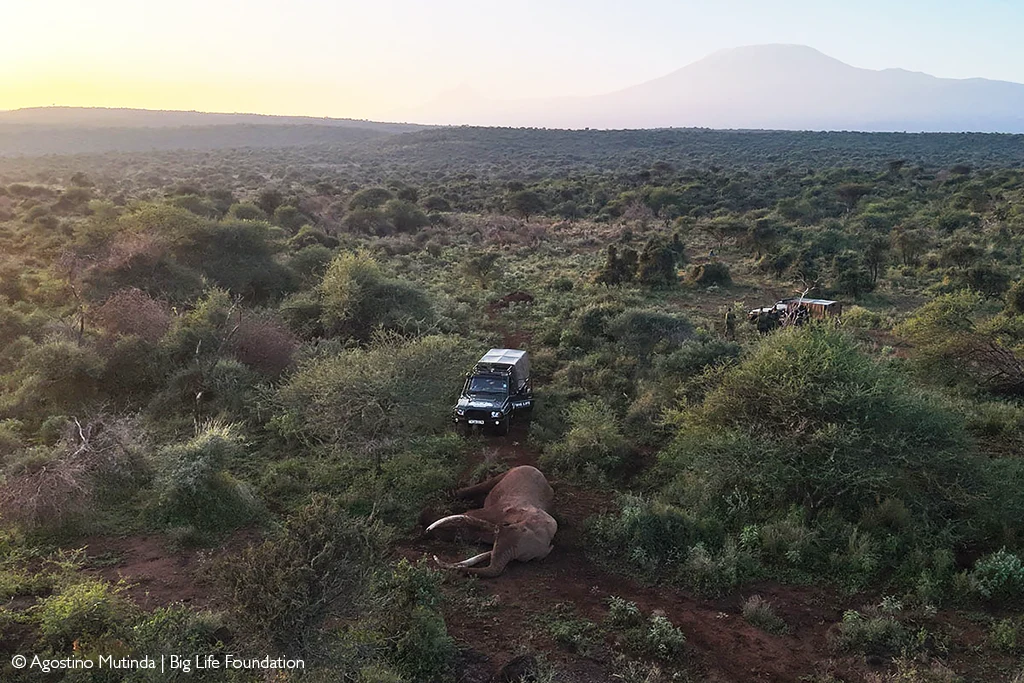
Evidence from poorly chewed plant material found in his dung suggests that Craig was no longer grinding his food properly, indicating severe tooth wear. Elephants progress through six sets of molars during their lives, and once the final set becomes worn, their ability to feed effectively declines. A post-mortem examination is pending, but this is believed to be the most likely cause of his death.

Born in January 1972 to Cassandra of the CB elephant family, Craig had just turned 54 years old at the time of his death. He was among the last remaining great tuskers of East Africa, with each tusk weighing more than 100 pounds. Only a few dozen elephants of this stature remain in the region.
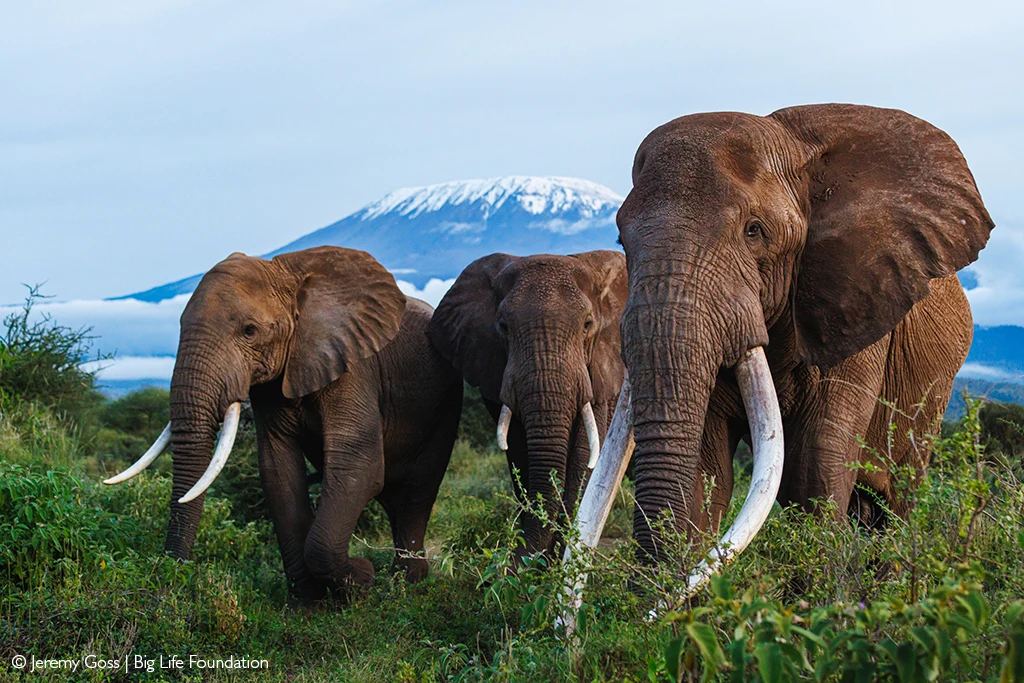
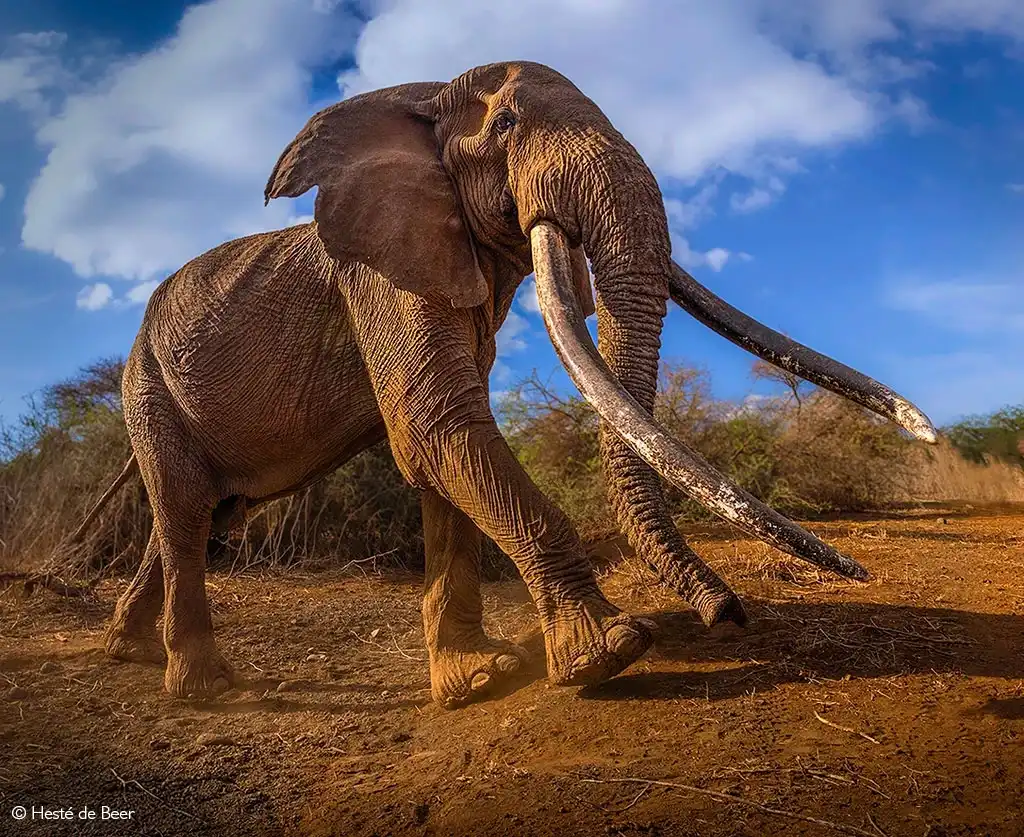
Craig was widely known and deeply valued, particularly by the local communities with whom he shared his range. Thanks to long-term protection efforts, he survived decades of poaching pressure, habitat loss and human-elephant conflict in the region, and lived an unusually long life for a bull carrying such large tusks.
Craig is believed to have fathered many calves and represented the success of sustained, community-based conservation in the Greater Amboseli ecosystem.
With the loss of Craig, there are now only nine known super tuskers left in Amboseli.
 Want to know about Amboseli National Park and its iconic super tuskers? Read more about Amboseli, and safaris to this region of Kenya, here.
Craig’s passing follows the recent natural deaths of other well-known super tuskers, including Tim of Amboseli and Lugard and Wide Satao of Tsavo, underscoring both the rarity of these elephants and the importance of continued protection for those that remain.
Further reading
- Searching for super tuskers? We spotted three of these legendary elephants (including Craig) in one safari trip – here’s how we did it
- How many tuskers are left in Africa? We embark on an extended investigation to estimate the number of tuskers remaining on the continent
- AG has partnered with Tsavo Trust – an organisation that monitors the elephant populations of the Tsavo Conservation Area, specifically focusing on tuskers. It does so in close cooperation with the Kenya Wildlife Service (KWS) and research and conservation partners. Read more about how you can help us save Tsavo’s tuskers here
- The need to protect large-tusked and potentially large-tusked elephants from poaching and excessive selective hunting pressure is more apparent than ever as the progressive decrease in average tusk size over the past three decades is potentially leading to over-exploitation of older bulls. Read more here.
To comment on this story: Login (or sign up) to our app here - it's a troll-free safe place 🙂.