



Malawi's beating heart, revived


The incredible journey of Liwonde National Park, pulled from the brink of destruction and catapulted towards a bright future as an exceptional Big 5 safari destination and one of Malawi’s key protected areas, is a success story of note.
We are fortunate that nature is capable of extraordinary resilience to our impact, and her regenerative capacity knows few bounds. We owe our gratitude to those devoted to restoring our wild spaces after our trespasses. Because when given that chance, parks like Liwonde prove just how much is possible.
Liwonde National Park
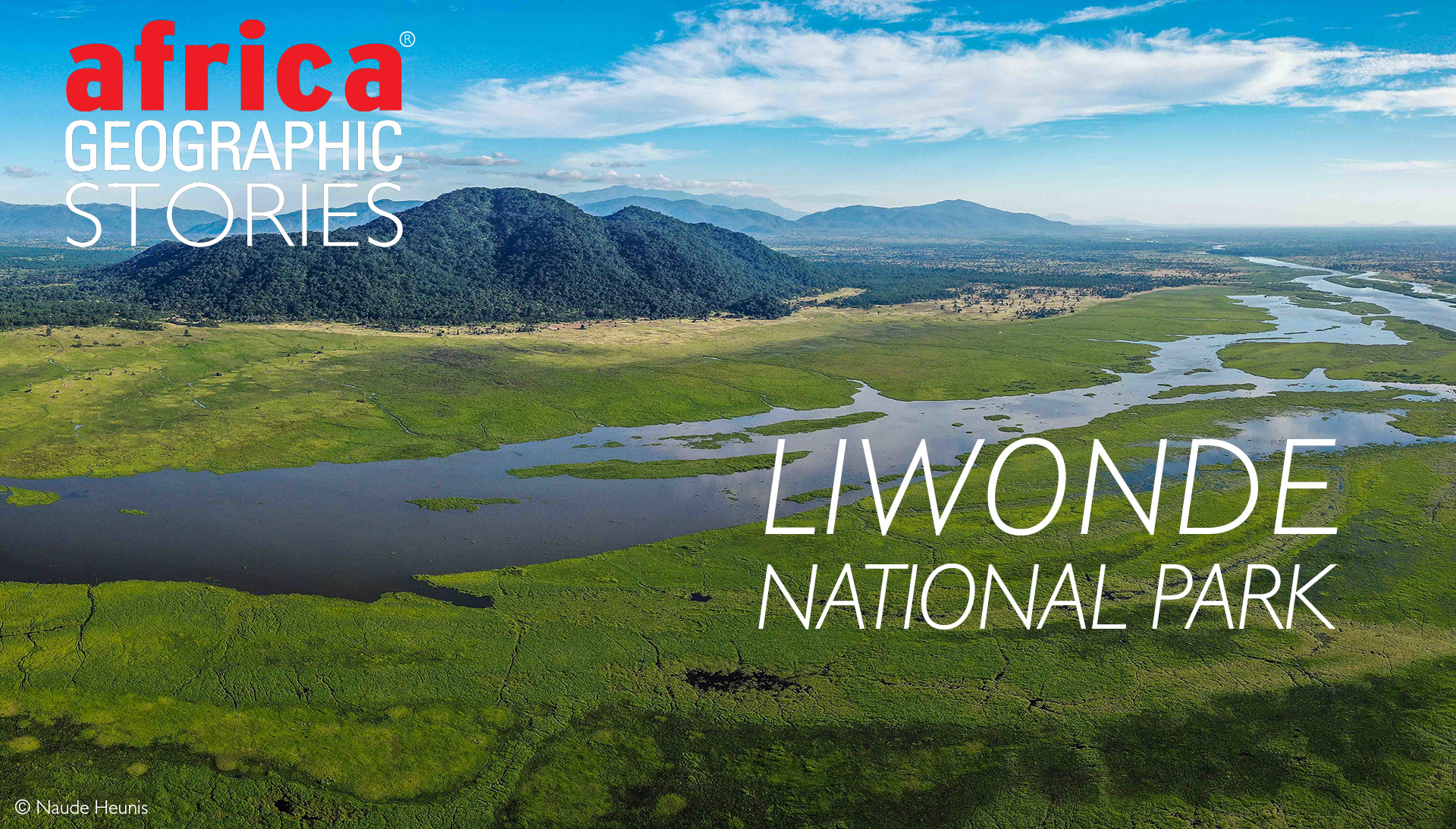
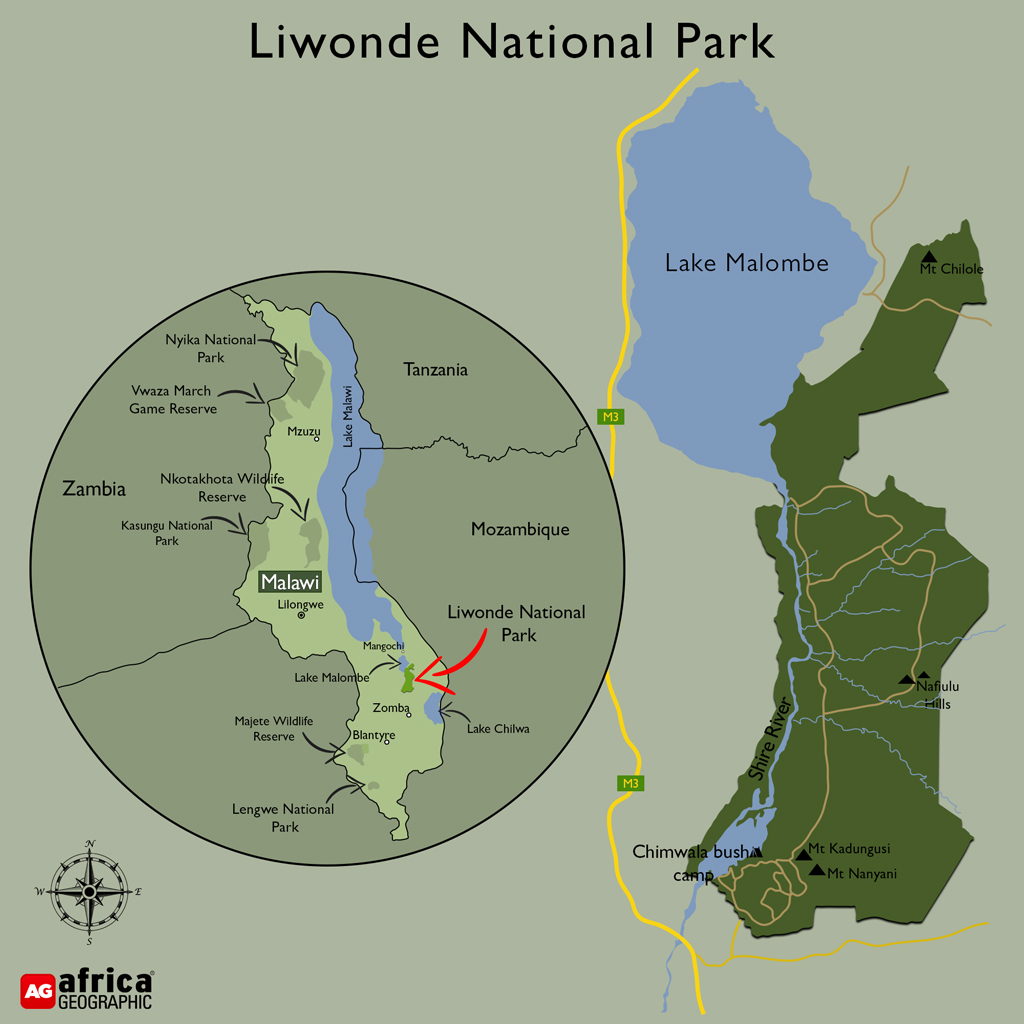
Lake Malawi, Malawi’s most notable geographical feature and the world’s fifth-largest freshwater lake, holds a water volume of over 8,000km3. The only outlet is the impressive Shire River, which flows first into shallow Lake Malombe and then continues onwards to bisect the country’s southern third. Liwonde National Park is situated just south of Lake Malombe (and encompasses a small section of shoreline). Its western boundary is marked by the sinuous curves of the Shire, and it extends east over 548 km2 (54,800 ha) of riverine floodplains, woodlands, and arid savannas.
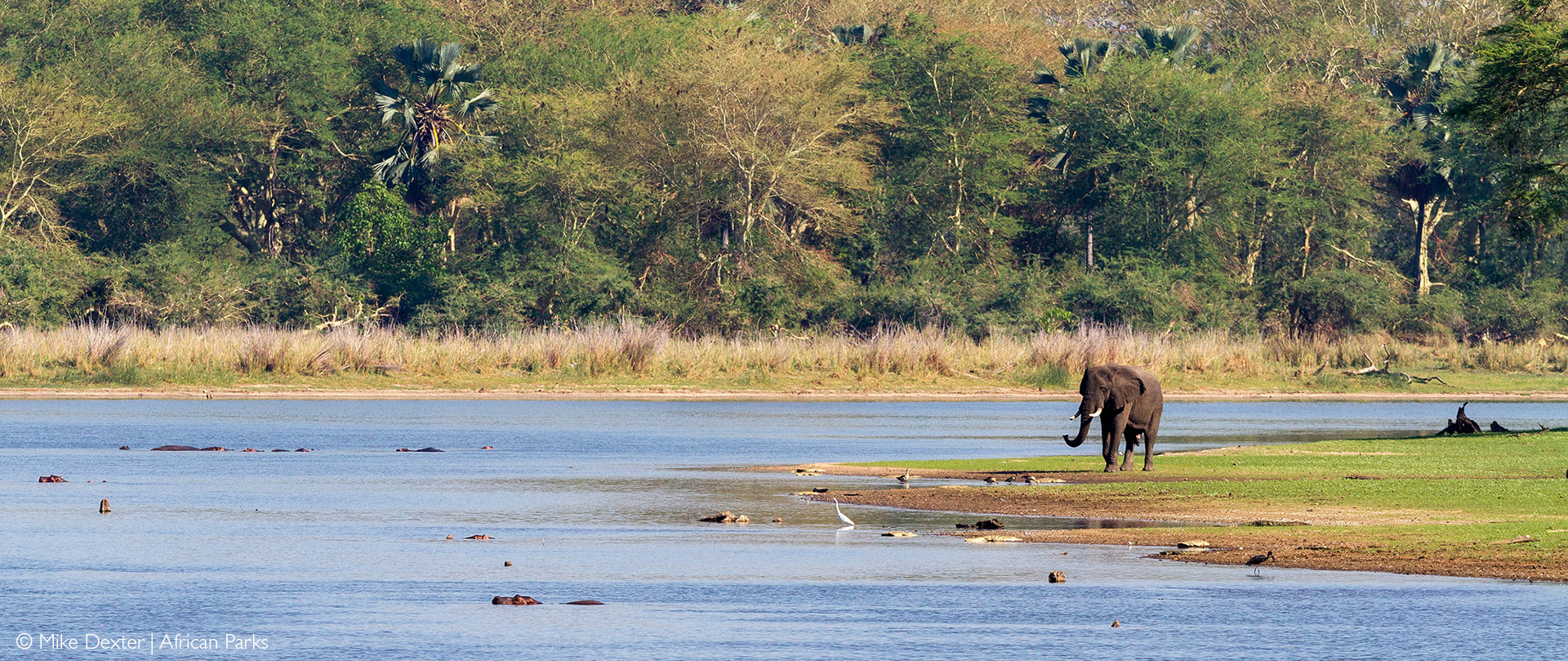
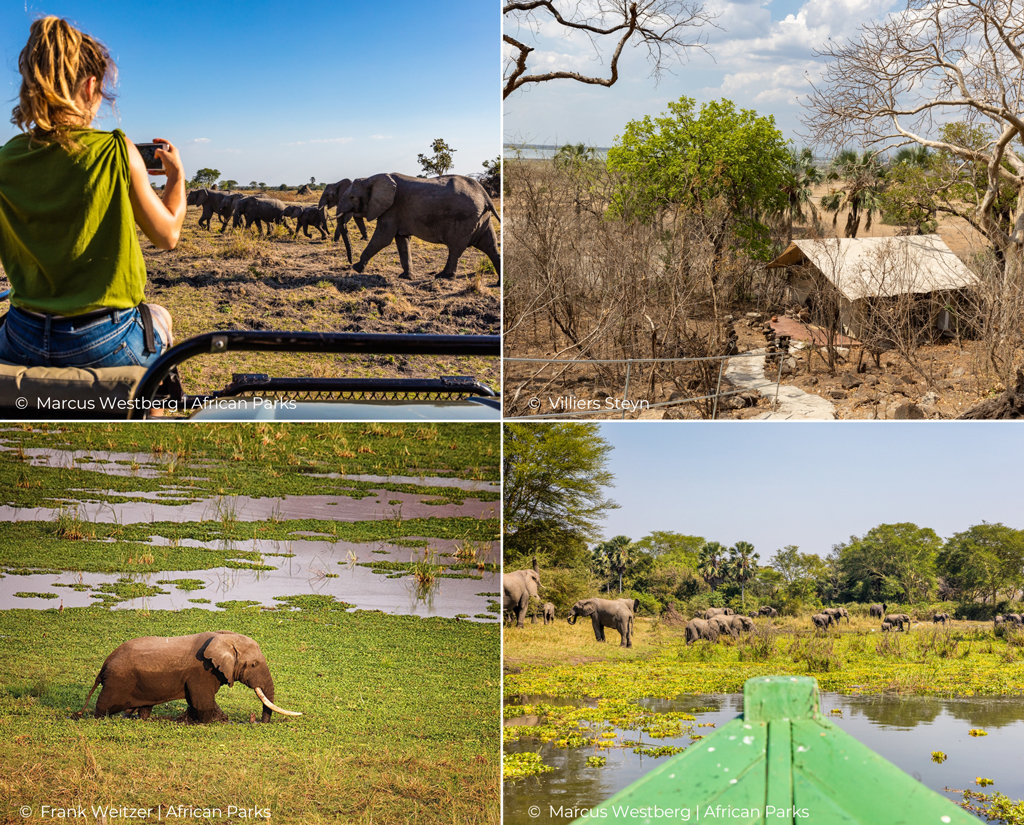
Naturally, the vast Shire River and its various tributaries form the beating heart of this thriving park, with Borassus palm-studded floodplains, thick reedbeds and towering riverine trees setting an almost Okavango-like scene for spectacular wildlife viewing. Away from the network of waterways, mopane woodlands form natural cathedrals overhead, interspersed with the alien forms of candelabra euphorbias. Ancient baobabs loom out of thickets or dominate clearings, their stolid, gnarled forms somehow both other-worldly and reassuring.
Like many of Africa’s formerly protected spaces, Liwonde’s history is complex, with dark roots in the evictions and relocations of its former human residents in the latter half of the 20th century. As tourism to Malawi declined, the park fell into disrepair, and poaching and human-wildlife conflict escalated to a critical point. More wire snares existed in the park than large animals, predators vanished, and even vultures avoided the beleaguered region. Liwonde was a park in terminal decline…

Restoring the balance in Liwonde
Luckily, this is not another doom-and-gloom tale but one of blossoming hope for a long-term future. Bolstered by the undeniable success of nearby Majete Wildlife Reserve, a forward-thinking partnership was formed between Malawi’s Department of National Parks and Wildlife (DNPW) and the non-profit organisation African Parks. In 2015, African Parks assumed management responsibility for Liwonde National Park and embarked on the painstaking process of transforming it into a viable ecosystem and safari destination.
What does it take for an ecosystem to repair and flourish? The recipe appears deceptively simple – provide nature with the necessary ingredients and a safe environment to restore balance. In Liwonde, the first step was to fence the national park to protect remaining wildlife populations and reduce human-wildlife conflict. Naturally, investment in infrastructure brought two-fold benefits: the return of tourists and increased capacity for security enforcement and counter-poaching initiatives. The construction of a ranger training centre provided a critical facility for training rangers for parks throughout Malawi.
With a history of evictions and decades of human-wildlife conflict, building a relationship between surrounding communities and the park was the next essential step. No protected area can flourish at the expense of, or without benefiting, its human neighbours and this has always been a fundamental tenet of the African Parks’ philosophy. Education forms a core part of this community development strategy, and today, Liwonde supports two local schools and provides several scholarships. Children are regularly taken for guided tours of the park to learn more about wildlife, conservation, and their country’s natural heritage.
With a newly devised tourism plan in place and the park secure, it was time to bring the animals back.
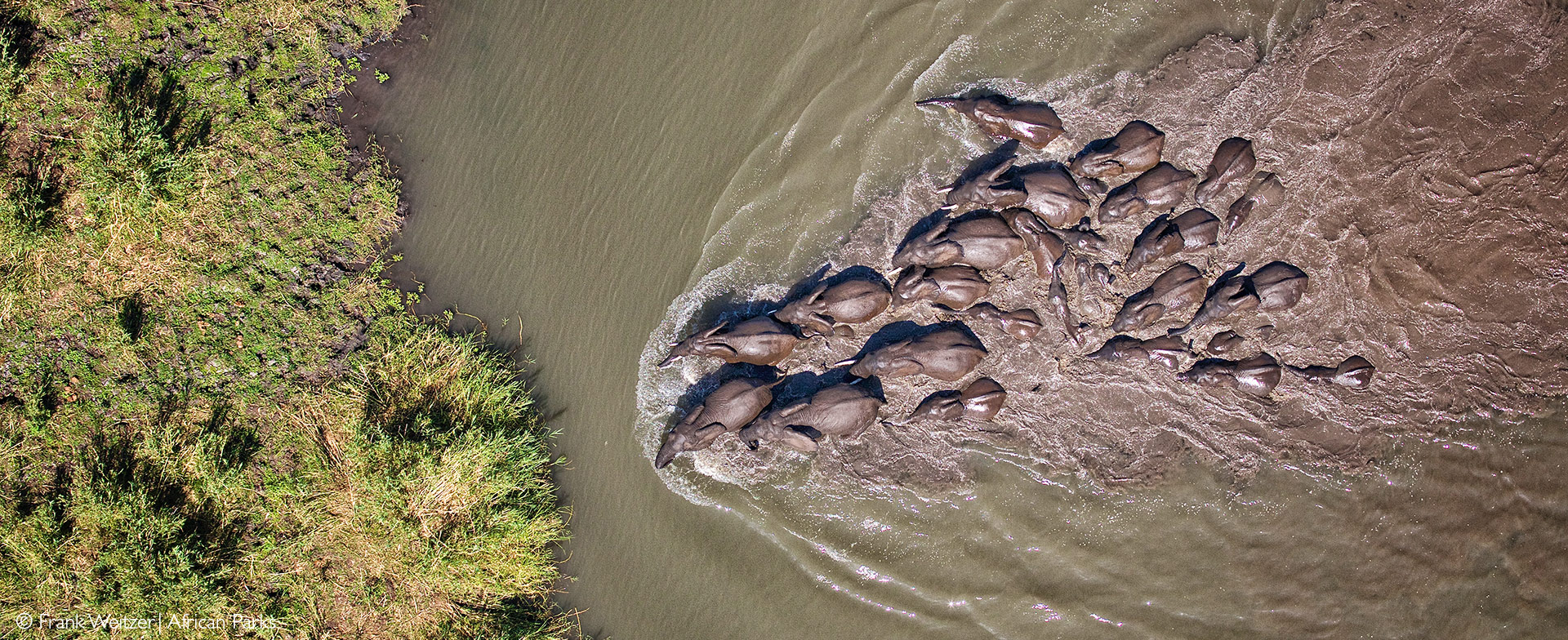
The march of Malawi’s elephants
No matter how resilient nature is, a helping hand is often necessary to reverse local extinctions of iconic species. African Parks manages multiple parks across much of the continent. However, the organisation has a robust presence in Malawi, managing four separate parks: Majete Wildlife Reserve, Mangochi Forest Reserve, Nkhotakota Wildlife Reserve and Liwonde National Park. This enables a cohesive, adaptive management strategy for wildlife populations and ensures that each park’s success benefits the rest of the country.
In the last decade, Malawi has been involved in some of the most ground-breaking animal translocations in the world. Some founder populations of different species have often migrated cross-continent from other countries, especially South Africa. However, burgeoning elephant populations in Majete and Liwonde have been used to bolster local elephant numbers in both Nkhotakota, Nyika National Park and, more recently, Kasungu National Park. These large-scale undertakings have safely translocated hundreds of elephants across the country.
The Big 5 (and others) return to Liwonde
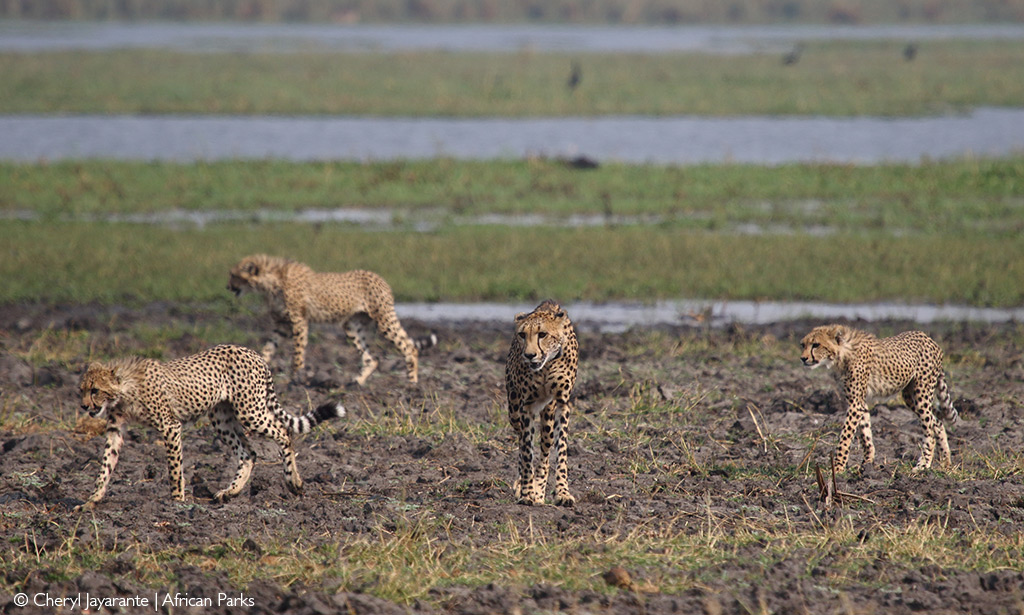
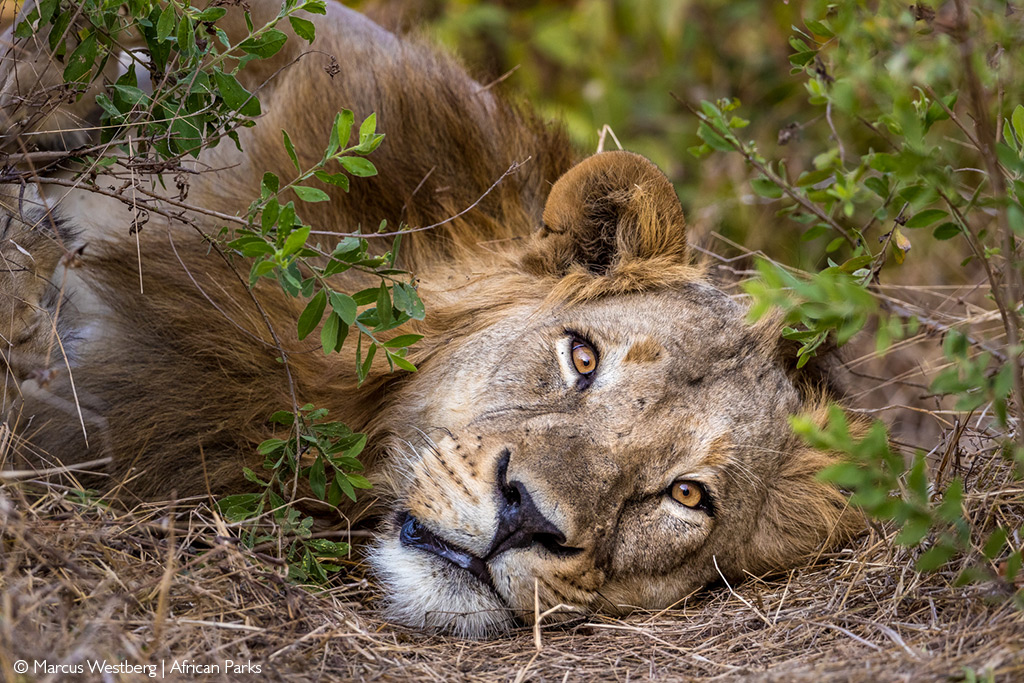
While elephant numbers in Liwonde were historically stable, other wildlife was not quite as fortunate. Cheetahs were the first large predators to be reintroduced after an absence of around a century. The first cheetahs arrived from South Africa in 2017, followed by ten lions sourced from South Africa and Majete a year later. In 2021, wild dogs (African painted wolves) returned to both Majete and Liwonde. Though the intention was that Liwonde would receive a pack of eight of these endangered carnivores, one of the females was pregnant, and the pack welcomed nine pups six weeks later – the first litter of wild dogs born in Malawi in decades! But in a tragic occurrence in November 2022, 14 wild dogs from this pack were poisoned.
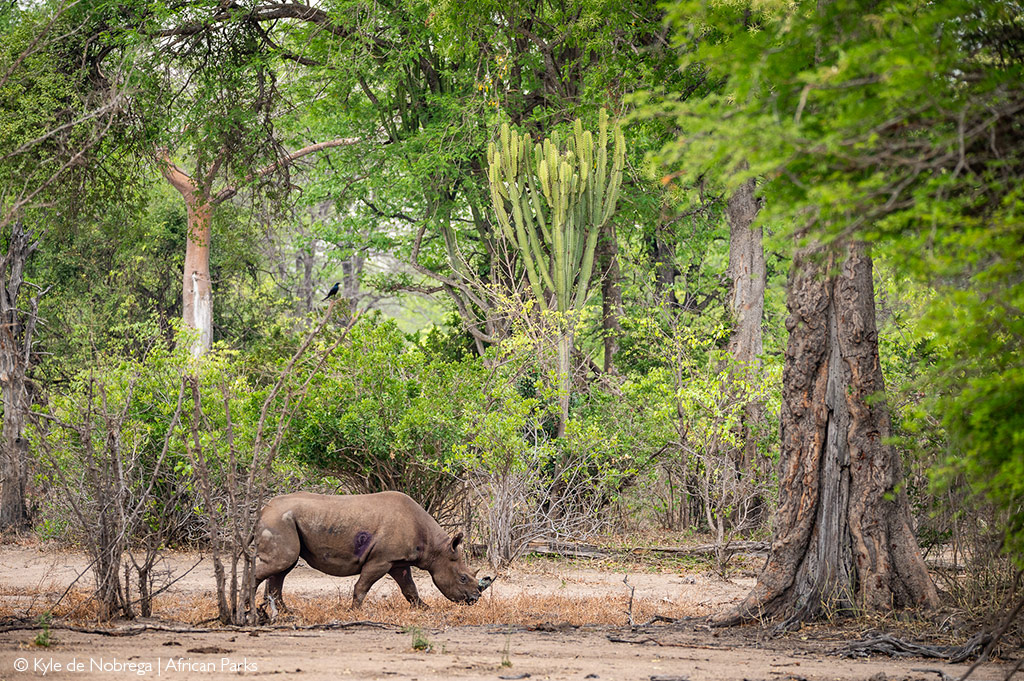
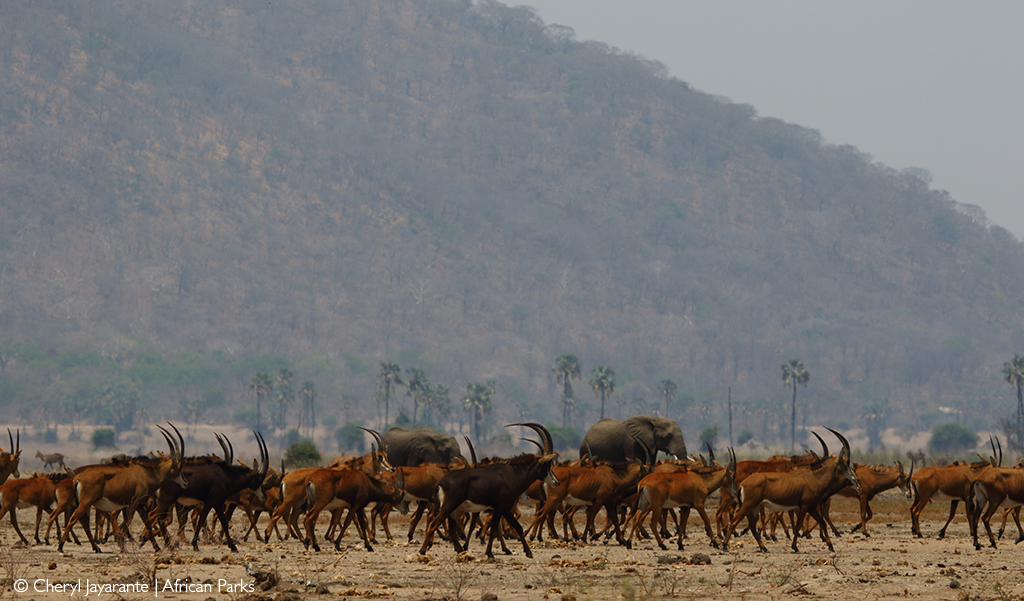
The now thriving ecosystems support massive herds of over a thousand buffalo, and Liwonde is one of the best places in Africa to see the endangered sable antelope. Black rhinos have been translocated from South Africa to supplement the population, and exchanges with individuals from Majete have helped maintain a suitably diverse rhino gene pool.
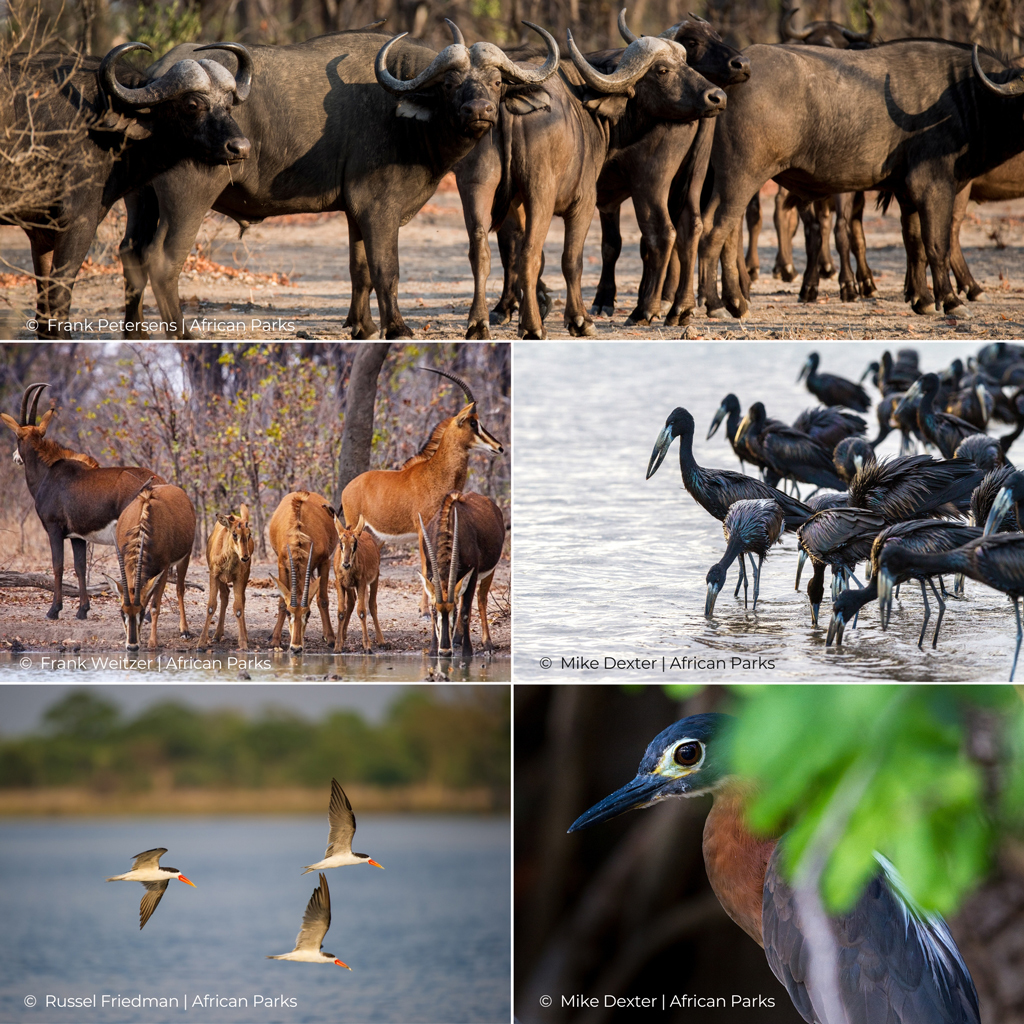
One welcome consequence of increasing terrestrial predators was the return of aerial scavengers. When African Parks assumed management of the park in 2015, vultures were absent. Today, management teams have recorded hundreds of sightings of at least six vulture species. Birding in Liwonde is exceptional all year round – with over 460 species recorded, including Lillian’s love birds, Pel’s fishing owls, Boehm’s bee-eaters, and Livingstone’s flycatchers as highlights for avid birders.
Mangochi Forest Reserve
In 2018, Mangochi Forest Reserve, contiguous with Liwonde’s northeastern border, became the fourth Malawian reserve under African Parks’ mandate. This increased the organisation’s footprint in the region by 60% and brought the total area under its protection to 906 km2 of continuous wilderness. This undulating landscape of ancient forest is a critical ecological extension of Liwonde, serving as an important water catchment and dispersal area for elephants and other species.
As in Liwonde, Mangochi’s mammal populations have declined in recent decades, but there is a small breeding population of leopards, and more than 543 bird species have been recorded in the forest. African Parks has constructed four fenced camps within the national park, expanded the road network, and is erecting a fence along the entire perimeter of Mangochi. They intend to extend the same law enforcement, habitat management, community engagement and socio-economic development as employed in Liwonde National Park.
Explore & stay
The best time to visit Liwonde is during the dry season, from April to October. As the park is dry, wildlife clusters around the remaining water of the river systems. However, the rainy season offers its advantages. When the first thunderstorms darken the November nights, the bushveld transforms from a veritable dustbowl to an emerald-green paradise.
 DID YOU KNOW that African Parks offers safari camps (lodges and campsites) where 100% of tourism revenue goes to conservation and local communities? Find out more and book your African Parks safari.
As one of Africa’s better-kept secrets, the Liwonde experience is incredible value for money, with budget to high-end accommodation options available. For those seeking a self-catering experience in a bush camp, Chimwala Bush Camp is an ideal destination.
Learn more about Chimwala Bush Camp here:
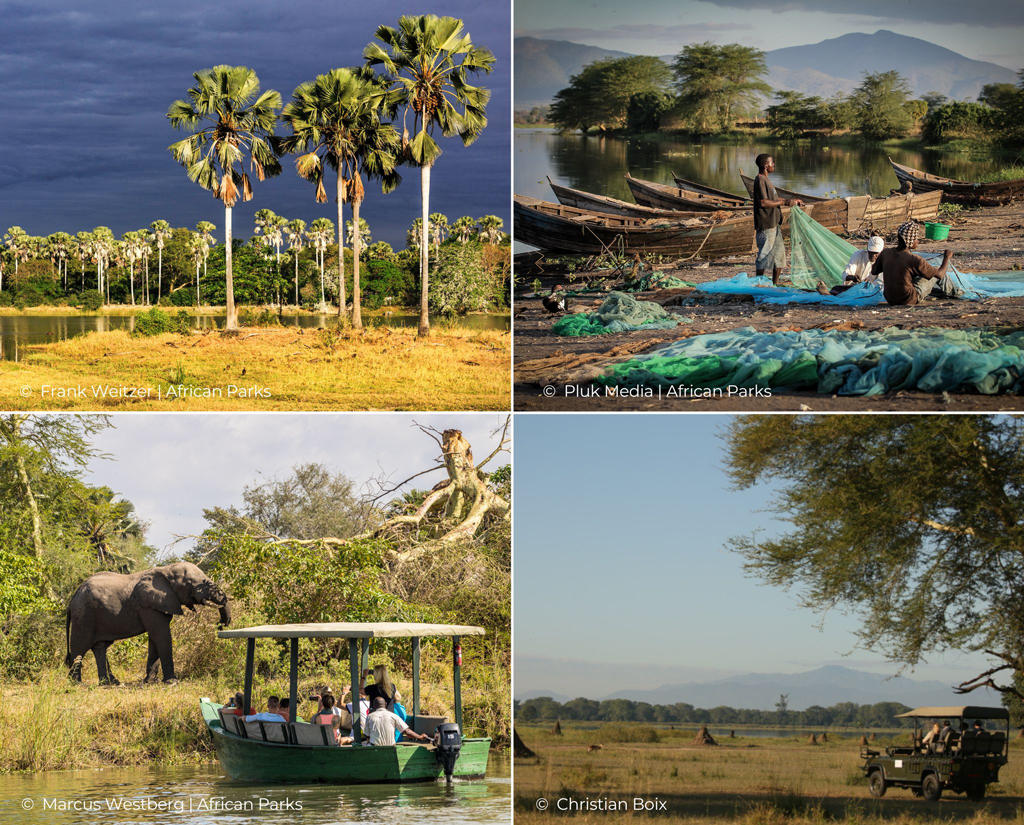
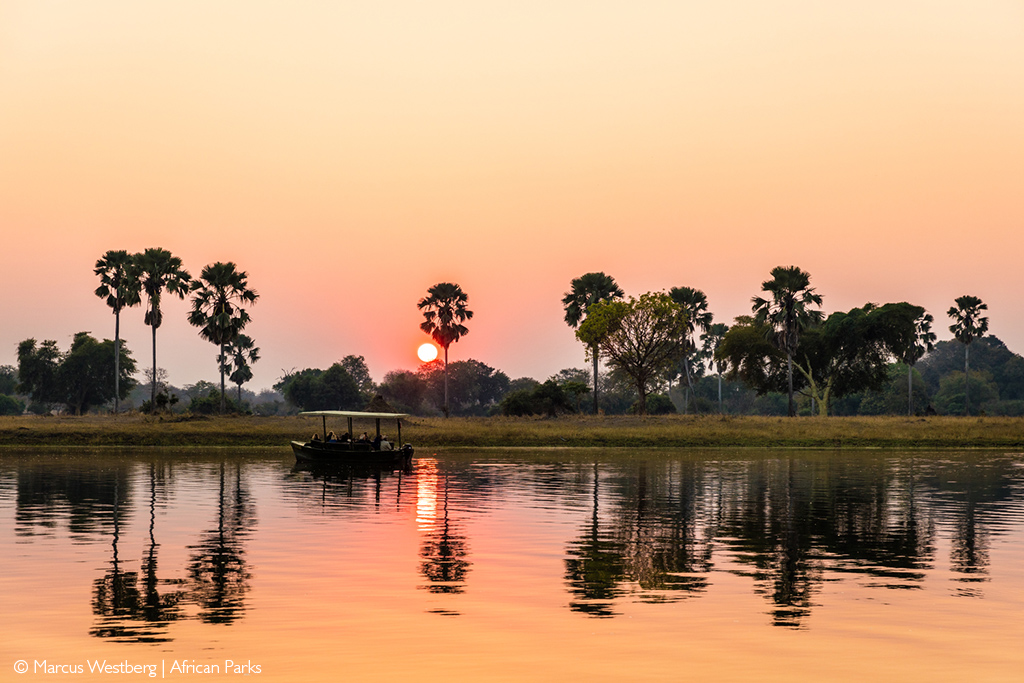
Wildlife sightings are as impressive as those of more renowned destinations in Africa. Floating down the Shire River on a boat safari, watching elephants feed in dense reedbeds, is somewhat reminiscent of a Botswanan safari – at a fraction of the price. Even better, the paradise beaches of Lake Malawi are just a short distance away, making Liwonde a perfect stop on a bush-beach vacation.
Find out about Liwonde for your next African safari. We offer ready-made safari ideas to choose from, or we can build one just for you.
Living Liwonde
Malawi is rapidly establishing itself as both an up-and-coming tourism destination and a conservation role model for the continent. Liwonde is a shining example of how a land desecrated by decades of misuse can be transformed into a wild paradise. The change wrought in just a few years symbolises hope not only for Liwonde but for many of Africa’s struggling wild spaces.
To comment on this story: Login (or sign up) to our app here - it's a troll-free safe place 🙂.