



Our forest kin


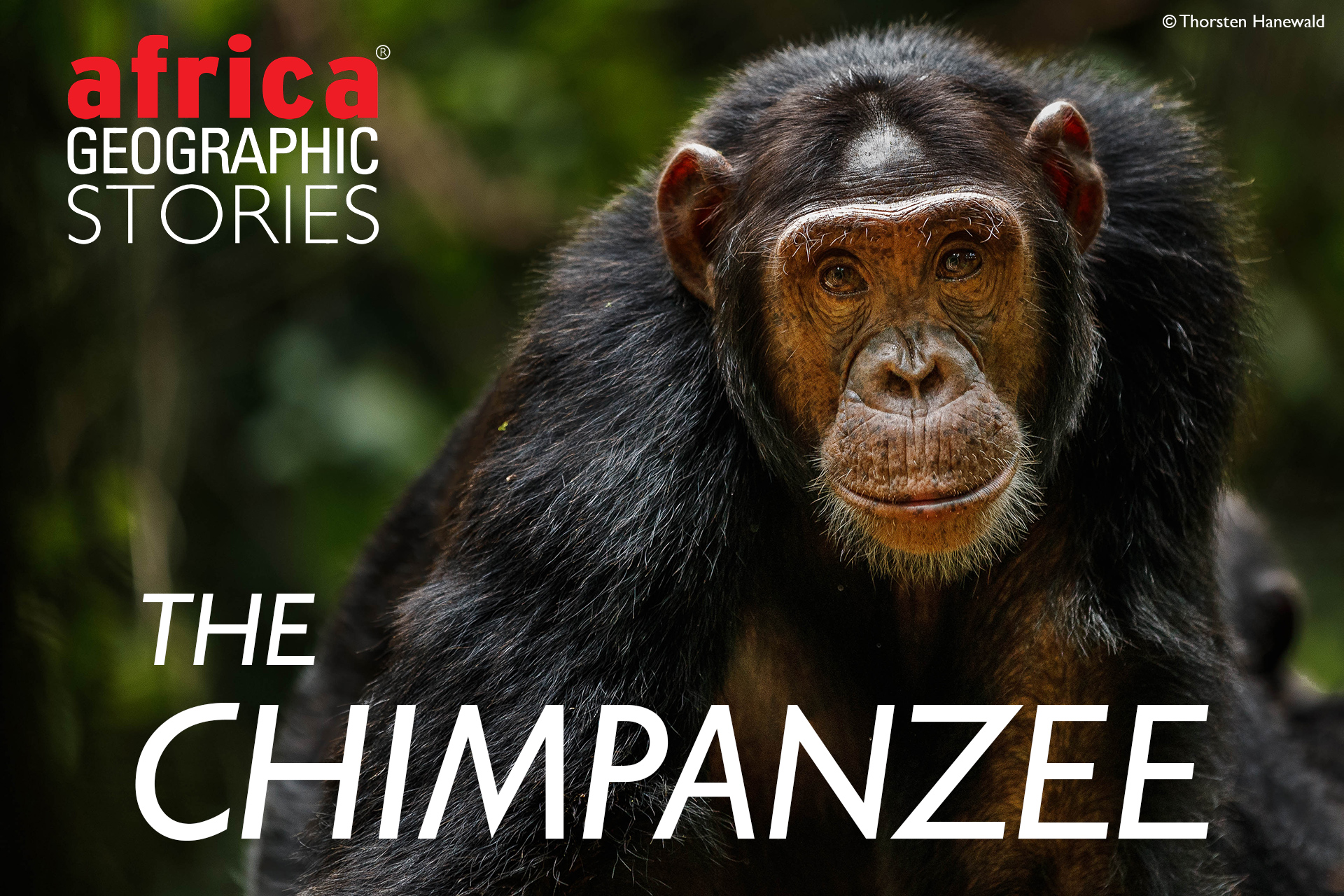
- Chimpanzees, our closest relatives, display complex social behaviours, intelligence, and striking human-like emotional expression.
- Found across Central and West Africa, chimpanzees inhabit forests, woodlands, and human-altered landscapes.
- Their omnivorous diet includes fruit, insects, and mammals, with cooperative hunting observed in some groups.
- Chimpanzees face severe threats from habitat loss, disease, and widespread poaching across their range.
- Despite legal protection, populations continue to decline, with some subspecies now critically endangered.
- Chimpanzee trekking offers an intimate, active wildlife experience that directly supports conservation efforts.
 Want to go on a chimpanzee trekking adventure? Learn more about our chimpanzee-trekking safaris here, or speak to our safari experts about crafting a tailor-made chimpanzee trekking journey in Uganda, Rwanda or Tanzania, combining primate encounters with Africa’s most iconic wildlife destinations.
A rustle in the forest canopy, a distant pant-hoot, and suddenly you are no longer just an observer, you are in their world. Chimpanzees, our closest wild relatives, live lives that mirror our own in uncanny and often unsettling ways: forming alliances, showing tenderness, erupting into conflict, and expressing emotions that feel deeply familiar.
To encounter chimpanzees in the wild is to glimpse the raw threads of our shared ancestry, played out in the dense forests of Africa, where survival is increasingly uncertain, and every meeting feels both a privilege and a reckoning.
Chimpanzee basics
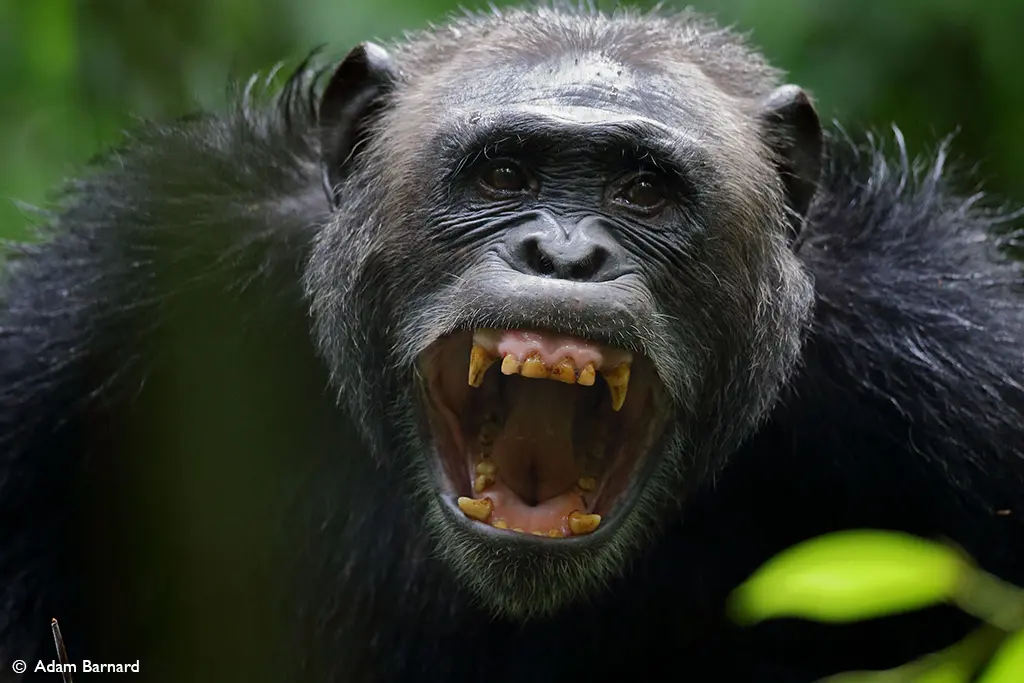
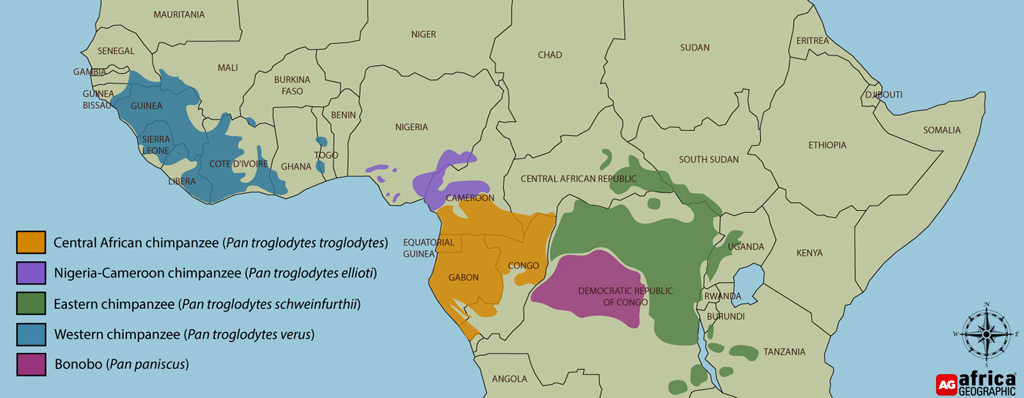
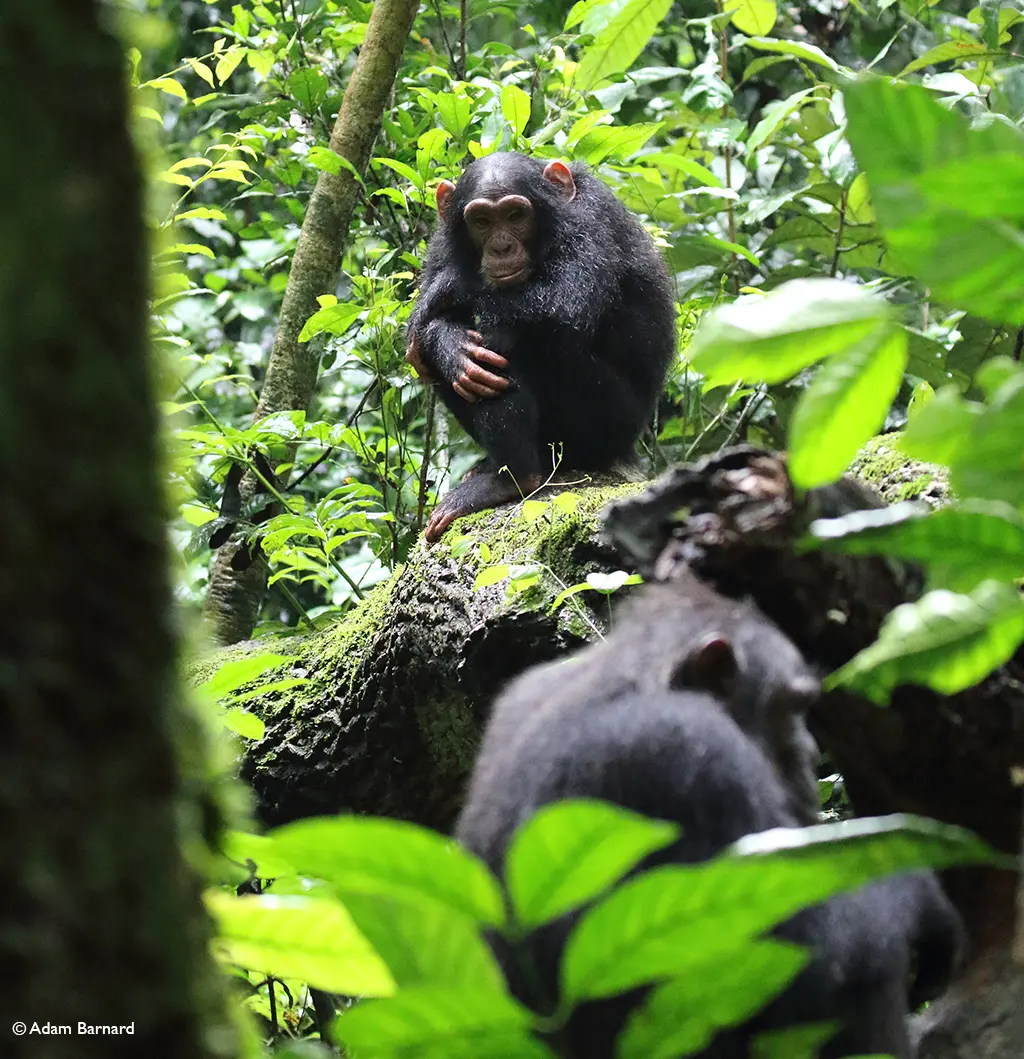
Chimpanzees live in western and central African primary and secondary woodlands and forests, farmland and fallow oil palm plantations. They are among the smallest of the great apes and, alongside bonobos, our closest living relatives, sharing approximately 98–99% of our DNA.
They live in troops averaging 35 members (the largest known troop has 150 members). Home ranges vary – one of the smallest is 6km² at Budongo in Uganda, and one of the largest is 72km² at Semliki, also in Uganda.
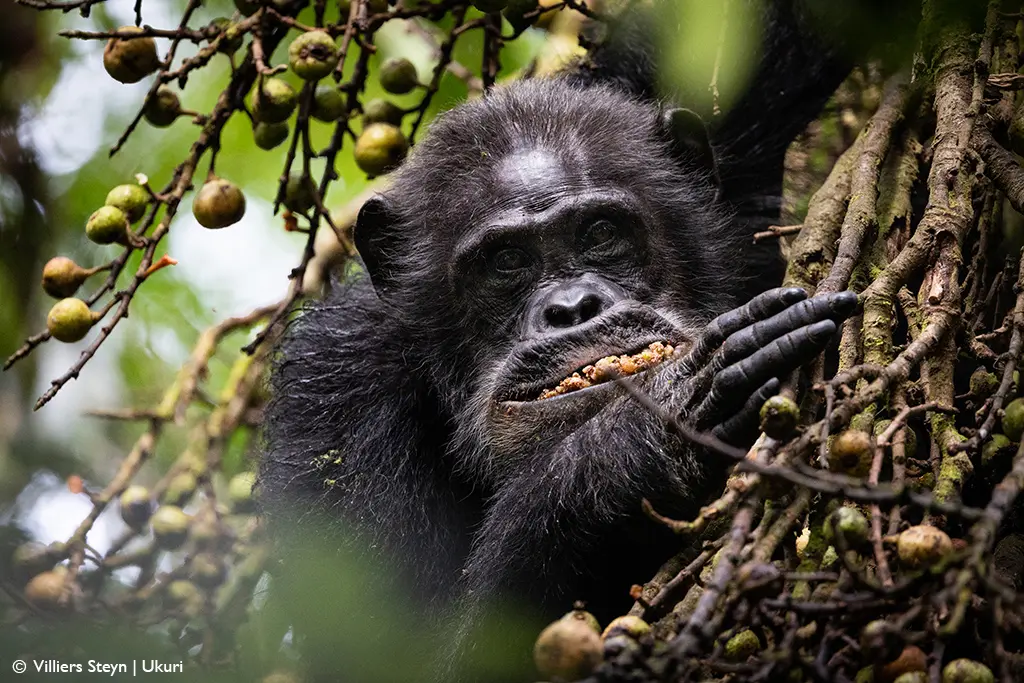
Like humans, chimpanzees are omnivorous. They are opportunistic feeders, with fruit forming half of the diet, supplemented by leaves, stems, seeds, flowers, bark, pith, honey, mushrooms, resin, eggs, and animal prey such as insects and medium-sized mammals. They are the most carnivorous of the great apes (other than humans) and are known to form hunting parties to track down and catch species such as colobus monkeys.
Chimpanzees are proficient tool users, using sticks to extract bees, ants and termites from their nests, and stone and wooden hammers to crack nuts. They are also known to hammer tree buttress roots with sticks and their feet to communicate with other chimps.

Chimpanzees reach puberty at 7–8 years of age. Females have a reproductive cycle of approximately 35 days and typically begin reproducing between 10 and 15 years of age, depending on environmental conditions. Chimpanzees reproduce year-round and have a gestation period of 230 days. Twins are occasionally born, but the norm is a single infant, and weaning is at 4–5 years of age.
A female may give birth to several infants over her lifetime, typically at intervals of 4–6 years, and remains reproductive into her late forties. Infant survival varies significantly by region and threat level, with mortality often linked to disease, predation, and human pressures. In some populations, fewer than half of infants survive to adulthood. Chimpanzees can live into their 40s in the wild and over 50 years in captivity. Generation time is estimated to be 25 years.
Taxonomy
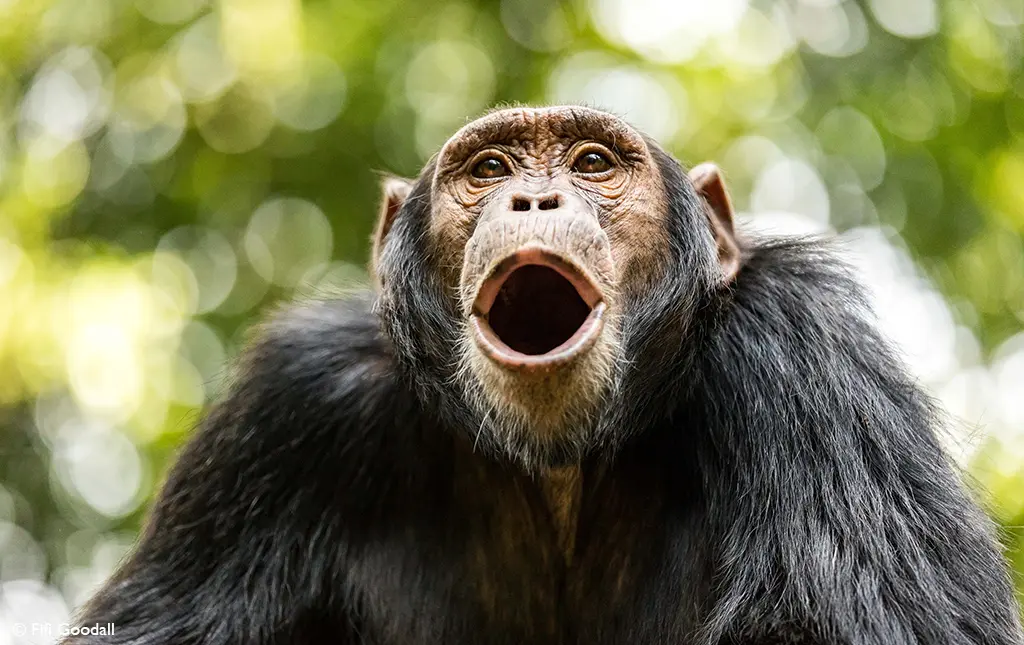
There are two species in the genus Pan: the common chimpanzee (Pan troglodytes) and the bonobo or pygmy chimpanzee (Pan paniscus).
There are four subspecies of common chimpanzee, namely the Western chimpanzee (Pan troglodytes verus); the Nigeria-Cameroon chimpanzee (P. t. ellioti); the Central chimpanzee (P. t. troglodytes); and the Eastern chimpanzee (P. t. schweinfurthii). Chimpanzee taxonomy and genetics are ongoing fields of study.
Conservation status and populations
Chimpanzees are legally protected across their range under national laws and international agreements such as CITES, although enforcement is often inconsistent. It is, therefore, illegal to kill, capture or trade in live chimpanzees or their body parts. This legal standing, however, does not prevent the killing of chimpanzees throughout their ranges.
The common chimpanzee is the most abundant and widespread of the great apes (estimated population of approximately 170,000 to 300,000 individuals) and yet is classified as ‘Endangered’ on IUCN’s Red List because of high levels of poaching, infectious diseases, habitat loss, and deterioration of habitat quality. There has been a significant population decline in recent decades, and it is expected to continue for the next 30-40 years.
The estimated population reduction over three generations (75 years) from 1975 to 2050 is suspected to exceed 50%. Major risk factors include the ongoing rapid growth of human populations, poaching for bushmeat and the commercial bushmeat trade, diseases that are transferable from humans to animals (such as Ebola), the extraction industries and industrial agriculture, corruption and lack of law enforcement, lack of capacity and resources, and political instability in some range states.
“Population estimates vary widely and remain uncertain due to the difficulty of surveying dense forest habitats, but all subspecies are experiencing declines. The Western chimpanzee is now classified as Critically Endangered, while the others remain Endangered.
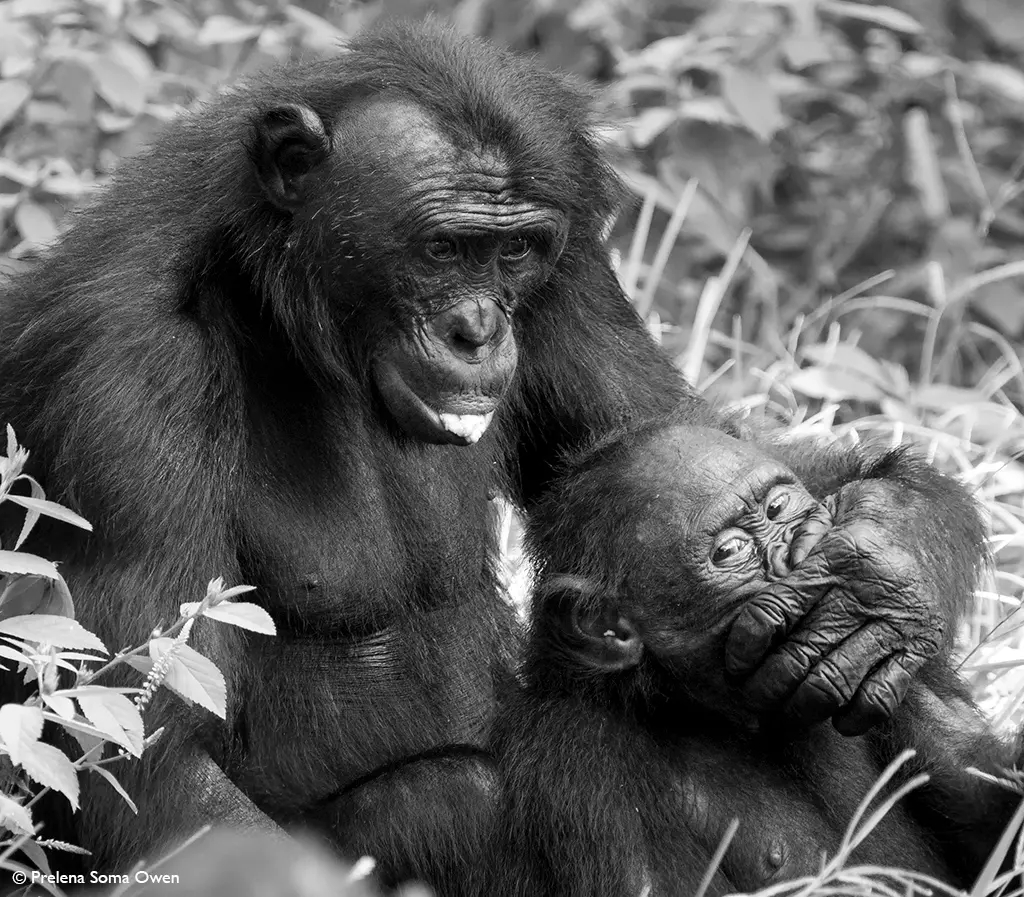
The bonobo is restricted to the lowland forests of the DR Congo and has a population estimated at 15,000 to 20,000 individuals, although only 30% of its historic range has been surveyed. Bonobos are classified as ‘Endangered’ on IUCN’s Red List because of high levels of poaching, loss of habitat, deterioration of habitat quality and diseases that are transferable from humans to animals (such as Ebola).
In some areas, local taboos against eating bonobo meat still exist, but in others, these traditions are disintegrating due to changing cultural values and population movements. There has been a significant population decline over the past 15-20 years, and it is expected to continue for the next 60 years.
Major threats to chimpanzees
POACHING
Poaching is the greatest threat to chimpanzees, with some local populations having been extirpated due to sustained hunting pressure. Increases in human populations, easy availability of guns and ammunition, transport system efficiency, and financial incentives for supplying urban markets with bushmeat have resulted in swathes of land in the forest zone of Africa being cleared of wildlife.
Chimpanzees are generally hunted opportunistically with snares and guns but are sometimes targeted because they provide more meat than smaller mammals, such as duikers, and are poisoned because they threaten local crops. Poaching is especially intense near mining sites and logging camps, where bushmeat is usually the primary source of protein available. The explosion of these extractive industries has introduced a network of roads into what were once vast, roadless forest blocks. Truck drivers provide transport logistics to what has become a lucrative bushmeat industry.
Baby chimpanzees are sometimes trafficked as pets when their parents are killed for bushmeat.
HABITAT LOSS AND DEGRADATION
Subsistence/slash-and-burn agriculture
The conversion of forest to farmland across Africa has severely reduced the availability of chimpanzee habitat. Parts of West Africa had lost up to 80% of their original forest cover by the early 2000s. Extensive subsistence farming in the Albertine Rift area (eastern DR Congo, western Rwanda and western Uganda) has destroyed much of the sub-montane forest used by chimpanzees. Central Africa is experiencing lower forest cover loss.
Logging, mining and oil
Timber concessions result in the removal of important food trees and subsequent habitat degradation. The disturbance factor due to logging activities is also high. Mining and drilling for oil devastate wildlife habitat and lead to large-scale human settlement and the building of roads, railways and other infrastructure.
Industrial agriculture
Expansion of industrial agriculture, including oil palm, continues to threaten chimpanzee habitat across parts of West and Central Africa
Major transportation infrastructure
Massive road projects, sometimes several kilometres wide, fragment chimpanzee habitat and enable human settlement in previously wilderness areas.
All of the above extraction industries result in habitat fragmentation due to the building of roads and introduce infrastructure and channels for the trade in wildlife products. They also cause human migration and introduce diseases to chimpanzees.
DISEASE
Infectious diseases that are zoonotic (transferable between humans and animals), especially Ebola, are a significant cause of great ape die-offs. Ebola outbreaks can spread rapidly through both human and great ape populations. Humans are more mobile than apes, crossing large rivers and other barriers that apes do not, and they can carry the disease with them.
Because chimpanzees and humans are so similar, chimpanzees are susceptible to many of the diseases that afflict humans. Infectious diseases, including outbreaks of respiratory disease and anthrax, are the leading cause of death in several chimpanzee populations that have been habituated to human presence.
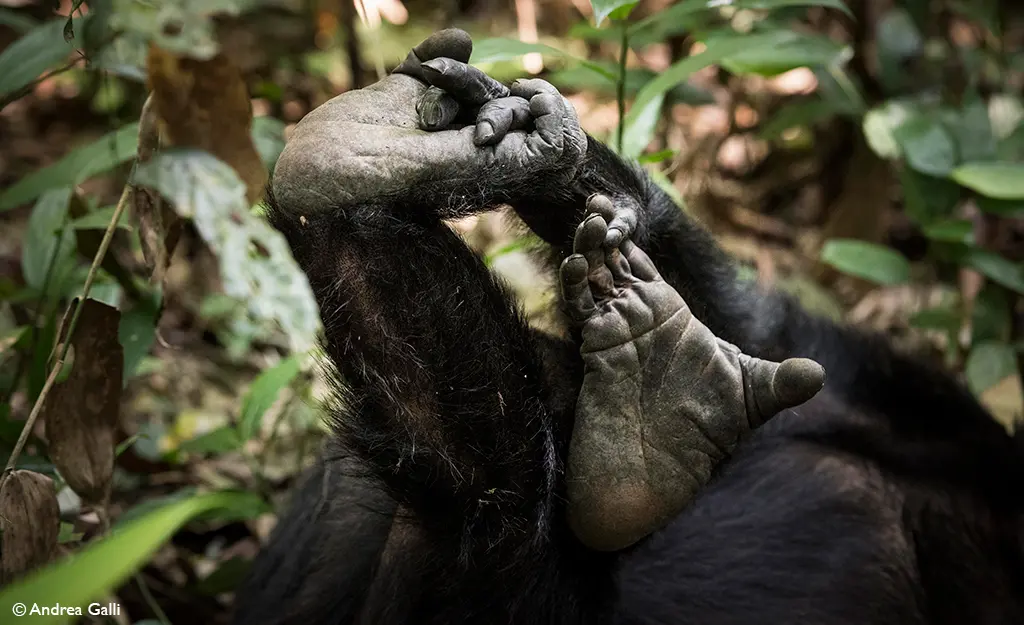
Chimpanzee trekking
There is something profoundly humbling about locking eyes with a chimpanzee in the wild. Their expressions, social bonds and sheer presence blur the line between human and animal in a way few wildlife encounters can.
There are several places in Africa to trek for chimpanzees, from the accessible highland forests of Kibale National Park or in Budongo Forest, both in Uganda, to Rwanda’s Nyungwe National Park, where the sheer biodiversity on offer will leave you speechless, to the remote forests of Mahale Mountains National Park in Tanzania, where the chimps often venture onto the shores of Lake Tanganyika. Each option has its own appeal and additional activities. Trekking for chimps is best woven into a more extensive itinerary, due to the distances and logistics involved.
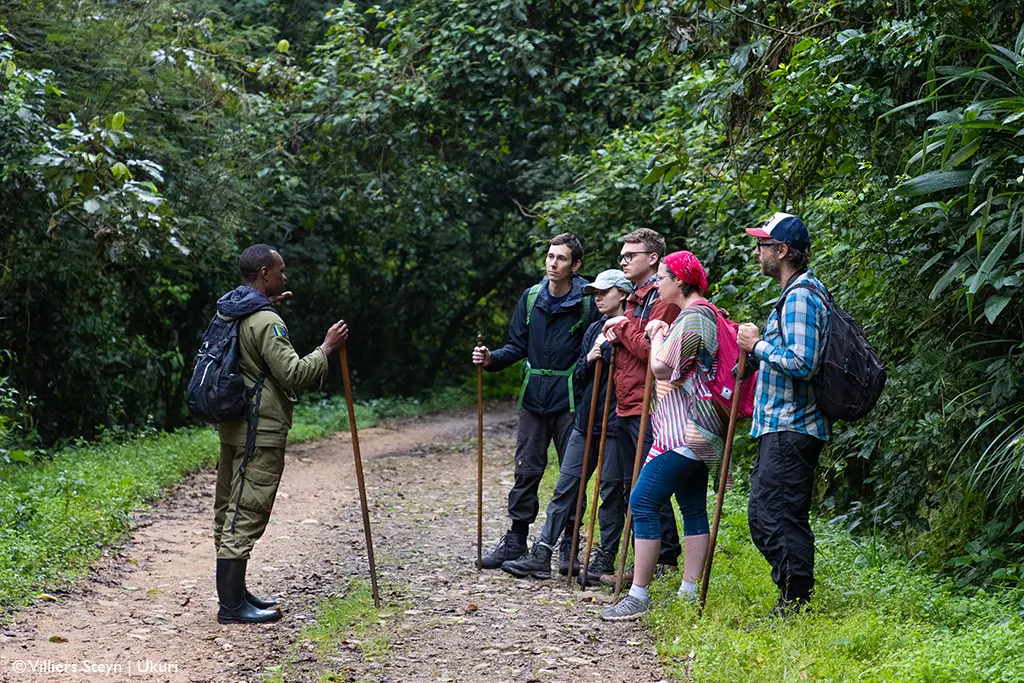
Unlike traditional game drives, chimpanzee trekking is an active, immersive forest experience. Guided by expert trackers, you follow fresh vocalisations, footprints and feeding signs through dense forest until you locate a habituated troop. The encounter is often dynamic – chimps move, feed, groom, argue and play – offering a raw, unscripted wildlife experience that unfolds at close range.
Treks can range from 1 to 4 hours (sometimes longer), depending on chimp movements. Terrain varies from gentle forest paths to steep, humid slopes. A reasonable level of fitness is required, but the reward is one of Africa’s most intimate wildlife encounters.
Responsible chimpanzee trekking directly supports conservation through park fees, community employment, and habitat protection. Choosing ethical operators ensures your presence contributes to the survival of these endangered apes.
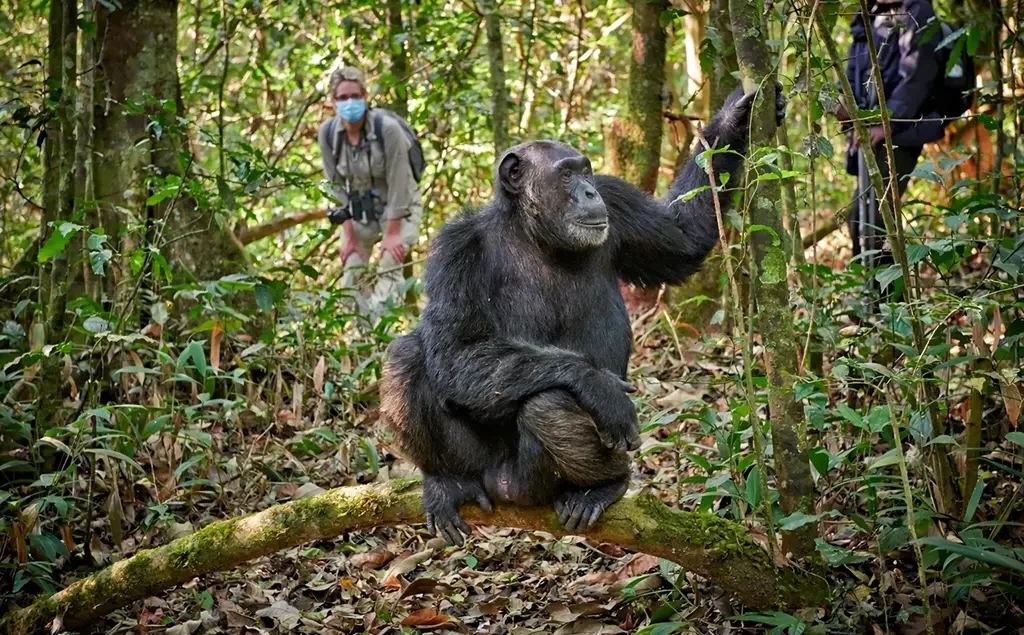
Encountering chimpanzees in the wild
Read our CEO Simon Espley’s account of encountering chimpanzees in the wild, for a taste of what this incredible experience can be like:
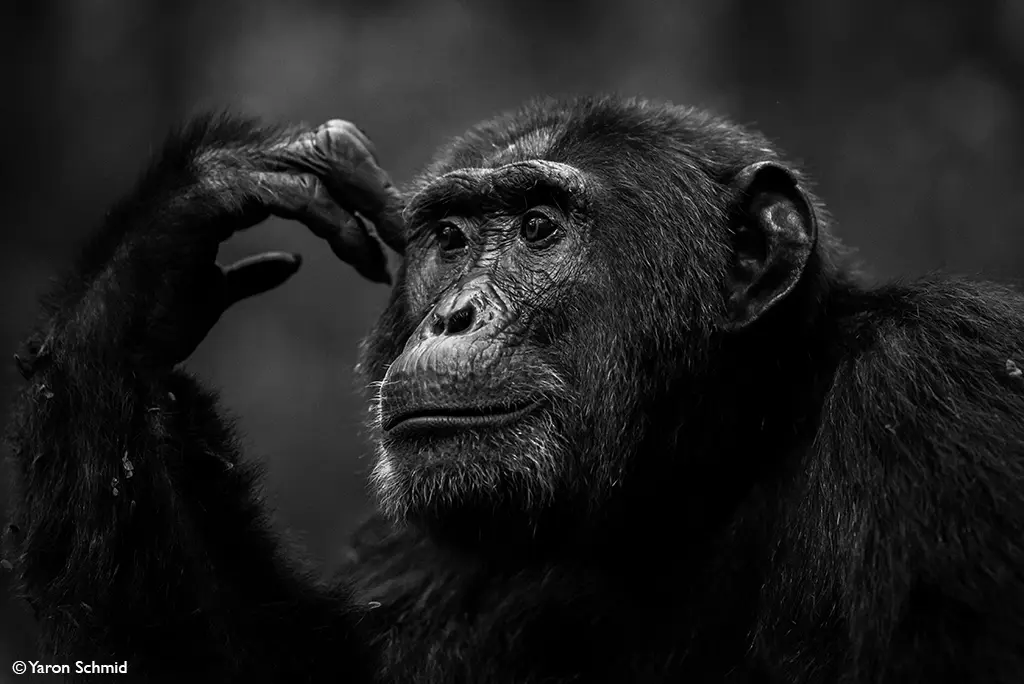
“The alpha male chimp was sitting in the forest path ahead, staring into the distance in a melancholy way as if contemplating life’s challenges, chin resting on balled fist. My party and I were waiting it out, aware that it was us who were intruding on his territory and home. He knew we were waiting because every few minutes he would glance our way disdainfully. The rest of the troop were spread about us, a fair distance away in the forest understorey, quietly relaxing and socialising. Life was good. For now.
He then gave a heaving sigh and swaggered towards us, gangster-like. Being first in the path, I stepped aside and into the thick forest understorey, holding my breath as 50kg of muscle and sinew brushed past me. And then all hell broke loose.
With no warning or apparent reasoning, he went charging off into the forest, screaming hysterically and attacking other troop members. Chaos ensued as the entire troop erupted into a sudden burst of raw, chaotic violence. Smaller chimps were flung about by their limbs, and larger members charged about like drunkards in a barroom brawl, pant-hooting and screaming at full volume. Thirty seconds later, it was all over, as the cacophony subsided into whimpers and then silence. No harm done then. My group and I were wallpaper to the drama, wary observers, ignored.
This naked savagery was in sharp contrast to what we had witnessed the previous day. A mother was nursing a tiny infant, and this same large male approached her and tried to touch the baby. The mother slapped his hand and gave him a look that would instantly freeze boiling water. He cringed, adjusted his strategy and tried again – same result. After several attempts, she permitted a few seconds of gentle (for him) patting before nudging him aside and ambling off with her baby. The big male seemed crestfallen, confused even, as he gazed after her.
These encounters took place in Tanzania’s Mahale Mountains National Park, and I was lucky enough to be accompanying a small party of Africa Geographic safari clients. I have encountered chimpanzees in several areas in Africa, and continue to be fascinated by them.”
~ Simon Espley, CEO of Africa Geographic
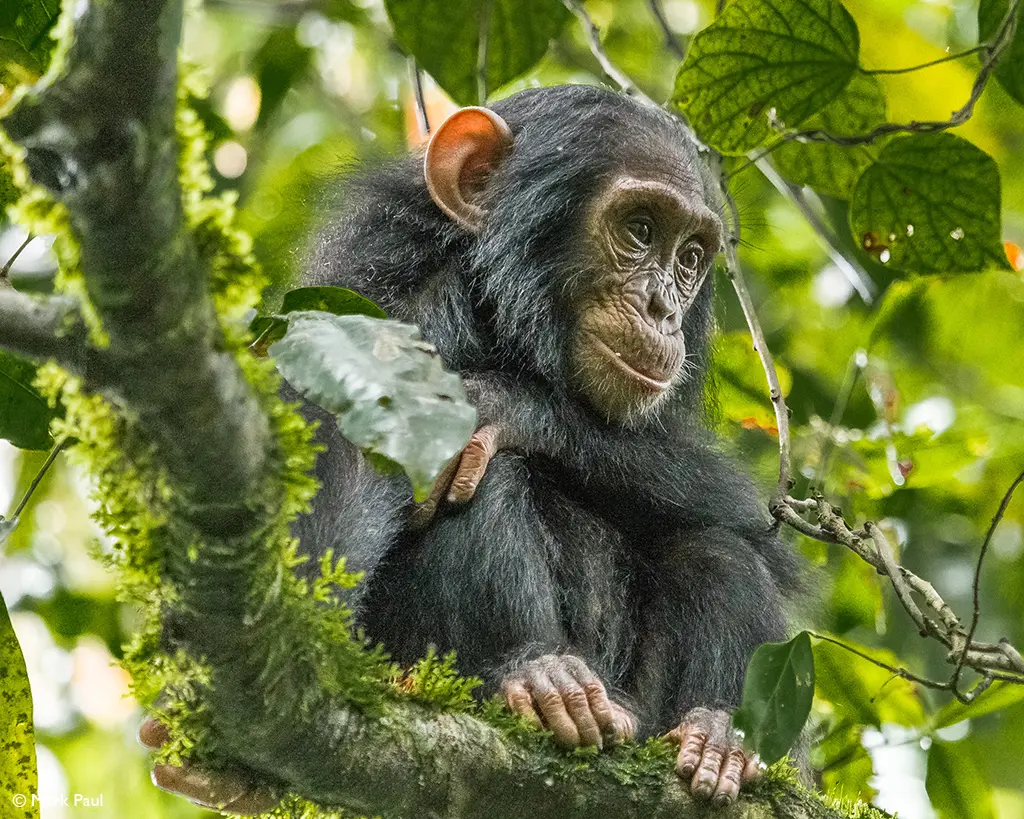
Final word on chimpanzees
Yes, chimpanzees are under severe pressure and facing an uncertain future, mainly because of the antics of that other great ape, Homo sapiens. But there is hope because chimpanzees are a resilient species living in vast swathes of equatorial forest in the heart of Africa.
We close with a quote that reflects chimpanzees in a different light than the above scientific notes:
“In what terms should we think of these beings, nonhuman yet possessing so very many human-like characteristics? How should we treat them? Surely we should treat them with the same consideration and kindness as we show to other humans, and as we recognise human rights, so too should we recognise the rights of the great apes? Yes.” ~ Jane Goodall 
Further reading
- New research reveals human-like conversations: Discover how new research reveals striking similarities between chimpanzee and human communication, deepening our understanding of primates
- Gombe & Mahale in Tanzania combine safari with chimpanzee trekking in the magic forests on the shores of Lake Tanganyika. Read more about these incredible destinations
- The forests of Uganda’s Kibale National Park are an oasis for countless primate species, including chimpanzees, and an array of fauna and flora. Read more about Kibale here
To comment on this story: Login (or sign up) to our app here - it's a troll-free safe place 🙂.