


To cull or not to cull?


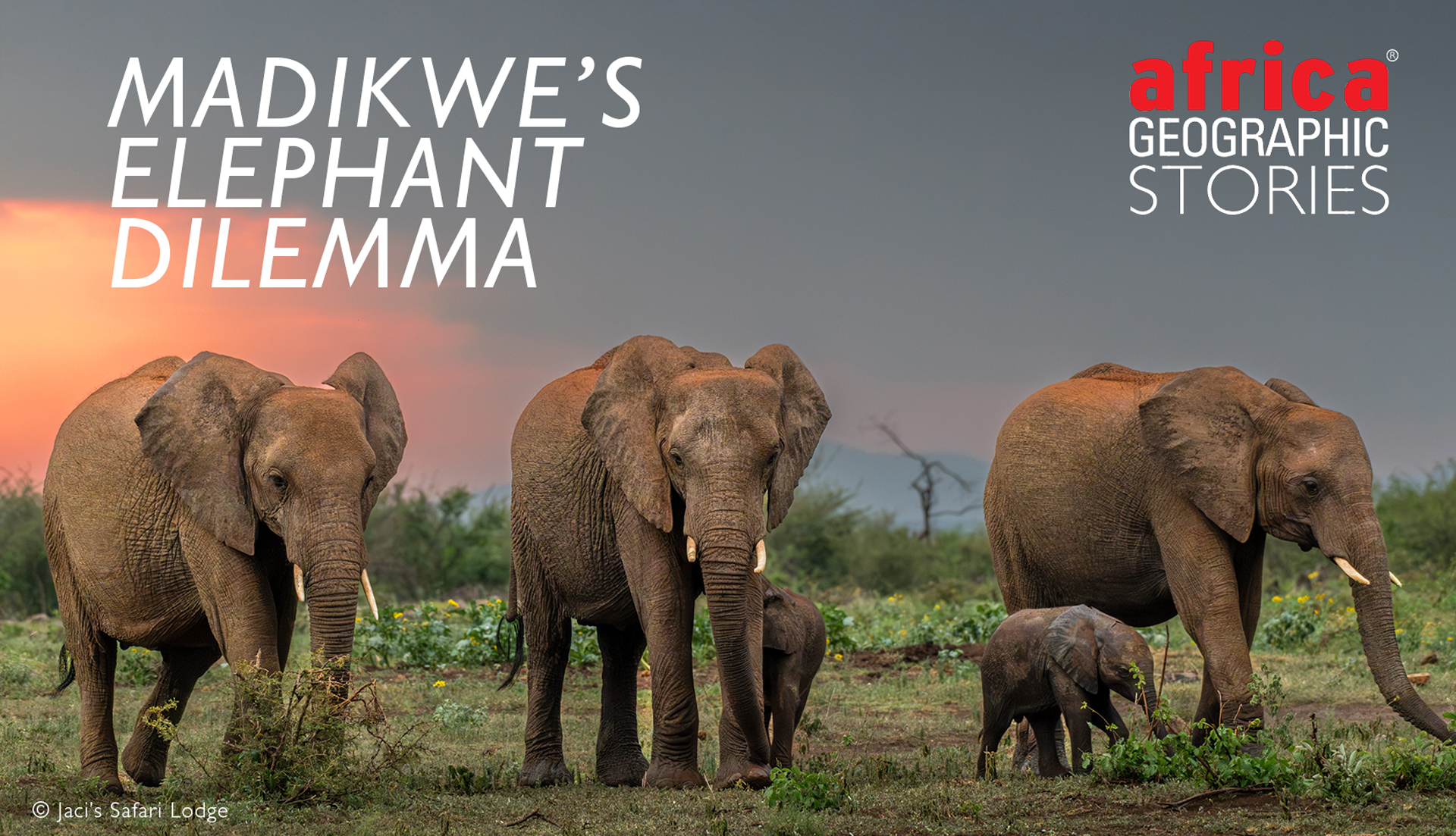
The Madikwe elephant dilemma has become a lightning rod for opinion, often loud and polarised. Much of what’s been written is deeply rooted in emotion. This is not unusual: conservation stirs deep feelings. But when complex challenges are reduced to single-issue arguments, the results can be damaging. In this op ed, Roger Collinson attempts to step back from that noise and offer perspective: the kind that comes from five decades of lived experience in the spaces where conservation, tourism, and hunting overlap – sometimes neatly, often not. Collinson reflects on Madikwe’s unique and remarkable origins, the shifting dynamics, and the economic realities that must be part of the conversation.
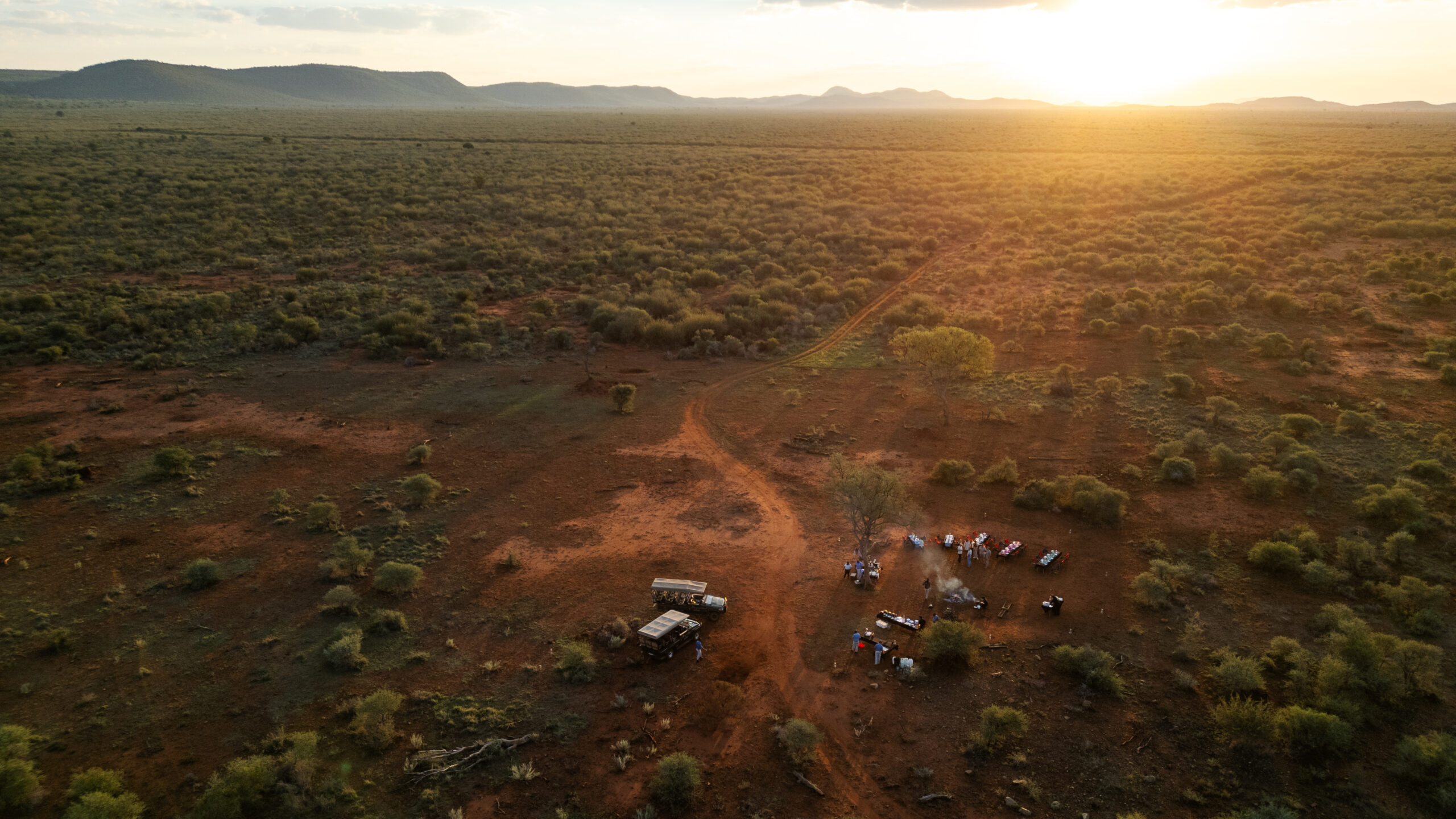
Madikwe Game Reserve is one of South Africa’s great conservation success stories. Established in the early 1990s on exhausted cattle farms, it was envisioned not as a nostalgic return to wilderness, but as a bold experiment in land-use transformation – one designed to uplift neighbouring communities through tourism. In just three decades, it has grown into a Big Five destination of global renown, supporting more than 30 lodges, thousands of jobs, and an economy worth hundreds of millions each year to the North West Province.
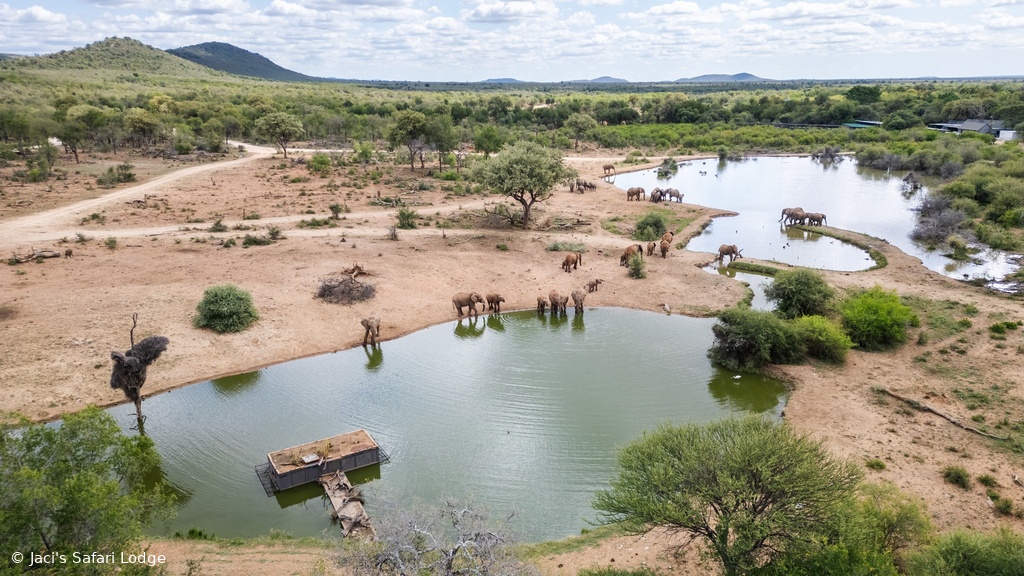
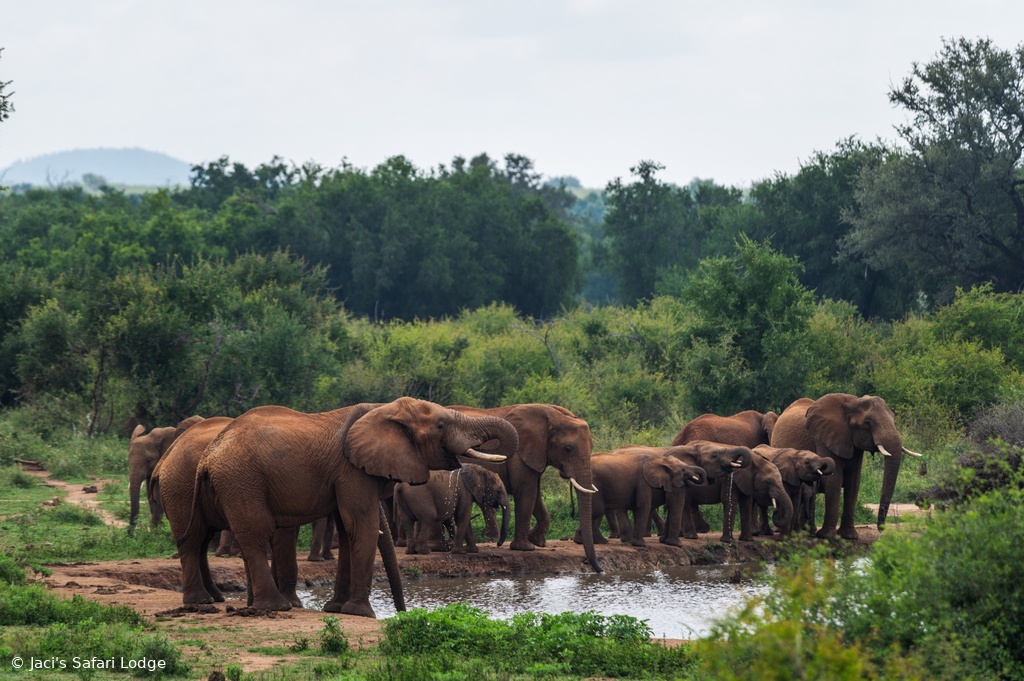
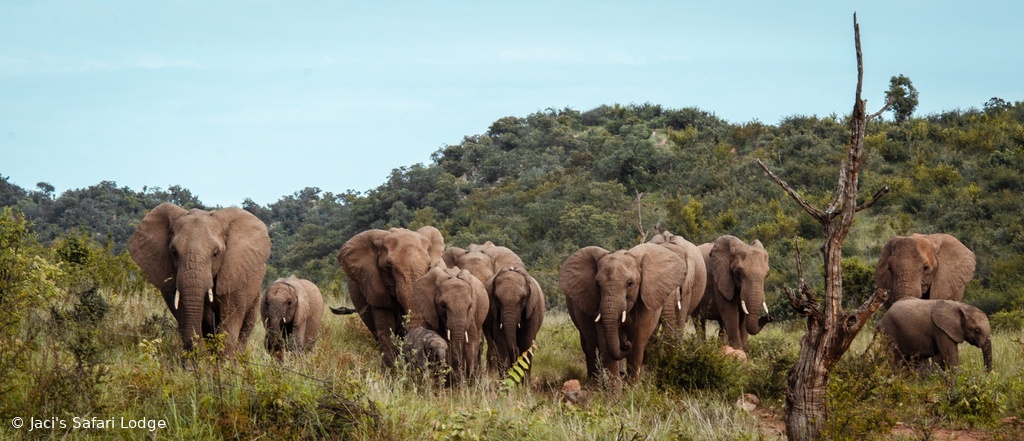
But with success has come pressure. Madikwe’s elephant population, reintroduced at the reserve’s inception, has expanded from just 250 founding animals to an estimated 1,500–1,700 today. The impacts on vegetation, tourism, and neighbouring communities have become increasingly difficult to ignore. And now, the reserve stands at a crossroads: should managers reduce the herd through culling or find alternative solutions? The question has ignited fierce debate far beyond the fences of the park.
The question of elephant management at Madikwe is not a moral contest between good and evil. It is a practical, multifaceted challenge that requires a carefully considered response. It demands clear thinking, ecological insight and value judgements, not emotional slogans. We need to understand population dynamics, vegetation trends, tourism carrying capacities, and the needs of local communities. We need proper modelling of future scenarios and potential trade-offs. Most of all, we need collaboration among all relevant stakeholders, provincial authorities, reserve managers, ecologists, community representatives, and tourism operators.
The urgency of these questions was underscored in June 2025, when Africa Geographic revealed that trophy hunting may soon return to Madikwe. AG reported that a North West Parks and Tourism Board tender proposed the hunting of 25 Madikwe elephants, two black rhinos and ten buffalo in Madikwe, alongside ten elephants and five buffalo in Pilanesberg. Lodge operators warned of reputational damage, and investors decried a lack of consultation. Officials, meanwhile, defended the move as a legally sound attempt to “bring balance” between ecological realities, economic imperatives and community interests.
The subsequent surge of media commentary on Madikwe’s elephant dilemma has been disheartening. What’s being presented, whether through social platforms or traditional media, tends to reduce the issue to a false binary: “To cull, or not to cull?”
There’s no shortage of emotion, sensationalism, and often misinformation in these arguments. What is sorely lacking is context, specifically, the ecological and management realities of Madikwe itself. Reactive discourse tends to ignore complexity. Instead of engaging with the full range of ecological, social, economic, and reputational factors involved, it forces us to choose sides in a simplified, polarised argument. That’s not just unhelpful, it’s dangerous.
With five decades in conservation and tourism, I’ve learned that complex questions rarely have simple answers. I write not as someone “for” or “against” culling, but as a practitioner who has worked across both hunting and tourism. My career spans drafting South Africa’s first trophy hunting legislation in the 1970s to facilitating joint ventures between communal conservancies and professional outfitters in Namibia today. I’ve helped shape the management of reserves such as Madikwe, Pilanesberg and the !Khamab Kalahari Reserve in South Africa, and Etosha Heights in Namibia – areas that began with hunting as their economic model but later transitioned to tourism when conditions shifted. In each case, the decision was pragmatic, not ideological, based on evidence of what best served conservation and communities. These evidence-based processes were guided by the growing performance of tourism in delivering socioeconomic benefits, park revenues, and broader conservation outcomes. This included the fact that the conflict between hunting and tourism operators had reached an unmanageable state, despite zoning. That same perspective informs my views on culling in Madikwe.
My concern is this: in emotionally charged climates, decision-makers are pressured to act quickly, to be seen to “do something.” They are now stuck between a rock and a hard place, damned if they cull, and damned if they don’t. But rushed decisions made without complete understanding can cause more harm than good. What’s at stake here isn’t just the elephant population. It’s the long-term viability of Madikwe as a conservation and tourism destination. It’s the livelihoods of neighbouring communities. It’s the North West Province’s tourism economy. And it’s South Africa’s reputation for rational, evidence-based conservation on the international stage.
Yes, over Madikwe’s 30 years of existence, mistakes have been made. There has been neglect. But equally, the reserve has achieved remarkable things, economically, socially, and ecologically. There is little to be gained by finger-pointing or dwelling on the past. What matters now is how we meet today’s challenges.
What Madikwe elephant data tells us – not the hype
We’re living in an age where emotion often drowns out evidence. Nowhere is this more obvious than in some of the commentary surrounding the Madikwe elephant issue. Some organisations have warned of the exaggerated narratives causing harm. One that made me shake my head in disbelief described Madikwe at its inception as some kind of Garden of Eden and claimed it has now become “a barren wasteland struck by a nuclear bomb where vegetation has been decimated, biodiversity is collapsing, and animals are perishing due to starvation”.
Another asserted that leopards are on the verge of extinction in the reserve, apparently starving to death because there are no longer any large trees for them to hoist their prey into. The narrative continued that vultures, secretary birds, and many other species appear to be all teetering on the edge.
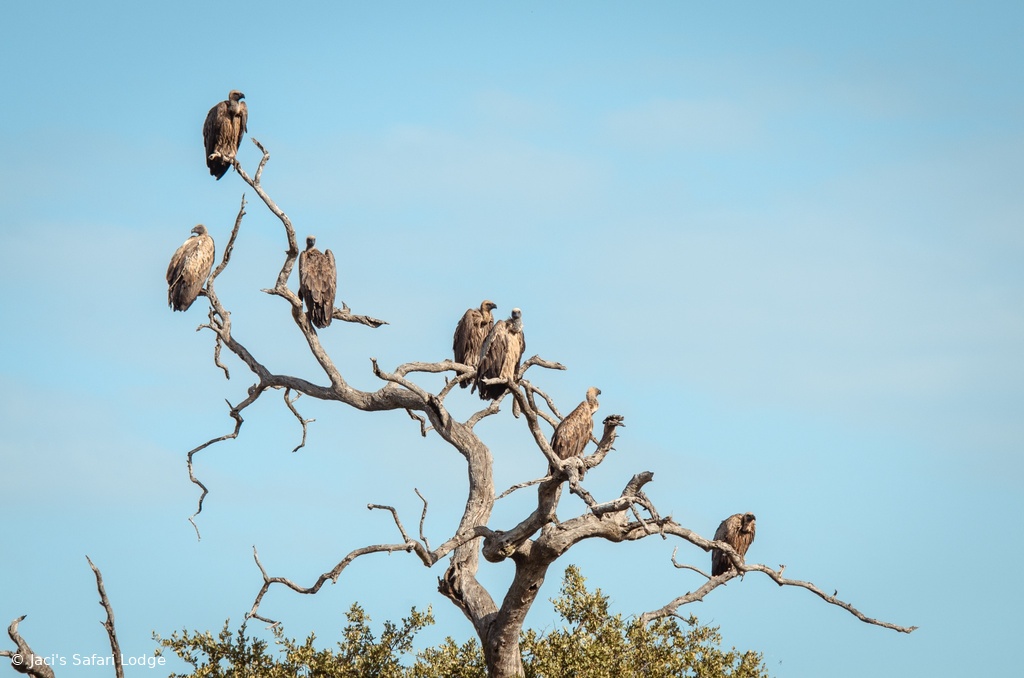
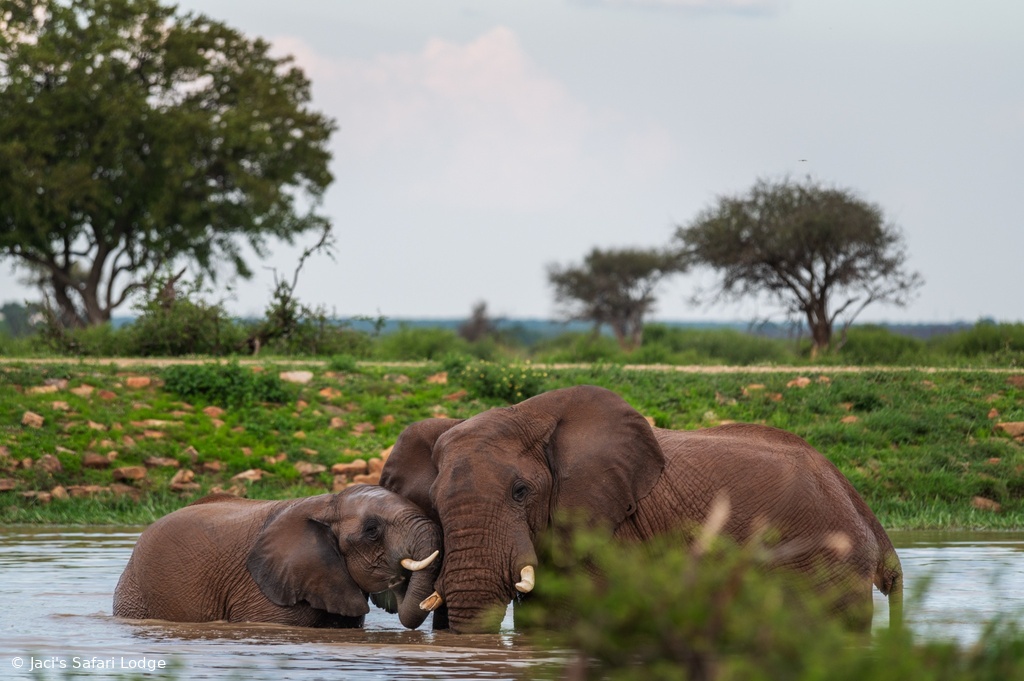
Let me be clear: Madikwe’s large trees are still standing, although their number has been reduced. Guests are still spotting leopards. And the so-called “vanishing species” are, in fact, still very much present: sightings are being reported regularly. For example, rare and endangered species, such as black rhinos, show no signs of decline (and have actually shown an increasing trend), and the populations of other large herbivores and predators have remained stable over the past six years. Yes, the elephant population did experience nutritional and drought stress, but the number that succumbed to this was 4% of the total. Unfortunate, but far from a “catastrophe”. Thus, the media’s hyperbole that carcasses are strewn throughout the reserve is somewhat exaggerated. These mortalities were predominantly in the juvenile or older age classes, as would be expected with successive years of fire and drought-stressed systems. Nevertheless, it should serve as a wake-up call: elephant numbers may now be reaching a level that could lead to repeat events if wise heads don’t intervene with balanced, well-informed solutions that avoid collapsing the tourism economy.
What bothers me most, though, is when these opinion pieces misuse the language of science to lend weight to emotional arguments. One widely repeated claim is that the carrying capacity for elephants in Madikwe is 250. Well, I know exactly where that number came from: it came from me. Certainly not from science in the way the term is being misused now. When elephants were first introduced into Madikwe in the early 1990s, I suggested a starting figure of 300. In the end, only 250 were brought in. That number wasn’t an ecological ceiling; it was a precautionary starting point. My recommendation was always that this founding population should be allowed to grow naturally, with the proviso that changes in vegetation and broader ecological indicators be closely monitored over time. That is the essence of adaptive management. You don’t fix a number in stone; you respond to what the ecosystem is telling you, over years, not weeks. This has been my conservative approach to reintroducing wildlife species, including large predators and herbivores, to the many rewilding projects I have been involved with over the past 50 years.
Unfortunately, that advice was not heeded, and the elephant population has continued to grow, despite concerns being raised along the way. As a result, we now face a set of very difficult decisions around the question: to cull, or not to cull? Or perhaps more importantly, if to cull, then how should this be approached both strategically and technically?
The idea of a fixed “carrying capacity” comes from an outdated view of nature that assumed ecological balance was static. It is, however, not. Today, we understand that ecosystems operate more like a pendulum than a set of scales.
There is no doubt that, based on vegetation monitoring results, fixed-point photos, and Google Earth imagery, the growth of the elephant population (from 250 to an estimated 1,500–1,700 over 30 years) has had a marked impact on the structure and composition of vegetation – especially with the reduction of large tree species. But this doesn’t necessarily mean Madikwe’s ecosystem is ruined or that the original vegetation state from 30 years ago is ideal for our objectives. This is discussed in more depth in the sections below.
The founding objectives of Madikwe
Madikwe’s founding objectives were distinct from those of most Southern African reserves. Based on a comparative land-use study, the creation of a Big Five reserve was identified as the most effective strategy for driving socioeconomic upliftment in a region marked by poverty, drought, and underdevelopment. Unlike reserves focused on ecological restoration, Madikwe was established primarily to benefit the surrounding Barokologadi community (also known as the ba Ga Maotwa and Bahurutshe communities) through tourism.
The goal was never to recreate a “natural” or “pristine” landscape; such concepts are no longer widely accepted by contemporary conservation professionals. This is because most ecosystems are never held in a static state and instead are shaped by ongoing environmental changes and, more recently, human influences. Such terms are subjective and fall outside the realm of scientific management.
Thus, the reserve, essentially reclaimed cattle land, was by no means a Garden of Eden at the time of its founding, and to maintain a “pristine” state was, by default, never one of its objectives.
Thus, against this background, assessing vegetation change over time is a complex task. The desired state of Madikwe’s vegetation cannot be determined solely within the realm of science. The founding objectives, centred on tourism-driven development, must remain a significant consideration, which in turn requires careful value judgments around tourism, socioeconomics, biodiversity, and sustainability. This does not mean that biodiversity considerations are entirely ignored. Instead, the conservation of rare and endangered species, such as the black rhino, cheetah, wild dog, and vultures, receives special conservation attention.
In short, the idea that Madikwe has crossed some hard limit at 250 elephants is biologically unsound.
The desired state of Madikwe vegetation – historical vs future facing
Determining the desired state of the vegetation is the starting point of decision-making in this case. But this process also involves many subjective elements and value judgments, given the land use and landscape changes that have taken place in this area in the past 200 years.
Historical accounts from the 1800s describe Madikwe as an open woodland teeming with wildlife, including elephants, rhinos, and lions, amid sparse human settlement. Explorers like Holub and Cummings noted lush vegetation and grassy glades, though some, like Cornwallis Harris, recorded droughts where soil was bare of grass and “dust bowl” conditions. Frequent fires and elephant activity likely maintained this openness in high-rainfall years.
By the late 1800s, elephants and other large game had been hunted to extinction. The region was subdivided into farms, and by the early 1900s, as Herman Charles Bosman observed, degradation had set in due to overgrazing, bush clearing, drought, and fire exclusion. This worsened in the 1970s and 1980s under Bophuthatswana’s grazing leases.
A study, undertaken over 10 years in the 1970s, 30 years before the founding of Madikwe in 1993, recorded a steady thickening of the woody vegetation. At the time of the reserve’s founding, before Madikwe elephants were reintroduced, I clearly remember the north-east quarter was characterised by dense bush and eroded soils – mainly Sekelbos (Dichrostachys cinerea). This state is what I observed again when I visited Madikwe in December 2024, at the end of the drought. This negates claims in recent articles that this is a symptom of the unrestricted growth of the elephant population.
Thus, against this background, deciding on the desired vegetation state for Madikwe is a complex task, but it is fundamental to resolving the dilemma “to cull or not to cull?” This is laden with value judgments and cannot be determined solely within the realm of science. The founding objectives – centred on tourism-driven development – must remain a significant consideration, which in turn requires careful judgments around tourism, socioeconomics, biodiversity, and sustainability. Furthermore, the objectives cannot simply be amended to suit current narratives or agendas.
From the above written accounts of the landscape and land use, this has changed considerably over the past 200 years, with a reduction of open grasslands and an invasion of woody plants. But after the introduction of the elephant, there has been a marked reduction in large trees and at the same time, thickening up of the bush. There is a tendency amongst some conservationists (and those that have joined the debate by proxy) to hold the notion that the first written descriptions of the landscape, or at minimum, the land neighbouring Madikwe, which is free of elephants, are what should be regarded as the “pristine” or “ideal” state for the reserve.
The reserve was by no means in a “pristine” condition when it was founded, and maintaining a “pristine” state was, by default, never one of its objectives. In any case, what is a pristine or benchmark state? Is it the state that early explorers and hunters encountered when exploring the area, as recorded in a vegetation survey undertaken some 30 years before Madikwe was established, or when the reserve was established? Given that it is beyond the realm of science to answer these questions, the only sensible way to address them is to refer back to the stated objectives and strategies of the reserve upon which it was founded and consider the trade-offs that should be made. For example, suppose a less wooded vegetation state enhances tourism and hence socioeconomic benefits: In that case, it may be expedient for value judgment-based decisions involving tradeoffs between socioeconomic objectives and biodiversity considerations
Madikwe elephant population management – logistics and ethics
Only once an agreement is reached on the “desired vegetation state” can advisors and decision makers apply their minds to the future management of the elephant population and a sequence of other questions that will follow. First and foremost, there is the fundamental question of whether or not a reduction of the elephant population is required to achieve a desired vegetation state. If the answer to this is a definitive “yes”, then what method should be used: lethal or non-lethal? How many Madikwe elephants should be removed, over what time frame, and with what consideration for age and sex ratios? Just as crucially, how will this be done in a way that minimises the negative impact on tourism and thus on the socioeconomic effects on neighbouring Bakgalagadi and Bahurutshe communities and the broader economy and reputation of the North West Province?
Based on the many opinions I have encountered over the past two years, the recommended population reduction may be as high as 1,000 elephants, or perhaps even more. It is clearly impossible to achieve this in a single operation or calendar year. Any reduction would need to be phased over several years, with contraception applied in combination with lethal or translocation methods.
Indeed, as far back as the late 1990s, it was recommended that elephant contraception be used as a management tool. This option was revisited on at least two further occasions, yet unfortunately, no follow-up action was taken. The result is that the population has now grown too large for immunocontraception alone to be an effective management tool.
With regard to contraception, a statement from the Confederation of Hunting Associations of South Africa (CHASA), titled Parliamentary oversight has a chance to do the right thing still claimed that elephant immunocontraception is highly controversial, posing “considerable risks to both individual elephants and the population as a whole”. Notably, this advocacy statement from CHASA fails to mention the numerous peer-reviewed publications and successful outcomes of contraception programs currently implemented in 50 reserves over the past thirty years.
When recommending a combination of management approaches, I never envisaged that the population would grow to the present estimate of 1,500 or more. Unfortunately, that advice was either not heeded or not fully understood. As a consequence, the elephant population has continued to increase despite concerns being raised over time. Although there are many opinions that the elephant population, together with the entire Madikwe ecosystem, has already gone over the cliff, this has not yet happened. In my opinion, it could be claimed to be teetering on the edge. It is thus critical to make calm and wise decisions to rescue it from the impending abyss – in whose depths we may find the collapse of Madikwe tourism as well as the local socioeconomic situation.
Tourism versus trophy hunting in Madikwe
Currently, 31 tourism lodges operate within Madikwe, along with three community-based lodges located just outside the reserve – but directly linked to its tourism value chain. Together, they offer around 740 beds. This is perhaps one of the highest densities of tourist beds per hectare in South Africa. The combined annual direct economic contribution of these operations to the local economy is conservatively estimated at between R500 million and R700 million. This figure includes payroll, operational costs, VAT, direct taxation, and ongoing lodge refurbishments and expansions.
To give just one example: preliminary socioeconomic data indicate that Madikwe has created approximately 1,000 direct jobs for people from neighbouring communities, with a combined annual take-home payroll of R100 million. That’s real income supporting real families at the household level.
In contrast, while annual income from trophy hunting has not yet been precisely calculated, early estimates based on proposed quotas suggest it would be significantly lower than the revenue and more sustainable job creation generated by tourism – even if hunting were to be allowed inside the reserve. Furthermore, there is a misconception that the price listed for a trophy is the revenue that will go directly to the North West Parks and Tourism Board or the neighbouring communities. What seems to be misunderstood is that a significant portion of this fee goes to the professional hunter to cover their considerable operating cost. Thus, only a portion of the prices listed on brochures is actually received by the North West Parks and Tourism Board. In an ideal world, much of this revenue would be allocated to managing Madikwe instead of paying head office salaries and other costs. The same should apply to concession fees paid by tourist lodge operations.
Above all, any intervention must avoid undermining Madikwe’s tourism appeal: It is tourism, not controversy, that sustains both the reserve and the livelihoods it supports.

When the recent tender was released to the hunting fraternity, inviting them to apply for hunting rights in the Madikwe and Pilanesberg areas, Madikwe’s quotas were listed as 25 elephants, two black rhinos, and several buffalo. This caused considerable controversy, and as a result, the North West Parks and Tourism Board temporarily withdrew Pilanesberg and Madikwe from the tender invitation. Consultation processes are planned over the coming months before any final decision on trophy hunting in Pilanesberg and Madikwe is made.
What must be clearly understood is that trophy hunting of 25 elephants is not a solution to the “cull or not to cull” dilemma, or indeed, to reduce population levels. On the contrary, allowing trophy hunting in Madikwe carries extremely high risks and is likely to have a far more damaging impact on tourism and the reserve’s socioeconomic benefits. To put it bluntly: to hunt in Madikwe is to gamble away many hundreds of millions in tourism revenue for only a few million in return from trophy hunting. Notwithstanding this financial consideration, if the quota of the 25 trophy-hunted elephants mentioned for Madikwe is confined to adult bulls, alarm bells should be ringing as to how disruptive this may be to the social behaviour of the entire Madikwe elephant population. Experience elsewhere demonstrates that this disruption may pose a danger to tourists visiting the reserve.
In view of the above, if the notion of trophy hunting in Madikwe comes back on the table it needs to be backed by a thorough plan on a range of logistical consideration and how it can be carried out with most importantly quotas, hunting lodges, zonation between hunting and tourism activities, a Code of Conduct, strict rules and, most importantly, a cost benefit analysis of tourism versus hunting. This cost-benefit analysis is the essential starting point of any tourism versus hunting discussion/debate.
While concerned and effective groups have hailed the recently appointed provincial elephant management task team, there are also others less optimistic about the efficacy, transparency and selective inclusion of this task team. Of most significant concern is the lack of feedback to the public and slow progress of this task team; and many are comparing it to the many never-ending Commissions of Inquiry that South Africa has seen. Given the urgency of resolving the current elephant dilemma, it is disappointing that the team is still at the “talk shop“ level and nowhere near providing recommendations and operational procedures for implementation. At this rate, it would seem that decisions and implementations may not be done before the next drought arrives. There are also concerns that specific expertise is not represented in the task team panel. These include, most notably, animal welfare organisations, economists, veterinarians, and individuals with longstanding and successful experience in elephant contraception endeavours.
Final thoughts on the Madikwe elephant dilemma
If interventions such as contraception or even culling had been implemented when first proposed in the late 1990s, the situation today would likely look very different – especially considering that elephant populations can double every 10 to 15 years. A plan was presented, but it appears that the North West Parks did not act on it. Had action been taken then, the reserve would have saved millions in management costs. Instead, the problem has compounded, and any response now – whether culling, contraception, or relocation – will come at a far greater price.
The logistical challenges are immense. Removing a thousand elephants from a 50,000-hectare reserve is not a straightforward task. Even without tourists, the practicalities, how to move them, how to dispose of carcasses, are daunting. Attempting it in one year is impossible; even two years would likely be insufficient. Phased removal is essential, and without concurrent contraception, births will continue, keeping the gap between birth rate and offtake stubbornly wide.
The economic implications are equally stark. The opportunity cost is enormous: not just the direct cost of a mass cull, but what is lost in tourism revenue, jobs, and reputational damage over decades. Hunting, for example, might generate perhaps R100 million, but little of that reaches the reserve itself. Tourism, by contrast, brings in close to a R1 billion annually, sustaining livelihoods and communities. To gamble that steady income against short-term, limited gains is, in practical terms, reckless.
 Want to see what all the fuss is about? Read more about safaris to Madikwe Game Reserve here. Or, ask us to build the perfect safari, tailored just for you.
Even with careful phasing, reducing the population at this scale may be impossible without significant disruption. Lodges may need to close temporarily or even permanently. Tourism could be halted. The consequences ripple far beyond economics: herd dynamics would be thrown into chaos, and the broader ecosystem would be destabilised.
That being said, culling may now be the only realistic option, but it will demand extraordinary planning. Only a clever, meticulously conceived plan could reduce Madikwe’s elephants without simultaneously collapsing tourism. Otherwise, the reserve faces the classic dilemma: damned if they do, risking tourism, jobs, and reputation; damned if they don’t, risking uncontrolled elephant growth and ecological degradation.
This is the result of decades of inaction and neglect. It is not an easy choice, and it is not one to be taken lightly. It will be interesting to see the imminent report by the Madikwe elephant task team and what its purpose is.
Considering the range of issues involved – briefly outlined here but examined in more depth in my full report – the matter still requires a stronger team of experts to provide decision-makers with practical solutions.
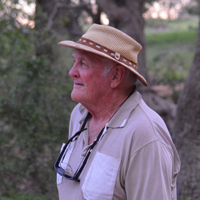 Roger Collinson has worked at the intersection of conservation and tourism for more than 50 years. He began his career with the Natal Parks Board in the 1970s and 1980s, where he helped draft South Africa’s first trophy hunting legislation and was later named South African Conservationist of the Year by PHASA.
With over three decades of experience in research, protected area planning, management, and development, Collinson has worked across South Africa, Botswana, Zambia, Namibia, Madagascar, and Lesotho. He has served as both a hands-on manager and a technical advisor to governments, NGOs, and private sector organisations in wildlife conservation, tourism, and community-based natural resource management (CBNRM). As Director and Executive Chairman of Bop Parks (the National Parks Board of Bophuthatswana – now North West Parks and Tourism Board), he oversaw the development of Pilanesberg National Park and Madikwe Game Reserve – both recognised with national and international awards. His academic background includes a B.Sc. in Zoology and Entomology, a B.Sc. Honours in Entomology, and an M.Sc. from the Institute of Natural Resources, University of Natal. Over his career, Collinson has played a key role in planning and managing various reserves. Today, he works in Namibia, facilitating joint ventures between communal conservancies and professional hunting outfitters, often navigating the transition between hunting and tourism. His experience informs his balanced perspective on complex issues such as culling, trophy hunting, and land-use decisions.
Further reading
Trophy hunting to return to Madikwe & Pilanesberg? AG broke the news that hunting may return to Madikwe & Pilanesberg, targeting elephant & buffalo in both parks, & rhino in Madikwe – per a tender from the North West Parks and Tourism Board
Madikwe Game Reserve is a malaria-free safari haven and conservation success story that benefits people, wildlife and the ecosystem
To comment on this story: Login (or sign up) to our app here - it's a troll-free safe place 🙂.