


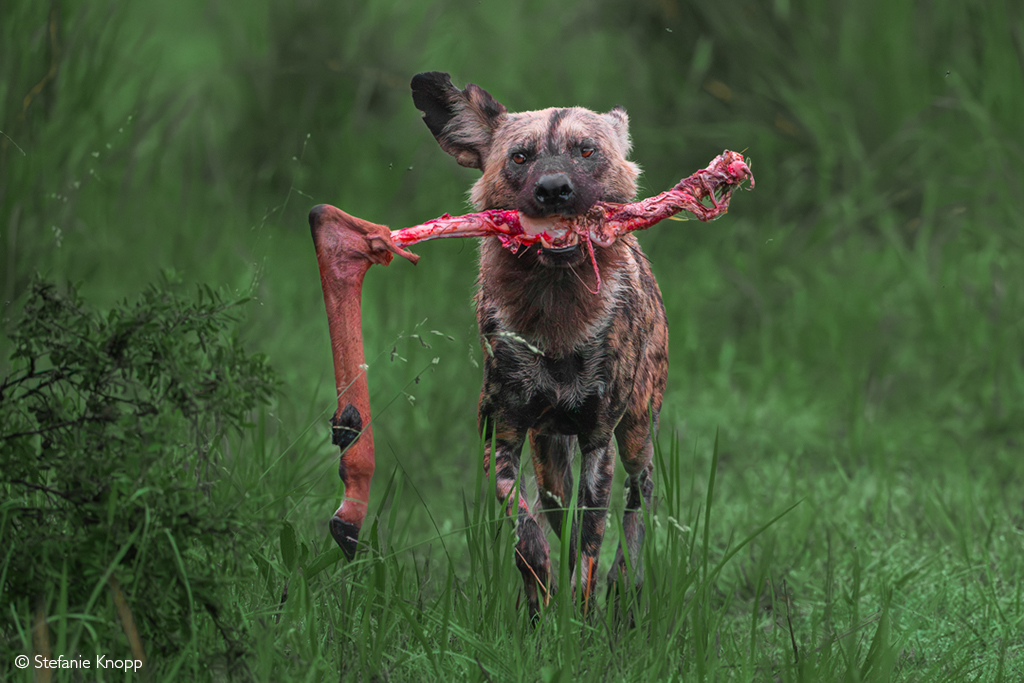
 The African wild dog (painted wolf) has a reputation as a relentless pack hunter, primarily targeting medium-sized antelope like impalas. But recent scientific sleuthing into their scat has painted a more nuanced picture of their dining preferences. DNA analysis has uncovered their surprising dietary habits, challenging long-held beliefs and offering fresh insights for conservation.
Africa’s iconic painted wolves, or African wild dogs (Lycaon pictus), are a species teetering on the brink, listed as endangered since 2012. With only an estimated 600 wild dogs left in South Africa, understanding their ecology and behaviour is essential for their survival. One crucial piece of this puzzle is their diet – what exactly do these highly social carnivores eat? A groundbreaking study by researchers from the University of Pretoria employed DNA metabarcoding, a technique that identifies multiple species within a single environmental sample, to analyse faecal matter from wild dogs across seven distinct landscapes. This method revealed a broader menu than previously documented, including a few unexpected prey species.
The study, conducted by Bridget C. O’Connor and the UP team, specifically focused on the largest wild dog population in South Africa, found within the Kruger National Park. The researchers utilised faecal samples collected across seven different landscape types in KNP.
Traditionally, diet analysis relied on methods like visually examining faecal matter, stomach contents, or direct observation of hunts. While these provided some insights, they often come with logistical limitations and reliability issues, leaving significant gaps in knowledge. But the new methods of DNA metabarcoding and stable isotope analysis (SIA) offer more reliable and accurate dietary predictions. SIA indicates an animal’s trophic level and general prey type, but typically cannot identify specific prey species. DNA metabarcoding, however, can pinpoint species-level diet details by matching DNA barcodes in samples to reference databases.
The usual prey suspects and surprising additions
Previous observations suggested that African wild dogs primarily prey on medium-sized ungulates, with impala (Aepyceros melampus) being their key prey species due to its abundance in most South African reserves, including Kruger National Park. Both the stable isotope analysis and the metabarcoding results from this study supported this existing understanding, identifying impala as the major prey species across almost all landscape types studied.
However, the DNA metabarcoding unveiled some unexpected additions to the wild dog menu, including Cape hares, francolins, and vlei rats. The presence of smaller prey species suggests that highly social, cooperative wild dogs may not always rely on coordinated pack hunts. Instead, individual members might occasionally embark on solo foraging missions, supplementing their diet with opportunistic catches.
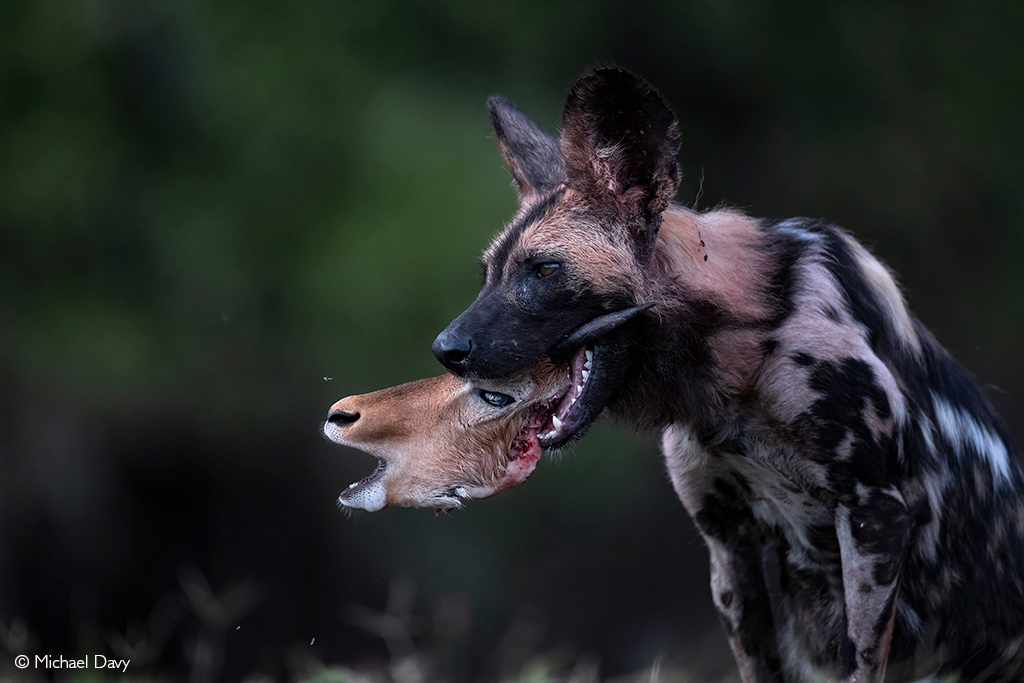
This contradicts the traditional view of wild dogs as “rate-maximising optimal foragers” that specialise in abundant medium to large ungulates and forgo opportunistic hunts, indicating a level of adaptability and resourcefulness that challenges the traditional view of their strictly cooperative hunting strategies.
Perhaps the most intriguing detections were those of spotted hyena and elephant DNA. However, this is not necessarily indicative of predation, but rather points to the complex ecological interactions and shared habitats that these canines navigate. Instances of wild dogs consuming elephant dung, perhaps to extract nutrients or target dung beetles, further exemplify their opportunistic feeding habits.
Insights for wild dog conservation
Understanding the full spectrum of the African wild dog’s diet is vital for effective conservation. Recognising their dietary flexibility informs habitat management and prey availability assessments, ensuring efforts align with ecological needs. As populations face threats from habitat fragmentation and human-wildlife conflict, insight is key for crafting protection plans. In this light, DNA metabarcoding is a game-changer, enriching knowledge of wild dog ecology and highlighting the potential of advanced genetic tools in research. Faecal samples provide a “short-term snapshot” of diet (up to four days), often more accurate for resolving landscape-specific differences than the “long-term information” from hair samples.
By unveiling hidden aspects of feeding behaviour, scientists can better predict how these predators adapt to environmental change. Precise knowledge of wild dog diet also improves nutritional protocols for captive populations and informs translocation decisions. In South Africa, many wild dogs belong to managed or free-roaming groups overseen by organisations such as the Endangered Wildlife Trust, which may hold them temporarily to aid translocations. This insight enhances conflict mitigation and provides clearer indicators of ecosystem health. The study also identified priorities for future research, including more comprehensive prey DNA databases, blocking host DNA amplification, and ensuring fresh samples for stronger results.
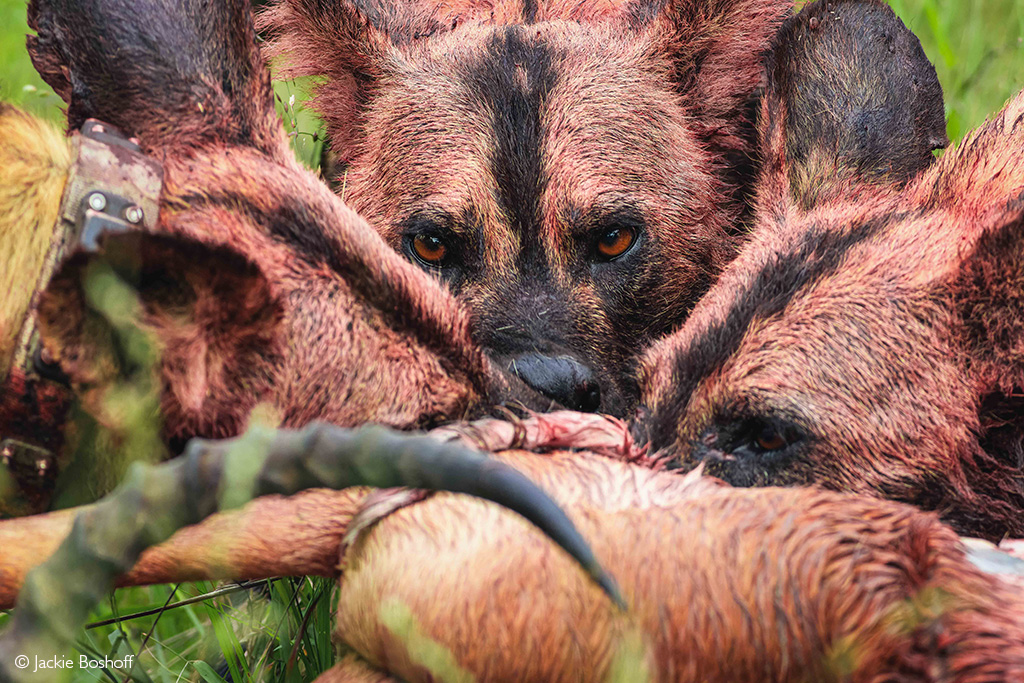
This research marks a significant step forward in our understanding of the African wild dog’s ecological role. By peering into wild-dog dietary habits through the lens of DNA analysis, researchers have uncovered a previously unappreciated level of dietary breadth and behavioural adaptability – moving beyond general assumptions to uncover the hidden truths of their daily meals. These detailed findings are crucial for ensuring the long-term survival of these magnificent predators in the wild.
Want to see wild dogs on an African safari? Check out this unique safari focused on finding wild dogs. We also have other ready-made safaris to choose from, or let us build one just for you.
Reference
O’Connor, B.C., Crossey, B., Hall, G., Ganswindt, A., Oosthuzen, C.J. All in the details: A first assessment for the viability of metabarcoding in diet composition analysis of African wild dogs (Lycaon pictus). Ecology and Evolution 2024 Nov 13;14(11):e70526.
Further reading
- Painted predators, vanishing prey – a wild dog crisis: The African wild dog is hunting harder for less due to prey scarcity caused by poaching. Can they overcome this changing landscape?
- New hope for Tsavo’s wild dogs: Tsavo’s African wild dogs face major threats: Tsavo Trust & Painted Wolf Foundation are working to save these painted dogs. Here’s how
- Kids eat first – research on wild dog feeding habits: New research shows that there is order in wild dog hunts. Painted wolf pups are the first to eat at a carcass
- Hope for African wild dogs?: Could we double African wild dog (painted wolf) numbers by 2050? With funding, collaboration and recovered territory, it’s possible.
- The 6 top places to see painted wolves: Looking for the best place to see African painted wolves? We bring you six of our favourite spots to scout for wild dogs
To comment on this story: Login (or sign up) to our app here - it's a troll-free safe place 🙂.