



Inside a secret wildlife corridor of the Maasai Mara

- Camera traps revealed a hidden nocturnal wildlife corridor in the Maasai Mara forest habitat.
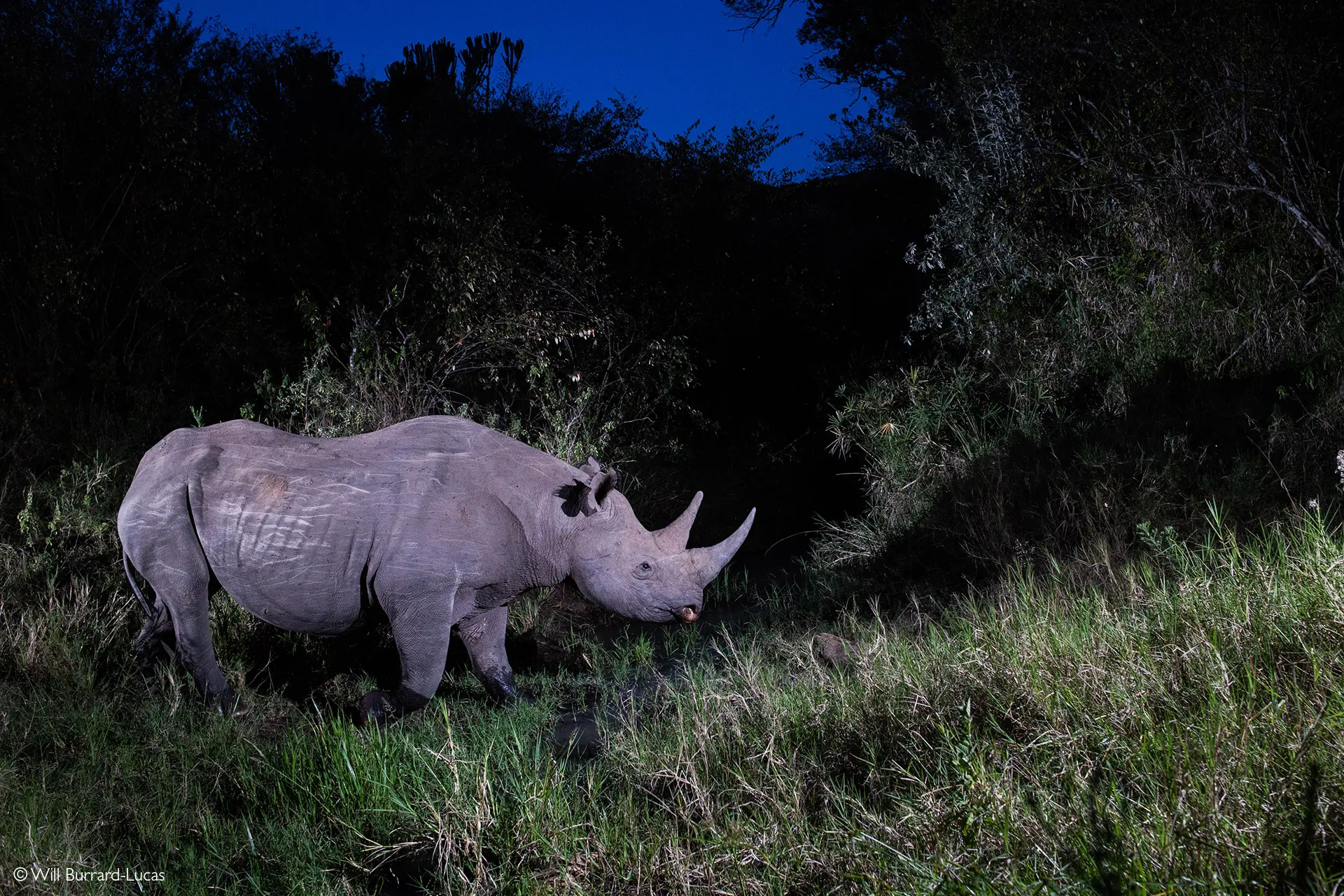
- Black rhino monitoring improved, confirming individuals missing from ranger records for years.
- Multiple species use dense riverine corridors to move between feeding and shelter areas.
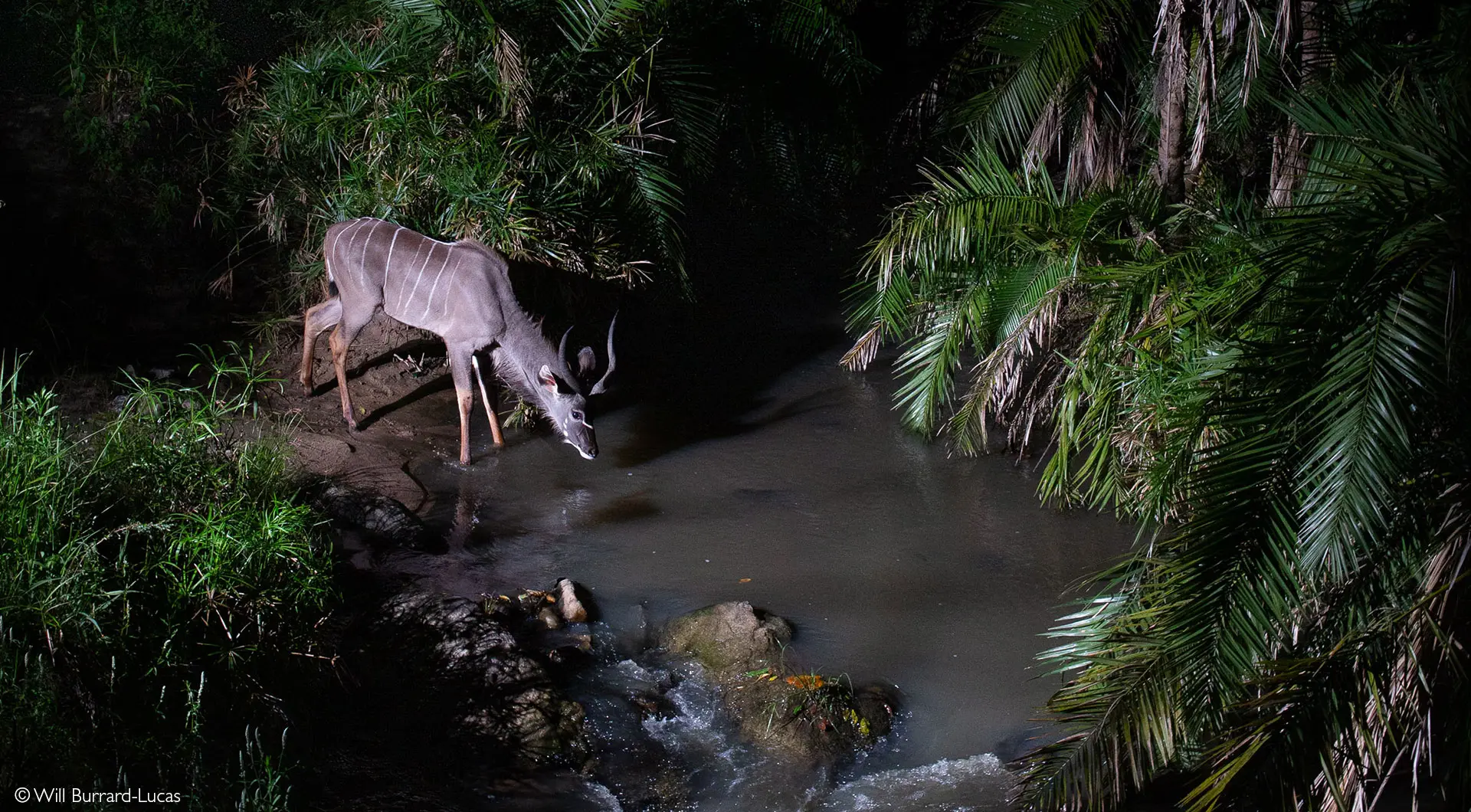
- A rare greater kudu sighting confirmed the species still occurs naturally in the area.
- Integrated technology and ranger knowledge strengthened conservation monitoring and decision-making.
 Want to visit Maasai Mara National Reserve to witness its wildlife up close? Check out our ready-made safaris to Maasai Mara here. Or let our travel experts plan the perfect sustainable African safari for you by clicking here.
A new camera-trap project in Kenya’s Maasai Mara National Reserve has revealed how a little-seen part of the ecosystem functions, to the benefit of conservation.
The Maasai Mara is widely understood as an open savannah ecosystem. This perception is shaped by tourism, which concentrates on daytime wildlife viewing across grassland plains. However, ecosystems are not uniform. Within the Mara are pockets of dense forest, riverine habitat and secluded valleys that are rarely observed directly. This project provides evidence that these hidden habitats are not peripheral – they are actively used by a wide range of species, including endangered black rhinos.
The project was conducted by wildlife photographer Will Burrard-Lucas in collaboration with the Maasai Mara National Reserve’s Rhino Unit, Narok County Government and The Safari Collection’s Footprint Trust. The work focused on a forested river crossing used by wildlife moving through dense vegetation.
* All photographs are by Will Burrard-Lucas, captured using his Camtraptions camera trap systems. For the full photographic narrative behind the project, see the original blog post here.
Camera traps as a monitoring tool in Maasai Mara
Camera traps are remote, motion-activated cameras used to record wildlife without the need for human presence. They are particularly useful for monitoring elusive or nocturnal species, which are difficult to observe through conventional field patrols.
In this study, a camera was mounted above a river crossing, with a passive infrared sensor detecting animal movement. Multiple flashes were used to illuminate the scene at night while retaining environmental detail. This setup allowed continuous monitoring over several months. Rangers checked the system periodically to replace batteries and memory cards.
The value of this method lies in its ability to collect consistent, unbiased data. Unlike direct observation, camera traps do not depend on visibility conditions or human presence. This makes them particularly effective in dense vegetation where animals are easily missed.
Understanding rhino movement and population status
Black rhinos are critically endangered and require intensive monitoring. In the Maasai Mara, individuals are identified through ear-notching – a method where small, unique patterns are cut into the ears – and some are fitted with GPS tracking devices.
These tools generate data on individual identity and movement patterns. However, gaps remain when animals move through areas that are difficult to access or observe. The camera trap addressed this gap. Instead of repeatedly recording a single individual, it captured multiple rhinos using the same corridor. This indicates that the river crossing functions as a movement route between feeding areas.
Importantly, several individuals recorded had not been seen for extended periods. One rhino last observed in 2023 was confirmed alive through the images. This type of confirmation is critical in population monitoring. Conservation decisions rely on accurate estimates of how many animals exist and where they move. Camera-trap data strengthens these estimates by filling in observational gaps.
According to the Rhino Unit, sightings increased by 30 percent in 2025, with 27 unique individuals recorded.
Wildlife corridors and ecosystem function in Maasai Mara
A wildlife corridor is a route that animals use to move between habitats. These pathways are essential for accessing food, water and breeding areas. In fragmented or complex landscapes, corridors allow populations to remain connected.
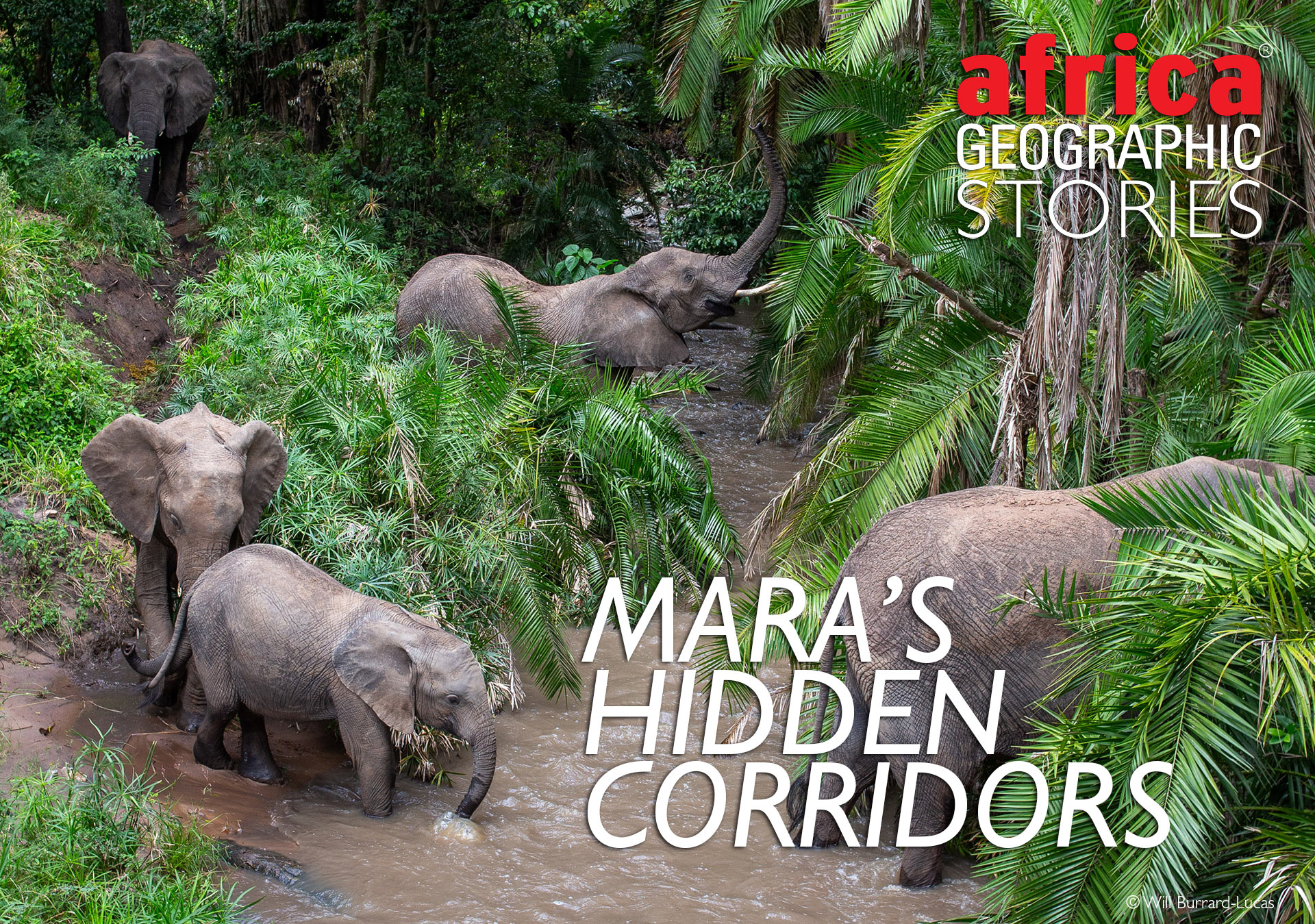
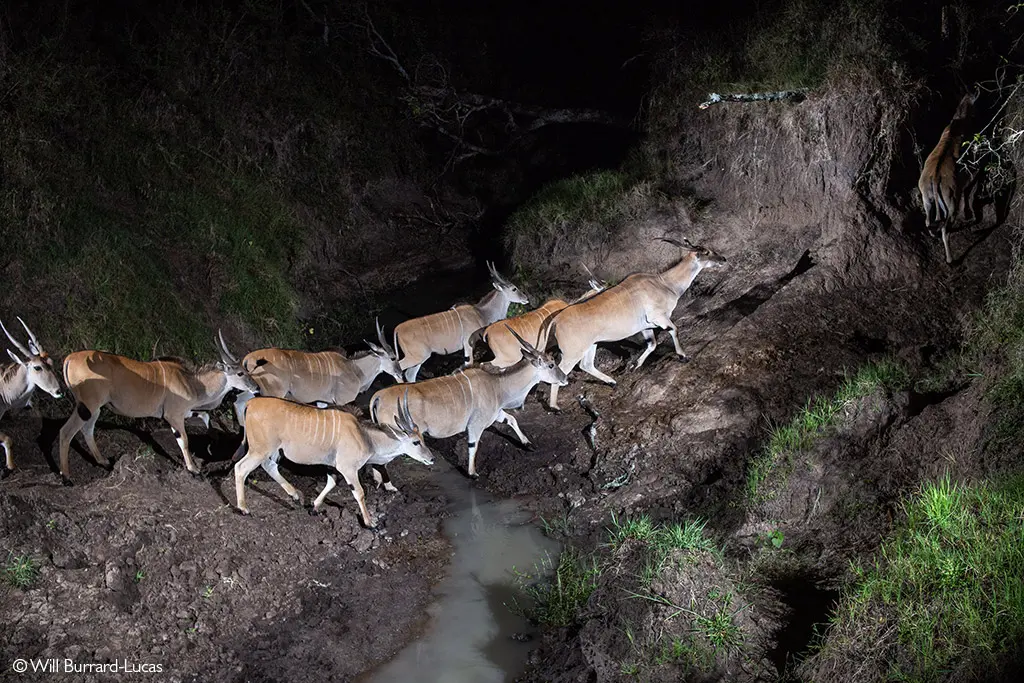
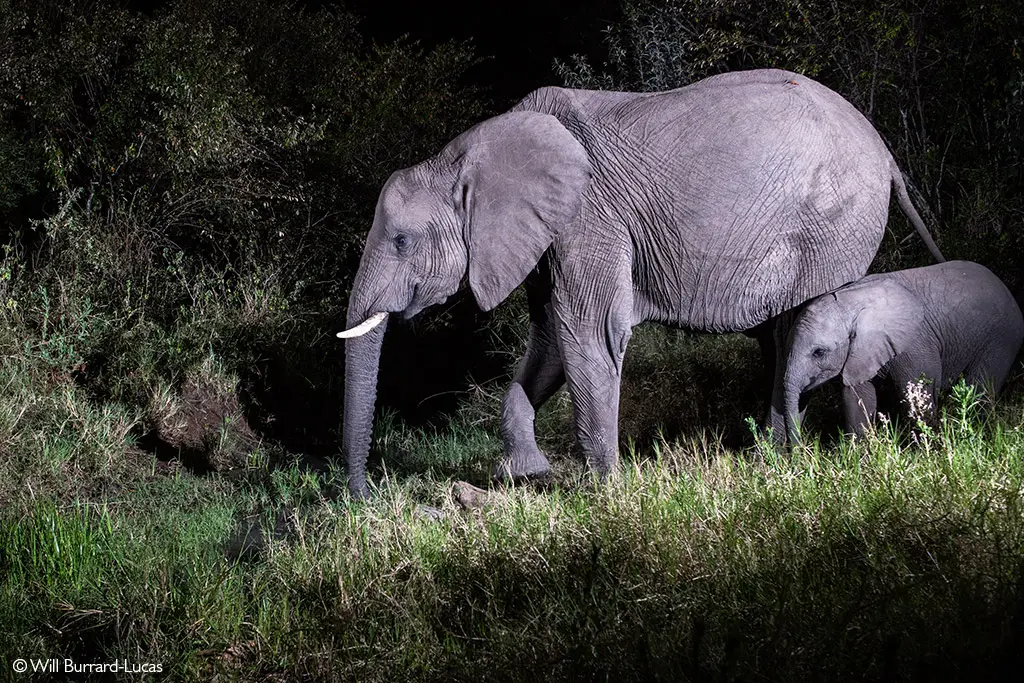
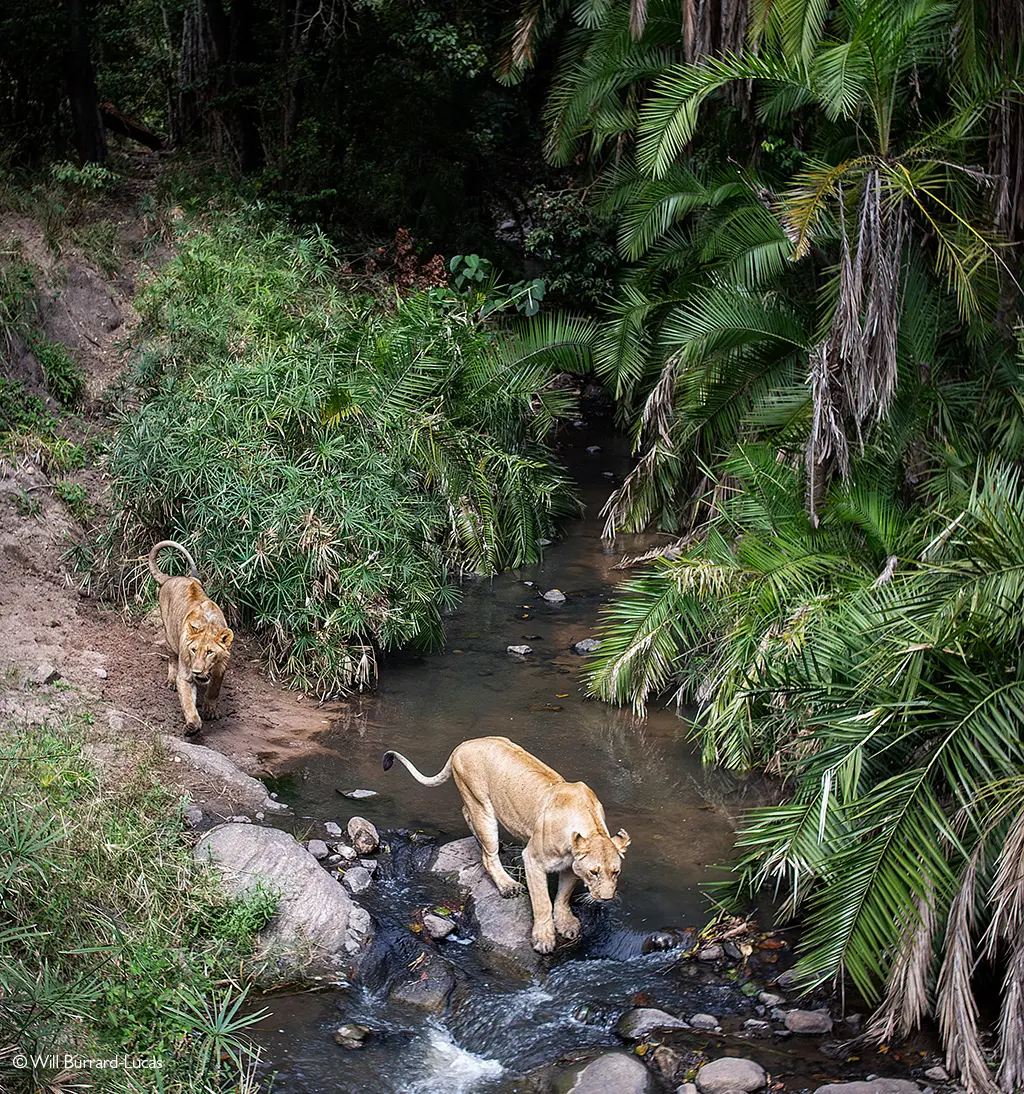
The river crossing documented in this project functions as such a corridor. It is used not only by rhinos but by a range of species, including elephants, hippos, bushbuck, giraffe and leopard.
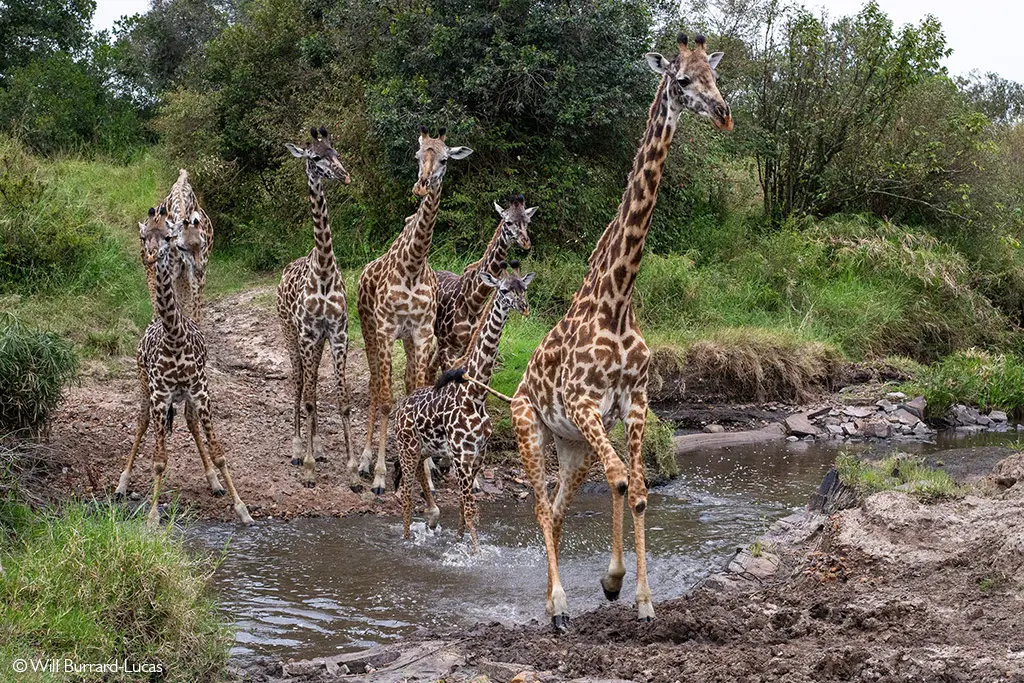
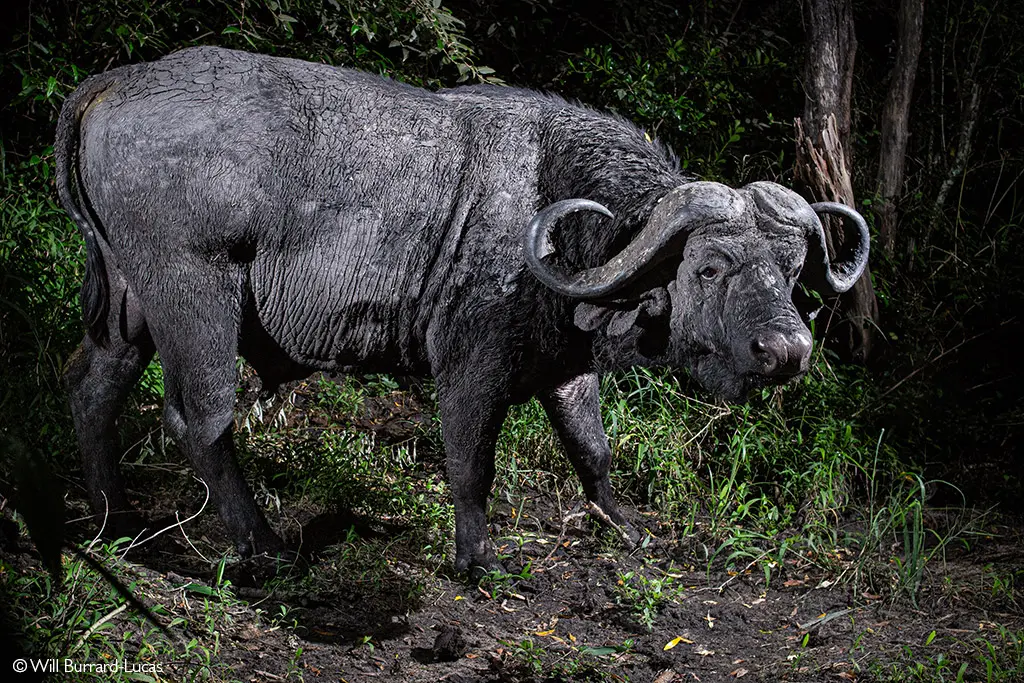
This diversity indicates that the corridor plays a broader ecological role. It supports movement across habitat types – from open plains to forested areas – and allows species to use different resources within the ecosystem. One of the most significant findings was the presence of a greater kudu. This species had not been recorded in the area for many years.
The confirmation of kudu presence has implications for management decisions. Reintroduction of the species had previously been considered. The new evidence suggests that a natural population persists, reducing the need for intervention.
The role of hidden habitats in Maasai Mara
Riverine forests and dense vegetation zones often receive less attention than open savannahs. However, they provide important ecological functions.
These habitats offer shelter, shade and access to water. They also support species that avoid open areas, particularly during the day. In this case, the forested crossing enabled animals to move with reduced exposure. The project also documented nocturnal activity – a largely unobserved aspect of the Mara. Night-time movement is significant because many species adjust their behaviour to avoid heat, predators or human disturbance.
Camera traps provide one of the few ways to study this behaviour in detail.
Environmental change and risk
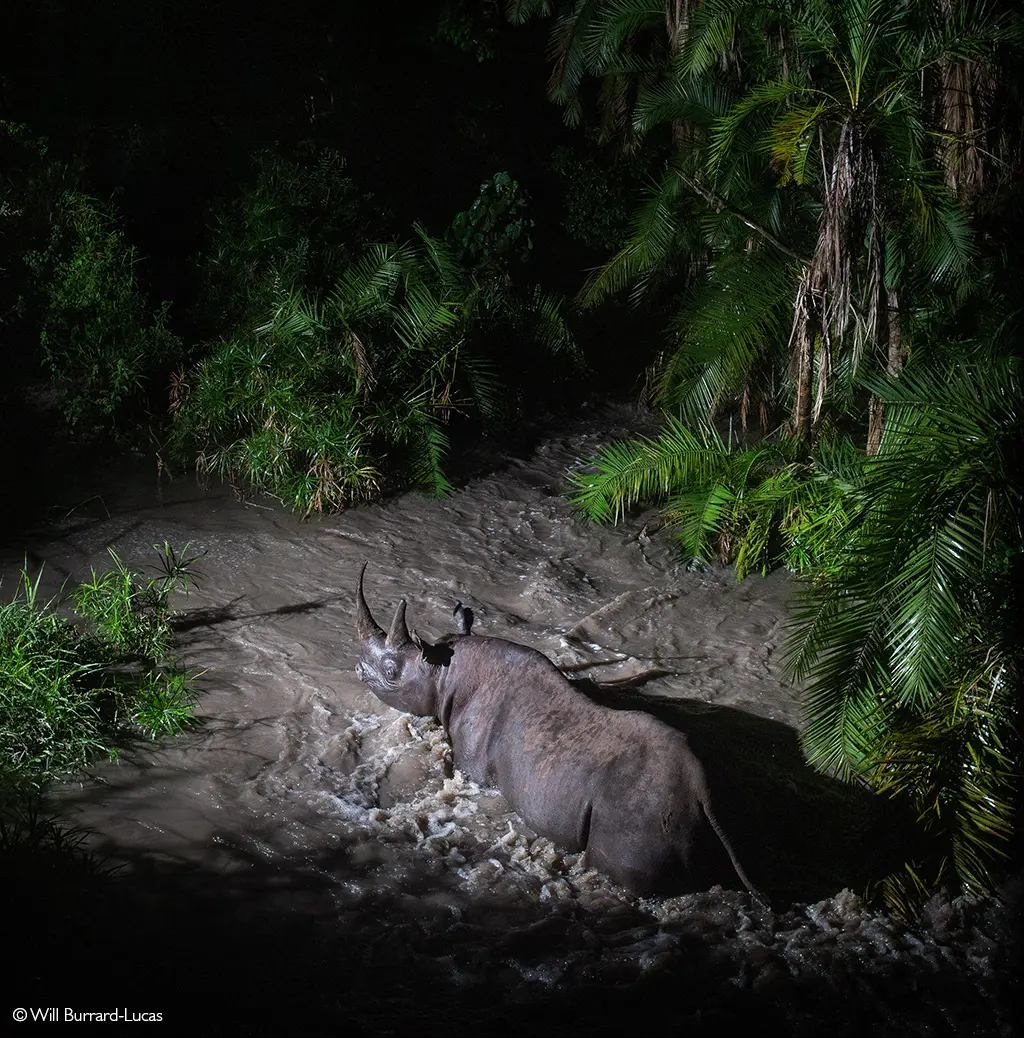
One image captured a rhino crossing the river during a flash flood. This event reflects a broader environmental trend in the Mara. Flash flooding has become more frequent, partly due to deforestation in upstream areas. With less vegetation to absorb rainfall, water runs off more quickly, causing rivers to rise rapidly.
This has implications for wildlife. Increased flooding can alter movement routes, damage habitat and create additional stress for animals already under pressure.
The conservation picture
This project demonstrates how combining technology with field knowledge improves conservation outcomes. Rangers contributed detailed understanding of rhino behaviour and landscape use, while camera traps provided continuous, independent data. The integration of tools such as GPS tagging, EarthRanger tracking and camera traps allows for a more complete picture of how animals use the landscape.
This approach supports better decision-making. It helps identify key habitats, monitor population trends and detect changes that may require intervention. It also highlights that well-known ecosystems still contain poorly understood components. The Maasai Mara is one of Africa’s most studied reserves, yet this project reveals how much remains hidden.
A documented but largely unseen Mara
The images from this work show a different aspect of the Mara – one defined by dense vegetation, nocturnal movement and concealed wildlife activity. They are also a practical demonstration of how visual documentation can contribute to scientific understanding.
By confirming the presence of missing individuals, identifying active corridors and recording rare species, the project provides data that directly supports conservation management. This is the significance of the study. It shifts attention from what is visible to what is essential – the processes and habitats that sustain wildlife populations beyond the view of most observers.
Further reading
- Nouabalé-Ndoki forest creatures caught on camera: Check out these stunning high-definition camera trap images that reveal Nouabalé-Ndoki’s hidden creatures, including golden cat, leopard and palm civet, also by Will Burrard-Lucas
- The Maasai Mara is an iconic Kenyan safari destination that hosts the famous Great Wildebeest Migration and Big 5 wildlife action throughout the year.
- This interesting introduction to Kenya’s Maasai Mara will have you contacting Africa Geographic to book your next African safari. Read more about Maasai Mara here
To comment on this story: Login (or sign up) to our app here - it's a troll-free safe place 🙂.