



The lost art of safari + Namibia’s desert magic
This is a copy of our weekly email newsletter. Subscribe here to receive the newsletter and more inspiration for your African safari.
From our CEO – Simon Espley
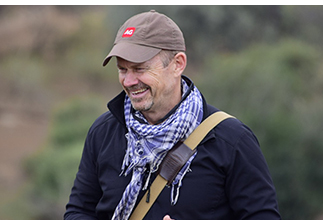
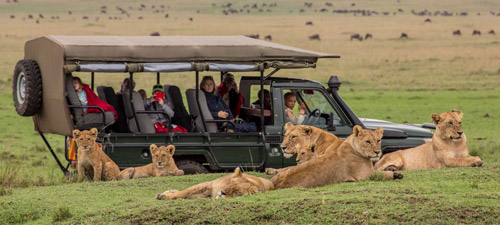
Does anybody remember the days when we had to harness a blend of gut feel, experience and skill, with a touch of luck, to find animals in national parks and reserves?
When we would discuss the night before, which tracks to take come sparrow, for various considered reasons? When we listened out for alarm calls, watched prey species posture and stopped often to identify birds and wait for dung beetles and Matabele ants to cross the track. When the journey was the goal and the pace was relaxed. We would often spend days without a notable sighting, but the process was fun, and success would buoy us and fuel days of searching.
These days, visitors to our protected areas open their sightings app, select the sighting of choice and join the queue of impatient, irritated lemmings before rushing off to the next notification. I wonder how satisfying that experience is for app users, or if it’s just another layer of modern-day stress …
The demand for authentic safari experiences grows, and we are now taking bookings for 2027 and 2028.

Simon Espley – CEO, Africa Geographic

Click below to listen to this editorial
From our Editor – Taryn van Jaarsveld
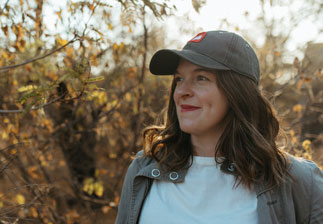
Hyenas don’t usually feature in urban planning.
But in Ethiopia’s city of Mekelle, these often-maligned scavengers are performing an indispensable service to the community. Each year, residents generate over a thousand tonnes of meat waste. Instead of rotting and releasing greenhouse gases, nearly half of it is consumed by hyenas, vultures and other urban scavengers roaming the city.
The result? Over 1,000 tonnes of carbon emissions avoided annually, and roughly $100,000 saved in waste disposal costs. It’s an unexpected partnership: people and predators sharing space in a working system that benefits both. While hyenas are often feared or persecuted elsewhere, here they are tolerated as part of the city’s ecological fabric.
This week, we journey into Namibia’s vast deserts with traveller Anthony Young, losing yourself in the stark beauty of one of Africa’s most haunting landscapes. You can also dive into our Photographer of the Year Week 6 gallery, and discover malaria-free safari options for Big 5 adventures without the risk.

Did you know? Your African safari choice makes a difference
 We donate a portion of the revenue from every safari sold to carefully selected conservation projects that make a significant difference at ground level. YOUR African safari choice does make a difference – thank you!
Our stories this week
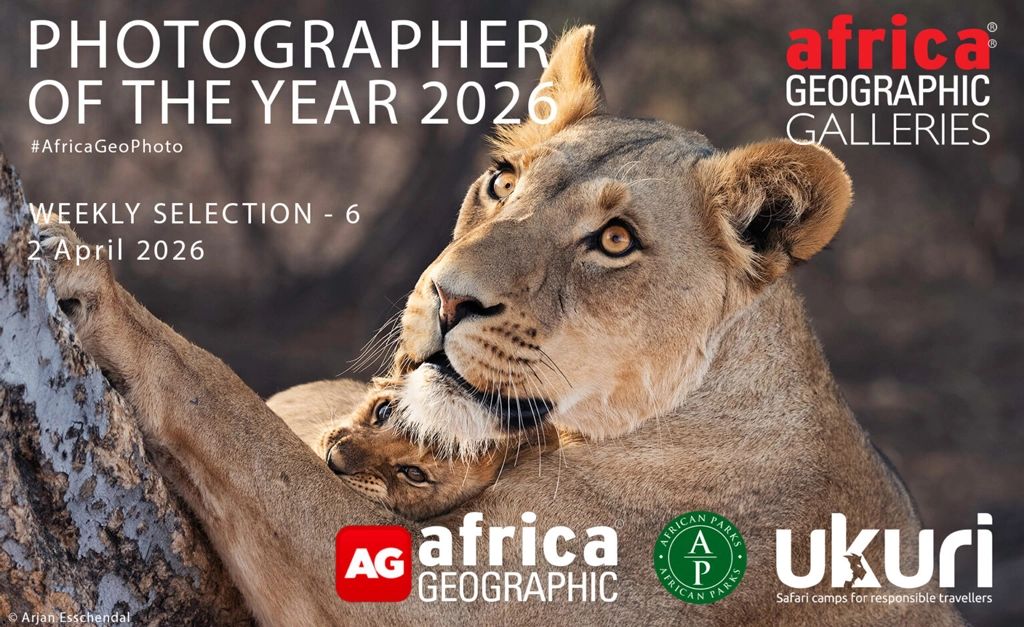
INCREDIBLE PICS
Here are our top pics for Week 6 of Photographer of the Year, as chosen by our judges! Enter & win a chimp-trekking safari to Nyungwe, Rwanda
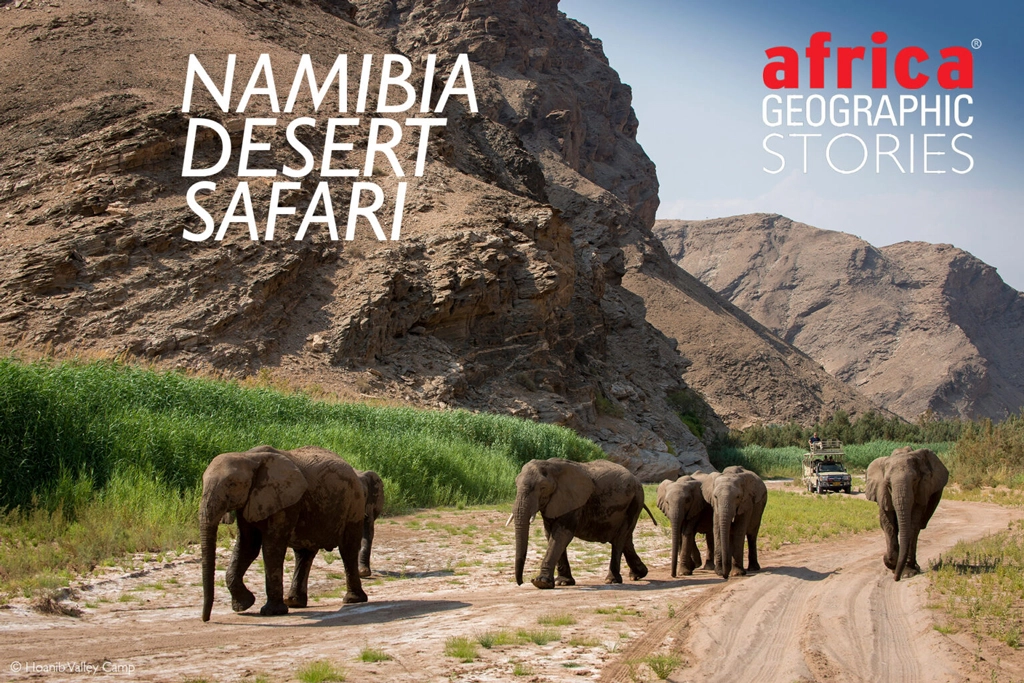
DESERT SAFARI
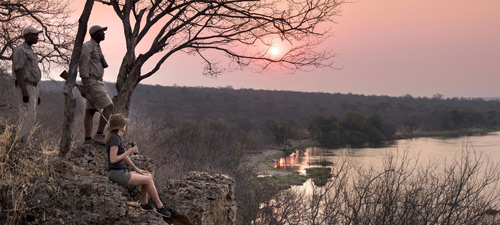
Traveller Anthony Young explores Namibia’s deserts, from Hoanib to Sossusvlei, revealing stark landscapes, unique wildlife and remote camps
MALARIA-FREE
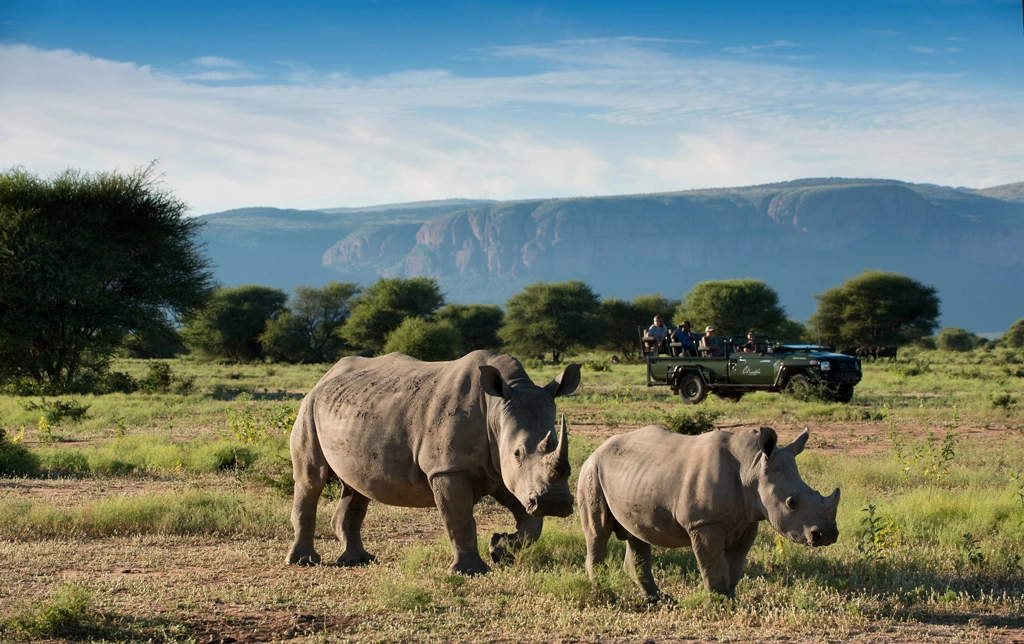
Want to embark on a malaria-free safari in South Africa? Big 5 wildlife, diverse landscapes and luxury experiences await. Explore our top malara-free safaris
Travel Desk – 2 African safari ideas
Art safari in the Big 5 Timbavati – 7 days
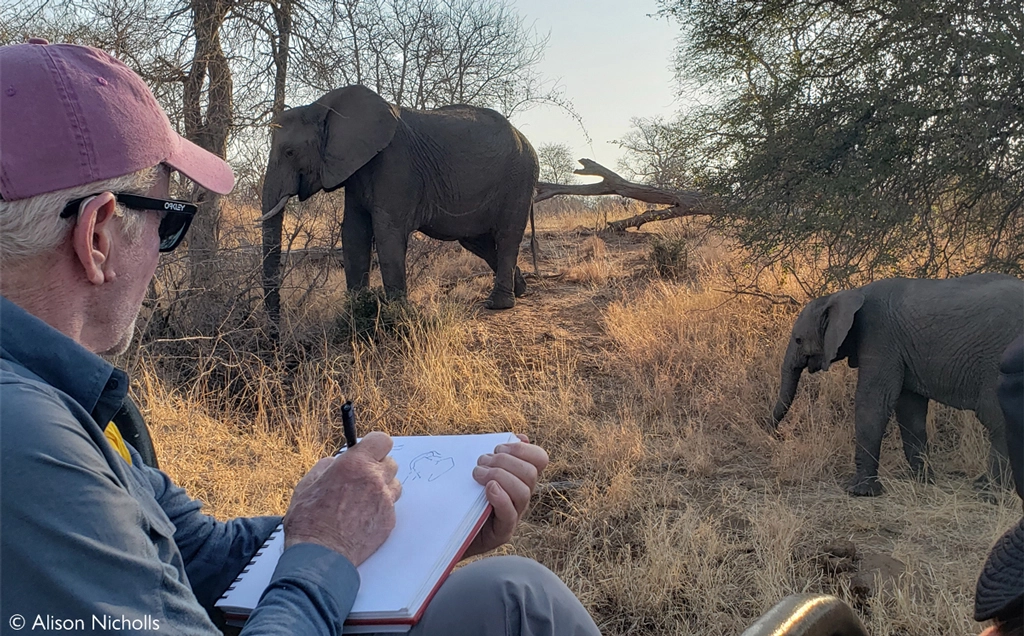
Whether you are a passionate beginner or a seasoned creator, this unique art safari offers the chance to hone your skills with professional wildlife artist Alison Nicholls. Soak up the atmosphere of the Big-5 Timbavati Private Nature Reserve in the Greater Kruger, South Africa and channel it into artistry! 6-12 September 2026 – only 2 spots left!
Okavango Delta and Vilanculos bush & beach safari – 12 days
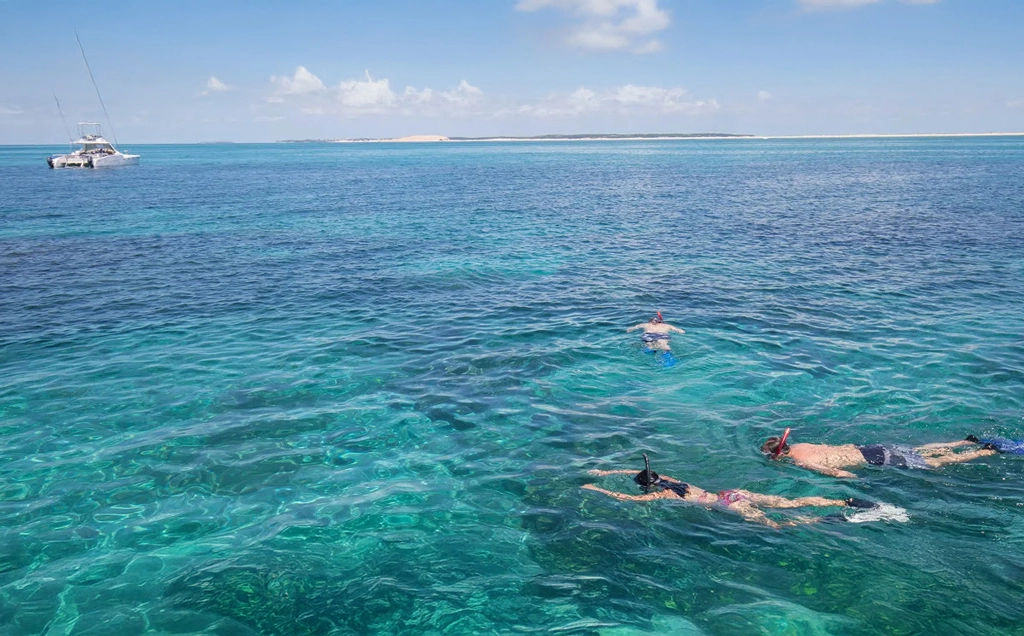
An epic pairing of authentic bush camp and seaside luxury. This bush-and-beach escape begins in the Okavango Delta with game drives and mokoro excursions, led by expert Bushman guides in a predator-rich wilderness. Then, you’ll ease into barefoot bliss in Vilanculos, with white-sand beaches, warm ocean swims, and sunset dhow sails.
Still dreaming of the ultimate African safari escape? Browse our safari ideas here. Or click here to plan your safari.
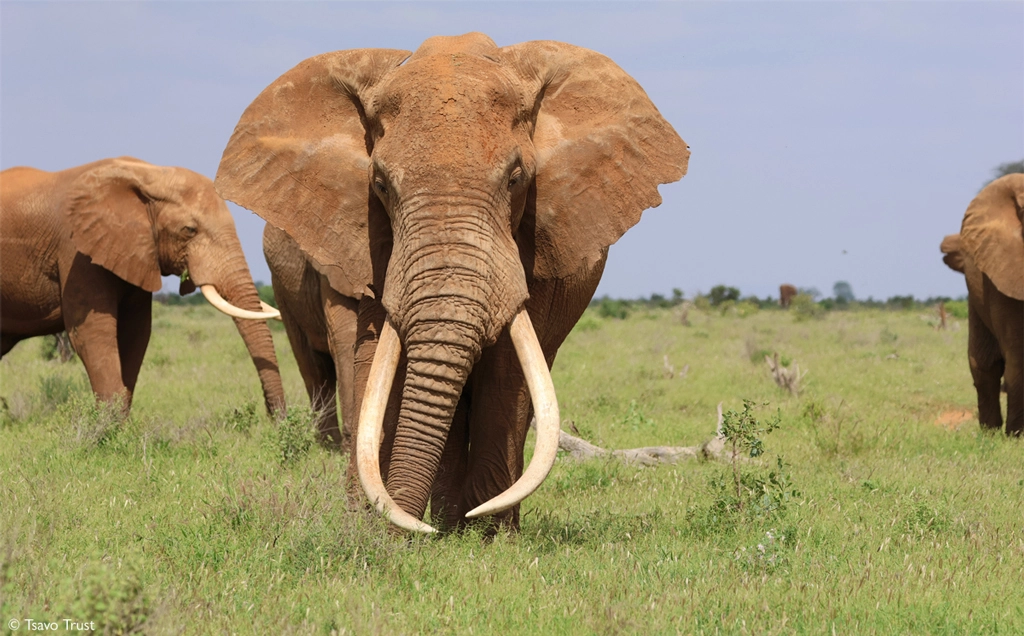
Meet super tusker IR2
Elephant IR2, estimated at 40–45 years old, is a thrilling new addition to Africa’s elite super tusker ranks. His symmetrical, inward-curving tusks meet the rare ground-touching threshold, placing him among the continent’s last remaining giants. Still one of Tsavo’s more elusive bulls, little is known about his temperament, with sightings few and far between. Yet his extraordinary tusks and quiet emergence make him a tusker to watch.
Africa Geographic has partnered with Tsavo Trust to help protect these iconic elephants. With only 50–100 tuskers left in the world, at least twelve of them in Tsavo, their survival hangs in the balance. Naturally rare and relentlessly targeted by poachers and trophy hunters (outside Kenya), tuskers need constant protection.
Support Tsavo Trust through our Guarding Tuskers campaign. Your donation helps fund vital aerial and ground patrols to safeguard these magnificent animals.
 WATCH
WATCH
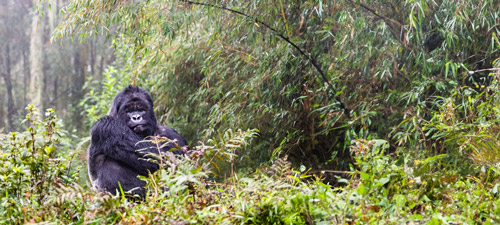
Have you entered Africa Geographic’s Photographer of the Year 2026 yet? The competition is in full swing, with an extraordinary prize on the cards: a journey into Rwanda’s Nyungwe National Park, where misty rainforest, chimpanzees, colobus monkeys and forest adventures await. Press play, step into the forest, and imagine your own story unfolding there, then enter for your chance to turn your photography into the trip of a lifetime. (04:37) Click here to watch
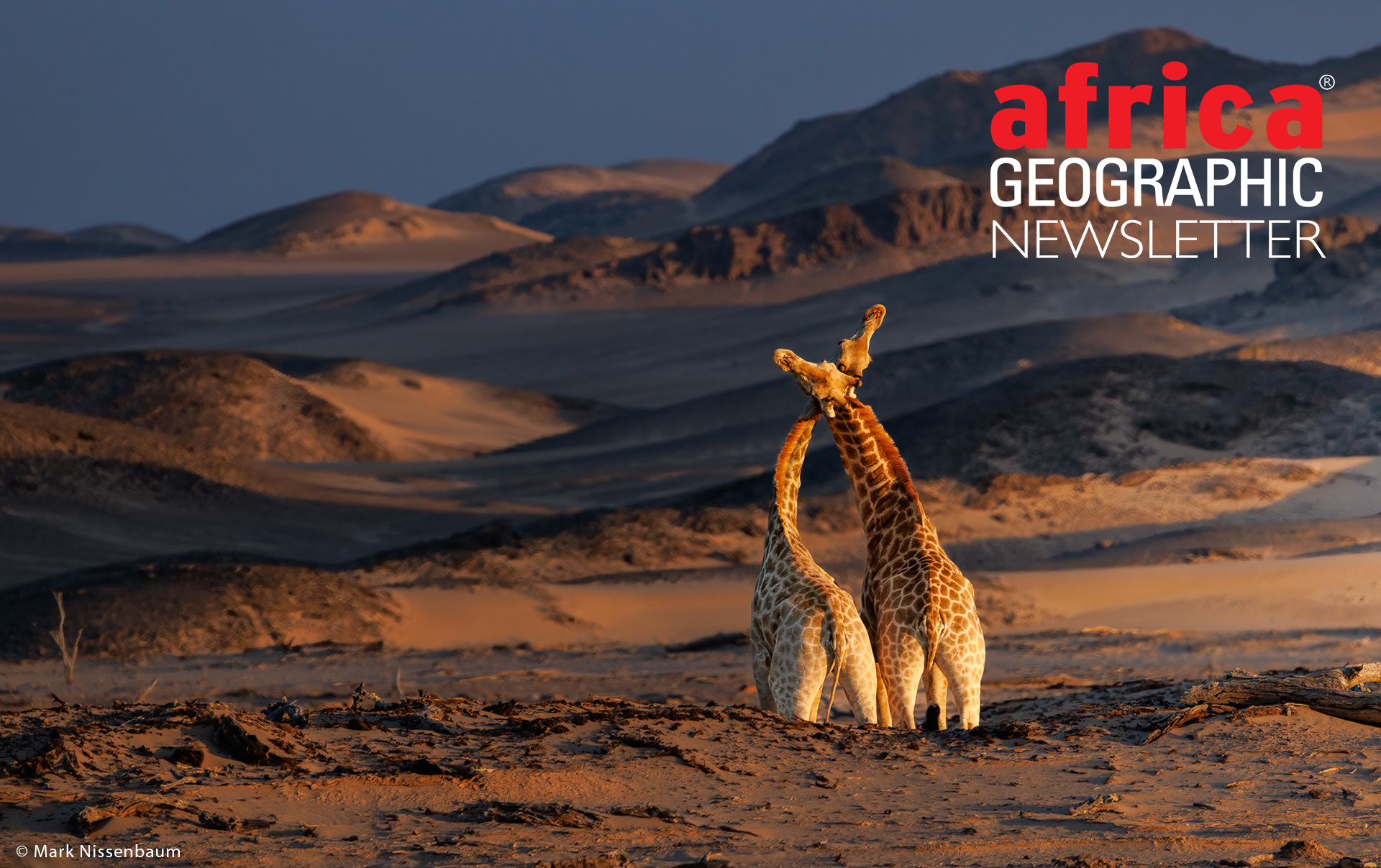
Cover image: A dawn desert duel between two bull giraffes. Namib Desert, Namibia. © Mark Nissenbaum. Photographer of the Year 2023 Highly Commended award
To comment on this story: Login (or sign up) to our app here - it's a troll-free safe place 🙂.