



Our weekly conservation newsletter


Ruaha’s wild spaces + the Great Migration decoded
This is a copy of our weekly email newsletter. Subscribe here to receive the newsletter and more inspiration for your African safari.
From our CEO – Simon Espley
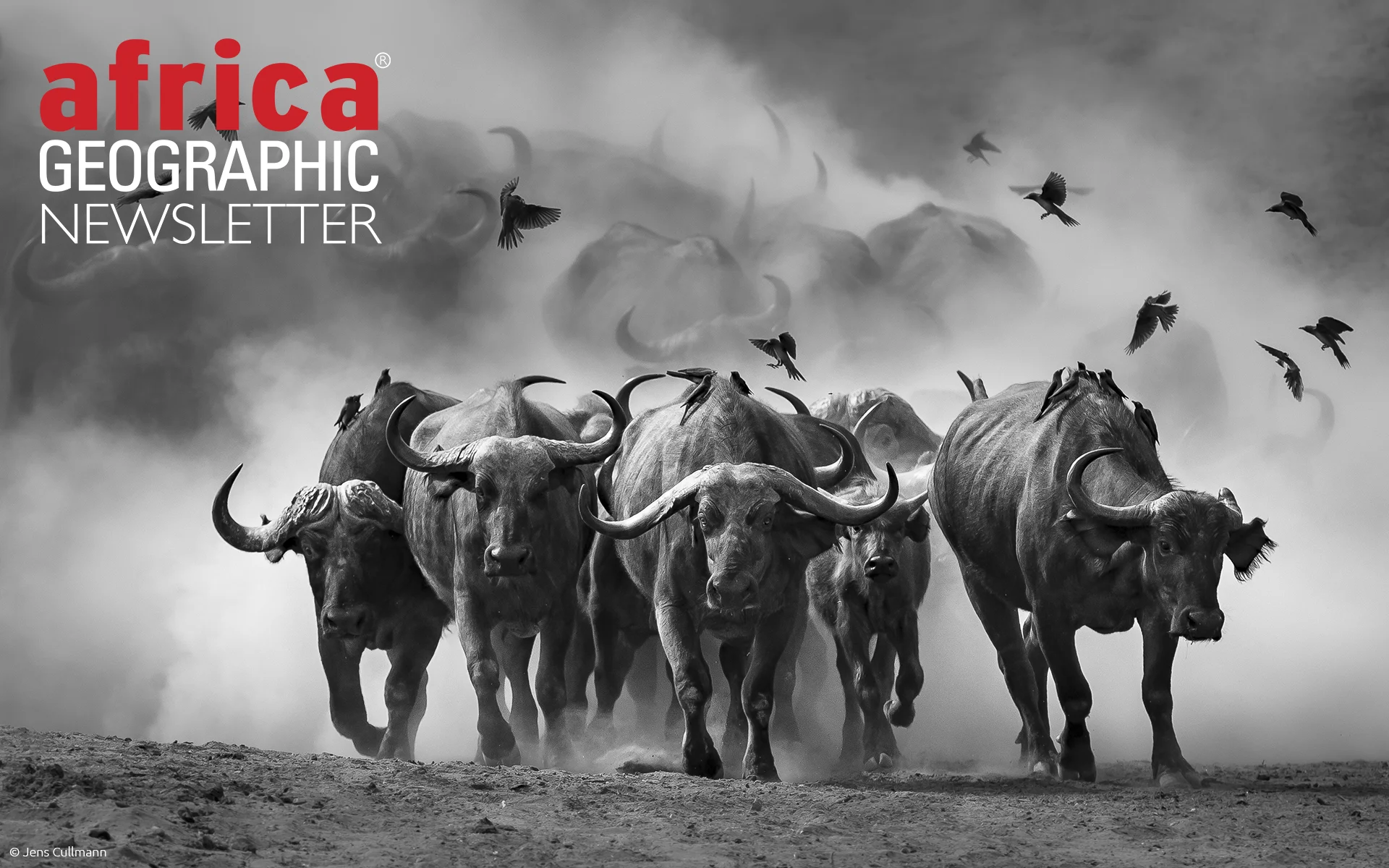
Today’s featured photo by friend and method photographer Jens Cullmann reminds me of an encounter I had with a herd of 1,000+ buffalo in Zambia’s South Luangwa National Park.
Way back, before the mainstream safari industry discovered South Luangwa as the extraordinary destination it is, I was bushwalking with one of the valley’s early-days lodge managers. We were following lion spoor, and of course, the lions were hot on the heels of buffalo. Sure enough, after a while, we heard and smelt the herd, and climbed a termite mound to get a better view.
Judging by the approaching dust cloud and amplified bellows and grunts, the herd was heading our way, and fast. So we perched on the highest point of the termite mound and waited. Within minutes, we were surrounded by a swirling cloud of choking dust and agitated, odorous bovines. We were crouched on a tiny, vulnerable island in a swirling sea of chaos, senses sharpened, adrenaline surging. After what seemed like hours but was probably ten minutes, the massive herd had moved on, avec dust cloud, and we warily descended the termite mound after scanning the area for lions. Were it not for the relative safety of the termite mound, my tree-climbing skills would have been sorely tested that day.
Safari memories like this are my soul food, fueling my passion for Africa’s wild places.

Simon Espley – CEO, Africa Geographic

Click below to listen to this editorial
From our Editor – Taryn van Jaarsveld
We often think of human impact on wildlife as something visible: fences, roads, shrinking habitats. But some of the most important changes are harder to spot. Elephants and livestock have shared space for generations across Africa’s rangelands. Now, a new study suggests a miniscule threat developing in this setting. As livestock numbers rise, elephants’ gut microbiomes begin to shift, picking up microbes associated with cattle while losing beneficial ones. It’s not visible in behaviour or body condition. But changes in gut bacteria are often early warning signs of stress or declining health.
As livestock increasingly dominate shared landscapes, this research points to a consequence of coexistence. Understanding the full picture of how wildlife lives alongside us is key to protecting the landscapes they depend on.
This week, we take you to wild Ruaha, where ancient baobabs and vast elephant herds define one of Africa’s last true wildernesses; unpack whether the Great Migration is the ideal starting point for your first safari; and showcase our Week 8 Photographer of the Year selections, a thrilling collection of moments you won’t want to miss. There are only THREE WEEKS LEFT TO ENTER and compete for the coveted winner’s title – have you got the winning pic in the bag? Send through your entries so we can decide.

Did you know? Your African safari choice makes a difference
 We donate a portion of the revenue from every safari sold to carefully selected conservation projects that make a significant difference at ground level. YOUR African safari choice does make a difference – thank you!
Our stories this week
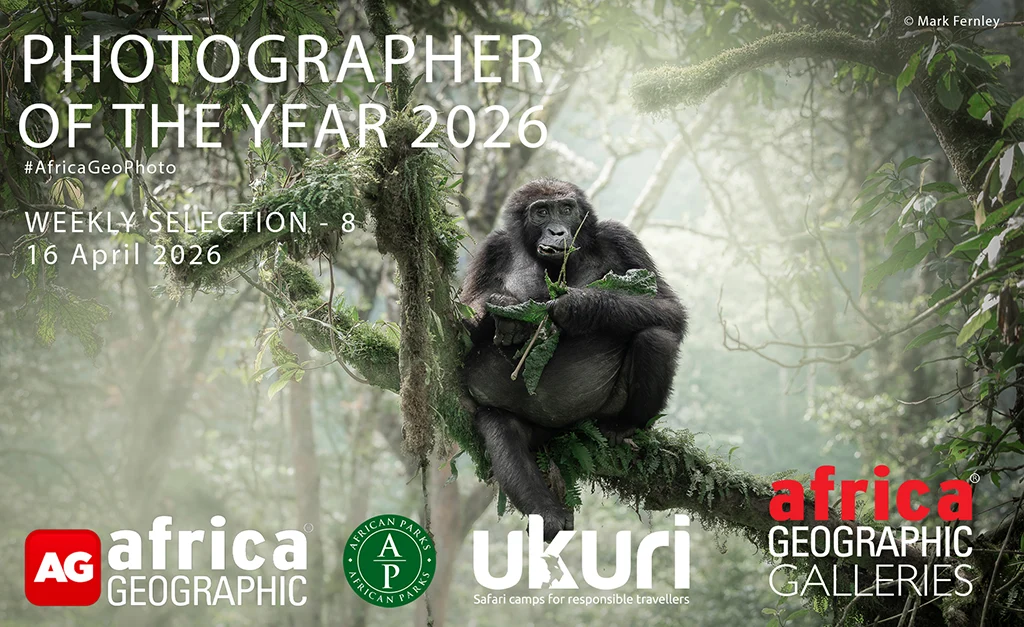
THRILLING PHOTOS
Here are our top pics for Week 8 of Photographer of the Year, as chosen by our judges! Enter & win a chimp-trekking safari to Nyungwe, Rwanda
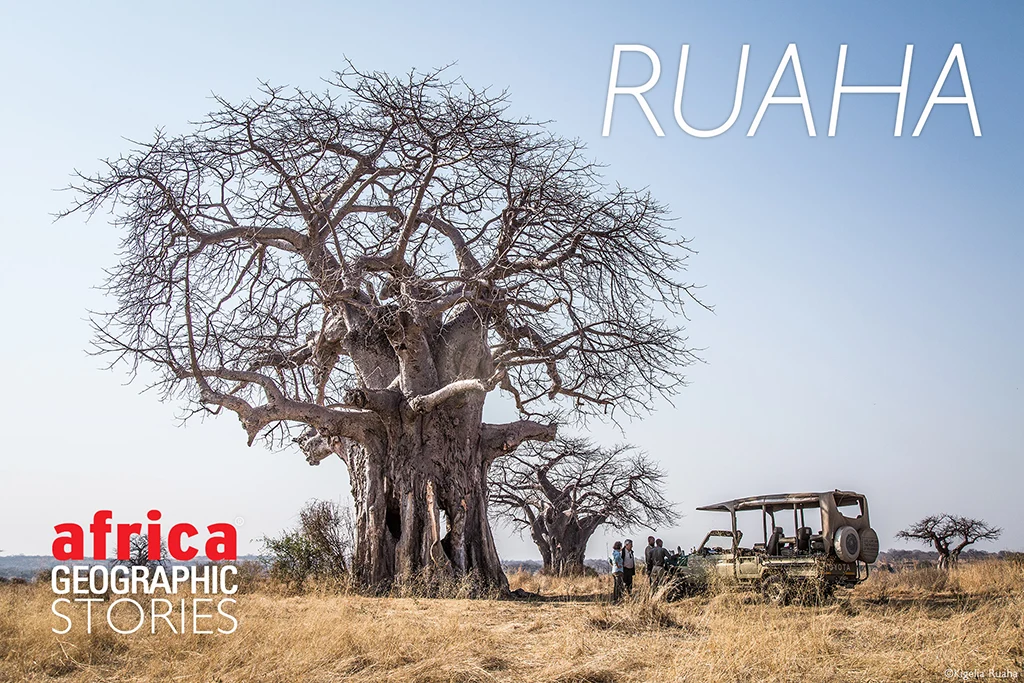
WILD RUAHA
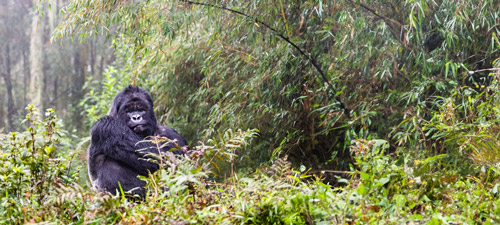
The ancient Ruaha landscape, dominated by baobabs & elephants, is home to a wide variety of wildlife for a perfect wilderness safari
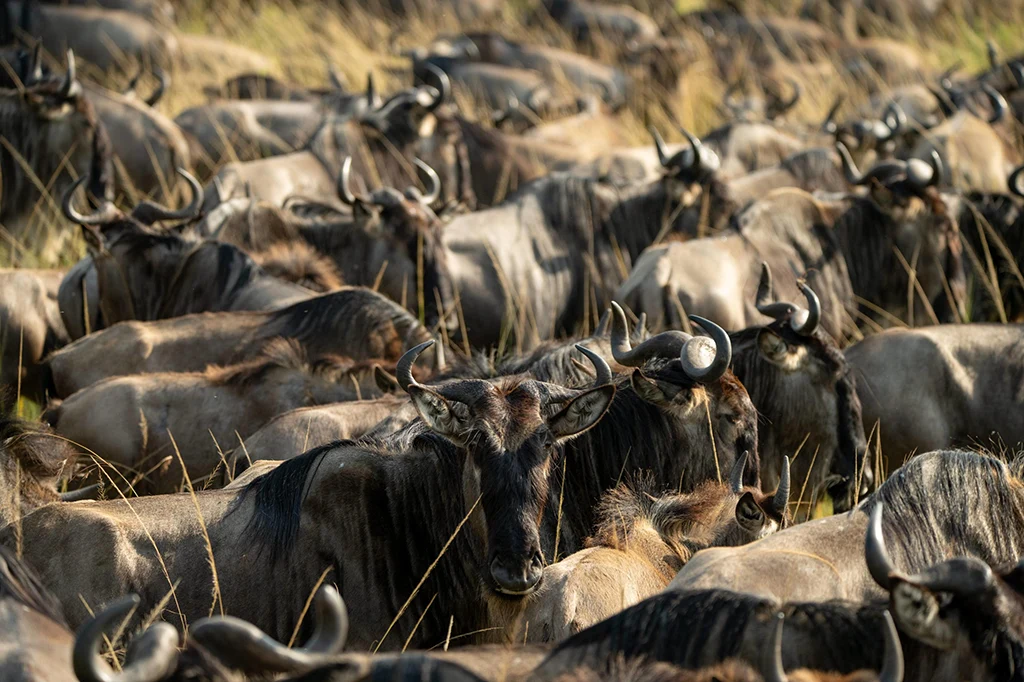
WILDEBEEST MIGRATION
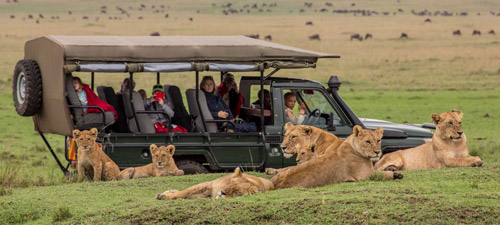
Is the Great Migration the right starting point for your first African safari? Here’s our first-timer’s guide
Travel Desk – 2 African safari ideas
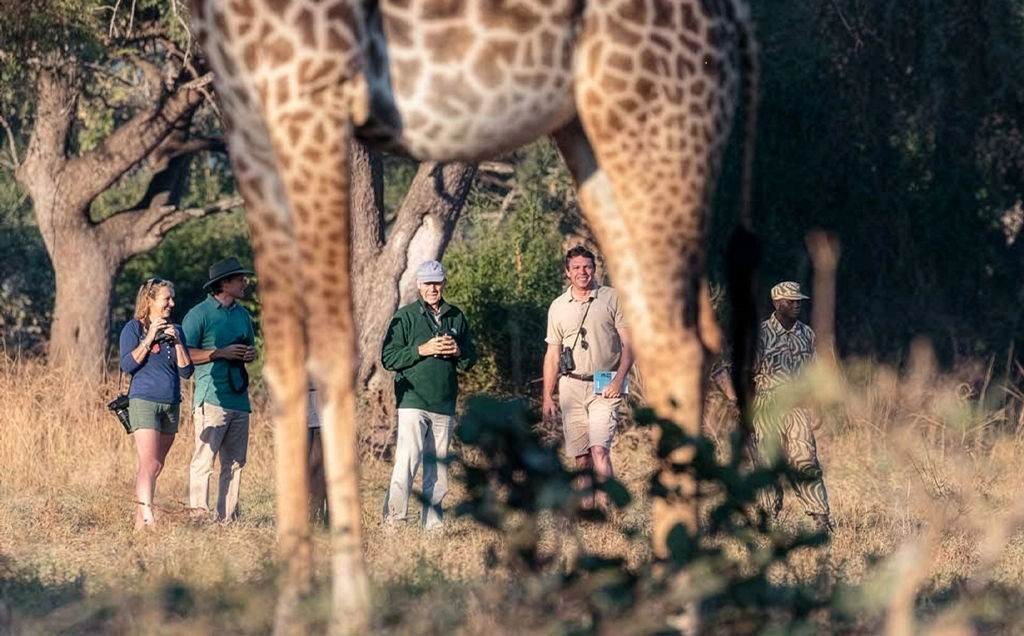
South Luangwa, Victoria Falls & Lake Malawi safari – 13 days
Explore the majesty of the mighty Zambezi River and Victoria Falls, and then head into the heart of the raw wilderness of South Luangwa National Park, Zambia – the birthplace of walking safaris and one of Africa’s leopard hotspots. Your last stop is Nankoma Island on Lake Malawi, where you’ll enjoy sun-soaked adventure and ultimate relaxation.
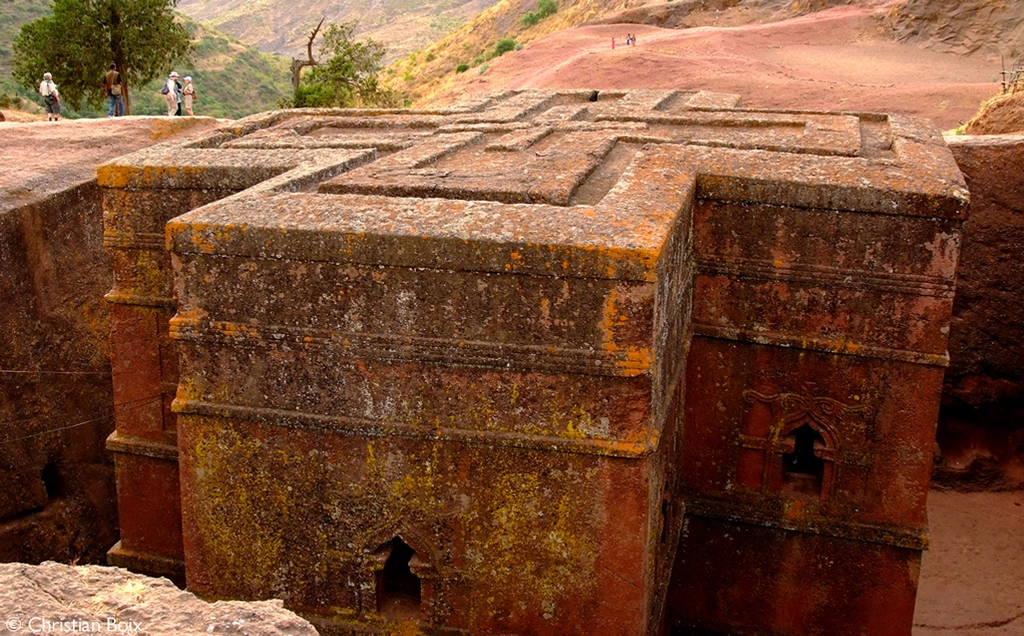
Ethiopia – the Cradle of Humankind – 8 days
This historic tour takes you on a journey to discover churches hewn from rock, World Heritage Sites, castles, ancient tombs, art, and archaeological artefacts. You’ll enjoy historical city sites, boat trips to see monasteries, Ethiopian cuisine and traditional entertainment.
Still dreaming of the ultimate African safari escape? Browse our safari ideas here. Or click here to plan your safari.
YOUR CONSERVATION IMPACT
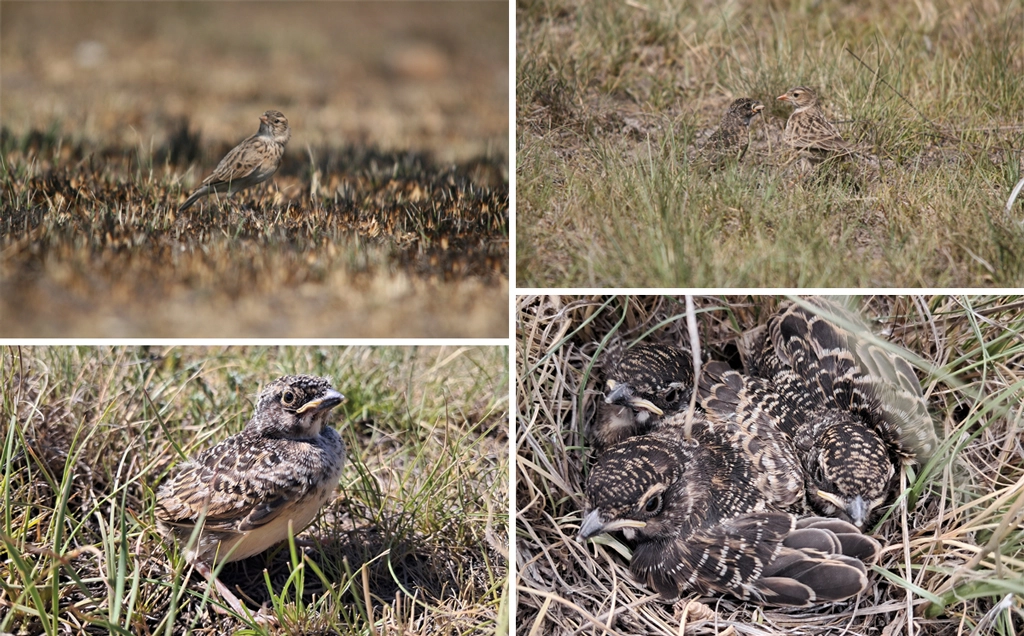
Your safari just helped efforts to save South Africa’s most threatened bird, the Botha’s Lark
Thanks to your safari bookings with Africa Geographic, you have made a real difference. We’ve just donated a portion of our safari earnings to an incredible conservation project: BirdLife South Africa’s Botha’s Lark Project. The Botha’s Lark, South Africa’s most threatened bird, is down to approximately 340 individuals. Found only in a small part of the country’s high-altitude grasslands, there is nowhere else for this bird to live. BirdLife South Africa’s dedicated Grasslands Conservation team is fighting to save this little-known species from extinction (learn more in the video below).
As an NGO, BirdLife South Africa’s conservation work depends on the generosity of organisations such as Africa Geographic to support and advance its important mission.
When you travel with AG, you do more than explore Africa’s wild places – you help protect them. A portion of every AG safari booking goes directly to vital conservation projects like these.
Ready to plan your next life-changing safari? Let us craft your dream journey – and know that your adventure supports the creatures that need it most.
Check out some of our safari ideas here.
 WATCH
WATCH
South Africa’s most endangered bird is fighting for survival – and it’s not alone. This video follows the inspiring collaboration between conservationists, farmers and communities working to protect this fragile grassland species before it’s too late. (19:37) Click here to watch
Cover image: The herd brings the drama as it arrives at the springs to drink. Chitake Springs, Zimbabwe. © Jens Cullman. Photographer of the Year 2022 Highly Commended Entry
To comment on this story: Login (or sign up) to our app here - it's a troll-free safe place 🙂.