



Our weekly conservation newsletter


More stunning photos
This is a copy of our weekly email newsletter. Subscribe here to receive the newsletter and more inspiration for your African safari.
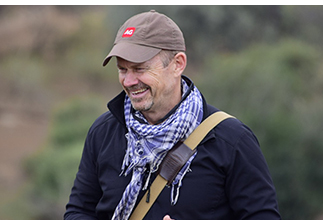
From our CEO – Simon Espley
The demand for African safaris has been subdued in the last few months, due to the war in Iran and international political uncertainty. It is what it is.
That said, early booking season demand was high, and, fortunately, our booked guests are in expert hands if they have doubts or experience logistical issues with their itineraries. Ground handling operates as usual, but inbound logistical arrangements can be tweaked where necessary. Our safari experts and concierges are on hand to provide 24/7 support.
Perhaps lower visitor volumes during the upcoming peak safari season will lead to a better safari experience for those who do visit our shores. Fewer people translates into a more intimate experience, where the silence of the wilderness and unhurried wildlife encounters foster a deeper connection and sense of journey.
Here in Africa, life goes on. The Greatest Show on Earth continues unabated, and Africa continues to weave her magic, as she has done since the beginning of time.
Safari njema, good people

Simon Espley – CEO, Africa Geographic

Click below to listen to this editorial
From our Editor – Taryn van Jaarsveld
Heatwaves have long been blamed for wildlife die-offs. But research from the Universities of Pretoria and Cape Town on heat stress in African birds shows it’s humidity that turns heat deadly. The researchers found humidity dramatically increases the risk of mass mortality in tropical species.
In South Africa, this insight helps explain a shocking event from a few years ago, when dozens of blue waxbills died during a 45°C heatwave in Phongolo Nature Reserve in KwaZulu-Natal. The study found that while these birds can tolerate even higher temperatures in dry air, humid conditions prevent effective cooling, pushing them into fatal overheating.
When humidity is factored in, the risk of die-offs rises sharply: a critical shift in how scientists understand climate threats. For Africa’s birds, the danger isn’t just rising heat, but air that no longer allows them to shed it.
This week, we help you prepare for your own time in the wild with a practical safari packing guide; and reveal new insights into the Maasai Mara’s hidden wildlife corridors uncovered by camera traps. Plus, it is the LAST WEEK TO ENTER PHOTOGRAPHER OF THE YEAR 2026. We bring you one of our final, unmissable galleries from our latest entries.

LAST WEEK TO ENTER!
 It’s your last chance to enter Photographer of the Year 2026. This year’s winner will travel to Rwanda’s Nyungwe National Park, a misty rainforest alive with chimpanzees and other primates, birds, and ancient trees. Entries close at midnight on 7 May 2026. Click here to read more about the competition.
Our stories this week
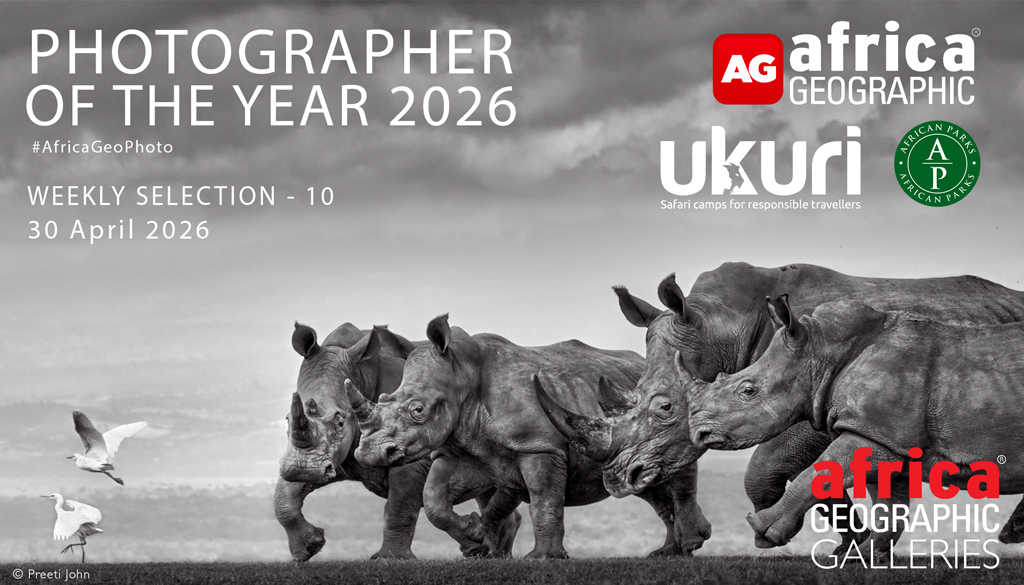
UNMISSABLE PHOTOS
Our top pics for Week 10 of Photographer of the Year, as chosen by our judges!
Last chance to enter & win a chimp-trekking safari to Nyungwe, Rwanda
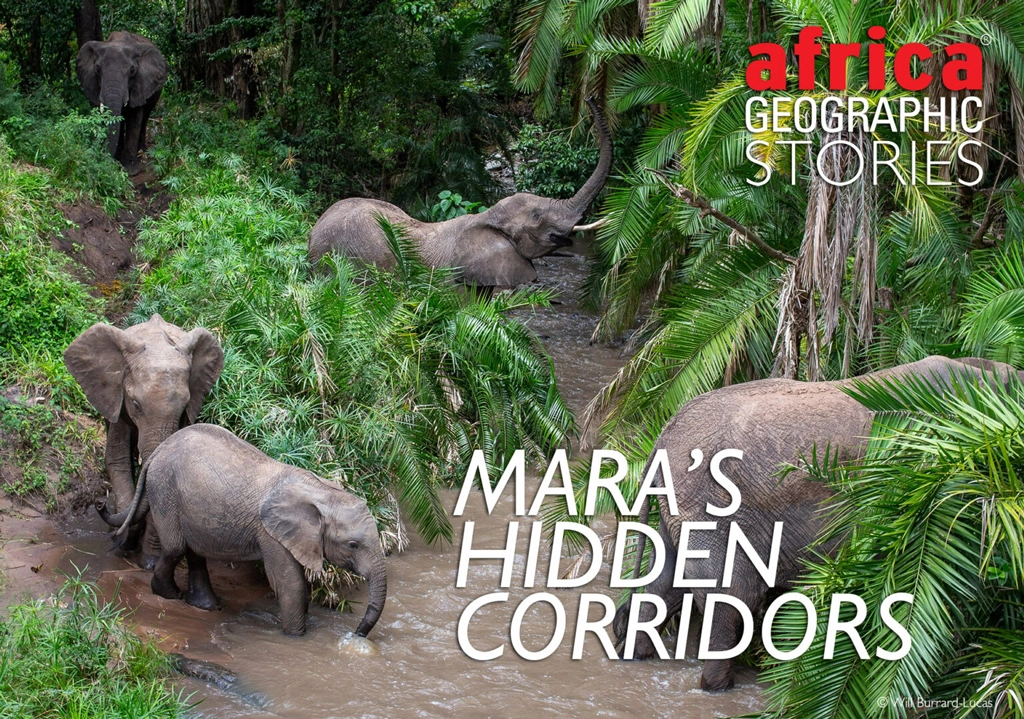
MARA’S HIDDEN CORRIDORS
A new camera-trap project in Kenya’s Maasai Mara has revealed how a little-seen part of the ecosystem functions
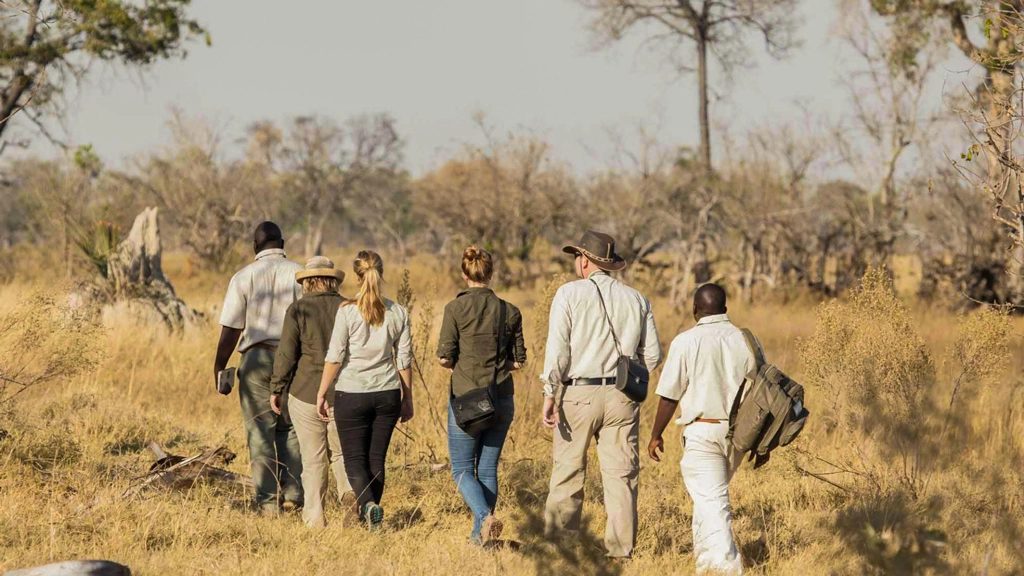
SAFARI PACKING
Packing for an African safari? Essential guide: neutral layers, sun protection, soft bags, plus tips for strict 15–20kg+ limits.
Travel Desk – 2 African safari ideas
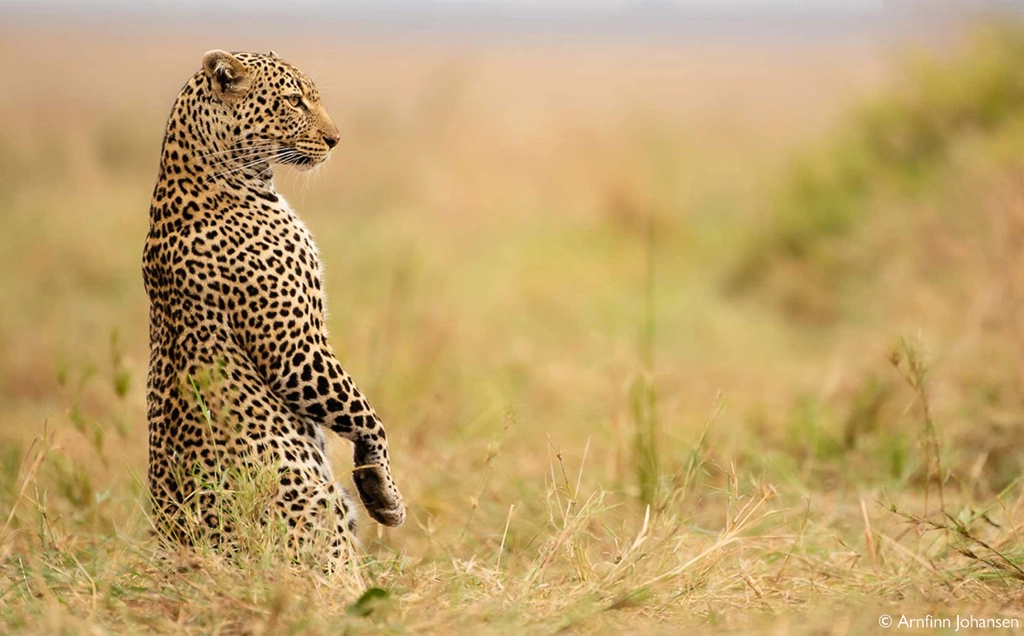
Maasai Mara specialist photographic safari, Kenya – 9 days
Fancy a guided photographic safari in Kenya’s Maasai Mara? Join award-winning photographer Arnfinn Johansen on this exclusive safari for four guests. Highlights include guided game drives with an experienced Maasai guide in a modified photographic vehicle and accommodation at Oltepesi Tented Safari Camp. Departure Dates: 20-28 November 2026
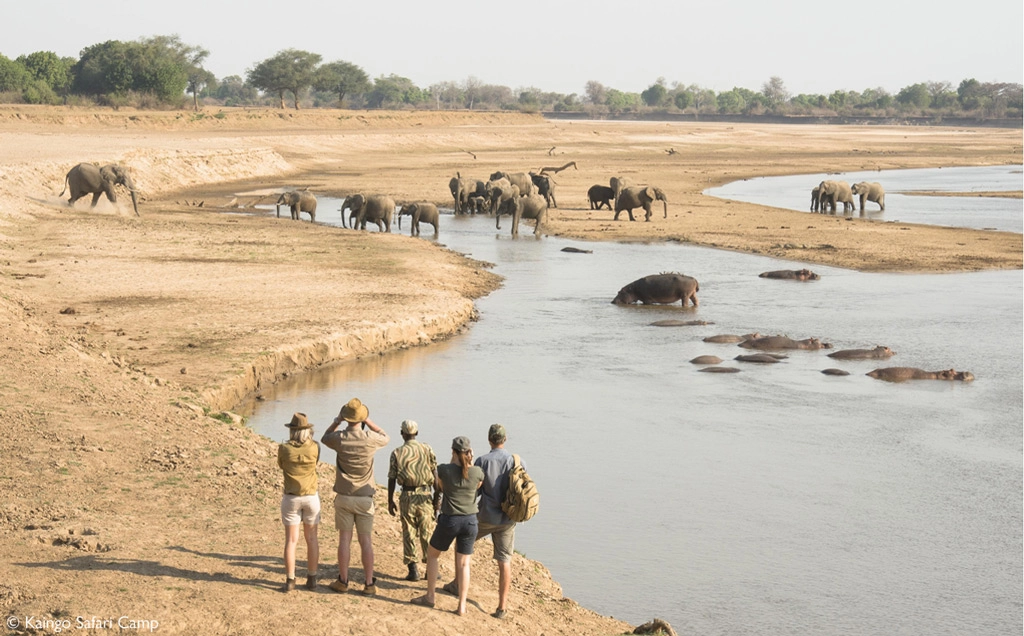
Ultimate South Luangwa – 8 days
Discover the untamed beauty of South Luangwa National Park, Zambia – a renowned leopard stronghold and the birthplace of walking safaris. Embark on expertly guided bush walks and game drives, spend a night under the stars in a secluded sleepout, and refine your photographic skills in one of Africa’s finest hides. An authentic safari experience that reconnects you with the wild at its most raw and real.
Still dreaming of the ultimate African safari escape? Browse our safari ideas here. Or click here to plan your safari.
YOUR CONSERVATION IMPACT
Your safari helped support the Mouse-Free Marion project.
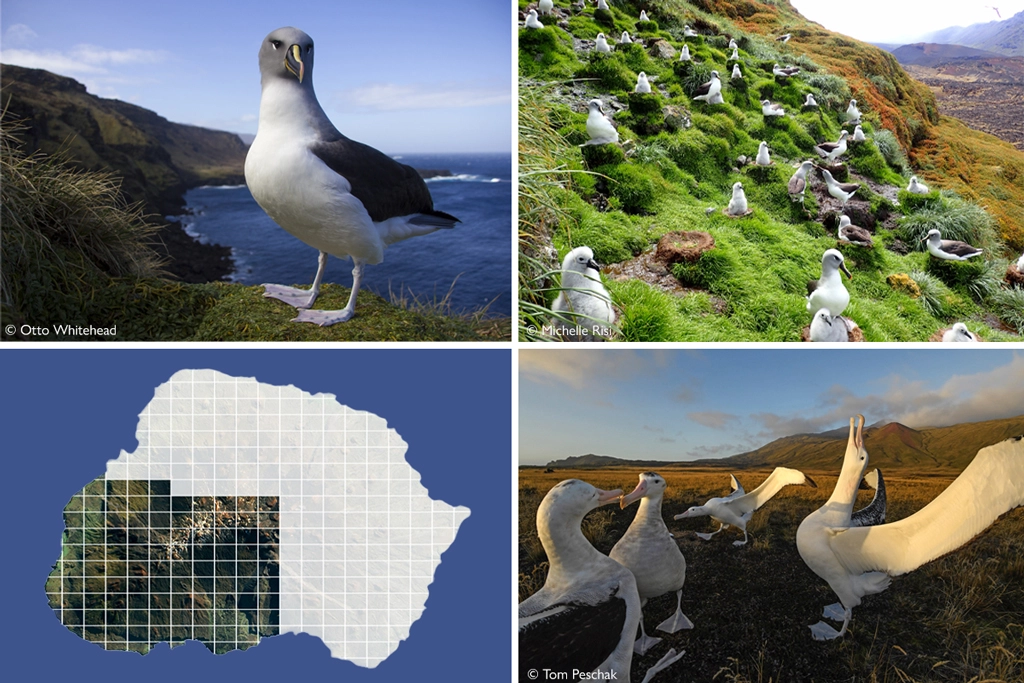
Thanks to your safari booking with us, you have made a real difference. We’ve just donated a portion of our safari earnings to Saving Marion Island’s Seabirds: The Mouse-Free Marion Project. Africa Geographic has sponsored 19 hectares of the island via the “Sponsor a Hectare” initiative. Marion Island is approximately 30,000 hectares in size, and through this crowdfunding initiative, the project aims to raise R30 million, a part of the total funds needed to implement the eradication operation. With every hectare requiring a donation of R1,000, our sponsorship helps inch them closer to this vital target.
Saving this habitat is a conservation imperative. Marion Island is a globally important breeding site, home to millions of seabirds, including one-third of the world’s wandering albatrosses, as well as species found nowhere else on Earth. Tragically, stowaway mice accidentally introduced to Marion Island in the 19th century have impoverished the island’s habitats and are now literally eating seabird chicks and adults alive. Without intervention to remove the mice, many of these precious species are expected to become locally extinct.
A portion of every AG safari booking goes directly to vital conservation projects like these.
Lend your support by sponsoring a hectare or by making a donation to the Mouse-Free Marion project here.
WATCH
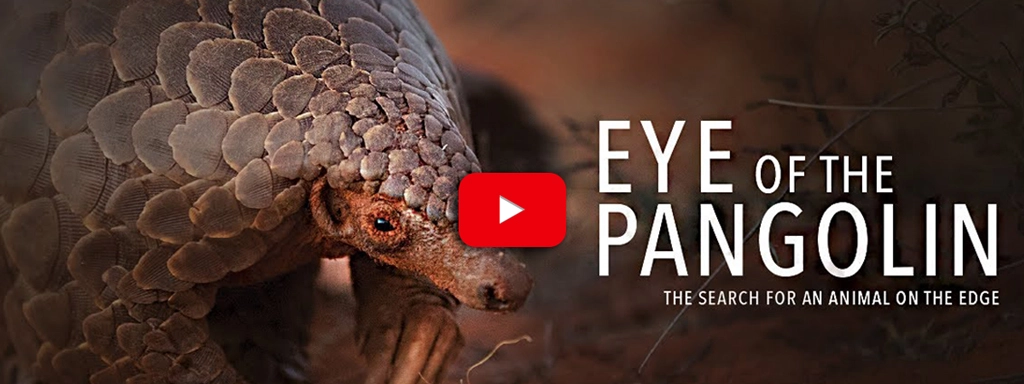
A rare glimpse into one of Africa’s most elusive mammals. Eye of the Pangolin follows two determined filmmakers on a continent-spanning quest to capture all four African pangolin species on film. From arid savannahs to dense jungles, their journey reveals the quiet magic of these remarkable creatures, and the urgent fight to save them from extinction. (45:00) Click here to watch
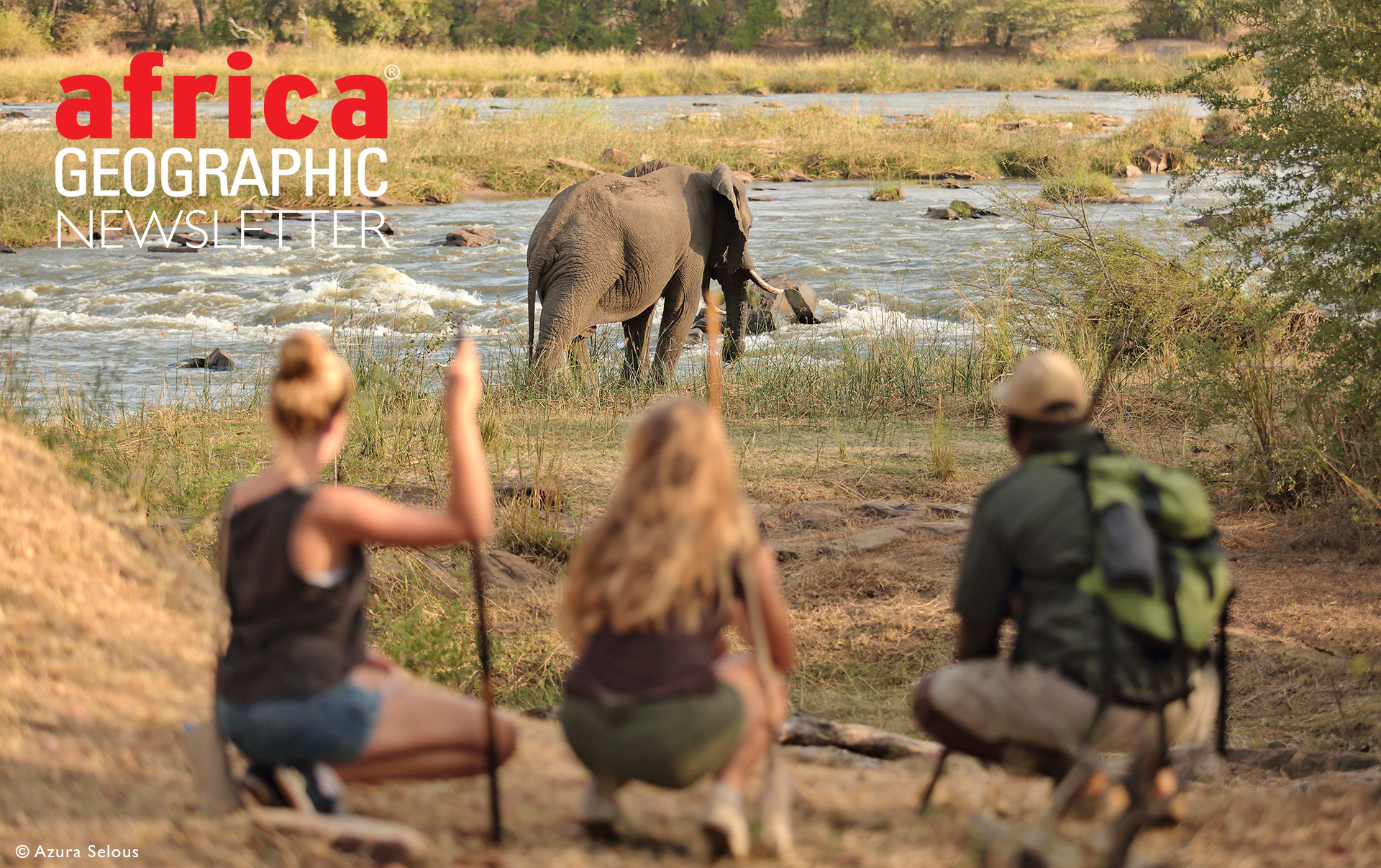
Cover image: Tracking elephants on foot in Selous Game Reserve, Nyerere National Park. Tanzania. © Azura Selous
To comment on this story: Login (or sign up) to our app here - it's a troll-free safe place 🙂.