


Incredible desert photography

Namibia continues to feature prominently on the must-visit list for passionate nature photographers – and for good reason. Expansive landscapes, untouched wilderness, and a rich diversity of wildlife (including the Big 5) make this southern African gem a dream destination for anyone eager to capture wild nature at its finest.
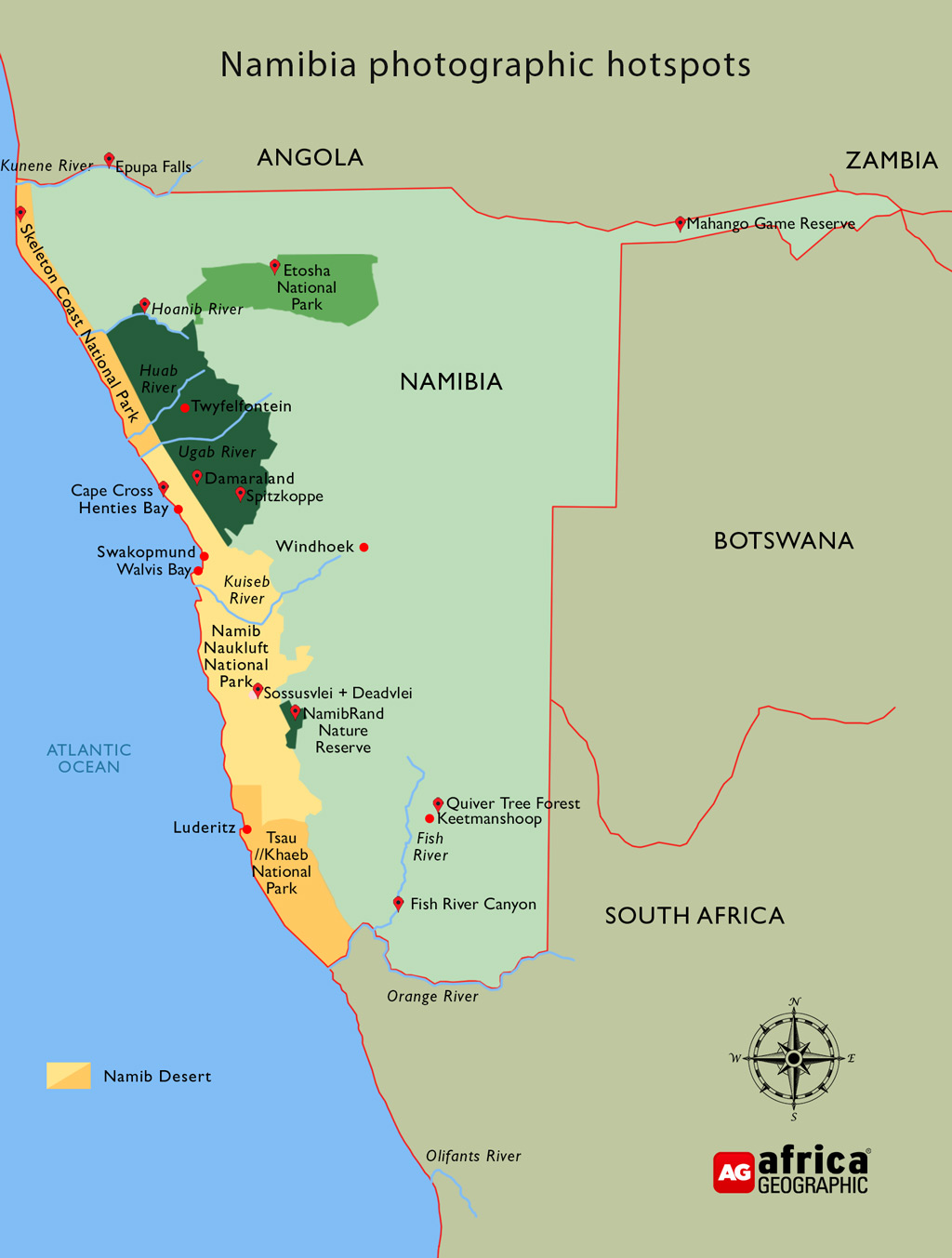
That said, a few key elements can make or break your photographic journey, chief among them being knowing where to go.
Take your time
Namibia is vast – truly vast – and packed with photographic gems. Attempting to cover all the highlights in one whirlwind safari trip to Namibia may be challenging. Doing justice to the country’s visual potential takes time and intention. In fact, even a few weeks will barely scratch the surface.
We recommend selecting a handful of your favourite photographic hotspots, planning a trip of at least three weeks, and staying a minimum of three nights at each location. This gives you the freedom to return to promising spots in different light, explore hidden corners, and fully absorb the essence of each destination.
A word of advice: Namibia’s gravel roads, while scenic, can be slow going – often corrugated and rough. Allow plenty of time between destinations so you’re not racing the sun to your next overnight stop. After all, you’ll want to be camera-ready for golden hour, not stuck in a dusty car rushing to check in.
 Want to visit Namibia on safari? Browse our top Namibia safaris. Or, check out our photographic safaris to other destinations.
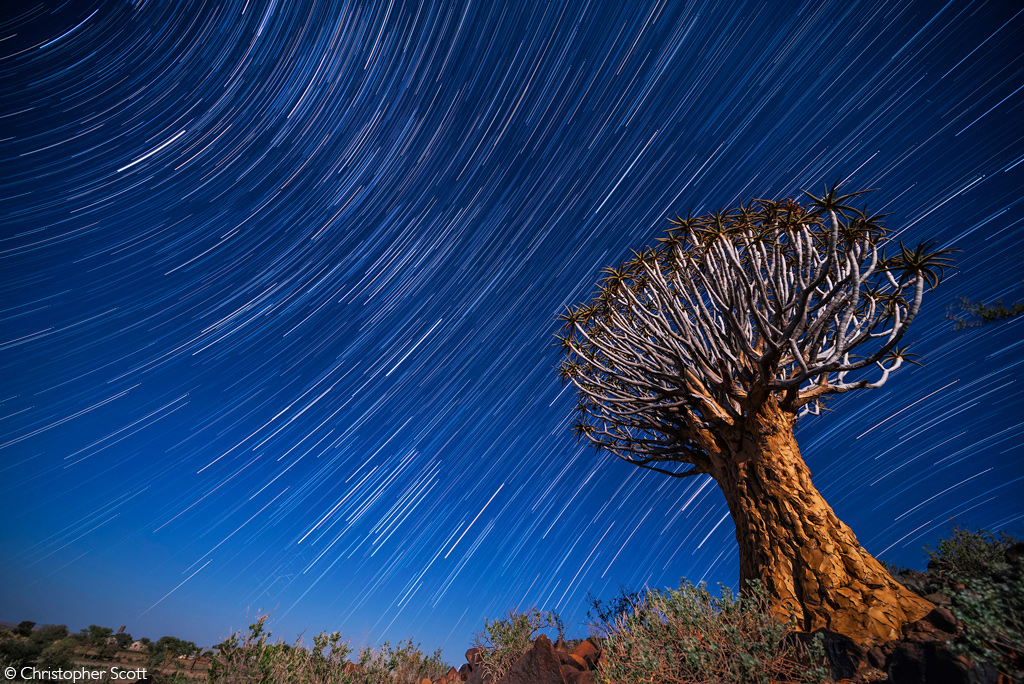
QUIVER TREE FOREST, Near Keetmanshoop
These iconic aloes thrive in Namibia’s arid, rocky terrain. Nowhere are they more striking than at the Quiver Tree Forest, where their golden-brown bark and sculptural forms glow in the early morning and late afternoon light.
This surreal grove allows photographers to capture bold silhouettes against richly coloured desert skies – especially rewarding at sunrise or sunset.
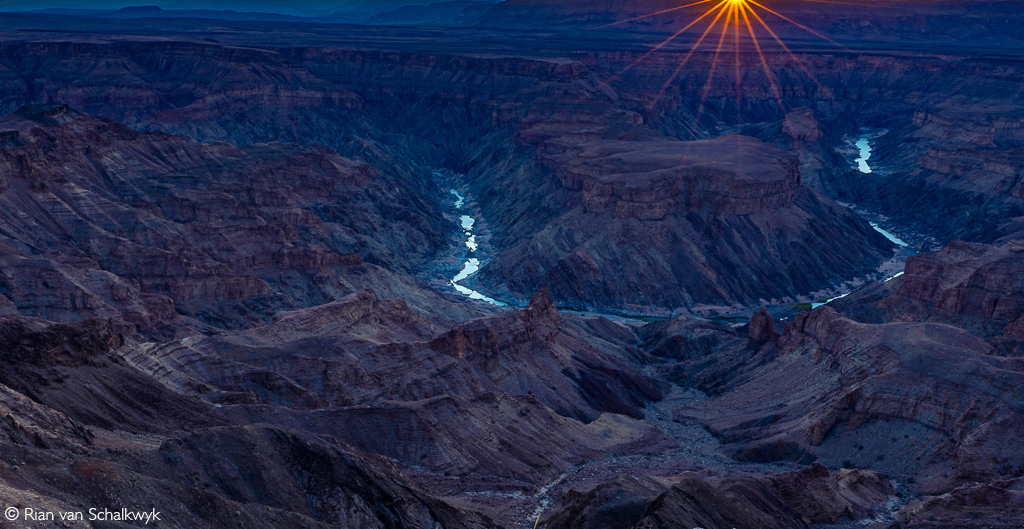
FISH RIVER CANYON, Southern Namibia
The Fish River Canyon is the second-largest canyon in the world – a geological marvel that impresses with its vast scale, rugged formations, and raw remoteness. It’s a paradise for photographers, hikers and nature lovers.
The best time to photograph this dramatic landscape is at dusk, when the canyon walls come alive in soft, glowing hues as the sun dips low on the horizon. Plan your visit during the cooler months (May to September) to avoid extreme temperatures.
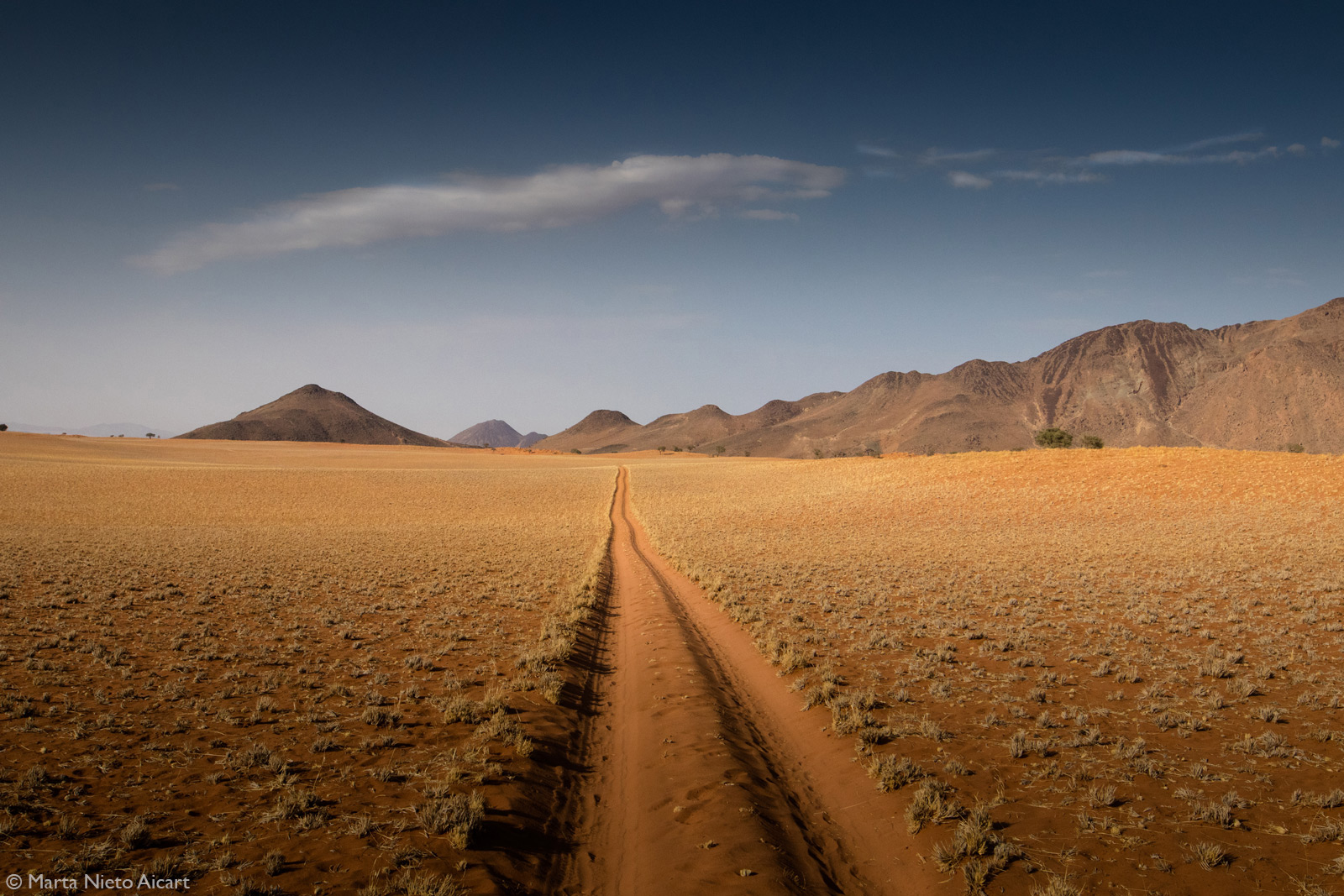
NAMIBRAND NATURE RESERVE, Southern Namibia
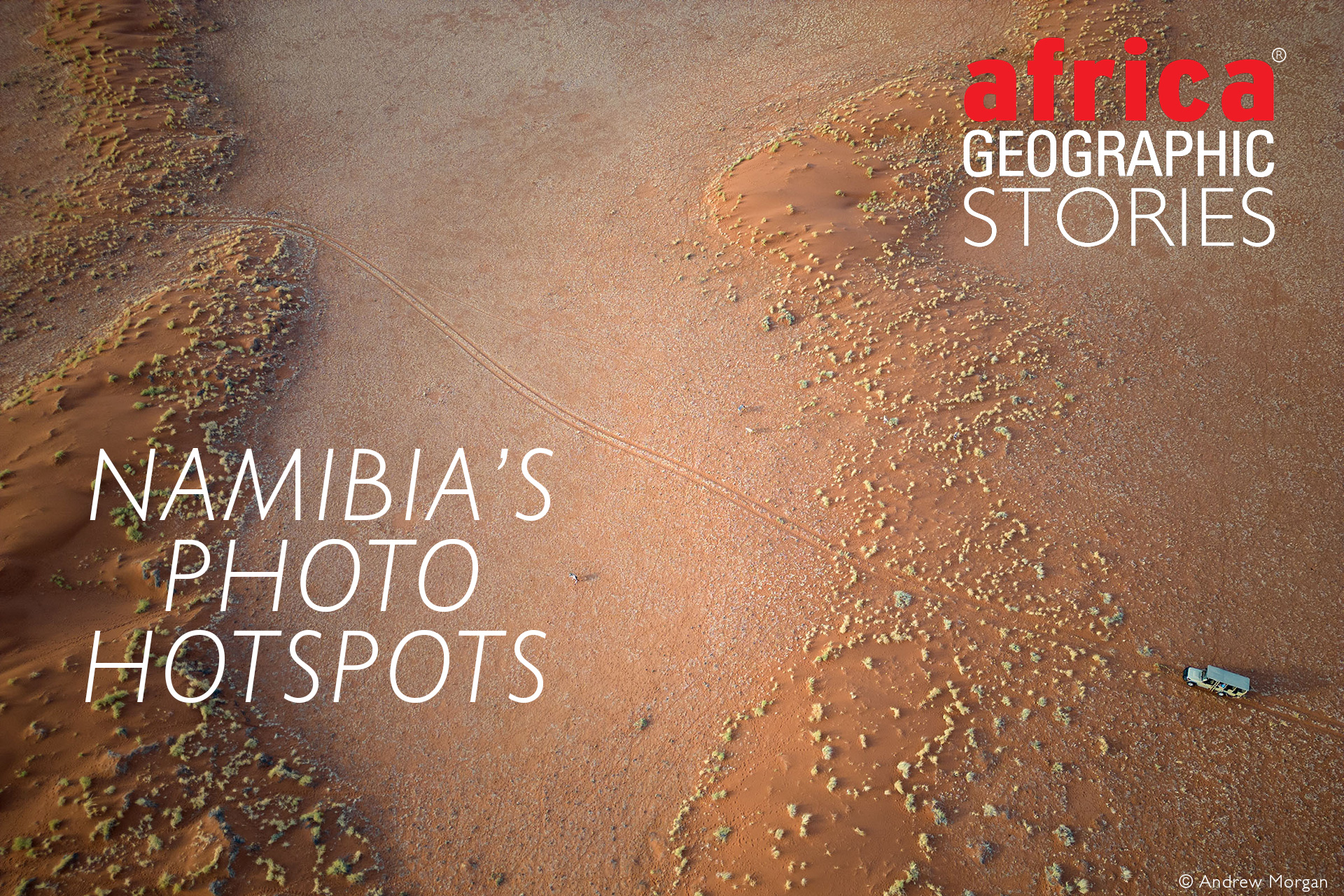
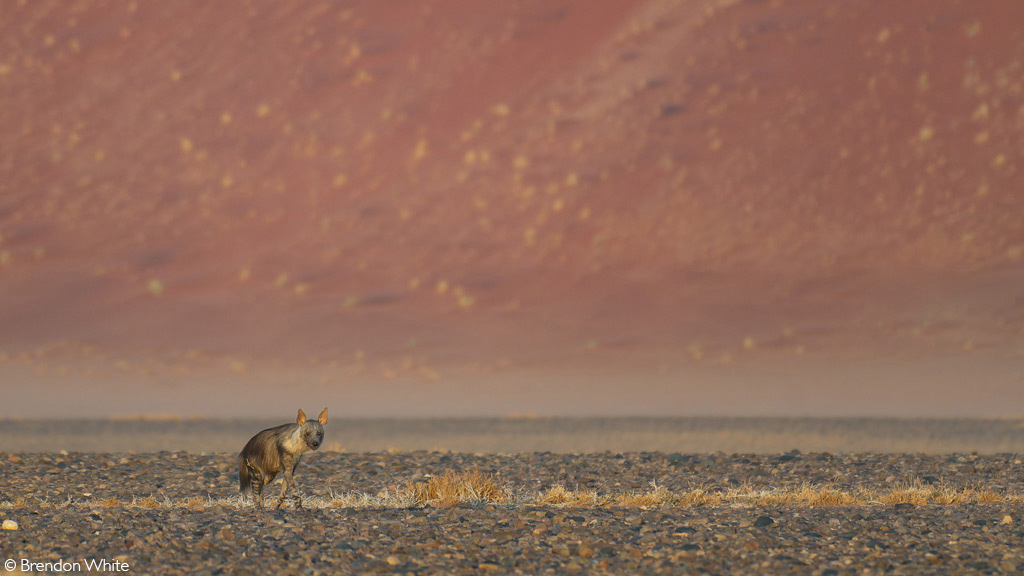
One of the largest private nature reserves in Namibia, NamibRand is a mosaic of red dunes, gravel plains, and rugged desert mountains. It’s also home to healthy populations of gemsbok, Hartmann’s mountain zebra, springbok, and ostrich.
The sheer scale, silence and diversity of NamibRand make it a haven for photographers in search of Namibia’s quieter, more textured moods. Look out for golden light rolling over grassy plains and the chance to capture wildlife in wide, cinematic landscapes.
SOSSUSVLEI, Namib-Naukluft National Park
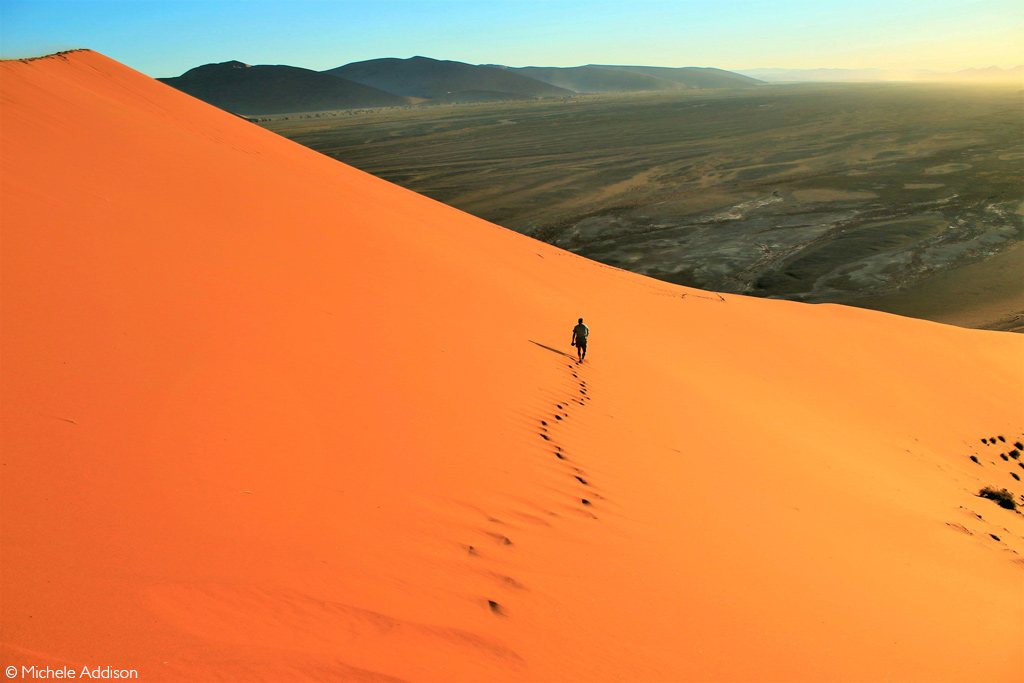
Namibia’s Sossusvlei needs little introduction – it’s among the most photographed landscapes in the world. Sossusvlei’s towering apricot dunes and stark white pans are a surreal study in contrast, especially during the golden hours when soft light and deep shadows add drama and depth to your images.
While floodwater in the pan is a rare sight, occurring only every few years and highly unpredictable, the area’s dry beauty is more than enough to keep your shutter clicking.
DEADVLEI, near Sossusvlei
Once a hidden gem, Deadvlei has become one of Namibia’s most iconic photo destinations in the Sossusvlei region. Here, the blackened skeletons of long-dead camel thorn trees rise from a chalk-white pan, framed by some of the highest dunes on Earth.
The stark contrast and haunting stillness make for an unforgettable photographic experience. Visit early in the morning or late afternoon to make the most of long shadows and dramatic light.

Skeleton Coast National Park, North Atlantic Coast
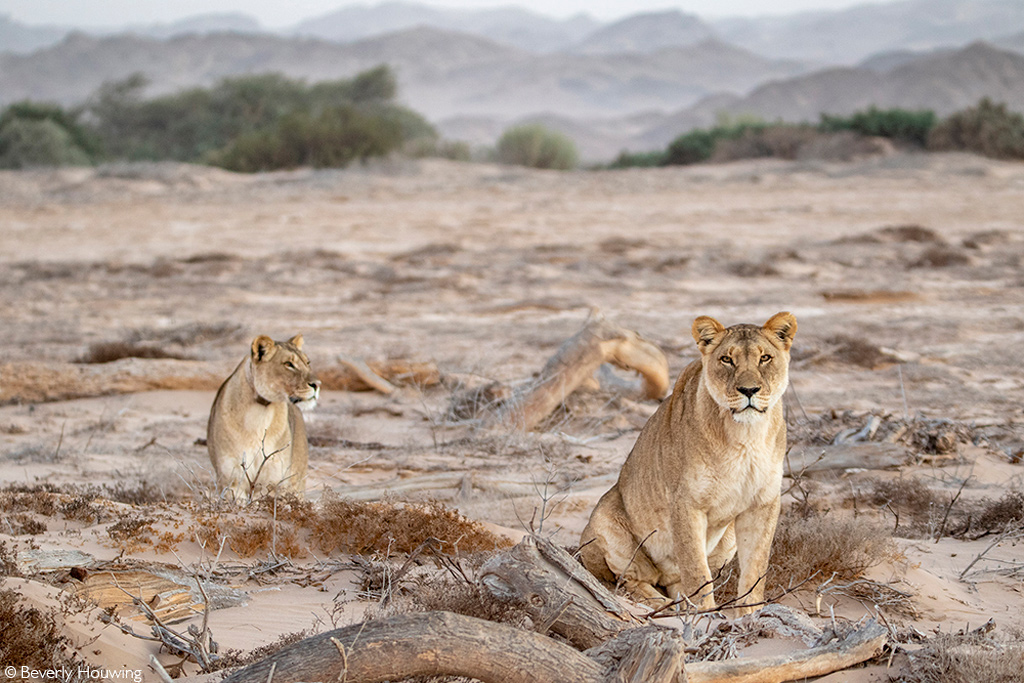
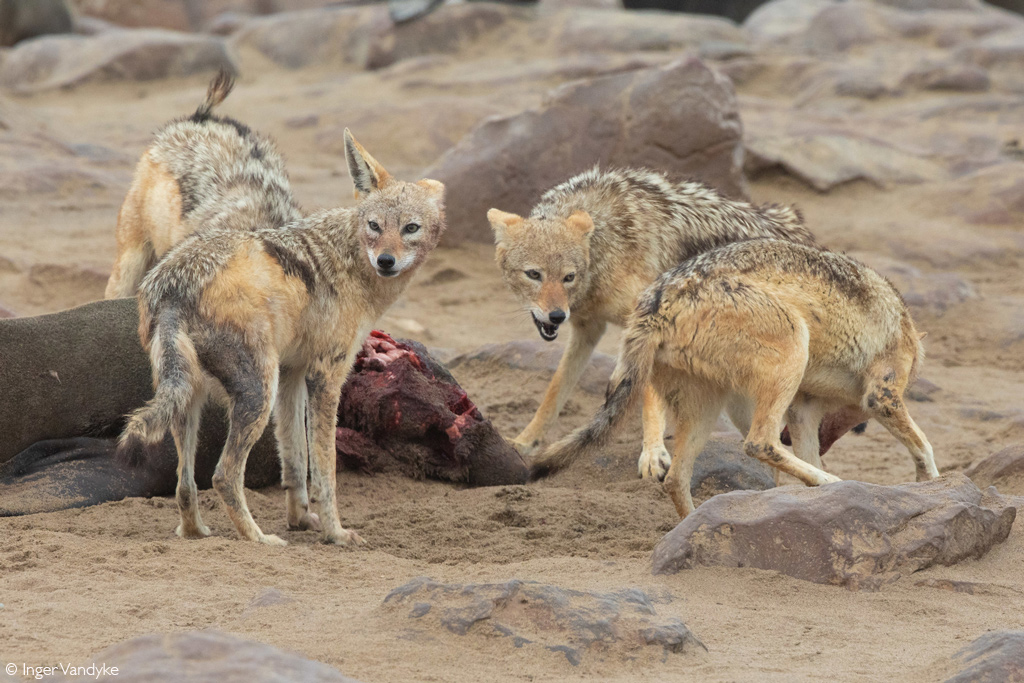
Bleak, beautiful, and otherworldly, the Skeleton Coast stretches along Namibia’s remote northwestern coast. This realm of shifting dunes, shipwrecks, salt pans and sea mist offers wonderful photographic opportunities. Despite its desolate appearance, this coastal desert teems with life for those who know where to look. Here, jackals leave delicate tracks on the sand, rusty and long-abandoned ships decay into surreal sculptures, and desert-adapted lions roam the dunes in search of seals and scavenging opportunities. For photographers, the interplay of texture, light, and isolation offers a truly unique experience.
Spitzkoppe, Damaraland
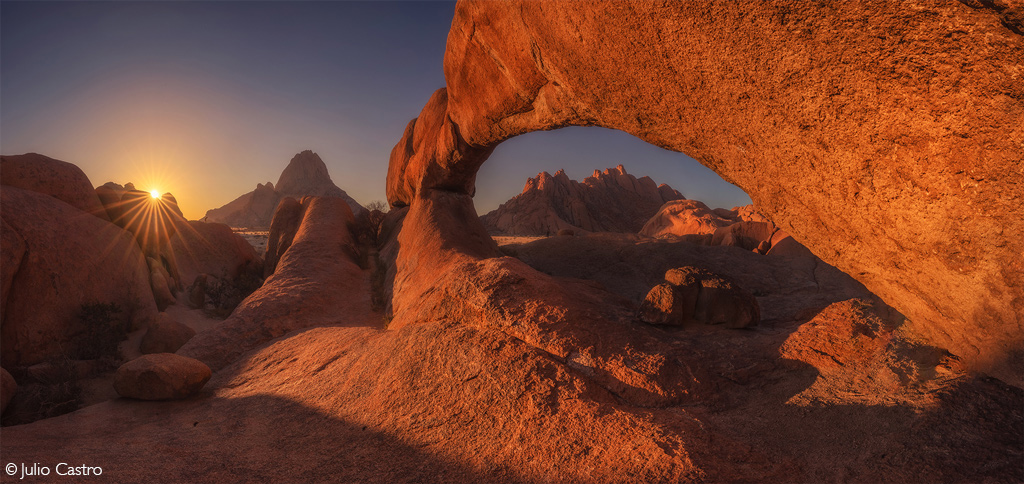
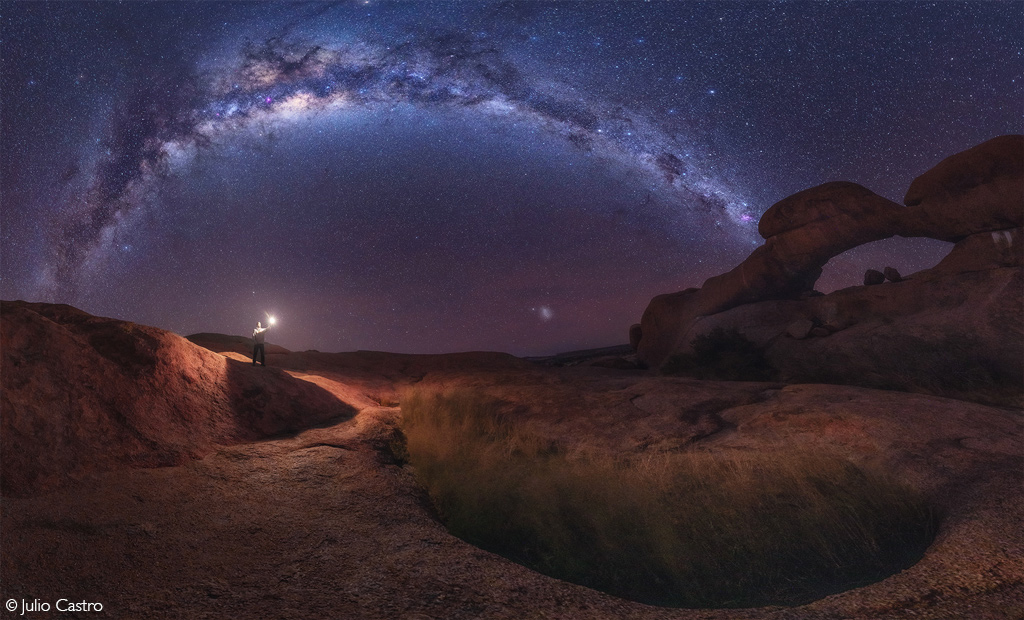
Often dubbed the “Matterhorn of Namibia,” Spitzkoppe rises like a forgotten relic from the flat gravel plains of Damaraland. This ancient granite outcrop was once a sanctuary for the San (Bushmen), drawn here by abundant game, fresh spring water, and sheltering caves adorned with rock art.
Today, the stark beauty and sculptural drama of Spitzkoppe’s towering boulders continue to enchant photographers and travellers alike. The golden glow of sunrise and sunset paints the rocks in rich hues, while the crystal-clear desert night sky invites long-exposure stargazing beneath natural rock arches.
Cape Cross, Skeleton Coast
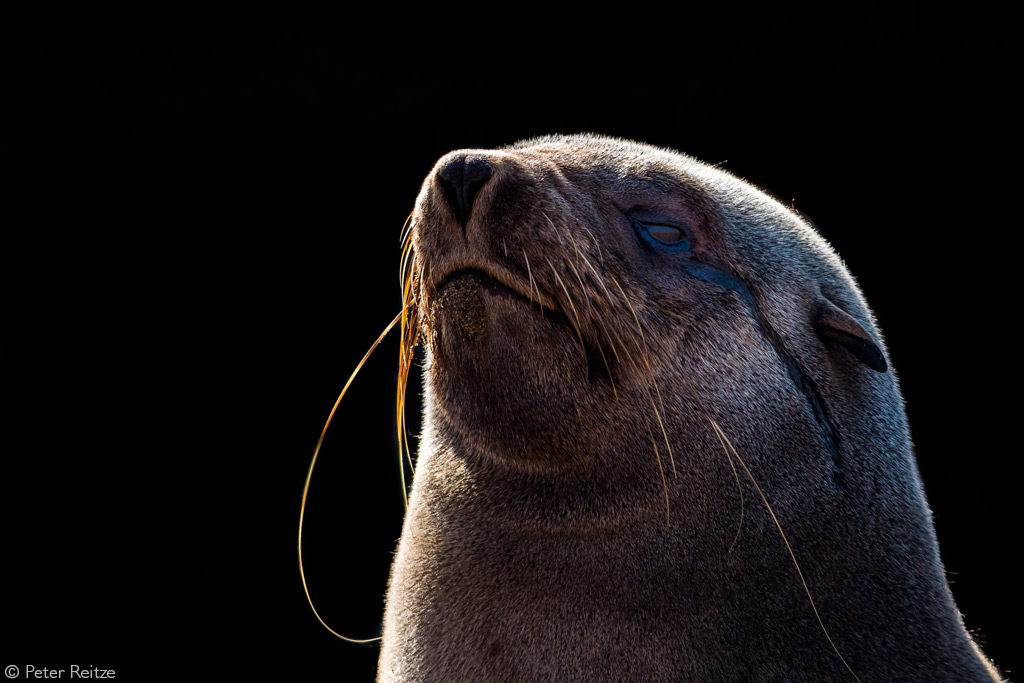
Situated along Namibia’s dramatic Skeleton Coast, Cape Cross Seal Reserve is home to one of the largest Cape fur seal colonies on Earth. Here, tens of thousands of seals haul out along the Atlantic shore, forming a chaotic but captivating spectacle.
Photographers can get surprisingly close to these marine mammals, capturing intimate moments of pups nursing, bulls posturing, and families lazing in the coastal sun. While the scent can be overwhelming, the photographic opportunities are unrivalled.
Etosha National Park, Northern Namibia
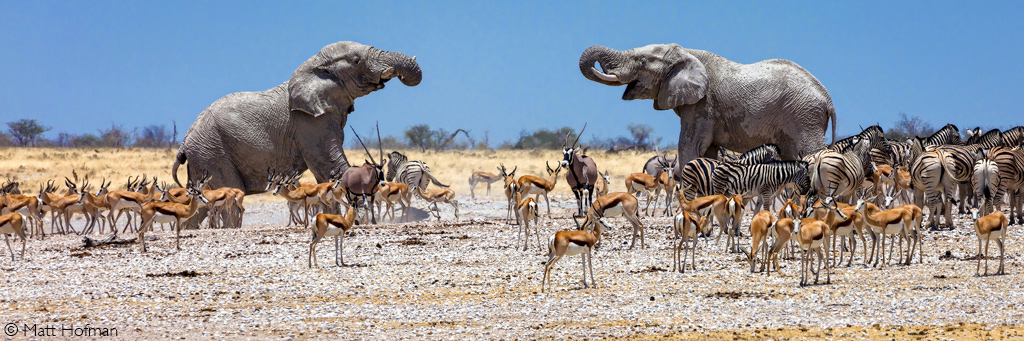
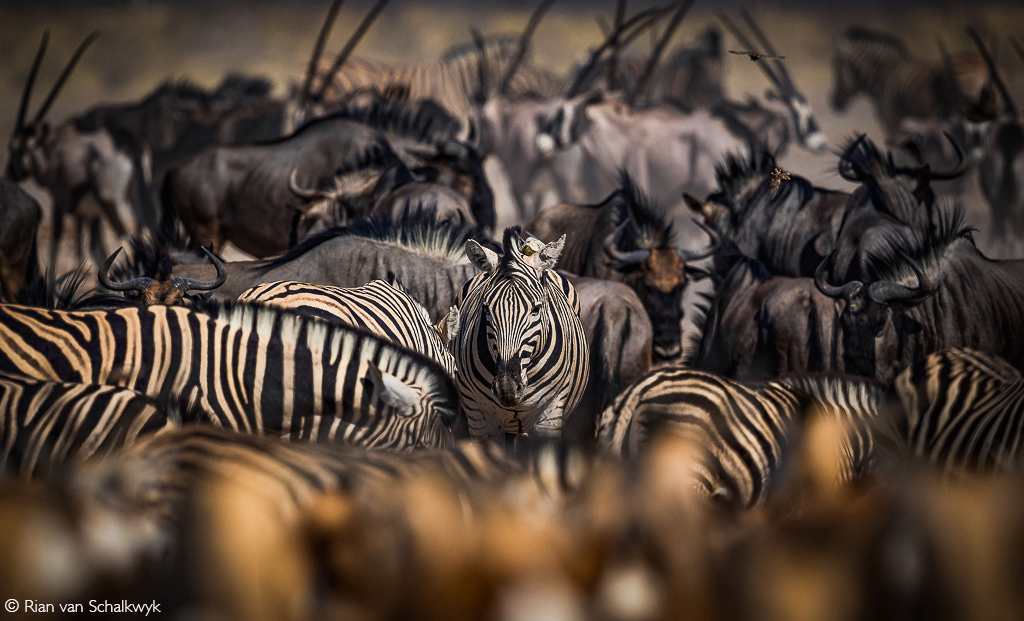
Etosha is Namibia’s premier wildlife photography destination – and with good reason. The animals here are habituated to vehicles, allowing for close encounters and compelling photographic moments ranging from intimate portraits to sweeping scenes of herds traversing the shimmering pan.
During the dry season, wildlife gathers at Etosha’s many waterholes, making it one of the best places in Africa to photograph multi-species interactions. Expect to see elephants, rhinos, lions, hyenas, cheetahs and, if you’re lucky, a leopard or two. The diversity of plains game – springbok, wildebeest, kudu, zebra, gemsbok – is complemented by over 400 bird species, making Etosha a year-round draw for photographers and birders alike.
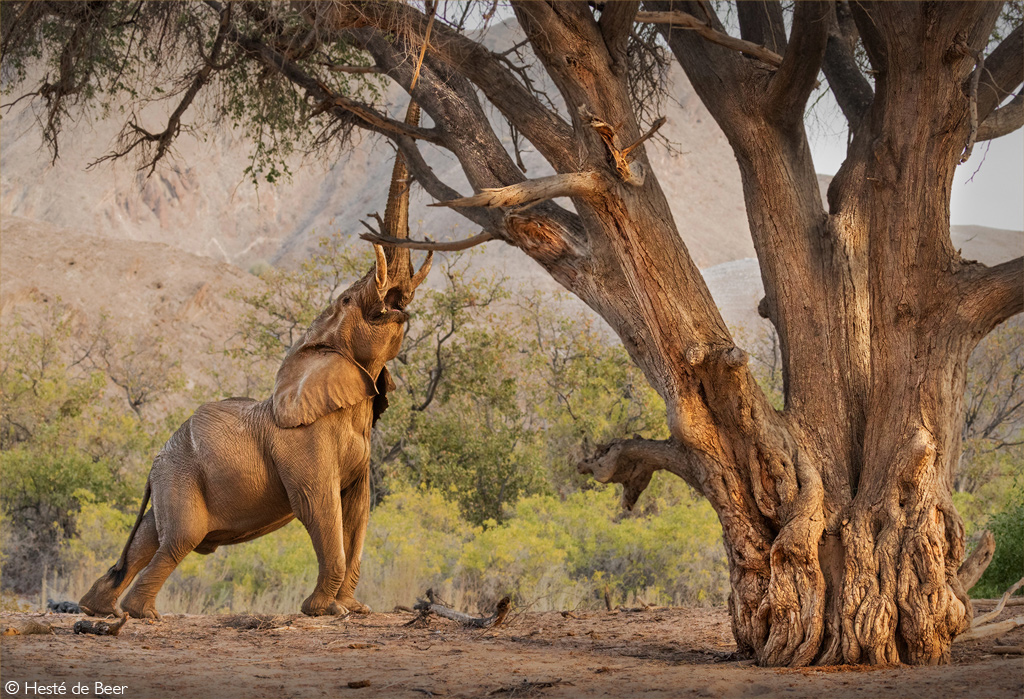
Hoanib River Valley, Kaokoland
Winding through the rugged desert mountains of remote Kaokoland in northwestern Namibia, the Hoanib River is a predominantly dry watercourse that flows only during rare periods of substantial rainfall. Despite its arid nature, it supports a surprising array of desert-adapted wildlife, including elephant, lion, giraffe, gemsbok, and more.
Photographers will find inspiration in the contrast between life and desolation – towering white-trunked ana trees rising from the fog, gemsbok silhouetted against burnt-orange sands, and elephants navigating the dry riverbed in search of water.
The Hoanib’s moods shift with the seasons: blisteringly harsh in mid-summer, but touched by an eerie beauty during foggy winter mornings, when moisture from the Atlantic creeps inland.
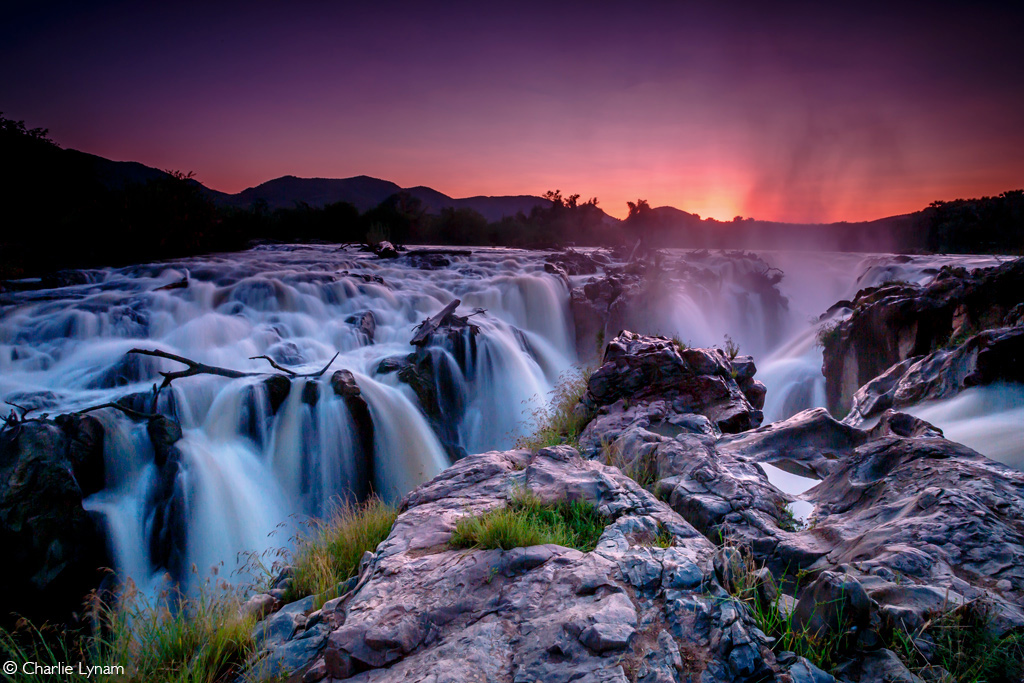
Epupa Falls, Kaokoland
On the border with Angola, far in the remote reaches of Kaokoland, the Kunene River spills over a series of rocky ledges to create the cascading Epupa Falls – one of Namibia’s hidden gems.
Here, ancient baobabs cling to rocky outcrops above the white spray, while palm-lined banks frame the river. The setting is a tranquil contrast to the surrounding arid land, and the photographic opportunities are rich: dreamy long-exposure waterfall shots, golden-hour baobabs, and cultural encounters with Himba communities who live nearby.
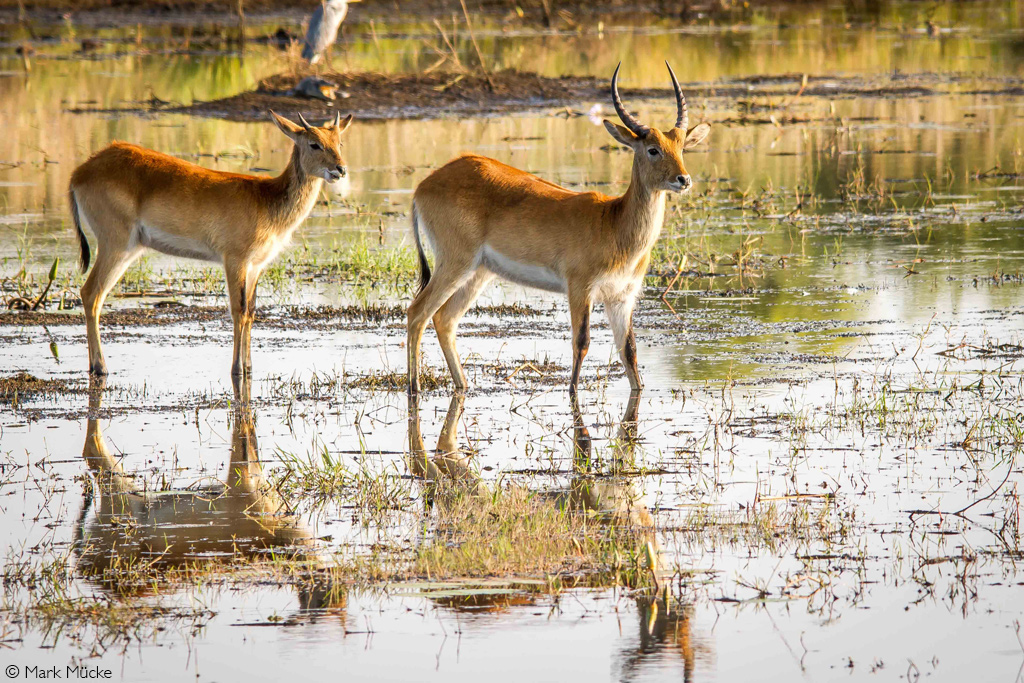
Mahango Game Reserve, Zambezi Region, Northern Namibia
Tucked in Namibia’s lush northeast, where the Okavango River crosses into Botswana, Mahango Game Reserve is a verdant outlier in this largely arid country. The reserve forms part of the Bwabwata National Park and is a haven for wildlife and birds – an essential stop for nature photographers exploring the Zambezi Region.
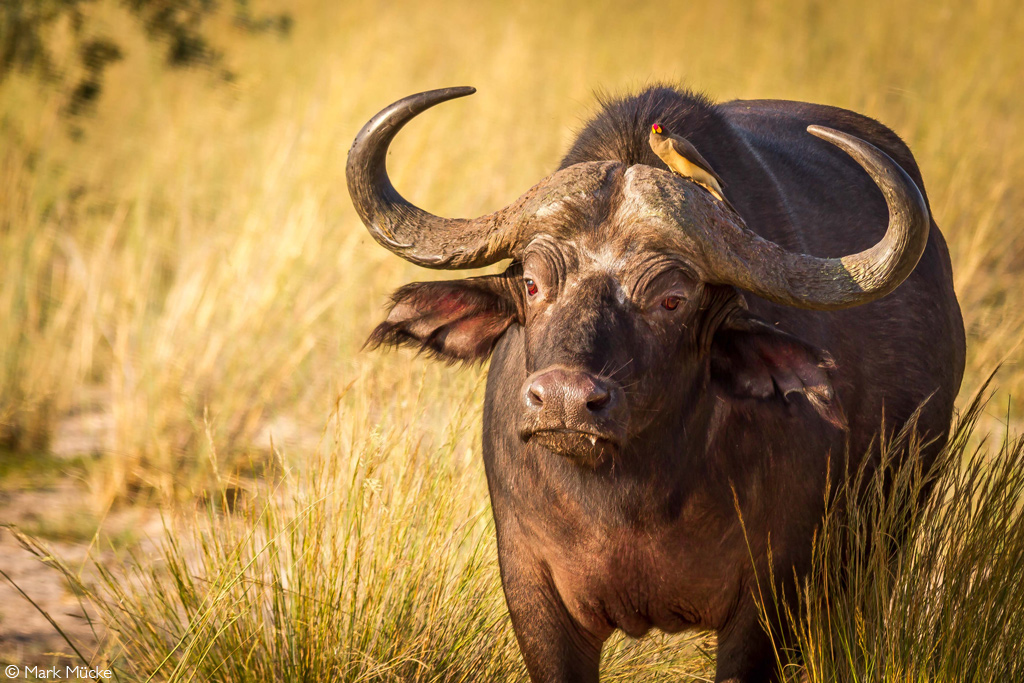
Here you’ll find riverine forests, reed-fringed marshes, and wide floodplains that support large herds of elephant, buffalo, hippo and a variety of rare antelope species such as roan, sable and sitatunga. Over 450 bird species have been recorded in the area – from fish eagles and kingfishers to the elusive Pel’s fishing owl – offering rich rewards for patient photographers.
Final thoughts
Namibia rewards patience, curiosity, and a keen eye. Rather than rushing between locations, settle in and allow each landscape to reveal its secrets over time. Whether you’re chasing the soft pinks of dawn or the shadows of ancient trees, Namibia offers a photographer’s paradise – one frame at a time.
Further reading
- Namibia is a spectacular wilderness destination. Read more here
- Read more about Namibia’s desert lions
- Western Namibia is a land of heat, sand, sea and remarkable biodiversity surviving against the backdrop of harsh but stunning scenery. Learn more about the land of ochre here
To comment on this story: Login (or sign up) to our app here - it's a troll-free safe place 🙂.