




“You either get the point of Africa or you don’t. What draws me back year after year is that it’s like seeing the world with the lid off.” – A.A. Gill

Madikwe Game Reserve is an extraordinary place. It was established in 1991 on a tract of mismanaged farmland that had been depleted of nearly all its natural resources. Approximately 10,000 animals were relocated to the area as part of Operation Phoenix over seven years.
At the time, Operation Phoenix was the largest wildlife relocation project of its kind in the world – it aimed to generate a wildlife-tourism economy of significant benefit to local communities in this remote region of South Africa. It is still a world-renowned conservation project today and is bearing fruit in ways the visionaries could hardly have imagined.
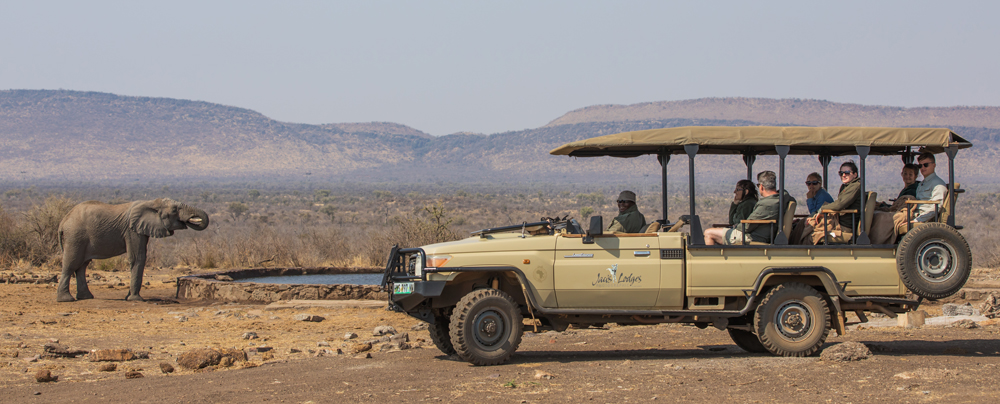
Bringing back wild Africa
My wife and I were fortunate enough to spend two nights in Madikwe recently. I have visited Madikwe several times over the past 16 years, and was keen to share some of that quintessential Madikwe magic with my wife – it was her first time in the reserve, and I wanted it to be as special for her as it has been for me over the years. Little did I know that I would rediscover the magic of Madikwe for myself, entirely!
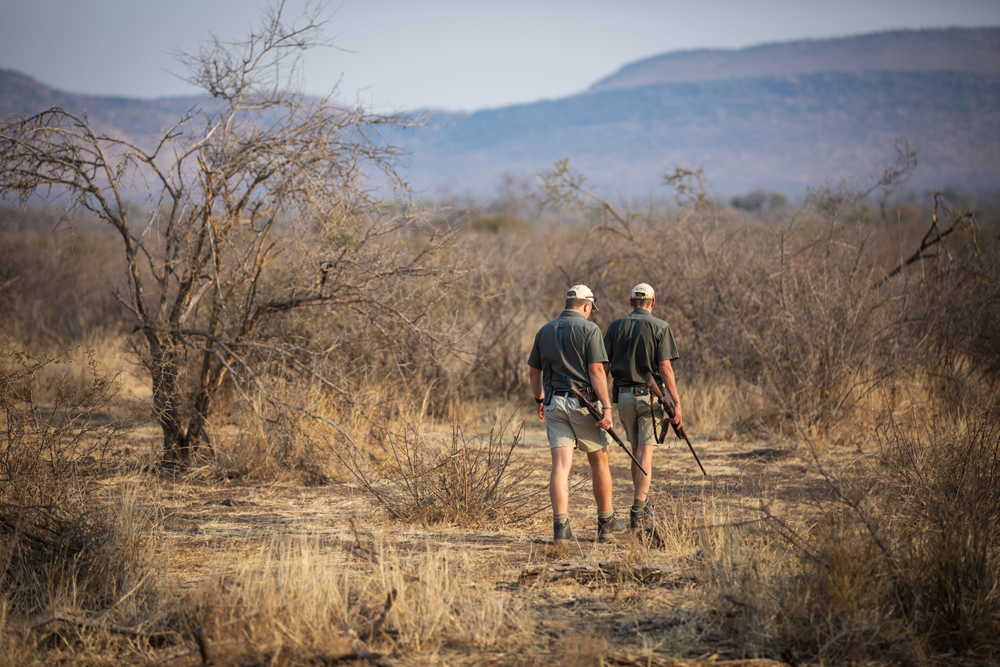
Usually, man-made structures interfere with my sense of the wilderness around me. They’re a distraction to what I feel should be pure wilderness. But, after a lengthy discussion on the topic with our knowledgeable guide, Armand, I started to think that Madikwe is one of the rare wild places where I can accept a few old structures as part of the wilderness landscape.
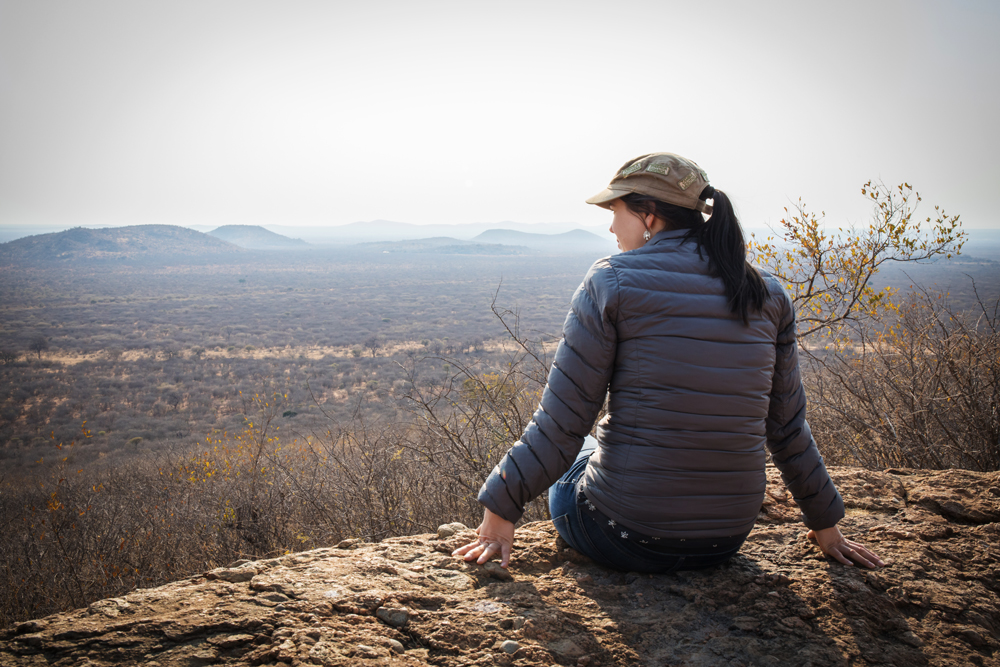
It’s part of Madikwe’s history and serves not only as a reminder of how things were before, but also as a reminder that Africa’s wilderness can be restored from the damage caused by humanity. For me, Madikwe is a pilot reserve in ‘bringing back wild Africa’ – as the success of Operation Phoenix attests to. It was one of the first reserves in Southern Africa to take the mammoth task of rewilding seriously, and it’s a privilege to enjoy the rewards of those genuine African conservation efforts today.
Stars and special sightings
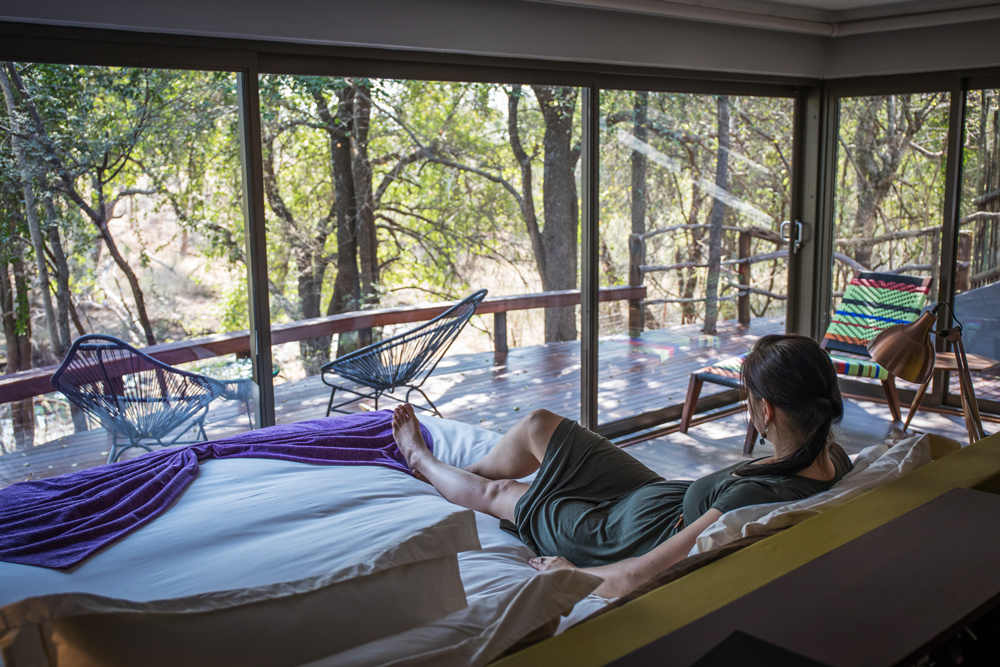
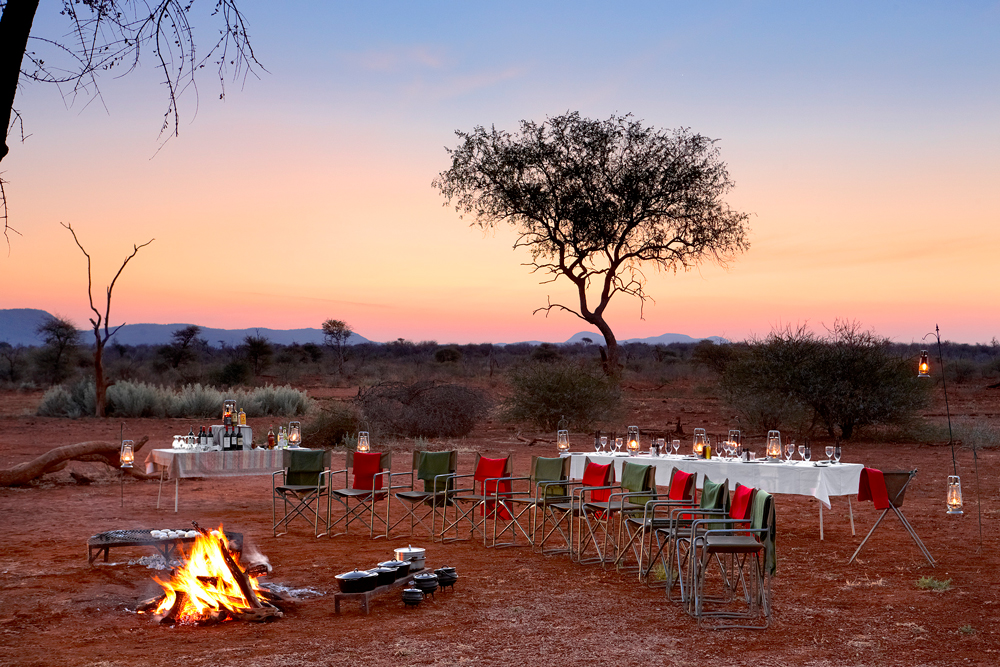
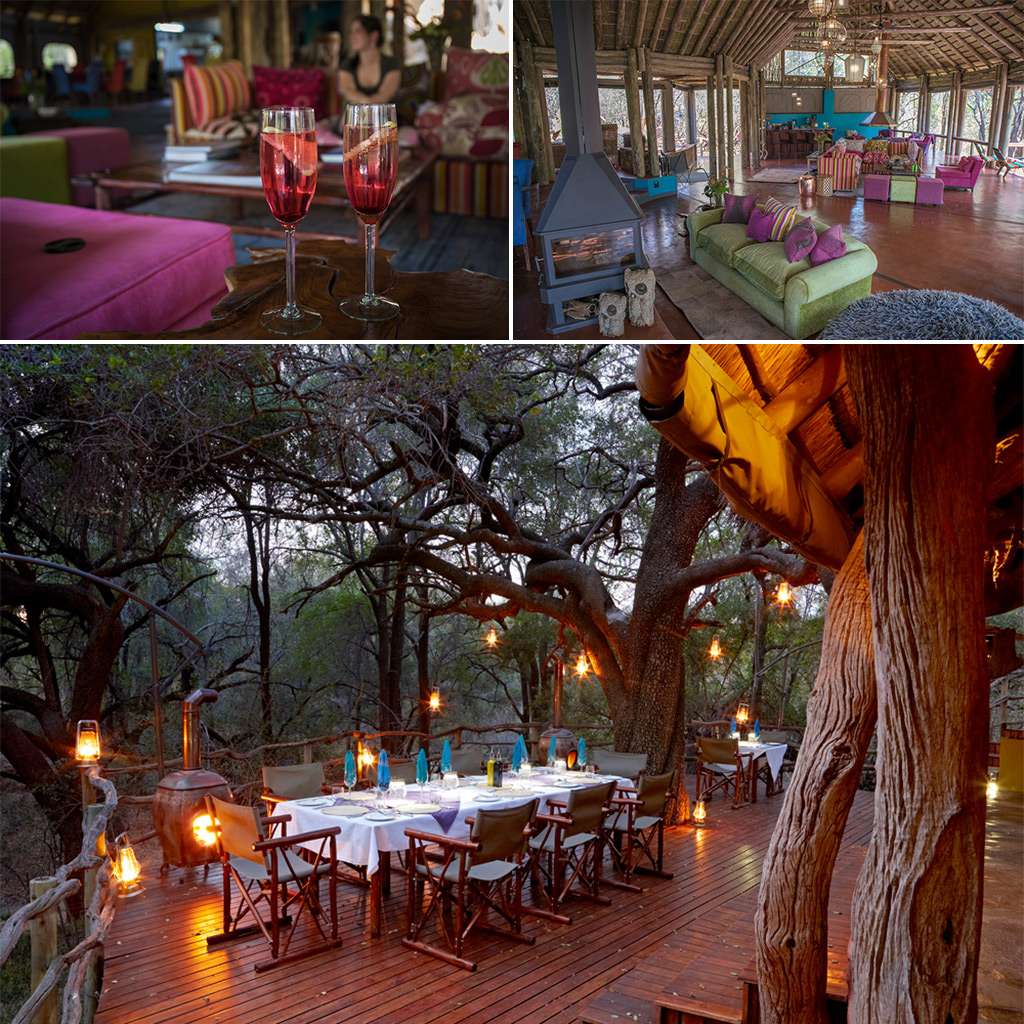
After our arrival and delicious lunch at Jaci’s Safari Lodge, we settled into our magnificent Starbed Suite. It’s a huge room with a panoramic view of a tributary of the Marico River, where wildlife constantly moves through the riverine bush below. After a quick shower (with a choice of three showers!), we got ready for our first afternoon drive.
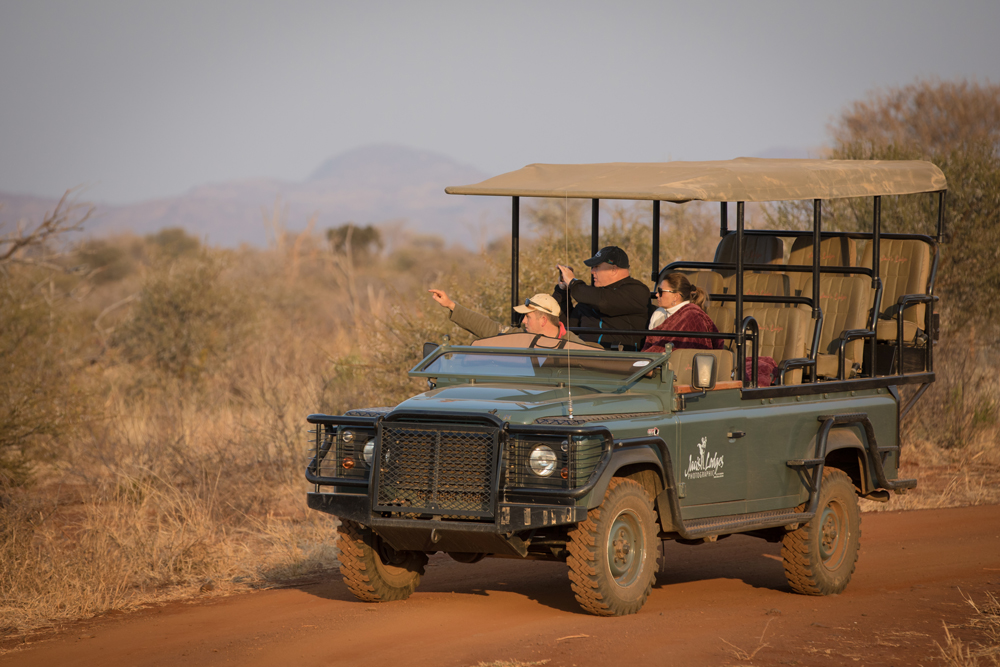
Before departing, Armand asked us if we would like to see anything specific. I’m sure he was used to some of the more typical answers – Big 5 animals like elephant, lion and rhino, for example. To his bewilderment, I asked him to try to get us a rare photo opportunity with a yellow-throated sandgrouse.
And, can you believe it, he delivered on our first game drive! As an avid birder, this was a thrilling sighting – what a way to start our safari in Madikwe!
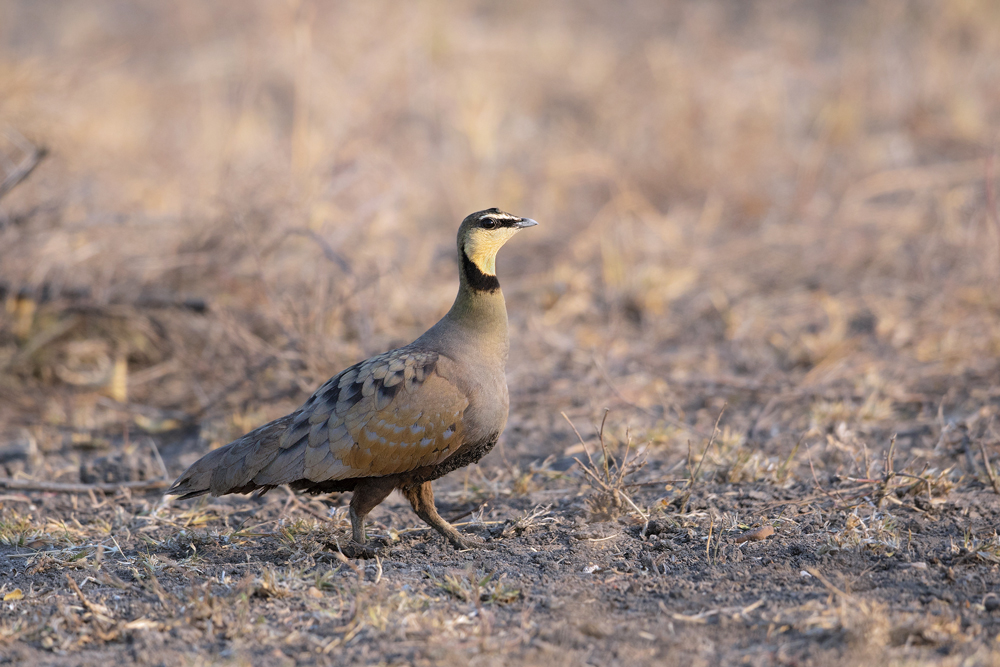
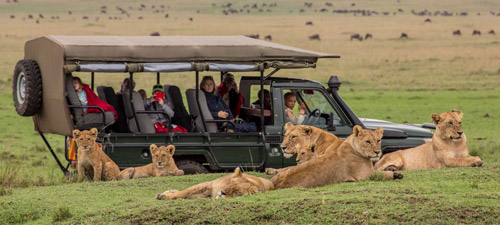
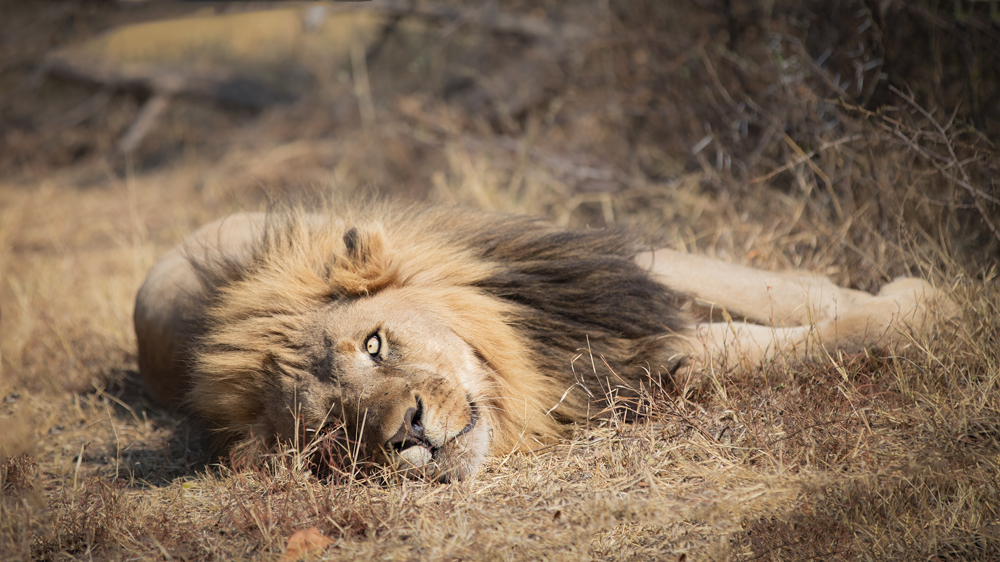
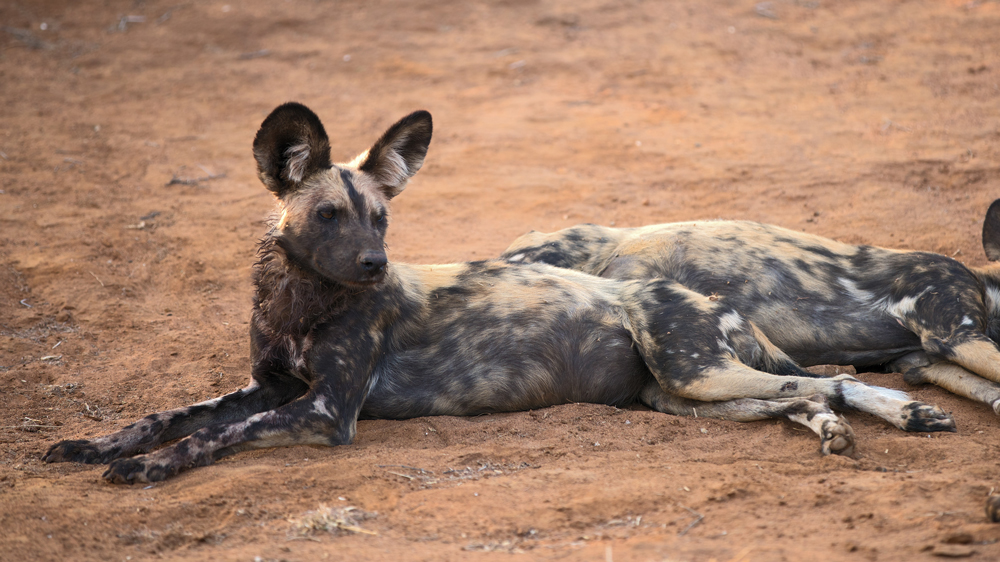
We spotted a few yellow-throated sandgrouses that morning, got some great photos of this notoriously tricky bird and moved on, with smiles on our faces. The next sighting was one of the rarest and unique you could wish to have on any safari anywhere in Africa – African wild dogs! And, as if that was not enough, we managed to add two male lions and a white rhino to our list for the first afternoon. Game viewing in Madikwe is truly spectacular; it is known as one of the best places in Southern Africa for lion sightings!
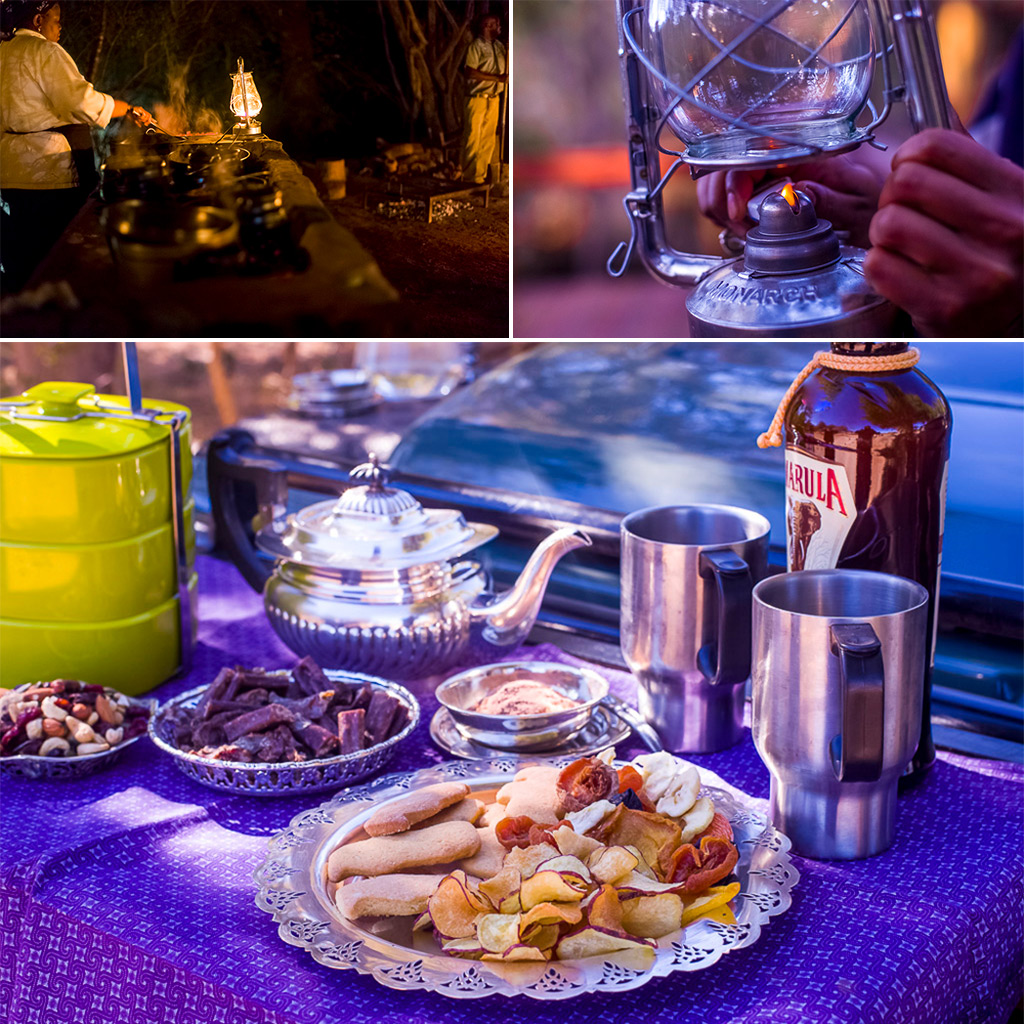
After dinner and a sensational day of game viewing on safari in Madikwe, we settled onto the roof of our Starbed Suite. We listened to the sounds of the African bush under the stars, full of anticipation for our morning drive.
Madikwe mornings
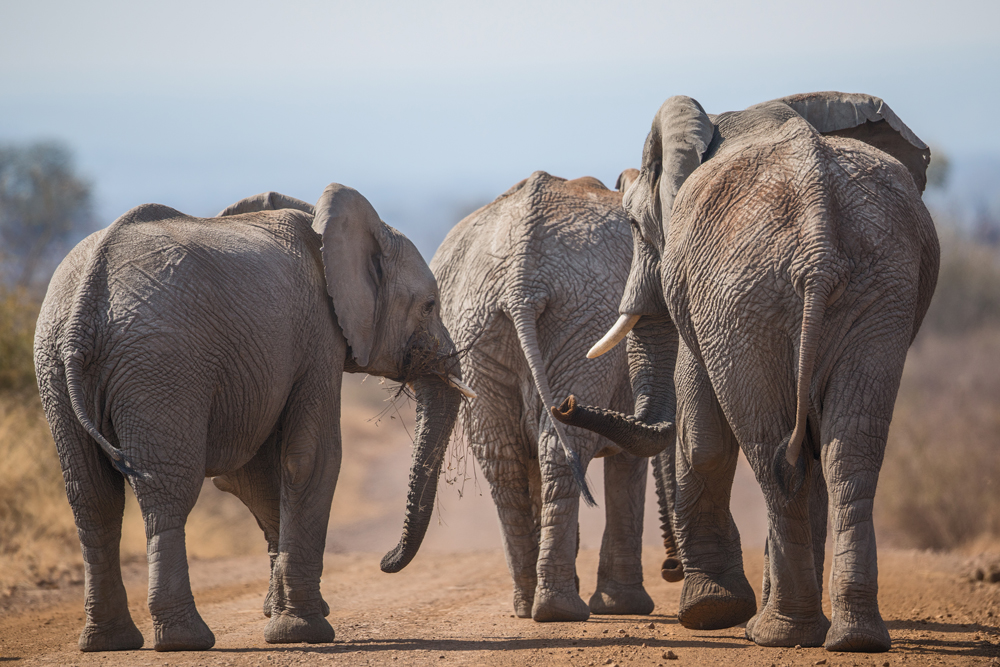
Our first morning drive was one for the safari books, as Madikwe delivered in hugely unexpected ways! We started with three old buffalo bulls, followed by a Verreaux’s eagle-owl on a nest close to camp, and then continued to tick off all the members of the Big 5 within our four-hour drive!
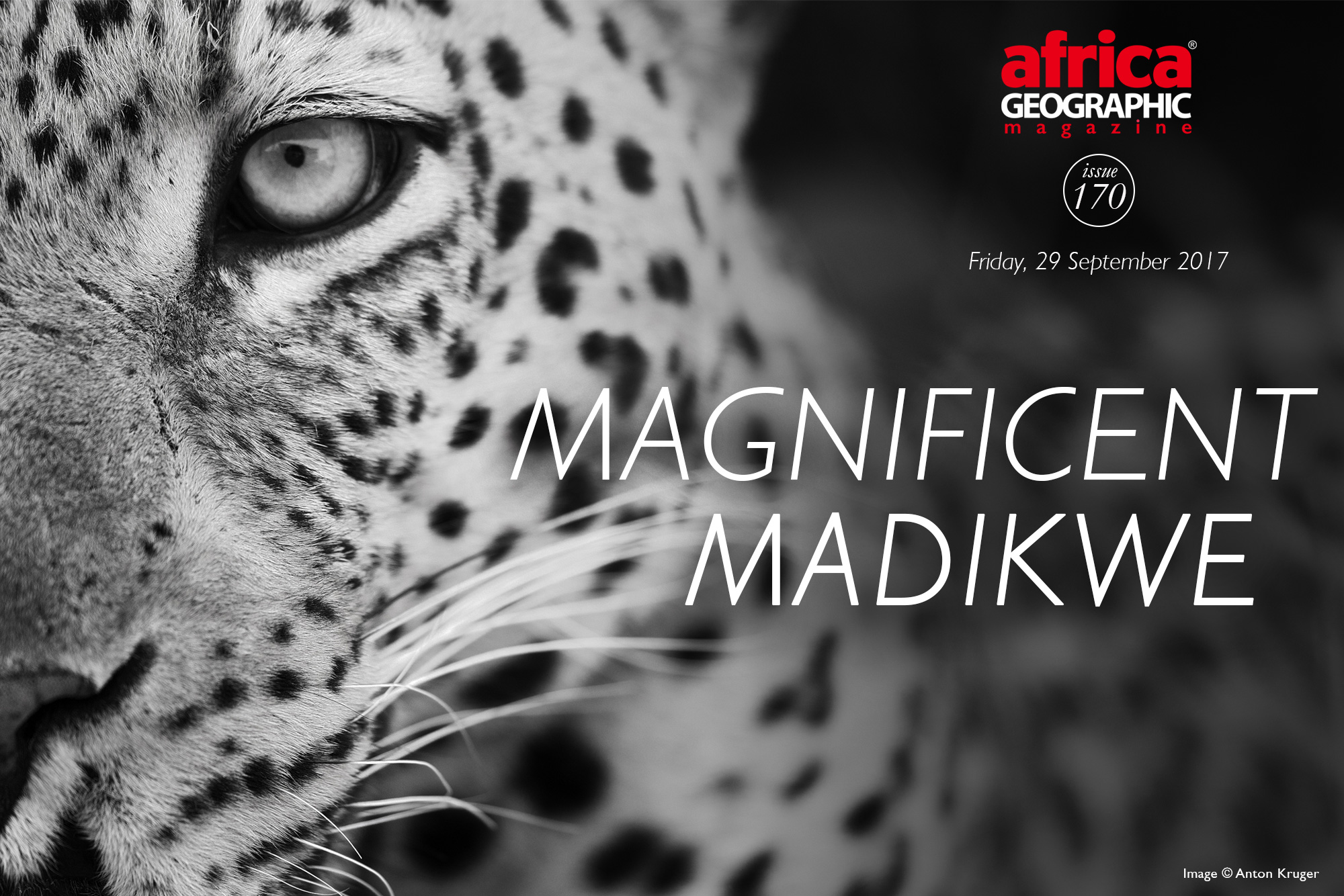
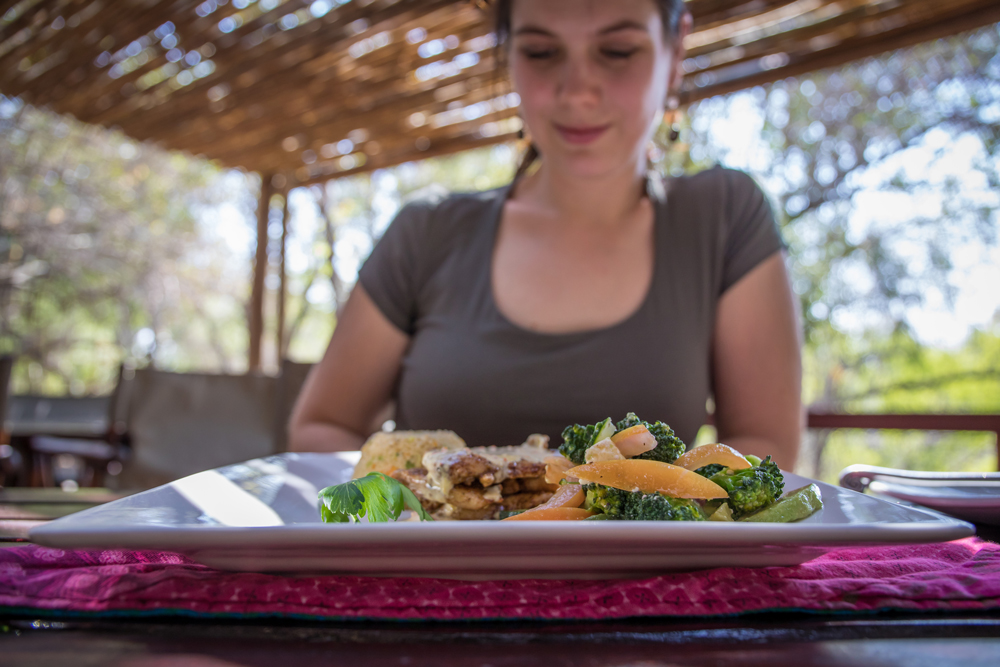
I had my first leopard sighting in Madikwe a few years back, and this time around, I got one of my best leopard photos to date (see cover image)! It was a very relaxed male leopard, lazing a few metres from our vehicle. With the excitement overflowing from our fantastic game drive, we returned to camp to enjoy a lovely brunch on the lodge’s deck.
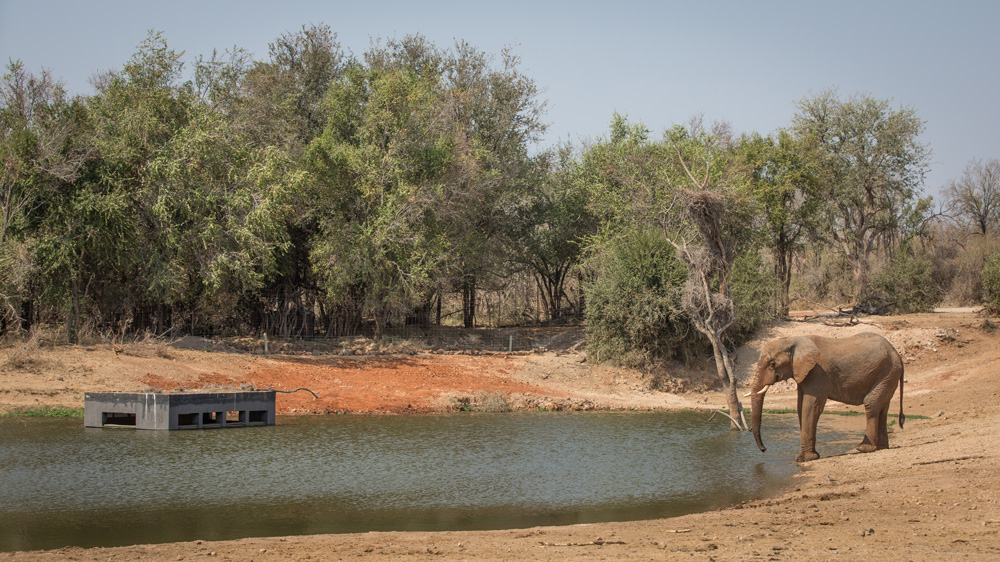
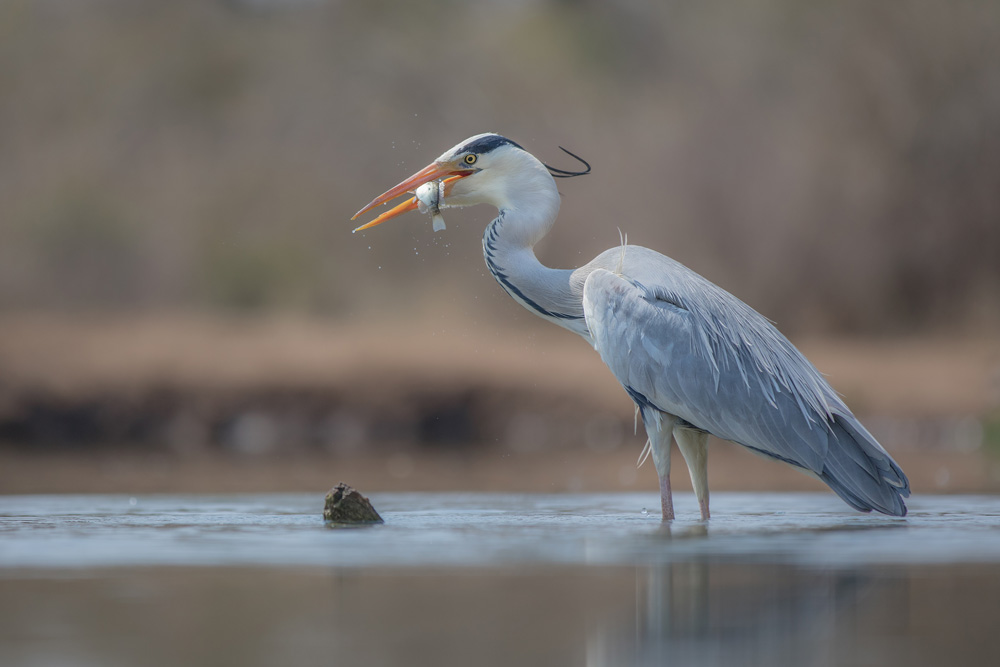
After our delicious brunch, we couldn’t wait to go and check out the Terrapin hide – a famous, eye-level hide situated in the middle of the waterhole, accessed only via an underwater tunnel. We spent some time here observing the passing wildlife, with my favourite moment being when a grey heron caught a fish a few metres away from me. He was so close – I got one of my favourite photographs of this graceful bird.
On our afternoon drive, we decided to explore the quieter southern parts of the reserve, since we’d already had quality sightings of most of the species on offer here. We got onto some fresh leopard tracks, but after more than an hour spent tracking, it had managed to evade us, staying true to its secretive nature.
We did see more elephants, white rhinos and two male lions, and it was a relaxed drive for our final afternoon. Upon returning to the lodge, we came across the resident male brown hyena drinking at the waterhole – brown hyena are far rarer and skittish than their more popular laughing cousins, the spotted hyena.
A rhino to remember
I was hoping for a good sighting of a black rhino, but, as I know from experience, it’s not easy. Their favourite habitat is in dense acacia thickets, which makes sightings very difficult and photo opportunities close to impossible.
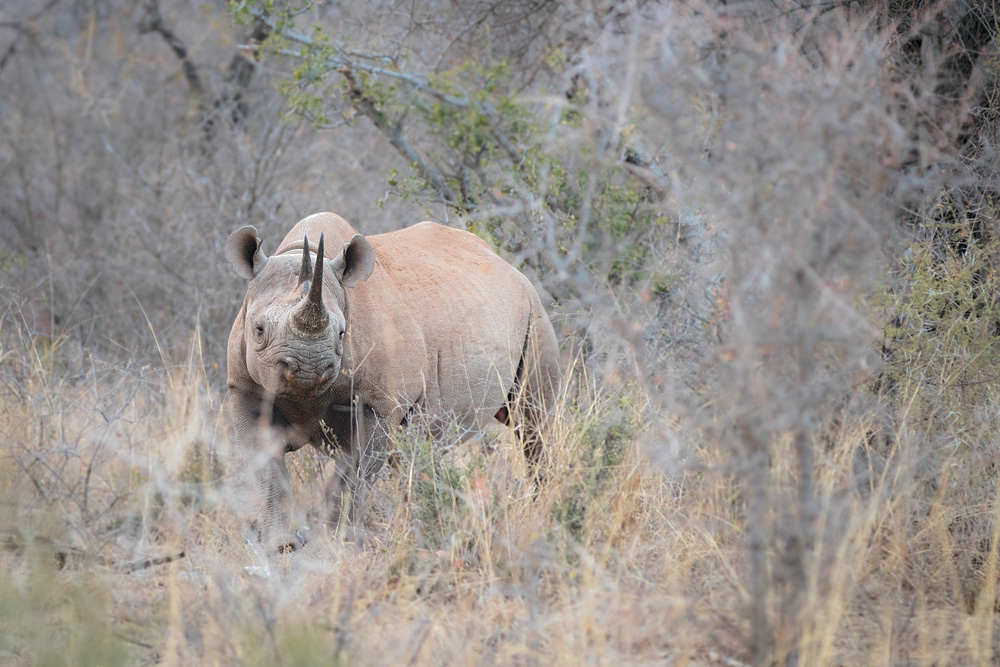
It was our last morning drive, and we were on a mission. Armand said that there was a thicket where he sometimes bumps into black rhinos early in the morning, so we decided to go for it! Maybe, just maybe, we would get lucky. And lo and behold, we got lucky! We found a black rhino mother and her calf!
After spending some time with them (without any real photo opportunities), they became more relaxed and moved through a clearing where we were able to get some fantastic and memorable photos.
Why Madikwe?
A Madikwe safari is one of the best travel choices you can make when deciding to come on safari in South Africa. You’ll get to explore the full 75,000 hectares of the reserve and not just a small concession area like in other reserves. The habitat is diverse, with mountains, waterholes, and the Marico River to the east.
Game viewing is exceptional, and the area is malaria-free, which makes Madikwe an excellent choice for a family safari.
For my wife and me, Jaci’s Safari Lodge delivered on all aspects and more. The game viewing was incredible, the food was out of this world, the accommodation was better than perfect, and the staff made us feel like family! It has since surged to the top of our list of African safari destinations – maybe you’d like to add it to your list too?
Madikwe Game Reserve Info
Check out our Madikwe safari ideas or chat to an expert about designing your own safari.
At 750 km² (75,000 ha), Madikwe is the fifth-largest game reserve in South Africa.
The reserve was formally established in 1991 by the government of Bophuthatswana, a former homeland area of South Africa. It was flagged for the potential to develop a thriving wildlife tourism economy that would benefit local communities – shortly after, Operation Phoenix began. This mammoth ecosystem rewilding operation involved many world firsts, including translocating entire family herds of elephants.
Madikwe lies in a unique location on the fringes of the Kalahari Desert between Botswana and South Africa. Because of the incredible variety in ecosystems between the Lowveld of South Africa and the Kalahari thornveld of Botswana, the region is host to a staggering array of species – to be precise, 66 mammal species and more than 300 bird species.
The famous Mafikeng Road – a historical road used by traders, hunters, missionaries and explorers – runs through the reserve. King Mzilikazi of the Matabele tribe ventured through the Madikwe area on this road over a century ago on his way to expanding the Matabele Kingdom.
Madikwe is home to the Big 5 and a haven for thriving populations of African wild dogs and cheetahs.
There is currently a corridor conservation project underway, known as the ‘Heritage Park’ conservation corridor, set to join Madikwe Game Reserve and Pilanesberg National Park. The project is estimated to be finished in two years.
Madikwe is easily reached from Johannesburg or Pretoria, on a short three-and-a-half-hour drive, or a 45-minute charter flight. The best time to visit Madikwe is between March and November, when temperatures are not soaring hot, and wildlife is more active.
ABOUT THE AUTHOR
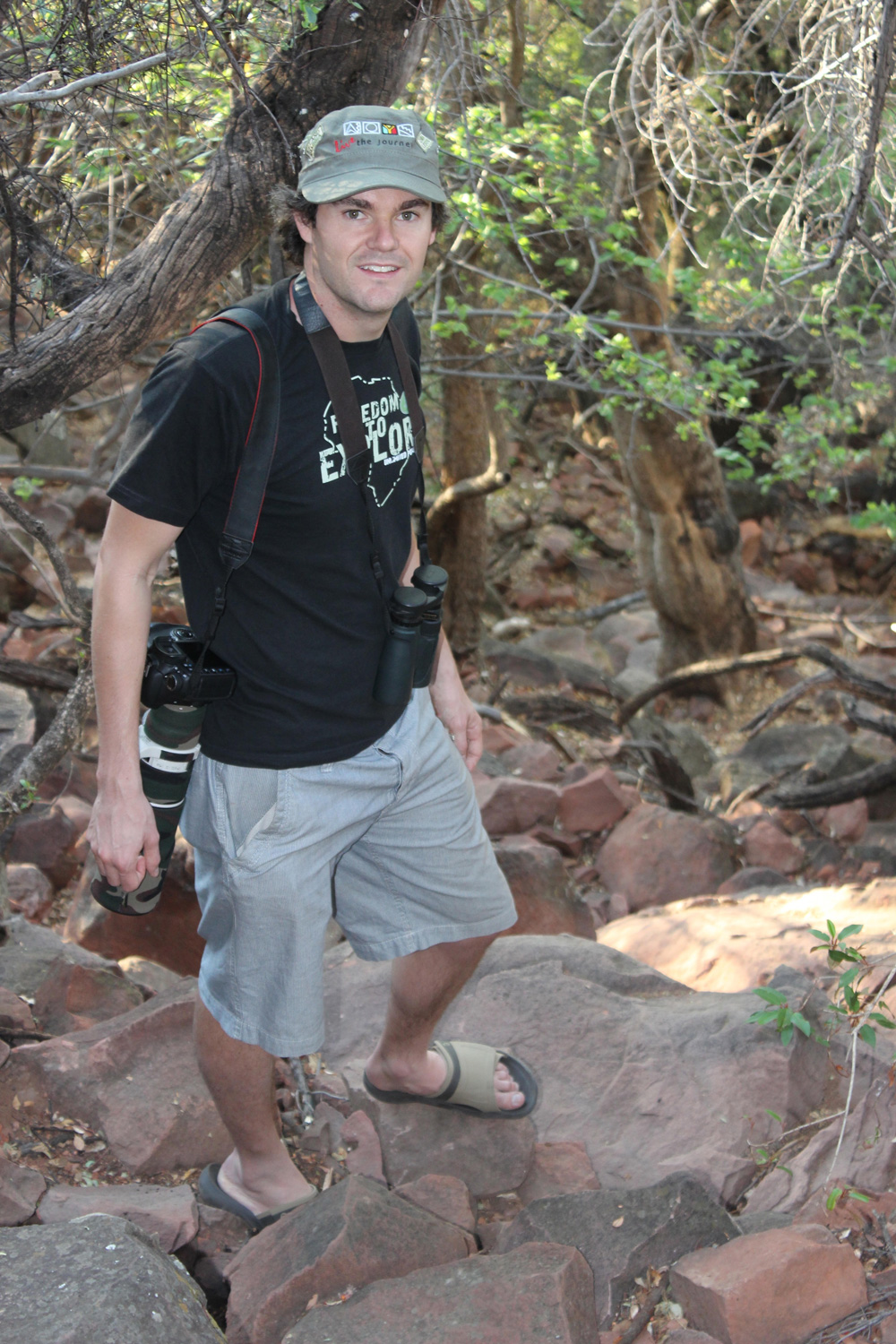 Anton lives in Pretoria, South Africa, and works in his family’s property development and investment business. He and his wife, Renate, both have a passion for wildlife, with a particular interest in birds.
To comment on this story: Login (or sign up) to our app here - it's a troll-free safe place 🙂.