



Our weekly conservation newsletter

Lions vs hyenas + What is nature really worth?
This is a copy of our weekly email newsletter. Subscribe here to receive the newsletter and more inspiration for your African safari.
From our CEO – Simon Espley
SHOULD NATURE HAVE A QUANTIFIABLE VALUE?
I wonder whether giant mining companies like De Beers and Anglo American, and petroleum behemoths like Shell and BP, would have been quite so profitable and valuable if they had accurately accounted for the true cost of their operations. You know, like paying a fair price for the immense damage caused to water sources, air quality, entire ecosystems, biodiversity and local people’s well-being.
The same goes for other extraction industries like hardwood logging, industrial fishing and trophy hunting. Some pay comparatively tiny levies to the authorities, but do they REALLY account for the true cost of extraction?
Rampant, unfettered capitalism has a peculiar way of valuing an indigenous hardwood tree: its worth becomes apparent only when it is cut down. Go ahead, cut them down. It’s not like they do anything important while alive, like produce the oxygen we need to survive.
And what about African governments that allow too many tourists into national parks during peak tourism seasons, negatively impacting ecosystems and wildlife? Does that short-termism underestimate – and ultimately undermine – the true value of what nature provides?
Any honest, transparent accounting system would require us to agree on how to value Earth’s services. As humankind’s expansion model eats away at wild areas, expect this topic to become mainstream, with the usual opposition from denialists and those who believe that to plunder is a human right. And expect countless financial models and products that promise the Earth but somehow fail to deliver where it matters: on the ground.
That said, I am hopeful that rising awareness and pressure on decision-makers will help us better recognise, value and protect Mother Nature’s ecosystem services.
There is a really thought-provoking YouTube documentary, “How to Live on Earth”, presented by Benedict Cumberbatch, that touches on this topic.
Personally, I am sick and tired of hearing that wildlife and ecosystems need to pay their way to justify simply being there. A forest does not owe us a dividend. An elephant does not need to generate revenue to earn the right to exist.
And yet here lies the uncomfortable contradiction: if we don’t find ways to recognise and defend the TRUE value of African nature, much of it will be converted into cattle ranches, entertainment parks, mines, plantations and parking lots – as has happened across so much of the Western world.
So yes, perhaps we do need to put a value on nature.
Just don’t make the mistake of believing that its value is only what someone is prepared to pay for it.
Keep the passion.

Simon Espley – CEO, Africa Geographic
Watch Simon’s podcast below:
Or, listen to all Simon’s past editorials here
From our Editor – Taryn van Jaarsveld
What does an elephant do when it’s feeling under the weather? It takes a trip to the bush pharmacy. New research from Kenya’s Mount Elgon suggests elephants may deliberately seek out medicinal plants when they are unwell – and mothers may even provide certain plants to their calves. Drawing on first-hand observations from Sabaot community experts, researchers identified eight plants linked to apparent therapeutic behaviour, including plants reportedly used for digestion and by visibly sick elephants. The researchers stress that self-medication is not yet proven, but the possibility that elephants know their local medicine cabinet is fascinating.
Also this week, we look at how lions keep hyenas on the move across Botswana and Namibia, and tackle a classic safari-planning question: Kruger National Park or a private reserve – which experience is right for you?

Did you know?
 We donate a portion of the revenue from every safari sold to carefully selected conservation projects that make a significant difference at ground level. YOUR safari choice does make a difference – thank you!
Our stories this week
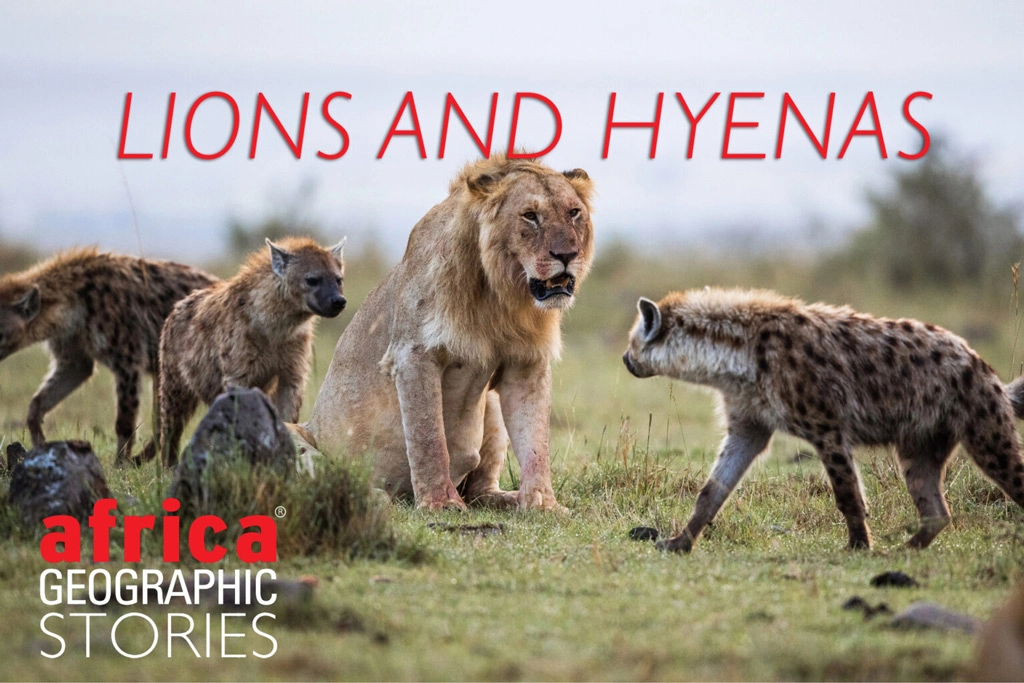
HYENAS AND LIONS
GPS tracking in Etosha and Chobe–Linyanti reveals how hyenas adjust movements around lions, showing how competing predators coexist
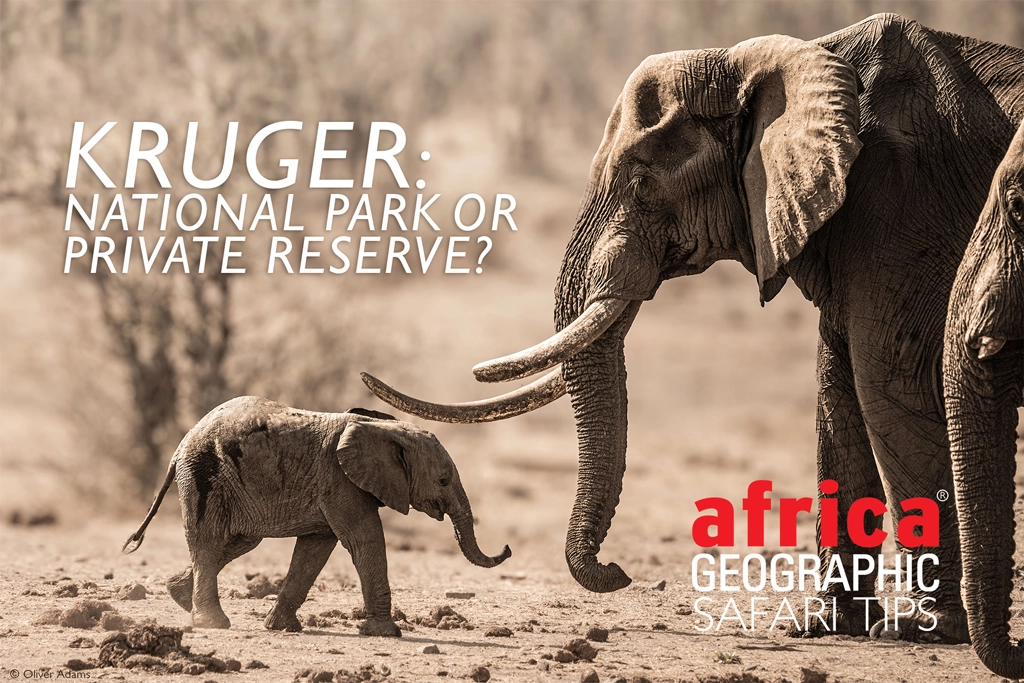
NATIONAL PARK OR PRIVATE RESERVE?
Kruger National Park or a private reserve? Compare wildlife viewing, activities, costs and lodge standards
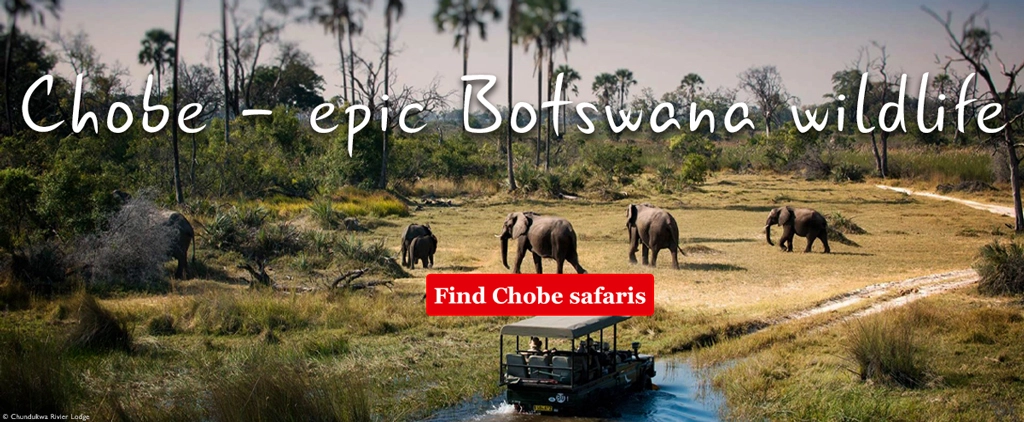
Travel Desk – 2 African safari ideas
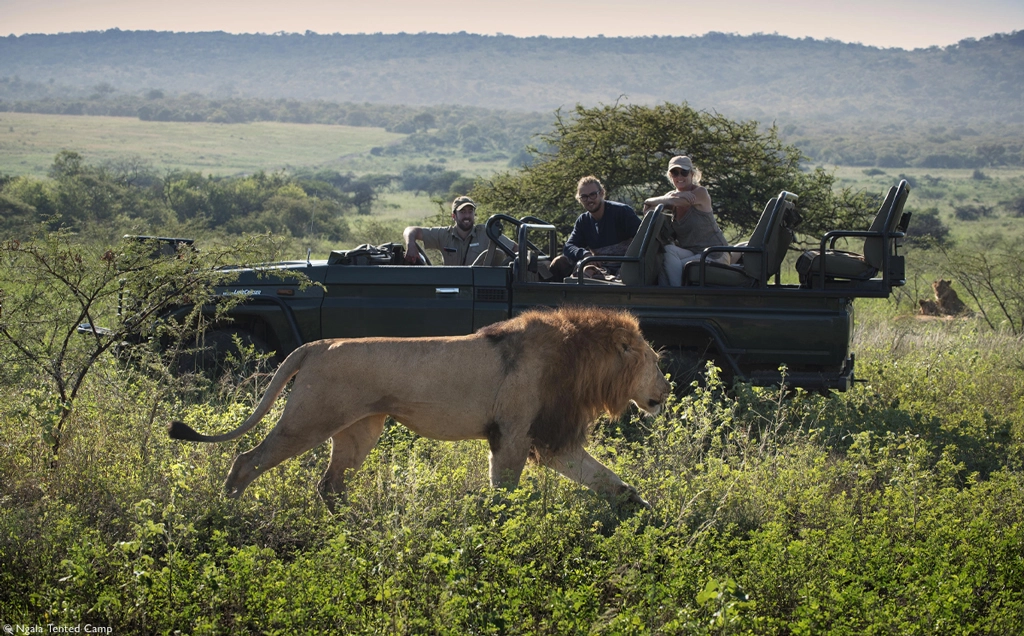
Cape Town | Greater Kruger | Victoria Falls – 11 days
Expect to be romanced and awed by three prime Southern African destinations and effortless luxury. This exquisitely crafted 11-day luxury journey combines the vibrant culture and scenic beauty of Cape Town and its renowned Winelands, with the unparalleled Big Five safari experience of the Greater Kruger and the iconic Victoria Falls – The Smoke That Thunders.
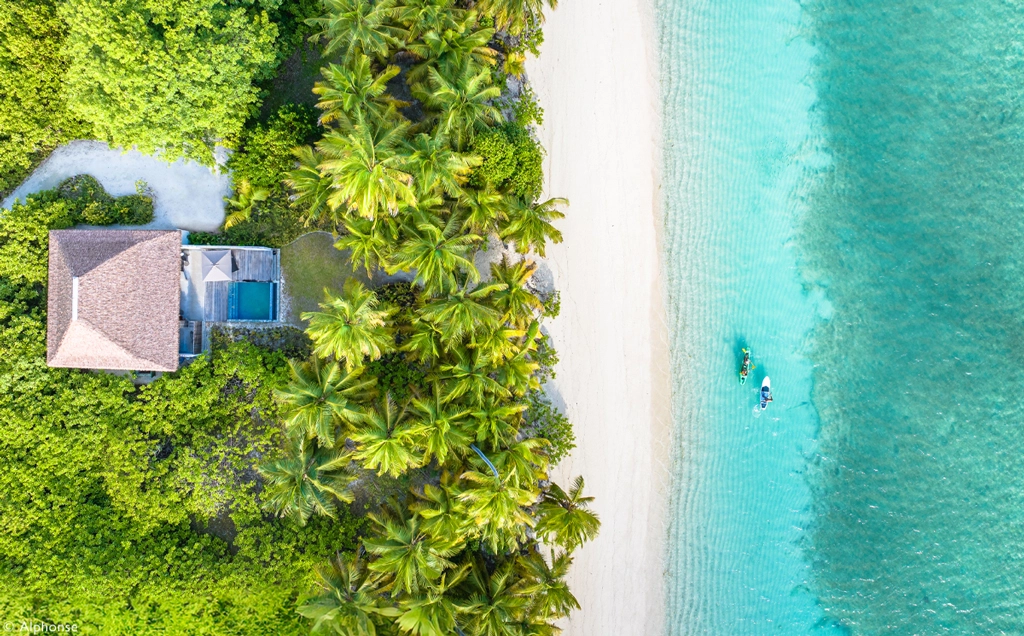
Serengeti calving season & Seychelles – 12 days
An exclusive Bush and Beach journey for discerning travellers. Experience the drama of the Serengeti’s calving season before escaping to a remote Seychelles island for barefoot relaxation. From East Africa’s iconic wildlife theatre to the tranquil Indian Ocean, enjoy exclusive accommodation, superb service and seamless connections between bush and beach.
Still dreaming of the ultimate African safari escape? Browse our safari ideas here. Or click here to plan your safari.
OUR SAFARI GUESTS SAY…
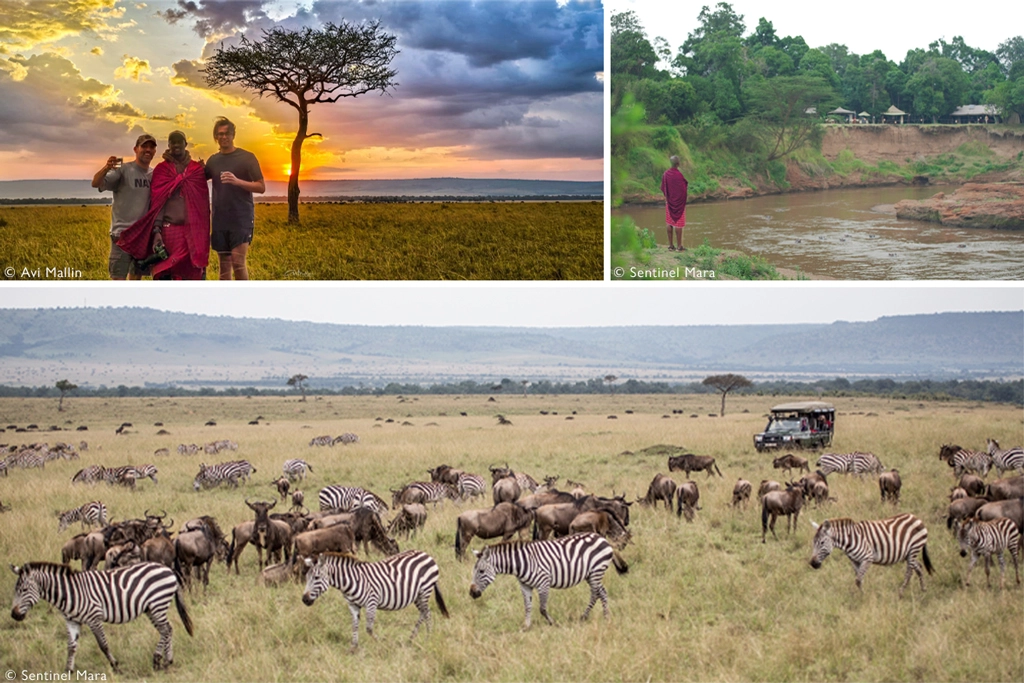
AG safari guest Avi from the USA joined his nephew Maxwell in Kenya for their first-ever safari to the Maasai Mara.
“My first experience planning a safari from overseas, and a sceptic by nature, and here I am a week back from one of the best trips of my entire life! It was seamless and perfect from start to finish with no stress… Christian is serious about setting up a perfect trip within your budget. Will use again for the next trip! 👍👍”
Going on safari for the first time? Browse our safari ideas here to start planning.
WATCH
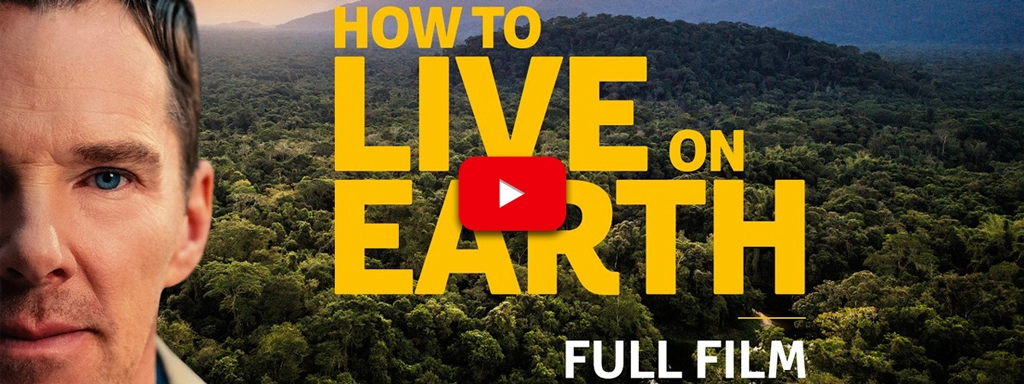
What if some of the solutions to our biggest challenges already exist in nature? Presented by Benedict Cumberbatch, How to Live on Earth explores what becomes possible when we work with nature rather than against it – offering an optimistic look at a future where both people and the planet can thrive. (01h36) Click here to watch
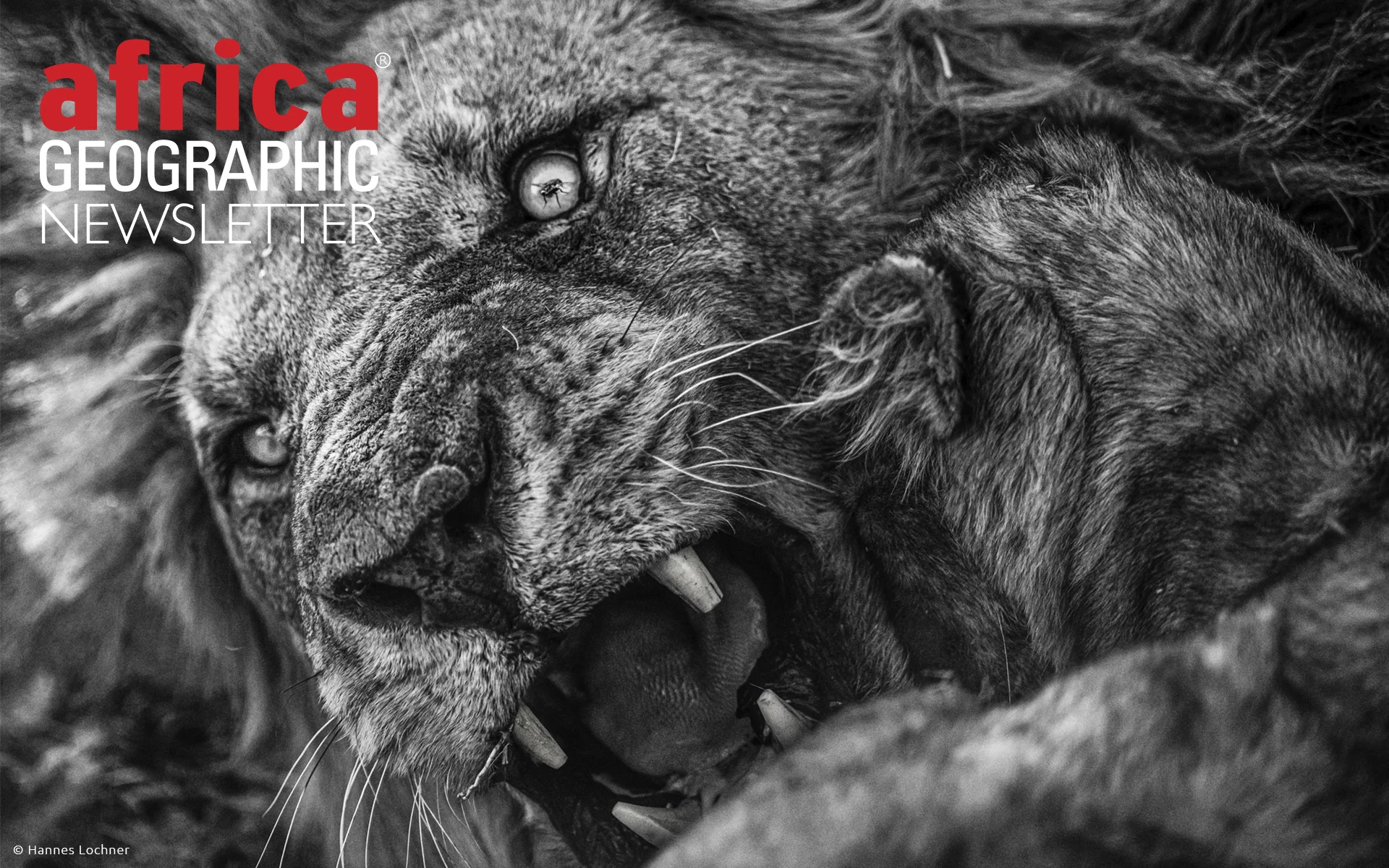
Cover image: ‘Fly in the eye’. A lion cub tries to nudge dad, but the male is grumpy. At the click of the shutter, a fly passes through the focus point and the pupil of the eye. The blunt teeth indicate an old male – but clearly, one still to be feared. Cubs always tread lightly around the males, wary of a swipe. Chobe National Park, Botswana. © Hannes Lochner
Photographer of the Year 2021 winner
To comment on this story: Login (or sign up) to our app here - it's a troll-free safe place 🙂.