



Into the wilds of the Congo Basin to Capitale Baï

- On safari with Africa Geographic, David and Robin venture deep into Odzala-Kokoua to reach the seldom-visited Capitale Baï, one of the park’s most remote wildlife clearings.
- Low river levels turn the journey into a true expedition, navigating wild forest waterways far beyond the usual safari routes.
- An unexpected night in the rainforest adds another layer of adventure to the journey into Odzala-Kokoua’s remote interior.
- At dawn, mist lifts over Capitale Baï as green pigeons, raptors and forest buffaloes bring the clearing to life.
- Extraordinary birdlife, elusive forest wildlife and the thrill of reaching somewhere few travellers experience make Capitale Baï an unforgettable safari adventure.
 Want to experience Odzala-Kokoua National Park in Congo-Brazzaville yourself? We have ready-made safaris to Odzala-Kokoua to choose from, or we’ll help you plan your dream safari.
Deep in the rainforests of Congo-Brazzaville, David Reid and Robin Mellecker set out on an Africa Geographic safari to reach a legendary forest clearing that few people have visited. Getting there would involve a boat, a long and exhilarating trek and a night spent off-trail in the forest.
Robin and I were done.
One of my rubber boots was stuck deep in the mud, and the other was full of water. Robin had just slipped and dropped her camera. We had been trekking hard for more than two hours through the dense forest of Odzala-Kokoua National Park. We were drenched in sweat, it was dark, and we had lost a clear path in the forest growth.
We were searching for Capitale Baï, a legendary mineral-rich forest clearing that attracts an impressive array of wildlife. Our guides, Plaisance and Vlad, forged ahead, following elephant tracks through the mud into a small stream. The water deepened quickly, and when it reached Vlad’s waist, I lost my cool.
As Robin remembers it, one oversized rubber boot had remained behind when I took a step. I was standing with one foot in a boot full of water and the other deep in the mud, clutching the boot I had just retrieved and swearing profusely.
“I am done!”
It was not my finest hour.
I insisted that we retreat to higher ground, camp in the forest and continue to the baï in the morning.
Odzala-Kokoua: the lure of somewhere wild
Robin and I had first visited Odzala-Kokoua National Park in Congo-Brazzaville with Africa Geographic in 2025, in our quest for new and off-the-beaten-track wildlife destinations.
We had lived in Hong Kong for more than 30 years and travelled extensively through remote corners of East Asia. With our shared passion for nature, those journeys increasingly revolved around wildlife and photography. We were fortunate to experience several well-known wildlife destinations during the earlier stages of their tourism development, when there were fewer visitors. As those hotspots became busier, we found ourselves seeking increasingly remote and wilder places.
Our photography has evolved in the same direction. We are increasingly drawn to images in which the habitat is as important as the animal itself, and finding those scenes often requires getting off the beaten track.
Odzala-Kokoua was irresistible.
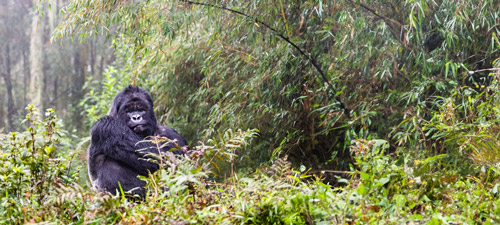
On that first visit, we were entranced by the immersive rainforest experience at Camp Imbalanga. The wildlife encounters were a revelation: wild gorillas at Imbalanga Baï, elephants and bongos at Moba Pool, and an extraordinary diversity of birds and monkeys along the Mambili River.
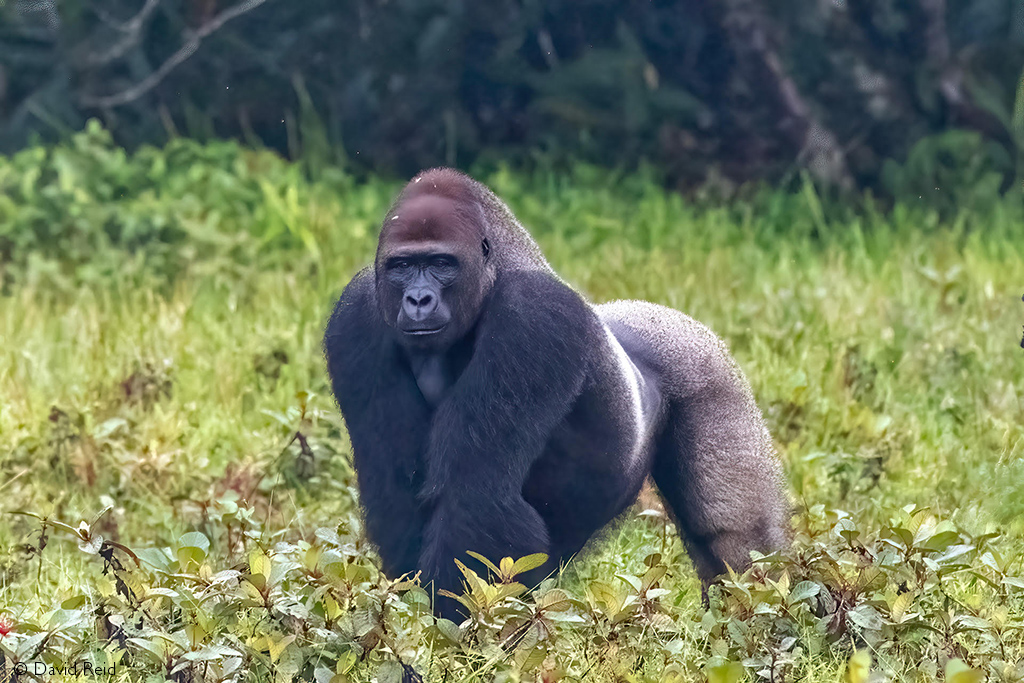
During our stay, Plaisance, our wonderful guide, talked excitedly about a huge baï upriver where many of Odzala-Kokoua’s star animals could be seen. He described Capitale Baï in almost mythical terms, conjuring images of Arthur Conan Doyle’s The Lost World.
Although less than 10km away as the crow flies, Plaisance made it clear that reaching Capitale Baï would be challenging. It required a long river journey and, at the time of our first visit, nobody had been there for years.
The prospect stuck with us. We were looking for something genuinely remote and little explored – the kind of adventure few other travellers had experienced.
Thankfully, Stefan Winterboer of Africa Geographic shared our sense of adventure, and had visited Odzala-Kokoua himself. Working with the guides at Camp Imbalanga, he helped put together a five-day expedition.
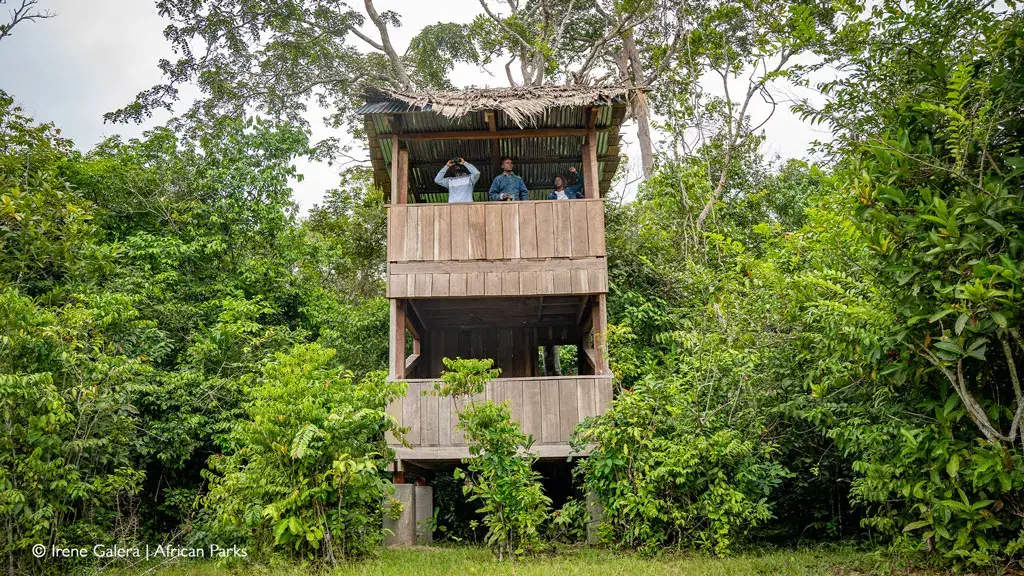
The plan sounded simpler than I had expected: a long boat journey up the Mambili and Kokoua rivers, followed by a relatively short but tricky navigation along a small tributary leading directly to a mirador – a raised wildlife-viewing platform – in the middle of the baï, where we would camp. But it did not quite work out that way. What lay ahead was a far greater adventure.
An ominous start
The rivers of Odzala-Kokoua carry an impressive burden of forest debris, with heavy annual rainfall and erosion continually feeding branches and fallen trees into the waterways.
A week before we arrived, three members of the Camp Imbalanga team had travelled upriver with chainsaws and machetes to clear a navigable channel for us. They had successfully reached the baï and were confident everything was ready.
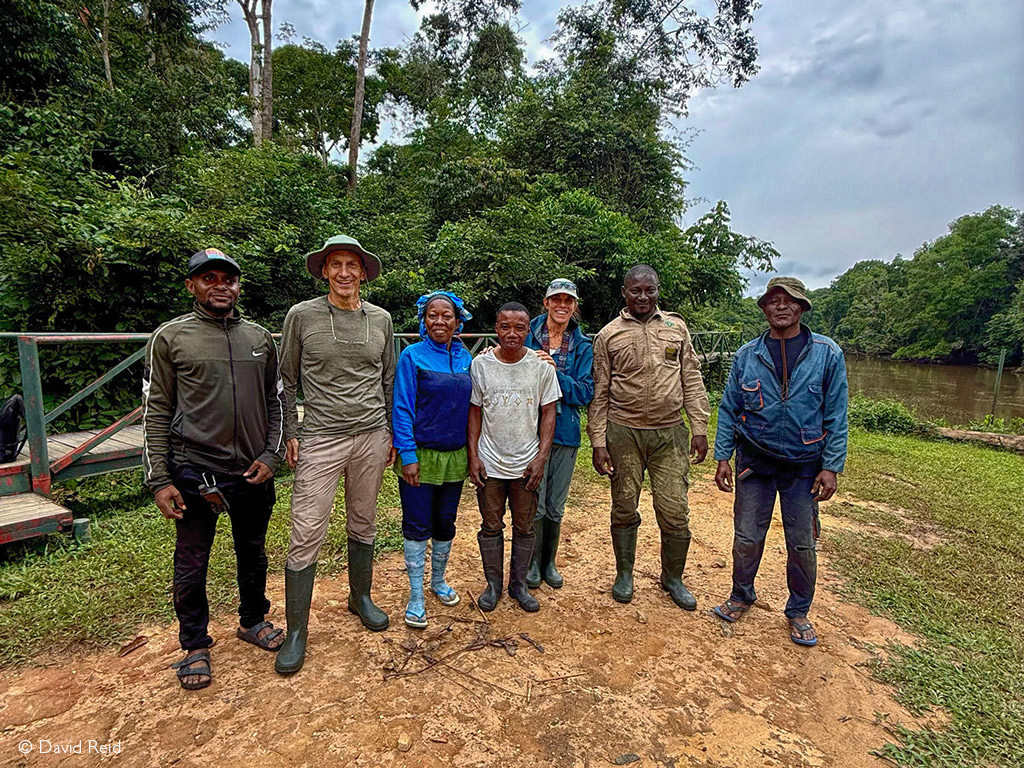
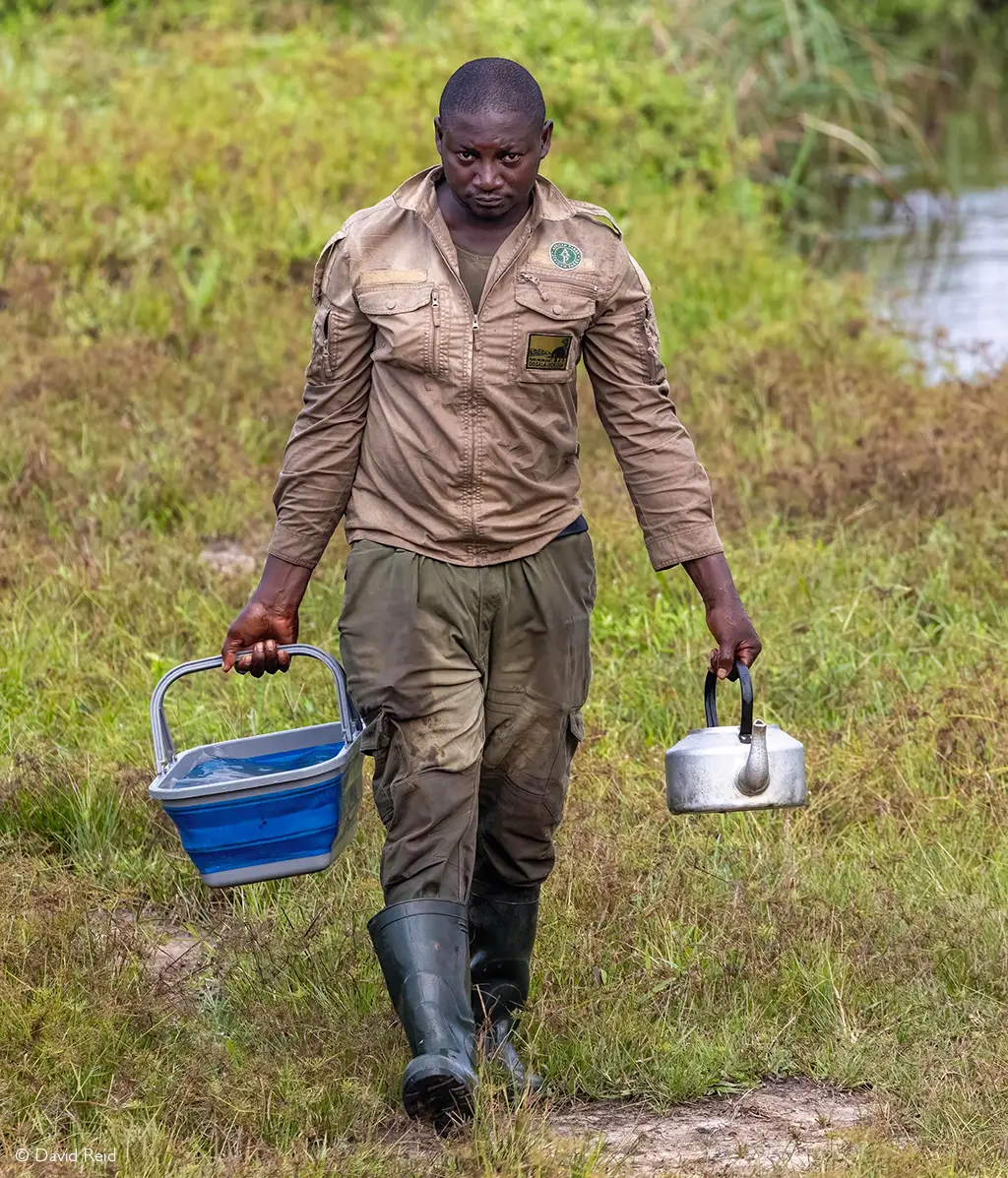
Our expedition team consisted of Robin and me; our guides, Plaisance and Vlad; Freddy, an apprentice guide; Brunelle, the cook; and Dodo, an experienced, chain-smoking old boatman.
We had a lot of gear: ten large fuel containers, a spare engine, two large oars, two chainsaws, camping equipment for seven people, cooking gear, food, water and all of our personal belongings. The metal boat sat heavily in the water.
What the team had not foreseen was an unusually dry spell between the route-clearing trip and our expedition. It rains regularly in Congo-Brazzaville, even during the dry season, but the water levels had dropped.
Our plan was to spend the first night at an established campsite on the Lokoué River, a tributary of the Mambili, to shorten the following day’s journey. But the Lokoué was much shallower than expected. Again and again, Plaisance and Vlad had to pole the boat forward or climb out and pull. A journey that would normally take about two hours took four.
It was an ominous sign.
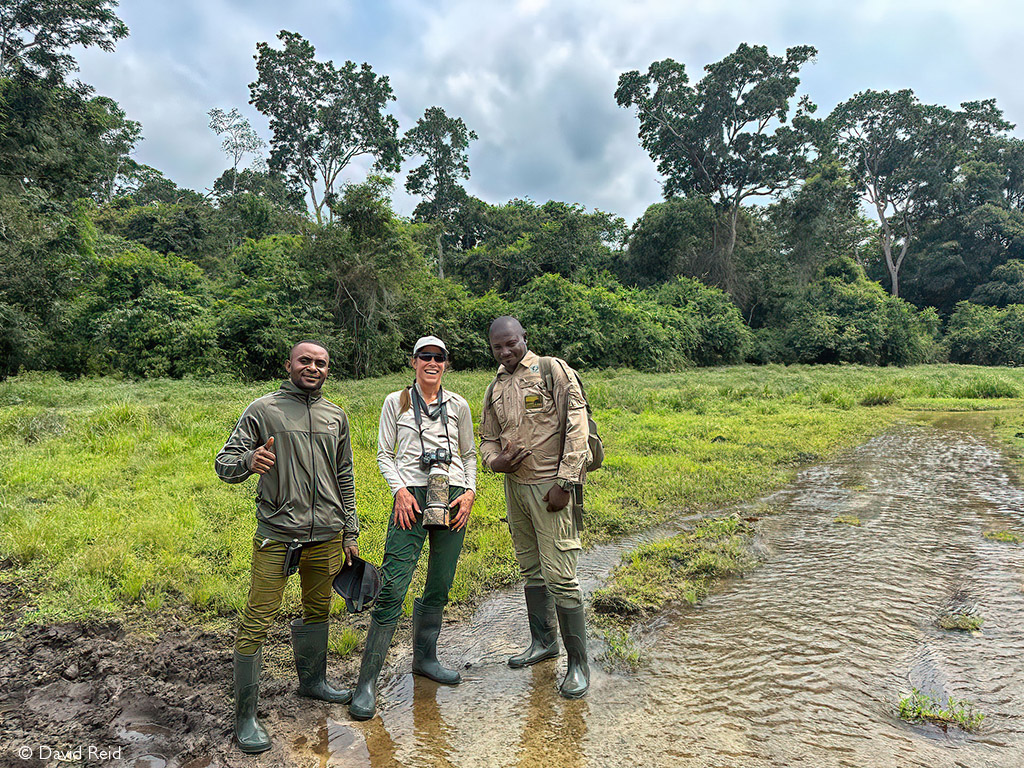
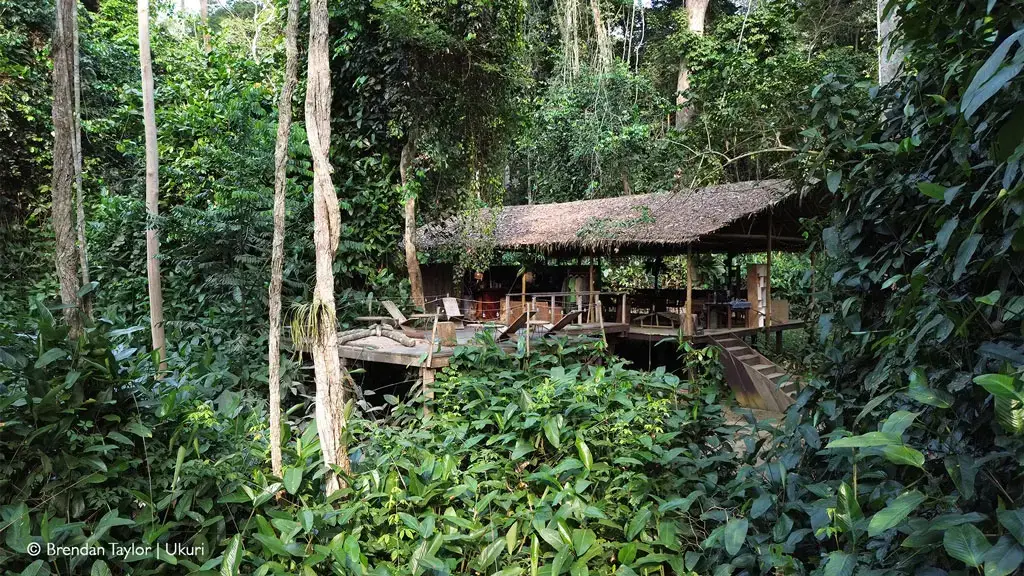
The campsite consisted of three basic wooden structures with raised floors and roofs. Vlad put us in the “deluxe” one, fitted with mesh to keep mosquitoes out.
The night was hot and humid. Our tent would have been an oven, so we decided to sleep on the platform floor instead. Our “jungle-rated” sleeping bags were far too warm, and we ended up lying on sleeping mats with sarongs for covers.
About an hour after we went to bed, Robin discovered a mouse burrowing into her rucksack, forcing us to get up and move all our gear into the tent. At midnight, I woke to the sound of something moving nearby. Looking up, I saw a large, dark shape against the mesh beside Robin. She sensed it too and sat up abruptly.
The mystery beast was startled. It let out a deafening screech before tearing off, screaming into the jungle.
Shortly afterwards, drizzle began to fall, raising the humidity without providing any noticeable cooling. After a sweaty night with very little sleep, we were delighted to see morning.
Upriver in Odzala-Kokoua
Despite the rain, there was no meaningful improvement in the river level.
Once back on the Mambili, Dodo was masterful at manoeuvring the boat at speed through the minefield of debris, instinctively slowing and lifting the engine to protect the propeller when he sensed we might hit submerged tree trunks. When it was clear the passage was impossible, we stopped, and Plaisance and Vlad hacked away at obstructing branches. On several occasions, Plaisance fired up a chainsaw to cut through larger trunks.
It was arduous progress, but the team worked brilliantly together. Despite the frequent stops, low-hanging branches and incessant tsetse flies, the journey was surprisingly enjoyable.
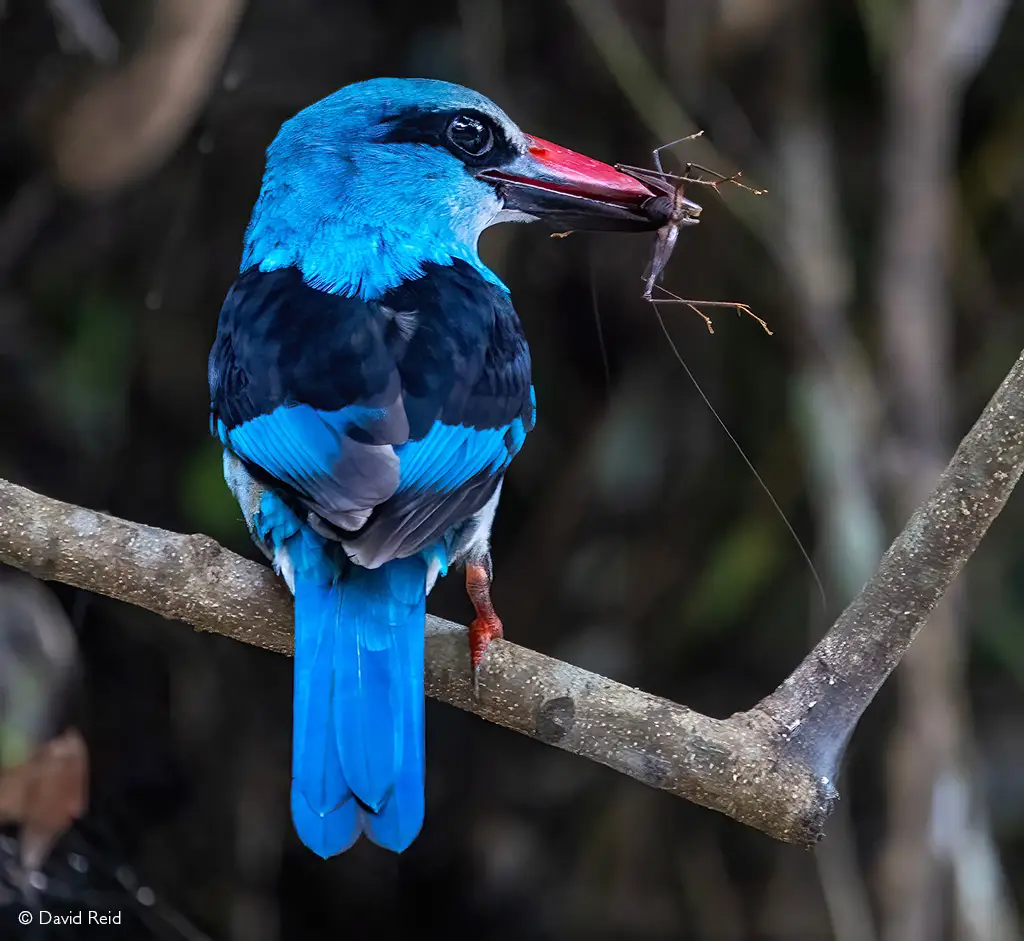
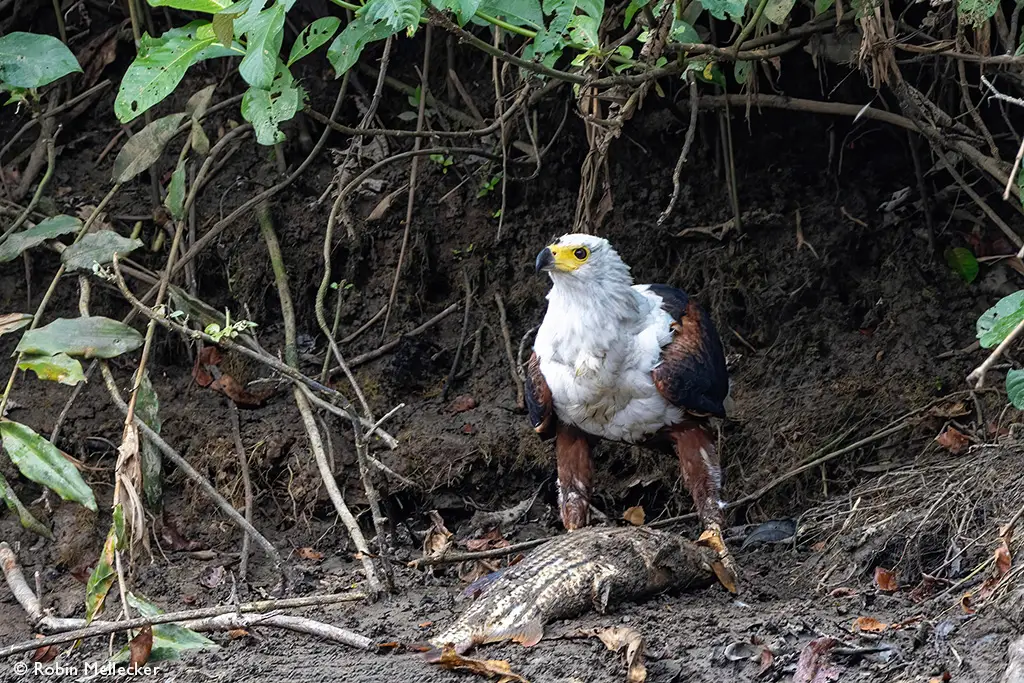
The unspoilt riverine scenery was stunning, and wildlife was abundant. We saw elephants, duikers, five species of monkey, kingfishers, palm-nut vultures, African fish eagles, Goliath herons, several Pel’s fishing owls and even an elusive Congo clawless otter.
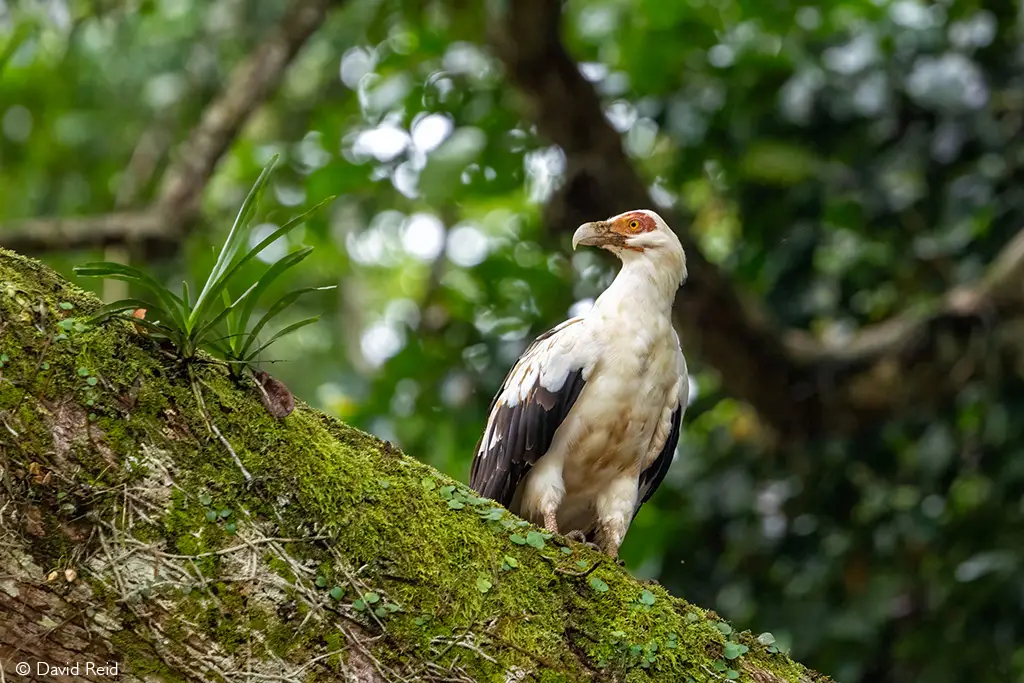
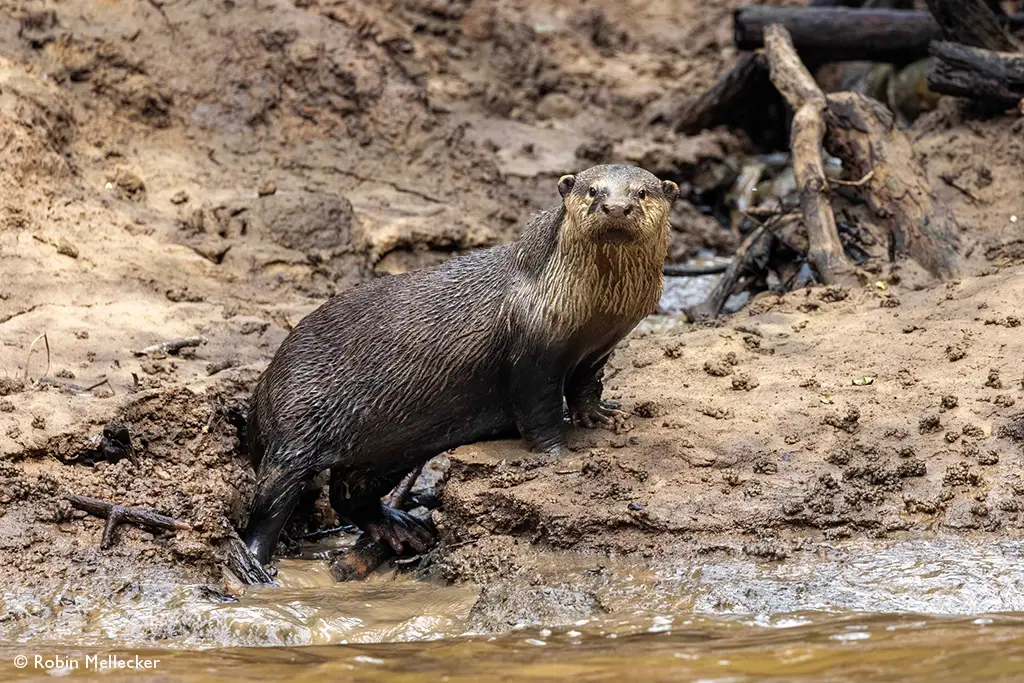
The otter was one of Robin’s favourite encounters of the entire expedition. The sighting was completely unexpected. It was enormous compared with the river otters we were accustomed to seeing and seemed almost as curious about us as we were about it.
By 5pm, however, we had only just reached the beginning of the Capitale Baï tributary. Sunset was an hour away.
A couple of kilometres. Or perhaps six.
It was immediately clear that our heavily laden boat would not make it up the tributary.
We would have to continue through the forest on foot. The remaining route could not be more than a couple of kilometres and would hopefully take less than an hour, putting us at the mirador before dark.
But after a confident start along an obvious trail, we were soon navigating a confusing maze of overgrown game paths. As the afternoon disappeared, the pace quickened. Vlad and Plaisance were clearly feeling the pressure to reach the baï before dark. But with the unclear pathways, we grew less confident that we would get there.
Then night enveloped the forest. Eventually, Robin and I stood defeated in the mud, watching Vlad wade into ever-deepening water in the darkness.
The progress had become futile. Hence the stuck boot, the swearing and my declaration that I was done. We retreated to higher ground for the night.
It took some time to find a suitable campsite away from the game trails, but once we had erected the tents, our night in the forest proved surprisingly comfortable. The air was cool, the tents were cosy and we were tired enough to sleep well.
Plaisance, however, refused to give up.
While we were setting up camp, he headed back into the forest alone to continue searching for the baï. We were concerned about him wandering around at night and enormously relieved when, two hours later, we heard him returning.
He had found it.
The following morning, it was a relatively short 45-minute walk from our camp to the baï.
It turned out that the full on-foot trek was considerably longer than we had all expected – close to 6km. That is a rather significant difference, particularly in darkness and while carrying all your gear.
Out of the forest
After a night enclosed by dense rainforest, stepping into the vast open expanse of the baï felt almost surreal.
A blanket of early-morning mist covered the clearing, adding to the sense of mystery. The first glimpse of the mirador was extraordinary as it gradually appeared through the mist at the edge of a small patch of forest.
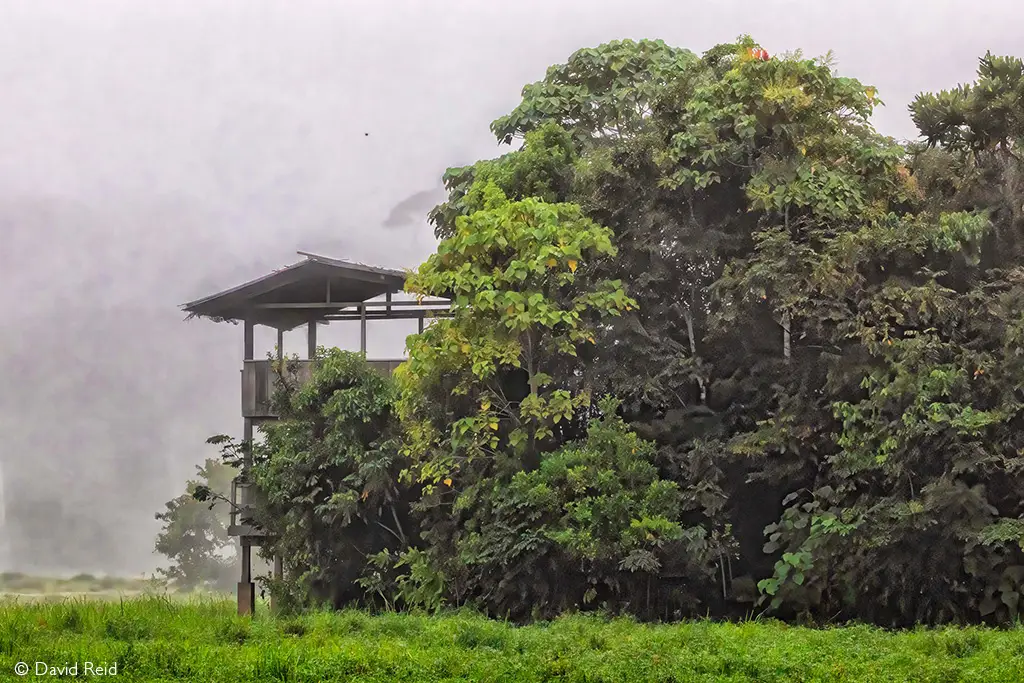
After all the effort it had taken to reach this place, there was a wonderful sense of anticipation as we waited for the mist to lift and reveal the full expanse of Capitale Baï.
For me, that first view remains one of the most memorable scenes of our expedition. We climbed to the second level of the mirador and began settling in.
As the mist cleared, the baï came alive.
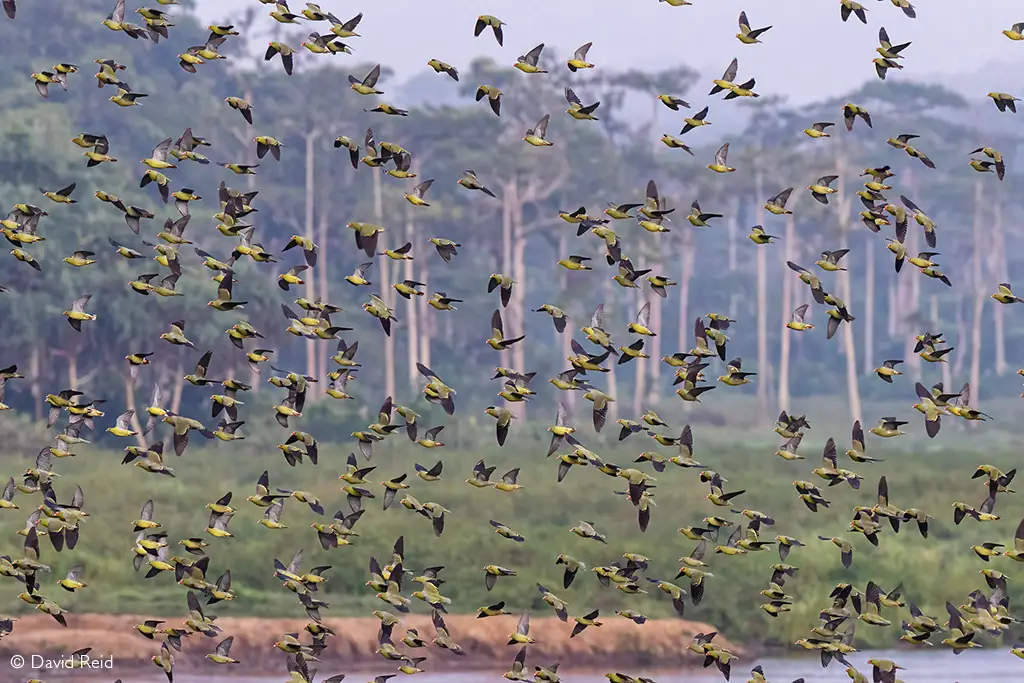
The first arrivals, in what would become a daily rhythm each morning and late afternoon, were thousands of African green pigeons. They flew in formation around the baï, often buzzing the mirador before dropping onto a sandy patch to feed on minerals.
They were easily spooked, and every disturbance produced an explosion of wings. It was mesmerising.
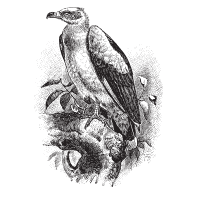
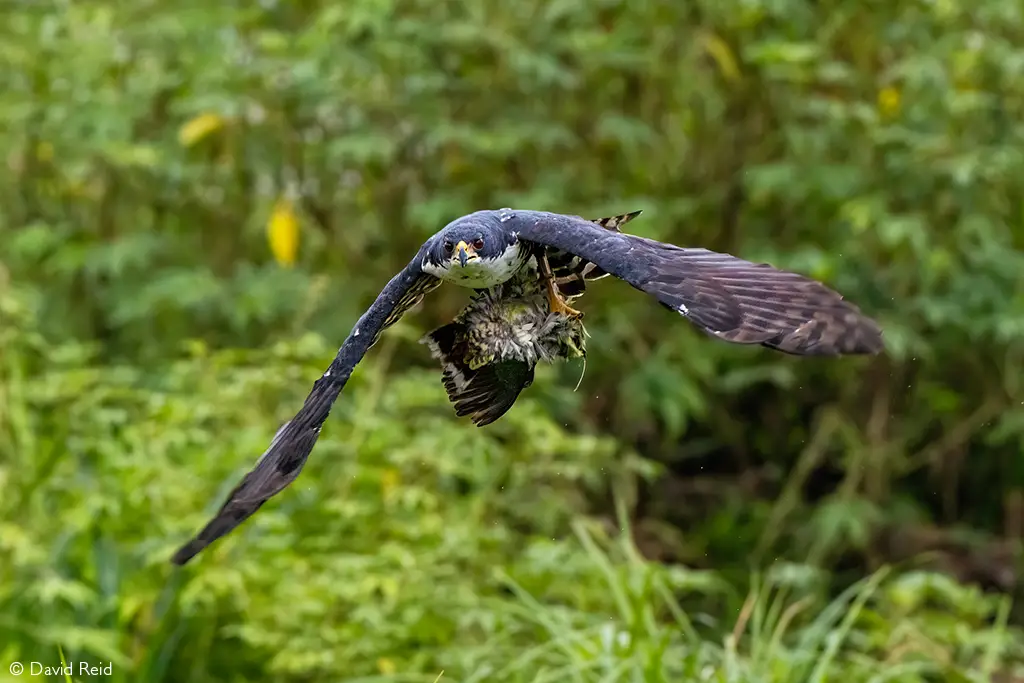
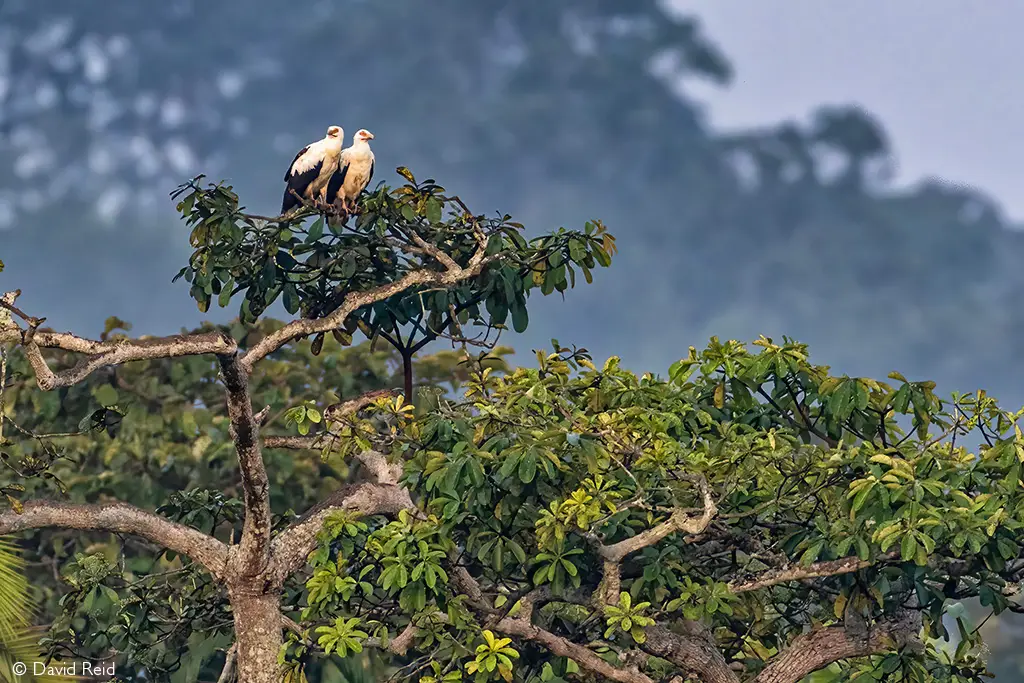
Their arrival also attracted an impressive supporting cast of avian predators, including palm-nut vultures, African fish eagles, ospreys, tawny eagles and a black goshawk. At one point, we watched the goshawk snatch a pigeon from the air.
Waiting for elephants
While the birdlife was extraordinary, the larger mammals proved more elusive.
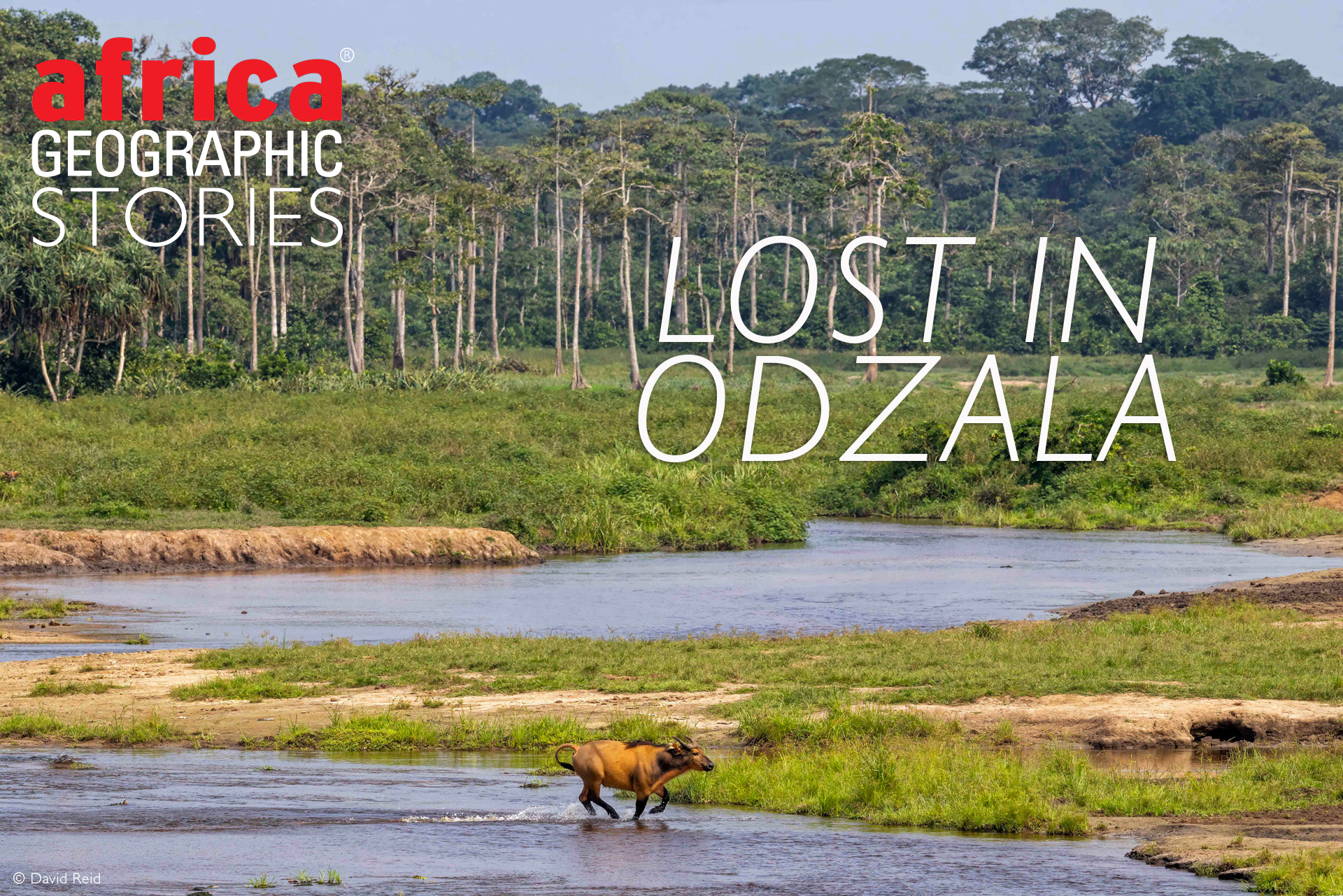
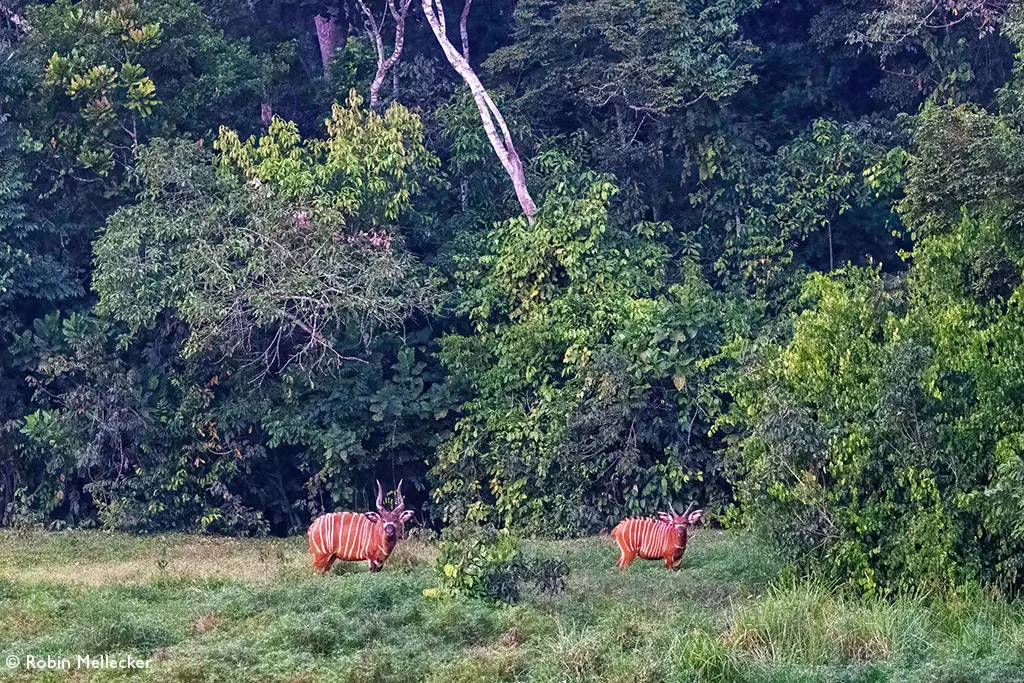
During the day, forest buffaloes and red river hogs appeared near the stream, with monkeys moving through the surrounding trees. But we had to wait until dusk for elephants and bongos to emerge, making photography difficult in the fading light.
At night, we frequently heard splashing from the stream below and occasional hyena calls from the darkness. The wildlife was clearly there, but many of the larger animals appeared cautious.
Plaisance had previously spent time at Capitale Baï with a BBC film crew in 2020 and recalled more frequent encounters with elephants and gorillas. He wondered whether poaching might have affected both the numbers and behaviour of some of the larger animals.
During our trek through the forest, we found an elephant skull with a bullet hole in it, a sobering indication that his concern was not unfounded.
Still, although the big-animal encounters were fewer than we had hoped for, the mirador at Capitale Baï was an idyllic place to spend two days immersed in Odzala-Kokoua. It quickly settled into a wonderfully simple daily ritual.
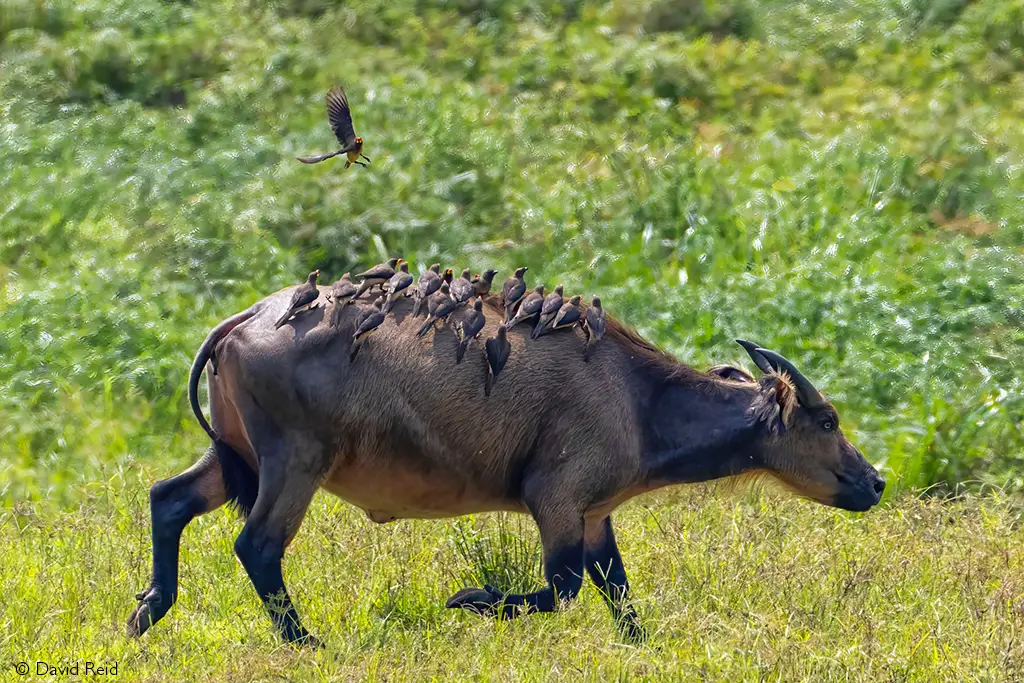
Daily, we woke before sunrise for simple breakfasts and mugs of freshly brewed coffee, watching the mist and waiting for the green pigeons. In the heat of the day, we braved bathing in the baï stream at the same spot where elephants would splash about after dark. Late afternoons were spent watching the sun sink while waiting for elephants and bongos to appear from the forest.
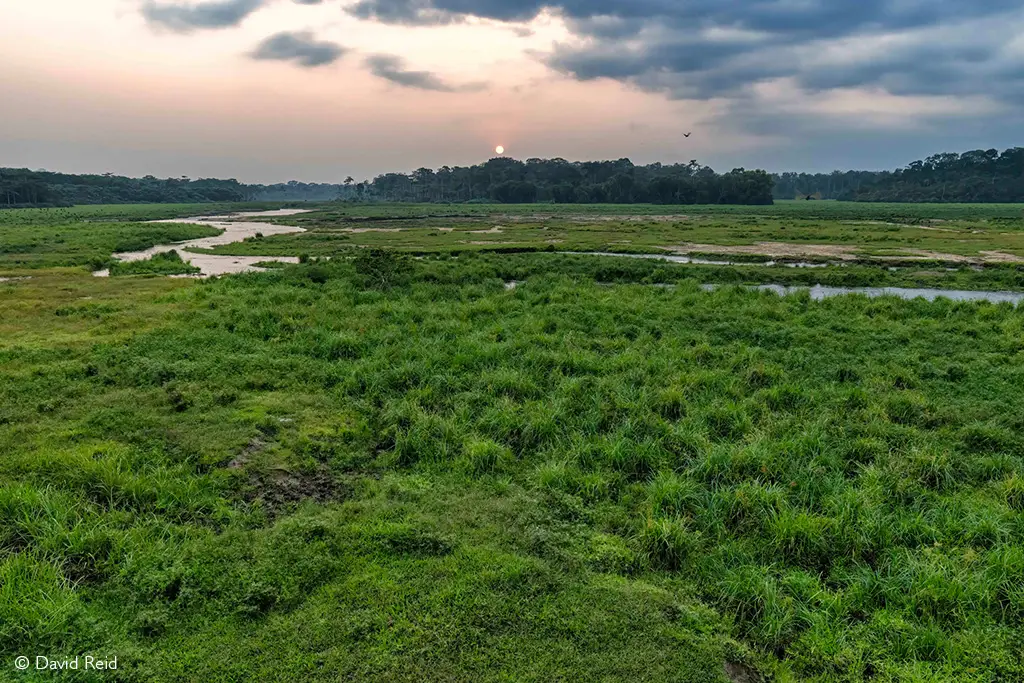
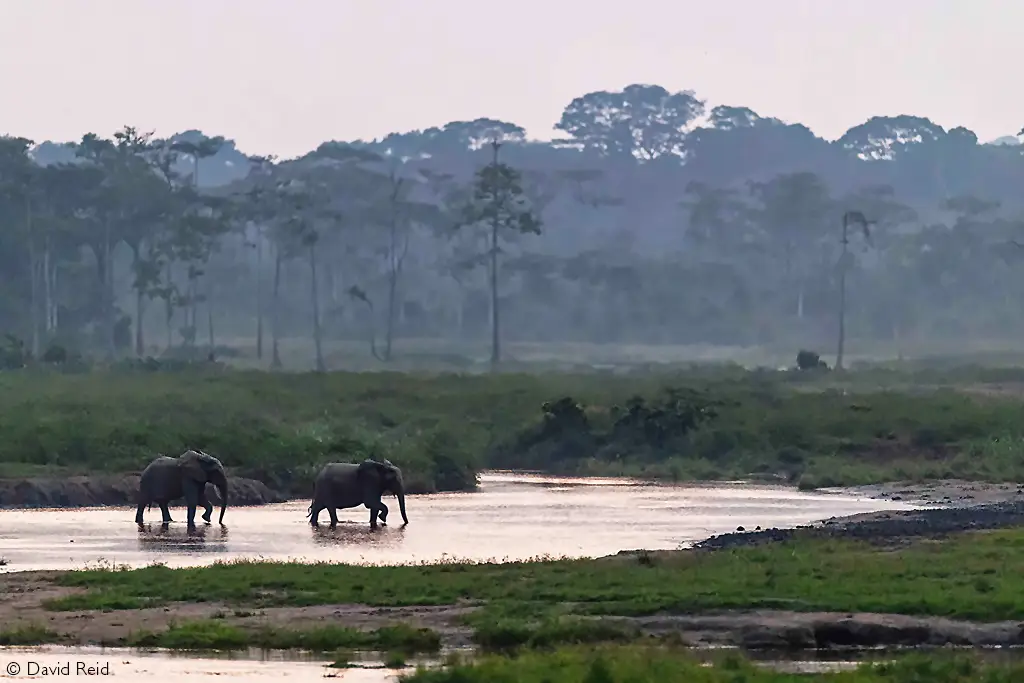
We ate dinner in darkness as fireflies gathered over the baï below, before retreating into our tents to escape the mosquito onslaught.
The baï itself was considerably warmer than the surrounding forest, and the tents were steamy at first. Eventually the nights cooled enough for us to drift off to the sounds of the forest clearing.
The river rises
While we visited the baï , Dodo and Freddy had remained with the boat, camping beside the Kokoua River.
On the morning of our departure, a prolonged rainstorm finally delivered what we had needed several days earlier. The rising water allowed them to navigate the boat up the baï tributary to within sight of the mirador.
We carried our gear through the pouring rain towards the boat just as a bull elephant arrived at the baï to see us off.
Progress through the shallow tributary was initially slow, but once we reached the Kokoua, the higher water level transformed the journey. Dodo could drive at full speed, and with far fewer obstacles, the trip back took less than six hours.
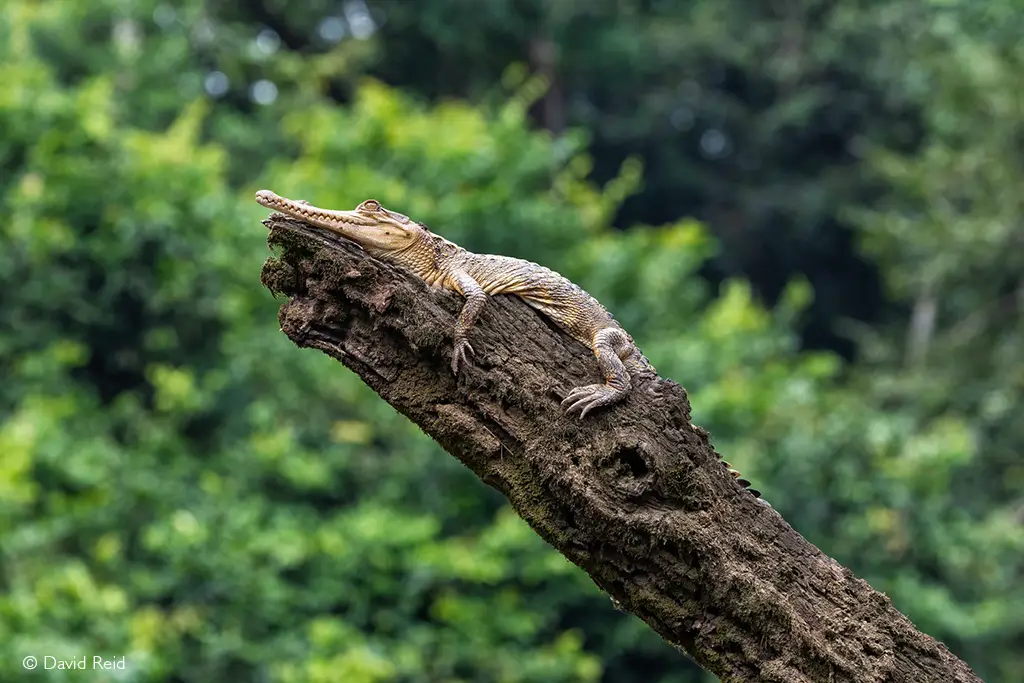
At the boat dock, the sense of achievement among our little expedition team was palpable as we squeezed into the Land Cruiser with all our gear for the journey back to Camp Imbalanga.
They had done an amazing job. Through every setback, the camaraderie had been heartwarming, with the team teasing one another relentlessly. Plaisance and Vlad had a particularly persistent running joke about Freddy. Apparently, whenever Freddy wanted to escape the house back in his village, he would tell his wife that he needed to investigate a report of a leopard nearby.
Plaisance and Vlad considered this brilliant.
For the rest of the expedition, almost any excuse could therefore be explained with: “I have to go and see about a leopard.”
Worth the journey into Odzala-Kokoua
Odzala-Kokoua National Park covers some 13,500km² in the remote northwest of Congo-Brazzaville. Part of the vast Congo Basin – the world’s second-largest tropical rainforest – its mosaic of forests, rivers, swamps and savannas supports extraordinary biodiversity, including western lowland gorillas, forest elephants, bongos, chimpanzees and more than 440 bird species.
Since 2010, African Parks has managed Odzala-Kokoua under a 25-year agreement with the Congolese government. The Forest Massif of Odzala-Kokoua was inscribed as a UNESCO World Heritage Site in 2023.
For adventurous nature lovers seeking an authentic rainforest wildlife experience, Odzala-Kokoua is a dream destination. Getting there takes time and effort, but that is also part of its attraction. There are still places here where tourism feels decidedly uncommercialised and nature remains gloriously unpredictable.
Would we undertake the Capitale Baï expedition again? One hundred percent.
There is something special about being part of a small group in a genuinely remote place, particularly one that so few people have visited. The difficult journey adds to the adventure and the sense of isolation. It makes you feel that you have earned the privilege of being there.
It also gives you a renewed appreciation for simple luxuries like a shower and clean, dry clothes.
We felt enormously privileged to experience the beauty and isolation of Capitale Baï. It is a magical place, with the constant sense that almost anything might emerge from the forest.
With continued protection and further visits, we hope Capitale Baï will reveal more of its potential as one of Odzala-Kokoua’s remarkable wildlife hotspots.
And next time, perhaps, we’ll know exactly how far the walk is.
ODZALA-KOKOUA RESOURCES
- Read all there is to know about Odzala-Kokoua here
- You, too, can enjoy this epic safari to find lowland gorillas, forest elephants, bongos and much more. Find out more and book your Odzala-Kokoua safari.
- A sojourn in Odzala-Kokoua NP brings Simon Espley face to face with a paradise of forest elephants, western lowland gorillas & forest baïs. Read about Simon’s Odzala journey here
- Stefan Winterboer reports back on his Africa Geographic safari into Odzala-Kokoua, where gorillas, forest elephants & forest baïs make for a jungle adventure – Photographer of the Year 2025’s winners’ trip
WATCH – about Odzala-Kokoua:
Camp Imbalanga:
Camp Imbalanga is a fully catered tented lodge featuring six ensuite canvas chalets for 12 guests. Nestled under the shady canopy of enormous trees, the ensuite guest chalets – discreetly positioned for privacy – are a short walk along forest paths from the central area. Each is on a raised wooden deck and shelters under a palm frond roof. The central area, also on a raised wooden deck, features an airy dining room, lounge, kitchen area, small shop and firepit. The unfenced forest camp is three minutes along a walkway from Imbalanga Baï, one of many baïs in Odzala-Kokoua National Park, where guests can view secretive wildlife species such as western lowland gorillas and forest elephants. There are no rim-flow pools, air conditioning, or Wi-Fi. Camp Imbalanga is for those seeking a truly immersive experience powered by local people.
WATCH – about Camp Imbalanga:
About David Reid
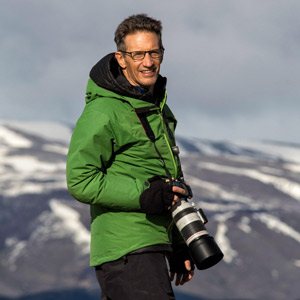 David Reid and his wife, Robin Mellecker, are amateur wildlife photographers based in Arizona. David was born and raised in East Asia, educated in Scotland and then lived and worked in Hong Kong for more than 30 years.
Growing up with a passion for adventure travel, David’s journey into wildlife photography began underwater on dive trips throughout Asia-Pacific. However, it was a trip to Maasai Mara in 1996 that hooked him. Since then, David and Robin have travelled extensively in Africa and beyond to experience wildlife in its native habitat.
To comment on this story: Login (or sign up) to our app here - it's a troll-free safe place 🙂.