


Our weekly conservation newsletter


A week of tusker deaths
This is a copy of our weekly email newsletter. Subscribe here to receive the newsletter and more inspiration for your African safari.
From our CEO – Simon Espley
Misinformation about elephant tuskers
Super tuskers have been in the news a lot recently. Last week we reported on the trophy hunting of a 110-pounder in Botswana, and this week saw the natural death of One Ton (see our video at the end of this mail), the cherished giant bull that roamed Kenya’s Chyulu Hills.
A point of clarification: a tusker (or super tusker) is generally defined as an elephant with at least one tusk weighing 100 pounds (45.4kg) or more. In East Africa, where elephants tend to have smaller bodies and often carry longer, more slender tusks than their southern African counterparts, the ivory can appear disproportionately large and may even touch the ground.
One respected Kruger National Park section ranger, in response to my Facebook post about the Botswana bull, suggested that the bull was “only 17lbs (8kg) more than the average for a 50-year-old Kruger elephant” and therefore hardly worth reporting, citing research by Whyte and Hall-Martin. However, the study he quotes from the 1900s does not report an average tusk weight for 50-year-old Kruger bulls. It is a statistical growth model based on the heaviest tusks of 709 culled male elephants, and the authors themselves note considerable variation between elephants. Presenting 93 pounds as the average tusk weight of 50-year-old Kruger elephants lends the study a level of precision and certainty that the authors themselves do not claim. This distinction isn’t just academic. By making 93lbs sound like a normal, expected tusk weight, the comparison makes a genuinely rare individual sound unremarkable. That framing quietly normalises the loss of exceptional genetics to trophy hunting.
It is important that discussions about elephant conservation are grounded in what the science actually says, rather than in simplified interpretations of complex research.
My thanks to everyone who emailed me about the trophy-hunted Botswana tusker. Several readers asked whether they should boycott Botswana and other countries that still permit trophy hunting. My answer, which I explain in a video recorded during my bush walk over the weekend, is that we should do the opposite. By supporting responsible photographic tourism in these countries, we strengthen the economic alternative to trophy hunting and help shift the balance towards a future in which living elephants are worth more than dead ones. We are standing by for your safari enquiry.

Simon Espley – CEO, Africa Geographic

Click below to listen to this editorial
Or, listen to all Simon’s past editorials here
From our Editor – Taryn van Jaarsveld

Conservation success stories rarely emerge from conflict zones. Yet a new study by researchers from Panthera and partners has found encouraging signs for one of Africa’s rarest big cats. The good news is that camera-trap surveys in Benin’s Pendjari National Park (which is managed by African Parks) have revealed that the density of critically endangered West African leopards increased between 2017 and 2023, despite the region facing intense pressure from armed groups, habitat loss and poaching. Fewer than 354 of these leopards are thought to remain across West Africa, making the increase significant. For one of Africa’s rarest leopards, even a small recovery is worth celebrating.
This week, we compare Africa’s most romantic honeymoon safari destinations, from the Serengeti and Okavango Delta to the beaches of the Indian Ocean. We also explore Kenya’s remarkable Laikipia Plateau, where pioneering conservancies, black leopards and exceptional wildlife have made it one of Africa’s finest safari destinations.


Our stories this week
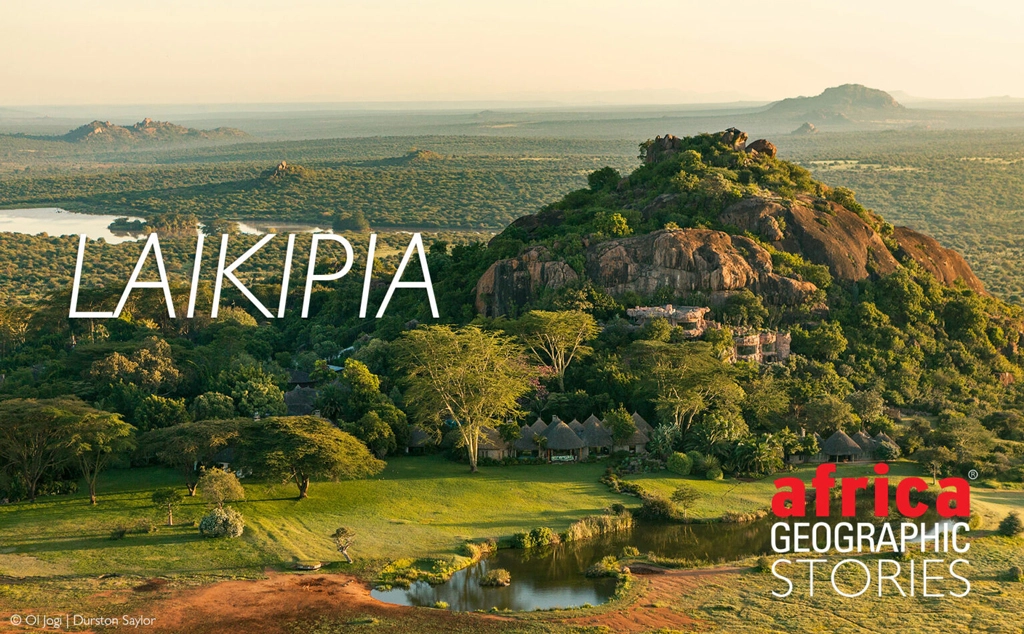
LAIKIPIA PLATEAU
Discover Kenya’s Laikipia Plateau – luxury safaris, rare wildlife, black leopards and pioneering conservancies. This is your complete guide to Laikipia
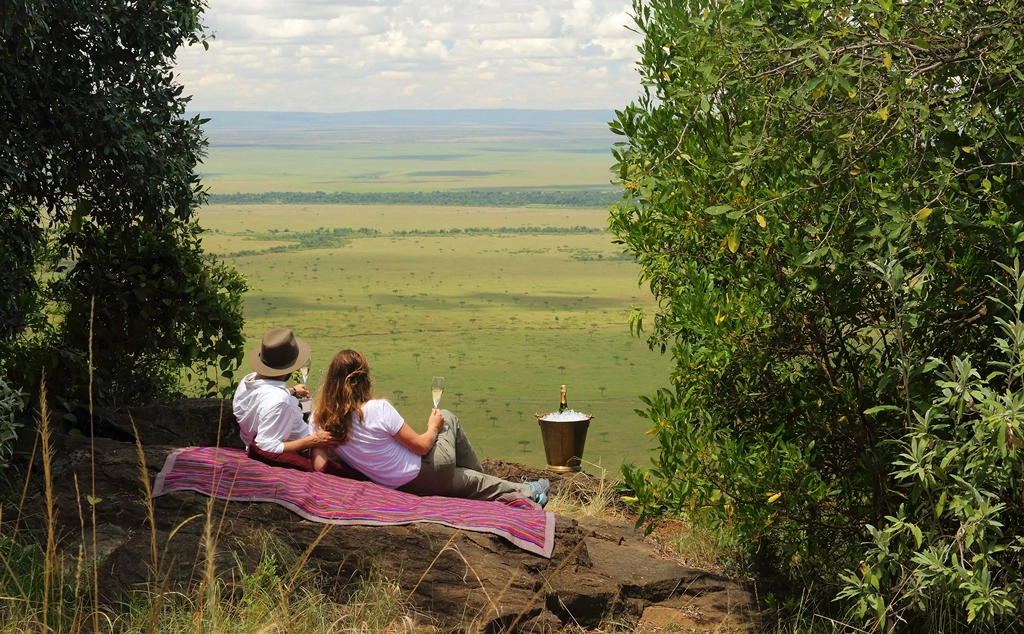
TOP HONEYMOON SPOTS
Planning your honeymoon? Compare Africa’s best safari destinations and find the perfect romantic adventure, from the Serengeti to the Okavango, Cape Town, and beyond
Travel Desk – 2 African safari ideas
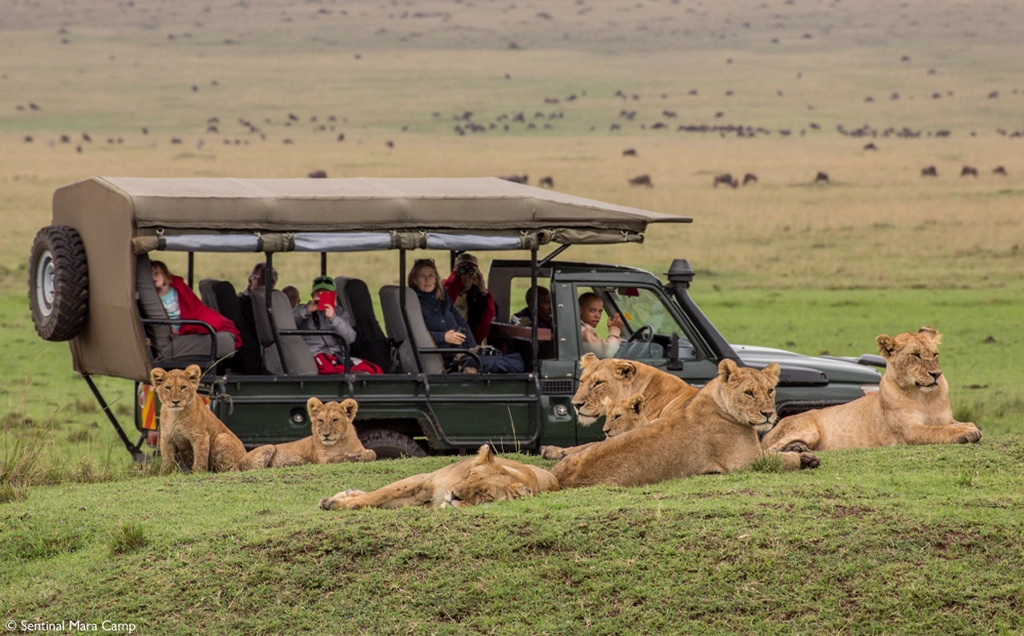
Secret season – Maasai Mara and Laikipia – 9 days
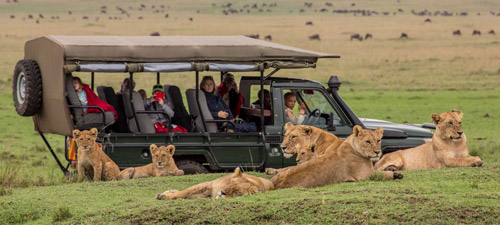
Follow in the footsteps of the big cats made famous by the BBC’s Big Cat Diaries and Disney’s African Cats. Explore the northern reaches of the Maasai Mara in search of resident lions, cheetahs, leopards, elephants and abundant plains game, before visiting Ol Pejeta Conservancy to see black rhinos, the world’s last northern white rhinos and inspiring conservation in action beneath Mount Kenya. Expect exceptional wildlife, ancient acacias and unforgettable sunsets.
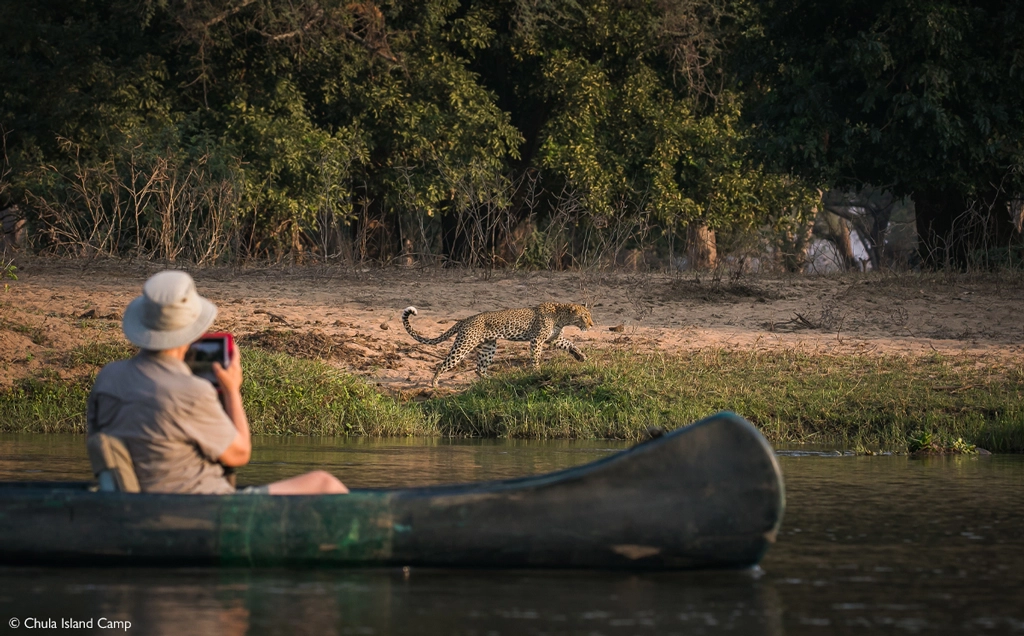
South Luangwa & Lower Zambezi explorer – 10 days
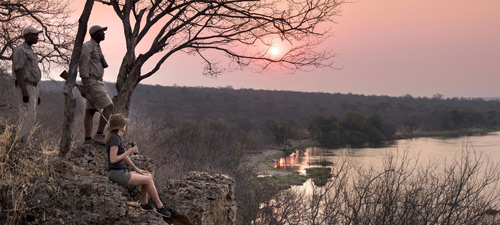
A leopard hotspot, the birthplace of walking safaris and the mighty Zambezi River: Journey from the wildlife-rich floodplains of South Luangwa to the remote islands of the Lower Zambezi on an authentic safari showcasing the best of wild Zambia. Explore by game drive, boat and guided walks, with exceptional wildlife, legendary leopard sightings and immersive experiences in two iconic river landscapes.
Still dreaming of the ultimate African safari escape? Browse our safari ideas here. Or click here to plan your safari.
 We’ve been nominated as Africa’s Leading Tour Operator AND as Africa’s Leading Luxury Safari Company in the 2026 World Travel Awards, and we’d love your support.
By voting for Africa Geographic, you’re backing a more conscious and meaningful way to travel: one that celebrates Africa’s extraordinary biodiversity, connects travellers with authentic experiences, and contributes to conservation on the ground.
How to vote:
1. Register here.
2. Complete the short sign-up form and check your inbox to activate your account.
3. Once registered, head to the Africa voting page here.
4. Scroll down to the following categories, click on them, and vote for Africa Geographic:
- Africa’s Leading Tour Operator 2026
- Africa’s Leading Luxury Safari Company 2026
Every vote genuinely helps, and we’re incredibly grateful for your support!
Our safari guests say…
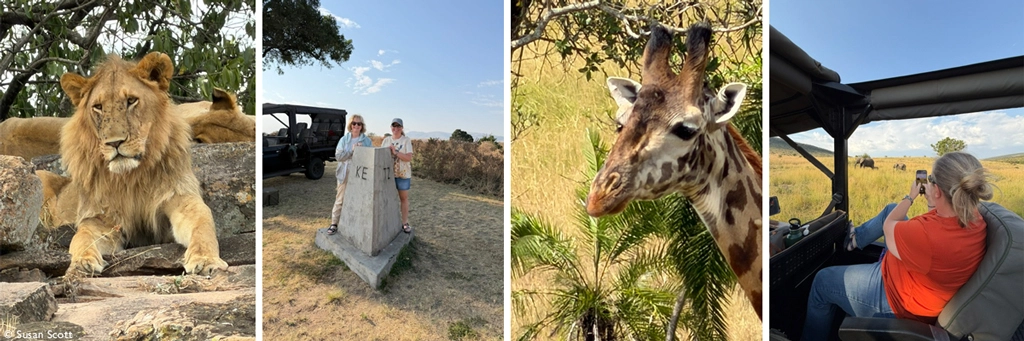
AG safari guests, mother-daughter duo Susan and Kellie from the USA, recently returned from an unforgettable Kenyan safari.
Their safari combined elephant-filled Amboseli beneath the snow-capped peak of Mount Kilimanjaro with the legendary Maasai Mara, before ending with an iconic stay at Giraffe Manor and visits to the Sheldrick Wildlife Trust. Their safari blended exceptional wildlife viewing, warm hospitality and meaningful conservation experiences – and this is what they had to say afterwards:
“Africa Geographic is the best! Ramona and Tracie were wonderful and provided a much-appreciated experience, one we’ll never forget. I can highly recommend Africa Geographic.”
Search for our favourite safari ideas here
WATCH
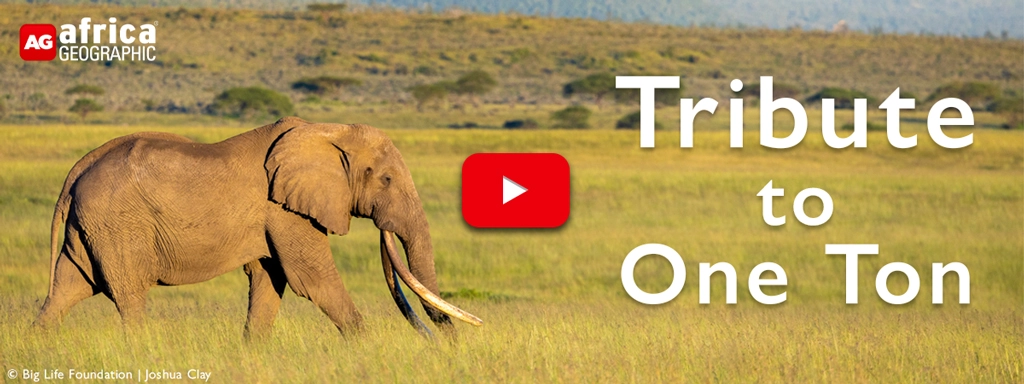
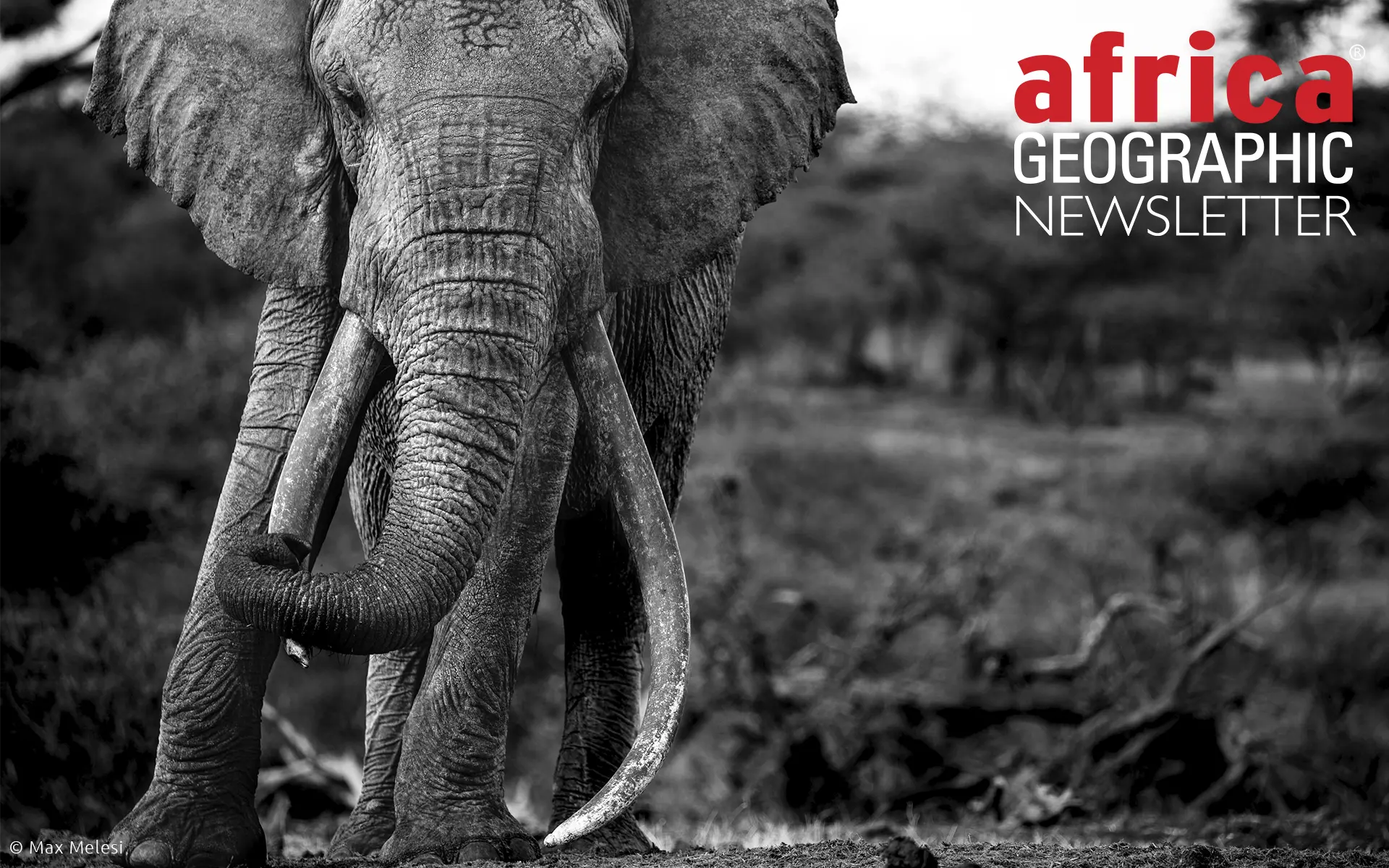
Take a minute to watch this moving tribute to One Ton – a gentle giant whose immense, ground-sweeping tusks and calm presence made him one of Africa’s most iconic elephants. This short video celebrates his remarkable legacy and the importance of protecting the few super tuskers that remain. Then read our story exploring how many of these extraordinary giants are left in Africa and why their conservation is so important. (0:51) Watch here
Cover image: Renowned super tusker One Ton. One Ton passed away this week from natural causes. Amboseli National Park, Kenya. © Max Melesi
Photographer of the Year 2017 entry
To comment on this story: Login (or sign up) to our app here - it's a troll-free safe place 🙂.