




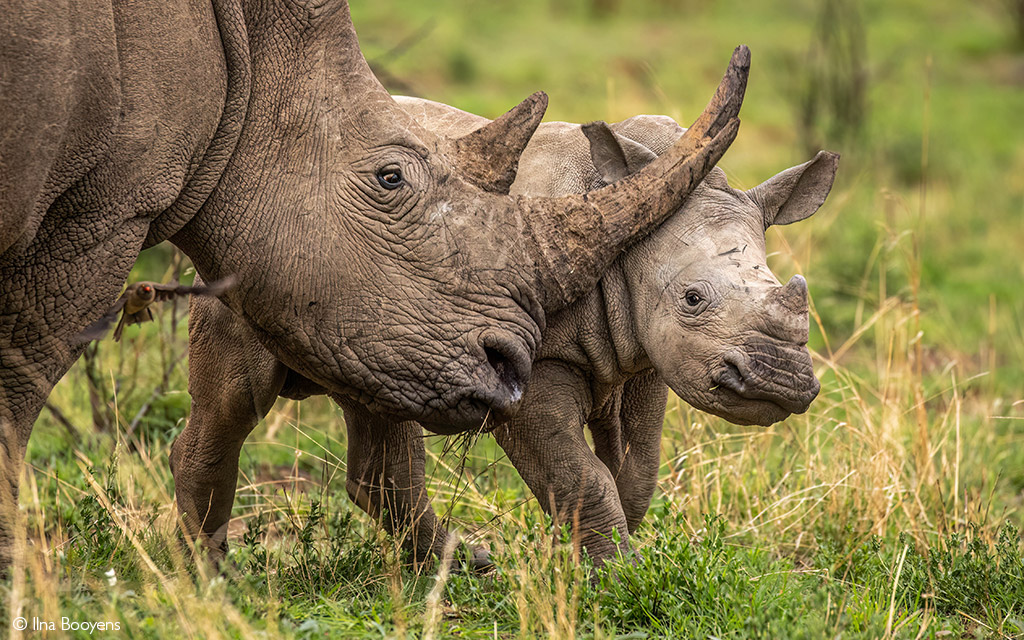
- Scientists achieved horse pregnancies using embryos created entirely in laboratories and transferred after freezing – a process that could be beneficial for the conservation of rhinos.
- Horses provide a crucial research model because rhinos share similar reproductive biology and embryo characteristics.
- Assisted reproductive technologies could help move genetic material between isolated rhino populations without translocation.
- Cryopreservation allows sperm, eggs and embryos to be stored long-term, preserving genetics beyond an animal’s lifetime.
- Researchers hope to produce white rhino calves from lab-created embryos as reproductive science advances.

Want to go on a rhino-seeking safari? Browse our top safaris showcasing the Big 5 here. Or browse our other ready-made safaris here. Alternatively, we’ll help you plan your tailor-made rhino safari.
Groundbreaking advances in lab-grown embryos are opening a new frontier in rhino conservation by allowing scientists to safeguard and expand the species’ fragile gene pool. By perfecting complex reproductive technologies in horses – rhinos’ closest domestic relatives – researchers are building the genetic tools that could help secure the future of one of Africa’s most threatened megafauna.
When a team of researchers recently achieved pregnancies in horses using embryos produced entirely in the lab and transferred after freezing, it signified a leap in assisted reproductive technologies to support genetic diversity in rhino populations.
The achievement by the University of Pretoria’s Faculty of Veterinary Science Department of Production Animal Studies and Hemmersbach Rhino Force – a first for South Africa – illustrates how techniques developed in domestic animals may eventually support endangered species such as African rhinos.

Inside the science of lab-grown embryos – and what it could mean for rhinos
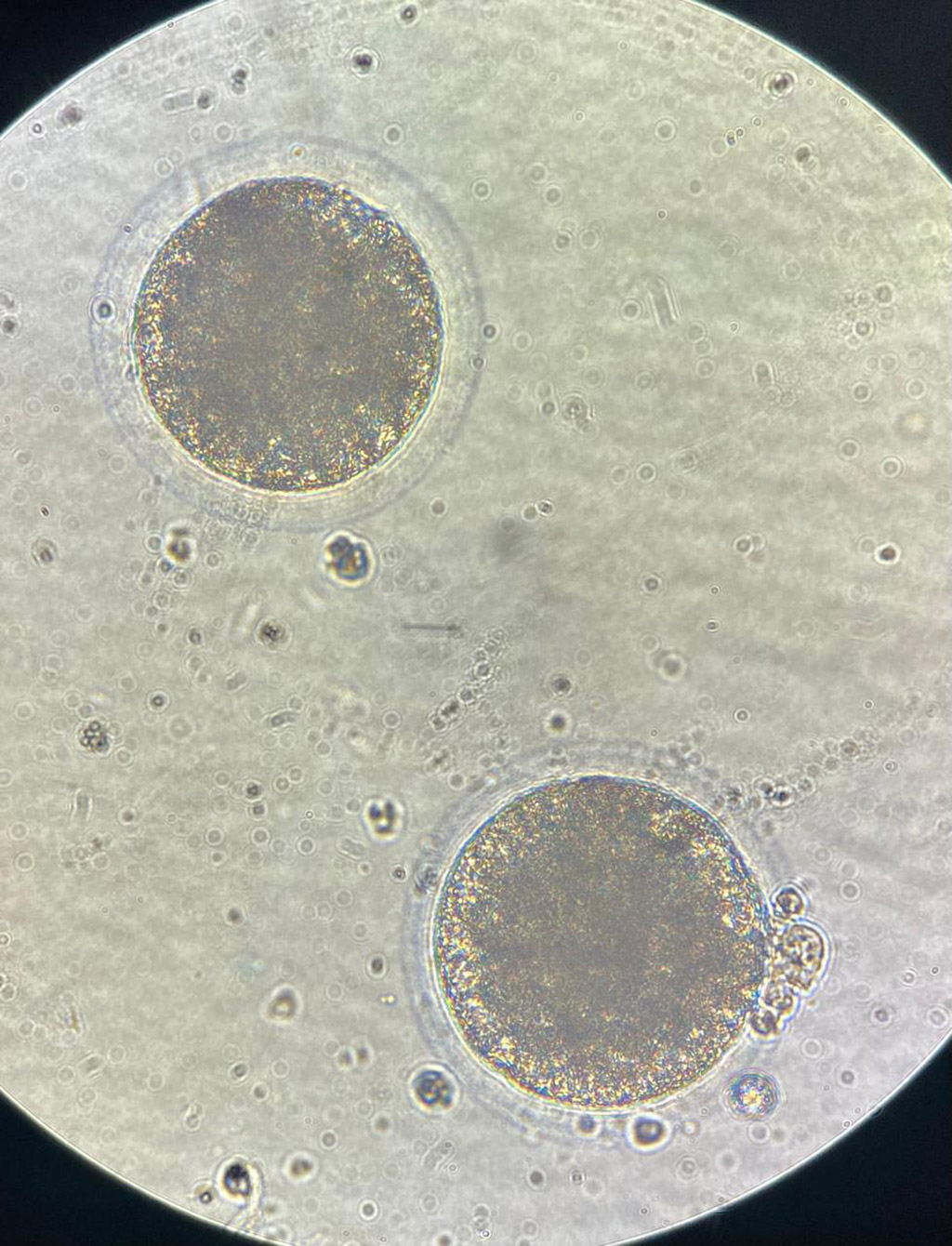
Researchers collected eggs from live and euthanised horses, matured them in the laboratory and fertilised them using intracytoplasmic sperm injection (ICSI). The resulting embryos were cultured to the blastocyst stage, frozen, thawed and transferred into recipient mares, demonstrating that the full laboratory-to-pregnancy process can be performed in South Africa.
The deeper significance of the achievement, which took place in late 2025, lies in the complex chain of technologies required to make it work, and how those processes are now being refined with conservation in mind.
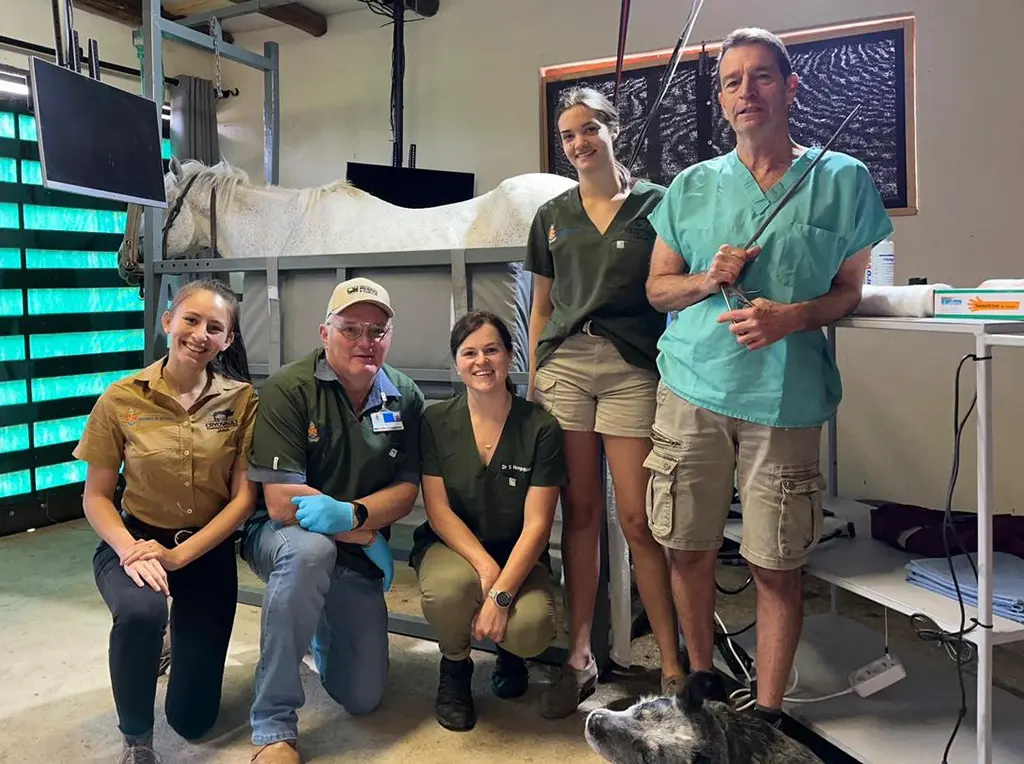
The horse provides a useful model for developing reproductive technologies intended for rhinoceroses. Both animals belong to the mammalian order Perissodactyla, which includes odd-toed hoofed mammals.
Because of this relationship, eggs and embryos from horses and rhinos share similar characteristics and respond to similar laboratory conditions during embryo culture.
“The horse is the closest domestic relative of the rhino belonging to the same order,” explains Rhino Force’s veterinarian Dr Janine Meuffels-Barkas. “Oocytes and embryos have similar characteristics and requirements in the in vitro embryo production process.”
Working with horses also allows researchers to refine techniques more rapidly. Domestic animals are more accessible and can be handled repeatedly, which makes it possible to test protocols and optimise laboratory procedures before applying them to endangered wildlife.
“After the success of in vitro embryo production in horses, we plan to test our protocols in rhinos and adapt where needed. We have already successfully conducted egg aspirations in more than 40 females,” says Meuffels-Barkas. “We plan to improve the detection of the stage of the female’s reproductive cycle to identify the correct time for embryo transfer.”
Meuffels-Barkas says the team hopes to repeat all processes successfully in white rhinos to produce live calves from in vitro produced embryos.
The potential of assisted reproductive technologies has already been demonstrated in efforts to rescue the northern white rhino. Scientists working with the BioRescue consortium have successfully produced laboratory-created embryos using eggs collected from the last surviving females, Najin and Fatu, and frozen sperm from deceased males. These embryos have been cryopreserved and are intended for future transfer into southern white rhino surrogate mothers. While a live birth has not yet been achieved, the work has shown that rhino embryos can be created outside the body, providing a possible pathway to revive a functionally extinct subspecies.
Assisted reproduction in the conservation toolkit
Conservation strategies for rhinos currently rely heavily on anti-poaching efforts, habitat protection and the management of protected populations. Assisted reproductive technologies add a complementary set of tools.
Techniques such as artificial insemination and embryo transfer allow genetic material to move between populations without transporting the animals themselves. This can help maintain genetic diversity in populations that are geographically isolated.
“Assisted reproductive technologies allow us to enrich isolated wildlife populations with new genetics without the necessity of moving animals and facing all the logistical and adaptation problems associated with translocation,” says Meuffels-Barkas.
Genetic diversity is a major concern for rhinos. When populations decline sharply, they can experience a genetic bottleneck – a reduction in genetic variation caused by a dramatic drop in population size.
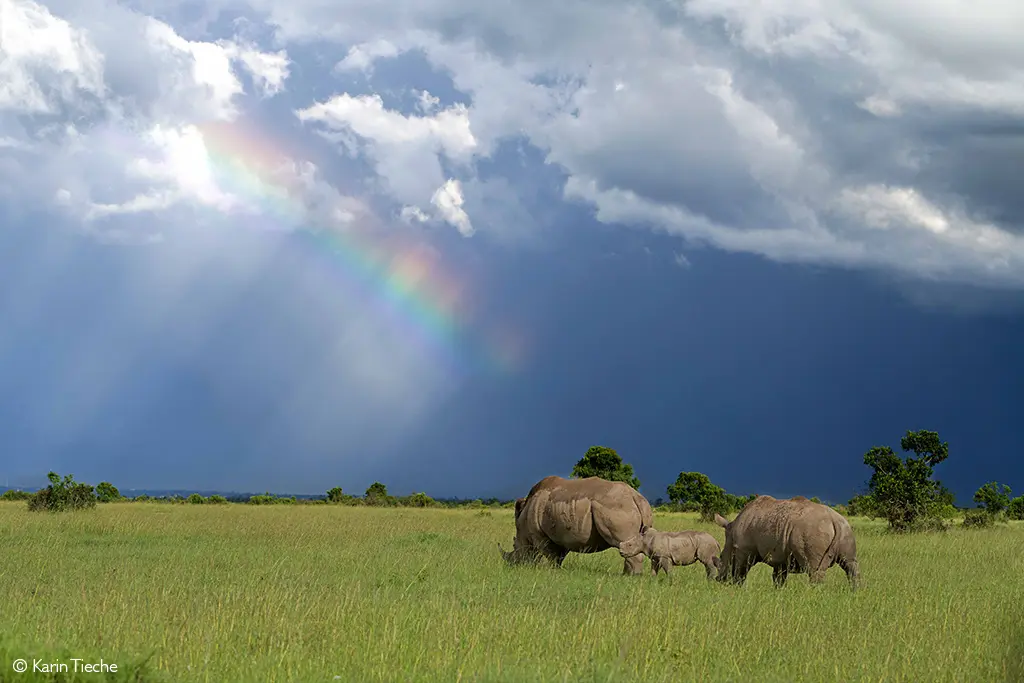
White rhinos experienced such a bottleneck in the late 1800s when hunting reduced their numbers to fewer than 100 individuals. The present-day population descends from those survivors, meaning the gene pool is already limited.
Why horses require a different fertilisation method
In many mammals, embryos can be produced through conventional in vitro fertilisation, where sperm and eggs are combined in a laboratory dish. Horses present a particular challenge because standard IVF rarely results in successful fertilisation.
For this reason, Intracytoplasmic Sperm Injection (ICSI) has become the preferred method for producing equine embryos in vitro. The technique allows embryologists to bypass the biological barriers that normally prevent sperm from fertilising the egg under laboratory conditions.
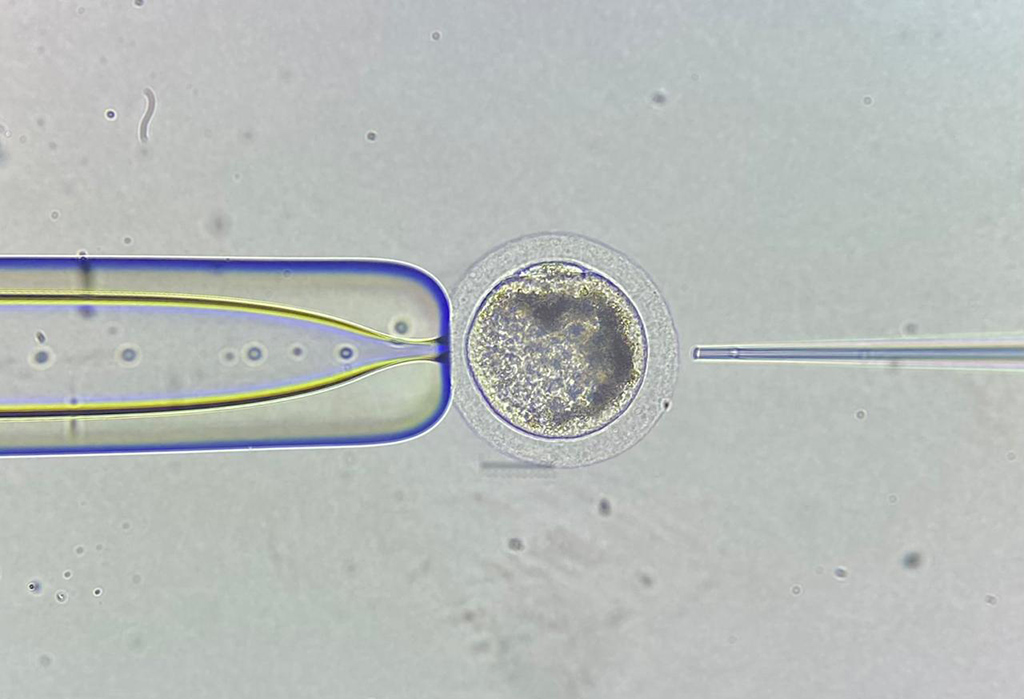
The procedure is technically demanding. It requires specialised equipment, highly trained embryologists and carefully optimised culture conditions that allow embryos to continue developing outside the body.
According to Meuffels-Barkas, one of the most important breakthroughs was establishing the laboratory conditions required for embryo growth.
“The in-vitro embryo production, including the ICSI procedure as well as identifying the correct media and protocols to grow the embryo to the blastocyst stage were the biggest breakthrough,” she says.
Preserving genetics beyond the animal’s lifetime
One advantage of laboratory embryo production is the flexibility it introduces to reproduction. Eggs and sperm can be collected at different times, fertilised in the laboratory and the resulting embryos frozen for future use.
Cryopreservation plays a key role in this process. Biological material such as sperm and tissue samples can be stored in liquid nitrogen at −196 °C, a temperature that effectively halts cellular activity while preserving viability.
Postmortem collection of reproductive material expands the value of these archives. If eggs or sperm remain viable after an animal’s death, they can still be used to produce offspring.
This ability to preserve genetics beyond an animal’s lifetime is particularly important for conservation.

CryoVault – building a genetic archive for rhinos
The work also connects to Hemmersbach Rhino Force’s CryoVault project – a biobank dedicated to preserving viable biological material from African rhinoceroses as a form of long-term “genetic back-up”.
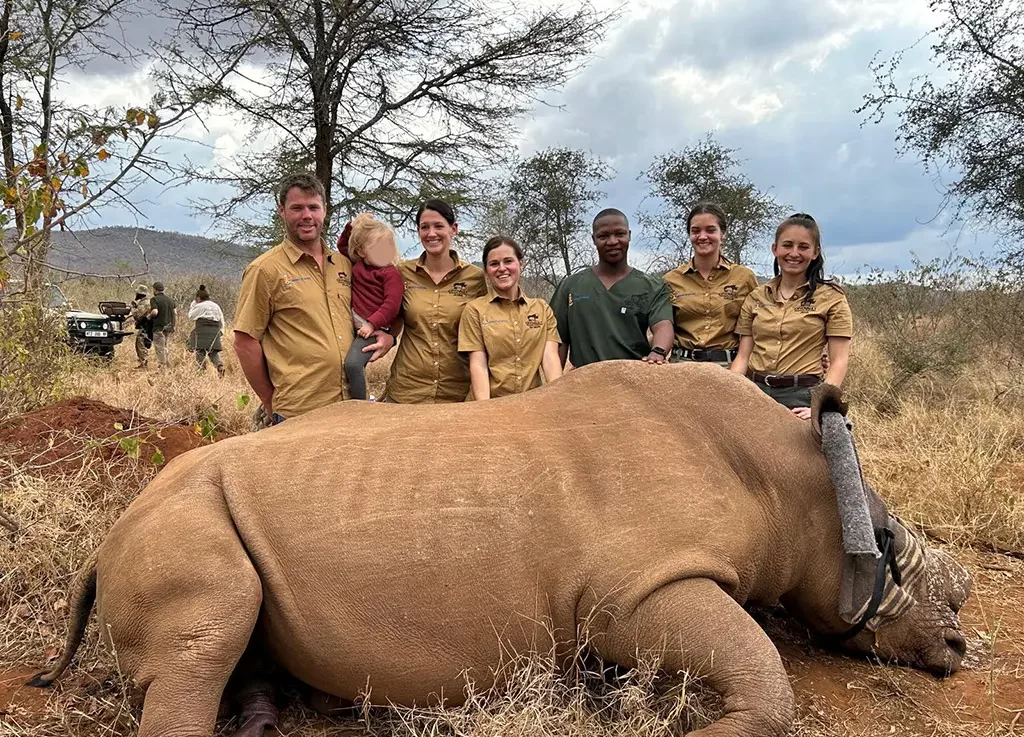
Since 2018, the CryoVault team has been collecting and cryopreserving semen and other biomaterials from rhinos during routine wildlife management procedures such as dehorning or ear-notching, when animals are already immobilised. To date, viable semen samples from more than 40 free-ranging and game-farmed black and white rhinos have been preserved, alongside tissue and blood samples.
The programme has since expanded to include female genetics. Using ovum pick-up techniques, researchers have collected eggs from more than 40 female white rhinos as part of a collaboration with the University of Pretoria to produce rhino embryos through assisted reproductive technologies.
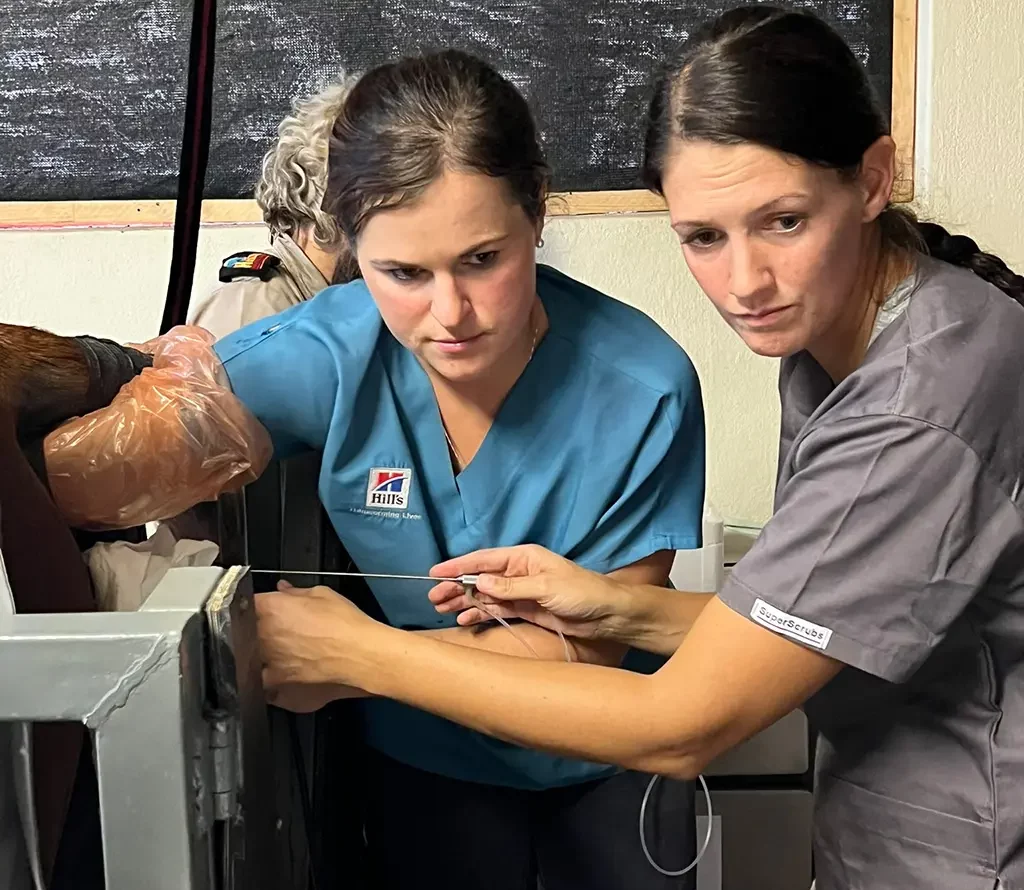
By storing sperm and other biological material, and potentially embryos in the future, in liquid nitrogen at −196 °C, the CryoVault effectively creates a long-term genetic reservoir. These preserved samples could one day be used to strengthen genetic diversity in rhino populations through artificial insemination, embryo production and embryo transfer.
The hurdles still facing rhino reproduction
Although the technology works in horses, several scientific hurdles remain before it can be applied successfully to rhinoceroses.
Researchers must first learn how to culture rhino embryos reliably in the laboratory. Even small differences between species can affect how embryos respond to culture conditions.
Another challenge is transferring embryos safely into surrogate females. Embryo transfer requires precise timing within the female’s reproductive cycle so that the uterus is ready to support implantation.
Monitoring that cycle in wild or semi-wild rhinos remains technically difficult. Researchers must also account for the long rhino gestation period, which lasts about 16 to 18 months.
Despite these challenges, progress is continuing. The team plans to test the refined laboratory protocols developed through equine research in rhino oocytes collected going forward.
The long-term objective is to produce rhino calves from embryos created outside the body – extending the role of reproductive science in safeguarding the species’ future.
Further reading
- The rhino Cryovault – frozen in time: If all the money, time, blood and sweat fail to save our wild rhinos, Hemmersbach has a solution. The rhino Cryovault stores repositories of rhino DNA, gametes, and tissues, preserving them indefinitely. Read more here
- Hornless hope – is rhino dehorning the most effective tool in saving the species? Rhino dehorning slashes poaching by 78% – a bold, effective strategy that challenges how we think about wildlife crime prevention
- Rhino Rewild – is this the most critical wildlife conservation undertaking of our time? Simon Espley attended the pioneer stage of a visionary project to translocate 2,000 farmed rhinos into the wild. Here’s how it went down
- Can rhinos survive climate change? Unable to cope well with prolonged periods of extreme temperatures, rhinos are particularly vulnerable to the increasing heat associated with climate change. Read more here
To comment on this story: Login (or sign up) to our app here - it's a troll-free safe place 🙂.