


OUR WEEKLY CONSERVATION NEWSLETTER


Ants sabotage Laikipia’s lions + rhino poaching spin
This is a copy of our weekly email newsletter. Subscribe here to receive the newsletter and more inspiration for your African safari.
From our CEO – Simon Espley
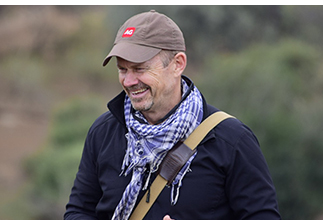
Minister’s triumphant claim ignores the gritty reality of rhino poaching
“16% decline in rhino poaching shows the impact of anti-poaching and anti-trafficking efforts”, says Minister Aucamp (South Africa’s newly appointed environmental minister).
What a load of points-scoring balderdash. Any claim of an overall decline has to be accompanied by a detailed population analysis for each region. Without that detail, the overall statistic is meaningless.
This claim was then repeated ad nauseam by cut-and-paste news media and the usual coterie of talking heads, as they do every year. Lemmings. Until a few years ago, Africa Geographic provided population context for the world’s largest wild rhino population in Kruger National Park, using data published in their annual report. This specific breakdown is no longer available in the reporting, limiting public access to accurate context. Classic mushroom management – keep them in the dark and feed them manure.
KNP lost 175 rhinos to poaching in 2025, compared with 88 in 2024. Double! The SANParks 2024/2025 Annual Report suggests a stable population of over 2,000 rhinos (black and white combined) over the same period. We know that KNP benefited from the translocation of hundreds of white rhinos into the open Greater Kruger landscape through the brave, visionary African Parks Rhino Rewild initiative, which masks the true losses.
Hats off to the hard-working SANParks and private game reserve staff on the ground, bar a few rotten eggs, who continue the toil to keep our rhinos safe while our political leaders treat rhinos and other wildlife species like political and financial collateral.

Simon Espley – CEO, Africa Geographic
From our Editor – Taryn van Jaarsveld
African wild dogs are the epitome of hypercarnivores: sinew, stamina and surgical teamwork. Packs and their social structure are built around the hunt.
But in Botswana’s Okavango Delta, an entire pack has been spotted doing something off-brand: eating jackalberry fruits (which, as indicated by the name, are already a firm favourite of jackals). And proper, deliberate, daily fruit snacking at that. All adult dogs within the pack were recorded helping themselves to jackalberry fruit before heading out to hunt. Lower-ranking dogs within the same pack were spotted topping up on the berries throughout the day, likely supplementing their diets because their lower rank meant less reliable access to meat. It’s the first recorded case of fruit-eating in this endangered species. For a species consisting of only about 6,600 adults, flexibility is key to the long-term survival of the species. Nature, again, refuses to stay neatly categorised.
This week, we’re giddy as a shutter on burst mode, and overheating like a camera battery at golden hour, because Photographer of the Year season is starting! Find out more here.
Also this week: how an invasive ant in Kenya is quietly reshaping the savannah and denting lions’ zebra-hunting success, and why Nyungwe National Park’s misty forests might just be Rwanda’s most compelling secret.

ARE YOU READY?
 Photographer of the Year 2026 is here. This year’s winners will travel to Rwanda’s Nyungwe National Park, a misty rainforest alive with chimpanzees, other primates, birds and ancient trees. Entries are open 16 February to 7 May 2026. Read more here.
Our stories this week
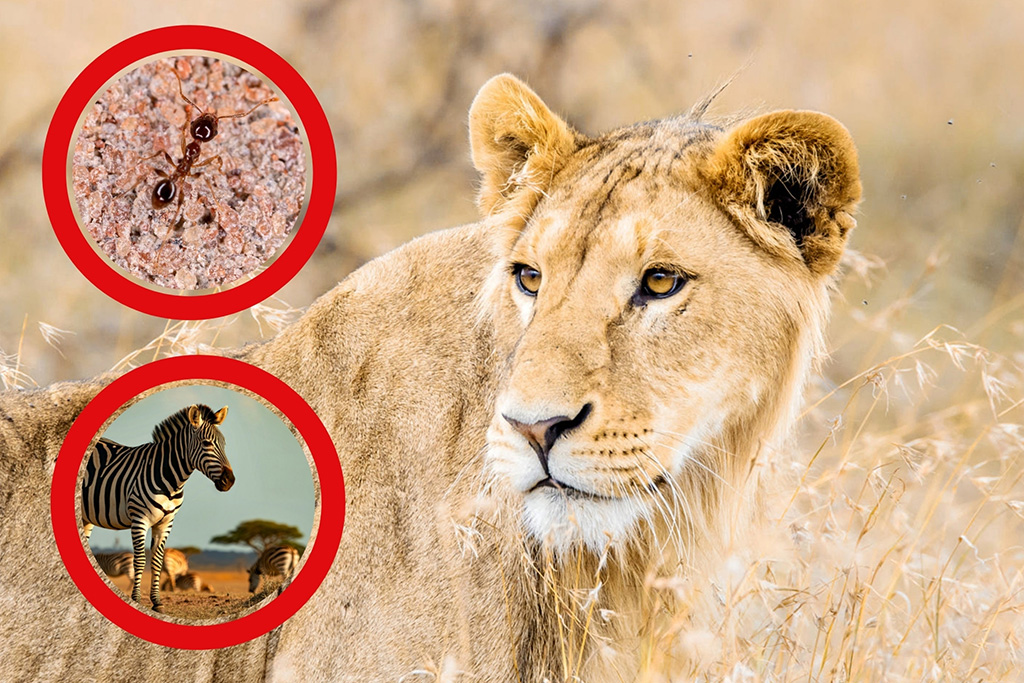
ANTS AND LIONS
An invasive big-headed ant in Laikipia, Kenya, is altering tree cover, opening the savannah and reducing lions’ hunting success
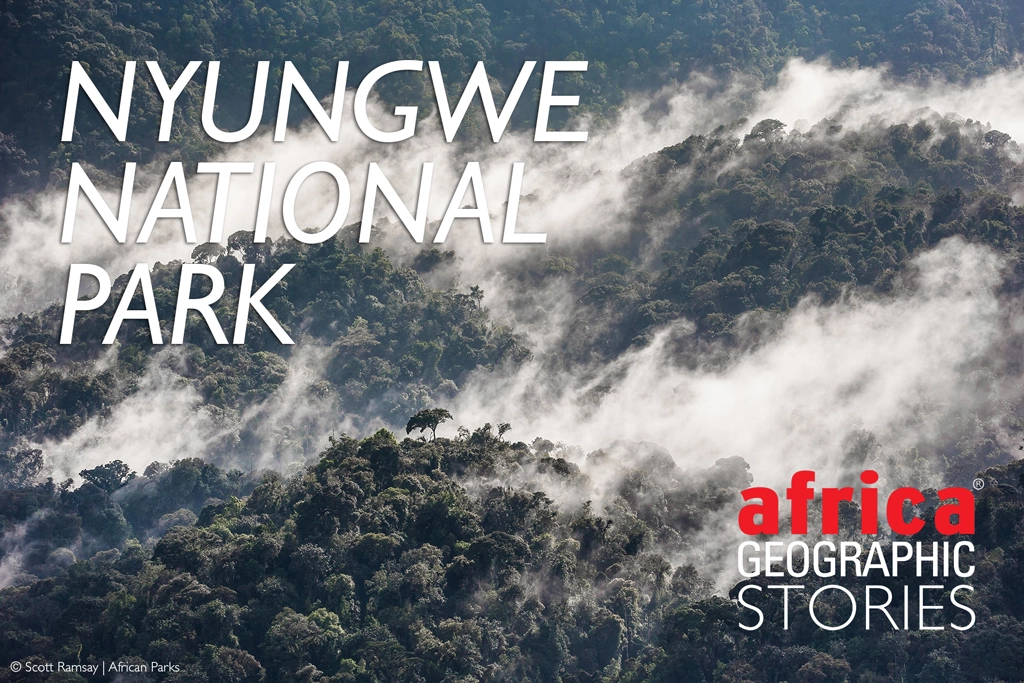
NYUNGWE NP
Nyungwe NP is one of Rwanda’s best-kept secrets – a magical montane forest hosting chimps & extraordinary biodiversity
Travel Desk – 2 African safari ideas
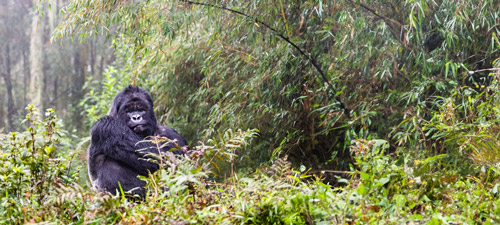
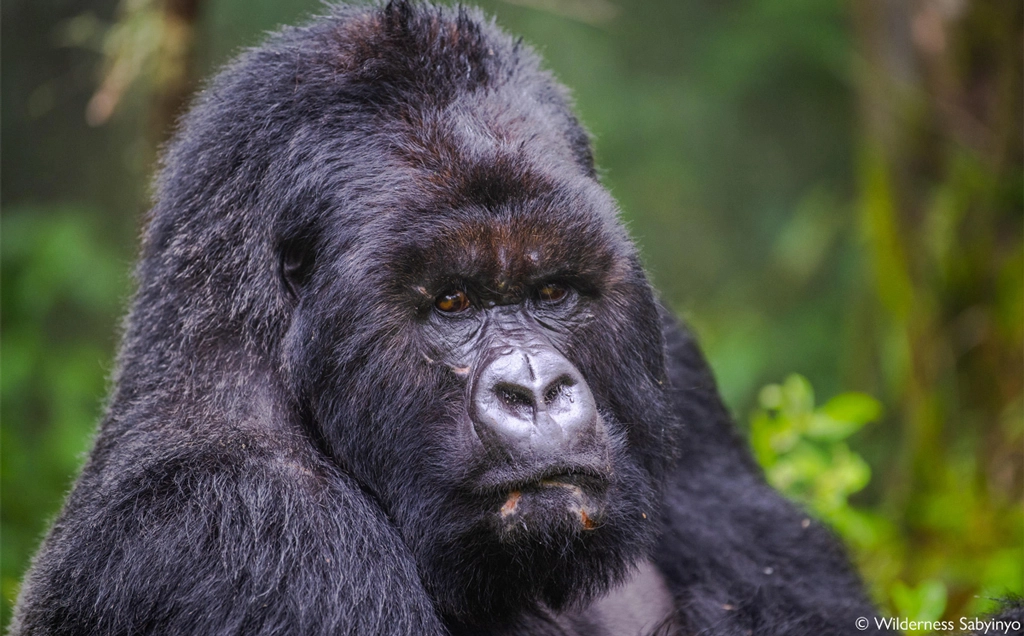 Gorillas & Zanzibar beaches – 9 days
Meet a fellow great ape, then relax on a beach. Spend quality time with a habituated gorilla family in Rwanda’s volcanic forest for one of Africa’s most profound wildlife encounters, then unwind in barefoot luxury at a secluded beachfront villa on Zanzibar’s Indian Ocean shores. Seamless connecting flights ensure an effortless journey that balances a life-changing safari experience with time to relax, recharge and reflect.
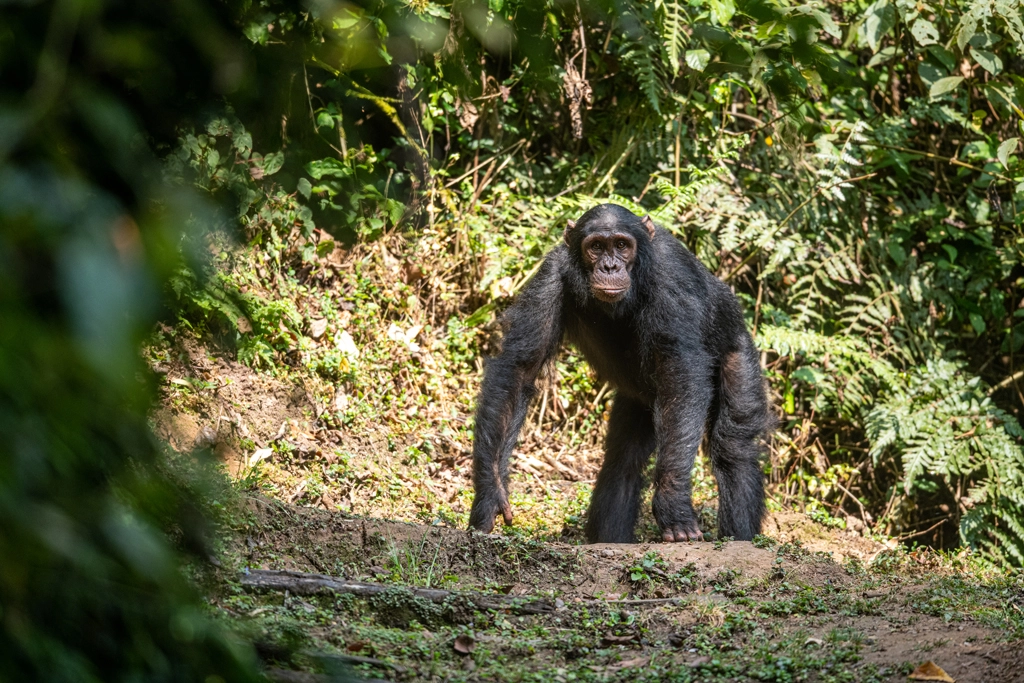 Big 5 + chimps + gorillas in Rwanda – 10 days
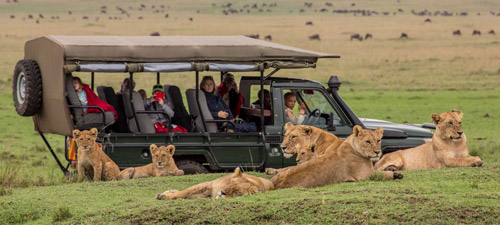
This safari flattens three bucket-list items in one epic trip – in one country! From searching for the Big 5 in Akagera NP to the forests of Nyungwe NP for chimpanzees, and Volcanoes NP for mountain gorillas. What more could you ask for? Aside from the rare golden monkeys, the Kigali Genocide Memorial and more are also included in this safari.
Still dreaming of the ultimate African safari escape? Browse our safaris ideas here. Or click here to plan your safari.
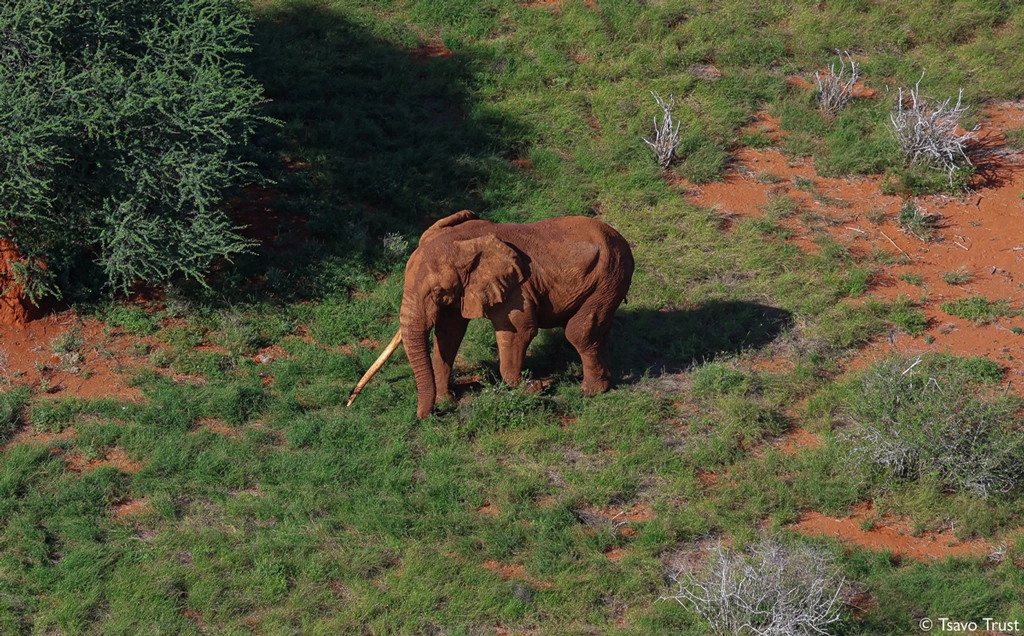
Meet super tusker Meno Moja
Meno Moja the elephant (also known as MM1), was added to Tsavo Trust’s database in April 2018. He is a shy, solitary super tusker usually seen from the air. His single tusk is over 7 feet (2.13 metres) long and weighs 50kg (110lbs), and curves to the ground; the missing left tusk was likely broken in a clash. Despite his elusive nature, he embodies the remarkable genes of Tsavo’s legendary elephants.
We have partnered with Tsavo Trust to save some of Africa’s last remaining tuskers. Tsavo Trust monitors and conserves the elephant populations of the Tsavo Conservation Area, specifically focusing on tuskers. An estimated 50–100 tuskers remain in Africa, of which at least 11 reside in Tsavo.
Elephants with tusks that touch the ground are a natural rarity and they are under constant threat from poachers seeking ivory, and trophy hunters actively targeting tuskers (outside of Kenya).
We invite you to support Tsavo Trust by donating via our Guarding Tuskers campaign. Your generous donation will allow their aerial and ground monitoring teams to continue protecting these magnificent elephants.
 WATCH
WATCH
Magical Majete is one of Malawi’s greatest conservation comeback stories – a wild, waterhole-studded sanctuary where elephants roam, predators prowl, and every game drive feels like a private viewing. And if you’re wondering where to stay while you explore it all… why not base yourself at Thawale Lodge? This fully catered lodge overlooks an active waterhole, with a birdwatching platform for front-row seats to the action. Guests can explore Majete on game drives or boat cruises, both offered directly from the lodge. (00:40) Click here to watch
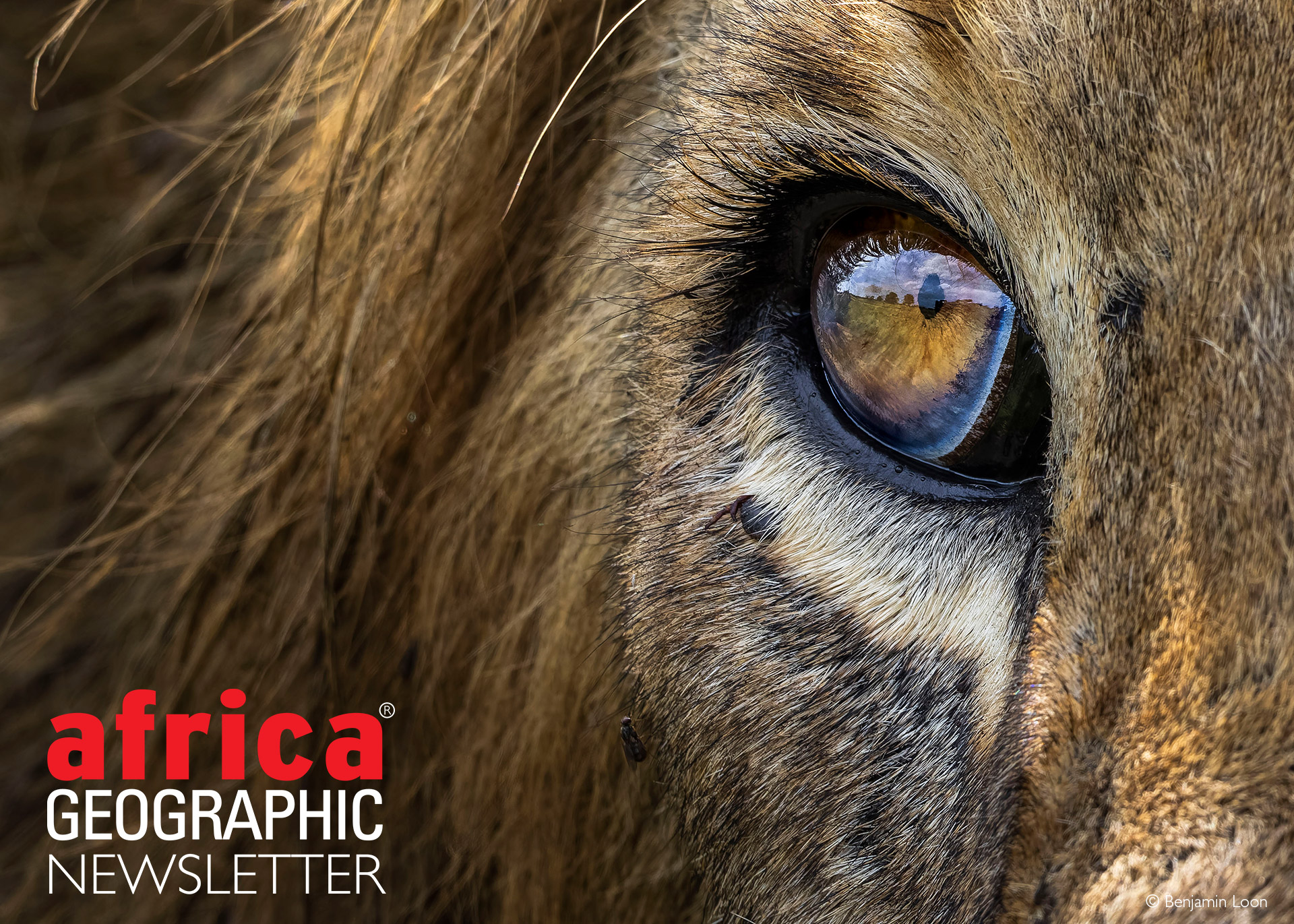
Cover image: Lion’s-eye view. “This large male walked so close to our game drive vehicle I had to stop down to f10 to get the whole eye in focus.” Sabi Sands Game Reserve, South Africa. © Benjamin Loon (Photographer of the Year 2025 highly commended entry)
To comment on this story: Login (or sign up) to our app here - it's a troll-free safe place 🙂.