



Your guide to South Luangwa & Nsefu

- South Luangwa is Zambia’s classic safari destination, shaped by a dynamic river system. It delivers intimate camps, strong guiding, and consistently rewarding wildlife viewing.
- Nsefu is South Luangwa’s quieter, more remote sector, built for immersion. Predator viewing is exceptional here, and leopard encounters feel impressively reliable throughout.
- The Luangwa River shapes floodplains and lagoons, concentrating wildlife through dry months. Plan June–October for classic viewing; green season is lush, quieter, and bird-rich too.
- Game drives are central here, led by expert guides reading tracks and signs of the bush daily. Combine game drives with walking safaris, hides, and night drives where permitted.
- Choose stays from easy Mfuwe comfort to ultra-immersive Nsefu camps across styles. Highlights include Puku Ridge views, Tafika adventure, Mwamba’s hide, and remote Olimba too.
 Want to experience South Luangwa yourself? We have ready-made safaris to South Luangwa to choose from, or we’ll help you plan your dream safari.
For years, South Luangwa belonged to the safari insiders: a remote Zambian valley spoken about in lowered voices, prized for its raw wilderness and exceptional sightings. Now the secret is out. Travellers are arriving for a safari that feels close and unfiltered – a predator-rich landscape where leopard viewing is famously reliable, and where days are shaped by the Luangwa River’s floodplains, thickets and shifting channels. But where does one start when heading to this piece of African paradise? One of South Luangwa’s most wild and compelling areas is Nsefu. Nsefu is a destination built around classic, high-quality safari experiences, with a particularly strong reputation for epic game drives and walking safaris, excellent predator viewing, and small, seasonal camps that keep the focus on wilderness rather than crowds.
Here are all the practical tips you need for visiting South Luangwa. We’ve put this guide together to help you plan your journey, choose the right style of camp, and make the most of your time in South Luangwa – with a special focus on the Nsefu sector, one of the park’s most compelling corners.
At a glance
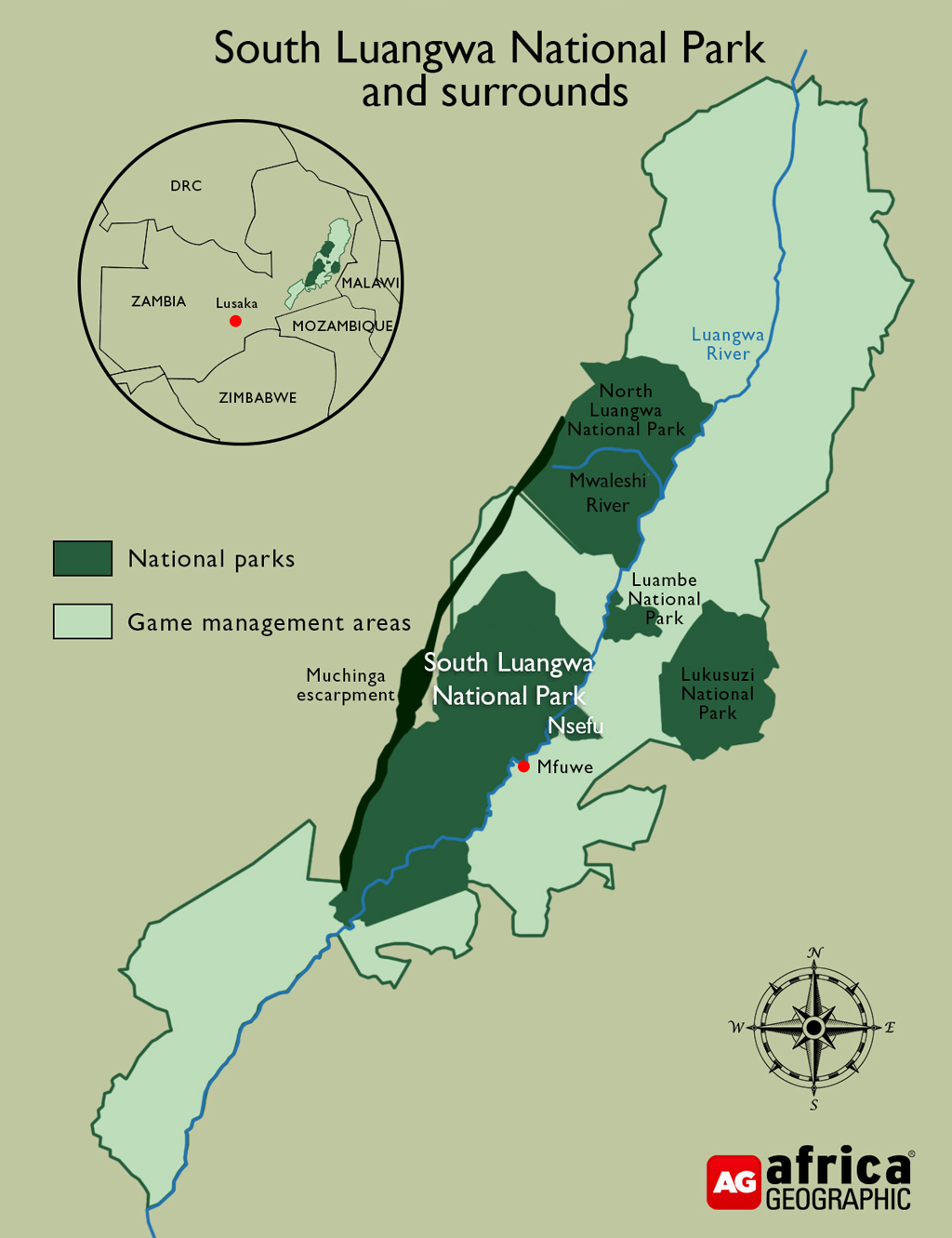
South Luangwa National Park lies in Zambia’s Luangwa Valley. There are two main areas of South Luangwa accessible to visitors: the Mfuwe and Nsefu sectors. The Nsefu sector is a standout safari area within the greater park.
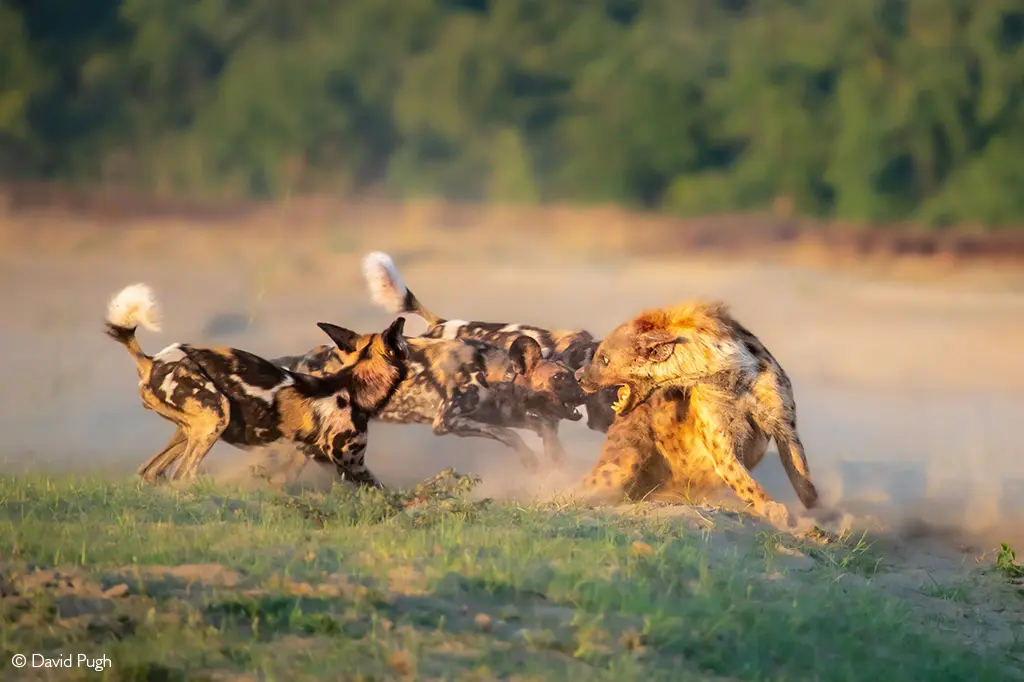
In fact, the predators of Nsefu have recently risen to prominence, as the star characters in the BBC series, Kingdom – with its now famous lion pride, wild dog pack, hyena clan and leopard family all competing to make Nsefu their home. Yet, for those in the know, Nsefu has long been the park’s most addictive corner: a quieter, more remote stretch of South Luangwa where the river draws wildlife in. Here, game drives offer with long, clean viewing opportunities along the river edge and floodplain system, with few other vehicles present. Walking safaris are a core activity led by highly trained guides, and the chances of extraordinary sightings are high from the moment you arrive.
South Luangwa covers roughly 9,050km², giving visitors a sense of scale that still feels properly wild. Most travellers access the area via Mfuwe Airport, with flights from Lusaka and other centres, making logistics more straightforward than many people expect.
For the best all-round game viewing, plan for the dry season (June to October) – with September and October often the hottest months and frequently the most intense for sightings. The green season (mid-November to April) brings flooding and a shift in emphasis: fewer vehicles, lusher scenery, and conditions that can favour slower safari days and a stronger birding focus, with many camps closing depending on location and access.
What makes South Luangwa unique
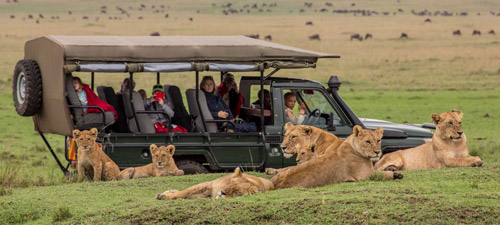
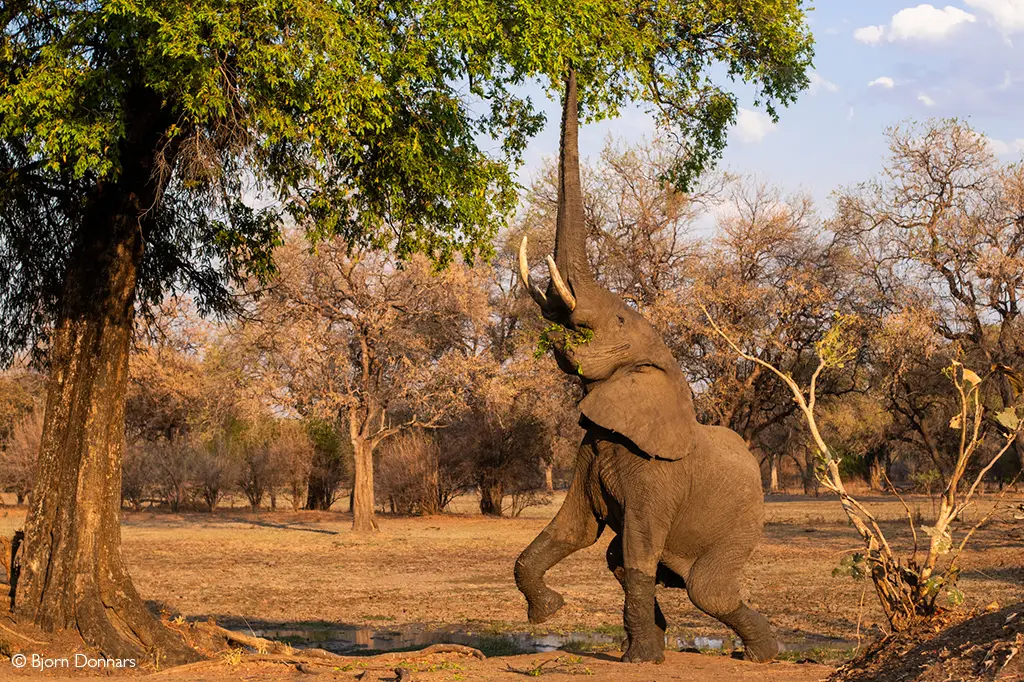
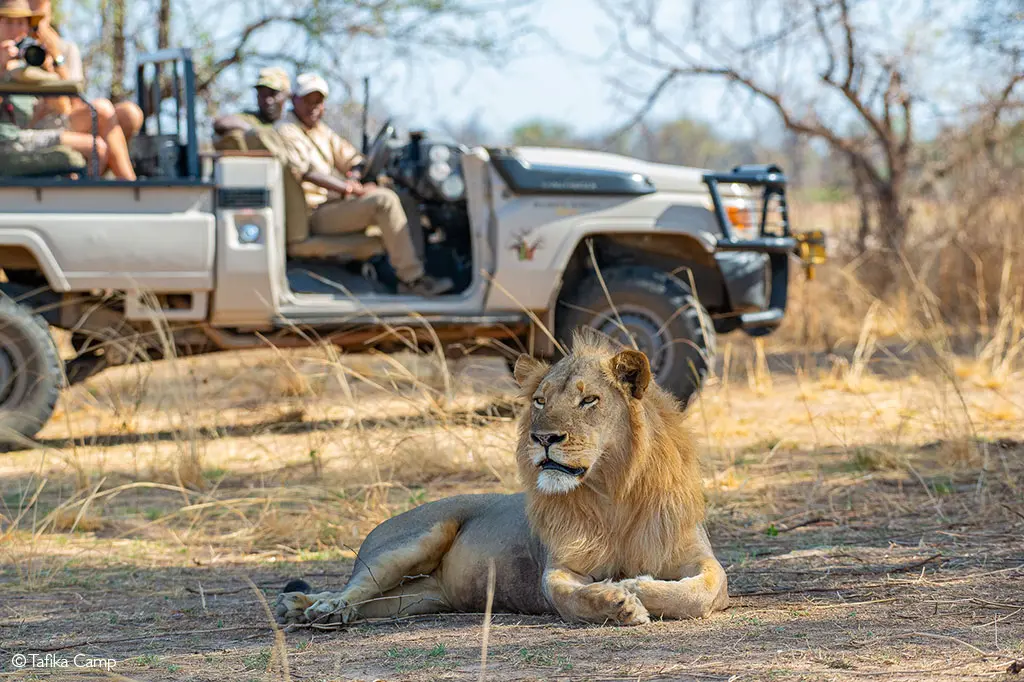
Game drives: In South Luangwa, game drives are the core of most safaris. Early starts, late afternoons, and long stretches spent working productive loops along the river, lagoons and floodplains. The park’s guiding culture shines in the way drives are approached: unhurried, detail-focused, and built around reading habitat, light and movement rather than racing between sightings.
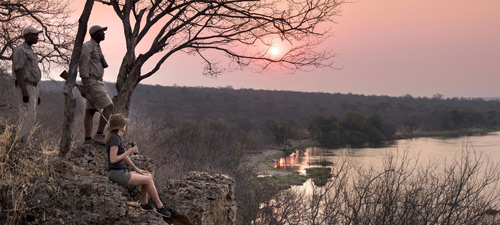
Walking safaris: Here, walking is not a once-off novelty. It is central to the valley’s safari identity. The park is widely described as the birthplace of the walking safari, and that heritage shows in the way experiences are designed: slower, more interpretive, and focused on tracking. For walking safaris, Nsefu’s quieter feel and excellent guides make it ideal for proper, interpretive walks: reading signs, and understanding the landscape at ground level rather than simply driving through it.
Combine walks with day and night drives, and (at certain camps) also spend time in hides for extended periods to let the bush come to you. This will ensure the most all-encompassing experience of Nsefu and South Luangwa.
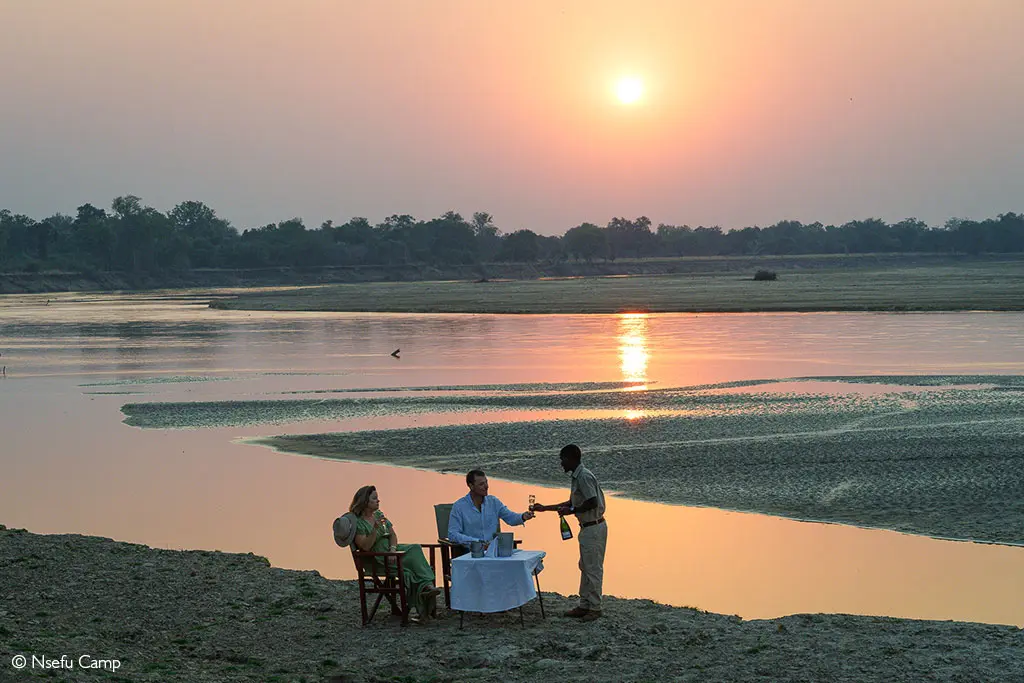
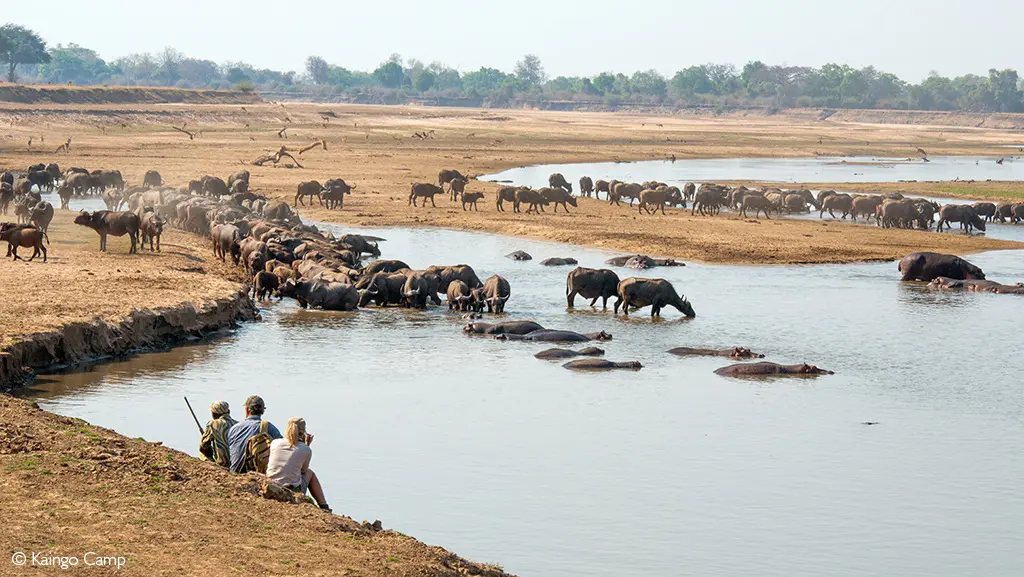
The Luangwa River: Just as defining is the Luangwa River itself. Its seasonal rise and fall shapes everything – carving floodplains, forming oxbow lagoons, and constantly shifting channels and sandbanks. That river-built landscape concentrates wildlife at different times of year, influences movement and behaviour, and keeps each game drive or walk feeling distinct rather than repetitive.
Nsefu sits right on the Luangwa River system. The Nsefu sector is on the eastern side of the Luangwa River, and much of its best habitat and game viewing is tied to the riverbank, riverine woodland, and the floodplain/lagoon network created by the river’s seasonal rise and fall.
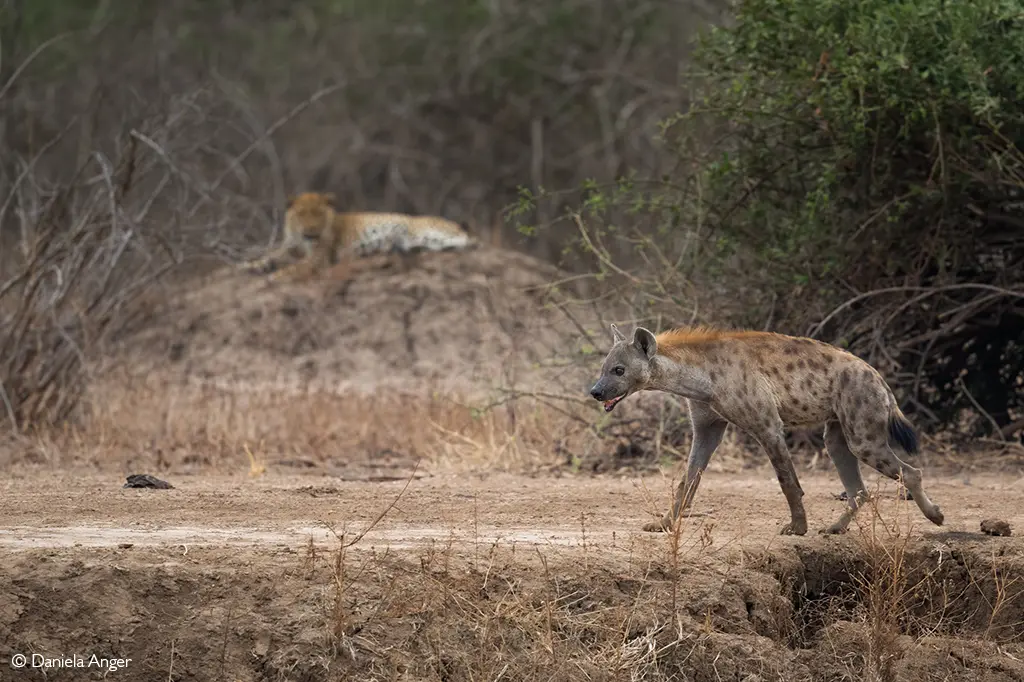
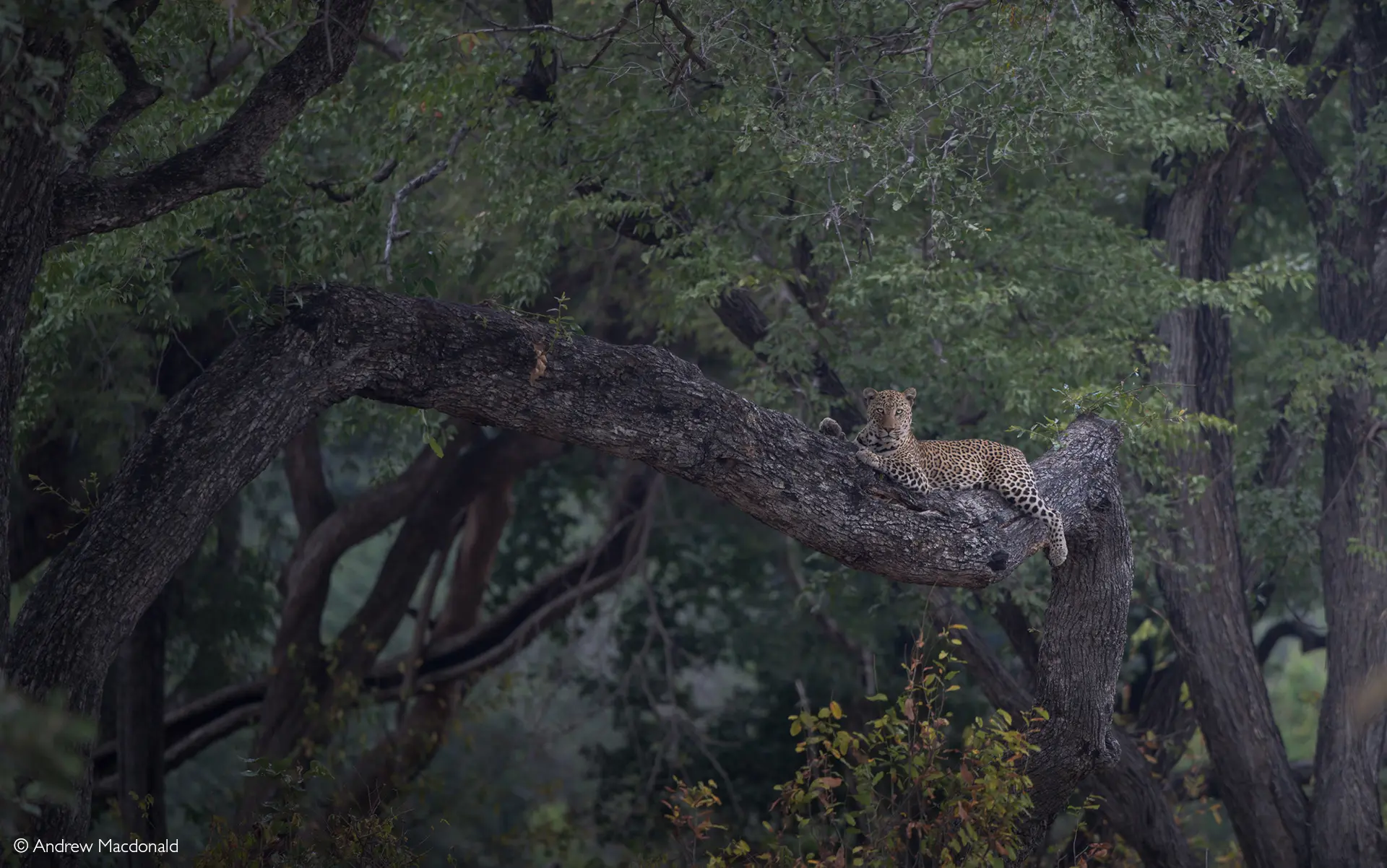
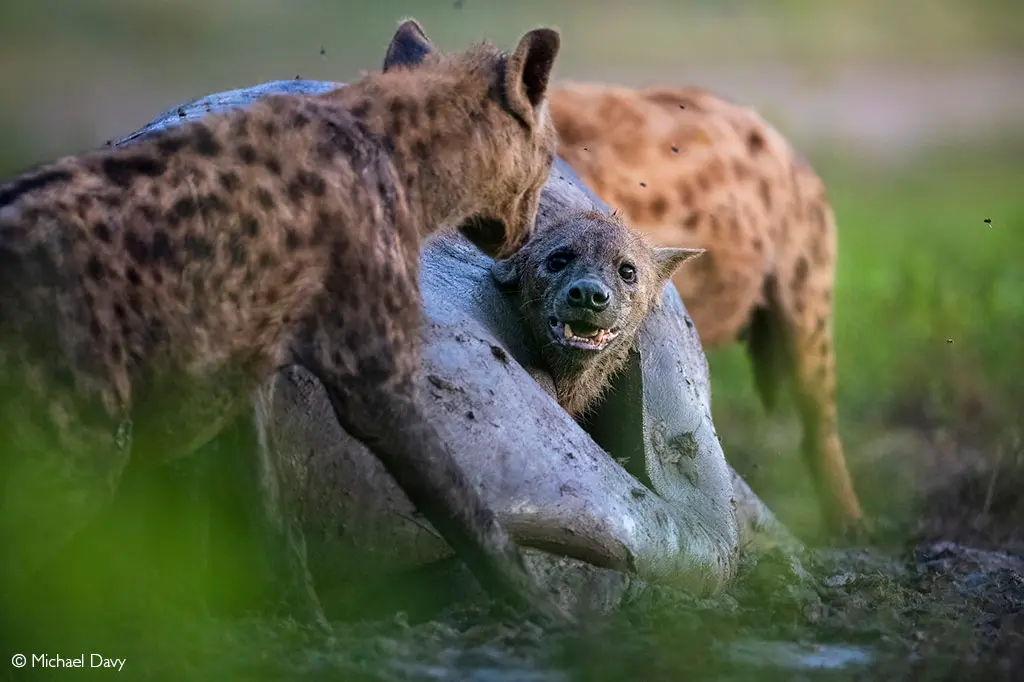
Predators: Nsefu adds another layer of appeal: consistently strong predator viewing on game drives, that holds its reputation across the season. This is one of the most reliable places in the region for leopard encounters, and many travellers choose Nsefu specifically because the odds of excellent sightings are so high. And with BBC’s Kingdom bringing the ongoing drama of predator life in this part of South Luangwa to a global audience, new travellers have been inspired to look beyond the usual safari names and experience Nsefu’s wild intensity for themselves.
When to go
Dry season (June–October): best for classic safari
This is the most dependable time for a first-time visit, with dry conditions that make game viewing easier and more consistent across the park. Walking safaris are typically excellent in this period, with clear visibility and wildlife spending more time around reliable water sources. September and October can be particularly hot, but they often deliver intensely rewarding sightings as animals concentrate and the safari tempo sharpens.
Green season (mid-November–April): different rewards
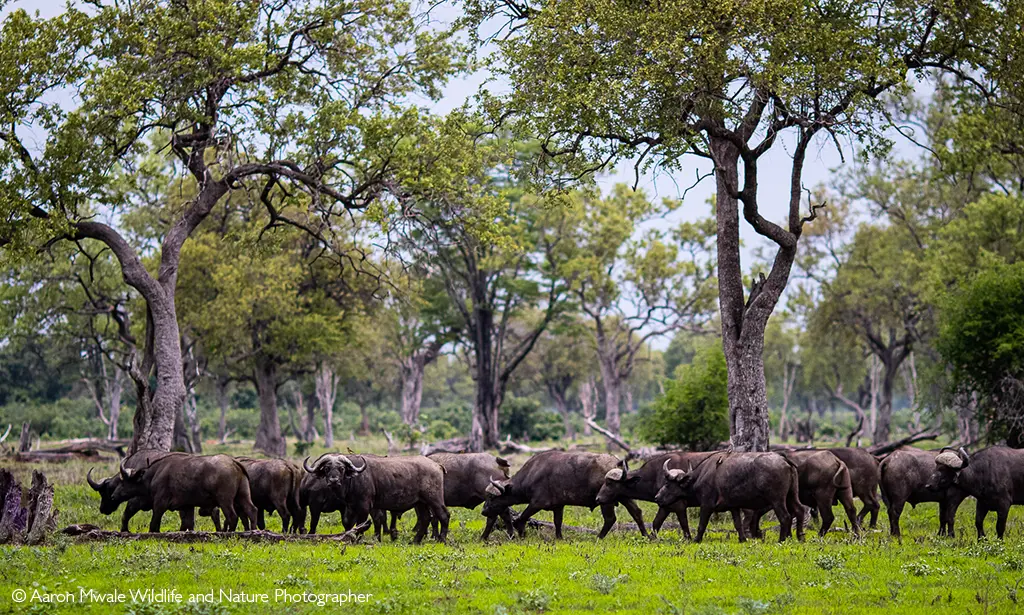
The green season changes the feel of South Luangwa completely, with flooded areas, lush scenery and a strong emphasis on birding. It can be a quieter time to travel, and some camps remain open, but conditions are more variable – access in certain areas may be affected by flooding. Itineraries can shift depending on where you stay and what the river is doing.
What to expect (the practical reality)
A more intimate safari style: Many South Luangwa safaris feel notably intimate because so much of the accommodation is small, seasonal and designed to blend into the bush rather than dominate it. The best camps don’t try to impress with noise or novelty – they let the wilderness do the work.
Nsefu is more remote and quieter than the main Mfuwe side of South Luangwa. Being on the far side of the Luangwa River generally means fewer passing vehicles, fewer day visitors, and less “traffic” at sightings.
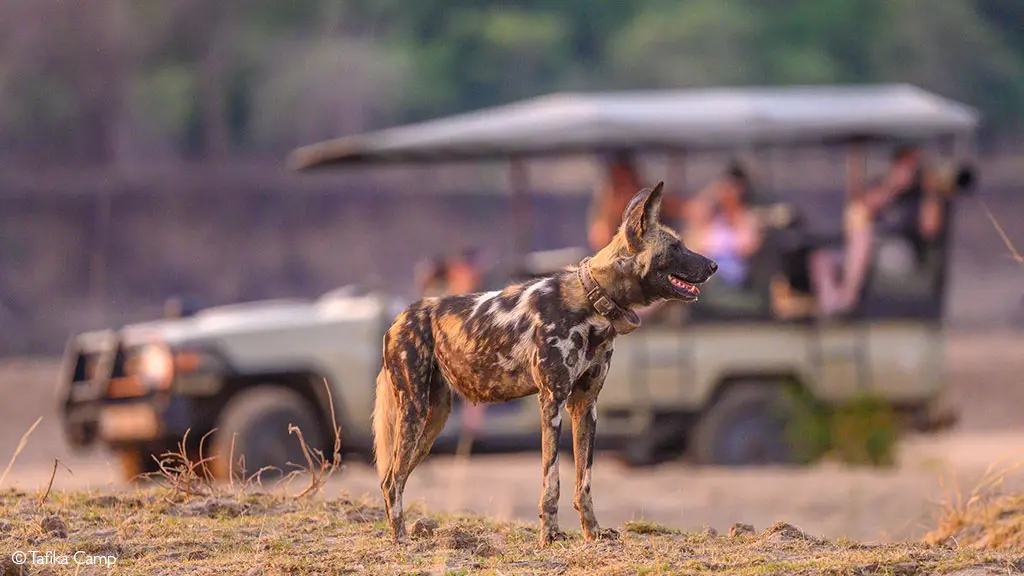
A rhythm built around mornings, late afternoons and nights: Days settle into a classic safari rhythm: early starts, a pause through the heat of midday, and a return to the bush in the late afternoon, often stretching into the evening. Game drives and walking safaris form the backbone, and where camps offer hides, you can add unhurried hours simply waiting for the action to come to you.
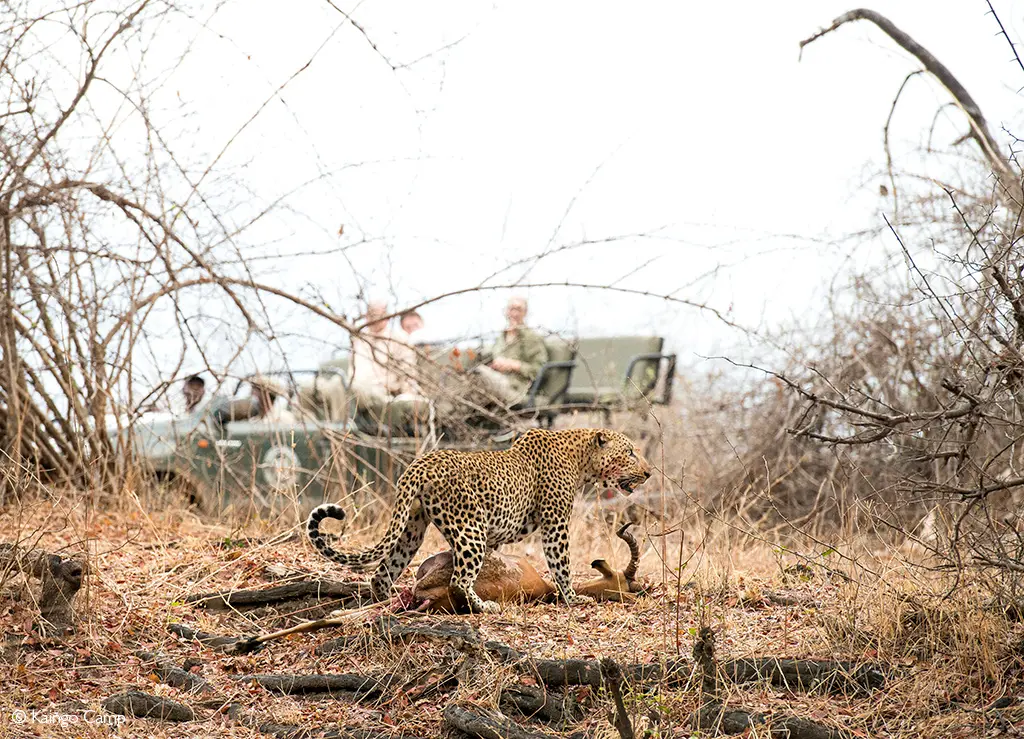
Low-impact thinking is part of the conversation: Just as importantly, South Luangwa attracts travellers who care about impact. It offers low-footprint operations and responsible choices – from how camps are run to how they connect with nearby communities and contribute to the valley’s long-term health.
In Nsefu, that mindset feels especially tangible: smaller, quieter camps and a more immersive safari style naturally lend themselves to lighter impact, fewer vehicles, and a stronger sense of travelling gently through a wild place.
Top experiences
Game drives – including night drives where permitted: Game drives form the backbone of South Luangwa’s itineraries, typically focused on early mornings and late afternoons when wildlife activity is highest. Where night drives are offered, they add an extra dimension: the bush feels less predictable, the atmosphere shifts, and the safari experience becomes sharper and more intense. Many lodges in Nsefu offer night drives – excellent for spotting leopards, lions, bush babies, civets, owls and other nocturnal treasures.
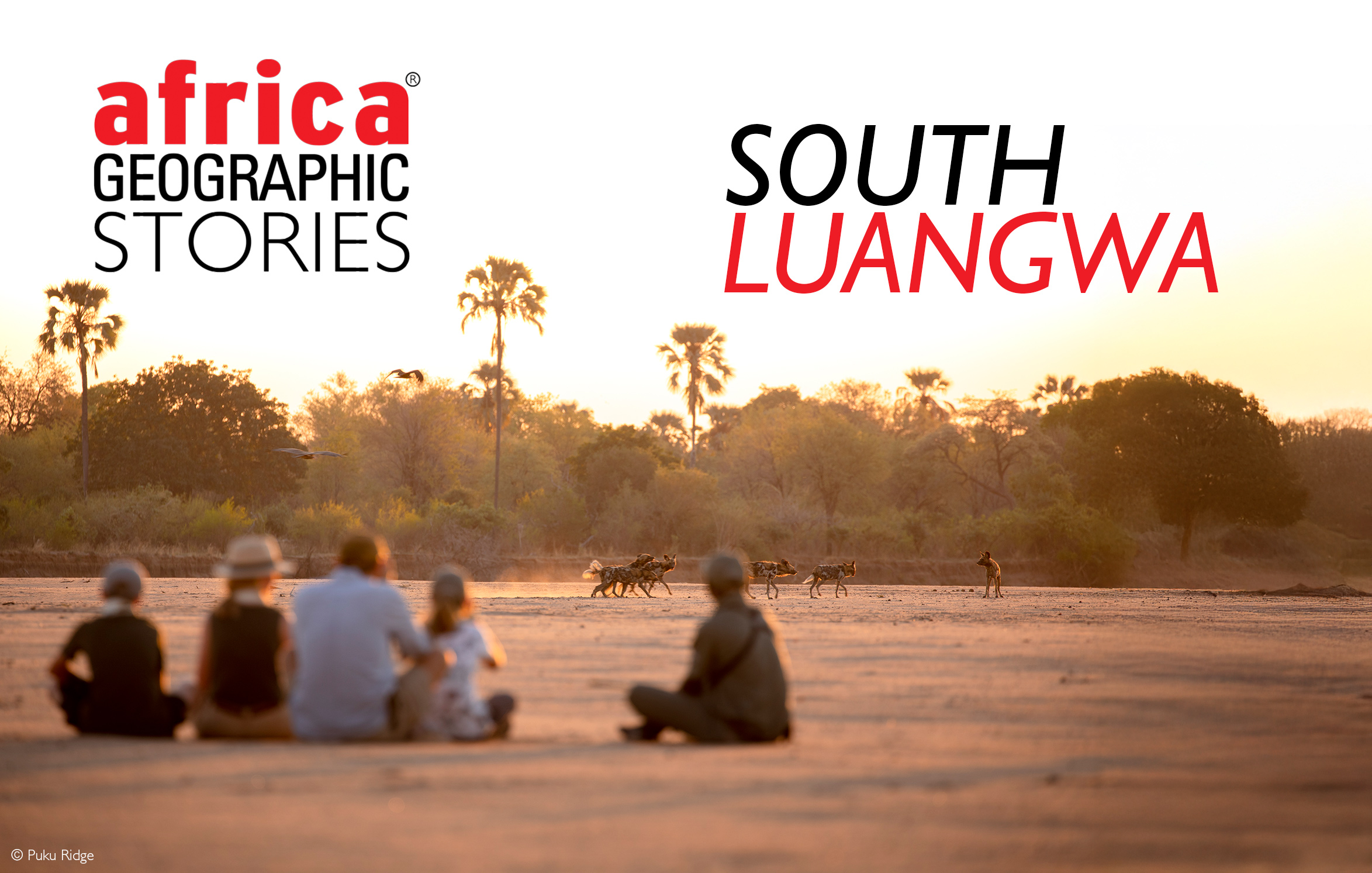
Walking safaris – the Luangwa essential: Walking is the signature experience here, and it’s one of the clearest reasons South Luangwa stands apart. On foot with highly trained guides, you move at a slower pace and begin to notice details that vehicle safaris can miss – tracks, clues, plants, and how the ecosystem fits together. It’s immersive, interpretive, and deeply place-based, which is exactly why the Luangwa is so highly regarded for walking.
Most Nsefu-area walking safaris are run as guided bush walks (usually in the cooler parts of the day), typically with small groups and a professional guide, often accompanied by an armed scout as part of standard safety practice in the park. In Nsefu’s camps, walks last around a few hours and cover a few kilometres through a mix of riverine and woodland habitats.
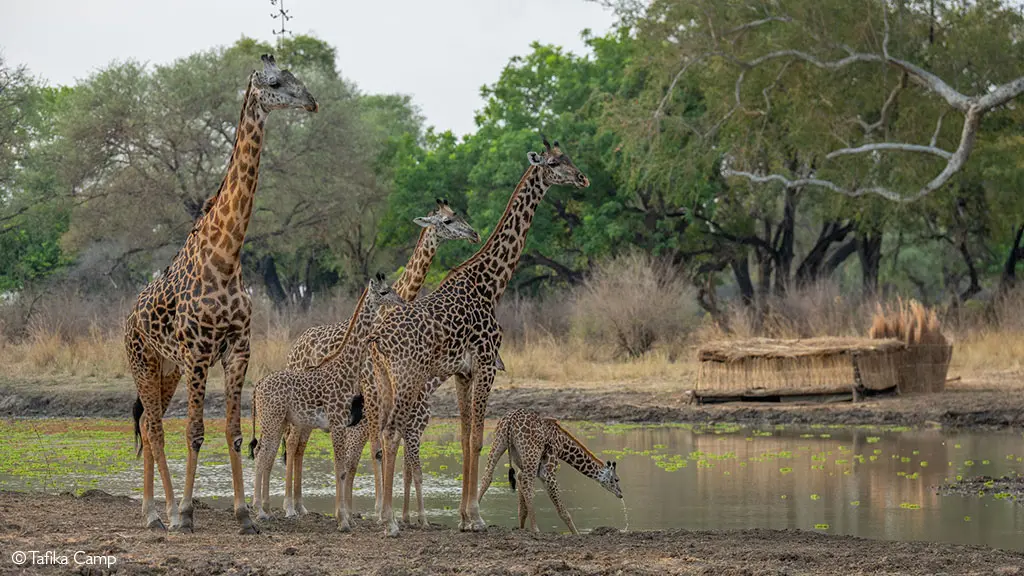
Hides – close-range, unhurried viewing: Hides are a major highlight in Nsefu because they encourage a different kind of safari – one built around patience rather than pursuit. You settle in, keep quiet, and let the wildlife come to you, often with close-range encounters unfolding on their own terms. The hide at Tafika Camp is the perfect example: it’s the sort of place where minutes turn into hours, and you stop chasing sightings altogether.
Culture and community connection (when done well):
A well-considered Luangwa safari can also include community-led cultural experiences that add context to the destination while supporting local livelihoods. Done responsibly, these encounters deepen a traveller’s understanding of the valley beyond wildlife alone, and help ensure tourism benefits extend beyond the park boundary.
Photographic safaris: South Luangwa is a strong photographic destination. It’s a place where you can spend time working a scene properly – whether that means staying longer at an active area, waiting out the light, or returning repeatedly to the same productive stretch. Nsefu’s open river edges, cleaner sightlines in the dry season, and the frequency of high-energy wildlife encounters make it an extra special draw for photographers.
Where to stay
Below are five excellent styles of stay, from “easy logistics” to ultra-immersive bush.
Mfuwe Lodge – easy access, comfortable base
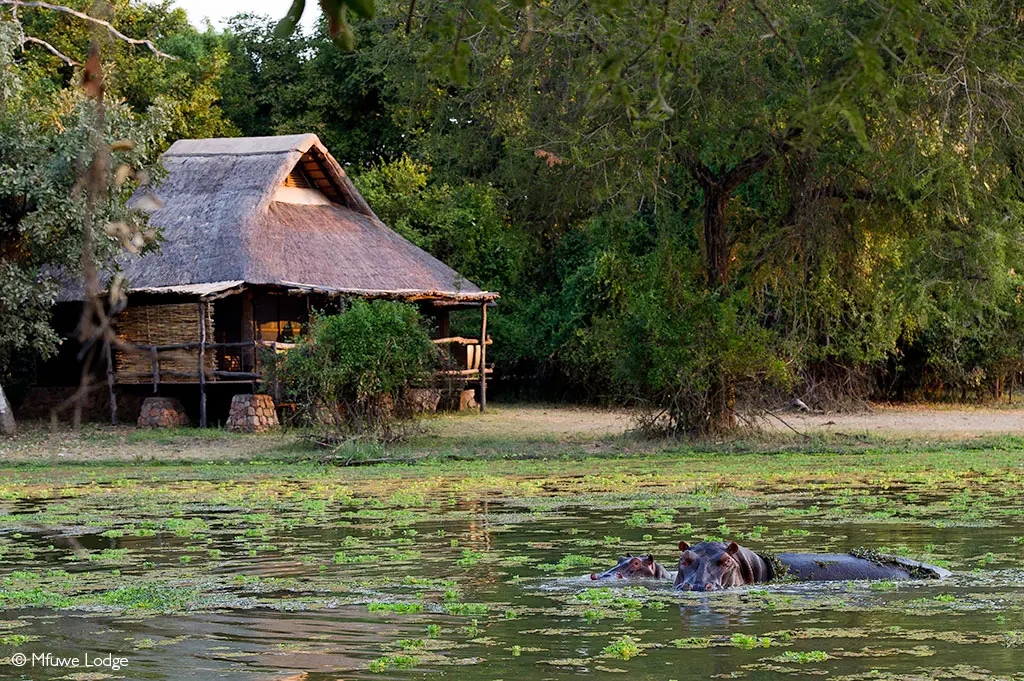
Best for: First-timers to the Luangwa; travellers who want comfort, amenities, and straightforward logistics close to the park gate.
Mfuwe Lodge is the simplest place to start, and a strong choice for first-timers who want comfort and straightforward logistics. It’s accessible and well-equipped, with modern amenities including a pool and spa, and its location close to the park gate makes transfers and timing easy. It’s also known for those memorable “wildlife-through-the-lodge” moments that have become part of Luangwa safari folklore – with elephants wandering through the reception area when local wild mango trees are fruiting: the kind of encounter that reminds you this valley is still very much wild, even at the heart of camp.
Puku Ridge Camp – elevated views + comfort-in-the-bush
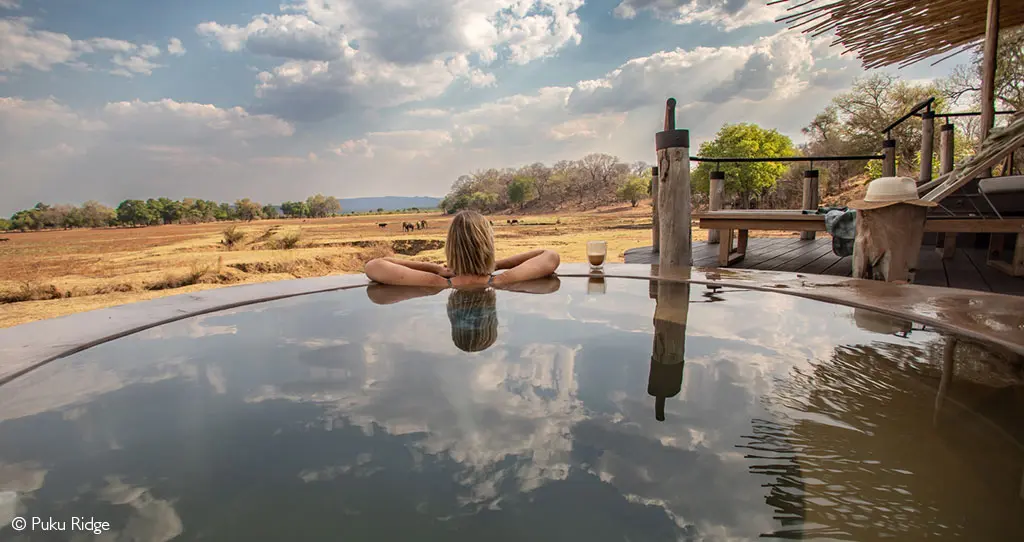
Best for: Travellers who want a more elevated, scenic lodge setting without losing the bush feel.
If you want bigger views without losing the bush feeling, Puku Ridge Camp delivers a more elevated perspective. Perched on a ridge overlooking the Kukumbi floodplain, it’s designed for easy scanning and constant sightlines of ongoing action. The semi-tented chalets, each with a private deck, strike a strong balance between comfort and immersion – ideal for travellers who want a touch more luxury while still feeling close to the elements.
Mwamba Bush Camp – ultra-intimate, wilderness-first
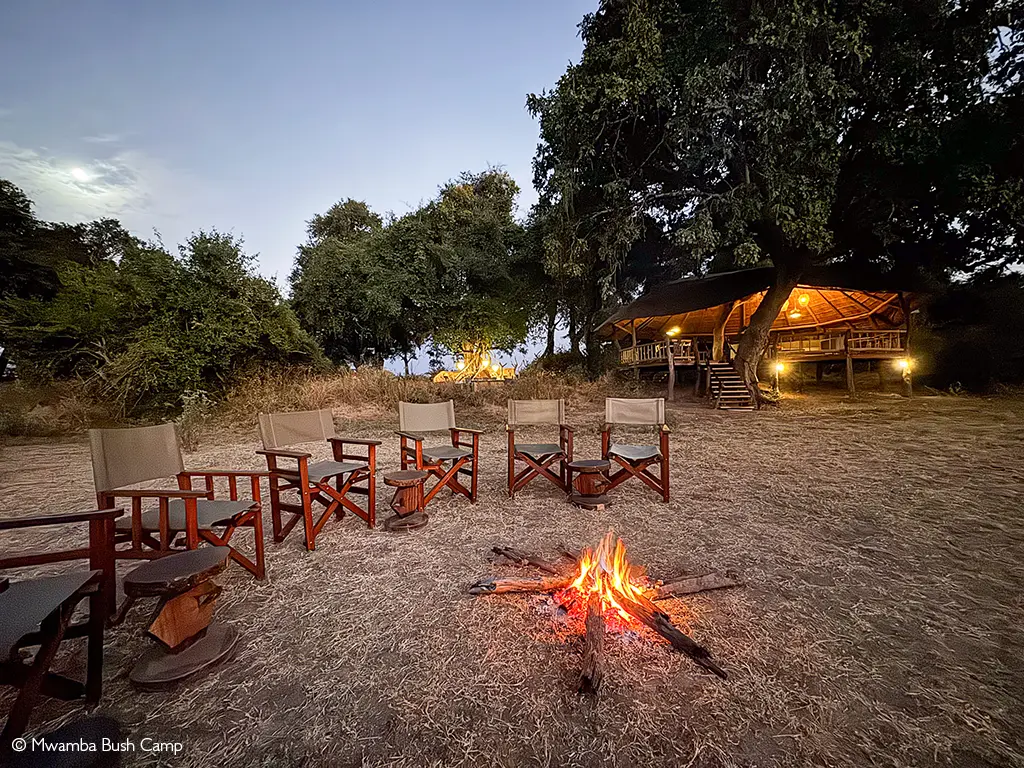
Best for: Safari purists; repeat travellers; anyone who wants the feeling of living inside the ecosystem.
For travellers who want the most intimate, wilderness-first experience, Mwamba Bush Camp is the standout. Located at the confluence of the East Mwamba and main Mwamba Rivers with only four chalets, it’s ultra-personal and deliberately low-key, perfect for safari purists or anyone wanting to feel like they’re living inside the ecosystem rather than visiting it. Wildlife can move right through camp, and Mwamba’s “Last Waterhole Hide” is a signature highlight – a place for close-range, unhurried viewing where you can settle in and let the action come to you.
Tafika Camp – adventure and variety, just north of Nsefu
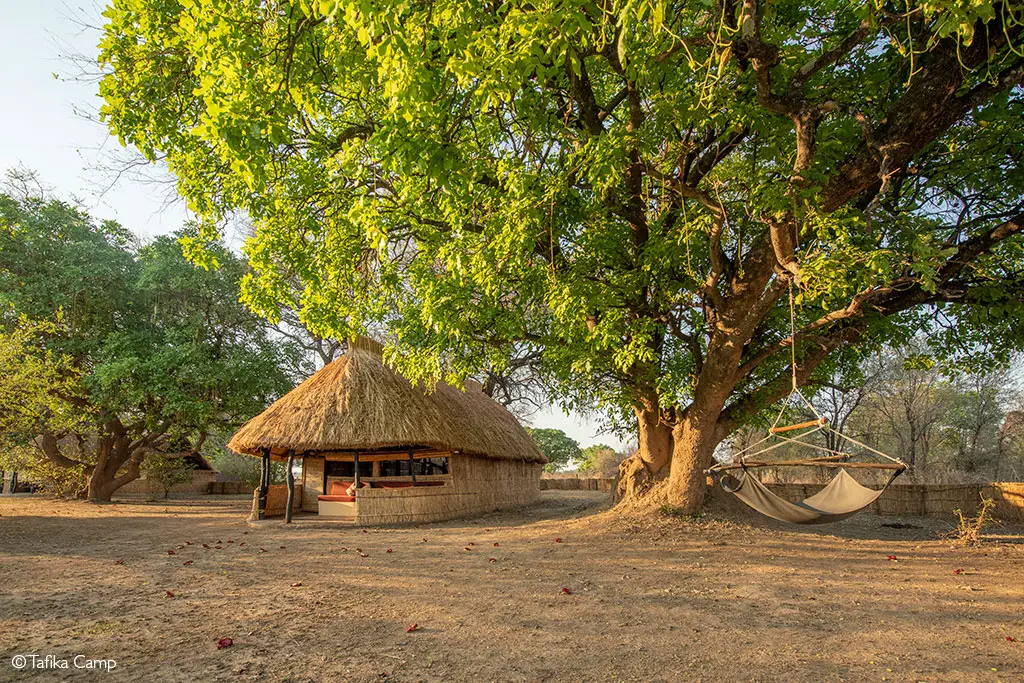
Best for: Active travellers who want walking, driving, and something extra beyond the vehicle.
Just north of Nsefu, Tafika Camp offers a different energy: adventurous, friendly, and ideally set up for travellers who want variety in how they explore. It balances rustic charm with real comfort and is excellent for walking safaris and game drives, with biking available for those keen to add something active and slightly unconventional to their safari. Tafika is also one of the locations from which BBC series Kingdom was filmed – a detail that has become part of its appeal for travellers arriving with the landscape already etched into their minds.
Olimba Camp – off-the-beaten-path Nsefu
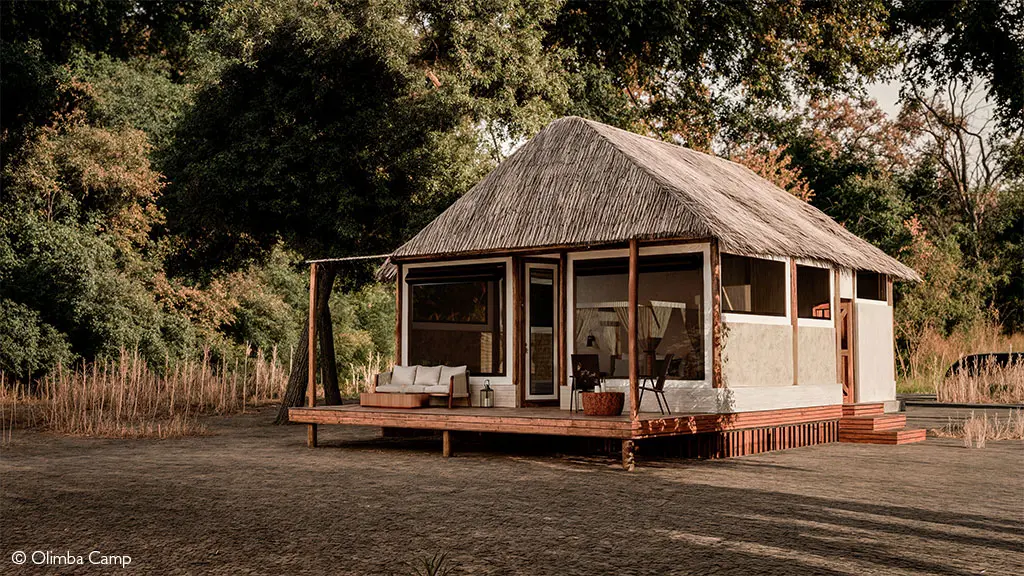
Best for: Adventurous travellers who want quieter corners and a less commercial feel – ideal for lodge-hopping within the park.
For an off-the-beaten-path finish – or a stay built around quieter corners – Olimba Camp, opening in 2026, is the hidden gem. It’s less commercialised and more remote, designed for travellers who want a calmer, more exploratory safari and who enjoy the feeling of discovering lesser-known areas rather than focusing on the busiest routes. Olimba formerly served as a base for the crew filming Kingdom, reinforcing just how compelling this Nsefu wilderness area is.
Why you’ll want to go
South Luangwa still delivers what many safari destinations promise but can’t always sustain: a sense of place. Nsefu, in particular, feels like the park’s wild core – predator-rich, quiet, and made for travellers who want to do safari properly: walk, watch, wait, and go deep. Add the global spotlight of Kingdom, and it’s no surprise that this “once secret” corner of Zambia is now firmly on travellers’ wish lists.
Further reading
- South Luangwa National Park and Nsefu area are centred around the Luangwa River, and life in the valley benefits from its rich floodplains that spill over into the surrounding plains, savannas and woodlands – ideal safari habitat. Read more about South Luangwa and Nsefu here.
- South Luangwa in Zambia offers a wildlife-rich safari and fantastic photographic opportunities – check out this safari report-back by Edward Selfe
- An unforgettable photographic safari with Africa Geographic in the remote Nsefu Sector of South Luangwa National Park – read about this travellers experience here
- “Turn left. Continue along the road, through a dry riverbed. When the road forks, keep to the left.” Immerse yourself in this supernatural account of a South Luangwa safari.
To comment on this story: Login (or sign up) to our app here - it's a troll-free safe place 🙂.