


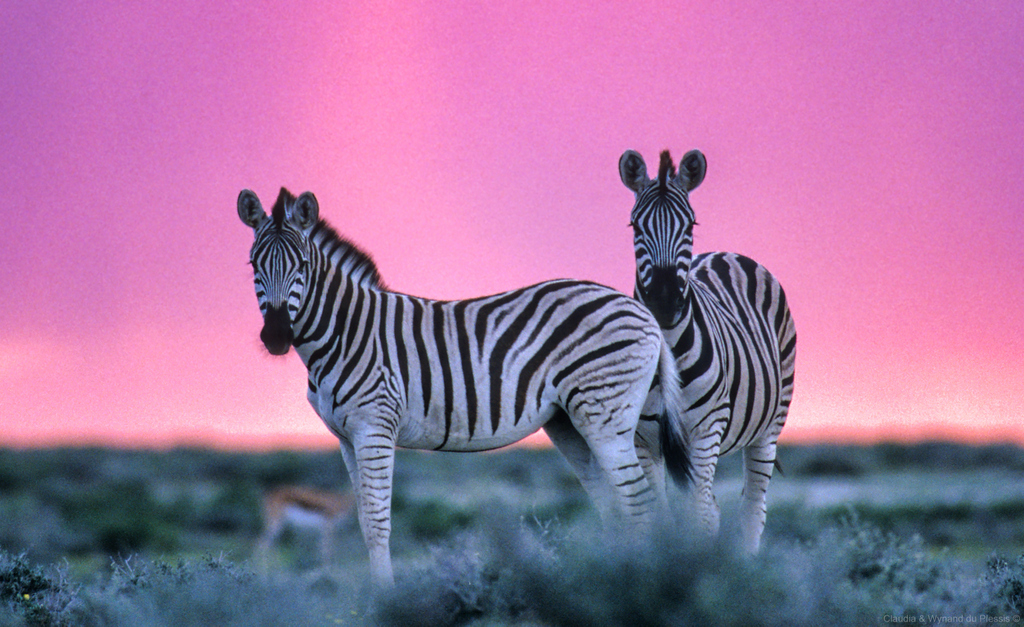
Namibia is home to many true wilderness areas where human influence is hardly noticeable. Spending time in Namibia’s wild nature is a true blessing for the soul and a visual feast – especially during the golden hours of the day. We’d like to inspire you with a selection of our images that capture Namibia’s extraordinary light. By Claudia & Wynand du Plessis
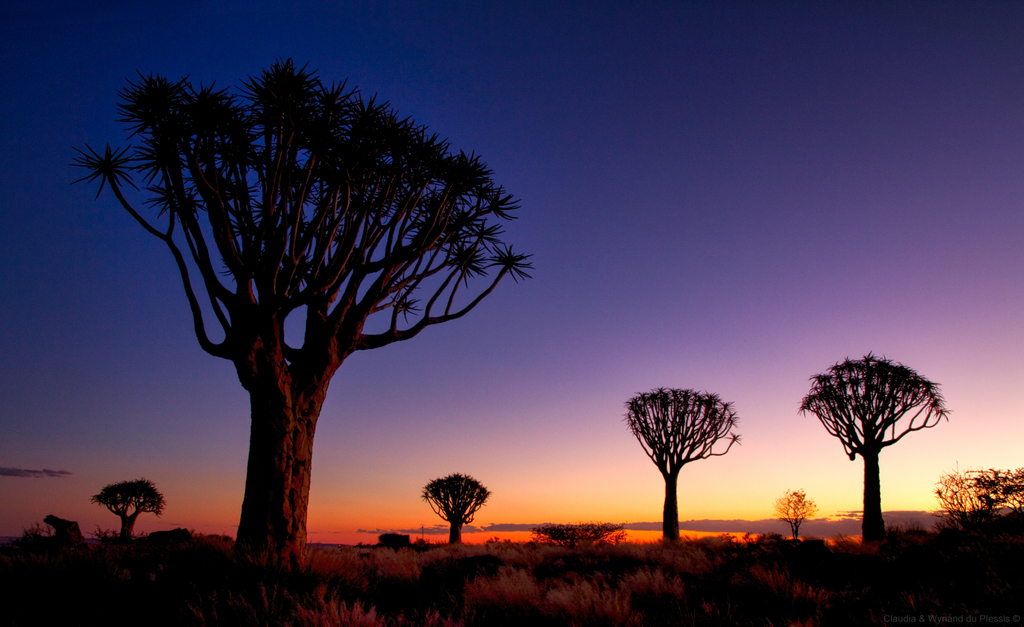
The far south of Namibia is very rugged and isolated. Only the hardiest of plants, such as quiver trees, survive and even thrive in this region. During the day, the landscape often appears bleak in the harsh light, but for a brief time at sunrise and sunset, the scenery becomes magical with stunning colours, shapes and silhouettes.
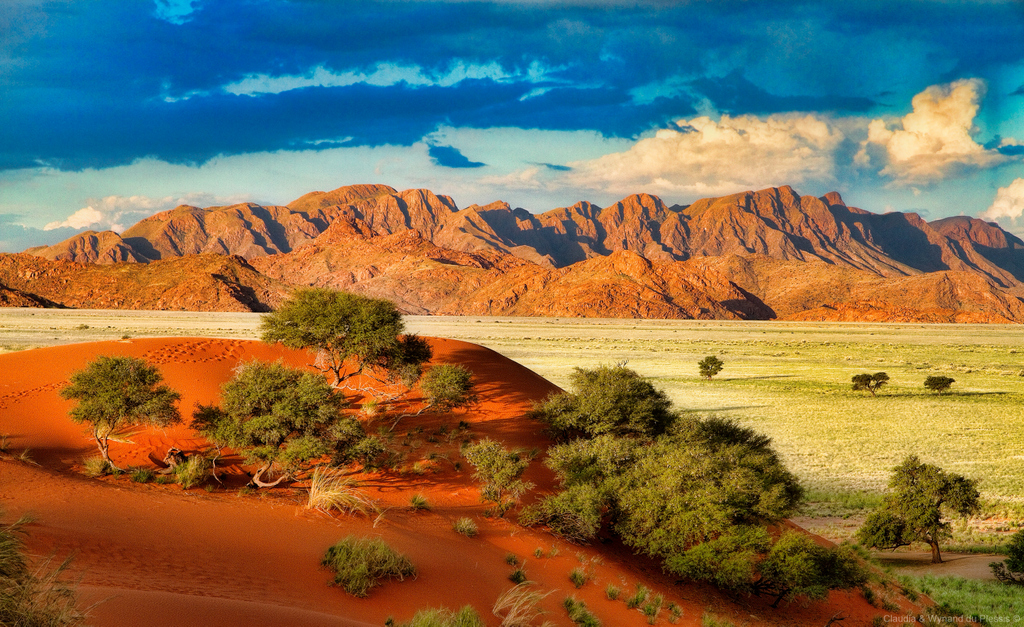
When you sit on top of Elim Dune in the late afternoon, the view is simply breathtaking. Towards the west, the dunes stretch as far as the eye can see, while towards the east, you are rewarded with a magnificent view over the gravel plains towards the mighty Naukluft Mountains.
Even though Elim Dune lies very close to Sesriem camp, only three kilometres away, it is truly part of the Namib Desert – one of the most impressive wilderness destinations in the world.
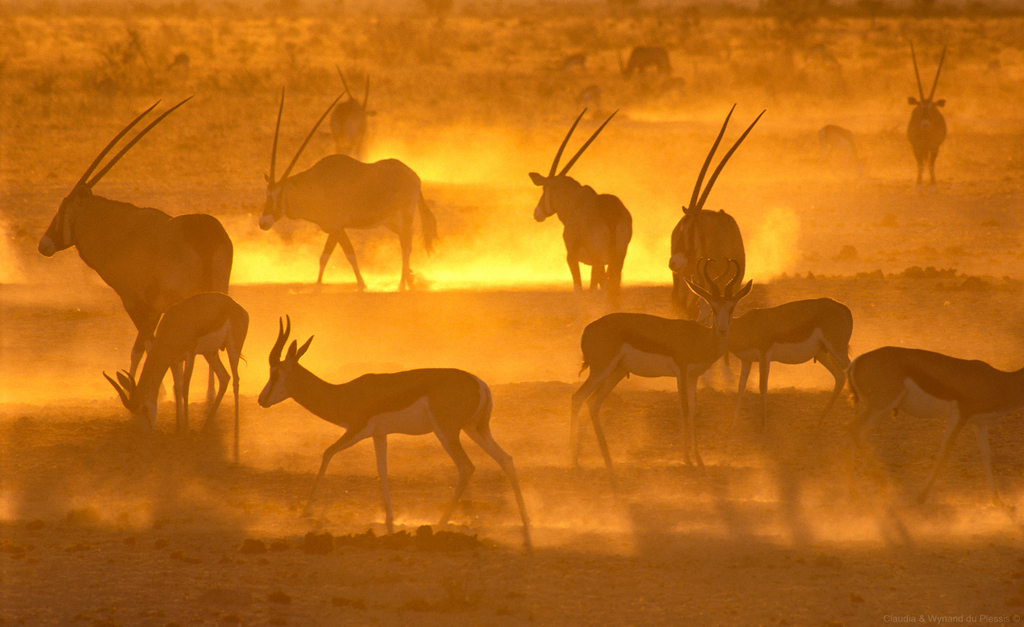
In the late dry season, when thousands of thirsty animals visit Etosha’s waterholes daily, the hooves of springbok and gemsbok visiting at sunset kick up huge dust clouds from the trampled soil, which make for great backlight images against the setting sun.
Etosha National Park in northern Namibia is a prime destination for wildlife enthusiasts. Even though it is fenced and many of its waterholes are artificial, it can be considered a true wilderness area because of its enormous size (22,915 square kilometres) and minimal human influence (from the park’s management, visitors, or the farmers living around the park).
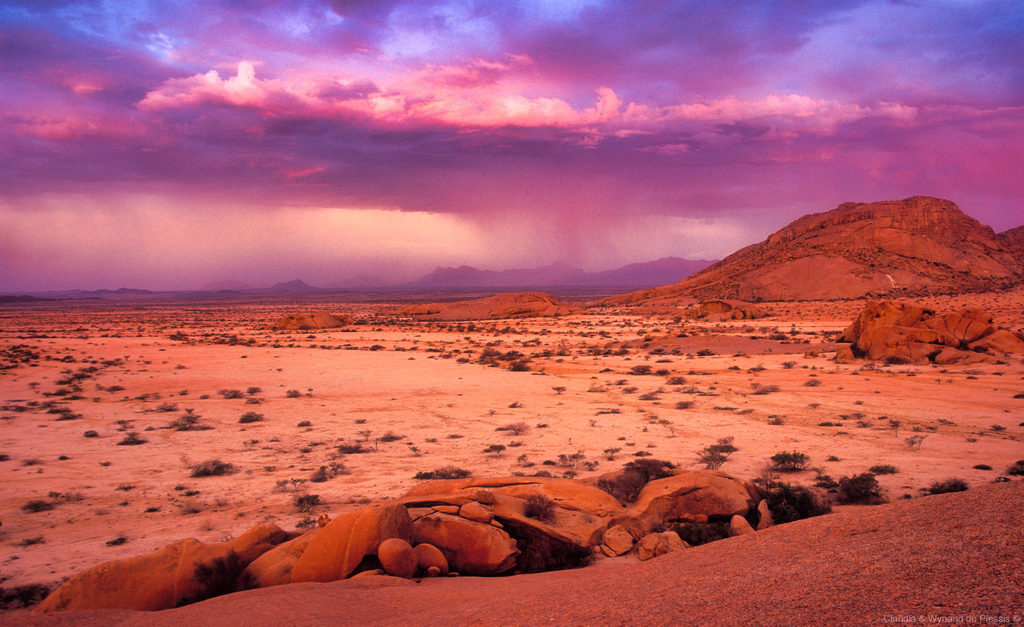
In the rainy season, when dramatic storm clouds cover the sky, a rare thunderstorm over Spitzkoppe at sunset paints the landscape in pink.
Although Spitzkoppe is not a true wilderness area, you quickly get the feeling of being stranded on an isolated island when you climb up the steep granite mountain or camp in a sheltered spot.
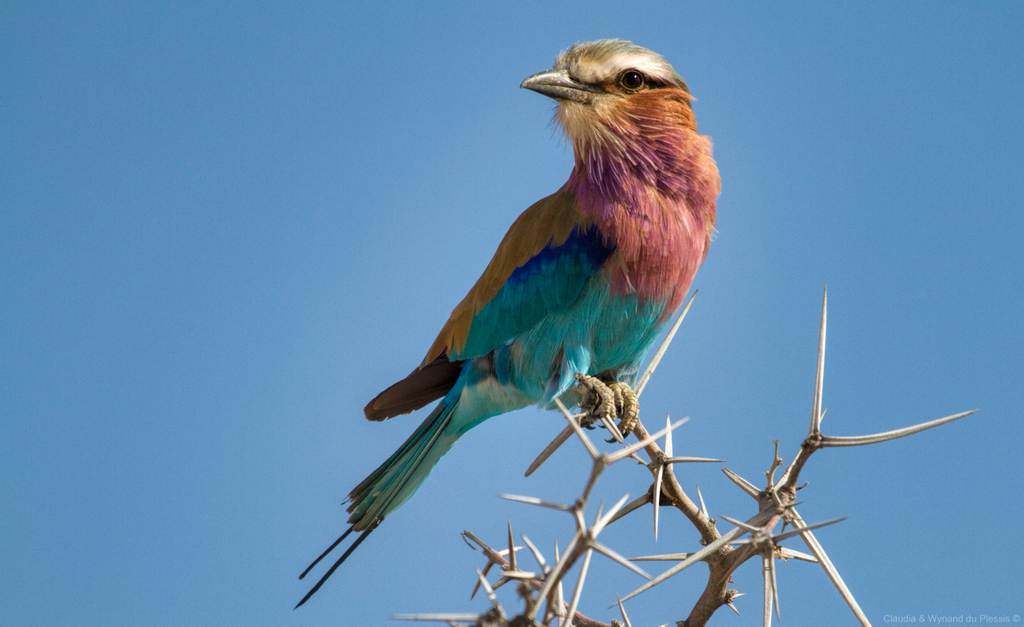
The lilac-breasted roller is one of the most colourful birds in Namibia. Its bright shades of olive green, orange, lilac, pink, and blue stand in stark contrast to the earthy tones of the savannah – its favourite habitat – making it a striking photographic motif for wildlife photographers.
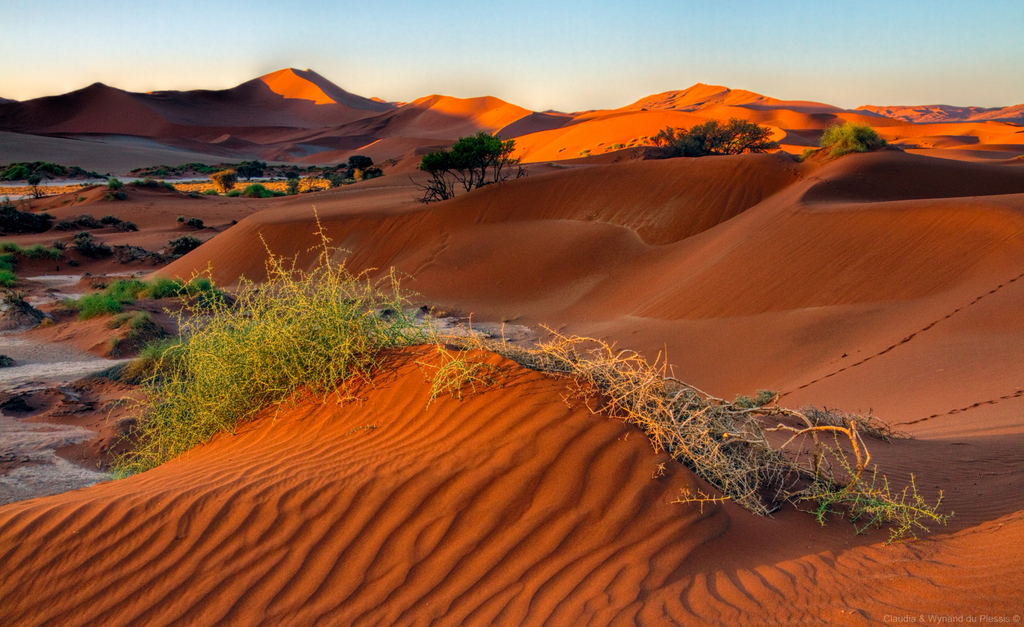
When you stay an entire day at Sossusvlei, you’ll witness the most dramatic colour changes on the dunes. During the day, when the sun is high in the sky, the terrain appears bleak and washed out. During the golden hours at sunrise and sunset, however, the sand glows in magnificent shades of orange, transforming the landscape into a magical desert world.
The vast dune sea of the Namib Desert is among the driest desert regions on Earth. Despite the area around Sossusvlei being a tourist magnet for its beauty and accessibility, human impact on the magnificent, protected Namib-Naukluft National Park is negligible.
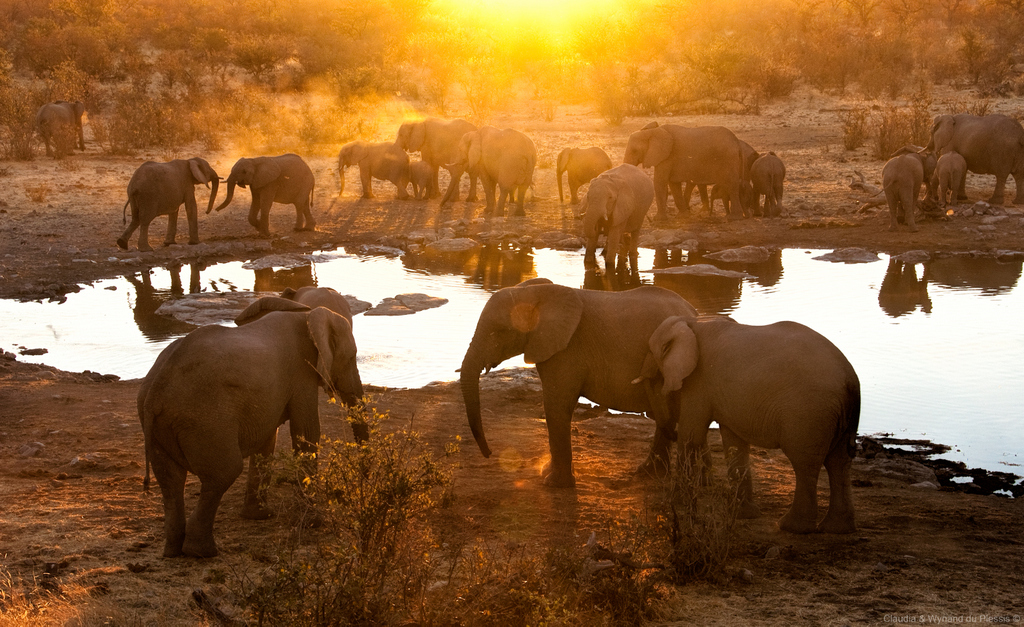
Watching a herd of elephants approaching a waterhole and spending time to drink, bathe, play and socialise nearby is the epitome of a true wilderness experience.
At Halali waterhole you can enjoy this spectacle from a vantage point inside the camp 24/7. At the height of the dry season, elephant herds with babies prefer to visit the waterhole at the end of a hot day. With the setting sun basking the dusty scene in warm light, this creates great opportunities for photographers to capture atmospheric images.
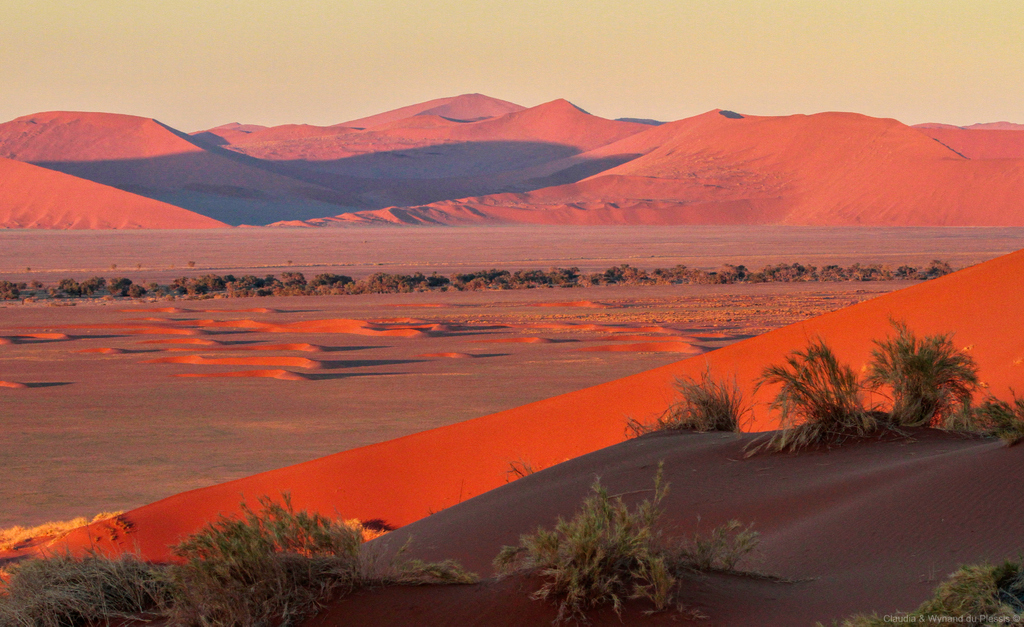
Observing the sunrise from the top of a dune is a magical experience. The radiating orange colours of the landscape leave you speechless, and the sense of wilderness is tangible when you sit with your feet dug into the cool sand, engulfed by absolute quietness and peace.
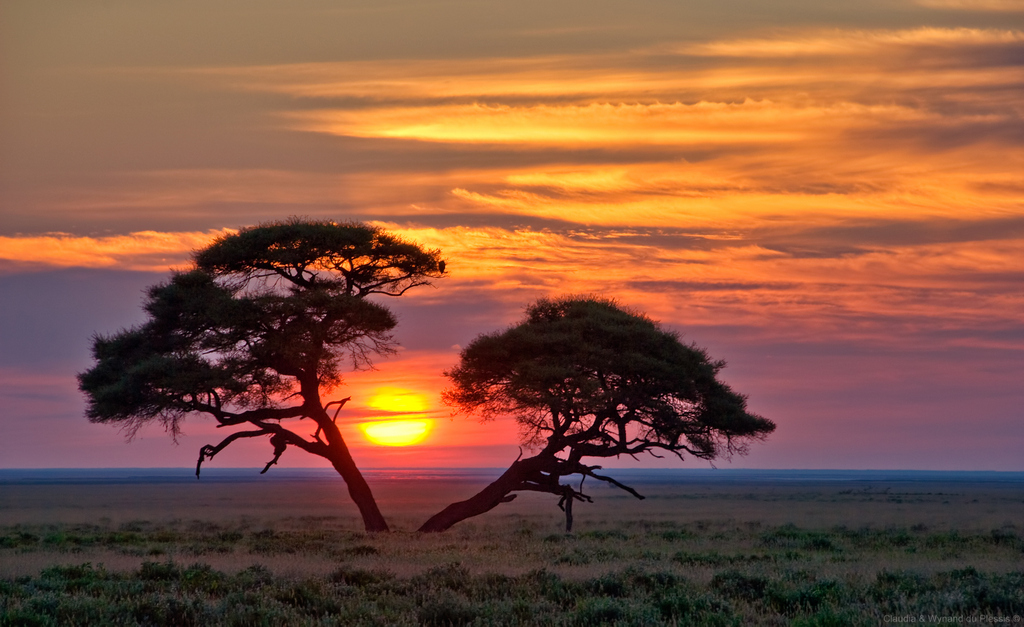
Being out at first light in Etosha’s wilderness is equally rewarding. Watching the sun rise behind a lone acacia tree in an array of pink, lilac and orange colours is a wonderful experience. Paying attention to the large expanse of the Etosha Pan on the horizon helps one comprehend the vastness of this grand place.
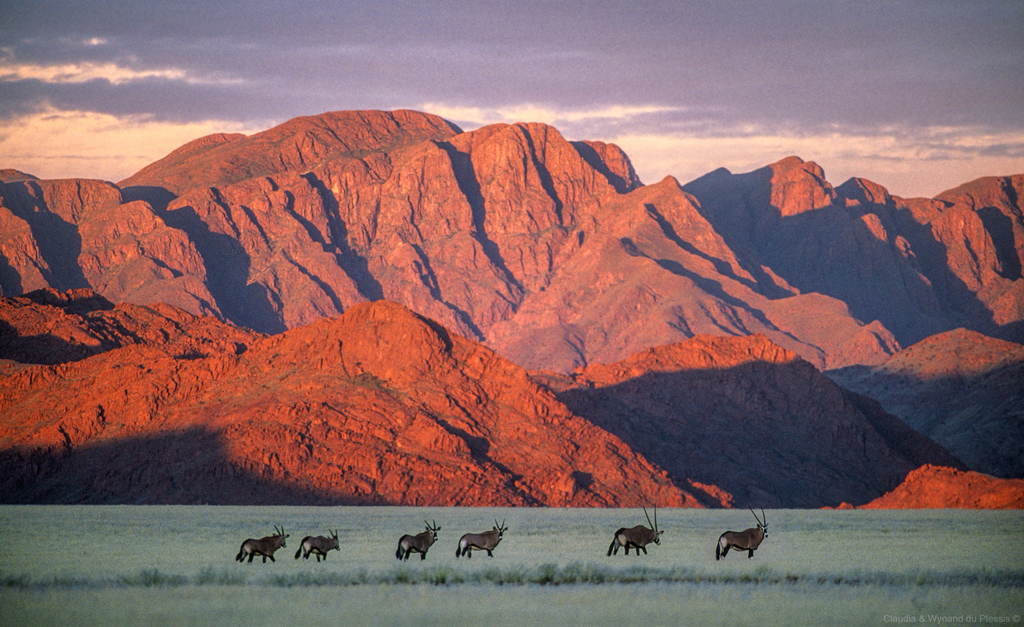
As the sun sets, a herd of gemsbok moves towards the Naukluft Mountains for their nightly rest. There is a brief window when the scenery is transformed into heavenly pastel colours just before the sun disappears beyond the horizon.
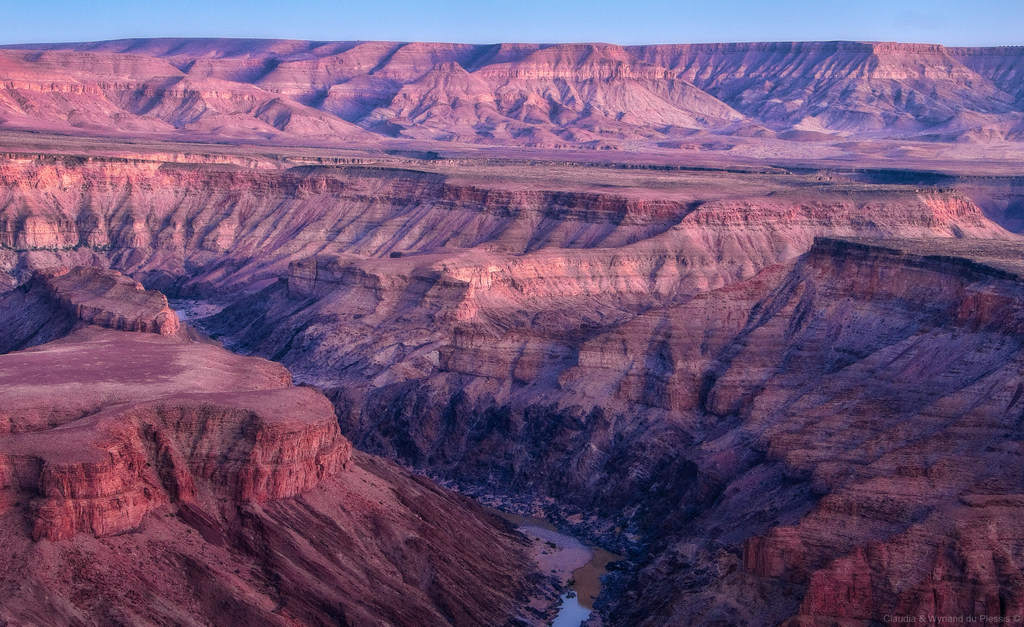
The Fish River Canyon is an area of extremes in both temperature and beauty. Whilst the rugged terrain appears bleak and inhospitable during noon, it looks rather mysterious and inviting around dusk and dawn.
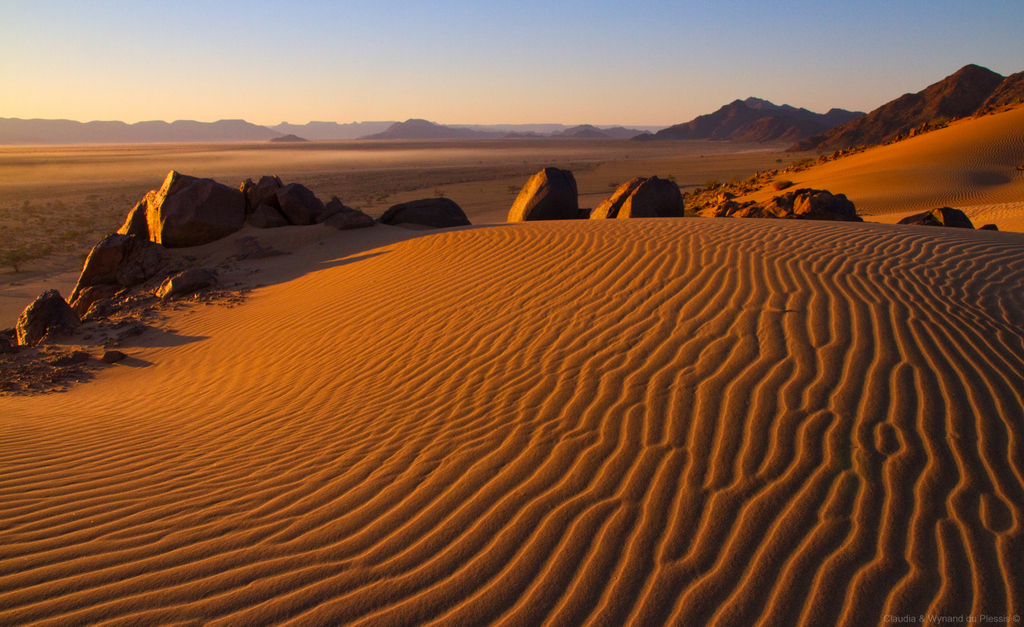
The early-morning light in the Namib Desert not only creates rich, warm colours but also highlights the landscape’s diverse textures and patterns. The great escarpment (as seen in the background of the above photo) runs south to north along most of western Namibia and has, for the most part, very rugged terrain with hardly any human influence.
Want to go on safari to Namibia? To find lodges, search for our ready-made packages or get in touch with our travel team to arrange your safari, scroll down to after this story.
To comment on this story: Login (or sign up) to our app here - it's a troll-free safe place 🙂.